The text comprises numerous lesson excerpts from an online English language learning platform focusing on specialized vocabulary. The lessons cover various professional fields, including business English, customer service, nursing (including palliative care and emergency situations), medical examinations and procedures, legal terminology, finance, construction, carpentry, plumbing, automotive mechanics, architecture, flooring, and fitness. Each segment provides key phrases and terms, accompanied by pronunciation guidance and example sentences. The platform also offers membership benefits such as downloadable guides and extra exercises.
Customer Service, Nursing, Medical, Legal, and Construction English Vocabulary Study Guide
Short Answer Quiz
What are three phrases that can be used to politely deny a customer’s request?
Give two examples of phrases that can be used to deliver bad news to a customer with empathy.
What are three phrases nurses can use to greet patients?
What are three phrases nurses can use when administering medication?
What are three phrases that nurses can use to help with patient hygiene?
Describe three phrases nurses use to assess a patient’s pain.
What are three phrases nurses can use when communicating with doctors?
What are two key phrases that nurses can use in emergency situations?
Name three different types of medical scans.
What are three phrases related to questioning a patient to understand their chief complaint?
Quiz Answer Key
Three phrases to politely deny a request are: “Unfortunately, we’re unable to fulfill your request at this time,” “I’m sorry, but that service is not available,” and “Due to company policy, we are unable to offer this service.”
Two examples of phrases to deliver bad news with empathy are: “I regret to inform you that there has been an issue” and “Unfortunately, we have encountered a problem.”
Three phrases nurses can use to greet patients are: “Good morning, how are you feeling today?”, “Hello, how can I assist you?”, and “Good afternoon, how can I help?”.
Three phrases nurses can use when administering medication are: “It’s time for your medication,” “Please take this pill with water,” and “Let me know if you feel any discomfort.”
Three phrases nurses can use to help with patient hygiene are “Do you need assistance with your bath?”, “Let’s get you freshened up”, and “I’ll help you with your hygiene needs.”
Three phrases nurses use to assess a patient’s pain are: “Are you in any pain?”, “Can you rate your pain on a scale from 1 to 10?”, and “Is the pain sharp, dull, or throbbing?”
Three phrases nurses can use when communicating with doctors are: “I need to update the doctor on your condition,” “Let me check with the doctor about that,” and “I need to report this symptom to the doctor.”
Two key phrases that nurses can use in emergency situations are: “We need to act quickly” and “Stay calm; we are here to help.”
Three different types of medical scans are: X-ray, MRI (magnetic resonance imaging), and CT scan (computerized tomography).
Three phrases related to questioning a patient’s chief complaint are: “What brings you in today?”, “Can you describe your symptoms?”, and “What seems to be the problem?”.
Essay Questions
Discuss the importance of using professional and empathetic language when denying customer requests and delivering bad news. Provide examples from the text and explain the potential impact of such communication on customer relationships.
Analyze the role of effective communication in nursing, highlighting how specific phrases can contribute to patient comfort, understanding, and overall care. Support your arguments with examples from the provided text.
Explore the various types of medical procedures described in the text, categorizing them and explaining the purpose of each procedure. How does an understanding of these procedures contribute to better communication between healthcare professionals and patients?
Explain the importance of knowing legal and crime-related English vocabulary. How does this knowledge enhance effective communication in legal contexts and increase awareness of law-related issues?
Discuss the significance of using correct terms related to finance, credit, and banking. Explain how this understanding of banking vocabulary can help in a day-to-day situation.
Glossary of Key Terms
Customer Service:
Fulfill (a request): To meet or satisfy a request or need.
Policy: A set of rules or guidelines established by an organization.
Capacity: The ability to hold or contain something; the ability to accommodate.
Empathy: The ability to understand and share the feelings of another person.
Clarity: The quality of being clear and easy to understand.
Nursing and Healthcare:
Vital Signs: Basic measurements of body functions, such as temperature, pulse, respiration rate, and blood pressure.
Medication Administration: The process of giving medicine to a patient, including oral pills, injections, and IV drips.
Wound Care: The process of cleaning and treating a wound to promote healing.
Patient Education: Providing information to patients about their health and treatment plans.
Discharge Instructions: Information given to patients when they leave the hospital.
IV (Intravenous): Relating to or being within a vein.
Antibiotic Ointment: A cream containing antibiotics used to prevent infection.
Hygiene: Practices that promote cleanliness and health.
Counselor: A person who provides advice and support on personal or psychological problems.
Defibrillator: A device that delivers an electrical shock to restore a normal heartbeat.
Primary Care Physician: A doctor who provides basic medical care.
Complications: A new medical problem that arises during a disease or after a medical procedure.
Low Sodium Diet: A diet that limits the amount of sodium intake, often prescribed for health reasons.
Hydrated: Having enough water in the body.
Pamplet: A small booklet containing information on a specific topic.
Medical:
MRI (Magnetic Resonance Imaging): A medical imaging technique that uses magnetic fields and radio waves to create detailed images of the body’s internal structures.
ECG (Electrocardiogram): A test that records the electrical activity of the heart.
Blood Test: A laboratory analysis of a blood sample to assess various health markers.
Endoscopy: A medical procedure that uses a flexible tube with a camera to examine the interior of organs or body cavities.
Biopsy: The removal of a small sample of tissue for examination under a microscope.
Chief Complaint: The main reason a patient seeks medical care.
Chronic: A health condition that lasts for a long time.
Laparoscopy: A minimally invasive surgical procedure using small incisions and a camera.
Costectomy: The surgical removal of the gallbladder.
Vascular Surgery: Surgery focusing on blood vessels like arteries and veins.
Appendectomy: The surgical removal of the appendix.
Hysterectomy: The surgical removal of the uterus.
Endoscopy: A procedure using a flexible tube with a camera to view the interior of the body.
Hysteroscopy: A procedure to examine and treat the lining of the uterus.
Gastric Bypass Surgery: A weight-loss procedure involving alterations to the digestive system.
Cataract Surgery: Surgery to remove a cloudy lens from the eye.
Coronary Artery Bypass Surgery: A cardiac procedure to restore blood flow to the heart.
Hip Replacement: Surgical replacement of a damaged hip joint with an implant.
Tonsillectomy: The surgical removal of the tonsils.
Carotid Endarterectomy: Surgical removal of plaque from arteries supplying the brain.
Cesarean Section: A surgical delivery method for childbirth.
Breast Biopsy: The removal of breast tissue for examination.
Cystoscopy: A procedure to examine the interior of the bladder and urethra.
Bronchoscopy: A procedure to visualize the airways and lungs.
Esophagogastroduodenoscopy (EGD): A procedure to examine the esophagus, stomach, and duodenum.
Radical Mastectomy: An extensive surgical procedure for breast cancer involving the removal of breast tissue and muscles.
Vasectomy: A surgical procedure for male sterilization.
Anesthesia: The administration of medication to induce a reversible loss of sensation or consciousness during medical procedures.
Scalpel: A surgical instrument with a small, sharp blade for making incisions.
Legal and Crime:
Affidavit: A written statement confirmed by oath or affirmation.
Alibi: A claim that one was elsewhere when a crime was committed.
Appeal: Applying to a higher court for a reversal of a lower court’s decision.
Arraignment: The act of calling someone before a court to answer a criminal charge.
Bail: The temporary release of an accused person awaiting trial, often with a sum of money.
Barrister: A lawyer entitled to practice as an advocate in higher courts.
Brief: A written statement submitted in a trial or appeal proceeding.
Defendant: The person being sued or accused in a legal case.
Evidence: Information or materials presented to prove facts in a legal case.
Jury: A group of people sworn to render a verdict in a trial.
Litigation: The process of taking legal action.
Mediation: Intervention in a dispute to resolve it.
Paralegal: A person trained in legal matters but not fully qualified as a lawyer.
Plaintiff: A person who brings a case against another in a court of law.
Plea Bargain: An agreement in a criminal case where the defendant pleads guilty to a lesser charge.
Probate: The official proving of a will.
Prosecutor: A legal representative who brings charges against a suspect.
Statute: A written law passed by a legislative body.
Subpoena: A writ ordering a person to attend a court.
Testimony: A written or spoken statement given in a court of law.
Tort: A wrongful act that leads to legal liability.
Verdict: The decision of a jury or judge.
Assault: An attempt or threat to injure another person.
Battery: The act of making contact with another person in a harmful or offensive manner.
Arrest: To seize someone by legal authority and take them into custody.
Aggravated Assault: An attempt to cause serious bodily harm with disregard for human life.
Aiding and Abetting: Helping in the commission of a crime.
Accessory: Someone who gives assistance to the perpetrator of a crime.
Arson: The willful and malicious burning of property.
Bribery: The offer or acceptance of anything of value in exchange for influence on a government or public official.
Burglary: Unlawful entry into a structure with the intent to commit a crime.
Cyberbullying: Using internet or mobile technology to harass or harm another person.
Disorderly Conduct: Behaving in a disruptive manner that presents no serious public danger.
Charge (noun): An accusation made against a prisoner brought to trial.
Charge (verb): To officially accuse someone of an offense under the law.
Press Charges: To initiate legal proceedings against someone.
Domestic Violence: Violent or abusive acts committed by one family member against another.
Fraud: Wrongful or criminal deception intended for personal gain.
Cyber Extortion: Using ransomware to encrypt files and demand a ransom.
Criminal Contempt of Court: Behavior that disrespects the authority of the court.
Hold in Contempt: A decision by a judge that someone has disrespected the court.
Drug Possession: Willfully possessing illegal controlled substances.
Drug Trafficking: Selling, transporting, or importing illegal drugs.
Driving Under the Influence (DUI): Operating a vehicle while under the influence of alcohol or drugs.
Embezzlement: The act of a person unlawfully taking the property of another for their own use.
Embezzler: A person who steals money that they are responsible for taking care of.
Extortion: Obtaining money or property by threat.
Jail: A place for short sentences and temporary confinement.
Prison: A place for felony sentences longer than a year.
Cell: A small room in which a prisoner is kept confined.
Inmate, Convict, Detainee: Synonyms for prisoner.
Forgery: The making of a fake document or signature.
Forger: A person who produces fraudulent copies or imitations.
Harassment: Repeated emotional pain, distress, or annoyance caused to another.
Stalking: The unwanted pursuit of another person.
Restraining Order: A temporary court order to prohibit an individual from approaching or contacting a specific person.
Homicide: The killing of one person by another.
Murder: The intentional and unlawful killing of a person.
Manslaughter: The killing of a person without prior intent to kill.
Identity Theft: Wrongfully obtaining and using another person’s personal data for fraud.
Indecent Exposure: Purposely displaying one’s genitals in public, causing alarm.
Insurance Fraud: Making a false or exaggerated insurance claim for financial gain.
Money Laundering: Transferring money from criminal activities into legitimate channels.
Perjury: Making misleading or false statements under oath.
Perjurer: Someone who commits perjury.
To Perjure Oneself: The verb form of perjury.
Probation: The release of an offender from detention under supervision.
Probation Violation: Breaking the terms or conditions of probation.
Public Intoxication: Being visibly drunk or under the influence of drugs in public.
Racketeering: When organized groups run illegal businesses or use legitimate organizations to embezzle funds.
Rape: Non-consensual sexual intercourse committed by force, threat, or other duress.
Rapist: Someone who commits rape.
Statutory Rape: Sexual relations involving someone below the age of consent.
Sexual Assault: Actions or contact toward another person without their consent.
Robbery: Theft accomplished by violence or the threat of violence.
Shoplifting: Theft of merchandise from a store while pretending to be a customer.
Shoplifter: Someone who steals goods from a shop while pretending to be a customer.
Solicitation: Requesting someone to engage in criminal conduct.
Tax Evasion: Intentionally failing to pay taxes or underreporting income.
Telemarketing Fraud: Committing fraud through communication over the phone.
Vandalism: Willful behavior to destroy, alter, or deface another’s property.
Vandal: A person who commits vandalism.
Finance and Banking:
Cash: Physical money in the form of coins and banknotes.
Credit: The ability to obtain goods or services before payment based on trust.
Interest: The charge for borrowing money or the money a bank will pay you on savings.
Loan: A sum of money that is expected to be paid back with interest.
Mortgage: A loan to buy a house.
Student Loan: A loan to pay for education.
Car Loan: A loan to purchase a car.
Wealthy/Rich: Having a lot of money.
Poor/Broke: Not having much money.
Budget: A plan for spending money.
Tax: Money paid to the government on goods, services, profits, and income.
Donation: Money given to charity.
Salary/Wages: Money paid to you from your employer.
Bonus: Additional payment from an employer for good performance.
Coupon: A token entitling the holder to a discount.
Voucher/Gift Certificate: A piece of paper or electronic card entitling the holder to a cash discount or it may be exchanged for goods or services.
Tip: A sum of money given to someone as a reward for a service.
Debit Card: A card allowing the holder to spend or use money directly from their personal bank account.
Chip and Pin: A way of paying for goods by debit or credit card whereby one enters one’s personal identification number into an electronic device.
Tap and Pay: A form of payment that allows a customer to tap a card or device against a card reader to pay.
Bank: A financial institution.
Branch: A division or office of a large business.
Bank Account: A record of financial deposits and expenditures.
ATM (Automated Teller Machine): A machine where you can withdraw and deposit money.
PIN (Personal Identification Number): A security code used with a debit card.
Withdraw: To take money out of an account.
Lodgement: Putting money into your bank account.
Lodge: To put money into a bank account.
Balance: The amount of money held in a bank account.
Credit Transfer: A direct payment of money from one bank account to another.
Direct Debit: An arrangement to transfer money from an account on agreed dates.
Standing Order: An instruction to make regular fixed payments.
Bank Charges: Fees charged for services by a bank.
Overdraft: A shortfall in a bank account.
Overdrawn: When you have spent more money than is available in your bank account.
Pay Off: To give a bank or person all the money you owe them.
Savings Account: A bank account where you save money.
Checking/Current Account: An account where you can deposit and spend money.
Save: To keep money for future use.
Savings: The money one has saved.
Cardholder: The person who has a credit card.
Annual Fee: A yearly charge for having a credit card.
Transaction Fees: A fee charged for using a credit card for certain transactions.
Balance (Credit Card): The amount of money you owe on your credit card bill.
Balance Transfer: A transfer of debt from one credit card to another.
Credit Limit: The maximum amount of credit a borrower can use on a credit card.
Interest Rate: The charge for borrowing a sum of money, expressed as a percentage.
APR (Annual Percentage Rate): A calculation of the overall cost of your loan.
Introductory APR: A lower interest rate offered on a new credit card.
Fixed Rate: An interest rate that does not change during the life of a loan.
Prime Rate: The rate of interest that banks charge their most favored customers.
Variable Rate: An interest rate that changes based on the moves of another rate index.
Default: The failure to pay a debt.
Default Rate: The interest rate charged when a consumer defaults on a credit agreement.
Minimum Monthly Payment: The smallest amount of money a borrower can pay towards their credit card.
Late Fee: A fee charged for paying a credit card bill after the due date.
Grace Period: A period when no interest is charged on a credit card.
Billing Cycle: The time between the last statement closing date and the next.
Cash Advance: When you withdraw money from your credit card.
Construction and Tools:
Pipe Reamer: A tool for smoothing the inside of pipes.
Pipe Bending Tool: A tool for shaping pipes without crimping them.
Tubing Bender: A tool for shaping copper and plastic tubing.
Plumbers Tape/Teflon Tape: Tape used to create leak-proof seals.
Propane Torch: A heat source for soldering and welding pipes.
Pipe Inspection Camera: A camera used to inspect pipes.
Augur: A tool for clearing blockages in pipes.
PEX Crimp Tool: A tool for securing PEX tubing.
Channel Lock Pliers: Versatile pliers for gripping and turning.
Faucet Key: A tool for turning water supply shut-off valves.
Compression Fitting Puller: A tool for removing compression fittings.
Hammer: A tool with a heavy head for driving nails.
Nail: A pointed piece of metal used to fasten objects.
Sledge Hammer: A large, heavy hammer.
Mallet: A hammer with a large, soft head.
Screwdriver: A tool for turning screws.
Flat Head Screwdriver: A screwdriver with a flat tip.
Phillips Head Screwdriver: A screwdriver with a cross-shaped tip.
Screw: A fastener with a spiral thread.
Spirit Level: A tool for checking if a surface is horizontal or vertical.
Digital Spirit Level: An electronic spirit level.
Tape Measure: A flexible ruler for measuring lengths.
Caulking Gun: A tool for applying sealant.
Sandpaper: Paper with abrasive material for smoothing surfaces.
Electric Sander: A powered tool for smoothing surfaces.
Vice: A tool for holding objects firmly.
Plunger: A tool for clearing blockages in drains.
Scissors: A tool for cutting materials.
Chisel: A tool with a sharp edge for cutting wood.
File: A tool for shaping or smoothing metal or wood.
Pliers: A tool for gripping and turning.
Wrench (US)/Spanner (UK): A tool for gripping and turning nuts and bolts.
Monkey Wrench (US)/Adjustable Spanner (UK): A wrench with an adjustable head.
Pipe Wrench: A large wrench for gripping pipes.
Nut: A small metal piece used with a bolt.
Bolt: A metal fastener used with a nut.
Ladder: A structure for reaching higher places.
Step Ladder: A small portable ladder.
Saw: A tool for cutting wood.
Hand Saw: A saw operated by hand.
Circular Saw: A powered saw with a circular blade.
Jig Saw: A saw for cutting curves and shapes.
Drill: A tool for making holes.
Power Drill: A drill operated by electric power.
Hand Drill: A drill operated manually.
Sander: A power tool for smoothing materials.
Router: A power tool used for shaping and cutting edges on wood.
Planer: A tool used for smoothing the surface of wood.
Tile Saw: A tool for cutting ceramic or stone tiles.
Chainsaw: A powerful tool for cutting tree branches and logs.
Demolition Hammer: A power tool for breaking concrete and masonry.
Heat Gun: A tool that produces hot air for stripping paint.
Concrete Vibrator: A tool for removing air bubbles in concrete.
Nail Gun/Nailer: A powerful tool for driving nails into various materials.
Engineering: The field relating to the design, building, and use of engines, machines, and structures.
Civil Engineering: The field of engineering focused on infrastructures such as roads and bridges.
Mechanical Engineering: The field of engineering relating to machinery and mechanical systems.
Electrical Engineering: The field of engineering focusing on electrical systems and devices.
CAD (Computer-Aided Design): The use of software to create detailed designs.
Prototype: An early model of a product.
Innovation: The process of introducing new ideas and products.
Sustainability: Using resources without compromising future generations.
Robotics: The design and use of robots for various tasks.
Thermodynamics: The study of heat energy transfer.
Friction: The force that opposes motion when surfaces touch.
Load-Bearing: The capacity of a structure to support weight without failing.
Voltage: A measurement of electric potential difference.
Blueprint: A technical drawing or plan for construction projects.
Current: The flow of electrical charge in a circuit.
Ampere: The unit of electrical current.
Resistance: The opposition to the flow of current in an electrical circuit.
Ohm: The unit of electrical resistance.
Circuit Breaker: A safety device that interrupts current flow in the event of an overload or short circuit.
Fuse: A safety device containing a wire that melts when there is too much current.
Wiring: A system of wires that carries electricity.
Outlet: A point in a wiring system where electrical power can be accessed.
Switch: A device used to control the flow of electricity in a circuit.
Conduit: A tube used to protect and route electrical wiring.
Transformer: A device used to step up or step down voltage levels.
Insulation: Material used to prevent the flow of electricity.
Grounding: Providing a safe path for electrical current to flow to the ground.
Ceiling: The overhead interior surface of a room.
Floor: The lower surface of a room where one stands.
Wall: A vertical structure that divides and encloses space.
Roof: The structure forming the upper covering of a building.
Foundation: The base of a building, supporting its structure.
Archway: A curved opening in a wall or structure.
Steeple: A tall, pointed structure on top of a church.
Balcony: A platform projecting from the wall of a building.
Portico: A covered entrance supported by columns.
Frieze: A decorative horizontal band on a wall.
Cornice: A decorative molding that crowns the top of a building.
Pillar/Column: A vertical support for a structure.
Window Sill: The horizontal base at the bottom of a window opening.
Sash Window: A window with two movable panels that slide vertically.
Dormer Window: A window projecting from a sloping roof.
Skylight: A window set in a roof or ceiling.
Parapet: A low protective wall or railing.
Gutter: A trough to collect rainwater on a building.
Flooring and Materials
Hardwood Flooring: Flooring made from solid wood planks.
Laminate Flooring: Flooring made from compressed fiberboard with a photographic layer.
Tile Flooring: Flooring made from ceramic, porcelain, or stone tiles.
Carpet Flooring: Flooring made from textile fibers.
Vinyl Flooring: Flooring made from synthetic materials like plastic.
Subfloor: The structural base of a floor.
Concrete Flooring: Flooring made from a mixture of cement and other materials.
Polishing: The process of grinding and smoothing the surface of the floor.
Marble Flooring: Flooring made from natural stone.
Veining: The distinct patterns in marble.
Mortar: The adhesive used to secure tiles.
Metals and Rocks
Iron: A common metal that can rust in moist air.
Gold: A precious metal often used in jewelry and electronics.
Silver: A reflective metal commonly used in mirrors.
Aluminum: A lightweight, recyclable metal resistant to rust.
Aluminium: British English spelling of aluminum.
Titanium: A strong, lightweight metal used in aerospace and medicine.
Copper: An antibacterial metal often used in wiring and plumbing.
Bronze: An alloy of copper and tin, often used in statues.
Steel: An alloy of iron and other metals, widely used in construction.
Foundry: A place where metals are made and processed.
Igneous Rock: Rock formed from cooled lava or magma.
Lava: Molten rock that reaches the Earth’s surface.
Magma: Molten rock that is underground.
Basalt: A common type of igneous rock used in construction.
Granite: A strong igneous rock commonly used in buildings and kitchen surfaces.
Obsidian: A volcanic glass with a dark appearance.
Andesite: An igneous rock used in construction and sculpture.
Pumice: A porous igneous rock used as an abrasive.
Peridotite: An igneous rock that contains diamonds.
Sedimentary Rock: Rock formed from layers of sediment.
Sediment: A material made up of small particles or matter.
Limestone: A sedimentary rock formed from calcium carbonate.
Sandstone: A sedimentary rock made up of sand.
Shale: A sedimentary rock made from mud.
Conglomerate: A sedimentary rock made of small stones and sand.
Metamorphic Rock: Rock transformed by heat and pressure.
Slate: A metamorphic rock used for flooring and roofing.
Quartzite: A metamorphic rock made from sandstone.
Marble: A metamorphic rock with a crystalline structure.
Gneiss: A metamorphic rock with a banded appearance.
Phyllite: A metamorphic rock used for decoration.
Cooling: The process of becoming less hot.
Solidification: The process of changing from liquid or gas to a solid.
Molten: Liquified by heat, especially of rock or glass.
Layer: A sheet or quantity of a material.
Mineral: A solid, naturally occurring inorganic substance.
Accumulate: To gather or acquire an increasing number of something.
Pressure: Continuous physical force.
Transformation: A change in form or nature.
Process: A series of actions taken to achieve an end.
Subject (verb): To cause something to undergo a particular treatment.
Profound: Very great or intense.
Doors
Door: A hinged, sliding, or revolving barrier used to close off an entrance.
Open (adjective/verb): Not closed; to allow access.
Close/Shut (adjective/verb): Not open; to block access.
Door Frame: The structure surrounding a door.
Keyhole: The opening where a key is inserted.
Key: A device used to operate a lock.
Key Card: A card with a magnetic strip used to unlock doors.
Lock: A mechanism for securing a door.
Unlock: To release a lock.
Door Handle: The device for opening a door.
Turn: To rotate a door handle.
Door Knob: A round handle on a door.
Doorbell: A device that rings to announce a visitor.
Door Knocker: A device used to knock on a door.
Knock: To strike a door to get attention.
Peephole: A small opening for looking through a door.
Look Through: To place one’s eyes so as to see through something.
Hinge: A joint on which a door pivots.
Front Door: The main door at the entrance of a house.
Bedroom Door: The door to a bedroom.
Patio Door: A sliding glass door leading to a patio.
Automatic Door: A door that opens automatically.
Revolving Door: A door that rotates on a vertical axis.
Metal Door: A door made from metal.
Glass Door: A door made from glass.
Houses and Architecture
Apartment: A self-contained housing unit in a building.
Flat: British English term for apartment.
Duplex: A house with two levels or stories.
Cottage: A small house, typically in the countryside.
Thatched Cottage: A cottage with a roof made of dried grass.
Bungalow: A one-story house.
Cabin: A small, usually wooden, house in a rural area.
Log Cabin: A cabin made from logs.
Chalet: A wooden house typically found in mountainous regions.
Barn Conversion: A barn converted into a house.
Farmhouse: The main house on a farm.
Mobile Home: A house that can be moved, usually on wheels.
RV (Recreational Vehicle): An American term for a mobile home.
Caravan: British term for a mobile home.
Trailer: A mobile home, often larger than a caravan.
Trailer Park: An area where mobile homes are located.
Detached House: A house that stands alone.
Semi-Detached House: A house that shares one wall with another house.
Terraced House: A house in a row that shares walls with other houses.
Villa: A style of house with a Mediterranean influence.
Manor: A large, stately house with extensive grounds.
Mansion: A very large, expensive house.
Castle: A defensive home from an earlier time.
Palace: A grand residence for royalty.
Mediterranean: Having characteristics from the Mediterranean region.
Plaster: A material used for covering walls.
Arch: A curved structural element.
Art Deco: A style with flat roofs and bright colors, often using geometric patterns.
Stucco: A type of plaster used for covering walls.
Tudor Style: Houses from 1500 to 1700 typically with gabled roofs and timber framing.
Gabled Roof: A roof with triangular end portions.
Timber Framing: A structure made with wooden beams and planks.
Casement Window: A window hinged at the side that opens like a door.
Chimney: A structure that carries smoke away from a fire.
Bungalow: American style of home with overhanging eaves and a large front porch.
Eave: The part of a roof that meets the walls of a building.
English Phrases for Professional & Healthcare Settings
Okay, here’s a detailed briefing document summarizing the key themes and ideas from the provided text:
Briefing Document: English Language Phrases for Various Contexts
Date: October 26, 2023
Overview:
This document analyzes a collection of phrases designed to improve communication in various professional and healthcare-related settings. The source material focuses on providing practical, polite, and clear language for customer service, nursing, medical examinations, legal and financial situations, and general interactions. The phrases are presented in a conversational, lesson-like format, designed for ease of learning and application.
Key Themes and Concepts:
Customer Service and Communication:
Greetings and Introductions: The source emphasizes the importance of a warm and professional greeting, providing various options like “Good afternoon, thank you for contacting Learning English Pro, how may I help you today?” and “Hi this is Jar from Learning English Pro, how can I be of service to you today?”.
Identifying Customer Needs: Focus is placed on asking open-ended questions to understand the issue, such as “Can I have your name and account number please?”, “What seems to be the problem you’re experiencing?” and “Can you give me a bit more information about the problem?”.
Confirming Information: The importance of verifying details is highlighted using phrases like “Let me verify your details please” and “Can you confirm your address and phone number for me?”.
Politely Denying Requests: Specific phrases are provided to decline requests with professionalism and empathy, such as “Unfortunately, we’re unable to fulfill your request at this time”, “I’m sorry but that service is not available” and “Due to company policy we are unable to offer this service.”
Delivering Bad News: The necessity for clear and empathetic communication is addressed with phrases like “I regret to inform you that there has been an issue”, “Unfortunately we have encountered a problem” and “I’m sorry to say that there will be a delay”.
Nursing and Patient Care:
Basic Interactions: The source provides phrases for routine care, such as “How are you feeling today?”, “Do you need help with anything?”, “Are you in any pain?” and “Can I get you anything to drink?”.
Hygiene and Assistance: Phrases focusing on assisting with personal hygiene are present: “Do you need assistance with your bath?”, “Do you need to use the bathroom?”, and “I’ll help you wash your hands afterward.”
Medication Administration: The importance of clear communication when giving medication is covered with phrases like “It’s time for your medication”, “Have you taken this medication before?”, and “Let me explain what this is for.”
Vital Signs: Phrases are included for basic medical checks: “I need to take your blood pressure,” “I’m going to check your temperature,” and “Let me measure your pulse.”
Wound Care: Phrases that are used for proper wound management: “I need to change your dressing,” “This might hurt a little,” and “The wound is healing nicely.”
Patient Education: Emphasis is placed on informing patients about their care with phrases like: “It’s important to take your medications as prescribed” and “Make sure to stay hydrated.”
Communication with Doctors: Phrases like, “I need to update the doctor on your condition,” “The doctor will be in to see you shortly,” and “I’ll inform the doctor about your pain,” are useful for nursing staff.
Emergency Situations: The need for calm and clear communication is reinforced: “We need to act quickly”, “Stay calm, we are here to help” and “Call for emergency assistance”.
Discharge Instructions: The document includes instruction phrases such as “You are ready to be discharged”, “Here are your discharge papers,” and “Take your medication as directed”.
Emotional Support: Phrases include “I’m here to listen if you need to talk,” “It’s okay to feel the way you do,” and “I’m here to support you.”
Conversation Starters Helpful conversational phrases include: “What’s your favorite book?”, “Do you enjoy any hobbies?”, and “Tell me about your family?”
Medical Examinations and Diagnosis:
Gathering Patient Information: Phrases to elicit information about the chief complaint include “What brings you in today?” and “Can you describe your symptoms?”.
Symptom Onset and Duration: Questions to understand the timeline are provided: “When did the symptoms start?” and “Has the pain been constant or does it come and go?”.
Pain Assessment: The need to understand pain levels is covered with: “On a scale of 1 to 10 how would you rate your pain?” and “Is the pain sharp, dull or throbbing?”.
Medical Terminology: Key terms are defined including “MRI,” “ECG,” “blood test,” “endoscopy,” and “biopsy.”
Medicine and Pharmacology:
Symptoms and Treatments: Phrases for inquiring about common symptoms and recommending medication like: “Do you have an infection?” and “For these symptoms, you would take a painkiller”.
Over-the-Counter (OTC) Medications: The lesson discusses common OTC treatments, such as: “Can you suggest a decongestant?”, “Could I get a antihistamine for this allergy?”, and “I need a laxative”.
Pharmaceutical Industry Vocabulary: Key terms such as “clinical trials”, “prescription drug”, “generic drug”, “drug regulatory authorities”, and “placebo” are defined.
Medication Administration: Phrases for assisting patients: “Let’s take your pills with some water” and “Remember to take this with food”.
Legal and Crime Vocabulary:
Essential Legal Terms: Definitions and example sentences are provided for terms such as “affidavit,” “alibi,” “appeal,” “arraignment,” “bail,” “barrister,” “brief,” “court,” “litigation,” “mediation,” “plaintiff,” “plea bargain,” “probate,” “prosecutor,” “statute,” “subpoena,” “testimony,” “tort,” and “verdict”.
Crime-Related Vocabulary: The lesson covers different types of crimes like: “assault and battery,” “aggravated assault”, “aiding and abetting”, “arson,” “bribery,” “burglary,” “cyberbullying,” “disorderly conduct,” “domestic violence,” and “fraud.”
Basic Banking Vocabulary: Terms include “bank”, “branch”, “bank account”, “ATM”, “PIN”, “withdraw”, “lodgment”, and “balance”.
Banking Procedures: The lesson includes phrases for interacting with banks, such as “I need to open a bank account”, “I would like to make a lodgment”, “Can you send me the money by credit transfer”, and “I will transfer the money to your account straight away.”
Plumbing Tools: The text details specific tools used in plumbing: “pipe wrench,” “pipe cutter,” “pipe reamer,” “pipe bending tool,” “tubing bender,” “plumbers tape,” “propane torch,” “pipe inspection camera,” “auger,” “PEX crimp tool,” “channel lock pliers,” “faucet key,” and “compression fitting puller.”
Engineering Vocabulary: Definitions and examples of “engineering”, “civil engineering,” “mechanical engineering,” “electrical engineering,” “chemical engineering,” “CAD,” “prototype,” “innovation,” “sustainability,” “robotics,” “thermodynamics,” “friction,” “loadbearing,” “voltage,” and “blueprint” are provided.
Electrical Terminology: Key electrical terms are defined such as “voltage,” “current,” “resistance,” “circuit breaker,” “fuse,” “ground wire,” “junction box,” “conduit,” “insulation,” “wiring diagram,” “outlet,” “switch,” “transformer,” “multimeter,” and “amp.”
Flooring materials and tools: terms relating to flooring are defined such as “hardwood flooring,” “laminate flooring,” “vinyl flooring,” “carpet,” “tile,” “subfloor,” “underlayment,” “grout,” “floor cleaner,” “vacuum,” “mop,” “concrete flooring,” “polishing concrete,” “marble flooring,” “veining,” “mortar,” and “leveler”.
Metal Types: The video covers various types of metals, including “iron,” “gold,” “silver,” “aluminum,” “titanium,” “copper,” “bronze,” and “steel,” along with related concepts like “rust,” “alloy,” and “foundry”.
Rock Types: “Igneous rock,” “sedimentary rock,” “metamorphic rock” and various types of rocks like “basalt,” “granite,” “obsidian,” “andesite,” “pumice,” “peridotite,” “sandstone,” “limestone,” “shale,” “conglomerate,” “coal,” “marble,” “slate,” “quartzite,” “gneiss,” and “phyllite” are discussed.
General Home & Living VocabularyTypes of Houses: “apartment,” “duplex,” “cottage,” “bungalow,” “cabin,” “chalet,” “barn conversion,” “farmhouse,” “mobile home,” “caravan,” “trailer,” “detached house,” “semi-detached,” “terraced house,” “villa,” “manor,” “mansion,” “castle,” and “palace”.
Door related terminology: “door,” “door frame,” “keyhole,” “key,” “key card,” “lock,” “door handle,” “door knob,” “doorbell,” “door knocker,” “peephole,” and “hinge,” as well as the many variations of doors.
House Styles: “Mediterranean,” “Art Deco,” “Tudor,” and “Bungalow” are defined.
Key Quotes:
On politely denying requests: “Unfortunately, we’re unable to fulfill your request at this time.”
On delivering bad news: “I regret to inform you that there has been an issue.”
On checking vital signs: “I need to take your blood pressure.”
On providing medication: “It’s time for your medication.”
On assessing pain: “On a scale of 1 to 10, how would you rate your pain?”
On customer service: “How can I assist you today?”
On medication: “Do you have an infection?”, “For these symptoms, you would take a painkiller”, and “Can you suggest a decongestant?”
On pharmaceutical terms: “clinical trials”, “prescription drug”, “generic drug”, and “placebo”.
On legal terms: “An alibi is a claim that one was elsewhere when a crime was committed.”
On criminal vocabulary: “Burglary is typically defined as the unlawful entry into almost any structure not just a home or business.”
On finance:“A balance is the amount of money you owe on your credit card bill.”
On banking:“A bank is a financial institution it uses money deposited by customers for investment.”
On engineering: “CAD is an acronym of computer-aided design.”
On construction:“A tool is a noun and it describes a device or Implement especially one held in the hand used to carry out a particular function”
Conclusion:
The provided material offers a comprehensive resource of phrases designed to facilitate effective communication in a variety of settings. It provides practical language for customer service, healthcare interactions, medical procedures, and legal and financial situations. The lessons are structured to be informative and practical, enabling learners to confidently use the provided phrases.
Essential Phrases for Customer Service and Healthcare Communication
FAQ: Customer Service, Healthcare, and General Communication Phrases
Q: How should I politely decline a customer’s request for a service or product? A: When denying a customer’s request, it’s essential to be polite and professional. Use phrases such as: “Unfortunately, we’re unable to fulfill your request at this time,” “I’m sorry, but that service is not available,” or “We apologize, but we cannot provide that product.” It’s also helpful to briefly explain the reason, if appropriate, like, “Due to company policy, we are unable to offer this service,” or “Regrettably, we don’t have the capacity to accommodate your request”. Always maintain empathy with phrases like “I understand your need, but we cannot fulfill it currently”.
Q: What are some phrases to use when delivering bad news to a customer? A: Delivering bad news requires empathy and clarity. Start by acknowledging the issue: “I regret to inform you that there has been an issue.” Then, clearly state the problem, using phrases like “Unfortunately, we have encountered a problem,” “I’m sorry to say that there will be a delay,” or “We regret to inform you that we cannot proceed as planned.” If applicable, explain the error or issue, and assure them that it is being worked on with phrases such as “I apologize, but there has been an error,” or “We have identified an issue and are working to resolve it”.
Q: What are some effective ways to greet and identify a customer’s needs? A: Begin with a warm greeting, such as, “Good afternoon, thank you for contacting [Company Name]. How may I help you today?” or “Thank you for calling, my name is [Name], how can I assist you today?”. To understand their needs, use phrases like “Can I have your name and account number please?” “May I know how I can assist you today?” “What seems to be the problem you’re experiencing?” “Can you please provide more details about your issue?”, or “How can I help resolve your issue today?”.
Q: How can I confirm and verify information with a customer professionally? A: To confirm information, use phrases like “Let me verify your details please,” or “Can you confirm your address and phone number for me?”. To request specific information, use phrases such as “May I have your email for verification purposes?” or “Can you please confirm your date of birth?”. Reassure the customer that this is a necessary process by stating “I’ll need to verify some information before we proceed”.
Q: What are some key phrases to use when assisting patients in a healthcare setting? A: In healthcare, use direct and clear phrases. When asking about their condition use, “How are you feeling today?”, “Are you in any pain?” or “Can you rate your pain on a scale from 1 to 10?”. Offer assistance with phrases like “Do you need help with anything?”, “Let me help you sit up” or “I will assist you to the bathroom”. When related to personal care use “Do you need help changing your clothes?”, “Would you like a blanket?”, or “Can I get you anything to drink?”. In the context of hygiene use “Do you need assistance with your bath?” or “I’ll help you with your hygiene needs?”. When assisting with toileting use phrases like “Do you need to use the bathroom?” or “I can help you get to the toilet”.
Q: What phrases are essential for nurses when administering medication and providing wound care? A: When giving medication, use phrases like “It’s time for your medication,” “Have you taken this medication before?”, “Please take this pill with water,” or “Let me explain what this is for.”. For wound care, use phrases such as “I need to change your dressing,” “This might hurt a little,” “I’m going to clean the wound now,” or “We need to keep this area dry.” Also, provide reassurance with phrases such as “The wound is healing nicely,” or “You may feel a bit of pressure.”.
Q: What are some crucial phrases for patient education and communicating with doctors? A: When educating patients, use phrases like “It’s important to take your medications as prescribed,” “You need to follow a low sodium diet,” “Regular exercise is beneficial for your health,” or “Here’s how to manage your condition at home.” For communicating with doctors, use “I need to update the doctor on your condition,” “The doctor will be in to see you shortly,” “Let me check with the doctor about that,” or “I need to report this symptom to the doctor.” Also use phrases like “The doctor has ordered some tests,” or “I’ll inform the doctor about your pain”.
Q: How can healthcare professionals effectively communicate in emergency situations? A: In an emergency, be direct and concise. Use phrases like “We need to act quickly,” “Stay calm, we are here to help,” “Call for emergency assistance,” or “I need to check your vital signs immediately.” Provide clear instructions using “Please follow my instructions,” and asking “Are you experiencing chest pain?”. Use phrases such as “We need to start CPR,” or “I need to stabilize you before the doctor arrives.” Lastly, provide reassurance with the phrase “You are in good hands”.
Mastering Business English
Business English is a form of English used in professional settings. It emphasizes clear, polite, and effective communication.
Key aspects of Business English include:
Politeness and Respect: Using courteous language is crucial when making requests, giving feedback, or interacting with colleagues and clients. For example, instead of saying “Can you do this?” use “Could you please handle this?”. Instead of saying “Hurry up,” say “Could you expedite this process?”.
Clarity and Conciseness: Business communication should be clear and to the point. Avoid vague phrases and use specific language, especially in emails. Instead of “I need more time,” say “I require additional time to complete this thoroughly”.
Professional Tone: Maintain a professional tone in all forms of communication, including emails, meetings, and presentations. For instance, instead of saying “I’ll try,” use “I will do my best to accomplish this”. Instead of saying “That’s impossible,” say “That seems highly challenging, let’s consider how we might approach it differently”.
Proactive and Solution-Oriented Approach: Show initiative and a willingness to solve problems. Instead of saying “That’s not my job,” say “I’ll see if I can assist or find the appropriate person to help”. Instead of saying “It’s not my fault,” say “Let’s identify what went wrong and how we can resolve it”.
Collaborative Spirit: Encourage teamwork and problem-solving. For example, instead of saying “That’s wrong,” use “There seems to be an error, let’s review it together”. Instead of “You didn’t tell me,” try “I wasn’t informed about this, can we discuss it now?”.
Effective Email Writing: Business emails should have a clear subject line, professional greeting, concise body, and professional sign-off. Use specific language in subject lines to give the recipient a clear idea of the email’s purpose. Start with a formal greeting like “Dear Mrs. Smith”.
Meeting Phrases: Start meetings with phrases such as “Shall we get started?” or “Let’s begin the meeting”. Use phrases to express your thoughts or ideas, such as “I’d like to make a point about” or “In my opinion, we should”. Use phrases to politely disagree such as, “I see your point, but I think…”.
Presentation Skills: Begin a presentation by greeting the audience and introducing the topic. Outline the presentation structure and use phrases to transition between points. Engage the audience by asking questions and inviting feedback. Summarize key points and end with a positive closing statement.
In general, business English focuses on creating a positive, productive, and respectful work environment through effective communication.
Mastering Customer Service Communication
Customer service is a vital aspect of business, focusing on how to assist customers politely and professionally, particularly when dealing with difficult situations. It involves using specific phrases to address customer needs, resolve issues, and maintain a positive rapport.
Key elements of customer service include:
Polite and Professional Greetings: Start interactions with a warm and welcoming greeting, using phrases such as “Good morning, how can I assist you today?”.
Understanding Customer Needs: Use phrases such as “What seems to be the problem you’re experiencing?” or “Could you please describe the issue you’re facing?”.
Empathy and Patience: Demonstrate empathy when dealing with frustrated or angry customers, using phrases like “I understand your frustration” or “I’m sorry to hear that you’re experiencing this issue”.
Apologizing for Mistakes: Use sincere apologies when mistakes happen, with phrases like “I deeply apologize for this mistake” or “We are very sorry for the error”.
Providing Solutions and Assistance: Offer concrete steps to resolve issues, using phrases like “Here’s what we can do to resolve your issue” or “I can assist you with that right away”.
Handling Complaints: Use phrases such as “I’m sorry you’re not satisfied with our service” or “Let’s see how we can make this right” when dealing with complaints.
Maintaining Professionalism with Rude Customers: Even when facing rude customers, maintain a polite and professional demeanor.
Denying Requests Politely: When you cannot fulfill a request, use phrases such as “Unfortunately, we’re unable to fulfill your request at this time”.
Explaining Bad News with Empathy: When delivering bad news, use phrases like “I regret to inform you that there has been an issue” or “Unfortunately, we have encountered a problem”.
Following Up and Confirming Details: Always follow up with customers to confirm that their issues have been resolved, with phrases such as “I’ll follow up with you in a few days” or “I’ll send you a confirmation email shortly”.
Closing Interactions Positively: End interactions with phrases like “Thank you for your time and patience” or “It was a pleasure assisting you today”.
Customer service is about providing not just basic assistance, but going above and beyond to turn negative situations into positive experiences. This involves exceeding customer expectations and using specific language to ensure they feel valued.
Specific customer service contexts include:
Cold Calling: Use specific phrases to introduce yourself and your company effectively.
Phone Interactions: Use professional language to handle calls efficiently, including booking appointments or handling inquiries.
Hotel Staff: Phrases designed to help staff create exceptional guest experiences in various roles and situations.
Flight Attendants: Phrases designed to help staff communicate effectively, from welcoming passengers to addressing medical emergencies and managing passenger complaints.
Call Centers: Use specific phrases for greetings, identifying customer needs, and providing solutions.
Sales: Use phrases to effectively greet customers, advise on choices, negotiate prices, close sales, suggest additional products, and handle objections or difficult situations.
Nursing: Using specific phrases to communicate with patients and health care staff in medical settings.
In all these areas, effective communication and the right choice of words are essential to building trust and ensuring customer satisfaction.
Mastering the Interview
Interview skills are essential for job seekers, and involve effectively communicating your qualifications and experiences to potential employers. The sources emphasize different aspects of successful interviews, including preparation, communication, and demonstrating relevant skills and experiences.
Key elements of strong interview skills include:
Clear and Relevant Communication: Candidates should clearly communicate their previous work experience, making sure it’s relevant to the job they are applying for. Answers should be concise and easy to understand.
Positive Attitude: Maintaining a positive and enthusiastic tone throughout the interview is important. This shows eagerness for the role.
Problem-Solving Skills: Demonstrating the ability to handle challenges related to the job, like multitasking or working under pressure, is crucial.
Alignment with Company Values: Candidates should show a genuine interest in the company, and make it clear how their values align with the organization’s mission.
Using the STAR Method: When answering behavioral questions, use the STAR method: Situation, Task, Action, Result. This technique ensures answers are structured, concise, and focused on what the interviewer wants to know.
Situation: Set the scene by describing the context or challenge faced.
Task: Explain the responsibility or objective in that situation.
Action: Detail the specific actions taken to address the situation.
Result: Share the outcome of the actions, focusing on positive results or lessons learned.
Preparation: Reflecting on past experiences where key skills like leadership, problem-solving or teamwork were demonstrated is an essential part of preparation.
Honesty and Specificity: Use real examples from your experience and focus on your personal contributions.
Behavioral Interview Questions: Be prepared to answer questions that ask you to describe how you’ve responded to specific situations in the past. These questions are designed to help employers understand how you’ve handled specific situations in the past and predict how you’ll perform in the future. These often start with phrases like “Tell me about a time when…” or “Give me an example of…”.
Professional Language: Use appropriate language, for example, instead of saying “I need a raise”, try saying, “I’d like to discuss my compensation based on my performance and contributions”.
Specific interview contexts include:
Store Assistant: When applying for a store assistant position, emphasize your experience in sales, inventory management, and customer service. Highlight your ability to stay calm and focused in busy environments and provide a positive experience to customers.
Restaurant Waiter: For a restaurant waiter position, highlight experience taking orders, serving food, handling payments, and ensuring guest satisfaction. Showcase the ability to thrive in fast-paced environments, prioritize tasks, and maintain a positive attitude.
Financial Analyst: When applying for a financial analyst position, focus on your experience in finance, data analysis, report preparation, and financial modeling. Highlight your problem-solving skills and attention to detail, and demonstrate how your analysis impacted business decisions.
By mastering these interview skills, job seekers can confidently present themselves as strong candidates and increase their chances of success in the job market.
Medical English: Communication in Healthcare
Medical English is a specialized form of English used in healthcare settings for clear and effective communication among medical professionals and with patients. It includes specific terminology, phrases, and communication techniques tailored to medical contexts.
Key aspects of Medical English include:
Anatomy and Physiology: Understanding the terms related to the body’s structure and functions is essential.
Medical Terminology: This includes knowing the names of diseases, disorders, procedures, medications, and medical equipment.
Diagnostic Language: This involves using phrases and questions to gather patient information, understand symptoms, and conduct examinations.
Key phrases include “What brings you in today?”, “Can you describe your symptoms?”, and “When did the symptoms start?”.
Patient Communication: Medical professionals must use clear, compassionate, and empathetic language to interact with patients, particularly when delivering bad news.
For example, when delivering difficult news use phrases such as “I’m afraid I have some difficult news to share with you”.
When providing support, use phrases such as “I understand that this is a difficult time and we’re here to support you”.
Emergency Situations: In emergencies, quick and clear communication is essential, requiring specific phrases for triaging patients, administering treatments, and coordinating with the medical team.
Examples include “Call for emergency assistance”, “We need to act quickly”, and “Stay calm, we are here to help”.
Medication Administration: Knowing the proper names and usage instructions for medications is critical.
For example, use phrases such as “It’s time for your medication” or “Please take this pill with water”.
Procedure Explanations: Healthcare providers need to explain procedures clearly and understandably to patients.
Specialized Fields: There are specific phrases and terms for various medical specialties such as:
Nursing: Includes phrases for patient admission, taking vital signs, medication administration, patient care, wound care, and communication with doctors. There are also specific phrases for emergency situations and palliative care.
Mental Health: Requires understanding terms related to psychological disorders, using empathetic language, and providing support.
Surgery: Involves understanding surgical procedures, terminology related to the operating room, and recovery.
Hospital Settings: Includes phrases for giving directions, describing symptoms, and understanding common responses from medical staff.
Medical Examination: Knowing the terms for physical examinations, diagnostic imaging, and internal examinations are necessary for effective communication.
Documentation: Medical professionals must accurately document patient information using proper terminology.
Patient Education: Medical professionals need to educate patients about their conditions, treatments, and self-care using easy to understand language.
Specific contexts of Medical English include:
Phrases for Initial Assessments: “Can you tell me more about how you’ve been feeling lately?” or “When did you first start feeling this way?”
Phrases for Showing Empathy and Support: “I’m here to listen and support you” or “Your feelings are valid”.
Phrases for Handling Sensitive Topics: “I can see that you’re feeling anxious” or “It sounds like everything is becoming too much to handle right now”.
Phrases for Medication “Have you taken this medication before?”, “Do you have any allergies?” or “Let’s take your pills with some water”.
Phrases for Patient Care: “How are you feeling today?” or “Do you need help with anything?”.
Phrases for Pain Management: “On a scale of 1 to 10, how would you rate your pain?”.
Phrases for mobility and exercise: “Let’s go for a short walk”, “Would you like to do some stretches?” or “It’s important to stay active”.
Phrases for Difficult Conversations: “I understand this is very overwhelming”, “It’s okay to feel frustrated or upset”.
Overall, effective Medical English requires a strong foundation of medical vocabulary and excellent communication skills. This helps healthcare professionals deliver high-quality, patient-centered care in diverse healthcare settings.
Essential Nursing Phrases
Nursing phrases are essential for effective communication in healthcare settings, covering various aspects of patient care, interaction with doctors, and emergency situations. The sources emphasize the importance of using clear, compassionate, and professional language in all nursing interactions.
Key categories and examples of nursing phrases include:
Patient Admission:
“Welcome to our facility, how are you feeling today?”
“Can you please fill out this form?”
“Do you have any allergies?”
“What brings you here today?”
“Can you describe your symptoms?”
Taking Vital Signs:
“I need to take your blood pressure”
“Please roll up your sleeve”
“I’m going to check your temperature”
“Let me measure your pulse”
“I need to listen to your heart and lungs”
“Your vital signs are normal”
Medication Administration:
“It’s time for your medication”
“Have you taken this medication before?”
“Please take this pill with water”
“This injection might sting a bit”
“Are you experiencing any side effects?”
Patient Care:
“How are you feeling today?”
“Do you need help with anything?”
“Are you in any pain?”
“Can you rate your pain on a scale from 1 to 10?”
“Let me help you sit up”
“Would you like a blanket?”
Wound Care:
“I need to change your dressing”
“This might hurt a little”
“I’m going to clean the wound now”
“We need to keep this area dry”
“The wound is healing nicely”
Patient Education:
“It’s important to take your medications as prescribed”
“You need to follow a low sodium diet”
“Regular exercise is beneficial for your health”
“Make sure to stay hydrated”
“If you have any questions, don’t hesitate to ask”
Communication with Doctors:
“I need to update the doctor on your condition”
“The doctor will be in to see you shortly”
“Let me check with the doctor about that”
“The doctor has prescribed a new medication for you”
“I will consult with the doctor about your treatment”
Emergency Situations:
“We need to act quickly”
“Stay calm, we are here to help”
“Call for emergency assistance”
“I need to check your vital signs immediately”
“Are you experiencing chest pain?”
“We need to start CPR”
Discharge Instructions:
“You are ready to be discharged”
“Here are your discharge papers”
“Make sure to follow up with your primary care physician”
“Take your medication as directed”
“If you experience any complications, contact us immediately”
General Courtesy:
“How can I assist you today?”
“Please let me know if you need anything”
“I’m here to help you”
“Your comfort is our priority”
“Thank you for your patience”
“I will be with you shortly”
Palliative Care
“Palliative care is focused on improving your quality of life by managing symptoms and providing emotional support”.
“We are here to ensure that you feel as comfortable as possible”.
“We will work closely with you and your family to create a care plan tailored to your needs”.
“It’s okay to talk about any fears or worries you might have, we’re here to listen and support you”.
“We’re here with you, and we’ll do everything to keep you comfortable”.
Patient Care
“Good morning, how are you today?”
“Hello, I’m [name], your nurse for today”
“Would you like help getting dressed?”
“I’ll help you get to the bathroom”
“Do you need assistance with your bath?”
“It’s time for your medication”
“I’m here to listen if you need to talk”
“Let’s go for a short walk”
“Would you like to call your family?”
“My shift is ending soon”
Emergency Situations
“What is your name and date of birth?”
“What seems to be the problem?”
“Are you in any pain right now, where does it hurt?”
“On a scale of 1 to 10, how severe is your pain?”
“I’m going to give you some oxygen to help with your breathing”
“We need to start an IV to administer fluids”
“Please stay still while we put on the neck brace”
“The patient is experiencing severe chest pain”
“We have a code blue in room three”
“I’m going to put you on oxygen to help your breathing”
“Where does it hurt the most?”
“We need to stabilize the fracture before moving”
“Your loved one is stable at the moment, and we are closely monitoring their condition”
“We’re doing everything we can to help them”
“I’m going to start an IV to give you fluids”
“You’re safe here, we’re here to help you”
“You’re stable now, but we’ll need to keep monitoring you for a little longer”
“You’ll need to rest and follow these instructions carefully once you’re home”
In addition to these specific phrases, the sources also emphasize the importance of:
Active listening: Paying attention to what patients say and showing genuine interest in their concerns.
Empathy: Understanding and sharing the feelings of patients.
Clear and concise language: Using language that is easy for patients to understand.
Professionalism: Maintaining a professional demeanor in all interactions.
By using these phrases and techniques, nurses can provide high-quality care, build strong relationships with patients, and communicate effectively with the healthcare team.
Affiliate Disclosure: This blog may contain affiliate links, which means I may earn a small commission if you click on the link and make a purchase. This comes at no additional cost to you. I only recommend products or services that I believe will add value to my readers. Your support helps keep this blog running and allows me to continue providing you with quality content. Thank you for your support!
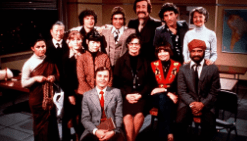
The provided text is a play script detailing the chaotic and humorous happenings in a British English as a second language classroom. The main character is Mr. Brown, a teacher struggling with unruly students from diverse backgrounds and a demanding headmistress, Miss Courtney. The play is filled with comedic misunderstandings, cultural clashes, and eccentric personalities. A subplot involves a romantic entanglement between Miss Courtney and a con man. The script culminates in a school concert showcasing the students’ unique talents and further highlighting the comedic chaos of the classroom.
English as a Foreign Language Class Study Guide
Quiz
Instructions: Answer the following questions in 2-3 sentences each.
What was Mr. Brown’s reaction to the news that most of his students had failed their exams?
Describe the misunderstanding about the letter Mr. Brown wrote for Zultan.
What happened with the watch that Ali bought at the market?
How did Mr. Brown end up in jail while staying at Max and Giovani’s flat?
Explain what happened to Rangit’s money and how it was recovered?
What was the proposed subject of the debate in Mr. Brown’s classroom, and who took part?
What problem did Mr. Brown and his students encounter on their coach trip?
What caused the dispute between Suly and Taro?
Describe what happened to Mr Brown and his students during the school concert.
How did Mr Brown break his leg the day of the ladies Circle supper dance, and what were the results?
Answer Key
Mr. Brown was initially shocked and disappointed by the news. He stated that it wasn’t a great record, but then seemed somewhat resigned to the situation, commenting that he was hoping for a 100% pass record. He also mentioned that he had not been informed of the results by the authorities or Miss Courtney.
Mr. Brown wrote a love letter for Zultan to his girlfriend, but accidentally put it in an envelope addressed to Miss Courtney. Miss Courtney read the letter, believing it was from Mr. Brown, leading to a very awkward situation and misunderstanding about his feelings toward her.
Ali bought a watch from a market stall for £250, believing it was a bargain but he was swindled. He found out it was fake when he discovered there was nothing inside the watch case when he tried to wind it.
Mr. Brown was locked out on the balcony of the flat and had to break into the apartment next door to get back inside. This action was misconstrued by a neighbor, leading to his arrest for breaking and entering.
Rangit entrusted his £230 to Mr. Brown for safekeeping but Brown then lost it. Sid then found the lost envelope but only £130 remained. Brown then discovered Sid had bet the other £100 on a horse. They later won back the £100 with a group bet.
The proposed subject of the debate was “Television: Is television a good or bad influence on the community?” Taro and Jamila argued that it was good, while Ali and Danielle argued it was bad.
Mr. Brown and his students were on a coach trip to a stately home that was organized by the school history teacher, Mrs. Hunter. The wrong number of buses was scheduled, and when the replacement bus arrived, the engine broke down, and they got lost on the way.
Suly and Taro had a political disagreement that turned into a shouting match. Suly was a Chinese nationalist, and Taro was a Japanese nationalist, so they had opposing views which they found difficulty setting aside.
Mr. Brown and his class performed a very disorganized and unconventional act for the school concert. The performances included Zultan’s “Hungarian Magic,” Giovani’s butchery impressions, Danielle’s off music, Taro’s “Aorus Lamento,” Anna’s animal impressions, Suly’s revolutionary singing, Ali and Ranit’s comedy duo, Jamilla’s poetry recital, Juan’s bullfighting routine and Ingred and Max’s juggling. The acts were so poor that the school administrator wanted to write the entire class off as hopeless.
On the day of the dance, Mr. Brown got a compound fracture in his leg after slipping on a discarded lemon peel, but insisted on still going, resulting in a second injury to the other leg as he tried to show the first injury. He initially believed he was going to be dancing with Miss Courtney, but ended up dancing with his student, Anna.
Essay Questions
Instructions: Answer each of the following essay questions in a well-organized essay format.
Analyze the significance of cultural and linguistic diversity within the classroom, and how that diversity causes communication issues among the students. Provide specific examples.
Explore the theme of miscommunication in the text, considering how language barriers, cultural differences, and misunderstandings contribute to the humor and the plot.
Discuss the character of Mr. Brown. What are his strengths and weaknesses as a teacher? How does he interact with his students?
Examine the various relationships between the characters, considering friendships, rivalries, and romantic tensions.
Discuss the role of humor in the text and how it is used to explore social and cultural issues and how that humor contributes to the narrative structure.
Glossary of Key Terms
Colloquialism: A word or phrase that is not formal or literary; used in ordinary or familiar conversation.
Compound fracture: A bone fracture in which the broken bone pierces the skin.
Interjection: A word or phrase used to express a strong emotion, like ‘oh!’ or ‘wow!’.
Metaphor: A figure of speech in which a word or phrase is applied to an object or action to which it is not literally applicable; an implied comparison.
Pathfinder: A person who is first to explore or find a way through.
Preposition: A word that shows the relationship between a noun or pronoun and other words in a sentence (e.g., “on,” “in,” “to”).
Present perfect: The tense of a verb used to denote an action that began in the past and has continued up to the present (e.g., “I have moved”).
Rudiments: The first principles or basic elements of a subject.
Slang: Very informal words or expressions that are more common in speech than in writing.
Stately home: A large, historical house, often belonging to a wealthy family, that has cultural significance.
Verb: A word that describes an action, occurrence, or state of being (e.g., “run,” “is,” “become”).
Vice versa: With the order or meaning of something reversed; used to show that the opposite of what has just been said is also true.
English Class Chaos
Okay, here is a detailed briefing document analyzing the provided text:
Briefing Document: Analysis of “Pasted Text”
Overview:
The “Pasted Text” appears to be a transcript of a humorous narrative, likely from a radio or television program, centered around an English language class for foreign students. The narrative focuses on the chaotic and often absurd interactions between the teacher, Mr. Brown, his eccentric students, and the school’s rather officious and demanding principal, Miss Courtney. The overarching theme is the challenges and comedic mishaps that arise when cultures, personalities, and levels of English proficiency clash.
Main Themes:
Cultural Clashes and Misunderstandings: The text is rife with misunderstandings arising from the students’ diverse cultural backgrounds and varying levels of English. This leads to humorous situations where literal interpretations of English phrases, mispronunciations, and cultural norms collide.
Example: When asked if he speaks English, one student responds with “Hungry” thinking the teacher is asking about his nationality (Hungarian).
Quote: “Do you speak any English hungry Hungary again but you want something to eat Hungary oh Hungarian Budapest in my register banut…”
The Absurdity of Language Learning: The narrative highlights the challenges of learning a new language, especially when colloquialisms and idioms are introduced. The students often take things literally, leading to funny and confusing exchanges.
Example: A student struggles with the difference between “w” and “v” and another cannot differentiate between a “dip thong” and a “dip stick”.
The Teacher’s Struggle with Control: Mr. Brown is constantly battling to maintain control over his class, facing lateness, disruptive behavior, and students veering off-topic. His attempts to teach English are frequently derailed by the students’ antics.
Quote: “I’m getting rather tired of this continual habit of certain people being late.”
The Overbearing Authority Figure: Miss Courtney is depicted as a strict, somewhat ridiculous authority figure, obsessed with following rules and making a good impression. Her interactions with Mr. Brown are often tense and comical.
Quote: “Obviously Mr. Brown you are sadly lacking in the necessary qualities required to teach English.”
The Misadventures and Farce: The narrative is characterized by a series of farcical situations, from a misplaced letter, to a mix-up with the winning lottery number, a chaotic coach trip, a misunderstanding with a police sergeant, and a disastrous school concert. This element of farce drives the humor and keeps the narrative engaging.
Important Ideas and Facts:
The Students: The class consists of a diverse group of characters, each with unique quirks and backgrounds:
Zultan: Hungarian, prone to literal interpretations and has a letter written for his girlfriend.
Jamila: Possibly from India, a keen knitter who enjoys miserable films.
Taro: From Japan, often mixing up his “o”s and “l”s with “r”s and is fond of cameras and television.
Ali: Perhaps of Pakistani origin, often misinterpreting English and giving an overly literal account of things and has a unique interpretation of Shakespeare.
Ranit: From India, working multiple jobs and saving to visit his mother and struggles to understand slang, has a tendency to use the term “a thousand apologies”.
Juan: From Spain, was to be a bull fighter and has difficulty understanding English colloquialisms.
Ingrid: From Sweden, she is very outspoken and opinionated and does not always follow societal norms.
Suly: From China, she expresses firm political beliefs and disapproves of western dance.
Giovani: From Italy, prone to over-the-top theatrics.
Anna: From Germany, has some interesting animal impressions and a good sense of rhythm.
Max: From Britain, and is often up to no good.
Failed Exam and Second Chance: The narrative starts with the class having failed their previous exam, highlighting the initial failure. They are returning for more lessons, showing some willingness to improve.
Quote: “We failed our exam but we’re coming back for more lessons.”
The Misplaced Letter: A letter Mr. Brown writes for a student is accidentally sent to Miss Courtney, leading to a series of comedic misunderstandings and accusations. This mix-up showcases the chaotic nature of the classroom and Mr. Brown’s less than organized manner.
The Lottery Ticket Mix-Up: Mr. Brown wins a large sum of money in the lottery, seemingly allowing him to quit his job, only to have the win declared a misprint in the following edition and is therefore made to continue working, a symbol of the unexpected nature of his situation.
The Conman: Mr Brown helps to resolve Miss Courtney’s relationship problems by removing the conman, Albert, from her life. This is an example of Mr Brown solving situations.
The Disastrous Coach Trip: A trip organized by another teacher ends up in chaos due to a faulty map, a breakdown, and general miscommunication. This highlights how even outside the classroom things can be chaotic.
The School Concert: The class’s performance is not well received by the school authorities. This is another example of things not working out.
Key Quotes Highlighting Specific Aspects:
(Cultural Misunderstanding): “I am Mr Brown your teacher well I hope that was complimentary never mind look do you know any English ah yes good shave the queue in shave the queen God Save the Queen more some more English please thank you good ston stones I can’t get no satisfac rolling St good done good”
(Teacher’s Frustration): “I really don’t know what to say oh blame me if if you’re not knowing what to say how are you going to be teaching us”
(Miss Courtney’s Authority): “I should be keeping a very close eye on you this term Mr Brown and unless I see a marked improvement out you go”
(Language Learning Humor): “a sentence contains eight parts of speech can anybody tell me what they are come along noun good excellent pronoun very good hey why am I very good and she is excellent all right you’re both excellent”
(Farce): “I have lost your money” (Mr Brown to Ranit).
(Miss Courtney’s High Expectations): “I don’t think you’re approaching this special occasion in the right attitude I think you’re being carried away.”
Conclusion:
The “Pasted Text” offers a humorous and chaotic glimpse into the world of English language education through the eyes of a struggling teacher and his diverse group of students. The narrative is driven by cultural misunderstandings, farcical situations, and the clash between order and chaos. The text’s strength lies in its ability to create humorous situations out of the everyday challenges of language learning and cultural interaction.
A Diverse Classroom: Language, Culture, and Education
FAQ: Exploring Themes of Language, Culture, and Education in a Diverse Classroom
Why do many students struggle to learn English in Mr. Brown’s class?
The sources highlight several factors contributing to students’ difficulties. Firstly, the students come from diverse linguistic backgrounds, often leading to misinterpretations and challenges with pronunciation, vocabulary, and grammar. Secondly, some students exhibit a lack of motivation or a casual attitude towards learning, as demonstrated by their engagement with non-academic activities during class time or their preference for socializing over studying. Additionally, Mr. Brown’s teaching style, while well-intentioned, sometimes lacks the structure or clarity needed to effectively address the varied learning styles and needs within the classroom. There’s also the underlying issue of the classroom being a place where a diverse group of people are forced into close contact, which leads to interpersonal conflicts that take away from the primary purpose of the class. Finally, external pressures like financial struggles, work commitments, and personal problems further affect students’ concentration and progress.
How does the setting of an English language classroom become a microcosm of cultural differences and misunderstandings?
The classroom serves as a stage where diverse cultures, languages, and personal experiences clash and intertwine. Students bring with them their own cultural norms, values, and communication styles, which often result in misinterpretations and conflicts. For example, the clash between Taro and Suly highlights ideological differences, while casual greetings and interactions are often misinterpreted due to linguistic and cultural variations. The students’ varied approaches to humor and seriousness also highlight cultural differences. The classroom becomes a space where the difficulties of communication and understanding between cultures are magnified, showing the complexities of intercultural interaction.
What are some of the unconventional methods employed by Mr. Brown in his approach to teaching English?
Mr. Brown frequently resorts to unconventional, and sometimes chaotic, methods. Instead of adhering rigidly to textbooks and drills, he often engages students in activities like debates, storytelling exercises, or creative games, though these often veer off-topic. He frequently uses humor, even if it’s unintentional, as a way to engage the class, though this often leads to misunderstandings and the derailment of lessons. His attempts to be relatable to his students frequently fail, demonstrating that he struggles to meet the diverse group of people where they are. He also tries to personalize his approach by engaging with individual students’ lives, like writing a letter for Zalan or asking students about their holidays. However, his teaching is often hampered by his own disorganization and a lack of preparation.
How do personal struggles and external factors impact the students’ ability to focus on learning?
Many students face significant personal challenges that make it difficult for them to fully commit to their studies. Rangit works three jobs to save money, impacting his energy and availability for class. Jamila has emotional ups and downs that cause her to lose focus. Several students also struggle with financial difficulties, making the class feel less relevant than pressing issues in their lives. These struggles often result in students being late, distracted, or emotionally overwhelmed, which hinders their learning process. The classroom is portrayed as just one aspect of a complex existence, making it difficult to fully prioritize learning when surrounded by many external stressors.
How does Mr. Brown’s personal life and character influence his role as a teacher?
Mr. Brown’s personal life is often chaotic and intertwined with the classroom drama. His romantic pursuits and financial struggles often spill over into his interactions with students. He is easily distracted and sometimes comes across as disorganized and not always in control of the class. Despite his best intentions, his personal problems, like losing Rangit’s money or getting embroiled in a series of misunderstandings, sometimes negatively impact his ability to provide consistent and effective instruction. His personal charm and willingness to connect with his students on a personal level make him likeable, but he does not always exude an air of authority.
What does the recurring theme of ‘misunderstandings’ reveal about language and communication?
The sources are riddled with various forms of misunderstandings, showcasing the complexities of communication. These misunderstandings arise not only from linguistic differences but also from varying cultural assumptions, personal biases, and ambiguous situations. Students often misinterpret English phrases or idioms, and characters often have conversations where they are speaking completely past each other. These recurrent issues reveal that language is more than just words; it involves the interpretation of nuances, cultural context, and emotional intent. Misunderstandings underscore the difficulty of achieving perfect communication and the ever-present potential for misinterpretations and conflicts.
How does humor function in the classroom setting and what role does it play in the overall narrative?
Humor is a constant presence in the classroom, often arising from linguistic misunderstandings, cultural clashes, or Mr. Brown’s well-intentioned, but often awkward, attempts to engage the students. The humor often serves to diffuse tension and create lighthearted moments, but it also reveals the students’ varied approaches to learning. Sometimes the humor underscores the struggles of communicating across cultures or highlights the absurdities within the classroom, creating a dynamic and often chaotic atmosphere. The humor is a coping mechanism for both the students and the teacher, providing relief amid their challenges and highlighting the resilience of human interactions in the face of these challenges.
How do events like the Royal Visit preparation or the school concert reflect the dynamics and personalities within the class?
Events like the preparations for the Royal Visit or the school concert magnify the students’ diverse personalities and classroom dynamics. The chaotic planning, varied reactions, and unexpected outcomes of these events highlight the challenges of bringing together such a diverse group with a common purpose. The students’ attempts to contribute to these events, whether through national costumes or unique performances, are often well-intentioned, but often veer off course into the absurd or unexpected. They also serve as a reminder that what is planned is not always what actually happens, reflecting the chaotic reality of the classroom environment. Ultimately, these events underscore the uniqueness of each student and how each member of the class is trying to find their place within it.
Mr. Brown’s English Class
The sources depict a series of English lessons for a class of adult students with diverse backgrounds and nationalities, taught by Mr. Brown [1, 2]. The lessons are often chaotic and humorous, as the students struggle with the English language and Mr. Brown attempts to manage their various personalities and learning styles [1-4].
Some key aspects of the English lessons include:
Focus on basic grammar and vocabulary: Mr. Brown attempts to teach the students fundamental English concepts such as sentence construction [5], parts of speech [5], verb tenses [6, 7], prepositions [8], and vocabulary [9]. He tries to explain concepts like colloquialisms [7], metaphors [10], and interjections [5]. However, students often misunderstand these concepts or get them confused with other words [1-3, 5, 10].
Emphasis on practical conversation: Mr. Brown also tries to teach the students practical conversational phrases that they might use in everyday life [11]. He asks students what they would do in common situations such as feeling ill [11], needing aspirin [12], or cashing a check [11].
Use of varied teaching methods: Mr. Brown uses a variety of teaching methods, such as asking students to define words [5], complete sentences [5], give examples [8], and engage in conversation [11]. He also incorporates games like “I Spy” [13] and storytelling [14] to make the lessons more engaging.
Challenges with student comprehension: The students frequently misunderstand Mr. Brown’s instructions and explanations [1-3, 5]. Their diverse backgrounds and varying levels of English proficiency lead to numerous humorous misunderstandings and misinterpretations [1-5, 8, 11].
Student participation and interaction: Despite the challenges, the students actively participate in class discussions and activities [2-5]. They often engage with each other, sometimes leading to arguments or humorous exchanges [3, 11].
Cultural and linguistic differences: The class includes students from various countries and cultures, which leads to linguistic differences and misunderstandings [1, 2]. Mr. Brown tries to address these differences, but the students’ varying accents, vocabulary, and cultural backgrounds often create confusion and humor [1-5].
Use of homework assignments: Mr. Brown gives homework assignments such as visiting the zoo, cinema, or historical sites, and then asks students to report back on their experience in class, which further tests their English language and comprehension skills [15-17].
Difficulties with assessments: The students’ struggles with the English language are reflected in their low test scores [2, 3]. Mr. Brown has difficulty getting the students to focus on their work, which is another reason for the low pass rates [3]. He tries to encourage them to do their homework and to focus in class, but they continue to struggle [2, 3, 10].
The lessons are frequently interrupted by other events, such as the visit of the Queen [18, 19] and Miss Courtney’s personal life problems [12, 20, 21], or the school concert [22-25]. Mr. Brown’s attempts to maintain order and provide instruction are constantly challenged by the students’ diverse personalities and the chaotic circumstances of the classroom [1-5, 18].
Student Failures in Mr. Brown’s English Class
The sources reveal several instances of student failures in Mr. Brown’s English class, both in terms of formal assessments and in their comprehension of the material [1-3]. Here’s a breakdown of these failures:
Low Pass Rates: Mr. Brown’s students have a history of failing exams, specifically the lower Cambridge certificate [4]. In one instance, out of ten students, nine failed [3]. Additionally, two out of ten students failed in another instance [2]. These repeated failures highlight a significant problem with student performance in his class.
Specific Failures and Low Scores: Some students are mentioned by name for failing: Jamila, Taro [2]. One student, Ali, admits to only getting 20 out of 100, which he acknowledges is not a good score [2]. Mr. Brown also notes that Ali got zero the previous year, demonstrating a slight improvement, but still not a passing grade [3]. Even the students who pass do not always have very high scores [3].
Lack of Effort and Understanding: Mr. Brown notes a general lack of effort from the students [3]. He says he wants 100% effort from them [3]. The students frequently misunderstand basic English concepts and instructions [1-3]. They also struggle to apply these concepts to practical situations.
Misunderstandings and Misinterpretations: The students often misinterpret what Mr. Brown is trying to teach [1-3]. For example, they confuse vocabulary words, verb tenses, and grammatical structures. They also misunderstand idioms and figures of speech [1-3].
Challenges with Assessments: The students are often unable to give correct definitions or answers to simple questions [1-3]. The questions Mr. Brown asks are not always well understood by the students and they struggle with basic comprehension tasks [1-3].
Reasons for Failures: The students’ failures stem from a combination of factors:
Diverse Linguistic Backgrounds: The students come from various countries and cultural backgrounds, making it difficult for them to grasp English concepts quickly [1]. The differences in language and culture contribute to misunderstandings and confusion [1-3].
Lack of Focus: The students often struggle to focus in class, which affects their ability to learn [1-3]. They are easily distracted and often engage in side conversations or other disruptive behaviors [1-3].
Inadequate Study Habits: Many students do not seem to put in the necessary effort outside of the classroom [2, 3]. Mr. Brown has to tell them to concentrate much harder, and he gives twice as much homework to encourage them to study more [3].
Personal Issues: Some students seem more interested in other things besides studying English [1-3]. This lack of motivation also affects their ability to learn.
Mr. Brown’s Frustration: Mr. Brown expresses his disappointment in the students’ repeated failures [3]. He struggles to find effective ways to teach them and is often frustrated by their lack of progress [3, 4]. He also feels that he is not being informed about the students’ results by the school administration [1].
Students’ awareness of failures: The students are sometimes aware of their failures, and acknowledge it amongst themselves [2, 3]. However, they do not always understand the reasons for their failures [2, 3].
In summary, the students’ failures in Mr. Brown’s class are a recurring theme throughout the sources. These failures are caused by several factors related to both the students’ capabilities and also potentially Mr. Brown’s teaching methods. The students struggle with basic English comprehension, they do not apply themselves to the work, and this leads to the overall low pass rates and poor outcomes.
The Cancelled Royal Visit
The sources describe a planned, but ultimately cancelled, royal visit to the school, which causes considerable excitement and chaotic preparations. Here’s a breakdown of the key events:
Announcement of the Visit: Mr. Brown learns about the impending visit of the Queen and Prince Phillip to the school from an Assistant Town Clerk (ATC) named Mr. Forbes [1]. The visit is meant to be informal, as the Duke himself laid the foundation stone of the school building [1].
Miss Courtney’s Overreaction: Upon hearing the news, Miss Courtney becomes overly enthusiastic and begins making elaborate preparations. She is particularly concerned with showing the school’s loyalty and devotion to the sovereign [2, 3]. She also sees the visit as an opportunity to gain recognition, even imagining herself receiving a Knighthood [2, 3].
Chaotic Preparations: The school staff and students become involved in the preparations, which include:
Disguising Toilet Doors: Miss Courtney, in an attempt to not offend the royal family, disguises the toilet doors with signs that read “Bucks and Does,” “Lads and Lasses,” and “Setters and Pointers,” among others [2].
Preparing a Bouquet: Miss Courtney plans for one of Mr. Brown’s students, Jamila, to present a bouquet of flowers to the Queen, and she instructs Jamila on how to curtsy and address the Queen [4].
National Costumes: Mr. Brown’s students are told to wear their national costumes, which leads to a variety of colorful and sometimes comical outfits [3].
Silver Tea Set: Miss Courtney brings her silver tea set, in case the royals want refreshments [2].
Food preparations: There is also some discussion about the food that should be prepared for the royal family, with suggestions ranging from ham rolls to tinned salmon [2].
Sweeping the Schoolyard: Sydney is ordered to sweep the schoolyard multiple times, even though it had already been done [2].
Mr. Brown’s Discomfort: Mr. Brown appears less enthusiastic about the visit. He is concerned about the disruptions it causes to his teaching schedule, and he expresses his doubts about the necessity and the scale of the preparations [2, 3]. He also finds the overzealous preparations to be somewhat absurd [2]. He also has to deal with students changing into their national costumes in the cloakroom [3].
The Cancelled Visit: The royal visit is ultimately cancelled, as the royal couple has to go directly from the hospital to the town hall. This causes great disappointment, particularly for Miss Courtney who had put so much effort into the preparations. She learns about the cancellation from the superintendent [4, 5].
Reactions to Cancellation: Despite the cancellation, some staff and students are not all that disappointed [5]. Mr. Brown is not particularly upset by the news. Miss Courtney, on the other hand, is greatly disappointed, and feels that all her preparations were a waste of time [5].
Overall, the planned royal visit is a significant event that causes chaos and excitement in the school, but ultimately, it is cancelled, leaving the staff and students disappointed, but perhaps also relieved [2, 5]. It provides an example of how events outside the classroom impact Mr. Brown’s teaching environment, and how he tries to manage those events and also his students.
Disrupted Lessons: School Chaos and Humor
The sources detail several school events that disrupt the regular English lessons, highlighting the chaotic and often humorous atmosphere of the school:
The Cancelled Royal Visit: The planned visit of the Queen and Prince Phillip causes considerable disruption as staff and students alike become involved in elaborate preparations [1, 2]. Miss Courtney is particularly enthusiastic about this visit, seeing it as an opportunity to show loyalty and devotion, and to possibly gain recognition [2, 3]. This leads to chaotic preparations including:
Disguising toilet doors with humorous signs [2].
Preparing a bouquet to be presented to the Queen [4].
Having the students wear national costumes [3, 4].
Bringing in a silver tea set [2].
Discussing appropriate food for the royal visitors [2].
Sweeping the schoolyard repeatedly [2]. Ultimately, the royal visit is cancelled, leading to disappointment, particularly for Miss Courtney [5].
School Concert: The school concert is another major event that disrupts the normal routine [6]. Mr. Brown’s class is expected to participate, and they are given homework to prepare for the event [6, 7]. The class performance is a chaotic mix of music, impersonations, dance, and poetry, which Miss Courtney finds unacceptable [8, 9]. The students’ performance includes:
Hungarian magic [8]
Italian impersonations [8]
French dancing [8]
A traditional Japanese song [8]
German animal impressions [9]
A Chinese revolutionary song [9]
A comedy routine [9]
English poetry [9]
Spanish flamenco dancing [9]
Swedish and Greek juggling [10] The concert is ultimately deemed unsuccessful by Miss Courtney, and Mr. Brown is given three more days to improve his class’s performance [10].
Coach Trip: A coach trip to a stately home is organized by Mrs. Hunter, the history teacher [11]. However, the trip is fraught with problems from the beginning:
There is a mix-up with the coach booking and only one coach is available for the large group [11].
Sydney, a school employee, provides an old, unreliable coach that is not fit for purpose [12, 13].
The group gets lost on the way and is unable to find the stately home [13, 14].
The coach breaks down, and they run out of petrol [14].
They are eventually turned away from the stately home because they arrive after closing time [15]. The trip ends up being a chaotic and unsuccessful outing, with the students and staff having to resort to playing games on the coach while they wait to be rescued.
Other School Events: Other minor school events also disrupt the lessons, including the lady Circle supper dance [16] and an upcoming school concert [6]. These events impact the lessons, and cause various disruptions as teachers and students prepare for them.
These school events highlight the chaotic and unpredictable nature of the school environment. Mr. Brown and his students are often caught up in these events, which disrupt their lessons and impact their learning. The events also provide an opportunity for humorous situations and interactions between the students and staff, and an insight into the different personalities and conflicts among them.
Romantic Entanglements at the School
The sources depict several romantic entanglements, often humorous and sometimes complicated, involving both the students and staff at the school:
Miss Courtney and Albert Collins: Miss Courtney becomes romantically involved with a man named Albert Collins, who is her ex-fiancé from 25 years ago [1]. She is overjoyed when he reappears and proposes to her [2]. However, it is soon revealed that Albert is a con man who specializes in proposing to lonely women and stealing their money [3]. This leads to Miss Courtney being heartbroken and Mr. Brown intervening to protect her [3]. This romantic entanglement highlights Miss Courtney’s vulnerability and her tendency to be carried away by emotions.
Mr. Brown and Miss Courtney: There are hints of a possible romantic interest between Mr. Brown and Miss Courtney, although it is not explicitly stated. Miss Courtney often seeks Mr. Brown’s advice, and they have several personal conversations throughout the sources [1, 4, 5]. She also offers him a ticket to the Lady Circle supper dance, suggesting a personal interest in his company [6]. However, it is also clear that Miss Courtney has a pattern of becoming romantically involved with men who do not have her best interests at heart, and so any interest she might have in Mr. Brown is mixed up in her general tendency to be easily charmed [7, 8].
Zan and his Girlfriend: Zan, a Hungarian student, asks Mr. Brown to write a letter to his girlfriend [4]. This leads to a humorous situation when the letter is accidentally sent to Miss Courtney instead, causing her to believe that Mr. Brown is expressing his feelings for her [9, 10]. This mix-up leads to a very awkward and comical exchange where Miss Courtney believes that Mr. Brown is attracted to her, while Mr. Brown is really just trying to help his student.
Student Romantic Interests and Interactions: The students’ romantic interests and interactions also provide comedic moments:
Danielle’s desire to “make love”: Danielle frequently expresses her interest in “making love”, and sees it as a better alternative to television [11]. She also is depicted as being very forward and open about her sexuality and interest in the other students, especially Mr. Brown, but her ideas are not always in line with societal expectations [7, 12].
Taro and Ingrid: Taro expresses a desire to sit next to Ingrid on the coach trip, indicating a possible romantic interest [12].
Max’s attraction to Ingrid: Max also expresses that he “fancies” Ingrid, suggesting a potential romantic rivalry [13].
Anna’s comments about “fairies”: Anna claims to have spent time with fairies at the bottom of the river, which may be a coded reference to a romantic encounter [6].
Ali’s interest in “picking up skirts”: Ali mentions his desire to go out and “pick up” girls with the other students, showing a general romantic interest [14].
The Lady Circle Supper Dance: The Lady Circle Supper Dance becomes a source of romantic entanglement as various students vie for the chance to go with Mr. Brown. This results in confusion and comedic moments, especially when Gladis, the tea lady, claims that she is going to the dance with Mr. Brown. This ultimately results in Mr. Brown having to go to the dance with multiple partners [6, 8, 15, 16].
Mr. Brown’s avoidance of entanglement: Mr. Brown often tries to avoid direct involvement in the students’ romantic interests. He is not interested in getting involved in any love triangle and is primarily focused on his teaching duties [14, 17].
These romantic entanglements add a layer of complexity and humor to the sources, highlighting the diverse personalities and relationships of the characters. The romantic interactions also contribute to the overall chaotic and unpredictable nature of the school environment.
Affiliate Disclosure: This blog may contain affiliate links, which means I may earn a small commission if you click on the link and make a purchase. This comes at no additional cost to you. I only recommend products or services that I believe will add value to my readers. Your support helps keep this blog running and allows me to continue providing you with quality content. Thank you for your support!
The text is a comedic play depicting the chaotic experiences of a diverse group of foreign students in an English as a foreign language class. A male teacher, Mr. Brown, is unexpectedly hired despite the principal’s preference for a woman, leading to numerous humorous situations. The class is a melting pot of personalities and cultures, resulting in constant misunderstandings and comedic conflicts. Mr. Brown’s unconventional teaching methods and the students’ unique backgrounds fuel the farcical nature of the play. The narrative culminates in the students’ final exams and Mr. Brown’s unexpected dismissal, highlighting the absurdity of the situation.
English as a Foreign Language Study Guide
Quiz
What is Ali Nadim’s initial confusion when he arrives for his first English class?
Ali Nadim is confused about the word “enrolled,” mishearing it as “unrolled,” and doesn’t understand when and where to wait for class to start, mixing up left and right.
Why is Miss Courtney initially unhappy with Jeremy Brown as the new English teacher?
Miss Courtney is unhappy because she specifically requested a female teacher and is concerned that a male teacher will be too much for her students after a previous male teacher had a mental breakdown.
Describe Mr. Brown’s first encounter with his students when taking roll.
Mr. Brown encounters confusion with his students’ names, as they correct his assumption that he is “brown” and struggle with pronouncing their names and/or being understood in English, and their occupations.
What prompts Mr. Brown’s student, Ranjeet, to contemplate suicide?
Ranjeet is being forced into an arranged marriage to a woman he describes as “looking like an elephant” and feels that suicide is his only escape from the situation because of his religious tradition.
How does Mr. Brown deal with the students’ homework issues?
Mr. Brown discovers the students have cheated by copying homework, so he assigns extra homework, warning them to do the work themselves.
What does Mr. Kenyan (from the education authority) find concerning during his visit?
Mr. Kenyan is surprised at the diversity in the class, and is generally aloof, but does not find any issues with the class or teacher.
How does Mr. Brown teach the students about rhyming slang?
Mr. Brown uses the caretaker, Sid, as an example, explaining how to replace a word with one that rhymes, giving examples like “Uncle Ned” for “head.”
Describe Miss Courtney’s reaction to the students’ photograph activity.
Miss Courtney expresses disapproval of the photography session, believing it inappropriate for class time and wondering why it was not included in the course curriculum.
How do students try to cheat on the mock exam?
The students devise ways to copy from each other, such as writing answers on their hands, hats, and handkerchiefs.
Why does Mr. Brown get involved in a physical fight with Mr. Jarvis, a woodwork teacher?
Mr. Jarvis makes repeated comments about the foreign students, so Mr. Brown must defend the dignity of his students, and a brawl ensues, after much talk and misunderstanding.
Answer Key
Ali Nadim is confused about the word “enrolled,” mishearing it as “unrolled,” and doesn’t understand when and where to wait for class to start, mixing up left and right.
Miss Courtney is unhappy because she specifically requested a female teacher and is concerned that a male teacher will be too much for her students after a previous male teacher had a mental breakdown.
Mr. Brown encounters confusion with his students’ names, as they correct his assumption that he is “brown” and struggle with pronouncing their names and/or being understood in English, and their occupations.
Ranjeet is being forced into an arranged marriage to a woman he describes as “looking like an elephant” and feels that suicide is his only escape from the situation because of his religious tradition.
Mr. Brown discovers the students have cheated by copying homework, so he assigns extra homework, warning them to do the work themselves.
Mr. Kenyan is surprised at the diversity in the class, and is generally aloof, but does not find any issues with the class or teacher.
Mr. Brown uses the caretaker, Sid, as an example, explaining how to replace a word with one that rhymes, giving examples like “Uncle Ned” for “head.”
Miss Courtney expresses disapproval of the photography session, believing it inappropriate for class time and wondering why it was not included in the course curriculum.
The students devise ways to copy from each other, such as writing answers on their hands, hats, and handkerchiefs.
Mr. Jarvis makes repeated comments about the foreign students, so Mr. Brown must defend the dignity of his students, and a brawl ensues, after much talk and misunderstanding.
Essay Questions
Discuss the ways in which cultural and linguistic misunderstandings create humor and conflict in the classroom.
Analyze the role of stereotypes and prejudice as portrayed in the interactions between characters in the source material.
How does the source material explore the challenges and rewards of teaching English to students from diverse backgrounds?
Examine the character of Jeremy Brown as a teacher, considering both his strengths and weaknesses.
Explore the themes of cultural identity and integration as they are portrayed through the experiences of the various students in the English class.
Glossary of Key Terms
Enrolled: To be officially registered as a member of a course or organization.
Credentials: Qualifications, achievements, personal qualities, or aspects of a person’s background, typically when used to indicate they are suitable for something.
Par: An acceptable standard or average level.
Racialism: The belief that all members of each race possess characteristics, abilities, or qualities specific to that race, especially so as to distinguish it as inferior or superior to another race or races.
Chicanery: The use of trickery to achieve a political, financial, or legal purpose.
Betrothed: Engaged to be married.
Cotney: A person from the East End of London, traditionally associated with a particular dialect and working-class culture.
Rhyming slang: A form of slang in which a word is replaced by a phrase that rhymes with it.
Figure of speech: A word or phrase used in a non-literal sense to add rhetorical force or vividness.
In the pudding club: Pregnant (slang).
Hara Kiri: A Japanese ritual of suicide by disembowelment.
Aspirate: A sound that is accompanied by a puff of breath, typically made when pronouncing the letter “h.”
Defector: A person who has abandoned their country or cause in favor of an opposing one.
Bourgeois: Relating to or characteristic of the middle class, typically with reference to its perceived materialistic values or conventional attitudes.
Syntax: The arrangement of words and phrases to create well-formed sentences in a language.
Foreign Students & EFL Chaos
Okay, here’s a detailed briefing document summarizing the main themes and important ideas from the provided text, which appears to be a transcript of a comedy skit or play:
Briefing Document: “Pasted Text”
Overview:
This text is a comedic exploration of a diverse group of foreign students attending an English as a Foreign Language (EFL) class, and their interactions with their teacher, Mr. Brown, and the school staff, particularly Miss Courtney. The narrative is driven by cultural misunderstandings, language barriers, and the students’ often-humorous attempts to navigate the English language and British customs. The text is rich with situational comedy, wordplay, and running gags.
Main Themes:
Cultural Misunderstandings and Stereotypes: A core theme is the comedic clash of cultures. The students’ diverse backgrounds (Greek, German, Italian, Japanese, Indian, Spanish, Chinese, etc.) lead to numerous misunderstandings stemming from differing cultural norms, linguistic habits, and stereotypical expectations.
Example: Max initially thinks Mr. Brown’s name is a statement about his skin color: “You are not brown, we are brown, you are white”.
Example: The students’ varying ideas about concepts such as the “true faith” and the meaning of a “figure of speech” highlight their diverse cultural perspectives.
Example: The comical interactions around jokes reveals the challenges of translating humor across cultures.
Language Barriers and the Learning Process: The students’ struggles with English grammar, pronunciation, and idioms form a significant source of comedy. Their literal interpretations of phrases and mispronunciations are constant running gags.
Example: Ali’s frequent use of the word “squeeze me” when meaning “excuse me.”
Example: The consistent confusion of the R and L sounds
Example: The students’ misinterpretations of rhyming slang used by the caretaker, Sid.
The Absurdity of Bureaucracy and Rules: Miss Courtney’s strict adherence to rules, her concerns about maintaining decorum, and her often-baffled reactions to the students’ antics add to the comedic effect.
Example: Her initial request for a female teacher and her fear of male teachers having “no stamina” after a prior incident.
Example: Her frustration over collecting registration fees in multiple foreign currencies and her meticulous accounting.
Classroom Dynamics and Teacher-Student Relationships: Mr. Brown tries his best to manage a chaotic class and his own personal life. He is often flustered, but also demonstrates a surprising amount of patience and compassion for his students. The students, in turn, develop a strange mix of affection, frustration, and respect for him.
Example: Mr. Brown’s attempts to introduce new vocabulary, such as “catalyst” and “indisposition”
Example: Mr. Brown’s struggle to correct the homework assignments which he suspects are all written by one person.
Example: The students showing their teacher appreciation by buying him a pen, a salami, and a card.
Identity and Integration: Beyond the comedy, there are subtle explorations of identity as the students try to adapt to a new culture while retaining their own. The text touches on topics such as arranged marriages, immigration, and the complexities of cultural and religious backgrounds.
Example: Ranjit’s struggle with his arranged marriage to a woman he has not seen in many years and his culture’s emphasis on duty.
Example: Boris, the Russian sailor, seeking political asylum and starting a new life
The Power of Community: Despite their differences, the students form a kind of community, supporting each other and sharing in their chaotic experiences. They celebrate each other’s milestones (e.g., Suly’s wedding) and find humor in their common struggles.
Example: The students’ willingness to help Max with his homework, even if they did it for a small price.
Example: The students helping Mr. Brown with his health.
Situational and Running Gags: The text relies heavily on recurring jokes and comical situations to create humor.
Example: The ongoing confusion between rhyming slang
Example: The repeated misunderstandings between Ally and Mr Brown with phrases such as “squeeze me”
Example: The various characters’ obsession with sex and their consistent misinterpretations.
Example: The chaotic tea breaks, during which students try to conduct business or solicit money.
Key Ideas and Facts:
The EFL class is a melting pot of nationalities: This is a constant source of comedy and cultural clashes.
Mr. Brown is a flawed but well-meaning teacher: He is frequently overwhelmed and sometimes exasperated by his class. He is generally quite well-liked and appreciated by the students despite this.
Miss Courtney embodies strict rules and order: Her interactions with the chaotic class create much of the humor.
Sid, the caretaker, provides the perspective of a working-class Londoner: His rhyming slang is an obstacle for the students, but he also offers some genuine insight into British culture.
The students’ English improves throughout the text while still being humorous in its flawed execution.
The impending exams cause considerable anxiety and scheming amongst the students. This leads to comical attempts to cheat and get ahead.
The characters have complex personal lives beyond their roles in the classroom. The text touches on topics such as impending marriages, financial struggles, and homesickness.
The narrative is episodic, moving through various classroom activities, tea breaks, and personal interactions between the characters.
Notable Quotes:
Mrs. Courtney: “I distinctly requested the local authority to send me a woman teacher especially in view of what happened with Mr wton.” (Highlights her fear of male teachers and the absurdity of the school’s bureaucracy).
Mr. Brown: “Apart from one attempted murder and a possible race riot I seem to be coping reasonably well.” (A self-deprecating comment reflecting his chaotic classroom management)
Max: “You are not brown, we are brown, you are white” (Illustrates the cultural misunderstandings from the get-go)
Ranjit:“According to the seik tradition I was betro when I was 12 to surinder the 10-year-old daughter of the best friend of my father…“. (Illustrates the complex cultural norms.)
Sid:“I went home and I had a bull in a cow with a travel and strip you see it was all over the Dustbin LDS so I went down the Frog and Tow into the rabber da and I met an old China plate it looked a bit ankle dick so I got him rejected Dy and I had that thing led to the other we both got bres and list I stagged on took all the dicky dirt and the daisy roots and fell backwards on the apples and pear”(This quote is a perfect example of Sid’s almost indecipherable rhyming slang and his chaotic narrative style)
Ali:“squeeze me please” (A recurring comedic misunderstanding)
Conclusion:
The provided text is a comedic exploration of cultural diversity, the challenges of language learning, and the absurdity of bureaucracy. It uses situational comedy, wordplay, and character interactions to create a lighthearted narrative that highlights the challenges and rewards of cross-cultural exchange. It also emphasizes the universal themes of community, friendship, and the humor found in everyday misunderstandings. The characters’ quirks, struggles, and unexpected moments of camaraderie make it an engaging and humorous piece.
The Chaos of ESL
Frequently Asked Questions:
Why does the English teacher, Mr. Brown, face such unusual challenges in his new job?
Mr. Brown’s challenges stem from the diverse backgrounds and personalities of his adult students, who are all learning English as a foreign language. The clash of cultures, misunderstandings due to language barriers, and differing expectations lead to chaotic situations. Additionally, Mr. Brown faces the initial skepticism of his supervisor, Miss Courtney, and a general lack of preparation for the unique issues that arise from teaching such a diverse group of students. He also faces scrutiny from inspectors and the need to adapt to their individual learning needs and cultural backgrounds.
What are some of the main cultural differences and humorous misunderstandings that occur in the classroom?
Numerous cultural and linguistic misunderstandings arise, many of which are played for comedic effect. These include literal interpretations of English phrases (“unrolled” instead of “enrolled”), differing views on race and efficiency (Germans vs. Japanese), and confusion about names and occupations. Additionally, there are conflicts arising from cultural and religious beliefs, like the discussion of what is “right” or “wrong” in various cultures. Finally, the use of slang, accents and colloquialisms from the teacher and other staff are often completely lost on the students.
How do the students’ diverse backgrounds and experiences influence their learning of English?
The students’ backgrounds greatly influence their learning. Their various occupations, nationalities, and cultural norms lead to different learning styles, common mistakes, and personal biases. Some students struggle with pronunciation, some with grammar, and some with concepts that are unfamiliar to them. Their personal experiences, like one student’s betrothal, also spill into the classroom creating humorous or awkward situations. Furthermore, some students try to apply their previous knowledge of other languages to English, creating interesting results.
How does the series explore the theme of cultural exchange and integration, and are there challenges with this?
The series demonstrates the complexities of cultural exchange. The students attempt to integrate into English society while simultaneously maintaining aspects of their own identities. This process is filled with comical misunderstandings, as well as genuine attempts at connection. However, conflicts related to cultural differences also arise, sometimes in the form of attempted violence or public displays of prejudice. The challenges underscore the difficulty of truly understanding other cultures and beliefs, as well as the need for empathy and humor in bridging such gaps.
What role does humor play in the series?
Humor is central to the series, stemming from language barriers, cultural clashes, and absurd situations. It serves as a way to navigate the potential tensions arising from diversity, highlighting the ridiculousness of misunderstandings and the universality of human experience. The comedy also functions as a tool for breaking down cultural barriers, creating moments of shared laughter that unite the students despite their differences. It also is used as a way to get at serious subjects without becoming overly didactic.
How do the students try to “game” the system or get out of difficult situations?
Several students try to find ways to get around the rules of the class or tests. These attempts at cheating or avoiding work add another layer to the comedic chaos. There are examples of copied homework, attempts to steal test answers, and misunderstandings about what is expected. These antics often backfire, but the students’ creativity is on display. There are also many situations in which the students attempt to manipulate each other or the teachers to get their way, or as a form of social manipulation, with varying degrees of success.
What are some of the recurring themes about relationships and social dynamics amongst the students and staff?
The series explores the dynamics of various relationships, both platonic and romantic, some of which are also tinged with sexism and/or racism. There is a sense of camaraderie among the students, as they go through the shared experience of learning a new language, as well as developing friendships. There are also several romantic entanglements, often complicated by cultural or personal circumstances. The dynamic between the teachers and students is portrayed as both comical and at times, genuinely caring. Finally, there is a strong suggestion of a possible attraction between two of the staff, as well.
What is the overall message or takeaway from the sources?
The series conveys the complexities of language learning, cultural adaptation, and personal growth. It uses comedy to address themes of cross-cultural understanding, personal identity, and the struggle for connection. While the situations are often comical, there are underlying messages about the importance of empathy, patience, and humor in navigating diverse and sometimes chaotic social situations. The conclusion of the series also seems to suggest that personal growth and lasting connections are more important than passing tests or learning perfect grammar.
Teaching English as a Foreign Language
The sources depict an English as a Foreign Language class and the various interactions between the teacher, Mr. Brown, and his students, as well as the school’s principal, Miss Courtney, and other staff. The class is comprised of a diverse group of students from various countries, each with their own unique personalities and challenges in learning English.
Here are some of the key aspects of the English class, as portrayed in the sources:
Student Diversity: The class includes students from Greece, Germany, Italy, Japan, Spain, China, Pakistan, and India, among other places. Each student brings their own cultural background and language to the classroom, creating a rich and sometimes chaotic learning environment.
Language Barriers: The students have varying levels of English proficiency, which leads to misunderstandings, miscommunications, and humorous situations. Some students struggle with pronunciation, grammar, and vocabulary. The teacher often has to repeat himself, use gestures, and try different approaches to get his point across.
Teaching Methods: Mr. Brown uses a variety of teaching methods, including vocabulary lessons, verb conjugations, reading exercises, and group discussions. He also tries to make the class fun and engaging, sometimes using humor and games. However, his methods are sometimes unconventional and not always appreciated by the school administration.
Classroom Dynamics: The classroom is often lively and chaotic, with students talking over each other, arguing, and getting into trouble. There are also instances of students displaying prejudices and making insensitive comments towards each other. Mr. Brown often struggles to maintain control and keep the students focused on their lessons.
Cultural Differences: The sources highlight the cultural differences between the students and between the students and the teacher, which sometimes lead to misunderstandings or misinterpretations. For example, some students have difficulty understanding English figures of speech.
Challenges for the Teacher: Mr. Brown faces numerous challenges in his role as a teacher, including dealing with disruptive students, language barriers, cultural differences, and the school administration’s disapproval. He also has to deal with personal problems, including being mistakenly accused of being a school inspector and having a fight arranged in the school’s gymnasium after a misunderstanding.
Importance of Textbooks: Textbooks are mentioned as an important tool for learning, and homework is assigned and reviewed. The teacher also uses newspapers to help students learn vocabulary and understand the world around them.
Focus on Practical English: The teacher tries to focus on teaching practical English skills, such as how to order a meal, find accommodation, and engage in conversations about daily life, although the students do still focus on more formal grammar.
Student Progress: Despite the challenges, the students do make progress in their English skills throughout the course, learning new vocabulary and practicing their pronunciation and grammar. They also learn how to communicate with each other and participate in group discussions.
Examinations: The students are preparing for their lower Cambridge certificate exam, and a mock exam is given to help them prepare. The students’ level of preparedness is not ideal, and some are even caught trying to cheat.
Social Interactions: Outside of class, there is an effort for socialization with an end-of-term pub visit.
Overall, the sources portray a dynamic and often chaotic classroom environment where students from different backgrounds come together to learn English, and the teacher tries his best to help them navigate the challenges of learning a new language while also managing the chaos of a diverse classroom.
Mr. Brown’s Trials
Mr. Brown faces numerous challenges as an English teacher in the sources, stemming from the diverse student body, the school administration, and his own personal circumstances.
Student Diversity and Language Barriers: Mr. Brown’s class includes students from a wide array of countries, each with varying levels of English proficiency. This creates communication challenges and misunderstandings. He often has to repeat himself, use gestures, and try different approaches to get his points across.
Classroom Management: The classroom is often chaotic, with students talking over each other, arguing, and engaging in disruptive behavior. Mr. Brown frequently struggles to maintain control and keep the students focused on their lessons. He has to navigate cultural differences, prejudices, and insensitive comments made by the students.
Unconventional Teaching Methods: Mr. Brown’s teaching methods are sometimes unconventional, which leads to disapproval from the school principal, Miss Courtney. While he tries to make the class fun and engaging, his methods are not always appreciated by the school administration, who prefer more traditional approaches. He is told to use more figures of speech in his teaching. He’s also told that they need to learn more practical English.
Conflicts with School Administration: Miss Courtney, the school principal, is a source of conflict for Mr. Brown, as she has a strong preference for female teachers, especially after a previous male teacher had a breakdown. This preference leads to Mr. Brown being put on a month’s trial. She often criticizes his teaching methods and threatens to fire him. She also interferes with his class, making unhelpful remarks and showing skepticism about the students’ progress.
Accusations and Misunderstandings: Mr. Brown is mistakenly accused of being a school inspector. He is also involved in a misunderstanding with a student, Danielle, who tells another teacher that she is engaged to Mr. Brown, which then reaches Miss Courtney, making things awkward for him.
Personal Problems: Mr. Brown also has to deal with personal problems such as being challenged to a fight in the school gym and dealing with a student, Ranit, who was planning to kill himself rather than be forced into an arranged marriage. He must also navigate the various social events that the students involve him in, as well as the gossip and rumors that circulate through the school.
Student Cheating: The students are caught trying to cheat on a mock exam. Mr. Brown is also told that previous teachers had given students answers. He then finds himself in a moral dilemma of needing to get the students through their final exam, while knowing that they are very unprepared.
Threat of Job Loss: Due to Miss Courtney’s disapproval and the students’ academic performance, Mr. Brown is constantly under threat of being fired. He is eventually dismissed from his job but is later rehired after Miss Hardaker is unable to manage the class.
Exam stress: The students’ impending final exam and the pressure to get them to pass is a significant challenge for Mr. Brown. He must balance his time teaching the class with making sure that they have the resources and information they need to pass. This pressure is compounded by Miss Courtney’s suggestion that the course may be canceled if the students don’t pass their exam.
In summary, Mr. Brown’s challenges encompass managing a diverse and often unruly group of students, navigating conflicts with school administration, dealing with misunderstandings and personal problems, and overcoming systemic issues in the school environment. These factors make his role as a teacher extremely demanding and complex.
Mr. Brown’s Class: Chaos and Culture Clashes
The students in Mr. Brown’s English class are frequently involved in mishaps, stemming from language barriers, cultural misunderstandings, and their own unique personalities. These incidents often disrupt the class and create challenges for Mr. Brown. Here are some of the student mishaps described in the sources:
Misunderstandings and Miscommunications:
Students frequently misunderstand instructions or questions due to their varying levels of English proficiency.
There are many instances of students misinterpreting figures of speech and idioms, which leads to confusion and sometimes humor.
Students sometimes use words incorrectly, causing confusion and laughter, such as when a student confuses “unrolled” with “enrolled”.
Classroom Disruptions:
Students often talk over each other, interrupt the teacher, and engage in side conversations, making it difficult for Mr. Brown to maintain control.
Some students argue with each other, sometimes using insulting language or stereotypes.
Students squabble over seating arrangements, leading to a physical confrontation.
There are instances of students being late to class, and giving strange excuses.
Students are frequently distracted, and not focused on their lessons, often thinking about other topics and having side conversations.
Some students engage in disruptive behavior, such as making noises, or not sitting still.
Cultural and Social Missteps:
Students make culturally insensitive comments towards each other, such as those relating to race and religion.
Some students have difficulty understanding the cultural norms of England, which sometimes leads to awkward or humorous situations.
There are instances of students displaying prejudices and making insensitive remarks towards each other.
A student, Ranit, plans to kill himself rather than be forced into an arranged marriage.
Students also engage in romantic pursuits, sometimes disrupting the class with their behavior.
Cheating and Dishonesty:
Students are caught attempting to cheat on a mock examination.
Some students write answers on their hands, handkerchiefs and hats in an effort to cheat on the final exam.
A student is caught shoplifting, leading to further disruption of the class and school.
Other Incidents:
A student is mistaken for a school inspector.
Some students get into trouble outside of class, such as a student who is speeding on the motorway.
Students get locked in a classroom and have to be rescued.
There is also a major incident when they are all sent home for giving silly answers.
The students are also involved in a number of drinking incidents.
Exam mishaps
During a mock exam, one student answers “a sentence is what you get when you are sent to prison”.
During the mock exam, a student answers the question about the past participle of “I write” with “I have WR Ren”.
One student was writing backwards during the mock exam.
Students arrive for the final exam with crib notes written on their clothing, hats, and hands, and some are even using ink to write on their skin during the exam.
These mishaps highlight the challenges of teaching a diverse group of students who are all at different stages of learning a new language and adapting to a new culture. The mishaps also contribute to the overall chaos and humor of the English class, and demonstrate the challenges that Mr. Brown faces as a teacher.
Cultural Clashes in the English Classroom
The sources reveal several instances of cultural clashes within the English class, arising from the diverse backgrounds of the students and their varying perspectives. These clashes manifest in several ways:
Religious Intolerance: A significant cultural clash occurs when a student, Ranit, a Sikh, expresses his disapproval of Islam, calling Muslims “unbelievers”. This leads to a heated exchange with Ali, a Muslim student, who is deeply offended by the remarks, and pulls a knife. This incident highlights the religious tensions and prejudices that exist within the classroom, requiring the teacher’s intervention to prevent violence.
Stereotyping and Prejudice: Students often resort to stereotyping and making prejudiced comments about each other’s cultures. For example, Terumi, a Japanese student, makes derogatory remarks about Chinese people, referring to them as “peasants,” while a Chinese student makes derogatory comments about Japanese. There are also several instances where students are described by their nationality as a way of insult such as “big Spanish omelette” or “you brown of chapati”. These comments reveal the underlying prejudices and biases that some students harbor towards others, which lead to conflicts and misunderstandings in the class.
Misunderstandings of Cultural Norms: Students often struggle with understanding English cultural norms and customs. For instance, some students have difficulty grasping English figures of speech and idioms, leading to confusion and sometimes humor. This misunderstanding is apparent when some students interpret the phrase “sold a pup” literally. There are also instances of students misinterpreting social cues, such as when a student makes a comment that is sexually suggestive and culturally inappropriate.
Differing views on marriage: When Ranit is discussing his arranged marriage, his culture’s tradition where only women can change their minds is presented as a point of conflict. The concept of arranged marriage is also presented as a challenge to the understanding of other students, and those from other cultural backgrounds, particularly when Ali reveals that he is planning to marry Su, even though he is already married.
Contrasting Political Ideologies: Su, a Chinese student, expresses strong support for communism and frequently criticizes Western capitalism and imperialism. This leads to clashes with other students who hold different political views. Her comments are seen by a Japanese student as “a load of copos” which further demonstrates the divide within the class. Her support for Chairman Mao and his teachings are seen by other students as being strange and confusing.
Language as a Source of Conflict: Language itself becomes a site of conflict, as students struggle to express themselves in English, often leading to misunderstandings or misinterpretations. When students make errors in English, such as using the wrong verb tense, it becomes an opportunity for other students to ridicule them. In one example, a student is mocked when he says that the plural of “thief” is “thiefs”. This is further complicated when a student reveals his rhyming slang, which completely confuses his classmates.
Clash of values: There are instances of students mocking others for their religious beliefs, such as when one student refers to the Catholic religion with disrespect, and another student refers to Muslims and Sikhs with disdain. There are many instances of students being called names or mocked for their national origin.
Disagreement over personal life: There are also many disagreements between students about what is acceptable in their personal lives. For instance, some students have strong opinions on sexual matters and express them in a way that clashes with the views of other students.
These cultural clashes highlight the challenges of creating a harmonious learning environment when students come from vastly different backgrounds. They also underscore the teacher’s role in navigating these differences and promoting understanding and respect among the students. These tensions are a recurring theme throughout the sources, and present a continuous challenge for Mr Brown to manage in the classroom.
Exam Anxiety: Students and Teacher Under Pressure
The sources reveal that both the students and Mr. Brown experience significant exam anxieties, stemming from different concerns and pressures.
Student Anxieties:
Fear of Failure: The students express a clear fear of not passing their upcoming lower Cambridge certificate exam. They are aware that their English skills are not perfect, and this creates a sense of apprehension and worry. Mr. Brown even says that he doubts whether they will pass.
Pressure to Perform: The students feel the pressure to succeed, not just for themselves, but also for Mr. Brown. They feel that they must not let Mr. Brown down, and that their performance is a reflection of his teaching. The pressure is made worse by Miss Courtney’s suggestion that the course may be canceled if the students do not pass the exam.
Lack of Confidence: Many students lack confidence in their ability to do well on the exam. This is shown by their reliance on cheating, and their concerns about their performance during practice sessions. They express doubts about their chances of success, revealing a deep-seated anxiety about the exam itself.
Concerns about specific exam components: Students express concern about the dictation part of the exam, and are worried they will not understand the person who will be reading aloud.
Desire to please the teacher: There is a sense that the students want to pass the exam to show Mr. Brown that his work has not been in vain. They express their wish to show him they have learned from him, and that they do not want to disappoint him.
Cheating as a Coping Mechanism: The students turn to cheating as a way of coping with their anxiety. They try to obtain the answers in advance, and write notes on their clothing, hands, and hats, which shows the desperation they feel about the exam.
Nervousness: The students express their nervousness about taking the exam in many ways. Some students are so nervous that they cannot even shake Mr. Brown’s hand. Others talk about feeling “petrified”.
Mr. Brown’s Anxieties:
Pressure to Get Students to Pass: Mr. Brown is under immense pressure to ensure that his students pass their exams. He knows that their performance will reflect on his abilities as a teacher, and he is concerned that a bad result will lead to his dismissal. He feels that his job depends on their success.
Concerns About Student Preparation: Mr. Brown is aware that his students are not fully prepared for the exam, and that their chances of passing are low. He has tried many different ways to help the class pass, but he knows that it may not be enough.
Moral Dilemma: Mr. Brown is faced with a moral dilemma, as he knows that the students are likely to fail their exam. This has him consider leaving the answers lying around for the students to see.
Threat of Course Cancellation: Mr. Brown is anxious about the possibility that the course will be canceled if his students fail their exams. This adds to the pressure he feels to get the students through the exam.
Self-Doubt: Despite his unconventional teaching methods, Mr. Brown questions whether his teaching has been effective. He expresses self-doubt about his methods and effectiveness as a teacher, and wonders whether his students will be able to pass the exam.
Desire to Help Students: Mr. Brown feels a strong desire to help his students succeed and does what he can to prepare them. He knows that they want to do well, and he is concerned about letting them down.
Personal anxiety: Mr. Brown also faces some personal anxieties, including his fight with Mr. Jarvis, and his uncertainty about his future. These anxieties make it more challenging for him to focus on the exam.
In summary, both Mr. Brown and his students experience significant anxiety related to their upcoming exams. The students are worried about their performance and whether they will pass, and Mr. Brown is worried about the success of his students, as well as his future employment. These anxieties highlight the high stakes that are involved in the exams, and the pressure that both parties are under.
Affiliate Disclosure: This blog may contain affiliate links, which means I may earn a small commission if you click on the link and make a purchase. This comes at no additional cost to you. I only recommend products or services that I believe will add value to my readers. Your support helps keep this blog running and allows me to continue providing you with quality content. Thank you for your support!
This article focuses on public speaking strategies specifically tailored for introverts. It challenges the misconception that introversion hinders effective communication, highlighting how introverts’ thoughtfulness, empathy, and authenticity are valuable assets. The text emphasizes mindset shifts, from viewing public speaking as a performance to a connection, and offers practical techniques like thorough preparation, authentic delivery, and mindful energy management. It also underscores the importance of audience understanding and leveraging introverted strengths such as controlled movements and strategic pauses to create impact. Finally, the article mentions the author, a high-performance coach, who helps individuals transform their public speaking skills.keepSave to notecopy_alldocsAdd noteaudio_magic_eraserAudio OverviewschoolBriefing doc
Public Speaking for Introverts: A Study Guide
Short Answer Quiz
What is a common misconception about introverts and public speaking?
Name three strengths that introverts possess that can be advantageous in public speaking.
According to the article, what should introverts focus on instead of “performing”?
How can introverts benefit from reframing their self-perception about public speaking?
Why is it beneficial for introverts to research their audience before a speaking engagement?
What are the two steps in preparation that introverts can take to build confidence before a presentation?
What is one way introverts can embrace authenticity during public speaking?
How can mastering the pause be advantageous for introverted public speakers?
Why is it important for introverts to manage their energy levels around public speaking?
What is visualization and how can it benefit introverts in preparing for a speech?
Short Answer Quiz: Answer Key
The common misconception is that introverts are at a disadvantage in public speaking because they are quieter and less outgoing, while the truth is, they possess strengths well-suited for public speaking.
Introverts have strengths in thoughtful content creation, empathy and listening, and authenticity, all of which are beneficial in public speaking.
Introverts should focus on connecting with the audience and communicating their message rather than performing theatrically.
Introverts can benefit from viewing public speaking as an opportunity for growth and sharing, rather than seeing it as a test or challenge to be feared.
Researching the audience helps introverts tailor their message, making it more relevant, and this reduces pressure, shifting the focus to serving their listeners’ needs.
Introverts can prepare by scripting and rehearsing their speech multiple times to enhance delivery, and they can visualize success to calm nerves.
Introverts can embrace authenticity by speaking in a natural tone, sharing personal stories and acknowledging nervousness.
Mastering the pause allows introverts to add weight to their words, allowing the audience time to process the information and enhancing the impact of the speech.
Introverts tend to find public speaking draining and managing energy by scheduling recovery time, pacing events, and practicing breathing techniques will help them succeed in their delivery.
Visualization is the mental rehearsal of an event by using mental imagery and by practicing this, it builds confidence by activating neural pathways and reinforces a positive mindset.
Essay Questions
Discuss the unique strengths introverts possess that make them effective public speakers. How do these strengths challenge traditional perceptions of what makes a good speaker?
Explore the importance of audience understanding and connection in public speaking, particularly for introverts. How can introverts use their inherent strengths to build a rapport with their audience?
Analyze the role of mindset and self-perception in public speaking for introverts. How can reframing negative thoughts and fears into positive ones improve their speaking abilities and confidence?
Describe specific strategies introverts can use to prepare for public speaking, emphasizing the importance of preparation, authenticity, and self-care. How do these strategies empower introverts to deliver impactful presentations?
Examine the use of visualization as a tool for introverts to manage anxiety and improve public speaking performance. How does mental rehearsal translate to real-world confidence?
Glossary of Key Terms
Authenticity: Being genuine and true to oneself. In public speaking, it means speaking in a way that feels natural and sincere.
Empathy: The ability to understand and share the feelings of another. For introverts, this is key to tailoring messages that resonate with their audience.
Extroverted Charisma: The ability to draw people in with outgoing, energetic behavior, often characterized by dramatic gestures and loud voices.
Mindset: A set of beliefs or way of thinking that affects one’s attitude and behavior. A growth mindset is the belief that abilities and intelligence can be developed through dedication and hard work.
Public Speaking: The act of delivering a speech or presentation to an audience.
Rapport: A close and harmonious relationship in which the people or groups concerned understand each other’s feelings or ideas and communicate well.
Visualization: A technique of creating mental images or scenarios to prepare for an event. This is often used for calming nerves and building confidence.
Public Speaking for Introverts
Okay, here’s a briefing document summarizing the key themes and ideas from the provided text, incorporating quotes where appropriate:
Briefing Document: Public Speaking for Introverts
Date: October 26, 2023
Subject: Leveraging Introverted Strengths in Public Speaking
Overview: This document reviews key insights from the provided text on how introverts can excel in public speaking by embracing their natural strengths rather than trying to mimic extroverted styles. It emphasizes a shift in mindset from “performance” to “connection,” and provides actionable strategies for preparation, delivery, and energy management.
Key Themes and Ideas:
Challenging the Extroverted Ideal:
The document challenges the traditional view of public speaking that often celebrates “loud voices, big personalities, and extroverted charisma,” arguing that this leaves “little room for quieter approaches.”
It reframes the concept of public speaking away from theatrical performance and towards genuine communication, stating: “However, public speaking is not about performance; it’s about connection and communication.”
Introverted Strengths as Public Speaking Assets:
The document identifies core introverted strengths, such as “thoughtfulness, authenticity, and the ability to connect deeply,” as valuable assets in public speaking.
It elaborates on specific strengths:
Thoughtful Content: Introverts’ “time reflecting and analyzing” leads to “well-crafted and meaningful messages.”
Empathy and Listening: Their ability to “listen and observe allows them to tailor speeches that resonate deeply with their audience.”
Authenticity: “Audiences are drawn to genuine speakers, and introverts can leverage their sincerity to create trust and rapport.”
Mindset Shift:
A critical element is a shift in mindset, “From Fear to Opportunity: View public speaking as an opportunity to share your unique perspective rather than a test of performance.”
It encourages a growth mindset, “From ‘I Can’t’ to ‘I’m Growing’: Recognize that public speaking is a skill that improves with practice.”
Audience Understanding:
Introverts are encouraged to use their observation and empathy skills to “deeply understand their audience.”
This includes researching “the demographics, interests, and expectations of your audience” to tailor speeches and “shift your focus to serving their interests.”
Using Q&A to deepen connections is also recommended, based on “understanding that public speaking is less about impressing and more about resonating with your audience.”
Practical Strategies for Introverts:
Preparation: “For introverts, preparation is often a source of confidence.”
Includes recommendations for “researching the audience”, “scripting and practicing” and using visualization techniques.
Authentic Delivery: The text advises introverts to “avoid forcing an overly dynamic delivery” and “share personal stories” to connect authentically with their audience.
It suggests embracing a calm tone, acknowledging nervousness, and speaking naturally.
Using Stillness: Introverts are encouraged to master the pause, control movements, and engage with eye contact. “Introverts’ tendency toward minimal gestures can project calmness and confidence.”
Energy Management:“Schedule recovery time: Plan for quiet time before and after your speech to recharge.”
“Pace Yourself: Avoid overloading your schedule with too many speaking engagements in a short period.”
“Practice Breathing Techniques: Deep breathing exercises can help calm nerves and conserve energy during high-pressure moments.”
The Power of Visualization:
The document emphasizes that “mentally rehearsing a performance can activate the same neural pathways as physically practicing it.”
It advises introverts to “imagine yourself stepping onto the stage, delivering your message with clarity, and receiving positive feedback from the audience.”
It suggests combining visualization with “detailed sensory imagery” to create a positive mindset.
Expert Endorsement:The text features Dzigbordi Kwaku-Dosoo, a “multi-disciplinary Business Leader, Entrepreneur, Consultant, Certified High-Performance Coach (CHPC™) and global Speaker” whose expertise further validates the ideas being shared, specifically on integrating technical and human skills for success.
Key Quotes:
“However, public speaking is not about performance; it’s about connection and communication.”
“From Fear to Opportunity: View public speaking as an opportunity to share your unique perspective rather than a test of performance.”
“Introverts’ tendency toward minimal gestures can project calmness and confidence.”
“Mentally rehearsing a performance can activate the same neural pathways as physically practicing it.”
Conclusion:
This document presents a valuable framework for introverts seeking to develop their public speaking skills. By understanding and embracing their unique strengths, reframing their mindset, and utilizing the recommended preparation and delivery strategies, introverts can become powerful and impactful speakers. The focus on genuine connection, audience understanding, and authentic expression underscores the core message that public speaking is not about conforming to extroverted norms, but about communicating effectively and meaningfully.
Public Speaking for Introverts
Why do introverts often feel at a disadvantage in public speaking?
Introverts often feel at a disadvantage because the traditional perception of a “good” speaker emphasizes extroverted traits like loud voices, big personalities, and theatrical gestures. This can make introverts, with their quieter nature, feel like they don’t fit the mold or that their natural style is a weakness in this context. They may internalize the idea that their thoughtful, introspective approach isn’t as engaging or impactful as an extrovert’s.
What unique strengths do introverts possess that can make them effective public speakers?
Introverts possess several unique strengths that can be powerful in public speaking. They tend to be very thoughtful and analytical, resulting in well-crafted and meaningful messages. Their natural ability to listen and observe allows them to tailor speeches to resonate deeply with their audience, fostering a strong connection. Furthermore, their authenticity and sincerity are attractive to audiences, enabling them to build trust and rapport with their listeners.
How can introverts shift their mindset to better approach public speaking?
Introverts can shift their mindset by reframing their perception of public speaking. Instead of viewing it as a performance to be judged, they can see it as an opportunity to share their unique perspective and connect with others. They can also move from thinking “I can’t” to “I’m growing,” understanding that public speaking is a skill that improves with practice. Focusing on connection and communication rather than performance will allow introverts to find their voice and engage with their audience authentically.
Why is understanding the audience so important for introverted speakers?
Understanding the audience is crucial for introverted speakers because it allows them to leverage their observation and empathy skills. By researching the demographics, interests, and expectations of their audience, introverts can tailor their message to their needs, reducing the pressure to perform. This shift in focus from self-presentation to serving the audience’s interests can make the experience less intimidating and more fulfilling. Additionally, introverts can utilize their active listening skills during interactive segments, further strengthening the connection with their audience.
How can introverts prepare effectively for a public speaking engagement?
Preparation is a critical area where introverts can leverage their strengths. This includes researching the audience to tailor the message effectively, writing out the speech, and rehearsing multiple times to become familiar with the material. Visualizing success – mentally rehearsing the speech and imagining a positive outcome – also helps calm nerves and build confidence. The key is to approach preparation as a way to build a sense of security and readiness, rather than a stressful obligation.
How can introverts embrace their natural speaking style instead of trying to mimic an extroverted style?
Introverts do not need to become extroverts to be compelling speakers. Instead they can embrace their natural speaking style. This includes speaking in a calm and measured tone, rather than forcing an overly dynamic delivery, sharing personal stories to create authenticity, and being honest about any nervousness, which can make them relatable to their audience. By being genuine and comfortable with their natural style, introverts can develop a more impactful presence.
How can introverts use stillness and pacing to their advantage when speaking?
Introverts can utilize stillness and pacing as powerful tools in public speaking. Strategic pauses add weight to their words and provide the audience time to process the information. Their natural tendency towards minimal gestures can project calmness and confidence. Focusing on one person at a time during eye contact creates a sense of intimacy and connection. By embracing stillness and thoughtful pacing, introverts can create a sense of authority without the need for big, distracting movements.
How can introverts effectively manage their energy levels when public speaking?
Public speaking can be draining for introverts. To manage energy effectively, they should schedule recovery time before and after speaking engagements to recharge. Pacing themselves by avoiding overloading their schedule with too many speaking events in a short timeframe is crucial. Also, practicing deep breathing techniques can help calm nerves and conserve energy during high-pressure moments, ensuring they have the stamina needed to connect with their audience.
Introverts and Public Speaking
Introverts possess unique strengths that can be highly advantageous in public speaking [1]. These strengths include:
Thoughtful Content: Introverts tend to spend time reflecting and analyzing, which allows them to create well-developed and meaningful messages [2].
Empathy and Listening: Introverts are naturally good listeners and observers. This enables them to tailor their speeches to connect with their audience on a deeper level [2-4].
Authenticity: Introverts have the ability to use their sincerity to create trust and rapport [3]. Audiences are drawn to genuine speakers, and introverts can leverage this to their advantage [3-5].
Preparation: Introverts often find confidence in thorough preparation. They can organize their thoughts, rehearse their delivery, and use visualization techniques to calm nerves and enhance their performance [6-8].
Composure and Focus: Introverts can use their tendency towards stillness, strategic pauses, and minimal gestures to project calmness and confidence, which allows the audience to absorb their message more effectively [5, 9].
Ability to connect: Introverts are good at connecting deeply with their audiences and can use this skill to tailor speeches that resonate with them [1-3].
These strengths allow introverts to move away from the notion of “performing” and instead focus on “connecting” with their audience [3]. Furthermore, research has shown that introverted leaders can excel in environments that require active listening and careful thought, which can translate to successful public speaking [10]. In addition, studies emphasize the value of authenticity and preparation, which are qualities that introverts naturally possess [4].
Public Speaking for Introverts
To help introverts excel at public speaking, the sources offer several tips that focus on leveraging their natural strengths and managing potential challenges [1-4].
Mindset and Approach:
Shift from performance to connection: Instead of viewing public speaking as a performance, introverts should see it as an opportunity to connect with their audience and share their ideas [2, 3].
Reframe self-perception: Shift the focus from fear to opportunity and understand that public speaking is a skill that improves with practice [5].
Embrace authenticity: Rather than trying to imitate extroverted styles, introverts should embrace their natural tone and sincerity, as audiences value authenticity [4, 6, 7].
Preparation:
Research your audience: Understand their demographics, interests, and expectations to tailor your message and reduce performance pressure [4, 8]. This also allows you to shift your focus to serving their needs [4].
Script and practice: Write out your speech and rehearse it multiple times to minimize the fear of forgetting points and enhance delivery [4, 6].
Use visualization: Imagine yourself speaking confidently and engaging your audience. This mental practice helps to calm nerves and build confidence [4, 6, 9].
Delivery:
Embrace your natural tone: Avoid forcing an overly dynamic delivery and instead use a calm and measured tone [7].
Share personal stories: Use personal anecdotes to build connection and reinforce your unique voice [7].
Use stillness: Utilize pauses, thoughtful pacing, and deliberate gestures to create a sense of authority and allow the audience to absorb your message [10].
Master the pause: Strategic pauses can add weight to your words and give the audience time to process [10].
Control your movements: Avoid unnecessary movement that distracts from your message and use minimal gestures to project calmness and confidence [10].
Engage with eye contact: Focus on one person at a time, even in a large crowd, to create a sense of intimacy and connection [10].
Managing Energy:
Schedule recovery time: Plan for quiet time before and after speaking engagements to recharge [11].
Pace yourself: Avoid overloading your schedule with too many speaking engagements in a short period [11].
Practice breathing techniques: Use deep breathing exercises to calm nerves and conserve energy during high-pressure moments [11].
Additional Tips:
Use listening skills: Pay attention to questions and reactions from the audience during Q&A sessions to deepen the connection [12].
Acknowledge nervousness: It’s okay to admit if you’re nervous. This vulnerability can make you more relatable [7].
By understanding and leveraging these tips, introverts can transform their public speaking experiences from intimidating to fulfilling, using their unique strengths to create a powerful impact [1, 3, 12].
Engaging Audiences: Strategies for Introverted Speakers
To effectively engage an audience, introverts can leverage their natural strengths and utilize specific strategies, according to the sources.
Understanding the Audience:
Introverts can use their natural abilities for observation and empathy to connect meaningfully with listeners [1].
Researching the audience’s demographics, interests, and expectations can help introverts tailor their message and reduce the pressure to perform. By understanding if the audience is comprised of professionals seeking actionable advice, students eager to learn, or community members looking for inspiration, introverts can shift their focus to serving the audience’s interests, making the speech more relevant [2].
Engagement Strategies:
Listening Skills: Introverts can use their listening skills to engage audiences during Q&A sessions or interactive segments. By paying attention to questions or reactions, introverts can deepen the connection with the audience [2].
Authenticity: Audiences are drawn to genuine speakers, and introverts can leverage their sincerity to create trust and rapport [3, 4]. Sharing personal stories can further build connection and reinforce the speaker’s unique voice [5].
Vulnerability: Acknowledging nervousness can make an introvert more relatable [5].
Eye Contact: Even in large crowds, introverts can create a sense of intimacy and connection by focusing on one person at a time [6].
Thoughtful Pacing: Introverts often excel at maintaining composure and focus, traits that can be powerful on stage. Pauses, thoughtful pacing, and deliberate gestures create a sense of authority and allow the audience to absorb the message [6]. Strategic pauses can add weight to the words and give the audience time to process [6].
Shifting Focus:
Public speaking is not about performance, but about connection and communication [3]. By shifting the mindset from “performing” to “connecting,” introverts can see public speaking as an opportunity to share ideas and make an impact [4].
Understanding that public speaking is less about impressing and more about resonating with the audience can transform the experience from intimidating to fulfilling [2].
By employing these strategies, introverts can effectively engage their audience and create a powerful impact through their unique communication style.
Managing Energy for Introverted Public Speakers
According to the sources, managing energy levels is a key challenge for introverts when it comes to public speaking [1]. Unlike extroverts, who may gain energy from engaging with an audience, introverts often find public speaking to be exhausting [1]. Here are some strategies to help introverts manage their energy effectively:
Schedule recovery time: Plan for quiet time before and after speaking engagements to recharge [2]. This allows introverts to regain their energy by being in a calm, solitary environment before and after the high-stimulation environment of public speaking.
Pace yourself: Avoid overloading your schedule with too many speaking engagements in a short period [2]. It is important for introverts to not schedule too many speaking events close together, and to give themselves sufficient time in between events to recover their energy.
Practice breathing techniques: Deep breathing exercises can help to calm nerves and conserve energy during high-pressure moments [2]. By practicing deep breathing techniques, introverts can mitigate some of the physical symptoms of anxiety related to public speaking.
By implementing these strategies, introverts can better manage their energy levels, which can help them to feel more comfortable, confident, and in control of their public speaking engagements [2]. This will allow them to focus more on connecting with their audience and delivering their message effectively [3-5].
Visualization Techniques for Introverted Public Speakers
Visualization is a powerful tool that introverts can use to build confidence and reduce anxiety related to public speaking [1, 2]. The sources indicate that mental rehearsal can activate the same neural pathways as physical practice, which makes visualization particularly effective [2]. Here are some ways introverts can use visualization techniques:
Mental Rehearsal: Spend time imagining yourself successfully delivering your message. This involves not just thinking about the speech, but actively rehearsing it in your mind [2].
Detailed Sensory Imagery: When visualizing, use detailed sensory imagery. See the audience’s faces, hear the applause, and feel your own steady breathing. This technique can help make the mental rehearsal more realistic and impactful [2].
Positive Feedback: Visualize receiving positive feedback from the audience. Imagining a positive outcome can reinforce a positive mindset, making you feel more prepared and capable when the actual speaking engagement takes place [2].
Calming Nerves: Visualization techniques can calm nerves and build confidence [1, 2]. By mentally preparing for the speaking engagement and imagining a successful experience, you can approach the actual event with less anxiety and more confidence [1].
By using these visualization techniques, introverts can mentally prepare themselves for public speaking, which can help them to feel more confident and reduce their anxiety.
Affiliate Disclosure: This blog may contain affiliate links, which means I may earn a small commission if you click on the link and make a purchase. This comes at no additional cost to you. I only recommend products or services that I believe will add value to my readers. Your support helps keep this blog running and allows me to continue providing you with quality content. Thank you for your support!
This English lesson uses a Billboard article naming Beyoncé the greatest pop star of the 21st century as a text to teach advanced vocabulary and grammar. The lesson explains various grammatical concepts like the historical present and present perfect tenses, and defines numerous vocabulary words within the context of the article, including compound adjectives and phrasal verbs. The lesson also discusses the Billboard charts and their significance in the music industry. Finally, homework questions encourage students to practice the newly learned vocabulary and grammar.
Music Industry Analysis & Grammar Review
Quiz
What is the “historical present tense” and why is it used in the article’s headline?
Explain the difference between the present perfect tense used in the first paragraph (“has been named”) and the simple present tense (“names”) used in the headline.
What is a compound adjective? Give two examples used in the article.
How does the article define “the bar” in the context of evaluating pop stars?
Explain the phrase “have long been” as it is used in the context of the article, and give an example sentence.
What does it mean to “scoop up” trophies, as used in the context of the article?
What are the two Billboard charts mentioned in the article, and what does each measure?
What does it mean for an entertainer to “dominate the airwaves?”
Explain the use of the suffix “-dom” as it relates to the word “stardom.”
What is the meaning of the phrasal verb “to round out” as it’s used in the text?
Quiz – Answer Key
The “historical present tense” is when the present tense is used to describe a past event, which makes the event sound more interesting or urgent. This is why the headline uses “names” instead of “named.”
The present perfect tense (“has been named”) is used to describe a past event that has a present effect, indicating that the naming has recently occurred and is relevant now. The simple present tense (“names”) in the headline uses the historical present, a style used in headlines to create immediacy.
A compound adjective is a phrase with two or more words that act together as an adjective. Examples from the article include “staff-chosen” and “Grammy-winning.”
In this context, “the bar” represents the standard of quality or performance against which all other pop stars of the 21st Century are measured. Beyonce is described as “the bar.”
The phrase “have long been” is a formal way of saying that something has happened or existed for a long time. For example: “Education has long been considered the key to success.”
In this context, “scooping up” trophies means winning awards very easily, with little resistance or challenge.
The two Billboard charts mentioned in the article are the Hot 100, which measures the most popular songs, and the Billboard 200, which measures the most popular albums.
To “dominate the airwaves” means to be the largest, most noticeable, or most important presence on radio or television broadcasts.
The suffix “-dom” creates nouns that refer to a state, status, or quality. So, “stardom” refers to the state of being a star.
The phrasal verb “to round out” means to complete something or make it perfect, typically by adding a final component.
Essay Questions
Analyze how the article uses formal and informal language to convey information about Beyoncé’s achievements. Discuss the effect of these different styles on the overall message.
Discuss the role of music charts and awards in determining the success and influence of a pop artist, using specific examples from the article. How does the article seem to position these measures?
The article mentions several grammatical concepts such as the historical present tense, compound adjectives, and prepositions. Analyze the importance of these different grammatical points in the lesson.
Explore the theme of innovation and evolution as presented in the article. How does the article use these concepts in relation to Beyonce’s career and influence on the music industry?
Compare and contrast the use of direct language and idioms/phrasal verbs (such as “scoop up,” “round out,” and “the bar”) in the article. How do these choices affect the tone and inform the reader?
Glossary of Key Terms
Billboard: A famous American music and entertainment magazine that creates official charts of the most popular songs and albums in the U.S.
Compound Adjective: A phrase with two or more words that act as a single adjective to describe a noun, often connected by a hyphen.
Debut: The first time an entertainer, athlete, or product is introduced to the public.
Dominate (the airwaves): To be the largest, most noticeable, or most important part of something being broadcasted on radio or television.
Editorial: An article in a newspaper or magazine that expresses the editor’s opinions or ideas.
Exemplify: To be a clear or typical example of something.
Evolution: The process of slow change and development over time.
Historical Present Tense: Using the present tense to describe recent past events, often to create a sense of immediacy or urgency.
Innovation: The introduction of new and better ideas or methods, often associated with technology or inventions.
Measure (against): To compare someone or something to a specific standard or benchmark.
Nod: An informal term for a nomination for an award.
Ongoing: Continuing to happen or not yet completed.
Ordinal Numbers: Numbers that indicate position in a series (e.g., first, second, third, 21st).
Pick: An informal term for a selection or choice.
Rank: To choose the order of people or things on a list based on quality, importance, or success.
Record: Used as an adjective before a noun to describe something that is the highest, most, or best ever achieved.
Round out: (phrasal verb) To make an experience feel complete or perfect, usually by adding something final.
Scoop up: (phrasal verb) In this context, to win something very easily.
Series: A set of related things that happen or are done one after the other. (Note: it’s both singular and plural)
Staff Chosen: A compound adjective describing something that was selected by the staff of an organization.
Stardom: The state or status of being a star, often in the entertainment industry.
Suffix: A letter or a group of letters added to the end of a word to change its meaning.
The Bar: A standard level of quality or performance used to compare others.
To Claim: To gain, win, or achieve something, often in a formal way.
To Name (someone something): To officially select or identify someone for a specific title.
To Top (a list): To be in the highest position on a list or to be better than a previous person or thing.
Turn of the Millennium: The beginning of the Millennium, specifically referring to the year 2000.
Beyoncé: Billboard’s Greatest Pop Star
Okay, here is a briefing document summarizing the key themes, ideas, and facts from the provided text excerpts.
Briefing Document: Billboard Names Beyoncé Greatest Pop Star of the 21st Century
Date: October 26, 2023
Subject: Analysis of a news article about Billboard’s selection of Beyoncé as the greatest pop star of the 21st century.
Sources: Excerpts from a transcript of an English language lesson analyzing a news article.
Overview:
The core of the text is the analysis of a news article where Billboard magazine has named Beyoncé the greatest pop star of the 21st century. The provided text is from an English language lesson that uses this article as a vehicle to teach advanced vocabulary, grammar, and pronunciation skills. The analysis goes into depth on the language used in the headline and article, highlighting the nuances of formal and informal language.
Key Themes and Ideas:
Billboard’s Ranking of Beyoncé:
Billboard, a leading American music and entertainment magazine, declared Beyoncé the greatest pop star of the 21st century as part of an ongoing series. This was based on her “full 25 years of influence.”
Quote: “Beyonce has been named the greatest pop star of the 21st century by billboard the music charting site announced on Tuesday as a part of an ongoing series Beyonce tops our staff chosen editorial list based on her full 25 years of influence.”
Beyoncé’s Impact and Achievement:
Beyoncé is considered the standard against which other pop stars are measured due to her “commitment to Innovation, Evolution and all-around Excellence.”
Quote: “her commitment to Innovation Evolution and allaround Excellence has made her the bar against which all other pop stars this Century have long been measured over the past 25 years”
She is the most Grammy-winning artist with a record of 32 wins.
Quote: “Beyonce is the most Grammy winning artist with a record 32 wins”
She has received 11 nominations (nods) for her 2024 album, Cowboy Carter, with predictions for further award wins.
Quote: “after earning 11 more nods for her 2024 album Cowboy Carter is expected to scoop up more trophies come January”
She has a strong presence on Billboard’s charts with nine number-one songs and 24 top 10 songs on the Hot 100, and eight albums have reached the number one spot on the Billboard 200 albums chart.
Quote: “She has nine number one songs and 24 top 10 songs on the Hot 100 eight of her albums have claimed the number one spot on the billboard 200 albums chart”
Billboard’s Top 25 Pop Artists:
The article mentions that Billboard has been ranking their staff picks for the top 25 pop artists of the past 25 years since August.
Taylor Swift was announced as number two, and Rihanna was number three in the list.
Quote: “last week Taylor Swift was announced as Billboard’s number two pick with Rihanna claiming the third spot”
Other artists that were in the top 10 are Adele, Ariana Grande, Justin Bieber, Kanye West, Britney Spears, Lady Gaga, and Drake. Katie Perry was named as number 25.
Quote: “Adele Ariana Grande Justin Bieber Kanye West Britney Spears Lady Gaga and Drake round out the top 10 at number 25 is Katie Perry with other pop artists including Bad Bunny the weekend One Direction Miley Cyrus Eminem Usher and others ranking in between”
Language Analysis:
The lesson emphasizes the use of advanced vocabulary such as “ongoing,” “innovation,” “evolution,” “editorial,” “exemplify,” and “dominate.”
It delves into grammar concepts such as the “historical present tense” used in the headline, the use of “present perfect tense” (“has been named”), ordinal numbers, compound adjectives, and formal grammatical structures such as the phrase “have long been.”
Idiomatic expressions and phrasal verbs like “scoop up” and “round out” are also explained.
The text also discusses the use of “as” to indicate a title or job, and how the suffix “dom” can be used to form nouns about a state, status, or quality.
There is a discussion about the word “debut” where the “t” is silent and the way Texas Hold ’em is pronounced colloquially as “holdom.”
The “Bar” Metaphor:
Billboard’s use of the metaphor “the bar” indicates Beyoncé’s position as the standard to which other pop stars are compared. This is a standard of performance and quality.
Quote: “her commitment to Innovation Evolution and allaround Excellence has made her the bar against which all other pop stars this Century have long been measured over the past 25 years”
It also discussed common uses of “the bar”, such as “set the bar,” “raise the bar,” and “lower the bar.”
Purpose of the Lesson:
The text is part of an English language learning lesson designed to enhance reading comprehension and vocabulary through the analysis of news articles, and to highlight the nuances of formal and informal English.
The lesson also includes opportunities for pronunciation and listening practice through a read through at a normal pace and concludes with homework questions to encourage writing practice.
Important Facts:
Billboard: A famous American music and entertainment magazine that creates official charts of the most popular songs and albums in the U.S.
Historical Present Tense: Using present tense to describe recent past events to make them sound more interesting or urgent, this was used in the headline.
Compound Adjectives: Two or more words that work together as an adjective to describe a noun.
Ordinal Numbers: Used to denote centuries like “21st” as opposed to “21.”
Grammys: The Grammy Awards, the music industry’s equivalent of the Oscars.
Texas Hold’em: A popular card game that is the namesake of one of Beyonce’s songs.
Hot 100: Billboard chart for most popular songs.
Billboard 200: Billboard chart for most popular albums.
Airwaves: The waves or signals that are used to broadcast radio or television programs.
Conclusion:
This document analyzes a news article about Billboard’s selection of Beyoncé as the greatest pop star of the 21st century. The article serves as a learning tool for advanced English lessons that cover nuances of the language as well as various aspects of the music industry. The article highlights Beyoncé’s major achievements and contributions to pop music. It provides key insight to the language used in media and its context.
Beyoncé: Billboard’s Greatest Pop Star of the 21st Century
1. How did Billboard determine that Beyoncé is the greatest pop star of the 21st century?
Billboard named Beyoncé the greatest pop star of the 21st century as part of an ongoing series where their staff chooses an editorial list of artists. This decision was based on her 25 years of influence, commitment to innovation and evolution, and overall excellence. They essentially view her as setting the standard or “the bar” against which all other pop stars of this century are measured.
2. What are some of the key achievements that support Beyoncé’s recognition?
Beyoncé’s key achievements include being the most Grammy-winning artist with a record of 32 wins. She also has 9 number-one songs and 24 top 10 songs on the Billboard Hot 100. Additionally, eight of her albums have reached the number one spot on the Billboard 200 albums chart, and 11 of her solo albums have charted in the top 10. Her impact, described as her influence, innovation, evolution, and “all-around excellence” are also cited as reasons.
3. What is the “historical present tense,” and why is it used in headlines?
The “historical present tense” is when the present tense is used to describe recent past events. It is often used in headlines to make the event sound more interesting or more urgent. For example, instead of saying “Billboard named Beyoncé,” the headline uses “Billboard names Beyoncé,” even though the naming event has already occurred. This is a stylistic choice to capture the reader’s attention.
4. What is a “compound adjective,” and can you provide some examples from the article?
A compound adjective is a phrase with two or more words that work together as an adjective to describe a noun. These words are often connected by a hyphen. Examples from the article include: “staff-chosen editorial list,” “all-around excellence,” and “Grammy-winning artist.” These phrases combine multiple words to offer a more specific description of the noun they are modifying.
5. What is meant by the phrase “the bar” in the context of the article, and how is it used?
In the context of the article, “the bar” is a metaphor for the standard level of quality or performance against which others are measured. By saying Beyoncé is “the bar,” Billboard is stating that her level of achievement, innovation and impact represents the benchmark for pop stars in this century. It’s used to show that other pop stars are compared to her success and influence.
6. What is the significance of the Billboard charts mentioned in the article (Hot 100 and Billboard 200)?
The Billboard charts are considered the standard for success in the music industry in the US. The Hot 100 chart tracks the most popular songs, while the Billboard 200 chart tracks the most popular albums. Placement on these charts is an indicator of an artist’s popularity and commercial success. For instance, Beyoncé’s nine number one hits on the Hot 100, and eight number one albums on the Billboard 200 are significant markers of her prominence and impact on the music industry.
7. What does it mean to “dominate the airwaves” and who else has been mentioned as dominating the airwaves?
To “dominate the airwaves” means to be the largest, most noticeable, or most important part of radio or television broadcasts. It indicates that an artist’s music is frequently played and their presence is highly visible. The article mentions that Beyoncé’s former girl group Destiny’s Child dominated the airwaves in the early 2000s.
8. Besides Beyoncé, which other artists were mentioned in the top picks by Billboard?
Besides Beyoncé at number one, Billboard’s top picks include Taylor Swift at number two, Rihanna at number three, and other artists within the top ten such as Adele, Ariana Grande, Justin Bieber, Kanye West, Britney Spears, Lady Gaga, and Drake. Katie Perry is listed as number 25. Other notable artists ranked in between include Bad Bunny, The Weeknd, One Direction, Miley Cyrus, Eminem, and Usher.
Beyoncé: Billboard’s Greatest Pop Star
Okay, here is the detailed timeline and cast of characters based on the provided text:
Timeline of Events
Past 25 Years: Billboard has been tracking the influence of pop artists. Beyoncé has demonstrated consistent innovation, evolution, and excellence, establishing a high standard. Her commitment to these elements has been measured by the industry.
2003: Beyoncé’s debut solo album, Dangerously in Love, was released. This marked the beginning of her solo career after being part of the group Destiny’s Child.
Early 2000s: Destiny’s Child was dominating the airwaves and charts.
Recent Past: Billboard begins an ongoing series ranking the top 25 pop artists of the past 25 years. The rankings are based on staff picks.
August (Year Not Specified): Billboard begins ranking staff picks for the top 25 pop artists of the past 25 years.
Last Week (Prior to Article): Billboard announces Taylor Swift as their number two pick, and Rihanna as number three in their list of top pop artists.
Tuesday (Prior to Article): Billboard announces that Beyoncé has been named the greatest pop star of the 21st century as part of their ongoing series. This is done through a staff-chosen editorial list based on 25 years of influence.
January (Future): The Grammy Awards will be held, and Beyoncé is expected to win more awards for her 2024 album, Cowboy Carter, for which she has received 11 nominations.
Cast of Characters
Beyoncé: An American singer, songwriter, actress, and record producer. Named by Billboard as the greatest pop star of the 21st century, based on her 25 years of influence, her commitment to innovation, evolution, all-around excellence, and her position as the standard against which other pop stars are measured. She has won a record 32 Grammy Awards and has received 11 more nominations for her 2024 album Cowboy Carter. Has a deep history on Billboard’s charts, with nine number-one songs, 24 top 10 songs on the Hot 100, and eight number-one albums on the Billboard 200. A former member of the girl group Destiny’s Child.
Taylor Swift: An American singer-songwriter. Ranked number two on Billboard’s list of top pop artists.
Rihanna: A Barbadian singer, actress, and businesswoman. Ranked number three on Billboard’s list of top pop artists.
Adele: A British singer-songwriter. Part of the top 10 on Billboard’s list of top pop artists.
Ariana Grande: An American singer, songwriter, and actress. Part of the top 10 on Billboard’s list of top pop artists.
Justin Bieber: A Canadian singer-songwriter. Part of the top 10 on Billboard’s list of top pop artists.
Kanye West: An American rapper, singer, songwriter, record producer, and fashion designer. Part of the top 10 on Billboard’s list of top pop artists.
Britney Spears: An American singer, dancer, and actress. Part of the top 10 on Billboard’s list of top pop artists. She is also the speaker’s personal pick for top pop star of the last 25 years.
Lady Gaga: An American singer, songwriter, and actress. Part of the top 10 on Billboard’s list of top pop artists.
Drake: A Canadian rapper, singer, and actor. Part of the top 10 on Billboard’s list of top pop artists.
Katy Perry: An American singer-songwriter. Ranked number 25 on Billboard’s list of top pop artists.
Bad Bunny: A Puerto Rican rapper and singer. Appears on Billboard’s list of top pop artists somewhere between number 11 and 24.
The Weeknd: A Canadian singer-songwriter and record producer. Appears on Billboard’s list of top pop artists somewhere between number 11 and 24.
One Direction: A British-Irish boy band. Appears on Billboard’s list of top pop artists somewhere between number 11 and 24.
Miley Cyrus: An American singer-songwriter and actress. Appears on Billboard’s list of top pop artists somewhere between number 11 and 24.
Eminem: An American rapper, songwriter, and record producer. Appears on Billboard’s list of top pop artists somewhere between number 11 and 24.
Usher: An American singer, songwriter, and dancer. Appears on Billboard’s list of top pop artists somewhere between number 11 and 24.
Destiny’s Child: An American girl group from which Beyoncé launched her solo career.
This timeline and character list provide a clear overview of the events and people mentioned in your source materials. Let me know if you need any clarification or additional information.
Beyoncé: A Pop Star Grammar Lesson
This English lesson uses a Billboard article naming Beyoncé the greatest pop star of the 21st century as a text to teach advanced vocabulary and grammar. The lesson explains various grammatical concepts like the historical present and present perfect tenses, and defines numerous vocabulary words within the context of the article, including compound adjectives and phrasal verbs. The lesson also discusses the Billboard charts and their significance in the music industry. Finally, homework questions encourage students to practice the newly learned vocabulary and grammar.
Beyoncé: Billboard’s Greatest Pop Star
Beyonce has been named the greatest pop star of the 21st century by Billboard [1]. This decision is based on her 25 years of influence and her commitment to innovation, evolution, and all-around excellence [2, 3]. Billboard considers her the standard against which other pop stars of this century are measured [3].
Here are some of the accomplishments that contributed to this assessment:
Grammy Awards: Beyonce is the most Grammy-winning artist with a record 32 wins [4]. She has also received 11 more nominations for her 2024 album, “Cowboy Carter,” and is expected to win more awards [4].
Billboard Charts: Beyonce has had a significant presence on Billboard’s charts, including [4]:
Nine number-one songs on the Hot 100 [5]
24 top-ten songs on the Hot 100 [4]
Eight albums that have reached number one on the Billboard 200 albums chart [5]
Solo Albums: 11 of Beyonce’s solo albums have charted in Billboard’s top 10 [5]. Her debut solo album was “Dangerously in Love” in 2003 [5].
Early Career: She previously dominated the airwaves as part of the girl group Destiny’s Child [5].
Billboard has been ranking their staff picks for the top 25 pop artists of the past 25 years, and they believe that Beyonce has most defined pop stardom and exemplified pop greatness since the turn of the Millennium [6].
Billboard Crowns Beyoncé Greatest Pop Star
Beyonce has been named the greatest pop star of the 21st century by Billboard [1]. This decision was made as part of an ongoing series where Billboard has been ranking their staff picks for the top 25 pop artists of the past 25 years [1-3]. Billboard’s picks are based on which artists they believe have most defined pop stardom and exemplified pop greatness since the turn of the Millennium [2, 3].
Key Points from the Article:
Billboard: Billboard is an American music and entertainment magazine that creates official charts of the most popular songs and albums in the US [4]. These charts are considered the standard for success in the music industry [4]. When a song is on the top of the charts, it usually means the Billboard music charts [4].
Beyonce’s Recognition: Billboard named Beyonce the greatest pop star of the 21st century [1]. This was based on her 25 years of influence, commitment to innovation, evolution, and all-around excellence [4-6].
Grammy Wins: Beyonce is the most Grammy-winning artist with a record of 32 wins [7]. She has also earned 11 more nominations for her 2024 album “Cowboy Carter” and is expected to win more trophies [6, 7].
Billboard Chart Performance: Beyonce has had nine number-one songs and 24 top-ten songs on the Hot 100 [6, 8]. Additionally, eight of her albums have claimed the number one spot on the Billboard 200 albums chart [3, 8]. Eleven of her solo albums have charted in Billboard’s top 10 [3, 8].
Other Artists: Taylor Swift was announced as Billboard’s number two pick and Rihanna claimed the third spot [3, 6]. The top 10 also includes Adele, Ariana Grande, Justin Bieber, Kanye West, Britney Spears, Lady Gaga, and Drake [3, 6]. Katie Perry is ranked at number 25 [3, 6]. Other pop artists ranked in between include Bad Bunny, The Weeknd, One Direction, Miley Cyrus, Eminem, and Usher [3, 6].
Terminology:
Compound adjectives are phrases with two or more words that act together as an adjective to describe a noun, such as “staff-chosen editorial list” [4].
“The bar” is a standard level of quality or performance that is used to compare all others [5].
“Nod” is an informal term for a nomination for an award or title [7].
“Scoop up” in this context means to win something very easily [7].
“Debut” is the first time an entertainer, athlete or product is introduced to the public [8].
“Airwaves” are the signals that are used to broadcast radio or television programs [8].
“Stardom” refers to the status of being a star [2].
“Exemplify” means to be a clear typical example of something [2].
“Round out” means to make an experience feel complete by adding something final [6].
“The turn of the Millennium” refers to the beginning of the Millennium, specifically the year 2000 [2].
The article also includes a grammar lesson covering the historical present tense, present perfect tense, ordinal numbers, compound adjectives, idioms using the phrase “the bar”, formal word order, the use of the preposition “against,” separable phrasal verbs, the use of the word “as,” and the use of the phrase “come January” [1, 4-7].
English Vocabulary for Music and Entertainment News
The sources provide several examples of English vocabulary, including definitions and usage in context [1-7]. Here’s a breakdown of some of the key terms:
General Vocabulary
To name someone something: To officially select or identify someone or something for a specific title [1].
Ongoing: Continuing to happen or not yet completed [2].
To top something: To be in the highest position on a list or to be better than a previous person or thing [2].
Innovation: The introduction of new and better ideas or methods [3].
Evolution: The process of slow change and development over time [3].
All-around: Having many skills, abilities, or uses [3].
To measure someone or something against someone or something else: To compare someone or something to a standard [3].
To scoop something up: In this context, it means to win something very easily [4].
To claim something: A formal verb that means to gain, win or achieve something [5].
Debut: The first time an entertainer, athlete or product is introduced to the public [5].
To rank someone or something: To choose the order of people or things on a list based on quality, importance, or success [6].
Stardom: The status of being a star [6].
To exemplify something: To be a clear, typical example of something [6].
To round something out: To make an experience feel complete by adding something final [7].
Phrases and Idioms
The bar: The standard level of quality or performance that is used to compare all others [3].
Nod: An informal term for a nomination for an award or title [4].
The airwaves: The waves or signals that are used to broadcast radio or television programs [5].
The turn of the Millennium: The beginning of the Millennium or the year 2000 [6].
Grammatical Terms
Historical present tense: Using the present tense to describe recent past events, making the event sound more interesting or urgent [1].
Present perfect tense: Used to describe an event that happened recently in the past, but has an effect on the current situation [1].
Ordinal numbers: Numbers like first, second, third, etc. used for centuries [2].
Compound adjectives: Phrases with two or more words that work together as an adjective to describe a noun [2]. Examples from the sources include “staff-chosen editorial list” [2] and “Grammy winning artist” [4].
Separable phrasal verb: A verb like ‘to round out’ which has two parts that can be separated by another word [7].
Suffix: A letter or group of letters added to the end of a word to create a new word [6]. The sources give examples such as the -dom suffix used to create “stardom” and the -ness suffix that turns adjectives into nouns [6].
Additional Notes
The sources highlight how compound adjectives are often connected with hyphens [2].
The sources mention how some words, like “series,” have the same form for both singular and plural [2].
The sources point out that it is sometimes acceptable and even necessary to end a sentence with a preposition [3].
The sources note that the word “come” can be used as a preposition when referencing a future date or time such as “come January” [4].
The word “as” can be used to indicate someone’s title, job, role or function [7].
By understanding these terms and their context, your English vocabulary can improve, especially in the areas of music and entertainment news [1-7].
Grammar and Style Guide for English
The sources offer several grammar tips, focusing on both formal and informal English usage, as well as specific grammatical structures and concepts [1, 2]. Here’s a breakdown of those tips:
Tense Usage
Historical Present Tense: This tense uses the present tense to describe recent past events, making them sound more interesting or urgent [1]. For example, the headline “Billboard names Beyonce the greatest pop star of the 21st century” uses this tense [1].
Present Perfect Tense: This tense describes an event that happened recently in the past but has an effect on the current situation [1]. For example, “Beyonce has been named the greatest pop star…” [1].
Sentence Structure and Word Order
Formal vs. Informal Word Order: The sources highlight that formal English sometimes uses word orders that are not typical in everyday speech or writing [3]. An example of this is: “her commitment… has made her the bar against which all other pop stars this Century have long been measured” [2, 3]. In more natural English, this would be: “her commitment… has made her the bar that all other pop stars this Century have long been measured against” [3].
Ending Sentences with Prepositions: It is acceptable to end a sentence with a preposition, and sometimes there is no other choice [3]. For example, “…that all other pop stars this Century have long been measured against” [3].
Other Grammatical Concepts
Ordinal Numbers: Use ordinal numbers (first, second, third, etc.) for centuries [2]. For example, “the 21st century” [1].
Compound Adjectives: These are phrases with two or more words that act as an adjective to describe a noun [2]. They are often connected with a hyphen [2]. Examples include “staff-chosen editorial list” and “Grammy winning artist” [2, 4].
“Have long been”: This is a formal way to express that something has existed or happened for a long time, especially when talking about historical trends [3]. For example, “education has long been considered the key to success” [3].
Separable Phrasal Verbs: These are verbs, like “round out”, that have two parts that can be separated by another word [5]. For example, “…to round out the team” [5].
Use of ‘As’: The word ‘as’ can be used to indicate someone’s title, job role or function [5]. For example, “as your teacher” [5].
Use of ‘Come’: The word “come” can be used as a preposition when referencing a future date or time such as “come January” [4].
Additional Notes
The sources mention that some words, like “series,” have the same form for both singular and plural [2].
The source emphasizes the importance of understanding suffixes, such as -dom (stardom), and -ness (greatness), to improve vocabulary [6].
These grammar tips provide insight into how to use English more naturally and effectively, both in formal and informal contexts.
Beyoncé’s Billboard Chart Dominance
Billboard is a well-known American music and entertainment magazine that creates official charts of the most popular songs and albums in the U.S. every week [1, 2]. These charts are considered the standard for success in the music industry [2]. When someone says a song is at the top of the charts, it usually means the Billboard music charts [2].
Here are some key points about Billboard charts discussed in the sources:
Hot 100: This chart tracks the most popular songs in the U.S. [3]. Beyonce has had nine number one songs and 24 top 10 songs on the Hot 100 [4, 5].
Billboard 200: This chart tracks the most popular albums in the U.S [3]. Eight of Beyonce’s albums have reached the number one spot on the Billboard 200 [4, 5].
Beyonce’s Chart History: In addition to her number one hits, 11 of Beyonce’s solo albums have charted in Billboard’s top 10 [3, 5]. Her debut solo album, “Dangerously in Love,” was released in 2003 [3, 5].
Ranking of Artists: Billboard has been ranking their staff picks for the top 25 pop artists of the past 25 years [6, 7]. These picks are based on artists who they believe have most defined pop stardom and exemplified pop greatness since the turn of the Millennium [6, 7]. Billboard named Beyonce the greatest pop star of the 21st century as part of this series [1, 5].
Other Ranked Artists: Taylor Swift was announced as Billboard’s number two pick, and Rihanna claimed the third spot. The top 10 includes Adele, Ariana Grande, Justin Bieber, Kanye West, Britney Spears, Lady Gaga, and Drake. Katie Perry is ranked at number 25 [5, 7]. Other artists who have been ranked in between include Bad Bunny, The Weeknd, One Direction, Miley Cyrus, Eminem, and Usher [5, 7].
“Claimed the number one spot”: The source uses the phrase “claimed the number one spot” to describe albums that reached the top of the Billboard 200 chart, and this phrase is described as a formal verb meaning to gain, win, or achieve something [3].
These points highlight the importance of Billboard charts in the music industry and how Beyonce has achieved significant success, according to Billboard’s rankings [1-5].
Yes, you CAN read the NEWS in English! 📰 (Advanced Vocabulary and Grammar)
in today’s English lesson we’re going to read a news article together you’re going to learn a lot of advanced vocabulary in context for formal and informal situations you’ll also learn some important grammar tips for more natural speaking and writing in English after we analyze each paragraph you will have an opportunity to practice your pronunciation and listening skills by listening to me read everything from start to finish a little bit faster then I’ll have some homework questions for you to practice your writing and as always I’ve created a free PDF for today’s lesson you can download all of today’s notes by clicking the link in the description of this video are you ready today’s article is about some big news in the music industry let’s start with the head headline or the title of today’s news article billboard names Beyonce the greatest pop star of the 21st century first we have the verb to name someone something which means to officially select or identify someone or something for a specific title for example she was named the winner of the competition after an amazing performance he was named employee of the month for his hard work and dedication if you watched my other lesson about how to understand newspaper headlines then you already know that sometimes headlines don’t use the typical grammer rules of standard speaking and writing this title uses something called the historical present tense this is when we use present tense to describe recent past events and this makes the event sound more interesting or more urgent that’s why we’re using names here but in the regular paragraphs of the article we switch back to standard grammar rules and the first sentence of the first paragraph is a great example of this let’s read that now Beyonce has been named the greatest pop star of the 21st century by billboard the music charting site announc on Tuesday as a part of an ongoing series Beyonce tops our staff chosen editorial list based on her full 25 years of influence so here we’re using the present perfect tense has been named this is how we would typically describe an event that happened recently in the past but it has an effect on the current situation next we have the 21st Century not 21 century or Century 21 in English we use ordinal numbers for centuries these are numbers like 1 second 3D fourth Etc the S at the end are the last two letters in the word first the 21st century now let’s talk about billboard billboard is a famous American music and entertainment m magazine that creates official charts of the most popular songs and albums in the US every week these music charts are considered the standard for success in the music industry so when someone says that a song is on the top of the charts that usually means the Billboard music charts here we have a very useful adjective ongoing this means that something is continuing to happen or is not yet completed the crime investigation is still ongoing there are ongoing discussions about how to improve the project a quick grammar note here I know that the word series looks like a plural noun but in English the singular form is also Series so you can watch a series or you can watch many series on Netflix for example here we’re using top as a verb to top something means to be in the highest position on a list or to be better than a previous person or thing for example the song topped the charts for 6 weeks she topped her previous high score in the game by 20 points an editorial is a type of article in a newspaper or a magazine a person who’s in charge of a newspaper or a magazine is called an editor so the purpose of an editorial is to express the editor’s opinions or ideas here we have a compound adjective these are phrases with two or more words that work together as an adjective to describe a noun so what type of editorial list is this you could say an editorial list that was chosen by the staff but this sounds a bit long and the relationship between the adjective and the noun is unclear it sounds much better to say a staff chosen editorial list the words staff and chosen are connected with this punctuation mark which is called a hyphen we use a lot of compound adjectives in English and we’ll see a few more examples of this later let’s go to the next paragraph her commitment to Innovation Evolution and allaround Excellence has made her the bar against which all other pop stars this Century have long been measured over the past 25 years let’s talk about the word Innovation Innovation is the introduction of new and better ideas or methods you usually hear this word in the context of technology or inventions the late 19th and early 20th centuries are remembered as times of great Innovation Innovation is necessary to stay competitive in the technology industry next Evolution evolution is the process of slow change and development over time The Evolution of Music Styles reflects changes in culture the evolution of the internet has transformed how we communicate with people we have another compound adjective allaround this means having many skills abilities or uses he’s an all-around Entertainer who can sing dance and act now we have a lot of idioms in English that use the phrase the bar the bar is the standard level of quality or performance that is used to compare all others you often see this with the verb set so in the same way that you can set a goal or set an example you can also set the bar some other options are to raise the bar or lower the bar in this case billboard is saying that Beyonce is the bar she is the standard when we talk about comparing other people or other things to the standard a more formal verb for this is to measure someone or something against someone or something else now pay attention because we have some very Advanced grammar here this word order is extremely formal and it’s not how we would typically speak or write in everyday English let’s use this part of the sentence as an example and I’m going to replace the subject with the word this this has made her the bar against which all other pop stars this Century have long been measured in everyday English the more natural word order would be this has made her the bar that all other pop stars this Century have long been measured against yes you can end a sentence with a preposition in English in fact sometimes you must end with a preposition because sometimes there’s no other choice in the comments let me know if you’d like a more detailed gramar lesson about the location of prepositions in sentences but wait what about this phrase have long been well this is a more formal way to say that something has happened or has existed for a long time we especially like to use this to talk about historical Trends after the auxiliary phrase have or has been we can use a past participle verb an adjective or a noun education has long been considered the key to success the Statue of Liberty has long been a popular tourist attraction in the United States Beyonce is the most Grammy winning artist with a record 32 wins and after earning 11 more nods for her 2024 album Cowboy Carter is expected to scoop up more trophies come January before the noun artist we have another compound adjective Grammy winning and just like all other adjectives you can use compound adjectives in the comparative form with more or the superlative form the most the most Grammy winning the Grammy Awards are usually just called the gramys and I would say that the gramys are like the Oscars of music we can use the word record as an adjective before a noun to describe something that’s the highest the most or the best ever achieved the band has sold a record number of albums we’ve experienced record amounts of snow this winter the noun nod is a more informal term that’s common in the entertainment industry a nod is a nomination for an award or a title here’s an interesting phrasal verb to scoop something up usually this means to lift or collect something with a scoop or scooping motion but in this context scooping up more trophies means winning something very easily so billboard is predicting that Beyonce will scoop up some more Awards because of the 11 nods specifically 11 Grammy nods that she received for her most recent album the Grammys will be in January and that’s why you see this phrase at the end of the sentence come January this is another way to say when January comes I know it sounds kind of strange but in this phrase the word come is a preposition and then you can add a particular time in the future I would say this sounds a bit old-fashioned but it’s still pretty common in every day conversation for example my daughter will be 10 years old come next Wednesday the garden doesn’t look good right now but come spring it will be filled with green grass and colorful flowers the Texas holdom singer has a deep history on Billboard’s charts as well she has nine number one songs and 24 top 10 songs on the Hot 100 eight of her albums have claimed the number one spot on the billboard 200 albums chart starting with her 2003 debut solo album Dangerously in Love after previously dominating the airwaves as part of girl group Destiny’s Child 11 of Beyonce’s solo albums have charted in Billboard’s top 10 Texas holdom is the name of one of Beyonce’s songs but what does that mean well it’s a popular card game that originated in the state of Texas Texas holdom is a well-known variation of Poker where you have two personal cards and there are five Community cards holdom is a reduction of hold them this spelling is not standard so so don’t use this informal writing or speaking it’s modified to represent colloquial speech or how native speakers pronounce these two words in everyday conversation not always but sometimes in fast spoken English you will hear hold them pronounced as hold them hold them so U my dad’s a Texas hold them player Texas hold them Texas hold them when you purchase them and hold them and hold them and hold them here n o period is an abbreviation for number also we have the name of two important Billboard music charts the Hot 100 is for the most popular songs and the billboard 200 is for the most popular albums in the US every week to claim something is a formal verb that means to gain win or achieve something the politician claimed Victory after a long and difficult campaign many people believe that he will claim the gold medal in the next Olympic race next we have the word debut debut the t is completely silent a debut is the first time an Entertainer athlete or product is introduced to the public the director’s debut film was a massive success The Talented actor made his Hollywood debut when he was only 18 years old we can also use this word as a verb The Talented actor debuted in Hollywood when he was only 18 years old next we have a noun phrase the airwaves the airwaves are the waves or signals that are used to broadcast radio or television programs so if you hear something on the airwaves then you hear it on the radio or maybe you see it on TV so what does it mean to dominate the airwaves well in this context the verb dominate means to be the largest most noticeable or most important part of something Destiny’s Child dominated the charts in the early 2000s when I was a child I had their albums I went to their concert I used to listen to Destiny’s Child a lot since August billboard has been ranking their staff picks for the top 25 pop artists of the past 25 years Billboard’s picks are artists who they believe have most defined pop stardom and have exemplified pop greatness since the turn of the Millennium to rank someone or something this means to choose the order of people or things on a list based on quality importance or success it’s very common to use the passive form of this verb be ranked as plus a number or position Princeton is ranked as one of the best universities in the United States next this is an informal noun a pick is just a selection or a choice Florida is a popular pick for winter vacation destinations what’s your pick for the best restaurant in town now let’s talk about the word stardom we already know the word star so let’s focus on this D suffix a suffix is a letter or a group of letters added to the end of a word and this creates a new word if you want to improve your vocabulary it’s really really important to become familiar with the most common suffixes words that end with the D suffix are nouns that refer to a state status or equality for example freedom is the state of being free boredom is the state of being bored so pop stardom is the status of being a pop star next we have a very formal professional verb to exemplify something exemplify this means to be a clear typical example of something his actions exemplify true leadership so his actions are a perfect example of true leadership this photo exemplifies popular fashion and makeup styles from the 1960s here we have the word greatness this is a combination of the word great plus the NSS suffix this is a very useful suffix that turns adjectives into nouns the adjective happy becomes the noun happiness kind becomes kindness great becomes greatness next the turn of the Millennium just means the beginning of the Millennium or when the beginning of the Millennium came which was the year 2000 the phrase the turn of the focuses on the transition from one period of time in history to the next so this can be the start of a new century or decade or year Etc at the turn of the 20th century industrialization was transforming cities around the world music videos started to become popular at the turn of the 1980s last week Taylor Swift was announced as Billboard’s number two pick with Rihanna claiming the third spot Adele Ariana Grande Justin Bieber Kanye West Britney Spears Lady Gaga and Drake round out the top 10 at number 25 is Katie Perry with other pop artists including Bad Bunny the weekend One Direction Miley Cyrus Eminem Usher and others ranking in in between one of the most common questions that I receive is how do you use the word as well there are so many ways to use this word and I promise to talk about this in a future lesson but for now let’s focus on the context of this sentence a common way to use the word as is to indicate someone’s title job role or function for example my Michel Jordan is known as one of the greatest basketball players of all time as your teacher I will always be here to support you okay our last vocabulary word today is a separable phrasal verb to round something out this means to make an experience Feel Complete or perfect usually by adding something final one final thing the coach is looking for one more player to round out the team the dessert rounded out the meal perfectly I think a great way to round out this lesson is to go back and read the entire article again this time at a more natural speed remember you can slow down the video if needed billboard names Beyonce the greatest pop star of the 21st century Beyonce has has been named the greatest pop star of the 21st century by billboard the music charting site announced on Tuesday as part of an ongoing series Beyonce tops our staff chosen editorial list based on her full 25 years of influence her commitment to Innovation Evolution and allaround Excellence has made her the bar against which all other pop stars this Century have long been measured over the past 25 years Beyond is the most Grammy winning artist with a record 32 wins and after earning 11 more nods for her 2024 album Cowboy Carter is expected to scoop up more trophies come January the Texas holdam singer has a deep history on Billboard’s charts as well she has nine number one songs and 24 top 10 songs on the Hot 100 eight of her albums have claimed the number one spot on the billboard 200 albums chart starting with her 2003 debut solo album Dangerously in Love after previously dominating the airwaves as part of girl group Destiny’s Child 11 of Beyonce’s solo albums have charted in Billboard’s top 10 since August billboard has been ranking their staff picks for the top 25 pop artists of the past 25 years Billboard’s picks are artists who they believe have most defined pop stardom and have exemplified pop greatness since the turn of the Millennium last week Taylor Swift was announced as Billboard’s number two pick with Rihanna claiming the third spot Adele Ariana Grande Justin Bieber Kanye West Britney Spears Lady Gaga and Drake round out the top 10 at number 25 is Katie Perry with other pop artists including Bad Bunny the weekend One Direction Miley Cyrus Eminem Usher and others ranking in between now it’s your turn to practice some of today’s vocabulary I have two homework questions for you one who would be your pick for the top pop star of the past 25 years my personal pick would be Britney Spears two do you think that music charts or Awards like the Grammys are a good way to measure the greatness of an artist why or why not write your answers in the comments all right I hope you enjoyed reading this article with me if this lesson was useful please like this video And subscribe to my channel a quick thank you to my channel members here on YouTube and on patreon for your support members can listen to exclusive podcast episodes and access the community chat group where you can ask me questions and practice your skills with other English Learners around the world click join below this video to become a member thank you so much for watching I’m Gina this is your world in English and I’ll see you in the next lesson bye
Affiliate Disclosure: This blog may contain affiliate links, which means I may earn a small commission if you click on the link and make a purchase. This comes at no additional cost to you. I only recommend products or services that I believe will add value to my readers. Your support helps keep this blog running and allows me to continue providing you with quality content. Thank you for your support!
This video guide provides comprehensive instruction on achieving a high score on the IELTS speaking test. It contrasts the strategies of high-scoring (band 7-9) and low-scoring (band 5-6.5) candidates, highlighting common mistakes like memorized answers and overly formal speech. The guide emphasizes natural, fluent communication over complex vocabulary or grammar structures, advocating for simple, accurate responses tailored to each part of the test. Specific examples of successful and unsuccessful responses are analyzed, and a practical, step-by-step practice method is outlined to improve performance. Finally, a mock test with a student demonstrates the effectiveness of the techniques.
IELTS Speaking Mastery Guide
Quiz
Instructions: Answer each question in 2-3 sentences.
In Part 1 of the IELTS Speaking test, what is the primary focus of your responses beyond simply answering the question?
What is a common mistake average students make when responding to bullet points in Part 2 of the Speaking test?
According to the source, how do Band 7, 8, and 9 students use bullet points in Part 2?
Why does the source discourage using a rigid “past, present, future” template in Part 2 of the speaking test?
In Part 3 of the Speaking test, what does the examiner use increasingly difficult questions to determine?
According to the source, why is giving a very short answer in Part 1 considered a problem?
What is meant by “robotic delivery” and why is it detrimental to your speaking score?
What is the danger of trying to impress the examiner by using overly complex vocabulary?
What is the main thing to focus on in Part 1 of the speaking exam beyond having great ideas?
According to the source, why is memorizing answers for the speaking test a bad strategy?
Quiz Answer Key
The primary focus should be on providing an explanation, an example, or additional detail to develop the answer naturally, rather than just giving a minimal one-sentence response. It is more like having a normal conversation.
Average students often rigidly stick to the bullet points, addressing each one separately without connecting them or expanding on the main topic, leading to short, disjointed answers and running out of things to say.
Band 7, 8, and 9 students use bullet points as guides to help them speak naturally. They refer to them when appropriate to aid their flow of ideas but do not feel obligated to directly address each point in order.
The “past, present, future” template can lead to unnatural and overly complicated answers, as it is not how people typically structure responses in everyday conversations. It also may not apply to the question at all.
In Part 3, increasingly difficult questions are used to distinguish between the higher band levels. These more challenging questions determine if you can cope with more complex topics and grammar structures.
Giving a very short answer does not provide the examiner with enough information to evaluate your language abilities. This can lead to follow-up questions that create added stress.
“Robotic delivery” is speaking in an overly formal and unnatural way, as if reading from a script. This decreases fluency and can lead to mistakes in grammar and pronunciation due to stress.
Focusing solely on using impressive vocabulary can cause you to ignore the overall coherence of your answer. It is important to focus on answering the question naturally.
The primary thing to focus on in Part 1 is answering questions naturally and honestly. It is about you and your life.
Memorizing answers can affect coherence and can signal to the examiner that your speaking ability is not natural. Examiners can then ask more difficult questions that test real speaking ability.
Essay Questions
Instructions: Write a full essay response addressing the following prompts.
Discuss the differences in approach between lower-level and higher-level students in Part 2 of the IELTS speaking test, based on the provided source material. What specific strategies do higher-level students employ to achieve fluency and coherence?
Analyze the common mistakes made by IELTS test takers in the speaking section, as outlined in the source. What are the underlying reasons for these mistakes, and how can students effectively avoid them?
Describe how the use of natural language and personal experience can lead to a higher score in the IELTS speaking test. How can a student balance this with the need to show a range of vocabulary and grammar?
Discuss the importance of topic-specific vocabulary in the IELTS speaking test. How does the ability to use simple, topic-specific language contribute to a higher score compared to relying on complex, but generic, vocabulary?
Explore how understanding the testing methods and underlying purposes of the IELTS speaking test can help students avoid common pitfalls and traps. How does an understanding of these purposes help students become more effective test-takers?
Glossary of Key Terms
Fluency: The ability to speak smoothly and easily, without unnatural pauses or hesitations.
Coherence: The quality of being logical and consistent, where ideas are clearly connected and the response makes sense as a whole.
Monologue: A long speech by one person, as opposed to a dialogue between two or more.
Bullet Points: Items in a list, often used as prompts to guide the speaker in Part 2 of the IELTS test.
Topic Specific Vocabulary: Words and phrases that are related to a particular subject or area.
Robotic Delivery: Speaking in a stiff, unnatural, or overly formal way, like a robot.
Range (Grammar/Vocabulary): The variety and scope of grammatical structures and vocabulary the test-taker uses.
Idiom: A phrase or expression whose meaning cannot be understood from the literal meaning of the individual words (e.g., “bite the bullet”).
Collocation: Words that often occur together or in a specific sequence.
Intonation: The rise and fall of the voice in speaking, which can convey meaning and emotions.
IELTS Speaking Mastery
Okay, here is a detailed briefing document summarizing the key themes and ideas from the provided text:
Briefing Document: IELTS Speaking Test Analysis
Introduction
This document analyzes a transcript of a detailed video discussing strategies for improving performance on the IELTS speaking test. The video covers common mistakes, best practices, and specific techniques for all three parts of the speaking test. It also provides advice on using vocabulary effectively, and avoiding common traps. The target audience is test takers who are looking to improve their band scores, especially those aiming for band 7 or higher.
Main Themes and Ideas
Natural Communication is Key:
The overarching theme is that the IELTS speaking test is a test of communication, not rote memorization or showcasing complex language. The video stresses the importance of sounding natural and conversational, as if talking to a friend or colleague.
Quote:“You’re not going to speak in that overly formal overly academic robotic way because that’s not how you would speak to someone like imagine if if Justin and I were having a meeting and I said like how is thing how how is your weekend my weekend was good I went like he wouldn’t really talk like that.”
Avoiding Common Mistakes:
The video identifies several common mistakes that lower scores:
Too short answers in Part 1, not providing enough information or context.
Quote:“if you give a really really really short answer to a question um and they’re going to be they might ask you follow-up questions like why or can you you know asking you to develop your answer a little bit more that might put you off it might be like oh is am I am I doing something wrong it’ll cause extra stress”
Robotic delivery, stemming from stress or a misconception that the test requires formal, academic language.
Trying to impress the examiner with overly complex vocabulary, idioms, or grammar, instead of focusing on answering the question clearly and naturally.
Memorized answers that do not address the specific question and that examiners can easily identify, leading to more difficult follow-up questions.
Rigidly sticking to bullet points in Part 2, instead of using them as a guide to naturally develop a topic, and running out of things to say.
Quote:“they rigidly stick to bullet points so it’s important that you understand the bullet points there are there to help you they’re not there to hinder you”Not answering the question, focusing on vocabulary instead of coherence.
Quote:“when you’re focusing just on vocabulary then you’re not really focusing on being coherent and answering the question”
Part-Specific Strategies:
Part 1: Answer questions directly, then add brief explanations, examples or details. The goal is not to use a set number of sentences or words, but to sound like a “normal human being.”
Part 2: Focus on the main topic, rather than rigidly sticking to bullet points. The bullet points are there to help guide, not hinder. Avoid memorized structures or templates. Speaking should sound natural and flow easily.
Quote:“by just focusing on the main topic this gives you a lot more freedom to speak fluently and naturally rather than trying to do bullet point 1 2 3 4 so again it sounds like a natural conversation”
Part 3: Expect more challenging questions that require a broader range of grammar and vocabulary. Examiners ask more difficult questions to differentiate higher-scoring students. Students should not refuse to answer difficult questions or give very short answers. It’s important to use different tenses or grammar structures naturally.
Best Practices & Techniques:
Develop answers naturally: Expand beyond simple, one-sentence responses, adding explanations and examples to provide depth.
Focus on the question: Ensure the answer directly relates to the question asked.
Natural Fluency: Do not feel pressure to speak without pausing, as it is okay to take a moment to think. Fluency is about avoiding unnatural or lengthy pauses.
Quote:“fluency does not mean speaking without pausing ever you do need to think all right um it is better to think for a couple of seconds and then give your answer than to immediately begin talking and then get lost and you know uh uh uh”
Simplicity is Key: Aim for clear, accurate, and simple language rather than complex constructions.
Use the bullet points naturally: Use them as guides when appropriate, and not by trying to follow them strictly.
Do not focus on idea generation: The speaking test is about you and your experiences, it is about speaking truthfully, rather than trying to generate an ‘idea’.
Honesty: The questions are about you, talk honestly about your own experience, which is much easier and natural than trying to fabricate an answer.
Quote:“these are about me there are questions they’re asking about me they’re when you are in the test they’re asking about you so just ask them naturally or answer them naturally and that is going to help your fluency”
Vocabulary and Idioms
Topic Specific Vocabulary: Use vocabulary that is specific to the topic, as it is more effective than simply using very complex words that aren’t appropriate.
Avoid Overuse of Idioms: Don’t force idioms into every answer. It’s better to use them naturally and accurately and not to over use them. The goal is to use idiomatic language, which means natural and correct English, and while it includes idioms, it isn’t only about them.
Quote:“the definition of idiomatic is containing Expressions that are natural and correct”
Importance of Practice and Feedback
Self-Analysis: Students should record themselves, transcribe their answers, and analyze their performance based on the official IELTS marking criteria. Pay special attention to mistakes in grammar, vocabulary and pronunciation that you are unaware of during the test.
Practice with simple answers: Prioritise simple ideas to improve fluency.
Focus on accuracy: Prioritise grammar accuracy. 50% of sentences must have zero grammatical errors for band 7 or above.
Correct pronunciation: Focus on clarity rather than a particular accent.
Avoiding Traps
Unusual Questions: Examiners will ask unusual questions to identify memorized answers.
Difficult Questions: The examiner will ask more difficult questions to differentiate band levels. Attempt to answer even if you don’t know the topic.
Topic-Specific Vocabulary: Examiners will test your vocabulary by asking a range of different topics, testing your topic specific vocabulary and your range of vocabulary.
Cheating: Avoid memorizing answers or focusing only on very complex grammar.
Case Study: Priyanka
The video uses the story of Priyanka, who improved from band 6 to band 8 in two weeks by focusing on four key things:
Using simple ideas to improve her fluency,
Using simple grammar tenses to increase accuracy.
Not worrying about complex vocabulary or a perfect accent.
Quote:“if you’re trying to use complex ideas in the speaking test you’re making your life 10 times more difficult for no gain at all.”
Key Takeaway: The Catch Me If You Can Secret
The video draws an analogy from the movie Catch Me If You Can, suggesting that students shouldn’t try to “cheat” by memorizing answers. Instead, they should focus on being genuinely proficient in English, as the character in the movie was proficient enough to pass all the tests without cheating.
Quote:“he didn’t need to fake becoming a doctor or a lawyer or an airline pilot he didn’t need to steal money to become rich he was already talented and smart and intelligent enough to do all of these things without cheating without stealing”
Conclusion
This video emphasizes a holistic approach to the IELTS speaking test, focusing on clear communication, natural language use, and self-awareness. By understanding the common mistakes and implementing the best practices, test-takers can significantly improve their performance and achieve higher band scores. The focus is on becoming a genuine communicator and test taking skills such as managing stress and being able to think naturally on your feet, rather than trying to memorize or fake proficiency.
IELTS Speaking Test Strategies
IELTS Speaking FAQ
How should I approach answering questions in Part 1 of the IELTS Speaking test?
In Part 1, you should aim to answer questions naturally, as you would in a normal conversation. Don’t overthink the number of sentences or whether to include examples. Start with a direct answer to the question, and then elaborate with some additional detail, explanations, or a short story. The key is to respond as a normal human being would, avoiding overly short or formulaic responses. For example, if asked “Where do you live?”, don’t just say “London”. Instead say something like “I’ve recently moved to London, to an area called Wandsworth. It’s quite nice, especially because it is close to the river”.
What is the main focus of Part 2 of the IELTS Speaking test, and what are some common mistakes students make?
Part 2 is a monologue where you speak for up to 2 minutes after a minute of preparation. The examiner listens to your fluency, pronunciation, grammar, vocabulary, and ability to answer the given topic. Common mistakes include rigidly sticking to the bullet points provided in the Q card, which can lead to a lack of ideas and a choppy delivery. Students also sometimes try to use overly complicated memorized structures like “PPF” (past, present, future), making the response sound unnatural. A better approach is to focus on the main topic at the top of the Q card, and use the bullet points as support or prompts when appropriate, not as a rigid framework.
How do high-scoring students approach Part 2 of the IELTS Speaking test differently?
High-scoring students in Part 2 focus on the main topic of the Q card, which allows them to speak more naturally and fluently. They utilize bullet points to support their answers rather than rigidly adhering to them. They avoid using memorized templates and speak like they are having a natural conversation, using their answers to tell a story. Instead of trying to incorporate sophisticated grammar structures and a wide range of vocabulary, they prioritize answering the question with clear explanations and examples.
What should I avoid doing in Part 3 of the IELTS Speaking test?
In Part 3, it’s crucial to avoid giving very short answers or saying “I don’t know,” as this signals to the examiner that you may be a lower-band candidate. Do not let the stress of a long exam lead you into providing short, limited responses or giving up on more challenging questions. Examiners will ask increasingly difficult questions in order to differentiate between candidates, and you should engage with those questions instead of attempting to avoid them.
What are common mistakes students make regarding pronunciation in the IELTS speaking test?
Common pronunciation problems include speaking in a monotone, very quietly, or “inside their mouth”. Stress and a lack of relaxation can lead to a robotic delivery and can cause issues with fluency, grammar and vocabulary. Some students can confuse the speaking test with a formal academic one, which can also lead to a robotic style. The test is testing your conversational English in a normal setting and should be treated as such. It’s important to project your voice, and be clear and natural in your delivery.
How should I balance fluency, grammar, and vocabulary in the IELTS Speaking test?
It is important to recognize that these three areas are all interdependent, rather than separate elements to be focused on. Focusing too much on one element at the expense of another will bring down your overall score. For example, focusing too much on perfect grammar will decrease your fluency as you will be trying to think of every tense while speaking. Likewise, focusing too much on vocabulary will affect your coherence and fluency, as it can make you stray away from the topic and hinder your flow. Prioritize speaking naturally while attempting to incorporate your knowledge of these three elements of the speaking test.
What’s more important in the IELTS Speaking test: the complexity of ideas or the clarity of communication?
The IELTS Speaking test assesses your ability to communicate clearly and effectively in English, rather than the complexity of your ideas. If you focus too much on impressive ideas or complex structures, your speech can become unnatural and less fluent. Simpler ideas, if communicated clearly and accurately, can score much higher than complex ideas that are expressed poorly. In the official marking criteria there is no focus on “complexity of ideas”.
What strategies can I use to improve my IELTS Speaking score by practicing at home?
To improve your speaking at home, you can record your answers using your phone or laptop, then transcribe the recording using a transcription app. Listen back to your recording and identify your main weaknesses while comparing it to the official marking criteria. Analyze the transcript, looking for errors in grammar and vocabulary and assess whether you actually answered the questions. Finally, use a grammar tool to highlight any grammar mistakes, learn from these, and repeat this practice process on a regular basis.
Mastering the IELTS Speaking Test
Okay, here is the timeline and cast of characters based on the provided text:
Timeline of Main Events/Concepts
General IELTS Speaking Test Structure: The source begins by outlining the three parts of the IELTS speaking test:
Part 1: General questions; emphasis on natural conversation, not formulaic responses.
Part 2: A monologue based on a cue card with bullet points, with preparation time and up to two minutes of speaking time. The goal is natural, fluent speaking, not just a rigid reading of bullet points.
Part 3: Discussion with the examiner, with increasingly complex questions aimed at discerning the test taker’s language level.
Common Mistakes of Lower-Level Students
Part 1: Giving very short answers, lacking detail or explanation.
Part 2: Rigidly sticking to bullet points, running out of ideas quickly, and using memorized structures (like “past, present, future”).
Part 3: Giving short answers, failing to engage with more difficult questions, and demonstrating a limited range of grammar and vocabulary.
General issues: Robotic, overly formal delivery; trying to impress the examiner with complex vocabulary or grammar; memorizing answers, which leads to incoherence.
Strategies of High-Scoring Students:
Part 1: Focus on answering the questions naturally, as in a normal conversation. Add detail, explanations, and examples as needed, but not formulaically.
Part 2: Focus on the main topic of the cue card, use bullet points to aid natural speaking, and avoid complex structures or rigid planning. Focus on telling a story/having a conversational flow.
Part 3: Answer complex questions naturally; not being afraid to say “I don’t know,” and offering educated guesses instead of silence. This shows engagement. Demonstrating a broad range of grammar, vocabulary, and comprehension by being flexible on different topics and grammatical structures.
General Strategies: Answering questions naturally, developing ideas with detail, avoiding the desire to impress the examiner, not relying on memorized structures, not rushing.
Specific Examples
A sample Part 2 response is given, with a student talking about meeting a new friend in kindergarten.
A student’s answer to “What’s your favourite website” is examined and critiqued (too short).
Several more sample responses are given, highlighting issues of robotic delivery, trying too hard to impress, and memorized answers.
Positive examples of native-speaker-level responses are given for favorite food, TV, and apps (focus on natural, detailed, conversation-like answers).
Best Practices
Speak naturally. Use explanations, and examples.
Don’t focus on length or number of sentences.
Answer questions specifically.
Fluency does not mean no pauses but rather the absence of unnatural pauses.
Do not try to think of complicated ideas – simple ideas are better.
Additional Topics Covered:
Several mock Part 2 and Part 3 questions are posed, with sample answers highlighting how to use these best practices. These cover diverse topics such as passport news, a snorkeling experience, a cancelled flight, a dream job, childhood money, copyright law, a memorable meal, hiking, travel, and a chance meeting.
Priyanka’s Story: The story of Priyanka, a student who failed four times, is presented.
The emphasis is that she changed her behaviour by focusing on only four key issues:
Fluency: Pauses while searching for ideas, can be improved by sticking to simple ideas.
Grammar: Using complex grammar leads to error, use simple grammar for accuracy.
Vocabulary: Complex vocabulary will not improve your score, but a focus on clear, precise wording will.
Pronunciation: Accent is not the problem, clarity and appropriate delivery are.
Idioms & Vocabulary: The document stresses that the use of idioms, phrasal verbs, informal words, etc, should be idiomatic, that is they should be used correctly, naturally and appropriately. Using lots of idioms and using them incorrectly will not improve your score. It offers a series of common idioms used by band 9 students with explanations of their origin, usage, and common mistakes: bite the bullet, a piece of cake, kill two birds with one stone, let the cat out of the bag, don’t put all your eggs in one basket, once in a blue moon, burn the midnight oil/burn the candle at both ends, at the drop of a hat, cry over spilled milk, don’t judge a book by its cover, don’t count your chickens before they hatch, go the extra mile, raining cats and dogs, throw in the towel, cross that bridge when you come to it, Rome wasn’t built in a day, and when in Rome.
The key takeaway about vocabulary is the “birthday cake analogy,” where the bulk of the “cake” is simple, accurate everyday words, with some “sprinkles” of high-level vocab (idioms, etc). Using an excessive amount of “sprinkles” will result in a bad-tasting “cake”.
Avoiding “Traps”:
Memorized Answers: Examiners identify memorized answers and will target areas where you don’t have memorized responses.
“Unusual Topics:” Examiners test you by asking about topics you are not prepared for.
Part 3 Difficult Questions: Examiners will escalate the difficulty of questions to see if you can cope.
Topic-Specific Vocabulary: Examiners test you by presenting different topics in the hope you will have vocabulary specific to that topic.
Self-Practice Technique: The document advises on a self-practice technique to focus on areas of weakness:
Record yourself and transcribe your answers.
Use the official marking criteria to identify areas for improvement.
Analyze answers for structure, fluency, accuracy, and development.
A Mock Test: A full mock speaking test is performed and scored in a live setting to illustrate the concepts taught.
Cast of Characters
The Narrator/Teacher: The main voice throughout the text. A teacher and expert in IELTS preparation, likely the author or presenter of the content. Provides explanations, examples, and advice on how to approach the IELTS speaking test.
Justin: The teacher’s “glamorous assistant” who poses questions in the mock test scenarios.
Amanprit: The speaker in the example Part 2 response. She met her new friend in kindergarten.
Priyanka: A student who failed the speaking test four times. Her story is used as an example of how a few key changes in approach can greatly improve performance.
Tom: The teacher’s 8 year old son who is used in an example related to a desire to go to Istanbul for a Champions League final.
This detailed breakdown should provide you with a good understanding of the content of the provided sources. Let me know if you have other questions!
IELTS Speaking Mastery
The sources provide a comprehensive overview of the IELTS speaking test, including its structure, common mistakes, best practices, and strategies for achieving a high score. Here’s a breakdown of key information:
IELTS Speaking Test Format
The speaking test has three parts [1].
Part 1 is the easiest, consisting of predictable, everyday questions [1].
Part 2 involves a monologue based on a cue card, where you speak for up to 2 minutes after a one-minute preparation period [2]. The examiner will not ask questions or interact with you [2].
Part 3 includes more abstract, academic-style questions that require more developed answers [3].
Common Mistakes Made by Lower-Band Students
Part 1:Giving memorized answers [1].
Providing overly long responses [4].
Going off-topic [4].
Sounding robotic or overly formal [4].
Giving very short answers [5].
Part 2:Rigidly sticking to bullet points on the cue card [2].
Part 3:Giving very short answers [3].
Saying “I don’t know” or not attempting an answer [3].
Showing a limited range of grammar and vocabulary [6].
Appearing as though you want the exam to be over [6].
Other mistakes include trying to impress the examiner with fancy vocabulary or grammar [7], focusing too much on grammar or vocabulary at the expense of fluency and coherence [8].
Characteristics of High-Band (7, 8, and 9) Students
They do not sound memorized and keep answers concise [9].
They stay on topic and have a natural conversational tone [9].
They answer questions directly and develop answers with explanations, examples, or stories [2, 9].
They speak naturally, as if talking to a friend or colleague [9, 10].
They attempt every question, even if they don’t know much about the topic [11].
They show different sides of an argument, not just their own opinion [11].
They have a wide range of grammar and vocabulary [12].
They use simple, accurate language [13].
Best Practices
Answer questions naturally, as you would in a normal conversation [2, 10].
Develop answers with explanations, examples, or details [9, 14].
Focus on clear communication rather than trying to impress [10].
Do not be afraid to pause for a few seconds to think before answering [15].
For Part 2, pick topics you are comfortable discussing, and don’t rigidly stick to the bullet points [2].
For Part 3, attempt to answer every question and develop your answers [11].
Key Strategies
Fluency: Don’t try to use complex ideas, as simple ideas can increase your score [16]. Do not speak too quickly [17].
Grammar: Focus on accuracy. Use simpler sentence structures with zero errors [18]. The examiner tests range by asking different questions, and by answering naturally, you will use a range of tenses [18].
Vocabulary: Use vocabulary as a tool, and choose words that help you discuss different topics [19]. Use simple, topic-specific words rather than complex words [20].
Pronunciation: Clarity is most important. Use intonation and connected speech naturally [21].
Idioms: Use idioms appropriately and accurately, but do not force them. Natural idiomatic expressions are important, including phrasal verbs and colloquialisms [22, 23].
Practice: Use practice questions to understand the marking criteria and identify your weaknesses. Record yourself, transcribe your answers, and analyze them for fluency, pronunciation, grammar, and vocabulary [24-26].
Traps to Avoid
Don’t rely on memorized answers, as examiners can spot them [27, 28].
Don’t be thrown by unusual questions; answer them to the best of your ability [28].
Don’t get overwhelmed by the difficulty of the questions or topics, particularly in Part 3 [28, 29].
Don’t try to trick the examiner or cheat the test, focus on demonstrating your genuine English level [20, 30].
Don’t compare yourself to others on YouTube, many of these videos are not accurate [31].
Don’t seek too much feedback, but work on specific weaknesses once they have been identified [31].
By avoiding these traps and focusing on clear communication, natural delivery, and a solid command of English, you can significantly increase your score on the IELTS speaking test [20].
IELTS Speaking Band 7-9 Strategies
To achieve a Band 7, 8, or 9 on the IELTS speaking test, it’s crucial to understand the specific strategies and approaches that differentiate high-scoring candidates from those in lower bands [1]. These strategies go beyond simply having a good command of English; they involve a specific way of approaching the test and demonstrating your communication skills [2].
Key Characteristics of Band 7-9 Candidates:
Natural and Conversational Tone: High-band students speak naturally, as if they are talking to a friend or colleague, rather than sounding robotic or overly formal [3, 4]. They avoid memorized responses and instead engage in genuine conversation [1].
Direct and Developed Answers: They answer questions directly and then develop their responses with explanations, examples, details, and stories [4, 5]. They don’t give very short answers; instead, they provide enough information for the examiner to assess their language ability [4, 6].
Fluency and Coherence: They speak fluently without unnatural pauses and with good coherence by making sure that their responses are always relevant to the questions, showing a clear train of thought [7].
Flexibility with Bullet Points: In Part 2, they don’t rigidly stick to the bullet points on the cue card, but rather use them as a guide to help them speak naturally [8, 9]. They focus on the main topic and use the bullet points to help them expand on that topic naturally [9].
Confidence in Handling Difficult Questions: They attempt every question, even if they don’t know much about the topic [10]. They don’t say “I don’t know” or refuse to answer; instead, they make an effort to communicate in English [2].
Exploration of Different Perspectives: In Part 3, they show different sides of an argument, not just their own opinion [10]. They explore the topic fully, showing that they can consider various viewpoints [10].
Appropriate Use of Simple Language: They use simple, accurate, and topic-specific vocabulary rather than trying to impress with complex words [11, 12]. They use simple language to clearly express their ideas [13].
Strategies for Achieving High Scores:
Focus on Communication, Not Memorization: Do not memorize answers or try to trick the examiner [3, 13]. The goal is to demonstrate your ability to communicate naturally and effectively in English, and not to deliver rehearsed speeches [14].
Develop Answers Naturally: Instead of following a formula, develop your answers as you would in a normal conversation [15]. Add details, explanations, examples, and personal anecdotes to make your responses more engaging [6, 16].
Use Simple, Accurate Language: Focus on using vocabulary and grammar that you are comfortable with [17]. Don’t try to use complex language that you don’t fully understand, as this can lead to mistakes [17-19].
Use Topic-Specific Vocabulary: Demonstrate a wide vocabulary by using topic specific words and phrases, rather than trying to use more complex or advanced vocabulary [12, 20].
Practice and Self-Assessment: Record yourself speaking, transcribe your answers, and analyze them for fluency, pronunciation, grammar, and vocabulary [21]. This technique helps you identify weaknesses that you might not be aware of during the test [22].
Understand the Marking Criteria: Familiarize yourself with the official IELTS marking criteria and assess your performance based on these criteria [22, 23].
Avoid Common Traps: Be aware of common traps such as giving memorized answers, using overly complex language, or refusing to answer difficult questions [13, 24].
Seek Feedback from Professionals: Get your speaking checked at least once by a real IELTS professional who can identify and fix your weaknesses [23].
Specific Techniques:
Fluency: Focus on speaking at a natural pace, without too many pauses or hesitations. Use simple ideas and don’t try to make things too complex [25, 26].
Grammar: Prioritize accuracy over complexity. Use grammar that you are comfortable with and avoid making basic errors [27, 28].
Vocabulary: Use vocabulary as a tool, and choose words that help you discuss different topics. Focus on simple, topic-specific words rather than complex words [19, 20].
Pronunciation: Clarity is most important. Focus on speaking clearly so that the examiner can understand you, and use natural intonation and connected speech [7, 29].
Idioms: Use idioms appropriately and accurately, but don’t force them. Natural idiomatic expressions are important, including phrasal verbs and colloquialisms, but be sure to use them correctly and in context [30-32].
By focusing on these strategies, you can improve your communication skills and increase your chances of getting a high score on the IELTS speaking test.
Ultimate IELTS 3-Hour Speaking Course
Common IELTS Speaking Test Mistakes
The sources outline several common mistakes that students make on the IELTS speaking test, which often prevent them from achieving higher band scores [1, 2]. These mistakes can be categorized by the different parts of the test, as well as general errors that apply to the entire test [1].
Part 1 Mistakes:
Memorized answers: Many students memorize answers to common part 1 questions in an attempt to impress the examiner, but these responses are easily identified and lower your score [1, 2].
Overly long answers: Students may provide answers that are too long, often because they are using memorized templates found online [2].
Off-topic answers: If examiners suspect that a student is using memorized answers, they may ask unexpected questions, and those who rely on memorized answers may go off-topic [2].
Robotic or overly formal tone: Some students believe the test is a formal occasion and speak in an unnatural way, which comes across as robotic [2].
Very short answers: Giving a one-sentence answer does not provide the examiner with enough information [3, 4].
Part 2 Mistakes:
Rigidly sticking to bullet points: Average students may read each bullet point in order, without adding any extra detail or making connections, which can cause them to run out of things to say [5, 6].
Running out of ideas: When rigidly sticking to bullet points, students often do not have enough to say and stop talking before the allotted time [6].
Using unnatural templates: Some students use templates such as past, present, and future (PPF) to structure their answers, which can sound unnatural and may not fit the question [6].
Part 3 Mistakes:
Short answers: Students may give very short answers, failing to develop their points [7].
Avoiding the question: Some students may say “I don’t know” or refuse to attempt an answer, which signals to the examiner that they do not deserve a high score [7, 8].
Limited range: Students might demonstrate a limited range of grammar and vocabulary by failing to answer difficult questions or not using complex grammar structures [8].
Wanting the exam to be over: Students who want the exam to be over may give short answers and show the examiner they are not trying [8].
General Mistakes Across All Parts:
Trying to impress the examiner: Students may use overly complex vocabulary and grammar, which often results in errors and affects fluency and coherence [9, 10].
Focusing too much on grammar or vocabulary: Focusing too much on grammar can reduce fluency because it’s hard to think of perfect grammar all the time. Focusing too much on vocabulary can also reduce fluency because it is difficult to maintain coherence if you are focusing primarily on using high level words [10].
Not developing answers: Not developing answers with explanations, details or examples can signal to the examiner that your communication skills are limited [4, 11, 12].
Using memorized answers: Relying on memorized answers will cause you to struggle when you encounter questions that are not what you expect [10, 13].
Incorrect use of idioms: Using idioms incorrectly, missing articles, or using incorrect word forms will lower your score [14, 15].
Speaking too quickly: Speaking too quickly can make it difficult for the examiner to understand you [16, 17].
Not using topic specific vocabulary: Students may try to use high-level vocabulary, rather than using simple topic specific vocabulary which is preferred by examiners [18, 19].
By understanding and avoiding these common mistakes, students can improve their performance and increase their chances of achieving a higher band score on the IELTS speaking test [3].
IELTS Speaking Mastery
To improve your IELTS speaking score, it’s important to focus on best practices that are used by Band 7, 8, and 9 students. These best practices encompass a range of techniques that emphasize natural communication, effective development of ideas, and strategic use of language [1-3].
General Best Practices
Answer Naturally: Speak in a natural, conversational way, as if you’re talking to a friend or colleague [3]. Avoid sounding robotic or overly formal [2].
Answer Directly and Develop Fully: Answer the questions directly and then develop your responses with explanations, examples, details, and stories [3]. Don’t give very short answers [4]. Provide enough information to showcase your language ability [3].
Focus on Communication: Remember that the IELTS speaking test is a test of your ability to communicate, not your knowledge or intelligence [4, 5].
Avoid Memorization: Don’t memorize answers to common questions [1, 2]. Memorized answers are easily spotted by examiners and will negatively impact your score [5]. Instead, respond genuinely and spontaneously [3].
Be Honest and Authentic: Talk honestly about your own experiences, which will come across as more natural and engaging [6].
Don’t Overcomplicate: Don’t try to use overly complex words or grammar [7]. Focus on using language that you are comfortable with [5, 8].
Use Topic-Specific Vocabulary: Use simple vocabulary that is topic-specific and appropriate to the questions [9].
Do Not Try to Impress the Examiner: Do not try to impress the examiner with fancy words and idioms, focus on answering the questions, instead [7].
Manage Your Time: Do not worry about the number of sentences or words you use, focus on answering the question fully [10, 11].
Be Confident: Attempt every question, even if you don’t know much about the topic. [12] Show the examiner that you are confident in your ability to communicate in English [12, 13].
Specific Best Practices
Fluency and Coherence:Speak at a natural pace, without unnatural pauses [6]. It is okay to pause to think, but avoid excessive hesitation [6].
Answer the question directly and stay on topic. Develop your answer with explanations, examples, or stories [3, 8].
Make sure that your answers are always relevant to the questions, and show a clear train of thought [14].
Grammar:Use a range of tenses and structures accurately [15].
Focus on accuracy over complexity, and ensure that your grammar is correct [16].
Avoid making basic grammatical errors [16].
Vocabulary:Use a wide range of vocabulary to express yourself clearly [17].
Choose words that are appropriate for the context, and use topic specific vocabulary [9, 18].
Do not focus on using complex words that you don’t understand, but focus on using vocabulary accurately [5, 8].
Pronunciation:Speak clearly so that the examiner can understand you [19].
Use natural intonation and connected speech [19].
Don’t worry about having a specific accent; focus on clarity [19].
IdiomsUse idioms correctly and naturally, but don’t force them [20].
Use idioms when they fit naturally into a conversation, but don’t overuse them [21, 22].
Be aware that natural idiomatic expressions are important including phrasal verbs and colloquialisms [22].
Part 1: Answer questions directly and develop your responses with some personal details [3]. The key is to sound like a friend or colleague, rather than a robot [23].
Part 2: Focus on the main topic and use bullet points as a guide, not as a strict structure [18].
Part 3: Show both sides of an argument and fully explore the topic [12]. Don’t be afraid to express your own opinion as well [12].
Practice Techniques:
Self-Assessment: Record yourself answering practice questions [24]. Listen back to your responses and analyze them based on the marking criteria [24, 25].
Transcription: Transcribe your answers and identify areas for improvement [25].
Targeted Practice: Focus on improving your biggest weaknesses [25, 26].
Focus on One Thing at a Time: Treat each part of the test separately [27].
Seek Feedback: Have your speaking checked by a qualified professional who can identify and address your specific weaknesses [27].
Important Considerations:
Avoid traps: Be aware of common traps, such as memorizing answers, or using overly complex language [9, 28].
Understand the marking criteria: Make sure you understand the marking criteria, and use practice questions to test yourself based on these criteria [27].
Don’t compare yourself to others: Don’t compare yourself to “band 9” speakers on YouTube, as this can damage your confidence [26].
Be Patient: Don’t expect to improve your speaking overnight. It takes time, effort, and consistent practice to develop your skills [29].
By following these best practices, you can improve your IELTS speaking skills and increase your chances of achieving a higher score [24, 30].
IELTS Speaking Idioms: Effective Use & Common Mistakes
The sources provide a comprehensive guide to using idioms effectively in the IELTS speaking test, emphasizing that while idioms can enhance your language, they must be used naturally and correctly [1-3]. Overusing or misusing idioms can lower your score [2, 4].
Here’s a detailed look at idiom usage, based on the information in the sources:
Key Principles for Using Idioms:
Natural Usage: Idioms should be used when they fit naturally into the conversation, not forced or inserted randomly [3, 5]. The goal is to sound natural, as if you are speaking to a friend or colleague [6, 7]. Examiners are listening for natural, idiomatic expressions, which includes idioms, phrasal verbs, informal words, and colloquialisms [3].
Accuracy is Essential: Use idioms correctly. Pay attention to grammar, articles, and verb tenses [3-5]. Using an idiom incorrectly will lower your score [2, 4].
Quality Over Quantity: Do not try to use as many idioms as possible. Instead, use them sparingly and only when appropriate [3]. The key is to demonstrate that you can use idioms correctly, not just that you know a lot of idioms [2, 3].
Understanding is Crucial: Understand the meaning and origin of an idiom before using it. This will help you use it properly [1, 8].
Focus on Communication: Remember that the IELTS speaking test is a test of your ability to communicate, not a test of how many idioms you know [3, 9]. The test is about natural, effective communication and not just about the use of idioms [3].
Do not memorize lists of idioms: Do not memorize lists of idioms and insert them into every answer. It is better to incorporate them into your everyday use of the English language [5].
Common Mistakes with Idioms:
Forcing idioms: Do not force idioms into your answers when they do not fit [5].
Incorrect grammar: Using the wrong verb tense or missing articles can lower your score [4, 10]. For example, using “a piece of cake” instead of “piece of cake” [8] or saying “kill” instead of “killed two birds with one stone” [10]
Overuse: Using too many idioms can make your speech sound unnatural [3, 5].
Misunderstanding the meaning: Using an idiom incorrectly because you don’t understand it properly [2].
How to Use Idioms Effectively:
Sprinkle them in: Think of your vocabulary like a birthday cake. The cake itself (97-98%) is made up of simple, everyday words. Idioms are like the sprinkles on top – they add a nice touch, but they are only a small part of the whole [3, 5].
Focus on Natural Usage: Use idioms as a natural part of your speech, not as something extra or unusual [3].
Context matters: Only use idioms when the context is appropriate [11]. For example, the idiom “once in a blue moon” should be used when talking about something that happens rarely [11].
Use topic-specific vocabulary: Do not try to use high-level vocabulary, instead use simple topic-specific vocabulary [12, 13].
Examples of Idioms and Their Use: The sources provide multiple examples of idioms, their meanings, origins, and how to use them correctly in the IELTS speaking test [1, 4, 8, 10, 11, 14-20]. Here are a few of them:
to bite the bullet: To do something difficult or unpleasant with bravery [1]. For example, “I decided to bite the bullet and study law.” [8]
a piece of cake: Something very easy [8]. For example, “Compared to practicing law, teaching English is a piece of cake.” [8]
kill two birds with one stone: To accomplish two goals with one action [10]. For example, “I decided to kill two birds with one stone and buy one present for her birthday and Christmas.” [10]
to let the cat out of the bag: To reveal a secret, often by mistake [10]. For example, “The phone kind of let the cat out of the bag a little bit.” [4]
don’t put all your eggs in one basket: Don’t concentrate all of your resources or effort into one area [4]. For example, “It would be foolish for me to put all my eggs in one basket and just hope that IELTS and teaching lasts forever.” [4]
once in a blue moon: Something that happens rarely [4]. For example, “Since I’ve had kids, it’s really once in a blue moon that I go out.” [11]
burn the midnight oil: Working very hard, often late into the night [11, 14]. For example, “I do still burn the midnight oil, I work very hard on my career.” [14]
burn the candle at both ends: Working too hard and exhausting yourself [14]. For example, “I used to burn the candle at both ends… lawyers are expected to work you know 80 to 100 hours a week.” [14]
at the drop of a hat: Doing something quickly, immediately, and without hesitation [14]. For example, “If you rent, you can move anywhere at the drop of a hat.” [15]
cry over spilled milk: Not to waste time thinking about something negative that you can’t change [15]. For example, “There’s no point crying over spilled milk, you made the mistake now learn from it.” [15]
you can’t judge a book by its cover: You shouldn’t judge people or things by their appearance [15, 16]. For example, “You can’t judge a person based on their appearance.” [16]
don’t count your chickens before they hatch: Don’t assume something will be successful until it actually occurs [16]. For example, “Don’t count your chickens, but if I were to sell these watches I probably would make a lot more money.” [16]
to go the extra mile: To put more effort than is required [16, 17]. For example, “In whatever she does, she goes the extra mile.” [17]
raining cats and dogs: Very heavy rain [17]. For example, “It’s Ireland so it’s normally raining cats and dogs.” [17]
throw in the towel: To stop something because it is too difficult [18]. For example, “It’s so easy to throw in the towel when you get home after a hard day’s work.” [18]
cross that bridge when you come to it: To deal with a problem when it occurs in the future [18]. For example, “We’ll cross that bridge when we come to it.” [19]
Rome wasn’t built in a day: Significant accomplishments take time [19]. For example, “Rome wasn’t built in a day, you will get better at football, but not right now, you need to keep working hard.” [20]
when in Rome: You should respect the customs of the place you are visiting [20]. For example, “When in Rome, you should respect their culture and you should fast on their fast day.” [20]
Data on Idiom Usage:
Band 9 students use very few idioms, averaging only 1.2 idioms in their speaking tests [2]. Many did not use any, and it was rare for students to use more than four or five [2].
This data emphasizes that it is not the quantity of idioms, but the quality and appropriateness that matters [3].
In summary, the use of idioms should be a strategic and deliberate choice. Do not try to force idioms into your answers or memorize lists of idioms. Instead, focus on speaking naturally and using idioms correctly within the proper context [2, 3, 5].
IELTS Speaking Test Mistakes
Based on the sources, here are three common mistakes that test takers make on the IELTS speaking exam:
Memorizing answers [1, 2]: Many students try to memorize answers to common questions, particularly in Part 1 of the test, hoping to impress the examiner [1]. This is a mistake because examiners are trained to recognize memorized responses [2-5]. When examiners suspect that a response is memorized, they will ask unusual or more difficult follow-up questions to expose the lack of genuine communication [2, 3, 5]. Relying on memorized answers also hurts coherence because the answer may not directly address the question asked [3]. This can cause test takers to get flustered when asked an unexpected question [3, 4]. The key is to avoid memorization and instead answer questions naturally, as you would in a normal conversation [2, 4, 6-11].
Giving overly short or overly long answers [2, 3, 12]: Some students provide very short answers that don’t give the examiner enough information [12]. This can lead to follow-up questions that cause stress and make the student feel like they are doing something wrong [12]. On the other hand, some students give overly long answers, which is often a consequence of memorization [2, 3]. An appropriate answer should be developed with details, explanations, examples, or a brief story [6, 7, 10, 12-14]. However, do not think that there is a set number of sentences or a set number of words that you should use [7, 13].
Trying to impress the examiner with complex language [2, 3, 8, 15-18]: Some test takers try to use very complex vocabulary, idioms, and grammar structures, even when they are not comfortable using them [3, 8]. This is a mistake because it can hinder fluency, reduce coherence, and lead to grammatical errors [3, 8, 16]. Focus on using the vocabulary and grammar that you are comfortable with, so that your answers flow naturally [10, 11, 19]. Examiners are not looking for complexity; they are looking for clear, accurate, and effective communication using natural, idiomatic English [5, 11, 17, 18, 20]. Using simple topic specific vocabulary is more important than using complex words that aren’t appropriate [17].
In summary, avoid memorizing answers, provide answers that are sufficiently developed, and focus on clear and natural communication using familiar language. The test is designed to assess your ability to communicate effectively in English, not to see how many complex words you know [5, 10, 11, 19, 20].
IELTS Speaking Band 7-9 Strategies
Based on the sources, test takers who score in Bands 7-9 on the IELTS speaking test demonstrate several key strategies that distinguish them from lower-scoring candidates. Here are some of the most important strategies:
Natural and Conversational Tone: High-scoring candidates speak in a natural, conversational way, as if they are talking to a friend or colleague [1, 2]. They avoid sounding robotic or overly formal [1]. They don’t try to speak in a formal academic way, but speak in a normal way [3].
Directly Answering Questions: They answer questions directly and avoid going off-topic [2]. They do not give memorized answers [1].
Developing Answers: They develop their answers by adding explanations, examples, and details, rather than just giving short, one-sentence responses [2]. They answer the question and then explain why they think that, or give examples and stories from their own lives [4].
Using their Own Experiences: They incorporate their own experiences and lives into their answers [5].
Avoiding Memorization: They avoid memorized answers and instead respond genuinely to each question [1, 6]. Examiners are trained to spot memorized responses and will ask more difficult questions to expose a lack of genuine communication [7-10].
Not Overthinking: They don’t overthink their answers by trying to use templates, tricks, or complicated structures [8, 11]. They remove as much thinking as possible and allow themselves to answer questions naturally [12].
Using Simple and Accurate Language: They use simple, accurate, and appropriate language rather than trying to impress the examiner with complex vocabulary and grammar [9, 13-18]. They use the grammar and vocabulary that they are comfortable using [19]. They focus on using topic-specific vocabulary [18, 20].
Showing a Range of Language: They naturally use a range of grammatical structures and tenses by answering questions appropriately [14, 21]. They do not focus on using the most advanced patterns [22, 23].
Handling Difficult Questions: They attempt every question, even if they don’t know much about the topic, and are able to communicate in English and explain their thoughts [4, 24]. They don’t refuse to answer, laugh, or say “I don’t know” [25, 26]. They might say that they don’t know anything about a topic, but will still try to give an answer [24].
Exploring Different Sides of an Argument: They fully explore a topic by showing different sides of the argument and explaining which side they agree with [4].
Maintaining Fluency: They speak without unnatural pauses or hesitations, indicating they are not struggling to find the right words or grammar [27-29]. Pausing to think is natural, but they avoid unnatural pauses [27, 30]. Fluency means speaking without effort, not quickly [29].
Using Idioms Appropriately: They use idioms sparingly and correctly, only when they fit naturally into the conversation. Overusing or misusing idioms can lower their score [16, 17, 31-35]. They don’t force idioms into their answers [17]. They understand that idiomatic means natural English, not just using a lot of idioms [16, 35].
Understanding the Marking Criteria: They are aware of and understand the marking criteria for the speaking test, which allows them to focus on the key areas that the examiners are assessing [36].
Self-Assessment: They can assess their own performance by using tools that record and transcribe their speech [37, 38]. They then analyze their answers by listening back to their recordings and evaluating their performance against the official IELTS marking criteria [38]. They are able to identify their weaknesses by looking at the transcriptions of their answers [38].
Focusing on the Communication: They understand that the speaking test is about clear communication and not a knowledge test, intelligence test, or a vocabulary test [3, 4, 8, 15, 25].
Treat Each Part of the Test Separately: They treat each part of the test (Part 1, Part 2, and Part 3) separately [36]. They understand that each part has a different format and requires a different type of response [36].
In essence, Band 7-9 candidates demonstrate a combination of strong communication skills, natural language use, a strategic approach to answering questions, and an awareness of the test’s requirements. They focus on communicating effectively and naturally using simple, clear, and accurate English. They don’t try to trick the examiners into thinking that they are better than they are. They are good enough and they show the examiners their genuine English level [15, 31].
IELTS Speaking Part 1: Common Mistakes of Band 5-6.5
Based on the sources, here’s how Band 5-6.5 IELTS speaking test takers typically perform in Part 1 of the speaking test:
Memorized Answers: A very common mistake that Band 5-6.5 students make is giving memorized answers [1]. They often memorize answers to predictable Part 1 questions about their job, studies, where they live, or where they are from [1]. This is easily spotted by examiners, who may then ask unexpected questions to expose the lack of genuine communication skills [1, 2].
Overly Long Answers: Many students in this band will give overly long answers, often because they are using memorized templates found online [2].
Off-Topic Responses: Because they are using memorized answers, students in this band may give answers that are not on topic [2]. The examiner will ask predictable questions in part one but may also throw in unusual questions to catch out those who are using memorized answers [2].
Formal or Robotic Delivery: Students in this band often sound very formal or robotic, as if they are talking to a robot [2]. This may be due to stress, nervousness, or the mistaken belief that the test requires a formal tone. They often think that they should speak in a formal academic way, but they should speak in a normal way [2, 3].
Limited Development: They do not develop their answers, often giving short or one-sentence responses that don’t give the examiner enough to go on [4, 5]. They do not add details, explanations, examples, or stories [6, 7].
Lack of Natural Flow: Their answers often lack a natural, conversational flow. Instead of sounding like a normal human being, they sound like an IELTS candidate [6].
Focus on Complexity Over Clarity: They may try to use complex language, idioms, and grammar to impress the examiner, which often results in errors and a lack of coherence [3]. They are not focusing on clearly answering the question, but on using fancy vocabulary [3].
Difficulty with Unexpected Questions: When examiners ask unexpected questions, students in this band often struggle to provide a coherent response. Because they rely on memorized answers, they are often caught off guard by questions they were not expecting, which demonstrates that they can’t speak English fluently [2, 8, 9].
Overthinking: They may overthink their answers and get lost, pausing or hesitating unnaturally [10]. They are thinking too much and not speaking naturally [11].
In summary, Band 5-6.5 test takers in Part 1 often rely on memorized answers, provide answers that are either too short or too long, and struggle with a lack of natural, conversational flow. They often try to use complex language inappropriately. They do not demonstrate the ability to develop answers or respond effectively to unexpected questions. They do not show the same level of natural, fluent communication that higher band students do [6].
Common IELTS Speaking Mistakes
Based on the sources and our conversation history, here are common mistakes that hinder IELTS speaking test-takers:
Relying on Memorized Answers: Many test-takers attempt to memorize answers to common questions, especially in Part 1, hoping to impress the examiner [1, 2]. However, examiners are trained to identify memorized responses, and when they suspect that an answer is memorized, they will ask unexpected or more difficult follow-up questions to reveal a lack of genuine communication skills [2, 3]. This strategy undermines coherence because the answer might not directly address the question [3].
Providing Inappropriately Lengthy or Short Answers: Some students provide answers that are either too short or too long [2]. Short answers fail to provide the examiner with enough information and may lead to follow-up questions that can cause stress and make the test-taker feel they are doing something wrong [4]. Conversely, overly long answers, often resulting from memorization, also hinder performance [2, 3]. Answers should be developed with details, explanations, examples, or a brief story, but without adhering to a specific number of sentences or words [5-7].
Using Overly Formal or Robotic Delivery: Many test-takers adopt a very formal or robotic tone, as if they are talking to a robot [2, 4]. This can be due to stress, nervousness, or the mistaken belief that the test requires a formal or academic tone [2, 4, 8]. Test-takers should speak naturally, as they would in a normal conversation with a friend or colleague, not in an overly formal or academic way [2, 8].
Trying to Impress with Complex Language: Some test-takers focus on using complex vocabulary, idioms, and grammar structures, even when they are not comfortable with them [3, 8]. This often leads to errors, a lack of coherence, and reduced fluency [3]. It’s more important to use the vocabulary and grammar that you are comfortable with, so your answers sound natural and are easy to understand, and to use simple, topic-specific vocabulary when appropriate [9-11].
Failing to Develop Answers: Many test-takers give very short, one sentence answers, failing to develop their answers with explanations, details, or examples [4, 12, 13]. The examiner is looking for more than just a minimal answer to a question.
Not Attempting Answers: In Part 3, which involves more abstract topics, some students give up on answering difficult questions, saying “I don’t know” or laughing, indicating to the examiner that they do not deserve a higher band [12, 14]. It is important to attempt every question, even if you do not know much about the topic, because the test is about communication and demonstrating your ability to use the English language, not about your knowledge of specific subjects [15].
Limited Range: Students in lower bands may demonstrate a limited range in their grammar and vocabulary [14]. The examiner is looking for a range of language use.
Misusing or Overusing Idioms: Some students try to use idioms in every answer, whether they are appropriate or not, believing that it will raise their score [16]. However, idioms should be used sparingly and naturally; misusing or overusing them can lower your score [17, 18]. The test is looking for natural, idiomatic English, which includes, but is not limited to, idioms [18, 19].
Over-reliance on Feedback: Students can become overly focused on getting continuous feedback from teachers and online services, instead of taking the time to work on areas where they have received feedback [20]. It is better to take the time to improve on areas where weaknesses have been identified.
In summary, test-takers should avoid memorization, provide well-developed answers, use a natural conversational tone, focus on clear and accurate communication with familiar language, and not be afraid to attempt to answer every question. The test is designed to assess your ability to communicate effectively in English, not to see how many complex words you know or how much you have memorized [13, 15, 21-23].
IELTS Speaking: Band 7-9 vs. Lower Bands
Based on the sources and our conversation history, here’s a breakdown of how Band 7-9 IELTS speaking test-takers differ from lower-scoring candidates:
Communication Style:
Band 7-9: Speak in a natural, conversational tone, as if talking to a friend or colleague. They avoid sounding robotic or overly formal. They do not speak in an overly formal or academic way, but in a normal way [1, 2].
Lower Bands: May sound robotic or overly formal [1].
Answering Questions:
Band 7-9:Directly answer the questions and avoid going off-topic [3]. They will answer the question directly, then add explanations, examples or a story [3, 4].
Lower Bands: May give memorized, overly long or off-topic responses [1, 5, 6].
Developing Answers:
Band 7-9:Develop their answers with explanations, examples, and details, moving beyond short, one-sentence answers [3, 7]. They use their own life and experiences in their answers [8]. They show both sides of an argument [4, 9].
Lower Bands: Give short, undeveloped, one-sentence answers, often lacking detail [10, 11].
Approach to Memorization:
Band 7-9:Avoid memorized answers and respond genuinely to each question [1, 5, 6].
Lower Bands: Often rely on memorized answers, which are easily detected by examiners [1, 5].
Use of Language:
Band 7-9: Use simple, accurate, and appropriate language, focusing on clear communication. They use topic-specific vocabulary [12, 13]. They use the grammar and vocabulary that they are comfortable using, and don’t try to impress the examiner with complex language [14, 15]. They naturally use a range of grammar structures and tenses by answering questions appropriately and they don’t focus on using the most advanced patterns [16, 17].
Lower Bands: May try to impress with overly complex language, idioms, or grammar, which often leads to errors and reduced fluency [18]. They may also try to use grammar and vocabulary that is beyond their level [14]. They often fail to use topic-specific vocabulary [12].
Handling Difficult Questions:
Band 7-9:Attempt every question, even if they don’t know much about the topic, demonstrating an ability to communicate in English [4, 9]. They will still try to give an answer even if they don’t know about the topic [4, 19].
Lower Bands: May refuse to answer, laugh, or say “I don’t know” when faced with difficult questions [16].
Fluency and Coherence:
Band 7-9: Speak without unnatural pauses or hesitations, demonstrating a natural flow of speech [2, 20, 21]. They demonstrate a natural flow of speech, while still being able to pause naturally when thinking [2, 21]. They stick to the topic and develop their answers appropriately [21, 22].
Lower Bands: May have unnatural pauses, hesitations, and difficulty with coherence [11].
Use of Idioms:
Band 7-9: Use idioms sparingly and correctly, only when they fit naturally. They understand that idiomatic means natural English, not just using a lot of idioms [23, 24].
Lower Bands: May overuse or misuse idioms in an attempt to impress the examiner [25, 26].
Understanding of the Test:
Band 7-9: Understand that it is a communication test and not a knowledge or intelligence test [4, 22]. They also understand that each part of the test has a different format and requires a different type of response, so they treat each part of the test separately [27]. They also understand the marking criteria [27].
Lower Bands: May not understand the test’s requirements and try to use memorization, tricks or templates [1, 28].
Self-Assessment:
Band 7-9: Can assess their own performance by recording, transcribing, and analyzing their speech, and evaluating their performance against the official IELTS marking criteria [29, 30]. They are able to identify their weaknesses by looking at transcriptions of their answers [30].
Lower Bands: May not understand that self-assessment can improve their performance [31].
In essence, Band 7-9 candidates focus on genuine communication, using natural language and simple, accurate vocabulary and grammar to clearly answer questions, and developing those answers fully. They demonstrate a natural flow of speech and a range of vocabulary and grammar use. They are comfortable with their level of English and don’t try to pretend to be better than they are [32]. Lower-scoring candidates, on the other hand, often rely on memorization, over-complicate their language, and fail to develop their answers effectively, thereby demonstrating a lack of genuine communication skills.
Detecting Memorized IELTS Answers
Based on the sources and our conversation history, here’s how IELTS examiners identify memorized answers:
Unnatural Delivery: Examiners can spot memorized answers through unnatural, robotic, or overly formal delivery [1, 2]. Genuine communication flows naturally, whereas memorized responses often sound stiff and rehearsed [2, 3]. The test taker may sound like they are talking to a robot rather than a normal human being [2].
Inappropriate Length: Memorized answers are often either too long or too short for the question being asked [1, 2]. An answer that is excessively detailed for a simple question raises suspicion, as it suggests the test-taker is reciting a prepared script [2, 4]. Also, when test takers give short, undeveloped answers, this may also suggest that they are relying on memorization or a template [1, 5].
Off-Topic or Incoherent Responses: Memorized answers often fail to directly address the question asked, because the test taker is focusing on reciting a prepared answer rather than responding naturally to the question [2, 4]. The test taker may also launch into a prepared response even when it is not appropriate for the question asked [4].
Lack of Spontaneity: Examiners can identify memorized responses when test takers struggle to answer follow-up or unexpected questions [1, 4]. If a test taker gives a prepared answer to a common question and then falters or becomes incoherent when asked a related but unexpected question, it is obvious that they were relying on memorization [4, 6].
Inability to Adapt: Test-takers using memorized answers struggle to adapt their language and ideas to the specific questions asked [4, 6]. They tend to use the same vocabulary and grammatical structures regardless of the context, which is unnatural in a genuine conversation. This shows a lack of flexibility and an inability to communicate effectively in English [6, 7].
Overuse of Complex Language: Test-takers may insert complex vocabulary or idioms inappropriately in an attempt to make their answers sound impressive, rather than focusing on clear communication and accuracy [4, 6, 8]. Examiners notice when the test-taker focuses on using “big words” rather than answering the question [8]. When test-takers use fancy vocabulary that they are not comfortable using, this also suggests memorization [4, 9].
Inconsistent Performance: If an examiner suspects that a test-taker is using memorized answers for common questions, they will ask more difficult questions on unusual topics to test the candidate’s genuine communication skills [6, 10]. Examiners know that test takers’ real speaking ability will be revealed when they are asked unanticipated questions, so they will base their score on these responses, not on memorized responses to common questions [6].
Mismatch with Real Communication: IELTS is a communication test and examiners are trained to identify and evaluate natural communication skills [6, 7]. Memorized answers do not demonstrate authentic communication and will not be evaluated as such [7].
In summary, IELTS examiners use several methods to detect memorized responses, including analyzing the test-taker’s delivery, coherence, spontaneity, adaptability, and vocabulary. Examiners are trained to recognize a lack of natural communication, so they will focus on evaluating a test-taker’s real level of English, rather than their ability to memorize.
IELTS Speaking Part 1: Common Mistakes
Based on the sources and our conversation history, here are the common mistakes in Part 1 of the IELTS speaking test that lower scores:
Memorized Answers: Many candidates memorize answers to common Part 1 questions like “Tell me about your job,” or “Where are you from?” [1]. Examiners are trained to spot these answers [2], and they will lower a test taker’s score [1]. Relying on memorized responses instead of speaking naturally is a major pitfall [1, 3, 4]. Examiners can easily identify these answers and will ask more difficult questions to assess a test-taker’s real English level [2, 3].
Overly Long Answers: Students often give excessively long answers, which are frequently associated with memorized responses [5]. Part 1 questions don’t require lengthy responses; a natural, conversational tone with a reasonable amount of detail is more appropriate [5].
Off-Topic Responses: Some test takers might stray from the topic or fail to answer the question directly, because they are focusing on reciting a prepared response [3, 5, 6]. Answers should be relevant to the question asked and should not wander off into irrelevant details [5].
Robotic or Overly Formal Delivery: Some candidates speak in a very formal or robotic manner [5]. This often stems from stress or the misconception that the test requires a formal style of speaking [5]. Speaking unnaturally will lower a test-taker’s score because it does not demonstrate genuine communication skills. A natural, conversational tone is more appropriate [5, 7].
Too Short Answers: Giving very short, one-sentence answers is another common mistake [8]. Examiners need enough information to assess a test taker’s language ability. Giving only very brief answers does not allow them to do this effectively [3, 8].
Trying to Impress the Examiner: Some test takers try too hard to impress the examiner by using overly complex vocabulary or grammar [7]. This can lead to mistakes and a lack of coherence [7]. It is better to focus on clear, accurate communication than trying to use very fancy or high-level language [3, 9-12].
Failing to Develop Answers: Merely answering a question without providing any explanation, example, or detail is not sufficient for higher scores [10, 13]. It’s important to add some extra detail or an example to answers to fully develop them [13].
Not Answering Naturally: Students should not answer in a formulaic way [10]. Thinking of answers in a very structured way, such as always including an explanation and an example is unnatural [10]. It is better to speak naturally, as if you were speaking to a friend, and develop answers in a natural way [10, 13].
Limited Range: Examiners are testing the test taker’s range of grammar and vocabulary, and a failure to respond to a question that would test that range is a clear indication to an examiner that the test-taker has a limited range [14].
Not Attempting Answers: Some test takers may not attempt to answer questions, or just say “I don’t know,” which is very obviously an indication to the examiner that a test-taker should receive a lower band [4, 14].
In summary, lower scores in Part 1 often result from a lack of natural communication, relying on memorized responses, failing to develop answers, and trying too hard to impress the examiner with overly complex language. It is better to speak naturally and answer the questions in a clear, accurate, and well-developed manner [3, 10].
IELTS Speaking Part 2: Common Mistakes
Based on the sources and our conversation history, here are some common mistakes IELTS candidates make in Part 2 of the speaking test:
Rigidly Sticking to Bullet Points: Candidates often treat the bullet points on the cue card as a rigid structure, reading them one by one without any flexibility or development. This approach often results in a disjointed and unnatural monologue, where the candidate simply addresses each point in isolation without connecting them into a cohesive narrative [1]. They may also run out of things to say because the bullet points do not give them enough to go on [2].
Running Out of Ideas: Because candidates rigidly stick to the bullet points, they often run out of ideas, which can cause them to stop speaking before the two minutes are up. Candidates need to develop their ideas and expand on each bullet point to avoid this problem. [2]
Using Memorized Templates: Many students rely on memorized templates, such as the “past, present, future” (PPF) structure, to organize their answers. This approach can make responses sound unnatural because it forces the test taker to think about which tense to use, rather than responding to the cue card in a genuine way [2].
Failing to Speak for the Full Two Minutes: Candidates must speak until the examiner stops them, usually around the 2-minute mark, but some candidates stop talking much earlier, which can affect their score [2]. It’s crucial to develop the answer enough to speak for the required duration.
Not Using Personal Experiences: Candidates may not use their own personal experiences and real stories, which can make it more difficult to speak naturally [3]. Using real-life examples makes it easier to speak fluently and use appropriate vocabulary and grammar [3].
Trying to Use Complex Language: Candidates may try to use very complicated vocabulary or grammar, which can lead to errors and a loss of fluency, or a robotic delivery [4]. It is better to use language that you are comfortable with, rather than attempting to use language beyond your level [5].
Not Developing Answers: Candidates may fail to expand on the bullet points with explanations, examples, or stories, thereby producing an undeveloped and unconvincing monologue. It is important to fully develop answers by explaining ideas and giving examples or details [6].
Not Understanding the Purpose of Part 2: Part 2 is a monologue, where the examiner is listening to assess a test-taker’s fluency, pronunciation, grammar, and vocabulary, and whether the candidate can answer the question [1]. It is important to focus on communication, and not just simply presenting a series of ideas.
Focusing too Much on Structure: Candidates should not get bogged down by the structure of the bullet points, but rather focus on answering the question by speaking like a normal human being [1].
In summary, candidates often struggle in Part 2 due to a rigid approach to the bullet points, reliance on memorized structures, a lack of development, and a failure to use their own experiences to give a natural and fluent monologue. It is better to be flexible with the cue card, and give a genuine response based on personal experience.
The IELTS Speaking “Birthday Cake” Analogy
The “birthday cake analogy,” as described in the sources, is a method for understanding how to approach vocabulary use in the IELTS speaking test [1]. It emphasizes using simple, everyday language as a foundation, with more complex vocabulary sprinkled in sparingly, rather than focusing on using complex vocabulary as the basis of all responses [1].
Here’s a breakdown of the analogy:
The Cake: The birthday cake represents a candidate’s overall language use in the IELTS speaking test [1].
Basic Ingredients: The bulk of the cake is made up of basic ingredients like milk, sugar, flour, water, and butter [1]. These represent simple, everyday words that should form the majority (97-98%) of a candidate’s vocabulary use [1]. Just as these simple ingredients are the foundation of a good cake, basic, common vocabulary should be the foundation of your English in the speaking test [1].
Sprinkles: The sprinkles on top of the cake represent the higher-level words, idioms, phrasal verbs, and colloquialisms that are used to make the cake look fancy [1]. These more complex words and expressions should be used sparingly and appropriately, like the sprinkles on a cake [1]. They add some flair and complexity but are not the core of the response [1]. These elements should be sprinkled in, not used constantly in every sentence, and should be used accurately and appropriately [1, 2].
The analogy highlights that, like a birthday cake, IELTS speaking is not about using complex language all the time, but about using a solid foundation of simple, accurate language with some well-chosen, higher-level words and expressions [1, 2]. A candidate’s score will be lowered if they try to overuse complex language or idioms without a solid foundation [2].
Here are some key points of the analogy:
Focus on Natural Language: The analogy emphasizes that the main goal is to sound natural and idiomatic [1].
Use Simple Words Effectively: Most of the words used should be simple, everyday words [1].
Sprinkle in Complex Vocabulary: Candidates should “sprinkle” in more complex words and phrases, but not force them in [1, 2]. These should be used correctly and appropriately [2].
Avoid Overcomplication: Overusing complex vocabulary can make communication less clear and increase errors [1, 2]. Candidates should not try to use high-level vocabulary if they are not comfortable using it, or if it does not fit the context of the conversation [2].
Prioritize Accuracy and Fluency: It’s more important to use vocabulary accurately and speak fluently than it is to use complex or unusual words inappropriately [3-5]. If you are trying too hard to use complex language, it will negatively affect your fluency [4].
Don’t Memorize Lists of Words or Phrases: Candidates should learn to use vocabulary through everyday use and practice, rather than memorizing lists and inserting them inappropriately [2]. It is better to use words that you know and can use accurately than to try to force in vocabulary that you do not fully understand [2].
Understanding Over Memorization: The key to language is use. Candidates should seek to understand vocabulary so they can use it naturally, rather than merely memorizing it [2].
In essence, the birthday cake analogy is a reminder to prioritize clear, accurate, and natural communication over trying to use overly complex vocabulary. The emphasis should be on using simple language well, with higher-level vocabulary sprinkled in where appropriate [1, 2]. The key is to use vocabulary naturally and correctly, not to force high-level words into every sentence [2].
IELTS Speaking Test Traps and How to Avoid Them
Based on the sources, here are the “traps” that IELTS examiners set for test takers in the speaking test, along with how to avoid them:
Unusual Questions in Part 1: Examiners often start with predictable questions about a test taker’s home, work, or hometown, but they will also ask unusual questions that are not expected [1-3]. This is to catch out test takers who rely on memorized answers, because those test takers will be unable to answer unusual questions. The trap is that examiners will assess your real English ability based on how you respond to unexpected questions, rather than on your prepared answers [3]. To avoid this, do not memorize answers. Instead, be prepared to answer any question naturally, and avoid falling back on prepared answers [3].
Increasingly Difficult Questions in Part 3: If examiners believe a test taker is capable of achieving a higher band, they will ask increasingly difficult and abstract questions in Part 3 [4-6]. The trap is that some test takers will become stressed or tired by the end of the test and will give up on attempting an answer, which indicates to the examiner that the candidate is not capable of achieving a higher score [5, 6]. To avoid this, always attempt to answer the questions, even if you are not familiar with the topic. It is better to communicate in English even if you do not know anything about the topic than to give up [6-8].
Topic-Specific Vocabulary: Examiners test a range of topics to assess a test taker’s vocabulary [8, 9]. The trap is that many students memorize lists of “band 9 words” and attempt to use these words in every answer, but examiners are more impressed by simple, topic-specific vocabulary than by complex words that do not fit the context [8, 9]. To avoid this, focus on using simple, accurate words that relate to the specific topic, rather than trying to use high-level words in every answer [9]. This is part of the “birthday cake” analogy, where you use a foundation of simple, common language with more complex language added as “sprinkles”.
Over-reliance on Memorized Answers and Templates: Test-takers who rely on memorized answers for common questions in Part 1, or try to use memorized templates in Parts 2 and 3 will be caught out by the examiner [1, 2, 10, 11]. Examiners are trained to spot these, and will ask more challenging questions to evaluate a test-taker’s real English ability. A test taker who uses a memorized template or answer is not engaging in genuine communication [11, 12]. To avoid this, focus on speaking naturally and honestly about your own experiences, and don’t rely on pre-prepared responses or templates [1, 12, 13].
Focusing on Tricks Instead of Genuine Communication: Many test takers focus on “tricks” and “hacks” that they find online, instead of genuine communication skills, and this will hurt their performance [14-16]. The “trap” is that these tricks are not effective, and are often used by people who are not confident in their real level of English [9, 14, 16]. To avoid this, focus on improving your genuine English ability, rather than trying to use tricks to “fool” the examiner.
Believing that a High Score Requires Complex Language: Many test takers mistakenly believe that using complex grammar and vocabulary is necessary to get a higher score, but this often leads to errors [17, 18]. The trap is that the focus on using complex language will take away from accuracy, fluency, and coherence [11, 17, 18]. To avoid this, prioritize accuracy and fluency using the language that you already know, and do not focus on using grammar and vocabulary that are beyond your level [14, 18-20].
Trying to Memorize Sentence Patterns: Many test takers attempt to memorize and use high level sentence patterns, but they should focus on answering the question clearly [15]. A test-taker may also attempt to use the high level sentence patterns incorrectly, which will lower their score [15]. The trap is that a test taker will not be able to communicate clearly if they are focused on using memorized sentence patterns, rather than answering the question. To avoid this, focus on communicating clearly, and use simple, direct language when possible, and always focus on answering the question [15, 21].
Not Understanding the Marking Criteria: Some test takers do not understand how the speaking test is scored, and they do not use the test questions to learn more about how to use the marking criteria [22]. The trap here is that the test takers are unable to identify their own strengths and weaknesses, and are not aware of the areas of the test that they need to improve. To avoid this, use practice questions to evaluate your performance based on the marking criteria, rather than merely practicing a lot of questions [22].
Seeking too much feedback: It is good to get feedback, but a test taker will not improve if they simply continue to do mock speaking tests after they get feedback, without focusing on improving their weaknesses. The trap here is that test-takers can end up relying too much on feedback sessions, instead of working on improving their weaknesses. To avoid this, focus on improving the areas that the feedback has indicated are your weaknesses. Do not simply continue to take mock speaking tests without improving the areas that you need to improve [23, 24].
In essence, the “traps” in the IELTS speaking test are designed to identify candidates who lack genuine communication skills and who are trying to “cheat” the system, often due to lack of confidence [9, 16]. To avoid these traps, it’s crucial to focus on developing your actual English skills, speaking naturally, answering questions directly and fully, and demonstrating your ability to communicate effectively in a range of situations [16]. The key is not to try and trick the examiner, but to show them your real English ability by demonstrating fluency, coherence, pronunciation, and a good range of grammar and vocabulary [16, 25].
IELTS Speaking Vocabulary: Accuracy, Range, and Idioms
Vocabulary in the IELTS speaking test is assessed based on both accuracy and range [1]. Examiners are not looking for test takers to use complex words all the time. Instead, they are looking for test takers who can communicate effectively using appropriate and accurate vocabulary [1-3]. Here’s how the sources describe the assessment of vocabulary:
Accuracy: This refers to whether you use words correctly. Do you use words precisely and appropriately, or are you making errors, such as using the wrong word or using a word incorrectly [1]? For example, you could say “This is a phone,” which is correct, or “This is an electronic device,” which is also correct, but you would not say, “This is a sitting device” when referring to a chair [1]. Using words incorrectly will lower your score [3, 4].
Range: This refers to the variety of words you can use to discuss different topics. Examiners want to see that you can use topic-specific vocabulary, which refers to words and phrases related to a specific topic [1, 5]. For example, if you are discussing phones, you should be able to use words like “screen,” “resolution,” or “memory.” If you are discussing pens, you should be able to use the word “ink” [1].
Topic-Specific Vocabulary: Examiners are trained to ask about a range of topics to assess if you can use appropriate vocabulary for various situations [5]. They are more impressed with simple, topic-specific words than with complex words that do not fit the context [3, 5]. For example, you would not use the word “gigabytes” when talking about pens because that is a word used to describe the memory of a phone [1].
Idiomatic Language: Examiners listen for “idiomatic expressions,” which include not only idioms, but also phrasal verbs, informal words, and colloquialisms [3]. This refers to expressions that are natural and correct, as a native English speaker would use them [3]. However, it is important to understand that:
Idioms are not required to get a good score. Some test takers use no idioms at all and receive a high score [6].
Using idioms incorrectly will lower your score. Do not try to use an idiom if you are not sure how to use it [7, 8]. If you use an idiom incorrectly, it will indicate to the examiner that your level of English is not very high [9]. For example, the idiom is “let the cat out of the bag,” not “let cut out of bag” [7]. Another example is to say “it’s a piece of cake” rather than “it’s piece of cake” [4].
Do not memorize idioms and try to force them into every answer, because this will lead to using them inappropriately [8].
The “Birthday Cake Analogy”: This analogy emphasizes that you should focus on using simple, everyday words as your base vocabulary, and then add more complex words “like sprinkles” when appropriate [3].
Focus on Simple Words: The majority (97-98%) of the words that you use should be simple, everyday words [3]. You should be comfortable using these simple words [8].
Sprinkle in Complex Words: Higher-level vocabulary, idioms, and phrasal verbs can be added like “sprinkles” on a cake, but these should be used sparingly, appropriately, and accurately [3, 8].
Do not prioritize vocabulary over other aspects of speaking: Do not focus too much on trying to use complex vocabulary, because if you are thinking too much about vocabulary, it will affect your fluency and accuracy [10-12].
In summary, to get a high score in vocabulary, you should focus on using words accurately, using topic-specific vocabulary, and using a wide range of vocabulary naturally, rather than using complex vocabulary in every sentence or trying to memorize lists of words [3, 8, 12]. You should avoid overcomplicating your answers, and instead make sure that you use a good foundation of simple and accurate vocabulary, and only sprinkle in more complex language if you are comfortable using it correctly [3, 11].
The Original Text
you’ve just found the Ultimate Guide to I speaking this is the longest most detailed guide to I speaking you’ll find anywhere on the Internet it’s going to help you understand things about the format of the test how you can improve your speaking at home for free and give you the same strategies thousands of my students have used to get a band nine on the speaking test not only that we’re also going to give you the same grammar and vocabulary that we’ve only ever shared with our bond n VIP students before and then at the end of the video we’re going to do something very very special we’re going to share a mock test that we’ve never shared before it’s from a student who you might have seen before where she got a band8 we’ve showed her lots of the things included in this video and then we invited her back to our studio to see if she could improve from a band eight to a band nine but let’s start by helping you understand the three different parts of the speaking test and share with you those strategies that our band n students have used to succeed so without further ado let’s jump into it so let’s start off by going through the three different parts of the I speaking test and also tell you the characteristics of a band 5 to 6.5 student versus a band 7 eight or nine student the vast majority of the candidates that the examiner will see will be in and around these scores these are the average scores and vast majority of examiners are seeing things like and these students do very particular things that are very easy for the examiners to spot they are very very different from band seven eight and nine students so what we’re going to do is first of all go through each part and tell you what these things are that these students do and then show you one of our students and you can decide whether they are doing these things here or these things so part one normally the easiest part but it is where a lot of students mess up and they do a few things that are very avoidable the most common thing that examiners hear and see is a memorized answer the reason why they hear so many memorized answers is in part one because these are quite predictable questions like tell me about your job your studies where you live where you’re from a lot of students will memorize answers in the hope to impress The Examiner but it’s very very easy to spot these and it actually lowers your score related to that are very long answers and these two are related so often students will go online they’ll go on to YouTube they’ll go on to websites that have these kind of template answers and often those are just way way too long you don’t have to give very long answers to a question like do you work or do you study or tell me about where you live imagine you are in a normal situ situation imagine you are meeting someone for the first time and they say where are you from you wouldn’t talk for 20 minutes also sometimes these are off topic so again these three are kind of related because the examiner will ask you quite predictable questions in part one but then if they think that you have memorized answers what they’ll do is they’re a bit sneaky they will throw in very unusual questions like how often do you wear hats do you like hats when was the last time you had a birthday cake these are all questions that you’re not expecting and it’s really to catch out people who are just relying on memorized answers and that is a really big sign to The Examiner that you don’t know what you’re doing and you’ve just memorized a bunch of stuff the other thing that is quite surprising for many people is that they sound very formal or another way to say this would be they sound robotic they sound like you’re talking to a robot now this could be because of stress this could be because of nerves but it also could be that you have just been taught the wrong way often teachers with very little experience and students who don’t know the test very well think this is a big important test this is a very formal occasion I should speak like this hello my name is Chris you do not need to do that I’m going to show you uh some answers from my students and I want you to think about do they do any of these things or do they do other things and then we’ll talk about the main characteristics of a band 7 eight or nine students to thank you for watching this video I want to give you a free course that has helped thousands of students improve their I speaking score what it’s going to do is take you through every single part of the test and give you strategies for part one part two and part three and also allow you to practice at home for free and get feedback to sign up for that for free all you have to do is just click the link in the description thanks very much and let’s get back to the video do you ever miss being in high school um I do actually because um I started working very early I did not get to experience the University or college so um the memories that I have or the friends I have is from high school and I do think about times where we could just go back and have a reunion and like have that moment again do you have any animals in your home as pets yes I have two dogs they’re both from the shelter the animal shelter the rescues um yeah I’ve always had pets our family really likes keeping animals around so you can probably hear there that it didn’t sound very memorized it wasn’t very long they stayed on topic and it sounded like a normal conversation especially band n students it doesn’t seem like you’re talking to an i candidate it feels like you’re talking to a friend or talking to a colleague they will also always answer the question directly so if you ask them do you like Huts it’ll be yes I like Huts if you ask them what’s your favorite flavor of birthday cake they will say vanilla or chocolate even though they might have never thought about that before they will still have enough English and enough ability to answer any question now let’s talk about seasons of the Year what’s your favorite season of the year well um I love anytime when the Sun starts to come out so around spring or early summer before it gets too hot you know I just love a little bit of vitamin D and it makes me happier as well so that is um definitely better than the winter what do you do when it gets too hot in the summer hide I don’t to also you know go into any kind of buildings which air conditioning and I have to fan on every night when it’s really hot so yeah when it gets really hot in the summer you know I really need a lot of like fan and you know kind of just anything I can hold with me when I’m go out as well now none of those answers were very long but they did develop their answers so there’s enough development normally what they do is they will directly answer the question and then they might add in some explanation an example maybe a little story maybe a little bit of extra detail again there’s no set number of sentences you shouldn’t go into the exam thinking I must use two sentences or three sentences or I must not go over three or four sentences because that’s just too much thinking we want to remove as much thinking as possible and just allow you to answer questions naturally a good little tip is if you are confused about this imagine you’re starting a new job and you’re meeting your colleague for the first time and they say to you you know where do you live you probably wouldn’t just say London like because that’s a little bit rude to be honest um it doesn’t really give people a lot to go on you might say oh I’ve just moved to London I’ve actually um just moved to an area called Wandsworth it’s really nice it’s close to the river so you can see there that I didn’t really think about how many sentences to use there or whether I should use an example or whether an explan I just thought how do I sound like a normal human being okay so let’s move on to part two of the speaking test part two you will get a q card like this one and you will have one minute to prepare your answer and then you will be asked to speak for up to 2 minutes and this is slightly different from part one and part three because this is a monologue The Examiner isn’t asking you questions The Examiner isn’t interacting with you the examiner is just sitting back and listening to you it’s a really important part for two reasons number one it’s very unusual to speak for up to 2 minutes in a foreign language often this is the first time anyone has ever done this so it can be quite daunting and the second reason is more important because the reason I think they put this part in here is because it gives the examiner a real chance to just focus on what you’re saying focus on your fluency your pronunciation are you answering the question your grammar your vocabul so it’s really important that you do well and you avoid these things that average students do so the first one might be quite surprising they rigidly stick to bullet points so it’s important that you understand the bullet points there are there to help you they’re not there to hinder you so what average students normally do is they will just read bullet point number one then oh what do I say about bullet point number two I get to bullet point number three I don’t know what to say uh uh uh uh let’s go on to bullet point number four and then before they know it they have run out of things to say and they’re only 30 seconds in which is going to lower your score you must speak until the examiner stops you in and around the 2 minute Mark B 78 and N students do something very very different which we’ll talk about in a second we’ve already mentioned this they often run out of ideas this is because they’re just sticking to bullet point 1 2 3 4 doesn’t really give them enough to go on and they just stop talking and I often hear students trying to make things way too complicated by using some kind of trick or template that they’ve memorized for example a very popular one is ppf past present future the intention is to make things easier for you but it can end up making things more complicated because it’s a very unnatural way to answer any question when have you ever been in a coffee shop and someone has asked you a question and you think hm I’m going to talk about the past then I’m going to talk about the present and then maybe compare the present with the past and then talk about the future you’re just doing way too much thinking and often students will get questions that they don’t know what they’re going to do in the future or the past is just not applicable at all so this can make things worse and ban 78 and N students don’t use this at all what do they do let’s listen to one and think about what they do differently the first time I met a new friend so I’m going to go way back it was my first year of school kindergarten and I met a girl named Aman prit k um she we were about I think we just turned four years old uh we met obviously in kindergarten um first year of school uh what I liked about her when I first first saw her I mean we were sitting together with the teacher made us sit next to each other and um she had this long hair and it was like sectioned into two parts and it was just braided all the way down and she had the cutest face I’ve ever seen she had this little fluffy marshmallow like face I guess that’s all it takes when you’re a kid to want to be friends with somebody um and then I tried to so there’s like this little thing that kids do where they put their thumb out to show other kids that I want to be your friend um and then if you don’t want to be friends with them you do this it’s like a silly little thing so I did this to her I put my thumb out to say hey do you want to be friends and she was like this and I was heartbroken I was like how can she know want to be my friend um and then I saw her again the next day um and the day the next day after that and the day after that and then eventually we ended up becoming best friends she she did it back to me obviously at some point she was my first best friend that I ever had in life she was from Punjab which is a part of India um and her mom used to make the most amazing it’s called parata it’s like this stuffed bread it’s like they put uh potato and spices into like um into a flatbread and my mom used to make something called CRA which is sweet semolina situation that’s the end of the two minutes okay so again this was very natural the student just was able to speak naturally the conversation flowed and they were able to speak quite fluently and easily for up to 2 minutes how did they do that well the first thing that they did was they just focused on the main topic again if we look at at the Q card you will have the bullet points here but at the top this is the main topic by just focusing on the main topic this gives you a lot more freedom to speak fluently and naturally rather than trying to do bullet point 1 2 3 4 so again it sounds like a natural conversation because again they’re not using any tricks any memorized structures or anything like that it is again like talking to someone in a coffee shop up saying let’s talk about this or what do you think about this now you might be thinking well should we not use the bullet points well they do use the bullet points but they only use them when it’s appropriate to help them so they use the bullet points to help them speak naturally so what does that mean well if they see bullet point number one and they think I can easily talk about that they talk about that but if they look at bullet point number two and think I don’t really know about that I don’t feel comfortable talking about that don’t talk about that and then they can talk maybe about bullet point number three and bullet point number four but they can add other things below the bullet points other things related to that main topic all they’re doing is just picking things that make it easy for them to speak like a human being naturally to The Examiner now let’s move on to part three part three in my opinion is the most challenging part because it requires the student to do a few special things that most students are not used to doing so let’s look at part three for these band five 6.5 students so the biggest difference between part one and part three is part one is just as I’ve said every day getting to know you chitchat Small Talk type questions part three are more academic style questions it doesn’t matter if you’re doing academic or general training the reason why I say they’re more academic style questions is they’re asking asking you about more abstract topics so in part one they might say something like do you use public transport that is a question about you it’s impossible to get it wrong but in part three they might say something like should governments give citizens public transport for free or what are the advantages and disadvantages of using a private car versus buses for example these are not really about you you can talk about you but they’re more abstract type questions that require a far more developed answer so what band five 6 6.5 students are doing is they’re often giving very short answers the examiner is not really interested in the answer to the question this is not a knowledge test this is not an IQ test they are testing your ability to communicate and part of communication is developing your answer and we’ll talk about how about eight nine students do that in part three and a second you’ll often hear these students saying things like I don’t know anything about that topic or that was a very very difficult question and they will often just not attempt an answer at all now let me tell you a little secret about I examiners on test day for the speaking test if they think you’re good they will ask you more and more difficult questions because they have to separate up the bound sevens from the bound eights from the bound nines so they’re going to ask you increasingly difficult questions to see if you can cope with it if you don’t answer the question or you just do something like I’ve seen students laugh because they’re probably nervous I’ve seen students just go I don’t know you are basically telling the examiner I don’t deserve one of these higher bands I am one of these lower band students it’s also very very obvious to The Examiner that you want the exam to be over it is a very tiring day it is a very stressful situation The Examiner is just throwing lots of difficult questions at you you’ve been speak speaking in a foreign language for 15 minutes maybe at this stage you just want it to be over what students will do is they will just give very short answers because your brain is screaming at you just give the examiner short answers and you can leave and this ordeal can be over and it’s also very obvious to The Examiner that your range is limited what do I mean by range well the examiner will be thinking about your range of grammar and your range of vocabulary this is an opportunity for them to ask you about lots of different topics and also asking you questions that require more complex grammar structures now they’re not doing this to be mean it’s just the best way to test someone’s language level so when they ask you about a more difficult topic again students won’t be able to answer the question or they will just refuse to answer the question and then they’ll ask you maybe a question that requires a more difficult tense or more difficult grammar structure to answer it effective ly and you’re not able to do that you’re just using those basic structures let how listen to a few answers from our VIP students and think about whether they do these things or whether they do things differently is it easy to predict the weather in your country um I suppose it is yeah uh because like I said earlier uh some parts of India the weather like cannot the temperature doesn’t go over a certain uh degrees but but wherein some parts are really hot and humid throughout the year so I think it’s quite easy to predict but when it comes to um rain or monsoon season it’s a bit hard like last this year sorry a few months ago um in the north of India it was raining heavily and the rain did not stop for um I’d say two weeks so that was not predictable why do you think some people fail in some careers I think one of the main drivers is I think for for people is money and when you do anything solely because of money then it will never work and the reason people fail I think the biggest reason is because they have fail to align the identity with their work because we spend a third of Our Lives you know in work so a very big proportion of it you know needs to feel fulfilled and it can only be fulfilled if you’re you understand understand you know what what you like authentically inside you know and and then you know go into a career but then the reality is that most people then you know jump in and figure it out explore and then will work it out you know in hindsight I guess that’s what life’s about so as you can probably hear they attempt every question doesn’t matter if they’re thrown a difficult question as you you heard there some of the questions were extremely difficult and it was obvious that the student was not an expert on that topic but again it’s not an IQ test it’s not a Knowledge Test best thing that you can do even if you know nothing about that topic is attempt some kind of an answer because you’re explaining there to the examiner okay I don’t know about this topic but my English is good enough I can communicate in English and it is an English communication test and there was lots of development so they answered the question but they also explained why they thought that or why other people thought that they might have thrown in an example or a story related to their life and what you often hear about seven eight and nine students doing is showing the other side of the argument they might say well some people think this but other people think this and I agree with this person or I agree with that person so they’re fully exploring that topic they’re not just saying I think this and they have no problem with range again it is the intention of the examiner to test your language ability the best way that they can do that is to throw these more complex topics that require a broader range of grammar a broader range of vocabulary and as you can hear b seven eight and N students just naturally answer those questions so now you know what to expect in part one part two and part three and that was just a general overview of the difference between lower level students and higher level students now let’s look at some very specific common mistakes let’s get into even more detail so that you can really understand what not to do and then improve your score to about 78 and N so here are some common mistakes okay so what we’re going to do is talk about these very very briefly then I’m going to get my glamorous assistant here to ask me a question I haven’t prepared any answers or anything like that I wanted to be as As Natural as possible and I will pretend to be a student who is doing one of these common mistakes in the comments what I want you to tell me is which of these am I doing my favorite website is is Advantage because it helps me with my is scores okay so that’s the first one uh what do you think would be the problem with that one thank you for making it this far in the video I want to give you 10% off our VIP course I VIP course is the most successful ISS course in the world that is a fact because we have more band seven eight and nine success stories than any other I course in the entire world we do that by simplifying the whole is process supporting you with some of the best is teachers in the world and being with you every step of the way until you get the score that you need all you have to do is just look down in the descript description just click that and you can sign up if you have any questions about the VIP course always feel free to get in touch with us we answer 100% of the questions that we get hope that you become a VIP if not enjoy the rest of this free video Justin ask me what’s my favorite website and I said my favorite website is I Advantage because it helps me with my I scores which of these things do you think is the problem in the comments let me [Music] know okay so it’s pretty obvious it’s too short but why is that a problem so I mean the grammar was fine the vocabulary was fine the fluency was fine pronunciation was fine why is that a problem well you’re not really giving the examiner enough to go on if you give a really really really short answer to a question um and they’re going to be they might ask you follow-up questions like why or can you you know asking you to develop your answer a little bit more that might put you off it might be like oh is am I am I doing something wrong it’ll cause extra stress you want to be developing your answer a little bit more than that now for part one you don’t have to develop it much more than that but just giving one a one sentence answer wouldn’t really be enough and you’d have to add a little bit more detail or an explanation or example or something like that just to develop it a little bit more this is going to be more difficult than I thought I thought this was going to be really easy but trying to answer a question and pretend to be someone else is more difficult than I thought all right so give me another one my favorite kind of weather is cold weather because I do not like to be cold when I am cold I feel bad and I shiver because it is very cold I always like warm weather warm weather is nice that’s why I like the summer time okay so in the comments what do you think about that one was it a memorized answer trying to impress The Examiner too long too short robotic delivery what do you think and do transes robotic delivery yeah so I mean this is not really a student’s fault it can be a couple of things number one it can be because you’re really stressed out um it is a very stressful exam obviously you you know you might have a lot of pressure in terms of it might cost you your job it might lead to your family being you know upset with you you might have a Visa waiting for you it is a very very high Stak test so what happens is people just you know kind of climb up and speak in a very very robotic way and so that is a problem because you’re not being as fluent as you could be also if you are so stressed out that you are speaking in that way then people tend to make in my experience more grammar and vocabulary mistakes because they’re just not relaxed and speaking in a natural way and also sometimes it can cause pronunciation uh issues for the same reason because you’re a lot of people when they’re speaking in that way can speak in a very quiet way like inside their mouth is what how I always describe it rather than projecting their voice so it might make it a little bit difficult for the examiner so there’s lots and lots of problems you can have there the other reason is a lot of people have been taught that the ielt speaking test is a formal academic test and you should speak in a formal Academic Way it’s not it’s a speaking test about how you would speak to a normal person in a normal situation you’re not going to speak in that overly formal overly academic robotic way because that’s not how you would speak to someone like imagine if if Justin and I were having a meeting and I said like how is thing how how is your weekend my weekend was good I went like he wouldn’t really talk like that um so one of the key pieces of advice is just speak to the examiner in the same way that you would speak to a friend or a colleague or a classmate or a teacher someone who you know when you’re not speaking in a really really informal or formal way just in a in a normal way would be good okay so you could say that I’m a real fashionista and I wouldn’t really dress down once in a blue moon because I am a Real Fashion a holic and fashion is my life I would die for fashion so when I’m in the mood I go to the shopping center with my body and we buy the place out and we spend lots of money buying new clothes okay so in the comments what would you say is the problem there trying to impress yeah so that person is trying to impress The Examiner and what they’re doing is they’re just thinking of as many big words and idioms and you know fancy vocabulary as they can they they are not answering the question they’re not thinking about answering the question they’re approaching the test as if it is a vocabulary test you can also try and impress examiner with fancy grammar structures and things like that but that person was principally thinking that the test wasn’t a speaking test it was a vocabulary test and ignoring these things all right so when you’re doing that when you’re focusing just on vocabulary then you’re not really focusing on being coherent and answering the question so there’s a relationship between these two and you shouldn’t worry about one more than the other for example if you are just focusing on grammar and being 100% accurate all the time then your fluency tends to go down all right because you you can’t think of the perfect grammar every single sentence and hope to have really really good fluency same with your vocabulary if you’re just focusing on vocabulary then your fluency and your coherence tend to be affected so there is a relationship between these two remember it’s a speaking test and these are components of of speaking it’s not just a pronunciation test or just a vocabulary test or just a grammar test or just a fluency test so we’ve talked about robotic delivery we’ve talked about trying to impress The Examiner we’ve talked about being too short memorized answers this is when obviously you memorize an answer and this really tricks people be or trips people up because what you’ll do is you’ll memorize an answer for a common question like tell me about your home to or describe your home or one of these like what is your job do you what do you like to do in your free time so they’ll memorize that answer and they’ll give a normally a very very very very long answer to a question and I’m sure you’ve heard people do this what that means is two things normally that will affect your coherence because you’re not really answering the question because you’ll ask someone like uh a really good example was on Friday I was working with a student and I I asked them is your hometown a good place to grow up and they told me about the architecture in their Hometown their transport system in their Hometown their what else did they talk about um education system like telling me everything about their Hometown and I said to them you just memorized an answer and you about your hometown and you’ve given me that so that obviously affected their their coherence what will also happen when you memorize an answer is the examiner will not think oh my God this person is amazing The Examiner will think this person has memorized an answer I’m pretty sure let’s ask them a more difficult question or a question on a different topic or a follow-up question and see how they cope with that they’ll ask you a different question and what people who memorize answers normally do is like uh uh uh I don’t know how to answer that because it’s not a memor because I haven’t memorized an answer so you’re not fooling The Examiner they’re trained in these things they know what you’re doing they do it for for a job um could someone come into your job and try and trick you on something as silly as that hopefully not so why do you think the examiners would fall for that you’ve just demonstrated that you you can’t speak English you’ve demonstrated that you can memorize answers and give very very long answers but it’s not a memorization test all right it’s a speaking test let’s look now at best practices so I’m not going to give you the best practices what I’m going to do is I’m going to ask Justin again to ask me some questions I’m going to pretend that I am a student in the test all right and I’m going to answer them as best I can demonstrate what I would do and then we’re going to come up as a group in the comments you’re going to tell me some of the things that you think I did right remember we’re going to be basing everything on these pronunciation grammar vocabulary fluency and coherence so and compare them also with the the bad examples that we showed you here okay I would have to say hands down my favorite food is stick so my wife cooks this for me every Friday normally I go for a workout and been lifting weights and running around and I’m really really hungry so what I get is steak with chips mushrooms and onions and I just feel fantastic after I have that and normally have a little glass of red wine to go along with that as well so in the comments tell me some of the things that you think I did well and so how could we create some best practices in the comments and that wasn’t like a by the way that wasn’t a perfect answer or an answer that you should copy or an answer that you know that’s the only way to answer answer that what’s your favorite food there are a million ways that you could answer that that could get you a band nine there are a million ways you could answer it to get you a b five the content wasn’t important what we’re trying to get are these best practices the things that you can learn from so that you cannot copy that answer but model it and and learn from it so a lot of you are saying that the answer was too long what a lot of people learn from teachers and from online resources is that you should use a set number of sentences that like you should say three sentences or you should say a set number of words like it should be 50 words long that is not how you should think about it you should think about the answer as how can I answer this question naturally if somebody asked me this question under normal circumstances how would I answer it don’t be thinking of number of sentences or anything like that so reason so put explanation here good coherence which I think what you mean is that I actually answered the question I got to the point and I I answered it fully so developed specific okay rather than just give one answer I’ll give a few different answers and then you can judge it’s better to have a a good sample I love to watch us crime dram so there’s a few of those that I’ve really become addicted to in the past principally Sopranos the wire and Breaking Bad so these are are all very very long series um and what I like about them is they’re very episodic so that you can just go from episode to episode to episode um and it’s try and watch like one or two a night but sometimes it goes a little bit over that because they are very very addictive again from that what would you say are the good things that you could use to model as well someone said the idea generation was good I wouldn’t really say idea generation for the speaking test so much because remember part one is about you you can’t get it wrong so you’re not thinking of an idea like making something up really what you’re doing is just talking honestly about what you’re like that was my favorite food that were those were the the my favorite TV programs and those are much much easier to talk about than to make something up like to generate ideas sometimes you’ll have to do that um but most of the time it’s better just to speak naturally a little pause for thinking yeah so fluency does not mean speaking without pausing ever you do need to think all right um it is better to think for a couple of seconds and then give your answer than to immediately begin talking and then get lost and you know uh uh uh so I don’t think it’s you know mandatory for you to think at the beginning I don’t think that that’s a best practice um but I think the point I’m trying to make is fluency does not mean that you never pause you you it’s a bad fluency is when you’re pausing at an unnatural rate examples grammar I’m fluent okay so I’ll give one more example and then we can talk about what I did I use too many apps I use hundreds of apps actually recently what I’ve been trying to do is to make my phone a lot healthier uh for I’m more to make me more productive so what I mean by that is in the past I had a lot of social media apps such as Facebook Instagram YouTube and that wasted a huge amount of time so I deleted all of those from my phone and now I use apps that can track my number of steps that I’m taking my sleep um General exercise calorie intake things like that um so that will help me improve in the future rather than just waste time with apps that don’t really improve my life at all again what do you think about that one so all of them all of them have some some common themes all right and that’s what you want to do you don’t want to be copying the content or thinking this is exactly what he said or this is exactly what he did just think about the common themes amongst them so definitely a lot of you talked about that they were natural and and yes these are about me there are questions they’re asking about me they’re when you are in the test they’re asking about you so just ask them naturally or answer them naturally and that is going to help your fluency but I also think it helps your grammar your pronunciation and your vocabulary as well because you’re not thinking too much um because it’s just easier to talk about yourself and to talk naturally um also I wasn’t talking in a very robotic way I wasn’t um trying to impress The Examiner I wasn’t trying to insert lots of fancy words or anything like that I was just speaking obviously I’m a native English speaker so that that obviously helps um but as a if you need if you need a seven or above you should be at a high level of English anyway so just speaking in the same way as imagine you it’s your first day of a new class and you’re speaking to your your classmates how would you answer those questions um I so a lot of you talked about the questions are developed I gave some explanations some examples again going back to this answering it naturally I don’t think it is a good idea to answer part one questions in a very formulaic way what do I mean by that so what a lot of people will do do is suggest that you answer explanation and then example like that is a very very formulaic way of answering a question can that help you sure it can help you but do you answer questions in your native language in that way like imagine you’re speaking to your brother your sister or your friend tonight and they asked you what’s your favorite TV program or what’s your favorite food you wouldn’t think like my favorite food is steak explain you know and then okay it’s my favorite food because blah blah blah blah blah example last week I you wouldn’t really do that does that mean that you should never use explanations and examples no but just have them as like tools in your toolkit think about it when you’re developing things I need to give the examiner enough information so that they can understand what I think about this but don’t think about it in a formulaic way like like a mathematical formula you can add a little bit more detail add an explanation add an example but not in a formulaic way hopefully that makes sense coherence so that’s related to I developed the answer and I answered the specific question when they ask you about your favorite food tell them about your favorite food they ask you about apps talk about apps answer the specific question that they’re asking you um and also again developing it will help with your coherence I’m a native English speaker so I don’t want to say my grammar was great or my vocabulary was great because I was you know born speaking English obviously as well with fluency so we not want to talk too much about those I’m not going to Pat myself on the back by saying my English is great when I’m a native English speaker of course but what you will find there was I didn’t try and focus on using really really impressive grammar impressive vocabulary what I did was just answer the questions naturally and by doing that the grammar and the vocabulary and the fluency just flowed from that if your grammar and your vocabulary and your fluency is good enough and you just answer the questions naturally these will take care of themselves but if you go into okay he asked me about my favorite food what’s what are some big adjectives I can think of or what are some idioms I can use then your fluency is going to suffer you’re thinking way too much and you’re probably going to make lots of grammar and vocabulary mistakes because you’ll be thinking about grammar and vocabulary that’s beyond your level that you’re not able to use yet so use the grammar and vocabulary that you are comfortable using to fluently develop your answer and then everything kind of looks after itself pronunciation we’ll not talk about that because I’m a native English speaker and I obviously hopefully my pronunciation is okay next I want to share something very very special with you so part two is probably the most challenging part of the speaking test for many many students what I’ve done is I have taken lots of real part two questions and I’m going to show you how I personally would plan out the entire answer and then show you how I would answer it this is going to fill you with confidence because you’ll see even I don’t really make things really complicated and you don’t need a very highlevel complex answer you just keep things simple give the examiners what they’re looking for and it can really improve your confidence on test day and your score so without further Ado let’s jump into it before I show you each of the Q cards and reveal my band n sample answer for each of them I want to talk about how you can use this video to improve at home so one thing you can do is you can just sit back relax and watch the video that’s fine if you want to do that but if you really want to improve what you can do is each time I show you the Q card you could pause the video spend one minute preparing your own answer and then set 2 minutes on your phone record yourself answering the actual question and then listen to my answer and you can compare now if my answer is completely different from yours that doesn’t matter what matters is you are actually practicing you are thinking about these questions and you are actually speaking and and listening back and thinking about your performance is really really going to help so if you want to do that that is really going to help you improve your speaking or if you just want to sit back that’s fine as well so let’s have a look at these Q cards okay so talk about a time when you received good news so that will be my wife’s passport was before Easter give a background on why why it was good news and what the news was about so that will include that explain why the news was special and will all us to travel um no need for visas and then if we have time we can go into a holiday so I received amazing news just before Easter this year my wife got her new passport now for most people that wouldn’t be great news but for my wife because she’s not from the UK that was her her first passport so it was an an amazing thing to happen just to give you some background on why it was so important and so special um if you’re not from the UK and you get married to a citizen from the UK it takes between five and six years before you can get an actual passport um you can live in the UK but you’re not allowed to get a passport you have to apply multiple times send them mountains of information and spend thousands of pounds trying to get that done and what that does is it creates a huge problem because if you have what’s called a spouse visa for the UK and you don’t have one of the premium passports that allows you to travel around the world it means you’re kind of stuck in the UK so for about five or 6 years we were living in the UK but my family could only travel to my wife Home Country she couldn’t travel to Europe she couldn’t travel to America without going through a very stressful process of applying for visas there so getting this passport was amazing news because it means that we can go on holiday we can travel anywhere pretty much in the world Visa free and it just opens up literally opens up the whole world to my family uh and to celebrate uh I booked a holiday to Port pugal it was the first time my wife had ever been to Portugal and we were able to just Breeze through immigration with her British passport okay so I’m going to go snorkeling and tell a story about Barbados H so the first time and then the second time to it was too wavy no not too wavy it’s too rough and may me try scuba what activity it was where you did it when you did it explain whether you liked it or not okay maybe say why you like it okay so an activity that I took part in I doors recently and well a few months ago actually uh was snorkeling so I’ve never been snorkeling before and in August 2020 uh we went on holiday in Barbados and we had a house right on the beach and I went swimming every day cuz the the water was right there and our next door neighbor uh it was an american guy every day he would go in snorkeling and I didn’t really think that snorkeling was available and then on our last day of the holiday he said do you want to try my my snorkel so I put the snorkel on and I was kind of really surprised and kind of disappointed because there was this amazing coral reef under right under the sea a stone away from my house so you know for 2 weeks I was swimming and could have been watching this amazing scene underneath the water uh so we rebooked our holiday to Barbados we went back again December last year and I brought my snorkel with me I went to the sports shop and purchased the best snorkel I could I could buy and brought it to in my suitcase with me and when we got there we discovered that the sea was too rough so I couldn’t snorkel and the sea was rough and choppy the whole time we were there so not only could I not snorkel I couldn’t even swim so I missed that opportunity again in the future I hope to snorkel um maybe somewhere else that has more reliable snorkeling and but I’d also like to try scuba diving um because I think WEA doesn’t really matter so much cuz you’re underneath the water and it’s a far more immersive experience um but it does require a lot of training so maybe I need to do my party license so that was we on a flight cuz the flight was cancelled um we had to decide so what we did right away [Music] decide Portugal or Spain or stay decided to stay it was great cuz it was quiet um hope for come uh but disappointed because no compensation okay I hope that you’re enjoying this video but YouTube can be a little bit confusing and overwhelming so what we’ve done is we’ve created a free IELTS course called I fundamentals what ielt fundamentals does is it just boils everything down into the most important fundamental things that you need to learn it’s designed to help you remove all of the stress and just get the score that you need in the quickest possible Time by just giving you the information that you need and it covers everything it’s 100% free and it has helped thousands of students get about 7 eight or n if you want to sign up for is fundamentals for free click the link in the description thanks for very much and let’s get back to the video so recently I had to wait nearly one week for a flight so we were flying back from the south of Portugal the Algarve from an airport called pharaoh and probably miss pronouncing that apologies to any Portuguese in the audience but what happened was our flight was at 8:00 p.m. from uh Portugal to back to Belfast and at 1028 so 10 minutes before the flight was about to take off um I got a text message saying that the flight was cancelled with no explanation at all I think it was the French traffic controllers so thanks very much for that and what happened in the immediate aftermath was we just said okay no problem we went to a hotel and it was actually a bonus because we went to a little town in Portugal that we would never normally go to and it was amazing because we got to see the real Portugal they had a a fish market and a vegetable market there and right beside the water so it was nice just to go and Shop with the locals and have coffee with the locals um so it was actually a blessing in disguise later that day we needed to decide either we had to get a taxi to Spain um because there was no um flights available that day from Portugal to Belfast or to take a like a 4-Hour taxi ride to Lisbon the capital um or just wait for the next available flight which was 5 days away um so we decided to do that because when we added up all the cost it was actually cheaper just to stay an extra 5 days and that was an amazing experience because we went back to the same Resort that we stayed in and because Easter had passed it was basically just us in the resort so we got you know not just five star service six-star service and it was really quiet and beautiful and having our flight consult was an amazing experience okay there’s no one that I can think that I really want to work with um so I’m just going to pick someone famous because that’s going to be easy to talk about um so Elon Musk how you know them um Tesla Twitter Etc um what they do so that’s kind of the same thing um the thing I would like so it’s first principles thinking and then he makes money by solving problems um and you could learn a lot from him then what else could we talk about probably the negatives he’s controversial don’t know why but he is I suppose if I had to choose one person to work with it would be Elon Musk Elon Musk is one of the most successful business people in the history of the world one of the richest people in the world so it’s obvious why you would want to work with him because you could learn a huge of Mind from him um he’s famous because not only has he started one successful company I think he started more than 10 successful companies um he’s famous for uh Tesla which was the first company to successfully um start an electric car company SpaceX um he also bought Twitter but he also set up Paypal so he not only has been successful he has been successful in many different domains and the thing that I would really like to learn from him is how he makes money and and uh makes a profit by trying to solve problems for the planet and for people because Tesla makes a lot of money but it is also saving the environment um SpaceX makes a lot of money but it could also save Humanity if there was a natural disaster and we all had to get off the planet then it’s probably the only way we can go is to move to the moon or move to Mars um so his rationale his his modus operand seems to be find a huge problem solve that problem and get paid for it and I would really really like to do that I try and do that in my own business so the is test is a huge problem for thousands of people all around the world we try and make it simple and easier for them to get the scores that they need but I think there’s probably bigger problems that I could tackle now that I’ve solved that I problem this is actually quite a difficult one because I don’t come from a rich family so I suppose I’ll just say that and the only time I can ever remember getting money from my family is communion money um explain what that is and that’s why I received it um it was stolen from me um so um but it makes me very grateful because of why it was stolen stolen in inverted commas I don’t come from a very wealthy family so I’ve never been given a huge amount of money in my life the only time I can remember being given a significant amount of money was for my First Holy Communion so I’m Irish I’m from a Catholic background and if you grow up Catholic when you’re around 7 8 years old you do your First Holy Communion and it’s like a big milestone in a child’s life and normally family members will give you some money so I think at the time I was given like between 40 and 50 pounds so in the you know late 80s early ’90s I don’t can’t remember exactly when that was early ’90s that was a significant amount of money um but I actually reminded my mother the other day um that she took that money from me I said she stole it from me and her response was well we didn’t have any money so I stole it from you to buy you food and to buy you clothes um so I did feel quite AG grieved at the time because a lot of my richer friends were going and buying toys and things like that and it was the first time I’d ever had a significant amount of money and then it was taken from me right away but looking back now it fills me with gratitude I’m very grateful um that it happened because it shows how much my mother struggled and how hard she worked for me in order to set me up um in life and recently my little boy did his First Holy Communion and he got a lot more than than I got and he wasted it on buying things in a computer game and it was a good opportunity for us to teach him about money and teach him about not wasting money now he wants to um buy more things um in the computer game but I told him that he has to work for it and he has to do some jobs around the house if he wants that okay so I’m going to talk about copyright because that’s a law that affects me directly every day um so I’m going to explain what copyright is and basically protects IP um I follow it by being original um protects from people I hate that’s called a spade to Spade um and explain what should happen if you break that law so a law that I like is copyright copyright protects content creators people who create things it protects their intellectual property from being copied um without authorization uh the reason why I like this law is because my job principally 80% of my time is spent making original content so that could be a blog post that could be a YouTube video it could be an image something like that and how this law protects me is um on a daily basis definitely a weekly basis um somebody takes my original work and just copies it completely and what we can do is we can then tell the platforms or sometimes like YouTube tells us hey somebody has copied your your work and what that allows us to do is basically get that taken down and then YouTube YouTube can either ban them from the platform or what they do is they have a three strikes policy I think um where if they do it three times um they’re completely banned from the platform I do like this law but I think that it isn’t enforced enough and it isn’t um respected Enough by other people uh recently we had or not recently throughout our whole whole career um we’ve had a lot of people not only copying our content the words and the images and the video but copying things now like our titles and our thumbnail images which are all original and they take a lot of creativity and brain power and time and work and I absolutely hate the fact that somebody lazy and stupid to be honest can just come along and take that and steal it and when we report people stealing our titles people stealing our thumbnails um YouTube are less likely to take that down because they don’t consider that a copyright violation when if you follow the letter of the law it actually is okay so Portuguese fish stew uh and perfect because in a pot um restaurant allight us to take turns explain how you felt [Music] and great because cuz it allowed us to have a good time with our children an unusual meal I had recently was at a Portuguese restaurant and for the first time my wife and I and my two little boys had Portuguese fish do I’ll not try and pronounce the Portuguese version of it but basically it comes in a big cast iron pot and it has rice and prawns and other fish and other and clams and other shellfish in it the reason why it was such an unusual experience was it was a restaurant that was completely outside and it was set in a big Garden on the ocean on the Atlantic Ocean and there were Cliffs kind of going down to the ocean and it was very special because if you have two young boys they don’t want to sit in a fancy restaurant and this allowed our boys to kind of run around the gardens and and go and have a look over the cliffs and all don’t worry it was safe um and it allowed myself and my wife to take turns playing with the boys or eating our meal and because the stew was in a big cast iron pot as I said um it didn’t get cold so I would eat some while my wife was looking after my boys and then my wife would come back and she would eat some and then I would go and play with my boys and they didn’t eat it because they they think that you know prawns and things like that are gross um but we really really enjoyed it um I would definitely go back to that restaurant again and I would definitely order that meal one thing we did Miss idon was we as we were leaving we discovered they had um a f a Fresh Fish Fresh Fish counter where the you know the daily catch was brought in and you could actually go and choose your fish and my wife love seafood and next time we’ll get the fish stew but we’ll also pick a few other things so be hiking I’ll explain three places or four places um I normally do it alone because I like to listen to podcasts um or to think and then I’ll talk about um physical side of it and then talk more about the mental benefits and then if I run out of time I’ll run out things to say I’ll talk about the weather which kind of a dine side of it yeah that should be enough as you can probably tell from looking at me I’m not the healthiest person in the world but one thing I do enjoy which is quite healthy uh is hiking um I live in Northern Ireland and I live in um a part of Northern Ireland which is world rened for its natural beauty um so right on our doorstep we have beaches we have two beautiful Forest parks we have a beautiful Lake and we’ve got um a a medieval castle that you can walk around um so that means that there’s a huge variety of plac and even within each of those places like within the Forest parks um there are different Trails you can you can go down so you’re always discovering new places and you never get bored um I like to do this on my own um because I don’t only do it for the physical health benefits I do it for the mental health benefits so I have quite a a busy stressful job and being able to just get out in nature um we say it allows you to get your head showered here in in Northern Ireland which means you know just get out and bathe in nature and not literally bathed but just surround yourself with nature and it not only helps you with your cardiovascular health um it can help with stress and de-stressing as well um the only problem with hiking here in Northern Ireland is our weather is notoriously bad um so during the winter it can snow but most of the time it is actually just raining and walking in the rain is not and and especially when it’s cold and when it’s windy is not a great experience but in the summertime um we often get spells of weather maybe two or three weeks um where it is nice and dry and that is an amazing time I generally work a lot less during those times and try and get out every day onto one of the the hiking trails Istanbul uh Champions League um who you go with because my son Sports Man City and why you want to go there to see Man City explain why you want to go for a short period jump in league so there’s not much there so um I’ll talk about why it’s not not suitable for kids um and I’ll talk about other parts of turkey so so it’s a lot of walking uh historical stuff cultural stuff yeah so a place I’d love to go for a short period of time is stanbul in Turkey there’s a very specific reason for that is in a couple of weeks I think it’s two or three weeks uh they have the Champions League final there my little boy Tom who is 8 years old is obsessed with man city so we watch all the Man City games here in the house and he especially loves the Champions League so if they make it to the final I would love to take him to the Champions League final I don’t know if we’ll be able to go however because tickets are quite hard to come by um but if we get the opportunity I’d love to go um I wouldn’t take him there for more than a couple of days I know that Istanbul is an amazing place to visit but I don’t think it’s suitable um for children or not for my kid anyway uh the things that I would like to do in Istanbul such as experience the wonderful food and the historical sites and the religious sites and the cultural things to do there an 8-year-old is just not really interested in those things so we would probably just fly in um stay the night before um go to the match and then come back and I think the matches are held quite late there because of the temperature um so he probably would fly back the next day um I would like to take him back to Turkey but probably not Istanbul um for the for the reasons I just said he doesn’t really like um big cities but he does like Seaside Resorts and there are places like antalia in the south of turkey and I’d like to take him there for a lot longer a week or two so he could experience turkey and all the wonderful things there that they have for kids okay so an old man in the sea I met him in the sea while I was swimming um how you met them met them in the sea what they do uh so he’s lived there for more than 80 years um in the sea nearly every day um told me by the history of the village he’s just calm and Serene he’s a product of his environment and it also worked in tourism so fascinating man that I met recently um back back in December so a few months back um I was swimming in the Caribbean Sea um on the west coast of Barbados and there was an old man who was just lying back relaxing in the sea um and he started talking to me and I discovered that he lived in a house right on the beach in the village where where I was staying um he was more than 80 years old and I discovered that he had been in the sea nearly every day of his life and for me that location is one of the most beautiful places on in the entire universe and it was quite astounding to meet someone who was doing the thing that I wish that I could do and he’ done that for his entire life and what struck me about this man was he was so calm so Serene and when I thought about it he was kind of a product of his environment so um I often wondered after meeting him you know if he grew up in a in a let’s say a poverty-stricken part of the world in a very rough inner city neighborhood would he be that person um so it’s kind of thinking about that nature versus nurture debate and it was also fascinating to talk to him about um The Village in Barbados that he grew up in cuz his I think his grandmother um he said owned most of the land around that Village and she was such a lovely woman and she just gave plots of land to everybody who needed it so the village kind of grew up up around her and he knew everybody in the village and they were all very tight because she had just gifted that land to everybody so fascinating guy so by now you’re probably thinking just give me some quick tips and tricks your test might be coming up very very soon and we’re going to do that but in a very special way we’re going to teach you all the tips and tricks you need by telling you the story of one of our most successful students prianka PR Bianca failed the speaking test four times in a row and we helped her improve from a band six to a band eight in Just 2 weeks by sharing the four most important tips that you need to understand in order to improve so let’s hear priyanka’s story Priyanka failed her speaking test four times in a row and she was about to give up on her dream of moving to Canada forever but after I gave her these four simple tips she jumped from a b six to a band 8 in Just 2 weeks so the other day I got this email Chris my test is in 2 weeks and I’m going to fail again I failed my speaking four times in a row and I don’t know why help so I replied let’s do a one-on-one speaking test and she was right she failed again in fact she got a band Six in fluency pronunciation grammar and vocabulary but I could tell that if she changed just four simple things she was going to to get a band8 on her next test and when I told her this she said do you know my test is in 2 weeks yes do you know that if I fail this time I’ll never be able to move to Canada yes don’t worry every band n student that I’ve worked with used these four simple tips the first thing we needed to work on was her per fluency there were more o and as in every answer than an Elon Musk interview um um um um um um um and prianka had the exact same problem Elon does when he speaks publicly you see when anybody speaks they make these audible pauses these M’s and as’s this is totally normal and we all do this when we’re thinking of what to say next Elon is thinking of very complex things like how to launch a rocket to Mars so he has more pauses M and as because he’s thinking a lot about what to say next and this is exactly the same reason why PR D’s fluency was so bad you see your brain is just like a computer if you’re like me you’ll have hundreds of tabs open in your browser and what happens when you have hundreds of tabs open your computer slows down so you might have the latest MacBook Pro but if you push it too hard it slows down her fluency wasn’t bad she was just trying too hard you see she was taught by other teachers that to get a high score on the I speaking test you need to have have impressive ideas so I asked prianka what happens when you’re speaking in the test and you try and think of complex ideas and she said I freeze and my mind goes completely blank so why try and think of complex ideas the truth is that nowhere in the official ielt marketing criteria does it mention complexity of ideas in fact ideas are not marked at all but just telling students this information doesn’t really change their behavior and their performance on test day so I decided to show Priyanka exactly what to do so I asked her a simple IP speaking question and her answer was a complete mess the usual M’s and as’s and long pauses so I asked her the same question again and I asked her just to change one simple thing and this changed everything she answered the question with band n fluency and Bano was completely amazed you mean simple ideas increase my score yes if you’re trying to use complex ideas in the speaking test you’re making your life 10 times more difficult for no gain at all it’s like trying to eat a bowl of soup with a Swiss army knife instead of just using a simple spoon but just because we fixed her fluency issues doesn’t mean she’s going to get a high score for grammar so let’s look at that next so we did the same thing again I asked her a simple speaking question hi has your your home time changed since you were a child and her first answer was long it was complex it had multiple different tenses on multiple different grammar structures in there do you think an answer like this would get a high score well her answer might be complex it might have a very wide range of grammar but it contained multiple grammar errors so what I did was I asked her the exact same question and I gave her some advice and told her to change just one thing and here is her answer my home Time Has Changed dramatically since I was a child it used to be a small village but it has grown into a bustling City with new opportunities despite the fast pace the sense of community has remained strong right this example only has two of the most basic tenses in the English language it is much much simpler but it contained zero errors and to get a bond seven or above on your I speaking test 50% or more of your sentences must have zero errors to put it simply the more sentences you produce with no grammatical errors the higher your score so which answer do you think would get a higher score the one that has a very wide range of grammar but lots of mistakes or a simpler one with zero mistakes but like many of you prianka was still very worried and she asked me what about range of grammar aren’t I being judged on both range and accuracy well in the text you know the way the examiner asks you a range of different questions well they’re doing that to test the range of your grammar just by answering each question naturally and appropriately you’ll naturally use a range of different grammar structures and tenses all you have to do is just answer the question so in less than 5 minutes we had fixed 50% of priyanka’s problems but she’s still worried about her vocabulary and her pronunciation she’d been told by all of her old teachers that she needed to use complex vocabulary and that her accent was a problem and this was going to lower her pronunciation score so I said listen I have good news and I have bad news the good news is you’ve just fixed your grammar and your fluency issues in less than 5 minutes and you’re probably going to get a very high score the bad news is you’re going to have to completely change everything about your vocabulary and her reaction was very predictable like nearly every student I tell this to they say but my old teacher told me that I need to make all of my vocabulary complex and this is 100% true most teachers especially on YouTube teach you that complex words equal a higher score but we teach students something completely different think of vocabulary as Tools in a toolkit each tool helps you do a job each word you know helps you discuss different topics this tool helps you talk about your hometown and this tool helps you talk about where you’d like to live in the future band 8 and nine students have enough words enough tools so that they can handle any question or any topic you see using fancy vocabulary is like buying a very expensive fancy tool when all you need is a Hummer to hit in a nail the truth is that the vast majority of students that we work with have enough vocab already to get the score that they need but because they’ve been taught to use very highlevel complex words they make lots of mistakes and this actually lowers their score it’s like a band seven is a weight that they can easily lift already but instead of just lifting that weight they try and lift the weight way heavier that they’re not capable of lifting and they end up dropping it on their head so did prianka just answer some questions and use Simple vocabul and live happily ever after and get the score that she needed no like many students she got very angry with me for criticizing her old teachers she told me that this was going to lead to failure and she ended the call so a few days go past and I don’t hear anything from prianka finally I check my email she’s booked another one-on-one speaking test with me but at this point her test is in 24 hours the next day she’s not just worried she’s completely freaking out so I asked her a simple question you failed four times before do you think doing the same thing that you did those four times is going to lead to success you see all these speaking tips and tricks that you’ll find online are just ways of you trying to trick The Examiner into thinking that you’re good enough and that you deserve a higher score than you’re really capable of we have was saying here in Ireland you can put lipstick on a pig but it’s still a pig the truth is is that you are good enough to get the score that you need you just have to use the English level and the words and the grammar and the vocabulary that you already have and show the examiner your real genuine English level so finally pranka said let’s do a practice test let’s do it your way her ideas were simple but relevant her grammar was appropriate and accurate and her vocabulary was wide ranging enough that she could talk about any topic I asked her about and she was able to speak accurately and fluently but this just left her pronunciation if she couldn’t fix her pronunciation issues it doesn’t matter how good the rest of it was she would still fail to get the score that she needed and pran’s big pronunciation problem was that she spoke too quickly if you speak too quickly it is really difficult for the examiner to understand every word that you’re saying and if the examiner doesn’t understand every word they give you a low score but in that final one-on-one session her pronunciation popped up from a band six to a band eight without me giving her any advice at all she changed one thing without me telling her what to do you see once she answered each question naturally and used the grammar and vocabulary she already knew how to use she relaxed this meant that she made fewer mistakes was less nervous and relaxed even more the more relaxed she was the better her pronunciation by fixing everything and being able to speak to the examiner in the same way that she would speak to a friend or a colleague she slowed everything down I could understand 100% of what she was saying and she instantly improved her pronunciation and a result on test day she got an amazing band eight she moved to Canada she found a better job she earned more money and lived happily ever after and she never had to think of the silly I test ever again in this video I’ll reveal the most common sentence patterns used by Band 78 and N students we’ve used AI to analyze thousands of band 78 and N performances so that you can learn from them and improve your score we’ll also be playing a little game throughout the video and if you get enough points you’ll win a very special prize at the end so let’s start off with question one which of these sentence patterns is the most common for band 78 and nine students in part one of the speaking test I’m a my role entails in my professional capacity and I am responsible for final answer the correct answer is a I’m a so when asked do you work or study which is the most common question that you’ll get in part one of the speaking test the most common response from band 7 8 and N students is simply I’m a teacher worker whatever you do but isn’t that a little bit too simple for B 78 and N student well let’s continue and we’ll explain later in the video question two which of these sentence patterns is the most common for b seven eight and N students in part one of the test I originate from I hail from I’m from I am a product of final answer and the correct answer is I’m from so like question one all of the wrong answers are technically correct the English is absolutely fine but in general students that try and use those more advanced options tend to get a lower score I know that doesn’t make any sense right now continue to watch the video and we’ll explain why that makes sense and how to improve your score question three which of these sentence patterns is the most common for b seven eight and N students in part one I prefer I like I normally I live in final answer and the correct answer is I like but these are actually all very very common sentence patterns in part one of the speaking test we use I like and and I prefer to discuss things that we like doing we use I normally to talk about daily routines and we use I live in to talk about the accommodation that we live in or maybe talk about where we’re from again you’re probably extremely surprised that these highlevel students use such simple language it must get more complicated when they start talking in part two of the test let’s move on to part two of the test to find out which of these sentence patterns is most used by about seven eight and nine students in part two of the I speaking test we went to we were going they had gone we had been going so this is a tricky one would you like to phone a friend we use things called narrative tenses to tell stories about past experiences and looking at these four options these are all narrative tenses one is pass simple one is past continuous one is past perfect and one is past perfect continuous any of these could be used to tell a story about the past but the most common tense among these is past simple so I’m going to go for we went to Final Answer correct so now that we know that it’s very common to use narrative tenses in part two let’s look at how to use them in question number number five which of these sentences is incorrect I went to London for 3 years I was watching TV when the phone rang he realized he left his passport at home I’ve been walking for hours before we found a restaurant final answer the correct answer is I went to London for 3 years this is very very important because it shows a crucial point about part two of the speaking test it is not about which sentences you use or the range of different tenses that you use it is about choosing a sentence that is appropriate and accurate so in part two you’ll be given a range of different bullet points and the last bullet point the most common one the most popular one will look like this and explain how you felt about that thing so let’s let’s move on to question six all about how you feel which of these sentence patterns would get the highest score I felt sad I was over Moon I have a feeling of overwhelming Joy words cannot describe the depths of my feelings so that’s a tricky one do you want to ask the audience audience please pick the correct answer and if you want to play along at home in the comments write A B C or D so let’s look at the results 49% think that it’s D 19% C 177% A and 15% think it’s B so 49% of you are wrong it’s wrong for two reasons one you didn’t actually answer the question that’s not actually saying how you feel about anything and examiners are trained to spot memorize answers this signs like a memorized answer so you would actually get a lower score rather than a higher score 19% of you are wrong because this is simply the wrong verb tense remember it’s not just whether the sentence is appropriate but it also has to be accurate 15% of you are wrong because this is simply inaccurate it is wrong to say I was over a moon it is I was over the moon if you say to the examiner I was over Moon again you are lowering your score you’re not increasing your score because you used some magic idiom and well done to the 17% of you playing at home who got it correct it answers the question and it is grammatically accurate it is better than all of the others therefore so let’s move on to the final round where we’re going to look at part three of the speaking test part three is the most challenging it is the most difficult it has the most difficult questions and requires the most complex answers of the whole test so question seven what was the most common sentence pattern for band 7 8 and N students in part three of the speaking test I totally agree not necessarily it’s possible that in my opinion so all of these are very very common but let’s look at what they do so I totally agree we use that functional language to do the job of agreeing with someone not necessarily again the function of that sentence pattern is to disagree with someone it’s possible that the function of that is slightly different it’s possible that is to consider someone else’s opinion and in my opinion you are expressing your opinion and B 78 and nine students use this type of language this functional language all the time because it helps them do things they’re not thinking about the most advanced pattern to use or the most high level structure to use they’re thinking what do I want to say and what sentence pattern helps me do that in other words they’re just solely focused on clearly answering the question and the most common one is in my opinion because you will be giving your opinion a lot but you’re not done there you can’t just give lots and lots of opinions and get a high score you must back it up with explaining your point of view question eight which of these is the most common way s eight and N students explain things like in other words that is to say that because now all of these are actually fine to use all of them are correct all of them can be used to explain why you believe something is true or why you have that opinion but the most common way is because too simple well no because because is the most common way native English speakers use that’s the most common sentence pattern that they use to explain things would a native English speaker get a low score because they use everyday normal English like because so will you get a b nine we’re down to the final question question nine so you’ve stated your opinion you’ve explained that opinion but you need to go even further and there are a few options open for you to help you expand your part three answers even more question nine which of these sentence patterns is the most common way for band 7 8 and N students to expand their answer even further in part three on other hand for example to sum up a nutshell you’re probably going to need a 50/50 for that one do you want to take a 50/50 computer please take away two wrong answers so they’ve got rid of to sum up why is to sum up wrong again think back to what we talked about functional language to sum up is to summarize something it is actually quite rare for highlevel students to summarize what they’re saying in part three so to sum up isn’t technically wrong it is just quite rare for a student to do that in nutshell again we would use that to summarize something we don’t normally summarize things as we just said but in nutshell is wrong because it is inaccurate it is not in nutshell it’s in a nutshell so that leaves us with one wrong answer and one correct answer will you get them all right on the other hand is good showing the other side of the argument is one of the best ways that you can expand your answer even further in part three so you talk about one side of the argument and then you talk about the other side of the argument if you can think of it so it’s good but it’s not right because it’s not on other hand it is on the other hand again this is why a lot of students mess up because they go and memorize a bunch of sentence patterns before the test and that’s why you clicked on the video isn’t it and they use them incorrectly so the correct answer is for example which is just a nice simple way of giving an example so if you use the sentences the sentence patterns in this video are you guaranteed to get a band nine absolutely not the reason why you clicked on this video video is because you want to memorize things many of you have been brought up in education systems where you have been taught that memorization is a skill unfortunately IELTS is not a memorization test it is an English communication test memorization is the opposite of clear communication the key for the speaking test is to understand what type of questions might come up and then have appropriate and accurate simple correct direct ways of dealing with all the most common questions that is why B 7 8 and N students use Simple language most people think that the secret to I speaking success is learning how to do a few things really well but after helping thousands of students get a b nine and high speaking I can tell you the opposite is actually true the real secret is bandl students avoid traps set for them by I speaking examiners and if you fall for them you will fail this video will show you what those traps are how to spot them and how to avoid them so that you can massively increase your score and at the end of the video I’m going to reveal the biggest IP speaking secret that’s contained in one of my favorite movies understanding this secret has done more to help my students get a band n than anything else and you can learn it instantly the first trick they play is really sneaky and it’s the same trick my dad used to play when he worked here as a chef Young Chefs would come into his kitchen and ask him for a job sure my dad would say come back tomorrow cook me something if I like it you can have a job and just before they left he’d say is there anything you do not like to cook and when they arrived the next day for the cooking demonstration he’d ask them to cook the thing they hated so what has my sneaky father got to do with I speaking if you look online for topics that will definitely come up on test day you’ll find these three topics but if you look at the official Cambridge questions you’ll find very unusual topics that you weren’t expecting you see when I examiners ask about your home or your work or your hometown they often get answers like this I am over the moon that you ask me about my hometown it is only once in a blue moon that I get to talk about a topic that is so close to my heart there are a plethora of reasons why one would enjoy my hometown let’s talk first about the 18th century architecture but if the examiner was to ask them about a topic they weren’t expecting such as wigs The Examiner might hear an answer like this I don’t know anything about wigs I’ve never worn a wig in in my entire life and things are going to get much worse for this student because the examiners are trained to spot memorized answers and what they will do if they think that you are giving memorized answers for example about your hometown they will ask you more and more difficult questions on unusual topics and here’s the scary part The Examiner has your memorized answer and your answer to the questions you weren’t expecting they will not base their score on this answer they will base their score on this answer alone because as my father used to say a shed f is only as good as their worst dish not their best dish your memorized answers are not your real level your real speaking level is dealing with questions you w not expecting so if you do get an unusual question on test day answer it like this no I’ve never worn a wig I think that people who wear wigs sound and look ridiculous I think they really just do it for attention or to be funny which isn’t funny at all to be honest now if you thought the examiners were sneaky in part one you’re really going to hate them after I reveal their sneaky trap in part three of the test now before I tell you what it is let me tell you why they do it because once you understand the why you’ll be able to spot it immediately and deal with it much more easily so when I was a kid in primary school I really struggled academically I couldn’t even write my own name properly I couldn’t understand most of the lessons and I wasn’t allowed to sit with the other kids but despite all this I was able to eventually graduate from one of the best law schools in the world you see when I did a test I got all the easy questions wrong but the few really difficult questions at the end of the test that no other students could get correct I would always get those correct and this is exactly what the examiners are trained to do in part three of the speaking test if they believe that you are at one of the lower bands let’s say a band four or a band five they will ask you quite easy questions like these ones but if they think that you deserve one of the higher bands a b seven eight or even nine they will ask you more and more difficult questions notice how in the book here the questions get more and more difficult but the key here is how you react to these more difficult questions these questions will come at the very end of the speaking test when you are stressed you are tired and you just want the test to end and when the examiner asks these questions often students will give answers like uh yes [Music] um I don’t know the thing you have to remember with these questions is the examiner is testing you they are testing are you capable of answering these band seven8 and N questions cuz they have to separate out the band sevens from the band eights from the band nines one of the ways they’re trained to do that is ask these really really difficult questions and then see how you react to them so what if you know nothing about the topic or you just find that question really really challenging are you going to automatically get a low score no let me show you how to cope with those questions so if I was doing the test and I got this question and I know nothing about this topic I am a complete idiot when it comes to this topic I could say something like this to be honest I don’t know anything about this topic I’m not from from India and I don’t know much about cooking but if I had to give an answer um it’s very difficult to predict the future but what I would say is maybe AI will change how the restaurants take orders and how they deliver the food to their customers but that’s just a complete guess now is that the best answer in the world no but it is much better than uh and by attempting an answer and telling The Examiner what I think about that topic even though I know nothing about it I have indicated to The Examiner that I am good enough to deal with those questions and they might then steer the conversation to a topic that I’m more comfortable with and then I can really show them how good I am now the last trap is the sneakiest of them all and it’s got to do with how they test your vocabulary there are thousands of words in the English language and the examiners only have between 10 and 15 15 minutes to test your ability to use English vocabulary so they came up with a genius way of testing it in around 10 minutes see some words we use to talk about this topic some words this topic and some words this topic but if we try to use these words to talk about this topic it doesn’t work these are called topic specific words and we can use them to talk about different topics knowing this information is crucial for two reason reasons first the examiners are trained to ask you a range of different topics on test day so that you can’t just memorize a list of band nine words and put them into every answer and cheat the test in that way secondly the examiners are more impressed with a simple topic specific word than a more complex word that doesn’t really help you answer the question this is why so many students failed the test when they were expecting to get get a really high score because they memorized lists of band nine words and this is why so many of our VIP students get a band 7 8 and N not by memorizing lists of highlevel bond nine words but using the simple topic specific words they already know it’s actually imposs whoa It’s actually possible to avoid 100% of the traps that might come up in the speaking test not just the speaking test but all all areas of the I test every part of the I test reading listening writing has traps contained within it but there is one way that you can spot all of them and avoid all of them and massively increase your score in the movie Catch Me If You Can Leonardo DiCaprio plays a criminal that is being chased by FBI man Tom Hanks Leo’s character plays a criminal who pretends to be an airline pilot and a doctor and a lawyer he also steals money by making fake checks and stealing credit cards The crucial scene in this movie comes when Tom Hanks asks Leo how did he fake passing the bar exam the bar exam is an exam all lawyers have to take before they can become a lawyer it is one of the most difficult tests in the entire world and Tom Hanks can’t figure out how a criminal how a Conn man would be able to fake passing this test and here’s how did it I didn’t cheat I studied for 2 weeks and I passed you see he didn’t need to fake becoming a doctor or a lawyer or an airline pilot he didn’t need to steal money to become rich he was already talented and smart and intelligent enough to do all of these things without cheating without stealing he just needed to stop cheating all of the is’s traps are used to catch cheaters like Leo’s character most I students don’t cheat because they are bad people they cheat because they lack confidence they are scared that they’re going to fail and then they get desperate and resort to listening to these tricks and cheats and hacks and the most fascinating thing is this movie is a true story he now actually works for the FBI and credit card companies have paid him millions of dollars to help prevent future criminals taking advantage of the system if you believe that you’re good enough and you don’t cheat The Examiner is going to give you your real score on test day and you’ll be rewarded with a new life in a new country getting paid way more than you currently are you are more than capable of doing that you just have to show them made it across didn’t die I’m going to give you the the most common idioms used by real band n students and for each idiom I’ll also give you a band n sample answer we’ve helped hundreds of students get a ban nine in the ielt speaking test and we took all of their practice tests and analyzed them using Ai and identified the most common idioms that they used and at the end of the video we’re going to show you the number of idioms that band n students actually use Hint it is much much lower than you think and reveal the biggest mistake that students make when it comes to idioms so that you can avoid that and improve your score so without further Ado let’s get into it so the first idiom is to bite the bullet bite as in to bite something and a bullet something that you put in a gun to bite the bullet what to bite the bullet means is to do something difficult or unpleasant with bravery so you don’t want to do something something very very difficult or unpleasant but you do it anyway you’re brave and you do it so where does this come from well this actually comes from the battlefield from war so many many years ago if you had a wound if you were shot or stabbed or whatever it is and you needed a very unpleasant procedure from the doctor there wasn’t any anesthetic there wasn’t any painkillers so what they would do is they would give you a bullet and tell you to bite down on that bullet I don’t know if this helps or not but that is where it comes from an understanding where idioms comes from really helps you remember them and use them properly so let’s pick a real question and I’ll answer it and use to bite the bullet in the answer I didn’t really want to study law but I was the only one in my family ever to get high grades in their a levels so my mother sat me down one day and said it’s either medicine or law so I went to a hospital on work experience and fainted when I saw the sight of blood I’m too squeamish for medicine so I decided just to bite the bullet and study law now some common cations of this idiom are to bite the bullet it’s normally to bite the bullet not bite the bullet I decided to bite the bullet I chose to bite the bullet and I had to bite the bullet and the correct pronunciation of this is to stress or emphasize bite bite the bullet not bite the bullet the next idiom is a piece of cake a piece of cake means that something is very easy and we often use this when we are reassuring someone who is worried about something so if my little boy was worried about his math test I would say don’t worry it’s going to be a piece of cake you don’t always use it to help someone or give advice to someone we normally talk about it just when we are describing something that is simple that is easy to do where does this come from well there’s quite a debate about where this comes from but the easiest way to think about a piece of cake is that it’s Pleasant it is easy to eat a piece of cake it is a very nice thing you might also hear the idiom it was a cake walk that means walking around looking at cakes a very pleasant night easy thing to do to be honest compared to practicing law teaching English is a piece of cake to give you a concrete example to qualify as a lawyer takes around 6 years of study and work experience to qualify as an English teacher only takes 6 weeks the pay obviously isn’t as good but the students the clients are much nicer and friendlier a common mistake that we hear a lot with a piece of cake is to drop the article to just say it’s piece of cake if you make that mistake it’s not going to improve your ey out score it’s going to lower your ey out score so don’t just pick these and use them without really learning them properly and again the pronunciation is a piece of cake you’re stressing piece rather than cake next is a very very old idiom kill two birds with one stone what this means is to accomplish two goals with with one action and this actually comes from Greek mythology it is thousands of years old and the story of Icarus where they killed a bird with one stone but they were able to get the feathers that’s one goal and to build wings to fly out of a cave that’s another goal but a good way to remember this is just think of something in your everyday simple life and think of one action that you take that achieves two different goals so let’s get a real question and I will use this idiom in the answer yes I actually bought my wife a diamond ring last Christmas so my wife’s birthday is in November and Christmas is obviously in December so I decided to kill two birds with one stone and buy one present for her birthday and Christmas and she was very happy with that because she got one nice expensive ring rather than two less expensive gifts a common mistake that we see with this one is to use kill in its present simple form rather than killed k i l l e d in its past form so if you’re talking about the past just like I did in that question or that answer I used killed two birds with one stone not kill two birds with one stone you could also say I decided to kill two birds with one stone or I chose to kill two birds with one stone just to make sure that you’re not taking the idiom and inserting it into the sentence without thinking about tense without thinking about grammar the next idiom is to let the cat out of the bag to let the cat out of the bag is to reveal a secret Often by mistake where does this come from well think about it if you had a cat in a bag and it was let out of the bag would it be easy to put that cat back into the bag it would be very very difficult and this is the same with Secrets once you reveal a secret once it is out there into the world you cannot take it back so that is where to let the cut out of the bag comes from if you count watches as jewelry then yes for my last birthday my 40th birthday my wife bought me a very special watch that I’ve been looking at and Desiring for for many many years uh the funny story about that is that my credit card and my wife’s credit card are the same so whenever my wife bought it it pinged on my phone and I got an alert from my favorite watch Boutique and it was the exact amount of money that was for this watch cuz I’ve been looking at this watch for ages so the phone kind of let the cat out of the bag a little bit but it was still a very nice gift and a nice surprise the pronunciation of this is to stress or emphasize cat and bag let the cat out of the bag let the cat out of the bag common mistake we see with this one is again missing out the Articles let cut out of bag you shouldn’t take the idiom and then say it you know partly you shouldn’t use it incorrectly a lot of students believe that if you just use idms and it doesn’t matter if you use them correctly or not you’re going to get bonus points and you’re going to get a high score again if you use it incorrectly you’re lowering your score not improving your score the next itm is don’t put all your eggs in one basket what this means is don’t concentrate all of your resources or all of your effort into one single area in order to minimize risk where does this come from well quite literally if you had lots of chickens lots of hens that were laying eggs and you put all of your eggs into one basket if you drop the basket all of your eggs would be destroyed we often use this to talk about our careers or work or investment strategy for example you know don’t put all of your money into one stock don’t put all your eggs into one basket put them into many many different places and then you’re minimizing risk it’s basically about diversification probably not because with the developments in AI recently I don’t think there are going to be I Els teachers or even any teachers in the future I think it would be very foolish for me to put all my eggs in one basket and just hope for the best and hope that IELTS and teaching lasts forever but honestly I don’t think it will the next idiom is once in a blue moon which means it happens rarely so you’re talking about frequency you’re talking about how often something happens and this thing happens rarely probably less than once a year this is quite a literal idiom because literally it is rare to have a blue moon but it does happen sometimes this refers to I think it happens once every 3 years or once every two or 3 years you will have two moons in one calendar month so once in a blue moon means something that doesn’t happen very often I used to go out nearly every night but since I’ve had kids it’s really once in a blue moon most of my friends have either settled down with kids like me or they have moved away so it’s quite rare to have an occasion where a group of friends are all together at the same time uh sometimes at Christmas when a lot of our friends visit Ireland uh during the Christmas period or in the summertime when a lot of our friends have time off I might go out but it is quite a rare occasion these days a common mistake that we see with once in a blue moon is trying to use it when it’s not really appropriate to use it a lot of students have been taught that you know if you use this idiom and it’s really easy to use because it’s talking about frequency um which is quite a you know a basic function of English uh that it will automatically bump your score it’s kind of like easy points students will insert this in in unusual situations remember you’re only using it when the examiner asks you how often do you do that this might come up in part one it might come up part two it might come up in part three but probably part one but if you don’t get a question how often do you do something you don’t have to use it you won’t get a lower score because you didn’t use once in a blue moon only use it when you can use it and when you are actually talking about something that happens very very rarely like once every few years the next one I’m going to give you two edms in one burn the Midnight Oil and burn the the candle at both ends they have similar meanings but are slightly different so I’m going to answer a question and use both of them in the same answer so burn the Midnight Oil is talking about things that are difficult you’re working hard on something you are literally sitting up at midnight working on something so we would often talk about work or studying and burning the midnight oil that means that you’re working very very hard at something doesn’t have to be at nighttime just means that you are working very very hard on something and where does this come from well before electricity our main source of light would have been oil lamps so you would have lit an oil lamp and used that oil so if you were burning the midnight oil it means that you weren’t sleeping it means that you were working at midnight meaning you’re working very hard burning the midnight oil now to burn the candle at both ends has a similar meaning but slightly different burning the midnight oil doesn’t mean that it’s a bad thing it isn’t negative per se it’s quite positive you’re you’re working hard on something burning the candle at both ends means that you’re working too much you are exhausting yourself and where does this come from it actually comes from France where they would like everywhere else use candles for light but if you were an aristocrat if you were very very rich you wouldn’t burn the candle on one end you would turn the candle horizontal and you would light both ends and what this meant was that you were wasteful that you were rich and you were just wasteful for Waste sake but over the years the meaning has changed to mean that you are working too hard and you were exhausting yourself it’s often used in the context of people who work very hard so they spend a lot of time and energy in work and then they party too much after after so it’s you know typical lawyer for example um or a banker who is working very very hard all day and then going out all night they’re burning the candle at both ends and they’re going to exhaust themselves yes I used to burn the candle at both hands I had a very much work hard play hard attitude uh because I was a lawyer lawyers are expected to work you know 80 to 100 hours a week but we would often go out to bars and restaurants after after work to blow off steam and to de-stress um which isn’t really sustainable um now I do still burn the Midnight Oil I I work very very hard on my career but you’re more likely to find me tucked up in bed by 900 p.m. than to be out party the next idiom is at the drop of a hat and this means to do something quickly immediately and without any hesitation so without even thinking about it without debating it in your mind you just do it where does this come from well many many years ago hundreds of years ago everybody wore hats if you look at pictures from a long time ago you’ll see that everyone in this country anyway wore a hat and if people were going to fight or run a race or compete in some way what people would do is they would take their hat off and when they dropped their hat that was the sign that the fight was going to begin or the race was about to begin so people would drop their hat you started immediately without thinking about it we actually rent our home we could afford to buy a home but we really value our independence and freedom if you own a home you’re kind of stuck in that location because it can take a very long time to sell that home but if you rent you can move anywhere at the drop of a hat the next idiom is cry over spil milk and this means not to waste time thinking about something thinking negative thoughts about something that you cannot change that has already happened where does this come from literally if you spill milk is there any point in crying about spilling milk no you can’t put it back into the bottle you can’t change that scenario the thing I dislike most about my job is dealing with people who only focus on the negative especially when they are given negative feedback that could be students that could be employees but people who make mistakes and don’t learn from them so for example I give a lot of feedback on student essays and some students see mistakes and they’re like great now I know what my mistakes are and I can improve other students will just cry about it for days and they’ll cry about it for weeks be like I’m going to fail it’s like there’s no point crying over spelled milk you made the mistake now I learn from it the next IDM is you can’t judge a book by its cover this means that you should not judge people or things based on their appearance normally people but can also include things the origin of this is quite obvious if you go into a Bookshop you will see lots of covers of books but you actually need to read the book to judge it you can’t go in and say I don’t like that book I think it will be terrible based on the cover because you actually have to read it to understand it and we apply this to people you can’t judge a person based on their appearance very rarely actually because I’m a firm believer in you can’t judge a book by its cover and we should judge people not on what clothes they wear and their appearance but by their character and the things that come out of their mouth my wife firmly disagrees with this because she says someone who gets millions of views on YouTube shouldn’t be wearing the same shirt every day so she does encourage me to go buy new clothes but I do it begrudgingly the next one is don’t count your chickens before they hatch another chicken idiom and this means don’t assume something will be successful or something will happen until it actually occurs so you shouldn’t assume that watching this video and using these idioms is going to guarantee a band nine you should actually go and do the test and see if you get a band nine don’t count your chickens now the full version of of this idiom is don’t C your chickens before they hatch but English speakers normally just say don’t CCH your chickens you can use either of them in the test but I think it’s just simpler and easier to remember and use the shorter form don’t C your chickens this actually comes from asap’s fables about a milkmaid this milkmaid was going to use milk to make butter and then she was going to sell the butter to buy eggs and then she was going to hatch the eggs and raised chickens and then sell the chickens to buy a new dress unfortunately it didn’t work out she didn’t get her dress so don’t count your chickens I prefer to buy luxury watches than jewelry I’m not sure if you could count a luxury watch as jewelry but the thing about jewelry is like diamond rings necklaces things like that often as soon as you buy them as soon as you walk out of the Jewelers um they lose value whereas many of the watches that I’ve purchased have actually gone up in value I don’t want to count my chickens but if I were to sell these watches I probably would make a lot more money on them than I paid for them so that’s why I prefer luxury time pieces over simple jewelry the next itm is to go the extra mile and this means to put more effort or to work harder than what is required so for example instead of making an ielt idian video where I just say all the idioms and go through them quickly I go the extra mile and talk about the origin and give you example sentences this is actually a Biblical reference from The Sermon on the Mount and in the Bible it says if anyone forces you to go one mile go with them two miles and many people interpret this as you should always do more than is required of you my wife does the vast majority of the cooking not because she’s necessarily a better cook but the thing I love about my wife is in whatever she does she goes the extra mile so if I was cooking steak I would just cook the steak and eat it with a little bit of bread but my wife will have like three different sauces and balsamic vinegar and two different olive oils and four different types of potato she really does go the extra mile when it comes to cooking in our house the next idiom is raining cats and dogs this is very useful because it is used to describe the weather and the weather will often come up uh during part one or part two or part three and it describes very very heavy rain to rain cats and dogs now there’s a bit of a debate about where this comes from it’s quite unusual but the one that I find that helps you remember it and is a very Vivid image is back in the day many many years ago countries and cities didn’t have the same drainage that we have these days and when it would rain hard when it would rain heavy the um city streets would flood what are the most common pets in most countries cats and dogs so those cats and dogs would actually drown and whenever the storm was over people would go into the streets and there would be cats and dogs lying lifeless all over the place they had drowned it’s not a very nice image but you’ll definitely remember it yes and no uh where I live is one of the most beautiful places in the world uh we’re spoiled for choice in terms of outdoor activities and beautiful places like on our doorstep we have beaches forests Lakes mountains but unfortunately it’s Ireland so it’s normally raining cats and dogs so you don’t really get to eny enjoy it a big mistake that I see with this one is getting the cats and dogs mixed up and saying dogs and cats um when students don’t really learn this properly and just see a list of idioms they go into the test they’re like it was raining dogs and cats a native English speaker or someone with a very high level of English will spot this immediately and it is basically you holding up a sign saying I’m not very good at English so make sure you use it properly I also see students using the wrong tense of rain so it rained cats and dogs if you’re talking about um the past to talk about something that normally happens so it’s normally raining cats and dogs or it rains cats and dogs you need to understand the verb tense of the word rain and use it correctly again if you’re saying it’s raining cats and dogs yesterday that’s incorrect and it’s a big flly bag to The Examiner that you don’t really know what you’re talking about the next itm is to throw in the towel so a towel that you use to dry yourself that you after a shower and this means to stop something that is either very very difficult or has become impossible to throw in the towel and this comes from boxing so if guys are boxing and one boxer is getting so beat up that it is impossible for them to continue you know continuing is not going to result in Victory it is going to result in them getting badly injured their Corner their trainer will throw a towel into the ring and whenever a towel is thrown into the ring the referee stops it immediately to throw in the towel as you can tell from looking at me no I don’t have a very healthy diet I do try I normally get up in the morning and have a healthy breakfast and have a healthy lunch but it’s so so easy just to throw in the towel when you get home after A Hard Day’s work and you know your wife has a beautiful meal prepared there’s a bottle of wine on the table and your kids half eaten chocolate is lying all around the kitchen so um I do quite well most of the day and then fail in the evenings the next DM is cross that bridge when you come to it people often say we will or we’ll cross that bridge when we come to it or I will I’ll cross that bridge when I come to it and what this means is to deal with a problem or a situation when it actually occurs in the future not to worry about something that has not happened yet so imagine you are out for a walk and someone starts talking about a bridge that is miles away and they’re worrying about Crossing that bridge you would say Let’s cross that bridge when we come to it so where this comes from is you know many many years ago Bridges weren’t free and they weren’t reliable so often people would collect tolls collect taxes to cross a bridge or the bridge wasn’t very sturdy and Crossing that bridge could result in you falling off or the bridge collapsing and you dying so it’s talking about an unpleasant or difficult situation that is coming up in the future but you shouldn’t worry about that you know we’ll worry about that when we get there let’s just focus on the here and now it’s not something I really like to think about because in the back of my mind I know I teachers and all educators are doomed because AI is going to replace them and why would a student hire a human that is not as good as a machine that can do it at half the price or a fraction of the price and do it much more effectively um you know we’ll cross that bridge when we come to it um but I don’t think it’s that far away but in the meantime I’m just going to enjoy teaching for as long as I can next we have two Roman idioms or idioms that originate from the city of Rome Rome obviously was one of the greatest Empires that the world has ever seen and it has a huge influence on the English language and a huge number of languages to this day and the first one is Rome wasn’t builing in a day and this means that significant accomplishments so to accomplish something big a big goal takes time it takes a long time to achieve something significant so back in the day many many years ago Rome was the greatest city in the world but it was built over centuries it took a very very very long time to build Rome into the greatest city in the world and we often use this when some someone is trying to get us to do something too quickly um so if somebody said to me you know you need to have the best biggest uh YouTube channel in the world well Rome wasn’t built in a day we’ll do it one video at a time it’s often used as well to console someone who is feeling bad about not achieving something so you know if my little boy was like we lost a football match you know I’m not very good at football Rome wasn’t built in a day you know you will get better at football but you won’t get better at football right now you need to keep working consistently hard into the future and then you will be a footballing superstar which he wants to be the thing I hate about social media is the fact that these companies have so much power to change their systems and change their algorithms but they decide not to for money so to give you an example from my work and my job job uh to become a famous ielt YouTuber is actually quite easy all you have to do is come up with some clickbait titles like hacks and tricks and predictions and things like that and put a pretty girl on the thumbnail um but that doesn’t mean that the person making that video knows anything about I it just means that they know how to trick the algorithm you know I understand Rome wasn’t built in a day that you know it takes time to fix platform forms and change algorithms but these are you know sometimes trillion dooll companies if they wanted to get these people off their platform they could but they decide not to because popular is more important than you know educating the public properly the next one is When in Rome do what the Romans do but this is often shortened to When in Rome so you’ll very rarely hear native English speakers say when in Rome do what the Romans do just say when in Rome and what this means is that when you are visiting a foreign place when you are a tourist or a visitor in a country that you’re not from you should respect the customs and I respect the religion the culture the customs of that place and this comes from the Catholic faith where Milan and Rome had different different days for fasting so in many religions you have fast days where you don’t eat anything and in Milan it was on a Sunday but in Rome it was on a Saturday so they were talking about like when do you fast do you fast on a Saturday or fast on a Sunday when in Rome you should respect their culture and you should fast on their fast day when you’re home do it normally no I actually hate it and it makes me feel very uncomfortable um I’m from Ireland and in Ireland it is quite rare for someone to take your photo and if they want to take your photo it is rude to just take it without asking you so it’s customary just to say do you mind if I take a photo and if somebody says yes you can take it but if they say no you should definitely not take it my wife who is from Vietnam in Vietnam they have a very very different culture they are taking photos all of the time and they will think nothing of just taking a photo of you and if I get angry with someone for taking a photo they’ll think that I’m the problem and I’m being rude so you know when in Rome so now you know all of these different idioms that ban n students use does that mean that you can use them in the I test and automatically get a higher score yes and no and this is the most important point in the video if you don’t watch this bit you probably will mess up your test fail waste a lot of money please do watch it so what I’m about to say is very different from most ielt YouTubers and most ielt teachers so let’s just look at data and facts none of this is my opinion all the things I’m about to tell you are straight facts so when we analyzed all of our band n students who got band n in the real ielt speaking test what were the number of idioms that they actually used and the number is quite shocking 1.2 on average this means that many of them didn’t use idioms at all most of them maybe used one or two but there was quite a variation and it was quite rare for students to use say more than four or five why is this and why are many of you you know typing in the comments right now that is wrong you must use idioms to get a higher score let me explain so if you go to the official band descriptors for ielt speaking you’ll find them online what it says for lexical resource which is basically a fancy way of saying vocabulary for band seven is uses some less common and idiomatic vocabulary and shows some awareness of style and collocation with some inappro roate choices so what you’ll hear from most I YouTubers is you must use idioms to get a seven or above and this is a misconception it is a misunderstanding of the official marketing criteria most I YouTubers have not been examiners and they don’t really know what these actually mean let’s look up the dictionary definition for idiomatic what does idiomatic actually mean mean because most YouTubers and most students think that idiomatic means idioms just use lots of idioms you’ll get about seven eight or n does it actually mean that well if we look at Cambridge dictionary the definition of idiomatic is containing Expressions that are natural and correct and this is what idiomatic actually means for the purposes of a idiomatic means natural English and in other words English that a native English speaker would use natural idiomatic expressions it does contain idioms but it also contains slim phrasal verbs informal words colloquialisms and many other forms of natural English because if you are studying English in school and you’re just using textbooks that is not the most natural English that you will hear it’s only when you move to a native english- speaking country and start copying these idiomatic phrases and expressions that you sign like a native English speaker and that is what the examiners are listening out for they’re not listening for how many idioms did you use they are listening to your whole performance and then thinking are they using some idiomatic expressions or not and that includes idioms But it includes many many other things so have I just wasted your time with this lesson you you’re telling us that you should learn these idioms and then you’re telling us not to learn these idioms so let me tell you what we tell our VIP students when we’re teaching them vocabulary we use something called the birthday cake analogy or the birthday cake method if you think about a birthday cake it looks very fancy and it looks very very impressive but if you think about the ingredients of a fancy looking birthday cake they are the most basic Foods the most basic ingredients in the World things like milk sugar flour water butter these are things that can be found in any shop in any country in the world they are simple they are basic most birthday cakes are made up 98 97% of the simple basic ingredients but the sprinkles on top make it look fancy that’s the exact approach that we teach our VIP students 979 8% of the words that you use are going to be simple everyday basic words because that is how the English language functions that is how any language functions then you can use some high level words you could use some idioms you should use some phrasal verbs you could sprinkle those on top but it’s going to actually be quite rare when you use them the examiner is not looking for you to use them in every single sentence now if you go back in this video and listen to to uh my answers even though I tried to use idms in every single answer if you broke down the words of all of those answers 90 95% of the words that I use are simple basic everyday words remember the birthday cake analogy so it is great having idioms in your toolkit and you can use them appropriately and accurately but you don’t have to use them you know if you are building a house would you rather have a massive toolkit that allows you to do many many things or would you just like to have a hammer teaching you these idioms is about expanding the vocabulary you know how to use and the key word there is use you are not learning vocabulary you are learning to use vocabulary effectively please please please do not do two things number one do not memorize these idioms and try and insert them force them into every single answer you are going to fail because it will be inappropriate you’ll use them too much and you will use them incorrectly you know the words will be correct incorrect the collocations will be incorrect and the pronunciation probably will be incorrect try to incorporate them into your everyday use of the English language use them properly and use them appropriately that is the difference between a b six student and a b n student the second thing you should not do is learn lists of idioms the reason why this is a very very long video and why I’m talking a lot and explaining all of this to you and why I didn’t just give you a list of idioms and just rhyme them off and show you examples was to demonstrate to you that you should use them appropriately I could not take those idioms and do a speaking test and use all of them in the speaking test in fact when I did the speaking test I got a b nine because I’m a native English speaker of course but I used zero idioms that is because I’m not being judged on my use of idioms alone I’m being judged on all of the words that I’m be that I’m using not just the fancy highlevel idioms well done for making it this far in the video by this stage you should be ready to start taking some practice questions and start practicing at home and we’re going to give you more than a thousand of them in The Following part of this video but not only that we’re not just going to give you a bunch of questions we’re going to show you how to use practice questions at home to really really improve your score so don’t just skip ahead in the video and find the link and download all the questions and start practicing watch the next part of the video that is going to show you what not to do how not to practice and how to practice kind of simple dos and don’t for practicing at home it’s really going to accelerate your speaking ability and improve your score in a much shorter period of time let’s start off with the don’ts these are things that you should not do and these are things that band 7 eight and N students do not do when they’re using IP speaking questions number one don’t get overwhelmed sometimes when we give students hundreds and hundreds of questions they get completely overwhelmed and they think that their job is to analyze and look at and practice every single question and they need to be aware of all the different questions you do not need to do that don’t look at hundreds of questions and think that you must have an answer for all of them or be aware of all of them just use them in the way that we’re going to show you in this video so important don’t get overwhelmed number two don’t worry if you see a topic in there that you’re not an expert in remember that it is a speaking test it is not a knowledge test or an intelligence test number three you should not try to prepare answers and memorize them and try to improve your speaking score in that way I examiners are trained to spot this and they can easily spot it and what they will do is they will ask you other questions that you were not prepared for and they will base your score on those unprepared questions because IELTS is not a test of memorization because it is testing communication you don’t use memorization when you’re communicating with people in any language so don’t try to prepare answers for any of them number four don’t try and anticipate the different topics that come up if you go through all of these you will see that there are no common topics you could be asked about anything so you’ll see lots of things online uh but you know YouTube videos saying these are the common topics that might come up or here are the predicted topics that might come up this is just to get you to click on those videos none of those are actually real so don’t try and do that this is a big one don’t compare your performance with so-called band n students that you find on YouTube this is going to damage your confidence and it is also highly misleading now not to bash any other channels and not doing that or I’m not going to mention specific channels but just looking at those you know band n mock speaking tests or band eight or whatever they are the vast majority of them either are not actually band n or band8 or the people giving feedback are not real teachers those videos are incredibly popular so what’s happening is companies are hiring fake teachers and then hiring models and actresses is to make I videos abide speaking but none of them are accurate so if you’re comparing yourself to those people it’s not a fair comparison and if you’re watching too many of those videos you might be getting bad advice from unqualified teachers and the last don’t is something that a lot of students don’t really think about don’t take these questions and look constantly for feedback so some students what they do is they’ll look at the questions and then they’ll ask the teachers or some online services to just constantly do mock speaking tests and constantly do feedback tests with them and give them lots and lots of feedback those things are important you should be practicing you should be getting feedback but the real Improvement comes after you get feedback so if a teacher gives you feedback for example on pronunciation or fluency or grammar or vocabulary doing another mock speaking test is not actually going to improve those things at all there is such a thing as too much feedback so don’t take these and just do lots and lots and lots of feedback sessions work on improving the things you need to work on and you’re going to see far more Improvement if you work on your weaknesses okay let’s get into the things that b 7 8 and N students do when they are using these practice questions okay so Chris here this is how you find the article with all of the practice questions in it I’m going to show you how to access them in three steps so step one what you’re going to do is you’re going to go to Google and you’re going to type in ielt speaking once you have ielt speaking up in Google you’re going to scroll through all the different websites and go to is Advantage so it might be on the first page it might be on the second page probably be in and around the middle of the first page you’re just going to click on I speaking how to get a band seven or above I Advantage you’re going to click on that that’s step one one of the big things successful students do is they treat each part of the speaking test separately so part one part two and part three are very very different different types of questions and different types of answers and the examiners are thinking about different things when they are assessing you so what you should not do is just take some part one questions a part two question some part three questions and then try and answer them all in the same way B 7 8 and N student don’t do that keep watching this video but at the end of the video I’ll give you some links so that you can the differences between the different parts it’s very very important number two band eight and N students understand the marking criteria it is far more important that you use these questions to understand the marking criteria IIA than just to go through all of these questions use the questions to test yourself to practice to think about your performance and think about how are you doing in relation to the markeing criteria that’s the only thing that matters because that’s the only thing that the examiners are thinking about on test day and we’ll show you how to do that when we give you the VIP technique at the end number three get your speaking checked at least once by a real IELTS professional now I’m not saying that because I want you to buy our services we’re normally completely sold out I’m saying this because it is so easy to spot if you’re a real I professional an ex examiner it’s so easy to spot little things that the student is doing that will lead to failure and it’s so easy to fix these things now many of you don’t want to spend any money on this but it is a lot lot cheaper than failing your test and the difference between failing your test and doing a mock speaking test with a real professional is the real test costs a lot more and you get no feedback if you do a mock speaking test with a real professional it’s much much cheaper and they are going to give you real actionable feedback you’re going to know what’s going on what your weaknesses are what your score is and how to improve your score but please be careful most people calling themselves ex examiners are not really X examiners and your local I teacher who has very little experience and has never been an examiner probably will not give you very good feedback it is better to find a source that you trust that you know that they’re real X examiners and they really know what they’re talking about in general the more expensive ones are going to be more reliable the cheaper ones are going to be unreliable we do provide that service but we’re normally sold out if you want more information get in touch with us but before you say oh my God he’s only making this video to try and make money from us I’m going to show you how you can get real feedback accurate feedback for free at home at zero cost this is the same Technique we give our VIP students it is extremely effective but you’re going to need a few things so we’re going to go through it step by step step two it should bring you to this page on our website ielt speaking in 2023 this page has a lot of information on it what you’re going to do is you’re going to scroll down and you’re going to keep scrolling you’re going to keep scrolling you’re going to keep scrolling until you get to I speaking topics now let’s go back to the video and I’ll show you how to click on the article you need in step three first of all you’re going to need practice questions real practice questions we’re going to show you how to access those at the end of the video so you’ve got those the next thing is you’re going to need either a phone or a laptop you’re going to need some kind of electronic device that will record your voice most laptops most phones will be able to do this please don’t ask should you use a laptop or should you use a phone it doesn’t matter just pick something that you have that you can use to record your voice the next thing you need to do is download some kind of recording app or program to your phone or to your laptop now all you have to to do is go into your app store or Google I’m not going to name specific apps because they change all the time and it’s so easy for you to just find this yourself the next thing you want to do is sign up for a service that automatically transcribes your voice so let me give you some examples but again these change over time do your own research so on uh an Apple phone in the notes function you can just press the transcribe button and it will transcribe what you say there’s also a service that you can use on your computer called otter.ai they have a free version of that software that will record your voice and transcribe it but as I said before do your own research find a tool and you’ll be able to get this done but you do need one to record your voice so you can listen back and one to transcribe it there might be some apps out there that do both if there are put it in the comments let people know what you find and help each other okay so that’s all the tech set up done next what you’re going to do is you’re going to pick one part of the test either part one part two or part three don’t do a full test just pick one part and focus on one thing at a time so for part one you’re going to use about nine questions part two you’re only going to use one question and for part three you’re going to pick three or four questions make sure that you don’t study these questions we want to recreate create the real test as much as possible don’t look at easy questions and try and prepare answers all right just pick questions from the list don’t look at them don’t study them just pick them look at each question and answer it as if an examiner is asking you that question so read each question and answer it as if you are in the real test if you mess up don’t worry about it this is just practice next I want you to download the official marketing criteria I’ll put a link below but if you just Google speaking marking criteria it should come up on Google as well what you’re going to do is you’re going to listen back and you’re going to think about your performance you’re going to read the marketing criteria and think about which band you should get based on your own performance if you don’t understand the marketing criteria you don’t understand the bands I’ll put a link at the end of the video that will show you in more detail what the Bands been as you’re listening back think about your biggest weaknesses so if you were um uh you couldn’t really answer the questions fluency is an issue if you can’t understand anything that you say pronunciation is probably an issue or if you’re making lots of vocabulary mistakes or grammar mistakes that’s your biggest issue the great thing about this technique is when you’re in the real test you’re unaware of the mistakes that you are making but when you’re listening by and just focusing on your mistakes and focusing on your performance you’ll be able to pick out things that you were completely unaware of and you’ll be able to fix those things and that takes us on to our next Point you’re going to look at the transcription whatever service you used that will write out your answers and you’re going to analyze that in more detail so the first thing you’re going to analyze is did you actually answer the question look at the question look at the transcription did you actually answer the question and did you develop your answer enough you can also analyze your fluency if there are lots of um and as and pauses in the transcription if you’re jumping around a lot then fluency might be an issue for you if the transcription cannot understand most of the words like the words are completely different then that is a pronunciation issue you can also analyze your vocabulary did you repeat too many words are you trying to use words that you don’t really understand did you struggle with that topic because of a limited vocabulary and then with grammar what you can do is you can put that transcript into something like grammarly for example or there are lots of other options and it will highlight all of the grammar mistakes that you made and you’ll be able to identify your key grammar mistakes for example if you are using the wrong article before every line you need to work on articles so this technique is not actually about improving your speaking yet this technique is to give you feedback as I said before feedback doesn’t improve your speaking instantly but what you do after does so for example if you look at the transcript and you messed up every article being aware of that is just the first step you’re not going to magically uh improve your speaking by just being aware of that but you will magically improve if you work on those things and some of you watching right now you might be thinking well that’s a lot of work yes it is but it’s a lot less work than going and watching a bunch of tips and tricks videos believing that they’re going to help you and then failing the test over and over again and not knowing why that is a lot of work this is actually a lot less stressful because you will be in control and you can do it all for free at home at your own pace again we’re here to give you things that are actually going to improve your score not tips and tricks that make you happy so step three you should be here I speaking topics you’re going to scroll down and you will see a link I speaking topics The Ultimate Guide click on that and it will give you access to all of the hundreds and hundreds and hundreds and hundreds of questions that you will need for your speaking practice well done you made it to the last part of the video so we’re going to do something we’ve never done before so you’ve probably seen that we do lots of mock speaking tests here in our studio and but this is the first time that we’ve brought a student back so before we had this student who got a band eight but I thought that she was actually capable of a much much higher band a band nine which is a huge Improvement so she went through a lot of the same lessons in this video that you have just went through and I want to show you the massive Improvement that she made just by following the steps in this video so without further Ado let’s look and see if she did get her band nine let’s start off by talking about exercise how often do you exercise when you talk about exercise exercise I don’t really exercise that much but then I do other forms of exercise if you can take that into the category exercise so I like to dance I like to do yoga I like to go for a walk so I’m sure that’s included in exercise so if you talk about that I think every day at least an hour so yeah I do like to take care of my body and I do like to invest in my body what’s your favorite exercise so I think I’d like to say dance because it’s it’s funny because it’s mindless you don’t realize you’re exercising when you’re dancing it’s just one hour of katharsis you you’re just going and sweating it out and you don’t realize that you worked out for an hour so yeah I think I’ll say dance are there any exercises you do not like I wouldn’t say I don’t like I do like lifting weights but it’s not one of my favorite part of the exercise it’s something which I find monotonous something which I find uh cumbersome something which I find boring so yes lifting weights do you prefer to exercise indoors or Outdoors M I think both when the weather allows then Outdoors but otherwise I’m more of an indoor person I don’t mind uh doing yoga every single day in my room I know like a lot of people don’t enjoy that they need an environment they need a setup they need to go to the gym which is also indoors but uh I do enjoy indoors and I do enjoy just exercising in my home in my room and that being said I also enjoy working out in uh outside facility as as well like I like going for walks I like going for a run so yeah I think both now let’s talk about weekends how do you normally spend your weekends weekends I usually have more classes I’m a yoga teacher so my weekends are not uh a normal weekend for other people where they go out for lunches dinners and celebrate for me weekends are more heavy on work but uh if I can say that Monday is my weekend or Tuesday is my weekend then I like to watch movies I really like watching Netflix and I like to spend time with my husband I also like cooking and that’s the time which I get for myself so yes I think I like spending it in the house and really giving that time to myself and my husband do you like to spend your weekends in your local area or do you like to travel so it depends it’s both if I have a lot of time to myself in the sense if I have 2 days off or 3 days off I like to go out on a vacation like a mini trip so I like to go out probably do like a picnic go out to a park or maybe explore any other Countryside any other city but if it’s a short duration if it’s only a day then probably spend it in the house like I mentioned earlier are there any interesting things to do in your local area on the weekend yes there are a lot of coffee shops and there’s a coffee shop right beneath my house so which is very popular in London it’s called Gales so uh yeah there are a lot of nice places around my neighborhood but I wouldn’t say that I like going to those places because they’re very uh familiar I would like to go to places which are a little away so I would like to travel a little bit and enjoy the entire journey of reaching a place but yes my neighborhood is also quite uh friendly and social do you prefer to go out or stay in at the weekend so like I mentioned earlier if it’s a short weekend if it’s only a day and a half then staying in is better for me and because there are a lot of things that I need to finish so so I prefer staying in but if it is a longer weekend like in the sense you also have a Friday Saturday Sunday it’s a 3 days then I like to probably step out and probably explore other uh neighborhood cities and towns and Villages yeah now let’s talk about reading what was your favorite book when you were a child I can’t go back that far like when I was a child but I do remember somewhere in school probably towards the end of school I loved this book called many master many lives and I think I like to call myself an old SCH because when I was a child I still was very inclined toward spirituality and I really liked to know where we’ve come from where would we go after life before death you know those kind of things so uh after death after life uh so yes so that’s I think a book which rings a bell which I always get reminded of how often do you read so uh as of now my reading is very education based I have have a lot of books on yoga a lot of books on spirituality I’m very Less on fiction but I try and listen a little bit of fiction as well so I listen to the audiobooks it’s called audible so I have that app with me so I think when I’m on uh on the tube when I’m traveling it’s always the audible the book which I listen to and uh when I’m at home and when I’m trying to educate myself and I’m trying to know more about yoga then it’s probably I think overall an hour a day or maybe sometimes an hour in 2 days mhm do you like to read when on holiday um depends like I said most of my reading reading is education based so I need to dedicate time to it uh to just the Reading part of it but when I’m on vacation then I don’t write like to educate myself so it depends but sometimes I do like to read uh I think when I’m on a vacation I’d rather go for just listening to a book and do you prefer to read physical books or ebooks I think I prefer to read physical books I do have a Kindle as well but I think it’s been longest that I’ve touched it I like to have the feel of it to turn the pages in real so I do prefer a physical book now let’s talk about history do you enjoy watching TV shows about history yes but I’d like to put it uh this way I enjoy history but I like more of the crime-based histories there are a lot of events which have happened in certain countries certain part of towns so I like to know more about that I’m very heavy on crime based Series so yes and sometimes I also like to watch just the history bit as well like I’ve I think I’ve seen that entire show on Netflix called the Roman Empire or something like that but that’s also because it’s very heavy on drama it’s very heavy on the crime based as well so I think I do have an inclination towards that did you enjoy studying history in school as far as I remember I don’t really have a clear memory of reading or learning history in school which of course we did it was it was there in our textbooks but I think I grew more fonded and more interested in history way later when I started reading about civilizations when I started reading about different areas and regions and how the world was divided and then you know invaded by different uh uh kingships if I may can I can call that uh so yes it was only later that I started getting interested in history so it says uh describe a time when you were late for something so I’m usually a very punctual person and I can’t think think of any time when I was really late but there have been a few instances and one such instance was when I got really really late was for my work so I’m new to London and I’ve started teaching yoga over here it’s been about 6 to 8 months and I’m still understanding the tube work like how does the commute work over here how does the uh bus work over here and uh also the timings and everything so I’m still adjusting myself to the city so there was this one class I was supposed to reach after two classes which I was always already taking an angel so there was this one area called angel I was taking two classes over there right after that there was another class in another area and I was supposed to reach there this another class wasn’t mine so I was covering for someone and I got like a last moment uh notification that can you take this class and I accepted it really vouching for it and really saying that I will be there it was very disheartening for me because by the time I wrapped up the studio and I left from there I couldn’t make it on time and this is a big professional setback on my end because I shouldn’t be doing that that and what happened was that I went for uh I thought I’ll take a bus so I took a bus and uh by the time I was about to reach a certain location I realized I’ve taken the wrong bus so I got down and then I tried to take a train so by the time I tried to reach the next best train location I realized that the train station was shut that is when I started panicking I started uh looking for a cab and I started contacting my DM which is like a manager who’s always on call and checking if you on time or not and the DM told me this is really sad because it looks like I’ll not be able to reach on time and even 5 minutes late is late for students so they they started asking questions like why is it that the stain station is stopped like in the sense it’s shut because probably I think they weren’t believing me in that moment but uh later when I described everything I clicked pictures and finally they believed me and when I reached that’s the 2 minutes are up well done okay you’ve been telling me about a time when you were late we’re now going to discuss arriving late and being punctual right is it rude to be late if you’re meeting a friend in a way yes uh because I think I’ll say if you’re constantly late if you’re always late it’s a yes it is rude because you’re playing with someone’s time someone has specially dedicated their time to you and vice versa even you’ve dedicated your time to them so in a way yes because that person could have done a lot of things in that much time but also sometimes no because uh you never know what is that person going through I mean in the sense uh it’s it’s a friend right it’s not a profession sometimes I’ve had my friends complaining that AA it’s all right I mean you can chill because oh we’re just meeting for a coffee so it’s okay if they get a little bit late if it’s only like 10 15 minutes it’s fine what should happen to people if they are consistently late for work well I think it’s a big no because you’re answerable for a lot of people and you have to deliver a job a product or something in that profession and if you get late it’s not only you who’s uh suffering but it’s also the entire company who’s suffering because of you so I think they need to learn how to manage their time well and there should be some kind of a repercussion for that so that they are being more careful and mindful in the future what can can people do to become more punctual okay so I have this trick which is um a lot of times I noticed that people who are constantly late they take the deadline as the deadline for example if they have to be somewhere at 10:00 they’ll think okay I have to be there at 10:00 I’d like to put it the other way I’ll say keep your time 15 minutes earlier say that you have to reach there by 9:45 or probably 9:30 if you have a habit of constantly being late that ways you’ll start early getting you’ll start getting ready earlier you’ll leave the place earlier your home earlier and probably you’ll be on time you can set a time alarm you can uh set a timer you can really make use of these things in order to be on time I think now let’s talk about work productivity mhm is it better to work for long interrupted periods of time or to take multiple small breaks H in my opinion I think to take many multiple breaks because uh it doesn’t matter how long you’re working if you’ve refreshed yourself and if you have come to your full capacity mental capacity to work even if you work in short bursts that could be more productive and uh yes I think that’s what I think about productivity are open plan offices good for productivity what do you mean by open plan offices so um some offices uh cubic have cubicles and they’re closed or offices are closed and then some offices are just tables in a big room and everyone can see each other working all right well it depends I’m not really sure how it works because uh either it works for them because uh it’s a very social environment you can relax and you’re not like really just into work because that can also play with your uh stress maybe but in a way also no because then you can get you have the chances to get distracted sooner and if you’re working in a closed environment then you can probably take out that small burst of time which I was talking about and just dedicate it to your work some people believe companies should move to a 4day week do you think this would improve overall productivity I think I’m a big advocate for that because I really feel there should be a good work life balance where you’re working and also you have time for yourself when you’re constantly only working which is like 6 days a week probably that that ways you don’t have time for yourself you don’t have time for your family you don’t have time for your hobbies and interests which plays a big role in your stress so if you have four days a week that means that you have you have more time for yourself and by default you’ll be able to focus on your work because you’ve uh been able to take care of other parts and uh categories in your life you know now let’s talk about AI in the workplace which jobs are most likely to be affected by AI in the future I’m not sure sure but I think uh maybe the film industry I feel that a lot of the editing will be taken care of by AI because I have noticed and I’ve come across a lot of people who are using only AI for editing on Instagram so that just rang a bell in my head because I thought o oh if that is the case then probably the film industry will be the one which will suffer because uh most of their jobs are done by human labor right so if AI takes over then it’ll make their jobs easier but also take away jobs from their hands if AI takes millions of people’s jobs in the future how will society change financially I’m not very sure because that will reduce uh the jobs for a lot of people but I also feel that um people will have more time to themselves and people will have more space to figure out the other kind of jobs that they should be doing so in a way a lot of work load if you look with a positive perspective a lot of workload will be taken away from them and will give them a lot more space to decide what do what would they want to do with their time and are there any positive consequences of AI replacing millions of workers I think this is very similar to what I just mentioned that yes you can look at it positively as well but I did mention that I’m not very sure how will it play financially on people but the positive side effect or positive effect can be that it can unburden or take away the burden from a lot of people and uh give them more space and time to utilize in another activities of their life so you’re hoping to get a b nine which is a very very high score what I will do is I’ll give you feedback on part one part two and part three of the test and then I’ll give you feedback on the four marking criteria so to get a band nine you need top marks in fluency and coherence grammar vocabulary and pronunciation so part one um what the examiner is looking for is for you to answer the question and develop it a little bit I think the key Hallmark of a of a band n candidate in part one is it’s like talking to a friend or it’s like talking to a colleague and that’s how it felt talking to you so you were able to answer each question naturally and develop them you had no problem talking um about any of those topics and I really like the way you used your own life and your own experiences in that so it didn’t feel like speaking to a robot who prepared answers it felt like talking to a real human being who’s at a very very high level of English I also threw in some more unusual uh topics in there and you were able to to cope with those those perfectly so part one I have no negative feedback all very very good part two is probably the most challenging part for a lot of students because it’s a monologue so you have to to speak for up up to 2 minutes what you did was you decided to choose a a real story from your own life that was a very good choice because it led to a very fluent coherent answer so it’s much easier to talk about an experience from your own life than it is to make up a story or to talk about something a little bit more abstract so we would always suggest to to students to try and choose something in part two related to your own life and then it’s much easier then to use vocabulary um and and grammar as well especially vocabulary because you’re talking about real things and real experiences and you weren’t trying to we would say fetch the language you weren’t thinking of the correct word or the correct grammar structure or the correct tense you were just talking very coherently and and naturally again and I didn’t have to encourage you to speak more um a problem with many students is they’ll speak for one minute minute or 1 minute 30 seconds and then you have to encourage them to speak I had to do the opposite I had to stop you which is which was very very good in my opinion uh part three is the most challenging part because these topics like arriving late work productivity AI in the workplace these are more abstract academic type type topics when you compare them to to part one and you did very very well what the examiner is looking for is development and answering the question then really developing it you did that multiple times by showing both sides of the argument by using examples sometimes you use real examples from your own life and you had no problem with with any of those topics the reason why towards the end I asked you more and more difficult questions is the examiner will think that you’re a very good candidate so they will ask you more and more difficult questions to see how you cope with them so even when I asked you um about societal changes in the future from AI like that is a very very difficult question many students in that position would just say I don’t know or that’s difficult or I have no idea you attempted the answer and you gave a very you know a coherent answer that’s related to that topic and you really developed it well you could see at the end that you were struggling a little bit with with those ideas but the thing to remember is that it is not an ideas test it is a test of your English and you did up you did really really well now let’s move on to your scores for each part so fluency and coherence we can break that down coherence is all about did you answer the question so if I asked you about is it rude to be late if you’re meeting a friend you talk about meeting a friend you don’t talk about being late for work for example um and every question that I asked you you answered exactly uh how it was supposed to be answered you really stuck to that topic the other part of coherence is development so did you develop your answer with explanations examples stories things like that for every part you did a really good job with that so full marks um for coherence fluency is not speaking quickly or not speaking slowly but really speaking without effort someone who is like a lower band like a bound six or a b seven even they will often be searching for the correct word to use or the correct am I using the correct grammar structure so they’ll have a lot of audible pauses uh things like that and they’ll also be trying to think of ideas because your English level is so high you pretty much never had to do that there was never any real pauses where I was like oh she’s trying she doesn’t really know that word and she’s trying to fetch that word from from her brain you spoke effortlessly about a range of different topics without any audible pauses really when I say without any audible pauses I’m talking about unnatural audible pauses because while I’m speaking now as a native English speaker and as an ises teacher I’m pausing sometimes that is natural unnatural is as I just said you’re like thinking oh what’s the way to say you know to say this you never do that so for fluency and coherence you would get a band nine you would get full Mark so that that’s native English speaker level um which is very very good for pronunciation um there’s two things that the examiner is thinking about pronunciation the first is the most important which is Clarity can I understand everything that you’re saying and I could understand 100% of what you were saying so first box is is Tick you no problem in that area the second is something called higher level uh pronunciation features and that those are things like intonation as your voice goes up and your voice goes down naturally at lower level students will speak very monotone like this everything is very flat whereas native speakers will go up and down in order to um convey meaning I can understand 100% of what you’re saying you’re using intonation at a very high level you’re using connected speech you’re using sentence stress word stress all very very naturally which allows me to understand you even more a lot of people um confuse a high pronunciation score with a British accent or an American accent or or an Irish accent The Examiner is not really thinking about how British you sound or how American you sound The Examiner is thinking about the clarity of your speech so you have an an Indian accent and you should be very proud of your your Indian accent but there’s some people when they speak with not just an Indian accent but any accent sometimes that accent will interfere with um the the The Listener ability to understand what you’re saying at no point does your accent interfere with with with what you’re saying you are from India and in India you guys speak very very quickly to each other it’s not a not a criticism it’s just naturally a lot a lot of you guys do speak like that would you would you agree yes I agree with that um and also being in a T situation when we’re nervous we speak a little bit more quickly now sometimes especially with with Indian students when you combine the accent with speaking very very quickly that can sometimes cause a problem um for the for the listener but it doesn’t with you you’re nervous a little bit sometimes and you do speak a little bit quickly um if you were doing the test soon I would suggest that that’s the one thing that you would just be careful of is if you go into the test very very very nervous and you speak really really quickly that could affect your pronunciation score slightly but I don’t think that’s I’m being overly cautious with my uh feedback you mixed up your V and W sounds a little bit um it’s very common with German speakers it’s very common with Indian speakers but it wasn’t to the extent where I couldn’t I didn’t understand what you were saying for example Spanish speakers will say video instead of V video I watch the video on YouTube and some German speakers will say I watched a video now that if it was extreme could lower your score but you had just a very slight um mix up between those two signs if every time you were trying to pronounce the you said W that would lower your score because that is a systematic error that just keeps happening every time you use that sound but it wasn’t the case at all with with you so you would get a b n for pronunciation the next is vocabulary so there’s two things that the examiner is thinking about when it comes to uh vocabulary the first is accuracy did you use the correct words basically or are you getting words mixed up so for example um you could say this is a phone which is correct um you could say this is an electronic device which is correct but phone would be a little bit more precise but we would say that this is a sitting device you know this this is a chair or if you got these mixed up it’s like I’m sitting on a phone like that is completely wrong so um you are using vocabulary correctly and precisely accuracy you have no problems there you’re also using a lot of topic specific vocabulary topic specific vocabulary is for example to talk about phones we would talk about a screen we would talk about the resolution of that screen we would talk about the memory and how many megabytes or gigabytes of the memory but we couldn’t use gigabytes to talk about a pen for example we couldn’t talk about the resolution of a pen and but we would talk about ink but we can’t use the word ink to talk about phone so these are very topic specific words as you can see no matter what topic we ask you about you are able to pull those topic specific words and that indicates that no matter what topic we ask you about you will be able to talk about that topic so that’s the second thing that’s your range so it’s not like you can only talk about arriving late but you can’t talk about AI you can talk about any topic so the range of your vocabulary is very very high and the accuracy of your vocabulary is very very high so you get a bad nine last but not least is grammar um so your grammar again is being assessed by accuracy and range the range of your grammar is very good you pick the most appropriate structures and tenses to use so as you can see what you do is you don’t just answer every question with the present simple tense for example you use the appropriate tense the appropriate structure to answer each question which indicates you have a very wide range of grammar now a lot of people think that to get a b nine for grammar the accuracy needs to be 100% % but that’s not actually true what it says in the official marking criteria is that you can have a few slips some examiners would listen to you and think yeah you made a few tiny little slips like this one however under exam conditions if you’re stressed you can often make little mistakes that you wouldn’t normally make and some examiners might think that you’re making a few too many of these small grammatical errors if that was the case where they thought that you were making a few too many small grammatical errors you would get a band eight not a band nine um for grammar but I think that you would be on the side of it just being a few slips where you would get a band nine so I think overall you probably would get a bond nine I think the lowest you would get would be an 8.5 overall but I would be quite confident that you would get a bond nine if you you had that performance thank you any questions oh well done thank you so much so I hope you enjoyed this video it was very very long but I hope that you will agree that it is going to really really improve your speaking score if you need more help with not just your speaking preparation but your writing your listening you’re reading this is my email address we answer 100% of the emails that we receive so if you just need a little bit of help or you have a question or you want to work with us let us know via email and we will be back in touch with you or if you just want to continue on your journey with us here on YouTube this video should help you right
Affiliate Disclosure: This blog may contain affiliate links, which means I may earn a small commission if you click on the link and make a purchase. This comes at no additional cost to you. I only recommend products or services that I believe will add value to my readers. Your support helps keep this blog running and allows me to continue providing you with quality content. Thank you for your support!
This text provides excerpts from a modern English translation of Geoffrey Chaucer’s Canterbury Tales. The excerpts showcase a variety of tales told by different pilgrims, illustrating medieval life, love, morality, and social commentary. Included are selections from the Knight’s Tale, the Miller’s Tale, the Reeve’s Tale, the Wife of Bath’s Prologue and Tale, the Man of Law’s Tale, the Prioress’s Tale, the Monk’s Tale, the Nun Priest’s Tale, the Pardoner’s Tale, the Clerk’s Tale, the Merchant’s Tale, the Squire’s Tale, the Franklin’s Tale, the Summoner’s Tale, the Friar’s Tale, the Canon’s Yeoman’s Tale, and the Manciple’s Tale. The text also features biographical information about Chaucer and notes explaining medieval references. Finally, it includes Chaucer’s retractions.
A Canterbury Tales Review
Short Answer Questions
Instructions: Answer each question in 2-3 sentences.
What are the defining characteristics of the Knight, and how do these qualities contrast with other pilgrims?
How does Chaucer use satire to critique the Monk’s deviation from monastic ideals?
What evidence in the General Prologue suggests the Friar is more concerned with personal gain than spiritual guidance?
How does Chaucer’s description of the Wife of Bath challenge societal expectations of women in the Middle Ages?
Explain the significance of the Pardoner’s physical description and how it relates to his profession and character.
What is the central conflict in “The Knight’s Tale,” and how does it reflect the values of chivalry?
How does the Miller disrupt the expected order of storytelling, and what does this reveal about his social standing?
What is the moral lesson in “The Nun’s Priest’s Tale”?
How does the Clerk’s tale of patient Griselda serve as a commentary on marriage and societal expectations?
What is the significance of the Canon’s Yeoman’s confession, and what warning does he offer?
Short Answer Key
The Knight is described as chivalrous, honorable, and experienced in battle, embodying idealized knighthood. This contrasts with characters like the Friar or Summoner, who are more interested in personal gain than upholding moral values.
Chaucer satirizes the Monk by highlighting his love for hunting and fine clothing, activities that directly contradict the expected austerity and devotion of monastic life. He enjoys the finer things in life, ignoring his religious duties.
The Friar’s focus on hearing confessions “for a gift” and granting easy penances to those who can pay suggests his prioritization of wealth over genuine spiritual guidance.
The Wife of Bath is outspoken, assertive, and experienced in matters of love and marriage, directly challenging the expected submissiveness and silence of women in medieval society.
The Pardoner’s effeminate features and long, yellow hair are described in a way that hints at potential hypocrisy, given his role as a preacher of morality. His appearance reflects a possible dissonance between his pious profession and his true nature.
The central conflict in “The Knight’s Tale” is the rivalry between Palamon and Arcite for the love of Emily. Their adherence to chivalric codes of conduct, even in competition, emphasizes the importance of honor and courtly love in knightly culture.
The Miller, a lower-class character, interrupts the Host’s intended order of storytelling to tell a bawdy, fabliau-style tale, asserting his voice and challenging the social hierarchy.
“The Nun’s Priest’s Tale” offers a cautionary message about the dangers of pride and vanity. Chanticleer’s downfall, caused by his own arrogance, serves as a reminder of the importance of humility.
Griselda’s extreme patience and obedience in the face of her husband’s cruel tests raise questions about the dynamics of power and submission within marriage, challenging societal expectations of both husbands and wives.
The Canon’s Yeoman’s confession reveals the deceitful practices of alchemy, exposing how his master uses trickery to exploit others. He warns against the allure of false promises and the dangers of greed.
Essay Questions
Explore the theme of corruption within the Church as presented in The Canterbury Tales. Analyze at least three characters who embody this corruption, examining their motivations and the consequences of their actions.
Discuss Chaucer’s use of humor and satire in The Canterbury Tales. How does he employ these literary devices to expose societal flaws and critique human behavior? Provide specific examples from the text.
Analyze the portrayal of women in The Canterbury Tales. Consider the diverse roles and personalities of female characters like the Wife of Bath, the Prioress, and Griselda, discussing how they challenge or conform to societal expectations.
Examine the significance of storytelling and the role of the Host in The Canterbury Tales. How do the pilgrims’ tales function as a form of entertainment, social commentary, and self-revelation?
Choose one of the tales from The Canterbury Tales and provide an in-depth analysis. Discuss its key themes, literary techniques, and its contribution to the overall message of the work.
Glossary of Key Terms
Frame story: A narrative structure that encloses other stories within it. In The Canterbury Tales, the pilgrimage to Canterbury serves as the frame story for the individual tales told by the pilgrims.
Satire: A literary technique that uses humor, irony, and exaggeration to criticize and expose human folly or societal vices. Chaucer masterfully employs satire in The Canterbury Tales.
Fabliau: A short, humorous, and often bawdy tale, typically featuring characters from the lower classes and focusing on themes of trickery and sexual deception. The Miller’s Tale is a prime example.
Chivalry: The code of conduct associated with knighthood in the Middle Ages, emphasizing honor, courtesy, courage, and loyalty. “The Knight’s Tale” showcases chivalric ideals.
Courtly Love: A medieval tradition of love that idealized romantic relationships, often characterized by unrequited passion, elaborate rituals, and a focus on the lady’s unattainable beauty.
Estates Satire: A literary genre that uses satire to critique the social classes and institutions of medieval society. The Canterbury Tales exemplifies this genre by featuring characters from all three estates: the clergy, the nobility, and the commoners.
Allegory: A story in which characters, settings, and events represent abstract ideas or moral principles. Some of the tales within The Canterbury Tales can be interpreted allegorically.
Iambic Pentameter: A poetic meter characterized by lines of ten syllables, alternating unstressed and stressed syllables. Chaucer wrote The Canterbury Tales in iambic pentameter.
Middle English: The form of English spoken in England from roughly the 12th to the 15th centuries. Chaucer’s The Canterbury Tales is a significant work in Middle English literature.
Rhyming Couplet: A pair of consecutive lines of poetry that rhyme. The Canterbury Tales is written primarily in rhyming couplets.
Briefing Document: Main Themes and Ideas from “The Canterbury Tales” Excerpts
This briefing document analyzes excerpts from “The Canterbury Tales” by Geoffrey Chaucer, focusing on key themes and character portrayals.
Main Themes:
Social Commentary: Chaucer provides a satirical and insightful commentary on 14th-century English society. Through his diverse cast of pilgrims, he explores different social classes and professions, revealing their virtues, vices, and hypocrisies.
The portrayal of the Monk who prefers hunting to monastic life exposes the corruption within the Church.
The Friar’s willingness to accept bribes for absolution highlights the Church’s exploitation of the faithful. “Sweetly he heard his penitents at shrift / With pleasant absolution, for a gift.”
The Wife of Bath’s outspokenness about marriage and sexuality challenges societal expectations placed upon women.
Human Nature: Chaucer delves into the complexities of human behavior, showcasing both positive and negative traits.
The Knight embodies chivalry and nobility, while the Pardoner represents greed and deceit.
The tales often revolve around universal themes of love, betrayal, greed, and redemption.
Storytelling and Entertainment: The Canterbury Tales is a celebration of storytelling itself, with the pilgrims engaging in a contest to entertain each other.
The variety of tales reflects the diverse backgrounds and interests of the pilgrims.
The framing device of the pilgrimage creates a dynamic and engaging narrative structure.
Important Ideas and Facts:
The Pilgrimage: The story is set within the framework of a pilgrimage to Canterbury, a religious journey undertaken by people from all walks of life.
The Host: The Host of the Tabard Inn proposes the storytelling contest and serves as a lively and authoritative figure throughout the journey.
Character Descriptions: Chaucer vividly describes each pilgrim’s appearance, profession, and personality, providing a glimpse into medieval society.
Moral Lessons: Many tales contain moral lessons, often presented through satire and irony.
Unfinished Work: “The Canterbury Tales” remains unfinished, adding to its mystique and leaving readers to wonder about the tales that were never told.
Quotes:
Knight: “He had done nobly in his sovereign’s war / And ridden into battle, no man more, / As well in Christian as in heathen places, / And ever honoured for his noble graces.” (Illustrates the Knight’s chivalry and bravery)
Wife of Bath: “In wifehood I will use my instrument / As freely as my Maker me it sent.” (Challenges societal norms and embraces her sexuality)
Pardoner: “My holy pardon frees you all of this. / But listen, gentlemen; to bring things down / To a conclusion, would you like a tale?” (Exemplifies his manipulation and focus on personal gain)
Host: “Sir Priest,’ our Host remarked in merry tones, / ‘Blest be your breeches and your precious stones. / That was a merry tale of Chanticleer!” (Highlights the Host’s boisterous and entertaining personality)
Conclusion:
These excerpts from “The Canterbury Tales” showcase Chaucer’s genius as a storyteller and social observer. Through his engaging characters and thought-provoking tales, he explores the multifaceted nature of human existence and provides a timeless commentary on the enduring themes of life, love, and society.
The Canterbury Tales FAQ
Who is the Knight and what are his values?
The Knight is the first pilgrim described in the General Prologue of Chaucer’s The Canterbury Tales. He is a distinguished man who embodies the ideals of chivalry: truth, honor, generosity, and courtesy. He has fought nobly in many battles, both in Christian and heathen lands, and is highly respected for his valor and virtues.
How is the Monk’s portrayal a critique of the Church?
The Monk is presented as a departure from the traditional monastic image. Instead of devoting himself to prayer and study, he enjoys hunting and riding, activities typically associated with the wealthy and worldly. Chaucer’s description of the Monk’s love of luxury and disregard for religious rules serves as a critique of the corruption and hypocrisy within the Church.
What is the Friar’s character like?
The Friar is portrayed as a charismatic yet manipulative individual. While claiming to be a humble mendicant, he is actually skilled at extracting money from people through flattery and subtle threats. He uses his position for personal gain and exhibits a lack of genuine piety, further highlighting the Church’s moral shortcomings.
How is the Wife of Bath a complex and unconventional character for her time?
The Wife of Bath stands out for her bold personality and outspoken views on marriage and female sexuality. Having had five husbands, she challenges societal norms and embraces her experiences. She is witty, self-aware, and unafraid to assert her authority, making her a complex and unconventional figure in the context of medieval literature.
What is the significance of the tales within the larger narrative structure?
The tales told by the pilgrims are not merely entertainment but also reflect their individual personalities and perspectives. Each story provides insight into the teller’s values, beliefs, and social standing. Moreover, the tales often interact with each other, creating a tapestry of contrasting viewpoints and engaging in dialogue with various literary genres and traditions.
What is the moral lesson in the Pardoner’s Tale?
The Pardoner’s Tale, a story about greed and its deadly consequences, highlights the hypocrisy of the Pardoner himself. While preaching against avarice, he openly admits to exploiting people’s fears and superstitions for personal gain. This stark contrast emphasizes the tale’s message about the destructive power of greed and the importance of genuine morality.
How does the Canon’s Yeoman’s Tale expose the dangers of alchemy?
The Canon’s Yeoman’s Tale recounts the deceitful practices of alchemists who prey on gullible individuals with promises of wealth and transformation. The tale exposes the dangers of blind faith and the pursuit of material riches through unethical means. It serves as a cautionary tale against the allure of false promises and the importance of critical thinking.
What is the significance of the frame story in The Canterbury Tales?
The frame story, a journey to Canterbury, provides a unifying structure for the diverse collection of tales. It brings together individuals from different social backgrounds and creates opportunities for interactions and commentary. The pilgrimage itself becomes a microcosm of medieval society, reflecting its values, conflicts, and the complexities of human nature.
The Canterbury Tales: Timeline and Cast of Characters
This information is based on the provided excerpt of “The Canterbury Tales” in modern English.
Please Note: This is a partial timeline and cast list as the excerpt does not cover the complete “Canterbury Tales.”
Timeline
Springtime, Unspecified Year: A group of pilgrims sets out from the Tabard Inn in Southwark, London, to visit the shrine of Saint Thomas Becket in Canterbury.
The Journey Begins: The pilgrims agree to engage in a storytelling contest proposed by the Host of the Tabard Inn.
The Knight’s Tale: The Knight tells a tale of chivalry, courtly love, and the rivalry between two knights, Palamon and Arcite, for the love of Emelye.
Other Tales: The excerpt includes sections from various tales, suggesting the storytelling contest is well underway. These tales are told in turn by various pilgrims, including:
The Monk’s Tale: A series of tragedies detailing the fall of great figures from prosperity to ruin.
The Nun’s Priest’s Tale: A humorous fable about Chanticleer the rooster, Pertelote the hen, and a cunning fox.
The Physician’s Tale: A tragic story of Virginius, a Roman knight, who kills his own daughter to protect her from the lecherous judge Appius.
The Pardoner’s Tale: A darkly comic tale about three revelers who seek out Death but find only treasure, leading to their mutual destruction through greed and treachery.
The Wife of Bath’s Tale: A prologue and tale about the Wife’s experience in marriage and a story of a knight who must discover what women desire most.
The Friar’s Tale: A tale of a corrupt summoner who encounters a devil disguised as a yeoman.
The Summoner’s Tale: A tale of a greedy friar who is tricked by a dying man.
The Clerk’s Tale: A tale of patient Griselda and the trials she endures at the hands of her husband, the Marquis Walter.
The Merchant’s Tale: A cynical tale about old January, his young wife May, and her lover Damian.
The Franklin’s Tale: A tale of love, magic, and honor involving Dorigen, her husband Arveragus, and Aurelius, a squire who loves her.
The Canon’s Yeoman’s Tale: A tale exposing the deceitful practices of alchemists.
Note: The excerpt does not indicate the exact order of all the tales, nor does it provide the ending of the pilgrimage.
Cast of Characters
The Knight: A valiant and chivalrous man who has fought in many battles and is respected for his honor and courtesy.
The Monk: A hunting enthusiast who enjoys the finer things in life and does not conform to the typical monastic lifestyle.
The Friar (Hubert): A charismatic and manipulative friar who exploits his position for personal gain.
The Merchant: A wealthy and seemingly successful businessman who, despite his outward appearance, is secretly in debt.
The Oxford Cleric: A poor student dedicated to learning and philosophy.
The Wife of Bath: A bold and outspoken woman who has been married five times and has strong opinions on love, marriage, and experience.
The Man of Law: A knowledgeable lawyer who is skilled in legal matters.
The Franklin: A wealthy landowner known for his hospitality and love of good food and company.
The Reeve: A shrewd and cunning estate manager.
The Miller: A boisterous and crude character known for his strength and love of drinking.
The Cook: A skilled cook who accompanies the pilgrims.
The Shipman: A worldly and experienced sailor.
The Prioress: A refined and delicate nun who displays a sentimental attachment to her little dog.
Sir Topaz: The subject of the Prioress’s tale, a knight who embarks on a fantastical adventure.
The Pardoner: A corrupt church official who sells fake relics and indulgences.
The Host: The jovial and boisterous owner of the Tabard Inn who proposes the storytelling contest and acts as the judge.
The Summoner: A church official tasked with summoning sinners to court. He is depicted as corrupt and lecherous.
The Yeoman: A servant who accompanies a Canon (an alchemist).
The Canon: A skilled alchemist who uses his knowledge for deceitful purposes.
The Clerk: A scholar who tells the tale of patient Griselda.
January: An old and lustful man who marries young May in the Merchant’s Tale.
May: January’s beautiful young wife who is unfaithful to him.
Damian: A squire who is in love with May and becomes her lover.
Dorigen: A virtuous and faithful wife in the Franklin’s Tale who makes a rash promise to Aurelius, a man who is in love with her.
Arveragus: Dorigen’s noble and understanding husband.
Aurelius: A squire who falls in love with Dorigen and uses magic to try to win her.
Note: Several characters in the tales are not pilgrims but figures within their narratives (e.g., Palamon, Arcite, Emelye, Chanticleer, Appius, Virginius, etc.).
The Life and Times of Geoffrey Chaucer
Geoffrey Chaucer was born in London around 1342. His father, John, and grandfather, Robert, worked in the wine trade and were associated with the Court. [1] John was the Deputy Butler to the King in Southampton in 1348. [1] It is believed that Chaucer’s mother was Agnes de Copton, niece of an official at the Mint. [2] While the family was reasonably well-to-do, their son would grow up to reach a higher social standing. [2]
It’s believed that Chaucer first attended St. Paul’s Almonry for school. [2] He then went on to be a page in the house of the Countess of Ulster, wife of Lionel, the third son of Edward III. [2] Records show that the Countess bought Chaucer clothes in 1357. [3] As a page, he would have acquired an education in manners, a skill which would benefit both his career as a courtier and a poet. [3] His duties also included making beds, carrying candles, and running errands. [3] One of the people he served was the Duke of Lancaster, John of Gaunt. [4] John of Gaunt was a steady patron and protector of Chaucer throughout his life. [4]
Chaucer became a soldier in 1359 and was sent to France during the Hundred Years’ War, where he was captured. [4] Edward III helped to pay his ransom the next year. [4] Chaucer married Philippa de Roet around 1366. [5] Philippa was a lady in attendance on the Queen and the sister of Catherine Swynford, the third wife of John of Gaunt. [5] Chaucer did not write any poems to Philippa. [5] It was not fashionable to write poems to one’s wife. [5]
Chaucer was employed by the King for important missions abroad, many of a commercial nature. [6] His trustworthiness and efficiency can be inferred from this. [7]
Chaucer was an avid reader and learned to read Latin, French, Anglo-Norman, and Italian. [7] He became an expert in:
astronomy
medicine
psychology
physics
and alchemy [7]
His favorite literary and historical figures were:
Vergil
Ovid
Statius
Seneca
and Cicero [8]
He also enjoyed:
The Romance of the Rose
and the works of Dante, Boccaccio, and Petrarch [8]
He also studied religious works. [8]
Two trips to Italy in 1372 and 1378 broadened Chaucer’s horizons. [9] It’s believed that these trips brought him into contact with the dawn of the Renaissance, which greatly influenced his later poetry. [9] While he continued to appreciate French culture, he also incorporated elements of Dante and Boccaccio into his work. [9] His skill in storytelling is thought to have originated during this time. [10]
Chaucer steadily rose through the ranks of the Civil Service, holding the following offices:
Comptroller of customs and subsidies on wools, skins, and hides at the Port of London in 1374 [10]
Comptroller of petty customs in 1382 [10]
Justice of the Peace for the county of Kent in 1385 [10]
and Knight of the Shire in 1386 [10]
He was dismissed from these offices in 1386 when John of Gaunt went to Spain and the Duke of Gloucester became an influence on King Richard II. [11] This gave Chaucer time to begin writing The Canterbury Tales. [11]
Chaucer was restored to favor and office when John of Gaunt returned in 1389. [11] He was given several jobs. [12] Chaucer died October 25, 1400, and was buried in Westminster Abbey. [13] His grave was the first in what is now known as Poet’s Corner. [13]
The Canterbury Tales: A Literary Analysis
The Canterbury Tales is a collection of stories told by a group of pilgrims traveling from Southwark to Canterbury to visit the shrine of St. Thomas Becket. Chaucer began writing it sometime around 1386 or 1387, but he never finished it [1].
The Canterbury Tales was likely begun while Chaucer was out of favor with the King, following John of Gaunt’s departure for Spain. [1]. This time away from the court gave him the freedom to work on his writing.
The idea of framing a series of stories within the context of a pilgrimage is original to Chaucer [2]. Collections of stories were common in the 14th century, but he is the only writer of the time to conceive of this framing device. This allowed for a variety of storytelling styles as well as a wide range of subjects [2]. Chaucer’s pilgrims come from all levels of society and represent an array of occupations, including:
a Knight
a Miller
a Reeve
a Cook
a Man of Law
a Wife of Bath
a Friar
a Summoner
a Clerk
a Merchant
a Squire
a Franklin
a Nun’s Priest
a Physician
a Pardoner
a Canon’s Yeoman
a Manciple
and a Parson
The tales themselves cover a range of genres, from romances to fabliaux [3].
Chaucer likely planned to have each pilgrim tell two stories on the way to Canterbury and two on the way back, but he did not complete this ambitious plan [4]. The existing text is made up of fragments of varying lengths [5]. Modern editors have arranged these in a logical sequence according to dates and places mentioned in the dialogue between the tales, which are referred to as “end-links” [5].
Modern editors have organized these fragments into ten groups, lettered A to I. Group B is subdivided into two parts [5]. The order of the tales in this edition is based on work done by Fumivall and Skeat in the 19th century. Their arrangement presents a story that spans five days in April, concluding on the outskirts of Canterbury, where Chaucer apologizes for any sinful content in the work [2, 4].
The Canterbury Tales draws on stories from across Europe, including many from Chaucer’s contemporaries, as well as from classical and Eastern sources [6]. Chaucer adapted his stories rather than inventing them, which was common practice at the time. He used a variety of techniques to make them engaging and instructive. The only tale thought to be his own invention is The Canon’s Yeoman’s Tale [7].
Courtly Love in Medieval Literature
Courtly love was a medieval European literary conception of love that emphasized nobility and chivalry. This concept was celebrated in the songs and romances of 12th century France and became popular in English literature in the 14th century. [1] Chaucer was likely introduced to the concept during his time in France. [1] The typical scenario of Courtly love involved a knight who was completely devoted to a lady, usually of higher social standing. The knight would perform brave deeds in an attempt to win her favor. [2, 3] **A smile from his beloved was thought to be a reward for his years of service and devotion. ** [3] The lover was expected to be completely obedient and to endure suffering in order to prove his love. [3]
The relationship between the knight and his lady was often adulterous. [2] Marriage at this time was often based on social and economic factors. [2] Wives were expected to be obedient to their husbands and there was no expectation of love. [2, 4] Courtly love provided a way to explore the concept of romantic love outside the confines of marriage. [2, 4]
The Knight’s Tale, one of the tales in The Canterbury Tales, explores the themes of courtly love. Two knights, Palamon and Arcite, are both in love with the same woman, Emily. They engage in a series of challenges and battles in order to win her hand.
It’s been argued that Chaucer found the conventions of Courtly love to be artificial and limiting. [4] In The Canterbury Tales, he often presents the concept in a humorous or satirical light. The Wife of Bath’s Prologue suggests that marriage can be a battleground for power and that women are not always the passive objects of male desire. [5] However, The Franklin’s Tale presents a more positive view of love and marriage, in which the husband and wife are equals. [6-9]
Medieval Life Through Chaucer’s Canterbury Tales
It is difficult to make generalizations about Medieval life, as the period spanned over 1,000 years and encompassed a wide range of geographical regions and social classes. However, some aspects of life in England during the time of Chaucer can be gleaned from The Canterbury Tales.
Chaucer’s pilgrims represent a cross-section of 14th century English society. The feudal system, with its rigid hierarchy, was still in place. At the top were the King and the nobility, followed by the clergy, the merchants, and the peasants.
The Knight is a representative of the noble class. He is a skilled warrior and has fought in many battles.
The Miller, the Reeve, and the Cook are all members of the peasant class. They work hard to earn a living and are not as well-educated or as refined as the upper classes.
The Wife of Bath is a wealthy merchant who has been married five times. She is a strong and independent woman who is not afraid to speak her mind.
The Friar and the Summoner are members of the clergy, but they are both corrupt and hypocritical.
Religion played a central role in Medieval life. People made pilgrimages to holy shrines, such as the one in Canterbury. The Church had an immense amount of power and influence. However, as seen in The Canterbury Tales, not all members of the clergy were pious or virtuous.
Storytelling was a popular form of entertainment. The Canterbury Tales itself is a collection of stories told by a group of pilgrims on their way to Canterbury. The tales cover a wide range of topics, from love and chivalry to death and betrayal.
The concept of Courtly love, popularized in the songs and romances of 12th century France, is evident in some of the tales. As discussed previously, this concept emphasized nobility and chivalry. The lover was expected to be completely obedient to his lady and to endure suffering to prove his love. The relationship was often adulterous, as marriage at this time was typically an economic arrangement.
As demonstrated in The Canterbury Tales, Chaucer uses humor and satire to explore the complexities of Medieval life. He does not shy away from depicting the flaws and foibles of his characters, whether they are nobles or peasants. Despite the hardships of life during this time, people found ways to find joy and celebrate life.
Moral Tales in Chaucer’s Canterbury Tales
Chaucer’s Canterbury Tales includes several stories that fall into the category of moral tales. A moral tale is a story that is intended to teach a lesson about right and wrong. These tales often feature allegorical characters or events that represent abstract concepts, such as virtue and vice. Moral tales were popular in the Middle Ages.
Chaucer was likely influenced by French moral tales while he was a page in the house of the Countess of Ulster, as well as during his time as a soldier in France during the Hundred Years’ War.
His two trips to Italy in the 1370s exposed him to the works of Italian writers such as Dante and Boccaccio, who also wrote moral tales.
The Canterbury Tales includes the following moral tales:
The Knight’s Tale is a romance that explores the themes of love, chivalry, and fate. While the tale does not have an explicit moral, it can be interpreted as a cautionary tale about the dangers of excessive passion.
The Man of Law’s Tale is a religious tale about the trials and tribulations of Constance, a young woman who is persecuted for her faith. The tale emphasizes the importance of patience, perseverance, and trust in God.
The Prioress’s Tale is another religious tale about a young boy who is murdered by Jews for singing a hymn to the Virgin Mary. The tale is anti-Semitic and reflects the prejudices of the time, but it can also be interpreted as a warning against religious intolerance.
The Clerk’s Tale is a tale about Griselda, a patient and long-suffering wife who endures many trials at the hands of her husband. The tale is often interpreted as a lesson in humility and obedience, but it has also been criticized for its portrayal of a submissive woman.
The Franklin’s Tale is a romance about a knight who makes a rash promise to his wife. The tale explores the themes of love, honor, and generosity. While The Franklin’s Tale is not a moral tale in the strictest sense, it does present a positive view of marriage and suggests that love and trust are essential to a happy relationship.
The Second Nun’s Tale is a religious tale about the martyrdom of Saint Cecilia. The tale emphasizes the importance of faith and chastity.
The Canon’s Yeoman’s Tale is a satirical tale about the dangers of alchemy. Alchemy was a popular pursuit in the Middle Ages, but it was often associated with fraud and deception. The tale warns against the dangers of greed and the pursuit of worldly wealth.
The Manciple’s Tale is a fable about the dangers of gossip. The tale features a talking crow who is punished for revealing a secret. The moral of the story is that it is better to keep silent than to spread harmful rumors.
The Parson’s Tale is a prose sermon on the Seven Deadly Sins. This tale is the most explicitly moralistic of all the tales in The Canterbury Tales. It offers a detailed guide to confession and repentance.
Chaucer’s moral tales are not always straightforward or didactic. He often uses humor and irony to make his points, and he allows his readers to draw their own conclusions. The popularity of his works, centuries after they were written, attests to his insights into human nature.
The sources state that Chaucer enjoyed “stories that had some sharp point and deducible maxim, moral, or idea” [1] and “proverbial or other wisdom” [1]. The Canterbury Tales end with an apology from Chaucer for any “worldly vanities” [2] in the tales and a request that Christ forgive his sins [2]. He then thanks God for the moral and devotional writings he created [3]. This suggests that Chaucer saw value in writing that provided a moral framework for its readers.
Chaucer’s Literary Influences
Chaucer was influenced by a variety of literary sources and traditions, including French, Italian, and classical literature. His work reflects the diverse intellectual currents of 14th century Europe.
French Influences:
Chaucer likely began writing poetry after his return from France in 1360 [1]. He served as a soldier in the English army during the Hundred Years’ War, and it’s believed that he was first exposed to poetry while abroad. The elegance and themes of French poetry, particularly the concept of Courtly love, are believed to have made a strong impression on him. [1]
One of his earliest works was a translation of Roman de la Rose, a 13th-century French allegorical poem about Courtly love. [1, 2] As discussed previously, Courtly love was a literary concept that celebrated nobility and chivalry. It typically involved a knight who devoted himself to a lady of higher social standing, performing brave deeds in an attempt to win her favor. The relationship was often adulterous, as marriage at the time was typically for economic or social purposes. The concept of Courtly love is evident in many of Chaucer’s works, including The Knight’s Tale.
The Book of the Duchess (c. 1369/70) [3], another early work that predates Chaucer’s trips to Italy, was written in the French tradition of dream visions. This genre typically featured an allegorical journey in which the dreamer encounters various figures and symbols that represent abstract concepts.
Chaucer’s use of the fabliau in The Canterbury Tales also demonstrates a French influence. The fabliau was a short, humorous tale that often featured bawdy or obscene content. The Miller’s Tale is a prime example of this genre.
Italian Influences:
Chaucer made two diplomatic trips to Italy in the 1370s. These trips exposed him to the Italian Renaissance and the works of Italian writers such as Dante, Boccaccio, and Petrarch. [4] The influence of Italian literature can be seen in Chaucer’s later works, which are more sophisticated in terms of structure and character development.
The story of Troilus and Criseyde was adapted from Boccaccio’s Il Filostrato.
The frame narrative of The Canterbury Tales may have been inspired by Boccaccio’s Decameron, which also features a group of people telling stories to entertain each other.
Classical Influences:
Chaucer was also well-versed in classical literature, and his work shows the influence of authors such as Ovid, Virgil, and Boethius.
Chaucer frequently references classical mythology in his writing. The Knight’s Tale, for instance, draws heavily on the myths of Theseus and the Amazons.
He translated Boethius’s philosophical treatise De Consolatione Philosophiae. [5, 6] This work, written in the 6th century, explores themes of fate, free will, and the nature of happiness. Boethius’s influence can be seen in Chaucer’s exploration of philosophical themes in his writing.
Other Influences:
In addition to these major influences, Chaucer was also influenced by a variety of other sources, including:
folk tales,
legends,
religious writings,
medieval romances.
Chaucer’s ability to synthesize these diverse influences into a unique and compelling style is one of the hallmarks of his genius.
Chaucer’s Royal Career
Chaucer rose through the ranks of royal employment throughout his lifetime, holding a variety of positions that reflect his multifaceted skills and suggest a high level of trust from the crown. His roles ranged from personal attendant to controller of customs, demonstrating competence in areas like diplomacy, finance, and management.
Initially, Chaucer’s career benefited greatly from the patronage of John of Gaunt, Duke of Lancaster, whose influence helped secure him prestigious and lucrative positions. This support faltered briefly during a period of political upheaval, but Chaucer eventually regained his standing and enjoyed further royal favor.
Here are some key details about Chaucer’s royal employment, drawn from the sources:
Page in the Household of the Countess of Ulster (1357): This was Chaucer’s first known position. As a page, his duties likely included attending to the Countess’s needs, running errands, and learning courtly manners. The position offered valuable training in social graces and provided exposure to influential figures, such as John of Gaunt, who would become a lifelong patron [1-3].
Soldier in the English Army During the Hundred Years’ War (1359): Chaucer was captured during a military campaign near Rheims and ransomed the following year, with King Edward III contributing to his release [1, 4]. This event highlights his willingness to serve the crown in a military capacity, and the King’s contribution to his ransom suggests that he was already a valued member of the royal entourage.
Valet to King Edward III (c. 1367): Chaucer was appointed as a personal attendant to the King, a position that further solidified his connection to the royal court [5]. This role likely involved close proximity to the King and performing various tasks to ensure his comfort and well-being.
Diplomatic Missions Abroad (1372-1378): Chaucer undertook several diplomatic missions on behalf of the King, including trips to Genoa and Milan, likely related to trade negotiations [6, 7]. These assignments demonstrate his trustworthiness and competence in handling sensitive matters of state.
Comptroller of Customs and Subsidies (1374): This was a significant financial position, responsible for overseeing the collection of taxes on wool, skins, and hides at the Port of London [8]. The role required a high degree of financial acumen and integrity.
Comptroller of Petty Customs (1382): Chaucer was promoted to a more senior position within the customs office [8], further demonstrating his competence and value to the crown.
Justice of the Peace for Kent (1385): This appointment placed Chaucer in a legal and administrative role within the county of Kent, showcasing his versatility and expanding his responsibilities [8].
Knight of the Shire (1386): Chaucer was elected to represent Kent in Parliament, reflecting his growing social standing and recognition within his community [8]. This position suggests that he was perceived as a capable and respected figure within the political sphere.
Temporary Loss of Office (1386-1389): During a period of political instability when John of Gaunt was out of favor, Chaucer lost his positions [9]. However, with Gaunt’s return, Chaucer’s fortunes revived.
Clerk of the King’s Works (1389): Chaucer was appointed to oversee royal building projects, including repairs to bridges, walls, and ditches in London [9]. This position demonstrated his administrative skills and his ability to manage large-scale projects.
Sub-Forester of North Petherton (c. 1390s): Chaucer was granted this position, which likely involved managing a royal forest and its resources [10].
In addition to these specific roles, Chaucer was also granted various perks and honors, such as a daily pitcher of wine from Edward III, later upgraded to an annual tun of wine under Richard II, and a scarlet robe trimmed with fur from Henry Bolingbroke [10]. These gestures underscore the high regard in which he was held by successive monarchs.
Chaucer’s royal employment not only provided him with financial security but also gave him access to the highest levels of society and a wealth of experiences that informed his writing. The insights into human nature, social customs, and political intrigue evident in The Canterbury Tales are likely drawn from his years of service to the crown.
Chaucer’s French Literary Influences
Chaucer’s early literary influences were primarily French. His experiences as a page in the house of the Countess of Ulster and as a soldier during the Hundred Years’ War exposed him to French culture and literature.
The sources explain that Chaucer began translating Roman de la Rose soon after these experiences. This 13th-century allegorical poem about Courtly love was a popular work that introduced Chaucer to the conventions of French poetry and the concept of Courtly love, a theme that he would explore in many of his works, including The Knight’s Tale [1].
Courtly love typically involved the relationship between a knight and a lady of higher social standing, often an adulterous relationship. The knight would perform brave deeds to win the lady’s favor. [1]
The sources also state that Chaucer was a prodigious reader with a remarkable memory [2]. This allowed him to absorb and synthesize a variety of literary influences, which is evident in the range of genres and styles present in his works.
Chaucer’s early works reflect his immersion in French literary traditions:
The Book of the Duchess (c. 1369/70) was written in the French tradition of dream visions, a genre that typically featured an allegorical journey in which the dreamer encounters figures and symbols representing abstract concepts. [1, 3]
Later, Chaucer would incorporate the French genre of the fabliau into The Canterbury Tales.
The fabliau was a short, humorous, and often bawdy tale that poked fun at social conventions and human foibles. The Miller’s Tale is an example of this genre. [4]
It is important to note that Chaucer did not simply imitate his sources. He adapted them to his own purposes, using humor, irony, and keen observation to create works that are both entertaining and thought-provoking. He drew inspiration from his French influences but transformed them into something uniquely his own.
Chaucer’s Royal Service
Geoffrey Chaucer held a variety of positions in the service of the English crown, reflecting his diverse talents and the trust placed in him by successive monarchs. Here are some of the key roles he occupied:
Page in the Household of the Countess of Ulster (1357): This early position, mentioned in the sources, marked the beginning of Chaucer’s connection to the royal court. [1, 2] As a page, he likely performed various duties for the Countess, gaining valuable experience in courtly manners and interacting with influential figures. [3] This role may have laid the foundation for his future success in royal service.
Soldier in the English Army (1359): Chaucer participated in military campaigns during the Hundred Years’ War, even being captured during a battle near Rheims. [4] King Edward III personally contributed to his ransom, indicating his value to the crown even at this early stage. [4]
Valet to King Edward III (c. 1367): Chaucer eventually became a personal attendant to the King, serving in close proximity to the monarch. [5] This position suggests a high level of trust and offered further opportunities to learn about the workings of the court.
Diplomatic Missions (1372-1378): The sources detail Chaucer’s involvement in diplomatic missions, traveling to places like Genoa and Milan, likely for trade negotiations. [6] These assignments demonstrate his competence in handling sensitive matters and representing the crown’s interests abroad. [7]
Comptroller of Customs and Subsidies (1374): This crucial financial role involved overseeing the collection of taxes on wool, skins, and hides at the Port of London. [8] The position required significant expertise in accounting and trade regulations, highlighting Chaucer’s financial acumen.
Comptroller of Petty Customs (1382): Chaucer was later promoted to a more senior position within the customs office, further emphasizing his competence in managing financial matters for the crown. [8]
Justice of the Peace for Kent (1385): This appointment placed Chaucer in a legal and administrative position within his county, demonstrating his versatility and broadening his responsibilities. [8] He was involved in maintaining law and order, adjudicating disputes, and ensuring the smooth functioning of local government.
Knight of the Shire (1386): Chaucer was elected to represent Kent in Parliament, signifying his growing influence and respect within his community. [8] This role underscores his engagement in the political landscape of the time.
Clerk of the King’s Works (1389): Following a brief period of political disfavor and loss of office, Chaucer was appointed to manage royal building projects. [9, 10] His tasks included overseeing repairs to infrastructure such as bridges, walls, and ditches, indicating his administrative skills and experience in overseeing complex undertakings. [10]
Sub-Forester of North Petherton (c. 1390s): This position, likely granted in the later years of his life, may have involved managing a royal forest and its resources. [10]
Chaucer’s career in royal service spanned several decades, encompassing a wide array of positions that demonstrate his skills and adaptability. His experiences provided him with unique insights into various aspects of English society, politics, and human nature, profoundly influencing his literary work, particularly The Canterbury Tales.
Chaucer and French Literary Influence
Chaucer’s time in France had a significant impact on his literary development, exposing him to new poetic forms, themes, and styles that would shape his later works.
Exposure to French Literature and Courtly Love: As a young man, Chaucer served as a page in the house of the Countess of Ulster and later fought in the Hundred Years’ War, both experiences offering him firsthand exposure to French culture [1, 2]. The sources note that he became interested in poetry during this period and began translating Roman de la Rose, a seminal work of French courtly love literature [1, 3]. This lengthy allegorical poem, popular throughout Europe, introduced him to the conventions of French poetry, including the intricate rhyme schemes, refined language, and elegant depictions of love and chivalry that would later influence his writing [3].
The Influence of Roman de la Rose:Roman de la Rose significantly shaped Chaucer’s understanding of courtly love, a concept that figures prominently in many of his works, including The Knight’s Tale [3]. This poem, with its exploration of love as a complex and often frustrating game of pursuit, provided Chaucer with a rich source of inspiration and thematic material. He would adapt and transform elements of courtly love in his own writing, adding his unique blend of humor, irony, and social commentary.
French Poetic Forms and Techniques: Chaucer’s early poetry, such as The Book of the Duchess (c. 1369/70), reflects the influence of French poetic forms like the dream vision [4]. This genre, popular in French literature, typically involved an allegorical journey in which the dreamer encounters symbolic figures and experiences that reveal hidden truths or moral lessons. Chaucer’s mastery of intricate rhyme schemes and his use of allegory, particularly in his earlier works, can be attributed to his immersion in French poetic traditions.
Later Adaptations of French Genres: While Chaucer’s early work was heavily influenced by the more refined and elegant styles of French poetry, his later writing incorporated elements of the fabliau, a short, humorous, and often bawdy tale that originated in France [5]. Examples of this genre can be found in The Canterbury Tales, notably The Miller’s Tale, which features ribald humor, social satire, and a focus on the lower classes, demonstrating Chaucer’s ability to adapt and transform various French literary traditions for his own artistic purposes.
Chaucer’s time in France was a crucial period in his development as a writer. It exposed him to a literary culture that would shape his understanding of poetry, love, and storytelling. He absorbed and adapted French forms and themes, transforming them into something uniquely his own, ultimately contributing to his status as the “Father of English Poetry” [6].
Chaucer’s Life and Works
The sources provide a list of the major works authored or translated by Geoffrey Chaucer:
Translation of Roman de la Rose (before 1372): This was one of Chaucer’s earliest known works. The Roman de la Rose is a 13th-century French allegorical poem about courtly love. Chaucer’s translation introduced him to the conventions of French poetry and the concept of courtly love, both of which profoundly influenced his writing. [1]
The Book of the Duchess(1369/70): This is Chaucer’s first major poem, written in the French tradition of dream visions. The poem is an elegy for Blanche, the Duchess of Lancaster, and showcases Chaucer’s developing skills in using allegory and poetic language. [2, 3]
The ABC of the Virgin(before 1372): A devotional poem in which each stanza begins with a successive letter of the alphabet. [3]
The House of Fame(between 1372 and 1382): Another dream vision poem that features a playful exploration of the nature of fame and reputation. It includes a discussion of sound waves, highlighting Chaucer’s interest in science. [2-4]
The Parliament of Fowls(between 1372 and 1382): An allegorical poem that uses a gathering of birds to satirize courtly love and explore themes of love, marriage, and social order. [2, 3]
Early Canterbury Tales (between 1372 and 1382): The sources suggest that Chaucer began writing some of the tales that would later become part of The Canterbury Tales during this period. These include The Second Nun’s Tale, The Clerk of Oxford’s Tale, The Man of Law’s Tale, Chaucer’s Tale of Melibee, and The Knight’s Tale. These early tales indicate Chaucer’s exploration of diverse themes, including piety, morality, and the complexities of human relationships. [5]
Troilus and Criseyde(between 1380 and 1385): This is considered Chaucer’s masterpiece, a tragic romance based on a story from Boccaccio’s Filostrato. It explores themes of love, fate, and free will with depth and psychological insight. The poem’s success led to accusations that Chaucer was unfairly critical of women, prompting him to write The Legend of Good Women. [2, 6]
Translation of Boethius’ De Consolatione Philosophiae (between 1380 and 1385): This philosophical work by the Roman philosopher Boethius significantly influenced Chaucer’s thinking, particularly his ideas about tragedy and fortune. [2, 7]
The Legend of Good Women(1386): A collection of stories about virtuous women from classical mythology and history. It was written, in part, as a response to criticisms that Chaucer’s portrayal of Criseyde in Troilus and Criseyde was misogynistic. [2, 6]
The Canterbury Tales(1386 onwards): Chaucer’s most famous work, a collection of stories told by a diverse group of pilgrims on their way to Canterbury Cathedral. The Tales offer a vivid portrait of medieval English society and explore a wide range of genres, styles, and themes, from bawdy humor to religious allegory. [2, 6]
Chaucer’s Retractions (1400): A statement appended to The Parson’s Tale in which Chaucer expresses regret for having written works that might have led others to sin. He specifically mentions several of his earlier works, including Troilus and Criseyde. [8]
Chaucer’s Literary Influences
Geoffrey Chaucer’s literary works were profoundly shaped by a diverse range of influences, most notably from French and Italian literature. His early exposure to French culture and his later encounters with Italian Renaissance writers expanded his literary horizons and provided him with a wealth of material to adapt and transform in his own unique style.
French Influences:
Courtly Love Tradition: Chaucer’s early experiences in the house of the Countess of Ulster and as a soldier in France exposed him to French courtly love literature, most significantly the Roman de la Rose, which he began translating in his youth [1, 2]. This allegorical poem about the pursuit of love introduced him to the conventions of courtly love, a concept that he would explore extensively in his own works, such as The Knight’s Tale, where the noble knights Arcite and Palamon compete for the love of the fair Emily [3, 4].
French Poetic Forms: Chaucer adopted and mastered various French poetic forms, including the dream vision, exemplified in The Book of the Duchess and The House of Fame [5]. These poems, characterized by allegorical journeys and symbolic encounters, showcase his early immersion in French literary traditions.
The Fabliau: Chaucer also incorporated elements of the French fabliau, a short, humorous, and often bawdy tale, into The Canterbury Tales [6, 7]. The Miller’s Tale, for example, features the classic fabliau elements of trickery, sexual escapades, and social satire, reflecting Chaucer’s ability to adapt and transform French genres for his own artistic purposes.
Italian Influences:
Dante, Boccaccio, and Petrarch: Chaucer’s two diplomatic journeys to Italy (Genoa in 1372 and Milan in 1378) exposed him to the flourishing literary scene of the Italian Renaissance [8]. He drew inspiration from Italian masters like Dante, Boccaccio, and Petrarch, whose works broadened his thematic and stylistic range. Troilus and Criseyde and The Knight’s Tale, for instance, are based on stories found in Boccaccio’s Filostrato and Teseida, respectively [8].
Narrative Skill and Humanism: Chaucer’s encounter with Italian literature, particularly Boccaccio’s work, is credited with enhancing his ability to tell engaging and complex stories [9]. The Italian Renaissance emphasis on humanism, with its focus on human emotions, motivations, and experiences, is also evident in the nuanced character portrayals and psychological depth found in Chaucer’s later works, most notably The Canterbury Tales.
Other Influences:
Classical Literature: Chaucer was well-versed in classical literature, drawing inspiration from authors like Ovid, Virgil, and Statius [10]. His works often allude to classical myths and stories, incorporating these ancient narratives into his medieval context.
Medieval Scholasticism and Philosophy: As a highly educated man of his time, Chaucer was also influenced by medieval scholasticism and philosophy. His translation of Boethius’s De Consolatione Philosophiae reflects his engagement with philosophical ideas about fate, free will, and the nature of happiness [11, 12]. These philosophical underpinnings are subtly woven into many of his works, adding depth and complexity to his exploration of human experience.
English Tradition: While deeply influenced by continental literature, Chaucer also drew inspiration from English sources, including popular folktales, romances, and religious texts [13]. He masterfully blended these diverse influences, creating a unique literary voice that would significantly shape the development of English literature.
Chaucer’s genius lies in his ability to synthesize these various literary influences, forging a distinct style that is both sophisticated and accessible. He masterfully blended humor, irony, social commentary, and psychological insight, creating works that continue to resonate with readers centuries later.
Chaucer’s Life and Legacy
Geoffrey Chaucer died on October 25, 1400, and was buried in Westminster Abbey in London [1]. His tomb, erected by an admirer in the 15th century, marks the beginning of what is now known as Poets’ Corner [1].
Coghill’s Chaucer Translations
Professor Nevill Coghill translated Chaucer’s Troilus and Criseyde into Modern English. He also translated The Canterbury Tales into Modern English [1]. Both translations were published as Penguin Classics [1].
Chaucer’s Life and Career
In addition to his prolific writing career, Geoffrey Chaucer held various occupations throughout his life, many of them in service to the crown. The sources highlight the following:
Page in a Noble Household (1357): Chaucer’s first documented position was as a page in the house of the Countess of Ulster, where he likely received a well-rounded education in courtly manners and etiquette [1, 2].
Soldier in the Hundred Years’ War (1359): Chaucer fought in the English army during the Hundred Years’ War and was captured by the French near Rheims [3]. King Edward III contributed to his ransom, suggesting that Chaucer was a valuable asset to the English forces [3].
Courtier and Diplomat (c. 1367 onwards): Upon his return from France, Chaucer began his career as a courtier, eventually serving King Edward III directly [4]. He undertook several diplomatic missions abroad, including trips to Genoa in 1372 and Milan in 1378, demonstrating his trustworthiness and efficiency in handling important affairs of state [5-7].
Civil Servant (1374-1386): Chaucer held a series of increasingly important positions in what would now be considered the Civil Service. He served as Comptroller of Customs and Subsidies on wools, skins, and hides at the Port of London (1374) [8]. He later became Comptroller of Petty Customs (1382) and Justice of the Peace for the County of Kent (1385) [8].
Knight of the Shire (1386): Chaucer was elected to Parliament as a Knight of the Shire, representing Kent [8]. This position reflects his rising social status and recognition within his community.
Royal Favor and Continued Service (1389 onwards): After a brief period of disfavor during the reign of Richard II, Chaucer was restored to royal favor when John of Gaunt, his longtime patron, returned to England [9, 10]. He was appointed to oversee various public works projects, including the repair of walls and bridges between Greenwich and Woolwich, and the maintenance of St. George’s Chapel at Windsor [10].
Chaucer’s diverse occupations provided him with a wealth of experiences and insights into medieval English society, which he skillfully incorporated into his writing. His roles as a courtier, diplomat, and civil servant brought him into contact with people from all walks of life, enriching his understanding of human nature and providing him with ample material for his vivid and engaging tales.
The Canterbury Tales: Structure and Narrative
The Canterbury Tales is structured as a frame story, a literary device in which a main narrative sets the stage for a series of embedded stories. The main narrative, in this case, is the pilgrimage to Canterbury, which provides a framework for the diverse collection of tales told by the pilgrims.
The General Prologue introduces the frame story by describing the setting, the time of year (April), and the gathering of pilgrims at the Tabard Inn in Southwark. The Prologue vividly portrays each pilgrim, offering a glimpse into their social standing, personality, and occupation. This introduction establishes the context for the storytelling competition proposed by the Host, Harry Bailey, who serves as the master of ceremonies and judge of the best tale.
The tales themselves are interconnected by “end-links”, which are brief conversations or interactions between the pilgrims that occur after each tale. These end-links often involve reactions to the preceding story, commentary on the teller’s character, or the Host prompting the next pilgrim to begin their tale. The end-links create a sense of continuity and contribute to the development of the relationships between the pilgrims, highlighting their diverse perspectives and social dynamics.
Chaucer’s original plan was ambitious: each pilgrim was supposed to tell two tales on the journey to Canterbury and two on the return trip. However, he did not complete the full scheme. The sources indicate that Chaucer left behind ten fragments of varying sizes, which modern editors have arranged into what is believed to be the intended sequence.
The manuscript fragments are grouped alphabetically, from Group A to Group I, with Group B subdivided into two parts. This arrangement creates a narrative flow that spans five days (April 16-20), culminating in the outskirts of Canterbury. However, the incompleteness of the work leaves some inconsistencies and unanswered questions.
Within the overall frame story, Chaucer employs a variety of genres, reflecting the diverse backgrounds and interests of the pilgrims. The tales encompass:
courtly romances (The Knight’s Tale)
bawdy fabliaux (The Miller’s Tale)
saint’s lives (The Second Nun’s Tale)
sermons (The Parson’s Tale)
This generic diversity contributes to the richness and complexity of the work, offering a panoramic view of medieval literary forms.
The Canterbury Tales is not merely a collection of stories; it is a carefully crafted work that uses the pilgrimage as a unifying device to explore themes of social class, morality, religion, and the nature of storytelling itself. The interaction between the tales, the tellers, and the frame story creates a multi-layered narrative that continues to fascinate and engage readers centuries after its creation.
The Literary Influences on Chaucer’s Storytelling
Determining exactly what inspired an author’s storytelling style centuries after they lived is an impossible task, even for someone as famous and well-studied as Chaucer. However, based on the sources and our previous conversation, some educated guesses may be offered.
Chaucer’s storytelling style was likely heavily inspired by his exposure to a diverse range of literary influences, his multifaceted career, and his own insightful observations of medieval English society.
French and Italian Literary Influences:
As discussed previously, Chaucer was deeply influenced by both French and Italian literature. From the French tradition, he adopted elements of courtly love, dream visions, and the fabliau. These influences can be seen in tales such as The Knight’s Tale, The Book of the Duchess, and The Miller’s Tale, respectively.
His encounters with Italian Renaissance writers like Boccaccio are believed to have enhanced his narrative skill and introduced him to a more human-centered approach to storytelling. The psychological depth and nuanced character portrayals found in The Canterbury Tales are likely a result of these Italian influences.
A Diverse Career:
Chaucer’s various occupations, including his roles as a courtier, diplomat, and civil servant, provided him with invaluable insights into the complexities of human nature and the dynamics of medieval English society. His work on The Canterbury Tales began after a period of political turmoil and upheaval, which likely sharpened his awareness of social tensions and inequalities.
These experiences, coupled with his keen observational skills, allowed him to create characters that felt real and relatable, even across the centuries. The range of social classes and occupations represented among the pilgrims, from the noble Knight to the bawdy Wife of Bath, testifies to Chaucer’s broad understanding of human experience.
The Pilgrimage Framework:
The pilgrimage framework of The Canterbury Tales itself is a brilliant storytelling device. It provides a natural and believable setting for the characters to interact and share their stories.
The journey to Canterbury also serves as a metaphor for the journey of life, with each tale representing a different stage or aspect of human experience. This framework allows Chaucer to explore a wide range of themes and genres while maintaining a sense of unity and purpose throughout the work.
In addition to these factors, Chaucer’s mastery of language, his use of humor and irony, and his ability to weave together multiple storylines contribute to his distinctive storytelling style. He was a master of both the high style of courtly romance and the earthy language of the common people. This versatility allowed him to create works that were both entertaining and thought-provoking. The Canterbury Tales, though unfinished, remains a monument to Chaucer’s genius and a testament to the enduring power of storytelling. [1-3]
Chaucer’s Works: A Catalog
The sources provide a list of works authored or translated by Geoffrey Chaucer, although the exact order in which they were written is uncertain. Some of his works have been lost.
Authored Works:
Before 1372:
Part of his translation of the Roman de la Rose,
The Book of the Duchess (possibly 1369/70),
The ABC of the Virgin.
Between 1372 and 1382:The House of Fame,
The Parliament of Fowls, and
possibly some early versions of stories that were later included in The Canterbury Tales, such as The Second Nun’s Tale, The Clerk of Oxford’s Tale, The Man of Law’s Tale, Chaucer’s Tale of Melibee, and The Knight’s Tale.
Between 1380 and 1385:Troilus and Criseyde.
1386:
The Legend of the Saints of Cupid, also known as The Legend of Good Women, was written at the command of the Queen in response to criticism that Troilus and Criseyde painted women in a negative light. Chaucer never finished it.
From 1386 or 1387 onwards:The Canterbury Tales, also unfinished, exists in 84 manuscripts and early printed editions.
Translated Works:
Translation of the Roman de la Rose.
Translation of Boethius’ De Consolatione Philosophiae (The Consolation of Philosophy): This work, completed between 1380 and 1385, significantly influenced Chaucer’s philosophical views, particularly on tragedy and free will.
Lost Works:
The Book of the Lion is mentioned in Chaucer’s retractions at the end of The Canterbury Tales ([1]). It is speculated to have been a translation of a French work called Le Dit du Lion.
It is also worth noting that some scholars believe that Chaucer’s “Tale of Sir Topaz”, while presented within The Canterbury Tales, may have been an earlier work that he adapted for the storytelling competition [2, 3].
Chaucer’s body of work demonstrates his wide-ranging interests and his ability to adapt and transform existing stories into captivating narratives. His works continue to be studied and enjoyed for their wit, their insight into human nature, and their vibrant portrayal of medieval English life.
Coghill’s Chaucer Translations
Professor Nevill Coghill is best known for his modern English translations of Chaucer’s The Canterbury Tales and Troilus and Criseyde. These translations, published as Penguin Classics, have made Chaucer’s works accessible to a wider audience.
Coghill’s translation of The Canterbury Tales was first published in 1951 and was revised several times, with the most recent revision published in 1977. His goal was to convey the spirit and energy of Chaucer’s Middle English verse in a way that modern readers could easily understand and appreciate.
The sources note that Coghill’s translation of The Canterbury Talesbecame an enduring bestseller. It is widely used in schools and universities, and it has been praised for its accuracy, readability, and ability to capture the humor and vitality of Chaucer’s original.
In addition to his work on The Canterbury Tales, Coghill also translated Chaucer’s Troilus and Criseyde into modern English. This translation, like his translation of The Canterbury Tales, was published as a Penguin Classic.
Coghill’s translations have been instrumental in introducing new generations of readers to the genius of Geoffrey Chaucer. His work has helped to ensure that Chaucer’s stories continue to be enjoyed and appreciated for their timeless wit, their profound insights into human nature, and their vibrant depiction of medieval English life.
Chaucer’s Canterbury Tales: Manuscripts and Fragments
The sources state that there are 84 manuscripts and early printed editions of The Canterbury Tales by publishers such as Caxton, Pynson, Wynkyn de Worde, and Thynne [1]. However, this number refers to the total number of sources, not just manuscript fragments.
The sources specify that Chaucer left ten fragments of The Canterbury Tales, varying in size [2]. Modern editors have arranged these fragments into what is believed to be the intended sequence based on clues within the text, such as dates and locations mentioned in the “end-links” [2].
Affiliate Disclosure: This blog may contain affiliate links, which means I may earn a small commission if you click on the link and make a purchase. This comes at no additional cost to you. I only recommend products or services that I believe will add value to my readers. Your support helps keep this blog running and allows me to continue providing you with quality content. Thank you for your support!
Words can heal, connect, and inspire—or they can alienate, offend, and destroy relationships. The way we speak in difficult moments often holds the power to strengthen bonds or drive a wedge between people. Miscommunication isn’t just about misunderstandings; sometimes, it’s the choice of words that pushes others away. When we rely on dismissive or defensive phrases, we risk damaging relationships without even realizing it.
The truth is, phrases that seem harmless can signal deeper issues: a lack of empathy, resistance to change, or an unwillingness to collaborate. When people feel unheard or undervalued, trust erodes, and frustration builds. Communication is a two-way street, and it’s essential to remain aware of how your words land on others.
Fortunately, improving communication is a skill that anyone can develop. By recognizing and avoiding phrases that shut down dialogue, we can foster healthier and more productive relationships—whether at work, home, or within our social circles. The first step is awareness. Let’s explore some common phrases difficult people say and the damage they can cause.
This phrase signals disinterest and detachment faster than any action can. When you say, “It’s not my job,” you immediately send a message that you’re unwilling to be part of the team’s success. Team dynamics thrive on cooperation and adaptability, not rigid adherence to predefined roles. Even if the request is outside your direct duties, a refusal to engage comes across as apathetic, eroding team morale and productivity.
Collaboration often means stepping up when challenges arise. Studies by Gallup reveal that organizations with highly engaged employees achieve 21% greater profitability compared to those with disengaged teams. Instead of shutting down with “It’s not my job,” a better approach would be to say, “I’d like to help within my capabilities. What do you need?” This shows you are willing to contribute while setting healthy boundaries.
Keywords: Teamwork, employee engagement, collaboration, workplace productivity, communication boundaries
Few phrases are more effective at stifling innovation than “That’s not how we do it here.” This statement signals a fear of change and a preference for the status quo. When people hear this, they feel discouraged from sharing new ideas or exploring creative solutions. In a world where progress depends on adaptability, clinging to old ways can leave an organization stagnant and uncompetitive.
John P. Kotter, a leading authority on change management, notes that leaders must create an environment where people feel encouraged to challenge existing processes. Instead of dismissing new ideas, try saying, “We’ve always done it this way, but I’d love to hear your thoughts on how we can improve.” This approach fosters innovation while respecting past methods and encouraging dialogue.
Memory lapses are normal, yet this phrase turns forgetfulness into a weapon of guilt. When you express disbelief at someone’s inability to remember something, it comes across as accusatory and demeaning. Instead of solving the issue, it creates unnecessary tension and resentment. The reality is that forgetting is part of being human—studies show that people forget 50% of new information within an hour and up to 90% within a week.
Rather than blame someone for not remembering, a more effective and compassionate approach is to repeat the information calmly or provide a reminder. Empathy and understanding go a long way in maintaining healthy communication. As Brené Brown advises, “Empathy is a choice, and it’s a vulnerable choice.” Choose patience over frustration, and you’ll build stronger relationships.
Keywords: Memory lapses, empathy, communication breakdown, patience, understanding
The phrases we choose during challenging interactions can either build bridges or burn them. Dismissive statements like “It’s not my job,” “That’s not how we do it here,” and “I can’t believe you don’t remember” might seem trivial, but they convey deeper issues of apathy, resistance, and judgment. By shifting these responses to more empathetic and open-minded alternatives, we can foster a culture of collaboration, innovation, and understanding.
Words have power—and with that power comes responsibility. Mindful communication can transform not only your personal relationships but also your professional environment. The next time you find yourself tempted to use a phrase that shuts someone down, pause and choose words that open the door to connection. In doing so, you create space for growth, trust, and mutual respect.
Keywords: Mindful communication, collaboration, empathy, professional growth, mutual respect
Few phrases are more grating than “I told you so.” When you use this phrase, it immediately creates a sense of superiority, making the other person feel belittled. While it might feel momentarily satisfying to assert that you were right, this phrase damages relationships and discourages open communication. No one likes to be reminded of their mistakes in a way that diminishes their self-worth.
Instead of claiming victory, take a more gracious approach. Phrases like, “I’m glad we figured that out,” maintain dignity on both sides and emphasize teamwork over ego. This small shift in language helps preserve trust and encourages continued collaboration. Remember, true leadership is about lifting others up, not putting them down.
The phrase “I’ll do it myself” often stems from a desire for control and efficiency. While it may seem productive in the short term, this approach can undermine trust in others’ abilities and damage team morale. When you take on everything yourself, you deny others the opportunity to contribute and grow, creating a culture of dependence rather than collaboration.
A more balanced approach is to invite collaboration. Instead of dismissing others, say, “I’d like to work on this together—I trust your input.” This fosters a sense of mutual respect and shared responsibility. Effective teamwork relies on trust, and showing faith in your colleagues helps build a more cohesive and empowered team.
Saying “I don’t care” is a quick way to alienate others. This phrase signals disinterest and dismissiveness, making people feel that their concerns are unimportant. While you may feel disengaged for personal reasons, outright apathy shuts down emotional connection and fosters resentment. This behavior can stem from insecurity, a need for control, or emotional self-protection.
A better approach is to communicate your feelings honestly. Instead of saying “I don’t care,” try explaining why you feel disengaged. For example, “I’m feeling overwhelmed right now—can we revisit this later?” shows vulnerability and invites understanding. This approach maintains empathy and keeps lines of communication open.
Phrases like “I told you so,” “I’ll do it myself,” and “I don’t care” can seem harmless but often reflect deeper issues of control, superiority, and apathy. These expressions damage relationships, erode trust, and hinder collaboration. By replacing them with more constructive language, you create an atmosphere of respect, teamwork, and empathy.
Mindful communication is essential for building healthy interactions. Choosing words that uplift rather than diminish others can transform both personal and professional relationships. The next time you face a challenging interaction, pause and choose words that foster connection and understanding. In doing so, you build a foundation of trust and mutual respect.
Comparing someone to another person is a surefire way to damage their confidence and self-worth. When you say, “Why can’t you be more like…,” you’re signaling that the individual isn’t good enough as they are. This not only fosters resentment but also creates a culture of insecurity. People need to feel valued for their unique strengths, not measured against someone else’s achievements.
Instead of comparisons, highlight the person’s abilities and potential for growth. A more supportive approach would be, “I appreciate the way you handle things, and I believe you can achieve even more.” This builds confidence and encourages personal development. As Theodore Roosevelt famously said, “Comparison is the thief of joy.” Recognize individual progress and celebrate it.
Keywords: Comparisons, insecurity, self-worth, individuality, personal growth
Telling someone, “You’re too sensitive,” is a form of emotional invalidation. It implies their feelings are excessive or unjustified, which can lead to self-doubt and suppressed emotions. This phrase is often used to deflect responsibility and shift blame, making the person feel guilty for expressing their feelings. It’s a tactic frequently used in toxic communication patterns.
Instead, practice empathy and acknowledge the other person’s emotions. Phrases like, “I’m sorry if that hurt you—can you help me understand how you feel?” invite constructive dialogue and show that you care. Emotional sensitivity is not a flaw; it’s a sign of humanity. Recognizing and respecting others’ emotions can deepen trust and connection.
When someone says, “That’s just the way I am,” they’re resisting accountability and self-improvement. This phrase signals an unwillingness to change, effectively telling others to tolerate bad behavior. Clinical psychologist Dr. Ramani Durvasula explains that this statement is a defense mechanism to avoid growth. It creates frustration and resentment in relationships.
A better approach is to show openness to change. Instead of dismissing concerns, say, “I’m working on improving that—thank you for your patience.” Growth is a lifelong process, and showing a willingness to adapt fosters healthier interactions. As the Greek philosopher Heraclitus said, “The only constant in life is change.” Embrace it.
Keywords: Self-improvement, accountability, growth mindset, adaptability, resistance to change
Phrases like “Why can’t you be more like…,” “You’re too sensitive,” and “That’s just the way I am” may seem harmless but carry damaging implications. These statements undermine self-worth, invalidate emotions, and resist growth. Over time, they erode trust and create a hostile environment, whether in personal relationships or professional settings.
Replacing these phrases with empathetic and growth-oriented language can transform interactions. By recognizing individuality, validating emotions, and embracing self-improvement, you foster healthier, more respectful relationships. Remember, mindful communication is not about perfection but about progress. Every time you choose words that build up rather than tear down, you strengthen connections and create a culture of respect and understanding.
Dismissing someone’s feelings as “dramatic” is a quick way to undermine their emotional experience. This phrase invalidates the person’s perspective and implies that their reaction is exaggerated or unreasonable. When people hear this, they often feel embarrassed, misunderstood, or frustrated. Instead of resolving conflict, this statement intensifies it and shuts down productive communication.
Furthermore, labeling someone as “dramatic” can be a subtle form of gaslighting, making them doubt their own reality. Recognizing that everyone processes emotions differently is key to maintaining healthy communication. A better approach is to say, “I want to understand why this is affecting you so much—can you explain?” This fosters empathy and helps bridge the emotional gap.
Keywords: Emotional invalidation, gaslighting, empathy, communication breakdown, conflict resolution
At face value, “It’s fine” might seem like a harmless response, but it often masks deeper dissatisfaction or passive-aggressiveness. When people use this phrase to avoid discussing their real feelings, it creates confusion and tension. Instead of addressing issues head-on, the phrase leaves the other person guessing what went wrong, which can lead to misunderstandings and frustration.
Open communication is crucial for resolving conflicts. Rather than saying “It’s fine,” try expressing your feelings directly: “I feel upset about this, but I want to talk it through.” This approach avoids ambiguity and promotes honesty. Clear communication not only resolves issues faster but also strengthens trust and mutual understanding.
Keywords: Passive-aggressiveness, open communication, conflict resolution, honesty, trust
Prefacing a statement with “I’m not racist, but…” almost guarantees that what follows will be offensive or discriminatory. This phrase attempts to shield the speaker from accountability while expressing a biased or prejudiced view. It’s a form of microaggression that perpetuates negative stereotypes and can damage relationships or workplace culture.
Instead of justifying a potentially harmful statement, consider whether it needs to be said at all. Reflect on your intentions and how your words might affect others. As diversity expert Dr. Beverly Daniel Tatum advises, “Recognizing bias is the first step toward change.” Choosing words that promote understanding and inclusivity is essential for fostering respectful relationships.
Phrases like “You’re so dramatic,” “It’s fine,” and “I’m not racist, but…” may seem small, but their impact is profound. These statements invalidate feelings, mask true intentions, and perpetuate harmful biases. Over time, they erode trust and sow the seeds of resentment, both personally and professionally. Mindful communication involves being aware of how your words affect others and choosing language that fosters respect and empathy.
By replacing dismissive phrases with honest, empathetic, and inclusive communication, you create healthier and more productive interactions. As Maya Angelou wisely said, “Do the best you can until you know better. Then when you know better, do better.” Every word you choose has the power to build or break relationships—so choose wisely.
Saying, “That’s not my problem” or the snarkier, “That sounds like a you problem,” immediately signals indifference and lack of empathy. In both personal and professional settings, relationships thrive on mutual care and shared accountability. This phrase not only damages trust but also undermines cooperation and teamwork.
Even if a problem isn’t directly yours to solve, showing empathy goes a long way. A better approach is to say, “I understand that’s difficult—how can I help support you?” or “I may not have the solution, but let’s figure out who can help.” Offering understanding or guidance maintains a spirit of collaboration and keeps lines of communication open.
Keywords: Empathy, teamwork, accountability, collaboration, support
While honesty is important, saying “I’m just being honest” can often mask unkindness or unnecessary criticism. As author Bruce Kasanoff explains, “The truth can be used in many ways: to help others, to solve a problem, or… to intentionally hurt someone.” This phrase often deflects responsibility for being hurtful by framing cruelty as honesty.
Constructive feedback is about expressing truth with kindness. Instead of using this phrase, ask, “May I offer some feedback?” or “I want to be honest, but I also want to be helpful.” This approach softens the message and shows respect for the other person’s feelings. Honesty, when delivered with empathy, strengthens relationships rather than tearing them down.
Keywords: Honesty, constructive feedback, kindness, empathy, communication
Using absolute phrases like “You always” or “You never” exaggerates situations and often escalates arguments. This language makes the other person feel attacked and defensive, which hinders resolution. According to Dr. John Gottman, a renowned relationship expert, these kinds of blanket statements are a form of criticism that erodes trust and intimacy.
Instead of making sweeping generalizations, be specific and express your feelings. Try saying, “Sometimes, it feels like…” or “I’ve noticed this happening occasionally.” This approach addresses the issue without assigning blame. It keeps communication open, encourages dialogue, and paves the way for constructive solutions.
Phrases like “That’s not my problem,” “I’m just being honest,” and “You always/never” may seem minor, but they can have lasting negative effects on relationships. These expressions can foster indifference, defensiveness, and resentment. By choosing more considerate and empathetic language, you can nurture trust, encourage collaboration, and promote healthy interactions.
Mindful communication is key to maintaining strong personal and professional relationships. Taking the time to choose words that uplift and respect others helps build a foundation of mutual understanding. Remember, every interaction is an opportunity to connect and grow—so choose your words wisely.
This phrase initially served as a way to calm others down or defuse tense situations. However, it’s increasingly used to invalidate someone’s feelings or concerns, trivializing emotions that may genuinely matter to the other person. By dismissing a topic with “It’s not that deep,” you’re signaling that their perspective isn’t worth engaging with, which can lead to frustration and disconnection.
Instead of shutting someone down, try showing empathy. Say, “I see this is important to you—what’s on your mind?” This approach invites open dialogue and demonstrates that you care about their viewpoint. A little understanding goes a long way in maintaining trust and healthy communication.
Keywords: Emotional invalidation, empathy, emotional connection, active listening, understanding
While the intention behind “I’m just trying to help” may be positive, unsolicited advice can feel controlling or patronizing, especially when it’s given without permission. As Dr. Brené Brown highlights, genuine support involves respecting others’ autonomy and distinguishing between helping and controlling.
Before offering help, ask first. A simple “Would you like my input?” or “Is there any way I can support you?” shows respect for their boundaries and invites consent. This approach fosters trust and ensures your help is genuinely welcomed.
Keywords: Unsolicited advice, consent, boundaries, empathy, genuine support
Ultimatums like “If you don’t like it, leave” create a hostile atmosphere and shut down productive discussions. Marriage and family therapist Megan Harrison, LMFT, explains that ultimatums sow insecurity, leaving people unsure if they’re accepted because of genuine care or out of fear of consequences. This phrase damages trust and makes relationships feel conditional.
A healthier approach is to address issues collaboratively. Try saying, “I’d like us to work through this together—what can we do to make this better?” This keeps the conversation open, promotes understanding, and allows for mutual problem-solving rather than driving people away.
Dismissive phrases like “It’s not that deep,” “I’m just trying to help,” and “If you don’t like it, leave” might seem minor, but they often carry deeper implications of invalidation, control, and hostility. These expressions can erode trust and damage relationships over time. By replacing them with empathetic and collaborative alternatives, you create space for genuine understanding and connection.
Words have the power to build bridges or burn them. Mindful communication, rooted in empathy and respect, can transform interactions and foster healthier relationships. The next time you’re tempted to use a dismissive phrase, pause and choose words that open doors rather than close them. In doing so, you nurture trust, understanding, and collaboration.
This phrase signals frustration and a breakdown in communication. It can come across as dismissive and condescending, suggesting that the other person is incapable of understanding. More often than not, it’s used to assert intellectual superiority rather than resolve the misunderstanding. Instead of fostering clarity, it creates defensiveness and shuts down the conversation.
A better approach is to show a willingness to clarify. Instead of saying, “You just don’t get it,” try asking, “How can I explain this better?” This invites dialogue, acknowledges the potential for misunderstanding on both sides, and keeps the conversation open. Effective communication is about clarity, not blame.
Keywords: Communication breakdown, frustration, intellectual superiority, clarity, dialogue
Time is a precious commodity, but saying, “I’m too busy for this” dismisses the importance of the other person’s needs or concerns. It conveys that your time is more valuable than theirs, leaving them feeling unimportant or brushed aside. Even more frustrating is when it’s clear you’re not genuinely busy but simply avoiding the issue.
Rather than dismissing someone outright, set boundaries with mutual respect. Try, “Can we reschedule when I can give this my full attention?” This communicates that their concerns matter and you want to address them properly, without making them feel insignificant. Respectful time management strengthens relationships and builds trust.
Keywords: Time management, boundaries, mutual respect, communication, prioritization
Phrases like “You just don’t get it” and “I’m too busy for this” might seem like minor expressions of frustration, but they signal deeper issues of condescension and dismissiveness. These statements erode trust, shut down dialogue, and create emotional distance. Replacing them with more thoughtful alternatives like “How can I explain this better?” or “Can we reschedule when I can give this my full attention?” fosters mutual understanding and respect.
Effective communication is about clarity, empathy, and respect. When you choose words that invite dialogue instead of shutting it down, you nurture healthier, more collaborative relationships—whether at work, home, or beyond.
Keywords: Clarity, mutual respect, empathy, communication skills, relationship-building
Brown, Brené.Dare to Lead: Brave Work. Tough Conversations. Whole Hearts. Random House, 2018. A book exploring vulnerability, leadership, and empathy in communication.
Gottman, John, and Nan Silver.The Seven Principles for Making Marriage Work. Harmony, 2015. Offers insights into communication patterns, such as criticism and defensiveness, and their effects on relationships.
Kasanoff, Bruce. “The Truth About Being Brutally Honest.” Forbes, 2016. Discusses the distinction between honesty and cruelty in communication.
Kotter, John P.Leading Change. Harvard Business Review Press, 2012. A seminal work on managing change in organizations and encouraging innovative thinking.
Durvasula, Ramani.Don’t You Know Who I Am? How to Stay Sane in an Era of Narcissism, Entitlement, and Incivility. Post Hill Press, 2019. Explores defensive communication, gaslighting, and toxic interpersonal behaviors.
Harrison, Megan. “Why Ultimatums Can Harm Relationships.” Marriage Counseling Blog, 2020. Analyzes how ultimatums create insecurity and hinder healthy dialogue.
Heraclitus.Fragments. Translated by Brooks Haxton, Penguin Classics, 2001. Contains the quote: “The only constant in life is change,” a key philosophical insight on adaptability.
Gallup.State of the Global Workplace Report. Gallup, 2022. Offers statistics on employee engagement and its impact on workplace productivity.
Brown, Brené.The Gifts of Imperfection. Hazelden Publishing, 2010. Focuses on the importance of empathy, patience, and vulnerability in communication.
Mehrabian, Albert.Silent Messages: Implicit Communication of Emotions and Attitudes. Wadsworth, 1971. Examines the role of non-verbal communication and how messages are interpreted.
Nagoski, Emily, and Amelia Nagoski.Burnout: The Secret to Unlocking the Stress Cycle. Ballantine Books, 2019. Offers guidance on managing emotional exhaustion and communication stressors.
Chapman, Gary.The 5 Love Languages: The Secret to Love That Lasts. Northfield Publishing, 2015. Explains how communication styles can enhance or damage emotional connections.
This bibliography includes both psychological insights and practical communication strategies to support your writing. Let me know if you’d like additional resources!
Affiliate Disclosure: This blog may contain affiliate links, which means I may earn a small commission if you click on the link and make a purchase. This comes at no additional cost to you. I only recommend products or services that I believe will add value to my readers. Your support helps keep this blog running and allows me to continue providing you with quality content. Thank you for your support!
This text is an excerpt from a memoir detailing the author’s life, focusing primarily on her two marriages. The first marriage is depicted as abusive, characterized by emotional and verbal manipulation, controlling behavior, and ultimately, physical violence. The second marriage, to a prominent political figure, is portrayed as tumultuous and marked by the husband’s controlling nature, drug use, and manipulative tactics. The narrative also explores the author’s career in broadcast journalism in Pakistan, her experiences with political figures, and her advocacy work for children. Throughout, she reflects on themes of abuse, family, and navigating a patriarchal society.
This document comprises excerpts and summaries from Reham Khan’s memoirs, offering a multifaceted portrait of her life and experiences, particularly her marriage to Imran Khan. The excerpts detail her family’s shifting marriage practices, influenced by evolving genetic awareness, and highlight her personal and professional relationships with various figures in Pakistani politics and media. A recurring theme is the contrast between Imran Khan’s public image and his private actions, revealing his alleged hypocrisy, infidelity, and manipulative behavior. The overall purpose appears to be a candid and revealing account of her life, challenging public perceptions and offering a critical perspective on Pakistani politics and society.
Reham Khan’s upbringing significantly shaped her worldview, impacting her values, beliefs, and approach to life. Several key aspects of her upbringing are particularly noteworthy:
Religious and Cultural Diversity:Her mother exposed her to various world religions, fostering religious tolerance. While she made derogatory comments about Hindu gods as a child, this early exposure, combined with her mother’s emphasis on tolerance, likely contributed to her later rejection of bigotry. Her family’s diverse religious background and interactions with Hindu neighbors provided a foundation for understanding and appreciating cultural differences.
Family Dynamics and Expectations:Reham came from a deeply religious Pashtun family with high expectations. Her family’s lineage and history influenced her identity and values. However, her mother’s perfectionism and the family’s high expectations also shaped her, leading to a later rebellion against the idea that she “deserved better”. The dynamics within her family, including her relationship with a sister initially resentful of her arrival and exposed to a more conservative upbringing, provided insights into different cultural perspectives. This dynamic broadened her understanding of the impact of upbringing on worldview.
Exposure to Injustice: Growing up in Pakistan during Zia ul-Haq’s military dictatorship, Reham witnessed social and political injustice firsthand, specifically the plight of Afghan refugees. This experience, along with her later work with refugees and asylum seekers, fuelled her passion for human rights. The Islamization policies of Zia’s regime also significantly impacted her understanding of Pakistani society.
Traditional Marriage Practices: Historically, her family favored intra-tribal marriages. However, a growing awareness of the health risks associated with consanguineous marriages, particularly the increased likelihood of genetic abnormalities in offspring, led to a shift in family practices. Reham’s own marriage to a first cousin represents an exception, predating this widespread awareness within the family. This experience highlights the evolution of family values and practices concerning health and well-being.
In summary, Reham Khan’s upbringing instilled in her a strong sense of religious tolerance, while simultaneously exposing her to the realities of social and political injustice within a traditional, yet evolving, family structure. These experiences combined to shape her into a strong advocate for social justice and women’s rights.
Reham Khan’s family’s views on consanguineous marriage underwent a significant evolution, shifting from acceptance to active discouragement. Initially, intra-tribal marriages, including those between first cousins, were common practice. This was driven by a desire to maintain lineage and strengthen social ties within the tribe. Reham’s own marriage to her first cousin exemplifies this earlier acceptance.
However, over time, an awareness of the potential health risks associated with consanguineous marriages developed within the family. This increased understanding of the heightened likelihood of genetic abnormalities in offspring led to a conscious shift in family practices. The family actively discouraged first-cousin marriages, making Reham’s marriage an exception that predates this widespread awareness. This reflects a prioritization of the health of future generations over traditional practices. The sources do not specify the exact method by which this awareness spread, but potential sources include observed health issues within the community or family, or exposure to information through education or healthcare professionals.
Reham Khan’s life and career have been significantly shaped by a complex web of relationships. Several key relationships stand out:
Family: Her family background, deeply rooted in Pashtun culture and Islamic traditions, provided a foundation for her values and beliefs. However, the dynamics within her family, including her mother’s perfectionism and her sister’s contrasting upbringing, also significantly influenced her perspective on gender and societal norms. The relationships with her children are also paramount, influencing her choices and providing her with emotional support throughout her life’s challenges. The Appendix in source lists many extended family members and their relationships to Reham, highlighting the importance of family in her life.
Imran Khan: Her marriage to Imran Khan, a prominent Pakistani politician, profoundly impacted her career and public image. This relationship exposed her to the inner workings of Pakistani politics, leading to both opportunities and challenges. The marriage and subsequent divorce became highly publicized, shaping her public image and leading to personal and professional setbacks. The sources detail many aspects of their relationship, including its complexities, struggles, and eventual dissolution.
First Husband (Ijaz Rehman): Her first marriage was abusive, profoundly shaping her views on relationships and independence. The experience fueled her desire to speak out against injustice and establish her independence. The impact of this relationship on her later choices and perspectives is frequently mentioned in the sources.
Professional Colleagues and Mentors: Her professional relationships within the media industry influenced her journalistic style and her ability to expose injustice. These relationships provided her with platforms to share her perspective and advocate for social change. Sources reveal her interactions with many colleagues within the media industry. The appendices in sources also list several professional colleagues.
Political Associates: Reham Khan’s interactions with key figures within Imran Khan’s political party, the PTI, significantly influenced her understanding of Pakistani politics and the challenges faced by women in the public sphere. These relationships involved both support and opposition, often shaping her personal and professional experiences. Sources name and describe many associates in Imran’s political party.
In summary, Reham Khan’s journey is intricately woven with these key relationships, each contributing to her development as a journalist, activist, and advocate for social justice. The sources highlight the significant impact of both personal and professional relationships on her worldview and her choices throughout her life.
Reham Khan’s life and career have been profoundly shaped by a network of significant relationships. These can be categorized as follows:
Family: Her family, deeply rooted in Pashtun culture and Islamic traditions, provided a foundation for her values and beliefs. However, the internal dynamics, including her mother’s perfectionism and her sister’s contrasting upbringing, significantly influenced her perspective on gender and societal norms. The sources emphasize the importance of family in her life, providing support and shaping her worldview. The extensive family tree in the appendix of one source underscores this influence.
Imran Khan: Her marriage to Imran Khan, a prominent Pakistani politician, dramatically impacted her career and public image. This relationship provided access to the inner workings of Pakistani politics but also led to significant challenges. Their highly publicized marriage and subsequent divorce shaped her public persona and led to both personal and professional setbacks. The sources dedicate substantial space to detailing the complexities, struggles, and ultimate dissolution of this relationship.
First Husband (Ijaz Rehman): Her first marriage, characterized by abuse, significantly shaped her views on relationships and independence. This experience fueled her advocacy against injustice and her drive for personal autonomy. The lasting impact of this relationship is frequently referenced.
Professional Colleagues and Mentors:Relationships within the media industry shaped her journalistic style and her ability to expose injustice. These relationships provided platforms for sharing her perspective and advocating for social change. The sources name numerous colleagues and recount interactions which highlight the importance of these professional relationships.
Political Associates: Interactions with key figures within Imran Khan’s political party, the PTI, profoundly influenced her understanding of Pakistani politics and the challenges faced by women in the public sphere. These relationships, marked by both support and opposition, shaped her personal and professional experiences. Sources frequently mention and describe interactions with many figures in the PTI, emphasizing the crucial role these relationships played.
In summary, Reham Khan’s life and career trajectory is intimately linked to these key relationships, each contributing to her development as a journalist, activist, and advocate for social justice. The sources consistently highlight the profound impact of both personal and professional relationships on her worldview and choices throughout her life.
Reham Khan faced numerous challenges throughout her career, stemming from both her personal life and the professional environments she navigated. Some key challenges include:
Sexism and Discrimination in the Media: As a woman in a male-dominated field, Reham encountered significant sexism and bias. She was often subjected to double standards, with colleagues questioning her objectivity and even her decision to work after marriage. She faced condescending attitudes from male colleagues and was asked to give up her prime-time slot to a male anchor. She also faced workplace jealousy and bullying, particularly from female colleagues. Her program focusing on the plight of Pashtun people was devalued in favor of stories about political rallies.
Career Setbacks Due to Marriage: Her marriage to Imran Khan forced her to abandon her successful career as a current affairs journalist. She had to forfeit her well-paid job at Dawn News, which led to financial strain. She was barred from political shows because of her marriage and had to opt for a lighter chat show. She was also criticized for continuing to work while being courted by Imran Khan.
Financial Struggles: Reham experienced financial difficulties as a single mother, particularly after her divorce from her first husband. She had to balance work and childcare and took on multiple jobs to make ends meet. Her son’s student loan eligibility was impacted because of her remarriage. She also faced financial strain after leaving her job to marry Imran Khan. Her salary was withheld after resigning from one job.
Navigating Political Interference: As a journalist, Reham faced pressure to conform to political agendas. She refused to engage in paid content or be influenced by powerful figures like Malik Riaz, a real estate tycoon. She experienced attempts by intelligence agencies to influence her work. She was also expected to use her position for social networking and to entertain political guests, a trend she resisted.
Challenges to Objectivity and Integrity: Reham’s marriage to Imran Khan led to questions about her objectivity as a journalist. She was accused of bias and faced criticism for continuing to work. She found it difficult to report on news related to her ex-husband because of her insider knowledge and the hypocrisy she witnessed within the industry.
Personal Attacks and Misrepresentation: Reham was subjected to personal attacks and misrepresentation in the media. She was labeled with derogatory terms and faced rumors about her past. She was also accused of theft and her religious beliefs were misrepresented. After her divorce from Imran Khan, she was the subject of a smear campaign.
Sabotage and Workplace Hostility: Upon starting a new job in Pakistan, she was met with resistance by inner lobbies, and her first two programs were intentionally sabotaged. She experienced workplace bullying, particularly from female colleagues.
Difficulty Balancing Work and Family: As a single mother, Reham struggled to balance the demands of her career with the needs of her children. She also faced inflexible employers and a lack of support for working parents. She prioritized her children’s safety and wellbeing amidst her own challenges.
Lack of Support for Social Causes: Despite her efforts to address social issues, Reham faced resistance and lack of support within political circles, even from her husband’s party. Her efforts to garner support for charitable initiatives were often unsuccessful, and she saw the closure of a rural health center despite her pleas for help.
These challenges highlight Reham Khan’s resilience and her commitment to her principles, even in the face of significant obstacles. Her experiences shaped her into a strong advocate for social justice and women’s rights.
Reham Khan’s marriage to Imran Khan was marked by several key conflicts, stemming from differences in their personalities, values, and expectations. These conflicts, as detailed in the sources, ultimately led to the breakdown of their relationship:
Clashing Personalities and Values: Reham and Imran had fundamentally different approaches to life. Reham was driven by a desire to serve Pakistan and its people, while Imran was more focused on wielding power. She valued personal sacrifice, while he believed it was his birthright to be a leader. This difference extended to their views on corruption and abuse of power. Reham was concerned about these issues, but Imran was often reluctant to address them. This fundamental difference in their core values created friction in their relationship and was the basis for many arguments.
Control and Possessiveness:Imran exhibited controlling behavior, particularly towards Reham. He was possessive, dictating her appearance and getting angry if she was late returning home. He also demanded she stop wearing glossy lip color and change her look. He was suspicious of her and questioned her past, particularly if she had been with a white man. These actions created a suffocating environment for Reham and were an early indication of his controlling nature. He would get angry when she expressed discomfort due to IVF treatments. He also made threats of violence if she were unfaithful to him.
Conflicting Views on Women: Imran had a problematic view of women, often expressing distrust and demeaning them. He believed women could not be faithful, a view stemming from past experiences. He used derogatory language towards women, even those within his own political circle. He was also prone to objectifying women, including Reham’s friends and their daughters. His statement that Shireen Mazari was “hardly a woman” is cited as an example of his poor attitude towards women. These views contrasted sharply with Reham’s values and caused tension in their relationship.
Hypocrisy and Dishonesty: Reham discovered Imran’s public persona as an honest and righteous leader often clashed with his private behavior. He would publicly criticize certain individuals, like Malik Riaz, while secretly communicating with them. He would also vow to not let Malik Riaz into KP but also made at least two calls to him daily. He accused Reham of infidelity and having ties to the ISI, while he himself was engaging in extramarital affairs and sexting. He also made false accusations about her and spread rumors about her past. These actions highlighted his hypocrisy and dishonesty. He also lied about the reasons for their divorce and orchestrated a smear campaign against her.
Jealousy and Insecurity: Imran was deeply insecure, particularly about his body image and fear of being replaced. He was jealous of Reham’s popularity and growing influence. He was also obsessed with her past and questioned her about previous relationships. He was also insecure about his relationship with Jemima and was prone to compare her to Reham. He also seemed to want Reham to be more popular and took this as a sign of his insecurities. This jealousy and insecurity fueled conflicts in their marriage.
Interference from External Parties: Their marriage was further complicated by the interference of external parties, including Imran’s family and political associates. His sisters, particularly Aleema and Rubina, actively worked against Reham, spreading rumors and influencing Imran against her. Various political lobbies within PTI also vied for power and influence, creating additional stress and conflict in their relationship. He also did not stop his family from targeting a child and also made comments about Reham’s clothing that were influenced by his family.
Lack of Emotional Intimacy and Communication: Imran was often emotionally distant and inaccessible. He would withdraw into silence and refuse to discuss issues. He would abruptly end phone calls when she entered the room. He would dismiss her concerns and prioritize his own needs and feelings over hers. This lack of emotional intimacy and communication contributed to the breakdown of their marriage.
Imran’s Relationship with His Ex-Wife, Jemima: Reham was disturbed by the constant presence of Imran’s ex-wife, Jemima, in their lives. Imran would frequently compare Reham to Jemima, sometimes in a favorable manner and other times unfavorably. He also maintained close contact with Jemima, despite the fact that he was in a new marriage. Articles and social media posts also romanticized their past relationship, adding further tension.
Conflicting Approaches to Islam: Reham and Imran had different approaches to Islam. Reham was more traditionally observant, whereas Imran was less so. He would tease her for her devotion. These differences highlighted an underlying tension in their religious compatibility.
In conclusion, the sources reveal a complex interplay of personal, political, and emotional factors that contributed to the disintegration of Reham Khan’s marriage to Imran Khan. These conflicts highlight the fundamental differences between the two individuals and the toxic environment in which their relationship unfolded.
Conflicting opinions on Imran Khan’s relationship with Malik Riaz are central to Reham Khan’s account in the provided sources. The key conflict lies in Imran Khan’s public condemnation of Riaz contrasting sharply with evidence suggesting a clandestine and financially beneficial relationship.
Publicly, Imran Khan vehemently denounced Malik Riaz, portraying him as a corrupt individual and vowing to prevent his business dealings in Khyber Pakhtunkhwa (KP). He even went so far as to call Riaz a “murderer” in front of Reham Khan. This public stance was meant to project an image of integrity and opposition to corruption.
Privately, however, Reham Khan presents a different picture. She describes finding Imran Khan secretly communicating with Riaz, hiding his phone and making numerous calls to him daily, despite his public pronouncements. This suggests a significant discrepancy between Imran Khan’s public persona and his private actions.
Further evidence of a hidden connection comes from post-divorce revelations. Reham Khan recounts how Riaz’s brother exposed Imran Khan’s hypocrisy by revealing details of Imran’s use of Riaz’s private jet for travel to India. This public exposure by Riaz himself directly contradicts Imran Khan’s previous public denials of any connection.
Reham Khan’s own perspective reinforces the conflict. She consistently highlights Imran Khan’s hypocrisy, emphasizing his refusal to address allegations of corruption and his willingness to accept financial support from Riaz despite his public pronouncements against him. Her account shows a deep concern that Imran Khan’s public image of anti-corruption did not reflect reality.
In essence, the sources present a stark contrast between Imran Khan’s projected public image of an honest and incorruptible leader and Reham Khan’s portrayal of a private relationship with Riaz marked by secrecy and financial dealings. This conflict underscores the central theme of hypocrisy and dishonesty in Reham Khan’s account of her marriage and Imran Khan’s political conduct.
Reham Khan’s life and career have been significantly shaped by several key relationships:
Family: Her family, deeply rooted in Pashtun culture and Islamic traditions, provided a foundation for her values and beliefs. However, internal family dynamics, including her mother’s perfectionism and her sister’s contrasting upbringing, significantly influenced her perspective on gender and societal norms. The sources emphasize the importance of family support and its role in shaping her worldview. The extensive family tree detailed in source underscores this influence. Her mother’s influence on Reham’s ideas and articulation is particularly highlighted.
Imran Khan: Her marriage to Imran Khan, a prominent Pakistani politician, dramatically impacted her career and public image. This relationship offered insights into Pakistani politics, but also caused significant challenges. Sources extensively detail the complexities, struggles, and eventual dissolution of this relationship.
First Husband (Ijaz Rehman): Her first marriage, marked by abuse, significantly shaped her views on relationships and independence. This experience fueled her advocacy against injustice and her drive for personal autonomy. The lasting impact of this abusive relationship is frequently mentioned.
Professional Colleagues and Mentors: Relationships within the media industry shaped her journalistic style and ability to expose injustice. These relationships provided platforms for sharing her perspective and advocating for social change. Sources name numerous colleagues and detail interactions highlighting the importance of these professional relationships. The interaction with Salim Safi is a prominent example.
Political Associates: Interactions with key figures in Imran Khan’s political party, the PTI, profoundly affected her understanding of Pakistani politics and challenges faced by women in the public sphere. These relationships, characterized by both support and opposition, shaped her personal and professional experiences. Sources frequently mention and describe interactions with many PTI figures, highlighting the crucial role these relationships played. The “JKT girls” are a particularly significant example.
In short, Reham Khan’s life and career trajectory are inextricably linked to these key relationships, each contributing to her development as a journalist, activist, and advocate for social justice. The sources consistently highlight the profound impact of both personal and professional relationships on her worldview and choices.
Reham Khan’s marriage to Imran Khan had a profound and multifaceted impact on her life, encompassing her personal, professional, and public spheres.
Personal Life:
Emotional Turmoil: The marriage subjected Reham to significant emotional distress. She experienced controlling behavior, jealousy, and a lack of emotional intimacy from Imran Khan. She was also deeply hurt by his infidelity, betrayal and the smear campaign he orchestrated against her. The sources describe how she felt like an outsider in her own home, and was unable to sleep peacefully due to Imran’s inconsistent behavior and mood swings.
Loss of Trust and Idealism: Her experience with Imran led her to question her own judgment and her romantic ideals. She realized how naive she had been, despite being a confident and accomplished woman. She also had to deal with the constant comparisons to Imran’s ex-wife, Jemima, which further fueled her insecurities.
Family Strain: The marriage caused strain on her relationships with her children. Her daughter Inaya was particularly opposed to the marriage, and experienced bullying at school due to her “political connections”. Her children also had to deal with the negative media attention surrounding the marriage and divorce.
Erosion of Privacy: Reham’s life was thrust into the public spotlight, with constant media attention and scrutiny of her actions. She struggled to maintain privacy and was often misrepresented in the media. The sources make clear that her marriage brought an end to her private life.
Spiritual Disillusionment: Reham’s desire for a genuine spiritual experience was often at odds with Imran’s focus on his celebrity status. She had to navigate the complex intersection of politics and faith while also dealing with Imran’s dependence on pirs and amulets.
Professional Life:
Forced Career Change: Reham had to abandon her successful media career to marry Imran, leading to financial strain and difficulty supporting her son. She had to forfeit a well-paying job as a journalist and was barred from political shows because of her marriage.
Media Bias and Criticism: Reham faced bias and criticism from within the media, with some questioning her objectivity and integrity. She was ridiculed for continuing to work while being courted by Imran, despite the fact that other journalists had their own agendas.
New Professional Direction: She attempted to rebuild her career by hosting a lighter chat show focused on celebrating Pakistani “heroes”, a move that was met with resistance by her bosses. She also faced challenges finding sponsors for her show, due to her husband’s political position. Ultimately, the show provided her with a new sense of purpose as she began to question Imran’s status as a “hero”.
Loss of Professional Autonomy: Her professional life was intertwined with her personal relationship with Imran, limiting her professional options. She became a “political pawn”, thrust into campaigns and interviews without her full understanding or consent. She was also used to create a specific public image of her, while a plan for divorce was already in motion.
Public Image and Political Engagement
Public Scrutiny and Misrepresentation: Reham was subjected to public attacks and accusations after her marriage. She was labeled as a “honey trap” and a “spy” by some media figures, and was also targeted with rumors about her past. She was also blamed for many of Imran’s political choices and their impact.
Political Disillusionment: The marriage exposed Reham to the hypocrisy and corruption within Pakistani politics, as well as within Imran’s own party. She became disillusioned with Imran’s behavior and his inner circle. She was also disappointed by the lack of integrity and the focus on financial gain within PTI. She also felt she became a political pawn in Imran’s political schemes.
Forced into a Public Role: Reham was pushed into a public role as the wife of a prominent politician, a role she had not chosen for herself. She was forced to manage Imran’s media image and was assigned tasks without her consent. She was expected to be a supportive wife, while also being subject to constant scrutiny and judgement.
Activism:
Fuel for Advocacy: Her experiences in the marriage solidified her commitment to honesty, integrity, and speaking out against injustice. She embraced her independence and her “no-nonsense approach”. The marriage also gave her insight into the challenges faced by women in the public sphere and the double standards prevalent in society. This also made her more determined to use her voice to fight for the marginalized.
In summary, Reham Khan’s marriage to Imran Khan was a period of intense personal and professional transformation. The marriage brought about significant challenges, including emotional turmoil, career setbacks, and public scrutiny. However, it also served as a catalyst for her personal growth, activism and self discovery, leading her to embrace her independence and to speak out against injustice.
Imran Khan’s marital patterns, as depicted in Reham Khan’s account within the sources, reveal a complex and inconsistent picture marked by a blend of charm, control, and infidelity, coupled with a seemingly deep-seated insecurity. Several key patterns emerge:
Rapid shifts in affection and control: His relationships are characterized by intense periods of affection and attention followed by abrupt shifts to controlling and dismissive behavior. This is evident in both his marriages, where initial displays of affection and devotion later gave way to possessiveness, jealousy, and emotional distance.
Public persona versus private behavior: He cultivates a public image of strength and integrity, while privately exhibiting vulnerabilities, insecurities, and a tendency towards emotional outbursts. This creates a stark contrast between his carefully crafted public persona and his often erratic private behavior.
Infidelity and a lack of commitment: Reham Khan’s account consistently points to infidelity as a recurring theme in his relationships. He allegedly engaged in numerous affairs, both before and during his marriages, often boasting about his sexual exploits and seemingly disregarding the emotional impact on his partners. The sources repeatedly mention his numerous extramarital affairs. He even seemingly used this as a tool for controlling those around him.
Obsession with controlling his partners’ lives: He exhibits a pattern of attempting to control his partners’ appearance, social interactions, and even their careers. This control extends to limiting their independence and autonomy.
Shifting blame and justification: When confronted about his infidelity and problematic behavior, he often shifts blame onto others, offering justifications based on the perceived flaws of his partners or external factors.
Insecurity and inferiority complex: Sources suggest a deep-seated insecurity and an inferiority complex stemming from his middle-class background and a perceived lack of social standing compared to wealthier families like the Burkis. This alleged insecurity may have fueled his ambition for material success and contributed to his treatment of those he felt threatened by.
Seeking approval and validation: Despite his public image of strength and self-reliance, he exhibits a need for constant validation and approval, often seeking it through his relationships and public achievements.
In summary, Imran Khan’s marital patterns reveal a complex and contradictory personality. His relationships are marked by a significant disconnect between his public persona and private behaviors, characterized by intense emotional shifts, infidelity, controlling tendencies, and an apparent insecurity influencing his interactions with his partners.
Reham Khan’s views on marriage starkly contrasted with Imran Khan’s actions, highlighting a fundamental difference in their values and expectations regarding relationships.
Reham Khan’s Perspective on Marriage:
Commitment and Fidelity: Reham viewed marriage as a sacred bond based on love, commitment, and fidelity. She emphasized the importance of monogamy and considered it a cornerstone of a successful relationship. Her upbringing instilled in her a belief that sex should be linked to love and commitment, and open relationships were unacceptable.
Shared Goals and Partnership: She entered into marriage with the belief that it would be a partnership where she and her spouse would work together towards common goals, particularly serving the people of Pakistan. She saw her role as a supportive partner, contributing to the betterment of society.
Honesty and Integrity: Reham valued honesty, integrity, and direct communication in her relationships. She expected her partner to be truthful, transparent, and to address issues directly rather than through manipulation or deception. She also prioritized personal responsibility and accountability.
Mutual Respect and Equality: She believed in mutual respect and equality within a relationship and did not expect a hierarchical structure where one partner dominated the other.
Imran Khan’s Actions in Marriage:
Infidelity and Betrayal: Imran’s actions were consistently marked by infidelity and betrayal. He engaged in extramarital affairs, both before and during his marriage to Reham. He also lied about his intentions and orchestrated a smear campaign against her, demonstrating a lack of commitment and respect for the marital bond.
Focus on Power and Control: Imran viewed marriage as a tool for furthering his own goals and agenda. He sought to control Reham’s public image, her actions, and her career, often disregarding her own wishes and aspirations. He was more interested in being a leader than being a partner.
Hypocrisy and Inconsistency: Imran often espoused traditional Islamic values, but his actions contradicted these principles. He also demonstrated hypocrisy by publicly denouncing corruption while engaging in questionable dealings with individuals such as Malik Riaz. He also seemingly ignored corruption within his own political party.
Manipulation and Deception: Imran engaged in manipulative tactics to control Reham and those around him. He used her as a pawn in his political schemes, and orchestrated events to portray her in a specific light while simultaneously plotting her divorce.
Controlling and Possessive Behavior: Imran exhibited controlling and possessive behavior towards Reham, getting angry if she was late coming home and dictating her appearance.
Key Contrasts:
Reham sought a genuine partnership, where both individuals worked together, while Imran saw marriage as a means to an end, a tool for furthering his political career and public image.
Reham valued honesty, faithfulness, and integrity, while Imran’s actions were marked by infidelity, betrayal, and hypocrisy.
Reham believed in mutual respect and equality, while Imran sought to control and dominate her.
In essence, Reham Khan’s traditional and idealistic view of marriage, founded on love, fidelity, and partnership, directly clashed with Imran Khan’s manipulative, self-serving, and controlling behavior. This fundamental difference in their values ultimately contributed to the breakdown of their relationship.
Reham Khan’s first marriage significantly shaped her later views on relationships, marriage, and life in general. Her experiences profoundly impacted her understanding of power dynamics, the importance of independence, and the need to advocate for women’s rights.
Power Imbalances: Her first marriage to Ijaz, a man sixteen years her senior, exposed her to a deeply unequal power dynamic. This experience likely informed her later sensitivity to controlling behaviors she witnessed in her relationship with Imran Khan. The sources repeatedly highlight how her first marriage was marked by control and unhappiness.
The Value of Independence: The constraints and limitations imposed upon her during her first marriage instilled in her a deep appreciation for independence and self-reliance. This is reflected in her later career choices, her advocacy work, and her determination to maintain her autonomy despite the pressures she faced as Imran Khan’s wife. She actively worked to achieve financial independence and was unwilling to be controlled by either husband.
Advocacy for Women’s Rights: The challenges and injustices she faced during her first marriage fueled her commitment to advocating for women’s rights. Her experiences shaped her into a strong advocate for women’s rights and fueled her desire to speak out against injustice. This is clearly evident in her public stance on women’s rights, especially in the context of marriage and divorce. She used her platform to address issues such as domestic violence and inequality within relationships.
Recognition of Red Flags: While she acknowledges a certain naiveté in not fully investigating Ijaz’s background before marriage, her first experience provided her with invaluable insight into recognizing “red flags” in future relationships. This is hinted at in her reflections on her marriage to Imran Khan where she recognizes patterns of controlling and manipulative behavior.
Impact on her Children: The unhappiness in her first marriage and the ultimate decision to end it led to a determination to make different choices for her own children’s welfare. This is highlighted in her account of her children’s reactions to her subsequent marriage to Imran Khan, and in her efforts to ensure that they received a supportive and nurturing environment.
In short, Reham Khan’s first marriage served as a crucible experience, shaping her into a strong, independent woman with a profound understanding of the importance of women’s rights and the need to actively challenge inequality and abuse within relationships. This shaped her later views and fueled her commitment to advocating for others.
The sources detail Reham Khan’s experiences with abusive marriages, highlighting the controlling, manipulative, and often violent behaviors she endured in both her first and second marriages. Her experiences shed light on the various forms abuse can take, and also on the societal factors that often trap women in these situations.
Reham Khan’s First Marriage: Control, Violence, and Isolation
Early Trauma and Control: Reham’s first marriage to Ijaz was marked by immediate control and emotional abuse. On their wedding night, Ijaz was cold and verbally abusive, which set the tone for their relationship. He quickly began dictating her behavior and criticizing her for minor mistakes.
Verbal and Emotional Abuse: Ijaz frequently shouted and swore at Reham, often in public, causing her immense humiliation. He belittled her family and called her names. This behavior eroded her self-esteem and created a climate of fear.
Physical Abuse: Ijaz’s behavior also included physical violence. He would punch the ceiling and dashboard while she was learning to drive, and threaten to divorce her. He also used physical force to control her, such as twisting her limbs in bed.
Financial Control: Ijaz also exerted financial control by dictating how money was spent and preventing Reham from pursuing higher education. He bought a house without her input, and prevented her from having financial independence.
Isolation and Lack of Support: Reham was isolated from her friends and family, and had little say in major life decisions. Her own mother didn’t offer her support, instead blaming her for her situation. She felt trapped and alone in her marriage.
Fear of Divorce: Despite her unhappiness, Reham felt trapped by the societal stigma against divorce. She feared being labeled a “divorcee” and the potential social consequences of leaving her marriage.
Attempts to Cope: Reham tried to cope with her abusive situation by seeking solace in books, music, and her children. She also found temporary relief when out in social situations where Ijaz’s behavior tended to subside.
Reham Khan’s Second Marriage: Betrayal and Manipulation
Emotional Manipulation: While Reham’s second marriage to Imran Khan did not involve the same level of physical violence as her first, it was characterized by a different form of abuse—emotional manipulation and betrayal. He would shower her with praise and affection, only to abruptly switch to cold and dismissive behavior.
Infidelity and Hypocrisy: Imran, despite preaching against infidelity and claiming to hate his father for it, engaged in multiple extramarital affairs. He objectified and disrespected women, and was unfaithful to Reham, even with members of his political party.
Public Humiliation and Gaslighting: After their marriage ended, Imran and his associates orchestrated a smear campaign against Reham, portraying her as abusive and power-hungry. He dismissed her concerns and anxieties about this campaign, gaslighting her and making her doubt her own experiences.
Control and Isolation: Similar to her first marriage, Imran attempted to control Reham’s behavior, career, and public image. He also isolated her from important events. He also made her feel insignificant and devalued in the marriage.
Duplicity and Deceit: Reham was deceived about the true nature of Imran’s character. She recounts how he would speak ill of her behind her back and attempt to collect information about her past.
Contrasting Views of Marriage: Reham had a view of marriage as a partnership based on love, respect, and mutual support. Imran’s actions, however, demonstrated that he saw marriage as a tool to further his own goals and public image.
Themes and Observations
The Cycle of Abuse: Reham’s experiences reveal how abuse can manifest in various forms and how women can find themselves in repeated cycles of abuse. Both marriages involved controlling and demeaning behaviors that eroded her self-worth.
Societal Pressures and Stigma: The sources emphasize the significant role that societal expectations and the stigma associated with divorce play in trapping women in abusive marriages. This was particularly true in her first marriage where she felt pressure to stay despite her unhappiness.
Hypocrisy: Both Ijaz and Imran exhibited hypocrisy in their actions. Ijaz condemned Western culture while indulging in alcohol, and Imran preached against infidelity while repeatedly engaging in it. This hypocrisy further illustrates their lack of genuine integrity.
The Importance of Independence and Self-Worth: Reham’s experiences highlight the importance of independence and self-worth for women. Her eventual decision to leave her abusive marriages stemmed from a realization that she deserved better and that her own well-being was paramount.
The Complexity of Abuse: The sources reveal that abuse isn’t always physical; it can be emotional, verbal, financial, and psychological. Both marriages involved complex dynamics of control, manipulation, and betrayal.
Reham Khan’s experiences with abusive marriages highlight the need for greater awareness and understanding of domestic abuse, the importance of challenging societal norms that perpetuate inequality, and the significance of supporting women who are seeking to escape such situations.
Reham Khan’s political career is characterized by a complex interplay of personal ambition, unexpected opportunities, and disillusionment with the political landscape, both in the UK and Pakistan. Her experiences reveal a tension between her desire to serve her community and her discomfort with the manipulative and corrupt nature of party politics.
Early Interest and Hesitations in the UK
Initial Reluctance: Despite having a background in journalism and a history of working with ethnic and deprived communities, Reham Khan was initially hesitant about entering politics. She was approached by members of the Conservative party in the UK who saw potential in her as a candidate.
Financial Concerns: Her main concern was financial stability. She was a single parent with children and couldn’t afford to leave her job at the BBC. She also was not interested in being controlled by her party, or by a political career that might dictate how she was to behave.
Exploratory Interview: Despite her hesitations, she attended an interview with the Conservative party, which she described as more of a “confidence-building exercise” than a serious job interview.
Unfulfilled Ambition: She ultimately declined the offer, feeling that she could not commit to a political career at that time. Her decision was also influenced by her plan to move to Pakistan for a year.
Unintended Entry into Pakistani Politics
Focus on Social Issues: In Pakistan, Reham initially focused on her media career and rediscovering her homeland, creating content centered on real people rather than high-profile politicians. She had a deep desire to represent the people who were overlooked by the political elites.
Unexpected Political Involvement: Her involvement in politics in Pakistan was largely unplanned. It began when she married Imran Khan, a prominent political figure. She found herself attending political dinners and was asked to participate in political campaigns, despite her initial reluctance to do so.
Campaigning and Public Speaking: Reham found herself unexpectedly giving speeches at political events. Although she had no political training, she was a natural speaker. She quickly became a popular campaigner, drawing large crowds and generating enthusiasm. She even used a mix of Urdu, Pashto, and Hindko in an extemporaneous speech, which was well received.
Manipulation and Betrayal: Despite her efforts, she later realized that her political involvement was being manipulated by Imran Khan and his party for their own political gain, especially around the time of her divorce. She became a pawn in their political schemes, which was a factor that led to the deterioration of her marriage.
Media Scrutiny: Her presence in the political sphere drew intense media scrutiny. Her appearances were interpreted as a planned entry into politics and she was used by various factions within the party to promote their agendas. Her clothing was even viewed with suspicion as evidence of her entry into politics.
Disillusionment and Departure
Disillusionment with PTI: Reham became disillusioned with the lack of integrity, corruption, and hypocrisy within Imran Khan’s political party. She witnessed the party’s flawed approach to governance and their focus on self-interest rather than serving the people.
Emphasis on Social Work: She prioritized social work over traditional political activities, expressing distaste for empty rhetoric and political rallies. Her focus was on helping the common people and making a tangible difference in their lives.
Rejection of Power: She stated that she did not want to follow the empty promises of political elites, and that she did not need a fancy office or title to help her country. She viewed political rallies as empty promises. She was also highly critical of political leaders who were not authentic, and did not appear to be genuine.
Unwillingness to Compromise Values: Reham refused to engage in the corrupt practices she witnessed, maintaining her integrity even when it made her unpopular. This made her a target for those who benefitted from the corrupt system within the party. She was also critical of her own choices in the past, and how she had voted according to social pressures rather than her own values.
Focus on Grassroots Movements: Reham recognized the problem of the public’s desire to seek leadership from well-known figures rather than grassroots movements. She wanted to promote candidates who could best speak for their constituencies.
Continued Advocacy: Even after leaving the political sphere, she continued to advocate for social issues, particularly for children’s rights and against sexual abuse. She used her platforms to raise awareness and push for better legislation. She also worked with her son, Sahir, on projects in Parliament.
Overall
Reham Khan’s political career can be seen as a journey of self-discovery and disillusionment. Her initial reluctance to enter politics, followed by her unexpected immersion into the political sphere of Pakistan, provided her with a unique perspective on the challenges and corrupt practices of political systems. Her experiences led her to prioritize social work and grassroots activism over traditional politics, ultimately steering her away from a formal political career. She also became increasingly aware of the power dynamics within political circles and the challenges of maintaining integrity in such an environment. Reham’s political journey ultimately underscores her preference for authentic and meaningful action over the superficiality and corruption often associated with political power.
Reham Khan’s family life is a complex tapestry woven with threads of love, loss, cultural clashes, and the enduring strength of familial bonds. The sources reveal a family deeply rooted in tradition yet navigating the complexities of modernity, shaped by both profound joys and significant challenges.
Early Life and Traditional Values: Reham’s early years in Pakistan were marked by strong family ties and traditional values. Her upbringing emphasized education, even for girls, and instilled a deep sense of community responsibility. Her family was respected and held a prominent position within their community. This upbringing instilled in her a strong moral compass and a deep understanding of cultural nuances.
First Marriage and the Challenges of Abuse: Reham’s first marriage brought about significant challenges. Her husband, Ijaz, was abusive, both verbally and physically. This period was marked by isolation, control, and a constant struggle for self-preservation. The sources emphasize the impact this had on her children, describing their fear of Ijaz and the relief they felt after the divorce. Reham found strength in her children, cherishing their company and prioritizing their well-being above all else. She actively fostered their independence and encouraged them to develop at their own pace.
Navigating Single Motherhood: Reham’s journey as a single mother in the UK presents a compelling narrative of resilience and determination. She successfully juggled two jobs while providing a loving home for her children, shielding them from the emotional fallout of her difficult marriage. She prioritized open communication and created a supportive family unit where her children felt safe to express their opinions.
Second Marriage and Complicated Family Dynamics: Reham’s second marriage to Imran Khan brought a new set of complexities. The sources portray a strained relationship with Imran’s family, marked by coldness, judgment, and a lack of acceptance. His children from a previous marriage were wary of Reham and openly hostile. This created a tense atmosphere, particularly highlighted by her children’s apprehension about her marriage to Imran. The contrast between the warmth of Reham’s family and the coldness of Imran’s family is stark.
Motherhood as a Central Theme:Reham’s relationship with her children is consistently portrayed as the most important and enduring aspect of her life. Her dedication to her children, her deep understanding of their individual needs, and her unwavering support throughout the many challenges are recurring themes. She emphasizes the joy of parenthood over the pressures of constant correction. She also emphasizes allowing her children the freedom to develop at their own pace, resulting in strong, independent individuals.
Conclusion: Reham Khan’s family life is a testament to her strength, her capacity for love, and her unwavering dedication to her children. Her experiences demonstrate the resilience of familial bonds amidst significant adversity and the enduring importance of unconditional love in shaping a child’s character. The sources show a remarkable evolution from a traditional family structure to a modern family unit navigating complex cultural and personal challenges. The deep love and support that exists between Reham and her children, regardless of the challenges they faced, remains a constant.
Reham Khan’s commitment to child welfare is a central theme throughout the sources, stemming from her personal experiences, her observations of societal injustices, and her deep-seated desire to protect vulnerable children. Her advocacy spans various issues, including child abuse, child labor, education, and the rights of refugee children.
Early Awareness and Personal Experiences:
Reham’s concern for child welfare was sparked by her awareness of the prevalence of sexual abuse of children in Pakistan, often perpetrated by household help and overlooked by parents. She notes that the concept of paedophilia was “alien” to her generation growing up, and that parents often leave their children unprotected.
Her own “early experiences with odious men” also contributed to her understanding of the damage caused by child abuse.
She witnessed firsthand how children were sometimes treated as “showpieces” rather than unique individuals, leading to a lack of empathy for their emotional well-being.
She also observed the mistreatment of children in her first marriage, where food was force-fed to a young child, resulting in abuse.
Advocacy and Activism:
Reham’s commitment to child welfare led her to establish the RKF (Reham Khan Foundation), which focuses on protecting children’s rights. The motto of RKF is “Protect the Future”.
Through RKF, she launched the Mashoom initiative, specifically aimed at combating child sexual abuse through advocacy and the push for severe legislation.
She made a conscious effort to incorporate “subliminal advocacy against sexual abuse” into all of her projects, including her work as a TV presenter and in her first commercial film, Janaan.
Reham’s work focused on addressing the root causes of child vulnerability, including child mortality, child labor, and the lack of educational opportunities. She observed that no political parties or leaders had addressed these issues in 70 years, focusing instead on religion and hate politics.
She traveled extensively, visiting some of the most deprived and ignored areas of Pakistan, to raise awareness about child welfare and other issues.
Addressing Specific Issues:
Reham actively advocated for the rights of internally displaced children (IDPs), particularly those affected by the military operation in North Waziristan. She highlighted the lack of government support for these children. She worked with local activists to get around 950 children back into makeshift schools.
She was concerned about the lack of coordination between the military and politicians regarding the influx of IDPs and was worried about the schooling and health issues for the displaced.
She was deeply involved in the Kasur sex scandal, where hundreds of children were sexually abused. She visited the victims and their families and worked to start an advocacy program and provide legal support.
She advocated for safe childhoods, free from all forms of abuse.
She recognized that children of refugees and asylum seekers were particularly vulnerable, often living in destitution. She questioned why children could be considered “illegal” and advocated for better treatment of refugee families. She highlighted the plight of asylum seekers with children, who were often forced into a life of deception and exploitation due to their inability to work legally.
She emphasized the importance of education as a means of empowerment and protection for children.
Parenting Philosophy:
Reham’s approach to parenting was centered on open communication, trust, and respect for her children as individuals. She allowed them to develop at their own pace.
She made a conscious decision to raise her children without fear and in a loving environment. She discussed important topics like racism and drug use with them, trusting them to make informed choices.
She emphasized the need to value the time spent with children and not to treat them as “showpieces”.
She expressed a belief that children are “just smaller human beings” and should be treated with respect.
Obstacles and Challenges:
Reham encountered significant obstacles in her work, including a lack of support from the government and political parties. She highlighted the apathy of politicians towards social issues, including child welfare.
She also faced political interference, where local authorities were instructed not to provide her with support or security.
She found that even after marrying a prominent politician, she could not help the cause of child welfare.
Overall:
Reham Khan’s commitment to child welfare is a powerful driving force in her life. She recognizes the importance of providing children with safe, loving homes and opportunities for growth. She actively worked to address the root causes of child vulnerability, using her personal experiences and platform to bring about positive change and highlight injustices. Her journey underscores her unwavering dedication to protecting the future of children, advocating for their rights and well-being through her organization and her actions.
Reham Khan’s journey is marked by significant personal growth, fueled by challenging experiences, self-reflection, and a commitment to self-improvement. The sources reveal a transformation from a person seeking external validation to an individual who embraces her authentic self, finds strength in her principles, and actively pursues positive change.
Key Aspects of Personal Growth:
Self-Discovery and Authenticity: Reham’s journey is characterized by a move away from conformity and toward embracing her true self. She realizes that genuine happiness and purpose stem from authenticity rather than trying to please others. She sheds societal expectations of ladylike restraint and embraces her own unique identity. This is highlighted by a transformation in her body language, where she occupies space boldly and fearlessly, leaving behind self-consciousness. She recognizes that the world wants “more of her” rather than less.
Resilience and Overcoming Adversity: Reham’s life is marked by numerous challenges, including a difficult first marriage, a public divorce, and various betrayals. Despite these hardships, she demonstrates remarkable resilience, using these experiences as opportunities for growth and self-improvement. She views these struggles as crucial for her personal development, comparing the process to how diamonds are formed under intense pressure. She states, “You become brave by doing brave things. You are decent based on the decent things you do”.
From Conformity to Speaking Out: Initially, Reham believed she had to change herself to find happiness. However, she later realizes the importance of speaking out against injustice and refusing to be silenced. She moves from being someone who was warned about “flying too close to the sun” to becoming an “unstoppable force”. This shift is central to her personal growth and is reflected in her activism.
Transformation through Experience: Reham acknowledges that her diverse experiences, including her travels, conversations, and exposure to different cultures, have shaped her personal growth. She states, “The more books we read, people we meet, conversations we have, and cultures we are exposed to, shape our personal growth”. She learns to appreciate these experiences and sees them as vital for her development.
Eclipsing Expectations: Reham describes a journey of exceeding the expectations of those around her. She states that she has “eclipsed those who held me back” and “will have eclipsed everyone I have ever encountered”. This reflects a powerful sense of self-belief and a commitment to continuous self-improvement. She emphasizes that true success lies in personal integrity and continuous self-improvement, rather than external markers of status or wealth.
Shifting Perspectives on Relationships: Reham’s personal growth is reflected in her evolving views on relationships. She initially sought fulfillment in motherhood and prioritized her children over romantic connections. After her divorce, she gains a newfound sense of freedom and confidence, rejecting societal pressures to conform and embracing her authentic self. She recognizes her self-worth, no longer seeking validation from romantic relationships, and prioritizing her own desires and comfort.
Finding Purpose in Activism: Reham’s personal growth is closely linked to her increasing involvement in social activism. She transitions from a journalist to a social activist, using her experiences to advocate for the vulnerable and marginalized. The establishment of the Reham Khan Foundation (RKF) and its movement, Mashoom, demonstrates her commitment to fighting injustice and creating a positive impact.
Value of Integrity: Reham places a high value on honesty, decency, and moral uprightness. She recognizes that these qualities are rare and that it can be difficult to live by them. She acknowledges the importance of staying true to her principles, even when it is challenging, and this is a core aspect of her personal growth. She notes that trying to work with and change dishonest people “brought me pain”.
Recognizing and Accepting Flaws: Reham is aware of her own shortcomings, such as her tendency to trust too easily and be too open. However, she defends these traits as strengths, noting that they have also saved her and allowed her to have genuine people around her. She chooses not to change these aspects of herself, suggesting a level of self-acceptance and confidence.
Continual Growth:
Reham’s journey suggests that personal growth is an ongoing process. She is constantly seeking to better herself and learn from her experiences.
She embraces challenges as opportunities for growth and views her life as a continuous journey of learning.
She describes her life as one of “speaking out and forcing change,” suggesting a commitment to ongoing action and personal development.
She notes, “the best people stay true to their principles and their desire to better themselves,” and that these are the people who are successful.
In conclusion, Reham Khan’s personal growth is a powerful narrative of resilience, self-discovery, and a commitment to making a positive impact on the world. The sources reveal an individual who has transformed through experience, embraced her authentic self, and found purpose in advocating for others while prioritizing her own personal development.
The very pale-skinned Beejee of the Punjab had a classic oval face, with serenity reminiscent of the Mona Lisa. She belonged to a very rich, highly educated family, and was admired for her sophistication. My grandfather was a regular visitor to their house in his quest for knowledge of Islam and history. However, this marriage would produce no children, and an heir was vital for the Munir Khanis to continue their bloodline. (My grandfather was one of only two children, with his only sibling, a beautiful sister, having died of tuberculosis in her youth). After years of fighting off coordinated pressure from the rather authoritative mother and an insistent family, my Khanjee finally gave in.
On the insistence of the family (and with the permission of his first wife), he entered into a second marriage to secure an heir. This was what my sister Sweety was exposed to when she was sent to Pakistan. Her diaries from her time there are hilarious. The young teenager (who had been brought up overseas, away from family in a rather Western setting) quickly had to ditch her jeans for the loose shalwar-kameez that my grandfather preferred. The poor tailor would get horribly confused, as the teenager mimed to him to ignore my conservative grandfather’s strict instructions to keep the outfits baggy and shapeless. Despite the strict atmosphere, she fell in love with the noisy households of Pakistan, and the extended families and staff. Later in life, Sweety would be working as a gender trainer.
It surprised me that she would look back and describe the setup of my grandfather’s home (with his two wives) so positively. When I’d ask her specific questions about her time there, she wouldn’t be very helpful. Her response to every question was, “It was great, I loved it! The food was great! The people were great! Khanjee was great!” The rather young second wife, Saadat Sultan, was my biological grandmother, but in our family, Beejee was always treated like a mother too, and was deeply respected by all the family. This was also encouraged by my grandmother (my own Barimummy). Sweety remembers how well the two wives got on with each other, describing them as close friends in a happy and harmonious home atmosphere.
My mother, one of six children, had often told us how they all looked up to Beejee, who was full of wisdom and knowledge. Her status was never diminished in the household. My Barimummy entrusted her first child, Iqbal Khan Pannee, to Beejee as soon as he was born. Beejee encouraged her own sister’s marriage to a cousin of her husband. Her sister’s children were considered very much part of the family too. Her niece was later married to the son of my uncle, Justice Abdul Hakeem Khan. It seems that the families had a positive experience, and further matrimonial matches within them were encouraged. However, besides my own marriage, there were no other unions with first cousins in the family, predominately due to an awareness of the possibility of genetic abnormalities. The two ladies were poles apart. Beejee was an avid reader but loved her beauty routines too.
My mother learned more about literature and skincare from her than her own mother. She fondly recalled how Beejee never went to bed without moisturising her feet. Beejee was very fond of wearing heavy jewellery and staying bedecked. Her pazaibs (anklets) were individually about 12 tolas (4 ounces) in weight. One of her beautiful dawni (headpieces) was given to my mother for her wedding, and handed down to Sweety. My Barimummy on the other hand, was a typical busy mum to six, with no time or inclination towards personal care. A tub of Nivea was all she used, and that too very rarely. The tall young woman had the added responsibility of a huge household, with an army of staff and extended family.
And yet, the two wives of Dr Sher Bahadur Khan shared a lifelong friendship. Although much younger than Beejee, my own grandma survived her by only a year. Beejee’s funeral was lovingly arranged by my Barimummy. According to my sister, a lot of credit went to Khanjee for maintaining fair and equal treatment of his wives, as prescribed by Islam. Additionally, my Khanjee was known for helping the destitute, and a lot of widows and orphans were financially supported by him. This was very much a tradition his own mother had set. Although a very strict disciplinarian, his mother was a very loving and giving woman.
My mother’s nanny had been rescued as a young child from being sold into slavery. Bebe was of an Afridi origin, and soon became the overriding authority in the house. From housekeeping to managing finances, there wasn’t much she could not do. Bebe was never treated like a servant. She was duly married off but chose to continue to live and work for us. She was given a generous piece of land near the main home, and her children were supported through high education. Today, they are professionals just like our own family members. I was quite fond of Bebe. She had a habit of bringing me lots of colourful necklaces from her shopping trips. But she became my superhero after one incident. It was the evening, after my grandmother’s funeral. My mum had fainted in her grief as usual, and I was (of course) the nurse. As I looked up, I saw Bebe approach us.
She was holding a long wooden pole like a spear in her hand. Her tiny eyes glittered in the dimly lit room. She held her finger to her lips so I’d stay quiet. Like a Zulu warrior, in one swift movement she aimed at the corner of the bedhead and struck hard. My mum sat up, startled. We both looked down at the stone floor to see a viper, cut into two pieces. Bebe did not mess around. The big kitchen was always full, and my chatty sister was often told off by my mother for sitting in the kitchen with the staff. It was a habit Sweety would maintain for the rest of her life; she was forever pampering the children of her staff like they were her own grandchildren. There was never any concept of inequality in our homes, and these have always been inherited values. One day, I would find myself with my own staff and household, and I would discover that my disregard and distaste for collecting wealth and assets would keep my staff worrying for me. There was a time when my cleaner came back from her holiday and delivered her mother’s message to me: fire all the staff, move into a smaller property, and keep only one maid for myself. They felt that I should build a house for myself and save for my old age. I laughed and said, “How much older do you think I am likely to get? So far, so good”.
My grandfather outlived both his wives, and remained mobile right to the end. Perhaps the wives became good friends because Khanjee spent much of his time studying and writing. His rather voluminous ‘Tareekh-i-Hazara’ is considered the most authoritative historical account of our region of Hazara. He encouraged me to write to him, and the response would be full of corrections. Not only were grammatical errors not permitted, but ideas were expected to be refined too. Regretfully, I had very little interaction with my mother’s parents. They lived predominately in Abbottabad in their old age, and my grandfather’s last days were in my aunt’s home. Sweety however, enjoyed a close relationship with my maternal side, and was the apple of their eye. The first born in the family had the privilege of growing up around my uncles and aunts, who adored her. My mother would tell me of the huge picnics, with all the kids packed into the Dodge.
My grandfather liked his cars, and it was important to get the new executive car in the market on his driveway. Sweety recalls an Opel Rekord in the 70s, as well as a red Volkswagen Beetle that was bought for my youngest aunt (and is still parked in one of the huge garages in Abbottabad). The family had close friendships with the British, dating back to pre-partition days. Major Abbott, the first Deputy Commissioner of Hazara District (1849 to 1853), gave a certificate and an estate to the Chief of Paniah, Qaim Khan, who was my grandfather’s great-uncle. He wrote fondly that Qaim Khan (along with his brothers, sons, and nephews) stood by his side throughout like his right hand. ‘The chief of Paniah, Qaim Khan, demonstrated great courage and exhibited loyalty in the battle of 1949 against the Sikhs,’ he wrote, before continuing with ‘Qaim Khan is a generous man and well respected in the whole district.
I am parting with great sadness and regret in my heart with this loyal friend of mine’. The furniture, Royal Doulton china, and huge collection of rifles displayed around the towering property on Police Line Road were constant reminders of the close association with the British Raj. After serving as the Director of Health, the doctor retired as Deputy Inspector General of Jails in 1956. He continued to practice from his clinic, Dar us Shifa (House of Healing), in his home for several years afterwards. People still say that he was the finest surgeon of his time. His clinic was fascinating, with its classic-style laboratory of huge glass beakers and jars. He eventually turned his attention to tracing his roots, and his writing reflects his personal turmoil as he served the government while supporting the cause of a separate homeland for Muslims. The anglicised influence was unshakeable for much of the family. His own two uncles emigrated to the U.S., and his only first cousin (born to an Italian mother in America) used the name Robert Joffrey instead of his Muslim name. He was the founder of the Joffrey Ballet, the first dance company to perform at the White House, at Jacqueline Kennedy’s invitation.
It went onto become the first ballet company to appear on American television, the first classical dance company to use multimedia, the first to create a ballet set to rock music, the first to appear on the cover of Time magazine, and the first company to have had a major motion picture based on it (Robert Altman’s The Company).
Polygamous Family: The author’s grandfather, Dr. Sher Bahadur Khan, had two wives, Beejee and Saadat Sultan, who lived harmoniously and were both deeply respected within the family. Beejee, the first wife, was childless, leading Dr. Khan to take a second wife to secure an heir.
Intertwined Relationships: Family ties were strong and complex, with Beejee playing a significant role in raising her sister’s children, who were considered part of the family. The family also had a history of cousin marriages, though this practice waned due to concerns about genetic abnormalities.
Contrasting Personalities: Beejee was described as sophisticated and elegant, with a love for literature and skincare. In contrast, Saadat Sultan, the author’s grandmother, was presented as a practical and busy mother of six. Despite their differences, they maintained a close friendship throughout their lives.
Generosity and Social Impact: Dr. Khan, influenced by his own mother, was known for his philanthropy, particularly his support of widows and orphans. The family also had a history of treating their staff with respect, providing them with opportunities for advancement and treating them like family.
Lasting Legacy: Dr. Khan left a significant mark as a surgeon and historian. His book, ‘Tareekh-i-Hazara’, is considered a definitive account of the region’s history. The family’s close ties to the British Raj during pre-partition India are also highlighted, as is the anglicized influence on some family members who emigrated to the U.S.
Thematic Outline: Familial Awareness of Genetic Abnormalities and Marriage Practices
I. Traditional Marriage Practices
A. Prevalence of Intra-Tribal Marriages:Historically, Reham Khan’s family favored marriages within their tribe.
Example: Reham Khan’s grandfather’s second marriage aimed to secure an heir within the tribe.
II. Shift in Marriage Practices Due to Genetic Awareness
A. Growing Concerns about Consanguineous Marriages:Increased understanding of potential health risks linked to marriages between close relatives.
Reham Khan’s family actively discouraged first cousin marriages due to these concerns.
B. Impact on Family Practices:Reham Khan’s marriage to her first cousin stands as an exception, occurring before the widespread awareness within her family.
Indicates a conscious shift in family practices to prioritize the health of future generations.
III. Limited Information and Further Implications
A. Unspecified Nature of Genetic Abnormalities:The sources do not detail specific genetic concerns or how the family acquired this knowledge.
B. Significance of Evolving Knowledge:Despite limited details, the family’s proactive approach to incorporating genetic awareness into their marriage decisions is evident.
This highlights a proactive approach to safeguarding the health and well-being of future generations.
Summary: This passage tells the story of the author’s grandparents, their two wives, and the family’s history, highlighting their values of inclusivity, generosity, and respect.
Explanation: The author describes their grandfather’s two wives, Beejee and Saadat Sultan, and how they lived harmoniously. Despite coming from different backgrounds and having distinct personalities, both women were respected and loved within the family. The author emphasizes the family’s tradition of generosity, exemplified by their grandfather’s support of the less fortunate and their grandmother’s care for their staff. The passage also delves into the family’s history, mentioning their connection to the British Raj and their contributions to society, including their grandfather’s historical writings and a relative’s success in the world of ballet. Through these anecdotes, the author illustrates the family’s values, which were passed down through generations and continue to shape their own perspective on wealth and social equality.
Key Terms:
Shalwar Kameez: A traditional South Asian outfit consisting of loose-fitting pants and a tunic.
Tolas: A unit of weight used for gold and silver, commonly used in South Asia.
Bebe: A term of endearment for an older woman, similar to “grandmother” or “nanny”.
Tareekh-i-Hazara: A historical account of the Hazara region, written by the author’s grandfather.
Dar us Shifa: An Arabic phrase meaning “House of Healing,” referring to the author’s grandfather’s clinic.
My own three uncles chose to settle outside Pakistan. They maintained no links with the country. It was quite ironic really. Munir Khani wanted heirs so that their name would persist and their lands would be retained. But those heirs chose never to claim their inheritance or their family name. In fact, my older uncle Iqbal, who is more of a friend to me than an older relative, was very vocal with his concerns about my decision to return to Pakistan in later years. The accidents, heartbreak and insults I continually faced were to cause him further pain and anxiety. My older brother Munir, named after our valiant ancestor, would ask me how I coped with the problems in Pakistan. I smiled and said, “I cope happily”. To me, such things were not problems, but challenges. Life is like an ECG. As long as there are highs and lows, we are alive. When it goes flat, death is pronounced.
As the poet Ghalib would say, “Moht sey pehley zindagi ghum sey nijaat paye kyun? (Before death, how can life be free of worry?)”. It didn’t have to be a male heir. It didn’t have to be someone named Munir Khan who would tell the world of our bloodline and our tradition. The heir never needed to own lands or wield a sword. It could be a woman with no assets. All that was required was a woman who loved her roots, and conquered with her smile. § My brother had always found it difficult to adjust to life in Pakistan. Even as a young kid the arrangement wasn’t working for him, so my parents were forced to move back earlier than they had initially planned. Sweety was stunning and marriage proposals had begun to pour in from a young age. After moving to Pakistan, I found myself interrogating suitors on a daily basis. I remember one eager young man trying to get inside info from me. “Can I ask you something?” he said, putting on the charm. I responded dryly, “You can ask all you want. I can choose not to answer”. Some of them never quite recovered from the questioning of this young, budding journalist, while others tried to buy me off with chocolates and comics.
I was building up an impressive stash of Archie and Richie Rich comics but, needless to say, the bribes didn’t work. I was never the type to care for ‘gifts’. This was something that would continue to be true decades later. My loyalties couldn’t be bought by material offerings. Love, of course, was different. I could give my life for love. That was the Pashtun way. Ironically, after the huge push to get her married, my sister refused to say yes to anyone. There were rishtas (proposals) from nearly all the provinces, and a few from other nationalities too. She remained unmoved and focused on her graduation from Jinnah College for Women in Peshawar. She also completed a few semesters of Masters in Microbiology from Quaid-i-Azam University, Islamabad, and a few other courses besides, but she couldn’t settle on her Prince Charming. My father, brother and I found the almost-daily arguments between my mum and my sister emotionally draining.
My arrival in the family, and the ultra-lenient attitude of my parents towards me, also wasn’t appreciated by Sweety. My mother had been pushed into parenthood at a young age, and hadn’t exactly built the best of relationships with her firstborn as a result. She was a teenager when she gave birth to Sweety, but had been in her thirties when she had me. She had clearly been cutting her teeth with the first child. She was an experienced parent by the time I arrived. My mum made me promise that I would never put her through the same thing when I navigated my own teenage years. I kept that promise, but made up for it in my adulthood instead. The huge age gap between my siblings and I, as well as the fear of risking my mother’s displeasure, meant I learned never to argue. To this day, I prefer to walk away instead of having a long, drawn-out confrontation. For a lot of my childhood I remember apologising profusely on behalf of my sister just to calm things down. My sister found me to be a very irritating presence as I was her polar opposite. People have always had trouble coping with my endless energy.
Sweety would return from college and flop in the afternoon heat of Peshawar, only to be disturbed by the sound of me roller-skating up and down the long driveway. The afternoon sun couldn’t deter me from play. She describes me as a constant noisy presence, and her complaints aroused little sympathy from my mum. My level of activity required a lot of sugar. Everyone in my family has always had an incurable sweet tooth. I was always after some kind of snack, and there would be no biscuit jar in the house that I left full. My mother would make sure everyone got equal servings of ice cream, putting her aptitude for mathematics to good use when dividing the slab into five perfect pieces. Like normal humans, we would all eat our puddings when served. Except Sweety. She would hoard hers away, and it would torture me for days. Chocolates that were given to my brother and I were finished in a matter of seconds, while Sweety’s would build into an impressive stash. Naturally, in the interest of making space in the freezer, and to save the chocolates from reaching their expiry date, I would lend a helping hand here and there.
This would be met with blood-curdling screams from my older sister. The poor girl was expected to be the understanding older sibling. There must have been a lot of pent-up anger toward me, the little monster. Indeed, one day when my parents were away and she was left to babysit, I received a resounding slap across the face (the only time I was ever smacked as a child!). Sweety recalls that the rest of that day was spent in terrible anxiety that I would tell on her. I never did, of course. I sometimes wonder if it might have been my annoying presence that finally led Sweety to go for marriage. She finally settled on the most unlikely of candidates: a recommendation from my dad’s sister of a family of apparently similar circumstances. The family had lived in Libya and England and the boy’s father was an ENT surgeon, like my dad. The family was originally from Haripur but had settled in Rawalpindi. The term most flippantly used in Pakistan is the rather vague ‘sharif’, which means ‘respectable’ when it comes to describing how suitable a prospective suitor’s family is. In most cases, it means that the family is of the same sect and has money. Even as a young adolescent, I could see how dramatically different this family was from ours.
I quite liked their desi nature. In stark contrast to the reserved, ladylike demeanour of my mother, the mother-in-law seemed like Mrs Bennet from Pride and Prejudice. They were loud, expressive and different. The young man himself was nothing special. Nobody could quite see what Sweety saw in Khalid because he was not exactly God’s gift to womankind in looks or personality. According to her, she liked him because he paid her no attention at all, unlike the rest of the world drooling at her feet. She would find out pretty soon what it was like to live with a man who never praises but is liberal with criticism. Khalid was a wonderful big brother to me as he was to his own sisters, but with his wife, his behaviour left a lot to be desired. In private, he was affectionate to her, but in public he was aloof and distant. He clearly could not handle living with an exceptionally beautiful woman. He would demonstrate his insecurities through many snide and sarcastic jibes, even in front of me. Sweety would put up with his sarcasm, his violent mood swings, and even his reluctance to work for years on end. However, she would eventually give up and start to work as a schoolteacher to pay for her children’s education and retain her sanity.
Like many Pakistani parents, they stayed together for the children. When the boys left home, they separated. Khalid died soon after, at the rather young age of 52. A three-minute cardiac arrest ended his rather uneventful life. Their youngest, Yousaf, was alone to deal with it all, as the older two brothers were now overseas. Yousaf was deeply affected by this sudden loss. He had to quickly grow into the young man his father had never been. He took on the responsibility of looking after his grieving grandmother and managing her affairs singlehandedly. My nephew took after me. He also knew something about having to step up and take charge of a difficult situation in order to survive. Chapter 2 T he summer of 1985 was memorable. The twelve-year-old was finally allowed to move into a room of her own.
Not only had this long-awaited independence been granted, but my passion for performance was finally being channelled, as I had managed to bag a children’s show. Almost a year earlier, a female producer at the only television network, PTV, had spotted me in a stage play produced by my mother for a women’s charity in the Peshawar Club for the army. So impressed was Bushra Rafiq by my performance that she tracked me down and asked me in for an audition for a new puppet show she was launching on the state TV station. She had previously worked with the comedian, puppeteer and genius Farooq Qaiser. They needed a presenter for a children’s program. Bushra had seen me play the lead role in full makeup and ball gown. When I turned up in a frock and a ponytail, she was taken aback. They had been looking for a young lady, not a child. I wasn’t even a very girly kind of girl. With an adoring older brother that I idolised, I was more likely to be seen with war paint on my face pretending to be Native American, fighting imaginary battles in the Wild West, rather than playing with dolls or experimenting with makeup. Nevertheless, she gave me a passage from a children’s storybook to read out and I read it my way. People say that when I tell a story, I do it not only with the voices of the characters, but with full expression and complete immersion.
Bushra was very creative when it came to using talent, and she fought the TV bosses for me to get the presenter position. When I turned up on the set, I was given a dupatta to wear on top of the dress I wore, and was then caked in makeup. I was twelve but looked a lot older. In fact, I didn’t look too different at twelve from how I would look at 44, but of course I lost the softness that the adipose layer gave me. I was a nightmare for the makeup artists as I hated makeup (especially eye makeup). I was an even bigger challenge for the PTV Urdu scriptwriters: I couldn’t read Urdu very well and the big words just sounded wrong, so I improvised. It wasn’t the prescribed Urdu for television. It was contemporary and anglicised, but the audience loved it. The catchphrase that became popular at the time was the result of me simply being my chirpy self on set. On the first day, the chief puppeteer (to keep me alert) sang out my nickname. “Ms Reeeeeeeeeeeeema!” I smiled and immediately sang back ‘Jeeeeeeee haan’. It was only a playfully affirmative response; a simple elongated and melodious “Yes!” But it quickly became popular with audiences and developed into something of catchphrase.
The long words and long recordings were not easy for a fidgety child, but the seniors kept me engaged with off-air gaffes and a constant stream of biscuits, a tradition which continues to this day. If you want Ms. Khan to stay chirpy, keep the biscuits coming! I had positive and protective encounters with the adults I worked with on PTV. I discovered that one of the producers, the late Farukh Bashir Sahab, was so fatherly that he kept all the fan mail away from me since most of it was from boys. My mother would keep a hawk-like eye on the proceedings from the far end of the studio. She spent her entire summer chaperoning me, which I never realized or gave her credit for until much later. However, despite being a diligent and hyper-aware parent, she did not know that the risks to our children are far greater than we can comprehend. She perhaps felt that media was full of predators, so she was vigilant in TV studios.
But in actual fact, abusers come in all sorts of guises. Children in Pakistan are often sexually abused by home help, and it is still overlooked by lazy or status-conscious parents. Having a maid or a helper for your child is a symbol of prestige. Some slightly more concerned parents may employ older children to look after their young ones, and with no idea of the huge risk of not only accidents, but also of sexual exposure by those youngsters. The concept of paedophilia was alien to us while we were growing up. Often, our parents, in an effort to not pollute our minds, leave us unprotected to the dangers that we are exposed to as children. My mother had always encouraged my performing abilities and, since I was a keen singer, she sent me for musical training at the established Abbasin Arts Council in Peshawar. It was a group activity with other children and several musicians in a hall. From all angles, it could be regarded as a safe activity.
The unsuspecting, carefree nine-year-old, who was a confident performer and the daughter of the President of the Children’s Academy, was given preferential treatment by the boss. Everyone respected him. After all, he was an educated professional. I had been brought up with strict expectations of politeness and manners towards adults. To this day, that politeness is a burden, as I find it hard to get rid of people who may be boring me to death. I find it difficult to cut meetings short. But our children must be taught to NOT be polite if they feel uncomfortable. There was something about this ‘Uncle’ which made me uneasy, but I could not fully comprehend what it was. After successfully evading offers of biscuits in his office, I was to discover why I did not like him on what is known as Iqbal Day. That day, our group was performing to a hall full of literary intellectuals at the Pearl Continental Hotel in Peshawar. The ‘Uncle’ came to get me from the ground floor, where we were all getting ready for the performance, and told me he was taking me upstairs to the hall as it was running late. He had brought me a bar of chocolate. I took the chocolate from the balding and ageing bureaucrat and walked with him to the lift.
It was too short a walk to the lift for the nine-year-old to plan an escape. As we stepped into the lift, my sense of unease increased. As the doors closed, he asked, “Why do you think I like you so much?” “Perhaps because you have no children of your own?” I responded. “Why, you clever little girl” he said The next 30 seconds would haunt me for years. He bent down, and I felt his mouth on my lips. The thought of it makes my skin crawl to this day. It was such an awful feeling that I have to physically shake the image from my head even as I recall it. The image of that creepy man, with his afro-style frizzy hair at the back of his balding head, is etched into my memory. We need to tell parents and children that paedophiles come in suits too. Fortunately for me, the lift opened on the first floor. It was a brief moment of violation that tortured me for years. I went on to perform in the tableau with not a step out of place, but I gave up my singing lessons forever. I did not know what had happened. I had no name for it, but I knew that it was very wrong and that I had to protect myself from it, and from him.
I could not talk to any adult about it. The shame of what had happened was too much to confess. I was lucky that I could choose where I wanted to go and put my foot down, but many children may not have that liberty. They may not be able to avoid their maths or religious studies lessons because of strict parents. Do they have anyone they can talk to? As an adult, I would actively campaign for this, in any way I could. This deep desire to protect children was rooted in another change. In the summer of 1985, I discovered another trait of mine: how much I loved babies. My first baby was my first nephew, Abubakr Khan, who arrived in August. With him arrived my chance to be a parent, and it would seem parenting came naturally to me. We were waiting at home when we got the news. As we reached the hospital, I saw my brother-in-law, Khalid bhai, sitting on the stairs of the hospital. It seemed as if the tall man had shrunk. I put a reassuring hand on his shoulder and felt him shivering. I went upstairs and the doctor pointed out Abubakr to me. He was the baby with the oblong head, thumb sucking noisily. I immediately bonded to him. Nothing was difficult or scary for me.
I took care of everything from clipping nails to giving him medicine. Abubakr and I became inseparable over the years; he was the younger sibling I had so desperately wanted. It not only prepared me for single-parenting, but reinforced my identity as a mother early on in life. I would be blessed with seven nephews, all of whom I am extremely close to. Along with my three children, they make my core circle of friends to this day. We tend to hang out together, and I end up assuming the role of agony aunt, quite literally. People have often described me as ambitious, but my teachers always described me as uncompetitive. My goal in life was never to defeat others. I never cared who came first. What mattered more to me was achieving what I had set for myself, and moving forward as a person. I didn’t have my eye on marks; I cared more about reading the book from the beginning to the end. Knowing everything was my motivation. Unlike the other girls, I never memorised past papers and the pre-prepared answers within them. Instead, I understood what I was studying. I wanted to learn.
Running after material success leaves people empty and unhappy. The diamond ring you must have for your hand will only put distance between you and your friends and will never give you a nice warm hug. Unlike sportsmen, winning medals and positions was immaterial to me. I wanted to win genuine respect and love, hoping to have just a few people around me who I could laugh with over cups of coffee and cake. Be wary of sycophants: they are boring and will never give good advice. Power-hungry, egotistical people are only ever surrounded by even greedier subordinates, who will all jump ship the minute the one they are on shows signs of sinking. We, as parents and society, put too much emphasis on achievement. We teach our kids that the love they receive is conditional: ‘Bring me a trophy and I will love you more’. My mother could be described as one of those parents, who wanted us to bring back medals.
But it was my father’s quiet influence, expecting nothing more of us than to be good and happy, that crushed her long list of material expectations. After my three-month stint on TV, I was nominated for ‘Best Child Star’ in the 6th PTV Awards. The award went to a three-year-old drama artist. She was the daughter of the famous TV star Laila Zuberi. Since I was not from a media family, it was great fun to rub shoulders with the TV stars we had watched from afar. While I looked around wide-eyed at the glamorous celebrities, my mother was focused on winning. I never understood her anger and disappointment at the result. I was secretly hoping to win of course, but not winning didn’t affect me much. In fact, I learnt an important life lesson: that at times we really will want certain things or outcomes to go our way. But if and when they don’t, and time passes, we will almost always look back on them and smile at just how worked up we’d got ourselves. Because nothing really matters. One day, you might be desperately waiting for someone’s phone call or text.
But with the passing of just a few months, you will realise that you managed to not only live without it, but also that whatever it was you were so hell-bent on getting (be it a person, job or anything else) probably just doesn’t appeal to you anymore. It is absolutely true that life has better things planned for you than anything you can imagine. The only condition is that you persevere, preferably with a smile. Keep moving on from every disappointment with renewed hope, because things will get better. They always do.
Family Dynamics: The author reflects on her family life, particularly the contrasting personalities within her family. She highlights her close bond with her nephews and her own easygoing nature, compared to her sister’s more reserved demeanor.
Sister’s Marriage: The author details her sister’s marriage to Khalid, a man who seemed an unlikely match. She observes the challenges in their relationship, attributing some difficulties to Khalid’s insecurities and inability to express affection openly.
Early Success and Life Lessons: The author recounts her early success as a child performer on a PTV show. She shares anecdotes about her experiences and the lessons she learned, emphasizing the importance of perseverance and moving on from disappointments.
Childhood Trauma: The author reveals a painful experience of sexual abuse by an authority figure during her childhood. She emphasizes the importance of teaching children about personal safety and speaking up against abuse.
Personal Growth and Values: Throughout the passage, the author reflects on her personal growth and developing values. She highlights the importance of family, love, resilience, and staying true to oneself.
Summary: This passage tells the story of the author’s grandparents, their two wives, and the family’s history, highlighting their values of inclusivity, generosity, and respect.
Explanation: The author describes their grandfather’s two wives, Beejee and Saadat Sultan, and how they lived harmoniously. Despite coming from different backgrounds and having distinct personalities, both women were respected and loved within the family. The author emphasizes the family’s tradition of generosity, exemplified by their grandfather’s support of the less fortunate and their grandmother’s care for their staff. The passage also delves into the family’s history, mentioning their connection to the British Raj and their contributions to society, including their grandfather’s historical writings and a relative’s success in the world of ballet. Through these anecdotes, the author illustrates the family’s values, which were passed down through generations and continue to shape their own perspective on wealth and social equality.
Key Terms:
Shalwar Kameez: A traditional South Asian outfit consisting of loose-fitting pants and a tunic.
Tolas: A unit of weight used for gold and silver, commonly used in South Asia.
Bebe: A term of endearment for an older woman, similar to “grandmother” or “nanny”.
Tareekh-i-Hazara: A historical account of the Hazara region, written by the author’s grandfather.
Dar us Shifa: An Arabic phrase meaning “House of Healing,” referring to the author’s grandfather’s clinic.
Child star to social outcast: The narrator’s brief stint with fame brought temporary popularity but also led to societal pressures and family objections that caused her to withdraw from television and interactions with men.
Navigating social dynamics: The passage highlights the narrator’s experiences with bullying, classism, and the complexities of female friendships in a conservative society.
Early exposure to beauty and independence: The narrator developed practical skills like makeup and hair styling, and learned to be resourceful and self-reliant, even when it came to personal matters like menstruation.
Unintentional sex education guru: The narrator’s self-education about sex and her factual, no-nonsense approach to teaching her classmates led to her becoming an unlikely authority figure on the topic.
Lasting impact of societal norms: The passage underscores how societal expectations and cultural norms surrounding gender roles and interactions with men profoundly shaped the narrator’s experiences and choices throughout her adolescence.
Summary: This excerpt describes the author’s teenage years, where she found fame young, navigated complex social dynamics, and took it upon herself to educate her peers about sex.
Explanation: The author recounts a period of her life dominated by her early experiences with fame and the social challenges of being a teenage girl in a conservative society. She discusses the impact of her brief stint as a child star, noting that it brought both positive and negative changes to her social standing. She reflects on the experience of navigating societal expectations of girls in her culture, specifically the restrictions on interacting with boys and the pressure to conform to traditional gender roles. The author also highlights her proactive nature and thirst for knowledge, particularly about sex education. She learned about this topic independently and confidently shared her findings with her classmates, challenging the conservative norms of her environment.
Key terms:
Sycophancy: Excessive flattery or praise designed to win favor.
Puritanical: Having or showing very strict moral attitudes, especially about pleasure.
Innuendo: An indirect remark or gesture, typically suggestive or disparaging.
Celibate: Abstaining from sexual intercourse.
Mitigating: Making something less severe, serious, or painful.
A Natural Educator: The author possessed a strong interest in sexual education and took it upon herself to educate her classmates, even bringing a condom to school for demonstration. This led to a humorous encounter with her teacher.
Rebellion and Resourcefulness: The author and her friends found creative ways to circumvent the strict rules of their convent school, particularly the ban on romance novels. The author used her position as a library assistant to her advantage, highlighting her cleverness and ability to outsmart authority.
Contrasting Family Dynamics: The passage highlights the stark differences between the author’s loving and affectionate family and her future in-laws’ cold and distant demeanor. This contrast emphasizes the author’s upbringing in a warm and supportive environment.
A Father’s Love: The author fondly recounts her close relationship with her father, who was consistently loving, cheerful, and supportive. She emphasizes his positive influence on her life and how his love shaped her expectations of men.
Early Encounters with Fame: The author shares an anecdote about meeting Marina Khan, a famous Pakistani actress, demonstrating her early exposure to the entertainment industry and highlighting Khan’s down-to-earth personality.
Summary: This passage tells the story of the author’s childhood and adolescence in Pakistan, contrasting her strict Catholic school environment with her loving and affectionate family life.
Explanation: The author begins by describing how she became a source of sex education for her classmates, much to the dismay of their conservative teachers. She then contrasts the strict rules of her Catholic school with the more relaxed environment at home. The passage then shifts to a heartwarming description of her loving and supportive father, whose constant good humor and affection made a lasting impact on her. This is further highlighted by the contrast with her emotionally distant father-in-law, emphasizing the rarity of her father’s warmth. The passage concludes with an anecdote about meeting a famous actress, Marina Khan, highlighting her kindness and down-to-earth nature.
Key Terms:
Mills and Boons: A publisher of romance novels, often seen as light reading.
ENT Surgeon: Ear, Nose, and Throat surgeon, a doctor specializing in those areas.
Fajr: The dawn prayer, one of the five daily prayers in Islam.
Tandoor: A cylindrical clay oven used for cooking in South and Central Asia.
PTV: Pakistan Television Corporation, the national public broadcaster of Pakistan.
Benazir Bhutto’s influence: The author admired Benazir Bhutto’s confidence and fast-paced nature, even adopting a similarly brisk walking style.
A playful and popular student: The author was a mischievous and popular student, known for practical jokes and a busy social life. She prioritized fun over everything, even using her popularity to get out of chores like waiting in line for food.
Early lessons in friendship: The author learned early on that showing vulnerability could be used against her. She developed a tough exterior and questioned the sincerity of her friendships, particularly with her friend Nadia.
Unfazed by negativity: The author was confident and unconcerned with others’ jealousy about her appearance or attempts to bring her down.
College life: Despite her mother’s initial reservations, the author became popular in college, admired for her skills in various areas and her carefree attitude. She continued to prioritize fun over strict adherence to rules, often getting into minor trouble with the administration.
The author’s early life in Libya was characterized by a happy and prosperous environment. Here are some key details:
Positive Memories: The author remembers Libya as a happy place, marked by the aroma of fresh-baked bread, including baguettes, khubz, and Egyptian chapattis. This highlights the pleasant and comforting sensory experiences of her childhood.
Charismatic Leader: During this time, Muammar Gaddafi was seen as a charismatic and revered leader, considered a “heartthrob” by many women. The author’s mother even had his photograph in her diary. Despite mentions of his erratic behavior, he was largely viewed as a strong leader who stood up to bullying.
Family Background: The author’s parents moved to Libya from Pakistan in the late 1960s. Her father was an ENT surgeon. The author was born in Ajdabia, a Mediterranean town in northwestern Libya, and the family later moved to Benghazi. Her mother believed that being born in the Sahara gave the author the ability to persevere and survive hardship.
Liberal Society: The society in Libya was liberal, with women wearing both traditional outfits and modern attire like skirts, face-nets, berets, and fishnet stockings. This indicates a diverse and cosmopolitan environment.
Happy Home Life: The author’s home life was peaceful and happy, with her parents being content. Her mother would sing while cooking, and the author would help with the dishes. She has clear memories from as early as four years old.
Prosperous Community: Indians and Pakistanis in Libya held well-paid positions and enjoyed a vibrant social life. The author’s mother was a “fashionista” known for her elegant style. Her father was a gentle soul and was well-respected, with people refusing payment for services upon learning his profession as a doctor.
Loving Culture: Libyans were generous and loving, often showering people with gifts. There are stories about how refusing gifts would cause genuine hurt feelings. This indicates that the culture valued generosity and strong relationships. The author’s family experienced the generosity of their landlords, who treated them like family.
Exposure to Different Cultures: As a child, the author was exposed to multiple cultures and races, which helped her develop the ability to speak several languages. She was spoiled by adults in her social circle, who taught her songs and jokes. There are recordings of her as a three-year-old telling jokes in Punjabi, a language that was not her mother tongue, demonstrating her exposure to different influences.
Early Education and Interests: The author’s mother was a fan of poetry and had impressive general knowledge, which enhanced the author’s ability to memorize numbers and verses. As an eight-year-old, she could recite works by Dr. Iqbal, a famous Urdu poet.
Overall, the author’s early life in Libya was marked by a happy, prosperous, and culturally rich environment, which significantly shaped her personality and abilities.
The author’s family background is rich and diverse, with roots in both Pakistan and Afghanistan, and a history of strong, educated women and respected professionals. Here’s a breakdown of key aspects:
Chapter 1
Chapter 1
L ife started off in Libya. I remember Libya as a happy place, characterised by the
smell of fresh-baked baguettes, khubz, and huge Egyptian chapattis. This was a time when everyone had nothing but praise for the rather charismatic and revered Muammar Gaddafi. He was considered quite a heartthrob by the ladies (my mother’s diary would open to a photograph of him). He was known for throwing out westerners on a whim, an action which would result in educated people like my mother filling in for English teaching positions, and even English radio stations. There were frequent mentions of his erratic temperament, but this was a man seen by most of those he was ruling as a strong leader; one who stood up to bullying and had miraculously survived numerous assassination attempts.
My parents, like many of my mother’s family, left Pakistan in the late sixties. My dad was a young ENT surgeon who chose to move to Libya. My mother, ever the perfectionist, had already completed her family by then; she had a boy and a girl. But then…I happened. Perhaps being born in the Great Sahara has something to do with my ability to persevere and survive hardship. My mother certainly believed that I was a true Bedouin. I was born in the beautiful Mediterranean town of Ajdabia, in North Western Libya. We later moved to Benghazi. The society I recall was liberal. Women in traditional outfits walked side-by-side with ladies in skirts. In fact, the women had a very Parisian fashion sense, with face-nets, berets, and fishnet stockings all the rage.
Home life was peaceful and happy. Mummy and Daddy were happy. She would sing while cooking. I would help with the dishes. Surprisingly, I have a clear memory going back to when I was about four years old, with some flashes from when I was even younger, boosted by family albums of happy and prosperous times. Indians and Pakistanis enjoyed well-paid positions and a vibrant social life. I remember my mother being quite the fashionista: whether it was Western suits or Indian sarees, she was always beautifully elegant. She cut a striking picture. My sister, although a teenager at the time, was also very fashion-conscious, from fake eyelashes to huge flappers. My father was very fond of taking photographs of his
beautiful wife and his daughters. I would never pose though. In every family photograph, my head would be turned the other way. My defiant, free-spirited nature was always right there.
My independent nature was something of a concern for my parents at times. As a two-year-old in our flat in Ajdabia, I decided one day that I was old enough to have my privacy. I decided to lock the bathroom door behind me, despite instructions not to do so. Unfortunately, locking the door for a toddler is a lot easier than opening it. I must have spent an awfully long time in there as I remember an abnormally long, black bathtub. However, I waited calmly, without even a whimper, while the family panicked outside.
Apparently, I was an unusual baby in that I never cried. I find it hard to believe that but everyone swears by it. I was apparently even taken to doctors to see if there was something wrong with me. I was probably just a quieter baby than my older brother, who cried enough to wake the neighbours up. The whole house would spend the evenings rocking and singing him to sleep. The favourite bedtime song was ‘Munir Khan bunay ga sadr–i-Pakistan’ (Munir Khan will become President of Pakistan).
I stayed calm that day too, until eventually a young girl from next-door was recruited to climb in through the skylight and open the door from the inside. My parents were relieved, and I wasn’t scolded. In fact, I only remember my mother being angry at me on two occasions at most. She didn’t need to get angry. She could simply give me or my brother the look, and we would not step out of line. Her weapon of choice for getting us to behave was “I will not speak to you”. For me and my brother, that was like a death sentence. It was the end of the world. It was an effective instrument of torture to get us to drink endless glasses of milk or excel in school.
With my own children, I found that my sudden, quiet disappointment worked so much better than persistent nagging or shouting, which generally falls on deaf ears. A talkative woman suddenly going quiet is a very clear sign of danger. I developed this mechanism to avoid saying anything hurtful. By simply allowing myself a few minutes to calm down, I would then be able to return and talk rationally about almost any issue. The kids could immediately recognise and correct their behaviour. Ugly arguments were never my style. Whether it was work issues or relationship issues, it was my style to get into the car and drive away and get it out of my system alone, without witnesses.
My father was a gentle soul, and never even so much as looked at us sternly. I was very much daddy’s girl. Throughout his lifetime, I was his partner-in-crime when it came to eating out. My mother always insisted on very bland, healthy food at home, so Daddy and I would have lunch and ice-cream before coming home, but would always be caught because of the telltale signs of ice-cream on my school uniform. My father was popular in Libya too. I recall him being treated with utmost respect at work and in general. There was generally a respect for doctors, and the mere mention of his profession would result in people at car repair shops refusing to take money.
The Libyans were a loving lot, and fond of showering people with gifts. I remember several incidents where a reluctance to accept gifts was met with shock and genuinely hurt feelings. I remember my mother being asked to fill in as a substitute teacher in times when American or British teachers were thrown out. Her students kept bringing expensive gifts that my mother would refuse, resulting in tears. It wasn’t only materially that Libyans expressed their love. Our landlords lived in the same compound as our family and an Indian family. They were not only good landlords but treated us like family. On one occasion, my mum came home to find my sister covered in hives and blisters. Apparently, the landlady had been waxing her own daughters with the traditional halawa wax (sugaring), and since Sweety was visiting, she got the works too.
Our other next-door neighbours were a Hindu family. The parents were both doctors and they had two boys. An aya (nanny) had been brought from India to look after the boys. My independent streak was once again visible as I refused to be kept locked away. One morning in an emergency, my parents left me at home alone for less than half an hour. When Tony and Joy from next door came over to play, they found me locked in the house. Not one to give up, I asked the younger one, Joy, who was about two years old, to crawl under the Venetian style blinds a couple of times to prise them open enough for me to slide out from underneath it. Mission accomplished, we went over to their home to play. We had not intended to stay for very long but soon became so engrossed with the train sets and the Kiri cheese sandwiches that we forgot to go back to my place. Meanwhile, my parents were having the scare of their lives trying to find their missing child. They had checked everywhere except with the next-door neighbours.
Although our Hindu neighbours were secular, I remember the aya taking our arti and applying tilak after her prayers. In addition to teaching us the Quran
herself, my mother had taught us about all world religions. My own family were deeply religious Sunni Muslims. Both sides of my family were descendants of Ghurgushtan, the third son of Qais Abdur Rashid, the legendary father of the Pashtuns who brought Islam to our region. Qais is said to have travelled to Medina and been introduced by General Khalid bin Waleed to the Prophet Mohammad (PBUH). The holy Prophet (PBUH) is believed to have given Qais the name Abdul Rashid, the ‘servant of the right-minded’. It is widely believed that Qais married Khalid bin Waleed’s daughter, Sara, and returned to his birthplace of Zhob on the border between Baluchistan and Khyber Pukhtunkwa. His grave is in the Suleiman Mountains, also called Qais Baba Ghar.
My mother’s family are Pannees, an Afghan tribe. They came even before the first Pashtun ruler of India, Behlol Lodhi, arrived in the region. They were asked by Lodhi to support him. They were horse and camel breeders at the time. My father’s tribe, the Swatis (originally from Shalman in Afghanistan), came to Swat in the time of Mahmud Ghauri. Later, with Jalal Baba, they ousted the Turks from Hazara at the start of seventeenth century. Swatis have occupied the hills and plains ever since, and are the biggest land-owning group of the Mansehra and Battagram districts. My dad’s side is Lughmani Swati, mainly settled in Baffa, Balakot, and Battagram. This Pashto speaking belt is very religious.
My father’s family had a tradition of teaching Quran and Tafseer. However, being bound to pure Islamic teachings never meant bigotry or insensitivity to other religions or sects. All the women in the family were highly educated. My father’s sisters were educated at Aligarh College in Delhi, before the partition of India into two states. It took two days by train from our village in Baffa in the North of Khyber Pukhtunkhwa. Both worked as educationists even before they were married. This progressive attitude meant the children in our family grew up in an environment that was neither bigoted nor intolerant.
To me, acceptance always came naturally. I was in for a shock years later when an older Pakistani lady would say to me, “It’s bad enough when they go off with white boyfriends, but how can they go with a black man?” Such attitudes were nowhere near as uncommon as they should have been. Despite being rather dark ourselves, our societies were horribly racist towards blacks and dark-skinned people in our own communities, and perhaps still are. Even my own grandmother, who was a pale redhead herself, would complain if anyone got a touch of a tan or, God forbid, was born dark.
My ability to speak several languages developed through my exposure to several cultures and races from a young age. As the light-complexioned, rather talkative young child of a popular couple, I was spoiled by all in my parents’ social circle in the Pakistani communities of Benghazi. The doting adults would teach me songs and jokes, and I would soak it all up. There are tape recordings of me as a three-year-old, telling jokes in Punjabi about Sardars (Sikhs), learned from Indian aunties. Punjabi was not my mother tongue, but a clear reminder of how many influences I had. My ability to memorise numbers and verses was enhanced by my mum, who had impressive general knowledge and was a huge fan of poetry. As an eight-year-old, I could recite Shikwa and Jawabi-i-shikwa by Dr Iqbal, the Ulysses of Urdu poetry.
It seems that someone had also fed me racist and religious bigotry at some point, as I vividly remember once making derogatory comments about Hindu gods while playing with my next-door neighbours. I didn’t know what I was saying. My mother gently corrected me by telling bedtime stories of the Prophet Mohammad (PBUH) and his perseverance, even when attacked with stones by his own people.
As a child I required little supervision or rest. I was happy playing on my own with plasticine, or outside on bikes with the boys next-door. There wasn’t much in the way of TV viewing in my life, but I do remember being enthralled by the film The Message, based on the life of our final prophet Hazrat Mohammad (PBUH). Night after night, I would watch it alone in the dining room where the TV was. I couldn’t have been older than four or five. I don’t remember watching standard TV or cartoons until I was a teenager. I was lucky to have an imagination, as well as parents who never used the TV as a babysitter. In fact, very few people can claim that they were as privileged as I was when it came to having attentive parents. My multi-talented mother was certainly an inspiration, and she gave us a head start over other children. Birthdays were large, elaborate affairs, and my mother baked the most fantastic cakes imaginable. Everything she did, she did to perfection. These high standards were also expected of us. Not disappointing her was what we cared about most. We would all grow out of it eventually, and she would finally come to accept that life is not about being perfect. To be imperfect is to be unique.
Money was good, and the quality of life was even better. If it hadn’t been for my older sister growing up so quickly, my parents would have had no intention of returning. But, like it is with most expats, getting the daughter married off was a major motivating factor. My father wanted to move to England, but mum only
liked it as a shopping destination. She persuaded him to move back to Pakistan instead.
One of my prized possessions in Libya was a shoebox of arts and crafts. It had bits and bobs and all sorts, with green shining foil crescents that I had cut out. In my excitement for our move, I had used the pieces of green and white to make the Pakistani flag. However, despite promises that it had been packed too, it was left behind. I could not tolerate that I had been lied to. I remember driving my mother mad with my persistent nagging to find those materials again. There is a strict code of conduct among Pashtuns (known as Pukhunwali) that ties us to high standards of hospitality and friendship. For deception, it advocates a fitting revenge. It may have been a small thing but, true to my roots, I did not forgive my parents for years for deceiving me.
Life in Pakistan should have been perfect. My mother had built her dream home in the city of Peshawar, right next door to the sister she had missed so much. This was the city where she had gone to college. But things were different now under the military dictatorship of Zia ul Haq. His involvement in the American war against the USSR in Afghanistan had literally changed the scenery. Afghan refugees were everywhere. For the elite, these poor people were destroying the peace of their leafy suburbs. We conveniently forgot that they were homeless because of us Pakistanis fighting the American war in Afghanistan. I remember buying cheese and oil from CSD (military stores) clearly stamped ‘For Afghan Refugees – Not for resale’. I also found a lovely friend in an Afghan refugee called Roohia. She told me the horrific story of how they had escaped the bombing in the middle of the night, and how the cash they stuffed into their socks was destroyed as they waded through water to reach safety.
Meanwhile, my mum and dad would have their only argument ever in front of me over the height of the boundary wall. My mother had built a 5-foot wall with decorative gaps in the middle. But the culture of the 80s was tilting more towards purdah. My mother eventually had to give in, and the wall was raised to a height of nine feet around the entire property, which had become the norm in those days. She brought it up resentfully every so often for years to come. She felt that her home had been turned into an ugly oppressive fort.
I had to deal with my own mini culture shock. Like many expat children, I refused to eat the local produce and dairy because of the unfamiliar smell and appearance. My weight loss was a huge concern for my family. But even to a child
the differences between prosperous Libya and regressive Pakistan were so obvious. In fact, one of the first observations I had made about the country that my parents had missed so much was, “Your Pakistan is so toota phoota [broken]”.
The Pakistan that they had returned to was crumbling, but the cracks were just beginning to appear.
§
We had left my shiny foil stars behind in Libya to come over to be with my older sister and brother, who had been sent to live with my mum’s parents earlier. They had been in boarding schools in Malta, and as my sister blossomed into a stunning teenager, the decision to send her back to Pakistan was made. My brother was also packed off to live with my mother’s parents. The move from Irish Catholic schooling straight into Pakistani culture meant the youngsters had to do a lot of unlearning, and a lot of quick cramming of new rules.
One major difference between Western and Eastern societies can be found in the terminology for close family members. In our society, there are several unique words that are used to display our affection to each other that go beyond the straightforward English terms of brother, sister, aunt, uncle, grandmother, grandfather, etc. We are accustomed to adding these kinds of terms to the end of everything, so that everyone receives this kind of respect. People we don’t even know will have something simple like Sahab or Sahiba added to the end of their name (meaning sir/ma’am or Mr/Mrs). But for those we know and love, many more terms become available to us. Our people have ended up with a lot of different names for each other, borne out of respect and love. The suffix –jee (or alternatively –jaan) is a form of endearment reserved for those we hold dear. In fact, we are taught to refer to grown-ups as auntie or uncle even if they are not blood relatives.
There are several other terms too, like chacha, chachi, taya, tayi, appa, appi, bhai, bhabhi, etc. While I am a khala to my sisters’s children, I am a phuphi to my brother’s children, while my brother is a mamoo to our kids (and his wife a mami). The intricate system is further complicated by the fact that we will address random people as bhai or baji (meaning brother or sister) as a sign of respect. It was something my kids would find overwhelming but amusing. Major exceptions to this complicated set of titles were my parents, who both took ownership of more
distinctive and easy nicknames. My father was known as Daddy to most of us, while my mother took on Barimummy (meaning the Big Mummy), inheriting the moniker from her own mother. Perhaps they were trying to be trendier than virtually everyone else in the world by not accepting some variation of grandfather and grandmother.
My grandfather, Dr Sher Bahadur Khan Pannee (who shared a striking resemblance with President field marshal General Ayub Khan) was considered a rather eligible bachelor, and was fondly known to all as Khanjee. He was the only son of an affluent Pashtun family, and a direct descendant of the Munir Khani tribe. His light complexion and hazel eyes added to his desirability. The local families were to be disappointed however, as the young doctor chose to marry a beautiful girl from Kasur, in Punjab. She was also from a Pashtun family belonging to the tribe of Batakzai from Kandahar, who had settled in the small hamlet of Kot Haleem Khan in Kasur. Everyone came to know her as Beejee.
The very pale-skinned Beejee of the Punjab had a classic oval face, with serenity reminiscent of the Mona Lisa. She belonged to a very rich, highly educated family, and was admired for her sophistication. My grandfather was a regular visitor to their house in his quest for knowledge of Islam and history. However, this marriage would produce no children, and an heir was vital for the Munir Khanis to continue their bloodline. (My grandfather was one of only two children, with his only sibling, a beautiful sister, having died of tuberculosis in her youth). After years of fighting off coordinated pressure from the rather authoritative mother and an insistent family, my Khanjee finally gave in. On the insistence of the family (and with the permission of his first wife), he entered into a second marriage to secure an heir.
This was what my sister Sweety was exposed to when she was sent to Pakistan. Her diaries from her time there are hilarious. The young teenager (who had been brought up overseas, away from family in a rather Western setting) quickly had to ditch her jeans for the loose shalwar-kameez that my grandfather preferred. The poor tailor would get horribly confused, as the teenager mimed to him to ignore my conservative grandfather’s strict instructions to keep the outfits baggy and shapeless. Despite the strict atmosphere, she fell in love with the noisy households of Pakistan, and the extended families and staff. Later in life, Sweety would be working as a gender trainer. It surprised me that she would look back and describe the setup of my grandfather’s home (with his two wives) so positively. When I’d
ask her specific questions about her time there, she wouldn’t be very helpful. Her response to every question was, “It was great, I loved it! The food was great! The people were great! Khanjee was great!”
The rather young second wife, Saadat Sultan, was my biological grandmother, but in our family, Beejee was always treated like a mother too, and was deeply respected by all the family. This was also encouraged by my grandmother (my own Barimummy). Sweety remembers how well the two wives got on with each other, describing them as close friends in a happy and harmonious home atmosphere. My mother, one of six children, had often told us how they all looked up to Beejee, who was full of wisdom and knowledge. Her status was never diminished in the household.
My Barimummy entrusted her first child, Iqbal Khan Pannee, to Beejee as soon as he was born. Beejee encouraged her own sister’s marriage to a cousin of her husband. Her sister’s children were considered very much part of the family too. Her niece was later married to the son of my uncle, Justice Abdul Hakeem Khan. It seems that the families had a positive experience, and further matrimonial matches within them were encouraged. However, besides my own marriage, there were no other unions with first cousins in the family, predominately due to an awareness of the possibility of genetic abnormalities.
The two ladies were poles apart. Beejee was an avid reader but loved her beauty routines too. My mother learned more about literature and skincare from her than her own mother. She fondly recalled how Beejee never went to bed without moisturising her feet. Beejee was very fond of wearing heavy jewellery and staying bedecked. Her pazaibs (anklets) were individually about 12 tolas (4 ounces) in weight. One of her beautiful dawni (headpieces) was given to my mother for her wedding, and handed down to Sweety. My Barimummy on the other hand, was a typical busy mum to six, with no time or inclination towards personal care. A tub of Nivea was all she used, and that too very rarely. The tall young woman had the added responsibility of a huge household, with an army of staff and extended family. And yet, the two wives of Dr Sher Bahadur Khan shared a lifelong friendship. Although much younger than Beejee, my own grandma survived her by only a year. Beejee’s funeral was lovingly arranged by my Barimummy. According to my sister, a lot of credit went to Khanjee for maintaining fair and equal treatment of his wives, as prescribed by Islam.
Additionally, my Khanjee was known for helping the destitute, and a lot of
widows and orphans were financially supported by him. This was very much a tradition his own mother had set. Although a very strict disciplinarian, his mother was a very loving and giving woman. My mother’s nanny had been rescued as a young child from being sold into slavery. Bebe was of an Afridi origin, and soon became the overriding authority in the house. From housekeeping to managing finances, there wasn’t much she could not do. Bebe was never treated like a servant. She was duly married off but chose to continue to live and work for us. She was given a generous piece of land near the main home, and her children were supported through high education. Today, they are professionals just like our own family members.
I was quite fond of Bebe. She had a habit of bringing me lots of colourful necklaces from her shopping trips. But she became my superhero after one incident. It was the evening, after my grandmother’s funeral. My mum had fainted in her grief as usual, and I was (of course) the nurse. As I looked up, I saw Bebe approach us. She was holding a long wooden pole like a spear in her hand. Her tiny eyes glittered in the dimly lit room. She held her finger to her lips so I’d stay quiet. Like a Zulu warrior, in one swift movement she aimed at the corner of the bedhead and struck hard. My mum sat up, startled. We both looked down at the stone floor to see a viper, cut into two pieces. Bebe did not mess around.
The big kitchen was always full, and my chatty sister was often told off by my mother for sitting in the kitchen with the staff. It was a habit Sweety would maintain for the rest of her life; she was forever pampering the children of her staff like they were her own grandchildren. There was never any concept of inequality in our homes, and these have always been inherited values. One day, I would find myself with my own staff and household, and I would discover that my disregard and distaste for collecting wealth and assets would keep my staff worrying for me. There was a time when my cleaner came back from her holiday and delivered her mother’s message to me: fire all the staff, move into a smaller property, and keep only one maid for myself. They felt that I should build a house for myself and save for my old age. I laughed and said, “How much older do you think I am likely to get? So far, so good”.
My grandfather outlived both his wives, and remained mobile right to the end. Perhaps the wives became good friends because Khanjee spent much of his time studying and writing. His rather voluminous ‘Tareekh-i-Hazara’ is considered the most authoritative historical account of our region of Hazara. He encouraged me
to write to him, and the response would be full of corrections. Not only were grammatical errors not permitted, but ideas were expected to be refined too.
Regretfully, I had very little interaction with my mother’s parents. They lived predominately in Abbottabad in their old age, and my grandfather’s last days were in my aunt’s home. Sweety however, enjoyed a close relationship with my maternal side, and was the apple of their eye. The first born in the family had the privilege of growing up around my uncles and aunts, who adored her. My mother would tell me of the huge picnics, with all the kids packed into the Dodge. My grandfather liked his cars, and it was important to get the new executive car in the market on his driveway. Sweety recalls an Opel Rekord in the 70s, as well as a red Volkswagen Beetle that was bought for my youngest aunt (and is still parked in one of the huge garages in Abbottabad).
The family had close friendships with the British, dating back to pre-partition days. Major Abbott, the first Deputy Commissioner of Hazara District (1849 to 1853), gave a certificate and an estate to the Chief of Paniah, Qaim Khan, who was my grandfather’s great-uncle. He wrote fondly that Qaim Khan (along with his brothers, sons, and nephews) stood by his side throughout like his right hand. ‘The chief of Paniah, Qaim Khan, demonstrated great courage and exhibited loyalty in the battle of 1949 against the Sikhs,’ he wrote, before continuing with ‘Qaim Khan is a generous man and well respected in the whole district. I am parting with great sadness and regret in my heart with this loyal friend of mine’.
The furniture, Royal Doulton china, and huge collection of rifles displayed around the towering property on Police Line Road were constant reminders of the close association with the British Raj. After serving as the Director of Health, the doctor retired as Deputy Inspector General of Jails in 1956. He continued to practice from his clinic, Dar us Shifa (House of Healing), in his home for several years afterwards. People still say that he was the finest surgeon of his time. His clinic was fascinating, with its classic-style laboratory of huge glass beakers and jars. He eventually turned his attention to tracing his roots, and his writing reflects his personal turmoil as he served the government while supporting the cause of a separate homeland for Muslims.
The anglicised influence was unshakeable for much of the family. His own two uncles emigrated to the U.S., and his only first cousin (born to an Italian mother in America) used the name Robert Joffrey instead of his Muslim name. He was the founder of the Joffrey Ballet, the first dance company to perform at the White
House, at Jacqueline Kennedy’s invitation. It went onto become the first ballet company to appear on American television, the first classical dance company to use multimedia, the first to create a ballet set to rock music, the first to appear on the cover of Time magazine, and the first company to have had a major motion picture based on it (Robert Altman’s The Company).
My own three uncles chose to settle outside Pakistan. They maintained no links with the country. It was quite ironic really. Munir Khani wanted heirs so that their name would persist and their lands would be retained. But those heirs chose never to claim their inheritance or their family name. In fact, my older uncle Iqbal, who is more of a friend to me than an older relative, was very vocal with his concerns about my decision to return to Pakistan in later years. The accidents, heartbreak and insults I continually faced were to cause him further pain and anxiety. My older brother Munir, named after our valiant ancestor, would ask me how I coped with the problems in Pakistan.
I smiled and said, “I cope happily”. To me, such things were not problems, but challenges. Life is like an ECG. As
long as there are highs and lows, we are alive. When it goes flat, death is pronounced. As the poet Ghalib would say, “Moht sey pehley zindagi ghum sey nijaat paye kyun? (Before death, how can life be free of worry?)”.
It didn’t have to be a male heir. It didn’t have to be someone named Munir Khan who would tell the world of our bloodline and our tradition. The heir never needed to own lands or wield a sword. It could be a woman with no assets. All that was required was a woman who loved her roots, and conquered with her smile.
§
My brother had always found it difficult to adjust to life in Pakistan. Even as a young kid the arrangement wasn’t working for him, so my parents were forced to move back earlier than they had initially planned. Sweety was stunning and marriage proposals had begun to pour in from a young age. After moving to Pakistan, I found myself interrogating suitors on a daily basis. I remember one eager young man trying to get inside info from me. “Can I ask you something?” he said, putting on the charm. I responded dryly, “You can ask all you want. I can choose not to answer”.
Some of them never quite recovered from the questioning of this young,
budding journalist, while others tried to buy me off with chocolates and comics. I was building up an impressive stash of Archie and Richie Rich comics but, needless to say, the bribes didn’t work. I was never the type to care for ‘gifts’. This was something that would continue to be true decades later. My loyalties couldn’t be bought by material offerings. Love, of course, was different. I could give my life for love. That was the Pashtun way.
Ironically, after the huge push to get her married, my sister refused to say yes to anyone. There were rishtas (proposals) from nearly all the provinces, and a few from other nationalities too. She remained unmoved and focused on her graduation from Jinnah College for Women in Peshawar. She also completed a few semesters of Masters in Microbiology from Quaid-i-Azam University, Islamabad, and a few other courses besides, but she couldn’t settle on her Prince Charming.
My father, brother and I found the almost-daily arguments between my mum and my sister emotionally draining. My arrival in the family, and the ultra-lenient attitude of my parents towards me, also wasn’t appreciated by Sweety. My mother had been pushed into parenthood at a young age, and hadn’t exactly built the best of relationships with her firstborn as a result. She was a teenager when she gave birth to Sweety, but had been in her thirties when she had me. She had clearly been cutting her teeth with the first child. She was an experienced parent by the time I arrived. My mum made me promise that I would never put her through the same thing when I navigated my own teenage years. I kept that promise, but made up for it in my adulthood instead.
The huge age gap between my siblings and I, as well as the fear of risking my mother’s displeasure, meant I learned never to argue. To this day, I prefer to walk away instead of having a long, drawn-out confrontation. For a lot of my childhood I remember apologising profusely on behalf of my sister just to calm things down. My sister found me to be a very irritating presence as I was her polar opposite. People have always had trouble coping with my endless energy. Sweety would return from college and flop in the afternoon heat of Peshawar, only to be disturbed by the sound of me roller-skating up and down the long driveway. The afternoon sun couldn’t deter me from play. She describes me as a constant noisy presence, and her complaints aroused little sympathy from my mum.
My level of activity required a lot of sugar. Everyone in my family has always had an incurable sweet tooth. I was always after some kind of snack, and there would be no biscuit jar in the house that I left full. My mother would make sure
everyone got equal servings of ice cream, putting her aptitude for mathematics to good use when dividing the slab into five perfect pieces. Like normal humans, we would all eat our puddings when served. Except Sweety. She would hoard hers away, and it would torture me for days. Chocolates that were given to my brother and I were finished in a matter of seconds, while Sweety’s would build into an impressive stash. Naturally, in the interest of making space in the freezer, and to save the chocolates from reaching their expiry date, I would lend a helping hand here and there. This would be met with blood-curdling screams from my older sister. The poor girl was expected to be the understanding older sibling.
There must have been a lot of pent-up anger toward me, the little monster. Indeed, one day when my parents were away and she was left to babysit, I received a resounding slap across the face (the only time I was ever smacked as a child!). Sweety recalls that the rest of that day was spent in terrible anxiety that I would tell on her. I never did, of course. I sometimes wonder if it might have been my annoying presence that finally led Sweety to go for marriage.
She finally settled on the most unlikely of candidates: a recommendation from my dad’s sister of a family of apparently similar circumstances. The family had lived in Libya and England and the boy’s father was an ENT surgeon, like my dad. The family was originally from Haripur but had settled in Rawalpindi. The term most flippantly used in Pakistan is the rather vague ‘sharif’, which means ‘respectable’ when it comes to describing how suitable a prospective suitor’s family is. In most cases, it means that the family is of the same sect and has money.
Even as a young adolescent, I could see how dramatically different this family was from ours. I quite liked their desi nature. In stark contrast to the reserved, ladylike demeanour of my mother, the mother-in-law seemed like Mrs Bennet from Pride and Prejudice. They were loud, expressive and different. The young man himself was nothing special. Nobody could quite see what Sweety saw in Khalid because he was not exactly God’s gift to womankind in looks or personality. According to her, she liked him because he paid her no attention at all, unlike the rest of the world drooling at her feet. She would find out pretty soon what it was like to live with a man who never praises but is liberal with criticism.
Khalid was a wonderful big brother to me as he was to his own sisters, but with his wife, his behaviour left a lot to be desired. In private, he was affectionate to her, but in public he was aloof and distant. He clearly could not handle living with an exceptionally beautiful woman. He would demonstrate his insecurities through
many snide and sarcastic jibes, even in front of me. Sweety would put up with his sarcasm, his violent mood swings, and even his reluctance to work for years on end. However, she would eventually give up and start to work as a schoolteacher to pay for her children’s education and retain her sanity. Like many Pakistani parents, they stayed together for the children. When the boys left home, they separated.
Khalid died soon after, at the rather young age of 52. A three-minute cardiac arrest ended his rather uneventful life. Their youngest, Yousaf, was alone to deal with it all, as the older two brothers were now overseas. Yousaf was deeply affected by this sudden loss. He had to quickly grow into the young man his father had never been. He took on the responsibility of looking after his grieving grandmother and managing her affairs singlehandedly.
My nephew took after me. He also knew something about having to step up and take charge of a difficult situation in order to survive.
Parents’ Origins and Migration: The author’s parents were from Pakistan and moved to Libya in the late 1960s. Her father was a young ENT surgeon, and her mother, described as a perfectionist, had already completed her family with a son and a daughter when the author was born. The author was born in Ajdabia, Libya, and the family later moved to Benghazi.
Maternal Family: Her mother’s family are Pannees, an Afghan tribe who came to the region before the first Pashtun ruler of India, Behlol Lodhi. They were horse and camel breeders and supported Lodhi. Her mother’s family were descendants of Ghurgushtan, the third son of Qais Abdur Rashid, the legendary father of the Pashtuns.
Paternal Family: Her father’s tribe, the Swatis, originally from Shalman in Afghanistan, came to Swat during the time of Mahmud Ghauri. They later ousted the Turks from Hazara and became the biggest land-owning group of the Mansehra and Battagram districts. The author’s father’s side is Lughmani Swati, mainly settled in Baffa, Balakot, and Battagram. They were known for teaching the Quran, and had a tradition of education amongst the women of the family. Like her maternal family, her paternal family were also descendants of Qais Abdur Rashid.
Religious Background: The author’s family are deeply religious Sunni Muslims. Her mother taught her about all world religions in addition to teaching the Quran. Despite being religious, the family was not bigoted or intolerant of other religions.
Emphasis on Education: The author’s family placed a high value on education. Her mother was highly educated and her father’s sisters were educated at Aligarh College in Delhi before the partition of India and worked as educators. This progressive attitude meant the children grew up in an environment of acceptance and tolerance.
Grandparents: Her maternal grandfather, Dr Sher Bahadur Khan Pannee, was a respected figure, fondly known as Khanjee. He was a doctor, and a descendant of the Munir Khani tribe. He was a scholar, whose historical writings are considered the most authoritative account of the Hazara region. He had two wives, Beejee, who was considered like a mother to the family, and Saadat Sultan, the author’s biological grandmother. Beejee was from a highly educated family and was admired for her sophistication. Both wives were close friends, and the household was harmonious. Her paternal grandparents are not discussed in the source.
Extended Family Dynamics: The author’s family had a complex system of familial titles. They used various terms to show affection and respect. The family was large and interconnected, with multiple generations living together or nearby. The author’s family also had a long history of close relationships with the British, dating back to pre-partition days.
Family Nicknames: The author’s mother was known as Barimummy, inheriting the moniker from her own mother. Her father was known as Daddy to most of the family.
Cultural Influences: The author’s exposure to diverse cultures from a young age allowed her to speak several languages and adapt to different environments. She was influenced by her parents’ Pakistani heritage, the Libyan culture in which she spent her early childhood, and her family’s broader Afghan and Pashtun roots.
Overall, the author’s family background is a tapestry of different cultures, traditions, and influences. This rich heritage has shaped her into the person she is today.
The author experienced several cultural contrasts throughout her life, particularly between Libya, Pakistan, and Western influences. These contrasts shaped her perspectives and values. Here are some key cultural differences highlighted in the sources:
Libya vs. Pakistan:
Liberalism vs. Conservatism: Libya was portrayed as a liberal society with women dressing in both traditional and modern styles. In contrast, Pakistan in the 1980s was becoming more conservative under the military dictatorship of Zia ul Haq, with a greater emphasis on purdah (seclusion of women). This shift was evident when the author’s mother was forced to raise the boundary wall around their home to nine feet, a change she deeply resented.
Prosperity vs. Regression: The author notes a stark difference between the prosperous Libya she grew up in and the regressive state of Pakistan upon her family’s return. She even describes Pakistan as “toota phoota [broken]”. In Libya, Indians and Pakistanis enjoyed well-paid positions and a vibrant social life, while in Pakistan, the country was crumbling.
Materialism: In Libya, Libyans showed love through gift giving, often to the point that refusing gifts would cause genuine hurt. In Pakistan the author felt that people tried to “buy her off with chocolates and comics,” which she found distasteful and ineffective. This shows a difference in values and approaches to social interactions.
Social Norms: The move from Libya to Pakistan was a culture shock for the author, who refused to eat local produce initially due to unfamiliar smells and appearance. Her sister also had to transition from a western style of living to a conservative one under her grandfather’s roof.
Western vs. Eastern Societies:
Family Terminology: The source contrasts the straightforward English terms for family members (brother, sister, aunt, uncle) with the complex system of familial terms used in Pakistani culture. Terms such as chacha, chachi, taya, tayi, appa, appi, bhai, bhabhi, khala and phuphi show a cultural emphasis on respect and affection within family relationships, going beyond simple English translations. This highlights the importance of relational nuances in Eastern societies, compared to western ones.
Individualism vs Collectivism: The author displayed independence from a young age, whereas her sister, who was educated overseas in a more western style, had to quickly adapt to a more collective environment where there was an emphasis on extended family and staff.
Tradition vs. Modernity:
Family Attitudes: The author’s family, particularly on her father’s side, had a tradition of education and progress, even for women. This was juxtaposed with more rigid and conservative norms in Pakistan.
Religious Observance: While her family was deeply religious, they did not exhibit bigotry or intolerance towards other religions. Her mother taught her about all world religions. This contrasts with some of the intolerance the author witnessed in the wider Pakistani society.
Influence of British Raj: The family had close friendships with the British, with many members adopting anglicized customs and even names. The furniture, china, and rifles on display in her grandfather’s home were constant reminders of this influence. This was in contrast to the Islamic tradition of the family.
Generational Differences:
Parenting Styles: The author notes the contrast between her parents’ parenting styles. Her mother, who was a young parent when she had her first child, was more strict. By the time the author was born, her mother was more experienced and lenient.
Views on Marriage: The author’s sister’s experience of being sent back to Pakistan to be married illustrates the societal pressure on young women to marry. While the family pushed for her marriage, the author’s sister was focused on her education. These contrasting views on marriage underscore generational shifts in values and priorities.
Racism and Discrimination:
Internalized Racism: The author notes that despite being darker skinned themselves, Pakistani society was horribly racist towards blacks and dark-skinned people. Even her grandmother, who was a pale redhead, would complain about people being tanned or born dark.
Religious Prejudice: While the author’s family were not bigoted, she does recall making derogatory comments about Hindu gods as a child. This demonstrates exposure to prejudice, despite the values she was taught by her parents.
These cultural contrasts played a significant role in the author’s development, broadening her understanding of the world and influencing her views on family, society, and tradition. Her exposure to different cultures and value systems made her more adaptable, open-minded, and tolerant.
The sources provide significant insight into marriage and family dynamics within the author’s family and the broader cultural context. Here’s a detailed discussion:
Marriage as a Social Expectation: In the author’s family and community, marriage, especially for women, was a significant social expectation. There was considerable pressure on the author’s older sister, Sweety, to get married, which was a major motivating factor for the family’s move back to Pakistan. This highlights the cultural importance placed on marriage as a key life event.
Arranged Marriages: The concept of arranged marriages is evident, with rishtas (proposals) coming from various provinces and even other nationalities for Sweety. The family’s emphasis on finding a suitable match underscores the cultural practice of arranged marriages where family background and social standing play crucial roles.
Complex Family Structures: The author’s family had a complex system of familial titles. They used various terms to show affection and respect, which goes beyond simple English translations. The family was large and interconnected, with multiple generations living together or nearby.
Grandfather’s Marriages: The author’s maternal grandfather, Khanjee, had two wives, Beejee and Saadat Sultan. Beejee, his first wife, was from a highly educated family and was admired for her sophistication. The second wife, Saadat Sultan, was the author’s biological grandmother. The two wives were close friends, and the household was harmonious. This was attributed to Khanjee’s fair treatment of his wives, as prescribed by Islam. This demonstrates a complex family dynamic with multiple wives living harmoniously, which is not uncommon in some Islamic cultures.
Extended Family Support: The extended family played a crucial role in the lives of the author and her siblings. The author’s older siblings were sent to live with her maternal grandparents before the rest of the family moved to Pakistan. This highlights the importance of extended family support in raising children. In addition, when her mother gave birth to her first child, she entrusted her to Beejee, her husband’s first wife.
Parenting Styles and Sibling Dynamics:
The author’s parents had different parenting styles for their children. Her mother was a teenager when she had her firstborn, and more experienced by the time the author was born. The author felt that her mother had been “cutting her teeth with the first child,” and that she was more lenient with the author because she was an experienced parent by the time she arrived.
The author had a very different relationship with her parents than her siblings, who had lived with their grandparents and had been raised in a more Western environment. The author was the youngest and was given more leniency.
The age gap between the author and her siblings also created different dynamics. The author and her sister had a difficult relationship, as the author had endless energy, and her sister found her to be a constant noisy presence.
The author also recalls apologising profusely on behalf of her sister just to calm things down. This dynamic highlights the sibling tension and the author’s role as a peacemaker.
The author’s older sister, Sweety, was expected to be an understanding older sibling, and this caused tension when the author would steal her chocolates. The author recalls that the only time she was smacked as a child was by her sister when their parents were away.
Love and Loyalty: The author emphasizes that love and loyalty are more important than material gifts. She mentions that she could “give my life for love”. This reflects the importance of emotional bonds and relationships within her family and culture. The author contrasts that with others who tried to “buy me off with chocolates and comics,” which she found distasteful and ineffective.
Sister’s Marriage: Sweety eventually married Khalid, a man her family found rather unexceptional. They were from a similar background (lived in Libya and England and the boy’s father was an ENT surgeon) but the author found their family to be dramatically different from hers. Sweety, however, chose him because he paid her no attention, unlike the other men in her life. Their marriage was not without issues, as Khalid was often critical, and they stayed together for the sake of their children, eventually separating when their sons left home.
Intergenerational Relationships: The source also portrays close relationships between grandparents and grandchildren. Sweety was the apple of her maternal grandparents’ eyes. The author’s nephew took after her, as he had to step up and take charge of difficult situations. These relationships emphasize the importance of intergenerational connections in the family.
In summary, the theme of marriage and family is explored in detail throughout the source, encompassing complex dynamics, social expectations, cultural traditions, and the individual experiences of the author and her family members. These experiences reflect a rich tapestry of relationships shaped by cultural norms, family values, and personal choices.
The author’s life experiences, as detailed in the sources, significantly contributed to her personal growth, shaping her into a resilient, independent, and culturally aware individual. Here’s a discussion of that growth:
Early Independence and Self-Reliance: From a young age, the author displayed a strong sense of independence. As a two-year-old, she locked herself in the bathroom, and waited calmly until she was rescued. This episode illustrates her innate ability to remain calm and self-reliant in stressful situations. Her independent streak was also seen in her refusal to be kept locked away, and her resourcefulness when she escaped from her house by getting a younger child to help her. This pattern of independence was a recurring theme throughout her childhood, contributing to her self-assuredness.
Resilience and Adaptability: The author’s family moved from Libya to Pakistan, which presented significant cultural contrasts. Her ability to adapt to these changes, despite initial culture shock, demonstrates her resilience. She adjusted to a regressive Pakistan from a prosperous Libya, and learned to navigate a new social environment. This adaptability was also seen in her later life where she was able to deal with challenges and view them as opportunities.
Exposure to Diverse Cultures and Languages: Growing up in Libya, the author was exposed to several cultures and languages. She learned Punjabi by interacting with Indian aunties, and she developed the ability to speak multiple languages. This exposure broadened her perspective and contributed to her open-mindedness and tolerance. Her understanding of different cultures also helped her develop a more nuanced view of the world.
Development of Emotional Intelligence: The author learned from her mother how to manage emotions by allowing herself a few minutes to calm down before addressing an issue. She developed a mechanism to avoid hurtful arguments, which she found to be more effective than nagging or shouting. The author applied this method to her own children. This showcases her growth in emotional intelligence and ability to manage conflict constructively. She also learned to walk away from confrontations, rather than arguing.
Strong Moral Compass: The author learned to value love and loyalty, stating that she could “give her life for love.” She was not motivated by material possessions, as she was not interested in gifts, and could not be bought by bribes. This shows that her values were not based on material wealth but on genuine connections. She also developed a strong sense of justice, remembering the deception of her parents when they left behind a shoebox of arts and crafts. This demonstrates that she developed a firm sense of right and wrong.
Learning from Family Dynamics: The author’s experiences with her family, including her relationships with her siblings and parents, contributed significantly to her personal growth. She learned from the different parenting styles of her mother, who was more experienced by the time she was born. She also learned how to navigate the complexities of an extended family and how to deal with sibling rivalry. She also learned the importance of family values from her grandfather who was known for helping the destitute and from Bebe, who worked for their family her whole life and was treated like family. These experiences gave her a deeper understanding of human relationships and family dynamics.
Developing a unique perspective: The author had an unusual childhood which was different from her siblings, as she was the youngest and more leniently treated. Her parents also did not use the television as a babysitter, and she instead developed a rich imagination. The author notes that her mother was her inspiration and that she gave her children a head start over others. This demonstrates how she developed a unique perspective and her critical thinking skills. Her unusual ability to cope with hardship, which her mother attributed to her being born in the Great Sahara, also set her apart.
Observational Skills and Critical Thinking: As a child, the author made observations about the differences between prosperous Libya and regressive Pakistan, noting, “Your Pakistan is so toota phoota [broken]”. Her detailed descriptions of her family members, their traits, and their relationships demonstrate her observational skills and ability to think critically about her surroundings. She also learned critical thinking from her grandfather who corrected her when she wrote to him, focusing on grammar and refined ideas.
Resilience in the face of criticism: The author was vocal about her decision to return to Pakistan. Her older uncle, who was more of a friend, voiced his concerns about this decision. Despite this, she did not let those concerns deter her from her path. When her brother asked her how she coped with problems in Pakistan, she responded that she “coped happily,” demonstrating a positive outlook and resilience in the face of criticism. She saw problems not as problems but as challenges.
In conclusion, the author’s personal growth was a journey shaped by her experiences across different cultures, family dynamics, and personal challenges. She developed into a well-rounded, independent individual with a strong moral compass and the ability to adapt and thrive in various circumstances.
Summary Chapter 1
This excerpt is from a memoir, likely the opening chapter, recounting the author’s early life. It details her upbringing in a privileged Pakistani family, first in a liberal and relatively prosperous Libya under Gaddafi’s rule, and later in Pakistan under Zia ul-Haq’s military dictatorship. Key themes include the stark cultural contrast between these two environments, the author’s strong, independent personality, and the complex dynamics within her extended family, particularly regarding gender roles and intergenerational relationships. The narrative explores the author’s unique perspective shaped by her multicultural experiences and her family’s rich history, providing a personal account that touches on themes of family, culture, and identity.
Chapter 2
The summer of 1985 was memorable. The twelve-year-old was finally allowed to move into a room of her own. Not only had this long-awaited independence been granted, but my passion for performance was finally being channelled, as I had managed to bag a children’s show.
Almost a year earlier, a female producer at the only television network, PTV, had spotted me in a stage play produced by my mother for a women’s charity in the Peshawar Club for the army. So impressed was Bushra Rafiq by my performance that she tracked me down and asked me in for an audition for a new puppet show she was launching on the state TV station. She had previously worked with the comedian, puppeteer and genius Farooq Qaiser. They needed a presenter for a children’s program.
Bushra had seen me play the lead role in full makeup and ball gown. When I turned up in a frock and a ponytail, she was taken aback. They had been looking for a young lady, not a child. I wasn’t even a very girly kind of girl. With an adoring older brother that I idolised, I was more likely to be seen with war paint on my face pretending to be Native American, fighting imaginary battles in the Wild West, rather than playing with dolls or experimenting with makeup. Nevertheless, she gave me a passage from a children’s storybook to read out and I read it my way. People say that when I tell a story, I do it not only with the voices of the characters, but with full expression and complete immersion. Bushra was very creative when it came to using talent, and she fought the TV bosses for me to get the presenter position.
When I turned up on the set, I was given a dupatta to wear on top of the dress I wore, and was then caked in makeup. I was twelve but looked a lot older. In fact, I didn’t look too different at twelve from how I would look at 44, but of course I lost the softness that the adipose layer gave me. I was a nightmare for the makeup artists as I hated makeup (especially eye makeup). I was an even bigger challenge for the PTV Urdu scriptwriters: I couldn’t read Urdu very well and the big words just sounded wrong, so I improvised. It wasn’t the prescribed Urdu for television. It
was contemporary and anglicised, but the audience loved it. The catchphrase that became popular at the time was the result of me simply being my chirpy self on set. On the first day, the chief puppeteer (to keep me alert) sang out my nickname.
“Ms Reeeeeeeeeeeeema!” I smiled and immediately sang back ‘Jeeeeeeee haan’. It was only a playfully
affirmative response; a simple elongated and melodious “Yes!” But it quickly became popular with audiences and developed into something of catchphrase.
The long words and long recordings were not easy for a fidgety child, but the seniors kept me engaged with off-air gaffes and a constant stream of biscuits, a tradition which continues to this day. If you want Ms. Khan to stay chirpy, keep the biscuits coming!
I had positive and protective encounters with the adults I worked with on PTV. I discovered that one of the producers, the late Farukh Bashir Sahab, was so fatherly that he kept all the fan mail away from me since most of it was from boys. My mother would keep a hawk-like eye on the proceedings from the far end of the studio. She spent her entire summer chaperoning me, which I never realized or gave her credit for until much later. However, despite being a diligent and hyper-aware parent, she did not know that the risks to our children are far greater than we can comprehend. She perhaps felt that media was full of predators, so she was vigilant in TV studios. But in actual fact, abusers come in all sorts of guises.
Children in Pakistan are often sexually abused by home help, and it is still overlooked by lazy or status-conscious parents. Having a maid or a helper for your child is a symbol of prestige. Some slightly more concerned parents may employ older children to look after their young ones, and with no idea of the huge risk of not only accidents, but also of sexual exposure by those youngsters. The concept of paedophilia was alien to us while we were growing up. Often, our parents, in an effort to not pollute our minds, leave us unprotected to the dangers that we are exposed to as children.
My mother had always encouraged my performing abilities and, since I was a keen singer, she sent me for musical training at the established Abbasin Arts Council in Peshawar. It was a group activity with other children and several musicians in a hall. From all angles, it could be regarded as a safe activity. The unsuspecting, carefree nine-year-old, who was a confident performer and the daughter of the President of the Children’s Academy, was given preferential treatment by the boss. Everyone respected him. After all, he was an educated
professional. I had been brought up with strict expectations of politeness and manners towards adults. To this day, that politeness is a burden, as I find it hard to get rid of people who may be boring me to death. I find it difficult to cut meetings short. But our children must be taught to NOT be polite if they feel uncomfortable.
There was something about this ‘Uncle’ which made me uneasy, but I could not fully comprehend what it was. After successfully evading offers of biscuits in his office, I was to discover why I did not like him on what is known as Iqbal Day. That day, our group was performing to a hall full of literary intellectuals at the Pearl Continental Hotel in Peshawar. The ‘Uncle’ came to get me from the ground floor, where we were all getting ready for the performance, and told me he was taking me upstairs to the hall as it was running late. He had brought me a bar of chocolate. I took the chocolate from the balding and ageing bureaucrat and walked with him to the lift. It was too short a walk to the lift for the nine-year-old to plan an escape. As we stepped into the lift, my sense of unease increased. As the doors closed, he asked, “Why do you think I like you so much?”
“Perhaps because you have no children of your own?” I responded. “Why, you clever little girl” he said The next 30 seconds would haunt me for years. He bent down, and I felt his mouth on my lips. The thought of it makes my
skin crawl to this day. It was such an awful feeling that I have to physically shake the image from my head even as I recall it. The image of that creepy man, with his afro-style frizzy hair at the back of his balding head, is etched into my memory. We need to tell parents and children that paedophiles come in suits too.
Fortunately for me, the lift opened on the first floor. It was a brief moment of violation that tortured me for years. I went on to perform in the tableau with not a step out of place, but I gave up my singing lessons forever. I did not know what had happened. I had no name for it, but I knew that it was very wrong and that I had to protect myself from it, and from him. I could not talk to any adult about it. The shame of what had happened was too much to confess. I was lucky that I could choose where I wanted to go and put my foot down, but many children may not have that liberty. They may not be able to avoid their maths or religious studies lessons because of strict parents. Do they have anyone they can talk to?
As an adult, I would actively campaign for this, in any way I could. This deep desire to protect children was rooted in another change. In the summer of 1985, I
discovered another trait of mine: how much I loved babies. My first baby was my first nephew, Abubakr Khan, who arrived in August. With him arrived my chance to be a parent, and it would seem parenting came naturally to me. We were waiting at home when we got the news. As we reached the hospital, I saw my brother-in-law, Khalid bhai, sitting on the stairs of the hospital. It seemed as if the tall man had shrunk. I put a reassuring hand on his shoulder and felt him shivering. I went upstairs and the doctor pointed out Abubakr to me. He was the baby with the oblong head, thumb sucking noisily. I immediately bonded to him.
Nothing was difficult or scary for me. I took care of everything from clipping nails to giving him medicine. Abubakr and I became inseparable over the years; he was the younger sibling I had so desperately wanted. It not only prepared me for single-parenting, but reinforced my identity as a mother early on in life. I would be blessed with seven nephews, all of whom I am extremely close to. Along with my three children, they make my core circle of friends to this day. We tend to hang out together, and I end up assuming the role of agony aunt, quite literally.
People have often described me as ambitious, but my teachers always described me as uncompetitive. My goal in life was never to defeat others. I never cared who came first. What mattered more to me was achieving what I had set for myself, and moving forward as a person. I didn’t have my eye on marks; I cared more about reading the book from the beginning to the end. Knowing everything was my motivation. Unlike the other girls, I never memorised past papers and the pre-prepared answers within them. Instead, I understood what I was studying. I wanted to learn.
Running after material success leaves people empty and unhappy. The diamond ring you must have for your hand will only put distance between you and your friends and will never give you a nice warm hug. Unlike sportsmen, winning medals and positions was immaterial to me. I wanted to win genuine respect and love, hoping to have just a few people around me who I could laugh with over cups of coffee and cake. Be wary of sycophants: they are boring and will never give good advice. Power-hungry, egotistical people are only ever surrounded by even greedier subordinates, who will all jump ship the minute the one they are on shows signs of sinking. We, as parents and society, put too much emphasis on achievement. We teach our kids that the love they receive is conditional: ‘Bring me a trophy and I will love you more’. My mother could be described as one of those parents, who wanted us to bring back medals. But it was my father’s quiet influence, expecting nothing
more of us than to be good and happy, that crushed her long list of material expectations.
After my three-month stint on TV, I was nominated for ‘Best Child Star’ in the 6th PTV Awards. The award went to a three-year-old drama artist. She was the daughter of the famous TV star Laila Zuberi. Since I was not from a media family, it was great fun to rub shoulders with the TV stars we had watched from afar. While I looked around wide-eyed at the glamorous celebrities, my mother was focused on winning. I never understood her anger and disappointment at the result. I was secretly hoping to win of course, but not winning didn’t affect me much. In fact, I learnt an important life lesson: that at times we really will want certain things or outcomes to go our way. But if and when they don’t, and time passes, we will almost always look back on them and smile at just how worked up we’d got ourselves. Because nothing really matters. One day, you might be desperately waiting for someone’s phone call or text. But with the passing of just a few months, you will realise that you managed to not only live without it, but also that whatever it was you were so hell-bent on getting (be it a person, job or anything else) probably just doesn’t appeal to you anymore. It is absolutely true that life has better things planned for you than anything you can imagine. The only condition is that you persevere, preferably with a smile. Keep moving on from every disappointment with renewed hope, because things will get better. They always do.
My brief stint on TV as a child star meant that I had more friends almost overnight. The preceding years had been dominated by bullying from classmates and patronising comments from teachers. On one occasion, in year 5, I was embarrassed in class by Nadia for using the word ‘object’. She insisted that the word did not exist in English. Everyone laughed at me. I burst into tears, more upset at her betrayal. The teachers were another issue. One of the biggest problems was that they would show blatant favouritism towards kids of politicians. The Saifullah family dominated local politics and business at the time. However, the Saifullah girls were lovely and humble considering they were surrounded by sycophancy. I didn’t really think too deeply about it, but looking back, I was able to clearly see and understand how people’s attitudes could change when you stumbled across fortune and fame. I was a happy-go-lucky child, and quite a late developer, with no interest in boys or romance until much later in life. Other girls would talk about boys and use sexual innuendos in conversation, which I struggled to
understand. I was always pretty naive when it came to boys. One day on the TV set, a young
boy I had just interviewed walked over from across the large studio and pretended to pick up a book from the coffee table on the set. Without looking at me directly, he whispered, “Hello, how are you doing?” Decent girls did not talk to boys in this kind of society. It was definitely frowned upon. I was taken aback and gave him my trademark raised eyebrow. He didn’t try it again. I didn’t really get it but my inner moral police didn’t like this covert behaviour much. My mother, for all her Westernised appearance, had given us very puritanical values, so I had a very uneventful teenage life. Working on the TV series not only taught me discipline, but I learned to apply makeup early on. I became so good that I ended up doing bridal makeup for everyone in our social circle, and became a pro at waxing, eyebrow shaping and hair styling. My mum found it very annoying that I would be spending so much time and energy making others look good, while ignoring my own appearance. My best friend Nadia had golden brown hair thanks to her Danish mother, but since both of us had spent all summer in the pool, the chlorine had ruined her hair. Every day for a couple of months after school, I would put an egg mask on her hair. The careful approach paid off, and soon the whole of Peshawar was raving about her glorious mane.
Nadia and I had a long, complicated relationship our entire lives. It all started when my mother cast me as Snow White in a charity performance, and Nadia was made to play the wicked queen. She was amazing, but I don’t think she ever forgave me for taking the main role. My mother had painstakingly choreographed the whole thing, but her nepotism cost me a couple of years of resentment in school. It took a few years for us to finally become BFFs. By the summer of 1985, Nadia and I were officially best friends. Outside of school, we had been inseparable from day one, but the friendship would be unpredictable with long gaps in between, much like my TV career.
The TV makeup that I hated had caused another unforeseen problem. I looked much older than I was, and as the fan mail increased, so did my extended family’s objections to a girl from our family being on the TV. I was told that it was drawing criticism from, and for, the family. I was told I would have to stop…so I did. I stopped working on TV, and stopped talking to all men, regardless of their age. I attributed the situation to men in our society, so I put a self-imposed ban on any communication with men. This meant that if anyone had even a remote interest in
me, I would never find out. Decades later, my male buddies would tell me how men were scared of approaching me, which had resulted in very few offers of a romantic nature over the course of my life. Truth be told, I married everyone who pursued me, apart from one (who I very nearly married).
My teenage years were uneventful as far as romance was concerned. However, my theoretical knowledge of sex meant I would be holding court during recess. It all started when I got my period very late and no one had told me about it, so I walked down to the British Council library and obtained a book called How To Tell Your Child About Sex. I understood that my mother, for all her liberal appearance, could not bring herself to talk about delicate issues like biological changes and sex, so I handled it myself. I had no idea what sanitary napkins looked like so decided to make my own. It helped to be in a surgeon’s household. My mother found out a few months later and I still remember her words: “Beta, if you don’t tell mummy then who are you going to tell?”
And that was it. A pack of sanitary napkins in the bathroom would be waiting for me, and the birds and bees talk was never revisited. There was a reason for me becoming a Miss-Know-It-All. I had to know it all because I had to do it all myself. It would always be like that.
I educated myself about everything from conception to contraceptives to contraindications. All this knowledge was then imparted during recess to a willing audience. The girls had nicknamed me Mor (Pashto for mother). The lecture would be based on medical and accurate information, and delivered responsibly in a matter-of-fact fashion with no girly giggles. I recall taking a condom to school one day in Year 9 at the insistence of the hungry followers of my sex education class. My father used to hold free medical camps for the Afghan refugees, and I stumbled on a huge carton of condoms in his cupboard. As kids, I remember blowing them up as balloons, blissfully unaware of their intended use. Now, armed with the knowledge of that enlightening book, I opened the pack to a wide-eyed audience. We measured the length with a ruler, which was perhaps not advisable. As a result, I think we all agreed to remain celibate, and never to have sex, ever. Eventually, a defector from the group informed our form teacher, and I was called in for an explanation. I, of course, had a valid, logical answer ready and prepared. My mitigating skills were exceptional as always, and I convinced Miss Leena that this was something she should have done for us.
I found that the Irish Catholic sisters of the convent were far more
conservative than even our Pakistani parents. We were not allowed to wear makeup or jewellery. No fashion or showbiz magazines were to be brought into school. We were not allowed to chew gum, even on the school bus. We were also subjected to regular random raids to confiscate romance novels like the popular Mills and Boons. My other unofficial best friend, Sauda (who has been wonderfully supportive all my life), was a keen reader of the M&B books, and when the gang got into any trouble in this regard, I would be the one relied upon to come up with an exit strategy. I was Sister Jacinta’s library assistant, and she knew my reading habits well. I had never cared for trashy romance novels. I was obsessed with reading philosophy, political historical novels or biographies. From Confucius to Mein Kampf, I had read them all.
So, on that rather cold January day, when the sisters decided on a surprise raid, as the least likely suspect I knew straight away I wouldn’t be scrutinised nearly as much as the others. When asked to leave our bags and walk out empty-handed from our classrooms, I quickly ripped open the lining of the coats of our tall basketball team-members and stashed the novels inside. We got away with it. The way a whole year’s subscription of Mills and Boons somehow disappeared from the Year 10 classroom would forever remain a secret!
Ironically, though our parents and general society did not want us to know about our bodies or sex, two of us were married off that very year. In the next two years, all of our core group would be married, including the most unlikely candidate…me.
§
My father would enter the house smiling and offer greetings in his loud booming voice.
“Asslam-u-alikaum jor takra khushaal!” (Hello! Is everyone hale, hardy and hearty?)
We all would rush to greet him. He always came back home in a good mood, with confectionery in his hands. It could be coconut macaroons or traditional jalebis. He was seldom empty handed.
My father always addressed my mother as ‘’Darling’’, which was surprising for my brother’s wife. Even more shocking was the fact that he would greet his wife with a kiss when returning from a trip. This was also rather unusual in Pakistani
culture, where affection towards spouses is restrained and frowned upon. Conversely, my future father-in-law would routinely be ‘effing and blinding’ at my mother-in-law right in front of us at the dinner table. Tears would rush to my eyes at her being humiliated in front of her daughter-in-law.
I have no memory of Daddy ever coming in saying he was tired or under stress -a rather surprising notion considering his life as a busy ENT surgeon with a diligent, old-style bedside manner. He would always be available to patients after carrying out an operation. It was only when I started working that I realised how amazing it was that he had managed to stay in a great mood for his family after those long, exhausting days.
In stark contrast to this, my father-in-law never once replied to a greeting or salaam from his children or daughters-in-law. I found it strange that my father-in-law (known to everyone as Major Sahab because he took early retirement), would pick up a long-distance phone call and not bother to reply. He would simply grunt and pass the phone to his wife. Even on our arrival from England in the holidays, he would simply unlock the front door, turn on his heel, and proceed back to his bedroom. There were no hugs, smiles or greetings.
My brother ended up being very much like my father used to be. He too had an air of authority about him generally, but with the women in the family he always had a gentle tone and a kind smile. I never once heard him shout in the home. Men who can face the world bravely do not need to raise their decibel level or their hand to a woman. They need no validation that they are man enough.
I was very much Daddy’s proverbial princess, and thoroughly spoilt. My father would return from his morning prayers at the mosque and tap on my bedroom window to wake me for Fajr. Like most teenagers, I wasn’t exactly a morning person. I would just dream that I had woken up and was praying. My mum always knew that I needed a second reminder, and would call out my name to get me to jump out of bed. On weekdays, it was usually just Daddy and I at the breakfast table, since we had an earlier start. I couldn’t stand the smell of milk and egg yolks, and refused to eat breakfast cooked by the staff. But after several lectures on the importance of a good breakfast, I resolved the conflict by learning to make perfectly-scrambled eggs, egg custard and pancakes from scratch. Breakfasts on the weekends meant all of the family together. It was a jolly time with noisy chatting and an endless supply of buttered toast.
My Daddy made it a rule to personally take me to and from school. I was only
ever picked up by a driver once in my entire school life. There was an awareness and a conscious effort not to leave children alone with staff. I would find my dad’s cheerful demeanour quite annoying that early in the morning. Daddy was obsessive about personal hygiene and spent ages showering. My mum referred to the bathroom as his natural habitat. His arrival would be preceded by his perfume and cologne. He was always clean and always happy. He would sit behind the wheel, say his travel prayer, and then drive, peppering the journey with subtle life lessons. The pre-adolescent would be rolling her eyes as Daddy gently smiled and said, “Smile in the morning, smile all day”. I would live by that beautiful adage my entire life.
The drive back home would start with Daddy buying us ice-cream cones. The swirls of chocolate and vanilla ice-cream dipped in melted chocolate would melt in seconds in the Peshawar heat. The daily treats would also include rotisserie-roasted lemon-garlic chicken. The final stop would be at the tandoor. I would happily munch on the crispy hot-baked wholemeal dodai bread all the way home.
As I’d sneak into the house I would inevitably be caught by my mum. She’d go through her horror at seeing my uniform covered in tell-tale ice cream stains and immediately turn on my dad. She would complain that he was spoiling me rotten and that she was worried for my future. She was right to be: I grew up believing all men were like him. But no man I ever met loved me like my Daddy did.
§
By Year 8, I had established my reputation as a performer, with regular morning mimicry of the previous night’s TV offering. A television play called Tanhaiyan had taken the nation by storm. A new face, Marina Khan, had been introduced in it. The whole country had fallen in love with the young heroine for her very natural performances.
I caught a peek of her at a friend’s house and then later met her at the 6th PTV awards. I had started taking the school bus occasionally by then. In the mornings, I would imitate her goofy acting in the play. On the awards night, as the ceremony finished and the crowd started to pour into the celebrity enclosure, Marina Khan grabbed me by the hand and led me into the safety of the green room. I don’t know whether she recognised me from her visit to my friend’s home in Peshawar, or just saw a young girl about to be attacked by adoring boys. I realised then that it is still possible for people who are successful to be genuinely nice people. She had no airs
and graces and seemed not the least bit conscious that she was the darling of the nation.
After Tanhaiyan, Benazir Bhutto arrived on TV screens, and her anglicised English was too tempting not to mimic. It wasn’t only the fact that she was the first female Muslim PM, but also that she was not a stereotypical Pakistani woman. In fact, I had the opportunity to see her in person at a friend’s older sister’s wedding. I vividly remember a rather tall woman walking briskly ahead of the men. The distance from the door of the hall to the stage took her less than a minute. Apparently, this is something I would later do myself: At a function in Taxila, in 2017, I would notice a particularly efficient man on security. I beckoned to him to come up to me, so he could also get a photo like the others. He thanked me and told me he had served with Benazir Bhutto, then added, “Ma’am, you walk even faster than Benazir”. Men in Pakistan would frequently complain to my staff that they couldn’t get good pictures because I would walk too fast.
As a young girl, I was irrepressible, and was always playing practical jokes on school mates. A fast runner and a featherlight teenager, I would force many heavier unfit seniors to move by running away with their shawls. They would try to catch me, but I was too quick for them. I would climb up onto the roof of the parked school buses and leave the shawls there. The best part of school was, of course, recess. Time management skills were crucial to fit everything into those thirty minutes. Busy people like me struggled to manage a bite to eat as well as a game of table tennis or badminton. I would also try to squeeze in a few minutes of baseball or basketball or whatever was on. My interest in singing and putting on plays also took a lot of my recess time. It left no time for standing in the unimaginably long queue at the tuck shop. The love of play overshadowed the need to eat.
I devised an alternate method of securing food. I knew Michael and his dad (who ran the tuck shop) were fond of me. I had successfully campaigned to saving their small business from shutting down by writing to the principal and explaining why we needed the tuck shop. They would save a piece of delicious freshy-baked Madeira cake and a stack of thinly-sliced lentil sandwiches for me. It was all washed down with ice-cold Coca-Cola in the traditional glass bottles.
Being the popular girl in school helped; there were many who would happily collect my order for me. No one in my core circle could get away with only buying food for themselves anyway; they would bring me my share or I would (very adorably) take my share. Nadia had a way of getting around it. She would take her
retainer out of her mouth and slip it into her pocket the minute she saw me approaching. After touching the damp mouth-mould in her pocket a couple of times while looking for sweets or cash, I learned not to check her pockets again.
I was very busy with my socialising during break. There were several groups I hung out with. With my new-found recognition on television, and oodles of confidence, I was very much in demand. Everyone wanted to be my friend, but I don’t think I ever really thought of anyone as a friend. By Year 8, Nadia and I were labelled ‘best friends’ as we spent so much time together after school. But during break, she was always indifferent towards me. She was a friend when it suited her. I had come to accept her need to be around the ultra-rich kids of politicians and industrialists.
I never confided in anyone, and certainly never broke down in front of anyone. That one incident with Nadia and the ‘object’ in Year 5 had shown me that people preferred a cheerful girl over a teary one. Never again did I cry in front of a stranger, except when my mother was pronounced dead. I would always deeply regret shedding tears in intimate relationships. It was perceived as a weakness that they could exploit. The world is a stage and we must wear makeup. Very few will value the real you, and those are the ones who will never give you a reason to cry.
Although I was popular, I can think of a few things that perhaps made me a little less lovable: I would never put on weight or get any acne, no matter how much I ate. Back then, I was blissfully unaware of any jealousy. Some girls would openly curse me to my face for having spotless skin, while others tried to put me down for my skinny physique. It all bounced off me. I never cared for anyone’s opinion. As a pre-adolescent, I had actually prayed to not become curvy like some of my older family members. The sight of heaving, freckled bosoms was repulsive. God listened, and I remained flat-chested for much of my life. It wasn’t until year 10 that I forced my mother to get me a bra. Meanwhile at school, my practical jokes continued. I would embarrass fellow classmates by pulling their elastic bra-straps at strategic times in a lesson. The noise was like a slingshot. Needless to say, though the class would giggle like mad, it was not appreciated by the victim.
Nadia enjoyed no immunity as my friend. We had desks in school which could be padlocked. I sat behind Nadia. One day, I slipped a padlock through the end of her long, thick, plaited hair, and shackled her to my desk, just behind her. When our rather adorable and much-tortured Home Economics teacher asked her to stand up to answer a question, poor Nadia couldn’t get up because she was literally
chained to my desk. Our Home Economics teacher would suffer at the hands of most of our gang.
She was rather voluptuous and would wear see-through outfits. Her choice of lacy underwear under diaphanous outfits would result in fits of giggles from us. She was a sweet soul and ignored it all. We never really appreciated her at the time since we were all besotted by our class teacher. Ms Nighat Afshan was an ordinary looking but exceptionally good-natured woman. She had won our loyalty not only because of her knowledge of science, but because she was totally involved in all aspects of our personality. She was invested in us. She cared. Sadly, she was diagnosed with cancer just before her marriage, which had already been long overdue. We weren’t told about this, and reacted extremely badly to the unavoidable substitutes. No one measured up, but then again, we never gave anyone a chance. The Year 8s of 1986 managed to make eight teachers run for the hills in just a week.
No one explained to us why our favourite teacher had disappeared or if she would ever come back. We survived on unreliable rumours. The H.E. teacher happened to be around while we were so disturbed. We took great pleasure in arguing with her, and she patiently tried to help us. My fierce, blind loyalty to those who were insincere to me was spotted by her early on. After I stood up in class to defend Nadia one day, the teacher took me out and gently explained why I needed to not take risks for other people. She tried to warn me that not all people were worthy of my earnest support, but I did not listen. The friend in question would later abandon me on all key junctures of my life. My H.E teacher had perhaps been through it herself, and could recognise the vulnerability behind my tough, practical-joker exterior. But it would be thirty years before I learned to put myself first. We listen to people, but do we hear what they are saying?
By 1990, I had reluctantly joined Jinnah College for Women in Peshawar University. It was considered the best in the city, but I’d had set my heart on Kinnaird College in Lahore. However, my mother was terrified of sending me to the big city. She had heard stories that painted a rather liberal and bold image of Kinnaird girls. The former expat parent had not moved to Pakistan to take risks like that with her daughters, so she subtly manoeuvred me out of a move to a college in Lahore or Islamabad. Rather upset by this, I refused to apply to any college in Peshawar. My mother had to literally drag me to the principal’s office at Jinnah College. The principal had the reputation of a dragon lady. She was an incredibly harsh woman, and widely hated for her abusive language. We were late
for the application process, but my mother had an excellent reputation. She was immediately recognised by the Vice Principal from her own college days as the brainy, high-achieving daughter of Dr Sher Bahadur Khan. I cringed with embarrassment as I overheard my mother tell them how I would one day be an asset to their college.
On the first day of college, I was surprised to be welcomed as a bit of a celeb. I escaped without any bullying, which was normally the fate of freshers on their first day. And as time progressed, my fan following grew. However, this was predominately in the student core, especially the juniors, rather than the teaching faculty. The college was to quickly discover that I was hardly the nerdy, proper lady my dear mother had been in her time. For me, life was always about fun and laughter. Instead of toiling in the scorching sun of the compulsory NCC (National Cadet Corps training), something we were all supposed to endure, I would be found in the cool shade of the cafeteria, perfecting my skills with playing cards. There were more than enough adoring fans willing to sit in and complete my shifts for me. I enjoyed the training with guns, but sweating it out in the sun was not my style back then.
Juniors were in awe of me and my group. We were the best at everything, from academics to sports and dancing. Cooler still, we would routinely get into trouble with the college administration, although, on reflection, they do all seem like such petty issues. We would be fined for interrupting ongoing dance performances on the school stage with the intent of improvising over them. Juniors would draw images of me in chalk on my route to class. Poetry dedicated to me was chalked out in the school bathrooms. It all seems a bit excessive in retrospect.
The strictest teacher, Miss Chand Rehman, tried hard to restrain her smile at my free-spiritedness. Although she was a much-feared teacher to our seniors, she had a soft spot for me. In return, I was never late for her early class. Ms Rukhsana Iqbal, our English Literature teacher, had a phrase for me: “Reham is wanton like a stream. She cannot be contained”. Although I didn’t want to be a good student (and really tried hard not to be), it was teachers like these who made me so interested in studies that no one else in my core group of six girls would bother at all. Cheating was far from uncommon, and people like me didn’t help the situation. The general understanding was “Reham will have read everything, let’s leave it to her”. There was no need for anyone to study.
By the end of Year 10, my friends were slowly being married off, one by one,
every six months or so. As they returned to study after their weddings and in their pregnancies, cheating became a necessity for some. In one exam, for Faculty of Arts – Intermediate Level, I was moved to the far end of the hall by the invigilator so I would be left alone to complete my paper in peace. She could clearly see me being disturbed by constant kicks to my chair from the girl sitting behind me. After a welcome fifteen-minute period of peace, I nearly jumped out of my skin when I saw the same girl literally standing above me, asking me to explain what the word ‘Thesmothete’ meant in Thomas Hardy’s novel Far from the Madding Crowd. The invigilator had to physically drag the girl away amid peals of laughter in the exam hall.
On one occasion, the principal sent me a message that a British girl would be sitting behind me, and that I should be helpful to her during the exam. Ironically, that girl had been sent back to Peshawar by expat parents for an arranged marriage. She was finding it hard to adjust to the conservative environment of Peshawar. The man she ended up marrying had put in a proposal to my family for me a year earlier. I had thought this man from Charsadda would not let me continue my education or have a career. Seeing him as a backward Pashtun, I had refused. A few years later, I bumped into the same girl. She had become a judge, and was madly in love with her rather progressive Pashtun husband, while I had found myself under lock-and-key in good old England.
In the 80s and 90s, Peshawar appeared to be quite conservative. However, we did have a very active underground fashion scene. Ladies-only fashion and variety shows were frequently arranged. There were several ladies clubs for the posh-toffs. I had been walking the catwalk since I was 13 in ladies-only fashion shows, like all the girls in our social circle. This was similar to the debutante balls in the West. It was very much a small elite class. Those who’d had exposure to the West lived in a world of their own. There was an overlap of the diplomatic circle into this class. There were also Christmas parties (all of us grew up being familiar with Christmas carols and traditions). A college friend of mine would recall fondly how I suggested strapless bras long before she even knew such things existed. Although I was brought up to be aware of what was happening in other countries and cultures, I was very conscious of my own traditions and culture.
I was nicknamed ‘the hooded monster’ in college. Scores of boys would line the road outside the college to eye the girls. Family and friends remember me wrapping the chadar methodically around myself, so no one could catch even the slightest
glimpse of me. I believed all men were horrible perverts. My friends may have had no such qualms, but I had other priorities. Marriage was not on the cards for me, or so I thought.
As a 16-year-old, I was in a rush to start earning money and getting a career sorted. I reminded my mother of her own mother-in-law, and whenever annoyed by my restlessness and impatience she would address me as Zohra Jaan, her mother-in-law’s name. Of course, I revelled in the labelling because my grandmother was my ideal woman. My grandmother was full of life and bounding with energy. Even later in life, when she wasn’t very mobile, she had to know what everyone was up to, and controlled the household from her bed. By contrast, my mother was the kind of woman who spoke so slowly that it was pointless to make long distance phone calls to her as it would cost as much as an air ticket. My mother was very much the wise turtle of the household, who found all the rushing around to be dizzying.
I, on the other hand, was buzzing with enthusiasm and ideas, ready to set up a business empire rather than take it slow. I came up with a new idea every day, from setting up a female-only gym, to a home-delivery health food business. I wanted to make films too, and wrote an entire script one summer, based on The summer of Katya, much to my mother’s horror. Boys and marriage were nowhere on the agenda.
But attitudes were changing rather rapidly under Zia, as were the laws. The elections he had promised to hold within 90 days never happened. He stayed put for ten years until his plane blew up in 1988. We also grew up during the time of the Afghan war, when the Mujahideen, Saddam Hussein, and Bin Laden were heroes. Jihad was honourable, and Islamic Hudood Ordinance was imposed. The effects of the Islamisation introduced during the Zia years were to persist beyond his mysterious death. The fabric of society had changed, perhaps irreversibly.
My mother recalled how as teenagers in Peshawar it was possible for them to walk on Saddar Road without a chadar. But post-Zia, everything was different. My nephews from Islamabad would ask if there were any women in Peshawar, as they never saw any. The change had also permeated among our rather Americanised circle. My older sister got married at the age of 26, like most of her peer group, whereas I and nearly all my friends got married younger. Indeed, all my friends were married before they’d even left their teenage years. No one would bat an eyelid at a 15-year-old being married. And these were girls from educated
privileged family backgrounds. It just seemed like the right thing to do at the time. My view on this could not be more different now. If I see any girl being married before she completes her education, the only reaction to expect from me is one of shock and protest
The sources detail the author’s childhood acting career, beginning with a pivotal role in a children’s television show at age twelve. This experience significantly shaped her personality and career trajectory.
Early Exposure to Performance: The author’s passion for performance began early, with participation in stage plays produced by her mother. Her talent was noticed by Bushra Rafiq, a PTV producer, who cast her in a new puppet show. This initial opportunity launched her into the world of television.
The PTV Experience: Her role on PTV involved presenting a children’s program. The author’s natural style, characterized by full expression and immersion in her storytelling, quickly resonated with the audience. Despite initial concerns that she was too young and lacked a “girly” image, Bushra Rafiq championed her, advocating for her against TV bosses to secure the presenter position. The author’s improvisational skills, due to her limited Urdu, led to a contemporary and anglicised style of presentation that the audience loved. Her improvisational style helped create the show’s popular catchphrase, “Jeeeeeeee haan,” a playful affirmation of “Yes!”. The long recordings were challenging but she remained engaged through the support of her colleagues and constant supply of biscuits. She also received positive and protective support from the adults she worked with. This included producer Farukh Bashir Sahab, who shielded her from potentially inappropriate fan mail.
Consequences and End of Acting Career: The heavy makeup required for television made her appear older than she was, leading to objections from her extended family. This, combined with increased fan mail, ultimately resulted in her quitting her TV role and imposing a self-imposed ban on communication with men, significantly impacting her romantic life later on.
Awards Nomination: Despite her short time on television, her performance earned her a nomination for “Best Child Star” at the 6th PTV Awards. Although she did not win, the experience provided a valuable life lesson and exposure to the world of celebrity. She met Marina Khan, a successful actress who impressed her with her genuine kindness.
Impact on Social Life: Her brief stint as a child star led to a significant increase in her popularity among her peers, contrasting sharply with the bullying and patronising behaviour she experienced before.
In summary, the author’s childhood acting experience was short-lived but transformative. It provided early success, valuable professional skills, and a platform for self-expression. It was also instrumental in shaping her self-image, leading her to eventually develop a strong and independent personality. However, it was the early success in this career that would later affect how she interacted with men.
The sources describe two instances of sexual abuse experienced by the author. These experiences profoundly impacted her life, shaping her views on relationships, child protection, and the importance of teaching children to assert their boundaries.
First Instance of Abuse (age 9): While attending musical training at the Abbasin Arts Council, the author was sexually assaulted by a male “Uncle,” a respected professional. This assault occurred in a lift after he lured her with chocolate. The author felt uneasy around him but couldn’t fully understand her discomfort. The brief but traumatic incident deeply affected her, causing years of emotional distress and prompting her to quit her singing lessons. She felt unable to confide in anyone about the incident due to shame. This experience planted a deep desire to protect children from similar abuse.
Second Instance of Abuse (age 12): Although not explicitly labeled as sexual abuse in the text, the sources mention an incident with a boy on a TV set who tried to make covert advances toward her while ostensibly picking up a book. The author notes that the boy’s behavior was frowned upon in their society. She reacted with a raised eyebrow, which stopped him from continuing. This demonstrates her intuition of discomfort, however, this does not appear to have been as traumatic for her as her experience with the “Uncle”. It highlights her awareness of social norms and her internal moral compass.
Key implications of these experiences:
Understanding of Paedophilia: The author’s experiences broadened her understanding of paedophilia and child sexual abuse. She realised that abusers can appear respectable and come from any background, contrary to her previous assumptions that abuse only happens at home. She emphasizes the importance of teaching children that it is not wrong to disobey adults who make them uncomfortable.
Advocacy for Child Protection: The trauma she experienced fueled her commitment to protecting children from sexual abuse. This desire became a driving force in her adult life.
Impact on Relationships: The author’s experiences influenced her relationships with men, leading her to impose a self-imposed ban on communication with men and affecting her romantic life.
Awareness of Societal Norms: These experiences highlight the complexities of societal norms regarding sexual behavior and child safety in Pakistan during that time.
The sources offer a rich portrayal of the author’s family dynamics, revealing a complex interplay of love, tradition, and contrasting parenting styles. The family’s dynamics significantly shaped the author’s personality and worldview.
Contrasting Parental Figures: The author’s parents presented contrasting parenting styles. Her father, a surgeon, was described as cheerful, affectionate, and deeply loving. He showed unusual displays of affection for his wife, kissing her upon returning from trips, a stark contrast to Pakistani cultural norms. He was always in a good mood, despite his demanding profession, and consistently showed his love to his daughter by personally driving her to and from school, showering her with affection, and teaching subtle life lessons during their car rides. He also woke her for Fajr prayers and made sure she ate a proper breakfast. Her mother, though seemingly liberal and Westernised in appearance, held more traditional and conservative values. She worried about her daughter’s safety, especially in the media, and was initially apprehensive about her daughter pursuing a career in the entertainment industry, fearing potential dangers. She also had high expectations of her children’s achievements. The contrasting parenting styles created a dynamic family environment where both love and discipline were present.
Sibling Relationships: The author’s relationship with her brother was particularly close; she idolized him from a young age. She longed for a younger sibling, and her bond with her nephew, Abubakr, filled that void. This relationship contributed to her innate nurturing instincts and her later ability to single-parent. Her relationships with her other siblings are less directly described, but their presence is implied in the references to extended family reactions to her television career.
Extended Family Dynamics: The author’s extended family played a significant role in shaping her life, particularly in relation to her television career. Their conservative values clashed with her budding career, leading to pressure for her to quit acting. This highlights the influence of extended family expectations and traditions on individual choices. The author’s interactions with other family members, including her grandmother and mother-in-law, are briefly mentioned, revealing further insight into the diverse personalities and relationships within the family.
Influence on Personal Development: The family dynamics significantly influenced the author’s personal growth. Her father’s loving and supportive nature shaped her belief in the capacity for men to be kind and caring, while her mother’s protective instincts and traditional values instilled a cautious approach to life. The contrasting experiences influenced her independence, resilience, and strong moral compass. The author’s journey to self-discovery was closely intertwined with the love, support, and sometimes conflicting expectations within her family. The conflicts with her mother’s expectations of academic achievement show the clash between traditional values and the author’s personal ambitions.
In conclusion, the author’s family dynamics, with its contrasting parenting styles, close sibling bonds, and significant influence of extended family values, provided a complex and multi-faceted backdrop that contributed significantly to her personal development and journey toward independence and self-discovery. The author uses her own experiences, and the contrasting approaches of her parents and in-laws to exemplify different parenting styles and their impact on her personal growth and worldview.
The sources detail the author’s educational journey, highlighting her academic achievements, social interactions, and the influence of her environment on her learning experiences. Her education was marked by both academic success and social challenges, ultimately shaping her independent and resilient personality.
Early Education and Talent: The author’s early education included musical training at the Abbasin Arts Council, where her talent was evident. However, this also involved a negative experience of sexual abuse. Her keen interest in singing and performing arts was encouraged by her mother.
School Life and Social Dynamics: Her school life was characterized by a mix of academic success and social interactions. She was described as a bright student who understood concepts rather than memorizing information. However, she also faced bullying, and her friendship with Nadia was complex and evolved over time. Her early maturity and unconventional approach to sex education, as seen with her self-made sanitary napkins and classroom sex-ed lectures, caused both attention and controversy. She actively participated in school activities, exhibiting exceptional intelligence and wit, helping others even though she had been treated badly by them. .
College Life and Independence: In college, she was initially celebrated for her television fame, however, she was also known as a free-spirited individual who did not conform to expectations. Despite her aptitude for learning, she did not conform to norms of being a diligent student. Her active social life involved friendships and popularity among her peers while she was also involved in underground fashion shows. This further highlights her independence and self-reliance. She was known for her quick wit, problem-solving abilities, and ability to navigate tricky social situations.
Academic Achievements and Personal Values: Despite challenges, the author consistently demonstrated high academic ability. She was described as a quick learner who was also good at problem-solving and escaping from situations that she did not want to be a part of. Her academic success wasn’t solely driven by competition but rather by her intrinsic desire to learn and understand the material. Her willingness to help her peers with their studies, even during exams, reflects her strong sense of community and generosity. Her independent nature also involved a lack of interest in traditional gender roles and marriage.
Influence of Parents and Society: The author’s educational journey was significantly influenced by both her parents and societal norms. Her mother, while supportive of her performing abilities, held traditional views on education and career paths for women. The conservative social environment of Peshawar, especially during the Zia era, created limitations and pressures. The conservative attitudes toward women and expectations of marriage clashed with the author’s aspirations for a career.
In essence, the author’s education was a journey of academic excellence, navigating social complexities, and asserting her independence within a restrictive society. Her educational experiences shaped her character, fostered her resilience, and solidified her values.
The sources discuss the author’s experiences with early marriage within her social circle and its contrast with her own perspective. The prevailing societal norms in Peshawar during the 1980s and 1990s encouraged early marriage, even among girls from educated, privileged backgrounds. The author notes that almost all her friends were married before the end of their teenage years, with some marrying as young as 15. This was considered the “right thing to do” at the time. This acceptance of early marriage is presented as a stark contrast to the author’s own later views.
Societal Norms: The sources highlight the widespread acceptance of early marriage among the author’s social circle as the norm. This demonstrates how deeply ingrained the practice was in the cultural fabric of the time.
Author’s Shifting Perspective:The author’s perspective on early marriage has dramatically changed over time. While she married relatively young herself, her later views strongly oppose the practice. She now reacts with “shock and protest” if she witnesses a girl being married before completing her education. This shift in perspective reflects her personal evolution and growing awareness of the implications of early marriage.
Contrasting Views: The contrast between the author’s earlier acceptance of early marriage within her social context and her later strong opposition illustrates the evolution of her understanding of women’s rights and their access to education and career opportunities. This shift highlights the societal pressures that influenced her peers and the author’s own rebellion against such limitations.
In summary, the sources present a compelling picture of how societal norms regarding early marriage impacted the author’s life and those around her. The significant shift in the author’s personal views on this issue underscores the importance of social change and individual agency in challenging traditional practices.
Summary Chapter 2
This excerpt details the author’s life experiences from childhood to young adulthood, focusing on her burgeoning career as a child performer in Pakistan during the 1980s. It interweaves narratives of her early acting successes on PTV, navigating the challenges of a young performer, and a jarring experience of childhood sexual abuse. The narrative further explores the complexities of her family relationships, societal expectations surrounding women and girls in Pakistan, particularly concerning education, marriage, and social interactions, and contrasts her own independent spirit with the conservative norms of her environment. Ultimately, the text reflects on her personal growth, resilience, and evolving perspectives on life, family, and societal pressures.
Chapter 3
“M ARRIAGE? ME? NEVER!!”
I was not meant to be married. Later in life, much would be written in the
media about how I was a conniving, manipulative woman. People would say that I was the one with a plan and an ulterior motive. In reality, virtually everything that ever happened to me was accidental.
I was alone at home when my dad suddenly called me from his clinic, asking me to get ready to go to Abbottabad for his nephew’s wedding. The rest of the family had gone a couple of days before. Daddy and I had stayed back because he had not been feeling too well. I wasn’t very fond of the cousin who was getting married. They were a part of our family no one socialised with much because of their father’s scary reputation. I particularly disliked that cousin because of his cheekiness and overt interest in my friends. I was going through a very religious phase and avoided mixed occasions. I had also started covering my head. I groaned loudly over the phone.
“Daddy, I have no clothes for the wedding. Do we have to?” Daddy was clearly under emotional pressure from a sister he loved very much,
and had been persuaded into attending the reception. I reluctantly got up to take a shower, sent the driver to pick my clothes up from the tailor, and we set off. The tailor had made a few mistakes in the stitching, but I could not refuse my dad’s request. This would become a recognised fact: forcing me into doing something would result in me making no effort, to the annoyance of those forcing me.
We arrived at the groom’s house with my hair still wet and tied in a loose bun, and a scowl on my face. As I entered the small four-bedroom house, a very thin man in a grey suit emerged from one of the bedrooms with black socks in his hand. I had never seen him before. I asked where my aunt was. He took one look at me and rather nervously called me by my older sister’s nickname, “Sweety?”
He knew very well what Sweety looked like. She had attended the wedding celebrations the night before, and he had spent most of his childhood around her. Rather irritated at his stupidity, I responded, “No! It’s Reham”. My aunt emerged
from behind him. I asked her if we could get ready somewhere and she rather bluntly responded “Nah. No place here”. I said OK, turned on my heel, and left for the house of my other cousin, Zahid bhai, where the servants were promptly directed by him to open up the guest rooms for us. During the reception, the same thin man with his nervous movements kept popping in to the ladies’ side. He was the groom’s much older, unmarried brother.
Later that evening, all our cousins sat in the groom’s drawing room singing songs. My older phuphee’s children and I had always been very close and would sing traditional folk songs together. The thin man was here also, prowling around. He wasn’t really joining in but was eyeing us all from the corner of the room. It turned out that this thin man had recently qualified as a psychiatrist. Everyone kept going to him to ask about depression, insomnia, anxiety, and any other problem they were facing. I noticed how he struggled to remember the medical terms. When he forgot the correct term for a phobia for the umpteenth time, I could not help myself, and interjected, “It’s Agoraphobia”. He looked up, clearly impressed, and asked how I knew. I shrugged my shoulders and said that I was studying psychology. He then replied, “But people still use the wrong terminology and call it claustrophobia”.
I got up and went to the toilet. When I returned, the topic of the conversation had changed to this man’s marriage. He turned to my mother and said “Mami jaan, if you were to find me a girl then I would consider. My sisters and mother keep showing me strange girls”. Someone asked him what kind of girl it was that most attracted him and he replied, “The film star Rekha is attractive”. He then went on to talk about how women in Pakistan were still backward and not given any independence. And that was the conversation in the lounge full of people. No less. No more. We left.
The following day was the last reception. There was no conversation between this man and I. Exactly two days after this reception, my aunt and uncle came over and asked for my hand in marriage on behalf of their son. My mother was initially appalled at the idea. It was, after all, not only her in-laws, but also the son of a man everyone in the family and in his entire hometown disliked. She had seen how my aunt had suffered all her life at the hands of this man’s temperament. He had allegedly been thrown out of the army because of his violent temper, and had punched my other aunt’s husband during Hajj pilgrimage. However, my sister and sister-in-law (Munir’s wife) had a soft spot for the suitor. My mother didn’t mind
him as such. She wanted to remove him from the environment and family she disliked. Her words at the time were, “I wouldn’t mind if I could extract him like a strand of hair from butter”.
My brother’s wife really liked him. By contrast, my brother clearly disliked the idea but never vocalised his opinions. My father and brother are men whose displeasure is demonstrated by their silence, a trait which has earned them the respect of their families and friends. My late brother-in-law, however, pleaded with my mother repeatedly over long phone calls to reject the proposal.
In their sophistication, families like mine sometimes avoid open discussion and confrontation. This means that no one approaches an issue openly. This led me to being very open and honest with my children. I went for direct questions and straight advice. However, my father wasn’t an overimposing figure, choosing to let my mother do most of the talking, while my mother was the epitome of ladylike grace and avoided direct, open conversations. She didn’t particularly like my rather bold approach of calling a spade a spade. It’s ironic that those who live with us are perhaps the ones who never really get to know us. Sometimes strangers know your heart better than you do yourself.
The whole process took another three months, but eventually I agreed. All I could think was, “There is nothing wrong with him I suppose”. Nothing wrong with him? Now girls, that is no reason to marry someone. There should be everything right in a man before anyone even considers spending their evening with him, let alone their entire life. I gave myself away thinking, ‘I guess he’ll do’. You wouldn’t pick a handbag on that basis. I was 18, the most popular girl in college, and was no economic burden on my parents. But still I felt that he was the best I deserved.
It is said that everything is connected in this universe. I discovered years later how my destiny was indeed connected to all the events in my life. The family had been thinking over the proposal until the day of the 1992 Cricket World Cup final arrived. My father, the sport fanatic, would only ever look angry when Pakistan were playing. All of us were totally engrossed in the match. I remember praying feverishly for the win, when I was suddenly asked to leave the room: The cousin asking for my hand, Ijaz, had arrived unannounced with his family.
Apparently, it wasn’t appropriate for me to be in the same room, watching the match with someone who was proposing to me. I remember muttering angrily and watching the last few moments through the clear glass door, swearing under my
breath at this idiocy. I remember the jubilation after the match we had nearly lost, but won. I remember my mother being the first one to question why the captain had chosen to give himself all the credit for the win. His choice of words demonstrated his narcissism, she said. My mother had a very sharp, intuitive sense, and was very good at analysing people through body language and gestures. Sadly, our culture did not allow her to make full use of her abilities, even though my father never laid down any restrictions.
So euphoric was the nation that my family, who rarely ventured out to eat, decided to go to the only nearby 4-star hotel, the Pearl Continental, to celebrate. In that state of elation, it was somehow decided that the proposal would be accepted. On the 2nd of April, a day before my 19th birthday, I was officially engaged to be married to my first cousin, Ijaz ur-Rehman. I had been fasting, and, after the ring was put on my finger, we were left alone for a few moments in the drawing room of my home. I hid my nervousness with a confident smile while he lit a cigarette. His visible, nervous fidgeting did nothing to impress the teenager, who peered closely at his face and saw the grey sideburns for the first time.
He managed an uncomfortable smile and asked, “So when can I expect the next occasion to be?”
I immediately replied with a sour expression, pointing to the cigarette. “Not any time soon if this goes on”. “Oh” he said, rather gallantly extinguishing the cigarette into the crystal
ashtray. “There. Now, when can I expect it?” “I think we should get to know each other, maybe. I want to pursue a
professional career. I want to do a lot in life before I settle down”. To this, he replied, “And you can do that better in the West. We get married
now, you can study after marriage. Do whatever you want to”. I pushed him further. “You know, my mother says I can continue my career in
media after I get married”. “Your career in media?” he questioned “Yes, I used to work on TV. Your dad was my biggest fan! And I am currently
writing a film script”. “Really! Well, I suppose so, if that’s what you want to do,” he replied. But the
18-year-old missed the ominous sign of his discomfort at that announcement. I was failing to shock this guy. He seemed keen. Why wasn’t I sure? What was
this feeling? He was giving all the right answers but I wasn’t impressed. The next
couple of months were spent staring at the pictures of the engagement. I remember trying to make myself fall for this guy. Love him. LOVE HIM. But still that unhelpful gut feeling would not go away.
Then the letters arrived. They were long, beautifully written, and laid down a good argument. He was telling me that this would work, that he would bend over backwards to make it work. “If you take one step towards me, I will take a hundred towards you,” he wrote in one. I was touched. I was overwhelmed. In another letter, he insisted that love was mandatory for marriage. Love is indeed necessary, but love can neither be imposed nor demanded.
Then arrived the song collection. He told me his favourite was John Lennon’s Jealous Guy. This should have set alarm bells ringing, but this 19-year-old knew nothing about men. I’d never held anyone’s hand or snuck away to meet anyone. I had never been complimented. I had never talked to a man. I had no idea that well-rehearsed words and compliments are effortlessly repeated by playboys. They reuse the stuff that works.
My naivety didn’t improve with age. At the age of 42, I’d fall for it all over again.
§
The answer to all our questions are in our dreams. The concept of Istikhara (a special prayer when deliberating on a decision like
marriage) is based on this. The answer lies within us: in our thoughts, our mood swings, and our lethargy. Our bodies are constantly screaming out to us that something is wrong but we refuse to listen. We listen to the whole world but never to our own heart.
My weight loss over the next couple of months was dramatic. By the wedding day, in July, I was just under 49kg. The sight of food would kill my hunger. I was scared. I wanted to get out of this, but had no courage to accept or say it. And then came the last day. I couldn’t sleep at all. I was scared of just being alone with a man. I was petrified of having sex with a stranger, but society had taught me that it was perfectly normal. I knew everything yet nothing at all. I got myself so worked up that my hands were shaking while putting mascara on the following morning. My sister-in-law finally realised, and took the wand away to give me a hug. The problem with being a confident person is that no one suspects that you’re scared.
The life of a warrior is lonely. The night of the wedding arrived. I waited and waited but there was no sign of
the groom. He had stepped in earlier while I was praying, but had quickly left. To hide my nervousness from myself, I started to unpack and arrange the drawers. It was late when he finally came back. I was writing birthday cards to my friends. I was just a kid after all. He came in, also visibly nervous. He asked me to sit beside him on the bed. I had changed out of my bridal dress and was wearing a plain shalwar-kameez, which was closer to a nun’s habit in terms of appeal. I sat down, my usual calm, confident exterior belying the child that wanted to run far away. His first comment was so unflattering that, in my shock, I wasn’t even offended.
“You looked so thin. It looked like a Dang had walked in”. Dang is a Punjabi word for a long, thin pole. It was hardly the best start. He
followed it by immediately starting to talk about his career and his boss. He talked nine to a dozen. I wasn’t really following much of his monologue, and drifted off. I noticed once again how odd his mannerisms were. He kept talking about a ‘Rayman’. It was a few days before I realised that he used an anglicised version of his surname to refer to himself. He was trying to impress me by telling me that he had passed his MRCPsych and that his female boss kept complimenting him. It wasn’t working. He kept handing me papers from the briefcase on his knees. They were CVs and other documents. He also shoved a long narrow box in my direction. It took me a moment to realise it was a gift. A lightweight gold chain. I took it, quietly thinking that this was all a bit strange.
After an agonising hour or so, he decided to go to sleep. As he turned off the lights, he tried to hug me, and I felt a clumsy attempt at a kiss before he rolled over and fell asleep. I felt a huge sense of relief. I knew I had ventured into something very bizarre. It was a tad chilly as it had been raining but my new husband had decided to take all of the blanket. Finally, I got up to pray at Fajr, and took out a shawl to wrap myself in. It was a chilly start to a very cold marriage.
It had taken me just a few minutes to figure out that the man next to was very disturbed. The trouble is that by the time you get a chance to be that close to a man, it’s already too late. There should be an emergency bell one can pull to jump off the train then and there. Sometimes, women just don’t want to cause any trouble, so they go with the flow. It’s like a lazy actor who gives it a shot despite being unhappy with the outfit and makeup. The set is all lit, and the crew is ready.
The following morning, I was woken up very early and rather rudely. I was told
I had two hours to get ready for the valima reception. I don’t remember a breakfast. All I remember is being bundled into the car and arriving at the venue long before the guests had arrived, without even something as simple as lipstick. Lipstick was borrowed from a guest who came to say hello to me in the room next to the wedding hall. With the lunch reception over, we returned to the home. I didn’t see my husband all day. He seemed to be avoiding me and was not in a pleasant mood at all. I was puzzled.
Finally, late in the evening, Ijaz came to the bedroom. There was no small talk this time. No compliments, no romance, no time wasting. All I remember is a man I did not know very well trying to have sex with me. It was not what I had imagined or even heard of from my friends. It was what I had feared. The 33-year-old tried to consummate the marriage with a scared 19-year-old. He even commented, “Your heart is beating like a little bird”. But that did not slow him down. All I remember is a wet, cold mouth. I did not stop him consciously but my body reacted as if it was a violation or transgression. The anger at his unsuccessful attempt was scary. He snarled at me. “If you weren’t attracted to me, why the hell did you marry me?”
I did not know what to say or how to help the situation. ‘Was it my fault? It must be my fault. How could I fix it?’ My mind raced to try to think how I could calm him down but he looked very angry as he turned the lamp on. He reached over to the side table, took a cigarette, and lit it. He had promised to quit on my request after the engagement. Innocently and playfully, I took the cigarette from his hand, and said, “Well if you smoke then I will too”.
It was the silly, nervous effort of a young girl trying to defuse the situation, but the response was earth-shattering.
“Look at you, behaving like a Hong Kongian slut!” I was stunned into silence. In that moment, I gave up all hope of finding any
love in my life. As he continued his vitriol, I just sat there, listening in shock. He went on for what seemed like an eternity before finally turning his back on me and turning off the lamp. I walked to the bathroom and locked the door. The window was open. I watched raindrops falling from the coloured fairy lights draped across the window, as fast as my tears. I stood in the window, staring out at a dark future ahead.
Ironically, after that horrific first experience which led to my husband labelling me ‘frigid’, he would raise suspicions on my virginity a few weeks later. An
educated, older man from a medical background was insisting I hadn’t bled enough. I could not believe what was happening to me daily. I remember walking out of the bedroom and sitting in the lounge after these wild accusations and insults. I would write down my feelings because I could not do much else. Those diary entries of a young, confused teenager from the summer of 1992 are painful to read. Leaving the room and sitting alone was also considered unacceptable, and would result in even more anger. Throughout my marriage, even looking sad was not allowed, let alone sulking. I could not smile, but then I was not allowed not to anyway. My husband would say that he loved my smile and wanted it on-demand, but my husband never did anything to put a smile on my face. I was never allowed to do anything but smile by those who professed to love me.
When I was about eight, my mother would often tell me to train my smile: not to smile cheek-to-cheek but to restrain it to something more demure. She told me to practice with the help of a mirror. I did it to please her and it certainly had an effect. That smile is perfect for magazine covers and I guess that was all that was required. The world, it seems, loves my practised, lopsided smile, but I miss the young girl whose smile almost reached her eyes.
The provided text describes the author’s marriage as a forced marriage, although it doesn’t explicitly use that term. The narrative reveals several aspects that strongly suggest coercion and a lack of agency on the author’s part:
Reluctant Participation: From the beginning, the author expresses strong reservations about the wedding and her prospective husband. She actively dislikes the groom’s family and displays clear discomfort throughout the wedding events.
Lack of Informed Consent: The proposal came just two days after a chance encounter at the wedding, leaving little time for the author to reflect on her feelings or make a fully informed decision. The family’s decision to accept the proposal, driven by the euphoria of a cricket match win, highlights the impulsive and emotionally charged nature of the situation.
Family Pressure: The author’s family, particularly her aunt and uncle, actively pursued the marriage. While her mother had initial reservations, familial pressure and the desire to remove the groom from a disliked environment ultimately swayed her. Her brother’s disapproval was expressed through silence, reflecting a cultural dynamic where open dissent was avoided. This lack of open discussion created an environment of pressure and constrained the author’s ability to refuse the marriage.
Author’s Internal Conflict: The author herself acknowledges that she agreed to the marriage without a strong reason, highlighting a sense of coercion and lacking any genuine desire for the union. Her internal conflict is further emphasized by her dramatic weight loss and sleeplessness leading up to the wedding, and her post-wedding diary entries that reveal a young, confused teenager struggling with her feelings.
Post-Marriage Experiences: The author’s post-wedding experiences confirm the lack of consent and genuine affection in the marriage. The groom’s behavior reveals a lack of respect for her boundaries, emotional and physical, and the marriage is characterized by conflict, verbal abuse, and a complete lack of intimacy based on mutual desire. The author’s description of the first night and subsequent encounters portrays a situation that far exceeded a typical, perhaps even difficult, first marital experience.
In conclusion, while not explicitly labeled as such, the accumulation of evidence strongly suggests that the author experienced a forced marriage due to familial pressure, a lack of agency, and a complete disregard for her personal feelings and well-being. The narrative consistently portrays her deep-seated reluctance and subsequent trauma.
The sources provide insights into early marriage, both as a common practice within the author’s social circle and as a deeply personal experience for the author. The prevailing societal norms in Peshawar during the 1980s and 1990s encouraged early marriage, even among girls from educated, privileged backgrounds [see conversation history on Early Marriage]. The author notes that most of her friends married before the end of their teenage years, with some marrying as young as 15 [see conversation history on Early Marriage]. This was considered the “right thing to do” at the time [see conversation history on Early Marriage]. This societal acceptance is presented in contrast to the author’s later views [see conversation history on Early Marriage].
Societal Context: The author’s experiences are rooted in a cultural context where early marriage was the norm [see conversation history on Early Marriage]. The sources highlight the widespread acceptance of early marriage within her social circle [see conversation history on Early Marriage]. This demonstrates how deeply ingrained the practice was in the cultural fabric of the time [see conversation history on Early Marriage].
Author’s Personal Experience: The author herself was married at 18, which, though not the youngest age mentioned in the sources for her social circle, was still considered early. Her marriage was the result of a proposal from her first cousin, which was accepted by her family after the 1992 Cricket World Cup final. This was a decision where the author lacked agency, passively agreeing as she thought, “There is nothing wrong with him I suppose”. The author’s lack of enthusiasm is evident in her internal dialogue, where she admits she felt he was “the best I deserved” and not someone she had strong feelings for.
Author’s Shifting Perspective:The author’s perspective on early marriage has dramatically changed over time [see conversation history on Early Marriage]. While she married relatively young herself, her later views strongly oppose the practice [see conversation history on Early Marriage]. She now reacts with “shock and protest” if she witnesses a girl being married before completing her education [see conversation history on Early Marriage]. This shift in perspective reflects her personal evolution and growing awareness of the implications of early marriage [see conversation history on Early Marriage].
Negative Consequences of Early Marriage: The author’s own experience with early marriage is depicted as deeply negative. Her feelings of fear and anxiety leading up to the wedding and the shocking and unpleasant events of her wedding night and honeymoon, highlight the detrimental impact of early, forced marriage on her emotional and psychological well-being. She was just a child and not ready for the experience of being married. Her description of her husband’s behavior and the lack of affection in the relationship underscores the problems that can arise from marrying without genuine consent or emotional readiness. She also makes it clear that women often do not want to “cause any trouble” and therefore go along with the marriage, as if a “lazy actor” who shows up despite being unhappy with the outfit and makeup.
Contrasting Views: The contrast between the author’s earlier acceptance of early marriage within her social context and her later strong opposition illustrates the evolution of her understanding of women’s rights and their access to education and career opportunities [see conversation history on Early Marriage]. This shift highlights the societal pressures that influenced her peers and the author’s own rebellion against such limitations [see conversation history on Early Marriage].
In summary, the sources present a picture of early marriage as a deeply ingrained societal norm and the author’s journey of evolving from passive participant to vocal opponent. The author’s personal experiences serve as a stark reminder of the emotional and psychological costs of early marriage, and her changing perspective emphasizes the importance of social change and individual agency in challenging traditional practices.
The sources detail significant marital problems experienced by the author, beginning on her wedding night and continuing throughout her marriage. These issues stem from a lack of mutual respect, emotional incompatibility, and the forced nature of the union.
Lack of Affection and Respect: The author’s husband showed a profound lack of affection and respect from the very start. His first comment to her after the wedding ceremony was an unflattering remark about her thinness. Instead of demonstrating any warmth or intimacy, he immediately launched into a monologue about his career, handing her documents and a gift in a perfunctory manner. This behavior highlights a complete lack of emotional connection and a focus on his own needs rather than building a relationship. The source notes that she was never allowed to do anything but smile.
Poor Communication and Emotional Immaturity: The husband’s communication style is described as odd and rambling, often focused on himself and his achievements. He uses an anglicized version of his surname to refer to himself as a way to impress her. He is also emotionally immature, as shown by his inappropriate comments and his inability to understand or respond to her emotional needs. He also made an offensive comment calling her a “Hong Kongian slut”.
Forced Consummation and Abuse: The author’s wedding night was a traumatic experience. She describes a forced and unpleasant attempt at consummation of the marriage, highlighting a lack of consideration for her feelings and boundaries. The experience was not what she had imagined or even heard of from her friends. Her husband’s subsequent anger and verbal abuse, after an unsuccessful attempt, revealed a pattern of disrespect and emotional aggression. She was called “frigid” after the first experience. He also falsely accused her of not being a virgin.
Emotional and Psychological Impact: The author’s experience of marital problems profoundly impacted her emotional and psychological well-being. She describes feelings of fear, anxiety, confusion, and a loss of hope for love in her life. The author experienced dramatic weight loss in the months leading up to her wedding. She felt alone and unsupported. The fact that she began writing diary entries to process her emotions underscores the depth of her distress.
Controlling and Inconsiderate Behavior: The husband displayed controlling behavior throughout the marriage, dictating her appearance by demanding she smile “on-demand” while doing nothing to elicit genuine happiness. He would also get angry if she looked sad or sulked. He also did not take her wishes seriously, for example, by smoking despite promising he would quit. His behavior after the wedding reception was particularly cold and inconsiderate, with him not even speaking to her until late in the evening when he came to the bedroom to try to have sex. The husband’s actions demonstrate an inability to empathize with her or meet her basic needs for emotional security and companionship.
Lack of Shared Interests and Goals: The couple lacked shared interests and goals, further contributing to their marital problems. The author had aspirations of pursuing a professional career in media. Her husband’s comments about her career reveal discomfort with her ambition. He suggested she could study after the marriage. There is a sense of him trying to control her and mold her into what he thought she should be rather than supporting her personal growth and fulfillment.
In conclusion, the author’s marriage was plagued by a multitude of problems rooted in a forced union with a man who was emotionally immature, disrespectful, and controlling. These issues caused her considerable distress and highlight the negative consequences of a marriage lacking mutual affection, respect, and genuine consent. The sources make it clear that there was a profound lack of understanding and support in her marriage and that the relationship was characterized by conflict and abuse.
The sources reveal the author’s husband’s behavior as consistently problematic, marked by a lack of respect, emotional immaturity, and controlling tendencies [see conversation history on Marital problems]. His actions and words throughout the narrative contribute to a portrait of a man who is ill-equipped for a healthy marital relationship.
Lack of Affection and Respect: The husband’s initial interactions with the author were far from affectionate. His first comment after the wedding was an unflattering remark about her appearance, calling her a “Dang” which is a Punjabi word for a long, thin pole. Instead of showing warmth or intimacy, he launched into a monologue about his career and handed her papers from his briefcase in a perfunctory manner. His behavior highlights a lack of emotional connection and a focus on his own needs. He also called her a “Hong Kongian slut” after she playfully tried to take a cigarette from him, after he had promised to quit.
Self-Centeredness and Immaturity: The husband’s communication style is self-centered and immature. He speaks about his own achievements, using an anglicized version of his surname (‘Rayman’) to try to impress her. He seemed to struggle to remember basic medical terms. He talked about his boss and his career during the first few hours he spent with his new wife. His focus on himself and his lack of interest in her life and feelings demonstrate a lack of maturity and empathy.
Controlling and Inconsiderate Actions: The husband displayed controlling behavior by demanding she smile “on-demand”. He became angry if she looked sad or sulked. He failed to honor his promise to quit smoking. He showed little consideration for her feelings or needs, for example, by going to sleep with all the blankets when she was cold. He also did not speak to her most of the day after the valima. He wanted to control her career by telling her she could study after marriage.
Forced Consummation and Abuse: The author’s wedding night was a traumatic experience. Her husband forced himself on her. His subsequent anger and verbal abuse after the unsuccessful attempt at consummation demonstrates his disrespect for her boundaries. He even accused her of not being a virgin when she did not bleed enough.
Inability to Understand Her Needs: The husband consistently failed to understand or respond to the author’s emotional needs. He was more concerned with his own wants and needs and showed no interest in establishing a connection with her. He showed discomfort when she talked about working in media. He did nothing to put a smile on her face, while demanding that she smile at all times.
In summary, the husband’s behavior was consistently disrespectful, self-centered, and controlling. His actions and words created a hostile and traumatic environment for the author, highlighting a fundamental lack of respect, empathy, and maturity [see conversation history on Marital problems].
The sources reveal several cultural norms that influenced the author’s experiences, particularly regarding marriage, family dynamics, and gender roles. These norms contributed to her difficult marital situation and highlight the pressures and expectations placed on women in her culture [see conversation history on Marital problems].
Arranged Marriages and Family Influence: The author’s marriage was arranged, with her family playing a significant role in the decision-making process. Her mother and other female relatives had a soft spot for the suitor and wanted to extract him from the family that they disliked. The author’s own preferences and feelings were not given primary consideration. The proposal was accepted in the euphoria of the cricket win, suggesting a lack of serious deliberation. This highlights a cultural norm where family approval and convenience often outweigh individual desires in marriage decisions.
Limited Open Communication and Direct Confrontation: The author’s family avoided open discussion and confrontation, particularly when it came to important matters like marriage proposals. This lack of direct communication meant that concerns about the suitor or the marriage were not openly addressed. The author’s father and brother demonstrated displeasure through silence. The author’s more direct approach was not well received by her mother. This cultural avoidance of direct communication led to misunderstandings and a failure to address the underlying issues, which contributed to the author’s unhappiness.
Gender Roles and Expectations: The author was expected to be agreeable and submissive throughout the process of the marriage proposal. She was asked to leave the room when her suitor arrived, as it was not considered appropriate for her to be present while the proposal was being discussed. Once married, the author was expected to be quiet and smile on demand. Her husband had traditional expectations of her role as a wife, and he was uncomfortable with her career ambitions. These examples highlight the restrictive gender roles that limited the author’s autonomy and contributed to her marital unhappiness.
Emphasis on Virginity and Physical Purity: The emphasis on virginity and physical purity placed undue pressure on the author on her wedding night, and led to her husband accusing her of not being a virgin when she didn’t bleed enough. This underscores a cultural preoccupation with a woman’s physical state as an indication of her worth and purity, which added to the emotional trauma she experienced.
Consequences of Non-Conformity: When the author tried to express her feelings or deviate from expected norms, she faced negative consequences. For example, when she tried to defuse the tension by playfully taking her husband’s cigarette, he responded with harsh words, calling her a “Hong Kongian slut”. Her husband also got angry when she looked sad. She was expected to smile on demand and was not allowed to sulk. This illustrates the lack of acceptance of differing opinions or behaviors, especially for women.
Naiveté and Lack of Experience: The author’s lack of experience in relationships contributed to her naiveté and vulnerability. She had never talked to a man or been complimented before. This lack of experience left her unprepared for the manipulative behavior of her husband. This naivety also contributed to her difficulties in recognizing and addressing the issues she faced in her marriage.
In summary, the cultural norms surrounding arranged marriages, family dynamics, gender roles, and expectations of female behavior significantly impacted the author’s life and contributed to her marital problems. These norms limited her autonomy, silenced her concerns, and left her vulnerable to the controlling and abusive behavior of her husband. The cultural emphasis on conformity and the avoidance of open communication further exacerbated her difficult situation [see conversation history on Marital problems].
Chapter 4
I read somewhere that if you can love the wrong person, imagine how much you
would love the right person. People may think that it’s sad that I wasn’t loved by a man. But to me, the sad thing was that the men in my life didn’t allow me to love them.
I think we have a desire to have someone in our life who we can express our love to. We long to say ‘I love you’ without even knowing whether we actually love someone. With the way our generation was brought up, we didn’t really know much about sexual attraction or chemistry. I would have rewarded kindness with undying love. I was not looking for the most considerate man in the world, but someone who would at least allow me to pamper him, and want my attention.
As a newly-married 19-year-old, I was pushed away from showing affection by my first husband. Ijaz was not just my husband, he was the first man in my life. I would keep an ear out for the bell of the elevator to alert me to his arrival. I would rush to the door and hold it open to greet my husband with a welcoming kiss. We were the only ones on the top of that building so there were no prying eyes. As I would lean forward to kiss him, my husband would hold me back with his hands on my upper arms and pull his head back, with clear distaste on his face.
I initially thought that it must be my hair or my breath. I was convinced that there was something wrong with me. For the next twelve-and-a-half years, I would cook and then take a shower to make sure my hair didn’t smell of curry. Ijaz also hated the sight of my hair on his sweater or on the floor. He would pick up a single strand of hair as if it was infected or belonged to an animal. I laughed it off but became very careful. I kept my hair tied away at home. Ijaz would insist on only freshly-cooked food, but would get irritated if the house smelt of curry. I had been given strict instructions on how the kitchen should be kept. No dishes were to be left out on the sink. Everything had to be dried and put away. All windows were to be left open during cooking, and internal doors had to be shut.
My mother had also been quite obsessional about cleaning so I took the instructions to heart. The kitchen was never a mess. Even when I was in labour, I
made sure everything was spotless before I left to have the baby. Everyone would say our home was as perfect as a show home, which was an accurate description. It was not a home at all. It was just an immaculately-kept house. Homes are not built with perfectly-made beds and polished surfaces. A home is built with ruffled beds and uncontrollable laughter at silly spills. A home means loud laughs, no makeup, and the arms of your loved ones.
I was too young to not follow my husband’s instructions. The instructions came with severe consequences. On the first day of our arrival in Billinge, Lancashire, Ijaz’s friends received us. They dropped us at our new home and provided us with home-cooked food. The following day, Ijaz showed me how to cook a basic curry. Two days later, he invited friends for dinner. In a state of panic, I frantically looked for the book my sister had bought for me. It was Meera Taneja’s Pakistani Cooking. That book saved me. I had never cooked curries before. I knew how to bake so I decided to focus on the oven. I put in a whole chicken and potatoes to roast. But the curry was not so easy. It wasn’t that the recipe was hard to follow, but there were no pans. The beef refused to soften in the saucepans I was using.
I only knew how to make kheer, a Pakistani rice pudding, from a readymade mix. But when I put the milk to boil, it would scald. I was so scared that I hid the saucepan in the cupboard when I heard Ijaz coming. He walked in as I opened the door, and immediately asked what was burnt. He started sniffing the air and then marched into the kitchen. I said it was nothing but he started inspecting everything. He lifted lids, looked into the sink, and started inspecting the cabinets. Finally, he found the offending article. He clenched his jaw in anger. ‘’First you burn it and then you hide it from me?”
It seems ridiculous to be afraid of a man for scalding a bit of milk in the bottom of a pan. But that girl was in a new, frightening situation. No one had ever shouted at that girl. That young girl felt like a criminal for scalding some milk. The girl was embarrassed and scared. The taming program had begun.
It was not that he wanted the perfect housewife, because I became that very quickly. He wanted power over me. He once sent me to the next-door neighbour to borrow some sugar. The instructions were very clear. I was not to deviate from them. But the neighbour had met me for the first time, and started chatting to me. A couple of nights before, her 7-year-old had been on her own, and had rung our doorbell in the middle of the night. I had comforted the scared child and tracked
the mother to the hospital. She wanted to thank me, and offered me a cup of tea. I declined. I must have stood with her for 10 minutes at most, but when I came back the smile was wiped from my face in less than 10 seconds. Ijaz was outraged that I had not come back immediately. It took a couple of hours for me to calm him down with promises that I would never do such a thing again.
A week later, I was sent to buy a bottle of red sauce from the store downstairs. It was my first time in a shop after getting married, and I was in a new town. I knew it was not yet dinner time. I bought the sauce but stopped to look at the greeting cards like a typical teenager of my generation. I wanted to get my husband a romantic card. My older brother had been visiting, and accompanied me to the shop. When we returned upstairs, Ijaz asked my brother what had taken so long. He replied innocently and absentmindedly “Reham was looking at some stuff”. It was the wrong thing to say. In private, I would receive a dressing down. If I had been told to get a bottle of sauce, that’s all I was meant to do. I never bought that card for my husband in all those years together.
Ijaz had a huge issue with anyone that I adored or admired, especially those in my family. My older brother and eldest nephew were considered the geniuses of the family. But a good word about them led Ijaz to immediately ridicule them, and then to ridicule me. They both visited us only once, and their visits resulted in so much stress that even I didn’t want them to visit again. Spending money on me and my kids was bad enough, but Ijaz did not take kindly to spending any money on my family. However, he would spend more than we had just to win over those he wanted to impress. In the end, his complexes and insecurities won out, and my attempts to reason with him failed altogether.
As I devoted myself to making sure everything was clean as expected, I stumbled on ill-kept secrets. In the writing desk was my new husband’s true life partner: two bottles of alcohol, hidden away. Alcohol was not something I had seen while I was growing up. Alcohol is disapproved of, and not generally kept in the homes of Muslim families. I came from a family where the men did not even drink with friends outside of the home. I have always considered alcohol to be nothing more than a socially acceptable drug. I never touched the substance myself. When he came home, I questioned him softly. There was no shouting or screaming my end, just a simple question. His response to the new wife was two words.
“Stupid bitch”. I had also been raised in a home where the men never swore at anyone, let
alone the women in the house. I must have stood there for ages, dead in my tracks, as he grabbed the whiskey and the vodka from my hands angrily and walked away. Unknown to me, I had stumbled on his darkest secret: His dependency on alcohol as a way out of a life he just couldn’t cope with. I remember locking myself in the bathroom and quietly crying. At the time it was not the shock of realising he was a heavy drinker, but that I had married a man who clearly had no respect for women.
He returned after a few hours, much calmer than when he had left. There were no apologies. He took one look at my swollen eyes and suggested going down to the hospital canteen. The treat of eating mash and steamed vegetables was meant to do the trick. I ate quietly. It was clear to me what my life was going to be like.
I’d also discovered a huge bag full of pictures of his ex-girlfriend. Not only were the pictures never disposed of, but there were also frequent mentions of her. When I asked about university admissions, he suggested I do a beauty course like his ex, as that was apparently better for women than any professional degree. When I insisted that I was not interested in cosmetic beauty courses and wanted to pursue an undergraduate programme, he told me that he could not afford it as I would be classified a foreign student. My husband was on the salary of a senior registrar psychiatrist in the NHS. He had clearly promised my parents and I that I could continue my education. He’d even said that a British qualification was much better than the Pakistani degree I would be getting if we delayed the wedding. Left with no choice, I withdrew my application to Liverpool University and focused instead on saving money as Ijaz demanded. He wanted to build his dream home in Pakistan, but when I married him he had a huge credit card bill to clear first. Even after we naturalised as British citizens and the cost of going to university was only £1100 per year, I was not allowed to pursue my studies.
On the fifth day after my wedding, his mother had complained to me that he had not contributed to the finances of the marriage. I was puzzled as all they’d had to do was the small, mandatory valima reception. We had not asked for anything, even waiving off the Haq Mehr (dower). I had inherited a lot of heavy heirlooms and jewellery from my parents so the groom’s side’s poor contribution went unnoticed. I got married on the 23rd of July. Within weeks, I was focused on saving. An entry in my diary from the 8th of August shows the budget I had made to clear his bills and reach his target. I started to plan to get him what he wanted. I wasn’t going to rest until I achieved it.
I would lay the foundation to his dream. But to everyone’s surprise, I would
break away and face the world on my own only a few months after that.
§
Initially, the violence took the form of lots of stuff being thrown at me, along with tons of criticism. When a partner in an intimate relationship criticises, one tends to believe it. A younger woman in her first relationship is eager to please. Older men manipulate by snubbing and discouraging. Ijaz made disparaging remarks about my body, skin and weight. I was too tall, too skinny, too this, too that. There was apparently nothing beautiful about me.
Of course, that wasn’t the case. He was just scared of complimenting me. He didn’t want me to think I was beautiful because he did not want to lose me. Our own fears and insecurities stop us from accepting love. Ijaz had demons inside him. Everywhere we went, people would compliment me. But I would turn to my own man and there would be only negativity and abuse. When we would go for social events, he would be shouting and swearing so loudly in the car that my makeup would always be tear-stained, my face red with humiliation. But when we reached our destination, I would smile. And people would never seem to spot the smudged makeup or the red face. I remember walking into an event hoping not to be noticed, only to be told I was looking pink and healthy. It was almost funny.
What men don’t realise is that you must tell your woman she is beautiful. She only wants to hear it from you, not from the rest of the world. Their words mean nothing to her. Your words pierce her heart. That’s how you won her and that’s how you will lose her. No man and no job can take your woman away if you are the man she is besotted with.
The first couple of months were a period of severe disciplining. I was put behind the wheel and told to drive without any knowledge of traffic rules. There was constant loud shouting if I did something wrong. His voice was loud when he spoke normally, so the decibel level was already above what I was used to. All the men in the family that I had grown up with were soft-spoken and gentle. I could only recall my father ever shouting once, at a thieving employee at work.
Ijaz’s sudden loud screaming and punching of the ceiling and dashboard while I was trying to learn to drive usually came with threats that he would immediately divorce me. I hated every minute with this man, but the thought of divorce was unacceptable. Who would believe my story? I’d been the popular, confident girl in
college. Everyone would blame me. I’d never looked like the woman people would feel sorry for.
In retrospect, the whole situation was ridiculous. I wanted to be as far away from this man as possible, but I feared the word divorcee being attached to my name so much that I stayed put. So dreaded was the D-word that my mother would refer to it as my ‘separation’ for years afterwards. I was a young girl without any qualifications. But even women with professional degrees stay in unhappy marriages to keep their mothers happy. A 30-year-old British-Asian woman working on human rights issues would one day tell me that she couldn’t leave her husband because her mother had made it clear to her that our society viewed a divorcee as no better than a prostitute. This disapproval was shocking, but came even from the most educated mothers in our society.
I had married beneath my social class. Soon after we got married, my husband, annoyed by my well-heeled look, took me shopping; a pair of trainers, so I’d keep up with him, coupled with a T-Shirt and jogging bottoms was my only outfit for the rest of the year. When the Christmas sales arrived, I was allowed to go on my first solo shopping trip, and only then because I was now pregnant. Photos of the first few months of my marriage show the happy-go-lucky teenager sporting oversized men’s jackets and sweaters. My appearance was the last thing on my mind. Just getting through the day was my aim. Respite came when Ijaz got a job at Guy’s Hospital, London; the daily commute from Beckenham to Central London kept him away for most of the day.
The bookworm in me loved the fact that we lived on Elmers End, made famous in DH Lawrence’s Sons and Lovers. I distracted myself from my unhappy marriage by walking to my true love every day – the local library. I was like a kid in a candy shop. It wasn’t only the books, but also the freedom of walking alone, without any restrictions of Zia’s Pakistan. In the controlled environment of Peshawar, stalkers would follow us home even when there was a chaperone. This was heaven. Like Cinderella I would vacuum the tiny one-bedroomed home from floor-to-ceiling while singing at the top of my voice.
But Ijaz hated it. Working in London meant waking up early, commuting on trains, and dealing with competitive workplaces. Hard work wasn’t his style. The day started with him smashing his breakfast dish of fried eggs against the wall. After he left I would sit in front of the mirrored wardrobe and pretend to be a few years older and widowed. I was so young and naïve. I believed that he would
eventually die since he was so much older than me. It was a childish fantasy but I knew no better back then. I did not have the courage to even think of divorce.
When things are wrong, our inner voice quietly whispers to us. But the louder voice of society suppresses it. My heart was telling me something was wrong before I signed on the dotted line. For months, my body rebelled against my decision but I chose not to listen. I was only eighteen and felt compelled to get married simply because all my friends were. A woman approaching thirty might have felt that her world was ending.
My experiences taught me that no man can ever protect or provide for you. Protection and financial security comes from the power that has created you. I see beautiful, amazing, young, and capable women settle for complete losers on a daily basis. It pains me to see these women compromising their dreams just because they have a fear of being left behind, particularly since those they are comparing themselves to are often unhappily married. I wish I could tell all the women in the world what I know: that marrying a man will not validate your existence. I wish I could say to them, “Recognise your worth yourself first. Only then will it be appreciated by others. Your own character and achievement will give you the dignity and respect that you think only marriage can provide”.
A couple of days into my driving instruction, as I stopped at a roundabout to yield to the right, the stationary car was hit from the back by a tipsy driver. I was left with a severe whiplash but my husband, a health professional, put me straight back into the driving seat to take away the fear. He soon found out that I did not fear physical pain. It was nothing like the pain and humiliation of being shouted at when others could hear or see it. He preyed on this fear for years. He would constantly swear in Punjabi while we were shopping or sitting down to eat. One does not have to understand the language to figure out what is being said. I would get red-faced and my eyes would well up with tears. As my appetite for food or entertainment disappeared, his appetite for abuse increased. I was giving him what he wanted. A small man who is scared of the big bad world needs to feel he is big and powerful at home. Conversely, strong men can afford to whisper gently and smile at the women they love.
§
I had never understood the point of a honeymoon. The idea of going away to a
beautiful location just after getting married made no sense to me. How could a newly married couple have their eyes or mind on anything but each other?
The point of a wedding day is to finally declare your commitment to spend the rest of your life with one person. The day should be intimate. The guest list should be small. Only those who are genuinely happy to see the two as a couple should be invited. Why invite dozens of guests who are only there to criticise or compare the wedding to others? The concept of an elaborate function was always lost on me.
My first wedding was, by Pakistani standards, a small gathering. It consisted of just one nikkah event, hosted by my parents, followed by the mandatory valima dinner, hosted by the groom’s. I was against overspending on weddings and too many rituals. Since Ijaz was in debt, I never asked him to take me for a honeymoon. This set the tone for the next 12 years. No man would ever take me away for a romantic holiday.
The first month was a shock to the system, so a honeymoon did not really figure high on my priority list in any case. Ironically, it did not stop Ijaz from using the phrase “the honeymoon period is over” whenever there was an incident (which was pretty much daily).
However, Ijaz did take me out nearly every evening to explore a new nearby town. It was a good way of teaching me to drive and he did like the travelling. The only issue would be that I would have to take packed lunches, and buying souvenirs was not allowed. These kinds of trends continued for the rest of the marriage. Any and all forms of shopping were done by my husband, even clothes for the myself and the kids. I wasn’t allowed to go shopping, nor was I given any money for personal expenses. I spent most of the first year of marriage in his shirts and jackets. But it didn’t bother me much. There were far bigger issues to deal with than that.
Four months into the marriage, I decided to have a baby. Ijaz wasn’t particularly keen but there was pressure from his parents. I set about getting tests for Rhesus factor, and getting my haemoglobin levels up. I conceived easily. The day I got my test result, I walked back home in the rain feeling a bit low. As I opened the front door, I heard the phone ringing. It was Sauda, my school friend. I broke the news to her immediately and she was genuinely pleased. However, the many insults and slurs from my husband had shaken my confidence. I cut across her uncontained excitement and heard myself mumble, “Will I be a good mother?”
Sauda, in her typical effervescent manner, exclaimed emphatically, “You, Reham, will be an amazing mother!”
It takes just a little encouragement from a kind person to help us up. I don’t think she realised what a profound effect her simple sentence had on me. Those words held me together for my entire life.
On the contrary, Ijaz gave no response of happiness or excitement when I broke the news to him. And in that moment, I realised that I was in this alone. His lack of enthusiasm was puzzling. Perhaps deep down, we all know our limitations. As the pregnancy progressed, Ijaz remained uninterested in going to appointments. I even went alone to the ultrasounds.
During this time Ijaz’s brother and family came to stay with us. We took them around sightseeing. It is customary for Asian families to entertain their guests. My first trimester was difficult, and my frequent throwing up interrupted our constant travelling, but I remained in high spirits and we all joked about it. I was always in a state of euphoria when pregnant, and managed to avoid illness.
The younger brother seemed very much the family man; an overly doting father and a devoted husband. I looked on enviously at them shopping together excitedly for their baby son and for each other. It all seemed so blissful and alien. On one occasion, they were so immersed in a shopping trip that they carried on with no need for any kind of break or lunch. They were completely oblivious to my continued reminders. I was the messenger, the link between them and my husband. I must have made two or three trips in and out of the shop, back and forth between the two brothers, with my husband swearing at me in the middle of the town centre in Croydon; telling me to drag the guests out as he was hungry and wanted to leave. Reasoning to a man shouting his head off in a situation like this is simply futile. For merely informing him that they were paying and on their way out, I received a swift “Fuck off” as he stormed off and left me feeling utterly humiliated in public.
I walked back into the shop, locked myself into the fitting room, and cried silently. When I emerged a few minutes later, with a calm and collected exterior, I told my brother-in-law that Ijaz had needed to attend to something. My brother-in-law was well aware of his sibling’s temperament, and said out loud that he understood what would have happened, and that I needn’t make excuses for my husband.
I had no money of my own, so I stayed until the couple decided to head back. I had no idea which bus would get us back but we found our way all the same. We reached home to find Ijaz inside the car, locked out of the house as he had left the
keys with me. My brother-in-law let out a chuckle at this instance of karma, but I knew that this meant more trouble for me. Sure enough, it took an entire night of apologising for Ijaz to forgive me for my alleged insolence. He was my master and I was meant to walk when he wanted.
Months went by. I became the perfect housewife and a chef par excellence. The budgeting was exemplary, and the house spotless, but there were still only frowns. Even the expected arrival of a male baby did not help my approval rating. It would take me a while to realise that no matter what I did, I could never be perfect in my husband’s eyes. The pregnancy kept me going. I had no one there for me, no one on my side, so was desperate to have a baby. I desperately wanted someone to fill my lonely existence, someone to talk to. After Sahir’s birth, Ijaz would make fun of this very fact, for it wasn’t until Sahir was over two years old that he finally started to speak.
During the pregnancy, we settled into the accommodations at De La Pole Hospital, Willerby, and made the acquaintance of the lovely family of an Iraqi consultant doctor. Ijaz would always take me to interviews and the homes of his bosses. My conversational skills were used when required, but when a family got close to me, my ties with them were severed. Many people probably thought I was a snooty young girl who did not bother to maintain contact. I couldn’t tell them about the controlled situation I was in, how I was a virtual prisoner in my own home. Instead of socialising, I helped Ijaz prepare for his first part of USMLE, an entrance exam for doctors trying to apply for residency in the U.S. It was fun to help him with the multiple-choice questions.
There was no understanding of rest periods and support while I was pregnant. I was expected to clean, cook and serve non-stop. A few days a week a very loving older Kashmiri lady used to stay over next door. She was a locum staff-grade psychiatrist, who would frequently voice her concern at my carrying the heavy bags of groceries into the house. Her concern was valid but I was young and was keeping myself fit and healthy throughout. Besides, I had no choice.
Ijaz would sit upstairs in the third bedroom. I was expected to deliver endless cups of tea and coffee up to him. The vacuum cleaner was heavy and would have to be carried up and down the stairs too. I hadn’t put on much weight in the pregnancy but at the end of the seventh month, as I suddenly started getting bigger, it became harder to keep my balance. One day I lost that balance altogether and, along with a mug of hot coffee, fell from the very top of the steep, almost vertical
staircase. The coffee splashed onto the wall and I slid all the way to the bottom of the stairs. There were no spindles to grab onto to halt my descent as I hurtled down, badly skinning my back and elbows en route. I was so worried about the baby that I felt absolutely no pain. Miraculously, the baby was fine, though the midwife gave me a stern telling off for carrying trays of drinks up and down such a staircase.
Before the birth, I made sure I passed my driving test. But the months of shouting and threatening during those awful lessons had taken the only thing I had: confidence. Like all people who are criticised non-stop, I also started losing confidence in myself. The more Ijaz told me I was incompetent, the more nervous I became, and the more mistakes I made. Surprisingly, it was the instructor that I took about five or so lessons from who reminded me of the faith we are supposed to have. The instructor asked me when I wanted to take the test, as if I was ready. He knew all I lacked was confidence, not ability. I responded with a jittery giggle. “I hope to take it next month, so I can drive before the baby arrives, Insha’Allah”.
Insha’Allah is a word often used in the same context as ‘hopefully’, but it actually means something closer to ‘If Allah wills it’. I didn’t expect the white man sitting next to me to understand the meaning of the phrase. But to my surprise, he smiled gently at me and replied, “And Allah wills it”.
Meanwhile Ijaz was driving my mother and I mad with his impatience. My mother had finally agreed to come over and stay with us on the repeated pleading of my husband. He wanted her to look after me, but I knew that she was not used to old, dinghy accommodations and no staff, so I was reluctant for her to come. I also did not want her to see how I lived because I knew she would be upset. And, as I predicted, my mother spent much of the time in shock and depression at my gruelling schedule.
She gently suggested I buy ready-made meals as my uncles had, and not cook chappatis at home. My mother was not used to seeing women slaving in the kitchen or in the home themselves. She couldn’t understand why I lived on a shoestring budget with no home-help, even though we had a good income. I tried to reassure her that I enjoyed it and was well enough to do everything, but I found her silently crying into her pillow most afternoons. This was not the environment she had imagined for her baby, and certainly not a set-up she was used to. I stuck up for my husband’s irrational behaviour, much to her annoyance.
Sahir arrived on the expected date of delivery. The big day came and, although
I was not one bit scared, it was a very long, exhausting labour. By late evening, as the labour pains increased, Ijaz was already fed up. His typical constant ranting was enough to drain anyone’s energy, and my mum, unused to this childish behaviour by a man, retired with a massive headache.
My mother was a delicate woman who had been treated with a lot of care by my father and her own family. We knew she got anxious very easily. For me, people often use phrases like “Nothing scares you” and “You have nerves of a stoic”. I had grown up around women who panicked at everything, especially my mum, who needed smelling salts every so often. Someone had to be the strong one, the one to hold them when they’d faint at the drop of a hat. Besides, I was my mother’s favourite and she couldn’t see me in pain. As so it came to pass that my delivery was almost perfect comedy: me in full-on labour, blowing away my pains and smiling on through, just to reassure my mother I was fine so she wouldn’t collapse, and all the while trying to block out Ijaz’s ranting insistence that I couldn’t do it and would certainly die.
In the end, Yvonne, the midwife, decided to throw them both out so we could get on with the business at hand. She held onto my hand and helped me through the prolonged labour until a healthy, seven-and-a-half-pound baby boy was safely in my arms. Yvonne’s eyes were glistening with the tears behind her thick, rimmed glasses. She learned forward and whispered, “Well done girl!”
It was a perfect moment. I had what I wanted most: the privilege of being a mum. It was something I would always treasure deeply. Sahir was all I needed to give me renewed vigour. Never again would I be defeated by the irrational criticism I was subjected to. I would never lose hope.
I was pampered in the ward. It was probably because I was a very young mum for Beverley Westwood Hospital, or perhaps Yvonne had said something. On the 6th day after Sahir arrived, I joined a City and Guilds course for cosmetic makeup. It was the only thing Ijaz agreed on. I was happy to make friends my own age and get some brief respite. The girls on the course would often comment that I didn’t look or behave like a stereotypical Pakistani. I wasn’t sure what they expected Pakistanis to be. I explained that perhaps they had not seen many to realise we come in all shapes and sizes. A racial origin has nothing to do with being unfriendly. That is just a personality trait. I struck a friendship with a girl on the course named Alison, who would drop me back home every evening and give me tons of hand-me-downs for Sahir. I took them gladly because Ijaz had not given me
enough money to buy even one set of baby-grows and vests. The cot was second-hand and he wouldn’t agree to a pram, so only a pushchair was bought.
At that time, Ijaz was saving every penny to buy land in Pakistan to build his dream home. He basically wanted a replica of the White House. It was a dream shared by many Pakistanis. These ‘wedding cake homes’ were seen as a status symbol. Many Pakistani families would live on frugal budgets so that they could spend whatever they had left in their hometowns, and gain respect in their communities. The allure of the luxury of this dream home in the future, and the prospect of staying there for lavish holidays or comfortable retirement, would exist as these people sacrificed the needs of the present.
Ijaz came from a household that collectively suffered from a severe inferiority complex brought on by richer relatives. This dictated his behaviour to his wife and child in private, and led to his braggart behaviour in public. I, on the other hand, always believed in living in the moment; a deep sense that this life is just a blip was ingrained in me right from the start. Collecting assets and ‘keeping up with the Joneses’ was not my father’s style. All three of us were never motivated by money. We would earn to provide comfort for our children. Ijaz, on the other hand, was brought up with a singular drive to save, hoard, and collect assets. The need to catch up with others meant he never enjoyed the run. As a child, I had only seen kindness and laughter in the family home. Ijaz had grown up with only the fear of being whipped with a belt and bombarded with a barrage of abuse. He did not know how to love because he had been treated unkindly as a child. There had been no patient parenting so he never learnt to be a tolerant adult.
The first few weeks of a baby in the home are the moments one cherishes the most, but they were made the most stressful time for me. Like many young mums, I was learning on the job, and like many newborn babies, Sahir cried. He would cry with colic pains for a couple of hours in the evenings. I was not unduly worried or tired of his crying, and was happy to rock him to sleep. But Ijaz could not tolerate the crying for longer than a minute. His reaction to the baby’s crying made me panic all the more.
Ijaz had moved to the third bedroom at the far end of the house while my mother was in the bedroom next to me. My mother was shocked at this arrangement, but I preferred to keep Ijaz away. I knew his violent tendencies. He would frequently barge into the room on hearing the baby crying. On one occasion, he slapped the one-month old baby to get him to stop. He would often
shove the baby under a running tap to shock him. I spent my time trying to keep him from snatching my baby away. Ijaz’s anger would blind him, and he would do insane things like shaking the baby and throwing him onto the bed. He seemed like a man possessed.
Even when in a good mood, he did not understand the concept of handling a newborn baby gently. Home videos would show a careless attitude akin to that of a child handling a baby, rather than a responsible medical doctor. One night, in the presence of my mother, he poured the contents of an entire bottle of Dentinox (a colic medicine) straight into Sahir’s mouth. The baby spluttered and started to choke on the thick viscous liquid. My mother tried to clear the baby’s throat. Terrified, I ran downstairs to call 999. My mother stormed out of the room at this madness while Ijaz disappeared for the rest of the evening. Ijaz had tried his best to choke the baby, but luckily Sahir recovered. My mother took the next flight back home, infuriated by his behaviour. But she didn’t once tell me to leave him or come home. Instead, the family distanced themselves from me, as if it were my fault I had a mad husband.
My in-laws arrived soon after my mother left, and stayed with us for a couple of months. Both of them were elderly and in poor health. My father-in-law was infamous for his dreadful temperament. He was suffering from health issues that most men get in their later years. It wasn’t the best of times for him. My mother-in-law was a very submissive woman who had suffered at the hands of his temper all her life. She was a diabetic and very frail having never fully recovered from a stroke at a relatively young age. Although an unreasonable man, my father-in-law was rather fond of me and, ironically, criticised his own son whenever he exhibited identical behaviour with his own wife.
The father-son relationship was difficult. I ended up taking my father-in-law for appointments and his surgery on my own. The loud, abrasive man looked terrified but also grateful as I accompanied him all the way to the operation theatre. The added pressure of looking after in-laws was no real problem for me. I did it to the best of my limited abilities. But this elderly couple seemed genuinely pleased with their daughter-in-law’s input. And on the upside, their stay meant far fewer tantrums from their son. There was the occasional swipe at my cooking, which was mainly dry meat dishes, typical of Pashtun households; quite unlike their own, where a more watery fare would have been the norm. But on the whole they caused no real problems for me at all, which a lot of daughters-in-law
complain about in our culture. However, they couldn’t understand certain things, like my breastfeeding of the baby, or why I wouldn’t bottlefeed or give him sugary snacks. Sahir was two months old, and I came across as quite mad for not allowing him grown-up desserts, like halwa or ice-cream. I would return home to find videos of them giving him mints in my absence. I couldn’t bridge the gap between our differing levels of awareness.
In her own house, my mother-in-law had been reduced to a puppet, without a voice or mind of her own. However, she could see that her son had turned into a husband and father she would never have wanted. But it was too late of course. Ijaz had never seen a woman stand up for herself or her children, and this had undoubtedly helped make him what he was.
Sahir was only seven months old when Ijaz announced that he was taking us camping to Europe. He’d bought a tent and we were to set off in a week. My father was seriously ill during this time but I did not have the right to look unhappy. My mother never understood or forgave me for going off to Europe while the family was going through this extremely tense period. The plan was to cover nine countries in one month, and do it on a budget. A duvet and pillows were packed, along with a gas stove and a pressure cooker. I had no idea what to expect; I was a young, inexperienced mum. I didn’t know how hot it would get. Sahir seems exhausted and dehydrated in many pictures of the trip. The trip involved hours of driving and pitching tents every two days. I was young and full of energy, so I learnt to put up a tent, and also managed to cook a full Indian dinner of lamb curry and rice every night. However, Ijaz simply had no idea how to behave around a woman, let alone a mother and a child.
Although we were almost always exhausted and horribly sunburnt, both Sahir and I managed to keep smiles on our faces. But by the time we got to Venice, it was all too much for the camping planner himself. As I stood admiring the mouth-blown Murano glass in a shop window, Ijaz suddenly lost it completely and stormed off. Puzzled, I racked my brain to think of what I had said to offend him. I was writing a diary as we travelled, and was recording everything I saw. I spent too much time by his standards reading descriptions and taking in all the history. I have always been the sort of person who could spend a whole day in a museum or art gallery. As I read the history of Murano glass, I had muttered something along the lines of “I hope I could buy it someday, when we have a home” under my breath. Hearing this, Ijaz went ballistic, and left his wife and child right there, right
in the middle of this breath-taking, romantic city. Thinking that he would come back in a little while, I stayed put. After an hour
or so, I realised that I had to find my way back to the campsite. I had no money on me, only a return ticket for the water bus. It was getting late and the Italian men were very ‘friendly’, so it wasn’t an ideal situation for a young girl with a baby. I walked briskly away with my head down as they called out Sei Bellisima. I wandered in the narrow streets, trying to find my way back, thinking that they all looked the same. I wondered if this would ever change. Maybe one day I would be here with romance, serenading and someone to hold my hand. After all, Pandora was still left with a little hope, locked up inside her box, even when everything else had escaped.
I returned to the campsite, went into the tent, and did something I had never done before: I questioned his behaviour. He was outraged at my disobedience, but I felt braver after Sahir. I stood my ground and heard myself say aloud that his behaviour was unacceptable. Ijaz spat at me and threw the metal camping stool at my face. I blocked my face with my arm and heard myself say, “That’s enough! I want to leave you! Right now! Give me my passport. I want to go home”.
He threw the passport at me and walked out of the tent. I was shivering with fear and anger. It was the first time he had been physically violent with me. I knew it had only been a matter of time, but it hurt. Not the bruised arm but the insult… being spat at and treated like a captive. Like most abusive partners, he convinced me that it was my fault. And like most victims, I believed he would not do it again. But it wasn’t him who was deceiving me. It was me deceiving myself, making excuses for my lack of courage. We blame others for our situation, but we only have ourselves to blame for putting up with a bad situation.
After my threat to leave, the rest of the trip was relatively calm. I had meant it, and he clearly didn’t want to put it to the test. By the time we reached Paris (our last stop), he even let me go shopping. I bought a linen dress and he picked out linen trousers for me. I would keep them forever. I also kept all the cards and letters he ever wrote to me. I kept them in a box along with his pictures, which my daughter ripped out of albums. I wanted my children to be able to see my past and our history. I thought there would come a time when he would repent and wish to reconnect with his children. I thought he would realise that he’d had everything: a beautiful family, a home, and a job, and perhaps make amends. But he chose instead to go even further into his insanity.
Back in Paris, Ijaz was amazed that I knew my history and art so well. He described his first visit to Barcelona: he had seen a very long queue outside a small entrance and had wondered what the sign above meant. It read ‘PICASSO’. Ijaz thought it was an ice cream parlour, and was surprised that I knew who Pablo Picssso was. I was surprised that this surprised him.
My fascination with galleries annoyed him so much that he walked out of the Louvre in Paris after just a few minutes. His walking out on us was something I was quickly becoming used to. I would take full advantage of these tantrums. I was going to see all the treasures I could. I remember spending hours looking at the art. Sahir was in my arms but I was determined to wrestle my way through the Japanese tourists clicking away and get close to the Mona Lisa. I also remember being transfixed by Leonardo’s da Vinci’s The Virgin and Child. For a moment, I was somewhere else entirely.
Chapter 5
I t was the summer of 1995. Sahir and I had barely begun settling down in the
port town of Goole when Dr Rehman announced he wanted to resign and move to Australia.
Although the hospital accommodation didn’t really look like a home, it was all Sahir and I had. I had started working as an apprentice at a local hair salon as part of a program for adults returning to education or training. The job gave me respite from the shouting and swearing at home, and allowed me a chance to be around other women. I loved even the simple joy of buying a pizza slice from the local Co-op for lunch. The hairdressing wasn’t really my cup of tea but listening to people was. While washing their hair, I would realise that we all have the same dreams and fears, regardless of our skin colour or origin. All the mothers, daughters and wives had issues I was familiar with. I especially enjoyed looking after our elderly clients. One of the younger girls would frequently, and rather casually, mention how her boyfriend would be physically abusive. This seventeen-year-old would turn up for work with a bruised eye. I was shocked to find that even girls in England, with rights given to them by law and society, would choose to live with abuse. I’d thought being a punching bag was limited only to women in our culture. There are many who still believe that it is all safe and fair for women living in the West.
I chose to seal my lips most nights while the doctor chose to assert his manliness. He had taken on the position of locum consultant, was thirty-six years of age with a one-year-old son. He had no money in the bank, no property, and no right to remain indefinitely in the UK. His much younger wife was still looking young and learning a new skill. She had settled well into life in the UK. Nothing fazed her. Soon she would be able to get a job and maybe even another man. She knew his insecurities by now, understood the demons inside him. He continually starved himself to maintain a slim physique. Little did he know that his wife only wanted a smile, not a 32-inch waistline. I didn’t care that the house was tiny compared to my parents’ home. I didn’t care if I hardly had any clothes. I had Sahir. We were happy to be playing with the wild flowers in the hospital grounds.
One night, Ijaz snapped again and grabbed me by the throat. He dragged me through the entrance corridor and slammed me against the glass and wood door. I felt the chain of the door dig into my head. He had blood in his eyes as he tried to choke me. I let out a loud scream so he would stop. I knew there was a doctor on-call staying next door. It worked. He stopped immediately. The following morning, the elderly Sri Lankan doctor from next door walked over to our Nissan as I took Sahir out of his car seat. He tried to talk to me about this and that, but I could tell he just wanted to give me an opportunity to ask for help. There was concern and kindness in his eyes. However, instead of confiding in him, I just felt embarrassed to the core.
It wasn’t just him who knew. My husband’s family were also very familiar with their son’s temper tantrums. During Ramadan, my sister-in-law and her daughter had stayed with us. I loved spending time with my in-laws. Some of my best memories are of holidays with my sister-in-law, brother-in-law, and their kids. They would make fun of Ijaz’s weird habits. Having them around made life easier. We would privately joke about how menacing he looked in his trench coat, peering out of the window to pounce on us if we were late coming back home. Although they made fun of his controlling behaviour, they also secretly feared I would leave him or tell the world about him. His prowling, controlling personality was suffocating for his family but they did not have to live with him or listen to him on a daily basis, so they never really intervened.
However, I did overhear them trying to talk sense into him a few times, emphasising that he needed to control his anger and be gentler with his wife and kid. My sister-in-law had given a lot of liberty to her only daughter after her own divorce, and could empathise with me. I caught her reading my letters to my mother; she probably thought that I would be voicing my unhappiness to my family. But I had not confided in anyone. It was just too embarrassing. And more importantly, I thought it was all my fault: I was not good enough, not competent enough, and not beautiful enough. I always provoked him to lose his temper by not being perfect or perfectly behaved. I went along with all his rash behaviour, hoping that he would find the peace and happiness he desired.
Then, before I knew it, we were moving to Australia, a place far too big and too new for the 23-year-old. I had become accustomed to Yorkshire’s warm politeness and helpful demeanours, with the familiar ‘love’ at the end of every other sentence. “Don’t you worry, love,” the hospital porters and workers would say to me
whenever I wanted something done. After that, handling the coarseness of Western Australia was difficult. On my first day in Perth, I answered the door to find a man in just a vest and shorts.
“Is this Number 1?” There was no ‘Hello’ or ‘Good morning’. I replied politely that it was and he
brought in a washing machine. As I held the door open for him, he bumped into a pillar and rather rudely remarked, “Dumb place to put a pillar,” before shoving the still-packaged washing machine off a trolley and leaving it in the middle of the hallway.
I heard myself say, “Will you not take it to the laundry room for me?” “Nah!” the man responded blithely. “So you’re just going to leave it here?” I protested feebly. “Will I have to install
it myself? I am not familiar with these”. “It’s dead easy! Don’t be a dummer!” the man replied, unmoved by my
concern. I stared at him in disbelief and quietly signed the clipboard he pushed in my direction.
In fact, Western Australia reminded me of Pakistan. The men stared and the estate agents used racist terms to describe the areas. The odd thing was there were a lot of British ex-pats in Perth, but they seemed to have somehow forgotten British political correctness. And I clearly was not the only one conscious of this Western Australia bluntness. The morning TV shows would teach etiquette for businessmen wishing to make progress when meeting delegations from Asian countries, clearly aware of a certain regional deficiency. However, as time passed, I discovered that the bluntness was just bad packaging for very friendly people. They did not have the manners of the British, but at least you knew exactly where you stood.
As if the hot, blistering sunshine and brashness were not enough, my husband had become even more violent. He now had a consultant position, and the much sought-after immigration was only weeks away. But it didn’t improve his behaviour at all. Any sound from Sahir in the night would be met with a hysterical reaction. Whenever he was disturbed, Ijaz would jump on the bed, fists clenched. The image of that naked man threatening to hit the toddler became imprinted in my mind. I would escape to the spare room with Sahir and lock it. We would not come out until after he had left for work in the morning. Once, Sahir and I stayed out of his sight in the spare room for two whole days.
But the time alone was for bubble-baths, singing Bananas-in-Pajamas, and taking long walks to the local park. The carport was our art den. I would put a rug under it and cover the wheelie bins with paper to use them as easels. We would spend the afternoons rolling out parathas (a layered, puffy bread/pastry). I made the most of this time with the only source of happiness in my life: my son.
As the months went by, I accidentally managed to forge a friendship that would last a lifetime. There were very few Pakistani families in Perth, and very few Pakistani doctors. But we managed to meet a couple who were extremely hospitable towards us. The husband was from Haripur, Hazara, which we knew very well. He was jobless, and took his frustrations out on the family. The wife was a highly competent homemaker. She was an excellent cook and stitched beautifully. We somehow connected, and became very good friends in a very short space of time. She reintroduced me to the cinema, beginning by dragging me to the Bollywood blockbuster Dilwale Dulhania Le Jayenge. The rest of the six months or so in Perth were spent enjoying leisurely barbecues while singing DDLJ songs together.
Surprisingly, Ijaz allowed this friendship to continue. Perhaps Maheen appeared benign enough to him. But I think the reason we connected was that we both shared a desire to live life on our own terms. After years of putting up with a husband who did not deserve her love, loyalty, or intelligence, she was forced to divorce him (she caught him stealing her bank cards and then marrying another woman while on holiday in Pakistan). She was still heartbroken when this small, ugly and unfaithful man ditched her. But life had decided to reward her for her tolerance.
After leaving him, Maheen completed a Master’s in International Relations and went onto become a diplomat. She also found the love she had only seen on screen for much of her life, bringing this gorgeous new husband over to Pakistan with her years later. When we met up once more, after twenty years, she was one of the few people to encourage me to get married again. Although that would be the last time I would see her, the laughs we shared during those extremely tough months in Perth will always be cherished memories.
1995 was an eventful and news-heavy year. One story dominating the news, even in Australia, was the marriage of a very young Jewish heiress to a former Pakistani cricketer. The middle-aged man in question was vaguely familiar to me; he was the hero of my husband’s generation. My husband would even copy his
hairstyle and mannerisms, as did many of his peers. The journalist in me was surprised at the coverage this was getting in the International press. There were always so many rich, society weddings in the UK after all. Perhaps it was because the man in question was about to launch a political career.
Though he had been admired by countless Pakistanis, I had never paid much attention to Imran Khan. I remembered that his bachelor status had been the topic of iconic comedy shows like 50/50, and interviews on TV. I would end up in heated debates with older Pakistani men in our circle as we sat watching these interviews of their hero. Imran Khan came across as an arrogant, rude, and rather ill-mannered man. Even back then, I disliked this attitude of arrogance and female subjugation I could certainly relate to the young girl marrying this domineering older man. Imran Khan came across as everything I detested in a man, yet he was everything men like my husband aspired to be. A close friend even gifted me an Imran Khan coffee table book in an effort to convert me. I passed it on without reading it. Perhaps this was a mistake. Reading up on people who do not appeal to you can come in handy later in life.
If 1995 was the year of the marriage that would influence Pakistani politics and culture for more than 20 years, the following year would be the year of the royal divorces that would modernise the face of the British monarchy forever. The most photographed woman in the world, Princess Diana, showed that a perfectly obedient woman was not the ideal anymore. She spoke up. She broke her dignified, ladylike silence. She broke the royal rules. It was not only the establishment that hated her for speaking up. Diana’s interview to Martin Bashir drew sharp criticisms from the men around me. Some particularly disgusting remarks came from my psychiatrist husband, who had a habit of describing everyone as borderline personality disorder in the first meeting (before moving onto labelling them bipolar in subsequent meetings). His repertoire of psychiatric terminology ended there.
In her interview, Diana maintained that she believed someone had to go out and love people. She was touching the hearts of everyone she met, seemingly desperate to fill her loneliness and compensate for the love she had been deprived of. Later that year, we would all see that going out and loving people in need was not allowed, but breaking someone else’s marriage was perfectly permissible.
The Spice Girls entered our lives that year too, and we were introduced to the concept of girl power. They urged us to spice up our lives. They were real-life
Powerpuff girls, each exuding their individuality and power. You could be sporty, posh, scary, a baby, or even ginger, and that was just fine. The stage was big enough for all of them. The message was clear to women all over the world: “If you wanna be my lover, you’ve gotta get with my friends”. We watched, sang, and were unknowingly influenced by these subliminal messages of female empowerment.
As the friendship with Maheen progressed, our immigration application was nearing acceptance. The whole point of moving to Australia was to get permanent residency and stability, or so I was told. But as the days passed, and Ijaz’s violent tantrums increased, he suddenly let slip that in the event of a breakdown of a relationship, immigration was granted to the dependant partner at the time of application. I didn’t know where he had heard this, but the idea made my husband so nervous that he resigned unexpectedly. We were on a flight back to the UK within a year.
After a month of respite, the violence escalated again. My husband would regularly pin me down in bed with a kind of wrestling of the legs, and mock me to move. A week later, I discovered the cause of this nervousness: he had applied for a joint mortgage (apparently for tax purposes) and needed my signature. Just the idea of a ‘joint’ mortgage had sent my husband on a violent spree. He would try to mark his territory forcefully at night, and would twist my limbs in bed just for the fun of it in the mornings. And the verbal attacks became pretty much continuous.
In utter despair, I finally picked up the phone and confided in my mother. She was angry but offered no solution other than to ‘handle him smartly’. I couldn’t explain to her that you can’t handle abuse smartly. She was outraged, but never said, “Come home to me”. She insisted it was my fault from day one for being his personal maid, and cooking and cleaning like a slave. My mother, bless her soul, had no idea how the rest of the world lived. My lifestyle was alien to her. She was the eldest daughter of an affluent family. Even after her marriage, she was treated like a princess. My father was the perfect gentleman. He earned, and his wife chose how to spend, which is probably why he did so well in his life. Most women who are given responsibility invest money well, and never have to resort to retail therapy to settle scores with the husband.
I had not been given any responsibility. I had not asked for a house, and wasn’t included in any of the decision-making. One day, I was driven to a house in North Ferriby, Hull, which the doctor had chosen with his secretary. It was a four-bedroom detached house. It was bought for around £100,000 in an upmarket area
but needed a lot of repair. We moved into the house and immediately started on extensive repair work. I was miserable and the only joy in my life was Sahir. As he was nearing school-age, I planned another pregnancy. I kept hoping parenthood would calm Ijaz down and that the marriage would work after all. I also had no courage to leave him; my mother had clearly told me that she would not support any such step. With no friends or family, the 23-year-old decided to make the best of a bad situation. Before long, I was pregnant again. And it worked for a while. Ijaz calmed down. Not only during the pregnancy, but even for a little while after it. And very soon, I would have another beautiful little companion to bring me joy in this bleak world.
§
I remember how Sahir and I had waited for his baby sister. Her pregnancy had followed a rather turbulent couple of years with his father. Even getting pregnant a second time did not calm the monster in my husband entirely. A compliment to the hostess by a guest could still have bruising consequences. I remember the full-term pregnant woman trying to protect her bump from anything he could get his hands on. On one occasion, a massive bunch of keys was hurled at me with so much force that the resulting bruise covered much of my right thigh. It took a long time to fade away but its presence did at least serve as a reminder to him, and limited further incidents.
Through the pregnancy, the baby hardly moved. It was a sign of the quiet, undemanding child that would soon arrive. By the time the day finally came round, I had put my foot down and said no to guests. I didn’t want any elderly guests to look after this time. The pains started in the early morning and Ijaz, tormented by the thought of another long labour last time, refused to take me to hospital until I was certain it was time. He looked at me calmly applying my eyeliner and said, “Women don’t calmly put on makeup when it’s the real thing. They scream the house down. It must be just Braxton Hicks”.
He instead took me to a DIY store to take my mind off things. As the pains increased, I pleaded with him to be taken back home at least. For the next few hours, I was trying everything in the book to breathe away the pains. At one point, I had my head resting on the step of the staircase, with me doubled over with pain. As I tried to breathe away the pains, Ijaz returned from his squash game, and came
up to say that Roger was asking if we could join them for the squash club dinner on Thursday. I looked up at him and snarled, “It looks like I am having a baby so no, we cannot join them on Thursday, and if I am not having a baby right now, chances are I will be in labour by Thursday!”
Ijaz was not used to me being so forceful. It seemed to do the trick. He agreed to take me to the hospital, but not without making a pit stop at the local McDonald’s. He remembered feeling very hungry and having mediocre sandwiches the last time I was in labour. As he turned around to ask me what I would have, I burst into a sweat and cried, “Please take me to the hospital! It’s time!” I felt the tears rushing out of my eyes amid the searing pain, and begged him. Poor Sahir peered worriedly through his round glasses as this madness played out in front of him.
It took ages to get to Hull Princess Royal Hospital from our home in North Ferriby, which was at the other end of the city. Ijaz dropped me off at reception while he went to park the car. As I stood in the reception area, the shift was changing. They asked me to wait but I had to shout, “Someone please help me!” I stood there and wailed helplessly, unable to sit or walk. There was no time to wait. As the midwife helped me onto the delivery table, I asked for gas and air.
“There isn’t any time for that now my dear,” she replied. Ridha arrived within five minutes of me being taken to the room. She cried as
if in protest as she arrived into this world, and continued loudly for a solid fifteen minutes. Rarely is a child so perfect at birth. She had no puffiness, and looked simply beautiful. Sahir entered the room, with an uneaten Happy Meal still in his hand, looking even more worried, while the overgrown kid claiming to be his father followed sheepishly behind.
Right from day one, Sahir was involved in helping me look after his new baby sister, and he was a natural. He did not have a jealous bone in his body. It was as if he realised his responsibility to his family from the start. His sisters would never feel the absence of a father figure. I didn’t know what the future held of course, but I knew Sahir would always be there to help sort out any issues. Indeed, before long I’d be watching him sort everything for them, from schooling to travelling arrangements. Sahir shaped himself into the perfect big brother. This behaviour extended to family and friends as well; they would seek him out for everything, from exam help and career guidance to emotional support. It all started with Ridha.
Unlike Sahir, Ridha hardly cried or fidgeted. She was a very easy-to-handle baby. As long as she was fed and warm, she was happy, and slept for long periods of time. I made rapid progress on the repairs and decoration of the house, and my baby slept peacefully through it all. Ridha was also the perfect model. I would spend the day putting her in pretty frocks and taking photos. For Sahir and I, our world was complete. Even Ijaz loved showing off his rather light-skinned baby girl with auburn curly ringlets.
One day, only a few months after the birth, I took the car seat out with Ridha still strapped in it, sleeping peacefully. I went upstairs to the bathroom. When I came back downstairs, I saw that Ridha was not in her car seat. I panicked, but then I saw her in Sahir’s arms. He was sitting on the sofa like a pro, with the baby cradled carefully as he confidently fed her water from her bottle. I took a picture of it to remind them both when they were older, but it was hardly necessary. He made sure we received regular reminders that he would always look out for his family. Ironically, I now believe that pictures rarely tell a story accurately. Years later, a young journalist who was interested in my story would ask to see albums from my marriage. His first reaction was, “You look happy. It looks like a good, happy family”.
“It was meant to look like a happy family,” I replied. The perfect bay trees outside the front door and the hand-hemmed floor
length curtains hid a horrible secret. The boy who would always be praised for his intelligence came from a place where he had always been ridiculed for being a duffer. He was physically abused, day after day and meal after meal, for any reason. Sometimes it was for something as silly as not finishing his bread. I spent my days and nights protecting Sahir from violent abuse. Ijaz’s anger and aggression had increased once more. It was as if this was not even his own son. With the birth of Ridha, Sahir was no longer allowed to come into our bedroom. The child would come running in early in the morning looking for his mum, only to be hit, shouted at, and chased back out.
Mealtimes were horrific, with food being forced down the poor four-year-old’s throat. I had strict instructions: the child must have a full fried egg with two slices of bread for breakfast, and at least one whole pitta bread with curry at meal times. Sahir would often throw up when force-fed, and it would lead to him being dragged by the hair and smacked in blind rage. It was assumed that the child was throwing up on purpose. Any remaining leftovers on the plate would trigger fresh
abuse. On one occasion, I put a plate with some scraps of egg white into the sink. Ijaz shouted at me, took the camera out, and took a photograph of this horrific crime.
One of the main ways of forcing Sahir to finish his food was dragging him into the coat cupboard and locking him in the dark while setting the burglar alarm off. The minute-long bleeping sounds before the main alarm went off would be coupled with the child’s screams and my pleading to let him out. Ijaz would put his hand on the handle and shove me away when I would try to step in to stop this madness. Sahir became terrified of the burglar alarm, and he remained phobic of loud sounds for many years.
We all just stayed out of the way for the most part, and I tried to make sure we followed the rules. The image of Sahir being dragged up the stairs by his shiny, dark, straight hair will always torture me. I would try to intervene and Ijaz would turn on me. Sahir was so terrorised during the day that he started getting night terrors. It was somehow not understood by the psychiatrist that the child was sleepwalking, and not sneaking out of bed at night to play games. I would find him out of his bed in the middle of the night, crying hysterically and banging his hands on the windows. He was clearly fast asleep and wouldn’t recognise me. Ijaz would storm in and slap the child repeatedly to wake him up. I ended up sleeping on the floor next to Sahir’s bed to prevent these violent incidents. Most of our lives were spent protecting each other, while Ridha learned to stay hidden in her room, away from any provocation.
We would be asked what we wanted to eat, but giving the wrong answer could result in an hour-long lecture on how I was corrupting the children by getting them used to Western food. There was a deep hatred of anything associated with white or Western culture. I was pronounced a bad mother. Serving pancakes or vegetarian sausages to the kids was deemed serious corruption and deviation from Eastern traditions. Conveniently, alcohol consumption for the patriarch of the house did not fall onto this list of corrupting evil Western practices.
Somehow, McDonald’s also slipped through the net of haram Western food. If we so much as mentioned anything else, the furious yet hilarious outbursts could begin. Ironically, I had a problem with McDonalds myself as it did not serve halal meat, but Ijaz insisted on it. It was the only way he felt Sahir would put on weight. On one occasion, Sahir simply said that he preferred a Margherita pizza, which resulted in Ijaz suddenly rolling down his window and howling at passers-by at the
top of his voice, “Mein pizza nahi khaoon ga!! [I WILL NOT EAT PIZZA!!]”. It certainly wasn’t funny at the time but recalling these eccentricities and
childish outbursts would eventually become a source of amusement for us. A grown-up man behaving like a baby was shocking and very embarrassing at the time. But finding amusement in the worst memories may be the best way to move on.
Ironically, my kids grew up to be more attached to our culture and tradition than most kids from Pakistani villages. In our house there has to be haleem and aloo gosht cooked regularly. And a month without gol guppas or barfi would mean employment of a complex system of couriers. The children are fluent in Urdu and understand Pashto and Punjabi. I never made an active effort. You don’t have to force tradition down someone’s throat. Let them fall in love with heritage themselves.
§
When Ijaz was not shouting and screaming, he reminded me a lot of Mr Bean. He was that sort of character.
I recalled how infrequently he laughed with me. But in retrospect, he did a lot of laughable things. In our new house, he had insisted on me sewing in blackout curtains behind the heavy, dark blue velvet curtains. The room was pitch-black. This would lead to a few very amusing incidents. With Ridha’s arrival, I had less time on my hands to tidy up wardrobes every day. One day, Ijaz called me up at midday and said, “I’ll be home in 20 minutes. Grab a pair of black shoes and stand at the gate. I’m running late”.
I was puzzled and did as was told. As I handed him the shoes through the car window, he looked up at me with a sheepish smile. He told me that he had been sitting in his ward with the nurses in his typical casual style, with his legs stretched out in front of him. Ijaz was fidgety, and would find it difficult to focus in meetings. About halfway into this particular meeting, he’d noticed that he had one black and one brown shoe on. The nurses had been smirking but hadn’t pointed it out. Although he was smiling in embarrassment at the time, he later blamed his absent-mindedness on me. The bizarre incidents were a part of his daily routine. But like the nurses, we thought it best not to laugh at these idiocies outright.
One of the phobias Ijaz had developed was the fear of being burgled. I was
constantly being scolded for not removing the car’s radio panel every time I parked, even inside the school. I would remove it and either put it under the seat or in the nappy bag. During his lunch break one day, Ijaz decided to make a quick shopping trip to the town centre. Having found a parking spot, he took off the radio panel and took it with him. But already in his hand were used tissues and a cigarette pack, which he threw into the rubbish bin in the shopping centre. As soon as he did so, he realised he had thrown in the radio panel along with the rubbish. Public bins in England are often fixed to the ground and closed from the top with narrow slots on all four sides, similar to a letterbox. Homeless tramps can occasionally be seen putting their arms inside to reach for leftover chips or cigarettes. There, in the middle of the city centre, the consultant doctor in a suit was caught with his arm stuck deep in the bin by his rather gossipy manager.
On another occasion, during his time as an illegal immigrant in the U.S., he was pulled over by the police for running a red light. Ijaz pleaded and a bribe was agreed upon. The officer told him to walk over to the police car and throw a $100 bill through the rolled-down back window of the vehicle. Ijaz, thinking he could outsmart the police, threw in a one-dollar bill instead, and drove off feeling very happy with himself. A week later, the same police officer pulled him over and gave him a ticket for over $400!
Calling our marriage a mismatch is perhaps an understatement, but the problem was never really his unawareness and coarseness. It was that he was consumed by an inferiority complex because of his age, looks, and lack of status. These things have never bothered me. A kind word is worth so much more than a diamond solitaire. Winning a woman’s heart takes only a smile, a warm hand, or a rose. Ijaz needed a ‘Mrs Rayman’ to show to the world, just like he needed a brand-new Mercedes Benz with personalised number plates. The scared little boy had been deprived of a father who loved him unconditionally and a mother who would protect him. Ijaz was not taught love. He never understood that he should have married a woman he could connect with, perhaps someone of his own age group who spoke own his language.
Within a year of Ridha’s birth, I found I was pregnant again. It would be my only unplanned pregnancy. It was medically categorized as ‘threatened’ right from the start. My body hadn’t had the rest it needed, and I was losing weight rapidly. The daily violence towards Sahir and the added responsibility of another baby had taken a toll. As I approached the fifth month I started getting extremely exhausted,
and there was some bleeding. One day, Ijaz found me lying down in the afternoon and told me clearly that this was not a household where women retired in the afternoons to rest. But returning to the gruelling schedule just resulted in more bleeding. The following week, my doctor advised me to not carry heavy objects and to take complete rest. When I showed this to my husband, he decided we would all take the next flight to Pakistan.
When we landed in Pakistan, I discovered that Ijaz had made plans to take his entire extended family to the hilly resort of Nathiagali for a holiday. I asked my brother and sister to drop by. It was a lovely time of board games and laughter, which Ijaz typically refused to join in with. But there was a problem: in England, I’d had only my own two to look after, but here I was the hostess to four families. Ridha was not familiar with the family, and, since there were no carpeted areas, I also ended up carrying her the whole time.
One evening we all ended up sharing one room as the booking had been messed up. In the middle of the night, Sahir had a night terror again, and I tried to quickly calm both my children so the others would not be disturbed. A few minutes later, I felt a slight jab in my abdomen. I got up to use the toilet. As soon as I entered the bathroom, my waters broke violently. I stumbled out, called my husband, and explained what had happened. Ijaz told me to go back to sleep. I sat back on my bed and wondered what to do. I was scared and started sobbing. My brother-in-law heard and asked what the matter was. I told him what had happened. He shook my husband awake and admonished him for telling me to go back to sleep. A car was arranged to take me to Abbottabad. Two days later, I miscarried my baby at five months.
It took me years to get over that. I’d just lost a baby. No one understood and no one cared. The most cruel comments came from other women. My mother-in-law declared that it was my fault for losing a baby boy. They felt I had been irresponsible and careless. My singing on holiday was declared to be the reason by my sister-in-law. As the years went by, even Ijaz noticed that my personality had changed. I had lost the bounce. I hardly spoke anymore. I suppose I had given up on expecting anything from anyone. My smile had faded.
I had applied to Hull University for a degree in Sociology, and managed to get a place on the course. The female tutor had taken one look at me, judged me by my appearance, and asked for an essay on a book on feminism by Alison Jaggar. I read the entire book and completed the assignment in two days. She was taken aback by
my ability. However, Ijaz said he would not allow me to go to university. I had recently had my hair cut very short. When he saw the picture on my student card, he flew into a rage. He took the car keys from me and snapped the debit card he had given me in half. I tried to defy him but there was no way of financing the course. I remember getting in touch with the careers advice line, and being told that if I could prove I was separated and not a dependent, I would perhaps get help with tuition fees. I vividly remember the last two-pound coins I used to take the bus home from Hull University. It was raining. As I left the campus, I saw shiny faces with excited smiles around me. But the young woman sat at the back of the big red bus in the pouring rain was not smiling. Her smile had disappeared.
The words of the tutor rang in my ears for years. I’d told her that I could not take the course but masked the truth. She saw through my lies. “Reham, you must return to higher education. You have real ability!” she exclaimed. But my ability didn’t matter. The education and freedom that I thought would come with getting married was to be denied.
Months went by. Ijaz got quite concerned. In a moment of madness, he entered me into a BBC talent search. Surprisingly, I was selected from hundreds of people, and asked to come in for an audition. He drove me all the way to the audition in Cardiff, swearing the whole way as usual. There wasn’t a job at the end of it. It was just a competition which would be part of a program. I ended up being shortlisted as one of the final six. However, I mentioned in the interview that my husband was based in another county, and that I would not be able to stay over for recordings. Ijaz was relieved but the whole experience only reinforced his fear that I could leave him. Within a few months, he had sold the house I had painstakingly repaired and decorated. It was a recurring theme of my life.
It was a joint mortgage, and he was paranoid that he would have to give me a share. He would let these fears slip out every so often. The week after he sold our house, the UK property market boomed. The house that we had just sold was suddenly worth more than double the amount we had received for it. It was impossible not to find it funny. These little moments of black humour are all I could take from that marriage besides my beautiful children. Beyond that was just darkness.
The sources detail multiple instances of domestic abuse that the author experienced, highlighting a pattern of physical, emotional, and verbal mistreatment by her husband.
Physical Violence: The husband’s physical abuse is a recurring theme in the sources.
He grabbed the author by the throat and slammed her against a door.
He would jump on the bed with clenched fists when disturbed, threatening to hit their toddler.
He would pin her down in bed and mock her.
He twisted her limbs in bed in the mornings.
He hurled a bunch of keys at her with such force that it left a large bruise.
He would physically abuse their son for not finishing his food, including dragging him by the hair and smacking him.
He would lock their son in a coat cupboard and set off the burglar alarm as a form of punishment.
He slapped his son to wake him from night terrors.
Emotional and Verbal Abuse: The author endured constant emotional and verbal abuse.
Her husband’s controlling behavior and “prowling personality” were suffocating.
He had a habit of describing everyone as having borderline personality disorder.
He would verbally attack her continuously.
He would shout at and chase their son out of the bedroom.
He would force feed their son.
He frequently lectured her about corrupting their children by getting them used to Western food.
He would have furious and hilarious outbursts.
He blamed his absent-mindedness on her.
Controlling Behavior: The husband’s controlling nature extended to various aspects of the author’s life.
He was very insecure and needed to feel in control.
He was concerned about his weight and physique.
He insisted on her sewing blackout curtains in their bedroom, creating a pitch-black space.
He scolded her for not removing the car’s radio panel.
He would not allow her to go to university.
He sold the house to avoid sharing it with her.
He was paranoid about her leaving him.
Impact of the Abuse: The abuse had a profound impact on the author and her children.
The author felt embarrassed and blamed herself for the abuse.
She had no courage to leave her husband.
She lost a baby as a result of the strain.
Her personality changed, and her smile faded.
Their son developed a phobia of loud sounds and had night terrors.
Their daughter learned to hide to avoid provocation.
The author initially thought that being a “punching bag” was limited to women in her culture but was shocked to find that women in England also endured abuse. The author also noted that her husband’s family was aware of his temper but did not intervene, further isolating her.
The sources detail significant marital problems stemming from the husband’s abusive behavior, cultural differences, and a fundamental lack of understanding and respect within the relationship. The author’s experiences highlight a deeply troubled marriage characterized by physical, emotional, and verbal abuse, as well as a lack of emotional connection and support [see conversation history on Domestic abuse].
Key issues contributing to the marital problems include:
Abuse: The husband’s behavior is marked by recurring incidents of domestic violence, including physical attacks, emotional manipulation, and verbal abuse. He physically assaulted the author on multiple occasions. He also physically abused their son. The author describes his controlling nature and how she and her children had to adjust to his outbursts.
Lack of Emotional Connection: The relationship lacked genuine affection and understanding. The husband often prioritized his own needs and insecurities over the author’s well-being. He failed to offer her emotional support or empathy. He was more concerned with his own appearance and status.
Controlling Behavior: The husband displayed controlling tendencies, dictating aspects of the author’s life. He would pin her down in bed, mock her, and twist her limbs. He insisted on having blackout curtains. He scolded her for not removing the car’s radio panel. He made decisions about their living arrangements and finances without her input. He refused to allow her to go to university.
Cultural Conflicts: The couple’s differing cultural backgrounds and expectations also played a role in their marital problems. The husband had a deep hatred of anything associated with white or Western culture, and criticized the author for not adhering to Eastern traditions. This tension contributed to his controlling behavior and the limitations he placed on the author’s freedom and autonomy.
Communication Issues: The couple experienced significant communication problems. The husband was prone to irrational outbursts, and the author was often left feeling confused and isolated. The husband’s inability to express his emotions healthily led to frequent conflicts and misunderstandings. She tried to talk to her mother, but that was not helpful.
Impact of the Abuse: The abuse had a profound impact on the author’s mental health. She blamed herself for his behavior and lacked the courage to leave him. The stress and trauma of the relationship led to a miscarriage, which was then blamed on her by her in-laws. The author’s personality changed, and her smile faded. Her son also suffered from the abuse, developing night terrors and a phobia of loud sounds.
Marital Mismatch: The author recognized that her marriage was a mismatch, noting that her husband was consumed by an inferiority complex and was seeking validation through the marriage. She felt that he never truly understood or appreciated her.
The author’s evolving perspectives and actions:
Initial Naivete and Hope: Initially, the author tried to make the marriage work, hoping that things would improve. She even hoped that parenthood would calm her husband down. She tried to manage his behavior by “handling him smartly”. She initially did not confide in anyone about the abuse because she felt it was her fault.
Gradual Recognition of Abuse: Over time, the author began to recognize the severity of the abuse and its impact on her and her children. She realized that she could not “handle abuse smartly”. She recognized that her mother’s approach was not helpful. She also started taking measures to protect herself and her children from the abuse.
Search for Independence: The author also sought her own independence and fulfillment despite her husband’s opposition. She formed a close friendship with another woman who was going through marital problems. She pursued education, despite her husband’s efforts to thwart her. She participated in a BBC talent search. She began to find small moments of black humor in her life.
In conclusion, the sources paint a grim picture of a marriage plagued by abuse, lack of respect, and cultural misunderstandings. The marital problems stem from the husband’s deeply flawed personality and controlling behavior, combined with the restrictive cultural norms and lack of support for the author, leading to a traumatic and isolating experience.
The sources reveal several instances of cultural clashes experienced by the author, primarily stemming from differences between her cultural background and the environments she encountered in England and Australia. These clashes manifest in various aspects of her life, including social interactions, family dynamics, and personal identity.
Key areas of cultural clash:
Initial Expectations of the West vs. Reality: The author initially believed that moving to the West, specifically England, would offer safety and fairness for women, contrasting it with her perception of her own culture. However, she was shocked to find that even in England, women experienced domestic abuse. This suggests a clash between her idealized perception of Western society and the reality of its imperfections. The author also expresses that she was accustomed to the politeness in Yorkshire, with the familiar “love” at the end of sentences.
Cultural Differences in Communication Styles: The author experienced a significant culture clash in Western Australia where the people were more direct and less polite than she was accustomed to in England, noting that the men stared and the estate agents used racist terms to describe areas. This is exemplified by the washing machine delivery man who lacked basic manners and used blunt language. This experience was so jarring that she felt it reminded her of Pakistan.
Differing Views on Gender Roles: The author’s husband had a deep hatred of anything associated with white or Western culture. He criticized her for not adhering to Eastern traditions, and would lecture her about corrupting their children by getting them used to Western food. This highlights a clash between traditional expectations of gender roles and the author’s own aspirations and modern influences. The author was expected to be a traditional wife, and her husband did not approve of her desire to pursue education and a career. The author notes that, conveniently, alcohol consumption for the patriarch of the house did not fall onto the list of corrupting Western practices. The author’s husband also had an issue with McDonald’s, which he insisted on despite the author’s reservations, showing how the husband’s selective views about the West led to conflict and confusion.
Conflicts Regarding Food and Tradition: The author’s family had specific expectations regarding food and cultural traditions that conflicted with their Western lifestyle. The husband insisted that the children have a full fried egg with two slices of bread for breakfast, and at least one whole pitta bread with curry at meal times. He saw serving pancakes or vegetarian sausages as serious corruption and a deviation from Eastern traditions. In contrast, the children would sometimes ask for a Margherita pizza instead.
Clash Between Modernity and Tradition: The author’s personal experiences with the changing social norms, seen in figures like Princess Diana and the Spice Girls, contrasted with her husband’s traditional views. She notes that the Spice Girls’ message of female empowerment influenced her and other women, with “girl power,” individuality, and friendship celebrated. This is in contrast to her husband’s attempts to control and subjugate her.
Contradictory views on the West: The author notes that British expats in Australia seemed to have forgotten British political correctness, suggesting they had adopted some of the local bluntness. This suggests a clash between the author’s understanding of British manners and the reality of expats’ behavior in a different cultural context. This is seen again when the husband criticizes the author for adopting Western habits, but is happy to enjoy the benefits of Western technology, fast food, or personal items, when it suits him.
Impact of Cultural Clashes
Feeling Out of Place: The author’s experiences in both England and Australia highlight the challenges of adapting to different cultural norms and expectations. The author was a young woman trying to find her place in the world and the bluntness and directness of her new environments made this even more challenging.
Internal Conflict: The differing cultural expectations and social norms contributed to internal conflict and emotional distress for the author. She felt isolated and struggled to reconcile her own desires with the constraints placed on her by her husband and his cultural expectations. She tried to follow the cultural rules but the ever-shifting goalposts made this difficult.
Reinforcement of Stereotypes: The author’s interactions with people in Western Australia reinforced some of her negative perceptions of Western culture. The experience with the washing machine delivery man and estate agents left her feeling as though Western Australia was no different than Pakistan.
In conclusion, the cultural clashes the author experienced were complex and multifaceted, involving not only differences in social norms and customs but also conflicting expectations related to gender, communication styles, and personal identity. These clashes exacerbated the author’s difficulties in her marriage and her overall sense of displacement in new environments.
The sources reveal that immigration was a significant factor in the author’s life, influencing her experiences and decisions in multiple ways. The pursuit of immigration status created both opportunities and challenges for the author and her family.
Key immigration-related issues:
Initial Move to the UK: The author and her husband moved to the port town of Goole in the UK, where he worked as a locum consultant. This move was a significant change for the author, as she had to adapt to a new environment and culture. The author had thought that moving to the West would offer safety and fairness for women, but was shocked that this was not the case. The author was learning a new skill while settling in.
Husband’s Immigration Status: The husband’s immigration status was precarious, as he had “no right to remain indefinitely in the UK”. His insecurities regarding this were a source of tension within the marriage. He was concerned with maintaining a slim physique.
Move to Australia: The family moved to Australia with the goal of obtaining permanent residency and stability. The husband had obtained a consultant position. However, the author experienced culture shock, finding the people in Western Australia to be blunt and ill-mannered. She felt that it reminded her of Pakistan, due to the way that the men stared and the estate agents used racist terms.
Husband’s Fears and Manipulation: The husband became increasingly violent in Australia. He was particularly concerned that if the relationship broke down, immigration would be granted to the dependent partner at the time of application. This fear led him to abruptly resign from his position and return to the UK within a year. This highlights how immigration concerns and his own insecurities became a controlling mechanism in the marriage.
Impact on the Relationship: The author describes how the pursuit of immigration status and the possibility of losing it was a recurring source of tension and anxiety for her husband. The husband’s anxieties over immigration status caused him to become more violent. This shows how the pursuit of immigration could cause unexpected negative impacts on family life.
Return to the UK: After abruptly resigning, the family returned to the UK. The violence escalated after their return. This return to the UK was not a return to stability but rather to a continuation of the patterns of abuse and control the author had experienced in their marriage. The return was prompted by the husband’s anxieties and not by the needs or desires of the author.
Joint Mortgage: The husband applied for a joint mortgage after returning to the UK which made him even more anxious about being tied to the author, leading him to become violent. His fear of losing control, especially regarding finances, is directly related to immigration concerns and his insecurities. The fact that he was concerned about splitting the proceeds of the house shows that his concerns were financial rather than emotional.
House Sale and Financial Implications: The husband sold their house due to paranoia about having to give his wife a share. He would let these fears slip out every so often. This action demonstrates the husband’s continuous attempts to control the author and the couple’s finances. The fact that the property market boomed soon after, leaving the husband feeling resentful, highlights the irony and bad luck that seemed to accompany this period of the author’s life.
Immigration as a source of instability and control:
The pursuit of immigration status created an environment of instability and anxiety for the family.
The husband’s insecurities about immigration were a tool of control and manipulation. His volatile reactions to the possibility of losing control over his immigration status demonstrate his fear and paranoia.
The focus on immigration overshadowed the author’s personal well-being and happiness, illustrating how larger forces can affect personal life.
In conclusion, immigration was a central theme in the author’s experiences, profoundly affecting her relationship and overall life trajectory. The pursuit of immigration status not only brought about cultural adjustments and lifestyle changes but also intensified the pre-existing marital problems. The husband’s fears and insecurities regarding his immigration status served as a catalyst for his abusive behavior and controlling tendencies. The focus on immigration led to a series of decisions that did not improve the author’s situation, but rather exacerbated the negative aspects of her marriage and life.
The sources present a complex picture of female empowerment, highlighting both its presence and absence in the author’s life and the world around her. While the author experiences significant disempowerment in her marriage, she also witnesses and is influenced by various forms of female empowerment during this time.
Experiences of Disempowerment:
Domestic Abuse and Control: The author experiences severe domestic abuse at the hands of her husband. He physically and emotionally controls her, limiting her freedom and autonomy. This is the most prominent form of disempowerment the author experiences. She is frequently subjected to his temper tantrums, violence, and controlling behavior.
Lack of Support: The author’s mother and in-laws do not offer meaningful support. Her mother blames her for the abuse, telling her to “handle him smartly” and that it was her fault for being his “personal maid”. Her in-laws, while aware of his controlling behavior, do not intervene. They even feared she would leave him or tell others about his behavior.
Limited Autonomy: The author is not included in important decision-making processes, such as the purchase of their house. Her husband controls her finances. This lack of autonomy extends to her personal aspirations. When she is accepted into university, he prevents her from attending by taking away her car keys and debit card.
Internalized Blame: The author initially blames herself for her husband’s behavior, thinking she was “not good enough, not competent enough, and not beautiful enough”. She believes she provokes him to lose his temper by not being perfect. This shows how deeply ingrained societal expectations of women can impact their self-perception and contribute to their disempowerment.
Loss of Identity: The constant abuse and lack of support leads to a significant change in her personality. The author notes that she “had lost the bounce” and “hardly spoke anymore”. Her smile had disappeared, highlighting how abuse can diminish a person’s sense of self. She feels as though she had given up on expecting anything from anyone.
Influences and Glimmers of Empowerment:
Observing Other Women’s Struggles: The author learns that women in England, despite having legal rights, also experience domestic abuse. She had thought being a punching bag was limited only to women in her culture. This realization challenges her assumptions about the West and prompts her to recognize the universal nature of some forms of female disempowerment.
Friendship with Maheen: The author develops a close friendship with another woman, Maheen, who had also been through a difficult marriage. Maheen’s story of leaving her husband, pursuing a Master’s degree, becoming a diplomat and finding love again serves as a source of inspiration and demonstrates the possibility of living life on her own terms. Maheen encourages her to marry again later in life.
Exposure to Modern Ideas and Role Models: The author is exposed to various forms of female empowerment, such as the news coverage of Princess Diana, who spoke up and broke royal rules. She notes that Diana showed that a perfectly obedient woman was not the ideal anymore. The author also experiences the influence of the Spice Girls and their message of “girl power”. The author sees them as “real-life powerpuff girls” each exuding individuality and power. The Spice Girls influenced women with their message of female empowerment and told women that it was ok to be sporty, posh, scary, a baby, or even ginger.
Desire for Independence: The author and Maheen connected because they both shared “a desire to live life on our own terms”. This demonstrates an underlying desire for female empowerment even as she is experiencing its absence.
Contradictions and Complexities:
Contradictory Views on Women: The author’s husband’s admiration for Imran Khan, who came across as “arrogant, rude, and rather ill-mannered”, contrasts with the author’s dislike of his attitude of arrogance and female subjugation. This shows how contradictory views on gender and power can coexist within a culture. The author notes that Imran Khan came across as everything she detested in a man, yet he was everything men like her husband aspired to be.
Limited Impact of Empowerment: While the author is exposed to messages of female empowerment, her own experiences remain largely disempowering. She internalizes much of the blame, despite her awareness that abuse is not acceptable. This suggests that cultural norms and individual circumstances can override the potential impact of larger societal shifts toward female empowerment.
Conclusion: The sources depict a nuanced and complex view of female empowerment, showing both the challenges and the potential for women to gain agency and autonomy. While the author’s own experiences are dominated by disempowerment, she is exposed to influences that suggest the possibility of change. Her relationship with Maheen, her exposure to public figures like Princess Diana, and the cultural impact of the Spice Girls all suggest that even in the face of significant personal struggles, the idea of female empowerment can serve as a source of hope and inspiration, even as it is not realized in the author’s own life.
Chapter 6
I jaz slumped into a deep depression as we moved to a rundown area in Grimsby.
The children had to leave their school as it was too far to commute. He would cry to me at night, wailing that he had been very unjust to the children. As we’d left the old property, Ijaz had spotted the children kissing the polished window-sills and waving goodbye to the rooms. My children weren’t that attached to the house, and were equally happy in the squally, rat-infested accommodation in Grimsby. They had just made a little game of saying goodbye to it. But it was that image that stuck in Ijaz’s head, and he repeatedly cursed himself for his drastic decision. As he cried to me later, he asked me why I didn’t stop him.
I didn’t laugh in his face as I probably should have done. It wasn’t like I’d had any power to stop him. And I had tried to convince him that it was a mistake. Even his father had asked me to stop him from selling the house. Ijaz had announced categorically that if I did not sign, he would auction it off anyway. I’d conveyed the concern even though I wasn’t particularly bothered. I had never attached myself to such things, and I could see the same values in my children. It was a house of bricks. It meant nothing to me, and I knew it was not mine. What’s the point of fighting for something or someone that is not yours?
To add to his troubles, I was asked to come to Pakistan by his family to help arrange his niece’s marriage. As his depression grew and he became almost docile, I announced to him that I would like to have another child to cement our marriage and start afresh, and quickly fell pregnant once more. By January, Ijaz had moved us into a beautiful converted barn in a place called Thornton Curtis, North Lincolnshire. It was in the middle of nowhere. As I grew bigger, I could no longer drive, so we were pretty much marooned. But we didn’t mind Thornton Curtis. It was a rural location and a quaint setting. We lived beside a train track but the train was infrequent, so it didn’t bother us at all. The children and I loved the freedom of the open fields, and the view of Thornton Abbey, which was just a stone’s throw away. Sahir and I taught Ridha to ride a bicycle, and the afternoons were spent baking or playing badminton.
The last trimester was extremely uncomfortable, and I couldn’t lie down straight in bed. However, the service demanded from the kitchen to ‘the Den’ never ceased. In retrospect, it seems strange how willing and happy I was to slave away, just so he wouldn’t shout or throw stuff at us. It’s funny how women get married for financial and physical security, but the only times I was surrounded by comfort and luxury were when I was single. It’s mind-boggling how marriage turned me into a maid so quickly.
In fact, those six months at Thornton Curtis were by far the best time in the entire marriage, partially because his place of work was far away and he knew I could not drive. It was a cold house, and Ijaz kept himself locked up in his den with a live fire when at home. Sahir had to suffer a couple of hours a week of Ijaz trying to teach him to play cricket amid Punjabi swear words, but there was very little interaction overall. It was a big barn and it was easy to keep out of his way. Years later, the kids would often say that they wanted to go back and buy it someday. This attitude was in direct contrast to their thoughts on the next place in the UK that they would live. That house in Lincolnshire was inseparable from this man, but his relative absence from Thornton Curtis made the attitude of the kids easier to understand. Many of Sahir’s memories of Thornton Curtis are happy ones, but notably, very few have any trace of my husband. It was as if he had retroactively Photoshopped Ijaz out of his memories.
Another reason that this house became a home might have been down to the arrival of my third child, Inaya. This delivery was different. I wasn’t alone this time. I had Sahir and Ridha children around me. They had waited for this baby, and understood what having a baby meant. The night before, I persuaded him to leave for the hospital earlier than I had for Ridha. It was late when we arrived, and I promptly sent him back with the children. I knew he would be more trouble than help and we had no one to babysit the kids. The children left reluctantly but I told them that they could come back as soon as it was time. I caught the midwives exchanging looks at the doctor leaving his wife but I was thirty and didn’t care anymore. It was a long labour. As morning approached, the midwife gave me plenty of opportunities to ask my husband to come but I declined.
Inaya arrived at 8am on the 8th of May 2003. She was a bonnie 9lb baby. After I had held her in my arms, I asked the midwives to call my husband. Both the children were dressed for school. Sahir had tears in his eyes. Sahir’s sad face quickly turned into a smile on seeing his baby sister. When I asked why he was upset,
Ridha piped in with the inside info as always. Apparently, their father had planned to send them to school. She showed me the lovely sandwiches Sahir had made for lunch. The midwife was hovering nearby and later remarked sarcastically, “Dr Rehman left last night with grey sideburns and came back with perfectly brown tinted ones for the family photos!”
I ignored her saccharine smile. This 30-year-old had come a long way from looking wistfully at couples holding hands or kissing goodbye at airports. I had accepted my single parent status. I was only married in the eyes of the world. There was no spouse and no partner. As I looked at my two older children with the new baby in that hospital room, it occurred to me that nothing and no one could bring a change to this relationship. Sahir, Ridha, and I were alone in our pain and our joy, but we were a family and didn’t need anyone else.
The days went by but the new baby showed no signs of leaving her mother for a minute. She clung on to me for dear life. Even before the delivery there had been signs of the baby being nervous. She was kicking away frantically. Now out in the open, Inaya showed no signs of settling down. She would hold on to my hair with one hand and suck the thumb of her other hand feverishly. I couldn’t leave the baby for a minute. Inaya refused to go to anyone else.
Research suggests that a growing foetus is affected by the mother’s surroundings and moods. I noticed after Sahir’s birth that the theme music of the Australian soap Neighbours had an immediate calming effect on him. Later, it was discovered that the mid-afternoon slot had a heavy following of pregnant women. I wasn’t the only expectant mum who had been taking the odd relaxing break with the show.
Thornton Curtis was a time where the kids and I were left undisturbed for much of the day but I was growing older and there was more time for reflection. I had realised that serving my husband on hand and foot while he growled from his den wasn’t really a life for any self-respecting human being. I enrolled myself on an Open University course in Social Sciences to pursue a Sociology degree via long-distance learning. The course got me thinking about social order and the myth of the perfect post-fifties nuclear family model: The socially constructed image of the perfectly cosy family home with the 2.2 children, the perfect wife in the Gingham skirt posing with the modern washing machine, and the husband sitting comfortably, smoking away. I realised I’d been fed a certain narrative: broken homes are devastating and the purpose of life is to serve the husband’s every need.
The silent rebellion was taking root. The thought of raising another girl in this oppressive environment was deeply disturbing. I was in constant conflict with myself. At some level, I’d decided that this baby should be raised without fear, in a proper, loving home, but I had not yet developed the courage or figured out a way to walk out. As fate would have it, I was nudged along by a decision my husband took soon after Inaya’s birth.
By August 2003, Ijaz had packed me off to a country that I had never thought I fitted in. With a two-month-old baby, I was sent to Pakistan to live in a place called Chak Shahzad. I had moved back to a country that apparently suppressed women’s rights. But it was living in that land that finally made me realise that I had to get out of this marriage. Chak Shahzad was originally designed to be a poultry and vegetable scheme, but the wealthy had started moving there to build beautiful farmhouses. Ijaz, desperate to impress the cousins, put all the money he had (with some help from his father and my dad) into a 3-acre plot, which meant there was no money left to develop it. He also insisted on putting the children in a new, expensive school, so I had absolutely no money for expenses. Since it was not an established school, the children struggled with mostly inexperienced teachers, and there was horrific bullying by children of rich but poorly-educated backgrounds.
While we waited to put enough money together to build a house, I had to move into the old clinic on the property and convert it into a home for me and the kids. My in-laws came to live with me as it was considered unsafe at the time. There had been a couple of high-profile kidnappings. Luckily, the former President, Pervez Musharraf, had bought a property in the vicinity, and the security of the area improved somewhat. It wasn’t a huge improvement though, as it was only Musharraf’s imported cows that lived there.
The long route from Chak Shahzad Farms to sector I8 in the city became even longer as construction of a new road began. It took an hour to get to and from the school. Little Inaya would be screaming away in the car seat. Ijaz said that he could not afford staff, so I had to cook and drive myself. The newly dug-up road left only a narrow strip for driving on which tested everyone’s patience. The morning commute was agonisingly long. Soon enough, I was to have the first of a series of accidents. New to Pakistani driving, and with British driving habits, I wasn’t always prepared for erratic overtaking. Pakistani buses are called ‘flying coaches’ for a reason. The drivers are not known for putting their foot on the brake once they hit the road. One morning, a bus crashed right into us while trying to overtake.
Thankfully, no one got hurt. What I had to put up with at home was far more painful.
The first month in Chak Shahzad was effectively spent in the role of an exterminator. The property had been uninhabited for years, and was surrounded by overgrown weeds and maize. Naturally, there were snakes, rats and lizards of humongous size. There was no water or gas. Initially, we had to borrow water from the next-door neighbours and use a hosepipe to fill our tank. The tanks had not been cleaned for years. The kids and I ended up with eye infections because of the dirty water.
The elderly couple next door were adorable, and constantly worrying for me. If I stopped by for a few minutes, the lady would insist on feeding me. They were a deeply religious family, and I was pleasantly surprised to find that they had sent their very young, unmarried daughter to the U.S. to study. Even today, many Pakistani families would not send their young girls to a foreign country alone to study or pursue a career. When I asked how they had managed to do this, the lady simply replied that her daughter had been consistently scoring better than the son in school, and they felt that Allah would question them if they were unjust to her. I remember thinking, ‘This is what faith is all about. It’s about being just and fair’. When the girl had completed her studies, she returned home to look after her elderly parents. That’s the power of love. Trust your children and they will value your trust, and be bound by the freedom you give them.
Months went by and I began to see the difference in the children. It was an alien environment. The house was not ideal. The weather was hot. The language and culture were so different. We hardly had any money, and I’d sold some of my jewellery to get through the month. All the money Ijaz had sent from England was for developing the land. My mother gave me a cheque to carpet and furnish the house but it was difficult to ask my husband for money for monthly groceries. There was bullying at school but the kids were blossoming, because, uncomfortable as it was, it was a safe home. Our smiles were returning. Mornings rang with the sound of laughter. Sahir was becoming confident and coming out of his books. Ridha started leaving her Barbies for real people. They could smile and sulk with no fear of being attacked.
However, Pakistani homes are not always the safest. One night, after a long day of running around getting the electricity generator fixed and refuelled, I stepped out to light the water heater. In my absence, the gas cylinder had been delivered but
hadn’t been connected properly. As soon as I lit a match, the leaked gas ignited. My right hand, face, hair, and clothes caught fire. Luckily, my quick reflexes helped, and it took me less than a minute to put the fire out. It was nearly midnight and there was no one around. I didn’t even bother to scream. The front of my shirt had burnt away so I rushed inside and called Sahir. My hand had crumpled up and felt like it was still on fire.
Sahir called the mother of a school friend. Saleha and her husband, Khaqan bhai, arrived within half an hour. They hadn’t even changed out of their pyjamas. When I refused to leave without asking my husband first, Saleha decided to stay over. From that day on, Saleha looked after me more than anyone had ever done. That night, she held my hand in front of the air conditioning vent for hours. Early the next morning, she drove me to the dermatologist. On noticing the lecherous doctor eyeing my face more than my burnt hand, she quickly took me to a more professional specialist. She then called my husband herself, and essentially told him that she would not let me leave her home until my injuries had healed, unless he was prepared to come back himself or ask his sister to come and look after me and the kids. Ijaz wasn’t allowed to protest. Saleha, realising that I was uncomfortable with handing my baby to the maids, changed nappies and fed Inaya herself. She spent hours pouring a healing herbal treatment over my hand, as prescribed by her own father. Had it not been for her, my hand would never have healed completely.
After this incident, she probed me further for information about my bizarre personal life but I said very little. Ijaz was impressed by their wealth, and was very compromising in front of them. However, he started suspecting Saleha’s husband. He couldn’t believe that anyone could care without an ulterior motive. After my hand had healed, Saleha and I became firm friends. We were inseparable, but I feared my paranoid husband. However, Saleha insisted on taking her husband everywhere.
As I went to get the car serviced at the Corolla dealership one morning, Ijaz called the house. Sahir picked up and soon had to explain where his mother was. Ijaz then asked if I’d gone on my own. The way he said it made Sahir think that saying yes would be the wrong answer. I wasn’t allowed to go anywhere alone so the little boy didn’t know what to say. He panicked, before blurting that I had gone with Khaqan bhai, thinking that Ijaz would be reassured that I had not only been accompanied, but also had a man to keep me safe.
When I returned, I got a call from an incensed Saleha, who demanded to know
why Sahir had said I was out with Khaqan. I explained that Sahir got scared. She gave me an earful of how I needed to not run around being a maid to my husband, and also teach my children to be more cunning. Apparently Ijaz had called her to check where her husband had gone with me. When she replied that Khaqan was still in bed with her, he had hung up. While this was happening, I’d been sat in the dealership’s waiting room, trying to avoid the shocked stares of men. In his anger, Ijaz had forgotten that I’d been only following his own instructions.
Years later, Saleha would exclaim, “If things were so bad, Reham, why didn’t you have an affair in the whole year you were here? You could have found a nicer man!”
I’d laugh. “Saleha, you never left me alone for a minute, how could I have found a man?”
The odd thing was that the man who was desperate to not lose me never tried to keep me happy. The man who lived in perpetual fear that I would leave him left me alone for months in another country. In the end, it was not another man who whisked me away, but the realisation that I did not want my son to become the man his father was. There were great examples of good men and women around me. One such man was our builder. He will never know that his behaviour with his own daughter, and the way he fondly spoke about his wife, would give me the courage to take the step I had wanted to since day one. Even my conservative Pashtun maid walked away from her husband’s harshness. Yet an anglicised woman, who was born to be free, was enduring unimaginable torture.
§
Ijaz’s plan was failing on multiple levels. The sudden plan to send us to Pakistan ahead of 11+ exams was not received well by me. I knew Sahir had real potential. We had disturbed his education enough already because of Ijaz’s volatile mood swings. His friend’s wife back in England had advised me that if I pretended to be happy in Pakistan, Ijaz would soon call me back. But it is in my nature to adapt very quickly to new environments and culture. It probably had something to do with being the child of one parent who could not adapt to any change, and the other who adapted to every change. Both contributed to the way I could happily endure every change in environment effortlessly. The kids and I were genuinely far happier in Pakistan. Sending me away was meant to control me, but he was getting
frustrated by the minute as I was left unsupervised for weeks on end. His parents were meant to chaperone me but found it difficult to leave their
own home. He was finding it difficult to part with his job because he needed to fund his ambitious plans to build his dream home: a copy of the White House. The only solution was for him to make surprise visits whenever he could afford to. His visits were short but exhausting. He was now not used to having a baby around, so Inaya’s crying resulted in the same kind of violent episodes that Sahir had been a victim of. There would be loud shouting, with Ijaz grabbing the five-month-old from my arms and shaking her violently before flinging her onto the hard bed. I feared for her life and kept her away as much as I could. The gardener outside could hear everything clearly. One day, as I drove the gardener to the local garden centre, he hinted how a famous politician was awful to his lovely wife. He was only being sympathetic but I was ashamed to the core.
My sister’s marriage wasn’t going too well either. One day, I would pick up the phone to hear her crying on the other end. I could also hear a woman loudly cursing her, and the sound of hitting in the background. I begged my husband to go and pick her up. He initially refused to get involved but when my cousin Samina baji called to intervene, Ijaz agreed. Ijaz brought Sweety home but his displeasure was visible. She stayed with us for less than a week with her young eight-year-old. I had decided that I would not let my sister live in an abusive environment any longer. Her husband and mother-in-law had kicked her to the floor in front of the servants.
Sweety’s eldest son was at the university. The middle one was completing his O-levels at the time. I knew I had to take a stand for her but no one in the family supported my stance. In the meantime, Ijaz’s violence towards me went up a level. One night he sat on top of me with his thumbs pressed onto my windpipe, choking me. “I can kill you right now and no one will come to your rescue,” he mocked. “Go on, scream! Scream for your brother. Who will come and save you?”
I made no sound. I understood that he was right. No one would come to save me, but what he did not know was that it taught me that I could save myself. Only I could rescue me.
Throughout my trials, I found the strength I needed to fight through prayer. After this escalation in violence, I started praying even more. During the last few nights of Ramadan, Muslims pray all night until Sehr or breakfast time. Throughout our marriage, Ijaz never showed physical affection, not even the odd
hug or cuddle. He didn’t even seem attracted to me, but forcing himself on me gave him a sense of control. There was one night when he knew I wanted to pray. I was wearing a black fitted-shirt in thick material. The shirt had no slits. I gently mentioned that I had just prepared for prayers but Ijaz would not take no for an answer. Maybe if I thought that this man loved me and wanted to make love to me, I would not have resisted. But listening to abuse all day hardly makes you receptive to any advances. I resisted. Angered by my insolence, he threw me on the bed in one swift movement. He ripped the seam on the right side of my dress and marked his territory like a dog out on the street. There were days where I would tell him that I was on my period but he would insist I was lying. The bloodied sheets never produced anything more than a sheepish expression. There was never an apology or any concern for my well-being. It was as if I were not human. I was his…a possession. An item to be used, to be punched, to be displayed.
We had the most perfect first birthday party for Inaya. I had booked a portion of a theme park. Saleha, Sweety and the other school mums had even more fun than the kids on the rides. Inaya was surrounded by love and laughter. As with Ridha’s first, the father was missing but not missed by his absence. We celebrated Ridha’s sixth birthday with Saleha in another theme park in Nathiagali. Ijaz’s plan had failed. His wife and kids were really loving Pakistan. And then we were called back to spend the summer in the UK.
The night before the flight, Ridha, who was normally such a pleasant and docile child, was behaving out of character. We were at Saleha’s for a dinner party. Her house was like a toy store, with paddling pools, bikes, skateboards, swings, and slides. As we stepped into the courtyard, Ridha rushed towards the two-seater swing. Despite my warnings, she walked straight into the swinging metal object. It came at her like wrecking ball and hit her face with full force. Blood spurted out of her mouth.
I scooped her up and screamed for Saleha. We left the guests and she drove us to the doctors while swearing away at the kids. That was classic Saleha: always jumping up to help but cursing nonstop while at it. We loved her ineffectual scolding. Thirty minutes and four stitches later Ridha emerged out of the hospital terrified at the thought of what her father would say. She was right to be. Ijaz took one look at her and immediately created a scene right there and then at Heathrow Airport. However, his behaviour was surprising in other ways. He had brought the kids their favourite snacks and blackcurrant juices. He would normally give us so
much grief for asking for these treats. He was suddenly making a real effort. I couldn’t understand why.
I drifted off to sleep towards the end of the long journey from Heathrow to North East Lincolnshire. Just before I nodded off, he said to me, “There is a house I want you to see. It is near the place you wanted Sahir to go to school”.
“What, now?” I asked, jet-lagged. “It won’t take long. Just from the outside,” he insisted. I woke up as we pulled into a long driveway. I looked through the car window
and saw that the dining furniture was identical to ours. Ijaz let me into the property. Puzzled, I looked at him. He just grinned back at me.
“You’ve bought it!” He nodded triumphantly. This was not a summer break. We were not going
back. I followed him in a daze, up the grand central staircase that I had always wanted in my house, and the reality finally sank in. It was time to snap out of this existence where I did not know which continent I would end up from one day to the next. I had no voice, no value… like a vase or a candlestick that could be moved around and had no significance at all. This might have looked like the house I always wanted, but it wasn’t my home. It was time to move.
The 11+ exam was in a couple of months. If only it had been a test for how often a family relocated, because we had moved 11 times by then. Sahir had moved schools six times in ten years. The poor thing rose to the occasion and sat the test. Surprisingly, he didn’t get a place at the excellent selective school. Ijaz went ballistic, blaming me for teaching him poorly. He blamed me for the hefty mortgage too. Apparently, it was my fault that he’d bought the house. He shouted at Sahir, calling him a piece of shit, a duffer, and a whole host of other names. I appealed the decision. We learned that Ijaz had failed to submit the appropriate paperwork on time, and that the pass mark for the test had been 220. Sahir had scored 259. Eventually, Sahir got the place he had earned. But Ijaz never once apologised for cursing his son.
We were now in an exceptionally large five-bedroomed house with en-suite bathrooms and a sauna room. From the large conservatory, there were uninterrupted views of the green paddocks. There were four reception rooms and a large kitchen which seemed perfect for baking with noisy children. But this was the house that we could not laugh in. It was the house where I had to hide my course books under the sofa in the conservatory. It was the house where the 54-inch TV
could be disconnected if a 32-year-old woman was caught watching Friends. The computer in the study was password-locked. Wires would be pulled out on a whim. This man thought he owned us.
Saleha came to visit as soon as she heard I wasn’t coming back. Ijaz turned on the charm while she stayed but after 3 days, she said to me, “I can’t stay here. I will suffocate”. I couldn’t understand what was wrong. We had been so hospitable. She sat me down. “Reham, if you think people are friends with you because you are married to a doctor and live in a big house, you are mistaken. Your friends will be your friends even if you live in a tiny house. This is no life. You don’t have a husband. I never see him around you, helping you, or spending time with you. He even eats on his own. What kind of life is this?”
I did not need Saleha’s advice because I had already decided, but it helped me focus. The plan was to get a teaching job at the children’s school in Pakistan, for which I needed a Bachelor’s degree. I knew I was going to be sent back to Chak Shahzad in the summer. I decided I would not return. I secretly studied for my Bachelor of Arts degree over the next few months, and also started looking for a lawyer who could help get me and my kids out safely. When I flew back to Pakistan in 2005, I was sporting a large gash on my cheek, courtesy of my husband slamming a door in my face when he flew into a rage a couple of nights before. At our housewarming the following day, nearly a hundred guests of our mostly Pakistani social circle saw the fresh scar on my face. They chose not to ask any questions while I played the perfect hostess.
I returned to Pakistan and sat my exam in the same Peshawar I had fled from many years before as a teenager in search of better education. While in Pakistan, Saleha advised me to return to England as it would be unsafe for me and the children. She pointed out that it was common for ex-spouses to be violent, and there was the risk of child abduction following a divorce. Reluctantly, I returned. It would be another three months before I could be free, but it was coming. I had finally found a lawyer willing to represent me.
§
We visited Pakistan during the October half-term. This was following the devastating earthquake of 2005. Many British Pakistanis, particularly doctors, had also chosen to go to help with the relief effort. Pakistanis displayed exemplary
commitment and unity through this catastrophe. Saleha and I helped in our personal capacity too, along with our friends. We focused on reuniting missing children with their families and finding solutions for orphaned ones. One of our friends was a TV producer who asked me to join the lifeline telethon to explain the relief effort on the local PTV station. Ijaz allowed me to join the program for an hour but then became very angry afterwards. He was confused, it seemed, about how he felt when people complimented his wife and her abilities. One day, he would come back and say, “It seems you have cast a spell on everyone. Everywhere I go they seem to be in love with you. Even stray dogs in the street seem to ask about you”. The following day it would be a barrage of insults and abuse. In one of these fits, he threw our passports at my face and said, “I am not paying for you and your tickets to go back”.
I saw the passports on the floor. I felt the urge to just pick them up immediately but fear was holding me back. I’d been waiting for this moment for what felt like forever. I was staring at them like a lizard staring at a dropped tail. And then I moved to pick them up. I never returned the passports to him. On my return to England, I immediately sent them to my solicitor for safe-keeping, so that the kids would be protected. Ijaz had frequently threatened to take my kids away if I walked out on him. Although a parental child abduction protocol had existed between the two countries since 2003, it had not been incorporated into Pakistani law. Back in 2005, Pakistan was not part of the Hague convention. Child abduction to Pakistan was not understood or paid much attention to. Significant steps have been taken since then. In December 2016, Pakistan finally became a contracting state to the Hague convention. The law came into force in March the following year. However, it is still very common for children to be abducted by a spouse (mostly by men during a divorce). In some cases for which my help was sought, Pakistani women who had been imported as wives would be sent back home by their British husbands, and the children would be kept in England.
I would travel to Pakistan years later, and encounter a very young child on the plane. He kept coming to my seat. His father seemed like a perfectly nice young man but was struggling with the child. I asked where the mother was and he told me that she had left them. I asked why he was going to Pakistan and he gave me a story with too many holes in it. I discovered that he was dropping his son off with his aunt in a remote village in Punjab. Despite improved laws, kids are used to blackmail spouses into staying in abusive situations.
I remember how Ijaz threatened me for the millionth time during that October half-term in our Chak Shahzad home. He was becoming increasingly insecure. There was no place on earth he could lock his wife away from the world that threatened to set her free from him. One day at breakfast, he screamed again: “If you walk out on me, you will never see your beloved kids anymore”.
“Fine,” I responded. “I will not put up with this madness anymore!” Taken aback, he backed off. I looked across at the children with tears glistening
in their eyes. The following morning, as he was shaving in the bathroom, he suddenly charged towards me, in full view of the children. He pushed me against the wall and put his razor on my neck. “Try leaving now!” he snarled. My voice was silent, but this time there was cold defiance in my eyes.
The fights were over petty things like money for bottled drinking water, or new school shoes. I sold most of my jewellery to buy basic necessities. I couldn’t bear to see torn shoes on my son’s feet. We were not poor. But the consultant psychiatrist’s pay was not for nappies and water. It was only for expensive land and cars. In his mad race to catch up with his rich cousins, he would lose the most precious gems he had: his own beautiful children.
Ijaz’s depression is a significant factor in the sources, impacting his behavior and the family’s circumstances. Here’s a breakdown of how his depression manifests and its effects, drawing from the provided text:
Triggered by Moving: Ijaz’s depression begins after the family moves to a rundown area in Grimsby. The move forces the children to leave their school and Ijaz feels that he has been unjust to the children. The author notes that as they left their old property, he saw the children kissing the polished window-sills and waving goodbye to the rooms. This image deeply affects Ijaz, causing him to repeatedly curse himself for his drastic decision. This event appears to be a trigger for his decline into depression.
Regret and Self-Blame: Ijaz is filled with regret and self-blame for moving the family. He repeatedly questions why the author did not stop him from selling their previous home. He displays a sense of helplessness and lack of control over his own actions. The author notes that Ijaz had announced that he would sell the house even if she did not sign. This highlights the contradictions in Ijaz’s behavior, as despite being in control of the situation, he blames others for his decisions.
Behavioral Changes: Ijaz becomes increasingly depressed and almost docile. His depression is accompanied by a change in his behavior, making him quieter and more withdrawn. While at home in the converted barn in Thornton Curtis, he keeps himself locked in his den, avoiding interaction with his family.
Impact on Family: Ijaz’s depression greatly affects the family dynamics. The author notes that he would shout or throw things if he was not appeased, and therefore she would “slave away” to keep him from getting angry. This created an environment of fear and tension in the family, especially during his depressive episodes. She also notes that during their time in Thornton Curtis, her children’s happy memories of that time had very little trace of their father. This highlights how Ijaz’s depression led to his emotional absence from the family, creating a void in their lives.
Contradictory Behavior: Despite being depressed, Ijaz still exhibits controlling behaviors. Even when he was depressed in Thornton Curtis and keeping to himself, he still tried to teach his son cricket with Punjabi swear words, and also demanded constant service from the author in the kitchen to “the den”. This suggests that his depression does not negate his desire to maintain control and power over his family.
Financial Pressures: Ijaz’s depression seems to be exacerbated by financial pressures and the need to impress his family. He puts all his money into a plot of land in Pakistan and puts the children in an expensive school, which leads to the family having no money for expenses. He also has a desire to build a copy of the White House. This financial stress likely contributed to his volatile moods and increased his depressive state, leading to further emotional and financial instability for the family.
Escalating Violence: The author notes that when Ijaz is back in the UK, he is not used to having a baby around, and his violence escalates. Inaya’s crying leads to violent episodes, with Ijaz shaking her and throwing her on the bed. His depression and frustration manifest in increasingly violent behavior towards his family.
Insecurity and Paranoia: Ijaz’s depression is also linked to his insecurities and paranoia. He suspects the author of having an affair. He also expresses confusion about how he feels when others compliment the author. His insecurity and need to control the author also highlights his emotional instability.
In summary, Ijaz’s depression is characterized by feelings of regret, self-blame, withdrawal, and volatile behavior. This depression, while seemingly triggered by a specific event, is also interwoven with his need for control, his financial anxieties, and his deep-seated insecurities. His depression significantly impacted his family, creating an atmosphere of fear, tension, and emotional neglect. The sources reveal that while his depression initially presented as a form of withdrawal, it eventually manifested as volatile and violent behavior.
Family relocation is a major theme in the sources, with the family moving multiple times, often due to Ijaz’s decisions and volatile behavior. These moves have a profound impact on the family, affecting their stability, education, and emotional well-being.
Here’s a breakdown of the family’s relocations and their effects:
Grimsby: The family’s move to a rundown area in Grimsby is the first major relocation. This move triggers Ijaz’s depression as the children had to leave their school and he felt he had been unjust to the children. This move is a catalyst for many of the problems that follow, as it leads to Ijaz’s feelings of guilt, self-blame, and erratic behavior.
Thornton Curtis: After a period of depression, Ijaz moves the family to a converted barn in Thornton Curtis, North Lincolnshire. This location is rural and isolated, and the author and her children enjoyed the freedom of the open fields. However, Ijaz mostly keeps to himself and there is little interaction with him. This move, while providing some respite for the author and children from Ijaz’s direct negativity, highlights his emotional distance and lack of involvement in family life.
Chak Shahzad, Pakistan: Ijaz sends the author and their children to Pakistan to live in Chak Shahzad, a move that the author does not want, and where she feels she does not fit in. The move is intended to impress Ijaz’s cousins. The family experiences significant challenges there, including:
Poor Living Conditions: They live in an old clinic that they have to convert into a home, with no water or gas initially.
Safety Concerns: There are safety concerns in the area with high-profile kidnappings, and Ijaz’s parents come to stay with the author, who is expected to look after them.
Difficult Commute: The commute to school is long, and the author is forced to drive in dangerous conditions due to new road construction. This leads to an accident.
Financial Hardship: The author has very little money for expenses, having to sell her jewelry for basic needs. All the money Ijaz sends from England is for developing the land, not the family’s upkeep. The children also face bullying in school.
Positive Aspects: Despite these difficulties, the author notes that the children start to blossom in this environment, they were free from the fear of being attacked, and began to laugh and smile more. This move, though difficult, ultimately provides the author with a sense of independence and the realization that she needs to leave the marriage. It is in this difficult environment that she finds her own strength and realizes the need to leave her marriage.
Return to the UK: The family is called back to the UK for a summer break, but it turns out that Ijaz has bought a large house. The author realizes that they are not going back to Pakistan and that she is trapped once more. This move seems like a positive one initially, but the author realizes that she is still trapped in her marriage.
New UK Home: The new five-bedroom house is large and luxurious, but it is not a happy home. The author is still controlled by her husband and has to hide her course books and is not allowed to watch TV. Her friends observe that her husband is not present in her life, that she is isolated, and that this is not the life she was meant to have. This move highlights that physical comfort and financial security do not equate to happiness or empowerment. Despite the outward appearance of success, the author is more unhappy than ever before.
Multiple Moves: The sources also mention that the family has moved 11 times by the time Sahir is preparing for the 11+ exam. This frequent relocation has significantly impacted the children’s education, with Sahir having moved schools six times in ten years.
Impact of Relocation:
Instability and Disruption: The constant moves create instability for the family, particularly for the children’s education and sense of belonging.
Emotional Toll: The relocations are often associated with negative events such as Ijaz’s depression, financial stress, and domestic abuse. These moves contribute to the emotional toll on the family, creating an environment of fear and uncertainty.
Contradictory Environments: The family experiences vastly different living environments, from a rundown area to a rural barn to a farm in Pakistan and then a large luxurious house back in the UK. These contrasting experiences further add to the disruption and displacement they feel.
Overall, family relocation in the sources is presented as a destabilizing force, often driven by Ijaz’s impulsive decisions and his need to control his family. The constant moves contribute to the author’s growing awareness of her disempowerment and ultimately lead to her decision to leave the marriage. While some locations provide brief periods of respite or even positive experiences, the overarching theme is one of disruption and instability caused by the family’s frequent moves.
The sources depict an abusive marriage characterized by emotional, physical, and financial control, with the author experiencing a range of mistreatment at the hands of her husband, Ijaz. Here’s a breakdown of the various aspects of this abuse:
Emotional Abuse:
Control and Isolation: Ijaz exerts control over the author’s life, dictating where the family lives and restricting her freedom. She is isolated from friends and family, particularly when in the UK, where she is not allowed to watch TV, use the computer, or pursue her education openly. She is also sent to Pakistan, a country where she feels she does not fit in.
Verbal Abuse: Ijaz frequently shouts at and insults the author and their children. He calls his son names such as a “piece of shit” and a “duffer”. He also makes comments that reveal his insecurity, saying that she has cast a spell on everyone and that even stray dogs seem to ask about her.
Manipulation: Ijaz uses manipulative tactics to control the author. He threatens to auction off the house if she doesn’t sign the papers. He also uses financial control to keep her dependent on him.
Paranoia and Insecurity: He suspects the author of having affairs, even questioning her friendship with Saleha. His insecurity drives much of his controlling behavior. He is confused about how he feels when other people compliment the author, highlighting his emotional instability.
Emotional Neglect: Ijaz shows a lack of emotional affection or support for the author. He doesn’t hug or cuddle her, and he seems uninterested in her well-being. This emotional neglect creates a void in their relationship. The author notes that she was “married in the eyes of the world” but there was “no spouse and no partner”.
Physical Abuse:
Violence: Ijaz’s physical abuse escalates over time. He throws things, shakes their baby and throws her on the bed. He chokes the author, telling her that no one will come to her rescue. He puts a razor to her neck. He also slams a door in her face.
Forced Sex: The author notes that Ijaz “forced himself on her” and that she was not receptive to any advances as she was subjected to abuse all day. He would often demand sex even when she was on her period. This sexual abuse highlights his disregard for her bodily autonomy.
Impact on the children: The author also witnesses Ijaz’s violence towards the children. Sahir is subjected to cricket lessons with Punjabi swear words, and Ijaz shouts at and insults him. The violence also creates an environment of fear for all of the children.
Use of violence as a control tactic: The author notes that Ijaz would become more violent when he felt that he was losing control. This illustrates that violence is a key tool that he uses to control her.
Financial Abuse:
Control over Finances: Ijaz controls all the finances, leaving the author with little or no money for basic necessities. He spends money on land and cars, but neglects to provide for his family’s needs.
Lack of Support: He does not provide adequate financial support for the family’s needs, forcing the author to sell her jewelry to make ends meet. This financial abuse creates further dependence and vulnerability.
Materialism: Ijaz is more concerned with impressing his family with material possessions than with the wellbeing of his family. He prioritizes his own ambition to build an expensive dream home over the needs of the family.
Impact on the Author:
Loss of Self: The author notes that marriage turned her into a maid. She begins to lose her sense of self as she is forced to cater to her husband’s every whim and endure his abuse.
Realization of her situation: The author realizes that she is not valued and has no voice in the marriage. She recognizes that she is being treated as an object, like a vase or a candlestick.
Desire for Change: The author’s experiences in Pakistan, particularly her friendship with Saleha, help her realize that her marriage is not what she wants, and she begins to contemplate leaving her husband. The violence she has experienced becomes a catalyst for change.
Impact on the children: The children are also negatively affected by the abusive environment.
Fear and anxiety: They live in fear of their father’s outbursts and violence. The children were scared of the negative reactions from their father if they made mistakes, for example, Ridha was scared when she hurt her face that her father would get angry.
Disruption and instability: The frequent moves and the lack of a stable home environment have impacted their education and sense of belonging.
In summary, the author’s marriage is marked by a pattern of emotional, physical, and financial abuse. Ijaz’s behavior is driven by a need for control and an underlying insecurity that leads to his volatile and violent actions. The author’s journey is one of increasing awareness of her situation, ultimately leading to her decision to leave the marriage and seek a better life for herself and her children. The sources clearly depict the damaging effects of an abusive relationship on the author and her children.
The sources detail the author’s journey toward escaping her abusive marriage with Ijaz, highlighting her growing awareness, planning, and eventual actions to secure freedom for herself and her children. The escape is not a single event, but rather a culmination of several factors and decisions.
Realization of Abuse and Disempowerment:
The author’s experiences in Thornton Curtis, though a period of relative peace, allowed her time for reflection, during which she realized she was not living a life befitting a “self-respecting human being”. She recognized that she had become a maid in her marriage.
Her enrollment in an Open University course in Social Sciences led her to question the traditional nuclear family model and her own role within her marriage. She realized she had been fed a narrative that a “broken home” was devastating, and her only purpose was to serve her husband.
In Pakistan, the author noted that she was merely a possession, “an item to be used, to be punched, to be displayed”. She realized she had “no voice, no value… like a vase or a candlestick that could be moved around and had no significance at all”.
She acknowledged that she had accepted her single parent status, as she was only “married in the eyes of the world”.
Catalysts for Change:
Friendship with Saleha: Saleha’s support and friendship played a crucial role in the author’s journey. Saleha helped her after the fire incident, and was critical of her marriage and isolation. Her influence led the author to become more aware of her dire situation.
The Example of Others: The author was inspired by the example of her neighbors in Pakistan, who educated their daughter, and her maid, who left her own abusive husband. These examples, along with the kindness of her builder, who was good to his daughter and wife, gave her courage to make a change.
Desire to Protect her Children: A key motivation for her escape was the desire to prevent her children, especially her daughters, from living in an oppressive environment. She also did not want her son to grow up to be like his father. The author had decided that her baby daughter Inaya should be raised “without fear, in a proper, loving home”.
Ijaz’s Actions: Ijaz’s decision to send her to Pakistan, a country where she initially felt out of place, paradoxically gave her the space and independence she needed to realize she needed to leave.
Escalating Violence: The escalation of violence, including the incident where Ijaz choked her, and put a razor to her neck, reinforced her realization that she had to leave to protect herself and her children.
Planning and Preparation:
Secret Studies: The author began secretly studying for her Bachelor of Arts degree, knowing she would need this qualification for her plan to work at the children’s school in Pakistan.
Seeking Legal Help: She started looking for a lawyer who could help her safely get out of the marriage with her children.
Financial Independence: The author sold her jewelry to get through the month while in Pakistan. She also knew that she needed to secure financial independence, and that a teaching job would help her achieve this.
Collecting Evidence: When Ijaz threw her and the kids’ passports on the floor, she picked them up and sent them to her solicitor for safe-keeping to protect the children.
Actions Taken:
Defiance: The author demonstrated a shift in her behavior, she challenged Ijaz. When Ijaz told her that she would never see her children again if she walked out on him, she responded “Fine, I will not put up with this madness anymore!”.
Refusal to Return to the UK: She planned not to return to the UK when she was sent back to Pakistan, knowing this was her chance to leave her marriage for good.
Seeking refuge: Despite the plan not to return to the UK, she was persuaded by Saleha to return as it was unsafe for her and the children.
Final Departure: The author did eventually leave her marriage, although the exact details of her final departure are not described in the sources.
The author’s escape from Ijaz was not a sudden act but the result of a gradual process of recognition, planning, and decisive action. The author was not just escaping her husband, but also a system of oppression and abuse. The move to Pakistan initially was intended by Ijaz to control her, but ultimately allowed her to recognize the need to leave, and find her own inner strength. The support from others and her own determination were crucial in her journey to freedom. Her escape was motivated by her need to protect her children, as well as to live a life that was fulfilling for herself.
The sources reveal a complex picture of the children’s well-being, as they are significantly impacted by the volatile and abusive environment created by their parents’ relationship. Here’s a breakdown of various aspects of their well-being:
Impact of Instability and Frequent Moves:
The children experienced frequent changes in their living environment, moving 11 times by the time Sahir was ten years old. This instability disrupted their education and sense of belonging, with Sahir having to change schools six times in ten years.
The move to a rundown area in Grimsby caused the children to leave their school, and while they were not as attached to their old house as their father was, this move still caused them disruption.
The sudden move to Pakistan ahead of Sahir’s 11+ exams was not received well, further highlighting the instability in their lives.
The author was aware that they had already disturbed Sahir’s education enough due to Ijaz’s mood swings, and was concerned about the impact of this on his future.
Emotional Impact of Abuse and Tension:
The children are exposed to their father’s verbal and emotional abuse. Sahir was called names, such as a “piece of shit,” and a “duffer”. They live in an environment where they must be careful to not upset their father.
The children were aware of the tension and conflict in their parents’ marriage. They witnessed Ijaz’s violent episodes towards their mother, which would have been highly distressing for them.
Ridha was very scared that her father would be angry when she hurt her face.
The children were also affected by the emotional distance and neglect of their father. Many of Sahir’s memories of Thornton Curtis were happy ones but notably, very few included his father.
They were aware that their parents had arguments about money, and that their mother was forced to sell her jewellery to buy them basic necessities, such as school shoes.
Positive Aspects and Resilience:
Despite the difficult circumstances, the children display resilience and adaptability. They created a game out of saying goodbye to the old house, showing their ability to adjust to new situations.
At Thornton Curtis, the children enjoyed the freedom of the open fields, learning to ride a bike, and spending time baking and playing. The author created a positive environment for them, despite her husband’s behavior.
In Pakistan, they formed strong bonds with their mother. Despite the initial difficulties, they blossomed and were able to laugh again. They felt safe and secure, and their smiles returned.
They developed a close relationship with their mother. She was able to provide a loving home environment, despite the difficulties they experienced. The author notes that she accepted her single parent status.
Sahir and Ridha were very excited about the arrival of their new baby sister, Inaya. They had waited for this baby, and understood what having a baby meant.
The children’s smiles returned while they were in Pakistan. Sahir became more confident and started to come out of his books, and Ridha started to leave her Barbies in favor of real people.
Sahir was aware of his mother’s struggles, and he attempted to protect her by telling his father that she was with Khaqan, in the belief that he would not be concerned.
Specific Experiences of the Children:
Sahir: Sahir had to endure cricket lessons with his father, accompanied by Punjabi swear words. He was aware of the tension between his parents, and he felt the need to lie to his father to protect his mother. He was ultimately successful in his 11+ exams, despite his father’s claims that it was his mother’s fault that he had not passed.
Ridha: Ridha’s experience of being hit by a swing, and her concern over what her father would say highlight the fear and anxiety she lived with.
Inaya: Inaya’s birth was a positive event, and her siblings were excited to welcome her. However, she was also a victim of her father’s violence, as he shook her and threw her on the bed. She was particularly clingy as a baby, possibly due to her mother’s stress during pregnancy.
Children’s attachment to places:
The children often said they wanted to buy their old home in Thornton Curtis someday, in contrast to their thoughts on the next place they lived in the UK, showing that they had fond memories of that time.
The children also seemed happy in Pakistan, and the author noted that they were genuinely far happier there. They had created a safe home for themselves and were able to smile, play and be themselves.
The children seemed to have understood that their large new home in the UK was not a place of love and laughter.
In conclusion, the children’s well-being was significantly impacted by the abusive dynamics of their parents’ relationship. They experienced instability, fear, and emotional distress, but also demonstrated resilience, adaptability, and a strong bond with their mother. The author’s increasing determination to create a better life for them was a key factor in her decision to leave the marriage. The source material highlights how crucial a stable and loving environment is for children’s healthy development.
Chapter 7
T he man didn’t even sneak a look up at me as his rights were read out to him.
My legs were shaking. But this was the last of him… or so I thought.
He immediately called his brother, colleagues, and his nephew, Shoaib. Shoaib spent the next few days trying to convince me to give his chacha another chance. That same night, a group of doctors and their wives arrived to talk me out of it. One of his friends, who had recently tied the knot, said, “Even my parents used to fight like this. These persistent quarrels are disturbing for kids”. I saw him earnestly trying to salvage a marriage, but I just smiled gently and said, “Brother, you are a good and decent man. But this is not a fight. This is not a marriage. I have wanted to leave him for years. Please understand”.
But no one understood. This kind man’s young wife had much to thank me for: their whole marriage had been supported by me. My participation in their wedding would actually soon be used against me, as this young woman would quickly announce that the reason for my divorce would emerge in the shape of a sugar daddy. I had performed some of the dance routines at their wedding, which is traditional in our social circle. Footage of innocent moments like this would be spread by certain people, in a deliberate attempt to paint me as a woman with a shady past.
I didn’t have a sugar daddy, or any other reason to file for divorce. That phantom man never appeared, and neither did an apology. The same people I had entertained day and night were now saying awful things to my face, and much worse behind my back. My husband’s brother made angry phone calls, telling me to stop this nonsense. Ultimately, I had to remind him that the Prohibitive Steps Order against my husband included indirect harassment. Mutual older cousins of ours were dragged in, and, several transatlantic calls later, I‘d upset many in the family with my unwavering stance.
Even my own immediate family was unsupportive, except for my older sister. She was the only emotional support I had, and maintained positive contact throughout the post-divorce period. My brother’s wife, who I had considered my
best friend, distanced herself from me completely; no letters, no phone calls. A complete black out. The letters from my mother during this period were also disturbingly negative. In retrospect, I have no idea how I survived this emotional blackmail. If I faced so much resistance, despite belonging to an educated and enlightened family, what must other girls be up against?
Somewhat surprisingly, it was mainly the women around me who put me through constant guilt-trips over my decision. One religious woman even suggested I stay with him, but turn off all my senses and treat him only as a paycheck. All I could say in response was, “What you’re describing to me is prostitution”.
Only a year after my divorce, many of the same women who had judged me, talked behind my back, and spread malicious gossip, came back to me for advice. Those who don’t understand what you are going through will repent in time, as they will inevitably go through something similar. I would always pick up those random phone calls and try to help those dealing with abuse. Some would call that extremely forgiving, and others would call it stupidity. I didn’t know how to act any other way.
One day, a professional doctor with a very supportive family in the UK, called me. She had completed her PLAB, a professional qualification to allow her to practice in the UK. She needed me for legal and emotional advice. In her second phone call, she asked me if I was in more or less mental anguish after leaving my husband. I was taken aback by her question. It suddenly dawned on me how I had never once regretted or even looked back at that decision. I explained to her gently that dealing with divorce was not like taking a standard dosage of paracetamol; everyone has different coping mechanisms and abilities. After about 15 minutes of discussion, she suddenly changed her tone and said, “Reham, I was given a very different impression of you by your friends. You are not at all the person they say you are. They have been saying all sorts of nasty things about you”. I simply replied that they were work colleagues of my ex-husband, not my friends.
I hung up and pushed the conversation out of my mind. Just a few weeks later, I received a message: the woman who had been mentioned in that phone call as the one spreading gossip about me had lost her young daughter. That hit me right in the gut; I was devastated. The little girl had been very fond of me. I was popular with all the kids of our family friends, mainly because most of their parents were much older than me. I’d always found conversations about clothing and jewellery
incredibly boring, so I ended up spending time with the kids instead. The funeral was on a weekday. It was a three-and-a-half-hour drive. After the
service, I went to their home. As soon as I walked through the door, the distraught mother rushed to me. She hugged me and sobbed uncontrollably. I held her in my arms as she repeatedly and loudly asked for forgiveness. I went red, and whispered in her ear, “Do you really think I could have wished any evil towards you?” She held my face and said she knew I wouldn’t, which was why she needed forgiveness from me. “It was a Satanic whisper that drove me to it. I realise you are an angel”.
That was even more embarrassing. I could do nothing but listen and try to be comforting. She wept loudly. The other ladies insisted that I let her cry. She had been in shock ever since the sad news. I had obviously never hoped that anything would befall that family. I didn’t believe in anything like karma. I had no time to pay attention to what people might be saying about me. In the first six months after my divorce, I’d been so busy trying to make ends meet. When I left Ijaz, I had just 300 Pakistani rupees in my handbag, left over after a recent trip to Pakistan. Surviving on less than £5 was never going to be easy. My husband immediately emptied the savings accounts so the courts could not access his money. All properties in Pakistan were backdated as gifts to his sister. I’d had a joint account with my husband, and a debit card with a £50 withdrawal limit. I was thrown off that account within two months of my filing for a divorce.
I took all my rings to local jewellers but found it difficult to sell 24 carat gold items to non-Asian jewellery shops, as Pakistani jewellery isn’t hallmarked. I sold many items to family and friends for a fraction of the value. I sold the car in Pakistan via a contact, which led to Ijaz immediately launching a criminal case against my brother, even though we had complete ownership of the car, and all the legal documentation. My mother was unhappy with me in turn, because my brother had been dragged into it. My quick-thinking solicitor ensured that I at least got the car in the UK via the courts. Had it not been for the car, my kids and I would have been left to starve. Though I hated resorting to it, I had to borrow £200 from a wealthy couple who lived in Appleby. I was keen to return the money to them as soon as possible. The doctor handed me the envelope in the local leisure centre with a rather cold air about him. It wasn’t the money, but my decision to divorce that had garnered that response.
After three weeks of feeding the kids with whatever was at home, I made the rather embarrassing journey to the Jobcentre. It cost £10 in fuel to drive to
Grimsby. I sat in the car park of the supermarket opposite the Jobcentre for fifteen minutes or so, trying to pluck up the courage to walk through the doors. It was a sense of shame coupled with the fear of walking past the young, tattooed boys on the dole. It turned out to be a highly educational process. I learned that scruffy young men will often open doors better than men in suits. As I walked in after all that anxiety, I discovered I was at the wrong centre. The correct Jobcentre for my postcode was in Lincoln. I grimaced, and prepared for another £10 hit to my limited finances.
‘The Jobcentre is for all sorts of people,’ I told myself as I walked into the one in Lincoln. The man I spoke to had kind eyes, and listened to my story in quiet amazement. He asked how I had survived the last month without any money. I smiled and simply said, “I’ve had plenty of practice of living on very little”.
It was true. I was a competent cook who could come up with countless different dishes with the same few ingredients. We lived mainly with just the oil, rice and flour in the house. The kids were just relieved that there was no ugliness anymore. They were happy to be free.
I had no reservations, and wasn’t planning to say no to any kind of job. I was happy to be canteen staff or a cleaner if nothing else was available. However, the man suggested young adult vocational centres. I’d always had an interest in care and rehabilitation of young children who had been deprived of secure home environments, so I was intrigued. Sadly, I was not ultimately considered for such a role. Perhaps my appearance was not the best indicator of my abilities or interest. Good looks can be limiting in several ways. For some jobs, my looks went against me. There is a general perception that an attractive woman may not be competent or intelligent, and may be high maintenance. My status as a doctor’s wife was also a negative in the minds of employers.
The friendly careers advisor also suggested a position as a driving instructor. I seriously considered it, but had no capital to set it up. Instead, by February I was making a small income delivering shopping catalogues to people’s homes and taking orders for a company called Kleeneze. Sahir and I put in hour after hour, happily delivering the catalogues and collecting orders in the freezing cold. I remember staying up late in the night with Ridha, putting slips into over a hundred catalogues. Each catalogue had to be delivered and then retrieved a week later, with whatever orders the residents had left inside – if they’d even opened them at all. Most people didn’t even bother to put the catalogues back out. Perhaps
they didn’t realise that we had to buy these catalogues ourselves before distributing them. Sahir and I made a great team, but it was time-consuming and involved a lot of walking. With frozen fingers, we would try to salvage the catalogues left out in the rain and snow. It was a good early lesson for both of us on how businesses made money. We often forget to visualise what the job actually entails, or factor in time and effort. Sahir and I learned the hard way, but never complained.
One day I was invited in by one of the few good customers who ordered regularly. I was usually delivering soaps to him. He showed me around his property, which he had converted into a Bed and Breakfast hotel after he lost his job. He gave me detailed info on how to make money from existing resources. This B&B was in the middle of nowhere, and only I delivered to him. It was not a tourist spot, but the man had managed to get long-term clients by offering good deals to local construction firms for their employees. His attention-to-detail had won over the guests. As he walked me out, he added reassuringly, “You drive that Mercedes with the three kids in the back and have no issue going door-to-door. I see you going places young lady”. It was another little thing that someone said to me that stayed with me forever. I realised how it was all connected. All I had to do was learn to read the signs.
In addition to catalogue delivery, I started offering mobile beautician services such as waxing and threading. I even enrolled to become a Body Shop home consultant, to sell their products. I went for any kind of job I could. Saturdays were for interviews and auditions for upcoming jobs. I could be doing an interview for a delinquent rehab centre in the morning and an audition for a Walls Ice Cream advert in the afternoon. In between the job-hunting, I would plan museum visits for the children. Sundays would be for cleaning and bulk cooking. The kids always helped with the household chores. Sahir soon graduated from cutting okra to learning how to make roast dinners in the convection oven. I would return home from a long day at work to find roast chicken and potatoes cooked perfectly by the 12-year-old. He became a culinary expert as he grew up, and would end up refusing to teach me the brownie recipe he’d perfected over the years. He took great pleasure in the fact that I had taught him so much but forgotten all these recipes myself.
Ridha found her voice overnight. She told us how scared she had been all those years. She would snuggle into my bed every night and tell me how she had hated the big house. She had been the perfect ‘seen and not heard’ kid for far too long. I
didn’t even know that she was so traumatised by what she had seen. She opened up after the divorce, both to us and to CafCass (Children and Family Court Advisory and Support Service) reporters trying to assess the situation and decide whether to recommend contact with her biological father. In the first few weeks, she made me check that the doors were locked securely over and over again. She was terrified that Ijaz might have a spare key, and would creep in while we were asleep. All I could do was assure her that he was not in the country.
§
It was a freezing February afternoon as the kids and I returned from school. Inaya had a high temperature. As soon as I entered the huge house, I turned to the phone beside the front door to call a doctor. It had been disconnected. I had no credit on my mobile phone. The oil and heating bill had not been paid either.
In these first two months after filing for divorce, I had come under intense emotional pressure and criticism by my mother, my cousins, and my husband’s friends to not go ahead with the decision. A few had stopped speaking to me, thinking I was being insolent by not even wanting to talk about the issue. My mother wrote deeply disturbing letters to me that could have driven anyone mad with guilt, but I knew what I was doing. The constant pestering, especially by my husband’s best friend, did mean I backed down a touch. He had pleaded with me not to proceed with the divorce and instead leave things as they were. He had assured me that if I did not actively proceed with the divorce or the domestic abuse charges, I could continue to live like this. Ijaz had begged him to convince me to just allow some time to think over the decision.
I had said to him, “Naeem bhai, I know this man. I know what he will do”. But he still insisted I back down. The conversation was sad yet funny, with
Naeem imploring me, “I know he is the biggest SOB that ever was but please give him one more chance”.
“You know, I asked him,” Naeem continued. “‘What about the kids? Why don’t you appreciate the kids?’ and he replied, ‘I’m not cut out to be a dad’. I asked him ‘Why don’t you appreciate your beautiful wife’ and he replied, ‘I am not cut out to be a husband’. Then I said, ‘Why don’t you appreciate your job’ and he replied, ‘I am not cut out to be a doctor’.
Then I said, ‘Why don’t you appreciate that you live in England’ and he
replied, ‘I’m not cut out to live with goras (Westerners)’”. I listened to his soliloquy, amused. “And yet you still want me to take this man
back?” I said in amazement. I was to regret this concession to my first husband years later, when he would
go to the media and ask why I had not pressed charges. I had taken the judge’s advice in my best interests: that if this man lost his job because of my charges, I would never get anything out of him. He knew my economic position, but he did not know the man I had lived with. I learned that one should always listen to their own heart. There is no greater wisdom than what you know.
I knew Ijaz would try to crush me economically to force me to take him back. He thought I couldn’t survive without his salary. I would see similar tactics used on me throughout the rest of my life. There was no emotional connection here though, so I could throw myself into my new challenges with all my energy. I immediately enrolled for a post-graduate diploma in Broadcast Journalism at East Coast Media in Grimsby.
I had no idea that this short post-graduate course would cause me so many political headaches later in life. I would one day come under attack by people desperate to tear me down, with a claim that I had never undertaken this course. At the time, I would have laughed openly if someone had told me that this would be the cause of a huge controversy. But to be fair, I would have found any element of my future hysterical and ludicrous if I had been told. I simply wanted to improve my skills and learn as much about my chosen career line as I could, and I leapt at every opportunity. I wanted more of everything: from improving my diction and accent, to learning camerawork, editing and writing-to-pictures. Being a divorcee was not going to be easy, but I was trying to capitalize on everything that my new situation could offer me.
The course itself had been an attraction to students because of a one-week placement at the BBC. Ironically, the placement at the BBC convinced me that I never wanted to be part of that organisation. It also became the reason I never disclosed my private details or vulnerabilities to anyone ever again. As an intern, I was about to learn how women can go out of their way to damage other women for no apparent reason.
On my first day of my placement at Look North, I was interviewed by the editor, a woman in her mid-forties. She was obviously quite accomplished to have made it this far. She encouraged me to tell her everything about myself. I began by
telling her how I had just come out of a serious domestic abuse situation and had three small kids. I told her in detail how I was juggling the course and a job. I explained how I could do odd hours – the late evening shift, and the early one since I did have childcare facilities – but, if possible, I would like to show my face at my other job a couple of times a week, as I couldn’t afford to lose it. This was only a two-week placement. She had told me to be honest. I wanted to make it clear that I was committed.
The letter that this woman wrote to my tutor was far from complimentary. It described me as a woman who had childcare issues and could not give any time to her internship. Puzzled by the letter, the tutor asked me what had happened. I didn’t know. I thought that I had performed well. I had shot a piece of news for breakfast, been appreciated by the producer for doing an in-depth bit of research on state boarding schools, and even managed to get them a celebrity sports guest for the show.
My tutor, a talented woman who had herself been treated unfairly by the same system, smiled at me. “And did you speak to the sports editor when arranging the sports guest?” she inquired. I nodded. She smiled again. “You do know she’s sleeping with the sports editor?”
“How would I know that? Besides, what has that got to do with this scathing letter about me?” I replied, aghast.
“Reham, look at you. She got jealous!” I was confused. Why would a senior editor think a young girl would steal her
silver-haired boyfriend away? But back then I had seen very little of the big bad world outside. Even today I get very shocked when women hate me for no obvious reason or men think they have a chance in hell with me. A woman being single doesn’t mean she is available.
After that experience, I never told anyone I had kids, or if there was a childcare emergency. Mothers with young children, or newly married women, are discriminated against in subtle ways, despite the laws. This would not be the last time I would work with the BBC. In the future, I would be seen as the woman least likely to get married or pregnant. I appeared to be a ruthless career woman who was only interested in her own progression. I never tried to dispel the myth. I was committed to my job, and never once called in sick. I was a mother to three young children. I couldn’t afford to jeopardize it.
The course was ultimately irrelevant to my career anyway. I was only four
months into it when I landed my first presenting job on a mainstream channel. Through the rest of my career I would do several other courses to hone my skills but no one ever put that in their headlines.
§
By May, my non-stop job search had paid off. Four months after my divorce, I’d managed to get a job at a channel called Legal TV. I had been sending out emails and filling in questionnaires right, left, and centre. Even in my lunch break at college, I would be searching for jobs. One day, I received an invitation from this channel, asking me to join them as a guest on a show. I was quite puzzled but replied, asking for details. They explained that it was a newly set-up channel that dealt with legal issues. I explained that I was not a solicitor but they had apparently liked my responses. I told them that I was training to be a broadcast journalist and was invited in for an interview.
This was February. I was struggling to pay heating-oil bills amounting to one hundred and twenty pounds. Finding money for the fuel to get to Birmingham for the interview was an additional challenge, but I did not want to turn down the opportunity. I remember being terrified of driving into Birmingham. Ijaz had made such a huge fuss when driving into big cities; he had proper panic attacks. He had definitely damaged my confidence. But as I drove into Aston with a printout of directions from the internet (this was before I could afford a satnav), I remember feeling very proud of myself for finding my way effortlessly. It was my ‘One small step for woman, one giant leap for womankind’ moment.
I could never have imagined how my life would change as I entered those studios and offices in an industrial estate in Aston. I didn’t even have a showreel. The interview did not involve a screen test. Apparently, my legal and medical-negligence related knowledge impressed them. The interviewer said that they would get back to me, and mentioned the salary package. I was unsure whether he was giving me a monthly or an annual salary amount. I was so desperate that I didn’t question it. I remember thinking to myself, ‘If this is a monthly salary, it’s exceptionally good. If it’s an annual salary, it’s ridiculous’. I said nothing and left.
A couple of months went by. I had not heard back from Legal TV, so I tried my luck with Asian channels. The first stop was the (now infamous) ARY. The head of programming was a friendly girl who didn’t seem right for the position. She had
more knowledge about European politics and good restaurants in Knightsbridge than programming. It emerged later that this girl, Ayesha Subhani, was a former diplomat’s daughter. I proposed a program format to her where opinionated Asian aunties would sit and discuss sensitive, taboo issues with the audience. She loved the idea, and promised me a slot in April. I was unconvinced. Later, she called to say that she had forgotten that there were no April slots because of the Pakistan v Sri Lanka cricket series.
I ended up meeting Salman Iqbal, the son of the owner of ARY. All I remember from that meeting was a rather flustered Ayesha Subhani, stressing as the boss suddenly arrived at the office. They ushered me into another room, where, after the initial introduction, the man continued watching the cricket match on TV. I was rather annoyed by his lack of courtesy, and started texting and ignoring him too. He took the hint, turned to me, and asked a few questions about the show. I answered him sharply. The man was clearly used to people treating him like a god, and was taken aback by my curt replies.
I have never cared for men who are obsessed by their position, and have never hidden my disdain. It hasn’t harmed me ever to show a man that I have no regard for people with more money than manners. Men are sometimes quick to pick up the signs that a woman is not interested; it quickly puts them in their place. It may not get you the job you were after, but one should never feel obliged to smile at a prospective (or current) employer. Not only do you maintain your integrity but you will end up with a better job if you don’t get coerced into being used as eye candy or, worse still, sexual favours.
April went by and I finally got the offer that would transform me from a hesitant housewife into a fearless, driven social activist. One day in early May, I got the call I had been waiting for. The people at Legal TV called me for a second interview. I sat up all night researching the channel and relevant legal issues. The following day, I was directed to their main offices in Five Ways, Birmingham. I was thrown in at the deep end by being instructed to prepare the following day’s program. The producers and directors were Polish, and struggling to follow the jargon-heavy legal content. I immediately gelled with them, and threw myself into the work. Unknown to me, the owner of the channel and his partners were wandering around in the huge office, and must have noticed my work. At the time I took them as staff. It would be a month before I learned who they actually were.
The first day that my content went on air, I was asked to co-host a segment of
the show. As I sat there, I became acutely aware that the anchor had no idea what she was talking about. I had prepared questions and researched the answers. It seemed a very basic level of preparation to me, but after the show I was hired as a presenter. The girl who had hosted the show was fired. I felt awful that the young girl was kicked out. This was to be my first taste of the cut-throat business of TV ratings.
I worked for two weeks on probation. I was promised a salary after this period. To my dismay, I was then asked to do another two weeks for free. I refused. I asked to see the owner and was led into a huge office. The owner sat at a desk deeply engrossed in work with masses of files around him. The young, turbaned man looked up, offered a rather saccharine hello, and introduced himself as Mr Bal. There was no other chair in the room. It was time to make my voice heard, literally.
“I was sent up here for a meeting with you but, since there is no chair, we can’t have a meeting,” I said loudly.
The man immediately stood up, flustered, and blurted something silly about the lack of chairs. We had the meeting standing – both of us – which lasted a few minutes. I told him clearly that I expected to be paid after two weeks of probation, as agreed, and that I wouldn’t be coming in the following day unless I was paid. I told him the figure I expected. He was rather shocked, but tried being friendly, proposing instead to show me the city in his car. I wasn’t having any of that. I responded that I had plenty of friends to help me with exploring the city. A spin in his Bentley didn’t interest me in the least. I made sure that he would never dare to make such a suggestion again.
I left the office and did not return as per my word. A week went by. The boss called me again and asked me to read a disparaging article written about the channel. He was aghast at the criticism (which was rather brutal), and asked if I would come to work. I quoted the figure again. He agreed. I continued in that same job for over two years, hosting their flagship show with impressive viewing figures. These were the days before Ofcom introduced rules on charging for phone calls to TV shows. The channel made a huge profit on the calls to these live shows. The popularity of this particular show grew and grew and the number of calls to the channel for advice shot through the roof. Overwhelmed, we had to use a call centre in India. Consequently, my bosses were extremely happy with my performance, if not my unsmiling demeanour to them. The show became very popular with legal firms across the country as it meant more business for their legal
experts. I had final say on who could be on the guest list. It is important to never underestimate your worth if you have done the work
to prove it. Ironically, while I never let anyone undervalue me in my professional life, I tended to allow people to walk all over me in my personal relationships. Professionally, I made sound judgements on the people I chose to work with, but when it came to men in a romantic capacity, I was incapable of making informed choices. Anyone who chased me and professed undying love was good enough. Perhaps we make our professional choices based on maths and monetary benefits. It’s numbers that convince us, not words that sway. And maybe it’s safer that way.
Within a couple of weeks, I had settled into the tough routine at Legal TV and was enjoying myself. The Polish staff had a great work ethic, yet admired me for my energy and enthusiasm. They would line the bottom shelf of the coffee table with my favourite chocolates because they knew I didn’t stop for lunch. My lunch was usually a doughnut on-the-go. I never had time to take off the trainers under my pinstriped powersuits. I would leave after classes for my diploma finished at 2pm, and drive to Birmingham in time for my 4pm live show. Makeup was a 3-minute affair: a light patting of face powder and a slick of gloss.
No one could ever have guessed that this young-looking, composed anchor tackling serious issues was a mother-of-three, had just come out of an abusive marriage, and had just raced into work with a 3-year-old in her arms. Inaya would play or sleep in the green room right next to the studio, separated by a glass door, where I could keep an eye on her. We were a big happy family. We all worked hard and laughed harder still. It was a great team effort. Dave, my utterly mad director, was white and English to the core, but married to a Turkish woman. The cameraman, Winston, was black and from Aston. Stewart Lawley, my buddy, was a citizen of the world. The producers were all Polish, the content producer Vijay was a young, fresh immigrant from India. It was a cultural melting pot. Dave and I developed a great camaraderie; he could see what others could not. I had told everyone that I had a boyfriend so no one would hit on me. To ward off advances, I explained that this boyfriend was a very religious, scary, bearded man. It was a joke in the office that my boyfriend belonged to the Taliban. But Dave could see through my excuses as I struggled with trivial daily occurrences like punctured tyres. He would make jabs at me, asking where this phantom Taliban boyfriend was when I needed him. My knight in shining armour would remain a phantom all my life. Punctured tyres would become less of an issue soon though. I commuted
like crazy for 11 months and clocked up 155,000 miles on the car. The car got exhausted but my energy only increased.
Because of the show, I became the face of a leading personal injury firm, and popularised the catchphrase “Don’t delay, Claim Today”. One of their adverts was targeted at the Pakistani and Indian community and became extremely popular as I appeared in it next to The King of Bollywood, Shahrukh Khan. The commercial was shot in 2008 after an event at the Olympia, the London Mela, organised by a private Indian Channel. I hosted a stage for the stars to meet and greet the fans. Shahrukh Khan was the main attraction. I was impressed by his professionalism and his lack of arrogance; this was an educated, well-brought up man of a middle-class family; friendly, with polite restraint, and not one bit of the diva he could so easily have been.
The advert was a hit and was followed by one with cricket star Shahid Afridi. The cricketer is known for his typical Pashtun good looks and his mercurial batting style. During the recording, as he struggled with the words, his simplicity shone through. He was every bit the stereotypical, warm yet naïve Pashtun. As we walked out of the recording studio, the Pashtun cricketer saw the baby sleeping on the sofa in the green room.
“Whose lovely child is this?” he enquired. “It’s my daughter,” I replied. “You are married?” He was taken aback. “Where is the father?” he asked,
incredulously. “He’s not around. I have two other children as well,” I replied. He mumbled a rather sympathetic ‘Oh’. Even in that brief encounter, I could
sense that he was a soft-hearted man. We didn’t speak much after that. I didn’t know it then, but we would run into each other again years later.
§
It was June 2007. We were preparing for Ridha’s 10th birthday. I had bought her favourite cake and wrapped everything beautifully just as she liked. Ridha wasn’t expecting a gift from her father, but the young girl got a surprise she would never forget: the four of us being thrown out of our home. I had gone down to the village post office. While I was gone, Ridha got the fright of her life as she watched three strange men trying to get into her house. I came back to find the bailiffs
changing the locks on the door. The house was dismantled bit by bit in front of the three children. I had fought the eviction three times successfully, but Ijaz had now won. Coincidentally, a lawyer on the show had suggested a mortgage advisor only a few weeks earlier, and I had managed to get a 100% mortgage. Miraculously, we’d exchanged contracts in four weeks, but I was not prepared to move. I wasn’t expecting eviction.
As the bailiffs emptied the rooms of furniture and white goods before the children’s eyes, I got on the phone and called a man with a van. It cost £475. I had hardly any money left after all the other costs of getting on the property ladder. I had sold a necklace to pay for the land registry. The seller had demanded an additional thousand for the light fittings. I refused to pay as I didn’t have the money. We arrived at the new property at 2am. The girls were fast asleep among all the clothes and toys packed into the car. Sahir, the ever-ready helper, jumped out and started to unload. None of the light switches in the house worked. I stood in the darkness, wondering ‘What next?’ All the light fittings had been taken, leaving only taped-over wires. Sahir found a table lamp to plug in. In the light shone by the 14-year-old, I made my way round our first real home.
Before we’d left the house Ijaz had just thrown us out of, I’d packed all his clothes, suits, and even his underwear neatly in suitcases for him to collect. A colleague of his rang me up and asked exasperatedly why I was not shredding his clothes in anger. She wondered what my secret was for remaining so calm. But I’d always understood that he had had a psychologically disturbed childhood, which I certainly did not want for my own children. To see a parent behaving hysterically, consumed by revenge and hatred, is not good for any child. I had moved on the minute we were safe, never to look back…until one day, a decade later, I would be forced to.
The aftermath of divorce is a significant theme in the sources, with the first-person narrator detailing her experiences and observations. Here’s a breakdown of the key aspects of the divorce aftermath, as portrayed in the sources:
Initial Reactions and Lack of Support:
Following her first divorce, the narrator faced a lack of support from many around her. This included her own family, with the exception of her older sister.
Her brother’s wife, once considered a close friend, cut off all contact.
The narrator’s mother sent “disturbingly negative” letters, contributing to emotional distress.
Many women in her circle were judgmental and spread gossip. Some even suggested she stay in the marriage and treat her husband as a “paycheck,” which the narrator equated to prostitution.
The narrator recalls that after she filed for divorce from her first husband, her phone was disconnected, she had no money for heat, and her mother and cousins put intense emotional pressure on her.
The narrator states she was given a Prohibitive Steps Order against her first husband, which included indirect harassment, and that mutual older cousins were also involved.
After her second divorce, the narrator experienced extreme financial hardship and her belongings were packed up by a removal company.
The narrator was also concerned her second divorce would cause emotional pain for her mother.
Emotional and Psychological Impact:
The narrator notes that she never regretted her decision to leave her first husband.
She describes her first divorce as a time when she was busy trying to make ends meet and had very little money.
Her daughter, Ridha, was traumatized by her first marriage and was afraid her father would return.
The narrator describes the period after her second divorce as a time of emotional and physical pain.
She experienced a tightening in her chest like an angina attack and found it difficult to get out of bed.
She had difficulty with the hypocrisy of current affairs shows, but continued to work.
She also experienced a period of not being able to trust anyone, and being very hurt.
Financial Struggles:
After her first divorce, the narrator had very little money, as her husband had emptied their accounts.
Her access to a joint account was cut off shortly after she filed for divorce.
Following her second divorce, she also had financial struggles and lost her well-paying job. She also had increased costs due to no longer receiving free makeup and wardrobe.
Social and Professional Repercussions:
After her first divorce, the narrator was labeled as a “divorcee,” and there was a stigma attached to that label.
After her second divorce, the narrator was the subject of public scrutiny and attacks by the media. She was accused of having affairs, poisoning her husband, and trying to take over his political party.
She was also criticized by some for not pressing charges against her first husband.
The narrator’s second husband’s supporters also participated in a smear campaign after their divorce, attempting to paint her as a manipulative and dangerous figure.
After her second divorce, many people who she had once entertained were now saying awful things about her.
Moving Forward:
Despite the difficulties, the narrator states that her first divorce taught her to listen to her own heart.
She used the challenges of her divorce as motivation to pursue her education and career goals.
She enrolled in a Broadcast Journalism program after her first divorce.
She became involved in charity and social activism.
She also learned to be more independent and less concerned about what others think of her.
She describes how after her second divorce, she recognized that she no longer wanted to please everyone and was able to block and delete people from her life without fear.
Relationships with Others:
After her first divorce, some women who had judged her previously, came to her for advice.
The narrator was very forgiving and helpful to those seeking her advice after divorce and abuse.
Following her second divorce, the narrator’s children suffered due to the public nature of the separation and had to endure bullying because of their “political connections”.
The narrator’s friend, Sara, tried to get her and her second husband back together after their divorce.
The narrator notes that after her second divorce, people who had loved her sent her pictures of her ex and his friends and wept with anger for her.
Key Themes
Societal Stigma: The sources highlight the societal stigma surrounding divorce, especially for women. The narrator faced judgment, gossip, and a lack of support from her community and even family.
Financial Vulnerability: Divorce often left the narrator in a financially precarious situation, demonstrating how women can be economically disadvantaged.
Emotional Resilience: Despite the immense challenges, the narrator displays remarkable resilience, using her experiences to grow, learn, and help others.
Betrayal and Deceit: The narrator’s second divorce was marked by deep betrayal and deceit. She discovered that her husband had been conspiring against her and engaging in extramarital affairs, as well as plotting a campaign to malign her.
The sources offer a complex and nuanced view of the aftermath of divorce, revealing its emotional, social, and financial repercussions, while also highlighting the strength and resilience of the narrator.
Family disapproval is a recurring theme in the sources, manifesting in different ways and with varying intensity across the narrator’s life. Here’s a detailed look at how family disapproval is presented:
Disapproval of Lifestyle and Choices:
The narrator’s mother disapproved of her spending time and energy on making others look good, instead of focusing on her own appearance.
As a young adult, the narrator faced disapproval from her extended family for working on television.
The narrator’s family was not initially supportive of her marriage to her second husband, and the news of the marriage was not welcomed.
Her family also did not support her when she chose to divorce her second husband.
After her divorce from her first husband, she faced disapproval from her mother, who sent her “disturbingly negative” letters.
Her family also disapproved of her for not pressing charges against her first husband.
During her marriage to her second husband, his family also disapproved of her, and worked to undermine her. His sisters, in particular, actively campaigned against her and her influence.
Her second husband’s family and friends also participated in a smear campaign after their divorce, attempting to paint her as a manipulative and dangerous figure.
Disapproval of Marriages and Relationships:
The narrator’s mother was initially appalled by the idea of her marrying her first husband, and he was generally disliked by others in her family.
Her brother clearly disliked the idea of her marriage to her first husband but never vocalized his opinions.
Her late brother-in-law pleaded with her mother to reject the proposal of her marriage to her first husband.
The narrator’s brother tried to suggest her second husband was not a Muslim and advised her to marry anyone but him.
The narrator’s second husband’s family was concerned that her presence might be cemented by the arrival of a child. His son also threatened that he would never see his father again if he had a child with the narrator.
The narrator also faced disapproval for her friendships and relationships. For example, her second husband was dismissive of his first wife’s friendships and relationships.
Disapproval of Actions and Behavior
The narrator’s family disapproved of her “bold approach” to calling things as they are, preferring a more ladylike approach.
The narrator’s second husband disapproved of her wearing her dupatta in front of foreigners, particularly the U.S. Ambassador.
Her second husband also criticized the way she dressed and thought her clothing was “un-Islamic”.
Her second husband disapproved of her for having a social life.
Her second husband’s family also disapproved of the narrator’s political and social activities, and attempted to undermine her.
Inter-Family Disapproval:
The narrator’s mother had a difficult relationship with her first child (the narrator’s sister).
The narrator’s second husband harbored deep resentments towards his own siblings, and his sisters actively undermined the marriage.
The narrator observed her second husband’s family engaged in constant bickering and backstabbing.
The narrator’s second husband and his sisters did not get along.
The narrator’s second husband’s first wife also had fractured relationships with her mother and brothers, and they often turned to the narrator’s second husband to communicate with each other.
Impact of Disapproval
The narrator felt emotionally drained by the arguments between her mother and sister.
The narrator felt obligated to be polite to adults even when it was a burden.
The narrator was upset by her family’s lack of support during her divorces and after her second marriage.
The narrator was affected by her family’s disapproval of her career choices, leading her to temporarily quit working on TV.
The narrator was hurt by her brother’s disapproval of her second marriage.
The narrator was also hurt by her mother’s negative letters after her first divorce, and was concerned her second divorce would cause her mother emotional pain.
The narrator’s children were bullied at school for their “political connections” due to her marriage to her second husband.
She also felt embarrassed by her second husband’s behavior towards her, and by the smear campaign.
The narrator notes that in general, families can avoid open discussion and confrontation.
Resilience and Independence
Despite facing family disapproval, the narrator developed her own views and was not afraid to challenge those around her.
She also learned to not let disapproval stop her from doing what she felt was right.
The narrator also eventually learned to trust her own judgment.
In conclusion, family disapproval in the sources is not a monolithic entity but rather a complex web of diverse attitudes, motivations, and consequences. It highlights the challenges the narrator faced in navigating family expectations, cultural norms, and personal choices, and how those challenges ultimately helped shape her into a more resilient and independent person.
Financial struggles are a major and recurring theme throughout the sources, impacting the narrator’s life in various ways at different times. Here’s a breakdown of the financial hardships she faced:
Early Financial Hardships:
Even before her marriages, the narrator experienced financial limitations. She mentions living on a shoestring budget and having to be careful with money.
The narrator notes she was not allowed to pursue her studies because her first husband stated he could not afford it, as she would be classified as a foreign student.
Her first husband was also in debt when they married and she focused on saving money and creating a budget to clear his bills.
Financial Difficulties During Her First Marriage:
The narrator’s first husband did not contribute financially to their marriage, despite the fact that they had not asked for anything from her family.
The narrator states that she had to save money to help him build his dream home and pay off his debts.
She was responsible for managing their household finances, and had to be very careful about spending.
The narrator states that she lived on a shoestring budget with no home-help, even though they had a good income.
The narrator says that she and her first husband had a good income, but he was focused on saving money to buy land in Pakistan for his dream home.
The narrator and her children had to hide grocery bags from her first husband, and were not allowed to unpack them while he was around for fear of being shouted at.
The narrator notes that a £30 grocery bill would cause an “earthquake” at home and she was not allowed to go over that amount.
Her first husband was saving every penny to buy land in Pakistan, and wouldn’t agree to buy a pram for the baby, but only a pushchair.
She had to resort to selling her jewelry and heirlooms to make ends meet.
They could not afford to buy baby items such as baby-grows and vests for their child.
She notes that she had to sell most of her jewelry to buy basic necessities, like shoes for her son.
The narrator also recounts how her first husband’s salary as a psychiatrist was not used for basic needs, but instead for expensive land and cars.
They lived in a rundown area, and the house they lived in was in disrepair.
Financial Struggles After Her First Divorce:
After leaving her first husband, she had only 300 Pakistani rupees (less than £5) and was thrown off their joint bank account.
Her first husband emptied their savings accounts to prevent the courts from accessing the money.
She had to sell her jewelry, including 24-carat gold items, for a fraction of their value.
Her first husband launched a criminal case against her brother after she sold their car in Pakistan to raise funds.
She had to borrow £200 from a couple she knew.
She had to rely on food that was already in the house for three weeks before visiting the Jobcentre.
She spent £10 on fuel to drive to the wrong Jobcentre, and then another £10 to drive to the correct Jobcentre.
She and her son delivered catalogs in the rain and snow.
She struggled to pay heating oil bills amounting to £120.
She took a job as an apprentice at a hair salon to make money.
The narrator and her children lived on very little during this period, mainly rice, flour and oil.
Financial Pressures During and After Her Second Marriage
After marrying her second husband, she had to give up her well-paying job and experienced financial constraints.
She notes that her son could not get student loans because his mother remarried.
She had increased costs because she no longer had free make-up or wardrobe.
Her second husband never offered her financial assistance.
After her second divorce, she found herself once again in a precarious financial situation, having to stay in hotels and friends’ homes.
She had no money in her British account and no mechanism to transfer funds from Pakistan.
The narrator also notes she did not want to take any PTI favors, like accommodation or transportation.
Her second husband’s close confidants also offered to give her “kitchen money,” to help with expenses, which she found insulting.
She also had to deal with media accusations that she had taken millions from her second husband and his friends.
Working to Achieve Financial Independence
Despite the financial challenges, the narrator worked hard to achieve financial independence, taking on multiple jobs and opportunities.
She was able to secure a well-paying job on television.
She also picked up additional corporate events that paid very well.
She notes she was able to make over one hundred pounds an hour and used her skills and experience to make money.
The narrator also noted that during this time, she was able to earn a good salary working for a media company and was making 15 lakh rupees per month.
She also realized her job would not be enough to cover her mortgage and began calling radio stations for work.
She was able to get a job as a breakfast newsreader and producer after calling a local radio station.
Other Observations:
The narrator observed that those who were very wealthy were not always generous.
She noted that her second husband and his first husband both hated spending their own money but would “suck up” to wealthy people.
She also noted that her first husband was very upset by her “lavish” spending, even on necessities.
The narrator notes she was shocked at how comfortably some people lived off the state without working, and that some people were “experts” at working the benefit system.
She notes that in Pakistan, many families would live on frugal budgets so they could spend their money in their hometowns to gain respect in their communities.
In conclusion, the narrator’s life has been marked by significant financial struggles, stemming from her marriages, societal norms, and personal choices. Her experiences highlight the vulnerability of women, particularly those who are divorced, and the economic challenges they face. Despite these difficulties, the narrator has demonstrated an ability to overcome them, using her skills, resilience, and determination to achieve financial stability and independence.
The sources reveal a great deal about the narrator’s experiences with job searching, highlighting her resourcefulness and determination in the face of various challenges.
Early Career Aspirations and Challenges:
The narrator had ambitions to pursue a professional career. She expressed a desire to work in media and was writing a film script. However, her first husband showed discomfort at her career ambitions and wanted her to prioritize marriage.
After marrying her first husband and moving to England, she initially took a job as an apprentice at a local hair salon, as part of an adult education program. She enjoyed the opportunity to interact with other women and found it to be a respite from the difficulties she faced at home. However, she did not find hairdressing to be her passion, but she did enjoy listening to people.
When she applied to Hull University for a degree in Sociology, she completed a challenging assignment in two days, impressing her tutor. However, her first husband would not allow her to attend university.
Job Searching After Her First Divorce:
After leaving her first husband, she faced significant financial difficulties and had to begin searching for employment to support herself and her children.
She initially found the process of visiting the Jobcentre embarrassing and anxiety-inducing.
She discovered that she was at the wrong Jobcentre initially.
She was willing to take any job available, including being a cleaner or canteen staff.
A careers advisor at the Jobcentre suggested she consider working in young adult vocational centers because of her interest in care and rehabilitation of young children. However, she was not ultimately considered for this type of role. She speculated that her appearance may have been a limiting factor and that she was perceived as high maintenance because she was an attractive doctor’s wife.
She also considered becoming a driving instructor, but she had no capital to start such a business.
She began earning a small income by delivering shopping catalogs and taking orders for Kleeneze. Her son helped her with this work. She also enrolled as a Body Shop consultant and provided mobile beautician services such as waxing and threading.
She juggled various jobs and interviews, sometimes attending an interview for a delinquent rehab center in the morning and an audition for an advertisement in the afternoon.
She did not have reservations about what type of work she would do and took all opportunities that came her way.
Transition to Media:
The narrator enrolled in a postgraduate diploma in Broadcast Journalism, intending to improve her skills.
The program included a placement at the BBC, which ironically convinced her that she did not want to work for the organization. She also learned that women could be particularly hard on each other in the workplace.
She secured a job as a presenter at Legal TV after sending out numerous emails and questionnaires. She was invited as a guest on the show initially, and then hired because of her knowledge of legal and medical negligence issues.
Her first interview at Legal TV did not involve a screen test. She was hired because she impressed the interviewer with her knowledge.
She was initially unsure if her salary was a monthly or annual amount, and was too desperate to ask for clarification.
She also pursued opportunities with Asian channels, proposing a show concept to ARY, but her proposal was not accepted.
She was hired at Legal TV after being asked to prepare the next day’s program on the spot. She was then asked to co-host a show and became a presenter when the original host was fired.
She was asked to work an additional two weeks for free, which she refused. She stood up for herself with the owner of Legal TV and demanded to be paid. She secured the salary she requested, and continued in the role for two years.
She also worked as a breakfast newsreader and producer after calling a radio station.
Job Searching Later in Life:
She was offered a position at Sky News after a man called her out of the blue. Although the salary and position were very enticing, she rejected the offer because she felt that the boss was being inappropriate and did not respect her. She decided to prioritize her integrity over a higher salary.
She was interviewed at GEO, but was not interested in working there after being led from office to office and asked to fill out forms.
She later obtained a job at News One.
She was offered a job at Dawn News after her second marriage.
After her second marriage ended, she decided to take a break from current affairs and politics.
She started a lighter chat show, and sought celebrity guests, thinking that her second husband would be the ideal guest.
She was later told that her show would be cancelled by NEO without notice.
Key Themes in Job Searching:
Resilience: The narrator consistently demonstrated resilience and a willingness to persevere in her job searches.
Adaptability: She was willing to take on a wide variety of jobs, from manual labor to media positions, to support her family.
Integrity: She prioritized her personal values and principles, and was not willing to compromise them for higher pay or prestige.
Navigating Discrimination: She faced various forms of discrimination, including those related to her gender, marital status, and appearance.
Self-Advocacy: She was assertive in advocating for herself, demanding fair treatment and refusing to be exploited.
Resourcefulness: She was able to find opportunities through networking, calling employers, and taking on any type of work she could find.
In summary, the narrator’s journey through job searching is a testament to her strength, adaptability, and unwavering commitment to providing for herself and her family. Her experiences highlight the challenges faced by women in the workplace, particularly divorced mothers, and her ability to overcome these obstacles serves as an inspiration.
The sources detail several career shifts and new career paths that the narrator pursued throughout her life. These new career paths often emerged from necessity, personal interest, or a desire to make a difference.
Early Career Ideas and Shifts
The narrator initially had aspirations to start a business empire and considered various ideas, such as a female-only gym and a home-delivery health food business. She also wanted to make films and wrote a script.
After marrying her first husband, she worked as an apprentice at a hair salon. While not her passion, she enjoyed listening to people, which suggests an early interest in interpersonal communication, a skill that would later become relevant in her media career.
Transition to Media
After her first divorce, the narrator pursued a post-graduate diploma in Broadcast Journalism. This marked a significant shift toward a career in media, driven by a desire to improve her skills and learn more about her chosen career.
Her placement at the BBC convinced her that she did not want to work for the organization, but it also gave her valuable experience and insight into the industry.
She secured a job as a presenter at Legal TV, leveraging her knowledge of legal and medical negligence issues. This role was pivotal in establishing her career in television.
She also worked as a breakfast newsreader and producer for Sunshine Radio, where she further honed her skills in voice projection, scriptwriting, and editing. This new role was a significant change from her work at Legal TV.
She briefly worked as a weather presenter at BBC South, a shift that required her to learn about weather systems.
She moved to Pakistan to work at News One.
Social Activism and Humanitarian Work
The narrator’s work in media allowed her to cross over from a journalist to a social activist, advocating for the better treatment of refugees. This reflects a shift from reporting to actively working to address social issues.
She focused her show’s content on rediscovering her homeland and heritage, emphasizing real people rather than high-profile politicians. This indicates a shift in her focus towards more meaningful and impactful storytelling.
After leaving her second husband, she was able to focus on her charitable foundation, RKF, and campaign for child rights. This marked a transition to a new phase in her life, centered on social activism.
Her work with RKF was focused on protecting children from abuse and providing educational opportunities.
Other Career Considerations
She considered working in young adult vocational centers due to her interest in the care and rehabilitation of children. This demonstrates her passion for working with young people.
She explored the possibility of becoming a driving instructor, showing her willingness to consider various options to support herself and her family.
She had the idea of starting a business in Pakistan and importing goods to sell in the UK. This indicates her entrepreneurial aspirations and desire to combine her business acumen with her international experience.
She considered a career in politics, and was approached by the Conservative party, but declined due to her need to work and provide for her children.
Key Themes in Career Shifts
Adaptability: She demonstrated a remarkable ability to adapt to new roles and industries.
Personal Growth: Each shift in her career reflected a personal growth and a better understanding of her abilities and interests.
Resilience: She showed resilience by bouncing back from setbacks and pursuing new opportunities.
Purpose-Driven: Many of her career changes were driven by her desire to make a positive impact.
The narrator’s career path was not linear, but rather a series of shifts driven by her personal circumstances and her desire to contribute to society. These new career paths show a continuous effort to adapt, learn, and pursue new opportunities, while remaining true to her values and goals.
Chapter 8
F rom 2015 to 2018, there were constant rumours of a kiss-and-tell book making
the rounds. While this was happening, a British friend said to me, “Reham, I think you should write a book that tells the story of how you became this gladiator that you are today. Your life story is so much more interesting than anyone knows. I would want to know how you did it all on your own”.
Eventually, I would be in a position where people would come to work for me. There would be younger men who saw me as a mother-figure, who would feel very angry at the hardship I’d had to bear. They would see the person off-camera and feel protective. I’d always tell them that, while I’d had experiences which were not pleasant, those experiences had made me who I am. I had trained in the best boot camps possible, and been prepared me for what I was sent to do. I owe everything to those who did not love me and those who abandoned me. I was never wrapped in cotton wool and treated with care. I never had a safety net to fall back on. If I had, I would have never discovered my abilities.
Humans are meant to survive. We are the most adaptable of all species. When we lose our sight, we find our way with our ears and our touch. When our hands are cut off, we write with our feet. I entered 2018 as an able-bodied, healthy, energetic woman. How could I say that I have had a bad life? I feel like I have had a terrific journey. There was never a boring moment. It was constantly learning. I never needed to go bungee jumping or skydiving. I never needed to look for adventure. My life was always pretty damn exciting as it was. I began to see my whole life as a holiday, with new sights and sounds to be taken in. I deeply inhaled every scent of life so that I wouldn’t miss even the tail-note. I knew to throw myself into every challenge with all my heart. Every problem is simply an opportunity to find a solution.
For the time being, my problems were all financial and career-based. But what I was doing was working. As I settled into my first TV job, the finances improved. Soon, I was making more than one hundred pounds an hour, whilst picking up additional corporate events that paid even better. I travelled the length and
breadth of the country, presenting at a variety of events from policing conferences in London to the Business Federation Awards in the Reebok Stadium. Those years of reading books and following Open University programs were bearing fruit. My own legal battle through divorce, domestic violence, home repossession and eviction, and child custody, helped to a great degree. People actually thought I was a solicitor myself. I had plenty of energy in that first year, despite the on-going legal cases I was fighting.
This job was a game-changer. It gave myself and my kids a decent lifestyle, and allowed us to get onto the property ladder. It also gave me a huge insight into the plight of refugees and asylum seekers in detention centres. My growing interest in the shambolic state of affairs at the Home Office laid the foundation of my understanding of conflicts and refugee issues, which I would remain deeply committed to for the rest of my life. I would become heavily involved in the stories I was covering. Asylum seekers arriving in the UK with their families endured months of detention. The number of children detained had risen to an alarming level between the years of 2005 to 2008. As the numbers touched two thousand per year the plight of these children at the detention centres was too disturbing. Also, I couldn’t understand why some asylum cases were taking longer than nine years to resolve. It appeared that the Home Office was immune to all the harsh criticism that programs like mine were heaping onto their failing system. It was a clear case of abominable management, with a backlog of cases going back 20 years. The utter incompetence and apathy of the Government irritated me to no end. I got involved in a lot of refugee movements and followed up the judicial reviews of bigger cases, like the Home Office’s sudden and unlawful Highly Skilled Migrant Program (HSMP) rule changes of 2006. My show also helped the campaign for a judicial review against the Home Office’s decision to change the requirement for Indefinite Leave to Remain in the UK from 4 to 5 years in 2006. They had changed the goalposts for migrants overnight and it was something that needed to be challenged.
My constant highlighting of refugee issues led to me becoming the poster girl for the Congolese community too. I would stand with Congolese protestors outside detention centres in the West Midlands, covering their demands for the resolution of asylum cases. The cold detachment of the government to these immigration issues was an eye-opener. The politicians did not know or care about the black market operating thanks to the exploitation of illegal immigrants. In the
absence of regularised status many would work illegally for a pittance. And the children suffered. There was the obvious question. How could a child be illegal? No one had an answer.
There were asylum seekers with three to four children, surviving on food vouchers of forty-five pounds a week. They had no right to work. Many had been in the country for ten years or more. I wondered why they could not be given a right to work and contribute to the economy while their claims were being heard. As I covered the issue, I crossed over from a journalist covering events to a social activist advocating the better treatment of refugees. As I joined protest walks I came across Tim Finch of the Refugee Council, who advocated a pathway to citizenship. I learnt that many people were effectively in bonded slavery as they worked in the shadow economy for as little as £1 an hour in jobs that no one else wanted to do. It became clear that London was one of the cities that mainly relied on this black market; the Government couldn’t possibly be unaware of it. Thousands of asylum seekers were forced into a life of deception. They had no choice but to survive like this. Some were educated professionals who were keen to put their skills to work. I was able to meet one: a photo editor who was using his skills to document the unjust system of immigration, but couldn’t make a career out of his talent. These people were being exploited, and most were living in utter destitution. Most had nothing to return to; their families were being killed back home. They faced jail and possibly death if they returned.
The open racism taught by the propagandists to local white youngsters viewing these protests was depressing. These kids were taught to hate without knowing what they were even hating immigrants for. I became very involved in work towards the prevention of radicalisation in all communities. I interacted with the youth and simply asked them where they would flee if they were persecuted in their homeland. Some would say they would go to warmer places like the Caribbean. When I explained that everyone would want a good place to go to, they would understand. Of course, I’d explained it to them in a language they understood, as I had no reason to exploit the issue of immigration for politics.
Immigration should not be seen as a marginal hard-left issue. All sections of the community, including the church, the mosque, the synagogue and civic society, should come together on human rights issues. Before worrying about rogue states in the Middle East and their repression of people, one should have the insight to realise what we are doing in our own backyard. This was my gateway into the abuse
of power and disregard of basic human rights that I would also discover was happening in my country of origin. I would later be deeply involved in the fight for the rights of the unrepresented Baluch and Pashtun people back home.
There were some people trying to bring attention to these issues. The Home Secretary at that time, John Reid, would describe the Home Office as ‘not fit for purpose’ only to be rewarded by Tony Blair then splitting Home Office into two departments. John Reid would end up being replaced by the first female Home Secretary, the rather disappointing Jacqui Smith. I was disgusted by what I saw back then. Imagine my horror when the United Kingdom became even more immigrant-unfriendly with the regressive Brexit referendum of 2016. Large groups of people had actually voted to leave a trading bloc that gave the UK a huge number of benefits, only because they thought it would mean fewer immigrants. It was depressing.
Back in 2006-07, I was interested in my own Pakistani community too. I had witnessed reverse-racism first hand in conversations at Pakistani social gatherings. I had been revolted by the racist attitudes towards people of other races and colours. It came from a deep fear of losing our own culture to the overriding influence of the host culture. I also understood why younger boys in any community were easy prey for the politics of hate and could easily become disillusioned. They were constantly being told that they were different by their families, and this notion was only reinforced by everything they saw. Even simple forms have ‘diversity’ sections that ask people to clarify whether they are British, British Pakistani or ‘Other’.
This was the time of Guantanamo Bay and the Anti-Terrorism Bill. It led to an official crackdown on the spread of radical literature, and areas like Sparkhill in Birmingham came under the spotlight for the first time. I had been moderating conferences for the National Association of Muslim Policing at the time, which had helped me delve deeper into these issues. As a result, my name was even suggested for the ‘Friends of the Manchester Police’, a panel proposed to prevent radicalisation of the Muslim youth. This was because I had inadvertently started developing the image of a good, sensible role model for the Pakistani community. There were other, similar offers but there was a reason I stayed away: I was averse to being a part of any project which I felt was only paying lip-service to a cause. This attitude would not change in later years. I was always a woman of action, and would find most conferences and seminars to be time-wasting exercises. Nothing is more frustrating than seeing people pretending to make a difference. I did what I
could through the content on my shows and with how I raised my kids. They would certainly be well-informed about why and how racism and immigration was used to cement personal politics.
When I moved to the West Midlands, I was secure in the knowledge that the kids would be taken care of, and I could devote more time to my work. We’d moved to a small, friendly village that was close to all the big city amenities. The kids loved the small three-bed semi-detached home. They were older now, and we worked as a team. They never let me down. I’d done the research and put Inaya in the same school as Ridha; a great Catholic primary school in Henley-in-Arden, Warwickshire, with good results, incredibly small class sizes and a caring family environment. It was one of the top 25 schools in the country. Inaya could be a bit of a handful in the mornings as Ridha took her to the school bus but Ridha managed it beautifully, jumping into the disciplinarian role. It was a complex arrangement but she made it work. She was an absolute star, although she would complain about Inaya’s dramatics for years to come. In any case, at Legal TV I had a constant supply of caring and conscientious Czech and Polish babysitters if I ever needed extra help with the kids.
Sahir was at an even better school in Stratford-upon-Avon, the King Edward VI Grammar School for Boys. He loved the independence of making his way to school himself, and it was great to see him thrive. Having said that, he says he found a lot of the school crowd to be a bunch of empty-headed, pretentious, insufferable posh toffs. Some were born with silver spoons and were classist, while others from more average families also got sucked into this pseudo-elite atmosphere. Stratford-upon-Avon was Shakespeare’s town, so it had a certain reputation, but the desperate efforts of the people to match that air of grandiosity were unsuccessful. Sahir had been to Caistor Grammar before this school, and would later go to Burnham Grammar near Slough. According to him, none of the kids in these schools thought they were anything special, despite passing the same selective entrance exams.
Having missed the children all day, I would look forward to spending some time with them in the evenings. They would groan as I would nag them out of their games and into my room for a bedtime chat. They would bake me my favourite pizza and put me to bed. We had developed something of a tradition: the kids would press my feet and I would read to them at bedtime. They had learned that all they had to do was rub my feet for a few seconds and I would fall asleep.
Sure enough, the mum who had started her day at 4:30am would be gone within a few minutes. I had talked in my sleep since I was a child. During my first marriage, I was plagued with nightmares, and would wake up with my nails digging into my palms. I’d be tired and my neck muscles would be tense. Now that I was on my own and there were fewer sleep hours, it was restful sleep. But on the outside, I was like a child fighting off sleep, and continued chatting and making weird comments largely because of the sleep deprivation. My kids would giggle uncontrollably and record my sleepy babbling on occasion.
Things were better overall. So much better. But the finances became an issue again. I realised that my job would not be enough to cover the mortgage payments. I needed an extra £1200 a month. I didn’t even have enough money to buy a gas hob and a fridge for the first three months, so I shopped daily and became a microwave/convection oven expert. One morning, I picked up the Yellow Pages and started calling all the radio stations for possible jobs. The second one on my list pretty much gave me a job over the phone. Apparently, they needed a breakfast newsreader and producer urgently, and I’d somehow managed to ring them before they’d even put the advert out. The station manager himself happened to take the call. “I hear a smile in your voice,” he said. “Come and meet us.” I did, and that was that.
Sunshine Radio was owned by the Laser Broadcasting Group when I joined. The output covered North Worcestershire, South Shropshire, North Hertfordshire, and Monmouthshire from our studios in Hereford. It was the best training in radio I could get; a masterclass in everything from voice projection and articulation to scriptwriting in simple language. I started producing and presenting news and sport on their breakfast show, and learned how to edit. The most challenging thing was grappling with football names and fixtures; it was like a new language to me. The shift was non-stop from 6am to lunchtime. On some days, it would be 2pm before I could leave for my main TV job at Legal TV in Birmingham. It would take an hour and a half via the Kidderminster Road (A456) to reach the A38. I was basically on autopilot until I saw the Aston/Birchfield/Perry Bar exit. I was coming home earlier though. It was my second year at Legal TV by then, and I had a larger team.
Looking back, I don’t know how I did it; this was a gruesome schedule. But the cold, frosty starts did not bother me. I woke up just before sunrise. I would set off at 5am from Astwood Bank, and take the B4090 to Ludlow. It would take just over
an hour if there was no ice on the roads. My drive in the darkness was lovely in its own way. During the drive to Ludlow Hill in scenic Shropshire, one has to frequently stop for herds of sheep or the occasional deer on the road. I managed to literally enjoy every step of the journey to my destination.
I’d needed to pay a mortgage and it had led to Radio, something I had always wanted to do, but that wasn’t the point. I had to remember what was important. I made sure I always drove cheerfully to work, just like my Daddy. I made sure my breakfast was interesting and different every day. With a tub of cold rice pudding and perhaps a slice of coffee cake, I made the start of my day sweet in all manner of speaking. My car was my home and I was prepared for every eventuality, from a surprise job interview to being stuck in a flood. Looking back, I don’t know how I managed to shop, cook, help with homework, and take the kids ice-skating. It seems that the more there is on the schedule, the more competent one becomes. The only secret ingredient for this extra energy was freedom. I wasn’t in a prison anymore. I did everything with a happy vigour. We were eating better and looking healthier.
I remembered how a £30 grocery bill would cause an earthquake at home on my husband’s salary. The children and I had been well-drilled: we wouldn’t take the grocery bags from the boot of the car if Ijaz was home, but would smuggle them in while he was not looking. We wouldn’t dare unpack them while he was around for fear of being shouted at. The bags would go straight into cupboards until the coast was clear. We’d then set about putting everything in the right places. It was strange. We were always made to hide and tiptoe like this, but if I did not shop I would also get into trouble. Ijaz would complain endlessly that there was never stuff in the house, that I’d never made any dessert, and that other people came home to a great spread. But I was also not allowed to go over the £30 mark. If I did, there was hell to pay. It was a strange dichotomy and an impossible situation. As I started making everything from scratch, another woman in our social circle sniggered that I might as well get a cow and start milking at home too. Funnily enough, if I’d had a way to obtain one and knew that it would help, then maybe I’d have done exactly that. Feeding a family on £30 a week was ludicrous.
As a single earner, I was surprised that I had a higher grocery bill and could afford it. All of us had more responsibility but we also had so much more rest. We were sleeping better even though we had earlier starts. Sahir was now having to commute from Redditch to Stratford-upon-Avon. It wasn’t until I’d be part of an
anti-narcotics campaign later in life that I would realise how proud I should have been. That young teenager was commuting across counties and coming across people on all kinds of substances, but he never touched any form of drugs. What he took away from his long journeys was not a drug habit, but an understanding of how to look after himself and how to figure out the best and safest ways to travel. He developed maturity and independence. This would be useful when we would move again and he would find himself with another obstacle course to tackle just to get to his new school.
Ridha also evolved, transforming from a little girl into a responsible mother figure, always making sure Inaya behaved on the way to school. I feel she is a far firmer a parent than I am. Inaya thought of her older sister as the parent she must not disappoint. Inaya’s constant crying when I was with her father slowly disappeared too. She had not lost a parent. It was as if she had three parents now. When I brought up the idea of remarriage, she was the only one who actively resisted the idea. The logical explanation she gave was that we were a complete family already. A perfect unit. A new person would have no role, and would not fit in.
For years their school teachers had no idea that they were from a ‘broken’ home. It wasn’t that we hid the fact, but it wasn’t obvious from their behaviour in school or their grades. When I mentioned in passing how I was a single parent to one of their teachers, he was genuinely shocked. Our journeys to school and work were earlier and longer, but we look back at them fondly. I remember singing at the top of my voice as I drove in the early hours through the sleepy villages. After my daily two-hour commute from North Kelsey to Aston, Birmingham, my new, shorter drive was nothing. I would start the day with Radio 4, to catch the World Service, and then switch to Chris Moyles on Radio 1 to keep me alert and the drive interesting. This made me realise why professional drivers around the world are more informed and aware than the rest of the population: They learn everything first-hand, not from books. Geography, history and culture really can be learned while driving from one area to another, absorbing everything including language, scenery, and the attitudes of local people. Anyone driving that much is bound to end up listening to a lot of radio.
I listened to entire lectures on everything from economics to political history. The power of radio is simply huge: in today’s world, it has a far greater reach than TV. Many people are commuting longer hours and simply do not have
the time to read or watch videos if they are driving or stood on a train. But we can hear while we iron or wash dishes. Everyone wants to be in their own bubble. For some reason, we would much rather listen to a voice in our ear than connect with the real person sitting next to us.
I understood for the first time how my late grandmother had countered her lonely existence after my grandfather passed away. Radio became her partner. She didn’t wait for us to give her attention. She was ahead of the times. She found company in the radio the same way new generations would find companionship in their lonely lives by surfing the internet and following the daily lives of YouTubers.
§
It was a bitterly cold afternoon in March. I was in beautiful Herefordshire, the county considered the fair land and gift of God. I had taken the kids for a day out. It was too cold to sit outside with the picnic we had prepared. I loved sitting in the car with my kids with hot food; it was always a great way to connect. With a tasty treat in the privacy of a car, I found children would open up. I have had long discussions about life, relationships, ethics, and politics over sumptuous pizza and warm doughnuts. Parents who constantly worry about perfectly clean cars and spotless clothes miss out on the laughs they can have with their kids. People often ask me how I’ve raised my kids to be so upright and moral. All I did was talk to them and listen. I simply showed them that I loved their company and they never had any urge to stray.
Great food must be accompanied by a roaring conversation. As we took in the scenery and enjoyed French baguettes with cheese and meat, I thanked God. I thanked God for my great kids, for the food, and for the warm car we could use to come this far and enjoy the beautiful views. My father had taught us to recite ‘Al-hamdu lillah rabbil ’alamin’ (Thank the Lord of all the Universe) three times to count our blessings. To this day, every time I stand under a hot shower (which isn’t always possible because of my adventures), I am thankful for the luxury.
We often forget how much we have around us that we should be thankful for. We never value the limited time we have with our loved ones, especially our families. We often hear people say that kids grow up very quickly, but it is more than just a cliché. Parenting is a fascinating experience. In order to make our children perfect for the rest of the world to see, we miss out on the funny, tender
and memorable moments we could be having with them. Children are often used as showpieces, like cars and homes are. We protect commodities, thinking they are precious. A scratch on our car will upset us to no end. But we generally think nothing of scarring a human’s body and soul: A human that is unique; a human only we have the privilege to behold.
I dusted the breadcrumbs off their sweatshirts and thanked God for the comfort. We drove off and had probably travelled for less than five minutes when the car suddenly died on us. The car had broken down right there, in the middle of nowhere, with three kids in the back, after I had just been thankful for it. I looked up at the heavens quizzically. “Are you serious?!”
I quickly arranged for a recovery, but all the way back I was worried sick, thinking I would lose my job. Doing two jobs in two different counties wouldn’t be possible without a car. The old Mercedes was a headache to maintain. Electronic keys cost an arm and a leg, and even small parts were costly to repair. The car was rusted in places and would frequently get punctured tyres thanks to my mileage.
I spent a week without a car. I wondered why God would punish me for being grateful. Then, on the ninth day, as a brand-new BMW stared back at me, I understood how my gratitude had been rewarded. There were no more huge fuel bills and flat tyres. It was a sign of good things to come. In less than two months, the job insecurity would be gone too, and I would be given what I wanted more than anything: The chance to have even more quality time with my children. In life, we will often think we have been treated unfairly if someone or something is snatched from us. But in time, the reason for it is revealed. Thanksgiving dinners bring big fat turkeys.
I have always been the one who will be called for help, whether it’s advice or to pick up and drop off something or someone. For job interviews, exam preparation, or even morale support, I was usually on speed dial for those who knew me. As I dropped a friend for a job interview near Newbury, I explored the town and fell in love with it immediately. On the motorway, I read a sign for Southampton. I had an interview myself at the BBC later in the day, which I was doing only to gain some experience. I was feeling great about coming far enough to make it to the final interview. At the time, I was applying for Broadcast Assistant and Radio Producer positions.
Two of the three interviewers gave me a very tough time. They kept asking me
technical questions. I thanked God that Physics had been a strong subject at school. Towards the end, the interviewers asked if I would consider a possibility in Southampton since the Birmingham position was not open anymore. Had I not spent the day doing a favour to a friend, I would have probably not known what to say. But in that split-second, I decided Newbury would be the perfect semi-rural setting for the kids, and that Southampton was commutable. However, I came out convinced that I would not be selected.
I lost the friend but I got the BBC job. When I got the call, I couldn’t believe how keen they were to have me. I had only been in my first house for a year. My small, brave step had taken me from an unknown village in North East Lincolnshire, 20 miles away from the nearest town, to the Midlands. Now, it was taking me to the South of England, straight to a Weather Presenter position for the biggest region the BBC had. I remembered how my ex had felt he could not compete with his professional medical degree in the South of the country. He took up jobs in the North where there was less competition. And here I was, a Pakistani housewife with three young children, literally moving to the bright lights and the big city.
If you think you can’t do something or can’t have something, remember that perhaps it’s just because you haven’t given it a go yet.
The sources reveal numerous instances of the narrator overcoming significant hardship, demonstrating her resilience, adaptability, and unwavering determination. Here are some key areas where she faced and overcame adversity:
Childhood and Family Challenges:
The narrator describes a difficult childhood, noting that she had to climb a mountain largely on her own, with few people willing to tell her story or offer genuine help. She mentions that she was born in Libya, and that her family eventually moved to Benghazi.
She experienced a traumatic incident as a child, which she did not understand at the time, but knew was very wrong. She felt shame about it and couldn’t talk to any adult about it, highlighting a lack of safe spaces for children to discuss such issues.
The narrator grew up in a family that avoided open discussion and confrontation, which she realized led to her own direct and honest approach with her own children. Her parents did not really know her, and she found that sometimes strangers understood her heart better than those who lived with her.
She recalls having to be the “strong one” in her family, due to her mother’s delicate and anxious nature.
Marital and Domestic Abuse:
The narrator experienced domestic abuse in her first marriage. The marriage began with her being scared of her husband and the idea of sex with a stranger, despite societal expectations.
Her husband’s behavior included insults, slurs, and physical violence, such as spitting at her and throwing a metal stool at her. She initially made excuses for his behavior, deceiving herself about his potential for change.
She notes that her husband’s family was very influential and did not approve of her and that her mother-in-law had been reduced to a puppet without a voice or mind of her own.
She experienced a moment of clarity and realized that she needed to leave her first husband, wanting to protect her son from growing up to be like him.
After leaving her first husband, she faced criticism and emotional blackmail from her own family.
Her second marriage was also filled with emotional hardship. Her second husband was unsupportive, critical, and controlling, demanding constant attention and becoming upset when she was even slightly late to join him.
Financial Struggles:
Following her first divorce, the narrator faced severe financial hardship. She had very little money and had to find ways to support herself and her children. She was left with only 300 Pakistani rupees after leaving her first husband.
She had to make an “embarrassing journey” to the Jobcentre and found the process to be anxiety-inducing. She was given conflicting information by the Jobcentre and initially went to the wrong location.
She took on various jobs, including delivering catalogues, working as a mobile beautician, and taking on any work that was offered. She would work long hours and sometimes travel long distances to different jobs.
She had to learn how to live on very little, becoming a competent cook who could create meals from limited ingredients.
She faced additional financial challenges when her second husband did not provide financial support. She was forced to give up a well-paid job.
Career Obstacles:
She was denied the opportunity to attend university by her first husband.
She experienced discrimination in the workplace, including being judged by her appearance.
She also had to deal with the challenges of being a woman in the workplace. For instance, she was overlooked for a role because she was perceived as being high maintenance.
She was initially rejected for many jobs, and had to adapt her approach, which involved taking any opportunity available to her.
She was unlawfully terminated from a job at NEO.
Personal and Emotional Turmoil:
She faced intense emotional pressure and criticism from her family after deciding to divorce her first husband.
She describes feeling scared, petrified, and lacking the courage to make changes in her life.
She had a very difficult recovery after a car accident, during which she had to cope with her physical limitations and the emotional toll of her injuries.
Her second husband’s betrayal and deceit caused her immense emotional pain, and she had to struggle with feelings of hurt and anger.
She had to overcome her own self-doubt and learn to trust her instincts.
She was deeply affected by the public attacks against her and the negative impact on her children.
Strategies for Overcoming Hardship:
Resilience and Perseverance: She consistently refused to give up, despite the many obstacles she faced. She stated that she was a survivor, and that she believed that her ability to persevere was a part of who she was.
Adaptability: She was able to adapt to new situations, taking on different roles and jobs, while remaining committed to her own goals and principles.
Seeking Solutions: She viewed problems as opportunities to find solutions.
Focus on Children: Her children were a major source of motivation, and she was determined to provide them with a better life. She wanted to raise her children in a loving home without fear.
Self-Reliance: She learned to depend on herself, and did not wait for others to come to her rescue. She had no safety net to fall back on, which helped her discover her abilities.
Honesty and Integrity: She remained true to her values and principles, even when faced with pressure to compromise them. She made a point of emphasizing her integrity to others.
Learning and Growth: She viewed her challenges as opportunities for learning and growth, which made her a stronger person.
Inner Strength: She found strength in her own experiences, and she came to the realization that she was capable of overcoming any challenge. She realized that her body was screaming out to her that something was wrong, but that she had refused to listen to her heart.
Helping Others: She used her own pain to relieve the pain of others, which helped her find a deeper purpose.
Finding Joy: She learned to find joy in small things, like her drives and times with her kids, and that this helped her to cope with the challenges she faced.
Acceptance: She acknowledged that she had made mistakes and had to take responsibility for her decisions. She did not blame others for her situation, and realized that she had to have the courage to make changes to improve her circumstances.
Self-Reflection: She found that her dreams and intuition helped her to understand how to navigate life’s challenges.
Embracing Change: She stopped trying to change herself to find happiness, and instead embraced all the parts of herself.
In summary, the narrator’s ability to overcome hardship was a result of her inner strength, resilience, and a clear sense of purpose. She was able to turn her challenges into opportunities for growth and used her experiences to help others. Her story demonstrates that, despite significant obstacles, it is possible to achieve a life of meaning and purpose through determination, self-reliance, and an unwavering commitment to one’s values.
The sources highlight the narrator’s deep involvement in refugee advocacy, which evolved from her work as a journalist to becoming a social activist. Her experiences and observations led her to champion the rights and improve the conditions of refugees and asylum seekers, and she became known for her work in this area.
Transition from Journalist to Advocate
The narrator’s career began in media, where she covered stories about detention centers, refugees, and asylum seekers. Her growing interest in the “shambolic state of affairs at the Home Office” laid the foundation for her commitment to these issues.
As she covered the issue of asylum seekers, she “crossed over from a journalist covering events to a social activist advocating the better treatment of refugees”.
Key Issues and Concerns
The sources emphasize that many asylum seekers endured months of detention upon arrival in the UK, with the number of children detained reaching alarming levels between 2005 and 2008.
She was disturbed by the length of time it took for some asylum cases to be resolved, with some cases taking over nine years.
She observed the “utter incompetence and apathy” of the government regarding these issues, noting that the Home Office appeared immune to criticism.
She also noted that asylum seekers, including those with families, were surviving on limited food vouchers with no right to work.
She learned that many asylum seekers were forced to work illegally for very low wages, sometimes as little as £1 an hour. She saw this as a form of “bonded slavery”.
The narrator questioned how a child could be considered illegal, highlighting the injustice faced by children in the system.
The narrator found that many refugees could not return to their countries of origin because they faced jail or death.
She saw that many were educated professionals who were not able to use their skills, which made them vulnerable to exploitation.
She found that many were living in destitution.
She was dismayed by the open racism taught to local white children, which was used to generate hate toward immigrants.
Advocacy and Actions
The narrator became heavily involved in refugee movements and followed up on judicial reviews of significant cases.
Her show helped with the campaign for a judicial review against the Home Office’s decision to change the requirement for Indefinite Leave to Remain in the UK.
She joined protest walks and stood with Congolese protestors outside detention centers, advocating for their demands for resolution of asylum cases.
She met Tim Finch of the Refugee Council, who advocated a pathway to citizenship.
She highlighted refugee issues on her shows, and this led to her becoming the “poster girl for the Congolese community”.
She interacted with young people and questioned where they would go if persecuted to help them understand the struggles of refugees.
She advocated for a pathway to citizenship and for asylum seekers to be given the right to work while their claims were being heard.
She became involved in work toward the prevention of radicalization in communities.
She emphasized that immigration should not be seen as a marginal issue, and called for communities to come together on human rights issues.
She stated that before worrying about rogue states in the Middle East, there should be an awareness of human rights abuses in one’s own backyard.
Broader Implications
The narrator’s commitment to refugee issues led her to understand how similar abuses of power and disregard for human rights were happening in her own country, which would lead to her work with the Baluch and Pashtun people.
Her experiences made her critical of politicians who did not care about the exploitation of illegal immigrants.
She was disgusted by the UK becoming more “immigrant-unfriendly” after the Brexit referendum in 2016.
She was averse to projects that she felt were only paying lip service to a cause.
She was very concerned by the large number of children detained in the UK between 2005 and 2008.
Key Themes in Refugee Advocacy
Empathy: She demonstrated empathy for the plight of refugees and asylum seekers, and was motivated to alleviate their suffering.
Justice: Her actions were driven by a strong sense of justice, and she wanted to correct the injustices that she saw in the immigration system.
Human Rights: She advocated for basic human rights for all people, regardless of their immigration status, and believed that everyone should be treated with dignity and respect.
Activism: She moved beyond reporting to taking action, joining protests and advocating for policy changes.
Awareness: She wanted to raise awareness of the problems that refugees and asylum seekers faced, and to educate others about their struggles.
In summary, the narrator’s refugee advocacy was a significant part of her life and career. She moved from being a journalist reporting on the issues to a social activist who championed the cause of refugees and asylum seekers through direct action, awareness campaigns, and advocacy for policy changes.
The sources provide a detailed account of the narrator’s career progression, highlighting her diverse experiences, determination, and adaptability in various fields. Her career journey demonstrates a consistent pursuit of growth and a willingness to take on new challenges, even in the face of personal obstacles.
Early Career and Education
The narrator initially worked in media on television. She also had an interest in writing.
She pursued a post-graduate diploma in Broadcast Journalism. This course included a one-week placement at the BBC. However, she did not enjoy the experience.
She took a job as an apprentice at a local hair salon as part of a program for adults returning to education or training. She enjoyed listening to people at this job.
She also worked delivering shopping catalogs, offering mobile beautician services, and as a Body Shop consultant.
She went for any job she could get and would attend auditions and interviews for a variety of jobs.
She also studied Open University programs.
Transition to Television
Her first presenting job was at Legal TV, a mainstream channel. She got this job after sending out many emails and questionnaires.
She impressed the channel with her legal and medical-negligence related knowledge.
She was initially hired as a guest, and then became a presenter after demonstrating her preparation skills.
She worked for two weeks on probation, and then was asked to work another two weeks for free, which she refused.
She negotiated a salary with the owner of the channel, and hosted a flagship show for over two years. The show became very popular.
She had final say on who was a guest on the show.
She often worked long hours, traveling from her classes to her job.
She became the face of a leading personal injury firm and popularized the catchphrase “Don’t delay, Claim Today”. She also appeared in a commercial with Shahrukh Khan.
Radio Experience
She worked at Sunshine Radio, which was owned by the Laser Broadcasting Group. She considers this the best training in radio that she could get.
She produced and presented news and sports on the breakfast show, and also learned how to edit.
She found grappling with football names and fixtures to be a challenge.
She often worked at the radio station until lunchtime, then drove to her TV job in the afternoon.
BBC Career
She got a job at the BBC as a weather presenter for the South of England region. She accepted an early morning position so she could have evenings with her children.
She had initially disliked the atmosphere at the BBC during a placement, but took this job for stability.
She faced workplace bullying and office politics during her first year.
She was successful with audiences, who responded positively to her work.
She was assigned a stylist and worked on her appearance and presentation.
She was offered a job at Sky News, but she turned it down because of the inappropriate behavior of the boss.
She had a 4:30 am start time at the BBC, which she found rough at times, but not as challenging as her earlier commutes.
She worked as a senior broadcast journalist at the BBC.
She was one of the few anchors who retained her job following the BBC’s Delivering Quality First cuts.
Move to Pakistan
She was offered a position at News One in Pakistan. She went to Pakistan and visited several channels before deciding to take this position.
She found the process at GEO to be frustrating, while she felt a connection with the people at News One.
She left her stable position at the BBC to take the job in Pakistan.
Her show in Pakistan focused on rediscovering her homeland and heritage.
She focused on real people and not high-profile politicians.
She produced shows in Pashto with subtitles, which gained the attention of the American embassy.
She was offered a position in the Conservative party in the UK, but declined it as she did not want to give up her job.
She worked at AAJ TV and was bringing in a lot of sponsorship. She was also teaching production techniques and script writing.
She got a coveted 8pm slot at AAJ TV after a near-fatal car crash, and insisted on returning to work despite her injuries.
She also worked at Dawn News.
Challenges and Setbacks
She faced challenges in her personal life, including domestic abuse, divorce, and financial struggles, which impacted her career path.
She was aware that her ex-husband would try to crush her economically.
She experienced a period of unemployment and financial hardship after her divorce.
She encountered sexism and discrimination in the workplace.
She faced criticism and controversy due to her personal life.
She was fired from her job at NEO after her divorce.
Her salary was withheld by NEO after her termination.
Adaptability and Resilience
She was adaptable, taking a variety of jobs to make ends meet.
Despite setbacks, she consistently sought new opportunities and continued to develop her skills.
She enrolled in a post-graduate diploma in Broadcast Journalism after her divorce to improve her skills.
She demonstrated a strong work ethic, often working multiple jobs and long hours.
She used her experiences to enhance her career, drawing on her personal legal battles to inform her work.
She was able to leverage her knowledge and experience to make sound professional judgements.
Later Career Focus
After her divorce from Imran Khan, she focused on her own charitable foundation, RKF.
She began campaigning for safe childhoods, free from abuse.
Her goal was to eradicate child labor and provide educational opportunities to the most deprived in communities.
She has a goal to protect children through every avenue available to her.
She used her pain to relieve the pain of others, shifting her focus to charitable work.
She was not interested in a traditional political career.
Key Themes in Career Progression
Determination: The narrator demonstrated a consistent drive to succeed and overcome challenges. She was described as a “gladiator” by a friend.
Adaptability: She was able to adapt to various roles, from television presenter to radio host to social activist.
Continuous Learning: She was committed to continuous learning and skill development throughout her career.
Resilience: She was able to bounce back from setbacks and use her experiences to fuel her future endeavors.
Integrity: She refused to compromise her integrity for a job, even when she was struggling financially.
Social Justice: She was driven by a strong sense of social justice and a desire to make a positive impact.
In summary, the narrator’s career progression is marked by a series of diverse experiences, a strong work ethic, and a commitment to growth and social justice. She transitioned from early jobs, including salon work and catalog delivery, to a prominent career in television and radio. Despite facing numerous personal and professional challenges, she demonstrated resilience and adaptability, ultimately using her skills and experiences to become a social activist dedicated to child rights and social justice.
The sources offer insights into the narrator’s family life, including her relationships with her parents, siblings, children, and extended family, as well as her experiences with her in-laws and her married life.
Childhood and Parents
The narrator grew up in a family with traditional values, despite her mother having a more “Westernized appearance”.
Her mother gave her and her siblings “very puritanical values”.
Her father was affectionate and demonstrative, calling her mother “Darling” and greeting her with a kiss, which was unusual in Pakistani culture.
Her father was a jovial figure who would bring treats home.
He also woke her for morning prayers.
The narrator was considered her “Daddy’s proverbial princess” and was “thoroughly spoilt”.
Her parents had a traditional division of labor, with her father not being overimposing and letting her mother do most of the talking.
Her mother was very ladylike and avoided direct, open conversations, which contrasted with the narrator’s more bold approach.
Siblings
She had a close relationship with her older brother, Khalid, who was very kind to her. However, his behavior towards his wife was not ideal, demonstrating his insecurities through “snide and sarcastic jibes”.
Her older sister was her only emotional support throughout her divorce.
Her brother’s wife, who she considered her best friend, distanced herself from her completely after her divorce.
Extended Family
The narrator had a large extended family and many cousins, but she did not grow up with them around.
She was close to her father’s older sister’s family.
Her older aunt, Zaitoon bibi, was a tutor to the children in the family and was loved like a mother by her father and uncle.
She had a close bond with her cousins, particularly her phuphee’s children, and they would sing traditional folk songs together.
She was close to her cousin Zahid bhai, whose music influenced her as a child. She also attended his wedding.
She describes her cousin Shaheen Baji as a source of sound health advice.
Marriage and In-laws
The narrator’s first marriage was to a cousin who was sixteen years older than her, and whom she had only spoken to on two occasions before the marriage.
She was married off at a young age along with others in her peer group.
She describes herself as naive when it came to boys and romance.
Her first marriage was unhappy and included domestic abuse.
Her in-laws in her first marriage were not supportive of her parenting style and did not understand her views on breastfeeding and sugary snacks for her children.
Her first father-in-law was abusive towards her mother-in-law.
She describes her first mother-in-law as a “puppet” without a voice, and notes that her son turned into the kind of husband she wouldn’t have wanted.
She married Imran Khan, a politician, but this marriage was also ultimately unsuccessful.
Her second marriage was met with criticism and controversy.
She notes that her second mother-in-law also suffered at the hands of her husband’s temper.
Children
The narrator is a mother of three children: Sahir, Ridha, and Inaya.
She is devoted to her children and considers being their mother her greatest privilege.
She strived to be open and honest with her children, in contrast with her own upbringing.
She prioritized spending time with her children and created traditions with them.
She was very affectionate with her children, giving them lots of affection.
She had long discussions with her children about “life, relationships, ethics, and politics”.
She gave her children the freedom to flourish at their own pace.
She describes her children as being “upright and moral,” and attributes this to open communication and a loving environment.
Her children provided her with emotional support during difficult times and stood by her side.
Her daughter Ridha took on a disciplinarian role with her younger sister.
She describes her son, Sahir, as a “big-picture” person who is laid back.
Her children are well-informed about issues of racism and immigration.
Relationships with Spouses
She describes her first husband as having violent mood swings, a reluctance to work, and a tendency to be sarcastic and snide.
Her first marriage ended after her sons left home.
Her second marriage to Imran Khan was characterized by a lack of honesty and an imbalance of power.
She experienced controlling behavior from Imran Khan, including his disapproval of her socializing or going out.
Her second husband was also critical of her, and they had different views on morality and culture.
She felt that her second husband had a habit of “talking at people” rather than communicating effectively.
She notes that her second husband was superstitious and had a lifestyle that was very different from her own.
She felt that her second husband was not honest and created situations where he would pit people against each other.
Key Themes
The Importance of Open Communication: The narrator valued open and honest conversations with her children and felt this was key to their upbringing.
Traditional vs. Modern Values: She navigated a complex dynamic between traditional Pakistani values and more modern, Westernized approaches to family life.
The Impact of Culture: Cultural norms and expectations significantly influenced her family dynamics, particularly regarding gender roles, marriage, and relationships.
Resilience and Independence: Despite experiencing difficult relationships, she emerged as an independent and strong woman.
The importance of family: She valued her family and close relationships deeply, especially with her children.
In summary, the narrator’s family life is a complex tapestry of close bonds, challenging relationships, and cultural influences. Her childhood was marked by the affection of her father and the puritanical values of her mother. She had close relationships with some members of her extended family. Her own experiences with marriage were largely difficult and disappointing, but she ultimately found fulfillment in her role as a mother. Her family experiences shaped her into a resilient and independent woman who valued open communication and social justice.
The sources suggest that expressing gratitude can lead to positive outcomes, often in unexpected ways. The narrator shares several instances where being thankful was followed by a positive turn of events.
Unexpected rewards: After a week without a car, the narrator wondered why she was being punished for being grateful. However, on the ninth day, she received a brand-new BMW, which she interpreted as a reward for her gratitude.
Job security and family time: The new car also symbolized good things to come. Soon after receiving the car, the narrator’s job insecurity ended, and she was able to have more quality time with her children.
Life lessons: The narrator believes that when things are taken away, it is often for a reason, and that those reasons are revealed in time.
Thankfulness as a habit: The narrator’s father taught her to recite “Al-hamdu lillah rabbil ‘alamin” (Thank the Lord of all the Universe) three times to count her blessings. She mentions that to this day, she is thankful for the simple luxury of a hot shower.
These experiences suggest a theme that gratitude is not just a feeling but a practice that can attract positive changes and that what seems like a loss can often lead to something better. It also suggests that gratitude can be a habit that can be practiced regularly and that being grateful for the small things in life can also bring positivity.
The narrator’s emphasis on gratitude also reflects her broader perspective on life, where she values family, meaningful work, and personal growth over material success. She seems to connect an attitude of thankfulness with the ability to see the positive side of difficult situations.
Chapter 9
I t was July 2008 when I was offered a position at BBC South. I accepted the early
morning weather presenter position because it meant I could spend more time in the evenings with the children. It was also because I had been talked into the prospect of remarriage.
My sister thought it was time for me to settle down, and was enthusiastic about a young man who had proposed to me. I had briefly met him through work in Pakistan, and he had kept in touch via email. He had popped the question after months of only watching me on TV shows. One evening as I left work, he called me and announced that he wanted to marry me. I did not take it seriously, thinking it was just an infatuation, but we maintained contact over the phone for over a year. This was to be the only offer of marriage (or even romance) I would get in the entire period of my life post-divorce in the UK (a good 7 years). I agreed on the condition that he move to the UK and get settled, so I could see how well he interacted with my kids. Any place for a man in my life would now depend on whether he could accept my children as his own. But the minute this gentleman arrived, I realised that I was not the woman even I thought I was. This was not the unsure young girl who had never stepped out of the home. This was not the housewife you could walk all over and not even say ‘thank you’ to. This was a woman who worked in a corporate setting and took crap from no man.
And yet…I was to make more mistakes when it came to men. Professionals often spend so much time involved in research related to their career that they have no time or ability left to work on carrying out due diligence on any relationship prospects. It’s understandable that people would never believe that I did not consult anyone or investigate the relationship histories of the men in my life, but it is the truth. Of course, hindsight is 6/6, so I can kick myself for the rest of my life for not seeking out advice or doing any research.
My feeble argument for my utter stupidity is the fact that I led a very isolated, sheltered life. I grew up with no siblings or cousins around. I was a day scholar at a strict single-sex Catholic school, and quite a tomboy besides, I had no interest in
romance. And then one fine day, I got married to a cousin who was sixteen years older than me, and who I had only spoken to on two occasions, one of them being our engagement. For over twelve years, I was a housebound housewife, and an over involved mother to three children. I secretly did think that, once I was out of my first marriage, I would be able to reclaim my lost years, but doing two jobs a day with three kids and no family or friends around to support left me with no time to even get a facial or any real sleep whatsoever, let alone a chance to date men. My rather demanding lifestyle meant I could not afford to spend time making friends. As a result, I developed a closer relationship with my children, and enjoyed their company far more than most parents ever do.
From the time of the proposal to the time when this gentleman actually moved to the UK from Pakistan, I had transformed from a housewife to a rather focused, busy professional, and the children were enjoying a lifestyle that involved no drama at all. I explained to this young man that my decision would be based on my children’s welfare, and that it would be a Herculean task for him. He insisted I give him a chance. Despite his repeated efforts to connect, we were just too different to develop any common ground. I also would not see or hear from this man for months on end. But even though things never took off, I never dated anyone else in that seven years. In the end, I had to put my foot down and just say no to this offer too. I decided that I was too old to settle down, and that it was too much to expect someone else to adapt to such a dynamic, particularly someone who was single and had no children of his own. It was the best decision for all concerned. Despite my decision to walk away, he always maintained his silence about us, which increased my respect for him. I elected to do the same. I had abandoned all romantic ideas of finding love or ever settling down by 2011. The only reminder I kept of the man who got closest was the dog he bought for me.
Since the death of Brutus when I was fourteen, I had maintained a distance with any new dogs introduced into the household. I did not want to love and loose again. It was so cruel that I had not had the chance of saying a proper goodbye to Brutus. That day, I’d been about to miss the bus (as usual), so I had not gone over to check why Brutus had not bounded up to greet me. He was lying still in the far end of the garden. I returned home only to be told that Brutus was no more. There was no send off. I had missed him so much for years afterwards.
As a single parent juggling two jobs with three kids, I couldn’t give in to the thought of a pet. I loved the vibe of the new house, especially as I stood in front of
the symmetrical lawns at the front of the property in Wash Common, Newbury. The purple wisteria on the porch was the stuff of dreams. I took in the view of the rather large garden at the back of the house. With its tall, mature trees, it was ideal for reading books, building tree houses, and having smoky barbecues.
It was our first day in the house. I had not even unpacked a box. I was thinking about all this, and imagining myself lazing in the sun and what books I might read in the comfort of my nice garden, when I suddenly heard yelps of glee. As I walked to the front of the house, I saw a pickup truck parked outside. The next thing I saw was the most beautiful puppy imaginable bounding out of it. The children were trying to cradle it. I think I fell in love with him at first sight. I was totally confused but soon it became clear: someone had just put another huge responsibility on my already aching shoulders.
I had made up my mind to return the Belgian Shepherd puppy. But that night, the little darling grabbed my ankle with both its paws and refused to let go. Like Inaya, he clung onto me for dear life and finally fell asleep. The minute I moved, he would start to whine. I sat all night in the kitchen with his small head on my foot. From that day on, he and I were inseparable. I had to rush home because he would start to cry if left alone. He would sit in my lap when I drove. My T-shirts and socks were his comfort blankets. For the first of couple of days, he refused to eat, so I fed him with a fork. In time, I learned to cook dog food and treats, and his shiny coat was the envy of all. Only the best dog food was bought. He was simply gorgeous and adorable but we knew he would grow up to be fierce and strong, so we ended up naming him Maximus, after Russell Crowe’s character in Gladiator. Sahir suggested it once, somewhat tongue-in-cheek, and it just stuck. And just like that, we had a new member of the family.
My home was complete.
§
The four and a half years at the BBC from July 2008 to Nov 2012 started off on a rather bumpy note. A couple of years before, while on placement at BBC Look North, I had decided I hated the atmosphere. Yet there I was, at the oldest broadcasting house in the biggest of the corporation’s England regions. I had left the job I loved for a safe job with a reputable institution. It would earn me a name, status and acceptability with the family.
The first year at the BBC was characterized by workplace bullying and office politics. And yet I stayed there far longer than any other job I’d ever have. The first few months were an odd mix of extremely positive reception from the very loyal and loving audience in the sunny South, and painful backstabbing and blunt rudeness from my immediate colleagues and a few seniors in the newsroom. While my bosses were happy with my rapid progress, I faced considerable opposition from many others within the organization. I was new to office politics, and took the comments personally.
It was a tough first year, with frequent jabs at trivial matters like the size of the car I drove combined with downright naked jealousy. Sadly, most of this came from female colleagues.
The girl who started the job with me was a much younger pretty girl and had no children. She came from a background in media and was married to a BBC anchor. I tried to help her with legal advice as she went through a divorce. She seemed benign enough. But I would soon discover that she had been going around spreading hateful things about me. I overheard her myself one day in the dressing room, talking to a fellow presenter. I ignored it. A few weeks later, I turned on the computer we both used, and on the screen was an email about me to a fellow sports journalist. It amazes me to this day to think about women in the workplace who spend more time trying to damage other women’s images or opportunities than they do on improving their own abilities. There was one senior woman in News-Planning who found it hard to hide her obvious dislike for me. She left no stone unturned when it came to snubbing me and was not at all keen to help me in my career progression. I looked much younger than her, but she didn’t know that I was her age, and could understand her insecurities. The minute she got engaged, her whole personality changed. Overnight, her scowl turned into a smile.
The problem with women in this day and age is they want everything, but they put unrealistic demands on themselves. Multi-tasking is a myth in my experience. We try to do everything at the cost of our health, our mental peace, and our relationships. Women who work in a corporate setting need to give themselves a break. You cannot be a domestic goddess while handling a stressful 24/7 job. Women who work in high-pressure work environments are constantly putting even more pressure on themselves, with the feeling that they are falling behind in areas that they need to excel in to gain social acceptance. That ring on the finger, a man’s last name, the babies, the perfectly folded towels in the powder room: these
define us when it comes to ‘the perfect woman’. Not the degrees, the research, or the six figure salaries. And we make it harder for ourselves, both at home and in the workplace.
Professional women need to change their attitudes and work more collaboratively to strengthen their numbers and positions in the corporate world. Women who choose to stay at home must also be allowed to make that choice, and be supported when and if they choose to return to work. I frequently saw women returning to work after years of investing in the home, and being treated harshly. Equally, housewives can make rather unforgiving and disparaging remarks about career women. In a world where women are still trying to close the pay gap and struggling to crack the glass ceiling, the gender disparity is not helped by petty jealousy toward other females. We need to increase our numbers in the workplace to gain enough influence to bring positive change for women.
§
In my first marriage, all I wanted to do was get to bed early to escape him. I hated waking up in the mornings. There were a few days when I wished I would never wake up. My first husband came from a family that operated on strict military-style rules. Although my father-in-law had been retired from the army after serving as a prisoner of war in the 1970s, he had maintained an army discipline at home with his wife and kids. I, on the other hand, came from a family where there were never ending breakfasts, and mealtimes were full of laughter and discussions. We were not bound by restrictions of time and fear. Ijaz imposed the same restrictions on his own family. Even on weekends we were expected to be up at 7am, with timed showers and breakfasts served up with no variation or relaxation. I remember fantasising of a time when I would spend Sunday mornings in bed with the man of my dreams and do simple things like read the Sunday newspapers. That never happened, not least because of that man never turning up, but also because I had no time left…and perhaps no inclination left either.
After moving to Worcestershire in 2007, and doing an early radio shift as well as an afternoon shift Legal TV, my sleep schedule had taken a hit. With even earlier breakfast shifts on the BBC in 2008, my sleeping pattern was set to four hours. This pattern continued, and eventually I would be left with no ability to sleep for longer than four hours in one go. Even on a really relaxed lazy day; it
would usually be about two and a half hours. At the BBC, I would feel sorry for myself for maybe a minute at most, and then jump to my feet. I began to love the dark morning drive from Newbury to Southampton. I had chosen the racecourse town to settle down in because of the semi-rural setting and good schools. The neighbourhood was safe. Established professionals and landowners made up the demographic. The girls could safely walk to school with their friends. Sahir could commute to his school easily too. Burnham Grammar was not nearby, but with the regional trains, we made it work.
I had timed my journey to precisely 26 minutes in the morning. I would sneak out in my pajamas with my coffee cake and Snack-a-Jacks, and not a trace of makeup. I would quietly drive away from my wisteria-laden neighbourhood with the informative BBC World Service keeping me company as I went through the town. By the time it finished, I would be on the A34 with my loud music ready. I loved my alone-time. My only fear was that the very glamorous Reham Khan, known for her stilettos and designer outfits, would be caught in her pajamas one day. It did happen, but I think I looked so different I wasn’t recognized. As someone with that added pressure to look perfect all the time, I must confess that I always wanted to get into my shabby slouch-wear and comfy trainers. During my Legal TV days, I could get away with old trainers under the suit. Even at a ceremony almost a decade later, I would be wearing my trusted Nike Airs under a wedding gown. On the BBC however, it was a full reveal. The ladylike look was maintained only for the few minutes of screen time. As one of only two people in the office at 4:30am, it was easy to slip in and not change till much later.
First on the hectic list was the detailed radio broadcast for Radio Berkshire at 5:30am. Since I lived in the county, I could give a very personal touch to those commuting a little later than myself. I loved doing radio, and really worked on my delivery, my scripting and even my banter. It helped to have great radio presenters to work with at BBC Berkshire. The jump from legal issues to weather was sudden, and with me being the perfectionist my mum made me, I had to make sure I knew everything. I sat in libraries learning everything about weather before I was sent off for Met Office training in London and at Exeter. We were told that we had been hired to replace the meteorologists as times had changed. The older men in suits were not needed, whereas a journalist’s more story-telling approach was. But to explain complex weather systems in simple language, I had to make sure I completely understood it myself first. Fortunately, Physics had been one of my
strongest subjects at school so I picked it up quickly. For the BBC South region, I was petrified that my accent (which was a mix of Northern with a Welsh tinge) might be a problem, so I worked hard to speak clearer, and slower than I was used to.
On my first lunchtime broadcast I got such a positive response that I was called into the editor’s office and told that I would be doing the evening shift next. A stylist was assigned and from there my look was perfected. The stylist was keen to spend the entire dress allowance in one go by kitting me out in the full designer get-up. We clicked immediately and I applied her advice to the T, using her years of styling BBC greats like Terry Wogan coupled with endless audience research statistics. I worked on every aspect of my appearance and presentation with a clinical approach. My boss would wonder why the others were not using the stylist’s advice. In no time at all, South Today audiences were tuning in to see my parting wave and a shot of my shoes. There was even a golf trophy named after me in Hampshire, fashioned in the shape of my high heels.
After three years of a gruelling schedule and financial uncertainty, I was finally stable and settled into my new beautiful home in Conifer Crest. Gone were the days of driving up and down the country with a tiny toddler while having to pay heating bills over the phone. Back in the early days, I had no time to stop to make a phone call and pay my bills. Luckily, I knew my card number off by heart, and could complete transactions over the phone while keeping my eye on the road. It was a nifty trick that came in handy for a busy single mum. Far more difficult was making sure I could make enough money to pay the tanker. You would pay up-front before they delivered the oil. Eventually, as I started getting a stable income, it wouldn’t be the heating or the groceries that would worry me. Looking back, I wonder how I paid the child-care fees of nearly £900 a month.
I strongly feel that hardworking members of the community are not rewarded for their contributions. Instead, middle-class parents, and single mums particularly, are penalised for not taking handouts from the state. There should be more of an incentive, especially for single parents, to stay in work. I’m sure other hard-working mums and dads look longingly at those non-working parents leisurely walking their children to school. How I longed to have just a bit of a cushion to spend some time with the kids in the morning. But jobs are hard to come by, and even harder to retain once employers find out you are a single parent.
I once turned up ten minutes later than expected to the BBC newsroom. Even
though there are set shift times in newsrooms, ambition drives journalists to arrive long before their shifts, and stay back late for post-production meetings and general gossip. For some of us, there is no choice but to work. But we have young families, and registered childminders who charge by the second. Employers are not sensitive to this in Britain. When turning up late, I was happy to pretend to Martin in Planning that I’d had a bimbo moment and locked my keys in the car, but did not want to admit that I was late because my child had a fever and I’d had difficulty finding emergency childcare for her. I had lost an opportunity before, and was not willing to jeopardise my new job.
I also saw how, despite anti-discriminatory laws, there was bias against women who are about to get married. Bosses immediately think, ‘pregnancy risk’ and ‘maternity leave’. During my time at the BBC, one potential anchor deliberately hid her pregnancy at the time of her interview because she knew the system all too well. Ironically, I was seen as the ideal candidate, and least likely to have babies; a go-getting, ambitious, fiercely committed career woman. No one could have imagined I had three children at home, and did a job I didn’t particularly care for only for their financial security.
There were so many women who’d worked alongside me who had to give up on the careers they had built because there were no crèches at work. The childcare bills for an individual trying to complete an education while working should be treated sympathetically. In some cases, the extortionate childcare fees force women to abandon their careers altogether. The salaries on offer are nowhere near enough to cover these exorbitant additional costs. Not everyone is mad enough to live and work across three different counties. I might have been, but it’s not for everyone.
I remember struggling to understand the tax credit system in the UK. In the end, I decided I had no time to fill in long forms, and opted to work longer hours. There were, of course, people who were experts at living off the state. I was shocked when I learned an acquaintance of mine was living comfortably in a nice area of London without having to work, only because the family knew how to work the benefit system. Three perfectly healthy adults in the house were choosing not to work because they felt the job opportunities were beneath them. I found the attitude unforgivable, and still do. Although this acquaintance was married, the couple chose to show themselves as separated. The husband actually worked abroad at a very good post, but the wife got single parent benefits. I was a single parent raising three kids on my own, working nonstop only because I didn’t have
the time to understand how the benefit system worked, or more specifically, how to ‘work the system’. And I didn’t want to know.
The tax credits system was a particularly long and tedious process. I had no time to fill in forms, stay on hold on the phone, or stand in offices. I could not find a registered child-minder in my area, so I had to opt for an expensive day-care nursery far away from the home. If I used trustworthy next-door neighbours for childcare, I could not claim it back since they were not registered. At one point, I felt as if I was only making enough to cover the childcare expenses. I was lucky that I started making really good money, but not many do. It was extortion. The child would be there for an hour or two at most, but I would have to pay for the full session. Class timings meant I had to frequently pay for both the day and evening sessions, even though Inaya was not there all day.
Similarly, the primary school allotted to us when we moved to Newbury was very far away, so I needed a complex system of child-minders to drop Inaya to school. I could pick her up when my morning shift ended but mornings were a problem. In the end, I convinced the council to give her a space at a primary school near Ridha’s school, so the girls could walk to school together. Had it not been for my convincing writing and mitigating skills, we would have had to put up with the ludicrous situation.
Not everyone would be as driven or committed as I was about my children’s education. I believe the state should support those who are working very hard, as well as be supportive when people need a helping hand because of a sudden change in circumstances. However, it should not be a continuous drain on the community and hardworking taxpayers. While I agree with a welfare state concept, I do not believe that one should have a free ride indefinitely. There should always be that safety net, so that we do not abandon our fellow humans, but every person is capable of pulling themselves out of a dire situation and bouncing back, if they have the drive and the will to work hard.
§
2011 was a turning point in my life. I finally realized that I did not need a man, love, or a companion to be happy. The kids were older. I could afford to hang out with work colleagues a bit more. I had finally settled into the BBC job. I had been promoted to a senior broadcast journalist position. I had found time to decorate,
and I had painted the walls of my home with the colours I liked (warm chocolate and a vibrant grey). There was wisteria on the porch and a dog in the beautiful garden. The girls walked to school happily with their friends and neighbours. Sahir was finally at a grammar school he loved. Life was perfect, but I needed more than perfect. I have always envied people who can sit for hours poring over magazines or lazing in the sun, but my loved ones know that a life too comfortable would kill me.
When men were trying to chat me up, they would make the cardinal mistake of suggesting that I needed to slow down, and that I could do with some relaxing time off. A man attempting to change me is going to be shown the door before he even turns up at the doorstep. I liked the pace of my life. I liked the hours of my work. My rest IS my work. There is nothing more exhausting to me than a holiday where one is doing nothing. I live life in a mode of “You only stop when you die!”
I have been surrounded by exceptionally lazy people throughout my life. The men in my life had no work ethic or interest in their jobs. They were on perpetual holidays. Some of the violence in my first marriage was centred around phone calls from the hospital in the middle of the night to the doctor on call. The rage following a call that you are being paid extra to attend was ludicrous. If the doctor happened to be called after he had dozed off, the whole Rehman household was forced into a literally rude awakening. Stripping the covers off the wife and sleeping child, and throwing them on the floor was familiar practice. Turning on all the lights while shouting the favourite Punjabi expletives was also part of the routine. We knew to lie very still while the circus played out. Soon, he would be gone, and we could get a couple of hours of peace.
My children and I were desperate to stay out of my husband’s big, cold house, but we never wanted to leave our own warm, much smaller home. To think I had wondered if my kids would blame me after the divorce. After all, they had lost financial security and that big house. They’d been deprived of a parent. It was strange to have these thoughts only for them to inform me years later that they had hated the bigger house. And the announcement later that I wanted to sell the first home I had bought, which was a much smaller 3 bedroomed semi-detached house, brought tears to their eyes.
With Ijaz, we had learned that the only way to avoid loud shouting and abuse was to be around other people. Ijaz would often say, “You seem so happy around other people”. On weekends when we went with his friends to watch Bollywood
films, or went to their houses for dinner, we would never feel like coming home. He would not shout in front of strangers. Cinema offered not only physical safety, but mental escape too. The Bollywood film scripts seemed so tame in comparison to my melodramatic life. They offered the romance and the laughter missing from it.
When driving back from school one day, I remarked angrily to my older daughter that she would never have dared to throw a tantrum in front of her own father. She quipped back wittily with, “Well you should be proud of the fact that I feel safe enough to voice my opinion. I’m not scared anymore. I’m blossoming”. I couldn’t hide my smile. It was true: they were blossoming into confident young people who knew their worth. Big houses and luxury vehicles cannot build character or self-esteem. Only the knowledge that you are loved unconditionally can do that. Although having two parents would be ideal, sometimes just one person who realises the privilege of being a parent can do a decent job. The only condition for success in anything you do, whether it’s a professional career or being a mother, is that you must love what you do.
The trouble with the men in my life was that they were living unhappy lives. Not being true to themselves meant they couldn’t be true to anyone around them, be it colleagues, friends, or partners. I was taught the value of freedom, and given the dream of flying. I passed this much-cherished freedom to my children. Their souls are not trapped, so they are bound by love not by force. They can go wherever they want to go but despite this, I find that they always stay close to home.
After the first year at the BBC, when I would frequently have to fight my tears on the way back home, I settled into the environment so well that the people who had given me a tough time completely warmed to me. I learnt to give witty retorts to sarcasm and immediately had a better response. I stopped taking myself and the jabs seriously, and I was treated much better immediately. My family life had become settled too. I had abandoned any romantic idea of a ‘knight in shining armour’ and of me settling down as a housewife. I had settled into the new identity of an independent professional woman. I had moved into a beautiful property and the kids had made good friends in the neighbourhood.
Money was enough to cover our outgoings, but our expenses were increasing. Sahir and I were traveling out of the area every day. Ridha was in secondary school. We had a bigger house and a huge, rather demanding dog. Maximus was certainly a handful, and would eat literally anything he could sink his teeth into. From sofas to
fences to doors, Maximus chewed into everything, and that was just the tip of the iceberg when it came to him. Belgian shepherds are hard work, but I realised that they were still easier than most grown men.
My corporate event earnings had gone down because of my growing profile at the BBC, and I really needed to improve my income. One day, out of the blue, I got a call on my mobile phone from a man who said that he was looking to hire someone for the weather presenter position for Sky Breakfast. I thought this was rather bizarre and unprofessional, and was convinced it was a hoax call. I had not applied for a job with them. I discussed it with a male colleague and we agreed that it was very odd. I made some enquiries and found out that this was indeed the boss at Sky. I was one of just two ladies he’d called.
Rather excited and nervous, I went in for the interview. The salary was more than double my pay at the BBC. Not only was the Sky package mouth-watering, but it was not even a regional position. It was the main breakfast weather presenter position for the whole of the UK on Sky. I walked in and was taken to the weather office where I was enlightened on software they used. The older lady there was warm and friendly. I played around with the graphics to get accustomed, and found it much simpler than our BBC set-up. I was then taken to meet the boss. The grey-haired gentleman received me, and took me around the impressive newsrooms, studios, and galleries. We then walked to the cafeteria. I asked for an Americano and he watched closely as I heaped in the sugar. He commented with shock at my sugar intake.
“I can understand why I like my sugar,” he said, “because I’m a post war kid and sugar was rationed. What’s your excuse?”
I raised both eyebrows, shrugged, and replied simply, “I like it!” We walked back to his office. He seemed very intrigued by me. I wasn’t sure
where to place him. Was he a down-to-earth boss? Or was it something else? The conversation was not about my MET office training or knowledge about our audiences. He was mainly talking at me. Telling me what he did. How he had improved the show. Then suddenly he asked if I was single.
“No, I am not. I have a lovely man in my life,” I fired back. It was a convincing lie, and did the trick. He wasn’t interested in details of my lovely phantom man. He moved on. With the next thing he said, the reason he was so friendly finally became clear.
“You see I have two blondes on the sofa already,” he stated. “I needed a
brunette.” I shot up in my seat. To say that I was furious would be an understatement. I
made no effort to hide my distaste at his sexism. This man had so much authority that he seemed to believe he could say whatever he wanted. His misogynistic remarks were not appreciated and I made it clear.
“Well I am sorry to disappoint you,” I replied. “I am not what you are looking for. I am not a real brunette. My hair colour is out of a bottle. It changes when I want it to”. And with that, I turned on my heel and walked out.
Ridha saw the look on my face as I got home. I told her that I wasn’t going to get the job. When she pestered me about it, I told her what I had said to him. The 15-year-old held her head in her hands and cried, “Mum! Why did you say you are not single? You should have ignored his silly comments. We needed this job!”
I looked her in the eye and said, “Listen to me Ridha, this is not who I am and this is not who I want you to be. I will get something bigger and much better than this, and I will not have to compromise my integrity for it. We need to earn respect more than a higher salary”.
The job eventually went to another woman of Asian origin by the name of Nazaneen Ghaffar, the other shortlisted candidate. I like to think that she got the job based on merit, and that this guy did not use the same sleazy approach with her. Although at the time the Sky News weather presenter position on its Sunrise programme was a very tempting offer, I knew that being principled and uncompromising brings only momentary disappointment. Though not very worldly or cunning, my decisions have taken me to greater heights. I have been on non-talking terms with employers at times, but they couldn’t fire me even then, not with the business I was bringing in.
Getting involved with bosses is not the way up for a smart woman.
Chapter 10
I was never an anti-social person, but it’s fair to say that I went out of my way to
avoid certain encounters and social circles. Despite this, I would often end up meeting a wide variety of strange and interesting people. In one instance, I met the ex-Chief of the Army Staff and former President, General (retired) Pervez Musharraf, at a large gathering for Pakistanis near Slough.
My newly made friend, the drama producer Laila, was a social butterfly, and her bubbly requests were hard to refuse. I found her lively exuberance endearing. She suggested I drop in to this party for a while. She knew I avoided Pakistani community events. I had successfully avoided the Pakistani social circles since I’d become single. A divorcee is easy prey for our ‘society uncles’, and I was also thinking about protecting my children from their biological father, and preventing him from finding out where we lived. I asked the gentleman whose marriage proposal I was still considering to accompany us to this occasion.
The gathering was in the house of a rather strange drunkard. Everyone addressed him simply by his initials rather than a proper name. He had apparently been a first-class cricketer in the 70s and 80s but I had never heard of him before. I was told that he was a presenter on an Asian channel. He was so sloshed that he couldn’t pronounce my name, continually referring to me as Rehab and laughing at his own ‘joke’. The walls of the small house (even the tiny bathroom) were covered with pictures of him with every Pakistani politician I knew.
That evening was extra special as the gathering was in honour of the former President Musharraf and the man he had hand-picked to be PM, Shaukat Aziz. It was an odd mix of people, from the ultra-rich to the ultra-sleazy. I was immediately recognised from ‘off the telly’. I maintained a safe distance from the men as I sensed that this gathering was in large part just a collection of eye candy for the former General. I sat with the wives of the retired General and the former banker-turned PM. Both ladies were very friendly, and warmed to me immediately. Mrs Shaukat Aziz was an incredibly humble woman, while the rather well-dressed Mrs Sahiba Musharraf had a regal air to her.
A few minutes into the gathering I signalled to both my friend and my suitor that I wanted to leave. This was not the sort of place I was comfortable with but it took me a good thirty minutes to finally get them to go. Everyone wanted to get close to the former President, who was enjoying the music and red wine. I spotted the journalist and author Christina Lamb sat with him. I had enjoyed reading her book Waiting for Allah, which revolved around the blunders of Benazir Bhutto and the political engineering at the time. Her argument stuck with me: that it was ironic that the country formed on the basis of the two-nation theory was still searching for a collective identity.
Musharraf would grab the mic and break into his favourite songs. The one I remember is the famous Bollywood number Tu meri ashiqui hai (You are my love). His bald bouncer, Jimmy Chauhdry, stayed close to him and made sure no one photographed or recorded the intoxicated General singing away with the professional musicians, entertaining everyone. It was the maestro Hamid Ali Khan and his son who had been called in to sing that evening for the man who still thought he was king. It was a small drawing room, but the mehfil (intimate concert) atmosphere was maintained by the owners of local TV channels flinging £20 and £50 notes at the performers.
At the time, Pakistanis like myself had been given the impression that this General was different: an upright, no-nonsense guy. I watched the scene in quiet disappointment. Here I saw the reality of those in the corridors of power, and it disgusted me. The atmosphere would be disturbing for any self-respecting female. I recalled how a young devout Muslim boy from Bradford had sought me out at a policing conference that year to pick my brains on who was the best leader for Pakistan. He wanted me to tell him who was better: Pervez Musharraf or Imran Khan. I had given the young lad some sisterly advice: to pay more attention to the politics of Bradford than Pakistan. This was a bright kid who’d won a scholarship to Oxford, but there was clearly much he had to learn and understand about the realities of the world. It would become apparent years later that I had given him some extremely good advice
My friend nudged me and pointed to the heavily made up peshkash (production) introduced to the President. One of these voluptuous sari-clad women had apparently been flown in from America. I did not know who to feel sorry for: the young ladies paraded in front of this powerful man, the men facilitating this, or the country these men ruled. No one else seemed bothered by
the shenanigans. Stunning Polish bartenders served the guests, ensuring that the alcohol kept flowing, and everyone was merry.
I stood up to help myself to some food, and was just making up another plate for my friend when two men came up to me and said, “Kubhi hummay bhi serve ker dein” (You could serve us sometimes as well). I immediately put the dish down and called out to my friend, “I am leaving. You are welcome to stay”.
I walked out with the host’s live-in girlfriend pleading for me to stay. As I made my way towards my car, my suitor and friend followed me rather reluctantly, giggling at my ‘childishness’. I realised in that moment that this man wouldn’t be able to defend my honour if it came to that. He wasn’t the only one of course: There were countless who would never measure up to what I was looking for in a man. Life would teach me that only I could protect myself.
Following that sour experience, the host sent us all another invitation for a quiet private dinner with no riffraff. My suitor’s family had a military background, and he felt that he had made an impression on the chief guest and the host, but I told him clearly that he was mistaken. I suspected it was more to do with them trying to befriend me. After several further invitations, I finally accepted one. It was, indeed, a quiet affair this time, with only four or five couples invited. The General, the PM, and their wives treated me with a lot of respect. Sahiba Pervez greeted me warmly and appreciated my traditional ensemble. She had a sharp sartorial sense.
Hafiz Pirzada had also been invited. The ageing advocate was admired for his legal prowess, and had been a witness to many historic moments. I discovered that his old age had not dimmed his passions. He lived up to his romantic image, spouting couplets here and there, and even singing the famous Kabhi Kabhi Bollywood number, smiling appreciatively as I helped him with a few verses when his memory failed him. I was amused, and reminded of the famous verse by Ghalib: “Go haath ko jumbish nahi ankhon mein tu dum hai” (I may have lost mobility but my eyes still function). Pirzada Sahab also came across as a die-hard romantic rather than a sleazy lecher. He invited me warmly to his hunting lodge in Hermitage, a stone’s throw away from my own home near Highclere; a similar invitation to many others that I did not accept. But after avoiding even a dip in the frying pan, I was about to jump straight into hellfire.
§
My mother always said that she had premonitions, and that she recognised that same ability in me.
The first time I remember such a thing was the night my grandmother passed away. My own mother was very disturbed as she put me to bed. This was unusual as she would always tell me stories. I went to sleep almost immediately. In my dream, I saw my mother’s funeral. I had never seen a Pakistani Islamic funeral. In fact, I had never seen any funeral of any sort. I saw my mother’s body wrapped in the white shroud, laid out on the traditional wooden divan bed. A close view of her face showed a thick black thread on her eyelashes.
My older brother recalls me telling him about my dream. I was only eight at the time. When I woke up, I was in a car going up to my grandfather’s house in the hills of Abbottabad. On our arrival at the familiar tall ochre house, the kids were kept in the staff kitchen. Outside, I could hear sounds of women crying. A little later, one of the adults must have realised how absurd this idea of keeping the children away from the funeral was and led us back out. As the time for burial approached, there was a last-minute panic. After a few minutes of scrambling, they found what they were looking for. It was a black thread from the covering of the holy Kaaba in Makkah. It was laid on my grandmother’s eyelashes before she was taken to her final resting place.
Then, decades later, there came that cold November morning in 2010. I was more reluctant to get up for my 4am shift than usual. I dragged myself out of my bed and into the car. Nothing was lifting my spirits. I would normally be ready well before the first TV broadcast, but I was taking my time that day. I had just straightened one side of my hair when I got a call on my mobile. It was my brother’s son, Hamza. As soon as he said, “Here, talk to Barimummy,” I knew something was wrong. Ridha had apparently had a premonition of it. And just as she had been forewarned only the night before, he was gone. It was my father.
Nothing can prepare you for that shock. Even if you’d worried about the death of a parent all your life, and imagined what it would be like, you could never be ready. I had so many conversations left in my head: conversations we were meant to have, things we needed to say. How could he leave without answering the millions of questions I still had for him? How could he go without keeping his promise of coming over for summer to stay with me? With floods of tears, I immediately called my travel agent to book my flight, and then my told my son. I walked out to find my producer. He saw it on my face immediately, knew that
something dreadful had happened and told me to go home. The irony of it hit me quite suddenly. When someone is no more, we take off immediately to find them, but while a person is alive and is desperate to see us, we have no time to visit.
I don’t know how I drove back home. Sahir had called a friend over, who drove me to the airport. On the way, my cousins told me that they were going ahead with the burial. They could not wait for me to arrive. It was an eight-hour direct flight and it was freezing in our ancestral village of Baffa, but still they decided to bury Daddy without me. I wouldn’t even see his face one last time.
It was early afternoon as I arrived at the village home. I had put a burqa on over my top and trousers. The place was empty. The funeral guests had gone. My mother rushed to hug me. Amid her tears she whispered, “Why is your skin looking so bad?” That was typical Mummy. Four days after the birth of my first baby, she had asked me why my tummy was sticking out. My mother, bless her soul, wanted us to always look perfect. Of course, we did not understand her loving concern. We saw it as criticism. As I was led to the small mound of earth, where my daddy was buried alongside his parents in our family cemetery, I lifted my hands in prayer. But to me that didn’t feel like bidding him a final farewell. To me, this was not where my Daddy was. Coming all this way just for this had given me no satisfaction at all.
I watched how everyone comfortably moved on. But I couldn’t. I come from a religious family who believe in Allah’s will, but at that point in time I couldn’t just snap out of my grief like I was expected to. I went back to our home in Peshawar to search for a final letter, or a few words; something from him to me. There was nothing of the sort. Instead, the inside of his cupboard looked like a scrapbook about me and the kids. Every little thing I had ever sent him, like cards, letters, and gifts. My pictures adorned the shelves like a small religious shrine. He loved me so much but kept it quiet all his life. If only I had known that someone loved me this much. If you love your kids, you should say it to them often. Hug them even when they push you away. That is all they want from you: Just your time and your smile. My kids are better than me. As I rush around giving instructions right, left and centre at breakneck speed they often grab me for a hug or randomly say, ‘Mum you look beautiful’ just to make me stop long enough to look at them and smile.
Even though I was lucky enough to have the best dad anyone could ask for, I regret that I could not spend as much time with him as I would have liked. It took me a good two weeks of compassionate leave before I could see or talk to anyone.
To this day little things remind me of Daddy. I stop to notice his favourite perfume in a busy store, an elderly man’s socks on the train, and of course the sight and smell of rotisserie roasted chicken.
My father passing away changed something in my head. I decided that I wanted to be as near my mother and sister as I could be. l had to be there for them now that he was gone.
§
Ghullam Yahya Khan emerged from his red and white double-storey brick house in the early hours of the morning at the sound of the prayer call. It was still dark. His tall, imposing figure and flowing snowy white beard were recognisable from a distance. For the beautiful village of Baffa, a valley surrounded by picturesque snow-capped mountains, my grandad was known as Haji Sahab (or Master Sahab). To us, he was just Abbajee. His day would start with a brisk walk from his home to the mosque for Fajr prayers. Like most Swatis, Abbajee was bound by a strict Deobandi Sunni faith and would return home only after performing Ishraq (an additional supplementary prayer after sunrise), a tradition followed by my Daddy and then by my brother.
Some days after prayers, Abbajee would put on his wellies, and with his rifle in hand, walk all the way to the nearby town of Dumbara, for shikar (hunting) in the marshes. Hunting is second nature to Pashtun families. Haji Sahab (although an academic, progressive man) was very much true to his pure Lughmani Swati roots. As a crack shot with the gun, he encouraged even his granddaughters to accompany him occasionally on the morning hunt. I personally do not like killing living things, but am very fond of target shooting as a sport. Many wild hares and local pheasants were brought back from these morning expeditions, while all the while a walking lesson in science and nature would be given.
For the former principal, the day started with Quran teaching to the boys in the neighbourhood. Mohammad Ali Mian (now a businessman in New York) was one of these kids, and recalls those early morning lessons fondly. His own father, Shamsuddha Sahab, was part of that enlightened community, and was the first one to publish a magazine from Baffa. In fact, Baffa was the only town in Hazara Division with an intermediate level institution as early as 1934. Breakfast was freshly cooked crisp parathas (Danish pastry-style bread) cooked in desi ghee
(unclarified organic butter) and served with makhi (honey), double cream and fried eggs. My own father would eat fresh double cream mixed with honey for breakfast well into his old age, and despite this obvious disregard for calorific content, he stayed slim until his death. Sometimes traditional pancakes called manian were also cooked. Unlike traditional parathas in the subcontinent, rice flour was used for the parathas in our household.
The local milkman, known as Gujjar Baba, used to bring the milk in a black urn to the bangla. The locals called it ‘The Bangla’ because it was the first brick house in the area. He would drop the delivery in the smaller of the two kitchens at the back of the house. Ammajee, my grandma, would check with a lactometer when he was not looking, and shock him by telling him accurately how many parts of water he had mixed in the milk. He believed she had magical powers to detect his deception, and was terrified of her. My grandma wasn’t the sort of woman you could pull a fast one on. Her small eyes were sharp and piercing. She could sense what was going on. Even in her late age when she was immobile, she controlled the entire household from her bed. As a younger woman, she was not only a decisive woman, but a decidedly courageous one. She was not much for hysterical emotions and had no patience for teary outbursts or tantrums.
She would love telling us how the serious Master Sahab had been bedazzled by the sunshine falling on her auburn hair. That one glimpse had resulted in a proposal and an extremely loving union for the very young Zohra Jaan. My grandmother would have been hardly 14 at the time of her marriage but was already over 5’ 7”, exceptionally tall for a Pakistani woman. The strikingly attractive redhead had lost her mother at a very young age. The stepmother had intentionally taught her no housekeeping skills and refused to give her any sort of education. The idea was that the young girl would be rejected by her future husband and would return to the father’s home to a subservient life. But her educationist husband loved her dearly and immediately set about teaching her at home.
He was known for his rather flowery, literary Urdu. Once, he wrote a letter to his niece to inform her of her father’s death. The words used were so difficult that the girl only discovered what they meant a day later. He had used the complicated term Saniha-i-Irtisaal to describe the death. As soon as his young wife learnt to write in Urdu, the young couple started writing to each other whenever they were apart. One of these letters was intercepted by my grandfather’s grandmother. The
young girl was reprimanded for writing to her husband, but it did not stop their romance.
When Zohra Jaan fell pregnant after a few years of marriage, her husband would smuggle in her cravings in his pocket. Child deaths and infant mortality were high at the time. The couple lost their firstborn (a girl) when the child was only two years old. Their first son was born a couple of years after, and my grandma fasted one day every month for the rest of her days for his health and life. The couple loved to take evening strolls but it wasn’t in step with cultural norms of the time. My Abbajee would cover his face as a simple disguise on these walks so the couple could maintain their privacy. One evening, the local police officer approached him and pulled off the scarf. He was shocked to see the young local Master. He immediately apologised and explained that he had mistaken it for a kidnapping. The young couple were adventurous, too, and occasionally slipped out for a late evening swim in the river Sirin after dark.
As the young teacher made rapid progress in his career, his salary was raised to 100 Rupees, which was a lot of money in the days before the Partition. The loving husband decided to buy his wife shoes decorated with pure silver for 90 rupees. The family were landowners so did not really live off the salary, but nevertheless my grandmother didn’t appreciate such extravagance. In any case, she told us that they were ridiculously heavy to walk in (perhaps he was trying to slow his hyperactive wife), but, ever the practical one, she kept them in a safe and sold them years later to help build her dream home, Nayyar Manzil, named after my Daddy.
It is tradition in Pashtun families to spend a lot on gold jewellery. My grandma was always laden with it. When the Partition riots started however, she thought ahead, buried all of it in the Tandoor clay oven, and sealed it. Perhaps this squirreling ingenuity was hereditary: I always used to hide my jewellery in the baby’s disposable nappies carton. The house below Nayyar Manzil belonged to her friend Guladamay, and a tall jojoba tree grew in her courtyard. The top had branches reaching into our house. Sinjli, or jojoba berries, were popular with the kids. My grandma, being a fair one, was in the habit of buying the berries off her friend. After breakfast adolescent girls would be taught Naazra (Quran pronunciation) with translation by my Ammajee. To maintain purdah for the girls, Abbajee would keep an ear out from the balcony above. A variation of a dumbwaiter was used to send snacks and teas up during the day. Abbajee would otherwise spend his time tending to the grapes up on his beautiful wooden
balcony. He was also fond of mending shaheed (damaged) Quranic scriptures, which people would bring to him.
An afternoon siesta was a must for my grandma, but was occasionally interrupted by a young, mentally-disturbed man who insisted she keep his money for safe-keeping. This destitute man would saunter in and touch her feet to ask for money he had left with her previously. Zohra Jaan had the reputation of being brutally honest and utterly trustworthy. By the time afternoon tea was laid out, young girls would drop by to learn cutting and embroidery from my grandma. Even garments like coats and trousers were taught. My grandma mused that, in her youth, they were so accomplished at needlework that they would measure threads before starting a piece to see who would finish fastest. In fact, back in the day men were taught everything too. My cousin told me that even Abbajee could darn his own socks beautifully.
Sections from the Bahisti Zewar (a book written specifically for women by Maulana Thanvi) would be taught alongside the vocational training. In the evening, the tandoor (clay oven) would become the gossip point for the villagers. We were rice-growers as a family, so fragrant basmati rice from our own fields was cooked in the evening. Ammajee boasted that her katchi basmati would reach seven homes. Orange and pink blossoms framed the well under the tall pomegranate tree. The oghra (rice water) would also be given to all the family to drink, and be used as a facial toner.
We were the only Muslim family with a hand pump. It was placed outside the house so the whole village could use it. Providing water is the duty of a good Muslim. There was only one other hand pump belonging to a Hindu family in the area. My Daddy recalls pleasant, harmonious times growing up with Hindus and Sikhs pre-Partition. There was never even a trace of racism or bigotry.
Evening supper was always after Maghrib (evening prayers), and there would always be meat cooked with vegetables on the menu served with white rice (e.g. palak gosht (meat and spinach), shuljum gosht (meat and turnips), or aloo gosht (meat and potatoes)). Abbajee would have his dinner after his return from Isha prayers in the mosque. For him, Ammajee would make karori (a thin crispy rice cake) by coating the rice with extra butter and flattening it down with a dish. I remember her making us crispy squares of puffed wheat called murunday, sweetened with dark molasses syrup. Even for supper, Abbajee liked double cream served separately with the curry.
Ammajee had a low wooden carved takhta to pray on, resembling a Japanese table, instead of a fabric jaye namaz (prayer mat). And whilst sat on it, the maid would bring a silver urn for her to wash her feet and complete her ablutions before prayers. My cousins remember how, in the dark stillness of the evening, the only sound echoing in the courtyard would be Ammajee reciting her intention of prayer, the Niyyah. “Salor rakat Namaz Masputam” (I make the intent to pray four Isha rakat farz prayers) would be heard as they waited impatiently for her to put them to bed and tell them stories.
Baffa is on the Northern edge of the Pakhal valley of the Mansehra district. Beyond the valley lie the majestic Himalayas. It gets very cold in the winters. Ammajee would use a Kashmiri style kangri (a straw basket with a clay urn inside it, filled with glowing embers) to warm the beds. The glowing embers were covered with ash on top to prevent burns, but a quilt or two was frequently burnt by my multi-tasking grandma.
Night-time care was incomplete without putting surma in her eyes, and tying her long red hair (by now turning a silvery-grey) up neatly in a kasava (bandana). Kids would fight over who would get to sleep in Ammajee’s wooden palang (bed). In the end, an additional bed would be placed near the bed to accommodate all the kids. Just before bed, both the husband and wife had a habit of reciting Surah al-Mulk aloud from memory. Although a deeply religious family, they had a progressive attitude too. A big radio was placed on the veranda and played international news and current affairs. This became a habit Ammajee continued with after she lost her husband in 1979. In the long and lonely eleven years that followed, she continued to regale us with folk tales and scientific news she had heard on the radio, a ritual hated by my college-going sister, as she would have to sleep in Ammajee’s room when grandma stayed over with us.
Abbajee’s storytelling was mainly of an academic nature. Even his glow-in-the-dark tasbeeh (rosary) was used to amuse the little ones. However, he had a fun, hands-on approach to teaching science. He even once brought an industrial Ice cream machine home to teach the kids the practical uses of chemical changes. The older ones would learn geography as he carved out country maps on the skin of an orange. The one with the most correct answers would win the first orange.
Our parents had extremely strong geography and maths skills. Highly-educated people from Baffa often surprise me by informing me that my grandfather had taught them after he retired. Free maths and science support was offered
throughout the afternoon by the retired educationist. However, my Daddy did not appreciate the academic instruction as a child, and preferred sports. He was a naughty child, with a fondness for truancy and playing practical jokes. Once, to get out of a lesson, Daddy put Abbajee’s hat on a wasp nest. It had the desired effect: The unsuspecting victim picked up his hat, got stung by the wasps, and lessons were cancelled.
For the kids of the family, my older aunt Zaitoon bibi was a great tutor for A-levels on all curriculums, including American and Cambridge systems. Zaitoon bibi was much older than my dad and uncle. They loved her like a mother. She would get the confessions out easily. She was very keen on personal hygiene so the little grubby brothers were made to scrub their feet before getting into bed. My dad, being very pale, didn’t have to scrub for long, but Sultan Unca, the slightly darker one in the family, would always be spending hours scrubbing away to get his feet as white as my father’s. Surprisingly, despite being darker and the skinniest, he was Ammajee’s favourite, and was also considered quite debonair as a young man. To this day, the younger ones in the family see him as the epitome of a macho, good-looking man. The favourite son would get a freshly-baked cake nearly every day. Ammajee left her handwritten recipe book of clay-oven cake-baking to Zaitoon.
Zaitoon bibi was the pillar that held the family together. In the last ten years of her life, Ammajee preferred to stay at their place. Most of the grown-up grandchildren had become doctors, and they reciprocated the love they had received as kids. I found my Ammajee adorable, and the clash of personalities between my mother and grandma was entertaining. My mother was a bit of a slow, wise turtle, while my grandma was impatience and energy personified.
My father ended up with four siblings. The eldest son was initially named Ghullam Farid, but Maulana Thanvi suggested that it was better to be the servant of the All-Wise (one of the names of Allah) than the slave of Farid (the Sufi saint). And so, the boy was named Abdul Hakeem Khan. He lived up to his name and went on to become the Chief Justice of Peshawar High Court, and later the Governor of the NWFP (now the province of KP).
The younger daughter, Zubeida bibi, would later become my mother-in-law. Zubeida was studying in Lahore College at the time of the Partition. This college became famous as one of the symbols of the independence struggle when a 14-year-old girl, Fatima Sughra, planted Pakistan’s flag atop it. When the riots started, the girls were evacuated from the boarding school and sought refuge in a local
advocate’s home. My mother-in-law was a funny, pleasant woman. She told us how difficult it was to spend that night hidden away; there wasn’t even any water to wash hands and face. She found one of her dupattas outside. It was damp, and she wiped her face with it. In the morning, the Advocate’s wife came and told the girls that the cat had peed on a dupatta lying outside.
With great difficulty, my aunt and her cousin were brought back home. Despite the taunts from the locals, Abbajee defiantly sent his girls to study at the best institutions of the time. He was committed to the education of the women in the family. So much emphasis was placed on learning that my grandma would use mules laden with wheat as a barter arrangement to buy all of the huge volumes of Maulana Thanvi’s Tafseer (Exegesis).
Haji Sahab was respected across the town. All he had to do was lay his shawl across the seats of a public transport bus if he wished to reserve it for his visitors or family. Everyone would recognise it. The seats would remain unclaimed. My cousin recalls that Khaista Khan, the driver of the Government Transport Bus, would deliver a basket full of organic chickens to the grandchildren of Haji Sahab in Mansehra every so often. Their family driver would collect it from the bus stop near the Ziarat point in Mansehra.
This was the Pakistan I had heard about from my family. This was my background and my culture. With my Daddy’s passing, one more link to this family was broken. But now, it was time for me to rediscover all of this on my own. It was time for me to go home.
The narrator’s career at the BBC was a significant part of her life, marked by both challenges and successes. Here’s a breakdown of her experiences:
Early Days and Initial Challenges: The narrator started at BBC South in July 2008 as an early morning weather presenter, a position she accepted to have more evening time with her children. She had previously worked at BBC Look North but disliked the atmosphere.
Workplace Dynamics: The first year at the BBC was difficult. She faced workplace bullying and office politics. She experienced backstabbing and rudeness from colleagues. Many of these issues, including jealousy and negative comments, came from female colleagues. She was new to office politics and initially took the comments personally.
Positive Aspects: Despite the negativity, she received a very positive response from the audience in the South. Her bosses were happy with her progress.
Progression and Recognition: She made rapid progress and was asked to do the evening shift after a positive response to her first lunchtime broadcast. A stylist was assigned to her and she worked to perfect her appearance and presentation.
She used the stylist’s advice to develop her look, incorporating research statistics and advice from stylists who had worked with BBC greats like Terry Wogan.
Her presentation became so popular that South Today audiences tuned in to see her “parting wave and a shot of my shoes”.
A golf trophy was even named after her in Hampshire, fashioned in the shape of her high heels.
Role and Responsibilities: She had a detailed radio broadcast for Radio Berkshire at 5:30 am. Because she lived in the county, she could give a “very personal touch” to her reports. She worked hard on her delivery, scripting, and banter for radio. She also worked to perfect her ability to explain weather systems in simple terms.
Preparation and Training: She initially had no experience with weather reporting and took steps to learn, including studying in libraries before undergoing formal training. She was sent for Met Office training in London and Exeter.
Personal Touch: She was passionate about radio work and focused on the details of her delivery.
Balancing Work and Personal Life:
She drove from Newbury to Southampton for her early shifts. She timed her journey to precisely 26 minutes.
She would leave home in her pajamas, without makeup, and enjoyed her alone time.
She balanced her work at BBC with her responsibilities as a single parent with three children.
She juggled childcare and other responsibilities while working long hours.
Discrimination and Bias: The narrator observed that there was bias against women at the BBC who were about to get married, because employers worried about “pregnancy risk” and “maternity leave”. She saw how women had to give up careers they had built because of lack of childcare.
Long Hours and Sleep Deprivation: Her early morning shifts on the BBC meant that she had only around four hours of sleep. This lack of sleep became a pattern that affected her even on relaxed days.
Financial Stability: After three years, she was finally stable and settled into her new home. She began to earn enough to pay for her expenses, including child care, which she described as extortionate.
Promotion and Settling In: By 2011, she had settled into the BBC job and been promoted to a senior broadcast journalist position.
Departure: She ultimately left the BBC in November 2012.
Reasons for leaving: She was offered a job at Sky News with a salary that was more than double her pay at the BBC, but she refused it because of the sexist comments made by the boss. She chose not to compromise her integrity for a higher salary. She notes that “getting involved with bosses is not the way up for a smart woman”.
In summary, the narrator’s BBC career was a period of significant professional growth, recognition, and personal challenge. She faced difficult workplace dynamics, particularly from female colleagues, but she also achieved success and gained a loyal audience. She balanced her career with her responsibilities as a single parent and was committed to both her work and her children. Her time at the BBC also highlighted for her the discrimination that women face in the workplace. She eventually left to protect her own integrity.
The sources provide extensive details about the narrator’s family life, encompassing her relationships with her children, parents, grandparents, and other relatives. Here’s a breakdown:
Childhood and Upbringing:
Isolated Upbringing: The narrator grew up in a very isolated and sheltered environment with no siblings or cousins around.
Strict Schooling: She attended a strict single-sex Catholic school and was a tomboy, with no interest in romance during her childhood.
Early Marriage: She married a cousin who was 16 years older than her, whom she had only spoken to on two occasions before their engagement.
Housebound Housewife: For over 12 years, she was a housebound housewife and an over-involved mother to three children.
Relationship with Children:
Close Bond: The narrator developed a close relationship with her children and enjoyed their company far more than most parents ever do.
Prioritizing Children: Her decisions, including whether to remarry, were heavily influenced by her children’s welfare. She explained to a potential suitor that her decision would depend on how well he interacted with her children and that any man in her life would have to accept her children as his own.
Protecting her children: The narrator was also concerned with protecting her children from their biological father.
Single Parenting: She managed two jobs a day with three children and no family or friends around to support her.
Children’s Growth: She was proud of her children blossoming into confident young people who knew their worth. She notes that her children often grab her for a hug and tell her she looks beautiful, which makes her stop and smile.
Children’s Perspective: The narrator notes that her children hated their large first home with her first husband and that they cried when she wanted to sell the first home she bought after the divorce.
Children’s Safety: She remarks that her daughter feels safe enough to voice her opinion because she is not scared anymore.
Impact of divorce: She wondered if her children would blame her after the divorce and recognizes that they had lost a parent and financial security.
Balancing work and childcare: She juggled childcare and other responsibilities while working long hours, and at one point it felt as if she was only making enough to cover the childcare costs. She had to rely on a complex system of childminders to take her daughter to school.
Relationship with Parents:
Father’s Death: Her father’s death in 2010 was a major turning point in her life. She was devastated that she couldn’t say goodbye.
Father’s Love: She discovered after his death that he had kept all her cards, letters, and gifts, and that her pictures adorned the shelves like a shrine.
Father’s influence: Her father taught her to recite “Al-hamdu lillah rabbil ‘alamin” (Thank the Lord of all the Universe) three times to count her blessings [See Conversation history].
Relationship with mother: Her mother wanted her to always look perfect, and had asked her why her skin looked so bad immediately after her father’s death. Her mother had also asked why her tummy was sticking out four days after the birth of her first baby. She says that she and her mother have very different personalities and that the clash between her mother and grandmother was entertaining.
Moving Closer to Family: After her father’s death, she decided to move closer to her mother and sister.
Relationship with Grandparents:
Grandfather: Her grandfather was a respected figure in their village, a former principal known for his academic nature, hunting skills, and teaching. He taught science to his grandchildren using hands-on methods and taught geography by carving country maps on an orange..
Grandmother: Her grandmother was a strong and courageous woman who controlled the household, was known for her honesty, and taught skills like Quran pronunciation, cutting and embroidery to the young women in the family. She was a decisive woman and had no patience for teary outbursts or tantrums. She was also a very practical woman who sold shoes her husband bought her to help build her dream home.
Grandparents’ Relationship: Her grandparents had a loving and romantic relationship, with her grandfather smuggling in her cravings during her pregnancies. They took evening strolls together and would slip out for late evening swims in the river Sirin.. They wrote letters to each other whenever they were apart.
Grandparents’ traditions: Her grandparents maintained many traditions, such as reciting the Quran and telling stories.
Other Relatives: The narrator mentions various aunts, uncles and cousins who were influential in her upbringing and family life. Her aunt Zaitoon was a pillar that held the family together and was a tutor for A levels for all curriculums..
Marital Relationships:
First Marriage: She was in a difficult first marriage with a man from a family with strict military-style rules. She hated waking up in the mornings and fantasized about spending Sunday mornings in bed. She secretly wished she would never wake up. She and her children would avoid her husband by being around other people, since he would not shout in front of strangers. She describes her first husband and other men in her life as having no work ethic and being on perpetual holidays.
Second Marriage Proposal: She received a proposal from a man she met in Pakistan, but eventually declined it. She says she realized she was not the same woman she thought she was after he arrived in the UK, and that she was not a housewife you could walk all over. She decided she was too old to settle down and that it was too much to expect someone to adapt to her dynamic lifestyle..
Rejection of Relationships: She decided she did not need a man to be happy. She dislikes men who suggest that she needs to slow down and that she could do with some relaxing time off. She will show the door to a man who attempts to change her.
Values and Beliefs:
Importance of Love: She believes that only the knowledge that you are loved unconditionally can build character and self-esteem. She believes that if you love your children you should say it to them often, hug them and give them your time and smile.
Freedom: She was taught the value of freedom and passed this cherished freedom on to her children.
Work Ethic: She has a strong work ethic and believes that “you only stop when you die!”
Personal Growth: She values personal growth, independence, and the ability to protect herself.
The narrator’s family life is complex and multifaceted, characterized by both love and challenges. She is deeply connected to her children and her extended family, while also valuing her own independence and personal growth. Her experiences with marriage have shaped her views on relationships, and she has prioritized her children’s well-being above all else.
The sources provide a detailed account of the narrator’s views and experiences regarding marriage, highlighting several key issues:
First Marriage:
Difficult Relationship: The narrator describes her first marriage as a difficult and restrictive experience. She says she hated waking up in the mornings and secretly wished she would never wake up.
Military-Style Rules: Her first husband’s family operated on strict military-style rules, which clashed with her family’s more relaxed approach. She and her children avoided her husband by being around other people because he would not shout in front of strangers.
Lack of Affection and Intimacy: She describes her relationship as one where she would escape to bed early to avoid him.
Violence: The narrator indicates that there was violence in her first marriage, often centered around phone calls from the hospital in the middle of the night. She describes her husband stripping the covers off of her and her sleeping child and throwing them on the floor.
Desire for Escape: She and her children were desperate to stay out of her husband’s big, cold house, but they never wanted to leave their own warm, much smaller home.
Impact on Sleep: The marriage impacted her sleep schedule, leading to a pattern of only sleeping four hours at a time.
Second Marriage Proposal:
Circumstances of Proposal: She was proposed to by a man she had met briefly through work in Pakistan who had only seen her on TV. He proposed after months of only watching her on TV shows.
Initial Hesitation: She did not take the proposal seriously at first, thinking it was just an infatuation.
Condition for Acceptance: She agreed on the condition that he move to the UK and get settled so that she could see how well he interacted with her children.
Realization of Change: Upon his arrival, she realized that she was no longer the same woman she was before. She was not the unsure young girl or housewife, but a woman who worked in a corporate setting and took crap from no man. She recognized that she had transformed from a housewife to a focused, busy professional.
Lack of Common Ground: Despite his repeated efforts to connect, they were too different to develop any common ground.
Eventual Rejection: She eventually rejected the proposal, deciding she was too old to settle down, and that it was too much to expect someone to adapt to her dynamic lifestyle.
Views on Relationships and Men:
Mistakes with Men: The narrator acknowledges making mistakes when it came to men, noting that professionals often don’t have time to do due diligence on relationships.
Lack of Investigation: She admits to not consulting anyone or investigating the relationship histories of the men in her life.
Isolation: She attributes her poor choices to leading a very isolated and sheltered life.
Rejection of Traditional Roles: She had abandoned any romantic ideas of a ‘knight in shining armor’ and of her settling down as a housewife.
Dislike of Men Trying to Change Her: She dislikes men who suggest that she needs to slow down and relax. She says that she will show the door to any man who attempts to change her.
Unhappy Men: She believes that the men in her life were living unhappy lives and not being true to themselves.
Personal Growth and Independence:
Realization of Independence: By 2011, she realized she did not need a man, love, or a companion to be happy.
New Identity: She settled into the new identity of an independent professional woman.
Self-Protection: She learned that only she could protect herself.
Other Issues:
Workplace Sexism: She encountered sexism when interviewing for a job at Sky, where the interviewer said he needed a “brunette” because he already had “two blondes on the sofa”.
Hiding Marital Status: When interviewing for a job at the BBC, a potential anchor hid her pregnancy because she knew the system and potential bias against pregnant women.
Impact on Children:
Prioritizing Children’s Welfare: Her decision on whether or not to remarry was heavily influenced by her children’s welfare.
Protecting Children: She was also concerned with protecting her children from their biological father.
The narrator’s experiences with marriage have been challenging and have led her to value her independence and the well-being of her children above all else. She has learned from her mistakes and has come to view marriage with skepticism, preferring to focus on her personal and professional growth.
The sources reveal several instances of workplace sexism that the narrator experienced or observed:
BBC Workplace Bullying and Rudeness: The narrator describes her first year at the BBC as characterized by workplace bullying and office politics. She faced “painful backstabbing and blunt rudeness” from colleagues, particularly female colleagues, and a senior woman in News-Planning who was not supportive of her career. These actions were often focused on trivial matters or driven by jealousy.
Sexism at Sky Interview: During an interview for a weather presenter position at Sky, the interviewer stated that he needed a “brunette” because he already had “two blondes on the sofa”. The narrator was infuriated by this blatant sexism and immediately ended the interview, stating that her hair color is out of a bottle and changes whenever she wants it to.
Bias Against Women About to Marry: The narrator notes that there is a bias against women who are about to get married, with bosses immediately thinking about “pregnancy risk” and “maternity leave”. This perception often leads to women being overlooked for job opportunities. She also mentions that one potential anchor deliberately hid her pregnancy at the time of her interview because she knew the system.
Jealousy Among Female Colleagues: The narrator experienced considerable opposition from female colleagues who she felt were threatened by her. She described that a younger, childless colleague was spreading hateful things about her. She discovered an email about her to a fellow sports journalist. She also observed that a senior woman in News-Planning found it hard to hide her dislike for her and was not at all keen to help her in her career progression.
Unrealistic Demands on Women: The narrator argues that women in the workplace put unrealistic demands on themselves, trying to be both “domestic goddesses” and handle stressful jobs. The sources suggests that society defines “the perfect woman” by her marital status, children and domestic skills, not her professional achievements.
Lack of Support for Working Mothers: The narrator points out that there were no crèches at work and that many women had to give up their careers due to the lack of childcare. She also describes her difficulties finding childcare, and having to pay for a full session even when her child was only there for an hour or two. She also noted that employers are not sensitive to parents’ childcare issues. The narrator also suggests that the childcare bills for an individual trying to complete an education while working should be treated sympathetically.
Lack of Collaboration Among Women: The narrator criticizes the lack of collaboration among women in the workplace, suggesting that they often spend more time trying to damage other women’s opportunities rather than improving their own. She emphasizes the need for professional women to work together to strengthen their positions in the corporate world.
Discriminatory remarks: The narrator describes that in her first year at the BBC she experienced frequent jabs at trivial matters like the size of her car combined with outright jealousy.
Men assuming single marital status: The narrator describes how the boss at Sky asked if she was single. This implies that single women are seen as more appropriate for certain roles or are viewed as being more available to work longer hours, or to form romantic or sexual relationships with people at work. The narrator responded that she had a lovely man in her life, a lie that stopped his inquiries.
These instances highlight the challenges women face in the workplace, including overt sexism, subtle biases, lack of support for working mothers, and a culture of competition rather than collaboration among women. The narrator’s strong reaction to these instances, particularly her decision to walk out of the Sky interview despite needing the job, demonstrates her commitment to her principles and refusal to compromise her integrity.
The sources provide several insights into Pakistani culture, particularly through the narrator’s personal experiences and family background. Here’s a breakdown of key aspects:
Family and Social Structures:
Traditional Family Values: The narrator’s family history reflects traditional Pakistani values, with a strong emphasis on family ties and respect for elders. Her paternal grandparents, Abbajee and Ammajee, exemplify these values. Her father’s family had a very structured routine, which was in stark contrast to the narrator’s family.
Importance of Education: The narrator’s grandfather, Abbajee, was a respected educator who valued education for both boys and girls. He ensured the women in his family received education, defying local norms. The narrator herself places a high value on her children’s education.
Extended Family: The narrator grew up without siblings or cousins around. However, she was part of a large extended family with many cousins, aunts and uncles, including a large family in her ancestral village of Baffa. The importance of family gatherings is also mentioned, for example, when the narrator went to a Pakistani party near Slough.
Gender Roles: Traditional gender roles are evident in the source, with women often being associated with domestic duties, while men are seen as the heads of the household. However, the narrator also highlights the changing roles of women and the challenges they face in balancing work and family.
Marriage Customs: The narrator’s first marriage was to a cousin, arranged with minimal prior interaction. Her second proposal came from a man who was an admirer from afar. These instances highlight some traditional marriage customs. There is also mention of the pressure on divorced women in Pakistani society.
Importance of Respect and Honor: The narrator’s experience at a gathering honoring the former President Musharraf demonstrates the importance of respect, particularly for those in power. She was disturbed by the way women were treated as “eye candy”. Also, her negative experience with the man who proposed marriage to her was partially due to his inability to defend her honor.
Hierarchical Social Structure: The gathering with Musharraf and other prominent figures demonstrated the hierarchical nature of Pakistani society, with clear distinctions between the powerful and ordinary people.
Religious and Cultural Practices:
Islamic Faith: The narrator’s family is deeply religious, following the Deobandi Sunni faith. The importance of prayer and adherence to religious traditions is emphasized, as seen in Abbajee’s daily routines.
Quranic Education: The Quran is central to their lives, with the family engaging in Quranic teaching, and recitation.
Traditional Clothing: Traditional clothing is mentioned, especially when the narrator wore a traditional ensemble when meeting with Mrs. Sahiba Musharraf. Also, the narrator put on a burqa when she arrived in her ancestral village after her father died.
Hospitality and Food: Traditional Pakistani foods are mentioned throughout, including parathas, meat dishes, and rice. The importance of offering hospitality is also apparent, with Ammajee ensuring that the whole village could use their hand pump for water.
Storytelling: Storytelling is a key part of their cultural tradition, with both Abbajee and Ammajee sharing stories with the children.
Social Issues and Attitudes:
Skepticism of ‘Modern’ Leaders: There is an undercurrent of skepticism towards the behavior of leaders, as shown in the narrator’s disillusionment with Pervez Musharraf.
Attitudes towards Women: The source illustrates differing views of women. The narrator was appalled by the sexism she faced and also critical of women for not supporting each other in the workplace. In contrast, traditional gender roles are also highlighted with women expected to be “domestic goddesses”. The narrator’s grandmother was also a strong and courageous woman.
Clash of Modern and Traditional: The narrator’s own life reflects a clash between modern, independent professional life and traditional expectations. This is particularly evident in her career choices and her relationships with men.
The impact of Partition: The sources describe the impact of the Partition on people’s lives. The narrator’s aunt had to seek refuge from the riots in Lahore. Also, her family described how they had lived harmoniously with Hindus and Sikhs prior to the Partition.
Regional Identity:
Pashtun Culture: The narrator’s family has Pashtun roots, and this regional culture is highlighted through references to hunting, traditional food, and social customs. There is also a mention of the family’s traditional Swati roots.
Baffa Village: The source provides a detailed look into the narrator’s ancestral village, Baffa, highlighting its history, community, and traditional lifestyle.
Diaspora Experience:
Pakistani Community Events: The source mentions events held for Pakistanis in the UK, and the narrator’s reluctance to attend them.
Protecting Children: The narrator was also thinking about protecting her children from their biological father, and preventing him from finding out where they lived.
In summary, the sources illustrate the complexities of Pakistani culture, highlighting the importance of family, religion, and tradition, while also showing the challenges and changes that individuals, particularly women, face in a modern world. The narrator’s personal journey provides a unique lens through which these cultural aspects are viewed. The text also illustrates the contrast between traditional Pakistani family life and values with the experience of living in the UK.
Chapter 10
I was never an anti-social person, but it’s fair to say that I went out of my way to
avoid certain encounters and social circles. Despite this, I would often end up meeting a wide variety of strange and interesting people. In one instance, I met the ex-Chief of the Army Staff and former President, General (retired) Pervez Musharraf, at a large gathering for Pakistanis near Slough.
My newly made friend, the drama producer Laila, was a social butterfly, and her bubbly requests were hard to refuse. I found her lively exuberance endearing. She suggested I drop in to this party for a while. She knew I avoided Pakistani community events. I had successfully avoided the Pakistani social circles since I’d become single. A divorcee is easy prey for our ‘society uncles’, and I was also thinking about protecting my children from their biological father, and preventing him from finding out where we lived. I asked the gentleman whose marriage proposal I was still considering to accompany us to this occasion.
The gathering was in the house of a rather strange drunkard. Everyone addressed him simply by his initials rather than a proper name. He had apparently been a first-class cricketer in the 70s and 80s but I had never heard of him before. I was told that he was a presenter on an Asian channel. He was so sloshed that he couldn’t pronounce my name, continually referring to me as Rehab and laughing at his own ‘joke’. The walls of the small house (even the tiny bathroom) were covered with pictures of him with every Pakistani politician I knew.
That evening was extra special as the gathering was in honour of the former President Musharraf and the man he had hand-picked to be PM, Shaukat Aziz. It was an odd mix of people, from the ultra-rich to the ultra-sleazy. I was immediately recognised from ‘off the telly’. I maintained a safe distance from the men as I sensed that this gathering was in large part just a collection of eye candy for the former General. I sat with the wives of the retired General and the former banker-turned PM. Both ladies were very friendly, and warmed to me immediately. Mrs Shaukat Aziz was an incredibly humble woman, while the rather well-dressed Mrs Sahiba Musharraf had a regal air to her.
A few minutes into the gathering I signalled to both my friend and my suitor that I wanted to leave. This was not the sort of place I was comfortable with but it took me a good thirty minutes to finally get them to go. Everyone wanted to get close to the former President, who was enjoying the music and red wine. I spotted the journalist and author Christina Lamb sat with him. I had enjoyed reading her book Waiting for Allah, which revolved around the blunders of Benazir Bhutto and the political engineering at the time. Her argument stuck with me: that it was ironic that the country formed on the basis of the two-nation theory was still searching for a collective identity.
Musharraf would grab the mic and break into his favourite songs. The one I remember is the famous Bollywood number Tu meri ashiqui hai (You are my love). His bald bouncer, Jimmy Chauhdry, stayed close to him and made sure no one photographed or recorded the intoxicated General singing away with the professional musicians, entertaining everyone. It was the maestro Hamid Ali Khan and his son who had been called in to sing that evening for the man who still thought he was king. It was a small drawing room, but the mehfil (intimate concert) atmosphere was maintained by the owners of local TV channels flinging £20 and £50 notes at the performers.
At the time, Pakistanis like myself had been given the impression that this General was different: an upright, no-nonsense guy. I watched the scene in quiet disappointment. Here I saw the reality of those in the corridors of power, and it disgusted me. The atmosphere would be disturbing for any self-respecting female. I recalled how a young devout Muslim boy from Bradford had sought me out at a policing conference that year to pick my brains on who was the best leader for Pakistan. He wanted me to tell him who was better: Pervez Musharraf or Imran Khan. I had given the young lad some sisterly advice: to pay more attention to the politics of Bradford than Pakistan. This was a bright kid who’d won a scholarship to Oxford, but there was clearly much he had to learn and understand about the realities of the world. It would become apparent years later that I had given him some extremely good advice
My friend nudged me and pointed to the heavily made up peshkash (production) introduced to the President. One of these voluptuous sari-clad women had apparently been flown in from America. I did not know who to feel sorry for: the young ladies paraded in front of this powerful man, the men facilitating this, or the country these men ruled. No one else seemed bothered by
the shenanigans. Stunning Polish bartenders served the guests, ensuring that the alcohol kept flowing, and everyone was merry.
I stood up to help myself to some food, and was just making up another plate for my friend when two men came up to me and said, “Kubhi hummay bhi serve ker dein” (You could serve us sometimes as well). I immediately put the dish down and called out to my friend, “I am leaving. You are welcome to stay”.
I walked out with the host’s live-in girlfriend pleading for me to stay. As I made my way towards my car, my suitor and friend followed me rather reluctantly, giggling at my ‘childishness’. I realised in that moment that this man wouldn’t be able to defend my honour if it came to that. He wasn’t the only one of course: There were countless who would never measure up to what I was looking for in a man. Life would teach me that only I could protect myself.
Following that sour experience, the host sent us all another invitation for a quiet private dinner with no riffraff. My suitor’s family had a military background, and he felt that he had made an impression on the chief guest and the host, but I told him clearly that he was mistaken. I suspected it was more to do with them trying to befriend me. After several further invitations, I finally accepted one. It was, indeed, a quiet affair this time, with only four or five couples invited. The General, the PM, and their wives treated me with a lot of respect. Sahiba Pervez greeted me warmly and appreciated my traditional ensemble. She had a sharp sartorial sense.
Hafiz Pirzada had also been invited. The ageing advocate was admired for his legal prowess, and had been a witness to many historic moments. I discovered that his old age had not dimmed his passions. He lived up to his romantic image, spouting couplets here and there, and even singing the famous Kabhi Kabhi Bollywood number, smiling appreciatively as I helped him with a few verses when his memory failed him. I was amused, and reminded of the famous verse by Ghalib: “Go haath ko jumbish nahi ankhon mein tu dum hai” (I may have lost mobility but my eyes still function). Pirzada Sahab also came across as a die-hard romantic rather than a sleazy lecher. He invited me warmly to his hunting lodge in Hermitage, a stone’s throw away from my own home near Highclere; a similar invitation to many others that I did not accept. But after avoiding even a dip in the frying pan, I was about to jump straight into hellfire.
§
My mother always said that she had premonitions, and that she recognised that same ability in me.
The first time I remember such a thing was the night my grandmother passed away. My own mother was very disturbed as she put me to bed. This was unusual as she would always tell me stories. I went to sleep almost immediately. In my dream, I saw my mother’s funeral. I had never seen a Pakistani Islamic funeral. In fact, I had never seen any funeral of any sort. I saw my mother’s body wrapped in the white shroud, laid out on the traditional wooden divan bed. A close view of her face showed a thick black thread on her eyelashes.
My older brother recalls me telling him about my dream. I was only eight at the time. When I woke up, I was in a car going up to my grandfather’s house in the hills of Abbottabad. On our arrival at the familiar tall ochre house, the kids were kept in the staff kitchen. Outside, I could hear sounds of women crying. A little later, one of the adults must have realised how absurd this idea of keeping the children away from the funeral was and led us back out. As the time for burial approached, there was a last-minute panic. After a few minutes of scrambling, they found what they were looking for. It was a black thread from the covering of the holy Kaaba in Makkah. It was laid on my grandmother’s eyelashes before she was taken to her final resting place.
Then, decades later, there came that cold November morning in 2010. I was more reluctant to get up for my 4am shift than usual. I dragged myself out of my bed and into the car. Nothing was lifting my spirits. I would normally be ready well before the first TV broadcast, but I was taking my time that day. I had just straightened one side of my hair when I got a call on my mobile. It was my brother’s son, Hamza. As soon as he said, “Here, talk to Barimummy,” I knew something was wrong. Ridha had apparently had a premonition of it. And just as she had been forewarned only the night before, he was gone. It was my father.
Nothing can prepare you for that shock. Even if you’d worried about the death of a parent all your life, and imagined what it would be like, you could never be ready. I had so many conversations left in my head: conversations we were meant to have, things we needed to say. How could he leave without answering the millions of questions I still had for him? How could he go without keeping his promise of coming over for summer to stay with me? With floods of tears, I immediately called my travel agent to book my flight, and then my told my son. I walked out to find my producer. He saw it on my face immediately, knew that
something dreadful had happened and told me to go home. The irony of it hit me quite suddenly. When someone is no more, we take off immediately to find them, but while a person is alive and is desperate to see us, we have no time to visit.
I don’t know how I drove back home. Sahir had called a friend over, who drove me to the airport. On the way, my cousins told me that they were going ahead with the burial. They could not wait for me to arrive. It was an eight-hour direct flight and it was freezing in our ancestral village of Baffa, but still they decided to bury Daddy without me. I wouldn’t even see his face one last time.
It was early afternoon as I arrived at the village home. I had put a burqa on over my top and trousers. The place was empty. The funeral guests had gone. My mother rushed to hug me. Amid her tears she whispered, “Why is your skin looking so bad?” That was typical Mummy. Four days after the birth of my first baby, she had asked me why my tummy was sticking out. My mother, bless her soul, wanted us to always look perfect. Of course, we did not understand her loving concern. We saw it as criticism. As I was led to the small mound of earth, where my daddy was buried alongside his parents in our family cemetery, I lifted my hands in prayer. But to me that didn’t feel like bidding him a final farewell. To me, this was not where my Daddy was. Coming all this way just for this had given me no satisfaction at all.
I watched how everyone comfortably moved on. But I couldn’t. I come from a religious family who believe in Allah’s will, but at that point in time I couldn’t just snap out of my grief like I was expected to. I went back to our home in Peshawar to search for a final letter, or a few words; something from him to me. There was nothing of the sort. Instead, the inside of his cupboard looked like a scrapbook about me and the kids. Every little thing I had ever sent him, like cards, letters, and gifts. My pictures adorned the shelves like a small religious shrine. He loved me so much but kept it quiet all his life. If only I had known that someone loved me this much. If you love your kids, you should say it to them often. Hug them even when they push you away. That is all they want from you: Just your time and your smile. My kids are better than me. As I rush around giving instructions right, left and centre at breakneck speed they often grab me for a hug or randomly say, ‘Mum you look beautiful’ just to make me stop long enough to look at them and smile.
Even though I was lucky enough to have the best dad anyone could ask for, I regret that I could not spend as much time with him as I would have liked. It took me a good two weeks of compassionate leave before I could see or talk to anyone.
To this day little things remind me of Daddy. I stop to notice his favourite perfume in a busy store, an elderly man’s socks on the train, and of course the sight and smell of rotisserie roasted chicken.
My father passing away changed something in my head. I decided that I wanted to be as near my mother and sister as I could be. l had to be there for them now that he was gone.
§
Ghullam Yahya Khan emerged from his red and white double-storey brick house in the early hours of the morning at the sound of the prayer call. It was still dark. His tall, imposing figure and flowing snowy white beard were recognisable from a distance. For the beautiful village of Baffa, a valley surrounded by picturesque snow-capped mountains, my grandad was known as Haji Sahab (or Master Sahab). To us, he was just Abbajee. His day would start with a brisk walk from his home to the mosque for Fajr prayers. Like most Swatis, Abbajee was bound by a strict Deobandi Sunni faith and would return home only after performing Ishraq (an additional supplementary prayer after sunrise), a tradition followed by my Daddy and then by my brother.
Some days after prayers, Abbajee would put on his wellies, and with his rifle in hand, walk all the way to the nearby town of Dumbara, for shikar (hunting) in the marshes. Hunting is second nature to Pashtun families. Haji Sahab (although an academic, progressive man) was very much true to his pure Lughmani Swati roots. As a crack shot with the gun, he encouraged even his granddaughters to accompany him occasionally on the morning hunt. I personally do not like killing living things, but am very fond of target shooting as a sport. Many wild hares and local pheasants were brought back from these morning expeditions, while all the while a walking lesson in science and nature would be given.
For the former principal, the day started with Quran teaching to the boys in the neighbourhood. Mohammad Ali Mian (now a businessman in New York) was one of these kids, and recalls those early morning lessons fondly. His own father, Shamsuddha Sahab, was part of that enlightened community, and was the first one to publish a magazine from Baffa. In fact, Baffa was the only town in Hazara Division with an intermediate level institution as early as 1934. Breakfast was freshly cooked crisp parathas (Danish pastry-style bread) cooked in desi ghee
(unclarified organic butter) and served with makhi (honey), double cream and fried eggs. My own father would eat fresh double cream mixed with honey for breakfast well into his old age, and despite this obvious disregard for calorific content, he stayed slim until his death. Sometimes traditional pancakes called manian were also cooked. Unlike traditional parathas in the subcontinent, rice flour was used for the parathas in our household.
The local milkman, known as Gujjar Baba, used to bring the milk in a black urn to the bangla. The locals called it ‘The Bangla’ because it was the first brick house in the area. He would drop the delivery in the smaller of the two kitchens at the back of the house. Ammajee, my grandma, would check with a lactometer when he was not looking, and shock him by telling him accurately how many parts of water he had mixed in the milk. He believed she had magical powers to detect his deception, and was terrified of her. My grandma wasn’t the sort of woman you could pull a fast one on. Her small eyes were sharp and piercing. She could sense what was going on. Even in her late age when she was immobile, she controlled the entire household from her bed. As a younger woman, she was not only a decisive woman, but a decidedly courageous one. She was not much for hysterical emotions and had no patience for teary outbursts or tantrums.
She would love telling us how the serious Master Sahab had been bedazzled by the sunshine falling on her auburn hair. That one glimpse had resulted in a proposal and an extremely loving union for the very young Zohra Jaan. My grandmother would have been hardly 14 at the time of her marriage but was already over 5’ 7”, exceptionally tall for a Pakistani woman. The strikingly attractive redhead had lost her mother at a very young age. The stepmother had intentionally taught her no housekeeping skills and refused to give her any sort of education. The idea was that the young girl would be rejected by her future husband and would return to the father’s home to a subservient life. But her educationist husband loved her dearly and immediately set about teaching her at home.
He was known for his rather flowery, literary Urdu. Once, he wrote a letter to his niece to inform her of her father’s death. The words used were so difficult that the girl only discovered what they meant a day later. He had used the complicated term Saniha-i-Irtisaal to describe the death. As soon as his young wife learnt to write in Urdu, the young couple started writing to each other whenever they were apart. One of these letters was intercepted by my grandfather’s grandmother. The
young girl was reprimanded for writing to her husband, but it did not stop their romance.
When Zohra Jaan fell pregnant after a few years of marriage, her husband would smuggle in her cravings in his pocket. Child deaths and infant mortality were high at the time. The couple lost their firstborn (a girl) when the child was only two years old. Their first son was born a couple of years after, and my grandma fasted one day every month for the rest of her days for his health and life. The couple loved to take evening strolls but it wasn’t in step with cultural norms of the time. My Abbajee would cover his face as a simple disguise on these walks so the couple could maintain their privacy. One evening, the local police officer approached him and pulled off the scarf. He was shocked to see the young local Master. He immediately apologised and explained that he had mistaken it for a kidnapping. The young couple were adventurous, too, and occasionally slipped out for a late evening swim in the river Sirin after dark.
As the young teacher made rapid progress in his career, his salary was raised to 100 Rupees, which was a lot of money in the days before the Partition. The loving husband decided to buy his wife shoes decorated with pure silver for 90 rupees. The family were landowners so did not really live off the salary, but nevertheless my grandmother didn’t appreciate such extravagance. In any case, she told us that they were ridiculously heavy to walk in (perhaps he was trying to slow his hyperactive wife), but, ever the practical one, she kept them in a safe and sold them years later to help build her dream home, Nayyar Manzil, named after my Daddy.
It is tradition in Pashtun families to spend a lot on gold jewellery. My grandma was always laden with it. When the Partition riots started however, she thought ahead, buried all of it in the Tandoor clay oven, and sealed it. Perhaps this squirreling ingenuity was hereditary: I always used to hide my jewellery in the baby’s disposable nappies carton. The house below Nayyar Manzil belonged to her friend Guladamay, and a tall jojoba tree grew in her courtyard. The top had branches reaching into our house. Sinjli, or jojoba berries, were popular with the kids. My grandma, being a fair one, was in the habit of buying the berries off her friend. After breakfast adolescent girls would be taught Naazra (Quran pronunciation) with translation by my Ammajee. To maintain purdah for the girls, Abbajee would keep an ear out from the balcony above. A variation of a dumbwaiter was used to send snacks and teas up during the day. Abbajee would otherwise spend his time tending to the grapes up on his beautiful wooden
balcony. He was also fond of mending shaheed (damaged) Quranic scriptures, which people would bring to him.
An afternoon siesta was a must for my grandma, but was occasionally interrupted by a young, mentally-disturbed man who insisted she keep his money for safe-keeping. This destitute man would saunter in and touch her feet to ask for money he had left with her previously. Zohra Jaan had the reputation of being brutally honest and utterly trustworthy. By the time afternoon tea was laid out, young girls would drop by to learn cutting and embroidery from my grandma. Even garments like coats and trousers were taught. My grandma mused that, in her youth, they were so accomplished at needlework that they would measure threads before starting a piece to see who would finish fastest. In fact, back in the day men were taught everything too. My cousin told me that even Abbajee could darn his own socks beautifully.
Sections from the Bahisti Zewar (a book written specifically for women by Maulana Thanvi) would be taught alongside the vocational training. In the evening, the tandoor (clay oven) would become the gossip point for the villagers. We were rice-growers as a family, so fragrant basmati rice from our own fields was cooked in the evening. Ammajee boasted that her katchi basmati would reach seven homes. Orange and pink blossoms framed the well under the tall pomegranate tree. The oghra (rice water) would also be given to all the family to drink, and be used as a facial toner.
We were the only Muslim family with a hand pump. It was placed outside the house so the whole village could use it. Providing water is the duty of a good Muslim. There was only one other hand pump belonging to a Hindu family in the area. My Daddy recalls pleasant, harmonious times growing up with Hindus and Sikhs pre-Partition. There was never even a trace of racism or bigotry.
Evening supper was always after Maghrib (evening prayers), and there would always be meat cooked with vegetables on the menu served with white rice (e.g. palak gosht (meat and spinach), shuljum gosht (meat and turnips), or aloo gosht (meat and potatoes)). Abbajee would have his dinner after his return from Isha prayers in the mosque. For him, Ammajee would make karori (a thin crispy rice cake) by coating the rice with extra butter and flattening it down with a dish. I remember her making us crispy squares of puffed wheat called murunday, sweetened with dark molasses syrup. Even for supper, Abbajee liked double cream served separately with the curry.
Ammajee had a low wooden carved takhta to pray on, resembling a Japanese table, instead of a fabric jaye namaz (prayer mat). And whilst sat on it, the maid would bring a silver urn for her to wash her feet and complete her ablutions before prayers. My cousins remember how, in the dark stillness of the evening, the only sound echoing in the courtyard would be Ammajee reciting her intention of prayer, the Niyyah. “Salor rakat Namaz Masputam” (I make the intent to pray four Isha rakat farz prayers) would be heard as they waited impatiently for her to put them to bed and tell them stories.
Baffa is on the Northern edge of the Pakhal valley of the Mansehra district. Beyond the valley lie the majestic Himalayas. It gets very cold in the winters. Ammajee would use a Kashmiri style kangri (a straw basket with a clay urn inside it, filled with glowing embers) to warm the beds. The glowing embers were covered with ash on top to prevent burns, but a quilt or two was frequently burnt by my multi-tasking grandma.
Night-time care was incomplete without putting surma in her eyes, and tying her long red hair (by now turning a silvery-grey) up neatly in a kasava (bandana). Kids would fight over who would get to sleep in Ammajee’s wooden palang (bed). In the end, an additional bed would be placed near the bed to accommodate all the kids. Just before bed, both the husband and wife had a habit of reciting Surah al-Mulk aloud from memory. Although a deeply religious family, they had a progressive attitude too. A big radio was placed on the veranda and played international news and current affairs. This became a habit Ammajee continued with after she lost her husband in 1979. In the long and lonely eleven years that followed, she continued to regale us with folk tales and scientific news she had heard on the radio, a ritual hated by my college-going sister, as she would have to sleep in Ammajee’s room when grandma stayed over with us.
Abbajee’s storytelling was mainly of an academic nature. Even his glow-in-the-dark tasbeeh (rosary) was used to amuse the little ones. However, he had a fun, hands-on approach to teaching science. He even once brought an industrial Ice cream machine home to teach the kids the practical uses of chemical changes. The older ones would learn geography as he carved out country maps on the skin of an orange. The one with the most correct answers would win the first orange.
Our parents had extremely strong geography and maths skills. Highly-educated people from Baffa often surprise me by informing me that my grandfather had taught them after he retired. Free maths and science support was offered
throughout the afternoon by the retired educationist. However, my Daddy did not appreciate the academic instruction as a child, and preferred sports. He was a naughty child, with a fondness for truancy and playing practical jokes. Once, to get out of a lesson, Daddy put Abbajee’s hat on a wasp nest. It had the desired effect: The unsuspecting victim picked up his hat, got stung by the wasps, and lessons were cancelled.
For the kids of the family, my older aunt Zaitoon bibi was a great tutor for A-levels on all curriculums, including American and Cambridge systems. Zaitoon bibi was much older than my dad and uncle. They loved her like a mother. She would get the confessions out easily. She was very keen on personal hygiene so the little grubby brothers were made to scrub their feet before getting into bed. My dad, being very pale, didn’t have to scrub for long, but Sultan Unca, the slightly darker one in the family, would always be spending hours scrubbing away to get his feet as white as my father’s. Surprisingly, despite being darker and the skinniest, he was Ammajee’s favourite, and was also considered quite debonair as a young man. To this day, the younger ones in the family see him as the epitome of a macho, good-looking man. The favourite son would get a freshly-baked cake nearly every day. Ammajee left her handwritten recipe book of clay-oven cake-baking to Zaitoon.
Zaitoon bibi was the pillar that held the family together. In the last ten years of her life, Ammajee preferred to stay at their place. Most of the grown-up grandchildren had become doctors, and they reciprocated the love they had received as kids. I found my Ammajee adorable, and the clash of personalities between my mother and grandma was entertaining. My mother was a bit of a slow, wise turtle, while my grandma was impatience and energy personified.
My father ended up with four siblings. The eldest son was initially named Ghullam Farid, but Maulana Thanvi suggested that it was better to be the servant of the All-Wise (one of the names of Allah) than the slave of Farid (the Sufi saint). And so, the boy was named Abdul Hakeem Khan. He lived up to his name and went on to become the Chief Justice of Peshawar High Court, and later the Governor of the NWFP (now the province of KP).
The younger daughter, Zubeida bibi, would later become my mother-in-law. Zubeida was studying in Lahore College at the time of the Partition. This college became famous as one of the symbols of the independence struggle when a 14-year-old girl, Fatima Sughra, planted Pakistan’s flag atop it. When the riots started, the girls were evacuated from the boarding school and sought refuge in a local
advocate’s home. My mother-in-law was a funny, pleasant woman. She told us how difficult it was to spend that night hidden away; there wasn’t even any water to wash hands and face. She found one of her dupattas outside. It was damp, and she wiped her face with it. In the morning, the Advocate’s wife came and told the girls that the cat had peed on a dupatta lying outside.
With great difficulty, my aunt and her cousin were brought back home. Despite the taunts from the locals, Abbajee defiantly sent his girls to study at the best institutions of the time. He was committed to the education of the women in the family. So much emphasis was placed on learning that my grandma would use mules laden with wheat as a barter arrangement to buy all of the huge volumes of Maulana Thanvi’s Tafseer (Exegesis).
Haji Sahab was respected across the town. All he had to do was lay his shawl across the seats of a public transport bus if he wished to reserve it for his visitors or family. Everyone would recognise it. The seats would remain unclaimed. My cousin recalls that Khaista Khan, the driver of the Government Transport Bus, would deliver a basket full of organic chickens to the grandchildren of Haji Sahab in Mansehra every so often. Their family driver would collect it from the bus stop near the Ziarat point in Mansehra.
This was the Pakistan I had heard about from my family. This was my background and my culture. With my Daddy’s passing, one more link to this family was broken. But now, it was time for me to rediscover all of this on my own. It was time for me to go home.
The sources offer insights into Pakistani social events, primarily through the narrator’s experiences and observations. These events range from large community gatherings to more intimate dinners, revealing various social dynamics and cultural practices. Here’s a breakdown:
Large Community Gatherings: The narrator describes attending a large gathering for Pakistanis near Slough. She notes that such events are common within the Pakistani community. These gatherings can be a mix of different social classes, including “ultra-rich” and “ultra-sleazy” individuals. The narrator initially tried to avoid such gatherings after her divorce, but she was persuaded to go by a friend. She also notes that such events can be difficult for divorced women who may be seen as “easy prey” by some men.
Events Honoring Prominent Figures: The narrator attended an event in honor of the former President Musharraf and Shaukat Aziz. These events are characterized by a hierarchical social structure, where people vie for the attention of those in power. The narrator observed that the gathering was largely a display of “eye candy” for the former General. The atmosphere at this type of event can be disturbing for self-respecting women.
Social Dynamics at Gatherings: The narrator felt immediately recognized from “off the telly”. She noticed that many attendees seemed more interested in being seen with the former President than in genuine conversation. She noted how some people were more interested in trying to impress the hosts rather than having a good time. The event was also notable for its heavy drinking and the presence of professional musicians. The narrator felt uncomfortable with the “shenanigans” and the way women were being paraded before powerful men. She observed that some of the attendees were not bothered by this behavior. She also notes the presence of “peshkash” (production) introduced to the President. She observed that some women were flown in from America.
Music and Entertainment: Music and entertainment appear to be a significant part of these events. At the gathering for Musharraf, there was live music, and the former President himself sang Bollywood songs. The host’s family and local TV channel owners threw money at the performers. These details show that live music, and sometimes displays of wealth, are common at Pakistani social events.
Private Dinners: Following the chaotic gathering, the narrator attended a more quiet, private dinner with Musharraf and Shaukat Aziz. These smaller events were more intimate, with only a few couples invited, and were characterized by more respectful interactions. The narrator was treated with a lot of respect at this event, particularly by Mrs. Sahiba Musharraf who appreciated her traditional clothing. These dinners appeared to be more focused on genuine conversation and connection rather than the ostentation of larger gatherings.
Food and hospitality: Food and drink are a significant part of these social events. The source mentions that drinks were flowing at the party. The narrator also notes how she was preparing plates of food for her friend when two men asked her to serve them as well, an incident that made her leave immediately.
Interactions with Older Generation: At one of the dinners, the narrator met Hafiz Pirzada, an ageing advocate. She helped him with the verses of an old Bollywood song when he had memory issues. This shows the importance of intergenerational connection and respect for elders at social events.
Mixed Feelings: The narrator has mixed feelings about Pakistani social events, especially community gatherings. She initially avoided them, and was not comfortable at the large party that she attended. She was uncomfortable at the large party where the powerful figures were the focus and the women were treated poorly. She did, however, enjoy the quieter dinner, where she was treated with respect. Her experiences demonstrate a clear preference for more genuine and respectful social interactions.
Overall, the sources highlight the diverse nature of Pakistani social events, ranging from large, somewhat chaotic gatherings with a strong emphasis on hierarchy and displays of power, to smaller, more intimate dinners with a greater focus on genuine connection. These events offer insight into Pakistani social dynamics, cultural practices, and the importance of both family and community. The narrator’s personal experiences, particularly her discomfort with the objectification of women and the lack of genuine social interaction at some events, provide a critical perspective on these aspects of Pakistani social life.
The sources describe family premonitions as a recurring theme, particularly within the narrator’s family, suggesting a belief in the ability to foresee future events. Here’s a breakdown of the premonitions mentioned:
The Narrator’s Premonition of Her Grandmother’s Death: As a child, the narrator had a vivid dream the night her grandmother passed away. In this dream, she saw her mother’s funeral, with her body wrapped in a white shroud and a black thread on her eyelashes. The details of the dream were especially striking because the narrator had never seen a Pakistani Islamic funeral before, or any funeral of any sort. The next day, she learned of her grandmother’s death, and the black thread from the Kaaba was placed on her grandmother’s eyelashes. The accuracy of the dream with the events of her grandmother’s funeral suggests a premonition of her grandmother’s death.
The Narrator’s Mother’s Premonitions: The narrator mentions that her mother always claimed to have premonitions and recognized the same ability in her daughter. This implies that the ability to have premonitions is considered a hereditary trait within their family.
Ridha’s Premonition of the Narrator’s Father’s Death: Decades later, on the morning of her father’s death, the narrator’s nephew, Hamza, called to say that Ridha had had a premonition that something was wrong. This suggests that Ridha also has the ability to foresee events, as she was forewarned the night before the narrator’s father passed away. This premonition serves as a forewarning of the narrator’s father’s death.
Impact of the Premonitions: The premonitions had a significant emotional impact on the narrator and her family. The narrator’s dream of her grandmother’s funeral as a child was unusual, as it had occurred on the night her grandmother died. Her mother was very disturbed that night, and didn’t tell her a bedtime story as usual. The unexpected death of her father was difficult for the narrator to accept, despite the warning. She noted that no amount of preparation can ease the shock of losing a parent. Also, she was distraught when she realised that she would not see his face one last time, because her family had buried him before she arrived.
These instances suggest a belief within the family that certain individuals possess the ability to foresee future events, particularly those related to death. These premonitions serve as a reminder of the unpredictability of life and the strong connection between family members, and are viewed as more than just coincidence within the family.
The sources describe a social gathering held in honor of former President Pervez Musharraf, offering insights into the atmosphere, attendees, and the narrator’s reactions to the event. Here’s a breakdown of the key details regarding Musharraf’s party:
Setting and Attendees: The party took place at the home of “a rather strange drunkard” who was addressed by his initials rather than his proper name. The host was a former cricketer and TV presenter. The gathering was in honor of the former President Musharraf and Shaukat Aziz, the man he had hand-picked to be PM. The attendees were a diverse mix, ranging from the “ultra-rich” to the “ultra-sleazy”. The narrator noted a mix of people from various social classes and backgrounds.
Social Dynamics: The narrator felt immediately recognized from her appearances on TV. She observed that many attendees were vying for the attention of the former President, suggesting a hierarchical social structure. She noted that the gathering seemed to be a display of “eye candy” for the former General. The narrator kept her distance from the men as she sensed the nature of the gathering.
Female Attendees: The narrator sat with the wives of the retired General and the former PM. She noted that both ladies were friendly and welcoming. Mrs. Shaukat Aziz was described as “incredibly humble” while Mrs. Sahiba Musharraf had “a regal air”. The narrator also observed “heavily made up peshkash (production)” introduced to the President, including women flown in from America. The narrator was disturbed by this and how the women were paraded before the powerful men.
Entertainment and Atmosphere: The gathering featured live music, with professional musicians entertaining the guests. Musharraf himself would grab the mic and sing his favorite Bollywood songs. The atmosphere was described as disturbing for any self-respecting female. The narrator notes that the host and other local TV channel owners threw money at the performers, which created a “mehfil” atmosphere. There was also heavy drinking with stunning Polish bartenders serving the guests, ensuring the alcohol kept flowing.
Narrator’s Reactions: The narrator was uncomfortable with the event and wanted to leave soon after arriving. She was disgusted by what she saw as the reality of those in power. She felt the atmosphere would be disturbing for any self-respecting female. The narrator’s discomfort stemmed from the objectification of women, the lack of genuine social interaction, and the overall “shenanigans”. The narrator’s friend and suitor were reluctant to leave when she was ready to go. Her suitor’s inability to understand why she wanted to leave made her realize that he was not the kind of man she was looking for.
Musharraf’s Behavior: The former president seemed to enjoy the music and red wine. He would grab the mic and sing Bollywood songs while his bald bouncer, Jimmy Chauhdry, made sure no one photographed or recorded him. The narrator was disappointed as she had thought that he was a different kind of leader.
Subsequent Private Dinner: After the chaotic gathering, the narrator was invited to a quiet private dinner with Musharraf, Shaukat Aziz and their wives. This time, the event was small, with only four or five couples invited. The atmosphere was much more respectful, and the narrator was treated with respect, especially by Sahiba Pervez. She appreciated the narrator’s traditional outfit. Hafiz Pirzada, an ageing advocate, also attended this more intimate dinner.
In summary, the party in honor of Musharraf was a large, somewhat chaotic event with a mix of people vying for the attention of the former President. The narrator was uncomfortable with the objectification of women and the overall atmosphere. This contrasted with a subsequent smaller, more intimate dinner where the narrator was treated with respect, which provided a different kind of social experience.
The sources provide extensive details about the narrator’s family history, spanning multiple generations and offering insights into their values, traditions, and way of life. Here’s an overview of the key aspects:
Paternal Grandparents: The narrator’s paternal grandfather, Ghullam Yahya Khan, known as Haji Sahab or Master Sahab, was a prominent figure in his community. He was a former principal and a progressive, enlightened man, deeply rooted in his Lughmani Swati roots. He was a crack shot with a gun and encouraged his granddaughters to accompany him on morning hunts. He was also a religious man who adhered to the Deobandi Sunni faith. He taught the Quran to local boys and was also known for his literary Urdu. The narrator’s paternal grandmother, Zohra Jaan, was a striking redhead who was exceptionally tall for a Pakistani woman of her time. She was not given any education or housekeeping skills by her stepmother, but she was later taught by her husband. She was a courageous and decisive woman, and was also very observant and perceptive. She was also very skilled at needlework and taught these skills to young girls. Together they had a very loving union, and they were also adventurous, going for late night swims together in the river.
Family Home and Lifestyle: The family lived in Baffa, a village in the Pakhal valley. The family home, known as “The Bangla,” was the first brick house in the area. The family were rice-growers and the fragrant basmati rice from their fields was a staple food. The family had a hand pump outside their home for the whole village to use. The family also had a strong sense of community and provided free maths and science support to others. The family observed strict religious practices, with prayers and Quranic teachings being an important part of daily life. The family also had a modern outlook, listening to international news on the radio.
Family Traditions: Many Pashtun family traditions are mentioned in the source. For example, the family had a tradition of hunting. Also, it was traditional to spend a lot on gold jewellery. Other traditions that are mentioned include reciting Surah al-Mulk before bed, using a Kashmiri style kangri to warm the beds in the winter, and eating parathas made with rice flour.
Emphasis on Education: The family placed a strong emphasis on education. The narrator’s grandfather was an educationist, and he was also committed to the education of women in the family. He ensured his daughters studied at the best institutions of the time. He taught the local boys the Quran, and offered free maths and science support to members of the community. The women of the family were also actively involved in education, with the narrator’s grandmother teaching Quranic pronunciation and her aunt teaching A-levels.
The Narrator’s Father: The narrator’s father, Nayyar, was a naughty child who enjoyed truancy and playing practical jokes. He was also very loved by his father who taught him science and nature. Despite his love of sports, he grew up to be a slim man. He loved his daughter very much, but kept his feelings quiet. He collected all the letters, cards and gifts she had given him, and kept them as a small shrine.
Family Relationships: The family was very close-knit, with strong bonds between the generations. The narrator’s aunt, Zaitoon bibi, was like a mother to her father and uncle. The family members looked out for one another and took care of one another. The narrator’s grandmother was close to her grandchildren, who would fight over who got to sleep in her bed. The narrator mentions how she found the relationship between her mother and grandmother entertaining, as they had very different personalities.
The Narrator’s Parents: The narrator’s parents had a loving relationship. The narrator’s father was a very loving and devoted father, as demonstrated by the shrine he kept for his daughter. The narrator’s mother was very concerned about the way her children looked, and was also very loving, as she wanted them to always look perfect. The narrator’s father would eat double cream with honey well into his old age, which she notes is an “obvious disregard for calorific content”. She also notes how her mother wanted her to look perfect and was concerned about the state of her skin when she returned for her father’s funeral.
Social Harmony: The narrator’s father recalls growing up with Hindus and Sikhs pre-Partition. There was never any trace of racism or bigotry. This detail suggests a harmonious coexistence between different religious communities before the partition of India.
The Narrator’s Extended Family: The source mentions the narrator’s aunt Zubeida, who later became her mother-in-law. She was studying in Lahore at the time of the partition and had to seek refuge in a local advocate’s home. The narrator also mentions that her older aunt, Zaitoon bibi, was a great tutor for A-levels. The source also mentions the narrator’s brothers and cousins.
Impact of Partition: The source mentions the partition of India, and how the narrator’s aunt was forced to seek refuge due to the riots. The family’s history is deeply rooted in the pre-partition era, which shaped their values and traditions. The narrator’s grandmother buried all her gold in the tandoor during the partition riots.
In summary, the narrator’s family history is rich with traditions, strong values, and a deep sense of community. The family placed a strong emphasis on education, religious observance, and family ties. The details paint a picture of a family that is both deeply rooted in its cultural heritage and open to progress and modernity. The family history also highlights a harmonious past before the partition, and emphasizes a commitment to education across all genders.
The sources provide a detailed look into the author’s family history, showcasing their values, traditions, and way of life across generations. Here’s a summary of key aspects of the author’s family:
Paternal Grandparents: The author’s paternal grandfather, Ghullam Yahya Khan, known as Haji Sahab or Master Sahab, was a former principal and a respected figure in his community. He was deeply religious, following the Deobandi Sunni faith and teaching the Quran. He was also a progressive man with a love for science and nature, and a crack shot with a gun, inviting his granddaughters on hunting expeditions. The author’s paternal grandmother, Zohra Jaan, was a tall, striking redhead who was courageous, decisive, and skilled at needlework. She was initially denied education and housekeeping skills, but was later taught by her husband. She was a very perceptive and observant woman. Together they had a loving relationship and enjoyed adventurous activities like late-night swims in the river.
Family Home and Lifestyle: The family lived in Baffa, in a house called “The Bangla” which was the first brick house in the area. They were rice farmers and the fragrant basmati rice from their fields was a staple food. The family had a hand pump outside their house, which was available for the whole village to use. The family also listened to international news on the radio, showing a modern outlook.
Family Traditions: The source mentions many Pashtun family traditions, including hunting, and spending on gold jewelry. Other traditions included reciting Surah al-Mulk before bed, using a Kashmiri style kangri to warm beds, and eating parathas made with rice flour. The family also had strong religious practices, with prayers and Quranic teachings as important parts of daily life.
Emphasis on Education: Education was highly valued in the family. The grandfather was an educationist who taught the Quran and offered free math and science support to the community. He also supported the education of the women in his family, ensuring his daughters studied at good institutions. The grandmother taught Quranic pronunciation, and an aunt tutored A-levels.
The Author’s Father: The author’s father, Nayyar, was a mischievous child who enjoyed playing practical jokes, but grew up to be a slim man despite eating cream with honey. He was very loved by his father, who taught him about science and nature. He loved his daughter very much but kept his feelings quiet. He secretly collected all the letters, cards and gifts she had given him and kept them in his cupboard as a small shrine.
Family Relationships: The author’s family was very close-knit with strong bonds between generations. Her aunt, Zaitoon bibi, was like a mother to her father and uncle and held the family together. The family was caring and looked out for one another. The author found the dynamic between her mother and grandmother entertaining, as they had different personalities.
The Author’s Parents: The author’s parents had a loving relationship. Her father was very devoted to her. Her mother was very concerned with her children’s appearance and was also very loving.
Social Harmony: The author’s father recalled growing up with Hindus and Sikhs before the Partition, noting that there was no racism or bigotry. This indicates a harmonious coexistence between different religious communities in the past.
Extended Family: The author’s extended family is also mentioned, such as her aunt Zubeida, who later became her mother-in-law. She also mentions her older aunt, Zaitoon bibi who was a tutor, and her brothers and cousins.
Impact of Partition: The source mentions the partition of India, and the riots that caused the author’s aunt to seek refuge. The family history is rooted in the pre-partition era, which shaped their values and traditions.
In summary, the author’s family history is rich with tradition, strong values, and a deep sense of community. The family emphasized education, religious observance, and family ties, and also valued progress and modernity. The author’s family also demonstrated harmonious relationships between different religious communities before the partition of India. The source also indicates that the family had a strong commitment to education across all genders, with women in the family playing a significant role in education, as teachers, tutors and learners.
Chapter 11
F ollowing my beloved father’s death, my mother shuttled between Saudi Arabia
(where my brother lived), Pakistan (where my sister lived), and my own home in the UK. She loved being at home with my girls, as she could watch all the soaps to her heart’s content, a luxury denied in the rather strict households of my siblings. My kids valued her presence too. Sahir told me how she had walked past him as he studied one day and amazed him by casually pointing out a complicated solution using her expertise in Further Mathematics from decades before. We were genuinely upset when she headed back to Pakistan.
My sister had recently remarried and, since her previous marriage had been far from a fairy tale, I wanted to take the pressure of looking after mum off her. I thought my kids could have a brief cultural immersion too. My CV could also benefit from working in a conflict zone but, above all, I wanted to spend time with my mum. This was something I regretted not doing with Daddy. After seeing her rather rapid deterioration after Daddy’s death, I knew I didn’t want to leave it too late. I figured that, even if I got only a few days of work covering an election tipped to bring ‘the big Tsunami’, I would at least see history being made. I had planned to stay only for one academic year but my plans were about to change dramatically.
I was one of the few anchors who managed to retain their jobs following the BBC’s Delivering Quality First cuts (DFQ). I was working as a senior broadcast journalist at the BBC when I was offered a position at News One in Pakistan. I had spent a week in Pakistan visiting all the major channels in August 2012. The first stop was ‘Hum TV’ where the rather adorable and blunt Sultana appa introduced me to Pakistani TV by saying, “Bhi yahan tu batmeezi chulti hai. Mere channel pe aakay log makool kyun ho jatay hain?”
She had said that on Pakistani television, only indecent and loud behaviour sold, but people expected to come to her channel and behave in decent, sober fashion. She sent me off to view her breakfast show the following morning and give some feedback. Fahd Mustafa, the morning host, and KD, the producer, both came across as educated and progressive. However, the content in the show and script
did not reflect their intellect. The producer explained that their core audience was not very educated, and lived off salaries well below Rs15,000 a month (approximately £100). They were here to make money, not responsible programming. Fantasy and escape was the surest way of capturing the audience. I spoke to the owner and suggested they try a late-night news show, very much like the newer cult programmes such as The Daily Show.
After a few other stops, I met Daniyal Ali Khan, a friend of the family who was desperately trying to teach filmmaking to Pakistanis. He suggested Seema Tahir as the perfect match for me. So I marched off to News One and quickly found that he was right. I immediately hit it off with Seema. I also managed to completely blank the CEO, Tahir A Khan, who’d been in the office too. I somehow managed not to make the connection that they were husband and wife.
One of the reasons I thought this would be a good match for me was because Seema had been praying when I was led into the office. The lady had a hard shell but a soft centre. She started telling me about her daughters, and how they found it difficult to settle in Pakistan.
“You girls come all enthusiastic to work here but run away as fast as you can too”. I looked in her eye and said, “Seema, I don’t give up that easily”. I had made up my mind that I was going to work with this woman.
The next stop was GEO, but it took me less than five minutes to get fed up with the folks at the biggest television network in Pakistan. The amount of time it took at GEO, going from one office to another, factored into my decision-making process. At GEO, I was led from one floor to another and given forms to fill out about existing salary scales and previous wage slips. When I insisted I was only there for an informal meeting, I was then led into a boardroom for an interview with a 20-something man with a Mohican-inspired spiked gel coiffure. He introduced himself as Mag. I later found out that he was the famous religious scholar Ghamidi Sahab’s son. He proceeded to quiz me condescendingly about how much I knew about Pakistan and politics. I felt tempted to tell him my age, but controlled myself and answered his questions with fake politeness and inward irritation. Sensing this, he suggested I meet his editor, but by then I had already had enough. I endured for only a little longer before telling them that I had a flight to catch and leaving. I was ready to go home, but told my mother and my sister that it looked promising and that I could well be returning in less than two months to start a new job at News One. The money offered initially was disappointing, but it
was the 10pm slot. The decision to resign from the BBC was daunting but I was always a risk-
taker. The day I handed in my notice, I picked up the phone to tell my mum that I would be with her in a matter of weeks. I didn’t know exactly how she would react, but I was obviously excited to tell her, and to hear how pleased she would be. I could practically hear the warm, vibrant tone of her voice when she would tell me how happy she was that I was coming back.
Except she didn’t. There was no whoop of joy. Instead, after a pause, my mother announced to me that her daughter-in-law and grandsons would be moving in with her in a matter of a week or two. My kids were sitting across the dining table and saw me frown in disbelief in a way I have frowned many a time in life.
“What?” I asked “Well…you could look for a house near me,” she responded. “Why would I want to rent a place near you? Sweety lives near you already, and
that arrangement wasn’t working. I have resigned Mummy! And you’re telling me this now?”
I didn’t know what to think. I didn’t know what to say next. I was just amazed. After urging me to come back and upend my entire life, my mother now told me that there was no room in her house for me.
§
Those early days of my career seemed a long way away now. I remember taking morning classes at the East Coast Media Centre for Media Broadcast Journalism. Then Inaya and I would make the long journey to Birmingham together so I could do my show on Legal TV. We would sing nursery rhymes most of the way, and while she slept I would listen religiously to Radio 4 and audio lectures produced by the Open University. They were happy times. I loved my job, which had mostly centred on detention centres, refugees, the Counter-Terrorism Bill and radicalisation. The social activist in me was very much visible in the content of my program.
Then I’d moved on to the BBC. I had a beautiful home that I had lovingly decorated, and a settled, permanent staff position, which came complete with maternity, pension and further benefits as a senior broadcast journalist. I shared
the red sofa with Sally Taylor, the main news anchor and a living legend, who had been presenting the main 6:30pm bulletin on South Today, in the biggest region after Scotland. Sally was one-of-a-kind: a female anchor ruling the roost for over fourteen years. Not only was she an inspiring female icon, but as time went by I found her to be far more helpful than most women around me. She wasn’t a sugar-coated pill, but rather a soft-centred gold toffee. The senior sport presenter was the effervescent Tony Husband. I loved our on-screen team, and the adoring fans of Southern England. My job was good and my children were well settled in a lovely area. My 4.30am start was rough at times, but was nothing compared to my gruelling earlier commutes from Lincolnshire to Birmingham. In general, life was good. And I left it all behind when I landed in Pakistan on the 12th of December 2012.
When I did finally land in Pakistan, the first sight that greeted me was the looped TV news footage of the dead body of veteran and respected politician Bashir Ahmed Bilour. I was horrified at the lack of basic principles of dignity in death. The Bilour family had an unbeatable record in the main constituency of NA-1 at the heart of Peshawar. Even Benazir Bhutto, who was much loved by KP voters, had not been able to dislodge him. He had beaten her by over twelve thousand votes. I watched in despair as the bare torso of this brave son of the soil, who had stuck with the principles of Bacha Khani, was shown covered in splinters on live TV. I tweeted angrily in protest, only to get the reply, “You are new in Pakistan. You will get used to this lack of ethics”. But I knew I would never get used to things that were wrong. Of course, this resolve would soon be challenged an innumerable number of times.
Bilour’s death meant that the NA-1 seat was, conveniently, up for grabs. There were many out there who would never have defeated him. A few months later, in the subsequent general elections, the NA-1 seat would be won by none other than Imran Khan, although he would be defeated in his own home town of Lahore. But that was the future. For the moment, I had far more pressing concerns than the future happenings in Pakistani politics. I began setting up my new headquarters. With the help of my dear friend Maria, I found a beautiful six-bedroomed house in F11, Islamabad, within a week.
The house was opposite her friend Lubna, and as her husband happened to hold a senior position in the police, it was considered a safe choice. With the amount of space we had, and the layout of the place, I had many ideas. The plan
was to give the ground floor rooms to my mother and my brother’s sons, and keep the upper portion for myself and my kids. I employed a guard, a driver, a cook and a housemaid to make sure everyone would be well looked after. I planned to do all that I could for my mother while reconnecting with my school friends. I had basically envisioned the leisurely lifestyle of a typical 40-year-old auntie-type in Pakistan. I was determined to make this work for everyone, one way or another.
I thought I would only work a few days a week and that it would not be too punishing since I was now an anchor. I had been given a large team and a company car to use. All I had to do was worry about my appearance, as was the trend in Islamabad. I set about finding myself a stylist. Saleha took me to her designer and school-friend Bina Sultan. I was trying to find out if she was interested in doing my TV wardrobe but she didn’t seem too interested in talking shop at first. She just wanted to know personal details about me, which I evaded. She then interrogated me about my drug of choice. I pretended to be cool and laughed it off. But this woman was clearly in too relaxed a mood for it to have been naturally induced. She persisted, and when I declared that I had never touched drugs, she announced emphatically, “Well then, let’s jump straight into cocaine!” Then the subject turned abruptly to the cricketer-turned-politician Imran Khan, and a strange devotion poured out. He was clearly a regular at the house parties. The culture shock continued as a very tall, bald man with a big booming voice sauntered in. He was a TV presenter of Baluch-Pashtun origin. We chatted briefly about news channels and politics. As he interrogated me about where I’d come from, I looked at my friend and, sensing my unease, we left the Pakistan we never grew up in.
About a month later, Bina gave me a call and said there were a couple of jackets I could borrow for the TV show. I dropped by in the early afternoon and found the woman slightly less loud, though she did keep referring to me as ‘baby’. As I tried on a coat, I found something bulging from one of the pockets. I put my hand in and pulled out a large brown fudgy substance wrapped in polythene. Bina jumped to her feet and immediately grabbed it back. “Oh Bhen…” she swore. “I think one of the models must have left it in there”. I left in a bit of a daze at this world that I had no knowledge about.
Maria later took me for a pampering session to a local salon. We lounged on huge comfy armchairs with footstools while our feet were scrubbed and acrylic toenails applied. Arms were coated in creams and wrapped in cling film. All we were expected to do was bitch about everyone and everything around us. I took a
picture and sent it to Ridha, who was already looking forward to moving to Pakistan.
‘I could live like this,’ I thought to myself. I recalled the words of a friend of mine from years ago. “Reham has never liked to give herself a rest. You are burning the candle at both ends. Slow down”. I make people around me dizzy with my pace and they tend to think I’m stressed out. What they don’t realise is that some people find relaxing lifestyles boring. If I didn’t have constant challenges in life, I would not know what to do with myself. I just like being busy without any motivation of money or fame. There are people who can literally be bored to death, and I’m one of them.
I was about to be reminded that not everyone lived a pampered lifestyle. As I set about starting my job, I also found that no one would turn up to the office at 8am, and that the Internet would not work in my grand office. Half of the first floor was given to me as my personal office with a built-in make-up and dressing area. I was being kept very sweet. Perhaps it was thought that I would be entertaining political guests in my spacious office, as is commonly practiced by Pakistani political anchors.
The problem was that I looked much younger than I was but was not prepared to entertain guests and forge personal contacts, as is the trend for Pakistani anchors dominating current affairs. I introduced new rules. No one was allowed in my office except for my female make-up artist. Instead of alcohol hidden away in cabinets, for the special guests, there were now clean prayer mats stacked up. The crew was treated with respect, and a culture of writing scripts and emails was introduced.
I was told I didn’t look or behave like a Pakistani woman. Turning up to work at 8am is not the norm in many offices, particularly TV channels. Initially I was met with resistance by the inner lobbies. The first two programs were intentionally sabotaged. But I was never one to sit down and cry in despair. I was a woman built for resistance and very quickly won them over.
§
It was a cold January afternoon when I first met the man who promised the tsunami of change. Before leaving for Pakistan, I had been invited to overseas PTI events after receiving a random email from a taxi driver in Birmingham. He had
become very disillusioned with Imran Khan but still supported PTI, and asked me to attend an event to help the party. I had no idea about the party, so I checked out a few videos and looked up Rabia Zia, a woman most PTI men were desperate to delete. I remember attending one of these events and seeing nothing but chaos and disorganization. Unimpressed, I left after fifteen minutes. Yet here I was, a year later, back in Pakistan, and with an interview request accepted by the celebrity politician.
I had briefed my guard before going to Bani Gala. He knew to stay with me at all times. So off we went, first to the secretariat in Islamabad, where I met Naeem ul Haq for the first time, the Chief of Staff and main spokesperson for the big man himself. He interviewed me in a cold, messy boardroom. It smelt musty and dusty. He then jumped into my car and we drove on to Bani Gala, the mountaintop residence of the PTI leader.
As Naeem walked ahead of us, my goofy guard whispered in my ear, “This guy is dodgy”.
I nodded in agreement as Naeem led us into the property, which sprawled over many acres and boasted views of Rawal Lake and the city of Islamabad. The place had an old feel, and smelt like my grandfather’s house in Abbottabad. I was led into a room where I saw an older man dressed in black from head to toe, stood with his back to us, trying to start a fire and failing. It was the legend himself.
I wore a black high-neck jumper under a long blue full-sleeved ankle-length printed kameez (tunic) and blue trousers. I had worn a very dull outfit on purpose, to project a serious look. I sat down in a red armchair as the man in black sat down on the settee opposite. From across the coffee table, he stared at me. I noticed that his cornea was ageing and had that grey look. My first thought was that he might need a cataract operation. He stared at me unblinkingly, while Naeem introduced me as an anchor who’d recently joined Tahir Khan’s News One.
“So where have you come from?” “The UK,” I said “No, where in the UK?” “Berkshire.” “Where in Berkshire?” “West of Reading?” “Where? I know all of Berkshire”. “Newbury…you know Newbury?”
“No, where is it?” I resisted the urge to roll my eyes. This barrage of questions was direct and
unsettling but I met it coolly, making clear that it was his interview I was here for. He persisted with queries about my age, which I also dodged, prompting him to follow up with, “What are you, like 30? Well, you’re a baby compared to me. Do you exercise?”
‘No,” I replied, slightly perplexed. “I am allergic to gyms and fitness”. “You should exercise,” he continued. “As we grow older we need to maintain
our fitness”. The talk of this man was odd; blunt to the point of rudeness. I got up and
asked to use the bathroom. When I came out of the bathroom, an Alsatian was sat outside the door. I knelt to stroke him and started talking to him.
“He doesn’t respond to English, only Urdu,” grunted The Man in Black. I desperately wanted to reply that I didn’t think dogs spoke any language but
resisted, not wanting to jeopardise the interview. This beautiful Alsatian was called Sheru (meaning ‘lion’) and had belonged to the former President and dictator of Pakistan, General Musharraf. Imran got the dog after Musharraf went into self-imposed exile.
I sat down again and the celebrity gobbled a plate of fried eggs and bread. The rest of us just sat there, looking on at him demolishing his food. I wondered if he might be diabetic. I got up to leave. As we moved outside, the dog followed me, and I noticed he was hobbling in pain. I mumbled something along the lines of, “I think there is something in his paw,” but it was met by another unconcerned grunt and shrug. “It’s just a thorn,” the Man in Black muttered. I debated silently whether to take the risk of taking the thorn out myself. I decided against it but hoped The Man in Black would later tend to the dog.
Some men just do not listen to sincere, sound advice. Over a year later, I would discover that it had been a poisonous porcupine needle in that paw, and it had caused an infection. Within a few weeks, the beautiful dog that I had met was dead.
§
The first two months at work were not the easiest. I would overhear a few of the boys making plans to dislodge me, but even they became loyal supporters as the months went by. I rallied with the owners for their salaries, and ultimately left in
protest. There was something very concerning when it came to the treatment of staff within the media institutions. The technical crew had not been paid in months, yet as a newcomer, I was being paid handsomely. I also learned that from that moment on, my salary would come to me through a media partner instead of directly from the owners.
In an outburst, I made it clear that it was unacceptable to work in such conditions; where no money was being spent on production and crew. The owner and his media partner took me along to show me three other premises which I could use instead. Later that evening, the owner said that another media partner had arranged a dinner in his honour and I should be introduced to the fraternity.
As I entered the rather artistically decorated home of Ali Qadir Gillani (who I later discovered would facilitate this sort of social mingling on a regular basis), I immediately felt uncomfortable. There were other columnists there, like Cyril Almeida, who I met for the first time, and who later become infamous for his controversial Dawn Leaks story. There were politicians too, with sleazy arrogance on their faces and scotch in their hands. One such chap, with tousled hair and a bored look that comes from too much privilege and very little to do, was a minister called Khusro Bakhtiar. He strolled over, but an experienced eye made a quick assessment and he didn’t even try his luck. A few other young, privileged and bored brats were also around, along with some old uncle-types, desperately trying to hang onto their fading virility. I caught sight of one I had met just a few weeks before. I immediately squirmed at the sight of him. To my horror, the man began edging his way towards me. This was the PTI leader and spokesperson of the party, Naeem ul Haq.
Naeem ul Haq was not alone. He was with an exaggerated version of himself, apparently some party financier from the U.S. I saw whiskers and sleaze on the left, and more whiskers and more sleaze on the right. I sat down on a sofa well away from both of them, while their whiskers twitched away at the sight of this young, Western journalist in a blue tailored suit. I turned in my seat to face the guest to my right and tried to avoid the ghastly gaze of the two balding lechers. Suddenly, I felt a hand touch my knee. I felt a cold shiver of disgust and turned to give the owner of the offending hand a glare that promised to cut it straight off. He started to mutter something, but I immediately got up to make my way to the far end of the room, to try and make idle chit-chat with the younger media men.
One of them was Sheryar Taseer, the blue-eyed younger son of the assassinated
Governor of Punjab, Salman Taseer. I vaguely followed his conversation and planned my getaway from this party. It was evident that I was being paraded as the new eye-candy in town. The prowling, sleazy figure of the Chief of Staff to the PTI chairman was relentless in his chase. I saw him approaching us from the corner of my eye and backed away until I hit the glass cabinet behind me. I muttered something to Shehryar Taseer along the lines of, “Save me from this sleaze-ball,” and the young men tried their best to ward off the creepy man. Cyril mentioned his son and I immediately took the opportunity and said, “Oh, you are Ahmed’s dad”. The bluff worked and Naeem ul Haq backed off.
I decided in that minute that I would make any possible excuse to leave not only the party, but the channel, too. I mumbled something about a football match that I couldn’t miss and got out of there. I declined as many invitations from the host as necessary until everyone, including Ali Gillani, recognised that I was not a young plaything. From that moment on, Ali and I forged a friendship based on respect. He didn’t bother to invite me to any more parties but kept me updated on all the gossip, something I later regretted not paying more attention to. I had found myself at least one friend in this unfamiliar, chaotic world.
The dinner parties and gossip were of no interest to me. I was more interested in the real Pakistan. I had consciously tailored my show’s content around rediscovering my homeland and heritage. Within the confines of the pre-election frenzy, I focused on real people and not high-profile politicians. I have always been a proponent of the attitude that representatives in Parliament should be those who can best speak for their constituency. I loved the idea that in the UK, an unknown person who best represented the community, or had some particular ability, could rise from the bottom to the top in politics. The rise of the son of a Pakistani-origin bus-driver to the post of the Mayor of London was a great example for the rest of the world to follow. Despite being relatively new to the scene, it was clear that many of the elected Members of the National and Provincial Assemblies (MNAs and MPAs) were unsuitable for public office (although in fairness, this is true no matter where you go). I wanted to find those people who would genuinely be great representatives.
In 2012, while I was at the BBC, I’d received a message from a few Conservative members in Southampton and Portsmouth, asking to meet. Over lunch, the three gentlemen explained why they needed new representatives. Although I had devoted all my free time to work with ethnic or deprived
communities, and particularly with disabled children and youth, I had no idea it had been followed so closely. So much of my time went into supporting charities that my editor suggested I should learn to say no a bit more, and that I would soon get exhausted if I continued running around helping everyone. Over lunch, I was told that a female MP in a very safe seat was getting a lot of complaints. Apparently, on a Sunday, a veteran party worker had called her up and was miffed at the response. The lady had not been keen to entertain a constituent on a Sunday.
I was flattered that I was being considered a potential future Conservative candidate, but I excused myself. I kept getting calls from the chap who had introduced me to the circle. I explained to him that I would have to leave my BBC job and that this was impossible as I had no other means of earning. He told me that the campaign would be funded. In the end I had to confess to them that I had children and needed an income to survive on. They still insisted I go for an initial interview to Cambridge, which I did. It was snowing that day and I struggled with the little one in the back of the car on sleet-covered roads to make it for the appointment on time. The interview turned out to be more of a confidence building exercise. I kept saying, “I don’t know how I can commit to a political career,” and the interviewer kept suggesting ways in which people coped. I told him that I was planning to go away to Pakistan for a year. The response was: “Just make sure you come back in time for the September conference”.
I thought moving to Pakistan would improve my CV and maybe make it possible for me to pursue a different career, and perhaps even make room for politics too. I also fancied the idea of starting a business in Pakistan and importing goods to sell in the UK. The idea of changing my career from showbiz to business, and possibly working from home, was at the forefront of my mind: I wanted to spend more time at home with the children, and found the BBC job unchallenging. But in Pakistan, I got sucked into an even busier work schedule than ever. Not only was I working on TV, but I was travelling a lot more too. And as I travelled, I saw with dismay that all those sitting in Parliament were out of touch with the common folk. The elite were snooty as well as incompetent.
After only a few programmes with these celebrity politicians, I was bored. I set about finding real people with real issues. As I had roots in the tribes of KP and Baluchistan, and could speak the language, I naturally focused on these two provinces. I belonged to a family that had been part of local politics and had played
their part in the struggle for Pakistan, so I had more inside info about this region. I also felt a natural empathy with my own people. As I took the opportunity to explore the region, I started to fall in love with the rustic simplicity and hospitality of the people. My shows began to get noticed for including a lot of Pashtun voices. Three shows on primetime were aired in Pashto with subtitles. The American embassy watched these closely, and I was immediately asked for full transcripts of the shows. General Asad Durrani, the former Director General of the ISI (Pakistan’s intelligence agency), also kept a hawk-like eye on my interests and program content. He invited me to a dinner at Saddle Lounge. The purpose was to sway me gently towards their narrative, which was in stark contrast to mine. I was discussing on my shows how Ashraf Ghani was a clear winner because of his Pashtun origins, his prolific career, and his impressive abilities as an orator. Durrani and his other dinner guests insisted that Ghani was not as popular as I was suggesting. I was unconvinced at the time, but when the national unity government was announced, I understood the motive of the meeting. The Afghan refugee vote in Pakistan had been withheld for the first time in these elections. I clearly was not privy to this or other information Durrani had.
To my surprise, Pakistani TV shows were not in the habit of discussing Afghan or Iran policy on primetime. News from the areas bordering Afghanistan and Iran were not given any coverage on mainstream TV. It was mainly India-bashing when relations with neighbouring countries were ever discussed. The leading parties also seemed disinterested in addressing the concerns of the peoples of these areas. The focus for politicians and media heads alike was North Punjab and Karachi.
I decided to change this, primarily because I had more knowledge of the area, geographically and historically. Additionally, a story was developing here so it made perfect sense to me, logically and geo-strategically. The interviewees and subjects were intentionally selected to give audiences something radically different from the preferred set formula of three main topics: the cricketer-turned-politician, the Chairman of the MQM, and the head of a one-man party known only for his crassness. In the relatively young, ratings-mad media machine of Pakistan, transmissions were dominated by ugly catfights between attention-hungry politicians, and even hungrier channel owners.
My shows were noticed for featuring unusual and informative content presented in an interesting style. I was genuinely enjoying the exploration of a new world, and apparently it shone through in the presenting style. There was once a
stop in the city of Kohat, to spend the day with a small-town tailor who was elected as a District President of the party. The exuberant character who showed me into his home and life was adorable. At one point, he innocently showed he how he was cultivating cannabis at home (which we had to edit out). I heard everyone erupt into laughter around me. I hadn’t really understood what he was describing to me in the local language.
Right from the start, I put my foot in it by calling a spade a spade. Most of my shows were appreciated by ideological supporters of PTI, the party of change, as they contained honest criticism of their failings. Like every patriotic Pakistani, and like a typical expat, I was frustrated by the fact that we were lagging decades behind other countries. The shows were mostly from exotic and remote locations considered largely unsafe to travel to. I would be invited into the homes of everyday people whenever hotels were fully booked or considered improper for my stay, and I fell more and more in love with the people and the land.
Charmed by the local chadars, I adopted the traditional look. I was travelling to remote places like Nok Kundi in Baluchistan and Bajaur in the tribal areas of the country. As I was going back to my roots, I started observing the purdah as per requirements of the culture, and to blend in. The locals loved how I adopted their cultural look and enjoyed sampling their food. To me, it felt natural to sit on the floors with them. It was like a reincarnation. It felt like returning to something I was very familiar and comfortable with.
I had been so lonely all my life. I had been taught to be polite and smile through everything, but the heart was restless. Out there in the rough rugged terrain, from the Chaghi Mountains of Baluchistan to the Khigana Mountains of Kohat, I experienced peace. After years of night terrors, I smiled in my sleep too. The concept of Sukoon-i-Qalb, as described by Maulana Thanvi, seeped into my consciousness. I abandoned my expensive designer stilettos. I sold all my remaining jewellery. I travelled lighter. TV work and posing for cameras became tiresome. All trappings of my class-consciousness and pretension evaporated.
§
Election season was in full swing. The much-hyped Tsunami was looking pretty mediocre to me (on the ground at least). But initially, every show I watched had an overconfident take on the tabdeeli (change) that was about to sweep the
country. The analysts on my shows shared these sentiments. The slogan of change, colourful flags, and concert-style campaigning may have been borrowed from the Barack Obama campaign, but PTI lacked organisational skills. However, even after a rather lacklustre rally on March 23rd, PMLN leaders looked nervous. I couldn’t understand why they felt so threatened by this new party. I saw PTI as no threat to PMLN.
However, the analysts would puzzle me with their use of phrases like ‘unpredictable result’ and ‘could swing any way’. In an off-air chat during an interview with the Chief Minister Punjab’s son, his team asked me for my take on the 23rd March event. Did I think PTI was gaining strength in Punjab? I remember categorically telling them that there seemed to be no threat to them in Punjab. In KP however, key seats would be picked up, and they looked like a growing force. The smug attitude of PTI leaders and the over-cautious approach of PMLN leaders would all make sense to me much later. I had focused on the young, new faces of PTI, and irritated a few senior journalists by accurately predicting which seats PTI would win. My only source was my ear-to-the-ground, and analysis of the mood of the constituency. I was regularly ridiculed for my lack of knowledge during the breaks of live shows, merely for saying what was clearly against the paid agenda that everyone else was on.
By the time of the election itself, I was at AAJ TV. During the live transmission of the elections, I was surprised when my guests were suddenly replaced by the new bureau chief of AAJ. My new guests were two journalists I wasn’t familiar with. As I opened the discussion, one of the men, Amir Mateen, rather condescendingly suggested I sit like a prop and let them set the theme. Clearly he mistook me for the young girls who would merely complement the older, silver-haired analysts. I ignored him. As I continued my line of questioning, he rather rudely rebuked me in the break, calling for me to be replaced. I couldn’t believe he was saying it right in front of me. “This young girl has no clue how to run the show,” he called out. I said nothing, and sent a message to the Managing Director, Ahmed Zuberi, asking to remove the guests immediately, or I would walk away. The gentlemen were both removed and replaced by my pre-booked guests. This was my first taste of what it was like to stick to the script handed over by higher authorities. A year later, at PMLN leader Daniyal Aziz’s house, the same man would apologise profusely to me in public for his rudeness.
I was able to get some pretty high-profile interviews in this period. My
interview with Hamza Shehbaz, the son of Shehbaz Sharif, was certainly interesting. I found him to be an extremely polite individual. Not only was he courteous to me, but he also braved the blunt attacks of my makeup lady, Sitara. She was very direct and informed him that they had chosen a couple of unpopular candidates. He listened to her calmly and assured her that it was now too close to the elections, but he would bear her comments in mind for the future. His pleasant response charmed her, and she was raving about him the whole way back. He left after the interview but insisted that our team should stay back for a lunch prepared for us. I wanted to milk the opportunity, so rather cheekily asked his coordinator to try to get me an interview with Maryam Nawaz Sharif. It worked. They squeezed me into her busy schedule, and soon enough, I was being pleasantly surprised by her mannerisms as well.
I was expecting a lady with all the airs and graces you’d imagine of the heir apparent of a powerful dynasty. But unlike the princess label she had been given by PTI, she came across as a focused, time-conscious woman. She would get up and open the door herself to call her next appointment in, rather than ringing a bell, and stuck to the allotted time. Interestingly, we all thought that Hamza had the mannerisms of his uncle Nawaz, while Maryam had strong administrative skills like her uncle, Shehbaz Sharif. She was operating the office with the discipline an army officer maintains. While Hamza came across as a more laid-back and diplomatic politician who could connect because of his awami (everyday and relatable) appeal, Maryam was very direct and to-the-point, unlike most Pakistanis one would meet. She was certainly not a stereotypical, pampered, desi-elite woman, but very independent and competent.
None of us would really know how independent she would prove to be until the post-Panama crisis that hit that family in 2017. But I felt the visceral hatred for this woman was undeserved. She was not the ‘Pharoah’ that she had been labelled by people who had not met her. She simply did not waste time with idle chit-chat and pleasantries more typical of the subcontinent. Women are expected to be more docile and sweet. A taskmaster man is admired, but a no-nonsense woman is intolerable in our society.
In my quest to find out more about the grassroots issues, I started looking for election-related stories from the mostly-ignored, federally administered areas, and Baluchistan too.
One of my favourites was the first woman candidate ever to contest in the
smallest tribal agency in FATA. As we made our way from Peshawar to Bajaur (which borders the Kunar province of Afghanistan), our host (an MNA from PPP) informed us that he was leaving as there had been a suicide bombing. My producer, Ali Akbar, told me that it was a female suicide bomber who had blown herself up in front of the main hospital in the town centre. I was undeterred, and told him to just keep on driving.
We had to change the venue but managed a very lively interview with the first female candidate from the tribal agencies. The whole interview was in Pashto but was a huge hit with the audiences. Sitting on traditional charpoys (woven beds), with rose bushes all around us, we chatted happily about her aspirations. She had her face covered throughout the interview but her enthusiastic personality was still obvious, thanks to her hand gestures and tone. It was so nice to meet the supportive husband and the bubbly female candidate in person.
On the way back, I decided to give my dedicated team a nice dinner. The local fish was very popular, and as I sat with my crew in a straw shack, eating tons of fried and barbecued fish, it started to pour. By the time I had finished, there was knee-deep water outside. I had so quickly formed a good bond with my crew that they put charpoys and chairs together, before allowing me to step out of the shack. They would not let me get my feet wet. I smiled to myself at this twist of fate. These men were not highly-educated from overseas but they had the chivalry of Sir Walter Raleigh. I was neither a queen nor a romantic interest. Care and respect may not always come from those relationships we expect it from, but from unexpected quarters that we hadn’t considered.
The next stop was Baluchistan. I had long-been fascinated by the land of my origin. It is said that Qais Abdur Rashid returned from Medina to Zhob, and his final resting place is in Koh-i-Suleiman in Baluchistan. Additionally, the few remaining from my mother’s Pannee tribe are settled in Naushki and Sibi. I’d made a contact following a row on a live show over the issue of Baluchistan. One of the lesser-known guests called my producer, complaining that we had given more time to a corrupt politician than a genuine, struggling politician like himself. I immediately called back to apologise and the man urged me to come see how bad it was for myself. He promised to provide security and arrange meetings with local women. The offer was too interesting to refuse. I was mentally prepared for all eventualities in this adventure of a lifetime. I booked a couple of interviews with the Pashtunkhwa Milli Awami Party and the persecuted Hazaras community
leaders. On landing, I was escorted by a heavily-armed private militia, sat in a tinted Land Crusier, and driven to a home full of excited Baluch women. I heaved a sigh of relief.
My host, Mir Mukkarram Zehri., looked rather menacing with the typical Baluch Sardar ensemble. After a few minutes, I discovered that the rather scary exterior was a cover-up for an American-accented man in his thirties with strong feminist views, who had returned to fight it out. When he found out that I had lined up interviews with all his rivals, he was annoyed, but also concerned for my safety. I kept flouting their security measures but after a while, he and his family could barely stop the smiles at my brazen attitude. It was a complicated security procedure, which involved changing vehicles and drivers to safely conduct all the interviews with rival factions. It was like West Side Story. I didn’t realise how dangerous or tactless it was to go from a Baluch tribe to a Pashtun household and then to the Hazaras area. Soon enough, I’d realise how dangerous it could be.
As I travelled from Quetta, through the mineral-rich Baluch belt to the literal pot of gold that was Reko Diq, two things stood out. The first was that the bravado of the Pashtun chiefs and Baluch Sardars would vanish the moment a call came in from the Inspector General Frontier Corps (IGFC). On one occasion, a scary-looking Sardar, who would pull out a gun at the slightest provocation, literally jumped off his divan sofa and nearly saluted when the IGFC made contact. It became clear who was calling the shots in this province.
The second thing that tore at my heart was the sight of educated yet jobless Baluch youngsters addicted to drugs. The landscape changed non-stop, but the story of deprivation and misery remained the same throughout the belt. NA-260 (Quetta-cum-Chagai-cum-Mastung) was considered the largest electoral constituency of Pakistan, spread over 700 kilometres and bordering Iran and Afghanistan. It was not only an administrative impossibility to govern, but had the additional challenges of stretching from a Pashtun stronghold in Quetta into a mainly Baluch belt. Cross-border smuggling and infiltration was a huge additional complication.
The military jawans (soldiers) deployed here stand no chance in front of the sniper fire from the dark mountains outside Quetta. Cross-border smuggling of crude oil and drugs is out of control. From Hilux pick-ups to camels, everything is used on a nightly basis to drive across the sands from Iran to Pakistan. The border with Afghanistan is porous and never ending. As I covered the constituency in
2013, I found that 60 candidates from 73 tribes were participating. Analysts were way off the mark with their absurd predictions that a Baluch candidate would win. Outside of Quetta, no one even dared to hold a rally. Only the Jamiat Ulema-e Islam (a party with a Sunni Deobandi identity) appeared everywhere, but I could tell that the elderly Pashtun man sitting in Quetta would win NA-260 hands down.
My first interview was with that very same man, Abdul Raheem Khan Mandokhail, from the Pashtunkhwa Milli Awami Party (PKMAP) in Quetta City. The entire interview revolved around his irrational separatist arguments. I was still reeling from the shock of his openly bigoted views when I saw my cameraman whispering to someone on a bike, explaining who I was. I immediately alerted my host and told my cameraman that I would be taking the next flight back. The cameraman in question was from the TV channel I was working for. I knew that local crew would often have connections with both kidnappers and the intelligence agencies.
AAJ TV ran on a shoestring budget. The manager told me that I would have to make do with the small bureau office in Quetta, and that there was no need to take my crew. Something definitely wasn’t right. I asked the host to hire a reliable local cameraman instead, which turned out to be a great decision; the cameraman was amazing. Khair Mohammad was as daring as I was, and could speak all the local languages. Our reckless attitude got us into trouble with our host family a couple of times but it was worth it. His photographs of me holding an AK47 in the desert would not only form my national identity later, but I found that (unknown to me) I was the pin-up girl of the Kurdish movement too.
After the first interview, I filmed the Baluch ladies who sat waiting for me. They were full of life despite their rather tough lives. On-air, they gave me their brave stories of fighting it out alone as widows or political activists. Off-air, we talked chocolates, face-washes, and boys. From there, I went on to visit the Hazaras community. The Hazaras Shias are immediately recognisable because of their oriental features. As a result, they are easy to gun down. The Hazaras community had seen horrific attacks and ethnic cleansing since 2001. The year 2013 began with over 120 people killed in twin blasts. The following month, 84 more were killed.
Over 350 of the 518 polling stations in the constituency were considered highly sensitive. Rockets would land in the homes and vehicle convoys of those not
favoured. Political offices were targeted with bomb blasts, particularly the PPP’s. To ensure safety, most candidates chose to stand as independent candidates and not use party flags. It was an eye-opener. Reality sank in slowly as I witnessed the security risks the people faced first-hand. On the way back to Quetta, our own vehicle narrowly avoided a bomb blast on the infamous Sariaab Road by mere minutes.
The ethnically Mongolian Hazaras are distinct because of their quiet grace as a community. The women showed me the endless graveyard where their husbands and sons could be found. Most families had lost four or five males. I interviewed them, trying to hold back my tears as young children told me stories of how they were orphaned before their eyes. The widows described how they’d seen their husbands shredded to pieces. Though a Sunni Muslim myself, I could not understand why a Shia population would be brutally murdered like this. We were taught that the Holy Prophet (PBUH) marched into Makkah with an army of ten thousand soldiers but declared an amnesty. All those who had attacked him and his family were also pardoned. There could not be a greater example to follow.
My hosts had very moderate views, perhaps because of an educated family background, or perhaps inter-racial marriages had broadened their minds. The father of the candidate had married an educated Urdu-speaking lady who was an active member of the MQM, while the candidate himself, Mir Mukkarram Zehri, had a Bosnian wife. Most of the family had married into Pashtuns so it was a healthy cultural mix. The following morning, we set off for their hometown of Dalbandin, close to the border with Iran. My spirits lifted because of the stunning landscape. To the left were the awe-inspiring black mountains of Chagie (famous for the nuclear tests), and on the right were the undulating white sands. The long journey was an eye-opener, as I saw the Western-inspired politician trying to convince locals to vote for him. But Zehri would be left frustrated, as every village had already sold its votes. In some places, they had been given as much as thirty thousand rupees for the votes of a small family.
Although new to the country, I could understand why the poor would do that. Democracy is a luxury that only the elites can afford. For a poor parent, the priority is where he or she gets the next meal. At the time, a bag of 20kg flour cost less than a thousand rupees in Islamabad, but was double that in the Baluch belt. Besides, the choices given to them weren’t exactly radically different from each other. The poor learned that everyone made empty promises, and just wanted to rule over
them. Elections were the only time to make a quick buck. It was dark as we entered Dalbandin, a good nine hours later. There was no
electricity. Battery-operated lights hung from shops. A feast of stuffed lamb awaited me. In my room, two young teenage girls slept on the floor to keep me company, and giggled away most of the night. We connected, even though I could not speak the language. One of the girls had recently acquired an unexplained disability: her leg muscles were wasting away. She was the spitting image of the famous Indian film star Kareena Kapoor, but could not be married off because of her affliction. There was no medical facility for miles. A taxi to the nearest town cost over two hundred rupees. Every young couple I met told me that their firstborns had been stillborn. I made a mental note to return to provide them with some sort of local medical facility as soon as I could.
I tried to raise the issue of Baluchistan repeatedly with political leaders I got access to but failed to get a listening ear. The following morning, as I was taken to visit Nok Kundi (famous for its copper reserves), Zehri expressed his anger at the political leaders for their lack of understanding of issues. He had briefed the leader of the PTI too, but had been disappointed. At Nok Kundi, I discovered that the copper mines were owned by a Chinese company, and that there were no employment opportunities for the locals. It was easier to get crystal meth than jobs here. As I had suspected, the seat was once again won by the bigoted leader of PKMAP. The independent candidate, like many others, left the country utterly disillusioned.
I continued to return to Baluchistan after the elections to cover the relentless attacks on the Hazaras through the summer. The room in Quetta where I’d stayed was hit by a rocket just three days after my departure. I escaped the rockets, the firing and the bomb blasts, not to mention the rampant abductions of Baluchistan. But only weeks later, on a fine sunny day minutes away from home, I was not going to be so lucky.
Following her beloved husband’s death, the author’s mother began to move between different countries to be with her children.
She spent time in Saudi Arabia with her son, in Pakistan with her daughter, and in the UK with the author and her children.
The author’s mother enjoyed being at her home in the UK because she could watch soaps, a “luxury denied in the rather strict households of [her] siblings”.
Her grandchildren also valued her presence.
The author mentions how her mother had amazed her son by casually solving a complex math problem, drawing on her expertise in Further Mathematics.
The family was genuinely upset when she went back to Pakistan.
The author’s sister had recently remarried, and the author wanted to relieve her of the responsibility of caring for their mother. The author decided to take a job in Pakistan because she wanted to spend time with her mother, something she regretted not doing with her father. She had noticed her mother’s rapid decline following her father’s death and did not want to leave it too late. The author initially planned to stay for only one academic year. However, her plans were changed dramatically when her mother announced that her daughter-in-law and grandsons would be moving in with her. She suggested that the author could look for a house nearby. The author was surprised because her mother had been urging her to return, and she had resigned from her job in the UK to do so.
The author’s relocation to Pakistan was also motivated by her desire to gain experience working in a conflict zone and to see history being made, as she was going to be covering an election. Despite the fact that the money offered was disappointing, she was offered the 10 pm slot. The author’s decision to resign from the BBC was daunting but she is described as a risk-taker. She was excited to tell her mother that she would be back, but instead of being pleased, her mother told her that there was no room for her in her house.
The author’s job search in Pakistan was a significant turning point in her life, marked by a mix of chance encounters, cultural clashes, and personal decisions. Here’s a breakdown of her experience:
Initial Motivation: The author’s primary motivation for seeking work in Pakistan was to spend time with her mother, especially after witnessing her decline following her father’s death. She also saw it as an opportunity for her children to have a cultural immersion experience. Additionally, she thought it could benefit her CV to work in a conflict zone.
BBC Job Security: The author was a senior broadcast journalist at the BBC and had retained her job following the BBC’s “Delivering Quality First cuts (DFQ)”. She had a “settled, permanent staff position, which came complete with maternity, pension and further benefits as a senior broadcast journalist”. Despite having a good job and a good life in the UK, the author resigned from the BBC to move to Pakistan.
Visits to Pakistani TV Channels: In August 2012, the author spent a week in Pakistan visiting major television channels. Her first stop was ‘Hum TV’, where Sultana appa, introduced her to Pakistani TV. Sultana told her that only indecent and loud behavior was popular on Pakistani television but people behaved in a “decent, sober fashion” on her channel.
The author was sent to view the breakfast show the next morning and give feedback. She found the hosts and producers to be educated and progressive, but the content was not reflective of their intellect because their core audience was not well-educated and they wanted to make money and so used fantasy and escape to capture an audience.
The author suggested a late-night news show like “The Daily Show” to the owner.
Meeting Daniyal Ali Khan: After visiting other channels, the author met Daniyal Ali Khan, a family friend who was teaching filmmaking. He recommended Seema Tahir as a potential match for her.
News One Offer: The author visited News One and immediately connected with Seema Tahir. She was impressed that Seema was praying when she arrived at the office, and she was also touched when Seema spoke about her daughters’ difficulties in Pakistan.
The author told Seema, “I don’t give up that easily,” deciding she was going to work with her.
She “completely blanked the CEO, Tahir A Khan” not realizing that he was Seema’s husband.
The author found the fact that Seema was praying when she entered the office as a good sign.
She was offered a 10 pm slot, although the money offered initially was disappointing.
GEO Experience: The author visited GEO, the biggest television network in Pakistan, but was frustrated with their processes. She was moved from office to office, given forms to fill out about existing salary scales, and wage slips. When she insisted she was there for an informal meeting, she was led into a boardroom for an interview with Mag, the son of a religious scholar.
Mag quizzed her condescendingly about her knowledge of Pakistan and politics, which annoyed her. She ended the interview and left.
The author’s experience at GEO influenced her decision making process.
Decision to Join News One: Despite the disappointing initial salary offer, the author accepted the position at News One, largely due to her connection with Seema and the 10 pm time slot. The decision to resign from the BBC was daunting, but she was described as a risk-taker. She informed her mother about her decision, expecting her to be pleased but was instead told that there was no room for her in her house.
Initial Plans: The author had originally planned to stay for one academic year but her plans changed when her mother’s daughter-in-law and grandsons moved in, leaving her without a place to stay. She made the decision to resign from her stable BBC job, and found this to be “daunting”.
In summary, the author’s job search in Pakistan was a blend of calculated decisions and unexpected events. Her desire to spend time with her mother was the primary driver, but she was also looking for new professional challenges and a cultural experience. Her experiences with different media outlets in Pakistan led her to choose News One because of her connection with Seema Tahir, even though the initial pay was not as expected.
The sources offer several insights into Pakistani politics, particularly around the time of the 2013 general elections, as well as the political landscape in general. Here’s a comprehensive overview:
Pre-election Atmosphere: The political atmosphere in Pakistan was charged, with a sense of anticipation of a “big Tsunami” that would change the political landscape. There was a lot of talk of “tabdeeli” (change), and while many people, especially those on TV, seemed overconfident, the author did not see a major change happening on the ground.
Key Political Figures and Parties: The sources mention several key political figures and parties, including:
Imran Khan: A cricketer-turned-politician, Imran Khan was a prominent figure whose party, the PTI (Pakistan Tehreek-e-Insaf), was seen as a force for change..
PMLN (Pakistan Muslim League-Nawaz): The PMLN was another major political party, whose leaders seemed nervous despite a lacklustre rally by the PTI.. The author felt they were not under any real threat from PTI.
Benazir Bhutto: A much-loved politician from the Pakistan Peoples Party, who had previously been defeated by Bashir Ahmed Bilour in a constituency in Peshawar.
Bashir Ahmed Bilour: A veteran and respected politician from Peshawar who had an “unbeatable record” in his constituency. His death left his seat “up for grabs”.
Jamiat Ulema-e Islam: A party with a Sunni Deobandi identity, which seemed to have a strong presence.
Pashtunkhwa Milli Awami Party (PKMAP): The author interviewed Abdul Raheem Khan Mandokhail from this party, and found his views to be “openly bigoted”.
Political Culture: The author provides a critical perspective on the political culture, stating that many elected members of the National and Provincial Assemblies were “unsuitable for public office”. She wanted to feature “real people” in her shows, rather than politicians. She also found that the focus for politicians and media heads was on North Punjab and Karachi, ignoring other regions.
Media’s Role: The author observed that the media was “ratings-mad” and dominated by “ugly catfights” between politicians and channel owners. She also noted a trend of anchors forming personal contacts with political guests, which she was not prepared to do. There was also a sense that some people were working with a paid agenda. The author was often ridiculed for her predictions, which went against the “paid agenda that everyone else was on”.
Corruption and Lack of Ethics: The author was horrified by the lack of basic dignity shown to the dead body of politician, Bashir Ahmed Bilour, on TV. She also noted the prevalence of unethical behavior and a lack of integrity in media institutions. The author also pointed out how in Baluchistan, villages had already sold their votes, and that corruption was rife.
Focus on Specific Regions: The author’s reporting focused on the neglected regions of KP, Baluchistan, and the federally administered tribal areas, in part because of her own roots in these regions. She also noted that news from the areas bordering Afghanistan and Iran was not covered on mainstream TV. She chose to feature voices from these areas which was a contrast from the usual focus of Pakistani media, leading to the American embassy and intelligence agencies taking notice.
The 2013 Elections: The sources describe the pre-election period, the election itself, and the aftermath.
The author worked for AAJ TV during the live transmission of the elections.
The author experienced interference and sabotage of her programs during this period..
She also faced condescending behavior from other journalists.
The author accurately predicted which seats PTI would win, based on the “mood of the constituency”.
Regional Politics: The author’s experiences in Baluchistan revealed the complex dynamics of the province, including the influence of the military (particularly the Inspector General Frontier Corps), cross-border smuggling, and the marginalization of the local population. She also noted that the Baluch and Pashtun chiefs lost their bravado when they received calls from the IGFC. She also saw that drug use was rampant in the area.
Grassroots Issues: The author was more interested in “real Pakistan”, and the issues facing ordinary people. She focused her reporting on the grassroots level and on people whose voices were rarely heard. She highlighted issues like the lack of employment opportunities in places like Nok Kundi.
Interviews: The author conducted many high-profile interviews with political leaders including Hamza Shehbaz and Maryam Nawaz Sharif. She found Maryam Nawaz to be focused and competent, unlike the stereotype of a pampered elite woman.
Role of Women: The author’s shows and experiences highlighted the challenges that women faced, including a lack of representation. For instance, she interviewed the first woman candidate to contest elections in the smallest tribal agency in FATA. She also notes how women in Pakistan are expected to be docile and sweet, and that a “no-nonsense woman is intolerable in our society”.
Personal Perspective: The author’s personal views are present throughout the narrative, as she is often critical of the political status quo. She is very direct, opinionated and describes herself as a woman built for resistance. She also mentions that she is “not prepared to entertain guests and forge personal contacts, as is the trend for Pakistani anchors dominating current affairs”.
In summary, the sources paint a picture of Pakistani politics as complex and often flawed, with powerful political figures and parties, as well as issues of corruption, a biased media, and a disconnect between the elite and the common people. The author’s perspective as an outsider, combined with her willingness to travel to remote areas, provides a unique insight into the political landscape.
The author’s interview with Imran Khan, the cricketer-turned-politician, is described in detail in the sources, offering insights into his personality and the circumstances of their meeting. Here’s a breakdown of the key elements of that encounter:
Background: Before going to Pakistan, the author had been invited to overseas PTI events, which she attended, finding them chaotic and disorganized. Despite being unimpressed at the time, she found herself in Pakistan a year later, with an accepted interview request from the “celebrity politician”.
Setting: The interview took place at Imran Khan’s mountaintop residence, Bani Gala, which had “an old feel” and “smelt like my grandfather’s house in Abbottabad”.
Initial Meeting: Upon entering the room, the author saw Khan dressed in black, with his back to them, trying to start a fire. He then sat on a settee opposite the author and stared at her unblinkingly, which she found unsettling. She noticed his cornea was aging, and her first thought was that he might need a cataract operation.
Interrogation Style: Khan’s manner was described as odd, blunt, and rude. He began by barraging her with questions about where she came from in the UK, even though she had already told him she was from the UK. He also asked about her age, which she dodged, prompting him to call her “a baby” compared to him. He then asked if she exercised. This questioning style was very direct and unsettling, but the author met it coolly.
Conversation: When the author stated she was “allergic to gyms and fitness,” Khan insisted that she should exercise as people need to maintain their fitness as they grow older.
Sheru the Alsatian: After asking to use the bathroom, the author encountered an Alsatian outside the door, which she started talking to. Khan informed her that the dog only responded to Urdu, even though the author did not think dogs spoke any language. The dog, named Sheru, had previously belonged to the former President and dictator of Pakistan, General Musharraf. The author noticed that the dog was hobbling in pain, and that there was something in its paw, but Khan dismissed it as “just a thorn”. It was later revealed to be a poisonous porcupine needle, and the dog died because of the resulting infection.
Food: During the meeting, Khan ate a plate of fried eggs and bread while the others watched.
Personal Impression: The author found Khan to be odd and blunt. Despite his celebrity status, the author did not seem particularly impressed with him or the interview.
Guard’s Remark: The author’s guard whispered in her ear that Naeem ul Haq, who led them to the property, was “dodgy”, a sentiment she agreed with.
In summary, the interview with Imran Khan was marked by his direct and somewhat rude questioning style, his focus on mundane details, and a sense of the author’s detached observation of the encounter. The interaction also highlighted Khan’s lack of concern for the well-being of his dog, Sheru.
The sources provide a detailed account of the author’s experience covering the 2013 Pakistani general elections, offering insights into the media landscape, political dynamics, and the challenges of reporting in that environment. Here’s an overview of her election coverage:
Initial Impressions: The author observed that the pre-election atmosphere was filled with talk of a “big Tsunami” and “tabdeeli” (change), but she did not see that reflected on the ground. She noted that many analysts were overconfident about the outcome, while the leaders of the PMLN seemed nervous, even though she felt they were not under any threat from the PTI. She found the slogan of change and concert-style campaigning borrowed from the Barack Obama campaign, but noticed that the PTI lacked organizational skills.
Focus on Real People: The author’s coverage deviated from the norm by focusing on the issues of ordinary people rather than the elite politicians. She aimed to highlight the voices of those who were often ignored by the mainstream media. Her shows were noticed for including a lot of Pashtun voices. She had a particular interest in areas such as KP, Baluchistan, and the federally administered tribal areas.
Regional Focus: The author’s reporting focused on the neglected regions of Pakistan, including the areas bordering Afghanistan and Iran, which were often ignored by mainstream media. She had a specific interest in Baluchistan, where she felt a connection because of her origins. She also covered the tribal agencies, including the first woman candidate to contest elections in the smallest tribal agency in FATA.
Challenges in Media: The author experienced various challenges while working in Pakistani media.
She noted that the media was “ratings-mad” and dominated by “ugly catfights” between politicians and channel owners.
She was not prepared to entertain political guests in her office and to forge personal connections, which was a common practice.
She was met with resistance by inner lobbies for not behaving like a Pakistani woman and for starting work at 8 am.
The first two of her programs were intentionally sabotaged.
She also experienced instances of sabotage and interference during her time at AAJ TV.
Predicting Election Results: The author accurately predicted which seats PTI would win based on her analysis of the “mood of the constituency” and her “ear-to-the-ground” approach. This often put her at odds with other journalists, who ridiculed her for her lack of knowledge during live shows. She was regularly ridiculed for what she was saying, which was against the “paid agenda that everyone else was on”.
Interference and Bias:
During the live transmission of the elections at AAJ TV, the author’s guests were replaced by the new bureau chief.
She experienced condescending behavior from one of the new guests, who suggested she sit like a prop.
She was also told that she had no clue how to run the show and was asked to be replaced.
The author stood her ground and insisted that her original guests be brought back.
Interviews with Political Figures: The author had opportunities to interview various high-profile political figures, including Hamza Shehbaz and Maryam Nawaz Sharif. She found Hamza Shehbaz to be very polite. She was pleasantly surprised by Maryam Nawaz Sharif, finding her to be focused and time-conscious, not like a pampered elite woman.
Coverage of Neglected Communities: She dedicated a lot of her reporting to communities that were often ignored, including the Hazaras in Baluchistan.
She highlighted the horrific attacks and ethnic cleansing that the community had faced.
She interviewed the families who had lost loved ones, and described it as an eye-opening experience.
Baluchistan Coverage: The author spent time in Baluchistan covering the election.
She travelled to remote areas and experienced the challenges of the region first-hand, including cross-border smuggling, and the influence of the military.
She noted that the bravado of the Pashtun chiefs and Baluch Sardars vanished when they received calls from the IGFC.
She observed the high rates of drug addiction among the educated but jobless Baluch youngsters.
She visited Nok Kundi, where she discovered that the copper mines were owned by a Chinese company and that there were no employment opportunities for locals.
Use of Local Resources: In Baluchistan, she was advised not to take her crew, which made her suspect something wasn’t right. She hired a local cameraman who was daring, could speak the local languages, and who was familiar with the terrain, leading to more authentic coverage.
In summary, the author’s election coverage was characterized by a focus on the neglected regions of Pakistan and a commitment to highlighting the voices of ordinary people, while also navigating the challenges of working in a biased media environment. Her coverage often went against the grain of mainstream media narratives and was informed by her own experiences and observations on the ground.
Chapter 12
I ’ve never been particularly superstitious, but the 8th seems to be a bad date for
me. A coincidental catalogue of painful incidents would fall on that day. And one of the most significant was on the 8th of August 2013.
I was doing a 7pm slot on AAJ TV, and bringing in a lot of sponsorship. I was getting attention for doing exceptionally well while still on a small channel. The salary was improving but it was still not that impressive, and I wanted to move to the 8pm slot. I was working harder and longer than most people I knew because a large chunk of my time was being spent teaching production techniques and scriptwriting to existing crew and college students.
The channel owners were noticing, and increments were coming in without me asking. My opinions on content direction of the channel as a whole were being valued. In an effort to improve my penetration into the market, I proposed an ambitious two-hour program for Eid. This would be telecast as our festive period offering. We planned celebrity guests, and the Royal Palm, Lahore, was decided as the perfect venue. I took on the stress of producing an ambitious outdoor broadcast with staff who were unfamiliar and inexperienced with such events. The measly budget given to me was far from sufficient to put this together, but I used some Pakistani jugar (crude ingenuity) to achieve what I wanted.
Everything that could go wrong, went wrong: from guests turning up four hours late, to other guests leaving early because of other commitments. To make matters worse, the Governor of Punjab, Chaudhry Sarwar (who would later join PTI), suddenly arrived, and his security protocol wouldn’t allow our electricity generator in. We had all been fasting and working round the clock. When we finally finished at around 1am, I decided to treat the crew to a lavish Ramadan Sehr in the city’s famous food street. We feasted on the reigning family’s alleged favourite dishes of paye (trotters) and nihari (beef stew).
There seemed to be something wrong with the driver. I discussed it with my producer as I suspected he was on weed, and asked the boys to check. I also told them that he should not eat too much so he wouldn’t get sleepy. Both Sitara and I
had questioned his driving but neither of us had been assertive. My regular producer, Ali (who usually took care of travel arrangements) was off getting married, and the substitute was not nearly as experienced or obsessional when it came to safety precautions. Against my better judgement, and persuaded by the thought of getting everyone home for Eid, I decided to travel back to Islamabad from Lahore.
At 8am, we were about forty-five minutes from Islamabad. A few minutes after I had nodded off, the vehicle drifted from the fast lane to the extreme left lane of the motorway and crashed into the concrete barrier. We were lucky the MPV did not fall into the Sawan River. But I was not lucky. I’d been sat directly behind the driver and was launched across the vehicle into the sliding door. The sliding door flew open on impact and I fell from the still-speeding vehicle onto the middle lane of the motorway, about a hundred yards away from the site of the crash and directly into oncoming traffic.
In those first few minutes I lay paralysed on the road, I mentally assessed the damage to my body. My mind raced as I realised I could not feel my right arm. My eyes searched for it but I couldn’t see it. As I looked up, I spotted my hand with the red perfectly painted nails lying lifeless away from me. My world collapsed. It looked like my arm was detached from my body. My content producer, Waseem, came running to me and sat hunched over my helpless body. The look on his face didn’t match his reassuring words. One look at him had me certain that I had been badly injured. I lay there, not even feeling the pain as I thought desperately how I would support my children. I had never told anyone that I was a divorcee and had three children. None of my crew members knew. I could hear my makeup lady wailing from the hard shoulder of the road. She had also fallen out behind me and was crying out loudly in pain.
I was totally conscious and coherent so I assured myself I had no head injuries. I could feel that I could move my body so I deduced that my spine must be fine, but the arm had probably been cut off as it lay lifeless at my 11 o’ clock. I saw the rather dazed-looking driver looking down at me. He was a tall, odd-looking man, and had been driving carelessly throughout. In fact, the motorway police had pulled him over and cautioned him twice. I’d been getting irritated by his driving but had so much else on my mind – and a lady who is assertive quickly develops a reputation of being a bitch, whereas a man is admired for not taking any crap.
I recalled how my mother would kick up such a fuss when taking me for
recordings to the TV station. She would demand good vehicles, food promptly served on the set, better lighting, and better scripting. Everyone saw her as a difficult woman. I would get embarrassed too. Society gives such clear and unfair gender roles, and these messages are subliminally yet effectively transmitted to young children. To think that I suffered accidents, small and big, through fear of being perceived as a horrible woman for pointing out the obvious.
I wasn’t going to take any chances now. As I lay on the road and people from other vehicles ran over to help, I fired off instructions at everyone. A nice old man rushed over with a refilled 7-Up bottle of water and I refused to drink from it, knowing it was not bottled mineral water. Instead, I asked him to check my clothes. The bearded man had a Hindko accent from Mansehra which was familiar to me. He took the scarf from his neck and covered me with it, then took charge by telling my much younger crew, “She is our own daughter. You don’t have to worry”.
I told them loudly not to move or lift me, even an inch. I insisted on waiting for an ambulance with an orthopaedic stretcher. It took 40 minutes for a Rescue 1122 ambulance to get to us. I got my orthopaedic stretcher but the car was a basic Suzuki van. Each time the driver braked, the stretcher would slide up and down. I stayed calm and recited Quran verses while poor Sitara cried uncontrollably and asked for her husband. I had no one to call out for, and was more worried about upsetting my mother and my kids. As Waseem pestered me for my next of kin, I told him to call Saleha, the same lady Sahir had called years ago when I burned my hand. Waseem knew my nephew and had already called him, but I told him to make sure the rest of the family were not told.
It took another painful 45 minutes to reach the Pakistan Institute of Medical Sciences, the huge government medical complex in Islamabad. The doctors attended and referred me for MRIs, X-rays, and ultrasounds. But then I was left on a hospital trolley for 30 minutes. They were busy, and there were no female nurses to attend to me. However, things changed when Saleha arrived on the scene. Immediately she began bossing everyone around and getting things done. I caught a brief glimpse of my nephew, Yousaf, looking ashen-faced and devastated. Saleha had also brought a dentist, who quickly and expertly stitched my chin. As soon as the fractures were plastered and my wounds stitched up, Saleha, appalled by the lack of hygiene and the general condition of the hospital, said she was taking me to her home.
The right side of my body, from my shoulder to my ankle, had bone fractures, while the left side had soft tissue and surface abrasions. I looked a fright. But I wasn’t bothered about the fractures. I knew that there was something horribly wrong with my right arm, and it seemed to have been overlooked among all the obvious injuries. The arm had swollen to three times its size and I had no sensation in much of it. There was excruciating pain emanating from my neck to the bicep. And I could not move. One of my biggest fears in life has been getting a disability that would leave me with a loss of dignity. I always had an obsession with privacy, and found it uncomfortable to change, even in front of family females and friends. The thought of needing someone to bathe me and take me to the toilet was terrifying.
There I lay in Saleha’s guest bedroom, unable to move and in unimaginable pain, but the worry of my financial responsibilities prevented me from crying. By the evening, my family was finally told. My children were brought under the pretext of visiting someone, and were not mentally prepared to see me battered and bruised. They were told literally just before they walked into the room. Sahir entered, took one look at me and passed out. He fell to the floor, flat on his face. It was almost funny. Ridha was shivering in fear and crying uncontrollably. The little one was in shock. I had no choice but to joke and make light of my situation, just to make them feel better about the ugly state I was in.
A few minutes later, my sister and my elderly mother came over. As I hugged my sister, I finally cried as she told me my brother was going to arrive from Saudi Arabia and wanted to speak to me over the phone. I had loved and hero-worshipped my brother all my life, but had become distant with him after he had hidden the fact that they were expecting a fourth child. We had not seen or spoken to each other much. I had realised that they did not need me in their lives anymore and decided I would no longer wait for phone calls or visits from them, heartbroken.
As night fell and the painful minutes ticked away, I started realising that there was no one near enough to hear my cries of pain. Saleha had retired to her bedroom upstairs. She had changed. She wasn’t there to hold my hand all night like she had done before. I could hear family and friends talking noisily in the living room. The sedation was not working. I couldn’t sleep, I couldn’t cry out, and I couldn’t move.
The next couple of days were spent deliberating where I would be taken for
surgery. The problem with Pakistan is that, although we have the best surgeons in the world, hospital care and hygiene is among the worst in the world. Nursing staff are poorly trained, and pain management is not well understood. Many families prefer to avoid hospitals and choose to stay at home, hiring private nursing staff. I experienced these problems first-hand, seeing extremely unclean surfaces everywhere and even rats chewing on expensive machinery in the hospitals. On one occasion, I nearly died when the home nurse made me stand up briefly to take me to the toilet. I was clearly not well enough to stand up and my blood pressure plummeted to a life threatening 40/60.
I was eventually taken to Quaid-i-Azam Hospital, Rawalpindi, because of its reputation for hygiene and the legendary surgical expertise of Dr Khalid Aslam. However, the pain in my arm still went unnoticed and unattended. The orthopaedic surgeon did his job exceptionally well but it was not the fractures and the obvious wounds that kept me awake all night. The cold morphine that swept through my body would leave me helpless but not give me enough respite to sleep. My nephews did what the adults could not. From feeding me lovingly to putting my eyeliner on, these boys looked after me like a mother would. My brother had been over during this time and it was wonderful to get a hug from him. For a while, it was just like old times. But then, as soon as he flew out, it was back to square one.
Yousaf and Umer (my adopted nephew) spent the night by my side. They had me laughing and giggling, despite the fact that I couldn’t open my mouth and was on soft foods. Tears rolled down my eyes at their antics. My own children were finding it difficult to cope with it all, and my home staff kept them away on my instructions. Sahir’s initial shock turned into anger. He became outspoken and disillusioned, particularly with faith, actively questioning why a God would repeatedly put a woman through this much pain. He had always been quite strong and resolute in this regard, but this incident changed his perspective. He told me it was the biggest factor in causing him to question everything he had ever believed in. Ridha was also deeply affected, and withdrew into her shell again.
On August 24th, the day of the key surgery, my eldest nephew, Abubakr, was there for me. I could see him hiding his fears in his smile as he rolled me into the theatre. Some people disappeared on the day and others did so in the next week. As I was wheeled back into the room after the operation (still under the effects of anaesthesia), I vaguely registered the presence of Saleha and her husband, waiting for me. It was the last time I was to see them. I slipped back into unconsciousness
and Saleha slipped out of my life as inexplicably as she had entered it. She wasn’t the only person who would suddenly vanish. Just before the accident, a gentleman had shown interest in me for marriage but I was unconvinced by his efforts. Against my judgment, he was informed of the situation, but he chose not to come and see me.
I returned home to recover alone. Even personal requests over the phone to take me for tests were ignored. By the 8th of September, exactly one month after the crash, I had decided to send my kids back to England. The sight of me lying helpless in bed wasn’t something I wanted them to see. With my right foot plastered and my right arm in a sling, life at home was challenging. In the first few days, I fell twice in the bathroom as I struggled to wash myself, insisting on independence. My right hand was weak, and I couldn’t hold a pen. The right arm was lifeless, and I couldn’t reach behind to do the strap on my bra. The hyperactive woman who made people dizzy could do nothing but be helplessly immobile for the first time in her life. I remembered how getting up from my bed to go to the bathroom for Sehr during Ramadan had seemed like such an effort just a month ago. Now I looked wistfully at the door, unable to even take the few steps towards it.
On the plus side, being forced to rest did help my skin and my overall health. My crew members kept bringing me desi murghi yakhni (organic chicken broth) and my first cousin (the only friend who stuck around) would lovingly feed me homemade pumpkin soup and make onion seed oil for the swelling on my arm. I began reading all the books I’d never had time for, and started writing. My love for my iPhone grew during this time as it was the only thing I could write on. As I wrote lengthy articles, I slowly fixed my feeble hand. In fact, I now find it hard to write on anything else. I wrote this book on my iPhone.
I saw the accident as a liberating experience. Everyone left me. The interest of gentlemen declined due to my injuries. But I also made friends, for the first time in years. I felt more comfortable in socialising now. No one wanted to hit on a crippled woman. For a woman who is considered attractive, making friends is not easy. Women will hate her and men will want to have her. It’s a lonely existence. My crutches became my wings.
After the first 24 hours, when I had been worried about my employment prospects, I never again saw the crash as a dreadful thing. Not once did I feel depressed or angry at God for putting me through this. I was surprisingly upbeat
and positive throughout. I understood that it was my fault for not being more careful during travel, and chose not to press charges against the driver either.
I survived a near fatal crash but a much bigger accident was only a few months away.
§
I returned to work exactly a month after the crash, in a wheelchair and with my arm in a sling. I had managed to convince my bosses to let me return to the coveted 8pm slot. We had to change the set around so only my left profile would show as the right side was still slightly scarred. My right arm had to be strapped to the chair, so it would not fall off. Each day, my loving crew would carry my wheelchair up two floors because the lift was broken. For the show, I would be transferred onto my black presenter’s chair. For the intro, my makeup lady would hold me up, so I could stand briefly to give the opening headlines. My stylist, Naureen, got a range of outfits in stretchy fabric to slide over my swollen arm and boot. Months passed by and my confidence and grip on Pakistani politics grew. I had developed a strong Pashtun identity and voice on TV. It was difficult, but we had made it work. My no-nonsense approach and grassroots reporting style of program was gaining the attention and irk of the leading anchors. I was sitting on a smaller budget and channel, yet denting their established ratings.
As I became more confident, I decided to attend a few tame dinner parties here and there. Ali Gillani’s smaller dinner parties were very educational on the bizarre lifestyles of the pseudo-elites. At one of these, I noticed everyone bullying a young-looking British-Asian girl in Ugg boots. She described herself as an educationist but didn’t seem to have any knowledge of the education policy in Pakistan or UK. She was openly being teased for sleeping with the boss and tweeting for him.
I paid little attention to her, but it struck me as very odd to be unashamedly bragging about the sexual nature of her job. She kept smiling at the jabs. What did catch my attention was her absurd plan to introduce sugary cereals to schools in KP. Amused by her daftness, I recall suggesting to her to get some information about our Pashtun culture and some practical ideas for the province. She came across as very strange. Her vacant expression would almost instantly be replaced by hysterical reactions. However, time would tell me that she was a lot smarter than I gave her credit for.
That was Anila Khawaja, who’d arrived in Pakistan soon after the October 2011 jalsa (rally) and was appointed International Media coordinator of PTI in April 2012. Looking back, much of the cast in my soap opera was introduced to me via Ali Gillani (also known as Ali G). He was the local Mr Gatsby, and he would host a circus of politicians, media darlings, and boys from the establishment almost daily. The man was a walking encyclopaedia on the secrets of the morally and financially corrupt self-proclaimed elites. I avoided the parties, but Ali G would be my first point of research on issues and personalities that I was featuring on the show. Somehow, it never occurred to me to get a rundown on men who were interested in me romantically. However, the first time I was introduced to the wife of Jahangir Khan Tareen, Ali’s words rang through my head.
Ali and I were both into art and décor, so much of the gossip would be inside info on the wives of the politicians, and their sense of style. Ali had described how, on the first visit of Mrs. Musharraf to JKT’s house, she had appreciated the decor wholeheartedly. On their departure, Mrs JKT had branded the First Lady an upstart. Meanwhile, established elites like Ali G described JKT as an opportunist who from his humble beginnings as the son of a police officer had climbed right to the top. His rapid rise from middle-class teacher to Imran Khan’s personal cash machine was ridiculed by many.
Jahangir Khan Tareen was the General Secretary for PTI, and one of the wealthiest people in Pakistan. JKT had been a private tutor to the young Moni. The charm of the good-looking tutor not only succeeded in wooing the snobby heiress, but also resulted in the taking over of the entire family estate. After ‘inheriting’ the first of his sugar mills from his father-in-law, he was introduced to politics (ironically by PMLN’s Shehbaz Sharif), before joining PMLQ and being elected in 2002. Part of his success, though, lay in his ability to charm General Musharraf. Along with Aleem Khan, he had been one of the lucky few candidates who formed President Musharraf’s cabinet. He served as special adviser on agriculture and social sector initiatives to the CM of Punjab, Chaudhry Pervez Elahi, before becoming the Federal Minister for Industries and Production from 2004 to 2007 in Musharraf’s cabinet. His business grew phenomenally during the Musharraf years, which was unsurprising given his position as Federal Minister for Industries and Production. During this period, he was given water reservoir projects and mining contracts from which he made a lot of money, and several bank loans were waived as well. In 2011, he along with other PMLQ politicians
jumped onto the PTI bandwagon after IK’s overnight success in October 2011. Similarly, Aleem Khan went from (in his own words) washing dishes in
Canada with his future brother-in-law, Faraz, to being one of the biggest land developers in Pakistan. Aleem Khan’s success was even more miraculous than JKT’s, as he had no inherited lands of a spouse to nudge him forward. In fact, he somehow went from a 25-year-old late-stage cancer sufferer to a billionaire in less than a decade. In his constituency of NA-122, no secret was made about the campaign budget. A modest estimate suggested at least 1 billion PKR.
I never paid much attention to the personal lives of politicians, and I would regret that. I didn’t absorb much of what I thought was gossip rooted in jealousy. However, I would find out only a year later that Ali had described JKT accurately. As early as 2013, Ali had given me a detailed account of how JKT was the epitome of white collar crime. Jahangir made sure he paid more tax than anyone else and his paper trail was perfect, but the extent of his white-collar manipulation was extraordinary. It was rather shocking information but I dismissed it. It wasn’t anything I would ever have to act on after all…
§
By the following January, I was back in my normal shoes, albeit in a lot of pain. It was a remarkable recovery, but I was about to crash into something a lot more damaging and scarring than I had ever faced. By the winter of 2014, I had established myself as an influential anchor with a following. I had a growing Insafian (PTI youth) following, partly because of my connections with PTI workers at a grassroots level. The friends I had made were PTI workers too. I started receiving invites to PTI gatherings and briefings.
One such occasion was a briefing for anchors at Dr Waseem Shazad’s tastefully decorated home in Chak Shahzad. I arrived wearing heels, but was struggling as I entered. Shah Mehmood Qureshi saw me at the door and remarked, “You have recovered miraculously”.
Hobbling in pain, I stupidly spluttered, “No, I am just faking it”. To this, the rather smooth gentleman replied, “I must say, you are very good at
faking it then”. Red-faced, I followed him inside. I was ushered into the sitting room and sat
down on a chair beside the party leader, Imran Khan. Imran jumped to his feet and
went off to sit further away. I thought it was odd. At no point did Imran look or speak directly to me during the briefing. The briefing itself was unconventional since, unlike other briefings I had attended, here it was the anchors who were giving it to the party leaders. In a few months, it would all make sense to me. I suggested setting up a think-tank that would give factual information to party heads using grassroots connections.
There seemed to be only one other anchor there with any sense. Kashif Abbaisi seemed unimpressed by The Leader, and appeared as exasperated as myself with the lack of knowledge and political acumen on display. Shireen Mazari, the rather loud and brash Information Secretary (known more for her rudeness than her communication skills) bulldozed all our suggestions by giving us the standard response of most political top-tier leaders: “We are doing this sort of stuff already”.
As we moved outdoors to the high tea spread out for us, Kashif Abbasi whispered, “I am not prepared to be ruled by a daft leader”.
As I nodded, I caught sight of Imran taking interest in our interaction. As soon as I caught his eye, he averted his gaze. We were then called for a group photo. I managed a smile, despite Naeem ul Haq standing in close proximity to me.
As we all left, and our cars drove up one-by-one, Shireen Mazari caught sight of a bearded Pashtun driver, and loudly exclaimed, “And who is being driven by the Taliban?!”.
“It could only be me,” I coldly replied. I meant it as a joke and a put down, but those words were to cost me dearly
later that very year. The perception that I had hard-core Pashtun values and was from an orthodox Sunni Deobandi background was already deeply disturbing for the top-tier leadership of PTI. My careless sarcastic comment had laid the foundations of deep resentment in the future.
I maintained a regular social contact with a group of women in PTI who preferred to call themselves ‘the JKT girls’. This group of women in their late 30s worked voluntarily and simultaneously with all three top-tier leaders: Shah Mehmood Qureshi, Asad Umar and Jahangir Tareen. I was used to their breathless gushing about these three older men, and chose to tolerate it. Through these people, I would get to know how undemocratic the party actually was as they vented their frustrations to me. A few of them were women who had left their careers in London to come and work for PTI.
I became quite close to one of them during this time. In between her moaning
about how she was getting nowhere in PTI, she would try to hook me up with men, much to my annoyance. Her first attempt to introduce me to a young, upcoming anchor in 2013 had been met with raw anger. She nevertheless kept on trying, and in 2014 started with her efforts to hook me up with an industrialist, and then to a close friend of hers. But, through a strange twist of fate, it was her romantic aspirations that led to a huge moment for me. One morning, she heard that a man she was interested in was arriving for the session of the National Assembly. She had two passes and asked me to go with her. While she drooled over the man she was dreaming about, I was about to run into the biggest and most unfortunate accident of my life.
The session was important as it was about a cash injection from the Saudis to the tune of 1.6 billion USD. During the break, I stood with this JKT girl and a couple of her media friends. A senior journalist, Ijaz Haider, was slagging off Imran Khan. All sorts of names were being thrown at him, from ‘arrogant fool’, to ‘an utter failure’ in KP. As I stood listening to them while writing on my phone, the arrogant celebrity in question walked by. Immediately, the same journalist stubbed out his cigarette, ran to the leader, and grabbed him by the arm. I stood in the doorway with a faint smile on my face at this sudden volte-face. I could hear the anchor begging IK for an interview.
Imran talked down to the much smaller man, saying, “Ijaz, you do anti-PTI programs!”
The journalist responded, pleadingly, “No sir, you have to see how we covered your non-politicised police force so positively only last week. And your polio efforts too!”
The grovelling was intolerable but it worked in the end. As I sniggered to myself, Imran spotted me, and his annoyed expression was suddenly replaced with a beaming smile. He nodded to acknowledge me, and I responded with a sardonic smile.
“Is this the way to get interviews with Mr Khan?” He immediately turned to Naeem and said, “Naeem, have we not responded to
her request? Attend to it!” Naeem did his ‘Yes Sir’s, then called out to me, “Reham, I will call you later to
arrange”. And that was it. The entourage left. I glanced over and saw Ijaz Haider and his
producer looking very pleased with themselves.
That very night, I started getting text messages from Naeem. Eighteen months before, I had ignored his sleazy messaging, but as an established anchor liberated by her injuries, I wasn’t feeling particularly forgiving. He had sent me a message in early 2013 which read: “Gloria is waiting in her Jeans for you!”
It was a comment based on the popular coffee chain Gloria Jeans. Clearly, he thought he was being witty. I had shuddered but chosen to ignore it. Now, as I read the nonstop messages asking for a romantic candlelit dinner, and suggesting that there was no harm in sharing a simple dinner of daal chawal since both he and I were single, I decided to expose this sleazy man for what he was. I forwarded all the messages to my friend from PTI, and when I received no satisfactory response, I decided to make a formal complaint. I was told to complain to the top man himself. So I did.
The response from the chairman was very friendly but not the professional, serious one I expected. In fact, his text suggested that it was my stunning smile that was to blame, and that it was the same across the world. On reading this irresponsible response, I just lost it. I was so outraged that I sent him a long text detailing the reasons he and his party were failing in KP and at large. In extremely harsh terms, I told him that this was not the way professional women should be spoken to by his Chief of Staff, and that it was perhaps this casual attitude to harassment that allowed such lewd behaviour to continue unchecked. I remembered all the sarcastic hints made by foreign journalists as to Mr Khan’s own inappropriate behaviour, and reminded him that this was why decent women did not join PTI, before telling him this irresponsible attitude was perhaps the reason for their poor politics and governance. I was, after all, a journalist and could go public with the evidence.
To this barrage of criticism, he replied, “I have never had anyone speak to me like that, not even my grandmother”. I responded that perhaps if someone had spoken to him like that when he’d been younger, he would have learned a few basic rules. He replied, “I am too old to hear a lecture about me, my party and KP. I apologise categorically and assure you it will not happen again”.
With that, not only did the texts stop, but my producer informed me that the interview had also been promptly cancelled. I stood there, fuming and texting away in the home of PTI leader Gulzar Khan, while his daughter was watching excitedly. I sat there openly disparaging and cursing her leader. The girl only registered that I was talking to Imran Khan. Everything unacceptable about the situation was
ignored. I found it strange that the rules and principles that should have applied to everyone were compromised for ‘The Hero’. He could literally get away with murder.
FBI research suggests that our first impressions are correct about people. We instinctively make a judgement that is very accurate. If you get the impression that someone is an arrogant, rude, ignorant, callous human being in the first meeting, you are most likely right in your reading.
§
My first text to Imran read, “You are being used. You will start off on these protests, be used like tissue paper, and be flushed down the toilet. This is an exercise to control you and Nawaz, and nothing more”.
I was speaking as a PTI voter and an informed journalist. He responded with his typical, irritable arrogance: “I am not someone who can be used or directed to do anything”.
On the 11th of May 2014, after his first jalsa preceding the dharna (sit-in) on Jinnah Avenue, I met a young Pashtun woman. I had decided to drop in to the jalsa as it was right outside my office. This woman had fought with her family and was alone in the rowdy crowds. She told me about her mission to see Imran Khan in person. She had a serious obsession with him, as many did. I related this incident on TV, and sent Imran a brief text about how committed his followers were.
He replied immediately, “But what did Miss Critical think of the speech?” I responded that it could have been a bit better and added, “You failed to
mention electricity issues etc”. He replied, “You didn’t listen to all of it”. To be fair, that was true. I never did
pay much attention to his speeches. They were never particularly intellectual. On the 5th of May, just before this protest, I’d done a program on why it was
wrong for a political party to boycott a media channel. I had shown evidence on the show that what IK was saying was incorrect, and that GEO had not been the first channel to show the PM speech on Election Day. Just before the show, I received a call from Asif Zuberi, one of the bosses at my channel, questioning my subject matter. He asked why I was supporting GEO when its owner was a thoroughly despicable man. I replied that the idea was not to support any channel but to point out that it was wrong for IK to boycott one. If anything, it was an
anti-IK show. I decided to run it anyway. I got a text after the show from the same gentleman informing me that he was very disappointed.
On the 15th of May, we finally got the wave of approval from IK himself that the interview was back on. However, the confirmation came only the day before it was due to take place. After my recent argument with The Leader, I wasn’t expecting it to go through. My producer was on tenterhooks. The night before the interview, I was at Tuscany Courtyard, an Italian restaurant popular with PTI. I was with a couple of PTI activist friends. As we sat down, my friend Malaika pointed out the long table to the left of us where the chairman of PTI and the top-tier leadership was sat. I hadn’t noticed and chose not to pay any attention. I was more interested in our little discussion.
A few minutes later, PTI’s international media coordinator, Anila Khawaja, entered with Ali Zaidi, a PTI leader from Karachi who had been on my show earlier that same day. She noticed us and walked up to our table. She was a thin, attractive British woman who had been in the country for 8 years now and worked voluntarily for the party. I found it rather strange that a woman who had no family or paying job in the country could afford to live in a posh F-sector and travel everywhere. I’d never really paid much attention to her. As I rose to give her the customary peck on the cheek, I noticed Imran from the corner of my eye. He was sat with his back to me but turned fully in his chair to stare at us in obvious surprise. It was clear to virtually everyone in the restaurant.
As we left the premises, Malaika and her friend stopped to greet The Leader. I said my salaams to all the guests too. Naeem ul Haq piped up, “Chairman, Reham has been given an interview slot tomorrow evening”. Imran nodded and asked what time. Naeem turned and repeated the question to me. I internally rolled my eyes again and dryly responded, “I believe it’s 5:30pm”. To the right of Imran sat Shah Mehmood Qureshi. I turned to him and I said, “It’s about time. I have some deep reservations about how the party is functioning”. SMQ, known for his polite, flirtatious charm with women, responded, “Well, we must put your concerns to rest”. I managed a smile and left.
The day of the interview came and my producer Ali Akbar, his usual stress levels doubled, looked as if he would faint.
“Ma’am, I even got up to pray this morning. They have cancelled on us so many times, I am worried they may do it again”.
“Relax Ali,” I said. “It’s not such a big deal”.
At this point, I had completely lost interest in interviewing big personalities and was more interested in on-ground reporting in KP. We reached the Chairman Secretariat and Malaika was already there. The first thing she said to me was very odd. “Why did you wear this blue? It’s not so flattering. Should have worn red, or even black,” she complained.
“Malaika, I’ve come for an interview, not for a date!” I responded, quite shocked by her questions.
The chairman walked in with a beaming smile on his face, to the amazement of the crew. They were used to his usual rude and aloof behaviour. I was cold and distant. I’d not forgiven or forgotten the Naeem incident and our conversation following it. I started the show with a stinging taunt at the fact that they had kept cancelling or rejecting our interview requests. That opening clip would later be used everywhere as evidence of romance between us. But nothing was going on. If there was interest, I was unaware of it. I would become very aware of it later, and would be rather amused at this one-sided silliness. It wouldn’t be until mid-June when he’d next ask to meet, saying he had something of high importance to discuss.
Throughout the interview, despite my taunts and blunt accusations, he responded with a calm, polite, smiling demeanour, accepting his many failures of governance in KP. My team and I were shocked but took full advantage and recorded a two-hour show with him. The chairman seemed to be very available. In breaks, I would go back to my unsmiling face, reserved for men at work. In one break, I ordered a crew-member to get his act together using the word beta (Urdu for son) in condescending fashion.
Imran remarked, “You just called him beta. Surely, he must be older than you? Can’t be too soft. But why so unpleasant?”
I looked at him straight in the eye and said, “One has to be unpleasant in Pakistan to make sure men don’t get any ideas”.
I looked away and we started recording again. Meanwhile, he seemed to enjoy torturing me with his pleasantness. A rather excited Malaika kept prompting me in my ear. The interview finished, and Imran went and met the crew. I introduced Ali Akbar and taunted Imran again. “This man even prayed Fajr today, so the interview would not be cancelled”.
Imran turned to him and said, “You should pray all the time. It works I guess”. The crew couldn’t get over his sweetness. As we were packing up, we heard
crying from the lawns. My PA whispered in my ear, ‘Ma’am, your friend is crying outside”.
I poked my head out to see what was happening. Malaika was indeed crying audibly, and the chairman was trying to make her stop by patting her on the back. I knew what this was about. Shireen Mazari had refused to give Malaika a human rights advisor role she had been coveting. Naeem spotted me and called out: “Reham, please join us for a cup of tea”. A group of ten people were sat in a circle, with a few others standing behind them. There were some-higher-ups and a couple of MPAs. Malaika came over to get me. My makeup lady got all excited and said, “You should sit for a while. They are asking so nicely”. I was wearing very high heels and was tired. I went reluctantly to join them. Jahangir Tareen and Inam Akbar and were among those I met there for the first time.
The first thing Imran said to me was, “Don’t be awful like that Talat Hussain. Stop criticising the party. Why don’t you join the party? We could do with people like you”.
I turned to him and said, “Why, do you want to do what you did with Fauzia Kasuri? Have me leave my nationality and then abandon me?”
He didn’t respond and changed the subject. Somebody mentioned Fayaz ul Hassan Chohan, and one of the guests chipped in that it was I who had put him in his place in a program a few weeks before, which had caused the party much embarrassment. It had been a show about the Islamic Ideology Council, and a possible ruling on second marriages. Fayaz was an ex-JI politician with strong right-wing ideas. I told this group that Fayaz had been misquoting from the Quran, and had merely corrected him.
Imran looked at me. “What do you know about the Quran?” “Yes, how could I know? I’m just a baby. Only people in Pakistan can be
authorities!” I replied sardonically. Imran, in conciliatory tone, replied, “You could just say that you have read the
Quran”. I found his response very strange. ‘Everyone is meant to have read the Quran’ I
thought. Months later, I would find out that he hadn’t and couldn’t. The gulf between our family backgrounds and lifestyles would be made very clear.
Imran then decided it was the moment to flaunt his ’meritocracy’. He got up from his chair and walked over to a rather unimpressive man, putting his hand on the meek man’s shoulder. “This, Reham, is my MNA from my hometown of
Mianwali. So much do I cherish merit that I did not give the ticket to my own cousin, but chose to give it to this man instead”.
I believed him at the time. Years later, I would meet the brother of the overlooked cousin in a very different frame of mind, and with a very different understanding of the kind of man Imran was.
The sources provide a detailed account of a severe car accident the author experienced, including the events leading up to it, the immediate aftermath, and the long-term consequences. Here’s a breakdown of the key elements of the accident:
Context: The accident occurred on August 8, 2013, a date the author considers unlucky for her. The author had been working hard, teaching production techniques and scriptwriting while also doing a 7pm slot on AAJ TV. She had recently produced an ambitious two-hour program for Eid, which was a stressful outdoor broadcast with an inexperienced crew and a meager budget.
Events Leading to the Accident:
After a long day of work, the author and her crew were heading back to Islamabad from Lahore.
The driver’s behavior was concerning, with the author suspecting he was under the influence of weed. She had asked her crew to check on the driver and had cautioned him not to eat too much so he wouldn’t get sleepy.
The author and Sitara both questioned his driving, but neither was assertive enough to take action. Her regular producer, who usually took care of travel, was off getting married, and the substitute was not as experienced with safety precautions.
Despite her concerns, and wanting to get everyone home for Eid, the author decided to travel to Islamabad.
The motorway police had pulled the driver over twice for careless driving.
The Accident:
At 8 am, about 45 minutes from Islamabad, the vehicle drifted from the fast lane to the extreme left and crashed into a concrete barrier.
The vehicle was lucky not to fall into the Sawan River.
The author, seated directly behind the driver, was launched across the vehicle into the sliding door.
The sliding door opened on impact, and she was ejected from the still-moving vehicle onto the middle lane of the motorway, landing about a hundred yards from the crash site and directly into oncoming traffic.
Immediate Aftermath:
The author was paralyzed and mentally assessed her injuries, realizing she could not feel her right arm. She saw her hand lying lifeless away from her and believed her arm was detached.
Her content producer, Waseem, ran to her, and his reaction confirmed the severity of her injuries.
She was conscious and deduced that she had no head or spinal injuries, but the arm was likely severed.
She gave instructions to the people who rushed to help, refusing to drink from a refilled water bottle and insisting on not being moved until an ambulance with an orthopedic stretcher arrived.
A man with a Hindko accent covered her with his scarf and took charge.
It took 40 minutes for a Rescue 1122 ambulance to arrive.
The ambulance was a basic Suzuki van and the stretcher slid around with each braking action.
She remained calm, recited Quran verses, and asked Waseem to call Saleha, the same woman who helped her years ago when she burned her hand. She didn’t want to worry her family.
Hospitalization and Initial Treatment:
It took another 45 minutes to reach the Pakistan Institute of Medical Sciences in Islamabad.
She was referred for MRIs, X-rays, and ultrasounds, but was left on a hospital trolley for 30 minutes due to a lack of female nurses.
Saleha arrived and took charge, getting things done immediately.
The author’s nephew, Yousaf, was shocked by her condition, and a dentist stitched her chin.
After her fractures were plastered and her wounds stitched, Saleha, appalled by the lack of hygiene at the hospital, took her home.
Injuries:
The right side of her body, from her shoulder to her ankle, had bone fractures, while the left side had soft tissue and surface abrasions.
Her right arm was severely injured, swollen, and without sensation, with excruciating pain from the neck to the bicep.
Emotional and Psychological Impact:
The author was worried about her financial responsibilities and initially avoided crying.
Her children were brought to see her without any preparation, which was traumatic for them.
Her former husband, Sahir, passed out upon seeing her, and her children reacted with shock and fear.
She tried to joke and make light of the situation to comfort them.
Her sister cried when her brother called from Saudi Arabia.
Post-Accident Care and Recovery:
The author experienced difficulties in the following days because of the poor hospital care, lack of hygiene, and poorly trained nursing staff. She nearly died when a home nurse made her stand, causing her blood pressure to plummet.
She was eventually taken to Quaid-i-Azam Hospital in Rawalpindi for its reputation for hygiene and Dr. Khalid Aslam’s surgical expertise.
The pain in her arm was still overlooked.
She was kept awake by her injuries and the cold morphine that was administered.
Her nephews cared for her, feeding her and helping her with things she could no longer do herself.
Her brother visited, and it was a positive, if brief, reunion.
She had key surgery on August 24th, and her nephew, Abubakr, was there for her.
After the operation, Saleha disappeared from her life.
She returned home alone to recover.
Long-Term Challenges and Transformations:
She was unable to move and in pain, but did not feel depressed or angry about the situation.
She experienced challenges with mobility, including falling twice in the bathroom while struggling to wash herself.
She could not hold a pen and her right arm was lifeless.
Being forced to rest improved her skin and overall health.
She began reading books and writing on her iPhone, which helped her fix her hand.
She saw the accident as a liberating experience. She made new friends, and felt she was more comfortable socializing since she was considered less of a threat as a “crippled woman”.
She did not press charges against the driver, accepting that it was her fault for not being more careful.
Return to Work:
She returned to work exactly a month after the crash, in a wheelchair and with her arm in a sling.
Her bosses allowed her to return to the 8pm slot, and the set was changed to only show her left profile.
Her crew carried her wheelchair up two floors daily because the lift was broken.
She was held up during the show’s intro to briefly give the headlines while she stood.
In summary, the car accident was a traumatic event that caused severe physical injuries and emotional challenges for the author, but it also marked a turning point, leading to personal growth and a new perspective on life. The accident also highlighted issues with safety, medical care, and social dynamics in Pakistan.
The sources offer insights into Pakistani politics through the author’s experiences and observations, particularly her involvement with and criticisms of the Pakistan Tehreek-e-Insaf (PTI) party. Here’s a breakdown of key political aspects covered:
PTI’s Internal Dynamics and Leadership:
The author describes PTI as undemocratic, based on information she received from women within the party who were frustrated with its inner workings.
The author notes that top-tier leaders of PTI were mostly older men.
The author had a negative first impression of Imran Khan (IK) at a briefing, finding him distant and disengaged. She observed that, unlike other briefings, the anchors were giving suggestions to party leaders, which she found unusual.
She recalls that Shireen Mazari, the PTI’s information secretary, dismissed the anchors’ suggestions.
The author thought that PTI lacked political acumen.
The author observed a lack of knowledge and political skill among the PTI leaders.
The author noted that some people in PTI were more interested in the “hero” (IK) than in the party’s principles.
The author’s perception that she had “hard-core Pashtun values” and was from an orthodox Sunni Deobandi background was “deeply disturbing” for PTI’s leadership.
Key Figures and Their Roles:
Jahangir Khan Tareen (JKT): Described as an opportunist who rose from humble beginnings to become Imran Khan’s “personal cash machine”. He was a wealthy businessman and General Secretary for PTI, with a history of benefiting from his political connections. The author had been given a detailed account of how JKT was the “epitome of white collar crime” as early as 2013, although she dismissed it.
Aleem Khan: Another wealthy figure who rose quickly, becoming a major land developer, and whose success was described as “miraculous”.
Shah Mehmood Qureshi (SMQ): Known for his “polite, flirtatious charm with women”. He is presented as one of the top-tier leaders of PTI.
Naeem ul Haq: A member of Imran Khan’s staff, portrayed as sleazy and unprofessional, sending inappropriate messages to the author.
Anila Khawaja: A British-Asian woman who served as the International Media coordinator of PTI. The author found her behavior and plan to introduce sugary cereals into KP schools to be “absurd”.
Imran Khan (IK): The chairman of PTI is depicted as being arrogant and having an irresponsible attitude toward harassment.
PTI’s Interactions with the Media:
The author experienced difficulties in securing an interview with Imran Khan, with the interview being repeatedly canceled and rescheduled.
The author’s critical stance on the party was evident in her opening remarks during the interview.
The author was critical of a media boycott by IK.
The author notes that some journalists were willing to act subservient to IK to get an interview.
Corruption and Cronyism:
The sources suggest that individuals like JKT and Aleem Khan were able to amass wealth through their political connections and influence.
The author highlights JKT’s “white collar manipulation” and the rapid financial growth of his businesses during Musharraf’s presidency.
The author believed that Imran Khan had given a ticket to his hometown MNA based on merit but later doubted his sincerity in this matter.
The author’s observation of the “bizarre lifestyles of the pseudo-elites” at Ali Gillani’s parties revealed a morally and financially corrupt political environment.
Gender Dynamics:
The author notes how society assigns clear and unfair gender roles and how she suffered because of her fear of being seen as difficult if she was assertive.
She observed that women in PTI would “gush” about older male leaders.
The author’s negative experiences with Naeem ul Haq highlight the issue of harassment faced by women in Pakistani politics and media.
She was told that her smile was to blame for Naeem ul Haq’s behavior.
The author noted that people made comments about the way she dressed.
The author noted that “decent women did not join PTI”.
Author’s Evolving Political Perspective:
Initially a PTI voter and an informed journalist, she became increasingly critical of the party’s practices and leadership.
She recognized the extent of manipulation by established political players.
She felt that IK was being controlled and used.
She became disillusioned with the party after witnessing how it operated.
She directly criticized Imran Khan’s leadership and his party’s failures, both in text messages and during their interview.
In summary, the author’s experiences provide a critical, insider’s view of Pakistani politics, particularly regarding the PTI. The sources highlight issues of corruption, internal power struggles, a lack of democratic principles, and gender inequality within the political system. The author’s journey from a supporter to a critic of PTI offers a unique perspective on the challenges and complexities of Pakistani politics.
The sources provide a critical view of the Pakistan Tehreek-e-Insaf (PTI) party, as experienced by the author. Here’s a breakdown of the key aspects related to PTI that are discussed:
Internal Dynamics and Leadership: The author describes PTI as undemocratic. She notes that top-tier leaders were mostly older men. She observed that many within the party were more interested in the “hero” (Imran Khan) than in the party’s principles. The author had a negative first impression of Imran Khan (IK) at a briefing, finding him distant and disengaged. She observed that, unlike other briefings, the anchors were giving suggestions to party leaders, which she found unusual. The party’s information secretary, Shireen Mazari, dismissed the anchors’ suggestions. The author felt that PTI lacked political acumen and observed a lack of knowledge and political skill among the PTI leaders. The author’s perception that she had “hard-core Pashtun values” and was from an orthodox Sunni Deobandi background was “deeply disturbing” for PTI’s leadership.
Key Figures and Their Roles:
Imran Khan (IK): The chairman of PTI is depicted as being arrogant, and having an irresponsible attitude toward harassment.
Jahangir Khan Tareen (JKT): Described as an opportunist who rose from humble beginnings to become Imran Khan’s “personal cash machine”. He was a wealthy businessman and General Secretary for PTI, with a history of benefiting from his political connections. The author had been given a detailed account of how JKT was the “epitome of white collar crime” as early as 2013, although she dismissed it.
Aleem Khan: Another wealthy figure who rose quickly, becoming a major land developer, and whose success was described as “miraculous”.
Shah Mehmood Qureshi (SMQ): Known for his “polite, flirtatious charm with women”. He is presented as one of the top-tier leaders of PTI.
Naeem ul Haq: A member of Imran Khan’s staff, portrayed as sleazy and unprofessional, sending inappropriate messages to the author.
Anila Khawaja: A British-Asian woman who served as the International Media coordinator of PTI. The author found her behavior and plan to introduce sugary cereals into KP schools to be “absurd”.
PTI’s Interactions with the Media: The author experienced difficulties in securing an interview with Imran Khan, with the interview being repeatedly canceled and rescheduled. The author’s critical stance on the party was evident in her opening remarks during the interview. The author was also critical of a media boycott by IK. The author notes that some journalists were willing to act subservient to IK to get an interview.
Corruption and Cronyism: The sources suggest that individuals like JKT and Aleem Khan were able to amass wealth through their political connections and influence. The author highlights JKT’s “white collar manipulation” and the rapid financial growth of his businesses during Musharraf’s presidency. The author believed that Imran Khan had given a ticket to his hometown MNA based on merit but later doubted his sincerity in this matter. The author’s observation of the “bizarre lifestyles of the pseudo-elites” at Ali Gillani’s parties revealed a morally and financially corrupt political environment.
Gender Dynamics: The author notes how society assigns clear and unfair gender roles and how she suffered because of her fear of being seen as difficult if she was assertive. She observed that women in PTI would “gush” about older male leaders. The author’s negative experiences with Naeem ul Haq highlight the issue of harassment faced by women in Pakistani politics and media. She was told that her smile was to blame for Naeem ul Haq’s behavior. The author noted that people made comments about the way she dressed. She also noted that “decent women did not join PTI”.
Author’s Evolving Political Perspective: Initially a PTI voter and an informed journalist, she became increasingly critical of the party’s practices and leadership. She recognized the extent of manipulation by established political players. She felt that IK was being controlled and used. She became disillusioned with the party after witnessing how it operated. She directly criticized Imran Khan’s leadership and his party’s failures, both in text messages and during their interview.
In summary, the author’s experiences provide a critical, insider’s view of the PTI party. The sources highlight issues of corruption, internal power struggles, a lack of democratic principles, and gender inequality within the party. The author’s journey from a supporter to a critic of PTI offers a unique perspective on the challenges and complexities of Pakistani politics.
The sources portray Imran Khan (IK), the chairman of the PTI party, as a complex figure, and the author’s interactions with him reveal a critical perspective. Here’s a breakdown of the key aspects of Imran Khan as depicted in the sources:
Initial Impressions and Interactions: The author had a negative first impression of IK, finding him distant and disengaged at a briefing. She noted that, unlike other briefings, the anchors were giving suggestions to party leaders, which she found unusual. She observed that at no point during this briefing did Imran look or speak directly to her. She also found his behavior to be odd as he moved away to sit further away from her.
Arrogance and Egotism: The author describes IK as arrogant, and his responses to her criticisms are often irritable. She also notes that IK responded with “typical, irritable arrogance” to her text message in which she warned him that he was being used. She observes that people around IK seem to compromise their principles for “The Hero”. The author notes that IK seemed to enjoy “torturing” her with his pleasantness during their interview. The author describes him as an “arrogant celebrity”.
Lack of Engagement and Political Acumen: The author felt that PTI lacked political acumen and that IK himself lacked knowledge and political skill. She observed that his speeches were “never particularly intellectual”.
Irresponsible Attitude towards Harassment: The author portrays IK as having an irresponsible attitude toward harassment. When the author complained about inappropriate messages from Naeem ul Haq, IK responded with a text suggesting that the author’s “stunning smile” was to blame. This response led the author to believe that IK had a casual attitude to harassment. The author also notes that “decent women did not join PTI”.
Use of Power and Influence: The sources suggest that IK could use his power to manipulate situations. For example, Naeem ul Haq told the author that he would arrange an interview with IK but this only happened after the author had a conversation in which she criticized IK. During their interview, the author notes that IK seemed to be “very available,” which she found surprising given the previous issues she had had arranging an interview. The author initially believed IK’s claim that he gave a ticket to his hometown MNA based on merit but later doubted his sincerity.
Contradictory Behavior: During her interview with IK, she taunted him for canceling previous interviews but despite this, he responded with a “calm, polite, smiling demeanour”. IK asked her to join the party and criticized her for being critical of the party but she did not agree. The author notes that IK “turned fully in his chair to stare at us in obvious surprise,” when she was talking to some friends.
Manipulation: The author felt that IK was being controlled and used. She warned IK that he was being used like “tissue paper”.
Limited Intellectual Engagement: The author notes that his speeches were not intellectual, and she never paid much attention to them. During a conversation, she jokingly said to IK, “Yes, how could I know? I’m just a baby. Only people in Pakistan can be authorities!” after he asked her what she knew about the Quran. She also notes that “months later, I would find out that he hadn’t and couldn’t” read the Quran.
Interactions with Party Members: The author observed that many within the party were more interested in the “hero” (Imran Khan) than in the party’s principles. She noted that women in PTI would “gush” about older male leaders.
In summary, the author’s experiences and observations paint a picture of Imran Khan as a leader who is arrogant, disengaged, and potentially manipulative. The sources suggest that his leadership style and behavior contribute to a dysfunctional political environment within PTI.
The sources detail the author’s media career, highlighting her experiences, challenges, and evolution within the Pakistani television landscape. Here’s a breakdown:
Early Career and Ambition: The author began her career at AAJ TV, working a 7 pm slot and securing significant sponsorship. She was recognized for her exceptional work, even while on a smaller channel. Her ambition led her to seek the 8 pm slot. She worked very hard and spent a lot of time teaching production techniques and scriptwriting to existing crew and college students.
Content Creation and Innovation: The author proposed an ambitious two-hour program for Eid, showcasing her drive to create engaging content. She took on the stress of producing an outdoor broadcast with an inexperienced crew and limited budget, demonstrating her resourcefulness. She used “Pakistani jugar (crude ingenuity)” to overcome budget constraints, showcasing her problem-solving abilities.
Challenges in Production: The Eid program faced numerous challenges, including late and early-departing guests, and the unexpected arrival of the Governor of Punjab who caused problems with their generator. Despite these setbacks, the author managed to complete the broadcast, demonstrating resilience and determination.
Developing a Strong Voice: The author developed a “no-nonsense approach and grassroots reporting style,” which gained attention and challenged the leading anchors. She developed a strong Pashtun identity and voice on TV.
Navigating Gender Dynamics: The author’s experiences highlight the challenges of being a woman in the media industry. She notes that she was afraid of being perceived as a “bitch” if she was too assertive. She recalls her mother’s assertive behavior when she would take the author to recordings, and how she would get embarrassed by it. She reflects on how society’s gender roles affected her. She had to navigate a male-dominated environment and noted that “a lady who is assertive quickly develops a reputation of being a bitch, whereas a man is admired for not taking any crap”. She also observed that people made comments about the way she dressed.
The Impact of the Accident: Following a serious car accident, she returned to work a month later in a wheelchair and with her arm in a sling. She had to adapt to new physical limitations and the crew had to change the set so that only her left profile would be shown. She had to be physically assisted to get to the set and to stand for the intro, which shows the physical challenges she had to overcome. Despite these challenges, she secured the coveted 8 pm slot. She mentions that after her accident, she felt that people made friends with her as they didn’t want to hit on a “crippled woman”.
Conflict with PTI: The author’s journalistic work brought her into conflict with the PTI party. She notes that she had a growing Insafian following, and was receiving invites to PTI gatherings. She felt that they were unhappy with her perception as someone with hard-core Pashtun values and from an orthodox Sunni Deobandi background. She criticized the party’s practices, which created friction with the leadership. She had a conflict with IK after she made a formal complaint about his chief of staff. Her critical stance resulted in the cancellation of an interview, but it was later reinstated. Her interviews were repeatedly cancelled and rescheduled, which she found stressful.
Interactions with Political Figures: The author’s role as a journalist led to interactions with key political figures, including Imran Khan. She secured an interview with him, despite repeated cancellations. She observed that some journalists were willing to act subservient to IK to get an interview. The author also developed sources who would give her inside information on people she was featuring on her show.
Evolution of Perspective: The author’s perspective evolved from an ambitious journalist to one who was deeply critical of the political and media environment in Pakistan. The accident seemed to be a turning point for her, which led her to take a more assertive approach. She became more critical of the PTI leadership, even though she was an initial supporter. Her experiences and observations led her to see the corruption and power struggles that were taking place in the political and media environment.
In summary, the author’s media career is characterized by her ambition, resourcefulness, and determination. She faced challenges related to gender bias, production difficulties, and political conflicts. Her journey demonstrates her growth from a journalist seeking success to a critical voice challenging the status quo. Her accident was a turning point in her career that emboldened her.
Chapter 13
M y first memory of my first husband was just his voice, singing “Oh parosan kee
larki tujhay dekh tabiat pharki.” (Oi my neighbour’s daughter! A glimpse of you turns me on).
It sounded like a lazy drawl. Ijaz was living in our house in Peshawar along with our other cousins, struggling with a medical career. Oddly enough, I never actually saw him. The other cousins were all very studious and hardworking. He had been forced into a medical career he did not want to pursue. In turn, he made his younger brother go for the civil engineering career he had wanted for himself. Ijaz would probably have been slightly happier if he had been allowed the freedom to choose his career path. He was the product of a disturbing, oppressive childhood and carried the guilt of a mother left behind to suffer at the hands of an abusive father.
I had no idea of any of this until I got married to him. I don’t remember ever seeing him until I was 18, but I’d heard the bad press from his own mother and the rest of the family. It was mainly innocent stuff like bunking class and loitering. He was described as a boy who spent his time flunking exams and chasing after girls on his motorbike. Ijaz never hid his lack of interest in academics from anyone. In fact, he would gleefully tell me all his naughty stories himself. One of his favourite stories was of how he scarred his face. He had stopped getting into fights early on in middle school because he feared disfiguring his face. But stalking girls in the afternoons was also not so safe, as he was to find out.
Once, while following a group of girls on his motorbike, he had had his eye too much on his target and not enough on the road in front of him. He slammed the bike straight into a lamppost on the side of the road. He hit the pole twice because of the force of the impact. Along with the rest of the injuries he sustained, Ijaz also ended up with tiny shards of glass digging into his face. Even before his young adult stories started circulating, Ijaz already had the reputation of being a little terror when they were all younger. My older sister had suffered at his hands too. Because of the rocky relationship of the parents, Ijaz and his mother frequently stayed with
my parents when he was young. My sister described him as a disturbed child who had become a bit of a bully towards his other cousins. He would enjoy making her cry by snatching her dolls from her and hanging them on tree branches out of her reach.
Through our marriage, I saw a man who harboured deep resentment of his unhappy childhood and meaningless jealousies towards others. He wanted to impress all these cousins, but he couldn’t find anything nice to say about any of them. I found his disparaging comments upsetting since I had been the loved and pampered baby cousin. It wasn’t only my much older siblings, but also my first cousins who doted on me. I was closest to my Daddy’s older sister’s family. To this day, her children and I have retained a close bond. I love them all to bits, but since most of them live in the U.S., I have never been able to see them as often as I would like. Only three of her children lived in Pakistan, and I managed to maintain regular contact with them. Throughout my time in Pakistan, her daughters were a huge support to me. Whether it was setting up the home, or babysitting my little one, or my accidents (physical and emotional), they were always there with their warm hugs and sound advice. The older one, Shaheen baji, (although heavily committed to her medical profession and family) was always the quickest person to give sound health advice.
My firmest buddy through all my adventures, though, has been the younger daughter, Samina baji. Since she lived in Islamabad, it was possible for us to have long breakfasts together and bargain with Pashtun fabric shopkeepers on an almost weekly basis. Her warm exuberance made her a woman one could never stop falling in love with. She and I share a history. Throughout my time in Pakistan as a child (and then later when I returned), Samina baji and I enjoyed a close, communicative relationship. It all started when I put her on a strict diet and exercise regime before her own wedding back in 1983. I was just a 10-year-old but she credits me with making sure she got the 28” waist for her wedding. She reciprocated this love and attention in countless ways. After my crash in 2013, she would attend to me and prepare my favourite pumpkin soup. She was ever ready with her Urdu poetry gems to keep me entertained, or to help me through my grief (quickly followed by heavy complex carbohydrates).
Their brother, Zahid bhai, was a senior advocate like his father, Mufti Sahab. His sharp wit and intellect made him one of my favourites. His rather Western taste in music echoed in our home when I was a little girl. ‘That’s the Way (I Like
It)’ by KC and the Sunshine Band was always played in his car. His wedding was the first Pakistani wedding I attended, and I immediately fell in love with his wife. Their older two boys, Imran and Shoaib, grew up around me, and became as dear to me as my own nephews. Shoaib grew up to inherit the best qualities of both sides of his family. Honest and honourable to the core. He has always treated me with as much respect as his own mother. After moving back to Pakistan, I also became very fond of the youngest son, Hassan. On his engagement in 2014, the whole family came together. It was wonderful to see our third generation so closely bonded, as we had all been. Of course, the times were very different now, and this would raise a new series of problems. The youngsters would naturally be very active on social media, and this would give rise to fresh attacks. This time however, I was not the sole target.
As the kids had grown older, I had tried suggesting to them that they could meet their biological father in the safety of the homes of family friends. They reacted negatively to this suggestion but I persisted for a while, seeing no reason to deprive them of a safe opportunity to reconnect with a parent. Soon however, I would be shown exactly why my kids were probably correct not to go near this man. For years after the divorce, I had to put up with harassment and cyber bullying by my ex. I lived in terror that Ijaz would find out where we lived, and had taken several measures to ensure the safety of the girls for the walk to school. I also made sure that my children would not put too much info on their social-media profiles. But one day, I discovered a message on my Facebook that stated clearly that he knew we lived in Newbury. I immediately alerted the police.
An officer took a detailed account from me. He explained that the law hadn’t progressed enough to protect us in this regard, but gave me a hint that someone could unofficially have a word with the suspected offender. The attacks ceased overnight. In Pakistan however, there was no British Police or judiciary to help us out. Right after that engagement of my young nephew, Hassan, the attacks started again. They targeted my daughters and didn’t stop there. My cousins and their daughters were also targeted. The campaign was particularly good at capitalizing on certain negative sentiment, as well as general misogyny, so it would focus on the girls. It would succeed in unsettling many of them, as girls of a marriageable age in the family started deleting my kids off their Facebook and Instagram pages without warning, to protect their own privacy. This was not the first time my children and I had suffered at the hands of these tactics. They’d been affected at first, but would
soon become accustomed to it. All they could really do was tighten security and be more careful about what they shared, while grinning and bearing whatever would appear online, twisted to make them look bad.
We had always been secure in the knowledge that we lived on the straight and narrow, and could not be blackmailed or embarrassed as a result. Because of this, we all lived proudly and unapologetically, with nothing to hide. With this rationale, we all made the mistake of thinking that we could not be slandered, and our image could not be tarnished. Just how much hate and abuse could be levelled at someone who is completely clean? I was about to find out the hard way. The truth, it turns out, is often almost completely immaterial.
As the attacks started again in 2014, Ijaz left no doubt in anyone’s mind. He began posting material no one else could possibly have access to, such as my first passport, old family photographs, and even the children’s original birth certificates. My 16-year-old showed me a fake Twitter handle @RidhaPornstar with pictures taken from her friend’s Facebook accounts. Even so, my kids were able to shrug off a lot of what went on online. Ridha was naturally dismayed that she couldn’t so much as appear in a picture at a friend’s house while holding a glass of water without it being found, edited, and thrown online with some caption labelling her an alcoholic, or something else equally horrendous and defamatory. The most aggressive posts about Sahir would centre on his long hair and love of guitar, trying to paint him as some sort of Satanist. But in general, Ijaz’s campaign of hate centred on my family, and anyone who had ever tried to build a positive relationship with us.
Sadly, Ijaz’s sick allegations had extended to Zahid bhai’s son too. Just before my divorce, the 21-year-old Shoaib (Hassan’s older brother) had visited us. Ijaz stooped to another level of low by declaring on Facebook that Inaya was Shoaib’s daughter (complete with Photoshopped images of the two for comparison), even though Inaya had been two years old when Shoaib had first come to visit us.
As I filed for divorce, Shoaib had pleaded with me to reconsider and give his uncle a second chance. Unknown to me, Ijaz had already started the sick rumour of an affair between me and my nephew. Shoaib respected me like a mother so, instead of telling me of this gossip, he completely cut off from me. For eight years my kids were deprived of an older, loving family member who lived in the same country, just because of their father’s lies.
After seeing the ugly campaign, Ridha commented rather philosophically that
she had thought she may have attended her biological father’s funeral someday, but this unfortunate man had now deprived himself of that courtesy too. What I found amazing was her strength in the face of such a vicious campaign. If my father had done that, I would have probably broken down completely, but there was no demonstration of reactionary anger from her. There was quiet restraint and understanding. This man had a problem. We did not.
§
While the cyber bullying continued, a certain exceedingly famous politician was doing research on me. Since I kept to myself and was not active in Islamabad’s social scene, not much was known about me. But it didn’t matter; he had launched his pursuit.
A couple of weeks after the second interview in May, he asked to see me again. I declined politely. I had already got the interview I wanted. But the tiger continued. The texts were very business-like this time. The post-interview chat had not ended on a pleasant note, and his brief complimentary text about my smile had not been entertained favourably. He had bluntly requested to see me alone, emphasising that he wanted to discuss something very serious and important with me. I made my excuses.
He persisted and asked to see me again, in a public place. A dinner at Tuscany Courtyard was suggested. He said that a couple of other anchors and PTI leaders were invited, along with a musician, Salman Ahmed. It sounded acceptable. Reluctantly, I joined them for dinner after my evening show. As soon as he saw me, his eyes lit up. I, on the other hand, took one look at the long table and saw no news anchors whatsoever, only women of notorious repute in Islamabad, sitting alongside Asad Umar, Naeem ul Haq and Salman Ahmed. My displeasure was evident to all from my expression. I chose to sit next to Salman Ahmed, and deliberately ignored Imran. To make it clear that I did not want to be near Naeem, I made a point of picking up my chair and placing it as far from and his bad breath as I could. The man sitting on Imran’s right kept staring at me. He was the owner of the Hyatt Tower on Constitution Avenue. Next to him sat Bina Sultan, a fashion designer by day but also the lady-of-the-evening for many, including Imran (according to the man himself).
I pretended to be deep in conversation about polio to Salman, while texting my
nephew to come and pick me up as soon as he could. I remember Asad Umar looking at me as if he was disappointed. I worried about what the rest of the restaurant might think. I did not want to be labelled as one of IK’s girls. Meanwhile Salman flooded me with info about the work he wanted to do and how he needed Imran’s backing to ensure further funding from the Bill Gates Foundation. He was trying to get me excited about a DVD of his polio work. I controlled my comments about what I really thought of the polio campaign in Pakistan.
Imran suddenly reached out from his place at the head of the table and touched my arm to get my attention. I jumped, rather alarmed. He was like a little boy desperate for my acknowledgement. Not long after I was served, my nephew arrived. On seeing who I was having dinner with, he was immediately starstruck. Imran looked sad as I introduced my nephew to him and got up to leave. He met my nephew warmly and volunteered to take a selfie with him. Then he texted me immediately, asking why I had left. I texted back saying that I had been given the clear impression it would be a briefing for anchors and did not appreciate being deceived. He apologised, saying that it was the owner of the restaurant who had brought the other two women to sit at the table. He praised my nephew, and I thanked him for taking the selfie, saying that Yousaf liked his gesture and his jawline.
Imran replied, “But what did the khala think?” I didn’t bother to respond. A couple of weeks later a serious and urgent request to see me again was made.
He suggested a short meeting and made it clear that it was of an official nature. When I asked what it was, he merely said, “Don’t be afraid, it isn’t fun and
games. And please don’t bring your guard with you. You have nothing to fear. I want to discuss something of high importance”. It stirred the journalist in me, but his reputation was a concern. I guess it’s true: curiosity kills the cat.
I was shivering with fear on the inside but, as always, I pretended to be confident. I kept reminding myself that I had a phone on me with a friend on standby, ready to help. The chauffeur-cum-valet led me into a huge dimly lit room with a high ceiling. There were no staff around and I became even more nervous. What the fuck was I doing here? The man quietly pointed beyond the large drawing room and directed me to the veranda. The celebrity was walking on the lawn with his dogs. He spotted me and called me over. Sensing my nervousness, he
blurted out, “What did you think? I would pounce on you like an animal?” Rather embarrassed by his directness, I blushed and looked down at my
Brazilian handmade high heels. He followed my gaze. “Oh, you can’t walk in those,” he said, disappointed. “Well, I had not thought that I would be going for a walk,” I replied. I turned
to my large bag and said, “But luckily, I have flat shoes”. The BBC had taught me never to go anywhere without a flat pair in the bag. I
sat down, took my shoes off, and slipped on traditional Pakistani leather slippers while Imran watched with interest. He smiled as I stood up, impressed by my efficiency. As I walked towards the beautiful garden, I noticed him pick my heels up carefully and put them in the middle of the coffee table, away from the dogs. As we started walking, he said, “You are pretty tall”.
We walked up and down the long garden, and Imran seemed impressed with my energy level. He looked approvingly at me a few times, as if he was pleased I could keep up with him. He talked and talked, and we walked and walked, until it was time to eat. All the while he was figuring me out. I maintained a safe distance. He kept switching gears. He would talk about the frustrations of his politics before jumping to a compliment. There were a few questions about why I was in Pakistan, and a few comments about where I should place myself. I couldn’t figure out what he wanted. He mentioned how his media image was being tarnished by ‘the bastards at GEO’, the leading media group. He appreciated the role of overseas Pakistanis.
He then checked me out like a coach and asked once again, “Do you work out?”
I gave him the same answer I had given him over a year ago. “No. I told you, I hate exercise and I hate gyms”.
“But you must!” he cried, like a concerned skipper. “How old are you, 30-35? After 30, decline sets in very quickly”. I made a face and ignored the question for the umpteenth time. “You know what you remind me of?” he added. He stood facing the house in his signature style with his hands on his hips. “When I was building this house, there was an Afghan labourer who I used to watch, working all day in the blistering heat. He was so hardworking that one day I thought to reward him. I went over to him and offered him some money. The man looked at me and asked what it was for. I explained that I admired how he worked so hard, and wanted to give him a prize. The man pushed my hand away and said, ‘I get paid for
the job’. You, Reham, remind me of that Afghan. You are proud. You have no price. You can’t be bought. That’s what I like about you”.
The cook called us over for food. Imran marched off to the white patio table and signalled for me to follow. There was a Pakistani style salad, chappatis, and a sloppy curry of desi murghi (country chicken). Imran, rather embarrassed at the service, quickly explained that the food might not be to my liking since the guy wasn’t really a proper cook and was incredibly useless. I smiled politely, assuring him that it looked fine. As I ate, I noticed Imran kept gently offering me warm chappatis. He was being a very good host. I was a little surprised by this since his lack of hospitality (verging on rudeness) was well-known. I had witnessed it first-hand when we first met back in 2013.
It was beginning to get dark. Imran had been rather quiet and melancholic during the meal, talking about Suleiman, his son. He disappeared to the bathroom. I presumed he had gone to wash his hands. I’d noticed his table manners were far from acceptable. Ironically, he’d watched my movements closely as I ate and commented, “You eat so nicely! So ladylike. Jemima was such a sloppy eater”. He was hardly the epitome of good etiquette himself, so it struck me as rather odd.
While he was gone, I was attacked by huge mosquitoes, like locusts at a crop. I was scratching my feet when he emerged from the bedroom. He pulled a chair close to me and sat down. He looked different than before, when he had been sitting across the table from me. He now had a glint in the eyes as he looked straight into mine. Flustered by his penetrating gaze, I looked away and explained that I was covered in mosquito bites. The next thing I knew, his huge hands had grabbed my ankles protectively but gently, as if to sooth the insect bites. I jumped in my chair at this unexpected, yet tender gesture from him.
He leant forward as if to kiss me, then groaned and got to his feet. He pulled me up with him, taking my hand in his hand, and almost dragged me away from the patio, down the stairs into the darkness of the garden. With my free hand, I held onto to my dupatta as it got caught in my feet. He walked slightly ahead of me, holding my hand tightly, and led me away from the house to the swimming pool. He briefly let go of me, then swung me around to stand facing him. It was as if he feared being watched near the house. He started to say something, and as I looked up expectantly, he instead closed the distance between us and leant down to kiss me. It was a light brush initially. I froze in fright. As he proceeded to kiss me more ardently, I put both my hands on his chest and pushed him away. I was
shivering. He seemed shocked. Guilt swept over me. “I can’t do this,” I announced. In a daze, I fell to the
ground beside the swimming pool. Under my breath, I cursed myself for putting myself in this situation. ‘What was I thinking? Coming out to meet this playboy. I deserve this’. I looked up to see that Imran had not moved from his place.
“What can’t you do? I don’t want to sleep with you,” he said. “I knew right from the start that there was no possibility of anything else with you”.
I stared back, puzzled. He continued. “I am looking to get married. I don’t want anything else with you. I want to
marry you”. “Are you mad? Are you totally insane?” I said, standing up in shock. “You don’t
even know me! How can you think of marrying me just like that?” Imran responded with irritating calmness. “I know enough. I have asked my pir [spiritual advisor]. I am just waiting for
the green signal. As soon as I get it, we are getting married”. To say I was surprised would be the understatement of the century. This was
totally insane. It was also possibly the least romantic way that anyone had ever tried to propose. But the ludicrous nature of the situation didn’t seem to register with this man, and he continued unflappably.
“Look, I need to get married and I think you could be the one. I just need your parents’ names to check something”.
I stared at him in disbelief, slightly outraged but mostly amused at his arrogance. I gave him a lopsided, sarcastic look and quizzed him: “Did it occur to you to ask if I had a say in the matter, or is that not something you think about?”
“Look, ideally I would love to take you out to Tuscany and places, but I am Imran Khan. You are Reham Khan. We clearly can’t do that so we will just have to skip a few steps”. He shrugged his shoulders in matter-of-fact fashion.
I shook my head incredulously, smiling at the temerity of the man. His arrogance and disregard for the workings of society was almost adorable. I explained gently, as if to a child.
“Imran, I don’t know why you think that I would be happy to go along with that. I have a wonderful life. Why would I want to compromise my freedom and independence after fighting to get it?”
He gave me a winning smile. “For Naya Pakistan [New Pakistan] of course. You can really help me in my
mission. We can be a great team”. “You have this IK status! You are a celeb! Your life is scrutinised. I don’t want
to be a part of that,” I replied. “Oh now, that’s not very brave is it? I have done enough already for this
country. I can’t marry to please the public!” “Look, you are not even a normal person. You are like…Rapunzel!” I replied in
exasperation. “What’s Rapunzel?” he asked. “What?” I spun around. “You don’t know what Rapunzel is? Are you serious?” He looked back, completely blank. ‘Oh, this man does need me,’ I thought to myself, before proceeding to explain
the fairy tale. “Rapunzel was a princess who was kept in a tower, away from everyone else.
She was cut off from the world. A prince came and took her away to show her the world. It’s just like you are”.
“Oh…but I want to be the prince,” he answered, goofily. “No Imran, you are Rapunzel! You are up in a tower all by yourself, with no
idea about the real world. And I don’t want to be the prince who saves you”. He just threw his head back and laughed. “Come here, walk with me”. And so we walked again. This time, when he tried to get close, I said, “Touch
me and I will kick you in the balls”. He laughed, amused. He seemed to enjoy my prudishness, but he did at least
behave. “I am 42, you should know,” I said. He threw his head back and heaved a sigh of relief which seemed feigned. “Great, so I won’t look like a cradle snatcher”. We walked a few more steps and suddenly Imran asked: “What was it? Was he
abusive?” I looked up at his abrupt question. “Your husband, I mean. Was he an alcoholic?” I didn’t confirm or deny. “So was my father,” Imran replied to my silence. He stopped walking and
continued. “Night after night, he would come in drunk after partying with his mistresses,
and then hit my mother. I spent my childhood watching her cry and beat herself. I waited desperately to grow up so I could kill him. I had planned to drive a dagger into him when I turned 15. I hated him so much. He gave my mother unimaginable pain. He would just flaunt the mistresses in her face. bechari [poor woman]”.
He shook his head at the painful memory. I immediately melted. In that moment, he reminded me of Sahir and all he had witnessed. Imran then went back into thinking mode and we walked a bit more. “You know, these Sharifs are such bastards. They do these constant attacks on my personal life only because I am single. I have wanted to settle down for a long time but I can’t find a woman who would fit the bill. I miss my boys but they can never come back. Suleiman still believes his mother and I will get back together one day. You know, one day when he was little he asked me, ‘Will we be together as a family in Jannat [heaven]?’ It broke my heart”. Imran shook his head again, as if to shake the painful memory out.
I was moved by the declaration of loneliness and love for Suleiman. I wanted to reach out and give him a hug when he abruptly and loudly called out to the driver.
“Safeer, bibi has to be dropped back home”. And just like that the evening ended. The driver came running and I walked away, leaving a rather depressed and forlorn-looking man in the garden. I wasn’t sure what to make of this bizarre evening. I put it to the back of my mind.
At the start of the following week, I got a text. Imran explained how he was busy that evening with a female friend of his. He described it as ‘dinner followed by fun and games’ with a woman in her forties who wanted some light entertainment like himself. I was shocked at this admission. I responded that he should not text me again as we clearly had two very different sets of values; that in my world, you couldn’t kiss someone on a Saturday, propose marriage to her, and then sleep with another woman on the Tuesday. I was shocked and puzzled but decided that he had clearly been using marriage as a cover story, and thanked my lucky stars that I had not fallen for it. I put him and the incident out of my mind. The words of my colleague from the BBC rang in my ears. “Darling,” Sam Fraser had said in her typical theatrical style: “Whatever you do, don’t sleep with Imran Khan”.
A few days later, I was sitting in a formal meeting in an office in F10 with potential financiers for the film Janaan when my pitch was interrupted by a phone call from an unknown number. No one but my crew had my number, but
sometimes calls from the UK came up with no caller ID. I picked up, heard the deep, well-broadcasted voice with its signature “Hullo”, and literally jumped out of my skin. I quickly said, “I’m in a meeting,” before he could say anything else. He chuckled softly and said, “OK, call when you are finished”.
Barely hiding my flustered condition, I continued with my presentation, trembling on the inside. He seemed to have enjoyed catching me off guard. My mind was racing. ‘Why was he calling me? Why? Did I not make it clear?’ Then the typical RK guilt kicked in. Cursing myself silently for my impulsiveness, and terrified to the core, I texted him back when I left the meeting. He called back. All I remember was my anger. I could virtually see him smiling to himself on the other end of the line.
“You got jealous,” he kept saying. “I like that”. “I did not get jealous. I don’t understand your types, and do not wish to
understand either”. “I want to see you again,” he said “Well, you can’t have everything you want. You might be used to it but I’m not
used to giving men what they want!” “Baby, you are so fiery, like a true tigress”. “I’m neither your baby, nor one of your tigresses”. The cricketer then changed his fast delivery to a spin, and explained in a rather
lengthy text why he did what he did. He was used to women who wanted no-strings-attached sex, and that was his lifestyle. But he wanted to change because he was unhappy. He wanted a woman who would take him out of all of this; a woman who was different. He wasn’t looking to sleep with me. He wanted to get married and I was the only one he had come across who he thought fitted the bill. I repeated that he had no idea what I was like, and he repeated that he was only waiting for a green signal (the Istikhara that his pir was doing), and that he was not interested in anything beyond marriage.
I was unconvinced, so I didn’t even point out that he should be doing the prayer himself. And then he started a charm offensive that I was in no way prepared for. There were no celebrity airs and graces. There was a genuine effort to get to know me, frank confessions of how and what went wrong with Jemima, why he had fallen into this depraved lifestyle, how he hated the Lahori circle, how morally corrupt they were, and how he missed his children and wished they had a mother like my kids had. He repeatedly painted an image of Jemima as a typical
hysterical woman who would cry in front of the kids and emotionally blackmail them into sending him messages. Slowly but surely, he chipped away at my tough exterior. After all, Imran was a skipper who had perfected his attritional game. He kept changing the field to catch me out at my weakest. It would only be another few months before I threw the match away in reckless fashion typical of Pashtun players.
Chapter 14
I n June 2014, my attention quickly turned to a new and distressing issue in the
north of Pakistan. After the U.S. War on terror in Afghanistan, there had been a steady rise in violent terrorist attacks across Pakistan. We lost thousands of civilians to suicide bomb attacks and the military had also suffered heavy losses. After several failed attempts at dialogue with the militants, a massive joint military operation was launched in North Waziristan. The operation involved the Air Force, Navy, artillery, and ground troops. Around 30,000 troops were deployed for this operation.
The operation started from the towns of Mirali and Miranshah in North Wazirstan. The idea was to flush out terrorist elements from their sanctuaries in the tribal belt bordering Afghanistan and Pakistan. Social activists like myself (few as we were) worried about the indiscriminate bombing of settled areas in North Wazirstan. I was the lone voice on TV, saying that innocent women and children would be harmed along with the militants. I was also pleading for appropriate arrangements to be made to house the internally displaced persons (IDPs). I could foresee the problems. There did not appear to be any coordination between the military and the politicians. The provincial and the federal government appeared to be unprepared to deal with the influx of IDPs I was mainly concerned with the schooling and health issues of the IDPs. As operation Zarb-i-Azab was imminent, I tried to raise awareness through my shows about how unprepared we were for the consequences.
As I feared, over 800,000 IDPs suddenly found themselves living under open skies in extreme poverty and hunger, in the scorching heat of June. The camps had inadequate facilities. For these proud Pashtun tribes, the purdah of their women being violated is very disturbing. Overnight, scores of women were out in the open among strangers. I watched their despair at how the supporters of the operation, all political parties, and seemingly every other faction of our society had shrugged off the responsibility for this war and those affected. As the IDPs poured into KP, other provinces were already shutting their borders to them. These proud tribals
had sacrificed their homes for the peace and prosperity of the nation, and no one wanted to help rehouse them. At the start of the operation, no one had even arranged drinking water for these displaced people. I tweeted about it and Nestle immediately responded by delivering thirty-eight tons of water to the main relief camp in Bannu Sports Complex, which they would then continue to do every week. But hardly anyone else was doing anything. No one cared.
I saw women who had never stepped out of the home stand for hours in lines for rations. In their thick burqas, they queued for hours and were herded like sheep with sticks by the soldiers on duty. The rations were of poor quality – cheap ghee (clarified butter) and old bags of flour. But the desperate women waited to get what they could. I watched as the pregnant fainted in the searing heat while others with small children struggled desperately. Most of these families lived alone in their villages with the males having gone to find work as far away as Saudi or UAE (and most probably ending up languishing in the prisons because of petty visa violations). I saw poor women cheated out of the little money they had by local crooks charging as much as 600 rupees for a wheelbarrow to transport the rations for them.
Only a couple of NGOs were allowed to operate in the area due to the sensitive nature of the operation. Over 85,000 children arrived in Bannu, and I worried about their safety and education. I ran from pillar to post trying to get any sort of help from the provincial and federal governments. From the KP Education Minister and the PTI Higher Education minister to the FDMA and PDMA, I knocked on all the doors. But everyone was too busy with the big upcoming PTI protest, the dharna. No government ministry helped. I tried everything I could. But even a few months later, when I would find myself in a position where I thought I could persuade people to help, no one would listen to me.
However, throughout the year, with the help of local social activists like Mohsin Dawar (a lawyer who became my main contact in Bannu), we managed to put around 950 children back in school. Initially, the tall Waziri boys were squeezed into any small room we could find for them. The boys and their teachers surprised me with their eagerness to continue education. I would initially go wrapped up in a huge chadar to respect local customs, especially while meeting the masharaan (tribal elders), but within a few minutes they would put me at ease. However, the typical Pashtun white chadar became my signature look by the summer of 2014. It was this white chadar that would help Imran spot me in the
crowd at his rallies. He would scan the crowd from atop the container for it, and send me a disappointed text if I had not dropped by.
On the 9th day of the operation, a group of journalists, including myself, were flown into Miranshah courtesy of the ISPR (the media wing of the army). We were given a rather funny, ill-prepared briefing in Tochi Mess by the Major-general in charge. He claimed that 80% of the area had been cleared within only nine days. When we questioned how many terrorists he had eliminated and whether he could reveal their identities, he answered that he could not be expected to put heads on the table in modern warfare. When the Reuters reporter pressed further, he gave a bizarre statement of how the terrorists, having ‘smelt’ the operation, had ‘fled and dispersed’. The briefing reinforced the idea that aerial bombing wasn’t really the ideal method to eliminate terror networks, and caused more long-term damage to communities than good. As we were taken for a guided tour through the Adam Khor bazaar (which was less than 1.5 km away), I wondered why a terror network right under their nose, which had allegedly been cleared in nine days, had been allowed to fester for over nine years. The rather unconvincing response was that the civilian government had not given the green signal until then. I walked through the bunkers and ignored the ammunition laid out for display. What intrigued me was the neat handwriting in notebooks, with sedatives, hallucinatory drugs, vials of Valium, in every drawer I opened.
One officer would say that the flattened shops in the market were a result of an aerial surgical strike while another would say it was because of the IEDs laid out by the terrorists. As I walked through the destroyed shops and damaged houses of Miranshah, I wondered how the people would rebuild their lives when they were allowed to return.
My heart bled for those who had been bearing the brunt of militants and conflict for decades through no fault of their own. Their tribal pride and heritage was now reduced to rubble. How does one prevent anger and resentment when a people are stripped of dignity?
§
“I will do macro. You will do micro’’. Those were the words he spoke; the man that I, and many other British Asians,
had voted for in 2013. That was what he said as he tried to persuade me that we
were a perfect match. “You see, I have to focus on the big stuff: The vision, the target. I can’t read all
this stuff. Your keen sense of attention-to-detail is what I need. You focus on how we achieve the target. Handle the media image. Suggest the changes. Develop policy. You will be my Roxelana…”
His words would trail off and he would hold his hands in a grandiose gesture visualising the glorious future. This would become a familiar persuasive technique.
“You are just the woman I need. You will keep me on the straight and narrow. You have no idea of the life I’ve led. It was so depraved. These women around me…”
He would shake his head in revulsion as he said this. “I have never met a woman like you. So upright, so courageous. Only you can
guide me. I will be up there doing the victory speech and I will look down at you smiling up at me. Baby, I love your smile”.
He would go back into the fantasy. Was I going to be so easily convinced to marry someone of his reputation? No.
But was I intrigued by what he said, and falling for the way he was charming me? Possibly. “For Naya Pakistan,” he had said to me at Bani Gala. We would make a difference, together. With the IDP situation, I’d already seen how one voice on TV, trying to raise awareness, could get drowned out by the white noise. Perhaps the wife of the nation’s hero would have more sway than a journalist? However, even exploring the notion meant that I needed to bring the most important part of my life into the equation: my children.
Summer arrived and so did my kids. We had planned to tour Kashmir in their break. It was early July. I had quit my job, so had no 8pm pressures to attend to for a change. Imran insisted on meeting them as soon as possible. And so, the very day they landed, a car was sent to pick us up.
A meeting was going on in the living room, so we were ushered into his bedroom. Sahir was impressed by the books in the sportsman’s bedroom. He was particularly surprised to see books in French lining the shelves. I didn’t volunteer information about who left these books behind. My kids didn’t know much about him, and didn’t know what to expect. I had my back to the door when it suddenly burst open. Imran popped his head through the door, apologized for being late, and said that he would be right back.
The kids were taken aback by this casual attitude. The politeness of Pakistan’s
biggest celebrity had certainly come as a surprise. All I had told my kids was that I had been offered a position by him: to take charge of his PR and Media. But as he came in and sat down in the chair next to me, his high level of interest in their mother became apparent. His charming and attentive behaviour had alerted the girls at least. Sahir was never the type to notice such things unless he was looking for them, and he remained oblivious. But the females in the room quickly realized that this was about more than a mere job offer.
Imran insisted that the girls go and have a swim, and dived into a deep discussion on politics with Sahir. The discussion centred on The Prince by Machiavelli. Sahir spoke earnestly about the often-concerning writings, including one story involving Renaissance noble Cesare Borgia. According to the story, Borgia once dealt with the troublesome region of Cesena in Romagna by deliberately putting a violent, cruel man in a position of power. This brutally efficient noble, Ramiro d’Orco, would control the population and carry out most of Borgia’s dirty work. Eventually Borgia would have this same man publicly executed for his crimes. On seeing the despised noble’s head on a pike in the piazza, the people suddenly looked to Borgia as their saviour, rather than the source of their problems. Borgia had used strategy and empty spectacle to consolidate his power, carry out several unpleasant tasks, rid himself of a loose cannon, contain an unruly people, and paint himself in a better light, all in a single move. Machiavelli’s book used this story to comment on the effectiveness of duplicitous strategy: simultaneously commending and condemning Cesare Borgia. The anecdote raises interesting questions of whether morality has any place in effective governance, and whether Cesare Borgia should be admired or reviled for his cunning.
This naturally incited significant discussion between the two in that room in Bani Gala. Imran insisted that such strategies were ingenious, and such attitudes spot on, whereas Sahir argued that Machiavellian methods were immoral and callous by definition, and that the book was clever satire. Imran however, continued in his praise of these techniques. Sahir had attempted to underline the importance of compassion in politics, thinking that it would strike a chord with Imran. After all, his party’s message centred on change, justice and decency. But Imran ended the discussion by saying “Machiavelli’s ideas work”.
The night ended with a lovely dinner. Imran declared that my little one was adorable, and nicknamed her Piddu (meaning ’tiny’). Ridha picked up on the signs
of this strange evening straight away. Sahir did not, and was bowled over by his friendliness (no pun intended). But little Inu remained unimpressed. That would not change. Young kids are the best judge of character. They don’t hear the words but they listen with their heart. A young child can sense danger even if you repeatedly say “I love you”. There are those who can console a baby with their first touch and there are those who can make a baby scream, no matter what they try. Our basic animal instincts are suppressed by the subliminal messages fed to us by society. This leads to some surprising truths, such as this one: If the first kiss doesn’t convince you, then nothing ever will.
The following day, I had planned to take my kids to Neelum Valley in Kashmir, to escape the heat. Imran started texting me early in the morning and wouldn’t stop. It was as if he were having a meltdown. He wanted to know where I was going and how long I would be gone. He worked himself into such a frenzy over why I wasn’t answering his questions. He was leaving for the UK, where he would meet his kids, and displayed a particularly random and erratic thought process. It became clear that he was stressed because of his sisters. I certainly hadn’t been expecting the Spanish Inquisition.
The constant back and forth messaging was giving me a headache and after a few hours I finally decided to leave the never-ending conversation, much to his annoyance. I was about to find out that such nonstop messaging was very much his style. I could only access Blackberry Messenger on my iPhone if it was connected to the Wi-Fi at home. I finally decided that we were getting too late, and left him texting away. It wasn’t something that I was used to. But I would soon learn to get used to a lot of his disruptive tendencies, and realize that his life was characterized by far worse habits than this.
On his return from London, Imran asked me about my plans for Eid-ul-Fitr. I replied that I had promised to spend Eid in Bannu with the IDPs to show solidarity. The night before Eid, Naeem Ul-Haq called me up and surprised me by asking if I would like to accompany the rest of the anchors being flown in with Imran to cover the celebration. Imran had suddenly arranged for his Eid to be with the IDPs too. I explained that I had not started my new post at PTV, so couldn’t cover the event. Naeem informed me that another female host was also accompanying them without a camera crew.
I had originally planned to go with Al-Khidmat, a charity that worked extensively with IDPs in Bannu, but agreed to travel by helicopter with Imran,
instead of by road with them. Imran behaved like a teenager on a school trip during the journey, occasionally touching my shoe with his, which was something the hawk-eyed anti-IK anchor Javed Chaudhry did not miss. Throughout the trip, I was shocked at the mismanagement of the party. We left so late and then the helicopter had to make an emergency landing in Kohat. We had already missed the Eid prayers. In the lounge, while we waited for replacement vehicles to be arranged, I was shocked to learn that none of the ministers knew where the main camp was. They also couldn’t find their way to the Bannu sports complex. I wondered why the local female MNA, Ayesha Gulalai, was not being particularly helpful on the day.
I chose to sit in a non-bulletproof vehicle, and Imran followed me to the car. I was sat in the back with IK’s two favourite and most inefficient ministers, Shah Farman and Atif Khan, while Imran sat in the front. The conversation centred on the crushing defeat of their candidate in Peshawar. The party had lost the prestigious NA-1 seat that Imran had won. The poor choice of an unknown Afghan-origin candidate had not gone down well with the largely Hindko-speaking, inner-city Peshawar constituency. I heard Imran cursing his Chief Minister, Pervez Khattak, clearly not for the first time.
“That bastard made me do it!” he roared at Atif Khan. I was busy on the phone ordering food for Eid, but still added to the
conversation. “Mr Chairman, you are the boss. You have to take the blame, not Pervez
Khattak, for wrong decisions”. He turned in his seat and sniggered at me “Reham bibi, it is because clean people like you don’t like to get their hands
dirty in politics”. I had been hushed. Inside the hall in Bannu sports complex, there was more mismanagement. I
worried about Imran as the security seemed pretty relaxed. There was a heavy senior army presence there though. They sat with us as if they were all part of the political party. Imran was whisked away somewhere inside to eat. I carried on giving live analysis on several TV channels. His Chief of Staff sent a special car for me and the other female host, and we caught up with the others. Imran had remembered the rural health centre that needed support that I’d told him about. It seemed that the whole day was planned around my suggestions. I was touched that
he had been listening. ‘This man is really into me,’ I thought to myself. ‘He’s not so bad after all’.
The following day, he pulled at my heartstrings even more. He had sent his staff back home for Eid. I had told him that I would spend the day with my family. He asked me to spend the day with him, and drove himself all the way to F11 to pick up my kids, with only his personal guard. Someone saw him at the traffic signal and tweeted about his simplicity. This was very convincing, persistent courtship.
My children, unaware that Imran had come to pick them up, took their sweet time in coming outside. Imran sat happily in the car, waiting patiently. I had asked my makeup lady to cook haleem and sheer khorma, which I took to Bani Gala. We all sat down to a pleasant family dinner, just Imran, myself and the kids. There were no celebrity airs and graces. He was being normal, sweet, down-to-earth, and charming. His efforts had worked. Imran had won me over.
By the end of June, Imran had made two announcements. He had announced to the public that a big Azadi Freedom March would take place on the 14th of August, Pakistan’s Independence Day. And he had also announced privately that he wanted to marry me. On the marriage front, the next step was my introduction to his sister, Aleema. She was clearly prepared for it, but pretended to be taken by surprise as Imran called her in from the garden. She walked into the room slightly annoyed by Imran shouting out to her so loudly. As soon as she entered, he announced, “I want you to meet the woman I want to marry”. The rather blunt introduction caught both of us off guard. After his friend Moby, she was the first person I was introduced to, and I had to endure a two-hour meeting with her. Later in the year, she would deny she knew anything of the marriage plan.
The two siblings decided that the 8th of August was best for the nikkah (marriage). It could be announced after two weeks. Imran added emphatically that it must be announced within the month of August. Aleema and Imran exchanged knowing glances at each other: clearly there was a reason that it needed to be in this date range. She even remarked tauntingly, “I know why you are keen to announce so soon”.
I assumed they did not want it to clash with the Azadi March. The impression I got was that it would be only a four-day event. Another fleeting thought I had was that perhaps the unwanted pregnancy reported earlier in the year had not been aborted after all. I did not interrupt their discussion. It was as if I wasn’t even
sitting there. I only found out later what Imran had been promised: If he walked into the capital, Nawaz would go, and the crown would be his to take. I would spend all of September consoling a broken man who felt cheated.
After this meeting, our children were introduced to each other at a formal family dinner. Suleiman and Sahir sat on either side of Imran while Qasim sat near my girls and I. Aleema’s family was there, and so was Rani’s lovely daughter, Hajra, and her daughters. Aleema’s daughter-in-law had prepared a lavish spread. We picked up pizzas for the boys on the way. A rather weird individual from Birmingham called Max was there too. He had the look of the desi folk one would avoid on Chand Raat (eve of Eid-ul-Fitr) in Rusholme. Zakir Khan, his wife and kid, as well as his in-laws were also invited. And just like Aleema, most of those invited would later profess to have had no knowledge of our wedding plans.
They were being hospitable but the vibe, particularly from Aleema’s daughter-in-law, was not very welcoming. It was mainly a quizzing exercise. Zakir’s rather loud Brazilian mother-in-law enquired where my daughter went clubbing in London. Ridha found it odd but politely ignored the rude assumptions of the woman.
Aleema’s older son, Shershah, and her husband were pleasant enough, but quizzed me on my religious beliefs. They came across as quite secular. I took to Qasim immediately as he was happy to chat. Suleiman looked nervous and unsure of himself. I had never seen such a sad looking boy. I didn’t see him smile once the entire evening. Sahir talked confidently in contrast. Suleiman kept looking for his father to turn to him for attention. He hardly spoke. I wanted to get up and give the poor boy a hug. On the way back, Ridha and I discussed how withdrawn the kid looked. He’d clearly had a very different upbringing to any of mine. It wouldn’t be long before I began to realise how messed up his world really was.
§
By the end of July, as I seriously started to consider Imran’s marriage proposal, Ijaz’s cyber bullying jumped up a notch. It had gone from a lone Facebook account to my videos going viral on portals associated with PTI. But I shrugged it off. That was the best he had, which was still nothing.
Meanwhile, I still did not know how to broach the Imran situation openly with my kids. We were sitting in one of our favourite rooftop restaurants in
Islamabad when I confirmed to my kids that something more was on the table with Imran. All three reacted differently. Sahir didn’t react negatively, but didn’t react positively either, thinking for a second before suddenly then jumping to, “Wait, you haven’t already said yes, have you?” Perhaps he thought I was impulsive. He was largely worried about me having to deal with another psychopath, so his opinion would vary wildly as he tried to assess Imran’s behaviour. Eventually, he would say that it was my decision, having seen some positive signs from Imran.
Ridha also didn’t seem to have too many objections to the marriage. She was excited about the prospect of a wedding reception rather than the marriage itself, and immediately jumped to what type of wedding dresses I should try. Inaya’s take, however, was very interesting. Inaya was a typical British 11-year-old. She had no familiarity with Pakistan and could not speak a word of Urdu when I arrived. Since the divorce, we had made fewer trips. But then I’d moved to the country, and Inaya had to quickly adapt to a scary new atmosphere. Inaya was enrolled in a posh school in Islamabad. She had not only picked up Urdu within weeks, but she coped well with this sudden new cultural immersion. Instead of familiar surroundings and an older sister, little Inu was now surrounded by maids, drivers, and guards.
I threw myself into work. Inaya never made any demands of me, which was something I didn’t appreciate immediately. She was much younger than other kids in her class and was bullied at school for her accent, but she showed the fighting spirit of her Swati blood and soldiered on. She kept all this from me until much later. She felt I had bigger problems to deal with.
After just a couple of months in our new set-up, Inaya had mastered the language and was a confident shopper. Unknown to me, she also enrolled herself into easy-Urdu classes at school. I had not planned to stay for longer than one academic year and did not want to put extra pressure on her. But her argument was that she should learn to be fluent in Urdu if she was to pursue that Bollywood film career.
I had strict instructions to be back for 9pm to watch the Turkish drama Mera Sultan with Inaya. It was a historical epic on the Ottoman Sultan Suleiman the Magnificent. Inaya is perhaps most like me out of my children. She sings and dances around in the house, and has an amazing photographic memory. I remember her coming back from school as a tiny four-year-old and retelling the story of Guy Fawkes, word-for-word, as it was in the book the teacher had read from. She is also independent like me, and finds it annoying to be treated like a
child. It was Inaya’s emotional intelligence that shocked us right from the start. Her
profound statements about life and relationships would be remarkably mature and helpful. The other two kids had mixed feelings but were generally a lot more open to the idea that it could work. Inaya was the only one of my three kids who was not keen on the idea of me remarrying. She was also vehemently against marriage to IK in particular. Sadly, she would be bullied at school for the next few years from all sides, thanks to her ‘political connections’. She would also be targeted outside of school, by Imran’s older sisters. Social media accounts that didn’t even belong to her would be used as evidence against the child.
One day, Inaya suddenly asked me at the dinner table if I understood the value of my hard-earned freedom. She then questioned if my marriage would mean a stepdad who would be nasty to her. When I assured her that he wouldn’t be nasty to her, she pondered for a minute, and then asked, “What if he is too nice to me and expects me to reciprocate?”
Her advice was sound. Her concerns were unfounded however. Imran was neither nasty nor overly nice. He had hardly any interaction with her at all, never even talking to her, other than to criticise her for speaking in English if he overheard her talking to me.
As it became clear to her that I might accept a proposal, she quizzed me further.
“Are you marrying him for money?” “He doesn’t have any money,” I replied, laughing. “Well that’s even more concerning,” she said, with a disapproving auntie look
in her eyes. I now believe that kids should be consulted on all matters. Those untainted by
society’s whispers have the best judgement.
Ijaz engaged in cyberbullying, which included posting personal material and creating fake social media accounts. This cyberbullying started after the end of the marriage, and continued for years.
Specifics of Ijaz’s cyberbullying:
Ijaz posted personal material, such as the author’s first passport, old family photographs, and the children’s original birth certificates.
A fake Twitter account with the name “@RidhaPornstar” was created that used pictures taken from the author’s daughter’s Facebook accounts.
Posts about Sahir centered on his long hair and love of guitar, attempting to paint him as some sort of Satanist.
Ijaz declared on Facebook that Inaya was Shoaib’s daughter, and used photoshopped images of them together, even though Inaya was only two years old when Shoaib first visited.
Ijaz’s campaign of hate targeted the author’s family and anyone who had tried to build a positive relationship with them.
The cyberbullying also targeted the author’s cousins and their daughters, capitalizing on negative sentiments and misogyny, and it led to girls of marriageable age in the family deleting the author’s kids from their social media pages.
The online attacks also included labeling the author’s daughter as an alcoholic based on an edited photo.
The author lived in terror that Ijaz would find out where they lived, and took measures to ensure the safety of her daughters when they walked to school.
The cyberbullying would increase when the author began considering a marriage proposal from Imran Khan.
The cyberbullying eventually went from a lone Facebook account to the author’s videos going viral on portals associated with the PTI party.
The cyberbullying stopped when the police were alerted, and someone unofficially spoke with Ijaz. However, it started again after the engagement of the author’s nephew, Hassan.
Imran Khan’s marriage proposal to the author was unconventional and occurred after a series of unusual interactions.
Here is a timeline of events related to the proposal:
After an initial meeting, Imran made a request to meet with the author again for an official discussion, emphasizing it was not for “fun and games”.
During this meeting, Imran proposed marriage, stating, “I need to get married and I think you could be the one”. He also said he had consulted his pir (spiritual advisor) and was awaiting a “green signal” to proceed with the marriage.
The author was shocked by the proposal, finding it “totally insane” and “possibly the least romantic way that anyone had ever tried to propose”.
Imran stated that he knew enough about the author and only needed her parents’ names to check something.
He acknowledged that their situation was not ideal for a traditional courtship and said they would “skip a few steps” because he was Imran Khan and she was Reham Khan.
He did not directly ask the author if she wanted to marry him, which she noted.
Additional details of their interactions:
Imran’s initial interactions with the author included asking her to stop criticizing his party and to join it instead.
He also made comments about her appearance, referencing her “amazing legs” from her BBC days.
Imran was very interested in the author’s work, and her career in media, although he also expressed that she would not be working on television after their marriage.
Imran showed compassion and understanding towards the author regarding her cyberbullying experiences with her first husband, Ijaz, and cursed Ijaz for what he had done to his own kids.
He intervened to ensure the author received payments from a media channel, and also offered to provide money for her children’s rent.
The author’s children had different reactions to the prospect of her marriage to Imran. Sahir was worried about her dealing with another “psychopath”. Ridha was excited about the wedding reception, and Inaya was concerned about how her relationship with a stepfather would be.
The author also notes that, after their first formal meeting, Imran made a point of sitting further away from her at a briefing, and did not look or speak to her directly. He also seemed to enjoy “torturing” the author with his pleasantness during an interview.
Imran’s behavior during this period showed a mix of arrogance, directness, and a disregard for traditional courtship. He seemed to make decisions based on his own needs and beliefs, with little consideration for the author’s feelings or opinions. He also appeared to rely on his spiritual advisor for guidance on the matter.
The sources discuss a significant crisis involving internally displaced persons (IDPs) in Pakistan, primarily stemming from military operations in the North Waziristan region.
Causes of the IDP Crisis:
Operation Zarb-i-Azab: A massive joint military operation was launched in North Waziristan to combat terrorist elements, involving the Air Force, Navy, artillery, and ground troops. Approximately 30,000 troops were deployed.
Indiscriminate Bombing: The operation included indiscriminate bombing of settled areas, which caused harm to innocent women and children along with militants. This led to the displacement of a large population.
Lack of Coordination: There was a lack of coordination between the military and politicians, and the provincial and federal governments appeared unprepared for the influx of IDPs.
Impact on IDPs:
Displacement: Over 800,000 IDPs were suddenly displaced, living under open skies in extreme poverty and hunger during the scorching heat of June.
Inadequate Facilities: The camps for IDPs lacked adequate facilities. There was a lack of basic necessities such as drinking water.
Violation of Purdah: The displacement led to the violation of purdah for Pashtun women, who were forced to live in the open among strangers.
Poor Rations: Rations provided were of poor quality, consisting of cheap ghee and old bags of flour.
Exploitation: Desperate women were cheated out of money by local crooks charging high prices to transport rations.
Health Issues: Pregnant women fainted in the heat, and others with small children struggled desperately.
Lack of Support: Other provinces shut their borders to the IDPs. No one appeared to want to help rehouse them, and there was a general lack of responsibility for those affected.
Specific Examples:
Nestlé’s Response: Nestlé responded to a tweet about the lack of drinking water by delivering 38 tons of water to the main relief camp in Bannu Sports Complex weekly.
Bannu: The author had promised to spend Eid in Bannu with the IDPs to show solidarity, initially planning to go with a charity, but ended up traveling with Imran Khan. The author witnessed the mismanagement of the party during this trip, as ministers did not know where the main camp was or how to get to the Bannu sports complex.
Author’s Role:
Advocacy: The author served as a lone voice on TV, advocating for the rights of the IDPs, raising awareness about the consequences of the operation, and pleading for appropriate arrangements to house them.
Criticism of the Government: The author noted that the provincial and federal governments appeared unprepared to deal with the influx of IDPs.
Focus on Women and Children: The author was primarily concerned with the schooling and health issues of the IDPs.
Personal Involvement: The author focused on trying to create job opportunities in KP to help the IDPs, while also working to get them out of jail.
Other Key Points:
Media Coverage: The author noted that channel owners across Pakistan did not have much interest in Pashtun or tribal stories, and that there was a lack of positive stories about the armed forces or PTI in the area.
Long Term Effects: The author describes that there was a lack of effort to improve job opportunities and living standards in the neglected provinces, which they believed would cause growing disillusionment. The author further stated that creating equal opportunities doesn’t suit local politicians because empowered, informed voters would not choose them.
In summary, the IDP crisis in Pakistan was a significant humanitarian issue resulting from military operations, compounded by governmental unpreparedness and a lack of concern for the displaced populations. The author was a vocal advocate for the IDPs, highlighting their plight and trying to bring attention to their needs.
Family relationships are a complex and significant theme in the sources, encompassing a wide range of dynamics, including those between parents and children, siblings, extended family members, and in-laws. The sources explore both the positive and negative aspects of these relationships, revealing how they shape individual lives and family structures.
General Family Dynamics:
Extended family: The sources highlight the importance of extended family in Pakistani culture, where relationships go beyond the nuclear family to include aunts, uncles, cousins, and even non-relatives.
Terms of endearment: There are special terms of endearment and respect used within families, such as adding suffixes like -jee or -jaan to names. People who are not blood relatives are often called ‘auntie’ or ‘uncle’ as a sign of respect.
Hospitality and friendship: Pashtun culture emphasizes high standards of hospitality and friendship.
Respect for elders: Politeness and manners towards adults are strictly expected.
Family loyalty: There is an expectation of loyalty to one’s family.
Matrimonial matches: Families often encourage matrimonial matches within the family. However, there’s also awareness of the potential for genetic abnormalities in first-cousin marriages.
Parent-Child Relationships:
Parental expectations: Parents have strict expectations of politeness and manners.
Affection: Some parents show outward affection towards their spouses, while others are more restrained.
Discipline: While some parents are strict, others let their spouse handle most of the discipline. The author’s mother was the epitome of ladylike grace, and avoided direct, open conversations.
Children’s perspectives: The author’s children had different reactions to the prospect of her marriage to Imran. Sahir was worried about her dealing with another “psychopath”. Ridha was excited about the wedding reception, and Inaya was concerned about how her relationship with a stepfather would be.
Motherhood: The author developed a strong sense of motherhood early in life. She is very close to her seven nephews, and considers them, along with her own children, to be her core circle of friends.
Sibling Relationships:
Close bonds: The author had a close relationship with her older sister, known as Sweety. The author also had a close relationship with her brother, but became distant after he hid the fact that they were expecting a fourth child.
Rivalry: The author describes how a childhood rivalry with her friend Nadia began because they were cast as Snow White and the Wicked Queen in a school play.
Support: The author’s older sister was her only emotional support throughout the divorce. The author also describes her brother as more of a friend than an older relative.
Disagreement: The author’s brother was not in favor of her marriage to Imran, advising her to “Marry anyone but him”.
Favoritism: In Imran Khan’s family, his mother favored him, leading to a bitter relationship with his sisters.
Sibling conflict: Imran’s siblings used shocking language about each other.
Extended Family Relationships
Grandparents: The author had limited interaction with her maternal grandparents. Her paternal grandfather encouraged her writing.
Aunts and Uncles: The author was close to her paternal aunt’s family and her children.
Cousins: The author was very close to her paternal cousins and described them as supportive. They would sing traditional folk songs together.
Role of elders: Older relatives like Zaitoon bibi played a pivotal role in educating and caring for younger members of the family.
Conflicts: The author’s husband, Ijaz, harbored resentment towards his cousins, and could not say anything nice about them. He even stooped to accusing the author of having an affair with her nephew.
In-Law Relationships
Challenges: The author’s first marriage was difficult, but she was given hardly any trouble by her in-laws. Her second marriage to Imran was very different as his family saw him as a commodity and were worried about the author’s presence.
Interference: Imran’s sisters were actively campaigning against the author throughout the marriage. The author was also aware that Imran’s sister Aleema wanted her to stay clear of certain organizations that her brother was involved with.
Controlling Behavior: The author’s second husband, Imran, and his family exhibited controlling behaviors.
Differing expectations: The author had different levels of awareness and expectations than her in-laws. This caused issues, such as when her mother-in-law didn’t understand why the author wouldn’t give her baby sugary snacks.
Differing values: The author’s father-in-law routinely used abusive language toward her mother-in-law.
Marital Relationships
Affection: The author’s father always addressed her mother as “Darling,” which was considered surprising in Pakistani culture. He would also greet his wife with a kiss when returning from a trip, which was also unusual.
Restraint: In contrast to the author’s parents, affection toward spouses is generally restrained and frowned upon in Pakistani culture.
Public vs. Private: The author’s sister had an experience where her husband was affectionate in private but aloof in public.
Abuse: The author’s sister’s husband demonstrated his insecurities through sarcasm and mood swings. The author describes her first husband, Ijaz, as controlling and abusive.
Power dynamics: The author’s second husband, Imran, saw her as a commodity to be used.
Other notable points on family
Deception: The author had a strong negative reaction to her parents deceiving her about packing her arts and crafts box, and held onto this resentment for years.
Open Communication: The author’s parents avoided open discussion and confrontation, which led the author to be very open and honest with her own children.
Protection of Children: The author was concerned about protecting her children from their biological father.
In summary, family relationships in the sources are portrayed as both a source of strength and conflict, with cultural norms, individual personalities, and specific circumstances all playing significant roles in shaping these bonds.
Political maneuvering is a central theme in the sources, illustrating the complex and often manipulative strategies employed by individuals and groups to gain and maintain power. The sources reveal various tactics used within Pakistani politics, including backroom deals, strategic alliances, exploitation of public sentiment, and the use of media for propaganda.
Tactics and Strategies:
Exploiting connections and networks: Political figures often rely on their connections and networks to advance their careers and agendas. Jahangir Khan Tareen (JKT) is presented as an example of someone who used his connections to rise in power and influence. He used his position to secure lucrative projects and contracts and build a network of loyalists within the PTI.
Strategic alliances: Politicians form alliances to strengthen their position. The sources describe the alliances between different political parties and factions for strategic gains. For example, the alliance between PTI and other parties for the Azadi March, and the cooperation of the Sharifs with Turkey and other Central Asian countries.
Use of propaganda: The media is used as a tool for propaganda, with channels and anchors often supporting specific parties or individuals. The sources note that the majority of TV shows are pro-PTI, with anchors behaving like party workers. This media manipulation aims to shape public perception and promote a particular narrative.
Creating a public image: Political figures carefully craft their public image to gain popularity and support. For example, Imran Khan used the slogan of “change” and concert-style campaigning inspired by Barack Obama, but the author believed that his party lacked organizational skills. The author also noted that, in the lead up to the 2013 elections, every show she watched had an overconfident take on the change that was about to sweep the country, and that analysts on her shows shared these sentiments.
Manipulation of information: Politicians manipulate information to suit their agendas, such as by misrepresenting facts, withholding information, or creating false narratives. The author notes that Imran Khan was not being briefed on the main issues of the day before his TV interviews, which often led to foolish remarks. The author also notes that she was ridiculed for accurately predicting which seats PTI would win, merely for saying what was clearly against the paid agenda that everyone else was on.
Use of religious sentiment: Politicians use religion to sway public opinion and gain support. For example, the sources note the controversy surrounding the rewording of an oath regarding the finality of the Prophet, which was used to generate anti-government protests.
Exploitation of fears: Politicians exploit the public’s fears to secure their power. This is illustrated by the way that race and religion are used to secure personal empires. According to the author, the language of diplomacy has changed, from small fingers threatening to press the biggest nuke button to large hands cradling the tiniest of refugee babies.
Intra-Party Maneuvering:
Factions and lobbies: The sources reveal the presence of different factions and lobbies within political parties, all vying for power and influence. For example, the PTI had the “JKT lobby” which included Pervez Khattak, Inam Akbar, Aleem Khan, Faraz Ahmed Chaudhry, and Awn. There was also a Naeem ul-Haq faction, which tried to dislodge Jahangir Tareen and his group.
Undermining rivals: The author witnessed how political rivals within the PTI would try to undermine each other. For example, the JKT lobby used the media to create the idea that the author was very close to JKT.
Nepotism: The sources provide examples of how political leaders engaged in nepotism, appointing family members or loyalists to key positions, regardless of their qualifications. Examples of this include the appointment of Jahangir Tareen’s young child to a seat, and Akbar Ayub Khan to CEO of PEDO.
Use of gossip and personal attacks: Political rivals often use gossip and personal attacks to discredit their opponents. For example, the author was targeted by social media campaigns and personal attacks from within her own party.
Examples of Political Maneuvering:
The Azadi March and Dharna: The Azadi March was organized to protest election rigging, but it also served as a tool for political maneuvering. The sources suggest that the dharna was planned with the establishment to facilitate a technocratic set up. There were also plans for Imran Khan to be arrested in order to become a martyr.
The removal of Nawaz Sharif: The sources describe how Nawaz Sharif was removed from power through a series of political and legal maneuvers, and how the Panama crisis was used as a political tool to undermine him.
The Judicial Commission: The Judicial Commission was formed to investigate election rigging, but it was also used as a political tool. The author notes how Imran Khan seemed very confident that there would be overwhelming evidence of rigging, and that fresh elections would be called.
The appointment of Akbar Ayub Khan: The appointment of Akbar Ayub Khan to CEO of PEDO despite clear violations of the rules demonstrates how political power is used to bypass regulations and benefit political allies.
Imran Khan’s use of Machiavellian strategies: The sources describe a discussion between Imran Khan and Sahir about Machiavelli’s “The Prince”. Imran insisted that Machiavellian strategies, which involved using duplicity and cruelty to gain and maintain power, were ingenious. This is further illustrated by his discussion of the story of Cesare Borgia.
The manipulation of the media during the author’s marriage: The media was used to create a specific narrative about the author’s entry into politics, and to portray her as a threat to the party. The author’s presence at political events was used by different factions to promote their own agendas. After the divorce, the media was also used to spread false information about her, including the claim that she had poisoned her husband.
Consequences of Political Maneuvering:
Corruption: The sources illustrate how political maneuvering often leads to corruption, as politicians use their power to benefit themselves and their allies.
Instability: Political maneuvering can also lead to instability and conflict, as different factions struggle for power.
Undermining of democratic processes: The constant use of these tactics undermines democratic processes and institutions.
Public disillusionment: The sources note that the public becomes disillusioned with politics and politicians due to the constant maneuvering and lack of genuine change.
In summary, the sources provide a detailed look into the complex and often unethical nature of political maneuvering in Pakistan. They highlight how various actors, from individuals to factions within parties to the media, employ a wide range of tactics to achieve their goals. These tactics often result in corruption, instability, and a general disillusionment with the political process.
Chapter 14
I n June 2014, my attention quickly turned to a new and distressing issue in the
north of Pakistan. After the U.S. War on terror in Afghanistan, there had been a steady rise in violent terrorist attacks across Pakistan. We lost thousands of civilians to suicide bomb attacks and the military had also suffered heavy losses. After several failed attempts at dialogue with the militants, a massive joint military operation was launched in North Waziristan. The operation involved the Air Force, Navy, artillery, and ground troops. Around 30,000 troops were deployed for this operation.
The operation started from the towns of Mirali and Miranshah in North Wazirstan. The idea was to flush out terrorist elements from their sanctuaries in the tribal belt bordering Afghanistan and Pakistan. Social activists like myself (few as we were) worried about the indiscriminate bombing of settled areas in North Wazirstan. I was the lone voice on TV, saying that innocent women and children would be harmed along with the militants. I was also pleading for appropriate arrangements to be made to house the internally displaced persons (IDPs). I could foresee the problems. There did not appear to be any coordination between the military and the politicians. The provincial and the federal government appeared to be unprepared to deal with the influx of IDPs I was mainly concerned with the schooling and health issues of the IDPs. As operation Zarb-i-Azab was imminent, I tried to raise awareness through my shows about how unprepared we were for the consequences.
As I feared, over 800,000 IDPs suddenly found themselves living under open skies in extreme poverty and hunger, in the scorching heat of June. The camps had inadequate facilities. For these proud Pashtun tribes, the purdah of their women being violated is very disturbing. Overnight, scores of women were out in the open among strangers. I watched their despair at how the supporters of the operation, all political parties, and seemingly every other faction of our society had shrugged off the responsibility for this war and those affected. As the IDPs poured into KP, other provinces were already shutting their borders to them. These proud tribals
had sacrificed their homes for the peace and prosperity of the nation, and no one wanted to help rehouse them. At the start of the operation, no one had even arranged drinking water for these displaced people. I tweeted about it and Nestle immediately responded by delivering thirty-eight tons of water to the main relief camp in Bannu Sports Complex, which they would then continue to do every week. But hardly anyone else was doing anything. No one cared.
I saw women who had never stepped out of the home stand for hours in lines for rations. In their thick burqas, they queued for hours and were herded like sheep with sticks by the soldiers on duty. The rations were of poor quality – cheap ghee (clarified butter) and old bags of flour. But the desperate women waited to get what they could. I watched as the pregnant fainted in the searing heat while others with small children struggled desperately. Most of these families lived alone in their villages with the males having gone to find work as far away as Saudi or UAE (and most probably ending up languishing in the prisons because of petty visa violations). I saw poor women cheated out of the little money they had by local crooks charging as much as 600 rupees for a wheelbarrow to transport the rations for them.
Only a couple of NGOs were allowed to operate in the area due to the sensitive nature of the operation. Over 85,000 children arrived in Bannu, and I worried about their safety and education. I ran from pillar to post trying to get any sort of help from the provincial and federal governments. From the KP Education Minister and the PTI Higher Education minister to the FDMA and PDMA, I knocked on all the doors. But everyone was too busy with the big upcoming PTI protest, the dharna. No government ministry helped. I tried everything I could. But even a few months later, when I would find myself in a position where I thought I could persuade people to help, no one would listen to me.
However, throughout the year, with the help of local social activists like Mohsin Dawar (a lawyer who became my main contact in Bannu), we managed to put around 950 children back in school. Initially, the tall Waziri boys were squeezed into any small room we could find for them. The boys and their teachers surprised me with their eagerness to continue education. I would initially go wrapped up in a huge chadar to respect local customs, especially while meeting the masharaan (tribal elders), but within a few minutes they would put me at ease. However, the typical Pashtun white chadar became my signature look by the summer of 2014. It was this white chadar that would help Imran spot me in the
crowd at his rallies. He would scan the crowd from atop the container for it, and send me a disappointed text if I had not dropped by.
On the 9th day of the operation, a group of journalists, including myself, were flown into Miranshah courtesy of the ISPR (the media wing of the army). We were given a rather funny, ill-prepared briefing in Tochi Mess by the Major-general in charge. He claimed that 80% of the area had been cleared within only nine days. When we questioned how many terrorists he had eliminated and whether he could reveal their identities, he answered that he could not be expected to put heads on the table in modern warfare. When the Reuters reporter pressed further, he gave a bizarre statement of how the terrorists, having ‘smelt’ the operation, had ‘fled and dispersed’. The briefing reinforced the idea that aerial bombing wasn’t really the ideal method to eliminate terror networks, and caused more long-term damage to communities than good. As we were taken for a guided tour through the Adam Khor bazaar (which was less than 1.5 km away), I wondered why a terror network right under their nose, which had allegedly been cleared in nine days, had been allowed to fester for over nine years. The rather unconvincing response was that the civilian government had not given the green signal until then. I walked through the bunkers and ignored the ammunition laid out for display. What intrigued me was the neat handwriting in notebooks, with sedatives, hallucinatory drugs, vials of Valium, in every drawer I opened.
One officer would say that the flattened shops in the market were a result of an aerial surgical strike while another would say it was because of the IEDs laid out by the terrorists. As I walked through the destroyed shops and damaged houses of Miranshah, I wondered how the people would rebuild their lives when they were allowed to return.
My heart bled for those who had been bearing the brunt of militants and conflict for decades through no fault of their own. Their tribal pride and heritage was now reduced to rubble. How does one prevent anger and resentment when a people are stripped of dignity?
§
“I will do macro. You will do micro’’. Those were the words he spoke; the man that I, and many other British Asians,
had voted for in 2013. That was what he said as he tried to persuade me that we
were a perfect match. “You see, I have to focus on the big stuff: The vision, the target. I can’t read all
this stuff. Your keen sense of attention-to-detail is what I need. You focus on how we achieve the target. Handle the media image. Suggest the changes. Develop policy. You will be my Roxelana…”
His words would trail off and he would hold his hands in a grandiose gesture visualising the glorious future. This would become a familiar persuasive technique.
“You are just the woman I need. You will keep me on the straight and narrow. You have no idea of the life I’ve led. It was so depraved. These women around me…”
He would shake his head in revulsion as he said this. “I have never met a woman like you. So upright, so courageous. Only you can
guide me. I will be up there doing the victory speech and I will look down at you smiling up at me. Baby, I love your smile”.
He would go back into the fantasy. Was I going to be so easily convinced to marry someone of his reputation? No.
But was I intrigued by what he said, and falling for the way he was charming me? Possibly. “For Naya Pakistan,” he had said to me at Bani Gala. We would make a difference, together. With the IDP situation, I’d already seen how one voice on TV, trying to raise awareness, could get drowned out by the white noise. Perhaps the wife of the nation’s hero would have more sway than a journalist? However, even exploring the notion meant that I needed to bring the most important part of my life into the equation: my children.
Summer arrived and so did my kids. We had planned to tour Kashmir in their break. It was early July. I had quit my job, so had no 8pm pressures to attend to for a change. Imran insisted on meeting them as soon as possible. And so, the very day they landed, a car was sent to pick us up.
A meeting was going on in the living room, so we were ushered into his bedroom. Sahir was impressed by the books in the sportsman’s bedroom. He was particularly surprised to see books in French lining the shelves. I didn’t volunteer information about who left these books behind. My kids didn’t know much about him, and didn’t know what to expect. I had my back to the door when it suddenly burst open. Imran popped his head through the door, apologized for being late, and said that he would be right back.
The kids were taken aback by this casual attitude. The politeness of Pakistan’s
biggest celebrity had certainly come as a surprise. All I had told my kids was that I had been offered a position by him: to take charge of his PR and Media. But as he came in and sat down in the chair next to me, his high level of interest in their mother became apparent. His charming and attentive behaviour had alerted the girls at least. Sahir was never the type to notice such things unless he was looking for them, and he remained oblivious. But the females in the room quickly realized that this was about more than a mere job offer.
Imran insisted that the girls go and have a swim, and dived into a deep discussion on politics with Sahir. The discussion centred on The Prince by Machiavelli. Sahir spoke earnestly about the often-concerning writings, including one story involving Renaissance noble Cesare Borgia. According to the story, Borgia once dealt with the troublesome region of Cesena in Romagna by deliberately putting a violent, cruel man in a position of power. This brutally efficient noble, Ramiro d’Orco, would control the population and carry out most of Borgia’s dirty work. Eventually Borgia would have this same man publicly executed for his crimes. On seeing the despised noble’s head on a pike in the piazza, the people suddenly looked to Borgia as their saviour, rather than the source of their problems. Borgia had used strategy and empty spectacle to consolidate his power, carry out several unpleasant tasks, rid himself of a loose cannon, contain an unruly people, and paint himself in a better light, all in a single move. Machiavelli’s book used this story to comment on the effectiveness of duplicitous strategy: simultaneously commending and condemning Cesare Borgia. The anecdote raises interesting questions of whether morality has any place in effective governance, and whether Cesare Borgia should be admired or reviled for his cunning.
This naturally incited significant discussion between the two in that room in Bani Gala. Imran insisted that such strategies were ingenious, and such attitudes spot on, whereas Sahir argued that Machiavellian methods were immoral and callous by definition, and that the book was clever satire. Imran however, continued in his praise of these techniques. Sahir had attempted to underline the importance of compassion in politics, thinking that it would strike a chord with Imran. After all, his party’s message centred on change, justice and decency. But Imran ended the discussion by saying “Machiavelli’s ideas work”.
The night ended with a lovely dinner. Imran declared that my little one was adorable, and nicknamed her Piddu (meaning ’tiny’). Ridha picked up on the signs
of this strange evening straight away. Sahir did not, and was bowled over by his friendliness (no pun intended). But little Inu remained unimpressed. That would not change. Young kids are the best judge of character. They don’t hear the words but they listen with their heart. A young child can sense danger even if you repeatedly say “I love you”. There are those who can console a baby with their first touch and there are those who can make a baby scream, no matter what they try. Our basic animal instincts are suppressed by the subliminal messages fed to us by society. This leads to some surprising truths, such as this one: If the first kiss doesn’t convince you, then nothing ever will.
The following day, I had planned to take my kids to Neelum Valley in Kashmir, to escape the heat. Imran started texting me early in the morning and wouldn’t stop. It was as if he were having a meltdown. He wanted to know where I was going and how long I would be gone. He worked himself into such a frenzy over why I wasn’t answering his questions. He was leaving for the UK, where he would meet his kids, and displayed a particularly random and erratic thought process. It became clear that he was stressed because of his sisters. I certainly hadn’t been expecting the Spanish Inquisition.
The constant back and forth messaging was giving me a headache and after a few hours I finally decided to leave the never-ending conversation, much to his annoyance. I was about to find out that such nonstop messaging was very much his style. I could only access Blackberry Messenger on my iPhone if it was connected to the Wi-Fi at home. I finally decided that we were getting too late, and left him texting away. It wasn’t something that I was used to. But I would soon learn to get used to a lot of his disruptive tendencies, and realize that his life was characterized by far worse habits than this.
On his return from London, Imran asked me about my plans for Eid-ul-Fitr. I replied that I had promised to spend Eid in Bannu with the IDPs to show solidarity. The night before Eid, Naeem Ul-Haq called me up and surprised me by asking if I would like to accompany the rest of the anchors being flown in with Imran to cover the celebration. Imran had suddenly arranged for his Eid to be with the IDPs too. I explained that I had not started my new post at PTV, so couldn’t cover the event. Naeem informed me that another female host was also accompanying them without a camera crew.
I had originally planned to go with Al-Khidmat, a charity that worked extensively with IDPs in Bannu, but agreed to travel by helicopter with Imran,
instead of by road with them. Imran behaved like a teenager on a school trip during the journey, occasionally touching my shoe with his, which was something the hawk-eyed anti-IK anchor Javed Chaudhry did not miss. Throughout the trip, I was shocked at the mismanagement of the party. We left so late and then the helicopter had to make an emergency landing in Kohat. We had already missed the Eid prayers. In the lounge, while we waited for replacement vehicles to be arranged, I was shocked to learn that none of the ministers knew where the main camp was. They also couldn’t find their way to the Bannu sports complex. I wondered why the local female MNA, Ayesha Gulalai, was not being particularly helpful on the day.
I chose to sit in a non-bulletproof vehicle, and Imran followed me to the car. I was sat in the back with IK’s two favourite and most inefficient ministers, Shah Farman and Atif Khan, while Imran sat in the front. The conversation centred on the crushing defeat of their candidate in Peshawar. The party had lost the prestigious NA-1 seat that Imran had won. The poor choice of an unknown Afghan-origin candidate had not gone down well with the largely Hindko-speaking, inner-city Peshawar constituency. I heard Imran cursing his Chief Minister, Pervez Khattak, clearly not for the first time.
“That bastard made me do it!” he roared at Atif Khan. I was busy on the phone ordering food for Eid, but still added to the
conversation. “Mr Chairman, you are the boss. You have to take the blame, not Pervez
Khattak, for wrong decisions”. He turned in his seat and sniggered at me “Reham bibi, it is because clean people like you don’t like to get their hands
dirty in politics”. I had been hushed. Inside the hall in Bannu sports complex, there was more mismanagement. I
worried about Imran as the security seemed pretty relaxed. There was a heavy senior army presence there though. They sat with us as if they were all part of the political party. Imran was whisked away somewhere inside to eat. I carried on giving live analysis on several TV channels. His Chief of Staff sent a special car for me and the other female host, and we caught up with the others. Imran had remembered the rural health centre that needed support that I’d told him about. It seemed that the whole day was planned around my suggestions. I was touched that
he had been listening. ‘This man is really into me,’ I thought to myself. ‘He’s not so bad after all’.
The following day, he pulled at my heartstrings even more. He had sent his staff back home for Eid. I had told him that I would spend the day with my family. He asked me to spend the day with him, and drove himself all the way to F11 to pick up my kids, with only his personal guard. Someone saw him at the traffic signal and tweeted about his simplicity. This was very convincing, persistent courtship.
My children, unaware that Imran had come to pick them up, took their sweet time in coming outside. Imran sat happily in the car, waiting patiently. I had asked my makeup lady to cook haleem and sheer khorma, which I took to Bani Gala. We all sat down to a pleasant family dinner, just Imran, myself and the kids. There were no celebrity airs and graces. He was being normal, sweet, down-to-earth, and charming. His efforts had worked. Imran had won me over.
By the end of June, Imran had made two announcements. He had announced to the public that a big Azadi Freedom March would take place on the 14th of August, Pakistan’s Independence Day. And he had also announced privately that he wanted to marry me. On the marriage front, the next step was my introduction to his sister, Aleema. She was clearly prepared for it, but pretended to be taken by surprise as Imran called her in from the garden. She walked into the room slightly annoyed by Imran shouting out to her so loudly. As soon as she entered, he announced, “I want you to meet the woman I want to marry”. The rather blunt introduction caught both of us off guard. After his friend Moby, she was the first person I was introduced to, and I had to endure a two-hour meeting with her. Later in the year, she would deny she knew anything of the marriage plan.
The two siblings decided that the 8th of August was best for the nikkah (marriage). It could be announced after two weeks. Imran added emphatically that it must be announced within the month of August. Aleema and Imran exchanged knowing glances at each other: clearly there was a reason that it needed to be in this date range. She even remarked tauntingly, “I know why you are keen to announce so soon”.
I assumed they did not want it to clash with the Azadi March. The impression I got was that it would be only a four-day event. Another fleeting thought I had was that perhaps the unwanted pregnancy reported earlier in the year had not been aborted after all. I did not interrupt their discussion. It was as if I wasn’t even
sitting there. I only found out later what Imran had been promised: If he walked into the capital, Nawaz would go, and the crown would be his to take. I would spend all of September consoling a broken man who felt cheated.
After this meeting, our children were introduced to each other at a formal family dinner. Suleiman and Sahir sat on either side of Imran while Qasim sat near my girls and I. Aleema’s family was there, and so was Rani’s lovely daughter, Hajra, and her daughters. Aleema’s daughter-in-law had prepared a lavish spread. We picked up pizzas for the boys on the way. A rather weird individual from Birmingham called Max was there too. He had the look of the desi folk one would avoid on Chand Raat (eve of Eid-ul-Fitr) in Rusholme. Zakir Khan, his wife and kid, as well as his in-laws were also invited. And just like Aleema, most of those invited would later profess to have had no knowledge of our wedding plans.
They were being hospitable but the vibe, particularly from Aleema’s daughter-in-law, was not very welcoming. It was mainly a quizzing exercise. Zakir’s rather loud Brazilian mother-in-law enquired where my daughter went clubbing in London. Ridha found it odd but politely ignored the rude assumptions of the woman.
Aleema’s older son, Shershah, and her husband were pleasant enough, but quizzed me on my religious beliefs. They came across as quite secular. I took to Qasim immediately as he was happy to chat. Suleiman looked nervous and unsure of himself. I had never seen such a sad looking boy. I didn’t see him smile once the entire evening. Sahir talked confidently in contrast. Suleiman kept looking for his father to turn to him for attention. He hardly spoke. I wanted to get up and give the poor boy a hug. On the way back, Ridha and I discussed how withdrawn the kid looked. He’d clearly had a very different upbringing to any of mine. It wouldn’t be long before I began to realise how messed up his world really was.
§
By the end of July, as I seriously started to consider Imran’s marriage proposal, Ijaz’s cyber bullying jumped up a notch. It had gone from a lone Facebook account to my videos going viral on portals associated with PTI. But I shrugged it off. That was the best he had, which was still nothing.
Meanwhile, I still did not know how to broach the Imran situation openly with my kids. We were sitting in one of our favourite rooftop restaurants in
Islamabad when I confirmed to my kids that something more was on the table with Imran. All three reacted differently. Sahir didn’t react negatively, but didn’t react positively either, thinking for a second before suddenly then jumping to, “Wait, you haven’t already said yes, have you?” Perhaps he thought I was impulsive. He was largely worried about me having to deal with another psychopath, so his opinion would vary wildly as he tried to assess Imran’s behaviour. Eventually, he would say that it was my decision, having seen some positive signs from Imran.
Ridha also didn’t seem to have too many objections to the marriage. She was excited about the prospect of a wedding reception rather than the marriage itself, and immediately jumped to what type of wedding dresses I should try. Inaya’s take, however, was very interesting. Inaya was a typical British 11-year-old. She had no familiarity with Pakistan and could not speak a word of Urdu when I arrived. Since the divorce, we had made fewer trips. But then I’d moved to the country, and Inaya had to quickly adapt to a scary new atmosphere. Inaya was enrolled in a posh school in Islamabad. She had not only picked up Urdu within weeks, but she coped well with this sudden new cultural immersion. Instead of familiar surroundings and an older sister, little Inu was now surrounded by maids, drivers, and guards.
I threw myself into work. Inaya never made any demands of me, which was something I didn’t appreciate immediately. She was much younger than other kids in her class and was bullied at school for her accent, but she showed the fighting spirit of her Swati blood and soldiered on. She kept all this from me until much later. She felt I had bigger problems to deal with.
After just a couple of months in our new set-up, Inaya had mastered the language and was a confident shopper. Unknown to me, she also enrolled herself into easy-Urdu classes at school. I had not planned to stay for longer than one academic year and did not want to put extra pressure on her. But her argument was that she should learn to be fluent in Urdu if she was to pursue that Bollywood film career.
I had strict instructions to be back for 9pm to watch the Turkish drama Mera Sultan with Inaya. It was a historical epic on the Ottoman Sultan Suleiman the Magnificent. Inaya is perhaps most like me out of my children. She sings and dances around in the house, and has an amazing photographic memory. I remember her coming back from school as a tiny four-year-old and retelling the story of Guy Fawkes, word-for-word, as it was in the book the teacher had read from. She is also independent like me, and finds it annoying to be treated like a
child. It was Inaya’s emotional intelligence that shocked us right from the start. Her
profound statements about life and relationships would be remarkably mature and helpful. The other two kids had mixed feelings but were generally a lot more open to the idea that it could work. Inaya was the only one of my three kids who was not keen on the idea of me remarrying. She was also vehemently against marriage to IK in particular. Sadly, she would be bullied at school for the next few years from all sides, thanks to her ‘political connections’. She would also be targeted outside of school, by Imran’s older sisters. Social media accounts that didn’t even belong to her would be used as evidence against the child.
One day, Inaya suddenly asked me at the dinner table if I understood the value of my hard-earned freedom. She then questioned if my marriage would mean a stepdad who would be nasty to her. When I assured her that he wouldn’t be nasty to her, she pondered for a minute, and then asked, “What if he is too nice to me and expects me to reciprocate?”
Her advice was sound. Her concerns were unfounded however. Imran was neither nasty nor overly nice. He had hardly any interaction with her at all, never even talking to her, other than to criticise her for speaking in English if he overheard her talking to me.
As it became clear to her that I might accept a proposal, she quizzed me further.
“Are you marrying him for money?” “He doesn’t have any money,” I replied, laughing. “Well that’s even more concerning,” she said, with a disapproving auntie look
in her eyes. I now believe that kids should be consulted on all matters. Those untainted by
society’s whispers have the best judgement.
The sources discuss the issue of terrorism in Pakistan, particularly in the context of the military operation in North Waziristan. Here’s a breakdown of the key points:
Rise in Terrorist Attacks: Following the U.S. War on Terror in Afghanistan, Pakistan experienced a significant increase in violent terrorist attacks, leading to the loss of thousands of civilian lives and heavy losses within the military.
Military Operation Zarb-i-Azab: After failed attempts at dialogue with militants, a massive joint military operation called Zarb-i-Azab was launched in North Waziristan. This operation involved the Air Force, Navy, artillery, and ground troops, with approximately 30,000 troops deployed.
Objectives of the Operation: The primary goal of the operation was to remove terrorist elements from their sanctuaries in the tribal belt bordering Afghanistan and Pakistan.
Concerns about Indiscriminate Bombing: There were concerns that the operation involved indiscriminate bombing of settled areas in North Waziristan, with the potential to harm innocent women and children. The author notes that she was the only voice on TV speaking out against this, and pleading for arrangements for the internally displaced people (IDPs).
Internal Displacement: As a result of the operation, over 800,000 people were internally displaced (IDPs), living in extreme poverty and hunger. The camps that housed them had inadequate facilities. The purdah of women was violated, causing distress to the Pashtun tribes..
Lack of Coordination and Preparedness: There appeared to be a lack of coordination between the military and politicians, with the provincial and federal governments seemingly unprepared to deal with the influx of IDPs. The author noted that at the start of the operation there was no drinking water available for the displaced people.
Inadequate Relief Efforts: Relief efforts were severely lacking, with few organizations providing aid. The author notes how Nestle provided water, but that hardly anyone else was doing anything. She described how women had to stand in lines for hours to receive poor quality rations.
Impact on Children: Over 85,000 children arrived in Bannu as IDPs, raising concerns about their safety and education. The author worked with local activists to get 950 children back in school.
Media Coverage: The author was part of a group of journalists flown into Miranshah by the military to report on the operation. The military claimed that 80% of the area had been cleared in nine days, but it was unclear how many terrorists had been eliminated. When pressed on the identity of the terrorists, it was claimed they had dispersed. The author believed that the briefing suggested aerial bombing was not the ideal method to eliminate terror networks and caused more damage than good. She also noted that a terror network had been allowed to fester for over nine years, despite being right under the military’s nose.
Destruction of Communities: The author describes the destruction of homes and shops in Miranshah. She notes that the tribal pride and heritage of the people was reduced to rubble.
Long-term consequences: The author wonders how to prevent anger and resentment in people who have been stripped of their dignity.
Use of IEDs: The shops in the market were flattened due to IEDs laid out by the terrorists, according to one officer.
Discovery of Narcotics: The author notes that during the tour, she discovered notebooks with neat handwriting, along with sedatives, hallucinatory drugs, and vials of Valium.
In summary, the sources highlight the significant impact of terrorism on Pakistan, including the loss of life, the displacement of communities, and the challenges of responding to such crises. The sources also suggest that the military and political responses to terrorism are not always effective or well-coordinated, and that the long-term consequences of these operations are often overlooked.
The sources detail the internal displacement crisis in Pakistan following the military operation in North Waziristan, Operation Zarb-i-Azab. Here’s a comprehensive overview of the key aspects:
Mass Displacement: Over 800,000 people were internally displaced (IDPs) due to the military operation. These individuals were suddenly forced to leave their homes and live in extremely poor conditions.
Living Conditions: The IDPs found themselves living under open skies, exposed to the scorching heat of June. The camps set up to house them had inadequate facilities. There was a lack of basic necessities, including drinking water. At the start of the operation, no one had arranged for drinking water, and Nestle responded to the author’s tweet by delivering water to the main relief camp in Bannu.
Cultural and Social Disruption: The displacement severely disrupted the lives and cultural norms of the Pashtun tribes, particularly the women. The violation of purdah, with women being forced out in the open among strangers, caused significant distress.
Lack of Preparedness: There was a lack of coordination between the military and politicians. The provincial and federal governments appeared unprepared to handle the influx of IDPs. The sources note the lack of planning and preparedness to deal with the IDP crisis.
Inadequate Relief Efforts: The relief efforts were insufficient to meet the needs of the displaced population. The sources describe how only a few NGOs were allowed to operate in the area due to the sensitive nature of the operation. Rations provided were of poor quality, including cheap ghee and old flour. The author describes how women had to stand in long lines for hours to receive the rations. They were herded like sheep by soldiers. Pregnant women fainted in the heat, and women with small children struggled to cope.
Vulnerability and Exploitation: Displaced women were vulnerable to exploitation. The author saw women being cheated out of their money by local crooks charging high prices to transport rations. Most of the women were living alone in their villages with the men having gone to find work elsewhere.
Impact on Children: Over 85,000 children arrived in Bannu as IDPs. The author expressed concern about their safety and education. With the help of local activists, the author managed to get around 950 children back into school. The children were squeezed into small rooms, and were eager to continue their education.
Government Neglect: The provincial and federal governments did not provide help to the IDPs. The author tried to get help from government ministers, but they were too busy with other matters. The author describes how she knocked on all the doors of the government, but no government ministry helped.
Border Closures: As IDPs poured into the Khyber Pakhtunkhwa (KP) province, other provinces were already shutting their borders to them.
Sacrifice and Lack of Appreciation: The author notes that these tribal people had sacrificed their homes for the peace and prosperity of the nation, but no one wanted to help rehouse them. The author suggests that these proud tribals were being neglected by everyone, including the government, political parties, and other factions of society.
Long-term Implications: The author expresses concern about the long-term consequences of the crisis, especially the potential for anger and resentment among those who were displaced and stripped of their dignity.
In summary, the IDP crisis was a significant humanitarian challenge, exposing a lack of preparedness and coordination among authorities, and highlighting the vulnerability and suffering of the displaced population. The sources emphasize the need for a more compassionate and effective approach to such crises in the future.
The sources provide a detailed account of a potential political marriage, specifically the author’s consideration of marrying Imran Khan, and the factors that influenced her decision. Here’s a breakdown of the key points:
Initial Courtship: Imran Khan pursued the author, emphasizing her unique qualities and how she could complement his political ambitions. He told her, “I will do macro. You will do micro,” suggesting that she would handle the details, media image, and policy development while he focused on the larger vision. He also presented himself as someone who needed her guidance, claiming he had led a “depraved” life and that she was the only one who could keep him on the right path. This courtship included declarations of love and admiration.
Potential Political Advantages: The author considered that as the wife of a national hero, she might have more influence and be better able to raise awareness about issues such as the IDP crisis. She had seen how her voice as a journalist could be “drowned out by the white noise” and thought that her new position could lead to more sway. This suggests the author saw a marriage to Imran as a potential means to further her own goals related to social and political change.
Introduction to Family: The author was introduced to Imran’s sister, Aleema, who seemed aware of the marriage proposal, although she later denied it. The siblings discussed the wedding date and seemed to have a reason to announce it within a certain timeframe.
Family Dynamics: The author’s children had different reactions to the possibility of the marriage. Sahir was initially hesitant but eventually accepting, while Ridha was more excited about the prospect of the wedding celebration. Inaya was the most strongly opposed to the idea, questioning the author’s motives and expressing concerns about how a marriage would affect her freedom. The author notes that children’s judgements are often the most honest and untainted.
Imran’s Behavior: The author notes that Imran’s behavior towards her children was not particularly warm or engaged. He criticized Inaya for speaking English and otherwise largely ignored her. The children’s reactions were insightful, with Ridha picking up on the romantic interest while Sahir remained more oblivious and focused on the political implications. The author notes how her youngest child remained unimpressed by Imran despite his charm.
Eid Trip: Imran arranged to spend Eid with the IDPs in Bannu, after the author had said she would be doing so. She travelled with him by helicopter instead of by road with a charity she had originally planned to go with. Throughout the trip, the author felt that Imran’s behavior was like that of a teenager. He seemed to be following her suggestions for the day, which led her to conclude “This man is really into me,” and that he was not so bad.
“Naya Pakistan” Vision: The author was drawn to the idea of making a difference with Imran, as he had said to her, “For Naya Pakistan,” at Bani Gala. This suggests that she was motivated by a desire to contribute to a better future for Pakistan, and believed that she could do so by marrying Imran and taking on the role he envisioned for her.
Political Strategy: The author heard Imran praising Machiavellian strategies in a discussion with her son, which suggests a ruthless approach to politics. She also notes that Imran declared that he wanted to marry her and that a big Azadi Freedom March would take place on the same date, suggesting the intertwining of political and personal life. She would later find out that Imran had been promised that if he walked into the capital, his political rival would go, and he would take the crown.
Imran’s Family’s Behavior The author and her children attended a formal family dinner where she was quizzed on her religious beliefs by Imran’s relatives, while other relatives seemed unwelcoming.
Public Announcement: Imran made two announcements at the end of June; the Azadi march, and his intent to marry the author.
Consideration of Marriage: The author began to seriously consider the marriage proposal by the end of July. She told her children that “something more was on the table with Imran,” which indicates that she was close to making a decision.
In summary, the potential political marriage was characterized by a strategic courtship, with both parties considering the potential political advantages, as well as a range of personal and interpersonal factors. The author was considering the potential for greater influence as well as a shared vision of “Naya Pakistan,” while also needing to consider her family’s views on the matter.
The sources discuss Machiavellian politics in the context of a conversation between the author’s son, Sahir, and Imran Khan, where they debate the merits of Machiavelli’s ideas. Here’s a breakdown of that discussion and its implications:
The Core of the Debate: The discussion centers on Machiavelli’s The Prince, specifically the story of Cesare Borgia’s actions in Cesena. According to this story, Borgia appointed a cruel man, Ramiro d’Orco, to control a troublesome region, and then had him publicly executed to make himself appear as the savior of the people.
Imran Khan’s View: Imran Khan praised such strategies as “ingenious” and felt that Machiavelli’s attitudes were “spot on”. This suggests that he saw the use of deception and ruthlessness as effective tools for political power and control. He appears to admire Borgia’s ability to manipulate events and public perception to consolidate his power.
Sahir’s Counterargument: Sahir argued that Machiavellian methods are “immoral and callous by definition,” and that the book is a clever satire. He believed that the story of Borgia is a commentary on the dark side of politics, not an endorsement of it. He also emphasized the importance of compassion in politics, attempting to connect with Imran’s message of change, justice and decency.
Clash of Ideologies: The discussion highlights a fundamental difference in political ideologies. Sahir believes in a more ethical approach to governance, while Imran appears to value effectiveness and results above morality. This disagreement reveals a potential conflict in their values.
Implications for Imran’s Leadership: Imran’s admiration for Machiavellian strategies raises questions about his own approach to leadership. It suggests a willingness to use manipulative tactics to gain and maintain power. The conversation implies that Imran believes in a “ends justify the means” approach to politics.
Relevance to the Author’s Situation: The conversation occurs as the author is getting to know Imran and considering marrying him. The author does not explicitly comment on the Machiavellian conversation, but it contributes to her growing understanding of his political worldview. It also serves to underline the author’s son’s initial skepticism towards Imran, as he was aware of this tendency towards manipulation from the start.
The Broader Context: The author notes that Imran’s political party centered on change, justice and decency, which is in direct contrast with the Machiavellian methods that he admired. This points to a potential hypocrisy within Imran’s political messaging, since he seems to value strategic, ruthless, and deceptive methods.
The Idea of Deception: The source notes that Borgia used “duplicitous strategy” in the way he dealt with Cesena, as he used a cruel leader and then had him publicly executed so that he would appear as the savior of the people.
In summary, the discussion on Machiavellian politics reveals a key aspect of Imran Khan’s political philosophy and his willingness to use manipulative strategies to achieve his goals. This conversation is a point of contrast with other characters’ views in the sources. The source highlights the clash of different political ideologies, with one valuing morality and compassion, and the other valuing effectiveness and control.
The sources reveal that the author’s children had varied and insightful opinions about her potential marriage to Imran Khan. Their reactions provide a nuanced perspective on the situation, highlighting different aspects of Imran’s character and the implications of the marriage.
Sahir’s Perspective: Sahir, the author’s son, initially reacted with a mix of hesitancy and concern. He was worried about his mother dealing with another “psychopath”. He did not react negatively, but he did not react positively either. He was largely concerned about his mother’s safety and well-being. Eventually, after seeing some positive signs from Imran, he became more accepting of the idea, stating that it was her decision. His initial hesitation suggests a more cautious and analytical approach, perhaps influenced by his awareness of the complexities of politics. Sahir was also the one who discussed Machiavellian politics with Imran.
Ridha’s Perspective: Ridha, the author’s older daughter, was more excited about the prospect of a wedding reception than the marriage itself. Her focus on the wedding celebration indicates a more lighthearted and less politically charged view of the situation. She picked up on Imran’s romantic interest, unlike her brother.
Inaya’s Perspective: Inaya, the author’s youngest daughter, was the most strongly opposed to the marriage. She questioned the author’s motives, asking if she was marrying for money. When the author replied that Imran did not have any money, Inaya found that even more concerning. She also expressed concerns about how a marriage would affect her freedom and whether her stepfather would be nasty to her. Inaya was not keen on the idea of her mother remarrying, and was vehemently against marriage to Imran in particular. Her concerns highlight a desire for stability and a sense of independence. She also questioned what would happen if he was too nice to her and expected her to reciprocate.
Inaya’s Intuition: The author notes that her youngest child, Inaya, remained unimpressed by Imran from the start, despite his charm. The author also reflects on the importance of a child’s intuitive judgement, stating that “Young kids are the best judge of character” and that they “listen with their heart”. This highlights Inaya’s ability to sense something amiss, despite Imran’s attempts to be charming.
Impact on Inaya: Inaya was bullied at school for years because of her “political connections”. She was also targeted outside of school by Imran’s older sisters. This suggests that the marriage and the associated political tensions had a direct and negative impact on her life. Inaya was a very independent and intelligent child, and would offer her mother mature and helpful advice. She seemed to be very emotionally intelligent.
Imran’s Interactions with the Children: Imran’s behavior towards the author’s children, particularly Inaya, was not particularly warm or engaged. He criticized Inaya for speaking in English and otherwise largely ignored her. His lack of engagement with her children points to a potential lack of empathy or interest in their lives.
In summary, the children’s opinions provide a range of perspectives on the potential marriage. Sahir was more concerned with the political implications and his mother’s well-being. Ridha was focused on the celebratory aspects of the wedding. Inaya, however, provided the most critical and insightful perspective, highlighting concerns about her mother’s freedom, the potential for conflict, and the implications of the marriage on her life. The author notes that children have the best judgement, and that Inaya’s instincts were particularly accurate. The author notes that Inaya was “vehemently against” the marriage.
Chapter 15
S ometimes, the biggest issues come from nothing. Something that seems
absolutely innocent and harmless can come back to harm you in ways you could never have imagined. One of these things, which caused a significant number of problems for me, was a video of me participating in a Strictly Come Dancing style competition for the BBC’s Children in Need in 2011.
Naturally, I had been perfectly fine with such an easy way of contributing to the cause. It was not unlike me to jump at any chance to help. I had also walked across the Spinnaker Tower in Portsmouth for Comic Relief in 2011. This time, all I had to do was display some fancy footwork. ‘Why not?’ I thought. Imagine my surprise when I’d see this develop into a major ‘scandal’ for me many years later. The video was found and made viral via online portals allegedly controlled by the son of a senior PTI leader. Supposedly, this was proof of my shameful ways and despicable character.
The day after I’d discussed the proposal with my children, I got a long, hateful message from the man who had been wooing me for over two months. Imran said that his sisters had sat him down and showed him a hate website, ‘Truth about Reham Khan’, which had clearly been set up by my first husband and his new wife. Imran’s reaction was surprising and inexplicable. I’d told Imran about Ijaz’s relentless cyber bullying in our first conversation. He had been so sympathetic, cursing at the man and repeatedly asking how someone could do that to their own kids. He’d said all the right things, and said them convincingly. There had been no cheesy chat-up lines, but compassion and understanding. He’d even said, “You do have amazing legs in those photos from your BBC days”. Apparently, Zakir had introduced ‘the BBC beauty’ to him. I remember him asking me if I still had great legs, and me snubbing him by saying they were destroyed in my accident.
Yet here he was, sending me A4-size texts, expressing his anger at why I had not told him this. I tried to remind him that I did, before realising it was a one-sided conversation. I sent him a short, stern message that he had no right to question me or talk to me like that. Compared to him, I was an angel. What I had done had
been in public, and not something to be hidden or ashamed of. I told him not to contact me again and that I was glad this had happened. I now had a sense of the unreasonable man he was.
Following the military operation in North Wazirstan, I had been spending most of my time with IDPs in Bannu. The situation had worsened following the Zarb-i-Azab operation. This meant that I was struggling with my live 8pm slot. Channel owners across Pakistan never had much interest in Pashtun stories, especially Tribal areas stories. There was no positive story about the armed forces or PTI to be found here, and no Government was paying attention to their plight. All they wanted were stories of the PTI boycotts and rallies. I found it boring and tedious. To make matters worse, one night my content boss called me up and suggested that I let another anchor do my 8pm slot the next day, as he had the Finance minister, Ishaq Dar, lined up to discuss the budget that was being announced. He suggested I do the 11pm slot instead for that day.
I had been getting impressive ratings and did not appreciate this misogynistic ordering. I politely replied that the chosen anchor could deal with my slot as well as his own while I took the week off, and slammed the phone down. The following day, as I had anticipated, I learned that the anchor in question had failed to get the finance minister for the channel. The minister had instead chosen to sit with my former colleague Nadeem Malik on the rival channel, Samaa TV.
I then sent an email to my CEO, voicing my irritation at this unprofessional behaviour, and told him I could not continue with this sort of offensive interference. Ahmed, the CEO, had always been very accommodating, but had too much on his plate to attend to these issues, even though they had been raised before. I was surrounded by offers double my current salary, so I decided to take a much-needed break. The channel decided to withhold my last salary, something which is commonly practiced in Pakistan. Contracts are frequently breached and there isn’t much one can do in terms of taking people to court. It is far more common to use these practices against women, as they rarely have backing behind them, as well as technical staff, who are considered dispensable.
I had told Imran that I was between jobs, and also mentioned my salary issue. Gallantly, he picked up the phone and asked Naeem to instruct the channel to release my payments, which they did at his bidding immediately, without asking any questions. In Pakistan media, no one refused the Kaptaan. Imran also offered to send money for my children’s rent in London till I got the payment, before
insisting that it would only be a few weeks before we’d be married, and that I wouldn’t be working on TV when I was his wife. I hadn’t agreed to the marriage or to not working on TV, and I’d reminded him of both these facts. But he’d smiled victoriously.
Now, just a few weeks later, he’d deleted me off Blackberry Messenger after this fight. I also received a text asking for the return of the money he had sent. I had already called his driver and made out a cheque, but receiving a text like that struck me as very cheap. It wasn’t a lot of money (about £450) and I thought he would have some grace, and not stoop so low as to ask me for it.
This was far from the end of course. He would be back before long, begging me to take him back and pleading for me to handle his doubts gently. Throughout our time together, an often-repeated phrase was, “Doubt is the beginning of faith”.
And every time I heard it, I would reply, “No, Imran. Love is a leap of faith. There is no question of doubt”.
What I should have said and known was ‘doubt is the beginning of more doubt’.
§
Was I in love? The short answer is a no. I wasn’t in love with Imran, at this point at least. It would be insane for me to have already been in love with him. It can take years for true love to develop in many of the strongest relationships. I had been erratically pursued for a couple of months by a man who confused me, and displayed many concerning tendencies and incongruous patterns of behaviour. The man had countless adoring fans that might have killed to be in my position, but I was not like them. After his behaviour, it seemed that he was not the right man for me. But I was definitely becoming attached to him, and I would be lying if I said it didn’t affect me.
With my eyes looking like huge tennis balls, I sat with the crew and set off for Lahore at the crack of dawn. I had joined the state TV channel in mid-July but had not started my show yet. The Managing Director of PTV, Mohammad Malik, had organised an interview with the Chief Minister of Punjab. The man was the backbone of the ruling party, PMLN, and the younger brother of the PM. Anyone else would have given their right arm and a leg for this opportunity. Yet here I was, with my head full of molten lead and my eyes stinging from the tears of the night
before. I felt more angry and insulted than heartbroken. Instead of catching up on my sleep, I channelled my anger into researching the CM. My brother used to joke that “when Reham gets angry, give her a task to do. She works like a woman possessed”. I think he may have had a point. I find it therapeutic to focus on work, and it helps get the anger out of my system. I was looking for something interesting that others may have missed but, try as I might, I struggled to find much wrong with the almost android-like, hardworking qualities of the CM. Nevertheless, in the five-hour journey, I’d gone through all his projects in detail.
Malik was a close ally of Shehbaz Sharif, and was incredibly keen to get everything arranged perfectly. He was very nervous about what I would ask the CM. Malik even arranged makeup at his own wife’s salon, instead of trusting the PTV makeup artists. I heaved a huge sigh of relief as the accomplished makeup girls at the salon completely covered my puffiness and other signs of my childish sobbing of the night before. I switched into professional-mode and insisted on interviewing in the opulent withdrawing room.
I headed towards the Model Town residence, fully brainwashed by the propaganda of how stuck up the Sharifs were. Their attitudes were often compared to Marie Antoinette’s behaviour. PTI had labelled them as the badshahs (kings). Shehbaz Sharif was portrayed in media as a man who was prone to getting married every so often to any attractive woman he laid his eyes on. With all that negativity, I marched into a tasteful parlour. As I looked around, I saw a penchant for Faberge eggs and an obsessional attention-to-detail in the decor. It all looked familiar. I went into the powder room and did a double take at the painted basin. It seemed like someone had been consulting my decorating notes.
As we sat waiting for the CM to arrive, several people dropped in to greet the team. I was still in a bit of a daze, and slow to register that some were his close family members. Their attitude was pleasant and down to earth. A man introduced himself as ‘the one who was not in politics’. He joked that he was the businessman who kept earning while the family kept spending it all on politics. I was later told that it was the younger, Oxford-educated entrepreneur son of the CM.
The atmosphere was casual and relaxed until the CM walked in. I had my back to the entrance, but the immediate pin-drop silence suggested that the taskmaster had arrived. It was as if everyone in the room had stopped breathing. I noticed that the room suddenly emptied as everyone presumably scampered to their duties. The CM walked in with military precision. I half-expected him to snap his feet together
in attention. He greeted me in a very brisk, professional manner. We sat down. The makeup artist attempted to take the shine off the CM’s face, but this man, with his silvery grey hair and unusually long fingers, dismissed him. He had no time to waste. We jumped straight into the interview with no chit-chat and no deliberation.
The older man kept meticulously rearranging the pen and notepad in front of him. I had discovered who my obsessional replica in the house was. Besides short water breaks, the CM answered my questions for 60 straight minutes. After the intense grilling which clearly showed my PTI tilt, we stood up. Before I could thank him, the CM surprised me by saying in a rather fatherly fashion, “Thank you. Very tough interview young lady but I appreciate it”.
With that, he was gone. No sleazy overtures. No arrogance. He was just brisk, clinical and professional to the core. This was clearly a no-nonsense type who with many other pressing work engagements. As soon as he left, I heard people breathing again. And that was it. Lunch and refreshments had been arranged for us but I left immediately after the interview. My boss stayed back to edit out a few bits, presumably to try and soften the interview. But I had been on fire and it wasn’t possible to soften the relentless 60-minute onslaught. Besides, I thought the CM had an answer for all my questions. The interview was a huge hit with both PMLN and PTI viewers. Ironically, I got compliments for looking beautiful. No one had noticed my swollen eyes. Everyone liked my cover up.
I was sitting in Street One Cafe in F6 (a popular PTI haunt) with my kids one night. The cricket celebrity was forgotten, and single mum mode was in full swing. Then, as I sat there enjoying chocolate fudge cake with my family, my bliss was suddenly disturbed by the following stinging text message: “Well you seem to be back to your cool, composed competent look while interviewing SS I see”.
I wasn’t expecting this at all. I had firmly shut the door on this rude man. I stared at the message in a confused state of mind while two other messages quickly followed along the lines of, ‘I have been a total mess for days and it has had no effect on you at all. So it meant nothing to you while I have been miserable’.
“Well what was I supposed to do exactly? I replied. “Maybe you failed to notice my puffy face, and the layers of makeup needed to cover my eye bags?”
Replying was the wrong thing to do. The frequency and length of the messages kept increasing. I should have known what to do; I had recently blocked a female relative for sending me long, toxic messages. Eventually, he told me he wanted me
back on Blackberry Messenger. “I can’t get you out of my head,” he kept saying. “You have driven me mad. I was so miserable that day that Aleema said, ‘Imran, I was so pleased to see you look so happy. It’s such a shame’. She was so concerned that she called Salli over to cheer me up”.
I almost laughed. That would certainly have done the trick. Everyone in Pakistan knew that Yousaf Salahuddin could provide entertainment alright. I had heard stories of ‘Salli kee Haveli’ (Salli’s mansion) since my childhood. My sister’s husband had been taken there by his media mogul business partner, and had told her of the colourful events at Yousaf Salahuddin’s. And now I knew that Yousaf Salahuddin was Imran’s best friend. Imran confirmed all the rumours I had heard from everyone in the media industry. Male, female, shemale, or all of them together, he was allegedly a one-stop late shop.
After a couple of days, the conversation turned to, “Why didn’t you tell me?” I would repeatedly respond: “I showed you the whole Facebook account and pleaded with you to have it shut down. You never looked. You were always busy or didn’t know how to use Facebook yourself”. At first, he was adamant that I’d never mentioned the website. Then his stance switched to ‘But you should have forced me to sit down and pay attention’. Of course, I would soon find out that making him sit down to look at something required a Herculean effort, and resulted in several new frown lines. His concept of listening was walking away. Where smokers and the unfit failed, I succeeded, by matching his pace and being able to talk nonstop at the same time. In fact, I could sprint as fast as he could, which he would compliment me on. But as with all his compliments, it would be used to feed his paranoia.
After a few weeks of discussing the dance, he said to me, “But it’s not a private video. How could you do that in public?” I was stunned. “I did it in public, Imran, because I don’t have anything to hide. I don’t get up to anything behind closed doors. I’m not ashamed of it”. That started a fresh argument on why I was not embarrassed.
A couple of weeks went by. He changed his tone to a level of softness that only a few might have heard from him.
“But darling, when I have doubts, don’t fight with me. Just take my doubts away. Don’t fire back at me. Answer my queries. That’s all”.
The next thing I heard was: “I have to see you”. “But how can you see me? You are up on that stupid container”.
“So come to the container”. “What? How and why? I don’t want to have this argument in front of the
whole party and fans,” I exclaimed. “I just want to see you,” he pleaded. “Just for a few minutes, come with a friend.
I’m stuck in this hellhole. Need some air”. The hellhole he referred to was the parade of his own creation: the dharna. On
Pakistan’s Independence Day, the 14th of August, PTI had decided to launch the Azadi March (Freedom March), in order to protest against the systematic election rigging that they were accusing PMLN of executing. Together with another group, the Pakistan Awami Tehreek (party of the people) led by Canadian cleric Tahir ul-Qadri, a large group would travel from Lahore to Zero Point in Islamabad (near the PM House) and cause disruption in the capital. It was kind of like an extended version their usual rallies and jalsas. The stated aims were to secure the dismissal of the government and the resignation of Prime Minister Nawaz Sharif, electoral reform, the elimination of corruption, and a snap election. IK and the leadership travelled in the large ‘Azadi Bus’, followed closely by party supporters on cars and bikes.
I was reluctant to forgive him but did support the party. As I waited, along with many other journalists and reporters, for the Million March to arrive on the 14th of August, I was disappointed to learn that it had not even left Lahore. The following morning, a skirmish at Gujranwala was reported between PTI and PMLN supporters. My concern for Imran’s safety grew. The cavalcade finally arrived in the early hours of the 16th of August. The delays and heavy rain had already affected the ground support. I saw the President of PTI, Javed Hashmi, give an unconvincing speech in the rain. He was later rushed to hospital for pneumonia. Imran addressed the few left behind after 4am. He had texted me on the way to say his bladder was bursting and he had asked to stop at a house in F8.
Imran was as unhappy with the numbers as his planners. Both had been relying on each other to deliver the promised one hundred thousand motorbikes. The ‘Million March’ looked more like a few hundred. Imran returned to Bani Gala in a huff. The move shocked all of us watching, and he was rightly condemned for abandoning his loyal supporters after promising to stay with them until their objectives had been achieved. The number of supporters present dropped significantly. Though he would return the next day and insist on spending the night with his supporters, and actually follow through by setting up a makeshift
bed on top of the Azadi Bus, the damage had been done. The sit-in would limp on though, and would morph from the initial march into what would be known as the dharna.
As the days went by I kept hearing reports of the chances of imminent violence erupting. Eventually, a lot would be written about me, and a ‘compromising video’ of the goings-on in the container. It would be insinuated that I had been with Imran, even though I only ever went inside the container three times, and these were not private meetings. The first was on the 19th of August when I finally found a friend who could go to the dharna with me. As we entered, the whole of the KP cabinet was sat around a slightly tipsy-looking Imran. The guy who went with me took a few photos, but was so nervous on meeting the big man (who was in a very friendly mood) that he picked up IK’s phone instead of his own. Both the phones were identical and it was an honest mistake, but Aleema’s younger son (who had been giving us dirty looks already) grabbed the young man by the collar. Imran very gallantly broke up the fight but the young man was still thrown out. Imran kept trying to talk to me. I described the threat of violence and he embarrassed me in front of everyone by loudly proclaiming, “Reham thinks there is a threat”. I gathered only later that this was exactly what they wanted.
It was the first time I had seen him since the family dinner. I was concerned about his safety and wanted to warn him. He just laughed it off, but then unexpectedly touched my knee in front of everyone else. I nearly jumped out of my skin with embarrassment but he didn’t care. He made it very clear to everyone what he was thinking. Aleema arrived with her female cousins and sat with us as we continued the political discussion. Imran and I weren’t alone at any point. A little later, I was led upstairs to the container’s rooftop stage. I listened with a couple of other anchors as he made his speech. When he finished, he found me sitting on a bench at the corner of the stage. He came and sat next to me. “Do you know how badly I want to kiss you?”
“Do you know how badly your nephews want to kill me?” I replied. He just shrugged like he didn’t care. He looked so old, haggard and worn out. My anger was replaced with sympathy and I forgot what had happened. Right then, he needed support. I gently suggested that he rest a bit. He responded, “I can’t sleep in this fucking prison. It’s noisy all night here”.
I advised him not to tire himself out while speaking, and perhaps not use too much power. I suggested that the stage secretary, Faisal Javed, could teach him
voice exercises and techniques so he could speak for longer without straining his vocal cords. He signalled to Faisal to come over. “Am I looking tired and exhausted?”
Faisal immediately responded, “No, no, not at all Khan Sahab!” It was my first taste of how you never told the Supreme Leader the truth. The second time I went was at the request of fellow anchor Waseem Badami,
who had been getting warnings from PTI for asking too many pertinent questions. He was under a lot of stress as his boss at ARY, Salman Iqbal, kept sending him texts during live shows, telling him to control his ciriticism of PTI. He had been told that a list of blacklisted journalists had been sent to the Leader and his name was on it. He asked me to get me a meeting. I called Ali Zaidi, who was more than happy to accommodate the request. I waited for Badami in the Azadi Bus where Ali Zaidi gave me a long lecture on how he believed his Leader should stay single; why marriage was not for Imran. At the time, I wasn’t sure whether it was because Ali fancied me himself or whether he was panicking about IK’s marriage.
The final time was in the first week of October, as I interviewed Imran for my new job at Dawn News. While Imran greeted us with warmth, the environment in the container was icy, with very hostile glares from Shireen Mazari and Aleema’s husband directed at me. Unknown to them, Imran was still wooing me, despite my pleas that I could not cope with his set up.
§
The human cost is irrelevant to those who have grandiosity on their mind. From Louis XIV to present day megalomaniacs, nothing has changed.
I was not part of the dharna plan. My ardent suitor never disclosed any details. However, I, like a few others (I stress, a few others), had warned him as early as May of what the purpose of it would be. I repeatedly cautioned him in June and July. My exact words were: “You do realise that you will be used and discarded like toilet paper? Nawaz will be controlled and so will you”. I received an angry and proud response along the lines of ‘No one can dictate to me, and I’m not on anyone’s script!’ I never criticised it again.
It was well after the sit-in started that we were communicating again, and by then I felt too sorry for him to tell him the truth. He was already demoralised, and perhaps that’s why he would claim he needed me ‘for inspiration’. He was losing
and knew it, but was too proud to accept it. Those who had led him into it had no plans, and people were criticising him. Everyone knew he had failed, and he knew he had failed. He wasn’t becoming PM. The government was not going anywhere, and he was trapped in that container. His circle didn’t do pep talks. He had lived a life where he had been judged only on winning. I had never been interested in medals and trophies myself. I remember playing a pretty decent game of table tennis at school but my sports teacher found it exasperating that I wasn’t at all motivated to crush an opponent. I never understood the thirst to be a winner.
Imran turned to me when everyone turned their back on him. He would call me from the container and plead with me to come to the dharna. But this was a scary place, not least because of the glares I would receive from his two nephews atop the container, but also the lecherous, fixed looks of some other PTI leaders. I needed a few people to take me there, and a few more to get me out. At no point did anyone from PTI or his personal staff help me. But his face would light up with a broad smile when he would spot me in the crowd in my signature white chadar.
On the 28th of August, Imran and Qadri were called for a meeting with Chaudhry Nisar by the Chief of the Army Staff. Imran was seen sporting a smile in the television footage. But the meeting did not have the desired result. Soon after, Javed Hashmi revealed that Imran had told him that the dharna had been planned with the establishment to facilitate a technocratic set up. I realised that the main PTI mouthpieces had put in good money to secure a place in that expected caretaker set up. They were all fed a dream. It also became clear why Imran wanted a Mrs by the end of the month. Imran actually expected to become PM. Javed Hashmi also revealed the plan in a press conference: Imran had told him that, under pressure from the protest, the new Chief Justice would dissolve Parliament, and elections would be held in September.
However, the plan for causing disruption didn’t take shape until August 30th 2014, when PAT and PTI supporters attempted to attack Parliament. The protestors were effectively dispersed by heavy-handed police action and gas shelling. Out of the 4000 arrests made, 99% were PTI workers. In the days leading up to this, Imran was desperately hoping to be arrested and made a martyr in some manner. He was so confident that he went home to flush some special stuff down the toilet too. But Imran wasn’t arrested. I however lost my PTV job criticising the heavy-handed approach of the government on TV. Javed Hashmi left PTI, and I heard Imran curse him and Chaudhry Nisar daily. Until then, Imran had been
repeatedly saying that Chaudhry Nisar would bring 60 Parliament members with him to PTI. It never happened. All his hopes were dashed. Imran turned to me for solace as any chance of the government toppling disappeared, with no sight of re-elections. The new Chief Justice did nothing and neither did the COAS. PMLN had survived the attack. I never once said ‘I told you so’, but I secretly hoped he would have learned from this experience and would focus on governance now.
The sit-in dragged on in some shape or form for a few months, quickly becoming more of a nightly entertainment. The government relaxed too. This seemed to work better for supporters and leaders alike. Imran had the freedom to go home as he liked and only occasionally show his face in the evening. Nevertheless, he felt trapped by the whole affair, which was failing to bear fruit. This long and ultimately futile series of demonstrations would eventually be called off after 126 days. A national tragedy in Peshawar would provide PTI with a convenient excuse to call time on the whole, drawn-out affair.
As time went on, both of my older children would be baffled by Imran’s conduct. Sahir had been brutal in his assessment on the very first night of the dharna, when Imran had said he would stay with his loyal supporters until the PM resigned (even if that meant days of camping), only to arrive, look at the disappointing numbers, and go home almost immediately. After our break-up in early August, Sahir had commented on his fickle nature, and said, “Look at it this way mum: I think you just dodged a bullet”.
Similarly, Ridha would hold her head in grief at Imran’s frequent, disastrous steps. Fully believing in Imran’s message, she (like the rest of us) couldn’t understand his bizarre spree of mistakes. I would smile and say, “It’s OK darling, he will be forgiven,” to which she emphatically declared: “Mum, I know that Allah keeps saving him over and over again, but one of these days he may run out of patience with this man”.
None of us knew quite how true her words would prove to be. When I would try to reason with him about his lack of interest or his faulty decisions he would shut me up by saying, “You know, even my mum thought I was a duffer, but I became successful didn’t I? You are so arrogant to think you can offer a suggestion to me. What have you ever run? A crew of 4 people? Do you know how big my party is? What the hell do you know about leadership and how to manage people?”
I knew nothing about managing a party, but I had learned that only good consistent performance can guarantee success. I knew he could not become Prime
Minister but I did want him to leave a legacy. I wanted him never to lose his hero status in the hearts and minds of millions of people.
The sources reveal numerous instances of erratic and inconsistent behavior from Imran Khan, particularly in his interactions with the author. These behaviors range from emotional outbursts to sudden shifts in his opinions and actions, and they often create confusion and concern.
Sudden anger and questioning: After having been “wooing” the author for over two months, Imran reacted with anger after his sisters showed him a hate website about the author. He sent the author a long and hateful message, questioning why she had not told him about the website, despite her having done so. This outburst came after he had been sympathetic about the author’s cyberbullying experience. He also sent “A4-size texts, expressing his anger”. This event highlights how quickly he could shift from being compassionate to being accusatory.
Inconsistent communication: Imran would frequently delete the author from Blackberry Messenger after fights, only to return and beg her to take him back. This pattern of breaking off contact and then seeking reconciliation reveals an unstable approach to communication and relationships. He also sent a text asking for the return of money he had sent to her, which the author considered “very cheap,” further highlighting his erratic behavior.
Contradictory statements and actions: Imran initially insisted that the author had never mentioned the hate website. Later, his stance changed to blaming her for not forcing him to pay attention to it. He would also express paranoia and doubt, and then ask the author to reassure him. This inconsistency in his statements and actions further demonstrates his erratic behavior.
Sensitivity to perceived slights: After the author had completed an interview with the Chief Minister of Punjab, Imran sent her a stinging message criticizing her for appearing “cool, composed, competent”, and for not reacting to his misery. He also accused her of not caring about his feelings, despite her having put in effort to cover up the emotional impact. This demonstrates an extreme sensitivity to perceived slights and a tendency to personalize events.
Disregard for others’ feelings: After his outburst over the hate website, the author reminded him that she had in fact told him about it before, and she sent him a “short, stern message” indicating she did not want him to contact her again. In response, Imran repeatedly stated, “I can’t get you out of my head,” and “You have driven me mad,” and then pleaded for her to return to Blackberry Messenger. This pattern suggests a disregard for the author’s boundaries and a tendency to focus solely on his own desires and feelings.
Demanding and dismissive: During the dharna, he would demand that the author come to the container, even though she didn’t want to be there, demonstrating his disregard for her feelings and safety. He also dismissed her concerns, and would not listen to her suggestions. He also seemed to take credit for his success, and stated that she was “arrogant” for offering suggestions, despite the fact that she had more experience in leadership, and he had requested her help.
Unpredictable emotional shifts: Imran would react angrily or with paranoia about events that had occurred in the past. He would also shift his opinions without warning, and was extremely unpredictable. His behavior shifted from being romantic to being angry and dismissive.
Paranoia and insecurity: Imran’s repeated questioning of the author about the video of her dancing demonstrates a paranoia and insecurity. He accused her of not being embarrassed enough, despite the fact that she had stated that she was not ashamed of it because she had done it in public. He was also upset that she was not emotionally distraught about their fight, and made numerous comments about her not caring about his feelings.
Conflicting public image and private behavior: The source highlights the discrepancy between his public image as a leader and his private behavior. He was unable to take criticism or admit to any wrong-doing, and instead would find reasons to blame others for any shortcomings or issues that may have arisen.
In summary, Imran’s behavior is characterized by sudden shifts in mood, contradictory actions, a disregard for boundaries, and an underlying insecurity. These erratic behaviors caused confusion and concern for the author, and were a major factor in her decision not to pursue the relationship. His behavior also contrasts with his public image, and suggests a potentially unstable personality.
The sources describe a few instances that could be considered political scandals or that had the potential to become political scandals, focusing on how these events impacted the author and her relationship with Imran Khan.
The “Dancing Video” Controversy: A video of the author participating in a dance competition for the BBC’s Children in Need in 2011 became a major issue for her many years later. The video was made viral by online portals allegedly controlled by the son of a senior PTI leader, and was presented as proof of her “shameful ways and despicable character”. This incident highlights how seemingly innocuous past actions can be twisted and used for political purposes, potentially damaging reputations. The author was surprised at the controversy surrounding this video, as she was not ashamed of it, because it had been done publicly and for a good cause. This situation underscores how political opponents may exploit personal information to create scandal.
The Dharna and its Implications:
The Azadi March (Freedom March) and subsequent dharna (sit-in) were organized by Imran Khan’s PTI to protest alleged election rigging. The author was not part of the plan, and had cautioned him against it, but he did not heed her warnings. The dharna was aimed at securing the dismissal of the government, electoral reform, and a snap election.
The dharna was ultimately unsuccessful, and Imran was criticized for abandoning his supporters.
The author was concerned about the threat of violence during the dharna, and attempted to warn Imran, but he laughed it off. She only went to the container three times, and they were not private meetings. Despite this, a “compromising video” of the goings-on in the container was suggested to implicate the author, even though she was never alone with him. This demonstrates how political events can lead to misrepresentations and smear campaigns.
Javed Hashmi revealed that the dharna was planned with the establishment to facilitate a technocratic setup, and that Imran had hoped to become Prime Minister. This highlights the duplicity and political maneuvering that underlay the public protests. It also reveals the internal divisions and power struggles within PTI.
The failure of the dharna led to a loss of morale for Imran, and he began to turn to the author for solace. The author, on the other hand, felt sorry for him.
The Author’s Job Loss: The author lost her job at PTV for criticizing the government’s heavy-handed approach during the dharna. This shows how political events can directly impact the careers and lives of individuals, and highlights the pressure on media to conform to political agendas. The author had also faced misogynistic ordering at a previous job, where she was asked to move her 8pm slot so that a male anchor could interview the Finance Minister. This highlights the author’s experience with gender bias and unfair treatment in her career.
Internal Party Conflicts: The source notes that the PTI party itself was rife with internal issues, including members trying to get a place in the expected caretaker set up, and the hostility that the author received from some party members such as Shireen Mazari and Aleema’s husband. The author also notes that her children were targeted at school and outside of school because of their political connections, suggesting that the political climate was a cause of concern for the author and her family.
In summary, the sources present political scandals not as abstract events, but as situations that had direct and often negative consequences for the author, her career, and her relationships. The “dancing video” scandal, the dharna and its related controversies, and the author’s job loss illustrate the complexities and risks associated with political life and the media. These situations reveal the ways in which political opponents use personal information and events to advance their agendas, and how these events can affect the public perception of individuals. The source also indicates how even internal party conflicts can lead to scandals and public issues.
The sources provide insights into the author’s media career, highlighting her experiences, challenges, and the impact of political events on her professional life. Here’s a summary of her media career, drawn from the provided sources:
Early Career and BBC Days: The author had a career with the BBC, during which she participated in a dance competition for charity. This period is referenced later by Imran, who refers to her as “the BBC beauty” and makes comments about her legs, suggesting that her time at the BBC was a significant part of her public identity.
Work in Pakistani Media: The author worked in Pakistani media, where she achieved “impressive ratings”. She held an 8 PM slot, which was a coveted position, but she experienced gender bias and interference from her content boss.
Her content boss suggested she give her 8 PM slot to another anchor so that he could interview the Finance Minister, and asked her to take the 11 PM slot instead.
The author perceived this as a “misogynistic ordering” and refused, taking a week off instead. She also noted that it is common practice in Pakistan for media companies to breach contracts and withhold salaries, especially for women and technical staff.
She also noted that channel owners in Pakistan had little interest in Pashtun or Tribal area stories, and were more interested in stories related to PTI boycotts and rallies.
Challenges and Conflicts: The author faced several challenges in her media career:
Misogynistic treatment: She experienced “misogynistic ordering” and had her professional decisions questioned. She was offered the 11 pm slot because a male anchor was lined up to interview the Finance Minister at 8pm.
Salary issues: The author’s channel withheld her last salary, a common practice in Pakistan, especially against women.
Political interference: The media environment in Pakistan was heavily influenced by political agendas, which affected her work and created professional conflicts. For example, while working at ARY, Waseem Badami received texts during live shows, telling him to control his criticism of PTI.
Blacklisting of journalists: Waseem Badami’s boss at ARY informed him that a list of blacklisted journalists had been sent to the Leader and that his name was on it.
Content Focus and Interests: The author was interested in stories that were not typically covered by mainstream media, such as Pashtun and Tribal area stories. She was also passionate about her work and focused on giving her best performance.
She was dedicated to her work, and when she was upset about her relationship with Imran, she channeled her anger into researching the Chief Minister of Punjab, and went on to conduct a very tough interview.
She found that focusing on work was therapeutic and helped her to get anger out of her system.
State TV Channel Job: The author joined the state TV channel (PTV) in mid-July but had not started her show yet. She was given the opportunity to interview the Chief Minister of Punjab, a significant opportunity that she nonetheless took with “her head full of molten lead and her eyes stinging from the tears of the night before”.
The Managing Director of PTV was very keen to get the interview arranged perfectly, and was nervous about what she would ask the CM.
She lost this job for criticizing the government’s heavy-handed approach during the dharna, highlighting the dangers of speaking out against the ruling party.
Transition to Dawn News: The author later got a job at Dawn News and interviewed Imran Khan for this role.
Impact of Political Events:
The author’s media career was significantly impacted by the political climate in Pakistan. She lost her job at PTV for criticizing the government.
The dharna and associated political events led to a public relations scandal, where insinuations were made about the author and her relationship with Imran, despite the fact that they were not together during the dharna.
She also lost her job at PTV after criticizing the government for their heavy-handed approach to the protests.
In summary, the author’s media career was marked by both success and challenges. She achieved high ratings and had a strong work ethic, but she also faced significant obstacles, including gender bias, unfair treatment, political interference, and ultimately, job loss due to her criticisms of the government. Her career was intertwined with the political events of the time, and her professional life was frequently impacted by the political climate and associated controversies. The sources reveal the difficulties women in media in Pakistan face.
The sources detail the author’s failed relationship with Imran Khan, highlighting the many issues and conflicts that led to its demise. Here’s a comprehensive analysis of their troubled relationship:
Initial Stages and Contradictory Behavior:
Imran initially pursued the author with compassion and understanding, but his behavior quickly became inconsistent. He was initially sympathetic to her experiences of cyber bullying by her first husband, but later became angry and questioned her about this issue after seeing a hate website.
He complimented her looks and legs, but also questioned her about it later.
He offered to help her with her salary issues and children’s rent, but then asked for the money back.
He displayed a pattern of erratic pursuit, which confused the author, and displayed concerning tendencies and incongruous behavior.
Communication and Trust Issues:
Imran frequently questioned the author’s past, specifically referencing a dance video from her time at the BBC. He struggled to understand why she was not embarrassed about the video, which was public and for a good cause.
He had difficulty listening and would often walk away instead of engaging in conversation. The author notes that she was able to match his pace and speak at the same time to be heard.
He frequently asked the author “Why didn’t you tell me?” when he was not paying attention to information she had given him.
He would often have doubts and expected the author to take his doubts away instead of questioning him.
He frequently used the phrase “Doubt is the beginning of faith,” while the author believed that “Love is a leap of faith”.
Imran would often make grand proclamations about his feelings, such as “I can’t get you out of my head,” and then also say the opposite, that their relationship meant nothing to her.
Control and Expectations:
Imran insisted that the author would not work on TV after they were married, without her agreement.
He was determined to get his way, and would smile victoriously even when she disagreed with him.
He expected her to drop everything and come to see him at the dharna whenever he wanted.
He became upset and sent angry texts if she did not react the way he expected, such as when she interviewed the Chief Minister of Punjab.
He became very angry when the author would make suggestions and would tell her that she was arrogant for offering them.
Political Context and the Dharna:
The dharna (sit-in) was a major point of conflict, with the author being concerned about his safety, while Imran was dismissive of her concerns.
Imran’s behavior at the dharna was inconsistent, and he would sometimes go home even though he had said he would stay with his supporters.
The author was concerned about the possibility of violence and a “compromising video” was suggested to implicate the author and her relationship with Imran.
The author was targeted for her association with Imran, and would receive hostile glares from his family and other PTI members.
Imran’s actions during the dharna led to his demoralization, and he began to turn to the author for support.
Lack of Respect and Emotional Immaturity:
Imran was often rude and dismissive towards the author, sending stinging text messages and reacting angrily.
He embarrassed the author in front of others by touching her knee and making it clear that he was interested in her romantically.
He showed a lack of respect for the author’s boundaries, and would often ignore her requests for space.
He frequently contradicted himself and had difficulty seeing other points of view. He often thought his perspective was the only correct one.
He showed immaturity by expecting the author to drop everything to come see him at the dharna and becoming angry if she didn’t.
He would try to make the author feel bad for her success by saying that she was arrogant.
Author’s Perspective:
The author was not in love with Imran, but she was becoming attached to him.
She recognized his “concerning tendencies” and “incongruous patterns of behavior,” and was not like his adoring fans.
She was more angry and insulted than heartbroken after their fights.
She was constantly trying to warn and advise him, but he would not listen.
She ultimately concluded that “doubt is the beginning of more doubt” in reference to their relationship.
She noted that while she wanted him to leave a legacy as a hero, his conduct was not allowing for this.
Family and Friends’ Observations:
The author’s children were also critical of Imran’s actions, with her son saying that she had “dodged a bullet”.
Her daughter said that “Allah keeps saving him over and over again, but one of these days he may run out of patience with this man”.
Her family also observed that she would become very focused when she was angry, which was helpful for her career.
In summary, the failed relationship was marked by a combination of inconsistent behavior, communication breakdowns, control issues, and a lack of respect. Imran’s actions during the dharna and his inability to listen to the author’s warnings further exacerbated the problems, ultimately leading to the end of their relationship. The author, while initially hopeful, came to see the relationship as detrimental and recognized the deep flaws in Imran’s character.
The sources provide significant details about the dharna protest, including its origins, objectives, key events, and the author’s personal experiences and observations related to it. Here’s a comprehensive discussion of the dharna, drawing on the available information:
Origins and Objectives:
The dharna was launched as part of the Azadi March (Freedom March) on August 14th, Pakistan’s Independence Day.
The protest was organized by Imran Khan’s PTI, along with the Pakistan Awami Tehreek (PAT) led by Tahir ul-Qadri.
The stated aims of the dharna included securing the dismissal of the government, the resignation of Prime Minister Nawaz Sharif, electoral reform, the elimination of corruption, and a snap election.
The march was meant to travel from Lahore to Zero Point in Islamabad to cause disruption in the capital.
The plan was to protest against alleged systematic election rigging by the ruling PMLN party.
Initial Events and Challenges:
The Million March did not even leave Lahore on August 14th, and a skirmish was reported between PTI and PMLN supporters in Gujranwala the following morning.
The march arrived in Islamabad in the early hours of August 16th, delayed by heavy rain.
The number of supporters present was much less than expected, and Imran was unhappy with the turnout.
The number of supporters dropped significantly after Imran abandoned them the first night by returning to Bani Gala, although he returned the next day.
Transition to Sit-in:
The initial march morphed into a sit-in, or dharna.
The dharna was extended version of PTI’s usual rallies.
The sit-in continued for 126 days and was eventually called off following a national tragedy in Peshawar.
Author’s Involvement and Observations:
The author was not part of the dharna plan, and she had cautioned Imran about it as early as May, telling him he would be “used and discarded like toilet paper”.
She was concerned for Imran’s safety during the dharna.
The author went inside the container three times, all of which were not private meetings.
She visited the dharna on August 19th with a friend, where she observed Imran with his KP cabinet, and also saw a fight break out.
She visited a second time at the request of Waseem Badami, who asked for her help in getting a meeting with Imran to discuss being blacklisted by the party.
Her final visit was in the first week of October when she interviewed Imran for her new job at Dawn News.
She was often concerned about Imran’s safety during the protest, and noted that he seemed worn out and tired.
She also observed that many of the PTI leaders were lecherous and gave her fixed looks.
She observed that the environment in the container was often hostile and that she would get glares from Imran’s family.
She witnessed how Faisal Javed gave a false response to Imran’s question about looking tired.
She noted that the sit-in became more like a nightly entertainment, and that Imran had the freedom to go home as he liked and only occasionally showed his face in the evening.
Imran’s Behavior and Actions:
Imran was unhappy with the low turnout of supporters.
He returned to Bani Gala after the first night, abandoning his supporters.
He would call the author from the container and plead with her to come to the dharna.
He was seen smiling in television footage after a meeting with Chaudhry Nisar.
He expected to be arrested and become a martyr.
He revealed to Javed Hashmi that the dharna was planned with the establishment to facilitate a technocratic set up, and also that the Chief Justice would dissolve Parliament.
He expected to become Prime Minister as a result of the dharna.
He had to be told by the author to take care of his voice and his body while speaking.
Key Events and Turning Points:
The plan for causing disruption took shape on August 30th, when protestors tried to attack Parliament.
The protestors were dispersed by police with gas shelling, and 99% of the 4000 arrests were PTI workers.
The meeting with Chaudhry Nisar did not have the desired result.
Javed Hashmi revealed that the dharna had been planned with the establishment.
Imran was not arrested despite hoping to be, and subsequently lost his hopes for government change when the Chief Justice did not dissolve Parliament.
Impact and Outcome:
The dharna failed to achieve its objectives, and the government remained in power.
Imran turned to the author for solace when he realized his plan was failing.
The sit-in ultimately became futile and was called off after 126 days.
The dharna led to a public relations scandal where a ‘compromising video’ was insinuated about the author and her relationship with Imran, despite the fact that they were not together during the dharna.
The author lost her PTV job for criticizing the government’s heavy-handed approach to the protests.
In summary, the dharna was a significant political event marked by ambition, missteps, and ultimate failure. It was characterized by a lack of planning, poor execution, and ultimately did not achieve the stated goals of the organizers. The author’s personal experiences during the dharna highlighted the chaotic nature of the event, and also the ways that her personal and professional lives were impacted by it.
Chapter 16
T he nikkah was pronounced on October 31st, 2014 in Imran’s bedroom, away
from prying eyes.
Like many of my generation, I was fed a culture of Bollywood, where the practice of Karwa Chauth (fasting and praying for the long life of your husband) was presented so romantically. The concept of the husband being like a god is promoted in both Hindu and Urdu literature, with terms like Pati Parmeshwar and Mazaji Khuda liberally sprinkled on both sides of the border. The husband is referred to as the Sartaj (crown); the sanctity of marriage symbolised by the Mangalsutra (sacred thread) and the central parting coloured with red sindoor (powder). Widows in the subcontinent traditionally wear only white, to show that all colour in their lives is gone when the husband is no more. These were concepts we had seen a million times over. The woman as a dasi (devotee) is glorified in our culture regardless of our religion. Young, progressive men across the country would be bowled over by my spontaneous declaration in the famous press conference in the constituency of NA-246 (Karachi) in April 2015, only a few months from this moment, where I would refer to my husband as the only jewellery I needed to enhance me. “Mera shohar hee mera zewar hai”, I would cry out.
Here I was, a woman who had earned her independence, worked in the cutthroat media industry, and actively worked to spread awareness of legal rights in marriage and divorce. People sought advice from me on a regular basis. Yet at 42, I was no better than an 18-year-old die-hard romantic. I put my brain to the side at the time of the nikkah. When the Moulvi (Islamic scholar) asked me what my demand was for mehr (dower money), a right given to women under Islam, I responded that I did not have any demand. I have never wanted material guarantees. But in my romantic idealism, I chose to forgo my basic rights under law, and Sharia too.
I wore a pure white organza shlawar kameez by Monica Couture, which had a huge silk rose embroidered on the front. I had less than thirty minutes to prepare. I stood in the bathroom thinking, ’This is too ostentatious for a simple nikkah’. In
the end, I covered the offending rose with a huge organza dupatta. Zakir and Awn sat on the long sofa at the foot of Imran’s large bed. Imran sat next to me on the red armchairs, facing the Moulvi across the coffee table.
It happened so suddenly and quickly. We had been arguing via text only the day before about how Moby had told Imran that I used to dance topless in a bar in London. Imran told me that Moby had found out that we were about to tie the knot, and had said that he would be bringing an ISI officer with him the next day to reveal sordid details of my connections and racy past. I had told Imran that I was fed up with their dirty accusations, and that I had had enough of his texts too, asking if he could leave me alone as I found all of this behaviour bizarre. I spoke sternly to him, saying, “I think it’s best if you stop bothering me”. Imran had kept texting me for a few hours after that, apologising and saying that he was only discussing information with me, not accusing me. He insisted that we tie the knot the following morning as planned and that he would never mention Moby ever again. And in less than 24 hours, I was sitting there, actually getting married for the second time.
I was overwhelmed with fear. There was no confidence in my voice as I whispered my ‘I do’s. Awn, by contrast, couldn’t contain his excitement. Immediately after the nikkah, Imran behaved as if I had been his wife for ages. We all moved outside to have a cup of green tea as if nothing had happened. Once they left, I walked back into the bedroom. I was still shivering on the inside. As I tried to calm myself with a cool drink of water, Imran walked in. From across the room he said, “Well…Mrs Imran Niazi”.
I managed a weak smile. The distance between us was rather un-romantic. The next thing he said was perhaps slightly more disconcerting, had I understood at the time.
“I don’t know what I was so worried about. A huge weight has been lifted from my shoulders it seems. It feels fine. I feel fine. I had all these silly doubts and they have all gone away”.
I nodded slowly, trying to decide how to react to that statement. As would be the case for months to come, I decided to let it go. He looked happy, almost jubilant.
“This Moulvi chap…he is…well…umm…different,” I said. “Yes,” Imran replied. “He is very learned. We needed someone to respond to all
the Islamic questions, so we decided to put him in the core committee. By the way,
he wants you to visit his madrassa and library”. “Oh, does he?” I said. Later that evening, he reiterated his thoughts as he held me close. “This is such
a relief. It feels so right. I don’t know why I had any doubts. I knew after meeting you that you were the right woman for me. And all through August while you tortured me, I could not bear to think of being with another woman”.
I didn’t interrupt him. I should have reminded him that the August drama and subsequent delay had been his own fault, but I didn’t want to ruin the moment. He seemed to be in such a joyful mood.
“You know, I cried on the night of our wedding reception when I got married to Jemima,” he suddenly added
“You cried?” I said. “Why?” “Because it became clear to me that it was so wrong. Jemima had a few drinks at
the reception, and passed out. I cried myself to sleep. You see, even before the formal announcement, I had begun to see the change in her. And when we went for our official honeymoon, it was the most depressing time for me. Things went downhill as time went by. She was so young and became insecure about my past experiences”.
“But Imran, why did you tell her about your past experiences?” I exclaimed. According to Imran, her confidence levels improved only during the last few
months of their marriage. They had been separated for quite some time. She had been living in London. She flew in for a few weeks to give the marriage one last go, even though Imran’s pir had told him to finish it. She had been told that Imran had been seeing another woman who lived close by, in Bani Gala. “I think it made her jealous,” Imran chuckled. But she was soon back in London, socialising again. And when, finally, the picture of her and Hugh Grant came out in a tabloid, Imran was left with no option but to divorce her. Imran told me that he had seen the same image in a dream a few weeks prior to that. When the picture came out, he discussed it with Annabelle. The family were not in favour of the divorce. After three weeks, Imran finally gave her a divorce.
I didn’t really know how to respond to this account of his first marriage on our wedding night. Despite not really wanting to know much of his past (and not asking), this would not be the last I heard of Jemima or other exes. I felt awful that a young girl had been made to listen to past stories, and could completely relate to her. Imran, ironically, described Jemima as a woman who had awful taste in men.
In the first weeks of our time together, he kept discussing and ridiculing Jemima for her choices: from Hugh Grant, who had been caught with a prostitute in Hollywood, to Russell Brand, who had been very open about his drug abuse and sex addiction. Imran insisted that she went for men who behaved badly. Imran disapproved of her choices but the fact that he seemed very similar to these other men flew over his head. Interestingly, Imran was all praise for her father, who had always been unapologetic and open about his string of mistresses.
It seemed Jemima had worse luck with men than me, but Imran blamed her volatile temperament for her many failed attempts. He told me that her ex-boyfriends had asked him for advice on how to deal with her temper-tantrums. I remembered reading somewhere and almost cheering that her first boyfriend, Joel, who was from the Cadbury dynasty, was dumped on the hard shoulder of a motorway after a heated argument. No one questions men when they lose their temper, but women are defamed for it. Imran was dismissive of her obsession with hanging out with celebrities too. He said he couldn’t reconcile himself to the fact that his young wife loved parties and hung out with young celebrities. He first saw a glimpse of the fangirl in her when they met Hugh Grant at a party. Imran said he could see how starry-eyed she was, and it filled him with disgust. Once again, Imran failed to recognise that he was also a celebrity who had been known for his partying. I pointed out that she was free to do what she wanted, but Imran simply continued by saying that her family regretted the fact she had left Imran, and worried about her as she moved from one bad egg to another. The way he put it, it seemed less like Imran and Jemima, and more like Imran and the Goldsmiths.
I hadn’t asked to be told any of this but it taught me a lot about Imran. While he could not shake off his past, I was thinking of the present. Late that evening I said, “I really need to go home now. Inaya must be wondering where I am”.
“Where do you think you are going? You are my wife, madam. Not going anywhere for the rest of the weekend”.
“But Imran, I haven’t made any arrangements for her and I can’t just disappear. The older two are not here either”.
“Oh, come on baby, we just got married. You are not seriously going to leave me”.
“But you have to go to the dharna anyway”. “Oh, it’s such a bore. Don’t worry about that. I will show my face for fifteen
minutes and be back before you know it. You are not going anywhere”.
And that was the way with Imran. He always got his own way. There was never a question of accepting a no. He didn’t use domineering tactics. He would simply opt for the adorable pleading tactics that kids use on their parents. And I loved seeing him happy. For the first few days, he kept asking me, “Do you love me as much as I love you, Reham?”
I gave him the honest response: “Imran, I love you more with every passing day”.
It may have started with his relentless pursuit, but I grew to love him as I loved my children. When alone with me, the arrogant angry man on TV that I had always disliked had the vulnerability of a child; a child who had grown up feeling he had to bring in medals to be loved. It seemed he was not used to unconditional love. In those first months before the announcement, Imran was keen to learn how to be a caring partner. I had never been in a proper relationship. I had been married before, but the togetherness that I had been deprived of all my life was now a reality.
For weeks, I had been discussing with Sahir how Imran was pressurising me and how my brother had refused to get involved in the marriage. When I had broached the subject with Munir, he had been struck by grief. Over a period of 24 hours, my brother tried to gently suggest that Imran was not a Muslim. He ultimately said, “Marry anyone but him”. I was shocked and hurt at this response and completely misunderstood the well-meaning advice. Sahir consoled me by saying, “Mum, you do what you want”. And then, after weeks of cold feet, I finally did it. I dropped Sahir a text simply saying, ‘Done’. He immediately knew what I meant and sent me a quick ‘congratulations’ and a sheepish selfie from his lecture hall.
In the week that followed, I set about organising my move into Bani Gala. The packing of stuff from my F11 home was taken out of my hands. I was told to return with Inaya and my clothes. The rest of it would be taken care of by Safeer, the Man-Friday. The Bani Gala property was designed like an old barracks, with the rooms arranged in rows opening into a central courtyard. Imran’s wing could be bolted from the inside and consisted of a main hall with three bedrooms and a gym. Imran’s large bedroom had great views of the huge garden and on a clear day Faisal Mosque could be seen from the patio. The bedrooms to the front of the property were known as the Suleiman and Qasim bedrooms. Imran knew that I shared a bedroom with my daughter in my own home, and suggested Inaya have
Suleiman’s room, which was directly opposite his master bedroom. But just a few days before the marriage, he called me to say that he had changed his mind, and that the room outside the private wing was airier and had better views. I was touched that he wanted to give the better room with a view to my daughter. Later, I understood that it was perhaps not a suggestion based on consideration.
I found Inaya’s room to be too far from me but she liked the newfound independence. It did mean I would check on her several times a night, and tell her to keep her room locked at all times. My older two were studying in the UK but visited frequently, and all three shared her bedroom. Imran suggested I use the wardrobes in Suleiman’s room for my clothes. Suleiman never used this room when he stayed, even though I left the décor untouched, down to the framed doodles of his childhood on the walls. Qasim’s room was also left unused and untouched.
As my stuff arrived, I was horrified to find that nothing had been properly packed. The furniture, mirrors and paintings were all horribly scratched. It had all been dumped in a Shehzore truck and brought to Bani Gala. I didn’t say anything, but the horror was visible on my face, and Imran shouted at the driver for ruining everything. I said nothing, thinking that it was a bachelor pad so they obviously wouldn’t understand, and simply ordered re-varnishing and repairs. It was obvious to all visitors that someone had moved in, and it was also being discussed on social media and national TV.
One of the biggest issues in moving to Pakistan had been my dog Maximus. Elaborate arrangements were made and customs clearance arranged. I only ever used my personal contacts for influence once, and it was to make sure Maximus would be released and reunited with me as soon he landed. After so many grazed knees, chewed-up fences, and angry neighbours, Maximus was very much part of the family, and I was going to ensure that he was in Pakistan with me. He was frequently used by my nephews and their friends to get the attention of the girls in the neighbourhood. Surprisingly, Maximus had adjusted very well to Pakistan even though there weren’t any grassy areas in my urban, six-bedroomed house where the 60kg beast could run around.
Bani Gala seemed like a dog’s paradise. Maxi’s new residence certainly allowed him more space and freedom to run. And much like his owner, he slowly fell in love with the man of the house. Imran would return this affection. Sadly, there would come a day when the love for this canine would be turned off as suddenly
and abruptly as the love for its owner. After the initial arrangements were sorted, I immediately set myself the task of
making life as comfortable as I could, and improving the house so it would befit a world-famous celebrity. I was told that we would announce the marriage within a week. The possibility of a valima on the container was discussed, but we both quickly dismissed the idea. That would be exceptionally cringeworthy, particularly at our age. The announcement would be made right there, from Bani Gala. I was acutely aware of my nephew Shoaib’s wedding reception on the following Saturday, and didn’t want to ruin it.
Being a house-proud woman, I wanted to make sure the house was presentable in time for the announcement. The house was literally and metaphorically falling apart. I threw away all the threadbare and torn towels and stocked the bathroom with shampoos, deodorants and face creams specifically for his needs. As I would breeze in and out of the bathroom, handing him his perfectly pressed shirt or deodorant, he would turn and say in a rather pensive tone, “I never knew the sukh [bliss] of marriage before”.
“Why, did Jemima never look after the house?” I asked. He would make a face and say, “Baby, she wasn’t interested in much. Most of
the day was spent sleeping. She missed the London parties. She hated the weather and the house too. The first two years were very difficult. She was initially happier when we moved into the house in E7, Islamabad, but not for very long. She had this dreadful temper, throwing things at me when she would get angry. Once, she tried to trip me over with her leg. Another time, she threw a phone at me. Once, she wouldn’t stop swearing at me and I slapped her across the face. She went crying to her brother, who in turn told her to apologise to me. I wanted to divorce her right there and then but Annabelle talked me out of it. Another time, as she became aggressive with me, I lifted my hand in self-defence and broke her arm. She was walking around with her arm in a plaster after that”. He laughed as he said that, as if it were a hilarious memory.
I listened to his rant quite shocked. It was understandable that a young girl from high society could not be expected to live happily in a domineering joint family system. Being married to a much older man who expected a traditional stay-at-home wife was bad enough, but to be slapped and have bones broken was unforgivable.
“Imran, it’s not funny. That’s abuse! You broke her bone!”
“No, it was an accident. I merely lifted my hand and it broke”. “Imran, I’ve been hit too. But to break a bone requires a lot of force and
aggression”. “But what could I do? She was very rude and insulting, especially after she
inherited the money, she would not listen and was condescending all the time”. “Imran, that’s not building my confidence in you. Abuse is abuse. The other
person provoking you is no excuse. It’s not right or normal to hit others”. “Yes, but I was a very angry young man. I used to chase after people with bats in
my cricketing years. I’ve mellowed down with the years. Learned to control my temper”.
“Ahaan [sure],” I said, unconvinced. “But you have nothing to worry about my thabro [chubby face] …you smile
and make everything OK. You know, on days that I was so fed up of that fucking dharna, I would scan the crowd and then I would see your face. It shone in the crowd like a 100-watt bulb. I remembered what my grandmother said after returning from the wedding event of my mamoon [uncle] with my Bengali mumani [aunt]. She said among their dark-skinned women, our women were shining like light bulbs. And that’s what you were, in your white chadar with your face shining bright with your beautiful smile”.
‘’Yes, and you made it so obvious to all watching. Everyone knew that you were looking at me,” I replied to this rather disturbing racist comment.
“I never thought I would find love like this. You’ve got me addicted to you. I can’t go back to my harem now. This is what love feels like. I just want to be alone with you. The last Eid we spent together was the best Eid I’ve ever had, with just you, me and your kids around. I want to have a son with you straight away, but you must promise only to speak in Urdu and Pashto to him”.
“Imran, I am 42, it’s a bit old for having a baby. I don’t think it’s safe at this age”.
“Of course you can. I even discussed it with Annabelle. She says she had all hers after she turned 40”.
And that was very much the Imran I knew. Romantic, complimentary and dreamy-eyed. He not only appreciated each and every detail of the changes I was bringing into the house, but also reciprocated my care. He started out by putting a dry towel for me outside the shower cubicle. I had told Imran how my father after his Fajr prayers would always bring fragrant motiya flowers for my mum and put
them on her bedside. Imran listened, and as I would step out of the bathroom in the morning, I would be greeted by hand-picked roses and fragrant magnolias on my bedside and my pillow, laid out by Imran. It brought tears to my eyes. Even now, it brings a smile to my face, despite all that followed. He made me love him when I thought it wasn’t possible for me to love anymore.
I would wake up for Fajr and read the news on my phone till 7am, when Inu would get up for school. Imran would wake up well after nine. He was a creature of habit. Every morning, he would pick up the intercom and order tea and carrot juice for himself, and I would wait for him to ask me. “Baby, chai for you?” It set the tone for the rest of the day. If he didn’t ask me, it meant he was upset with me. He could stay sulking for days on end. But for the most part, our marital life was the picture of togetherness. At night, even when I had been awake up for hours, I wouldn’t move so that his sleep would not be disturbed. Most nights, he clung to me like a child holds a mother. Initially, I couldn’t believe how loving his tone and words were. It was hard to believe that this was the same man who had a reputation of being arrogant and aggressive in public. The love in his voice never failed to amaze me.
§
From October to December, there were very few times where Imran lost his temper with me. These were the days when he made an effort to stay clean too. It resulted in long, unexplained depressive episodes, but most mornings were fun. Everyone knew we were married. It had been discussed in the Cabinet on the Monday after the ceremony. I had moved in. Imran was happy. But some others were clearly not.
As soon as the nikkah was pronounced, the favourite anchor of the nation, Dr Shahid Masood, started conducting hour-long programmes on my marriage. He described me as Delilah, a honey trap, even Monica Lewinsky. Privately, he would quiz my content producer about the marriage. I was naturally outraged that there was no respect being shown to Imran’s wife. When I asked Imran to address the issue, he made a feeble call to his friend in Dubai, Imran Chaudhry, describing me as a decent woman who should not be attacked this way. But the attacks continued.
I got so angry at these rude programs that I labelled the anchor ‘a fly waiting to
be swatted’, but he didn’t understand the insult or stop. Imran laughed it off in private, saying that the anchor had come to him in the container and told him a bizarre story that I was a spy for MI6 who had infiltrated the Taliban in Quetta, and that the British High Commissioner, Phil Barton, had come to my rescue. Imran would call him a man who had a habit of lying. Apparently, exactly a month after the Taliban story, Dr Shahid announced to Imran that my first husband and he had been colleagues in Dublin, and he’d known me as a housewife since then. I simply said, “Imran, tell your friends to stick to one story. Either I was a housewife or a secret agent. Besides, I have never even been to Dublin”. Imran just laughed at the mad stories.
Imran wasn’t interested in quashing the rumour-mongers. He was more focused on trying to get me to eat everything he liked. Like a doting parent, he would insist that I have fruit like he did at breakfast. Before long, I was having an identical breakfast to him: tea mixed with psyllium and honey to sweeten; fresh fruit and homemade yoghurt with two half-boiled eggs. I introduced freshly baked croissants on Sundays, and wholemeal bread on alternate days, as he would have hardly any carbs. I also changed the milk from buffalo to goat milk to bring his cholesterol down. When I married him, his LDL was 171 (which is quite unhealthy). By the following summer, it had come down to 138.
To prevent heart disease and cholesterol issues, Samina baji had suggested a teaspoon of homemade almond cordial, and I would also ensure he had a teaspoon of ground Ajwa (date seed powder) in the morning, according to Sunnah (practices of the Holy Prophet, PBUH).
Many have attributed the decline of civility in the political landscape to Imran. He had set the trend for rude name-calling of political opponents. He would refer to the Sharifs as gunjas, a derogatory term for baldness. One day, I walked into the bedroom to catch him massaging his head methodically. Immediately concerned, I asked if he had a headache, and volunteered to massage his head for him. He casually said that he was just doing exercises his osteopath had suggested after his fall. Imran could always come up with stories to hide the facts. Absurd as this explanation sounds, I believed him. In fact, I got more concerned. As I was cleaning the drawers one day for leftover offensive items, I discovered post-hair implant care leaflets. Imran had been following the post-care advice of massaging follicles according to The Hair Institute. I never told him that I discovered this, but began to massage fresh aloe vera pulp from plant leaves into his scalp every morning as he
read his messages, to stimulate hair growth and shine. I would apply it on his nose too, to avoid his skin peeling, as he loved sunbathing.
Imran would impatiently wait for me to get ready for the morning walk. He would stick to the same routine every day and was repetitive with his stories too. Every morning for almost a year I heard the same stories, jokes and clichés.
“There was nothing here when I first arrived. NOTHING. I chose and planted every tree myself”.
It was an impressive monologue he had crafted. The kids also memorised the narrative of the morning walk, and would do very good impressions of him. Sahir and Inaya picked up on his claim to have built his political party from nothing, and would regularly imitate his low drawl, and suddenly burst out with ‘FOR TWENTY YEARS, I STRUGGLED,’ with unnerving accuracy.
The morning walk would start from the edge of the swimming pool at the foot of the garden area. He would curse at the view that had been ‘destroyed’ by the houses of poor people who had moved into the area at the bottom of the hills. He called them ‘the matchboxes’. We would go down the steps and he would complement my gorgeous dog, while belittling the local ones that people had gifted him. He hated one of them in particular; the one we had rescued with his ears cut off. We would then walk down to the fruit trees to pick guavas. It was a vast expanse where, every so often, hundreds of fruit trees were sent for plantation. This was mainly down to Amir Kiyani, the man behind the debacle of the PTI’s Rawalpindi local body results.
Imran was warned by several people (including me) of the mishandling tickets, and of money changing hands in Rawalpindi. But he paid no attention until the day PTI was wiped out in the area. They had suffered a humiliating defeat only because of the tickets being sold locally for peanuts. Imran noticed the disappointment on my face, and picked up the phone to shout his head off at Amir Kiyani. But by then it was just spilt milk. Amir never lost his position in the party. These people had no regard for the way things should be, or the responsibilities they were ignoring. They had no time to cater to anyone but themselves. This man ended up getting a road paved to his plot in the Margalla Mountains. A year later, a local estate agent would show me this road, and I would sit down and weep. I’d just been to see village right next to this place where women died in labour every day because there was no road.
Our walk would continue down into the overgrown jungle all around the
property. Imran would stop at the same three spots every day and repeat the same phrases. He would have made one hell of a tour guide. On the first stop, he would turn back to look at the house, and the record would begin playing: “You know, I did this all by myself. There was nothing here when I first arrived. Suleiman used to call it a pile of dirt but I turned it around to this paradise it is today…”
We would work our way through the overgrown areas at the extremities of the estate, and then stop at the rocks on the cliff-edge. There was a large, central rock that was dubbed ‘Conference Rock’, where he would sit with his arms around me, enjoying the sun. I would constantly worry about the little dogs slipping from the cliff-edge but he would hold me back and say, “If a dog is stupid enough to fall, it deserves to die”.
Besides my worry for the dogs, these were beautiful moments and I cherished them. He would often talk about his future as Prime Minister. During the dharna, whenever he had renewed hope, he would paint a scene of him standing up there, giving the victory speech.
“Baby, you will be down there smiling up at me, with your beautiful face lit up like a bulb”.
I knew it wasn’t happening. It was all over as we had predicted, but I didn’t have the heart to ever say that after we got married. I assured him that I would have a green silk suit ready, which I did later pull out for his NA-246 (Karachi) campaigning. I would gently and repeatedly give the example of Modi, the Indian Prime Minister, who was Chief Minister of Gujarat for a decade, and then elected to the top job because his seemingly strong governance record, despite all the other negative baggage.
As the months progressed, and the complaints against his CM, Pervez Khattak, piled up by the minute, we all tried to warn Imran that this would be disastrous for the party and KP. The ideological supporters, including myself, couldn’t understand why Imran had chosen this man. I suggested we move to my mother’s house in Peshawar and Imran take more interest in the running of the province. Many like myself felt that a team of conscientious people could get work done very quickly in KP if Imran wanted it to happen. But Imran could see no wrong in Pervez. Imran had a grovelling attitude to the Chief Minister. Pervez behaved like the boss even in our home. He would saunter in and light a cigarette like he owned the place. Imran was totally in awe of him. This hero-worship had begun at Aitchison School, where Pervez Khattak was a ‘full blazer’ (a big deal at Aitchison)
because of his sporting talents and (according to Imran) an extremely good-looking man. The most common rumour in PTI circles was of the Chief Minister’s fondness for weed; the reason for his physique and lazy ‘don’t give a fuck’ attitude. I only saw that the Chief Minister wouldn’t eat much, but couldn’t stop heaping sugar into his tea. When I shared the gossip of the ‘Charsi’ nickname the CM had earned and asked if it was true, Imran merely giggled in agreement.
The morning walk would end with Imran climbing onto a square raised platform from where one could see for miles. He would admire his home again and start the verbal bashing of his sisters. This daily vitriol would increase after the announcement of our marriage, when he found out that Rubina had started building her own home right outside his gate to display her annoyance at the marriage. He would stand there, look at it, and start off about how unreasonable and insane his two older sisters were. He would recall how they drove Jemima mad, and he eventually moved to Islamabad to give his young wife some relief from the joint family system.
Imran described Rubina as a bitter spinster who hadn’t been married because of the manipulation of a close relative. She had apparently suffered because of his arrival. The birth of a son was the only way a woman would gain respect in the Niazi family, so Imran’s mother had finally ‘succeeded’ when he was born, to the detriment of his sisters. That favouritism meant a lifelong bitter relationship with the older sisters. Rubina bullied Imran for much of his life, ironically, for his looks and lack of intellect. Apparently the family had worried about him because he was a bit of dunce. Rubina may have forgiven him for stealing the family’s attention but Imran had harboured a resentment, and had labelled her a mad woman.
The words the siblings used for each other were simply shocking. Imran would often make fun of Aleema and her political aspirations. “Waddi ayi Fatima Jinnah [She thinks she is bloody Fatima Jinnah]”. It may have been true but it sounded cruel coming from a brother. In front of Imran, Aleema had said quite clearly to me, “He is not a brother to me. He is a commodity. We have to get where we want with him. So I don’t think of him like a sister would”.
The older two spent their time travelling and socializing. Even though Aleema was married, she chose not to live in the hut her husband had made at the foot of Imran’s winding drive. She lived at her brother’s home. Her children were also in Imran’s house. I thought it was what Imran liked. It seemed quite a nice and natural arrangement. Imran would chuckle at what he believed was the biggest
blessing of our marriage: that he had his home back. He said that the house had been completely taken over by friends and family. He loved finally being left alone to enjoy his piece of paradise.
The youngest, Uzma, was the one he liked best. Of all the people that he talked about, she escaped with the least criticism. He thought that she was an irresponsible mother for abandoning her young boys to go off on endless religious preaching expeditions. But he didn’t mind her much as a person. He didn’t mention Rani much, except that she had no mind of her own. Apparently, Rani did what Aleema dictated. I already knew this to be true. The driver, Safeer, had handed me a phone during the dharna in September and asked me to change the settings. I didn’t know whose phone it was. It was open on a text from Aleema with the highest font setting, and read, “Haram Khan is here looking victorious, and the PTI girls have sat her in the front row”.
It was certainly no accident that I was given the phone. As I returned it, Safeer informed me that it was Rani’s. When I told Imran about Aleema’s text, he laughed loudly, exclaiming, “I don’t call her Hitler for nothing”. It shocked me because my brother was such a gentle being who had no ability to say anything nasty about any woman, especially his own sister. Even when we disagreed, we wouldn’t resort to such distasteful comments, so it was certainly a shock to hear them from Imran. Imran went onto tell me that Aleema felt it was her duty to dictate to everyone. She would not let Imran give his home, Zaman Park, legally to Rani. She had been living in it since her separation from her husband, Hafizullah Niazi. Rani had made Zaman Park her home following Imran and Hafizullah’s dispute, which was over the NA72-Mianwali ticket not being given to Hafizullah’s brother, Inamullah Niazi. Inamullah Niazi had left PMLN to join PTI in 2011 on the promise of this ticket. Imran broke this promise.
With his daily rant over, Imran would end our walk near the front gate and then turn back. He would make fun of my lack of knowledge of the local trees the entire way. He took pleasure in educating me on their names and the flowers they bore. He had promised to take me to the plains of Deosai for a romantic getaway when the flowers bloomed in August. He would remind me daily of how much he wanted to take me there. But we never did reach that promised land together.
On these walks, we would talk in detail about our future together, and his plans for the property. Imran wanted to build a little chateau-style summerhouse facing Rawal Lake, just above the strawberry and lavender fields I had planned. On
the top of the main home, he wanted a new bedroom for us, with full-length glass windows giving a 360˚ view of the landscape. On almost a daily basis, I would hear the same words from him: “Now this is your home baby. Do what you want to it”. But as he slept at night, I would look up at the ceiling with the uneasy feeling that it was not my home. I was the outsider, and the real owner of the home was thousands of miles away, but watching every breath I took.
Meanwhile the campaign against me on social media was gathering strength. To my surprise, following my own complaints my Facebook account was shut down. I contacted the head of Federal Investigation Agency. Despite formal complaints, no action was taken. Pakistan Telecom Authority also appeared to be powerless. A journalist, Gul Bukhari, stepped forward to help me, but I was already Imran’s wife and this journalist was said to have PMLN loyalties. I didn’t accept her help, instead turning to my husband, who asked me to meet one of his star hackers. His party was famous for its expertise and dominance of social media, but the fact that they had a team of hackers was news to me. While Imran was at a jalsa in Multan, I met up with this rather shifty young man in a coffee shop. But instead of helping me, he asked for more details about myself, and showed me a complete file created on me.
He followed the children and I to the car, and his prying style made us very uncomfortable. As I walked down the stairs, with him following behind, I heard another boy whisper to him, “So, has the nikkah happened?” I turned around sharply and questioned him. He shrugged it off by saying, “Oh, just a friend asking about my marriage”. I put two and two together. I made some enquiries and found out that this chap seemed to be working on the direction of Aleema’s sons. But crucially, he was going to be of no help to me. I could do nothing but bear the brunt of the many social media attacks that were to come.
One of the most disgusting rumours started when we first got married; that I had become pregnant and was blackmailing Imran into marriage. Of course, there was no truth in this malicious rumour whatsoever. Imran had already expressed a deep desire to have a child with me, but the age factor terrified me.
God knows what is best for us, even if we can’t see it clearly.
§
I ended up learning a lot of concerning things through Imran. The more I
learned about his past and his acquaintances, the more out of place I felt. Between rich, cunning operatives like Arif Naqvi and JKT, feudal lords like Shah Mehmood, powerful and influential families like the Goldsmiths, and a whole host of depraved people from Imran’s cricketing past, I struggled to find my role. It’s difficult to fit in amongst that kind of crowd when your origins are so different. I was just a committed journalist who also wanted to be a good mother and partner. At the core of it, that’s all I was. For all the talk of me being a very ambitious person, I was just trying to do the best I possibly could, and, in time, possibly do something for my homeland and for KP. What I would learn about Imran and the people in his life would make me realise just how small my thinking was, and how naïve I was.
Imran told me that he’d actually been interested in Jemima’s older half-sister, and was friendly with the father. The young Jemima, however, was apparently so besotted with him that she came down for a holiday in the Salt Lake Region on his invitation. Zak, his partner-in-crime, accompanied them with another woman. The two couples went on an expedition to explore the area. Imran would laugh about how he was fooled by her earnestness. He described how they walked until they reached a poor man’s hut and Jemima had emphatically declared that she would be happy in a hut like that if she was with him.
I thought it was a bit cruel; a girl that young could have meant it sincerely without realising what she was promising. According to Imran, she’d only had one boyfriend before him. I didn’t understand why he was so keen on talking about his ex-wife or his conquests all the time. It had nothing to do with me and certainly did not interest me. He, however, would frequently compare. From her sloppy table manners to her lack of interest in housekeeping, it was a constant badmouthing of her and praising of me. It was ironic, as I wondered how somebody could possibly eat worse than him. It reminded me of my first husband. Both Imran and Ijaz would tell me in great detail of the unhygienic habits of their previous partners, as well as taking great pleasure in torturing me with their own sloppiness. Both also had very unhygienic toilet habits. For a hygiene freak like me, it meant cleaning up after every use. Both loved my attention to personal hygiene and, like Mowgli from the Jungle Book, were in awe of how I never smelled bad. Imran was completely unaware of basic hygiene as prescribed for Muslims. No amount of coaxing could get him to follow basic principles, such as hair removal, method of ablutions, etc, according to Sunnah. Ijaz had better personal hygiene
than Imran, but the bathroom still needed heavy disinfecting after use. I gently tried to introduce forks for salad, and urged Imran not to spit back in
his plate. He didn’t mind me gently laying a napkin on his knee. I suppose he enjoyed the mothering. Some days, I would stand in front of the door and not let him leave until he shampooed his hair properly before letting him go for an interview. He would always listen. From my young nephew who adored him to the lady who did my hair, everyone volunteered advice and took an interest in his appearance. He would ask adorably for advice on how to use the face creams and eye gels that I would get for him.
Imran’s spirits rapidly started evaporating after November 30th. He must have been given renewed hope, but as December drew in, depression did too. Imran was already fed up of the dharna, and the cold nights didn’t help. There were only a handful of people left. He wanted out so badly. It was getting very difficult for his people to even get him to go every evening. He would leave very late and come home early. My program would finish at 11pm and his texts would start pouring in, asking where I was and how long it would take me to get there. Every night, it was the same routine.
On the morning of the 16th, the Army Public School Peshawar Massacre happened: 49 killed, including 132 children, some as young as eight, mown down by six gunmen. I got the call just as I was about to give a lecture on media and ethics in the Islamic University. My contact in Peshawar told me that the incident was so horrific that they were only releasing the news bit by bit. As I made my way to the rostrum the hostility was clear on the faces of the journalists from GEO at the event. They were against what they saw as my husband’s extremely undemocratic stance. But I didn’t care about them. I was literally shaking, and instead of making a speech I merely said, “Please let’s pray for the departed souls”. My mind was whirling. I kept thinking, ‘Why now? And how could something this dreadful happen inside a cantonment area?’ The students and guests were not yet fully aware of the scale of the tragedy.
I couldn’t bring myself to look at the images of the dead bodies or the bloody scene of the school auditorium, so much like the Russian school incident at Beslan. In fact, not only did this brutality appear to be inspired by that previous horror, but the way the footage was subsequently shared was almost identical. I remembered how every image of Beslan was imprinted in our memory. It was not only the killing itself, but the shared images of the tragedy that spread terror. The
children were all I could think about. I couldn’t even imagine what the parents must be going through. I was asked to do a live transmission in the afternoon and could barely keep myself together. I flew to Karachi in the evening instead of going to APS. I had always been one to be the first to rush to the scene, but I bailed out on this one. Most journalists who covered the event were traumatised for months afterwards. My correspondent gave me a very disturbing minute-to-minute picture off-camera. But when we cut to him in the live transmission, the bosses would not allow him to give us the full picture and he was quickly pulled off-air. He was clearly saying something no one wanted to risk giving air time to.
As I reached the airport for my flight to Karachi, Imran texted me that he was flying out to Peshawar. The army had arranged for all politicians to fly out to the incident. That night, I did a live show with guests from Karachi. The shiny faces, taken from the Facebook accounts of those young boys killed in the auditorium, were enough to rip my heart into pieces. The stress on my face couldn’t be covered by makeup. I may not sit and cry in private or shed tears in public but my face becomes visibly puffy. When unhappy, I immediately look much older. I sat up all night in my hotel bedroom unable to sleep. The following morning, I interviewed Pervez Musharraf. It was yet another pointless political interview of a heavyweight personality. I decided I did not want to do this anymore. It was to be my last political show for a long time.
As I returned to Bani Gala, the last thing I wanted was to host a wedding celebration. My children had come over for the winter holidays and we’d been planning a small wedding party. I’d asked my nephew and a close friend to come over to Pakistan for Christmas, hinting that there could be a surprise they may not want to miss. But with this horrific APS news, I decided to abandon all plans. My immediate thought, like that of every other parent in Pakistan, was not to send my own little one to school.
My head was heavy. I had not slept at all. I had spent the night looking at the selfies of the young boys who had died. As I returned home and carried my dead weight into the bedroom, I saw Imran walking outside. He seemed relaxed and happy.
“Baby, the dharna is over. Thank God!” I will never forget the look on his face. In that split second, I wondered, ‘Have I
married a man who thinks of people as collateral?’ I quickly suppressed the thought. “But Imran, it’s the most dreadful news ever!”
In a flash, his expression changed to a serious one. “Oh yes, it’s dreadful! They showed it to us all, the bodies all piled up on top of each other”.
And that was pretty much it. Imran’s attention quickly turned back to the more important things in his mind, like our wedding announcement. Just before APS, the news of our marriage had been picking up steam. It had become difficult for me to face colleagues and staff at work. Imran, Awn and I were discussing how to announce the marriage. A valima ceremony on the container was suggested again, which we both dismissed. We discussed guest lists. Imran wanted it very small. He was keen not to invite anyone from PTI but we counted all his immediate family. It was still sixty people. He seemed excited about the prospect of a garden party. He seemed so in love. These were also happy times for Awn, who was buzzing with excitement like an old aunt.
The dogs in our house had other priorities. The two big alpha males would always fight, and I ended up being bit one morning in December as I tried to keep them apart. Imran quickly called the head of SKMT to ask how many injections I should have. This might seem trivial, but for Imran to do that for someone was extremely out of character. You could be bleeding out in front of him and he still might walk straight past (as he would later do with Sahir). Empathy was never his strong suit, but I saw him genuinely worry about me. There were moments where it seemed like my wellbeing mattered more than anything else in the world to him.
Imran wouldn’t allow me to travel too far, deeming it unsafe. Since the marriage hadn’t been declared, security cover had to be covertly provided. His personal driver, Safeer, and guard, Ayub, were on duty to pick me up and drop me, but I carried on driving myself out of work to avoid raising suspicion. I later found that I’d been followed on bikes by intelligence agents, and the car had been photographed going in and out of Bani Gala. Post-APS, the marriage hum became an unavoidable noise.
The marriage news was finally confirmed because of a leak by a girl who was an employee of the ISPR. She had suddenly arrived to work for me as a volunteer researcher while I was at PTV in August. Post-APS in December she tweeted the news of our wedding and, within a few minutes, I received a congratulatory text from the assistant to the Director General of the ISPR, Colonel Shafiq. I showed it to Imran, who said nothing. I sent a curt reply to the Colonel suggesting that he should wait for an official announcement from me.
The Daily Mail also announced on the 31st of December that the marriage
had already taken place. I kept quiet on Twitter following my husband’s instructions. Imran, on the other hand, decided to make a grand move, and tweeted: “The reports of my marriage are greatly exaggerated!”. He had discussed it with my kids and I. We’d all insisted it was a bad idea, but he did it anyway. At the time, I thought it was just something he thought was funny or cool and rolled my eyes at the Mark Twain inspired idea. It did not occur to me at the time that Imran was not a particularly literary guy. In retrospect, I am convinced he was told to get out of the marriage in December, and was delaying owning up to having already gone through with it because of this pressure. He had travelled to London one final time to talk to his sons. He told me he was going to break the news to them face-to-face. It was obvious he’d been lying to his kids and Jemima about the marriage so far. His sisters were also not entirely sure whether I had just moved in or a nikkah had actually happened.
The truth would come out soon though. I wasn’t used to living under such pretences but had hope that everything would soon change for the better. I was in for one hell of a shock.
The sources provide details about Imran Khan’s marriage to the author, including the circumstances surrounding the wedding, the events immediately following, and the dynamics of their relationship.
Nikkah Ceremony: The nikkah took place on October 31st, 2014, in Imran’s bedroom, away from the public. The author wore a white outfit for the ceremony, which she felt was too ostentatious for the simple event. She had less than thirty minutes to prepare for the wedding. The ceremony was sudden and quick, happening less than 24 hours after the author had told Imran to stop bothering her. She was overwhelmed with fear during the ceremony.
Mehr (Dower): When asked about her demand for mehr, a right given to women under Islam, the author responded that she had no demand. She chose to forgo her basic rights under law and Sharia in her romantic idealism.
Immediate Aftermath: Immediately after the nikkah, Imran behaved as if they had been married for ages. He referred to the author as “Mrs. Imran Niazi”. Imran seemed relieved and jubilant, stating that a “huge weight has been lifted from his shoulders”. He also told the author that he had been worried about their marriage, but that the doubts had now gone away.
Imran’s Confessions: On their wedding night, Imran told the author that he had cried on his wedding night with his first wife, Jemima, because he knew it was wrong. He also told her that Jemima had passed out at their reception. He further stated that his honeymoon with Jemima was depressing, and that Jemima was insecure about his past experiences. Imran also mentioned that Jemima’s pir had told him to end the marriage. He spoke negatively about her taste in men, ridiculing her choices.
Living Arrangements: After the marriage, the author moved into Imran’s home in Bani Gala, which she described as being like an old barracks. Her belongings were not packed properly, and her furniture was damaged. Imran gave the author’s daughter a room with a view, and later, the author learned that it was not out of consideration. The author’s dog, Maximus, was also moved to Bani Gala and adapted well to the space.
Early Married Life: The author spent time making the house comfortable, stocking it with toiletries for Imran. She also improved his diet and gave him supplements. She observed that he seemed to be enjoying the care, and he would also reciprocate. Imran told her he had never known the “sukh” (bliss) of marriage before. He would put out roses and magnolias on her bedside in the morning. He would also ask if she wanted tea each morning, and if he did not ask, it meant he was upset with her. The author observed that when they were alone, Imran had the vulnerability of a child.
Imran’s Past Relationships: Imran frequently discussed his first wife, Jemima, and her supposed shortcomings. He would also talk about other exes. He described Jemima as having a dreadful temper, and shared incidents of physical altercations with her. The author was shocked to hear these stories, and she told Imran that his behavior was abusive.
Imran’s Family: Imran frequently spoke negatively about his sisters. He described Rubina as a “bitter spinster” and Aleema as “Hitler”. The author also learned from Aleema that she did not consider Imran to be a brother, but a “commodity”. Imran’s sisters were also not sure if a nikkah had taken place. The author discovered that Imran’s family was concerned that she had just moved into the house, and that a nikkah had not actually happened.
Public Perception and Media: After the nikkah, the news of the marriage began to gain attention on social media and national TV. The author was labeled as “Delilah, a honey trap, even Monica Lewinsky” by one anchor. Rumors circulated, including one that she was a spy for MI6. The author’s Facebook account was shut down, and she was followed by intelligence agents.
Rumors and Announcement: Rumors began that the author was pregnant and had blackmailed Imran into marriage. The author, her kids and her husband all disagreed with Imran’s idea of tweeting that the rumors of his marriage were greatly exaggerated, but he did it anyway.
Contradictory Behavior: The author observed that while Imran would say “This is your home baby. Do what you want to it”, she did not feel at home there. She also observed a contrast between the loving man in private, and the arrogant, aggressive man in public.
Doubts and Fears: The author had doubts about the relationship, and often wondered if she had married a man who thought of people as collateral. She felt like an outsider in his home, with the real owner being “thousands of miles away, but watching every breath I took”.
In summary, the marriage was characterized by a rushed ceremony, followed by a complex mix of affection, conflict, and public scrutiny. Imran’s discussions of his past relationships, his family dynamics, and the rumors surrounding the marriage, all contributed to the author’s growing unease and highlighted the unstable nature of their union.
The sources provide a detailed look into the author’s marital life with Imran Khan, from their sudden nikkah to the challenges and complexities that arose during their time together. Here’s a discussion of their marital life, drawing on information from the sources:
Sudden Nikkah and Initial Romanticism:
The nikkah was conducted privately in Imran’s bedroom on October 31st, 2014, away from public view.
The author, despite her independent nature, was swept up in romantic idealism, forgoing her right to mehr.
Immediately after the ceremony, Imran acted as if they had been married for a long time, calling her “Mrs. Imran Niazi”.
Imran expressed relief and happiness, saying a “huge weight” had been lifted. He also said he had been tortured by her through August.
Early Days of Marriage:
The author moved into Imran’s Bani Gala residence, which was in disrepair and required significant improvements.
The author took on the role of a homemaker, stocking the house with toiletries for Imran and improving his diet.
Imran reciprocated the author’s care with gestures of affection, such as placing flowers on her bedside.
He expressed that he had never known the “sukh” (bliss) of marriage before.
The author observed that Imran was very different in private, showing a vulnerability that contrasted with his public persona.
Contrasting Personalities and Habits:
Imran was set in his routines and habits, including his morning tea and carrot juice, and his sulking if he didn’t get his way.
The author noted that Imran had a habit of repeating the same stories and phrases every morning.
Imran was very particular about his daily walks, which included repeating the same monologues about his home and its history.
He had a habit of making racist comments.
The author, a “hygiene freak”, had to adjust to Imran’s lack of personal hygiene, and had to do extra cleaning.
The author tried to introduce healthier habits to him such as using forks and not spitting back into his plate.
Imran’s Obsession with his Past and his Family
Imran would frequently compare the author to his first wife, Jemima, and discuss his past relationships. He spoke negatively about Jemima’s character and her past relationships. He also revealed that he had cried on his wedding night with Jemima and that their honeymoon was a depressing time for him.
Imran frequently spoke negatively about his sisters, calling one a “bitter spinster” and the other “Hitler”. He stated that he was bullied by one of his sisters for much of his life.
He talked at length about his family’s relationships with each other, and revealed that his sister did not see him as a brother, but as a commodity.
Social and Political Dynamics:
The author was concerned about the negative media attention she received after the marriage, with some labeling her a “honey trap”.
Rumors circulated, including one that she was a spy for MI6.
The author’s Facebook account was shut down, and she was followed by intelligence agents.
There were also rumors that she had become pregnant and was blackmailing Imran into marriage.
Imran was not interested in quashing these rumors.
Imran tweeted that the rumors about his marriage were greatly exaggerated, which the author and her kids disagreed with.
Contradictions and Unease
Despite Imran saying that the house was the author’s home and that she could do what she wanted with it, she did not feel like it was her home.
The author often felt like an outsider in Imran’s home.
The author learned a lot about Imran’s past and his acquaintances, which made her feel out of place.
The author observed a contrast between the loving man in private, and the arrogant, aggressive man in public.
She had doubts about whether she had married a man who thought of people as collateral.
The Impact of the APS Massacre:
The Army Public School Peshawar massacre on December 16th had a profound impact on the author, causing her to reconsider her role as a political commentator and to stop her political broadcasts.
She had been planning a wedding party before the massacre but she decided to abandon these plans.
Imran’s seemingly callous reaction to the tragedy caused the author to question her marriage.
Imran’s focus quickly returned to their wedding announcement after the tragedy, indicating a lack of empathy.
Growing Distrust and Isolation
The marriage news was confirmed due to a leak by an ISPR employee.
Imran traveled to London to tell his sons about the marriage, indicating that he had been lying to them.
The author was aware that she was being followed by intelligence agents and that her car was being photographed.
The author had an uneasy feeling that the real owner of the home was “thousands of miles away, but watching every breath I took”.
In summary, the marital life of the author and Imran was a complex mix of romantic gestures, deep-seated personality clashes, constant scrutiny, and growing distrust. The author’s initial romantic idealism was soon tested by the realities of her husband’s behavior, family dynamics, and the political environment that surrounded their marriage.
The sources reveal several family-related issues that significantly impacted the author’s marriage to Imran Khan and her overall experience. These issues include Imran’s relationships with his sisters, his children, and the dynamics within his extended family.
Imran’s Sisters:
Imran had a troubled relationship with his older sisters, Rubina and Aleema, often speaking about them negatively.
He described Rubina as a “bitter spinster” who hadn’t married due to manipulation by a relative and blamed her for his lifelong bitter relationship with his older sisters. He also said that Rubina had bullied him throughout his life.
Imran mocked Aleema’s political aspirations, calling her “Waddi ayi Fatima Jinnah”. He also referred to Aleema as “Hitler”.
Aleema, in turn, did not see Imran as a brother but as a “commodity”. She also did not believe that he should give his house to his other sister, Rani, due to a family dispute.
The sisters were not entirely sure whether a nikkah had actually happened and were concerned that the author had just moved in.
Imran mentioned that his sisters drove his first wife, Jemima, mad, which led him to move to Islamabad for his young wife’s relief.
After the marriage announcement, Imran’s daily vitriol against his sisters increased, particularly after Rubina began building a house outside his gate to show her annoyance at his marriage.
He favored his youngest sister, Uzma, although he viewed her as an irresponsible mother for leaving her children to go on religious expeditions.
He did not speak much about his other sister, Rani, except that she had no mind of her own and did what Aleema told her to do.
Imran’s Children:
Imran traveled to London to tell his sons about the marriage, indicating he had been lying to them and Jemima about the marriage up to this point.
There is no direct mention of the author’s interaction with Imran’s sons.
Extended Family:
The author learned that Imran’s family was very influential and included people from wealthy, and powerful families like the Goldsmiths.
The author stated that she struggled to fit in amongst this kind of crowd due to her different origins.
Other Family Dynamics:
The birth of a son was important in Imran’s family, and Imran’s mother had finally “succeeded” when he was born, to the detriment of his sisters.
Imran was all praise for Jemima’s father, who had always been open and unapologetic about his string of mistresses.
Imran’s sisters and their children lived at his home. The author thought it was what Imran liked. However, Imran stated that he loved being left alone and that the house had been completely taken over by friends and family.
The family issues depicted in the sources highlight a complex and often tense family dynamic that contributed to the challenges the author faced during her marriage. Imran’s strained relationships with his sisters, the differing perceptions of his role within the family, and the influence of his extended family all created an environment that was difficult for the author to navigate. The author’s sense of being an outsider is further reinforced by these family dynamics and the power that his family held over his life. These details, along with the author’s own family dynamics, reveal the complexities within the marital relationship.
The sources offer several insights into the political life surrounding the author and Imran Khan, both before and during their marriage. Here’s a discussion of their political life, based on the sources:
Imran’s Political Persona and Activities:
Imran was a well-known political figure, and his marriage to the author became a significant public event.
He was known for his political rallies, referred to as “dharnas”, which were a significant part of his political strategy.
The author notes that Imran had a tendency to use rude name-calling against his political opponents, such as referring to the Sharifs as “gunjas”.
The author observed that Imran had a “grovelling attitude” to the Chief Minister, Pervez Khattak, who was often present at their home and acted like he owned the place. Imran was in awe of him.
Imran was warned about mishandling tickets and money changing hands within his party, but he paid no attention until his party was wiped out in the area. He then shouted at the person responsible but did not remove him from his position.
Imran was focused on trying to get the author to eat what he liked, and not focused on quashing the rumors about her.
The Author’s Role in Politics:
The author was a journalist who actively worked to spread awareness of legal rights in marriage and divorce.
She was also a political commentator and had her own television program.
She had a background in media and was known for her work in the field.
She was aware of the political landscape and tried to offer Imran advice.
She initially supported Imran’s political ambitions and was seen as his confidante.
The author tried to suggest that Imran take more interest in the running of the province. She felt that a team of conscientious people could get work done quickly in KP.
However, her political views sometimes clashed with Imran’s.
She did not accept help from a journalist with PMLN loyalties, even though she needed help.
Political Ramifications of the Marriage:
The marriage was discussed within the Cabinet.
The marriage attracted significant media attention, with some outlets labeling the author a “honey trap” or a “Delilah”.
There were rumors that the author was a spy, and her Facebook account was shut down following complaints.
The marriage was also discussed on social media and national TV.
The author faced social media attacks and rumors, including one that she had become pregnant and was blackmailing Imran into marriage.
The author discovered that intelligence agents were following her and photographing her car.
Social and Political Commentary
The author notes that many attributed the decline of civility in the political landscape to Imran, who had set a trend for rude name-calling of political opponents.
The author gives the example of Modi, the Indian Prime Minister, to Imran, and how he had been elected to the top job because of his strong governance record.
The Impact of the Army Public School (APS) Massacre:
The APS massacre had a profound impact on the author, causing her to reconsider her role as a political commentator.
She decided to stop doing political shows after the massacre and felt she did not want to do this anymore.
Imran’s seeming lack of empathy after the tragedy caused the author to question their marriage.
Imran was more interested in their wedding announcement than the tragedy.
Imran’s Political Aspirations
Imran often spoke about his future as Prime Minister, which would be a topic of conversation during their walks.
He was keen to make a victory speech and imagined that the author would be there, smiling up at him with her “face lit up like a bulb”.
In summary, the author’s political life was closely intertwined with Imran’s political career. The marriage brought her into the public eye, where she faced scrutiny and criticism. The author also tried to offer political advice to Imran, but this was often ignored. The sources highlight that the author’s own political awareness and her ethical and moral values often clashed with the realities of her husband’s political world. The author’s disillusionment with politics is a clear theme, culminating in her decision to step away from her role as a political commentator after the APS tragedy.
The sources reveal a significant impact of social media on the author’s life, particularly after her marriage to Imran Khan. Here’s a breakdown of the social media issues discussed:
Negative Social Media Campaign:
The author faced a significant and sustained negative campaign on social media.
This included rumors, attacks, and various forms of harassment.
One of the most disgusting rumors was that she had become pregnant and was blackmailing Imran into marriage.
She was also labeled as a “honey trap” and “Delilah” in some media.
Lack of Support from Authorities:
Despite formal complaints, no action was taken by the Federal Investigation Agency (FIA) to address the social media attacks against the author.
The Pakistan Telecommunication Authority (PTA) also appeared powerless to help her.
Author’s Response to Social Media Attacks:
The author labeled one of her main attackers, an anchor, as “a fly waiting to be swatted”.
The author initially kept quiet on Twitter following her husband’s instructions.
The author’s Facebook account was shut down following complaints, further limiting her ability to respond to the attacks.
Imran’s Reaction:
Imran was not interested in quashing the rumor-mongers.
He dismissed the attacks and rumors as “mad stories”.
He did make a feeble attempt to defend the author by calling his friend in Dubai, describing her as a decent woman.
Imran tweeted, “The reports of my marriage are greatly exaggerated!” which was seen by the author as a bad idea.
Use of Social Media by Others:
The marriage news was finally confirmed because of a leak by a girl who was an employee of the ISPR, who tweeted the news of their wedding.
The author received a congratulatory text from the assistant to the Director General of the ISPR, Colonel Shafiq, after the news was leaked.
The Daily Mail also announced on December 31st that the marriage had already taken place.
Imran’s Party’s Social Media Expertise:
Imran’s party was known for its expertise and dominance of social media.
Imran had a team of hackers, which was news to the author.
However, when she sought their help, the hacker instead collected more details on her and showed her a complete file that had been created about her.
The author found out that the hacker appeared to be working on the direction of Aleema’s sons, and that they would be of no help to her.
Social Media and Political Discourse
The author mentions that the decline of civility in the political landscape has been attributed to Imran, who had set the trend for rude name-calling of political opponents.
This is relevant to the social media discourse because this is where the public debate and name-calling would occur.
In summary, social media played a destructive role in the author’s life after her marriage. She faced relentless attacks and rumors, with little support from authorities or her husband, Imran. Despite the social media expertise of Imran’s party, she was unable to effectively counter the negative campaign. This highlights the power of social media to shape public perception and the challenges of navigating such an environment, particularly when one is the target of a coordinated campaign. The author was also caught in a bind because she did not want to engage with journalists who had opposing political views, even though they were willing to help.
Chapter 17
‘Y our wedding day is the most special day of your life’. It’s a statement that is
often repeated, and it is certainly ingrained in the minds of many young women all over the world. Millions of women ruin the intimate moment of the pledging of their love because they are under such pressure to create a perfect (looking) day. The designing of this perfect dream wedding centres around expensive dresses, big functions and elaborate flower displays.
Not only was I not given any time to plan the most anticipated wedding of the year, but I was also clear in my mind that I must lead by example. The tradition of investing huge amounts of time, energy, or money in the planning of the wedding day must be broken. As luck would have it, despite technically having plenty of time available (and more than one window of opportunity) with which to plan a wedding look, I was never able to prepare for an actual day. I wasn’t even told when our ‘public’ wedding day would be. It was almost an elopement of sorts, or a court marriage, when, after months of his pursuit, we finally tied the knot on the 31st of October 2014. The next step would be a very delayed public announcement on the 8th of January, which was little more than a rushed photo shoot.
My kids had literally just flown back to the UK for studies and exams, under the impression that the façade would continue for some time yet. But just one week after tweeting that reports of his marriage had been greatly exaggerated and making me an accessory to his lie, Imran made the move. He gave me less than two days to get ready for the announcement. On the way back from work, I stopped in Blue Area with Awn to select a brocade for Imran’s sherwani (Pakistani tailcoat). In the florescent light, it appeared more beige than golden. I’m useless with colour recognition. The tailor followed and nervously took the measurements of the groom. Yousaf and Awn, in true hero-worshipping fashion, suggested a slim contemporary fitting to the tailor to make Imran look ‘fit’.
I picked up an off-the-rack outfit from Karma and asked for minor alterations. There wasn’t time to get a dupatta to match the dress. If anyone were to look closely, they’d see it wasn’t the same as the fabric of the achkan (dress). It was a
look that is associated with old Muslim Turkish heritage. I intentionally chose not to wear red.
A makeup artist and a hairstylist were brought to me by Awn. We had just met, and it was a nerve-wracking experience for them. I gently guided them through a fresh and very simple look. The jewellery was loaned for the day as I didn’t have any time to buy any. I never really cared to spend money on jewellery anyway, which was ideal since I would never receive anything of the sort from Imran. He kept saying that his mother had kept gold on the condition that his bride was a Muslim Pakistani, but his first wife had been Jewish and white. He never gave it to Jemima. The thought was sweet but I knew his sisters better than him by then. I assured him that I was past the age of wearing gold. But I did make it clear what I really wanted. With Allah as my witness, I asked him to work towards making KP a model province.
The day came. There was media everywhere. I had not invited anyone from my family. Contrary to media reports, my mother and sister were not present at the nikkah. The only ones there from my family were Inaya and Yousaf. I told my sister on the day and she arrived later that evening to congratulate us. My personal assistant, my makeup lady and two of my crew members arrived to help with the arrangements. My dear, supportive friend Maria was also there, along with her friend Lubna, who had arranged the jewellery. And from Imran’s side, the original two witnesses, Zakir and Awn, were both present.
The media had been camped outside since the early hours, just for a glimpse of us. Imran got ready and popped his head in through the door.
“Challo [Come on], let’s do this”. He mingled happily with everyone. He seemed fine, but between then and the
time that I arrived in the drawing room for the official photos his mood had changed. The young photographer (who only found out what he was doing when he arrived at the house) was at his wit’s end trying to get a decent photograph. I had warned him that it would be hard as I would not pose, but it was Imran who wanted to get it over and done with as soon as possible. He wasn’t smiling, and was complaining about the collar being too tight.
The Moulvi did a rather Western-inspired ritual, and had even brought gold rings for us to exchange. That made Imran smile. The initial pictures that were released to media were not actually from the photographer, but were candid shots taken on Awn’s phone and sent to his man on the outside, who had been promised
the first photo. It was of me holding my hands up, asking Awn to give me a minute to adjust my dress that was too loose for me. And the iconic happy picture of the beaming bride was actually me looking up at balloons entangled in the candelabra. Imran wanted to get it done quickly so he could get out of the tight sherwani. Pictures do lie. Pictures can be used to perpetuate lies, too. And we all lie for pictures.
The whole process took less than fifteen minutes from start to finish. The actual photographer, Bilal, had managed to get only a couple of useable shots, which were later released. We both pleaded with Imran to give us a few more minutes, just for a few private photos. He was in no mood. I took him aside and whispered, “Imran, I want one of us together, for me”. I had never had a romantic picture of myself with any man all my life. I wanted a special memory. He rebuked me harshly and tears welled up in my eyes. He saw, turned on his heel, and left.
A few minutes later, he re-emerged in shabby bottoms and a sports shirt. He sat and ate the Pashtun-style lunch with the guests, happy again. I posed alone for the photographer for two more pictures before joining the guests. I could see he felt guilty but it was too late. Embarrassed, he went down to the secretariat. Awn suggested we both go down to give the crowd a glimpse. I was in no mood. I could sense Imran had external pressures. He was being made to feel guilty. I spent the rest of the evening alone with my guests.
Imran came back much later in the evening. My sister and her husband had arrived to wish us well. He sat with them and started praising me: “It was so well received. You know, this was all because of Reham. Everyone loved it. The whole country is in celebration. If it had been me, I would have just put out a selfie. Baby, well done! Huge response. The supporters loved it”. It was a Bollywood-like coverage of the new love story.
He was thrilled with the response. The media had been hungry for content and the audience needed something to smile about. Despite the awful timing of the announcement, the followers and the general public were happy. There were celebrations across Pakistan. In a country where there is so much bloodshed and bad news, there are few reasons to celebrate. Pakistanis fell in love with us. It was a story of hope for so many: the simple look, the simple ceremony, the second marriage; the whole package just sent a message of positive change. For months, the look would be copied. It set a healthy example that people were happy to follow.
I left the guests for a few minutes to go to the bedroom to pray and he
followed. “Why are you so quiet?” he asked “Imran, all I wanted was one keepsake for myself. I wanted a memory and you
couldn’t give that to me. Was it too much to ask?” “Oh fuck off!!!” I was thunderstruck. Imran had never spoken to me like that before. He
disappeared into the bathroom. I was acutely aware of the guests next-door in Inaya’s room. I left the room in shock.
In the days that followed, he would flip between very sweet and extremely cold. Pictures of the wedding had not been well-received in London, he told me. A dirty campaign had started on social media, with my stomach circled to suggest that the reason for the marriage was an unplanned pregnancy. I knew his family was behind it but I said nothing to him. I never mentioned Jemima or Aleema.
Soon after the wedding was announced, there was a day when I noticed Imran in a particularly quiet and withdrawn mood. At first, he mentioned casually that his older sister Rubina had once again sent him her signature long email. This time, the target was my 11-year-old daughter and her alleged Twitter account. Rubina found it objectionable, and questioned the parenting of the woman Imran had married. When I responded that it was not only a fake account, but that targeting a child was rather petty, he agreed. But then he started on my choice of clothing in the UK, and that even his white ex-girlfriends found it un-Islamic. He said that he had been receiving emails demanding to know how he could have accepted a woman like me.
When I tried to discuss this bizarre list of silly accusations, he just walked out in a rage. He had a habit of going off into a non-verbal sort of frustration and then storming out. It would be followed by days of cold silence. No matter how I tried, he would close up and not respond to any attempts at conversation. Only days later would I finally be told what the trigger had been and who had prompted him to behave in such a way. I ignored it all. There were bigger problems facing our people than such petty family issues. After all, this was not a cheap soap opera about in-laws torturing the new wife…or was it? I assumed that they would all settle down.
My brother was only twenty-four years old when he got married, and the girl was hardly twenty. As he was the only son, we expected my mother to be too possessive and worried about the new addition to the family. My sister sat me down and made me promise that we would always take my sister-in-law’s side, and never encourage my mother (or anyone) to indulge in backbiting. Not only did we
keep our promise but my mother ended up being as fond of her daughter-law as she was of her own daughters.
In my first marriage, although things were very difficult with my husband, I was given hardly any trouble by my in-laws. Despite having the reputation of an angry man and an awful husband, my father-in-law was never harsh with me. In fact, the family advised my husband to change his behaviour. The marriage to Imran was, of course, a completely different story. He was not a brother or a father, but a commodity to be used. I had unknowingly disrupted the moneymaking and the fundraising misappropriations carried on in his name, not to mention the political inheritance. They were worried about the possibility of my presence being further cemented by the arrival of a child. Their brother’s happiness was irrelevant; they could not risk a new child.
When Imran had returned from his trip to London at Christmas, he looked as if he had aged a few years. He sat down and told me bluntly that the news of our marriage had not been welcomed. Suleiman had threatened Imran, saying that if he ever had a child with me, he would never see his father again. It didn’t matter to me what they said to him as I wasn’t mentally prepared to have another baby at forty-two anyway, but it hurt me that Imran was telling me this without remotely caring how it would make me feel.
I said nothing. He went on to say that Qasim had clearly been brainwashed by Aleema, and had blurted out, “Abba, phupho says she will ruin your politics”. Imran said Jemima had also screamed at him, blaming him for not caring that Suleiman had A2 exams in the summer, and saying that he was a selfish parent for disturbing the child. I said nothing. I was too disheartened to even ask what Imran had said in response. It’s not what others think of you that hurts. It’s when those you think are your own can sit and hear it being said without putting up any kind of defence. To me, it didn’t matter what his ex thought, or what the world thought. I only needed him to be mine.
On the morning of the valima however, Imran was bouncy and happy as could be. He had been getting a lot of media publicity, and the country seemed to love the new National Bhabhi. A few critics picked on him for not smiling enough. To be fair, we had been married for two months now and it was hard to keep pretending we’d just got married. For the valima, he insisted on driving to the venue himself, and my sister was amazed that my new celebrity husband was so funny and charming. I had no idea where the lunch would be. All I had said was
that I would prefer it to be with the poor. On the morning, I found out it was at Mufti Saeed’s madrasa. I had no idea who Mufti Saeed was or why Imran had chosen him to pronounce the marriage. The choice of host and venue was attributed to me, even though I had no part in the decision-making. I also learned that Mufti Saeed’s name had been put on the list of possible additions to the core committee of the party since March. I was blamed for this too. The troublemakers had already started.
The misinformation was everywhere. Even foreign publications used suggestive language like ‘Reham wore a purple abaya [Saudi burqa] to the madrassa’, implying I had Saudi loyalties. It had actually been a rather revealing number from Monica Couture, made for Lahori high society. I had wrapped a huge dupatta around me to stay covered. It had been a last-minute selection, as I hadn’t been given any time to plan anything (again). In true Bollywood fashion, I only wore one earring. No one noticed.
It was mad when we got there. An utter mob. The crowd and media were desperate to get a glimpse of the new couple. They had been lining up outside the home and venue for hours to see us together for the first time. It was calmer inside as only an official photographer was allowed entry. As we emerged from the school after the lunch, the journalists forced their way in, desperate to get a soundbite. It was a scary experience for my youngest. In the frenzy, my daughter got pushed, and hit her head on an iron handrail. Her new stepdad simply told her that she would have to get used to it. Imran was in a happy mood all day; cracking jokes, driving very recklessly, and watching whether I was eating properly or not. This pattern continued throughout the marriage: we would have four good days, and then he would do something so inexplicable that it was hard to smile.
Before the news was made public, he had decided (without consulting me) that I would handle his media image. Although I was from the media, the idea wasn’t particularly appealing to me. However, I did what I was told. I immediately started making sure he would read newspapers in the morning, and had summaries of news programs from the previous night delivered to the breakfast table. I discovered that, until the 30th of December, the tickers and program descriptions were edited in such a way that there were no mentions of me, even though they were constantly mentioning me in the news. I found this omission very odd.
I also discovered that no one was briefing Imran on the main issues of the day before his almost-daily TV interviews, which was why he frequently made foolish
remarks. I once heard him accuse PMLN of rigging, claiming 43 presiding officers had been assigned to the constituency of PTI leader Hamid Khan. I texted him to inform him that the 43 presiding officers were in fact appointed by Hamid Khan, and criticised the idiot who had misinformed him. To this, he had simply replied, “See, this is why I need you”. He admired my political sense, and made the fatal mistake of saying it aloud to many in his close circle, including Moby, Aleema and Jahangir Tareen. When surrounded by the intrigues, backstabbing and manipulative games of Bani Gala, it suddenly dawned on me how lucky I was to have a loyal bunch of people around me. I may not have a huge party apparatus, but those who worked for me demonstrated exemplary loyalty and support.
After the news of our marriage was out, I didn’t have to hide away in the bedroom anymore. We would be sitting in the garden and Jahangir would walk in. I would leave them alone generally, but sometimes Imran and Jahangir would bitch about something or other with me. Jahangir and Awn used me like an errand boy to carry messages back and forth, or to convince Imran into attending an event. There were several distinct ‘lobbies’ within PTI itself, all wrestling for a measure of power and influence. The JKT lobby had access to the home, and the key figures were Pervez Khattak, Inam Akbar, Aleem Khan, Faraz Ahmed Chaudhry, and Awn. Chaudhry Sarwar was later added to this group, but found it difficult to cope with their lack of organisation and constant bickering.
The opposing lobby of Shah Mehmood Qureshi was weak, and had no access to Imran’s home. Imran disliked Shah Mehmood and his wife immensely. His addition was only on the insistence of Aleema Khan. The Aleema, Moby and Shah Mehmood lobby was something Imran was forced to tolerate but the frictions were obvious to all. Of course, I had to bear the brunt of the daily rants. And there was another lobby which Imran was seemingly not conscious of. It was covertly and remotely led by Asad Umar, and the operatives on the ground were Shireen Mazari and Naeem ul Haq. Aneel Mussarat was also very close to this lobby. This lobby was not accorded the same respect JKT’s was. The media community was well aware of Ms Mazari’s impolite attitude, but once inside the home, I was stunned to discover the awful language used by my husband for and at this lady. It was beyond shocking. I tried my best to make him behave more appropriately towards her, but Imran was just too set in his ways.
Ironically, the woman and her daughter rewarded my efforts on their behalf with open attacks on me. Nevertheless, I just felt strongly that my husband should
not demean or speak in a derogatory fashion to any woman, whether they liked me or not. But Imran simply responded with, “Oh come on! Shireen is hardly a woman”.
§
Imran claimed that he made up his mind when he met my kids. That was what he reiterated in our first TV interview together as Mr and Mrs
Khan. We had just returned from the valima and I was still in my bridal outfit when I saw the anchor who would conduct this important interview. It was the man who had been exposed for hosting engineered shows years ago. I had been sent a video clip by a concerned overseas Pakistani PTI supporter. It showed leaked footage of a program by this anchor and another female presenter, which was meant to show Malik Riaz, the notorious land tycoon, in a positive light. This had become a huge scandal at the time but it appeared that Pakistani audiences had very short-term memories. Here he was, smoking away in the gol kamra (round room). He said hello in a familiar tone, as if we were friends, although I had never maintained a social contact with this anchor of notorious repute. I had appeared as a guest in two of his shows to the utter shock of my crew. They’d thought I had better sense than that. One of them was around the time I married Imran. All dinner invitations from the anchor had been declined before I got married to Imran. This anchor and I were not on a first-name basis as he claimed during the interview, much to my annoyance.
The host insisted I sit in on the show. I explained that Imran was reluctant but the man shrugged it off, saying, “Don’t you worry about him. I will handle him”. Sure enough, Imran was convinced and I was told that I would be on the show too. I had no idea what the questions would be but I did ask him to mention the designer who had sent the dress. In the interview, Imran praised me for my Iman (faith) and explained that he meant freedom from fear, and freedom from ego. He might have meant to win over voters as he jokingly added that he didn’t think my Iman was as strong as his own, but he was about to find how uncompromising I could be over principles. My strong Iman would set us apart.
I was reluctant to sit in on this interview, but I couldn’t have imagined what it would cause. I never would have thought that it had been arranged just to frame me. Imran was reluctant to have me join in but, on the insistence of the PTI
mouthpiece, he relented. The first question was about who would be banned and shut out by me now that I had arrived in Bani Gala. I replied that the traditional, welcome approach at Bani Gala would continue. The second question was about IK’s children, and the third was about the possibility of starting a family. I simply said that I now had two more sons, so we had no plans of expanding the family further.
The next question was about my political ambitions. I explained that I was offered a seat with the Conservatives in the UK but declined because I did not want to give up my job, and that nothing had changed. I felt that if I kept a normal job, it would mean we had an honest income, as well as serving as a good role model. The anchor asked IK what kind of public image he would expect from his wife, to which Imran responded, “I expect my wife to be how she is”. Imran went onto justify his choice by saying, “I don’t need to ask anyone. I’m 62 years old. I didn’t need advice. Public opinion doesn’t matter to me. I’m free to choose”. It was pretty convincing.
The anchor then turned to me and probed further on how I would change myself or Imran. I responded that I knew who I was and that it would be immature to dictate to each other. The anchor continued, “Reham, you will be criticised at every juncture. How will you cope?”
It would seem like an open threat when I would see it again later on. But at the time, I was confident. “I don’t care about criticism. It’s not in my nature to get nervous,” I replied. “However, I take my position very seriously, and since what unites us is that we both want the best for Pakistan, I do not foresee any major problems”.
I said this and believed it. But time would tell that my husband and I were on two radically different paths. I thought my role was to serve Pakistan and those who had voted for him. He thought his role was to rule even those who were not prepared to vote for him. I wanted to offer personal sacrifice and Imran considered it his birthright to be made a leader. And to that end, he believed that whatever needed to be sacrificed should be sacrificed.
Imran continued giving his reasons for marrying me. He described me as an amazing mother and declared that he made up his mind to marry me after he met my children. He continued to heap praise on us, saying that was it difficult to raise three children single-handedly, and bringing up their excellent academic records and strong values. Imran went on to announce that he would never be unfaithful
to me as the hurt caused by being unfaithful was a grave sin. He preached that one should not marry if one cannot carry it through. There were many grand, sweeping statements made throughout this bizarre interview.
The anchor pressed further to ask if I would help with the fundraising for his charities. Imran declared emphatically that I HAD to help, especially in SKMT Peshawar, his new project. I tactfully excused myself, saying that I had my own causes that I was passionate about and felt that there was already a competent team in place who did not need any help. I would always maintain a distance from all the charities. I never had so much as a guided tour of any of his SKMT hospitals or anything to do with the Imran Khan Foundation, let alone any real involvement or oversight.
Imran mentioned his first marriage and kids throughout the show. In the break, the host pointed out that Jemima had been mentioned by name four times. I dismissed this observation of the anchor as a father trying to appease the kids and the ex to maintain cordial relations. In any case, my husband’s ex was far from the most surprising and concerning thing this anchor brought up.
The interview took a dark turn when the anchor then asked me about my experiences of domestic violence. I had never spoken about this or mentioned it in public. I wondered how he had learned about this. I said that after one dreadful experience, I was apprehensive when it came to my second marriage but had never spoken about domestic violence publicly as the other person was not in the public domain.
The following day, I would find an article published in the Daily Mail. My ex-husband was accusing me of maligning him. I immediately understood: the question about domestic violence had been meant to entrap me. There was no way Ijaz could have done this without some organised backing. I was a journalist and even I wouldn’t have been able to get anything published in a newspaper that quickly.
All I wanted was to move forward. This creature was my past. Yet here he was again, interfering with my present. None of this was going to simply go away.
§
In the Willows, my first husband would attempt to ‘correct’ much of my ‘corrupting’ and supposedly Western behaviour. In Bani Gala, my ‘Western’ beliefs
would be corrected again, in a different way. Settling into my new environment was complicated enough on the public front, but there was a layer to the personal side of things that I was completely unprepared for. I had heard the stories of Imran and his ways, and was certainly wary of the potential issues that might be carried forward from Imran’s playboy past. But I certainly didn’t expect to enter Hogwarts.
On a day in November, I’d walk into the bedroom to find my new husband lying naked on a white sheet, rubbing kaali daal (black lentils) all over himself. He laughed in embarrassment as he rubbed them on his genitalia. He then stood up and shook the lentils onto the sheet for Anwarzeb, the home help, to take away. I stood there in shock. Imran explained that Ahad, his brother-in-law, had brought a man with him who had recommended the treatment because he believed someone had done some black magic on Imran. I tried to explain to him that this was pretty ridiculous, but since we had been married only a few days, I didn’t voice my opinions too strongly at this bizarre practice.
One day, soon after the public announcement, I reached the front door to find a penetrating, disgusting smell emanating from the depths of Bani Gala. I made my way to the garden where Imran was walking, and asked him about the smell. He said he couldn’t smell anything and that I was imagining things. I started investigating and soon traced it to the kitchen. The kitchen staff sniggered and pointed to the back of the kitchen. Two pots were on the hob. The kaali daal episode had clearly been repeated. Like last time, the lentils were slow-cooked for 72 hours in two separate pots. Then they’d be thrown into the river. I marched back to find my husband and told him how the staff were making fun of these strange practices.
“Look, you are a leader. You talk about Islam in your speeches. Do you realise that this is un-Islamic and prohibited? It is shirk [taking someone as equivalent in power to Allah]”.
He shrugged his shoulders. ‘’It’s just to make Ahad happy. He says once it’s thrown in the river, I will throw up or bleed and the curse will go’’.
‘’What curse?!” I exclaimed. He shrugged, offering no explanation. I thought it was a cover story initially. But as the months went by and I saw
him reading silly self-help books, it gradually sunk in. Imran’s superstitions lay deep. It was a way of life so far removed from the sort of family I belonged to. We were a family that would frown at palmistry and laugh at horoscopes, but here I
was, married a man who literally dabbled in the occult. This was a man who’d blamed his confusion and mood swings on the pir while trying to woo me a year earlier. Imran had begged me for forgiveness, explaining that the pir had told him not to marry me. There had apparently been a mix up of my parents’ names with the names of another woman (the pir had told him I was a woman who’d had a string of sexual partners, and, more shockingly, that these partners had been white). I didn’t know what I found more bizarre, the reliance on a spiritual guide or the fact that these accusations were coming from a man with an utterly dreadful past himself. Of course the racism was another level entirely.
Apparently there was not only one pir, but a revolving door of them. A new female pir was introduced to him by Awn in 2014. This allegiance was about to take Imran to another level of absurdity. It didn’t stop at black lentil magic and Taweez. I was about to find out that my husband believed in a whole host of crazy things that were beyond any logical or rational human.
While my husband went about dabbling in the occult, I tried to focus on true spirituality. Imran had promised to take me to Makkah after the marriage but didn’t seem too keen when the time came to make good on that promise. Then one day, he suddenly announced: “Baby, we are going for Umra [pilgrimage], just as you asked”. Awn confirmed it, adding that a chartered private plane would take us there.
“Awn, that’s a dreadful idea!” I exclaimed. “We should not be taking favours. You guys keep talking about the protocol of the Sharifs”.
“Bhabi, Khan Sahab will back out. It was so difficult to convince him. The flight times are not ideal. Zulqarnain bhai has made arrangements.”
“Awn, why can’t we take the Emirates flight? He sleeps late anyway. He can sleep on the way.”
Booking the 3am Emirates flight to Jeddah did not go down well. The fact that there were no meetings arranged for him in Saudi just worsened his mood. On the flight, I coached Yousaf and Inaya on the rites and rituals. Yousaf had come along on Imran’s suggestion, to look after Inaya. Inaya didn’t seem to need much looking after though; she was well-prepared for this trip. Inaya had researched how to perform an Umra on YouTube. For the pilgrimage, there are certain acts that must be performed, but above everything is the intention. This is why Tauheed (the solemn belief that there is only one God) is the first step of our religion. This belief must be pronounced so we accept it with our heart and say it aloud: ‘La ilaha
illulhau Mohammad dur Rasool Allah’. Only after this can one proceed to the next four steps: the pillars of Islam. Making the intention in your heart and then performing the ritual to reaffirm is the core principle of our faith. It’s like saying I love you; it is worthless until you believe it to be true.
On the approach to the holy Makkah, there is a point called the Miqat where men enter a sacred state known as Ihram. Here, the intention to perform the pilgrimage is made by pronouncing a special prayer. Men must have changed into unstitched fabric to prepare for the spiritual journey ahead. It is an important component of Hajj or Umra. Just before the pilot announced that we had reached Miqat, I directed my nephew to get up, change, and make the intention (Niyyah) for Umra. At this point, Imran interjected. “There is no need. We will do it when we reach Jeddah”. I protested that it was mandatory and couldn’t be done in Jeddah, but he told me to zip it and went back to sleep. Both Awn and Yousaf ended up listening to him, not me.
When we landed, Inaya and I were let through immigration but Imran was kept waiting, even though it was a VIP area. They didn’t give him preferential treatment. His anger was palpable, clearly arising from this disregard for his celebrity ‘leader’ status. This was something I failed horribly at: treating my husband the way he expected, like a hero and celebrity. I treated him like a husband and partner. I kept saying, “I don’t want to be the wife of a celebrity. I don’t care about being Mrs Imran Khan. I love you because you are my husband, not because of your status. You as a person is all that matters to me”. I never realised that this was the wrong thing to say. I’d come from a family that always kept me grounded, and being a mother was also a very sobering experience. You may be waited on hand-and-foot in public, but the diva attitude must be left at the doorstep. At home, you’ll find toenails to be clipped, hair to be braided, and favourite dishes to be cooked. With Imran, the biggest tragedy was that he was all alone. No friends, no children, no siblings, and no real relationships. There are two types of people that surround celebrities: sycophants and spongers. There was no place for a real person around Imran.
We were received by Zulqarnain Ali Khan, CEO of Zultec, and his wife Rabia, and taken to the hotel in Jeddah. It was typically gaudily decorated to suit Arab taste, with everything in bright gold. The balcony had a nice view of the seafront. I threw open the French doors and asked if we could go for a walk later. I noticed that he wasn’t in the same euphoric mood as I was.
He was in no rush to leave for Umra, and getting quieter by the minute. We finally left late at night. On our arrival, we were immediately recognised by Pashtuns and surrounded. For a while, Imran and I got separated. Yousaf grabbed Inaya’s hand and followed me as we were taken to a nearby hotel. The people were keen to offer hospitality.
The crowd was ecstatic. They carried us on a wave into the Haram Shareef, the holy Kaaba.
Imran was finally smiling. This was a reception befitting a celebrity. He saw how the young Pashtuns were overjoyed to see their Bhabhi, and tried to keep me close to him. There was constant commentary in Pashto to guide me. The continuous directions were so distracting that I couldn’t focus on the prayers I was reciting, nor keep count of how many times we had circled the Kaaba. For me, prayer is a very private affair, and I had been waiting for this moment for so long. It was embarrassing to be videoed while praying. I couldn’t even look at the Kaaba properly. Once the seven tawafs (orbits) were completed, we started off on the Sa’I (walking seven times between the hills of Safa and Marwah). Imran got extremely tired. He complained that walking barefoot was painful. Meanwhile, my 11-year-old carried on without a whimper. I could barely perform two rakat nafal (prayers) before being rushed along.
He was briefly euphoric on the way back, and commented that he had never received such a reception. He had been for Umra before, and wondered if something like the dharna was the reason for this warm reception. Mrs Zulqarnain commented that it was perhaps because of a Pashtun bhabhi. I made a face and complained that it wasn’t really Umra with the non-stop intrusions from people telling me to lift my hands now, or to look this way, or that way, and then videoing it all. “I have to come again to pray properly,” I declared. Imran turned around and said: “Bus hogaya Umra. Koi zarorat nahi hai Maulana jee”. (Enough, Umra is done. There is no need, Maulana).
He would often taunt me for my religious beliefs, and for being rigid like a religious scholar. Maulana was his pet name for me. He had rather relaxed religious beliefs compared to most Pakistanis. He had only received religious guidance via a pir or spiritual teacher. Our belief as Muslims is to read the book ourselves in Arabic, and to understand its meaning first-hand. Rituals cannot be relaxed or modified according to personal taste. There is only one kind of Islam. It is not a religion that comes in many shades, as is sometimes propagated. Islam cannot be
diluted. Some of us might not be practicing Muslims, but Islam is clear about what is permitted or forbidden.
On reaching the hotel, he slipped back into a depressed mode. Uncharacteristically, he went to bed early each night and wasn’t in the mood to chat at all. I was puzzled by his behaviour. He said he was depressed because the last time he had been there it was with Suleiman. I bought the story at the time and was very sympathetic. I would understand the real reasons much later. One was obviously the fact that he could not carry ‘mood enhancers’ on foreign travels. Additionally, every moment we were appreciated in public as a couple meant several nasty texts and emails from all the women he had unfinished business with, not least his ex-wife. But the most important reason behind this sullen reticence was the mutual resentment between him and the Saudis.
We woke up one morning to the news that King Abdullah had passed away. “Baby, the King is dead! Oh no, the King lives!!! Bastards! They should all be
killed”. He continued his cursing in Punjabi. ‘’May they all be destroyed. May they all be ruined!”
I looked at him and said, “Imran, this room must be bugged. Shouldn’t you be a bit careful?” Then I asked, “Are you going to the funeral?”
“Of course not!” he protested loudly. “I don’t want to see those bastards”. “So why is Dunya TV claiming you are?” “That bugger Zulqarnain must have said I am”. He turned the TV off and walked over to his lavish breakfast spread. During
hotel stays Imran would order literally everything he could think of, and go through everything too. He always insisted I eat more too. I found it adorable that a man who was infamous for eating alone, not caring if he had offered to others or not, would always share with me. Over breakfast, he told me that we’d been invited to lunch by an influential local journalist, and that Zulqarnain was hosting a dinner for SKMT in the evening. I pulled out an Arabic-inspired blue and green outfit designed by the Chief Minister of KP’s daughter-in-law. The lunch was actually a quiet family affair at Waleed’s house, the owner of Jeddah United Sports Company. I immediately hit it off with the ladies. They were keen to know our love story. For the first and last time with Imran, I felt I was being treated as a woman who had married a man. They were interested in us as anyone would be in a normal, ordinary couple who had found love late in life. There were no judgemental looks or suppositions that I was a plant, agent, or gold-digger. The
ladies teased Imran on what a catch I was. Inaya had made firm friends with the family too. But Imran didn’t look happy nor did he smile proudly as I expected him to. He was uneasy as pictures were taken, and didn’t seem to like me or Inaya being appreciated.
The two of us headed to Zulqarnain’s dinner alone. Imran suggested the kids go amuse themselves elsewhere, and they happily went shopping. The stage was set for SKMT fundraising in the gardens of Zulqarnain’s house. Imran was barely looking at me. Zulqarnain made a speech and again mentioned that IK would attend the funeral of King Abdullah. Imran then gave a speech, and announcements for generous donations were made. As soon as Imran’s speech was over, the selfie hopefuls attacked us. The new Bhabhi was getting swamped.
To make matters worse, Inaya arrived, and was shuttled straight to the stage by the family and Awn. Imran was visibly irritated. I took Inaya by the arm and headed into the house via the kitchen. At the time I thought it had been her hat and jeans that had bothered Imran. But months later I would understand that Imran feared Suleiman and the rest. My child wasn’t supposed to be seen in public with him. Inaya kept herself well away from Imran right from the start, and he was too busy to make an effort anyway. In Bani Gala, her life was either in school or in her room. The two exchanged customary greetings but would never build any real relationship.
The following day, I went with Awn and the kids to buy jackets for my husband from the local mall. None of his old stuff fit well as most had been presents. I used Awn as a model to get the best fit. With the shop owner barely even entertaining my demands, I took my face covering off. He recognised me, smiled, and immediately got the jacket with the exact buttons I wanted. It was important for me that my husband looked his best. I broke my ‘Don’t buy designer’ rule for him. Awn was surprised that I was not buying anything for myself, and told me about his ex-wife who had kicked up a full-blown public fight over Louis Vuitton bags in Selfridges.
Despite my requests to Awn to not use chartered planes, they had arranged a private plane to take us to Madina the following morning. Zulqarnain kept reminding me that it had cost him a lot but Awn suggested it was not from his own pocket. We reached Madina and were given an exclusive entry to Rawdah Mubarak (sacred chamber), the place where the Holy Prophet (PBUH) passed away, and is buried. I could pray to my heart’s content. I was grateful for the
privacy, and the privilege of close access to Riadhul Jannah. Inaya had fully thrown herself into the experience, and was busy making video logs for Ridha. From Masjid Nabvi, we went for lunch at the hotel overlooking it. Imran was chatting to everyone and enjoying the lavish array of food. He loved eating out and holding court. He would entertain everyone with his politically incorrect jokes, and anecdotes from his cricketing life.
We then went to Masjid Quba, the first mosque that the Prophet Mohammad (PBUH) built. Inaya and I were left alone. I prayed with other women, unnoticed and uninterrupted. It remains my best memory of the whole trip. Like the countless people who had visited Madina before me, I felt inexplicable inner peace. I prayed for the safety of my immediate family and all Pakistanis. These are the only things on my wish list. Allah has always looked after me, so I have never needed to ask for anything more.
Finally, we visited the historical site of the Battle of Uhud. I was once again surrounded by adoring Pashtun fans. Talking to the National Bhabhi in Pashto seemed to renew their hope of a prosperous future for KP, so they could return to their families who they hadn’t seen for years. I promised to do all I could to get them out of the jails where they languished, and to keep pressurising my husband to create job opportunities in KP.
Unfortunately, not only did my requests fall on deaf ears, but I would be repeatedly reprimanded for not understanding politics and being too idealistic. Imran would frequently complain to me, in public and in private. “Reham bibi, the problem with you is your idealism is up here,” he would say, gesturing above his head. “Bring it down to reality”.
I would respond pointing to the floor. ‘’Imran, idealism can’t be down here. It always has to be up there, otherwise it’s
not idealism. It’s compromise”.
The sources provide a detailed account of Imran Khan’s marriage to the author, highlighting the events leading up to it, the wedding itself, and its immediate aftermath. Here’s a comprehensive discussion of Imran’s marriage, based on the sources:
The Lead-Up to the Marriage:
Imran pursued the author for months before they finally married on October 31, 2014.
The wedding was not planned in advance; the author was given less than two days to prepare for the public announcement.
The author was not even told when the ‘public’ wedding day would be.
The author notes the irony of her having had plenty of time to plan a wedding look, but she was never actually able to prepare for an actual day.
The wedding was described as almost an elopement or a court marriage.
The public announcement of the wedding was delayed until January 8th, and was little more than a rushed photo shoot.
The author points out that the tradition of investing huge amounts of time, energy or money in planning a wedding day must be broken, and she intended to lead by example.
The Wedding Ceremony:
The wedding was a small, simple affair, with no family members present other than the author’s children.
The author’s mother and sister were not present at the nikkah, although her sister did arrive later in the evening to congratulate them.
The author picked up an off-the-rack outfit and had minor alterations done, with no time to get a dupatta to match the dress. She intentionally chose not to wear red.
The jewelry was borrowed for the day, as the author did not have time to buy any.
A makeup artist and hairstylist were brought to the author by a friend, and the author guided them through a simple, fresh look.
Imran’s sherwani was a brocade selected by the author, and the tailor was instructed to make it a slim fit.
The Moulvi performed a Western-inspired ritual, including exchanging gold rings which made Imran smile.
The whole process took less than 15 minutes from start to finish.
The initial photos released to the media were candid shots taken on a phone, not by the photographer, and the iconic “happy picture” of the bride was of the author looking at balloons.
Imran’s Behavior During and After the Wedding:
Imran’s mood changed between getting ready and taking the official photos; he was not smiling and was complaining about his collar being too tight.
He was eager to get the wedding over with as quickly as possible.
The author wanted one picture of them together, as she had never had a romantic picture with any man, but Imran rebuked her harshly and left.
Imran’s mood improved after the wedding when he was dressed in more comfortable clothes and eating lunch with the guests.
He seemed happy with the media coverage of the event and the positive response from the public, and called the coverage “Bollywood-like”.
He praised the author for the simple ceremony and the positive message it sent, which was copied for months afterwards.
After the wedding, Imran would switch between being sweet and being extremely cold.
Pictures of the wedding had not been well-received in London, and he told the author that a “dirty campaign” had started on social media, accusing her of being pregnant.
Imran blamed the author’s choice of clothing in the UK as being “un-Islamic”.
Imran claimed that he made up his mind to marry the author after meeting her children.
The Valima:
For the valima, Imran insisted on driving to the venue himself, and was “funny and charming”.
The valima was held at Mufti Saeed’s madrasa, a decision made by Imran without consulting the author. The author did not know who he was.
The choice of host and venue was attributed to the author, even though she had no part in the decision-making.
The author wore a purple outfit from Monica Couture that was described in the media as a “Saudi burqa,” when in fact it was a revealing number for Lahori high society.
The author wrapped a dupatta around her to stay covered.
Aftermath and Initial Challenges:
The author was tasked with managing Imran’s media image without prior consultation.
She discovered that the tickers and descriptions of news programs were edited to exclude mentions of her.
The author also found that no one was briefing Imran on the main issues of the day before his TV interviews, which caused him to make foolish remarks.
She was asked to help with fundraising for his charities.
The author notes that there was already a competent team in place, and she wished to keep a distance from all of the charities.
She was also questioned about her political ambitions and domestic violence experiences.
Family Reactions and Interference:
Imran’s family was not happy about the marriage, and his sister Rubina sent him a long email targeting the author’s daughter and her alleged Twitter account.
His family was worried about the possibility of the author having a child, as they were afraid it would disrupt their moneymaking and fundraising activities.
His son Suleiman threatened to never see his father again if he ever had a child with the author.
His ex-wife, Jemima, also screamed at him, blaming him for disturbing Suleiman before his A2 exams.
Imran’s sisters Aleema and Moby, and Jahangir Tareen, were all part of his inner circle and the author felt that she was being manipulated by all of them.
Aleema was involved in forcing Imran to tolerate Shah Mehmood Qureshi, who Imran disliked.
The Author’s Expectations vs. Reality:
The author had hoped for a simple, private wedding and to have one special memory, but this was not the case.
She wanted to support her husband in his work and in his ambitions for Pakistan.
The author states that she loved Imran as a person and did not care about his status.
She did not want to be the wife of a celebrity.
The Author’s Disillusionment:
The author became aware of Imran’s superstitious beliefs and practices, which included black lentil magic and reliance on pirs.
She found that his beliefs were contrary to her own spiritual beliefs.
She realized that she and Imran were on radically different paths, with different priorities and ideals.
In summary, the author’s account of her marriage to Imran Khan reveals a union that was far from the traditional or romantic ideal. The marriage was rushed and not well planned. She faced immediate challenges, including negative media attention, family interference, and conflicting values and beliefs. The sources highlight a marriage that was fraught with tension and differences, ultimately leading to the author’s disappointment and disillusionment.
The sources provide a detailed account of the wedding preparations, or rather the lack thereof, for the author’s marriage to Imran Khan. Here’s a comprehensive discussion of the wedding preparations, based on the sources:
Lack of Planning Time: The author was not given any time to plan her wedding to Imran. She was given less than two days to prepare for the public announcement of the wedding. This was despite having technically plenty of time available and more than one opportunity to plan a wedding look. She was also never told when their ‘public’ wedding day would be.
Rushed and Unconventional: The wedding was described as almost an elopement or a court marriage. The public announcement was delayed, and the author describes the public announcement of the wedding as little more than a rushed photo shoot. The author states that she wanted to lead by example and break the tradition of investing huge amounts of time, energy, or money in planning a wedding day.
Outfit and Jewelry:
The author picked up an off-the-rack outfit from Karma and had minor alterations done.
There was no time to get a dupatta (scarf) to match the dress. If anyone looked closely they would see it was not the same fabric as the achkan.
The author intentionally chose not to wear red, opting for a look associated with old Muslim Turkish heritage.
The jewelry was borrowed for the day because the author did not have time to buy any. The author states that she never really cared to spend money on jewelry anyway.
For Imran’s sherwani (Pakistani tailcoat), the author stopped in Blue Area with Awn to select a brocade. In the fluorescent light, it appeared more beige than golden. The tailor took measurements and made it a slim, contemporary fit at the suggestion of Yousaf and Awn.
Hair and Makeup: A makeup artist and hairstylist were brought to the author by Awn. The author had just met them, and it was a nerve-wracking experience for them. The author guided them through a fresh and very simple look.
No Family Involvement: The author did not invite anyone from her family. Contrary to media reports, her mother and sister were not present at the nikkah. The only ones from her family who were present were Inaya and Yousaf. She told her sister about the wedding on the day, and she arrived later that evening to congratulate them.
Limited Photography: The wedding photographer only found out what he was doing when he arrived at the house. He had a difficult time getting a decent photograph because the author did not want to pose, and Imran wanted to get it over with quickly. The initial pictures released to the media were not from the photographer, but were candid shots taken on a phone.
Lack of Special Moments: The author wanted one photo of her and Imran together, but he refused, rebuking her harshly when she asked. The whole process took less than fifteen minutes from start to finish.
In summary, the wedding preparations were minimal and rushed. The author had very little input or control over the planning of her wedding to Imran, highlighting a lack of traditional preparations, and a disregard for the importance of the day. The author had hoped to break the mold of elaborate wedding preparations, but the lack of planning was more of a necessity than a choice, dictated by the circumstances of the marriage and Imran’s actions.
The sources reveal significant political intrigues surrounding Imran Khan, both within his own party and in the broader political landscape, particularly after his marriage to the author. Here’s a breakdown of the political intrigues discussed in the sources:
Lobbying Within PTI: The sources describe several distinct “lobbies” within Imran’s party, PTI, all vying for power and influence.
The JKT Lobby: This group, with access to Imran’s home, included figures like Pervez Khattak, Inam Akbar, Aleem Khan, Faraz Ahmed Chaudhry, and Awn. Chaudhry Sarwar was later added but found their lack of organization difficult.
The Aleema, Moby and Shah Mehmood Lobby: This group was weaker and had limited access to Imran’s home. Imran disliked Shah Mehmood and his wife, and only tolerated his presence due to Aleema’s insistence.
The Asad Umar Lobby: This was a covert group led remotely by Asad Umar, with Shireen Mazari and Naeem ul Haq as key figures on the ground. This lobby was not given the same respect as the JKT lobby. Aneel Mussarat was also very close to this lobby.
Conflicts and Manipulation:
The author was used as an “errand boy” by Jahangir and Awn, to carry messages and convince Imran to attend events.
There was constant “bitching” and manipulative games within the party.
Imran was often the target of manipulation by different factions.
The author notes that she was lucky to have a loyal bunch of people around her, unlike the intrigues and backstabbing of Bani Gala.
Media Manipulation and Image Control:
The author was tasked with handling Imran’s media image, even though she had no prior consultation.
She discovered that news tickers and program descriptions were being edited to exclude mentions of her.
She also realized that Imran was not being briefed on key issues before his TV interviews, causing him to make foolish remarks.
The media was keen to publish content about the new couple, which helped to boost Imran’s image, with the wedding described as a “Bollywood-like coverage of the new love story.”.
Family Interference and Political Concerns:
Imran’s family was not happy about the marriage, and were concerned about the possibility of the author having a child. They were worried that her presence would interfere with their moneymaking and fundraising activities.
His sister, Rubina, targeted the author’s daughter with allegations of a fake Twitter account and questioned the author’s parenting.
Imran’s son Suleiman threatened to never see his father again if he had a child with the author.
Imran’s ex-wife, Jemima, also blamed him for disturbing Suleiman’s studies.
The author was seen as a potential threat to the existing political and financial structure surrounding Imran. His family was worried about her presence and the possibility of her having a child.
Misinformation and Accusations:
The author was blamed for decisions she had no part in, such as the choice of venue for the valima.
There were insinuations about the author having Saudi loyalties, because she wore a purple outfit, though it was a designer piece for Lahori high society.
The author was also accused of being pregnant and being responsible for an “un-Islamic” public image..
External Pressures and International Relations:
The author notes that Imran was under external pressures that were impacting his behavior.
She was aware of the mutual resentment between Imran and the Saudis, contributing to his sullen behavior during their trip.
She notes that Imran’s remarks about the Saudi king could have been dangerous as the room may have been bugged.
Differing Ideologies and Goals: The author and Imran had differing ideas about leadership and how they should serve the country. The author wanted to serve Pakistan, while Imran wanted to rule.
In summary, the sources highlight a complex web of political intrigues involving various factions within PTI, as well as external pressures and family interference. The author was often caught in the middle of these power struggles, and became a target of misinformation and accusations. The marriage was not just a personal union but a political event that stirred up existing tensions and created new conflicts.
The sources detail numerous family conflicts that significantly impacted the author’s marriage to Imran Khan. Here’s a breakdown of these conflicts:
Imran’s Family’s Disapproval of the Marriage:
Imran’s family was not happy about his marriage to the author. They were primarily concerned that her presence would disrupt their financial and political interests.
They worried about the possibility of the author having a child, which they saw as a threat to their established power and inheritance.
The family initiated a “dirty campaign” on social media, circulating rumors that the author was pregnant to undermine her image.
Conflict with Imran’s Sisters:
Imran’s older sister, Rubina, sent him a long email targeting the author’s 11-year-old daughter, questioning the author’s parenting and alleging a fake Twitter account for the child.
The author noted that she knew Imran’s sisters better than he did.
The author felt that Imran’s sisters were the ones behind the negative social media campaign against her.
Imran’s sister Aleema was part of a lobby that Imran tolerated but disliked, and she also influenced his decision to include Shah Mehmood Qureshi.
Conflicts with Imran’s Sons:
Imran’s son, Suleiman, threatened to never see his father again if he had a child with the author.
Imran’s son, Qasim, had been “brainwashed” by Aleema, leading him to believe that the author would ruin his father’s political career.
Imran’s ex-wife, Jemima, blamed him for disturbing Suleiman’s studies, indicating she was also unhappy with the marriage.
Imran’s Behavior Towards the Author
Imran would often flip between being very sweet and extremely cold. He would often go into a “non-verbal sort of frustration” followed by days of cold silence.
He would lash out at the author, as when he said “Oh fuck off!!!” after she asked for one photo of them together.
He rebuked her harshly when she wanted a picture of them together, causing her to cry.
Imran frequently complained about the author’s “idealism,” and about her not understanding politics.
He taunted the author for her religious beliefs, calling her “Maulana”.
Imran was more concerned with his public image than the author’s feelings or needs.
Imran did not treat the author as a partner, but as someone he could use. He was a commodity to be used. He was also not supportive of her as a person.
Author’s Perspective:
The author contrasts her experience with her first marriage, where her in-laws were supportive, even though her husband was difficult.
She also contrasts her experience with her brother’s marriage, where her family supported her sister-in-law, and did not encourage backbiting.
She expresses her disappointment that Imran did not defend her against his family’s criticisms.
She felt that she was a disruption to their financial and political activities.
She states “It’s not what others think of you that hurts. It’s when those you think are your own can sit and hear it being said without putting up any kind of defense”. She indicates that she only needed her husband to be on her side.
Contrasting Family Dynamics
The author’s family was supportive and encouraged taking the side of her sister-in-law, whereas Imran’s family was deeply involved in political and financial scheming. The author describes her family as one that would “frown at palmistry and laugh at horoscopes” in comparison to Imran’s superstitious habits.
The author’s family kept her grounded, but Imran was all alone and surrounded by sycophants and spongers.
Impact on the Marriage:
The family conflicts contributed to the breakdown of the author’s marriage.
The author realized that Imran prioritized his family’s concerns over his relationship with her.
She noted that the marriage was not a partnership based on love and respect, but a situation where she was a commodity being used.
These conflicts created an environment of mistrust, manipulation and lack of support for the author, and also resulted in Imran’s inconsistent behavior and mood swings.
In summary, the family conflicts surrounding Imran Khan were a significant source of stress and unhappiness in the author’s marriage. His family’s disapproval, manipulation, and interference created a hostile environment, undermining her relationship with him and contributing to the marriage’s eventual failure. The author’s attempts to navigate these issues were ultimately unsuccessful, highlighting the deep-seated problems within Imran’s family and their impact on his personal life.
The sources provide a detailed look into the author’s and Imran Khan’s differing religious beliefs and practices, as well as how these differences contributed to conflict in their relationship. Here’s a breakdown of their religious perspectives:
Author’s Religious Beliefs and Practices:
The author emphasizes the importance of Tauheed, the belief in one God, as the core principle of Islam. She believes that this belief must be sincerely held and spoken aloud.
She stresses that performing rituals without true belief is meaningless, likening it to saying “I love you” without believing it.
She sees prayer as a private and personal affair, and values being able to focus on her prayers without distraction.
She believes that Muslims should read the Quran in Arabic and understand it firsthand, rather than relying on interpretations from others. She views rituals as not flexible or subject to personal preferences.
She views Islam as clear about what is permitted and forbidden, and that it cannot be diluted or changed.
She is critical of practices she deems un-Islamic, such as black magic, and considers them to be shirk.
She was well-prepared for the Umrah, having researched the rituals and coached her children.
She sought inner peace through her faith and prayed for the safety of her family and Pakistanis.
She was keen to perform Umrah properly, with the right intentions, and was frustrated by the constant interruptions and distractions.
She contrasts her more traditional approach to faith with Imran’s reliance on spiritual guides and pirs.
Imran Khan’s Religious Beliefs and Practices:
Imran’s approach to religion was seen as more relaxed compared to most Pakistanis.
He received religious guidance through pirs or spiritual teachers. He did not read the Quran and relied on others for his understanding of religion.
He relied on superstitious practices, such as black magic and using black lentils to ward off curses. He believed in a revolving door of spiritual advisors.
He did not understand or follow certain religious requirements, like entering the state of Ihram before reaching Jeddah.
He was more concerned with the public perception of his religious practices rather than their spiritual significance.
He seemed to view the Umrah as a photo opportunity and a chance to be seen as a celebrity, rather than as a solemn act of worship.
He was more interested in the reception he received than in the prayers, and declared that the Umrah was done, without regard to her feelings or the purpose of the journey.
He taunted the author for her more rigid religious beliefs, calling her “Maulana”.
He seemed to be going through the motions, but was not particularly spiritually engaged in the trip.
He believed his confusion and mood swings were caused by a pir.
He blamed his confusion and mood swings on a pir when wooing her, and he told her the pir said he should not marry her.
Conflicts Arising from Differing Beliefs:
The author found Imran’s belief in black magic and other superstitious practices to be bizarre and un-Islamic.
She criticized him for not following Islamic teachings and explained that these practices were shirk, which is forbidden in Islam.
She was critical of his reliance on pirs and not reading the Quran directly.
Their differing views on the importance of rituals, for example the Miqat for Umrah, led to conflict.
Imran’s casual approach to religious obligations and rituals clashed with the author’s more devout observance.
The author found it difficult to reconcile his public image as a religious leader with his superstitious and non-practicing actions.
She believed that the rituals could not be modified to suit personal taste.
She was upset by his taunting of her for being too religious.
She felt that his religious beliefs were not genuine, because he would praise her for her faith but then not follow Islamic teachings himself.
Impact on the Relationship:
The clash in their religious beliefs was a significant source of tension and contributed to the breakdown of their relationship.
The author was frustrated by his lack of sincerity and genuine faith, while Imran saw her as rigid and overly religious.
The author felt that Imran’s use of religious rhetoric in public was not matched by his personal conduct.
She was unable to have meaningful spiritual experiences during their Umrah due to the interruptions caused by Imran’s fans.
In summary, the author’s deep-rooted and traditionally observant Islamic beliefs contrasted sharply with Imran Khan’s more casual, superstitious, and less orthodox approach to religion. This difference in religious perspectives was a key source of conflict and contributed to the overall breakdown of their marriage, highlighting their incompatible world views. The author sought genuine spirituality and adherence to Islamic principles, while Imran seemed to use religion more for political purposes or personal gain.
Chapter 18
I n the first ‘official’ month of marriage, I happily entertained the PTI leaders and
their wives to small, home-cooked dinners. To my surprise, these would become open political discussions and decision-making exercises. The obvious chaos and the lack of decorum shocked me. I never got involved or went down to the secretariat to sit in on any PTI meetings, although I would later be accused of doing exactly that. I never personally tried to make contact or build a relationship with any position holder or donor to the party.
At the first dinner, the topic of discussion was GEO, the broadcaster Imran and PTI had boycotted. It was interesting to see how their viewpoints would change as they moved from the withdrawing room to the dining room, and sat next to different people. It was decided that the boycott was to be ended, and that I would be sent to talk. Imran asked me to meet Ibrahim Mir, the CEO, for a one-on-one to break the ice. He was entertained to an elaborate lunch at JKT’s house. For over three hours, Ibrahim lamented how Imran had betrayed his trust and embarrassed him in front of his own father, Mir Shakil. He sounded heartbroken. I told Ibrahim that I was not PTI, and nor was I Imran. I had certain rules. If he violated them, I wouldn’t help facilitate communication. I explained the first one: that Ibrahim would only talk to me, and I would convey directly to Imran. ‘’If you involve anyone else, I will back off,” I told him. Ibrahim met with Shireen Mazari that same evening. I sent him a simple text saying that I would not now get involved.
Imran and Ibrahim were both desperate to patch up their differences. Ibrahim had suggested a good way of saving face for both parties: Imran and I could do a telethon for SKMT fundraising as a couple. It was a great marketing ploy. It would be seen as a goodwill gesture by PTI supporters who had been made to hate GEO. Imran agreed, but then, without consulting or informing me, gave the telethon to the rival channel ARY. The fundraising telethon was broadcast live from the secretariat in Bani Gala. Imran had conveniently thrown a tantrum over something the night before, so never spoke to me in the morning about this either. He made
sure I would not find out (perhaps because he’d been so admonished for the interview we had done together after the marriage). I was also aware that Aleema wanted me to stay well clear of SKMT and IKF, which I did. Celebrities arrived from all over the country but I only found out about the telethon once it had actually started. I stayed in our bedroom the entire evening.
At the time, I understood that there was pressure from the stepchildren and the ex, and I thought it would be sensible to stay out of sight for a while. I also knew that the kids were threatening not to visit. I could sense Imran’s unease at broaching the subject directly, so I suggested taking Inaya to London for half-term, even though my children did not have half-term. Imran was relieved, and kissed me on the forehead in gratitude. We had a quiet understanding. Nobody needed to know our reasons, but the news was leaked.
As Inaya settled on the plane, she asked, “Mama are we leaving because Suleiman and Qasim don’t want to see us?” I could see that she felt insulted and hurt. I’d raised my children to feel proud and secure of who they were. I covered up with those useless mummy lies that kids see right through. I was, however, happy to take a break as I had not been back to England since I’d moved to Pakistan in December 2012, though since I had not been working for much of the year, I was stressed about finances. It never occurred to Imran to ask if I needed a place to stay, spending money, or a pick-up from the airport. In fact, an old friend came to pick me up and I stayed in her two-bedroom bungalow. It was a tight squeeze, but we managed. I didn’t want to take any PTI favours. The worst part of the stay was having to pretend to my friend that my loving husband was calling to check on me. Imran never did.
Awn kept contact to instruct me to meet a Mr Zulfi Bukhari and also a Mr Aneel Mussarat. Zulfi’s Bentley, with his Indian chauffeur Sudhir, arrived. We had a nice chat about his time with the family, and IK’s visits. Sudhir drove to an office in Mayfair where a young man in a purple suit received me. He looked like he spent a lot of time in the gym and salons. I remembered him from a visit to Bani Gala. In the boardroom upstairs, Zulfi introduced me to one of the leading marketing companies in London, London One Marketing. I couldn’t fail to notice how sycophantic they were. He was obviously a cherished client. I asked for some guidance with the launch of a jewellery line that I trying to establish on the FairTrade model to create job opportunities for women in KP. Nothing ever came of it.
Zulfi’s behaviour during the meeting was curious. He had the same bored mannerisms of his leader. Imran had quite a poor opinion of Zulfi’s political intelligence, and would frequently be irritated by his persistent questioning on why things were not being done in KP. But Imran was all praise for the way Zulfi had acquired money at such a young age, almost overnight. Looking across at this rather young, bored man, I too wondered how he had come so far. A quick check and I found that he was the son of the politician Wajid Bukhari, who made a lot of money during the Zia years by transporting Pashtun labourers to Libya and Chad. I remembered reading about how one particular trip had resulted in over 400 labourers drowning at sea.
As I sat in the meeting, I suddenly developed a sharp, piercing headache. I asked for a coffee and then some paracetamol, but as the minutes ticked away, the headache got so bad that I asked for a break and went to the restroom. It was puzzling. People who knew and worked with me knew that I never got headaches. Even with the occasional flu, I never needed to take a break. I was generally a very healthy individual with no medical complaints. But I had been getting these unexplained headaches ever since I’d got married. Imran had worried about it in the first week, and thought it was related to my nerve injury from my car accident. He had called an osteopath who was visiting, who treated me. Imran had sat outside the room, keeping an eye on the proceedings. He had this extremely suspicious possessive streak in him, and it amazed me that he could be so jealous.
I returned from the restroom but the headache just got worse. I finally asked to leave as I found it difficult to focus. I sat in the car but the headache continued to worsen. We were stuck in traffic, and Sudhir was giving me all the gossip on Bollywood stars. I had to ask him to stop the car. I barely had the time to open the door before I threw up violently. It was uncontrollable and unexplained vomiting. Sudhir was like a mother hen, and I immediately panicked that he may think I was pregnant, which could cause problems with Imran and his kids. My friend was in a state of panic on my return, thinking it might have been her food that had made me ill, but I assured her that my stomach was fine.
The headache wouldn’t go away. She put me in bed, now convinced it was high blood pressure. She called a doctor friend over who only confirmed that my blood pressure was as low as it normally was. She then thought it must be a pregnancy, but I assured her I had just had my period so knew it wasn’t. I managed to get up to perform ablution and started to pray. The headache miraculously went away.
For years, long before I got married, my friend Maria had insisted that her illnesses were due to black magic. I had laughed it off. But there was one night when my cousin, Samina baji, had begged me to stay over, and shown me her shirts with mystery cuts in the back, near the hemline. I had sat there making fun of how the designers she was wearing were using cheap fabric. She would insist that these were top-of-the-line outfits from the best designers and that she did shopping for everyone but no one else had this problem. I had told her to walk like a lady to avoid ripping her clothes. I was an educated, Westernised woman who believed that everything had a logical, scientific explanation. I thought she was losing her mind and told her to stop being silly. She kept insisting that it was mentioned in the Quran, and had happened to the Prophet (PBUH) himself. How could I deny it?
Now that all these strange things were happening to me, I was less sure. Of course, I had been living in Bani Gala, so this was hardly my first exposure to all things ‘black magic’. I soldiered on. The next meeting in London was with another benefactor of Imran Khan, Aneel Mussarat. This time it was a cab with ripped seats that was sent for me, rather than a calf-leathered Bentley. I met this small, bald, shifty man in a Mayfair hotel. He seemed uncomfortable with table etiquette, and as I sat down to breakfast he man peered at me through round glasses with piercing eyes. He was tense throughout the meeting. I could tell there was something this man wanted me to commit to, but he was using the typical Pakistani method of beating around the bush, fluctuating between bragging about how he owned so much property in Mayfair and Manchester, and professing his love for Imran bhai.
After several years in Pakistan, I had learned a lot. When people appear to be really interested in helping you, they are really looking for a way to help themselves. I developed a great skill in annoying such people by pretending not to understand what they wanted till they left me alone. That look of frustration amuses me to this day. Eventually, this school dropout blurted that he was concerned about the new couple’s expenses, now that his beloved Imran bhai was married. He wanted to offer me kitchen money. I nearly choked on my Danish. “Kitchen money?” I gasped. Had this been said to me a few months before, the man would have had to run for his life after hearing my response. No one would have dared to offer me kitchen money. I decided to contain my anger, and smiled back coldly.
“Why would you think we need kitchen money?”
“Well Bhabhi, he is not alone now, and I just want to help. You will have expenses that I want to help with”.
“And how much exactly do you have in mind?” I enquired. Aneel replied, “One crore initially, with a 10% increase steadily”. I raised my trademark eyebrow, and gave him a sarcastic smile. “And for this,
what will Imran have to do?” “Nothing Bhabhi, nothing. He can just join our board as an honorary member
if he wants to”. Sensing that I was unconvinced, he added that this was obviously not a figure
set in stone. He was willing to do anything to express his complete devotion to Imran bhai. I wanted desperately to tell him that I knew exactly how much he loved Imran: he had confessed himself that Shehbaz Sharif and his wife, Tehmina Durrani, were his frequent guests at one of his flats.
I decided I had done my duty as Mrs. Imran Khan and asked to leave, fuming at the temerity of this man on the way back. He wanted to buy me off with ten million rupees and an increase based on my performance. I was naturally insulted that he thought he could buy my loyalties. But in time, I would learn that the easiest way into Imran’s ear was via money. He would always describe people with money with great admiration. For people with money, Imran had the most patience and charm.
A few weeks later, Aneel visited us in Bani Gala with Chiku Jahangir (the brother of PTI’s Fauzia Kasuri). The purpose of the meeting was to dislodge Jahangir Tareen and his group. This was clearly a Naeem ul-Haq faction. I watched the two men convince Imran over a cup of coffee that he had to get rid of Jahangir. Aneel went as far as telling him that Awn Chaudry had been bragging in London that he would be the next candidate for Chief Minister of Punjab. Imran couldn’t tolerate their campaign against JKT, and blurted out in front of them, “I didn’t know Naeem could be so vicious. Jahangir told me that he was going to do this”.
I did not disagree with their concern about Jahangir’s influence over IK but they probably got the impression, like most others, that I was in Jahangir’s camp. Since Jahangir was happy to pour money into the media, with anchors regularly coming in and out of his home in F6, he had perhaps created this myth himself. They preyed on Shah Mehmood’s insecurities, and, since he did not enjoy the access to the house that Jahangir had, he had no way of finding out that I was not his opponent.
Aleema’s visceral hatred for me didn’t help either. Over a year later, I would be sent screenshots of Shah Mehmood’s wife’s Facebook page, where she was calling me a bitch. I had never met the lady, and found their lack of knowledge of their real opposition baffling. I wasn’t part of anyone’s lobby but I was everybody’s messenger. I could not see how Jahangir added value, and saw his appointment as undemocratic. But Imran would not hear a word against him.
§
Imran’s boys hadn’t stayed for long. The minute they left, Imran started sending me messages to come back via Awn. I was busy collecting plants and fine china for my new home. I wanted to plant a field of lavender in Bani Gala and make home-made lavender oil products. The day before I flew back, I got a call from Awn who said a dreadful incident had occurred. He wanted to know if I had seen or heard of a photo on Facebook when all Imran’s old buddies had met up in my absence. Apparently one of IK’s closest gang members had been visiting and had died the following day. I proceeded to look it up and found the photo of a group of ten men having a late-night dinner with IK and Zakir.
I didn’t pay much attention to this until I arrived back home. Imran was pacing up and down in the bedroom as usual. He seemed pleased to see me but also very disturbed and nervous. He told me how it was upsetting that his friend had suddenly died. I had forgotten the incident. The man, Vikki, had been the owner of the large brand Mobile Zone, and was only in his early fifties. He had been wanting to meet up with Imran for a long time. Finally, while I’d been away, Zakir had driven him all the way from Lahore to Islamabad. According to Imran they arrived at 10 pm, had dinner with him and returned to Lahore that very night. At 7am the next day, Vikki had complained of a headache and asked his wife for a cup of tea. When she returned, she found him dead.
“He even brought a present for you,” Imran said, and pointed to it. I looked at the silver present. ‘’Was he an alcoholic?” I asked.
Imran stared at me. “How do you know?” “Well, that’s an ice bucket for a magnum. It’s massive. I’ve never seen a bucket
this big”. At my response, Imran relaxed, threw his head back, and laughed. He told me
that Vikki had heroin dependence issues. I thought it was odd that Vikki had not
stayed over after coming all the way from Lahore, especially since I was not at home, but I was so happy to see Imran that I didn’t probe any further. A couple of days later, I saw a tweet by senior journalist Umar Cheema, in which he had hinted that a friend of Imran’s had died of an overdose in Bani Gala, although he got the name wrong. In typical style, the journalist was trolled by PTI social media specialists and made to apologise, as well as delete the tweets. His editor apologised on his behalf too.
I was too distracted by my new domestic role, designing matching tablemats and setting up home with my Wedgewood china, to investigate the causes or circumstances of the death. The house desperately needed repair work. There were so many structural problems and incorrectly-fixed roof tiles. Imran didn’t pay much attention to the death either, despite claiming that he’d found it deeply upsetting. True to his tradition, Imran did not attend Vikki’s funeral. Of course, Imran had a habit of avoiding funerals. He had made a lot of enemies with this heartless behaviour. Salim Safi, the Pashtun anchor and activist, never forgave him for not paying his last respects to his mentor, the founding member of PTI, Dr Farooq. That man had launched Imran into politics and drafted the first manifesto. He was killed in a targeted attack on his clinic for his strong anti-Taliban stance. Similarly, the anchor and comedian who worked tirelessly for SKMT fundraising, Dildar Pervaiz Bhatti, died while on tour in the U.S. in October 1994, but Imran was allegedly too occupied with Jemima to attend his funeral either. Another time, during their courtship, Imran and Jemima were allegedly in the guesthouse of a gentleman in Kalabagh who happened to pass away in the night. Imran left hurriedly, without attending the funeral.
I considered such things to be of paramount importance. Attending funerals and offering condolences is basic courtesy, even for those we are not particularly close to. It was always more difficult with Imran though. While I was in London, the mother of the Chief of the Army Staff, Raheel Sharif, passed away. I spoke to Awn and texted Imran to ask if he had attended the funeral. I didn’t see why that would be an issue; in our culture, it is considered a moral obligation to offer sympathies. Imran was reluctant to go, but I had heard that he had been less than polite in their earlier meeting during the dharna. I felt this was a good way to build bridges.
On my return from London, I insisted that Imran and I go to Raheel Sharif’s home to offer condolences. We were driven by Awn to the residence of the COAS.
To my surprise, as we drove up to the house, the Chief was standing on the porch with his wife and son, ready to receive us. I thought that this warm and friendly welcome by the Chief of the Armed Forces was very unusual for a politician. Their welcoming attitude and down-to-earth demeanour was met by a rather awkward response from Imran. It was as if he was upset with them. I appreciated their hospitality; the conversation was genuine and normal. The Chief and his wife seemed really into Imran. The wife was warm and chatty. She confessed to be a fan of the cricketing hero. We discussed diets, clothes and children. The Chief was in no hurry to end the meeting but Imran kept rushing me to finish my coffee. His rudeness was shocking and embarrassing. I didn’t understand why he was not comfortable with this interaction.
§
In Bani Gala, I continued my efforts to highlight our areas, especially Swat positively. With the film script for Janaan in development, I turned my attention to skills-training in these areas. Swat is renowned for its emerald mines and other stones. As a kid, I had seen gemstone dealers come to our house to sell precious stones to my mother. She had a well-trained eye, and could easily spot a good stone from a poor one. She would often tell me that stones were smuggled out by the sackful from the mines, and it was such a shame that our stones were bought dirt-cheap then set in designer jewellery overseas and sold for exorbitant prices. Neither Pakistan nor Swat were ever mentioned in the end-credits of the product.
For overseas Pakistanis, one of the most gratifying feelings is to see something with the ‘Made in Pakistan’ label. I remember when Harrods would sell cotton sheets and hosiery proudly labelled as Pakistani products. But in recent years, our exports have diminished, and some products are intentionally not labelled. I want it to change. I want the likes of Tiffany and Cartier to say that what they have is a Swati emerald.
Before my marriage, I had started meeting many local gemstone dealers, who had told me how hard it was to get the Chamber of Commerce to support the local gemstone industry. I figured that if we started training our young girls in gemstone cutting and 3D jewellery design, we could make international-standard jewellery from Pakistan. My friends and I had planned a trip to Bangkok to learn about jewellery design and methods. But after the wedding was announced, Imran would
not let me go anywhere. It took a lot of effort and persuasion before he allowed me to go for two nights.
The night that I arrived, he called me to ask when I was coming back. I said, “After two nights,” to which he responded, “Well after one night now because you said two nights in total”. I laughed. “I just got here Imran”. He whined that he was missing me, didn’t know what to do without me, and that I should come back as soon as possible. I thought it was cute, and agreed. It didn’t feel like he was controlling me because he was so sweet about it. I loved how he loved me. I couldn’t turn him down.
During my short visit I spoke to many designers and jewellery makers who expressed the desire to collaborate. The President of the Gemstones Dealers association was impressed by my enthusiasm, and subtly mentioned how a Minister from the Musharraf cabinet had once come over for an expo. Despite this, no progress was made in extending bilateral co-operation in the mines and minerals ministry. On my return, I discovered that the Minister in question happened to be Jahangir Tareen. It was interesting to note that Jahangir had not done anything towards improving the opportunities for the gemstone industry, but had always been blamed for acquiring granite mines during this era.
Imran greeted me on my return with a wide grin on his face. “So, how is Ms Entrepreneur?” He was clearly happy to see me. We sat in the big red armchair. He held me
tight like he always did. It seemed he had really missed me. He always seemed interested in what I was trying to do. He loved how I would passionately go on and on about whatever I was working on. He seemed to be watching more than listening to the content. At the end, he would always say, “My baby is such an eccentric”.
I started off by giving him every detail of the trip, especially raving about the Italian designer who would design my jewellery collection for me. I showed him the catalogue, and he saw Alessio’s rather good-looking face. I mentioned that he was gay. Imran immediately sniggered and said, “Darling you don’t have to tell me he is gay. I’m not insecure”. I was a little confused. “But he is, Imran!” I exclaimed. Imran seemed unconvinced. I went on to tell him that I had to make a day trip to Dubai to register my firm, and he immediately protested. “But you just came back! No way am I letting you go again!”
He said that he would ask the KP Government to arrange an investor’s road
show in Dubai on the same dates I had lined up my appointments. To my surprise, on the 24th of February, a chartered private jet had been arranged by Mohsin Aziz, the alleged economic genius heading the Board of Investment and Trade of KP. Suddenly, we were heading to Dubai together. Also on board were Asad Umar and Atif Khan, as well as Mohsin Aziz, his wife, and others. Like Zulqarnain, Mohsin Aziz tried hard to impress upon me how much the trip had cost him. This time I was better prepared. I turned around and asked, “Is it not coming out of the 12 crore of Asian Development Bank funding?”
He mumbled something and quickly moved away. Had I caught him off guard? I was quite shocked that this man had managed to get a Senate seat. Local journalists hinted that my husband had set the bar very low. They jeered that Khan’s standard was way lower than the other parties and that it was possible to get a seat the KP government for a paltry four crores (40 million rupees). One thing was for sure: the standard of intellect had really sunk.
While I was still reeling from the shock of meeting the brains of the BOI, the conversation onboard the plane became even more bizarre. It was clear that the projects the KP team had planned for the expo were poorly thought-out and hastily prepared. It was laughable. One of the projects was a chairlift over the unspoiled Lake Saiful Muluk, one of the most serene and scenic areas in KP. I looked at them, shocked at the shoddiness of the scheme. Imran laughed hysterically at both their ludicrous ideas and my alarmed expressions.
The other talking point during the short journey was the potential arrival of the infamous Khossa family into the party. Asad Umar and I were the only two who seemed to be upset by Imran’s justifications in including these electables. After about fifteen minutes, I realised no one was interested in our arguments against the joining, so I instead focused on making sure Imran was served properly and ate properly. Looking after Imran was something I enjoyed a lot. At some unknown point, our dynamic flipped from him being interested in me to me trying to give him everything. As the days went by, I was getting more and more attached to him. I was slowly slipping into a deep descent, and losing myself and my identity completely in my utter devotion to my husband.
We arrived at the Armani Hotel in Dubai. I was surprised at the choice and the standard of the hotel, as it did not seem to match the figure they claimed they had spent, but didn’t say anything. In the evening, we were taken to Imran’s usual hangout in Dubai, Imran Chaudhry’s house, for a dinner. I was a bit wary of him. I
remembered my content producer Waseem Abbasi telling me that he was the source of information for the anchor and irritant Dr Shahid Masood at the time of the marriage. We entered and were greeted by several people. The air was full of Botox and Louboutins, not to mention that pseudo-friendliness only the nouveau-riche of the subcontinent can manage.
I was thankful to find Rabia bhabhi, who I had first met during Umra, and her sweet daughter-in-law. I voiced my discomfort under my breath and she told me that they were a tad uncomfortable too. I met all the ladies as warmly as I could. Then suddenly a man shoved his hand out and said, “Hi Reham,” which I ignored in favour of a polite salaam. He looked at me and awkwardly and said, “Oh, you don’t shake hands”. It turned out to be the host of the dinner, Mr Imran Chaudhry, Imran’s rather ‘benevolent’ host whenever he stopped in Dubai. He pointed to a large bedroom and said, “That is Imran’s bedroom. Why don’t you stay over?” I smiled. Imran was familiar with my expressions by then, and politely declined the invitation.
I kept myself busy with the sushi as the plastic guest list was suffocating me. I looked away as familiar female ‘friends’ draped themselves over Imran. Imran seemed to be enjoying the atmosphere and mingling with his old crew. Another benevolent friend, Sadruddin Hashwani, came over. The Pakistani actress Veena Malik also appeared with her new baby. As I stood up to meet the family, Imran called me over to come and say hello to the Galadaris, an eminent Emirati business family. They had money, so naturally Imran was impressed and willing to engage.
The ladies he was stood talking to had married into the Galadari family. I remembered the two sisters from school. A lot of eyebrows in our circle were raised at the time at these arranged marriages. I said hello to them just like I would say hello to anyone, but noticed that Imran was giving them special attention, and wanted me to do the same. For me, money had always been at the bottom of the list of attractive traits in people I meet. I sat down wearily again at my dinner table. After what seemed like a decade, Imran leant over and smiled.
“Baby, you breathing?” “Just barely,” I whispered back. We left after a few pictures. Imran was in a very romantic mood when we
returned to the hotel. He also asked me casually how committed I was the following day, as there was a tea in my honour. I remembered why I had come to Dubai in the first place, and said that my meeting to register my firm would
probably take less than an hour. The next day, the expo Imran had talked about for foreign investment into KP began. Imran left early for it. Awn arranged a rather expensive hairstylist who ruined my hair. Awn then escorted me to my appointment and Aleem Khan joined us too.
The meeting took barely thirty minutes. It was a straightforward procedure but couldn’t be done on this trip as my proposed company director wasn’t with me. In any case, the meeting was constantly interrupted by people coming to talk to me. These were not selfie hopefuls, but people who had been denied an audience with the great leader. I would become familiar with this routine over the next few months. People would hunt me down, start off with complaints about how and where Imran’s government was going wrong then, in most cases, offer their voluntary services to help. They all had one thing in common. They, like the rest of us, all thought that Imran was being misguided by the likes of JKT, Pervez Khattak and Aleem Khan.
I remember one gentleman, who introduced himself as Raza Jaffer and was representing an Australian firm called Fortescue, who had a great idea for waste management solutions and the improvement of the mining sector in KP. He spotted me in the hotel and begged me to get an appointment. I directed him to Awn, who assured him that he would make the meeting happen. Imran and I discussed it later and he said that the man who headed the company, Andrew Forrest, had indeed tried to help the mining sector in the past but no one had followed up. In Imran’s words there was no one ‘of capacity’. The meeting never happened. It turned out that, as Awn had hinted, Imran Chaudhry hadn’t want the meeting to go ahead, so it didn’t. Contrary to popular belief, I had no influence or sway over Imran. He would show enthusiasm at my suggestion and then go and do the opposite.
I slipped quietly to the KP investment road show to see how my husband was doing. The first thing I noticed was that there were no investors there, only young PTI folk with their Facebook pages open, hoping to get a selfie with the celebrity. The couple of finance journalists who had attended were asking questions which the unimpressive and unprepared KP Ministers had no answers to. On each question, Asad Umar would step up from the front row to go to the rostrum and give a corporate, smart answer to satisfy the audience. I looked down in horror at the poor-quality content of the brochures on the desks. The pictures and content had simply been copied-and-pasted from the internet. There were
faces of American children and German goats. The conference broke up for lunch. Imran and I had a pleasant lunch with a
nice man called Ghalib and a couple of other people. Ghalib was from Hazara and was extremely concerned about JKT’s overbearing influence on Imran. He took advantage of Imran being away from JKT for once, and tried to persuade him about how he needed to sort things out before it was too late. Ghalib even went as far as offering another plane so that the dependence on Jahangir would finish. Imran seemed more interested in the cheese board and bread, but he entertained Ghalib politely. The same gentleman would pay us a visit later in the year in one last-ditch effort to pull Imran out of JKT’s clenches. Imran had this knack of listening to people intently, pretending to be shocked by the information, and getting really convinced by their arguments, while remaining unmoved. His stance would be unchanged. As we returned to the room, Imran reminded me of the event he had mentioned the day before. I discovered I would be going by myself to a ladies-only gathering. I groaned at the prospect of spending my afternoon with more silicone dolls. Imran chuckled at my discomfort, and lovingly asked me to do this for him. I got up like a complaining teenager and freshened up, but didn’t bother to change into anything flashy.
The car arrived with Mrs Imran Chaudhry. I was told we were going to Mrs Arif Naqvi’s house. I arrived at Emirates Hill, the exclusive, luxurious, gated residential area of the rich expats. The car pulled into the drive and the door was opened by a white butler. We were made to sit in a lounge and wait for Faiza Naqvi to arrive. There was no gathering arranged in my honour. This was meant to be Mrs Imran Khan paying her respects to a very busy lady who had been left very disappointed by Imran’s dismal performance in the 2013 elections. “We had such high hopes,” the lady lamented. What followed was an intense interrogation about Pashtuns and Talibanisation, and a debate on dialogue versus action. The lady wanted my view about extremism in KP. I was my passionate best, defending Pashtuns and insisting that we should not be labelled extremists simply for practising our religion. I said all the things that I believe in, and (at the time) thought my husband believed in. After all, this was his public stance. She argued over each point and I provided logical, grassroots evidence to the contrary. Mrs Imran Chaudhry hardly uttered two words in the entire meeting, looking from one lady to another desperately trying to follow the conversation. Mrs Naqvi had a flight to catch so we bid her goodbye. I was confused about the interaction but
confident that I had satisfied all her queries, and asked her to stay in touch. Mrs Imran Chaudhry didn’t say much on the way back either. I returned to the
hotel room. Imran was waiting and immediately asked how it went. I exclaimed sarcastically, “I had no idea I would be called in for a private audience with the Queen”.
He smiled patiently and said rather seriously, “Baby, they are very important. Arif Naqvi funded 66% of my campaign in 2013 himself”.
“Oh!” I gasped. “Well, I think I made a good impression and answered all her questions. Mrs Naqvi said she had such high hopes from you, and was so shattered by the results”.
We didn’t discuss it any further but I was to find out much later how my answers were all wrong and perhaps helped put me on a slippery slope in this marriage.
The sources provide a detailed account of the author’s marriage to Imran Khan, highlighting various aspects of their relationship, from its initial stages to its eventual breakdown. Here’s a comprehensive overview:
Initial Stages of the Marriage:
In the first month of their marriage, the author hosted dinners for PTI leaders and their wives, which surprisingly turned into open political discussions and decision-making sessions.
The author was shocked by the lack of decorum and chaos at these gatherings and chose not to get involved in PTI meetings.
She also did not build relationships with party officials or donors.
The author facilitated a reconciliation between Imran and the CEO of GEO, Ibrahim Mir, after a boycott. She set clear communication rules for this process, emphasizing that she would be the sole intermediary.
The author and Imran were supposed to do a telethon for SKMT fundraising, but Imran gave the telethon to a rival channel without informing her.
She stayed in her bedroom the entire evening of the telethon, indicating her disengagement and disappointment.
Family Conflicts:
Imran’s family was unhappy about his marriage to the author, worrying about her presence disrupting their financial and political interests.
They were also concerned about the possibility of the author having a child, viewing it as a threat to their established power and inheritance.
Imran’s sons also had a negative view of the author, with Suleiman threatening to not see his father if he had a child with her.
Imran’s family, especially his sisters, were also behind negative social media campaigns against the author. The author notes that she knew Imran’s sisters better than he did.
Differing Religious Beliefs:
The author’s traditional Islamic beliefs contrasted with Imran’s more relaxed and superstitious approach to religion [See previous response]. She was critical of his use of spiritual guides and his lack of engagement with the Quran [See previous response].
This difference in religious perspectives caused conflict and frustration, especially during their Umrah trip [See previous response].
Imran’s casual approach to religious obligations and rituals clashed with the author’s more devout observance [See previous response].
Imran’s Behavior Towards the Author:
Imran showed a possessive and jealous streak, such as when he watched an osteopath treat the author.
He displayed inconsistent behavior, being very sweet at times and then cold and distant at others.
He seemed more interested in his public image than the author’s feelings or needs. He was more concerned with his public image than the author’s feelings or needs.
He did not treat the author as a partner, but as someone he could use.
He taunted the author for her religious beliefs, calling her “Maulana” [See previous response].
The author found that Imran was not supportive of her as a person and that she was treated like a commodity.
He often did not include the author in his decision-making process, and failed to consider her needs and comfort.
Imran would often flip between being very sweet and extremely cold. He would often go into a “non-verbal sort of frustration” followed by days of cold silence.
He rebuked her harshly when she wanted a picture of them together, causing her to cry.
Imran frequently complained about the author’s “idealism,” and about her not understanding politics.
Author’s Attempts to Contribute and Develop Her Own Ventures:
The author tried to establish a jewelry line to create job opportunities for women in KP, but this did not materialize.
She traveled to Bangkok to learn more about jewelry design, but was only allowed to stay for a very short time, and had to rush home.
She met with various people in London and Dubai, and often encountered people who were more interested in their own interests than hers.
She attempted to get support for the gemstone industry, but encountered political obstacles and a lack of genuine interest.
She found that many people in Imran’s circle were sycophantic and self-serving.
She was frequently frustrated by the lack of follow-up on her ideas and initiatives.
Financial and Political Aspects:
The author was offered “kitchen money” by Aneel Mussarat, which she found insulting, highlighting her independent and strong-willed nature.
She learned that the easiest way to get to Imran was through money and that Imran had a great admiration for people with wealth.
She observed how Imran prioritized wealthy individuals over others, exemplified by his interactions with the Galadari family.
She became aware of the infighting within the PTI party, particularly regarding the influence of Jahangir Tareen.
She realized that her efforts to improve the situation in KP were undermined by the lack of support and genuine interest from those around Imran.
Key Incidents:
The author had a severe and unexplained headache and vomiting episode in London which she suspected to be due to black magic.
She learned that a friend of Imran’s, Vikki, had died of a drug overdose after visiting Bani Gala. Imran did not attend the funeral.
She insisted that Imran go to the funeral of Raheel Sharif’s mother, demonstrating her emphasis on cultural and moral obligations. However, Imran was not very gracious in receiving their hospitality.
She discovered that a significant portion of Imran’s campaign funding came from Arif Naqvi.
She went to a women’s only gathering in Dubai that she thought was in her honor, but that turned out to be a private audience for Faiza Naqvi, who had been left disappointed by Imran’s 2013 campaign performance. She was questioned about Pashtuns and Talibanisation.
She found that the KP investment road show in Dubai was disorganized and unimpressive, with poorly prepared content and a lack of genuine investors.
The Author’s Perspective:
She contrasts her experience with her first marriage, where her in-laws were supportive, even though her husband was difficult.
She also contrasts her experience with her brother’s marriage, where her family supported her sister-in-law, and did not encourage backbiting.
She expresses her disappointment that Imran did not defend her against his family’s criticisms.
She felt that she was a disruption to their financial and political activities.
She states “It’s not what others think of you that hurts. It’s when those you think are your own can sit and hear it being said without putting up any kind of defense”. She indicates that she only needed her husband to be on her side.
Overall Dynamic
She noticed a shift in their dynamic from him being interested in her to her trying to give him everything.
She was slipping into a deep descent, and losing her identity completely in her utter devotion to her husband.
She realized that the marriage was not a partnership based on love and respect, but a situation where she was a commodity being used.
In summary, the author’s marriage to Imran Khan was marked by significant challenges, including family interference, differing religious beliefs, and his inconsistent behavior. The author’s attempts to contribute and make a positive impact were frequently undermined by political infighting and a lack of genuine support from those around Imran. Ultimately, the marriage failed because of fundamental differences and an environment of mistrust and manipulation. The author realized that she was not being treated as a partner and that Imran prioritized his own interests and his family’s concerns over his relationship with her.
The sources describe several instances of political discussions and activities surrounding Imran Khan and his party, PTI, during the author’s marriage. These discussions often occurred in informal settings, highlighting the chaotic and unstructured nature of the party’s decision-making processes.
Here’s a breakdown of the political discussions and related events:
Dinners as Political Forums: The author notes that her initial efforts to host small, home-cooked dinners for PTI leaders and their wives quickly devolved into open political discussions and decision-making exercises. This surprised her, as she had not anticipated such informality and lack of decorum.
GEO Boycott Discussion: At the first dinner, the discussion centered around ending the boycott of GEO, a broadcaster. The author observed how viewpoints changed as people moved from the withdrawing room to the dining room and sat next to different individuals. Ultimately, it was decided that the boycott should end, and the author was tasked with initiating communication.
Reconciliation with GEO CEO: The author met with Ibrahim Mir, the CEO of GEO, to mend the relationship between him and Imran. During their meeting, Ibrahim expressed his feelings of betrayal and hurt. The author set strict rules for communication to ensure she would act as a direct intermediary between Ibrahim and Imran.
Fundraising Telethon: Although a telethon was planned for SKMT fundraising, Imran unilaterally decided to give it to a rival channel, ARY, without informing the author. This incident demonstrates a lack of consultation and consideration for the author.
Infighting within PTI: The author observed infighting within PTI, particularly regarding the influence of Jahangir Tareen. She noted that some members of the party, including Aneel Mussarat and Chiku Jahangir, tried to convince Imran to remove Jahangir from his position of influence.
Campaign Against Jahangir Tareen: Aneel Mussarat and Chiku Jahangir visited Imran to convince him to get rid of Jahangir. They even used false information, suggesting that Awn Chaudry was planning to become Chief Minister of Punjab. This demonstrates the level of manipulation and misinformation used within the party.
Disregard for Party Members: The author notes that Imran would disregard and demean many of the party members.
Contradictory Stances: Imran appeared to listen to people’s concerns, seeming shocked by the information and agreeing with their arguments, but ultimately remaining unmoved in his stance.
Influence of Money: The author learned that the easiest way to get Imran’s ear was through money. She noted that he greatly admired people with wealth and was more patient and charming with them.
KP Investment Roadshow: The author witnessed the poor planning and execution of the KP investment road show in Dubai. The content was of poor quality, and there were no actual investors present. She also noticed the low intellectual standard of some of the PTI members and leaders, as well as their poorly thought-out schemes.
Meeting with Faiza Naqvi: The author’s visit to Faiza Naqvi’s house turned into an intense interrogation about Pashtuns, Talibanisation, and extremism in KP. This interaction highlighted the disconnect between the author’s and others’ understanding of these issues and the political implications.
Lack of Support for Author’s Initiatives: The author’s attempts to support the local gemstone industry were undermined by political obstacles and a lack of genuine interest from those around Imran.
In summary, the political discussions and events described in the sources reveal a chaotic, informal, and often manipulative environment within the PTI. The author’s observations highlight the infighting, prioritization of personal interests over collective goals, and the significant influence of money in the party. The lack of decorum and structure, as well as the disregard for her and her initiatives, contributed to the author’s growing disillusionment and dissatisfaction with her marriage and the political climate surrounding it.
The sources detail several instances of business dealings and financial matters involving various individuals and entities, often intersecting with political relationships and the author’s personal experiences. Here’s an overview of those dealings:
Zulfi Bukhari and London One Marketing: The author was instructed to meet with Zulfi Bukhari, who took her to London One Marketing. This company was described as sycophantic, and a cherished client of Zulfi. The author, seeking guidance for her FairTrade jewelry line, found no substantial help, despite Zulfi’s connections.
Aneel Mussarat and “Kitchen Money”: Aneel Mussarat offered the author “kitchen money” of one crore initially, with a 10% increase, in exchange for Imran joining his board as an honorary member. This offer was perceived by the author as an attempt to buy her loyalties, and she was insulted by it. The author learned that the easiest way to get Imran’s ear was through money, and that he admired people with wealth.
Mohsin Aziz and the KP Investment Road Show: Mohsin Aziz, head of the Board of Investment and Trade of KP, arranged a private jet for a trip to Dubai for an investment road show. The author questioned whether the cost came from a 12 crore Asian Development Bank funding. The projects for the expo were poorly thought out, and the brochures used copied content, with pictures of American children and German goats. This shows the low quality of the business dealings and lack of seriousness involved. The author noted that local journalists hinted that her husband had set the bar very low for political appointments, and that it was possible to get a seat in the KP government for a paltry four crores (40 million rupees).
Jahangir Tareen and the Gemstone Industry: The author learned that Jahangir Tareen, despite being a minister from the Musharraf cabinet, had not improved opportunities for the gemstone industry. She had been trying to help this industry.
The Author’s Jewelry Business: The author tried to establish a jewelry line using the FairTrade model to create job opportunities for women in KP. Her efforts were not successful, and she was not supported by Zulfi Bukhari, and her trip to Bangkok to learn more about jewelry was cut short.
Arif Naqvi’s Funding of Imran’s Campaign: The author discovered that Arif Naqvi had funded 66% of Imran’s 2013 campaign.
Failed Meeting with Fortescue: The author attempted to facilitate a meeting between Imran and Raza Jaffer of Fortescue, an Australian firm with ideas for waste management and mining in KP. The meeting was blocked by Imran Chaudhry, despite Imran’s apparent enthusiasm.
Imran’s Preference for Wealthy Individuals: The author noticed that Imran had great admiration for people with money, and was willing to engage with them. She also observed that Imran had a tendency to admire wealth and was more patient and charming with those who possessed it. He gave special attention to the Galadari family at the dinner in Dubai, because of their wealth.
These business dealings reveal a pattern of opportunism, lack of transparency, and a prioritization of personal gain over substantive progress. The author’s attempts to engage in ethical business practices and promote local industry were often thwarted by political maneuvering and the influence of money. Imran’s focus on wealth and his willingness to engage with individuals based on their financial status is a recurring theme, highlighting the transactional nature of many of his relationships. The information also shows how political connections are used in business and how corrupt practices undermine genuine development.
The sources discuss the topic of black magic in the context of the author’s personal experiences, highlighting her evolving beliefs about it.
Here’s a breakdown of the information related to black magic:
Initial Skepticism: The author initially dismissed the idea of black magic, considering it to be illogical and unscientific. She is described as an “educated, Westernised woman” who believed everything had a logical, scientific explanation. She mocked her cousin, Samina baji, for attributing mysterious cuts in her clothing to black magic.
Experiences of Unexplained Illnesses: After getting married, the author started experiencing unexplained headaches and violent vomiting. These symptoms were unusual for her, as she was generally healthy with no medical complaints. Doctors could not find a physical cause, which led her to consider alternative explanations.
Influence of a Friend: The author’s friend Maria had long insisted that her illnesses were due to black magic, which the author had previously dismissed. However, the author’s own experiences made her less certain of her skepticism.
Cousin’s Experiences: The author recalls how her cousin, Samina baji, showed her shirts with mystery cuts in them and insisted that it was due to black magic. This was another instance of how black magic can be seen as an explanation for unexplained events, but the author originally dismissed this, too.
Exposure to Beliefs in Bani Gala: The author acknowledges that living in Bani Gala exposed her to beliefs about black magic.
Headache Relief Through Prayer: After experiencing a severe headache, the author found that it miraculously disappeared after she performed ablution and started to pray. This event seems to have strengthened her consideration of non-scientific explanations for her symptoms.
Black Magic in the Quran: The author recalled that her cousin had insisted that black magic was mentioned in the Quran and had even happened to the Prophet (PBUH).
In summary, the author’s perspective on black magic shifts from outright disbelief to a consideration of its possible influence, prompted by her own unexplained physical symptoms and her exposure to the beliefs of others around her. Her initial skepticism, rooted in her scientific worldview, is challenged by personal experiences that defy logical explanation. This shift in perspective is an important aspect of her evolving understanding of the world around her during this time.
The sources describe several instances of family conflicts and tensions, particularly involving the author, her husband Imran Khan, and his children and other family members. Here’s a detailed look at these conflicts:
Stepchildren’s Dislike and Threats: The author was aware that Imran’s stepchildren were not happy with her presence, and were threatening not to visit. This created pressure and unease for both the author and Imran. This issue contributed to the author feeling like she needed to stay out of sight for a while.
The Author’s Departure to London: The author suggests taking her daughter, Inaya, to London for half-term, even though her own children didn’t have a half-term break, to avoid the tension caused by the stepchildren. This was done with a “quiet understanding” with Imran, and he was relieved by this suggestion. However, Inaya felt hurt and insulted by the situation, asking if they were leaving because Imran’s sons didn’t want to see them.
Lack of Support from Imran: While in London, the author faced financial stress and did not receive any offers of help from Imran. He did not ask if she needed a place to stay, money, or a ride from the airport. This demonstrates a lack of concern and support for the author’s well-being.
Aleema Khan’s Hatred: Aleema Khan, Imran’s sister, had a “visceral hatred” for the author and wanted her to stay away from SKMT and IKF. This animosity added to the author’s sense of isolation and conflict within Imran’s family.
Shah Mehmood’s Wife’s Hostility: The author was targeted by Shah Mehmood’s wife on Facebook, who called her a “bitch,” despite the author never having met her. This shows a high level of personal animosity towards the author from other members of the political circle, and indicates that the family conflict is tied to political conflicts.
Imran’s Possessiveness and Jealousy: Imran displayed a “suspicious possessive streak” and jealousy towards the author, such as when an osteopath treated her for a nerve injury. This shows a controlling aspect of their relationship that can be considered a form of conflict.
Conflict over SKMT and IKF: Aleema Khan’s desire for the author to stay away from SKMT and IKF indicates a potential conflict over control or involvement in these organizations, which are important to Imran and his family.
Imran’s Rudeness at the Army Chief’s Residence: Imran’s awkward and rude behavior during a visit to the Chief of the Army Staff’s home for condolences was shocking and embarrassing to the author. This indicates a conflict in how they approach social obligations and family expectations, as the author felt it was important to offer sympathies.
Imran’s Disregard for the Author’s Business Endeavors: Despite showing initial interest in her projects, Imran often undermined the author’s attempts to establish her jewelry business, for example by cutting short her trip to Bangkok, or failing to support her efforts.
Imran’s Lack of Communication: Imran gave a fundraising telethon to a rival channel without informing the author, and did not discuss it with her, demonstrating a lack of communication and consideration in their relationship.
Disagreements over Political Decisions: The author found herself disagreeing with Imran’s political decisions such as including the Khosa family in the party, and she found that he had no interest in her perspective on the matter.
Conflicts over Social Interactions: The author felt uncomfortable with Imran’s social circle in Dubai, filled with “Botox and Louboutins” and “pseudo-friendliness,” and disliked how Imran gave special attention to wealthy individuals. This indicates a conflict in values and social preferences.
These family conflicts and tensions illustrate a pattern of misunderstandings, lack of communication, and differing values between the author and Imran’s family. The author often found herself on the outside of the family, facing hostility from stepchildren, Imran’s sister, and other members of his social and political circles. Imran’s lack of support and his tendency to prioritize political and financial interests over his wife’s needs and concerns further exacerbated these conflicts. These conflicts ultimately contribute to the author’s growing disillusionment and isolation within the marriage.
Chapter 19
A s the Senate elections approached in March, the gifts started to pour in. There
were of course the regular suppliers, but in times like these when candidates were being chosen, we had a lot more crates of dates and bottles of honey, arriving to sweeten Khan Sahab. In Pakistan it is traditional to send presents to newlyweds and a lot is spent on wedding gifts by close friends and family. However, there weren’t many presents received at the wedding announcement. One of the reasons was that I had made it clear that we would prefer donations to SKMT instead, since Imran had set a huge target for the opening of the Peshawar branch of his cancer hospital. The other reason, I suspected, was that his family and friends were still sulking.
This was the wedding of a high-profile couple. There would be so many media reports later of the expensive diamond rings, flats and cash that I received. In reality, I only received two or three gifts in total. And of those, the only one of note was from Dr Javed Asghar, who was just an Imran well-wisher who believed in his vision. Dr Asghar had crafted a diamond bracelet for me himself, while also commissioning an artist from New York to paint a huge portrait of our iconic wedding picture. Imran, rather ungraciously, called it a monstrosity in front of the dear doctor. My husband could not tolerate it at all. To make matters worse, this life-sized picture also appeared in an interview of his, behind his head in the mirror. I had not placed it there, nor was the setting done on my instruction, but Imran reprimanded me severely after the interview. He had clearly received an earful from someone. I had the disturbingly huge reminder of our marriage moved to the back of Suleiman’s room, out of sight, so it wouldn’t offend anyone again.
There were a couple of other presents from unknown PTI supporters. One was a gold chain and the other was a pendant with Quranic inscriptions. They were received by the staff and I wore them with pride. Only two or three PTI leaders gave wedding presents but they were not noteworthy. This was exactly what I wanted since I didn’t want to be under any kind of obligation. Perhaps some already thought I was not a good investment. Conversely, my family showered us
with presents. Since all of them were overseas doctors with no political ambition whatsoever, I had no problem accepting these gifts. But as the Senate approached, I suddenly realised that many new relatives might appear out of nowhere. I stood in front of Imran, took my SIM card out, and threw it in the bin. I didn’t want to be contacted by these ‘relatives’ or anyone else. I could contact my children through other means.
I told Imran not to ask for my opinion about any of the possible candidates as I did not want to influence the decisions in any way. I told my nephew to say to everyone that I would be unavailable for any meetings until after the Senate elections. As the time approached, Imran sneakily asked me about a female candidate. I replied that I didn’t know her personally, which was true. I later regretted this as I knew about her. She was the only highly-educated and competent candidate. She was a Cornell post-graduate and a self-made single-parent who had lost her husband, a senior police officer, in the war against terror. Apparently she’d had no chance, as Pervez Khattak had made all the decisions already. These were still early days for me and I was an ideological supporter who trusted The Leader. In private, I spoke passionately about how I supported justice and equality. Imran knew how fierce an idealist I was. When he asked me for guidance on the Senate, all I said was, “Imran, make me proud”.
The final list was shocking. More shocking was the fact that the media chose not to discuss how awful the representation was. The list did nothing to build my confidence in the man I had married. All those who’d sent gifts during the Senate nominations had been rewarded.
Before I moved in, there had been no concept of buying groceries for the house. There was plenty of food but it was never bought. It was sent by various benevolent benefactors. The problem with all free things is that beggars can’t be choosers, so it wasn’t exactly the sort of food which was healthy or to our taste. The buffaloes, goats and chickens arrived as frequently as Navaad, the farmhand, managed to kill them. Flour and grain was sent mainly by Jahangir Tareen. The regular delivery of tinned, bottled and groceries (from Tetra Pak) thanks to Mohsin Aziz, was rewarded duly in the senate too. Fresh fruit and vegetables were delivered regularly from the farm of PMLN senior minister Tariq Fazal Chaudhry. Imran’s love for delicacies like partridges and teetar was handled by several suppliers, mainly from Mianwali. Crates of game and poultry were delivered by other political hopefuls from all over Punjab.
Politicians were exploited by Imran’s staff too. If anyone charged, they would be the butt of jokes forever. Shah Farman had not been forgiven for charging Imran five thousand rupees for a bottle of honey once. Amin Gundapur had once been caught delivering bottles of Black Label honey to The Leader, and had also been generous to Imran’s love interests in the past, especially Ayla Malik. He continued his generosity towards Khan’s kitchen with various regular cooked and uncooked supplies. I remembered how my brother had resigned from government service because contractors would bring him crates of mangoes on Eid (as bribes). He never accepted these gifts since he knew what they were for.
Just after we got married, I saw alcohol in Imran’s bathroom. I was putting my jewellery in a safe place and suddenly had two bottles staring me in the face. One was a bottle of Sherry and the other was Absolut Vodka. I asked Imran and he said that they belonged to Moby. Supposedly, he had left in a huff, so they were still there. I wasn’t entirely convinced but let it go. A few weeks after the marriage, my little curious 11-year-old walked into our bathroom and accusingly asked if my new husband drank. I told her that the bottles were not his and poured them into the toilet in front of her. It was embarrassing; my kids were brought up in a house where alcohol was never served or allowed. I couldn’t tell them that I had stumbled into a marriage where drinking was a very minor thing.
Moby was the first person Imran introduced me to while proposing to me. I was invited to have tea with his best friend one afternoon in the summer of 2014. To avoid being noticed, we would use complex methods and odd timings to meet. I didn’t want anyone to find out just yet. I walked in a bit earlier than expected and saw a rather large man with a bulldog appearance on the sofa opposite Imran. Imran jumped to his feet. I noticed he had a golden credit card and a rolled-up note in the palm of his hand. He quickly and smoothly put them in a wooden jar on the mantelpiece. I didn’t at the time know what Imran was using the credit card or note for. I sat down on an armchair. Imran began to introduce me. The man looked unaffected and unimpressed by the praise Imran heaped on me.
Moby didn’t ask me any questions. He seemed disinterested. His friend and leader was animatedly telling him how he had found the perfect woman, and how she even knew about the pregnancy story, the abortion and his other problems. Imran continued to describe how stable and mature his choice was, but his friend still seemed unmoved. Imran then embarrassed me further by sitting next to me and announcing, “I want to have a baby with this woman. A boy who she will only
speak in Urdu and Pashto with”. I went red, not at all prepared for this announcement, but the man in front of
me finally reacted. His face could not conceal his shock and distaste at the announcement. He made his thoughts clear almost immediately. “There is no need to rush into these decisions. There are already too many children in this world”.
I was puzzled by his reaction. When I voiced this to Imran, he dismissed it and said it was because, despite several marriages, Moby had no children. I accepted this explanation sceptically. The vibes I was getting were pretty loud and clear.
Moby moved onto the next topic, and discussed security risks to the property. I agreed with him, and insisted that it was unsafe without a boundary wall or barbed wire. There could be an infiltration. He was happy to talk about these issues. Imran suggested we exchange numbers and emails. He impressed upon me that everything I felt needed to be done should be communicated to Moby, which I started doing regularly. But Moby wasn’t the sort of person who got things done, although this was true for most people around Imran. He was surrounded by incompetent people who mainly liked complaining about each other. They were all so busy backstabbing that nothing ever got done. Imran quite enjoyed these non-stop emotionally draining conversations, and much of the day was spent texting back and forth over such petty turf issues.
Imran had nicknamed his friend ‘the serial divorcee’ because of Moby’s experiments with marriage. Imran described his relationship with Moby as just like that of a husband and wife. Specifically, Moby was the nagging wife; a pessimistic character. It was clearly an arrangement that worked well for Moby, as he didn’t like to live with his ‘rather awful’ wife, as Imran put it. But my husband insisted that it was so depressing to live with Moby because he would always be the bearer of bad news. With Moby, it was apparently always doom and gloom. But I felt that Imran secretly wanted every one of his friends to remain single and available so as not to break the merry party. When Zulfi was thinking of going ahead with a divorce, Imran actively encouraged him to do it as soon as he could, while I pleaded with the young man to not destroy his home.
I felt that Moby never forgave me for his loss of influence over Imran. Moby’s room was given to Inaya, which probably also didn’t go down well with him, or the rest of his friends. During this time there was an ongoing serious property dispute between Moby and Aleem Khan over some money still owed to Aleem. The perception that I was close to Aleem Khan further compounded the problem. The
inside story was actually that Imran loved Aleem’s lavish lifestyle and asked me specifically to support his rich friend. I genuinely got on well with his domesticated, simple wife, but our connection was limited to choosing fabrics from Lahore and exchanging recipes.
Moby and Aleema saw Aleem Khan as my main support, which didn’t help matters. During the NA-122 (Lahore V) election, they actively campaigned against him. I could understand as Moby had been with IK since the 70s. He was one of the original musketeers. They had so many fond memories together, which Imran often shared with me. Imran often mourned Moby’s massive weight gain and loss of good looks and blamed his unhappy indulgent lifestyle. In his younger, fitter days, ‘Mobster’, as Imran fondly called him, had a crush on Dimple Kapadia, the Bollywood babe of the film Bobby, known for her beautiful mane of hair and hazel eyes. Imran arranged a meeting for his best friend with his crush, and took great delight in recounting this comical story. The friends had all been sitting with the actress, waiting for Moby to make his entrance. Moby was in a state of panic and couldn’t decide what to wear. After several changes, he finally emerged wearing a sleeveless leather jacket. Imran said he looked ridiculous in the sweltering heat. Poor Moby failed to say a single word to the gorgeous actress through the entire meeting. Essentially, Moby had managed to provide plenty of material for his friends, who could now tease him for the rest of his life.
§
We were on our morning walk. I was blissfully unaware of what was on his mind. We sat on Conference Rock and he suddenly opened up. “I want the boys to come for their Easter break. But I am not sure how to do this. They will find it awkward”. I suggested we take everyone to Nathiagali. That way, they would be on neutral ground, and we could subtly break the ice. I could take my kids there first, and Imran could bring the boys over after spending a couple of days with them at Bani Gala. Imran smiled and said, “What a clever baby I have. That’s a great idea”.
However, for Imran, it was pressure from all-quarters, which was bad news. If there was ever a man who could not deal with pressure, it was Mr Imran Khan. I was shocked at how easily he would crumble. It would take almost nothing for him to fall apart. I wondered how he had captained the team for Pakistan. His abusive tirades were perhaps the worst kept secret in Pakistani cricket. Imran had never
even understood why he was criticised for his World Cup speech in which he forgot to mention the effort of the team. He would remember their behaviour at the time and curse at the team members, describing them as ‘ungrateful sons of bitches’ who made such a fuss over the fact that he wanted them to give their winnings to Shaukat Khanum Memorial Trust. He used particularly disparaging remarks for Javed Miandad and Salim Malik. Apparently one of them had alerted the rest of the players that all the gold and cash gifts arranged by local traders after their win were to be directed to SKMT. Imran made all the decisions about which charity matches to play in India too. How much each player received in appearance money for these charity matches was also down to him.
With Jemima and his kids, it was clear he could not exercise this control. Imran was always anxious about Suleiman. This anxiety was voiced to me almost every other day by Imran. He would worry about Suleiman’s reactions and said that the young boy would break down crying at the slightest stress, even at 19. Apparently, the kid had never recovered from the divorce. Imran had told me that Jemima kept him on his toes with either direct phone calls to him or messages via the children. The kids called Imran a few times while I was in Bani Gala, asking him why he had made ‘Amma’ upset. Just before the start of the dharna in July, Jemima was particularly sensitive. Imran told me she had just miscarried and was devastated. She had been dating Russell Brand at the time. I was very touched by how supportive Imran was during this time. He knew the relationship with Russell was going through a very tough patch as the comedian had consulted Imran for advice. In Imran’s words, her repeated disastrous relationships and dreadful taste in men were taking a toll on her. He described Jemima’s relationship with her mother and brothers as pretty ‘fractured’. Apparently, they all turned to him to communicate with each other.
His concern for his ex appeared to be charming before we got married. I saw him as an understanding ex capable of remaining good friends. Unfortunately, I would discover the level of control his ex-wife and her family had over him when I started to live with him. Despite his supportive behaviour, Jemima had expected Imran to entertain the kids while she went on holiday with Russell, even though Imran’s dharna was about to start. At the time, Qasim was suffering from a serious tendon injury. Imran simply told me that he could not say no, despite the stress of the dharna. It appeared that Imran had no say in anything, and could not stand up for his rights as a father. It was still early days for us, so I didn’t feel I could
comment. I did think it was odd that she could seemingly have whatever relationships she wanted but Imran had to seek permission from her for his. After all, the kids didn’t even live with him. He only saw them for a few days in the summer, or on Christmas and Easter. From the minute Imran proposed, till December, when we were all over the news, I heard Imran repeatedly say that he needed to go see the kids and get their approval.
After the nikkah, Imran told me that Aleema had also played on his children’s insecurities. She had brainwashed the kids into believing that I would be bad for his politics. Qasim had later blurted all of this out in front of him. Imran claimed that Aleema laid the agenda for all the sisters, while she openly campaigned against me throughout the marriage. A famous film star, Atiqa Odho, married to one of the few genuine hardworking PTI-ans, visited us soon after our marriage. The lady wanted to warn me what problems could be expected with stepchildren but I was confident that I would win them over. After all, I was the cool auntie. Everyone called me khala, even those who were not related. All the kids loved me wherever I went, and this was Suleiman. My life at the time revolved around my husband’s happiness, and Imran’s joy was Suleiman. I would love him like my own, and build up his confidence. I’d show him this was his home. Kids just need love…right? I was so wrong.
Despite my best efforts, the visit did not go well. I made sure they had their favourite dishes ready for them. I tried to chat to Qasim, who at least responded, but Suleiman stayed detached throughout. Just before the boys were about to arrive, my kids arrived. A friend of mine also arrived from England with her own kids. I headed to Nathiagali and opted to stay in holiday flats instead of the official residence of the KP Government. The snow covered walk between Doonga Gali and Ayubia was a challenge but we attempted this rather risky trek anyway. Nathiagali was quieter than normal so we had a great time. My friend pointed out that I looked exhausted. But for those two nights in that rented room, I actually slept. We walked, we danced, we laughed.
Everywhere I went, people complained about education and healthcare issues. They felt there was finally hope, now that I could deliver their messages directly to the main man. I did so diligently, which contributed to a rapid decline in my popularity in my husband’s eyes. On the third day, when I enquired about the boys, Imran announced in a sad voice that they had missed their flight. I questioned it and he agreed that Jemima was being difficult, and that she must
have done it on purpose. “The bloody Jew asks me to pay for their tickets. She is an heiress. Imagine…her
asking me to pay for their airfare,” he snarled. “It’s OK Imran. You don’t contribute to their upkeep at all. PIA Tickets twice
a year are hardly worth mentioning,” I replied. What I found odd was that in public, he kept saying that she was unfairly
targeted for being Jewish, but in private, this was how he would refer to her. He held resentment towards her for sending lawyers to him immediately after the divorce, to ensure a final financial settlement so that he could not claim anything later. I interjected that it was pretty standard. Since he was a dependent with no income and she was the one with the money, she would be expected to do this. But he shook his head at her attitude and insisted it was just her meanness.
Imran said that he noticed Jemima had stopped following his prescribed lifestyle after she received her inheritance; splashing money on socialising and herself. Even her stylist coming to blow dry her hair before she went out was something he had disliked. I couldn’t understand why a young woman spending her own money to get her hair done was an issue. He liked how I was low maintenance. Most days, I would be doing my hair and makeup in the car. He got very jealous if I wore lip-gloss, so forbade me from that. I changed my look because he would make snide remarks for days. “Baby do you want to go into modelling?” he would snigger at me. I didn’t have an income or TV wardrobe anymore, so I didn’t really have much to look glamorous with.
After the boys finally arrived, I asked when they would be joining us. Imran said the kids wanted to stay in Bani Gala because Qasim was down with flu. I guided Imran over the phone to where the medicine was, and what the correct dosage was. He was very careless with medication. He had once given them an anti-spasmodic by mistake. On one occasion, he couldn’t figure out why he couldn’t sleep, only for me to inform him he had taken Imodium instead of a sedative. He laughed hysterically.
On the 1st of April, I decided we would come back. I called Imran to tell him that it was my birthday on the 3rd. He asked me what I would like. “Don’t ask me. Surprise me.” No gift ever appeared. However, on my return I was informed that Maximus had been attacked by Motu again, and had lost his eye. Shock and fear hit me, and I rushed into the bedroom. Imran was watching a film with the boys. I gave a vague hello, then asked, “Where is Maximus?”
Imran said that Maxi was not back from the vet’s yet, but assured me that the dog was fine. I walked out of the bedroom and saw the dog being led into the hall, still a bit drugged, with my children walking dolefully behind him. Maxi’s eye was barely visible through the swelling, and the whole right side of his face had been shaved. The area was covered in stitches. He looked a mess. My tears started to fall over him. I could do nothing but weep silently. Imran and his boys had followed me, and I heard the voice of my husband saying, “He is OK. Don’t worry”.
Maximus didn’t look OK in the slightest, but I couldn’t speak and didn’t want to let anyone see my tears. I went into my room and stood over the wash basin, crying. Saima came over and gave me a hug. My husband never came to console me.
I collected myself and joined everyone in Inaya’s room. They were trying to cheer me up so I decided to put a smile on my face. I make sure never to disappoint those who try to put a smile on my face. You can’t hurt those who can’t see you hurt. From the open door in the distance, I could see Imran and the boys walking in the garden. He saw me and headed towards the room.
The men who owned Bani Gala joined us in the room and sat down. Imran tried to make small conversation with the kids and my Saima. Ridha and I exchanged glances over the effort Sahir and Inaya were making with the boys. They were failing. There was no warmth. It was awkward, especially since I knew my friend was observing all of this. They left after barely ten minutes. It was late, so I retired to my room, locking the door of the wing behind me so my kids and Saima could not see that I was in the spare bedroom. I sat there and waited for ages. Finally, I slipped under the bedcovers. In the early hours of the night, Imran finally slipped into the room quietly. It was as if I wasn’t his legal wife. It was as if he was hiding from his parents, not his children.
He asked me if his decision to not go into Parliament for the joint session was a good idea. He had vowed to stay out of Parliament until his rigging claims were investigated. A joint session of the Parliament was called on the issue of Pakistani forces joining the Saudis in their war in Yemen. A few weeks earlier, I had tweeted about the humanitarian aspect of the new war. We were sitting down for breakfast. Normally Imran would be engrossed in texting while I read articles and scanned Twitter trends. I would occasionally interject with snippets of info, which I felt he should be aware of. He wouldn’t pay much attention. That day, immediately after my tweet, he asked what I was tweeting about. I read him my tweet and he said that it was very good and that he would tweet the same. Through our entire time
together, other than this tweet, I cannot recall a single instance of him doing something I suggested, or taking inspiration from me. That day I had felt rather pleased with myself, thinking he and I had similar values after all.
So now, weeks later, he asked for my advice on this issue, stating, “I’ve decided not to go to Parliament. I’m right aren’t I?”
I nodded. “Yes, if you don’t want to go, don’t!” ‘’Shireen, Shah Mahmood, and these other wannabees are desperate to sit
in Parliament. Makes them feel important,’’ Imran added with disgust. ‘’Well this is not the best time to return,” I replied. “Besides, they should invite
you back with respect. Perhaps not until after NA-246. Because you can’t give them a chance to humiliate you”.
He hugged me and stayed until I dozed off. I woke up as he left but didn’t protest.
The following day passed with me mainly being busy with the guests and Imran with the boys. That night, as midnight approached, Saima kept nudging me to go to my husband. I knew he was busy with the boys but went anyway so she wouldn’t think my husband had forgotten to wish me Happy Birthday. I waited all night in the spare bedroom but Imran never came. I could hear the very loud action-thriller on in his bedroom.
Hours went by and morning came, but he did not. I listened to the loud soundtrack of the film for the first half of the night, and to the scrambling of mice in my bedroom for the second. Eventually I got up to pray. My time at Bani Gala led me to pray extra nawafil and Tahajjud. I moved more and more towards praying to calm my troubled heart. I firmly believe that it was these prayers that protected me and my children.
Morning came. I made the bed, unlocked the door of our wing, and went outside so no one would find out that we had been sleeping separately. I sensed that for my birthday my kids and friends had planned a surprise. I walked into the garden. There was no sign of my husband, but Ridha was up already and asked me to go for a walk to Conference Rock. As we approached it, I saw a big white gingham hamper, full of all my favourite things: my favourite sweets, my favourite tea, my favourite pictures in pretty frames, and even my favourite storybook as a child. She had put a lot of thought into it. The year before, she had received a beautiful hamper from us. We had all contributed with our ideas and love.
It’s simple really: Children who are loved and raised with honesty will learn to
love honestly. Children who are brought up on fears and lies will only learn to fear everything and be dishonest. The difference between these two sets of children was so obvious. Suleiman and Qasim were never rude to me. But they seemed to fear being nice to me. Soon after they left, Imran showed me his text in which Suleiman had warned him to make sure he was being careful as I could get pregnant. It was clear that Imran had assured him that it would not happen. Funnily enough, I discovered I was late as soon as they left. Imran was overjoyed, but it turned out to be a false alarm.
In the evening, I finally saw my husband walk into the room with the boys where we had gathered to cut the cake. Saima had decorated the table with red rose petals. As I cut the cake, Imran managed a barely audible ‘Happy Birthday’, before walking away with his boys to the main dining room. During dinner, I caught one of the staff trying to take a picture of all of us sitting down together and I stopped him. We didn’t realise that Saima had taken a photograph of Imran and I with the cake. Suleiman asked why Imran was not going back to Parliament, and Sahir, in the capacity of an older brother, explained the abuse Imran could face because of the extreme position he had taken on rigging.
The night before the session I found out from a female anchor that my husband was going to the Assembly. On the day, as the nation watched my husband shamed by the Defence Minister, I chose to watch an interview of the film star Meera. However, when I heard my husband had been shredded to pieces, I jumped to defend him on Twitter. Meanwhile, my friend had posted the birthday picture of Imran and I on Facebook. I’d later find out that this had also not gone down well. Unknown to me, Imran’s arrangement with Jemima had been for me to not be in the house when the kids came to visit. But Imran would never tell me the truth. Perhaps Imran never told anyone the truth, not even himself.
April had started on the worst possible note. Unknown to me, a concerted effort to dislodge me had been launched. It had started before the marriage announcement, and now I was walking blindly into the traps set for me.
§
I came home one day to find Imran looking very worried. This was usually the case whenever his ex-wife or his sisters had sent complaints about me. Surprisingly, on this occasion, I was not the trigger. He was concerned about his kids being
exposed to cannabis in England. I was pleased to see him behave like a concerned parent and spent a good hour
giving my signature lecture on parenting. I suggested that Imran gently start off by giving personal examples of how he had seen cannabis abuse ruin cricketing careers, and how the drug remained in the system for years afterwards. Imran interrupted me by telling me that he worried more because of Jemima’s brother. I was confused. I thought he had meant the risks associated with school playgrounds or with friends at parties. Imran told me that Jemima was concerned that the boys could be exposed to cannabis in the company of one of their uncles. I was dumbfounded. I remembered the story of their uncle, Zac Goldsmith, the Conservative MP, being expelled from Eton for marijuana use when he was only 16. What could I say? I couldn’t understand the world they lived in. If the grown-ups around them, their role models, were doing drugs, what hope did the kids have?
Imran was anxious about Suleiman’s slipping grades also, but here too the problem was that none of the Goldsmith men, despite being sent to Eton, had gone to university. Zac’s divorce was pronounced four days after he became MP for Richmond, on grounds of adultery. James Goldsmith was known to have flaunted a string of mistresses and wives. But of course, I couldn’t say to Imran that the boys were surrounded by poor male role models who cheated on their wives and dabbled in drugs. Whenever I’ve needed to refer to a role model, I have presented my squeaky-clean brother, who won a full scholarship to MIT for his post-graduation. All the boys in our family adore his company and look up to him.
Jemima was only 21 when she married a 43-year-old Imran. For Jemima, marrying a much older man from another culture couldn’t have been much fun. Imran always said that he had connected better with his in-laws than his very young wife. Friends would tell me how the cultural restrictions weren’t the ideal start for the very young London socialite. Her time with Imran is described by most as a very suffocating experience for her. I could very much relate to a very young girl separated from all of her friends and surrounded by much older people in an oppressive atmosphere. Her two brothers also got married in their early twenties. However, the Rothschilds and Goldsmiths shared a strong historical and religious bond. Both were Jewish banking families, with a history of political posts and influence in the Conservative party. In fact, Sir James Goldsmith was a protégé of Edmonde de Rothschild, long before his two sons married into this even richer
Jewish family. Ben had only been 22-years-old when he tied the knot with Kate Rothschild.
And after that nine-year marriage fell apart, Zac then married her much younger sister, Alice, who he had been having an affair with. Kate was rumoured to have been having an affair with the American rapper Jay Electronica and their divorce was labelled the very first ‘Twitter divorce’ after an ugly lashing out on Twitter between them. Despite Ben being arrested after slapping his wife during an argument over the alleged affair, the historical bond between these two Jewish banking families was still visibly extant when, within a year, Zac had divorced his wife and married his mistress Alice Rothschild. Between the two Jewish banking dynasties, this connection is understandable.
The bond between Imran and both the Goldsmiths and the Rothschilds was harder to understand for me. Imran said that he was the emotional coach for not only his own ex-wife’s man problems, but also for Kate Rothschild’s. According to Imran, Kate was devastated when the rapper she fell in love with converted to Islam and refused to continue an affair with her. The rapper was affiliated to the Nation of Islam, which is described as an anti-Semitic organization by its critics. Since the Rothschilds were not only known for their banking supremacy but also for being active Zionists, I piped in that perhaps it was the surname that caused conflict in Kate’s relationship, and pointed out that one of their ancestors, Walter Rothschild, was responsible for drafting the declaration for a Jewish homeland in Palestine in 1917, which came to be known as the Balfour declaration.
I found it strange that Imran made a point of extreme public rhetoric against the Americans and Zionism, while sharing close ties with those who had a clear interest in furthering Israel’s cause. Imran was also very close to his brothers-in-law, particularly Zac. Imran maintained that in a violent argument once where Imran slapped Jemima, it was Zac who urged Imran not to divorce his sister. Imran had impressed upon me that it was not his ex-wife but her family he was good friends with. He was especially indebted to ‘Jimmy’ as he had not only left more than enough money for his eight offspring to live off in luxury, but had also designed Imran’s future.
As time progressed, my gut instinct told me that Imran had to do their bidding, not because of any good-ex-husband responsibilities, but for his own political wellbeing. Less than a year later, my worst fears would be confirmed: A seasoned politician swore to me that a meeting had taken place, confirming
Imran’s U.S support. To cross-check the story, I cornered the former Director General of the ISI, General Ehsan ul Haq, in Sadruddin Hashwani’s home, who confirmed Imran’s connections to the Americans. According to him, at a meeting in 1996 between the late Foreign Minister Sahabzada Yaqub Khan and Henry Kissinger, a third party was also present. That third party was Sir James Goldsmith. The Pakistani foreign minister was then categorically told by Kissinger to “Look after our boy”. When Sahabzada asked who their boy was, the answer he received was “Imran Khan”.
I had started reading up about James Goldsmith during my marriage, and stumbled on an article by David Goldman in the October issue of Executive Intelligence Review (EIR) in 1984. In volume 11 of EIR, he wrote, ‘Sir Goldsmith created an elaborate network of puppets in Britain and the US to create an elaborate cash laundering network in the United States between 1981 and 1983’. The EIR staff investigation also raised questions concerning the finances of the political network broadly linked with Kissinger Associates Inc. According to it, General Vernon Walters of the State Department (the chief protégé of Henry Kissinger) was, for a long time, employed by Goldsmith.
Everything made complete sense when I realised that James Goldsmith had always been politically active, and had even founded his own party in the 90s called the Referendum party. It was a single issue Eurosceptic party which laid the foundations for Brexit. Before him, his father, Frank Goldsmith, a hotelier of German Jewish descent, had been a conservative MP. Besides his portfolio of 48 hotels, he was known for being one of the founders of the King David Hotel in East Jerusalem, over 46% of which was funded by notable Jews. Following the decisive six-day war, East Jerusalem was successfully annexed and the hotel was extended.
Through the early months of marriage, I had struggled to understand Jemima’s hold on IK. He clearly hated her phone calls, and cursed her after each one, but could not say no to her. Initially, I thought he was just a doormat because of his kids, but it began to dawn on me around September that it was a much stronger hold than that. It was too much information that I should have looked into long before I got married. All I had listened to was Imran’s speeches and his constant rhetoric against the Americans. Not only do we venture into personal relationships with our eyes wide shut but when we go to the voting booths, even the journalists in us have no real idea what we are voting for. The information is all out there but
we choose to follow the propaganda we are fed.
§
One day, Sahir walked into my room and confronted me about Tyrian White (universally accepted as Imran’s love child). I was unprepared for his questioning. Sahir had thought it was a malicious rumour. He’d been defending his stepfather on social media.
I mumbled something like, “I thought you knew already!” “No Mum, how could I know? So, it’s true! You married a man who has a child
out of marriage? Doesn’t he say he’s ‘a strong Muslim’? I thought that wasn’t allowed!”
I had feeble answers. The hypocrisy of talking about Islam and then leading a life away from its principles was clear. But Sahir was more shocked that Imran did not take responsibility for her, especially if it was true and everyone knew it. I tried to explain that he had been young and all over the place; that it was all in the past and he had embraced spirituality.
Sahir remained unconvinced. I had raised my kids to be responsible and never lie. We were a family unimpressed and unaffected by his fame, so our knowledge on him was limited. All Sahir knew was that this man was famous for cricket and talked about Islam in his speeches. He had grimaced at his cricketing references but appreciated the moral lectures Imran was always giving. Sahir had been kept away from the Pakistani social circle in his adolescence, so he hadn’t yet understood the hypocrisy of it. I sat down and thought ‘I must love this man to have compromised on so much for him’.
Imran actually spoke about Tyrian very proudly. Apparently, she was the spitting image of his own mother, Shaukat Khanum. He appreciated her for getting her life together despite all she had been through, especially her mother’s passing. Imran used to curse the Sharifs, blaming them for creating the issue. Tyrian could not visit because he feared the Sharifs. He would dream of when he would come into power and it would all be possible. Since that didn’t look likely, I suggested he not wait and just do it discreetly, but he said he couldn’t risk it.
More than the Sharifs, it was Jemima who was damaging Imran’s politics. She was posting images of herself with Tyrian on Instagram. In one post, she called the youngster her stepdaughter, leaving no doubt in anyone’s mind that Imran was her
father. The timing was curious. I realised that my growing image in Pakistan had motivated this subtle blackmailing. I felt sorry for the poor girl who was now, through no fault of her own, always at the centre of her parent and guardian’s issues, and a political tug-of-war.
During Imran’s repeated emotional issues with Suleiman, he said to me that he would communicate more with Tyrian. He showed me some of her texts. It seemed she gave the most sensible advice in the family. She told Imran repeatedly to ignore Suleiman’s childish demands, and to not be emotionally blackmailed by them. She would say, “He will grow out of it soon”. But Imran told me that it had taken Suleiman ten years to accept Tyrian. Imran would stay in contact over the phone and meet Tyrian in Jemima’s house when in London.
After a few weeks of our marriage, as we discussed Tyrian, Imran casually added, “You know she isn’t the only one I have”. He grinned mischievously. “There are 5 in total, that I know of”.
“Five what?!” I gasped. “Kids,” he laughed “What? You have five illegitimate children! How do you know?” I asked. “Well, the mothers told me,” he said. “All White’s?” “No, some are Indians. The eldest is 34 now”. “How Imran? Why did the mother not come out with it?” “Because she was over the moon! She had been married for ages and couldn’t
get pregnant. She was overjoyed, promised to keep it a secret, and begged to keep it. So I said OK “.
“And the rest? Why did they never speak?” I fired at him. There were so many questions in my head.
“Well, because they were all married and they didn’t want their marriages to be destroyed,” he said.
“Does anyone else know?” I asked, still reeling. “Only Jemima does. I told her,” he replied nonchalantly. I didn’t know what to say. It was done. I was his wife and he was what he was.
His lifestyle was so different to that of my social circle. I didn’t know anyone like him or his friends. It was a bizarre life. It was all sex, drugs and rock n’ roll. I had grown up in a time and a culture where it was not cool to be irresponsible. I didn’t want him to tell me more.
His frequent stories (even of other people’s antics) had a terrifying effect on me. I realised that these were not merely stories, but suggestions. He was testing my boundaries and seeing how open-minded I could be. Even before the marriage, I had reprimanded him when he’d joked that Pashtuns were famous for their bisexuality. I had made it clear that these jokes and suggestions were unacceptable to me.
However, the scandalous sex stories continued. Imran would even boast of a threesome with Grace Jones that he really wanted to replicate with me. He enjoyed torturing me with constant reminders. He went as far as suggesting going to a discreet place like Hong Kong where no one would recognise him. I would look at him in horror as he’d throw his head back and laugh. He would revisit these fantasies, describing his alleged threesomes with the black singer and a famous model-wife of a rock star back in the eighties. He thought I was uptight as apparently other Pakistani women had no issues enacting their husband’s fantasies. He would quote extreme examples from his close friends. I would put it down to him being under the influence.
When these hints did not work, Imran explained how having an occasional ‘service’ while overseas was pretty standard for those friends of his who were stuck in a situation where the wives had ‘retired hurt’. On the one hand he would say infidelity caused problems, while on the other he exonerated his inner circle from this burden by citing health issues of their wives, saying it made it inevitable that the husbands would go elsewhere. Imran educated me on the sexual habits and alliances of all his social circle and had the habit of renaming all his friends and party people with, to his mind, more suitable and appropriate names. He was especially proud of the nickname ‘Fundo Fucker’ for one of his close friends.
I thought about these naming conventions. My sister Salma was known as Sweety. Ridha was always known as ‘The Princess’ of our family. Out of my friends, the most imaginative was Maria, whose affectionate terms for me would usually involve some sort of creative profanity. She loved the term ‘shitface’. But even she didn’t live in a way where she would ever use those names to genuinely describe her friends.
Political gifts were common, especially around the time of Senate elections. These gifts were often used to curry favor with political figures, particularly Imran Khan, and included:
Food items: Crates of dates and bottles of honey, flour and grain, tinned and bottled groceries, fresh fruits and vegetables, and game and poultry were sent by various people to gain favor. Some food items were also delivered regularly.
Other items: Some gifts, like a gold chain and a pendant with Quranic inscriptions, were received by the staff and worn with pride.
Recipients of these gifts were expected to reciprocate, with those who sent gifts during Senate nominations being rewarded. In one case, a politician was not forgiven for charging for honey sent to Imran.
The author of the source did not want to be under any obligation from gifts, and noted that she had no problem accepting gifts from her family because they were overseas doctors with no political ambition. The author also realized that with the Senate elections approaching, new relatives might appear out of nowhere to give gifts.
Imran Khan’s lifestyle, as depicted in the sources, is characterized by several notable aspects:
Reliance on gifts and favors: Imran’s household received a constant stream of gifts, particularly food, from political hopefuls and supporters. These gifts ranged from basic staples like flour and grain to delicacies like partridges, with deliveries often made by those seeking political favors. This system of political gift-giving was such that, prior to the author’s moving in, there was no concept of buying groceries. The author notes that many people who sent gifts were rewarded during the Senate nominations.
A culture of exploitation: Politicians and others were exploited by Imran’s staff. If anyone charged for the gifts they provided, they would become the subject of jokes. One politician, Shah Farman, was not forgiven for charging for a bottle of honey.
Alcohol: Although alcohol was not allowed in the author’s home, she discovered bottles of Sherry and Absolut Vodka in Imran’s bathroom. Imran claimed they belonged to a friend, but the author did not believe this claim and poured them down the toilet.
Relationship with Moby: Moby was Imran’s best friend and was the first person the author met when Imran proposed marriage. Moby was a constant presence and was often described as a pessimistic, nagging presence. Imran described their relationship as being like that of a husband and wife, with Moby as the nagging wife. Moby was also involved in security matters at Imran’s property and would discuss these issues with the author. Moby and others were very concerned about the author’s influence on Imran.
Control and manipulation: The author perceived that Imran had a need to control others, even those close to him. He was anxious about his son Suleiman, and he could not say no to his ex-wife Jemima, even when it was not convenient for him. His ex-wife and her family seemed to have considerable control over him. Imran’s tendency to make decisions about how his cricket team’s winnings would be allocated, and his control over their earnings from charity matches also reveals an inclination to exert control over others.
Disregard for others’ feelings: The author’s emotions were often overlooked by Imran. He criticized a wedding gift from Dr. Asghar and had the gift moved without considering the author’s feelings. When the author was upset about her dog’s injury, he did not try to console her. He did not acknowledge the author’s birthday, and seemed to want to sleep separately from her.
Disregard for rules and norms: Imran did not seem to have boundaries, particularly with regards to sexual relationships and drug use. The author was disturbed by his stories and suggestions of sexual encounters. It was standard for his inner circle to have “service” while overseas, particularly if their wives had “retired hurt”.
Hypocrisy: Imran’s lifestyle was characterized by hypocrisy, particularly in regards to his public pronouncements. He publicly criticized Americans and Zionists, while maintaining close ties with people who had clear interests in furthering Israel’s cause. He talked about Islam, but led a life away from its principles.
Relationships with his children: Imran seemed to have a difficult relationship with his sons, Suleiman and Qasim, who seemed to fear being nice to the author. He would worry about Suleiman’s emotional state. His ex-wife also tried to poison his children against the author.
Relationship with Jemima: Imran’s relationship with his ex-wife, Jemima, was complex and strained. He would curse her after phone calls, but he could not say no to her. She appeared to have significant control over him. She was concerned that her children could be exposed to cannabis by their uncle. Jemima’s family seemed to have a strong hold on Imran, likely for his own political wellbeing. She also posted images of herself with Imran’s daughter Tyrian, which the author believed was intended to blackmail her.
Illegitimate Children: Imran claimed to have fathered 5 illegitimate children, which he had disclosed to Jemima.
Fantasies: Imran enjoyed telling the author sexual stories. He had fantasies about a threesome with Grace Jones, and wanted to replicate that with the author. He also spoke of “service” while overseas.
Role Models: Imran seemed surrounded by people who cheated on their wives and dabbled in drugs, as the author noted. His own role models, such as his brother-in-laws and ex-wife’s family were not good influences.
Family dynamics within the source are complex and reveal strained relationships, control issues, and a lack of emotional support. These dynamics are evident in Imran Khan’s relationships with his children, ex-wife, sisters, and the author, as well as in the relationships within the Goldsmith and Rothschild families.
Imran Khan’s relationships with his children are marked by anxiety and a lack of control. He was particularly anxious about Suleiman, who was prone to emotional distress. Imran also worried about Suleiman’s reaction to the author, and seemed to feel pressure to obtain his children’s approval of the marriage. The author notes that during a visit, the children seemed to fear being nice to her. Additionally, Imran’s ex-wife, Aleema, allegedly tried to turn his children against the author.
Imran’s relationship with his ex-wife, Jemima is complex and strained. While Imran presented himself as an understanding ex-partner, Jemima and her family appeared to have significant control over him. Despite his public defense of her against anti-semitism, he would privately make disparaging remarks about her. Jemima’s family also seemed to hold significant influence over Imran, potentially for his political gain. Jemima would call Imran to task about the author’s behavior, and appeared to have an agreement with Imran that the author would not be in the house when the children visited.
Imran’s relationship with his sisters, particularly Aleema, is also troubled. Aleema allegedly campaigned against the author throughout the marriage and tried to turn Imran’s children against her.
The author’s relationship with Imran was marked by a lack of emotional support and a disregard for her feelings. She tried to support him, but her efforts often went unacknowledged. Imran seemed to enjoy emotionally draining conversations with his friends but did not provide the author with support. The author often felt ignored, and Imran did not seem to prioritize her needs, for example, by failing to acknowledge her birthday and choosing to sleep separately. The author had to hide the fact that they slept separately. She also felt that her husband was testing her boundaries, particularly with regards to sexual relationships and his stories about others.
The Goldsmith and Rothschild families are characterized by complex relationships and a history of marriages within their families. There is a history of divorces and affairs in these families. The source also implies that the men in these families were poor male role models, known for cheating on their wives and dabbling in drugs. Imran’s close ties to these families, despite his public rhetoric against Zionism and Americans, seems to indicate that he had a need to do their bidding.
Overall, the family dynamics described in the source are dysfunctional, characterized by control, manipulation, and a lack of emotional connection. The author felt that Imran was controlled by his ex-wife and her family and that his own children seemed to fear being nice to her. These issues significantly impacted the author’s experience within her marriage.
Jemima Goldsmith’s influence on Imran Khan is a recurring theme in the sources, and it is portrayed as a complex mix of control, emotional manipulation, and strategic maneuvering. Her influence extends from personal matters to political ones.
Control over Imran: Jemima seems to have had a considerable hold over Imran, even after their divorce. Despite his public persona as a strong leader, he was often seen as a “doormat” when it came to Jemima and his children. He could not say no to her requests, even when they were inconvenient for him. For example, he had to entertain the children while she went on holiday, even though his political campaign was about to start.
Emotional manipulation: Imran was very anxious about his son Suleiman, and Jemima seemed to use this to her advantage. Imran was always worried about Suleiman’s emotional reactions and would often be on edge because of this. Jemima would communicate with Imran through the children, who would ask him why he had upset their mother.
Financial Control: After the divorce, Jemima sent lawyers to Imran to ensure a financial settlement. She also made him pay for his children’s airfare, even though she was an heiress and he did not contribute to their upkeep.
Influence on his children: Jemima and Imran’s sister, Aleema, allegedly tried to turn Imran’s children against the author. Aleema was believed to have laid the agenda for all of Imran’s sisters, and openly campaigned against the author throughout the marriage.
Political maneuvering: Jemima’s actions appeared to be politically motivated, such as posting images of herself with Imran’s daughter, Tyrian, which the author saw as a subtle form of blackmail. The author believed that this was intended to damage her growing image in Pakistan.
Agreements with Imran: Jemima and Imran appeared to have an arrangement that the author was not to be in the house when the children visited. Imran would not tell the author about this.
Exposure of personal matters: Jemima’s social media posts, which called Tyrian her stepdaughter, made public the fact that Imran had a child out of wedlock, a fact which was previously a secret.
Lifestyle criticisms: Jemima had stopped following Imran’s prescribed lifestyle after receiving her inheritance, which he disliked. Her socialising and spending habits were also criticised by Imran.
Family influence: Imran maintained that he was good friends with Jemima’s family, not Jemima herself. Jemima’s family, particularly her father, James Goldsmith, seemed to have a strong influence on Imran’s political career.
Overall, Jemima’s influence over Imran was significant, extending beyond their personal relationship and impacting his family life, his political career, and his relationships. The author felt that Imran was controlled by his ex-wife and her family. Jemima’s actions and relationships were a frequent source of stress and conflict for the author during her marriage.
Imran Khan’s illegitimate children are a significant topic in the sources, revealing details about his personal life and his relationships with the mothers of these children.
Number of children: Imran claimed to have fathered five illegitimate children, which he disclosed to the author after a few weeks of their marriage. He mentioned that the mothers of these children had informed him about the children.
Details about the mothers: Some of the mothers were of Indian descent, and one was a white woman. The eldest of these children was 34 years old at the time of the conversation.
Reasons for secrecy: According to Imran, the mothers of these children had chosen to keep their children a secret for various reasons. One mother was “overjoyed” to be pregnant after being married for a long time and unable to conceive. She requested to keep the child a secret, which Imran agreed to. The other mothers were already married and did not want their marriages to be destroyed.
Disclosure to Jemima: Jemima was aware of all of Imran’s illegitimate children, as he had told her about them.
Tyrian White: Tyrian is specifically mentioned as one of Imran’s illegitimate children, and she is said to be the spitting image of his mother. Imran did not take responsibility for her, which shocked the author’s son. He feared the Sharifs would cause problems for Tyrian if she visited.
Jemima’s role: Jemima posted images of herself with Tyrian on Instagram, calling the youngster her stepdaughter. The author believed that this was a subtle form of blackmail to damage the author’s growing image in Pakistan.
Tyrian’s advice: Imran would sometimes communicate with Tyrian. She would give him sensible advice, particularly about his son Suleiman. She would tell Imran to ignore Suleiman’s demands and to not be emotionally blackmailed. It had taken Suleiman ten years to accept Tyrian.
Impact on the author: The author was shocked and disturbed by the revelation that Imran had five illegitimate children, and she did not want to hear more details. This revelation was part of a pattern of behavior that differed significantly from her own values and upbringing. This information also contributed to her perception that Imran’s lifestyle was one of “sex, drugs, and rock n’ roll”. The author also noted the hypocrisy of Imran talking about Islam while leading a life away from its principles.
Hypocrisy: Imran was very proud of Tyrian and her ability to get her life together. He would curse the Sharifs for creating the issue and dream that he would be able to bring her to visit once he had political power. He was not willing to risk bringing her to visit sooner.
Overall, the information about Imran Khan’s illegitimate children reveals a hidden aspect of his personal life, marked by secrecy, and a disregard for conventional norms. The revelation was disturbing to the author, and highlighted the inconsistencies between his public persona and his private behavior.
Chapter 20
I slamabad looks beautiful in February and March.
It was nice to see Imran enjoy all the colours of his garden. He asked me to
design his secretariat, and build an additional bedroom upstairs in the house for us. The architect was Ali Asghar, the son of Air Marshal Asghar Khan, the man IK was frequently compared to. He had started Tehreek-i-Istiqlal, a secular, centrist party back in the 70s. It was a failed movement, believed to have had the support of the establishment. Ali Asghar was desperate to win favour with IK. He had lost his seat in the by-elections. By now, I knew that Imran liked two kinds of people in his party: those who had money and would spend money on him (like Aleem Khan), and those with a gangster appeal, such as Amin Gundapur, who also happened to be generous when it came to extravagant gifts. Ali Asghar was neither. IK only tolerated him because of the strong, liberal lobby behind the party. Ali had rather secular views. But as a man, IK didn’t think much of him.
Ali was hoping to be considered for the Senate. Many of us thought his soft-spoken, educated ideas were best suited to the upper house but Imran was unimpressed. To make matters worse, Ali had tied the knot with a girl called Maliha, a stunning PTI MPA, just a few months before. Not only was this lady beautiful, but this fiery politician wasn’t going to stand for the depraved behaviour of some in the party. I was genuinely fond of the lady as I appreciated how she had stood up to the sleazy public advances of Shah Farman, a KP Cabinet Minister. That confrontation had made the rounds and reached my ears too. Shah Farman was known to unashamedly brag about the perks of his job. In one instance, he spent thirty minutes on the phone trying to win favour with the new Bhabhi, assuring me I had nothing to worry about as he was making sure all women were intercepted on the way to Imran. He was keeping himself busy to protect my marriage. I was so disgusted that I immediately told my husband that a sexual harassment board needed to be created. There were so many women who complained about the sleaze-net that stood in their way.
Maliha appeared to be hardworking and passionate about her constituency.
She braved the inevitable attacks for being twice divorced. I could relate to her. Imran however, would listen to our reasoning but refuse to give any role to the modern couple. He spoke disparagingly about Ali and thought the man had no backbone. He believed that Maliha wasn’t as innocent as I thought. The problem with good-looking women is everyone wants them, and it’s common and easy to start malicious rumours against them when one realizes that they are out of reach.
In the Islamic Republic of Pakistan (in direct violation of Sharia law), it is somehow permissible to have several illicit encounters, but the Sharia-prescribed route of women staying in wedlock through remarriage raises a lot of eyebrows. I often heard other women speak disparagingly of women who had been married more than once, like Maliha. Ali Asghar and his wife persevered through the injustice, and he volunteered his services for the new secretariat building, as did his wife for interior design. I was assigned the job of helping with and approving the design.
Imran would fantasize about us working together, in a manner akin to Albert and Victoria. He would frequently mention how the couple had changed the face of Britain. Inspired by history, I designed the room with a removable partition, so our offices could be separated during his party meetings but opened up when needed. Our desks would face each other when the partition was withdrawn. To our right would be a full-length window and a balcony to take in the view. I kept a staircase at the back, so we could discreetly reach the office after our morning walk, without being seen from the front of the building. He would hand me all the files of complaints and tedious reads daily. My job was to make bullet points and brief him. This pile of ‘tedious reads’ was often added to by people from all over the province with evidence of corruption and political interference.
One big file I had to go through detailed claims of nepotism in over 500 appointments at Hazara University. The PTI leader Azam Swati had been directly accused of it. Along with the dossier of information provided, Imran’s own home staff urged me to pursue this with the boss, as they had on-the-ground knowledge of it. But as always, my words fell on deaf ears. The issue was quashed effectively and never made it to the news. Like almost all complaints of misappropriation of funds and political appointments, it was never resolved.
Protesting teachers camped outside Bani Gala through the spring. I was not overly shocked to find the openly sleazy and foul-mouthed Shah Farman at the centre of this controversy too. Imran merrily stayed indoors as they had blocked
the main entrance, and of course he could always escape on the helicopter. For me and Inaya, it meant missing appointments and tuition classes. There was only one dark, muddy and rather dangerous path at the back of the property that we could use. I would be frequently stopped by the protesters outside that back gate too. They would show me their certifications. Most of them were post-graduates and well-spoken. They begged me to convey their genuine grievances, which I did repeatedly. Initially, Imran promised to look into it, but he was disinterested and left it to the Minister. Imran was now looking towards the Judicial Commission, banking on a good result from the judiciary to force a re-election, or some other manner of political victory. He had no time for petty affairs like running the provincial government of a province which did not have enough votes to get him into power.
After the dharna, when I’d pleaded with him to take an interest, he had entertained my idea of living part of the week in Peshawar. My family home was in a leafy suburb in Peshawar, so I suggested that we use that instead of taking any favours or using a government house. I felt it would be enough for Imran to just be seen to be spending time in Peshawar to motivate people into getting work done. However, motivating my own husband wasn’t the easiest task. When I would plead with him to attend to an issue by visiting the location, he would literally wail, “Do you have any idea how long I have been doing this for? I am so fed up of this crap. It’s been twenty fucking years! I can’t do this anymore!” It was clear that Imran felt it was high time he was ‘given the prize’. I would reason with him by saying, “But Imran, Nelson Mandela spent 27 years in a cell with no end in sight. Narendra Modi was a Chief Minister for 10 years before he became PM. He was voted in despite his radical views because of a good governance track record. Prove yourself in KP then look to the centre”.
“Do you know how old I am?” he would angrily snarl back at me. “But Hilary Clinton is 67 too. Does that mean she will just give up?” I should really have saved my breath. Imran was like an impatient toddler at
heart. I was mistaken in thinking he wanted my advice or encouragement. He wasn’t looking for motivation to work harder. He just wanted his throne.
In my first meeting with Aleema (which lasted a good two hours), three names were brought up repeatedly. She boasted proudly how she had effectively eliminated one of them. It sounded more like a threatening message to me. It was the PTI UK leader Rabia Zia, who Aleema had publicly fought with over funding
issues. The other current annoyance was Saifullah Niazi, a poor young boy who was
mysteriously deposited by his mother at the PTI office. Incidentally, his father’s name was also Imran Khan Niazi. Before Aleema, the driver, Safeer, had also been brainwashing me against this man. They described him as a penniless man who had made a lot of money off PTI. Safeer even claimed that Saifullah had taken one lakh off him to start his business. Aleema couldn’t tolerate his hold on Imran. She couldn’t understand why he was second-in-command in Imran’s absence. There was a hint of some other kind of close connection. I wasn’t sure what she meant but also noticed that Imran appeared very fatherly towards him. My mind flashed back to what he had said to me about fathering more than just Tyrian.
The rather aloof Saifullah seemed to reciprocate Imran’s love. He knew his position was secure, so never bothered to even say Salaam to me. Imran simply told me he was shy. There seemed to be an inexplicable bond that everyone was very jealous of. In between shocking, abusive words for her brother, Aleema tried to gauge my loyalties towards Saifullah. “I had never met him,” I told her simply. Satisfied that I could be on her side, she exclaimed excitedly, “I want you to move in as soon as possible so I can throw that man out!”
She then moved onto the next obstacle in Bani Gala: the chief of the harem, Anila Khawaja. Aleema, like many others, suspected that this woman was not from an innocent background, and explained how Anila had arrived at the home of a Lahori elite, and through that connection had rather rapidly infiltrated PTI to reach Imran. Her influence on Imran was unquestionable. They all believed she was a plant. Aleema wanted her eliminated. Ironically, a year later, she would team up with Anila to combat a newer enemy: me.
Anila was neither shy nor aloof. Imran was terrified of her. Through the courtship she kept approaching me, over the phone, via DM, and in person. She was direct. She wanted to know what was going on, and her eyes would follow me unblinkingly throughout my visits to dharna. Imran used to call her ‘Fatal Attraction’ and suggested that she could be very psychotic. The minute Imran would see her near me from up on the container, he would message, asking what she was saying to me. His fear of Anila suggested that she had some incriminating evidence on him. He would become feverish and anxious about what she would do if news of our marriage came out. Through the marriage, she was constantly messaging him, begging for meet ups. During the marriage I also found that Imran
had rather heartlessly asked her to do a background check on me six months before we tied the knot.
She first arranged a tryst at her brother’s wedding in Dubai. Awn told me, and I confronted Imran, who then insisted on taking me with him. I asked him how she got in touch with him, and he said that he had accepted an invite on Blackberry Messenger. When I asked him why he had done this he had no answer. I deleted her from it, but in April, as I handed him his stuff as he left, there were messages from her, explaining how and where they would meet in Karachi for the sex she was craving. Imran, in embarrassment, took the phone I handed him and left quickly. He sent me a loving message from the helicopter. I messaged back saying that he didn’t need to play these games with me. Awn must have told him that I looked very distressed as they left. As I handed Imran’s bullet vest to Awn, he asked why I was looking like I had seen death. I had no words.
In my confusion, I went to my friend’s house but couldn’t speak. I had been invited to the next day’s Hum TV awards in Dubai. I was hoping to sign a contract with them for my new film, Janaan. Everything was ready. As I watched the news, I heard Altaf Hussain make jeering remarks about the National Bhabhi, taunting me with an invitation to visit Karachi and not to be afraid. All my pent-up anger was taken out on him instead. The Samaa TV lead anchor asked for a beeper over the phone and I lashed out at the MQM chairman. I returned his taunt with a stinging reply, making it clear that he did not own Karachi; we, the people who lived here, did. “How dare he invite me to Karachi while sitting in fear in London? I can come and will come whenever I want. Tell your people to prepare haleem and kulfi for me!”
The words were met with a roar of approval from supporters and media across the board. Imran called me from Karachi. He was overjoyed by my crushing response.
“I am coming,” I said quietly. He understood why and agreed that I should. I decided to make an excuse to Hum TV, saying that they hadn’t booked me a business class seat, and instead got a PIA ticket myself for the morning flight to Karachi. I couldn’t sleep all night. I could only think of what must be going on in Karachi. This was not a woman out to carve a political career for herself but a woman desperate to keep her man away from other women. I wanted to show everyone that Imran had a wife now, and she would be with him from here on. It was to put a stop to any thought of sexual antics on political tours.
To please Imran, I took out the green raw silk I had bought for his victory speech in November that never happened. To my dismay, as they viewed this green outfit with obvious suspicion, simply standing by my husband resulted in much discussion by the planted mouthpieces about my ‘designed entry’ into politics. They even viewed my green outfit with suspicion. On my arrival, I had no idea who was who. I recognised Naz Baluch off the television but had no idea what her designation was. At the airport, I was pulled like a chicken by rival lobbies in PTI. Unknown to me, Nazia Rabbani, the women’s wing Sindh President, had been ignored at the airport. She was rightly annoyed but it was clear that she was not the inner circle. I promised her that I would visit her home as soon as I was done with my commitments. Paying attention to ordinary party workers was not the trend the party followed. In the car I was handed half a dozen phones. Every PTI worker wanted me to speak to their pet reporters.
I arrived at the hotel. Imran looked very pleased to see me. Later that evening, instead of spending time with me, he sat and watched the full Altaf speech on TV. I didn’t interrupt as he rarely took an interest in news or other people speaking. After the speech, I gently coached him on a few points, and he encouraged me to write more, not only for his speech, but also JKT’s. He thought Jahangir did not have any people skills, and that his speeches were particularly bad. I promised to take care of it. In the car the following day, I simply pushed a sheet with bullet points towards JKT as I knew he was too egotistical to take direction from me. In the late afternoon, I asked Awn to invite everyone to the suite for a brainstorming session to add to the speech.
I retired to the bedroom leaving them alone to approve the speech points I had written. I did not want them to know I had contributed. As the time approached for the jalsa, Imran seemed uneasy, and kept saying he was worried about my safety. It wasn’t until I arrived at the jalsa with Faisal Vawda that it dawned on me: Imran had insisted I would not be seen on the stage at all. I was meant to be down in the crowd. I looked at the tiny, cramped venue. They didn’t have enough people, so they had selected a narrow road to pack people in, so the turnout would look more impressive. Arrangements were poor so it was mixed and unruly. I said I would brave it but Faisal Vawda refused to let me stand in the wild crowd. It was inconceivable for any woman to stand there, let alone Imran’s new wife.
I understood my husband’s predicament, and explained to security that I would put my head down and make a dash for the stage when the light went, and
that’s exactly what I did. The crowd never saw me. Only a drone camera noticed me, with a 3-sec shot of me climbing the steps. There were three rows of seats. I was made to sit in the extreme end of the stage in the back row. But the crowd was getting bored of the speeches and started chanting “Bhabhi! Bhabhi!”
Ali Zaidi came up to me and pretended to be apologetic but announced rather loudly, “Your husband’s instructions were to put you here. He didn’t want to compete with you”.
I thought his comment was in bad taste but said nothing. The chanting continued, and Munazza Hussan a senior PTI leader finally asked me to join her in the front row with the party workers. The crowd still could not see me as there was no electricity, but word of my arrival had spread. There was a lot of Pashtun community participation. As Imran started his speech, I was asked to leave. The reason given was that my husband had concerns about my security. I left immediately, disappointed and angry that I couldn’t listen to the speech I had helped write. As I sat in the car, news cameras ran live footage of me, painting a picture along the lines of, ‘Even his wife doesn’t want to hear his speech! She prefers to sit in an air-conditioned car’.
We couldn’t leave until the Great Khan left so we waited in the car and followed his convoy. He was already in the hotel bedroom when I arrived. He wanted to celebrate but I was in no mood to smile at a man who could not even own up to my being his wife. It was not a political role I craved, as the schemers suggested. I just wanted everyone to know he was my husband and off-limits to other women. I was trying to save my marriage by accompanying him but he was just too fearful of annoying his benefactors. I told him that I had a headache and wanted to sleep. I tried to get some sleep as he left for dinner without me.
The following morning, the media was granted a press conference at the airport. As Imran finished, they turned to me and asked if I had received the gold jewellery Altaf Hussain had promised me. Imran Ismail, the candidate for NA246, whispered in my ear to take the question and to thank the women for their bravery, which was the whole point of my appearance. We were asking women to step out to vote, so it was seen as a symbolic step that Imran’s family women were also facing the threats and taking the risk to step out onto MQM territory. I answered: “Mera shohar he mera zewar hai”. (My greatest adornment is my husband.)
The answer made many men across Pakistan fall in love with me, but it led to
my own man hating me. Awn needed me for the first few months of the marriage as I facilitated his
position in the household. The world saw him as my right-hand man. Even Imran branded him as my spy among his friends, but I was always irritated by his constant presence. I wanted to be in direct contact with my husband, but Awn would also shower my daughter and nephew with presents. I had to reprimand him a few times as I was uncomfortable with people trying to buy their loyalty.
Awn kept informing me of the women trying to get cosy with my husband, and of the sisters and nephews maligning me. I was later told that he was batting for everyone. He was asked to plant these seeds of doubt in IK’s mind too. Awn would encourage me to attend PTI functions. Since he was the go-between, I assumed these had been approved by my husband. The events were arranged by PTI while the media was set upon me. I never asked to attend any event or arranged any interview. I had always tried to go with the flow and do whatever was needed in support of my husband. This attitude would cost me.
It was being discussed on the news how my appearance in Karachi was an indication of a planned entry into politics. My presence was being used by JKT and his handsomely paid social media team to create the idea that we were very close. The opposing lobby of Shah Mehmood Qureshi was weaker, and existed in a constant state of panic. My appearances at all PTI events were arranged by Aleem Khan and Usman Dar with Awn Chaudry, (who had assumed the role of personal secretary to IK). Dinners for female workers and families were arranged to introduce me to the party supporters and increase vote banks. Nothing was arranged without Imran’s consent or approval. On these dinners, workers who were against Shah Mehmood and Aleema Khan Niazi were photographed sitting next to me, and the pictures would be leaked on social media.
On the way back from one such dinner in Sialkot, organised by Usman Dar (or UD as everyone called him), I got a call from a rather irate Shah Mehmood. He was shouting down at the phone in frustration. He was outraged that I had been sitting next to a young boy called Hafiz Farhat, whose leaked tape exposing Shah Mehmood’s failings had been circulated widely. The boy had been served a disciplinary letter.
I tried to explain to Shah Mehmood that I was unaware, and that I couldn’t stop people from taking photographs with me, especially those I didn’t even know. But he wasn’t listening. I was amused at his silliness and later repeated his words
back to Imran. Imran swore at Shah Mehmood, saying that he would sort him out for speaking to his wife like that. Back then, I didn’t know that what Imran said he would do and what he would actually do were two very different things. I did try to find out about this boy later. As it happened, Hafiz Farhat could not be disciplined much: when we met he told me he had bundles of evidence for misappropriation of funds by Aleema Khan in the Imran Khan Foundation, and that he had shown these to IK. At Imran’s request, the boy had not released this info to the media.
Shah Mehmood was seen by the majority of Insafians and locals in his home constituency of Multan as useless, but he was adored by his female followers. He was not seen as someone who had much influence, which was fairly accurate, as Imran hated him and ridiculed him in private. Imran enjoyed Dunya TV comedy sketches against Shah Mehmood and would laugh hysterically with his core group. Jahangir Tareen, on the other hand, had serious influence. He was seen as a dangerous overriding influence on Imran. Everyone knew that Imran would violate every rule in the book for him. However, Jahangir remained unhappy about the extent of Imran’s defence of him. He wanted more, and I was roped into reinforcing messages on behalf of JKT to Imran. These were early days, so I couldn’t understand why Imran would not put his foot down. He would give much of his time to the attention-seeking behaviour of the top tier but not to governance of KP. I had put my faith in this man, as had millions of others. “Make KP a model province for me,” I had said to him when we had our public ceremony. But Imran had no time for that. There was no reason to repay anyone’s faith in him.
§
What’s even more annoying than an individual who always keeps an eye on their money? An individual who always keeps an eye on the money of others.
To only associate with people simply because of the size of their bank balance is quite a repulsive trait in my eyes. Both Ijaz and Imran hated spending a penny of their own money. But even more pathetic was their cringeworthy sucking up to people with money. When I would ask Ijaz for money for spare uniforms for the kids, he would scream his head off at me, but when around rich cousins or friends, he would become the sweetest person on the planet. I once picked him up from the airport in Pakistan only to have him shout all the way from Rawalpindi to F7 at my
alleged lavish spending on daily necessities like water and milk. He shouted so much that, as I parked the car in Gol Market, F7 Centre, all my make-up had come off. My eyes looked puffy. As we entered the jewellery shop to pick up a bracelet his niece’s mother-in-law had ordered for her engagement, I was mortified to see my cousins sitting there already. They had also arrived from the U.S. to attend the wedding.
I had to fit outfits for myself, my husband and my kids on a budget of just £100 for the reception. As soon as Ijaz saw my cousin’s wife trying on a bracelet, he asked me loudly in front of them if I had also selected a bracelet for myself. Seeing the older husband of a young client, the jeweller immediately produced the bracelet I had initially tried on when choosing the bracelet for the bride to be.
I signalled to my husband to leave the shop for a minute. As we stepped out I said, “This is too expensive, and it doesn’t match my outfit either. If you want to buy something, buy me semi-precious amethyst strings as they match the outfit and are far cheaper”. I pointed to the shop next door and took him there with me. But Ijaz turned on his heel and returned to the same shop where the cousins were sat. He announced to the jeweller that he should pack the bracelet he had initially shown, and to charge it to his credit card.
My outfit was a pink lilac. I had no earrings or necklace to go with it. Ijaz bought the heavy gold bracelet, set with turquoise, without looking at me. The bracelet was too big for my tiny wrist, but I couldn’t stop him. The cousins were impressed by this generous husband, and as we sat in the car I looked down at my sister-in-law’s loose hand-me-downs which I was wearing, and wondered if my life would ever change.
It did change, but for the worse with Imran. As an older woman with my own money, I did not need Imran to buy me or my children any basic necessities. In fact, I paid the grocery bills for Bani Gala. But here was a man who was not only impressed by wealthy people, but lived off them. By providing small favours, they could dictate to him in whichever way they wanted. It was embarrassing and frustrating. He encouraged me to associate only with the rich ones. When I would come and protest about their upstart snobbery, he would laugh it off and tell me to persevere. I just avoided them as I have a low tolerance level for people with a lot of money and no sense.
After a horrendous introductory meeting with Jahangir Tareen’s wife, Imran continued to introduce me to his rich benefactors. Moni Tareen, although pleasant
towards me, was extremely rude and domineering with my husband, which I found hard to tolerate. Her own husband’s subservience was understandable, but my husband’s utter lack of self-respect annoyed me no end. When I came back, rather cheesed off, after Mrs Arif Naqvi had summoned and then cross-examined me, he laughed it off. When the invitation by the Naqvis was withdrawn, I wondered what could have happened. I researched the financier. A quick browse revealed the surprising rags to riches story of Arif Naqvi. This man went from being an American Express credit card salesperson to becoming friends with Gaddafi’s son. His almost overnight success had him quickly rubbing shoulders with dignitaries at Davos. Arif Naqvi was the head of the Abraaj group, an equity company in the UAE. I tried to discover a bit more about his success story on the internet but instead found out that Abraaj is partly owned by the family of Saddam Hussein’s nuclear weapons mastermind.
The infamous “father of Saddam’s nuclear weapons program”, Dr Jafa Dhia Jafar, and his brother Hamid Jafar, are executives at the Iraqi company Crescent, which is the founding general partner shareholder and limited partner of the Abraaj Group. It donated between $500,000 and $1 million to the Clinton Global Initiative annual meeting. Weeks before co-sponsoring this meeting, the Abraaj Group was awarded the first of hundreds of millions of dollars in loans. They were also given investment management contracts through the U.S state department’s overseas private investment corporation (Opic), a federal agency overseen by then-Secretary of State, Hillary Clinton. In addition to the Clinton Global Initiative, the Abraaj Group sponsorship also coincided with Gulftainer’s initial efforts to take over a Florida port. The Abraaj Group paid the Clinton foundation, and the Jafars were rewarded with Port Canaveral Gulftainer Deal.
Enquiries within the financial circles of UAE uncovered another rumour connected to Benazir Bhutto and her husband. The financial sector gossip suggested that Abraaj had Benazir Bhutto to thank for the start-up finance, the private equity firm itself and the supermarket. I wasn’t sure what to believe and it made no sense to me. Why would someone close to Benazir Bhutto be financing Imran? But then again, the dharna was financed by staunch PPP supporters, like the property tycoon Malik Riaz. There was a lot of shady stuff going on and I was struggling to piece it all together.
I had a flashback to the 2013 election, when PPP supporters were told to vote tactically in Punjab for the PTI. Imran was not willing to discuss or listen to
anything regarding the source of anyone’s money or their affiliations. He was like a kid, all googly-eyed in a candy store. Imran wasn’t the best PR for his rich financiers either. In an effort to get me to share his adoration, he boasted that his main financier had paid $1,500 for one of the most beautiful actresses in Bollywood. At the time, she had been an escort in Dubai. It was meant to slag the particular actress off, but I just rolled my eyes and replied, “I think no less of her for selling her own body. But your friend, a married man, doesn’t go up in my esteem with that bit of info”.
§
May came, and the invitations that had initially come pouring in, stopped. Nothing ever came of them. In the meeting with the Naqvis back in February (the investors and benefactors of the 2013 election campaign), their deep disappointment with the result had been made clear to me. Everybody was keen to keep them sweet. It was understood that as soon as Mr Naqvi had time to spare from his foreign travels, he would invite Imran over for a weekend. His private plane was to be sent, and only Imran, myself and JKT would go for this trip. I was looking at it as time away with my husband.
Since Imran was so keen for me to have a child but I had not conceived in our time together I met a fertility expert. She couldn’t find anything wrong with me but finally suggested IVF-C injections to boost conception. My gynaecologist had advised I have the IVF-C right before some time off. I told her that there was a weekend getaway planned. The doctor told me that it sounded like just the thing we needed as a couple. She could sense my stress. She understood the sleepless nights, the headaches, and the story behind the ready smile without me having to confide in her. I took the IVF-C shot in the arm but was told rather last-minute that there was no trip after all. So upset was Imran that he never even touched me on the cancelled weekend, and the shot went to waste.
At the time, I thought JKT was upset with Imran, and even said to him, “I think he is not facilitating this trip because of this Wajih mess”. I thought Jahangir might be sulking. I had recently downloaded Whatsapp so people could contact me. Unlike Imran, I’d always hated endless messaging and phone calls. My rule of thumb is that a text longer than a single line must be of an emotional nature, and not worthy of my time. I never usually carried a phone that year, and would
continue to dislike being constantly contactable. I mainly used the device for reading or writing articles, or e-mails. Nothing irritates me more than people bombarding me with messages. I have a habit of blocking people who don’t respect my sense of space.
As soon as I got the app, messages flooded in, mainly by Jahangir about how he felt Imran was not doing enough to protect him. Contrary to what was assumed in the media, I did not particularly trust Jahangir, and did not appreciate his wife bossing my husband around. In April, when Justice Wajih (the head of the tribunal looking into the allegations of nepotism in the 2013 intra-party elections of PTI) had pursued his case and investigated, Jahangir had thrown tantrums right, left and centre. I would turn to find Imran also busy texting Jahangir on the same issue. Imran would write loving, big-brother emails to pacify him.
Imran shared most of his correspondence with me, even complaints about me by his sisters, his hussies, and the planted social media teams. One day, he asked me to read an email which he claimed was a tough message to Jahangir advising him to swallow his ego and learn to get on with people. I read it and smiled at him. “Darling, that’s not a harsh email at all”.
“I can’t believe he is being so fucking greedy,” Imran said in exasperation. “What more does he want?”
“Imran why are you surprised he is being greedy? You think he is with you to support your cause? That’s a bit naive”.
Imran was very disturbed at Justice Wajih’s deadlines and media talks. One day, while we were all sitting on the veranda, Imran made a sudden announcement. “I think I’m going to take this opportunity and get rid of everyone, dissolve everything. This is a golden chance to remove that bastard Ejaz Chaudhary and that fucker Mehmood ur-Rasheed. Then I’ll reinstate only the people I want, slowly, with new rules”.
Even though Imran wanted to protect Jahangir at all costs, his sudden announcement scared everyone. Jahangir went a bit pale. He enjoyed his position of General Secretary more than his money. His humble background had left him with a chip on his shoulder. He was very aware of the town gossip that his current wealth was all because of his very rich wife and his use of her family lands. I would frequently sit him down and say, “Slow down. This stress is costing you your health”. He was a cancer patient. I couldn’t comprehend why he was not enjoying his life with his family. Some days, he would look like death.
Our trip to Dubai would not happen though. It had probably been cancelled because of me. Clearly, I had not made a great impression on the Naqvis. My biggest flaw is that I cannot be a hypocrite. If I love you, you will know. If I dislike you, I will make no effort to hide it. Similarly, I am an activist through and through. If I feel that a people are being persecuted I will stand up for them. To me it makes no difference if they are children in Yemen or children in India or indeed in my own hometown. I will raise my voice for the underprivileged and the tormented. I stood by the Hazaras when they were persecuted in Baluchistan. I also spoke up for the Waziri tribes. When I speak passionately about Pashtun culture and my own religious beliefs, I am often misunderstood. I possibly gave the Naqvis the impression of a very rigid Sunni Muslim, who was intolerant of other faiths or races. I merely stated that I did not equate removing a burqa as being liberated, and that I certainly didn’t view every bearded man as a terrorist. I like to believe that I have a better understanding of ground realities than those who live in air-conditioned elite areas in Dubai and Karachi.
Not only was the invitation withdrawn but I was told that the funding had also dried up. At the time, I didn’t know why, nor would I have cared. I would have said ‘good riddance to those who do not understand that I talk of tolerance and equal opportunities for all regardless of their religious beliefs or race’, but I was to find out in just a couple of months that my beliefs were not the same as my husband’s.
This painted a rather confusing picture, as Imran himself was the creation of seemingly pro-Saudi extreme-right elements of the General Hamid Gul type. It was Imran who talked publicly about the rights of the Taliban, not me. So why were educated, enlightened Shias investing in him secretly? Was Imran lying to the public or was he lying to his investors? Perhaps he was lying to both. He was certainly lying to me.
It wasn’t only the Naqvis who withdrew invitations. The official invitation to visit Iran came in early June. There was a lot of fanfare about this. Everyone was so excited at this news that Imran’s old hairdresser, Dar, got outfits off one of the best-known designers in Pakistan for me to wear on these visits. Two outfits were sent. I chose a high-collar full-length coat-style Sherwani dress to fit in with the strict Iranian female dress code and reflect both cultures at the same time. I also wanted to create the best possible impression and promote Pakistani haute couture. I knew it would draw a lot of media attention from across the world. After a month of delays, I was then told the trip would not be happening after all.
Apparently, the Minister was not available for all of May or June. The cancellation clearly angered a few people, and started another round of
baseless accusations on social media. I was accused of stealing from the designer. But I never even wore the outfit. It remained packed in the box. The man responsible for returning it simply did not do so immediately. The designer heard about this, and quickly sent back a handwritten confirmation that he had indeed received the clothes, and I had not kept any of the outfits. But I couldn’t help but despair at the fact that these accusations kept cropping up.
A very strong impression of my Deobandi Sunni family background was being deliberately created by my opposition. As Sunnis in Pakistan, one must concede that we have never felt threatened or insecure, and have enjoyed privileges that come with being a part of the majority. However, it also meant that I was brought up in a household where I was never made conscious of these differences. I never asked my friends or staff or colleagues what their faith or sect was. My ears never pricked upon hearing certain surnames. I differentiated based only on ‘Is this person likeable or not?’ I couldn’t have ever imagined that my sect would be an issue in Bani Gala.
I did think it was odd that my outfits were described as Abayas. I’d gone to great lengths to make sure that for travel (like Umra in Saudi Arabia), I would not wear the signature Saudi-black style of covering. Instead, I’d opted for my traditional trademark white to reflect my Pakistani identity as I boarded the plane. And for the Umra itself, I’d asked for a green outfit; for Medina, a light tea-rose pink.
Representation of our unique Pakistani culture was always at the forefront of my mind. Much of what has gone wrong in Pakistan has been because of our inability to balance our relationships. Extreme tilts have caused much bloodshed and mistrust. Sadly, my efforts were not appreciated, and the suspicion grew. Silly scandals were invented daily. But of course, I was no stranger to silly scandals.
Imran Khan’s finances, as depicted in the sources, are a complex mix of reliance on wealthy benefactors, a reluctance to spend his own money, and accusations of financial impropriety.
Dependence on wealthy individuals: Imran is portrayed as heavily reliant on wealthy individuals to fund his lifestyle and political activities. He is described as someone who “lived off them” and allowed them to dictate to him through favors. The author notes that he associated with people based on the size of their bank balance, which she found to be a “repulsive trait”.
Reluctance to spend his own money: Imran, like the author’s first husband Ijaz, is depicted as someone who hated spending his own money. This is contrasted with his eagerness to accept financial support from others. The author recalls how her husband would yell at her for her spending on necessities like water and milk, while also sucking up to richer people.
Use of Donations: There are indications that Imran used donations for his personal benefit. It was claimed that he was using the donations from the Imran Khan Foundation to get himself a private jet.
Accusations of Nepotism and Misappropriation: The sources detail claims of nepotism and misappropriation of funds within Imran’s political party, PTI. For example, Azam Swati, a PTI leader, was accused of nepotism in over 500 appointments at Hazara University. Despite evidence and complaints, these issues were often quashed and not resolved. The author also learned that Hafiz Farhat had bundles of evidence for misappropriation of funds by Aleema Khan in the Imran Khan Foundation, but the information was not released to the media at Imran’s request.
Financial Support for a Bollywood Actress: Imran boasted about one of his main financiers paying $1500 for a Bollywood actress in Dubai, who he claimed was an escort at the time. This comment was meant to be disparaging of the actress, but the author saw it as more of an indictment of Imran’s friend, who was a married man.
Shady Financial Dealings: The author notes that there was a lot of shady stuff going on, and that she was struggling to piece it all together.. The dharna was financed by staunch PPP supporters, like the property tycoon Malik Riaz. The author also heard a rumor that Abraaj had Benazir Bhutto to thank for the start-up finance.
Influence of Financiers: Imran’s willingness to accept favors from his financial backers is a recurring theme. These favors seemed to give his backers influence over his decisions. For example, Imran’s meetings with potential financiers were often followed by demands and cross-examinations. The author also noted how Moni Tareen, the wife of one of Imran’s major financial backers, was extremely rude and domineering with her husband and with Imran.
Lack of Transparency: Imran was unwilling to discuss or listen to anything regarding the source of anyone’s money or their affiliations.
In summary, Imran’s financial practices are portrayed as being far from transparent or ethical. He is depicted as someone who is overly reliant on wealthy benefactors, reluctant to spend his own money, and dismissive of accusations of financial misconduct within his party. These financial practices, coupled with his lack of interest in good governance, created a concerning image of his leadership.
Political intrigue is a significant theme in the sources, revealing a complex web of power struggles, personal ambitions, and questionable practices within Imran Khan’s political party, PTI. The sources highlight various aspects of this intrigue:
Internal Factionalism and Power Struggles:
There is a clear divide within PTI, with different factions vying for influence and control.
Shah Mehmood Qureshi, a PTI leader, is portrayed as having a weaker lobby and being in a constant state of panic, while Jahangir Tareen is seen as a dangerous overriding influence on Imran, with everyone knowing that Imran would violate every rule for him.
The author’s appearances at PTI events were used by JKT’s social media team to create the idea that they were very close, highlighting the use of political maneuvering and manipulation.
Aleema Khan, Imran’s sister, is also depicted as a key player in these internal power struggles, trying to eliminate people she sees as a threat. She is shown to be in conflict with Rabia Zia, the PTI UK leader, over funding issues. Aleema also dislikes Saifullah Niazi and Anila Khawaja, believing they have too much influence over Imran.
There were also conflicts between different lobbies at the airport with the author being “pulled like a chicken by rival lobbies in PTI”.
Nepotism and Misappropriation of Funds:
Accusations of nepotism and misappropriation of funds are rampant within PTI.
Azam Swati was accused of nepotism in over 500 appointments at Hazara University, but the issue was quashed and never resolved.
Hafiz Farhat claimed to have evidence of misappropriation of funds by Aleema Khan in the Imran Khan Foundation, which he showed to Imran, but Imran requested that it not be released to the media.
These instances highlight a culture of corruption and lack of accountability within the party, with Imran often turning a blind eye to such practices.
Political Favoritism and Disregard for Merit:
Imran is shown to favor those who either have money or have a “gangster appeal”.
Ali Asghar, despite his education and liberal views, was not favored by Imran and was not given a role in the party, despite his hopes of being considered for the Senate.
Imran would listen to the author’s reasoning but refuse to give any role to Ali or his wife, Maliha, a passionate politician.
The author noted that there was a “sleaze-net” that stood in the way for many women in the party.
Shah Farman, a KP Cabinet Minister, is shown as being openly sleazy and foul-mouthed, but still remained in a position of power. He also spent his time trying to protect Imran’s marriage from other women.
Manipulation and Control:
Imran is portrayed as someone who is easily influenced by those around him, particularly his wealthy benefactors.
The author’s appearances at PTI events were often orchestrated by others for their political gain.
Awn Chaudry assumed the role of personal secretary to Imran and was the go-between for the author and Imran, often encouraging her to attend PTI functions.
The author was asked to reinforce messages on behalf of JKT to Imran.
Imran also asked Anila Khawaja to do a background check on the author six months before they were married.
Intrigue Surrounding Funding and Benefactors:
The source notes that there is intrigue around the financing of Imran’s political activities, with questions about the source of funds and the motivations of his benefactors.
The author noted the “shady stuff” going on, including how the dharna was financed by PPP supporters, and how Abraaj may have had Benazir Bhutto to thank for their start-up finance.
The Naqvis, who were investors and benefactors of the 2013 election campaign, were deeply disappointed with the results.
Imran’s Focus on Personal Gain and Power:
Imran’s main focus was on achieving power rather than on good governance. He was impatient and wanted his “prize”.
He showed little interest in the affairs of the provincial government and was instead focusing on a political victory by other means, such as the Judicial Commission.
Imran had no time for repaying anyone’s faith in him.
The author tried to encourage Imran to prove himself in KP but he was uninterested, and instead was obsessed with how old he was.
Imran was also more concerned with the attention-seeking behavior of the top tier than on governance of KP.
Use of Media and Public Image:
The sources show how the media is used to manipulate public perception and create scandals.
The author’s appearance in Karachi was portrayed as a planned entry into politics.
Photographs of the author with specific people were leaked to social media to serve political agendas.
Baseless accusations were often spread on social media to damage reputations.
In summary, the sources depict a political landscape within PTI that is rife with intrigue, power struggles, and questionable practices. Imran Khan is portrayed as a leader who is more concerned with personal gain and power than with good governance, and who is easily manipulated by those around him.
Marital issues are a central theme in the sources, revealing a complex and troubled relationship marked by distrust, infidelity, political maneuvering, and a clash of values. Here’s a breakdown of the marital issues:
Lack of Trust and Infidelity:
The author discovered that Imran had asked Anila Khawaja to conduct a background check on her six months before their marriage. This shows a deep-seated lack of trust from the outset of the relationship.
Imran had been in contact with Anila, his ex-lover, and had agreed to meet her for sex in Karachi, despite his marriage. This betrayal of trust led to significant distress for the author.
The author’s main motivation for accompanying Imran on political trips was to stop his “sexual antics” and keep him away from other women, indicating a constant struggle with infidelity.
The author was constantly being informed of women trying to get close to Imran by Awn, highlighting the ongoing challenges with other women seeking his attention.
Conflicting Values and Priorities:
The author was focused on governance and wanted Imran to focus on making KP a model province, but Imran was more interested in achieving power and was dismissive of her advice.
Imran was “embarrassed and frustrated” by the author’s low tolerance of “people with a lot of money and no sense” whereas he encouraged her to associate with wealthy people.
The author valued transparency and accountability, while Imran was unwilling to discuss the source of his benefactors’ money or their affiliations.
The author notes that she is an activist, and will stand up for the persecuted, which was not necessarily a value shared by Imran.
The author was concerned about representation of Pakistani culture and balancing relationships, whereas Imran’s actions show a different agenda, and cause suspicion.
The author’s focus on tolerance and equal opportunities conflicted with Imran’s alliances with extreme-right elements.
Political Manipulation and Public Image:
The author’s appearance in Karachi was portrayed as a political move, when she was simply trying to keep her husband away from other women.
Imran seemed more concerned with his public image than with acknowledging her as his wife. At a political rally, he insisted that the author not be seen on stage, and made her sit in the back row.
Imran’s actions led to negative media portrayals of the author, further straining their relationship. He did not defend her, or treat her as a wife.
The author was upset that Imran could not even “own up to my being his wife”. She just wanted everyone to know that he was off limits to other women.
Emotional Neglect and Disregard:
Imran did not touch the author after a planned trip was cancelled, even though she had taken fertility injections, indicating emotional neglect.
Imran showed a lack of interest in her emotional state, and dismissed her concerns about his behavior and his relationships with others.
The author was also upset that Imran would not listen to her ideas or take her advice, despite her efforts to support him.
Imran was more concerned about his image and his political standing than about the author’s well-being.
After her arrival in Karachi, Imran spent the evening watching TV instead of spending time with her.
Jealousy and Insecurity:
Imran was very jealous of Saifullah Niazi’s close relationship with the author, which the author found to be an “inexplicable bond”. The author was also jealous of it.
Imran’s sister, Aleema Khan, was also jealous of the author’s position in Imran’s life.
Imran appeared to be intimidated by Anila Khawaja, who the author notes had some “incriminating evidence on him”.
Interference from External Parties
Awn Chaudry acted as a go-between, and would inform the author of women trying to get close to Imran. He would also encourage her to go to PTI functions. The author was irritated by his constant presence.
The author was concerned that people were trying to buy her children’s loyalty with gifts.
Imran shared correspondence with the author, even complaints about her by his sisters, hussies and planted social media teams.
The author was also subject to constant criticism and suspicion from other women in the party.
Clash of Personalities:
The author describes Imran as an “impatient toddler at heart,” highlighting a significant difference in maturity and temperament.
She had a habit of blocking people who didn’t respect her space, which is very different to the way in which Imran dealt with things.
In summary, the sources depict a marriage that is deeply troubled by mistrust, infidelity, conflicting values, and political manipulations. Imran’s focus on personal gain and power, combined with his emotional neglect and disregard for the author’s feelings, created a highly dysfunctional dynamic that ultimately led to significant marital issues.
Media portrayal is a significant aspect of the narrative in the sources, highlighting how the media is used to shape public perception, create scandals, and influence political narratives. Here’s a breakdown of how media portrayal is depicted:
Manipulation of Public Perception:
The author’s appearance in Karachi was portrayed as a “designed entry” into politics, even though her main intention was to be with her husband and deter his “sexual antics”. This demonstrates how the media can twist events to fit a pre-existing narrative, and how political rivals can use the media to harm opponents.
The author’s presence was used by Jahangir Khan Tareen’s social media team to create the idea that she and JKT were very close.
Photographs of the author with certain individuals were leaked on social media to serve political agendas. This shows how easily images can be manipulated to create a narrative, and how the media can be used to further political objectives.
The media portrayed the author’s actions at a political rally as a sign that “even his wife doesn’t want to hear his speech! She prefers to sit in an air-conditioned car,” when in reality, she was following her husband’s instructions.
Creation of Scandals and Baseless Accusations:
The author was accused of stealing outfits from a designer, even though the clothes were returned, highlighting how easily baseless accusations can be spread by the media.
Silly scandals were invented daily, indicating a deliberate effort to damage the author’s reputation.
The media created a strong impression of her Deobandi Sunni family background, which was deliberately created by the opposition. This indicates how the media can be used to create religious divisions.
The author’s outfits were described as Abayas, even though she intentionally avoided wearing the Saudi-style black clothing.
Use of Media for Political Gain:
The author’s presence at PTI events was used to introduce her to party supporters and increase vote banks. This highlights how media appearances can be leveraged for political gain.
The media attention on the author was used to create the idea that she and JKT were close.
PTI workers wanted the author to speak to their “pet reporters”, indicating that party workers were using the media to further their agendas.
Media as a Tool of the Opposition:
The opposing lobby of Shah Mehmood Qureshi was weaker, and existed in a state of panic. The implication is that they were also trying to use the media to their advantage.
The author’s family background was also used against her, and a “strong impression of my Deobandi Sunni family background was being deliberately created by my opposition”.
Media Portrayal of Imran Khan:
Imran enjoyed watching Dunya TV comedy sketches against Shah Mehmood, which suggests that he was aware of how the media was portraying his rivals, and was amused by it.
Imran’s response to the author’s retort to Altaf Hussain was described as “overjoyed by my crushing response”, suggesting he valued positive media portrayal.
Author’s Response to Media:
The author directly confronted Altaf Hussain on Samaa TV, showcasing her willingness to engage with the media to defend her stance.
She made a point of her answer about her husband being her greatest adornment, which led to many men across Pakistan to fall in love with her, showing how her responses were reported by the media.
In summary, the sources illustrate a media landscape that is highly politicized and often used to manipulate public perception, create scandals, and advance political agendas. The author was often a target of this manipulation, and her responses highlight her awareness of the media’s role in shaping narratives and influencing public opinion. The media played a pivotal role in the political intrigue and marital issues within the text, acting as a powerful tool for both promoting and undermining individuals and agendas.
Party infighting is a significant theme in the sources, revealing a complex web of rivalries, power struggles, and betrayals within the PTI. The sources highlight how personal ambitions, financial interests, and ideological differences fuel conflicts and undermine the party’s stated goals. Here’s a detailed look at the party infighting:
Rivalries and Factions:
Multiple Factions: The party is depicted as being divided into multiple factions, each with their own agendas and loyalties. The author notes that there was an opposing lobby to Shah Mehmood Qureshi, which existed in a state of panic.
Aleema Khan vs. Saifullah Niazi: Aleema Khan, Imran’s sister, is portrayed as being in direct conflict with Saifullah Niazi, who held a position of power in Imran’s absence. Aleema wanted Saifullah out of Bani Gala, and sought the author’s support to do so. She was jealous of his close relationship with Imran.
Aleema Khan vs. Rabia Zia: Aleema had publicly fought with Rabia Zia, a PTI UK leader, over funding issues.
Shah Mehmood Qureshi vs. Other Leaders: Shah Mehmood Qureshi is depicted as having a weak position within the party and is ridiculed by Imran. He was also angered by the author being photographed with Hafiz Farhat, a boy who had exposed Shah Mehmood’s failings.
Jahangir Tareen vs. Others: Jahangir Tareen is seen as having serious influence over Imran, which caused others to resent him. He also appears to be in conflict with Justice Wajih, who was investigating allegations of nepotism within the party.
Internal Conflicts over the Author’s Role: The author’s presence in the party also became a source of conflict. Some party members used the author for their own political agendas, while others saw her as a threat to their position.
Sources of Conflict:
Financial Interests: The author notes that many party members are motivated by money and are willing to spend on Imran, or curry favor to get ahead. The author also notes that some party members are motivated by extravagant gifts. Aleema Khan had fought with another party member over funding. The author was told that Saifullah Niazi had made a lot of money off the party.
Personal Ambition: Many party members are shown to be primarily concerned with their own advancement and access to power, rather than the party’s broader goals. Ali Asghar, for example, was desperate to win favor with Imran. The author notes that Jahangir Tareen seemed more interested in his position than the party’s goals.
Jealousy: There was jealousy of Saifullah’s close relationship with Imran. Aleema Khan was also jealous of the author’s position in Imran’s life and wanted her out of Bani Gala. There was also jealousy over the author’s close relationship with Imran.
Ideological Differences: While not a major point of contention in the source, the author describes Ali Asghar as having “rather secular views”, which implies that there were ideological differences within the party. The author’s own views, particularly her emphasis on tolerance and equal opportunities, also clash with some members.
Methods of Infighting:
Gossip and Backstabbing: Party members are depicted as engaging in gossip and backstabbing to undermine their rivals. Awn and Safeer, for example, were “brainwashing” the author against Saifullah Niazi.
Media Manipulation: The media was used to create scandals and spread misinformation about party members. The author was targeted by such efforts.
Political Maneuvering: Factions within the party tried to advance their own agendas by using the author to further political objectives.
Exclusion and Isolation: Those out of favor are deliberately excluded from important events. The author was made to sit in the back row of a jalsa, and then asked to leave.
Imran’s Role
Imran’s Favoritism: Imran is portrayed as favoring those with money, or those with a “gangster appeal”. He tolerated Ali Asghar because of the “liberal lobby behind the party”.
Imran’s Inaction: Despite being aware of the infighting, Imran did little to resolve the issues. He was not interested in addressing the complaints against his ministers.
Imran’s Manipulation: Imran shared complaints about the author by his sisters, hussies, and planted social media teams with the author.
Imran’s Focus on Personal Gain: Imran is depicted as being more focused on obtaining power, than governing the province of KP, which was the author’s focus.
Consequences of Infighting:
Undermined Governance: The party’s focus on infighting distracted from governing. Imran was not interested in “petty affairs like running the provincial government”.
Loss of Faith: The author notes that she had put her faith in Imran and wanted him to make KP a model province, but was disappointed when he had no time for that. She realized that there was no reason for him to repay anyone’s faith in him.
Disillusionment: The author and others became disillusioned by the party’s internal conflicts and lack of progress.
Missed Opportunities: The constant infighting led to missed opportunities, such as a planned trip to Dubai, and a visit to Iran.
In summary, the sources depict the PTI as a party rife with internal conflict, fueled by personal ambition, financial interests, and ideological differences. Imran is shown to be aware of the infighting, but does little to address it. The party’s internal conflicts undermine its stated goals and lead to disillusionment.
Chapter 21
A fter getting married to Imran, I had to give up a career I had worked so hard to
build. I was suffering financially. I’d had to forfeit my primetime current affairs show. It had been a well-paid job with a leading media organisation, Dawn News, and I was on 15 lakh rupees per month (approximately £9,750). I had a son at university who could not get any significant student loans because his mother had remarried, and the student loans company refused to believe that my partner could have no income. My costs went up as I had no free make-up or wardrobe anymore. My husband never once offered financial help, nor did I want to burden him.
By May, I had decided that I needed to do something. I needed another job. Of course, I couldn’t go back to current affairs and politics, given my new situation. Perhaps it would have been interesting to try, and be an openly biased anchor in modern media – though in truth, of course, all publications and media outlets are biased in one way or another. In fact, those extremely biased anchors would continue to blame me for even carrying on in my role for the two months I was told not to disclose my marriage. One journalist who had been around for years had ridiculed me for working while being courted by Imran, when the truth was he had desperately wanted the PTI Information Secretary position for himself. But since he was as egotistical a man as my husband, they had parted ways around the 2013 elections. My boss thought differently, reiterating that he was impressed at how I maintained my neutrality. It hadn’t been difficult for me. I saw all the problems in PTI. In fact, I had been always very critical of their lack of performance in Parliament and KP. I wanted them to be addressed and let my sense of justice do the talking. And this was not to the taste of the chairman.
Hosting a show related to politics wasn’t an option now. So in the end I decided on a lighter kind of chat show, to celebrate those in Pakistan who had really achieved something and should be regarded as ‘heroes’. My bosses were not in favour of an entertainment show, and certainly did not want to take me on at my old salary. We finally agreed to get a sponsor, but most reputable businesses did not want to give the PTI leader’s wife an endorsement. I finally got a three-month
contract and a weekend slot, and began compiling a list of celebrity guests. I had some heroes to find. Of course, at the time I thought my husband would top that list in a heartbeat. It was only later that I would really question the legitimacy of his status as a Pakistani hero. For my bosses, the biggest celebrity in Pakistan was naturally ideal for the launch of a show that they were not too keen to air. Imran ticked the boxes for them.
That interview didn’t go quite as I’d expected. Several critics were vocal about it. Imran had slipped back into his public persona. I had tried desperately to reveal his lighter side, but he’d stuck to his buzzwords and well-rehearsed script. As we walked back into the bedroom, he asked, “How did I do, baby?”
I sighed. “It was perhaps the most boring interview I have ever done, darling”. He spun around and shouted, “Well you should have coached me beforehand
then!” I was stunned and didn’t say anything. After all, it had been a wife interviewing
her husband about life, food, and music. I’d expected him to be natural. I’d expected him to be like he was in private with me: loving, romantic and funny. Why would I coach him for that? It would take me three hours of editing to make the interview marginally less boring. Ironically, he had been a lot more flirty and friendly in our interview the previous year, when I did not even know him. Later, I would be copied into emails sent to him from experts in the U.S, teaching him how to use certain words like ‘mafia’ and ‘change’ repeatedly in speeches and interviews. He had perfected the repetitive technique typically employed in the advertising industry. Clearly, even I had failed to break this programming.
The other, lesser-known celebrities were a lot more fun to chat to. Through this show, I got to know a few truly extraordinary people. I heard the inspiring story of the paraplegic artist and model Muniba Mazari, marvelled at the tenacity of the first woman to climb Everest, Samina, and her supportive gem of a brother Mirza Ali Baig, and was in hysterics with the giggly music maestro Rahat Fateh Ali Khan. There were requests by my husband to include people like Ali Zafar, a singer-turned-actor, and some other third-rate performers. The Zafar interview was not a particularly memorable but there was nonstop off-air moaning about my husband. Although I had become used to everyone getting my listening ear just to criticise the performance of the PTI leadership, this time it went on and on and was of a far more personal nature. The singer was heartbroken. He and Imran seemed to have a strange connection. Later in August, Imran would share a
horribly self-indulgent half-parody song by Ali Zafar on Twitter. I wasn’t sure if the singer even realised that he was actually taking the piss out of people exactly like himself and his beloved hero when he sang ‘I am a rock star and I fall in love on a daily basis’. My son walked in to my room to show me the tweet in utter disbelief. When I asked my husband why he had tweeted about a ridiculous song, he replied, “Baby, I didn’t hear it. It was only to sweeten him”. I wasn’t sure if I preferred this over him tweeting an endorsement of the song because he had heard and liked it.
The most endearing interview was of another singer who had committed more time to his passion for education than his singing career. The incredibly shy Shehzad Roy opened up slowly during the show, and I couldn’t help but be inspired by this real and rather underappreciated hero of our time. The audience reaction was similarly positive. This man’s quiet personality was so impressive that many of us had failed to notice that he had only three fingers on one hand. In that interview, we forged a friendship.
Good values taught at home from an early age are reflected in good behaviour throughout an individual’s life. Not only had he excelled in his chosen career, but he was also a supportive husband, a doting father, and on top of that, he had devoted his life to ensuring quality education for Pakistani children. After the interview, I pleaded with him to join the board of governors of my child refuge centre for street children, ‘Zamong Kor’. He assured me of his full support but declined a position of any sort, which increased my respect for him further. Here was a young man who wanted no position of authority or political aspirations, but just wanted to contribute back to the community.
In the end, The Reham Khan Show was an important and worthwhile platform when we stuck to its purpose and told the stories of the nation’s pride. But in truth, a fair few of the interviews turned into typical run-of-the-mill PR exercises, like the one with my husband. I wasn’t in it for that. As clichéd as it sounds, I was only ever in it to make a difference. My goals had not changed, and never would. My priority had always been to ensure the safety and security of my family. Once I could provide for my children, I aimed to provide for everyone I could and do something worthwhile. It was ironic that so many assumed that I was eager to enter politics at the time, even though I had built my career on criticising those in power and pointing out their failures. I intended to serve my country and help my people, and I didn’t need a fancy office and a lofty title to do it. The Reham Khan Show introduced me to the kinds of capable and talented Pakistanis
that brought me joy and pride, and I sorely wish I could have focused more on them. That would have been a show that I would have been happy to make for years with no salary. Eventually, I would do just that. It would be only a couple of years before I would start travelling around Pakistan with a camera crew to try and bring out the beauty and wonder that I knew existed in my homeland. In one of my travels, I would find a talented singer with real emotion in his raw voice, and would wonder how he had lived his simple life with this amazing hidden talent, while people far less talented than him sat in high castles and decided his fate.
I wanted to change all of this so desperately. The crucial moment for me had been in 2014, when the IDP situation had flared up in North Waziristan. But then, I had simply been an anchor trying to make her way in the messy world of political media. Now, a year later, I was the wife of the chairperson of a popular party in the country. He was the symbol of change. So surely it was a different story now…wasn’t it?
Sadly, it wasn’t. Even after Imran proposed, he could not help my cause. No one in PTI would listen. I wasn’t bothered if I got the credit, but I wanted my husband to be praised for positive steps. At times, I tried to underline that even if the welfare of our people was not a priority, his ministers should realise that a lack of effort would be bad for their political futures. But still no one listened. In fact, by May 2015, IKF (run by Aleema Khan) pulled out of the only rural health centre that was at least providing some relief in Ghoriwala, Bannu. It only required 2 million rupees per month to keep the services running (approx. $18,060). I begged IK to intervene. It was such a small amount that so many could have paid it out of their own pockets. I reminded him that the local body elections were only a month away. I reasoned that Shehram Tarakai, the Health Minister, should at least keep the centre running during the critical months of May, June and July, when child health illnesses are at a peak. No one listened, and PTI were wiped out from Bannu, and Shehram’s hometown of Swabi.
I felt deeply that I needed to be doing something to help my people. Not only would my husband not help any of these people, but he would also get in the way of any activity I would undertake that may have helped some situation. He would feel deeply uneasy at the thought of letting me interact with any politicians or diplomats. I was surprised when my husband, a politician with a self-professed Islamic identity, would ask me not to wear my dupatta in front of foreigners, especially the U.S. Ambassador. I did not follow orders. I told Imran that I did not
wear the dupatta to please my husband, nor would I take it off if it offended the Ambassador.
Richard Olson appeared to be a close friend and ally of Imran and perhaps didn’t take very kindly to me after that initial meeting. Imran tried desperately not to let me speak much at all in front of the ambassador. If I were to play devil’s advocate, perhaps I could say that my husband was just trying to protect me from exposing my real views to this very important ally. Maybe he wanted to keep me in his life but my dreams for Pakistan clashed with the agenda he was told to stay on. However, Richard Olson seemed very keen to pick my brains on political issues, particularly India. I could sense my husband’s nervousness from across the dinner table as the ambassador chose to sit next to me. I said what I believed in and what I thought at the time was the ideology of PTI.
I cannot be sure if Imran was trying to protect his idealist wife from speaking her mind or was feeling insecure at the attention she was getting. Nevertheless, he abruptly insisted we left the dinner party and did not even leave me enough time to politely wish everyone goodnight. He was very quiet on the way back. It reminded me of when I had heard that the Afghan Ambassador wanted to drop by some months prior. Since I was a Pashtun, I had suggested that we receive the Afghan Ambassador and his wife and kids for a casual meet up. But Imran told me to not come and say hello when His Excellency dropped by. Instead, the Chief Minister would meet him. I did not appreciate the harsh Afghan policy of the Chief Minister and thought that we should perhaps have been a bit more welcoming as a couple. But Imran did not approve of me meeting any diplomats, while some party members would put me in an awkward situation by arranging Ramadan dinners specifically for the ambassadors.
I could sense that Imran did not really want me to speak at all, so I would avoid conversation with them and take a friend to these occasions. However, he never sat me down and briefed me on what he wanted. I realized that he was not capable of being honest, and instead took a policy of creating situations and pitting people against one another. He was a master of creating misunderstandings.
§
June was marked by Ramadan. Religion had become more important to me as the years had gone by, and this was the first Ramadan I’d had as a married woman
in years. In the first week however, I felt very ill once again, with frequent vomiting and headaches. Imran had to go and visit his boys, so I took the kids to Nathiagali. We stayed in the holiday home of Javed Asghar, the owner of Doctors Hospital, Lahore. It was a lovely small property and since there were no staff, I could cook myself. We had the house to ourselves. I was still feeling ill on our first evening there, but literally overnight I got better. I took a selfie in the morning and was shocked to see myself looking so fresh and well without any makeup.
We spent a couple of days completely alone. It was just long conversations about life, love, and friendship with Sara and the kids over mugs of hot chocolate and board games. I never heard from my husband. On the third day, as locals found out I was there, staff at KP House, the provincial government’s official guesthouse, asked me to drop in for an Iftar dinner. I wasn’t very fond of the cold KP House but still went for a couple of hours. As we sat down for Iftar, I finally got a message from my husband. There was no ‘I love you, I miss you, how are you, what’s up?’ Instead it read, “You can’t imagine how embarrassed I was in front of my kids. They saw your tweet and were shocked. Why would you tweet about our intimate relationship?”
I responded: “I am missing you too. I find it extremely sickening that a 19-year-old boy is monitoring my timeline and entire message threads. FYI, the tweet is about true love so don’t flatter yourself. I did not mean you”. I was so hurt that I couldn’t even eat. I asked to leave KP House and went to bed. I recalled Suleiman’s earlier April message: “Be careful. I hope you know that she can get pregnant if she wants to”. I had been shocked that the young man could say something like that to his father.
That kid almost had nothing to worry about. Barely a week or two after this, on the 29th of June, we left for Lahore together. We set off in the afternoon from Bani Gala. I had been feeling nauseous again but struggled on. There were already strong winds as I approached the helipad. As we sat inside, I casually commented on the weather not being that brilliant for flying but was ignored. Not long afterwards, the weather turned rather nasty. I saw the alarm erupt on Awn’s face. Imran and I would never put the headphones on. Imran would usually get some shuteye, and I would read or ready myself for our arrival. When the helicopter lurched the first time, Imran sat up and leant forward to inquire. Awn was sitting on the edge of his seat, clutching the headrest in front of him. His big eyes had become unusually large. Yousaf described it best: toad-eyes of anger or fear. “Dadoo
expression [toad expression],” he remarked. I tried to ask Awn what was being said, but he was so tense that he just lifted
his finger, signalling to me to be quiet. In his ear, he could hear the pilot being told to make an emergency landing. I felt a bit sick as the helicopter dipped and lurched but I stayed calm and detached. Jahangir was pretending to be unperturbed but wasn’t doing a very good job at hiding his obvious nervousness. He tried at least. Imran was positively freaking out. He clasped my hand, and put the other hand on my knee protectively. I stroked his hand reassuringly and noted that I was wearing my rings. I remember thinking that if the helicopter crashed, my kids wouldn’t get them.
Even as I thought this, the windows became covered with a thick layer of dust. There was zero visibility. Everyone’s panic and fear was further compounded by the pilot suddenly looking around to see if anyone else could see anything. You know it’s bad when the pilot starts looking around for help! Miraculously (and it was certainly a miracle we came out of it) we survived that one, only for the pilot to carry on and send the helicopter spinning into another dust-storm. When we went into it a second time, I wondered why he was doing this. Why not just make an emergency landing?
The fear on the faces of these men was very telling. I said a prayer under my breath and relaxed into my seat with my head back. Imran couldn’t get over the fact that I didn’t appear scared at all. He kept repeating it over the next few days, both privately and publicly. The incident really exposed him. His vulnerability was clear. It always amused me when I stopped to think about it: some people fear death so much that they can’t enjoy living. The most liberating feature of faith is the freedom from fear, especially the fear of death. People who want to live long, or can’t face the idea of death, tend to run after material things and live out unhappy lives. It’s a bottomless pit: material needs can never be satisfied. The more one gives in to temptation, the harder it is to be gratified.
It would puzzle me later though: Did he admire my strength, or hate me for it? Complementing me for TV appearances and my physical and mental strength was not unusual, but he may still have resented me for all that I stood for.
§
After we’d tied the knot, I had been told to move into Bani Gala that very
weekend. I was told not to worry about my house. Everything would be packed up and delivered across. When it arrived, the furniture was horribly scratched and the mirrors were broken. Imran shouted at the staff for being so careless. I was surprised that he recognised it was nice, imported furniture. I was surprised that he cared at all. I told him not to worry about it, and that I would get it fixed.
The more worrying part was moving Maxi in, given all the dogs there. To complicate matters, on the day I brought the dog over, Imran was upset with me. I had been babbling and had told him how I had met General Musharraf at a dinner in England. With nothing to hide, I joked about how Musharraf loved to sing. To humour the General, the professional musicians had started a karaoke for a few minutes and as the mic had been passed around, we’d all joined in. I had sung a couple of lines of a song too.
Imran went ballistic and stormed out, shouting, “How could you sing for that bastard!” I explained that I had not sung for him, and that he and his wife had treated me with a lot of respect. It had been a small dinner gathering with the General and the former PM Shaukat Aziz. Both of their wives were sitting with us. I explained that I had set my own boundaries and it had been a familial sort of gathering. But Imran was not prepared to listen, and wouldn’t speak to me the following morning.
I had arranged to bring my dog over that day. As I headed out to the patio with Maxi on a leash, Imran didn’t even look at me. I called out to him but he didn’t budge. Unknown to me, his dog Motu had been released. The dog was a mix of the Alsatian gifted by Musharraf (who was called Sheru, meaning Lion) and a Kochi sheepdog called Sherni (meaning Lioness). The name Motu literally translates to ‘Fatty’. I had to marvel at how unimaginative the names were. Although they’d found it amusing, my kids did wonder how someone could name their dog so callously. Sahir had given us the idea for our dog’s name. He hadn’t been totally serious when he had launched into Russell Crowe’s famous speech from Gladiator years before, but we had all agreed that the name Maximus, and the gladiatorial context, certainly seemed to fit with the Belgian Shepherd that had just entered our lives. By contrast, Imran had seemingly not even bothered to put this basic level of thought into naming his dogs.
On this day, Motu happened to be out and about. Like a flash of lightening, he charged towards Maximus. I screamed as Motu leapt up several feet and pounced on Maximus’s ear. The helper, Sajjawal, came running, but Motu would not let go
of the rather shell-shocked Maximus. Imran came over rather slowly. By then, Motu had been restrained and the damage had been done. All I could do was hug Maxi and cry.
Later Imran said to me, “I was so mad at you but you looked adorable as you hugged the dog and repeated, ‘I’m so sorry Maximus’. I felt so much love for you. You sounded just like a little child. So cute. All my anger vanished”.
In December, the dogs would accidentally come face-to-face once again, and this time I would get injured. Imran followed me to the bathroom and insisted I go to the doctor’s, even though it wasn’t a proper bite as such. He made a phone call to the head of Shaukat Khanum Memorial Trust immediately for advice. He also insisted that I have a pregnancy test before having the medication. I told him I wasn’t pregnant but he kept saying how he’d managed to get the girl related to Mansha’s family pregnant with just a drop. So, I had the test, and it came out negative. After the marriage he would ask me to get a pregnancy test even if I was just a few days late.
The many dogs in the house resulted in a series of extra problems throughout the year. Both Motu and Maximus fought over me. It didn’t help that Imran soon began to only give attention to my imported Belgian Shepherd, and would ignore his own, local dogs. We had several incidents. In April, Maxi’s eye was gouged. The dog situation was to be mishandled by the staff repeatedly and never really resolved over the course of an entire year. I was against the idea of chaining up one of the dogs for half the day, so a new system was devised. In the evenings at sunset, the staff were meant to shut the wooden louvre doors from outside before letting the dogs loose. The two dogs would immediately shift into attack mode at the sight of each other, even through windows and transparent doors. The shutter-like louvre doors would serve as a barrier between the two dogs, and allow them both to roam freely in shifts, one outside and one inside. They could both wander as they liked and there would be no issues, provided someone remembered to close the outer doors.
By the end of June, Ramadan was in full swing. We would all stay up until Sehr in the early hours of the morning. My nephew Yousaf would occasionally stay till breakfast before heading home. Embarrassingly, Imran would refuse to turn down the music in his room during Taraweeh (extra night time prayers). Club music would be blaring out continuously throughout the night until Sehr was served. I couldn’t hear what the kids were up to so I would pop my head in every so often
just to check on them. One night as I entered the room, the kids were hyper. That evening, Sajjawal,
in his laziness, had forgotten to shut the doors. Maximus had been outside the children’s room as usual in the main hall. As Yousaf had entered, Maximus had followed him into the bedroom, laid down and fallen asleep. Sometime later, while Yousaf and Sahir were in the middle of a heated game of FIFA, Sahir had noticed the doors on the far side of the room. He could see out of them, and from the corner of his eye, had seen Motu quietly walk by and sit on the other side of the glass.
Sahir and Yousaf had both immediately panicked, and tried to silently work out a plan. Sahir had looked at the dog lying fast asleep by his foot and tried to get out of his seat to somehow get the outer doors shut (despite being on the inside). But the second he tried to move, Maxi woke up, turned, and flew to the door, ready for a fight. He ran straight into the door, cracking the square glass pane near the floor with his head, while the room erupted in mass panic. Inaya and Ridha started screaming while Yousaf and Sahir leaped to their feet, pushed furniture out of the way, and sprinted to the doors. Sahir grabbed Maxi by the collar and dragged him away before he could force his way through the small hole in the door, while Yousaf (unsure of what to do) decided to heroically squat in front of the broken glass, putting his ass between Motu and the inside of the house. Sahir got Maxi outside the room, thinking they’d had a narrow escape, only to see Maxi bleeding from the head thanks to a shard of glass. But it could have been much worse. Motu had, thankfully, not moved, perhaps somehow sensing that the battle had already been won.
I arrived right after the incident. The children were shivering with relief and adrenaline as they told me what had just happened. We walked together to the dining room, laughing nervously, relieved that everything was OK. Imran joined us as we sat down for Sehr. I turned to Sajjawal and told him that his negligence had almost resulted in another accident, but in the very next moment the ‘almost’ in my sentence became redundant.
Sajjawal had gone into the kitchen to bring in food for Sehr. I glanced around the room and saw immediately that the outer doors in this room had also been left open, and Motu was once again on the patio, gazing in. I suddenly realised that the door to the kitchen had also been left open and Maxi was now sitting on the floor in there. As soon as the swing door between the kitchen and dining room was
opened by Sajjawal, I shrieked that the dog would come in behind him, only to watch in vain as Maximus shot into the room.
Ferocious barking erupted. It was an exact repeat of what had just happened. Sahir again reacted immediately, quickly and confidently getting up to stop Maximus from reaching the glass panelled door separating the two dogs. Maximus had been raised with a lot of love by us. His repeated injuries were hard to bear. Sahir grabbed his collar, but this time in reckless abandon, the dog had turned his head and planted his huge teeth in the palm of Sahir’s hand. The young boy was stood right beside Imran’s chair at the head of the table. Sahir hardly made a sound as blood gushed out everywhere. He turned to the side where the basin was and ran his hand under the water casually, seemingly not registering the massive hole in his hand. I screamed and rushed to help him. Imran did not move from his chair as the boy bled in front of him. He paused for a minute to look as I held Sahir’s hand under the running water, before turning back to his meal.
I began shouting at Sahir for being stupid. Tears started streaming down my face. The inside of the young boy’s palm was outside, staring back at me. Imran continued with his food. I dragged Sahir back into Imran’s bedroom. The new Chitrali cook rushed in behind me and tried to help by bringing over the medicine box. I told him to get the car ready and bundled Sahir in. My driver, Wajid, came running up from the servant quarters to help. Yousaf and I took Sahir to the Accident and Emergency of Kulsoom International Hospital. An emergency bandage was applied but we were referred to the bigger facility of Shifa Hospital towards the other end of Islamabad.
We waited for more than an hour to be attended to. Contrary to popular belief, moving to Bani Gala meant I no longer had any support staff around me. As a high-profile anchor, I’d had an entourage with me at all times. Other than the standard makeup lady and stylist, I had a TV crew of four people, and personal home staff of four more at my beck and call. Now as Imran’s wife I stood there alone until dawn, with only a devoted driver to help find doctors and go through the complicated private hospital procedures of Pakistan, I realised how unsupported I was.
I watched my son try and make jokes to calm everyone down, despite the blood dripping from his hand. I watched him try to suppress sounds of pain as he was injected with thick fluid around the wound again and again. I finally understood how much I had compromised for a callous man.
I entered the bedroom at around 6:30 in the morning to find Imran sleeping peacefully. It had not occurred to him to call me once in the past four hours. I got into bed as far as I could from him. With his sleep disturbed, he enquired if everything was OK. I responded coldly that it was. And that was that.
Only a few weeks earlier, I had found Imran worrying about a small lump in Suleiman’s jaw. I suspected it was just an inflammation of the gums because of the kid’s excessive sugar intake. Even so, I was as worried as Imran until the day we found out that it was nothing to be worried about. But Imran had no ability to sympathise, and he was not the type to even pretend to care if he had no immediate interest attached. It explained a lot of things: whenever someone by his side fell ill or died, he was not inclined to give them any time. He was ruthless to the core.
By June, he knew he wanted nothing to do with me. This was well before any political campaigning in Haripur was even planned. It was, however, following his trip to the UK. Not long after, Zulfi would tell me that there had been clear hints during that trip that Imran was tiring of the marriage.
§
The vultures of PTI were desperate to tear me to pieces but couldn’t find anything to hang me with. And so, in July 2015, they had a story published about Mrs IK in the Daily Mail. Apparently I had lied about a course I’d taken to get a job at the BBC. The local media had turned that story into one alleging that my degree was fake. Fake degree stories were definitely making headlines as General Musharraf had insisted that all parliamentarians be at least graduates and, consequently, lots of candidates had been caught producing fake qualifications. The Information Secretary and JKT media team pressured me to react immediately, and, in uncharacteristic fashion, I did so.
Initially, neither Sahir nor I could figure out the issue. Sahir woke up yet again to see his Twitter feed blowing up over another controversy involving his family. He came to me in a confused but determined state, and we both sat for a second, completely nonplussed. The story was obviously false but unlike most stories, this one had been quite specific in its claims: that North Lindsay College did not offer the course I had attended. It wasn’t until Sahir asked me where the college was, so he could call and ask them for my details, that it suddenly hit me that the story had been technically correct. North Lindsay College did not offer a course in Broadcast
Media, and even if they did, I wouldn’t know, for I had gone to the Grimsby Institute. Clearly there was a typo out there somewhere.
Sahir had been sat next to me with a laptop open on my official website. When he had created it, he hadn’t bothered writing the early biography pages. The site had been developed to promote my recent shows and journalistic work, so Sahir had written content for that, and then simply ripped details of previous education and work straight from the official websites of other places I’d worked. As I read those few paragraphs, I finally found the problem.
“Do they have the right college?” Sahir asked. I didn’t even have to respond. Sahir saw the look on my face as it suddenly
dawned on me, and let out the most humourless and resigned laugh I’d ever heard. I had not proofread the information on the website. The college named had
been popular among the local Asian community for study support courses. We had lived near North Lindsay College and I had been looking at some courses for Sahir there. We had muddled the names. It was just a careless mistake of a busy working mum. After all the so-called ‘controversies’ that had hit us, this was almost inconsequential. Sahir had been the type to always take it to heart and challenge anyone who dared to slander his mother, but it had simply happened too often. Both of us were becoming immune to this drama.
We weren’t entirely sure what to do. It was a simple mistake that had been blown out of proportion. And it had been turned into huge propaganda. A juicy story of a high-profile former journalist with faked credentials. The Daily Mail had facilitated an attack on a woman who had not only worked hard to earn an honest living, but had fought for her own educational rights and tried her best to ensure other girls would not have to face horrible abuse. This woman was abused via a campaign on national TV because of the two men she had married and supported. These were the same British tabloids that would cheer Malala.
With the correct information to hand, Sahir immediately fixed the information on my website, and that only served to make the situation worse. He then called the institution and retrieved a huge number of details, including my course code, start and end date, and even an attendance record. He compiled this all into a statement and urged me to release it immediately. But the damage had already been done. It was just another way in which a completely concrete part of my life was deconstructed and somehow made into a scandal. It would be a while before this story died down.
In Pakistan, as with most developing countries, any stories that come from the West are believed far more readily than local news. The general perception is ‘The West cannot lie like we can’. The narrative is strong, and those who suggest an alternative are literally and metaphorically shot down. The Pushto poet Ghani Khan was right: war must be won with the pen.
When I figured it out, I had to smile to myself at the pettiness of those involved. A woman whose spirit cannot be broken down by punches can only become stronger because of petty attacks. In any case, my website stated that I was halfway through my postgraduate training when I got my first job, clearly implying that I had never needed it to get an anchor position. In fact, I had never needed to give a CV for any of my three UK jobs, nor had this short course been a requirement.
While the Chairman of PTI himself did nothing, the Information Secretary of the party, Shireen Mazari, tweeted against the Chairman’s wife. Yet still no one batted an eyelid.
Imran’s marriage to the author was marked by several challenges and revealed aspects of his personality, as well as his political party, PTI.
Financial Strain and Career Shift:
The author had to give up her well-paying job at Dawn News after marrying Imran, earning approximately £9,750 per month. She lost her income, along with her free makeup and wardrobe, while her son could not obtain a student loan due to her remarriage.
She decided to start a chat show because returning to current affairs was not an option given her marriage to the PTI leader.
The Chat Show:
The author created a chat show to celebrate Pakistani “heroes,” but had difficulty securing a sponsor because of her marriage to Imran.
Her bosses were not in favor of an entertainment show, and she was not offered her previous salary.
Her interview with Imran for the show was boring, as he stuck to his public persona instead of showing his private side. He later blamed her for not coaching him.
The author also interviewed other people, such as Muniba Mazari, Samina Baig and Rahat Fateh Ali Khan, finding them more engaging and inspiring than her own husband.
The author felt that the show was worthwhile when it stuck to its purpose of telling the stories of national pride, but a few interviews, including her husband’s, turned into PR exercises.
Imran’s Behavior and Contradictions:
Imran never offered financial help to the author.
The author realized that her husband, a politician with a self-professed Islamic identity, would ask her not to wear her dupatta in front of foreigners.
He would not allow her to interact with politicians or diplomats and was nervous about her speaking her mind, especially in front of the U.S. Ambassador.
Imran seemed to create misunderstandings and pit people against each other.
During Ramadan, Imran refused to turn down his loud music during Taraweeh prayers.
He did not show concern when their son was injured by one of their dogs.
Imran did not call to check on her, even after their son was taken to the hospital after being bitten.
He was described as ruthless and unable to sympathize with others unless it was of immediate interest to him.
The author realized that Imran wanted nothing to do with her after a trip he made to the UK.
Differing Perspectives and Goals:
The author was always critical of those in power and intended to serve her country, not necessarily through politics.
The author’s goals were always to ensure the safety and security of her family and to help others, while she perceived that Imran was not similarly interested.
The author believed that her husband got in the way of her efforts to help people, and did not support her causes.
The author wanted her husband to be praised for positive steps, but no one in PTI would listen to her.
The author noticed a contrast between her own dedication to education and Imran’s seeming lack of interest in issues of quality education.
Other Incidents:
The author was upset when Imran was angry that she had sung at a dinner party with General Musharraf, though she thought the gathering was familial and respectful.
Imran’s dogs were not well-cared for or properly named, in contrast to the author’s dog, who was treated with love and care.
The dogs’ behavior created a series of problems throughout the year, including several injuries.
Media Attacks:
The author faced attacks in the media, such as a story about a course she had taken at the BBC and the local media alleging her degree was fake.
The story was the result of a typo on her website that confused the names of two colleges.
The author had not proofread the information on her website.
The media and PTI members attacked the author despite the clear mistake.
In summary, the author’s marriage to Imran was fraught with challenges. He was not a supportive partner and seemed more concerned with his public image and political agenda than with her needs and goals. The author was left feeling unsupported, which contributed to her realization that she had compromised for a callous man.
The author experienced a significant career change after marrying Imran, which was largely due to the constraints of her new position as the wife of a prominent political figure.
Forced Career Shift:
After marrying Imran, the author had to give up her well-paid position at Dawn News, where she hosted a primetime current affairs show and earned approximately £9,750 per month. This loss of income caused her financial strain, as she also lost access to free makeup and wardrobe services.
The author could not return to her previous career in current affairs and politics due to her marriage. She considered the idea of being an openly biased anchor but ultimately decided to pursue a different path.
The author decided to create and host a lighter kind of chat show that would celebrate Pakistani “heroes”.
Challenges in New Role:
The author’s bosses were not in favor of her new entertainment show, and they certainly did not want to pay her previous salary.
She struggled to find a sponsor for the show because most reputable businesses did not want to endorse the wife of the PTI leader. She eventually secured a three-month contract for a weekend slot.
The author’s interview with her husband, intended to launch the show, was not successful, because he stuck to his public persona and well-rehearsed script rather than showing his personal side.
Many of the interviews, including the one with her husband, turned into typical PR exercises, which was not the author’s intention.
Despite the difficulties, the author found that the show was an important and worthwhile platform when it stuck to its purpose of telling the stories of national pride. She enjoyed interviewing “truly extraordinary people”. She was inspired by some of her interview subjects such as Muniba Mazari, Samina Baig, Rahat Fateh Ali Khan and Shehzad Roy.
Desire for Purpose:
The author’s main goal was to make a difference. Her priorities were the safety and security of her family, and helping as many people as she could.
She aimed to serve her country and help her people, not necessarily through holding a political position.
The author felt that her husband got in the way of her efforts to help people.
The author eventually pursued her goal of showcasing Pakistani talent and beauty by travelling around Pakistan with a camera crew. She felt that she could do that kind of work “for years with no salary”.
Contrasting Values:
The author had built her career by criticizing those in power and pointing out their failures.
The author had a strong sense of justice and wanted to address problems.
She wanted her husband to be praised for positive actions but was frustrated that no one in his party would listen to her.
The author was inspired by Shehzad Roy’s dedication to education, and was interested in promoting quality education for Pakistani children.
The author’s career change was not a choice she made freely, but rather a result of the limitations imposed by her marriage. While she found some fulfillment in her new chat show, her focus remained on making a positive impact and helping others, regardless of her career path.
The author experienced several media controversies, primarily stemming from her marriage to Imran and her public profile as a former journalist.
Initial Media Scrutiny:
The author’s marriage to Imran, a prominent political figure, placed her under intense media scrutiny.
Even before any specific controversies arose, she faced criticism for continuing to work after her marriage became known. A journalist ridiculed her for working while being courted by Imran.
The “Fake Degree” Controversy:
In July 2015, the Daily Mail published a story about the author, alleging she had lied about a course she had taken to get a job at the BBC. Local media turned this into a story that her degree was fake.
The story was based on a factual error on the author’s website which had listed North Lindsay College instead of Grimsby Institute, where she had actually studied.
The author had not proofread the information on the website, which had been created by her son, Sahir, who copied details of her education from other websites.
The college named on the site, North Lindsay College, was a popular college in the local Asian community and the author had looked at courses for her son there, causing the mix-up in names.
This mistake was then used as “huge propaganda”, portraying her as a high-profile journalist with faked credentials.
Amplification and Political Attacks:
The media, both local and international, readily amplified the story, which was described as a “petty attack”.
The story about the “fake degree” was used to attack the author and was made worse when the website was corrected. When Sahir called the institution and retrieved the correct details and attendance records for the author, it did not stop the media criticism.
The author, who was described as a woman who “fought for her own educational rights and tried her best to ensure other girls would not have to face horrible abuse,” was attacked on national television because of the men she had married.
Despite the fact that the author was only halfway through her postgraduate training when she got her first job, and had never needed to provide a CV for any of her three jobs in the UK, the media continued with the story, which implies she did not need the short course to get an anchor position.
Members of Imran’s own party, including the Information Secretary, Shireen Mazari, also attacked her publicly.
Underlying Issues:
The controversy revealed a tendency in Pakistan to believe Western media outlets more readily than local ones.
The media attacks were seen as an attempt to tear down the author, as she had become a target of the political opposition.
The author and her son were both becoming immune to the constant drama.
The author stated that a woman who cannot be broken by punches can only grow stronger because of petty attacks.
In summary, the media controversies surrounding the author were often based on small mistakes or misrepresentations, but were amplified by political agendas and media bias. The “fake degree” incident was a significant example of how a minor error could be exploited to damage the author’s reputation.
The author’s relationships with her family, both her children and her husband, were marked by several conflicts and challenges.
Conflicts with Imran:
Lack of Support and Understanding: The author felt unsupported by her husband, who did not offer financial assistance when she lost her job. He also seemed uninterested in her goals and efforts to help people. She noted that he would get in the way of her work.
Contradictory Behavior: The author was confused by Imran’s contradictory behavior, such as asking her not to wear her dupatta in front of foreigners, despite his self-professed Islamic identity. He was also unwilling to let her interact with diplomats.
Public vs. Private Persona: The author was disappointed that Imran’s public persona was very different from his private one. He stuck to his rehearsed script during her interview with him, rather than being natural, and then blamed her for not coaching him.
Emotional Distance: Imran was emotionally distant, especially during times of stress. He did not check on her after their son was injured by one of their dogs. He was also unsympathetic to others’ problems unless they directly affected him.
Misunderstandings and Manipulation: The author described Imran as a master of creating misunderstandings and pitting people against one another.
Jealousy: The author perceived that Imran was possibly jealous of the attention she received from others and may have felt insecure about her strength.
Control: The author felt that Imran wanted to control her, preventing her from speaking her mind, and dictating how she should behave in public.
Lack of Respect: Imran did not respect the author’s need to interact with diplomats and his lack of support in her efforts to help others.
Disregard for Her Work: Imran’s lack of interest in the show was shown through his refusal to prepare for the interview and his later tweets about the show.
Contrasting Values: The author felt that she had to compromise her values for a “callous man”. She had to give up her career and her independence when she married Imran, which caused her emotional and financial distress.
Conflicts Involving Children:
Son’s Disbelief: The author’s son was in “utter disbelief” when Imran shared a self-parody song by Ali Zafar on Twitter. The children also found Imran’s dog names to be unimaginative and “callous”.
Son’s Injury: The author was extremely upset when her son was injured by one of the dogs, while Imran did not react or show concern.
Son’s Perspective on the Marriage: The author recalled a message from her son Suleiman, who said “Be careful. I hope you know that she can get pregnant if she wants to,” which was shocking to the author. Suleiman also had been monitoring her Twitter feed.
Lack of Support from the Author: The author realized she no longer had support staff or help when her son was injured.
Conflict with Extended Family:
In-laws’ Criticism: The author was often the subject of criticism from members of Imran’s political party. For example, the Information Secretary of PTI tweeted against the Chairman’s wife.
Dog-Related Conflicts:
Dog Attacks and Injuries: The author’s dog, Maxi, was repeatedly attacked and injured by Imran’s dog, Motu. These incidents caused her distress, especially as they could have been avoided with proper care and attention.
Careless Dog Handling: The staff’s negligence in handling the dogs led to multiple dangerous situations and injuries, reflecting a lack of care and responsibility within the household.
Contrasting Approaches to Dogs: The author’s love for her dog and careful attention to his needs contrasted sharply with Imran’s seeming indifference and lack of care towards his own dogs.
The family conflicts reveal a pattern of emotional distance, lack of support, and differing values and priorities, particularly between the author and her husband. The issues with the dogs, while seemingly minor, highlight a broader lack of care and responsibility in the household, further contributing to the overall sense of conflict and tension in the family.
The author’s experiences are intertwined with various political issues, reflecting her views and the political environment of the time.
Critique of Political Leadership and Performance:
The author was critical of the lack of performance of PTI (Imran’s political party) in Parliament and KP (Khyber Pakhtunkhwa). She wanted these issues to be addressed, driven by her sense of justice.
She was also critical of the PTI leadership and had built her career on criticizing those in power.
The author felt that her husband and his party did not care about the welfare of the people, and she attempted to get them to understand that a lack of effort would be bad for their political future.
She felt that her husband would get in the way of her activity that might have helped people.
Political Bias and Media:
The author notes that all media outlets are biased in one way or another. She considered being an openly biased anchor, but decided against it.
She believed that some journalists were biased against her because of her marriage. She was criticized by a journalist who had wanted a position in PTI.
The author’s interview with her husband was seen as a PR exercise.
She felt that the media often sought to criticize her because of her connection to her husband and that the media were looking for anything they could use to damage her reputation.
Use of Political Power:
The author tried to use her position as the wife of the chairperson of a popular party to bring about change, but found that no one in PTI would listen.
She wanted her husband to be praised for taking positive steps to help people but this did not happen.
She tried to convince her husband and his ministers that their lack of effort would be bad for their political future, but they still didn’t listen.
The author felt that the system had failed to help people, and she was not able to get her husband to make changes. She could not get anyone in the party to help the health center in Ghoriwala, Bannu.
International Relations and Diplomacy:
The author had different views on foreign policy than her husband, for example regarding the Afghan policy of the Chief Minister. She thought they should have been more welcoming to the Afghan Ambassador and his family.
She was surprised when her husband asked her not to wear her dupatta in front of the U.S. Ambassador, despite his own Islamic identity.
She had a different approach to interacting with foreign diplomats than her husband, who tried to stop her from speaking to them. She was interested in discussing political issues with the U.S. Ambassador and sharing her views.
Political Manipulation and Misinformation:
The author felt that her husband was a “master of creating misunderstandings” and that he had a policy of pitting people against one another.
The media manipulated the information on her website and turned a simple mistake into a scandal.
The author’s political enemies were willing to use misinformation and personal attacks against her.
The Importance of Education and Social Issues:
The author was inspired by Shehzad Roy’s commitment to education and was passionate about providing quality education for Pakistani children.
She was concerned about the welfare of her people and felt a strong need to help them, which is why she started the child refuge centre for street children, ‘Zamong Kor’.
She was particularly impacted by the IDP situation in North Waziristan in 2014.
She wanted to highlight the talent and beauty of Pakistan, indicating a desire to promote a positive narrative about her country.
Political Hypocrisy:
The author noted that, while the West will often praise Malala, they were also willing to engage in a media attack on her.
She also noted that PTI members, like Shireen Mazari, would tweet against her as the Chairman’s wife, even though the Chairman of PTI himself did nothing.
In summary, the author’s narrative is deeply embedded in political issues, revealing her dissatisfaction with the existing leadership, her struggle to bring about change, and her critique of media bias and political manipulation. Her story highlights the challenges of navigating political life and the importance of personal values and commitment to social issues.
Chapter 22
J uly was the month of change. That was what came to be understood, as
anticipation for the major ruling by the judiciary in favour of PTI and the expected gains for Imran reverberated through the house. The Judicial Commission had been formed under a Presidential Ordinance on April 3rd on PTI’s request, to investigate allegations of rigging during the 2013 general elections. Months of investigation, countless testimonies, and endless back and forth between PTI and PMLN had led to this moment. There was an air of something like positivity around the house, although it could have just been entitlement and delusion. Sahir told me about one of the most in-depth conversations he and Imran had ever had. They’d been sat for breakfast one day, and Imran had been upbeat and confident of victory. “He told me that there is a 95% chance that there will be overwhelming evidence of rigging, and fresh elections will be called,” Sahir recounted incredulously. “He was that confident”. Imran put the other 5% down to other positive outcomes, like Nawaz Sharif being forced to resign through a judicial action. Imran was confident that he’d finally be given his rightful place. The conversation did not make any sense to Sahir. When Sahir asked what made him so sure, he had just gestured up at the ceiling and said Allah had given him strong signs, as if that would clear everything up. I don’t think any of us were expecting elections, or for anyone in the house to suddenly be handed power the next day. But we certainly were eager to see what would happen, and whether Imran’s desires would be fulfilled.
While all this was going on, I was worried about Pirzada Sahab, the chief petitioner for PTI. He looked particularly frail and ill. When I asked why Pirzada Sahab looked off colour, my husband quipped, “Because he is lovesick”. My mind flew back to when I’d been looking for my first job back in 2005, and meeting people in the ARY offices in London. While there, I’d met an attractive older woman who bore a striking resemblance to the British Pakistani singer of the 70s, the late Nazia Hassan. We started chatting, and she’d told me that funnily enough she and Nazia had actually been close friends. Anyway, this very lady would later
turn out to be none other than the beauty the rather charming Mr Hafiz Pirzada had fallen so desperately in love with. Indeed, he apparently died of heartbreak later that year (in September 2015) because she’d married someone else. Naturally, I heard this story from the gossip queen of the capital: my husband.
Imran and I had flown into Chitral the day before the Judicial Commission result to attend to those affected by flooding. The Chief Minister, his lackey the Education Minister, the speaker of the Assembly, and (of course) JKT went with us. The army had received us, and Imran, the Chief Minister and I were led into the base for a cup of tea. Pictures would later be released by PTI’s social media team to suggest that I was part of an official meeting.
We stayed in the beautiful Hindu Kush Heights hotel, which belonged to the family of the former Prince of Chitral. I briefly visited the garden and dining room, but stayed in my room for the rest of the trip, reading up about the area and the history. Imran flew around locally doing jalsas since the relief operations were being handled mainly by the armed forces. He looked slightly disturbed as we unpacked on the first day. I would never ask him about his family, but he would occasionally rant about whatever it was they had done.
Sat across from me, he let loose this time with an hour-long tirade against Aleema. Apparently, her son was getting engaged and our trip coincided with his visit. He went on about how Aleema had said he was humiliating her by turning up right at the time of the engagement. This nephew was getting engaged to the hotel owner’s niece. Imran claimed he had no knowledge of it, and had not been invited to the ceremony. Instead of being apologetic, his sister had blamed him for his lack of understanding by turning up in Chitral that very day. Of course it was humiliating for Imran that he had not been invited. Everyone knew him and naturally, the media would comment. I didn’t even bother to offer my comments. I listened quietly, not knowing what to say.
I joined Imran, JKT and Awn for dinner in the evening. I kept getting phone calls from work, so didn’t notice what Jahangir was saying. I was puzzled at his remarks. He kept saying, “Look Reham, no one knows Barack Obama’s sisters! People only know Michelle Obama”. I was befuddled and didn’t respond to this random remark. When I returned to the room, Imran said to me laughingly, “You realise Jahangir was tipsy?”
“Oh! I was wondering what he was rambling about”. Of course, tipsy or not, Jahangir was trying to talk sense into me because
someone had given him the impression that I had banned the sisters, or prevented any contact with them. I remained oblivious to how Imran was playing us all. I wouldn’t understand his modus operandi until much later.
Imran disappeared early the following day. All I was told was that he was going to Kalash valley and the flood-affected areas. When he came back that evening, he looked pale. He staggered into the room a man broken and beaten. It was the 23rd of July 2015. The Judicial Commission had released their report, stating that their investigation had found that the polls were in large part ‘organised and conducted fairly and in accordance with the law’. The result left Imran completely shattered. It broke my heart to see him like that. He couldn’t speak. He had been defeated. He looked like he had lost everything. He looked at me with helplessness in his eyes. All I could do was quietly comfort him. I knew nothing could console him. His public aura of defiance was nowhere in sight. The commission’s report had finally laid to rest PTI’s allegations that there had been massive manipulation in the 2013 elections. It stated that there was a lack of substantial evidence.
I had seen it coming. The legal case had been poorly prepared and presented. But Imran’s hopes had been high. He was up on time every morning, ready to attend the court. My heart sank every day as I thought of the inevitable disappointment he would face. I had tried to suggest more evidence or a better team, and even that he should not be so optimistic. But Imran, true to his character, put all his eggs in one basket, and ‘dreamt like a milkmaid’. But when the result came, there was no one there for him in his grief and misery. No family member, friend or ex-wife to be seen. Not even his groupies were there for him. And then there were the other senior members: the way Chief Minister Pervez Khattak and Atif Khan laughed mercilessly through dinner was unforgivable.
Back at the house, Sahir had been going through the 237-page report and had already written an excellent article on the faults in it. The document was contradictory in many ways, and Sahir had been quick to isolate all the contentious elements. He explained how the report detailed many irregularities, which it would later ignore as it concluded that there was still no reason to invalidate or doubt the results of the election. As he finished his summary, Sahir simply reiterated to me that as controversial and pathetic as this document was, it was probably not wrong. There probably hadn’t been a massive amount of rigging, just the usual irregularities. “This is probably a poorly-written report,” he added modestly, handing it across to me. “But at least Imran can use what I’ve written to save face”.
Imran needed all the help he could get here, although he would never really appreciate Sahir’s effort or offer a thank you. He sat on the balcony of JKT’s room in that hotel in Chitral, sad and quiet while the mirth continued at the dinner table inside. I noticed a Qaumi Watan Party female MPA constantly sending memos with a phone number to the Chief Minister, asking him to return her call. Clearly the CM was making future local political deals with his old party while Imran mourned alone.
We returned to our room. I don’t know what I had said to Imran on hearing the news and later that night, but he thanked me for how supportive I had been.
“Reham, no one else could have handled me like you did. You know, normally I want to be alone when I lose, but you were simply amazing with how you supported me. I can’t imagine anyone else standing by me like this”.
I was surprised and thought he meant it. He sounded earnest and sincere. This was only the second time that he had ever appreciated my understanding. The first time had been in September, when the dharna had well and truly failed. He had insisted then that we would be together. As I hugged him this time he seemed even more genuine. But perhaps he was already wondering, now that it was clear he wouldn’t be leader any time soon, if there was any real point even having a wife, cramping his lifestyle. He rolled over and slept.
My attempt to be completely at my husband’s side during this time came at the cost of my immediate family turning against me. When we returned, I was greeted by a mother who was none too happy about me missing her birthday. I also got a rather hurtful message by my first cousin whose son’s wedding I had missed. Meanwhile, my husband had already started opening the doors to all those he’d been keeping at a distance. The first example came in the form of Anila Khawaja being given the freedom to come and go as she liked, as before. We had just returned from Chitral and a PTI worker’s convention was being held. She had something planned for them again. I questioned him and he didn’t even bother to be polite. He basically told me to shut up and put up. He wouldn’t be entertaining any dramatics from me he said. And I did shut up. I was helpless in keeping the chief of the harem out.
The security was replaced too. The Pashtun Anti-Terror Squad guards were replaced by Aleema’s men, who were distant relatives. Imran started meeting his sisters again and kept it from me. He did not allow me to join the NA-150 celebrations in Zaman Park in Lahore, where he met his old friends again. Moby
returned to the scene too. I found out about these meetings a month later, and that too from a TV show. I never asked where Imran went or who he met. I had never told him to sever ties with anyone except his bed partners. Even then, I tried to curtail it only by asking for a list of people coming in through the gate. I suggested that only people on a select list would be let in. But to my anguish, Anila Khawaja now showed me how I had no rights as a wife. When stopped at the gate, she began screaming at the Political Secretary in full sight of all guards and guests, telling them that she would tell Imran to fuck all of them if they stopped her. I was helpless. All I could do was to question the secretariat manager.
“Who am I?” I asked angrily. “Am I his wife or not?” He hung his head and replied, “Yes, you are”. But it was a losing battle. Everyone knew that I was a nobody. I just had to
accept it. Imran had probably had enough of pretending to be a husband. He wanted his old life back. He wasn’t given the Promised Land, so he was going to stop the praying. Anila Khawaja and the others were more influential than the legally wedded wife. My children, who were brought up to believe in the sanctity of marriage, would be left to question whether there was any point of a religious legal binding. It seems mistresses have more rights than wives.
§
Immediately after the result of the JC, another critic of Imran would be kicked out of the party. Imran would privately curse the senior retired judge Wajihuddin Ahmed, but could not afford a public confrontation with the very respected judge so had been using delaying tactics to keep things civil. The party had held intra-party elections before the general elections in 2013, and, unhappy with the obvious nepotism, anchors like myself had done programs about it. Internally, a tribunal had been set up to investigate the intra-party elections, headed by Justice Wajihuddin Ahmed. The judge had recommended that Jahangir Tareen, Aleem Khan, Pervez Khattak and Nadir Leghari’s party membership be suspended based on the tribunal’s decision. But since the findings were not to the taste of the leader and his right-hand man, the tribunal was dissolved that March. Justice Wajih had defiantly continued with the tribunal only to be issued a show cause notice following a defeat in NA-246 (Karachi) in April.
As discussions continued through the months preceding the JC, no resolution
could be reached. By July, Justice Wajih’s frustration boiled over, and he and Hamid Khan visited Bani Gala. Imran sat with the two gentlemen he despised for over three hours, with only obedience and sweetness dripping out of him. I kept popping my head into remind him that a gentleman was waiting for him and noticed how Imran was using the soft, pleading charm that he had used on me the previous year. I was impressed by the performance. Contrary to popular belief, Imran can control his anger and hide his irritation extremely well when he wants to. As the elderly judge finally stood up to leave, I chimed in by asking him not to go to the media, reiterating what my husband had said. I assured him that we would keep trying together to get Imran to review past mistakes and set democratic norms within the party. Both gentlemen were polite to me but they knew that this man would not change. They had decided it was time for them to change their stance.
By the 5th of August, Imran had not only cancelled Justice Wajih’s basic membership, but also openly threatened anyone who followed in the ideological footsteps of the senior judge and dared to challenge his decisions in the future. Imran made it very clear with an emphatic declaration: HE was the ideology.
My nephews and their friends have grown up in front of us. We see them as family. Yousaf’s childhood friend, Shahab, was particularly dear to us. Unknown to me, his uncle was the PTI candidate in NA-19 (Haripur), the largest constituency in Pakistan by population. The seat happens to be where my mother’s family hail from and there had been a lot of speculation in the media that I would contest it. Of course, I had no such plans.
I was invited to drop by during the campaign. My main interest was seeing the ancestral home of the candidate’s family as a possible location for my upcoming film Janaan. Shahab’s father had an interest in filmmaking, and their family home was a beautiful traditional estate dating back from pre-Partition days. Sir George Sikander, their father, was a well-known political and historical figure in our region. The large, round pond with a traditional hujra (outdoor reception area for men) and the orange orchards surrounding the historical property were perfect for my Pashtun romantic comedy. As I left Bani Gala on the morning of the 7th of August, I had no idea that it would turn into a high-profile election campaign and be described as my formal entry into politics. I took my kids along. We were looking at it as a mini-break in the hilltop town of Abbottabad.
The local PTI leadership of Yousaf Ayub, Ali Asghar and his wife Maliha were
family friends of ours. Yousaf Bhai had promised me a visit to my mother’s village of Paniah, which I had never seen. Maliha promised me her legendary home cooking. Growing up around political figures, I was expecting the typical tame lunch for the ladies in the candidate’s family home and mingling with the female voters. As I approached Haripur, Yousaf Ayub came to my car and said that I would be expected to make a brief speech, before running me through a few bullet points. I panicked. A couple of days ago, I had asked Maliha to write me a couple of Hindko phrases for my visit, but we started discussing set décor for my film and never got around to the Hindko. Now, being confronted with the prospect of addressing a crowd in Hindko was not something I was prepared for. We got to the venue, which I saw was not a home but a large public ground. The crowd started gathering, hearing that I had arrived. Soon, it was much larger than a corner meeting. I had to leave my daughters in the car as there was no nearby home they could go to. I tried to look calm and walked to the stage. I heaved a sigh of relief as it was quite dark by then, and there was no arrangement for lights on the stage. Nevertheless, as I got up to speak, an emergency light was used, and there was the blinding flash of TV cameras. But it didn’t go too badly. I said something that people liked. In fact, it was a big hit. I used a mixture of Urdu, Pashto and Hindko to deliver an extempore speech. Late that night, as we sat down to a sumptuous spread in Maliha’s home and joked about my funny Hindko, I got a call from my husband.
“Bari dhooandaar speech ker dee hai sunna hai tumney” (Heard you did a very powerful speech today), he said approvingly. Embarrassed, I said, “I have written your first article for The Express Tribune, and they will run it as a regular feature from now on”. I’d always found it hard to accept compliments. A little while later, we got another call. It was Yousaf Ayub, who said that the lacklustre campaign could benefit from a few more appearances from me. Everyone seemed to now be taking an interest in what had clearly been a dull campaign so far. The Deputy Inspector General called, saying that they were expecting retaliation from the opposing camp, so extra security would be deployed from the next day. My main concern was that I had not brought extra clothes for these appearances. The following morning, I went door-to-door and spoke at several small gatherings. From Haripur to Tarbela and back again, I worked hard at this unexpected campaigning, visiting 14 union councils in 48 hours. My daughters sulked; it was very hot and they strongly disliked being surrounded by unfamiliar people or
photographed. Imran was supposed to address a grand jalsa on the third day. We stayed over
at Ghazi, in the rather ostentatious home of a new rich coalition partner locally nicknamed the jahazon wala (shipping man). In the morning, we all took out the outfits we had saved for Imran’s jalsa. Dressed in our best whites, we travelled back from Ghazi to Haripur. I was looking forward to seeing Imran address the crowds in my hometown of Haripur, where people had been giving me so much warmth and love. The city and I waited in anticipation. We made a short stop for lunch and a corner meeting at a party worker’s home. I sat down after making an emotional speech about what a wonderful husband and leader Imran was, when Yousaf Ayub held out his phone to me. He showed me a text from my husband. Yousaf Ayub looked confused and, with a smile on his face, said, “I don’t know why your husband has sent me these instructions. Apparently, he thinks seeing a woman in public in a conservative place like Haripur is not acceptable”.
The text was an instruction to Yousaf Ayub to make sure that I was kept away from the Haripur jalsa. I went red in the face while he just shook his head, rather bemused by my husband’s sudden declaration that women should not be seen campaigning in Haripur. As I turned my head to hide my embarrassment, my nephew showed me a text from IK on his phone, saying the same thing but putting it differently. There I sat on the sofa, with people feverishly photographing me. The mouthpieces of PTI on Pakistani media were equating me with the late Fatima Jinnah and Shaheed Benazir Bhutto for my bold confident speeches, even as my husband was telling others to make me disappear.
I decided to leave for Islamabad rather than wait for him in someone’s home. As we drove back, I realised how tired I was. I bought the kids ice cream and headed to the house of a friend I had long ignored. In the evening, Awn called me up and said it was his birthday. I had come to regard Awn as a brother, so immediately went to buy helium balloons and met him for dinner. Imran had gone back home but Awn had stayed in the town centre for his birthday dinner. He’d also invited Fauzia Kasuri, who met me rather coldly. I was taken aback since I had been her only advocate in Bani gala. She had now been recruited back, as a strategy to support JKT’s defence against Justice Wajih’s principled stance. She did not realise she was just being used as a temporary fix to appease ideological supporters.
Later that evening, as I entered our bedroom back home, Imran was pacing up and down yet again. He said a bright hello to me and I responded coldly. I walked
briskly towards the bathroom to get the cufflinks I had saved for Awn’s birthday. Imran piped up, “Ayub says you lifted the dead campaign in two days!” I was gobsmacked at this man’s temerity. I didn’t even bother to respond. Days later, we had a discussion in which he put forward a silly excuse about his relatives in Mianwali, who were questioning why his wife had been seen in public. I didn’t even bother to argue the point. He went on to emphasise his point. “Why doesn’t Yousaf Ayub use his own wife for campaigning if it’s OK for women to be in politics?” I informed him that his wife was very much in the field and would contest in the next elections. The couple were involved in each other’s politics.
I understood he was getting insecure. I didn’t want to embarrass him further. I could see the real reasons for the poor excuses. Did he really think anyone could take his celeb status away from him? How could Imran Khan, of all people, be insecure?
§
August brought to light something that would shock and disturb the nation immensely: the Kasur sex scandal. I had been following the story long before it was officially announced. Up to 300 children (mostly male) were filmed while being forced to perform sexual acts in the village of Hussain Khanwala in Kasur District, Punjab. The scandal involved an organized crime ring that sold child pornography and blackmailed victims and their relatives. On the 10th of August, a couple of days after the Haripur campaign, I took a flight to Lahore. It was a rather last-minute decision, so Aleem Khan’s brother-in-law, Faraz, came to receive me. It was a rather impractical choice of vehicle for the roads we would drive on. The two of us drove all the way to the small village of Hasan Pur in Kasur District. We thought we were going to just drop in to the homes of the victims. Nothing could have prepared us for the crowds and heavy media presence there. There were so many people surrounding the vehicle that we could not open the car door for me to get out. Faraz panicked, as we had not arranged any security. But the people had been waiting in the sweltering heat for hours, so I just got out, waded through the crowd, and went into one of the homes to meet the victims. I remember the sweat of the cameramen dripping on to me as I pleaded with them not to follow me into the home and film the young boys. After several polite requests, they agreed not to broadcast the faces of the boys they had filmed. No other political figure had
visited yet. The media seemed to have found a new darling in me. After speaking to the media, I left the place to seek sanctuary in the home of a
local PTI leader named Qazi Hassan. He and his family had themselves lovingly cooked for me. I had not met a more genuine family in all my time at Bani Gala. Even their 10-year-old daughter had made a dish for me. Their warm hospitality touched me. Over lunch, we discussed in detail how we could start an advocacy program, provide a trauma counselling service, and give full legal support to the victims. This scandal was a huge embarrassment for the reigning PMLN as one of their MPAs had allegedly been involved in the cover-up. I urged local and top-tier leaders to pursue this. Yet again, no one had the time to help or the sense to take the political space. However, PMLN were pushed into passing a bill in the Senate to criminalise child pornography for the first time in Pakistan. Continued pressure, by a small section of media and social activists produced this new law.
It was a positive step. However, real justice to the victims of Kasur has yet to be delivered. I couldn’t forget about APS, and I would never forget this either. My mission was becoming clear.
§
Karachi, jet skiing and scuba diving. That was what was on my agenda as I prepared to fly out to join my kids for a few days of fun. I had promised them. Awn told me that Imran had just told him he was taking his boys for dinner at Tuscany Courtyard. I immediately called Imran and reminded him about how the owner had been extremely rude to me. The team of Janaan and I had met him for the film a couple of times. One day, he sent me a rather odd message and told me to fuck off via text. He’d been upset that a meeting had been arranged with his business partner by us. It was quite random since I did not know him in any personal capacity. I never stepped foot in the place again, and neither did Sahir. I showed Imran the texts but I suppose he couldn’t say no to free food.
I also reminded Imran that the papers would report negatively on how he was entertaining his boys in my absence. Imran laughed and said, “But Qasim likes the thin crust pizza”. I volunteered to order in the pizza and Suleiman’s favourite burgers. Imran laughed again and said, “OK then” but still took the kids out. Sure enough, stories of me being kicked out of the home circulated for the next few weeks. Pictures of them were being shared and my conspicuous absence was being
highlighted by PTI themselves. As I landed in Karachi, the local PTI media coordinator (Faisal Vawda’s man)
had organised a media talk. As we stood there before going live, I joked with the media coordinator, who was very dear to me. He had been pushed into the background because of the turf war between the three PTI leaders in Karachi. I asked him if he had chased up information on a local shelter for destitute children and he said that it had slipped his mind. We carried on with friendly banter and I very innocently said to him, “Don’t you ‘Bhabhi! Bhabhi!’ me!”.
This interaction was filmed. This clip was taken out of context and played on PTI social media platforms. That very night, Imran forwarded me an email by a keyboard warrior from the Naeem ul Haq camp named Tabinda Samar, in which she expressed her annoyance at my attitude with party workers. This single social media team member’s emails were apparently enough for my husband to be convinced that his wife must be put away. Ironically, I’d praised my husband in that very media talk and professed my undying commitment to him, reiterating that I was a wife who was supporting her husband. If he were still playing cricket, I would cheer him on, and if he were to become a mountaineer, I would support that too.
On the way, Faisal Vawda told me that Asad Umar had organised an Independence Day rally which he wanted to invite me to. Knowing Asad Umar, I was surprised. Before landing in Karachi, I had only accepted one invitation, as the chief guest at an empowerment conference for women in media. This had been arranged by a PTI anchor very close to JKT’s wife. I did not want to go to a rally in the heat of August. I was looking forward to a glamorous event with models and actresses. My motive was to lock the casting for my film, Janaan, on this trip, and to relax with the kids on the beach.
We arrived at Faisal’s house to find it already full of PTI leaders and workers like Arif Alvi, Imran Ismail, and PTI sweetheart Shahzeb Khanzada. Shahzeb, a popular young anchor, was to fall from favour the minute he started asking questions of an ideological PTI supporter. As we sat in the withdrawing room, Faisal came over with his phone to say that Asad Umar was on the phone. I took the call. Asad asked me how the kids were. I replied politely. He then said, “Apparently there is a rally of some sort today. I’m not sure if I will be going either”.
“I am already committed this evening, it’s a prior engagement,” I replied
apologetically. The phone call ended. Faisal looked at me expectantly and I repeated the
conversation. Faisal was befuddled. I turned my attention to the more important discussion of why the PTI Chairman should come to Karachi and visit Sukkur. Shahzeb and I were insisting that it was the need of the hour while Arif Alvi seemed indecisive. The president of PTI Karachi, Ali Zaidi, was against the idea. He spent most of his time in Dubai, where his family lived. Over the phone, Ali argued that it was inadvisable for Imran to visit. Ali clearly couldn’t come back in time for Imran’s expected arrival on the 19th of August.
I retired to my room to take a shower and get my hair and makeup done. After nearly a year of personal neglect, I was now being treated to professional makeup and a gorgeous outfit for the evening (sent by Nomi Ansari). Oblivious to the politics in the party top-tier, I got ready. As we left for the hotel, I noticed Yousaf looking rather tense. He said he had overheard Imran Ismail say to Faisal Vawda over the phone, “Conjure up an excuse but make sure Reham does not attend the rally”. I dismissed the comment, saying, “But Yousaf, I am going to the other event”.
At the event, the PTI-loyal anchor (who insisted he was a medical doctor) shocked the audience with his blatant gender insensitive language. His non-PC comments had me groaning. I did notice how Fauzia Kasuri left just before my speech with her faithful groupies. I then caught sight of Sahir leaning dejectedly against the entrance door to the hall. He wouldn’t come in. His eyes looked sad. I was familiar with this expression. Sahir’s casual attitude can be deceptive; he is an extremely perceptive person. I could see something had happened. Regardless, I carried on. As we left the premises, Sahir whispered to me, “What the hell is going on?”
“What do you mean”, I enquired. “Imran was on the phone shouting at Awn about you attending the PTI rally.
He went on and on about how you must not attend it”. “But I am here, Sahir,” I replied. I could see how Sahir felt humiliated and upset at my husband’s devious
methods. I did what most mothers do: I covered up and pretended that I was fine with it. As we returned that night, Faisal had a similar stunned expression to my son. Faisal went onto tell me that on Imran’s last visit to Karachi, Faisal had conveyed to him how my political role was wanted by both PTI supporters and the
kingmakers alike. I threw my head into my hands and wailed. “Faisal bhai, no wonder he is being weird. Why would you say that to him?”
He responded: “Because Bhabhi, I have been told this. You would be great for PTI”.
I went to bed feeling very queasy. The following day, I woke up to pictures of Imran hoisting the national flag in Bani Gala with his sons and Yousaf Sallahuddin. As I had predicted, the news in three major Urdu dailies added how Mrs Khan had been kicked out of Bani Gala for the boys’ visit.
The day went by relatively peacefully. I met a few actors for auditions and visited a couple of media buying houses to pitch for my film. The following morning, on the 16th of Aug, I woke up to eight tweets from my husband. The tweets categorically stated how Reham would not be given a PTI ticket and would not be attending any future PTI events. I stared in horror. I knew what media would say even before I read the reaction. I put together a diplomatically-worded tweet endorsing what my husband had said. I then messaged the man I had married, the one who had promised to give me honour.
“How could you do this? Why would you embarrass me on social media?” His feeble response was, “I am only trying to protect you. People hate you and
are jealous of you”. I didn’t bother engaging in any further discussion and instead called a friend to
distract myself. Later that afternoon, I was interviewing the leading actress, Mahira Khan, for my show. Even though I did not cry, the makeup artist struggled to hide the puffiness on my face. It was to be my last assignment for Dawn TV.
§
Over August, the signs of voodoo were everywhere. The years of mocking my family and friends over their fear of black magic came
back to haunt me. I started finding the same mysterious cuts in the back of my night-shirts that Samina baji had described. Every so often, taweez (amulets) would appear in bedside drawers. They would typically have Imran’s full name written in the centre in Urdu, with strange figures drawn in a grid around it. They would be folded tightly, and resembled chewing gum sticks. I’d developed a habit of cleaning the drawers out to get rid of the snacks being regularly smuggled into Bani Gala, and hence would stumble across these. When I asked Imran where they had come
from, he would tell me that Uzma’s (the youngest sister) husband, Ahad, had brought them. The amulets would typically appear every time I was away for a few days, and usually when the boys were over for the holidays.
The last Taweez I found came with a baby photo of Suleiman, in-between two pieces of paper. My young, rather anglicised assistant laughed at me as he took it to throw into the river, saying I was losing my mind. But when he came back, he was shaking, and confessed that as he touched the Taweez and put it in the water, he’d been blinded for a minute with a severe headache. He had to sit for a while as he did not feel well enough to drive. I’d asked him because the staff wouldn’t dispose of the items for me when I would ask. I was told by guards at Bani Gala that Aleema’s husband would come and bury amulets in the flowerpots near the front door, and strange spells were cooked in pots in the room of Navaad, the man who looked after the buffaloes. I called the same friends and cousins I had previously jeered to ask for help. Their recommendations were reciting certain Quranic verses.
I was totally at a loss. Black lentils, spiritual advisors, magic amulets? Just what the hell had I gotten myself into here? My family had always adhered to a strict code of simplicity, as prescribed by Sharia. No practices falling in the sphere of Biddah (heresy) are practiced. Even the concept of 40 days of mourning after a death is frowned upon. Superstitious practices or magic is strictly forbidden. So for me, this was a huge culture shock. I developed a habit of constantly reciting the four Qul (verses from the Quran) and Ayat-ul-Kursi to ward off the evil eye.
I asked Imran to make sure he would recite the Ayat-ul-Kursi if and when I was not around. To my surprise, he informed me that he did not know it. I sent it to him in a text, only for him to tell me he could not read Arabic. And so I decided to send it to him bit by bit in Roman English so he could learn it. Much of his knowledge about Islam had come via people who had become his spiritual teachers. I explained to him that the beauty of Islam was that every individual must read the Quran themselves to eliminate the middle-man. This would take away any misinterpretation or misinformation.
I had always had a strong unshaken belief that there is only one power in the world: that of Allah. I had only ever asked him for help. But there were a couple of times where people had hurt me and betrayed me without reason and I had drifted away. I was sulking at my creator like an angry teenager. These were very brief periods in my life. I would come back to find solace in prayer again. The most
wonderful outcome of my marriage to Imran and everything that came after, was that, despite all that was done to me and all that was planned against me, my faith became stronger. Every attack strengthened my faith. There is no other explanation for how I survived so much. There was so much time, effort and money poured into campaigns to destroy my image and career. But every time I stood on the prayer mat, I would be protected from all kinds of attacks, human and supernatural. I owe my deep spirituality to those who wanted to destroy me.
You will go through these periods in life when you sit alone with tears stinging your cheeks, questioning God. Why is this happening to me? Why, when I have done nothing wrong? Why am I being punished? Why would you give me so much pain? You will not understand while you are suffering. You won’t understand why you are alone. But a few months later, you will see how much better off you are because of that horrible injustice done to you.
I had only wanted a small home where I could bake cupcakes with my children and look after my husband. I wasn’t expecting to get married to a romantic hero from a Bollywood film. But I ended up marrying men who made me wonder if being with the villains of stories could possibly be less agonising. My first husband would mock me by saying that I was so incompetent that, I if I left him, the only way I could survive would be to be a Page 3 girl (glamour models who are featured topless in British tabloid The Sun). The insult was absurd, not least because I was never a woman with the right kind of ‘assets’ for that.
Had my first husband been a kind, quiet man, I would have never left him. But then I would not be who I am today. My life was not intended to be ordinary. The quiet life wasn’t what I was born for. We simply don’t know our strengths until we are put to the test.
§
It was a balmy evening in August. Like most evenings, I joined my husband as he walked up and down the long garden at the back of the property. He would get upset if I was late to join him. I saw this possessive attitude as flattering rather than suffocating. As I reached him, he extended his right hand towards me in a familiar gesture. My thin fingers were crushed in his large hand, with his rather thick fingers an awkward fit for mine. He greeted me with a pleasant smile as always, and asked, “How’s my baby today?”
In my typical style, I would start babbling excitedly about my day. He had labelled me as an eccentric, and I got the impression he found eccentricities adorable. He would shake his head, amused by my passionate descriptions, and laugh wholeheartedly at my exasperations.
As we walked he suddenly said, “Baby, why don’t you have a glass of red wine once in a while?”
I rolled my eyes and responded, “Darling, I’m not a forty-plus man at risk of heart disease”.
“It’s good to have a glass of red wine occasionally,” he persisted. I gave him a quizzical look and he changed the subject. Later that night as I sat down for my evening meal, unusually he sat down with
me. Imran would avoid eating in the evening. He again asked me, “So you have never had any red wine?”
I stopped and looked at him suspiciously. “Why do you want me to drink red wine so desperately? What is this about?” “Oh, nothing. It’s just that Nomi Shah brought me some stuff and brought a
bottle of red wine too. When I said to him, ‘You know I don’t drink red wine,’ he replied, ‘Oh, it’s for Reham. I said, ‘Reham doesn’t drink’. Nomi was surprised and said, ‘Oh really! Did she say that to you Imran? Daniyal Aziz, the PMLN MNA, told me he helped a rather drunk Reham into her car after a party!’”
As Imran said all this, he got up from his chair to my right and walked to the bathroom. I followed his movement with my eyes wide open, and then I whispered angrily, “Imran, you see this!” I lifted my clenched fist up from my side: “If someone had dared to say that about my wife to me, this punch would have found his nose!”
Imran laughed nervously and said, “Oh, he just repeated what Daniyal had said to him. You know what bastards these PMLN are!”
“No Imran, I know who the bastards are, and they are not in PMLN,” I replied through gritted teeth. “Daniyal would never say a thing like that about me. I know the family. They have always treated me with utmost respect. His father once came to stand by my side when he saw I was uncomfortable with a tipsy man who was trying to talk to me at a reception in their home for the diplomat Robyn Raphael”.
“OK relax, no need to get worked up!” said Imran. “I am disappointed that anyone can walk up to my husband and say stuff about
me. People do not dare to say anything about a girlfriend. I’m your wife for God’s
sake!” That night, as my husband held me close, he threw a couple of British place
names at me and asked if I had ever lived in those towns or cities. I said, “No, why do you want to know?”
“Nothing,” he replied. “I’ve played for these counties so was asking if you were familiar”.
“Of course I am familiar,” I said. “I was doing weather for the South of England!”.
We fell asleep. In the middle of the night, I suddenly woke up with a start. My body clock is set to Fajr so I’d always wake up before Azaan. But I was surprised to see it was not yet time. Since I was wide awake and felt uneasy, I decided to pray Tahujjud (special night prayers). As I returned from the bathroom and walked towards the prayer mat, I noticed the cushions on the sofa at the foot of the bed were disturbed. I pulled one of them up to fit it back in the seat of the sofa, and discovered Imran’s Blackberry hidden underneath it. He had never hidden his phone before. I picked it up and stopped dead in my tracks. The first message on the screen was from Max, a weird man from Birmingham I had met at the big Bani Gala family dinner the year before. As I looked at the thread, it became clear why my husband had been asking about living in Maidenhead, and his sudden interest in red wine. Just after I had nodded off, Imran had messaged him back that he could not find out if his wife had ever lived in Maidenhead. Max had asked him to confirm where I had lived, and had insisted Imran meet Nomi Shah again for further details of my fondness for red wine.
I stared at the bizarre juvenile messages with my head spinning. What was my husband doing? Why was he trying to find out where I had lived and if I had a penchant for red wine? I walked over to him, woke him up, and demanded to know what this was all about. He cooked up a silly story about how the News of The World journalist, Mazhar Mehmood, was about to do a story on my past. The infamous reporter often referred to as the ‘fake sheikh’ had done stories on Tulisa and Pakistani match fixing. Imran said that the journalist was a cousin of Max, and so he felt he should warn Imran. I wasn’t prepared to believe all this bullshit.
The following morning, I wrote him a long email explaining the sanctity of marriage. Many months later, I had to re-read my own email and it stabbed my heart again. It sounds like a young girl, earnestly trying to keep her marriage intact. But that marriage was only sacred for me. It was simply an ‘arrangement’ for the
man I was married to. And the arrangement was inconvenient now. Was he trying to find dirt on his wife to justify getting rid of her? From the day
his sons visited in August, the campaign to get rid of me had been accelerated. In print media, both in Pakistan and the UK, and electronic media in Pakistan, the maligning campaign had been re-invigorated. Stories of us sleeping in separate rooms, eating separately, and having violent arguments were circulated. I was described as a woman who was physically abusive, out to kill her own husband and take over the party. When I would express my anxiety at this ugly campaign, Imran would shrug it off by saying, “Oh, don’t pay attention to these. Arif Nizami is a drunk prostitute. That other one is an arrogant asshole. This type of news used to circulate about me and Jemima too”.
I quietly responded, “But then you guys did get divorced “.
In July, there was an expectation that the Judicial Commission (JC) would rule in favor of PTI, with Imran believing there was a 95% chance of overwhelming evidence of rigging in the 2013 elections, and that fresh elections would be called. Imran also considered the possibility of Nawaz Sharif being forced to resign through a judicial action. However, the Judicial Commission’s report stated that the 2013 elections were “organised and conducted fairly” and that there was a lack of substantial evidence for the allegations of rigging. The result of the report left Imran “completely shattered” and “defeated,” and his public aura of defiance was nowhere in sight.
Here are some additional points regarding Imran’s defeat:
Imran’s Reaction: Imran was described as being broken and beaten by the news, and he was unable to speak. He looked at the author with helplessness, and she could do nothing to console him.
Lack of Support: Following the report, Imran did not receive support from family, friends, or his ex-wife. Senior members of his party were laughing mercilessly through dinner.
Report Analysis: Sahir, upon reviewing the 237-page report, found it to be contradictory, noting irregularities that the report ultimately ignored. Despite the report’s issues, Sahir believed it was probably not wrong and that there probably hadn’t been a massive amount of rigging.
Imran’s Mood: After the report was released, Imran was sad and quiet, sitting on a balcony while others were enjoying themselves.
Author’s Support: The author tried to comfort Imran and he said that no one else could have handled him as she did. He said that normally he wanted to be alone when he lost but that she was amazing.
Following the release of the report, some changes occurred:
Changes in Imran’s Behavior: After the report, Imran started to allow people he had been keeping at a distance back into his life. He told the author to shut up when she questioned this.
Security Changes: The Pashtun Anti-Terror Squad guards were replaced by Aleema’s men.
Increased Contact with Family: Imran started meeting his sisters again and did not allow the author to join him for celebrations.
It is clear that Imran had high expectations for the outcome of the Judicial Commission report, and its negative findings were a major setback for him.
The Judicial Commission (JC) was formed in response to PTI’s request to investigate allegations of rigging during the 2013 general elections. The formation of the Judicial Commission occurred on April 3rd via a Presidential Ordinance. The investigation involved months of work, countless testimonies, and back and forth between PTI and PMLN.
Expectations and Hopes
Imran was very confident of a victory. He told Sahir that he believed there was a 95% chance that there would be overwhelming evidence of rigging and that fresh elections would be called.
He also thought there was a 5% chance of other positive outcomes, such as Nawaz Sharif being forced to resign through judicial action.
The author noted an air of something like positivity around the house, although she also thought it could have been “entitlement and delusion”.
Findings of the Judicial Commission
On July 23, 2015, the Judicial Commission released its report, stating that the investigation found the polls to be largely “organised and conducted fairly and in accordance with the law”.
The report concluded there was a lack of substantial evidence to support the allegations of massive manipulation in the 2013 elections.
The report detailed many irregularities, but ignored them in its conclusion that there was no reason to invalidate or doubt the results of the election.
Sahir concluded that although the report was controversial and pathetic, it was likely not wrong. He thought that there probably had not been a massive amount of rigging, just the usual irregularities.
Sahir described the report as a “poorly written report” but felt that it could be used by Imran to “save face”.
Reactions to the Report
The result left Imran completely shattered, and he could not speak. He looked like he had lost everything.
Imran was described as “a man broken and beaten,” and his public defiance was nowhere in sight.
The author tried to comfort him, and he told her that she was amazing with how she supported him, as he normally would want to be alone when he lost.
No family member, friend, or ex-wife was there for him. The Chief Minister and Atif Khan were laughing mercilessly through dinner.
The author had anticipated the disappointment and had tried to suggest more evidence or a better team, but he was too optimistic.
Imran sat quietly on the balcony of JKT’s room while the mirth continued at dinner inside.
Aftermath of the Report
The report effectively ended PTI’s allegations that there had been massive manipulation in the 2013 elections.
After the result of the JC, another critic of Imran, Justice Wajihuddin Ahmed, was kicked out of the party.
After the report, Imran started to allow people he had previously been keeping at a distance back into his life. He also told the author to shut up when she questioned this.
The Pashtun Anti-Terror Squad guards were replaced by Aleema’s men.
Imran started meeting his sisters again and did not allow the author to join the NA-150 celebrations.
The sources reveal a number of instances of political intrigue, both within Imran’s party (PTI) and in the broader political landscape. Here are some key examples:
Intra-Party Conflicts and Maneuvering:
Justice Wajihuddin Ahmed’s Expulsion: The removal of Justice Wajihuddin Ahmed, a senior retired judge and critic of Imran, is a prime example of internal political maneuvering. Justice Wajih had headed a tribunal investigating intra-party elections and recommended the suspension of several key members. However, because the findings were not to the liking of Imran and his right-hand man, the tribunal was dissolved. Despite this, Justice Wajih continued his work, leading to a show cause notice and, ultimately, his expulsion from the party. This shows Imran’s unwillingness to accept internal criticism and his willingness to silence dissent.
Marginalization of the Author: The author experiences a series of actions that suggest a deliberate effort to undermine her position and influence. She was excluded from party events, such as the NA-150 celebrations and the Haripur jalsa. She was also publicly rebuked via tweets from her husband. This suggests that Imran was acting to curtail her influence and visibility, possibly due to insecurity or pressure from other party members.
The Role of Anila Khawaja: Anila Khawaja, described as the “chief of the harem,” was given free access after the JC report, and the author was powerless to stop her. This indicates a power dynamic where personal connections and perceived loyalty trumped the author’s position as Imran’s wife. Anila Khawaja demonstrated her influence by screaming at the guards and political secretary, threatening to tell Imran to “fuck all of them” if they stopped her.
Fauzia Kasuri’s Re-recruitment: Fauzia Kasuri was recruited back to the party as a temporary fix to appease ideological supporters, indicating that PTI was willing to use people opportunistically to serve strategic goals, rather than for their ideological alignment.
Internal Conflict in Karachi: There was a turf war between three PTI leaders in Karachi, and the local media coordinator was pushed into the background. This shows factionalism within PTI and how individuals were sidelined due to internal power struggles.
Manipulation of Information: The author was told that she had banned Imran’s sisters from the house and had prevented them from contacting him. However, she was unaware that this narrative was being used by Imran to manipulate those around her. This demonstrates a pattern of creating misunderstandings and pitting people against each other.
Political Maneuvering and Deception
The Haripur Incident: Despite her successful campaigning in Haripur, Imran instructed that she should be kept away from the Haripur jalsa because he thought it was not acceptable for women to be seen campaigning in a conservative place like Haripur. This shows a public display of support for his wife, followed by a contradictory behind the scenes move to sideline her. It was also suggested to her that he was feeling insecure because of her popularity.
The Red Wine Incident: Imran’s questions about the author’s past, particularly her supposed fondness for red wine, were part of a manufactured effort to find or create dirt on her. He was also asking about her past addresses, which suggests that he was looking for information that could be used to discredit her. He invented a story about a journalist, Mazhar Mehmood, to explain his inquiries, indicating a lack of honesty and a willingness to deceive.
Use of Social Media: The author’s interaction with a media coordinator in Karachi was taken out of context and used on social media to portray her in a negative light. This illustrates how social media was used to manipulate public perception and to undermine the author. Furthermore, a PTI member’s email expressing annoyance at her attitude was enough for Imran to be convinced that his wife must be put away.
Exclusion from Events: The author was deliberately excluded from the Independence Day rally in Karachi. Even though she was scheduled to attend another event, Imran was still angry that she was going to be in Karachi. This highlights a concerted effort to keep her out of the public eye and limit her influence, despite her popularity.
The text message to Yousaf Ayub: Imran sent Yousaf Ayub a text to make sure that the author was kept away from the Haripur jalsa. Then he sent her nephew a text saying the same thing, but putting it differently. This shows how Imran tried to manipulate people and situations to control his wife.
Broader Political Landscape:
The Kasur Sex Scandal: The Kasur sex scandal involved a criminal ring that sold child pornography and blackmailed victims. The fact that a member of the ruling party (PMLN) was allegedly involved in the cover-up indicates the corruption and moral bankruptcy that permeated the broader political scene. The author’s efforts to address the scandal were largely ignored by PTI leaders, highlighting a lack of seriousness toward such issues.
Chief Minister’s Local Political Deals: The Chief Minister was making local political deals with his old party while Imran mourned alone, suggesting that political alliances and strategies were taking priority over loyalty and party unity.
These instances of political intrigue reveal a complex web of power struggles, deception, and manipulation. Both within PTI and in the broader political context, individuals and groups engaged in activities that prioritized personal gain and political advantage over truth and ethical behavior. The author’s experiences highlight the cutthroat nature of politics and the challenges of maintaining integrity in such an environment.
The sources detail significant marital problems between the author and Imran, characterized by a breakdown of trust, increasing manipulation, and public humiliation. Here are some of the key issues that contributed to their marital discord:
Erosion of Trust and Increasing Manipulation:
Exclusion and Control: After the Judicial Commission report, Imran began excluding the author from his life. He started meeting his sisters again, without including her, and told her to “shut up” when she questioned the changes in his behavior. This behavior indicates a desire to control her movements and interactions.
Manipulation of Information: Imran manipulated those around him by telling them that the author had banned his sisters and prevented them from contacting him. He also tried to convince people that she was banning his sisters, despite her never having told him to cut ties with anyone except his bed partners.
Public Humiliation: Imran publicly rebuked the author via tweets, stating she would not be given a PTI ticket and would not be attending any future PTI events. This action was a significant public humiliation and damaged her standing in both the party and the public eye.
Manufactured Accusations: Imran questioned the author about her past, particularly her supposed fondness for red wine, and her past addresses. This suggests that he was attempting to manufacture or find dirt on her to justify getting rid of her.
Use of Social Media: The author’s interaction with a media coordinator was taken out of context and used on social media to portray her negatively, which was then used by Imran as evidence that his wife needed to be “put away”.
Conflicting Views and Expectations:
Differing Priorities: The author prioritized her family and career, while Imran seemed focused on his political aspirations and personal life, which led to the author missing important family events.
Author’s Political Role: The author’s growing popularity and political role became a source of insecurity for Imran. He took steps to limit her public appearances.
Differing Worldviews: The author’s worldview was very different from Imran’s family and spiritual teachers, particularly when it came to religion and superstition.
Emotional and Psychological Impact:
Feeling Isolated: The author felt increasingly isolated and marginalized as Imran prioritized others over her. She was aware that she was considered “a nobody” and that she had to accept it.
Betrayal: The author felt betrayed by her husband’s actions, including his public rebuke on social media and his attempts to find dirt on her.
Emotional Distress: The author was clearly distressed by her husband’s actions and the negative media campaign against her, which caused her to feel anxious. The makeup artist struggled to cover up her puffy face after the public tweets, indicating the emotional toll the situation was taking on her.
Other Factors Contributing to Marital Problems:
Imran’s Insecurity: Imran was portrayed as being insecure about his celebrity status and his wife’s growing popularity and political role. He was described as getting insecure that his wife was getting all of the attention, which led him to try and find ways to sideline her.
Influence of Others: Individuals like Anila Khawaja and Aleema Khan exerted influence over Imran, which contributed to the author’s marginalization and increased the tension in the relationship. The author’s security was replaced with Aleema’s men.
Lack of Appreciation: The author felt that her efforts to support Imran, particularly after the release of the Judicial Commission report, were not truly appreciated.
Campaign to Discredit the Author: After the sons visited, the campaign to get rid of her accelerated. Stories about them sleeping in separate rooms and having violent arguments circulated.
The marital problems between the author and Imran were multifaceted, stemming from a combination of political intrigue, personal insecurities, and a lack of mutual respect and understanding. The breakdown of trust and the deliberate efforts to undermine the author’s position ultimately led to the unraveling of their marriage. The author herself questions whether there is any point to a religious legal binding if mistresses seem to have more rights than wives.
The Kasur sex scandal, which emerged in August, is a significant event discussed in the sources. It involved a horrific case of child sexual abuse and exploitation, and the author’s response to the scandal highlights both the severity of the crime and the political environment surrounding it. Here’s a breakdown of the key aspects:
Nature of the Scandal: The scandal involved a large organized crime ring in the village of Hussain Khanwala in the Kasur District, Punjab. This ring was responsible for filming up to 300 children, mostly boys, while forcing them to perform sexual acts. They then sold the child pornography and used it to blackmail the victims and their families.
Author’s Response: The author made a last-minute decision to travel to Kasur to meet with the victims of the scandal. She went to the small village of Hasan Pur in the Kasur District, where she was met with large crowds and a heavy media presence.
She waded through the crowd and went into one of the homes to meet the victims, pleading with the cameramen to not film the young boys, and they agreed to not broadcast their faces.
The author was the first political figure to visit the victims, and the media seemed to take a great interest in her.
After speaking to the media, she went to the home of a local PTI leader named Qazi Hassan where she discussed setting up an advocacy program, providing trauma counseling, and giving legal support to the victims.
Political Implications: The scandal was a significant embarrassment for the ruling PMLN party because one of their MPAs was allegedly involved in the cover-up. Despite this, the author’s efforts to get local and top-tier PTI leaders to pursue the case were unsuccessful, which suggests a lack of interest and/or political will to address such issues.
Positive Outcome: Despite the inaction of the PTI leadership, continued pressure from a small section of the media and social activists did result in the PMLN passing a bill in the Senate to criminalize child pornography for the first time in Pakistan.
Author’s Perspective: The author describes the event as unforgettable, and one of the events that made her mission clear. It is also mentioned in conjunction with the APS attack, suggesting that the author feels deeply about both of these tragedies.
Lack of Justice: The source points out that real justice for the victims of Kasur has yet to be delivered.
In summary, the Kasur sex scandal was a deeply disturbing incident of child abuse and exploitation, highlighting issues of corruption and moral failings within the political landscape. While it led to some positive legislative changes, the victims of the scandal have not yet received real justice, and the author notes the inaction of political leaders, which underscores the challenges of addressing such issues effectively. The author’s response to this tragedy suggests her commitment to activism.
Chapter 23
“H e lies and uses everyone, and everyone lies and uses him”.
That was what I heard from everyone who knew him in a personal capacity. I
would in time sympathise with this completely. I never knew what to believe. Initially, one of the biggest issues between us was his constant questioning of my past. It was a Spanish Inquisition every other day. He had huge trust issues. Before we married, I threatened to ditch him because of his accusations on two occasions. My forgiveness and tolerance was to give me more headaches now.
I had reason to believe that Aleema and Moby had initiated the poisonous campaign against me in August 2014, and every so often there would be top-up doses. Imran’s obsession with my past did not cease. He specifically wanted to know if I had ever had a white boyfriend. Photoshopped images with radio host, Alex Dyke, were circulated on social media. The interrogation didn’t stop after the marriage. It was constant suspicion and questioning. In intimate moments, he would ask for details, and would insist that he would enjoy it because it would make him jealous. Maybe it was his kink, but it had the opposite effect on me. It was very off-putting.
While I had no interest in delving into any of that, he would not stop bragging about his past conquests. Imran was keen to tell me everything right from the start. I thought it was a daily confessional moment; perhaps he wanted to get it all off his chest. I tried to listen like a counsellor. But his list was endless. I was overwhelmed by the mass of unwanted sordid details, from the French stunning beauty who he had dated but couldn’t kiss because of her bad breath, to weird encounters with wives of famous local and foreign politicians and position hungry female parliamentarians. He had seemingly slept with everyone on the planet, and would even share sickening details of the sexual preferences of other friends and their wives.
My mum had raised us with extreme prudish values. I come from the sort of family where sex is not linked with lust. For our older generation to our youngsters in their early twenties, the idea of sex is only associated with falling in love, and
always in the context of a committed relationship. As the family is deeply rooted in religious beliefs, the idea of an open relationship is unthinkable. Imran initially wouldn’t believe that I had not had a colourful past. He would just shake his head in disbelief. His lifestyle was so out of the ordinary that no one could compete with his hall of fame. He had effectively been a bachelor all his life with no pressing responsibilities of providing for a family. He found it hard to comprehend the life of us ordinary mortals. Life after parenthood revolves around children, for most of us at least. For a busy mum of three, it’s hard to find time to sleep, let alone sleep around. He also couldn’t understand that living in a Western society didn’t mean everyone was immoral or an alcoholic. I know many people of all ethnicities who choose to drink responsibly, or not at all, and remain committed to the same partner for their entire lives.
Immorality is not restricted to a race or a religious identity. I feel morality comes from being raised in a loving and secure home. My children have the freedom to choose where they live, and the freedom to go where they want to go. They are not pestered with questions or treated with suspicion. As a result, they never leave home. They choose to spend all their spare time in Pakistan. They were never told not to drink or do drugs, but the effects and the way they could destroy lives were discussed. And that was all. More importantly, they grew up with only my influence. I never smoked, drank, or did drugs. It is very possible to live, socialise and work in the West, have white friends, and work in music and media without doing any of those things. Many of my colleagues in media were either teetotalers or had the occasional glass of wine on festive occasions. But Imran would insist that it was not possible, that he knew more than me about life in the UK and it was inconceivable that I had managed to avoid drunken orgies.
He would then start off about his experiences. When he had proposed to me, he had appeared to want to shake off the depraved lifestyle he owned up to having led. According to him, he had been very depressed after the result of the 2013 general elections and his nasty accident. He had gone on the rave. According to Imran, in this period, a young girl (who happened to be Mian Mansha’s nephew’s wife’s relative, the most influential industrialist in Pakistan) had become pregnant. We had all seen a journalist’s tweet, hinting at Imran getting a young 21-year-old pregnant in May 2014. Umar Cheema’s story was accurate about the pregnancy, but he had been accused of lying, and trolled horribly. Imran had publicly reacted with anger to the accusation, and had maintained that GEO was a media group out
to malign him. The story had in fact come to me first. In the winter of 2014, I was sat in
Zaffranos Cafe in F11 when someone who worked for General Hamid Gul’s thinktank asked to meet me. He, along with my content producer, had come to convince me to do a piece on this very story. They told me that there were recordings of phone calls of Imran threatening this young woman and telling her to abort the child. I had scolded them and sent them packing, saying I wasn’t a tabloid journalist who’d be interested in the bedroom antics of politicians. It was barely even a secret; the girl’s own cousins confirmed it to me. PTI women like Fauzia Kasuri showed pictures of the girl openly. Anchors talked about the intercepted calls of an irate Imran calling the girl to get the pregnancy aborted. The girl’s close friend told me that the abortion was quite late in the fifth month and there was a designated doctor in London who had been performing these duties for a decade. He also told me that Imran had a friend in London who looked after him, and also cleaned up any mess created by The Leader. I never believed any of these stories.
Months later, however, I was being told by Imran Khan himself that it had actually happened. He described the girl as a bit of a nerd. He’d been surprised at her getting pregnant, but insisted it had scared him. It was a watershed moment for him (a phrase he used liberally to explain his frequent change of heart). He said he was so scared that he had decided to end his wicked ways and settle down. He claimed he wanted no more of that disgusting life. I was convinced.
Seemingly intelligent women all over the world fall prey to the arrogant belief that they can cure a man. In reality, nothing and no one can change you for better or worse, besides your own inner suggestibility. I also kept telling myself that he was perhaps bragging, and that it never happened. After all, he could not impregnate his own wife. But the months went by, and as he revelled in telling each sordid detail, I became less convinced that I could bring about any change. He later revealed that it hadn’t been just a one-off threesome in a state of depression after his dreadful fall and injuries, as he had initially described it to me. It had in fact been just another night of sexual depravity, virtually indistinguishable from all the other orgies that were very much the norm in his life. It would be a while, but I would hear a lot more about this story, and I’d learn where the girl was living. At the time, she’d been advised not to go public for fear of Sharia punishment in Pakistan. And as per Pakistani culture, the pressure of brushing this under the
carpet and getting married off instead was a priority. I was told that she’d been scarred by the experience, and the constant threats and bullying had been too much to cope with. And I would receive confirmation that DNA evidence of that aborted pregnancy of January 2014 was still in existence.
There was so much to take in, and this was just one story. He was obsessed with talking about sex and sexual gossip. I was apparently boring as I didn’t have anything to contribute, even gossip-wise. He would bring up Ayla Malik, a PTI politician he had been involved with, and say that she always had lots of gossip on everyone. Apparently, the only reason he’d had to stop seeing Ayla Malik was because her boyfriend of eight years had come to confront Imran. The gentleman was a media mogul, desperately in love with the woman. He basically came to Imran and said, “Look, if you are not serious about this woman, please leave her alone as I want to marry her”.
Imran recalled the interaction and said it was an embarrassing moment for him, but he assured the boyfriend that he would stop meeting her. And yet, throughout the marriage, there were phone calls between Imran and Ayla. Ayla Malik remained a constant presence in Imran’s life, and was openly referred to as chief consort up until the 2013 elections, even when rumours of a secret marriage were rife. Later, while proposing to me and trying to comfort me about the ugly campaign his sister had started, Imran confided in me that Aleema had started a similar campaign for Ayla and her young daughter. They were maligned, threatened with severe consequences, and forced to back off. At the time, I couldn’t understand why the sister would have a problem with him settling down, especially if the lady in question had a lot in common with Imran.
Then there were the Bollywood stories, which were also laced with prejudice. It was the attitude of the women in the family towards other women which was most shocking. Bollywood and cricket have always had a long-standing romance, but the good thing is that now we have stories of legitimate relationships being openly accepted, with happy endings. Imran was keen to confirm all the stories I had thought were just rumours. The most famous story, of course, was that of a Bollywood superstar of the 70s. Considered to be one of the sexiest heroines of all time, there had been rumours of Imran and her. We had heard these whilst we were growing up. Imran confirmed to me that they were true. Though Imran was happy to sexually engage with actresses, he and the family clearly thought little of them. He recalled with a smile how his mother had been called by the newspapers,
asking about the actress. She had replied, “My son would never marry a prostitute!” and slammed the phone down.
Imran’s stories always painted the women in an unflattering light. He told me how he met her in Bombay, had his fill, and moved on. But, according to Imran, the lady followed him to London and became clingy. Imran said she scared him because she would ask to be slapped around during sex. Apparently, she was used to this kind of violence. Her boyfriend at the time had reportedly hit her in front of his guests at a party in a hotel, and so badly that her eye was left with permanent damage. I would check both these stories with a film producer friend of hers months later, who told me that it was actually Imran who had chased her, and that she had been very financially benevolent towards him. The sexy bombshell of the 70s had described the interaction with our mutual friend rather disparagingly (in her filmy words) as, “Naam baray aur darshan chotay” (the hype was bigger than the rather small package on offer)”. Perhaps that was the root of the insecurity complex Imran had. I suppose many women are misled by the utter myth of big hands and feet suggesting a bigger package elsewhere too.
Many of Imran’s stories left my childhood memories of well-loved stars utterly tainted. He went on to tell me how one of the most beautiful icons of our time, a young singer, was the most boring fuck he had ever had. He found it odd that she not only chose to get involved with him, but that her own brother would bring her to meet Imran. He described his distaste for the family and their value system, and at how she was constantly trying to get Imran to set up a business with her father. I found his comments quite hypocritical since it takes two to tango, and pointed it out to him, but his logic was, ‘I am a man, and a demi-god at that. The same rules do not apply’. As always, I would later be told an entirely conflicting version by others. A friend of the family in question explained that it was actually Imran getting involved, using their cars and wanting to be a part of the business while romancing the young star. The father put his foot down and the relationship was nipped in the bud. After hearing all these stories, I didn’t know what the truth was, but I certainly didn’t accept my husband’s skewed version of events.
Then of course, there were female politicians, like the one who, according to Imran, in her desperation for the Information Secretary position in PTI, had suddenly asked to meet him at midnight. He had naturally made himself available immediately. According to him, she seduced him but as he dropped his trousers, she suddenly demanded exclusivity, which dampened his libido. He says he walked
away, and the promised Information Secretary position walked with him. She, of course, told a very different story. According to her it all started when she received photos of the celebrity cricketer’s crown jewels one day, like many other women had before her. When she messaged back saying, ‘How can I be sure it’s of yours?” he sent another picture, this time with his wristwatch in frame, saying, “I am sure you recognise this watch, don’t you?” So hurt was the lady that the television makeup rooms across the country were told a different story by a very distraught woman for years to come.
I’d also been noticing the constant sexting ever since the nikkah. It was hard not to. A couple of times, I caught him responding to a woman who was constantly attacking me with vicious misogynistic comments from her Twitter account. She called herself one of ‘Daddy’s lil girls’, and Imran had told her that she would always be his ‘special one’. Privately, he made fun of this girl’s big nose and called her ‘Sindhi Maria’ for some reason. He gave me the same explanation he had for most women in his circulating harem: that she was filler, with the worst possible bad breath. Halitosis was a talking point for Imran. He would comment on my great teeth several times a day, and how my breath was so fresh. He was extremely good with dental hygiene himself. He complained how he was surrounded by people with bad breath. It became a code word whenever he was travelling with Faisal Javed and Naeem ul Huq (or Naeem ul Fuck as Imran liked to call him). These two were on the top of his ‘bad breath cheating husbands’ list.
Imran loved sharing other people’s cheating stories. Apparently Naeem’s whiskers would start twitching in the presence of women. Imran told me how Naeem’s wife had once caught him cheating on her with the TV actress Faryal Gauher, and had bitten him in the shoulder. Imran and Awn also constantly referred to Shah Mehmood’s (apparently rather open) association with his assistant, who served on the JC legal team. Awn would bring Imran and I gossip of how a KP President had also been awarded the post because of Shah Mehmood’s appreciation of the local beauty. No one in the party batted an eyelid at this nepotism. They openly flaunted it. Besides Jahangir, PTI leaders made no effort to hide their ‘extra-curricular activities’. According to Imran, Jahangir had been caught once by Moni and hadn’t dared to cross her again. But he clearly had his female admirers, the ‘JKT girls’. I found the thought nauseating.
Imran insisted he used to tell all young men never to cheat on their wives because it would break the women. Infidelity, he said, destroys homes, causing pain
and irreparable damage. In our first meeting (and repeatedly through the marriage), he confided in me how he hated his father for constantly cheating on his mother. He would go back to those memories, and recount a young Imran who had been left traumatised by the sight of his mother crying hysterically and attempting self-harm because of his father parading his mistresses around with no regard for her. He described a father who would arrive home drunk night after night, leading to violent confrontations between the parents. He had clearly been left deeply disturbed because of the turbulent relationship of his parents. If he caught me looking sad or not smiling, he would fly into a rage and storm out. He would later come and explain his behaviour: “Baby you have such a beautiful smile. When you have that look of disappointment on your face, it reminds me of my mother and how she looked at my father’s many failings”. It would drive him mad the minute I would be quiet, or had a disappointed expression on my face. “Baby, why do you stop smiling?” he would enquire.
I would reply, “Imran, has it ever occurred to you to do something to put a smile on my face? There is deprivation and misery. You promised to bring change and you are doing nothing about it”.
§
Imran would mutter something and blow over me every night before going to sleep. When I asked what he was doing, he told me, “I am doing the same prayer my mother used to say for me, for my protection”.
He would hold me close to him; so close that I would sometimes not move so as not to disturb his sleep, but I slept a bit better when he held me. On days when he was angry, I frequently lay awake looking up at the unfriendly ceiling and counting the downlighters. I couldn’t sleep at all. It wasn’t only his unexplained anger and sudden mood swings. When angry, he would make a fortress of pillows around him, and was inaccessible. It was impossible to reach him in that mood. He would not give me a reason or an opportunity to make things right. No reasoning or apologising would work. The words of an Arab friend (who had lost his beautiful Irish wife to cancer) rang in my ears: Never go to bed without making up. That had been his wife’s rule, and he had not known she would die so suddenly, with so many regrets.
Something else felt wrong too. It didn’t feel like home. It was like I was in a
hotel room, or in someone else’s home. I couldn’t get myself to sleep. One night in August, I woke up suddenly from a nightmare. I had dreamt that Imran and I were swimming in the pool in the dark of the night. In the pool behind us was a white woman, swimming up towards the surface. I noticed her, and, as Imran hadn’t spotted her yet, I tried to push her head down so he wouldn’t see her. I was trying to get rid of her in my dream.
In reality, I could never really get rid of any of the exes, but I didn’t initially see Jemima as any threat to our relationship. Besides, she was the mother of his children so it was understandable that contact had to be maintained. I had never even brought up the subject of Jemima in the house. She was his past. I was his present, and I was confident of Imran loving me. She was mentioned only by Imran, and frequently. In private, it was far from complimentary. In public, she was mentioned in all interviews, and very favourably. I understood it was good for his image to be seen as a good ex-husband, and I used it myself in speeches. He may not have told me he liked her, but he was a very accommodating ex-husband so I wasn’t really lying. Other people brought this up. During our first interview together on the evening of the valima, the interviewer had asked if I was disturbed by the presence of ‘Rebecca’ in the house, referring to the Daphne Du Maurier novel. I was puzzled at why he would say so.
When I would look after Imran back then, he would comment on the sukh (bliss) of marriage and how Jemima had never provided him with that, saying, ‘Reham, not every woman is like you”. But only a few months later, insulting articles were sprouting everywhere and social media sites owned by PTI started putting up romantic photos of Jemima and my husband. It was noted that he looked more in love with Jemima, and seemed distant in photos with me. I got fed up of her constant phone calls and demands, so I didn’t want to discuss her in private even when Imran brought her up. One evening as I entered the room, Imran was pacing up and down. He looked up and had just started his sentence with, “Jemima just called…”
I put my hand up and said, “Don’t want to hear it,” and backed out of the room.
A couple of days later, on the 3rd of September, we were sitting for breakfast when I noticed a link to a Daily Mail article on Twitter with the headline ‘Reham Khan claims Jemima is behind the smear campaign’. The article quoted a cousin of mine in the UK, who had apparently claimed that I had said that Jemima had been
driving the hate campaign against me. “Have you seen this?” I asked Imran. He replied that it was what he wanted to
tell me the other day. I casually muttered something on the lines of, “Well, what goes around comes around,” and moved onto the next article. He was getting ready to leave for Sindh, and I was getting ready for a conference on education hosed by the NGO Alif Ailaan. I used to put on makeup in his bedroom as he got ready in the bathroom, so we could talk. He didn’t like me disappearing while he was around. I would use the hour he was in the gym to take a shower or sort my wardrobe out. Besides that, we were inseparable while in the house. He had perhaps received calls from her or the kids. I guessed this because, even after a couple of hours, he was very tense and asked me why this article had been printed.
I turned around and said, “How would I know?” “But it says your cousin said this”. “Imran, I don’t have any cousins in the UK unless you count my ex-husband.
You think I had something to do with it?” “Qasim says mum is so upset because of this article”. I replied, “Well, she should deal with it, just like my kids and I have dealt with
it on your advice. ‘Well left’, isn’t that what you say?” I was honestly not at all sympathetic because of all the rubbish that had been
thrown my way, but not for a minute did I think that Imran did not believe me. I got ready and went to my conference. It was a long affair and Baber, JKT’s social media head, had lined up an interview with Shahzad Iqbal, which I was running late for. I got back and we immediately started the interview. I had not checked Twitter all day. In the interview, I gave assurances that I had no problem with Imran announcing on Twitter that I would not be allowed to contest from a PTI platform, as I could not give up my nationality and had no intention of contesting in elections. The interviewer than stumped me by asking me about the day’s tweet by Imran about Jemima. I had no idea about the tweet. I answered the question, and as the interviewer took a break, I signalled to Baber and asked him what it was about. He hadn’t seen it either. Apparently this was the big news of the day, but my husband, who had promised me repeatedly that he would never tweet again without discussing it with me first, had left at 2pm without informing me that he had tweeted about me once again. I was embarrassed, and wished I had cancelled the interview.
In my anger I sent out an email to Imran. “I see who you see as family and who
you don’t”. I also called Awn and angrily told him that they should all watch the interview. If they chose to not defend me, I would have the ability to defend myself and I would also speak now. It was an empty threat driven by helplessness. I realised that it was pointless to expect this man to defend me as his actions were tied to purse strings in London. I was alone that night, so I prayed and forgot about it easily. Imran was apparently up all night. He came back and we didn’t even fight about it.
A few days later, the night before his flight, he casually mentioned he was flying out to London to meet the kids the next day, and staying the whole week there. I had heard whispers from the staff down at the secretariat, and was waiting for my husband to tell me he was going. It was odd since he had just seen the kids and he never stayed there that long. He passionately kissed me over and over again and I asked why he didn’t tell me earlier. He got angry and said, “Awn should have told you”. I replied that Awn was not my husband, and that informing someone that one was going away was a courtesy even a mistress would be afforded. He got rather angry at this.
I fell asleep. He woke me up again and was extremely loving towards me. As I clung to him with tears in my eyes, I explained how embarrassing it was for me to find out from the staff. He left in the morning and I was renewed with hope that he did actually still care about me. But as the days went by, pictures of him with Qasim from Jemima’s social media were included in news stories that suggested that he was back with his ex-wife. Through the entire week, he never once called or texted me. Instead, I got a call from Awn, begging to see me. I saw Awn as a member of staff and did not appreciate him warning me that my marriage was in danger. He came over and said he had been literally crying on the way in to meet me, and that even if my husband hit me, I must not leave the property. He said that Imran had confided in him on the night of the 3rd of September in Sindh, and had said he saw no light, but only darkness for the two of us. Awn begged me to cancel the trip to London on the 20th of September. He also gave me a message which was apparently from his own mother: to sacrifice a black goat and spill the blood around the property to protect my marriage. I laughed off his bizarre suggestions and reassured him that we had patched things up. It had just been a couple of angry emails. I said that we had made up on his return, and that Awn had nothing to worry about. He seemed unconvinced, which puzzled me.
A couple of days later, Awn called me and conveyed Imran’s message that I
should not fly out to India. I had been invited to attend a conference for female journalists organised by India Today in September. Apparently, Imran Choudhary from Dubai had told Imran that my visit was being advertised in Delhi and getting a lot of attention. Awn asked me not to attend the conference as a sign of goodwill towards my husband. My husband couldn’t even say it to me directly. I was pissed off but decided not to make a fuss, and cancelled it. I sent a curt message to IK saying, “India trip cancelled as per your instruction”.
I wasn’t informed of his arrival, just as I wasn’t informed of his departure, but I had a feeling it was early on Sunday. I couldn’t wait to see him. Although he made me mad with his aloof behaviour, I had missed him. At exactly 7:30am, I sensed he was back and woke up. I looked out of the window and he was walking in the garden. I quickly opened the door, walked towards him, and tried to kiss him, but he avoided it. I thought he was upset about leaving his kids as usual, so I let it go. He remained polite for the rest of the day but distant. I waited for the evening, but he didn’t so much as look at me.
Later, when I unpacked his overnight bag, I discovered that a blister pack of Viagra had clearly been used. He carried the pills in the overnight bag. I couldn’t understand why he would do it if I wasn’t travelling with him. Besides, on any of our travels except Dubai, he would never even touch me. Why was it used on this trip? I didn’t know what to do or what to say, so I didn’t say anything. I had been severely ill while he was away. These were typical signs of voodoo magic but since I didn’t really believe in magic, I put it down to menstruation-related complaints. However, yet again, the minute I would re-establish prayer after my periods, I would feel much better. To be on the safe side, I started organising regular Quran recitals in the home. As I read, I finally understood the meaning of Chapter 68 (Surah Al-Qalam) in which God recommends patience and perseverance to the Holy Prophet (PBUH) in the face of challenges. We can only choose our own actions, not those of others. Sometimes, no matter how hard we may try, if there is no receptive ear, the message will not be heard and we will be accused of madness.
The stream of concerning September incidents quickly became a flood. On the 20th of September, a TV channel had announced that I was leaving Pakistan that very day. Then, on the 22nd, Ali Ghumman, the Facebook Lead of the PTI social media team, wrote to the chairman to ask for clear direction about my defence, saying, “In the past, we were specifically asked NOT TO defend RK or touch her subject on social media at all”. When I questioned Imran about these rumours, he
suggested that someone might have read the email exchange of our row. He then wrote an email to me, expressing relief that everything was sorted between the two of us. This was done as a ploy, for the benefit of those phantom people who were apparently reading our e-mails and leaking inside information. I wasn’t satisfied with his explanation but let it go.
On the 23rd of September, Arif Nizami did an entire show on my marriage, claiming that we were divorced already. We woke up late as Imran and I had been watching a Bollywood flick Humari Adhoori Kahani. Ironically, the film is about undying, unselfish love. Imran taunted me that I had turned him into a soppy romantic. The following morning, Imran told me not to worry as the social media team would release a clip of all of us happily playing cricket together, and that would sort everything. I reminded Imran that Arif was quoting him when he said things like ‘Nightmare on Elm Street’, but Imran insisted that it was because Awn or someone else must have read our emails from the 3rd of September, in which I had threatened to leave him by the 20th of September if he did not keep the sanctity of the marriage intact.
On the 24th, Imran drove me and the kids to Nathiagali for Eid, and insisted that Yousaf accompany us. He knew that I’d taken another painful shot of IVF-C the night before. Just before leaving Bani Gala, Imran was asked to pose with the sacrificial goats sent by a worker. Imran never arranged a sacrifice of his own at Bani Gala. As always, I had to make my own arrangements to offer the mandatory sacrifice in my village. It is required by Islamic tradition for the man of the house to initiate the sacrifice. Most just hold the knife as a token gesture before the professional butchers complete the task. Imran was handed the knife and a picture was taken.
As we set off for Nathiagali, I saw that Imran was angry at me for the photo. Since I had not arranged the photo, I initially thought it was because I was also in it, so I emphasised that I was only in the background. I understood that he would get lots of angry emails from his female supporters if his wife was seen with him. But this time, it was more to do with the mandatory Sunnah-i-Ibrahimi (a religious practice linked to the Prophet Abraham). He had clearly received an email chiding him for taking part in this standard Muslim practice. His mood improved as we neared Nathiagali. He got on the phone to invite Zak, and encouraged my sister and her husband to come over too. I thought we would get some time alone but just as I got the sentence out of my mouth, Imran started
shouting at me. The rest of the holiday was spent arranging food for the rather large party at KP House.
Imran spent his mornings walking with Zak and my brother-in-law, and his evenings on the phone with someone from England. He would hang up as I entered the room. When we were finally alone, he seemed keen not to let the IVF-C go to waste. I told him I had a bit of lower abdominal pain because of the injection, and Imran got very angry at me for expressing my discomfort. I went to the lounge of the suite after he fell asleep and quietly burst into tears.
As I returned to bed, he hugged me and whispered, “It will all be OK”. All did turn out to be OK for me in the long run but not for my marriage. It was a sad and distressing moment when I realised how I kept thinking of it as just ‘my marriage’. For Imran, it seemed like it wasn’t his marriage at all.
In our first TV interview together, Imran had proclaimed that the one thing Reham could be certain of was that Imran Khan would never cheat on her. Publicly, he promised his fidelity. Privately, he lived in fear that I would be unfaithful to him, and voiced his jealousy openly. He would often say, “I will never leave you… only if you are unfaithful to me. Well I wouldn’t leave you…I would shoot you then”. He believed women couldn’t be faithful to him. He recalled how Emma Sergeant had been very keen on marriage. He had reluctantly agreed but while he was on tour in Australia he found out that she had cheated on him. That was his lucky escape from a relationship he was not interested in but had felt obliged to go through with as she had looked after him so well after his injury. As soon as we got married, his suspicious nature got even more exhausting. He asked me to stop wearing glossy lip colour. To make him more secure, I changed my look so that I appeared older, and toned the makeup down after frequent taunts of, “Darling, you are not a model on a ramp”.
Meanwhile, though I had eyes only for my husband, Imran was getting quite bored by the matrimony. It wasn’t just his old harem; I’d feel uncomfortable when my friend’s rather young and attractive daughter would also be sized up. I remembered how I’d been sat next to a rather rotund older man in a live transmission once, before the marriage. Imran was texting away to me, professing his undying love and commitment. Suddenly this gentleman sat next to me announced, “We were very close to Jemima you know”. I looked up, startled, as he continued, “Imran Khan isn’t husband material. We saw Jemima suffer. He tried. But the contractual bindings were too much for him”. I texted the entire
conversation to Imran. He dismissed it with his signature expletives. That gentleman’s name was Humayun Gohar, and he had apparently been a
close friend of Imran’s. Imran later told me how part of the problem had been Jemima’s social circle in Islamabad. It was mainly Asma and Rashid, a couple who had been the main support system for Jemima when the family moved to Islamabad. In Imran’s words, these two were like personal servants for her. He used particularly derogatory language for the wife. The cook, Sajjawal, suggested that there were occasions where wives of his friends were found in Imran’s bedroom. The servants had witnessed many such encounters when called into the room to kill house lizards. Imran was terrified of lizards and would jump up on tables on spotting them. A very close friend and confidante of Imran’s confirmed that this list of benevolent friends included Rashid and Zakir. I was praising both the ladies for being so lovely when Imran’s friend sniggered that they were quite lovely to Khan Sahab too, and swore that he had witnessed it himself.
Imran accused Heidi particularly (who was married to the golfer Taimur Hassan) of destroying his marriage with Jemima. He said Heidi planted seeds of doubt and corrupted her mind while he was away. When I questioned further, he told me that Taimur was caught by his wife, and she told Jemima that both her husband and Imran were at it. The woman linked to Imran was Zainab, and later, devotees of the leader insisted that it was this woman who introduced him to alcohol. I found that hard to believe as he was in his 40s by then, and I had heard from my friends before our marriage of how he was always seen with a glass of tipple in his hand at parties.
After a few months, Imran forgot what he had initially said to me, and it emerged that Jemima had not been misinformed about his infidelity. She was outraged and gave him an ultimatum. Even before then, there had been many hysterical fits where his phones and diaries of contacts had been sent flying across the room. After the affair with Zainab, Jemima decided to get her own back at Imran, and that’s when people began to hear rumours of her and Hugh Grant in England. Imran told me that it was actually years earlier at a party in London. He was disappointed to see his wife drooling over the stars, especially Hugh Grant. He described her as someone who was easily impressed by celebrity. The final blow came when the infamous picture of his wife and Hugh Grant was printed in a tabloid. Imran was travelling in the Goldsmith aircraft, and opened the paper that morning only to be greeted by his wife’s indiscretion plastered across the paper. He
still took three weeks to pronounce the divorce. He did not want to but there was no choice left for him, as it was now public knowledge. But he also told me that he had been told to get out of the marriage by his spiritual advisor months earlier.
Through these two years, the couple had visited marriage counsellors on Jemima’s insistence. One interaction that Imran described to me was quite insightful. He said, “I was sex deprived, and she took me to this counsellor with huge breasts. I can’t recall anything except that Jemima kept on droning about my flaws, and I couldn’t keep my eyes off the woman’s breasts”. Needless to say, counselling did not work. Imran said that the last time Jemima came over to Pakistan just before their divorce, he was surprised to find a rather different, responsive wife. He described it as the best sex they had ever had in all their time together, but as soon as she returned, she was back with Hugh Grant.
Apparently the marriage had been difficult right from the start. The sex was a big issue. I could understand, as she was a very young girl and had only had one boyfriend. But Imran insisted it was awkward because there was no chemistry. I thought to myself that if that very young girl had been told half of what I was told, it was no surprise she was turned off. Imran said the sex was non-existent, especially after the children. His goofiness did not help either. On one occasion, in response to Jemima in an argument, he’d blurted out something about a prostitute. She immediately packed her bags and marched off to Asma and Rashid.
Surprisingly, Akbar S Baber of all people (one of the founding members of PTI who left and become a major critic of Imran’s) claimed that it was Imran who tried his best to salvage the marriage. He recalls how Jemima would call him for hour-long telephone conversations, complaining about Imran, and he would try to be the big brother as much as possible. He describes a rather subservient IK who lived in constant terror of displeasing his wife, especially after she became an heiress. He claims Imran really tried to follow the rules. When receiving a phone call from a rather loud irate wife, he would respond gently, “I’m on my way Jem”. Akbar described a self-disciplining Imran, who would physically slap his thighs on occasion, whenever he failed in pleasing her, or when he forgot an important date, etc.
Apparently, Jemima would demand that her husband put the kids to bed and make time for her. IK would be terrified if he was back later than 6pm from work. It was the reverse in our relationship. If I was a minute later than 7pm, I would start getting his texts, as well as Awn’s. He would get extremely annoyed if I took
the kids out for dinner. A few weeks after our wedding announcement, I went to Rawalpindi to see my family, and took my nephew and his cousin to dinner at the Pearl Continental. Imran’s own driver and guard were both with me, and kept Imran posted of my location throughout the evening, but when I returned at 10:30pm, Imran was pacing up and down waiting for me. No sooner had I entered the bedroom, he started shouting at me, so loudly that even the guards outside the house could hear. He started off by saying that if I did not want to behave like a married woman, maybe I should have stayed single, because this was no time to be getting home. He went on and on. I was shocked at this outburst but did not utter a single word. He turned off the lights and went to sleep sulking. I genuinely did not class it as controlling behaviour at the time. In fact, it felt good that he wanted me to be around constantly. I only went out to see my family one other time, on Eid. I obeyed the rules and was always back in time for his return.
Looking back, it may not have been possessiveness, but perhaps an early attempt to create an environment for divorce. In the years with Jemima, apparently the day started very late and finished early, so party matters were not getting much attention either. This short work schedule was also an issue in our relationship, but here I was, insisting he pay more attention to his work duties. His typical work day was only three hours long. Sometimes it would be only a press conference or an interview, so essentially it was a photo-op. No time was given to governance issues or policy-making. Exasperated individuals would contact me but Imran was in no mood to talk politics in the evenings. He would say, “Baby I’m fed up of all of this”. He would roll his eyes in exaggerated exasperation, using his typical phrase, “Such a bore”. The man I married had started deteriorating while married to Jemima, but by the time I reached him, he wasn’t even a man anymore. He was not a cricket celebrity. He was a supreme leader, surrounded by sycophants and suppliers. As his political career touched new heights, his rapid downward spiral as a human being was accelerated.
His sexual adventures had started even earlier than his cricketing career, but the delving into drugs started later he claimed. Imran said that he first started on cocaine when Jemima took the kids away. According to a close friend at that time, it was a habit Imran picked up with a new woman in his life. He was an elected as an MNA from NA-71, and a beauty from his neighbourhood was to catch his eye in the assembly. It was of course, Ayla Malik, the wife of Baluch Sardar Mohammad Rind, who had come in on a reserve seat. PTI founding members also
corroborate the timing of his coke addiction. The infamous Sardar Rind later joined the party in September 2015. As usual, I found out via Twitter. I looked up at my anti-status quo husband from my phone, and said, ‘’Imran, is this not the guy you said was slamming Ayla’s head into the wall? Is he not the guy infamous for his violence, and with countless FIRs to his name?’’
Imran shrugged his shoulders. “So? Every Baluch Sardar is like that”. Tactful answers were one of many things that were beyond the leader of
change.
§
There are signs all around us, but we either choose to ignore them or have trouble guessing at their true meaning. Even pictures that we are drawn to are linked to our sixth sense or intuition. I found one sign in the home of Rashid and Asma. Though long-ignored by Imran, Rashid’s stock would soon rise again when the question over payments for Bani Gala would arise in 2017. We would sit on Conference Rock daily and Imran would point out the land directly below that belonged to Rashid. He then would repeat that he didn’t like the couple at all.
This couple had tried repeatedly through the year to connect with me. I quite liked Asma and her passion for supporting local art. Imran had said awful things about them, so I was slow to entertain them. When the boys came over for Easter, Asma hosted a tea for all of us but Imran didn’t tell anyone, so in the evening they came over to us with all the food she had cooked earlier. She had remembered all the boys’ favourite dishes and they ate it all happily. Imran’s opinion of them, however, did not change, and he had thrown them out of the inner circle. According to Imran, Rashid had sent him an angry text saying that he should not have forgotten how they supported Imran through everything. Imran texted him back saying, “I didn’t know there was a price for being a friend”. When I tried to advocate for them, Imran told me that Rashid had been thrown out of Bank Al Faysal for fraud, but the story had been quashed for the sake of the reputation of the bank. In the last week of our marriage, however, Imran started becoming close to them again, and suggested that I put Rashid’s name on the board of governors of Zamong Kor, the home for street children.
‘Zamong Kor’ means ‘My home’ in Pashto. Since the operation in North Wazirstan, I had been trying to put together a facility for orphaned or destitute
children where they could be safe and could flourish. Imran had suggested in March that the flats of Khazana Sugar Mill, on the outskirts of Peshawar, would be ideal for this purpose. I wanted a solution which wouldn’t isolate the children from the community but agreed after some persuasion. Together with the Assistant Chief Secretary of the KPK provincial government, Dr Hammad Agha, I helped develop a proposal to ensure that over 800 children could be accommodated, with each individual flat housing ten children and two female guardians. I was told it was the first PC1 (Planning Commission Form) completed by the provincial government. Clearly, there wasn’t much will to work. The main features included a football ground in the centre, and badminton and basketball courts around the flats. The idea was to encourage children to pursue their innate talents and create high achievers. A competent family friend, Ayub Zakori, personally supervised the renovations and donated all the furniture from his factory. We had asked for seed money of PKR 50 million ($450,000) but had devised a self-generating revenue model. It all looked very promising.
I turned around and questioned Imran. “I thought you said Rashid is unscrupulous with money? Why would I keep a person like that?”
Imran had clearly forgotten what he had told me earlier, and mumbled, “You don’t have to let him handle the finances”.
“But that is his area of expertise. What else can he do in an education project?” I asked.
I would later find out that Rashid was put on the board of directors after all. In fact, two years later, I would see a picture of Rashid sitting next to Imran at an official dinner, laughing away like they were old close friends. Rashid had come to the rescue in the case of the dubious Bani Gala transactions from Jemima to Imran.
In late October, Asma had invited us for dinner. My husband had accepted, and then surprised me by driving himself to the dinner. It was just the two of us in the car. As we struggled to find the house that he used to visit regularly, he held my hand on the way and kissed it tenderly. It was lovely to be alone as a couple. At dinner, the four of us sat together to a friendly chat. My eyes were drawn to a picture on the wall. I mumbled something about it being fascinating. The following day, Asma appeared with it gift-wrapped for me. I was so pleased, but Imran remarked, “Oh don’t tell me it’s that awful picture. It’s so dreadful”.
I disagreed. Very soon, the reason I was drawn to it would make much more sense. Everyone who visits my home asks if it is a portrait of me. The painting
shows a girl sleeping peacefully on a couch, oblivious to the fact that the sofa is out in the open with snarling wolves all around her, and darkening skies above. She has no idea she is not in her own home.
Imran was very close to a chap called Pasha. His wife, although the daughter of the owner of Sitara Mills, was a rather simple down-to–earth woman. Towards the start of the marriage, Imran had asked me to make plans with Zulfi to sell his agricultural lands and invest the money somewhere. He seemed to be keen to provide some sort of financial stability for the new family he wanted to start. One day, he told me excitedly that he had sold his Clara apartment in Diplomatic Enclave and bought the penthouse flat from Pasha in the Grand Hyatt Tower. He encouraged me to do the same, but I have never been into asset building. In October, I enquired to see if I could also buy one for my nephew for the same amount Imran had paid (just over one crore rupees, approximately 70k GBP). Pasha (in Imran’s presence) laughed and said, “Bhabhi, it’s not for one crore. That was just for Imran Bhai. Khursheed Shah sent me five-and-a-half crores in cash and I declined. The fifth-floor flats are going for over eleven-and-a-half”.
For Imran’s birthday on the 5th of October, I had arranged a small surprise dinner for him. The night before Ridha and I were asked to join Imran on Aleem Khan’s campaign. We flew together on JKT’s plane. Inaya had stayed behind to organise the beautiful cake and arrangements. The barbecue dinner was arranged by Pasha. I had invited my family, Imran’s cousin Samina and his close friends. My mother, despite her illness, travelled to Bani Gala to join us. In the morning, I had organised a Quran reading. This time in his bedroom, to ward off the evil eye or any black magic. Usman Dar’s social media team followed us all day, filming everything – the several cakes arriving, the general preparations, as well as the recitation of the Quran. The girls and their friends had decorated the swimming pool area with fairy lights and candles. In the afternoon, Imran and I were sitting down to a quiet, pleasant lunch in the dining room when his guard, Ayub, stormed in. His face was red with anger. He glared at me and announced that he was a guard and was not there for menial duties. My driver and PA were all chipping in to help take chairs to the swimming pool. I was keeping Imran distracted while they arranged everything.
When I first came to Bani Gala, Ayub would be cooking and ironing clothes too. He was always treated as family, but now he thought he was talking to a soon-to-be ex. I was amazed as Ayub spoke so loudly and rudely, and Imran said nothing
except, “OK “. I turned to Imran and said, “How could you let him be rude like that? He can’t speak like that. He was glaring at me. Did you not see that?” Imran merely said, “It’s not right for you to get angry at the staff”. I wanted to remind him about his expletive laden-language used routinely on them but instead I got up and carried the chairs to the garden myself. A little later, I bumped into Ayub and sarcastically apologised for asking him to help out. It was not even me who had asked him to help, but my driver. Imran’s staff had been given a clear idea of the plan being hatched.
The guests arrived and we appeared every bit a couple in love, with banter borne out of familiarity. I invited everyone into the dining room for the cake cutting. Imran initially refused to cut the cake or blow out the candles. Goldie, his old friend, grabbed his hand and had him cut the cake. I cut a piece and held it out to Imran, but he refused and turned to the social media team immediately, warning them not to take any pictures and to delete what they had. I was embarrassed and turned away quickly but everyone saw. My mother nudged him to have the cake but he left the room, ignoring her request. He headed out to the swimming pool, encouraging guests to follow him for the barbecue. He was angry at me for the pictures of the Quranic reading put on social media by the cameramen earlier. He had received an email and phone call complaining about the Islamic tilt of the pic. I stayed behind with my mother, who could not walk and needed help in feeding. She asked, “Why was Imran so rude?” We as a family are used to men with immaculate manners, and birthdays were always celebrated with a lot of love and effort. The only two men behaving rudely in company, or harshly with women, have, sadly, been my husbands.
There was an icy silence between us that night. I understood that Imran was helpless because of where these directions were coming from, but nevertheless, his refusal to own his wife was hurtful. I had to forgive him and not make a huge fuss. The following day, he was even more angry and cold.
Anger and coldness. It seemed like those two words went hand in hand with the word ‘marriage’. All I could do was try to convince myself that there were men out there who never allowed their women to feel so insignificant.
The sources detail significant marital problems between the author and Imran Khan, stemming from a breakdown of trust, manipulation, and public humiliation. Several key issues contributed to their discord:
Imran’s Constant Questioning and Accusations: Imran’s persistent interrogation about the author’s past, including whether she had ever had a white boyfriend, created a climate of distrust and suspicion. This “Spanish Inquisition” continued even after their marriage, severely impacting their intimacy. His accusations were often based on flimsy evidence or outright fabrications, such as photoshopped images circulated on social media.
Imran’s Inappropriate Sharing of Personal Information: While Imran readily shared graphic details of his past sexual encounters, the author found his constant bragging about his conquests overwhelming and off-putting. This stark contrast in their views on intimacy and personal boundaries exacerbated their problems. He also shared the sexual preferences of other friends and their wives, which the author found sickening.
Conflicting Views on Morality and Sexuality: The author’s upbringing instilled in her strict moral values, associating sex solely with committed relationships. Imran’s lifestyle, however, was vastly different; he had a seemingly endless string of sexual partners and struggled to understand the author’s conventional views. He could not comprehend her life as a busy mother of three and insisted that living in a Western society meant that everyone was immoral or an alcoholic.
Imran’s Public and Private Disparities: Imran presented a very different public image than his private persona. While publicly portraying himself as a good ex-husband to Jemima Goldsmith, his private comments were far from complimentary. He maintained a positive public image to benefit his political career, which stood in sharp contrast to his treatment of the author.
The Pregnancy Scandal: Rumors of Imran impregnating a young woman in 2014 surfaced. While initially denying the allegations, Imran later confirmed the event to the author, portraying it as a “watershed moment” that led him to change his ways. However, he later revealed that the event was merely another instance of his promiscuous behavior. The author’s learning of this scandal through third parties further eroded her trust in him.
Imran’s Continuing Relationships with Other Women: Even after marriage, Imran maintained contact with other women. His continued relationship with Ayla Malik, even after promising to end it to her long-term boyfriend, demonstrates his inability to commit and his disregard for the author’s feelings. The constant sexting and his “harem” of women, whom he often described disparagingly, were a source of continuous conflict.
Imran’s Skewed Narratives and Hypocrisy: Imran often recounted stories involving other women, consistently painting them in a negative light. He presented himself as a victim in these stories, while simultaneously refusing to acknowledge his own contributions to the situation. His double standard was evident in his treatment of women, applying different standards to himself compared to others.
Imran’s Jealousy and Insecurity: Despite his own infidelities, Imran was deeply suspicious of the author’s fidelity. This insecurity manifested in his jealousy and constant questioning, further damaging their relationship. His control over her appearance, including her makeup and clothing choices, reflects his insecurity.
Imran’s Emotional Instability and Anger: Imran’s anger and mood swings were frequent and unpredictable. He would react violently when the author appeared sad or disappointed, leaving her feeling emotionally unsafe. His refusal to provide reasons for his anger or to engage in conflict resolution contributed to her distress.
Imran’s Treatment of Staff and Family: Imran’s treatment of staff and family also highlighted issues within the marriage. The author recounts instances where Imran’s behavior toward staff was rude and dismissive, and his disregard for the opinions of people close to him further exacerbated the challenges in their relationship.
Imran’s Drug Use: The author learned of Imran’s cocaine use, which began after his separation from Jemima Goldsmith, adding another layer of complexity to their issues.
In summary, the author’s account paints a picture of a deeply troubled marriage marked by a profound lack of trust, constant manipulation, public humiliation, and Imran’s inability to reconcile his personal life with his public image. The multifaceted nature of their problems, encompassing infidelity, differing values, power imbalances, and emotional abuse, ultimately led to the dissolution of their marriage.
Imran Khan’s infidelity is a central theme throughout the provided sources, depicting a pattern of behavior that significantly contributed to the author’s marital distress and ultimately, the breakdown of their marriage. The accounts describe a complex picture of serial infidelity spanning many years and involving numerous women.
Numerous Affairs: The sources consistently portray Imran as having numerous sexual partners throughout his life, both before and during his marriage to the author. His accounts of his past include relationships with a “French stunning beauty,” the wives of prominent politicians, and various actresses and female parliamentarians. He freely shared explicit details of these encounters, revealing a pattern of casual sexual relationships and orgies.
The Pregnancy Scandal: A significant event was the revelation of Imran’s pregnancy of a young woman in 2014. While initially denying the allegations, he eventually confessed to the author, initially framing it as a consequence of depression but later admitting it was just another instance of his usual behavior. This incident, coupled with the author’s prior knowledge of the situation through various sources, severely damaged their trust.
Ongoing Relationships Post-Marriage: Despite his marriage to the author, Imran maintained contact and relationships with other women. His relationship with Ayla Malik continued even after promising to end it to her long-term boyfriend. This highlights a persistent pattern of infidelity and disregard for his marital vows. Additionally, he engaged in constant sexting with other women, maintaining a “harem” of female companions whom he often disparaged.
Jemima Goldsmith’s Perspective: Although not directly observed by the author, accounts suggest Imran’s infidelity during his marriage to Jemima Goldsmith. The accounts recount Imran’s affair with Zainab, which led to Jemima’s discovery of his infidelity and subsequent separation. Jemima’s involvement with Hugh Grant after the marriage is also described, although presented in a way suggesting that this was retaliation. Akbar Baber, a former member of Imran’s party, suggests Jemima repeatedly complained about Imran’s infidelity.
Imran’s Justification and Denial: Imran often rationalized his behavior, sometimes blaming the women involved and portraying himself as the victim. His skewed narratives consistently presented him in a positive light, while depicting other women as manipulative or opportunistic. He often justified his actions by claiming that different rules applied to him because he was a “man” and a “demi-god”.
Viagra Incident: After a trip to London to see his children from his marriage with Jemima, the author found used Viagra in his overnight bag, fueling suspicions of infidelity given he did not have sex with the author during that trip.
In conclusion, the sources overwhelmingly illustrate Imran Khan’s infidelity as a persistent and pervasive pattern of behavior, contributing significantly to the unraveling of his marriage to the author. This pattern is further substantiated by the accounts of his relationships with various women both before and during the marriage, and is confirmed in part by other sources like Akbar Baber’s recollections.
The sources extensively detail Imran Khan’s past relationships, revealing a history of numerous affairs and complex dynamics that significantly impacted his subsequent marriages. These relationships are characterized by a pattern of infidelity, manipulative behavior, and a disregard for the emotional well-being of his partners.
Numerous Casual Sexual Encounters: Imran openly recounts a history of numerous sexual relationships. These include relationships with a diverse range of women, from a “French stunning beauty” to wives of politicians and actresses, indicating a pattern of casual and often exploitative encounters. He often recounted these stories with graphic detail, presenting them in a way that minimized his own role and portrayed the women involved negatively.
The Relationship with Jemima Goldsmith: His marriage to Jemima Goldsmith is described as being marked by difficulties, notably a lack of sexual chemistry and communication problems. Imran’s infidelity during this marriage is strongly implied with accounts of affairs and intense arguments stemming from these infidelities. The sources describe Jemima’s emotional distress, leading to intense conflicts and, eventually, divorce. There are multiple accounts of his infidelity during this marriage, particularly with Zainab, which significantly contributed to the relationship’s demise. Akbar Baber, a former associate, even describes Imran as living in fear of displeasing Jemima.
The Relationship with Ayla Malik: His involvement with Ayla Malik is described as a significant relationship marked by a lack of commitment and manipulation. Imran’s continued contact with Ayla even after promising to end their relationship to her long-term boyfriend demonstrates a lack of respect for boundaries and consistent infidelity. The sources further suggest Imran’s cocaine addiction began around the same time as his relationship with Ayla.
Other Relationships: The accounts mention several other women involved with Imran, suggesting a pattern of serial infidelity both before and during his marriage to the author. The author describes a “harem” of women with whom Imran maintained contact and an ongoing series of relationships that involved sexting and constant attention to other women even after marriage. Many of these encounters are described in a derogatory way by Imran himself, which further highlights a pattern of disrespect and exploitation of his partners.
In summary: The sources paint a consistent picture of Imran Khan’s past relationships as being marked by infidelity, manipulation, and a pattern of behavior that often involved exploiting or disrespecting his partners. These accounts contribute significantly to understanding the dynamics of his subsequent marriages and the recurring challenges faced by his partners.
The sources reveal several family issues impacting Imran Khan and his relationships, including his parents’ troubled marriage, his sisters’ behavior, and his relationships with his children.
Imran’s Parents’ Marriage: Imran had a difficult childhood due to his parents’ turbulent relationship. His father’s infidelity and mistreatment of his mother left a lasting impact on him. He recounted seeing his mother crying and attempting self-harm due to his father’s affairs. This trauma influenced his own views on marriage and relationships. He told the author that he hated his father for constantly cheating on his mother. He was also disturbed by his father’s drinking and the resulting violent confrontations between his parents.
Imran’s Sisters’ Interference: Imran’s sisters, particularly Aleema, are depicted as interfering in his relationships. Aleema had initiated campaigns to malign women he was involved with. For example, she started a campaign against Ayla Malik and her daughter. This pattern of interference suggests a history of controlling behavior and a lack of support for Imran’s partners. Aleema’s actions also created a hostile environment for those Imran was involved with.
Imran’s Relationship with his Children: While not a source of direct conflict within the marriage to the author, Imran’s relationship with his children from his previous marriage is a recurring theme. The author notes that Imran frequently mentioned his ex-wife Jemima, and his children, often in a way that was not complimentary in private, but publicly in interviews. His frequent trips to London to visit them, and the public perception that he seemed more affectionate with Jemima in pictures, contributed to the author’s feelings of insecurity and isolation. There was also an instance where Imran was upset about an article that caused his mother to become upset. There are references to his son Qasim being upset about the media coverage surrounding the author.
Conflicting Family Values: The author comes from a family with traditional values centered on religion where sex is only associated with falling in love within a committed relationship. This contrasted sharply with Imran’s more liberal and promiscuous lifestyle. He could not comprehend the life of her family. This clash of values was a significant point of conflict.
Imran’s Family’s View on Women: Imran’s family is described as having a negative view of women, particularly those in the entertainment industry. For example, his mother’s statement, “My son would never marry a prostitute!” reflects this bias. His family’s prejudice against women is evident in the way they discussed his relationships and their treatment of the women he was involved with.
Imran’s Behavior Towards His Wife’s Family: The author’s family experienced Imran’s rudeness and lack of manners firsthand. On his birthday, the author’s mother was present, and she was surprised and saddened by Imran’s rude behavior and lack of gratitude. His behavior towards the author in front of her family was another indication of his lack of respect and care. He was also annoyed when he received a complaint about the Islamic slant of a picture of his birthday Quran reading that his social media team had released.
In conclusion, family issues played a significant role in shaping Imran Khan’s personality and relationships, particularly his patterns of infidelity and control, and contributed to the difficulties of his marriage with the author. His parents’ troubled marriage, his sisters’ interference, and his own relationship with his children were all recurring themes that created challenges in his personal life. The differing family values also impacted his relationship with the author.
The sources provide insights into the political context surrounding Imran Khan’s life, particularly how his political career intersected with his personal life and relationships.
Political Image and Public Perception: Imran’s public image as a politician was often at odds with his private behavior. He carefully cultivated an image of a good ex-husband to Jemima Goldsmith to enhance his public persona. The author notes that in public, Jemima was mentioned very favorably, and in a way that was good for his image. However, privately, he was far from complimentary about her. This public image management created a conflict with his personal life, as the author felt that the public perception did not align with the private reality.
Media and Smear Campaigns: The sources reveal the use of media and social media in political campaigns. Smear campaigns were initiated against the author, and it was believed that his ex-wife Jemima Goldsmith was involved. These campaigns were politically motivated and aimed at damaging the author’s reputation and credibility. Imran’s political party, PTI, was also involved in manipulating social media narratives, with the social media team instructed not to defend the author. The author was also attacked by a woman online who called herself “one of daddy’s little girls”, and was told by Imran that she was his ‘special one’. The incident highlights how his personal relationships were being played out in a public way.
Political Ambitions and Conflicts: Imran’s political ambitions and activities are mentioned in the context of his personal life. The author had to give assurances that she had no problem with Imran announcing on Twitter that she would not be allowed to contest from a PTI platform. This highlights how his political career influenced personal decisions and public pronouncements regarding the author. The author’s desire to contribute to public life through her media work clashed with Imran’s political priorities. Also, the author was invited to attend a conference for female journalists in India, but Imran had her cancel it, showing how his political priorities interfered with her personal and professional life.
Nepotism and Favoritism: Within the PTI, Imran engaged in nepotism, favoring individuals based on personal connections rather than merit. For example, a KP President was awarded their position due to Shah Mehmood’s appreciation of the local beauty. The author notes how PTI leaders openly flaunted their “extra-curricular activities”. The case of Rashid, who was initially described as unscrupulous, being put on the board of governors of Zamong Kor highlights this. The author points out that although Rashid had been thrown out of Bank Al Faysal for fraud, Imran ended up putting him on the board of Zamong Kor, and also became close to him again towards the end of the author’s marriage.
Corruption and Financial Issues: There were implications of financial irregularities connected to the Bani Gala property. Rashid became involved in helping with these issues, despite being previously maligned by Imran, which suggests that loyalty and connections were sometimes more important than ethical considerations. Also, Imran’s friend Pasha, who sold him a penthouse apartment, laughed at the author when she offered to pay the same amount, since Khursheed Shah had offered Pasha five and a half crore rupees in cash for the same place. This implies corruption and that Imran was getting favors due to his position.
Work Ethic and Leadership: Imran’s work ethic as a politician was described as lacking, with a typical work day being only three hours long or just a photo-op. This contrasts with the expectations of governance and policy-making and suggests a focus on image management rather than substantive work. The author notes that he had started deteriorating while married to Jemima, but by the time she reached him, he was not a man anymore, but a “supreme leader, surrounded by sycophants and suppliers”. His political career was touching new heights while he was in a “rapid downward spiral as a human being”. The author wanted him to focus on work, while he wanted to be free of it and called it “such a bore”.
Political Justifications for Personal Actions: Imran sometimes used political reasons to justify his personal behavior. He was angry about the picture of the Quran reading at his birthday being put online because he had received an email and phone call complaining about the Islamic tilt of the picture. This illustrates how he was pressured to manage his political image, even during personal events. The author also mentions that he did not like the photo of the goat sacrifice, and received an email criticizing him for participating in this standard Muslim practice.
In conclusion, the sources indicate that the political context was deeply intertwined with Imran’s personal life. His political image, ambitions, and actions often clashed with his relationships and personal conduct. This political environment also contributed to the manipulation and smear campaigns that affected the author. Nepotism, corruption, and a lack of focus on substantive work further demonstrate a problematic overlap between his political and personal life.
Chapter 24
I t is simultaneously comic and tragic to think of how well I had my husband’s
back, even as he was busy scheming behind mine.
Blissfully unaware of what was being planned, I continued to support him and to work on building his image. Once again, I was told in the afternoon that there was a wedding we must attend: the son of Haroon ur-Rashid (an elderly journalist, well-known for his angry outbursts) was getting married. Imran hated the man but was always petrified of what Haroon might say about him in media, so always treated him with a lot of respect.
As we were driving back from a dinner a few weeks before, I heard my husband in the front seat put on an extremely respectful tone and address someone on the phone as Qibla (a title of extreme respect). I asked who it had been as Imran had been so uncharacteristically deferential. He cursed softly, and informed me that it was ‘the SOB Haroon ur-Rashid’. He described him as an emotionally demanding person who was easily offended. That afternoon, I had invited over a couple of Indian producers who had shown an interest in making a film on Imran. I wanted to meet one filmmaker since he’d built a reputation for portraying parent-child relationships very well in his stories. I received them and gave them an idea of the aspects of Imran’s life we would like to see on screen. Imran had promised to turn up for a brief meeting but turned up very late. I left them to chat on the veranda and went off to get ready for the wedding reception, making an extra effort as Haroon ur-Rashid Sahab had been exceptionally kind about me on TV all year. All I had done was serve him food myself once.
I would normally get ready in Inaya’s room as there was no mirror in the spare room. As I emerged, I saw the lights on in Qasim’s room and went to turn them off. Imran would get very upset if things were left on, particularly air conditioners (even in the hot summers). Even though my three kids shared one room, I would run in to turn the AC off before he made a fuss. I walked into Qasim’s dark, dusty room and was shocked to find Aleem Khan with his wife. On the settee beside them was a pile of dirty clothes, and the couple were staring down at the
threadbare rugs. Qasim’s room was never used, and never cleaned either. The furniture and the furnishings were worn out and the décor was an eclectic mix of leftovers. The lady who did my hair had recently seen the room, and had blurted out, “This place is a shambles compared to your immaculate house”. I tried to find out why the guests were sitting in the filthy room but the staff just shrugged their shoulders and smiled.
“Why does no one tell me there are guests in the house?” I complained later. “No one could find you,” Imran replied. “There are only three bedrooms,” I continued. “Where could I be? Don’t you
see that it matters to me that guests are greeted properly and there is a clean place to invite them into? How come everyone is here for a wedding and I have no clue!”
‘’Awn should have told you. It’s not my job to tell you,” Imran replied “Imran, you have to understand my background. We don’t keep our houses
dirty. We treat guests with respect. The servants ignore me. You won’t let me keep a maid”.
Everyone’s attitude had changed. I should have realised why. Later as we left the wedding, Haroon ur-Rashid came over to my side with the snide remark, “You can ask for a handbag for 7/8 lakhs….as long as it is under ten”. I didn’t immediately register the meaning. In a recent interview with Awn’s ex-wife, my husband had announced that he would divorce me if I asked for a handbag with a ten-lakh price tag. It became clear that the comment had been taken seriously by others, as I myself should perhaps have taken it. As we were about to leave the wedding, I noticed the leader of PMLQ, Chaudhry Shujaat Hussain, standing at the entrance, and said my salaams. He and I might not have agreed on politics but I respected him, for he was a very chivalrous man. He’d had the decency to speak up during the degree scandal fabricated about me earlier in the year. He was also the only person who would contact Imran in November to try and reverse the damage done.
After the wedding reception, Imran and I discussed the possible film about him in detail. Imran loved my idea and told me to lock it with the producers. However, he said that it should only cover as far as SKMT and his first marriage. I didn’t see at the time why he wanted a film about him to stop at his first marriage, but agreed with his idea. We then discussed in detail how obviously upset Aleem looked. He had spent so much time and over a billion rupees trying to win this constituency. In the end, the 5000 votes painstakingly collected by a young PTI worker, Sania
Kamran – still waiting to be registered! – could have come in handy. There was also the Christian community they had overlooked, despite me pointing them out. PTI had lost by 2500 votes only because of intra-party lobbies.
Two more nights of marital bliss then passed. JKT and Awn had been conspicuous because of their absence, but did mean we had more time to ourselves. I turned my attention to the house. Thanks to my brother, I’d developed a keen interest and understanding of buildings and structures. I’d practically applied my knowledge a few times in my first marriage. So when I noticed water seeping into the walls from the roof of Bani Gala, I climbed up to the roof and identified that the tiles had been placed in the wrong direction. Instead of the water sliding off, it was getting trapped. Those same roof tiles were hard to source. It had taken six months and constant nagging for them to finally arrive in October. The internal arches of the courtyard had severe water damage. I scratched the surface with my nail and huge bits came off. The plastering had been done on unprepared surfaces. Water had been seeping into the cracks. I had it all removed and finished properly.
In the centre of the main courtyard was a fountain area which had been left unfinished. On the day of my flight to England later that year, I had sent my driver to pick up the fountain from the masons. The woodwork of the house was termite-ridden and rotting away. The doors had gaps, so snakes were often slipping in and hiding under the beds. Of course, rats were also a huge issue, and I spent much of the year cleaning the house and setting up rat traps. But the rodents I was so intent on killing were not the filthiest secret in Bani Gala, and later in the year they would lead me to all those things I so badly wanted to ignore. Imran had also wanted the whole driveway paved. I didn’t want to use those contractors only after party tickets for their families to oblige us, so kept delaying. But in the end, the decision was taken out of my hands.
I threw myself fully into decorating the house. It’s something I love, but life has never really allowed me much time for it. My time in Lahore (supposedly campaigning for Aleem Khan) was actually spent poring over fabric books with his wife and decorator. Imran would happily be dragged into discussing every element, from the paint choices on the wall, to the fabric and its upholstery. To the delight of the upholsterers, we looked very much like a new couple setting up a home. The décor was coming together bit by bit. The grey and black colour scheme looked great. The sofas were finally finished. The hours of selecting the right colours and fabrics had paid off. I paid 3 lakh rupees (approx. £2000) for the sofa fabric myself,
instead of taking money from the bundles of cash which kept pouring in. I was told it was mainly from Aneel Mussarat. Imran asked me to use it for staff salaries and general expenditure. I felt uncomfortable using it for personal spending. For construction work and general repairs to the property, there was a rather handsome fund from another benefactor. I had always paid my personal driver and PA myself, not only because PTI did not want to accept them as staff but because I was brought up that way. But by now, I was somewhat aware that the way things were done in Bani Gala was very different to the way I used to.
The doors were a huge expense, with the panels costing about 75,000-plus rupees each (approx. 575 GBP). Since both of us had no income, I decided to make one door at a time. The ones to the back of the property were not visible so I had them made in metal since it was more durable and cheaper. Imran was keen for me to finish all the work quickly. One day, he enquired why the doors were not all finished. I lamented how costly wood was. I had already bought two rather expensive carpets out of my own money. But he insisted that I should order them all right away, and if I needed solid wood, he could just get it from the timber they had confiscated. I stopped dead in my tracks. Was my husband and leader saying that his wife could get illegal, confiscated timber by sending her own people for the bidding?
The PTI Government had announced a crackdown on the timber mafia the previous year, which had been well-publicised. It involved the removal of a minister from their coalition partners, the QWP. Imran had trashed the party publicly and sacked two ministers on corruption charges. This year, they had not only welcomed both of them back, but had given key ministries to each of them, including Irrigation, the only ministry performing well under PTI. Control of Mining had been agreed in the deal too, as well as the most important one: The Home Ministry. I had confronted Imran about this. I stood there with an audio recording of my inside source in QWP. The audio confirmed the deal between the CM of KP and the head of QWP, who was an old benefactor of the CM. Imran had shouted at me, saying it was impossible; he would never allow it. He did not even want to listen to the recording in my hand. A couple of weeks later, on the 8th of October 2015, the news was confirmed in the media. Imran did not even offer an explanation. I did not ask for one.
On the 20th of October, I learned via the news that Home and Irrigation had gone to the QWP leader’s son, Sikander Sherpao. Mining and Labour had been
given to the lady who was constantly sending post-it notes to the CM’s hotel room in Chitral at the time of the JC announcement in July. It was all becoming clear to me: Imran was not willing to listen to anything against his CM Pervez Khattak. And here he was, suggesting that Mrs IK should get all the timber her heart desired from their confiscated stock. They would send someone to bid for it of course, but it would still be comparatively dirt cheap this way. I just stood there, staring at what I had married.
Was it all just a farce? I refused to take my husband’s suggestion and continued slowly on my budget. I shouldn’t have been surprised. Everything in the house was paid for by others: the dates, cows, goats, cars, petrol, salaries, hundreds of trees, and even the construction work. Back in March, both Yousaf and I had pleaded with Imran for weeks to take the issue of the local bodies cantonment seats seriously. We had wondered why he did not notice Rawalpindi being wiped out in the local bodies, until I discovered that Bani Gala was kept green by the likes of Amir Kiyani: Over 500 trees were delivered regularly to the property by the Senior Vice President of PTI, the man in charge of giving out the tickets. A brief spell of abuse at Amir over the phone and the matter was forgotten. Imran’s paradise was far more important than the hell Rawalpindi’s people were living in, and even that he owed to Jemima.
I had heard of film sirens being sent gifts by admirers. An infamous Pakistani beauty was frequently mentioned in gossip circles. She would apparently ask for bulk supplies of her favourite perfumes in exchange for time with the sender. Everyone criticised her for being a mistress of all the industrialists. But here was the head of a political party claiming to be bringing in new democratic practices. How could he not see it was dangerous to accept such favours? I was not accustomed to accepting gifts. My mother had taught me that there was no such thing as a free supper. I had once received a limited edition gold-plated Dolce and Gabbana phone by post from a male admirer in my Legal TV days. The gentleman had sent me a text earlier to keep an eye out for it. Not only did he receive a blunt warning but I also sent the gift back, unopened, angry at having to pay the recorded delivery for it.
In all my time as an anchor in Pakistan, I never once got the proverbial lifafa (bribe) by any individual or an institution. As I started working in Pakistani media, I slowly realised that pretty much everyone on TV had a financial feed beside their salary. Most of the well-known anchors were romanced by the media wing of the
intelligence services. A few feeble attempts were made to contact me but my blunt approach quickly crushed these efforts. Since I did not entertain men in the office, a lady was sent for an initial assessment of me. She then asked me to meet her senior. A Mercedes was sent for me and I met a Colonel with a rather arrogant air about him. He was clearly used to people sucking up to him but as I cut him down to size, he became rather friendly. He offered me a tour of Gilgit Baltistan with full protocol and elite security. I declined, saying that other female anchors who had taken up this invitation had faced rather offensive insinuations from colleagues. The Colonel was shocked by my refusal to toe the line. A couple of weeks later, he tried a softer approach. He invited me to visit a think tank of a lady friend of his. Over a lovely spread for tea, we had a frank discussion. He explained why he wanted well-spoken women like me. I responded, “Colonel Sahab, you have so many already. The properties and land you have aren’t big enough to tempt me. You have given all the good ones to our top anchor,” I finished mischievously.
At my cheekiness, he burst out laughing. Later, he told a mutual friend that this woman was brutal with her honesty. I assured him that, although I didn’t allow for interference with creative direction, I was always loyal to national interest, so he did not have to offer any help, material or creative. I’d had a similar meeting with General Bajwa, the Director General of the ISPR, in 2014, to discuss filmmaking. It ended with my polite refusal to work under their direction but we did continue to share ideas on film topics. He was the one who encouraged me to make a film that would revive Pashtun pride.
It was interesting that the agencies tried to contact me but no political party ever approached me with a bribe or instruction on content. My crew would comment on their lack of extra earnings because of my principled stance. I had initially believed that there were some people in media who did genuine unbiased factual journalism. But it slowly became obvious that the majority of TV shows were pro-PTI, while the other two parties had only a couple of TV channels that had a slight tilt towards them. I realised that the channel salaries could not possibly buy the expensive Mercedes convertibles of the anchors. Those sports cars and planes of pro-PTI TV anchors had another source.
At the other end of the spectrum was me, and I was seemingly on my own. Perhaps it was because I’d come in from abroad, an outsider, or perhaps it was because I’d started in media later in life. Perhaps I was the only one with parents who had taught the need for integrity. Perhaps I was just a fool. But I never
capitalised on any opportunity that came my way. I survived on my monthly TV salary alone. Perhaps I had not been offered a bribe because I was seen as pro-PTI and was doing the job for free. Even as Mrs IK, I amassed no wealth, and never used my position to set up a business or acquire assets. This may have been one of the reasons I became unpopular with those who wanted to make money under my cover. Many people came to me for project suggestions. There were some who wanted me to stay in the kitchen and went as far as saying it. The head of Pakistan’s only media ratings agency Medialogic, Salman Danish, was a permanent fixture at Bani Gala, as were heads of mega advertising agencies, like Inam Akbar. He famously once said to me, “I want you to just stay at home and make chappatis”. Considering how much time the man spent in Bani Gala, he could have been my kitchen helper.
The leading channel owners were all Imran’s ‘friends’, from Tahir A Khan of News One to Zafar Siddiqui of Samaa. Even Ibrahim at Geo seemed very much emotionally attached to the cricketing hero despite the boycott initiated by Imran. Senior anchors and journalists were like party workers. During the JC I saw prime time hosts offer suggestions in the legal aspect too. I can only think of a couple of anchors who were not part of the core circle of Bani Gala. In fact, it would be much easier to name these than to read out the list of those that were on PTI agenda. They played together, partied together, and worked together. Even the channel Imran had boycotted had placements like Yousaf Beg Mirza, who behaved like a senior advisor to Imran. It was a classic example of Professor Sheldon S. Wolin’s inverted totalitarianism. It was a new kind of fascism where the corporate power is a collaborator. This was the skipper’s team; the media as propaganda arm of PTI, meant to further its agenda and cover up its failings. And the receivers lapped it all up. Why wouldn’t they?
I was very far from that kind of life. I found that those who took a genuine interest in me never had any inclination to spend money on me anyway. Though I would I frequently complain about that, I was actually glad for it. It allowed me to honestly say that everything I had was the result of my honest earning, and that I didn’t owe anyone anything in coming this far and giving my kids a decent upbringing. The reason I had no one interfering in my life since my first divorce was because I was earning my own and spending my own. I took no favours from family, friends, or benefactors. I did not even touch my inheritance. Friends would point out that I didn’t have to work that hard. “You could live off your
inheritance,” they would say. But my father died without using a dime of his inheritance, and that was what I admired about him.
My father worked hard, and was a happier person than any man I have come across in life. A simple man with no complications who was a joy to be around; no drama and no hassle. A quiet man who didn’t have to shout to make his point or swear to shut the other person up. All three of his children shared a lot of his traits, even though we had such different personalities. We would work tirelessly like him, be progressive like he was, read a lot, and barely ever watch TV. We picked up his religious beliefs too. But most importantly, we picked up his attitude of being supportive of our children, with little expectation of any return. We also inherited a refusal to be part of anything illegal to further our careers. My father left Pakistan in the late sixties because he could not conform. My brother left a government position after just a few years as he could not function in an environment of rampant corruption. My sister would work in the development sector for over a decade on a pittance because she liked what she did.
But Imran was a different beast altogether. His lifestyle was nothing but alien to someone from my background. And that lifestyle and its habits were supported and reinforced by constant free supplies. He said he admired who I was but I suppose he couldn’t change his habits or his reliance on benefactors. No one likes to be told the harsh truth. I made the fatal error of telling him that the people around him were using him as a commodity and spending on him to further their own ends. He would defend himself by saying he didn’t care.
In the first few weeks of us being together, I voiced my view. “I think you could have been different if someone had genuinely cared for you”. When one becomes a celebrity at 21, is surrounded by sex and drugs, and has no strong figure to keep them grounded, they are bound to be destroyed. When I compared him to my own 21-year-old, who had been brought up in the West by a single mother, was perceived as Westernised, and had no family support, I felt sorry for Imran.
§
It was a warm, muggy sort of morning. Imran and I had a late, lazy start. Late starts were normal for Imran though. He
didn’t like making himself available for meetings before 3 or 4pm. Of course, Jahangir could just saunter in, and would never be made to wait. This would annoy
the likes of Asad Umar and Shah Mehmood. Shah Mahmood lived in a perpetual state of frustrated insecurity. Imran avoided him as much as he could.
Imran was in a very romantic mood. I loved these times together and I would wait until he would go for some exercise before getting ready. That morning, I felt what novelists describe as ‘that warm glow’. Just before stepping into the shower, I asked Anwar to open up all the glass doors and clean the space between the wooden and the glass double doors. I had been trying to get the rat population under control; there were rat droppings everywhere. It was quite difficult to eradicate them. The only thing that worked were the glue traps.
After my shower I went to Inaya’s room to check if Anwar had cleaned properly. The doors were open. The sun was streaming in. I was about to step out but heard voices nearby, so stepped back inside. I wasn’t dressed appropriately and my hair was still wet. I went over to Ridha, who was on a bed next to the door to the veranda, deeply engrossed in a book by Osama bin Laden’s wife. Imran was sitting on the other side of the door, talking to someone outside. I had barely sat down to give Ridha a hug when I heard clearly what Imran was saying; and this from a man who had told me how beautiful I looked without makeup that very morning, and whose scent had been on my skin just moments ago. My broad smile froze on my face.
The other man was quiet as Imran reeled off a list of allegations. He started with his sisters’ complaints about me, then moved on to concerns about my ‘shady’ past. He alleged that I had connections to everyone, including Malik Riaz and the ISI, and ended by saying that “Reham suspects us all of being corrupt”. The man interjected a few times, and then finally said: “Whatever you have to do, you must do it now. Don’t delay it”.
I went to Suleiman’s room in a daze and put a shalwar-kameez on. I returned to Inaya’s room. I’ll remember the puzzled look on Ridha’s face for the rest of my life. Filled with anger, I advanced to the patio door. The character assassination continued. The last thing I heard my husband say was, “I can’t have this conversation with her…”
I stepped out and didn’t even bother to look towards the man who was sitting with him.
“I need to have a word with you. Can you step in for a few minutes please?” The tone was nothing short of anger. With those two sentences, I turned on
my heel and went back inside. I waited for fifteen minutes in his bedroom but he
didn’t show up. I went out to the garden and the driveway but there was no sign of him. I saw Awn and JKT walking down to the office, talking to each other. I went back to his bedroom, trembling all over. A few minutes later, he came in from the garden door. I picked up the Quran and went up to him.
“End it now. This minute”. He took the Quran from my hand, put it down on the table, and said nothing.
I repeated myself: “You want to divorce me, do it!! Do it now but please don’t insult me”.
He looked as if he was in pain. He shook his head and seemed to mumble some sort of denial.
“Imran, I heard with my own ears! Don’t strip me in front of other people. Let me go”.
He kept staring at me. There seemed to be genuine regret on his face. My hands went to the neckline of my kurta. I felt as if I couldn’t breathe. I tugged at the hooks and it ripped open. “This is what you have done, Imran! Stripped me naked! How could you? Imran, how could you! Why couldn’t you come to me?”
He held my wrists in his hands and said, “No, I didn’t mean it”. I freed my wrists.
“I can’t face the world”. With tears streaming down my face, I stumbled into the bathroom, opened the drawers, and took a bottle of my nerve relaxants out. He came in behind me, took my wrists in his hands again, and wouldn’t let go. The contents of the bottle spilled all over the floor. I backed to the end of the bathroom crying, and slid down to the floor. He left me there.
I don’t know how long I sat there. My mind was not working or thinking. I just cried quietly. It became dark. I moved into the bedroom. I couldn’t sit anywhere we had sat together so I sat on the floor near the foot of the bed. He had gone down for an interview with Waseem Badami. I wondered how he could just go and give an interview. I couldn’t even step out of the room to face Ridha. She finally knocked on the door, so I had to wash my face and go to her room. I don’t make a habit of shedding my tears in front of my kids so I tried to be normal.
It was rather late when I went back to his bedroom. He wasn’t there but the used tissues had been picked up from where I had left them on the floor. He emerged from the bathroom and asked me to sit down. I sat down. From across the coffee table, he spoke clearly. “Reham, I am not divorcing you. I’m not planning to divorce you. Please believe me. What you heard was not right. I’m apologising. It
will never happen again. Give me one more chance, please”. I didn’t believe him. “I heard, Imran. Ridha heard. Stop this. What day are you
waiting for? Local bodies? Say the date. I will sign an affidavit promising not to reveal it. Let me go. Look at me. I have earned nothing except my pride. All I have is integrity. Mujhay zaleel mut kero [Let me go with decency]. You want to wait till the 30th of November? The 30th of December? The 30th of March? I won’t say a word until you want. Just end it now”.
He rushed over to me, touched my feet, and said, “Reham, mein bohat bara chutiya hoon [I am a huge cunt]. Today was a watershed moment for me. I draw the line here. I have had doubts put in my mind but I needed this. Never again will I think like this. Give me one last chance, please. I don’t know what came over me. Please forgive me”.
I spent that night awake, like I had many others. I went to Inaya’s room. The following morning, I left early for the only thing that gave me joy: The Street Children project. My friend, Ayub, and Shakeel, the project manager for the street children shelter, were with me. Ayub was as supportive of me as he was for his own family. He put his heart and soul in Zamong Kor for me. For months, we had been going over details, painstakingly planning the kitchens, dorms, and playing fields. But that day, my mind kept wandering.
Shakeel came over and suggested we go pay a visit to the workers of Zamong Kor who had been injured in the recent earthquake. I nodded. I was walking around in a daze. My head was hurting but my soul was numb. Ayub sensed something was wrong and insisted we have lunch. Since I had no home to go to, I stayed at the local Pearl Continental hotel with them for hours. The whole team had lunch, with desserts, followed by more desserts. They could all see I looked like death. Awn called a few times, asking when I would return. It was the all-important gathering of the SKMT in Islamabad. I realised that I could not smile and pretend to be a happily married Mrs IK. I told Umer (who had assumed the role of my personal assistant) to tell him I was busy in meetings. I also kept receiving emails from Imran, asking for forgiveness. It was as if it wasn’t a serious issue.
People kept coming up to me as they always did, complaining about the failures of governance in KP by the PTI. A police officer came over and told me that everything was a mess, and that I should ask IK to pay a surprise visit to the local 1122 service. I took their numbers and noted their complaints as I always did, but
my reassurance was weak that day. I’d lost the will to defend him. But since was I in no hurry to return, I listened patiently. There were lots of issues, from the controversial Health Act 2015 (drawn up by Imran’s cousin Nausherwan Burki) to the corruption of Pervez Khattak’s family. The list was endless and exhausting. And I was beginning to get very exhausted too.
§
General Hamid Gul, the rather colourful and flamboyant ex-Director General of the ISI, died with many secrets in his chest. He was responsible for giving the nation a lot of rude surprises, but his own creations gave him frequent mini-cardiac arrests too. He was credited for playing an active role in creating the Mujahideen and supporting Kashmiri jihadists like Hafiz Saeed. His association with Imran started back when Imran was toying with the idea of politics. The General encouraged him and thereafter supported his political career. Since my arrival in Pakistan, I had been frequently invited to events hosted by the General and his son, Abdullah Gul. It seemed that they had quickly become very fond of me. They would proudly introduce me to their select ambassadors, and ask me to speak at their events. General Hamid Gul even tried to convince me to take an active role in his Mesaq think tank, which I politely declined.
This generous attention was perhaps not viewed favourably by their old favourite, Dr Shahid Masood. He was an anchor with a reputation for spreading doom and gloom. Although not one to socialise, the General was the only interviewee whose home I had visited, as I had wanted to enquire about his ailing wife. I thought the family respected and liked me; I thought I was considered a daughter and a sister, but my misunderstanding was to be rudely corrected.
In the middle of the big dharna, the General’s creation had shouted from atop the container that he wanted to get married as soon as possible. Soon after that, I interviewed the former DG ISI in October 2014, about two weeks before my marriage to IK. The General asked to see me in the office alone afterwards. The conversation that followed was bizarre. In a split-second, his usual affectionate and fatherly tone had changed to that of an interrogator. As soon as I sat down, he said rather bluntly, “So, tell me what’s going on exactly!”
I looked back, puzzled at his tone. “What do you mean?” “I know what’s going on. Young lady, you are being monitored. Your activities
are being followed”. “Who’s monitoring me? The ISI?” “No, there are other agencies who report to me. I know everything, so why
don’t you tell me straight up”. I think he expected me to be scared but I wasn’t one to be bullied. He almost
jumped right out of his skin as I coolly responded, ‘’Well if you know everything already, why should I tell you?” I looked back defiantly into his eyes and he got flustered.
“This cannot be allowed,” he grumbled “What cannot be allowed?” I continued defiantly “This marriage. What is happening”. “Well I thought you were a deeply religious man. What objection could you
have to marriage? What is happening? There is a proposal, families have met, and marriage is being discussed. Pretty standard Pakistani stuff”.
“You cannot marry him?” he almost shouted. “Why not?” “Because he is a national leader”. “So?” “And you, you…” he trailed off in frustration. “And I what?” I responded in an irritable tone. “You have a foreign element attached to you. I will not allow it!” he said, quite
flustered by my brazenness. ‘’Really! Well, we will see about that”. I got to my feet and added dryly,
“Perhaps Pakistan needs to brush up its intelligence-gathering skills General since I am not the one with a foreign element attached to me!” before marching out of the office. I immediately told Imran about the unpleasant encounter. He showed me an earlier text from the General which read: “Abort the marriage!!!”
I couldn’t understand why the General would be so against the marriage. Imran laughed away and said, “Ignore the man, baby. He is a lunatic. He talks about world domination”.
General Hamid Gul’s frustration could have been because he was constantly being given these shocks by his protégé. He was also one of the few who got to meet the first ever candidate to be Mrs Imran Khan Niazi. He retold the story to his close confidantes of the white woman brought to his home. Although they didn’t like the idea of their protégé marrying a foreigner, they said nothing. A few months
later, Imran’s secret marriage made headlines, but to their surprise, it was not the lady who had accompanied him. The woman in question wrote about Imran and this betrayal in her own book, but said that she had forgiven him as he had brought her closer to God in the process. Just before our marriage, a few people would mention her name frequently in front of me, and say that she was making a fool of herself as she was constantly chasing him, while Imran tried his best to shake her off.
I discovered why this particular woman had a huge issue with me soon enough: she had dreamed of becoming the new Mrs IK for years. This was Kristiane Backer, an MTV DJ who had converted to Sufism because of her then-boyfriend Imran Khan. Imran had promised her marriage, like many before her. The German-origin Brit dated Imran from 1992 to 1995. The couple had a very open, live-in relationship. She is remembered as the one who famously set fire to his apartment. Even though she visited Pakistan a few times and spent a lot of time with Imran, he unceremoniously ditched her in the spring of 1995. First, he accused her of cheating on him, and then later said that one of his spiritual advisors had said the union was not recommended. In reality, he had been secretly planning his marriage to Jemima Goldsmith since September 1994. I genuinely felt very sorry for this poor woman whose love story Imran had ruined.
Imran on the other hand, had a very poor opinion of Kristiane in general. While he was proposing to me, he was seen with her in restaurants in Islamabad. In June 2014, she was very much around, and was seen leaving with him late at night from Tuscany Courtyard. Awn confirmed how she had continued to chase Imran through the summer of 2014. They all spoke in disparaging terms about her, even suggesting that she was a woman available for use when needed. When I confronted Imran, he made it sound like she was a very damaged woman, and he was being kind to her by not deleting her completely. They remained in contact through our entire marriage. Kristiane was a woman scorned twice so, predictably, insisted in long emails that Imran should divorce me. The vitriol in her emails was heavily contradicted her public image of Sufism. When I tried to discuss her bizarre list of silly accusations, Imran would just walk out in a rage. He had a habit of going off into a non-verbal sort of frustration and then storming out. Sometimes I would not even know what had triggered it. It would be followed by days of cold silence from him. No matter how I tried, he would close up and not respond to attempts at conversation. Days later, I would be told who had prompted him to
behave this way. Clearly Imran had clearly led Kristiane on again in 2014, and she wasn’t going
to let it slide this time. Revenge is a dish best served cold. It seemed that the woman scorned twice was very much in the driving seat to destroy my marriage in 2015
The sources detail several marital problems between the author and Imran Khan, stemming from fundamental differences in values, communication styles, and expectations.
Lack of Respect and Consideration: Imran often displayed a lack of respect for the author, her values, and her family. He was rude to her mother, which was hurtful to the author [see conversation history]. He also failed to consider her feelings or opinions on important matters. For example, he didn’t inform her about guests in the house and was dismissive of her concerns about cleanliness and hospitality. There was also an instance where Imran was upset about an article that caused his mother to become upset [see conversation history]. He also undermined her authority in the house, with servants ignoring her instructions.
Differing Values and Lifestyles: The author and Imran came from vastly different backgrounds and held conflicting values. The author was raised with a strong emphasis on integrity, honesty, and hard work. In contrast, Imran was accustomed to a lifestyle supported by benefactors and free supplies. This fundamental difference in values led to misunderstandings and conflicts. For example, the author was uncomfortable with accepting gifts and favors, while Imran seemed to rely on them. The author’s family also had more traditional and religious values than Imran, which caused friction [see conversation history].
Communication Issues: Communication between the couple was poor and often marked by conflict. Imran would become non-verbal and storm out when faced with difficult conversations. He was also dismissive of the author’s concerns. The author had to resort to confronting him with evidence, like the audio recording, because he was unwilling to listen to her. He also spoke poorly of the author to others, rather than addressing his concerns directly with her. This pattern of behavior highlights a lack of open and honest communication within the marriage.
Imran’s Infidelity and Past Relationships: Imran’s past relationships, particularly with Kristiane Backer, continued to haunt the marriage. He maintained contact with Kristiane throughout their marriage, despite her being openly critical of the author. He did not end the contact with Kristiane, despite the author’s repeated requests. This behavior undermined the author’s trust and contributed to her feelings of insecurity. The fact that he was seen with her in restaurants while proposing to the author and that she continued to chase him throughout the summer of 2014 demonstrates his disregard for the author’s feelings.
Contradictions Between Words and Actions: Imran often said one thing and did another. For example, he told the author that he thought she looked beautiful without makeup, and moments later, he was disparaging her to another person. He told her he was not going to divorce her after she confronted him, and apologized for what she had heard him say about her, but it was difficult for her to believe him. This discrepancy made it difficult for the author to trust him and his words.
Manipulation and Deception: Imran was shown to be manipulative and deceptive. He was secretly planning his marriage to Jemima Goldsmith even though he was in a relationship with Kristiane. He also used political justifications for personal actions [see conversation history]. He also tried to hide his behavior by lying about it.
Emotional Neglect and Abuse: The author experienced emotional neglect and abuse in the marriage. Imran’s character assassination of her in front of another person was deeply hurtful. He also didn’t take her concerns seriously and dismissed them. He caused her to feel humiliated and as if she had been stripped bare. The author had a breakdown after overhearing his conversation and felt he had stripped her of her dignity. The author felt he was not able to offer her the emotional security that she desired.
Imran’s Reliance on Others’ Opinions: Imran appeared to be easily influenced by others, which caused further tension in the marriage. He was particularly influenced by his sisters, and by the opinions of his advisors, like Awn and JKT. He was also easily influenced by people who wanted to manipulate him for their own ends. This reliance on others’ opinions made the author feel isolated and undermined her position within the marriage.
Control and Restriction: Imran tried to control aspects of the author’s life and activities. He did not want the author to have a maid and also tried to control where she was at all times. He wanted her to stay at home, not engage in her media career, and he seemed to want her in the kitchen. His restrictions impacted her freedom and her professional ambitions. The fact that he had her cancel a conference for female journalists in India also demonstrates his control over her professional life [see conversation history].
Financial Disagreements: The author and Imran also had disagreements about money and how it should be used. The author did not feel comfortable using funds from benefactors for her personal expenses. He also suggested she could use illegal confiscated timber for home improvements. The author was very concerned about his corruption and was also dismayed to see him surrounded by sycophants and suppliers [see conversation history].
In conclusion, the marital problems were multifaceted, rooted in fundamental differences in values, poor communication, infidelity, emotional abuse, manipulation and control. These issues created a toxic environment that ultimately led to the breakdown of the marriage.
The sources reveal a significant amount of information regarding political corruption, particularly within the context of Imran Khan’s political party and government.
Nepotism and Favoritism: The sources suggest that Imran engaged in nepotism, prioritizing personal connections over merit when making appointments [see conversation history].
For example, a KP president was awarded their position due to Shah Mehmood’s appreciation of the local beauty [see conversation history].
Rashid, who was previously described as unscrupulous and had been thrown out of Bank Al Faysal for fraud, was placed on the board of governors of Zamong Kor, and also became close to Imran again towards the end of the author’s marriage [see conversation history].
Financial Irregularities: There are several instances suggesting financial irregularities, particularly related to the Bani Gala property.
Imran’s friend Pasha, who sold him a penthouse apartment, laughed when the author offered to pay the same amount because Khursheed Shah had offered Pasha five and a half crore rupees in cash for the same place [see conversation history]. This implies that Imran was getting favors due to his position.
The author mentions that the house and property were paid for by others, including the dates, cows, goats, cars, petrol, salaries, hundreds of trees, and construction work.
There was a “handsome fund” from a benefactor for construction work and repairs to the property.
Imran asked the author to use cash from Aneel Mussarat for staff salaries and general expenditure, instead of for personal spending.
The author was uncomfortable using these funds for personal spending and instead paid for things herself, like sofa fabric.
Imran suggested that the author could obtain illegal, confiscated timber for her home improvements, which is a clear indication of abuse of power and disregard for the law.
The author notes that everything in the house was paid for by others: the dates, cows, goats, cars, petrol, salaries, hundreds of trees, and even the construction work.
Compromised Political Alliances: The sources indicate that Imran was willing to compromise his political principles for political gain.
He welcomed back ministers who had been previously sacked for corruption and gave them key ministries.
This included the ministries of Irrigation, Mining and Home, despite them being involved in corruption.
The author had an audio recording confirming a deal between the CM of KP and the head of QWP, who was an old benefactor of the CM, but Imran refused to listen to it.
The author notes that the PTI lost by 2500 votes due to intra-party lobbies.
Lack of Accountability and Transparency: The sources reveal a lack of accountability and transparency within PTI.
The author notes how PTI leaders openly flaunted their “extra-curricular activities” [see conversation history].
Imran did not hold his party members accountable for their actions and was unwilling to listen to anything against his CM, Pervez Khattak.
The author was often left out of the loop regarding important party events, such as the wedding, where there were guests in the house that she was unaware of.
There was a lack of transparency regarding who was funding the party, and where the money was coming from.
Influence of Benefactors and Favors: Imran’s reliance on benefactors created opportunities for corruption and abuse of power.
He accepted gifts and favors that compromised his integrity.
The author was not accustomed to accepting gifts.
He was seen as a commodity by people who were spending on him to further their own ends.
Imran seemed to be surrounded by sycophants and suppliers [see conversation history].
Media Manipulation and Propaganda: The sources reveal that the media was used as a propaganda arm of the PTI.
Many leading channel owners were Imran’s “friends”.
Senior anchors and journalists behaved like party workers.
The media was largely pro-PTI, with other parties only having a couple of TV channels with a slight tilt towards them.
The author notes that the salaries of well-known anchors could not possibly buy the expensive cars and planes they owned.
Disregard for Rules and Regulations: The sources highlight a disregard for rules and regulations.
Imran’s suggestion that his wife could get illegal, confiscated timber is a clear example.
The author mentions how the driveway was going to be paved using contractors only after party tickets for their families to oblige them.
The author also pointed out that over 500 trees were delivered to Bani Gala regularly by the Senior Vice President of PTI, who was also in charge of giving out tickets.
In summary, the sources portray a political landscape rife with corruption, where nepotism, financial irregularities, compromised alliances, lack of accountability, and media manipulation were commonplace. Imran Khan’s leadership was shown to be intertwined with these issues, with his actions and decisions often reflecting a disregard for ethical conduct and transparency.
The sources provide details about the author’s extensive involvement in the renovation of the Bani Gala property, highlighting both her passion for design and the challenges she faced.
Extensive Renovation Efforts: The author took a very active role in renovating and decorating the house, showcasing her interest and understanding of buildings and structures. She had developed this interest due to her brother and had applied this knowledge previously. She mentions that she “threw herself fully into decorating the house”.
Initial State of Disrepair: The property was in a state of disrepair when the author began renovations.
The roof tiles were placed incorrectly, causing water to seep into the walls.
The internal arches of the courtyard had severe water damage, with plaster coming off easily.
The woodwork was termite-ridden and rotting, with gaps in the doors allowing snakes to enter.
There was also a significant rat problem.
The fountain area in the main courtyard was unfinished.
Qasim’s room, which was used to house guests, was described as filthy, dusty, and a “shambles”.
Specific Renovations and Repairs: The author addressed many specific issues.
She identified that the roof tiles were placed in the wrong direction and corrected this.
She had the water-damaged plaster removed and finished properly.
She was setting rat traps and trying to eradicate the rat population.
She had the fountain picked up from the masons.
The author had the doors made, one at a time, due to the expense.
She had the doors at the back made in metal as they were cheaper and more durable.
She chose the paint colors and fabrics, and selected the upholstery.
Financial Aspects of Renovations: The author paid for some of the renovation expenses herself.
She paid 3 lakh rupees for the sofa fabric herself.
She also bought two expensive carpets out of her own money.
She also mentions that the doors were a huge expense, with the panels costing about 75,000-plus rupees each.
She notes that there was a rather handsome fund from another benefactor for construction work and general repairs.
Imran’s Involvement: Imran was interested and involved in the decor, but he did not manage the renovation project.
He would be dragged into discussions about every element, from paint to fabrics.
He was keen for the author to finish the work quickly.
He suggested that she could use confiscated timber to finish the doors.
He seemed to focus on the speed of the renovations rather than the author’s concern about the cost and sources of materials.
Contrasting Approaches: The author and Imran had very different approaches to the renovation process.
The author preferred to pay for things herself.
The author preferred not to use contractors until after they had given the families party tickets.
The author was careful with finances, while Imran was comfortable with using funds from benefactors.
The author was uncomfortable using “bundles of cash which kept pouring in”.
Significance: The renovation of the Bani Gala property was not just a matter of home improvement; it became a reflection of the author’s values, contrasting with the lifestyle of her husband.
She was concerned with making the house a comfortable and presentable space for guests, reflecting her upbringing.
She was dismayed at the state of Qasim’s room, which was being used to house guests, and the fact that she had not been made aware that there were guests in the house.
She noted that in her background, houses were not kept dirty and guests were treated with respect.
In summary, the house renovation was a significant undertaking for the author, during which she demonstrated her passion for design, her practical skills, and her commitment to doing things the right way, contrasting with the more careless approach of her husband.
The sources reveal significant details regarding media manipulation, particularly in relation to Imran Khan’s political party, PTI.
Media as a Propaganda Arm: The sources indicate that the media was heavily influenced by and acted as a propaganda arm for PTI.
The author states that the media was meant to further the PTI’s agenda and cover up its failings.
This suggests a deliberate effort to control the narrative and shape public perception in favor of the party.
Pro-PTI Bias: There was a strong pro-PTI bias in the media.
The majority of TV shows were pro-PTI, while other parties only had a few TV channels with a slight tilt towards them.
This imbalance suggests that the media landscape was not neutral, and that the PTI had a significant advantage in terms of media coverage.
The author notes that even the channel that Imran had boycotted had placements who behaved like senior advisors to Imran.
Close Relationships Between Media and PTI Leaders: Many leading channel owners were close “friends” of Imran.
Examples include Tahir A Khan of News One, and Zafar Siddiqui of Samaa.
Even Ibrahim at Geo seemed very much emotionally attached to Imran, despite the boycott.
This close relationship suggests a lack of impartiality and an increased likelihood of biased reporting.
Senior anchors and journalists behaved like party workers.
The author noted that during the JC, prime time hosts offered suggestions in the legal aspect too.
The author states that it would be easier to name the anchors who were not part of the core circle of Bani Gala, than those who were.
Financial Incentives and Corruption: The sources suggest that there were financial incentives for media personalities to support PTI.
The author notes that the channel salaries could not possibly buy the expensive cars and planes owned by pro-PTI TV anchors.
This implies that these media personalities were receiving additional financial benefits or other favors in exchange for their support.
The author recalls how most of the well-known anchors were romanced by the media wing of the intelligence services.
Manipulation and Control: There was a deliberate effort to control the media narrative.
The author notes that in her time as an anchor she never once received the “lifafa” (bribe) that was common in Pakistani media.
The author states that the media was a classic example of “inverted totalitarianism”, where corporate power is a collaborator.
The media acted as a propaganda arm of the PTI.
Author’s Principled Stance: The author, in contrast to the prevailing trend, maintained a principled stance, refusing to accept bribes or allow interference in her work.
Her crew would comment on their lack of extra earnings because of her stance.
She survived on her monthly TV salary alone.
She did not want to be part of anything illegal to further her career.
She refused gifts
The author believes that she was not offered a bribe because she was seen as pro-PTI and was doing the job for free.
She never capitalized on any opportunity that came her way.
Lack of Unbiased Journalism: The author realized that genuine, unbiased, factual journalism was rare.
She had initially believed that there were some people in media who did genuine unbiased factual journalism.
She also states that it became obvious that most TV shows were pro-PTI.
In summary, the sources describe a media environment where many outlets and personalities were heavily biased towards PTI, often acting as a propaganda arm for the party. This was achieved through close relationships between media figures and PTI leaders, financial incentives, and a general lack of impartial journalism. The author’s refusal to participate in this system highlights the extent of the media manipulation taking place.
The sources provide details suggesting instances of infidelity and a pattern of disrespectful behavior towards women by Imran Khan.
Accusations of Infidelity and Disrespectful Behavior: The author recounts multiple instances that suggest a pattern of infidelity and disrespect towards women by Imran.
The author overheard Imran making allegations about her to another person, which included concerns about her “shady” past, despite him telling her earlier that morning how beautiful she looked without makeup.
Imran had a habit of going off into a non-verbal sort of frustration and then storming out, and then the author would be told who had prompted him to behave that way.
She states that when she tried to discuss the bizarre list of silly accusations from Kristiane, Imran would just walk out in a rage.
The author states that her marriage was destroyed due to a woman scorned twice, suggesting that this woman had a history with Imran.
She was told by Haroon ur-Rashid “You can ask for a handbag for 7/8 lakhs….as long as it is under ten”, a remark that alluded to an earlier interview where Imran stated that he would divorce her if she asked for a handbag with a ten-lakh price tag.
The author states she felt as though Imran had stripped her naked after overhearing him talking about her to someone else.
Relationship with Kristiane Backer: The sources detail Imran’s past relationship with Kristiane Backer, a German-origin Brit who converted to Sufism because of him, and how he treated her.
Imran had an open, live-in relationship with Kristiane from 1992 to 1995 and had promised to marry her.
He unceremoniously ditched Kristiane in the spring of 1995, first accusing her of cheating on him, then saying that one of his spiritual advisors had said the union was not recommended, when in reality he had been secretly planning his marriage to Jemima Goldsmith since September 1994.
During the time when he was proposing to the author, he was still seen with Kristiane in restaurants and she was seen leaving with him late at night.
The author notes that Kristiane continued to chase Imran through the summer of 2014, and that she was spoken about in disparaging terms.
The author notes that Kristiane was a woman scorned twice, and that she was very much in the driving seat to destroy her marriage.
Kristiane remained in contact with Imran throughout his marriage to the author.
Kristiane sent long emails to Imran insisting that he should divorce the author, despite her public image of Sufism.
General Disregard for Women: The sources also reveal instances of Imran’s general disregard for the author and other women.
He was comfortable with the idea of using confiscated timber to build doors for his home, even though his government had announced a crackdown on the timber mafia the previous year.
He did not seem to care that his wife was offended at his suggestion that she should obtain timber this way.
The author was upset that Imran did not care that guests were sitting in a filthy room, and that he did not inform her that there were guests at the house.
He suggested that the author stay at home and make chappatis, disregarding her professional work.
Emotional Manipulation: Imran would apologize for his behavior and ask for forgiveness, but his actions did not match his words.
The author notes that he apologized and said he would never do it again, but she did not believe him.
He touched her feet and said “I am a huge cunt” and asked for one last chance, but she spent the night awake and left for work early the next morning.
In summary, the sources paint a picture of Imran Khan as someone who engaged in infidelity, disrespected women, and used emotional manipulation. His past relationship with Kristiane Backer and his disrespectful behavior towards the author, along with the overheard conversation and the author’s subsequent distress, all point to a pattern of infidelity and a disregard for women.
Chapter 25
“I must have been through about a million girls… but then I fooled around and
fell in love”
Imran sang a couple of lyrics to me and insisted I find that song for him. When I found the single ‘Fooled Around and Fell in Love’ by Elvin Bishop, he looked at me, held my hand, and said, “This is what has happened to me. Fooled around and fell in love”. The song did seem to fit him. It became an evening ritual. He would play it every night and listen to it on repeat for a good hour. He loved dancing to music too. When we got married, he would constantly remind me how jealous he was of me dancing with anyone else. This would be followed by, “Teach me how you do that bhangra step with your shoulders”. I tried my best but the shoulder movement wasn’t one he could master.
His second favourite track was ‘When You’re in Love with a Beautiful Woman’ by Dr Hook. Thankfully, I happened to know and like the song. I was quite taken aback by this side of him, which only wanted to dance the night away and be merry. It was quite amusing at first but I had no idea then that it was not a naturally brought-on mood. Listening to music for hours was something we did a lot of. I introduced him to my favourite Arjit Singh music, and he made me dig out all the old U2 numbers and Nusrat Fateh Ali qawwalis. Ironically, his all-time favourite was Jinhoon Karna Ae Yaad Dila – Os naion aana (The one you remember and miss is never going to come back). The last film we watched together was Humari Adhoori Kahani and he loved the music. Only a few weeks before we parted he smiled and said, ‘You, my thabro, have turned me into a soppy romantic’.
My first husband always used to complain about us always turning on too many lights on in the house. “Tere yaar Kee shadi hai kya?” (Is it your boyfriend’s wedding?) he would cry crudely in Punjabi. I took after my Grandma who used to say, “Turn all the lights on. I’m getting fretful”. I inherited this love of brightness, as it were. I get depressed with dark rooms. I even sleep with curtains drawn back to look at the trees as I sleep, and to be woken by the sunrise. My first husband
preferred dark curtains to create a complete blackout. It was a rather suffocating feel with the smaller rooms in England. When I first visited Bani Gala in daylight, it was a crisp bright winter’s afternoon. But after I married Imran, I found the house to be rather dark and gloomy in the evenings. Imran would keep turning the lights off, making it look cold, grey and eerie.
As soon as he would disappear into the bathroom, I would turn a couple of dimmers on, but as soon as he emerged, he would immediately turn them back off. I initially thought it was because of him being rather frugal, but I noticed he was very sensitive to light and sound. He couldn’t bear bright light, and would sometimes sit with sunglasses indoors too. I had always made fun of celebrities who wore sunglasses inside, and thought it was a fashion statement, or just a day off from eye makeup. Here, I discovered it was sensitivity to light; not only because of the late nights, but also because of the nightly abuse his body took. I started educating myself about his habits and soon it became clear that it was his drug abuse that had made light so intolerable. He loved sunbathing but couldn’t tolerate the sun on his eyes, and would have washed out eyes. He had a heightened sense of sound, too, at certain times of the day. I have very sharp hearing, but he could hear even the slightest movement outside the door. On a few occasions, he surprised me by accurately identifying someone outside. And then at other moments, he would essentially be deaf. Initially, I put it down to what my mother used to say: that men have selective hearing. My demi-god certainly had no ears for criticism.
I was used to young, musical teenagers. I was never the sort of parent who would ask for music to be turned down, but the decibel level that Imran preferred in the evenings was outrageous. At first, I thought it was to cover our conversation or any romantic activity, which is customary for new couples in Pakistan. Music is used for modesty. But it soon became obvious that he really enjoyed the music at deafening levels. Even my kids commented on it, but the reason for it didn’t occur to any of us. It was one of his friends who clued us in by hinting that certain substances affected the sound of music. Imran would turn up the speakers from 7pm till 2am. No conversation was possible. It was embarrassing in Ramadan: Taraweeh prayers are said in the evening, and no music is played in our homes in the first ten days of Muharram. But Imran had no regard for this. He would tell me to hurry up if I turned the music off to pray in the bedroom. I liked to recite and pray in the bedroom to counter the black magic, but I would frequently have to go to my daughter’s room to focus on my evening Isha prayer.
Imran had strict instructions: no guests after 7pm. I wasn’t allowed to stay out with the kids either. Even if I went to cook in the kitchen for a little while, he would come looking for me. I found this constant attention flattering, and not in the least bit irritating. The more he asked, the more I gave. It was physically exhausting to be up most of the night, only then to have to rise for Fajr and for Inaya’s school. I used to join him back in bed after sending Inaya off, but couldn’t really fall asleep. Sometimes if I would doze off on these all-nighters while Imran enjoyed music or a film, he would forcefully wake me up. My friends quickly noticed that I was looking very tired and puffy. I would say “He kept me up all night” and they would tease me about my husband’s virility. When it came to that however, it was actually the opposite. Imran would disappear to the bathroom several times a night. He would then suddenly appear to be very energetic and interested in initiating romance. But there would be very little…’success’, for want of a better word.
I was suspicious, and started keeping a tab on his disappearances. He would make at least three trips to the bathroom every night, and return more hyper than before. He would notice my sudden quietness, and the puzzled look, and would become even more doting. When questioned, he would either deny outright or be dismissive. He would typically go to the bathroom every hour, and eventually I started noticing the tell-tale traces of powder on his nostrils, and the cotton swabs with Vaseline in the drawers.
He must have hated his time with me. He was obviously used to much more lively companions. Imran would frequently say that I shouldn’t worry about his addiction because he needed a partner to do the drug. The fact that I would not be that partner meant it wasn’t fun for him to do it either. Whenever I would find traces and look disappointed, or panic about his health, he would gently say, “Baby, what do you know about drugs? You have never done it. A line of coke is just like half a glass of wine”. This line was repeated often and was each time received with the same rolling of the eyes. He quite enjoyed my reaction. I would sit and show him articles of the extensive side-effects, and how it would stay in the system for years. I tried to explain to him that his impotence could be due to the drug. It would scare him for a day at best, but try as he did, he couldn’t stop. With repeated disappointments in his political career, he was increasingly becoming demoralised. As the months went by, I saw that the amounts being delivered increased. I could do nothing but parrot on about the dangers of what he was doing and hope that he
would eventually see sense. Instead, the consumption increased. I developed a habit of going in before the servants to wipe away all surfaces
with antiseptic wipes so they would not see any trace of the powder. It was everywhere: the side of the bath tub, in the window sills, and, occasionally, on the glass coffee table. I don’t know what I was thinking because they must have seen much worse over the years. I guess I wanted to let them believe that he was a changed man. I firmly believed that this was the task he had given me, and that I would support him out of all his dependencies. Maybe there are women out there who can relate to behaving illogically when you love someone. Now that I look back, I have the same reaction most of you will have: ‘What were you thinking woman?’ But this is a detached, outsider point-of-view. When you are in there, some really smart women lose their brains. I have never pretended to be intelligent when it comes to personal relationships. I can, however, give great advice to others.
The man who would be so quiet and dull all morning would become like an energised bunny, bounding across the room and dancing the night away. He would insist on me getting up to dance with him, and even teach him the dance steps from the video on Facebook that he had been so irritated by. Initially, I was a bit embarrassed but thought it funny, but as the months passed by, so I began to realise that it was just an artificially-induced pleasure. It was not love for me in his heart, as he claimed, but something else running through his veins. Accepting the reality of his tragic existence, a wave of sadness would sweep over me. He knew that I knew. He would look into my eyes and ask gently, “What is troubling you?” I would shake my head silently. He knew that we were both powerless: he because of the years of residue in his system, and I because of his political position. Who could I ask for help?
I became obsessed about reading up on signs, symptoms and methods of regular users. I started making the connections. Imran had a well-prepared lie for everything. On our first night together, he had slipped something under his pillow after turning off the lamp, and couldn’t talk much after that. I presumed it was a denture because of his age. I discovered later that it was a mouth guard. When I asked him what it was for, he said it was because he ground his teeth, but I had never noticed him grinding his teeth when he slept without it. In Saudi Arabia, he did not use it, and spent most of the time sleeping, but was also very depressed and angry.
I realised much later that it was because of jaw-clenching typical of cocaine
users. In the first few weeks of marriage, I had cleaned out the drawers, very innocently thinking that my husband was using too many sedatives. There were all sorts of tranquillisers, mainly benzodiazepines like Xanax and Lexotanil. Bobby, his cousin, delivered the banned drug Rohypnol right in front of me (also known to me as the date-rape drug). What I did not know was that the drug was not used as an aid to sleep, but as a way of assisting the comedown after the last line of coke. It helped to prevent the jaw-clenching, and calm a person down so that they may get some sleep.
After he would go to sleep, I would start looking through chat threads of drug users and began learning about how drugs are mixed to prolong the high, or to bring the high down. I remember reading from medical websites as well as chat groups of those who had been out for raves. I had never seen an ecstasy pill in my life, although I hadn’t seen much else either. When I discovered the playbunny-shaped tablets in a paracetamol dispenser, I genuinely had no idea what they were. I searched for images online and when I found a match I felt as if someone had punched me.
It was considerably upsetting for me to read about this and to recognize what was actually happening around me. I had joked with Bobby that I would ban his entry if he didn’t stop his delivery rounds of Rohypnol. At the time, I had not known what I was saying, and slowly it dawned on me that everyone was constantly and intentionally maintaining Imran’s lifestyle to further their ends. Rohypnol would make him completely unaware of what he was saying or doing. He was often left with no recollection of entire days that had just gone by. His loud gestures and frequently rude insinuations in his political speeches would often be while he was still heavily intoxicated. He didn’t remember any of them.
I remembered how one night back in Ramadan, as we joined the kids for Sehr in the early hours of the morning, Imran had sat down with Sahir, who had already been there, preparing for the fast.
“You are a confused atheist,” Imran blurted out suddenly. Sahir looked up in surprise, and then looked to me in confusion. There had
been no conversation before that comment. It had come very much out of nowhere. I signalled to Sahir to ignore the comment, and the kids just smiled at the obviously delirious and random comments of their stepfather. The next day, Sahir teased his stepfather for what he had assumed was a harmless gaffe the previous night. His remarks caught Imran off-guard.
“I don’t understand, what did I say?” Imran asked. The smile on Sahir’s face immediately vanished. He repeated the comment. In
a loud, booming tone, Imran vehemently denied ever saying such a thing. The conviction in his voice was such that Sahir turned to me with an incredulous look, as if he was asking me to confirm that he hadn’t imagined the whole encounter. Sahir was not aware of Imran’s habits, and didn’t understand why Imran had no memory of the previous night.
I became accustomed to checking his yellow cylindrical pill container several times a day to see what he was taking. The typical day’s cocktail would generally consist of half an ecstasy tablet and one or two lumps of coke, followed by two to three sedatives at night. It wasn’t until the last month that he started hiding the dispenser in his jacket pockets. I didn’t know how much was too much, so I took a picture of the drugs and asked a British friend who moved in particular fashion industry circles. In his typical overtly camp style, he trilled back, “Darling, that’s not one line! Whoever is telling you that is fucking with you”.
It appeared that Imran was doing about six grams a night. Around Aleem Khan’s campaign and right after it the cocaine use shot up to a ridiculous level. Three bags of the magic stuff were consumed in one night. He was sinking right in front of my eyes and I watched helplessly. I thought it was repeated disappointments in politics. But perhaps even the secret maligning plan he had drawn up for his own wife tortured him on some level. He needed to bury that inner voice of conscience in more white stuff. He would avoid my questioning eyes as I discovered the empty plastic bags in the bin wrapped in torn scraps of newspapers.
Just after we tied the knot, while I was in the middle of filmmaking, I had been thinking that my film crew must be dabbling in drugs. I decided to ask them to explain what I had found. A large plastic sandwich bag full of mystery capsules had been delivered by Zakir. One of the production crew opened it in my office and tasted it in front of four other crew members. He exclaimed that it was speed, but of some lethal variety. I went back home and flushed them down the toilet, but the candy just kept coming back, from various sources and in different varieties.
I’d faced severe mood swings and depressive attacks in the first two months, but I didn’t know enough to understand that it was him crashing. He was either hiding it rather well, or trying to cut down. He would openly light a roll-up cigarette in front of me, filling it with a substance broken off from a round flat
black mixture. He would heat it and add it to cigarette, and sometimes smoke in the afternoons. He gave me the impression that it was marijuana but it did not smell like weed. I would stumble across it several months later when making a documentary for an anti-narcotics campaign and discover it was black tar (heroin).
The odd thing was that Imran would appreciate me a lot throughout the marriage for being such a clean woman with no vices. Once after a visit from Zakir, Imran said, “I said to Zak ‘I have found the woman who is unbelievably amazing. We’ve been together over eight months and she doesn’t do anything’”.
I replied, ‘’Imran, there are many people like me who don’t do anything. It’s not that amazing”.
He would say repeatedly; “You’ve made me give up cocaine. It’s no fun when your partner doesn’t do it”. And he would say it as if there was nothing else good about the marriage. I realised later that he wanted me to think he was not doing it anymore, so I would never talk about it after he carried out his plan. However, the drug use had increased so much by October that it couldn’t really be hidden. The day of the NA-122 (Lahore-V) result was a major moment. We had been watching the results on TV. Aleem Khan had lost.
I was trying to be my supportive best, insisting that he had done really well and that it was a victory of sorts. I was totally engrossed, and didn’t notice that Imran had left the sofa. Eventually I got up to check on him, worried he might be really upset. The door of the bathroom was open, and on the window sill was a huge heap of white dust. Imran was lining it up with a nail brush. I stood frozen to the spot. Imran spotted me and saw the shell-shocked expression on my face. I turned on my foot and walked back to sit on the sofa like a robot.
Imran rushed towards me immediately. He grabbed my feet pleading for forgiveness and then pulled me into his arms.
“Baby, I’m sorry. It’s just that…today, with this result”. He begged me for forgiveness over and over again. I had never wanted to catch
him in the act but it wasn’t just that. Seeing the amount being used in one go hit me hard, like I’d been struck by lightning.
We all deceive ourselves constantly. Some do not want to confront their own reality and some cannot bear to confront the reality of their loved ones. We don’t want to know their secrets because the truth is painful. I knew that this was who he was but I wanted to turn a blind eye to his weaknesses. We exaggerate their qualities. We are economical with the truth. The sight of my man… my leader…
reduced to that of a helpless addict burnt my eyes… and my soul. I didn’t know what to say or do. I didn’t know who to ask for help. Who could I ask for help? My mind raced through the options. There was no one I trusted. There was no friend he had I could approach. How exactly do you take Mr Imran Khan to rehab? The fact was he was slipping back more and more, and the cold realization that my love couldn’t cure him was sinking in.
When my first husband would get drunk every night, I would get very angry about it, especially when he would collapse in public and I’d have to put him in the car and drive him home. My attitude was not the least bit understanding, but with Imran, I was gentle. Not once did I show anger or accuse him of being a drug addict. Instead, I adopted a quieter approach. Every morning, I would find his saucer hidden in a new spot, with a credit card and residual coke. I would move it so Imran would know that I knew. He had asked me right at the start to support him in getting out of his bad habits. I made gentle suggestions, and he made endless promises to quit.
I never even made a direct or insulting comment about his addiction. I only ever mentioned the E-pill once. I could see a growing campaign against me, with images of his sister, ex-wife, and sons being promoted on PTI social media. It was deliberately being painted that his ex-wife and sisters were his family, and that I was an outsider who had no place. After he returned from one of the Lahore jalsas, I asked him why his nephew was telling the Information Secretary to put up old pictures of Yousaf Salli and Aleema to hype his upcoming birthday on his Facebook page. He reacted with a lot of anger, and said that his nephew was not doing anything of the sort, and that I was hallucinating. At his shouting, I blurted out indignantly that I wasn’t hallucinating as I wasn’t the one who was dependant on popping a pill before making a speech. He went white with rage and, with a threatening glare, said, “Why, you fucking bitch!” Then he repeated it. I looked at him, stunned and embarrassed. The following morning, as I was stood in the bathroom, he came up to the window outside and muttered, “I am sorry about last night”. I was more stunned at the apology. At the time, I took it as genuine remorse.
And then the night came when I would fall for it yet again. Those promises of change and of cleaning up his act that I so desperately wanted to believe would appear again. He held me close to him all night and kept saying, “I’m cross with you that you are going”. In the morning, as he hugged me tight, I said to him
firmly, “Look, this hanky-panky has to stop. You need to clean up your act”. “So take my phone and delete everyone off it”. “But you have a new phone all ready to use. Don’t give your number to the
world. I’m gonna download Viber for you. Yousaf will show you how to use it. Let’s stay in touch this time”.
He complained about the phone being heavy and I said, “Use it for today. We can replace it with a lighter model tomorrow”. He told me to get the phone from his overnight bag, which I did. I pottered around slowly, packing. I felt so renewed with love that I didn’t feel like leaving him. Finally, I came to say goodbye and he hugged me tenderly. He had a certain quietness about him. He looked troubled. I hugged him again. He walked over slowly to the bathroom as if he were carrying a great weight.
“Why are you going now?” he grumbled. I responded, “Why not come over on Saturday? It’s our anniversary. Surprise
me”. “How can I see you there. The boys are there”. “We can have dinner together and you can go to the boys afterwards for the
night”. He just stared at the sink without responding. I went out of the room and then
remembered I had no UK SIM card, so came back and asked if there was any money around. I needed a few pounds for a SIM at the airport. He surprised me by being overly helpful and took out money from his toilet bag, giving me all of it. It was about £40 in total. Unsurprisingly, one or two of the notes were tightly rolled up.
I left with a content smile on my face, and love reignited in my heart. I sat in the car with Yousaf in the back seat, already busy downloading Viber. I decided to leave the kids in London with Sara, and to return in a week if Imran didn’t show up. As we reached the airport Yousaf handed me the phone. As soon as I looked at it, the mailbox opened up.
If I had the choice to wipe out one incident in my life…
§
I don’t know how I walked into the airport or how I ended up sitting on the sofa in the VIP Lounge at Benazir Bhutto International Airport, Islamabad. I must
have been visibly shaking as I read the content on the phone over and over again. I was staring at the emails that would leave me with no excuse to stay with the man I thought I was married to. The illusion of love and holy matrimony shattered forever into a million pieces, piercing my heart, my soul and my entire existence.
There are no words to describe the pain…the pure physical pain I felt as I read the headings and names. It was almost more painful to see the dates and times of the email exchanges. I remembered what the two of us had shared a few moments before the emails were sent. I sat there with my world crashing down on me. If my upbringing had allowed me to scream, I probably would have shattered the glass with my cries. What I was looking at was sickening. There was one email thread over a 24-hour period between Imran and a hairdresser from Lahore. In another, he was telling a woman how he should have married her instead. Another email thread was between him and a woman he had never met, as he asked her for information about my past. And one conversation, that had continued for several weeks, between him and the ex-girlfriend Kristiane Backer was informing him of arrangements made with my first husband: to attack me as soon as divorce was announced and to use a lawyer’s advice to gag me. My husband had conspired with my lifelong tormentor.
With trembling fingers, I sat there and forwarded the emails to my own account, as well as Sahir’s for safekeeping. Then I texted my husband. It was now impossible for anything to damage my shattered mind, but the response had me stunned yet again.
IK: Just when things look good something comes up. We are jinxed… Safe flight RK: You should ask for forgiveness from Allah. Im coming back to bannigala to
show u it all IK: One day I will tell u what I have been going through these last 10months. The
messages ,emails texts forwarded by people about your past. How confused I’ve been. How torn I’ve been. Loving u and yet doubting everything u had told me about your past. Have seeked guidance from spiritual people which made me even more confused. Am going mad !
What the fuck! It took me 43 years to finally realise that men can lie with conviction even
when caught red-handed. I returned to the cold house that could not be a home for me. I entered the courtyard and his bedroom. Anwarzeb was vacuuming the
bedroom. I signalled for him to leave. Imran stood in the doorway and asked me to come outside to talk.
“I have nothing to ask you anymore. No more questions left,” I said “Come outside,” he insisted. I followed him blindly to the same rock he had stood on just a year ago, when
he had held my hand and promised me the world. But here, there was no tall confident man standing proudly, showing me the paradise that he wanted me to be a part of. In that moment, it dawned on me who he really was, as he sat squatting with his head in his hands, looking like a kid who’d been caught with his hands in the cookie jar, the big, loud man nowhere in sight. He finally looked up as I stood towering above him. He stammered, “I was confused. You don’t know what I’ve been going through these last 10 months”.
I said nothing. “Who is Shahzad?” he said suddenly “What?” “Who is Shahzad?” “Shahzad is my brother-in-law”. “No, the other one you had an affair with…” “You bastard,” I said, almost in a whisper. It was the first and the last time I
would swear at him. “This is not about me! Tell me what this is!” I shook my phone in front of him in anger. My right arm was so stiff with pain
that my phone fell on the edge of the rock. I rescued it, then calmly turned around. “You know why I am like this?” I said. “Because my mother is like this. My
sister is like this. My brother is like this. My friends are like this. You know why your sisters are like this? Because you are like this! Your father was like this!
“There must be some good left in Pakistanis that this country has been saved from you. My people have been saved. And Allah has saved me. Imran, all this year I kept wondering why Allah would deprive you of your wish. And today, I realise how he protected me. The last thing I would want is your blood in any child of mine.
“I don’t know…Nawaz might be a criminal…he might be a murderer. But you know why Allah has given him his place? Because he knows how to respect his wife and daughter.
“Imran, jao, tum azaad ho [Go, you are free now]” And I walked away from him, away from that rock, and away from the false
promises forever. I went to Suleiman’s room, stepped into the shower, and scrubbed myself. I felt
violated. I collapsed to my knees and sat there, crying uncontrollably. I felt unclean. I had been defeated. I could not help this man. It was no duffer I had been dealing with. I had been dealing with a player. I washed myself repeatedly. I felt like a woman who had been raped in public.
Twenty-three years of my life had been spent in a battle with one man. The words I had blocked away for years now rang in my ears. My children and I were still being abused and tortured, even though I had managed to get us away from that abuser. But the man I had supported with every ounce of my energy had collaborated with that monster. There was no refuge or respite.
I wrapped a towel around me and stepped out. He was standing outside. “Give me one more chance. Forgive me,” Imran pleaded “Get out. Get out!!” I got dressed and tried to calm myself. In a state of confusion, I sat down to
write Umer a reference for his university. I waited in Imran’s bedroom near the phone for the car to arrive to take me to Coffee Republic, a hangout where my sister wanted us to celebrate her husband’s birthday. Imran walked in again and muttered something to the effect of ‘Why is this happening?’ I stared at him, almost laughing in disbelief.
“All of this is happening because of you! You are a part of it. If you had any shame, if you had the fear of God touch you in the slightest, you would have died of embarrassment right here at being caught, not asking questions about me. I’m not guilty! It’s you!”
He muttered something about fearing God and not being able to kill himself. I looked at him coldly and said, “You want me to stay? Prove it! Write an email back to this woman saying ‘These venomous lies against my wife must stop. I’m a married man and it is immoral to communicate with me and to break my marriage’ ”.
All I ever wanted was for my husband to actually defend me. He should have done that even if I had the filthiest past imaginable, as I had done for him! I had spent a year being an accessory to his lies and finding myself covering for his depravity. And this was what I got for it. He sat down in front of me and said, “I’m writing an email. This is what I will say”. He then read out a polite email of how the allegations were not based on evidence. I stood up and said, “No, you have to
say that you should stop spreading and sending me venomous lies about my wife. And stop writing to me. I’m a married man’. Then make a public statement against Dr Ijaz Rehman saying, ‘Targeting of my wife has to stop. I stand by her, and this man should stop talking about my wife’ ”.
“I can’t do that,” he said. “They will attack you more. Why open yourself up to more attacks? I am just protecting you”.
“Thank you very much. I love how you’ve been ‘protecting’ me so far,” I said. “Please don’t protect me anymore. I have had enough of your protection. Keep everyone sweet, and watch quietly as people shred me to bits”.
I walked out. A few minutes later, as I walked into the bathroom to get the money from the safe for a bill that needed clearing, Imran called out again from the garden.
“Saath rehna hai ke nahin?” (Do you want to stay with me or not?) I approached the patio door and this time responded calmly. “Don’t tell me to give you another chance when you don’t mean it. Don’t tell
me to stop. Tell these filthy women to stop! Put a stop to what you are doing. Put a stop to this campaign against me. Can you do that? Will you do it? Will you tell everyone to butt out of our marriage?
“You want me to get rid of the party people?” he asked. “No, I want to know why a woman who has done no wrong is being maligned?
Why do they want me out so badly? Is it because I am patriotic? Is it because they can’t tolerate a woman who knows how corrupt they are? Is it because they see this woman could be a hurdle in the way of them taking kickbacks? Or is it because you are a part of this nexus of evil and you can’t tolerate a conscience sitting in your bedroom? Will you put a stop to Jahangir Tareen’s and Pervez Khattak’s corrupt ways? Will you?”
“No, I won’t! Fuck off!” I’m not sure what I should have expected. In my state of blindness, I walked
out. Umer stood in the courtyard. He could see something was very wrong. He had asked me for the payment for the electrician. I went back to the bathroom, opened the safe, and took out the money. I counted exactly 18,000 out of the 5-lakh bundle. I left the rest of the roll of banknotes on his toilet bag and walked out of the paradise I had been promised, from the cold house that had never been my home. All I had with me was my phone, which had the words that had shattered my illusion; the words that would haunt me for months to come. As I stared out of
the car window, I couldn’t even cry. I remembered how outraged I had been at some sexting I’d discovered only two
days before. But now, I was staring at emails from even earlier. My mind went back to late September. When Imran had gone to Lahore for campaigning, I’d fallen ill again, vomiting violently. Awn told Imran, who, uncharacteristically, called me himself a couple of times. Imran insisted I go to the doctors but there was no driver at home. My driver was with Inaya at the school. There was no sign of Safeer. Imran returned later that night and shocked me by putting his hand on my forehead and gently asking how I was. Now, I would discover why he had been so considerate. He had been chatting to a hairdresser called Aimen Shah at the same time. Clearly, she would pay my husband regular visits to tidy up more than just his hair. In the long, detailed chat thread, they had discussed the best discreet meeting places they knew, from the notorious Salli kee Haveli (Salli’s mansion) to his own home in Zaman Park. Zak had facilitated these clandestine meetings for years. They had been so easily arranged. It was incredible: not only was my husband cheating on me, but a leader in the middle of an important rally had the time to message back and forth like a young, jobless boy. His perfect performance with me – the truly caring husband – could have won him an Oscar.
The day after this, Imran had questioned Safeer intensely about his whereabouts. Safeer hadn’t offered an explanation. He’d been assigned to Imran’s sister Rubina, as I found out later. She had recently suffered from a stroke and needed physiotherapy sessions. Imran clearly knew this too, but was using the driver to cover up for him. A couple of weeks later, I’d overheard Safeer ask my driver to get some money off me for petrol. I opened the kitchen door, gave Safeer the money myself and told him to use my car to take Rubina to the doctors, adding that the Hilux was inappropriate for her as it was not comfortable. I wanted to make it clear to the staff that Imran’s sisters were not to be disrespected. No games would be played between us. Later, I would feel a stab to my heart as I was accused on a TV show of not giving my cars to the sisters for use. But the sisters had never been keen on their sister-in-law. And I could deal with that, because I was not married to them. All I needed was the loyalty and love of my husband. And here I was, staring at every form of betrayal I could have possibly imagined, and several that I never could have.
Backer had got her revenge. She was the go-between, designing the divorce and seeking assurances from my first husband for continued support afterwards. My
‘decent’ politician husband would play the role of a bruised and the battered soul, but maintain a dignified silence while Ijaz would do his dirty work for him. Ayesha Jamil, the solicitor, inisisted they get a gagging order on me. Of course, Backer would be there with spiritual support, ready to tell my husband why it was best to get rid of me.
I looked at the email to the married women from my husband. ‘Should have married you instead. You would have been ideal’. He was flirting gleefully while carefully plotting against me. He was displaying uncharacteristic compassion to me to mask his dirty deeds. But the Andaleebs, Aimens, Aylas, and Anilas seemed insignificant. This was much greater deceit than mere physical cheating on a wife. This was not manslaughter. This was cold, calculated murder.
The ease with which I forgave him every time makes no sense. My children aside, I genuinely cared for him more than I have cared about anyone in my life, and I know it doesn’t make any sense. Even after the divorce, when he would make some silly comment (and they became increasingly bizarre), I still felt for him. How can you hate someone and cringe for them at the same time? People would come up to me and say, “You still care, Reham”. And I would respond, “You have no idea what this man has done to me. How could I care about him?” He had betrayed my trust beyond forgiveness. My lone fight spanning 23 years … my battle to rebuild a life for myself and my children … my struggle to reconstruct my confidence and that of my children from scratch. I had erased all the harsh words, expletives, and jabs from our minds. Ten years of blood and sweat to wipe away the tears, and finally I’d found a man so big so strong so brave so loud; a man larger than life. It was the best nest. My little ones would be safe. I would be safe in those big hands. Those hands had held my hand for hours. Those hands had held me all night so close. Those hands had fed me lovingly. Those hands had tried to iron my frowns. Was it an act? Was I an amusement? A woman to be used and disposed of? Was I just a new flavour?
I had married a single man because to me, no other arrangement was acceptable. I didn’t believe people could be together except in marriage. I believed in monogamy and fidelity, in love and in loyalty. I had accepted him with my heart and with God as my witness, in sickness and in health until death. I couldn’t even think of him falling ill. And here I was, exposed by him to the whole world. How could he hurt someone who had done him no harm? How could he negate the very thing I stood for? How could the man I loved so dearly join forces with the very
man who had abused me and my children for 12 long years? It had been now over 23 years of unrelenting, inescapable abuse and Imran was complicit in crime. How could anyone do this? Without a trace of guilt or a drop of remorse? I wondered how much would he score in a psychopathic test. To him, I was not even worth the courtesy of a one-night stand.
The sources detail Imran Khan’s drug abuse, its effects on his behavior, and the author’s experience with it.
Substance Use: Imran Khan used multiple substances, including cocaine, heroin, ecstasy, and benzodiazepines.
He consumed cocaine regularly, often multiple times a night.
He also used black tar heroin, which he smoked in a roll-up cigarette.
He used ecstasy, often in combination with other drugs.
He used benzodiazepines like Xanax and Lexotanil, as well as Rohypnol.
Patterns of Use: The sources indicate a clear pattern of drug use.
He would often disappear into the bathroom multiple times a night.
He would return from these trips with increased energy and hyper behavior.
His drug use often took place between 7 pm and 2 am, which also coincided with loud music.
His consumption increased over time.
Physical and Behavioral Effects: The drug use had a significant impact on his physical and mental state.
He became very sensitive to light and sound, sometimes wearing sunglasses indoors.
He had washed out eyes.
He experienced jaw-clenching, which he tried to mitigate with a mouth guard.
He would become very energetic and insist on dancing, which was often artificially induced by the drugs.
He had mood swings and depressive attacks.
He would sometimes be unable to remember entire days.
He would have periods of being deaf and periods of having heightened hearing.
Deception and Denial: Imran consistently denied his drug use and tried to downplay its significance.
He would dismiss concerns about his drug use, saying things like “A line of coke is just like half a glass of wine”.
He would tell the author that he needed a partner to do the drugs, but that she was not that partner, and that it was no longer fun for him to use.
He would hide his drugs in various locations.
He would give her a “well-prepared lie for everything”.
Impact on Relationships: Imran’s drug use created a strain on his relationship with the author and contributed to the breakdown of their marriage.
The author became increasingly worried about his health and the impact of the drugs.
She tried to educate herself about the effects of his drug use and confront him, but he was dismissive.
The author began to realize that his feelings for her were induced by the drugs.
The author had to take measures to hide the evidence of his drug use from the servants.
His erratic behavior and lack of memory strained the relationship with his step children.
She felt powerless to help him due to his political position and his denial of the problem.
Comedown and Aftermath: The author noted that Imran was crashing at times, and had a need for sedatives to counter the effects of the drugs.
He used the drug Rohypnol to aid with the comedown after cocaine use.
After using cocaine he would be very interested in “initiating romance” but would have very little success.
Drug Use as a Coping Mechanism: It is suggested that Imran’s drug use was a way of coping with his political disappointments and other personal issues.
The author notes that as his political career suffered, the amounts of drugs he used increased.
He seemed to need drugs to “bury that inner voice of conscience”.
Discovery and Confrontation: The author eventually learned the full extent of his drug use and its effects.
She found traces of powder on his nostrils, cotton swabs with Vaseline in the drawers, and various drugs in his possession.
She started reading up on drug use to better understand the situation.
She took photos of the drugs to send to a friend for identification.
The author discovered empty plastic bags, wrapped in newspaper in the bin.
She eventually confronted him after witnessing him lining up cocaine on a window sill.
She also confronted him about the Rohypnol delivery, but she didn’t know at the time the use of that drug.
She noted that the man who would be “so quiet and dull all morning would become like an energised bunny, bounding across the room and dancing the night away”.
In summary, the sources paint a detailed picture of Imran Khan’s drug use, highlighting the variety of substances he used, the patterns of his consumption, the physical and behavioral effects, and the impact on his relationships and the author’s life. His denial and deception, and the author’s struggle to help him, underscore the serious nature of his addiction.
The sources reveal significant marital betrayal by Imran Khan, encompassing infidelity, deception, and emotional manipulation.
Infidelity: Imran engaged in multiple instances of infidelity, demonstrating a pattern of deceit and disregard for his marriage vows.
Email Evidence: The author discovered emails on Imran’s phone that revealed his communication with multiple women, including a hairdresser from Lahore and a woman he had never met. These emails showed him flirting and expressing a desire to have married them instead.
Clandestine Meetings: Imran arranged discreet meetings, including at his own home, with a hairdresser, facilitated by Zak.
He was messaging back and forth with this woman while he was supposed to be at an important political rally.
Betrayal of Trust: The emails exposed not only physical cheating but also a significant betrayal of trust and emotional infidelity. He was plotting against the author while displaying uncharacteristic compassion to her.
Collaboration with Past Abusers: Imran conspired with the author’s first husband and Kristiane Backer, who had a history of causing her distress, further compounding the sense of betrayal.
Conspiracy: The author discovered that Imran was collaborating with her first husband to attack her and silence her through a gagging order.
Kristiane Backer was actively involved in this conspiracy, seeking assurances from the author’s first husband for continued support after the divorce.
The plan was to use a lawyer’s advice to gag her.
Imran played the role of a “bruised and battered soul” while others did the “dirty work” for him.
This collaboration was a “much greater deceit than mere physical cheating on a wife” and was described as a “cold, calculated murder”.
Deception and Manipulation: Imran consistently deceived the author, presenting a false image of a loving and committed husband while engaging in betrayals.
He would apologize and ask for forgiveness but would not change his behavior.
Imran hid the extent of his drug use, trying to minimize its impact and suggesting he had given up the drugs.
He would also make comments about how great it was that she was “clean” with “no vices”, whilst also telling her that it was “no fun” doing drugs on his own.
He would tell her he was doing it because she was not his partner in drug use, to manipulate her into feeling that she was the reason.
He gave her a well prepared lie for everything.
He would present himself as a caring husband, but his actions were often a façade.
Emotional Abuse: The author experienced significant emotional abuse due to Imran’s infidelity and deceit.
She felt as if she had been raped in public due to the level of betrayal.
The author felt used and disposed of, and as if she had been just a “new flavor”.
She stated that she had been “exposed… to the whole world” by him.
The author noted that it didn’t make sense how much she cared about him, despite his actions.
She said “How could he hurt someone who had done him no harm?”.
She felt that he had negated the very things she stood for: monogamy, fidelity, love and loyalty.
She asked “How could the man I loved so dearly join forces with the very man who had abused me and my children for 12 long years?”.
Lack of Remorse and Accountability: Imran showed a lack of remorse for his actions and an inability to take responsibility for his behavior.
He was unable to defend her when she asked him to.
When confronted with the evidence of his infidelity, he focused on his own confusion and the supposed “messages, emails, texts forwarded by people about your past”.
He tried to shift blame, saying “You don’t know what I’ve been going through these last 10 months”.
When the author asked him to confront the women involved and to make a statement, he responded with “I can’t do that…I am just protecting you”.
He also said, “They will attack you more. Why open yourself up to more attacks?”.
He showed a lack of shame at being caught and did not understand why she was upset about it.
He responded to her request to stand up for her by saying, “No, I won’t! Fuck off!”.
Pattern of Behavior: This pattern of betrayal and manipulation aligns with other aspects of his character, such as his drug abuse and disregard for the author’s feelings.
The source states that she was an “accessory to his lies” and that she was constantly “covering for his depravity”.
His drug use was a way of coping, perhaps with his own guilt and lack of conscience.
His habit of gaslighting and manipulation was also noted.
In summary, the sources paint a picture of significant marital betrayal by Imran Khan, characterized by infidelity, collaboration with the author’s abusers, deceit, emotional manipulation, lack of remorse, and a pattern of behavior that shows a disregard for marriage, loyalty and trust.
The sources provide some information about Imran Khan’s political career, particularly how it intersected with his personal life and the events described in the text. However, the focus of the sources is more on his personal behavior and relationships, so there are not many direct details about his political career itself.
Here’s what can be gleaned about his political career from the sources:
Political Disappointments: Imran experienced repeated disappointments in his political career, which seemed to coincide with and possibly exacerbate his drug use. The author suggests that these setbacks led him to increase his drug consumption.
The text mentions the day of the NA-122 (Lahore-V) result as a significant moment. The loss of Aleem Khan in that election was particularly upsetting for Imran.
His political career is also mentioned as a reason why he was not willing to make a statement standing up for his wife
Political Rallies and Speeches: Imran was involved in political rallies and gave speeches.
The author recalls that he would make “loud gestures and frequently rude insinuations in his political speeches” while still heavily intoxicated. He would often not remember these things.
He had been messaging a woman while he was supposed to be at an important political rally.
Public Image: It is suggested that Imran’s public image and political position made it difficult for the author to seek help for his addiction. He was a well-known leader, which would make it difficult to take him to rehab.
Political Context of Betrayal: The author speculates that those around Imran who were trying to push her out of his life might have done so because they feared she would expose their corruption, or because she was a “hurdle in the way of them taking kickbacks”. She also questions if it was because he could not tolerate “a conscience sitting in his bedroom.”.
The source mentions that Imran had a “secret maligning plan” for his wife, suggesting that his political ambitions and alliances played a role in his marital betrayal.
Campaigning: The text references “Aleem Khan’s campaign” and suggests Imran was actively involved in it. It also describes Imran’s campaigning in Lahore, and how he was messaging another woman at the same time.
The author noted that it was “incredible” that he was able to message back and forth like a “young, jobless boy” while he was leading an important rally.
Corruption: The author refers to Jahangir Tareen’s and Pervez Khattak’s corrupt ways in the context of asking Imran to stand up to them.
In summary, while the sources do not offer a detailed account of Imran Khan’s political career, they show how his political life was interwoven with his personal struggles, particularly his drug addiction, and how his political disappointments appeared to intensify his drug abuse. It is suggested that his political power and image were obstacles to seeking help for his addiction, and also became a reason why he did not stand up for his wife. The author implies that his political activities and his need to protect his reputation was connected to the marital betrayals and the plotting against her.
The sources reveal that Imran Khan had a significant sensitivity to light, which was closely linked to his drug use.
Intolerance of Bright Light: Imran could not tolerate bright light and would often wear sunglasses indoors. The author initially thought this was a fashion statement or a way to avoid eye makeup, but later learned that it was due to his sensitivity to light. This was not only because of late nights, but also the “nightly abuse his body took”.
Drug-Induced Sensitivity: The author discovered that his light sensitivity was a result of his drug abuse. The author states that she educated herself about his habits and “it became clear that it was his drug abuse that had made light so intolerable”.
Washed Out Eyes: The author also notes that he would have “washed out eyes” when he had been in the sun, but he could not tolerate the sun on his eyes.
Dim Lighting: Imran preferred to keep the house dark and gloomy in the evenings, turning off lights that the author would turn on. The author, who preferred bright rooms, found the darkness cold and eerie.
Bathroom Behavior: When Imran would go into the bathroom, the author would turn on dimmers. However, he would turn them off again as soon as he came out, showing his aversion to bright light.
Sunbathing: Despite his intolerance of bright light on his eyes, he loved sunbathing.
Contrast with Author’s Preference: This is in contrast to the author’s preference for bright rooms. She inherited this from her grandmother and even slept with the curtains open to be woken by the sunrise.
Frugality: The author initially thought that his behavior was because he was “rather frugal” but later realized it was due to his drug use.
Connection to Drug Use: The author noted that his light sensitivity was another symptom of his drug use and abuse. His light sensitivity, along with his heightened sense of sound, and changes in behavior, were all connected to the drugs that he was taking.
The sources reveal significant emotional abuse perpetrated by Imran Khan, characterized by manipulation, deception, and a profound lack of empathy, which deeply affected the author. This abuse was not always overt but was insidious and damaging.
Deception and Betrayal: Imran consistently deceived the author, presenting a false image of a loving husband. He engaged in multiple affairs and clandestine meetings while simultaneously showering her with affection. He made promises of change that he never kept. This constant deception undermined her trust and emotional security.
He was “displaying uncharacteristic compassion” to her in order to mask his “dirty deeds”.
He had “a well-prepared lie for everything”.
He would apologize and ask for forgiveness but would not change his behavior.
Gaslighting and Manipulation: Imran often manipulated the author’s perceptions of reality.
He hid the extent of his drug use, minimized its impact, and suggested he had given up the drugs. He would tell her that he was doing it because she was not his partner in drug use, to manipulate her into feeling that she was the reason.
He would make comments about how great it was that she was “clean” with “no vices”, whilst also telling her that it was “no fun” doing drugs on his own.
When she found evidence of his drug use, he would say, “Baby, what do you know about drugs? You have never done it. A line of coke is just like half a glass of wine”.
When he was caught messaging other women, he tried to shift the blame onto her, saying, “You don’t know what I’ve been going through these last 10 months,” and claimed that he had been confused by messages about her past.
He would also tell her that the reason he would not defend her was that he was “just protecting” her.
The author describes his behavior as “gaslighting”.
Control and Isolation: Imran exhibited controlling behavior, restricting the author’s movements and social interactions.
He had strict instructions that there should be “no guests after 7pm” and that she was not “allowed to stay out with the kids”.
Even if she went to the kitchen, “he would come looking for” her.
This isolation increased her dependence on him, making her more vulnerable to his manipulation.
Emotional Neglect: Despite his controlling behavior, Imran was emotionally neglectful.
He was often emotionally unavailable, especially when he was using drugs, and was unable to engage in meaningful conversations with her.
He would not listen to or take her concerns seriously.
He did not stand up for her.
The author notes that, despite her deep love for him, she was constantly “covering for his depravity” and was an “accessory to his lies”.
Lack of Empathy: Imran displayed a consistent lack of empathy for the author’s feelings and well-being.
He was unable to comprehend the depth of her hurt and focused instead on his own confusion and issues.
He repeatedly failed to acknowledge the impact of his actions on her.
He showed no shame at being caught and did not understand why she was upset about it.
He questioned her about her own past while he was being caught in the act of infidelity and drug use.
He was unable to fulfill her most basic request to defend her, even when she was being attacked by others.
He responded to her request to stand up for her by saying, “No, I won’t! Fuck off!”
Collaboration with Abusers: Perhaps the most significant act of emotional abuse was his collaboration with the author’s past abusers.
He conspired with her first husband, who had abused her and her children for 12 years, and with Kristiane Backer, to attack her and silence her.
This act of betrayal was described as “cold, calculated murder” and “much greater deceit than mere physical cheating on a wife”.
The author was left feeling as if she had been “raped in public” by his actions.
Emotional Impact: The author describes the “pure physical pain” she felt as she read the emails on his phone. She felt violated, unclean and defeated, and stated that she felt used, disposed of, and as if she had been a “new flavour”.
She also noted that it didn’t make sense how much she cared about him despite his actions, and she said, “How could he hurt someone who had done him no harm?”.
In summary, the sources depict a pattern of emotional abuse that includes deception, gaslighting, control, emotional neglect, a lack of empathy, and the ultimate betrayal of conspiring with her past abusers. The author’s emotional suffering was profound and ongoing.
Chapter 26
A s a child, I would hide my injuries from my faint-hearted mother, no matter
how much it hurt. That’s what I’d always done. ‘Never let them see you cry, never let them see you bleed’. Even when people thought they saw it, they would never know just how much was happening to me on the inside.
I walked out quietly to the car and asked Umer to drive me to Coffee Republic. I sat with my children as the family cut the cake and sang Happy Birthday. My face told the story but I never had anyone close enough to me who would care to pick up on the turmoil inside me. My film producer brought the second lead and scriptwriter Anwar Maqsood with him to meet me. From the corner of the eye, I saw Naeem ul Haq walk in with guests and sit at a nearby table. We exchanged brief hostile looks. In the noise and laughter of the busy café, only the two of us knew the truth.
Umer sensed there was something wrong as I sent the kids to Sara’s house and asked him to drive me here and there. I did not go to Sara’s home till very late in the evening. She was flying around as I headed to bed, pampering me and making sure I was comfortable. All I wanted was to be left alone. I spent all night tossing and turning. My mind was blank. After months of confusion, there was too much clarity. The first thing I saw early next morning was a text from my husband. He said he would send me a text from a safe phone in 30 minutes. I responded.
“You have violated my trust, my love and my unquestionable loyalty. Don’t humiliate me publicly. I ask for nothing else”.
Despite learning of his true nature, there was still a part of me hoping he would apologise and promise to become an honest man. Fortunately for me, he finally broke the facade. He suggested I go away quietly. The divorce would be announced in a week. I instead boarded the flight to Birmingham. The girls were so excited about the holiday; I did not have the heart to break the news to them. Sara was bubbling away. I pretended everything was OK. I met the airline crew and pilots as if everything was normal. As usual, I didn’t open up. I didn’t want to ruin other people’s day with my tears. I always knew I would cope with everything better
myself. Confiding in others is not ideal, as the little I say seems always to be thrown back at me. After Imran, I could never trust anyone with even a small part of me.
I landed at Birmingham Airport and was received by the organiser of the media conference, the PTI head in London, and female party workers. During the drive to London, I listened to the familiar complaints and criticisms of about Imran and his policies. As I reached my room at the London Hilton, I received two emails, one from my husband and the other from a worried Zulfi. On the morning of the 30th, Naeem ul Haq announced to the world that everything had been decided mutually and amicably by Reham and the leader of the PTI. Imran followed with a tweet praising my moral character and describing divorce as a painful time. I simply tweeted that we would be filing for divorce. I was playing blind yet again. By the following morning, a divorce paper had been signed by my husband and my belongings had been packed by a removal company belonging to someone called Samad, the same man Imran had used to do research on me when he was proposing. The whirlwind pursuit had ended with a dark twister.
All I was worried about was my frail old mother. Would a second divorce kill her? Such a high-profile divorce was not something I should have put her through. I avoided talking or texting completely. I didn’t want to respond to anyone. My sister called and volunteered to go talk some sense into Imran. Sara insisted on calling him. I told them both that they did not understand who he was. They’d only seen his public face. Both now got to see a glimpse of his madness but I felt that these two women, like so many others, still blamed me for the outcome. But I no longer cared what anyone thought. I was trying to piece it together and it physically hurt. There was a part of me that loved him, or at least the man I had married. But it wasn’t real. This was his real face, and I despised it.
He had replied to my message the day before with an A4-size text, starting with how the previous day had been the most humiliating day for him. He accused me of several pre-marriage affairs before ranting on about a major in the ISI who I apparently used to meet in a flat in F10. This was all new to me. It had never been brought up before. I sat there in disgust and informed him that I knew these were lies and that he was looking for an excuse. I was incredulous. I had confronted him with evidence of his cheating character with Aimen Shah just the day before, and here he was, accusing me of having affairs before our marriage. He jumped from one name to another. He sounded crazy. Then he texted: “I propose we immediately seek divorce. You or I could say that your British-born kids can’t
adjust to Pak and you are going back to the UK and we are sadly parting”. What could someone say to that? Even after all he had done, he expected me to lie for him and make life easy.
I did try to set the record straight but I was talking to man who had spent a lifetime believing his own lies.
“Imran, it’s you who has a past, not me,” I had replied. He had been disloyal to me in our marriage in every possible way, from cheating to planning a campaign to malign me involving my ex-husband. He had given an abuser the satisfaction that he could still hurt me and my kids, even after 23 years. And that was it. That is how an ‘honest and brave’ man behaves when he gets caught: he accuses the aggrieved innocent party of corrupt ways and gets away with it.
His army of anchors were prepared for the assault. Some had stakes in the caretaker technocrat system expected after the removal of Sharifs. Some had enjoyed evenings of drug induced orgies, doing lines on the naked bodies of female anchors with their Leader. They all jumped in with such extreme attacks on my character that no one could believe them.
I sat in my room in London. I didn’t know what to think. We emailed back and forth until the day the divorce papers were given to me. He had signed the divorce on the same date as the date he insisted we get married. Never again did I ever respond to the man who had not deserved my loyalty.
§
“Imran bhai feels that he doesn’t owe you anything for an eight-month relationship”.
Zulfi sat in front of me with the divorce paper. I had sat quietly and listened to the whole rigmarole. But on hearing this, I couldn’t help myself. “Zulfi, both you and I know the reality of the ‘eight-month relationship’. He doesn’t owe me anything because he cannot give anyone anything, but at least don’t insult me by telling me what it was.”
And that was it. I had asked my husband to surprise me on our wedding anniversary and he did. I finally got something out of him: His autograph on a divorce deed, worth 100 rupees and signed on the day he had signed the nikkah papers. I sat there in the dimly lit Italian restaurant, watching Sahir struggle to control his anger as Zulfi continued to speak. Sahir demanded that Imran not be in
the house when I came to collect my things, only to be told that my stuff had already been packed and would be removed in two days, and that I could never return to Bani Gala. I had boarded a plane to England as a married woman and former journalist, going for a media conference and perhaps a short holiday. Suddenly, I was unmarried, homeless and directionless; effectively stranded on a different continent while strangers rooted through my personal belongings.
My friends described him as sheer evil for doing it like this. I think it was the biggest gift he could give to a woman who had been prepared to give him everything; who would have taken a bullet for him; who would have sacrificed anything and everything for his happiness. If he had sat me down and said, “Reham, my children want you out”, I would have quietly left. If he had said to me “The only way I can become PM is if you leave”, I would have left. If he had said to me “I have fallen in love with someone else”, I would have left. I am not one to cling to people or places where I am unwelcome. For me, distancing has always been easy. All I had requested of him was to treat me with decency and respect. I never asked him for anything, but he could not be honest to me.
The man whose claim to fame was honesty. The man who was the last hope for a nation that had been treated unjustly. The man who led the movement for justice. The man who stood for the rights of the people. This man couldn’t be honest, couldn’t be fair, and couldn’t be brave enough to face a woman. A woman who he had pursued. A woman who was unwilling to get involved. A woman who had done him no harm.
In the end it took so many people, so many plans, and so many conspiracies to get rid of that woman. I was an unprepared, unarmed woman, battling it out alone. It was painful. No…it IS painful to be deceived by your husband.
§
How do you talk to someone who has only learned to talk at people? Especially after the dharna, this habit was reinforced. You could be trying to say something about Burma for an hour, but one word would distract him, and he would start off on a tangent. Phone conversations weren’t possible; he would talk for a few minutes and then hang up.
Following the announcement, my friend Sara, who had been by my side throughout the marriage, desperately wanted us to stay together, saying, “It’s not
too late to patch things up”. Umer happened to be on speakerphone at the time, and heard this comment, interjecting, “Over my dead body!”, echoing Sahir’s earlier stance. Sara asked me if she could talk to him anyway. I told her that it was pointless and warned her that he would talk and talk and talk and then hang up.
I saw her nodding silently while he was on the phone, trying to get a word in edgewise. Despite the agony I was going through thanks to my husband shredding me to pieces publicly and privately, I couldn’t help but smile at her incredulous expression as the call suddenly ended.
“Reham, he was talking and talking and talking and then he just hung up!” she exclaimed
“He said all he had to say,” I replied “But I didn’t get to respond to anything. He didn’t stop for me to even reply”. ‘’Why do you think I told you there is no point,” I responded. “He is judge,
jury, and executioner. Evidence, analysis, or research is immaterial in front of his judgement”.
His texts were long and sent her in a daze. “How could you be so many things? An MI6 agent and on the ISI’s payroll? Does he not have the ability to think rationally? And if he had so many contacts, why could he not check this out beforehand?” she said.
My memory shot back to a scene on our first meeting when I had joked, ‘’What if I’m an MI6 agent?” And he, in his trademark flamboyant style, had scoffed, “Do I care?” When Hamid Gul had tried to stop the marriage, Imran had instead chosen to tie the knot immediately. And now, he had chosen to cut that knot just as quickly. In no time at all, he was back in public, business as usual. He was back to repeating the same phrases in his constant press conferences, like he had just gone through a minor blip, rather than a divorce. The same gestures, the same words. I looked for care or compassion and saw only cold and dead eyes. There was nothing there. If that was how it was then…why? Why marry me? What was this? Did it happen? It was as if none of this had ever happened….
I remembered how I’d taken IVF-C and we’d gone to Nathiagali for Eid. This was a man who had been planning to have a baby with me while he was also planning to ditch me. A divorce was being planned and TV anchors knew about it before I did. Understanding this mentality was beyond me. This was an unimaginable level of sociopath.
People asked me why I didn’t hit the bottle. Why did I not fall to pieces? Why
did I not feel suicidal? It was simple. I would utter a single line before I opened my eyes in the
morning: “Allah, please help me” And he did.
§
To provoke controversy, I frequently say, ‘All men are bastards. Some are obvious bastards. Some are covert bastards. The ones who appear to be bastards are safer as you know what you are dealing with. The men who hide behind a facade of manners and politeness are the coldest of bastards’. I could never have predicted just how true my provocative and politically incorrect remarks would prove to be.
I was 42 when I discovered a horrible truth: a man who pays you compliments and holds you close all night can brutally drive a blade in your back and frame you for the crime too. But my little princess was only 18 when she had to confront this truth.
Ridha was the first girl in our family. The long, curly perfect ringlets framed an angelic face. She was the perfect girly-girl who would play for hours with her Barbies and Bratz dolls. She was the quiet and careful one who everyone would compliment. She never did anything wrong. It was always poor Sahir who would break things or step out of line somehow. I loved the fact that I had a girl who dreamt of white weddings and swooned over people like Chris Pine. I had never been like that as a young girl. Love, boys, clothes, and all such things were never on my mind. I never really knew any gossip either. But my little girl dreamed of love, family, and pretty hampers. I indulged her and enjoyed her different personality.
Unlike me, she was shy in public and chose to let the other two do the talking. This lack of independence worried me, and we had nicknamed her the ‘Islamabadi auntie’ who would get her minions to do her work while she rests, but we all indulged her too. Ridha was a girl who dreamt of joint family set-ups like in the Bollywood classic Hum Saath Saath Hain, a title which quite literally translates as ‘We are Together’. She couldn’t think of a holiday without her siblings and her cousins. Having to live away from Ridha so that she could continue her education in England was one of the hardest things I’ve ever had to do. I missed her dearly but never once cried in front of her. I was adamant that Ridha would get the British university education that I was deprived of, and that she would learn to be an independent woman for her own good. She pleaded with me to let her go to a
University in Pakistan but I stood my ground. No one was happier for me to be finally married than my older two. Ridha was
relieved to see me with a man who would grab my hand while talking to me on the dining table, and feed me lovingly with his own fork. She could only see what Imran showed her: A doting husband who would tease his wife for being an eccentric. He appeared to be goofy and forgetful at times like most old dads. She never saw us fighting. She was oblivious to what he was planning.
After the divorce, Ridha showed me pictures she’d taken of us holding hands and smiling at each other on our morning walk. She had captured these intimate moments from the porch. When the news of the divorce came, she crumbled before our eyes. The pain of the deceit was unbearable for the young girl who liked mugs of hot chocolate topped with marshmallows and Cath Kidston prints. I saw the sweet, smiley girl change into a hardened woman who did not believe in love anymore. She had seen all sorts of bastards: the good ones, the bad ones, and the absolutely horrific ones.
All I could feel was guilt for how I’d put a young girl through so much pain because of my marriage. My friend consoled me and said, “But isn’t it better for her to not be naive? Yes, it is painful, but it will make her stronger. She is now better prepared for life”. But parents like me want our kids to believe in Santa and the tooth fairy for as long as possible.
I saved Imran as a liar on my phone after his texts to my friend Sara. To justify the divorce, Imran was accusing me of ridiculously far-fetched things. I looked silently at the lengthy texts of my husband… my pride, messaging my childhood friend and telling her what a loose-charactered woman I was. This was the friend who had seen me in the UK and had been with me throughout my time in Islamabad, who loved and admired me for how I had struggled in life. She had been by my side through my entire time in Bani Gala, and had seen me constantly working for my husband. This friend was also one of the thousands of fans he had; one who had idolised him since childhood and thought he was above the rest. She was one of those who thought he wasn’t an ordinary man. She looked at me dejectedly and said quietly, “So basically there are no good men out there”. I made a weak attempt at a smile and said, “See, your hubby is an angel compared to the men in my life”.
She wasn’t the only one who reacted this way. Sahir had done his best throughout the year to get on with Imran but had eventually accepted that there
would be no substantial or warm stepfather relationship there. But the revelations shocked him to the core. Like me, he could never have imagined Imran would be so far gone. It simply wasn’t within the realm of his understanding, especially when this person claimed to be at the pinnacle of human decency. Imran would often lecture to Sahir about the importance of Iman, the Islamic combination of faith and righteousness. Sahir had often wondered if he received these lectures because Imran thought he lacked decency. It was almost impossible to reconcile all that with these new revelations, and try to comprehend the extent of Imran’s hypocrisy.
The truth also hit Yousaf, who looked up to Imran. Yousaf, a sensitive child, was shocked that his hero had turned out to be a scarecrow. He took Imran as family, but his khalu used his presence tactically, to try and make it seem like I was promoting and overly-involving my family. Yousaf was only following Imran’s orders when he accompanied us to Umra or Gilgit Baltistan, but photos of him with us were used in a propaganda campaign. It hurt him to realise that he’d been used as a scapegoat through the marriage. Eventually, the nasty experience would help him carve out a career in law for himself.
And of course, there was me. I would stay awake all night and think ‘How could he say all those things about me?’ Was it extreme paranoia and jealousy? Was it that he was easily brainwashed? Was it drug-induced? Or was it that he was simply a weak man who was desperately looking to justify his unjust act?
He could have just said “I don’t love you anymore”. Or “I never loved you”. Or “I needed to get married”. “I needed a distraction”. “I’m bored of you”. “I love someone else”. “Jemima won’t let Suleiman visit if you are here”. But saying anything like that requires honesty and courage. And these are traits
that a lot of men do not have, even when they happen to be the loudest in the land. To think that I had never even contemplated having so much as a boyfriend,
let alone illicit affairs of any kind, and that I was probably hated by the ISI for not sucking up to them. What a waste of a single life. What was the point of being ‘oh so pious’?
After Imran had been so rude at his birthday celebrations, my mother, a far more intelligent woman than I, had left with a heavy heart but did not say a word
to me. She had always disapproved of his personality (even before the marriage), particularly his rude speeches. I remember when she used to see him on TV and declare in disgust, “He is completely mad, this man”.
I was least bothered about the abuse directed at me through the media at Imran’s direction. I was only concerned about what my mother would say. I avoided talking to her for weeks because I was worried about the emotional attack I would get for another divorce. I remembered her reaction to my first. This was something else, and so public. I had caused so much embarrassment to the family. I felt extremely guilty for not listening to them. But when I finally met this proud, elegant woman, she never said a word. She just hugged me. She asked no questions. This would be her last year with us. We connected like we never had. She was proud of me it seemed. She understood who I was and what I stood for. She respected me for the woman I had become. And to me like many of us, the approval of a parent is what we strive for all our lives.
The year was spent laughing together. She even made fun of her own inability to speak, clearly because of her debilitating Parkinson’s. In her last days, I got the mother I’d always wanted: the one who did not want a perfect smile or perfect life. She valued me being around her enough to not criticise me for my worldly failings. She appreciated me for living and loving dangerously. She appreciated my honest approach to life, and my refusal to conform to superficial values of society. Maybe she even wished she had lived a life like mine.
§
I had borne a lot of attacks while I had been married. No one who should have defended me did so. When the attacks failed to cease, it became too much for Sahir to tolerate. I had been married to men who said they had to have me, and vowed to protect me, but when I needed them they never delivered. Yet here was a young boy who had no money or power, but had the courage to defend my honour. By August 2015, there were planted shows on mainstream TV with my first husband. Despite the advice I was receiving from my husband to not respond to attacks (which I passed onto my son), Sahir wrote a passionate and heartrending article to defend me and posted it online.
Sahir had become used to the lack of privacy, even though he never would have wanted it that way. He wasn’t the type to write about anything like that, preferring
to write about something he considered interesting. His other blog posts were film reviews, suggestions of music, and political commentary. He would happily see if he could make sense of contemporary British politics, or the Israel-Palestine conflict, but he would never write anything personal if he could help it. Yet here, he did. We would regularly clash on this matter, and he would openly mock my insistence on keeping a dignified silence in the face of such abuse. According to him, people needed strong examples, and responded far better to brutal put-downs and powerful retorts than they did to dignified silence. So, he began writing, and threw a passionate defence of me out into the world, when my husband and everyone around me failed to do so.
A couple of years later, someone told me how that blog had blown them away. People wanted to know more about me and how I had single-handedly raised such wonderful children. The fact is that the biggest privilege I have been given is that I am mother to Sahir, Ridha and Inaya. All mothers will naturally be biased but I am probably in the minority when I say that parenting was a breeze. I read somewhere that you have 18 years before your child becomes an adult, so there is no need to rush through all the lessons in the first few years. It’s sad to see parents constantly correcting their children rather than enjoying time with them.
When Sahir was four years old, I lived next door to a writer named Horace Dobbs (who also happened to be an authority on dolphins). I complained to Horace about how slowly Sahir did things. It took ages to get him ready in the mornings. I censored the bit about my husband screaming and shouting at us in the mornings. Horace smiled gently. With his fifty-year-old wisdom, he said, “And why do you want him to match your speed? Let him do it in his own time”.
As soon as I left Ijaz, that was what I did. I gave the children the freedom to flourish at their own pace. I took the pressure off. I stood back and appreciated them for how different they were from me. Sahir appeared to be laid back but there was a lot of thinking going on behind that careless exterior. His core strength lay in objective evaluation; he was a ‘big-picture’ kind of person. Ridha’s hardworking and cautious approach in handling work, studies and money perfectly complemented Sahir’s relaxed attitude. Sahir never really concerned himself with what he deemed trivial matters, like punctuality and organization, but Ridha’s sharp focus made her the only one who could get him to address issues immediately, through persistent reminders. And Inaya was always the deeply analytical one. She gave profound advice like a wise sage. Right from the start, I had
handed my kids responsibilities according to their abilities. Ridha first helped me book a trip Disneyland Paris when she was only 11 years old. From that moment on, every holiday has been booked by her. Initially we had a surprise when we found that instead of Southern Italy, she had booked a villa in Cyprus. But it ended up giving her a life-long lesson in geography.
My unconventional style of parenting did not negatively affect my children. Their behaviour and academic results were never a cause of anxiety for me. The only time schooling was affected was following my marriage to a celebrity cricketer. Inaya had to miss months off school amid security threats to us, both fake and real. But now we had to deal with an extremely sudden, public divorce. Besides being as disruptive as anything can really be, it also meant the family was once again left homeless.
It was like the winter of 2005 again. This time, I had around £1400 in Pakistani rupees but had no one around me who could go and change the money. I had no job and no house. I spent a week at a Hilton Hotel on Edgeware Road in London, courtesy of Zulfi Bukhari. I went to a friend who kicked me out after four days along with all my suitcases. Another friend took me home and we stayed in her attic bedroom. I slept on a duvet on the floor and gave the double bed to the girls. A few days in the hotels of two other friends helped me through the month of November. All of this happened while the Pakistani media claimed that I had taken millions in cash from PTI financiers, and that a huge financial settlement had been given for me to keep my mouth shut. Nothing could have been further from the truth. I was in a state of shock.
Inaya ended up missing months of school. She was a strong girl and kept a brave face in front of everyone, but her health suffered. She became anaemic and fainted a couple of times in school. This meant more time off. Most tried to be sweet, but seeing people whispering around her when she returned to school wasn’t easy for the young adolescent. A select school for children of the super-rich and politicians offered better security, but the other pupils had inside information on her former stepdad, which was disturbing at first. They all knew about his addiction and habits, and Inaya would be bullied relentlessly as a result.
At the start of 2017, the school’s principal invited me in for a chat, and told me that the school’s administration had unknowingly admitted my first husband’s children. Inaya was never curious enough to find out to try and identify her half-siblings or her biological dad, but they were now apparently in close proximity.
The school did not make the connection as to why my first husband, who had no job in Pakistan, had suspiciously arrived back in the country. Of course, I knew why, and who had facilitated this move. The tactics were different and yet still the same. So many machinations had been used when I defiantly returned to Pakistan a few weeks after my divorce from Imran. And now he was trying this.
It’s funny how neither of my partners could see what I was made of. They not only failed at crushing my spirit, but their obsessive stalking following the divorces meant they had little time to focus on their respective careers. By contrast, I believe in swiftly moving on. Being immediately thrown into extreme financial hardship after both divorces left me little time to dwell over the past and what they were doing with their lives.
The moves to disturb me were petty beyond belief. I decided to let them suffer by going super silent on Imran. This time, I knew my enemy. This time I was no one’s wife. I knew both of the men who had colluded to attack me. And I wasn’t going to let them win.
The sources reveal that the author experienced profound betrayal by her husband, Imran Khan, which manifested in multiple ways, leaving her deeply hurt and disillusioned. The betrayal included infidelity, emotional manipulation, and a complete lack of integrity, which shattered her trust and sense of security.
Here are some of the key aspects of her husband’s betrayal:
Infidelity: The author discovered that her husband was cheating on her. She had confronted him with evidence of his affair with Aimen Shah. She also learned of other pre-marriage affairs he accused her of.
Deception and Lies: The author’s husband was not honest with her, and consistently lied to her. He presented a facade of honesty and care while secretly engaging in deceitful activities. He would not accept responsibility for his actions.
Emotional Manipulation and Gaslighting: The author’s husband attempted to manipulate her perception of reality, shifting blame onto her. He told her that she was the reason he had not been able to give up drugs, and he questioned her about her own past while he was being caught in the act of infidelity and drug use. He would not listen to her, and did not take her concerns seriously. He would not defend her when she was attacked by others.
Conspiracy with Past Abusers: Perhaps the most devastating betrayal was his collaboration with her past abusers. He conspired with her first husband, who had abused her and her children for 12 years, and with Kristiane Backer to attack her and silence her. This was described as “cold, calculated murder” and a “much greater deceit than mere physical cheating on a wife”.
Lack of Empathy and Responsibility: Her husband showed a profound lack of empathy for her feelings, and failed to take responsibility for his actions. He accused her of infidelity rather than acknowledge his own wrongdoings. He also seemed unable to comprehend the depth of her pain.
Public Humiliation: After she requested that he not humiliate her publicly, he announced the divorce and then publicly praised her, which she felt was disingenuous. He then also launched a media campaign to attack her character, and she describes being “shredded to pieces publicly and privately”. He did not offer her support when she was being attacked by others, even her own children had to defend her.
Planned Divorce: The author learned that her husband had been planning the divorce, while also planning to have a child with her. He was making plans to end the marriage while she was under the impression that they were a loving couple.
Dismissal of their Relationship: Her husband acted as if their marriage was an “eight-month relationship” that meant nothing. The way that he dismissed their relationship hurt her, as she had given up a lot to be with him, and would have left him without a fight if he had only been honest with her.
Disregard for her Wellbeing: The author’s husband packed up her belongings and had them removed, not allowing her to collect them herself, and forbidding her from ever returning to their home. She felt that she had been “stranded on a different continent” while strangers rooted through her personal belongings.
The author notes the “pure physical pain” she felt when she read the emails on his phone. She also noted that it didn’t make sense how much she cared about him despite his actions, and said, “How could he hurt someone who had done him no harm?”
In summary, the author experienced a multifaceted betrayal that was both deeply personal and publicly humiliating. The sources emphasize the profound emotional toll her husband’s actions took on her and those around her. Her husband’s actions went beyond mere infidelity and included emotional manipulation, deception, and a deliberate attempt to undermine her character.
The sources describe the author’s high-profile divorce from her husband, Imran Khan, as a deeply painful and public ordeal marked by betrayal, deception, and emotional abuse. The divorce was not a mutual decision, despite public claims to the contrary, and the author was subjected to a coordinated smear campaign.
Here are the key elements of the high-profile divorce:
Sudden and Unexpected: The divorce came as a shock to the author. She had been on a trip to England when her husband had the divorce papers signed and her belongings packed and removed from their home.
Public Announcement: The divorce was announced publicly by her husband, with claims that it was mutual and amicable, which the author states was not true.
Smear Campaign: Following the divorce, the author was subjected to a severe media attack, with her character being targeted by her husband’s “army of anchors”. She notes that these attacks were so extreme that “no one could believe them”.
False Accusations: Her husband made several false accusations against her to justify the divorce. He accused her of pre-marriage affairs and claimed she was working with intelligence agencies. The author notes that her husband was “looking for an excuse” to end the marriage.
Lack of Honesty: The author states that her husband, who was known for being an “honest and brave” man, was not honest with her about his reasons for wanting a divorce. She states that he could have told her he did not love her, or that he was bored, or that he loved someone else, or that his children wanted her out, and she would have left, but that he was “not brave enough to face a woman”.
Emotional Impact: The divorce had a significant emotional impact on the author and her family. Her children were hurt and shocked by their stepfather’s behavior, and her mother also disapproved of her husband’s actions. The author describes the divorce as a “dark twister” that turned her life upside down. She felt “deceived by [her] husband”.
Dismissive Treatment: The author’s husband acted as if their relationship was insignificant, and stated that he did not “owe” her anything for an “eight-month relationship,” which the author noted was untrue. He did not give her the respect that she felt she deserved. He had her belongings packed and removed by strangers and told her she could never return to their home.
Contradictory Actions: The author’s husband was planning to have a child with her, while also planning to divorce her, showing a lack of honesty and regard for her. He also insisted that they get married on a specific date, and then signed the divorce papers on the same date.
Media Manipulation: The author’s husband had his media connections attack her in an attempt to discredit her, while he was simultaneously presenting himself as a victim. This manipulation was part of a larger plan to remove her from his life and portray her as the villain.
Financial Hardship: The author faced financial hardship after the divorce, having no job or home, while the media was claiming that she had been paid millions to stay silent. She spent time in hotels and friends’ homes before finding a more stable living situation.
Impact on Children: The high-profile nature of the divorce had negative impacts on the author’s children. They were bullied at school because of their stepfather’s behavior, and were also forced to move once again.
Author’s Response: Despite the severe attacks on her character, the author refused to be silenced. Instead, she went “super silent on Imran,” and refused to let him win. She was also very concerned about how her mother would react, because of how public the divorce was.
Comparison to First Divorce: She notes that her mother was very upset about her first divorce, but did not say a word about her second. The author also notes that she was in the same financial situation as she had been during her first divorce, with no home or job.
Betrayal: The author experienced a “much greater deceit than mere physical cheating on a wife” as her husband colluded with her first husband. She notes the “pure physical pain” she felt when she found evidence of her husband’s betrayal.
Ongoing Effects: Even after the divorce, the author continued to experience the effects of her husband’s betrayal, as he was “obsessively stalking” her, and she had to be very careful.
The high-profile nature of the divorce amplified the personal betrayal and emotional abuse the author experienced. The author notes that she was “unprepared and unarmed” in her fight against her husband and his media connections. The sources emphasize the profound personal and public impact of this divorce, which was characterized by manipulation, deceit, and a deliberate attempt to destroy the author’s reputation.
The sources reveal that the author’s children had varied but significant reactions to her high-profile divorce from Imran Khan. The divorce was a painful and confusing experience for them, and the sources highlight how each child was affected differently.
Here are the key reactions of the author’s children to the divorce:
Ridha:
Ridha, the author’s daughter, was particularly affected by the divorce because she had admired her stepfather. She had seen him as a loving and doting husband who would hold her mother’s hand and feed her affectionately.
She had captured “intimate moments” of the couple smiling at each other, showing her positive view of the marriage.
When the divorce was announced, Ridha “crumbled before our eyes,” indicating the depth of her emotional distress.
The deceit and betrayal she witnessed caused her to change, transforming her from a sweet, smiley girl into a hardened woman who no longer believed in love.
The author feels guilt for the pain Ridha had to endure because of the divorce.
Sahir:
Sahir, the author’s son, had tried to accept his stepfather but had come to realize that there would not be any warm relationship between them.
The revelations about his stepfather shocked him to the core. He had viewed his stepfather as someone who was at the “pinnacle of human decency,” which made his hypocrisy especially difficult to comprehend.
He was also troubled by his stepfather’s lectures on “Iman,” which highlighted the disparity between his public image and his actions.
Sahir actively defended his mother by writing a “passionate and heartrending article” online when others, including her husband, failed to do so. This highlights Sahir’s strong loyalty and his outrage at the way his mother was treated.
He is described as someone who would not usually write personal things, but felt compelled to write in defense of his mother. He regularly mocked his mother’s insistence on keeping “a dignified silence”.
Yousaf:
Yousaf, the author’s nephew, also looked up to his stepfather, and was “shocked that his hero had turned out to be a scarecrow”. He felt used by his stepfather, who had used his presence in family photos as part of a propaganda campaign to make it seem as if the author was overly involving her family.
He had believed he was participating in family activities with his khalu (uncle), but was hurt to realize that he had been used as a “scapegoat” throughout the marriage.
The experience of betrayal and manipulation helped him decide on his future career in law.
Inaya:
Inaya was a strong girl but suffered from the stress of the divorce, and she became anaemic and fainted a couple of times at school, resulting in more time off.
She had to endure bullying from other students due to the public nature of her stepfathers “addiction and habits,” and she was relentlessly targeted because of his actions.
She had to miss months of school due to the security threats to her family during her mother’s marriage, and this was further impacted by the divorce.
The family was also left homeless after the divorce, adding to the disruption of her life.
The fact that her mother’s first husband’s children had been admitted to the same school made things even more difficult, and Inaya never tried to meet her half-siblings.
In summary, the divorce had a profound and varied impact on the author’s children, affecting their emotional well-being, their views of their stepfather, and their sense of security. The children reacted with shock, hurt, and anger, and the source highlights how they each processed the situation differently. The sources show how the divorce not only impacted the author but also her children and nephew, and how they were also victims of her husband’s betrayal and actions. The children also suffered from the media attacks and the public humiliation of their mother during the high-profile divorce.
The sources highlight several parenting challenges faced by the author, both before and after her high-profile divorce. These challenges include navigating the complexities of raising children with different personalities and needs, protecting them from external threats, and dealing with the emotional impact of her tumultuous relationships on her children.
Here are some of the key parenting challenges detailed in the sources:
Raising Children with Different Personalities: The author describes her three children, Sahir, Ridha, and Inaya, as having distinct personalities and approaches to life. She notes that Sahir is laid back but thoughtful, Ridha is hardworking and cautious, and Inaya is analytical and wise. A challenge was learning to parent each of them differently and to respect their individuality. She realized the importance of not forcing her children to match her speed or expectations, and instead allowed them the freedom to flourish at their own pace.
Protecting Children from External Threats: The author had to navigate security threats related to her marriage to a celebrity cricketer, resulting in Inaya missing months of school. After the divorce, Inaya faced bullying and harassment at school due to the media’s portrayal of her stepfather. This public scrutiny and negative attention created challenges in protecting her children from the fallout of her personal life and relationships. The author was also faced with the fact that her first husband’s children were in the same school as her daughter, highlighting how the past was always a potential threat.
Dealing with the Emotional Impact of Divorce: The author’s divorces had a significant emotional impact on her children. Ridha was particularly affected, as she had seen her stepfather as a loving husband, and was heartbroken by his betrayal. The divorce caused Ridha to change from a sweet girl into a hardened woman who did not believe in love. Sahir was also deeply affected by the revelations about his stepfather’s hypocrisy, and it was difficult for him to comprehend. The author also mentions how Yousaf was shocked by the betrayal of his hero and by his exploitation as a scapegoat. The author was also constantly worried about the impact of her high-profile divorce on her mother, particularly because she had already been through one divorce and felt guilty about the impact on her mother and family.
Maintaining a Stable Environment: The author faced the challenge of maintaining stability for her children amidst her personal turmoil. After her divorce, she was left homeless, with little money, and had to rely on friends for accommodation, which was also disruptive for her children. This instability disrupted her children’s lives and school. This mirrors an earlier situation where they also experienced disruption and homelessness in the winter of 2005.
Financial Hardship: Following her divorces, the author faced extreme financial hardship, which added to the challenges of providing for her children. This suggests that she was facing financial difficulties in addition to all the other challenges after both divorces.
Navigating Public Scrutiny: The author was constantly under public scrutiny, which also impacted her children. They were affected by media attacks and bullying, which made it difficult for them to have a normal childhood. The author felt responsible for the pain her children endured as a result of her public life. She had to contend with the false accusations and narratives that were part of the media attacks orchestrated by her husband, which made it hard for her and her children to be in public.
Managing Children’s Reactions to Betrayal: The author faced the difficulty of seeing how her children reacted to the betrayal by her husband, particularly Ridha, who had once admired him, and Yousaf, who had viewed him as a role model. The author felt guilty for the pain her children had to experience as a result of the betrayal. She also saw how her children were affected by the realization that the man who claimed to be good was not, and struggled with the challenge of how to help them to process this.
Unconventional Parenting Style: The author describes her style of parenting as unconventional. However, she observes that it did not negatively affect her children’s behavior or academic results. She also notes that she gave her kids responsibilities according to their abilities. She also stood back and appreciated them for how different they were from her.
In summary, the author faced a multitude of parenting challenges, ranging from the everyday struggles of raising children with different personalities to the extraordinary challenges of dealing with public scrutiny, emotional turmoil, and security threats. Despite these difficulties, she prioritized her children’s well-being and aimed to raise them to be independent and resilient, while she herself was struggling with a series of very difficult life situations. She was concerned about the negative impacts of her relationships on her children and tried her best to protect them, as they were also victims of her husband’s actions and the resulting public and media attacks.
Chapter 27
E very interview and personal interaction reminded me of a man I never wanted
to hear of again. I believe in freedom of speech, but even when I would ask for a list of questions beforehand, all appearances and interviews turned into ‘What happened? Who did it?’ Friends and well-wishers would bombard me with news and pictures of him. I started deleting people from my timelines and messaging apps for sending me memes with his face in it. If I would accidentally come across his picture, I would put a hand on his face. I couldn’t bear to see the face of the man who had betrayed me beyond belief. Not only did I feel like an utter fool for failing to realise what was happening around me, but I found the elite class (even acquaintances of mine who despised him) to be unsympathetic. The most common response was, “But he is like that. Everybody knows what he’s like! What were you thinking?” Some put it quite harshly. “You got swept away by the fame and celebrity status of the man”. I smiled, but their words stabbed my heart.
How do you explain it to someone? How do you describe what he said to me, and how he said it? How do you explain that a 40+ year-old woman, who had lived in the West for most of her life, could be as naive as an 18-year-old when it came to men and relationships? No one would believe that a woman who could be so confident in public would actually be an introvert. No one would believe that a woman who worked in media had never socialised with colleagues. No one would believe that Imran had been the only man to ever pursue me relentlessly.
And when I could finally bear to look at a picture of him, I looked at those vacant eyes. Did he miss me? Did he have the courage to repent in private? Did he remember me making him midnight snacks? And then I realised: of course he didn’t. I was just another woman to him. How many must have catered to his every command, perhaps far better than I had? They must have treated him like the celebrity he was. They must have fussed over him a lot more than I did. How silly of me to think he would remember things like my homemade pizzas and Mushroom steak sauce. That wasn’t what he wanted. I couldn’t give him the excitement he was used to. Why would he miss the same boring wife who sat
waiting at home every day, when he could have more than one at the same time? Why would he want anything like that when he could have companions who shared his interests and wouldn’t give disapproving looks at the mere mention of certain activities? Why would you put up with a woman who couldn’t join in the fun? Why would you live in your own home like a criminal who was hiding traces of evidence all the time?
As a biography on Benazir Bhutto once suggested, Imran slept with everyone, and it was something he felt no shame in. In fact, the way he boasted about it suggested that he wanted to impress on me (and everyone else) just how sexually active he was. The sexual escapades of his cricketing friends were just as depraved. I was certain I was only told these stories to open my mind to similar possibilities. It had the opposite effect. To me, sex is not a basic need. One does not need to be satisfied like a dog or a donkey, with anyone and everyone that can be gotten hold of. It’s only something one would progress to and enjoy with one person in a loving, long-term relationship. It’s also not something one cannot happily live without or (if not entirely perfect in a relationship) compromise on.
I understood I was marrying a much older man, so I had no unrealistic expectations, but Imran was too obsessed with the idea that I could be disappointed. To me, him holding me close to him with my head resting on his chest was enough to last a lifetime, but he had lived a life of superficial performances and accolades. He neither understood nor could accept that I had lived a pretty dull life compared to his circle and was very happy with being inexperienced, with no feelings of being less fortunate.
The fact is that people who have a sense of self-worth do not need medals or marks on the bed post to feel good about themselves. I came from a family who always made me feel like I was the most intelligent, beautiful being that had walked the earth. I found it annoying that my mother couldn’t stop praising me. In fact, I remember cringing every time she said something complimentary in front of people. The choices I made in life had a lot to do with me reacting against or rebelling against the mindset that I deserved better. I swung to the other extreme and consciously became non-demanding in life. Imran on the other hand, said that he had been bullied all his life by his older sister Rubina. His surroundings had undoubtedly played an important role in shaping him, as had mine.
The following summer, I sat with an old friend who had no idea about what had happened. I said, “I can’t get over the fact that I didn’t see through his lies.
What hurt more than anything was the fact that I could be this stupid?” My friend replied, “Reham, if you are not a murderer, you cannot think like
one. It’s not that you were stupid. It’s because you couldn’t possibly imagine someone could behave like that…because you can’t behave like that”.
And as the weeks went by, like a detective slowly solving a murder, piece by piece, I put the motive, the plan, and the incident together in my head. The more rationally I analysed it, and the more people I interviewed, the more I realised that the whole of that very public ten months had been a farce. The compliments had been warnings. The jokes had been jibes. The unexplained fits of anger had been frustration because of the delay in the divorce. I was used like many before, and deleted when not needed.
The answers were all there in front of me, but it was still so difficult to understand. It would be a while before I was able to deal with the weight of this betrayal, and it would take even longer for me to put the pieces together and make sense of all the chaos.
§
A couple of nights before my departure for England, I had discovered texts on his phone from several PTI women position holders. A couple of minutes before, he had held me close and wailed about how he did not feel up to going to Lahore for the local body elections. I had motivated him by saying, “It’s only two days. It will be over before you know it”. I didn’t know that the spoilt leader was being motivated in far more enticing ways by the women waiting for him in Lahore.
Andaleeb Abbas’s text read, “Oh come on, I will ride you so hard over and over again”. This woman was PTI’s ‘President of Punjab’ at the time. Uzma Kardar of the media team went a step further, saying, “Why are you depriving the dick now that wifey is not going to be an issue either”. I demanded to know what the hell these texts meant. He told me that Andaleeb was an alcoholic. Supposedly, she would hit the bottle at that time of the night, and it meant nothing. “Baby, please don’t make an issue and come back to bed,” he said casually, and rolled back to sleep.
“Come back to bed?!” In my frustration at his response, I walked over to the bed and slammed the TV
remote down on the side table so hard that it cracked. He sat up in bed again with
a weary face. He just didn’t seem to care. “Imran, why don’t you just kill me instead,’’ I suggested jeeringly at him. ‘’It
would be more respectful than this callousness. Here, take this right here,’’ I said offering him a dagger from the side table. ‘’Drive it through my heart. I would prefer dying to this insult. Uzma Kardar, that mad woman, is texting you that your wifey is not an issue anymore? You are telling me not to make an issue? What does she mean? Tell me what the hell is going on!” But not even an excuse was offered. He didn’t care that I was in tears. He simply shrugged and went back to sleep, saying, “They are texting, what can I do?”
In my entire time with Imran, I never once hit or abused him in any way. Shouting and hurling expletives was never my way with him. There was only ever that one time when I softly whispered a swear word before I walked away from him forever. Throughout the marriage, I was just a helpless wife with tears in her eyes, continually pleading with him to stop destroying everything: his life, his politics, and us.
I sat up all night. These women were regular offenders. Uzma Kardar was not only in the habit of regularly sending him images of her genitalia but would force her way in to stand or sit next to him, even in my presence. I dismissed her as a disturbed woman. She had warned me in person at Aleem Khan’s house, right at the start of the year, that I should put up with it since they were not going to back off. Back then, I had too much faith in my husband, and I suppose arrogance too. How could he possibly be interested in women like her and Andaleeb? Post-divorce, much to my embarrassment, a Pashtun journalist advised me that the service offered by Andaleeb was comparable to that found in Amsterdam. I clearly could not compete with their varied talents.
The sexting was a bizarre mix of images being exchanged and bragging about sleeping with other men. One particularly shocking text was from a younger woman saved as ‘Maha Khan PTI Chakwal’, who would regularly inform him of the number of cocks she had enjoyed the night before. In the past, Imran had apologised and blamed it on his drug-induced depravity. He kept promising that he was changing, and that friends were already saying he was a changed man. I used to go quiet and pale-faced for hours during the early part of the marriage but that night I demanded that it stop. I did what most wives would do: kick up a fuss. But instead of apologizing, he just went back to sleep.
One of the things that amazed me was how and why our intelligence agencies
did not expose this man, despite knowing the full extent of his lustful antics, drug abuse, and general immorality. Imran’s penchant for sexting was apparently well known in Lahori circles. Most female anchors had excitedly reported receiving images of his genitalia. When my film producer told me this, I dismissed it as a vicious rumour, wondering why someone of his stature would take a risk like that. But Imran was indeed that reckless. I would soon learn that a cameraman at a press conference had once accidentally managed to record Imran’s simultaneous conversations to three women, begging them to meet. One was busy with her husband, and another said that it wasn’t possible as it was Ramadan. When the channel owner was given this evidence, he refused to make it public. Imran went over personally to thank this channel owner. However, I was told that two copies were kept: one with the channel owner and the other with a friend. Perhaps they foresaw a day when this would be required.
The morning after the confrontation, I had to visit Zamong Kor to oversee the building work and last touches to the refurbishment. The sight of the progress made me so happy. By the time I came back I was in a far more forgiving mood towards my husband. However, instead of being apologetic, Imran was in a bit of an aggressive mode. He told me that he was not happy about my tantrum the previous night, and that he wanted to sleep in peace so I was not to disturb him. I returned to a locked bedroom door. I wasn’t about to give up on him and asked him to open up. We talked for an hour. His mood suddenly changed. He became loving, and complained like a child as to why I was abandoning him when he was feeling so miserable about going to Lahore. I said, ‘’Look it’s only for two days. I must go with Ridha. Besides, I can’t be seen with you anyway”.
He held me close all night like a clingy baby. In the morning, as I hugged him goodbye with a cheerful big smile, he looked very sad. In less than an hour, I was to discover how my husband, who had been labelled ’Im the Dim’, had fooled us all so convincingly.
So many baseless accusations had come my way. I hadn’t been desperate to marry Imran. I hadn’t blackmailed him into marriage using pregnancy. I didn’t try to poison him to take over his godforsaken party. I didn’t have links with Malik Riaz, or anyone else. And I wasn’t an MI6 agent, or any other kind of agent for that matter. I think I would have proved to be a very poor one; clearly my character analysis and decision-making were far from infallible. The truth is that there was no plan to put me into Bani Gala but there was a very strong one to dislodge me. It
took a team of concerned advisors sitting in London, who would advise my husband on how to execute the plan. There was an exit strategy team too. Kristiane Backer was part of it, finally getting her revenge for Imran betraying her all her life. There was a solicitor called Ayesha Jamil, who provided legal advice on how to gag me. And there was Fauzia Kasuri’s brother, Chicku Jahangir, whose claim to fame was ‘the guy seen in airport pictures with Imran in London’. They were all seen openly socialising with my first husband and his wife in Facebook posts after my divorce. People who loved me would send me these pictures and weep tears of anger for me. But I knew a secret much worse than this.
Throughout the marriage, anchors, like the man whose house I had met Musharraf in, would contact anyone who claimed they knew me from England and try to dig up dirt on me. They would feature my first husband’s interviews on primetime TV. Imran told me himself that these anchors had been in touch with him directly. As soon as the divorce was announced, the anchors who had led the campaign against me were seen being received by Imran as honoured guests for the grand opening of SKMT Peshawar.
The author Khalid Hosseini says, “And that’s the thing about people who mean everything they say. They think everyone else does too”. I believed he wanted to change. I believed he wanted my support. I believed everything he said. But he never meant a thing. The same man who, as he was pursuing me, had said that he had never met a woman like me, now insisted that I was just pretending to be virtuous, after a year together. His hussies like Bina Sultan had labelled me as ‘pious pussy’ early on in the marriage. But the conversations of my husband about me following the divorce were full of bizarre accusations.
All the things Imran said to my friend Sara were repeated word-for-word by Arif Nizami on national television just hours later. Several TV anchors, huge social media teams, and PTI leaders were assigned the job of maligning me. Imran played the saint and never uttered a bad word against me in public. But in private, I was told of how he felt, and even heard him on speakerphone. I listened as my former husband swore at people for interviewing me or giving me coverage.
And of course, it didn’t stop there. Imran had been emailing random women he had never met (and who I had only met once or twice) at embassy events. He had been pleading for incriminating evidence of any sort against me. There was one woman called Faz Zia that I had met at a musical concert in a restaurant in Southall once. The performer was a lady called Tarranum Naz. As I enjoyed her
performance, she pointed to me and announced to a hall full of people, “We are not only performers, we are faqirs [mystics]. See this sweet-faced girl here? Remember my words. This girl will be very famous one day. She will make history particularly in our part of the world”.
I dismissed the comment as a simple compliment and thought she’d confused me for someone from Bollywood or something. As we left the venue, my friend asked to be dropped home. With her was the other woman, Faz Zia. All I knew about her was that she was a makeup artist. In the car, she told me her sad story. Apparently, she had been the main earner in her marriage but one day, while she was doing a bridal makeup session, she discovered that her husband was getting married to another woman on the same street. I provided a listening ear and dropped her home, since I was the only sober driver around. This woman was not an acquaintance of mine and had never been to my home. And Imran Khan used her as an authority on my character.
My husband had even called the ‘friend’ I had entertained in Bani Gala and Nathiagali to ask about my past. This was on the 11th of October, but that ‘friend’ did not tell me until after the divorce. This was a friend that I had helped through a troubled marriage with legal advice and emotional support. After my divorce was announced, I made the mistake of staying with her for a couple of days, and she was very quick to ask me to leave her home. Her change in behaviour was obvious and contemptuous, after she had insisted I stay only with her during my last trip earlier that year, while I was still Mrs IK. The same friend who was worried sick that I had a headache and cooked endless elaborate dishes to entertain Mrs. Khan now made it clear that I must take all my bags with me as I left so that I wouldn’t return. It’s ironic that those who we have cared for and never hurt feel the need to be disloyal to us, and those we have never met might be sitting somewhere far away praying for our safety all night.
I saw friends and family members who had been around me during the Bani Gala period disappear quicker than you could write ‘opportunists’. But I saw my kids not only stand by me but never blame me once for the huge mistake on my part that had caused them pain and violated their privacy. True love never deserts you. It wants your happiness at any cost.
§
While I was married to Imran, I faced countless accusations on everything from interfering in party politics to trying to poison my husband. In reality, there was no one around Bani Gala that I thought was competent or bearable, and certainly no one that I would have considered working with. Throughout my time at Bani Gala, I only ever encountered one sensible man in the secretariat. He seemed not to have any direct political affiliation but seemed to be vaguely connected to the establishment. Salman Aftab had a loose role of being the focal person for KP. He kept a hawkeye on everything that happened in the KP Government. He re-endorsed my idea of good governance in KP and over my time at Bani Gala, I was used as a messenger by him to convey to Imran what needed to be done, as well as detailed information on what was being done incorrectly. I was not sure where he got his information, but when I checked it with my sources on the ground, it seemed like the best advice, and in the interests of KP.
One of the biggest claims made during the campaign was the promise to eliminate corruption within ninety days. An accountability commission had been formed under the undisputed and competent General Hamid. The gentleman took his job more seriously than he was expected to, and kept uncovering the shady deals of ministers. They were all linked to the Chief Secretary and Chief Minister. He had tried to reach Imran several times. Now, through Salman Aftab, he sent me a message saying that he would like to see us two alone, without the presence of JKT or Awn Chaudry. Imran agreed to the meeting. As I entered the room the gentleman stood up to greet me, clearly pleased to see me there. I looked across at my husband and it was obvious that he wanted me to leave. I responded pleasantly to the guest and left the room, saying if they needed anything, I would be next door. Imran clearly wanted me not to hear what General Hamid had to say.
Later, Salman Aftab asked why I had not sat in on the meeting. These were early days and I trusted my husband. I thought that if they met alone, Imran would take the right steps against the Chief Minister. Everyone knew he was corrupt but my husband did nothing. It was a torturous sight to see the Chief Minister just saunter in as if he owned the place. Imran was totally subservient to him. Not even JKT spoke the way Pervez Khattak chose to talk to Imran.
Months would go by, and the desperation of General Hamid would increase. He insisted on seeing me again. This time, he was brought through the gates whilst lying flat in the backseat of a car. It was timed so that there would be no Awn or JKT in the house. They were all busy in a core committee meeting in the secretariat
downstairs. This was towards the end of the marriage, and I had lost much of my faith in the promise of ‘tabdeeli’. Nevertheless, I listened to General Hamid. He was an earnest man who took a good hour to explain in detail what was being carried out under the watch of the Chief Minister. He begged me to get my husband to intervene. He asked me to use my influence on Imran when he was in a good mood.
Like a wife who doesn’t want to expose her husband’s weaknesses or admit her lack of influence, I suggested politely that he should write a strongly-worded letter to Imran himself. I don’t know why people assumed I had any influence over Imran. The fact was that through our entire marriage, he never listened to my advice, although he did consult me on everything. He would ask and agree with my opinion, but then choose to do exactly the opposite.
On one occasion towards the end of the year, he kept pestering me for advice on who to give the ticket to in the by-election of Mandi Bahauddin. I refused to give an answer for days. I knew he would not listen to me. We had gone through this exercise so many times. Besides, there were no brilliant options to choose from. Finally, he forced me to give him an answer. With a sour expression I took out a sheet of paper with the statistics and pushed it towards him on the coffee table. The year before, I had watched in shock as Imran could be seen on TV going to an infamous electable’s house to congratulate him on joining PTI. I sat there and spelt it out for him wearily.
“If you give it to this fake-degree electable, who is accused of immigration fraud, you will win the seat. He is assured 67000 votes. Your factor added will give you an extra 10 -15k vote. He is a winner. If you give it to Shah Mehmood’s man Tarar, you will lose and be disgraced. You could give it to your young PTI youth leader, who is the face of clean politics. You will still lose but will retain your integrity”.
Imran heard my rationale and then gave the ticket to Shah Mehmood’s man. PTI lost the seat by a huge margin.
§
The biggest name in property business in Pakistan was Malik Riaz, the founder of the Bahria Townships. Before moving to Pakistan, I had seen him in a leaked clip with two Pakistani anchors in an allegedly planted show. I had a vague idea
that he was very rich, influential, and that everyone from anchors to the politicians lived off his handouts. I had either successfully avoided all offers to do agenda-driven content or was not considered ideal for such tasks. Somehow, throughout my time as an anchor in Pakistan (before, during, and after my marriage), that proverbial lifafa never came. The media wing of the ISI made brief contact but I showed a clear disinterest, and was never pursued actively by them either. I was possibly the only high-profile anchor and politically-linked individual in Pakistan who never met or spoke to Malik Riaz, which remains true to this day.
Soon after I got married to Imran, I threw my phone SIM away, and the only route to me was via Awn Chaudry, my nephew Yousaf, and the boy who I wanted to make Pakistan’s Karan Johar. Through Awn and this struggling filmmaker I had taken under my wing, I heard that Malik Riaz wanted to meet me. In my foolish idealism and lack of understanding of quite who of I had just married, I made it clear that I would not entertain any such request. At the time, the Bahria Peshawar Project was being discussed and I did not want to have any link to it or the gentleman behind the investment. The Additional Chief Secretary (ACS) Dr Hammad Agha, an upstanding and competent bureaucrat, was also adamantly sticking to the principle that if any property development was to take place in KP, the area must be identified before it could be given a green signal from the Government. Dr Hammad told me that Malik Riaz wanted to establish an office and circulate pro formas for his scheme. Prior to this, his teams were scouring Nowshera for land. Malik Riaz had employed a retired colonel who had met the Chief Secretary and Secretary of Local Government. They were going all out for Riaz.
Rather naively, the ACS just stated the law as per Local Government and Peshawar Development Authority’s processes for development of such a housing colony. Investors were required to submit an application that included a declaration of assets, capabilities, site plans and full details of the site area. Hammad Agha declared that whoever wanted to start such a process was welcome to, but the law was to be followed to the letter, and sent these recommendations to the Chief Secretary and Chief Minister. Hammad Agha was removed as ACS soon after our divorce. Apparently, Imran had been overheard in Bani Gala categorically stating: “Get rid of the mochar” (moustached one).
Imran held a grudge against the ACS as he felt Hammad Sahab was communicating with me about the misdemeanours of the KP government, which
was accurate. However, Hammad was not the only one. I was inundated via post and email with complaints and files of evidence from ideological workers who saw me as the only route to IK. Stupidly, I conveyed every complaint. It’s clear in retrospect that Imran had not wanted that from the women in his life.
With the Malik Riaz issue, Imran, true to his personality, would call him a murderer in front of us, and vow that he would not let the fraudster into KP. But by September, when I found him regularly hiding his phone under sofa cushions and in old jackets, I noticed at least two phone calls to Malik Riaz on IK’s phone for each day.
Ironically, the man I had never had any contact with had told a mutual friend about how much he respected my integrity, but my own husband could lie blatantly about me. Soon after the divorce (true to his style), the property tycoon exposed IK by publishing flight details along with pictures of his own private aircraft. Imran had asked for it to fly to India for a cricket match in March 2016. I happened to meet Riaz’s brother in a property office in Bahria once, to discuss the possibility of setting up refuge centre for women and children. The property tycoon’s brother had completed projects focusing on the elderly, and I wanted him to set up a similar project focusing on children. He was more interested in giving me details about my ex, informing me of how Malik Riaz had been asked to financially support the dharna of 2014. Even though Imran was no longer my husband, I felt embarrassed when the chap jeered at my ex for living off his brother in front of everyone. All the people in the room laughed. I silently cried.
One of the other accusations that IK levelled at me to my friend (and a cousin who tried to get us back together) was that I had been on the ISI payroll, as well as having been openly in an affair with an ISI major. He would shout out accusations on the phone to her, not prepared to listen to sense. A few months after the divorce, Imran went as far as asking a former Director General of the ISI about this alleged affair. That man, Zaheer ul-Islam, apparently walked out of the meeting in disgust, saying later to someone, “This man is a raving lunatic!” and refused to meet IK again.
§
My first solo interview after the marriage was given to Moeed Pirzada, after the Karachi trip on 7th May 2015. It was a safe choice as he was one of the more
committed supporters of the PTI. He had always treated me with respect. At the time I gave him the interview, I didn’t think much of it. I’d had a couple of reservations about his line of questioning and the way his program had been edited but I dismissed them. For example, over the interview he had put a picture of Cinderella and her prince fitting the shoe on her foot, which I thought was odd. He opened the show with some surprising questions: “Where has she come from? What is she up to?” How many other politicians’ wives or potential First Ladies have ever been asked about their intentions in getting married to their husband?
One of the most difficult aspects of writing about my experiences for this book was to sit down and watch all I had said through that period, as well as all Imran had said. I had to try and understand how the game had been played. I had been played. Well and truly played. I was an unsuspecting, unarmed woman at the mercy of wolves. I realised this as I sat there, trying to piece it all together: how I had been little more than a gladiator in a sick spectator sport.
In his interview, Moeed had asked me seemingly innocent questions but it was all there: the hints of the future planned for me. He described Imran as a Greek hero who was meant to be alone. And now I had arrived, as a wall between him and his fans. I answered to the best of my ability, emphasizing that I was in fact a facilitator, to reach the hero. The ordinary man on the street now had direct access to him via me, as I would read all the letters which had previously gone straight to the trash: I would stop and talk to people when I was out and about, shopping with the kids. But I was being a simpleton. I was perceived as an obstacle to those who had invested time and money in their protégé with the intention of making more money. But I had lived my entire life without making any money immorally, or accepting money or favours to compromise my integrity. It doesn’t take more than a few minutes for people to figure this out. This was clearly why I was never made any offers either. It also meant that on occasion, I was overlooked for some jobs and opportunities. In the Bani Gala house, I was naturally a huge source of irritation when people realised that I would not fall for bribery or let others profit.
I did myself no favours by putting my cards on the table and making my thoughts very clear to Imran and his close confidants. I was trying to be the facilitator but my messages went into the void. I would even have people like Shahid Afridi raising concerns with me. When I’d met him back at Legal TV, I could never have imagined I’d one day be sat with him in the gol kamra (round room) of Bani Gala, and that we’d be holding our heads in our hands in grief at the
blindness of the Kaptaan and the failings of the KP Government. Lala (as he was known) didn’t profess to be an intellectual, and made fun of his own inability to pronounce big words. But I realised in Bani Gala that his heart was in the right place when it came to KP and Pashtun welfare. He would pop over with his chef to make Imran’s favourite dishes and, like many other Pashtun brothers, would plead to me to make my husband aware of where his provincial government was failing. I made excuses for my husband’s inexcusable, unconcerned behaviour. In private of course, I voiced my unhappiness daily, but Imran had wanted a wife to tick a box. He expected me to be grateful for being Mrs IK and look the other way. He did not appreciate a conscience in his bedroom.
Our finest qualities are our biggest flaws too. If you are a great orator in public, you can too easily carry this into your personal life. And my biggest flaw has always been that I talk too much. I leave nothing to the imagination. I’m an open book. Time and time again, good friends would plead with me to be careful, and to not say much. But I have lived my life with my heart on my sleeve. And as Imran would say to me when I would try to offer suggestions to reform his behaviour, “Baby, you cannot teach an old dog new tricks”.
One other famous Pakistani anchor, Salim Safi, put it to me quite bluntly after the divorce: “I am unsure if you are a very smart woman or a very stupid woman. My gut feeling is that it’s the latter”. To the frustration of those who care about me, I realise my failings. I know I’m wrong to trust. I know I’m too open. I know I should be more cunning and I suppose I could be a tad more careful but frankly, I don’t want to change! Those who love me do so because I’m not cunning and devious. I don’t admire shrewd and manipulative people. I might have materially suffered because of my nature but to be honest, it has saved me too. And at the end of the day, I have genuine people around me. I would eventually ask the only friend I’ve had in the last three years (a person who bore the brunt of my post-divorce mood swings) whether my utter lack of regard for worldly matters (like moneymaking, asset building, protecting my financial interests etc.) was ultimately my biggest weakness.
“No,” replied Suhela. “This is your biggest strength”. “Should I not attempt to change?” I asked. “No!” she replied passionately “Never change. You do as you please and then
the world has to adjust to you. It always does”. The first and only interview given to GEO was to Salim Safi. He had not asked
for it. I was told by JKT and Awn that I was being used to break the icy relationship with Safi, who was the only Pashtun voice in mainstream media. PTI desperately needed him to stop exposing the poor governance in KP. He was the only one with grassroots knowledge about KP, and was vocal with his criticism. Safi was nicknamed ‘Safi Kameena’ by Imran, a fact known to Safi (kameena is a word which is far from complimentary). Both men were stubborn in their stance and would not back down, but Jahangir persuaded Imran to patch up with Safi. The plan was to see if Salim treated me with respect. If so, Imran would also give him an interview. Jahangir and Pervez Khattak had already given interviews.
On the day of the interview, the whole team of GEO stepped out to receive me along with Safi. According to tradition, a shawl was placed on my head to signify respect, and the new bride was given a gold gift from Mrs Safi. The interview was much softer compared to his trademark style. It shifted all blame to Chief Minister of KP, with no criticism of IK. There were tough questions for me, but I did not mind as long as Imran came out looking good. Only after the divorce would I realize what direction this interview was hinting at, where the questions had come from, and what the plan was.
When we were off-air, Safi gave me files of research on Asad Umar. Asad was one of three sons born to General Umar, the right-hand man of General Yahya. General Yahya is largely credited for the breakup of East Pakistan. Asad came from the ruthless corporate background of Engro Corporation. He was sold to PTI followers as the highest paid CEO in Pakistan, who gave up his salary to join the political struggle of ‘Naya Pakistan’. He was considered the brains of PTI. But Sahir and I discovered he wasn’t the financial genius he was made out to be when we dissected a ‘shadow budget’ put forward by PTI in 2015. They tried to show how they would do things differently with their ‘Grand Plan for Naya Pakistan’. But the numbers simply did not add up.
Insiders at Engro also told a very different story to what was being pitched. Apparently, Asad was let off quietly as he was running the company into losses. I found him to be a polite but rather observant man, quick to notice a woman, but rather subtle with his advances, unlike Naeem ul-Haq. I wasn’t sure whether PTI gave Asad Umar their signature snobbery or genuine frustration, but he never seemed happy with anything or anyone in the party. He chose a rather passive aggressive route. He seemed to have a covert role in events pertaining to my divorce and the ideological movement to dislodge JKT; he was the one who was arranging
the pawns to carry out the execution, a dark horse who never confronted anyone outright.
Immediately after the divorce, a girl from PTI UK started sharing screenshots of conversations she’d had with him. According to her, he had been cheating on his wife with her and she wanted him to leave this wife. When he didn’t, she leaked it on social media and he ended up with a brain haemorrhage. The story was covered by Aftab Iqbal in a skit on his show too. My mind immediately flew back to when I’d seen his adoring wife passionately making videos of his speeches during the dharna. I remembered her looking up at him with pride. I could feel nothing but pain for this poor woman. I was amazed and disappointed. This man was part of the PTI culture in every way. He was also the focal person in charge of KP, and a whole host of concerning new initiatives for the region. Asad Umar was the man behind the newly-renamed energy organisation, PEDO. It was appropriately named, as it was going to fuck KP’s future if it went ahead.
The predecessor to PEDO was called SHDO, and had been originally set up in 1986 for small hydroelectric projects. The changes to the organisation by the former Engro man had some deeply concerning elements. Hydropower projects would be run through public, private and public-private partnerships in KP. It sent alarm bells ringing in my head as it sounded more like projects described in Confessions of an Economic Hit Man. The private sector had always been unsuccessful in KP because of the lack of sovereign guarantee, which only the Federal Government can give. That was why the organisation had been developing projects like Malakand rather successfully with its own resources. The gross revenue stood at 2.5 billion per annum from the Malakand project alone. Now it was being proposed that this earning would be used to fund high salaries for the new appointees under PEDO. These were jobs that bureaucrats had previously carried out on much lower salaries. Privatising this also meant projects could be awarded to investors of their choice. When transferred to the private sector, the province would only get revenue through nominal water use charges.
PEDO involved the privatisation of these new hydel projects to PTI cronies at unknown but presumably low prices. Thereafter, the government would be deprived of all revenue from the projects they had started, besides the small benefit from the water usage charges. And PTI were free to run them as they liked, and potentially even sell them back to the government at a loss after leeching the businesses of all profit. In one case, 6 billion rupees were spent on approximately
200 small-scale 5KW to 50KW projects, which is the equivalent of spending $54 million on the distribution of a few hundred simple solar panels. So, the pertinent question was simply this: Where did all that money go?
In other words, PTI appeared to be abusing their power as a provincial government by fast-tracking projects with ‘potential’ and subtly privatising them. In doing so, they were effectively handing themselves significant investment and capital, and stealing streams of present and future income from existing government budgets.
The immediate issue at the time was the appointment of the CEO Akbar Ayub Khan in clear violation of the rules set out. Akbar had served as a CFO in Engro under Asad Umar. It seemed clear to me that he was changing institutions into companies and employing his own people, which could lead to a hold on resources in the long run. The CM of KP wanted the brother of his favoured MPA for the General Manager position in PEDO, even though the position was several bands above his pay grade.
Not only was PEDO appointing people on mouth-watering salaries, the Lowie hydropower project in Chitral was approved despite being in clear violation of the rules. Everyone piled the pressure on the chairman, Shakil Durrani, to meet the preferred Chinese company, including Asad Umar, Pervez Khattak, local politicians, contractors, and the CEO himself. Durrani insisted on verifying the eligibility of the Chinese company, and discovered it was too small to carry out the contract. He faced opposition, and despite his protests, the company was given an acceptance letter without fulfilling the legal requirement of visiting the company’s facility in China. He, like many others, had to resign in protest, and was maligned in trademark PTI-style.
So, in conclusion, PEDO was a farce, with no highly qualified engineers, no organisational structure, and rules that were blatantly broken. The Machai and Ranolia power plants were completed in July 2015 but the transmission lines remained incomplete, leading to a loss of 40 million rupees per month. An extension was granted to Ranolia power plant at an additional cost of 700 million rupees. Like General Hamid of the Ihtesaab Commission, Shakil Durrani tried his best, but Imran would not listen to anyone showing him evidence (including his wife). The technical experts in the Board of Directors were kept in the dark while outsiders took decisions relating to PEDO.
I took the file back to Imran and briefed him in detail, but he was more
interested in how Safi had conducted himself during the interview. I pleaded with him to look into the energy deals and the appointment of Akbar Ayub Khan. He promised he would do so, but promises were only a way of avoiding further discussion for Imran. Two years down the line, I was reading that the party faced further embarrassment after going through lengthy and expensive legal battles to maintain the appointment. The CEO was ultimately removed following court cases, only to be replaced by another one from the ‘old boys network’. It amuses me when people think that Imran and I ever had any arguments that an average couple have. It was always corruption. It was always abuse of power. It was always Imran’s reluctance to fix things.
When the Salim Safi interview was aired on the 5th of August 2015, Imran called me up and said, “JKT’s family were all praise for you. You handled it extremely well”. I had protected both Imran and his best friend Jahangir. I never saw these interviews until it was too late. I had no idea what was planned for me in August. I walked straight into it. On the 7th of August, I was thrust onto the stage in the Haripur NA-19 by-elections, and my shaky Hindko was put to the test. As I left the Bani Gala property, I saw the gate lined with DSNGs. They were waiting for me to make a comment. Baber Ata, the chief of JKT’s social media team, called me and said, “I have leaked the headings: ‘Reham Khan formally enters politics today’. Let’s give PMLN sleepless nights”. I chuckled, not knowing that it was only going to give me and my husband sleepless nights apart.
The interviews framing me were all recorded and aired well before the Haripur campaign. The image of me taking over party politics was created even before I set foot in the political arena, and well before any speech was given. In the interviews, I gave soft, friendly answers, in keeping with the role of a proud and loyal wife. I thought I was helping my husband, but I was helping a malicious plan for a divorce.
After the divorce, Safi was given another interview. I saw how his line had changed completely. This time, the tough questions were met by a woman who defended all those women who had loved blindly according to our tradition. After the interview, an older Pashtun woman, who had been betrayed by a husband she had been faithful to, called me and heaped praise on me. This time, I knew the praise was genuine.
§
“Imran had been told to get rid of you. He agreed but just asked for some time”. Those were Hafizullah Niazi’s words, when I met him for the first time in
December 2015. I bumped into Imran’s sister’s estranged husband at the Avari Hotel, Lahore. I’d been invited to meet Bollywood actors visiting Pakistan at a film event. Hafizullah Niazi was a well-spoken columnist and analyst, one of the ideological founding members of PTI, and the husband of Imran’s sister, Rani. His brother, Inamullah Niazi, was the one I had been told about when Imran had met me for our May 2014 interview. He’d been promised the seat of NA-72 (Mianwali) if he left PMLN. He did so, only to be betrayed.
I could see immediately why IK had deleted these brothers from his life. The man had an impressive personality and an instinct for politics. He never said a bad word about his wife. He also appreciated that I had not said anything derogatory about Imran. However, he reconfirmed my suspicion that my fate had been sealed after the April visit of IK’s sons. Apparently, my birthday photo had caused quite a stir in the Goldsmith household. Similarly, this chance meeting with Hafizullah did not go unnoticed by Imran. He unfollowed me on Twitter within fifteen minutes.
Hafizullah appeared to be more shaken by Imran’s betrayal than I was. He explained how he had given his all to him. He was not the only cousin who had suffered at Imran’s hands. His other cousin, Majid Burki, had been a victim of Imran’s insecurities and complexes. Majid was a first-class Pakistani cricketer, and a huge star. He was the darling of the crowds long before Imran arrived on the scene. He had this elitist air about him and was quite the heartthrob. Not only was he recognised as a very graceful batsman, but Imran told me how Majid had managed to marry the most beautiful woman in the family. It seemed that it was jealousy more than meritorious efforts at play when Imran kicked him out of the team.
Imran’s relationship with the Burkis was curious. Immediately after proposing to me, Imran had handed me his autobiography and specifically asked me to read a couple of chapters. I am the sort of a person who reads from cover to cover. I never got to the end of the book, a fact Imran kept making me feel guilty for. But after our breakdown, there was no interest left in him at all, so I never got around to finishing the book. Sahir was then handed the book, and also didn’t get very far. He found the tone egotistical and boring, and gave up. In the first couple of chapters, one of the most noticeable features was that he hardly mentioned his father or his rather middle-class family. It was all about the Burki clan. As I got to
know him, his inferiority complex and hate for Mianwali became obvious. It was déjà vu: my first husband had an identical complex of being the poorer, backward cousin to very rich, rather well-connected cousins. It’s a complex that drives people to run after material success at the cost of personal relationships. With both Ijaz and Imran, hatred towards their fathers compounded the situation. Imran had been on non-speaking terms with his father for much of his life. Imran despised his father and his lifestyle, but had become much worse himself. The uncomfortable relationship meant that Imran had often been the subject of ridicule by his father. Imran narrated an incident when both of them were travelling to Mianwali. His father, irritated by his son’s diva airs and graces, chastised him a couple of times. Imran recalled how they emerged out of a local restaurant; Imran was overjoyed that the people there recognised the celebrity. He felt vindicated.
The Burkis (his mother’s side) were reputed to be sophisticated. I met the very knowledgeable Jamshed Burki and his adorable wife Abida baji after I got married. They were both the epitome of grace. I immediately took to them, and encouraged them to spend Sunday mornings with us. Jamshed bhai knew my family and tribe well. He would sit for hours, explaining our history with references. I believe Abida baji and her recommended prayers kept me safe while I was in Bani Gala. She gave me a copy of the Manzil (Quranic Verses), which I read while I travelled. The other cousin was the ageing Dr Nausherwan Burki, who oversaw the KP Health Act, 2015. I got on well with him and his kids but could see how his controversial appointment and style of work would not go down well with the doctors and professors in KP. I also met Shahid Burki, who had served as Vice President of the World Bank, and as the de facto Finance Minister in a caretaker setting in 1996.
I started noticing how Imran had copied the Burki mannerisms, but (as all parodies are) he was more exaggerated, so it didn’t look right. The Burkis have a quiet masculinity about them that commands respect. They are neither loud nor overly expressive. Imran copied to an abnormal extent, which is why his gestures, laugh, and conduct appeared fake at times. In private, his demeanour and mannerisms were completely different and far more effeminate, even childlike. He would sometimes break down under pressure and cling to me, howling loudly. I would wonder how this man, who could not handle so much as a single email from a random party worker, could possibly handle the pressure of any public office, let alone that of a Prime Minister.
§ Pretty much everywhere you looked in Bani Gala, there were pictures of Imran addressing crowds at major jalsas. Most people would focus on the great Khan in these pictures as he made his forceful speech, but my gaze was always drawn first to the thousands of pairs of shining eyes, unblinking in their devotion as they looked up at their Khan with hope. They loved him and trusted him blindly, just like I did. He revealed little of his real character in public. It was this reserved and aloof attitude that kept me from discovering the real Khan until after we got married, and even then, he kept up the pretence to the best of his ability. I tried to bridge this gap between his adoring followers and him by relaying messages to and fro. Until then, there had never been a link between the Leader and his followers. As a journalist, I saw other party leaders reinforcing the negative narrative about him, perhaps eyeing the Chairman’s seat. In the passing months, I saw how his family, friends and senior party members exploited his celebrity nature. I was naturally prompted to defend and protect him. As any big strong man in our society, he would protest that he didn’t need protecting, but any wife would understand how we nurture our families, despite their protests.
When Imran described his childhood, it was clear he had been left at the mercy of servants. He described how he had been subjected to nudity by older maids and cousins. Imran joked about a maid who would forcefully nurse him when he was about 4-5 years old. It became such a habit that Imran once grabbed her breasts in front of his mother, much to her horror. He told me how an older female cousin would force him to touch her when he was not even ten. As Imran joined Aitchison, this sexual curiosity got the better off him and he had a couple of interactions with a boy in his class. He spoke of a time when a boy signalled to him to follow him into the garden of the school property and performed a sexual act on him. Later, in Worcestershire, while he was doing his A-Levels, he described an incident in the showers where a 12-year-old boy came and forced himself on an 18-year-old Imran.
In later years as a celebrity, he was never short of suppliers. Part of the tragedy with celebrities, especially those in politics, is that there are many who are keen to keep them entertained. Sexual entertainment is the most frequently used tool to control politicians. Imran had no shortage of such men and women, who provided him with varied entertainment. There was a man in every port (so to speak) to
cater to all the celebrity’s dependencies. All were rewarded with top PTI positions. This was the sad truth that awaited the countless ideological followers who may have been thinking ‘Why has this person not been removed for their repeated political failures?’ The answer, regrettably, was that these people were integral to the entire messed-up state of affairs. They were the entertainment themselves.
From his confessions to me, it was clear that Imran was not the sort to say no to any opportunity. He once recounted in detail one such story. Apparently, one night he had spotted an absolutely beautiful woman. He had never seen anyone so stunning. They got down to the business, only for Imran to find that the encounter was not with a woman. I asked him what he did next and he simply replied, “It was too late to stop”. I put this as a hypothetical story to my male friends. Their responses were dramatically different. One said, “I would have run a mile,” while the other said, “I am not blind”. The most common response was, “Well, if you are a hetero male, nothing could possibly happen.”
Over a year later, a rather excited female journalist would one day try very hard to reach me. I was busy in a meeting at the time but eventually managed to squeeze a few minutes out for the urgent information that she had to share. This rather breathless journalist told me that the film actress Resham had just called her and told her how the new transgender dancer Rimal was over the moon because she had just provided her services to the great Khan. My lack of surprise shocked the journalist relaying the story. She proceeded to swear at me in Sindhi, saying, “Zaleel aurat! I can’t believe what an idiotic woman you are! You knew all this?”
A few months later, in the summer of 2016, a new male acquaintance asked if he could speak to me as he was quite disturbed. He clearly sounded very angry and emotional. I was friends with his older sister and we had a respectful distance between us, so he couldn’t come out clearly with the story he had just heard. With great difficulty and pain in his voice, he said, “I had no idea how much you have suffered at the hands of this person. It’s so cruel for you to have gone through this awful marriage”.
It turned out that he had been told by a PTI leader from Punjab how the Chairman of PTI had disappeared with the transgender dancer at an event he had been invited to. The PTI leader knew I was friends with this family, so called them and said, “We can’t follow him anymore. This chap has been misleading all of us. Now that we know his true nature we feel even sorrier for his ex-wife. After she visited us, we were convinced that she was the best thing that happened to him”. It
is strange that so many of the compliments I’ve received in my life have come packaged with such negativity.
After the divorce, the stories kept pouring in of who had supplied what, where, and when. They thought I had no idea. A part of me wishes that I’d had no idea. But I knew, not because I was looking but because the great man told me himself. The evidence is all around us. Sometimes, we blind ourselves to the truth. I remembered how I had once deduced that a friend of mine was married to a gay man on my first meeting with him. My friend couldn’t see that her husband was gay, even as he felt another man’s biceps in the kitchen while exclaiming in rather camp fashion, “Oh my god, you are so strong”. Instead, my friend simply believed she was not attractive.
I missed a lot of similar signs during my marriage. I also saw how Imran would quickly notice and appreciate attractive men. Money and good-looking men appeared to be the two things that impressed him the most. He raved about the past beauty of people like Pervez Khattak, Zakir Khan and Murad Saeed. The way Imran spoke fondly of Saqlain Mushtaq, the Pakistani spinner known for his cute boyish smile, disturbed me. His admiration for the rather macho Minister from DIK, Amin Gundapur, and his undying love for the youngest MNA from PTI, Murad Saeed, was even more shocking. Before my marriage, I noticed how everyone in Islamabad café shops would burst into giggles every time the young Murad entered with Amin Gundapur. There were hostel caretakers in Peshawar who told us details of the young boy’s hostel life. But the affection that Imran and Murad shared was unmistakable, and a shock to my system. Murad could do no wrong. Whether it was faking his degree or misbehaving with media, Imran had given strict instructions to his media cell to protect the boy at all costs. The pretty boy from Swat, returned Imran’s appreciation with unblinking devotion for all to see, even from atop the Azadi container. Other than Murad’s looks, I couldn’t see what his qualifications or credentials were for his National Assembly seat. I also supposed Ali Amin Gundapur qualified purely on the grounds of his rakish appeal, with his long hair and threatening moustache.
Then there was Zak, who had an unmistakable bond with his skipper; Imran always kept Zak by his side. Zakir and Imran had been inseparable since their cricketing days. On every little holiday that Imran took, Zak would be a fixture. I could clearly see Zak was as popular for his looks with the ladies as he was with Imran. The long-term, live-in relationship with Moby was odd too. Imran would
refer to him as his wife. Moby, while married for a third time, chose to live with Imran and not his own wife. I found these connections hard to understand but chose to dismiss them, deeming it paranoia. However, while cleaning the bottom-left drawer of my husband’s side table, I found empty cigar cases and huge tubes of KY jelly. When I asked what they were for, Imran explained that the lubricant and the metal cases were used together. His ‘preferences’ became clear. My look of horror produced peals of laughter from my sexually liberated husband.
I had caught my husband ‘admiring’ male genitalia through his impressive DVD collection several times. It was embarrassing to walk into the bedroom of a husband who was pleasuring himself to images of male bodies while his wife was busy cooking in the kitchen. Initially, he would cover it very well by saying that he was seriously thinking of having surgical enhancement as he felt he could do with another two inches. This was a recurring conversation. Apparently, he had also done some research on it. I didn’t quite know how to respond to such a delicate matter in diplomatic fashion. I was genuinely shocked at his obsession, particularly at his age, and dismissed it as silly nonsense. But his insecurities lay deep. I found it sad and depressing. If Imran Khan, the much-loved, much-imitated, and much-idolised icon for several generations, could be so insecure then what hope did an ordinary man have?
The fact is that it’s not what you achieve or what you possess, but how loved you have been as a child that determines how confident you are. People often said to me that they felt threatened by me. They felt that I was better than them; that I would take over. But ‘they’ were not my concern. What was depressing was that Imran thought he was replaceable. To me and many political analysts, PTI meant Imran. With no Imran, there would be no party. There was not a single person who could pull a crowd on their own. Some thought that I brought that crowd-pulling factor but it was ludicrous to imagine that I could overtake Imran. Now that I look back, I remember how I gave an interview during a comedy show in July 2015, which was reputed to give a hard grilling to its guests. Awn Chaudry and a girl from Lahore had arranged it. Surprisingly, Imran sat through the whole show, listening intently to every word. In the end he said, “Baby, you did very well. That’s a difficult show. Wouldn’t it be great if you become more popular than me?”
I’d been embarrassed at what I thought was lavish praise from him. I had no idea how uncomfortable he was getting. His insecurity was illogical. Even if I were to get any position, it would be after Imran. It was the same for Nusrat Bhutto and
Nasim Wali Khan. Once they lost their husbands, they had to keep going with the mission. But perhaps that was their fear. After the divorce, I heard the worst possible accusation: that I had been trying to kill him.
On the 2nd day of Eid-ul-Fitr in July 2015, I had left in the morning to visit my mother. Imran had been sitting in the dining room with Naeem, Awn, Faisal Javed, and another PTI guy. I returned home at 10:30pm, worried that Imran would shout at me for coming home so late. I found him lying quietly on the bed. This was unlike him. As I touched his forehead, I felt the cold sweat. He said he felt queasy. He panicked me further by saying that he had been getting a tingling sensation in his arms and feet. I had been worried about us being so far from any medical facility since I’d heard of Rubina’s recent stroke. I checked Imran’s smart watch. His heart rate was down to 44. I immediately shouted for Awn who checked his blood pressure and it was very low. Amid protests from Imran, we packed him into the car and rushed him to Kulsoom International.
At the hospital, while Yousaf, Sahir and I worried, Imran behaved like a baby. I told him to let the staff check everything but he made a huge scene over the nurse inserting a cannula in his vein. He insisted she had done it incorrectly and pulled it out. The doctors said that it wasn’t a stroke and his heart was fine. Imran refused a blood test. He kept saying he had eaten some mithai sent by his cousin, and it had perhaps not agreed with him. Imran hadn’t eaten anything else. This would often happen; without me in the house, the servants wouldn’t even prepare anything for him. When I was out, no one would feed him.
After the divorce, my caring and covering up was rewarded as several news outlets began reporting that he’d been in that hospital because I’d poisoned him. Apparently, this was step one of my master plan to take over the party. And what had really happened? I had rushed him to hospital because he had been doing drugs on an empty stomach. The media was accusing me of poisoning my ex-husband and all I could do was stay silent. Mansoor Ali Khan, a leading anchor, dug out the original report from the hospital to clarify my position and immediately received a call from Aleema, reprimanding him.
I forced myself to smile in public while these accusations were made. I wasn’t even interested in denying the rumours. People did not matter. These accusations came from none other than the man whose life and wellbeing I had been praying for. I would frequently plead with him to stop with his habits because I couldn’t see life beyond him. I knew if anything happened to him, his family would not even
let me be near him for a minute to grieve. I spent over 12 months fearing for his life. There I was, trying to make sure he wouldn’t collapse, making sure his LDL would come down and that he would eat on time, trying to get tall, towering security guards so that his head would be protected, trying desperately to keep him off the drugs. And he was spreading a rumour that I was poisoning him?
It didn’t matter what his mouthpieces said. It didn’t matter what the world thought. But I wondered how he could not see how much I cared for him. He surely couldn’t be so deluded? I stopped cooking the Thai dishes I used to make for him because it reminded me of how I had wasted my energy. I stopped eating his favourite cheese because it reminded me of how he enjoyed it. In the end, no one believed their stories and they couldn’t damage my image but it hurt beyond anything that words can explain. I hated myself for feeling hurt by a man who was clearly callous, but the heart doesn’t listen to rationale.
The sources detail pervasive betrayal and lies throughout the author’s relationship with Imran Khan, extending beyond the immediate marital breach to encompass a broader web of deceit and manipulation. The core betrayal stems from Imran Khan’s infidelity and the subsequent calculated campaign to discredit the author. This was not a singular event but a pattern of behavior involving multiple individuals and sustained over time.
Extensive Infidelity: The author discovered numerous text messages revealing Imran Khan’s sexual relationships with other women, including high-ranking members of his political party. These messages ranged from explicit sexual propositions to boasts of sexual activity with others. The author describes these actions as “depraved” and notes that he seemed to take pride in his sexual conquests. This infidelity is further underscored by accounts from others, including a journalist who related a story about Imran Khan’s encounter with a transgender person.
Calculated Smear Campaign: The author describes how Imran Khan, with the help of his associates and media allies, launched a smear campaign against her following their separation. This campaign involved spreading false rumors and accusations, including claims of blackmail, poisoning, and affairs with intelligence agents. These false narratives were amplified by media outlets that were either complicit or easily manipulated.
Betrayal by Associates: The author highlights how many people in Imran Khan’s inner circle participated in the betrayal. This included advisors who plotted her removal, media figures who spread false narratives, and even friends who turned against her after the divorce. The author describes the swift disappearance of opportunists surrounding Imran Khan once she was no longer his wife.
Lies and Deception: Imran Khan’s lies extended beyond infidelity to encompass his public persona. He presented himself as a devout man, yet engaged in activities that contradicted this image. The author describes instances where he would say one thing and do the opposite, and how his public image did not reflect his private behavior.
Personal Insecurities: The author suggests that Imran Khan’s behavior, including his infidelity and the smear campaign, stemmed from his own personal insecurities and a need for validation. His complex relationship with his father and his interactions with other men are cited as potential factors contributing to these insecurities.
Abuse of Power: The author’s account also highlights how Imran Khan abused his political power to silence critics and further the smear campaign against her. The removal of officials who opposed him, his manipulation of the media, and his attempts to control narratives, demonstrate this abuse of power. He actively tried to suppress information that could damage his image.
In conclusion, the betrayal and lies described in the sources paint a picture of a deeply flawed relationship where infidelity was not merely a personal failing but a catalyst for a wider campaign of deception and abuse of power. The author’s experiences highlight the devastating consequences of such behavior, not only on the personal level but also on the political landscape.
Imran Khan’s infidelity, as detailed in the sources, was not an isolated incident but a pattern of behavior that significantly impacted the author’s life and formed a core element of her betrayal. The evidence presented depicts a man with a deeply ingrained pattern of sexual promiscuity, involving numerous women and extending across various stages of his life.
Extensive Evidence: The author presents substantial evidence of Imran Khan’s infidelity, primarily through explicit text messages discovered on his phone. These messages, from several women, included sexually explicit propositions and boasts of sexual encounters. One particularly shocking text was from a younger woman who regularly updated him on the number of men she had slept with. The women involved included high-ranking members of his political party, such as the “President of Punjab” of his party, Andaleeb Abbas. The author notes that the sexting involved a bizarre mix of images and bragging about sleeping with other men.
Beyond Text Messages: The author also relates other accounts that support the claim of extensive infidelity. A journalist informed her about Imran Khan’s simultaneous conversations with three different women, begging them to meet. Another account describes an encounter related by a female journalist about an interaction between Imran Khan and a transgender dancer. The author further mentions that Imran Khan’s sexual escapades were allegedly well known in Lahori circles.
Pattern of Behavior: The author emphasizes that this behavior was not a one-time occurrence but a recurring pattern, evident throughout their relationship. Imran Khan’s apologies for his actions were not followed by sustained change. He repeatedly promised to change but failed to do so. The pattern continued even after the author directly confronted him about his actions.
Consequences of Infidelity: The author’s account shows that Imran Khan’s infidelity had significant and long-lasting consequences. It was not only a betrayal of their marriage, but it also led to a vicious smear campaign against the author following their divorce. This smear campaign involved the spread of false accusations and rumors meant to discredit her.
In summary, the sources provide extensive evidence of Imran Khan’s infidelity, portraying it as a deeply embedded characteristic of his personality rather than an isolated incident. This infidelity was a crucial factor in the breakdown of their marriage and the subsequent events described by the author.
The sources describe extensive political manipulation surrounding Imran Khan, both during and after the author’s marriage to him. This manipulation involved a complex interplay of individuals, media outlets, and political strategies aimed at consolidating power and controlling narratives.
Control of Information and Narrative:Imran Khan and his associates actively manipulated information and controlled the narrative surrounding the author’s relationship and subsequent divorce. This involved using media outlets to spread false rumors and accusations, portraying the author negatively, and suppressing information damaging to Imran Khan. Several television anchors and social media teams were explicitly tasked with maligning her. The timing of media appearances and interviews reveal a calculated strategy to frame the author in a negative light before she even entered the political arena.
Strategic Use of Media:Media outlets played a crucial role in this manipulation. Many anchors and journalists actively participated in the smear campaign against the author, often at Imran Khan’s direction. Interviews were strategically conducted and edited to shape public perception. Even seemingly innocuous interviews contained subtle hints foreshadowing the author’s future downfall. One instance reveals how a channel owner refused to broadcast evidence of Imran Khan’s questionable behavior.
Abuse of Power within the Party:Imran Khan also used his position within the PTI to further his manipulation. This involved silencing dissenters and promoting those who were loyal or complicit in his actions. The removal of officials who opposed his actions, such as the Additional Chief Secretary, Hammad Agha, showcases his willingness to dismiss individuals who did not comply with his agenda. This abuse of power extended to the appointment of individuals to key positions based on loyalty and personal connections, rather than qualifications.
Exploitation of Personal Relationships:Imran Khan’s manipulation extended to his personal relationships. He used his connections and influence to manipulate the author, his family, and other members of the PTI, exploiting trust and loyalty to achieve his own goals. He relied on advisors who orchestrated his plan to remove the author from his life, using an exit strategy. The author also notes how he used ‘friends’ to gather information against her.
Use of False Accusations:False accusations were a central tool in Imran Khan’s strategy. The author faced a barrage of unfounded accusations, including attempts to poison him, blackmailing him into marriage, having links to various powerful people, and being an intelligence agent. These accusations were designed to discredit her and deflect from his own misconduct. Even after the divorce, the accusations continued.
Political maneuvering and strategic alliances: The author’s account implies that Imran Khan’s actions were not only personally driven, but also part of a wider political strategy. His interactions with Malik Riaz highlight the potential for using powerful figures in the business world to serve political goals. The attempt to reconcile with Salim Safi demonstrates how political alliances and media management played a key role.
In conclusion, the sources depict a pattern of sophisticated political manipulation orchestrated by Imran Khan, using a combination of media control, abuse of power, personal relationships, and false accusations to achieve his goals. This manipulation had profound consequences for the author and highlights the potential for political figures to exploit power and resources for personal gain.
The sources detail a sustained campaign of personal attacks against the author, orchestrated primarily by Imran Khan and his associates following the breakdown of their marriage. These attacks went far beyond simple disagreements and constituted a concerted effort to discredit and destroy her reputation.
False Accusations: The most prominent aspect of the personal attacks involved a barrage of false accusations. These included claims that the author: blackmailed Imran Khan into marriage using a pregnancy; attempted to poison him; had links to Malik Riaz and other powerful figures; and was an MI6 agent or other intelligence operative. These accusations were systematically spread through various media outlets and social media platforms. The sheer volume and gravity of these false claims reveal a calculated attempt to inflict maximum damage.
Amplified by Media Outlets: The smear campaign against the author relied heavily on the complicity or manipulation of numerous media outlets. Television anchors, often acting on Imran Khan’s direct instructions, conducted interviews and aired reports that presented a deliberately negative image of the author. This coordinated media assault amplified the false accusations and ensured their wide dissemination.
Targeting Personal Life and Character: The attacks went beyond political allegations; they were designed to damage the author’s personal reputation and standing within society. They targeted her character and integrity, aiming to portray her as untrustworthy, manipulative, and immoral. The accusations were crafted to appeal to cultural sensitivities and societal expectations, further damaging her reputation. This included attempts to undermine her perceived piety and virtue.
Personal Attacks by Imran Khan: The author’s account details numerous instances of direct personal attacks from Imran Khan himself. These ranged from verbally abusive remarks on speakerphone to casual dismissal of her concerns and feelings. His responses to her complaints about his infidelity and other behaviors frequently involved minimizing the situation or shifting blame. These personal attacks extended to spreading false rumors about her to their mutual friends and associates.
Involvement of Allies and Associates: Imran Khan’s campaign of personal attacks extended far beyond himself. His political allies, advisors, and even friends played active roles in spreading false narratives and discrediting the author. This coordinated assault showcases a deeply ingrained pattern of behavior and a willingness to utilize any means necessary to silence dissent or destroy the author’s reputation.
In summary, the personal attacks described in the sources were not isolated incidents but a calculated and sustained campaign aimed at destroying the author’s reputation. This campaign utilized false accusations, media manipulation, and the active participation of numerous individuals to achieve its goal. The severity and coordination of these attacks paint a grim picture of the lengths to which Imran Khan and his associates were willing to go to silence and discredit the author.
The sources reveal a deliberate and multifaceted strategy employed by Imran Khan to manage and manipulate his public image, contrasting sharply with the reality of his private life as depicted by the author. This involved a calculated use of media, strategic alliances, and the suppression of damaging information.
Cultivating a “Heroic” Image: Imran Khan cultivated a public persona of a heroic, morally upright leader, often described as a “Greek hero” or a saintly figure. This image was carefully constructed and maintained through his public speeches and appearances, emphasizing his commitment to principles and the welfare of the people. The author notes the “thousands of pairs of shining eyes, unblinking in their devotion” at his rallies, illustrating the effectiveness of this strategy. This carefully constructed image was directly contrasted with the private reality depicted by the author.
Strategic Media Management: Imran Khan’s team exercised meticulous control over the media narrative surrounding him. The author describes how various media outlets were used to promote his positive image while simultaneously suppressing negative information or using them to spread false accusations against his detractors. The careful orchestration of interviews, and the suppression of damaging evidence such as recordings of his simultaneous conversations with multiple women, highlights a sophisticated approach to media management. The timing of media releases and interviews was also strategically manipulated to control the flow of information and shape public opinion.
Controlling the Narrative Through Allies and Associates: Imran Khan’s public image was further bolstered by the actions of his allies and associates. The author highlights how television anchors, social media teams, and even his own political party members were actively involved in spreading false information and launching personal attacks against her, all in an effort to protect his public persona. These individuals served as extensions of his image management strategy, amplifying positive narratives and suppressing negative ones.
Exploiting Public Trust and Blind Faith: The author’s account reveals how Imran Khan actively leveraged the blind faith and trust his supporters placed in him. He effectively utilized this trust to maintain his image even in the face of substantial evidence of his misconduct. The author repeatedly mentions the blind devotion of his followers and how his public persona differed significantly from his private actions. This underscores how the disparity between his public image and private life was able to persist for a considerable time.
In summary, Imran Khan’s public image was not a spontaneous reflection of reality, but rather a carefully constructed and maintained narrative. This image was actively shaped and protected through the strategic use of media, the complicity of his allies, and the exploitation of his supporters’ blind faith. The contrast between his public image and the private reality presented by the author is striking and reveals a deliberate effort to maintain a facade of morality and integrity, even in the face of significant misconduct.
Chapter 28
I t took me over four months to heal. Initially, it felt like physical pain; a
tightening in my chest like an angina attack. I would lie awake all night and all morning, finding it difficult to jump out of bed like I used to. I couldn’t remember a time in life that I had felt this hurt. It was an insult for a proud woman who thought she was reasonably intelligent and morally upright to be betrayed by a man who was financially and morally bereft of any principles. The term ‘projection’ came to mind from psychology lessons. These individuals attribute their own failings to another individual. A liar will label another a liar.
I tried to focus on my work, but doing a current affairs show meant having to go through news of my ex constantly. I could not bear to hear his voice or see any image of him. I escaped to Turkey for a couple of days but everything, from the historical references to the cheese and honey served to me, reminded me of how I had invested so much of my time on him. I also had so much inside information on everyone that it became difficult for me (and embarrassing for my guests) to carry on with the hypocritical nature of our current affairs shows. But I soldiered on. NEO was a newly launched channel and offered an impressive salary. I had taken a major financial hit because of the marriage and needed a cushion to get myself back on my feet.
I also tried to focus on the filmmaking. Since I had not been working on a news show in Bani Gala, I had devoted my time to my first film, Janaan. Since I had no office of my own anymore, the dining room was used as the film office. From casting to scripting to wardrobe planning, everything was done in that room. From March to August 2015, we locked the venues and cast. I spent countless hours correcting and improving the script with Sahir and my nephew Behram. It was exchanged backwards and forwards between myself and the scriptwriter until it was finally ready in early July. We proceeded to start the shoot at the end of August. Despite my efforts, we had only managed to source 10 million rupees (approx. £66,400) before the first shoot started.
Several allegations were thrown at me (as they always were), claiming that I had
taken crazy amounts from various people to fund the film. In actual fact, I merely introduced my young filmmaking partner to investors, and never directly took a penny from anyone. Miraculously, we managed to shoot the bulk of the film on a shoe-string budget of 12.5 million rupees. I had to give 1.2 million rupees of my own to clear some bills. I even instructed the crew to take furniture and tapestries from me to use for the sets I had designed. I wanted this film to be perfect.
Post-divorce, a little more money was added by a British Asian fast food chain to complete the song numbers and the more elaborate wedding scenes. Janaan was released in September 2016 and became the first Pakistani film to be included in the UK top ten. The female character was loosely based on me and was a huge hit with audiences. However, after using my name to sell the film, the young filmmaker conveniently forgot my endless hours of commitment. He not only never shared the profits, but did not even have the decency to thank me for my efforts. Some find it unbelievable that I have allowed people to exploit me like this. But I have never helped anyone for personal gain. After seeing those that I loved so much be deceitful with me, the deceit of a greedy little boy was not that hurtful. Besides, I could take comfort in the fact that the story and characterization was well-received. The reception was eerily positive toward my specific contributions; the weak points of the film were said to be mainly things to do with post-production and execution, which I had been excluded from. And that was enough for me to feel that my effort had been compensated. I could take comfort in the fact that my story had been appreciated and the young talent I had hand-picked would flourish.
The film was one aspect of my life at the time. But for now, I was back to what I was good at, although my heart was drifting away from it. My office at NEO had become a bit of a political campaign office as people poured in with their grievances throughout the day. Exhausting as it was, it took my mind off my divorce and helped to channel my energies. I loved to listen and I wanted to help. I used my pain to relieve the pain of others. When I put things into perspective, I found my grief was trivial compared to the suffering of many. This realisation set the stage for the next, and arguably most important, phase of my life and work. Charity and social activism would soon take over my life.
Home life had completely changed though, for the third time in as many years. I was back to being a professional and my free time was centred around the most important thing in my life: my children. It was also the first time I could even
consider developing or following any of my interests. People often think that I was always focused on my career, and there could be no room for romance in my life. But it was life that never allowed me a window to explore my romantic side. Perhaps now it is too late. It is not my age, but the burden of responsibility that restricts me from pursuing personal happiness yet again.
It began with love for my mother when I persisted in an unhappy and abusive marriage. Then came life as a struggling single parent. With the passing of my father and my sister’s new-found happiness, I packed away the dreams that I had always had as a young girl. Marrying a man over twenty years older than me was a conscious decision. Marrying a cause was the biggest romance of all. Now, after all I have seen and endured, I am more committed to my view of taking responsibility for those you love. I took responsibility for my family, my children, and my husband. I moved to a much bigger responsibility very happily. Perhaps I always knew that personal happiness was a wild goose chase.
Some people say that people like me have the appearance of being devoid of all human emotions. Maybe they have a point. But being this way means being so deeply romantic and idealistic that we realise it’s difficult to attain that perfection. I remember watching Leonardo DiCaprio in The Great Gatsby with friend. She seemed unimpressed. She was a realist with a different outlook on life: her preferences were attainable pleasures like diamonds and Jimmy Choo shoes. Disappointed at her unenthusiastic response, I turned to my even more unromantic, career-orientated daughter, Ridha, who was reading the book for her English Literature A-level. She also thought it a pretty silly tale. But when I repeated the dialogues passionately, she started absorbing the message. I explained to the cynical teenager how love should always be unselfish, and that it has more to do with an image of the beloved that perhaps bears no resemblance to the reality. By the end of the hour-long lecture, I’d managed to get her interested in the novel, if not in the concept of love.
I could easily relate to Gatsby. When you love someone, you want to give them everything. It’s not a business deal. There are no returns and no dividends to wait for. Daisy was perhaps not lovable to the reader, but to Jay Gatsby, everything in his world was built around her idea. My view was similar, but now I can see that it was just a figment of my idealism. It had very little to do with the person. I was in love with the idea of love. I was alone in my devotion and my idealism. Like Gatsby, in my blind love, I’d entered the world of the very people I always despised.
Coincidentally, the other novel Ridha was reading at the time was perhaps a much stronger resemblance to my life experiences. The Age of Innocence has always been my favourite book and film. Everyone around the main characters, Newland Archer and the alluring Ellen, knew what was going on, but the lovers were unaware. In their earnestness to protect their families, they end up depriving themselves of true love. Archer admired Ellen’s quest for freedom but remained chained to what was expected of him. I related to both characters; Archer for sacrificing his love for his duty, but more to Ellen, who chose freedom for herself and from guilt. Very few films are as true to the books they adapt as these two. I grew to love the films as much as I did the novels.
Coming from a family of avid readers, I had a wide reading selection to choose from. My love of British historical romances came from my older sister, while my uncles left behind the work of the philosophers. My philosophy on life and models of politics is inspired by Confucius. My childhood favourite was What Katy Did. It’s the story of a young, impatient, irrepressible girl who becomes paralysed. It shapes her character as she battles with her disability and comes out on the other side with flying colours. Little Women was another of my favourites, one I became fascinated with as a teenager. I identified with Jo’s wild spirit. I wanted to grow up to be her, to have that fierceness to protect your family, no matter what it takes. She even chops her hair off in defiance of the social norms of the time and is happy to sacrifice her crowning glory to provide for her family. My heroine would grow up, and the readers could follow her journey into Jo’s Boys, which must have subconsciously inspired me since I would also start looking after homeless children one day. That became my role in life. The only difference is that a Professor Bhaer-type is still very much missing from the scene.
The more books we read, people we meet, conversations we have, and cultures we are exposed to, shape our personal growth. They define the role we play in society. As F. Scott Fitzgerald put it, “I’m not sure what I’ll do but – Well, I want to go places and see people. I want my mind to grow. I want to live where things happen on a big scale”. I would be given the opportunity to go places and see people a lot sooner than I thought.
On the 8th of June, NEO told my producer out of the blue that there would be no show from the next week. No termination letter was sent. Not even the courtesy of a phone call was made to me. They’d offered me a contract with a two-month notice period or equivalent salary in lieu of notice. But all I could do was
look on as they suddenly withheld that salary, then spread the news that I had been terminated. For the first time in my short career, I had lost my job, and I was reading all about the unethical termination via social media.
Initially, they had been very keen to pay me upfront for the first three months but by March their attitude changed. The rumour was that Imran had been threatening the channel owners to get rid of me. He hadn’t allowed any PTI member to be on my show and then he was apparently trying to have me removed. And the channel owners were getting frustrated with my content. They had wanted me to come out and expose Imran openly on the show. Instead, I was being me. I was an expensive but useless commodity for them. The last show I did for them was on IDPs.
I flew out to England for my son’s graduation, only to find myself effectively stranded once again. I again saw the attitudes of people around me change on hearing I’d lost my job. Friends turned their backs on me rudely and abruptly. Once again, I was short on cash with no roof over my head. I had no money in my British account and no efficient mechanism to get money over from Pakistan. Funnily enough, I had been feeling pretty low until that moment. But when I hit rock-bottom, I suddenly felt completely cured. I drove around Hampshire and Berkshire and sang along with the kids to all our old favourites. In an instant, the old Reham was back, but this was an even stronger version of myself. It was a rebirth. I had discovered my power was that I had always been carefree. As Freddie Mercury had sung, ‘Nothing really matters. Anyone can see. Nothing really matters to me. Any way the wind blows’.
§
“Haramzadi, khati tu mera hai!!” (Bastard woman, I am the one feeding you!) And with that, he slammed the double doors of the big American fridge on my
hand. I did not react. He turned to look at the 11-year-old waiting for his breakfast at
the unpolished pine kitchen table. It was a familiar morning dose of abuse, sarcasm and glares. But this morning was special. It was the boy’s first day at Caistor Grammar School. He was dressed in his brand new dark blazer and grey slacks. He had passed the difficult entrance exam with flying colours. But his father was still not happy with him or his mother. His mother had been doing Bond assessment
practice papers with him for years, preparing him for not only these tests, but for the rest of his life. But this man was still screaming that she was a lazy, incompetent mother. Ijaz turned to the boy and said something to him in Urdu littered with Punjabi expletives. To make sure the little boy understood every word, the man translated.
“You know what your mother was? A maggot!! The maggot that is in faeces! I extracted her, and brought her to this level”.
As his angry father turned his back, the boy looked at his mother and mouthed the words ‘Get me out of here’. The memory of the little helpless 11-year-old pleading silently to me will remain forever etched in my mind.
I walked my son out the front door and to the bottom of our drive so he could take the school bus for the very first time. I knelt and hugged him tightly. All I could feel was pride: my handsome son was all grown up and going to senior school. We suddenly heard a grating voice from the door of the house. “Stop your drama”. This sad old man could not even come and share a moment of pride with his wife and son. It wasn’t the only memorable moment of my life spoiled by another man’s insecurities. It would happen again years later, as I flew to the UK for Sahir’s graduation. On the morning of the most important day in Sahir’s life, I was driving myself to the courts in London. Someone had filed a trivial suit in an attempt to malign me and disrupt my charitable work. It wasn’t even going to achieve anything. It was done only to inconvenience me. And it had worked. This was definitely going to cost me.
As I struggled with a rental car and the awful rush hour traffic, tears were streaming down my face. I was alone again. My employers had suddenly terminated my employment. They hadn’t paid me for over two months and now they had breached contract. My friends’ smiles had hardened into coldness and hostility. Everyone had abandoned me. I was never going to be a part of my son’s graduation ceremony. As I finally found the courtroom I was meant to be in, I learned that the hearing had been adjourned. I was late, but the taxi driver who had been used to file a case against me had also not turned up. I had written my statement myself and handed it to the usher. The judge called me in with the other party, and I explained who I was and why this was being done to me. All this wise man said to me was, “I believe you are getting late for a graduation ceremony”.
A tear slipped out. Here was the kindness of a stranger who could see the truth staring him in the face. This man believed me and understood what was dear to
me. But those who claimed to be friends or lovers would try to ruin the one special day I had worked for all my life. And it finally sunk in: the hundreds of times I had heard ‘I love you’ were repetitions of the easiest lie of all. Humans, like pet dogs, have learned the tricks that get them the treats they want. Words, and particularly those three, makeup the laziest trick of all. The main difference is that pet dogs are far more faithful than humans.
It took another long commute out of London and back to Camberley to pick my girls up. We sped to Southampton just in time for the ceremony. I don’t know how we did it but the four of us pulled together and made it happen, again. It was these young kids who helped me; who had always helped me. The designer-laden women trying so hard to impress upon me that they were my friends had disappeared. The love-professing men were also mysteriously unavailable when needed. It was only an unseen force that helped me overcome all obstacles. I never had any explanation besides divine intervention.
We parked the car and ran together. The mum was in her high heels and the girls were trying to keep up. I reached the grounds outside the graduation hall. I was seriously out-of-breath and my hair was all over the place. The pictures of the special occasion show a mum with a smile of relief on her face. But the signs of puffiness from stress and tears at the sheer selfishness of small people are also there.
As I slipped my hand into the crook of my son’s arm, he smiled broadly. “So…you made it!” And I smiled back. “Yes!” I had made it.
§
Being unlawfully terminated by NEO and being backstabbed by my Janaan co-producer was strangely liberating. It allowed me to turn my attention to what my heart had set itself on. Perhaps it’s clichéd to say that I wanted to help ‘make a difference’, but that has always been who I am. I was simply making the step up from providing for my children to providing for all the children I could. I had seen the negative image of my homeland that had been developed and spread, particularly abroad. I knew of the contempt that the elite held for the common people, and their complete lack of effort in solving the issues plaguing the country. All I had seen was people claiming to want to make a difference but wanting power
solely for the sake of their own wealth. There was a void that needed to be filled. And so, the work of RKF jumped up another gear.
I had been campaigning to protect children through every avenue available to me for years. I’d done it initially as a TV presenter but now I could be a fully-fledged social activist. I resolved to make sure that every project I undertook would have an element of subliminal advocacy against sexual abuse. I tried to raise the issue over and over again, in every interview I gave, and in my first commercial film venture, Janaan. My motivation to protect our children came from an understanding of how damaging this abuse is, and how it is everywhere. My own early experiences with odious men had certainly opened my eyes too. The understanding of this abuse is woefully inadequate, and it is generally left under-reported and unattended. The Mashoom initiative of my organisation, RKF, was built on hyper advocacy, and a push for severe legislation to be proposed and implemented.
While I was doing this in Pakistan, Sahir had started working in Parliament with my good friend Khalid Mahmood, one of the better men in politics that we had encountered over the years. Sahir would tell me excitedly of his projects with the Shadow Cabinet and Shadow Foreign Office, but it was his view on Jeremy Corbyn which I found particularly interesting. The man stood for something that resonated with me and my son. But both of us were now apprehensive about big men who would claim to be fighting the good fight. It reminded me of my own flirtation with British politics, and my early experiences in the UK.
As it is, I am one of the few journalists who has truly seen political leadership very closely. I smiled to myself when Jeremy Corbyn was picked on for not being charismatic enough. I could see how he was different, and also exactly what we needed. A perfect look doesn’t make a perfect leader. Give me a crooked tie any day to a crook in power. His hand-knitted shabby sweaters spoke volumes for a life led honestly. He didn’t need a classy lifestyle or riverside schooling to attract the voters. The British public had finally seen through the Eton Mess. My smile turned to disgust when Corbyn was accused of lying. Of course, I would never be arrogant enough to assume that I would always be right about anything. I think by now, I had realised that I was not as good a judge of character as I thought. But unlike someone else who had promised change, I saw more genuine effort from Corbyn right from the start, and certainly more consistent stances on global issues and policy. Sahir confirmed this, and would often tell me of how he had seen Corbyn
listening attentively for hours in meetings with citizens and advocacy groups. The media onslaught against him was disgusting. I remembered how another Labour leader who had blatantly lied to us had never been so maligned by the media.
Like many in the community, I had raised my voice against the implicit British involvement in the Iraq war. Like many, I had not forgiven nor forgotten the indiscriminate bombing of the innocent in Baghdad by the U.S. employing their familiar shock-and-awe tactics. The resentment ran so deep that years later, when the BBC Radio Berkshire presenter Andrew Peach asked me on his breakfast show if I had read Tony Blair’s autobiography, I reflexively responded with a dry, “I don’t read fiction anymore”. This caused more of a reaction than I thought, as the head of regions called me into his office for a gentle reprimand. It seems the outspoken social activist in me had always been stronger than the journalist. Of course, journalism was my bread and butter so I had to restrain myself.
The Liberal Democrats had attracted me when I was younger, as they had for many students. But David Cameron had exposed their empty rhetoric. The monumental failing seemed almost designed. Their U-turn on student fees shattered any belief that they were different. The only thing that became clear through the coalition was that Nick Clegg seemed to be good at survival politics. His claim to fame is possibly only that it was a rather rapid personal trajectory for him as a leader.
As a voter, I had traditionally opted for the Conservatives. Perhaps it was the colonial influence clouding my decisions. I had lived in rural Yorkshire before moving to semi-rural Berkshire. Perhaps the geography influenced my voting preference: it was dominated by blue. My upbringing and social status dictated my choices too. As I touched my late twenties, it was only the anger at Tony Blair that prevented me from supporting Labour. However, as I started working as a single parent, I slowly realised how wrong the Tories were. The transition took a while. The anti-Blair feeling persisted through the BBC years. My classist upbringing, public persona, and Newbury environment perhaps suited the Tories, but my reality matched Labour. The only problem was the leadership, which had no Tony Benns anymore. In fact, Labour under Blair appeared more conservative than the Conservatives. I didn’t even realise how I had always been ideologically centre-left. Yet my kids and I were members of the Tory Party all the way up until 2014.
Many of us vote without thinking carefully of who we really are and what we truly support. This lack of self-awareness and knowledge of how politics affects us
is true in the UK, and was certainly the case as I cast my vote in Pakistan in 2013. We are fed a story so charming that we never understand the subliminal meaning of it. It wasn’t until I moved to Pakistan that I started paying serious attention to politics. Even then, it was just a TV show for me until the elections. I was busy preparing the best and most balanced content. I had not yet seen the propaganda machinery at work. I was very much a victim of it. What strikes me as obvious now, particularly after my misguided romance with PTI, is that there is no escaping the propaganda. I ended up voting for parties and candidates without engaging my own brain. I was fed a narrative and happily gobbled it up. Our voting behaviour is much like ordering at a fast food outlet. It is served hot so we eat plastic happily, thinking it is real meat. We give in to the temptation of upsizing our meal without really wanting it.
After the elections, I realised that politics was not something only politicians should concern themselves with. It wasn’t just a position or a seat in Parliament. We, the electorate, need to demand effectively. The impression that only a few people are really suited to politics, or that politicians know better than us, arises out of laziness, or perhaps a lack of confidence in our own abilities. Political decisions are mostly made by people who do not accurately represent their constituents. Nowhere is this truer than in Pakistan, where elected representatives drink imported Perrier water while 80% of the population lives with either contaminated water or no water at all. These politicians can’t possibly know how their decisions actually affect the public.
§
For more than five years, I’d lived in a country blamed for nurturing terror while being ravaged by it more than almost anywhere else. The country flipped between labels like ‘our special friend’, ‘a close ally’ or ‘an Islamist state’ as and when it suited the Western powers. Like so many in the West, I read the same books, watched the same films, and followed the same soaps as most Westerners. I discovered that the reality on the ground contrasted heavily with the narrative reinforced by the West. This was not a land of extremists. People of different faiths, sects and races lived in harmony except when paid militants from opposing lobbies created situations and then used respective community heads or clerics to incite violence.
Politicians across the world thrive on peoples’ fears. Using race and religion is the oldest trick in the book. Since time immemorial it has been used to secure personal empires. In 2016, America, the world’s biggest melting pot, would see it being used successfully by a Presidential candidate. Such occurrences would leave me uneasy at the thought of what may await me if I did something as simple as change the location on my Twitter feed. I shudder inside at the thought of the world that we have created for our children. We live in a world of increasingly divisive political landscapes. Our children must choose between two extremes: Trumps and the Trudeaus. It’s a radical shift in how politicians are behaving.
Both these types are intriguing. Both use media effectively. One is a darling and the other is abhorred, but they both occupy the space. It can be viewed both negatively and positively. At times, both types take it too far. While Trudeau seemed the type who saw everything as a photo opportunity and was less likely to pay attention to serious governance, his diplomacy faux-pas’ were milder compared to someone like Trump, who forced many Americans to be apologetic for their President’s language. As a parent, what would I want my son to become? A man who poses casually with his family in front of the Taj Mahal, or a man who proudly wears his misogyny on his sleeve?
Having said that, I was perhaps one of the few who was not that surprised (or depressed) that Trump won the election. Immigration talk and racial hatred have always won elections; he just did it openly. He was a business man who did the maths: which states had the most votes and what did they want to hear? Say it and win comfortably. Who cares what the rest of modern America wants? I felt that, because he was not the establishment’s favourite, he might end up unintentionally playing a positive role internationally. He had business interests in Russia and China; he would not want to destroy these relationships. The Henry Kissinger strategy of world domination might have just been disrupted. If Trump had not derailed the train completely, he had at least put an emergency brake on. The slight disruption to normal service might just be enough for the rest of the world to close the gap. We can see that the language of diplomacy has changed, from small fingers threatening to press the biggest nuke button to large hands cradling the tiniest of refugee babies. The world we live in is full of fear but there is still hope. It’s just dancing away to a different beat.
Fear is not something limited to electorates. When one considers how dramatically different our political landscape now looks, it isn’t surprising to see
the nervousness of Western powers at the emerging authorities of Turkey and China. When Erdogan rose to power, I could sense that his strong Islamic identity would continue to cause problems for him. His early speeches containing religious poetry were not just a cause for concern in a secular Turkey. Although the political ban at home was finally lifted, it had raised alarm bells even in this, the West. I could see his shift towards liberalism as a short-term measure to allay fears and ensure European Union status. As the years went by, his stance on world issues and style of governance intrigued me. I started following Erdogan’s political journey with more interest after the 2013 election win of the Sharifs. The reigning family in Pakistan had close ties with Turkey. The Turkish leadership and the Sharifs shared a strong, practising Sunni Islam background. The emphasis by the Sharifs on infrastructure seemed to be directly inspired by (and even implemented in the city of Lahore) Turkish companies. Bilateral intelligence and security support had been discussed. I wondered if the strong relationship with Turkey and support for Erdogan was causing the family’s persistent problems.
Some of Erdogan’s own political decisions would puzzle me, particularly his changing stance on Syria. I could not understand if it was a U-turn or a bargaining chip for him. As the years went by, I realised that Nawaz Sharif’s regional alignment strategy with Turkey and Central Asian countries was making him stronger, but was making him a threat to certain other powers. Was the West getting nervous about the Sharifs’ growing bond with Turkey and the Central Asian states? And why were the powers-that-be in Pakistan favouring those who were mimicking the Arab spring model of protests and sit-ins?
The networking of the Sharifs had made them stronger than the planners at home. Over the course of 2015, I was to witness first-hand how much of an irritation Nawaz had become. He had to be removed by hook or by crook. When I landed in 2013, I’d heard various academic debates on my own news channel about the Bangladesh model being brought in. These shows were neither primetime, nor presented well enough to be noticed like the output of the propagandists. Even I did not register the message at first. But eventually I understood how the Bangladesh model had been effectively utilised to control the Sharifs.
In 2015, I saw how Nawaz was cornered over the Yemen issue and left with no option but to bow to pressure at home, mainly created by PTI. The Saudis demanded that Pakistan support them in their war in Yemen. As a long-term benefactor and ally, Pakistan’s involvement was expected. Many of us believed that
the decision to send boots-on-the-ground had been made behind-the-scenes at the beginning of the year. But Nawaz had to take the decision to Parliament, and suffered an embarrassing defeat as they voted against military involvement. The Saudis probably never forgave Nawaz for this.
When the Nawaz family were thrown into the Panama crisis in July 2017, they were to irritate their Saudi hosts further by keeping the Qataris close. Nawaz ended up annoying both. As a budding journalist I had craved for such inside information. Not in a million years would I have imagined that the stories would come to me via a marital relationship. No one could have foreseen how I would be caught up in the middle of it all.
In the last months of 2017, an observant Muslim family would end up being attacked for being blasphemous on the wording of an oath issue. Electoral law dictates that every candidate must take an oath declaring the finality of the Prophet. This had allegedly been reworded from ‘I solemnly swear’ to ‘I believe’. Even though all the parties were onboard with the proposed changes in Parliament, PTI supported the anti-blasphemy protests that the governing party had to face. Even though the words were swiftly changed back, a minister had to step down. I didn’t know whether to laugh or cry at the hypocrisy and the drama being played out on TV and the streets of the country. This was the same PTI leadership that sat with extremists and militants, and insisted that terrorists were abandoned and misguided brothers. Anti-Arab lobbies like the Mehdi Foundation UK (led by the openly blasphemous Ali Gauhar) and other proponents of a modern softer Islam like the Quillim Foundation were strong backers of PTI. The people behind PTI advocated a diluted version of Islam but would take action on something silly like this. Conversely, the Nawaz family had always had a strong Sunni religious identity. Their association with the Tableeghi Ijtimah at Raiwind and their close ties with Saudi Arabia and other Arabic nations (which were further cemented because of their exile) were well known.
This movement seemed clearly motivated to break the traditional right-wing vote, as the post-Panama Nawaz Sharif was actually getting more popular. Now abandoned by friends and the old guard, he and his daughter had decided to behave like their party symbol. The lions were roaring back, louder than ever before. The internal party fragmentation never happened. The maligning tactics had failed. In fact, the political engineering by the establishment had ended up giving Nawaz’s daughter the best possible launch pad into politics. These were
unintended consequences, but the public were rallying with their cause. Nawaz Sharif was free to say whatever he wanted now that he was banned for life from holding political office. Unshackled, he became more volatile than ever. He had been an elected PM thrice but he gained even more respect and admiration for his resistance. The real winner however was Maryam Nawaz Sharif, as she made history by becoming the first political leader to start her career opposing the military establishment. Not even her father could boast those credentials.
Not everyone has been this lucky in Pakistani politics for taking a moral stance. Malala was painted as a CIA agent, like many others who had fled into exile because they were powerless to fight the propagandists. I would wonder how many other myths had been conjured up about other individuals and issues; how many lies had we been fed? I thought that if people could lie about me, why would they not lie about issues where there was a lot more at stake?
Night after night, the primetime hosts would tell lies about my family. I shudder to think of how many lies we may have been told on India, Afghanistan, Syria, and Iran. The corruption claims were not new either. Every government in our 70-year history was dismissed on the basis of corruption. No PM has been allowed to complete a term. Benazir Bhutto wasn’t even allowed to return as PM for a third term. She was considered too dangerous and risky to keep alive. She was killed in front of the whole world and the killer was never caught. The masterminds will never be found.
I eventually realised how the media was utilised and fed information by external forces, and rewarded handsomely for it. The role of hyper-aggressive advocacy in this manner filled me with grief and anxiety. A few weeks before the Arab Spring, I’d been listening to the radio while driving to work and heard a journalist describe how an uprising could hit the Middle East in the coming weeks; an uprising that would change the political landscape. He then went onto explain how and which countries it would hit. A couple of months later, my television revealed that the movement had occurred. The events had been described with chilling accuracy by this journalist weeks earlier. How had he known?
This answer was blindingly obvious when I thought about it. This had been conceived, planned, and financed very carefully. After the Arab Spring, I feared Pakistan might be the next target. My son had recently completed his thesis on the bottom-up approach of the U.S. that sparked uprisings across the Middle East. This heavy-investment approach was being used here too, although I was initially
slow to realise it. It was a well-scattered, thousand-piece, 3D jigsaw, and I was too inexperienced (or too lazy) to piece the ugly picture together quicker.
The terrorist attacks in the towns and cities were horrific, but the terror spread into the hearts of the people by the narrative on media was even more disturbing. To separate fact from fiction, I embarked on a journey to every corner of Pakistan after my divorce. People saw it as political campaigning but it was actually to see for myself what people really wanted. As I had guessed, it was basic needs like water and health that the majority have to live without. 80% of the population does not have clean drinking water. I was using my charity to bore for water and install hand pumps in areas that were just off the motorways or next to dams. I had never understood the point of all the money invested on things like polio-eradication programs when it was simpler and cheaper to just provide clean water. Diarrohea is the biggest killer in Pakistan. But now, I understood clearly. There is no mega-kickback in water projects.
As I travelled via Dera Ismail Khan in KP to Zhob in Baluchistan, and Talagang and Mianwali in Punjab, I saw some of the most deprived and ignored areas of Pakistan. It was a journey on what should have been the route of the much-hyped China-Pak Economic Corridor. This Western route had been dropped in favour of the Eastern corridor, which further benefitted the rich, developed province of Punjab. My travels reinforced my beliefs that this repeated injustice with the poorest provinces and areas would result in growing disillusionment. As time went by I pieced together a simpler cruel reason which was that creating equal opportunities doesn’t suit local politicians as empowered informed voters would not choose them as leaders anymore. But also because where there is equality and justice there is nothing to rise up against. There would be no cause for creating chaos. Chaos results in collateral and creates opportunities to invade, divide and control.
The role of a social activist is tricky. I’d naturally wanted people to stand up for their rights but always had to tread carefully to make sure that I did not support any separatist agenda. I was always a strong advocate for the provision of better opportunities for neglected provinces like KP and Baluchistan. But there was little or no interest to improve job opportunities and living standards for these areas across all parties. The reason is simple: the majority of the voting power lies in Punjab. The foreign policy regarding Afghanistan was far from helpful: both provinces shared an impossible-to-regulate porous border with Afghanistan.
The poverty of those living in these areas was exploited by those who sought to spread militancy. The locals in Pashtun and Baluchistan were used by both internal and external forces to fight their proxy wars. When death is near certain because of lack of income, militancy seems like quite a tempting proposition. It was the only career option offered in these areas. Young boys were paid handsomely, and, in the event of their death in the line of duty, their large families were supported thereafter. In my observation, it has little to do with strong religious convictions, and more to do with financial gain and the glamour of gun-brandishing. The religious label helps to remove any residual guilt. Boys learn that crime literally pays.
While I saw much deprivation and poverty, my hope was restored on meeting the more sensible people in the most remote areas of Pakistan. I was welcomed without a trace of misogyny or sexism. I would initially go to these areas covered in thick long chadars but they would within minutes treat me as if I was one of the lads. I was seeing all I could. I stopped over in the Malakand to meet the family of my security guard, and check potential sites for a refuge centre for women and children. I also managed to visit the area of a local who had bumped into me at Sehr in a restaurant during Ramadan.
Malakand division (previously an agency, then a provincially administered tribal area), is bounded on the West by Mohmand and Bajaur agencies, and classed as an insecure area. As I arrived at the venue, my staff panicked on seeing the crowds gathered. According to the military intelligence report, nearly 7000 people had turned up. We had no idea, and were completely unprepared. The boys wanted me to make a short speech and a quick exit, but the crowd was not having it. They were all keen to meet me in person and convey their concerns to me. As the frenzy increased, one of the boys in my team pleaded with one of the men, saying, “Please maintain a distance. She is a woman!”
“She is not a woman!” the man roared back at him. “She is my leader! She is my elder”.
This was the reality of these people. They were neither blind nor barbaric, and certainly not sexist, but they have been misrepresented in Western media and literature. Even our Pakistani media would simply echo what was said in the West. But local news coverage of these areas on mainstream television was non-existent, and still is. They rely on their cue from the Western media outlets, which almost always means that the only elements highlighted are the negative news items
related to terrorism or extremism. Local journalists never seem to get space for their articles or TV packages when
it’s a story from KP or Baluchistan. The internet and phone signals are very poor in most of these areas. In fact, the 2017 census placed our population at 220 million, and only around 18% (approximately 35 million) of the population are said to have access to internet. Out of these, only 15 million have smartphones, of which an estimated 67% are male and between 21 and 30 years old. All of which means that only an extremely small proportion of the population have any access to the misinformation and agendas of the corrupt media machine. This general lack of internet and TV might have saved my people from the sinister plans to divide and destabilise.
The sources describe the author’s journey of recovery following her divorce, highlighting the emotional, professional, and personal challenges she faced, as well as the strategies she employed to rebuild her life.
Emotional Impact: The author experienced significant emotional distress after her divorce, describing it as a physical pain, like an angina attack, that made it difficult to sleep or get out of bed. She felt betrayed and insulted, particularly given her belief in her own intelligence and morality. The pain was so intense, she couldn’t recall ever feeling that hurt before. The author also found it difficult to be constantly exposed to news about her ex, and even a trip to Turkey was not enough to provide an escape from memories of him.
Professional Challenges and Adaptations: The author faced professional challenges, including having to do a current affairs show that constantly featured her ex, making it hard for her to bear hearing his voice or seeing his image. Despite her emotional state, she continued working at NEO, a newly launched channel, because she needed the impressive salary to recover financially from the marriage. She also used her work as a distraction from the pain of her divorce, noting how her office became like a political campaign office, with people coming to her with their grievances. This, she says, took her mind off her divorce and helped her channel her energies.
Focus on Filmmaking: The author also poured her energy into her film, “Janaan”, using her dining room as a film office. She dedicated her time to casting, scripting, and wardrobe planning. Despite facing financial challenges, and even having to contribute some of her own money, she was determined to make the film perfect. The film ultimately became a success, being the first Pakistani film to make it into the UK top ten. However, the author was hurt when the young filmmaker she collaborated with did not acknowledge her contributions or share profits. Despite this, she found comfort in the fact that her story and characterization was well-received, and that she had helped a young talent flourish.
Shifting Priorities and Self-Discovery: The author’s experience caused a change in her perspective, leading her to realize that her personal grief was trivial compared to the suffering of others. This realization set the stage for her turn to charity and social activism. She also came to recognize that her commitment to those she loves is more important than personal happiness, and that pursuing personal happiness may be a “wild goose chase”. She also began to develop her own interests and her free time was centered around her children. She realized that she was not as good a judge of character as she previously thought. The author also reconnected with a sense of being carefree after a period of feeling very low, and felt a sense of rebirth after realizing how little certain people’s opinions should matter to her.
Redefining Love and Relationships: The author reflected on her idealistic notions of love, comparing it to Gatsby’s devotion to Daisy and recognizing that her love was for an “idea of love” rather than for the person. She also realized that she was alone in her devotion and idealism. She also began to see how easily some people could say “I love you,” and that words can be used like a trick to get what they want. She began to see human’s as less faithful than pet dogs.
Finding Strength and Resilience: Despite the setbacks, the author demonstrated resilience, finding strength in her children and her work. Even when facing a trivial lawsuit on her son’s graduation day, and knowing her friends had turned their backs on her, she found the strength to make it to the graduation ceremony. She felt as though it was an unseen force that was helping her overcome obstacles. The author also found liberation in being unlawfully terminated by NEO, and in being backstabbed by the Janaan co-producer.
In conclusion, the author’s divorce recovery was a complex process involving emotional healing, professional adaptation, and a significant personal transformation. She faced considerable challenges but was ultimately able to find strength, resilience, and a new sense of purpose in her life. Her journey highlights the profound impact of personal betrayal and the potential for growth and self-discovery in the aftermath.
The sources detail several struggles the author faced while making her film, “Janaan,” highlighting the challenges of independent filmmaking, particularly in securing funding and navigating interpersonal conflicts.
Financial Constraints: The author struggled to secure adequate funding for the film.
Despite her efforts, they could only source 10 million rupees (approximately £66,400) before the first shoot started.
The film was ultimately shot on a “shoe-string budget” of 12.5 million rupees.
The author even had to contribute 1.2 million rupees of her own money to clear some bills.
She also instructed the crew to use her own furniture and tapestries for the sets, demonstrating the extent of the financial constraints.
Additional funding was secured later from a British Asian fast-food chain to complete song numbers and wedding scenes.
Accusations of Mismanagement: The author faced allegations that she had taken “crazy amounts” of money from various people to fund the film. She clarified that she merely introduced her young filmmaking partner to investors and never directly took any money herself.
Creative Control and Collaboration: The author invested considerable time and effort in the creative process.
She dedicated countless hours to correcting and improving the script with Sahir and her nephew Behram, exchanging it back and forth with the scriptwriter until it was finalized.
She was involved in all aspects of the film, from casting to scripting to wardrobe planning, using her dining room as a film office.
She also designed the film sets.
Despite her commitment, the author was ultimately excluded from the post-production and execution phases of the film.
Lack of Recognition and Exploitation: The author experienced a lack of recognition for her contributions to the film, which she found hurtful.
The young filmmaker, whom she had partnered with, used her name to sell the film but then “conveniently forgot” her commitment.
He did not share any of the profits with her and did not even thank her for her efforts.
The author felt exploited, but she took comfort in the fact that the story and characterization were well-received and that she had helped a young talent flourish.
The film’s positive reception was especially directed towards her specific contributions, while the film’s weaknesses were attributed to aspects she had been excluded from, thus validating her work.
In summary, the author’s filmmaking journey was fraught with challenges, including significant financial difficulties, false accusations, struggles for creative control, and ultimately, a lack of recognition and exploitation. Despite these hardships, the film was a success and the author found some solace in the positive reception of her contributions and in helping to launch the career of a young filmmaker.
The sources detail two instances where the author experienced job termination, both of which were abrupt and unsettling, and which ultimately contributed to her personal and professional growth.
NEO Termination:
The author’s employment at NEO was terminated without prior notice or a formal termination letter.
She learned of her termination through social media, which added to the humiliation.
NEO withheld her salary, despite initially offering a contract with a two-month notice period or equivalent salary.
The author states that the channel owners had become frustrated with her content, as they had wanted her to openly criticize Imran Khan on her show.
She believes that Imran Khan may have pressured the channel to get rid of her, as he had not allowed any PTI members to be on her show.
The last show she did for them was on IDPs.
This termination led to a period of financial instability and feelings of being “stranded,” as she was in England for her son’s graduation at the time and had no access to funds.
Impact of the NEO Termination:
The author experienced a change in attitude from her friends after losing her job, with some turning their backs on her.
She felt “cured” when she hit “rock bottom,” and experienced a sense of rebirth and empowerment, realizing that she had always been carefree.
The experience led her to focus on what her “heart had set itself on,” which was helping others.
She used this experience as a catalyst to move from her role of providing for her children to providing for all the children she could, and this caused her to ramp up her work with her charity, RKF.
General Reflections on Job Loss:
This experience of job loss, along with the backstabbing she experienced from the co-producer of Janaan, was “strangely liberating,” as it allowed her to turn her attention to her charitable work.
She felt that the negative image of her homeland needed to be addressed and that she could make a positive contribution.
The author recognized that people often seek power for personal gain rather than to make a genuine difference and that she could fill the void that she perceived.
In summary, the author’s job termination at NEO was abrupt, unethical, and financially damaging. However, it ultimately served as a turning point, allowing her to redirect her energy towards her passion for social activism and charity work. The job loss at NEO, along with other betrayals, helped her redefine her life’s purpose and discover her true strength. The loss of her job was also a catalyst for self reflection and a deeper understanding of the world.
The sources reveal the author’s deep involvement in social activism, which was driven by her personal experiences and a desire to address the suffering she witnessed in her homeland. The author’s social activism evolved from being a TV presenter to a fully-fledged activist, with a focus on protecting children and advocating for social change.
Motivations and Initial Steps:
The author’s transition to social activism was influenced by her divorce and subsequent job loss, which she described as “strangely liberating” and which allowed her to focus on what her “heart had set itself on”.
She aimed to address the negative image of her homeland, and to make a difference by serving the common people, observing how the elite were not doing this.
Her initial activism included campaigning to protect children through every avenue available, which included her role as a TV presenter.
Focus on Children’s Rights:
The author resolved to ensure that every project she undertook would include an element of advocacy against sexual abuse, which she tried to raise in interviews and in her film “Janaan”.
Her motivation stemmed from her understanding of how damaging abuse is and how widespread it is. She also drew from her early experiences with “odious men”.
She founded the Mashoom initiative under her organization, RKF, to push for severe legislation and implementation to combat child abuse.
Broader Social Issues and Advocacy:
The author traveled to every corner of Pakistan to understand what the people wanted, which she found to be basic needs like water and health. She used her charity to bore for water and install hand pumps in areas that lacked these resources.
She observed that 80% of the population did not have clean drinking water and noted that diarrhea was the biggest killer in Pakistan. She saw this as a more important issue to address than polio eradication, since water projects were simpler and cheaper.
She noted that creating equal opportunities doesn’t suit local politicians, since empowered voters would not choose them as leaders anymore. She also noted that where there is equality there would be no cause for creating chaos.
She advocated for better opportunities for neglected provinces like KP and Baluchistan, noting the lack of interest from all parties to improve job opportunities and living standards for these areas. She highlighted that the majority of the voting power lies in Punjab.
She also noted how the poverty of people in Pashtun and Baluchistan is exploited by those who seek to spread militancy.
Observations on Political Systems:
The author noted that politicians often thrive on people’s fears, using race and religion to secure personal empires.
She also noted how the media is utilized and fed information by external forces, and rewarded for it. She noted that this could spread fear, as seen in the narrative after terrorist attacks.
She realized that the political decisions are mostly made by people who do not accurately represent their constituents. This is especially true in Pakistan, where politicians can be out of touch with the daily struggles of most people.
Personal Transformation and Growth:
The author used her own pain to relieve the pain of others, realizing that her grief was trivial compared to the suffering of many.
Her experience of being unlawfully terminated by NEO, and backstabbed by her film co-producer, allowed her to turn her attention to social activism. She recognized the need to fill the void left by those who wanted power for personal gain rather than to make a genuine difference.
International awareness:
The author also saw how the narrative about Pakistan in the West was often inaccurate and misleading.
She noted that the media, particularly Western media, often focuses on the negative aspects of the region such as terrorism and extremism, rather than the realities of life for many people.
In conclusion, the author’s social activism is a significant aspect of her life, shaped by her personal experiences and her commitment to making a positive impact. Her work is characterized by a focus on children’s rights, addressing social inequalities, and challenging political systems that perpetuate injustice. Her activism is also driven by a desire to change the narratives surrounding her homeland and to advocate for the most vulnerable members of society. She has seen how media can be used to spread lies and cause chaos. Her social activism is deeply rooted in her personal experiences of hardship, betrayal, and a deep-seated desire to make a difference, and it ultimately led to a more fulfilling life with greater meaning.
The sources offer a detailed political analysis, reflecting the author’s observations and insights into both domestic and international political landscapes, particularly concerning Pakistan, the UK, and the US. Her analysis is shaped by her personal experiences, her understanding of media manipulation, and her commitment to social justice.
Critique of Political Systems and Leaders
The author observes that politicians worldwide often exploit people’s fears, using race and religion to gain power.
She is critical of political systems where decisions are made by people who do not accurately represent their constituents. This is especially true in Pakistan where politicians can be out of touch with the struggles of most people.
She notes that creating equal opportunities does not suit local politicians, because empowered, informed voters would not choose them as leaders anymore. She also notes that where there is equality there is no cause to create chaos.
The author contrasts leaders like Jeremy Corbyn, whom she sees as genuine and honest, with others who prioritize personal gain and power, such as Tony Blair. She notes that Corbyn was criticized for not being charismatic, but his “shabby sweaters spoke volumes for a life led honestly”.
She also notes that the British public had “finally seen through the Eton Mess”.
The author is critical of David Cameron and Nick Clegg, pointing out that their U-turn on student fees “shattered any belief that they were different”. She views Nick Clegg’s success as being based on “survival politics”.
She also criticizes the political engineering by the establishment that had the unintended consequence of giving Nawaz Sharif’s daughter the best possible launch pad into politics.
Analysis of Media and Propaganda
The author notes that media is utilized and fed information by external forces, and rewarded for it.
She saw how media was used to spread fear after terrorist attacks.
She acknowledges that she was a victim of propaganda herself, voting for parties and candidates without engaging her own brain, like “ordering at a fast food outlet”.
She describes how narratives are used to manipulate people and control their voting behavior.
She explains that the internet and phone signals are very poor in many parts of Pakistan, and this lack of information may have saved many people from the “sinister plans to divide and destabilise”.
The author points out that local journalists in KP or Baluchistan do not get the space for their stories unless the story is related to terrorism or extremism.
She notes how negative news items are highlighted in Western media and then echoed by Pakistani media.
She observes how a journalist on the radio predicted the Arab Spring with chilling accuracy, indicating the events had been “conceived, planned and financed very carefully”.
Pakistani Politics
The author details how Nawaz Sharif’s growing bond with Turkey and Central Asian states made him a threat to certain other powers.
She also explains how the Bangladesh model was used to control the Sharifs.
She notes that the Saudis probably never forgave Nawaz for refusing to send troops to Yemen.
She discusses the hypocrisy of the PTI leadership who supported anti-blasphemy protests while also sitting with extremists and militants.
She believes the movement against Nawaz was designed to break the traditional right-wing vote.
The author notes how every government in Pakistan’s 70-year history was dismissed on the basis of corruption, and how no PM has been allowed to complete a term.
She is critical of the foreign policy regarding Afghanistan, noting the porous border and the exploitation of poverty by those who seek to spread militancy.
International Politics and Geopolitics
The author discusses how the West labels Pakistan, fluctuating between “our special friend,” “a close ally,” or “an Islamist state,” based on what suits them.
She highlights the use of race and religion to secure personal empires, noting the example of the 2016 US Presidential election.
She finds the world’s increasingly divisive political landscape concerning, with people having to choose between extremes like Trump and Trudeau.
She analyzes Donald Trump’s success, noting his business acumen and how he appealed to certain states by saying what they wanted to hear. However, she also suggests that he may unintentionally play a positive role internationally.
The author also analyzes Erdogan’s political journey and his shifting stance on Syria. She was puzzled by his U-turn, wondering whether it was a bargaining chip for him.
She observes that Western powers are nervous about the emerging authorities of Turkey and China.
She points out that the West’s narrative about Pakistan was inaccurate and misleading, as she saw how people of different faiths and races lived in harmony, except when paid militants created conflict.
The author was critical of the way that the U.S. employed shock and awe tactics.
Personal Reflections on Politics
The author admits that she is “not as good a judge of character as I thought”.
She also points out how she and her children were members of the Tory party until 2014, even though she was ideologically centre-left. She realizes that she voted for the Conservatives because of her upbringing and social status.
The author describes how she realized that politics was not something only politicians should concern themselves with.
She points out that the impression that only a few people are really suited to politics, or that politicians know better than us, arises out of laziness or a lack of confidence.
In summary, the author’s political analysis is both incisive and comprehensive, shaped by her diverse experiences and deep commitment to social justice. She demonstrates a keen understanding of power dynamics, media manipulation, and the complexities of political landscapes both at home and abroad. Her analysis serves not only as a critique of political systems but also as a call for greater awareness, engagement, and a more just and equitable society.
Chapter 29
I returned to Pakistan in August 2016. My son had graduated and I was not
burdened by a job. In a way, this was a fresh start. Since Bani Gala, I had been living in a smaller place in sector F7 of Islamabad (which was fine, since it was just Inaya and me). But when I returned from England, I decided to change this too. My driver from Bani Gala, Wajid, helped me move into my new home in a highly sought-after area of the city, with beautiful views of the Margalla Hills from my roof. My origins in KP were just over those hills. For the first time, I could wake up as I liked, and sit in the mornings watching the sun rise and thinking of the next step in my mission to help this country via RKF. Wajid lovingly unpacked each piece of Wedgewood and forced me to order curtains. He helped me reclaim the person I was. I decorated my new home as I liked, and filled it with light.
Before long, I would have more lovely, upbeat staff in the home: the emotional Saeeda baji, who cried or laughed hysterically at the drop of a hat, and Tariq bhai, the man extraordinaire. Tariq was 28 and had three sons. He became the man I trusted with my home and money. I would listen to his in-depth political analysis as he drove me around the country. I looked forward to waking up for my morning coffee; each one of the home staff and my RKF volunteers would compete to make it for me. Life was different now, and I was trying to enjoy it.
This new lifestyle allowed me more time for family too. I could spend more time with the one person who had the most influence in shaping my personality, my ideas and the way I articulate them; my mother. People who spend some time with me often are surprised to discover the real me. My interests have always been extremely varied, but I always turn around and say, “I can’t do even 10% of what my mother could do”. That woman was a walking encyclopaedia, a specialist in everything. From changing sockets to gardening, from writing poetry to solving maths problems, the woman was a genius. But as with all geniuses, being ahead of her time meant leading a rather lonely and misunderstood existence. She did not know or care much about gossip and wasn’t obsessed with shopping like the other women of her socio-economic status. Her husband was in awe of her intelligence
but society, particularly the women (her daughters included), judged her unfairly. She did not fit into the stereotypical image of a housewife. In turn, she lived in perpetual fear of her environment. Her life was dictated by what people would say. There was only one thing I had that she didn’t: courage. The courage to be herself. The courage to refuse to fit in. Sadly, she could never share her ability with the world because of this fear. So suppressed was her creativity because of her social status that the world would never get to learn from this wonderfully intelligent being.
After my divorce to Imran, we really bonded. Sadly, during this time she largely lost the ability to speak as Parkinson’s took over her frail body. The elegant lady who could speak several languages fluently and gave the best speeches I had ever heard was reduced to a state where she could hardly speak, and used her index finger to communicate. The proud perfectionist, who would refuse to entertain guests if the marble floors were not gleaming and insisted on cream white curtains and sofas even in the heat and dust of Pakistan, had accepted her deteriorating health. She would even laugh and poke fun at her disability.
I jumped in with pet phrases that I had picked up from her. I would run through the list and she would be in visible hysterics at my cheeky mimicry, even though her laugh was soundless by now. She had finally accepted the simple reality that she was never loved for being a domestic goddess or for her immaculate appearance. She was loved for who she was inside. I, in turn, started becoming more accommodating and would dress up just for her. I would change from my normal dull and loose clothing to wear bright coloured clothes, slap on the makeup and put on jewellery when visiting her. It was my date with her and sure enough she would notice every little effort I had made. She would comment on the quality of fabric and the cut. I would take her favourite treats for her and would show her all the funny videos that were circulating, and also the Bollywood songs which she was denied in the rather strict atmosphere of my brother’s household (he would turn a blind eye to this). I had finally converted my mother to my ideology of freedom and this was my biggest win. Gone were the questions and the guilt trips of ‘Is this right to do or not?’ There was just acceptance.
She had been asking for me for two weeks but I had been over in the UK to visit my children in the Christmas holidays. On one cold January morning in 2017, right after my return, I woke up and felt an urge to go see her immediately. Normally I would go on a weekend, but that day I got out of bed and called the
driver to get the car ready. I left before breakfast. Bahria Town was so far, and weekdays were such long days for me, that visits were not always possible. But that morning I decided to go visit her just like that, wearing the deep shade of purple that she loved so much
She had her back to me as I walked in. She was sat in her wheelchair with her breakfast lying untouched in front of her and her two medical attendants arguing over her. The two women immediately hushed as they saw me enter the room. I saw her sat with her eyes closed. She seemed delirious, with some crying sounds coming from her. Her body was rigid. I touched her forehead; she had a high temperature. I controlled my anger at the two ladies and firmly asked why she was sat up when she was clearly not well. I quickly put her back in bed and sponged her down to reduce the fever. She was in convulsions. I gave her some paracetamol and gently encouraged her to take a few sips of an energy drink and some rice pudding. She responded to my pleas and took a few mouthfuls. She opened her eyes momentarily. I saw that she saw me. She smiled ever so faintly. For the next couple of hours, I held her, rocking her like a baby while calling for a doctor to come and see her. In that moment, I realised something imperative that our faith teaches us: you may have stature, money, assets, influence and power…but these cannot save you. Nothing can stop this moment.
Me and my nephew, Hamza, tried to deceive each other (and ourselves) that she was still with us. ‘Her body is still warm’ I thought. ‘That was a pulse, wasn’t it? Let me check her breathing just one more time’. The paramedics arrived, and recognised me. They tried to revive a life that had gone for my peace of mind. But that was that. She had passed away quietly in my arms. She was gone. We just couldn’t accept it. I cried softly as I let her go but in my heart, I realised that it was my selfishness that made me want to hold onto her. The pain that she had endured as she had been lying in that bed for four years couldn’t have been easy. As always, it fell to me to organise everything and to stay strong for everyone. After those first few tears in the hospital, I jumped to action.
Later that evening, I did what I had dreaded doing all my life. In our faith, it is expected that immediate family members, such as the children, bathe the dead and perform the last rites themselves. There in my hands, my beautiful mother’s head lay lifeless. As I poured water over her face and moved her head from side to side, she looked beautiful and serene, yet this proud woman was helpless like a ragdoll. We forget this certainty. We think we are invincible and undefeatable. It was a
sobering moment. A true Muslim must live in constant preparation for this certainty: that death can strike at any moment and that life here is merely a blip. There can be no place for arrogance. That night, I sat with her in my bedroom, alone again in my grief. No man, no friend, no sibling around. My daughter called and I shared my pain with her on a video-call. Ridha and I cried together and bid my mother a tender, warm goodbye. Tomorrow was another day of public appearances and duty, but tonight was ours. Three generations of women: Mothers and daughters who were all different to each other yet similar in so many ways.
As I laid my mother to rest, I realised it was not a goodbye. Every day, I look into the mirror and see her in my trademark smile. Every time I articulate, she is in my delivery. Every time I write, she is in my words. She is with me in everything I do and everything I achieve.
So, until we meet again my dear mother… may you rest in perfect peace.
§
Early 2017 was marked by new experiences. My travels by road had taught me about Pakistan’s landscape and people first-hand. This had allowed me to report accurately, without exaggeration. It was also how I came to love my heritage and my beautiful land more than ever. Now was the time to see more of it and do more for it.
From July 2017, I went on a political campaign style intensive tour. It was not planned to be one but my continued presence and efforts in deprived communities turned it into just that. After the Panama decision, when the sitting PM was dismissed on the flimsy grounds of not declaring receivable assets, there was suddenly a political vacuum. It made people feel vulnerable and look towards me for leadership and guidance. I was one of few familiar personalities that people had expectations of. The problem with Pakistani politics is not only that the elite rule, but also that the masses want celebrities or influential people to represent them. This is a flawed mindset. By doing this, the people create ‘the electables’, and discourage the growth of grassroots politics.
I love meeting people and have been told I can give decent speeches, but in my heart, I’ve always felt that this isn’t the way forward. Rhetoric sickens me, and I did not want to take people down the same route that others have before me. Political rallies remind me of the empty promises of our political elites. I focused on social
work, but eventually these events evolved into something beyond my control. In places like KP and Gilgit Baltistan, the masses, fed up with waiting for me to announce my political intentions, started imposing events on me. My social events turned into huge corner meetings with attendance of thousands of people. At the end of a gruelling schedule of five districts and two provinces, I decided to take a break from my public appearances. Instead, I began to search for a magical place Imran had once promised to take me to.
When Imran had proposed to me, he’d talked about his love for the country and its landscape. He knew my love of flowers and lavender fields, and described a place in Gilgit Baltistan which apparently had fields of bulbs even prettier than Keukenhof in Holland. He said it would be exactly like the iconic image from the song ‘Dekha aik khwab tu yeh silsilay huay’ (Which roughly translates to ‘I had a dream and that’s how it all began’ from the famous Bollywood film Silsilay. He insisted that we get married in August so we could go for our honeymoon there, as the flowers bloomed for only two weeks. He had believed that the dharna would end very quickly. He had added that he would need JKT’s helicopter, and I had groaned.
Now, over two years later, I would finally give myself the holiday a man had once promised. Coincidentally, Imran and PTI were linked with me again at this time. While I was on the road, news broke of a female MNA from his party who had accused him of sexual harassment. The news channels went crazy trying to get a comment from me. Ayesha Gulalai had entered on a reserve seat in 2013. Many of us had been shocked at the unfair distribution of seats. She had behaved very arrogantly with me personally after her seat had been confirmed. The last time I’d seen her was in Bannu in July 2014. I never saw or spoke to her after that. When this news came out, I finally realised why she had vanished.
I remembered how I had been outraged on the 5th of October 2014 when Arif Nizami had run a story on my possible marriage. It had been an accurate story about how Imran Khan was smitten by the television anchor Reham Khan and that his family was opposing any union. It had also mentioned a 44-year-old woman from Bannu. At the time, I thought it was just a Chinese whisper, and that the ‘woman from Bannu’ was also me, since I was working with the IDPs there. But when the Ayesha Gulalai accusations came out in 2017, I finally understood. The woman from Bannu had probably been Ayesha. I had immediately asked Imran why my name had been in the story. Imran had turned and said, “Because
Arif said you called him”. Infuriated, I said, “I have no idea who this man is. And why would I ruin my public image myself by giving him a story like that?”
Back in 2014, I had panicked about the embarrassment of my family and I being linked with a man. I had always been so careful about my conduct. Imran would pacify me by saying, “You are worrying yourself over nothing. Everybody thinks I am having an affair with Ayesha Gulalai since she wears a chadar like you and is in and out of Bani Gala frequently”. Now the past conversations, the hints in the media, and even the possible pregnancy began to flash back to me. I wondered if this was yet another promise of a marriage. She seemed like a woman who was severely emotionally disturbed. I recalled the pictures of them both sitting in matching leather jackets in the winter of 2016, and the rumours of another Pashtun bride from Bannu. It appeared to be yet another story of a woman led down the path of ‘Use, abuse and betray’.
I had no part in her leaks but apparently neither did PMLN, as I started getting messages from their key workers in the media, praising me for what they thought I had done. Towards the end of August, a group of Justice Wajih supporters from PTI urged me to meet Ayesha Gulalai but I refused. I was also aware, from Imran reading texts and emails from Asad Umar out to me during the marriage, that Justice Wajih had Asad’s tacit support. It wouldn’t be impossible to imagine that Asad Umar had a hand in the Gulalai incident.
I could avoid the ratings-hungry media phone calls, but it was still a slight jab to the heart. This man I had once so desperately wanted to protect was being stabbed repeatedly. Yet he still did not see how and where he was wrong. In his blind greed for the seat, Imran had never understood who was faithful to him and who was using him. Women blame themselves when men treat them unfairly or with suspicion, but a scared, wounded animal will bite you if you try to take the thorn out of its paw. Your concern will not be understood and there is no reason to feel that you could have done more. It is important to think ‘You did enough. More than he deserved’.
I chose not to get dragged into a story that was not mine. I disappeared. In the middle of the night I told my entourage that I would drive from Chilas to Deosai in the early morning. The hosts panicked and made excuses. They tried to tell me that it was not safe but I stated firmly that I would be going regardless. The journey was painfully long and dreadfully uncomfortable. We travelled nonstop to reach Chillim by the evening. There were no clean toilets or hotels on the way. I
miraculously found us a couple of clean and comfortable rooms in a rest house after making conversation with the local wild life protection officers. After a short rest, we set off in search of the valley of flowers Imran had once described to me. Gilgit Baltistan’s beautiful, rugged landscape is unparalleled. It is also, as I discovered, nothing like Holland.
We stopped only for a moment to take in the breath-taking views of Shiozar Lake before continuing our quest to reach the valley of flowers. Deosai is a conservation area left untouched and untampered, with very strict laws to preserve its wildlife. The government had managed to save and effectively preserve the big brown bears and snow leopards of the area. Evening approached. We kept travelling. At this point, countless hours and miles into our journey, I finally realised that my ex-husband had perhaps taken liberty with the truth. The locals informed me that what I saw on the roadside were the flowers of Deosai. There was no big ‘valley of flowers’. My crew made fun of me for falling for his lies again. I shook my head in disbelief at the man and his exaggerations. However, because of his hyperbolic words, I’d still managed to give myself the most peaceful, memorable, and enjoyable holiday of my life.
Girls, don’t wait for a man to take you on that honeymoon. Give yourself the holiday that you will cherish for the rest of your life. Finally, I was in love with my own life and my own soul. If you can do that, then you’ll find it to be far more gratifying than any relationship you will ever have.
§
The sexual harassment case was only the beginning for PTI. I watched in amazement as their lewd behaviour was called out by this woman. But all of this barely registered with me. How could it, after the things I had seen? It only brought to mind some of the bigger issues in the rich mine of depravity that had yet to be truly explored.
There were many shocking sights for me in Bani Gala, both minor and major. One of the earliest shocks greeted me as I walked into Imran’s bedroom one day and found a bald elderly man, wearing only a grubby vest and shalwar, with curls of hair protruding out at every angle and a cigarette hanging from the corner of his mouth, going through the motion of vacuuming the rug. I backed out of the room in embarrassment. In retrospect, this was a relatively minor thing to consider
shocking. If I’d had any idea what else was waiting for me, I wouldn’t have cared about this.
I asked Imran to have a word with the staff so that they’d be dressed appropriately as there was a lady in the house. Instead, Imran embarrassed me by calling the servant in and announcing, “From now on, this bibi is your boss. Her rules will be followed”. From that moment, Sajjawal had seemingly decided to make my life as miserable as he possibly could. Since he was also from Hazara, I’d tried my hardest to be friendly with him. I personally counselled his daughters on job prospects and problems in marriage. However, Sajjawal was set in his ways and used to a different lifestyle. He wasn’t there for keeping surfaces clean or cooking food on time. He, like the other long-term staff, was there to cover up Imran’s secret life.
Despite this, Imran had me reprimand Sajjawal for not serving his friends properly. On one occasion, Sajjawal did not serve Zakir water and soft drinks with the food, and even forgot to bring bread in with the meats. Imran told me to immediately go and sort him out for his slack service. I spoke firmly but not rudely, and the man broke down in tears. I told him there was no reason to be hysterical, and to be careful in the future. I emerged from the kitchen to find Imran just outside the door. He patted me on the shoulder and said, “Well done”. I was puzzled. Why had he been eavesdropping?
The main driver, Safeer, had also been with Imran for ages. As a rather distinguished-looking man with salt and pepper hair, he was frequently eyed by Imran’s male friends. He behaved more like a Member of Parliament than a chauffeur. One couldn’t expect him to do so much as open car doors. Because of the limited mobility of my right arm, I ended up trapping my fingers in the heavy bulletproof car doors several times. Safeer’s arrogance was well-known. He had pet names for all Imran’s mistresses, as well as his sisters. Ayla Malik was his pet hate. The maharani (queen) had seemingly irritated more than just Imran’s sisters.
Safeer, like everyone else, continually complained about the Chairman’s personal and political failings. The chauffeur was just far more vocal than all the rest. His snobbery was not appreciated but I couldn’t really find fault with all he was saying. The problem was that, although staff like Safeer could identify where the Leader was wrong, they ended up picking up many of his traits. Corrupt ways have a trickle-down effect.
Awn Chaudry kept bringing me complaints about Tahir, the office clerk, from
the PTI Chairman Secretariat below. He insisted that Tahir was consistently taking a portion of the money from foreign transactions and currency exchanges. I raised this concern with Imran when it appeared that around PKR 30,000 would regularly be short of the expected amount. Imran agreed that the man must be cheating PTI out of money but, curiously, never took action. As time progressed, I understood why the staff were so loyal. They, and their accounts, were being used to send money. I was certainly not on board with this kind of activity, and never took a single penny on Imran’s behalf (or for myself) from any benefactor in my time at Bani Gala. The cash injections were plentiful.
I kept a tab on money spent, and looked into other areas too. The more I investigated, the more discrepancies I found, and the more disillusioned I became. I found that the tax records submitted to the ECP by my husband had declared only one vehicle: a silver Toyota Prado. I couldn’t see that anywhere in Bani Gala, and soon learned that Moby had taken it. Imran suggested that a new vehicle could be brought for me but I insisted that the Prado should be returned, as I preferred to drive a car my husband actually owned. That car was the only one I ever drove, and the one used to get my daughter to school. For most PTI events, Awn would drive me himself in his own white Land Cruiser. For some invitations to events, the hosts would send their cars.
Imran used the famous black, bulletproof V8 with the LEE1 registration, but the registration documents suggested it was owned by a business linked to JKT. Another white bulletproof car was provided by Aleem Khan, and a black Hilux was donated by Dr Waseem Shahzad. The fuel for both these vehicles was provided by the respective owners on a business fuel card. I started noticing that there was more petrol being claimed than being used. I kept a record, which clearly did not go down well with the staff, as I was soon asked to return the card to Safeer.
There were benefactors everywhere. I was only scratching the surface of this; I’d never be able to learn about them all. The confirmed and openly acknowledged benefactors included Anil Mussarat, Aleem Khan, Jahangir Tareen and Aqeel Karim Dhedi. Major financiers like Arif Naqvi were handled by Imran Chaudhry and Jahangir Tareen. There were also other donors I was introduced to. They were mostly of Shia or Ismaili background. All were very unhappy with Imran’s continual failings. I was never told their exact names or connections but I met some of them.
On the 21st of September 2015, Jahangir Tareen’s helicopter had flown some of these benefactors in. I was asked to arrange a lunch for a father and son. I can’t even recall their names. The investors seemed to belong to a Memoni background, and were of East African origin. I was told they had concerns about Imran’s politics and were about to withdraw funding. After Imran spent three hours wooing them back, I asked him to use the helicopter outside to attend the funeral of Captain Asfandyar. The young boy had recently been martyred at the Badahaber Airbase. The Captain had gone out of the way to save others and sacrificed his life. His death had struck a chord with Pakistanis, and his funeral was a huge affair attended by the Chief of the Army Staff and other political leaders. But Imran refused point-blank. Awn mentioned that Shah Mehmood had been waiting for over two hours in the secretariat, but Imran refused to meet him too.
Although the guests seemed lovely and enlightened, I found my husband’s blatant lying about the change in KP hard to stomach. Even though I was sitting with him, he would continue to take credit for Zamong Kor, the centre I had worked so hard on. I didn’t mind this, but (since he had no idea what it was all about) he kept referring to it as an orphanage rather than a development centre and academy of excellence. I didn’t correct him in front of the guests. As they left the property, the older man held my hand and said earnestly to me, “I am so glad you are here now because I have been very worried about where Imran was going. I feel he will be guided by you”. However, I’d understood by then that my kind of guidance wasn’t what Imran was going to appreciate. He had made it abundantly clear that he would not allow anyone to raise the issues of the corruption of Chief Minister Pervez Khattak, the monetary benefits JKT received under his Government, or even Asad Umar’s newly-introduced and disastrous PEDO.
In the last few months together, Imran effectively forbade me to speak of wrongdoing anywhere. He asked me to instead write such things down, so he could read if he wanted to. He categorically told me that I was not to bring complaints to him anymore or voice disappointment in the evenings. When he continually ignored my notes, I started reading bits to him as he exercised in the garden in the mornings. PTI had not taken an interest in demanding that the Western corridor of the hugely important China-Pak Economic Corridor be developed. The incumbent government had conveniently directed all energy and focus into the Eastern corridor that mainly ran through Punjab. I had revisited this issue many times with Imran but had no luck.
By the end of September, I’d managed to convince him to meet a delegation about the issue. I felt quite pleased with myself and wrote a speech and content for a press conference for him but he was simply humouring me by meeting the professor and research fellows. There was no effort to absorb the information or take any action. However, soon after the divorce, two of my recommendations were followed. One was the appointment of Dr Mehrtaj Roghani (another universally-hated lady by the leadership) to the Deputy Speaker position. The other was to give the Home Ministry to the only PTI minister actually doing some work in the provincial cabinet. Mehmood Khan had been removed from the Ministry of Irrigation earlier to accommodate the demanding coalition partners, the QWP. I thought he should have been kept on. But of course, my opinion didn’t matter. Pervez Khattak had the magic wand that Imran’s journo wife did not.
When I’d confronted him on the 28th of October, he’d asked me for the last time, “Saath rehna hai ke nahin?” (Do you want to stay or not?)
I’d said, “Will you put a stop to Jahangir Tareen’s and Pervez Khattak’s corrupt ways? Will you?”
The answer was a “Fuck off”. And I left, never to return. And then the day finally came. In September 2017, my sources told me that
JKT would not be spared, and Imran was perhaps finished too. I personally didn’t think Imran was done. They needed him for a little longer yet. Besides, the case against Imran’s foreign funding looked ill-prepared. It was missing some crucial information. However, in December JKT ended up being disqualified from holding public office by the Supreme Court of Pakistan and resigned as Secretary General of PTI the next day. Ali G’s introduction of Jahangir and his modus operandi all came rushing back to me. The first health minister of PTI in KP government in 2013, Shaukat Yousafzai, was forcibly removed because he questioned why the basic health units under PPIH (a company that JKT owned) were being shut down. Shaukat later revealed that Imran had whispered in his ear, “We can’t offend Jahangir. Please be careful”.
I had tried to protect Imran but he had chosen to remove his own wife instead. I could only wonder if my words were ringing in Imran’s ears as he faced public humiliation. As my ex sat squirming in the chair in front of the anchor Kashif Abbasi, with his unreasonable defence of Jahangir Tareen, it was obvious that the advice of people like me, who had predicted IK’s public political demise, was not
remembered with love. Imran saw no wrong in what he was doing. But for all of us who were sincere to him, it was painful to watch him helplessly defend the indefensible. The nation sniggered. Ideological supporters like me cringed. The empty sloganeering of a man who had run on an anti-corruption agenda and vowed to promote justice in the country stood stripped naked for all to see. The frustration at being caught out was clear on his face. He had not only been harbouring corrupt men, but he was protecting corrupt men.
Whenever I would ask him to defend his own wife, he would protest about ‘democracy’ and ‘freedom of speech’. I had to face the wrath of those who hated me. Night after night, his anchor-friends would sit on primetime TV, labelling his lawfully wedded wife a honey trap, and equating her with Monica Lewinsky. He did nothing. He also asked me not to sue anyone for defamation. But when Justice Wajih sent a ‘show cause’ notice to JKT, meaning he would face some sort of disciplinary action, Imran dissolved all positions and wings. It happened again after the Judicial Commission report was released. A fresh push to remove Jahangir Tareen resulted in Imran angrily shouting at party workers in a speech in August 2015. He made it clear that he was the ideology, and everyone could leave the party if they had a problem with Jahangir. No one thought it was possible for Imran to humiliate himself further. But he surprised the nation yet again by naming Jahangir’s young kid as the candidate in the by-elections after his father had been disqualified. The nepotism was rewarded by a humiliating defeat for the kid at the hands of an unknown PMLN worker.
So, my analysis had been right all along: Imran was never meant to succeed. He was a pawn who was being used by everyone. In his blindness for the PM seat, he did their bidding. What people saw as a U-turn was merely Imran doing as he was told by his financiers and handlers. It wasn’t that he was stupid or easily swayed: he simply had no moral direction or ideology of his own. A puppet moves where the strings pull him. A puppet cannot love as it has no heart. A puppet cannot stand firm as it has no ground to stand on. It dawned on me very late that I was in love with a man he never was.
§
I’d warned Imran many times to not use his staff’s numbers to make phone calls. During the courtship, I downloaded Blackberry Messenger to stay in touch.
But since I was always travelling in areas with no WIFI, we couldn’t stay in touch a lot. I never carried phones with SIM cards, so I was never really contactable. But Imran had a habit of making calls of a sensitive nature from his own phone, or from Awn’s. Safeer would receive calls for him most frequently. This would come back to bite him more than once. There was the famous recorded conversation leak between Karachi leader Arif Alvi and IK during the dharna. Imran was encouraging the protestors to force their way into the state TV offices.
Despite my many warnings, Imran carried on with his frivolous attitude. Both the drivers had a habit of informing and advising me of things IK was doing wrong. In fact, the whole household staff was politicised. It was difficult to make any journey without a constant commentary and analysis on PTI politics. After a while, I got fed up and stopped them.
In July and August, both Safeer and my own driver Wajid tried to drop hints here and there of phone calls and visits of friends who were a negative influence. Both the drivers had also told me how IK was not mindful of his decibel level, particularly on the helipad. Clearly the helicopter did not quite mask his conversations. Apparently everyone could hear what he was saying. One day, Wajid followed me to my bedroom door with a miserable look on his face.
“I really need to tell you something. IK is talking to someone on the phone. He is suggesting that this marriage is over. He asks this person for help repeatedly”.
My husband had just told someone the marriage was over. For some reason, this sign flew over my head and I was still surprised at what happened in the coming months. What I did at the time was check with a friend and learn that Pakistan’s Intelligence Bureau had recorded these phone calls. The calls were made to the wife of a customs officer hailing from PakPattan.
Immediately after the divorce, my ex-husband was seen wearing a large ring on his little finger that was given to him by this woman. By June 2016, this woman was making headlines again. It was not yet clear whether she or her sister was the new wife. At the end of 2017, I was told by a reporter that the same woman had taken a divorce from her husband to marry IK. The husband had wanted his younger daughter to be the one tying the knot, but the mother had beaten all the competition. The media channels hunted me down again. I refused to comment. But privately, I thought ‘Could he be that unstable?’ And I knew the answer to that. The dependence on pirs, the amulets scattered around the bedroom, the mysterious cauldrons bubbling away…this was all only one side of Imran’s erratic
nature.
The sources detail the author’s mother’s death in early 2017, highlighting the emotional impact on the author and the family, and reflecting on the broader themes of mortality and acceptance.
The Circumstances of Death: The author’s mother had been suffering from Parkinson’s disease for four years, significantly impacting her ability to speak and generally impacting her health. On a cold January morning in 2017, the author received an urgent feeling to visit her mother, traveling to Bahria Town despite it being a weekday and a long journey. Upon arrival, she found her mother unwell, with a high temperature and in convulsions. Despite her efforts to help, including sponging her down and giving her medication, her mother passed away peacefully in the author’s arms.
Emotional Impact and Acceptance: The author and her nephew initially struggled to accept her mother’s death, clinging to small signs of life. However, the author’s grief eventually gave way to a sense of acceptance, recognizing her mother’s prolonged suffering and acknowledging her own selfishness in wanting to hold onto her. The author notes that the pain her mother endured for four years must have been difficult. The author’s description of performing the last rites, bathing her mother’s body, is poignant and underscores the author’s acceptance of death as a natural part of life. She shared her grief with her daughter, emphasizing the closeness between three generations of women.
Legacy and Remembrance: The author concludes that her mother’s death was not a goodbye, emphasizing the enduring influence of her mother on her life. She sees her mother’s presence in her smile, her articulation, and her writing, concluding that her mother is with her in everything she does and achieves. This reflects a powerful bond and a lasting legacy.
Spiritual Reflection: The author’s faith played a significant role in her acceptance of death. She reflected on the certainty of death and the need for constant preparation for it, noting that worldly possessions cannot save one from this inevitable event. This illustrates the author’s ability to find spiritual meaning amidst her grief and loss.
In short, the death of the author’s mother is presented not only as a personal tragedy but also as a catalyst for reflection on the transient nature of life and the importance of family and faith. The author’s response to her mother’s death and the accompanying reflections demonstrate a nuanced understanding of grief, acceptance, and spiritual resilience.
The sources detail the author’s move to a new home in Islamabad in August 2016 and the subsequent changes in her lifestyle. This relocation is presented as a fresh start, coinciding with her son’s graduation and the absence of job responsibilities.
The New Home and its Significance: The new home, located in a desirable area with views of the Margalla Hills, provided a sense of peace and freedom. It allowed the author more time for reflection and to focus on her mission to help Pakistan through her work with RKF. The move was facilitated by her former driver, Wajid, who helped with the unpacking and decorating, creating a welcoming and light-filled environment. The new home became a space for the author to reclaim her identity and enjoy a more fulfilling life.
Changes in Lifestyle and Relationships: The move led to a more relaxed and enjoyable lifestyle. The author developed a close relationship with her new household staff, Saeeda baji and Tariq bhai, the latter becoming a trusted confidant and political analyst. The author’s new routine included a morning coffee ritual, with competition among staff and volunteers to prepare it, illustrating a sense of community and care. This new lifestyle afforded her more time with her mother, with whom she shared a deep bond, influenced by her mother’s wide range of skills and intellect. The author also strengthened her relationship with her mother after her divorce from Imran Khan.
Impact on Family Relationships: The author’s mother’s influence is highlighted as significant, shaping her personality, ideas, and communication style. The author recounts her mother’s remarkable abilities and intellectual depth, contrasting her genius with the societal limitations and judgments she faced. Despite her mother’s struggles with Parkinson’s disease in her later years, their bond deepened; the author mimicked her mother’s pet phrases, bringing them laughter, and made efforts to dress up for visits, signifying love and appreciation. The author’s efforts to care for her mother during her final illness, and her description of her mother’s passing, underscore the profound emotional connection between them.
In summary, the new home and subsequent lifestyle changes were pivotal for the author, allowing for personal growth, stronger family bonds, and a renewed focus on her mission. The descriptions of her home, her staff, and especially her relationship with her mother highlight the importance of human connection and the search for meaning and purpose in life.
The sources describe the author’s unplanned foray into Pakistani politics, beginning in July 2017, following the dismissal of the sitting Prime Minister. This evolved from her social work into a political campaign-style tour, driven by public demand.
Unintended Campaign: The author’s continued presence and efforts in deprived communities, coupled with a political vacuum created by the PM’s dismissal, unexpectedly thrust her into a leadership role. People looked to her for guidance, seeing her as a familiar and trustworthy figure. This highlights a key issue in Pakistani politics: the tendency for the masses to favor celebrities or influential figures over grassroots politicians.
Focus on Social Work: While enjoying meeting people and delivering speeches, the author initially resisted a formal political campaign. She found political rallies reminiscent of empty promises made by the political elite and preferred to concentrate on social work. However, the public’s expectation of political involvement led to her social events transforming into large gatherings.
Reasons for Public Support: The author’s popularity stemmed from her genuine concern for the people and her ability to accurately report on their struggles without exaggeration, based on her extensive travels across Pakistan. Her deep love for her heritage and country further contributed to her appeal. The political vacuum created an opportunity for her to emerge as a leader.
The Campaign’s Evolution: Initially focused on social work, the author’s events grew into large gatherings, sometimes with thousands of attendees, especially in KP and Gilgit Baltistan. This illustrates how public pressure can transform non-political efforts into a political campaign, almost organically. She eventually took a break from these large public appearances.
Contrast with Traditional Politics: The author explicitly rejects the typical rhetoric and empty promises of established Pakistani politics. She prefers genuine engagement and meaningful action over mere political speeches. This illustrates a conscious departure from traditional political methods.
In essence, the author’s political journey, though unplanned, reveals a critical perspective on Pakistani politics, showcasing the influence of public perception and highlighting the gap between traditional political practices and the genuine desire for social change and effective leadership.
The sources detail multiple instances suggesting Imran Khan’s infidelity during his marriage to the author. These allegations are presented through the author’s perspective and experiences, and are not independently verified. The accounts depict a pattern of behavior that the author interprets as infidelity, encompassing multiple relationships and interactions.
Early Hints and Rumors: The author recounts a media story in 2014 mentioning a possible affair between Imran Khan and Ayesha Gulalai, a female MNA from his party. Initially dismissing it, she later realized that the story was likely true when Gulalai accused Khan of sexual harassment in 2017. The author also notes that Imran himself mentioned the rumors, suggesting that Gulalai’s appearance and frequent visits to Bani Gala fueled speculation.
The “Woman from Pakpattan”: The author’s drivers repeatedly hinted at Imran Khan’s inappropriate phone calls and visits from women, including one specific instance where her driver Wajid informed her that Imran was on the phone, saying their marriage was over and seeking help to end it. This woman, the wife of a customs officer from Pakpattan, subsequently became linked to Imran Khan after their divorce, with the author noting Imran wearing a ring given by her, and later learning that she had divorced her husband to marry him.
Multiple Relationships and Allegations: The author consistently describes numerous instances suggesting that Imran Khan had multiple relationships simultaneously during their marriage. She recounts Imran’s staff having nicknames for his various mistresses, and Safeer, the main driver, being particularly vocal about Imran’s personal and political failings. The author suggests that Imran’s long-term staff were complicit in covering up his secret life.
Author’s Perspective and Interpretation: It’s crucial to note that this information is presented entirely from the author’s perspective. While she details specific events and conversations, these are her recollections and interpretations, and not necessarily objective accounts. The author’s own emotional state during these events also informs her narration.
Lack of Direct Confirmation: The sources do not offer definitive proof of Imran Khan’s infidelity, but rather present a series of events and observations from the author’s viewpoint that she interprets as evidence. This interpretation is based on her observations and communication with household staff and others.
In conclusion, the sources depict a picture of Imran Khan’s behavior through the lens of the author’s experiences, raising strong suggestions of infidelity. However, it is vital to acknowledge that this information is presented through a subjective lens and requires further investigation for independent verification. The author’s narrative paints a compelling picture of her perception of Imran’s actions, but it does not constitute irrefutable proof.
The sources detail numerous allegations of corruption within the Pakistan Tehreek-e-Insaf (PTI) party, primarily during Imran Khan’s leadership and as observed by the author during her marriage to him. These allegations are largely presented from the author’s perspective and are not independently verified. It’s crucial to remember that this information constitutes allegations and not confirmed facts.
Financial Irregularities: The author repeatedly raises concerns about financial mismanagement and potential embezzlement within PTI. She mentions discrepancies in financial records submitted to the Election Commission of Pakistan (ECP), noting a significant difference between the declared vehicles and those actually present at Bani Gala. The author also reports consistent shortages in funds from foreign transactions and currency exchanges, pointing fingers at Tahir, the office clerk. She explicitly states that she never took any money on Imran’s behalf. She also kept records of fuel usage, discovering discrepancies between the amount claimed and actual usage. This led to her fuel card being taken back.
Patronage and Nepotism: The author describes how Imran Khan prioritized certain individuals over others, regardless of their merits or actions. She points to the preferential treatment of Jahangir Tareen (JKT), a significant PTI figure, citing multiple instances where JKT’s actions and demands were accommodated, despite complaints and evidence of corruption. The author mentions that Imran Khan refused to address issues of corruption surrounding JKT and Pervez Khattak, the Chief Minister of Khyber Pakhtunkhwa (KP). The appointment of JKT’s son as a candidate after his disqualification is highlighted as an example of blatant nepotism.
Cover-ups and Complicity: The author claims that long-term staff members, including the drivers, were complicit in covering up Imran Khan’s personal and political failings. She suggests that they were aware of the corruption but chose not to speak out, perhaps due to their own self-interest or fear of reprisal.
Suppression of Information: The author describes how, in the final months of her marriage, Imran Khan forbade her from speaking out about corruption or raising concerns. He requested that she write down her complaints instead. His unwillingness to address her concerns, even when she tried different methods, showcases a deliberate attempt to suppress information and avoid accountability.
Specific Instances: The author details specific examples of alleged corruption, including:
The shutting down of basic health units under a company owned by JKT, despite concerns raised by the health minister.
Imran Khan’s refusal to attend Captain Asfandyar’s funeral, even though benefactors were waiting.
The lack of attention given to the development of the Western corridor of the China-Pakistan Economic Corridor (CPEC).
The consistent ignoring of concerns about JKT’s and Pervez Khattak’s actions.
Consequences: The author highlights the eventual consequences of this alleged corruption, particularly JKT’s disqualification from holding public office and the resulting damage to PTI’s reputation and image.
In summary: The sources present a picture of alleged widespread corruption within PTI during Imran Khan’s leadership, with financial irregularities, patronage, cover-ups, and suppression of information being central themes. These allegations, however, are presented from the author’s perspective, and thus require independent verification. They offer a compelling narrative of alleged wrongdoing but do not constitute definitive proof.
Chapter 30
I n late 2016, I finally considered putting pen to paper. However, noting down my
unbelievable experiences was far from straightforward. I knew that there was a story that should be told but couldn’t bring myself revisit all those memories needed to write it.
Each day I would avoid writing, even as PTI made announcements that a book was coming out by September 2016. Indeed, their constant fake news may have actually pushed me to release a book after all. But still it wouldn’t come. I would wake up every night with thoughts of what I would write, and the memories I didn’t want to confront would come rushing back faster than the tears that were stinging my eyes. I would dream deeply and vividly in the few hours of sleep I could steal (courtesy of Melatonin). It was the same dream: I’m back in the house in Bani Gala, trying my best to fit in, but I don’t recognise anything. Family members sit outside in the garden and I peer at them through the half-open windows. Imran’s hussies pull him up on the train leaving the home and I am powerless to stop him. The interior of the house is nothing like the simplicity of the exterior. It has a gaudy, ostentatious feel, and is littered with signs of the previous night’s decadent indulgences.
In one dream, a friend said to me, “Take a few souvenirs with you”. I’d go into his room, thinking about what I should take. But nothing in the room looked like it belonged to the husband I knew. I didn’t recognise the room or the things. Like a visitor, I would touch things curiously. Scared that I would be caught prying, I would retreat, only to wake up with the realisation that I was already out of that house and that I had nothing of his. No souvenir. I never got the picture I wanted of us two looking at each other. The only thing I got was an autograph on the divorce deed. For months, I didn’t open the piece of paper or even touch it with bare hands. I didn’t want to touch anything he had touched. I would use a plastic sleeve to move it.
The anger of why I had become involved with him grew with time. I would drift off mid-sentence while talking, suddenly remembering something he had said.
I’d just suddenly zone out of reality. I would sit in the car with my kids, singing at the top of my voice as I drove them around in the countryside, when the words of his song for me would flash through my head: ‘I must have been through about a million girls…but then I fooled around and fell in love’. A million girls sounded about right, though for Imran, it was probably not necessary to limit the line to just ‘girls’. As I’d found out, Imran had been through just about everything. And among his list of ‘experiences’, I knew that there was probably not much fond reminiscing of me.
It took me almost a year to move from thinking about writing and noting down small details to actually getting any writing done. But by late 2017, I was finally hitting my stride. My story was ready to be told.
‘How did you do it all?’ That was always the first question I would be asked when I would begin to tell
my story. When we were evicted out of the house in Lincolnshire, I moved us to Astwood Bank, a border town between Worcestershire and Warwickshire. The location was chosen to get the best job opportunities and the top schools. My daily trek took me from home in Worcestershire to Shropshire, and then on to Aston in Birmingham. The children went to school in Warwickshire. Before this, I’d been travelling from Lincolnshire to Birmingham every day. When we would move on, I would commute from Newbury, Berkshire, to Southampton, while Sahir would commute to Burnham, Slough. One look at a map would show how crazy these arrangements were. And all the while, I was trying to raise three young children.
I honestly don’t know how I coped. I faced it like I have faced every other challenge in life. Some may say I had more grit than the average person but I think there were other key advantages. I was always blessed with great health and tons of stamina. I believe that a healthy lifestyle (a guilty pleasure for chocolate notwithstanding) kept me sane and focused. My family background also gave me an edge over others. I knew more than the average child is taught in school. Belonging to a highly educated family improved my survival abilities. I believe that it is a postcode lottery: Your success depends so much on the family you are born into. This is why I became a flag-bearer for equal opportunities.
My kids also benefited from the same sort of environment. I would be constantly sent messages by their employers or teachers telling of how competent they were compared to their peers. It meant a lot more to me because of my lifetime mission to be a good parent. And although I developed constant guilty
feelings thinking about how my personal decisions had disrupted their lives or caused them pain, it was a wonderful feeling to see them grow into such good human beings. Though Sahir would accomplish many things, there was much more to him than his impeccable academic record and great writing skills. The young boy became a wholehearted cheerleader for women who were breaking the glass ceiling. My heart filled with pride whenever I saw him talk to or about women.
My greatest fear was that he would become an insecure man with a violent temper, like his biological father. But as he grew up, I saw a young man who put his mother and sisters first. I saw an undemanding man who would thank me for preparing a meal for him; a generous individual who didn’t think twice about giving someone time, or spending whatever he had on others. I saw a self-contained youngster who was content with the small pleasures of life.
He balanced his love of playing music with excellent academic results, and he became the best buddy any sister could have.
The absence of a brother for Sahir was completely filled by his sisters. Although they had very different interests and lifestyles, they would overlap in numerous places. Ridha even ended up becoming a Chelsea fan like her brother, after being enamoured by new, charismatic players like David Luiz and Oscar. It was always heart-warming to see them together, especially when they were out. When Ridha found ogling eyes offensive, Sahir would tell her to walk with more confidence and not let it bother her. To see such a modern, progressive, secure man emerge out of such an insecure, uncertain start in life was both wonderful and a great relief. He was born with that nature and his tremendous abilities. All I did was ensure he had an environment where those abilities were nurtured and appreciated.
A male family friend would say to me, “I thought my mum was great but when I see your interaction with Sahir, I am so envious. I wish I could have talked to my mother like this”. His mother had not been speaking to him for a full month before she tragically died. The time we have together is precious and short. As a youngster, I could not wake up as early as my dad to accompany him on his walks. And then one day, he passed away and I would never again have the opportunity to join him on those walks. It was that classic irony: when he died, I was awake and ready at 6am, preparing for work. But I could not wake up for my Daddy.
There is no magic formula for being a good parent. I just talked and listened. I gave respect to them. Children are just smaller human beings. I never regretted
trusting my children. Sahir was only 13 when he started school in Stratford-upon-Avon. I gave him my bank card with £1000 of overdraft on it for emergencies. Other than occasionally buying Krispy Kreme doughnuts and a few other small luxuries in later years, Sahir never used it. He wasn’t the type to abuse my trust. No instructions were given to him. The trust was implicit. I never saw that card again, and it never caused me any problems.
In Pakistan, I would be surrounded by lavish hospitality wherever I went. But what touched me most was how I was treated on my first visit to my daughter’s house at university. She would not even let me pay for groceries. She wanted to host me on her student budget. It meant everything to me. I felt tears of pride well up in my eyes. It wasn’t only her hospitality, but her sense of maturity and independence that I had worked to build. This girl would get her rather demanding baby sister ready for school when she was just ten years old. The two young ladies were only six years apart, but their bond would be closer than a mother and daughter.
This early sharing of responsibility was a great support to me. We all slipped into different well-defined roles right from the start, and this dynamic would never change. Had I not had the support of the older two, I couldn’t have focused on making enough money like I did.
I always wanted a perfect loving home. It took me a long time to realise that it doesn’t have to have a husband or father in it to be complete.
§
My mother was the epitome of grace. I could do the elegant ladylike look for only short public appearances. I was generally the embarrassing mum, who was the first one to jump on the slide or fight over who got to sit on the good swing first. As a kid, I was the performer who would be entertaining the grown-ups, from doing Rekha dance numbers as a skinny preadolescent in the hot summers of Peshawar, to mimicking political figures. Keeping the family entertained was my forte. My ‘mother of the nation’ look during my second marriage irritated my family and friends. My mum asked me sweetly after the divorce when I would start wearing colourful clothes again, and cease with the awful auntie bun. To please my mum, I would take out the most bright and colourful outfits when I would visit her. I was wearing her favourite outfit of mine, a deep shade of purple, the moment
she slipped away forever in my arms. My kids, especially my youngest one, always groaned at my refusal to age
gracefully. I always took great pleasure in torturing them by being an embarrassing mum. Although they always protested, we have always been inseparable. I always wondered how they would ever move out and have relationships of their own. They were always happy cooped up in one room with me. This is perhaps also the reason that I couldn’t possibly go out at all in my life and find men who would be suitable for me. My sister’s sons are also still single. When her eldest son turned 32, my very religious brother joked to him that if he wasn’t quick to find a girl, his aunt may get married again.
Despite the trials of my life, I never lost the ability to hope for love and laughter. I have seen kids who are scared of entering into relationships these days. Despite my disasters with men, I remained very much a little girl at heart, who would believe that she would find love one day. We must greet every day with shining bright eyes and a spring in the step. What’s the point of being scared?
Life is a great adventure. Taking the safe route is unexciting. I wanted to have plenty of stories to tell my grandkids. There was more to my fun-loving nature than simply jumping on the roundabout in the playground. I always loved to explore, would drive my children across Europe. The first trip was made partly due to a desire to erase bad memories of an earlier European holiday. It’s my style to not wallow in the past, but make new happy memories to replace the bad ones. That extended to my own story. I found it incredibly difficult to write about the trials I faced, since this inevitably required re-living them.
Driving myself on long journeys was always therapeutic. I felt free. The kids loved these moments so much that they refused to go on many trips in Pakistan because of the staff that would often surround them. Though the kids would get along with virtually anyone, and were always quite fond of the staff, it was a very different dynamic. One major issue was music; the girls could never sing at the top of their lungs while in the presence of the chauffeurs. They began to plan holidays in countries where we could be on our own, rent a normal car, and drive somewhere unnoticed. With the music on and mum joining in with the singing, the atmosphere was ideal for the girls. A lot of geography and history was picked up this way as well. One of the worst things parents can do is force information down a child’s throat. Instead, I chose to be facilitator, and make it fun to explore. You take them on a trip so the experience is different than a book. Let them see with
their own eyes. It was always better to let them ask the questions. We stumbled onto cheese farms where the kids would learn to make my
favourite Camembert, and small chocolatiers where they’d have a go at making their own chocolate. One year, I took the kids to Cyprus. We started off in a villa in Paphos, on the Western side. Even though I was unfamiliar with the country, I hired a car and we tried to explore the rest of the island, going through Limassol and trying to reach Nicosia. We also went up the Troodos Mountains to see something known as Mount Olympus. To our knowledge, Mount Olympus would have been somewhere in Greece, so we were naturally curious. After driving for several hours and seeing some truly beautiful areas, we eventually found our way to the top of the mountain and prepared to find some exciting reference to Greek mythology. Instead, we found some sort of military base. Whatever Mount Olympus was, it certainly wasn’t particularly scenic or exciting (Sahir would discover years later that we had actually stumbled across a British long-range radar).
We were on our way back down the mountain when it began to get dark. I was keeping an eye out for a petrol station when Sahir asked for a drink from the boot of the car. I threw him the keys and he opened the boot to get whatever he was after. He then shut the boot, only to realize immediately that he had set the keys down next to him, and had just locked them in the boot. He immediately went pale. It was a dizzyingly winding road with no help for miles. Sahir burst into the back and clawed at the upholstery, seeing no way to get to the keys in the boot beyond ripping the seats out. I took a different approach. Instinct took over and I wasted not even a second in shouting or panicking, instead going over to the boot and proceeding to break several nails, but it did the trick. Moments later, we were on our way. To this day, I’m not sure what exactly I did. I just shoved my nails at the lock and somehow, resolved the crisis. Sahir never forgot it, and thought it made for a great story. Anecdotes like these are far better memories than perfect pictures in an album.
Taking the kids to Disneyland Paris gave me the most beautiful memory of my life. The expressions on their faces were priceless. But once again, it was memorable for my unladylike behaviour. My kids recall their mother’s commitment to getting them the full Disney experience. I had never chased after celebrities for autographs but for my little girl, I ran full-pelt after Goofy, and promptly fell on all fours, breaking my sunglasses and grazing my knees. The lengths I would go for my
children… The journo in me was hard to suppress on holidays too. I just had to interview
people. As a kid, I would sit away from my parents so passengers would think I was travelling on my own, and I’d strike up a conversation with fellow travellers. Many a prospective love interest of older family members has suffered at the hands of my hard-talk style grilling. On holidays, I just preferred not to rush through places so that we could absorb the culture and soak up the experience. It’s at the local grocery shop that one will often find the true essence of a place. The bakers, street vendors, and everyday people are the ones who can share the true flavour of a locale, rather than the tourist spots. On a trip to Malaysia in 2017, we all fell in love with the attentive waitress at the local restaurant in Bukit Bintang. My kids were aware of my tendency to pull entire biographies out of random people, and began glaring at me to cut my enquiries about her home life short.
Ironically, I never used this quizzing technique on my suitors, and ended up marrying whatever was available.
§
By late 2016, my efforts were bearing fruit. For the first time in years, I felt that satisfaction in my work. I received a reaffirmation of my mission. I was doing something.
I’d put my heart and soul into my charitable foundation, RKF. During my second marriage, I’d been forbidden to work through my own charity. None of my efforts or ideas were supposed to be in my name. Now a free bird, I could openly focus on my campaign for child rights. The aim (and motto) is simple: Protect the Future. I began campaigning for safe childhoods, free from abuse in all its forms. Eradicating child labour and providing educational opportunities to the most deprived in our communities became my priority. Child mortality is the main issue (followed by child abuse and joblessness among our youth). No political party or leader has addressed these issues in 70 years. Not much is different in neighbouring countries like India and Afghanistan. Instead, the general aura centres on religion and hate politics. The reality is in stark contrast to the narrative promoted on media and in political speeches. Using America and India is a convenient diversionary tactic for the hidden enemy within.
I travelled from Thar in Sindh to Chilas in Gilgit Baltistan, from Malakand in
the tribal region to Gujranwala in Punjab. People embraced me with open arms everywhere I went. Once a local administration was causing procedural delays in opening a centre in the area. I told the RKF team to change location, but was pleasantly surprised when the local elders took a jirga (committee) on my behalf to the District Officer and persuaded him to expedite the permission.
With no political party or foreign donor behind me, the size of the gatherings I was addressing was phenomenal. In my home province, when the police and local administration were given specific instructions from the top to not provide me with support or security, they would still turn up to look after me. I have never feared death or avoided adventure but it was endearing to see locals worry about my safety and comfort. Every bit a country clod, I loved the rustic simplicity, and people reciprocated with their trust. As the trust grew over a period of two years, the expectations of me grew too.
The most amazing thing for me was the fact that people in seemingly very religious and conservative areas saw me as an individual beyond my gender. There was no trace of misogyny with them, unlike the urban pseudo-elite. Heartened, I decided to show the world what Pakistan was really like. I wanted to portray the land and the people as accurately as possible. In April 2017, I launched a YouTube channel with a series titled ‘My Pakistan’. However, as soon as the 30-sec promo went out, the channel was the subject of mass-reporting and sabotage, and ended up being shut down for supposedly violating community guidelines. It took us months to have it restored but we came back stronger, and I immediately started getting international interest. People in the US and the UK were commenting on how they had never seen this side of Pakistan. I saw that I needed to do more of this. Encouraged, I thought of new ideas, like the filming of a tour across the country via train.
I’d wanted to take charge of the misguided narrative about my people since I first started in Pakistani media. We may not be perfect but we are not all terrorists. We are as wacky and fun as anyone else, and we want peace in our communities as much as anyone else. We have been misrepresented in media and by our politicians. If I was so happy, despite all that had happened to me in my personal life, it was only because of the people of Pakistan that I had grown to love dearly. I was not a feudal princess, nor a party head. I was not even a celebrity’s wife, yet the respect and love I was receiving was humbling. I was not bringing overnight change but I was making people think about their actions and the choices they made. And
I was doing whatever else I could too. In our centres, we wanted to provide training to our youth and women
particularly by building on their capabilities and helping them find employment. In our first three centres, we focused on teaching computer coding and gemstone cutting to locals. With community support, I want to start teaching more courses in hospitality and catering, and other courses tailored to match the opportunities that will be created once the CPEC has been fully developed. Three areas have been earmarked in KP for these pilot programs: one in Mingora, Swat, one in Kotnali near the Havelian dry port of the CPEC, and one in Malakand. A bigger set up is in the pipeline for Gujranwala, as there is a higher literacy rate there but no jobs for women who observe strict purdah.
Surprisingly, I got support from the community. Local Imams from the mosques would come to my office with their councillors and village elders to ask me to build schools and training centres in their areas. Finding donors and getting no-objection certificates was tedious, but slowly and steadily I made progress. The aim was to work aggressively on advocacy, which I did through my Mashoom initiative (Pashto for child). I toured the country, giving talks in universities and villages, and recruiting interns and volunteers. The response was hugely impressive. I was making a difference after all.
People who got an insight into my life would sometimes get frustrated with my approach and my lack of care for money or assets. In 2016 and 2017, as I spent more and more time and money on RKF, and very little on business prospects, a young man who worked for me and had grown up with criticism blurted out, “What do you have to show for the last two years?” I was shocked that he couldn’t see that what I’d earned in those two years was more than I’d earned all my life. It was immeasurable. I had earned the satisfaction that so many families had clean water and a promise of a secure future. I had earned many a good night’s sleep knowing that I had saved a few lives. I had earned the respect of not only my own children but also others who thought of me as their mother. My staff is mostly made up of volunteers. Even those on permanent positions go beyond the call of duty to look after me. The driver will come in and make me a good cup of tea. The guard will buy me clothes. My PA will insist on scheduling pedicure appointments for me. His mother cooks me my favourite dishes. My editor brings me a bag of M&Ms every day.
These are people who love me and value me as a mother, but I did not give
birth to them. My assistant is one of them. Bilal Azmat came to work as an intern for a couple of weeks when he was only 21 years old, and ended up staying. He wanted to be on TV, but (while running for my endless coffees and biscuits) he became the critical and analytical journalist I wanted him to become. I am a certainly not the most understanding boss to work for. The fainthearted won’t last. But Bilal stuck around. In public, he referred to me as his ma’am but in private I was like his mother. Every conversation I had with him felt like a great investment of my time as I watched him grow personally, professionally and spiritually.
I also had Sufian, who helped me by compiling notes, setting up computers and handling all my writing in utter secrecy. Speculation about my book had been everywhere in the media for over a year but no one knew the truth of exactly when I started besides my family and select few like Sufi. He bore the brunt of my dark moods when writing some of the most painful stuff. I also had my good friend Suhela, of course, who kept me company with long, pointless chatter and a constant stream of presents she felt I needed.
I had the honour of being a mentor to many other young girls and boys who came to work with me as interns. Many ended up staying, like Anzar, my super-editor, and Jalal, my central coordinator and selfie-partner. The Mashoom team became more like a big family. I tried to guide all of them; these kids had no one else they could talk to about their thoughts on religion, careers and relationships. If I manage to inspire just one youngster to stand up for the right principles, then I can consider my life a success.
I am always on the go and the journeys are long and often in unfriendly terrain. If you don’t eat when food is served or go to the toilet while there is time, you may quickly find yourself in trouble. On one trip, Bilal learned bladder control very quickly when his constant requests were ignored en route to Lukki Marwat. The driver was as unforgiving on the bumpy road as I was. Poor Bilal was bursting by the time we reached the next stop. The crew were in hysterics. I told him he was welcome to go out in the wilderness but the dark, unfamiliar border area was not really an option. From his mood swings to his frequent requests for toilet stops, everything was corrected. But he didn’t hate me for it. He instead learned to match my pace. He felt pain every time I was attacked online and by the media. His eyes would glisten with tears as he begged me to allow him to reply to the cyber-bullying. This loyalty is priceless to me. The truth is that I have much to show for my life.
My TV crew also stayed loyal to me through my ups and downs. I’ll never forget how they carried my wheelchair up two flights of stairs to my office as I returned to work after my crash. My nephews are also on the list of those who regard me as a mother-figure. In times of crisis, they always morally and physically supported me, even more than my own siblings. When I was horrifically injured that accident, Behram would say to me, “Just hang in there. Give me one more year khala. Once I graduate, you’ll have another son who will earn for you. You have nothing to worry about”. And I knew that this child, who I had done relatively little for, meant it.
The eldest, Abubakr, was quietly supportive. While not expressive with words or flashy gestures, he is a true dervaish in spirit. I remember how he quietly rolled me into the operation theatre and signed the consent forms. Hamza, my brother’s oldest son, made my favourite chocolate mousse for me, and fed me lovingly as I lay, unable to move. He surprised me by putting liquid eyeliner on for me. And of course, there was Yousaf. He had been around more since I moved to Pakistan, and had to bear the brunt of all my misfortunes, so to speak. From receiving me on a stretcher in the hospital to being suddenly called in by the press to comment on the wedding of the year to being shunned by acquaintances after my divorce, he put on a brave face through it all.
My accident was an eye-opener. It showed me how lucky I was. For me, the love of these children is achievement enough. The kids not only made up for my lonely childhood, but also for a life where I never really had real friends around me. I never really missed the company that a life partner could have given me. Although family had always been on top of my priority list, it never felt like a burden. I was blessed with a family that I was fond of, and could genuinely get on well with. It’s a cliché to say that my children and I are more like friends than anything else, but in our case it was always true. I could never think of going on holiday with anyone but them. We always hung out and argued like friends too. It’s not only because we love each other but also because my children are truly decent human beings, something other people tell me. It’s shocking and somewhat tragic how rare this seems to be, and how surprising people find it. I was labelled ambitious and competitive by people who did not know me, but in truth, my only ambition was to create a loving home that my children would not want to leave. That one, essential ambition is one I think I achieved.
As a young girl with perfect, unblemished skin, I spent hours (as my young
daughter does) applying face masks. I was a well-loved child from a privileged family and the most popular girl in college, yet I didn’t think I was that great. I would cringe when my mother would praise me in front of teachers or in social gatherings. I was ready to settle for anyone who would ask for my hand in marriage. I did not have self-esteem issues, but I did not realise my worth either. At the BBC, I had been a School Report Mentor for four years. School Report is an initiative intended to create and nurture interest in journalism in schools. It was sad to see that even fourteen-year-old girls in England would not put themselves forward like the boys did. They would pull at their sleeves to hide their hands in them in their shyness. It hurts and shocks me to think that some young teenage girls still feel they are not as good as the boys.
Society had given me the idea that I had to be perfectly hairless, spotless and immaculate, but the men in my life did not need to be perfect at all. I remember my mother’s words as I eagerly put on my rather unimpressive engagement ring as a young teenager to show off at a wedding. “Beta, you deserve so much better,” she sighed almost inaudibly. I was shocked at her comment. Although her dissatisfaction might have been only because of my fiancée’s lack of class and status, she knew what she was talking about.
I think I really understood my worth after I left Imran. At 42 years of age, I finally understood. Everyone had predicted that I would be irrelevant after the divorce. In actual fact, I found myself swamped with marriage proposals. At 44, when I had no wish to ever settle down again, and had become this go-getting woman who put her comfort and work first, I realized that I’d suddenly become very attractive to even 26-year olds.
The difference was that I didn’t care anymore. I didn’t care if I was seen without my eyeliner or with unkempt hair. My ‘I don’t live to please you’ attitude was a turn on. Independence is a very attractive trait in any human being. A clingy man or woman who lives for their ‘other half’ is not much appreciated. I’d finally stopped caring whether anyone stayed or left. I’d had my share of shitty sex and toxic people in my life. I blocked and deleted fearlessly. My life did not revolve around pleasing everyone or being pleasant anymore. I knew what I wanted and wasn’t afraid to get it for myself. I did not need to wait for someone to approach me. If I wanted to, I could grab the arm of whoever I chose. Here I was: an auntie by Pakistani standards. I am so old that even visa restrictions for Saudi Arabia do not apply anymore. According to my designer, I needed work done here and there
on my eyes and jawline, but I wore the expression lines with pride. Gone was the ladylike restraint my mother had taught us. No longer did I sit
demurely. I sat more confidently. I occupied the space around me boldly. I spread my arms out wide and fearlessly. I left the self-consciousness that is drummed into girls. My body language had changed completely.
I was a woman reborn.
Epilogue
A ccording to Plato, ‘the state is what it is because its citizens are what they are.
We need not expect to have better states until we have better men’.
Perhaps he had a point. Any state, and indeed the state of the world, cannot be expected to improve if its component parts do not. But he (and I) seemed to overlook something. Perhaps we don’t need to focus on better men. We can use the capable women.
It’s amazing how things turned out in the end, and I can’t thank God enough for what he has given me. Despite all the struggles and all the pain, I was given some moments of pure beauty. It takes a monumental amount of heat and pressure to produce even the smallest diamonds. I now have more than I ever imagined, and it’s because of my experiences. Without my extraordinary life, I wouldn’t be where I am today. I wouldn’t be in a position where I can make a real difference. I wouldn’t even have freedom from the chains of society and all its players. It seems that this is what we are: simple pawns in a game of complicated rules and restrictions. For years, I was stuck in this game, at the mercy of those who knew how to play it better than I. And now, having seen the nature of life, I can never go back.
After embarking on my own journey, I ultimately exceeded the expectations of my parents, my family, and everyone who knew me. I soon eclipsed those who had held me back. I continued to move from one platform to the next, constantly leaping to new heights. Soon, I will have eclipsed everyone I have ever encountered. It might sound arrogant, but it’s the simple truth. You become brave by doing brave things. You are decent based on the decent things you do. And if you stick to your principles and never give up, you will have succeeded in eclipsing all others in terms of your persona. Others may be more famous, popular and wealthy, but that is not the true measure of a person. The best people stay true to their principles and their desire to better themselves. And in time, these people will be successful.
I am ready to face any challenges that might be foolish enough to face me. My kids and I have remained the unit we always were, and we have become better
equipped than ever to cut through the waves of this world. Sahir graduated with expertise in economics and political science, and went to
work in Parliament for several months. After the 2017 general election, he turned his back on that to help pull my experiences out of me and get them into book form, before getting some major job offers. Though working in the Civil Service was tempting, he eventually joined IBM, one of the biggest companies in the world.
Ridha finished school on her own, while her mother was working on a different continent. She dealt with the most stressful circumstances imaginable, and started university in London, where she is currently flying. She is studying politics, like her brother, but combined with history, a polar opposite to his more mathematical degree. She brought it all full circle by exceeding all expectations and flourishing, like her older brother. She matched him in numerous ways, and eclipsed him in countless others. Like me, she kept the train rolling, despite every attempt to derail it.
Inaya lived through the harshest circumstances of all. As a child, she knew only the toughest of times for our family. Her pivotal teenage years were dominated by issues no young adult should have to face. People have lost their way on much less. But like me, and like her siblings, she never did. She powered through year after year of school in an environment where even the teachers would mock her for her association with political leaders. She was taunted and abused from every angle, saw her friends and family turn on her, and lived through the most difficult moments of my life. Yet she remains the sharp, bright, fiery and dedicated soul that she always was. This 14-year-old began working incredibly hard to take her O-levels and finish school, without even knowing which country she would be living in and which exams she would be sitting. I knew I had nothing to worry about with her.
A lot of Sahir’s time and effort has gone into prioritising his family and working on things with me. He had wanted to do an internship during his final university years but couldn’t because of all the chaos brought on by my marriage. He could barely even attend lectures in the first semester of his third year, as my divorce took over our lives. But it wasn’t long at all before I was getting messages about how he was wowing people in the Shadow Cabinet with his work ethic. He came back to Pakistan after the general elections in the UK, and we set up a website and online channel so we could share footage of my travels and
experiences. Soon after, we set about trying to make memoirs of my complicated life. And then, despite all the distractions, he suddenly went back to the UK with a plan. Within a few short months, he told me how he had found his dream job, and started on April 4th. I started to cry and just could not stop. I remembered my first husband telling me that my son would amount to nothing, and that my approach was all wrong. I remember being told repeatedly that I was a failure as a mother. But my child had come back to me triumphant. And to top it all, his new job would start on my first husband’s birthday, as if to prove a point to him and the universe. You just couldn’t make it up. I could only sit there and cry as I thanked God yet again for the mysterious ways in which he worked to help me.
As for me…it’s different now. Gone is the woman who would suffer in silence through all manner of physical and emotional abuse for over twelve years. Gone is the woman who would care about what people said and how people would unfairly criticise her. Gone is the woman who would sit through a year of chaos and mental torture because she finally thought love had arrived. Gone is the woman who was content to be a journalist, making money and being able to feed her family.
All that is gone…to be replaced with something far better. Telling the truth and being morally upright is never straightforward or easy, which is why only the best of us try. That honesty and decency is rare. Sometimes people will be very convincing at claiming they are decent and righteous despite showing completely the opposite with their actions. Trying to work with and change such people cost me a lot, and brought me pain. But going through it all made me realise the importance of never stopping, and never being bullied into staying silent when you see something wrong right in front of you. You need to fight.
All my life, I thought I had to change myself to find happiness and meaning. I thought I needed to be less of who I am. But it was exactly the opposite. The world wanted more of me.
My life has become one of speaking out and forcing change. That’s what started the Reham Khan Foundation and its main movement, Mashoom. I saw something wrong. If no one else was going to do something about it, then I was.
I finally ditched all those things that held me back. I stopped putting up with injustice and I brought out more of those things that were always part of me.
I am still that person who loves knowledge, experiences and culture. Now, I get to travel to far-flung places and see all manner of new and wonderful things.
I am still that person who will go to extreme lengths to provide for her family.
With RKF, my family just got bigger. I am still that person who likes spending time with her best friends; my friends
just grew up. They became stronger than I could have ever imagined. We are more of a team than ever before.
I was a bird that was constantly warned about flying too close to the sun, but now I choose to fly where I will. I was someone people tried to cage, but now I am an unstoppable force. And the best is yet to come.
The sources highlight significant personal growth experienced by the author and her children, demonstrating resilience and transformation in the face of adversity. This growth is marked by overcoming past challenges, achieving personal and professional success, and developing a stronger sense of self and purpose.
Author’s Transformation: The author describes a profound transformation from a woman who “would suffer in silence” to one who speaks out and actively fights for change. She notes that she has shed her past self, characterized by passivity and concern for others’ opinions, and embraced a life of truth, morality, and action. She no longer tolerates injustice and has become an “unstoppable force,” dedicated to her own path. The author states that she has found happiness by being more herself, rather than trying to change to fit in with societal expectations. This indicates a significant shift towards self-acceptance and empowerment.
Overcoming Adversity: The author acknowledges that her life has been full of struggles and pain, but that these experiences have been crucial in her personal development. She uses the metaphor of diamonds being formed under heat and pressure to illustrate how difficult experiences can lead to growth and value. The author’s ability to find “moments of pure beauty” amidst her struggles also shows her capacity for hope and resilience.
Eclipsing Expectations: The author emphasizes how she has exceeded the expectations of others. She believes that by sticking to her principles and never giving up, she has achieved a level of personal success that goes beyond fame, popularity, or wealth. She measures success by staying true to oneself and a desire for self-improvement, and has thus eclipsed those who held her back. This indicates a clear vision of her own growth and achievement.
Children’s Achievements: The author’s children have also demonstrated remarkable personal growth. Sahir, despite the chaos surrounding his mother’s marriage and divorce, excelled in his studies, worked in Parliament, helped his mother write her book, and secured a job with IBM. Ridha completed her education under stressful conditions, went to university in London, and thrived, matching her brother in many ways and surpassing him in others. Inaya, who endured very difficult circumstances as a child and teenager, persevered through school and remains a “sharp, bright, fiery and dedicated soul”. All three children have shown resilience, determination, and a strong commitment to their own success and personal growth.
Family as a Unit: Despite all the challenges, the author and her children have remained a close unit, equipped to navigate the world’s difficulties. Their shared experiences and mutual support have strengthened their bonds and helped them each achieve individual success. The author’s pride in her children’s accomplishments highlights their collective growth and mutual encouragement.
Newfound Purpose and Agency: The author has embraced a life of speaking out and forcing change, through the Reham Khan Foundation and its main movement, Mashoom. This dedication to a larger purpose reflects her personal growth and empowerment. She is now driven by her own sense of agency, no longer bound by societal expectations, and free to pursue her own goals. The author describes her life as having become one of speaking out and forcing change.
In conclusion, the sources depict a powerful narrative of personal growth, where the author and her children have transformed through resilience, dedication to personal principles, and a commitment to making a positive impact on the world. Their ability to overcome adversity and achieve success, while maintaining strong family bonds, underscores the importance of personal growth and self-determination.
The sources highlight significant family success, focusing on the author and her children’s individual achievements and their collective strength as a unit. This success is defined not only by external achievements but also by personal growth, resilience, and a commitment to their principles.
Individual Achievements: Each member of the family has achieved significant milestones:
The author has transformed from a passive woman to an active agent of change, founding the Reham Khan Foundation (RKF) and its movement, Mashoom. She has become an advocate for truth and justice, shedding past constraints and embracing her authentic self. She states that she now travels to new places, has a bigger family through her foundation, and has stronger friendships than ever before.
Sahir graduated with expertise in economics and political science. He initially worked in Parliament, then helped his mother write her book, and eventually secured a job at IBM, a major global company. He prioritized his family and worked closely with his mother. The author recounts that his new job began on her first husband’s birthday, which she interpreted as a victory for her son and a sign of divine intervention.
Ridha finished school independently while her mother was working abroad. She went on to university in London, studying politics and history, and is described as flourishing and exceeding expectations. She has matched her brother in numerous ways and surpassed him in others.
Inaya persevered through extremely difficult circumstances during her childhood and teenage years, including bullying and family issues, but remained a “sharp, bright, fiery and dedicated soul”. She completed her O-levels and finished school despite uncertainty about her living situation and exams, showing great resilience.
Collective Strength and Unity: The family has remained a close unit, supporting one another through their various challenges and using these challenges as a catalyst for growth. The author states that they have become better equipped to navigate the world’s difficulties together. They function as a team, with strong bonds and mutual encouragement. The author emphasizes that her friends grew up and became stronger than she could have ever imagined.
Eclipsing Expectations: The family members have not only met expectations but have exceeded them. The author states that she has eclipsed those who held her back, measuring success by staying true to oneself and a desire for self-improvement. The children have also exceeded expectations, demonstrating their abilities to overcome obstacles and thrive in their own ways.
Principles and Purpose: The family’s success is rooted in their commitment to personal principles, resilience, and a desire to make a positive impact. They are not solely driven by fame or wealth, but by a desire to stay true to themselves and to improve the world. The author states that by sticking to her principles, one will succeed in eclipsing others in terms of their persona. She also describes her life as having become one of speaking out and forcing change.
Overcoming Adversity: The family’s successes have been achieved despite significant hardship. The author’s life has been marked by struggles and pain, and her children have also faced challenges, but these experiences have been transformative and have led to growth and strength. The author uses the metaphor of diamonds being formed under heat and pressure to describe the family’s journey.
In summary, the sources depict a narrative of family success rooted in individual achievement, collective unity, resilience, and a strong commitment to personal principles and a higher purpose.
The sources highlight significant instances of overcoming adversity, both for the author and her children, demonstrating their resilience and strength in the face of various challenges.
Author’s Experience: The author describes her life as filled with struggles and pain, indicating that her journey was far from easy. She mentions suffering in silence through physical and emotional abuse for over twelve years. Despite these difficulties, she transformed into a woman who speaks out and actively fights for change. This transformation involved shedding past passivity and embracing a life of truth and action. The author uses the metaphor of diamonds being formed under heat and pressure to illustrate how difficult experiences can lead to growth and value. She also emphasizes the importance of fighting injustice and not being bullied into silence. She states that she has learned to stop putting up with injustice and bring out the best parts of herself. Her life has become one of “speaking out and forcing change,” which is what led to the creation of the Reham Khan Foundation and its movement, Mashoom.
Children’s Experiences: The author’s children also faced considerable challenges.
Sahir had to navigate the chaos of his mother’s marriage and divorce, which disrupted his studies and internship plans. However, he persevered, excelled in his studies, and went on to achieve success in his career. He also played a key role in helping his mother share her experiences by helping her write her book.
Ridha completed her education while her mother was working on a different continent, dealing with “the most stressful circumstances imaginable”. Despite these challenges, she flourished and exceeded expectations at university.
Inaya experienced the “harshest circumstances of all,” with a childhood and teenage years dominated by family issues and bullying. She also dealt with the stress of not knowing which country she would be living in and which exams she would be taking, but remained a “sharp, bright, fiery, and dedicated soul” who finished school.
Family as a Unit: The family has remained a close unit despite these difficulties, using shared struggles as opportunities for growth and strengthening their bonds. They have become “better equipped than ever to cut through the waves of this world,” supporting one another through their various challenges and emerging stronger together. The author notes that her friends grew up and became stronger than she could have ever imagined.
Eclipsing Expectations: The author and her children not only overcame adversity, but they exceeded the expectations of others. The author states that she has eclipsed those who held her back by sticking to her principles and never giving up, and that her children have also demonstrated their abilities to thrive. This indicates that overcoming adversity has not only led to resilience but also to extraordinary achievements. The author defines success as staying true to one’s principles and a desire for self-improvement, which is how she and her family have eclipsed expectations.
Focus on Personal Growth: The emphasis is not solely on overcoming the negative events of their lives, but on how these experiences have led to personal growth and a stronger sense of self. The author notes that difficult times have made her realize the importance of never stopping and never being bullied into silence. Her focus on self-improvement and the dedication to her principles have been central to her and her family’s success. She acknowledges that her life experiences allowed her to make a real difference, freeing herself from societal constraints. The author believes she and her family are proof that people become brave by doing brave things and decent by doing decent things.
In summary, the sources present a powerful narrative of overcoming adversity, demonstrating how the author and her children have navigated significant challenges, not only surviving but thriving and achieving remarkable success. Their stories highlight the importance of resilience, personal growth, and a commitment to one’s principles in the face of difficult circumstances.
The sources demonstrate a strong theme of social justice, primarily through the author’s personal transformation and her commitment to speaking out against injustice and advocating for change.
Author’s Transformation into an Advocate: The author describes a significant shift from a passive individual who suffered in silence to an active advocate for social justice. She emphasizes the importance of telling the truth and being morally upright, which she recognizes is not straightforward or easy. Her journey involved shedding past concerns about what others thought and embracing a life dedicated to fighting against injustice. The author states that her life has become one of speaking out and forcing change.
Fighting Injustice and Remaining Vocal: The author’s commitment to social justice is demonstrated by her active stance against injustice and her refusal to remain silent when witnessing wrongdoing. She notes that she has stopped putting up with injustice and is bringing out more of those parts of herself that were always present. She acknowledges that working with people who claim to be decent but act otherwise cost her a lot and brought her pain, but that her experiences taught her to never stop and never be silenced.
Reham Khan Foundation and Mashoom Movement: The author’s dedication to social justice is further manifested in the establishment of the Reham Khan Foundation (RKF) and its main movement, Mashoom. These initiatives demonstrate her commitment to addressing societal issues and forcing change. The author states that she saw something wrong and, since no one else was going to do something about it, she took action.
Personal Experiences Informing Social Justice Advocacy: The author’s personal experiences with physical and emotional abuse for over twelve years, and the subsequent chaos and mental torture she endured, fueled her desire to combat injustice. Her journey from enduring hardship to becoming an advocate highlights the link between personal suffering and the drive to promote social justice.
Challenging Societal Norms and Expectations: The author’s transformation also involves challenging societal norms and expectations. She recognizes the restrictive nature of society, describing it as a game of complicated rules and restrictions where individuals are often mere pawns. She has broken free from these constraints, choosing to live according to her own principles and advocating for change rather than conforming to expectations.
Moral Uprightness: The author’s focus on moral uprightness and truth-telling underscores her commitment to a just society. She acknowledges that people can be convincing at claiming to be decent while their actions prove otherwise, emphasizing the importance of acting on one’s principles. She states that the best people stay true to their principles and their desire to better themselves.
Family’s values: While not explicitly stated, the values of social justice appear to be shared and perhaps passed on to her children, as evidenced by their resilience in the face of adversity, and their commitment to success while also maintaining close family bonds and unity. The author’s children’s ability to overcome obstacles shows that they too, have the strength to fight injustice and stand up for what they believe in.
In conclusion, the sources present a compelling narrative of social justice, driven by the author’s personal transformation, her commitment to speaking out against injustice, and her active pursuit of positive change through her foundation and movement. Her experiences and actions underscore the importance of personal agency, moral principles, and the courage to challenge the status quo in the fight for a more just and equitable world.
The sources discuss the concept of finding freedom through the author’s personal journey and transformation, emphasizing her liberation from societal constraints, personal limitations, and the pursuit of an authentic life.
Freedom from Societal Constraints: The author describes society as a “game of complicated rules and restrictions,” where people are often “simple pawns” at the mercy of those who know how to play the game. She notes that she was once stuck in this game, but through her journey, she has gained freedom from these chains. This indicates a liberation from the pressures and expectations of societal norms, allowing her to live according to her own principles. She states that she now chooses to fly where she will, rather than being warned about flying too close to the sun. She has moved away from being someone who people tried to cage, to being an “unstoppable force”.
Freedom from Past Limitations: The author’s transformation involves shedding her past identity as a woman who suffered in silence through abuse and who cared about unfair criticism. She has moved past being a woman who was content to be a journalist, and has become someone who is free to pursue a more authentic and purposeful life. This freedom from her past limitations allows her to embrace her true self and pursue her passion for speaking out and forcing change. The author emphasizes that she no longer tries to change herself to find happiness and meaning. Instead, she has discovered that the world wants more of who she truly is.
Freedom Through Truth and Morality: Finding freedom is connected to telling the truth and being morally upright. The author recognizes that this path is not easy, which is why only the best people try. This pursuit of honesty and decency contributes to her sense of freedom, as she is no longer bound by the need to conform to others’ expectations or to hide her true self. By being true to herself, she eclipses others in terms of her persona.
Freedom Through Action and Agency: The author’s freedom is also achieved through taking action and becoming an agent of change. She states that her life has become one of speaking out and forcing change, which led to the creation of the Reham Khan Foundation (RKF) and its movement, Mashoom. By creating these initiatives, the author has taken control of her life and destiny and has created a platform for herself and others to be free from injustice. This active engagement with the world provides a sense of purpose and control, contributing to her overall sense of freedom. She emphasizes the importance of fighting injustice and not being bullied into staying silent.
Freedom Through Personal Growth: The author’s journey is one of constant personal growth. Her willingness to face adversity and overcome it has been an important factor in discovering her freedom. The author believes that by sticking to one’s principles and never giving up, one will achieve freedom and success.
Freedom as an Ongoing Process: The author’s narrative suggests that finding freedom is not a destination but rather an ongoing process. She states that the “best is yet to come,” which implies that her journey of liberation and self-discovery is continuous. She has found the freedom to pursue knowledge, experiences, and culture, and to provide for her family and friends. This continuous growth and exploration contributes to a dynamic and evolving sense of freedom.
In summary, the sources depict finding freedom as a multifaceted process involving liberation from societal constraints, past limitations, and the pursuit of an authentic life through truth, action, and continuous personal growth. The author’s journey serves as an example of how one can break free from various forms of bondage and embrace a life of purpose, truth, and agency.
Reham Khan: A Candid Autobiography
Briefing Document: Analysis of Excerpts from “Reham Khan” by Reham Khan
I. Overview
This document analyzes excerpts from Reham Khan’s autobiographical book, “Reham Khan.” The book aims to provide a personal account of her life as a public figure, a mother, and a woman who has overcome various personal challenges. The excerpts offer insights into her childhood, relationships, and her experiences with her former husband, Imran Khan, and others. The overall tone is reflective, candid, and at times, critical.
II. Key Themes & Ideas
●
Personal Agency and Identity: A central theme is Reham’s journey of self-discovery and asserting her independence. She emphasizes that her story is not about revenge but rather about her experiences as a “human being, something the world seems to overlook.” She notes that “the happiness they are looking for is within them. You are responsible for the smile on your face” highlighting her emphasis on self-reliance. This theme is developed through her experiences with her family, marriage and beyond.
●
Childhood & Family: Reham describes a loving childhood, particularly emphasizing her close relationship with her father. Her father is portrayed as gentle, kind and protective. She recounts, “My father was a gentle soul, and never even so much as looked at us sternly. I was very much daddy’s girl.” Her relationship with her mother was more complex, with descriptions of her being meticulous and strict. Her extended family and their traditions are also explored, detailing the intricacies of family titles and Pashtun culture. These descriptions contrast with many of her negative experiences with relationships later in her life.
○
The importance of family and community, with traditions like shared meals and respect for elders, is highlighted. She also describes how her family raised her to respect religious tradition and social norms.
●
Early Experiences with Patriarchy and Misogyny: The text details an early experience with sexual harassment, where she states “The next 30 seconds would haunt me for years. He bent down, and I felt his mouth on my lips.” Reham states this event influenced how she viewed men, and she became wary of men’s motivations. Her attempts to address the sexual education of her peers highlights her proactive nature. The need to educate and empower children about sexual abuse is also a theme here.
○
She describes adopting the “hooded monster” persona in college to avoid unwanted male attention. This speaks to the challenges women face in patriarchal societies.
●
Dysfunctional Relationships: A significant portion of the excerpts details Reham’s problematic first marriage with Doctor Ijaz Rehman. His abusive behavior is explicit. This is presented through experiences such as Ijaz’s physical aggression toward her. She recalls, “He pushed me against the wall and put his razor on my neck. “Try leaving now!” he snarled.” The financial control and emotional abuse are also detailed, describing how she was financially limited, yet also criticized.
○
She notes the impact of this marriage on her well-being. She admits, “My weight loss over the next couple of months was dramatic. By the wedding day, in July, I was just under 49kg. The sight of food would kill my hunger. I was scared.” She also notes the emotional turmoil and fear, describing feeling “petrified of having sex with a stranger.” The excerpts also reveal the complex emotional state, with Reham’s own confidence in conflict with the reality of the situation.
●
Reham’s Career: The excerpts touch on Reham’s professional life, first as a journalist and later as a television presenter at the BBC, showcasing her ambition, resourcefulness and professional determination. She describes the circumstances around her first job at the BBC as “I accepted the early morning weather presenter position because it meant I could spend more time in the evenings with the children.” The excerpts also showcase her approach to her career, focusing on her professional achievements and the challenges faced due to her gender.
○
She also highlights the contrast between her professional persona and her personal struggles, as seen with the incident where she was almost caught in her pajamas by colleagues. She enjoyed these moments of “alone time”, which contrasted with the intense and public nature of her life.
●
The Second Marriage to Imran Khan: The excerpts detail the early stages of her relationship with Imran Khan. They showcase her initial reluctance and her concern about compromising her independence. She states “Why would I want to compromise my freedom and independence after fighting to get it?”. Her experiences with Imran Khan are presented as a series of red flags which she initially disregarded. She describes him as arrogant and disconnected from reality. The excerpts also highlight the lack of financial support and generosity from both men in her life.
○
The text also illustrates the beginning of a challenging and ultimately doomed relationship, marked by manipulation and control. She noted his “sexual fantasies” which she described as “hints” about the kind of behavior he was hoping to engage in, which she pushed back on. She also notes her feelings, “I was certain I was only told these stories to open my mind to similar possibilities. It had the opposite effect.” She also noted the “double standards” that he displayed regarding his behavior and expected behaviors from other women.
●
Imran Khan’s Character: Imran Khan is portrayed as a complex, contradictory and deeply flawed character. While he is charming, he is also presented as self-centered, narcissistic and manipulative. The text describes his “constant attacks on my personal life only because I am single” as an example of his inconsistent behavior. His dependence on others, particularly men, is also illustrated throughout.
●
Reham notes his “habit of renaming all his friends and party people with, to his mind, more suitable and appropriate names.” The text reveals Khan’s hypocritical behavior, given the high moral standards he claims to uphold. She describes his habit of both being critical of his family, while being critical of the choices of others.
●
Political Context and Commentary: The excerpts provide a glimpse into the political landscape of Pakistan, with references to the PTI and other political figures. Reham’s commentary on political events highlights her critical perspective and awareness of the underlying dynamics. This is showcased by her conversations with Imran Khan.
○
She expresses disappointment with her experience, describing it as her being “used and discarded like toilet paper.” She describes how she warned Imran Khan of these issues.
●
Self-Reflection and Empowerment: Despite the hardships, the excerpts reveal Reham’s resilience and her commitment to personal growth. She emphasizes that she owes “everything to those who did not love me and those who abandoned me.” This also underscores her belief that challenges can lead to self-discovery and empowerment. Reham notes in the epilogue, “You become brave by doing brave things. You are decent based on the decent things you do.” She also notes the importance of “staying true to your principles.”
III. Significant Quotes
●
“This is the account of a public figure who also happens to be a human being, something the world seems to overlook.” – This quote introduces the book’s central theme of personal experience.
●
“The happiness they are looking for is within them. You are responsible for the smile on your face.” – Highlights her focus on individual empowerment.
●
“My father was a gentle soul, and never even so much as looked at us sternly. I was very much daddy’s girl.” – Illustrates the depth of her relationship with her father.
●
“Perhaps because you have no children of your own?” I responded. “Why, you clever little girl” he said The next 30 seconds would haunt me for years. He bent down, and I felt his mouth on my lips.” – This is an example of early experience with sexual harassment that shaped her worldview.
●
“Look at you, behaving like a Hong Kongian slut!” – Illustrates the abusive language she experienced.
●
“Try leaving now!” he snarled. My voice was silent, but this time there was cold defiance in my eyes.” – Demonstrates the abusive and controlling nature of her marriage.
●
“I know he is the biggest SOB that ever was but please give him one more chance.” – An example of the pressure she experienced from others to maintain a failing relationship.
●
“I was not part of the dharna plan. My ardent suitor never disclosed any details. However, I, like a few others (I stress, a few others), had warned him as early as May of what the purpose of it would be. I repeatedly cautioned him in June and July. My exact words were: “You do realise that you will be used and discarded like toilet paper? Nawaz will be controlled and so will you”. – Highlights the political nature of her relationship with Imran Khan and the warning she provided.
●
“It was hard not to. A couple of times, I caught him responding to a woman who was constantly attacking me with vicious misogynistic comments from her Twitter account. She called herself one of ‘Daddy’s lil girls’, and Imran had told her that she would always be his ‘special one’.” – Shows her experience with being publicly attacked, while also dealing with an unfaithful partner.
●
“Publicly, he promised his fidelity. Privately, he lived in fear that I would be unfaithful to him, and voiced his jealousy openly. He would often say, “I will never leave you… only if you are unfaithful to me. Well I wouldn’t leave you…I would shoot you then” – Shows the stark contrast between his public persona and private behavior.
●
“The last thing I would want is your blood in any child of mine.” – Highlights her disgust with his behavior.
●
“I have earned nothing except my pride. All I have is integrity. Mujhay zaleel mut kero [Let me go with decency].” – This statement underscores her core values and her struggle for independence.
●
“There is no magic formula for being a good parent. I just talked and listened. I gave respect to them. Children are just smaller human beings.” – Highlights her personal values as a mother.
●
“We can use the capable women.” – Underscores her belief in the capabilities of women.
●
“You become brave by doing brave things. You are decent based on the decent things you do. And if you stick to your principles and never give up, you will have succeeded in eclipsing all others in terms of your persona.” This sums up her overall worldview and how she has emerged from adversity.
IV. Conclusion
The excerpts from Reham Khan’s book offer a compelling and candid account of a complex life. The book explores themes of personal agency, dysfunctional relationships, and cultural complexities. Reham Khan’s narrative provides a critical look into the patriarchal norms of Pakistani society. It also presents a narrative of a woman who is determined to define her own narrative and find personal fulfillment. The text also presents an unflattering portrait of Imran Khan, showcasing a narrative that contradicts his public image. The excerpts underscore the importance of self-discovery, resilience, and staying true to one’s values when facing adversity.
This briefing provides a thorough overview of the key themes, ideas, and important elements extracted from the provided text.
The sources highlight personal agency as a central theme in the author’s life, demonstrating her journey of self-discovery, independence, and the active role she takes in shaping her own narrative. The sources reveal that the author’s personal agency is displayed in her ability to make choices, take action, and define her identity, despite societal pressures and personal challenges.
Key aspects of the author’s personal agency, according to the sources, include:
Self-Reliance and Independence: The author emphasizes that her story is not about revenge but rather about her experiences as a human being. She believes that “the happiness they are looking for is within them” and that “you are responsible for the smile on your face,” highlighting her emphasis on self-reliance. This indicates a strong belief in individual empowerment and the ability to control one’s own life.
Defining her own narrative: The author’s decision to write her autobiography is in itself an act of personal agency. She actively chooses to share her experiences, offering her perspective on her life and relationships, rather than letting others define her story. She states that her book is the account of a public figure who also happens to be a human being, “something the world seems to overlook”.
Breaking free from societal expectations: The author describes society as a “game of complicated rules and restrictions,” where people are often “simple pawns”. Her journey involves breaking free from these constraints, choosing to live according to her own principles and advocating for change. She acknowledges that she has moved from being someone that people tried to cage, to being an “unstoppable force” who chooses to fly where she will.
Making active choices: The author’s personal agency is evident in her career choices, her decision to leave her abusive marriage, and her pursuit of a more authentic life. She has sought to find her own freedom, rather than conforming to what others expect. The author shows she is not afraid to take action, even when facing adversity, indicating she is not a passive participant in her own life.
Speaking out against injustice: The author actively speaks out against injustice, having moved away from being a passive individual who suffered in silence. Her personal experiences with physical and emotional abuse led to her desire to combat injustice, showcasing her proactive nature and commitment to change. She states that she has stopped putting up with injustice and is bringing out more of those parts of herself that were always present.
Creating initiatives for change: The establishment of the Reham Khan Foundation (RKF) and its movement, Mashoom, demonstrate her commitment to addressing societal issues and taking control of her life and destiny. The author states that she saw something wrong and, since no one else was going to do something about it, she took action.
Maintaining her integrity and values: Despite facing numerous challenges, the author remains committed to her values and principles. She states, “I have earned nothing except my pride. All I have is integrity. Mujhay zaleel mut kero [Let me go with decency],” underscoring her core values and her struggle for independence. She believes that “You become brave by doing brave things. You are decent based on the decent things you do,” and she emphasizes the importance of “staying true to your principles”.
Personal growth: The author’s journey is one of constant personal growth. Her willingness to face adversity and overcome it has been an important factor in her life. She acknowledges the importance of truth and moral uprightness, while recognising that the path is not easy. By being true to herself, she believes she eclipses others in terms of her persona. She has moved past being a woman who was content to be a journalist, and has become someone who is free to pursue a more authentic and purposeful life, as she has discovered that “the world wants more of who she truly is”.
In summary, the sources demonstrate the author’s strong sense of personal agency through her self-reliance, her determination to define her own narrative, her active choices, her commitment to social justice, and her adherence to her own values and principles. Her life story is an example of how an individual can take control of their life, overcome adversity, and make a meaningful impact in the world.
The sources extensively discuss the theme of dysfunctional relationships, highlighting the author’s experiences with both her first marriage to Doctor Ijaz Rehman and her second marriage to Imran Khan. These relationships are characterized by abuse, control, and a lack of emotional support, significantly impacting her well-being and sense of self.
Key aspects of the dysfunctional relationships described in the sources include:
Abusive Behavior: The author’s first marriage to Doctor Ijaz Rehman is explicitly portrayed as abusive. The text details instances of physical aggression, such as him pushing her against the wall and putting a razor to her neck, accompanied by threats. The abusive language she endured is also noted in her description of being called a “Hong Kongian slut!”. This physical and verbal abuse created a climate of fear and control.
Emotional Abuse and Control: In both marriages, the author experienced emotional abuse and control. Her first husband limited her financially while simultaneously criticizing her. In her second marriage, Imran Khan displayed controlling behavior, including constant attacks on her personal life, and expressing jealousy. He would criticize her publicly while privately threatening her if she were to be unfaithful, saying “I would shoot you then”. This created a climate of emotional turmoil and insecurity.
Lack of Support and Understanding: The author notes the lack of support and understanding she received from those around her while experiencing abuse. She describes the pressure she experienced from others to maintain a failing relationship, despite the abuse. She recalls a time when people urged her to give her husband “one more chance”. This highlights the societal pressures that often keep individuals in dysfunctional relationships.
Manipulation: The author’s relationship with Imran Khan is also marked by manipulation. She notes how he would try to manipulate her into having certain kinds of sexual relationships, which she resisted. She also notes his “habit of renaming all his friends and party people” as a form of manipulation. His actions are described as contradictory, given the high moral standards he claims to uphold.
Impact on Well-being: The sources detail the significant impact these dysfunctional relationships had on the author’s well-being. She experienced dramatic weight loss, and the sight of food would kill her hunger. She felt “petrified of having sex with a stranger”. The emotional toll of these relationships is also highlighted, as she describes her feelings of fear and turmoil.
Contrasting Public and Private Behavior: The sources highlight the contrast between the public personas of her partners and their private behavior. Imran Khan publicly promised fidelity but privately lived in fear of her unfaithfulness and voiced his jealousy openly. This demonstrates the hypocrisy and double standards that the author experienced in her relationships.
Breaking Free and Asserting Independence: Despite the hardships, the author ultimately breaks free from these dysfunctional relationships and asserts her independence. She emphasizes her focus on self-reliance and taking responsibility for her own happiness. Her personal journey of growth includes moving past these limiting relationships, and pursuing a more authentic life.
The author’s experiences with dysfunctional relationships serve as a critical commentary on the patriarchal norms of society. Her willingness to share her story provides a view into the complexities of abusive dynamics, and highlights the importance of personal agency and self-empowerment in overcoming these challenges. The author states, “I have earned nothing except my pride. All I have is integrity. Mujhay zaleel mut kero [Let me go with decency]” which underscores her core values and her struggle for independence.
The sources reveal significant themes of patriarchy and misogyny, which are experienced by the author, and challenged in her narrative. These themes are woven throughout her personal experiences, and particularly in her dysfunctional relationships, and experiences of societal expectations and norms.
Key aspects of patriarchy and misogyny discussed in the sources include:
Early Exposure to Misogyny: The author describes an early experience of sexual harassment, where she states, “The next 30 seconds would haunt me for years. He bent down, and I felt his mouth on my lips”. This event influenced how she viewed men, making her wary of their motivations. Her attempts to address the sexual education of her peers highlight her proactive nature. This illustrates how women can be subjected to unwanted advances and how this can impact their lives.
Navigating a Patriarchal Society: The author describes how she adopted a “hooded monster” persona in college to avoid unwanted male attention. This highlights the challenges women face in patriarchal societies, where they must take precautions to protect themselves from unwanted male attention. This experience reveals the limitations placed on women’s freedom and autonomy in patriarchal environments.
Abuse and Control in Marriage: The author’s first marriage to Doctor Ijaz Rehman is a stark example of how patriarchy enables abuse. He exhibits controlling and violent behavior, pushing her against the wall and putting a razor to her neck, accompanied by threats. The author also faced financial control and emotional abuse, demonstrating how patriarchal power structures can trap women in harmful relationships.
Double Standards and Hypocrisy: The author’s second marriage to Imran Khan also reflects patriarchal attitudes, with the added dimension of public hypocrisy. He publicly promised fidelity, but privately lived in fear of her unfaithfulness and voiced his jealousy openly, even threatening to shoot her if she were to be unfaithful. He also criticized her personal life while engaging in similar behavior himself. The text reveals Khan’s habit of being critical of his family, while being critical of the choices of others.
Public Attacks and Misogynistic Comments: The author experienced public attacks with “vicious misogynistic comments” from women that she found were being encouraged by her partner at the time, Imran Khan. This is a clear example of the ways that misogyny is perpetuated, even by other women, and highlights the difficulty women face in escaping a cycle of abuse and mistreatment.
Lack of Agency and Societal Expectations: The author notes the pressure she experienced from others to maintain failing relationships, despite the abuse. This demonstrates the societal pressure on women to uphold the patriarchal status quo, even at the expense of their well-being.
Rejection of Patriarchal Norms: Despite the hardships, the author demonstrates her personal agency by breaking free from these dysfunctional relationships and asserting her independence. She emphasizes her self-reliance, her determination to define her own narrative, and her commitment to social justice. Her life story is an example of how an individual can take control of their life, overcome adversity, and make a meaningful impact in the world. She states, “I have earned nothing except my pride. All I have is integrity. Mujhay zaleel mut kero [Let me go with decency]”, which underscores her core values and her struggle for independence.
Empowerment and Personal Growth: The author’s journey is one of constant personal growth. Her willingness to face adversity and overcome it has been an important factor in her life. She acknowledges the importance of truth and moral uprightness, while recognising that the path is not easy. By being true to herself, she believes she eclipses others in terms of her persona. She has moved past being a woman who was content to be a journalist, and has become someone who is free to pursue a more authentic and purposeful life, as she has discovered that “the world wants more of who she truly is”.
In conclusion, the sources depict the pervasive nature of patriarchy and misogyny through the author’s personal experiences. Her narrative challenges these norms and underscores the importance of personal agency, self-reliance, and the fight for gender equality.
The sources provide political commentary, primarily through the author’s observations and experiences, particularly in her relationship with Imran Khan, and her analysis of the political landscape of Pakistan.
Key aspects of the political commentary in the sources include:
Critique of Imran Khan’s Political Behavior: The author presents a critical view of Imran Khan, portraying him as self-centered, narcissistic, and manipulative. This portrayal extends into his political actions and motivations. She describes his “habit of renaming all his friends and party people with, to his mind, more suitable and appropriate names”. This is presented as a form of manipulation, and is part of his overall character, rather than being purely political.
Political Awareness and Commentary: The author demonstrates her awareness of political dynamics, offering commentary on events and the actions of political figures. She expresses her disappointment with her experience, describing it as her being “used and discarded like toilet paper”. She also notes that she warned Imran Khan of these issues. This suggests that she has a clear understanding of political strategies and the potential for exploitation.
The PTI and Pakistani Politics: The sources reference the PTI (Pakistan Tehreek-e-Insaf), the political party led by Imran Khan, and other political figures. The author’s commentary on these political entities highlights her critical perspective, and her awareness of the underlying dynamics within the Pakistani political arena. Her relationship with Imran Khan provided her with an insider’s view of political life, though she was not directly involved in planning his political strategies.
Warnings about Political Exploitation: The author mentions that she, along with a few others, warned Imran Khan about the potential for him to be used and discarded. She recalls stating, “You do realise that you will be used and discarded like toilet paper? Nawaz will be controlled and so will you”. This warning shows her awareness of political power dynamics and the risks of being manipulated by political forces.
Use and Discard: The author feels used and discarded by the political process, which is a key theme throughout the source material. This feeling is exacerbated by the breakdown of her personal relationship with Imran Khan, where she also experienced manipulation, dishonesty, and lack of respect. She has described the nature of her experiences as being an “eye opener” about the nature of political games.
Personal Experiences Reflecting Political Issues: The author’s personal experiences with Imran Khan, including his hypocritical behavior, and his tendency to be critical of others while being critical of others, is presented as a reflection of larger political issues. The contradictions in his public and private life, and his lack of integrity are described as examples of larger problems within the political arena. The author sees him as someone who publicly promised fidelity while privately living in fear that she would be unfaithful to him, and voicing his jealousy openly.
Self-Reflection and Empowerment: Despite the political turmoil and personal hardships, the author’s narrative emphasizes her commitment to personal growth and empowerment. She underscores the importance of self-discovery, resilience, and staying true to one’s values, even within the complicated political landscape. The experience of being “used and discarded” has contributed to her personal growth, and her desire to stay true to her principles.
In conclusion, the sources offer political commentary that is interwoven with the author’s personal experiences. It includes a critical analysis of Imran Khan’s character and political behavior, along with insights into the broader political dynamics of Pakistan. The author’s commentary is not that of a political strategist, but more as a personal critique of the way that politics impacts individual lives. She presents a narrative that highlights the importance of integrity, self-awareness, and the need to remain true to one’s personal values in the face of political manipulation and exploitation.
The sources highlight self-empowerment as a central theme in the author’s narrative, illustrating her journey of self-discovery, resilience, and assertion of independence.
Key aspects of self-empowerment discussed in the sources include:
Personal Agency and Identity: The author emphasizes that her story is about her experiences as a “human being, something the world seems to overlook”. She focuses on self-reliance, stating that “the happiness they are looking for is within them. You are responsible for the smile on your face”. This highlights her belief in personal agency and the importance of taking control of one’s own life.
Overcoming Adversity: Despite facing numerous challenges, including dysfunctional and abusive relationships, the author demonstrates resilience and a commitment to personal growth. She acknowledges that she owes “everything to those who did not love me and those who abandoned me,” indicating that challenges have contributed to her self-discovery and empowerment. This suggests that she is able to use negative experiences as a catalyst for personal development.
Breaking Free from Dysfunctional Relationships: The author’s decision to leave her abusive marriage with Doctor Ijaz Rehman, and her subsequent separation from Imran Khan, demonstrates her commitment to her own well-being and her refusal to remain in harmful situations. She asserts her independence by rejecting the patriarchal norms that often trap women in cycles of abuse and control.
Professional Achievements: The author’s career as a journalist and television presenter at the BBC showcases her ambition, resourcefulness, and professional determination. She took on a role as an early morning weather presenter at the BBC because it allowed her to spend time with her children in the evenings. She is aware that her professional achievements are in conflict with her personal struggles, but she values both equally.
Rejection of Societal Expectations: The author challenges societal expectations and patriarchal norms by prioritizing her own needs and values. She resists the pressure to maintain failing relationships, even when faced with criticism and judgment from others. She is aware that others had advised her to stay in relationships that she knew were damaging.
Moral Integrity: The author emphasizes the importance of integrity and staying true to one’s principles. She states, “I have earned nothing except my pride. All I have is integrity. Mujhay zaleel mut kero [Let me go with decency]”. This highlights her commitment to living a life based on her values, even when facing adversity. She underscores the need for “staying true to your principles”.
Learning from Hardships: She views hardship as a source of learning and growth. The author believes that “You become brave by doing brave things. You are decent based on the decent things you do”. This shows her belief in the transformative power of facing challenges and how this contributes to personal empowerment.
Motherhood and Empowerment: The author demonstrates that her role as a mother has furthered her own personal growth. She notes that “There is no magic formula for being a good parent. I just talked and listened. I gave respect to them. Children are just smaller human beings.”. She respects and encourages the independence of her own children. She emphasizes the importance of empowering others through her statement, “We can use the capable women”.
Self-Discovery and Defining Her Narrative: The author’s journey is marked by a process of self-discovery and a determination to define her own narrative. She states, “This is the account of a public figure who also happens to be a human being, something the world seems to overlook”. This underscores her desire to reclaim her own story and present it from her own perspective. She has developed the belief that “the world wants more of who she truly is”, and this informs her decisions and her view of herself.
In conclusion, the sources depict the author’s journey as a powerful narrative of self-empowerment. She overcomes personal and societal obstacles, and she embraces personal agency, resilience, and a commitment to living according to her own values. Her story serves as an inspiration for others who seek to find their own voice, and create a meaningful and authentic life.
Summary
The provided text is an autobiographical work by Reham Khan, detailing her life experiences, relationships, and journey toward self-empowerment. It provides a comprehensive account of her personal and professional life, with a particular focus on her marriage to Imran Khan, and her experiences in Pakistani politics and media.
Here’s a detailed summary of the text:
Early Life and Family
Reham Khan’s family had a tradition of Islamic scholarship, but was not bigoted. The women in her family were highly educated and worked as educationists.
Her grandfather was a historian, and encouraged her to write. She had little contact with her maternal grandparents.
Her sister, Sweety, had a significant role in her upbringing.
She was educated in a convent school, where she developed a love of reading, and explored philosophy, political history, and biographies.
She notes that she never cared for “trashy romance novels,” preferring more intellectual and substantial reading materials.
Early Relationships and Marriage to Ijaz Rehman
Reham’s sister arranged her marriage to Ijaz Rehman, an ENT surgeon.
Her early married life was marked by strict discipline and verbal abuse.
She describes a difficult and exhausting labor with her first child, Sahir, while her husband was impatient and ranting.
She notes that her mother was a delicate woman, and she often had to be the strong one in her family.
She worked as a hairdresser, and her exposure to other women’s lives made her realize that abuse was not limited to any one culture.
She and her husband moved to Australia, but they returned to the UK because her husband was concerned about immigration laws.
Her husband’s violent behavior increased after the birth of their second child, Ridha.
She spent her days and nights protecting Sahir from violent abuse, and eventually he was no longer allowed in their bedroom.
She found that her husband’s anger and aggression had increased once more.
She experienced further violence when her husband burned her hand.
She eventually left her husband after enduring years of domestic abuse, with the help of a friend.
Professional Life
She describes a period of working with her son to distribute catalogs.
She worked at Legal TV, hosting a show that became very popular, and she became known for the phrase “Don’t delay, Claim Today”.
She also became the face of a leading personal injury firm, appearing in commercials alongside Shahrukh Khan.
She trained in radio, learning skills in voice projection, articulation, and scriptwriting. She also learned about editing.
She worked as a radio presenter for BBC Berkshire and had to learn about meteorology, which included training at the Met Office.
She describes her time at the BBC as a period of settled, permanent employment, but she left it behind when she moved to Pakistan.
She experienced a negative internship at the BBC where she was treated unfairly by another woman, and she learned that women can try to damage other women for no reason.
Move to Pakistan and Relationship with Imran Khan
She moved to Pakistan, feeling a need to reconnect with her homeland.
She developed an interest in rediscovering her heritage and focused on ordinary people rather than high-profile politicians.
She started a show where she could explore her heritage and highlight the Pashtun voices.
She met Imran Khan, and initially resisted his advances.
They married in a private ceremony.
She notes that many men do not listen to sincere, sound advice.
Marriage to Imran Khan
She describes the marriage as an “arrangement” for her husband, but she found it to be sacred.
She tried to integrate into his family, but she was met with negativity.
She notes that her husband was more interested in having his home back than being married.
She describes how she was involved in helping Imran with his political work, including handling complaints and information.
She designed their office space to encourage collaboration.
She found that her words often fell on deaf ears.
She worked to improve his communication skills by assisting with his speeches.
She supported him and his party publicly, even when his actions contradicted his public image.
She was subjected to intense scrutiny and criticism in the media.
Her husband’s family was unwelcoming, and she was often the target of gossip.
She was upset by her husband’s behavior, including his affairs.
She states that she had a desire to keep her marriage intact.
She describes how her husband’s behavior was not what she had expected, and he did not defend her.
She describes how she found emails from her husband to other women, and recognized that he was plotting against her.
She describes how he would be compassionate to her, while also planning against her.
She states that she tried to get her husband to defend her, but he was unable.
She notes that the ease with which she forgave him made no sense.
She was also criticized for her own previous relationships.
She recalls being described as a “pious pussy” by other women.
She states that her husband had never met a woman like her.
She found that her husband’s family and friends used his celebrity for their own gain.
She was also accused of trying to poison her husband when she rushed him to the hospital.
Political Commentary and Activism
She offers a critique of Imran Khan’s political behavior, portraying him as manipulative.
She describes her experience as an “eye opener” about the nature of political games.
She notes that she warned Imran Khan that he would be used and discarded by the political system.
She was disturbed by the lack of accountability and the unchecked power within the political system.
She highlights the use of media as propaganda, particularly the ways it was used to discredit her.
She observes the treatment of staff within media organizations as concerning.
She describes how she moved from being a journalist to becoming a social activist.
She advocates for better treatment of refugees.
She became involved in campaigning to protect children and raise awareness about sexual abuse.
She notes that the experience of being used and discarded has contributed to her desire to stay true to her principles.
Self-Empowerment and Resilience
She emphasizes personal responsibility and self-reliance, stating “the happiness they are looking for is within them”.
She emphasizes her growth through hardship.
She states that her experiences have made her who she is.
She recognizes that she has been in the best boot camps possible.
She states that she owes everything to those who did not love her.
She states that “You become brave by doing brave things. You are decent based on the decent things you do”.
She emphasizes the importance of moral integrity and staying true to one’s principles.
She states that telling the truth and being morally upright is never straightforward or easy.
She values the support of her children, who stood by her despite the negative media and public scrutiny.
She views her experiences as a means of self-discovery and empowerment.
She states that the world wants more of who she truly is.
She believes that her biggest flaw is that she talks too much.
Personal Reflections
She discusses the difficulty of revisiting painful memories when writing the book.
She reflects on the nature of love and betrayal.
She acknowledges that she was played and was an unarmed woman at the mercy of wolves.
She recognizes that her lone fight has spanned 23 years.
She states that she had to confront the truth when she was 42.
Themes and Recurring Motifs
Abuse and Manipulation: The book highlights the themes of abuse, both physical and emotional, and political manipulation. The author’s experiences serve as a broader commentary on power dynamics and the exploitation of women in various spheres.
Integrity vs. Hypocrisy: The narrative contrasts the author’s commitment to integrity with the hypocrisy and moral failings of those around her. This is a recurring motif throughout the text, particularly in her relationships and political engagements.
Female Empowerment: The author’s journey from a victim of abuse to an independent, strong woman is a key theme. She asserts her agency and challenges societal norms, becoming an advocate for women and children.
Media and Propaganda: The role of media in shaping public perception is critically examined, and it is shown to be a tool of manipulation and propaganda. The author is also the victim of this propaganda and manipulation.
Cultural Critique: The book critiques various cultural and social practices, including the treatment of women, the lack of accountability in politics, and the influence of Western media on Pakistani narratives.
Importance of truth: The author emphasizes the need to speak the truth, and be honest and morally upright.
In summary, this text is a complex and multi-layered autobiography that serves as a personal narrative of self-discovery, and also a critique of political and social systems. It highlights the importance of personal integrity, the power of resilience, and the need to speak out against injustice. The author’s personal experiences are interwoven with larger issues of political corruption, social inequality, and the challenges faced by women in patriarchal societies. She uses her own life story as an example of the transformative power of self-awareness, and the importance of personal agency and moral clarity when navigating complicated personal and political terrain.
Critiques of Imran Khan’s Leadership and Personal Life
This text comprises excerpts from an interview where the speaker discusses various allegations and controversies surrounding a prominent political figure, Chairman Tehreek Insaaf. The speaker addresses claims about the chairman’s jail treatment, political rivalries, and personal life, including marital issues and financial dealings. The interview also involves discussions of film financing and accusations against others. The speaker’s opinions and responses aim to clarify the situation and counter some of the narratives presented by the chairman’s opponents. Ultimately, the text offers a multifaceted perspective on the controversies surrounding the politician.
Review and Study Guide
Quiz
Instructions: Answer each question in 2-3 sentences.
According to the source, what is ironic about the political leader’s current jail conditions compared to his perceived past lifestyle?
Why does the speaker question the nature of the political leader’s marriage based on public disclosures?
What was the speaker’s initial perception of the political leader’s character before personally knowing him?
How did the speaker’s perception of the political leader change after knowing him more personally?
What specific behavior or trait of the leader does the speaker now find to be significant?
What accusation did Chaudhary make against the speaker, and how does the speaker suggest it be resolved?
What did Faisal Wada do that the speaker found commendable?
According to the speaker, what was her intention in producing the film Janaan?
What is the speaker’s reaction to the allegations made by Asha Gulale?
What does the speaker say about her contact with Maya Goldsmith and the sons of a former Prime Minister?
Answer Key
The source states that the political leader is receiving “five-star treatment” in jail, which is ironic because his opponents claimed he wouldn’t be able to endure even one night in jail. The speaker also points out that he seems to be living more luxuriously in jail than he did previously.
The speaker questions the political leader’s marriage because of the public discussions of private details and the fact that the leader discussed personal matters with other men and non-mahram women, which the speaker sees as evidence of a deceitful and abnormal relationship.
The speaker initially thought the political leader was not particularly intelligent or had special statesmanship qualities, but they perceived him as simple, honest, and not corrupt.
After knowing the leader more personally, the speaker realized he was not simple at all, but rather cunning and that he only associates with people that could be useful to him in getting his work done.
The speaker finds the leader’s ability to recognize useful people and focus on getting his work done to be a significant, cunning trait of his character, contrasting with their previous perception of him.
Chaudhary accused the speaker of asking for money from Aaleem Khan to produce the film. The speaker suggests this be resolved by interviewing Chaudhary himself to find out what he might have to say about it since they are now adversaries.
Faisal Wada openly defended the speaker on TV, stating that she did not touch any money related to the film, which the speaker found commendable because it revealed his character by speaking the truth instead of remaining silent like others.
The speaker’s intention in making Janaan was to support a young filmmaker and help them start their career, not for personal financial gain; the film was produced with a shoestring budget, and she did not profit from it.
The speaker is not familiar with the details of Asha Gulale’s allegations and suggests those questions should be directed towards Gulale herself. The speaker thinks she might have trusted the wrong people.
The speaker claims to have never met or contacted Maya Goldsmith, nor the sons of a former Prime Minister. She notes that she only met them when she met with Banila and the children of the leader, and only then before and after her marriage to the political leader.
Essay Questions
Instructions: Answer each question in a well-structured essay format.
Analyze how the speaker’s perception of the political leader evolves throughout the text, identifying specific instances and underlying reasons for the change.
Discuss the speaker’s critique of the political leader’s marriage, elaborating on why she believes it was a “drama” and a “deception.”
Evaluate the speaker’s commentary on honesty and integrity, focusing on her observations about Faisal Wada and contrasting it with the actions of other people.
Examine the speaker’s perspective on political propaganda and its influence, using examples from the text and her opinions.
Compare and contrast the speaker’s original assessment of the political leader with her more critical later assessment, considering potential causes for the change in perspective.
Glossary of Key Terms
Chairman Tehreek Insaaf: A political leader, the subject of the text, who is not named explicitly.
Five-star Treatment: Refers to luxurious conditions, usually associated with high-end hotels and resorts.
Non-mahram women: In Islamic tradition, women who are not closely related and therefore must observe specific rules of modesty in their interaction.
Propaganda: Information, especially of a biased or misleading nature, used to promote or publicize a particular political cause or point of view.
PTI: Pakistan Tehreek-e-Insaf, a political party in Pakistan.
Sirat Mustaqeem: The “straight path” in Islam, often referring to the righteous or correct way.
Aaleem Khan sahab: A person who is a film producer, from whom the speaker is accused of requesting funds from to produce her film.
Janaan: The name of a film produced by the speaker.
Asha Gulale: A person who made allegations against the political leader, with which the speaker is familiar.
Maya Goldsmith: A person who lives in London; the speaker states that she has never had contact with her.
Banila: A person the speaker met with, along with the children of the political leader, before and after her marriage.
Tik tokkar: A TikTok user, referring to Asha Gulale.
Analysis of Statements Regarding Chairman Tehreek Insaaf
Okay, here’s a detailed briefing document summarizing the key themes and ideas from the provided text excerpt:
Briefing Document: Analysis of “Pasted Text” Excerpts
Date: October 26, 2023
Subject: Analysis of Statements Regarding Chairman Tehreek Insaaf and Related Issues
Introduction: This document analyzes a collection of statements and observations concerning a figure referred to as “Chairman Tehreek Insaaf,” along with related topics including his personal life, political strategies, and public image. The text contains personal reflections, accusations, and justifications, offering a multi-faceted perspective.
Key Themes and Ideas:
Luxury and Treatment in Custody:
The speaker notes the perceived luxury afforded to Chairman Tehreek Insaaf during his 90-day detention, contrasting this with his supposedly simple lifestyle before.
Quote: “Political opponents claimed that if Chairman Tehreek Insaaf goes to jail, he will not be able to spend even a single night. Now he has spent 90 days and is being given a great five star treatment. I have not seen him having so much luxury in his house.”
This is framed as potentially positive, a sign of better care, but also as a stark contrast that might not align with his public persona.
The Power of Influence and Media Control:
The speaker contrasts their own lack of media infrastructure (social media teams, political support) with that of Chairman Tehreek Insaaf, suggesting he wields immense influence.
Quote: “if I had this power then why would I have to sit on TV and answer the questions myself even after 9 years, I would have also called someone and told them not to let him come on TV and stop his show…”
This highlights the imbalance in media access and influence, suggesting the Chairman’s power extends to manipulating coverage.
Critique of the Chairman’s Marriage and Public Persona:
The speaker condemns the public airing of private marital issues, describing it as a “drama,” “fraud,” and “deception.”
Quote: “If you are in the know about your personal wife with other men, non-mahram women, lawyers from all over the world about what you are going to do after a few months, then that So it is not a marriage at all, it is just a drama in the name of marriage…”
They question the authenticity of the relationship and its impact on the public, implying the Chairman’s personal life is intertwined with his public image and broader political standing.
There is a strong suggestion that the marriage was not normal, and its public disclosure is harmful because the Chairman’s mental state impacts the entire nation.
Contrasting Pre- and Post-Marriage Perceptions of the Chairman:
The speaker admits that they once viewed the Chairman as particularly bright but did not consider him a great statesman, initially admiring his perceived simplicity and honesty, which they now view as naivete.
Quote: “This was my thought when I thought that he is particularly bright, I did not feel that he has any special statesmanship qualities, but I did not think that he is simple so we will manage, we will tell you something that he is wearing these clothes, he is like this He is simple, he is not corrupt…”
The speaker now believes he is cunning and manipulative, driven by getting his work done efficiently.
Quote: “I think he is not simple at all, he is very cunning, he understands very well, he only wants to get his work done…”
This indicates a significant change in opinion based on personal experience.
Financial Allegations and Character Witnesses:
The speaker mentions allegations regarding financial dealings involving a film project, stating they neither touched investment money nor profits.
Quote: “when I invested money in the film, we initially wrapped up the film in Rs 1 crore 25 lakh… I neither touched the money that was invested, there was nothing to do with it and neither did I touch its profit…”
They point to Faisal Wada’s public defense as validating their innocence, highlighting the importance of truth-telling about character.
Quote: “this was also discussed about Faisal Wada, they came only to Faisal Wada He said on TV during the press conference that Bhabhi did not touch a single penny and that she did not need it. He would have kept quiet like the others, but he said it and I will always remember this”
Questions about Asha Gulale’s Allegations:
The speaker distances themselves from Asha Gulale’s accusations, suggesting she might have been misled by others.
Quote: “As far as the reality is concerned, she is not a tik tokkar iful answer, it is possible that whatever she is talking about, she might have gone to the wrong shows, she trusted the wrong people…”
The speaker implies the need for concrete evidence to substantiate such allegations.
Denial of Contact with Political Figures:
The speaker denies any contact with certain named individuals (Maya Goldsmith, sons of the former Prime Minister), reinforcing their distance from these particular political circles.
Quote: “I never met her nor did I try to meet her, I ever had any contact with the sons of former Prime Minister.”
Concerns about Children and Their Families
The speaker refuses to discuss a conversation with the former Prime Minister due to concerns for the children involved.
Quote: “I do n’t want to talk about your conversation with the former Prime Minister because look, the children we are talking about or any other children, I think whatever happened to them and their families will also be responsible for them.”
The speaker believes families are ultimately responsible for their children, rather than using the children as political fodder.
Conclusion: The provided text offers a critical and often personal perspective on Chairman Tehreek Insaaf, covering his lifestyle, political tactics, and personal relationships. The statements reveal evolving perceptions, accusations of deception, and assertions of integrity from the speaker’s point of view. There is a notable focus on contrasting public image with perceived private actions, suggesting a complex and potentially manipulative individual behind the facade of simplicity.
Recommendations: Further investigation is recommended to corroborate the claims made in the text, particularly regarding financial dealings and the circumstances surrounding the Chairman’s marriage and public persona. Any statements or allegations should be verified against available information.
This briefing document provides a comprehensive overview of the provided text. Let me know if you have further questions or need additional analysis.
Analysis of Imran Khan’s Life and Career
Frequently Asked Questions
The speaker describes the former Chairman Tehreek Insaaf’s treatment in jail as “five-star” and luxurious, contrasting it with his simple life. What is the speaker’s perspective on this, and what does it suggest about the situation? The speaker acknowledges that the jailed Chairman Tehreek Insaaf is receiving luxurious treatment, far beyond his normal lifestyle. They suggest that while this may be “too much for a simple person,” it could be beneficial if he was “influenced by someone” or received poor advice. The speaker doesn’t object to the luxury, implying it could be positive if it’s helping him, but they are also pointing out a stark contrast to the persona he cultivated, and the idea that perhaps his team neglected or gave bad advice. This raises questions about the authenticity of his public image.
The speaker mentions that the Chairman had a powerful network of supporters (anchors, cricketers, actors, etc.) yet chose to personally answer questions on TV. Why does the speaker find this surprising? The speaker finds it surprising that someone with such a strong network of supporters and media influence would personally answer questions on television after being in the public eye for nine years. The speaker believes that someone with such power would have used their influence to manage media appearances and control narratives, rather than engaging directly in potentially unfavorable situations. This suggests a lack of strategic media management from the Chairman and his team.
Why does the speaker call the Chairman’s marriage a “drama” and a “fraud”? The speaker characterizes the marriage as a “drama” and a “fraud” because of the lack of privacy and the involvement of external parties. The speaker alludes to the sharing of private information about the relationship with lawyers and non-family members, which they believe is not a normal practice within a marriage. This breach of privacy and the public nature of the relationship led the speaker to believe that it was not a genuine marriage.
The speaker contrasts how relationships should be handled privately versus publicly when someone’s mental state is impacting a whole nation. How does this idea inform the speaker’s decision to discuss the relationship publicly? The speaker believes that typically, personal matters including relationship breakups should be kept private. However, when a person’s mental state, especially one with national significance like the Chairman, affects the entire nation, this privacy is less important than the need for open discussion. The speaker is suggesting the gravity of the situation with the Chairman warrants open consideration. This rationalizes sharing the details of the relationship, as they felt the public had a right to know given the Chairman’s position.
How did the speaker’s perception of the Chairman Tehreek Insaaf change from before marriage to after marriage? Before marriage, the speaker viewed the Chairman as a simple, honest, and somewhat naive figure. They believed he was not corrupt, though they didn’t think he possessed exceptional statesmanship skills. After marriage, the speaker came to see him as cunning and manipulative. The speaker realized that the Chairman’s perceived simplicity was not genuine, and that he was strategic, and focused on achieving his goals by any means necessary.
The speaker mentions an accusation that they asked for money from Aaleem Khan sahab to bring the film. What is the speaker’s response, and what does this reveal about media accusations and public perception? The speaker denies that they asked for money from Aaleem Khan sahab, and suggest asking Aaleem Khan instead. They highlight that they are now considered his “enemy” and suggest that perceptions about him are biased. This exemplifies how media accusations, particularly in politics, can be unreliable and manipulated. The speaker encourages the interviewer to seek firsthand information. It implies a deep skepticism of public narratives and calls for direct fact-checking.
The speaker expresses sadness that “big things” and “strange things” were said about the film. What is the speaker’s reaction and how is it resolved? The speaker expresses sadness that falsehoods were spread about the finances of a film they produced. They explain that while their ex-partner’s allies may have had “compulsions,” Faisal Wada clarified in a public press conference that the speaker did not take any money from film funding. The speaker is grateful that at least one person spoke the truth, counteracting the negative narrative, which demonstrates a need for courage and integrity in the face of public scrutiny.
The speaker denies meeting Maya Goldsmith and having contact with the sons of a former Prime Minister. Why does the speaker make this denial and what is the implication for the larger discussion? The speaker denies meeting Maya Goldsmith and the sons of a former Prime Minister to clarify their own actions and to separate themselves from the narratives that may surround these figures. This denial is not just about correcting misinformation but also highlights how individuals in the public eye can become entangled in various stories and speculations. By refuting these connections, the speaker attempts to restore their credibility and control the narrative surrounding them.
A Filmmaker’s Account: Marriage, Politics, and Betrayal
Okay, here is a timeline and cast of characters based on the provided text:
Timeline of Events
Pre-Marriage: The speaker had an image of Chairman Tehreek Insaaf (PTI) as “amazing” and someone to vote for, but also somewhat naive. The speaker also had pre-existing relationships with Banila and the former Prime Minister’s family.
Marriage of Chairman PTI: The speaker marries Chairman PTI. This period sees the speaker’s view of Chairman PTI change drastically from simple and honest to cunning and manipulative. The speaker also begins to witness a pattern of controlling behavior and being privy to personal information which seemed inappropriate.
Post-Marriage:
The speaker is no longer on good terms with Chairman PTI and publicly acknowledges their divorce, making claims of deception and the marriage being a “drama.” The public discussion over the marriage becomes a point of contention, as the speaker feels forced to address Chairman PTI’s actions due to their widespread impact.
The speaker feels that Chairman PTI uses people to his own advantage and has been portrayed by others in a way that has not reflected his true character.
Accusations are made that the speaker requested money for film production from Aaleem Khan. The speaker encourages the interviewer to ask Aaleem Khan directly.
The speaker’s ex-husband, Chairman PTI, spends 90 days in jail and is given “five-star treatment”. The speaker expresses surprise at the luxury afforded to him.
The speaker is interviewed and discusses various allegations and her life after marriage. She acknowledges negative perceptions about her and her actions.
Faisal Wada defends the speaker publicly, stating she did not take any money and does not need it. This comment by Faisal is appreciated by the speaker.
Asha Gulale makes claims, which the speaker considers unfounded and implies are based on misinformation from others.
Later/Ongoing:
The speaker notes that there is a split amongst PTI supporters who either think he is great or are critical and are voting out of hatred for the other political opponents in the country.
The speaker notes that certain former associates now speak of her negatively and use the breakup to speak negatively against her character.
Cast of Characters
Chairman Tehreek Insaaf (PTI): The speaker’s ex-husband, a leader of the PTI party, whose image has been constructed by his political base. The speaker’s view of him changed significantly from pre-marriage to post-marriage. He is accused by his ex-wife of being cunning, manipulative, and not simple or honest as perceived by the public. The speaker also claims he doesn’t care about the welfare of his family and children.
The Speaker: The person giving the interview, also the ex-wife of Chairman PTI, and a filmmaker. She expresses disillusionment with her ex-husband after marriage, and with the political climate. She is accused of several things by other people which she denies, including asking for money for a film. She also states that she appreciates Faisal Wada for having spoken the truth on her behalf.
Faisal Wada: A personality who spoke in defense of the speaker after her divorce from Chairman PTI. He stated that she had not taken any money and did not need it. The speaker expresses deep gratitude for this statement.
Aaleem Khan: Alleged to have been approached by the speaker for funding of a film. The speaker asks the interviewer to verify this with Aaleem Khan directly.
Chaudhary: An opponent of the speaker who claimed she asked Aaleem Khan for money. The speaker implies he is her enemy.
Asha Gulale: Made allegations which are described as unfounded and without proof, likely due to her being given false information.
Maya Goldsmith: A person the speaker supposedly met in London, the speaker states she did not meet her and has had no contact with her.
Banila: A person known to the speaker before her marriage.
Former Prime Minister: Known to the speaker prior to her marriage through his children. Mentioned as part of an extended discussion about the impact of negative press on families.
Ali: The speakers brother. He may have had compulsions but the speaker says he is like family to her.
Maqbool: Mentioned as part of the perceived image of Chairman Tehreek Insaaf (PTI), being someone who people automatically think is amazing and therefore should be voted for, regardless of their true character.
Let me know if you have any other questions or need further clarification.
Chairman’s Jail Treatment
Political opponents claimed that the Chairman of Tehreek Insaaf would not last a single night in jail, but he has now spent 90 days there [1]. The Chairman is reportedly receiving “a great five-star treatment” while in jail, which is more luxury than he experienced at home [1]. According to the source, while some might object to such treatment, it is good if the chairman has been influenced by someone or was given wrong advice [1]. The source suggests this level of hospitality is excessive for a person who desires a simple life [1].
Political Propaganda and the PTI Chairman
The sources discuss several instances of political propaganda and its effects, particularly concerning the Chairman of Tehreek Insaaf and his political party, PTI. Here’s a breakdown:
Propaganda about the Chairman’s Jail Conditions: Political opponents initially claimed that the Chairman would not be able to endure even a single night in jail [1]. However, after 90 days, he is described as receiving “a great five-star treatment” [1]. This contrast suggests that the initial claims were likely propaganda aimed at undermining his image, which has now been disproven [1].
Propaganda about the Chairman’s Character and Lifestyle: According to the source, there are varying perceptions about the Chairman [1].
Some people view him as “amazing” and deserving of their vote [1].
Others believe he is “someone else,” supporting him out of hatred for other politicians [1]. This group believes he is not well-behaved or particularly intelligent but sees all other political figures as corrupt [1].
There is a perception of him as being simple and honest, which influenced some to support him [1]. However, the source expresses a change of view that he is not simple at all, but cunning, and understands people very well [1].
The source also refers to the propaganda of a married life and how that is being made public, even though there are a lot of personal things that happen between a husband and wife [1].
Use of Media for Propaganda: The source mentions that if the Chairman had the power that other political leaders have, he would not have to sit on TV to answer questions [1]. Instead, he would use media control to prevent critics from appearing on TV and shut down their shows [1]. According to the source, the Chairman did not have the social media teams or the support system of other political leaders [1]. The source also mentions that the political parties that are against PTI cannot compete with PTI [1].
Propaganda and Public Perception: The source argues that people form their opinions based on the propaganda they are exposed to [1]. The source describes how some overseas Pakistanis and PTI voters have this mentality of supporting him only because they think all other leaders are bandits [1]. The source explains that people’s perceptions of him and other politicians are largely shaped by the propaganda surrounding them [1].
Propaganda Regarding Personal Matters: There is propaganda about the Chairman’s personal life, specifically his marriage. The source states that it is not appropriate to make public some of the personal things that happen between husband and wife [1]. The source also says that if you are aware of your personal wife and other men, non-mahram women, and lawyers, then it is not a marriage, it is a drama [1].
These points from the source illustrate the nature of political propaganda, how it is created and spread, and how it impacts public opinion.
Marriage, Politics, and Public Perception
The source discusses marriage and divorce in the context of the Chairman of Tehreek Insaaf, particularly focusing on how these personal matters have been used in political propaganda [1]. Here are the key points:
Propaganda Regarding Marital Life: The source states that it is inappropriate to make public the personal aspects of a marriage because there are many private things that happen between a husband and wife [1]. However, the source indicates that the Chairman’s marital life has become fodder for public discussion and political maneuvering [1].
Public Perception of Marriage: According to the source, if a person is aware of their spouse being involved with other people, then the marriage is not genuine but a “drama” or a form of fraud and deception [1]. This suggests that the Chairman’s marriage has been portrayed as such, likely by political opponents, to undermine his public image [1].
Breakups and Privacy: The source notes that while breakups and divorces happen frequently, private details of a relationship should remain private, even after a breakup [1]. However, this privacy is compromised when a person’s mental state affects a large population, such as the 24 crore people mentioned, as well as the entire nation [1].
Changes in Public Image: The source discusses how the Chairman’s image changed before and after marriage. The source notes how the perception of the chairman as a simple, honest man was challenged when the source came to realize that he was “very cunning” and understood how to manipulate people [1]. This suggests that the Chairman’s marriage and the details surrounding it have played a role in shaping public perception of him [1].
Divorce and Truth: The source uses the example of Faisal Wada’s divorce to demonstrate the importance of speaking the truth. In this case, it was revealed that Faisal Wada had spoken out publicly about the financial integrity of his former wife [1]. This indicates that truth and honesty, or the lack thereof, in personal matters can affect public perception and political standing [1].
The “Drama” of Marriage: The source argues that if a person is aware of their spouse’s involvement with other men or women, then their marriage is not normal and is instead a drama and a deception [1].
In summary, the source highlights how marriage and divorce, particularly of public figures like the Chairman, are not just personal matters but also become tools in political propaganda. These personal situations can greatly impact public perception and political standing, emphasizing the need for discretion while also recognizing the public’s interest in a leader’s personal life when it has wider consequences [1].
Janaan Film Financing and Allegations of Misconduct
The source discusses film financing in the context of a specific film, “Janaan,” and also mentions allegations of financial misconduct related to another film. Here’s a breakdown:
“Janaan” Film Financing: The source describes how the film “Janaan” was made with the intention of helping a young boy become a filmmaker. It was also a career move for the person involved [1].
The film was made on a very “shoe string budget” and was initially completed for Rs 1 crore 25 lakh [1].
There was difficulty in raising finance for the film [1].
The source states that the money invested in the film was not touched nor were any profits taken, implying that the person who made the film did not personally profit from it [1].
Allegations of Financial Misconduct: The source refers to allegations made by Chaudhary, who accused the film maker of asking for money from Aaleem Khan sahab to bring the film [1].
The source denies the allegations and suggests the interviewer should speak to Chaudhary and Aaleem Khan to get different answers [1].
The source mentions that many people talked about Faisal Wada on TV and there was a perception of his style of politics [1].
After a divorce, many people came to know the truth about the allegations and the source says that a person’s character is known when they have the courage to speak the truth [1].
There were “strange things” said about the film, and that 17 crores were taken here, 5 crores from there, and 7 crores from there. The source refutes these allegations [1].
Faisal Wada stated on TV during a press conference that his former wife did not touch a single penny and that she did not need it, which the source appreciated [1].
Contrasting Actions: The source points out that while others might have kept quiet about the financial allegations, Faisal Wada publicly defended his former wife, highlighting her financial integrity [1]. This action was appreciated by the source and seen as an example of speaking the truth, which can reveal a person’s character [1].
In summary, the source uses the example of the film “Janaan” to show an instance of a low-budget film being made without the expectation of personal profit, and contrasts this with allegations of financial impropriety surrounding another film. The source also emphasizes that when these issues are brought into the public eye, people’s true character can be revealed [1].
Personal Accusations and Political Propaganda
The source discusses several personal accusations, primarily directed at the Chairman of Tehreek Insaaf and others involved in related events. These accusations often intertwine with political narratives, impacting public perception and illustrating how personal matters can become tools in political propaganda [1]. Here’s a breakdown of the key personal accusations:
Accusations Regarding the Chairman’s Character:
The source initially believed the Chairman was simple, honest, and not corrupt but later realized that this was not the case [1]. The source states that the chairman is “very cunning”, and only cares about getting his work done [1].
There are accusations that the Chairman is not well-behaved or intelligent, and that he talks “nonsense” [1].
These accusations paint a picture that contradicts the earlier perception of simplicity and honesty, suggesting a calculated manipulation of public image [1].
Accusations Related to Marital Conduct:
The Chairman’s marriage is described as a “drama”, a “fraud”, and a “deception” if he is aware of his wife’s involvement with other men, non-mahram women, or lawyers [1]. This is a very strong personal attack used to undermine the legitimacy of his personal life [1].
The source implies that there was an inappropriate relationship with other men and women and that these relationships were known, which contributes to the negative perception of the marriage [1].
Accusations of Financial Misconduct:
The source was accused of asking for money from Aaleem Khan to bring a film to fruition [1]. The source denies these accusations and suggests asking Aaleem Khan and Chaudry for their perspectives [1].
There are allegations that 17 crores were taken here, 5 crores from there, and 7 crores from somewhere else [1]. The source refutes these allegations [1].
Faisal Wada publicly stated that his former wife did not touch a single penny and did not need it, clarifying the matter of personal financial integrity in public [1].
Accusations Against Others:
The source mentions that Asha Gulale may have gone to the wrong shows and trusted the wrong people, suggesting that she was not well-informed about events or who to trust [1].
The source indicates that there may be many compulsions on people and that it may be the reason for their actions [1].
Impact and Significance:
Public Perception: These personal accusations are used to shape public opinion [1]. The source explains that people’s perceptions are often influenced by the propaganda surrounding the individuals and events, impacting their political standing and public trust [1].
Truth and Transparency: The source stresses the importance of truthfulness and transparency in addressing personal accusations [1]. The example of Faisal Wada speaking out about his former wife’s financial integrity shows that revealing the truth can help clarify situations, while also revealing character [1].
Political Tool: Personal matters are often used as political tools [1]. The source says that there is propaganda about the chairman’s personal life and specifically his marriage, even though there are many personal things that happen between a husband and wife [1].
Character Judgement: The source argues that a person’s character is known when they have the courage to speak the truth, highlighting the importance of confronting and resolving accusations [1].
Books
Khan, Reham.Reham Khan. New Delhi: Bloomsbury India, 2018.
This autobiography chronicles Reham Khan’s life, career, and her marriage to Pakistani politician Imran Khan. The book delves into her personal experiences and sheds light on controversies and relationships within Pakistani society and politics.
Articles and Reviews
Gul, A. “Reham Khan’s Autobiography Sparks Controversy in Pakistan.” BBC News, July 2018.
This article discusses the public and political reactions to the book’s publication, including criticism from Imran Khan’s supporters.
Haider, Mateen. “Why Reham Khan’s Book Was Criticized Before Release.” Dawn News, July 12, 2018.
An analysis of the backlash and legal threats surrounding the book, especially from political figures and celebrities mentioned in it.
Interviews
“Reham Khan on Writing Her Autobiography and Facing the Backlash.” Al Jazeera English, August 2018.
A televised interview where Reham Khan talks about the motivation behind writing the book and her perspective on the controversy it generated.
Online Sources
The Guardian. “Reham Khan’s Memoir: A Bold Exposé or a Personal Grievance?” Published July 2018.
Includes a discussion on how militarization and political structures in Pakistan contribute to the suppression of women’s voices and participation in the public sphere.
Articles and Reports
Human Rights Watch. “Shadows in the Sun: Women in Pakistan.” Human Rights Watch Report, 1999.
Highlights the systemic oppression of women through discriminatory laws, domestic violence, and limited access to justice.
Zia, Afiya S. “Faith and Feminism in Pakistan: Religious Agency or Secular Autonomy?” Journal of Feminist Studies in Religion, vol. 28, no. 2, 2012, pp. 121–145.
Analyzes the intersections of religion and feminism in Pakistan, focusing on how religious interpretations often reinforce patriarchal norms.
Weiss, Anita M. “The Consequences of State Policies for Women in Pakistan.” Asian Survey, vol. 27, no. 6, 1987, pp. 642–658.
Discusses how political policies, particularly under Zia-ul-Haq, institutionalized women’s suppression.
Online Sources
Amnesty International. “Violence against Women in Pakistan: A Silent Epidemic.” Available at: www.amnesty.org
A comprehensive report on the prevalence of gender-based violence and the barriers women face in seeking justice.
Aurat Foundation. “Annual Report on Violence against Women in Pakistan.” Aurat Foundation, 2020.
A detailed report documenting incidents of violence against women and the societal factors contributing to their oppression.
UN Women Pakistan. “Understanding Gender Inequality in Pakistan: Key Challenges.” Available at: www.unwomen.org
Explores the structural inequalities faced by women in Pakistan, including gaps in education, employment, and legal protection.
Media and Documentaries
Saving Face. Directed by Sharmeen Obaid-Chinoy, 2012.
An Academy Award-winning documentary that addresses acid attacks on women in Pakistan and their journey toward justice.
Obaid-Chinoy, Sharmeen. “A Girl in the River: The Price of Forgiveness.” HBO Films, 2015.
Focuses on honor killings in Pakistan and the societal norms that perpetuate such violence.
These sources offer valuable insights into the historical, cultural, political, and societal dimensions of women’s suppression in Pakistan.
A seminal work in the women’s liberation movement, focusing on the dissatisfaction of women in traditional roles.
de Beauvoir, Simone.The Second Sex. Translated by H.M. Parshley, New York: Vintage Books, 1949.
Explores the history and philosophy of women’s subjugation and the paths toward emancipation.
Evans, Sara M.Born for Liberty: A History of Women in America. New York: Free Press, 1989.
Chronicles women’s movements in the United States from colonial times to the 20th century.
Mohanty, Chandra Talpade, Russo, Ann, and Torres, Lourdes.Third World Women and the Politics of Feminism. Bloomington: Indiana University Press, 1991.
Discusses women’s movements in the Global South, focusing on intersectionality and the challenges of postcolonial feminism.
Rowbotham, Sheila.Women, Resistance, and Revolution: A History of Women and Revolution in the Modern World. New York: Pantheon Books, 1972.
Examines women’s roles in revolutionary movements across the globe, highlighting their fight for equality.
Articles and Journals
Lerner, Gerda. “The Creation of Patriarchy.”Feminist Studies, vol. 3, no. 2, 1981, pp. 10–24.
Discusses the historical foundations of patriarchy and its impact on women’s emancipation struggles.
Hooks, Bell. “Feminism Is for Everybody: Passionate Politics.” Feminist Theory, vol. 12, no. 1, 2000, pp. 23–39.
An accessible overview of the feminist movement and the importance of inclusivity in women’s liberation efforts.
Htun, Mala, and Weldon, S. Laurel. “The Civic Origins of Progressive Policy Change: Combating Violence against Women in Global Perspective, 1975–2005.” American Political Science Review, vol. 106, no. 3, 2012, pp. 548–569.
Examines how women’s movements influence policy changes globally, particularly on issues like gender-based violence.
Online Sources
UN Women. “The History of Women’s Rights Movements.” Available at: www.unwomen.org
Provides an overview of women’s rights movements globally, focusing on milestones like the suffrage movement and CEDAW.
Amnesty International. “Women’s Rights Are Human Rights.” Available at: www.amnesty.org
Focuses on the role of grassroots movements in achieving gender equality and emancipation.
Women’s March. “Why We March: The Fight for Gender Equality.” Available at: www.womensmarch.com
Explores the motivations and impact of contemporary women’s emancipation movements.
Documentaries and Media
Makers: Women Who Make America. Directed by Barak Goodman, PBS, 2013.
A documentary series highlighting women’s contributions to social, political, and economic movements in America.
She’s Beautiful When She’s Angry. Directed by Mary Dore, 2014.
Chronicles the women’s liberation movement in the U.S. from 1966 to 1971.
He Named Me Malala. Directed by Davis Guggenheim, 2015.
Focuses on Malala Yousafzai’s fight for girls’ education and women’s empowerment globally.
Reports and Policy Papers
World Economic Forum. “Global Gender Gap Report.” Annual Report. Available at: www.weforum.org
Analyzes gender parity across economic, educational, health, and political metrics, highlighting the role of emancipation movements.
UNESCO. “Gender Equality and Women’s Empowerment: A Guide to Action.” Paris: UNESCO, 2016.
Discusses educational and policy strategies to support women’s emancipation movements globally.
Oxfam International. “Feminist Futures: Building Collective Power for Women’s Rights.” Available at: www.oxfam.org
Focuses on feminist movements addressing systemic oppression and inequality.
These resources cover a wide range of perspectives and historical contexts related to women’s emancipation movements, offering valuable insights into the struggles and achievements of women globally.
Affiliate Disclosure: This blog may contain affiliate links, which means I may earn a small commission if you click on the link and make a purchase. This comes at no additional cost to you. I only recommend products or services that I believe will add value to my readers. Your support helps keep this blog running and allows me to continue providing you with quality content. Thank you for your support!
Your résumé is your first handshake with potential employers, and in the fast-paced hiring world, it needs to be firm and memorable. Despite countless resources available on crafting the perfect résumé, common missteps continue to derail job seekers’ chances. What’s more, recruiters don’t just skim résumés—they dissect them, looking for red flags that might signal a lack of attention to detail or professionalism. Avoiding these pitfalls is crucial in your quest for career success.
To make matters more challenging, many recruiters rely on applicant tracking systems (ATS) to screen résumés before they ever reach human eyes. A single formatting mistake or irrelevant addition can send your application straight to the digital discard pile. This makes it imperative to understand what recruiters want—and, just as importantly, what annoys them.
Think of your résumé as your personal marketing brochure. Would you buy a product with an overly complicated, confusing description? Or one with too little information to inspire confidence? To help you stand out for the right reasons, we’ve compiled a list of 25 common résumé mistakes to avoid. Let’s start by diving into three of these major missteps.
Keywords: Résumé mistakes, professional résumé tips, job application advice, ATS-friendly résumé, common résumé errors Hashtags: #RésuméTips #JobSearch #RecruiterAdvice #CareerSuccess
Making it too long
Recruiters are pressed for time, and a résumé that resembles a novella is unlikely to make the cut. Condensing your work history, skills, and accomplishments into two pages—or one, if possible—forces you to prioritize what’s truly relevant. Use bullet points to highlight achievements, quantifying results wherever possible. For example, instead of saying you “led a team,” explain how you “led a team of 10 to increase sales by 20% over six months.” Details like this are concise but impactful.
Additionally, a bloated résumé can signal poor judgment. By including extraneous details, you risk burying the most critical aspects of your candidacy. Remember, less is often more when you’re aiming to catch and keep a recruiter’s attention. Pare it down, stick to the essentials, and let the quality of your experience shine.
On the flip side, being overly brief can leave recruiters guessing—and not in a good way. A sparse résumé might suggest a lack of experience or effort, neither of which reflects well on your candidacy. Instead of focusing solely on fitting everything onto one page, think strategically about what must be included. Detail major responsibilities and accomplishments for each role, ensuring they align with the job you’re applying for.
For instance, if a particular achievement aligns directly with the job description, don’t cut it out to save space. A well-written two-page résumé that’s rich in relevant content will always outperform a one-pager that feels incomplete. The goal isn’t to fill up the page but to provide enough depth to paint a compelling picture of your qualifications.
Your résumé’s design should complement its content and align with industry expectations. Creative roles might benefit from a visually striking layout, showcasing design skills and a flair for originality. However, in industries like law, medicine, or finance, such designs might come off as unprofessional. Stick to clean, easy-to-read formats in these cases, and focus on clarity over creativity.
Another common misstep is choosing fonts or colors that make the résumé hard to read. Recruiters won’t struggle to decipher your application when there are dozens of others in the pile. Test your résumé’s readability by viewing it on different devices and printing it out. Whether it’s a bold design for a creative field or a minimalist look for corporate roles, always tailor your layout to the job.
Keywords: résumé design tips, industry-specific résumé, professional résumé layout, readability in résumés Hashtags: #ProfessionalDesign #RésuméTips #JobApplication
Conclusion
The key to crafting a standout résumé lies in balance. Keep it succinct without sacrificing critical details, and let the design reflect both your industry and professionalism. By avoiding extremes—whether too long, too short, or visually mismatched—you can create a résumé that grabs attention for all the right reasons.
Remember, a résumé is more than just a summary of your work experience; it’s a marketing tool that sells your unique value. Fine-tuning these elements not only avoids recruiter annoyances but also elevates your chances of landing that interview.
The font you select for your résumé sends subtle messages about your professionalism. Unusual or elaborate fonts may seem creative, but they can make your résumé appear unprofessional and harder to read. Recruiters favor clean, legible options such as Arial, Times New Roman, or Calibri because they ensure clarity and are easy on the eyes. Research from Wichita State University highlights that fonts like Times New Roman project stability, while Georgia communicates maturity. These associations can subtly influence how a recruiter perceives your application.
To avoid font-related pitfalls, keep your font size between 10 and 12 points and ensure consistency throughout the document. Steer clear of decorative fonts like Comic Sans or overly stylized scripts, which can detract from the content. Remember, the goal of your font choice is not to stand out, but to allow your qualifications to shine.
Keywords: professional résumé fonts, clean font choices, legible résumé design, recruiter-preferred fonts Hashtags: #FontMatters #ProfessionalRésumé #JobSearchTips
5- Bad formatting
Poor formatting can make even the most impressive résumé unreadable. Long, unbroken blocks of text are overwhelming and signal a lack of organization. Instead, use formatting techniques that enhance readability: break up content into sections with clear headings, add bullet points for key achievements, and maintain consistent margins and spacing. For instance, instead of listing all job responsibilities in a single paragraph, use bullets to spotlight specific accomplishments.
Spacing is equally important. Overcrowded résumés can look chaotic, while excessive whitespace can appear incomplete. Strive for balance—enough spacing to guide the recruiter’s eye but not so much that your résumé feels empty. A well-organized résumé demonstrates attention to detail, a skill recruiters value highly.
Using color strategically in your résumé can help it stand out—if done appropriately. Subtle hues in headings or section dividers can make the document visually appealing without distracting from the content. However, loud or clashing colors can appear unprofessional, while light shades like yellow or neon green can be difficult to read. For traditional industries, such as law or finance, sticking to a black-and-white palette is often the safest choice.
If you’re applying for a position in a creative field, such as graphic design, a restrained pop of color can highlight your design sense. The key is moderation. Overusing color or relying on garish tones can detract from your qualifications and frustrate recruiters. Aim for elegance and functionality in every design decision.
Keywords: résumé color tips, professional use of color, creative résumé design, recruiter-approved colors Hashtags: #ColorInRésumé #ProfessionalDesign #JobSearch
Conclusion
Your résumé’s design choices—font, formatting, and color—play a significant role in shaping a recruiter’s first impression. Clean fonts, organized layouts, and subtle use of color convey professionalism and attention to detail. Avoid anything that makes your résumé harder to read or less appealing visually.
Ultimately, the goal is to create a résumé that is as polished and professional as your qualifications. By aligning your design with industry norms and keeping functionality in mind, you ensure your résumé will work for you, not against you.
Nothing sinks a résumé faster than errors and typos. These seemingly minor mistakes send a clear message to recruiters: you didn’t care enough to proofread. In a competitive job market, such oversights can cost you an opportunity, no matter how impressive your qualifications are. Always take the time to meticulously review your résumé for spelling, grammar, and formatting mistakes. Free tools like Grammarly can catch many errors, but don’t rely solely on technology—human eyes often catch nuances that software misses.
For added assurance, consider asking a trusted friend or mentor to review your résumé. A fresh perspective can help identify errors or inconsistencies you might have overlooked. Remember, attention to detail is a skill that employers value highly, and your résumé is the first test of that competency.
Keywords: résumé proofreading, common résumé mistakes, error-free résumé, proofreading tools for résumés Hashtags: #ProofreadYourRésumé #AttentionToDetail #JobSearchTips
8- Not including a personal profile
A personal profile is your chance to make an immediate impact. Positioned at the top of your résumé, it provides a succinct snapshot of your skills, experience, and career objectives. This section allows you to tailor your application to the specific role, making it clear to recruiters why you’re the ideal candidate. A well-crafted personal profile doesn’t just summarize—it sets the tone for the entire résumé and draws the recruiter in.
Think of this as your elevator pitch. Highlight your unique strengths and career achievements in a way that aligns with the job description. Avoid being overly generic; instead, be specific about your goals and how your background equips you to excel in the role. A strong personal profile can transform a standard résumé into a compelling narrative.
While including a personal profile is essential, making it generic can undo its benefits. Overused phrases like “results-driven” or “self-motivated” add little value because they lack specificity. Recruiters see these clichés so often that they’ve become meaningless. Instead, focus on what sets you apart by providing concrete examples of your skills and achievements. For example, rather than saying you’re “detail-oriented,” you could mention a project where your meticulous planning saved time or improved results.
Your personal profile should also reflect the role you’re targeting. Customize it for each job application, ensuring it demonstrates how your background and goals align with the employer’s needs. This targeted approach shows that you’ve done your homework and are genuinely interested in the position.
The content of your résumé is just as critical as its design. Errors and typos can derail your application, while a lack of or poorly written personal profile may fail to engage recruiters. By focusing on precision, personalization, and authenticity, you ensure your résumé presents a polished and compelling case for your candidacy.
Think of your résumé as a narrative of your professional journey. Every word should reflect your dedication, skills, and unique value. Avoiding these pitfalls not only strengthens your résumé but also builds a strong foundation for landing your dream job.
Writing your résumé in the third person may seem like a clever way to stand out, but it often backfires. Résumés are inherently personal documents; they represent your professional story and achievements. Writing in the third person creates an unnecessary distance between you and the recruiter, making it harder for them to connect with your application. It may even come across as overly formal or, worse, egotistical—a tone that can alienate potential employers.
Instead, use the first person without personal pronouns. For example, write “Managed a team of 10 to deliver a project ahead of schedule” instead of “I managed a team of 10.” This style keeps the focus on your accomplishments while maintaining a professional tone. Remember, recruiters want to see confidence, not arrogance, in your résumé’s language.
Keywords: résumé tone, first-person writing, résumé personalization, professional résumé language Hashtags: #RésuméTips #ProfessionalWriting #JobSearchTips
11- Poor choice of language
Your choice of words is as important as the content of your résumé. Negative language, vague phrases, or informal expressions can undermine your professional image. Instead of saying “responsible for,” use action verbs like “led,” “implemented,” or “achieved.” Action-oriented language makes your résumé dynamic and positions you as a proactive candidate.
At the same time, avoid overcomplicating your language. Simplicity is key—write in a way that recruiters can quickly grasp your qualifications. Avoid slang or jargon that may not resonate across industries, and focus on clear, precise descriptions of your accomplishments. A well-written résumé reflects strong communication skills, which are crucial in almost any role.
Keywords: action verbs for résumés, clear résumé language, professional communication, recruiter-friendly language Hashtags: #ActionVerbs #ClearCommunication #JobApplication
12- Outdated information
Including outdated information on your résumé can signal a lack of attention to detail or a lack of initiative to keep your application current. Always ensure your work history, skills, and contact details are up to date. For example, leaving an old phone number or email address could result in missed opportunities if a recruiter can’t reach you.
Additionally, remove irrelevant details, such as jobs from decades ago or obsolete skills like proficiency in outdated software. Highlight recent achievements and experiences that align with the role you’re applying for. A modern, tailored résumé shows that you’re forward-thinking and attuned to the demands of today’s job market.
Your résumé’s tone, language, and content must reflect professionalism and attention to detail. Writing in the third person or using overly casual language can alienate recruiters, while outdated information can make you seem inattentive or out of touch. Precision and relevance are essential in crafting a résumé that resonates with hiring managers.
Think of your résumé as a conversation starter—it should be engaging, accurate, and professional. By avoiding these missteps, you ensure that your résumé communicates your qualifications effectively and leaves a lasting impression on recruiters.
Keywords: professional résumé tone, accurate résumé content, résumé relevance, engaging résumés Hashtags: #ProfessionalRésumé #JobSearchSuccess #CareerAdvancement
13- Not tailoring for each position
Submitting the same résumé for every job application is a missed opportunity to showcase your fit for the specific role. A one-size-fits-all approach may save time, but it reduces your chances of standing out among other candidates. Recruiters often use applicant tracking systems (ATS) to scan résumés for job-specific keywords. If your résumé doesn’t align with the job description, it may not even make it to a human reviewer. According to a CareerBuilder survey, 63% of recruiters value tailored applications, underscoring the importance of customization.
Tailoring your résumé involves more than adding keywords. Highlight the most relevant experiences and skills for each job, and consider reorganizing your achievements to emphasize what aligns with the employer’s priorities. By showing that you’ve taken the time to understand the role, you demonstrate genuine interest and effort—qualities that recruiters appreciate.
Lying on your résumé may seem like a shortcut to make you look more qualified, but it’s a gamble with serious consequences. A CareerBuilder study revealed that 75% of recruiters have caught candidates falsifying details, from inflated qualifications to altered employment dates. Even if a lie helps you secure an interview, the truth often emerges during reference checks or on the job, potentially leading to embarrassment or termination.
Integrity matters. Instead of fabricating achievements, focus on presenting your actual accomplishments and demonstrating a willingness to learn. Honesty builds trust, and employers are more likely to appreciate candidates who are upfront about their experiences and eager to grow. A truthful résumé protects your reputation and sets a strong foundation for professional success.
Overstating your abilities may seem like a harmless way to stand out, but it can harm your chances of landing a job. Hyperbolic claims, such as labeling yourself the “top expert” in a field, can come across as boastful and unprofessional. More importantly, if asked to demonstrate these exaggerated skills during an interview or on the job, you risk being exposed. Recruiters value authenticity over embellishment.
To showcase your skills effectively, use quantifiable achievements and concrete examples. Instead of saying, “I’m the best at sales,” highlight measurable accomplishments like “Exceeded quarterly sales targets by 30% consistently over two years.” Specific, verifiable claims build credibility and demonstrate your value without overstating your abilities.
Tailoring your résumé, being truthful, and avoiding exaggerated claims are non-negotiable elements of a professional job application. Recruiters value authenticity and effort, and they can easily spot inconsistencies or generic applications. By customizing your résumé and presenting an honest account of your qualifications and skills, you show respect for the role and increase your chances of moving forward in the hiring process.
A résumé is more than a list of credentials—it’s a reflection of your character and work ethic. By avoiding these pitfalls, you not only strengthen your application but also build a reputation as a reliable and conscientious professional.
A résumé that lacks specific results can come across as vague and unconvincing. Employers want to know not only what you did but also the impact of your actions. Quantifiable achievements provide concrete evidence of your abilities and potential value to the organization. For instance, instead of writing, “Managed a sales team,” you could say, “Managed a sales team that increased quarterly revenue by 25% through targeted strategies.” Numbers and measurable results demonstrate your effectiveness and help recruiters visualize your contributions.
When crafting your résumé, think about metrics like return on investment (ROI), process improvements, or team performance. Did you save your company money? Expand a client base? Win any awards? These specifics distinguish you from other candidates and make your résumé memorable. Employers prioritize results-oriented candidates, so let your accomplishments speak volumes.
The hobbies section of your résumé is an opportunity to showcase your personality and stand out, but it’s easy to make missteps here. Generic or overly common interests like “reading” or “watching movies” do little to impress recruiters. Worse, controversial hobbies or activities that might alienate potential employers can work against you. To make this section impactful, highlight hobbies that are unique, relevant, or that demonstrate desirable traits like teamwork, leadership, or creativity.
For instance, volunteering for a local organization shows community involvement, while competitive sports indicate discipline and teamwork. Unusual hobbies, such as rock climbing or playing in a jazz band, can make you memorable and spark a connection with a recruiter who shares your interest. Use this section to humanize your résumé and show you’re a well-rounded individual.
Unexplained gaps in your résumé are a red flag for recruiters. They may interpret these as signs of unreliability or a lack of commitment. Instead of leaving them blank, proactively address gaps with honest and constructive explanations. Whether you took time off for personal development, travel, or caregiving, framing these periods as opportunities for growth can shift the narrative in your favor.
For example, if you took a gap year, mention how it enhanced your cultural awareness or problem-solving skills. If you were on maternity leave, highlight how the experience honed your time management abilities. Providing context not only mitigates concerns but also shows self-awareness and a willingness to be transparent—qualities employers respect.
The final touches on your résumé—specific achievements, thoughtful interests, and clear explanations of gaps—can elevate it from generic to standout. Details matter, and the way you present them reflects your professionalism and attention to detail. Employers want to see not just a summary of your history but also a demonstration of your character and potential.
By focusing on measurable results, aligning your interests with the role, and being upfront about career gaps, you create a résumé that’s both comprehensive and compelling. These elements help bridge the gap between you and your dream job, giving recruiters confidence in your application.
A résumé that omits relevant but seemingly minor details may inadvertently undersell your potential. Many candidates assume that including part-time jobs or volunteer work from their early career isn’t worthwhile. However, these experiences often develop soft skills, such as teamwork, communication, and adaptability—qualities that recruiters value highly. According to a Wonderlic survey, 93% of employers prioritize soft skills as “essential” or “very important.”
When deciding what to include, think broadly about how each experience might contribute to the role you’re applying for. For example, a retail job during university might demonstrate problem-solving under pressure, while volunteering could reflect leadership and initiative. Omitting such details risks leaving your résumé feeling incomplete or one-dimensional.
Using excessive jargon or overly technical language in your résumé can alienate recruiters who aren’t familiar with your industry. Often, the first review of applications is handled by HR personnel or hiring managers who may not have in-depth knowledge of your field. To ensure clarity, simplify technical terms and provide brief explanations where necessary. For example, instead of stating, “Implemented agile methodologies,” you could say, “Introduced efficient project management processes using agile principles.”
Additionally, provide context for company names or projects when they aren’t universally recognized. Explaining the significance of a role or organization enhances its impact on your résumé. By avoiding an overly technical tone, you make your achievements more relatable and accessible to a wider audience.
Keywords: clear résumé language, avoiding technical jargon, accessible résumé writing, effective communication in résumés Hashtags: #ClearCommunication #AccessibleRésumé #CareerAdvice
21- Including a headshot
In the U.S., including a headshot on your résumé can work against you rather than in your favor. While standard practice in some countries, in the U.S., 80% of recruiters reject résumés with photos, according to Graduate Land. This stems from concerns about potential bias, as well as the perception that a photo detracts from a focus on qualifications and achievements. Unless you’re in industries like acting or modeling where appearances are integral, avoid including a headshot.
Instead of a photo, let your skills, experiences, and achievements paint a picture of who you are. A clean, professional design and strong content create the impression of a capable candidate far better than a photograph ever could. Recruiters are far more interested in your qualifications than your appearance.
Keywords: résumé headshot guidelines, U.S. résumé standards, professional résumé advice, avoiding résumé photos Hashtags: #ProfessionalRésumé #NoPhotos #JobSearchTips
Conclusion
Including helpful details, avoiding overly technical language, and leaving off unnecessary elements like headshots are critical to creating a résumé that resonates with recruiters. Thoughtful inclusion of soft skills and early career experiences adds depth, while clear language ensures accessibility. By focusing on content that demonstrates your value, you enhance the clarity and professionalism of your application.
A résumé is your chance to make a strong impression, so every element should serve a purpose. When you prioritize relevant information and align with regional norms, you create a document that reflects your potential and avoids common missteps.
Your email address is often the first point of contact between you and a potential employer, making it an important detail to get right. A quirky or informal email address like “partyking2020@…” or “catsforever@…” sends the wrong message about your professionalism. Instead, opt for a simple, straightforward format using your first and last name. An email address like “john.doe@…” or “jane_smith@…” reflects a polished and serious candidate.
Additionally, using a professional email domain, such as Gmail, adds credibility to your contact information. Avoid using outdated domains or those tied to internet providers, as they can appear less modern. A professional email address demonstrates attention to detail and an understanding of workplace norms—qualities recruiters value.
Keywords: professional email address, résumé email tips, workplace professionalism, modern résumé standards Hashtags: #ProfessionalImage #CareerTips #RésuméSuccess
23- Poor choice of file name
Your résumé file name may seem trivial, but it’s another chance to show attention to detail. When recruiters see attachments like “resume_first_draft.docx” or “john_resume_template.pdf,” it suggests a lack of effort and polish. A professional file name like “John_Doe_Resume.pdf” immediately conveys organization and care.
Be mindful of file extensions and formatting as well. PDFs are typically preferred because they retain formatting across devices and look cleaner than Word documents. These small touches reinforce the impression that you’re a thoughtful and well-prepared candidate. They also ensure your résumé stands out in the recruiter’s inbox for the right reasons.
In today’s digital age, your online presence is an extension of your résumé. If you choose to include social media links, such as LinkedIn or a professional portfolio, ensure they reflect your best self. Recruiters might browse your profiles even if you don’t share them, so take time to review all public content. Inappropriate posts, offensive comments, or unprofessional photos can raise red flags and harm your chances of securing an interview.
Consider performing a social media audit, deleting or hiding anything that might give the wrong impression. If necessary, adjust your privacy settings to control what potential employers can see. A clean, professional online presence can boost your credibility and demonstrate that you’re a responsible and mature candidate.
Keywords: professional social media presence, social media audit, LinkedIn for job seekers, online reputation management Hashtags: #ProfessionalImage #SocialMediaTips #JobSearchStrategies
Conclusion
Paying attention to details like email addresses, file names, and social media presence can make or break your application. Each of these elements sends a subtle message about your professionalism, organization, and readiness for the workplace. Neglecting these seemingly minor details can lead to missed opportunities.
Taking the time to refine your résumé’s associated components ensures a cohesive and polished presentation. When recruiters see that every aspect of your application reflects care and professionalism, you position yourself as a top candidate.
Neglecting to include a cover letter with your résumé can be a costly oversight. A Careerbuilder survey revealed that 45% of recruiters will disregard an application without one. While your résumé highlights your qualifications and achievements, a cover letter provides the opportunity to elaborate on how your skills align with the specific role. It’s also a chance to demonstrate your enthusiasm and personality, which can make a powerful impression on potential employers.
A well-crafted cover letter should complement your résumé, not duplicate it. Use it to tell a compelling story about your career journey, explain employment gaps, or highlight experiences that directly relate to the position. By addressing the company and role directly, you show initiative and a genuine interest in the opportunity. Skipping this step risks appearing indifferent or unprepared—qualities no recruiter wants in a candidate.
Keywords: cover letter importance, personalized job applications, standout job applications, professional cover letter tips Hashtags: #CoverLetterTips #JobSearchSuccess #CareerAdvice
Conclusion
Including a well-written cover letter alongside your résumé is essential for a complete and professional job application. This extra step not only showcases your interest and enthusiasm but also allows you to communicate in ways a résumé cannot. Tailoring your cover letter for each position demonstrates your commitment and effort, qualities that resonate strongly with recruiters.
In a competitive job market, small details make a big difference. By ensuring your cover letter and résumé work together seamlessly, you increase your chances of standing out and securing your dream job.
Keywords: job application tips, importance of cover letters, professional job application strategies, recruiter preferences Hashtags: #JobApplicationTips #ProfessionalismMatters #StandOut
Books:
“Recruited: How to Land a Job in 90 Days or Less” by Tony Beshara This book offers actionable advice for job seekers, including strategies for crafting compelling résumés and cover letters. It emphasizes the importance of detail and how to stand out in a competitive job market.
“Cover Letter Magic, 4th Ed: Trade Secrets of Professional Resume Writers” by Wendy S. Enelow & Louise M. Kursmark A comprehensive guide to writing effective cover letters, with examples and tips on how to tailor your letter to specific job applications.
“The Resume Writing Guide: A Step-by-Step Workbook for Creating a Winning Resume” by Lisa McGrimmon This book walks readers through the process of writing a powerful résumé, covering everything from design to content, and explains how to avoid common mistakes.
“Recruited: How to Get Your Resume Past the Automated Screening Process” by Ben Walker A resource for job seekers to understand the role of applicant tracking systems (ATS) and how to write résumés that can get past digital screening tools and into human hands.
Articles:
“Why a Good Résumé Is So Important to Your Job Search” by The Balance Careers This article discusses how recruiters evaluate résumés and why certain mistakes can lead to rejection. It also includes tips for making your résumé stand out.
“Common Resume Mistakes and How to Avoid Them” by Forbes A detailed article outlining the most frequent résumé errors and offering advice on how to avoid them in order to impress hiring managers.
“What Recruiters Really Want to See in a Résumé” by Glassdoor An in-depth look at the key elements recruiters look for in résumés, including formatting, content, and the importance of tailoring applications.
Websites:
CareerBuilder CareerBuilder provides multiple resources, including surveys and studies on recruitment trends, tips for résumé writing, and insights into what recruiters are looking for. (www.careerbuilder.com)
Indeed Career Guide Indeed’s guide covers all aspects of résumé writing, from formatting to showcasing achievements and avoiding common mistakes. The site also offers sample résumés and cover letters. (www.indeed.com)
The Muse The Muse offers expert advice and practical tips on résumé building, job applications, and interviewing, often including advice from HR professionals and hiring managers. (www.themuse.com)
Studies:
Ladders Inc. Eye Tracking Study A study by Ladders Inc. that found recruiters spend only seven seconds scanning a résumé, emphasizing the importance of creating a clear, concise, and impactful document. (www.ladders.com)
Wichita State University Study on Résumé Fonts A study that explored how certain fonts on résumés were perceived by recruiters, shedding light on how typography affects a résumé’s readability and overall impression.
Journals:
Journal of Applied Psychology
This journal often features articles related to human resources practices, including research on résumés, cover letters, and recruitment processes.
Journal of Business and Psychology
This journal covers research on professional behaviors, including resume writing strategies and how they affect job search success.
These sources offer a range of insights into the art of résumé writing and the expectations of hiring professionals. For a deeper understanding, reading these books and articles will provide valuable knowledge on how to create an effective résumé and avoid the most common mistakes.
Affiliate Disclosure: This blog may contain affiliate links, which means I may earn a small commission if you click on the link and make a purchase. This comes at no additional cost to you. I only recommend products or services that I believe will add value to my readers. Your support helps keep this blog running and allows me to continue providing you with quality content. Thank you for your support!