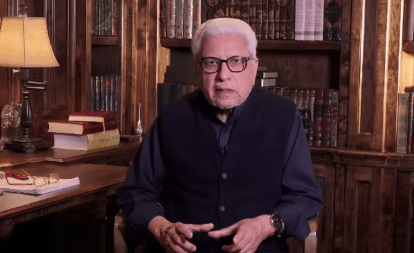
This Islamic theological discussion explores the concept of fitra, or human nature, as the foundation for knowledge and morality. The speakers examine how human nature, with its inherent capacity for both good and evil, influences various fields of study, including social sciences and religion. They argue that religious teachings build upon and refine pre-existing innate moral inclinations. The conversation analyzes how knowledge develops through observation, experience, and the ongoing refinement of human understanding. Ultimately, the speakers posit that religion provides divinely inspired guidance that complements and enhances humanity’s inherent moral compass.
The Nature of Humanity: A Study Guide
Quiz
Instructions: Answer each question in 2-3 sentences.
- According to the text, what is the common ground between different philosophies, viewpoints, and religious inclinations?
- What is meant by “Fitrat,” according to the speaker, and why is understanding it crucial?
- How does the study of nature apply not just to humans but also to other aspects of existence, as described in the source?
- What role do sensory experiences and inner feelings play in the acquisition of knowledge?
- How does the speaker suggest humans develop moral and intellectual capacities, and how does this differ from the way animals or computers might learn?
- How does the source explain the concept of “shame” in connection to the story of Adam and Eve, and what does it reveal about human nature?
- According to the text, how do good and evil relate to human nature?
- How do individual differences in cultural expression and behavior relate to a universal human nature?
- What is the speaker’s perspective on how religious teachings relate to human nature?
- Why does the text suggest that prophets and revelations are necessary if humans possess a natural understanding of good and evil?
Answer Key
- The common ground between different philosophies, viewpoints, and religious inclinations is their attempt to relate themselves to the fundamental nature of humanity. Although different in their individual arguments, they all seek to understand and define this shared human nature.
- “Fitrat,” as explained in the text, refers to the intrinsic nature of something, especially of a human being, as created by God. Understanding it is crucial because it serves as the basis for all knowledge, and any belief or knowledge is stronger when aligned with it.
- The study of nature applies to all things, including animals, objects, and even concepts. Understanding the nature of something involves examining its purpose, special qualities, and the methods used in its creation, encompassing everything from a mobile phone to the universe itself.
- Sensory experiences connect us to the external world while inner feelings connect us to our own internal state. This combination of external and internal data forms the basis of our knowledge, interpreted through intellectual processing.
- Humans develop moral and intellectual capacities by not just repeating and copying, but through an inherent ability to analyze and debate. Unlike a computer or parrot, a child can internalize basic concepts of good and bad and then independently apply them to new situations.
- The feeling of “shame,” in connection to the story of Adam and Eve, arises after the awareness of nakedness, indicating an inherent sense of modesty within human nature. It demonstrates that these feelings are not just externally imposed but are part of their intrinsic understanding of themselves.
- Good and evil, according to the text, are both present within human nature, with humanity having the potential for both. The capacity to choose between them is an integral part of what makes us human.
- Cultural expressions and behavioral differences are seen as regional variations within a broader universal human nature. The text argues for the existence of core human values that transcend cultural differences and are expressed in the same way everywhere, despite variations in surface expressions.
- Religious teachings, as portrayed, are a detailed explanation of the human nature already present in people. Religion provides a system for understanding and acting on these inherent characteristics in a way that aligns with divine guidance.
- The text suggests that while humans do possess an inherent understanding of good and evil, divine revelation through prophets is necessary to offer more detailed guidance and training for proper conduct, while also explaining the purpose and ultimate goal of our lives. It is suggested that, without this guidance, humans would have spent centuries to reach the level of understanding present in religious teachings.
Essay Questions
- Discuss the significance of “Fitrat” (nature) as the foundation for all knowledge, and how it shapes our understanding of human behavior and existence. Explore the various levels of knowledge that are mentioned in the text, and analyze how they relate to each other.
- Evaluate the claim that human beings possess inherent moral and intellectual capacities. To what extent are these capacities innate, and how are they developed through learning, experience, and societal influences? Support your answer by using examples and observations drawn from the text.
- Analyze the relationship between religion and human nature, according to the source material. How does the text argue that religious teachings are rooted in the understanding of our fundamental being? In what way, if at all, is it suggested that religion is an imposition on or a corruption of human nature?
- Explore the concept of human tension as presented in the source, and discuss its role in the development of culture and civilization. How does this tension relate to the ongoing struggle between good and evil within human beings? Use the examples of respect for parents to help you explain.
- How does the text address the apparent contradiction between the presence of universal human nature and the diversity of human actions and cultures? In your analysis, discuss how various forms of knowledge (e.g., social sciences, religious teachings) are used to understand the relationship between the individual and the collective.
Glossary
- Bismillah Rahman Rahim: An Arabic phrase that means, “In the name of God, the Most Gracious, the Most Merciful,” often used to begin something.
- Fitrat: The innate or inherent nature of something, especially in reference to human nature as created by God.
- Jamaat: A community or group, often with a shared purpose or identity.
- Aflak: The heavens or celestial bodies; the study of them.
- Hadith: Sayings or actions of the Prophet Muhammad, used as a source of guidance in Islam.
- Jabat: A word the text uses as an alternative way to refer to nature, or fate.
- Mashe: Refers to the inclinations and tendencies of the human character.
- Adar, Rasu, and Aqwaaba: Moral inclinations, as listed in the source material.
- Mutaal is Nagji: A phrase used in the text to describe something as being studied, or seen as a point of discussion.
- Mushahid: Observation or witnessing; a key component in the acquisition of knowledge, according to the source.
- Phi (Induction): An intellectual process used to verify or to determine truth by collecting multiple perspectives and/or instances of the same thing.
- Aqli Istam: Intellectual understanding or reasoning process.
- Istam Baati: Inner knowledge that emerges from the mind.
- Ilm Ifran: Insightful or spiritual understanding.
- Kharij and Mashri: The ideas of what is exterior and interior, how these things influence feelings.
- Ansar: A term meaning “helper,” and implying the core concepts of human nature as an aid to human life.
- Taqwa: God-consciousness, piety, or awareness of one’s responsibilities before God.
- Tabat Kha: A term related to purity, specifically of food and drink.
- Akhlaq Aaliya: High morals, ethics.
- Hifzoor: Keeping modesty, especially in reference to covering parts of the body.
- Surah Ara: A chapter in the Quran.
- Surah Noor: A chapter in the Quran.
Human Nature and Divine Guidance
Okay, here is a detailed briefing document analyzing the provided text:
Briefing Document: Analysis of “Pasted Text”
Introduction:
This document analyzes a conversation, likely a recorded discussion, about the nature of human beings (“Fitrat”) and its relationship to knowledge, morality, religion, and the divine. The speakers explore how human nature, as understood through observation and experience, acts as a foundation for various forms of knowledge and how religion both acknowledges and refines it. The speaker most often referred to is Javed Ahmed Gadi.
Key Themes and Ideas:
- The Universal Significance of Human Nature:
- The discussion begins by emphasizing that every philosophy, viewpoint, and religious inclination attempts to understand human nature. This is viewed as a universal phenomenon.
- “Every philosophy, every viewpoint, every religious inclination of the world declares itself to be similar by nature…”
- Human nature is seen as the basis for all knowledge, because you cannot measure the world without understanding its maker.
- The fundamental questions about human nature—its origins, purpose, and inherent capacities—are highlighted.
- The idea that things are created with intention (by humans and by the divine) is used as a springboard for exploring “nature.”
- The speaker emphasizes that when studying any created thing (animals, objects, humans), the focus is always on understanding its nature. This is described as “Fila ti fatar naha.”
- “Whatever has been created has been done with some method, some style, some intention, some year.”
- The study of human beings, including their behavior as individuals and their collective experiences, is essential for self-knowledge.
- “Fitrat” as Inherent Design:
- “Fitrat” is described as the inherent design or principle upon which a thing is created by its creator. It is not merely an abstract concept but a set of rules and regulations inherent to human beings.
- The Quranic phrase ‘fatar nasa alaha’, is used to emphasize this.
- To understand something, one must understand the principle of its creation.
- The importance of studying human nature, with the intention of suggesting how people should act, is emphasized.
- Knowledge based on human nature has a strong foundation.
- All forms of knowledge are rooted in this study of nature.
- Internal vs. External Knowledge and the Development of Concepts:
- The discussion explores how knowledge is acquired and how concepts develop, questioning if they are learned externally or discovered internally through study.
- The “creator” has placed intentions within beings that manifest over time.
- The human creation of civilization, art, culture, books, etc., are examples of the manifestation of human nature. This would not have been possible by other creatures, such as dogs or cats, who do not have this inherent potential.
- The human being is born with the capacity to learn, think, and develop morals, which is different from just mimicking behaviors. For example, children learn to apply concepts of good and bad beyond specific examples.
- Human aesthetic sense is also an inherent quality.
- Human senses connect with the external world, but also with the internal world of feelings, emotions, and self-awareness.
- The communication of feeling (e.g. pain) is not just words, but a shared internal human experience.
- Human intellect allows us to process and understand both internal and external data.
- The Role of Experience and Observation:
- Knowledge develops through a combination of experience (“mushahid”) and observation. Experience and observation can be external, but also verbal (communication).
- There is always the possibility of mistakes in observation or reflection, however, knowledge progresses through correction of these errors.
- “Induction” (the testing and widespread application of observations) is necessary to achieve a more objective and accurate understanding of reality. This is an ongoing process.
- This ongoing process of testing and verifying information is necessary for the expansion of human knowledge.
- Through intellectual analysis and critical thinking, knowledge reaches a worthy state.
- The Internal Struggle of Good and Evil:
- The concept of an inherent internal struggle within humans—the “courage of good and evil”—is highlighted.
- This “courage” can lead humans to both good actions and evil actions.
- Even those committing evil do not like to be the victims of that evil.
- The community described in the Quran had lost sensitivity to these moral feelings. This does not mean, however, that they no longer possessed them.
- The Scope of “Fitrat” and the Foundation of Knowledge:
- The “bravery” that Allah has given man can improve social, political, and worldly life, and all education has come from this.
- This “Fitrat” is the base of human’s moral and intellectual existence.
- All forms of knowledge, including science, social sciences, and the arts, are rooted in this inherent design of human beings.
- Religion as an Affirmation and Refinement of “Fitrat”:
- The speaker asserts that Allah’s religion has been directly inspired into human nature, or Fitrat.
- The religion received through prophets is a guidance inspired in the nature of humans.
- Religion, as understood through the prophets, confirms the inherent human desire for worship, purity, and morality.
- Religious practices (prayer, fasting, charity) are seen as an expression of humanity’s relationship with the divine.
- The speaker says that religious content is based on four things: one’s relationship with God, purity of the body, correct diet, and high morals. All of these are present in human nature.
- The religion refines it, that is, it comes and nurtures that seed of the Fitrat.
- The Quran has revealed that this very human nature we are witnessing is the same one that was present in Adam.
- Prophets are described not as creating human nature, but as coming to guide and cultivate it.
- Prophethood is considered a blessing that ensures that a person is not left to go through an endless process of trial and error on their own before facing judgement.
- It is through prophets that the knowledge of the Fitrat is converted into details.
- Adam’s Original Actions and the Revelation of Shame:
- The story of Adam’s mistake and subsequent repentance in the Garden of Eden is reinterpreted.
- It is argued that the feeling of shame and modesty was not imposed externally, but was a natural feeling that arose within Adam and Eve after their transgression.
- The emphasis is on the internal realization of what should be covered, rather than the external order to cover it.
- The Quran’s description of the incident is framed as an example of the innate nature of humans.
- The specific commands of the Quran regarding dress code and modesty is not simply an external law, but rather a means of giving further detail to the manifestation of the Fitrat.
- The Ongoing Nature of the Discussion:
- The conversation is presented as an ongoing investigation into the nature of human beings and their place in the world.
- The speakers do not shy away from discussing the complexity of their ideas, including the origin of evil, the struggle of human will, and the nature of religious authority.
Quotes of Particular Significance:
- “Every philosophy, every viewpoint, every religious inclination of the world declares itself to be similar by nature, although all these viewpoints are different from each other and have their own individual… but they want to establish their relation with the nature of man.”
- “This nature of man is interpreted as a bilam nature. Why is its subject so painful and important? How does this nature come into existence?”
- “If you look carefully, whatever has been created has been done with some method, some style, some intention, some year.”
- “The words of the Holy Quran Fila ti fatar naha, this is not related only to humans, the Jamaat also has a nature, the Prophet also has a nature…”
- “When the creator of this universe created man, then on which principle was he born, ‘alaiha’ Unless you study what rules and regulations were followed, what time and place it happened, you will not have any knowledge about the human being.”
- “See, the thing is that whenever you observe any creature, the creator of that being has created it with some special intentions and they are clearly present inside that being, they manifest with time.”
- “The basic trait of a human being…that is, he has good qualities, he has morals, he is an intellectual existence…”
- ” In fact, it does not take long before the differences between your likings and his likings start surfacing. If this is a thing to this extent, then this knowledge gets absorbed in a person. It has been done as if it is an inspiration within him…”
- ” I also have senses; whatever goes on inside me, I express that as well. I see, I feel that too. Till today, whatever we have felt in our inner self, when we have expressed them, you have also immediately said that yes, I also feel the same way, then the feeling starts getting transferred to me.”
- “…the feeling of modesty should be there only if you say pain in this way It is like he would be in a state of trouble, in a state of turmoil and then Allah would tell him to pick up the leaves and cover them. It is a beautiful example, it has not happened so much, the work has come into existence, a complete thing has come into existence.”
- “My book Mizan must have come to your notice in which I have explained the life and times of my life While describing the outcome of the whole study, he has explained the entire religion, that is, the religion of Allah which has been received through the prophets. Humans also make religion and it is also made by studying the nature of humans.”
- “Deen Allah This is the guidance of Tala which he first inspired in the nature of man. Now it is clear why I am saying this because this has been said by Allah himself, i.e. I did not say this on my own, it was said by Allah himself.”
- “…the same nature was explained in detail. We started putting it in.”
- “…it was necessary that if Allah has to answer me then I have to depart from this world today, Adam al-Salam also had to depart, he may live for 100 years or 1000 years, in any case I have to live and go before God If I have to answer then the education that was given in my nature had to be converted into details in my life for those details because I was about to be a part of the Quran that is why Allah guided me so Allah Ta’ala himself also says that this guidance I have done it, that is, after the ideological guidance, this is my favour.”
- “Well then the picture is also such that it is thought that there was no one to interrupt nor was there any pure soul in him, brother And the Bhasas had gained an upper hand, well, and this happens many times, but all the people had died, so where did this fall of Lot come from, he was also the same, right?”
Conclusion:
The text presents a rich and complex discussion on human nature, its relationship with knowledge and religion, and the ongoing process of self-discovery. The conversation emphasizes that “Fitrat,” the inherent design of humanity, is a basis for knowledge, morality, and religious understanding. It highlights the importance of observation, experience, intellect, and the ongoing tension between good and evil in the human experience. The speaker uses these concepts to reinterpret religious narratives, and presents “Fitrat” as a key to understanding humanity’s relationship with the divine.
Human Nature and Divine Guidance
Frequently Asked Questions
- Why is the study of human nature considered so fundamental across various philosophies and perspectives?
- The study of human nature is seen as fundamental because it is the basis for understanding all created beings, their purpose, and how they function. Just as everything in the universe, from inanimate objects to animals, is understood by examining its unique characteristics and purpose, understanding human nature provides the foundation for understanding human behavior, societies, and even how humans relate to their Creator. This study allows us to understand how humans function, what motivates them, and how knowledge itself is acquired and shaped.
- What does the concept of Fitrat (nature) signify, particularly in the Quranic context?
- In the Quranic context, Fitrat (nature) refers to the inherent disposition with which God created humans. It is not merely a biological or psychological state but encompasses the moral and intellectual potential with which humans are endowed. The Quranic phrase “fatar nasa alaiha” signifies that humans are created with a fundamental nature that includes certain capacities and tendencies, and understanding this nature is crucial to human development and knowledge. It is the blueprint based on which the Creator created humans, and studying this blueprint is essential for acquiring knowledge about humans.
- How does the concept of ‘nature’ relate to the acquisition of knowledge?
The understanding of nature, be it of humans, animals, or any other aspect of creation, serves as the base for all knowledge. When studying anything, one examines its properties, how it functions, and its purpose. Knowledge is acquired by understanding these fundamental aspects. If knowledge is aligned with the nature of its subject, it gains a solid foundation; otherwise, it remains an unsubstantiated assertion. Whether it’s a lion or a mobile phone, understanding its nature is the foundation for our understanding of it.
- Is human nature solely determined by external influences or does an inherent aspect of being exist?
- While external influences such as language, culture, and education play a role, humans are not mere blank slates. They possess inherent capabilities and traits that emerge as they develop. These include moral inclinations (good/bad), an aesthetic sense (beauty/ugliness), and intellectual ability. External experiences reveal these predispositions but they are not created by it.
- How do moral, intellectual, and aesthetic faculties manifest in a human being’s development?
- Moral, intellectual, and aesthetic faculties are not just learned; they emerge naturally as a child develops. For example, the moral sense is innate. A child may begin to discern between good and bad after being taught a few examples and then they can independently apply these concepts to other situations. Similarly, aesthetic sense is apparent when they start showing a preference for beautiful things. The intellectual faculties manifest through a child’s ability to reason, question, and analyze. They are innate but develop with time and experience.
- How does religious knowledge align with human nature according to the source?
- Religious guidance, as given by prophets, aligns with human nature because it is divinely inspired and based on the inherent human disposition as created by Allah. The core elements of religion, like the worship of God, seeking purity of body and soul, and striving for high moral character ( akhlaq), resonate with these aspects of human nature. Thus, religious teachings do not contradict human nature but rather build upon and refine it. The nature was given first, and divine guidance came later to clarify it further.
- What is the role of Taqwa (God-consciousness) and obedience in shaping human behavior, and how does it relate to human nature?
- Taqwa, in this context, is not seen as something separate from human nature but rather as the ultimate aim of developing the inherent tendencies present in it. Practices like fasting, prayers, and other acts of obedience, are not simply arbitrary laws. They train and refine human nature and ultimately cultivate Taqwa. They are designed to elevate the person to a higher state of purity and moral excellence, making them more capable of realizing their true potential. This is similar to how athletes have to train their bodies to become better in their respective sports.
- Why was prophethood necessary if humans already possess an inherent understanding of good and evil through their nature?
- While humans are born with the inherent capacity to recognize right from wrong, prophethood was necessary to provide clear guidance, correct deviations, and offer a detailed framework for moral and spiritual development. It is similar to how a seed has the potential to sprout but needs a gardener to water and nourish it. Prophets help articulate the principles already within human nature and also provide a code of conduct to live up to the true potential of human nature. Prophethood, therefore, is considered a favor and a mercy that offers clarity and completeness to what humans are already predisposed towards. It is not a replacement for human intellect but is given so that human intellect is guided properly towards good.
Human Nature and Divine Guidance
Okay, here’s the timeline and cast of characters based on the provided text:
Timeline of Main Events/Concepts Discussed
- Creation of Humanity: The discussion begins with the premise that all viewpoints consider human nature as fundamental. God created humans with specific intentions and qualities (“Fila ti fatar naha”) which define their nature. This nature is not limited to humans alone but applies to all things.
- Innate Knowledge/Fitra: Humans are born with an inherent understanding of their nature, which includes moral, intellectual, and aesthetic capabilities. This isn’t purely learned but is an innate potential.
- Development of Knowledge: The knowledge of human nature develops through experience and observation, both internal (feelings, sensations) and external (interactions with the world, learning). Knowledge is built upon this foundation, with language, etiquette, and training further shaping it.
- The interplay of innate ability and experience: The discussion highlights that humans are born with an ability to learn and improve, that the moral, aesthetic, and intellectual aspects of human beings are present from birth, with the capacity to grow and develop.
- Application of knowledge: Humans develop knowledge of the world through observations and experiences. They then build on this base through repeated observation, experimentation, and the induction of facts into established knowledge. This knowledge is not static but is always subject to revision through critical analysis.
- Moral Inclinations: Humans possess the potential for both good and evil, with the “courage” to choose between them. This capacity is part of their nature but can be influenced by desires and external factors.
- Religious Understanding: Religion is presented as guidance inspired by God within human nature. The core principles of religion include the relationship with God (through worship), bodily purity, and high morals. These principles are argued to be reflected in human nature.
- Prophethood: The concept of prophethood is introduced, with the idea that prophets (like Adam) were not ‘blank slates’ but were individuals whose human nature was aligned with the guidance they received from God. The revelation from God built upon the innate nature, like a gardener nurturing a seed.
- Adam and Eve’s transgression: The discussion brings up the story of Adam and Eve. When they ate the forbidden fruit, they felt a sense of shame, which is an example of an innate sense of morality. God does not arbitrarily impose morality, but it stems from within human beings, and the role of God and the prophets is to build upon this foundation.
- Dress and modesty: The feeling of shame was a manifestation of what was innate to them, thus they covered themselves with leaves. This was a foundational act, on which the future understanding of religious attire was founded.
- Ongoing Exploration of Human Nature: The discussion concludes with the recognition that the study of human nature is an ongoing process, requiring continuous analysis, and that human nature is complex, with both positive and negative aspects that can be shaped by individual and social forces.
Cast of Characters with Bios
- Mohammad Hasan Ilyas: The host of the program. He frames the discussion and poses questions to the guest. We know he is familiar with Islamic thought and is curious about the relationship between human nature and religious guidance.
- Javed Ahmed Gadi: The main guest and subject of the interview. He is an intellectual, likely with a strong background in Islamic theology, philosophy, and comparative religion. He discusses the concept of human nature (“fitra”) from a religious perspective, incorporating both Quranic and philosophical arguments. He is shown to be able to articulate complex philosophical and theological points.
- God (Allah): While not a character in the sense of a human being, God is a central figure in the discourse. God is presented as the creator of human nature, the source of religious guidance, and the ultimate judge. The text describes that God instilled “courage” (potential for both good and evil) in humans, and also reveals to them the details of religious practices.
- Adam (Sayyedna Adam al-Salam): The first prophet of God and the first human being, Adam is presented as a figure who possessed the same innate human nature as we do. His story is used to demonstrate the link between innate human understanding and religious principles.
- Prophets: (Mentioned Generally) This refers to a group of people who receive divine guidance and help to develop religious practices and morality. The text implies that all prophets built on the foundations of human nature, given by God.
- Allama Iqbal: A poet, quoted to indicate that some things are universal to humanity, and others particular to certain contexts.
Let me know if you have any other questions about this.
Human Nature: Innate Qualities, Moral Inclination, and Knowledge Acquisition
Human nature is a central concept in various philosophies and viewpoints, with each attempting to relate it to their own perspective [1]. The study of human nature is considered important and complex, with questions arising about its origin, its basis in individual abilities, and whether it is fundamentally innate or learned [1].
Key aspects of human nature, according to the sources, include:
- Innate Qualities: Human beings are created with specific intentions and qualities [2]. These inherent traits are not unique to humans, but also exist in other creatures [2, 3]. The nature of a thing is seen as a collection of its special qualities when viewed as a group [4].
- Moral Inclination: Humans possess inherent moral inclinations including good qualities, morals, and intellectual capabilities [1, 3]. These traits begin to appear in childhood and develop over time [3].
- Knowledge Acquisition: Humans have an inherent ability to learn, including language [2, 3]. Knowledge is gained through observation, experience, and reflection on both the external world and internal feelings [5, 6]. The knowledge that humans acquire is built upon a foundation of understanding the nature of things [7].
- Fitra: The term “Fitra,” used in the Quran, refers to the principle upon which the creator made humans. It relates to understanding the rules, regulations, and circumstances under which a human being is born [4, 7].
- Good and Evil: Human nature has the capacity for both good and evil, and humans have the power to choose between them [8].
- Intellect: Humans are intellectual beings who process and analyze information, creating their own understanding of the world [6, 9]. This intellectual capacity allows them to form opinions and make judgments [3].
The sources also discuss how human nature relates to religion and knowledge:
- Religion: Religion is seen as a means for the moral development of human beings, building upon the inherent nature of humans [10]. Religious teachings include the importance of purity, worship, and morality, and these elements are also found in human nature [11, 12].
- Knowledge of Nature: The study of human nature is essential for acquiring knowledge about the world and oneself [7]. Knowledge is gained through a process of observation, experience, and critical analysis [6, 13].
- Prophethood: Prophethood is seen as a divine favor aimed at guiding humans toward their inherent potential [14, 15]. Prophets, starting with Adam, helped to explain and develop the details of human nature, as it was not an empty box but had the ability to sprout on its own [12, 16].
- Human behavior and society: Human behavior and social sciences are born from understanding how human beings behave both individually and collectively. Knowledge of self emerges from the study of life and death, and this knowledge of self can be considered in the broader concept of human nature [4].
The sources emphasize that human nature is a complex and multifaceted concept, with various factors contributing to its understanding.
Fitra and the Foundation of Religious Inclination
Religious inclination is a significant aspect of human nature, according to the sources, and is deeply connected to the concept of “Fitra” [1-3]. Here’s a breakdown of how the sources discuss this:
- Religion as a Means for Moral Development: Religion is viewed as a path for the moral development of human beings, building upon their inherent nature [3]. The sources suggest that religious teachings are not arbitrary but are designed to resonate with the innate qualities and inclinations present in humans [3].
- Connection to “Fitra”: The term “Fitra,” as used in the Quran, describes the principle upon which humans were created [2, 4]. This concept implies that humans have an inherent predisposition towards recognizing their creator and understanding the moral and ethical framework of existence [3].
- Components of Religious Teachings: Religious teachings, according to the sources, consist of four key components [3, 5]:
- Worship (Ibadah): This is the expression of the relationship between an individual and their Lord, which is developed through struggle, devotion, and support [5].
- Purity: Maintaining purity of the body, including the food and drink consumed, is considered essential [5].
- High Moral Character (Akhlaq Aaliya): The sources emphasize the importance of embodying the highest moral standards [5].
- Relationship with God: The sources also discuss how the relationship with God is developed through worship, obedience, and support [5].
- Universal Feelings: The feelings of cleanliness and the inclination towards morality are described as universal human feelings [5, 6]. Though expressions of these feelings may vary, the underlying inclination is present in all humans [6]. This suggests that the core principles of religion are not alien to human nature but are in fact deeply rooted in it [6].
- Religion’s Foundation in Human Nature: Religion is seen as having its foundation within humans, with the key elements of religious teachings being present in human nature [6]. The sources suggest that religious knowledge is not separate from the knowledge inherent in human nature [7].
- Prophets and Guidance: Prophets are seen as playing a key role in elaborating upon and guiding human nature [7]. They provide the details and practical applications of the inherent knowledge, acting as a gardener who nurtures the seeds of knowledge present within human nature [7]. This guidance is considered a divine favor, offering clarity and direction to humans in understanding and fulfilling their nature [8].
- Accountability: Individuals are accountable for the inherent knowledge within their nature, and religious teachings provide the details and structure for this [9].
In summary, the sources emphasize that religious inclination is a fundamental aspect of human nature, deeply rooted in the concept of “Fitra.” Religious teachings align with and develop the innate moral, ethical, and spiritual inclinations of humans [3, 6]. The role of religion and prophets is to provide guidance and clarity to the inherent human understanding of the world and one’s relationship with God [7, 8].
The Creation of Knowledge
Knowledge creation, according to the sources, is a multifaceted process that involves observation, experience, reflection, and critical analysis [1-6]. It is deeply intertwined with the understanding of human nature and the world around us [1, 2]. Here’s a detailed breakdown of the knowledge creation process, as described in the sources:
- Foundation in Nature: Knowledge is built upon understanding the nature of things, whether it’s a physical object, a living being, or an abstract concept [1-3]. This involves identifying the special qualities, characteristics, and purpose of the subject being studied [1, 2].
- Observation and Experience: Knowledge begins with observation and experience [5]. This involves using the senses to gather information about the external world [4, 7]. Experiences can be external, through direct interaction with the world, or internal, through introspection and reflection on one’s feelings [4, 5].
- Reflection and Analysis: The information gathered through observation and experience is then subjected to intellectual analysis [4-6]. This involves processing, organizing, and interpreting the data [4]. Humans, being intellectual beings, have the capacity to evaluate and critique the information they receive [4, 6].
- Induction: The process of induction is key to knowledge creation. This involves taking the knowledge that has been gathered through observation and experience and applying it on a larger scale [5, 6]. Induction involves looking for patterns and connections in the information to form a more general understanding [6].
- Implementation and Verification: The knowledge gained through induction is then tested and verified through implementation [5, 6]. This involves putting the knowledge into practice and observing whether it holds true in different contexts [5]. The process is often repeated to refine the knowledge and correct errors [6].
- Critical Analysis: A key part of knowledge creation is critical analysis [8]. This involves continually questioning and evaluating existing knowledge, looking for mistakes, and seeking more complete understanding [6, 8].
- Mistakes and Corrections: The sources acknowledge that mistakes can occur at every level of the knowledge creation process, from observation to interpretation [6]. The repetition of observation and experimentation can help to correct these errors [6].
- Subjectivity to Material Reality: Through the process of induction and implementation, subjective perception and current experience transforms into a material reality [5, 6]. This occurs when knowledge becomes widely accepted and seen as an objective truth [6].
- Intellectual Processing: The intellect plays a crucial role in organizing and processing the information collected [6]. The intellect creates a framework for understanding the world by connecting the information, and this allows for the creation of a system of knowledge [6].
- Expansion of Knowledge: As knowledge expands, the collection of facts and information also changes [6]. This leads to the further refinement and expansion of knowledge [6]. The pursuit of knowledge is ongoing, with the later stages of intellectual inquiry building on earlier findings [6].
The sources emphasize that knowledge creation is not a passive process but an active one that requires intellectual engagement, critical analysis, and a willingness to learn from mistakes [4-6, 8]. It is also a cumulative process, with new knowledge building upon existing knowledge [5, 6]. The sources posit that human beings have an innate capacity to learn and understand, and the drive for knowledge creation is part of the human experience [1, 2, 4, 7].
Moral Development: Nature, Nurture, and the Human Spirit
Moral development is a significant theme in the sources, closely linked to human nature, religious inclination, and the process of knowledge creation. Here’s an overview of how moral development is discussed:
- Innate Moral Inclination: Humans are born with an inherent moral compass, possessing good qualities, morals, and intellectual capabilities [1]. These qualities are not imposed from the outside but are part of human nature itself [1, 2]. This suggests that moral development is not simply a matter of learning from external sources, but also an unfolding of inherent potential.
- Development Through Learning and Experience: Moral development is not static; it evolves over time through learning and experience [1]. As children grow, they learn to differentiate between good and bad and begin to apply moral principles to various situations [1]. The sources suggest this process involves a combination of internal reflection and external influences.
- Role of Intellect: The development of morality is related to intellectual growth [1, 3]. As individuals develop their capacity to think and analyze, they also gain a deeper understanding of moral principles. The intellect helps individuals to evaluate their actions and to make informed moral decisions [3].
- Influence of External Factors: Moral development is also shaped by external factors, including family, culture, and society [4]. For example, the sources describe how a child in Africa may develop different ideas of respect compared to a child in Delhi due to cultural norms [4]. This demonstrates that while humans have an innate moral sense, its expression can be influenced by environmental factors [4].
- Connection to Religious Teachings: Religious teachings are considered a means for the moral development of human beings, building upon their inherent nature [5]. The sources emphasize that religion provides a framework for understanding and applying moral principles, guiding individuals towards ethical behavior [5, 6].
- Purity as a Moral Concept: The sources emphasize the importance of purity, both physical and moral, in religious teachings, linking it to the concept of moral development [6]. This suggests that being morally upright involves maintaining purity of intention, action, and character [6, 7].
- Universal Moral Values: The sources indicate that certain moral values, such as honesty, charity, and truthfulness, are recognized and valued universally [7]. This suggests that while there may be cultural differences in how these values are expressed, the underlying principles are common to all humanity.
- The Capacity for Good and Evil: Human nature has the capacity for both good and evil, and moral development involves learning to choose good over evil [8]. This capacity is part of human nature and it is a constant struggle to choose the path of good [8].
- Accountability: Individuals are held accountable for their moral choices, which underscores the importance of moral development [9].
- The tension of human nature: The internal tension created by the capacity for both good and evil is what the sources describe as humanity, and from this tension comes culture and civilization [10].
In summary, moral development, as presented in the sources, is a complex interplay between innate moral inclinations, intellectual growth, external influences, and religious teachings. It is a dynamic and ongoing process that involves a struggle to choose good over evil, and it is a fundamental aspect of what it means to be human.
Divine Guidance and Human Nature
Divine guidance is a central theme in the sources, closely tied to the concepts of human nature (“Fitra”), religious inclination, and moral development. The sources present divine guidance as a necessary component for human beings to fully realize their potential and understand their purpose [1, 2]. Here’s a detailed explanation of divine guidance, based on the sources:
- Inspiration in Human Nature: The sources suggest that divine guidance is first inspired into the very nature of humans. This means that humans have an inherent understanding of the divine, and a predisposition to seek it. This is linked to the concept of “Fitra,” which is the inherent nature upon which humans were created [3, 4].
- Prophethood as a Divine Favor: The sources emphasize that prophethood is a divine favor, and not a requirement for God [5]. Prophets are chosen by God to elaborate on and guide human nature. They act as messengers who clarify the inherent knowledge present in human nature, and provide the details of religious teachings [2].
- Guidance Through Prophets: Prophets are presented as the means through which divine guidance is transmitted. They provide the practical applications of inherent knowledge, and nurture the human understanding of the divine. Prophets are like a gardener who comes and waters, nourishes, and trims the seed of inherent knowledge to make it grow [2].
- Details of Religious Teachings: Divine guidance, as expressed through religious teachings, provides the details necessary for a moral and spiritual life. This includes aspects like worship, purity, and high moral character. These aspects are not imposed from the outside, but are connected to the inherent nature of human beings [1, 6].
- Religion as Divine Guidance: The sources explain that religion, as revealed through the prophets, is the guidance of God. This guidance is not arbitrary, but rather, it is rooted in human nature. The purpose of religion is to bring out the inherent qualities and capabilities already present in humans [1].
- Accountability and Divine Law: Humans are accountable to God based on the inherent knowledge placed within them [7]. Divine guidance helps in understanding and fulfilling this accountability. It is also important to note that this accountability exists in addition to the inherent capabilities humans have for creating knowledge [7].
- Why Divine Guidance is Necessary: The sources pose the question: if humans have inherent knowledge, why is divine guidance through prophethood needed? The response is that humans, left to their own devices, take a very long time to acquire and implement knowledge, and can also make mistakes in the process. Divine guidance is needed to quicken the process and ensure that humans have a clear path.
- The Example of Adam: The sources use the story of Adam to illustrate divine guidance. Adam, having made a mistake, received guidance from God, which led him to recognize his mistake and seek forgiveness. The story of Adam also highlights the innate feeling of modesty as an example of how humans are inherently aware of what is right and wrong.
In summary, divine guidance is presented in the sources as an essential element in human existence, which is rooted in the inherent nature of humans. This guidance is provided through prophets and religious teachings and helps humans to understand their purpose, develop morally, and fulfill their accountability to God. It is a favor from God to humanity, that clarifies and quickens the acquisition of knowledge. The concept of divine guidance connects to many aspects of the human experience including, religious inclination, moral development, and knowledge creation.

By Amjad Izhar
Contact: amjad.izhar@gmail.com
https://amjadizhar.blog
Affiliate Disclosure: This blog may contain affiliate links, which means I may earn a small commission if you click on the link and make a purchase. This comes at no additional cost to you. I only recommend products or services that I believe will add value to my readers. Your support helps keep this blog running and allows me to continue providing you with quality content. Thank you for your support!


Leave a reply to Anna Waldherr Cancel reply