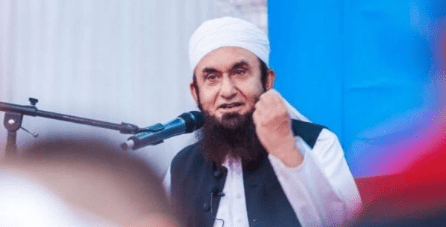
This text comprises excerpts from a lecture or sermon, likely delivered by a Muslim speaker in India. The speaker discusses the history of Islam in India, contrasting the early, pure form of Islam with later influences and political divisions. He examines the impact of British colonialism and the subsequent partition of India, exploring the resulting tensions between Hindus and Muslims. Furthermore, the speaker contemplates the current state of Islam in India and advocates for a revival of its core principles, emphasizing social justice and a renewed focus on dawah (inviting others to Islam). Finally, he addresses misconceptions about Islam and offers a perspective on the relationship between Islam and other faiths.
Islamic Thought in South Asia: A Study Guide
Quiz
Instructions: Answer the following questions in 2-3 sentences each.
What does the speaker mean by referring to “Bar Azam Pak Hind?”
According to the speaker, what was unique about the Islam brought to Sindh by Muhammad Ibn Qasim?
How did the speaker characterize the role of Sufism in the spread of Islam in India?
According to the speaker, what was the major shift in Muslim leadership following the Khilafat Rashitha?
What was the key policy of the British that impacted the relationship between Hindus and Muslims?
How did the speaker portray Sir Syed Ahmad Khan’s approach to British rule?
What is the significance of Allama Iqbal’s 1930 sermon in Allahabad according to the speaker?
What is meant by the “social engineering program” of the United Nations in this text?
Why does the speaker criticize the concept of secularism?
How does the speaker view the method of Muhammad Salla Sallam as a model for revolutionary change?
Quiz Answer Key
“Bar Azam Pak Hind” is a reference to the Indian subcontinent, emphasizing its vastness (“Bar Azam” meaning continent) and the speaker’s desired vision of a “pure” (Pak) India. It is a term used to describe the geographical and historical space they are discussing.
The Islam brought by Muhammad Ibn Qasim was characterized as “pure Arabic Islam” with a strong influence of “badwit and Arabiyat.” It was not yet divided into sects and was free from Greek philosophy.
The speaker views Sufism as important for the spread of Islam, noting its emphasis on the “oneness of existence” and its art, making it a significant aspect of the Islamic faith in the area.
The speaker states that after the Khilafat Rashitha, Muslim political leadership became divided into tribal assets and religious leadership divided into scholars and Sufis. This shift resulted in power being derived from strength rather than religious authority.
The British policy of “divide and rule” exacerbated conflict between Muslims and Hindus, preventing them from uniting against British rule. It played into existing tensions.
The speaker portrays Sir Syed Ahmad Khan as advocating for Muslims to learn English and acquire scientific knowledge while assuring the British that the 1857 uprising was not a Muslim problem.
Allama Iqbal’s 1930 sermon in Allahabad is seen as a turning point, where he strengthened the idea of Muslims as a separate community and envisioned the possibility of a separate Muslim state, preceding the 1940 proposal for Partition.
The “social engineering program” is critiqued as a United Nations initiative promoting a secular, interest-based economy, and a system that rejects religious and moral values. It includes ideas of gender equality, promotion of homosexuality, and dissolving traditional family structures, all seen as damaging to Islamic principles.
The speaker criticizes secularism as incompatible with Islam, viewing it as a form of kufr (disbelief) that places political, social, and economic systems outside religious guidelines. It allows for actions like legalizing homosexuality, which are deemed contradictory to Islamic values.
The speaker believes that Muhammad’s method of working through faith and community, his revolutionary approach, and the way his life serves as a comprehensive map for change is the ultimate model to emulate. It is a model that prioritizes spiritual, social, political, and economic transformation.
Essay Questions
Instructions: Develop a well-structured essay for each of the following prompts.
Analyze the speaker’s view on the historical development of Islam in India, focusing on the key turning points and influences he identifies. Consider the speaker’s characterization of pre-colonial and colonial era Islam and how these have affected the Indian subcontinent today.
Discuss the speaker’s critique of secularism and his vision for an ideal Islamic state. How does he define an Islamic state, and what role does he foresee for religious minorities within it? What is the alternative that the speaker posits?
Evaluate the speaker’s perspective on the relationship between Islam and modernity, especially in the context of his discussion of British colonial rule and its aftermath. Consider what role western ideals should play in Muslim communities according to the speaker.
Compare and contrast the speaker’s view of the role of leadership in Islam with his analysis of the historical Muslim leadership. What qualities and characteristics does he advocate for? What have been the failings of Muslim leadership in the past according to the speaker?
Explore the speaker’s vision for the future of Islam in South Asia, focusing on the strategies he proposes for social, political, and spiritual renewal. How does the speaker frame the current state of Islam?
Glossary of Key Terms
Ajam: A term used by the Arabs for non-Arabs, often referring to Persians or non-Arab Muslims. In the context, it refers to areas beyond Arabia, including the Indian subcontinent, where the speaker is describing the transmission of Islamic faith.
Bar Azam: A term meaning ‘great continent’, used to describe the Indian subcontinent, particularly when discussing historical and cultural contexts.
Badwit: Refers to the nomadic, tribal culture and lifestyle of the Bedouin Arabs, often associated with simplicity, purity, and strong communal bonds.
Arabiyat: Refers to Arab culture, language, and traditions, particularly in the context of early Islam.
Khilafat Rashitha: Refers to the era of the first four caliphs (Abu Bakr, Umar, Uthman, and Ali) following the death of Prophet Muhammad, considered a golden age of Islamic governance.
Shudhi: A Hindu purification movement aimed at reconverting people who had converted to other religions back to Hinduism.
Tabligh: Refers to the practice of calling or inviting others to Islam, emphasizing spiritual and moral reformation.
Ulama: Refers to the class of Muslim scholars and religious leaders who are regarded as custodians of Islamic law and tradition.
Sufism: A mystical branch of Islam that focuses on direct experience and spiritual communion with God, often through practices such as meditation and devotional music.
Tawheed: The Islamic concept of the oneness of God, a core tenet of the faith, it also represents the unity of God’s power and sovereignty in Islam.
Kufr: In Islam, it refers to disbelief in God, and can also indicate actions or beliefs that contradict the principles of Islam.
Dajjal: An evil figure in Islamic eschatology who will appear before the end of the world, a deceiver who will lead people astray.
Jizya: A tax traditionally imposed on non-Muslims living in an Islamic state, sometimes used for protection.
Uswa Kamil: Refers to the perfect example of the Prophet Muhammad as a model for all Muslims.
Seera: The biography of the Prophet Muhammad, serving as a source for understanding his life, teachings, and practices, particularly for how one can live a life aligned with God’s will.
Mawra Materialism: This means “beyond materialism”. In this sense, it refers to a realm of existence that is beyond the physical and tangible world, typically encompassing spiritual or metaphysical concepts.
Social Engineering Program: A term used by the speaker in this text to describe the United Nations’ initiatives, which he views as a secular and globally imposed program to alter social structures in a way that is detrimental to traditional family structures, religious values, and community norms.
Mahram: A male relative with whom a Muslim woman is not permitted to marry and is required by Islamic law to travel with.
A Critical Analysis of Islamic History and Reform
Okay, here is a detailed briefing document reviewing the main themes and important ideas from the provided text excerpts.
Briefing Document: Analysis of Excerpts
Date: October 26, 2023
Subject: Analysis of Key Themes and Ideas in Provided Text Excerpts
Introduction:
This briefing document analyzes a complex and wide-ranging series of excerpts. The content appears to be a transcription of a speech or lecture, potentially given to a Muslim audience in Pakistan or India. The speaker discusses a wide range of historical, religious, and political issues, frequently referencing Islamic history, philosophy, and contemporary challenges facing the Muslim community. The speaker’s perspective is deeply rooted in Islamic tradition but is also critical of many aspects of modern society and some historical interpretations of Islam. The overall tone is passionate, occasionally polemical, and often seeks to inspire a renewed commitment to a specific vision of Islam.
Main Themes and Ideas:
Critique of the Current State of Islam:
Loss of Authentic Islamic Practice: The speaker laments the deviation of contemporary Muslims from what he views as true Islamic principles. He criticizes the focus on ritual and luxurious mosques over substantive political and social action, stating, “I have brought mosques and made them luxurious, okay But what else is there except Islam? The political aspect of Islam Where is Nizam the Messiah of Islam Where is Nizam?”. He also sees modern interpretations as a “deception” (Dajjal). He criticizes the adoption of Western social practices and norms, calling secularism “Kufr” (disbelief), and a rejection of the divine.
Political Division and Weakness: He argues that the Muslim community has become divided, weak, and lacking in true leadership: “The political party of Muslims got divided into three branches That leadership is based on tribal assets…This religious leadership was divided into two parts”. He points to the decline of the Caliphate and its replacement by self-serving political power structures. He sees current states as being built on “interest-based” economies, and riddled with shame and obscenity.
Internal Division: The speaker suggests that the various sects and groups within Islam are preventing progress, mirroring some critiques of the Muslim community made by outside observers and those within.
Historical Analysis of Islam in India/South Asia:
Early Islam in the Region: The speaker traces the historical arrival and development of Islam in the Indian subcontinent, starting with the “pure Arabic Islam” brought by Muhammad ibn Qasim. He notes this early Islam was non-sectarian.
Influence of Sufism and Hanafi School: He acknowledges the role of Sufism and the Hanafi school of jurisprudence in the subsequent development of Islam in the region, and that those from Central Asia who were part of Turkic tribes were the most influential in shaping the first generations of the Islamic community.
Impact of Colonialism: He analyzes the impact of British colonialism on Muslims, arguing that they were suppressed, while Hindus were elevated. He states that “The British must have come here and usurped the rule What is worse than Muslims is that Hindus Even kings and emperors But in other areas there were Muslim rulers”. The speaker argues that the British used a “divide and rule” strategy to keep both Muslims and Hindus fighting one another, and specifically, that the British encouraged a Western education among Hindus while stifling the Muslims.
Critique of Hindu History and Culture: The speaker sees a decline in Hindu culture because of the influx of Muslims, yet notes a time when Ashoka and Chandragupta Maurya’s era was ‘glorious’. He asserts that he has seen “many times” “the tomb of Tahzeeb Hijazi” in Sicily.
Partition: The speaker sees the partition of India as a mixed blessing, in that it allowed for the creation of Pakistan, yet also resulted in the massive violence and transfer of populations that ensued. He says that Pakistan has a right to exist and that, “Allah wanted to give us a chance to see what does this do”.
Call for Islamic Revival and Reform:
Emphasis on the Seerah (Life of the Prophet Muhammad): The speaker argues that the true path to reform lies in emulating the life of the Prophet Muhammad. He insists on a return to the ways of the Prophet for the revitalization of Islamic practice.
Rejection of Secularism and Western Values: The speaker is very critical of secularism, modern social values and Western political systems. He argues that these are incompatible with true Islam, that they lead to social breakdown and moral decay.
Social Justice as a Core Principle: He stresses the importance of social justice as a central tenet of Islam, advocating for a system that provides for the poor and challenges the excesses of wealth and power.
Call to Action: The speaker urges his audience to actively work for a revival of Islam, to serve the Muslim community, and to invite others to the faith, but he cautions against engaging in “democracy” or terrorism as methods of change.
Focus on Inner Transformation: The speaker calls for deep personal reflection, study of the Quran and personal purification as a basis for social change. He says that the path of “true revolution” is only afforded by following the “Seera of Mohammed”.
Interfaith Relations
Recognition of Shared Spiritual Principles: There is a belief in common foundations between Hindu and Islamic spirituality and religion. The speaker calls for the highlighting of similarities, but also the understanding that there are fundamental differences as well, and these should be understood in an honest way.
Critique of Past Mistakes: The speaker argues that Muslims have failed to understand the minds and belief structures of the people they seek to invite to Islam. The speaker also criticizes the ‘Shudhi’ movement, and that this was a basis for establishing the Tablighi Jamaat.
Secularism as an Impediment: The speaker does not see secularism as a method of resolving or understanding any of these problems, and even calls it “Kufr”, seeing it as a threat to the foundation of Islam.
Specific Points of Concern:
The Role of Women: The speaker touches on the issue of women in Islam, critiquing aspects of modern feminist movements and arguing for a view of women within an Islamic legal framework. This is not developed in great detail, but it is implied that Western notions of equality between the sexes is seen as problematic by the speaker.
The issue of Photography and Television: The speaker discusses the issue of photography, drawing on the hadiths that relate to image making and how these hadiths were interpreted by contemporary scholars and how those interpretations may or may not apply in the present day.
The Nature of Jizya: The speaker describes the specific rights of non-Muslims in an Islamic state, where they would be a “protected minority” that is separate from the Muslim community, and would not be part of the Legislative Assembly.
The Importance of Arabic: The speaker argues that the Arabic language is the best way to experience and understand the Quran.
Quotes of Note:
“Hindus were going from Lanka to Arabia Exploit will destroy our civilization In what bonds are you binding us?” – This shows his concern about the historical interactions between Hindus and Muslims.
“By harping on Islam, where does Islam bring you anything?” – This shows a critique of superficial Islamic practice.
“The continent of continents is called Bar Azam Ko Bar Azam Continent So it comes down from Azam Azim this is very great India is very great Pako Hind today we will call it Pako Hind earlier it It was a great Hindustan, this is a wrong word for us.” This is an example of his view on the history of the Indian subcontinent, and his preference for certain terminology.
“If one becomes a slave then even a small island can be destroyed” – Speaks to a more generalized belief in strength and independence.
“The call of Islam did not reach here A few people have become Muslims” – Highlighting that the ‘prophethood’ and message of Islam did not reach India.
“This was the first verse of Islam by Bar Azim land But after that Islam came 300 years later and now it has come” – Showing the various waves of Islam coming into India, and the changes in practice that came along with it.
“This Islam was pure Arabic Islam…The sect was neither Hanafi nor Maliki nor Shaaf nor Hanbali” – A statement concerning the origins of Islam in India and that it was free of later interpretations at first.
“The British followed the divide and rule policy… It is obvious that our feet will be uprooted” – A critique of British colonial policy.
“Allah wanted to give us a chance to see what does this do” – The Partition was an expression of the will of God.
“Secularism should be a Kufr from the spirit of Islam” – Expressing his strong rejection of secularism.
“It’s been 57 years since we took over the country by chanting Islam Islam Islam Islam where is islam” – This highlights the lack of Islamic practice he sees in society.
“We have forgotten the purpose for which we were tortured” – Speaks to the idea that many Muslims have forgotten their purpose and divine mission.
“The one who was a street preacher was leading the army if yes then medicine of evolution can be Deduce only the only source I want you to no what is the medji of true revolution the Only Source I Seera Mohammed” – Emphasizing the importance of the life of the prophet Muhammad.
“There is not even a single country that is spared from this…This universe is above the power of Allah The curtain has come down and we are worshiping this universe” – Showing the speaker’s belief in the current global situation as the work of Dajjal.
“The method of muhammad sallallahu al Wasallam that is the must we have to follow” – This emphasizes the importance of adherence to the Prophet’s example.
“The system of nakedness and obscenity is prevailing and which is now called social engineering Program under the United Nations Organization” – Showing a great distrust of international organizations and that modern moral values are a direct consequence of the programs of these organizations.
Conclusion:
These excerpts present a complex and critical view of the state of Islam, particularly in South Asia. The speaker blends historical analysis with religious zeal to call for a significant revitalization of the faith, calling for a return to the life of the Prophet as a blueprint for social and political life, while also rejecting what he sees as corrupt secular and capitalist systems. The speaker sees current problems as a departure from the ‘original’ Islamic message and practice, and that only by returning to the faith as intended, can these problems be solved. He also sees a great opportunity for Islam to spread in India and around the world, and that it is important to take advantage of it and do the work that must be done to achieve it. He stresses the importance of social justice and transformation, while also noting that an Islamic system has a place for non-Muslims who may live in such a system. He is a strong advocate for a fundamental change to the political, social and economic systems that are in place, arguing that they are not working and are fundamentally flawed. This document provides a framework for understanding his core arguments.
Islamic Thought and the Future of the Subcontinent
FAQ on Islamic Thought and History in India/Pakistan
1. What is the significance of the idea of “Bar Azim Pak Hind” (Greater Pure India/Pakistan) in the text, and how does it relate to Islam’s historical presence in the region?
The term “Bar Azim Pak Hind” refers to a vision of a unified, pure, and historically significant region encompassing the Indian subcontinent and surrounding areas. The text argues that this region, initially “Hindustan,” was once a great land but became corrupted. The arrival of Islam, starting with Muhammad ibn Qasim, is seen as the first step in its purification, bringing a simple, pure form of Islam. Subsequent Islamic influences, including Sufism, and Turkish rulers, further shaped the region. However, the text suggests that the region has not fully realized its potential as a center of Islamic faith and governance, implying a need for a return to purer Islamic ideals. The creation of Pakistan is also discussed as an event which has both positive and negative consequences.
2. How does the text characterize the different phases of Islam’s arrival and development in the Indian subcontinent, and what are the key differences between them?
The text outlines distinct phases:
First Phase: The arrival of Muhammad ibn Qasim in Sindh, bringing a pure Arabic form of Islam. This phase was characterized by its simplicity and lack of sectarian divisions, though it was impacted by local traditions. It was also short-lived and was marked by the death of Bin Qasim at a young age.
Second Phase: A later arrival 300 years after the first, marked by the development of Hanafi Fiqh, Sufism, and the rise of Turkic Muslim dynasties. This phase was associated with Islamic dominance but also had sectarian divisions.
Third Phase: The advent of Muslim rulers like Shahabuddin Ghauri, further solidifying Muslim rule in parts of India, particularly in areas that make up present-day Pakistan. This brought sectarian divisions in the form of Sunni and Shia identities.
British Colonial Period: The text also describes the British colonial period and how Muslim power was suppressed while Hindus were given more access to opportunities in education and career paths.
The key differences are in the nature of Islamic influence (purely Arabic vs. more developed Sufi and sectarian interpretations), the groups that promoted Islam (Arab conquerors vs. Turkish rulers), and the subsequent changes to the local political and cultural landscape.
3. What role do figures like Allama Iqbal and Sir Syed Ahmed Khan play in the narrative, and what are their perspectives on Muslim identity and the future of Islam in India?
Allama Iqbal is portrayed as a visionary poet and thinker who reinvigorated the Muslim community with his powerful verses. He is credited with envisioning a separate Muslim state (which later manifested as Pakistan), emphasizing a distinct Muslim identity rooted in Islamic principles and culture. He challenged Western civilization and called for a return to the values and glory of Islam. He saw a need for the separation of Muslims in the subcontinent as a way of preserving Islam and culture.
Sir Syed Ahmed Khan is depicted as a pragmatist who encouraged Muslims to embrace modern education, particularly English and Western sciences, to improve their status in colonial India. He also argued that the 1857 revolt was not solely a Muslim issue, thus trying to bridge the gap between the British and Indian Muslims. His advocacy for Muslim progress within the context of British rule contrasted with the more nationalist tone of Iqbal and others.
4. How does the text describe the relationship between Hindus and Muslims in India, and what factors contributed to the tensions between them?
The text describes a complex and often fraught relationship, with long periods of Muslim rule being followed by British dominance. Some key factors that contributed to tension include:
Historical power dynamics: The text mentions a lingering resentment among some Hindus for the previous Muslim rule, fueled by the perception of oppression under certain Muslim rulers.
British policies: The British policy of “divide and rule” is presented as a major contributor to creating further divisions between Hindus and Muslims, playing on their existing historical tensions.
Fear of cultural and religious domination: Muslims, as a minority, are depicted as fearing cultural and religious assimilation by the Hindu majority, with concerns about the loss of their identity and traditions, hence resulting in movements like the Tablighi Jamaat as a response to attempts to bring them back into the Hindu fold.
Political representation: Disagreements over political representation, specifically around the need for separate electorates for Muslims and ultimately the creation of a separate state of Pakistan, are also emphasized.
5. What are the arguments presented in the text regarding the creation of Pakistan and its intended purpose?
The creation of Pakistan is presented as a complex event. Some arguments include:
A destiny ordained by Allah: There is the idea that Allah wanted the Muslims of the subcontinent to have their own chance to practice and establish Islam, hence Pakistan came to be.
A response to the fear of Hindu domination: Pakistan is also seen as the outcome of the fear that Muslims in India would be reduced to second-class citizens under Hindu rule. The fear of cultural and religious annihilation, and the desire to preserve their unique identity as Muslims is a driving factor.
A safeguard for the subcontinent: Pakistan was also envisioned as a barrier against Communism and the spread of its atheistic ideology, preventing its spread into India.
A means of positive action: Instead of a fear-based movement based on negative emotions, the movement was to be viewed as a positive one with the opportunity for Muslims to become a positive and righteous influence in the world.
A failed experiment: Though initially viewed as a positive development, the text also questions how successful Pakistan is at achieving it’s objectives.
6. According to the text, what are the problems with secularism and the modern political and economic systems and why are they incompatible with Islam?
The text presents a strong critique of secularism and modern systems:
Rejection of Sharia: Secularism is seen as a form of “Kufr” (disbelief) because it separates religion from political, social, and economic life. It rejects the authority of religious law (Sharia) in governing society, which according to the text, should be the central point of all life.
Moral decay: The text links modern systems of social engineering under the UN, including LGBTQ+ rights, gender equality, with societal decline, moral degradation, and a departure from Islamic norms of family and marriage.
Capitalism and Interest: The text also criticizes the modern capitalist system, especially the concept of interest, arguing that it leads to economic injustice and is against Islamic principles.
Disregard for the Divine: It argues that modern systems are focused on the material world and have drawn people away from God and spiritual values, promoting a system of “Dajjal” (deception and materialism) that dominates the world.
7. What does the text propose as the path forward for Muslims in both Muslim-majority and minority contexts?
The text suggests a revolutionary path forward based on:
Return to the Seerah (Life of the Prophet): The most important source of guidance is the life of Prophet Muhammad as it demonstrates both his spiritual and political role, as opposed to the various historical revolutions that only affected one area of life.
A Revolutionary Movement: Emphasis is placed on a non-violent revolution that focuses on social justice and the implementation of Islamic principles.
Deep understanding of the Quran: Muslims are urged to immerse themselves in the Quran, understand it deeply in Arabic, and build a strong foundation of faith.
Engagement with the “Other”: The text encourages Muslims to engage with non-Muslim scriptures to understand the shared principles, thus facilitating communication.
Rejection of secularism: The system must be overthrown and replaced by the Islamic system of life.
Focus on community service: Muslims are called to prioritize the community’s needs, education, and social justice. They are to become more outward facing and invite others to Islam.
Rejection of elections: Muslims are not to take part in elections, as they are part of a corrupt system.
8. How does the text address the rights and status of non-Muslims in an Islamic state?
The text outlines a specific vision for the rights and status of non-Muslims:
Protected Minority: Non-Muslims will be a protected minority with religious freedom, and protection by the state.
Freedom of Religion: They will be allowed to practice their religions and beliefs, and worship as they like with the full protection of the state.
Personal Laws: Non-Muslims will have full authority over their personal laws, including marriage, divorce, and inheritance.
Limited Legislative Roles: Non-Muslims will have separate assemblies to address their issues but will not be involved in the legislative process that draws from the Quran and Sunnah, as it is an exclusive process for Muslims.
Exempt from Military Service: Non-Muslims will not be obligated to serve in the military, but could be called upon if Muslims deem it necessary. They would be required to pay a “Jizya” tax in place of Zakat.
These are the main themes and ideas that are emphasized in the source.
The Global Spread of Islam
The sources discuss the spread of Islam in various contexts, highlighting different periods, methods, and impacts. Here’s an overview:
Early Spread in the Indian Subcontinent: Islam’s initial arrival in the Indian subcontinent is attributed to Muhammad ibn Qasim in Sindh, around the area of present-day Pakistan [1]. This early Islam was described as “pure Arabic Islam” and not yet divided by different schools of thought [1]. It is noted that this initial wave was followed by a 300-year period before another major expansion [2].
Later Expansion and Influences: After the initial spread, Islam in the region was influenced by the development of Hanafi, Maliki, Shafi’i, and Hanbali schools of thought [2]. Sufism also became a significant factor, emphasizing the “oneness of existence” [2]. The spread was furthered by Turkic tribes and slave dynasties [2]. This later wave of Islam is associated with the rule of figures like Shahabuddin Gauri [3].
Geographic Differences in Islam: The text notes that Islam spread differently through the northern and southern parts of India [4]. In the north, the influence of the sword and Sufis is mentioned, while the south saw a more peaceful spread through Arab traders [4]. The text suggests that this led to different characters in the personalities of Muslims from those regions [4].
Islam’s Spread beyond India: The text also refers to Islam’s expansion beyond India to other regions, such as Indonesia and Malaysia, primarily through traders. In those places, Islam is described as having spread more easily due to a lack of a strong pre-existing culture or philosophy [4]. The text mentions the Arabian expansion through three routes – east towards India, west towards Africa, and straight towards the north where the expansion was limited [4]. In Africa, it is noted that Arabic culture and language took hold where there was a “cultural vacuum,” unlike in Iran where Persian culture and language influenced Islam [4].
Factors Influencing the Spread: The text suggests various factors influencing the spread of Islam, including:
Military Conquest: Early expansion through figures like Muhammad ibn Qasim [1].
Trade: The role of Arab traders in spreading Islam, particularly in South India and Southeast Asia [4].
Sufism: The mystical aspect of Islam and its emphasis on the oneness of existence as a factor [2].
Political Power: The establishment of Muslim rule by Turkic and slave dynasties [2].
Cultural Factors: The filling of “cultural vacuums” in regions where pre-existing cultural or philosophical traditions were not strong [4].
Reaction to Colonialism: The British suppression of Muslims and the divide-and-rule policy led to a rise in Muslim identity [5, 6].
Internal Divisions and Sectarianism: The text also discusses how Islam’s spread led to the emergence of different sects, such as Shia and Sunni, which caused “heavy losses” [3]. It also notes the presence of Hanafi, Maliki, Shafi’i, and Hanbali schools of thought [2]. The text mentions the conflict between different Muslim groups as a problem [7].
Modern Challenges and Debates: The sources discuss how, in modern times, Muslims are grappling with the concept of the Islamic state versus secularism [8, 9]. There are references to the challenges of maintaining Islamic identity in a globalized world [10]. The text also mentions the differences between the “spirit of Islam” and the political systems in Muslim-majority countries, such as Pakistan [9].
The sources highlight the complex and multifaceted history of Islam’s spread, shaped by a combination of military, economic, cultural, and religious factors. They also underscore the internal divisions and contemporary challenges facing the Muslim world.
The Islamic State: Ideal and Reality
The sources discuss the concept of an Islamic state, its historical manifestations, and its relevance in the modern world. Here’s a breakdown of the key points:
Ideal vs. Reality: The sources emphasize a significant difference between the ideal of an Islamic state and the reality of Muslim-majority countries today [1]. It is noted that many Muslim communities around the world are “pure non Islam” and that there is a difference between a Muslim community and an Islamic state [1]. The text points out that there is no pure Islamic state in the world [1]. The sources suggest that many Muslim-majority countries are actually governed by secular systems [2].
Historical Caliphate: The text references the historical caliphate as an example of an Islamic government, particularly the period of the Khilafat Rashitha, characterized by the leadership of a caliph and the presence of scholars [3]. However, the text also points out that after this period, the political leadership in Islam became divided and based on tribal assets and power [4]. The source emphasizes that in the past, Islamic leadership was rooted in the concept of Tauheed, or the oneness of God, but that has since been replaced by a sense of domination [3].
Sharia Law and Governance: The sources note that an Islamic state’s legal and political framework is based on the Quran and the Sunnah (the teachings and practices of the Prophet Muhammad) [5]. The text emphasizes that those who do not believe in the Quran or the Prophet would not be part of the highest levels of policy making in an Islamic state [5].
Non-Muslims in an Islamic State: The sources address the status of non-Muslims in an Islamic state, stating that they would be a protected minority with religious freedom and their own personal laws [6]. However, they would not be considered equal citizens, nor would they participate in the main legislative assembly where laws are based on the Quran [5, 6]. Non-Muslims would also be required to pay a tax called Jizya, in exchange for protection by the state [5]. It is argued that the concept of Jizya is often misunderstood and has been historically abused; it is actually a form of tax paid in exchange for the protection that the Islamic state provides [5].
Rejection of Secularism: The sources suggest that secularism is incompatible with Islam. Secular systems are criticized as being interest-based, shameless, and focused on obscenity, which is considered as part of a social engineering program promoted by the United Nations [2, 7]. Secularism is viewed as a form of “kufr” (disbelief) because it separates religion from the political, social, and economic spheres [7].
Modern Challenges: The sources highlight a tension between the ideal Islamic state and the modern world, where many Muslim-majority countries have adopted secular systems. It suggests that Muslims often prioritize the social aspects of Islam (like mosques and rituals) over the political and economic aspects [8]. There’s a call to view Islam not just as a religion but as a revolutionary force that can transform the existing systems [8]. The source also notes that current political systems, which are based on elections, are not part of the Islamic system, and therefore, Muslims should not participate in them [9].
The Role of the Ulama: The sources also mention the role of the Ulama (religious scholars) in guiding an Islamic state. However, it criticizes the current state of religious leadership, suggesting that it has become divided and ineffective [4, 10].
The Ummah: The source also speaks of the concept of the “Ummah,” which is the global Muslim community. It says the Ummah is not just a community but rather a gathering of people with a purpose [11]. The text suggests that this Ummah, irrespective of national boundaries, should work to change the current global system, by orienting themselves towards revolution [11].
In summary, the sources present a complex picture of the Islamic state, highlighting the tension between its historical ideal and the realities of the modern world, the criticisms of secular systems, and the status of non-Muslims in such a state. The sources suggest that many in the Muslim world currently face the challenge of defining and pursuing an Islamic state in contemporary context.
Hindu-Muslim Relations in the Indian Subcontinent
The sources provide a detailed account of Hindu-Muslim relations, particularly within the context of the Indian subcontinent, emphasizing historical tensions, cultural interactions, and the impact of political and social factors. Here’s a breakdown of the key points:
Historical Conflicts and Rule: The sources indicate that there have been conflicts between Hindus and Muslims in the region, with the text noting that Muslims ruled over Hindus for hundreds of years [1]. This period of Muslim rule is a point of contention and resentment for some Hindus, who feel that they were suppressed during that time [2]. However, the sources also acknowledge that not all Muslim rulers were bad, but that some were “lecherous” [1]. The sources also note that Hindus had a period of glory under rulers like Ashoka and Chandragupta Maurya [2]. The arrival of Muslims is seen as a disruption to that, and it is stated that “the harvest of a thousand years is over” [2].
Cultural Interactions and Influences: Despite conflicts, there has been cultural exchange between Hindus and Muslims. The text mentions that Hindus learned Persian during the Muslim era and used it as a court language [2]. The sources suggest that the study of English, which began during the British colonial period, created new opportunities for both Hindus and Muslims [2].
British Colonialism and “Divide and Rule”: The British policy of “divide and rule” exacerbated tensions between Hindus and Muslims [1]. The British are accused of suppressing Muslims, while simultaneously elevating Hindus [2]. The British are also portrayed as creating a situation where both Hindus and Muslims are resentful and distrustful of each other, which served the interests of the British [3].
The Partition of India: The sources note that the animosity between Hindus and Muslims was a major cause of the partition of India in 1947 [3]. The partition is described as a time of “greatest transfer of humanity” and a period of great violence and bloodshed [3]. The sources point out that the hatred between Hindus and Muslims was partly a result of the partition itself and partly a result of the British policies [3].
Post-Partition Tensions: The sources indicate that the tension between Hindus and Muslims continues in the post-partition era. The text suggests that there is a sense of “revenge” among some Hindus against Muslims due to the historical rule of Muslims over Hindus [3]. The text also discusses how there is a fear among Muslims that their culture will be destroyed and they will be exploited by Hindus [4]. However, the sources also express hope for better relations between the two communities in the future [5].
Religious and Cultural Identity: The text suggests that both Hindus and Muslims have a strong sense of their cultural and religious identities and have difficulty accepting cultural assimilation [6]. The sources also discuss a movement to preserve Muslim identity [4] as well as the tendency of some Hindus to see Islam as a rival [7].
The Role of Leadership: The source criticizes the leadership of both Hindus and Muslims [8]. The sources note the failure of leaders to unite the two communities, and how leaders from both communities have used religion and politics to further their own interests [1, 4].
Modern Challenges and Reconciliation: The text emphasizes the need for mutual understanding and respect between Hindus and Muslims [9]. It suggests that Hindus and Muslims have many similarities that should be recognized, such as their shared cultural and spiritual values [9]. The sources also mention some people who are working to find common ground between the two communities [6, 9].
In summary, the sources portray Hindu-Muslim relations as a complex mix of conflict, cooperation, and cultural exchange. The legacy of historical rule, British colonialism, the partition, and cultural and religious differences have contributed to the current state of relations. However, the sources also suggest that there is a potential for reconciliation and mutual understanding through recognition of common values and a commitment to peace.
Islamic Revival: History, Methods, and Challenges
The sources discuss the idea of an Islamic revival, focusing on its historical context, potential methods, and challenges. Here’s a breakdown of the key points:
Historical Context: The sources suggest that the concept of Islamic revival is rooted in the belief that Islam has, at times, deviated from its true form. The text mentions that the first “verse of Islam” came to the “Bar Azim land” (Indian subcontinent) with Muhammad ibn Qasim, whose Islam is described as “pure Arabic Islam” [1]. However, the text also suggests that Islam later became divided by different schools of thought and political divisions [2]. The text also argues that the period of Khilafat Rashitha, with its focus on the Tauheed (oneness of God), is an example of ideal Islamic leadership [2]. The source views the subsequent periods of Muslim rule as a deviation from that ideal [2].
Critique of the Present: The sources criticize the current state of affairs in the Muslim world, arguing that many Muslim-majority countries are not truly Islamic states but are instead governed by secular systems [3]. These systems are criticized for being interest-based, immoral, and for promoting values that are against Islamic teachings [4]. The text indicates a belief that the Muslim world is dominated by a system influenced by Dajjal (a figure in Islamic eschatology associated with deception and evil) [5].
The Need for Change: The sources emphasize the need for a comprehensive change in the Muslim world, and not just a superficial one [5]. It is stated that Islam is a revolutionary force that calls for a complete transformation of the existing system [5]. The sources indicate that the revival should not just focus on the social aspects of Islam (like building mosques) but also on the political and economic systems [5].
The Method of Revival: The sources suggest that the revival should follow the example of the Prophet Muhammad [6]. It is stated that the Prophet’s life and actions are the “only source” for a true revolution [7]. The text suggests that Muslims should adopt the Prophet’s method of inviting people to Islam, and should emphasize social justice and economic fairness [8, 9]. It is also argued that Muslims should not participate in secular political systems but should rather focus on creating an Islamic system [6]. The idea of a dervish, as someone who is focused on spiritual growth and is committed to inviting people to Islam, is also highlighted [10]. The text also speaks of the importance of acquiring deep knowledge of the Quran and the Arabic language [11].
Challenges to Revival: The sources acknowledge that the path to revival will be challenging [12]. It is argued that Muslims will face opposition and that they must be prepared for sacrifice and hard work [13]. The sources suggest that the revival will be a long-term process that will require several generations to complete [12]. The text also warns against using force or terrorism to achieve the goals of revival, emphasizing that the revival should be achieved through peaceful means [6].
The Role of Leadership: The sources highlight the importance of effective leadership for the success of the revival [14]. It is stated that current Muslim leaders are not effective, and that there is a need for new leaders who are committed to Islam and its teachings [14]. The text also emphasizes that leadership should be based on honesty, sincerity and the principles of Islam [3].
The Ummah: The idea of the Ummah, or global Muslim community, is also important in the context of revival [8]. The sources argue that the Ummah is not just a community but a group of people united by a purpose which should be focused on working to change the current system [15].
Specific Actions: The sources suggest specific actions that Muslims should take for the revival including:
Serving the Muslim community, especially in education [16].
Inviting people to Islam through peaceful means [9].
Working for social justice and economic equality [8, 9].
Becoming immersed in the Quran and the Arabic language [11].
Living a life based on the teachings of the Prophet Muhammad [6].
Being critical of secularism and Western values [4, 17].
Working to change the current political, social, and economic system [6].
Focusing on the “feast” of Islam, which is a transformative and revolutionary force [15]
In summary, the sources present a detailed vision of Islamic revival, emphasizing its historical roots, the need for change, the importance of following the Prophet’s example, and the challenges involved. The sources argue that revival is not just about returning to traditional religious practices, but about creating a society that is fully aligned with Islamic principles and values.
The Call to Islam: Dawah and Islamic Revival
The sources discuss the call to Islam (Dawah) as a central component of Islamic revival and emphasize its importance for both Muslims and non-Muslims. Here’s a breakdown of the key points related to the call to Islam based on the sources:
The Purpose of Dawah: The sources suggest that the purpose of Dawah is to invite people to Islam, and it is framed as a revolutionary act aimed at changing the existing systems that are considered to be unjust and immoral [1, 2]. It’s not just about converting individuals but about establishing a society based on Islamic principles [1, 3]. The sources indicate that Dawah should be directed at both Muslims and non-Muslims, as many Muslims have also strayed from the true essence of their faith [4].
Method of Dawah: The sources emphasize that Dawah should be conducted through peaceful means, following the example of the Prophet Muhammad [3]. The sources advocate for a measured approach, emphasizing patience and perseverance, akin to a continuous dripping that eventually creates a hole in stone [5]. The sources also mention the importance of inviting people with wisdom and good counsel, rather than through force [6].
Key Elements of Dawah:
Deep Faith and Knowledge: The sources stress the importance of the Dai (one who invites to Islam) having a deep understanding of the Quran and a strong personal faith [7]. This requires immersion in the Quran, learning Arabic, and understanding the teachings of Islam [8].
Social Justice: The sources emphasize that Dawah should include the promotion of social justice and economic equality [1]. The idea is that Dawah should lead to a society where the rights of all people are respected and protected, and where poverty and inequality are eliminated [1].
Truthfulness and Sincerity: The sources highlight the importance of honesty and sincerity in Dawah [9]. Dawah is not about personal gain or power but about inviting people to the truth of Islam [10].
Serving the Community: The sources emphasize that serving the community is essential in Dawah [9]. This involves building institutions, providing education, and working to address the needs of the people [9].
Transformative Feast: The sources present the idea of a transformative “feast” of Islam that is revolutionary and not simply a social custom [1, 4, 11]. The feast should be oriented towards changing the system and inviting people to true Islam [11].
Personal Example: The sources stress the importance of the Dai living a life that reflects the teachings of Islam [1].
Target Audience:
Non-Muslims: The sources note that Dawah should be directed to non-Muslims, as well as those who have strayed from Islam. It suggests that Dawah should focus on highlighting the shared values and similarities between Islam and other faiths, while also emphasizing the unique message of Islam [12, 13].
Muslims: The sources emphasize the importance of directing the call to Islam to Muslims as well, as many have lost touch with the essence of their faith, focusing on rituals and customs more than a deep understanding of Islamic teachings [4]. The source suggests that many Muslims view Islam as a social custom rather than a way of life [4].
Challenges in Dawah: The sources acknowledge that Dawah is not an easy task, and that the Dai may face opposition and rejection [1]. However, the text emphasizes the importance of perseverance and the belief that even if the Dai does not see immediate results, their efforts will be rewarded by Allah [5]. The sources warn against becoming discouraged by the challenges and stress the importance of relying on Allah for guidance and support [8].
Avoiding Force and Terrorism: The sources explicitly state that Dawah should be carried out peacefully, without resorting to force or violence [3]. It cautions against using terrorism or coercion to force people to accept Islam, indicating that such methods are against the teachings of Islam [3].
Rejection of Secularism: The sources view secularism as being opposed to Islam and call for an Islamic system that is free of the influence of secularism [9, 13]. The sources suggest that secular systems are based on interest and are immoral, and that Muslims should work to change these systems [14].
Role of Knowledge: The sources highlight the importance of knowledge in Dawah. This includes knowledge of the Quran, the teachings of the Prophet, and the Arabic language [8, 15]. The sources emphasize that Dawah should be based on a clear understanding of Islam and its principles [16]. The sources note that there is a gap between the knowledge held by some scholars and its application and dissemination in the community. [8].
In summary, the call to Islam, as described in the sources, is a comprehensive and transformative process that involves inviting people to the truth of Islam, promoting social justice, serving the community, and working to establish a society based on Islamic principles through peaceful means. It requires deep faith, knowledge, sincerity, and a commitment to following the example of the Prophet Muhammad.
Affiliate Disclosure: This blog may contain affiliate links, which means I may earn a small commission if you click on the link and make a purchase. This comes at no additional cost to you. I only recommend products or services that I believe will add value to my readers. Your support helps keep this blog running and allows me to continue providing you with quality content. Thank you for your support!
These sources predominantly cover a range of topics concerning Saudi Arabia’s domestic affairs and its evolving international role. Several articles focus on economic transformation, technological advancements, and cultural preservation initiatives within the Kingdom, including efforts to boost tourism, invest in AI, and protect historical sites. Additionally, there’s significant coverage of regional geopolitical tensions, particularly regarding the Israeli-Iranian conflict and its impact on oil markets, alongside news about humanitarian efforts and educational achievements. Finally, the sources also touch upon public health, infrastructure development, and sports news, reflecting a diverse array of national interests and global interactions.
20799
This comprehensive newspaper, dated June 20-21, 2025, covers a wide range of topics focusing primarily on Saudi Arabia’s Vision 2030 initiatives and their impact. Key themes include the flourishing tourism sector, highlighted by the launch of Expo 2030 Riyadh and significant investments in infrastructure and job creation, aiming to attract 100 million visitors annually. The articles also delve into the rise of the green finance market, with Saudi Arabia leading the Gulf region in sustainable bonds and demonstrating a strong commitment to environmental responsibility. Furthermore, the publication explores the growing e-sports industry, positioning Riyadh as a global hub for competitive gaming with major tournaments and substantial prize pools. Beyond these economic and technological advancements, the newspaper also features cultural pieces on modern poetry, the preservation of historical sites like Sebastia in Palestine, and the role of Saudi citizens in driving internal tourism, underscoring a holistic approach to national development and identity.
20800
This collection of excerpts, likely from a Saudi Arabian publication, highlights the Kingdom’s widespread progress and ambitious Vision 2030. Key themes include advancements in education, with Prince Mohammad Bin Fahd University and King Fahd University of Petroleum and Minerals ranking globally, and economic diversification beyond oil, exemplified by the petrochemical industry’s innovation and the “100 Saudi Brands” initiative. The text also emphasizes the Kingdom’s global humanitarian efforts through King Salman Humanitarian Aid and Relief Center, infrastructure development in cities like Al-Khobar and Hail, and a focus on improving quality of life and tourism. Finally, it touches on significant international events such as the Kingdom’s hosting of Expo 2030 and its growing influence in regional and global affairs, all underpinned by a consistent drive toward sustainable development and a vibrant society.
20801
This extensive collection of excerpts from “20801.pdf,” identified as a daily newspaper from Al Yamamah Press Foundation, offers a comprehensive snapshot of current affairs, economic developments, and societal discussions in Saudi Arabia as of Monday, June 23, 2025. The document emphasizes the Kingdom’s steadfast pursuit of stability and progress amidst regional tensions, highlighting diplomatic efforts to resolve conflicts and Vision 2030’s transformative impact on various sectors. Key themes include the advancement of healthcare and tourism infrastructure, the modernization of governance and economic policies to foster innovation and enhance global competitiveness, and the nation’s firm stance against terrorism while actively engaging in international dialogues. Furthermore, the newspaper sheds light on ongoing humanitarian concerns in conflict zones like Gaza and discussions surrounding defense spending among global allies, all while maintaining a focus on domestic initiatives for social welfare and cultural preservation.
20802
This collection of excerpts offers a multifaceted glimpse into Saudi Arabia’s ambitious Vision 2030, highlighting significant transformations across various sectors, while also touching upon global geopolitical and health concerns. The text emphasizes the remarkable growth in the tourism sector, driven by mega-projects and strategic initiatives, alongside efforts to diversify the national economy beyond oil, as evidenced by the expansion of non-oil activities like manufacturing and mining. Furthermore, it details key advancements in social development, including judicial reforms, educational curriculum adjustments, and community welfare programs, with a particular focus on empowering women. Interspersed with these national developments are discussions on international affairs, such as the volatility of global energy markets due to Middle Eastern conflicts and the challenges faced by the United Nations in a world grappling with numerous crises.
20803
This compilation of news excerpts from “20803.pdf” offers a multifaceted snapshot of current events and developments, primarily focusing on Saudi Arabia and the broader Middle East. A central theme is diplomatic efforts towards regional stability, highlighted by Saudi Crown Prince Mohammed bin Salman’s engagement in peace talks between Iran and Israel and the Gulf Cooperation Council’s condemnation of Iranian attacks on Qatar. The document also delves into domestic affairs, showcasing initiatives related to economic diversification and quality of life improvements within Saudi Arabia, such as the new regulations for selling livestock by weight, efforts to revitalize struggling factories, and the “Humanization of Roads” project in Al-Khobar. Furthermore, it touches upon humanitarian concerns, particularly the devastating situation in Gaza due to ongoing conflict and the challenges faced by displaced populations, while also reporting on general global news like the impact of AI on employment and energy market fluctuations.
20804
This collection of excerpts, likely from a newspaper or official report, offers a multifaceted glimpse into Saudi Arabia’s ambitious Vision 2030 and its ongoing initiatives across various sectors. Key themes include the Kingdom’s drive to diversify its economy and enhance quality of life, evidenced by major infrastructure projects like the Riyadh train and urban development plans in Dammam, and efforts to boost tourism. The document also highlights diplomatic engagements, such as the Saudi-US summit and discussions on regional conflicts, emphasizing the Kingdom’s role in promoting peace and stability. Domestically, there’s a focus on social welfare, labor market reforms to increase Saudi employment, and the regulation of vital sectors like healthcare and real estate, including recent market adjustments in Riyadh. Finally, the text touches on cultural and sports initiatives, showcasing the Kingdom’s growing presence on the global stage through events like the Esports World Cup and the historical contributions of Saudi sports figures.
20805
This collection of excerpts from “20805.pdf” presents a multi-faceted snapshot of Saudi Arabian society, economy, and culture in 2025. The document delves into diverse topics, beginning with a geopolitical commentary on the Iran-Israel conflict and the Saudi Arabian stance advocating for dialogue and diplomacy over war. It then shifts to an economic focus, highlighting the resilience and adaptability of the Saudi economy in the face of global challenges and its strategic initiatives, particularly in the electric vehicle sector, aligning with Vision 2030. Furthermore, the text explores Saudi cultural heritage through discussions of traditional arts like the Ardah dance and Al-Muhawara poetry, alongside a profile of Dr. Ali Al-Daffa, a pioneering Saudi mathematician. Finally, the excerpts touch upon modern societal shifts, emphasizing women’s empowerment and their increasing roles in various professional fields, while also addressing the critical need for media literacy and responsible engagement with news in the digital age.
Saudi Visions: Development, Diplomacy, and Culture
Here is a comprehensive summary of the provided sources, organized by heading, with each heading’s content presented in two paragraphs as requested:
كلمة (Word/Editorial)
The editorial emphasizes security as a fundamental pillar of tourism, asserting that even beautiful destinations with reasonable prices will not attract tourists if security is not guaranteed. A tourist’s enjoyment of a destination and their sense of safety for themselves and their belongings are paramount; without it, the experience loses all meaning.
The editorial also discusses the recent 12-day conflict between Iran and Israel, noting its open-ended possibilities and regional implications, raising concerns about its extensions and ramifications. There are conflicting statements regarding Iran’s nuclear program, with the U.S. claiming its termination while Iran asserts it evacuated its nuclear sites before the U.S. strike. The editorial suggests that until a clear picture emerges, the situation remains a source of tension and uncertainty.
رافد اقتصادي وهرم لتنويع الموارد (Economic Pillar and Pyramid for Diversifying Resources)
Saudi tourism investment is fundamentally about directing capital, both material and human, towards developing the tourism sector to maximize national income and revenue. This encompasses not only building hotels and resorts but also supporting small and medium-sized tourism projects, and upgrading essential infrastructure like transportation networks, energy, health services, and sanitation for both locals and visitors. This extensive development supports a diversified and sustainable economy, creates job opportunities, and aids local communities by increasing demand for local products and crafts, thus improving quality of life and preserving local heritage.
The growth in tourism investment fosters the need for new products and services, driving innovation and offering local entrepreneurs global opportunities. It also necessitates skilled national cadres in hospitality, tourism guidance, and logistics, enhancing the competitiveness of the Saudi workforce and reinforcing human resource development. Additionally, tourism investment contributes to environmental and cultural preservation by allocating resources for protecting natural and archaeological sites, ensuring sustainable tourism development. The Kingdom is investing heavily in diverse tourism projects like NEOM, Qiddiya, and the Red Sea, alongside promoting health tourism and offering government incentives to investors, all while focusing on national cadre development and adhering to a bold vision for a prosperous, globally competitive tourism future.
العلا.. قصة نجاح في التنمية السياحية (AlUla.. A Success Story in Tourism Development)
AlUla is presented as a success story in tourism development, embodying the Kingdom’s ambitious vision for a thriving and sustainable tourism industry. This region showcases a unique blend of ancient heritage and modern appeal, with significant projects like NEOM, Amaala, Qiddiya, and the Red Sea transforming Saudi Arabia into a global tourism destination. The development projects in AlUla are aimed at providing a comprehensive and sustainable cultural experience for visitors, reflecting a strong commitment to preserving its rich heritage while embracing modernity.
AlUla’s success is also deeply rooted in its unique environmental and agricultural richness, characterized by palm trees and rock formations. The National Center for Vegetation Cover Development and Combating Desertification has begun issuing grazing permits in areas like the Al-Sibla and Rawdat Al-Dawadmi parks in AlUla, aiming to regulate grazing, achieve ecological balance, and reduce environmental degradation. This strategic approach ensures that AlUla’s natural beauty and historical significance are preserved while simultaneously fostering sustainable development and economic opportunities for the local community.
ما بعد الجينوم.. سيادة البيانات الحيوية (Post-Genome.. Sovereignty of Biological Data)
“Biological Sovereignty” is described not as a theoretical term but as a strategic path reflecting a nation’s capacity to locally produce and utilize biological knowledge, leveraging its human, technical, and legislative resources, particularly in energy and water sectors. This aims to achieve advanced levels of sovereignty in areas crucial for national control, such as health and agriculture. Genetic data is considered a national treasure, whose full potential will only be realized when effectively employed to serve individuals and society, for example, by designing tailored medications or developing animal strains suitable for local environments and food needs.
Despite significant progress, a gap remains between possessing and exploiting biological data, with continued reliance on external genomic analysis platforms. This dependence could lead to foreign entities gaining competitive advantages by understanding local needs and developing custom products and services. The concept of biological sovereignty therefore emphasizes the national will to protect data privacy and prevent its exploitation abroad, transforming this scientific revolution into a sovereign and developmental message. Achieving this requires a shift in perspective towards genes as tools for change, necessitating immediate and future cooperation between researchers, legislators, farmers, investors, citizens, and the state.
طب الأسنان: سوء الإطباق والآثار الجانبية للعلاج (Dentistry: Malocclusion and Treatment Side Effects)
Malocclusion, or dental misalignment, often results from hereditary factors, though it can also be caused by specific conditions like tumors, jaw problems, childhood habits (e.g., thumb sucking), or facial injuries. It is defined as a morphological or structural variation that may or may not be linked to specific diseases. The global prevalence of malocclusion, particularly its higher incidence in patients with hereditary conditions like osteogenesis imperfecta (39% in children and 93% in adolescents globally), is a primary driver for the growth of the orthodontic market.
However, the growth of the orthodontic market is hindered by significant side effects associated with long-term treatment. Poor execution of orthodontic procedures can lead to complications such as severe pain, gum disease, temporomandibular joint dysfunction, and other serious issues. While dental braces are widely used among adolescents to correct alignment, they come with drawbacks like gum disease, sensitivity, hardening, soft tissue injuries, or oral ulcers. These factors collectively are expected to impede the adoption of orthodontic products, consequently limiting market growth.
منحوتة المصحف (The Quran Sculpture)
The “Quran Sculpture” is described as an artistic masterpiece that harmonizes the noble meanings of the Holy Quran with refined artistic expression. The use of marble in its construction symbolizes solidity, eternity, and the enduring nature of Islam, while the incorporation of local materials adds a profound dimension connecting the earth to divine revelation. This sculpture, by elevating the Quran’s status without compromising its sanctity, represents a dignified artistic act that underscores the glorification of religious rituals through sophisticated, deliberate art.
This artwork serves as a powerful, silent message that art can be a bearer of values, bridging the gap between beauty and faith. Its significance lies in its intersection of art, religion, and national identity, highlighting the ability of Saudi artists to present their religious symbols in a unique visual language. It is seen as a qualitative addition to the nascent local sculpture scene, particularly in the realm of symbolic art with religious dimensions.
الإحساس والمعنى في البيت الشعري (Sense and Meaning in Poetic Verse)
Poetry is considered one of the highest forms of human expression because it conveys meaning and embodies emotion. While meaning is the message a poet intends to deliver (e.g., an idea, position, wisdom, or story), emotion is the feeling infused within that message (e.g., longing, nostalgia, pain, pride, or enthusiasm). Although a poetic verse may easily convey meaning through its words, it is the emotion it overflows with that makes it timeless and deeply touching.
The author explains that meaning appeals to the intellect, while emotion touches the heart directly. For example, in the verse “Oh, if youth would return one day, I would tell it what fate has done,” the meaning is a wish for youth’s return to warn against old age, but the emotion conveyed is deep sorrow and regret. Conversely, in a verse like “If you venture into a noble cause, never settle for less than the stars,” the meaning is not to be content with little when aspiring to glory, while the emotion is pride and ambition.
إلى وطن خارطته القلب (To a Homeland Whose Map is the Heart)
The title “To a Homeland Whose Map is the Heart” refers to the deep connection citizens feel to their country and its diverse regions. The author emphasizes how Saudi families are increasingly choosing to explore domestic destinations rather than traveling abroad for vacations, rediscovering cities like Abha, Al-Ula, Taif, and coastal areas in Tabuk and Umluj. This shift signifies a growing awareness and appreciation among Saudis for the geographical, cultural, and historical richness within their own homeland.
The author recounts personal experiences from these regions, highlighting the stunning natural beauty, cultural heritage, and warm hospitality, particularly in the ‘Asir region with sites like Al-Soudah and Rijal Almaa. This internal tourism fosters a sense of belonging and community, as locals open their homes as rural accommodations and offer their traditional products, creating unforgettable memories imbued with unique human warmth. The author passionately encourages everyone to explore Saudi Arabia, affirming that the true beauty and opportunities they seek abroad are, in fact, right at their feet.
نزعة الجروتيسك وبناء المعنى في المتخيل البصري (The Grotesque Tendency and the Construction of Meaning in Visual Imagination)
Mallory Page’s abstract works utilize multiple layers of color that flow across large canvases, focusing on psychological observations, dreams, and the subconscious to create deep and sensitive interactions with her paintings. Her artistic approach often involves using a single color with subtle variations to create light effects, rather than applying multiple colors, emphasizing delicate layers and broad color ranges. Her work is noted for its geometric balance, with a horizontal black line often traversing the canvas to balance the weight of blocks and create visual breathing space.
Technically, Page employs acrylic paints on paper, which offers a vibrant and tangible quality unlike traditional canvas, allowing the pigment to interact with pressure and reveal the artist’s spontaneous hand. The work also suggests the potential for integrating local Arabic texts and foreign newspaper excerpts to deepen the human and global dimensions, transforming paper scraps into integral parts of the art that invite reading and interpretation. Marzook’s artistic vision, also mentioned in this context, extends beyond traditional methods, seeking new spaces and effectively blending heritage with modernity through media art, questioning the meanings of color and space, particularly the powerful effect of black.
عقاراتنا وثقافة «افرق السوم» (Our Real Estate and the “Difference in Price” Culture)
The real estate market in Riyadh is described as experiencing a crisis not of funding or demand, but of understanding between sellers and buyers, complicated by a culture where sellers inflate prices and buyers hesitate. The core issue is an imbalance between genuinely appealing supply and serious demand, with many properties listed but few meeting criteria like fair price, desirable location, complete services, clear title deeds, or readiness for negotiation. The current market situation is a “mirror to the greed of some parties” and the “hesitation of others,” leading to missed opportunities for growth and residential stability.
To address this, there’s an anticipated call for the Real Estate Authority to launch a trusted platform for properties ready for sale, managed by a reliable entity, ensuring the authenticity of deeds and realistic pricing. This platform would only feature properties where owners are open to logical negotiation. Additionally, government entities and community centers are urged to launch awareness campaigns through media channels to educate the public on the difference between fair pricing and speculative inflation, highlighting the negative impacts of real estate greed on the market, the economy, and family well-being.
Oily skin is often characterized by a shiny appearance and persistent breakouts due to overactive sebaceous glands, which can be hereditary or influenced by hormonal imbalances. While it has benefits like less visible pigmentation and wrinkles, and good tanning results, its downsides include a constantly greasy look and rough texture. Proper care involves frequent washing with warm water and soap, avoiding harsh products that can dry the skin and trigger more oil production, and using mild, oil-free synthetic solutions or cleansers with alpha-hydroxy acids to remove dead cells. Products containing phytosphingosine are also noted for reducing oiliness and preventing acne for several days.
Neck and armpit pigmentation, along with skin folds, are common concerns, often treated with exfoliating creams (like Vitamin A creams or fruit acids) at suitable concentrations to avoid irritation, followed by lightening creams used consistently for up to six months. In some cases, chemical peels may be considered. For scars or keloids (raised scars) resulting from excess collagen formation after surgery, various treatments include: monthly cortisone injections, cryotherapy with liquid nitrogen before injections, silicone sheets applied for several hours, and newer treatments like pulsed dye lasers, especially for fresh scars. Patients with a history of keloids should inform their surgeon to consider post-operative cortisone injections to minimize scar formation.
الرياضات الإلكترونية: رونالدو سفيرًا عالمّيًا وكأس العالم (E-Sports: Ronaldo as Global Ambassador and the World Cup)
Cristiano Ronaldo has been appointed as a global ambassador for the E-Sports World Cup in Saudi Arabia for the second consecutive year, reflecting the Kingdom’s ambition to lead the global gaming and e-sports scene, particularly in the Middle East and North Africa. Prince Faisal bin Bandar bin Sultan, Chairman of the Saudi E-Sports Federation, highlighted that this appointment underscores the Kingdom’s pioneering role in shaping the future of the sector worldwide. This significant endorsement aims to boost the tournament’s journey, which is described as the largest in e-sports history, forming a global platform that unites talent and celebrates innovation.
Ronaldo’s participation is expected to bridge traditional sports with e-sports, inspiring new generations of players. Ralph Reicheter, CEO of the E-Sports World Cup Foundation, praised Ronaldo’s professional mindset, discipline, and constant pursuit of excellence as embodying the true spirit of the E-Sports World Cup. Ronaldo himself expressed that e-sports represent the future of the global sports and entertainment sectors, noting that the passion and determination of e-sports players mirror his own journey in football. His involvement is poised to have a positive impact on the e-sports sector globally.
كرة اليد في الشرقية: من الآباء إلى الأبناء (Handball in the Eastern Province: From Fathers to Sons)
Handball in Saudi Arabia’s Eastern Province has seen generations of stars emerge, transitioning from fathers to sons, indicative of strong competition that has shaped talent. This includes players like Ahmed Qusai, who followed in his father’s footsteps, and Musallam Ahmed, who played for Al-Qadisiya and Al-Khaleej before transferring to Al-Ittifaq for an “investment deal”. This phenomenon underscores the deep-rooted passion and continuous achievements in the sport within the region.
The Eastern Province is considered the heartland of Saudi handball, with its teams demonstrating a high level of competition. The sport has reached global recognition, with teams from the region making it to the finals of the World Cup ten times. The tradition of handball being passed down through generations reflects a rich sporting heritage and a commitment to nurturing new talent, ensuring the sport’s continued success and prominence.
مشاعر الحج (Hajj Feelings)
The successful organization of this year’s Hajj season is attributed to the comprehensive provision of services and resources made available to pilgrims, enabling them to perform their rituals with ease and tranquility. This success is seen as a direct result of the care and guidance of the Custodian of the Two Holy Mosques and the diligent follow-up by the Crown Prince. Artist Saeed Al-Aawi’s work, inspired by the Quranic verse “And let them circumambulate the Ancient House,” captures the essence of Hajj by highlighting the illuminated tents, the white minarets, and the extensive use of white in the scene, symbolizing the purity and spiritual atmosphere of the holy cities.
The Kingdom expresses pride and honor in serving the guests of God, acknowledging the pilgrims’ arduous journeys across lands and seas to reach the holy sites. The success of the Hajj season, and the positive interactions pilgrims experience, reflect the honorable conduct of the Saudi people. Poets and poetesses have composed beautiful verses expressing love and appreciation for the pilgrims, further underscoring the deep respect and welcome extended to them in the land where the religion of Islam originated.
متابعات (Follow-ups: Government & Academic News)
This section covers various governmental and academic updates, highlighting Saudi Arabia’s commitment to quality, development, and citizen welfare. Prince Mohammed bin Abdulrahman, Deputy Emir of Riyadh, attended the King Abdulaziz Quality Award ceremony, underscoring the importance of institutional excellence and national development. Concurrently, Prince Saud bin Nayef, Emir of the Eastern Province, lauded the inclusion of Al-Khobar in global livability rankings, attributing it to the leadership’s support and successful urban planning efforts.
Further updates include the ongoing efforts in water infrastructure development across regions like Medina and Hail, supervised by regional Emirs to ensure project completion and service delivery to citizens. There is also a focus on empowering national cadres, with Prince Abdulaziz bin Saud of the Eastern Province emphasizing their pivotal role in economic development and competitiveness. The Minister of Justice’s report on real estate transactions and various judicial updates, along with the General Mufti’s engagements, reflect a holistic approach to governance, ensuring legal and religious guidance and societal well-being.
المسجد النبوي: النظافة والتهيئة لضيوف الرحمن (Prophet’s Mosque: Cleanliness and Preparation for Pilgrims)
The Prophet’s Mosque is meticulously prepared to welcome pilgrims and visitors, with three thousand male and female workers dedicated to its cleaning and sterilization. This extensive effort ensures a comfortable and serene environment for worshippers. The General Presidency for the Affairs of the Prophet’s Mosque oversees continuous preparations, including opening sunshades in the courtyards for protection, maintaining cooling systems, and deploying mobile teams to manage crowds and provide spiritual guidance and essential services.
These services extend beyond the Hajj season to accommodate the year-round influx of visitors, including providing religious guidance, answering legal questions related to Umrah rituals, and distributing awareness materials. The continuous efforts in cleanliness and crowd management are crucial for maintaining the sanctity and functionality of the Prophet’s Mosque, reflecting the Kingdom’s commitment to serving pilgrims and ensuring their comfort and safety.
البنية التحتية: طرق بريدة ومشروعات المياه (Infrastructure: Buraidah Roads and Water Projects)
Buraidah Municipality is actively engaged in rehabilitating the western part of King Salman Road, aiming to enhance the road network and improve traffic safety. This project is part of a broader municipal effort to uplift the quality of services and expand public open spaces, contributing to a healthier and more vibrant community in line with quality of life programs. The municipality’s commitment reflects its continuous pursuit of urban development goals.
In addition to road projects, the Saudi Water Authority (SWA) has launched the new identity for the Global Water Innovation Award (GPIW), inviting innovators and researchers to participate in its third edition. This award, set to be held in Jeddah in December, emphasizes enhancing innovation and empowering competencies in the water sector, aiming to consolidate Saudi Arabia’s position as a global hub for water research and innovation. The SWA also oversees significant water projects across various regions, demonstrating sustained investment in critical infrastructure.
فعالية «عيونك أمانة» التوعوية (The “Your Eyes Are a Trust” Awareness Event)
The “Your Eyes Are a Trust” awareness event was organized for employees of Islamic Affairs Ministry to promote eye health and vision safety. The event featured advanced eye examinations and distributed awareness materials emphasizing the importance of early detection and prevention of eye diseases. This initiative aims to strengthen concepts of self-care and attention to eye health within the workplace environment.
Dr. Adam Al-Atoun, an ophthalmology specialist, delivered an educational lecture addressing key health challenges related to the eye and preventive measures. He stressed the importance of regular eye exams and adhering to medical guidelines for maintaining vision safety. The event also included a visual presentation on the latest developments in ophthalmology and eye surgery, providing a platform for attendees to ask questions and interact with the medical team.
الصراع الإسرائيلي-الفلسطيني: الأزمة الإنسانية والعدوان (Israeli-Palestinian Conflict: Humanitarian Crisis and Aggression)
The sources highlight the ongoing humanitarian crisis and Israeli aggression in Palestine, particularly in Gaza and occupied Jerusalem. Reports indicate Israeli forces conducting excavations and demolitions in historical sites like Nabi Yahya’s shrine in the West Bank, aiming to assert control over Palestinian cultural heritage. In Gaza, there are accounts of civilian casualties from Israeli shelling, with sources detailing multiple deaths and injuries, including children, from strikes on refugee camps and residential areas in Khan Yunis and Nuseirat.
The health sector in Gaza is facing a severe crisis, with the Ministry of Health warning of critical shortages in laboratory testing materials and blood units, risking a “health catastrophe” amidst a rise in casualties. The Israeli occupation’s intensified measures in Jerusalem, including demolition plans, restricting access to Al-Aqsa Mosque, and imposing military checkpoints, are aimed at altering the city’s demographic character and expelling indigenous Palestinians. These actions are denounced as violations of international law and human rights, leading to severe hardship and displacement for Palestinian residents.
الصراع الإيراني-الإسرائيلي: التوترات الإقليمية والحلول الدبلوماسية (Iranian-Israeli Conflict: Regional Tensions and Diplomatic Solutions)
The region is grappling with escalating tensions following Israeli attacks on Iranian nuclear facilities and subsequent Iranian retaliatory strikes, leading to significant regional and global concern. Saudi Arabia, along with other GCC, Arab, and European nations, has condemned the aggression and called for de-escalation, self-restraint, and resolution of all disputes through diplomatic means. The Kingdom reiterated its firm support and solidarity with Qatar after it was targeted by Iranian missiles, emphasizing Qatar’s right to defend its sovereignty.
The ceasefire that came into effect after 12 days of conflict between Iran and Israel was positively received by markets, leading to a rise in US stock futures and a move away from safe-haven assets like gold. However, concerns remain about the potential for higher energy prices and continued economic uncertainty. Diplomatic efforts continue, with Saudi Crown Prince Mohammed bin Salman welcoming the ceasefire agreement and engaging with regional leaders to underscore the importance of dialogue for regional stability and security.
الذكاء الاصطناعي: تحديات الاندفاع والحلول (Artificial Intelligence: Challenges of Haste and Solutions)
The rapid adoption of Artificial Intelligence (AI) in Saudi Arabia is driven by profit motives, with companies facing pressure to cut costs and boost efficiency, leading to a scramble to incorporate AI regardless of readiness. Start-ups are similarly compelled, as asking “Does it use AI?” often determines funding. This rush is further fueled by a media machine that promotes AI success stories while burying failures, creating a competitive environment where managers rush to keep up, even if it means premature employee layoffs without a ready workforce to replace them.
A significant challenge lies in the slow pace of educational institutions to update curricula to match AI advancements, resulting in a gap between industry needs and graduate skills. The author warns against unbridled adoption, stressing the responsibility to slow down AI component integration and address fundamental issues like weak integration between AI and other essential components. The proposed solution involves positive intervention to foster a seamless integration of AI with education, employment, and legislation, transforming the energy of this “rush” into a creative force for progress.
الدبلوماسية الثقافية للمملكة (Cultural Diplomacy of the Kingdom)
Cultural diplomacy in Saudi Arabia is defined as a set of values, principles, and practices guiding the state’s external relations, drawing strength from its rich cultural and historical heritage. It is rooted in Islamic principles of justice, peace, cooperation, and respect for national sovereignty, characterized by Saudi values of generosity, hospitality, and wisdom in decision-making. This approach emphasizes cultural exchange as a soft power tool to enhance understanding and strengthen international relations, projecting an image of openness and dynamism.
The article highlights that cultural diplomacy is not merely a diplomatic tool but a fundamental component of Saudi identity, reflecting the nation’s profound history, deep-rooted traditions, and artistic expressions. By promoting its diverse cultural landscape, from ancient sites like AlUla to vibrant modern cities, Saudi Arabia aims to bridge cultural gaps and offer authentic, immersive experiences. This strategy also involves investments in soft power elements like education, arts, and media, recognizing their critical role in shaping global perceptions and building strategic alliances.
الزعيم الهلال: أداء الفريق وتحدياته (Al-Hilal, The Leader: Team Performance and Challenges)
Al-Hilal, known as “The Leader,” faces significant challenges in major tournaments like the Club World Cup, where it aims to qualify for the second round and advance as far as possible. Despite being a global product “made in Saudi Arabia”, the team’s performance has been critiqued, particularly for lacking a clear striker and showing physical fatigue, especially in key matches. Their recent draw against Real Madrid, while respectable, highlighted these deficiencies.
Players and coaches acknowledge the tough competition, especially against strong teams like Salzburg and Pachuca. Coach Inzaghi made tactical changes, including substituting key players, to adapt to injuries and player fitness. The media and fan engagement are intense, with some observers noting that Al-Hilal’s strong performance against European teams contrasts with other teams’ struggles, putting the team under immense pressure to deliver consistent results and potentially affecting other teams’ performances.
«زالي»: نظام أمن الحدود (Zali: Border Security System)
The General Directorate of Border Guards has enhanced its technological capabilities by implementing “Zali,” a prominent Saudi technology aimed at improving the efficiency of border security operations. This system is characterized by its high technical efficiency and ability to operate effectively in all weather conditions and environments. It significantly supports quick response to incidents and contributes to protecting the Kingdom’s borders.
The advanced technology utilized by “Zali” plays a crucial role in enhancing field security operations by enabling rapid detection and response to threats. Its robust performance in diverse climatic conditions ensures continuous vigilance and protection along the Kingdom’s extensive borders. This initiative reflects Saudi Arabia’s commitment to leveraging cutting-edge technology to safeguard national security and efficiently manage its frontiers.
الريادة الحيوية لمستشفى الملك فيصل التخصصي (“BIO International”: King Faisal Specialist Hospital’s Bio-Leadership)
King Faisal Specialist Hospital and Research Centre (KFSH&RC) showcased its leadership in biotechnology at the BIO International Conference 2025 in Boston. During its participation in the Saudi Biotechnology Pavilion, KFSH&RC highlighted its experience in utilizing genome technologies and genetic data for healthcare innovation. The hospital engaged in discussions about cooperation and knowledge exchange in biotechnology with international institutions.
KFSH&RC’s CEO, Dr. Majid Al-Fayyadh, emphasized that the Kingdom’s health transformation fosters innovation through strategic investments in infrastructure, developing competencies, and updating legislation, thus bolstering Saudi Arabia’s position in biotechnology and precision medicine globally. The hospital integrates its research programs into the clinical care value chain, leveraging rich patient data and linking genetic information with phenotypic patterns to accelerate the development of personalized treatments and innovative diagnostic models. KFSH&RC contributes approximately 10% of global entries to the OMIM genetic mutation database, signifying its pioneering role in rare genetic disease research and genomic sciences worldwide.
برامج تعليم اللغة الإنجليزية (English Language Education Programs)
A Saudi university offers diverse English language programs ranging from preparatory courses for secondary and university students and graduates, to specialized English for tourism, and communication skills for Arabic speakers. It also provides a qualification program for the Cambridge English Language Assessment (CELTA), an internationally accredited certificate from Cambridge University, for non-native English speaking teachers.
The university has expanded its training formats, offering a blend of in-person and electronic courses, and grants accredited completion certificates to participants. These programs are designed to enhance English language proficiency among various segments of the Saudi population, contributing to their professional development and equipping them with essential communication skills for the job market and the global tourism sector.
تسهيل مغادرة الحجاج الإيرانيين بواسطة سدايا (SDAIA Facilitates Departure of Iranian Pilgrims)
The Saudi Data and Artificial Intelligence Authority (SDAIA) played a crucial role in facilitating the departure procedures for Iranian pilgrims, in line with directives from the Custodian of the Two Holy Mosques and the Crown Prince to ensure all their needs and services are met. SDAIA’s field teams implemented a comprehensive technical plan before and during the pilgrims’ arrival, which involved testing primary and backup systems to ensure continuous communication and uninterrupted operations.
This strategic support included conducting preventive maintenance, preparing workstations with advanced smart technologies and digital infrastructure, and ensuring rapid completion of procedures in coordination with relevant government entities. SDAIA’s efforts underscore its commitment to empowering government sectors with advanced data and AI technologies to enhance the efficiency of services for pilgrims and accelerate administrative procedures, aligning with Vision 2030’s goals.
هيئة المياه تطلق جائزة الابتكار العالمية (Water Authority Launches Global Innovation Award)
The Saudi Water Authority (SWA) has launched the new identity for the Global Water Innovation Award (GPIW), and has renewed its call for innovators, researchers, and scientific institutions to participate in its third edition. The award ceremony is scheduled for December in Jeddah, coinciding with the fourth edition of the Water Innovation for Sustainability Conference. The previous two editions of the award saw record participation, confirming SWA’s commitment to fostering innovation and empowering technical and research capabilities in the water sector regionally and globally.
Since its inception, the GPIW has been recognized as a leading international platform supporting research and development in water, providing a competitive environment and bringing together innovators from various specialties. The award covers six main categories that reflect key challenges and opportunities in water technologies, serving as a primary focus for competition. These categories include advanced water production, water quality improvement and reuse, the circular economy in water, and digital models and automation, among others, aiming to establish Saudi Arabia as an international hub for water research and innovation.
وزارة السياحة: تكثيف الرقابة في الوجهات الصيفية (Ministry of Tourism: Intensifying Oversight in Summer Destinations)
The Ministry of Tourism has significantly increased its supervisory efforts in various summer tourist destinations across Saudi Arabia. This intensified oversight aims to ensure that all types of tourism facilities comply with licensing requirements from the Ministry of Tourism. The Ministry also focuses on verifying the quality of services provided to tourists and visitors, both within and outside the Kingdom.
These enhanced regulatory measures coincide with the start of the summer season, reflecting the Ministry’s commitment to maintaining high standards of service and guest satisfaction. The supervisory tours include monitoring fieldwork, ensuring adherence to regulations, checking general cleanliness, confirming the readiness of prayer facilities for women, and verifying the availability of Quran copies and other essential provisions, alongside addressing technical and administrative needs.
بين الصواريخ والخرائط.. تساؤلات استراتيجية حول أبعاد الحرب الإسرائيلية – الإيرانية (Between Missiles and Maps.. Strategic Questions on the Dimensions of the Israeli-Iranian War)
The Israeli-Iranian conflict is viewed as a new chapter in the global struggle for influence in a rapidly changing world, raising critical strategic questions. It extends beyond a direct confrontation between Tehran and Tel Aviv, encompassing economic interests and geopolitical calculations that involve hidden hands benefiting from the ongoing destruction. The article questions whether the U.S. aims to establish a new reality in the Middle East to counter China and Russia’s influence, reasserting American dominance through military means.
The author highlights that despite the “din of weapons,” choices remain, ranging from continued escalation involving regional and international powers to diplomatic mediation that saves face for all parties. The prolonged conflict, impacting global oil prices and increasing market uncertainty, might be exploited for strategic gains by various actors. The fundamental question remains whether the world is witnessing the birth of a new multipolar global order or a final attempt by major powers to maintain their dominance, urging Arab nations to deeply discuss their position amidst these accelerating transformations.
الذهب ينخفض مع ارتفاع الدولار وترقب تطور توترات الشرق الأوسط (Gold Falls as Dollar Rises Amid Anticipation of Middle East Tensions)
Gold prices have experienced a decline as the dollar strengthens, amidst a backdrop of escalating tensions in the Middle East. The report notes that gold losses occurred in financial markets after the White House indicated that President Donald Trump would not decide on joining the Israeli-Iranian conflict for another 40 days, which helped to dispel fears of supply disruptions. Investors are shifting away from safe-haven assets like gold, looking for opportunities in higher-risk assets such as stocks.
Oil prices, conversely, saw a jump to their highest levels since January following the U.S. attacks on Iranian nuclear facilities, raising supply concerns. Both Brent crude and West Texas Intermediate futures surged, reflecting heightened anxieties. The market’s positive reaction to the ceasefire news, however, led to an increase in U.S. stock futures. Despite some support from a weakening dollar, investors remained cautious ahead of Federal Reserve Chair Jerome Powell’s testimony to Congress.
الاستثمار في سوريا (Investment in Syria)
Syria, a highly significant Arab country, is currently facing numerous challenges both internally and externally. Its economy is paralyzed, suffering from widespread destruction and a plundered infrastructure left by the previous regime. The country is further complicated by foreign interventions with diverse ambitions, hindering its stability and preventing external cooperation efforts.
Despite these formidable obstacles, a glimmer of hope appears as the Syrian government, through its wisdom and patience, has managed to avoid deeper conflicts domestically and with neighboring countries. With the assistance of friendly nations, especially Saudi Arabia, sanctions burdening Syria have been lifted, enabling the current government to focus on reconstruction, prioritizing the provision of essential supplies, and fostering mutual gain. This collective Arab effort is deemed vital for Syria’s emergence as a stable and prosperous nation, which would significantly benefit the wider Middle East and its neighbors, including Lebanon, Jordan, and Iraq, thereby strengthening Arab national security.
رؤية المملكة 2030: تحويل الأحلام إلى حقائق (Saudi Vision 2030: Turning Dreams into Realities)
Saudi Vision 2030, championed by Crown Prince Mohammed bin Salman, is transforming the Kingdom, redefining its economic and political landscape and profoundly impacting its identity and public taste. This vision is actively turning aspirations into tangible realities, leading to a noticeable shift where Saudi families are increasingly exploring domestic tourism destinations, discovering the rich geographical and cultural diversity within their own country. This internal exploration is fueled by improved services and competitive prices, fostering a deep sense of belonging and national pride.
The Vision extends beyond economic and infrastructural development to embrace cultural and artistic revitalization, with the Crown Prince showing consistent support for various cultural and artistic endeavors, from local artists’ works to major global performances. This holistic approach not only aims for economic growth but also for human development, cultural flourishing, and societal well-being, transforming the Kingdom into a global cultural and tourism destination that balances authenticity with modernity. The collective efforts of the Saudi people, united by this ambitious vision, are driving unprecedented progress and reaffirming the Kingdom’s position on the global stage.
حكاية مؤرخ رحل: أمين ساعاتي (Story of a Departed Historian: Amin Saati)
The article pays tribute to the late Dr. Amin Saati, a distinguished national scholar and historian who significantly enriched the Saudi sports scene through his extensive writings and books. He was a valued figure who received advanced degrees from top universities and contributed profoundly to various sports capacities, from player to manager, then referee, and finally a sports critic. His memoirs, published in “Al-Sharq Al-Adna” magazine, reflected his journalistic endeavors in Egypt and Syria, where he founded “Al-Rabita Al-Arabiya” and “Al-Kifah” newspapers.
Dr. Saati’s contributions extended to documenting the history of Saudi sports, aspiring for his works to serve as foundational texts for future generations of athletes and enthusiasts. His museum stands as a testament to Saudi sporting achievements across various games. He embodied principles of honesty and truthfulness in his writings, setting an example for others. His passing is a loss to the sports community, and he is remembered for his dedication and intellectual contributions that helped shape the narrative of sports in the Kingdom.
فيصل بن نواف يشهد توقيع مذكرة شراكة لدعم المراكز التأهيلية بسجون الجوف (Faisal bin Nawaf Witnesses Signing of Partnership Agreement to Support Rehabilitation Centers in Al-Jouf Prisons)
Prince Faisal bin Nawaf, Emir of Al-Jouf, witnessed the signing of a partnership agreement aimed at supporting rehabilitation centers within Al-Jouf prisons. This initiative seeks to establish an ideal rehabilitative environment that offers specialized programs for inmates, ensuring their reintegration into society upon release. The agreement also includes provisions for monitoring and caring for individuals recovering from addiction, with the goal of transforming them into productive and active members of the community.
The Emir stressed the urgent implementation of the agreement’s terms to positively impact both inmates and society, aligning with the Ministry of Interior’s broader efforts to promote rehabilitation and sustainable development. This includes the establishment of initiatives like Quran examination committees for prisoners, fostering positive behavioral changes and contributing to societal well-being. This strategic partnership underscores the commitment to human development and community support within the Kingdom’s correctional system.
«الثمالة» و«المغيض».. مقاومة التضاريس الجبلية (“Al-Thumala” and “Al-Mughaid”.. Resisting Mountainous Terrain)
The locations of “Al-Thumala” and “Al-Mughaid” in the ‘Asir region exemplify the historical ingenuity of their inhabitants in resisting harsh mountainous terrain. Ancient civilizations in ‘Asir adapted their building techniques to the environment, using available resources and establishing a unique architectural identity. This adaptability is evident in the structures built to protect agricultural lands and preserve vital water resources.
The article highlights how stones were strategically used to demarcate and retain sections of the steep mountainous land, effectively creating habitable and cultivable areas. This traditional method of land management not only served practical purposes like soil retention and resource preservation but also became a defining feature of the region’s cultural identity, often symbolizing land ownership for families and tribes.
الحكومة الرقمية: عقود الإنفاق وخدمات البنية التحتية (Digital Government: Spending Contracts and Infrastructure Services)
The Digital Government Authority reported that government spending contracts on IT and communications services reached approximately 38 billion riyals in 2024, marking an 18.75% growth compared to 2023. This significant increase reflects the substantial support and attention from the leadership towards the IT sector, recognizing its role as a key enabler of the national economy. The investment aims to boost productivity, enhance government performance efficiency, and improve the experience of beneficiaries of digital services.
The report underscores the digital government’s commitment to financial discipline and optimal resource allocation to support digital transformation projects. This strategic investment in digital infrastructure is crucial for developing advanced services, promoting innovation, and building a robust digital economy. It signifies a dedication to leveraging technology for national development and improving public services.
القطاع غير الربحي: ركيزة للتنمية المستدامة (Non-Profit Sector: Pillar of Sustainable Development)
The non-profit sector is recognized as a crucial pillar for sustainable development, capable of filling significant gaps in social welfare, education, and health. Substantial efforts have been made to empower this sector through initiatives like establishing the National Center for Non-Profit Sector Development and amending legislative regulations to enhance the flexibility of charitable organizations. Furthermore, there’s a strong emphasis on strengthening governance and transparency to boost public trust and encourage individual and business contributions.
To achieve its goals, various ministries are actively creating a supportive environment for the non-profit sector. The Ministry of Human Resources and Social Development, for instance, has developed strategies to expand the volunteer base and facilitate licensing for associations. The Ministry of Education is collaborating with non-profit organizations in educational and training programs, while the Ministry of Health is expanding partnerships with non-profit hospitals, all contributing to enhancing community services and promoting human and cooperative values.
جبر الخواطر (Mending Hearts)
“Mending hearts” is presented as a noble art and virtue that involves alleviating the distress of others, often through simple acts like a kind word or a smile. It is described as a profound human trait that transcends material aid or grand gestures, requiring a conscious heart and a living conscience. This act of emotional support, though seemingly minor, can profoundly impact someone experiencing sadness or vulnerability, making them feel that the world still holds good and they are not alone.
The author emphasizes that mending hearts is not a simple act, but a great power held by those who choose to be a support and mercy to others. It is about listening, containing, and reassuring, conveying that life still holds promise. This concept is crucial in promoting positive human interaction and empathy, reminding individuals that their words and actions can have a lasting positive impact, regardless of their status or power.
سبع مراحل لصناعة كسوة الكعبة بأياد سعودية محترفة (Seven Stages of Manufacturing the Kaaba’s Kiswa by Professional Saudi Hands)
The manufacturing of the Holy Kaaba’s Kiswa (covering) is a meticulous process involving seven distinct stages, carried out by skilled Saudi professionals. This intricate work, which spans from raw material preparation to final assembly, adheres to highest quality standards at every step. The process ensures that all components, inputs, and outputs meet precise quality benchmarks through rigorous inspection.
The Kiswa is replaced annually on the first of Muharram, where the old covering is removed and a new one is installed. This involves individual pieces of the new Kiswa being carefully fitted to each side of the Kaaba, secured to its corners and base, and finally, the curtain for the Kaaba’s door is meticulously attached. This traditional and spiritual craft showcases Saudi expertise and devotion to preserving Islamic heritage.
التبول المتكرر: الأسباب والعلاج (Frequent Urination: Causes and Treatment)
Frequent urination can stem from various causes, including diabetes, as the body tries to eliminate excess glucose through urine. Pregnancy also leads to increased urination due to the growing uterus pressing on the bladder and hormonal changes, especially in early stages. In older men, prostate enlargement is a common cause, as it irritates or compresses the bladder neck. Other factors include bladder inflammation, use of diuretics (medications for high blood pressure or stomach issues), neurological disorders affecting bladder nerves (like strokes), and bladder tumors.
Lifestyle factors also contribute, such as excessive consumption of water, fruits, and caffeinated beverages (coffee, tea, sodas), as well as stress and anxiety, which can trigger immediate and involuntary urination. Treatment focuses on addressing the underlying cause; for diabetes, managing blood sugar is key. General advice includes reducing diuretic foods and drinks, avoiding water before sleep, and bladder retraining exercises to increase intervals between bathroom visits. For prostatic inflammation, antibiotics and other medications may be prescribed, with follow-up imaging to check for abscesses.
كرة القدم الحديثة: عقل بلا قلب (Modern Football: A Mind Without a Heart)
Modern football is undergoing a significant transformation, moving away from its traditional essence of spontaneous joy, individual skills, and impulsive reactions. It has evolved into a highly complex, almost industrial system, dominated by tactical calculations and cold, strategic thinking. This shift has led many fans and analysts to question whether modern football has lost its soul, as the game’s every detail is now meticulously analyzed and controlled.
This mechanical approach appears to swallow any individual opportunities for surprise or improvisation, reducing players to mere cogs in a system. The dominance of tactical frameworks means that spontaneous individual brilliance is less likely to emerge, leading to a perception that the game is becoming predictable and less emotionally engaging. The challenge for football, therefore, is to rebalance the strictness of the system with room for creativity and enjoyment, and to reconcile investment and profit with the sport’s inherent pleasure.
دور النجم الرياضي في المسؤولية الاجتماعية (The Role of the Sports Star in Social Responsibility)
Sports stars are increasingly viewed as social icons and role models for youth, whose influence extends beyond the field of play. Their public conduct and personal discipline are crucial, as their ethical behavior impacts millions of fans who follow them through club and national team representations. Therefore, any ethical transgressions by a star can deeply affect their adoring supporters.
This highlights the significant social responsibility that accompanies athletic fame, emphasizing that a star’s success is not merely personal but contributes to collective inspiration. Their stories become motivational narratives that encourage young people to pursue their dreams, making the star an ambassador of positive values and a beacon of hope for their communities.
صناعة السيارات في المملكة: رؤية شاملة (Car Manufacturing in the Kingdom: A Comprehensive Vision)
Saudi Arabia is undergoing a major economic transformation within its Vision 2030, with car manufacturing as a cornerstone of its new industrial vision based on sustainability, innovation, and sovereignty. This industry is seen not just as a means of transport but as a marker of national economic capability to keep pace with the future, shifting from a consumer market to an integrated local industry producing smart electric vehicles. The Kingdom is investing heavily in this sector, supported by the Public Investment Fund and the Ministry of Industry, establishing mega-industrial complexes like King Salman Car Complex and developing extensive charging networks and R&D centers.
A key aspect of this transformation is the empowerment of Saudi women, who are playing a pioneering role in promoting sustainable mobility and contributing actively to technological development through specializations in mechanical and electrical engineering, programming, AI, and materials science. Despite challenges like the shortage of specialized national competencies and reliance on imported components, the Kingdom’s strong financial backing and strategic partnerships with global automotive giants like Foxconn and BMW are driving progress. The goal is to build a competitive, self-reliant industry that diversifies the economy, creates jobs, reduces reliance on oil, and fosters local innovation while adhering to environmental sustainability goals.
الفنون الشعبية: امتداد للتراث (Popular Arts: An Extension of Heritage)
Popular arts in Saudi Arabia are a living extension of its rich heritage, embodying the values, customs, and sense of national identity within successive generations. These traditional art forms, like the Saudi Ardah (a recognized official art form often performed at weddings), the Samri of Unaizah, and the Al-Mizmar dance of Hejaz, are deeply embedded in societal celebrations and cultural expressions. They serve as a vital means of preserving cultural memory and bridging the gap between past and present, connecting younger generations to their roots.
Organizations such as the Society for Culture and Arts are dedicated to preserving and promoting these folk arts, ensuring their continued presence and evolution. These artistic expressions are not merely entertainment but reflect the collective consciousness, thoughts, and behaviors of the community. Through their continued practice and display, traditional arts contribute to reinforcing Saudi identity and showcasing its unique cultural richness to the world.
الشعر في الأدب العربي (Poetry in Arabic Literature)
Poetry is a fundamental form of expression in Arabic literature, aiming to convey both meaning and profound emotion. A successful poet must possess a rich imagination, control of language, and a deep cultural and intellectual reservoir to craft verses that resonate deeply. The sources provide various examples of poetic expression, from lines expressing longing and regret to those conveying pride and ambition, emphasizing how emotion adds a timeless quality to words.
The snippets feature several poetic works, including “Oh God, for Sustenance Whose Lightning Flashes in the Darkness”, “My Tears Dried as I Wept for You”, and “Sleeplessness and Tears”. These poems often tackle themes of human suffering, resilience, hope, and faith, using vivid imagery and emotional depth. They also reflect on significant national events like the Hajj, celebrating its ease and joy. The continuity of poetic tradition is highlighted through initiatives like “Verse of the Week” sections in publications, encouraging ongoing engagement with poetry.
أكلات شعبية: البليلة (Popular Foods: Balilah)
Balilah, a popular traditional dish, is recognized as a beautiful food and a cherished heritage, passed down through generations from grandfathers to fathers and then to sons. This simple yet significant food item represents a cultural inheritance, connecting families and communities through shared culinary traditions.
The mention of Balilah in the source suggests its importance as a symbol of continuity and a link to the past, highlighting how traditional foods contribute to the rich tapestry of Saudi culture. It indicates that such items are not merely sustenance but carry sentimental and historical value, embodying family history and communal bonds.
مرور العام: الإنجاز والتأمل (The Passing Year: Achievement and Reflection)
The passing of a year is presented as a significant unit of time for assessing achievements and reflecting on one’s progress. It serves as a metric by which a wise individual should not allow a year to pass without notable accomplishments, striving to grow in their positive attributes, strengthen community bonds, and deepen devotion to their homeland and leadership. This reflection encourages individuals to analyze their accomplishments, acquire knowledge, and learn from past mistakes to ensure greater success in the future.
The concept extends to the national level, where Saudi Arabia views the passing of a year not as aging, but as strides forward on the path of progress and prosperity. The past year is seen as a period of significant achievement, especially in realizing the Kingdom’s ambitious vision under the leadership of the Crown Prince, leading to advancements and a sense of pride among its people. This continuous pursuit of progress underscores a commitment to serving humanity, fostering culture, and promoting innovation.
الذكرى الثامنة لبيعة ولي العهد: الثقافة والفنون (Eighth Anniversary of Crown Prince’s Pledge: Culture and Arts)
The eighth anniversary of Crown Prince Mohammed bin Salman’s pledge of allegiance is highlighted through the lens of culture and arts, emphasizing his role in transforming Saudi Arabia beyond traditional sectors. His leadership is characterized by a deep personal appreciation for the arts, which has translated into tangible support for various cultural and artistic initiatives across the Kingdom. This includes the government’s continuous backing of cultural institutions, the display of Saudi artists’ works in official offices, and efforts to preserve architectural identity.
The Crown Prince’s vision emphasizes integrating culture as a central component of national projects, viewing it as a powerful tool for building Saudi identity and shaping the Kingdom’s image globally. His insistence on global performances by Saudi orchestras exemplifies a strategic move to project a modern and authentic Saudi narrative on the world stage. This approach aims to create a balanced blend of modernity and authenticity, utilizing culture as a bridge for dialogue with the world and a means to build the nation with confidence and pride.
مركز إثراء ودعم الحرف (Ithra Center and Craft Support)
The King Abdulaziz Center for World Culture (Ithra) actively participates in international events, such as the “Concéntrico” International Festival for Architecture and Design in Logroño, Spain. Ithra contributed a participatory installation inspired by Saudi agricultural heritage, crafted by “In.kal” studio. This involvement demonstrates Ithra’s commitment to fostering positive impact and creative exchange within the global cultural scene.
As a cultural destination, Ithra promotes the revival of traditional crafts, notably through the “Sadu” weaving technique, which has been recognized by UNESCO as intangible cultural heritage. This focus aims to reconnect generations with authentic artistic heritage and contribute to the spread of visual aesthetics through quality training programs, fostering local talent and enriching the community. Ithra’s broader mission includes translating prestigious international works into Arabic to enrich local intellectual content and open new windows to global thought, promoting Saudi Arabia’s intellectual and creative wealth beyond its oil resources.
«أميركا بلهجتنا»: بودكاست لتفسير السياسة (America in Our Dialect: A Podcast for Explaining Politics)
“America in Our Dialect” is a new podcast launched from Washington D.C. that aims to present American politics in a more accessible and relatable manner for Arab audiences, using various regional Arabic dialects. The podcast’s goal is to break away from traditional reporting styles by humanizing political affairs, making them directly touch the audience before analytical interpretation.
Hiba Nasr, the head of the Washington office for the channel, stated that the podcast’s approach is “from heart to heart,” striving to convey the American reality as it is perceived and felt, rather than just relaying headlines. This initiative focuses on offering deeper insights and emotional engagement with political events, avoiding superficial analysis or a race for breaking news, and instead focusing on authentic understanding.
كتابة البحث العلمي: مبادئ وتجارب (Writing Scientific Research: Principles and Experiences)
The book “Writing Scientific Research: Principles, Perspectives, and Experiences” emphasizes that the writer’s primary goal is to convey intended meaning, asserting that any hollow statement without meaning is a waste of effort. The author, through a personal and spontaneous writing style, comments on news and events, presenting concise stories that offer quick access to core ideas.
The book is described as a garden of diverse plants and flowers, where the reader encounters themes of love, war, education, art, and administrative insights, drawing from both Arab and Western cultures. It delves into the importance of meaning, creativity, language flexibility, endurance, rhetorical culture, and intellectual depth in writing. The author believes that a strong literary product creates powerful journalism, highlighting the need for journalistic platforms to value authentic journalistic work.
لقاءات الأدب والنشر والترجمة (Literature, Publishing, and Translation Meetings)
The Literary Authority hosted a meeting as part of its interactive series for those interested in literature, publishing, and translation. The discussions focused on advancing literary works, strengthening the publishing industry, and exploring development avenues to ensure cultural sustainability. Key aspects included promoting quality initiatives, supporting cultural institutions, and empowering publishing houses.
The meeting also addressed the criteria for selecting award winners, emphasizing the quality of implemented events, adherence to cultural values, focus on innovation, and commitment to national identity and promising talents. This ongoing series of meetings fosters open communication between the Authority and stakeholders, aiming to enhance the literary and publishing landscape through strategic partnerships and support for Saudi authors.
اللغة العربية مقابل اللغة الإنجليزية (Arabic vs. English)
The article delves into the concept of “ghirah” (jealousy/zeal) in language, drawing parallels with its religious and human contexts. It questions whether language itself can express this intense feeling, especially when comparing Arabic to English. The text suggests that emotions and honesty flow more naturally in one’s mother tongue, likening it to acting comfortably and spontaneously within one’s own home.
The author explains that early linguistic usage of “wujood” (existence) meant “manifestation of sorrow/passion” and not merely “presence in a place”. This distinction highlights the semantic depth of classical Arabic compared to modern, more literal usage. While modern colloquial and even some official media use the word differently, the article asserts that genuine understanding and expression often revert to the nuanced, authentic usage inherent in one’s primary language.
نسقنا الروائي: تحليل أعمال أدبية (Our Narrative Style: Analysis of Literary Works)
This section presents a critical analysis of several significant Arabic novels, exploring their narrative styles and thematic depth. Works discussed include “Alliyat Trabuko Teran” by a Spanish author, which serves as a historical testament to a period of oppression and suffering in Chile, narrated through the perspective of an accountant tasked with tallying the dead. “Anbinuni Bil Ru’ya” by Abdel Fattah Kilito delves into “One Thousand and One Nights,” inviting readers on a journey through classical heritage and its interpretations.
Laila Baalbaki’s “Ana Ahya” (I Live) is noted as a timeless contemporary novel, depicting Lebanese society with its unchanging realities and recurring narratives, reflecting the author’s personal struggle for salvation. “Death is a Hard Work” by Khaled Khalifa portrays the harsh realities of a country living under the shadow of death, emphasizing the absurdity of daily life amidst conflict and the continuous struggle for survival. Lastly, Abdelhamid Ben Hadouga’s “South Wind,” considered the first Algerian novel written in Arabic, focuses on the profound influence of place on character behavior and emotions, making the setting a driving force of the narrative.
الحدث السياسي وفوضى تلقي الأخبار (The Political Event and the Chaos of News Reception)
In an era dominated by rapid news dissemination and emotional media, understanding political events, conflicts, and wars requires deep and systematic awareness. The contemporary media landscape is characterized by an overwhelming flow of fast-breaking news, dramatic visuals, and emotionally charged headlines, which can induce mental fatigue and a false sense of comprehensive understanding in the recipient. This chaotic influx often presents fragmented or biased narratives, manipulating public perception rather than conveying objective truth.
To navigate this, the article proposes “reception etiquette”, a set of mental and cognitive behaviors for audiences seeking deeper understanding beyond emotional reactions. Key principles include verifying sources, comparing news from multiple agencies, understanding political and geographical contexts, avoiding sensationalism and fear-mongering, and distinguishing between opinion and factual news. It also advises against excessive engagement with distressing content, encouraging limited exposure, balancing news consumption with positive content, and seeking emotional support if needed. Ultimately, the audience is urged to cultivate critical thinking, actively resisting misinformation and contributing to a more informed and calm public discourse.
اضبطوا ساعاتكم على الرياض (Set Your Clocks to Riyadh)
The article encourages a focus on Riyadh as a symbol of Saudi Arabia’s rapid progress and transformation. It suggests that the Kingdom is moving at an accelerated pace, implying that those wishing to keep up with its developments should align themselves with Riyadh’s energetic rhythm. This reflects a dynamic and forward-looking national agenda, aiming for continuous advancement and innovation across various sectors.
The phrase can be interpreted as a call to action for internal and external stakeholders to recognize and adapt to the Kingdom’s evolving landscape. It embodies the confidence and ambition driving Saudi Arabia’s initiatives, portraying Riyadh as the epicenter of this ambitious trajectory.
القيادة تهنئ أمير قطر ورؤساء الدول (Leadership Congratulates Emir of Qatar and Heads of State)
The Custodian of the Two Holy Mosques, King Salman bin Abdulaziz Al Saud, and Crown Prince Mohammed bin Salman Al Saud, extended congratulations to the Emir of Qatar on the anniversary of his assumption of power. They expressed their best wishes for his health, happiness, and for the continued progress and prosperity of Qatar and its people. This highlights the strong fraternal ties and diplomatic relations between Saudi Arabia and Qatar.
Similarly, the Saudi leadership also sent messages of congratulations to the Presidents of Croatia, Mozambique, and Slovenia on their respective National Days and Independence Day anniversaries. These messages reiterated wishes for the leaders’ health and happiness, and for the ongoing progress and prosperity of their friendly nations and peoples. Such diplomatic gestures underscore Saudi Arabia’s commitment to strengthening international relations and fostering global cooperation.
مبادرة «ميسن بوسيبيل» والتحول الصناعي العالمي (“Mission Possible” Initiative and Global Industrial Transformation)
The “Mission Possible” initiative, particularly its Industrial Transition Accelerator, highlights how emerging industrial nations are poised to surpass major industrial powers due to their advantageous conditions, especially in the clean energy revolution. This transformation is reshaping the global industrial landscape, with a shift in the geographical locations for raw material, fuel, and chemical production, leading to the formation of new trade routes and industrial belts in emerging markets.
Cristiana Figueres of “Optimism” emphasized that this industrial revolution offers developing economies a unique opportunity to bypass fossil fuels in heavy industry and transportation, enabling them to build sustainable economic growth. Governments are encouraged to implement policies like carbon pricing programs and create supportive entities to capitalize on these growing economic opportunities, driving investment in environmentally friendly industries and fostering sustainable industrial growth.
Saudi Arabia’s Vision 2030: A National Transformation
The Kingdom of Saudi Arabia’s Vision 2030 is an ambitious strategic framework aimed at transforming the country across various sectors, reducing its reliance on oil, and building a prosperous, sustainable, and innovative future. It is described as a comprehensive national transformation driven by wise leadership.
Here are the key details and objectives of Vision 2030:
I. Core Principles and Goals:
Economic Diversification: A primary aim is to transform the economy from hydrocarbon dependence to a sustainable industrial and developmental force. This involves diversifying income sources and reducing reliance on oil.
Quality of Life: Enhance quality of life for citizens, residents, and visitors. This is often tied to urban development, infrastructure, and access to services.
Global Position: Solidify the Kingdom’s regional and global standing as an economic, cultural, and political power.
Human Capital Development: Invest in and empower national cadres, especially youth, to be the engine of change and innovation.
Sustainability: Emphasize environmental sustainability as a core tenet, with significant initiatives in green finance and renewable energy.
II. Key Sectors and Initiatives:
Tourism:
Goal: Increase tourism’s contribution to GDP from 3% to over 10% by 2030.
Visitor Numbers: Aim to attract over 100 million visitors annually (local and international) by 2030. In 2023, the Kingdom recorded 100 million visits, with 79-81 million domestic visits from citizens. In 2024, total visits reached 115.9 million, solidifying tourism’s role as a fundamental economic pillar. International visitor numbers reached 29.7 million in 2024, a 8% increase from 2023.
Investment: The Public Investment Fund (PIF) has financed over 2,400 direct and indirect tourism projects worth over 35 billion Saudi riyals.
Mega-Projects: Development of advanced tourism infrastructure, including NEOM, Qiddiya, Red Sea, Amaala, Diriyah Gate, Souda, and Historic Jeddah.
Cultural & Entertainment Events: Expansion of entertainment and cultural events across various regions (e.g., Riyadh Season, Jeddah Season, AlUla, Abha).
Citizen Role: Saudi citizens are considered the heart of domestic tourism and a key partner in crafting the tourism experience, forming a strong local market.
Heritage Preservation: Restoration of historical and archaeological sites, castles, and palaces. Promotion of national heritage internationally, exemplified by “Saudi Coffee Year,” “Arabic Calligraphy Year,” and “Handicrafts Year”.
Artificial Intelligence (AI) and Digital Transformation:
Investment: Global AI investment is expected to reach $202 billion by 2028, with 32% of this from the Gulf region.
Adoption: 80% of organizations globally are expected to adopt AI by 2026.
Government Services: SDAIA leverages AI and data-driven technologies to empower government entities and enhance the efficiency of services, aligning with Vision 2030.
Cybersecurity: Over 54 million hacking attempts were thwarted in H1 2024, emphasizing the need for robust information security.
Youth Engagement: Saudi youth are noted as major users and drivers of smart technologies, indicating future societal focus on this area.
Green Finance & Environmental Sustainability:
Commitment: Achieve carbon neutrality by 2060.
Green Bonds/Sukuk: Issuances increased from $1 billion in 2019 to nearly $8 billion in 2023. The Kingdom’s first sovereign green bond was issued in early 2025.
Renewable Energy: Target to increase renewable energy production to 58.7 gigawatts by 2030 (about half of current electricity generation capacity).
Mega-Projects: NEOM, designed with sustainability principles, secured $8 billion in financing for a green hydrogen project in 2023, the largest in the region’s history.
Emissions Reduction: Aim to reduce carbon emissions by 278 million tons annually by 2030.
Protected Areas: Target to protect 30% of land and marine areas by 2030 (30×30 target) as part of the Saudi Green Initiative.
Industrial Sector (Manufacturing, especially Automotive):
Goal: Become a regional hub for car manufacturing, particularly electric vehicles (EVs), by 2030 and 2035.
Investment: PIF plans to invest at least $35 billion in EV industry by 2030 (50% manufacturing, 25% batteries, 25% chips/spare parts).
Production Targets: Produce 500,000 electric vehicles annually by 2030. Lucid Motors aims for 150,000 cars annually in the Kingdom. Hyundai Motor aims for 50,000 vehicles annually.
Localization: Successful localization of operations for over four leading OEMs and seven suppliers. Development of a national car brand, “Ceer,” which will contribute $8 billion to GDP by 2034 and create 30,000 jobs.
Infrastructure: Plan for 5,000 EV charging stations by 2030.
Talent Development: Programs to educate local talents in automotive engineering, battery technology, and production management.
Economic Impact: The sector is expected to grow by 12% annually in the automotive sector, supporting GDP and creating thousands of jobs.
Healthcare:
Innovation: King Faisal Specialist Hospital’s leading role in medical innovation and biotechnology aligns with Vision 2030 and the National Biotechnology Strategy. It ranks among the top 250 global academic health institutions.
Community Health: Efforts to enhance blood donation culture are part of Vision 2030’s health system support and community participation goals.
Infrastructure and Urban Development:
Roads: Aim to rank among the top 5 globally in road quality by 2030.
Public Spaces: Increase per capita public space from 4.45 m² (2022) to 6.21 m² (2024), and access to public places by walking from 23% to 49%. These efforts align with Vision 2030 goals to build more vibrant cities and enhance quality of life.
Riyadh Metro: The project facilitates mobility and raises quality of life, supporting Riyadh’s goal of becoming one of the best cities to live in globally.
Housing: Vision 2030 aims to improve collective housing quality and eliminate informal settlements by 2028.
Sports and eSports:
Hosting Events: The Kingdom is becoming a regional and international hub for major sports events, including hosting the FIFA World Cup 2034. It will be the largest edition with 48 teams across five cities.
eSports World Cup: Riyadh will host the Esports World Cup 2025, the largest event in eSports history, with 25 global tournaments, 24 games, $70 million prize pool, and over 2,000 players from 200 clubs across 100 countries. This is also an ambition to host the Olympic eSports Games in 2027.
Non-Profit Sector:
Goal: Increase the non-profit sector’s contribution to GDP from less than 1% to 5% by 2030.
Impact: This sector is seen as a fundamental pillar for sustainable development and a vibrant society.
III. Implementation and Impact:
Vision 2030 is viewed not merely as a dream, but as a reality being embodied in concrete achievements across various fields, with positive effects appearing rapidly.
It involves a comprehensive investment approach, enhancing large projects across the country to drive national economic transformation.
The Crown Prince is consistently described as the “architect” or “engineer” of Vision 2030, leading with determination and inspiring transformative changes.
The Vision is structured into three main segments: a prosperous economy, an ambitious society, and a thriving nation, with programs expected to conclude in 2030.
Key indicators of success include rising non-oil revenues (175% growth by end of 2023, target 4.9 trillion riyals by 2030), increased overall tourism spending, and significant global recognition in various sectors.
The vision is built on a clear strategic direction, legislative reforms, and systematic investment in human capital.
In essence, Vision 2030 is portrayed as a holistic and ambitious national blueprint guiding Saudi Arabia’s comprehensive transformation across economic, social, cultural, and environmental dimensions, with a strong focus on diversification, quality of life, and global leadership.
Saudi Arabia’s Vision 2030: Diversification and Transformation
Saudi Arabia’s Vision 2030 is a foundational strategic framework designed to transform the country’s economy and reduce its reliance on oil, positioning it as a sustainable industrial and developmental force [I]. This ambitious undertaking is impacting various sectors across the Kingdom through comprehensive diversification efforts.
Here’s how these efforts are impacting different sectors:
Tourism Sector:
Goal: A primary objective is to increase tourism’s contribution to GDP from 3% to over 10% by 2030 [I].
Visitor Numbers: The Kingdom aimed to attract over 100 million visitors annually (both domestic and international) by 2030. In 2023, Saudi Arabia recorded 100 million visits, with 79-81 million of those being domestic visits from citizens [I, 2, 22]. By 2024, total visits reached 115.9 million, reinforcing tourism’s role as a vital economic pillar, and international visitor numbers increased by 8% from 2023, reaching 29.7 million [I].
Investment & Infrastructure: Significant investment has been made in advanced tourism infrastructure and mega-projects, including NEOM, Qiddiya, Red Sea, Amaala, Diriyah Gate, Souda, and Historic Jeddah [I, 3, 6, 9]. The Public Investment Fund (PIF) has financed over 2,400 direct and indirect tourism projects, exceeding 35 billion Saudi riyals [I, 9].
Cultural & Entertainment Events: The expansion of entertainment and cultural events, such as Riyadh Season, Jeddah Season, and initiatives in AlUla and Abha, has contributed to a consistent growth in domestic tourism [I, 3].
Heritage & Promotion: Efforts include restoring historical and archaeological sites, preserving national heritage (e.g., “Saudi Coffee Year,” “Arabic Calligraphy Year”), and promoting them internationally [I, 3, 4, 15, 17, 92, 155].
Global Recognition: The Kingdom is described by Forbes magazine as “the next must-watch tourism destination” and has seen high ratings for sites like Historic Jeddah and Mada’in Salih on TripAdvisor. The World Economic Forum (WEF) Travel and Tourism Competitiveness Report 2024 revealed Saudi Arabia’s progress in its tourism competitiveness index, entering the top 20 globally in tourism safety.
Citizen Engagement: Saudi citizens are seen as the “heart of domestic tourism” and active participants, driving demand and acting as local content creators and ambassadors for various regions through social media [I, 2, 18, 19, 20, 22, 23].
Artificial Intelligence (AI) and Digital Transformation:
Growth: Global AI investment is projected to reach $202 billion by 2028, with 32% of this coming from the Gulf region [I].
Adoption: 80% of organizations globally are expected to adopt AI by 2026, with a further 50% adopting specialized models by 2027 [I, 76].
Government & Cybersecurity: The Saudi Data and Artificial Intelligence Authority (SDAIA) uses AI and data technologies to empower government entities and enhance service efficiency [I, 124]. Over 54 million hacking attempts were thwarted in the first half of 2024, highlighting the need for robust information security [I].
Youth as Drivers: Saudi youth are noted as significant users and drivers of smart technologies, particularly those aged 9-29, indicating a future societal focus on this area [I, 97]. The government’s investment in IT contracts reached 38 billion riyals in 2024, a 18.75% increase from 2023, underlining commitment to digital transformation.
Green Finance and Environmental Sustainability:
Carbon Neutrality: The Kingdom is committed to achieving carbon neutrality by 2060 [I].
Green Bonds/Sukuk: Green bond issuances have grown from $1 billion in 2019 to nearly $8 billion in 2023, with the first sovereign green bond expected in early 2025 [I, 28].
Renewable Energy: The target is to increase renewable energy production to 58.7 gigawatts by 2030, which would cover about half of the current electricity generation capacity [I, 29].
Emissions Reduction: Saudi Arabia aims to reduce carbon emissions by 278 million tons annually by 2030 [I].
Protected Areas: A goal to protect 30% of land and marine areas by 2030 (the “30×30 target”) is part of the Saudi Green Initiative [I, 240].
Sustainable Projects: NEOM, a mega-project, secured $8 billion in financing for a green hydrogen project in 2023, the largest in the region’s history, showcasing commitment to sustainable development [I]. Investment in clean technologies is projected to reach $2.2 trillion globally this year, with Saudi Arabia focusing on solar, wind, hydro, and nuclear energy.
Industrial Sector (Manufacturing, especially Automotive):
Automotive Hub: Saudi Arabia aims to become a regional hub for car manufacturing, particularly electric vehicles (EVs), by 2030 and 2035 [I, 337].
Investment & Production: The PIF plans to invest at least $35 billion in the EV industry by 2030, with a goal to produce 500,000 electric vehicles annually by 2030 [I, 334]. Companies like Lucid Motors aim for 150,000 cars annually, and Hyundai Motor for 50,000 [I].
Localization: The Kingdom has successfully localized operations for over four leading OEMs and seven suppliers [I, 329]. A national car brand, “Ceer,” is being developed, projected to contribute $8 billion to GDP by 2034 and create 30,000 direct and indirect jobs [I, 329].
Infrastructure: Plans include 5,000 EV charging stations by 2030 [I].
Talent Development: Programs are in place to educate local talents in automotive engineering, battery technology, and production management, with international training opportunities for Saudi students and engineers [I, 334, 342].
Economic Impact: The sector is expected to grow by 12% annually, significantly boosting GDP and creating numerous jobs [I, 328, 334]. The transformation moves the Kingdom from being merely a consumer market to a producer and exporter of vehicles.
Healthcare Sector:
Medical Innovation: King Faisal Specialist Hospital and Research Centre (KFSHRC) is leading in medical innovation and biotechnology, aligning with Vision 2030 and the National Biotechnology Strategy [I, 124, 125]. It is recognized among the top 250 global academic health institutions [I, 126].
Public Health: Initiatives like enhancing blood donation culture are part of Vision 2030’s goals for health system support and community participation [I].
Infrastructure and Urban Development:
Roads: The goal is to rank among the top 5 globally in road quality by 2030 [I, 173]. Projects aim to improve road safety and maintain high quality and capacity.
Public Spaces & Quality of Life: Efforts are underway to increase per capita public space and access to public places by walking [I, 180, 187]. Projects like the Riyadh Metro facilitate mobility and enhance quality of life, supporting Riyadh’s aim to be a leading global city [I].
Housing: Vision 2030 seeks to improve collective housing quality and eliminate informal settlements by 2028 [I, 143].
Sports and eSports:
Global Hub: The Kingdom is becoming a significant regional and international hub for major sports events, including hosting the FIFA World Cup 2034 [I, 50, 51].
eSports World Cup: Riyadh will host the Esports World Cup 2025, described as the largest eSports event in history, with 25 global tournaments, 24 games, a $70 million prize pool, and over 2,000 players from 200 clubs across 100 countries. There’s also an ambition to host the Olympic eSports Games in 2027 [I, 50, 51].
Non-Profit Sector:
Contribution to GDP: Vision 2030 aims to significantly increase the non-profit sector’s contribution to GDP from less than 1% to 5% by 2030 [I, 314]. This sector is viewed as crucial for sustainable development and building a vibrant society [I].
Overall Economic Impact & Investment:
Vision 2030 is viewed as a comprehensive blueprint yielding rapid, concrete achievements [I].
Non-Oil Revenue Growth: Non-oil revenues have seen a 175% growth by the end of 2023, with a target of 4.9 trillion riyals by 2030 [I, 191]. The non-oil GDP is projected to grow by 5.2% in 2025.
Investment Landscape: The Kingdom has established an investment system, and the number of companies headquartered there has reached nearly 600. Overall investment has doubled, contributing to significant progress and prosperity. Foreign direct investment is seen as a key component of this growth.
Global Trust: The Kingdom’s political stability and diplomatic approach, avoiding impulsive actions, contribute to its growing international presence and trust. This has resulted in positive investor sentiment, with agencies like Standard & Poor’s upgrading Saudi Arabia’s credit rating.
These comprehensive efforts highlight Saudi Arabia’s determined move towards a diversified, sustainable, and innovation-driven economy, moving beyond its historical reliance on oil [I, 9, 24, 332, 339].
Saudi Vision 2030: Human Capital and National Identity
Saudi Arabia’s economic diversification efforts under Vision 2030 are deeply intertwined with the development of human capital and the promotion of national identity. These initiatives aim to create a skilled workforce, foster innovation, and preserve the Kingdom’s rich cultural heritage as it transitions to a knowledge-based economy [I].
Here’s a comprehensive look at the initiatives being undertaken:
I. Human Capital Development Initiatives:
Efforts are focused on equipping Saudi citizens, particularly the youth, with the necessary skills for a diversified and advanced economy, and fostering entrepreneurship and employment across various sectors:
Talent Development and Training:
Tourism: The government provides support and training programs for citizens, especially hundreds of thousands of Saudi women, to work in the tourism sector, aiming to localize 30-38% of jobs annually [I, 2, 13].
Automotive Industry: Programs are in place to educate local talents in automotive engineering, battery technology, and production management, including international training opportunities for Saudi students and engineers. This aims to support the goal of producing 500,000 electric vehicles annually by 2030 [I, 334, 342].
Artificial Intelligence (AI) and Digital Transformation: The Saudi Data and Artificial Intelligence Authority (SDAIA) leverages AI and data technologies to empower government entities and enhance service efficiency [I, 124]. Saudi youth, particularly those aged 9-29, are significant users and drivers of smart technologies [I, 97], with initiatives like the “Samai” national platform guiding Saudi youth to register and join learning journeys to benefit from AI applications [I, 179].
Healthcare: King Faisal Specialist Hospital and Research Centre (KFSHRC) is at the forefront of medical innovation and biotechnology, aligning with the National Biotechnology Strategy [I, 124, 125]. It’s ranked among the top global academic health institutions, emphasizing its role in developing high-level medical expertise [I, 126].
Freelance Work: The “Future of Work” company, established in 2020 under the Ministry of Human Resources and Social Development, promotes modern and non-traditional work patterns like freelance and remote work. By September 2024, its freelance platform registered over 2.25 million individuals, reflecting growing interest in these flexible work models [I, 14].
Higher Education:King Fahd University of Petroleum and Minerals has significantly improved its global ranking, reaching 67th worldwide in the QS World University Rankings 2025. This reflects its strategic transformation since 2020, focusing on self-reliance, research, teamwork, and entrepreneurship among students [I, 50, 51, 52].
Taif University entered the QS World University Rankings for the first time in the 901-950 range for 2026, driven by its focus on research, innovation, and academic excellence [I, 170, 171].
General Employment: The Ministry of Human Resources and Social Development focuses on enhancing the role of human capital in the public sector, fostering a work environment that promotes initiative and belonging, and improving the quality of services [I, 118]. The Human Resources Development Fund contributed to the employment of 143,000 citizens and supported over 1.18 million beneficiaries through training and empowerment programs in the first quarter of 2025 [I, 222]. The Saudi unemployment rate among Saudis reached a historical low of 7% by the end of 2024, surpassing Vision 2030 targets [I, 269].
Investment in Skills and Infrastructure: The government’s investment in IT contracts reached 38 billion Saudi Riyals in 2024, an 18.75% increase from 2023, underscoring its commitment to digital transformation and supporting the national economy [I, 261]. Initiatives also include developing local consulting expertise, aiming to enhance the Kingdom’s competitiveness in global markets [I, 142].
II. National Identity Promotion Initiatives:
Saudi Arabia is actively promoting its unique cultural identity and heritage to both its citizens and the world:
Cultural Revival and Preservation:
Historical and Archaeological Sites: There’s a strong focus on restoring historical and archaeological sites and preserving national heritage [I, 3, 4, 92]. Examples include initiatives like the “Saudi Coffee Year” and “Arabic Calligraphy Year” [I, 15, 17, 92, 155], promoting them internationally [I, 3, 4, 92].
Mega-projects: Projects like Diriyah Gate are designed as luxury tourism destinations that reflect the Kingdom’s authentic heritage [I, 3, 4].
Cultural Awards: The Ministry of Culture launched the fifth edition of the “National Cultural Awards” to honor creators and their achievements across various cultural production paths, emphasizing the Kingdom’s growing role as an “oasis of arts, culture, and literature” [I, 92, 34].
Traditional Arts and Crafts: The craft of Al Sadu weaving is highlighted as a prominent traditional craft embodying Bedouin life, and 2025 has been designated as the Year of Handicrafts to celebrate traditional skills and revive them with a contemporary spirit [I, 206]. Architectural heritage, such as the unique “Al-Rawashin” wooden designs in Medina, is also being emphasized as a reflection of Saudi architecture [I, 240].
Literature and Publishing: Efforts include translating prestigious global works into Arabic and vice-versa to enrich knowledge content and open new windows to global thought, presenting a new image of the Kingdom to the world based on its intellectual and creative wealth [I, 34, 207].
Showcasing Saudi Culture on a Global Stage:
Tourism as a Global Destination: With the completion of major tourism and entertainment projects (like NEOM, Qiddiya, Red Sea, Amaala, and Diriyah Gate), Saudi Arabia is expected to become a global tourism destination, offering a unique blend of authenticity and modernity [I, 3, 5, 6]. The Kingdom aims to attract over 100 million visitors annually by 2030 [I, 4, 8].
Sports and Esports: Hosting major international sports events, notably the FIFA World Cup 2034, and the Esports World Cup 2025 in Riyadh (described as the largest esports event in history with a $70 million prize pool), contributes significantly to global recognition and national pride [I, 50, 51, 164].
Camel Heritage: The Ministry of Environment, Water, and Agriculture emphasizes the preservation and development of camel heritage, considering it a national strength and a key partner in comprehensive development goals for Vision 2030 [I, 174].
These efforts reflect a holistic strategy to build a future-ready Saudi Arabia, characterized by a skilled and productive population proud of its unique identity, and contributing actively on the global stage [I, 9, 309, 310, 332].
Saudi Arabia’s Tourism Ascendance: Vision 2030’s Economic Transformation
Saudi Arabia’s tourism sector is undergoing a profound transformation, evolving from a minor economic contributor to a major pillar of the national economy, driven largely by the ambitious Vision 2030.
Here’s how tourism is being transformed in Saudi Arabia:
Strategic Economic Diversification and Growth:
The primary goal is to diversify the economy and reduce reliance on oil, with tourism aiming to contribute more than 10% to the GDP by 2030, a significant increase from 3%.
This transformation is expected to generate 1 million direct and indirect jobs in the tourism sector by 2030.
The government has recognized tourism as a strategic industry and a key economic driver, investing billions of dollars into the sector. The Public Investment Fund (PIF) alone has financed over 2,400 direct and indirect tourism projects worth over 35 billion Saudi Riyals.
Development of Mega-Projects and Destinations:
The Kingdom is developing massive tourism and entertainment projects that are set to make it a global destination. These include:
NEOM (including Sindalah).
Qiddiya as a capital for entertainment, arts, and sports.
The Red Sea Project and Amaala for luxury sustainable tourism.
Diriyah Gate, designed to reflect authentic heritage as a luxury tourism destination.
The Riyadh Boulevard offers modern entertainment and cultural events.
These projects are designed to offer unique experiences blending authenticity with modernity.
Enhancement of Infrastructure and Connectivity:
Significant investments have been made in improving roads, transportation networks, airports, and ports, expanding the capacity of tourist cities.
King Fahd International Airport, for instance, achieved the top rank in operational performance standards among international airports in its category.
The Riyadh Metro project was inaugurated to improve mobility for residents and visitors, aligning with Vision 2030’s quality of life objectives.
Boosting Domestic Tourism and Cultural Awareness:
Saudi Arabia has seen a continuous growth in domestic visitor numbers due to the expansion of entertainment and cultural events in various regions and governorates, such as Riyadh Season, AlUla, and Jeddah.
The Ministry of Tourism has launched initiatives to encourage citizens and residents to explore the Kingdom’s diverse natural and historical treasures.
There’s a strong focus on restoring historical and archaeological sites and preserving national heritage. Initiatives like “Saudi Coffee Year” and “Arabic Calligraphy Year” promote cultural elements. In 2025, the Year of Handicrafts will celebrate traditional skills like Al Sadu weaving.
Citizens are becoming “local tourism ambassadors” by creating content and promoting lesser-known tourist areas through social media.
Development of Human Capital for Tourism:
There’s an emphasis on training national cadres and specialists in tourism services, including professional tour guiding, hotel hospitality, and heritage restoration skills.
Programs are in place to support and train citizens, including hundreds of thousands of Saudi women, to work in the tourism sector, with a goal of localizing 30-38% of jobs annually [I, 2, 13].
The government recognizes the need to enhance the role of human capital in the public sector, creating a work environment that encourages initiative and belonging [I, 118].
Global Recognition and Visitor Numbers:
Saudi Arabia’s tourism evaluations globally have risen significantly due to widespread reforms, tourism openness, and investment in new destinations.
It ranks 13th globally in international visitor count (over 27 million international tourists in 2023), becoming one of the fastest-growing tourist destinations internationally, with a 100% increase compared to pre-pandemic levels.
The Kingdom is now considered a major international tourism player, not just an emerging destination.
Total tourists (domestic and international) reached 115.9 million in 2024, marking a record high.
Forbes magazine described Saudi Arabia as the “next travel destination to watch,” particularly highlighting projects like NEOM and AlUla. AlUla also won the “Leading Cultural Destination in the Middle East” award.
Challenges Being Addressed:
Despite significant progress, challenges remain, such as service deficiencies in some locations (e.g., hotel and entertainment services, transportation in less-developed areas), weak internal promotion, and high costs for some domestic travel.
The government’s strategy for tourism development includes addressing these challenges and ensuring the availability of national competencies.
In essence, the transformation is creating a comprehensive and integrated tourism experience that blends the Kingdom’s rich heritage with modern amenities and diverse attractions, aiming to establish Saudi Arabia as a leading global tourism power.
Aadat: Protecting Saudi Heritage
The purpose of the “Aadat” (عادت) campaign, launched by the Heritage Authority in Saudi Arabia, is multifaceted and aims to enhance awareness and protection of the Kingdom’s archaeological and cultural heritage.
Specifically, its key objectives include:
Enhancing public awareness of the importance of Saudi archaeological sites. This involves highlighting their value and significance to the nation.
Emphasizing the pivotal role of archaeological sites in solidifying the Kingdom’s cultural identity. These sites serve as a testament to the succession of civilizations that have passed through the land over thousands of years.
Shedding light on the threats faced by Saudi archaeological sites. This includes drawing attention to dangers such as encroachments and illicit trafficking of artifacts.
Instilling the concept of communal responsibility for protecting archaeological sites. The campaign stresses that safeguarding these sites requires a deep awareness of their value, as they are an integral part of the country’s cultural record.
The “Aadat” campaign is part of a broader series of initiatives undertaken by the Heritage Authority to address issues related to Saudi archaeological sites. It utilizes a comprehensive system of media tools and awareness campaigns, including field campaigns in public places, markets, commercial complexes, and universities across various regions of the Kingdom, alongside activating advertising campaigns on digital media platforms to reach a wider audience.
Saudi Arabia’s Domestic Tourism Transformation: Vision 2030 and Beyond
Saudi Arabia’s domestic tourism sector is undergoing a significant transformation, becoming a crucial component of the Kingdom’s broader tourism strategy under Vision 2030. This transformation aims to diversify the economy away from oil, generate jobs, and enhance the quality of life for citizens and residents.
Here’s a detailed discussion on domestic tourism in Saudi Arabia:
Strategic Importance and Growth:
Economic Diversification: Prior to Vision 2030, the tourism sector in Saudi Arabia was not a major economic contributor. However, within the framework of Vision 2030, tourism is now viewed as a strategic industry and a key economic driver, aiming to contribute more than 10% to the GDP by 2030, a substantial increase from its previous 3%. Domestic tourism plays a vital role in this diversification effort by fostering local economic growth and providing job opportunities.
Continuous Growth: The Kingdom has witnessed a continuous growth in domestic visitor numbers. This trend intensified after the COVID-19 pandemic and the reopening of borders, with Saudi citizens continuing to travel domestically at an increasing pace even after international tourism resumed.
High Domestic Spending: Saudi citizens are among the highest spenders on domestic travel within the Kingdom. This sustained increase in domestic tourism contributes to shifting spending from overseas travel back into the national economy.
Government Support and Initiatives:
Ministry of Tourism and Affiliates: The Ministry of Tourism and the Saudi Tourism Authority have launched a strategic framework to boost domestic tourism and engage citizens. This includes extensive government support and participation in local initiatives.
Mega-Projects and Infrastructure: Significant investments have been made in developing massive tourism and entertainment projects, which also cater heavily to domestic tourists. These include:
NEOM.
Qiddiya, envisioned as a capital for entertainment, arts, and sports.
The Red Sea Project and Amaala.
Diriyah Gate.
The Riyadh Boulevard, offering modern entertainment and global events.
These projects are designed to offer unique experiences blending authenticity with modernity.
Infrastructure Enhancement: The government has made substantial investments in improving roads, transportation networks, airports, and ports, expanding the capacity of tourist cities. For example, the Riyadh Metro project was inaugurated to improve mobility for residents and visitors, aligning with Vision 2030’s quality of life objectives.
Cultural and Entertainment Events: The expansion of entertainment and cultural events across various regions and governorates, such as Riyadh Season, AlUla, and Jeddah Season, has been a key driver for increased domestic visitor numbers. These events redefine local entertainment through global festivals, cultural and artistic shows, and adventure and nature activities.
Heritage Preservation: There is a strong focus on restoring historical and archaeological sites and preserving national heritage, enhancing their appeal to both domestic and international visitors.
Role of Citizens as “Local Tourism Ambassadors”:
The government has launched initiatives to encourage citizens and residents to explore the Kingdom’s diverse natural and historical treasures.
Citizens are actively becoming “local tourism ambassadors” by creating content and promoting lesser-known tourist areas through social media. This direct social media influence has a significant impact on motivating domestic travel.
Local citizens are also leading small-scale tourism projects and tours, defining their neighborhoods, heritage markets, and palm and date farms, while also preserving the heritage of the place.
Human Capital Development:
The Ministry of Tourism and the Saudi Tourism Authority have implemented programs to qualify and train citizens, including hundreds of thousands of Saudi women, to work in the tourism sector, with a goal of localizing 30-38% of jobs annually. This includes training in professional tour guiding, hotel hospitality, and heritage restoration skills.
Challenges and Future Outlook:
Despite significant progress, challenges remain. These include service deficiencies in some locations (e.g., hotel and entertainment services, transportation in less-developed areas), a weak internal promotion strategy leading to citizens being unaware of various tourism opportunities, and high costs for some domestic travel, particularly for tickets and transportation.
The government’s strategy for tourism development includes addressing these challenges and ensuring the availability of national competencies to overcome them.
In summary, Saudi Arabia’s domestic tourism is undergoing a robust and supported transformation, moving beyond mere recreational activity to become a strategic industry integral to the Kingdom’s economic diversification and cultural preservation efforts, with citizens actively participating in its growth and promotion.
Saudi Arabia’s Vision 2030: Green Finance and Sustainable Growth
Green finance in Saudi Arabia is a strategic cornerstone of Vision 2030, designed to achieve comprehensive national transformation by fostering sustainable economic growth and reducing reliance on oil [Vision 2030, conversation history]. It represents a significant push for sustainable investments and environmental stewardship within the Kingdom [Vision 2030, conversation history].
The purpose and implementation of green finance in Saudi Arabia can be understood through several key areas:
Economic Diversification and Sustainability: A central aim of Vision 2030 is to diversify the economy and significantly reduce its dependence on oil, with tourism, for example, projected to contribute over 10% to the GDP by 2030 [Vision 2030, conversation history]. Green finance is essential for funding and promoting non-oil industries and environmentally sound projects that support this diversification [Vision 2030, conversation history].
Development of Green Financial Products: The Kingdom is actively working on the innovation of green financial products. This includes loans and credit facilities specifically for renewable energy and energy efficiency projects. There’s also a focus on sustainable infrastructure bonds, indicating a move towards financing environmentally friendly foundational developments. Banks are expected to reap significant benefits by developing expertise and products in these areas, such as green corporate loans.
Integration of ESG (Environmental, Social, and Governance) Principles: The Capital Market Authority (CMA) has taken proactive steps to enhance disclosure in the market by issuing guidelines for ESG disclosures since 2019. These guidelines require listed companies, including banks, to disclose information related to their business sustainability and environmental impacts. Furthermore, the Saudi financial market (Tadawul) was among the first exchanges in the region to adopt these guidelines and has launched an ESG index to incentivize companies to improve their performance in these crucial areas.
Funding Sustainable Mega-Projects: Vision 2030 is underpinned by the development of massive tourism and entertainment projects like NEOM, Qiddiya, The Red Sea Project, and Amaala [Vision 2030, conversation history]. Tourism investment is explicitly linked to preserving the state’s natural and cultural heritage, including archaeological sites and national parks, thereby ensuring sustainable tourism and strengthening the concept of sustainability for future generations. This approach ensures that tourism development supports, rather than conflicts with, environmental and heritage conservation efforts.
Leveraging Digital Transformation for Environmental Benefits: The financial sector in Saudi Arabia has made significant strides in adopting digital solutions and financial technologies (FinTech). These advancements, such as electronic banking and digital payments, carry positive environmental impacts by reducing reliance on paper and traditional, resource-intensive transactions, thereby lowering the carbon footprint.
Alignment with Global Trends: Saudi Arabia’s efforts in green finance are in line with a broader global shift towards clean energy. Global investment in clean technologies is projected to reach a record $2.2 trillion in 2024, nearly three times the investment in fossil fuels. The Kingdom is strategically investing in a wide range of clean technologies, including solar, wind, hydro, and nuclear energy, as well as electric batteries and vehicles. This commitment extends to specific green industries, such as the adoption of “green ammonia” projects, which are supported by investment decisions and contribute to local, environmentally friendly industrial bases, fostering sustainable economic growth and job creation.
In essence, green finance is a crucial mechanism within Saudi Arabia’s Vision 2030 to direct capital towards a diversified, sustainable, and environmentally conscious economy, emphasizing transparency, innovation, and long-term environmental and social responsibility [Vision 2030, conversation history; 13, 31, 32].
Saudi Arabian Archaeological Sites: Heritage, Tourism, and Preservation
Archaeological sites in Saudi Arabia hold significant historical and cultural value, acting as foundational pillars of the Kingdom’s heritage and a crucial component of its burgeoning tourism sector.
Here’s a discussion on archaeological sites in Saudi Arabia:
Significance and Role:
Cultural Identity: Archaeological sites play a pivotal role in solidifying the Kingdom’s cultural identity, serving as a testament to the succession of civilizations that have inhabited the land over thousands of years.
Tourism Attraction: They are key to attracting both domestic and international visitors, offering impressive archaeological tourist experiences. This contributes to the economic diversification goals of Vision 2030 by boosting local tourism and providing job opportunities.
Sustainable Heritage: Investment in tourism explicitly links to preserving the state’s natural and cultural heritage, including ancient cities and national parks, ensuring sustainable tourism for future generations. This approach ensures that tourism development supports, rather than conflicts with, environmental and heritage conservation efforts.
Key Locations and Examples:
Saudi Arabia is home to a unique diversity of archaeological sites.
AlUla, Madain Saleh, and Al-Hijr are highlighted as historical and cultural destinations particularly favored by international tourists, providing a “stunning archaeological tourism experience”.
Diriyah Gate (Al-Turaif), the first capital of the Saudi state, is considered one of the most important world heritage sites.
Historic Jeddah (Al-Balad), with its Hijazi architecture and traditional markets, is also a significant site.
The region of Aseer is noted to have housed ancient civilizations, adding to the Kingdom’s rich historical landscape.
Threats:
Archaeological sites face various threats, including encroachments and the illicit trafficking of artifacts. Raising awareness about these dangers is a key objective of preservation efforts.
Preservation and Awareness Efforts:
The Saudi government, particularly through the Heritage Authority, has undertaken significant initiatives to protect these sites.
The “Aadat” (عادت) national awareness campaign was launched by the Heritage Authority with the explicit purpose of enhancing public awareness of the importance of Saudi archaeological sites, emphasizing their role in cultural identity, and highlighting the threats they face. The campaign aims to instill a sense of communal responsibility for their protection.
Continuous efforts include restoring historical and archaeological sites and enhancing their appeal to visitors.
Mega-projects such as NEOM, Qiddiya, The Red Sea Project, Amaala, and Diriyah Gate involve working on the restoration of historical and archaeological sites. Projects like the development of AlUla aim to provide a comprehensive and sustainable cultural experience for visitors.
These initiatives are part of a broader strategy under Vision 2030 to diversify the economy and ensure sustainable development.
Saudi Arabia’s Vision: Esports as an Economic Engine
Electronic sports, or esports, are a strategic and rapidly growing sector within Saudi Arabia’s Vision 2030, reflecting a significant push towards economic diversification, digital innovation, and global leadership in entertainment. This burgeoning industry is seen not merely as a recreational activity but as a powerful engine for sustainable economic growth and job creation.
The landscape of esports can be understood through several key components and Saudi Arabia’s engagement with each:
Global Context and Market Value: The esports phenomenon, which began with modest interest in the 1970s, has witnessed accelerated growth driven by technological advancements. The global video games market alone is projected to reach an astounding $455 billion by 2024, underscoring the industry’s immense economic potential.
Components of the Esports Ecosystem:
Publishers: These are companies with substantial capital that own the rights to games, such as EA (FIFA) and Activision (Call of Duty).
Gaming Studios: Responsible for programming and designing games, these studios often operate under publishers and utilize specialized game engines for development (e.g., Mojang, creators of Minecraft).
Platforms and Devices: This encompasses the hardware and software used to play games, ranging from personal computers (PC platforms like Steam) to dedicated gaming consoles (PlayStation, Xbox, Atari, Sega, Nintendo).
Content Creators: Individuals who produce visual content related to gaming, whether through live streaming or recorded videos on platforms like YouTube and Twitch. A notable Saudi example is “Bandareta,” a prominent Saudi YouTuber who exemplifies this segment.
Electronic Sports (Esports) Competitions: This involves the organization of competitive events and leagues. The Saudi Electronic Sports Federation is noted for organizing the Electronic Games League and hosting exhibitions in this domain.
Saudi Arabia’s Strategic Vision and Investment:
Vision 2030 Integration: Saudi Arabia’s Vision 2030 places digital innovation and entertainment among its top priorities, viewing esports as a key driver for national transformation and sustainable development. This vision aims to position the Kingdom as a global destination for entertainment, including sports and various mega-projects.
Public Investment Fund (PIF) Role: The Public Investment Fund (PIF) has launched the Savvy Gaming Group specifically to invest in the gaming sector. This initiative aims to cultivate a fertile environment for gaming, empowering Saudi programmers and developers to lead this transformation.
Mega-Projects and Infrastructure: Large-scale developments like NEOM, Qiddiya, and Diriyah Gate are creating state-of-the-art infrastructure that can host major entertainment and sports events, implicitly supporting the esports ecosystem. Riyadh Season and Boulevard Riyadh are also highlighted as modern global entertainment destinations capable of hosting significant events.
Clean Technology Investment: Saudi Arabia is strategically investing in clean technologies globally, projecting an investment of $2.2 trillion in 2024, nearly three times the investment in fossil fuels. This broader investment in advanced technologies and sustainable practices aligns with the high-tech nature of the esports industry and its infrastructure needs [Green Finance, conversation history].
Talent Development: The Kingdom emphasizes developing national talent to meet the demands of the rapidly evolving job market, including skills in Artificial Intelligence (AI) relevant to gaming. This commitment includes training and empowering Saudi professionals to take on leadership roles in this sector.
Flagship Initiatives and Impact:
Gamers8 and Esports World Cup (EWC): These are significant initiatives that aim to establish Saudi Arabia as a leading global hub for hosting major esports tournaments and offering substantial prizes. These events contribute to the Kingdom’s competitive edge on the international stage.
Job Creation: The tourism and entertainment sectors, which include esports, are seen as strong catalysts for generating direct and indirect job opportunities, contributing effectively to addressing unemployment, especially among youth. This diversification helps build a robust and varied national economic base.
Cultural and National Identity: Investing in and promoting esports contributes to solidifying the Kingdom’s cultural identity and enhancing its positive image globally, by showcasing its embrace of modern trends and its rich heritage.
In conclusion, Saudi Arabia’s engagement with esports is multifaceted, encompassing significant investments, strategic initiatives, and a long-term vision to transform the Kingdom into a global leader in digital entertainment and a vibrant, diversified economy.
Modern Poetry: Soul, Heritage, and the Digital Age
Modern poetry, especially within the context of Saudi Arabia and the broader Arab world, is a fascinating intersection of enduring artistic principles and contemporary challenges, deeply influenced by technological advancements and shifting cultural landscapes. It is a strategic component of cultural identity and expression, serving as a vital link between the past and the future.
The Essence of Poetry: Emotion and Meaning
At its core, poetry is considered one of the highest forms of human expression. It is unique because it not only conveys meaning but also carries and evokes emotion. While meaning addresses the intellect, emotion resonates with the heart, and these two elements are seen as complementary and integral to the poetic experience. The poet acts as a conduit, transforming ideas, wisdom, and stories into verses imbued with feelings such as longing, pain, pride, or enthusiasm. This interplay creates a powerful and multi-layered impact on the reader.
Arabic Poetry: A Rich Heritage Facing New Realities
Arabic poetry boasts a rich and ancient history, deeply intertwined with the region’s cultural identity. Forms like “Hidaa” (a type of Arab chant) are identified as the origin of Arabic chanting and began in the Hijaz. Popular forms such as Nabati poetry (Nabaṭī is a form of vernacular poetry in Arabic) continue to resonate, especially within the Arabian Gulf region. The Arabic language itself is celebrated for its profound “poetic and lyrical” essence, which has profoundly influenced Arabic music and song, exemplified by figures like Umm Kulthum. This linguistic richness is so deeply valued that it is considered a miracle in its beauty and eloquence, especially in its Quranic form.
However, this rich heritage is now navigating a period of profound transformation.
Challenges and Transformations in Modern Poetry
Modern poetry, particularly in the Arab world, is grappling with several significant challenges:
Technological Shift and New Media: The rise of digital platforms, social media, and visual content has introduced new forms of expression. Questions arise about whether “photographed narrative” or “comics” constitute a new literary genre. There’s concern that the prevalence of short, visually supported texts might diminish the “soul” of traditional literary forms. The “death of the author” theory, suggesting meaning is largely created by the reader’s conscious experience rather than solely by the author, further complicates the relationship between creator, text, and audience in this new digital age.
Impact of Artificial Intelligence (AI): The emergence of AI and robotics poses a unique challenge to linguistic dominance, with English often seen as the more suitable language for interacting with these technologies. A significant concern is whether AI can truly understand and convey the authentic “soul” of deeply rooted cultural expressions, such as Bedouin culture or Nabati poetry. The fear isn’t just about AI’s ability to produce content, but its potential to convince the world that its output is the authentic reality, necessitating “genuine cultural oversight” to maintain a balance between tradition, creativity, and modernity.
Changing Audience Behavior: There is an acknowledged decline in reading and a growing preference for “light content” and “trends” on social media, leading to an “eclipse of spaces for serious discourse”. This shift in consumption habits forces poets and literary figures to adapt or risk losing their audience.
Globalization and Cultural Influence: Arabic culture, like many others, is undergoing “terrifying transformations,” some internal and some “imposed by its surroundings”. This raises concerns about maintaining authenticity and identity while embracing global openness.
The Role of Poetry in a Modern Context
Despite these challenges, poetry continues to play a vital role:
Preserving Identity and Heritage: Poetry, along with other art forms, serves as a “memory that preserves the experiences of peoples” and translates them into values, symbols, and narratives that shape collective behavior and identity. It helps reinforce national identity and project a modern image globally.
Fostering Dialogue and Understanding: Literary events, such as poetry evenings in Jazan and Saudi Arabia’s participation in international book fairs, promote cultural exchange and dialogue. The nuanced approach of poets like Mahmoud Darwish, who evolved from direct political expression to more symbolic and universal themes, exemplifies poetry’s capacity to transcend immediate concerns and address deeper human experiences like alienation and eternity.
Driving Creativity and Innovation: The continued production of literary works, such as Raed Al-Eid’s “Lost Praises”, which explores “praise” as an act of “discovery of beauty and recognition”, demonstrates an ongoing commitment to artistic innovation and intellectual exploration. The Saudi context encourages this through support for local writers and cultural initiatives.
In conclusion, modern poetry exists in a dynamic space, balancing its rich historical roots and linguistic prowess with the demands of a rapidly evolving digital and globalized world. It is called upon not only to express individual emotions and ideas but also to reflect and shape national identity, foster inter-cultural understanding, and navigate the complex interplay of tradition and technological advancement. The ongoing efforts within Saudi Arabia to support its literary scene and promote its cultural heritage on a global scale underscore the enduring belief in poetry’s power as a “soft power” tool and an essential component of human progress.
KFUPM: A Global Ascent in University Rankings
Based on the information from the sources, it appears that your query about “PMU global ranking” refers to the King Fahd University of Petroleum and Minerals (KFUPM).
According to the QS World University Rankings for 2025, King Fahd University of Petroleum and Minerals (KFUPM) has entered the list of the top 100 universities globally, specifically achieving the 67th rank worldwide. This marks a significant improvement from its 101st position in the previous year’s QS ranking.
This progress is attributed to a strategic transformation path launched by the university in 2020, which aimed to move it from outside the top 200 to its current position within five years. The remarkable advancement within a single year reflects the quality of academic and research outputs and the university’s role in supporting the national economy, aligning with Vision 2030 objectives.
Furthermore, KFUPM was also recognized by Times Higher Education (THE) in 2024 as the best university in the Middle East and Africa. The university’s strategic transformation emphasizes self-reliance, research, interdisciplinary work, and entrepreneurship among its students, which has contributed to these achievements.
OPEC+: Oil Market Guardian and Stabilizer
OPEC+ is highlighted as a primary guarantor for oil prices and the sector as a whole. The stability of this alliance is crucial for the global oil market, and its role has been emphasized by key figures.
Here’s a breakdown of OPEC+’s stability and related factors:
Role in Market Stability: The Saudi Minister of Energy, Prince Abdulaziz bin Salman, stressed that it is incumbent upon all members of the alliance to work together and ensure their participation in addressing any situations that may arise. This indicates a commitment to collective action to maintain market equilibrium.
Response to Market Volatility: The Minister’s statement, “we have dealt with many situations in their time, which confirms that as a reliable, serious, and effective organization, we can pay great attention to conditions when they arise,” underscores OPEC+’s proven ability to manage volatile market conditions. This track record contributes to its perceived stability and reliability.
Impact on Oil Prices: There’s an acknowledged link between OPEC+ actions and oil prices. For instance, a Morgan Stanley model indicated that a 10% increase in oil prices, driven by supply reductions from OPEC+, would add only 3 basis points to core inflation. This suggests that while OPEC+ actions can influence prices, their broader inflationary impact might be contained.
Production Cuts and Market Outlook: The rapid reversal of OPEC+ production cuts has led to higher oil sector growth forecasts, increasing from 3.2% in March to 4.5%. This reflects the direct influence of OPEC+ decisions on production levels and market expectations. However, despite this, the region might still face increased financial pressures due to forecasted lower average Brent crude prices.
Geopolitical Factors: The stability of the oil market, and by extension, OPEC+, is subject to geopolitical tensions. An example is the concern that the recent escalation between Iran and Israel could push oil prices to record levels, potentially into the hundreds. Such external factors necessitate OPEC+’s proactive stance in managing potential disruptions.
Shifting Global Dynamics: Despite ongoing tensions, there has been a notable shift in investor sentiment towards the region, with global investors increasingly seeking investment opportunities in the Gulf due to economic reforms and growth driven by these reforms. This could indirectly contribute to the stability of energy producers like Saudi Arabia, a key OPEC+ member, by diversifying revenue streams and strengthening their economies.
In essence, OPEC+ aims to maintain stability in the oil market through strategic collaboration among its members, drawing on past experiences to navigate challenges and ensure a reliable supply of oil while managing price fluctuations and geopolitical risks.
King Abdulaziz Quality Award: Royal Patronage and Principles
The King Abdulaziz Quality Award is a significant national initiative in Saudi Arabia, deeply rooted in the Kingdom’s vision for excellence and development.
Key aspects of the King Abdulaziz Quality Award include:
Royal Patronage and Support: The award is held under the patronage of the Custodian of the Two Holy Mosques, King Salman bin Abdulaziz. High-ranking officials, such as Prince Mohammed bin Abdulrahman bin Abdulaziz, the Deputy Governor of Riyadh Region, attend the honoring ceremonies for the winning establishments. A speech delivered by Prince Mohammed bin Turki bin Abdullah at one such ceremony further underscores the award’s importance and royal backing.
Purpose and Principles: Bearing the name of King Abdulaziz, the award was established as a national platform. Its fundamental objectives are to:
Foster positive competition among institutions.
Instill the principles of good governance.
Drive institutions towards excellence, innovation, and continuous improvement.
It has evolved into a practical and effective tool for developing institutional capabilities for national institutional excellence.
Honoring and Ceremony: The award celebrates winning establishments/institutions. Ceremonies to honor these entities typically begin with a recitation from the Holy Quran, followed by a visual presentation about the award itself. The presence of royal figures at these events highlights the national importance placed on quality and institutional development.
Saudi Arabia’s AI Transformation: Vision 2030 and Beyond
Artificial Intelligence (AI) applications are emerging as a fundamental pillar for Saudi Arabia’s strategic transformation, playing a crucial role in economic diversification, human capital development, and enhancing public services, while also prompting significant discussions about their cultural and ethical implications [previous turn, 79, 89, 93, 199, 215, 366].
Key Applications and Initiatives:
Economic Transformation and Innovation:
Investment in AI: A significant portion of digital budgets, with 57% of entities, dedicating 5% of their digital budget to AI investment, and 50% having clear roadmaps for initial use cases.
Strategic Partnerships: Companies like Nutanix are deeply integrating with NVIDIA AI platforms (including NVIDIA AI Enterprise, NVIDIA NIM microservices, and NVIDIA NeMo framework) to accelerate the deployment of AI applications for enterprises, aiming to simplify workflows and ensure secure and private large language model (LLM) operations. These investments align with Vision 2030 objectives.
FinTech Growth: The financial technology (FinTech) sector is experiencing rapid growth, supported by an encouraging regulatory environment, implicitly leveraging AI for innovation.
Industrial Application: While not always explicitly stated for AI within car manufacturing, the broader push towards advanced technologies and localization of manufacturing (e.g., electric vehicles) indicates AI will be integral. The transfer of manufacturing knowledge to local contexts includes the use of AI tools in design and production.
Human Capital Development:
National AI Empowerment: The Saudi Data and Artificial Intelligence Authority (SDAIA) launched the “SAMAI” (SDAIA AI) initiative to empower one million Saudis with AI tools through advanced training programs in partnership with global tech companies.
Skill and Knowledge Enhancement: SAMAI’s goals include raising public awareness of AI’s importance, enhancing knowledge and skills in AI technologies, supporting lifelong learning for all age groups, updating knowledge and skills to keep pace with AI developments, and qualifying Saudi competencies.
Academic Integration: King Fahd University of Petroleum and Minerals (KFUPM) incorporates “AI+X” (Artificial Intelligence) as a shared core requirement across all academic disciplines, highlighting its importance in future studies.
Public Services and Social Impact:
Hajj and Umrah Management: Modern technologies, including AI, are deployed for information, guidance, crowd management, and traffic regulation to serve pilgrims during Hajj, contributing to its success and pilgrim comfort. The “Zali” system, which enhances border security, also utilizes advanced technology.
Government Operations: Some governments, as reported by Reuters Digital News, use AI tools like PsyOps AI and Brandwatch to monitor public opinion, analyze user behavior, and create targeted media campaigns.
Infrastructure and Smart Cities: AI supports digital infrastructure development and innovative solutions, as evidenced by the 38 billion SAR contracts for digital government services. AI also assists in analyzing data for road safety projects and identifying critical areas.
Healthcare: While not explicitly stated as AI, “digital transformation” and “advanced techniques” in healthcare (like KFUPM’s advancements) indicate a move towards data-driven and potentially AI-enhanced diagnostics and treatment.
Challenges and Considerations:
Cultural Preservation: There are concerns that AI may struggle to truly understand and convey the “authentic soul” of deeply rooted cultural expressions like Bedouin culture or Nabati poetry [previous turn]. This necessitates “genuine cultural oversight” to maintain a balance between tradition, creativity, and modernity [previous turn].
Ethical Implications: The rapid advancement of AI, particularly generative AI, raises questions about its potential to “convince the world that its output is the authentic reality,” emphasizing the need for careful management [previous turn]. The use of AI in influencing public opinion also brings forth ethical considerations, underscoring the importance of “digital ethics”.
Linguistic Dominance: The perception that English is more suitable for AI interaction than Arabic poses a challenge for the preservation and prominence of the Arabic language in the digital age [previous turn].
In summary, AI in Saudi Arabia is not merely a technological trend but a pivotal element of Vision 2030, driving economic diversification, developing human capabilities, and enhancing public services. These efforts are accompanied by critical discussions regarding the cultural and ethical dimensions of AI’s integration into society [previous turn, 79, 89, 93, 199, 215, 366].
The Profound Impacts of Geopolitical Conflicts
Conflicts are depicted as complex phenomena often driven by intricate economic and geopolitical interests. They are not isolated events but are frequently fueled by underlying motivations, such as the pursuit of profit through arms sales, the funding of armed groups, and the exploitation of chaos for internal gains.
The impacts of these conflicts are wide-ranging and severe, affecting various dimensions:
Direct Violence and Casualties: Sources provide stark accounts of direct violence, including the killing of civilians in Gaza, destruction of homes and property in areas like Rafah, Khan Yunis, and Jerusalem, and the torture and detention of individuals. The escalation in the West Bank and Gaza since October 7, 2023, has resulted in thousands of Palestinian casualties.
Humanitarian Crisis and Aid Obstruction: The situation in Gaza is characterized as a profound “tragedy”, with a critical impact being the obstruction of international organizations from delivering humanitarian aid and operating essential medical facilities.
Economic Impact:Oil Market Volatility: Geopolitical tensions, such as the Iran-Israel escalation, lead to investors anticipating higher oil prices and seeking safe havens like gold. A US strike on an Iranian nuclear site is also expected to drive oil prices further up.
National Economic Strain: Iran’s economy is significantly weakened by sanctions and ongoing conflict, experiencing high inflation (43.3% in June 2025) and a substantial reduction in oil exports. Furthermore, destruction of manufacturing facilities exacerbates economic woes.
Military Expenditure: The financial burden of conflict is evident in the cost of defense systems, such as Israel’s “Iron Dome,” which incurred over $600 million for intercepting rockets. The conflict has also seen Iran expend a significant portion (40%) of its ballistic missile arsenal. These figures underscore the costly and exhausting nature of prolonged warfare.
Paralysis and Destruction: In Syria, years of conflict have resulted in a “destroyed country” and a “paralyzed economy,” compounded by foreign interventions.
Social and Psychological Impacts:Forced Displacement and Demographic Change: In Jerusalem, Palestinian families face demolition orders, exorbitant fines, and denied building permits, which are part of a broader Israeli policy aimed at altering the city’s demographic landscape and displacing its indigenous population. These actions are legally framed as “crimes of displacement” and “war crimes”.
Military Operations and Restrictions: West Bank towns experience military raids, house searches, and detentions of youth, often accompanied by curfews and property damage.
Psychological Toll of Media: The constant exposure to conflict news, including “images of destruction, sounds of explosions, and cries of victims,” inflicts a deep psychological impact on individuals, leading to emotional distress.
Information Warfare and Misinformation: Digital platforms and social media can become conduits for biased or manipulated news during conflicts, leading to emotional responses without critical analysis and the blurring of fact with opinion. This raises concerns about AI’s potential to “convince the world that its output is the authentic reality” [Previous turn], further highlighting ethical challenges. A study indicated that 78% of Middle East youth form political opinions based on social media.
Geopolitical Realignments: Conflicts are often viewed as a pretext for reshaping the global order. The Iran-Israel conflict is explicitly described as a “new chapter in the struggle for influence in a rapidly changing world”. This dynamic prompts critical questions about the potential emergence of a multipolar world or the desperate efforts of major powers to retain dominance. Discussions include the role of the US in imposing new realities in the Middle East and asserting its hegemony.
Cultural Destruction and Exploitation: Concerns are raised about Israeli authorities’ actions to “clean” Palestinian historical sites for “excavation and drilling,” seen as an attempt to assert sovereignty over Palestinian cultural heritage while exploiting international attention on ongoing wars.
Saudi Arabia’s Stance and Role:
Saudi Arabia positions itself as a central and active participant in the international system, deeply committed to achieving peace and stability. The Kingdom’s foreign policy is rooted in Islamic principles such as justice, peace, cooperation, and non-interference in the internal affairs of other states.
The Kingdom actively engages in mediation efforts to resolve disputes, including hosting negotiating talks between conflicting parties. Notably, the Saudi Crown Prince welcomed a ceasefire agreement between Iran and Israel, expressing hope for regional security and stability. Saudi Arabia also explicitly condemned Iran’s aggression against Qatar and affirmed its full solidarity, offering its capabilities to support Qatar’s defense measures. Similarly, the GCC, including Saudi Arabia, condemned Israeli aggression in Gaza, civilian casualties, and aid obstruction, calling for a ceasefire.
Saudi Arabia’s vision, encapsulated by Vision 2030, is described as a “national project” rather than merely a diplomatic tool, built on principles of sovereignty and economic stability. The Kingdom is seen as actively “opening windows for peace and economy” and, despite global uncertainties, maintaining a steady course to guide the region towards stability. This approach reflects a balanced political leadership in a turbulent world.
Saudi Arabia’s Tourism Transformation: Vision 2030 and Global Ambition
Saudi Arabia is actively pursuing significant growth in its tourism sector, positioning it as a fundamental pillar of its strategic transformation and a key driver for economic diversification under Vision 2030 [conversation history, 14, 19, 31]. The Kingdom is investing heavily to transform into a global tourism hub.
Here’s a discussion of tourism growth and its multifaceted impacts:
1. Ambitious Goals and Economic Contribution:
Vision 2030 Alignment: Tourism is seen as a crucial component of Saudi Arabia’s “national project” to diversify its economy away from oil [conversation history, 14, 31]. The aim is to increase the tourism sector’s contribution to GDP from 3% to over 10% by 2030.
Visitor Targets: The Kingdom is targeting 100 million visitors annually by 2030. This ambitious goal is supported by recent successes; in 2023, Saudi Arabia welcomed over 27 million international tourists, ranking 13th globally and achieving the fastest growth rate in international arrivals (over 100% compared to pre-pandemic levels). Total tourist visits (domestic and international) reached 115.9 million in 2024.
Financial Performance: The sector is demonstrating strong financial performance. In 2024, Saudi Arabia recorded a travel balance surplus of approximately 49.8 billion Saudi Riyals (SAR), a 7.8% increase from 2023. International visitors’ spending in 2024 reached roughly 168.5 billion SAR ($45 billion), marking a 19% increase from 2023 and exceeding 2019 levels by over 70%. This growth in non-oil revenue is critical for the Kingdom’s economic stability.
2. Major Projects and Infrastructure Development:
Mega-Projects: A cornerstone of this growth strategy is the development of gigantic tourism projects across the country, backed by billions of dollars in investment. These include:
NEOM (Sindalah Island): Envisioned as a luxury maritime tourism destination.
Qiddiya: Aiming to be the capital of entertainment, sports, and arts.
The Red Sea and Amaala: Focused on sustainable luxury tourism and wellness.
AlUla: Showcasing historical and cultural heritage.
Diriyah Gate and Jeddah Central: Highlighting historical and urban attractions.
King Salman Park: One of the largest urban parks globally.
Infrastructure Enhancement: Significant investments have been made in upgrading tourism infrastructure, including airports, roads, and hotels. King Fahd International Airport, for example, achieved the top rank in operational performance standards for international airports in its category. The goal is to expand hotel capacity from around 300,000 rooms currently to between 600,000 and 700,000 by 2030. The Public Investment Fund (PIF) has actively financed over 2,400 tourism projects, valued at over 35 billion SAR, including more than 9,200 hotel rooms.
3. Enhancing the Tourist Experience:
Diverse Attractions: Saudi Arabia is leveraging its unique blend of natural beauty, ancient history, rich culture, and religious significance. This includes diverse tourist destinations ranging from coasts, mountains, and deserts to historical and religious sites.
Events and Activities: The expansion of entertainment and cultural events like Riyadh Season, Jeddah Season, and AlUla Season has redefined local entertainment.
Service Quality: Focus is placed on providing high-quality services, ensuring adherence to licensing requirements, and continuous monitoring of facilities. There’s also an emphasis on preserving and restoring archaeological sites to attract both domestic and international visitors.
4. Importance of Domestic Tourism:
Core Market: Saudi citizens are considered the “heart of domestic tourism”, forming the highest-spending category for internal travel. Domestic travel has continued to grow rapidly even after the pandemic and the reopening of international borders.
Government Support: The Ministry of Tourism, Saudi Tourism Authority, and the Tourism Development Fund have played a strategic role in bolstering domestic tourism.
Local Ambassadors: Many Saudis have become “content creators” and “tourism ambassadors” on social media, promoting their homeland, particularly lesser-known areas, with slogans like “Explore your homeland” and “Our tourism is in our home”. This reflects a shift from mere consumption to active participation in the tourism ecosystem.
5. Human Capital Development and Digital Transformation:
Skill Enhancement: Hundreds of thousands of Saudis, including women, are benefiting from training programs to work in the tourism sector, leading to a significant localization of jobs. This addresses the challenge of a shortage of trained national cadres.
Digitalization: The Kingdom is embracing digital transformation in tourism. This includes using AI for Hajj and Umrah management to enhance crowd control and traffic regulation, contributing to pilgrim comfort and security [conversation history, 47]. Additionally, initiatives like “SAMAI” aim to empower one million Saudis with AI tools to foster digital skills relevant to various sectors, including tourism [conversation history].
6. Challenges and Outlook:
Overcoming Hurdles: Despite the rapid growth, challenges remain, such as lack of services in less developed areas, insufficient internal promotion, and high costs for some domestic travel. However, these are actively being addressed through strategic initiatives.
Cultural and Ethical Considerations: As discussed previously, there are ongoing concerns about AI’s ability to truly understand and convey the “authentic soul” of deeply rooted cultural expressions [conversation history]. This highlights the need for genuine cultural oversight to maintain a balance between tradition, creativity, and modernity within tourism development [conversation history]. The potential for AI to “convince the world that its output is the authentic reality” also underscores ethical considerations in promoting cultural experiences [conversation history].
Global Recognition: Saudi Arabia is increasingly recognized on the global stage. Forbes described it as “the next must-watch tourism destination”. Historical sites like Madain Saleh and Jeddah have received high ratings on TripAdvisor, and AlUla won the “Leading Cultural Destination in the Middle East” award. The Kingdom’s rise in global competitiveness indices affirms its position as a “real international tourism player”.
In essence, Saudi Arabia’s tourism growth is a comprehensive national endeavor, driven by massive investments, strategic initiatives, and a focus on both domestic engagement and global appeal, while navigating inherent challenges through continuous development and adaptation.
Saudi Arabia’s Vision for Regional Stability and Development
Saudi Arabia is actively pursuing regional and global stability as a core component of its strategic transformation under Vision 2030, recognizing that stability is fundamental for sustainable development and economic diversification. The Kingdom’s approach to fostering stability is multifaceted, encompassing economic resilience, proactive diplomacy, and internal societal development.
Here’s a discussion of regional stability, drawing on the provided information:
1. Vision 2030 as a Foundation for Stability:
Economic Diversification: Vision 2030 is seen as a “true translation” of economic diversification, aiming to increase the non-oil sector’s contribution to GDP from 3% to over 10% by 2030. This strategic shift reduces reliance on oil and builds a more resilient and stable economy, capable of withstanding global shocks.
Job Creation and Human Capital: Investments in tourism and other non-oil sectors are creating numerous job opportunities for Saudi citizens, including women, through extensive training programs. This strengthens the national workforce and fosters a stable social environment.
Attracting Investment: The Kingdom’s strategic initiatives and regulatory reforms are attracting significant foreign and domestic investment. The Public Investment Fund (PIF) plays a pivotal role in financing over 2,400 tourism projects valued at over 35 billion SAR, reinforcing economic stability.
2. Diplomatic and Mediation Role:
Commitment to Dialogue and Peace: Saudi Arabia emphasizes that dialogue is the only way to solve international crises and is committed to enhancing global security and peace. The Kingdom’s foreign policy is rooted in Islamic principles of justice, peace, and cooperation, alongside respect for national sovereignty.
Mediation Efforts: Saudi Arabia has demonstrated its role as a reliable and effective mediator in international disputes, including hosting talks between the United States and Russia on the Ukraine crisis. Regionally, it has played a crucial role in mediating conflicts in Yemen and Lebanon, asserting its position as a significant regional and global power.
De-escalation Calls: The Kingdom consistently calls for self-restraint and de-escalation in regional tensions, advocating for “the logic of the state, not the logic of escalation”. This was highlighted in discussions regarding Iranian military operations and the targeting of nuclear facilities, where Saudi Arabia stressed resolving differences through diplomatic means.
International Engagement: Saudi Arabia’s commitment to international norms is reflected in its adherence to conventions like the Vienna Conventions for Diplomatic and Consular Relations and its active participation in global initiatives like COP16 to combat desertification and the Saudi Green Initiative.
3. Addressing Regional Conflicts and Tensions:
Geopolitical Risks: The sources acknowledge ongoing geopolitical risks, particularly in the Middle East, including the Iran-Israel conflict, which has implications for oil prices and global economic stability. The potential for disruption in critical waterways like the Strait of Hormuz (a transit point for 20 million barrels of oil daily, 20% of global consumption) is a major concern.
Humanitarian Crises: The continued conflict in Gaza, marked by massacres, displacement, and starvation, is highlighted as a severe humanitarian crisis. Additionally, conflicts in Sudan are noted, with calls for an end to external support and arms flow to warring parties.
Counter-Terrorism: The Kingdom actively supports efforts against terrorism, as evidenced by the GCC’s solidarity with Syria following a church bombing, emphasizing the threat terrorism poses to security and stability.
4. Economic Resilience and Stability Indicators:
Strong Economic Performance: Gulf economies, including Saudi Arabia, are demonstrating remarkable resilience despite global trade tensions and oil price volatility, showing stronger growth than previously expected.
Inflation Control: Saudi Arabia has successfully contained inflation, with a low rate of 2.3% in April 2025, supported by a stable Riyal-Dollar peg, government subsidies, and reduced transportation and communication costs.
Financial Sector Strength: The Saudi Central Bank (SAMA) is praised for its role in strengthening financial stability, regulating the banking sector, and promoting financial innovation in line with Vision 2030. The Kingdom’s credit rating has been raised to ‘+A’ by Standard & Poor’s, affirming its positive economic outlook.
5. Internal Cohesion and Soft Power:
Security as a Pillar: Security is identified as a fundamental pillar for a thriving tourism sector and overall national stability.
Hajj Management: The successful management of the Hajj pilgrimage, welcoming millions of pilgrims from diverse nationalities, highlights Saudi Arabia’s capacity for large-scale organization and its commitment to ensuring peace and security for pilgrims. Digital transformation, including AI, supports Hajj and Umrah management, enhancing crowd control and pilgrim comfort [conversation history, 47].
Cultural Diplomacy and Heritage: Saudi Arabia is leveraging its rich cultural heritage and events (e.g., “Year of Handicrafts 2025”) to foster a unique national identity and engage in global dialogue. This cultural outreach contributes to enhancing the Kingdom’s international image as a modern, stable, and culturally vibrant nation.
Urban and Infrastructure Development: Massive infrastructure projects and smart city developments (e.g., NEOM, King Salman Park) are designed with sustainability and efficiency in mind, contributing to urban stability and quality of life.
In summary, Saudi Arabia’s drive for regional stability is an integral part of its Vision 2030, which seeks to transform the Kingdom into a global economic and cultural powerhouse. This vision is underpinned by robust economic diversification, active and balanced diplomacy, a commitment to de-escalation, and continuous internal development, all contributing to a more secure and prosperous future for the Kingdom and the broader region.
Saudi Arabia’s Healthcare Transformation: Vision 2030 and Beyond
Saudi Arabia is actively pursuing significant advancements in its healthcare sector, driven by a strategic vision for sustainable development and economic diversification under Vision 2030. This transformation recognizes that robust healthcare is fundamental for a healthy and productive society, aligning with global goals for “Good Health and Well-being”.
Key aspects of healthcare development in Saudi Arabia include:
Strategic Vision and Economic Support:
Vision 2030 acts as the guiding framework, emphasizing sustainable development which inherently includes health.
The Public Investment Fund (PIF) plays a crucial role not only in tourism and leisure but also in improving quality of life through investments in housing and strengthening infrastructure and national talent via training programs, which indirectly supports healthcare capacity.
The Saudi Central Bank (SAMA) contributes significantly to financial stability by regulating the banking sector and promoting financial innovation like FinTech, which can indirectly facilitate funding for healthcare initiatives. Saudi Arabia’s strong economic performance, including low inflation and increased non-oil GDP, provides a solid financial foundation for these developments.
Infrastructure and Service Delivery:
The Kingdom is committed to developing world-class specialized hospitals and healthcare infrastructure.
Specific initiatives include the establishment of an Urgent Care Center (UCC) in Buraidah as a community partnership, aiming to enhance emergency care and provide advanced surgical interventions.
Mobile health units are deployed across various regions, including Al-Baha and Najran, to provide accessible healthcare services to men and women, highlighting a focus on outreach and wider accessibility.
For the millions of pilgrims, Saudi Arabia invests heavily in comprehensive health services through equipped hospitals and specialized health centers, ensuring safety and ease during Hajj and Umrah.
Advanced Medical Fields and Innovation:
Biotechnology and Precision Medicine: King Faisal Specialist Hospital and Research Center (KFSH&RC) is a leader in biotechnology and precision medicine, actively participating in global conferences (like BIO 2025) to showcase its expertise. It contributes significantly to global genetic mutation databases (OMIM) and is pioneering research in rare genetic diseases, aiming to develop personalized treatments.
Biological Sovereignty: There’s a strong focus on establishing “Biological Sovereignty” through local genomic analysis platforms and biobanking. This involves collecting biological samples linked to health data for research, early diagnosis, and developing tailored medicines and vaccines, aiming to reduce reliance on external platforms and foster local innovation.
Specialized Surgeries: The sources highlight advanced surgical capabilities, such as a successful kidney and bladder transplant, and complex procedures like endoscopic chest surgery using flexible bronchoscopy with balloon dilation, performed under local anesthesia to reduce pain and improve patient outcomes. This innovative approach is also being integrated into improving the natural birth experience.
Dental Healthcare: The dental orthodontics market is experiencing significant growth, driven by increasing awareness of oral health and the adoption of advanced technologies like AI and 3D printing for diagnosis and treatment.
Public Health and Preventive Care:
Awareness campaigns, such as “Your Eyes Are a Trust,” offer free eye examinations and emphasize the importance of early detection and prevention of eye diseases.
The Kingdom is addressing mental well-being, recognizing that stress and anxiety can lead to various physical symptoms like high blood pressure and digestive issues, impacting overall health.
Efforts to combat desertification (e.g., Prince Faisal bin Mishaal Center for Cultivating and Propagating Native Plants) and large-scale sustainability initiatives (e.g., NEOM’s zero-emission transport) indirectly contribute to public health by improving environmental quality.
Regulatory and Quality Assurance:
The General Food and Drug Authority (SFDA) plays a vital role in ensuring quality and safety. It has received awards for its quality practices in the government sector, demonstrating a commitment to institutional excellence and strategic plans for global leadership in its domain. SFDA also regulates various product compliance, ensuring adherence to technical standards and preventing violations.
New regulations and reforms, including those from SAMA, are strengthening the business environment, which fosters confidence for investment in all sectors, including healthcare.
Human Capital Development:
There is an emphasis on training and empowering national healthcare professionals. Medical groups like Dr. Sulaiman Al Habib are actively organizing pediatrics courses and other continuous medical education programs for staff.
The role of women in the healthcare sector is expanding. Women are becoming active partners in technical development, specializing in engineering, programming, AI, and material sciences, skills that are highly transferable to medical technology and research.
Government support and initiatives are fostering a more diverse and inclusive workforce in line with Vision 2030’s goal of enabling all national energies.
Future Outlook and Digital Transformation:
Digital transformation and the adoption of advanced technologies like AI and data-driven systems (led by SADAYA) are central to enhancing the efficiency and quality of healthcare services.
Smart city developments like NEOM are designed with integrated, zero-emission, and autonomous transport systems that can directly enhance emergency medical response and urban health planning through intelligent control centers.
The Kingdom’s efforts in FinTech and financial inclusion (aiming for 70% banking service usage by 2030) further underpin a modern, efficient financial ecosystem that can support future healthcare innovations and accessibility.
In essence, Saudi Arabia’s healthcare development is a holistic endeavor, integrating robust financial backing, advanced technological adoption, continuous human capital development, and strong regulatory frameworks to build a resilient, innovative, and accessible health system that prioritizes the well-being of its citizens and residents.
Saudi Vision 2030: Economic Diversification and Healthcare Development
Saudi Arabia is actively pursuing comprehensive economic diversification as a cornerstone of its ambitious Vision 2030 framework. This strategic imperative aims to transform the Kingdom’s economy by reducing its traditional reliance on oil, fostering sustainable growth, and creating a vibrant, productive society. The diversification efforts span multiple sectors, supported by significant government initiatives and substantial investments.
Here’s a detailed discussion of healthcare development within the broader context of Saudi Arabia’s economic diversification:
Strategic Vision and Economic Pillars:
Vision 2030 is the guiding principle, emphasizing sustainable development which inherently includes robust healthcare. The aim is to increase the tourism sector’s contribution to GDP from 3% to 10% by 2030, alongside increasing the number of tourists to 100 million annually, reflecting a deep understanding of tourism’s role in economic diversification and job creation.
The Public Investment Fund (PIF) plays a crucial role not only in tourism and leisure but also in improving quality of life through investments in housing and strengthening infrastructure and national talent via training programs, which indirectly supports healthcare capacity by enhancing the overall environment for skilled labor and living standards.
Non-oil GDP growth is a key indicator of diversification success, with a notable increase of 175% in non-oil revenues, reaching 457.8 billion Saudi Riyals by the end of 2023, and a target of 4.9 trillion Riyals by 2030. The tourism sector alone contributed approximately 5.3% to the Kingdom’s total GDP in 2022, demonstrating the tangible impact of diversification efforts.
The Saudi Central Bank (SAMA) contributes significantly to financial stability by regulating the banking sector and promoting financial innovation like FinTech, which can indirectly facilitate funding for healthcare initiatives. SAMA aims for 70% banking service usage by 2030, fostering a modern financial ecosystem that supports innovation across all sectors.
Healthcare as a Diversification Sector:
Infrastructure and Service Delivery: The Kingdom is committed to developing world-class specialized hospitals and healthcare infrastructure. Initiatives include establishing an Urgent Care Center (UCC) in Buraidah as a community partnership to enhance emergency care and provide advanced surgical interventions. Mobile health units are deployed across various regions to provide accessible services, indicating a focus on wider accessibility. Comprehensive health services are also heavily invested in for pilgrims during Hajj and Umrah.
Advanced Medical Fields and Innovation:Biotechnology and Precision Medicine: King Faisal Specialist Hospital and Research Center (KFSH&RC) is a leader in biotechnology and precision medicine. It actively participates in global conferences (like BIO 2025) to showcase its expertise, contributing significantly to global genetic mutation databases (OMIM) and pioneering research in rare genetic diseases, aiming for personalized treatments.
Biological Sovereignty: A strong focus exists on establishing “Biological Sovereignty” through local genomic analysis platforms and biobanking. This involves collecting biological samples linked to health data for research, early diagnosis, and developing tailored medicines and vaccines, aiming to reduce reliance on external platforms and foster local innovation in sectors like health and agriculture.
Specialized Surgeries: The sources highlight advanced surgical capabilities, such as successful kidney and bladder transplants, and complex procedures like endoscopic chest surgery using flexible bronchoscopy with balloon dilation, performed under local anesthesia to reduce pain and improve patient outcomes.
Dental Healthcare: The dental orthodontics market is experiencing significant growth, projected to reach $638.6 million by 2030 (from $438 million in 2024), driven by increasing awareness of oral health and the adoption of advanced technologies like AI and 3D printing for diagnosis and treatment.
Regulatory and Quality Assurance: The General Food and Drug Authority (SFDA) plays a vital role in ensuring quality and safety. It received a silver award for its quality practices in the government sector, demonstrating a commitment to institutional excellence and strategic plans for global leadership. SFDA also ensures product compliance to technical standards and prevents violations.
Industrial and Technological Development:
Clean Industries and Electric Vehicles: Saudi Arabia is making strides in industrial diversification by focusing on “clean industries” and electric vehicle (EV) manufacturing. Projects like CEER and Lucid are part of this vision, aiming for local production and export, contributing to non-oil revenue. This involves significant investment in infrastructure like EV charging stations and R&D in battery technology and autonomous driving. The goal is to build a local industrial base, reduce reliance on imports, and enhance technological independence.
Digital Transformation and AI: The Saudi Data and Artificial Intelligence Authority (SDAIA) leads digital transformation efforts, aiming to enhance efficiency and quality of services across sectors, including healthcare and Hajj management. Government spending on ICT services reached 38 billion Riyals in 2024, reflecting the commitment to a robust digital infrastructure. AI investments are projected to reach $202 billion by 2028 globally, with Saudi Arabia actively exploring AI applications in various sectors. Smart city developments like NEOM integrate AI and autonomous transport for efficient urban health planning and emergency response.
Sustainable Practices: The Kingdom is heavily invested in sustainability initiatives, including combating desertification and promoting green practices in finance and industry. The Prince Faisal bin Mishaal Center for Cultivating and Propagating Native Plants in Qassim, for example, aims to enhance plant cover and combat desertification. Green financial products, like loans and credit facilities for renewable energy and energy efficiency, are being innovated.
Human Capital Development:
Training and Empowerment: There’s a strong emphasis on training and empowering national healthcare professionals. This extends to other sectors like tourism, where there’s a focus on developing trained national cadres in hospitality and tourism guidance.
Women’s Empowerment: The role of women in the healthcare sector and other emerging fields is expanding. Saudi women are actively participating in technical development, specializing in engineering, programming, AI, and material sciences, aligning with Vision 2030’s goal of enabling all national energies. This includes their increasing presence in diplomatic roles, serving as a modern face of the Kingdom.
Job Creation and Unemployment: Diversification efforts aim to create new job opportunities and reduce unemployment rates. The Kingdom achieved a historically low unemployment rate among Saudis (7%) by the end of 2024, compared to 12.3% in 2018, reflecting the positive impact of economic expansion and government-private sector collaboration.
In summary, Saudi Arabia’s economic diversification strategy, underpinned by Vision 2030, is a holistic and multifaceted endeavor. It combines significant financial backing from entities like the PIF, aggressive adoption of advanced technologies (AI, FinTech, biotech), continuous human capital development and women’s empowerment, and robust regulatory frameworks to build a resilient, innovative, and accessible economic system that prioritizes long-term prosperity and well-being.
Saudi Arabia’s Vision 2030: Cultural Heritage for Economic Diversification
Saudi Arabia is actively engaged in developing and promoting its rich cultural heritage as a fundamental pillar of its economic diversification strategy under Vision 2030. This strategic focus aims to reduce the Kingdom’s reliance on oil and foster sustainable growth by leveraging its unique historical, artistic, and traditional assets.
The diversification efforts related to cultural heritage encompass several key areas:
Archaeological and Historical Sites:
The Kingdom is undertaking significant investments in developing advanced tourism infrastructure and restoring ancient and historical sites.
Al-Ula, Madain Saleh (Hegra), and Historical Jeddah (Al-Balad) are prominent examples of archaeological and historical destinations being developed to offer integrated and sustainable cultural experiences for visitors. These sites are particularly emphasized for attracting international tourists.
The Heritage Authority has launched national awareness campaigns like “Aadat” to highlight the importance of archaeological sites in affirming the Kingdom’s cultural and national identity across historical eras.
Traditional Crafts and Arts:
A strong emphasis is placed on reviving and empowering handicrafts (known as “Sanaa Al-Ajdad… wa Fakhr Al-Ahfad,” meaning “Craft of the Ancestors… and Pride of the Descendants”). These crafts are seen as vital features of national identity, reflecting the diverse environments and local communities.
Programs like “Masarat Mena’a” (Accelerators of Growth) aim to transform the Kingdom’s artisanal heritage into sustainable economic projects that contribute to community development, preserve cultural heritage, and strengthen national identity.
A wide range of traditional crafts are covered, including wooden works, metallic works, leather, textiles, jewelry, embroidery, traditional binding, construction, and pottery.
Al-Sadu, a traditional weaving craft, is specifically highlighted and recognized by UNESCO as part of intangible cultural heritage. Its revival is viewed not merely as recalling the past but as building upon strong foundations to establish a present that prioritizes identity.
Regional variations in crafts are acknowledged, such as traditional clothing and daggers in the south (e.g., “Al-Asaba”), palm leaf basketry in the Eastern Province, and Al-Sadu and gold craftsmanship in Najd.
Cultural Events and Expressions:
The “Saudi Seasons” program (e.g., Riyadh Season, Jeddah Season, Al-Ula Season) has redefined local entertainment through international festivals, cultural and artistic shows, and adventure activities.
The Ministry of Culture has launched the “National Cultural Awards” to honor the achievements of creative individuals across various cultural production paths.
There is a growing interest in local musical experiences, with cities like Jeddah, Riyadh, and Al-Khobar hosting “Nights of Music” featuring alternative music, jazz, and pop. The historical significance of Hejazi music is also recognized, tracing its roots to the Abbasid era and emphasizing its unique style.
Poetry evenings and literary events are held to support the literary movement and enhance the cultural scene. Poetry itself is recognized as a profound form of human expression.
Architectural Heritage:
Traditional architectural elements like “Rawashin” are celebrated as models of Saudi wooden architecture that blend authenticity with modernity and demonstrate smart adaptation to environmental conditions.
The broader relationship between architecture and music is described as fundamentally “cultural,” rooted in local heritage, and key to fostering innovation.
Religious Heritage:
Mecca and Medina remain pivotal religious sites, attracting pilgrims for Hajj and Umrah, especially during Ramadan.
The intricate process of crafting the Kaaba cover by Saudi hands, utilizing silk, silver, and gold, is a testament to the Kingdom’s commitment to its religious and cultural legacy.
Preservation and Promotion Efforts:
Tourism investment directly contributes financial resources necessary for safeguarding the nation’s natural and cultural heritage, including the restoration of archaeological areas and ancient cities.
The Kingdom is committed to sustainable tourism development that supports, rather than conflicts with, environmental and heritage conservation efforts.
Efforts include continuous human capital development, with a focus on training national cadres in tourism guidance, hospitality, and heritage preservation skills.
The promotion of cultural heritage also plays a crucial role in shaping a modern and bright image of the Kingdom globally, showcasing its openness while emphasizing its deep-rooted traditions and natural beauty.
Women’s empowerment is evident, with Saudi women increasingly involved in preserving heritage through traditional crafts and actively participating in technical development, including engineering, programming, AI, and material sciences, aligning with Vision 2030’s goals to enable all national energies.
In essence, Saudi Arabia’s approach to cultural heritage is holistic, viewing it not merely as a historical relic but as a dynamic, living asset that drives economic diversification, fosters national pride, and projects a contemporary image of the Kingdom on the global stage.
Saudi Arabia’s Tourism Transformation: Vision 2030
Saudi Arabia is actively pursuing a significant transformation of its tourism sector, making it a cornerstone of its economic diversification strategy under Vision 2030. This shift aims to reduce the Kingdom’s reliance on oil and foster sustainable growth by leveraging its unique historical, artistic, and traditional assets.
Overall Growth and Strategic Importance: The tourism sector was not a major focus before Vision 2030, but it has now become a fundamental pillar of the national economy, with the Kingdom aiming to become a leading integrated global destination. This ambitious vision is designed to attract millions of tourists to experience its natural beauty, historical sites, and cultural heritage. The positive impact of the tourism sector is evident year after year.
Key Drivers of Tourism Growth:
Massive Investment in Infrastructure and Mega-Projects: The Kingdom has made substantial investments in developing advanced tourism infrastructure, including airports, hotels, and roads. Key projects like NEOM, Qiddiya, AMAALA, and The Red Sea Project are central to this strategy. These projects are designed to offer integrated and sustainable cultural experiences, with NEOM focusing on innovation, environmental sustainability, and quality of life, and The Red Sea Project featuring over 90 islands and aiming for 50 resorts by 2030.
Development of Entertainment and Cultural Events: The “Saudi Seasons” program, including Riyadh Season, Jeddah Season, and Al-Ula Season, has redefined local entertainment by hosting international festivals, cultural and artistic shows, and adventure activities. The Ministry of Culture has also launched “National Cultural Awards” to recognize creative achievements.
Restoration and Promotion of Historical and Archaeological Sites: Significant efforts are underway to restore and promote ancient and historical sites such as Al-Ula, Madain Saleh (Hegra), and Historical Jeddah (Al-Balad). These sites are crucial for attracting international visitors. The Heritage Authority has launched national awareness campaigns like “Aadat” to highlight the importance of archaeological sites in affirming the Kingdom’s cultural and national identity.
Empowerment of Traditional Crafts and Arts: There is a strong emphasis on reviving and empowering handicrafts, seen as vital features of national identity reflecting diverse environments. Programs like “Masarat Mena’a” aim to transform artisanal heritage into sustainable economic projects. Al-Sadu, a traditional weaving craft, is specifically highlighted and recognized by UNESCO as intangible cultural heritage. Traditional clothing and daggers in the south (e.g., “Al-Asaba”), palm leaf basketry in the Eastern Province, and gold craftsmanship in Najd are also celebrated. The revival of these crafts is viewed as building upon strong foundations to establish a present that prioritizes identity.
Architectural Heritage Preservation: Traditional architectural elements like “Rawashin” in cities like Medina are celebrated for blending authenticity with modernity and adapting to environmental conditions.
Religious Tourism: Mecca and Medina remain pivotal religious sites, attracting pilgrims for Hajj and Umrah. The intricate crafting of the Kaaba cover by Saudi hands, using silk, silver, and gold, demonstrates commitment to religious and cultural legacy. (Information on Kaaba cover from prior conversation, not directly in provided sources).
Government Support and Initiatives: The Ministry of Tourism and the Tourism Development Fund play crucial roles, with the fund having financed over 2,400 direct and indirect tourism projects valued at over 35 billion Saudi Riyals. Public-private partnerships are crucial to this development.
Increased Domestic Tourism: Saudi citizens are considered the heart of domestic tourism, contributing 79-81 million visits out of 100 million total visits in 2023. They are among the highest spenders in domestic travel. Domestic travel has continued to grow even after international tourism resumed post-COVID-19. Citizens are encouraged to “Explore your homeland” and act as local content creators and tourism ambassadors.
Human Capital Development: Hundreds of thousands of Saudis, including women, have benefited from training programs to work in the tourism sector, with Saudization rates reaching 30-38%. Saudi women are increasingly involved in preserving heritage through traditional crafts and participating in technical development. This empowerment is integral to domestic tourism development.
Sustainability and Environmental Protection: Tourism investment contributes financial resources for safeguarding natural and cultural heritage, including the restoration of archaeological areas and ancient cities. Sustainable tourism development is a key commitment, ensuring it supports environmental and heritage conservation.
Significant Figures and Achievements:
In 2023, the Kingdom recorded a total of 100 million visits, with 79-81 million from domestic tourists.
International tourist arrivals (overnight stays) reached 29.7 million in 2024, an 8% increase compared to 2023.
Total tourism spending by international visitors reached approximately 168.5 billion SAR (around $45 billion) in 2024, a 19% increase from 2023. This growth significantly surpassed pre-2019 levels.
Saudi Arabia is ranked 13th globally in international visitor arrivals and is among the fastest-growing countries in international tourism, with an increase exceeding 100% compared to pre-pandemic levels.
Forbes magazine described Saudi Arabia as “the next tourism destination to watch”.
The World Economic Forum’s Travel and Tourism Competitiveness Report 2024 noted Saudi Arabia’s advancement in tourism competitiveness indicators, placing it among the top 20 countries globally for tourist security and infrastructure investment.
Al-Ula was awarded “Leading Cultural Destination in the Middle East” by the World Travel Awards.
Asir region’s domestic tourist spending reached 10.6 billion SAR in 2023, representing 9.2% of total domestic spending in the Kingdom, highlighting its appeal for internal tourism.
Challenges and Solutions:
Challenges include a lack of services in some areas, such as hotel services, and weak domestic promotion, leading to some citizens being unaware of diverse tourism opportunities.
However, these challenges are being addressed, with efforts like launching tourism applications and advertising campaigns. The emphasis on human capital development, including training national cadres in tourism guidance and hospitality, is also a key solution.
Future Outlook: Saudi Arabia’s strategic vision aims to transform the Kingdom into a global tourism powerhouse, competing with major international capitals. This holistic approach views cultural heritage not merely as a historical relic but as a dynamic, living asset that drives economic diversification, fosters national pride, and projects a contemporary image of the Kingdom on the global stage. The goal is to receive 150 million visitors.
Saudi Arabia’s Healthcare Transformation: Vision 2030 and Beyond
Saudi Arabia is undertaking significant advancements in its healthcare sector, driven by Vision 2030 objectives to diversify the economy and enhance quality of life for its citizens and visitors. This transformation involves massive investments in infrastructure, technology, human capital, and strategic partnerships, aiming to establish the Kingdom as a global leader in healthcare innovation and provision.
Here’s a comprehensive overview of Saudi healthcare advancements:
1. Strategic Vision and Investment:
The Public Investment Fund (PIF) plays a crucial role, investing in sectors that enhance quality of life, including healthcare. This aligns with the Kingdom’s commitment to improving health services and promoting sustainable development.
Healthcare is viewed as a vital component of the ambitious Vision 2030, which aims to transform the Kingdom’s economy and social structure.
2. Cutting-Edge Medical Technology and Research:
King Faisal Specialist Hospital and Research Centre (KFSHRC) is at the forefront, showcasing its leadership in biotechnology and genomic data. It leverages the richness of patient data and connects genomic data with phenotypic patterns to develop personalized treatments and innovative diagnostic models.
KFSHRC contributes significantly to the global OMIM (Online Mendelian Inheritance in Man) database, accounting for approximately 10% of worldwide entries, highlighting its leading role in research on rare genetic diseases and genomic sciences globally.
The Kingdom is establishing a National Biological Data Bank, designed to collect biological samples (like blood and tissues) and link them with health and demographic data. This will create a comprehensive knowledge base for scientific research and health services planning, particularly for infectious, chronic, and genetic diseases. This initiative aims to enhance Saudi Arabia’s regional and global standing in health and to ensure bio-data sovereignty, reducing reliance on external platforms for genomic analysis.
There is increasing adoption of advanced digital tools, including Artificial Intelligence (AI) and machine learning, for diagnosis and treatment in various medical fields.
3. Advanced Clinical Practices and Specialized Care:
Saudi hospitals are performing complex and innovative surgical procedures. For instance, a specialized surgical team at King Fahd Specialist Hospital in Qassim successfully performed a rare endoscopic surgery to treat severe tracheal stenosis in a pregnant woman without traditional open surgery or general anesthesia, ensuring the safety of both mother and fetus.
The sources discuss the treatment of specific conditions such as:
Prostate inflammation and male infertility, emphasizing the importance of accurate diagnosis (e.g., through seminal fluid culture or prostatic massage) and tailored treatments, including antibiotics, alpha-blockers, and muscle relaxants.
Varicocele, noted as a cause of infertility, is treatable with surgery.
Skin conditions like dark skin patches (e.g., in underarms, neck, genital areas), which can be related to obesity or genetics, with treatments like topical Retin-A and dietary adjustments.
Flat warts, a viral skin disease, are treated with topical Vitamin A creams, cryotherapy, or pulsed dye laser.
4. Healthcare Infrastructure and Services:
The Kingdom has invested billions of riyals in developing healthcare infrastructure, including hospitals and specialized medical centers, equipped with the latest technologies and staffed by qualified medical cadres.
Hajj and Umrah services are a prime example of comprehensive healthcare provision. The Kingdom ensures the safety and well-being of pilgrims by deploying security forces, implementing rigorous safety plans, and providing extensive medical services through hospitals and specialized centers. The success of Hajj operations, enabled by advancements in digital transformation and crowd management, further underscores the robust health infrastructure.
The Saudi Food and Drug Authority (SFDA) ensures the quality and safety of products by suspending non-compliant conformity assessment bodies. This includes setting detailed quality standards for all inputs and outputs, from raw materials to the final product, such as the meticulous process of crafting the Kaaba cover.
5. Human Capital Development and Empowerment:
There’s a strong focus on developing national healthcare cadres, including women, through training programs in various fields like tourism, hospitality, and technical development. This empowerment is seen as integral to the nation’s progress and a reflection of its modern identity.
Medical groups, like the Dr. Sulaiman Al Habib Medical Group, are actively involved in continuous medical education and training, such as their specialized pediatric courses, enhancing the skills and knowledge of medical, technical, and administrative staff.
6. Public Health and Awareness Initiatives:
Health awareness campaigns, such as “Ayounaka Amanah” (Your Eyes Are a Trust) for eye health, are conducted to promote early detection and preventive care.
There’s a growing awareness of the importance of addressing mental health concerns like anxiety and stress, and their physical manifestations, emphasizing a holistic approach to well-being.
Efforts are underway to promote sustainable living practices, including the use of electric vehicles, which contributes to reducing environmental pollution and improving overall public health.
7. Challenges and Solutions:
One significant challenge identified is the denial of coverage by some insurance companies for essential medical devices, such as sensors for heart and diabetes patients, despite their critical role in monitoring vital signs and guiding treatment. This highlights a gap in ensuring universal access to necessary healthcare technologies.
The Kingdom is actively working to overcome challenges such as the shortage of specialized national cadres by expanding training programs and fostering public-private partnerships to meet the growing demands of the sector.
Efforts are being made to address the lack of services in less developed tourism areas, which, while not directly healthcare, impacts the overall quality of life and accessibility for visitors and residents.
In conclusion, Saudi Arabia’s healthcare sector is undergoing a profound transformation, moving towards a more advanced, integrated, and patient-centric system, underpinned by significant national investments, technological adoption, and human capital development.
Saudi Arabia’s Vision 2030: Economic Diversification and Progress
Saudi Arabia is undergoing a profound economic transformation, driven by its ambitious Vision 2030, which aims to diversify the economy beyond oil and foster sustainable development. This strategic shift involves massive investments, technological adoption, and human capital development across various sectors.
Here’s a comprehensive overview of Saudi Arabia’s healthcare advancements:
1. Strategic Vision and Investment in Diversification:
Vision 2030 is the overarching framework, explicitly targeting economic diversification, increasing non-oil revenues, and creating diverse job opportunities.
The Public Investment Fund (PIF) is a key enabler, investing billions of dollars in strategic projects across the Kingdom. These investments support sectors that enhance quality of life and promote sustainable development, aiming to increase tourism’s contribution to GDP from 3% to 10% by 2030.
The Kingdom’s commitment is reflected in significant reforms in business regulation, labor markets, and capital markets since 2016, with new systems enhancing investor confidence and productivity.
2. Key Sectors Driving Diversification:
Tourism and Entertainment:
Saudi Arabia has made significant strides in boosting domestic tourism through the launch of numerous entertainment and cultural events (e.g., Riyadh Season, Jeddah Season, AlUla).
Massive investments in advanced tourism infrastructure like airports, hotels, and roads, alongside mega-projects such as Neom, Qiddiya, Amaala, and the Red Sea Project, are transforming the Kingdom into a global tourism powerhouse. These projects aim to offer luxurious, sustainable, and integrated tourism experiences combining authenticity and modernity.
Tourism is positioned as one of the main pillars of the national economy. The sector’s competitiveness has increased, attracting significant foreign direct investment and making it a key non-oil income source.
The Kingdom ensures the safety and well-being of pilgrims during Hajj and Umrah, providing extensive medical services and leveraging digital transformation for crowd management, which showcases robust infrastructure and service capabilities supporting the tourism ecosystem.
There is a growing emphasis on sustainable tourism practices that respect resources and promote responsible, human-centered experiences, as well as an effort to broaden the scope of hospitality to include architecture, design, and cultural narratives.
Technology and Digital Transformation:
Artificial Intelligence (AI) is a significant area of investment and development, with Saudi Arabia rapidly adopting AI in various government and private sectors. The Digital Government Authority reported a substantial 18.75% increase in government spending on ICT services and contracts in 2024, totaling SAR 38 billion, highlighting ICT as a key enabler for the national economy.
The Saudi Central Bank (SAMA) is actively promoting FinTech and digital banking solutions to enhance financial stability and efficiency, and to increase financial inclusion to 70% by 2030.
The Kingdom is establishing a National Biological Data Bank to leverage genomic data for personalized treatments, disease research, and even agricultural development, aiming for “bio-data sovereignty” and positioning itself as a leader in biotechnology and precision medicine.
The e-sports and gaming sector is experiencing rapid growth, with Saudi Arabia playing a leading role in shaping its global future, evident through significant investments and events like the World Cup for Electronic Sports.
There’s also a focus on innovation in water technologies, with initiatives like the Global Water Innovation Prize (GPIW) aiming to position Saudi Arabia as an international hub for water research and innovation.
Manufacturing and Industrial Development:
Saudi Arabia is making a strategic push into electric vehicle (EV) manufacturing, with projects like the PIF-backed “Ceer” aiming to unveil models by late 2025. This represents a shift from a consumer market to a producer of high-value technology, enhancing industrial independence.
This initiative includes massive investments in EV charging infrastructure and maintenance centers.
The Kingdom is also investing in clean industrial manufacturing, aligning with global trends, and leveraging its natural resources for renewable energy production.
Entrepreneurship and Local Industries:
Saudi Arabia ranks 23rd among the top 100 emerging startup ecosystems globally, reflecting a commitment to fostering innovation and supporting new businesses through legislative reforms and investment.
Efforts are underway to support and empower local entrepreneurs and farmers in the agricultural sector, fostering innovation and economic growth in this area.
Initiatives support small and micro hospitality businesses and aim to revive traditional crafts like Al Sadu, promoting cultural identity and creating economic opportunities.
The Eastern Province Municipality has released over 360 investment opportunities, some with contracts extending up to 50 years, signaling efforts to enhance public-private partnerships.
3. Human Capital Development and Empowerment:
Developing national healthcare cadres, including women, is crucial through training programs in various fields. This empowerment is integral to national progress and economic diversification, with women taking on significant roles in leadership and decision-making within sectors like tourism and diplomacy.
There’s a strong focus on technical and engineering education, with an increase in Saudi female students pursuing these specializations, supporting new industries like EV manufacturing.
Efforts include professional training in tourist guiding, hotel hospitality, heritage preservation, and foreign languages to meet the demands of a growing tourism sector.
The Public Investment Fund (PIF) also supports national cadres through training and educational initiatives.
4. Addressing Challenges and Future Outlook:
Challenges include the shortage of specialized national cadres, which the Kingdom addresses by expanding training programs and fostering public-private partnerships.
The rapid adoption of AI raises concerns about job displacement and the need for human capital to adapt to new technological requirements, highlighting the importance of balancing technological speed with human preparedness.
The economy’s vulnerability to oil price fluctuations and geopolitical tensions reinforces the urgency of successful diversification to build resilience.
The growth in financial fraud due to digital transformation necessitates increased investment in cybersecurity infrastructure to protect the evolving digital economy.
The Kingdom acknowledges that the quality and safety of products are paramount for international trade and diversification, ensuring compliance with standards.
Saudi Arabia aims for comprehensive economic growth and strategic diversification, making tourism a key non-oil income source and attracting foreign direct investment. Non-oil revenues have shown significant growth, reaching SAR 457.8 billion by the end of 2023, demonstrating the effectiveness of Vision 2030 in boosting the non-oil GDP towards its 2030 target of SAR 4.9 trillion.
Overall, Saudi Arabia is proceeding with confident and bold steps towards building an advanced, integrated, and patient-centric system, underpinned by significant national investments, technological adoption, and human capital development, aiming to become a major industrial player regionally and globally.
Saudi Vision 2030: Cultural and Economic Transformation
Saudi Arabia is undergoing a significant transformation in its arts and culture sector, driven by Vision 2030, which aims to diversify the economy beyond oil and foster sustainable development [Introduction/previous conversation]. This strategic shift views culture not merely as an amenity but as a fundamental pillar for economic growth, national identity, and global engagement.
Key aspects of economic diversification through arts and culture include:
Strategic Vision and Investment
Vision 2030 explicitly targets economic diversification, increasing non-oil revenues, and creating diverse job opportunities, with tourism and culture playing a central role [1, Introduction/previous conversation].
The Public Investment Fund (PIF) is a key enabler, investing billions in strategic projects that enhance quality of life and promote sustainable development, including those related to culture and tourism [Introduction/previous conversation].
The Kingdom’s commitment is reflected in reforms in business regulation, labor markets, and capital markets, which enhance investor confidence and productivity in these emerging sectors [Introduction/previous conversation].
Culture is being positioned as one of the main pillars of the national economy.
Tourism and Entertainment as Cultural Drivers
Saudi Arabia has made significant strides in boosting domestic tourism through the launch of numerous entertainment and cultural events, such as Riyadh Season, Jeddah Season, and AlUla.
Massive investments in advanced tourism infrastructure like airports, hotels, and roads, alongside mega-projects such as Neom, Qiddiya, Amaala, and the Red Sea Project, are transforming the Kingdom into a global tourism powerhouse. These projects aim to offer luxurious, sustainable, and integrated tourism experiences that combine authenticity and modernity.
Tourism’s contribution to GDP is targeted to increase from 3% to 10% by 2030, highlighting its role as a key non-oil income source [Introduction/previous conversation].
The Kingdom ensures the safety and well-being of pilgrims during Hajj and Umrah, providing extensive services and leveraging digital transformation for crowd management, which demonstrates robust infrastructure and service capabilities supporting the tourism ecosystem [Introduction/previous conversation, 56, 76, 215, 216, 217]. Pilgrims often visit historical sites in Jeddah and acquire cultural items.
There is a growing emphasis on sustainable tourism practices that respect resources and promote responsible, human-centered experiences [Introduction/previous conversation, 175]. The scope of hospitality is also being broadened to include architecture, design, and cultural narratives [Introduction/previous conversation, 174].
Saudi Arabia has achieved a remarkable increase in international visitors, reaching over 27 million in 2023, making it one of the fastest-growing tourist destinations globally.
Literature, Publishing, and Language
The Ministry of Culture has launched the fifth edition of the National Cultural Awards, which recognize creative achievements across various cultural fields.
Efforts are underway to support and empower Saudi authors and publishers, and to promote the translation of works to and from Arabic, enriching intellectual content and fostering global cultural exchange.
Saudi universities are starting to adopt modern poetic experiences in their academic research, indicating a shift in academic perspective.
The King Salman Global Academy for the Arabic Language plays a vital role in preserving and promoting the Arabic language and its cultural significance.
Visual Arts and Traditional Crafts
Traditional crafts are deeply integrated into Saudi identity, reflecting the diversity of local environments and serving as a source of pride.
The Al Sadu weaving technique has been recognized by UNESCO as intangible cultural heritage. Its revival is seen as a way to connect with national identity and create economic opportunities [Introduction/previous conversation, 204].
The Kaswa of the Kaaba is manufactured by Saudi youth through seven stages involving silk, silver, and gold threads, showcasing intricate craftsmanship and national pride.
Ancient rock art sites like Jubbah and Shuwaymis are being protected and developed for sustainable tourism, as they are crucial historical and cultural assets.
Contemporary Saudi art, as exemplified by some artists, explores abstract forms, psychological observations, and the interplay of color and sound, often integrating elements like foreign newspaper texts to bridge local and global contexts.
Marble sculpture is utilized to convey spiritual messages, linking art with religion and national identity in a refined manner.
The Dhabby Al-Jafoul (gazelle) is a prominent symbol in Arabic culture and poetry, representing grace and elusiveness.
Performing Arts and Digital Entertainment
The e-sports and gaming sector is experiencing rapid growth, with Saudi Arabia playing a leading role in shaping its global future through significant investments and hosting major events like the Electronic Sports World Cup (EWC) [Introduction/previous conversation, 72, 73, 285]. Cristiano Ronaldo has been named a global ambassador for the EWC.
The Red Sea Film Festival supports cinematic projects through grants and connects filmmakers with funding and distribution networks, contributing to the recovery and growth of the film industry.
The Hejazi musical school emerged during the Abbasid era, characterized by its innovative approach that blended authenticity with modernity.
Human Capital Development and Empowerment
Developing national cadres, especially women, is crucial for cultural progress, with training programs in various fields like tourist guiding, hotel hospitality, heritage preservation, and foreign languages [3, Introduction/previous conversation, 12].
Saudi women are taking on significant roles in leadership and decision-making within the tourism and cultural sectors, breaking traditional stereotypes.
There is increased enrollment of Saudi female students in technical and engineering education, supporting new industries and cultural sectors [Introduction/previous conversation].
The Kingdom aims to provide a supportive and safe environment for women to thrive in cultural and economic roles.
Societal Impact and Cultural Diplomacy
The development of domestic tourism and cultural initiatives aims to enrich the Saudi experience for both citizens and residents.
Citizens are encouraged to act as “content creators” and “tourism ambassadors” to promote lesser-known areas and contribute to sustainable development.
Culture is seen as a soft power tool that can build bridges between peoples and foster understanding, going beyond formal diplomatic exchanges.
The Kingdom is building a modern and bright image that reflects change and openness, while highlighting its deep heritage, natural beauty, and civilizational achievements.
Challenges and Outlook
Challenges include the shortage of specialized national cadres, which is being addressed through expanded training programs and public-private partnerships [3, Introduction/previous conversation].
There is a need for continuous effort in building cultural infrastructure and fostering new talent.
Balancing rapid tourism development with the preservation of cultural traditions and community well-being remains an ongoing consideration.
Despite these challenges, Saudi Arabia is proceeding with confident and bold steps towards building an advanced, integrated cultural and economic system, aiming to become a major player regionally and globally [Introduction/previous conversation]. Non-oil revenues have shown significant growth, demonstrating the effectiveness of Vision 2030 in boosting non-oil GDP [Introduction/previous conversation].
Saudi Arabia’s Green Vision: Sustainable Transformation and Innovation
Saudi Arabia is undertaking a transformative shift in its arts and culture sector, driven by Vision 2030, which views culture as a fundamental pillar for economic growth, national identity, and global engagement [Introduction/previous conversation]. This vision extends significantly into environmental initiatives, aiming to foster sustainable development and diversify the economy beyond traditional oil revenues [Introduction/previous conversation].
The Kingdom’s environmental efforts are comprehensive, touching upon finance, resource management, industrial development, and broader societal awareness:
Strategic Vision and Net-Zero Targets:
Vision 2030 explicitly aims to diversify non-oil revenues and promote sustainable development [1, Introduction/previous conversation].
A core environmental goal is to achieve net-zero emissions by 2060.
The Kingdom is committed to reducing carbon emissions by 278 million tons annually by 2030, aligning with its nationally determined contributions under the Paris Agreement.
These initiatives are supported by significant investments from the Public Investment Fund (PIF), which is instrumental in projects enhancing quality of life and promoting sustainable development, including investments in entertainment, tourism, and housing sectors [Introduction/previous conversation, 207].
Green Finance and Investment:
The Capital Market Authority (CMA) has taken steps to promote Environmental, Social, and Governance (ESG) disclosure for listed companies since 2019, making Saudi Exchange (Tadawul) one of the first in the region to adopt such measures.
An ESG index has been launched to incentivize companies to improve their performance.
The CMA is establishing the infrastructure for green financial instruments in the debt market, including green bonds and sukuk.
Saudi Arabia issued its first sovereign green bond in early 2025, and major banks are following suit with sustainable issuances.
The National Debt Management Center (NDMC) has developed a framework to guide sovereign green financing, ensuring proceeds fund projects in renewable energy, energy efficiency, and sustainable water management.
Digital transformation in the financial sector is also contributing to environmental goals by reducing reliance on paper and traditional transactions, thereby lowering the carbon footprint.
Combating Desertification and Water Management:
Saudi Arabia is actively addressing desertification, highlighted by its hosting of the 16th Conference of the Parties (COP16) to the UN Convention to Combat Desertification (UNCCD). This demonstrates a commitment to accelerating global efforts to restore degraded land and enhance resilience against desertification and drought.
The National Center for Vegetation Cover Development and Combating Desertification (located in Qassim, supported by Prince Faisal bin Mishaal Center) is a pioneering national project focused on conserving and propagating native plants, increasing vegetation cover, and combating desertification.
It involves raising community awareness about native plant importance and engaging schools, researchers, and businesses.
The project serves as a model for public-private-non-profit collaboration.
Facilities include a seed bank, plant laboratory, botanical garden, and a nursery, with efforts already leading to the planting of 10,000 local trees.
The King Abdulaziz Prize for Water aims to enhance the environment for research and technology in water management, covering areas like advanced water production, quality improvement, circular economy, and digital transformation in water management.
The Shura Council has proposed a regulatory framework for recycling components of renewable energy projects after their lifespan, signifying a commitment to a circular economy.
There is a focus on conducting environmental impact studies for existing factories on coastal areas and taking necessary actions to mitigate harm.
Sustainable Mobility and Electric Vehicles (EVs):
Saudi Arabia is making a strategic shift towards building a domestic automotive industry with a focus on electric vehicles (EVs), aiming for 500,000 EV production annually by 2030. This initiative contributes significantly to reducing the carbon footprint and reliance on fossil fuels.
Women are playing a vital role in shaping the future of sustainable transport, actively purchasing EVs and participating in awareness campaigns. Their enrollment in technical and engineering education, especially in smart transport and autonomous driving, is increasing.
Massive investments in research and development (R&D) are underway, with centers in cities like Riyadh, Jeddah, and Neom focusing on areas such as energy consumption reduction, smart navigation, and information security in connected vehicles. Partnerships with global tech companies and research institutions are fostering knowledge transfer and local talent development.
The development of a widespread network of fast and ultra-fast charging stations across the Kingdom (major cities, highways, residential/commercial complexes) is a key infrastructure initiative.
Neom is designed as a global model for sustainable cities, with its transportation system integrating environmental solutions and AI. It aims to be the first city globally with a zero-emission, fully autonomous, digitally connected transport system that adapts to user needs in real-time.
Regulatory support includes legislation mandating a percentage of government and commercial vehicles to be electric and providing incentives for EV adoption.
The “Made in Saudi” initiative for locally manufactured cars aims to boost national identity and economic pride while promoting environmental benefits.
Challenges include high temperatures affecting EV battery performance and the need for updated transport laws and safety tests.
Broader Sustainability and Environmental Governance:
Saudi universities are actively involved in scientific research aimed at solving societal and environmental problems, integrating sustainability principles into their academic curricula.
The Kingdom is working to create a supportive and safe environment for women to thrive in cultural and economic roles, including in new industries and cultural sectors that promote sustainability [Introduction/previous conversation].
The focus on sustainable tourism practices that respect resources is evident in the development of tourism infrastructure and experiences [Introduction/previous conversation, 175].
These diverse initiatives underscore Saudi Arabia’s confident and bold steps towards building an advanced, integrated cultural and economic system, aiming to become a major player regionally and globally, with environmental sustainability as a core component of this transformation [Introduction/previous conversation].
Saudi Arabia’s Vision: Diplomacy, Peace, and Global Responsibility
Saudi Arabia is actively engaged in significant peace efforts, driven by its Vision 2030, which views culture as a fundamental pillar for global engagement, fostering sustainable development, and diversifying the economy [Introduction/previous conversation]. The Kingdom’s foreign policy, established since its unification, is founded on the principles of achieving peace and stability, non-interference in the internal affairs of other nations, and a continuous commitment to unifying Arab and Islamic ranks.
Key aspects of Saudi Arabia’s peace initiatives include:
Core Principles of Diplomacy and Engagement:
Saudi diplomatic culture is defined by a set of principles and practices that govern its external relations, including commitment to Islamic principles such as justice, peace, and cooperation. It emphasizes respect for national sovereignty and reciprocal treatment, drawing strength from a cultural and historical heritage that reflects hospitality, generosity, and wisdom in decision-making.
The Kingdom consistently advocates for the logic of peace, stemming from a deep understanding of its regional and international responsibilities, rather than narrow self-interest. It positions itself as a land of values and principles, and a cradle of civilization that celebrates humanity.
The political leadership is characterized by wisdom, rationality, foresight, and sound judgment in its efforts to resolve political disputes through dialogue, negotiations, and diplomacy, aiming to enhance security, stability, and prosperity regionally, internationally, and globally.
Mediation and Conflict Resolution:
Leveraging its political, economic, and religious influence, the Kingdom has undertaken mediation roles in various conflicts, hosting negotiating talks between disputing parties and presenting multiple initiatives to bridge divides, especially within its regional sphere.
In a notable instance, the Saudi Crown Prince affirmed the Kingdom’s stance calling for all efforts to be made to exercise self-restraint and avoid escalation during a phone call discussing the Israeli attack on Iran and the targeting of Iranian nuclear facilities.
The Crown Prince welcomed a ceasefire agreement between Israel and Iran, expressing hope that it would contribute to restoring security and stability and avoiding further escalation risks. He also affirmed the Kingdom’s support for dialogue through all means. This ceasefire was positively received by global markets.
The Ministerial Council condemned the ongoing Israeli aggression on the Gaza Strip, including the killing of civilians, and rejected military escalation. It called for the resumption of negotiations to achieve a ceasefire and deliver humanitarian aid, while also praising the Qatari forces’ capabilities in countering the Iranian attack, emphasizing the integral security of GCC states.
Regional Security and Stability:
The GCC states affirmed their full solidarity with Syria in combating terrorism following a church bombing, underscoring the importance of unity to face threats to national security and stability. The Syrian President also emphasized standing united against injustice and criminality.
Saudi Arabia played a role in the lifting of sanctions on the Syrian people, which aimed to alleviate their suffering and pave the way for building a safe and prosperous future, supporting stability and reconstruction. A meeting was also convened by the Saudi Crown Prince, involving the US President, Turkish President, and Syrian President, to discuss cooperation.
The meeting of Arab Justice Ministers discussed an Arab Anti-Terrorism Agreement and efforts to unify Arab legislation, including model laws for combating drugs and protecting displaced persons.
Humanitarian Aid and Global Responsibility:
The Kingdom’s noble humanitarian efforts reflect its continuous journey of goodness and generosity, providing aid (food, medical, shelter) to affected and afflicted populations around the world, demonstrating its commitment to helping those in crisis.
Promoting Responsible Discourse:
In an era of rapid information dissemination, particularly concerning conflicts and wars, there is an emphasized need for deep and systematic awareness in processing news. This involves following independent and official sources, avoiding conclusions based on single videos or testimonies, and cultivating critical thinking to discern truth from manipulation.
The focus is on using one’s voice to advocate for values rather than inciting, and being part of calming and awareness rather than agitation and chaos. This underscores that receiving news of political conflicts requires intellectual, psychological, and ethical responsibility to foster peace.
These comprehensive efforts highlight Saudi Arabia’s active role in promoting peace, stability, and humanitarian welfare on both a regional and global scale.
Saudi Arabia’s Vision: Peace, Stability, and Diplomacy
Saudi Arabia is deeply committed to achieving peace and stability on both a regional and global scale, with its foreign policy founded on principles of non-interference in the internal affairs of other nations and a continuous commitment to unifying Arab and Islamic ranks [previous conversation]. This commitment is an integral part of its Vision 2030, which emphasizes culture as a pillar for global engagement and sustainable development [previous conversation].
Key aspects of Saudi Arabia’s peace efforts and engagement in regional stability include:
Diplomatic Principles and Engagement: Saudi diplomatic culture is characterized by a commitment to Islamic principles such as justice, peace, and cooperation, emphasizing respect for national sovereignty and reciprocal treatment [previous conversation, 103]. The Kingdom consistently advocates for the “logic of peace,” stemming from a deep understanding of its regional and international responsibilities, and strives to resolve political disputes through dialogue, negotiations, and diplomacy [previous conversation]. This approach leverages a cultural heritage of hospitality, generosity, and wisdom in decision-making [previous conversation, 103]. The political leadership is noted for its wisdom, rationality, foresight, and sound judgment in enhancing security, stability, and prosperity regionally and globally [previous conversation].
Mediation and Conflict Resolution:
Saudi Arabia has actively undertaken mediation roles in various conflicts, hosting negotiating talks and presenting initiatives to bridge divides [previous conversation, 104].
The Saudi Crown Prince has affirmed the Kingdom’s stance calling for self-restraint and avoiding escalation in regional tensions, such as during discussions concerning the Israeli attack on Iran and the targeting of Iranian nuclear facilities [previous conversation, 118]. He also welcomed a ceasefire agreement between Israel and Iran, expressing hope that it would contribute to restoring security and stability and avoiding further escalation risks, while affirming support for dialogue [previous conversation].
The Ministerial Council has condemned ongoing Israeli aggression on the Gaza Strip, including the killing of civilians, rejected military escalation, and called for the resumption of negotiations to achieve a ceasefire and deliver humanitarian aid [previous conversation, 207].
The GCC states have affirmed their full solidarity with Syria in combating terrorism following a church bombing, underscoring the importance of unity to face threats to national security and stability [previous conversation, 204]. Saudi Arabia also played a role in the lifting of sanctions on the Syrian people to alleviate their suffering and pave the way for building a safe and prosperous future, supporting stability and reconstruction [previous conversation].
The Kingdom has been noted for its role as a “global diplomatic bridge,” hosting discussions such as those between Russia and the United States regarding the Ukrainian crisis.
Addressing Regional Tensions and Threats:
The broader global and regional landscape is marked by “economic inflation and growth crises,” “political wars from Russia and Ukraine,” “direct confrontation between the United States and China,” and “customs duties crisis”.
Tensions in the Middle East have escalated with the direct confrontation between Israel and Iran, raising concerns about future stability. This conflict is seen as “exhausting and costly” for both sides, with significant human rights concerns raised by international polls regarding Israel’s actions.
The economic impact of conflicts is severe, as “wars mean only cost and losses” that destroy economic incentives.
The Strait of Hormuz is highlighted as a vital but vulnerable waterway, with any disruption posing a risk of pushing global oil prices to “record levels”. Despite Iran’s threats to close it, the strait has historically not been closed due to the “disastrous consequences”.
The conflict in Sudan, fueled by external powers, poses a threat to regional stability, with calls to end the “flow of weapons”. Attacks on hospitals and accusations of external military support, including accusations against Kenya for arming rapid support forces and promoting Sudan’s division, underline the severe challenges.
The NATO summit reflects increased focus on defense spending in response to threats, notably from Russia, amidst escalating military activity between Iran and Israel.
Promoting Responsible Discourse: In an era of rapid information dissemination, especially concerning conflicts, there is an emphasized need for “deep and systematic awareness in processing news” [previous conversation]. This includes following independent and official sources, avoiding conclusions based on single videos or testimonies, and cultivating critical thinking to discern truth from manipulation [previous conversation, 354]. The focus is on using one’s voice to “advocate for values rather than inciting, and being part of calming and awareness rather than agitation and chaos” [previous conversation, 357]. Receiving news of political conflicts requires intellectual, psychological, and ethical responsibility to foster peace [previous conversation, 357].
Internal Stability and Development: The Kingdom’s internal stability and economic reforms, such as containing inflation, implementing extensive national reforms, and fostering a strong investment environment, also contribute to its capacity to act as a stable regional player. Saudi Arabia has also hosted major international events focused on global environmental and economic stability, such as the “One Planet” summit and the COP16 conference.
These comprehensive efforts underscore Saudi Arabia’s active and multi-faceted role in promoting peace and stability across the region and globally.
Saudi Vision 2030: Economic Diversification and Global Ambition
Saudi Arabia is deeply committed to economic development, a cornerstone of its Vision 2030 [Introduction/previous conversation, 1, 12, 17, 77, 128, 185, 190, 213, 330, 343]. This vision aims to diversify the economy away from oil dependence by fostering sustainable development and creating job opportunities. The Kingdom’s foreign policy is also rooted in achieving peace and stability, which are seen as integral to economic prosperity [Introduction/previous conversation].
Key aspects of Saudi Arabia’s economic development efforts include:
Economic Diversification and Strategic Goals:
Vision 2030 targets a significant transformation of tourism from a mere recreational activity to an integrated industrial sector, aiming to increase its contribution to the Gross Domestic Product (GDP) from 3% to 10% by 2030, while simultaneously increasing the number of tourists to 100 million visitors annually. This strategic shift reflects a deep understanding of tourism’s role in economic diversification and job creation.
The Kingdom’s recent economic achievements include a rise to the 23rd position globally as one of the best 100 environments for emerging businesses in the 2025 Startup Genome report, reflecting its advanced entrepreneurial environment and strategic investment.
Non-oil revenues have shown remarkable growth, with a 175% increase to 457.8 billion Saudi Riyals by the end of 2023, a testament to Vision 2030’s effectiveness in boosting non-oil GDP to an expected 4.9 trillion Riyals by 2030.
The Public Investment Fund (PIF) plays a pivotal role in this diversification, investing billions of dollars in ambitious tourism projects across the Kingdom. It aims to become a key player in the global economy, strengthening Saudi Arabia’s position as an international financial and commercial hub.
Key Growth Sectors and Projects:
Tourism:
Saudi Arabia has made significant strides in boosting domestic tourism, resulting in consecutive growth in visitor numbers due to the launch of numerous entertainment and cultural events across various regions and provinces, such as Riyadh Season, Jeddah Season, AlUla, and Abha.
Major tourism projects like NEOM, Qiddiya, Amaala, and The Red Sea Project, alongside efforts to restore archaeological sites, contribute to attracting both domestic and international tourists. These initiatives aim to transform the Kingdom into a global tourism destination capable of competing with major international tourism capitals.
Challenges remain, such as a shortage of services in some less-developed tourism areas, including hotels, entertainment, and transportation, as well as weak internal promotion and high costs for flights and events. There is also a need for trained national cadres in tourism and hospitality.
Industrial Development (Automotive):
Saudi Arabia is establishing itself as a regional hub for car manufacturing, with a focus on electric vehicles (EVs) and future technologies. The “Ceer” project, supported by the PIF, is the first Saudi national EV brand, symbolizing a strategic shift towards industrial innovation and self-sufficiency.
This sector is crucial for economic diversification, creating new job opportunities directly and indirectly, supporting local supply chains, and driving technological transfer and innovation.
Challenges include a shortage of specialized human capabilities in automotive engineering and manufacturing, reliance on importing critical components like batteries and engines, and intense global competition. However, investments in lithium and battery minerals are underway.
The development of extensive charging station infrastructure is critical for the success of EVs, along with maintenance centers staffed by trained technical cadres.
Technology and Digital Transformation:
The Kingdom has achieved significant progress in digital transformation, with advanced global rankings in digital infrastructure readiness. The Saudi Data and Artificial Intelligence Authority (SDAIA) leads this transformation.
The FinTech sector is experiencing rapid growth, supported by an encouraging regulatory environment.
Investment in AI and digital tools is seen as critical for enhancing productivity and achieving economic goals.
Government spending on communication and information technology contracts reached 38 billion Saudi Riyals in 2024, signifying a substantial 18.75% growth compared to 2023, underscoring the sector’s role as a key enabler of the national economy.
Financial Sector:
The Saudi financial sector is characterized by stability and activity, with significant growth in digital banking services under the supervision of the Saudi Central Bank (SAMA).
The Public Investment Fund (PIF) plays a central role in stimulating investment, fostering growth, and developing strategic projects that enhance the Kingdom’s global financial and commercial standing.
Infrastructure Development:
Massive investments have been made in developing infrastructure across the Kingdom, including transport networks, airports, ports, roads, tunnels, and bridges, alongside healthcare services and security measures. This development supports both residents and visitors.
The King Salman Road in Buraydah, for example, is undergoing maintenance and upgrading to enhance road network and traffic safety.
Support for Local Communities and Talent:
Tourism investment directly benefits local communities by creating new job opportunities in hospitality, crafts, and restaurants. It also supports the agriculture and craft sectors by increasing demand for local products.
Programs like “Musarreat Numoo” (Growth Accelerators) foster innovation and create a stimulating entrepreneurial environment for handicrafts, connecting small and medium enterprises with supportive entities.
Efforts are made to develop educational and academic systems to cultivate specialized competencies and cadres in tourism, professional tourist guiding, and high-end hotel hospitality. This includes training in foreign languages and translation.
The empowerment of Saudi women in tourism is highlighted as a significant factor in economic development, with women actively participating in various roles, from tour guides to hotel managers.
The “Waaed” program by Ceer provides intensive practical training for Saudi graduates under the supervision of global experts in the automotive sector.
Addressing Economic Challenges:
The global economic landscape is marked by “economic inflation and growth crises,” “political wars from Russia and Ukraine,” “direct confrontation between the United States and China,” and “customs duties crisis”.
The economic impact of conflicts is severe, as “wars mean only cost and losses” that destroy economic incentives.
The Strait of Hormuz is recognized as a vital but vulnerable waterway, with any disruption posing a risk of pushing global oil prices to record levels.
Despite these challenges, Gulf Cooperation Council (GCC) economies are expected to experience stronger growth than anticipated in 2025, supported by strategic investments and new companies focusing on AI.
Saudi Arabia’s comprehensive approach integrates massive strategic investments, reforms, and talent development across diverse sectors to build a resilient, diversified, and sustainable economy, positioning itself as a major global player.
Saudi Arabia’s Vision: Humanitarian Aid for Global Stability
Saudi Arabia demonstrates a strong commitment to humanitarian aid, viewing peace and stability as integral to economic prosperity [Introduction/previous conversation]. The Kingdom’s foreign policy and Vision 2030 emphasize these values, making humanitarian action a significant aspect of its global and domestic efforts.
Key aspects and challenges of humanitarian aid, as derived from the sources, include:
Commitment to Global Humanitarian Efforts:
The King Salman Humanitarian Aid and Relief Center (KSrelief) is highlighted as a model for integrating relief and development in crises. This indicates a strategic approach to humanitarian work that combines immediate assistance with long-term recovery and growth.
Saudi Arabia has shown proactive diplomatic engagement, for instance, by facilitating efforts to achieve ceasefires and supporting talks between conflicting parties. This engagement underscores the belief that dialogue and peace are essential for alleviating humanitarian suffering.
Addressing Specific Crises and Vulnerable Populations:
Gaza Crisis: The sources vividly portray the dire humanitarian situation in Gaza, with urgent calls for ceasefires, release of prisoners, and the unimpeded delivery of aid. It’s noted that aid is waiting outside Gaza’s borders, ready to enter, and UNRWA has demonstrated its capacity to combat hunger. Critical shortages in the health sector are emphasized, with less than 50% of lab examination materials and consumables remaining, and medical devices being intentionally destroyed. These actions are described as creating a severe health catastrophe, threatening the lives of the injured amidst rising numbers of casualties and a deteriorating humanitarian situation.
Sudan Conflict: The humanitarian impact of the conflict in Sudan is noted, with the UN Secretary-General repeatedly warning about external powers fueling the war and calling for a halt to external support and the flow of arms. This highlights how geopolitical conflicts directly exacerbate humanitarian crises.
Palestine – East Jerusalem: Humanitarian concerns extend to house demolitions and severe restrictions on building permits for Palestinians in East Jerusalem, actions that are described as leading to displacement. These actions are deemed a “crime of displacement and a war crime” and a violation of international humanitarian law and UN resolutions.
Domestic Social Welfare: Humanitarian efforts are also directed internally. Programs like “Musarreat Numoo” (Growth Accelerators) support small and medium enterprises in handicrafts, connecting them with supportive entities. There are specific initiatives aimed at empowering widows through professional training, job opportunities, and small project financing, along with psychological and legal support. The non-profit sector is recognized for its vital role in addressing gaps in social welfare, education, and health, with a call for sustained support and investment in volunteerism and corporate social responsibility. This comprehensive approach aims to strengthen human solidarity and promote a culture of cooperation and tolerance within society.
Pilgrim Services: The Kingdom ensures humanitarian considerations even during religious events, with efforts to facilitate all needs for Iranian pilgrims and provide comprehensive services to enable them to perform their rituals easily and safely. This includes extensive investments in infrastructure, security, and digital services like those provided by SDAIA to enhance pilgrim comfort.
Philosophical and Systemic Approach to Aid:
The sources emphasize the need for “social impact” to be measurable and integrated into public policies, moving beyond mere sympathy or seasonal events. This suggests a shift towards a more structured and results-oriented approach to social and humanitarian initiatives.
“Mending hearts” (jabr al-khawatir) is presented as a profound human act, highlighting that simple words or gestures can have a greater impact than substantial material aid. This underscores the importance of empathy and human connection in humanitarian work.
The World Day for the Homeless is mentioned as a reminder that homelessness remains an issue requiring solutions, and humanitarian solidarity can prevent wars and condemn oppressive ideologies.
Environmental Challenges with Humanitarian Impact:
The World Day to Combat Desertification and Drought is noted, with Saudi Arabia hosting COP16 to accelerate global efforts in land restoration and enhancing resilience to desertification. The importance of healthy land for food and water security and for mitigating natural disasters is highlighted, directly linking environmental sustainability to humanitarian well-being.
In summary, Saudi Arabia’s approach to humanitarian aid, both domestically and internationally, is multifaceted, encompassing direct relief, strategic diplomatic engagement, social empowerment programs, and a philosophical commitment to human solidarity, all within the broader framework of Vision 2030’s goals for peace and sustainable economic development.
Saudi Tourism Transformation: Vision 2030 and Cultural Renaissance
Saudi Arabia has demonstrated a profound and strategic commitment to transforming its tourism and cultural sectors, aligning these efforts with its ambitious Vision 2030 goals. This vision aims to diversify the Kingdom’s economy, reduce reliance on oil, and create numerous job opportunities, recognizing tourism as a pivotal industry that intersects with economic, cultural, environmental, and political dimensions.
Here’s a detailed discussion on Tourism and Culture in Saudi Arabia based on the provided sources:
Strategic Vision and Economic Diversification:
Prior to Vision 2030, the tourism sector in Saudi Arabia did not hold significant importance. However, the Kingdom has since made strong and significant strides to bolster its local tourism, with the explicit aim of diversifying the national economy and non-oil GDP, and providing job opportunities.
The goal is to elevate tourism from merely a recreational activity to an integrated industrial sector, aspiring to increase its contribution to the Gross Domestic Product (GDP) from 3% to 10% by 2030, while simultaneously targeting 100 million annual visitors. This strategic shift underscores a deep understanding of tourism’s potential for economic growth and job creation.
The Public Investment Fund (PIF) plays a crucial role, actively investing in diverse tourism projects and funding over 2,400 direct and indirect initiatives valued at more than 35 billion Saudi Riyals.
Major Tourism Projects and Destinations:
A key aspect of this transformation is the launch and development of massive tourism and entertainment projects across various regions. Prominent examples include Neom (with Sindalah Island), Qiddiya, The Red Sea, Amaala, Diriyah, and Jeddah Central.
These projects are designed to create an exceptional experience that blends authenticity with modernity, aiming to position Saudi Arabia as a leading global tourism destination capable of competing with major international tourism capitals.
Specific events and locations like Riyadh Season, Jeddah Season, AlUla, and Abha have already redefined local entertainment through international festivals, cultural and artistic shows, and adventure activities.
AlUla is highlighted as a success story in tourism development, having won the “Leading Cultural Destination in the Middle East” award, and local residents have experienced a noticeable improvement in their quality of life.
The southern regions, such as Asir and Al Baha, are noted for their mild summer climate, making them favored summer getaways with charming mountainous landscapes.
Historical Jeddah and Madain Saleh have received high ratings from international visitors on platforms like TripAdvisor, underscoring their appeal as cultural and historical sites.
The Kingdom also extends comprehensive services and facilities to pilgrims visiting holy sites in Mecca and Medina, especially during Ramadan, Hajj, and Umrah, involving significant investments in infrastructure and digital services. The success of the Hajj season is a source of national pride, reflecting the Kingdom’s capability in managing large, complex events.
Cultural and Heritage Preservation:
A core tenet of Saudi Arabia’s tourism strategy is to preserve societal privacy and promote local culture. This includes restoring historical and archaeological sites.
The Kingdom’s heritage is deeply rooted, encompassing diverse environments from Red Sea coasts to the desert. Initiatives such as the national program for empowering handicraft projects, which supports small and medium enterprises in handicrafts, aim to connect them with supportive entities and foster the growth of various crafts [105, Previous conversation]. Al-Ahsa is recognized as a member of the UNESCO Creative Cities Network for its focus on handicrafts. These traditional crafts are now seen as a source of growing income and are gaining global attention due to increased cultural tourism.
The “Sadu” weaving technique is particularly noted as a UNESCO intangible cultural heritage, symbolizing the enduring connection between humans and nature.
Efforts extend to preserving significant historical sites like the rock arts in Hail, where protection zones and sustainable utilization are implemented to safeguard these testaments to ancient human history and national identity.
The Kiswa of the Kaaba is manufactured by skilled Saudi youth in a seven-stage process, embodying a significant cultural and religious endeavor.
Culture is viewed as a “soft power” tool for global influence, aiming to reshape stereotypes and build connections between peoples. The Kingdom’s deep historical heritage, rich in arts, customs, dress, architecture, and cuisine, offers an immersive experience that goes beyond mere observation.
Enriching Visitor Experience:
The focus is on providing an authentic and unforgettable Saudi experience. The expansion of diverse entertainment and cultural events, such as the Riyadh Season, Jeddah Season, and AlUla, through global festivals and artistic shows, aims to redefine local entertainment.
The concept of “mending hearts” (jabr al-khawatir), a profound human act rooted in empathy, is highlighted as a cultural value that adds a human dimension to interactions [Previous conversation, 293].
The emphasis is on measured social impact integrated into public policies, moving beyond mere seasonal events [Previous conversation, 170].
The Kingdom is also working to ensure that prices are reasonable and quality has improved for both domestic and international tourists, encouraging Saudis to explore their own country and recognize its rich offerings.
Empowerment and Human Capital:
A key aspect of the tourism transformation is the development of national capabilities and the empowerment of Saudi citizens, particularly women, to work in the sector. Hundreds of thousands of Saudis have benefited from qualification and training programs.
Saudi women are becoming active partners in the tourism sector, from leadership roles to technical fields like guiding, hotel management, and event organization. Their increasing presence in diplomacy also adds a human and cultural dimension to international discourse, enhancing Saudi Arabia’s image globally.
The sources indicate a rising interest among Saudi women in sustainable tourism, including purchasing electric and hybrid vehicles, and actively promoting sustainable travel on digital platforms. This participation is seen as a tangible, rather than merely symbolic, part of the national environmental solutions.
Challenges and Future Outlook:
Despite significant progress, challenges remain in domestic tourism, including service gaps in less developed areas, insufficient internal promotion (where citizens are unaware of opportunities), high costs, and a shortage of trained national staff. Overcoming these is considered fundamental to the success of the tourism strategy.
There is a focus on balancing tourism development with the preservation of cultural traditions and societal values.
The Kingdom is investing heavily in infrastructure, developing diverse destinations, and protecting environmental and cultural heritage to ensure a prosperous and sustainable tourism industry. This includes efforts to combat desertification and drought, linking environmental sustainability to human well-being [Previous conversation].
The overall vision is for Saudi tourism to become a major global player, achieving remarkable leaps in international evaluations, driven by an ambitious strategy that focuses on authenticity and the visitor experience, firmly placing the Kingdom on the world tourism map.
Saudi Arabia’s Vision 2030 Economic Transformation
Saudi Arabia is undergoing a profound and strategic economic transformation driven by its ambitious Vision 2030 [Previous conversation, 23, 24, 306, 309]. This vision aims to diversify the Kingdom’s economy, reduce its reliance on oil, and create numerous job opportunities for its citizens [Previous conversation, 5, 14, 179, 216, 301, 313]. This shift is transforming tourism from a mere recreational activity into an integrated industrial sector [Previous conversation, 14, 23].
Here are key economic trends and related initiatives in Saudi Arabia:
Economic Diversification and Growth Targets:
The strategic goal is to increase the tourism sector’s contribution to the Gross Domestic Product (GDP) from 3% to 10% by 2030, while simultaneously targeting 100 million annual visitors [Previous conversation, 8, 14].
The Kingdom is achieving remarkable growth in its non-oil activities, with a 5.3% increase in the non-oil activities index in 2024, reflecting the effectiveness of Vision 2030 programs. The non-oil GDP is projected to reach 4.9 trillion Saudi Riyals by 2030.
The overall goal is to build a prosperous and sustainable economy.
Key Economic Sectors and Performance:
Tourism: The sector has achieved historical record figures in 2024, both in terms of tourist numbers and spending.
Total visits reached 115.9 million tourists (including both international and domestic visitors).
Overall tourism spending surpassed 284 billion Saudi Riyals.
The Kingdom received over 27 million international tourists in 2023, ranking 13th globally and becoming one of the fastest-growing countries in international tourism.
Major tourism and entertainment projects like Neom, Qiddiya, The Red Sea, Amaala, Diriyah, and Jeddah Central are under development to position Saudi Arabia as a leading global tourism destination [Previous conversation, 5, 6, 7, 11].
The Public Investment Fund (PIF) is a crucial driver, investing over 35 billion Saudi Riyals in more than 2,400 direct and indirect tourism initiatives [Previous conversation, 11].
The number of hotel rooms is expected to increase significantly, from around 300,000 currently to 600,000-700,000 by 2030.
Industry and Manufacturing: Saudi Arabia is transforming from primarily an oil exporter to a petrochemical industrial power, with a focus on value-added products.
The Kingdom aims to become a regional hub for car manufacturing, particularly electric vehicles (EVs), by 2030-2035.
“Ceer” Motors, a national EV company, was established in partnership with PIF and Foxconn, targeting an annual production of around 170,000 EVs by mid-next decade, creating 30,000 direct and indirect jobs by 2034.
The automotive sector is projected to grow at a rate of 12% by 2030.
New industrial incentives are being offered for strategic sectors like automotive, chemicals, metals, and machinery.
Technology and Digital Transformation: The Saudi Data and AI Authority (SDAIA) is leading the digital transformation.
Government spending on IT and communications reached 38 billion Saudi Riyals in 2024, an 18.75% increase over the previous year.
There is increased investment in emerging technologies like Artificial Intelligence (AI) and cloud computing.
The FinTech sector is also experiencing rapid growth supported by encouraging regulations.
Financial Sector and Investment: The financial sector is characterized by stability and dynamism, overseen by the Saudi Central Bank (SAMA).
Green finance has seen remarkable growth, from approximately $1 billion in 2019 to nearly $8 billion in 2023.
The PIF issued green bonds totaling $8.5 billion in 2022-2023.
Total investment in Saudi Arabia has doubled to 1.2 trillion Saudi Riyals, representing 30% of the Saudi economy.
Banking credit grew by over 443 billion Saudi Riyals by April 2025, distributed across 17 diverse economic activities, supporting comprehensive economic growth.
E-sports: The E-sports World Cup 2025 is designed to provide sustainable economic opportunities and enhance the region’s position as a leading global hub for gaming. The MENA region alone has about 559 million players.
Freelance Economy: The number of registered freelancers exceeded 2.25 million by September 2024, contributing to economic prosperity and new job opportunities.
Human Capital and Job Creation:
The Kingdom is intensely focused on developing national capabilities and empowering Saudi citizens, particularly women, to work in various sectors [Previous conversation].
Hundreds of thousands of Saudis have benefited from qualification and training programs [Previous conversation].
The unemployment rate for Saudis reached a historic low of 7% in 2024, meeting Vision 2030 targets ahead of schedule.
Approximately 700,000 new jobs for citizens were added in the private sector over four years.
Saudi women are becoming active partners in the tourism sector [Previous conversation] and are significantly participating in sustainable tourism initiatives, including the promotion of eco-friendly transport.
Global Recognition and Strategic Partnerships:
Saudi Arabia’s reforms and investments are enhancing its global standing in sustainable investment criteria.
The Kingdom’s PIF holds strong credit ratings from international agencies like Moody’s (“Aa3”) and Fitch (“+A”), both with stable outlooks.
Saudi Arabia has shown a strong commitment to public-private partnerships. For instance, “Awn for Tourism” supports small and micro-enterprises in hospitality.
The Kingdom is also making strides in academic achievements, with Prince Mohammad bin Fahd University entering the top 100 distinguished universities globally in the Times Impact ranking. King Fahd University of Petroleum and Minerals also climbed to rank 67 globally in the QS World University Rankings 2025.
Upcoming Major Event:
The Riyadh Expo 2030, managed by a PIF-owned company, is expected to contribute around 241 billion Saudi Riyals to the GDP during its construction phases and create 171,000 direct and indirect jobs. This mega-project will enhance Riyadh’s global attractiveness as a hub for business and innovation.
These trends collectively demonstrate Saudi Arabia’s concentrated efforts to build a robust, diversified, and sustainable economy that is less dependent on oil revenues and more integrated into the global economic landscape.
Saudi Arabia’s Vision 2030: Economic Transformation and Global Diplomacy
Saudi Arabia is actively engaged in a profound and strategic economic transformation, primarily driven by its ambitious Vision 2030, which aims to diversify the Kingdom’s economy and reduce its reliance on oil [Previous conversation, 5, 14, 179, 216, 301, 313]. This transformation extends beyond economic diversification to significantly influence its international relations, with Saudi Arabia positioning itself as a leading global player committed to stability and dialogue.
Here’s a discussion of key trends in Saudi Arabia’s international relations:
Commitment to Diplomacy and Conflict Resolution:
Saudi Arabia, particularly under the leadership of His Royal Highness the Crown Prince, emphasizes that dialogue is the sole means to resolve all international crises. The Kingdom consistently calls for self-restraint, de-escalation, and diplomatic solutions to address regional and international conflicts. This stance is reflected in its efforts to host and facilitate talks between major global powers, such as discussions between the Russian Federation and the United States.
The Kingdom’s diplomatic culture is defined by its historical Islamic and social values such as justice, peace, cooperation, generosity, and wisdom in decision-making. Since the reign of King Salman bin Abdulaziz Al Saud in 2015, Saudi diplomacy has adopted a multi-partner approach, reducing reliance on traditional strategic allies like the United States and fostering broader international relationships. This commitment to diplomatic engagement also includes empowering Saudi women to play a significant role in diplomatic work, enhancing the Kingdom’s global image as a country that believes in women’s empowerment.
Engagement in Regional Conflicts:
Israel-Iran Tensions: Saudi Arabia has been closely monitoring the escalating military confrontation between Israel and Iran, advocating for urgent de-escalation. Following recent attacks, His Royal Highness the Crown Prince engaged in phone calls with the French President and Italian Prime Minister, underscoring the Kingdom’s position calling for all efforts to be made to exercise self-restraint, avoid escalation, and resolve all differences through diplomatic means. The Kingdom also welcomed the agreement on a ceasefire between the parties, expressing hope that it would contribute to restoring security and stability and avoiding the dangers of escalation. Concerns about rising oil prices and increased market uncertainty due to these tensions are also noted.
Syria: Saudi Arabia actively supports efforts to resolve the Syrian crisis, focusing on reconstruction and lifting sanctions. The Kingdom hosted a meeting between the Saudi Foreign Minister and the Syrian Foreign Minister to discuss the future situation in Syria, emphasizing dialogue as the only way to resolve international crises.
Gaza and Palestine: The humanitarian crisis in Gaza remains a significant concern, with calls for a ceasefire and the facilitation of widespread, uninterrupted humanitarian aid. The sources also highlight the importance of preserving Palestinian cultural and archaeological heritage.
Yemen: Houthi groups in Yemen have utilized low-cost drones to target commercial cargo ships in the Red Sea, impacting global maritime security.
Sudan: The Sudanese Foreign Ministry has accused Kenya of promoting a “parallel government,” signifying regional tensions. Saudi Arabia has extended support to Sudanese refugees, with efforts to facilitate their return home.
Global Partnerships and Initiatives:
Economic Diplomacy: Saudi Arabia actively participates in international economic forums, exemplified by its presence at the World Economic Forum and its engagement with the International Monetary Fund (IMF), which praised the Saudi Central Bank’s role in strengthening liquidity management. The Kingdom’s non-oil economy is growing rapidly, reinforcing its position in the global economic landscape. The Public Investment Fund (PIF) plays a crucial role in enhancing the Kingdom’s status as a global financial and commercial hub [Previous conversation, 11, 206, 179].
Environmental Leadership: Saudi Arabia hosted the 7th annual summit of the International Forum of Sovereign Wealth Funds (IFSWF), themed “One Planet”, and welcomed the 16th session of the Conference of the Parties (COP16) to the United Nations Convention to Combat Desertification (UNCCD). These initiatives underscore the Kingdom’s commitment to environmental protection and sustainable development, including the Saudi Green Initiative. The PIF has also issued green bonds [Previous conversation, 11].
Cultural Diplomacy and Soft Power: The Kingdom actively uses cultural initiatives and events to build bridges with the world and showcase its rich heritage. Projects like “Ithra” (King Abdulaziz Center for World Culture) engage in international cultural exchange, such as participating in design festivals in Spain and supporting artists who draw inspiration from Saudi heritage like “Sadu” weaving, which is recognized by UNESCO. The aim is to present a modern and bright image of the Kingdom, reflecting change, openness, and civilizational achievements.
Humanitarian Aid: The King Salman Humanitarian Aid and Relief Center (KSRelief) plays a significant role in humanitarian and relief work during crises.
Broader Themes in Global International Relations:
Changing Global Order: The ongoing conflicts and economic shifts raise strategic questions about the potential birth of a multipolar world order versus the attempts by major powers to maintain their dominance.
Economic Interests and Political Decisions: Economic factors are intertwined with political decisions, as evidenced by trade tensions between the US and China, their impact on global trade, and the influence of oil prices on international stability.
Technological Advancement: The sources highlight the importance of digital transformation, Artificial Intelligence (AI), and advanced technologies in various sectors, including government efficiency and financial technology (FinTech) [Previous conversation, 188, 32, 91, 92, 93, 104, 105, 123, 270]. This also extends to the use of technology in national security and border protection.
Media and Perception: The digital age has transformed media into a powerful tool for shaping public opinion, with the risk of misinformation and emotional manipulation. It emphasizes the need for critical thinking, reliance on credible sources, and responsible sharing of information to counter the “chaos of reception” in the media landscape.
These trends collectively illustrate Saudi Arabia’s strategic pivot towards a more diversified and influential role in global affairs, driven by its national vision and a commitment to international cooperation.
Saudi Arabia’s Public Service Transformation Under Vision 2030
Saudi Arabia is actively undertaking a comprehensive transformation of its public services, deeply intertwined with its ambitious Vision 2030 [Prev. Conv. 5, 14, 179, 216, 301, 313; 16, 74, 90, 139, 146, 192, 264, 312, 332, 333]. This national strategy aims to diversify the economy away from oil, foster sustainable development, and significantly enhance the quality of life for citizens and residents. The Kingdom is leveraging digital transformation and advanced technologies to achieve greater efficiency, transparency, and innovation across various sectors.
Here’s a discussion of key trends and developments in Saudi Arabia’s public services:
Healthcare Services:
The Kingdom provides comprehensive health services for pilgrims during Hajj, including hospitals, health centers, qualified medical staff, and modern technologies, ensuring a smooth and safe experience.
King Faisal Specialist Hospital & Research Centre (KFSH&RC) is a leader in biotechnology, genomics, and precision medicine, actively participating in international forums like the BIO conference. It is integrating research into clinical care and contributing significantly to global genetic databases, particularly for rare genetic diseases.
Mobile medical units are deployed across regions to improve maternity and childhood care, offering safe alternatives for childbirth and specialized training for medical teams.
The General Authority of Food and Drug (SFDA) ensures quality standards by regulating conformity assessment bodies and applying strict measures against violations. There are concerns about medical insurance companies potentially delaying or refusing coverage for essential procedures like electronic probes for heart and diabetes patients.
The Sulaiman Al Habib Medical Group contributes to enhancing healthcare quality through extensive education, training, and rehabilitation programs.
Education Services:
The Ministry of Education is focused on improving the school environment and making learning attractive at all stages, as highlighted by the Shura Council’s review of its annual report.
Saudi universities are adopting modern educational approaches, such as the “7 Habits of Highly Effective People” framework, to foster self-reliance, teamwork, and entrepreneurship among students. They have also achieved high global and regional rankings, with one university recognized as the best in the Middle East and Africa by Times Higher Education in 2024.
The Kingdom is dedicated to empowering women in education and professional fields, building on historical initiatives like Sheikh Abdullah Al-Husseini’s efforts in women’s education. There is a noticeable increase in Saudi female students pursuing technical and engineering specializations.
Urban Development and Infrastructure:
Digital transformation is a cornerstone, with the Digital Government Authority reporting a substantial 18.75% growth in new government IT contracts in 2024, amounting to 38 billion SAR. This initiative aims to boost productivity, enhance government performance, and improve the beneficiary experience.
Municipalities, such as Al-Basser Municipality in Buraidah, are undertaking extensive maintenance and rehabilitation projects to improve road networks and traffic safety.
The Shura Council has urged the General Authority for Roads to develop performance indicators, create an investment map, and establish a digital platform for monitoring road conditions, emphasizing the provision of integrated rest stops on expressways. A national initiative is proposed to study and designate a “King Abdulaziz National Path” to connect all regions of the Kingdom, focusing on safety and reduced travel distances.
Social and Humanitarian Welfare:
The King Salman Humanitarian Aid and Relief Center (KSRelief) plays a significant role in providing humanitarian aid and relief during crises [Prev. Conv. 335, 336, 337].
The Kingdom actively supports various social initiatives, including honoring charitable societies for orphan care, such as “Rou’oum” in Rafha, which received an international excellence award.
Programs like “Tamkeen” aim to empower widows by providing training, job opportunities, funding for small projects, and comprehensive psychological and legal support, helping them transition from dependency to productivity.
There is a strong push to strengthen the non-profit sector, recognizing its potential to fill gaps in social care, education, and health. Ministries are collaborating to provide essential support, licenses, and technical assistance to these organizations.
Security and Justice:
The Border Guard has enhanced its capabilities with advanced technologies like the “Zali” system for securing borders and improving rapid response in field operations.
Efforts are underway to rehabilitate and reintegrate inmates, with the General Directorate of Prisons partnering with associations to provide specialized programs.
The judiciary is continually being developed, with attention given to ensuring justice and efficient task completion, as praised by the Grand Mufti during a visit to the Personal Status Court in Taif.
Economic Diversification through Public Services:
A major strategic objective is to establish a robust local automotive manufacturing industry, particularly focusing on electric vehicles. This initiative, strongly supported by the Public Investment Fund (PIF) and the Ministry of Industry, aims to create jobs, foster local innovation, and reduce reliance on imports. Women are active participants in this evolving sector, from design to production.
The Kingdom is also investing in smart cities and logistics infrastructure to support these new industries, with projects like NEOM aiming for zero-emission transportation systems integrating AI and autonomous vehicles.
Environmental Stewardship:
The National Center for Vegetation Development & Combating Desertification leads efforts in enhancing vegetation cover, combating desertification, and reducing carbon emissions, showcasing Saudi Arabia’s commitment to environmental protection and sustainable development, exemplified by hosting COP16.
Royal Reserves Authorities are implementing strict environmental controls and requiring permits for visitors to protect natural ecosystems and prevent harmful practices.
Overall, Saudi Arabia’s approach to public services is characterized by a strategic, integrated, and technology-driven vision aimed at achieving national prosperity, social well-being, and a leading position on the global stage.
Saudi Arabia’s Evolving Healthcare Landscape and Vision 2030
Saudi Arabia is actively undertaking a comprehensive transformation of its public services, with a significant focus on healthcare developments, deeply intertwined with its ambitious Vision 2030 [Prev. Conv. 313]. This national strategy aims to enhance the quality of life for citizens and residents, leveraging digital transformation and advanced technologies to achieve greater efficiency, transparency, and innovation across various sectors [Prev. Conv. 313].
Here are key trends and developments in Saudi Arabia’s healthcare services:
Strategic Vision and Transformation
The health transformation in the Kingdom is designed to enhance innovation, develop competencies, and improve legislation, reinforcing Saudi Arabia’s position in biotechnology and precision medicine regionally and globally.
The overall approach to public services, including healthcare, is characterized by a strategic, integrated, and technology-driven vision aimed at national prosperity and social well-being [Prev. Conv. 313].
Leading Institutions and Their Contributions
King Faisal Specialist Hospital & Research Centre (KFSH&RC):
Continues to be a leader in biotechnology, genomics, and precision medicine [Prev. Conv. 313, 135].
Actively participates in international forums, such as the BIO 2025 conference in Boston, to showcase its expertise in leveraging biotechnology for innovation [Prev. Conv. 313, 135].
It integrates research into clinical care by linking genomic data with phenotypic patterns to develop personalized treatments and innovative diagnostic models.
KFSH&RC contributes approximately 10% of global entries to the OMIM (Online Mendelian Inheritance in Man) database for genetic mutations, highlighting its leading role in research on rare genetic diseases and genomic sciences worldwide.
It is recognized among the top 250 healthcare institutions globally and 15th in the Middle East and Africa by Brand Finance (2024), and was listed among the best smart hospitals worldwide for 2025 by Newsweek.
Sulaiman Al Habib Medical Group:
Contributes to enhancing healthcare quality through extensive education, training, and rehabilitation programs [Prev. Conv. 313].
It organizes the 25th annual pediatrics course, accredited by the Saudi Commission for Health Specialties, aiming to enhance the skills and knowledge of medical, technical, nursing, and administrative staff.
Qassim Health Cluster (King Fahd Specialist Hospital in Buraidah):
A surgical team successfully performed an endoscopic intervention to save a pregnant woman and her fetus, treating severe laryngeal stenosis using a flexible bronchoscope and balloon dilation under local anesthesia, thereby avoiding traditional open surgery and general anesthesia.
Service Expansion and Accessibility
Mobile Medical Units: Are deployed across various regions, including Al-Baha, Qassim, and Najran, to enhance maternity and childhood care, offer safe childbirth alternatives, and provide specialized training for medical teams [Prev. Conv. 313, 186].
Pharmaceutical Services: A conference for pharmacists and specialists is attracting experts to enhance evidence-based practices and empower specialists to develop their scientific and clinical skills, leading to an expansion of pharmaceutical services.
“Your Eyes are a Trust” (عيونك أمانة) Initiative: Implemented by the Ministry of Islamic Affairs, this initiative focuses on promoting health awareness, offering free eye examinations, and distributing educational materials on early detection and prevention of eye diseases.
Quality and Regulatory Oversight
The General Authority of Food and Drug (SFDA):
Plays a crucial role in ensuring quality standards by regulating conformity assessment bodies and implementing strict measures against violations [Prev. Conv. 313, 322, 323].
It has imposed penalties, including the suspension of appointment for a conformity assessment body, due to multiple violations such as issuing certificates without ensuring products met technical regulations and failing to adhere to sampling procedures.
The SFDA was awarded the silver prize in the 7th King Abdulaziz Quality Award for best quality practices in the government sector, reflecting its commitment to quality and institutional excellence.
SFDA collaborates with the Saudi Numbering Center (GS1) to enhance consumer protection and transparency by improving product data and regulation in the Saudi market.
Emerging Areas and Challenges
Biological Sovereignty: The concept of “biological sovereignty” (السيادة البيولوجية) is a national imperative, emphasizing the Kingdom’s need to own and develop vital biological data and local genomic analysis programs. This aims to reduce reliance on foreign platforms for genetic data analysis, ensure data privacy, and prevent external entities from gaining competitive advantages by developing products tailored to local needs.
Healthcare Tourism: The Kingdom is striving to become a leading destination for health and therapeutic tourism, supported by investments in healthcare infrastructure and specialized world-class hospitals for treatment, recovery, and relaxation.
Medical Insurance Coverage Concerns: There are concerns that some medical insurance companies may be delaying or refusing coverage for essential medical procedures, such as electronic probes/sensors for heart and diabetes patients. The sources argue these devices are integral to treatment, for monitoring vital signs and blood sugar levels, and their denial could worsen patient conditions [Prev. Conv. 313, 262, 263].
Common Health Conditions: The sources also provide information on the diagnosis and treatment of various common conditions:
Oily Skin: Discusses causes and treatments including topical retinoids, astringents, masks, and isotretinoin.
Flat Warts: Describes viral skin infections and treatment options like topical creams, cryotherapy, and vascular laser.
Cervical Pigmentation: Mentions this condition requires several sessions for satisfactory results.
Prostate Enlargement and Frequent Urination: Attributes these to factors like enlarged prostate, diabetes, infections, and anxiety, and lists various treatments.
Male Infertility (Varicocele): A patient case highlights differing medical opinions on the necessity of surgery for varicocele and seminal fluid viscosity.
Dental Orthodontics Market: Is experiencing significant growth, projected to reach $638.6 million by 2030 (8% CAGR), driven by increased awareness, technological advancements (AI and 3D printing), and a growing population. Both local and international companies are competing in this sector.
Community Engagement and Social Responsibility
The act of organ donation is honored, as demonstrated by the awarding of the King Abdulaziz Medal for a kidney donation, underscoring family ties and true citizenship in Saudi society consistent with Islamic principles.
Saudi Arabia’s Vision 2030: Cultural Heritage and National Transformation
Saudi Arabia is actively engaged in a comprehensive transformation that places significant emphasis on cultural heritage developments, aligning deeply with its ambitious Vision 2030 [Prev. Conv. 313, 20799.pdf, 2, 295]. This national strategy aims to enhance the quality of life, diversify the economy beyond oil, and leverage advanced technologies to foster greater efficiency, transparency, and innovation across various sectors, with culture playing a pivotal role [Prev. Conv. 313, 20799.pdf, 295, 296].
Key aspects and developments in Saudi Arabia’s cultural heritage include:
Strategic Vision and Transformation:
The Kingdom’s overall approach is characterized by a strategic, integrated, and technology-driven vision aimed at national prosperity and social well-being, with culture now considered a vital component of its foreign policy and economic diversification [Prev. Conv. 313, 20800.pdf, 103, 104, 267, 268, 295].
Cultural heritage is no longer viewed as a mere luxury but as one of the state’s languages, re-establishing identity, aesthetics, and general taste through soft power tools [20801.pdf, 189].
The aim is to become a global, civilized tourist destination that embraces its roots while engaging with the world in the language of the future [20800.pdf, 106].
Leading Institutions and Initiatives:
Ministry of Culture: Responsible for launching initiatives like the “National Cultural Awards,” which honors creative achievements in various cultural fields [20800.pdf, 91].
Heritage Authority: Launched the national awareness campaign “Aadat” to highlight the importance of antiquities in strengthening Saudi cultural identity and as witnesses to historical eras [20801.pdf, 149].
National Program for Empowering Handicraft Projects: This program is dedicated to transforming Saudi Arabia’s traditional handicraft heritage into sustainable economic projects, thereby preserving cultural heritage and national identity. It aims to boost the economic and social impact of handicrafts, foster innovation, create a stimulating entrepreneurial environment, and strengthen connections with supporting entities [20800.pdf, 93].
The General Authority of Food and Drug (SFDA): While primarily regulatory for food and medicine, its role in ensuring quality standards and institutional excellence (evidenced by the King Abdulaziz Quality Award) contributes to a stable environment that supports broader national development, including cultural initiatives [Prev. Conv. 313, 322, 323].
Tourism Ministry: Works to enhance tourism quality and attract visitors, which inherently supports cultural sites and experiences [20801.pdf, 128].
Specific Examples of Cultural Heritage:
Historical and Archaeological Sites:
AlUla and Mada’in Salih (Al Hijr) are prominent historical and cultural destinations, undergoing development for integrated and sustainable cultural tourism [20799.pdf, 9, 13].
Historic Jeddah and the deserts of Najd offer unique historical and atmospheric experiences [20799.pdf, 18].
Mecca and Medina: As religious sites, they are central to the Hajj and Umrah pilgrimages, embodying profound spiritual heritage [20799.pdf, 9]. The Prophet’s Mosque, for instance, undergoes extensive preparation and sanitation to accommodate pilgrims [20800.pdf, 64, 210].
The Shura Council emphasizes the importance of maintaining and cleaning mosques and their endowments, recognizing them as vital religious heritage sites [20804.pdf, 243].
“Na’man Valley” in Mecca is noted for its natural, environmental, and historical components, linked to the Kaaba and serving as a historical witness to the Hijaz region, with a history of hosting pilgrim caravans [20803.pdf, 213, 214].
Traditional Arts and Crafts:
Al Sadu: Recognized by UNESCO as intangible cultural heritage, it is seen as a living expression of place memory and Bedouin language, rooted in deep cultural significance. Its revival is a testament to rebuilding identity on strong foundations [20801.pdf, 188].
Rock Art in Hail: Provides historical documentation etched in stone, depicting ancient life [20800.pdf, 95].
Various crafts like dagger-making and traditional weaving (Al-Asaba) in the South, palm frond baskets and gold crafting in the Eastern Province, and traditional textile work for tents in Najd, reflect daily life and artistic expression across the Kingdom’s diverse regions [20801.pdf, 281].
Al-Rawashin: Represents traditional Saudi wooden architecture, adapted to local climatic conditions [20801.pdf, 222].
The making of the Kiswa of the Kaaba showcases Saudi craftsmanship, involving silk, silver, and gold threads [20804.pdf, 286].
Cultural Expressions:
The Hijazi Musical School is highlighted for its historical distinctiveness and blend of authenticity and modernity [20800.pdf, 96].
The relationship between architecture and music is described as fundamentally “cultural,” with shared deep roots in local traditions that drive innovation and continuity [20800.pdf, 101, 102].
Literary events, such as the poetry evenings hosted by Jazan’s House of Culture, support the literary movement and regional cultural scene [20803.pdf, 221].
“Al Qatt Al Asiri” is noted as a unique art form specific to the Asir region [20803.pdf, 211].
The Saudi Arabic language is affirmed as a living, evolving entity, capable of conveying profound emotion and beauty. However, the rise of English in technology and AI presents a challenge to Arabic’s standing [20805.pdf, 337, 339].
Cultural Heritage’s Role in National Identity, Economy, and Diplomacy:
National Identity: Cultural heritage is considered integral to national identity, enhancing Saudi Arabia’s authentic image and contributing to a balanced global perception [20799.pdf, 18, 20801.pdf, 188, 189].
Economic Diversification: Cultural and heritage tourism, along with handicraft projects, are pivotal for economic diversification, job creation, and reducing reliance on oil [20799.pdf, 2, 4, 20800.pdf, 93, 20801.pdf, 281].
Soft Power and Diplomacy: Culture is increasingly recognized as a tool of global influence and strategic necessity. Saudi diplomacy draws strength from its cultural and historical heritage, emphasizing values like hospitality and wisdom to build alliances and transform international perceptions [20800.pdf, 103, 104, 268, 20801.pdf, 189, 281].
Quality of Life: Investments in infrastructure and public spaces, such as King Salman Park, support recreational activities and social well-being, indirectly fostering cultural engagement [20802.pdf, 170, 172].
Challenges and Opportunities:
Challenges include addressing the lack of services and promoting less developed tourist areas [20799.pdf, 3], developing qualified national cadres in tourism and hospitality [20799.pdf, 4, 14], and balancing tourism growth with traditional cultural values [20799.pdf, 4]. The dominance of English in technological fields also poses a challenge for the Arabic language [20805.pdf, 339].
Opportunities arise from substantial investments in tourism infrastructure and mega-projects like NEOM, Qiddiya, and the Red Sea [20799.pdf, 5, 346], the growth of domestic tourism [20799.pdf, 2], and the empowerment of local entrepreneurs, including Saudi women, in the tourism and handicraft sectors [20799.pdf, 5, 19, 20, 20800.pdf, 93]. There’s also the integration of advanced technologies, such as AI and 3D printing, into fields like dental orthodontics, which can relate to cultural aesthetics [20799.pdf, 31].
The overall narrative emphasizes a holistic approach where cultural heritage is deeply interwoven with national identity, economic strategy, and global positioning, illustrating Saudi Arabia’s commitment to showcasing its rich past and dynamic future.
Middle East Conflicts and Global Implications
Regional conflicts continue to be a significant challenge, creating geopolitical instability and impacting various aspects of global well-being, particularly in the Middle East [20799.pdf, 78, 20801.pdf, 165, 20802.pdf, 172, 185, 186, 195, 354]. The sources highlight several active conflicts and tensions, along with their far-reaching consequences and the diplomatic efforts to address them.
Key regional conflicts and related developments include:
Iran-Israel Tensions:
The recent conflict between Iran and Israel, lasting twelve days, raised global concerns due to its potential for escalation and wider regional impact [20805.pdf, 297].
This conflict involved missile strikes and raised questions about Iran’s nuclear program, with conflicting reports from the US (claiming its termination) and Iran (claiming prior evacuation of nuclear sites) [20805.pdf, 297].
The confrontation led to heightened tension, disrupted oil supplies, and triggered fears of inflation, particularly if key shipping lanes like the Strait of Hormuz were closed [20799.pdf, 79, 80, 141, 20802.pdf, 185, 186, 232].
Israel’s military actions, despite significant US aid, have faced “attrition” challenges, with reports indicating a substantial expenditure on defense systems like the “Iron Dome” [20799.pdf, 161].
Saudi Arabia has consistently urged de-escalation and restraint, emphasizing the need for diplomatic solutions to avoid further regional instability [20801.pdf, 118, 137].
Gaza/Palestine Conflict:
The situation in Gaza remains dire, with Israeli forces launching attacks in areas like Rafah, leading to civilian casualties and significant destruction [20800.pdf, 89, 90, 20803.pdf, 273].
There is a severe humanitarian crisis, including critical shortages of medical supplies, with up to 48.7% of essential laboratory items and 48.2% of consumables in Gaza’s health ministry having low reserves [20800.pdf, 149].
The conflict has also involved settler violence, house demolitions, and displacement in other Palestinian territories [20800.pdf, 90, 20803.pdf, 274].
International calls, including from Saudi Arabia, have been made for a ceasefire, release of prisoners, lifting of the blockade, and ensuring humanitarian aid reaches affected populations without interruption [20800.pdf, 257, 20803.pdf, 273].
Syrian Conflict:
The Syrian government faces difficult conditions, including a “destroyed and plundered country” and a “paralyzed economy” due to foreign interventions and sanctions [20800.pdf, 210].
Efforts are underway to rebuild what the war has destroyed, focusing on providing essential supplies and lifting sanctions with the help of friendly nations like Saudi Arabia [20800.pdf, 210].
The Gulf Cooperation Council (GCC) has affirmed its solidarity with Syria in combating terrorism, condemning recent attacks [20802.pdf, 195].
International warnings persist regarding foreign powers “fuelling the flames of war” in Sudan by supplying weapons to warring factions [20803.pdf, 277].
Sudan Conflict:
A recent attack on a hospital in Sudan resulted in over 40 casualties, including children and healthcare workers [20803.pdf, 236].
The Sudanese government has accused Kenya of supplying weapons to the Rapid Support Forces, deeming it a “gross violation of international law and principles of good neighborliness” [20803.pdf, 277].
The UN Secretary-General has repeatedly called for a halt to external support and the flow of weapons into Sudan [20803.pdf, 277].
Yemen (Houthi Attacks):
Houthi forces in Yemen have utilized low-cost drones to target commercial cargo ships and military vessels in the Red Sea and Gulf of Aden, further escalating regional tensions [20802.pdf, 153].
Broader Implications and Diplomatic Responses:
Economic Impact: The ongoing geopolitical tensions contribute to global economic instability, leading to inflation, disruptions in production, infrastructure damage, and restricted trade, which in turn cause supply shortages and sharp price increases [20799.pdf, 78, 184, 20802.pdf, 184].
Humanitarian Concerns: Conflicts exacerbate humanitarian crises, leading to increased numbers of casualties, displaced populations, and severe shortages of basic necessities [20800.pdf, 149, 20803.pdf, 273].
Diplomatic Stance: Saudi Arabia, along with other Gulf and Arab states, consistently advocates for de-escalation, peaceful resolution of disputes, adherence to international law, respect for national sovereignty, and non-interference in internal affairs [20801.pdf, 118, 137, 20802.pdf, 172, 173, 195, 20803.pdf, 218, 219].
Geopolitical Shifts: The rapid changes in the global landscape, marked by these conflicts, raise fundamental questions about the emergence of a multipolar world versus attempts by major powers to maintain their dominance [20801.pdf, 165]. These dynamics necessitate a deep, integrated understanding to define the position of nations and peoples amidst these transformations [20801.pdf, 165].
Overall, the sources portray a region grappling with complex and interconnected conflicts, where calls for diplomatic solutions and humanitarian aid are constant, set against a backdrop of significant economic and geopolitical pressures.
Saudi Arabia’s Economic Transformation: Vision 2030 in Action
The Saudi Arabian economy is undergoing a significant transformation, primarily driven by Vision 2030, which aims to diversify the economy away from oil and enhance the contribution of non-oil sectors to the Gross Domestic Product (GDP) [20799.pdf, 9, 22, 20805.pdf, 324, 341]. This strategic shift is designed to create sustainable economic growth, foster job opportunities, and build a more resilient and innovative economy [20799.pdf, 4, 20802.pdf, 209].
Key Economic Performance and Outlook:
The Saudi economy is projected to achieve stronger-than-expected growth, with an anticipated 4.4% GDP growth in 2025 for Gulf Cooperation Council (GCC) countries [20802.pdf, 189].
There has been a remarkable increase in non-oil revenues, which grew by 175% to reach 457.8 billion Saudi Riyals (SAR) by the end of 2023, showcasing the effectiveness of Vision 2030’s goals [20802.pdf, 184]. The long-term target is to reach approximately 4.9 trillion SAR in non-oil GDP by 2030 [20802.pdf, 184].
Key Sectors Driving Diversification:
Tourism:
The Kingdom has made substantial progress in boosting domestic tourism, with a notable increase in local visitors due to the launch of entertainment and cultural events like Riyadh Season, Jeddah Season, and AlUla Season [20799.pdf, 2, 5].
Massive investments have been channeled into developing tourism infrastructure, including mega-projects like NEOM, Qiddiya, Amaala, and the Red Sea Project [20799.pdf, 5, 9].
These efforts aim to position Saudi Arabia as a global tourism hub, attracting millions of visitors [20799.pdf, 6, 7, 169]. In fact, the country recorded a record 116 million tourists with expenditures exceeding 284 billion SAR [20801.pdf, 131].
Safety and security are highlighted as fundamental pillars for tourism attraction [20799.pdf, 1].
Automotive Manufacturing (Electric Vehicles):
Saudi Arabia is striving to become a regional center for the automotive industry by 2030-2035, with a strong focus on electric vehicles (EVs) [20805.pdf, 324, 328].
“Ceer Motors,” the Kingdom’s first national EV brand (a joint venture with Foxconn), aims to produce about 170,000 electric cars annually by the middle of the next decade, create 30,000 jobs (direct and indirect), and attract foreign investments of approximately $100 billion by 2030 [20805.pdf, 317, 321].
Another key investment is by Lucid Motors, which has invested over $3.4 billion to establish a manufacturing plant in Jeddah, with an initial production capacity of 170,000 vehicles annually [20805.pdf, 321].
This sector is expected to contribute approximately 30 billion SAR (around $8 billion) to the national GDP by 2034 [20805.pdf, 317].
The goal is to transition from being primarily a consumer of imported cars to a producer and exporter of high-value technologies, fostering a new industrial culture and spirit of leadership among Saudi youth [20805.pdf, 332, 336, 337].
Digital Government and Technology:
The government’s spending on information technology and communications reached 38 billion SAR in 2024, marking an 18.75% increase from the previous year [20804.pdf, 267].
The Saudi Data and Artificial Intelligence Authority (SDAIA) is leading the digital transformation initiatives, including the “SAMAI” initiative, which aims to empower one million Saudis with AI tools through advanced training programs in partnership with leading global technology companies [20802.pdf, 183, 185].
The Kingdom is also witnessing rapid growth in the Financial Technology (FinTech) sector, supported by a favorable regulatory environment [20802.pdf, 183].
Financial Sector:
The financial sector in Saudi Arabia is characterized by stability and activity, with notable growth in digital banking services under the supervision of the Saudi Central Bank (SAMA) [20802.pdf, 183].
SAMA is seen as a vital tool for achieving the Kingdom’s economic ambitions and reinforcing its position as a major economic force within the G20 [20802.pdf, 209].
The Public Investment Fund (PIF) plays a crucial role in encouraging the listing of small and medium-sized enterprises (SMEs) [20802.pdf, 183].
Esports:
Saudi Arabia’s role in the global esports scene is expanding, highlighted by its hosting of the Esports World Cup [20800.pdf, 53].
The Middle East and North Africa (MENA) region boasts approximately 559 million gamers, with 73% of the population watching esports competitions monthly, underscoring the sector’s growing importance [20800.pdf, 54]. Cristiano Ronaldo has also been named a global ambassador for the Esports World Cup [20800.pdf, 55].
Healthcare and Biotechnology:
King Faisal Specialist Hospital and Research Centre (KFSH&RC) is showcasing Saudi leadership in biotechnology, focusing on precision medicine and leveraging genomic data for research [20801.pdf, 122, 123].
A national bio-bank is being established to collect biological samples linked with health data to create a knowledge base for research and healthcare planning, addressing various health challenges from genetic to chronic and infectious diseases [20800.pdf, 79, 80].
The dental alignment market in the Kingdom is also projected to grow significantly, reaching $638.6 million by 2030 [20799.pdf, 31].
Investment and Private Sector Engagement:
The government is actively incentivizing private sector participation through various programs and initiatives to reduce risks and provide attractive incentives [20801.pdf, 135, 137].
The PIF has notably financed over 2,400 direct and indirect tourism projects, valued at over 35 billion SAR [20799.pdf, 9].
The Kingdom’s investment strategy is supported by an “unlimited budget” for tourism growth [20799.pdf, 11] and significant strategic investments in infrastructure [20799.pdf, 5].
Challenges and Considerations:
Global Economic Instability: Geopolitical tensions, particularly in the Middle East, contribute to global economic instability, leading to inflation, disruptions in production, and volatile oil prices [20799.pdf, 78, 184, 20800.pdf, 74, 75, 76, 20801.pdf, 131, 132, 133, 155, 20802.pdf, 187, 188, 228].
Cost of Domestic Travel: High costs for transportation, tickets, and events remain a barrier for many families to travel domestically [20799.pdf, 4].
Skilled Workforce: There is an acknowledged shortage of trained national cadres in emerging sectors like tourism and automotive manufacturing [20799.pdf, 4, 16, 20805.pdf, 326]. Efforts are underway to develop educational and academic systems to cultivate specialized competencies [20799.pdf, 16].
Unemployment: Despite achieving a historically low unemployment rate of 7% in 2024 (compared to 12.3% at the end of 2018), challenges persist for many job seekers in finding suitable positions [20804.pdf, 270].
AI Adoption: While rapid, the adoption of Artificial Intelligence requires synchronized development in education, legislation, and governance to realize its full potential [20800.pdf, 96, 97].
In conclusion, the Saudi economy is actively pursuing a diversified and sustainable future through robust investments and strategic initiatives across various sectors, even amidst global and regional challenges.
Saudi Women: Driving Vision 2030 Transformation
Saudi Arabia is undergoing a profound social and economic transformation, with women’s empowerment being a central pillar of its ambitious Vision 2030 [20799.pdf, 24, 26, 20805.pdf, 334]. This strategic choice is driven by an internal conviction rather than external pressures, aiming to build a diversified national economy that fully integrates all national capabilities [20801.pdf, 262, 268, 20799.pdf, 26].
Key aspects of women’s empowerment in Saudi Arabia include:
Economic Participation and Job Creation:
Tourism Sector: The Kingdom has made significant strides in boosting domestic tourism, which has directly led to increased employment opportunities for women. Hundreds of thousands of Saudi women have benefited from rehabilitation and training programs in the tourism sector, contributing to 30-38% Saudization of roles within the industry [20799.pdf, 1]. This includes positions in hospitality, entertainment, transport, marketing, and logistics [20799.pdf, 15].
Automotive Manufacturing (Electric Vehicles): Saudi women are becoming active partners in shaping a sustainable future for the automotive industry, moving beyond being mere consumers to contributing to research, engineering, and the production of smart and eco-friendly transport models [20805.pdf, 332, 335, 341]. There’s a notable increasing interest among Saudi women in purchasing electric and hybrid cars, driven by environmental awareness and a desire to adopt the latest innovations [20805.pdf, 332, 333]. The presence of women in sectors previously dominated by men, such as automotive manufacturing, signifies a qualitative shift [20805.pdf, 341, 342].
FinTech and Digital Transformation: The financial technology (FinTech) sector is experiencing rapid growth, supported by a favorable regulatory environment, creating new avenues for women’s participation [20802.pdf, 183]. Initiatives like “SAMAI” by the Saudi Data and Artificial Intelligence Authority (SDAIA) aim to empower one million Saudis, including women, with AI tools through advanced training [20802.pdf, 183, 185, 20799.pdf, 1, 16].
Overall Employment: The Kingdom has achieved a historically low unemployment rate of 7% for Saudis in 2024, down from 12.3% in 2018. This reduction is attributed to the expansion of various economic sectors and collaborative government efforts with the private sector to create jobs [20804.pdf, 290].
Social and Cultural Transformation:
Right to Drive: The decision in 2018 to allow women to drive was a qualitative shift in transport culture, laying the groundwork for broader participation in mobility solutions [20805.pdf, 332, 335].
Breaking Stereotypes: Women’s active roles in emerging sectors challenge traditional perceptions, demonstrating that their work does not conflict with societal values but rather aligns with them [20799.pdf, 25, 26]. There is a growing societal acceptance of women’s roles, supported by official endorsement and public campaigns [20799.pdf, 26, 27].
Cultural Ambassadors: Saudi women are actively contributing to promoting local heritage and tourism through social media, showcasing the Kingdom’s diverse offerings [20799.pdf, 19, 20].
Leadership and Decision-Making Roles:
Diplomacy: Saudi women have redefined the diplomatic landscape, moving beyond symbolic presence to become active players in international negotiations [20801.pdf, 260]. Their presence adds a human and cultural dimension to Saudi diplomacy, enhancing the Kingdom’s global image [20801.pdf, 260, 261]. This includes the appointment of the first Saudi female ambassador, representation in UN organizations, and leadership of diplomatic missions in pivotal countries [20801.pdf, 262]. Women in diplomacy are seen as agents of balance and peacemaking, bringing diverse perspectives to conflict resolution [20801.pdf, 263, 264].
Government and Public Sector: Women are increasingly taking on executive positions in various ministries and government entities, including the Ministry of Tourism and other project development committees [20799.pdf, 27]. This also extends to female leadership in the health sector, where figures like those at King Faisal Specialist Hospital and Research Centre (KFSH&RC) are leveraging genomic data for precision medicine and establishing national bio-banks [20801.pdf, 122, 123, 20800.pdf, 79, 80].
Private Sector and Entrepreneurship: The government actively encourages small and medium-sized enterprises (SMEs) led by citizens, including women entrepreneurs [20799.pdf, 18, 22].
Education and Training Initiatives:
There is a strong focus on developing educational and academic systems to cultivate specialized competencies in new and emerging sectors [20799.pdf, 16].
Universities, like King Khalid University, are launching specialized training programs for students, graduates, and professionals to develop skills in digital technologies, media, and English, supporting human development and employment opportunities [20801.pdf, 137].
Efforts are also underway to boost female enrollment in technical and engineering specializations, reflecting changing societal views and state support [20805.pdf, 343].
Support Systems:
Government and private entities are working to create safe and stimulating work environments for women [20799.pdf, 30, 31].
There are programs to support working families and address work-life balance challenges [20802.pdf, 197].
Support for widows includes employment, training, and comprehensive social and psychological care [20801.pdf, 140].
In essence, Saudi Arabia’s approach to women’s empowerment is comprehensive, strategically integrated into its national vision, and focused on enabling women to be active and influential partners in the Kingdom’s economic, social, and cultural development [20805.pdf, 334, 335].
Saudi Arabia’s Vision 2030: Economic Diversification and Wealth Growth
Saudi Arabia is actively pursuing a strategy of wealth growth and economic diversification as a central pillar of its ambitious Vision 2030 [20799.pdf, 24, 26, 20805.pdf, 334]. This transformation is driven by an internal conviction to build a diversified national economy that fully integrates all national capabilities, moving away from sole reliance on oil [20801.pdf, 262, 268, 20799.pdf, 26, 235, 236, 20805.pdf, 337, 339, 346].
Key aspects and drivers of Saudi Arabia’s wealth growth include:
Non-Oil Sector Growth and Diversification:
The Kingdom has achieved a historically low unemployment rate of 7% for Saudis in 2024, down from 12.3% in 2018, attributed to the expansion of various economic sectors and collaborative government efforts with the private sector to create jobs [20804.pdf, 297].
There has been a significant increase in non-oil activities, rising by 5.3% in 2024 compared to 2023, due to the improved performance across all non-oil economic activities [20802.pdf, 191, 200]. This growth validates Vision 2030’s initiatives aimed at diversifying income sources and reducing dependence on oil [20802.pdf, 200, 201].
Non-oil revenues have shown remarkable growth, increasing by up to 175% to reach 457.8 billion Saudi Riyals by the end of 2023 [20802.pdf, 201].
The Kingdom’s non-oil economy is projected to grow by 5.2% in 2025, driven by expansion in sectors like construction and trade [20802.pdf, 214].
Strategic Investments and Sector Development:
Tourism: Saudi Arabia has made substantial progress in boosting domestic tourism, with a continuous growth in the number of local visitors and significant investments in tourism projects like NEOM, Qiddiya, and the Red Sea project [20799.pdf, 1]. The Kingdom aims to increase tourism’s contribution to GDP from 3% to 10% by 2030 and attract 100 million visitors annually [20799.pdf, 12]. Billions of dollars are being invested in these ambitious tourism projects [20799.pdf, 12]. International evaluations have noted Saudi Arabia’s rapid rise, making it the 13th globally in terms of international visitor numbers in 2023, receiving over 27 million international tourists [20799.pdf, 8]. The total tourism expenditure for incoming visitors reached 168.5 billion Saudi Riyals (approximately $45 billion) in 2024 [20801.pdf, 130].
Automotive Industry: Saudi Arabia is establishing a comprehensive national automotive industry, focusing on electric vehicles and future technologies [20805.pdf, 332, 337, 339]. This includes the establishment of Ceer Motors, the first Saudi electric vehicle company, a joint venture between the Public Investment Fund (PIF) and Foxconn, supported by BMW [20805.pdf, 332, 339]. Agreements with global companies like Lucid Motors are also in place to build full-scale production plants [20805.pdf, 332, 335].
Financial Technology (FinTech): The FinTech sector is experiencing rapid growth, supported by a favorable regulatory environment [20802.pdf, 199]. Initiatives like “SAMAI” aim to empower one million Saudis, including women, with AI tools through advanced training, creating new avenues for participation in digital transformation [20802.pdf, 183, 185, 203, 20799.pdf, 1, 16].
Clean Energy and Sustainable Finance: The Kingdom is making significant strides in sustainable finance, with green bond issuances by Saudi companies reaching nearly $8 billion in 2023, up from $1 billion in 2019 [20799.pdf, 28]. Global investment in clean technologies is expected to reach a record $2.2 trillion in 2025 [20801.pdf, 136, 139]. Saudi Arabia is investing heavily in renewable energy, including solar, wind, hydropower, and nuclear power [20801.pdf, 137].
Startup Ecosystem: Saudi Arabia has achieved a new global ranking, climbing to 23rd place among the top 100 countries in the global startup ecosystem in 2025 [20801.pdf, 134]. This reflects the Kingdom’s developed entrepreneurial environment, supported by legislative reforms and capital investment [20801.pdf, 134].
Role of the Public Investment Fund (PIF):
The PIF is a major global investor and plays a pivotal role in enabling new sectors that contribute to shaping the global economy and driving Saudi Arabia’s economic transformation [20802.pdf, 190, 233].
The PIF is committed to its social responsibility, aiming to improve the quality of life through investments in recreation, tourism, and housing sectors [20801.pdf, 236]. It also supports national talent through training and educational initiatives [20801.pdf, 236].
The PIF has launched new financing programs and has received positive credit ratings from international agencies like Moody’s and Fitch [20802.pdf, 189, 190].
International Confidence and Market Performance:
Global investors are increasingly looking towards the Gulf region, including Saudi Arabia, due to its economic reforms and growth programs [20800.pdf, 78].
Saudi Arabia led IPO activities in the region during the first quarter of the year, despite a slowdown in global issuance activities [20800.pdf, 79].
The Kingdom’s credit rating has been upgraded by Standard & Poor’s to A+, indicating positive investor sentiment [20802.pdf, 215, 216].
Challenges and External Factors:
While the focus is on diversification, fluctuations in oil prices and geopolitical tensions in the Middle East can still impact the economic outlook and investor confidence [20800.pdf, 74, 75, 77, 20802.pdf, 204, 205, 206, 208, 209, 20803.pdf, 252, 253, 254].
The potential for oil price increases due to supply disruptions remains a concern [20800.pdf, 75, 77, 20802.pdf, 204, 205].
Challenges also exist in terms of skilled labor shortages in emerging sectors like automotive manufacturing, and the need to localize supply chains for critical components [20805.pdf, 333, 336, 337].
In summary, Saudi Arabia’s wealth growth is being strategically driven by Vision 2030 through massive investments in diversified non-oil sectors, supported by strong government initiatives, the strategic role of the Public Investment Fund, and increasing international investor confidence [20799.pdf, 1, 12, 28, 20801.pdf, 134, 235, 236, 20802.pdf, 191, 199, 200, 20805.pdf, 332, 337, 339, 346].
Affiliate Disclosure: This blog may contain affiliate links, which means I may earn a small commission if you click on the link and make a purchase. This comes at no additional cost to you. I only recommend products or services that I believe will add value to my readers. Your support helps keep this blog running and allows me to continue providing you with quality content. Thank you for your support!
These sources collectively provide a multifaceted overview of Saudi Arabian society, economy, and culture as of late June 2025. They highlight the nation’s flexible economic strategies amidst global challenges and its significant strides in the electric vehicle industry, including infrastructure development and manufacturing. The articles also emphasize the growing empowerment and participation of Saudi women across various sectors, from technology to traditional arts, alongside discussions of historical conflicts, modern media ethics, and the importance of critical thinking. Finally, the texts touch upon the transformation of sports, particularly football, through professionalization and fan engagement, and recent trends in global wealth growth.
The Kingdom of Saudi Arabia is undergoing significant transformations across its society, economy, and culture, primarily driven by Vision 2030, an ambitious strategic long-term plan.
Here’s a comprehensive overview:
Saudi Arabian Society
Saudi Arabian society is experiencing profound social and cultural changes as part of the national transformation. These changes are designed to foster a vibrant community that prides itself on its identity and contributes actively to global progress.
Employment and Workforce Development:
Vision 2030 is aimed at creating diverse job opportunities for Saudis in various sectors, including manufacturing, engineering, maintenance, marketing, and logistics, contributing to reduced unemployment rates.
There is a significant focus on empowering national competencies and encouraging youth to pursue engineering and industrial innovation, especially in fields related to electric vehicles (EVs).
Programs like the National Academy for Vehicles and Cars (NAVA) and initiatives by the Ministry of Industry provide specialized training and scholarships to build a sustainable national workforce capable of meeting the demands of growing industries.
Efforts are also made to transfer knowledge through partnerships with global companies and by sending Saudi students and engineers for training at major international automotive firms.
Role of Women:
The decision to allow women to drive in 2018 marked a significant cultural shift in mobility, transforming women’s roles beyond merely users of technology.
Saudi women are now seen as active partners in technical development, design, and production, and as ambassadors for sustainable and smart mobility.
There has been a notable increase in female students specializing in engineering fields such as mechanical, electrical, programming, artificial intelligence, and material science in Saudi universities.
Women are involved in research and development laboratories, managing R&D departments in major companies, and establishing startups that innovate in smart transportation solutions.
This empowerment is supported at the highest levels of the state through legislation, programs, and institutions, fostering flexible and stimulating work environments for women.
Women’s participation is viewed not just as symbolic but as a practical and effective contribution to environmental and economic solutions, influencing family choices towards sustainability and promoting environmental awareness.
Quality of Life and Urban Development:
Investments in improving transport infrastructure contribute to easing citizen movement and reducing congestion, offering modern, safe, and efficient transportation options.
Projects like Neom exemplify the Kingdom’s ambition to create futuristic smart cities that integrate advanced technologies in transport, environment, and economy, aiming for a zero-emission, fully autonomous, and digitally connected transport system. Neom’s “The Line” project envisions a city where traditional cars are prohibited, with residents relying on fully autonomous vehicles and a multi-level transport system for quick travel.
Media Literacy and Public Awareness:
In an era of rapid news flow and conflicts, there’s a critical need for deep awareness and systematic approaches to news reception.
“Reception etiquette” involves verifying sources, understanding context, avoiding sensationalism, and distinguishing between opinion and factual news.
The psychological impact of intense news, particularly concerning conflicts, necessitates limiting exposure, balancing content, discussing feelings, and seeking support to mitigate anxiety and promote positive engagement.
The public is increasingly an “opinion maker,” not just a recipient, highlighting the importance of individual responsibility in not spreading rumors or unverified information and advocating for values.
Saudi Arabian Economy
The Saudi economy is undergoing a strategic transformation towards diversification, aiming to reduce its reliance on oil and build a knowledge-based, sustainable, and innovative economic model.
Macroeconomic Stability and Reforms:
The International Monetary Fund (IMF) has praised the Saudi economy’s high flexibility in facing global economic shocks, noting its ability to contain inflation and maintain low unemployment rates in line with Vision 2030 targets.
Strong domestic demand, driven by the continued implementation of Vision 2030 projects and robust credit growth, supports economic expansion.
The Riyadh-dollar peg contributes to economic stability, along with government support, reduced transportation costs, and a slowdown in housing rent inflation.
The Saudi Central Bank (SAMA) is commended for its role in liquidity management and strengthening regulatory and supervisory frameworks.
Extensive national reforms since 2016 include improvements in business regulation, capital markets, and labor markets, which enhance investor confidence and support productivity.
Automotive Industry Development:
Saudi Arabia aims to become a regional hub for vehicle manufacturing, particularly electric vehicles (EVs), by 2030 and 2035.
The Public Investment Fund (PIF) is a key driver, planning to invest at least $35 billion in the EV industry by 2030. This includes significant allocations for manufacturing, batteries, and chips/spare parts.
Major projects include Ceer Motors (a joint venture with Foxconn), the first Saudi EV brand, aiming to produce 170,000 EVs annually by the middle of the next decade and contribute $8 billion to non-oil GDP by 2034.
Lucid Motors, another major global company, has signed agreements for full production plants, with assembly operations starting in Jeddah in 2023.
The King Salman Automotive Complex in King Abdullah Economic City (KAEC) is envisioned as a comprehensive center for automotive industries, supporting local production and exports.
Investments extend to EV charging infrastructure, with projects like “EVIC” planning to establish 5,000 fast chargers by 2030.
Challenges include a shortage of specialized human capabilities, reliance on imported vital parts like batteries and engines (though investments in lithium are underway), and intense global competition.
The goal is to achieve 30% localization of EV manufacturing by 2030.
Clean Energy and New Industrial Belt:
Saudi Arabia is part of the “New Industrial Belt” of emerging markets, which are rapidly developing clean industrial bases.
The Kingdom is investing in technologies like green ammonia and sustainable aviation fuel, which are experiencing rapid growth.
Analyses show that the New Industrial Belt countries are projected to host over 75% of global planned green ammonia production facilities, benefiting from abundant natural resources for solar energy and competitive costs.
This transformation offers a crucial opportunity for economic diversification, creating value-added industries, generating jobs, enhancing food and energy security, and gaining a competitive edge in global clean commodity markets.
Tourism Sector:
Saudi Arabia is establishing itself as a global tourism destination under Vision 2030, with significant government backing and rising numbers of local and international visitors.
The transformation involves integrated infrastructure development, enhanced services, and improved connectivity across transport, hospitality, and logistics sectors.
Key projects like Neom, Qiddiya, The Red Sea Project, and AlUla offer diverse experiences, ranging from futuristic cities and entertainment hubs to eco-luxury resorts and cultural heritage sites.
Investment in human capital development within the tourism sector ensures high-quality services that reflect Saudi hospitality and cultural authenticity.
Saudi Arabian Culture
Saudi culture is rooted in a rich heritage, actively promoted and preserved through various initiatives, reflecting a dynamic interplay between tradition and modernity.
Folk Arts and Heritage:
Folk arts are deeply rooted in Saudi society, reflecting cultural life and heritage through both tangible creations and intangible forms like dances and narratives.
Al-Ardha is a prominent Saudi folk dance performed at national events, holidays, and festivals. It originated as a war chant during the unification of the Kingdom under King Abdulaziz and now also serves as a symbol of peace and celebration. It involves specific attire, war drums, swords, and synchronized movements.
Al-Muhawara poetry (debating poetry), also known as Al-Qalta or Al-Riddiyah, is a popular art form relying on spontaneous verse and quick wit, performed live to a specific melody.
Other diverse folk arts include Al-Mizmar dance (a men’s dance from Hijaz involving sticks), Al-Samri (with distinctive rhythms), Al-Majrour (from Taif), Al-Yanbaawi (from Yanbu, performed with the “Al-Shumshumiyya” instrument), and Al-Dahha (a Bedouin dance often performed to rhythmic chants).
The Saudi Society for Culture and Arts, established in 1973, plays a crucial role in overseeing and preserving these folk arts, actively working to document and display them in various events and festivals.
National Identity and Values:
The localization of industries, especially the automotive sector, is viewed as a symbol of national pride and technological independence, reinforcing a sense of belonging among citizens.
Vision 2030 emphasizes reviving Saudi cultural heritage and encouraging community participation in artistic and cultural activities.
The Kingdom’s journey is seen as embodying human values like peace and love, making it a welcoming destination for global interaction.
The emphasis on “Made in Saudi” products is designed to foster a new industrial culture and a spirit of leadership among the youth.
Intellectual and Academic Contributions:
Saudi Arabia has notable intellectual contributions, such as Dr. Ali Al-Daffa, a renowned mathematician, who authored 49 books in Arabic and English, including significant works on the contributions of Arab and Muslim scholars to mathematics and other sciences. He was honored by the King for his services to the nation.
The development of the Saudi novel is seen as a key element in the national transformation, enriching culture and serving as a tool for influence and societal building.
The concept of “illustrated narrative” or “comics” is emerging as a recognized literary genre that integrates images with minimal text to convey stories, reflecting a modern approach to storytelling.
Language and Identity:
The Arabic language is seen as deeply connected to Saudi identity and soul, reflecting emotions and authentic self-expression.
While there are ongoing linguistic debates, particularly concerning modern usages of words like “mutawajid” (present in a place) versus classical meanings, efforts are being made to preserve the purity and beauty of Arabic while allowing for necessary evolution to incorporate modern terms.
The Kingdom emphasizes pride in its linguistic heritage and seeks to ensure a minimum level of Arabic proficiency in educational institutions, including international schools.
The potential impact of artificial intelligence (AI) on cultural identity and storytelling is a recognized concern, with an emphasis on ensuring human oversight to preserve the “soul” of narratives and prevent AI from defining cultural realities.
Saudi Vision 2030: Economic Diversification and Resilience
The Kingdom of Saudi Arabia has adopted flexible economic strategies, particularly through Vision 2030, to address global economic shocks, diversify its economy, and reduce its reliance on oil. These strategies are designed to enhance the nation’s financial resilience and promote sustainable economic growth.
Here are the details of the nation’s flexible economic strategies:
Financial Sustainability and Resilience
The International Monetary Fund (IMF) experts have lauded the high flexibility of the Saudi economy in facing global economic shocks.
The government’s efforts in promoting public financial sustainability and flexibility in the face of shocks have also been praised by IMF experts.
Despite heightened global uncertainty, strong domestic demand continues to support economic growth, reflecting the Kingdom’s ongoing implementation of Vision 2030 projects and robust credit growth.
Inflation Control and Price Stability
The Kingdom has successfully contained inflation, which reached 2.3% in April 2025, with expectations for it to remain stable near 2%.
This stability is attributed to the stability of the Riyal’s peg to the US dollar, sustained government domestic support, lower transport and communication costs, and a slowdown in residential rental inflation.
Imported inflation resulting from increased customs duties is also expected to remain under control.
Monetary Policy and Regulatory Frameworks
The IMF experts praised the role of the Saudi Central Bank (SAMA) in enhancing the liquidity management framework to ensure stability.
SAMA’s continuous efforts to strengthen regulatory and supervisory frameworks have been highly valued.
Structural Reforms and Diversification
Since 2016, the Kingdom has implemented extensive national reforms in business regulation, labor markets, governance, and capital markets.
New systems, such as the updated investment system, the labor system, and amendments to the commercial registration system, came into effect in 2025. These measures aim to increase investor confidence and support companies’ productivity gains.
There is a continued emphasis on structural reform efforts to sustain non-oil sector growth and diversify the economy.
A key priority is strengthening the medium-term financial framework to achieve Vision 2030 goals.
Automotive Industry as a Diversification Tool
Saudi Arabia aims to become a regional hub for the automotive industry, especially electric vehicles, by 2030 and 2035 through massive industrial projects and strengthening local supply chains.
This initiative falls under Vision 2030’s goals to diversify the economy and reduce oil dependency.
The Public Investment Fund (PIF) plans to invest at least $35 billion in electric vehicle development by 2030, with allocations for manufacturing (50%), batteries (25%), and chips and spare parts (25%).
The Kingdom is developing an automotive sector that aligns with its long-term transportation vision, including establishing national and international companies, smart infrastructure, and national capacity building.
The Kingdom’s automotive market is the largest in the Middle East and North Africa, holding a 37% share, supporting the vision to localize this industry and achieve self-sufficiency.
Major projects like the King Salman Complex for Automobile Industry are central to this vision, aiming for sustainable transport solutions and integrated industries.
Ceer, the first Saudi electric vehicle brand (a partnership between PIF and Foxconn), is expected to contribute $8 billion to the non-oil GDP by 2034 and create 30,000 direct and indirect jobs.
Lucid Motors also started local assembly in Jeddah in 2023, with plans to reach 150,000 units annually.
Hyundai Motor is setting up an advanced manufacturing plant in the Kingdom with an investment of over $500 million, targeting 50,000 vehicles annually, including electric vehicles and engines.
The Kingdom is also building an extensive charging station network for electric vehicles, with “EVIQ” aiming for 5,000 fast chargers by 2030. Petromin has already established 12 charging stations and plans to expand to 40 within two years.
Challenges include a shortage of skilled human capital, reliance on imported components (like batteries and engines), and intense global competition. However, efforts are underway to address these, including academic programs and training initiatives like the National Academy for Automotive and Vehicles (NAVA).
Women’s Role in Economic Transformation
The decision to allow women to drive in 2018 marked a qualitative transformation in the culture of mobility.
Women are now active partners in technological development, specializing in mechanical and electrical engineering, programming, AI, and materials science.
Their participation in the automotive sector is not just symbolic but a key component of technological progress, with Saudi female researchers contributing to smart transportation solutions that impact millions of lives.
This increased female presence is supported by government policies, legislative and regulatory reforms, and a changing societal culture.
Embracing Modern Technologies and Innovation
The Kingdom is fostering a culture of innovation in the automotive industry through national manufacturing projects, R&D incentives, human capital development, infrastructure, legislation, and international partnerships.
There is a focus on green vehicle technologies and environmental efficiency, aligning with global trends.
The vision includes creating an infrastructure for smart mobility and a comprehensive electric charging network.
Projects like NEOM are leading models for integrated, environmentally and technologically advanced future cities, focusing on smart transportation systems, autonomous vehicles, and sustainable solutions.
NEOM’s “The Line” project, for instance, will be fully managed by AI and eliminate traditional cars, relying on completely autonomous vehicles and multi-level transport systems.
In essence, Saudi Arabia’s flexible economic strategies are underpinned by a bold vision to transform its economy from an oil-dependent model to a diversified, knowledge-based, and innovation-driven powerhouse, capable of addressing global challenges and enhancing its competitive standing through strategic investments, human capital development, and advanced technological integration.
Saudi Arabia’s Electric Vehicle Revolution Under Vision 2030
Saudi Arabia has made significant strides in the electric vehicle (EV) industry as a core component of its flexible economic strategies, particularly under Vision 2030. The Kingdom aims to become a regional hub for the automotive industry, especially for electric vehicles, by 2030 and 2035. This ambitious goal is driven by efforts to diversify the economy and reduce reliance on oil.
Here are the key details about these advancements:
Strategic Vision and Investment
The Public Investment Fund (PIF) plans to invest at least $35 billion in electric vehicle development by 2030, with allocations of 50% for manufacturing, 25% for batteries, and 25% for chips and spare parts.
Saudi Arabia is purposefully moving towards an industrial future within a long-term transportation vision, which includes establishing various national and international companies, creating smart infrastructure, and enhancing national capabilities.
The Kingdom’s automotive market is the largest in the Middle East and North Africa, holding a 37% share, providing a strong base for localizing this industry and achieving self-sufficiency.
Key Manufacturing Initiatives and Companies
Ceer: The first Saudi electric vehicle brand, a partnership between PIF and Foxconn, was launched in November 2022. Ceer is developing an innovative range of electric vehicles focused on mobility, electronic driving technologies, and autonomous driving. It is expected to contribute $8 billion (approximately 30 billion Saudi Riyals) to the non-oil GDP by 2034 and create 30,000 direct and indirect jobs. Ceer aims to produce about 170,000 units annually by the middle of the next decade and is building an integrated factory in King Abdullah Economic City.
Lucid Motors: Began local assembly operations in Jeddah in 2023. This is one of the largest American investments by PIF. Lucid plans to reach an annual production of 150,000 vehicles in Saudi Arabia.
Hyundai Motor: The Ministry of Industry and Mineral Resources, in cooperation with PIF, has attracted Hyundai Motor Company to establish an advanced car manufacturing plant in the Kingdom with a total investment exceeding $500 million. This facility will produce 50,000 vehicles annually, including electric vehicles and engines.
King Salman Complex for Automobile Industry: This complex in King Abdullah Economic City serves as a foundational center for integrated automotive industries in Saudi Arabia, supporting sustainable transport solutions and Vision 2030 objectives for the automotive sector.
Infrastructure Development
The Kingdom is building an extensive charging station network for electric vehicles. “EVIQ,” a company partnered with PIF and the Saudi Electricity Company, aims to establish a network of 5,000 fast chargers by 2030, distributed across more than a thousand stations nationwide. Petromin has already established 12 charging stations and plans to expand to 40 within two years.
The focus is on creating a smart mobility infrastructure and a comprehensive electric charging network.
NEOM serves as a leading model for integrated, environmentally and technologically advanced future cities, emphasizing smart transportation systems and autonomous vehicles. For example, “The Line” project in NEOM will be fully managed by AI and eliminate traditional cars, relying entirely on autonomous vehicles and multi-level transport systems.
The Kingdom is also developing supportive regulatory and legislative frameworks for autonomous driving and the testing of self-driving and electric vehicles.
Supply Chain Localization and Technological Advancement
Saudi Arabia aims to strengthen local supply chains for the automotive industry. The localization of component manufacturing, including batteries, chips, and spare parts, is considered crucial for the success of a sustainable national auto industry.
Efforts include investment in lithium extraction from oil-produced water, though the Kingdom still relies partially on imported batteries and raw materials.
There is a strong focus on green vehicle technologies and environmental efficiency.
The Kingdom emphasizes fostering a culture of innovation in the automotive industry through national manufacturing projects, R&D incentives, human capital development, infrastructure, legislation, and international partnerships.
Human Capital Development
To address the shortage of skilled human capital, Saudi Arabia has launched initiatives and academic programs, such as the National Academy for Automotive and Vehicles (NAVA). These programs offer specialized training and academic scholarships in engineering disciplines, particularly for electric vehicles, battery technology, and smart manufacturing.
The Ministry of Industry and Mineral Resources also sends Saudi students and engineers for training at major global automotive companies.
Role of Women in Economic Transformation
The decision to allow women to drive in 2018 marked a qualitative cultural transformation in mobility. Women are now actively engaged in technological development, specializing in mechanical and electrical engineering, programming, AI, and materials science.
Their participation in the automotive sector is a key component of technological progress and includes contributions to smart transportation solutions. Saudi female researchers are actively involved in research and development, including joining production lines at global car factories like Lucid in Jeddah. This increasing female presence is supported by government policies, legislative and regulatory reforms, and a changing societal culture.
Challenges
Despite significant progress, the Kingdom faces challenges such as a shortage of skilled human capital, continued reliance on imported components (like batteries and engines), and intense global competition from established manufacturing centers.
High temperatures in Saudi Arabia also pose a technical challenge for testing and certifying EV batteries.
Additionally, there is a need for comprehensive updates in transport laws, safety tests, and autonomous driving regulations to keep pace with the modern industry.
Saudi Women Drive Saudi Arabia’s Vision 2030
Saudi Arabia has witnessed a growing empowerment and significant participation of Saudi women across various sectors, particularly as a core element of its ambitious Vision 2030. This transformation goes beyond mere social changes, embodying a strategic shift aimed at fostering economic diversification, innovation, and sustainable development.
Here are the details about their growing empowerment and participation:
Transformative Shift in Mobility and Societal Role:
The decision to allow women to drive in 2018 marked a qualitative cultural transformation in mobility. This was not just about granting driving rights but served as a platform for participation and a responsibility towards the environment and society, initiating a redefinition of mobility culture in the Kingdom.
Saudi women are now considered active voices in the new landscape of sustainable mobility, embracing the concept not just as a personal choice but as an issue tied to quality of life, environmental protection, and economic development.
They have transitioned “from waiting seats to driving seats” in every sense, leading the car, the stance, and the vision.
Their role extends to actively engaging in technological development, specializing in mechanical and electrical engineering, programming, artificial intelligence (AI), and materials science. This includes contributing to smart transportation solutions.
Key Contributions to the Electric Vehicle (EV) Industry:
Saudi women are active partners in the process of technical development.
They are directly contributing to the manufacturing of electric vehicles and their smart technologies. This is evidenced by the joining of Saudi female engineers to production lines in global car factories, notably Lucid in Jeddah.
Their participation in the automotive sector is a key component of technological progress.
There is a focus on fostering a culture of innovation in the automotive industry through national manufacturing projects, R&D incentives, human capital development, infrastructure, legislation, and international partnerships, in which women play a significant role.
Involvement in Research and Development (R&D) and Technological Advancement:
Saudi universities are experiencing a remarkable increase in the number of female students in precise technical and engineering specializations, such as advanced materials engineering, vehicle technology, programming of smart vehicle systems, and electric battery technology.
Through scholarship programs, training opportunities in industrial companies, and inclusion of talented women in national programs, women have become part of the development system, not just beneficiaries but also producers of knowledge and inventors of solutions.
Female researchers contribute to shaping smart transportation by inventing solutions and developing systems that impact millions of lives and drive the Kingdom closer to achieving its technological sovereignty.
Saudi women also contribute to innovating smart solutions in transportation through establishing startup companies focused on applications, charging technologies, or car parts design. Some have even received international awards for their role in innovation.
The presence of Saudi women in design engineering laboratories, AI programs for cars, and discussions related to environmental legislation and smart transport, emphasizes that the automotive sector is no longer exclusively male-dominated.
Developing Human Capital and Supporting Initiatives:
To address the shortage of skilled human capital, the Kingdom has launched initiatives and academic programs, such as the National Academy for Automotive and Vehicles (NAVA). These programs offer specialized training and academic scholarships in engineering disciplines, particularly for electric vehicles, battery technology, and smart manufacturing.
The Ministry of Industry and Mineral Resources also sends Saudi students and engineers for training at major global automotive companies. These initiatives aim to build a qualified national workforce that supports the sector’s development.
Environmental Awareness and Sustainable Practices:
Saudi women play a pivotal role in enhancing environmental awareness, not only by driving electric cars but also by adopting conscious consumption decisions, promoting eco-friendly vehicles, reducing reliance on fuel, and participating in community initiatives concerned with environmental preservation and quality of life.
Their engagement in awareness campaigns to reduce carbon emissions is prominent.
Enabling Policies and Societal Support:
Government entities, in partnership with the private sector, are developing infrastructure to support sustainable mobility, including electric vehicle charging stations and smart transportation plans in major cities.
The transformation is supported by reforms in legislation and regulations, creating flexible and stimulating work environments that contribute to women’s professional advancement and help them balance personal ambition with participation in building the national economy.
The empowerment of women has become a national issue, supported by the highest levels of the state, removing many obstacles that previously hindered their entry into specialized industries.
Impact on National Identity and Future Vision:
The increasing participation of women is seen as a crucial part of the Kingdom’s larger transformation, reflecting not just economic maturity but also the maturity of societal awareness where sustainability, empowerment, and technological innovations converge.
Women’s contributions demonstrate their capacity to be a pillar of development and a leader for change, showing that the future of the automotive industry in Saudi Arabia will not just be about importing and applying technologies, but about Saudi innovation and production in which women actively participate.
Contemporary Conflicts: From Geopolitics to Identity
The sources provided describe several types of conflicts, ranging from military engagements and political disputes to cultural challenges and philosophical debates.
Here are the details about historical and ongoing conflicts:
Military Conflicts and Their Consequences:
A recent two-day war occurred between Iran and Israel, described as being open to all political and military expectations and possibilities. Saudi Arabia and the Gulf states clearly called for dialogue and understanding to avoid its continuation, emphasizing that war only leads to destruction and devastation, and that diplomacy should be the foundation for solving problems. Despite the war, Saudi Arabia’s efforts, led by the Crown Prince and Foreign Minister, continued to call for a return to the negotiating table to prevent further devastating losses.
The sources implicitly note that past wars have led to immense destruction, highlighting the importance of reason and logic in resolving issues.
The Al-Ardha Saudi dance originated as a war chant to excite warriors before battles during the unification of the Kingdom under King Abdulaziz. This historical practice reflects a time of conflict where the dance served to express motivation and strength.
Political and Economic Conflicts (Domestic and International):
A significant ongoing conflict exists between Donald Trump and Jerome Powell, the head of the Federal Reserve. This is described as a “war of interest” where Trump has escalated his public attacks on Powell, particularly since his departure from the White House, accusing Powell’s policies of undermining the U.S. economy by raising interest rates.
Trump has demanded that the Federal Reserve reduce interest rates by a full percentage point, believing that Powell’s policies hinder economic growth and make the U.S. uncompetitive globally. He argues that inflation was low during his presidency, and the Fed’s rate hikes were unnecessary and hurt the economy.
Powell, in contrast, consistently asserts the Federal Reserve’s independence from political pressure. He maintains that decisions are based solely on economic data to achieve long-term price stability and full employment. Powell warns against “excessive easing” of monetary policy, citing historical errors like those in the 1970s, which led to high inflation.
The conflict has caused significant volatility and confusion in financial markets, leading to warnings from analysts that undermining the Fed’s independence could further destabilize the U.S. dollar and lead to higher long-term interest rates. Legal discussions also arose regarding the President’s power to remove the Fed chairman.
Modern warfare extends into the digital space, as seen in recent events involving Iran and Israel, where both sides launched “intense waves of media campaigns” alongside military strikes. This digital warfare involves using accounts, videos, and targeted content to influence public opinion, reflecting a shift where the media platform becomes a battlefield, sometimes with more impact than physical weapons. Studies show a high percentage of people in the Middle East form political opinions based on social media, making these platforms strategic targets.
Humanitarian and Societal Conflicts:
The plight of Palestinian women prisoners in Israeli jails highlights a continuous humanitarian conflict. They face systematic policies of deprivation, denial of rights, and various forms of torture, including physical abuse, psychological torment, strip searches, medical negligence, starvation, and isolation. These practices are seen as a continuation of historical violations, escalating significantly since the “genocide” began. Women are often arrested as a means of pressure on their families or detained without charge.
The “Occupier” is accused of deliberately targeting mothers to demoralize prisoners and has prevented thousands of mothers from visiting their children for years.
Cultural and Identity-Related Conflicts:
Mahmoud Darwish’s poetry is highlighted as a response to living “under occupation,” with his early works characterized by nationalist fervor and a clear style aimed at asserting national identity against attempts at erasure. His later works moved towards deeper symbolism, reflecting a continuous evolution of his identity and vision.
The broader cultural landscape experiences a “clash of narratives” and “clash of identities”, a struggle between heritage and modernity, and the dominance of global trends. There’s a challenge to create new, authentic narratives while being influenced by external cultures.
A linguistic debate exists regarding the use of the Arabic word “mutawajid” (متواجد) versus “mawjood” (موجود) to mean “present” or “located.” Traditional linguists argue “mutawajid” implies showing emotion or ecstasy, not physical presence, and deem its common modern use incorrect. However, it has become widely accepted in contemporary language, including official media. This reflects a conflict between linguistic purity and evolving usage.
The role of Arabic language versus English in the digital and technological age presents another conflict. While English is seen as the optimal language for dealing with technological advancements, there’s concern that Arabic might lose its high standing if it does not adapt. The text argues that the real threat to Arabic comes from stagnation and those who treat it as an unchangeable idol, rather than from adopting new vocabulary or learning other languages.
The potential impact of Artificial Intelligence (AI) on cultural identity is presented as a significant concern. There’s a fear that AI, by processing data without true emotional understanding, could misrepresent human stories, heritage, and identity, effectively “killing the soul” of cultural narratives. This is viewed as a threat to the depth of human experience and the nuanced ways cultures express themselves.
Navigating Modern Media Ethics in Conflict
Modern media, particularly in the context of conflicts, presents complex ethical challenges that necessitate a deep and systematic awareness from its audience. The digital age has transformed media platforms into new battlefields, where information dissemination carries significant strategic and psychological implications.
Here are the details about modern media ethics drawn from the sources:
The Nature of Modern Media in Conflict:
Modern warfare extends beyond physical combat into the digital space, where “intense waves of media campaigns” are launched alongside military strikes, as evidenced by the recent Iran-Israel conflict.
These digital campaigns involve using various accounts, videos, and targeted content to influence public opinion, making the media platform a battlefield that can have “more impact than physical weapons”.
Social media platforms are described as “actual battlegrounds” where thousands of tweets and clips promote each side’s narrative, often through fabricated content, leaked intelligence, or dramatic scenes designed to elicit a strong emotional response.
Official accounts now craft messages in the language of the general public, updated instantly with images, drawings, and maps to create a direct psychological impact.
A 2023 study by Statista indicated that 78% of people in the Middle East form their political opinions based on social media, highlighting these platforms as strategic targets in information warfare.
The increasing use of Artificial Intelligence (AI) tools by governments to analyze user behavior, predict actions, and innovate media campaigns further complicates the ethical landscape, making every user a potential broadcaster and blurring the lines of traditional conflict.
Ethical Challenges and the “Chaos of Reception”:
The contemporary media landscape is characterized by a “chaos of reception and the challenge of truth” due to the rapid flow of news, visual content, instant comments, and dramatic clips.
This constant inundation can lead to a state of permanent alert, potentially causing confusion or cognitive overload for the recipient.
The repetitive, shocking, and sensational nature of headlines and visuals can mislead the audience into believing they are seeing the complete truth, when in reality it is often a fragmented, biased, or manipulated version of events.
Modern media ethics, referred to as “Adabiyat Al-Talaqqi” (Ethics of Reception), emphasize the critical engagement required from the audience to understand events deeply, moving beyond mere emotional reaction.
Core Principles of Media Ethics for the Audience:
Verification (تثبّت): It is crucial to verify the source of information, compare news across multiple agencies, and acknowledge potential political biases and regional/international interests that might shape the narrative.
Contextual Understanding: Events, especially conflicts, are not isolated incidents but consequences of complex historical and geographical accumulations. Media often simplifies or ignores these crucial backgrounds, leading to a distorted understanding.
Avoiding Sensationalism and Terrorization: Viewers should recognize when media channels prioritize excitement for attention, and actively resist falling prey to fear or hatred, which can be amplified by dramatic presentations.
Distinguishing Opinion from News: It is essential to differentiate between factual, confirmed information and interpretations, opinions, or positions presented by specific parties, as news coverage often blends these elements.
Impact and Responsibility:
Psychological Impact: Exposure to graphic images and sounds of conflict can leave deep psychological scars, leading to anxiety, anger, despair, or a sense of helplessness. To mitigate this, limiting news consumption, balancing it with positive content, discussing feelings, and seeking support are recommended.
Audience as Opinion-Makers: Social media has empowered the public to share, comment on, and even distort news, thereby actively influencing public opinion.
Individual Responsibility: Individuals are urged not to spread rumors or unverified news, as this can fuel conflict. They should also refrain from excessively re-posting painful images due to their psychological impact on others. Instead, they should use their voice to advocate for values and contribute to de-escalation and awareness, rather than chaos.
In conclusion, understanding modern media ethics requires a critical approach to information, recognizing the pervasive influence of digital platforms and the strategic use of media in conflicts. It calls for the audience to be vigilant, verify information, consider context, and act responsibly to foster a more informed and stable social environment.
The Art of Critical Thinking in a Complex World
The sources emphasize that critical thinking is fundamental for navigating the complexities of modern life, especially in the context of information dissemination, conflicts, and cultural evolution. It is portrayed as an essential skill for both individual understanding and societal stability.
Here are the key details about the importance of critical thinking:
Discerning Truth and Combating Misinformation:
In an age where media platforms have become “actual battlegrounds” for “intense waves of media campaigns” and propaganda, critical thinking is crucial for distinguishing truth from fabrication. The rapid flow of news, visual content, and dramatic clips creates a “chaos of reception and the challenge of truth”, leading to potential “confusion or cognitive overload” if one is not critically engaged.
It enables the audience to avoid being misled by “fragmented, biased, or manipulated” information and to recognize that “truth is rarely on one side alone” but often lies “in the intersection of views” and “gray areas”.
Core Principles of Critical Reception (“Adabiyat Al-Talaqqi”):
Verification (تثبّت): This is paramount, requiring individuals to “verify the source of information,” “compare news across multiple agencies,” and “acknowledge potential political biases” that might shape narratives.
Contextual Understanding: Critical thinking involves understanding events not as isolated incidents but as “consequences of complex historical and geographical accumulations”. Media often “simplifies or ignores these crucial backgrounds,” which can lead to distorted understanding.
Avoiding Sensationalism and Terrorization: It requires recognizing when media channels prioritize “excitement for attention” and actively resisting falling prey to “fear or hatred,” which can be amplified by dramatic presentations.
Distinguishing Opinion from News: A critical approach differentiates between “factual, confirmed information” and “interpretations, opinions, or positions presented by specific parties”.
Skepticism of Single Sources: One should “not build one’s position based on a single video or testimony”.
Cultivating a Critical Sense: This involves learning to “read between the lines” and “deconstruct the language and terminology used by media”.
Mitigating Psychological Impact:
Unchecked exposure to graphic content and sensational news can cause “deep psychological scars,” leading to “anxiety, anger, despair, or a sense of helplessness”. Critical thinking, through strategies like limiting news consumption, balancing it with positive content, and discussing feelings, helps manage this psychological burden. An “uncritical receiver” is depicted as someone “without a shield” in a storm, susceptible to “false convictions” and “biased judgments” based on the “strongest image” or “loudest voice”.
Empowering the Audience and Promoting Responsibility:
Modern social media has transformed the audience from passive recipients to “opinion-makers”, highlighting the increased responsibility on individuals to engage critically. Critical thinking urges individuals “not to spread rumors or unverified news” and to “refrain from excessively re-posting painful images”. Instead, it encourages using one’s voice to “advocate for values” and contribute to “de-escalation and awareness,” rather than “chaos”.
Foundation for Understanding and Progress:
Critical thinking is vital for deeper understanding and meaning-making. The act of reading, for instance, is not passive but an “interaction between the reader, the text, and the world” that transforms symbols into “living meaning”. The reader’s conscious experience gives meaning to the written text, emphasizing the active role of interpretation.
It is crucial for problem-solving and rational decision-making. In conflicts, “reason and logic” are presented as the “foundation for solving problems,” advocating for critical thought over emotional reactions.
The “human mind” is described not merely as a tool for understanding but as “a language of the world,” capable of “weaving logic from contradictions, order from chaos, and questions from freedom”. It “awakens a consciousness that illuminates the path between thought and soul, and makes our existence an experience worth contemplating”. This highlights critical thinking’s role in self-awareness and a meaningful existence.
The Quran is cited for its emphasis on “rational thought and critical engagement,” with repeated calls to “reason” and “understand”.
Preserving Cultural Identity in the Digital Age:
In the context of Artificial Intelligence, critical thinking becomes crucial for safeguarding cultural identity. There is a fear that AI, processing data without true emotional understanding, could “kill the soul” of cultural narratives by misrepresenting human stories and heritage.
The sources raise questions about AI’s ability to truly “think with a Bedouin culture” or understand the deep emotional and historical significance of cultural practices like the Ardha dance, emphasizing that human critical insight is irreplaceable for nuanced cultural appreciation.
The “real danger” is presented as AI’s “ability to convince the world that this is our truth”, underscoring the absolute necessity of human critical oversight to discern authentic cultural representation. Professionals are urged to provide “true cultural oversight” to balance historical memory and reference with the speed of new technologies.
The Evolution of Modern Football: System, Data, and Fan Disconnect
Modern football has undergone significant transformations, evolving from a game of spontaneous joy and individual flair into a highly professionalized and commercially driven system, which in turn has profoundly impacted fan engagement.
Professionalization of Football:
Tactical Dominance and Mechanical Play: Modern football is now seen as a “complex industrial system governed by calculations and cold tactical thinking”. Major European clubs heavily rely on “strict tactical systems” focusing on “positioning and quick transitions”. This approach, exemplified by coaches like Pep Guardiola, turns players into “tools in a precise mechanical system,” diminishing opportunities for “unique solutions or improvisation”.
Data-Driven Decisions: The sport exhibits an “increasing reliance on data and analysis,” which has become “suffocating” for the “free artistic moment”. Players are now trained to execute the “correct tactical decision” based on analysis, rather than relying on their instinct or taking risks. Statistical indicators like xG (expected goals), xGA (expected goals against), and xT (expected threat) are used as “decisive factors in evaluating players,” often at the expense of “innate talent and artistic sense”.
Academies as “Experimental Laboratories”: European football academies are described as “experimental laboratories” that prioritize “modern technologies rather than raw talent”. Their goal is to produce “disciplined players capable of executing instructions precisely,” functioning like “precise machines”. They utilize advanced technologies such as GPS to track every step, monitor heart rates, and conduct multi-angle video analysis to perfect player performance. This marks a shift from cultivating natural talent to engineering players within a “massive mechanical system”.
Decline of Individual Brilliance: The emphasis on strict tactical discipline has led to a significant reduction in individual dribbling, particularly in the attacking third of the pitch, as data analysis often deems it “ineffective”. This indicates a shift in focus from the “aesthetics of football” to creating a “mind that follows instructions and does not create with improvisation”. Modern players are often perceived as “submissive elements of a system” rather than rebellious, artistic talents.
Intensified Match Schedules: The pressures from commercial rights and marketing objectives have resulted in a “congestion of matches,” leading to higher rates of player injuries, reduced vitality, and fan saturation. For instance, Manchester City played 61 matches in the 2022/23 season, averaging a match every five days.
Football as an Economic Industry: Football is increasingly viewed as an “industrial project” and a “strategic choice” for economic diversification, capable of generating “billions of dollars” in non-oil GDP. The success of clubs like Al-Qadisiyah in Saudi Arabia is presented as a prime example of successful “sports privatization”.
Fan Engagement:
Shift from Passion to Commercial Transaction: The relationship between fans and the sport has transitioned from an “emotional passion” to a “transactional consumer relationship”. Many fans now feel they are no longer “fans but customers” due to the commercial nature of the sport.
Ticket Prices and Fan Discontent: Fans, particularly of the English Premier League, find ticket prices “unreasonable” and advocate for a “price cap” for match attendance.
Decreased Stadium Attendance: There is a notable “coldness” in stadium attendance across major European leagues and international club competitions. Reports indicate a stagnation or slight decline in average attendance compared to pre-pandemic levels, signifying a “fading relationship between the public and the game”.
Influence of Player Behavior: Player conduct, both on and off the field, has a significant impact on fans, especially youth, who may imitate star athletes. Parents express concern over “negative behaviors” by some players. The media notes that “ethical transgressions” by players, who are seen as “icons of success and role models for youth,” can negatively affect their emotional connection with fans.
Call for Role Models and Responsibility: There is a strong call for football stars to be positive role models for youth. Clubs and players are urged to “control player behaviors” due to their profound influence. Fans are encouraged not to engage in “blind imitation” of superficial player styles but rather to emulate those who uphold “good morals and values”.
Maintaining Emotional Connection: Despite the commercialization, fans still hold an “emotional bond” with their favorite teams and players, and their successes evoke “happiness and joy”. The importance of maintaining this emotional connection is highlighted, emphasizing that the game should aim to balance the “rigor of the system and creativity” with “investment and profit and enjoyment”.
Global Wealth Report 2024: Key Findings
Recent data from the “Global Wealth Report” by UBS Switzerland, published in 2024, indicates a notable acceleration in global individual wealth growth.
Here are the key details about recent trends in global wealth growth:
Overall Growth: Global individual wealth increased by 4.6% in the past year, reaching approximately $470 trillion. This follows a 4.2% increase recorded in 2023.
Regional Performance:
North America experienced the most significant growth, with an increase rate exceeding 11%. This surge was primarily driven by substantial gains in stock markets and the strength of the dollar during that period.
In contrast, Europe, Africa, and the Middle East saw minimal growth, with individual wealth increasing by no more than 0.4%.
More than half of the 56 markets included in the study witnessed a decrease in the aggregated value of their financial and real estate assets.
Country Rankings (Average Wealth per Adult in 2024):
Switzerland maintained its position at the top, with an average wealth per adult of approximately $687,000. It has consistently been regarded as a safe haven for the wealthy.
The United States ranked second, with an average of $620,654 per adult.
Hong Kong followed with an average of approximately $601,000 per adult.
Germany, which is the third-largest economy globally, ranked 19th with an average individual wealth of about $257,000, significantly trailing behind the UK and France.
Two Conflicts: Geopolitics and Economic Policy
The sources provide details on two distinct types of regional conflicts: a geopolitical conflict between Iran and Israel, and an economic/political conflict within the United States between then-President Trump and Federal Reserve Chairman Jerome Powell.
Geopolitical Conflict: Iran and Israel
The conflict between Iran and Israel lasted for twenty days and was open to all political and military predictions and possibilities, elevating regional tension.
It was considered a potential turning point in the region.
There are conflicting statements regarding Iran’s nuclear program, with the United States claiming it ended and Iran asserting it evacuated nuclear sites before the American strike.
The Saudi-Gulf position was clear and prominent, advocating for dialogue and diplomatic solutions to avoid war, emphasizing that war only leads to devastation and defeat.
Saudi Arabia’s efforts did not cease, with the Crown Prince conducting calls with regional and international leaders, alongside the Foreign Minister’s movements, to urge a return to negotiations and prevent the continuation of war.
The sources state that war has never been an option for resolving crises and may even increase their complexities. Solutions, it is argued, should be based on reason and logic.
Economic and Political Conflict: Trump vs. Powell in the United States
This conflict primarily focuses on the Federal Reserve’s monetary policy and the attempts by the executive branch to influence it, with significant implications for financial markets and global wealth.
Escalation and Core Disagreement: The public clash between Trump and Powell intensified in 2019 and 2020 over the Federal Reserve’s interest rate hikes. Trump vociferously attacked Powell, describing him as an “enemy of the American economy”.
Trump’s Stance:
He believed the Fed made “big mistakes” by rapidly raising interest rates, arguing it hindered economic growth, especially given low inflation during his first term.
Trump frequently complained that the Fed was raising rates “despite very low inflation” and argued that US interest rates, compared to those in Europe and Japan, put the US at a competitive disadvantage internationally.
He publicly demanded a full percentage point reduction in interest rates and even resorted to comparing US policy to China’s “massive incentives” and low rates.
His philosophy prioritized economic growth and employment above all else, even if it required an ultra-expansionary monetary policy, believing the US economy could “go like a rocket” with lower rates.
Trump’s public criticisms and threats had a direct impact on Wall Street, leading to increased volatility and stock market declines. He often linked market downturns to Powell’s decisions.
Powell’s Defense of Independence:
Jerome Powell maintained a firm defensive stance, emphasizing the Federal Reserve’s independence from political pressures.
He asserted that the Fed’s decisions are based on objective economic considerations and data, not political whims.
Powell believes the primary mission of the central bank is to achieve price stability (around 2% inflation) and sustainable full employment.
He defended the 2018 rate hikes by stating the economy and labor market were robust, and leaving rates too low for too long could lead to an “overheated economy and an inflationary bubble”.
Powell’s arguments were informed by historical lessons, particularly the high inflation of the 1970s, which occurred when the Fed yielded to political pressure.
Legal and Market Implications:
The question of a president’s power to dismiss the Fed chairman (who can only be removed for “just cause” related to behavior, not policy disagreements) became a significant legal debate.
A Supreme Court ruling in May 2025 affirmed the Federal Reserve as a “unique and quasi-independent entity,” making direct presidential intervention difficult and somewhat easing fears of arbitrary dismissal.
However, analysts warned that merely threatening Powell’s dismissal would send a negative signal to markets, potentially leading to increased volatility, a weaker dollar, and higher long-term interest rates due to increased inflation expectations.
Internationally, concerns were raised that continued political pressure on the Fed could weaken the US’s global financial standing and impact the dollar’s role as a global reserve currency. This is because the Fed’s independence is a cornerstone of global financial stability.
Outcome (as of source’s date): Powell did not yield to Trump’s direct pressure on rates for political reasons, taking into account market instability and broader economic conditions. The conflict ultimately highlighted the importance of central bank independence and fostered greater awareness about its necessity among policymakers.
Saudi Arabia’s Economic Transformation: Vision 2030 in Action
The Saudi Arabian economy is undergoing a significant transformation, driven by its ambitious Vision 2030, which aims to diversify the economy and reduce its dependence on oil. This strategic shift is reflected in various sectors, from industrial development to tourism and green initiatives, positioning the Kingdom as a major economic player regionally and globally.
Here are the key details about recent trends and strategic directions in the Saudi economy:
Overall Economic Performance and Resilience
The Saudi Ministry of Finance welcomed the concluding statement from the International Monetary Fund (IMF) mission, which affirmed the high flexibility of the Saudi economy in facing global economic shocks. This resilience is coupled with expanding non-oil activities and containing inflation.
Inflation reached 2.3% in April 2025 and is expected to remain stable near 2%. This stability is attributed to the peg of the Saudi riyal to the US dollar, continued domestic government support, lower transport and communication costs, and a slowdown in residential rental inflation. Imported inflation resulting from increased customs duties is expected to remain under control.
The IMF experts praised the Saudi government’s efforts in enhancing public financial sustainability and flexibility against shocks, noting the continued strong domestic demand supporting economic growth despite global uncertainty. This growth is largely driven by public and private investments within the Kingdom’s Vision 2030 projects and strong credit growth.
The Saudi Central Bank (SAMA) has been commended by IMF experts for its role in enhancing liquidity management and strengthening regulatory and supervisory frameworks.
Since 2016, the Kingdom has implemented extensive national reforms in business regulation, governance, and labor markets. New systems like the updated Investment Law and Commercial Registration Law, effective in 2025, are designed to boost investor confidence and support productivity gains.
Economic Diversification Strategy
A central pillar of Vision 2030 is diversifying the economy and reducing reliance on oil. The goal is to shift from being an oil exporter to building a knowledge-based economy driven by innovation.
The National Industrial Development and Logistics Services Program (NIDLP) is a key executive program under Vision 2030 that explicitly includes the automotive industry (both traditional and electric vehicles) as a targeted sector for localization and growth.
The Kingdom is actively working to attract investments and develop infrastructure to achieve this diversification.
Key Sectors Driving Diversification
Automotive Industry:
Saudi Arabia aims to become a regional hub for vehicle manufacturing, especially electric vehicles, by 2030 and 2035. This involves massive industrial projects and strengthening local supply chains.
The Public Investment Fund (PIF) plans to invest at least $35 billion in developing the EV industry by 2030, with allocations for manufacturing (50%), batteries (25%), and chips/spare parts (25%).
Major Projects:
King Salman Automotive Complex in King Abdullah Economic City is designed as a fully integrated center for automotive-related industries, supporting local manufacturing and increasing exports. It includes a highly automated manufacturing plant by Hyundai Motor (a joint venture with PIF) for EVs and engines, and an agreement with Pirelli for a tire factory.
Ceer Motors, established in November 2022 as the first Saudi electric vehicle brand, is a partnership between PIF and Foxconn. Ceer aims to produce innovative electric vehicles focusing on sustainable mobility, electronic driving technologies, and autonomous driving. It’s expected to attract $150 million in direct foreign investment and contribute $8 billion (approx. 30 billion SAR) to GDP by 2034, creating 30,000 direct and indirect jobs. Its production goal is 170,000 vehicles annually by mid-next decade.
Lucid Motors began local assembly operations in Jeddah in 2023, as a first step towards full production. Lucid’s investments alone exceed $3.4 billion for a factory in Jeddah with a production capacity of around 170,000 vehicles annually.
Hyundai Motor is investing over $500 million to establish an advanced vehicle manufacturing plant in the Kingdom, with a capacity of 50,000 electric vehicles and engines annually.
Localization: The Kingdom aims to produce 500,000 domestic cars annually by 2035, contrasting with its current import of over 800,000 cars annually. There’s a strong emphasis on localizing spare parts manufacturing, crucial for a sustainable national automotive industry.
Infrastructure: Efforts include establishing an extensive network of 5,000 fast EV charging stations by 2030 through companies like “EVEC” and “Electromin”. Expected EV numbers in the Kingdom are projected to reach 400,000 by 2030.
Human Capital: Addressing the shortage of skilled labor, initiatives include the National Academy for Cars and Vehicles (NAVA), specialized training programs, and academic grants, in partnership with universities and industry leaders, to build a skilled workforce in EV manufacturing and modern technologies. The role of Saudi women is highlighted as active partners in technical development, specializing in mechanical and electrical engineering, programming, AI, and material sciences, moving beyond mere users to active contributors in design, production, and innovation.
Tourism Sector:
Saudi Arabia is steadily progressing to become a global tourism destination under Vision 2030. The sector has seen a rise in visitor numbers, both domestic and international, driven by diverse attractions for nature lovers, cultural tourists, and heritage enthusiasts.
This transformation goes beyond building resorts, focusing on integrated development of infrastructure and services, including airports, road networks, and logistics.
Key mega-projects include NEOM (with its futuristic cities like The Line), Qiddiya (a global entertainment and sports destination), The Red Sea Project (a luxury ecological tourism model), and AlUla (blending historical depth with cultural innovation).
Significant investment is also directed towards human capital development, training national cadres in hospitality, tourism guidance, and services to provide an authentic Saudi experience.
Clean Industries and Green Initiatives:
Saudi Arabia is actively pursuing green economic growth, with significant investments in clean industries. While China leads in clean factory investments (25%), Saudi Arabia is part of the “New Industrial Belt” of emerging markets that are rapidly approaching established industrial nations.
These nations are leveraging abundant natural resources for solar energy production and competitive policies to foster new industrial processes.
The “Clean Industry: Transformative Trends” report highlighted $1.6 trillion in announced clean industrial projects globally, with 59% of these investments located in “New Industrial Belt” countries.
Environmentally friendly ammonia and sustainable aviation fuel (SAF) are among the fastest-growing clean industries globally. Saudi Arabia is playing a significant role, with over 75% of planned green ammonia production facilities located in “New Industrial Belt” countries, indicating strong commercial opportunities.
The Kingdom is committed to reducing carbon emissions, with a target of 50% reduction by 2030.
The National Center for Vegetation Cover Development and Combating Desertification is enhancing vegetation cover and combating desertification, exemplified by planting millions of trees and releasing over 1,200 wild animals of 24 species in 69 locations.
Challenges
Despite progress, challenges remain, including a shortage of specialized human competencies in automotive engineering and manufacturing.
The industry still partially relies on imported batteries and raw materials.
Intense international competition from established manufacturing centers like China and Europe poses a challenge.
Environmental factors like high temperatures present technical challenges for testing and approving EV batteries.
The slow pace of transitioning from the announcement phase to financial investment is a bottleneck, requiring a five-fold increase in investment and coordinated action from governments and financial institutions.
Overall Outlook
The Saudi economy is positioned as an “industrial project” and a “strategic choice” for economic diversification, capable of generating billions of dollars in non-oil GDP. The success of projects like Al-Qadisiyah in sports privatization is also highlighted as an economic success.
The nation views its transition from an importer to a manufacturer and exporter as a powerful symbol of industrial and technological progress and independence.
The leadership’s commitment, reflected in Vision 2030, emphasizes a holistic approach to development that serves human well-being, promotes a vibrant society, and builds a prosperous economy.
Saudi Women Drive Saudi Arabia’s Future
Saudi Arabia is undergoing a profound transformation, significantly driven by the empowerment of women, particularly within the framework of Vision 2030. This shift is redefining women’s roles, moving them from being mere consumers or users of modern technologies to becoming active and indispensable partners in the nation’s economic diversification and sustainable development.
Key aspects of women’s empowerment highlighted in the sources include:
Pivotal Role in Economic Diversification and Sustainable Mobility:
The decision to allow women to drive in 2018 marked a significant cultural and social shift, serving as a crucial entry point for expanding mobility options and fostering environmental awareness within the Kingdom.
Saudi women are now actively involved in promoting sustainable transport initiatives, which includes the increasing adoption of electric and hybrid vehicles. This involvement is driven by a growing environmental consciousness and a desire to align with global innovations. Their active participation in awareness campaigns contributes directly to the national goal of reducing carbon emissions by 50% by 2030.
Beyond simply using these technologies, women are now contributing to the design, production, and innovation aspects of the automotive sector, particularly in electric vehicles.
Significant Contribution to Research and Development (R&D) and Advanced Technologies:
There is a notable increase in the enrollment of female students in Saudi universities pursuing technical and engineering specializations, such as mechanical and electrical engineering, programming, Artificial Intelligence (AI), and material sciences. These institutions serve as vital incubators for nurturing female talent in critical areas.
Female engineers and researchers are actively engaged in developing smart car projects, leading specialized teams, creating essential software, and enhancing energy efficiency within major companies.
Furthermore, Saudi female entrepreneurs are establishing startups focused on innovative smart transport solutions, with some receiving international recognition and awards for their pioneering work in future technologies.
Overcoming Societal and Cultural Barriers:
The transformation has opened up technical and industrial sectors that were traditionally male-dominated, indicating a progressive evolution in societal attitudes. This shift is largely attributed to empowerment policies, widespread community awareness campaigns, and comprehensive legislative and regulatory reforms that ensure flexible and stimulating work environments for women.
Women’s empowerment is recognized as a national priority, supported at the highest levels of the state, with their growing competence and leadership becoming a hallmark of the Kingdom’s overall progress. Their active participation is a feature of this new national phase, showcasing their capabilities in fields previously deemed inaccessible.
Development of Human Capital:
The Kingdom is making substantial investments in developing its human capital, training national cadres across various sectors. This includes initiatives like the National Academy for Cars and Vehicles (NAVA) and the “Wa’ed” program, which offer specialized training to cultivate a skilled workforce for the electric vehicle manufacturing sector.
Impact on National Identity and Future:
The involvement of women in strategic industries symbolizes Saudi Arabia’s commitment to industrial and technological progress and independence.
It reinforces the vision of the Kingdom not merely as an importer of future technologies, but as a nation manufacturing its own future with its own hands, with women playing an integral role.
This empowerment is viewed as a strategic choice vital for building an integrated national economy and a society where all individuals actively participate, extending beyond merely achieving justice or equality. The unique cultural and emotional depth brought by women is also highlighted as indispensable for preserving and shaping the nation’s identity, especially in areas that AI might struggle to fully comprehend or replicate, such as the cultural nuances of traditional practices like “Ardah” or the emotional depth of Nabati poetry.
In conclusion, women’s empowerment in Saudi Arabia represents a holistic, state-supported transformation that strategically harnesses female talent and leadership to achieve ambitious national objectives in cutting-edge industries and sustainable development, while simultaneously fostering the evolution of societal norms and cultural perceptions.
The Calculated Game: Football’s Modern Transformation
The modern football season is undergoing a significant transformation, moving away from spontaneous play and individual flair towards a more calculated and highly tactical approach, driven by data and commercial interests.
Here’s a detailed discussion based on the provided sources:
Evolution of Playstyle and Tactical Discipline
Modern football has transitioned from a game based on spontaneous moments, natural emotions, and individual skills to one dominated by calculations and cold tactical thinking.
Major European clubs increasingly rely on strict tactical systems that emphasize precise positioning, discipline, and rapid transitions.
The influence of coaches like Pep Guardiola is highlighted, as his “positional play” style has, according to The Times, transformed players into “tools” within a “precise mechanical system,” leaving little room for improvisation or creative impulsiveness.
This has led to many big matches resembling “chess games” – slow, analytical contests based on studying opponents’ movements and executing planned actions, rather than being moments charged with emotion or “madness”. This tactical rigidity is seen across many top coaches, not just Guardiola, creating systems that “swallow any opportunity for individual surprise or improvisation”.
The Impact of Data and Analytics
The reliance on data and analysis has become “suffocating” for the free artistic moment in football. Players are now trained to make “correct” decisions based on data, rather than following their instincts or taking risks.
Clubs like Sweden’s Hammarby evaluate player performance using specific statistical metrics such as xG (expected goals), xGA (expected goals against), and xT (expected threat).
This digital analysis has become a “decisive factor” in player evaluation, often at the expense of natural talent and artistic flair.
The increasing use of data is linked to a significant decrease in successful individual dribbles in leagues like the English Premier League between 2010 and late 2023. This decline is attributed to data analysis deeming dribbling “ineffective” in many situations.
Academies and Player Development
Modern academies are no longer primarily focused on producing legendary “stars” known for their individual genius (like Ronaldinho or Maradona). Instead, they aim to develop “disciplined players capable of executing instructions precisely, as if they were precise machines”.
European academies are described as “experimental labs” that prioritize modern technologies over raw talent.
They heavily utilize technologies like GPS to track every step on the field, monitor heart rates, and employ multi-angle video analysis from platforms like Prozone or Opta. This transforms the “nursery of innate talent” into a “training lab and factory” that produces players who move with discipline in a large, mechanical system.
This mentality has resulted in modern players being “subservient to the system,” losing the rebellious artistic quality that defined previous generations.
Fan Engagement and Commercialization
The sources indicate a decline in fan attendance, not only in major international tournaments like the Club World Cup (where some matches had very low attendance despite large stadium capacities) but also in major European leagues. A UEFA report suggests attendance figures have stagnated or slightly decreased post-COVID-19, indicating a “cooling relationship” between fans and the game.
The commercial aspect has turned the fan-game relationship from an emotional one into a “consumeristic transaction,” making many fans feel like “customers” rather than “supporters”.
High ticket prices are a significant concern, with a survey showing 72% of English Premier League fans finding prices “unreasonable”.
The pressures from broadcast rights and marketing lead to fixture congestion, resulting in high injury rates, player exhaustion, and fans feeling “satiated” rather than excited. For example, Manchester City played 61 matches in the 2022/23 season, nearly one match every five days.
Al-Qadisiyah: A Case Study of Success through Modern Approaches
In contrast to the broader trends, the Al-Qadisiyah football club achieved a “golden season” in 2024-2025, marking its best-ever performance in the professional league with 68 points and 21 wins.
Their success was built on balanced offensive power (53 goals scored, ranking sixth in the league) and a strong defense (conceding only 31 goals, the lowest in the league, with 15 clean sheets).
The club also made history by reaching the King’s Cup final for the first time, demonstrating their readiness for major championships.
Al-Qadisiyah’s success is presented as a “successful and inspiring model” of sports privatization in the Kingdom, showing how professional management and institutional support can lead to significant breakthroughs and shape a brighter future for the club and Saudi sports. The club also saw significant fan attendance, being the fifth-highest in the Roshn League.
The Influence of Star Players on Society
Football stars are acknowledged as important influencers and role models in society.
However, there’s concern among parents about negative behaviors exhibited by some stars, which young fans may imitate, including hairstyles and clothing.
The importance of behavioral discipline for players, both on and off the field, is emphasized due to their emotional connection with fans.
The article highlights the need for athletes’ conduct to reflect Saudi society’s conservative nature, as some behaviors accepted internationally might be considered inappropriate locally. There’s a call for clubs to enforce strict behavioral guidelines for their players.
In conclusion, the modern football season is characterized by a tension between the drive for tactical precision and commercial success, and the traditional values of spontaneous play, individual talent, and passionate fan engagement. While data-driven strategies and disciplined academies are shaping a new type of player, leading to concerns about the “soul” of the game, clubs like Al-Qadisiyah demonstrate that success can still be achieved, partly through modern management and financial support. The societal influence of star players also underscores the need for ethical conduct within this evolving landscape.
Saudi Arabia’s Vision for Wealth Growth and Diversification
Wealth growth is a complex phenomenon influenced by various economic, social, and technological factors. Recent global trends indicate a significant increase in individual wealth, though its distribution and driving forces vary by region.
Here’s a discussion of wealth growth based on the provided sources:
1. Global Trends in Individual Wealth Growth Globally, the wealth of individuals has shown a notable increase, rising by 4.6% to approximately $470 trillion in 2024, building on a 4.2% growth in 2023. However, this growth is not uniform across all regions. North America experienced the largest surge, exceeding 11%, primarily propelled by robust stock market performance and a strong dollar. In contrast, regions such as Europe, Africa, and the Middle East observed a significantly slower growth rate of merely 0.4%. Switzerland leads in terms of average individual wealth per adult, reaching about $687,000 in 2024, followed by the United States with $620,654 and Hong Kong at around $601,000. Germany, despite being the world’s third-largest economy, ranked 19th with an average wealth of $257,000 per individual.
2. Saudi Arabia’s Economic Resilience and Strategic Vision for Growth The Kingdom of Saudi Arabia is actively pursuing a strategy to enhance its economic growth and diversify its income sources beyond oil, primarily through Vision 2030. The Ministry of Finance has welcomed reports from the International Monetary Fund (IMF) that affirm the Saudi economy’s high flexibility in confronting global economic shocks and highlight the expansion of non-oil sector activities. This is supported by strong domestic demand driven by ongoing Vision projects and substantial public and private investments, alongside robust credit growth. Efforts to maintain inflation at stable, historically low levels (around 2% in April 2025) through the Riyal’s peg to the US dollar, continued government support, and reduced costs in transportation and communication also contribute to economic stability. The Saudi Central Bank (SAMA) plays a crucial role in enhancing liquidity management and strengthening regulatory frameworks, which are vital for economic health and investor confidence. Since 2016, the Kingdom has implemented extensive reforms in business regulation, governance, and labor markets, including a modernized investment law and a new commercial registration law, aiming to boost productivity and sustain non-oil sector growth. These structural reforms are a key priority to achieve Vision 2030’s goals.
3. The Automotive Industry as a Core Driver of Future Wealth The automotive sector, especially electric vehicles (EVs), is identified as a major investment area to double its size by 2030, with an anticipated growth rate of 12% annually. The Public Investment Fund (PIF) plans to invest at least $35 billion in EV development by 2030, allocating 50% to manufacturing, 25% to batteries, and 25% to chips and auto parts. Saudi Arabia aims to become a regional hub for car manufacturing, targeting 500,000 locally produced vehicles annually by 2035. This ambitious goal contrasts with the current import rate of over 800,000 cars annually, underscoring the shift from a consumer market to a manufacturing and exporting nation.
Significant developments in this sector include:
Ceer Motors: The first Saudi EV brand (a joint venture between PIF and Foxconn) aims to produce around 170,000 EVs annually by mid-next decade, contributing $8 billion to non-oil GDP by 2034 and creating 30,000 direct and indirect jobs.
Lucid Motors: Backed by PIF investments, Lucid began local assembly in 2023 and plans to produce up to 150,000 cars annually in Saudi Arabia. Its success is highlighted as a testament to Saudi Arabia’s attractiveness for investors.
Hyundai Motor Joint Venture: An investment exceeding $500 million aims for an annual production of 50,000 vehicles, including EVs and traditional engines.
Infrastructure and Supply Chains: PIF’s portfolio includes building a network of 5,000 fast-charging points for EVs by 2030, with global companies also announcing substantial investments in charging and service infrastructure. The localization of component manufacturing, including batteries and electronic chips, is deemed crucial for the industry’s sustainable success.
4. Human Capital and Innovation as Foundations for Wealth Saudi Arabia is heavily investing in human capital to support these industrial ambitions. This includes:
Specialized Training: Initiatives like the National Academy for Cars and Vehicles (NAVA) and various training programs in collaboration with national academies are providing specialized education and scholarships in fields like mechanical and electrical engineering, AI, and material sciences.
Women’s Empowerment: The empowerment of women is a strategic pillar of Vision 2030, transforming them from technology users to active partners in design, production, and innovation. The decision to allow women to drive in 2018 was a significant social shift that expanded mobility and fostered environmental awareness. Women are increasingly pursuing technical specializations in universities and are involved in developing smart car projects, leading teams, and establishing innovative startups in sustainable transport. Their growing competence and leadership in traditionally male-dominated sectors are now a hallmark of the Kingdom’s progress. This reflects a holistic, state-supported transformation that harnesses female talent for national objectives and societal evolution.
5. Challenges and Outlook While the vision is ambitious, challenges remain, including partial reliance on imported batteries and raw materials despite advancements in lithium extraction. Intense international competition from established manufacturing hubs like China and Europe also poses a significant hurdle. The shortage of specialized human competencies in automotive engineering and manufacturing is acknowledged, necessitating continued investment in training and academic partnerships. Despite these challenges, the Kingdom’s financial capacity, strategic geographical location, and attractive local market (with a high vehicle replacement rate) provide strong foundations for success.
In conclusion, Saudi Arabia’s wealth growth strategy is underpinned by a comprehensive national vision that prioritizes economic diversification, large-scale industrial projects (especially in EVs), significant investment in advanced technologies, and the strategic development and empowerment of its human capital, particularly women. This holistic approach aims not only to increase national wealth but also to establish the Kingdom as a global leader in future-oriented industries.
Saudi Vision and Global Perspectives: A Newspaper’s View
Here are the columns identified in the newspaper, along with two paragraphs of detail for each:
Column: “كلمة” (Word)
Author: Not explicitly named, appears to be an editorial.
This editorial discusses the recent conflict between Iran and Israel, highlighting its potential to be a significant turning point in the region, particularly concerning the Iranian nuclear program. It notes the contrasting statements from the United States, which claims the program ended, and Iran, which asserts it evacuated nuclear sites before the strike.
The column emphasizes the clear and consistent stance of the Gulf states, led by Saudi Arabia, in advocating for dialogue and diplomatic solutions to avoid the widespread destruction that war inevitably brings. Despite the reliance on force during the conflict, Saudi Arabia’s leadership, through the Crown Prince and Minister of Foreign Affairs, continued efforts to return parties to the negotiation table, underscoring that war is never a viable option for resolving crises and that reason and logic should prevail.
Column: “وضوح الموقف” (Clarity of Stance)
Author: Hani Wafa (هاني وفا).
This column reports on the Saudi Ministry of Finance’s positive reception of the International Monetary Fund’s (IMF) 2025 report, which affirmed the Saudi economy’s high flexibility in confronting global economic shocks. The report highlights the expansion of non-oil sector activities and the success in maintaining inflation at stable, historically low levels (around 2.3% in April 2025), with unemployment rates aligning with Vision 2030 targets.
The column further praises the government’s efforts in enhancing public financial sustainability and resilience, driven by strong domestic demand from ongoing Vision 2030 projects and substantial public and private investments, along with robust credit growth. The IMF also commended the Saudi Central Bank (SAMA) for its role in liquidity management and strengthening regulatory frameworks, emphasizing that extensive reforms since 2016 in business regulation, governance, and labor markets are crucial for boosting productivity and sustaining non-oil sector growth towards Vision 2030’s goals.
Column: “انعكاس” (Reflection)
Author: Ibrahim Al-Wafi Awadah bin Ali Al-Dosi (إبراهيم الوافي عوضة بن علي الدوسي).
This column reflects on Saudi Arabia’s progress towards a diversified, knowledge-based economy, moving beyond oil dependency, as outlined in Vision 2030. The author highlights the nation’s deep connection to its cultural heritage, emphasizing how events like the “Founding Day” (Yom Baddina) reinforce national identity across generations and lay the groundwork for a future that intertwines tradition with innovation. This holistic approach is seen as generating new economic opportunities, particularly in global tourism, as the Kingdom transforms from a consumer market into a manufacturing and exporting nation.
The column asserts that Vision 2030 is more than an economic plan; it’s a comprehensive national project that fosters societal engagement in cultural production and deepens authentic values. It showcases the Kingdom’s commitment to building high-tech, value-added industries, enhancing self-reliance, and attracting international investment, thereby establishing Saudi Arabia as a significant industrial player globally. The author concludes that the Vision’s success lies in its ability to empower its people and transform the Kingdom into a pioneering force in sustainable development, where cultural richness complements technological advancement.
Column: “بكين.. تقف على أطالل امرئ القيس” (Beijing.. Standing on the Ruins of Imru’ al-Qays)
Author: Dr. Abdul Raouf Al-Khawfi (د. عبدالرؤوف الخوفي).
This column celebrates the cultural exchange between Saudi Arabia and China, marked by Saudi Arabia’s participation in the Beijing International Book Fair. The author reflects on the timeless power of literature and poetry to connect diverse cultures, emphasizing that human creativity transcends linguistic barriers to express shared emotions and values. The column asserts that Arabic poetry, from ancient to modern times, embodies an authentic voice that resonates globally, embodying the historical and cultural depth of the Arab identity.
The piece highlights the transformative role of translation in making Saudi and Arabic literary works accessible to a global audience, allowing for a deeper understanding of Arab thought and emotion. It discusses how poets, through their creative evolution, have reshaped Saudi poetry to a universal appeal, bridging classical traditions with modern expressions. The column concludes that such cultural engagements are invaluable opportunities to showcase Saudi Arabia’s rich heritage and its commitment to fostering global understanding through the power of its literary and artistic traditions.
Column: “هل المكتوب تواصل هش؟” (Is Written Communication Fragile?)
Author: Ali bin Ahmed Balaid (علي بن أحمد بالبيد).
This column delves into the philosophical and linguistic debate surrounding the nature of written communication, particularly its perceived fragility compared to the immediacy of spoken language. Citing linguists like Maingueneau and Eco, the author explores the idea that written text, detached from the speaker’s presence, behaves like a “fragile communication” or a “message in a bottle,” with meaning largely shaped by the reader’s interpretation rather than the author’s original intent.
However, the column challenges this notion, arguing that written communication is not merely passive documentation but an active force capable of “recreating the world” and holding significant power. It asserts that the author’s memory and background remain crucial for interpretation, and that written “illocutionary acts” can convey impactful messages even if not instantaneous. The author advocates for recognizing the human dimension embedded in texts, rejecting a view that divorces written language from its historical and subjective context.
Column: “ثورة أدب” (Literature Revolution)
Author: Riyadh Al-Hariri (رياض الحريري).
This column addresses the profound transformations reshaping Arabic culture, positioned between its deep heritage and the pressures of global digital dominance. It raises critical questions about the decline of traditional cultural practices like reading and the rise of ephemeral digital content, asking what aspects of culture can be reclaimed and redefined in this new era. The author asserts that literature and culture are not luxuries but are fundamental to human existence and national identity, acting as “projects” that define and develop society.
The column passionately argues that culture, much like oil, should be “manufactured” and “exported” as a soft power, capable of reshaping consciousness and narratives in the human sphere. The author expresses optimism that Saudi Arabia is actively redefining its image, moving beyond past stereotypes by crafting its own narrative through creative expression. This vision aims to establish the Kingdom as a future cultural hub, valuing language, heritage, and genuine human engagement as its true capital.
Column: “الغيرة الشعرية” (Poetic Jealousy)
Author: Dr. Fahd Ibrahim Al-Bakr (د. فهد إبراهيم البكر).
This column delves into the intriguing concept of “poetic jealousy” among poets, defining it not as a negative emotion but as an admiration for another’s poetry that inspires a desire to have composed those verses oneself. The author posits that this form of jealousy is commendable as it fosters creativity, encourages healthy competition, and indicates a sophisticated critical sensibility among poets. It suggests that engaging with others’ poetry through this lens leads to the enrichment of meanings, ideas, and imagery within their own work.
The column provides historical anecdotes to illustrate this phenomenon, citing instances where renowned poets like Katheer and Jarir expressed wishes to have written certain verses composed by their contemporaries. These examples highlight how poetic jealousy, rather than hindering creativity, actually served as a catalyst for artistic excellence and the careful selection of the highest quality verses, contributing to the continuous evolution of Arabic poetry.
Column: “سيمفونية العقل الإنساني” (Symphony of the Human Mind)
Author: Rawan Sulaiman Al-Wabel (روان سليمان الوابل).
This column explores the intricate nature of the human mind, likening it to a symphony that transcends physical limitations and seeks meaning through both suffering and genius. It posits that the mind is not merely a tool for understanding the world but a language through which individuals comprehend themselves, acting as an architect of existence that transforms contradictions into logic and chaos into order. The author emphasizes that while the mind is intangible, its effectiveness is measured by its outcomes, functioning like a musical instrument played by thoughts, emotions, and decisions.
The column delves into how the mind develops from early experiences, learning to interpret and re-contextualize information, transforming sensory input into analytical thought. It discusses the interplay between emotion and intellect, asserting that understanding and wisdom emerge from accumulated knowledge and internal refinement. The author concludes by highlighting the unique nature of each individual’s mind, which operates on different “notes” of thought and feeling, ultimately advocating for a harmonious blend of intellect and emotion, where the male and female minds complement each other to complete the “symphony” of human experience.
Column: “التأمل اللغوية أنا موجود أم متواجد؟!” (Linguistic Reflection: Am I “Mawjood” or “Mutawajid”?)
Author: Dr. Nagwa Al-Kahlout (د. نجوى الكحلوت).
This column examines a prominent linguistic debate in Arabic concerning the correct usage of “mawjud” (موجود, meaning present or existing) versus “mutawajid” (متواجد, meaning showing emotion or presence of self). The author explains that “mutawajid” historically derives from “wajd” (وجد), signifying intense emotion, grief, or love, and was used by Sufis to express spiritual ecstasy. Traditionally, classical linguists and the Arabic Language Academy in Cairo have deemed its use for physical presence incorrect, advocating for “mawjud”.
However, the column acknowledges that in contemporary usage, especially in media and everyday language, “mutawajid” has become widely accepted to mean “present” or “existing in a place”. The author offers a pragmatic “linguistic solution” by outlining three levels of understanding: the classical (where “mutawajid” strictly denotes emotion), the modern standard (preferring “mawjud” in formal and academic contexts), and the contemporary practical (accepting “mutawajid” for physical presence due to its widespread adoption). The column suggests that “mutawajid” can be justified as an evolving term that implies an active or intended presence, reflecting a metaphorical or semantic shift in the language.
Column: “نسقنا الروائي بين الثقافة والصحافة” (Our Narrative System Between Culture and Journalism)
Author: Dr. Abdullah bin Mohammed Al-Omari (د. عبدالله بن محمد العمري).
This column discusses the formation of a modern narrative system in Saudi Arabia, particularly concerning the novel, shaped by various cultural and journalistic initiatives. The author highlights the coordinated efforts of key institutions like the King Abdulaziz Foundation, the Ministry of Culture, the Literature, Publishing and Translation Authority, and the General Entertainment Authority, which have collectively elevated the novel’s status and integrated it into a broader cultural framework. This unified approach has led to significant developments, including the establishment of literary awards like the “Golden Pen” and the adaptation of winning novels into cinematic works, showcasing the dynamic evolution of the Saudi narrative scene.
The column argues that this new narrative system necessitates a re-evaluation of critical tools, demanding more comprehensive and precise analytical approaches to keep pace with the evolving literary landscape. It emphasizes that the novel, within this contemporary framework, acts as a powerful tool for influence and construction, attracting diverse creative endeavors and serving as a central point for human expression. The author suggests that this transformation reflects a deep engagement with Saudi culture, embracing renewal and depth in both form and content.
Column: “العرّاف” (The Soothsayer)
Author: Hussein Al-Harbi (حسين الحربي).
This column is presented as a poetic piece, with the author, Hussein Al-Harbi, writing in a lyrical and metaphorical style. The opening lines evoke a sense of yearning and deep emotion, with verses such as “You ask me: have you transgressed your limit?” and “And you pour perfume in the precincts of my kingdom, and we thirst for love until you quench us”. The poem explores themes of love, hidden secrets, and the enduring power of poetry to bring joy and eternal bonds.
The verses further speak to the passage of time and the transient nature of companions, contrasting it with the enduring essence of love and poetry that rejuvenates the spirit. The poem appears to be a dialogue between the poet and an unnamed questioner, reflecting on the profound impact of poetic expression and the internal struggles of the heart. It is a highly evocative and philosophical piece that uses rich imagery to convey deep emotional and existential questions.
Column: “هل “السرد المصور” من أجناس “السرد الأدبي”؟” (Is “Illustrated Narrative” a Genre of “Literary Narrative”?)
Authors: Abdul Jabbar Al-Khalouwi (عبدالجبار الخليوي) and Jalaa Al-Rabiaan (جلاء الربيعان).
This column investigates the evolving landscape of narrative forms, specifically addressing whether “illustrated narrative” (such as comics or graphic novels) should be categorized as a legitimate genre of literary narrative. The authors initially express skepticism, associating illustrated narrative with children’s books, but then detail their shift in perspective. They acknowledge that illustrated narrative effectively uses both static and dynamic images to convey stories without extensive text, functioning as a complete dramatic scene.
The column argues that illustrated narratives, like traditional literary forms, possess a coherent plot, discernible setting (visually inferred), and character development (through visual representation). It emphasizes the interactive and interpretive role of the recipient, similar to reading a written or audio text, by leveraging visual elements, symbolism, and sequential progression. The authors conclude that illustrated narrative represents a contemporary genre reflecting the significant evolution of expression in the visual age, demonstrating how images can sometimes convey meaning and evoke emotions more powerfully than words alone.
Column: “الشخصّية القاعدّية في التوجيه التراثي (١)” (The Basic Personality in Heritage Guidance (1))
Author: Dr. Sawsan Al-Otaibi (د. سوسن العتيبي).
This column introduces the concept of “basic personality,” a methodological framework from the early 20th century, notably by Mead and Benedict, linking psychology and anthropology. This concept aims to identify common psychological structures among individuals within a culture, which are shaped by their upbringing to represent that culture, thus serving as educational goals. The author explains that this framework helps understand cultural development by recognizing how culture guides individuals towards specific “personality” traits that reinforce societal institutions based on dominant cultural patterns.
The column explores how the “basic personality” evolved through Islamic eras, influenced by different environments, serving as a guiding model manifested in literature, poetry, and the emulation of historical figures. It discusses its use by scholars like Sa’id bin Sa’id Al-Alawi to explain the value of “work” in Islamic discourse and to clarify the “basic personality” as a formative force within diverse Islamic societies. The author emphasizes that this concept embodies virtues like chivalry, openness to knowledge, and a blend of theoretical and practical intellect, drawing inspiration from both Arab and Greek wisdom to achieve “beneficial knowledge” that is put into practice.
Column: “إلهام وحمى المعرفة” (Inspiration and the Fever of Knowledge)
Author: Musa’ad Al-Otaimi (مساعد العصيمي).
This column explores the relentless human pursuit of knowledge, likening it to a “fever” that has driven humanity since its creation. The author argues that an individual’s quest for knowledge is a source of pleasure and gratification, forming interconnected cycles of intellectual discourse within society. It highlights the crucial role of cultural elites in refining raw knowledge and transmitting it, preventing isolation and ensuring communal engagement, particularly within the context of Arab culture and knowledge.
The column delves into philosophical perspectives on knowledge, citing Plato’s belief in reason as the path to absolute truth and the World of Forms, where knowledge is uncorrupted and unchanging. It contrasts this with sensory perception, which Plato viewed as deceptive, and integrates the Islamic philosophical perspective that senses provide initial knowledge which must be refined by reason. Ultimately, the column reaffirms that knowledge is a social harvest, accumulated through historical heritage and a continuous quest for connection with oneself and the world, emphasizing that individuals with their intellect and innovations are, and will remain, the primary source of knowledge.
Column: “عابر سبيل” (Passerby)
Author: Dr. Malhah Abdullah (د. ملحة عبدالله).
This column reflects on the continuous progress of Saudi Arabia, emphasizing optimism and stability under its wise leadership amidst a turbulent global environment. The author asserts that Saudi Arabia’s clear vision, specifically Vision 2030, has liberated the nation from debilitating uncertainty, ensuring a prosperous future where aspirations are transformed into reality. The column highlights that the Kingdom views each passing year not as aging, but as a step forward in advancement, with its events and pace driven by a forward-thinking leadership.
The column underscores that Vision 2030 is fundamentally dedicated to serving humanity, fostering not only economic growth but also nurturing culture, arts, sciences, and literature. It portrays Saudi Arabia as a unified and harmonious entity, where national identity is beautifully expressed and deep-rooted ethics and loyalty to leadership ensure resilience against external divisions. The author concludes with a patriotic message, expressing gratitude for the nation’s security and prosperity, and unwavering faith in its continuous journey towards a stable and bright future.
Column: “معادلة »السياحة« من الطموح إلى الواقع” (The Tourism Equation: From Ambition to Reality)
Author: Mohammed Al-Haidar (محمد الحيدر).
This column discusses Saudi Arabia’s significant transformation into a global tourism destination, driven by the ambitious Vision 2030 and strong government support from the Ministry of Tourism and the Saudi Tourism Authority. The author notes that this is not merely a theoretical plan but a tangible movement across the Kingdom, marked by a surge in both domestic and international visitors, signifying the success of these efforts. The diversification of tourist attractions, from historical sites to nature and environmental destinations, is drawing a broad spectrum of travelers and enhancing the Kingdom’s overall appeal.
The column highlights that this tourism transformation involves a comprehensive approach beyond just building resorts, focusing on developing smart infrastructure, improving services, and enhancing the visitor experience from arrival to departure. It mentions flagship projects like NEOM, Qiddiya, The Red Sea Project, and AlUla, which integrate future cities, entertainment, luxury eco-tourism, and historical depth. Furthermore, the column stresses investment in human capital through training national cadres in hospitality and tourism guidance, ensuring an authentic Saudi hospitality experience.
Column: “الحدث السياسي وفوضى تلقي الأخبار” (The Political Event and the Chaos of News Reception)
Author: Dr. Abdulaziz Al-Yousef (د. عبدالعزيز اليوسف).
This column addresses the critical challenges of consuming political news in an era of rapid information flow and geopolitical tensions, particularly amidst conflicts and wars. The author stresses the urgent need for deep and systematic awareness in processing news, as not all information disseminated is accurate or objectively presented. He describes the contemporary media landscape as chaotic, characterized by a continuous stream of urgent news, visual content, and dramatic footage, which can lead to mental exhaustion and misinterpretations for the audience.
The column proposes “reception ethics” for engaging with political news, advocating for critical behaviors beyond mere emotional reaction. These ethics include verifying sources, understanding historical and geographical context, avoiding sensationalism, and distinguishing between opinion and factual reporting. The author advises following independent sources, relying on official reports, avoiding conclusions based on single videos, and cultivating a critical sensibility to read between the lines and deconstruct media language, while also addressing the psychological impact of shocking news by limiting exposure and seeking support.
Column: “رقـمـيـة” (Digital)
Author: M. Hani Al-Ghafeeli (م. هاني الغفيلي).
This column discusses the profound shift in modern warfare, asserting that conflicts no longer commence with a military strike but rather with an “electronic invasion” of the digital space. The author notes that in the digital era, media has transformed from a mere tool accompanying military operations into an independent and powerful platform, often more impactful than physical weaponry itself. He cites recent conflicts between Iran and Israel as prime examples, where intense digital media campaigns, including accounts, videos, and directed content, accompany every military escalation.
The column highlights that digital platforms have become actual battlegrounds, with social media flooded by content promoting each side’s “victory narrative,” frequently involving fabricated material, leaked intelligence, or dramatic footage designed for strong emotional impact. Government accounts now recognize the strategic importance of digital media in these conflicts, crafting messages in the audience’s language, published instantly with visuals to create immediate psychological effects. The author warns that in this new form of warfare, every user becomes a potential disseminator of information, and even ordinary individuals can significantly influence public sentiment with a single tweet or image, making digital war media more lethal than ever.
Column: “عيادة الكلى والمسالك البولية” (Kidney and Urinary Tract Clinic)
Author: Dr. Saleh bin Saleh (أ. د. صالح بن صالح).
This column explains the physiological process of urination, highlighting its role in eliminating excess water, salts, and minerals from the body and serving as a general indicator of health. The author details how the urinary system purifies bodily fluids and states that changes in urination frequency, volume, color, or accompanying pain can signal underlying health issues requiring medical consultation. The column also addresses polyuria (frequent urination), where individuals experience a constant urge despite low urine volume, noting that a healthy adult bladder typically holds 350-450 ml, with normal daily output around 2 liters over up to eight times.
The column outlines various causes of frequent urination, including diabetes, pregnancy, prostate enlargement, bladder inflammation, diuretic medications, neurological disorders, and bladder tumors. It also identifies high fluid intake, caffeine, and psychological stress (anxiety) as contributing factors. For treatment, the column emphasizes addressing the root cause, such as blood sugar control for diabetics, reducing intake of diuretic foods/drinks, avoiding water before bed, bladder retraining exercises, and sometimes medication for an overactive bladder. It advises immediate medical attention for symptoms like blood in urine, abnormal urine color, painful urination, or lower abdominal/thigh pain, also briefly touching on chronic non-bacterial prostatitis and fertility issues.
Saudi Arabia’s Vision: Economy, Culture, and Green Future
Here are the main headings from the sources, each followed by two paragraphs of detailed information, with important parts bolded and sources cited:
1. # كلـمة
The article discusses a twenty-day war between Iran and Israel, which was open to all political and military expectations and possibilities. This conflict, exacerbated by the goals of both parties and the resulting tension, raised questions about its potential outcomes and wider implications. The war had the potential to be a turning point for the region, particularly concerning the Iranian nuclear program. While the United States claims the program has ended, Iran asserts the opposite, stating it evacuated nuclear sites before the American strike, creating a state of tension between the two narratives until the full picture emerges.
During this period, the Saudi Gulf stance was unequivocally clear, primarily advocating for dialogue and understandings to avoid war, embracing diplomacy as the victor. It was observed that war leads only to ruin and destruction, failing to heed reason or logic. Despite this, Saudi Arabia’s efforts did not cease, with calls made by the Crown Prince to regional and global leaders, alongside the Foreign Minister’s movements under the leadership’s directives, urging a return to negotiation tables to prevent the continuation of war. The source emphasizes that war has never been an option to end crises, often exacerbating them, and that solutions founded on reason and logic should be prioritized for resolving problems and differing viewpoints.
2. # نحو المستقبل
Saudi Arabia is striving to become a regional hub for the automotive industry, especially for electric vehicles, by 2030 and 2035. This ambition is pursued through massive industrial projects and the enhancement of local supply chains. The development of the automotive industry in the Kingdom aligns with the goals of Vision 2030, which aims to diversify the economy and reduce its reliance on oil.
The Kingdom is confidently progressing towards an industrial future as part of a long-term vision for transportation, which includes establishing a variety of national and international companies, developing smart infrastructure, and strengthening national capabilities. Despite existing challenges, such as reliance on imported batteries and raw materials and intense international competition from manufacturing centers in China and Europe, Saudi Arabia believes these challenges can be overcome through abundant resources, strong partnerships with global entities, continuous development, and financial support.
3. # اقتصادنا.. مرن وقادر على مواجهة التحديات
The Ministry of Finance welcomed the concluding statement by the International Monetary Fund’s (IMF) experts regarding the 2025 Article IV consultations with the Kingdom. This statement affirmed the high resilience of the Saudi economy in confronting global economic shocks, noting the expansion of non-oil sector activities, the containment of inflation, and the historically low unemployment rates, all aligning with the Kingdom’s Vision 2030 objectives.
The IMF experts praised the government’s efforts in strengthening public financial sustainability and resilience against shocks, and highlighted the continued strong domestic demand supporting economic growth despite global uncertainty. This is attributed to the Kingdom’s ongoing implementation of Vision 2030 projects, driven by public and private investments, and robust credit growth. The statement also indicated that the Kingdom successfully contained inflation, which reached 2.3% in April 2025 with only a slight increase, and is expected to remain stable near 2%. This stability is linked to the Riyal’s peg to the US dollar, continued government support, lower transport and communication costs, and a slowdown in residential rental inflation.
4. # صناعة السيارات استثمار واعد
Vision 2030 has initiated numerous impactful programs and initiatives aimed at localizing the automotive sector and its components in Saudi Arabia, to enhance economic flexibility and national security. These efforts are designed to cultivate a conducive environment for sustainable growth, attracting and securing the necessary fundamental elements to generate new value. This strategy is projected to significantly increase investment in this vital sector, with an anticipated growth rate of 12% by 2030.
Official reports and data suggest that the Public Investment Fund (PIF) intends to invest at least $35 billion in developing the electric vehicle industry by 2030. This investment is allocated with 50% for manufacturing, 25% for batteries, and 25% for chips and spare parts. Additionally, the Kingdom is increasing government spending and support on developing assembly plants, expanding the qualification of specialized labor, establishing training and research centers required by the sector to attract more skilled workers, and completing the essential industrial infrastructure to draw industrial investments in the automotive sector, both domestically and internationally.
5. # السيارات صناعة
The Saudi Arabian automotive market holds a prominent position in the region, ranking first with a 37% share in the Middle East and North Africa. This strong market serves as a strategic enabler and motivator for the Vision 2030 success in localizing this industry and achieving self-sufficiency. The Kingdom aims to become a pivotal regional center for automotive manufacturing and a leader in innovative, environmentally friendly vehicle solutions.
Saudi Arabia targets producing at least 500,000 local vehicles by 2035, noting that it currently imports over 800,000 vehicles annually. Modern studies estimate the market size, including the spare parts and maintenance sector, to exceed 40 billion Saudi Riyals annually. The King Salman Automotive Industrial Complex in King Abdullah Economic City is a foundational hub for integrated automotive industries in the Kingdom, vital for the future of sustainable transport. This complex is expected to significantly contribute to supporting local industry, increasing the Kingdom’s regional and global exports, fostering regional development, and providing a supportive investment environment and incentives for the private sector as a partner, supplier, and investor in the automotive sector and its related services.
6. # المرأة والتنقل المستدام
Since the decision to allow women to drive in 2018, Saudi Arabia has undergone a qualitative transformation in its transportation culture. This issue extends beyond merely granting women the right to drive; it has served as a gateway to expanding transportation options and fostering a pioneering environmental awareness within society. Saudi women now play a leading role in promoting sustainable transportation concepts, including the use of electric vehicles, favoring shared transport, and participating in awareness campaigns to reduce carbon emissions.
A prominent manifestation of this role is the growing interest among Saudi women in purchasing electric and hybrid vehicles, driven by factors such as environmental awareness, cost savings, and the desire to keep pace with the latest innovations. This shift is a significant indicator of a cultural transition from mere luxury consumption to engaging with global issues like climate change. Saudi female influencers actively use digital platforms like Twitter, Instagram, and TikTok to promote content encouraging the use of clean transport and discussing the benefits and experiences of electric vehicles, as well as participating in environmental and sustainable energy forums.
7. # إنجازات تتخطى التحديات تطوير تقنية المركبات الخضراء والكفاءة البيئية
Saudi Arabia aims to become a regional hub for the automotive industry, particularly electric vehicles, by 2030 and 2035. This objective is being pursued through massive industrial projects and the strengthening of local supply chains. The focus on automotive manufacturing within the Kingdom is aligned with the Vision 2030 goals to diversify the economy and reduce reliance on oil.
The Kingdom is confidently moving towards an industrial future, envisioning a long-term transportation strategy that includes establishing various national and international companies, building smart infrastructure, and enhancing national capabilities. Despite existing challenges, such as dependence on imported batteries and raw materials, and intense international competition, the abundance of resources, strong global partnerships, and continuous development are seen as overcoming factors. A key challenge remains the shortage of skilled talent and expertise, despite the establishment of academies and training programs, indicating a continued need for specialized and professional labor.
8. # التنقل المستدام بعيون سعودية
Amidst the significant economic and social transformations in Saudi Arabia, driven by the ambitious Vision 2030 towards change and modernization, the automotive industry has become a vital sector. It is seen not merely as a means of transport, but as an indicator of the national economy’s capacity to keep pace with the future, aiming to diversify income sources, achieve environmental sustainability, and foster innovation across various fields. Saudi roads are not just preparing to welcome new vehicles, but for the birth of an integrated local industry, producing smart electric vehicles powered by clean energy, integrated with a promising environmental and technological system.
At the core of this transformation, Saudi women are confidently and passionately taking a leading role. They are moving beyond their traditional roles as mere users or consumers of modern technologies to become active partners in design, effective contributors to production, and ambassadors for change in sustainable transport culture. This significant shift did not occur in a vacuum; it is a result of methodical changes supported by the Saudi leadership, emphasizing the empowerment of women academically, professionally, and economically, creating a new environment that enables them to be an integral part of the upcoming industrial renaissance in mobility.
9. # نقلة استراتيجية في االقتصاد السعودي
The strategic societal dimension of the automotive industry in Saudi Arabia transcends mere economic and technical aspects, encompassing its positive impact on society, opportunities, the environment, and national identity. This makes the sector a crucial tool for achieving comprehensive and sustainable development. It is a vital pillar for realizing Vision 2030 goals, with strategic dimensions that directly and indirectly affect society.
Key impacts include providing job opportunities for Saudis and localizing employment, which contributes to reducing unemployment rates. This promising industrial sector creates diverse work opportunities in manufacturing, engineering, maintenance, marketing, and logistics services. It also supports the empowerment of national competencies, education, and vocational and technical training in automotive-related engineering and industrial technologies, encouraging youth engagement in engineering specializations and industrial innovation. Furthermore, it aids in diversifying the economy and reducing reliance on oil.
10. # التحول نحو مستقبل مستدام
At the heart of Saudi Arabia’s ambitious Vision 2030 lies a steadfast commitment to transform its economy from one dependent on hydrocarbon resources into a sustainable industrial and developmental power. This radical transformation is more than just economic diversification; it is a profound investment in a future that merges advanced local manufacturing power with a serious dedication to environmental health and the future of our green planet.
The Kingdom’s focus on high-value-added industries, driven by a strong desire to develop and empower young national talents to be the driving force of this change, opens unprecedented investment horizons for both local and foreign capital. From this vision, the “Ceer” project emerges as a living symbol of this ambition, embodying the Kingdom’s commitment to building a prosperous future—technologically, environmentally, and humanly.
11. # سير السعودية.. انطالقة عمالقة نحو المستقبل األخضر
In an unprecedented strategic move, Saudi Arabia reaffirms its commitment to diversifying and strengthening its economy under the ambitious Vision 2030. “Ceer” company is poised to unveil its first two electric car models by the last quarter of 2025. This launch marks a turning point in the Kingdom’s industrial journey, signaling the dawn of a new era for the electric vehicle industry in the region.
“Ceer,” launched in late 2022 as the first Saudi electric vehicle brand supported by the Public Investment Fund, aims to establish an integrated local vehicle manufacturing system and actively contribute to the sector’s transformation. The company projects to create thousands of direct and indirect jobs and contribute billions of dollars to the non-oil GDP. Ceer is investing over $1.7 billion (6.6 billion Saudi Riyals) in investment funding, with $1.3 billion allocated to its industrial facility, “Ceer for Manufacturing” (CMC), which is expected to begin production by 2026 as part of the King Salman Automotive Industrial Complex.
12. # الأمونيا الصديقة للبيئة ووقود الطيران المستدام يسرعان معدالت النمو للصناعات النظيفة
China has taken the lead in the clean industry sector, capturing a quarter of global investments in clean factories to date, totaling $250 billion, followed by the United States at 22% and the European Union at 14%. Emerging markets like India, Egypt, and Brazil, part of the new industrial belt in emerging markets, have rapidly approached countries with established industrial bases, leveraging favorable conditions in this sector.
These countries have gained increasing momentum in leading sectors like renewable energy production and new clean industrial operations. This transformation is poised to reshape the global industrial landscape, with the production of materials, fuels, and chemicals shifting across diverse geographical regions, leading to the emergence of new trade routes. The new industrial belt in emerging markets, extending across South America, Africa, and Asia, is central to this shift, as these regions benefit from abundant natural resources for solar energy generation, competitive costs, and supportive policies that create an ideal environment for new industrial processes.
13. # 47 أسيرة في سجون إسرائيل
Israel is characterized as an occupying power that practices all forms of inhumane torture against Palestinian female and male prisoners. This includes arbitrary arrests from homes at dawn, transfers to detention and interrogation centers, separation from their children, and prolonged detention. Female prisoners are subjected to systematic policies by prison administrations, including medical negligence and continuous denial of their rights.
The Israeli occupation uses these policies against mothers and their families, employing their arrest as a means to pressure detainees or family members, causing the greatest psychological harm. The occupation strives to break the will of Palestinians through oppression and targeting mothers and families of Palestinian female prisoners and detainees. Thousands of mothers of prisoners have been deprived of their children’s visits for years, a systematic denial of their right.
14. # الفنون الشعبية.. امتداد للتراث
Folk arts are deeply rooted in Saudi culture and reflect the community’s expressive culture and cultural heritage. They encompass various forms, including objects crafted and used within traditional material society, as well as intangible cultural heritage like performances, dances, and narrative forms. Folk arts vary across countries, each having unique forms that have evolved over the years according to their traditions and heritage. In Saudi Arabia, diverse folk arts abound, reflecting the regional variety of the Kingdom.
Among the most famous Saudi folk arts is the “Ardah,” a traditional dance performed during national occasions, holidays, and festivals. The Ardah is an integral part of Saudi history, originating as a war chant in the past. It remains the official national dance, with even the King participating in welcoming ceremonies for dignitaries. The Ardah accompanied the stages of the Kingdom’s establishment and unification under King Abdulaziz, evolving from a war dance performed before battles to ignite enthusiasm and symbolize strength. In times of peace and celebration, it retains a dual meaning: a subtle military connotation and a joyful, peaceful, entertaining dimension.
15. # د. علي الّدفاع.. عبقري الرياضيات أسهم في وضع المناهج بالمملكة.. ومؤلفاته تمثل مكتبة زاخرة بالعلوم
Dr. Ali Al-Difa, a mathematics genius, contributed to developing curricula in the Kingdom, and his works constitute a rich library of sciences. Born in Unaizah in 1358 AH, Dr. Al-Difa received his elementary, intermediate, and secondary education there. He lived his childhood in circumstances common to most families at that time, lacking modern amenities like electricity, and with homes built of clay.
Upon receiving his high school diploma with high honors, Dr. Ali Al-Difa, along with some other outstanding students, had the honor of meeting King Saud (may Allah have mercy on him). King Saud was particularly struck by Al-Difa’s modest appearance, noting he didn’t wear new shoes or an expensive headscarf. The King’s words to him, “I want this student to master the care of minds,” profoundly impacted Al-Difa, who had known nothing but his environment in Unaizah. This statement from the highest authority became a significant moral motivator, especially for young people, and Al-Difa’s subsequent journey to America as a scholarship student to study pure mathematics, earning his bachelor’s from Austin College in 1967, and his master’s and doctorate from the University of Texas and Vanderbilt University respectively, demonstrated the lasting impact of this encouragement.
16. # ترمب يصّعد معركته ضد باول.. حرب الفائدة تربك األسواق األميركية
The clash between Trump and Powell intensified in 2019 and 2020, as the Federal Reserve was forced to halt rate hikes and eventually make a slight cut due to a slowdown in global economic growth and the trade war with China. Trump, however, considered this shift insufficient, escalating his rhetoric and publicly attacking Powell in multiple statements and tweets, accusing his policies of undermining the American economy. In a famous 2019 tweet, Trump questioned whether Powell was “an enemy to the American economy” compared to the Chinese president, reflecting his deep dissatisfaction.
On the other hand, Powell consistently reaffirmed the Federal Reserve’s independence from political pressures, stating that its decisions are made solely based on economic data and in the best interest of the American economy. He clarified that the Fed chairman cannot be removed without “just cause” under the law, implicitly reminding Trump that the law protects the bank’s independence. The dispute temporarily subsided with the onset of the COVID-19 pandemic, as the Fed drastically cut interest rates to support the economy, a move that aligned with Trump’s desires, albeit for different reasons. However, tensions resurfaced in later years, especially after Trump’s presidency, as Powell continued his tenure under the Biden administration and the U.S. economy experienced high inflation, leading the Fed to rapidly raise interest rates to curb prices.
17. # هل المكتوب تواصل هش؟
The concept of “fragile communication” in written text, as proposed by Maingueneau, suggests that the recipient does not share the same moment of utterance with the speaker. Umberto Eco likened publishing a book to throwing a bottle into the sea, implying a lack of direct interaction between the moments of utterance and reception. Written discourse is described as resembling a sleeping person, waiting to be awakened by a reader.
However, the “awakening” varies depending on the reader’s linguistic and thematic competence, and their moment of conscious reading. Thus, reading is defined as “the process of transforming symbols into living meaning through the interaction between the reader, the text, and the world”. The true measure of a linguistic community’s culture is not quantified by the sheer volume of produced texts, but by the depth of reading and interaction with the material, as this process reorders our ideas into what is acceptable or rejected, beneficial or not, thereby fostering cultural interaction.
18. # ثورة أدب
The sources indicate that the Arab literary and cultural landscape is experiencing a significant crossroads. There is a clash of narratives and identities, with literary works vying for prominence, while tradition and wisdom stand against the current of global digital dominance. This situation is further complicated by a future that appears undefined, yet craves to be shaped by words, images, and meaning.
Arabic culture, like many others, is undergoing tremendous transformations, some internally driven and others imposed by external influences. These changes have led to phenomena such as the decline in book reading, the diminishing authority of the writer, and the replacement of thoughtful discourse with fleeting content. The critical question is not what has been lost, but what can be reclaimed. The author wonders if there is still the capacity to dream of a culture that serves as a driving force for human transcendence, extending the value of the past and shaping the future.
19. # الغيرة الشَّعْريَّة
The article defines “poetic jealousy” (al-ghīra al-shi‘rīya) as a phenomenon among poets where one admires another’s poetry and wishes they had authored those verses. This type of jealousy, outwardly, is commendable because it incites creativity and fosters competition, especially among innovative poets whose envy drives them to analyze the work of their peers. It can also indicate a critical sensibility that delves into others’ poetry, appreciating its aesthetic and artistic qualities, thereby prompting poetic dialogue among poets.
This dynamic leads to greater renewal and expansion of meanings, ideas, and imagery. The source cites historical examples of this phenomenon among prominent classical Arab poets. For instance, Kathir, known as Kathir Azza (d. 105 AH), expressed a wish that he had authored certain verses by Nasib. Similarly, Jarir (d. 110 AH) wished a verse by Nasib was his own, highlighting how this “poetic jealousy” pushed him to select the finest poetry.
20. # أنا موجود أم متواجد؟!
The use of the word “mutawajid” (متواجد) to mean “present” or “located in a place” has sparked a debate among linguists, both ancient and contemporary. The linguistic root of “al-tawajud” (التوجد) is derived from “al-wajd” (الوجد), which means intense emotion, passion, or love, used by Sufis to denote the manifestation of spiritual ecstasy. Classical linguists considered its use in the sense of “being in a place” incorrect, as it deviates from the word’s original meaning.
The Arabic Language Academy in Cairo, in its early decisions, rejected the use of “mutawajid” to mean “present in a place,” affirming that the correct term is “mawjood” (موجود). However, the article acknowledges that language is a living entity that evolves. “Mutawajid” has become widely accepted in contemporary usage, particularly in media and daily reports, to mean “present,” to the extent that many people no longer associate it with its original meaning of emotional presence.
21. # اللغة العربية vs اللغة الإنجليزية
The article discusses the nature of “language” and its intrinsic connection to human identity and self-expression. It states that the “mother tongue” is not merely a grammatical system but an essential part of a person’s identity, shaping their perspective on the world. Regardless of how many other languages one masters, the mother tongue remains deeply embedded within, serving as an emotional anchor and a means of authentic expression.
The author highlights how language reveals one’s character, knowledge, social status, and lineage. Historically, language served as a tool for identifying enemies, as seen in the story of the Gileadites in the Book of Judges, who used pronunciation tests to identify Ephraimites. The quality and mastery of language, particularly Arabic, are considered fundamental to a person’s image and prestige. However, the article also addresses the modern challenge posed by the rise of English as the language of technology and global communication, questioning if it threatens Arabic’s standing. It concludes that learning English and integrating its vocabulary does not pose a threat to Arabic, as long as Arabic remains dynamic and open to evolution, drawing parallels with the Prophet Muhammad’s adoption of the Persian word “khandaq” (trench).
22. # نسقنا الروائي
The article emphasizes the significance of the “novelistic discourse” (al-nasaq al-riwā’i) in Saudi Arabia, noting its importance in the context of cultural and governmental efforts. It suggests that the novel, as a literary form, has a central role in the foundational framework of official, organizational, and educational bodies like the Ministry of Culture, the Ministry of Education, and the King Abdulaziz Foundation. This interconnectedness allows for a diverse and rich contribution to the novel, giving it a prominent and respected place since its emergence and the development of its literary, creative, and social features.
The formation of this novelistic discourse in Saudi Arabia began recently through programs and initiatives that have made the novel its core material. The King Abdulaziz Foundation has adopted a historical project, and the Ministry of Culture, through the Literature, Publishing, and Translation Authority, has launched the “Golden Pen” competition to transform the novel into a cinematic work. The Ministry of Education, through its academic and educational channels, has also interacted with this evolving novelistic scene. This unique interplay has broadened the concept of novelistic discourse in Saudi Arabia, extending even to non-Saudi writers who have become part of this modern narrative due to the Golden Pen award.
23. # الَعـّراف
The poem “Al-Arraf” (The Soothsayer) poses profound questions about love, poetic expression, and timeless human emotions. The speaker is questioned about surpassing boundaries and enchanting with melodious tunes, pouring perfume throughout their kingdom, and quenching the thirst for love. The poem describes how poetry has intensified, making the winds laugh with the allure of expression across ages, and how the purest love in souls forms a bond that can be revived by a simple touch.
The speaker admits to concealing a secret, with a burning passion in their heart, wondering if love can truly rise when one is infatuated. It questions whether a heart can accept forgetfulness in its fluttering longing. The poem then shifts to an answer, a sighing laugh, depicting a drop of ecstasy pouring into souls, through which charms renew life, and youth returns.
24. # خمسة كتب يوصي سعيد خطيبي بقراءتها
The Algerian novelist Said Khatibi recommends five books, starting with “The Aftermath of the Volcano” by Alia Trabucco Zerán. This novel depicts a reawakening of Chilean history, a volcanic eruption of truth about years of oppression, and the struggles of parents and children under a relentless system of nightmares. The protagonist is absorbed in calculating the number of available graves, a chilling comparison to the total number of deaths. It is described as a spiral narrative that intertwines contemporary Chilean history with the individual stories of its people.
Another recommended book is “Tell Me the Vision” by Abdelfattah Kilito. This novel makes “One Thousand and One Nights” its starting point and destination, venturing into exploring and interpreting its tales from heritage. Kilito, acting as both a writer and a reader, offers insights into the institutionalized texts and presents his own views. Reading this novel often leaves the reader with a desire to revisit “One Thousand and One Nights”.
25. # هل “السرد المصور” من أجناس “السرد الأدبي”؟
The author initially questioned whether “illustrated narrative” (al-sard al-musawwar), specifically “comics,” could truly be considered a genre of literary narrative. Before attending a workshop on the topic, the author rejected the idea, viewing comics as merely small stories or booklets for children. However, after the workshop, the author understood that “illustrated narrative” involves using images, whether static or sequential, to convey an idea or a moving story.
This form of narrative can effectively communicate without the need for extensive text, relying on minimal words to accompany the images. It is prevalent in various fields, from graphic novels (“comics”) and journalism to commercial advertising. The author now believes that “illustrated narrative” has earned its identity as a narrative genre due to its visual portrayal of characters and the sequencing of events, which allows readers to easily follow the plot. Visual cues also convey time and place effectively.
26. # الشخصّية القاعدّية في التوجيه التراثي )١(
The concept of “basic personality” emerged in the first half of the twentieth century from the interaction between psychology and anthropology, specifically developed by Mead and Benedict. This methodological concept was formulated to link personality and culture, aiming to differentiate between “patterns of personality” observed in society (which are influenced by several factors beyond mere pursuit). This “basic personality” represents a common psychological structure shared by members of a culture, serving as the educational goal for their upbringing to embody that culture.
This concept has developed anthropologically and psychologically, becoming an operative framework in understanding culture. Culture guides individuals toward specific “personality” traits, which become their educational objective to represent the culture they belong to, even if unseen. This has enabled the reinforcement of societal institutions based on what dominates cultures. In various Islamic eras, despite the notion that the Prophet (PBUH) is a role model for all Muslims, each era has its “basic personality” shaped by its specific environment, differing from the Prophet’s environment. This personality, in turn, influences the guiding form, accompanied by literature, stories, and poems, embodying what one aspires to, often represented by heroes.
27. # اإللهام وحمى المعرفة
The individual, with their intellect, innovations, and tireless pursuit of knowledge, has been—and will remain—the primary source of understanding throughout the ages. This journey is attributed to great men and women who have built monumental philosophical structures, discovered astounding scientific truths, created groundbreaking inventions, or established doctrines that forged new paths in various fields of intellectual and artistic creativity. Individual knowledge resides within the mind of its possessor, shaping their convictions, choices, and thought patterns.
This knowledge, in addition to one’s lineage, bestows upon them the “authority of knowledge” that distinguishes them from others. Philosophers have offered diverse perspectives on the sources of knowledge, inspiration, and artistic revelation. Plato, for example, viewed poetry—like philosophy—as a means to knowledge and benefit, thus rejecting poetry unless it teaches virtue, goodness, and patriotism. However, Castelvetro challenged Plato’s view that poetry is divinely inspired, arguing that such an idea was embraced by ancient Greek poets to assert their superiority, as common people often measure their intellectual and physical abilities against others’.
28. # معادلة »السياحة« من الطموح إلى الواقع
Saudi Arabia is steadily advancing its position as a global tourism destination, driven by an ambitious political will and extensive governmental support within the framework of Vision 2030. This commitment is evident in the concerted efforts of the Ministry of Tourism, the Tourism Authority, and related entities. This rapid movement is not merely theoretical, but a tangible reality across various regions of the Kingdom, materializing as integrated tourist destinations that redefine the regional tourism map.
A key indicator of these efforts’ success is the growing number of local and international tourists, reflected in increasing visitor figures. The sector’s growth is supported by the diversity of tourist destinations and the range of experiences offered, attracting various segments of visitors, from nature lovers and environmentalists to those interested in heritage and major tourism seasons throughout the year. This approach enhances the Kingdom’s tourism appeal, making it a viable and preferred choice for a wide range of visitors.
29. # الحدث السياسي وفوضى تلقي األخبار
In an era where media and communication platforms have become daily windows into global tragedies, and recipients have transformed from passive consumers to active participants in shaping public opinion, there is an increasing need for deep and systematic awareness in dealing with news reception. This is particularly crucial concerning political news, its tensions, conflicts, and wars. Not everything broadcast is accurately reported, and not everything viewed is understood as intended.
This creates a problem and highlights the individual and collective responsibility towards the volatile news we see and hear, which is often fraught with biases, loaded with agendas, and driven by a culture of immediacy and sensationalism rather than verification and explanation. The current media landscape is characterized by a rapid and continuous flow of urgent news, accompanied by visual content and dramatic clips. This deluge can lead to constant alertness, mental confusion, or cognitive overload for the recipient, as intensive repetition, shocking visuals, and sensational headlines might lead viewers to believe they are seeing the complete truth, when in reality they are often presented with fragmented scenes, biased narratives, or carefully constructed realities.
30. # رقمية
War is no longer initiated solely by an invasion or a missile launch; it is often preceded by an intense media storm in the digital space, designed to influence public opinion and disrupt the enemy. While media served as an accompanying tool in military operations in past decades, the digital era has transformed it into an independent platform, potentially even more impactful than the weapons themselves.
A prime example is the recent escalation between Iran and Israel, where mutual attacks were not limited to aircraft and missiles but extended to intense waves of digital media campaigns. With every military escalation, both sides deploy an army of social media accounts, visual content, and targeted narratives to influence internal audiences and regional and international stances. In this conflict, digital platforms are not merely conduits but actual battlefields, flooded with thousands of tweets and videos promoting each side’s “vision of victory,” often involving fabricated content, leaked intelligence, or dramatic scenes designed for strong emotional impact.
31. # كرة القدم الحديثة.. عقل بال قلب
Modern football is undergoing one of its most significant transformative phases, moving away from being merely a game driven by momentary pleasure, instinctive emotions, individual skills, and impulsive reactions. Instead, in many aspects, it has become closer to an industrial system governed by calculations and dominated by cold tactical thinking. This shift has led a growing number of fans and analysts to question whether modern football has lost its soul.
The British newspaper The Times recently published a report titled “How Teams Embrace Chaos-Breaking Systems”. It highlighted that the dominance of positional play systems, championed by Pep Guardiola, has turned players into precise mechanical tools within a rigid system, leaving no room for unique solutions or spontaneous improvisation. The report suggests that the reliance on data analysis has become stifling for artistic freedom, as players are now coached to make “correct” decisions rather than relying on instinct or risk-taking. This has made many major matches resemble slow chess games, characterized by studied movements and fixed positions rather than moments charged with emotion, pleasure, and madness.
32. # تأثير النجوم السلبي.. معادلة يعاني منها اآلباء ويرفضها المجتمع
Football stars are considered highly influential figures, and for many fans and observers, they serve as role models. While some parents hope their children can achieve similar success by investing in their talents and qualifications, others express concern about the negative behaviors exhibited by some stars, such as hair cutting and dyeing, and urge their children not to imitate them.
“Donia Al-Riyadah” (Sports World) captured diverse reactions from parents and observers regarding the impact of sports figures and the development of youth values. Dr. Ali Al-Salman stressed the importance of investing in successful role models who possess capabilities, competence, and positive actions alongside good morals. Actions that reflect social responsibilities are valued, while negative behaviors by stars can influence fans who are emotionally attached to these figures. Therefore, the behavioral discipline of players is crucial, as their actions inside and outside the field are closely watched and imitated by young fans, making any negative behavior a source of ridicule and potentially undermining their dignity.
33. # القادسية.. موسم ذهبي وأرقام قياسية في موسم مثالي
Al-Qadsiah Football Club achieved new heights of success in the 2024-2025 season, delivering outstanding results in both local and championship competitions, marking it as the best season in the club’s history. The team demonstrated a balanced offensive capability, scoring 53 goals in the league, making them the sixth-highest scoring team. This collective performance, coupled with diverse attacking options, played a significant role in their victories and accumulation of points.
Al-Qadsiah also distinguished itself with the strongest defense in the league, conceding only 31 goals throughout the season, the lowest among all teams. They maintained clean sheets in 15 matches, which is the highest number in the league. The team amassed 68 points and achieved 21 wins during the season, the best point and victory tally in Al-Qadsiah’s professional league history, reflecting the significant technical and administrative development the team underwent. This success extended beyond the field, with Al-Qadsiah reaching the King’s Cup final for the first time in its history, showcasing its readiness to compete for major titles.
34. # ارتفاع ثروات األفراد عالميا
A study published in Frankfurt, Germany, revealed accelerated growth in global individual wealth in 2024. According to the “Global Wealth” report by Julius Baer, global individual wealth increased by 4.6% to approximately $470 trillion last year, following a 4.2% increase in 2023. The largest growth was recorded in North America, with an increase exceeding 11%, driven by significant gains in stock markets and the strength of the dollar at that time.
In contrast, the wealth growth rate for individuals in Europe, Africa, and the Middle East combined did not exceed 0.4%. The total value of assets in 56 markets included in the study declined, according to the Swiss bank. Switzerland once again topped the ranking of countries with the highest wealth per capita, always considered a safe haven for the rich. The average wealth per adult in Switzerland in 2024 reached approximately $687,000, followed by the United States at $620,654, and Hong Kong at around $601,000. Germany, the world’s third-largest economy, ranked 19th with an average individual wealth of about $257,000, significantly lagging behind Britain and France.
35. # مؤشرات خضراء
The National Center for the Development of Vegetation Cover and Combating Desertification has continued its efforts to enhance and sustain vegetation cover in the Madinah region. This has been achieved through realizing several qualitative “green indicators” since 2023. The season for releasing native wild animals, threatened by gout, also saw exceptional success in terms of numbers, species, and technologies used in programs managed by specialized propagation centers.
The center successfully released over 1,200 wild animals into their natural habitats during the season spanning from October to April annually, covering 24 species across 26 locations throughout the Kingdom. These release programs embody the center’s continuous efforts and aspirations to fulfill its vision of “a thriving natural life, diverse ecosystems, and sustainable environmental systems in Saudi Arabia,” rooted in the goals of the Saudi Green Initiative and the National Environment Strategy within Vision 2030.
Middle East Conflicts: War, Prisoners, and Digital Battlefields
The sources provide information on regional conflicts, primarily focusing on a recent two-day war between Iran and Israel, the ongoing situation of Palestinian prisoners under Israeli occupation, and how modern conflicts are increasingly fought in the digital sphere.
Conflict between Iran and Israel A two-day war between Iran and Israel is described as having been open to all political and military possibilities and expectations. This conflict raised the level of tension in the region and had significant extensions and repercussions. It was seen as potentially being a turning point for the region, particularly concerning the Iranian nuclear program. However, there were conflicting claims about the nuclear program: the United States stated that Iran had ended it, while Iran claimed it had evacuated its nuclear sites before a potential American strike, making the true situation unclear.
The Saudi-Gulf stance on this conflict was clear, advocating for dialogue, understandings, and diplomatic solutions to avoid war, as war is perceived to only lead to devastation and destruction. Despite the reliance on force during the conflict, Saudi Arabia’s efforts, including those by the Crown Prince and Foreign Minister, continued to push for a return to the negotiation table to prevent further catastrophic losses. The sources emphasize that war has never been a viable option to resolve crises, as it often exacerbates them. Instead, solutions should be based on reason and logic, highlighting that there is no comparison between engaging in war and leaning towards peace.
The Situation of Palestinian Prisoners The sources detail the systemic inhumane practices by Israel, described as a racist entity, against Palestinian male and female prisoners. These practices include:
Abuse and Deprivation: Arrests from homes at dawn, transfers to detention and interrogation centers, separation from children, prolonged detention, and systematic policies of medical neglect and denial of fundamental rights.
Psychological Warfare: The arrest of mothers is used as a means to pressure families and detainees, inflicting significant psychological harm. Thousands of mothers have been denied visits with their children for years.
Escalation of Violations: The Palestinian Prisoners’ Club stated that since the beginning of the “genocide” war, the Israeli occupation’s prison system has intensified its targeting of female prisoners, perpetuating crimes and systematic deprivation.
Specific Abuses: Female prisoners face systematic starvation due to insufficient and poor-quality food, deliberate reduction of rations, continuous assaults, humiliation, torture, and strip searches. They are often held in cells that lack basic sanitary conditions.
Health Deterioration: Testimonies indicate a worsening of health conditions for female prisoners, particularly those with chronic illnesses, who require urgent medical care and follow-up. Specific cases include Fidaa Assaf, who suffers from blood cancer and whose condition is exacerbated by harsh detention, and Haneen Jaber, who has a breast tumor and needs medical attention outside prison.
Physical and Psychological Trauma: A female prisoner reported being subjected to insults, death threats, blindfolding, denial of bathroom access, forced feeding, and physical assault, including being hit on the forehead.
Increased Arrests: The occupation has recently escalated the arrest of women, with 47 female prisoners currently held, including two pregnant women and a child. Many are administrative detainees, and some have been arrested as hostages to coerce family members.
International Call to Action: The Palestinian Prisoners’ Club urges the international human rights community to hold Israel accountable for war crimes and to impose sanctions to end its impunity.
Modern Warfare and Digital Media in Conflicts Modern warfare is no longer limited to physical invasions or missile strikes; it is increasingly preceded by a digital information storm that aims to shape public opinion and disorient the enemy. Digital platforms have transformed into active battlefields.
Digital Warfare Tactics: In conflicts like the recent one between Iran and Israel, both sides launched intense digital media campaigns alongside military actions. These campaigns involve deploying “armies” of accounts and creating targeted content (including fabricated material, leaked intelligence, and dramatic visuals) to influence domestic sentiment, confuse opponents, and sway international and regional stances.
Impact on Public Opinion: A 2023 study by Statista showed that 78% of people in the Middle East form their political opinions through social media, not traditional media, making these platforms strategic targets for information warfare.
Governmental Use of Digital Tools: Governments are increasingly aware of the strategic importance of digital media in conflicts. Official accounts use the audience’s language and publish real-time content with impactful visuals. Some governments use AI tools like Brandwatch and PsyOps AI to analyze user behavior, predict reactions, and create counter-media campaigns. A 2024 Reuters Digital News report indicated that 42% of governments involved in recent conflicts used big data analysis to guide their media strategies.
Cybersecurity: The conflict extends to cybersecurity, with attempts at infiltration and sabotage. The Saudi National Cybersecurity Center, for instance, thwarted over 54 million cyberattacks in the first half of 2024, many linked to incitement or attempts to spread targeted messages related to sensitive regional issues.
Individual Role: In this new form of warfare, every user becomes a potential publisher, and every smartphone a “frontline soldier’s platform”. Ordinary individuals or social media influencers can significantly impact public sentiment with a single post.
Psychological Impact: Digital war media is powerful; its fabrications and manipulations are “lethal tools” whose psychological effects can be more profound than a bomb explosion.
Saudi Arabia’s Vision 2030 Economic Transformation
The Saudi economy is undergoing a significant transformation driven by Vision 2030, which aims to diversify income sources and reduce reliance on oil. This vision is supported by robust government efforts to foster economic resilience and attract investments across various vital sectors.
Here’s a comprehensive overview of the Saudi economy based on the provided sources:
1. Macroeconomic Stability and Resilience:
The International Monetary Fund (IMF) has acknowledged the high flexibility of the Saudi economy in facing global economic shocks.
Key indicators such as contained inflation (2.3% in April 2025, expected to remain stable near 2%) and low unemployment rates align with Vision 2030 objectives.
The stability of the Saudi Riyal peg to the US Dollar, along with continued government support and a strong increase in credit, contributes to economic stability.
The Saudi Central Bank (SAMA) has been praised for its role in enhancing liquidity management and strengthening regulatory and supervisory frameworks.
The Kingdom has implemented extensive national reforms since 2016, focusing on business regulation, labor markets, and governance, with new systems like the updated investment law and commercial registration law coming into effect in 2025. These reforms aim to increase investor confidence and support productivity.
2. Economic Diversification and Key Sectors:
Automotive Industry: Saudi Arabia is striving to become a regional hub for automotive manufacturing, particularly electric vehicles (EVs), by 2030 and 2035.
Significant Investments: The Public Investment Fund (PIF) plans to invest at least $35 billion in EV manufacturing by 2030, with 50% for manufacturing, 25% for batteries, and 25% for chips and components. This aligns with a broader goal to invest over $100 billion annually by 2030 in foreign investments, including automotive.
Major Projects:Ceer Motors: The first Saudi EV brand, established in partnership between PIF and Foxconn, aims to produce around 170,000 EVs annually by mid-next decade, creating 30,000 direct and indirect jobs.
Lucid Motors: A Lucid plant in Jeddah has begun assembly operations (since 2023) and aims to produce 150,000 cars annually.
Hyundai Motor: A partnership with Hyundai is established to build a advanced manufacturing plant for 50,000 electric and internal combustion vehicles annually.
King Salman Complex for Automobile Industries: This complex in King Abdullah Economic City is designed as a central hub for auto-related industries, supporting local manufacturing and increasing exports.
Supply Chain and Infrastructure: Efforts include strengthening local supply chains, developing smart infrastructure, and building national capabilities. A network of 5,000 fast-charging stations for EVs is planned by 2030.
Talent Development: The National Academy for Vehicles (NAVA) and other initiatives aim to address talent shortages by offering specialized training programs and scholarships in automotive engineering and related fields.
Tourism Sector: The Kingdom is rapidly transforming into a global tourism destination, driven by Vision 2030’s ambitious goals.
Mega-Projects: This includes projects like NEOM (with its futuristic cities like The Line), Qiddiya (a global entertainment and sports hub), and The Red Sea Project (a luxury eco-tourism destination), and the historical site of AlUla.
Infrastructure and Human Capital: Significant investments are made in developing tourism infrastructure, enhancing services, and qualifying national cadres in hospitality, tourism guidance, and related services.
Clean Energy and Green Industries: Saudi Arabia is making strides in clean industrial development, leveraging its abundant natural resources.
Global Leadership: The country is among the rising nations in the “New Industrial Belt” that are attracting substantial investments in clean manufacturing.
Key Growth Areas:Green ammonia (for agriculture and shipping) and sustainable aviation fuel are identified as the fastest-growing clean industries, with Saudi Arabia hosting a significant portion of planned global production facilities.
Strategic Commitment: This aligns with Saudi Arabia’s commitment to reducing carbon emissions, with a target of 50% reduction by 2030.
3. Challenges and Mitigation:
Raw Material and Battery Imports: Despite progress in lithium extraction from oil fields, the Kingdom still partially relies on imports for batteries and raw materials. However, investments in lithium and battery minerals have begun.
International Competition: The Saudi automotive sector faces intense competition from established manufacturing centers in China, Europe, and the US.
Talent Shortages: There is a need for a specialized and professional workforce in engineering and manufacturing despite the establishment of academies and training programs. The government is actively addressing this through training initiatives and academic partnerships.
Logistics and Infrastructure for EV Adoption: While charging networks are expanding, the full activation of all announced projects would require significant investment and coordinated government action.
4. Societal Impact and National Pride:
The economic transformation creates diverse job opportunities in manufacturing, engineering, maintenance, and logistics, contributing to reduced unemployment rates.
It aims to build a new industrial culture that fosters a spirit of leadership among youth.
Projects like the “Made in Saudi Arabia” program foster a sense of national pride and identity by promoting local manufacturing and products.
The increasing participation of Saudi women in various advanced industrial fields, from driving to engineering and research, signifies a profound cultural and societal shift, challenging traditional roles and contributing to economic and technological development.
In conclusion, the Saudi economy, under the guidance of Vision 2030, is actively pursuing a strategy of diversification and technological advancement, supported by massive investments, strategic partnerships, and a focus on human capital development, with the aim of becoming a global industrial and technological leader.
Saudi Women Driving Economic and Industrial Transformation
The empowerment of women is a pivotal aspect of Saudi Arabia’s comprehensive economic and social transformation, primarily driven by Vision 2030. This transformation is moving beyond traditional roles, enabling women to become active participants and leaders across various vital sectors, contributing significantly to the national economy and fostering a new societal outlook.
Here’s a detailed discussion of women’s empowerment in Saudi Arabia based on the provided sources:
Policy and Legislative Support:
The decision to allow women to drive in 2018 was a significant turning point, marking not just a social change but also a strategic shift in the concept of mobility itself. This was followed by other empowering steps across various sectors.
Saudi Arabia has implemented extensive national reforms since 2016 focusing on business regulation, labor markets, and governance. New systems like the updated investment law and commercial registration law are effective from 2025, which are expected to enhance investor confidence and productivity, indirectly benefiting women’s participation.
Government entities like the Ministry of Environment and the Transport Authority are developing infrastructure for sustainable mobility, including electric vehicle charging stations and smart transport plans in major cities, which women are actively embracing.
The empowerment of women is described as a national issue, supported by the highest levels of the state, with legislation, programs, and institutions removing many obstacles that previously hindered women’s entry into specialized industries.
Economic Contribution and Diversification:
Women are transcending their traditional roles as mere consumers to become active partners in design, production, and ambassadors of sustainable mobility culture.
Their increasing participation in advanced industrial fields, from driving to engineering and research, signifies a profound cultural and societal shift, contributing directly to economic and technological development.
The sources highlight how women’s active involvement contributes to economic diversification away from oil reliance, a key goal of Vision 2030.
Role in the Automotive Industry and Green Technologies:
Women are playing a central role in the development of electric vehicles (EVs) and smart transport solutions.
Saudi female engineers are actively involved in the production lines of global car manufacturers like Lucid in Jeddah, developing high-tech EVs as part of a national project to transform Saudi Arabia into an industrial and technological hub in this field.
Their engagement extends to research and development (R&D) in advanced materials engineering, vehicle technology, programming smart vehicle systems, and electric batteries. Saudi universities are witnessing a notable increase in female students pursuing technical and engineering specializations.
Women contribute to promoting environmental awareness by embracing electric and hybrid vehicles, advocating for shared transport, and participating in awareness campaigns to reduce carbon emissions. This reflects a shift in consumer culture towards environmental issues.
They are also founding start-up companies that innovate smart transport solutions, including charging technologies and applications for smart vehicles. Some have received international awards for their innovation.
The future of the automotive industry in Saudi Arabia cannot be separated from the active role women will play in shaping it, moving beyond mere import of technology to its production and innovation.
Human Capital Development and Educational Opportunities:
The government is seriously investing in developing human capital, training national cadres in hospitality, tourism, and related services, and encouraging youth, including women, to pursue engineering and industrial innovation fields.
Initiatives like the National Academy for Vehicles (NAVA) provide specialized training programs and scholarships in automotive engineering and modern technologies, addressing talent shortages.
Saudi women are participating in training programs and academic partnerships with universities and industrial complexes like the King Salman Complex for Automobile Industries.
Societal Impact and Cultural Shift:
The economic transformation creates diverse job opportunities for Saudi citizens, contributing to reduced unemployment rates.
The increasing presence of Saudi women in industrial fields, including management and leadership roles in R&D departments of major companies, signifies a profound cultural and societal shift. They are now actively managing specialized teams in software development and energy efficiency.
This shift challenges traditional gender roles, allowing women to enter fields previously considered exclusive to men, and provides flexible and stimulating work environments that support their professional advancement.
The growing participation of women in fields like smart transport, technology, and industry is transforming societal perceptions and fostering a new industrial culture that nurtures leadership among youth.
The sources emphasize that women’s contribution is not merely symbolic but a practical and profound part of the national solutions to environmental challenges and economic development.
Global Wealth Trends and Saudi Arabia’s Economic Transformation
Wealth growth, as detailed in the sources, encompasses both global trends in individual wealth and the strategic national efforts in Saudi Arabia to foster economic prosperity and, by extension, individual wealth.
Global Trends in Individual Wealth
A study conducted in Frankfurt revealed that the pace of growth in individual wealth at the global level accelerated in 2024. According to the “Global Wealth Report” from Swiss financial services group UBS, individual wealth globally increased by 4.6% in 2024, reaching approximately $470 trillion, following a 4.2% increase in 2023.
Key observations from this report include:
Largest Growth Region: North America recorded the most significant growth, with an increase exceeding 11%, primarily driven by substantial gains in stock markets and the strength of the dollar during that period.
Slower Growth Regions: In contrast, Europe, Africa, and the Middle East experienced a much slower growth rate, not exceeding 0.4% in individual wealth.
Asset Value Changes: While global wealth grew overall, the combined value of financial and real estate assets decreased in more than half of the 56 markets covered by the study.
Leading Countries in Wealth per Individual:
Switzerland once again topped the ranking, with an average wealth per adult individual reaching approximately $687,000 in 2024, perceived as a safe haven for the wealthy.
The United States ranked second, with an average of $620,654 per adult individual.
Hong Kong followed with around $601,000.
Germany, despite being the world’s third-largest economy, was in 19th place, with an average individual wealth of nearly $257,000, notably lagging behind countries like Britain and France.
Saudi Arabia’s Approach to Economic and Wealth Growth
Saudi Arabia’s comprehensive economic and social transformation, primarily driven by Vision 2030, is designed to enhance its economic resilience, diversify its income sources, and develop human capital, all of which are foundational for sustainable wealth growth.
Economic Resilience and Growth Drivers: The Saudi economy demonstrates high flexibility in confronting global economic shocks, characterized by the expansion of non-oil sector activities and unemployment reaching its lowest historical levels, aligning with Vision 2030 objectives. Strong domestic demand continues to bolster economic growth, spurred by the Kingdom’s ongoing implementation of Vision 2030 projects and robust credit growth. The government’s initiatives to strengthen public financial sustainability and resilience against shocks have received commendation.
Stable Economic Environment: The Kingdom has successfully contained inflation, with a rate of 2.3% in April 2025, projected to remain stable around 2%. This stability is largely attributed to the Riyal’s peg to the US Dollar, sustained domestic government support, reduced transport and communication costs, and a deceleration in residential rent inflation. Such stability creates an environment conducive to wealth preservation and accumulation.
National Reforms and Productivity Enhancement: Since 2016, Saudi Arabia has undertaken extensive national reforms focusing on business regulation, labor markets, and governance. New laws, including an updated investment law, amendments to the labor law, and a new commercial registration law, became effective in 2025, anticipating an increase in investor confidence and corporate productivity, which supports overall productivity gains.
Strategic Industrial Diversification (Automotive Sector): A key component of Vision 2030 is Saudi Arabia’s ambition to become a regional center for car manufacturing, particularly electric vehicles (EVs), by 2030 and 2035. This initiative is central to diversifying the economy and reducing reliance on oil. The automotive sector is identified as a promising investment, with an expected growth rate of 12% by 2030.
Significant Investment in New Sectors: The Public Investment Fund (PIF) plans to invest at least $35 billion in developing the EV industry by 2030, with allocations for manufacturing, batteries, and chips. This massive investment is complemented by government support for training specialized labor and establishing research and development centers. Overall, the automotive manufacturing sector benefits from substantial governmental investments, including billions from the PIF.
Job Creation and GDP Contribution: Projects like Ceer Motors, the first national Saudi electric car brand, are projected to contribute $8 billion to the Saudi GDP by 2034 and create 30,000 direct and indirect jobs. Lucid Motors began local assembly in Jeddah in 2023, aiming for an annual production of 150,000 cars. Hyundai Motor is also constructing an advanced vehicle manufacturing plant with an investment exceeding $500 million, targeting 50,000 vehicles annually. The broader plan is to produce 500,000 electric cars annually by 2030, thereby significantly boosting the national GDP and generating thousands of direct and indirect employment opportunities.
Attracting Foreign Direct Investment: Strategic partnerships with global automotive and technology giants, such as Foxconn and BMW for Ceer Motors, and Lucid Motors, are attracting substantial foreign investments. Ceer alone is expected to draw $150 million in direct foreign investment.
Competitive Advantages: Saudi Arabia’s strong position in fostering industrial success stems from its considerable financial capacity (large financial reserves), its strategic geographical location, its early investments in EVs, and an attractive local market characterized by a high vehicle replacement rate. Vision 2030 further enhances this by offering significant investment incentives to international manufacturers and establishing specialized industrial zones.
These concerted efforts underscore Saudi Arabia’s commitment to building a diverse, resilient, and knowledge-based economy, which, while not explicitly detailed in individual wealth growth rates in the sources, forms the bedrock for increasing national and individual prosperity.
Affiliate Disclosure: This blog may contain affiliate links, which means I may earn a small commission if you click on the link and make a purchase. This comes at no additional cost to you. I only recommend products or services that I believe will add value to my readers. Your support helps keep this blog running and allows me to continue providing you with quality content. Thank you for your support!
The text comprises a lengthy, rambling discourse centered on Islamic theology, specifically addressing controversies surrounding the intercession of the Prophet Muhammad and the accusations of shirk (polytheism) against certain religious figures. A speaker refutes claims of promoting shirk, citing Quranic verses and Hadith to support their arguments. The speaker also criticizes certain interpretations of Islamic beliefs and practices, highlighting what they consider misinterpretations and distortions of the faith. The speaker repeatedly emphasizes the importance of strict monotheism (Tawheed) and criticizes those they believe stray from this principle. The overall tone is passionate and defensive.
Study Guide: Analysis of Religious Discourse
Quiz
Instructions: Answer each question in 2-3 complete sentences.
What is the central criticism leveled against the Barelvi Mufti, Jamaluddin Qadri Baghdadi, in the text?
The text references Bayazid Bastami and a claim about his flag. What is this claim, and what does the speaker imply about it?
According to the text, how do some people distort the concept of intercession, and what are the implications?
How does the speaker use the Hadith of Shafa’at (intercession) to challenge the beliefs of the Barelvis?
What is the significance of the story about the Prophet’s saliva and healing, as recounted in the text?
What is the main concern raised regarding the beliefs and practices of some elders or religious figures in the text?
What is the significance of the story involving water miraculously appearing from the Prophet’s fingers or the blessing of food?
The speaker mentions the incident of Umar’s approach to the grave of the Prophet. How is this used to challenge practices of some Muslims?
How does the speaker interpret the concept of “help” as it is discussed in the Quran?
What is the speaker’s ultimate goal in critiquing these religious practices and beliefs?
Answer Key
The speaker criticizes Jamaluddin Qadri Baghdadi for making a speech that was titled “Wahabi Exposed” with a thumbnail featuring pictures of those he deemed to be Wahabi, including the speaker. He was also criticized for his distorted view of intercession, that the speaker believed amounted to shirk.
Bayazid Bastami is said to have claimed that his flag was larger than Muhammad’s, and that all prophets would be under his flag. The speaker uses this claim to imply that such beliefs are arrogant and blasphemous, and demonstrate a dangerous departure from true Islamic teachings.
Some people, according to the speaker, distort the concept of intercession by directly seeking help from prophets and saints rather than seeking Allah directly. This implies a form of shirk, by believing others possess divine power.
The speaker uses the Hadith of Shafa’at to show how some distort the purpose of intercession, stating it is meant to show the glory and special status of the Prophet, not as a means for bypassing direct prayer to God. The hadith is used to refute the idea that others can intercede as equals with Allah.
The story of the Prophet’s saliva and healing is used to illustrate the blessings and power bestowed upon him by Allah. The speaker emphasizes that these blessings came from Allah, not as an example of how someone else could possess a similar power.
The speaker is concerned that some elders or religious figures promote beliefs and practices that lead to shirk, or polytheism. The speaker implies that some leaders are distorting the teachings of the Quran and Sunnah to increase their power.
The stories of water and food miraculously appearing are used to illustrate the Prophet’s blessings and relationship to Allah’s power. The speaker argues that these are examples of God’s blessings on His Prophet, not an example of how the world works.
The incident of Umar approaching the Prophet’s grave is used to demonstrate the belief that after death, one cannot ask the deceased for help. The speaker emphasizes that Umar did not directly ask the Prophet for blessings, but rather asked Allah through the Prophet.
The speaker interprets the concept of “help” (madad) in the Quran as exclusively coming from Allah. The speaker argues that asking anyone other than Allah for help or assistance is a form of shirk and should be avoided.
The speaker’s ultimate goal is to promote a correct understanding of Tawhid, or the oneness of God, and to combat what he views as practices of shirk. He wishes to lead people back to a purer form of Islam, based directly on the Quran and Sunnah.
Essay Questions
Analyze the speaker’s use of specific anecdotes and stories from the Islamic tradition to support his arguments. How effective are these in establishing his position?
Explore the speaker’s concept of Tawhid. How does the text distinguish between true worship of Allah and what he identifies as forms of shirk?
Discuss the speaker’s view on the role of prophets and other religious figures in Islam, focusing on his arguments against seeking intercession or help from them.
Critically examine the speaker’s critique of Barelvi beliefs and practices. What specific points are most emphasized, and how does he support his claims?
Consider the relationship between tradition and innovation in the context of the speaker’s arguments. How does he use traditional texts to critique modern practices, and what implications does this have for religious authority?
Glossary
Shirk: The act of associating partners with Allah, considered the gravest sin in Islam.
Tawhid: The Islamic doctrine of the oneness of Allah. It is the most important concept in Islam.
Barelvi: A South Asian Sunni movement that is known for devotion to the Prophet Muhammad and the Sufi saints. They are frequently criticized by more literalist Sunni groups for alleged excessive veneration.
Wahabi: A puritanical Sunni Muslim reform movement that originated in Arabia in the 18th century, emphasizing a strict interpretation of Islam.
Sunnah: The practices, customs, and traditions of the Prophet Muhammad, which Muslims are encouraged to follow.
Quran: The central religious text of Islam, believed by Muslims to be the word of God revealed to the Prophet Muhammad.
Hadith: A collection of sayings, actions, and approvals of the Prophet Muhammad, which serve as a guide for Muslims.
Shafaat (Intercession): The act of mediating or pleading on behalf of another, particularly the belief that the Prophet Muhammad can intercede with Allah on behalf of believers.
Ahl-e-Bait: The family of the Prophet Muhammad, which is highly respected in Islam.
Sahaba Karam: The companions of the Prophet Muhammad, considered highly influential and trustworthy figures in Islam.
Ghaus/Qutub/Abdal: Hierarchical titles or ranks within Sufi orders, often associated with figures believed to have special spiritual status.
Khawarij: An early Islamic group that broke away from the main Muslim community and are noted for their extreme views and harsh actions.
Tawassul: Seeking to draw near to God through an intermediary, such as a saintly person.
Wasila: A means or intermediary through which one seeks to achieve something, often associated with seeking divine favor.
Isti’ana: Seeking help directly from God.
Istighatha: Seeking help from God in times of extreme need.
Rizq: Sustenance or provision from Allah.
Iya ka na’budu wa iya ka nasta’in: The phrase, “You alone we worship, and You alone we ask for help,” from Surah Al-Fatiha, emphasized as a call to only worship Allah and seek help only from Allah.
Al Madad: “The help,” an expression used to seek assistance.
Critique of Islamic Doctrinal Deviations
Okay, here is a detailed briefing document analyzing the provided text, focusing on its main themes, key ideas, and important facts, and including relevant quotes.
Briefing Document: Analysis of “Pasted Text”
Introduction:
This document analyzes a lengthy text that appears to be a transcription of a religious lecture or discourse, delivered in a passionate and somewhat rambling style. The speaker is addressing various theological and doctrinal issues, primarily criticizing what he perceives as deviations from core Islamic teachings, particularly within Barelvi and Shia traditions. The central themes revolve around Tawhid (Oneness of God), the proper understanding of the Prophet Muhammad’s role, and the dangers of Shirk (associating partners with God). The speaker often uses strong language, sarcasm, and anecdotal stories to make his points. He positions himself as a defender of “true” Islamic principles, which he grounds in the Quran and Sunnah, often contrasting this with what he perceives as corrupted beliefs and practices of others.
Main Themes and Key Ideas:
Critique of Shirk: The most dominant theme is the speaker’s relentless condemnation of what he considers shirk. This is at the core of nearly every point he raises, focusing on practices that, in his view, wrongly attribute divine powers or characteristics to beings other than Allah.
He criticizes practices like seeking intercession from the Prophet (peace be upon him) or saints (like Abdul Qadir Jilani), stating that only Allah can provide help and intercession. He asks rhetorically, “To whom will you go again in the end?” highlighting the belief that all should ultimately turn to Allah.
He directly confronts the concept of intercession, specifically targeting statements like “We will intercede for the Prophet” as shirk. He argues, “How lovely is the shirk that all of us have together… All of them will not turn their face towards Allah,” highlighting what he sees as a widespread problem.
He is incensed by ideas like “my flag is bigger than Mohammed’s flag” saying “Now this will be bigger than Mohammed’s flag” and sees this as an elevation of beings above their proper place. This is framed as a major example of deviating into shirk.
The Centrality of Tawhid: In contrast to what he considers shirk, the speaker emphasizes the absolute Tawhid and that no one shares in Allah’s attributes or powers:
He declares, “There is no one except Allah, No one but Allah does everything, and He himself is not there.” He repeats this idea to stress the uniqueness and power of Allah.
He often emphasizes the sole authority and power of Allah, stressing “Only Allah” can solve difficulties, stating, “There is no one except Allah. No one can solve difficulties except Allah.”
He promotes a direct relationship with Allah. “There is no need to take it, there are ways to take it.”
The Role and Status of the Prophet Muhammad (PBUH): The speaker is extremely respectful of Prophet Muhammad (PBUH) but firmly rejects any notion of him having divine powers or acting as an intermediary with Allah.
He criticizes those who seek help directly from the Prophet, stating, “These people refuse to recommend and there it is from Ambiya Karam Ali Salam will reach Rasulallah via Sallallahu a ji, we have reached there have you gone to Bayazid Basta and Wherever he has to go, he has taken you too.”
He emphasizes the Prophet’s role as a messenger and guide but emphasizes he is a human like other prophets, “I am a servant of Allah and His messenger” . He critiques any attempt to elevate him to a divine level which has “been deposited in the account” that is now bigger than Mohammed, and rejects that as an attack on Tawhid.
He views the love of the Prophet, and the respect of his tradition as essential, using language like “the blessings of the end of Prophethood of Wasallam” and “the correct Aqeedah.”
Criticism of Barelvi and Shia Practices: The speaker repeatedly targets Barelvi and Shia traditions, accusing them of corrupting core Islamic teachings.
He attacks Barelvi scholars like Jamaluddin Qadri Baghdadi and criticizes the naat (devotional poetry) of Aala Hazrat Amaj Barelvi Sahab. He accuses them of “false accusation in contact with” and a “gustak aqad.”
He criticizes “story telling” from books such as “Taskar ul Aulia” as a source of misguidance, “This book is full of stories You get to hear the stories, right?”
He refutes ideas of divine intercession, particularly citing “the belief of Sallallahu Alaihi Wa Wasallam and Shafaat robbery on top of” the Barelvi beliefs. He rejects that “Abdul Qadir Jilani will save us from the fire.”
He also critiques Shia beliefs, often referring to Maula Ali and the Ahl-e-Bayt to refute ideas he sees as incorrect. He refers to a letter by Maula Ali stating, “O my son Hasan, remember Allah, There is a court and a dargah that he has made for his court No guard was posted outside so that by whose permission, by whose charity, by whose means You have to come inside directly from Allah.”
Emphasis on Quran and Sunnah: The speaker consistently appeals to the Quran and Sunnah as the ultimate sources of authority.
He refers to the “believers of Quran and Sunnah” and criticizes those who “haven’t read it openly.”
He frequently cites Hadith (sayings and actions of the Prophet) from sources like Bukhari and Muslim, especially when refuting claims and promoting the importance of following correct religious practices that go “above the thumbnail”.
He often criticizes those he claims are “selling in the name of Quran and Sunnah” but in fact are “eating donations”.
Use of Anecdotes and Sarcasm: The speaker uses a conversational and sometimes sarcastic style, often telling stories to illustrate his points and using humor or irony to highlight what he sees as flaws in opposing viewpoints.
He refers to an incident where “a boy from that jail told me that it will happen like this” to support claims about future problems.
He uses sarcasm to dismiss opposing viewpoints, saying things like “How lovely is shirk, How lovely is the shirk which is all together” to challenge those who engage in practices he sees as shirk.
He often references humorous and strange stories to expose the strange things he perceives are being taught, such as “Then Baba went to the grave and Mirza to the jail will you tell me where did you go from.”
The Battle Against Innovation and Misguidance
The speaker presents himself as a defender of the true faith by attacking religious innovation, as well as a critic of those who distort it for profit or power. He says, “The platform’s attempt to defame Daawat-e-Haq Effort I will directly tell his elders.”
He views himself as one who is clearing away the filth of incorrect thinking, “Engineer sahab, dirty corn is not dirt Our elders had spread the blame Engineer sahab is not at fault, it is not ours of the elderly”
Important Facts and Claims:
The speaker mentions a video by a Barelvi Mufti named Jamaluddin Qadri Baghdadi which he critiques, stating, “it was his video he I made a speech somewhere and when that video was uploaded He wrote its title as Wahabi Exposed.”
He frequently cites historical figures and scholars, such as Bayazid Bastani, Fariduddin Attar, Junaid Baghdadi, and Imam Bukhari, often interpreting their views through his own lens.
He cites specific verses from the Quran and Hadith, using them to support his arguments and refute the claims of others.
He criticizes the concept of “Huzoor Gaus Azam that he is a martyr” saying, “In this era in which Huzoor Gaus It is being said about Azam that he is a martyr.”
He critiques those who he says have claimed, “my flag is bigger than Mohammed’s flag” and “that it was Baba-e-Sahaaba Karam’s father is worse than animals worse than animals though I am.”
He cites the story of the grave and “Baba went out and he said brother My devotee was Ghaus Pak, so I worshipped my Lord I said to him, O God, it is my relation, please give me relief Then Allah said that this lane is very long” and uses this to highlight what he believes are false tales.
He claims “those whose elders are in this condition… These people were not telling false defense themselves Allah was speaking through their mouths, you oppressors.”
Conclusion:
The text represents a highly critical and passionate discourse aimed at challenging what the speaker views as deviations from core Islamic teachings. Through his analysis, he attempts to reinforce the fundamental principles of Tawhid, the unique role of the Prophet Muhammad (PBUH), and the importance of adhering to the Quran and Sunnah. He positions his work as a necessary intervention against false beliefs that are being peddled. He is very clear that he believes only his interpretation is the true one and critiques others for spreading “shirk” in the Muslim world.
Critiquing Shirk in Islamic Traditions
FAQ: Understanding Key Concepts from the Provided Text
1. What is the central concern being addressed in the text regarding religious beliefs and practices?
The text primarily focuses on critiquing what the speaker perceives as “shirk” (idolatry or polytheism) within certain Islamic traditions, particularly those associated with Barelvi beliefs and practices. The speaker argues that many actions, beliefs and practices that some Muslims engage in can be seen as taking focus away from the singular worship of Allah and instead attributing powers to prophets, saints, and other figures, essentially equating them with God, which is considered shirk in Islam.
2. What specific practices or beliefs are criticized as examples of “shirk”?
The speaker criticizes several practices and beliefs as examples of shirk, including:
Seeking intercession (Shafaat) from the Prophet Muhammad or other figures on the Day of Judgment instead of directly appealing to Allah.
Believing that figures like Abdul Qadir Jilani or other saints can help people in times of difficulty or save them from hellfire.
Attributing divine qualities or powers to figures other than Allah, such as the ability to be present everywhere or control natural phenomena.
Reciting certain names or phrases, such as calling out “Ya Ghaus” or “Ya Ali” for assistance, which is seen as attributing power to these figures.
Believing that prophets or saints have power over life, death, sustenance, or any other aspect of reality, which, in Islam, is seen as belonging solely to Allah.
3. How does the speaker view the role of prophets and saints in relation to Allah?
The speaker emphasizes that prophets and saints are servants of Allah, and not divine entities, nor worthy of worship. He insists that all power and authority belong solely to Allah, and no intermediary can intercede between God and human beings. The speaker believes that prophets and saints can be good role models, guides in Islam, but they should not be venerated or attributed with divine qualities. The speaker considers excessive veneration, and requests for help, to be a deviation from the pure monotheism in Islam.
4. What is the speaker’s understanding of “Tawhid” (the oneness of God)?
Tawhid, in the speaker’s view, is the foundational principle of Islam, asserting the absolute oneness and uniqueness of Allah. It means believing that Allah is the sole creator, sustainer, and ruler of the universe, and that He alone deserves worship. The speaker sees any act that ascribes divine attributes or powers to anyone or anything besides Allah as a violation of Tawhid, and thus a major sin. It involves acknowledging that no one can compete with Allah, there is nothing that can compare to Allah and that one must always remain with this concept in mind in all one’s dealings with one’s faith.
5. What is the speaker’s position on the intercession (Shafaat) of the Prophet Muhammad?
The speaker believes that the Prophet Muhammad does have a special status in the sight of Allah, and will be a key figure on the Day of Judgment. However, the speaker strongly opposes the belief that Prophet Muhammad, or other figures, can directly intercede for believers with Allah. The speaker believes that asking the Prophet or any other figure for help is not allowed, as it assumes those figures have a level of power that belongs only to Allah. He states that believers must beseech Allah directly for salvation, and not rely on intermediaries.
6. How does the speaker interpret and use hadith (prophetic traditions) in their arguments?
The speaker frequently uses hadith to support their arguments, often citing hadith from reputable sources like Bukhari and Muslim. However, the speaker sometimes criticizes the interpretation and application of these hadith by other groups, often emphasizing the context and broader Islamic principles. They point out that traditions are sometimes misconstrued by those using them to validate problematic beliefs and practices. The speaker aims to correct interpretations, asserting that they should always align with the core belief of Tawhid.
7. What is the speaker’s critique of those who he refers to as “Babas” or elders?
The speaker is critical of religious leaders, figures or “Babas” who they believe have introduced beliefs and practices that deviate from the pure monotheism of Islam. The speaker accuses these figures of twisting texts to mislead people into shirk and using them to garner support and financial resources. They often refer to historical figures as examples of people whose words, when scrutinized in light of the Quran and hadith, are problematic and contradictory. They argue that many of the teachings and practices promoted by these elders contradict the fundamental principles of Islam.
8. How does the speaker portray the actions and beliefs of those he disagrees with?
The speaker often portrays those with differing beliefs as ignorant, misguided, and potentially deceitful. The speaker believes these groups are perpetuating un-Islamic practices by introducing new ideas into the faith that stray from traditional Islamic teaching. The speaker often states they are using the cloak of the Quran and Sunnah to justify practices that have no basis in Islam and that lead to shirk. They are often referred to as those who have strayed from the true path and are leading others astray.
Shirk in Islam: Definition, Manifestations, and Misinterpretations
Shirk, which is associating partners with Allah, is discussed in the sources as a grave sin with various forms and implications [1-5].
Key points about shirk include:
Definition: Shirk is described as associating anyone or anything with Allah in worship, or believing that anyone other than Allah has ultimate power or can fulfill one’s needs [1-3, 5, 6].
Severity: The sources emphasize that shirk is the most serious sin, and Allah does not forgive it [5]. It is described as a sensitive issue, and those who commit shirk will not be saved or receive intercession [5, 7].
Manifestations of shirk:Intercession: Seeking intercession from anyone other than Allah, including prophets, is described as shirk [2-4, 8]. Some people are said to commit shirk by going to prophets for intercession and not turning towards Allah [1, 8].
Seeking help from others than Allah: The sources mention that seeking help from anyone other than Allah, such as saints or deceased figures, is a form of shirk [3, 5, 9-13].
Elevating prophets or saints: Exalting prophets or saints to a status that is due only to Allah is considered shirk [14, 15].
Attributing divine qualities to others: Believing that anyone other than Allah has the power to create, provide, or control destiny is shirk [3, 9, 11, 15-17]. For example, it is stated that only Allah gives and distributes sustenance [11, 16].
Shirk and the Prophet Muhammad: The sources highlight the importance of not elevating Prophet Muhammad in a way that resembles the Christian elevation of Jesus [14, 15]. The Prophet is described as a servant and messenger of Allah [7, 14, 15]. It is also mentioned that those who worship Muhammad are wrong because Muhammad is dead, and Allah is the only one who is alive and will never die [18].
Misinterpretations and accusations of shirk:The sources note that some people accuse others of shirk incorrectly, often based on misinterpretations of Islamic texts [4, 19, 20].
The sources contain accounts of people who accuse others of shirk, particularly regarding practices related to intercession or seeking help from figures other than Allah [2-4, 8, 19].
The sources emphasize the need to understand the nuances of Tawhid (Oneness of God) and avoid falsely accusing others of shirk [20].
Some people use the Quran to accuse others of shirk and misinterpret verses about idols, applying them to prophets and saints [21, 22].
Tawhid vs. Shirk: The sources contrast shirk with the concept of Tawhid, which is the belief in the absolute oneness of Allah [5-7, 13, 15, 16, 18, 20, 23-25]. True believers should only seek help and guidance from Allah, and not associate any partners with Him [4, 10, 19, 20].
The Barelvi perspective: The sources discuss a Barelvi Mufti’s video, which resulted in many accusations of shirk against them [2]. The response to this is that many of their practices and beliefs are misinterpreted [2].
These points emphasize the importance of understanding shirk and avoiding any practices or beliefs that could lead to it [5, 25].
The Prophet’s Intercession: A Corrected Understanding
The sources discuss the concept of the Prophet’s intercession (Shafa’at) in detail, often in the context of refuting what is considered to be incorrect beliefs and practices related to it [1, 2]. The sources emphasize that intercession is solely Allah’s right [3-5], but that the Prophet Muhammad has been granted permission to intercede for his followers under specific conditions [2].
Key points about the Prophet’s intercession include:
Intercession is a right of Allah: The sources state that ultimately, only Allah has the power to grant intercession [3-5]. Any act of seeking intercession must be directed towards Allah, and not any other being.
Prophet’s intercession with Allah’s permission: The Prophet Muhammad is granted the right to intercede for his followers on the Day of Judgment, but only with Allah’s permission [2, 6]. The Prophet’s intercession is not automatic but is a special favor from Allah to the Prophet and his Ummah [2].
Conditions for intercession:
Intercession will be granted to those who have not committed shirk [7, 8]. Shirk is considered the gravest sin and will not be forgiven, thus barring one from receiving intercession [2, 7, 8].
Those who have created difficulties for the Prophet in this world will not receive his intercession on the Day of Judgment [2].
The sources state that the Prophet’s intercession is part of the blessings of the end of Prophethood [5].
Misconceptions about intercession:
Some people are said to commit shirk by believing that they can go to the Prophet for intercession directly, instead of turning to Allah [3, 4]. They do this by making the Prophet a means of reaching Allah, which is considered as associating partners with Allah [4].
Some believe that they can seek help from the Prophet in this world and on the Day of Judgment [2]. However, the sources argue that help should only be sought from Allah and the Prophet is not the ultimate source of help [9-11].
The sources criticize those who believe that the Prophet has the ability to save them from the fire, stating that only Allah can do so [9, 12].
Some have misinterpreted the concept of intercession, using hadiths about intercession to justify their own beliefs and practices [1, 2].
The Day of Judgment: The Prophet will be a special guest on the Day of Judgment and will be a door to intercession, his hands blessed [6].
Reaching the Prophet: The sources describe the process of people reaching the Prophet via the Ambiya Karam [13]. However, some use this to argue that people will not face Allah on the day of judgment [13]. This idea is refuted by saying that on the Day of Judgment everyone will be with the Prophet [12].
Examples and Analogies:
The sources use the example of a Barelvi Mufti’s video which was titled “Wahabi Exposed” to illustrate differing beliefs about intercession [1]. The video was criticized for accusing people of denying the Prophet’s intercession.
The sources mention stories in Tajaktul Aulia which mention that the Prophet and other prophets are under the flag of a certain person, which is used to refute the idea that prophets have intercession [12, 14].
The sources mention the story of Sheikh Ahmed Rafai kissing Abdul Qadir Jilani’s hand as a narrative that has been twisted to indicate that others besides the prophet also have powers of intercession [15].
Tawassul
The sources state that the act of tawassul (seeking a means to approach Allah) and intercession are two different things, but that people often mix them [16].
The sources emphasize the importance of maintaining a correct understanding of the Prophet’s intercession, as misinterpretations can lead to shirk. True believers should always seek help and guidance from Allah alone, understanding that the Prophet’s intercession is a favor from Allah and not an independent right.
Tawhid: The Oneness of Allah in Islam
Tawhid, the concept of the oneness of Allah, is a central theme in the sources, frequently discussed in contrast to shirk. The sources emphasize the absolute singularity of Allah and the importance of directing all worship, devotion, and reliance towards Him alone [1-3].
Key aspects of Tawhid, as discussed in the sources, include:
Absolute Oneness of Allah: Tawhid is the belief that Allah is one and has no partners, equals, or rivals [1-3]. This means that all power, authority, and divinity belong solely to Allah.
Rejection of Shirk: Tawhid is inseparable from the rejection of shirk [4, 5]. Shirk, which is associating partners with Allah, is considered the greatest sin and a direct contradiction of Tawhid. Therefore, recognizing Allah’s oneness requires avoiding any form of shirk.
Worship of Allah Alone: Tawhid dictates that all forms of worship should be directed exclusively to Allah [6, 7]. This includes prayer, supplication, seeking help, and any other act of devotion. The sources reject the idea that any created being, including prophets, saints, or angels, should be the object of worship or devotion.
Allah as the Sole Provider and Controller: Tawhid asserts that Allah is the sole provider, sustainer, and controller of all things [7]. This means that all blessings, sustenance, and events are from Allah, and no other being has any independent power or authority.
Misconceptions about Tawhid:
The sources discuss how some people have a flawed understanding of Tawhid and use it to accuse others of shirk. [4, 5, 8]
Some people misinterpret the concept of seeking help through patience and prayer as shirk, when in fact these are acts of worship that are in line with Tawhid. [8]
The sources criticize those who claim that deceased figures like Abdul Qadir Jilani can help people in times of trouble, arguing that only Allah can provide help. [9, 10]
The sources refute the idea that those who call out “Labbaik Ya Rasool Allah” are committing shirk, because this phrase is an expression of love and not a request for help. [9]
Some individuals incorrectly use verses about idols to apply them to prophets and saints. [11]
Tawhid and the Prophets: The sources clarify the role of prophets in relation to Tawhid. Prophets are seen as messengers of Allah, who call people to Tawhid. The sources emphasize the need to follow the teachings of the Prophet Muhammad as a way to worship Allah properly and to act in accordance with the dictates of Tawhid. However, the prophets are not to be elevated to a divine status.
Practical implications of Tawhid: The sources suggest that a correct understanding of Tawhid should guide all aspects of life, from daily actions to major decisions. This includes relying on Allah in times of difficulty, seeking His guidance in all matters, and remaining grateful to Him for all blessings.
Tawhid and Intercession: The sources establish that the concept of intercession is connected to Tawhid. Intercession is a right of Allah alone, but He has granted Prophet Muhammad the right to intercede with certain conditions. Therefore, it is not appropriate to ask anyone other than Allah for intercession.
Tawhid and the Quran and Sunnah: The sources emphasize that Tawhid should be understood through the Quran and Sunnah. The sources argue that by adhering to these principles, Muslims can avoid shirk.
The sources also highlight that the concept of Tawhid has been distorted by some people, and many innovations and practices have crept into religious life that contradict Tawhid. Therefore, the sources stress the importance of returning to the Quran and Sunnah as the only source of guidance.
Ultimately, the sources present Tawhid as the foundation of Islam and the most important concept for a Muslim to understand and practice. It requires a complete devotion to Allah and rejection of all forms of shirk.
Quran and Sunnah: Foundations of Islamic Faith
The Quran and Sunnah are presented in the sources as the foundational sources of guidance for Muslims, emphasizing their importance in understanding and practicing Islam, particularly in relation to Tawhid, shirk, and intercession [1-11].
Key points about the Quran and Sunnah include:
Authority: The Quran and Sunnah are considered the ultimate authorities in matters of faith and practice [11]. The sources emphasize that Muslims should refer to them for guidance on all aspects of life [3, 10, 12, 13].
Understanding Tawhid: The sources stress the importance of using the Quran and Sunnah to understand Tawhid, the oneness of Allah, correctly [3-6, 8, 10, 11]. A proper understanding of Tawhid is achieved through the Quran and Sunnah and is necessary to avoid shirk [6].
Avoiding Shirk: The Quran and Sunnah are presented as the tools to identify and avoid shirk [1, 3, 4, 9-11]. The sources argue that many people fall into shirk due to misinterpretations of the Quran and Sunnah, or by relying on other sources of guidance [6].
Guidance on Intercession: The sources state that the Quran and Sunnah provide the correct understanding of intercession, clarifying that it is only granted by Allah through the Prophet Muhammad with specific conditions [4, 5]. These sources are used to refute what are regarded as incorrect beliefs about intercession [1, 2, 4, 5].
Following the Prophet: The sources highlight the importance of following the teachings and practices of the Prophet Muhammad (Sunnah) as a way to worship Allah properly [2, 4, 6, 9-11]. This includes following his example in prayer, supplication, and other acts of devotion [9, 12].
Refutation of Incorrect Beliefs: The Quran and Sunnah are used to refute what are considered to be incorrect beliefs and practices that contradict Tawhid, such as seeking help from deceased figures, over-exalting the prophets, and innovation in religion [1-3, 5, 6, 10-13].
Examples from the Prophet’s life: The sources cite specific hadith and incidents from the life of the Prophet Muhammad to demonstrate correct understanding of Tawhid, intercession, and prayer [10, 14-17]. For example, the Prophet’s actions regarding rain, healing, and his companions are mentioned to illustrate proper devotion [15, 16].
The Importance of Context: The sources mention that some individuals misinterpret the Quran and Sunnah by taking verses and hadith out of context. Proper understanding of the Quran and Sunnah requires a comprehensive and contextual approach [3, 7, 18, 19].
Criticism of those who misinterpret:
The sources criticize those who use the Quran and Sunnah to support their own flawed beliefs or to accuse others of shirk [3, 6, 8, 9, 20].
Some people are accused of using the Quran to accuse others of shirk by misinterpreting verses about idols and applying them to prophets and saints [1, 19, 21-23].
The sources point out that many people use the Quran and Sunnah as a front to collect donations and build property while deviating from the correct teachings [24].
The sources argue that some individuals prioritize their own interpretations or those of their elders over the clear guidance of the Quran and Sunnah [2, 3, 6, 13, 20].
The Quran and Sunnah as a Complete System: The sources emphasize the Quran and Sunnah as a complete system for guiding Muslims, and there is no need to add or subtract anything from it [3, 6, 11, 25].
In summary, the Quran and Sunnah are presented as the ultimate sources of guidance for Muslims, providing the correct understanding of Tawhid, and warning against shirk. The sources emphasize the importance of turning to these sources for all matters of faith and practice, and avoiding any practices that contradict their teachings [3, 6, 9-11].
Bayazid Bastami: A Case Study in Misguided Beliefs
Bayazid Bastami is mentioned in the sources as an example of a figure whose statements and beliefs are used to highlight and refute what are considered to be incorrect understandings of Islamic concepts, particularly regarding the status of prophets and intercession [1-4].
Key points about Bayazid Bastami, based on the sources, include:
Claims about his status: Bayazid Bastami is quoted as having made extravagant claims about his spiritual status, including the assertion that “Mohammed and all the prophets are under my flag” [2]. This statement is presented in the sources as an example of extreme and unacceptable claims. It is also said that Bayazid claimed his flag would be bigger than Prophet Mohammed’s [2-5].
Refutation of his claims: These claims are used to demonstrate a flawed understanding of the hierarchy of prophets and the limits of spiritual authority [2, 3]. The sources explicitly reject the idea that any individual could be superior to or have authority over the prophets of Allah [2].
Use as an example of misguidance: Bayazid Bastami’s statements are used as an example of beliefs that are contrary to the teachings of the Quran and Sunnah [1, 2, 4, 5]. The sources suggest that those who follow such beliefs are misguided and that they are following their own desires rather than the guidance of Allah.
Connection to Shirk: The sources imply that such claims and beliefs could lead to shirk, as they involve elevating a human being to a status that belongs only to Allah [4]. By implying that an individual’s flag could be superior to the Prophet’s, these statements are seen as undermining the unique position of the prophets.
Bayazid’s followers: The sources indicate that there are those who accept such claims, and that these people are misguided. In one instance, a person who is said to be a follower of Bayazid Bastami is criticized for saying that “Isa Salam is in jail” [4].
Historical context: The sources cite that these claims by Bayazid Bastami were included in the book Tajaktul Aulia by Sheikh Fariduddin Attar who died almost 800 years ago [2]. This provides historical context but does not validate the claims, as the sources are critical of them.
Comparison to other figures: In the sources, Bayazid Bastami is mentioned alongside other controversial figures such as Junayd Baghdadi and Huzoor Gaus Azam. These examples are used to show how people may later say bad things about these figures, implying that their current reverence may not be justified [6].
Rejection of Extremism: The sources express an overall rejection of extremist views that elevate individuals over prophets [1-4].
In summary, Bayazid Bastami is presented in the sources not as a respected figure, but as an example of someone whose statements have been used to argue against beliefs and practices that are seen as extreme and potentially shirk. The sources stress the importance of the Quran and Sunnah as the only source of guidance and reject the idea that anyone can be superior to or have authority over the prophets of Allah.
🔥 Reply to Mufti Jamal Qadri حفظہ اللہ on NABI ﷺ ki Shafa’at Vs SHIRK ! Engineer Muhammad Ali Mirza
Affiliate Disclosure: This blog may contain affiliate links, which means I may earn a small commission if you click on the link and make a purchase. This comes at no additional cost to you. I only recommend products or services that I believe will add value to my readers. Your support helps keep this blog running and allows me to continue providing you with quality content. Thank you for your support!

This text is a rambling, anecdotal account of Pakistani history and politics, focusing on the partition of India and its aftermath. It weaves together personal stories, historical events, and political commentary, often lacking clear structure or chronological order. The narrative touches upon religious tensions, political figures like Nehru and Jinnah, and the ongoing relationship between India and Pakistan. The author frequently shifts between different topics and time periods, resulting in a disjointed but highly opinionated perspective on the subject matter. The overall tone is one of reflection and critique of past decisions and present conditions.
Understanding Partition and Identity: A Study Guide
Quiz
Instructions: Answer each question in 2-3 sentences.
According to the text, what path did Syed Haider Farooq Maddu choose, and why?
What is the speaker’s main point about the creation of Pakistan in the name of Kalma?
According to the speaker, what was the mistake made by Gandhiji regarding partition, and what would have happened without it?
What does the speaker say about the idea of Hindus and Muslims not being able to live together?
What does the speaker claim about the events in Kashmir after the partition?
What is the significance of the story of the bandit and his son to the speaker?
What was the speaker’s reaction to his son-in-law converting Hindus to Muslims?
According to the text, what did Liaquat Ali say about the formation of Pakistan?
What is the speaker’s main point about the power dynamics in Pakistan?
What does the speaker say is the perception of Pakistan in the world?
Quiz Answer Key
Syed Haider Farooq Maddu chose a path guided by his conscience, not by the desire for cheap fame or popularity. He is portrayed as someone who does what he believes is right.
The speaker finds it strange that Pakistan was created in the name of Kalma (Islamic declaration of faith), as he believes that religious identity should not be the basis for destroying relationships or defining a nation. He questions the logic of creating a country based on religion.
The speaker says Gandhiji made a mistake by saying that he would leave and make Jawaharlal Nehru Prime Minister if Jeena was uncomfortable with him. The speaker believes that if partition had not happened, everyone could have been convinced, and the division of the country could have been avoided.
The speaker believes it was wrong to divide people into Muslims and Hindus, as well as Sikhs and Buddhists. They were people who had lived together for centuries and that the division caused unnecessary animosity.
The speaker claims that a lot of dead bodies were found in Kashmir with the message that they were gifts for Pandit Nehru and Gandhi. This is used to illustrate the brutal violence that occurred post-partition.
The story of the bandit and his son illustrates how one can repeatedly claim something that has been lost or sold, as Pakistan keeps claiming to have a stake in places. The story highlights the sense of repeated loss and entitlement.
The speaker asked his son-in-law that if he converted Hindus to Muslims then what is the difference between that and a Hindu converting Muslims to Hinduism. He questioned the validity of religious conversions in a politically charged environment.
Liaquat Ali is mentioned as having said that there would be no Pakistan until Aligarh, suggesting a strategic or perhaps opportunistic vision for where Pakistan would be established. The text also suggests that Liaquat Ali was in talks with other countries.
The speaker believes that power in Pakistan lies with the army, not with the people, and they use that power as they see fit. The text suggests that the transfer of power in Pakistan is not democratic, and the army has ultimate control.
The speaker says that wherever Pakistanis go, they are viewed negatively and with a damaged reputation because the world recognizes Pakistan’s state as unstable.
Essay Questions
Analyze the speaker’s perspective on the partition of India and Pakistan. How does the speaker view the motivations and consequences of this historical event, and how does their personal history influence their opinion?
Explore the speaker’s views on religion and national identity. How do they see the relationship between these concepts, particularly in the context of the creation of Pakistan? What criticisms do they offer regarding religion being a basis for national division?
Discuss the speaker’s critique of the political structures and power dynamics in Pakistan. How do they perceive the role of the army and the transfer of power? What are their concerns about the future of Pakistan?
Examine the speaker’s use of anecdotes and historical references throughout the text. How do these instances support the speaker’s various claims, and what do they reveal about the complexity of the historical narrative under discussion?
Analyze the speaker’s position as an insider offering an outside perspective of Pakistan and the Partition. How does the speaker’s positionality shape their assessment of the situation, and what does it say about the challenges of identity and belonging in a post-partition world?
Glossary of Key Terms
Bani Islami: Islamic religious foundation or establishment.
Kalma: The Islamic declaration of faith, which states, “There is no god but Allah, and Muhammad is his messenger.”
Hindutva: A political ideology that seeks to define Indian culture in terms of Hindu values and identity.
Partition: The division of British India into two independent dominion states, India and Pakistan, in 1947.
Vedic Bal: Refers to a type of strength or power rooted in Vedic tradition.
Mohtarma Benazir: A reference to Benazir Bhutto, a former Prime Minister of Pakistan.
Pak Hind taluka: Refers to the historical land area related to the division between the newly formed countries of Pakistan and India.
Darvesh ji: A term of respect for a person known for their simple lifestyle or holy conduct
Shayran: A reference to the use of imitations or fake products.
Rajagopalachari: A prominent Indian politician and freedom fighter, sometimes called “Rajaji.”
Partition’s Legacy: A Critical Reassessment
Okay, here’s a detailed briefing document based on the provided text, which appears to be a transcript of a speech or interview, likely from an individual with strong opinions on the Partition of India and Pakistan, as well as subsequent geopolitical developments.
Briefing Document: Analysis of Excerpted Text
I. Overview
The text is a passionate and often rambling monologue offering a highly critical and revisionist perspective on the Partition of India and its aftermath. The speaker, who is not explicitly named but can be inferred to be someone with deep historical knowledge and strong political views, expresses frustration with the way events unfolded and the current state of affairs. The speaker heavily criticizes the actions of political leaders, the role of religion, the military’s influence, and the resulting societal divisions.
II. Main Themes and Key Ideas
Critique of Partition: The speaker views the partition as a grave mistake, arguing it was unnecessary and based on flawed logic.
Quote: “The division of Indians was done into Muslims and Hindus Well this was also a baseless thing and it was completely wrong that in the country of Hindustan there were Hindus and Muslims Sikhs and there were Buddhists too what was this about it should have been Muslim anyway making a coalition on the basis of religion…”
Analysis: The speaker sees the division along religious lines as fundamentally flawed. They emphasize the diversity that existed within India and argue that the creation of Pakistan based on religious identity was a major blunder.
Critique of Leadership: The speaker is critical of several historical figures:
Pandit Nehru and Mahatma Gandhi: They are blamed for the partition, with the speaker suggesting that Gandhi’s willingness to concede to Pakistan was a mistake.
Quote: “Gandhiji said that I should keep men and give 55 crores to Pakistan. Jain, I made a mistake by saying that Jeena sahab If they are not comfortable with me then I will leave it today and make Jawaharlal Nehru the Prime Minister. This was my mistake that the partition happened.”
Jinnah: While not a direct criticism at all times, the speaker highlights some of the perceived contradictions in his approach as they have been presented in some other narratives, particularly in relation to secularism.
Quote: “It is famous from their side that was now rather Fatima Jila has written in her book Bhai Bhai that Jaban sahab said to Rati jinxeda that if you marry a Parsi boy then I will marry the leader of the Muslims It will be very bad, he too had married my Parsi mother If you can use it here then why can’t I?”
Mountbatten: It is suggested he could have been better informed and impartial, especially about his partition lines.
Quote: “…the taste is that when the same person who was the prime minister of this country was telling Mountbatten that this Punjabi is first a Punjabi, do not divide Punjab too much, or Bengali, the problem of Muslims comes later, first They are Bengalis, don’t divide Bengal…”
Role of Religion and Religious Identity: The speaker sees the focus on religious identity as a negative force.
Quote: “It has not come for this, it is the speciality of humans, they are not Muslims and their purpose is to make humans good humans, not to turn humans into animals…”
Analysis: The speaker suggests that the preoccupation with religious identity has led to violence and dehumanization. They emphasize a humanistic approach over religious labels.
Economic Disparity and Pakistan’s Struggles: The speaker highlights the economic troubles and instability in Pakistan after its formation.
Quote: “When Pakistan was created, ₹1 was $1, not even ₹10, it was even less than 16 and where have you reached today, if you meet this, Pakistan starts. The dollar is more on the other side, you will see now that it will go up by ₹300…”
Analysis: The speaker uses economic indicators to demonstrate Pakistan’s post-partition struggles, indicating how its current state is seen as a consequence of poor decision making and policy.
Military Influence: The speaker expresses concern about the military’s hold on power in Pakistan.
Quote: “the power in this country will see the army The power is with the army, what we people call Imran Khan sahab, you should understand one thing It is not there that the power is with the army, they do not transfer the power, sir, you are going to Bangladesh, this time you were going to India, you had told me that the power was not transferred to the army, you are still worried, you should settle your matter with India.”
Analysis: The speaker argues that the Pakistani military is a dominant force that hinders democratic governance and is a root cause of instability in the country.
The ‘Experiment’ of Pakistan: The speaker uses the term to suggest that the formation of Pakistan was an untested, risky endeavour that has largely failed.
Quote: “… the district sir himself had said that I am doing an experiment, Pakistan is an experiment…”
Analysis: It positions the founding of the nation as an act of experimentation, raising concerns about it being conducted without a clear sense of purpose and proper direction.
Current Societal Divides and Religious Conversions: The speaker expresses concern about continued violence and forced conversions.
Quote: “I converted thousands of Hindus to Muslims. I have asked them that I have come from Pakistan, I want to ask you that you have converted thousands of Hindus into Muslims here, if tomorrow some Hindu Pandit sahab stands in Pakistan and says that I converted thousands of Muslims into Hindus hey what are you doing have you thought what you are doing that means no Salman cannot be made a Hindu he is made a Muslim you do this”
Analysis: The speaker is deeply unsettled by continued animosity and suggests the problem is compounded by ongoing conversions, perpetuating a cycle of religious-based conflict.
Kashmir Issue: The speaker mentions Kashmir in the context of the early stages of the conflict, suggesting that a deal could have been made to avoid future issues.
Quote: “Vallabhbhai Patel was there in it He conveyed Jawaharlal’s message that you take Kashmir, we will take Hyderabad, Junagadh, but we can talk.”
Analysis: The speaker suggests that early opportunities to resolve the Kashmir dispute were missed, leading to long-term instability.
III. Key Facts and Figures (from text)
Economic Status: Pakistan’s currency was originally equal to or stronger than the US dollar at its founding, but has since declined significantly.
Early Agreements: The speaker implies that there were early discussions about a potential exchange of territories, specifically Kashmir, Hyderabad, and Junagadh.
Military Budget: Suggests the Pakistani military consumes a significant portion of resources and power.
IV. Potential Biases and Limitations
Strong opinions: The speaker has very strong and sometimes seemingly contradictory opinions, which makes objectivity a point of concern.
Anecdotal evidence: While the speaker shares anecdotes, the text lacks empirical data.
Revisionist perspective: The speaker is offering a revisionist view of history, which may not be universally accepted.
V. Conclusion
The text is a valuable source for understanding one critical perspective on the events surrounding the Partition of India. While it is important to acknowledge the biases and the somewhat scattered nature of the monologue, it highlights deep-seated concerns about the division along religious lines, the impact of military power, the failures of political leadership and the resulting instability and divisions in the subcontinent. It serves as a reminder of the complex and enduring impact of those historical events. It calls for a more humanistic and unified approach, rather than one based on religious and nationalistic divides.
This briefing document should provide a solid foundation for understanding the key points raised in the provided text. Let me know if you have any further questions or specific areas you would like to explore in more detail.
A Critical Analysis of Pakistan’s History and Politics
Frequently Asked Questions
1. Who is Syed Haider Farooq Maddu, and what is his reputation according to the speaker? Syed Haider Farooq Maddu is described as a great donor of the country. The speaker emphasizes that he chooses his own path based on his conscience, rather than seeking cheap fame or popularity, contrasting him with those who might follow a path like “Rawat”. He is considered more of a product of his uncle Abdul Karma Dudhi’s influence than that of his father.
2. What are the speaker’s views on the partition of India and Pakistan? The speaker views the partition as a mistake, stating it was wrong to divide the country based on religion, as Hindustan was home to Hindus, Muslims, Sikhs, and Buddhists. They argue that the division created unnecessary enmity and violence. The speaker also mentions Gandhi’s willingness to concede the Prime Minister position and his desire for a united India. There is a sense that the speaker believes a more mature, united approach could have prevented the partition. Additionally, the speaker mentions that the concept of Pakistan was not created in the name of Kalma which made it strange.
3. How does the speaker view the role of religion in politics and society? The speaker is critical of using religion as a basis for political decisions or national identity. They believe that religion should not be used to create conflict or division among people. They feel the primary goal should be to make humans good humans, not to transform them into something lesser by a blind faith in religion.
4. What are the speaker’s opinions on the creation and current state of Pakistan? The speaker expresses a largely negative view of Pakistan’s creation and current state. They mention the economic difficulties Pakistan faces. The speaker criticizes the violence surrounding the creation of Pakistan and the displacement of people. They believe that Pakistan has not progressed and has a lot of issues. They see the country as having failed to achieve its goals of progress and stability.
5. What is the speaker’s perspective on historical figures like Gandhi, Nehru, and Jinnah? The speaker portrays Gandhi as someone who prioritized unity and was willing to make personal sacrifices for the country. Nehru is mentioned as the person who was made prime minister as well as someone whose focus on his own sister caused issues. Jinnah is mentioned as someone who had his own personal agenda. The speaker also suggests that some decisions made by these figures were perhaps not the most ideal or even downright mistakes.
6. What specific historical incidents does the speaker discuss? The speaker touches upon several historical incidents, including: the financial settlement between India and Pakistan, the movement of refugees during partition, the discussions between political leaders about Kashmir, the story of a man selling his home many times and also his visit to America with an agenda of buying weapons and how it failed. They also discuss how Hindus and Sikhs had to leave their properties behind and how the partition affected many.
7. What concerns does the speaker raise about the relationship between India and Pakistan? The speaker expresses concern about the continued tensions between the two countries, noting that Pakistan is always ahead in any conflict or war while India is the loser. They mention that promises of peace have often been broken. The speaker believes that instead of focusing on war, the countries should try to resolve the matter and settle the issues.
8. What is the speaker’s analysis of power structures in Pakistan and how it differs from India? The speaker believes that the army holds the real power in Pakistan, not the people. He compares this to India where the ideal is that power resides with the people, but even India is not really following that ideal. The speaker views the Pakistani army as an entity that does not want to relinquish power. They also feel the common people are used and oppressed and don’t actually hold power.
Syed Haider Farooq Maddu: Life and Legacy
Syed Haider Farooq Maddu is described as a great donor of the country who chooses what he believes is the right path according to his conscience, rather than seeking cheap fame or popularity [1].
Here’s what the sources say about his background and views:
He is considered to be more like his uncle, Abdul Karma Dudhi, than his own father, Maulana Abdul Allah Maddu [1].
His father’s side of the family, the Faizan, is from Bani Islami, but he is more like his uncle, Abdul Karma Dudhi [1].
His father, Abdul Khairuti, was the elder brother of Abu Lal, and was happier than Abu Lal, and counted among the friends of Josh Mali Abadi [1].
Syed Haider Farooqui continues to explain the way his father wants, that the people of Islam should follow the orders of the people, as a child doctor from the movie Kaabil likes Vedic Bal and Bhutto from the movie Kaabil likes Mohtarma Benazir [1].
Syed Haider Farooq was involved in a discussion about Pak Hind taluka and partition [1].
The text also includes a few other points related to Syed Haider Farooq:
He is mentioned in connection with a discussion of the partition, and the claim that people have been presenting themselves as Muslims [1].
He appears to be associated with a narrative that challenges the basis of the creation of Pakistan based on religion [2].
He is mentioned in relation to discussions about the property left by Hindus and Sikhs in West Pakistan and by Muslims in India [2].
He is also mentioned in connection with the Boundary Commission and a dispute over property [3].
There is a reference to a person who shares the name Syed Haider Maddu, which could be the same person, but this is not explicitly stated [1]. This individual is referred to as a “great donor of our country” [1].
India-Pakistan Partition: A Multifaceted Perspective
The sources discuss the Indo-Pak partition from multiple perspectives, often highlighting the complexities and contradictions surrounding the event [1-7].
Here’s a breakdown of the key points:
Religious Basis of Partition: The sources question the idea that Pakistan was created solely in the name of Islam [1-3]. One source notes that Pakistan was not created in the name of “Kalma” and that it was wrong to create a coalition on the basis of religion, breaking up families and communities [2]. It also highlights that Hindustan included Hindus, Muslims, Sikhs, and Buddhists [1]. Some argue that the purpose of Islam was not to turn humans into animals, but to make them good humans [2].
The Role of Leaders: The sources discuss various leaders and their roles in the partition.
Gandhi’s Actions: One source claims that Gandhi’s actions led to the partition. It mentions that Gandhi offered to step down as leader to make Jawaharlal Nehru the Prime Minister and that he made a mistake that led to the partition [1]. It also mentions Gandhi’s willingness to give 55 crores to Pakistan even though many bodies were found in Kashmir with notes saying they were gifts for Pandit Nehru and Gandhi [1]. Another source mentions Gandhi was introduced in Russia as Rajagopalachari [4].
Jinnah’s Actions: One source says that Jinnah wanted mediation between the Pakistani and Indian governments [5]. Another source mentions that Jinnah said to Rati Jinxeda that if she married a Parsi boy he would marry the leader of the Muslims [2].
Nehru’s Actions: Nehru is mentioned in the context of his role in the Indian government and his interactions with other leaders, but it also says that the Congress had always kept an eye on the question that has come up today, and it also states that Nehru was made a Hindu [4].
Other Leaders: The sources mention other figures such as Vallabhbhai Patel, Liaquat Ali Khan, and Mountbatten, along with their roles and decisions related to the partition [5-7]. One source indicates that the prime minister at the time of partition told Mountbatten to not divide Punjab and Bengal so much, as they were first Punjabi and Bengali, and the problem of Muslims came later [7].
Consequences of Partition: The sources detail some negative outcomes of the partition:
Violence and Displacement: The sources describe the displacement and violence that occurred, including the movement of people and the abandonment of property [1-3]. One source also mentions the looting that took place in Rajasthan in the name of Jihad [6]. It notes that Hindus and Sikhs left property in West Pakistan, and Muslims left property in India, and that Sir Camp in Manto Park was built where Hindus and Sikhs were present [2]. The source also mentions that the water was blocked and people were killed when going to find water [3].
Economic Impact: The sources note the economic disparities that have emerged since partition. One source states that when Pakistan was created, 1 rupee was equal to 1 dollar, and that it is now worth less than 16. It also states that the dollar is more on the other side, and that it will go up by 300 rupees, and that after this looting will take place [2].
Ongoing Conflict: The sources suggest that the partition has led to ongoing conflict between India and Pakistan [2, 7]. One source mentions that Pakistan will break all ties with Hindustan and declare war on Kashmir, and that any Pakistani army will fight a war against Kashmir [6]. It states that India has never fought against Pakistan but that Pakistan has always been the loser [7].
Kashmir Dispute: The sources frequently mention the dispute over Kashmir, suggesting it as a major point of contention stemming from the partition [1, 5, 6]. One source says that Patel offered Kashmir to Pakistan and that India would take Hyderabad and Junagadh [5].
Contradictory Views: There are differing viewpoints and accusations present in the sources.
One source mentions that Hindus have been converting to Muslims, and that if a Hindu Pandit were to do the same in Pakistan it would cause an issue [4, 5].
There are claims that Indian intelligence is trying to destroy Muslims [5].
There are also claims that the power in Pakistan is with the army and that they do not transfer the power to the people [7].
In summary, the sources present a complex view of the Indo-Pak partition, highlighting the political, religious, and social factors that contributed to it, as well as its lasting consequences. The sources challenge the idea that the partition was a simple matter of religious division, instead showing it as a complicated historical event with many perspectives and far-reaching implications [1-7].
Religious Identity and the Indo-Pak Partition
The sources present a complex and often critical view of religious identity, particularly in the context of the Indo-Pak partition [1-3]. Here’s a breakdown of the key points:
Questioning the Basis of Religious Identity: The sources challenge the idea that religious identity should be the primary basis for national identity and political division [1, 2]. One source argues that creating a nation based on religion was a mistake [1]. It emphasizes that in Hindustan, there were Hindus, Muslims, Sikhs, and Buddhists [1, 2]. It also suggests that the purpose of religion should be to make humans better, not to turn them into “animals” [2].
Critique of Religious Nationalism: The sources criticize the use of religion to create political divisions and conflict [1, 2]. One source states that Pakistan was not created in the name of “Kalma” [2]. It argues that basing a nation on religion leads to the destruction of communities [2]. This is reflected in the comments about the displacement and violence that occurred during the partition [1, 2].
Religious Identity as a Tool for Power: The sources imply that religious identity has been used as a tool for power and political gain. One source states that the “Congress has been keeping an eye on the question that has come up today” and that “Jawaharlal Nehru was made a Hindu” [4]. There is a claim that some people have been “presenting themselves as Muslims” [1]. There is also the assertion that “Indian intelligence” is working to destroy Muslims [5].
Contradictions and Hypocrisy: The sources highlight contradictions and hypocrisy related to religious identity [2, 5]. For example, one source discusses how some individuals converted to Islam while others did not, and that if Hindus were to convert Muslims in Pakistan it would be a problem [4, 5]. The sources also mention how some people have changed their names from Christian to Islamic [2]. One source describes how Jinnah said to Rati Jinxeda that if she married a Parsi he would marry a leader of the Muslims [2].
Fluidity of Identity: There is an implicit suggestion that religious identities are not fixed, but can be fluid or adopted for convenience [1-3]. For example, people who have been living together, some became Muslims, some were Hindus, and some were Sikhs [3].
Consequences of Religious Division: The sources illustrate the negative consequences of prioritizing religious identity.
Violence and Displacement: The sources detail how the partition, based on religious lines, led to violence, displacement, and the abandonment of property [1-3].
Ongoing Conflict: The sources also discuss how religious divisions have fueled ongoing conflicts [2, 6]. One source says that Pakistan will break ties with Hindustan and declare war on Kashmir [7].
In summary, the sources present a critical perspective on religious identity, highlighting how it has been used to create divisions, fuel conflicts, and cause suffering. They question the validity of using religion as the primary basis for national identity, emphasizing the importance of shared humanity and peaceful coexistence. The sources suggest that religious identity is not a fixed or absolute concept, and that its manipulation has had negative consequences, especially in the context of the Indo-Pak partition.
Power and Partition: Indo-Pak Political Dynamics
The sources discuss political power in the context of the Indo-Pak partition and its aftermath, often highlighting the instability and conflicts that arose from the struggle for power. Here’s a breakdown of the key points:
The Role of Leaders: The sources discuss the actions and decisions of various political leaders during the partition, implying that their choices had a significant impact on the distribution of power.
Gandhi’s Actions: One source claims that Gandhi’s decisions led to the partition [1]. It mentions his willingness to step down to make Jawaharlal Nehru the Prime Minister [1].
Nehru’s Position: Nehru is mentioned as becoming Prime Minister [1]. The sources also suggest that Nehru was made a Hindu [2].
Other Leaders: Other leaders such as Vallabhbhai Patel, Liaquat Ali Khan, and Mountbatten, are mentioned in connection to the political decisions surrounding the partition [3-5].
The Army’s Influence: The sources repeatedly emphasize the power of the army, particularly in Pakistan. One source states that in Pakistan, the power is with the army, and they do not transfer the power to the people [5]. It also mentions the army’s control over people’s lives, including banning tea, suggesting a totalitarian form of power [5].
The source indicates that the power of the army is such that they can decide when to open and close it [5].
Instability and Shifting Power Dynamics: The sources suggest that the partition created instability and led to a shifting of power dynamics.
One source mentions that Pakistan was created on the foundation of a devastated country [6].
The sources mention the ongoing conflicts and disputes between India and Pakistan, such as the Kashmir dispute, which are rooted in the power struggles resulting from the partition [4].
One source indicates that Pakistan is an “experiment” [7].
Political Maneuvering and Manipulation: The sources suggest that political leaders and groups have used various tactics, including manipulation and religious appeals, to gain and maintain power.
One source mentions how some people have been presenting themselves as Muslims [1].
It’s claimed that Indian intelligence is working to destroy Muslims [3].
The sources discuss the use of religion to create political divisions and conflict, implying that religious identity has been manipulated for political gain [8].
Loss of Democratic Ideals: The sources indicate that the struggle for power has undermined democratic ideals. One source claims that the power in Pakistan is not with the people, but with the army [5]. It also suggests that the army uses the “lathi” (a stick) as a weapon against the enemy, which shows the oppressive nature of political power [5]. The source also suggests that the government has reached a point where they cannot take up arms [4].
Economic Power: The sources suggest that economic power is linked to political power. One source mentions that when Pakistan was created, 1 rupee was equal to 1 dollar, and that it is now worth less than 16, showing a loss of economic power [8]. It also mentions that the dollar is more on the other side and that it will go up by 300 rupees, and that after this looting will take place, showing that economic power and instability is also related to the situation of partition and political power [8].
In summary, the sources portray political power as a complex and contested force, particularly in the context of the Indo-Pak partition. They highlight how the actions of political leaders, the influence of the army, and the manipulation of religious identity have shaped the distribution and exercise of power, leading to instability, conflict, and the undermining of democratic principles. The sources suggest that the partition was not only a division of land but also a struggle for political power that continues to have far-reaching consequences.
India-Pakistan Relations: A History of Conflict
The sources offer a critical view of India-Pakistan relations, portraying them as fraught with conflict and mistrust, stemming from the partition and ongoing power struggles. Here’s an analysis of the key points:
Historical Conflict and Mistrust: The sources suggest that the relationship between India and Pakistan has been marked by conflict since the partition. One source states that “Pakistan was created on the foundation of a devastated country” [1]. Another source indicates that the division of India into Muslims and Hindus was a “baseless thing” [2]. The partition is described as a “mistake” that could have been avoided [2].
One source mentions that Pakistan was created as an experiment [3].
Kashmir Dispute: The sources highlight the ongoing dispute over Kashmir as a major point of contention.
One source mentions that the Indian army entered Kashmir, and there were attempts to bring the Pakistani army into Kashmir as well [4].
It’s also mentioned that some Kashmiri girls were brought to India on the GT road [5].
One source states that Pakistan will break all Indian ties with Hindustan and declare war on Kashmir [5].
War and Hostility: The sources indicate a history of war and hostility between the two countries.
One source states that India had never fought against Pakistan, and that Pakistan was always ahead and was the loser [6].
The sources mention that there was a war that resulted in the creation of Pakistan [1].
There is also a mention of the Kargil conflict [6].
Power Dynamics and the Army: The sources emphasize the role of the army in Pakistan’s political landscape.
One source states that power in Pakistan lies with the army, not the people [6].
It also suggests that the army’s power is such that they can control people’s lives, including banning tea [6].
The source argues that the army is a tool used against the enemy [6].
Manipulation and Political Maneuvering: The sources suggest that political leaders and groups have used manipulation to maintain or gain power.
One source states that Indian intelligence is working to destroy Muslims [4].
The sources indicate that religious identity has been used to create political divisions and conflict [2].
Economic Disparity: The sources note an economic disparity between the two countries. One source mentions that when Pakistan was created, 1 rupee was equal to 1 dollar, and it is now worth much less, implying a decline in Pakistan’s economic power [7].
Lack of Trust: The sources suggest a deep lack of trust between the two countries.
One source mentions that Pakistan will break all Indian ties with Hindustan and declare war on Kashmir [5].
Attempts at Peace: Despite the conflict, there have been attempts at peace. One source mentions peace talks and the organization of events in Lahore [6]. However, it is noted that the “ink is not dry yet” suggesting that peace is fragile [6].
In summary, the sources portray India-Pakistan relations as deeply troubled, marked by historical conflict, territorial disputes, power struggles, and a lack of trust. The partition serves as a historical wound that continues to fuel tensions, with the army and political maneuvering playing significant roles in maintaining this conflict. While there may be attempts at peace, the sources suggest that the relationship is fragile and prone to conflict.
Affiliate Disclosure: This blog may contain affiliate links, which means I may earn a small commission if you click on the link and make a purchase. This comes at no additional cost to you. I only recommend products or services that I believe will add value to my readers. Your support helps keep this blog running and allows me to continue providing you with quality content. Thank you for your support!
Nostalgia has always had a place in our hearts—but now, it’s taking center stage in our homes. As modern design continues to dominate, a surprising countertrend is weaving its way into interiors: the revival of vintage home decor. From mid-century furniture to ornate wallpaper, what was once deemed old-fashioned is now celebrated as timeless and sophisticated.
What’s fueling this return to vintage aesthetics? In part, it’s the growing desire for individuality in a world of mass-produced decor. As people seek more meaningful and expressive ways to shape their living spaces, they’re turning to the past for inspiration that offers both charm and character. This shift isn’t simply about recycling old styles; it’s about integrating history, craftsmanship, and emotional resonance into the contemporary home.
Design theorist Alain de Botton once said, “Our homes are the museums of our souls.” And indeed, incorporating vintage elements into modern interiors allows for a deeper narrative—a storytelling space where old-world charm meets new-age sensibilities. This post explores the vintage trends making a powerful resurgence and how they speak to our cultural psyche today.
1- The Rise of Mid-Century Modern
Mid-century modern furniture, with its clean lines and organic forms, has seen a massive revival in recent years. Originally peaking in popularity during the 1950s and 60s, this style emphasizes functionality with elegance, using materials like teak wood, molded plastic, and leather. Its return signifies a preference for simplicity that doesn’t sacrifice visual impact—perfect for modern minimalists with a taste for history.
Design historian Cara Greenberg, in her seminal book Mid-Century Modern: Furniture of the 1950s, argues that this aesthetic endures because of its balance between form and purpose. Today, the integration of mid-century pieces into contemporary interiors offers a sense of continuity, blending old-world craftsmanship with modern needs. It’s not just a trend; it’s a testament to enduring design principles.
2- Wallpaper Renaissance
The resurgence of wallpaper marks a return to expressive and textured wall treatments. After years of plain white or grey walls, homeowners are re-embracing patterned wallpaper to add depth and personality. Florals, damasks, and even retro geometrics are being used to anchor spaces and tell visual stories.
British interior designer Abigail Ahern notes, “Wallpaper is the most transformative tool in your decor arsenal.” From moody vintage florals in bedrooms to bold 70s-style prints in powder rooms, wallpaper is becoming a design staple that makes a room feel curated rather than cookie-cutter. Books like The Art of Wallpaper by Phillippa Mapes explore its cultural evolution and contemporary relevance.
3- Antique Mirrors and Gilded Frames
Antique mirrors and gilded frames aren’t just decorative—they’re artifacts of elegance and tradition. These reflective surfaces do more than bounce light; they inject a room with drama, depth, and a hint of aristocratic grandeur. Their return speaks to a yearning for opulence in an age of sleek modernity.
The use of baroque and rococo elements, particularly in statement mirrors, echoes the sentiment found in Edith Wharton’s The Decoration of Houses, where ornamentation is treated not as excess but as essential. A carefully placed antique mirror can serve as both focal point and conversation piece, connecting past craftsmanship with present-day design sensibilities.
4- Reclaimed Wood and Vintage Furniture
Sustainability and style come together in the growing use of reclaimed wood and vintage furniture. Rather than purchasing mass-produced items, many homeowners are investing in furniture that tells a story—each scratch or weathered edge a testament to a life once lived.
This movement reflects what design scholar Victor Margolin describes in The Politics of the Artificial—a pivot from disposable culture toward meaningful materiality. Reclaimed furniture offers aesthetic warmth and ecological mindfulness, turning old materials into heirloom-worthy pieces with fresh purpose.
5- The Return of Clawfoot Tubs
Clawfoot tubs, once a hallmark of Victorian luxury, are bubbling back into bathrooms with surprising popularity. Their romantic silhouette and cast-iron durability offer a respite from the angular modern bath designs that have dominated for decades.
More than a style choice, clawfoot tubs invite slow living—a moment of pause in the chaos of contemporary life. In A History of the Bath, historian Jean-Paul Aron discusses how bathing rituals once signified leisure and luxury. Today, these vintage tubs bring that sense of indulgence back into our routines.
6- Vintage Rugs with Storytelling Patterns
Vintage Persian, Turkish, and Moroccan rugs are reclaiming the spotlight in home interiors. These handwoven pieces often carry generational stories, cultural symbolism, and a richness that machine-made rugs simply can’t replicate.
Interior designer Nate Berkus emphasizes that “your home should tell the story of who you are.” Vintage rugs do just that—layering a space with color, history, and texture. They’re more than floor coverings; they’re art for your feet. For those interested in deeper study, Carpets and Rugs of Europe and America by Sarah B. Sherrill is a foundational text.
7- Art Deco Glamour
Art Deco, with its bold geometry and luxurious materials, is having a moment once again. Gold finishes, lacquered surfaces, and streamlined shapes are finding their way back into modern homes, particularly in lighting and furniture design.
This return to Deco signals a renewed appreciation for drama and decadence in interiors. As design critic Bevis Hillier wrote in Art Deco of the 20s and 30s, this style was born of optimism and technological progress—qualities still resonant today. Art Deco allows for opulence without excess, making it ideal for the discerning modern homeowner.
8- Retro Kitchen Appliances
Retro-style appliances in bold hues—think mint-green fridges or cherry-red stoves—are cropping up in kitchens everywhere. While they echo the charm of 50s Americana, today’s versions are equipped with modern efficiency.
These appliances serve as a nostalgic nod while offering current functionality, marrying form and function in a highly visible space. The trend also aligns with the growing popularity of open-plan kitchens, where visual aesthetics matter as much as usability. The American Kitchen, 1880–1980 by Ellen Lupton provides excellent historical context for this shift.
9- Macramé and Handmade Textiles
Macramé wall hangings and other handcrafted textiles are making a strong return, reflecting a broader desire for tactile, artisan-made decor. These pieces bring texture and authenticity into sterile or minimalist spaces.
Anthropologist Daniel Miller in The Comfort of Things emphasizes how handmade items foster emotional connections. In a digital age, the presence of handcrafted work reconnects us with the human touch—each knot in a macramé wall hanging a reminder of slow, intentional creation.
10- Vintage Lighting Fixtures
Vintage lighting, from crystal chandeliers to industrial sconces, is illuminating homes with character and style. These fixtures go beyond function, serving as sculptural elements that anchor and elevate a space.
Design expert Ilse Crawford notes that lighting is “not just about visibility, but mood, identity, and ritual.” Reintroducing vintage lighting adds narrative depth, turning light into a storytelling medium. For design lovers, Light: A Radiant History from Creation to the Quantum Age by Bruce Watson offers a compelling backdrop.
11- Patterned Tiles
Encaustic and patterned tiles, popular in early 20th-century European homes, are now making waves in contemporary kitchens and bathrooms. With motifs ranging from Moorish to Mediterranean, these tiles bring global flair and visual richness.
Books like The Tile Book by Elizabeth Hilliard delve into the artistry and cultural importance of tilework. These vibrant surfaces allow homeowners to experiment with pattern and color in bold yet controlled ways—merging vintage elegance with modern function.
12- Rattan and Wicker Resurgence
Once confined to sunrooms and patios, rattan and wicker furniture are now turning up in bedrooms, living rooms, and even office spaces. Their airy texture and organic appeal offer a soothing counterpoint to synthetic materials.
Interior historian Judith Miller, in her book Furniture: World Styles from Classical to Contemporary, notes that natural fibers like rattan symbolize leisure and craftsmanship. Their modern reapplication shows how traditional materials can be repurposed for contemporary sophistication.
13- Oil Paintings and Portraits
Displaying antique oil paintings or vintage portraits—particularly those of unknown figures—has become a popular design choice, offering a mysterious, museum-like atmosphere. These artworks bring gravitas and historical intrigue to modern interiors.
Curator Charlotte Gere, in Nineteenth-Century Decoration: The Art of the Interior, highlights how portraiture once reflected societal values. Today, these pieces serve more personal aims—expressing taste, curiosity, and a reverence for the artistic past.
14- Skirted Tables and Layered Fabrics
Skirted tables, once seen as outdated, are being reinterpreted with modern fabrics and fresh silhouettes. These pieces bring softness and elegance, especially in spaces dominated by hard lines and bare surfaces.
Layered fabrics, including tablecloths, throws, and window dressings, also signal a turn toward coziness and complexity. In The Finer Things by Christiane Lemieux, the layering of materials is celebrated as a mark of a well-considered home—one that invites touch, comfort, and reflection.
15- Cane and Bentwood Chairs
Chairs with cane seating or bentwood frames, especially those in the Thonet style, are being embraced for their sculptural beauty and lightweight practicality. Their fluid forms and breathable textures make them ideal for small or sunlit spaces.
These chairs are rooted in 19th-century European design but still resonate with today’s aesthetic values: elegance, simplicity, and sustainability. For readers interested in furniture evolution, 1000 Chairs by Charlotte and Peter Fiell provides valuable insight.
16- Vintage Glassware and Ceramics
Vintage glassware, from Depression-era patterns to colored goblets, is gracing dining tables with retro elegance. Similarly, handmade vintage ceramics are being used not just for function but as display-worthy objects.
These pieces celebrate imperfection and individuality, inviting a return to tactile, non-uniform beauty. As Bernard Leach wrote in A Potter’s Book, “The true artist potter seeks to express his inner vision through form and glaze.” These items echo that vision, blending art and utility.
17- Brass Accents
Brass hardware, lighting, and accessories are warming up interiors with a rich, golden patina. Unlike polished chrome or stainless steel, aged brass offers a sense of depth and personality.
In The Elements of Style, Stephen Calloway describes how metals influence the psychological temperature of a room. Brass adds an inviting, old-world glow that balances both modern and vintage design elements. Its current resurgence signals a preference for materials with soul.
18- Vintage Clocks and Timepieces
Classic wall clocks, grandfather clocks, and Art Deco timepieces are regaining popularity as focal decor elements. They evoke tradition, permanence, and the slow passage of time—an antidote to digital haste.
Architectural historian Witold Rybczynski, in Home: A Short History of an Idea, notes how the objects we live with shape our experience of space and time. Vintage clocks not only mark hours but contribute to an atmosphere of contemplation and heritage.
19- Old Books as Decor
Stacks of antique books, leather-bound classics, and even old encyclopedias are once again adorning shelves and side tables. They function as both intellectual statement and design feature.
Beyond their aesthetic, old books evoke what Umberto Eco called the “eroticism of the library”—a love of knowledge, of mystery, and of things well-made. Design-wise, they create visual rhythm and texture while speaking to the homeowner’s mind and spirit.
20- Heirloom Textiles and Quilts
Hand-stitched quilts and embroidered heirloom textiles are making a resurgence as cherished decor pieces. They serve as warm, nostalgic touches and as testaments to craftsmanship and familial history.
Design scholar Glenn Adamson, in Fewer, Better Things, reminds us that the value of objects often lies in their stories. Vintage textiles carry narratives—of hands that worked, of homes that sheltered, of care passed from one generation to another. Integrating them into decor is both a design choice and a cultural act.
21- Interior Design Trends That Are Back with a Bang
The design world is cyclic, and several interior trends once relegated to the past are now front and center. Think velvet upholstery, brass details, and dramatic statement pieces—all re-emerging with newfound appreciation. This revival isn’t mere nostalgia; it reflects a collective pivot towards layered, emotionally resonant spaces.
According to Ingrid Fetell Lee, author of Joyful, design trends that spark joy often resurface because they fulfill a human need for emotional connection. What once felt dated is now reframed through a lens of intentionality and refinement, blending past allure with modern comfort.
22- Wall Sconces
Wall sconces are lighting up interiors once again, offering both function and flair. These versatile fixtures—once common in traditional homes—now feature sleek, modern interpretations, adding ambient lighting without consuming floor or table space.
Interior stylist Emily Henderson notes that sconces “create dimension and softness in a room’s lighting plan.” Whether framing a mirror or accenting a hallway, vintage-inspired wall sconces elevate interiors with a balanced mix of old-world charm and contemporary utility.
23- Metal Frame Beds
Metal frame beds, especially those with iron or brass finishes, are experiencing a renaissance in bedroom decor. Their timeless silhouettes and durability make them ideal for eclectic, rustic, or minimalist aesthetics.
Design author Terence Conran, in Essential Home, emphasizes how metal beds add structural beauty and allow for airiness in small spaces. Their presence in vintage-inspired rooms speaks to a taste for clean lines and enduring craftsmanship.
24- Dried Flowers
Dried floral arrangements are no longer confined to grandmother’s sitting room—they’re a staple in modern rustic and bohemian interiors. With soft hues and sculptural shapes, dried flowers offer longevity and a subtle, poetic presence.
These arrangements complement vintage decor by adding organic texture and an air of impermanence. As florist Willow Crossley suggests in The Art of Handmade Living, “Dried blooms remind us that beauty doesn’t fade; it changes form.”
25- Checkerboard Flooring
Checkerboard flooring is making a bold comeback in kitchens, foyers, and bathrooms. Whether rendered in classic black-and-white or softer neutrals, it injects vintage drama with a graphic punch.
Design historians point to this pattern’s origins in 15th-century European palaces. Its reappearance today signifies a craving for timeless boldness—structured, symmetrical, and deeply rooted in tradition.
26- Textured Surfaces
From plastered walls to grooved wood and tactile wallpapers, textured surfaces are re-entering the scene. These elements add depth, sensory engagement, and a break from the sterile flatness of minimalist trends.
In The Sensual Home, Ilse Crawford advocates for texture as a way to “bring the human back into the space.” This design philosophy values physical interaction with surfaces—making vintage textures not just aesthetic but experiential.
27- Pink Bathrooms
Pink-tiled bathrooms, an icon of 1950s interior style, are blushing their way back into homes. From rose quartz to blush tones, this soft palette is reclaiming space with retro appeal and modern whimsy.
Interior design expert Jonathan Adler notes that “color is the least expensive way to transform a room.” Pink bathrooms balance nostalgia with playfulness, offering a chic alternative to the starkness of contemporary design.
28- Art Deco Style
Art Deco is not only back—it’s thriving, once again embodying elegance and exuberance. From fan motifs and sunbursts to mirrored surfaces and bold symmetry, Deco design delivers visual drama with restraint.
As historian Michael Windover explains in Art Deco: A Mode of Mobility, the movement reflects progress and optimism. Today, Art Deco’s revival offers a stylistic escape into sophistication and ornamental pride.
29- 70s Palettes
Earthy oranges, avocado greens, and mustard yellows—once symbolic of the 1970s—are making a fashionable return. These rich, warm hues lend themselves to cozy, grounded interiors.
Design publications like Domino have spotlighted this trend’s comeback as a response to sterile, grayscale minimalism. Infusing spaces with vintage hues evokes a comforting familiarity while encouraging bold, expressive color stories.
30- Sink Skirts
Once considered old-fashioned, sink skirts are reappearing in stylish kitchens and bathrooms. Replacing cabinet doors with patterned fabrics adds a cottagecore charm and allows for easier customization.
In At Home with Country Style, Jocasta Innes lauds this element for its blend of practicality and prettiness. Today’s homeowners embrace sink skirts for their softness and flexibility—perfect for vintage-inspired domesticity.
31- Corner Sofas
Corner or sectional sofas are reclaiming popularity for their space-maximizing function and communal comfort. Though a staple of 70s living rooms, these furnishings now appear in luxe fabrics and modular formats.
Interior expert Kelly Wearstler emphasizes the “sculptural power of large seating.” When chosen with vintage detailing or textures, corner sofas become both centerpiece and invitation—to lounge, converse, and linger.
32- Exposed Brick
Exposed brick walls are once again being celebrated for their industrial warmth and authenticity. They add history, texture, and an earthy contrast to polished modern interiors.
Architectural theorist Juhani Pallasmaa, in The Eyes of the Skin, argues that tactile materials like brick evoke memory and emotion. Their resurgence supports a move toward grounded, sensorial architecture that honors a building’s origins.
33- Fringing
Fringed lampshades, pillows, and furniture are swinging back into fashion. Once seen as fussy, fringe is now a playful yet elegant embellishment, especially in boho or glam settings.
In Designing Interiors, Rosemary Kilmer notes that fringe adds “movement and luxury” to textiles. When used judiciously, it becomes a tasteful nod to Art Nouveau or 20s flair—without overwhelming the eye.
34- Primary Colors
Red, blue, and yellow—once the bold foundation of Bauhaus and Pop Art design—are making a vivid return in contemporary decor. These colors energize spaces while maintaining an intellectual, design-forward appeal.
Design expert Leatrice Eiseman, in Color: Messages and Meanings, explains how primary colors communicate strength and clarity. Their revival in interiors is a testament to confident, unapologetic design rooted in modernist principles.
35- Wicker Furniture
Wicker has transitioned from patios to parlor rooms, offering airy textures and eco-conscious appeal. Its woven elegance suits both vintage and contemporary tastes.
Design writer Judith Miller describes wicker in The Style Sourcebook as “the texture of leisure.” Reimagined with modern cushions and sleek lines, it provides timeless relaxation in stylish form.
36- Dark Kitchens
Black cabinetry, navy walls, and dark stone counters are shifting kitchens away from all-white monotony. This moody, dramatic look adds sophistication and coziness.
In The New Kitchen, design strategist Terence Conran notes that darker palettes offer “depth and grounding.” They allow vintage brassware, wooden features, or open shelving to stand out more vividly.
37- Wood Cladding
Wood-paneled walls, once a staple of 70s dens, are back in favor—but with a refined twist. Today’s wood cladding embraces natural tones, vertical slats, and minimalist applications.
This approach adds organic warmth and texture, echoing biophilic design principles. Books like The Nature of Home by Jeffrey Dungan discuss the calming, grounding effects of natural wood in interiors.
38- Colorful Kitchen Appliances
From buttercup to baby blue, kitchen appliances are popping with color once again. These cheerful gadgets offer a vintage aesthetic while functioning with modern efficiency.
This trend merges emotional design with utility—a concept Donald Norman elaborates in Emotional Design. Bright appliances serve as statement pieces that lighten the mood and express personal style.
39- Succulents and Cacti
Succulents and cacti have re-established themselves as low-maintenance, high-style decor elements. Popular in mid-century interiors, these plants are back in chic ceramic pots and minimalist displays.
Their sculptural forms complement vintage furniture while introducing biophilic benefits. According to botanist Stefano Mancuso, in The Revolutionary Genius of Plants, these hardy species can transform indoor atmospheres subtly and effectively.
40- Square Tiles
Square ceramic tiles are making a polished return in kitchens and bathrooms. Their geometric simplicity allows for classic or bold designs, especially in retro hues.
These tiles offer a clean, structured backdrop for vintage-inspired fittings and finishes. Their popularity today reaffirms the idea that basic shapes, when executed with care, never go out of style.
41- Neon Lights
Neon signage and lighting—once seen in diners and arcades—are now trendy additions to home offices and lounges. Modern takes feature soft tones and ironic phrases, blending humor with art.
Design theorist Peter Hall, in Design Literacy, argues that neon captures the spirit of cultural zeitgeist. Its reappearance reflects our desire for nostalgia laced with personality and irony.
42- Macramé
Macramé continues its boho resurgence, extending beyond wall hangings to plant holders, curtains, and even room dividers. This tactile craft adds softness, warmth, and handmade appeal to sterile spaces.
Textile historian Mary Schoeser, in World Textiles, celebrates macramé for its cross-cultural roots and enduring popularity. Its slow, intentional creation aligns with today’s return to slow living and artisanal value.
43- Decorative Tiles
From Portuguese azulejos to Spanish encaustics, decorative tiles are making a major impact in modern interiors. These patterned tiles offer a vintage aesthetic with cultural depth.
They’re often used to create visual interest in small spaces—like backsplashes or fireplace surrounds. Their revival showcases a return to storytelling surfaces, rich with history and handmade detail.
44- Vinyl Record Players
Vinyl players and turntables are returning not only as audio devices but as retro-chic decor elements. Paired with vintage speakers and records, they create nostalgic corners rich in atmosphere.
Music historian Elijah Wald, in How the Beatles Destroyed Rock ‘n’ Roll, suggests that analog sound offers a sensory richness digital formats can’t match. Vinyl decor appeals to both ears and eyes.
45- Blousy Florals
Large-scale floral prints on curtains, wallpaper, and upholstery are flourishing once again. These romantic patterns add vintage charm and create soft, storybook-like environments.
Design expert Cath Kidston emphasizes that florals evoke both nature and comfort. In rooms dominated by neutrals, these bold botanicals add life and layered emotion.
46- Maximalism
Maximalism is overtaking minimalism, encouraging a curated abundance of color, pattern, and texture. Unlike clutter, maximalism is about thoughtful layering and bold expression.
Author and design maven Anna Spiro, in Absolutely Beautiful Things, champions maximalism as “a reflection of collected life.” This style leans heavily on vintage finds and deeply personal choices.
47- Gingham
Once associated with farmhouse kitchens and retro dresses, gingham is back as a playful yet polished design element. Whether in linens, upholstery, or wallpaper, it brings a quaint charm into modern homes.
Its simple grid offers both structure and whimsy. As a pattern, it resonates with the current desire to reconnect with simplicity, warmth, and timeless appeal—qualities explored beautifully in The Pattern Sourcebook by Drusilla Cole.
Conclusion
The return of vintage home decor trends reveals more than a change in taste—it speaks to a cultural longing for substance, story, and soul in our surroundings. As our homes become havens of comfort and expression, these resurging styles help us connect with history, artistry, and our own identities. In embracing the beauty of the past, we are designing homes that feel more like reflections of who we truly are.
Vintage home decor is more than a stylistic revival—it’s a cultural response to a world increasingly dominated by speed, sameness, and disposability. Each returning trend, from mid-century furniture to heirloom quilts, represents a deeper yearning for meaning, history, and connection in the spaces we inhabit. These designs aren’t just making a comeback—they’re redefining what it means to live beautifully, mindfully, and with a sense of legacy.
Bibliography
Conran, Terence.The New Kitchen. Octopus Publishing Group, 2014.
Crawford, Ilse.The Sensual Home: Liberate Your Senses and Change Your Life. Clarkson Potter, 1997.
Dungan, Jeffrey.The Nature of Home: Creating Timeless Houses. Rizzoli, 2018.
Eiseman, Leatrice.Color: Messages and Meanings. Hand Books Press, 2006.
Fetell Lee, Ingrid.Joyful: The Surprising Power of Ordinary Things to Create Extraordinary Happiness. Little, Brown Spark, 2018.
Hall, Peter.Design Literacy: Understanding Graphic Design. MIT Press, 1997.
Innes, Jocasta.At Home with Country Style. Anova Books, 1991.
Kidston, Cath.Coming Up Roses: The Story of Growing a Business. Quadrille Publishing, 2013.
Kilmer, W. Otie, and Rosemary Kilmer.Designing Interiors. John Wiley & Sons, 2013.
Mancuso, Stefano.The Revolutionary Genius of Plants: A New Understanding of Plant Intelligence and Behavior. Atria Books, 2018.
Affiliate Disclosure: This blog may contain affiliate links, which means I may earn a small commission if you click on the link and make a purchase. This comes at no additional cost to you. I only recommend products or services that I believe will add value to my readers. Your support helps keep this blog running and allows me to continue providing you with quality content. Thank you for your support!
This extensive Arabic document appears to be a compilation of diverse news reports and official announcements, primarily focusing on Saudi Arabia’s progress and initiatives under Vision 2030. It covers a wide range of topics, including economic development and strategic partnerships, advancements in sports and healthcare, efforts in environmental sustainability and digital transformation, and various domestic and international affairs. The sources also touch upon regional conflicts and global economic trends, providing a comprehensive overview of the Kingdom’s activities and its position on key issues.
Saudi Arabia’s Vision 2030: A National Transformation
Saudi Arabia is undergoing a significant national transformation under Vision 2030, which aims to achieve comprehensive development across various sectors, relying on diversification of income sources and sustainable growth. The Kingdom’s political approach is characterized by stability, calmness, and firmness, advocating for deliberation and peace, and aiming to mend rifts rather than deepen them. This vision is rooted in Saudi Arabia’s rich history, authentic culture, strategic economic location, ambitious people, and vast capabilities.
Here are the key details about Saudi Arabia’s progress and initiatives under Vision 2030:
Overarching Goals and Principles
Restoring the region’s cultural role, transforming it into a “new Europe” in the Middle East, open to visitors, a platform for culture, and a haven for peace and coexistence.
Building the future on understanding and mutual respect, and on an authentic human foundation.
Prioritizing the human element (citizens, residents, and visitors) as central to strategic plans.
Diversifying the economy, improving quality of life, strengthening infrastructure, and enhancing various sectors.
Embracing innovation and creativity as part of its national identity and development future.
Economic Diversification and Investment
Investment is a core pillar for achieving comprehensive development under Vision 2030.
The “Investment Law” was approved, contributing to an increase in companies adopting the Kingdom as a regional headquarters to nearly 600.
Total investment has doubled to 1.2 trillion riyals, constituting 30% of the Saudi economy.
The new Commercial Register and Commercial Names systems and their executive regulations came into effect to modernize the legislative framework for business.
The Saudi Riyal currency symbol was approved to strengthen the Kingdom’s financial identity.
Government spending on communications and information technology services reached 38 billion riyals in 2024, marking an 18.75% growth from 2023, reflecting IT’s role as an enabler of the national economy and a supporter of government performance, aligning with Vision 2030 objectives.
There’s been increased government spending on Artificial Intelligence, cloud computing, and startup products.
Financial savings of 1 billion riyals were achieved in 2024 due to spending efficiency practices.
The contribution of small and medium-sized enterprises (SMEs) and innovators has increased, with them receiving 91% of government contracts, valued at 9.16 billion riyals (24% of total spending).
Saudi Arabia ranks globally first in government spending on IT as a percentage of total IT spending (34.1%), surpassing leading countries.
Quality of Life and Infrastructure Development
Projects enhancing infrastructure and improving the quality of life are central to Vision 2030.
The Riyadh Metro project was inaugurated in Jumada I 1446 AH, facilitating mobility and enhancing quality of life.
The Royal Sports Path project’s first phase was launched to boost Riyadh’s global ranking as a livable city.
In the Eastern Province, major investment agreements worth over 2 billion riyals were signed to develop infrastructure, improve quality of life, and enhance regional attractiveness in line with Vision 2030.
Three specific “Quality of Life” projects launched in the Eastern Province include:
Development of Al-Rakah neighborhood’s main streets, with a focus on pedestrian areas and green spaces.
Extension and modernization of the Dammam Corniche.
Beautification of Al-Shati neighborhood in Dammam, aiming to create an attractive and sustainable tourist environment.
The Infrastructure Projects Center in Riyadh issued over 15,000 licenses in May 2025, indicating improved performance of service entities in project execution, contributing to enhancing the urban landscape and quality of life.
Driving schools were established with advanced training to issue licenses according to technical standards, ensuring safety and protecting lives and property, aligning with Vision 2030’s quality of life aspirations.
Human Capital Development and Employment
The Ministry of Human Resources and Social Development aims to develop the labor market, reduce unemployment, and enhance job opportunities.
The unemployment rate among Saudis reached a historical low of 7% in 2024, achieving the Vision 2030 target ahead of schedule.
The HR Development Fund contributed to employing over 143,000 citizens in the private sector in Q1 2025.
The number of Saudis working in the private sector increased by 700,000 jobs from 1.7 million to 2.4 million by the end of 2024.
Taibah University launched 8 new specializations to meet labor market needs and align with national development requirements and Vision 2030, including tourism guidance, industrial management, and digital marketing.
The Shura Council advocated for the development of technical competencies for laboratories and research facilities to support research and innovation.
It also recommended investing in special talents (e.g., individuals with autism) and integrating them into the labor market.
King Salman Global Academy for Arabic Language celebrated the graduation of the first batch of its “Higher Diploma in Linguistic Correction” program, aiming to qualify national linguistic competencies in editing and linguistic auditing.
Cultural and Tourism Initiatives
“Summer 2025″ cultural initiatives: Saudi cities are undergoing a transformation into creative platforms bustling with cultural, literary, and artistic activities that merge authenticity and modernity.
These activities aim to establish the Kingdom as a leading cultural and artistic center, reviving cultural heritage, encouraging artistic creativity, and providing spaces for diverse cultural expression.
Major events are hosted in cities like Jeddah, Khobar, AlUla, and Abha, reflecting the Kingdom’s aspirations for openness and cultural exchange.
The “Riyadh Art” initiative transforms city streets into open exhibition halls with interactive sculptures and light installations.
The King Salman Global Academy for Arabic Language in Riyadh hosts the Arabic Language Exhibition 2025 to enhance Arabic’s global standing.
The King Abdulaziz Foundation for Research and Archives launched the “Dar Al Maleck Abdulaziz Documents” initiative to make selected historical documents available, enhancing awareness of national heritage and connecting new generations with their roots, aligning with Vision 2030 for national identity and digital transformation.
The Shura Council encouraged the Research, Development, and Innovation Authority to expand the establishment of startups and convert innovations into products with economic impact.
Tourism guidance sector: Vision 2030 is seen as a “lifeline” for this sector, promoting integration between tourism, Hajj, and Umrah, and highlighting the need for licensed tour guides. Proposed solutions include an electronic linking mechanism and a unified platform for booking and evaluating tourism guidance services.
Summer tourism destinations: Regions with moderate climates like Asir, Taif, and the Red Sea coasts are expected to see a significant increase in tourists, supported by numerous activities and events. This necessitates stimulating development projects in these areas to meet demand.
Environmental Protection
The Kingdom organized the seventh annual “One Planet Summit” for heads of sovereign wealth funds.
It hosted the COP16 conference to combat desertification, the Saudi Green Initiative, and the Water Summit.
In Madinah, 237,942 trees were planted in 2024 as part of efforts to combat desertification and enhance vegetation cover, aligning with improving quality of life for residents and visitors.
The Shura Council called for accelerating governance issuance for pasture management and for introducing investment opportunities in vegetation cover development and combating desertification.
It also called for the Ministry of Energy to develop a regulatory framework for recycling renewable energy components after their lifespan.
International Presence and Diplomacy
The Kingdom continued its humanitarian efforts, sending aid through the King Salman Humanitarian Aid and Relief Center to affected populations worldwide, including Palestinians, Syrians, Lebanese, and Yemenis.
It hosted the Arab-Islamic Summit in Riyadh to reaffirm the centrality of the Palestinian cause.
The Saudi-American Summit was held, resulting in the signing of the Strategic Economic Partnership document.
The Gulf-American Summit led to the lifting of sanctions on the Syrian Arab Republic.
The Kingdom hosted talks between the Russian Federation and the United States of America to enhance global security and peace, emphasizing dialogue as the sole solution for international crises.
Sports Sector Development
The Kingdom won the bid to host the FIFA World Cup 2034, aligning with Vision 2030 sports goals. It will be the first time a single nation hosts such a large tournament.
The “Supreme Authority for Hosting the 2034 World Cup” was established to ensure an exceptional event.
Riyadh hosted the WWE King and Queen of the Ring championships in June.
Saudi Arabia is asserting its leadership in the global e-sports scene, having invested significantly in the sector and created a nurturing environment for gamers and developers.
Riyadh will host the E-sports World Cup 2025, the largest event in e-sports history, featuring 25 global championships and a $70 million prize pool.
The Kingdom holds the exclusive right to host the Electronic Olympic Games from 2027 until 2037.
These events aim to blend technology, culture, and entertainment, and establish the Kingdom as the number one digital center for e-games globally.
Specific Projects/Programs and Governance
NEOM, Red Sea Development, and Qiddiya are major projects initiated under the vision.
The National Industry Development Program aims to transform Saudi Arabia into an industrial power.
The Shura Council demanded Saudi Airlines to review ticket pricing policies to balance economic feasibility with social and economic dimensions, and to transform its subsidiaries into contributing companies.
The Shura Council urged the Ministry of Communications and Information Technology to accelerate the implementation of communications infrastructure in housing projects and city outskirts.
The non-profit sector’s contribution to GDP is targeted to increase from less than 1% to 5%. Initiatives include establishing the National Center for Non-Profit Sector Development and amending regulations to increase flexibility. Efforts are also made to enhance governance and transparency, and to promote volunteering.
Overall, Vision 2030 is a comprehensive framework driving profound transformations across the economic, social, cultural, environmental, and international spheres in Saudi Arabia, marked by significant investment, new projects, and a focus on human development and quality of life.
Saudi Arabia’s Vision 2030: Economic Growth and Global Partnerships
Saudi Arabia’s Vision 2030 is driving extensive economic development and fostering strategic partnerships, both domestically and internationally, to achieve comprehensive growth and diversify income sources.
Here are the details:
Economic Development Initiatives:
Investment as a Core Pillar: Investment is fundamental to Saudi Arabia’s comprehensive development under Vision 2030.
The “Investment Law” was approved, leading to an increase in companies adopting the Kingdom as a regional headquarters to nearly 600 companies.
Total investment has doubled to 1.2 trillion riyals, constituting 30% of the Saudi economy.
The new Commercial Register and Commercial Names systems and their executive regulations have been enacted to modernize the legislative framework for business.
The Saudi Riyal currency symbol was approved to strengthen the Kingdom’s financial identity locally, regionally, and internationally.
The Shura Council also recommended that the Research, Development, and Innovation Authority expand the establishment of startups and convert innovations into products with economic impact by enhancing investments and strategic partnerships locally and globally.
Government Spending and Efficiency:
Government spending on communications and information technology services reached 38 billion riyals in 2024, marking an 18.75% growth from 2023, reflecting IT’s role as an enabler of the national economy and a supporter of government performance, aligning with Vision 2030 objectives.
There has been increased government spending on Artificial Intelligence (AI), cloud computing, and startup products.
Financial savings of 1 billion riyals were achieved in 2024 due to spending efficiency practices and improved management of budgets and procurement.
The Kingdom ranks globally first in government spending on IT as a percentage of total IT spending (34.1%), surpassing leading countries.
Support for Small and Medium-sized Enterprises (SMEs):
The contribution of SMEs and innovators has significantly increased, with them receiving 5504 government contracts, representing 91% of total government contracts, valued at 9.16 billion riyals (24% of total spending). This reflects an expansion of the vital sector’s participation.
The HR Development Fund contributed to employing over 143,000 citizens in the private sector in Q1 2025, with an increase of 700,000 jobs from 1.7 million to 2.4 million Saudis in the private sector by the end of 2024.
Real Estate Market Regulations:
The lifting of the suspension on Riyadh’s northern lands, regulating real estate market prices, and implementing the white lands fee system aim to provide annual lands according to specific requirements. These rapid market movements reflect an initial response to prominent regulatory decisions.
Non-Profit Sector Growth:
Vision 2030 aims to increase the non-profit sector’s contribution to GDP from less than 1% to 5%.
Initiatives include establishing the National Center for Non-Profit Sector Development and amending legislative regulations to increase flexibility for associations.
Efforts are being made to enhance governance and transparency, encouraging community trust and participation from individuals and businesses. The Ministry of Human Resources and Social Development is working to expand the volunteer base and simplify licensing procedures.
Strategic Partnerships:
International Diplomatic Engagements:
The Kingdom has reinforced its international standing through steadfast positions on various issues.
It hosted the Arab-Islamic Summit in Riyadh in Jumada I 1446 AH (late 2024 CE) to reaffirm the centrality of the Palestinian cause.
The Saudi-American Summit was held in Riyadh in Dhul Qadah 1446 AH (mid-2025 CE), where the Strategic Economic Partnership document between the two governments was signed.
Riyadh also hosted the Gulf-American Summit, which led to President Donald Trump’s announcement of lifting sanctions on the Syrian Arab Republic. This aims to alleviate the suffering of the Syrian people and pave the way for a secure and prosperous future, supporting stability and reconstruction.
The Kingdom hosted talks between the Russian Federation and the United States of America to enhance global security and peace, emphasizing dialogue as the sole solution for international crises.
Environmental Partnerships:
Saudi Arabia organized the seventh annual “One Planet Summit” for heads of sovereign wealth funds.
It also hosted the COP16 conference to combat desertification, the Saudi Green Initiative, and the Water Summit.
Logistics and Maritime Transport:
Saudi ports have achieved significant progress in efficiency and performance, notably with an increase in global shipping lines visiting Saudi ports, doubling over the past four years.
The Kingdom has jumped 17 places in the World Bank’s Logistics Performance Index.
This progress is attributed to substantial support from the leadership and the transport and logistics system.
Contracts for the operation of 8 ports were signed with two national and international companies (“Gate to the Sea” and “Red Sea Gateway”), involving investments exceeding 2.2 billion riyals. These are 20-year concession contracts aimed at supporting the maritime transport sector and economic diversification.
The private sector has invested over 16 billion riyals in port infrastructure and more than 10 billion riyals in logistics areas within Saudi ports.
Cultural and Tourism Collaborations:
The Cultural Fund participated in the “Selfridges” store in London to showcase Saudi handicrafts, attracting over 2800 visitors and confirming Saudi Arabia’s authenticity and uniqueness in creativity. This initiative aimed to highlight Saudi production internationally and stimulate investment in the handicrafts and fashion sectors.
The Shura Council recommended that the National Center for Vegetation Cover Development and Combating Desertification collaborate with relevant entities to introduce investment opportunities in vegetation cover development and anti-desertification efforts.
In the Eastern Province, major investment agreements worth over 2 billion riyals were signed to develop infrastructure and improve quality of life, enhancing regional attractiveness in line with Vision 2030. These projects aim to boost the urban, tourism, and economic landscape and humanize cities, attracting investments.
Human Capital Development and Social Partnerships:
The HR Development Fund (Hadaf) focuses on strategic partnerships to meet labor market needs and align with Vision 2030, supporting individuals and private sector establishments.
In Al-Jouf region, a partnership memorandum was signed between the General Directorate of Prisons and the “Al-Nuha” Anti-Drug Association to support rehabilitative programs within prisons, aiming to create an ideal environment for inmates’ rehabilitation and reintegration into society. This aligns with the Ministry of Interior’s efforts to enhance social and human development.
The Shura Council advocated for the development of technical competencies for laboratories and research facilities to support research and innovation. It also recommended investing in special talents (e.g., individuals with autism) and integrating them into the labor market through coordination with relevant entities.
King Salman Global Academy for Arabic Language celebrated the graduation of the first batch of its “Higher Diploma in Linguistic Correction” program, aiming to qualify national linguistic competencies in editing and linguistic auditing and enhance the use of the Arabic language in government institutions.
These initiatives and partnerships underscore Saudi Arabia’s comprehensive approach to achieving its Vision 2030 goals, focusing on economic growth, social development, and a prominent international presence.
Saudi Arabia’s Vision 2030: Environmental Sustainability Initiatives
Saudi Arabia’s Vision 2030 is deeply committed to environmental sustainability, recognizing it as a crucial pillar for comprehensive growth and improved quality of life. The Kingdom has undertaken various initiatives and fostered strategic partnerships to address environmental challenges and promote sustainable practices across multiple sectors.
Key environmental sustainability efforts include:
Global Leadership and Partnerships:
Saudi Arabia organized the seventh annual “One Planet Summit” for heads of sovereign wealth funds, underscoring its commitment to environmental preservation, development, and protection.
The Kingdom also hosted the COP16 conference to combat desertification, the Saudi Green Initiative, and the Water Summit, which was co-chaired by the Kingdom, France, Kazakhstan, and the World Bank. These events highlight Saudi Arabia’s role in global environmental dialogue and cooperation.
Nature and Vegetation Cover Development:
Significant efforts are underway to combat desertification and enhance vegetation cover, as evidenced by the planting of 273,942 trees in Medina during 2024. This initiative aims to develop the urban landscape, enhance human identity, improve various areas (squares, roads, neighborhoods), and increase green spaces in public facilities and gardens, ultimately enhancing the quality of life for residents and visitors.
The Shura Council has urged the National Center for Vegetation Cover Development and Combating Desertification to accelerate governance and identify investment opportunities in these crucial areas.
The Center is also encouraged to collaborate with relevant entities to promote volunteering opportunities and mechanisms for local community involvement in achieving its goals.
Sustainable Resource Management:
The Ministry of Environment, Water, and Agriculture is focusing on optimizing resource investment and enhancing the effectiveness of agricultural cooperative societies. This includes supporting food security and sustainable development through the development of agricultural and food industries.
Measures are being taken to address the low spending on agricultural subsidies for livestock and fish farmers and ensure data integration for water and agriculture agencies.
Infrastructure and Urban Development with Environmental Focus:
Projects in the Eastern Province, valued at over 2 billion riyals, aim to develop infrastructure and improve quality of life, boosting urban, tourism, and economic landscapes. These include initiatives like “Al Raka Main Streets” with urban and lighting improvements incorporating a human dimension, and the Dammam Corniche development with open spaces and recreational facilities, fostering an attractive and sustainable tourist environment.
The implementation of Artificial Intelligence (AI) in road safety workshops has contributed to classifying over 85% of Dammam’s road network as three stars or higher, significantly enhancing road efficiency and safety.
Renewable Energy and Circular Economy:
There is a strong emphasis on expanding projects in renewable energy.
The Shura Council has recommended developing a regulatory framework for recycling components of renewable energy projects after their lifespan. This highlights a commitment to a circular economy approach for sustainable energy development.
Logistics and Maritime Transport Sustainability:
The national strategy for the transport and logistics sector aims to create a competitive and sustainable maritime environment.
This includes reducing environmental impact through sustainable practices, enhancing energy efficiency, and applying advanced environmental operating standards in ports.
Leveraging Saudi Arabia’s strategic geographical location, the goal is to establish the Kingdom as a global logistics hub by utilizing supply chains and strengthening international market connectivity, ultimately enhancing the competitiveness of Saudi exports and facilitating logistical operations with improved efficiency.
These comprehensive efforts demonstrate Saudi Arabia’s dedication to building a sustainable future, aligning with the ambitious targets set forth in Vision 2030.
Saudi Arabia’s Vision 2030: Digital Transformation and National Development
Saudi Arabia’s Vision 2030 places a strong emphasis on digital transformation as a cornerstone for national development, aiming to diversify the economy and enhance the quality of life across the Kingdom. This commitment is evident through various initiatives and strategic efforts spanning multiple sectors:
Overarching Vision and Strategy
The Kingdom’s Vision 2030 embodies a deep civilizational orientation, pursuing a national transformation journey with firm steps towards achieving qualitative leaps across all fields, including digital advancement.
This transformation is geared towards building a modern, competitive, and sustainable economy, moving away from reliance on a single income source and prioritizing innovation.
Digital Government and ICT Spending
The Digital Government Authority reported that government spending on information and communications technology (ICT) services and digital contracts reached approximately 38 billion Saudi Riyals in 2024, marking an 18.75% growth compared to 2023. This growth reflects the leadership’s support for the ICT sector as a key enabler of the national economy.
The report highlights a significant increase in government spending on products related to Artificial Intelligence (AI), cloud computing, and emerging technologies.
Government entities achieved an estimated financial saving of about 1 billion Riyals in 2024 due to efficient spending practices and improved budget management.
The Kingdom leads globally in government ICT spending as a percentage of total spending, reaching 34.1% according to Gartner, surpassing other leading countries in this field.
This also includes increased participation of small and medium enterprises (SMEs) and innovators, with 5,504 contracts awarded to them, totaling 9.16 billion Riyals, representing 24% of total government spending.
E-sports and Digital Entertainment
Saudi Arabia is actively positioning itself as a global center for digital entertainment, leveraging unprecedented investment in this sector.
The Public Investment Fund (PIF) launched Savvy Gaming Group to invest in developing a fertile environment for the gaming sector and empower Saudi programmers and developers.
The Kingdom is hosting major international e-sports events, including the Gamers8 festival and the Electronic World Cup (EWC) 2025, which will feature 25 global tournaments across 24 games over seven weeks, with a total prize pool of $70 million and over 2,000 players.
Saudi Arabia will also exclusively host the Electronic Olympic Games from 2027 until 2037, marking an unprecedented event in the history of the Olympic movement.
Infrastructure and Smart City Initiatives
The Riyadh Infrastructure Projects Center reported issuing over 15,000 licenses in May 2025, monitoring public services, and identifying areas for improvement to enhance the quality of life in the region.
In Dammam, the implementation of Artificial Intelligence (AI) in road safety workshops has contributed to classifying over 85% of its road network as three stars or higher, significantly improving road efficiency and safety.
The Shura Council has called on the Ministry of Communications and Information Technology to accelerate the implementation of telecommunications infrastructure in housing projects and urban outskirts to ensure high-quality wired and wireless network services.
Tourism, Culture, and Heritage Digitization
The Ministry of Tourism and the Ministry of Hajj and Umrah are urged to establish electronic links for Saudi tour guides to be included in the Umrah system, promoting collaborative offerings and competitive pricing for Umrah companies. There is also a need for a unified electronic platform to connect Umrah and tourism companies with tour guides, allowing direct booking and quality evaluation.
The King Abdulaziz Foundation for Research and Archives (Darah) launched the “Darah Documents” initiative to provide digital access to selected historical documents. This aims to strengthen national identity and facilitate a cognitive and digital transformation, offering advanced digital services for researchers.
The “Riyadh Art” initiative is transforming the city’s streets into an open museum through interactive artworks and innovative lighting installations by local and international artists.
The “Qays and Layla” play, blending heritage with the digital age, is an example of cultural events incorporating modern approaches.
Education, Training, and Skill Development
The Shura Council recommended that the Education and Training Evaluation Commission accelerate the evaluation and accreditation of distance and e-learning programs in universities.
The Council also urged the Research, Development, and Innovation Authority to develop a financial sustainability framework, including establishing investment portfolios to support research, development, and innovation projects. It also encouraged the expansion of start-up companies and the transformation of innovations into economic products through strategic investments.
Taibah University launched eight new specializations for the academic year 1447H, including Digital Marketing, aligning with market needs and Vision 2030.
The King Salman Global Complex for the Arabic Language held a graduation ceremony for the first batch of its “Higher Diploma in Linguistic Correction” program, an integrated learning program focusing on professional linguistic practices in government work environments.
Economic Impact and Support for Innovation
The national strategy for transport and logistics aims to leverage Saudi Arabia’s strategic geographical location to become a global logistics hub, utilizing supply chains and strengthening international market connectivity. This includes reducing environmental impact through sustainable practices and enhancing energy efficiency.
The digital transformation efforts also align with the goal of enhancing economic diversification and attracting investments.
These efforts collectively demonstrate Saudi Arabia’s comprehensive and multi-faceted approach to digital transformation, aiming to integrate technology into all aspects of life to achieve the ambitious goals of Vision 2030.
Saudi Arabia: Transformation, Diplomacy, and Global Engagement
Saudi Arabia’s domestic and international affairs are extensively covered in the sources, highlighting the Kingdom’s multifaceted approach to achieving its Vision 2030 goals.
Domestic Affairs
Saudi Arabia is undergoing a national transformation journey, aiming for qualitative leaps across all fields to build a modern, competitive, and sustainable economy. This transformation prioritizes innovation and aims to diversify the economy away from reliance on a single income source. The human element (citizen, resident, visitor) is central to these strategic plans, with projects reinforcing infrastructure and enhancing quality of life.
Key Domestic Initiatives and Developments:
Economic Diversification & Investment:
The Council of Ministers approved the “Investment System,” which has led to a significant increase in the number of companies establishing regional headquarters in the Kingdom (around 600 companies).
Total investment has doubled to 1.2 trillion Saudi Riyals, now constituting 30% of the Saudi economy.
The new systems for Commercial Registry and Commercial Names have been enacted to further boost the business environment.
The Crown Prince ordered the lifting of the suspension on lands north of Riyadh and the regulation of real estate heights, along with the implementation of white land fees and the provision of annual land plots, to help balance the real estate market. This has led to a sharp correction in real estate prices in areas like “Al-Khair” neighborhood, with some square meter prices dropping over 65% in less than an hour, impacting speculators.
King Salman approved the Saudi Riyal currency symbol to enhance the Kingdom’s financial identity locally, regionally, and internationally.
Digital Transformation (Expanded from previous conversation):
The Digital Government Authority reported that government spending on information and communications technology (ICT) services and digital contracts reached approximately 38 billion Saudi Riyals in 2024, an 18.75% growth from 2023.
There has been a significant increase in government spending on Artificial Intelligence (AI), cloud computing, and emerging technologies.
Government entities achieved an estimated financial saving of about 1 billion Riyals in 2024 due to efficient spending practices.
The Kingdom leads globally in government ICT spending as a percentage of total spending, reaching 34.1%.
Small and medium enterprises (SMEs) and innovators were awarded 5,504 contracts, totaling 9.16 billion Riyals, representing 24% of total government spending.
E-sports is a major focus, with the Kingdom positioning itself as a global center for digital entertainment. The Public Investment Fund (PIF) launched Savvy Gaming Group to invest in the gaming sector. Saudi Arabia is hosting major international e-sports events, including the Electronic World Cup (EWC) 2025 featuring 25 global tournaments across 24 games with a total prize pool of $70 million. The Kingdom will also exclusively host the Electronic Olympic Games from 2027 until 2037.
The King Abdulaziz Foundation for Research and Archives (Darah) launched the “Darah Documents” initiative to provide digital access to selected historical documents, strengthening national identity and facilitating cognitive and digital transformation.
Taibah University launched eight new specializations for the academic year 1447H, including Digital Marketing, aligning with market needs and Vision 2030.
The King Salman Global Complex for the Arabic Language held a graduation ceremony for its “Higher Diploma in Linguistic Correction” program, focusing on professional linguistic practices in government work environments.
Infrastructure and Quality of Life:
The Riyadh Infrastructure Projects Center issued over 15,000 licenses in May 2025, monitoring public services and identifying areas for improvement to enhance quality of life.
In the Eastern Province, over 2 billion Riyals in investment agreements were signed for infrastructure development and quality of life improvement. Projects include “Al Raka Main Streets” with urban and lighting improvements, and the Dammam Corniche development with open spaces and recreational facilities, fostering a sustainable tourist environment. A tourism/entertainment city on Half Moon Beach and an integrated medical city in Al-Khobar are also planned.
Artificial Intelligence (AI) in road safety workshops in Dammam has classified over 85% of the city’s road network as three stars or higher, significantly enhancing road efficiency and safety.
The Shura Council urged the Ministry of Communications and Information Technology to accelerate the implementation of telecommunications infrastructure in housing projects and urban outskirts to ensure high-quality network services.
The General Authority for the Affairs of the Grand Mosque and Prophet’s Mosque provides extensive services for elderly and disabled visitors, including electric golf carts, wheelchairs, Braille Qurans, and sign language for sermons.
Labor Market and Employment:
The Kingdom achieved a historic low unemployment rate among Saudis (7%) by the end of 2024, down from 12.3% in 2018, attributed to economic expansion and government efforts in cooperation with the private sector.
The Human Resources Development Fund “Hadaf” contributed to employing over 143,000 citizens in the first quarter of 2025.
Saudi employment in the private sector increased from 1.7 million to 2.4 million over four years, adding 700,000 new jobs for citizens.
Despite progress, challenges remain for some graduates in finding suitable employment.
Non-Profit Sector:
Vision 2030 aims to increase the non-profit sector’s contribution to GDP from less than 1% to 5%.
Efforts include establishing the National Center for Non-Profit Sector Development and amending legislative systems to increase the flexibility of associations’ work.
The Ministry of Human Resources and Social Development is expanding the volunteer base, and the Ministry of Education is collaborating with non-profits in educational and training programs. The Ministry of Health is expanding partnerships with non-profit hospitals.
Environmental Sustainability (Domestic Aspects – Expanded from previous conversation):
Significant efforts are underway to combat desertification and enhance vegetation cover, with the planting of 273,942 trees in Medina during 2024.
The Shura Council has urged the National Center for Vegetation Cover Development and Combating Desertification to accelerate governance and identify investment opportunities.
The Ministry of Environment, Water, and Agriculture is focusing on optimizing resource investment and enhancing the effectiveness of agricultural cooperative societies, supporting food security and sustainable development.
The National Center for Vegetation Cover Development and Combating Desertification is also working on reintroducing gazelles to natural habitats due to their decline from unregulated hunting and climate change.
Cultural and Heritage Preservation:
The Kaaba’s cover is manufactured by skilled Saudi artisans through a meticulous seven-stage process involving dyeing, automated weaving, printing of Quranic verses, assembly, and intricate embroidery with silver and gold threads. It is changed annually on the first of Muharram.
Traditional crafts are a key feature of Saudi identity, passed down through generations. These include the making of daggers, weaving, palm frond baskets, gold and silver work, and Al-Sadu weaving. Women play a crucial role in preserving these crafts.
The Ministry of Culture has launched initiatives to register Saudi crafts with UNESCO and established markets and festivals like Souk Okaz and Janadriyah to support local artisans.
“Riyadh Art” initiative is transforming the city’s streets into an open museum through interactive artworks and innovative lighting installations by local and international artists.
Regional Development Initiatives:
In the Qassim region, efforts include a Quran memorization program for prison inmates and the establishment of an “Initiatives Unit” to oversee developmental and community initiatives, linking them to Vision 2030 goals.
In the Jouf region, a partnership was signed between the Prisons Directorate and a drug prevention society to support rehabilitation programs for inmates.
International Affairs
Saudi Arabia’s foreign policy is characterized by a stable political approach, balanced decision-making, responsibility in discourse, and a commitment to peace and avoiding conflict. The Kingdom views peace not as an alternative but as a deep-rooted, conscious stance that respects life and human dignity.
Key International Engagements and Positions:
Global Leadership and Diplomacy:
The Kingdom’s Vision 2030 aims to transform it into a “new Europe” in the Middle East, an incubator for culture, peace, and a destination for visitors and coexistence.
Saudi Arabia hosted the Arab-Islamic Summit in Riyadh on 9 Jumada I 1446H (2025), where leaders emphasized the centrality of the Palestinian issue and steadfast support for the Palestinian people’s legitimate rights.
The Saudi-American Summit was held in Riyadh on 15 Dhul Qadah 1446H (2025), co-chaired by the Crown Prince and US President Donald Trump, during which a strategic economic partnership document was signed.
Riyadh also hosted the Gulf-American Summit.
US President Donald Trump announced the lifting of sanctions on the Syrian Arab Republic, following the Crown Prince’s efforts to alleviate the suffering of the Syrian people and pave the way for a secure and prosperous future. A meeting was held between the Crown Prince, US President Trump, Turkish President Recep Tayyip Erdogan (via phone), and Syrian President Ahmed Al-Shara to discuss the future of Syria.
Under the Crown Prince’s guidance, Saudi Arabia hosted discussions between the Russian Federation and the United States of America, based on the belief that dialogue is the only way to resolve all international crises.
Saudi Arabia organized the seventh annual “One Planet Summit” for heads of sovereign wealth funds, underscoring its commitment to environmental preservation.
The Kingdom hosted the COP16 conference to combat desertification, the Saudi Green Initiative, and the Water Summit (co-chaired by KSA, France, Kazakhstan, and the World Bank).
Humanitarian Aid:
The Kingdom, led by King Salman Humanitarian Aid and Relief Center (KSrelief), continues its noble humanitarian efforts by sending air, land, and sea bridges carrying aid (food, medical, shelter) to affected and afflicted populations in various countries worldwide, including Palestinians, Syrians, Lebanese, and Yemenis.
King Salman specifically directed the Ministry of Hajj and Umrah to facilitate all needs for Iranian pilgrims, ensuring their return to their homeland safely.
Regional and Global Conflicts:
Israel-Iran Ceasefire: The US-brokered ceasefire between Israel and Iran appears to be holding after a 12-day aerial conflict. While Israeli military claimed significant damage to Iran’s nuclear program, US intelligence suggested a setback of only a month or two. US envoy Witkoff called talks between the US and Iran “promising” for a long-term agreement. Trump stated China could continue buying Iranian oil, easing sanctions enforcement.
Gaza Humanitarian Crisis: The Israeli army’s operations in Gaza continue to cause a horrific humanitarian situation, marked by systematic starvation and massacres against civilians seeking aid. The Palestinian President Mahmoud Abbas thanked US President Trump for his efforts in brokering the Israel-Iran ceasefire, viewing it as a crucial step for regional peace and stability, and called for an immediate and permanent ceasefire in Gaza, the release of prisoners, and uninterrupted, large-scale humanitarian aid. In Jerusalem, Israeli authorities have demolished 623 homes and facilities since October 2023, forcing self-demolitions and implementing policies that target Palestinian presence and contradict international law.
Sudan Conflict: The Sudanese government accused Kenya of arming the Rapid Support Forces (RSF), deeming it a “gross violation of international law”. The UN has repeatedly warned that external powers are fueling the war, which has displaced over 13 million people and created the worst humanitarian crisis globally.
Ukraine Conflict: Ukrainian President Zelensky stated Russia has used 28,000 Iranian-made “Shahed” drones since the war began. He also warned that Russia plans new military operations on NATO territory if it is not stopped in Ukraine. The Netherlands announced a new military aid package of 175 million Euros to Ukraine, including funds for drone production.
International Security and Alliances:
NATO Secretary-General affirmed the United States’ “full commitment” to Article 5 of the NATO charter. NATO allies are expected to pledge to spend 2% of their GDP on defense and 1.5% on security areas like cybersecurity and infrastructure.
The United Kingdom is re-establishing its airborne nuclear deterrence capability within the NATO framework, by acquiring F-35 fighter jets capable of carrying nuclear missiles.
Global Trade and Economy:
China’s Premier warned of escalating global trade tensions, advocating for cooperation over “jungle law” in international economics.
Oil prices rose due to expectations of stability from the US-Iran ceasefire and potential US interest rate cuts. Gold prices also increased due to a weaker dollar and falling US bond yields, though they initially dropped after the Israel-Iran ceasefire announcement.
Regional Conflicts
The sources provide details on several regional conflicts, primarily focusing on the Israel-Iran conflict, the Gaza Strip conflict, and the Sudan war, alongside Saudi Arabia’s diplomatic efforts to foster peace and stability in the region.
Israel-Iran Conflict
The conflict between Israel and Iran escalated significantly, marked by direct military actions and diplomatic overtures:
Key Events and EscalationUS President Donald Trump announced that discussions between the United States and Iran regarding the nuclear program would be held soon, hinting at a potential agreement.
Israel launched an unprecedented air attack on Iran on June 13. This attack targeted nuclear sites, military leaders, and prominent scientists in an attempt to disrupt Iran’s nuclear efforts.
A new round of talks between Washington and Tehran, previously scheduled for June 15 in Oman, was prevented due to the outbreak of war.
Following 12 days of conflict, a ceasefire was announced by President Trump, who noted that both Israel and Iran were “exhausted and tired” from the “severe and brutal violence”. Both sides initially took hours to acknowledge the ceasefire and exchanged accusations of violations, prompting Trump to publicly admonish them to “calm down”.
The Israeli Defense Minister stated that Israel would adhere to the ceasefire unless Iran violated it. Similarly, Iranian President Buzaskian affirmed Iran’s commitment as long as Israel remained committed.
Impact and ConsequencesTrump claimed that the US strikes had caused “total destruction” to Iran’s nuclear capabilities, setting its program back “decades” and ensuring they “will not make bombs for a long time”. However, a preliminary US intelligence report suggested that the air raids did not completely destroy Iran’s nuclear capacity but only set it back by “several months”. This report indicated that some centrifuges remained intact and that underground buildings at facilities were not destroyed. The White House dismissed this intelligence assessment as “completely wrong”.
Iran asserts that its uranium enrichment activities are for civilian purposes only. The Iranian government confirmed it had taken “necessary measures” to ensure the continuity of its nuclear program post-strikes.
The conflict resulted in 610 deaths and over 4,700 injuries in Iran (civilians only, per Iran’s health ministry). In Israel, 28 people were killed, marking the first time Iranian rockets extensively breached Israeli air defenses.
Iran arrested 700 individuals accused of ties to Israel during the 12-day conflict and executed three individuals convicted of spying for Israel and smuggling equipment used in assassinations.
Both Israel and Iran lifted civilian restrictions following the ceasefire, with Ben Gurion Airport in Israel and Iranian airspace reopening.
Diplomatic Efforts and Broader ImplicationsUS envoy Stiliff Witkoff described talks between the US and Iran as “promising,” expressing hope for a comprehensive, long-term agreement and emphasizing the need for immediate engagement.
President Trump’s comments allowing China to continue buying Iranian oil after the ceasefire signaled a potential shift in US sanctions policy, leading to a bearish outlook for oil prices. China’s Foreign Ministry indicated it would take “reasonable measures” for energy security in response.
The underlying roots of the conflict can be traced back to Iran’s 1979 revolution, which viewed Israel as a “cancer” that needed to be uprooted. Iran has since supported anti-Israeli groups like Hezbollah and Palestinian factions.
The global arms trade is significantly influenced by such conflicts, with the five largest arms-exporting countries seeing their stock rise. Israel increases its defense budget by 5% annually, while Iran imports arms from Russia and China, generating billions for these companies. In 2023, the global arms trade exceeded $700 billion, with a large share coming from the Middle East.
Leaders on both sides often use the conflict for internal political gain: Iran’s regime suppresses internal protests by framing itself as a “protector” against a “Zionist enemy,” while Israeli Prime Minister Netanyahu (facing corruption allegations) uses nationalistic rhetoric to distract from domestic issues. Hezbollah leverages the conflict to bolster its legitimacy and secure support from Tehran.
The “war on terror” is cited as a justification for settlement expansion in the West Bank and the blockade of Gaza, perpetuating a cycle of violence.
The conflict has also extended to cyber warfare, an industry estimated at $200 billion annually, with companies benefiting from attacks and defense contracts.
Gaza Strip Conflict
The sources highlight a severe and ongoing humanitarian crisis in the Gaza Strip:
Humanitarian CatastropheThe Israeli army’s war on the Gaza Strip has been ongoing for 628 consecutive days.
The situation is characterized by systematic starvation, widespread massacres against civilians (particularly those seeking aid), and a complete collapse of the humanitarian system.
A recent “new crime against the hungry” involved Israeli soldiers firing on civilians waiting for food aid in northern Gaza, resulting in numerous martyrs, including women and children.
In the latest 24-hour period, 94 individuals were martyred, with 60 of them killed while trying to access humanitarian aid.
Philippe Lazzarini, Commissioner-General of UNRWA, described the situation in Gaza as “horrific to the extreme” and accused Israel of committing “genocide”. He expressed concern that international attention on Gaza has significantly decreased since Israel’s June 13 attacks on Iran.
Lazzarini posed the dilemma faced by Gaza’s residents: “Are people starving to death? Or do I risk my life to reach humanitarian aid?” emphasizing the “horrific situation”.
UNRWA has shown its capability to combat hunger during previous ceasefires, and aid outside Gaza’s borders is ready to enter.
Military Actions and CasualtiesIsraeli artillery shelled areas in southern Batn al-Simen and cemeteries in Khan Younis.
The Palestinian resistance carried out offensive operations against Israeli occupation forces, particularly in the southern sector of Gaza.
The Israeli army announced the killing of seven Israeli soldiers in Khan Younis after their armored vehicle was targeted by an explosive device, leading to its burning. Families of the fallen soldiers criticized the army’s use of outdated armored vehicles.
Palestinian Authority’s StancePalestinian President Mahmoud Abbas expressed deep gratitude to President Donald Trump for mediating the ceasefire between Israel and Iran, viewing it as a crucial step to de-escalate regional crises and positively impact the security and stability of the region.
Abbas highlighted Trump’s “courageous stance” on securing an immediate and permanent ceasefire in Gaza, seeing it as a step towards a comprehensive, just peace.
He reaffirmed Palestine’s readiness to cooperate with President Trump, Saudi Arabia, and other international partners to negotiate a comprehensive and binding peace agreement that ends the occupation and achieves security and stability for all.
Destruction and Displacement in Jerusalem/West BankThe Jerusalem governorate reported that Israeli occupation forces have demolished 623 residential buildings (including those under construction and some inhabited for decades) in the governorate since October 2023, impacting many families’ livelihoods.
These demolitions, which include forced “self-demolitions” under threat, are described as a “systematic criminal policy” aimed at financially and psychologically exhausting Palestinians to force their displacement.
Building permits for Palestinians are severely restricted, with only 2% of applications approved, allowing construction on only 13% of occupied East Jerusalem.
These actions are seen as an Israeli policy to establish facts on the ground, Judaize the city, empty it of its Palestinian inhabitants, and diminish Arab-Islamic presence, in clear violation of international law and Geneva Conventions.
The governorate declared these actions as a crime of forced displacement and a war crime, calling for urgent international action to hold Israel accountable.
Israeli forces conducted raids and arrests in various West Bank areas, including Bethlehem, Jenin, and Tubas, involving house searches, destruction of property, and detention of young men. Settlers also set fire to homes south of Hebron.
Sudan War
The conflict in Sudan is described as a dire humanitarian situation with significant external influence:
Conflict Dynamics and External SupportThe Sudanese government accused Kenya of supplying weapons to the Rapid Support Forces (RSF), considering it a “grave violation of international law and principles of good neighborliness”. This accusation followed the discovery of weapons and ammunition bearing Kenyan army markings in RSF warehouses.
The Sudanese Foreign Ministry explicitly named Kenya as the “main conduit for military supplies” to the RSF, which it labeled as “terrorist”.
The UN Secretary-General has repeatedly warned that external powers are fueling the war in Sudan and called for an “end to foreign support and the flow of weapons”.
Kenya is also accused of “promoting the division of Sudan” by supporting the formation of a “parallel government” by the RSF. Kenya hosted a signing ceremony in February for an agreement between the RSF and its allied groups to establish a “peace and unity government” outside the army’s control.
The Sudanese government warned that Kenya’s approach poses a serious threat to regional security, stability, and the unity of African states.
Humanitarian ImpactThe war has led to the killing of tens of thousands of people and the displacement of over 13 million, making it the “worst humanitarian crisis” globally, according to the UN.
The WHO Director-General condemned a “horrific attack” on El-Moleid Hospital in West Kordofan, which resulted in 40 civilian deaths. An independent group reported that army-affiliated forces targeted the hospital.
Saudi Arabia’s Role in Regional Diplomacy
Saudi Arabia consistently champions peace and stability in its foreign policy:
Support for Palestinian Cause: Hosted the Arab-Islamic Summit in Riyadh to reaffirm the centrality of the Palestinian cause and unwavering support for their legitimate rights.
Economic and Strategic Partnerships: Hosted the US-Saudi Summit where an economic strategic partnership document was signed, reflecting Saudi Arabia’s commitment to strengthening international ties.
Syria Sanctions Lift: Riyadh hosted the Gulf-American Summit, where President Trump announced the lifting of sanctions on the Syrian Arab Republic. This initiative, championed by the Saudi Crown Prince, aims to alleviate the suffering of the Syrian people, facilitate reconstruction, and support stability. The Crown Prince also discussed the future of Syria with President Trump and Turkish President Erdoğan.
Mediation and Dialogue: Under the Crown Prince’s guidance, Saudi Arabia hosted talks between the Russian Federation and the United States, emphasizing dialogue as the sole path to resolving international crises.
Humanitarian Aid: The Kingdom, through the Salman Center for Relief and Humanitarian Aid, has continuously provided extensive humanitarian assistance (food, medical, shelter) via air, land, and sea bridges to affected populations globally, including Palestinians, Syrians, Lebanese, and Yemenis. The King also directed facilitating services for Iranian pilgrims despite political tensions.
Global Economic Trends: Markets, Growth, and Future Challenges
The sources provide several details regarding global economic trends, focusing on various sectors, financial markets, and broader economic forecasts.
Here’s a comprehensive overview:
Interest Rates and Economic Growth:
Oil prices recently rose in part due to investor expectations of potential interest rate cuts in the United States soon, as lower interest rates typically stimulate economic growth and demand for oil.
Recent US macroeconomic data, including consumer confidence, was weaker than anticipated, which further strengthened expectations for the Federal Reserve to cut interest rates this year. Futures contracts suggest a 60-basis-point reduction by December.
The Federal Reserve Chairman, Jerome Powell, indicated that increased tariffs could lead to higher inflation this summer, a crucial period for the central bank’s decisions on interest rates. Markets are currently pricing in approximately a 19% chance of a quarter-point rate cut in July.
Oil Market Dynamics:
Oil prices increased due to the anticipation of a ceasefire between Iran and Israel, which reduces geopolitical risk premium.
However, comments from President Trump indicating that China could continue purchasing Iranian oil after the ceasefire introduced a bearish signal, contributing to a 6% drop in oil prices on a previous day. Any relaxation of sanctions enforcement on Iran would mark a notable shift in US policy.
Gold Market Trends:
Gold prices saw a slight increase, primarily driven by a weaker US dollar and a decline in US Treasury yields, even as demand for safe-haven assets lessened following the Israel-Iran ceasefire.
A significant trend in the gold market is that one in three central banks globally plans to increase their investments in gold by approximately $5 trillion over the next one to two years, marking the highest level of central bank gold accumulation in at least five years.
Global Energy Transition and Electric Vehicle Market:
Some countries, like the UK, are being urged by climate advisors to reduce electricity prices to accelerate the adoption of technologies that limit emissions, such as electric vehicles and electric heating, to achieve net-zero targets by 2050.
Despite efforts, the UK energy regulator reduced the maximum energy price by 7% starting July, but this is still 50% higher than mid-2021 levels, largely due to rising gas prices following the conflict in Ukraine.
In the US, there are ongoing challenges to regulations related to electric vehicles and heavy-duty trucks by states like California, and legislative efforts to end federal tax credits for EVs and overturn new emissions rules.
Global Retirement Savings Gap:
A significant long-term global economic challenge highlighted by the Davos Economic Forum 2023 figures is a projected gap of nearly $400 trillion by 2053 between global retirement savings and the needs of people in retirement. This enormous deficit is equivalent to five times the current size of the global economy and is expected to lead to severe crises across all age groups.
The Economics of Conflict and Trade:
The global arms trade reached over $700 billion in 2023, with a substantial portion involving the Middle East, illustrating how ongoing conflicts drive demand and budget increases in defense for various nations.
The cyber warfare market is also a rapidly growing economic sector, estimated at $200 billion annually. This involves offensive cyber operations and the booming cybersecurity industry that provides protection against such attacks.
Digital Economy Growth and Logistics Infrastructure Development (with Saudi context highlighting global trends):
Government spending on Information and Communication Technology (ICT) services is experiencing significant growth. For example, in Saudi Arabia, government ICT contracts reached 38 billion Riyals in 2024, marking an 18.75% increase from the previous year. Saudi Arabia notably leads globally in government ICT spending as a percentage of total expenditure, at 34.1%, according to Gartner. This underscores a worldwide trend towards digital transformation in governance and public services.
The Kingdom has also seen a doubling of international shipping lines visiting its ports over the past four years, indicative of improved performance and substantial investments in its logistics infrastructure. Saudi ports have advanced 17 ranks in the World Bank’s Logistics Performance Index, reflecting an increasing global focus on efficient supply chains and trade networks.
E-sports Industry Expansion:
The global video game market reached a value of $455 billion in 2024, underscoring its rapid growth as a significant component of the global entertainment economy. Saudi Arabia is actively positioning itself as a global hub for digital entertainment, hosting major e-sports events with substantial prize pools, such as the World E-sports Cup with $70 million in prizes.
Global Economic Shifts and Saudi Arabia’s Transformation
The sources provide a detailed look into various global economic trends, with a significant emphasis on Saudi Arabia’s national transformation initiatives and their impact across diverse sectors.
Here’s a comprehensive overview:
1. Global Economic Outlook & Monetary Policy
Interest Rates and Inflation: Oil prices recently rose partly due to investor expectations of potential interest rate cuts in the United States soon, as lower rates typically stimulate economic growth and demand for oil. Weaker-than-anticipated US macroeconomic data, including consumer confidence, further strengthened expectations for the Federal Reserve to cut interest rates this year. Futures contracts suggest a 60-basis-point reduction by December. Federal Reserve Chairman Jerome Powell indicated that increased tariffs could lead to higher inflation this summer, a crucial period for the central bank’s interest rate decisions. Markets are currently pricing in approximately a 19% chance of a quarter-point rate cut in July.
Oil Market Dynamics: Oil prices increased due to the anticipation of a ceasefire between Iran and Israel, which reduces geopolitical risk premium. However, President Trump’s comments suggesting that China could continue purchasing Iranian oil after a ceasefire introduced a bearish signal, previously contributing to a 6% drop in oil prices. Any relaxation of sanctions enforcement on Iran would mark a notable shift in US policy. US crude oil inventories fell by 4.23 million barrels in the week ending June 20, according to industry data.
Gold Market Trends: Gold prices saw a slight increase, primarily driven by a weaker US dollar and a decline in US Treasury yields, even as demand for safe-haven assets lessened following the Israel-Iran ceasefire. A significant trend is that one in three central banks globally plans to increase their investments in gold by approximately $5 trillion over the next one to two years, marking the highest level of central bank gold accumulation in at least five years.
2. Major Global Economic Challenges
Global Retirement Savings Gap: A significant long-term global economic challenge highlighted by the Davos Economic Forum 2023 figures is a projected gap of nearly $400 trillion by 2053 between global retirement savings and the needs of people in retirement. This enormous deficit is equivalent to five times the current size of the global economy and is expected to lead to severe crises across all age groups.
Economics of Conflict and Trade: The global arms trade reached over $700 billion in 2023, with a substantial portion involving the Middle East, illustrating how ongoing conflicts drive demand and budget increases in defense for various nations. The cyber warfare market is also a rapidly growing economic sector, estimated at $200 billion annually. China’s Premier Li Qiang warned of “intensifying global trade tensions” and increasing protectionist measures.
3. Saudi Arabia’s National Transformation (Vision 2030) and Economic Diversification
Saudi Arabia is undergoing a significant economic transformation under Vision 2030, aiming for a comprehensive national shift towards sustainable development and economic diversification.
Investment and Economic Growth: The Kingdom’s total investment doubled to 1.2 trillion riyals, constituting 30% of the Saudi economy. The government is implementing legal and legislative frameworks to enhance business practices and achieve balance in the real estate sector, including lifting suspensions on land in northern Riyadh and regulating market heights.
Digital Economy and ICT Spending: Government spending on Information and Communication Technology (ICT) services is experiencing significant growth. For example, government ICT contracts reached 38 billion Riyals in 2024, marking an 18.75% increase from the previous year. Saudi Arabia notably leads globally in government ICT spending as a percentage of total expenditure, at 34.1%, according to Gartner, surpassing leading countries in this field. This underscores a worldwide trend towards digital transformation in governance and public services.
Logistics and Port Development: Saudi Arabia has seen a doubling of international shipping lines visiting its ports over the past four years, indicative of improved performance and substantial investments in its logistics infrastructure. Saudi ports have advanced 17 ranks in the World Bank’s Logistics Performance Index, reflecting an increasing global focus on efficient supply chains and trade networks. The Kingdom signed major operational contracts worth over 2.2 billion riyals to operate 8 ports. The national strategy for transport and logistics aims to attract investments locally and internationally by developing port infrastructure, expanding logistical capabilities, and adopting sustainable practices to achieve competitive and sustainable maritime operations.
E-sports Industry Expansion: The global video game market reached a value of $455 billion in 2024. Saudi Arabia is actively positioning itself as a global hub for digital entertainment, hosting major e-sports events with substantial prize pools, such as the World E-sports Cup with $70 million in prizes. The Kingdom also secured the exclusive hosting rights for the Olympic E-games from 2027 until 2037.
Employment and Labor Market: The annual report for Vision 2030 revealed a historically low unemployment rate of 7% among Saudis in 2024, down from 12.3% at the end of 2018, reflecting the expansion in various economic sectors. The Human Resources Development Fund (“Hadaf”) contributed to the employment of over 143,000 Saudi citizens in the private sector in Q1 2025, a 93% increase compared to Q1 2024. The number of Saudis working in the private sector increased by 700,000 over 4 years, reaching 2.4 million by the end of 2024.
Tourism Sector Growth: Saudi Arabia’s summer destinations, particularly in the southern regions like Asir, Taif, and the Red Sea coasts, are expected to see a significant increase in tourists. The Kingdom hosted approximately 7.5 million tourists in 2024. This growth is supported by diverse events and initiatives from the Ministry of Tourism, Entertainment Authority, and regional development authorities. There has been significant growth in the number of licensed tourist accommodation facilities in regions like Tabuk (166% increase in licensed units, 198% in rooms), Asir (138% in units, 145% in rooms), Taif (122% in units, 123% in rooms), and Al-Qassim (112% in units, 110% in rooms).
Non-Profit Sector Development: Vision 2030 aims to increase the non-profit sector’s contribution to GDP from less than 1% to 5%. This goal is seen as a strategic step to strengthen the social and economic infrastructure, providing opportunities for community innovation and reducing pressure on government and private sectors. Initiatives like the establishment of the National Center for Non-Profit Sector Development and regulatory amendments are already underway.
Infrastructure and Quality of Life: Riyadh’s infrastructure development center reported the issuance and reception of over 15,000 licenses for service projects in May 2025. The Kingdom is investing in projects that enhance infrastructure and improve quality of life, such as the inauguration of the Riyadh Metro project.
Airline Pricing and Social Considerations: The Shoura Council demanded that Saudi Airlines review its ticket pricing policies for vulnerable groups (people with disabilities, seniors, active military personnel), advocating for lower prices based on the lowest available fare. The council emphasized the need to balance economic viability with social and economic dimensions.
Agricultural and Food Security: The Shoura Council also stressed the importance of addressing the low disbursement rate of agricultural subsidies for livestock and fish farmers. It called for the integration of data from water and agriculture agencies for optimal resource investment and urged the Ministry of Environment, Water, and Agriculture to coordinate with relevant entities to enhance the effectiveness of agricultural cooperative societies in marketing products and supporting sustainable development and food security.
Healthcare Advancements: A rare and complex bariatric surgery performed at Dr. Sulaiman Al-Habib Hospital in Al-Khobar for a patient weighing 305 kg, the highest body mass and weight treated in the GCC over the past decade, reflects the significant development of healthcare services in the Kingdom.
4. Other Relevant Economic Information
EV Market Challenges: In the US, there are ongoing challenges to regulations related to electric vehicles and heavy-duty trucks by states like California, and legislative efforts to end federal tax credits for EVs and overturn new emissions rules. The UK is urged by climate advisors to reduce electricity prices to accelerate the adoption of technologies that limit emissions, such as electric vehicles and electric heating, to achieve net-zero targets by 2050. Despite efforts, the UK energy regulator reduced the maximum energy price by 7% starting July, but this is still 50% higher than mid-2021 levels, largely due to rising gas prices following the conflict in Ukraine.
Real Estate Correction: The Riyadh real estate market, particularly in the “Al-Khair” district, saw a sharp and unexpected correction, with prices for square meters falling by over 65% in less than an hour. This rapid movement is believed to be a response to recent governmental regulatory decisions aimed at increasing land supply and making homeownership more accessible, especially in northern Riyadh. This correction may extend to other northern Riyadh neighborhoods that experienced unreasonable price surges due to speculation.
Tourism Guidance Sector: There is a call for an electronic link between the Ministries of Tourism and Hajj and Umrah to integrate Saudi tour guides into a unified system and offer competitive packages for Umrah visitors. The lack of a mandatory link between tour guiding and Umrah companies, coupled with cost considerations, leads some companies to use unlicensed or minimally trained individuals, hindering the sector’s growth.
These trends collectively paint a picture of a global economy navigating geopolitical shifts, monetary policy adjustments, and long-term structural challenges, while simultaneously highlighting Saudi Arabia’s ambitious economic diversification and development efforts across multiple strategic sectors.
Global Relations: Diplomacy, Conflicts, and Economic Challenges
International relations, as highlighted in the sources, encompass a complex web of diplomatic efforts, ongoing conflicts, strategic alliances, and global economic challenges.
Here’s a comprehensive overview of the key trends and interactions:
1. Saudi Arabia’s Diplomatic Leadership and Vision 2030’s Global Impact
Saudi Arabia is actively positioning itself as a central player in global diplomacy and a hub for international cooperation, driven by its Vision 2030 objectives.
Commitment to Peace and Stability: The Kingdom’s political approach is founded on balance in decision-making, responsibility in discourse, and a consistent call for peace, avoiding emotional volatility. It believes that dialogue is the sole path to resolving all international crises.
Hosting International Summits:
Saudi Arabia hosted the Arab-Islamic Extraordinary Summit in Riyadh on Jumada I 09, 1446 AH, to re-emphasize the centrality of the Palestinian cause and express unwavering support for the Palestinian people’s legitimate rights.
It also hosted the Saudi-American Summit on Dhul-Qa’dah 15, 1446 AH, where a Strategic Economic Partnership document was signed between the two governments.
The Gulf-American Summit in Riyadh saw President Donald Trump announce the lifting of sanctions on Syria, a move aimed at alleviating the suffering of the Syrian people and paving the way for stability and reconstruction.
The Crown Prince facilitated a meeting that included the US President, the Turkish President (via phone), and the Syrian President to discuss the future of Syria.
In an effort to bolster global security and peace, Saudi Arabia hosted talks between the Russian Federation and the United States under the guidance of the Crown Prince.
Environmental and Sustainable Development Initiatives: The Kingdom organized the seventh annual summit of the International Sovereign Wealth Funds working group, themed “One Planet,” underscoring its role in environmental preservation and development. It also hosted the 16th Conference of the Parties (COP16) to the UN Convention to Combat Desertification, the Saudi Green Initiative, and a Water Summit, co-chaired with France, Kazakhstan, and the World Bank.
Global Recognition: Saudi Arabia’s capacity for leadership and decisive action, particularly its diplomatic efforts in addressing the conflict between Russia and Ukraine, and President Trump’s choice of the Kingdom for his first international visit as president, have earned global commendation.
2. Major Geopolitical Dynamics
Israel-Iran Conflict and Ceasefire:
Oil prices experienced a rise due to investor anticipation of a ceasefire between Iran and Israel.
President Trump stated that “talks will be held with Iran next week” regarding its nuclear program, alluding to a potential agreement.
Israel launched an “unprecedented” attack on Iran on June 13, disrupting planned new rounds of talks.
Trump indicated the ceasefire was “working well” and that both Iran and Israel were “exhausted and tired” from the 12-day conflict.
US strikes reportedly set back Iran’s nuclear capabilities by “decades,” causing “total devastation”. However, an early US intelligence assessment suggested these strikes did not destroy Iran’s nuclear capability but only set it back by “a few months”. The White House countered this, calling the assessment “completely wrong”.
Iran affirmed its commitment to taking “necessary measures” to ensure the continuity of its nuclear program, with plans for rebuilding facilities already in place.
Economic Implications: The conflict contributes to the global arms trade, valued at over $700 billion in 2023, with a significant portion directed to the Middle East, alongside a rapidly expanding cyber warfare market estimated at $200 billion annually.
The conflict is seen as a means for regimes to consolidate power internally and distract from domestic issues. Civilians bear the brunt of these wars.
Palestinian President Mahmoud Abbas expressed gratitude for President Trump’s role in the ceasefire, recognizing it as a vital step towards regional security and a just, comprehensive peace.
Russia-Ukraine War:
President Trump and Ukrainian President Zelensky engaged in “good” and “constructive” discussions about achieving “genuine peace” and a ceasefire in Ukraine.
Zelensky reported that Russia has used 28,743 “Shahed” drones (Iranian-made) since the war began over three years ago, with 2,736 attacks in June alone.
Russia is continuing its offensive in eastern Ukraine, intensifying shelling.
The Netherlands announced a new military aid package for Ukraine worth 175 million euros for radar systems and an additional 500 million euros to boost drone production.
Zelensky emphasized the critical role of allied support in Ukraine’s defense, particularly in shooting down drones.
Russian strikes have resulted in at least 19 deaths and 300 injuries in Ukraine.
NATO and Defense Spending:
NATO Secretary-General reaffirmed the United States’ full commitment to Article 5 of the NATO charter.
President Trump’s past comments had previously raised doubts among European allies regarding the commitment to Article 5.
NATO allies are expected to pledge that each member state will allocate 3.5% of its GDP to defense and an additional 1.5% to security-related areas like cybersecurity and infrastructure.
Zelensky warned that if Russia is not defeated in Ukraine, other European NATO member states could face similar attacks, urging them to increase their defense spending.
The UK announced it would resume airborne nuclear deterrence, acquiring F-35 fighter jets capable of launching nuclear-armed missiles, marking the “biggest strengthening of nuclear deterrence” in a generation and enhancing its contribution to NATO’s deterrence efforts.
Sudan-Kenya Tensions:
The Sudanese government accused Kenya of supplying weapons to the Rapid Support Forces (RSF), condemning it as a “gross violation of international law”.
Sudan reported finding weapons and ammunition bearing Kenyan army markings in RSF caches.
The UN Secretary-General has repeatedly warned against external powers fueling the conflict in Sudan.
Sudan accused Kenya of “promoting the division of Sudan” by supporting a “parallel government” being formed by the RSF.
Nairobi previously hosted a ceremony where the RSF and allied groups signed an agreement to establish a “peace and unity” government outside the control of the Sudanese army.
The Sudanese government warned that Kenya’s actions threaten regional security, stability, and the territorial integrity of African states.
3. Global Economic and Humanitarian Challenges
Global Retirement Savings Gap: The Davos Economic Forum 2023 projected a massive $400 trillion gap by 2053 between global retirement savings and the needs of retired individuals. This deficit is equivalent to five times the current global economy and is anticipated to trigger severe crises across all age groups.
Global Trade Tensions: China’s Premier Li Qiang cautioned against “intensifying global trade tensions” and rising protectionist measures, emphasizing the interconnectedness of the global economy.
Refugee Relocation: The UN announced that approximately 2.5 million refugees require relocation to new host countries in the upcoming year. This figure represents a decline compared to previous years, partly due to the voluntary return of Syrians to their homeland. The UN cautioned that this significant reduction in available resettlement slots could undermine progress made in recent years.
Gold as a Reserve Asset: A notable trend is that one in three central banks globally intends to increase their gold investments by approximately $5 trillion over the next one to two years, marking the highest level of central bank gold accumulation in at least five years. This is influenced by factors such as a weaker US dollar and declining US Treasury yields.
US Monetary Policy Influence: Weaker-than-anticipated US macroeconomic data, including consumer confidence, has intensified expectations for the Federal Reserve to cut interest rates this year, with futures contracts suggesting a 60-basis-point reduction by December and about a 19% chance of a quarter-point cut in July. Federal Reserve Chairman Jerome Powell indicated that increased tariffs could lead to higher inflation this summer, which is a critical period for the central bank’s interest rate decisions. Lower interest rates typically stimulate economic growth and demand for oil.
Saudi Arabia’s Public Service Transformation: Vision 2030 Advances
International Relations, as discussed in the provided sources, include a significant focus on the development and enhancement of public services within Saudi Arabia, aligning with its ambitious Vision 2030 goals. These efforts aim to improve the quality of life for citizens, residents, and visitors alike, while also fostering economic growth and social well-being.
Key areas of public service development and related initiatives highlighted in the sources include:
Infrastructure and Quality of Life:
Vision 2030 emphasizes enhancing infrastructure and improving the quality of life through various projects.
The Riyadh Metro project was inaugurated to facilitate mobility for the capital’s residents and visitors, directly contributing to quality of life objectives.
In the Eastern Province, significant investment agreements (over 2 billion SAR) were signed to develop infrastructure and improve urban and tourism landscapes. These include projects for a recreational and tourism city, a medical city in Al-Khobar, and a business city in Jubail.
Specific projects under the Quality of Life initiative in the Eastern Province involve developing main streets in Al-Rakah, Dammam Corniche, and tourist attraction zones in Al-Shati, with a focus on human-centered design, green spaces, and recreational facilities.
Road safety initiatives like the IRAP project have notably improved the classification of Dammam’s road network, utilizing AI for analysis and efficiency.
The Riyadh Infrastructure Center issued 15,000 licenses in May 2025 and aims to enhance transparency and competitiveness in project execution to improve the urban environment.
Digital Government and ICT Services:
The Digital Government Authority reported government spending on ICT services reached 38 billion SAR in 2024, marking an 18.75% growth compared to 2023.
This growth is viewed as reflecting the leadership’s support for ICT as a national economic enabler, boosting productivity, and enhancing government performance.
The implementation of efficiency practices resulted in savings of 1 billion SAR in 2024.
There has been increased spending on emerging technologies such as AI, cloud computing, and support for startups.
Small and medium enterprises (SMEs) and entrepreneurs received 91% of government contracts (by number), amounting to 24% of total spending, indicating a broad participation across the vital sector.
Saudi Arabia leads globally in government spending on ICT, with 34.1% of its total expenditure allocated to this sector.
Healthcare Services:
A rare and complex bariatric surgery successfully performed at Dr. Sulaiman Al-Habib Hospital in Al-Khobar, involving a patient with the highest body mass in the GCC region over the last decade, showcases the advanced healthcare services and specialized centers available in the Kingdom. The hospital’s bariatric surgery center holds SRC (Surgical Review Corporation) accreditation.
Transportation and Logistics:
Saudi ports have achieved significant progress in efficiency and performance, with a doubling of international shipping lines visiting them in the last four years.
The Kingdom’s ports have improved by 17 ranks in the World Bank’s global logistics performance index.
Major investments exceeding 2.2 billion SAR have been directed towards operating eight ports, with contracts extending for 20 years.
The strategic goal is to transform Saudi Arabia into a global logistics hub, driven by infrastructure development, capacity expansion, and the adoption of sustainable practices.
The government has also been focused on accelerating the establishment of modern driving schools to train both male and female applicants, aiming to enhance traffic regulation, reduce accidents, and improve public safety on roads.
Education, Training, and Labor Market:
The Shura Council advocated for reduced airline ticket prices for specific vulnerable groups including seniors, people with disabilities, and soldiers. It also called for reviewing airline pricing policies for domestic flights to balance economic feasibility with social and economic considerations.
Efforts are underway to accelerate the accreditation of distance and e-learning programs in universities.
Emphasis is placed on establishing startup companies to convert innovations into economic products.
The Fund for Human Resources Development (HRDF) contributed to the employment of over 143,000 Saudis in the first quarter of 2025, reflecting significant government efforts to boost national employment.
The number of Saudi workers in the private sector increased from 1.7 million to 2.4 million over four years, adding 700,000 new jobs.
Taibah University launched eight new specializations for the academic year 1447H, tailored to meet the evolving needs of the labor market.
The King Salman Global Academy for Arabic Language graduated the first batch of its “Linguistic Correction” diploma program, aiming to qualify national linguistic competencies for government sectors and enhance official communication in Arabic.
Social and Community Services:
The Prophet’s Mosque provides human-centered services for seniors and people with disabilities, including electric carts, designated prayer areas, sign language translation for sermons, and Braille Qur’an copies.
In the Qassim region, initiatives focus on rehabilitating prisoners through Quran memorization programs and preparing them for reintegration into society, along with follow-up for recovered addicts.
The Vision 2030 also seeks to significantly increase the non-profit sector’s contribution to GDP from less than 1% to 5%, strengthening the social and economic fabric and fostering community participation. This includes establishing dedicated centers and amending regulations to support non-profit organizations.
Cultural and Tourism Services:
The Kingdom aims to be a global hub for digital entertainment, hosting major esports events such as the Esports World Cup 2025 and potentially the Olympic E-games until 2037.
Emphasis on tourism guidance includes proposals for electronic linking of Saudi guides with the Ministry of Hajj & Umrah, recognizing the cultural and historical aspects of Umrah journeys beyond religious rituals.
The Saudi Cultural Fund is actively promoting Saudi handicrafts on the global stage (e.g., Selfridges, London), showcasing their creative and economic value to attract investment in the cultural sector.
The Kaaba’s Kiswa (covering) is manufactured by skilled Saudi youth through seven intricate stages, highlighting the preservation of traditional craftsmanship.
Regional cultural events, such as the “Al-Khammari” folk art evening in Dammam, preserve and promote local heritage.
These initiatives demonstrate a comprehensive approach to public service development, reflecting a commitment to modernization, efficiency, and enhancing the overall well-being of the population in line with national strategic objectives.
Saudi Arabia’s Evolving Healthcare Landscape: Vision 2030 in Action
Based on the provided sources and our conversation, several key healthcare developments are evident within Saudi Arabia, particularly in alignment with its Vision 2030 objectives:
Strategic Prioritization of the Health Sector: Saudi Arabia’s Vision 2030 places the health sector as one of the largest and most crucial development and developmental projects. This is part of a broader national transformation aimed at diversifying income sources, enhancing economic efficiency, and improving the overall quality of life for citizens, residents, and visitors.
Advanced Medical Capabilities and Specialized Centers:
The Dr. Sulaiman Al-Habib Hospital in Al-Khobar successfully performed a rare and complex bariatric surgery on a patient who had the highest body mass in the GCC region over the last decade. The 16-year-old patient weighed over 305 kg with a BMI of 102 and suffered from severe health complications including impaired mobility, breathing difficulties during sleep, high blood pressure, and type 2 diabetes.
This successful laparoscopic gastrectomy utilized specialized, precise surgical instruments, demonstrating the hospital’s advanced capabilities for handling such challenging cases.
The hospital’s bariatric surgery center is accredited by the American Society for Surgical Review Corporation (SRC), signifying its status as a specialized and internationally recognized center for bariatric surgery. This center has a track record of successfully treating numerous complex obesity cases, including corrective surgeries.
The success of this particular surgery is highlighted as a unique national medical achievement, reflecting the significant development and advanced nature of healthcare services and specialized centers across the Kingdom.
Infrastructure Expansion in Healthcare:
As part of significant investment agreements (totaling over 2 billion SAR) in the Eastern Province to develop infrastructure and enhance urban and tourism landscapes, plans include the establishment of a comprehensive medical city in Al-Khobar. This directly supports the expansion of healthcare infrastructure.
Partnerships and Service Model Development:
The Ministry of Health is actively expanding its partnerships with non-profit hospitals and developing a new care model that is based on collaboration with the third sector (non-profit sector). This initiative aims to strengthen the social and economic fabric and foster community participation, aligning with Vision 2030’s goal to increase the non-profit sector’s contribution to GDP.
These developments underscore Saudi Arabia’s commitment to enhancing its healthcare system through strategic investments in infrastructure, advanced medical technology, specialized expertise, and innovative partnership models, all aimed at improving the health and well-being of its population.
Saudi Vision 2030: Cultural Heritage and Modernity
Saudi Arabia’s ambitious Vision 2030 places significant emphasis on the development and preservation of its cultural heritage, recognizing its vital role in national identity, economic diversification, and quality of life. This commitment is manifested through a wide array of initiatives and strategic projects across various sectors.
Key aspects of healthcare developments include:
Strategic Cultural Revival under Vision 2030:
Vision 2030 embodies a deep cultural and historical orientation, aiming to restore Saudi Arabia’s role as a cultural hub for the region, transforming it into a “new East” open to visitors, a platform for culture, and a haven for peace and coexistence.
The Kingdom’s strategy focuses on diversifying income sources and enhancing economic efficiency, with the cultural sector being a crucial part of this transformation.
There is a strong commitment to integrate authenticity (Al-Asala) with modernity (Al-Hadatha) in cultural expression, fostering a vibrant and interactive environment.
Preservation and Promotion of Traditional Crafts and Arts:
Handicrafts are a prominent feature of Saudi cultural heritage, reflecting the diversity of its environments and communities. Initiatives are underway to support and document these crafts.
The Saudi Cultural Fund has actively promoted Saudi handicrafts internationally, including at Selfridges in London, showcasing their creative and economic value to attract investment in the cultural sector. This highlights efforts to transform traditional arts into sustainable economic assets.
A significant example is the manufacturing of the Kaaba’s Kiswa (covering) by skilled Saudi youth. This intricate process, involving seven stages from preparing the silk to embroidery with gold and silver threads, demonstrates the preservation of traditional craftsmanship and its passing down through generations.
Traditional folk arts, such as the “Al-Khammari” in the Eastern Province, are actively promoted through cultural events to preserve local heritage and highlight their historical significance and connection to daily life, including those of bedouins, seafarers, and farmers.
Developing Cultural Infrastructure and Experiences:
The Kingdom aims to be a global hub for digital entertainment, notably hosting major esports events like the Esports World Cup 2025 and potentially the Olympic E-games until 2037. This signifies a modern approach to cultural engagement, integrating new forms of entertainment with traditional values.
The “Summer of the Kingdom 2025” program includes a myriad of cultural, artistic, and literary activities across various regions, transforming cities into vibrant creative platforms. These include exhibitions, workshops in photography, sculpture, graphic design, and a focus on contemporary Saudi art.
The theater sector is gaining prominence with plays like “Qais and Laila,” which blends traditional heritage with the digital age, performed in major cities.
Open musical nights are organized, featuring local bands in alternative music, jazz, and pop, contributing to a diverse cultural landscape.
Museums and art centers across the Kingdom offer interactive workshops and educational experiences for all ages in various art forms, including Arabic calligraphy, painting, and creative writing.
Linguistic and Historical Preservation:
The King Salman Global Academy for Arabic Language plays a crucial role in qualifying national linguistic competencies for government sectors through programs like the “Linguistic Correction” diploma, thereby enhancing official communication in Arabic and preserving the language as a key aspect of identity.
The King Abdulaziz Foundation has launched “Documents of the Darah,” an initiative to enhance awareness of historical documents, providing easy access to selected valuable documents to reinforce national identity and support historical research.
Efforts extend to documenting and preserving the history of Saudi sports, as exemplified by the work of Dr. Ameen Saati, who authored extensive encyclopedias on the history of the Saudi sports movement.
Cultural Diplomacy and Tourism Integration:
Cultural tourism is actively being promoted, with proposals for electronic linking of Saudi tourist guides with the Ministry of Hajj & Umrah to enhance the cultural and historical aspects of Umrah journeys beyond religious rituals.
The significant influx of tourists to summer destinations, like Asir, with its natural beauty and temperate climate, is supported by various cultural activities and events, aiming to increase visitor numbers.
These integrated efforts highlight Saudi Arabia’s comprehensive strategy to not only preserve its rich cultural heritage but also to actively leverage it as a dynamic force for social and economic development, projecting a modern, open, and vibrant image to the world.
Saudi Visions: Policy, Culture, and Society
Here are the topics of the columns written in this newspaper, along with two paragraphs of detail for each and their respective authors:
Column Title:كلـمة (Word)
Author: Not specified, appears to be an editorial.
Details: This editorial emphasizes Saudi Arabia’s balanced political methodology throughout its history, characterized by prudence in decision-making, responsibility in discourse, and avoidance of impulsive actions. It states that when chaos prevails, the Kingdom takes the initiative to heal wounds rather than deepen divisions, advocating for peace as a deeply conscious and ethical stance that respects life.
The column highlights that war is inherently destructive and hostile to humanity, hindering development and obscuring future prospects. It reiterates the Kingdom’s commitment to international covenants and norms, believing in coexistence and mutual respect, and continues to urge the adoption of peace as a principle stemming from its deep understanding of its regional and international responsibilities as a land of values and principles, a beacon of high ideals, and a cradle of civilization that celebrates humanity.
Column Title:صوت الحكمة (Voice of Wisdom)
Author: Abdullah Al-Hasani
Details: This column discusses Saudi Arabia’s influential international presence and diplomacy, particularly in mediating global conflicts. It highlights the Kingdom’s unwavering stance on various issues, exemplified by its hosting of the Arab-Islamic Summit in Riyadh to reaffirm the centrality of the Palestinian cause and the Palestinian people’s legitimate rights.
The column also details the Saudi-American Summit in Riyadh, where a strategic economic partnership document was signed, and notes the Kingdom’s role in advocating for the lifting of sanctions on Syria to alleviate the suffering of its people and facilitate reconstruction. Furthermore, it mentions Saudi Arabia’s initiative in hosting discussions between Russia and the United States, guided by the belief that dialogue is the sole path to resolving international crises, and its environmental efforts, including hosting the 7th Annual Summit of the International Sovereign Wealth Funds working group, “Planet One”.
Column Title:خارج الأقواس (Outside Brackets)
Author: Talat Hafiz
Details: This column addresses the challenges in the Saudi labor market, particularly the difficulty faced by job seekers, despite the significant efforts made by the Ministry of Human Resources and Social Development to develop the market and increase employment opportunities for Saudi citizens. It acknowledges the historical low unemployment rate among Saudis (7% in 2024, down from 12.3% in 2018), attributing it to economic diversification and government-private sector collaboration in job creation.
However, the author points out a discrepancy between official unemployment figures and the actual reality experienced by graduates who struggle to find suitable employment. The column suggests that factors like salary levels, work location, or hours might contribute to some Saudis declining available jobs. It also proposes the weekly issuance of a report on the Saudi labor market and unemployment rates to enhance monitoring and direct employment policies more effectively.
Column Title:الربط الإلكتروني يعزز قطاع الإرشاد السياحي ويعالج مخالفات »العمالة الوافدة« (Electronic Linking Enhances the Tourist Guidance Sector and Addresses Violations by Expatriate Workers)
Author: Hani Al-Lihyani (likely a reporter for the piece, but the column itself is based on recommendations from specialists)
Details: This column, based on recommendations from tourism specialists, emphasizes the importance of electronic linking between the Ministries of Tourism and Hajj & Umrah to integrate Saudi tourist guides (both genders) into the Umrah system. The goal is to offer competitive and professional cooperative packages to Umrah companies and to design “short educational programs” for pilgrims, such as tours of old Makkah landmarks, highlighting the cultural and historical aspects of their journey beyond religious rituals.
It highlights that while Umrah companies often focus solely on religious rituals, Vision 2030 aims to transform Saudi Arabia into a cultural hub, creating significant opportunities for integrating cultural tourism programs with Umrah. The column notes that many international visitors seek knowledge about the history of Makkah and Madinah, underscoring the need for licensed guides. It also touches upon challenges, such as Umrah companies opting for unlicensed, cheaper labor due to competitive pressures, and the lack of awareness among some companies regarding the value of licensed tourist guides.
Column Title:المملكة تقود مستقبل الرياضات الإلكترونية عالميًا (The Kingdom Leads the Future of E-Sports Globally)
Author: Ali Mohammed Al-Ghamdi (Digital Marketing)
Details: This column asserts Saudi Arabia’s growing global stature in the e-sports arena, emphasizing its significant investments to become a global hub for digital entertainment, aligning with Vision 2030’s focus on digital innovation and entertainment. It traces the industry’s rapid growth from its limited beginnings in the 1970s to its current multi-billion dollar valuation, with Saudi entities like Savvy Gaming Group (launched by the Public Investment Fund) playing a pivotal role.
The column breaks down the e-sports market into key sectors: publishers (owning game rights), gaming studios (developing games), and platforms/devices (where games are played), along with content creators. It highlights major events hosted by Saudi Arabia, such as the Esports World Cup 2025 (featuring 25 global tournaments, $70 million in prizes, and over 2000 players) and the exclusive hosting of the Olympic E-games until 2037, solidifying the Kingdom’s position as a leading host for major global e-sports tournaments.
Column Title:حول العالم (Around the World) (This section contains news summaries rather than a single column)
Author: Not specified for a single column, it seems to be a general news digest.
Details: This section typically provides brief summaries of international news. For example, it mentions the UN’s announcement regarding 2.5 million refugees needing relocation, largely due to voluntary returns of Syrians, which impacts the number of available host countries.
It also reports on the arrest of an ISIS leader in Lebanon involved in planning terrorist operations, and details from Ukraine about Russian missile strikes, drone attacks, and Dutch aid for drone production, all part of a broader international news roundup.
Column Title:فضاء معرفي (Knowledge Space)
Author: Dr. Khalid Al-Khudairi
Details: This column defines culture not merely as an accumulation of knowledge or a decorative element, but as the essence of identity and the mirror of a society’s collective consciousness. It posits that a vibrant culture, capable of interacting with the demands of the era, possessing tools for critique, understanding, and knowledge, is fundamental for societal progress.
The author argues that culture today infiltrates collective consciousness through various mediums such as education, media, literature, and arts, shaping individuals’ mental structures and influencing societal norms. Investment in culture is viewed as a strategic necessity rather than a luxury, capable of fostering alliances and influencing other societies’ minds, reflecting Saudi Arabia’s Vision 2030 efforts to revive its cultural role and integrate authenticity with modernity.
Column Title:صيف المملكة 2025.. نهضة ثقافية في كل زاوية (Kingdom’s Summer 2025.. Cultural Renaissance in Every Corner)
Author: Khalid Al-Khudairi
Details: This column details Saudi Arabia’s preparations for an exceptional cultural transformation during Summer 2025, with cities across the Kingdom becoming vibrant artistic and literary platforms. Various cultural entities are organizing events throughout July and August, targeting all age groups, encouraging creative participation, and stimulating the local cultural economy.
The initiative reflects the Kingdom’s commitment to culture as a cornerstone of sustainable development and national identity, aiming to revive cultural heritage, encourage artistic creativity, and provide diverse platforms for cultural expression. It highlights major events in cities like Jeddah, Al-Khobar, AlUla, and Abha, including art exhibitions, workshops in photography, sculpture, graphic design, and a focus on contemporary Saudi art, alongside theatrical performances and open musical nights. The King Salman Global Academy for Arabic Language’s exhibition is also noted as part of efforts to enhance the Arabic language’s global standing.
Column Title:دارة الملك عبدالعزيز تطلق مبادرة “وثائق الدارة” (King Abdulaziz Foundation Launches “Al-Darah Documents” Initiative)
Author: Al-Thaqafi (Cultural Section)
Details: This column announces the “Al-Darah Documents” initiative by the King Abdulaziz Foundation, a knowledge and community-focused project designed to provide access to a curated collection of historically valuable documents. The initiative aims to enhance awareness of the importance of national documents as authentic sources for understanding history, ensuring easy access and retrieval for researchers.
The initiative aligns with Vision 2030’s goals of strengthening national identity and facilitating knowledge and digital transformation, by enabling researchers to access reliable content through advanced digital services and dedicated service centers, marking a significant step in preserving and promoting the Kingdom’s historical archives.
Column Title:مْجمع الملك سلمان يحتفل بدفعة برنامج “التصحيح اللغوي” (King Salman Complex Celebrates the First Batch of the “Linguistic Correction” Program)
Author: Al-Thaqafi (Cultural Section)
Details: This column reports on the graduation ceremony of the first batch of the “Higher Diploma in Linguistic Correction” program by the King Salman Global Academy for Arabic Language in Riyadh. The program, spanning 435 training hours with 16 trainers, aims to qualify national linguistic competencies in editing and linguistic auditing.
The program is highlighted as a model for empowering the Arabic language within government institutions, fostering professional linguistic practices in official communication. It’s a blended learning program, accredited by the Ministry of Human Resources and Social Development, designed to enhance communication efficiency in the Arabic language within government sectors.
Column Title:الرسم والموسيقى: لغة واحدة بأداتين.. حوار الألوان والألحان (Painting and Music: One Language with Two Tools.. A Dialogue of Colors and Melodies)
Author: Ahmed Al-Ghannam (Visual Arts)
Details: This column explores the profound connection between painting and music, asserting that both are expressive languages that transcend boundaries and deeply resonate with human emotions. It posits that artistic achievement grows with the artist’s technical prowess, cultural breadth, and experimental courage, leading to unique and surprising forms.
The article highlights how both art forms engage with principles like rhythm, balance, and emotion, creating a shared aesthetic experience where the visual and auditory converge. It draws parallels between musical elements (notes, harmony) and visual components (colors, lines), emphasizing that silence in music is like empty space in a painting, both crucial for expression and tension. The column also features contemporary Arab artists who blend these disciplines in their work.
Column Title:تجارب عربية معاصرة: صوت اللون ورسم الإيقاع (Contemporary Arab Experiences: The Sound of Color and the Drawing of Rhythm)
Author: Dr. Fawaz Abu Nayan, Dr. Issam Abdullah Al-Asiri
Details: This section, related to the previous one, spotlights contemporary Arab artists who bridge the worlds of painting and music. It mentions artists like Tariq Abdul Hakim, Rasmi Abdul Halim, Abdullah Nawawi, and Ahmed Al-Bar, who draw inspiration from Saudi traditional music and dance forms like “Samiri” and “Majrour” to create visually and auditorily rich works.
The column further emphasizes the work of Bassem Al-Sharqi, who sees music in his art as a reflection of collective memory, transforming musical heritage into dynamic compositions of lines and colors. It also includes a piece on Egyptian artists like Kamal Abdo and Maha Ibrahim, who explore the visual possibilities of music, translating melodies into symbolic color waves and abstract symphonies on canvas.
Column Title:تركي الدوسري.. لغة بصرية مخاتلة (Turki Al-Dosari.. A Deceptive Visual Language)
Author: Faisal Al-Khadidi
Details: This column discusses the unique artistic approach of Turki Al-Dosari, an artist whose work challenges conventional norms by blending visual and linguistic elements to create a “deceptive visual language”. Al-Dosari’s creations are not merely paintings but “complete songs,” where words and melodies are inseparable, prompting viewers to engage in deep, multi-layered interpretation.
His recent works involve re-contextualizing everyday objects, adding philosophical dimensions that make the viewer ponder even after leaving the exhibition. Al-Dosari’s diverse background, including jewelry design and early writings in visual arts, has enriched his poetic and visually masterful language, characterized by a bold, unconventional approach that breaks traditional rules, as noted by international artists who recognize his “creative strangeness”.
Column Title:ضبطوا ساعاتكم على الرياض (Set Your Clocks to Riyadh)
Author: Dr. Badr bin Saud
Details: This column addresses the complex interplay of politics, economics, and geopolitics that fuels conflicts, using the Israeli-Iranian conflict as a prime example. It argues that behind the destruction, there are hidden hands that profit from the continuation of war, whether through arms sales, bolstering influence, funding armed groups, or exploiting chaos for internal gains.
The column highlights how arms companies profit immensely from regional conflicts, with major arms-exporting nations increasing their defense budgets annually. It also notes how leaders use conflict to consolidate power and divert public opinion from internal issues, while proxy groups leverage it to gain legitimacy and funding, leading to a relentless cycle of violence at the expense of civilians.
Column Title:ماذا ستكتب؟ (What Will You Write?)
Author: Muhammad Al-Hamza
Details: This column explores the author’s personal reflection on writing amidst global turmoil and uncertainty. The author expresses a desire to approach writing with a calm demeanor, acknowledging that they possess more questions than answers and sometimes struggle to comprehend the complexities of the world.
It delves into the purpose of art and writing in difficult times, suggesting that while they may not directly change the world, they offer personal transformation, companionship, comfort, and understanding to individuals. The author contrasts the freedom of expressing diverse perspectives in a novel with the confrontational reality of direct conversations, where opinions are often met with judgment rather than dialogue.
Column Title:مرور العام (The Passing of the Year)
Author: Dr. Hamza bin Suleiman Al-Tayyar
Details: This column reflects on the significance of time and its passage, emphasizing that the rotation of the wheel of time is a manifestation of God’s power and a profound lesson for humanity. It urges individuals to renew their contemplation on the wisdom embedded in the movement of time, recognizing the blessings of reaching new moments that others may not have.
The author stresses that time is a unified entity, yet its utilization varies greatly among individuals; an industrious person’s year differs from that of a complacent one. The column highlights that safeguarding time is crucial, as its waste leads to regret, especially when observing successful individuals and realizing that the only difference was proper utilization of time.
Column Title:الزمن والشمس اللذيذة (Time and the Delicious Sun)
Author: Yusuf Al-Qubalan
Details: This column reviews a book titled “Time for Love… Time for War” by Nasser Al-Adili, which repackages earlier short stories from his 1985 collection, “Time and the Delicious Sun”. The author notes that despite the title change, the stories retain their original ideas and fantasies, portraying love, war, happiness, and peace from the writer’s unique perspective.
The review praises Al-Adili’s ability to comment on news and events with witty, spontaneous, and meaningful expressions, particularly his skill in concise writing that effectively conveys complex ideas. It highlights how the book takes the reader through a diverse “garden” of experiences, intertwining themes of love and war within various settings and characters.
Column Title:مهندس الرؤية وطموحات تعانق السماء (The Engineer of the Vision and Ambitions Embracing the Sky)
Author: Not specified, appears to be an opinion piece on the crown prince.
Details: This piece celebrates Saudi Arabia’s rapid progress and transformation across economic, social, cultural, and political spheres, driven by a bold vision that reaches for the sky. It emphasizes the Kingdom’s strong foundation in its ancient history, strategic location, economic power, and ambitious populace, all contributing to its leadership in diverse fields.
It specifically praises Crown Prince Mohammed bin Salman’s role in this change and development, highlighting his diplomatic skill in resolving major regional conflicts, exemplified by the Saudi-American economic partnership and broad commercial agreements. The column underscores his leadership in launching various national development programs and projects, including the National Industrial Development and Logistics Services Program, NEOM, Qiddiya, and efforts to preserve UNESCO World Heritage sites and combat corruption.
Column Title:ال تبِك.. أنت رجل! (Don’t Cry.. You Are a Man!)
Author: Walaa Hassan Al-Sheikh Musa
Details: This column critiques the common phrase “Don’t cry, you are a man” often told to young boys, arguing that it’s a harmful principle that suppresses emotions rather than fostering strength. The author contends that such suppression leads to emotionally stunted individuals, unable to empathize or express their feelings, and prone to internalized anger.
It advocates for providing children with space to express their sadness, allowing them to develop emotional intelligence and resilience naturally. The column suggests that instead of teaching boys to suppress tears, they should be taught to acknowledge and process their emotions while reinforcing their inner strength, fostering a supportive environment where vulnerability is not seen as weakness.
Column Title:رخصة القيادة وأهميتها (Driving License and Its Importance)
Author: Nura Muhammad Bba’air
Details: This column discusses the importance of driving licenses in Saudi Arabia, especially given the rapid increase in population and economic activity in major cities, which necessitates well-organized traffic flow and road safety. It highlights the role of specialized driving schools in preparing drivers with advanced technical standards, ensuring complete mastery for license holders.
The author stresses that obtaining a driving license not only contributes to traffic organization and reduced accident rates but also grants drivers freedom of movement without fear of violations. The column also notes that modern driving schools offer comprehensive theoretical and practical training, utilizing simulation devices, to cultivate a responsible driving culture that respects laws and preserves lives and property.
Column Title:الهوس بالمظاهر (The Obsession with Appearances)
Author: Abdulkarim Al-Duraibi
Details: This column critically examines the modern-day obsession with superficial appearances, contrasting it with past eras where luxury was tied to genuine social or scientific standing and was less accessible. Today, the author argues, luxury is often simulated through social media, where individuals present an idealized, often false, image of their lives to impress others.
This “competition of appearances” leads to widespread psychological distress, anxiety, and a constant feeling of inadequacy, as individuals compare themselves to unrealistic portrayals of wealth and success. The column concludes by urging readers to prioritize authenticity, focus on inner values, and define success based on genuine peace and fulfillment rather than external showmanship.
Column Title:تحرير العلاقة الزوجية من الأجندة الخفية (Freeing the Marital Relationship from the Hidden Agenda)
Author: Dr. Majed bin Thamer Al Saud
Details: This column discusses the concept of a “hidden agenda” within marital relationships, which, often unconsciously, influences interactions between spouses. It argues that these agendas, stemming from inherited traditions, upbringing, or unspoken expectations, restrict freedom of expression and hinder genuine connection, advocating for a Hegelian understanding of freedom as conscious self-realization rather than mere absence of constraints.
The author illustrates hidden agendas through examples like rigid traditional roles, societal pressures for costly lifestyles, and unrealistic individual expectations, which lead to superficial relationships and emotional gaps. The column calls for self-awareness, flexible roles, continuous renewal of commitment, and creating space for individual growth, emphasizing that true marital fulfillment comes from authentic presence and mutual respect, valuing the relationship’s deeper meaning over superficialities.
Column Title:القطاع غير الربحي في رؤية 2030 (The Non-Profit Sector in Vision 2030)
Author: Saeed bin Faleh Al-Subaie
Details: This column highlights Vision 2030’s ambitious goal to increase the non-profit sector’s contribution to GDP from less than 1% to 5%, seeing it as a crucial component of national transformation and sustainable development. The author emphasizes that this sector, encompassing various associations, universities, hospitals, and cultural centers, plays a vital role in community service and social solidarity.
The column views this goal as a strategic step to strengthen the Kingdom’s social and economic fabric, fostering innovation and community participation while alleviating pressure on government and private sectors. It acknowledges Saudi Arabia’s tangible progress, including the establishment of the National Center for Non-Profit Sector Development and reforms to increase flexibility and transparency, which build public trust and encourage contributions from individuals and businesses.
Column Title:جبر الخواطر.. عطاء خفيّ وأثٌر ال ُينسى (Mending Hearts.. Hidden Giving with an Unforgettable Impact)
Author: Abdulrahman Al-Ruwaili
Details: This column emphasizes the profound impact of “mending hearts” (jabr al-khawatir), defining it as an art and noble virtue that often goes unnoticed but can transform lives. It explains that simple words, smiles, or gestures can hold more significance than grand aid, offering hope and reminding individuals that they are not alone in their suffering.
The author reinforces this concept as a gateway to divine mercy and closeness to God, noting that it requires only a compassionate heart and pure intention. Mending hearts is portrayed as a powerful act that has brought healing to the sick, comfort to the grieving, and tranquility to the troubled, leaving a lasting, positive impression beyond any temporary material assistance.
Column Title:الحرف التراثية »صنعة الأجداد.. و فخر الأحفاد« (Heritage Crafts: The Craft of Ancestors.. And the Pride of Descendants)
Author: Not specified, appears to be a general article by the newspaper staff.
Details: This column highlights traditional handicrafts as a prominent feature of Saudi Arabia’s cultural identity, reflecting the diverse environments and communities across the Kingdom. These crafts, some dating back hundreds of years, are passed down through generations with skill and care, including dagger making, weaving, basketry from palm fronds, and gold and silver crafting.
The column emphasizes the pivotal role of Saudi women in preserving this heritage, through activities like making traditional incense, perfumes, weaving clothes, and crafting pottery. Despite facing modern challenges, heritage crafts have seen a significant revival in recent years due to government efforts and private initiatives, transforming them from mere traditional arts into sustainable economic assets, supported by local markets and festivals, and enhanced by growing cultural tourism.
Saudi Vision 2030: Progress and Global Engagement
Here are the main headings from the newspaper, along with a two-paragraph summary of details for each, drawing on the provided sources:
كلـمة (Editorial) The editorial emphasizes that Riyadh, in these turbulent Arab times, stands as a calm yet firm voice of wisdom, advocating for deliberation and peace. The Kingdom of Saudi Arabia has adopted a steadfast political approach throughout its history, based on balanced decision-making, responsible discourse, and avoidance of emotional impulsiveness. When turmoil spreads and direction is lost, the Kingdom takes the initiative to mend wounds rather than deepen them, believing that peace is not merely an option but a stance rooted in deep awareness and an ethical vision that respects life. The editorial asserts that war leaves nothing behind, being an enemy to humanity that ignites fires, obliterates meaning, obstructs development, and hinders the future. From this perspective, the Kingdom’s commitment to international conventions and norms that call for coexistence and acknowledge differences is highlighted. Saudi Arabia consistently advocates for the logic of peace, not from a narrow, self-serving viewpoint, but from a profound understanding of its regional and international responsibility, recognizing that it is a land rich in energy and resources, but primarily a land of values and principles, a beacon of high ideals, and a cradle for a civilization that celebrates humanity.
صوت الحكمة (Voice of Wisdom) This section, authored by Abdullah Al-Hasani, highlights Saudi Arabia’s significant international presence and effective diplomacy. It introduces the topic of global diplomatic efforts, setting the stage for discussions on international relations. The article focuses on Donald Trump’s announcement regarding upcoming talks between the United States and Iran about their nuclear program. Trump stated that discussions with Iranians would take place the following week, hinting at a potential agreement, especially after a period of intense conflict between Iran and Israel. The article notes that non-direct talks, mediated by Oman, had aimed for an agreement on Iran’s nuclear program in exchange for lifting sanctions.
المملكة حضور دولي ودبلوماسية مؤثرة (The Kingdom’s International Presence and Influential Diplomacy) This section underscores Saudi Arabia’s steadfast progress towards achieving the goals of Vision 2030, marking qualitative leaps in its development trajectory and solidifying its global presence. The Kingdom prioritizes humans—citizens, residents, and visitors—as a central element within its strategic plans, implementing projects that enhance infrastructure and elevate the quality of life. On the international front, Saudi Arabia has strengthened its position through firm stances on various issues, notably hosting the first extraordinary Arab-Islamic Summit in Riyadh to affirm the centrality of the Palestinian cause and unwavering support for the Palestinian people’s legitimate rights. Further demonstrating its influential diplomacy, Riyadh hosted the Saudi-US Summit, co-chaired by Crown Prince Mohammed bin Salman and President Donald Trump, where they signed the Strategic Economic Partnership document between the two governments. Riyadh also witnessed the Gulf-American Summit, where President Trump announced the lifting of sanctions on the Syrian Arab Republic, aiming to alleviate the suffering of the Syrian people and pave the way for a safe and prosperous future, while supporting stability and reconstruction. Additionally, the Kingdom hosted talks between the Russian Federation and the United States, affirming its belief that dialogue is the sole path to resolving all international crises.
ترمب يعلن عقد مباحثات بين واشنطن وطهران األسبوع المقبل (Trump Announces Talks Between Washington and Tehran Next Week) US President Donald Trump announced on Wednesday that the United States would hold talks with Iran regarding its nuclear program during the upcoming week, hinting at a potential agreement. This announcement came at the close of the NATO summit in The Hague. Trump also noted that Israel had launched an unprecedented attack on Iran on June 13, and subsequent non-direct talks, scheduled for June 15 in Oman, were cancelled. Trump also stated that the ceasefire was “holding well,” emphasizing that both Israel and Iran were “exhausted and tired” from the 12-day conflict. He described the American strikes as having caused “total destruction” and set Iran’s nuclear capabilities back “decades,” asserting that “they will not make bombs for a long time”.
مسيرة التحول الوطني.. خطى راسخة لتحقيق مستهدفات الرؤية (The National Transformation Journey.. Steadfast Steps to Achieve Vision Goals) This section details Saudi Arabia’s ongoing national transformation towards achieving Vision 2030, with steadfast steps and qualitative leaps in its development trajectories. The Kingdom has prioritized the human element (citizens, residents, and visitors) within its strategic plans, implementing projects that boost infrastructure and enhance the quality of life. A significant milestone reflecting this journey is the Council of Ministers’ approval of the “Investment System,” a key pillar for achieving comprehensive development, leading to a substantial increase in the number of companies (nearly 600) that have made Saudi Arabia a regional headquarters. The total investment in the Kingdom has doubled to 1.2 trillion Saudi Riyals, constituting 30% of the Saudi economy’s size. In line with economic and technological advancements and Vision 2030’s transformation, the Commercial Registry and Trade Names systems have come into effect. Furthermore, Crown Prince Mohammed bin Salman directed the lifting of restrictions on land in northern Riyadh, regulation of real estate market heights, and taking necessary regulatory actions regarding price monitoring, including the White Land Fees system, and providing annual land plots under specific conditions.
الشورى يطالب بخفض تذاكر طيران كبار السن والمرابطين (Shoura Demands Reduced Airfare for Seniors and Frontline Personnel) The Shoura Council approved studies and annual performance reports from various ministries, agencies, and institutions, calling on Saudi Arabian Airlines to calculate reduced fares for eligible categories—persons with disabilities, seniors, and frontline soldiers—based on the lowest available price in economy class. The Council also stressed the review of ticket pricing policies to achieve a balance with economic viability for domestic flights, considering social and economic aspects. It urged expediting the development of strategies for all affiliated companies to convert into joint-stock companies and transferring the institution’s operations center to Jeddah. Regarding the Ministry of Environment, Water, and Agriculture, the Council emphasized taking necessary measures to address the low disbursement rate of agricultural subsidies for livestock breeders and fishermen. It called for enhancing the effectiveness of agricultural cooperative societies in marketing products and supporting sustainable development and food security. The Shoura Council also urged the Ministry of Communications and Information Technology to accelerate the implementation of communications infrastructure in housing projects and city outskirts to improve service quality in wired and wireless networks.
تصحيح حاد يفاجئ عقارات “الخير” بالرياض (Sharp Correction Surprises Al-Khair Real Estate in Riyadh) The real estate stock market index witnessed a sudden sharp decline in “Al-Khair” district in Riyadh, with plot prices dropping by over 65% in less than an hour, according to the latest four documented transactions in the same real estate plan. For example, a transaction recorded at 11:12 PM at 1,284.05 riyals per square meter for a 467 square meter plot with a total value of 600,000 riyals, only minutes later, at 11:05 PM, saw the price fall to 1,131.88 riyals per square meter for a 398 square meter plot at 450,000 riyals. Observers believe these sharp and unusual price declines, occurring at a rapid pace, reflect a broader market correction driven by recent regulatory changes announced by the leadership. These changes aim to facilitate greater land ownership opportunities for citizens, especially concerning the allocation of vast government lands in northern Riyadh to meet increasing housing demand and reduce land prices by boosting supply. This correction is seen as the beginning of a larger trend that will affect many neighborhoods in northern Riyadh, particularly those that experienced unrealistic price surges due to speculation.
النفط يرتفع مع احتماالت خفض »الفائدة« (Oil Rises on Prospects of Interest Rate Cut)Oil prices rose on Wednesday, supported by investors’ expectations of a stable ceasefire between Iran and Israel, and the possibility of interest rate cuts soon in the United States. Brent crude futures increased by 1.31 dollars (2%) to 68.45 dollars per barrel, nearing its lowest level in over two weeks, while West Texas Intermediate (WTI) crude rose by 1.24 dollars (1.9%) to 65.61 dollars. This rise followed a period where prices had reached their highest levels in five months after the US attacked Iranian nuclear facilities. Typically, lower interest rates stimulate economic growth and demand for oil. Recent US macroeconomic data, including consumer confidence, showed weaker-than-expected growth in the world’s largest oil consumer, reinforcing expectations that the Federal Reserve will cut interest rates this year. On the geopolitical front, an initial US intelligence assessment suggests that American airstrikes did not destroy Iran’s nuclear capabilities but only set them back by several months, with the ceasefire between Iran and Israel now holding after 12 days of conflict.
القيادة تهنئ أمير قطر بذكرى تولي الحكم.. ورؤساء كرواتيا وموزمبيق وسلوفينيا بيوم بالدهم (Leadership Congratulates Emir of Qatar on Accession Anniversary.. and Presidents of Croatia, Mozambique, and Slovenia on Their National Days)The Custodian of the Two Holy Mosques, King Salman bin Abdulaziz Al Saud, and His Royal Highness Prince Mohammed bin Salman bin Abdulaziz Al Saud, Crown Prince and Prime Minister, sent congratulatory cables to Sheikh Tamim bin Hamad Al Thani, the Emir of Qatar, on the occasion of his accession to power. They expressed their sincerest congratulations and wishes for good health and happiness to him, and for further progress and prosperity to the brotherly people and government of Qatar. Additionally, King Salman and Crown Prince Mohammed bin Salman extended similar congratulations to President Zoran Milanović of Croatia on his country’s National Day, to President Daniel Chapo of Mozambique on its Independence Day, and to President Nataša Pirc Musar of Slovenia on her country’s National Day. In each message, they conveyed wishes for abundant health and happiness to the respective leaders and for continued progress and prosperity to their friendly peoples and governments.
أمير الشرقية يدشّن ثلاثة مشروعات لمبادرة جودة الحياة بكلفة مليارْي ريال (Eastern Province Governor Launches Three Quality of Life Projects Worth 2 Billion Riyals) His Royal Highness Prince Saud bin Nayef bin Abdulaziz, Governor of the Eastern Province, inaugurated three quality of life projects worth over 2 billion riyals. These projects, launched in the presence of the Minister of Municipal, Rural Affairs and Housing, aim to enhance the urban landscape and tourism in the region. The governor praised the Ministry’s efforts in developing municipal and housing services and stressed the importance of improving the efficiency of ongoing projects and the quality of facilities and services to meet the needs of citizens and residents. The initiative includes major investment agreements and contracts signed between the Eastern Province Municipality and investors, covering a recreational and tourist city on Half Moon Beach (2 million square meters), a comprehensive medical city in Khobar (32,000 square meters), and an integrated business city in Jubail (2 million square meters). These projects align with Vision 2030 goals, emphasizing sustainable development and attracting investments while transforming the urban and economic landscape of the region.
فيصل بن مشعل يكّرم رؤساء لجان اختبارات القرآن لنزالء سجون القصيم (Faisal bin Mishaal Honors Heads of Quran Examination Committees for Qassim Prisoners) His Royal Highness Prince Dr. Faisal bin Mishaal, Governor of Qassim Region, received and honored the heads of committees involved in the Quran memorization examinations for prisoners in the region’s prisons. He listened to a presentation on the progress and positive outcomes of the committees’ work, particularly in supporting and motivating inmates to memorize the Holy Quran through reform and rehabilitation programs conducted in cooperation with the General Directorate of Prisons. The program has benefited approximately 8,300 inmates, reflecting a profound commitment to their rehabilitation. The Governor emphasized that encouraging prisoners to memorize the Quran is considered a noble form of reform, contributing to their reintegration into society as active individuals embodying positive values. In a related development, the Governor also chaired a meeting for the establishment of an Initiatives Unit within the Emirate to coordinate, develop, and monitor initiatives across various developmental and social fields, aligning with Vision 2030 objectives.
سلمان بن سلطان يستقبل القنصل العراقي (Salman bin Sultan Receives Iraqi Consul) His Royal Highness Prince Salman bin Sultan, Governor of Madinah Region, received the Consul General of the Republic of Iraq and Permanent Delegate to the Organization of Islamic Cooperation, Samir Mohammed Al-Naqshbandi, on the occasion of the nearing end of his tenure. The meeting signifies ongoing diplomatic engagement and courtesies extended to foreign representatives.
فيصل بن نواف يشهد توقيع مذكرة شراكة لدعم المراكز التأهيلية بسجون الجوف (Faisal bin Nawaf Witnesses Signing of Partnership Memorandum to Support Rehabilitation Centers in Al-Jouf Prisons) His Royal Highness Prince Faisal bin Nawaf bin Abdulaziz, Governor of Al-Jouf Region, witnessed the signing of a partnership memorandum between the Directorate of Prisons in Sakaka and “Al-Nuha Society for Drug Prevention” in the region. This agreement aims to support reform and rehabilitation programs within the region’s prisons. The partnership seeks to create a specialized rehabilitation environment that offers ideal educational and awareness programs for inmates, ensuring their successful rehabilitation and reintegration into society upon release. It also includes follow-up and care for those recovering from addiction, enabling them to become productive and active members of the community. The Governor urged prompt implementation of the agreement to positively impact both inmates and society, aligning with the Ministry of Interior’s efforts to enhance social care.
الصمعاني يرأس اجتماع »تنفيذي العدل العرب« (Al-Samaani Chairs Meeting of “Arab Justice Executive”)The Minister of Justice, Dr. Walid bin Mohammed Al-Samaani, chaired the 74th meeting of the Executive Bureau of the Council of Arab Justice Ministers in Rabat. He expressed gratitude for his re-election as head of the Bureau for a new term, emphasizing the importance of working to strengthen Arab cooperation in all legal fields, in light of the Council’s resolutions. The meeting discussed the Arab Convention for Combating Terrorism, its implementation mechanisms, and strengthening Arab and international cooperation in counter-terrorism. It also reviewed efforts to standardize Arab legislation, including the draft Arab Model Law for Combating Narcotic Drugs and Psychotropic Substances, and the draft Arab Guiding Law for the Protection and Assistance of Displaced Persons in Arab countries.
مفتي المملكة يلتقي رئيس محكمة األحوال الشخصية بالطائف (Grand Mufti of the Kingdom Meets Head of Personal Status Court in Taif)His Eminence the Grand Mufti of the Kingdom, President of the Council of Senior Scholars and the General Presidency for Scientific Research and Ifta, Sheikh Abdulaziz bin Abdullah Al Al-Sheikh, met with the Head of the Personal Status Court in Taif, Sheikh Mohammed Al-Khalidi, and his assistant, Sheikh Abdulkarim Al-Shamrani, along with other court officials. The Grand Mufti listened to a briefing on the court’s operations and achievements. His Eminence commended the efforts made by the wise leadership in developing the judiciary and expediting the performance of required tasks to serve the nation and its citizens.
» البنية التحتية« بالرياض يصدر 15 ألف رخصة في مايو (Riyadh’s “Infrastructure” Issues 15,000 Licenses in May) The Riyadh Infrastructure Projects Center (RIPC) issued a performance report for May 2025, monitoring the overall performance of service entities. The report indicates significant improvement in project execution and service delivery, helping identify areas for enhancement and boosting quality of life in the region. The center issued over 15,000 licenses and received over 8,000 reports, with water accumulation (37%) and road subsidence (23%) being the most common violations. The report aims to increase transparency in the work of service entities by publishing data and enabling stakeholders to monitor infrastructure projects. This aligns with RIPC’s efforts to raise compliance rates and enhance competitiveness, ultimately improving project work and fostering an environment that contributes to enhancing the urban landscape.
»الحكومة الرقمية«: 38 مليار ريال عقود 2024 (Digital Government: 38 Billion Riyals in 2024 Contracts) The Digital Government Authority released a report on government spending on communications and information technology services for 2024, revealing that the value of new government contracts reached approximately 38 billion riyals. This represents a notable growth rate of 18.75% compared to 2023, reflecting the significant support and attention given by the leadership to the ICT sector as a key enabler of the national economy. This also underscores the government’s commitment to enhancing financial discipline, optimizing resource allocation, and supporting digital transformation projects in line with Vision 2030. The report indicated increased government spending on AI, cloud computing, and emerging technologies, resulting in financial savings of about 1 billion riyals in 2024 due to the application of spending efficiency practices and improved budget and procurement management. The transport, health, social development, military equipment, education, and public administration sectors saw significant growth in government contracts. Saudi Arabia leads globally in government spending as a percentage of total ICT spending, according to Gartner, at 34.1%.
وكيل البلديات يلتقي أمين القصيم (Undersecretary of Municipalities Meets Qassim Secretary) The Undersecretary of the Ministry of Municipal, Rural Affairs and Housing for Urban Planning and Lands, Mr. Khalid Al-Ghammaz, met with the Secretary of Qassim Region, Eng. Mohammed Al-Majali, at the Municipality headquarters in Buraidah. The meeting involved discussions on regional and local plans for Qassim, and the strategic foundations and objectives of the Municipality’s work to create a positive impact for citizens and residents in Qassim’s cities and governorates. Al-Ghammaz expressed his gratitude to Al-Majali for his efforts in serving Qassim, emphasizing the Municipality’s continued commitment to following targeted plans. This meeting reinforces coordination between central and regional authorities for urban development.
المسجد النبوي.. عناية تراعي إنسانية الزوار (Prophet’s Mosque.. Care that Considers the Humanity of Visitors) The General Authority for the Care of the Grand Mosque and the Prophet’s Mosque shows great interest in providing special services for seniors and people with disabilities at the Prophet’s Mosque, enabling them to perform their rituals with ease and peace of mind. Dedicated prayer areas for seniors and people with disabilities are available at main entrances, along with sign language translation for sermons and Braille Qurans for the visually impaired. Among the prominent services provided by the Authority are electric golf carts and wheelchairs, facilitating movement within the mosque and its courtyards. Free wheelchairs are available at specific exits (309 and 343). The Authority has also equipped ramps at mosque entrances and facilities to ease movement for wheelchair users, providing special water holders at suitable heights for easy access to Zamzam water. The Prophet’s Mosque currently has 180 elevators and 156 escalators, with 62 dedicated restrooms for seniors and people with disabilities.
زراعة 273 ألف شجرة في المدينة ضمن جهود مكافحة التصّحر (Planting 273,000 Trees in Madinah as Part of Desertification Combat Efforts)A total of 273,942 trees were planted in Madinah during 2024 as part of efforts to combat desertification, drought, and enhance vegetation cover. The Madinah Municipality clarified that this increase in tree planting is part of its comprehensive efforts to develop the urban landscape, enhance the city’s human identity, and beautify all squares, roads, and neighborhoods. This initiative aims to increase green spaces and rehabilitate historical sites and public facilities, underscoring continued efforts to create an ideal environment that boosts the quality of life for residents and visitors alike.
جامعة طيبة تطلق ثمانية تخصصات جديدة (Taibah University Launches Eight New Specializations) Taibah University in Madinah announced the adoption of eight new specializations for the academic year 1447 AH (2025/2026) as part of its efforts to develop its admissions system and meet labor market needs. The new specializations include programs in Tourist Guidance, Industrial Management, Functional Chemistry, and Human Resources Management, alongside three diploma programs in Supply Chain Management, Digital Marketing, Database, and Executive Secretarial. The university confirmed that details of these programs, along with admission requirements and campus locations, are available in the “University Admission Guide for 1447 AH” on its official website, reflecting the university’s academic expansion to offer modern educational options that align with national development requirements and Vision 2030.
الأعلى كتلة بمنطقة الخليج.. جسم بوزن 305 كجم (Highest Mass in the Gulf Region.. Body Weighing 305 kg) In a significant national medical achievement, Dr. Sulaiman Al-Habib Hospital in Khobar successfully performed a gastric sleeve surgery on a 16-year-old patient weighing over 305 kg, the highest body mass and weight treated in Saudi Arabia and the Arabian Gulf region over the past decade. The patient suffered from severe health complications due to morbid obesity, including acute breathing difficulties, near-paralysis, and inability to move for more than 5 minutes continuously, along with high blood pressure and type 2 diabetes. The surgical team conducted thorough examinations, including blood tests, chest X-rays, and heart scans, to assess the patient’s condition. This complex procedure utilized specialized laparoscopic instruments designed for extremely high-weight cases, considering the challenges posed to heart and lung functions during surgery. The successful operation, which involved 24 hours of intensive care and subsequent recovery, represents a unique national medical achievement, reflecting the significant development and continuous improvement of healthcare services in the Kingdom.
»{«: تضاعف زيارة الخطوط العالمية للموانئ في المملكة (“: Doubling of Global Shipping Lines Visits to Kingdom’s Ports) The Minister of Transport and Logistics Services, Eng. Saleh Al-Jasser, revealed that Saudi ports have achieved significant progress in efficiency, performance, and the use of modern technologies. This is evidenced by a doubling of visits by global shipping lines to Saudi ports in the last four years, confirming the improved performance level and massive investments in the Kingdom’s ports. Al-Jasser noted that international port indicators, particularly in connectivity and investment attractiveness, show the development of port performance, with the Kingdom leaping 17 positions in the World Bank’s Logistics Performance Index. These achievements are attributed to unlimited support from the wise leadership, enabling the transport and logistics system to achieve development across all economic sectors and enhance quality of life. Recent contracts for operating 8 ports with two national companies, worth over 2.2 billion riyals, aim to further raise operational levels. This ongoing strategic development is part of the National Transport and Logistics Strategy and Vision 2030, which also focuses on attracting private sector investments in port infrastructure and enhancing Saudi Arabia’s global logistical hub status.
بطالة منخفضة وفرص عمل ضيقة (Low Unemployment and Narrow Job Opportunities) Despite significant efforts by the Ministry of Human Resources and Social Development to develop the labor market and enhance employment opportunities for citizens, a number of job seekers still face difficulty finding suitable positions, regardless of their diverse academic qualifications obtained locally and internationally. The annual report for Vision 2030 in 2024 revealed that the Kingdom achieved a historically low unemployment rate among Saudis, reaching 7%, indicating progress towards the 2030 target. The Human Resources Development Fund (“Hadaf”) contributed to the employment of over 143,000 citizens in the private sector during the first quarter of 2025, a 93% increase compared to the same period in 2024. However, the article highlights a disparity between official unemployment indicators and the actual reality for job seekers, noting that some might reject available opportunities due to factors like salary, location, or working hours. The author suggests the importance of issuing a weekly report on the Saudi labor market and unemployment rates to enhance monitoring and direct employment policies more effectively.
ارتفاع الذهب مع ضعف الدوالر وتراجع عوائد »السندات األميركية« (Gold Rises with Weak Dollar and Declining US Bond Yields)Gold prices rose slightly on Wednesday after sharp losses in the previous session, supported by a weaker US dollar and declining US Treasury bond yields. Spot gold price increased by 0.2% to $3,330.99 per ounce, nearing its lowest level in over two weeks, while US gold futures rose by 0.3% to $3,345.00. The dollar index stabilized near its lowest level in a week, making gold cheaper for holders of other currencies, and benchmark US 10-year Treasury yields remained near their lowest in over a month. Market analysts like Kelvin Wong noted that gold prices benefited from technical selling of the dollar and declining US Treasury bond yields. The commodity also gained support from reduced tensions between Iran and Israel following a ceasefire announcement. Despite this, the gains were limited as risk appetite affected precious metals. The report also highlights that one in three central banks plans to increase their gold investments over the next year or two, with an additional $5 trillion in value, marking the highest level in at least five years.
الربط اإللكتروني يعزز قطاع اإلرشاد السياحي ويعالج مخالفات »العمالة الوافدة« (Electronic Linkage Boosts Tourism Guidance Sector and Addresses Violations by Expat Workers) Specialists in the tourism guidance sector recommended the importance of electronic linkage between the Ministries of Tourism and Hajj and Umrah to integrate Saudi male and female tour guides into the Umrah system. This linkage aims to offer competitive and professional cooperative tour packages for Umrah companies and design short educational programs for pilgrims, such as tours of old Makkah landmarks. This initiative would also address the issue of Umrah companies often relying on unlicensed or inadequately trained foreign workers for guidance services, due to economic considerations and lack of awareness about the value of licensed Saudi guides. The transformation brought by Vision 2030, which promotes integration across tourism sectors like Hajj and Umrah, has opened significant opportunities for offering combined tourism programs with Umrah. This is crucial as international visitors, including many pilgrims, are increasingly interested in learning about the history of Makkah and Madinah, highlighting the need for licensed guides. The proposal emphasizes creating a unified electronic platform to connect licensed tour guides with Umrah companies, allowing direct booking and a rating system based on service quality, to ensure professional and regulated services.
عوامل جذب تعزز حضور الوجهات الصيفية في المملكة (Attraction Factors Enhance Presence of Summer Destinations in the Kingdom) Experts in the tourism and hospitality sector emphasized that the events in the Middle East and other parts of the world are enhancing the appeal of various Saudi summer destinations like Aseer, Taif, and Red Sea coasts during the school break. They anticipate that the moderate climate, diverse natural landscapes, and safe environment will significantly increase the number of tourists visiting these regions, both from within and outside the Kingdom. This is particularly relevant as many from Gulf Arab countries might avoid traveling abroad due to regional events and rising travel costs. The organized activities and events across Saudi Arabia’s summer resorts serve as key attractions. For instance, the Aseer region hosts over 500 diverse events in 80 venues under the theme “Color Your Summer,” including artistic, musical, and cultural performances. The continuous growth in tourist numbers, as indicated by various data, underscores the need to stimulate development authorities and the private sector to implement necessary projects to ensure no significant gap exists between supply and demand in accommodation and facilities.
المملكة تقود مستقبل الرياضات اإللكترونية عالميًا (Kingdom Leads the Future of E-Sports Globally) Saudi Arabia is establishing itself as a global leader in e-sports, driven by the increasing digital transformation and governmental support. The Kingdom has made unprecedented investments in this sector, creating a nurturing environment for gamers and developers. It hosts major international events as part of a comprehensive strategy to become a global hub for digital entertainment, aligning with Vision 2030’s priorities for digital innovation and entertainment. This strong focus on e-sports is demonstrated by Riyadh hosting the largest event in e-sports history from July 7 to August 24, 2025: the Esports World Cup 2025. This event features 25 global championships across 24 games over seven weeks, with a total prize pool of $70 million and participation from over 2,000 players representing 200 clubs from 100 countries. Additionally, Saudi Arabia has secured the exclusive hosting rights for the Electronic Olympic Games from 2027 until 2037, reinforcing its position as a leading global host for major e-sports tournaments.
وقف إطالق النار الزال صامدًا ويتكوف: المحادثات بين الواليات المتحدة وإيران “واعدة” (Ceasefire Remains Stable and Witkoff: US-Iran Talks “Promising”)The ceasefire brokered by US President Donald Trump between Israel and Iran appeared to hold on Wednesday, a day after both countries signaled an an end to their aerial conflict for the time being. US Middle East envoy, Steve Witkoff, described the talks between the US and Iran as “promising,” expressing hope for a comprehensive long-term agreement. He noted that the two sides were already engaging in indirect and direct discussions since April to find a diplomatic solution to Iran’s nuclear program. Despite Iran’s insistence that its uranium enrichment activities are for peaceful purposes, Washington aims to ensure Iran cannot develop nuclear weapons. The 12-day aerial conflict, which began on June 13 with Israeli strikes on Iranian facilities, followed by US attacks on Iranian nuclear sites, sparked regional concerns, especially amidst the ongoing conflict in Gaza. An initial US intelligence report suggested that American strikes did not fully destroy Iran’s nuclear capabilities but only set them back by a month or two.
طهران تقيم جنازة رسمية للقادة العسكريين والعلماء.. السبت (Tehran Holds Official Funeral for Military Leaders and Scientists.. Saturday)Iran will hold an official funeral in Tehran on Saturday for senior military leaders and scientists killed during the 12-day war with Israel. This was reported by the Iranian news agency “Irna” following the declaration of a ceasefire between the Islamic Republic and Israel. The funeral ceremonies will begin on Thursday morning at 8:00 AM (04:30 GMT) in Tehran. Among those to be honored is Hussein Salami, the commander of the Revolutionary Guard, who was killed on the first day of the war. Salami was known for his sharp speeches against Israel and the West.
الجوعى يقتلون في غزة.. 94 شهيدًا (Hungry Die in Gaza.. 94 Martyrs) The Israeli army continues its offensive on the Gaza Strip for the 628th consecutive day, amidst catastrophic scenes of systematic starvation, widespread massacres, and destruction against civilians, especially those trying to reach aid distribution centers, which are now being referred to as “American aid”. On the 100th day of the intensified aggression, Israeli forces committed a series of bloody massacres, primarily concentrated around food distribution centers in northern and southern Gaza. In one incident, soldiers fired at civilians waiting for food aid on Salah al-Din Street, resulting in the martyrdom of 94 individuals, mostly displaced women and children. In parallel with these crimes, the Palestinian resistance announced a series of offensive operations against Israeli occupation forces, particularly in southern Gaza, including a complex ambush in Khan Yunis that resulted in the killing and injuring of several soldiers. The Israeli army spokesperson confirmed the death of seven soldiers after an armored personnel carrier was targeted by an explosion in Khan Yunis, marking it as one of the most severe blows to Israeli forces since the start of the military operation. The UNRWA Commissioner-General, Philippe Lazzarini, described the situation in Gaza as “horrific to the extreme,” stating that Israel is committing “genocide”.
األمم المتحدة: تراجع العدد بفضل عودة السوريين الطوعية 2,5 مليون الجئ سينقلون لوجهات جديدة (UN: Decline in Number Due to Voluntary Return of Syrians, 2.5 Million Refugees to Be Relocated to New Destinations) The United Nations announced that approximately 2.5 million refugees need to be relocated to other countries next year that have agreed to receive them. This figure reflects a decrease in the number of Syrian refugees voluntarily returning to their home country. This “special and rare” process involves transferring refugees from their first asylum country to another nation that agrees to host them and eventually grant them permanent residency. Shabia Mantoo, spokesperson for the UN Refugee Agency (UNHCR), stated that despite the high overall number of refugees, annual resettlement needs have decreased from 2.9 million for the upcoming year, even as the global refugee population continues to grow. This is largely attributed to developments in Syria, where some individuals are withdrawing asylum applications and planning to return home. The largest groups needing relocation next year include Syrians (573,400), Afghans (442,400), South Sudanese (258,200), Sudanese (246,800), Congolese (233,300), and Rohingyas (179,500).
أوكرانيا: 19 قتياًل في ضربات روسية.. توقيف قائد »داعش« في لبنان ومساعدات هولندية لصناعة المسيرات (Ukraine: 19 Killed in Russian Strikes.. ISIS Leader Arrested in Lebanon and Dutch Aid for Drone Production) Ukrainian President Volodymyr Zelenskyy stated that Russia has used 28,000 “Shahed” model Iranian-made drones and 743 combat drones since the start of the war in Ukraine more than three years ago. He further noted that the month of June alone witnessed 2,736 attacks using these drones, mainly targeting residential areas. Russia’s defense ministry, for its part, claimed its air defense systems shot down 18 Ukrainian drones over several regions during the night. Meanwhile, the Lebanese army announced the arrest of “Qasura,” a prominent ISIS leader in Lebanon, for his involvement in planning terrorist operations. Large quantities of weapons, ammunition, and electronic devices for manufacturing drones were seized from him. In a separate development, Dutch Prime Minister Dick Schoof announced in The Hague that the Netherlands would provide Ukraine with a new military aid package worth 175 million euros to facilitate drone production, with a total value of up to 500 million euros, including funds for radar systems capable of tracking drones.
ألمانيا: حملة لمكافحة تحريض اإلنترنت (Germany: Campaign to Combat Online Incitement)German police launched a nationwide operation on Wednesday morning to combat hatred and incitement online, targeting over 170 suspects. The Federal Criminal Police Office is responsible for organizing this periodic campaign, which investigates extremist right-wing statements and insults directed at politicians. Many of these online posts are punishable by law. The Interior Minister of North Rhine-Westphalia, Herbert Reul, emphasized the importance of identifying the perpetrators.
بكين تحذر من تصاعد توترات التجارة العالمية (Beijing Warns of Escalating Global Trade Tensions)Chinese Premier Li Qiang warned on Wednesday of the “accelerating pace of escalating global trade tensions” during the opening of the World Economic Forum in Tianjin. Li stated that protectionist measures and friction are noticeably increasing in global trade and economy. He emphasized that the global economy is “deeply integrated, and no country can grow or prosper alone,” adding that when the global economy faces difficulties, what is needed is not the “law of the jungle” but cooperation.
خمسة ماليين دوالر للعثور على أميركي بأفغانستان (Five Million Dollars to Find American in Afghanistan)The United States announced a reward of up to five million dollars for any information leading to the location of an American citizen kidnapped in Afghanistan since 2022. State Department spokesperson Tammy Bruce stated that Mahmoud Shah Habibi, an American businessman also holding Afghan nationality, was abducted in Kabul with his driver on August 10, 2022, and has been held by the Taliban. Bruce noted that there has been no news about Habibi since his initial arrest, and the Taliban has not provided any information about his whereabouts or health status. Habibi was working as a consultant for a telecommunications company based in Kabul.
اليابان: أول تجربة صاروخية داخلية (Japan: First Domestic Missile Test)The Japanese Armed Forces conducted their first missile launch test within Japanese territory, a move reflecting Tokyo’s accelerating plans to bolster its military capabilities to deter China. The “Type 88” short-range anti-ship missile was launched at the Shizunai air defense range on Hokkaido, Japan’s largest northern island. Due to limited space and safety considerations, Japan previously conducted missile tests in US and Australian training areas under security treaties. The Japanese army confirmed the test was successful and plans another test by Sunday.
دور الثقافة في تشكيل الوعي الجمعي (The Role of Culture in Shaping Collective Consciousness)Culture is not merely an accumulation of knowledge or an adornment for social discourse; it is the essence of identity and a mirror of a nation’s collective consciousness. A society with a vibrant, dynamic culture capable of interacting with contemporary realities, possessing the tools for critique and mechanisms for understanding, is a society that owns the means for progress. Collective memory, folklore, proverbs, and inherited traditions are not just linguistic luxuries; they are deeply ingrained patterns of thought manifested in collective behaviors. Today, culture subtly influences collective consciousness through various “soft power” tools like education, media, literature, and arts. Every idea promoted, every image displayed, and every story told leaves an impression on the individual’s mental structure, ultimately impacting their worldview. Culture not only defines who “we” are but also shapes how we ought to be, setting boundaries for acceptable and unacceptable behavior and forming collective judgments. This makes investing in culture a strategic necessity, as it can foster alliances and reshape human understanding.
صيف المملكة 2025.. نهضة ثقافية في كل زاوية (Kingdom’s Summer 2025.. Cultural Renaissance in Every Corner)Saudi cities are preparing for an exceptional transformation into vibrant creative platforms during Summer 2025, bustling with cultural, literary, and artistic activities that blend authenticity with modernity. This movement aims to solidify the Kingdom’s position as a leading cultural and artistic center in the region. Various cultural entities across the Kingdom are organizing a series of events throughout July and August, targeting all age groups, to foster creativity, encourage community participation, and stimulate the local cultural economy. This growing cultural movement reflects the Kingdom’s commitment to making culture a fundamental pillar of sustainable development and a tool for reinforcing national identity. Major events in cities like Jeddah, Khobar, AlUla, and Abha serve as clear indicators of the burgeoning creative scene, showcasing the Kingdom’s aspirations for cultural openness and exchange. The summer agenda includes visual arts exhibitions, workshops in photography, sculpture, graphic design (with a focus on contemporary Saudi art), and theatrical performances like “Qais and Laila”.
دارة الملك عبدالعزيز تطلق مبادرة “وثائق الدارة” (King Abdulaziz Foundation Launches “Dar Al-Darah Documents” Initiative) The King Abdulaziz Foundation launched “Dar Al-Darah Documents,” a knowledge and community initiative aimed at providing access to a selected collection of historical documents of great value and impact. This initiative seeks to raise awareness about the importance of national documents as authentic sources for understanding history, while ensuring quick and easy access and retrieval. The initiative strives to enhance the presence of historical documents in Saudi Arabia and connect younger generations with their roots, offering diverse archival sources in politics, economics, society, culture, and knowledge. This project aligns with the Foundation’s strategic direction to lead in national historical content, preserve its value, and increase digital accessibility in line with Vision 2030’s goals for national identity and knowledge/digital transformation.
مْجمع الملك سلمان يحتفل بدفعة برنامج “التصحيح اللغوي” (King Salman Complex Celebrates Batch of “Linguistic Correction” Program) The King Salman Global Academy for the Arabic Language held a graduation ceremony for the first batch of the “Higher Diploma in Linguistic Correction” program at its headquarters in Riyadh. The ceremony honored 60 graduates who completed 435 training hours, delivered by 16 male and female trainers, adhering to high-quality scientific and professional standards. The program aims to qualify national linguistic competencies specialized in editing and linguistic proofreading. The Secretary-General of the Academy, Dr. Abdullah bin Saleh Al-Wusaimi, affirmed that this achievement reflects the continuous support the Academy receives and serves as a pioneering model for empowering the Arabic language within government institutions. The diploma is a strategic program adopted by the Academy to develop capabilities and enhance the status of the Arabic language in government sectors, implemented through a blended learning approach over a full academic year, and accredited by the Ministry of Human Resources and Social Development.
الرسم والموسيقى: لغة واحدة بأداتين.. حوار األلوان واأللحان (Painting and Music: One Language with Two Tools.. Dialogue of Colors and Melodies) This article explores the deep connection between painting and music, describing them as two arts that, despite perceived differences, share profound aesthetic commonalities. Both arts deal with rhythm, balance, emotion, and emptiness, and their interrelation allows the visual and auditory to meet at a single focal point: the core of human emotion. The article highlights how artists like Kandinsky saw colors as musical notes, suggesting a painting could be “played” as a silent musical piece, and Paul Klee combined playing the violin with painting, giving musical titles to his works. The connection extends to Saudi and Arab contemporary art, where artists draw inspiration from local rhythms and traditions. Examples include Saudi artists like Tariq Abdulhakim and Abdullah Nawawi, who incorporate elements of Samri, Majrour, Khotwa, Mizmar, Ardha, and mawawil (traditional singing) into their paintings, creating rhythmic color compositions. The article emphasizes that both arts are open to interpretation, creating a unique relationship with the recipient based on individual aesthetic experience rather than logical understanding.
الفنان األميركي رامون تشيرينوس (American Artist Ramon Chirinos)Ramon Chirinos, born in Venezuela in 1950, is considered one of the most influential Latin American artists of the 20th century. He left a significant global impact on art history and a deep artistic legacy. Chirinos’s work uniquely blends local Venezuelan traditions with European influences, creating distinct artistic masterpieces. Chirinos’s paintings are characterized by a unique touch and style, evolving from early representational works to his current abstract collections that feature explosions of colors, shapes, and lines. He invites the viewer to calmly observe his paintings, completing the artistic process with a deeper spiritual and intellectual understanding. His art aims to highlight the essence of the art he creates, offering a visual experience on canvas that combines mathematical balance, planning, and the narrative movement of creative expression.
ال تبِك.. أنت رجل! (Don’t Cry.. You Are a Man!) This article critiques the common societal phrase, “Don’t cry, you are a man,” which is often told to young boys to reinforce notions of strength and steadfastness. The author argues that this belief system is harmful, as it strips a child of their emotions and suppresses them. Such phrases can lead to adults who feel ashamed of expressing their feelings, are emotionally numb, and struggle with empathy, potentially harboring suppressed anger from unresolved emotional pain. The author stresses the importance of allowing children space to express their sadness and pain. By doing so, they will naturally learn to navigate life’s challenges without needing to cry over every trivial matter, while growing up in an emotionally supportive environment. This ensures they understand that vulnerability does not diminish their worth and that their emotions are not a sin, fostering empathy and inner contentment. The article suggests encouraging open dialogue about emotions and reminding children of their inner strength instead of suppressing their natural reactions.
رخصة القيادة وأهميتها (Driving License and Its Importance)Saudi Arabia is witnessing rapid progress and significant transformation across all economic, social, cultural, and strategic sectors, guided by an ambitious vision that aims for leadership and excellence. This vision is rooted in the Kingdom’s rich history, authentic culture, strategic economic location, ambitious people, and immense resources. It seeks to diversify the economy, improve quality of life, strengthen infrastructure, enhance the health and education sectors, and empower women. The driving license contributes to regulating traffic flow, as drivers are well-versed in road signs and rules, leading to increased discipline and a reduction in accidents and fatalities. This ensures drivers possess adequate knowledge and skill to control vehicles, enhancing overall public safety on roads and protecting lives and property. The article also notes the categorization of driving licenses into various types (private, public, motorcycle, heavy transport) reflecting international standards for age and medical qualifications, emphasizing that modern driving schools are comprehensive learning environments that instill safe driving behavior and traffic culture.
تحرير العالقة الزوجية من األجندة الخفية (Freeing the Marital Relationship from Hidden Agendas) This article discusses “hidden agendas” within marital relationships that often unconsciously influence interactions between spouses. These agendas can stem from inherited family upbringing methods, strict social traditions, or unconscious expectations, restricting the couple’s freedom of expression. Drawing on Hegelian philosophy, the author argues that true freedom in marriage is not chaotic liberation but an awakened consciousness that transcends natural necessities and unconscious habits, enabling individuals to make conscious choices and realize their true selves. The article emphasizes that marital interactions are not merely superficial behaviors but are laden with symbols and meanings. Every action, no matter how simple, carries an underlying emotional message. The absence of awareness or response to these subtle cues can lead to a silent gap that accumulates over time, eroding trust. The author advocates for self-awareness, mutual understanding, and authentic engagement to build trust and genuine connection. Examples of hidden agendas include rigid traditional roles (e.g., husband as sole provider, wife as sole caregiver), societal pressures, and unrealistic individual expectations, which can lead to conflicts and even legal disputes.
الهوس بالمظاهر (Obsession with Appearances) This article discusses the growing phenomenon of obsession with appearances in contemporary society, noting that while showing off existed in the past, it now carries an unprecedented intensity and superficiality. Formerly associated with upper classes or genuine social standing, luxury has become accessible to everyone, even if only through imitation or a facade. People are often judged by how they appear rather than who they truly are, leading to a daily influx of social media posts showcasing fabricated lifestyles, from designer accessories to rented cars, all aimed at convincing followers of a “luxurious life” that might be internally hollow. This era fuels an endless desire for external competition, leading to widespread anxiety, social pressure, and a constant feeling of inadequacy. People compare themselves daily against unrealistic standards, feeling helpless as others seemingly “live” lives of opulence while they struggle to meet basic needs. The article suggests that behind these elaborate displays often lies an attempt to belong, escape internal complexes, or validate oneself to others. This drift towards superficiality erodes genuine values like honesty and knowledge, replacing them with metrics like follower counts and brand affiliations. The author encourages individuals to prioritize authenticity and inner peace over external validation, asserting that being simple, real, and at peace with oneself is a rare luxury in this age.
القطاع غير الربحي في رؤية 2030 (Non-Profit Sector in Vision 2030)Vision 2030 aims for a comprehensive national transformation, diversifying income sources and achieving sustainable development across all sectors. A key objective is to increase the non-profit sector’s contribution to the GDP from less than 1% to 5%. This sector includes diverse institutions like charities, cultural centers, universities, and hospitals, which play vital roles in providing services and strengthening social solidarity. This goal is a strategic step that contributes to strengthening the Kingdom’s social and economic infrastructure. The non-profit sector offers significant opportunities for social innovation and reduces pressure on the government and private sectors by efficiently meeting community needs. The Kingdom has already begun activating initiatives to empower this sector, such as establishing the National Center for Non-Profit Sector Development and amending legislation to increase the flexibility of charitable organizations. Encouraging volunteerism and directing corporate social responsibility programs towards this sector are expected to significantly accelerate the achievement of this objective.
جبر الخواطر.. عطاٌء خفيّ وأثٌر ال ُينسى (Mending Hearts.. Hidden Giving and Unforgettable Impact) The article highlights that the simplest words and actions can have a profound impact on others, surpassing the effect of grand gestures or material aid. “Jabr Al-Khawatir” (mending hearts) is not just a fleeting act of kindness but a noble art performed by a compassionate and aware heart. It means providing comfort, reassurance, and making someone feel that life still holds good, and they are not alone. This act of kindness is a door to mercy and a key to closeness with God, as promised in Islamic tradition. Countless examples demonstrate its power: a sick person healed by a kind word, a grieving person finding strength in sincere prayer, or someone burdened by worry finding solace in a moment of listening and containment. Mending hearts requires no wealth or power, only a merciful heart and pure intention, leaving an enduring impact even when all else fades.
الحرف التراثية »صنعة األجداد.. و فخر األحفاد« (Traditional Crafts “Ancestors’ Craft.. and Descendants’ Pride”)Traditional crafts in Saudi Arabia are prominent features of its cultural identity and an integral part of its historical heritage, reflecting the diversity of environments and local communities across the country. From the Red Sea coasts to the depths of the desert, Saudi hands continue to practice crafts dating back hundreds of years, passed down through generations with skill and care. These crafts emerged in various contexts, primarily driven by daily needs and artistic expression, such as the production of traditional daggers and weaving in the south, basket weaving from palm fronds and gold and silver smithing in the Eastern Province, and Sadu weaving in the Najd region. Saudi women have played a pivotal role in preserving this heritage, handling the weaving of traditional clothes, making incense and perfumes, and crafting pottery. Despite appearing simple, these crafts convey a complete picture of social life details. In recent years, traditional crafts have witnessed a remarkable resurgence, supported by government efforts and civil initiatives to promote and document this heritage. The Ministry of Culture has launched initiatives to register Saudi crafts on UNESCO’s intangible heritage list, and markets and festivals like Souk Okaz and Janadriya Festival have been established to support local artisans, turning traditional crafts into a growing economic source.
الزعيم عين على باتشوكا واألخرى في فيالدلفيا (The Leader’s Eye on Pachuca and the Other in Philadelphia)Al-Hilal, representing Asia, faces Pachuca of Mexico in the first round of the Club World Cup, aiming to secure qualification for the Round of 16. The match will take place on Friday at 4:00 AM Makkah time. Simultaneously, Real Madrid will play against Salzburg. Real Madrid and Salzburg are tied with 4 points, with Real Madrid leading on goal difference, while Al-Hilal is third with 2 points after two draws. Al-Hilal needs a win to advance directly, preferably by a two-goal margin against Pachuca, and also needs Real Madrid or Salzburg to win their match. Manager Simone Inzaghi has received a morale boost with the recovery of Caio and Hassaan Tambakti, though striker Aleksandar Mitrovic remains absent due to injury, which has significantly impacted the team’s offensive power. Al-Hilal carries the responsibility of defending Asian football’s reputation as the sole remaining representative, with other Asian clubs already eliminated.
“األخضر” يواصل استعداده لمواجهة ربع نهائي “الذهبية” (“The Green Falcon” Continues Preparations for “Gold Cup” Quarter-Final)The Saudi national football team resumed its training in San Diego on Wednesday evening, preparing for its quarter-final match against Mexico in the Gold Cup 2025, scheduled for Sunday at State Farm Stadium in Glendale, Arizona. The team’s technical director, Hervé Renard, divided the players into two groups: those who started in the last match against Trinidad and Tobago underwent recovery training, while the rest of the players engaged in fitness and possession drills. The team will hold its final closed training session at the Sports Performance Center. Player Muhannad Al-Saad participated in group training. The Saudi team achieved a historical first-time qualification to the quarter-finals of the Gold Cup, with its match against Mexico being one of the most classic encounters in their history, having met 6 times previously.
النصر يفك االرتباط ببيولي ويجدد لرونالدو (Al-Nassr Terminates Pioli’s Contract and Renews Ronaldo’s)Al-Nassr Football Club announced the official termination of its contract with first-team coach Stefano Pioli and his staff, acknowledging their efforts and wishing them success. Simultaneously, the club has reached an agreement to renew the contract of star player Cristiano Ronaldo for another season, with the official signing expected in the coming days. Negotiations are underway between Al-Nassr and Spanish sports director Hiero to end his contract following the team’s poor performance last season. The club’s management is implementing significant changes within the first team and the club as a whole, including the recent termination of CEO Majed Al-Jamaan’s contract. These changes aim to develop the club after it suffered from internal conflicts last season.
صدام بين السيتي واليوفي على الصدارة (Clash Between City and Juve for the Lead)English giant Manchester City will clash with Italy’s Juventus, while UAE’s Al-Ain will meet Morocco’s Wydad Casablanca on Thursday evening, June 26, in two simultaneous matches marking the conclusion of Group G of the Club World Cup in the United States. Both Manchester City and Juventus enter their match in Ohio with a shared goal: to clinch the top spot in the group, having already qualified for the Round of 16 since the second matchday. Juventus currently leads the group on goal difference after defeating Al-Ain 5-0 and Wydad Casablanca 4-1 in their first two matches, while Manchester City secured a 2-0 victory over Wydad. Manager Josep Guardiola is looking for a strong performance from City after their defeat to Juventus in the Champions League last December.
اعتماد روزنامة الموسم الرياضي لرابطة الهواة (Approval of Amateur Football League Sports Season Calendar)The Board of Directors of the Amateur Football League approved the start of the 2025-2026 sports season on October 15, 2025, continuing until May 21, 2026. The Board, chaired by League President Adel Al-Faqih, also approved the election committee for sub-leagues, which will begin its work from February 6 to August 22, 2025. The summer transfer window is set to open on July 5, 2025, and the winter transfer window on January 5, 2026. Major league tournaments will feature a new format, including 5 players under 21 years old per team in all main and sub-league competitions. Two new age categories were added to sub-league tournaments, bringing the total to 4 age categories per sub-league. Membership renewals for participation in elections and new season tournaments (2025-2026) were also approved.
»المونديال«.. تاريخ مواجهات السعودية والمكسيك من القارات لـ (The “World Cup”.. History of Saudi-Mexico Matches from Confederations Cup to World Cup)The Saudi national team achieved a historical milestone by qualifying for the quarter-finals of the Gold Cup 2025, hosted by the United States and Canada. The Green Falcons secured their spot by finishing second in Group B with 4 points, following a 1-0 victory over Haiti and a draw against Trinidad and Tobago, with a loss to the host American team. This marks the team’s first participation in the CONCACAF Gold Cup. The team is set to face Mexico, the leader of Group A, on Sunday, June 29, at 5:15 AM Makkah time. Saudi Arabia and Mexico have a long-standing rivalry, having met 6 times over 30 years—3 official matches and 3 friendly matches. Their last encounter was at the 2022 Qatar World Cup, where Mexico won 2-1, a result that eliminated both teams. Overall, Saudi Arabia has not won against Mexico, with Mexico recording 5 victories and one draw.
“األولمبية” تحتفي باليوم األولمبي العالمي (Olympic Committee Celebrates World Olympic Day)The Saudi Olympic and Paralympic Committee celebrated World Olympic Day 2025 on Wednesday, June 25, 2025. The event, held at the Olympic Training Center in Riyadh, was attended by Prince Fahd bin Jalawi, Vice President of the Saudi Olympic and Paralympic Committee, Abdulaziz Baashen, CEO and Secretary-General, and Yasunari Morino, the Japanese Ambassador to Saudi Arabia. This celebration coincided with the establishment of the International Olympic Committee on June 23, 1984. The celebration featured the practice of various sports throughout the day, including archery, shooting, table tennis, snooker, billiards, camel racing, squash, hockey, e-sports, boxing, volleyball, and fencing. The Saudi Olympic and Paralympic Committee plays a vital role in promoting sports activities among all segments of society, embodying the Olympic values of respect, friendship, and excellence. The CEO and Secretary-General received samples of equipment for Kendo, a Japanese martial art, from the Japanese Ambassador, reflecting Japan’s efforts to promote the sport globally.
سبعة آلاف صفحة تاريخية في موسوعة الساعاتي بمقدمة عبدالله الفيصل (Seven Thousand Historical Pages in Al-Saati’s Encyclopedia with an Introduction by Abdullah Al-Faisal)The article pays tribute to the late Dr. Amin Saati, “Dean of Sports Historians” in Riyadh, who left behind a vast legacy of sports documentation and books chronicling Saudi sports history, its events, and pioneers. Saati immortalized names and personalities who shaped Saudi sports history for future generations. His journey in documentation began with his club, Al-Ittihad, which he joined at nearly 14 years old in 1374 AH (1954 AD). After an early retirement from playing in the early 1980s AH, Saati turned to journalism, historical research, and authorship. His first book, “Al-Ittihad in History,” was published in 1382 AH (1962 AD). His significant work includes “History of the Sports Movement in the Kingdom of Saudi Arabia,” which later expanded into “Seven Thousand Pages of the History of the Sports Movement in the Kingdom of Saudi Arabia,” comprising over 7,000 pages across several volumes. The first edition of this book, published in 1389 AH (1969 AD) and spanning 432 pages, featured an introduction written by Prince Abdullah Al-Faisal, the pioneer of Saudi sports..
مهندس الرؤية وطموحات تعانق السماء (Engineer of the Vision and Ambitions Embracing the Sky)Saudi Arabia is witnessing rapid progress and significant transformation across all economic, social, cultural, and strategic sectors, guided by an ambitious vision that aims for leadership and excellence. This vision is rooted in the Kingdom’s rich history, authentic culture, strategic economic location, ambitious people, and immense resources. It seeks to diversify the economy, improve quality of life, strengthen infrastructure, enhance the health and education sectors, and empower women. The world has praised Crown Prince Mohammed bin Salman’s role in driving change and development, particularly in addressing major issues like the conflict between Russia and Ukraine through Saudi diplomacy. His leadership is also highlighted by the signing of the Strategic Economic Partnership document and various commercial and investment memoranda of understanding with the United States during President Donald Trump’s visits. These achievements, including the launch of programs like the National Industrial Development & Logistics Program and mega-projects like NEOM and Qiddiya, aim to transform the Kingdom into a global industrial and logistical power, promote internal tourism, and preserve world heritage sites.
تّجار الحروب (Merchants of War) The article asserts that wars are not isolated events but are born from political conflicts and fueled by complex, intersecting economic, geopolitical, and sectarian interests. The current Israeli-Iranian conflict is no exception, and behind the escalating destruction lie hidden hands that profit from the continuation of war. These profits come from selling weapons, strengthening influence, funding armed groups, or exploiting chaos for domestic gain. The conflict’s roots trace back to the 1979 Iranian Revolution, with Iran supporting anti-Israel groups like Hezbollah, and Israel responding with blockades and preemptive strikes on Iranian nuclear and military facilities. The article highlights that the escalating tension benefits weapon manufacturing companies, particularly those in the top five exporting countries, including Israel. The global arms trade reached over $700 billion in 2023, with a significant share going to the Middle East. Furthermore, war serves as a tool for rulers to unite their ranks, as seen in Iran and Israel using external conflicts to quell internal protests or divert public opinion from domestic issues. The article also notes the expansion of the “war trade” into cyber warfare, a market valued at $200 billion annually.
اضبطوا ساعاتكم على الرياض (Set Your Clocks to Riyadh) This article, by Dr. Bader bin Saud, addresses the issue of the widening gap between global retirement savings and the needs of retirees. The World Economic Forum in Davos 2023 estimated that this gap could reach approximately $400 trillion over 30 years, an amount five times the current global economy, which is difficult to fathom. This alarming projection suggests potential crises across all age groups and a significant shift in societal well-being indicators. The author metaphorically advises, “Set your clocks to Riyadh and await innovation and excellence,” implying that Riyadh represents a forward-thinking model for solving these global challenges. The article also touches upon the “midlife crisis,” noting that while it is widely discussed, scientific evidence for it as a distinct disorder is limited; rather, it is often a temporary state of depression. However, physiological changes in both men and women during their 30s-50s, such as hormonal declines, contribute to fatigue, mood swings, and physical changes.
طالئع السائحين (Pioneering Tourists)Aseer region has begun welcoming tourists as the Summer 2025 season kicks off, with mountain roads bustling with vehicles carrying families and visitors. This influx is drawn by the moderate weather, stunning natural landscapes, and picturesque locations. Families spread out on green meadows in the mountains, while others prefer to contemplate the beautiful views and enjoy the moments of summer rain, reflecting the beauty of the atmosphere and the appeal of the tourist experience. Aseer is considered one of the most prominent summer destinations in the Kingdom due to its moderate climate and diverse terrain, especially in high-altitude areas like Al-Namas, Al-Sawda, Balasmer, and Balhamr, where temperatures are lower compared to other regions.
اإلبــداع الســعودي يتجــلى فــي »سيلــفريدجز« بـلنـدن (Saudi Creativity Shines in “Selfridges” in London) The Cultural Fund concluded the participation of Saudi traditional crafts in Selfridges department store in London, an event titled “Saudi Creativity Shines in Selfridges.” This participation, which ran from June 3 to 22, was part of the Fund’s efforts to promote the Year of Traditional Crafts 2025. The participation showcased a selected collection of Saudi traditional crafts, emphasizing their creative and economic value globally and introducing the public to diverse designs. This included textile crafts, jewelry, palm crafts, and leather crafts, attracting over 2,800 visitors and reinforcing Saudi creativity and distinctiveness. This initiative also aimed to enable Saudi businesswomen and craftsmen to highlight their creative production globally and stimulate investment in the traditional crafts and fashion sectors, as pillars of the thriving cultural sector in the Kingdom.
الغذاء والدواء تعلّق تعيين جهة تقويم مطابقة (Food and Drug Authority Suspends Appointment of Conformity Assessment Body)The Saudi Food and Drug Authority (SFDA) issued a decision to suspend the appointment of a conformity assessment body after detecting several violations of the regulations for appointing such bodies and their requirements. The violations included issuing conformity certificates for products without fulfilling the technical regulations and approved standards, failing to adhere to duties in audit and inspection processes, and not complying with procedures for withdrawing samples. The SFDA emphasized the necessity for all conformity assessment bodies to comply with the appointment regulations and their requirements, noting that violations of technical or administrative duties will result in legal penalties, including suspension, reduction, or cancellation of their appointment scope. The SFDA urges all such bodies to review the approved technical regulations to enhance product quality and safety, and defines conformity assessment bodies as entities authorized by the SFDA to perform specific tasks to prove the compliance of products, processes, or systems with regulatory requirements.
سبع مراحل لصناعة كسوة الكعبة بأياٍد سعودية محترفة (Seven Stages of Kaaba Cover Manufacturing by Professional Saudi Hands)Saudi hands, skilled in crafting and weaving beauty, work on producing the Kaaba’s cover (Kiswah) with silk, silver, and gold threads, a process that involves seven main stages. The journey begins at the King Abdulaziz Complex for Holy Kaaba Kiswah, where treated water is used to wash and dye the silk. The silk is dyed black for the outer Kiswah and green for the inner Kiswah and the Prophet’s Chamber, followed by drying. The third stage is automated weaving, where silk threads are transformed into spools for the warp, with over 9,900 threads per meter, to produce both plain silk fabric for printing Quranic verses and embossed fabric for the Kiswah. The fourth stage involves precise printing of Quranic verses on the plain silk using silk screen for the Kaaba’s belt and other elements. Subsequent stages include assembling and sewing the pieces, embroidering gilded verses and ornaments with silver and gold-plated threads, and continuous quality control to ensure adherence to standards before the annual replacement of the old Kiswah on the first of Muharram.
»فّن الخماري« في الشرقية (The Art of Al-Khamari in the Eastern Province)The Cultural and Arts Society in Dammam organized an artistic evening focused on popular arts, prominently featuring “Al-Khamari art,” presented by researcher Adel bin Issa Al-Omairi. Al-Omairi is interested in ancient popular arts and documents narratives and stories that preserve the memory of these arts. The event highlighted prominent figures and groups who led and preserved folk art in the region, both past and contemporary. Al-Omairi extensively discussed Al-Khamari art in the Eastern Province, its pioneers, poets, and writers, explaining why this art form was performed in specific areas. In the past, both men and women participated in Al-Khamari. He also touched upon the history of folk arts in the region, noting their similarity with neighboring Gulf countries. Although the Eastern Province is associated with sea and diving arts due to its inhabitants’ historical connection to the sea and pearl diving, it also boasts a blend of desert, sea, and urban arts, including farmers’ songs and unique chants.
»الظبي الجفول«.. رمز الصحراء وملهم الشعراء (The Shy Gazelle.. Symbol of the Desert and Inspiration for Poets)The gazelle, known as “Al-Dhabi Al-Jaful” (the shy gazelle) in the Bedouin dialect, is one of the most prominent symbols of wildlife in the Arabian Peninsula. It is characterized by its graceful movement, speed in escaping, and reserved nature, remaining constantly cautious and alert. This characteristic is reflected in its Arabic name, meaning “extremely cautious” and “quick to flee”. This wild creature’s presence extends beyond the environment into Arab culture, symbolizing beauty and elusiveness, and inspiring poets to immortalize its attributes in غزلي, descriptive, and elegiac poems. The shy gazelle remains a permanent symbol in Arabic literary memory, from the pre-Islamic era to the present, representing the desert in popular heritage. The hunting of “Al-Jaful” requires specific skills from the hunter, particularly precision in stalking and camouflage, especially in open sandy environments. The National Center for Wildlife Development, along with royal reserves, has undertaken initiatives to reintroduce gazelles into their natural habitats, following declines caused by unregulated hunting and climate change.
Affiliate Disclosure: This blog may contain affiliate links, which means I may earn a small commission if you click on the link and make a purchase. This comes at no additional cost to you. I only recommend products or services that I believe will add value to my readers. Your support helps keep this blog running and allows me to continue providing you with quality content. Thank you for your support!
The text analyzes US President Trump’s controversial foreign policy decisions. His actions, ranging from demanding financial contributions from allies to proposing the relocation of Gazan refugees, are criticized for their unilateral and undiplomatic nature. The author questions the wisdom of Trump’s approach, highlighting potential negative consequences and suggesting a more considered strategy would have been more effective. The piece contrasts Trump’s impulsive style with the need for careful diplomacy, particularly concerning the sensitive situation in Gaza. Finally, the author explores the humanitarian crisis in Gaza, emphasizing the plight of its civilian population caught in the crossfire.
Analysis of US Foreign Policy Under President Trump
Short Answer Quiz
What specific actions and statements of President Trump’s are described as creating a “storm” even among allies?
What specific financial burdens did Trump reportedly place on NATO allies?
What incident involving Colombia is described in the passage and how did Trump handle it?
How is President Trump’s proposed solution for the Gaza refugee crisis described, and what is its reception in the Middle East?
What is Darvish’s (the narrator’s) assessment of Trump’s style of diplomacy?
What are the potential benefits of Trump’s proposal, according to Darvish, and how does Darvish suggest it be presented?
According to Darvish, who ultimately suffers in the conflict between Israel and Hamas, and what impact has the fighting had on them?
What are some of the arguments made in the passage for considering Trump’s proposal regarding Gaza refugees?
What does the passage identify as the historical relationship between Palestinians, Jordan and Egypt?
What analogy is used to describe the reactions to the refugees from the conflict and how is it applied?
Answer Key
The text notes that Trump’s statements and actions created a “storm,” including telling NATO allies they would not get free defense and demanding financial concessions. He also confronts countries like Canada, Mexico, and Denmark, and has strained relationships with leaders like Modi over oil and demands the return of illegal immigrants.
Trump told NATO allies they would have to “lighten their pockets” for defense, indicating he wanted them to pay more for their defense than they were.
The passage recounts that when Colombia refused to take back its citizens illegally entering the US, Trump threatened severe sanctions and heavy tariffs, effectively forcing them to comply.
Trump proposed working with Arab countries to build settlements for Gaza refugees. The plan was not well-received; the Arab League and European countries strongly rejected it, seeing it as a forced displacement of Palestinians.
Darvish characterizes Trump’s diplomacy as “unruly,” “hasty,” and without proper preparation or consultation. He implies that Trump’s approach lacked strategic thinking or sensitivity.
The text suggests that Trump’s plan could provide the people of Gaza with world-standard housing, healthcare, education, and business activities, but needs a more measured approach through diplomacy.
Darvish identifies the ordinary people of Gaza as those who have to pay the price physically and financially. He points out the devastation, and the time it would take to rebuild their city.
The text proposes that if the plan provides world-class housing, health care, education and employment in neighboring countries, this is good for the displaced Palestinians and they are a Muslim Arab population just like their neighbors.
The text suggests that Palestinians have historical ethnic, religious, and linguistic connections with neighboring Arab nations, especially Jordan.
The passage refers to Turkey taking in 30 million Syrians as a means of comparison, highlighting how other nations have assisted fellow Muslims who are victims of conflict, but Pakistan did not do the same. It then asks why the global community should not think the same way about the Palestinians.
Essay Questions
Analyze the different facets of President Trump’s foreign policy as portrayed in the text, focusing on specific instances and their implications for international relations. Discuss whether the passage indicates consistency in Trump’s foreign policy.
Explore the author’s viewpoint on President Trump’s approach to international relations, focusing on specific language and persuasive techniques in the text. How does the author’s background inform this viewpoint?
Evaluate the proposed solution to the Gaza refugee crisis presented in the text. Consider the political, ethical, and logistical challenges associated with such a plan. How does Darvish propose the plan would be more successfully implemented?
Discuss how the text uses examples of historical and political contexts to support or critique specific actions. How does the author use references to other conflicts to build their argument?
Compare and contrast the different perspectives presented in the text regarding the role of the United States in global affairs. Do the perspectives lean toward a consensus, or are they in conflict?
Glossary of Key Terms
NATO: North Atlantic Treaty Organization, a military alliance of North American and European countries
Gaza: A Palestinian territory located on the eastern coast of the Mediterranean Sea, often at the center of regional conflict.
Hamas: A Palestinian Sunni-Islamist fundamentalist organization that controls the Gaza strip and is responsible for multiple terrorist actions.
Sanctions: Actions taken by a country or a group of countries against another, typically to force them to comply with specific demands.
Tariffs: Taxes imposed on imported or exported goods or services.
Diplomacy: The process of conducting negotiations or communications between countries.
Greater Israel: A political ideology that supports the creation of a greater state of Israel that includes the historical lands of the ancient Kingdom of Israel.
Tora Bora: A complex cave system and region in eastern Afghanistan that served as a stronghold for Al-Qaeda.
Arab League: A regional organization of Arab states focused on political and economic issues and the concerns of the Arab world.
Trump’s Gaza Resettlement Plan: A Critique
Okay, here’s a briefing document summarizing the key themes and ideas from the provided text, with relevant quotes:
Briefing Document: Analysis of “Pasted Text” on Donald Trump’s Foreign Policy and Proposed Gaza Resettlement
Introduction:
This document analyzes a text which criticizes Donald Trump’s foreign policy and specifically his proposal to resettle Palestinians from Gaza in other Arab nations. The text portrays Trump as an impulsive, undiplomatic leader whose actions create international friction and undermine established diplomatic processes. It explores the negative reaction to his policies and the need for a more nuanced approach to international relations, particularly concerning the Israeli-Palestinian conflict.
Key Themes and Ideas:
Trump’s Erratic and Unpredictable Leadership:
The text paints a picture of Trump as a leader who creates “a storm” with his statements and actions. He is depicted as alienating both friends and enemies, demanding financial contributions from allies (“They are also telling NATO allies that they will not get free defense. They will have to lighten their pockets.”) while simultaneously criticizing their policies and actions.
The text highlights Trump’s tendency to engage in brash and often confrontational diplomacy, exemplified by his demands on countries like Canada, Mexico, and Denmark. This is illustrated by the statement “We take bracelets in our hands that you are sitting so far away on which vessel have you made your colony or colony in the continent of America?”
His relationships are portrayed as transactional, characterized by criticism of allies like Modi for buying Russian oil, while making demands of other leaders like the Saudi Crown Prince for massive investments.
The author uses the example of Trump breaking the Sabbath for a meeting to highlight how he doesn’t follow the conventional or diplomatic guidelines while also not listening to anyone.
Undiplomatic Approach to the Gaza Situation:
The text strongly criticizes Trump’s proposal for the resettlement of Palestinians from Gaza as a unilateral, ill-considered move. The author describes it as “dropping a bomb,” due to its lack of diplomacy and consultation with affected parties.
The proposal is seen as a forced eviction, causing widespread condemnation from the Arab League (including Egypt, Jordan, Saudi Arabia, etc) and even European nations like Germany and France. “Not only Egypt, Jordan, Saudi Arabia, the United Arab Emirates, Qatar, Iraq, and Lebanon, the Arab League, which consists of thirty Arab countries, has declared it unacceptable.”
The author notes that had Trump’s administration gone through the proper channels of the US State Office, taken Arab countries into confidence, and created a package that would aid the Gaza Palestinians, it might have had a better chance at reception.
The text contrasts Trump’s style with what a “wise and thoughtful American president” would have done: “If a wise and thoughtful American president would have brought this kind of plan, then he would have presented it after all preparation.”
The Plight of the Palestinian People:
The text acknowledges that the primary victims of the Israel-Hamas conflict are the ordinary people of Gaza, whose homes and lives are destroyed in the ongoing conflict. “The people who are suffering in the fight between Israel and Hamas are the common people of Gaza.”
The author raises the question of how those in Gaza will be able to make a living if Hamas is no longer allowing them to go work in Israeli industrial zones and that the rebuilding of the area could take a long time.
The author expresses empathy for the Palestinian people, questioning “Will these innocent people of Gaza continue to die crying from generation to generation? Will they keep burning in the fire of hate and revenge?”
It asks why there is such hesitation from the rest of the Muslim world to help when both Turkey and Jordan have helped Syrians in their time of need.
Call for a More Thoughtful and Diplomatic Approach:
The author implies that Trump’s approach may have good intentions, but they are buried under his bombastic persona. He also suggests the “purpose of his purpose was to create a kind of vibration by throwing stones into still water,” showing that while perhaps the overall plan wasn’t completely horrible, the way it was brought out and presented was not.
The text encourages readers to consider the potential benefits of Trump’s proposal, despite its flaws. The argument made for providing top-tier residences, healthcare, education, jobs, and recreational activities is a key one.
The author suggests a more strategic and diplomatic approach is needed. He says, “Then, under secret diplomacy, all the united Arab countries would have been taken into confidence, especially the leaders of each of the two neighboring countries Egypt and Jordan, of a special package.” The author believes a more deliberate plan would be more easily accepted.
The author notes that while there is likely to be a backlash against it, people should at least listen and consider all viewpoints. He mentions that it is unlikely to be well received due to the “Greater Israel” theory.
Conclusion:
The provided text is a sharp critique of Donald Trump’s foreign policy style and his approach to the complex issue of the Israeli-Palestinian conflict. It highlights his impulsive actions and lack of diplomatic consideration. While acknowledging the suffering of the Palestinians, the author suggests that perhaps the ideas are worthwhile, even if the way they are proposed are not. The text ultimately advocates for a more nuanced and diplomatic approach to international relations, emphasizing the importance of collaboration and thoughtful planning, particularly when dealing with such sensitive matters as refugee resettlement and the Israeli-Palestinian conflict.
Trump’s Unconventional Foreign Policy
FAQ: Analysis of Donald Trump’s Foreign Policy Approach
How would you characterize Donald Trump’s approach to international relations, based on the text?
The text portrays Donald Trump’s foreign policy as unconventional, confrontational, and often lacking in traditional diplomatic nuance. He is depicted as someone who doesn’t shy away from making demands on both allies and adversaries, often using blunt language and unilateral actions. The author highlights Trump’s willingness to disrupt existing norms and challenge established relationships, sometimes causing friction with even close partners. This is contrasted with the more measured approach of traditional diplomacy.
What are some examples of Trump’s actions that have strained relationships with allies, as mentioned in the text?
The text provides several examples: Trump’s demand for NATO allies to increase their defense spending, his questioning of the US commitment to mutual defense agreements, his pursuit of deals that are perceived to undermine other nations’ interests (e.g., demanding $500 billion investment from Saudi Arabia and then increasing it further), and his handling of the Greenland issue with Denmark. His criticism of India for buying Russian oil, while simultaneously calling Putin a “bitter kisili” (a harsh critic) is also cited as a sign of strained relations.
How does the text describe Trump’s approach to dealing with illegal immigration?
The text illustrates a very hardline and seemingly transactional approach to illegal immigration. It mentions that Trump sends back people caught illegally entering the U.S., as it does with Columbia, and threatens sanctions, including heavy tariffs, if those countries don’t comply with his demands to accept them back. The example of Colombia shows a forced repatriation, while the example of Modi shows India preemptively returning citizens, which the text describes as motivated by Trump’s praise and an invitation to Washington.
What is the proposal Trump made regarding the Palestinians in Gaza, and what was the international reaction?
Trump proposed working with some Arab countries to build temporary or permanent residential colonies for Palestinians from Gaza. He framed this as a solution for their displacement. However, the proposal was met with widespread disapproval from the Arab League (including nations like Egypt, Jordan, Saudi Arabia, and others), as well as European countries like Germany and France. It was seen as a potential plan to force Palestinians from their traditional territory, potentially furthering the goals of “Greater Israel,” and criticized for lacking the necessary diplomacy and forethought.
Why was Trump’s proposal for the Palestinians in Gaza considered so controversial?
The proposal was deemed controversial for several reasons: it was perceived as lacking in diplomacy, not being preceded by careful discussion with all stakeholders, and presented in a manner that many interpreted as an attempt to forcibly displace Palestinians. Critics believed he was attempting to solve a problem without having thoroughly considered all of its aspects. It was also interpreted as being a scheme of “Greater Israel”, meaning an effort to relocate Palestinians away from the region to their detriment and in favor of Israeli expansion.
What alternative, more diplomatic approach does the author suggest Trump should have taken?
The author suggests a more measured and diplomatic approach should have included official planning at the US state office and secret diplomacy with Arab countries, especially Egypt and Jordan, prior to making the proposal public. The author emphasizes the importance of presenting a comprehensive package that included quality housing, infrastructure, employment opportunities, education, and recreational activities for displaced Palestinians, all paid for by the United States. The suggested approach includes taking the views of local leaders into confidence beforehand.
What is the author’s assessment of the situation in Gaza and the potential benefits of Trump’s proposal?
The author suggests that while Trump’s proposal is very flawed in its delivery, it also addresses a legitimate need and could have beneficial aspects. The author acknowledges the suffering of the common people of Gaza due to the conflict between Israel and Hamas and questions whether the current situation offers any real hope. The author also suggests that a plan of resettlement that provides opportunities for Palestinians could benefit them, and criticizes the tendency to reject such plans outright without considering the potential benefits for the suffering population.
How does the text address the potential criticism that Trump’s proposal is a scheme for “Greater Israel”?
While acknowledging that the proposal could be perceived as part of a “Greater Israel” scheme designed to displace Palestinians, the text encourages critical consideration beyond these claims. The author urges a more nuanced discussion about the genuine needs of the people of Gaza and suggests considering the possibility that the proposal could offer a better future, despite its flawed and controversial origins. It questions the knee-jerk reaction against any plan that could be perceived as advancing Israeli interests.
Trump’s Unconventional Foreign Policy
Based on the sources, here’s a discussion of Trump’s foreign policy:
Trump’s unconventional and often disruptive approach to foreign relations is a recurring theme in the sources [1-3].
Demands on Allies: Trump has been depicted as demanding that allies, including NATO members, increase their financial contributions to defense [1]. He insists they will no longer receive “free defense” and must “lighten their pockets” [1].
Transactional Diplomacy: Trump seems to approach foreign policy with a transactional mindset. He is portrayed as seeking financial investments from countries like Saudi Arabia [1] and is willing to impose sanctions on countries that do not comply with his demands [4].
Unorthodox Communication: Trump’s communication style is characterized as lacking in diplomacy and creating “a storm” [1]. He makes statements without consulting the US State Department [3]. For instance, his proposal regarding the resettlement of Palestinians was made without any prior diplomacy and caused a stir in the Middle East [2].
Contradictory Stances: Trump’s positions are sometimes inconsistent, such as criticizing Putin while also “taunting” Modi for purchasing Russian oil [1].
Focus on Illegal Immigration: The sources highlight Trump’s focus on illegal immigration, noting his policy of sending individuals who illegally entered the United States back to their country of origin, such as Colombia [4]. He is also shown as seeking the return of illegally immigrated individuals from India [4].
Trump’s Proposal for Palestinian Resettlement:
Proposal Details: Trump proposed that Arab countries accept Palestinian refugees from Gaza and that temporary or permanent residential colonies be built for them [2].
Lack of Diplomacy: The proposal was made without any diplomatic preparation, which was seen as a major flaw [2, 3]. The proposal was perceived as an attempt to forcefully evict Palestinians from Gaza [2].
Rejection by Arab Nations: The proposal was widely rejected by Arab countries including Egypt, Jordan, Saudi Arabia, the United Arab Emirates, Qatar, Iraq, and Lebanon, as well as the Arab League [2]. European nations, such as Germany and France, also issued statements against it [2].
Rationale for the proposal The proposal was made, despite the issues it raised, because the situation of the people of Gaza is dire [5]. They are in a devastated city and the source asks whether they should continue to live in that condition [5]. The proposal suggested resettling Palestinians in Egypt and Jordan with high quality housing, health, and employment [5].
Alternative Approach: The source suggests that a more effective approach would have been to engage in secret diplomacy, take Arab countries into confidence, and offer a package including high-quality housing, infrastructure, and employment opportunities for Palestinians in those countries [3].
Overall Characterization:
Unruly and Hasty: Trump’s style is described as “unruly” and “hasty” [3, 6]. He is criticized for not engaging in official “homework” at the US state office before making major policy pronouncements [3].
Disregard for Tradition: His style contrasts with traditional diplomatic approaches [3, 5]. The sources suggest that he does not consult with traditional allies or think through the consequences of his pronouncements [3, 6].
The sources paint a picture of a US President who adopts an unconventional and often disruptive approach to foreign policy, prioritizing transactional relationships and making pronouncements without traditional diplomatic considerations.
Trump’s Gaza Resettlement Plan: A Controversial Proposal
Based on the sources, here’s a discussion of Trump’s Gaza resettlement plan:
Proposal: Trump proposed that Arab countries should accept Palestinian refugees from Gaza and that temporary or permanent residential colonies should be built for them [1].
Lack of Diplomacy: The proposal was made without any diplomatic preparation, which is considered a major flaw [1, 2]. It was seen as an attempt to forcefully evict Palestinians from Gaza [1].
Rejection: The proposal was widely rejected by Arab countries, including Egypt, Jordan, Saudi Arabia, the United Arab Emirates, Qatar, Iraq, and Lebanon, as well as the Arab League [1]. European nations, such as Germany and France, also issued statements against it [1].
Rationale: Despite the negative reaction, the proposal was made because the situation of the people of Gaza is dire. They live in a devastated city and the source questions whether they should continue to live in that condition [3].
Proposed Solution: The proposal suggested resettling Palestinians in Egypt and Jordan with high-quality housing, health, and employment opportunities [2]. The plan included not only high-quality housing, but also facilities, health, education, recreational activities, and business activities [2, 3]. It also included the development of industrial zones with infrastructure to provide employment [2].
Critique of Trump’s Approach: The source critiques the way Trump presented the proposal, calling it “unruly” and “hasty” [2]. It suggests that a more effective approach would have involved secret diplomacy, taking Arab countries into confidence, and offering a package including high-quality housing, infrastructure, and employment opportunities for Palestinians in those countries [2]. The source says that the US state department should have done official homework before such a proposal was made [2].
Alternative View: The source suggests that despite the negative reaction, the plan has positive aspects, in the interest of the Palestinian people [4]. The source also notes that Palestinians are Arab Muslims just like other settlers in Egypt and Jordan and their true connection is with Egypt and Jordan, ethnically, religiously, linguistically, and regionally [3]. The source suggests that Jordan is the only Palestinian state [3].
Analysis of Palestinian Situation: The source points out that the people who are suffering in the fight between Israel and Hamas are the common people of Gaza [3]. The source notes that it is the Palestinian people who have paid the price for the Hamas attack on Israel on October 7th, both physically and financially [3]. The source also notes that the settlement of Gaza is a pile of rubble and it is not clear how long it will take to rebuild the city [3]. The source also notes that Hamas no longer allows Palestinians to work in Israel’s industrial zones and asks, “What is the guarantee that Hamas will not do such a crazy act in the future, in response to which Israeli forces will not make their Tora Bora again?” [3]
Unconventional Style: The source indicates that Trump’s style is to make statements that cause a stir without concern for diplomacy or the consequences, and he does not consult with allies before making pronouncements [2, 5].
In summary, Trump’s Gaza resettlement plan was a controversial proposal that lacked diplomatic preparation and was widely rejected by Arab and European nations. While the plan aimed to address the dire situation in Gaza by offering resettlement in neighboring countries with improved living conditions and opportunities, it was criticized for its hasty and undiplomatic approach. The source suggests that it could have been successful if it had been presented after engaging in secret diplomacy with Arab nations, but Trump did not adopt that approach.
International Response to Trump’s Foreign Policy
Based on the sources, here’s a discussion of the international reactions to Trump’s foreign policy, particularly his Gaza resettlement plan:
General Reactions to Trump’s Foreign Policy:
Disapproval of Unconventional Style: Trump’s approach to foreign policy is often described as “unruly” and “hasty,” and lacking in diplomacy [1, 2]. He is portrayed as making major policy pronouncements without consulting with the US State Department or engaging in traditional diplomatic practices [1]. This style has been met with criticism internationally [1, 2].
Criticism of Transactional Approach: His transactional diplomacy, such as demanding financial investments and imposing sanctions, has been met with resistance. His approach is not viewed as collaborative or sensitive to international norms [3, 4].
Concerns about Inconsistency: Trump’s contradictory stances, such as criticizing Putin while also “taunting” Modi for purchasing Russian oil, have raised concerns about his reliability as a diplomatic partner [3].
Reactions to the Gaza Resettlement Plan:
Widespread Rejection: Trump’s proposal for the resettlement of Palestinians from Gaza in other Arab countries was widely rejected [5]. This rejection was not limited to a few countries but was a broad international response [5].
Arab Nations:Numerous Arab nations, including Egypt, Jordan, Saudi Arabia, the United Arab Emirates, Qatar, Iraq, and Lebanon, opposed the plan [5].
The Arab League, consisting of thirty Arab countries, also declared the proposal unacceptable [5].
The proposal was seen as an attempt to forcefully evict Palestinians from Gaza, which likely contributed to the strong opposition [5].
European Nations:European countries, such as Germany and France, also issued statements against the proposal [5]. This indicates that the opposition to Trump’s plan extended beyond the Middle East [5].
Rationale for Rejection: The proposal was seen as lacking in diplomatic preparation and consideration for the region’s complex political dynamics [1]. The fact that the proposal was made without any prior consultation or “homework” from the US State Department was a major point of criticism [1]. The speed with which the proposal was made and the manner in which it was communicated were not well received internationally [1, 2].
Mixed Reactions within the Discourse: While there was broad rejection of the plan, there was also a discussion about its positive aspects. The proposal was made because the situation of the people of Gaza is dire, with their city in ruins [6]. The plan did include provisions for high quality housing, health, education and employment opportunities for the resettled people, which some found to be a positive [1, 6]. The source asks if these people should be allowed to continue to live in such devastation [6].
In summary, the international reaction to Trump’s foreign policy, particularly his Gaza resettlement plan, has been largely negative. His unconventional, often undiplomatic, style of communication, combined with his transactional approach to foreign relations, has drawn criticism from allies and adversaries alike [1-3]. The Gaza resettlement plan was met with widespread rejection from Arab and European nations, primarily due to the lack of diplomatic preparation and consultation, and also because it was seen as an attempt to forcefully evict Palestinians from their homes [1, 5]. However, some also considered that the plan has some positive elements in that it might improve the lives of the suffering people of Gaza [6].
Gaza’s Plight: Conflict, Resettlement, and the Search for Peace
Based on the sources, here’s a discussion of the Palestinian situation:
Suffering in Gaza: The sources highlight the dire situation of the Palestinian people in Gaza. They are described as suffering due to the ongoing conflict between Israel and Hamas [1]. The city of Gaza is described as a “pile of rubble” [1], indicating widespread destruction and devastation. The source notes that the settlement of the city has not been possible even in years [1].
Impact of Conflict: The Palestinian people of Gaza are paying the price for the conflict, both “physically and financially” [1]. They are the ones suffering the most from the violence and destruction [1].
Hamas’ Impact: Hamas’ actions, such as the October 7th raid on Israel, are noted as a contributing factor to the suffering of the Palestinian people in Gaza [1]. The source also notes that Hamas has prevented Palestinians from working in Israel’s industrial zones, which was previously a source of livelihood [1].
Resettlement Proposal: Trump’s proposal to resettle Palestinians in neighboring Arab countries like Egypt and Jordan is presented as a potential solution to their plight [1, 2]. The proposal includes building high-quality housing with all facilities, including health, education, recreational activities, and business opportunities. It also includes developing industrial zones to provide employment [1, 3].
The proposal suggests that the Palestinians should be resettled in Egypt and Jordan as a solution to their difficult circumstances in Gaza. The source highlights that Palestinians are Arab Muslims, just like the other inhabitants of Egypt and Jordan [1].
The source also notes that the Palestinian connection is with Egypt and Jordan ethnically, religiously, linguistically, and regionally [1]. The source even indicates that Jordan should have been named Palestine, since the majority of the population is still Palestinian [1].
The source questions whether the people of Gaza should be left in their current, devastated state [1].
Rejection of the Proposal: Despite the potential benefits of the plan, it was largely rejected by Arab countries and the Arab League. They did not want to accept the refugees [2]. The proposal was seen as an attempt to forcefully evict Palestinians from Gaza [2].
Concerns about the Future: The source raises concerns about the possibility of future conflicts, asking, “what is the guarantee that Hamas will not do such a crazy act in the future, in response to which Israeli forces will not make their Tora Bora again?” [1]. This implies that the cycle of violence and destruction might continue if the root causes are not addressed [1]. The source asks, “Will these innocent people of Gaza continue to die crying from generation to generation?” [1]
Need for a Solution: The source implies that a solution is needed for the long-term well-being of the Palestinians, asking whether they will “keep burning in the fire of hate and revenge” [1].
Alternative Approach: The source suggests that a more effective approach would have involved engaging in secret diplomacy with Arab countries and offering a comprehensive package of support for the resettled people. The source indicates that such an approach might have been more successful [3].
In summary, the Palestinian situation in Gaza is depicted as dire, with the people suffering from the ongoing conflict and its devastating consequences. While Trump’s resettlement proposal aimed to address this, it was met with widespread rejection, although it did present an alternative to their current living situation, and provided a plan for improved living conditions and economic opportunities. The source highlights the need for a comprehensive solution that addresses the root causes of the conflict and ensures the long-term well-being of the Palestinian people.
Trump’s Transactional Middle East Diplomacy
Based on the sources, here’s a discussion of US-Middle East relations, particularly focusing on the interactions and dynamics described in the context of President Trump’s policies:
Transactional Approach: The sources indicate a transactional approach in US-Middle East relations under President Trump [1]. This involves demanding financial investments from Middle Eastern allies in exchange for US support [1]. For example, the source notes Trump demanded a $500 billion investment from the Saudi Crown Prince and later suggested they should go up to a $1,000 billion investment [1].
Unconventional Diplomacy: Trump’s style of diplomacy is characterized as “unruly” and lacking in traditional diplomatic norms [2, 3]. He makes statements and proposals without consulting with the US State Department and without prior diplomatic engagement [2]. This approach has led to strained relations with some Middle Eastern countries.
Gaza Resettlement Proposal: Trump’s proposal to resettle Palestinians from Gaza in other Arab countries highlights a significant point of tension in US-Middle East relations [4]. The proposal was made without prior consultation with Arab leaders and was widely rejected [4]. This indicates a disconnect between US policy and the concerns and priorities of many countries in the Middle East [4]. The proposal was seen as an attempt to forcefully evict Palestinians from Gaza, further straining relations with the region [4].
Mixed Reactions to US Proposals: While the Gaza resettlement plan was widely rejected, the source indicates a discussion about the positive aspects of the proposal, as it sought to improve the lives of the suffering people of Gaza [4]. The plan presented an alternative to their current living situation, and provided a plan for improved living conditions and economic opportunities [4, 5].
US Expectations of Arab Countries: The US expects Arab countries to take responsibility for the Palestinian refugees [4]. The US suggested that Arab countries like Egypt and Jordan should accept the refugees and the US would build high quality facilities for them [2, 4].
Focus on Financial Deals: The sources suggest that Trump’s administration focuses on securing financial deals with Middle Eastern countries. The source points out that Trump demanded large investments from the Saudi Crown Prince [1].
Contradictory Stances: The source notes Trump’s contradictory stances, such as criticizing Putin while also “taunting” Modi for purchasing Russian oil [1]. This suggests an inconsistent approach that can cause confusion in international relations [1].
Impact of US Actions: The sources indicate that Trump’s actions have caused a stir in the Middle East [1, 4]. His statements and actions have been described as creating a “storm” [1]. This suggests that US policies have a significant impact on the political landscape of the region.
Critique of US Approach: The source criticizes the US for its lack of diplomacy and “homework” before presenting the Gaza resettlement plan [2]. It suggests that a more effective approach would involve secret diplomacy and taking Arab countries into confidence [2]. The source notes that the US should be ready to provide financial support for housing, facilities and infrastructure [2].
Palestinian Issue: The Palestinian situation is a central concern in US-Middle East relations [5]. The source notes that the people of Gaza are suffering, and the source questions what will happen to them in the future [5]. The source notes that Palestinians are ethnically, religiously, linguistically, and regionally connected to countries such as Egypt and Jordan [5].
Unconventional Style: The source indicates that Trump’s style is to make statements that cause a stir without concern for diplomacy or the consequences, and he does not consult with allies before making pronouncements [1, 2].
In summary, US-Middle East relations under President Trump are portrayed as being characterized by a transactional approach, a lack of traditional diplomacy, and a focus on financial deals. The Gaza resettlement proposal highlights a significant point of tension, and the US is criticized for its unconventional and sometimes contradictory approach. The Palestinian situation is a central concern, and the sources suggest that a more diplomatic approach would be more effective in the region.
Affiliate Disclosure: This blog may contain affiliate links, which means I may earn a small commission if you click on the link and make a purchase. This comes at no additional cost to you. I only recommend products or services that I believe will add value to my readers. Your support helps keep this blog running and allows me to continue providing you with quality content. Thank you for your support!

In a world saturated with health advice and dietary dogma, it’s dangerously easy to fall prey to food fads that promise the impossible. From miracle detoxes to carb-phobic crusades, the wellness industry has become a loud, crowded space—often more theatrical than scientific. While many people embark on these dietary journeys with the hope of achieving vitality and longevity, the unfortunate reality is that some of the most popular diet trends can be deeply damaging to both body and mind.
What makes these trends especially harmful is not just their lack of nutritional merit, but their tendency to exploit psychological insecurities. The polished aesthetics of social media, the allure of celebrity endorsements, and the pseudoscientific jargon often mask the real consequences of such habits. As Harvard nutrition expert Dr. Walter Willett notes, “There’s no magic diet. The human body requires balance, not extremes.”
This article dissects twenty diet trends that are not only unproven but frequently detrimental. Drawing upon expert insights and reputable sources, we aim to equip readers with the tools to critically assess diet claims, discern fact from fiction, and make informed decisions grounded in evidence and long-term health. Let’s pull back the curtain on dietary illusions that deserve permanent retirement.
1- Juice Cleanses and Detox Diets
Despite their popularity, juice cleanses and detox diets offer little beyond temporary water loss and calorie deprivation. Promoted as quick fixes to “flush toxins” from the body, these regimes ignore the fundamental fact that our liver and kidneys are naturally equipped to detoxify. Experts like Dr. David Katz, founder of the Yale-Griffin Prevention Research Center, argue that “detox diets are marketing myths, not medical realities.”
Additionally, such diets can lead to nutritional deficiencies by eliminating proteins and fats essential for cellular repair and metabolic stability. They may also slow down metabolism, leading to a rebound weight gain. For a deeper understanding, refer to The Diet Myth by Tim Spector, which dismantles the pseudoscience behind many mainstream health trends.
2- The Carnivore Diet
Eliminating all plant-based foods, the carnivore diet is an extreme iteration of low-carb eating that contradicts decades of nutritional research. A diet exclusively based on animal products lacks fiber, phytonutrients, and a spectrum of essential vitamins. Dr. Michael Greger, author of How Not to Die, states: “Plant-based foods are the only source of dietary fiber. Their exclusion is a recipe for chronic disease.”
Moreover, high intake of red and processed meats has been repeatedly linked to cardiovascular issues and certain cancers. The World Health Organization classifies processed meat as a Group 1 carcinogen. Intellectual scrutiny reveals that the carnivore diet oversimplifies human physiology, ignoring the complexity of gut health and microbiome diversity.
3- The Alkaline Diet
Built on the idea that food can alter body pH, the alkaline diet lacks biochemical validity. The human body rigorously maintains a stable pH in the blood, rendering dietary efforts moot in this regard. As registered dietitian Abby Langer puts it, “You can’t change your blood pH with food—unless you’re not alive anymore.”
Nevertheless, the alkaline diet may promote vegetable intake, which is beneficial, but it does so on misleading grounds. Instead of adhering to inaccurate theories, a balanced plant-rich diet rooted in evidence from books like The Blue Zones by Dan Buettner offers a healthier and scientifically sound approach.
4- Intermittent Fasting Extremes
Intermittent fasting can have benefits when applied moderately, but extreme fasting windows—like 22:2 or multiple-day fasts—can lead to nutrient depletion and disordered eating. While some proponents cite longevity benefits, these often stem from animal studies that don’t translate cleanly to humans.
Excessive fasting may disrupt circadian rhythms, impair concentration, and cause irritability. The book Why We Sleep by Matthew Walker highlights how food timing affects sleep and hormonal regulation, areas that are compromised by erratic eating. Intellectual discernment calls for moderation, not extremism.
5- Keto Diet for Everyone
Originally developed for epilepsy management, the ketogenic diet has been marketed as a universal weight-loss solution. However, long-term adherence can be difficult and risky for individuals with kidney issues or heart disease. Dr. Neal Barnard notes, “The keto diet is a cardiovascular time bomb dressed as a solution.”
Moreover, the diet often includes high amounts of saturated fats and very low fiber, disrupting gut health. While it may produce rapid initial weight loss, its sustainability and safety remain under scientific scrutiny. Refer to Fiber Fueled by Dr. Will Bulsiewicz for a critique grounded in gut microbiota science.
6- Gluten-Free Without Medical Need
Going gluten-free has become a trend for many without celiac disease or gluten sensitivity. Yet, unnecessarily eliminating gluten can lead to low intake of whole grains, which are essential for heart health and digestion. As nutritionist Marion Nestle argues in Food Politics, “The gluten-free movement reflects more marketing than medicine.”
Further, many gluten-free products are highly processed and contain added sugars and fats to compensate for texture and flavor. Avoiding gluten should be a medical decision, not a dietary fad guided by anecdote and trendiness.
7- The “Eat Clean” Obsession
What began as a call for unprocessed foods has morphed into a dogmatic ideology that categorizes foods as “pure” or “dirty.” This moralization of food can promote orthorexia—an unhealthy obsession with healthy eating. As Dr. Jennifer Gaudiani writes in Sick Enough, “An obsession with clean eating can mask deeper anxieties around control.”
Furthermore, this approach often ignores cultural and emotional aspects of eating, reducing nourishment to a binary scale of good versus evil. A holistic view of health must encompass flexibility, pleasure, and nutritional adequacy—not just purity.
8- Zero-Carb Diets
Eradicating carbohydrates altogether disregards their fundamental role in brain function and energy metabolism. The brain alone consumes approximately 120 grams of glucose daily. In his seminal work Nutrition and Physical Degeneration, Weston A. Price emphasized the diversity of ancestral diets—including carbohydrates.
Long-term zero-carb diets can result in fatigue, constipation, and micronutrient imbalances. Despite the allure of simplicity, such diets ignore the rich evidence supporting complex carbohydrates found in whole grains, legumes, and fruits.
9- Celery Juice Craze
Touted by wellness influencers as a panacea, celery juice has been inaccurately credited with curing everything from acne to autoimmune disease. However, scientific research does not support these sweeping claims. According to Dr. Timothy Caulfield in Is Gwyneth Paltrow Wrong About Everything?, “Trendy cures often sell better than the truth.”
While celery is hydrating and contains antioxidants, it’s no miracle elixir. A diet rich in diverse vegetables, rather than one fixated on a single food, is the true cornerstone of health.
10- Diets that Demonize Fat
Though once vilified, dietary fat is essential for hormone production, vitamin absorption, and brain health. The low-fat craze of the 90s led to the proliferation of processed, sugar-laden foods. As Mark Hyman MD notes, “Good fats are not the enemy; sugar is.”
Cutting out fats indiscriminately can impair cognitive function and satiety. Books like Eat Fat, Get Thin explore the evolving science behind fat and metabolism, dismantling outdated assumptions.
11- High-Protein Diets Taken Too Far
Protein is crucial, but mega-dosing it at the expense of other macronutrients leads to imbalances and renal stress. As noted in The China Study by T. Colin Campbell, excessive animal protein intake correlates with chronic disease.
Many overconsume protein supplements without understanding that needs vary by age, activity, and health status. Whole food sources, not shakes and powders, should form the protein foundation.
12- Apple Cider Vinegar for Weight Loss
This popular remedy is often touted as a metabolic booster, yet the evidence remains thin. Some small studies show minor blood sugar regulation, but not dramatic weight changes. Dr. Melinda Moyer in The Science of Weight Loss states, “No single substance holds the key to sustainable fat loss.”
Moreover, excessive consumption may damage tooth enamel and irritate the stomach lining. It’s time we stop treating pantry staples as pharmacological wonders.
13- Paleo Diet Misinterpretations
The modern paleo movement often misrepresents ancestral diets, assuming uniform meat-heavy consumption. However, anthropological evidence reveals a wide dietary range among ancient peoples, including plenty of plant-based foods.
Oversimplified paleo models may ignore legumes and whole grains, both shown to support longevity. For a more accurate look, consult Paleofantasy by Marlene Zuk.
14- Eating According to Blood Type
This diet claims specific blood types require unique foods, yet robust evidence is lacking. A systematic review in the American Journal of Clinical Nutrition concluded there’s no scientific backing for these claims.
Rather than base nutrition on blood type, individual needs should be evaluated through clinical history and lab data. Personalization must rest on science, not speculation.
15- Raw Food Only Diets
While raw foods are rich in enzymes and nutrients, a 100% raw diet can hinder digestion and reduce the bioavailability of certain vitamins. Cooking, as Michael Pollan notes in Cooked, is humanity’s oldest form of predigestion.
Raw diets may also lead to deficiencies in B12 and iron, especially in colder climates. A balanced mix of raw and cooked foods is both practical and evolutionarily sound.
16- Skipping Meals to Lose Weight
Skipping meals disrupts metabolic rhythms and often backfires, leading to overeating later. The body perceives irregular intake as stress, potentially raising cortisol levels and increasing fat storage.
According to Intuitive Eating by Evelyn Tribole, regular meals support internal hunger cues and emotional stability. Weight management isn’t about deprivation—it’s about consistency.
17- Celebrity-Endorsed Diets
Just because a diet worked for a Hollywood actor doesn’t mean it’s safe or effective for everyone. These often-unqualified endorsements can perpetuate myths and dangerous restrictions.
Nutritionist Christy Harrison, author of Anti-Diet, cautions against conflating appearance with health. True wellness is not Instagrammable—it’s individual, nuanced, and unglamorous.
18- Diets that Eliminate Entire Food Groups
From dairy to grains, many fads demonize whole categories of food without medical basis. This can lead to nutrient gaps and disordered patterns. According to the Academy of Nutrition and Dietetics, variety is key to comprehensive nutrition.
Rather than exclusion, intelligent eating involves balance, moderation, and adaptation to one’s physiology and lifestyle.
19- The Military Diet
This highly restrictive plan cycles through minimal calories for rapid weight loss. However, much of the loss is water and muscle, not fat. It fails the sustainability test and can harm metabolism over time.
For critical readers, it’s clear this approach ignores behavioral science, which supports gradual, meaningful changes over short-term starvation.
20- “What I Eat in a Day” Influencer Videos
These voyeuristic glimpses into influencer meals promote unrealistic expectations. Often curated and devoid of context, they can fuel comparison and body dissatisfaction.
Instead of emulating strangers online, individuals should consult registered dietitians and evidence-based resources like Precision Nutrition for customized, sustainable guidance.
21- Do a Juice Cleanse
Juice cleanses are often portrayed as rejuvenating and essential for health resets. However, science paints a different picture. The body has its own natural detoxification systems—namely the liver and kidneys—and does not require external assistance through restrictive liquid-only diets. In fact, Harvard Health Publishing points out that juice cleanses may lead to muscle loss and nutrient deficiencies, especially if prolonged.
Moreover, these regimes are often high in sugar and low in fiber, creating blood sugar spikes that can lead to fatigue and irritability. Instead of relying on liquid miracles, a whole-foods-based, nutrient-rich diet is far more effective. For readers seeking clarity, The Detox Delusion by Dr. Alex Berezow offers a critical evaluation of detox myths and pseudoscience.
22- An Hour Extra in the Gym Buys You a Chocolate Bar
The idea that exercise can ‘earn’ indulgences like a chocolate bar is a flawed understanding of energy balance and nutritional quality. Exercise should be valued for its cardiovascular, mental, and metabolic benefits—not as a trade-off for poor food choices. As Dr. Yoni Freedhoff states, “You can’t outrun your fork.”
Additionally, this transactional mindset undermines intuitive eating and creates a problematic relationship with food and movement. The book Burn by Herman Pontzer illustrates how the body adapts to physical activity in complex ways, making it ineffective to simply equate exercise time with calorie expenditure.
23- Feeling Shame About Your Weight Will Help You Get Slimmer
Shame is a poor motivator for sustainable change. Psychological research shows that weight stigma often leads to emotional eating, decreased physical activity, and worsening health outcomes. According to Dr. Rebecca Puhl at the Rudd Center for Food Policy & Obesity, “Weight-based shame is more likely to harm than help.”
Effective weight management begins with self-compassion, not guilt. Refer to Kristin Neff’s Self-Compassion for insights into how kindness can drive healthier habits and long-term success.
24- Low Carb High Fat (LCHF) is the Best for Weight Loss
While LCHF diets can result in short-term weight loss for some, they are not universally effective and may increase LDL cholesterol in others. Diets high in saturated fats can pose cardiovascular risks, especially without proper guidance. The British Medical Journal highlights the need for individualized dietary approaches over one-size-fits-all models.
Sustainable weight loss hinges on creating an energy deficit in a nutritionally balanced way. The book The End of Dieting by Dr. Joel Fuhrman outlines strategies rooted in nutrient density rather than macronutrient extremism.
25- Try the Carnivore Diet
A second warning is warranted on this dangerously reductive diet. The carnivore diet eliminates all plant-based foods, leading to fiber deficiencies and long-term gut microbiome imbalances. A diverse microbiota—nurtured by fiber and polyphenols—is now considered central to immune and metabolic health, as emphasized in Gut by Giulia Enders.
Additionally, such a meat-exclusive approach lacks essential vitamins like C and K1. In societies where longevity is the goal, such as those examined in The Blue Zones, plant-heavy diets dominate.
26- Don’t Eat Ingredients You Can’t Pronounce
While catchy, this advice ignores that many safe, beneficial compounds have complex names. For example, “cyanocobalamin” is simply vitamin B12, and “ascorbic acid” is vitamin C. Demonizing foods based on nomenclature is anti-intellectual and dismisses food science.
Nutritionist Alan Levinovitz, in The Gluten Lie, critiques this kind of pseudoscientific fear-mongering. True healthy eating requires understanding, not suspicion.
27- Calories Don’t Matter at All
Dismissing calories entirely ignores basic thermodynamics. While calorie quality matters—200 calories of nuts is not the same as 200 of soda—the total quantity still influences body weight. As obesity researcher Dr. Kevin Hall notes, “Energy balance governs weight, whether we like it or not.”
Understanding how satiety, macronutrients, and metabolic adaptation interact with calorie intake is key. The book The Hungry Brain by Stephan Guyenet provides a nuanced view of how calorie intake is regulated by the brain.
28- Eat Little and Often to Prevent Blood Sugar Dips
The six-meals-a-day idea is not supported by strong scientific evidence for most people. Frequent eating may actually interfere with hunger signaling and lead to overeating. Studies in Obesity Reviews suggest that meal frequency has little effect on metabolic rate or fat loss.
For those with stable health and no blood sugar regulation issues, three balanced meals a day are generally sufficient. Personalization is essential—a concept championed in Personalized Nutrition by Jim Kaput and Raymond Rodriguez.
29- Don’t Snack
Snacking isn’t inherently bad; it depends on the snack and the context. Healthy snacks can stabilize blood sugar, especially for those with long gaps between meals or increased energy needs. Registered dietitian Ellie Krieger notes that, “Snacking wisely can enhance, not hinder, nutrition.”
Dismissing snacking entirely may also lead to extreme hunger and overeating during meals. Strategic snacks—like a handful of almonds or Greek yogurt—can support energy, focus, and performance.
30- Avoid Meal Replacements – They Never Work
While not a long-term solution, meal replacements can be beneficial in structured medical weight loss or during periods of high convenience need. They’re often fortified with essential nutrients and portion-controlled, offering a reliable option when real food isn’t practical.
Books like The Volumetrics Weight-Control Plan by Dr. Barbara Rolls discuss how controlled interventions—including meal replacements—can jumpstart behavior change when used judiciously and under guidance.
31- Carbohydrates Are the Enemy
Demonizing carbohydrates is both nutritionally inaccurate and culturally insensitive. Traditional diets in Asia, Africa, and Latin America are often carbohydrate-rich and associated with longevity. Dr. John McDougall argues in The Starch Solution that complex carbs like sweet potatoes and legumes can support long-term health.
The real culprits are refined sugars and overly processed carbs—not whole grains, fruits, or vegetables. A nuanced understanding of carbohydrate quality is far more valuable than blanket avoidance.
32- Eat a Tablespoon of Coconut Oil Every Day
Coconut oil has been overhyped as a superfood, yet it is high in saturated fat. The American Heart Association warns that it may increase LDL cholesterol levels. Dr. Frank Sacks states, “Coconut oil is not a miracle. It’s just another saturated fat.”
Using it occasionally in cooking is fine, but daily consumption for supposed metabolic benefits is not supported by strong evidence. For heart-healthy fats, olive oil and avocado are far more effective.
33- Avoid Bananas – They’re Sugar Bombs
Bananas contain natural sugar, but they also provide potassium, fiber, and vitamin B6. Classifying them as “sugar bombs” ignores their nutritional context. The Nutrition Source from Harvard emphasizes whole fruit, including bananas, as a part of a balanced diet.
Demonizing one of nature’s most portable, affordable fruits illustrates how diet culture often favors fear over facts.
34- You Need to Detox
As previously addressed, the human body detoxifies through the liver, kidneys, and lymphatic system. Repeating “you need to detox” is a marketing tactic, not a medical prescription. As Dr. Edzard Ernst outlines in Trick or Treatment, detox products often offer false hope and unnecessary expense.
True detox comes from long-term healthy habits—hydration, whole foods, sleep—not from gimmicks.
35- Coconut Sugar, Agave and Raw Sugar Are Better for You
These sugars may have a slightly different glycemic index but are still sugars. The American Diabetes Association warns that agave and coconut sugar should be used in moderation like any sweetener. Labeling them “natural” doesn’t make them harmless.
Dr. Robert Lustig, in Fat Chance, stresses that the body processes these sugars similarly, whether they come from trendy sources or a table sugar packet.
36- Avoid Gluten to Lose Weight
Avoiding gluten without medical need—such as celiac disease or diagnosed sensitivity—has no proven benefit and can even result in nutrient deficiencies. Whole grains containing gluten offer fiber, B-vitamins, and antioxidants. As stated in Gluten Freedom by Dr. Alessio Fasano, gluten-free should not be synonymous with “healthier.”
Often, gluten-free processed foods are higher in sugar and fat. The focus should remain on the overall quality of the diet.
37- You Must Cut Out All Sugar
While minimizing added sugars is wise, attempting to cut out all sugars—including from fruits, dairy, and vegetables—is both unnecessary and unsustainable. Dr. David Ludwig, author of Always Hungry?, suggests that context and quantity matter more than elimination.
Sugar in a carrot or apple doesn’t pose the same risk as high-fructose corn syrup. Extremism rarely serves long-term health.
38- Eat a Big Breakfast
The idea that a large breakfast “kickstarts metabolism” is not universal. Some thrive with breakfast, while others perform better with delayed eating. The key lies in personal response and meal composition. According to a study in The American Journal of Clinical Nutrition, meal timing has less impact on weight loss than overall intake.
Instead of focusing on meal size, prioritize balanced macronutrients—protein, fiber, and healthy fats—to sustain energy.
39- You Must Have an Alkaline Diet
This idea, already explored, continues to mislead. Foods may alter the pH of your urine, not your blood. Misunderstanding basic human physiology underlies this trend. Dr. Aaron Carroll debunks the alkaline myth extensively in The Bad Food Bible.
Rather than pursuing pH fantasies, a diet rich in fruits and vegetables offers genuine health benefits, but not due to their “alkalinity.”
40- Calories Are All That Matter
Calories are important—but not the only thing. The quality of food determines satiety, hormone response, and metabolic health. Two diets equal in calories can yield very different effects on body composition and energy. Dr. Mark Haub’s “Twinkie Diet” experiment proves this point but also raises concerns about sustainability and nutrient sufficiency.
The Harvard Healthy Eating Plate model emphasizes whole, minimally processed foods over strict calorie math. Quality and context are essential companions to calorie awareness.
Conclusion
The landscape of diet trends is crowded with seductive myths and oversimplified doctrines, many of which collapse under scientific scrutiny. The pursuit of health demands more than viral advice—it requires an integration of evidence, personal context, and critical thought. As Dr. Marion Nestle wisely observes, “Eat real food, not too much, mostly plants.” In the age of diet confusion, this grounded philosophy may be the clearest path forward.
Fad diets often appeal to our deepest hopes: instant results, simple rules, and perfect health. But as history and science repeatedly show, shortcuts in nutrition rarely lead to sustainable success. Critical thinking, grounded research, and individualized care should guide our food choices—not trends or aesthetics. As Hippocrates wisely said, “Let food be thy medicine”—but only when that food is informed by science, not spectacle.
Bibliography
1.Berezow, Alex. The Detox Delusion: The Myth of Cleansing and the Truth About Detoxing Naturally. RealClearScience Press, 2020.
2.Freedhoff, Yoni. The Diet Fix: Why Diets Fail and How to Make Yours Work. Harmony, 2014.
3.Pontzer, Herman. Burn: New Research Blows the Lid Off How We Really Burn Calories, Lose Weight, and Stay Healthy. Avery, 2021.
4.Puhl, Rebecca M., and Latner, Janet D. “Stigma, Obesity, and the Health of the Nation’s Children.” Psychological Bulletin, vol. 133, no. 4, 2007, pp. 557–580.
5.Neff, Kristin. Self-Compassion: The Proven Power of Being Kind to Yourself. William Morrow, 2011.
6.Fuhrman, Joel. The End of Dieting: How to Live for Life. HarperOne, 2014.
7.Enders, Giulia. Gut: The Inside Story of Our Body’s Most Underrated Organ. Greystone Books, 2015.
8.Levinovitz, Alan. The Gluten Lie: And Other Myths About What You Eat. Regan Arts, 2015.
9.Hall, Kevin D. “What is the Required Energy Deficit per Unit Weight Loss?” International Journal of Obesity, vol. 32, no. 3, 2008, pp. 573–576.
10.Guyenet, Stephan. The Hungry Brain: Outsmarting the Instincts That Make Us Overeat. Flatiron Books, 2017.
11.Kaput, Jim, and Rodriguez, Raymond L.Personalized Nutrition: Principles and Applications. CRC Press, 2006.
12.Krieger, Ellie. Small Changes, Big Results: A 12-Week Action Plan to a Better Life. Clarkson Potter, 2005.
13.Rolls, Barbara J.The Volumetrics Weight-Control Plan: Feel Full on Fewer Calories. William Morrow, 2000.
14.McDougall, John A.The Starch Solution: Eat the Foods You Love, Regain Your Health, and Lose the Weight for Good!. Rodale Books, 2012.
15.Sacks, Frank M., et al. “Dietary Fats and Cardiovascular Disease: A Presidential Advisory From the AHA.” Circulation, vol. 136, 2017, pp. e1–e23.
16.Lustig, Robert H.Fat Chance: Beating the Odds Against Sugar, Processed Food, Obesity, and Disease. Hudson Street Press, 2013.
17.Fasano, Alessio. Gluten Freedom: The Nation’s Leading Expert Offers the Essential Guide to a Healthy, Gluten-Free Lifestyle. Wiley, 2014.
18.Ludwig, David S.Always Hungry? Conquer Cravings, Retrain Your Fat Cells, and Lose Weight Permanently. Grand Central Life & Style, 2016.
19.Carroll, Aaron. The Bad Food Bible: How and Why to Eat Sinfully. Houghton Mifflin Harcourt, 2017.
20.Haub, Mark P. “The Twinkie Diet: A Calorie is a Calorie.” Self-Conducted Nutritional Case Study, 2010 (Kansas State University).
21.Nestle, Marion. Food Politics: How the Food Industry Influences Nutrition and Health. University of California Press, 2013.
Affiliate Disclosure: This blog may contain affiliate links, which means I may earn a small commission if you click on the link and make a purchase. This comes at no additional cost to you. I only recommend products or services that I believe will add value to my readers. Your support helps keep this blog running and allows me to continue providing you with quality content. Thank you for your support!
The provided sources offer a broad overview of current events and developments across various sectors, primarily within Saudi Arabia and the Middle East. They discuss the ongoing conflict between Israel and Iran, including peace efforts and their impact on global oil prices, alongside the humanitarian crisis in Gaza and concerns about aid distribution. Domestically, the texts highlight economic initiatives such as regulating livestock sales by weight and addressing struggling factories, as well as cultural and tourism efforts focused on preserving heritage sites, developing new attractions, and promoting regions like Asir. Additionally, the sources touch upon advancements in education and technology, exemplified by discussions on artificial intelligence’s role in employment and the impact of the King Abdulaziz Quality Award.
The sources provide details about the recent escalation of the conflict between Israel and Iran, alongside significant international efforts towards a resolution.
Recent Developments in the Conflict:
On June 13, 2025, Israel launched attacks on Iranian nuclear facilities, marking an advanced stage of the conflict. These attacks targeted highly sensitive and strategically important nuclear installations in Iran.
In response, Iran carried out missile attacks on the American airbase in Qatar on Monday, June 23, 2025. These Iranian missile and drone attacks were also reported to have targeted the American airbase in Qatar.
The conflict involved mutual missile launches between the two states.
On Tuesday morning, June 24, 2025, air raid sirens sounded in northern Israel, and an Israeli military official confirmed to Agence France-Presse that two missiles were launched from Iran.
Iranian media, however, reported that these claims of missile launches by Iran after the ceasefire announcement were false.
Sources also indicate that an Israeli attack in Iran’s Gilan province resulted in seven deaths and the destruction of four residential buildings before the ceasefire announcement.
The conflict has resulted in significant casualties: 610 deaths and over 4,700 injuries in Iran due to the war. In Israel, 28 people have died due to the war.
Nature and Goals of the Conflict:
The conflict, rooted in the hostility that began over forty years ago with the arrival of Ayatollah Khomeini to power in Tehran in February 1979, had not reached this advanced level of escalation until recently.
Israel’s declared objective in its war, launched on June 13, was to eliminate the “double existential threat” posed by Iran’s nuclear program and ballistic missiles.
Iran, conversely, denies seeking to build an atomic bomb and states that its nuclear program is civilian. It maintains that it was “forced” into the war and achieved a “victory”. Iran also stated that it had taught Israel a “lesson”.
The conflict has fueled fears of supply disruptions in the Middle East, a major oil-producing region, leading to significant drops in oil prices. The focus of the war on the Strait of Hormuz, a crucial waterway, also raised concerns about its potential impact on global oil and gas supplies.
Efforts for a Solution:
A major development occurred with US President Donald Trump’s announcement of a ceasefire agreement between Israel and Iran, which went into effect on Tuesday, June 24, 2025.
Saudi Arabia’s Role and Stance:
The Kingdom of Saudi Arabia expressed welcome for President Trump’s announcement regarding the ceasefire agreement between the two parties in the region.
The Saudi Ministry of Foreign Affairs valued the efforts made to de-escalate the situation.
Saudi Arabia stated its expectation for the upcoming period to witness a commitment from all parties to de-escalation and refraining from using or threatening force.
The Kingdom reiterated its firm stance in supporting dialogue and diplomatic means as a way to resolve regional disputes and conflicts, emphasizing the principle of respecting state sovereignty and establishing security, stability, prosperity, and development globally.
Crown Prince Mohammed bin Salman has been actively engaged in diplomatic efforts, conducting phone calls with leaders of GCC countries (Bahrain, Oman, Qatar, Kuwait, and the UAE) to discuss regional developments and the Israeli attack on Iranian nuclear facilities.
During these calls, the importance of self-restraint, avoiding escalation, and resolving all disputes through diplomatic means was emphasized.
The Crown Prince also received calls from French President Emmanuel Macron and Italian Prime Minister Giorgia Meloni, discussing the importance of de-escalation and resolving all differences through diplomacy.
Saudi Arabia condemns any aggression that violates the security of GCC countries and strongly denounces provocative Israeli attacks against Tehran, calling for peace in the region and asserting that peaceful solutions are the only ones capable of achieving security and stability for nations.
International Reactions and Support for Ceasefire:
The UAE welcomed the ceasefire agreement between Iran and Israel, hoping this development would contribute to de-escalation and create a supportive environment for regional stability. The UAE’s Ministry of Foreign Affairs praised the diplomatic efforts of US President Donald Trump and the constructive role of Sheikh Tamim bin Hamad Al Thani, Emir of Qatar, in facilitating the agreement. The UAE also called for self-restraint and prioritizing political solutions and dialogue.
Egypt welcomed President Trump’s announcement, considering it a “fundamental development” towards containing the dangerous escalation and a turning point for ending military confrontation and restoring calm. Egypt called on both Israeli and Iranian parties for full commitment to the ceasefire and urged self-restraint.
France welcomed the ceasefire announcement, emphasizing that it should lead to a complete cessation of hostile acts. France reiterated that a diplomatic solution is the only effective response to security challenges, including the Iranian nuclear program, and urged Iran to engage in serious negotiations.
The President of the European Commission, Ursula von der Leyen, welcomed the announcement, calling it a “significant step towards restoring stability in a tense region” and a collective priority. She called on Iran to engage seriously in a credible diplomatic process.
Russia (Moscow) welcomed the ceasefire but expressed skepticism about its continuation.
Japan welcomed the ceasefire and expressed a strong hope for its firm implementation. Japan’s Chief Cabinet Secretary stated that Japan would continue to monitor the situation with great interest and exert all possible diplomatic efforts to ensure peace and stability.
Terms and Implications of the Ceasefire:
President Trump announced that Israel and Iran had agreed to a full and comprehensive ceasefire, which would lead to the “official end” of the war.
The agreement was set to begin gradually, with Iran halting its operations first, followed by Israel 12 hours later. If both sides maintained peace for 24 hours, the war would officially end after 12 days.
Despite the ceasefire, Israeli Defense Minister Yoav Gallant stated that Israel would respond “forcefully” to any Iranian breach and instructed the army to strike strong targets related to the Iranian regime in Tehran.
The ceasefire, reached through US mediation, also stipulated the withdrawal of Hezbollah forces from south of the Litani River and the dismantling of its military infrastructure in exchange for strengthening the Lebanese army and deploying the UN Interim Force in Lebanon (UNIFIL). It also included the withdrawal of Israeli forces from areas they advanced into during the war.
The Israeli Prime Minister Benjamin Netanyahu affirmed that Israel had achieved “all its objectives” in its war.
Humanitarian Concerns and Calls for Broader Peace:
The conflict, particularly in Gaza, has led to a severe humanitarian and relief crisis due to the blockade of crossings.
The Palestinian National Council stated that Israel’s targeting of civilians waiting for food aid constitutes a “new war crime”.
The international community, including the UN Security Council, is urged to bear its moral and legal responsibility regarding Israeli violations and crimes in occupied Jerusalem.
Calls for an immediate investigation into these crimes have been made to the International Criminal Court and the United Nations.
The German Chancellor called for a ceasefire in Gaza, stating that “everyone is tired”. Many international leaders called for an end to the ongoing war between Israel and Hamas in Gaza.
In summary, the sources paint a picture of a volatile regional conflict that has seen significant escalation, but also immediate and widespread international diplomatic engagement, spearheaded by the US and strongly supported by Saudi Arabia and other regional and global powers, to achieve a ceasefire and prevent further devastation.
Gaza: Crisis, Ceasefire Efforts, and Global Response
The ongoing situation in Gaza, as detailed in the provided sources, is characterized by a severe and prolonged humanitarian crisis, deeply intertwined with military actions and significant international concern.
Here are the details regarding the humanitarian crisis in Gaza and the efforts being made for its solution:
Humanitarian Crisis in Gaza:
The sources indicate that the Israeli aggression and war of extermination on the Gaza Strip has been ongoing for the 99th consecutive day, resulting in hundreds of martyrs and wounded.
Recent reports mention 71 martyrs and hundreds injured since dawn on June 24, 2025, with 50 of them being civilians waiting for aid.
There were incidents of artillery shelling on the Shujaiya neighborhood, eastern Gaza City, and near an aid center in northern Rafah, leading to fatalities and injuries among those awaiting assistance.
An Israeli shelling of an aid-waiting gathering on Salah al-Din Street in central Gaza resulted in 24 citizens killed and dozens injured.
The Palestinian National Council has declared these acts, especially the massacre on Salah al-Din Street, as a “new war crime”, highlighting that occupation forces specifically targeted citizens awaiting food aid.
The council lamented that “it has never happened in the history of wars that hope and hunger turn into an instrument of mass killing, and that aid is used as bait for death, and food distribution centers turn into fields of mass execution”. It further asserted that aid has transformed into “deadly traps”, part of a “deliberate and calculated death engineering, managed with American support and planning, reflecting a clear partnership in the crime”.
The conflict has also been described as revealing a “complete complicity between the occupation army and the American supporter in killing innocent civilians,” with warnings about the danger of continuously using food as a weapon against besieged civilians.
The Gaza Strip is experiencing a catastrophic humanitarian and relief crisis due to the blockade of crossings since March 2, preventing the entry of food, medicine, fuel, and aid. Consequently, around 1.5 million out of 2.4 million citizens in the Strip are now homeless.
Many citizens have been forced to flee multiple times in search of safety, but the “occupation has not left any place in the Strip without targeting it with shelling, including hospitals, schools, and UN institutions that have become shelters for displaced people”.
In a related development in occupied Jerusalem, the Israeli occupation authorities have continued to close Al-Aqsa Mosque and the Church of the Holy Sepulchre for the 12th consecutive day, restricting access. This has caused hundreds of thousands of worshippers to be deprived of access to Al-Aqsa Mosque.
Aggression has intensified in the West Bank, including Jerusalem, with main and secondary roads being closed, leading to the displacement of over 40,000 citizens in Jenin, Nour Shams, and Tulkarem camps since January 21. This also involved the demolition of hundreds of homes, destruction of infrastructure, and killing or injuring dozens.
Eviction lawsuits are ongoing in Silwan, targeting approximately 700 residents for displacement and aiming to change the city’s demographic character to establish settlements.
Efforts for De-escalation:
There have been explicit calls for a ceasefire in Gaza. The GCC Ministerial Council emphasized the “necessity of resuming negotiations to reach a ceasefire and provide aid to civilians” in Gaza.
The German Chancellor has called for a ceasefire in Gaza, stating that “everyone is tired”. Many international leaders have also urged an end to the ongoing war between Israel and Hamas in Gaza.
Beyond Gaza, broader efforts to de-escalate regional tensions have been made. US President Donald Trump announced a full and comprehensive ceasefire agreement between Israel and Iran, which took effect on June 24, 2025, after 12 days of conflict. Trump urged both sides not to violate it, despite accusations of breaches.
The Kingdom of Saudi Arabia welcomed President Trump’s announcement of the ceasefire between Israel and Iran, expressing appreciation for efforts to de-escalate the situation. Saudi Arabia reiterated its “firm stance in supporting dialogue and diplomatic means” as the way to resolve regional disputes and conflicts, emphasizing “self-restraint, avoiding escalation, and resolving all disputes through diplomatic means”.
The Saudi Crown Prince has been actively involved in diplomatic efforts, holding phone calls with leaders of GCC countries, as well as the French President and Italian Prime Minister, to discuss regional developments and the Israeli attack on Iranian nuclear facilities, consistently emphasizing de-escalation and diplomatic solutions.
How the World is Responding to this Issue:
The GCC Ministerial Council expressed its “deep regret and strong condemnation for what the Islamic Republic of Iran committed” in attacking Qatar, while also condemning “the continued Israeli aggression on the Gaza Strip, and the killing of civilians,” and rejecting “the military escalation”.
The Palestinian National Council has called on the International Criminal Court and the United Nations Security Council “to bear its moral and legal responsibility regarding Israeli violations and crimes in occupied Jerusalem,” and urged for an immediate investigation into these crimes. They also appealed to “the peoples of the world to take to the streets… to protest against the crimes… and to pressure the occupation government to stop the war of extermination and ethnic cleansing”.
Human rights organizations, including the “Gaza Humanitarian Foundation” and others, have warned of “potential complicity” in war crimes and called for an end to ambiguous aid distribution methods, urging an immediate investigation by the International Criminal Court and the United Nations. It is noted that the UN and other governmental organizations refuse to work with the “Gaza Humanitarian Foundation” due to concerns about its “ambiguous funding” and neutrality.
The UAE welcomed the ceasefire agreement between Israel and Iran, hoping it would contribute to de-escalation and create an environment supportive of regional stability.
Egypt welcomed the announcement as a “fundamental development” towards containing the dangerous escalation and a turning point to end military confrontation.
France welcomed the ceasefire announcement, reiterating that a “diplomatic solution is the only effective response” to security challenges.
The President of the European Commission, Ursula von der Leyen, also welcomed the announcement, calling it a “significant step towards restoring stability in a tense region” and a collective priority.
Russia welcomed the ceasefire but expressed skepticism about its continuation, while Japan welcomed it and hoped for its firm implementation.
Saudi Arabia’s Vision 2030: Economic Diversification and Development
The Kingdom of Saudi Arabia is actively pursuing a range of economic developments, driven by its Vision 2030, which aims for diversification, sustainable growth, and improved quality of life. These efforts encompass various sectors, from human capital and industry to tourism, agriculture, and broader economic stability.
Here are the details about the economic developments in the Kingdom of Saudi Arabia:
Overall Economic Vision & Stability
The Kingdom is entering a “new phase dominated by development for the welfare of peoples”.
It emphasizes its political and economic weight in promoting peace and stability, which are crucial for economic prosperity.
Saudi Arabia consistently advocates for dialogue, negotiations, and diplomatic solutions to resolve regional and international disputes, viewing regional stability as fundamental to its economic goals. This stance aims to avoid escalation and its humanitarian and security consequences, thereby creating an environment conducive to economic growth and development.
Saudi policies are rooted in noble values that prioritize security, peace, stability, and prosperity, condemning actions that destabilize these aspects.
Human Capital Development and Employment
The leadership is intensely focused on developing the Saudi human being through a comprehensive system of qualification, training, and employment.
Empowering national competencies is identified as a core pillar for achieving sustainable development and enhancing competitiveness across all sectors.
There’s a strong emphasis on collaboration between government and private sectors to innovate valuable programs that generate job opportunities and prepare young men and women for the labor market, aligning with economic transformations and Vision 2030 objectives.
Investment in human capital is considered the most important investment, serving as a fundamental pillar for building a prosperous economy and a vibrant society.
The Human Resources Development Fund (HRDF) significantly contributed to employing 143,000 citizens (male and female) in private sector establishments during Q1 2025, marking a 93% increase from Q1 2024.
HRDF’s training, empowerment, and guidance programs benefited approximately 1.18 million individuals, showing a 4% growth, and reached over 98,000 establishments (93% of which are small and micro-enterprises), reflecting a 37% growth in beneficiaries.
A substantial 1.83 billion SAR was spent on HRDF programs in Q1 2025.
The job market is reshaping, with AI influencing recruitment. Companies are increasingly focusing on soft skills like adaptability, ethical thinking, and communication over purely technical skills. They are also investing in reskilling and upskilling existing employees.
Industrial and Business Environment
The Shura Council has called for measures to address stalled factories, including reclaiming and re-offering their lands and launching platforms to attract new partners.
It also recommends developing financial and regulatory alternatives to cover infrastructure and service costs for industrial cities.
There is a focus on increasing the localization rate in the transport and logistics services sector.
The Shura Council also reviews the financial burdens on importers and exporters and transport companies, urging their review and promoting national commercial entities to join the Authorized Economic Operator program.
A call was made to expedite the automation of remaining local content requirements on the “Etimad” platform and develop mandatory mechanisms for collecting standardized local content data.
The Saudi Food and Drug Authority (SFDA) won a silver award for best quality practices in the government sector, underscoring its commitment to quality and institutional excellence and its strategic plan for global leadership in its operations.
The Consumer Protection Association is collaborating with the Saudi Numbering Center (GS1) to enhance consumer protection by improving product data organization and boosting transparency and reliability in the market. This aims to empower consumers to make informed purchasing decisions.
Regarding financial fraud, a study highlights a 15% annual increase in financial fraud cases, attributed to economic integration, digital transformation, and Vision 2030 efforts. The study identifies a significant rise in procurement-related fraud within vital sectors like construction, healthcare, and public services. Most of this fraud is internal, necessitating strong internal controls and enhanced transparency to mitigate collusion.
Tourism Sector
The Asir region is rapidly becoming a leading tourist destination, recording 7.5 million tourists in 2024 and ranking fourth nationally.
A study by the Abha Chamber of Commerce and Industry shows significant growth in tourism accommodation, visitor numbers, and spending, highlighting Asir’s increasing prominence on the Saudi tourism map.
As of late 2024, Asir had 288 licensed tourist facilities (hotels, apartments, chalets) providing 9,718 rooms.
Domestic tourist spending in Asir reached 10.6 billion SAR by the end of 2023, representing 9.2% of total domestic tourist spending in the Kingdom, indicating its strong appeal for internal tourism.
80% of domestic tourism spending in Asir is concentrated in accommodation and food & beverage, signaling promising investment opportunities in these areas, along with entertainment.
GCC visitors make up 64% of Asir’s tourists in 2023, with other Middle Eastern visitors showing significant annual growth (199%), boosting the region’s appeal.
Asir’s strategic goal is to become a sustainable year-round tourist destination, leveraging its climate, cultural heritage, and unique identity.
The Kingdom recorded exceptional growth in tourist spending from abroad in 2024, with a 19% increase compared to 2023.
Total tourism spending (citizens, residents, and visitors) reached nearly 283.8 billion SAR. This reflects robust growth in the tourism sector and its contribution to Vision 2030’s goals of economic diversification and increasing non-oil GDP.
Efforts are underway to transform heritage sites like Al Manjam Heritage Village in Najran into vibrant tourist destinations as part of Vision 2030’s cultural heritage revival objectives.
“Baysun Front” beach in Al-Khobar received the international Blue Flag certification, making it the first Saudi beach to do so, indicating high standards in environmental, safety, and service quality. This project contributes to enhancing quality of life and developing coastal areas, providing diverse recreational and tourist experiences.
Agriculture and Livestock
A new regulation for selling live livestock by weight commenced on July 1, 2025 (1 Muharram 1447 AH). This aims to ensure fair value for both producers and consumers, offer more options and prices, and curb price manipulation. The price per kilo is determined by mutual agreement between seller and buyer.
Annual livestock imports exceed 4 million heads, supplementing domestic production. The Ministry encourages local producers and importers to ensure sufficient supply at reasonable prices for consumers.
The Agricultural Development Fund in Tabuk supports farmers and the region’s agricultural sector, contributing to Vision 2030 goals, with notable impact from initiatives like the “Prince Fahd bin Sultan Award for the Model Farm”.
Energy and Infrastructure
Oil prices saw a decline to two-week lows following the Israel-Iran ceasefire announcement, which eased concerns about supply disruptions from the Middle East. Brent crude and US WTI crude experienced drops of 5.3% and 5.5% respectively.
The US Geological Survey estimates nearly 30 billion barrels of new, untapped oil under federal lands, including significant reserves in Alaska, New Mexico, and Nevada, along with 391.55 trillion cubic feet of untapped gas reserves.
Major oil companies anticipate a halt in global oil demand growth early next decade, though they expect a slow, gradual decline and believe demand won’t cease.
Some major European oil companies that previously shifted towards renewable energy are now refocusing on oil and gas due to insufficient returns from renewables and investor pressure during the energy crisis.
LNG shipping costs have reached two-month highs due to reduced vessel availability and increased demand from regions like Asia, further exacerbated by Middle East tensions. The potential closure of the Strait of Hormuz is a significant concern for ship owners due to increased insurance costs.
The Shura Council highlighted the importance of speeding up the completion of mountain road projects to improve safety and reduce travel distances.
The Council also demanded boosting the appeal of public transport projects and logistics services through incentives.
The Al-Jouf region is actively addressing challenges in implementing development and service projects, aiming for effective coordination among government bodies to achieve Vision 2030 goals.
The Al-Jouf Energy Efficiency team was recognized for achieving a 100% improvement in energy consumption performance and reducing electricity use, aligning with Vision 2030 targets.
The Ministry of Transport is urged to increase the proportion of public transport users by providing incentives and regulations.
The Shura Council has called for an increase in initiatives to rationalize water consumption in the industrial and agricultural sectors and ensure government agencies commit to using recycled water for irrigation within their complexes.
Quality of Life and Urban Development
Initiatives are underway to enhance traffic safety in Riyadh, aiming to reduce accidents and fatalities, thus improving the quality of life.
Al-Khobar municipality has completed the “humanization” project for 10 streets, focusing on integrating human and environmental dimensions to enhance urban aesthetics and create a sustainable, healthy environment, in line with Vision 2030.
The King Abdulaziz Quality Award is a national standard for assessing institutional performance and promoting a culture of excellence and competitiveness across the Kingdom.
The “Culture Square” in historic Jeddah aims to be a cultural hub that blends architectural heritage with modern cultural experiences, supporting Vision 2030’s urban development goals. It incorporates sustainable and smart features like air purification and water recycling systems.
Saudi Arabia: Preserving Heritage for Vision 2030
Saudi Arabia is undertaking extensive cultural and tourism efforts focused on preserving its rich heritage sites, largely driven by the ambitious Vision 2030 which aims for economic diversification and enhanced quality of life. These initiatives highlight various historical locations and architectural marvels across the Kingdom:
Al Manjam Heritage Village in Najran: This village is recognized as a living testament to earthen architecture and a profound cultural treasure. It consists of seven tall earthen castles, ranging from four to seven floors, equipped with various facilities like a mosque, horse stables, grain stores, and traditional paths. Dating back over three centuries, the village has undergone restoration and preparation efforts over the past two decades by its owners and heritage enthusiasts. The aim is to revitalize it into a vibrant heritage destination for visitors, aligning with Vision 2030’s goal to revive national heritage and empower local communities.
Asir Region’s Cultural Heritage: The Asir region is rapidly becoming a leading tourist destination, recording approximately 7.5 million tourists in 2024 and ranking fourth nationally. Its appeal is rooted in a unique blend of natural and cultural attractions, including historical sites, heritage villages, and open museums. A strategic goal for Asir is to become a sustainable year-round tourist destination, leveraging its distinct climate and cultural heritage.
“Culture Square” in Historic Jeddah: This initiative is a prominent cultural landmark aimed at transforming heritage into a contemporary space while preserving authenticity, in line with Vision 2030. Spanning over 26,000 square meters on the waterfront, it features a “Timeless” museum, a performing arts center, and the “Amir al-Bahr House,” thus blending heritage architecture with modern cultural experiences. Its design incorporates traditional elements like wooden rawashin (balconies) and traditional arches to enhance aesthetics and natural ventilation. The project also integrates sustainable and smart features, such as air purification systems, UV-sterilized touchless stairs, and water recycling for irrigation. This effort by the Ministry of Culture seeks to transform historical areas into centers of artistic and intellectual production.
“Al-Rawashin” in Medina: These prominent wooden windows or balconies are integral to the spirit and art of Saudi architecture, reflecting the heritage of old houses in Medina. Originating in the late 6th century Hijri, their design primarily aimed to reduce indoor temperatures by facilitating air circulation. “Al-Rawashin” come in three types: “Al-Masmat,” “Al-Bariz,” and “Rawshan bi-sharfa,” each with distinct designs and functionalities, acting as extensions of rooms and contributing to ventilation. These structures often included “Mashrabiyat,” which utilized water evaporation for cooling. Saudi architecture, with its 19 styles, merges authenticity with modernity, contributing to urban attractiveness and quality of life, aligning with Vision 2030.
Al-Alqan Heritage Village in Tabuk: This village is recognized as a significant heritage landmark due to its urban and cultural importance. Its buildings, constructed from clay and natural red stones with roofs of tree trunks and palm fronds, are a “living testament” to King Abdulaziz’s era, who established the Al-Alqan center in 1353 AH / 1934 CE. The village is now registered in the National Register of Architectural Heritage as part of efforts to archive and digitize heritage sites. Its ancient wells, which gave the village its name, are also a key feature. It has become a winter tourism destination due to frequent snowfall.
“Qalib Salma” (Well of Salma) in Jouf: The traditional craft of building with stone, palm trunks, and fronds has brought ancient wells back into prominence in the Jouf region. “Qalib Salma” in Sakaka is a symbol of social heritage, built to educate new generations on traditional water extraction and survival methods. Its unique components and historical significance attract daily visits from various nationalities interested in learning about these ancient wells.
The Kingdom’s leadership is committed to these efforts, viewing the continuous development and rehabilitation of heritage sites and infrastructure as crucial for economic diversification and increasing non-oil GDP, thereby solidifying tourism’s role as a vital sector.
Saudi Arabia: Vision 2030’s Tech and Education Revolution
Saudi Arabia, as part of its Vision 2030, is actively pursuing significant advancements in both education and technology to foster economic diversification and societal progress.
Here are the details from the sources:
Advancements in Education:
AI-Driven Educational Transformation:
Artificial Intelligence (AI) is fundamentally reshaping the educational process, moving beyond being a mere assistant to becoming a central factor in schools and universities worldwide.
Personalized Learning: AI algorithms are now capable of analyzing student interactions, measuring comprehension, and assessing their levels. This allows for the provision of personalized education tailored to each student’s needs and interests, granting every learner a fair opportunity to reach their maximum potential.
Evolved Teacher Role: The role of the teacher is not being abolished but redefined. Instead of simply conveying knowledge, teachers are becoming guides, motivators, and facilitators of learning. AI tools will free them from being bogged down with paper assignments or correcting homework by providing real-time performance reports for each student, enabling quick intervention before gaps widen or mistakes recur.
AI in Career Guidance: These systems play a crucial role in helping students choose academic specializations by analyzing their academic performance data, cognitive inclinations, and abilities, and linking these with labor market demands. AI algorithms can provide precise recommendations, guiding students toward the most suitable path for their talents and ambitions, thereby reducing wasted time in selecting incompatible specializations.
Challenges and Ethical Considerations: Despite these advancements, challenges remain, including the digital divide (not all environments are ready, and not all families can afford the necessary tools and infrastructure) and growing concerns about data privacy. Ethical questions persist regarding the extent of reliance on AI and whether it might become a problematic substitute for human intellect, or if it will remain a tool that enhances human capabilities.
Future Vision: Education is transforming but will not be replaced. The teacher’s role will be reshaped to be more adaptable, connected to reality, and fairer. Effective utilization of AI could usher in a “golden age of education,” stimulating creativity and catering to individual differences.
Pioneering Music Education:
The Music Authority has launched the first-of-its-kind summer piano program in the Kingdom, in partnership with the international artist Lang Lang.
This program, hosted at the Saudi Music Center in Riyadh, started on June 29 and lasts for a month, targeting over 30 male and female students from various regions.
It aims to develop technical and artistic skills through individual and group lessons, practical training under academic supervision, and interactive live sessions.
This initiative is considered a bold and new step in the Kingdom’s education journey, fostering a new generation of Saudi artists and redefining cultural ambition. It seeks to build a comprehensive system for national talents.
The program aligns with Vision 2030 by investing in quality education, supporting creativity, and developing local musical capabilities that reflect Saudi identity while keeping pace with global artistic trends.
Historical and Cultural Integration in Education:
In the 1970s, some schools in the Kingdom, particularly girls’ schools, began to integrate cultural and artistic activities into the daily educational process.
These activities, including musical performances and traditional heritage shows, were not superficial but aimed at personal development, building student confidence, and fostering cooperation.
This approach emphasized practical experience over solely written curricula, teaching students about facing audiences, respecting timing, and collaborating. It also helped instill values not easily found in books, contributing to the integration of art and culture within schools and shaping cultural identity.
Healthcare Education and Specializations:
The Saudi Commission for Health Specialties announced the admission results for the Saudi Board programs and diplomas for 2025, with 8,298 trainees accepted.
These trainees are distributed across various specializations including general medicine, dentistry, nursing, and pharmacy, encompassing 97 training centers and 62 applied medical programs. The actual training is set to commence on October 1, 2025.
Advancements in Technology:
AI in Recruitment and Workforce Management:
AI is reshaping the job market by changing work processes, not necessarily eliminating jobs.
Automated Recruitment: International companies are using AI platforms for video interviews with candidates, and automated evaluation and scheduling of interviews. This includes one-way video interviews where candidates record answers to pre-set questions.
Talent Acquisition Shift: The competition for jobs is now centered on attracting new talent.
Prioritized Skills: Employers are increasingly prioritizing self-management skills like adaptability, ethical thinking, and communication, often over technical or cybersecurity skills. They also value a candidate’s behavior during training, interaction with feedback, and mindset for growth.
Self-Marketing: The most successful candidates are those who can effectively market themselves and convince recruiters of the value they can add.
Economic Uncertainty Impact: In the current climate of economic uncertainty, companies are cautious about full-time hiring, leading to an increase in contractual, cooperative, and internal talent discovery roles as less risky options. Many companies now use experimental tasks or trial periods to assess performance before permanent employment.
Continuous Learning: For new graduates, the ability to be proactive and committed to continuous learning and on-the-job training, along with adaptability, is crucial for competitiveness.
Advanced Medical Sensors and Digital Health:
The use of electronic sensors (or “majsat”) is bringing ancient wells (a metaphor for traditional practices) back into prominence, demonstrating the application of technology in modern life.
These smart sensors, which can be affixed to a patient’s body (e.g., chest, arm), are capable of measuring critical vital signs such as heart rate, blood pressure, and blood sugar levels.
Remote Monitoring: The data collected by these sensors can be transmitted to the hospital via the patient’s mobile phone or recorded for the doctor to review periodically, aiding in diagnosing conditions and adjusting treatment plans. Some advanced devices can even record electrocardiograms (ECGs) and alert for palpitations.
Challenges in Adoption: Despite their importance, some insurance companies refuse to cover these essential devices, citing “ignorance” of their medical significance, which leads to delays in critical medical procedures. This refusal is considered illogical as these sensors are often a fundamental part of the diagnostic and treatment process.
Technological Influence in Communication and Marketing:
Giant technology companies have demonstrated immense “soft power” in the communication arena, shaping public opinion, directing global behavior, and controlling cross-border narratives.
Beyond Products to Experience: These companies sell not just products but entire experiences, visions, and even an implicit allegiance to a specific future.
Sophisticated Communication Strategies: They employ precise and complex communication techniques, drawing from fields like political science, not just marketing.
Anticipation and Buzz Creation: Before major product launches, they strategically create anticipation through controlled media leaks, generating public dialogue without full disclosure to keep audiences actively engaged and mentally primed to receive the message.
Integrated Storytelling and Multi-layered Communication: Instead of traditional marketing, they build comprehensive narratives around their products, incorporating emotional, environmental, and technological elements. This story is disseminated through various media platforms—from interviews and tweets to visual presentations and short-form videos—to ensure the message resonates across different contexts.
Psychological Language: Even seemingly simple phrases are meticulously crafted for their linguistic and psychological impact, repeated subtly until they become deeply ingrained convictions.
Proactive Crisis Management: These companies don’t just react defensively to crises; they transform them into opportunities for competitive advantage. For example, privacy accusations might be met with global campaigns emphasizing user control over data.
These strategies serve as practical lessons in the art of influence, demonstrating how technology can be leveraged to guide mass behavior through persuasion, awe, and emotional belonging.
These advancements reflect Saudi Arabia’s strategic focus on innovation and digital transformation across various sectors to achieve its Vision 2030 objectives.
Trump’s Presidency: Peace, Policy, and Controversy
Based on the provided sources, here are all the details about Donald Trump:
Donald Trump, as the President of the United States of America, has been a central figure in recent international events and policy discussions.
Key Actions and Statements:
Peace Efforts and Ceasefire:
Trump issued statements expressing his desire to end wars and conflicts and be remembered in history as a “maker of peace and unity” and a leader of a new era of development for the welfare of peoples. These statements were met with wide acceptance, as if the world was truly preparing for a new era of harmony and prosperity, far from the woes of wars and destruction.
On Tuesday, June 24, 2025, President Trump announced an agreement for a ceasefire between Israel and Iran, which was met with Saudi and international welcome.
He emphasized the importance of all parties committing to de-escalation and refraining from using or threatening force.
This ceasefire agreement was announced after 12 days of war between the two countries, which included American strikes targeting Iranian nuclear facilities and a limited Iranian response targeting an American base in Qatar.
Trump urged Israel not to “drop bombs” on Iran, stating that it would constitute a “major breach” of the truce.
He also accused both parties (Iran and Israel) of violating the ceasefire, stating they “don’t know what they are doing”.
Despite these accusations, he reaffirmed that the ceasefire he announced was “effective”.
Trump stated on Monday evening that Israel and Iran had accepted the ceasefire, effective immediately, followed by Israel after 12 hours. If both sides maintained peace for 24 hours, the war would officially end after 12 days.
He noted that the agreement would begin gradually around 4 AM GMT on Tuesday and extend for 24 hours and two phases.
On Tuesday morning, he wrote on his social media platform “Truth Social” that the “ceasefire is now effective. Please do not violate it!”.
He said that his call with Russian President Vladimir Putin related to this issue, and that Iran “will not have a nuclear weapon”.
Foreign Policy and Regional Stability:
His ceasefire proposal to Israel regarding Iran was seen as reducing fears of supply disruptions in the Middle East, a major oil-producing region.
Saudi Arabia expressed hope that this agreement would contribute to restoring security and stability to the region and avoiding continued escalation risks.
Egypt welcomed Trump’s announcement, considering it a “pivotal development” towards containing the dangerous escalation in the region.
The President of the European Commission, Ursula von der Leyen, also welcomed the announcement, calling it an “important step towards restoring stability in a tense region” and stating it should be a “collective priority”.
Russia’s Foreign Minister, Sergei Lavrov, welcomed the ceasefire but expressed difficulty in knowing if it would last.
Japan also welcomed the announcement, expressing “strong hope” for its firm implementation.
Regarding the Israeli-Iranian conflict, a trade source mentioned that Trump’s announcement came after the US attacked three Iranian nuclear sites for three consecutive days.
US Domestic Policy and Economy:
Upon his assumption of the presidency, drilling for oil and gas on federal lands became “highly desirable” for federal energy policy, with Trump prioritizing affordable energy and increased exports.
Trump’s administration is noted for its shift towards a pro-industry stance, aimed at helping energy companies increase their wealth.
He stated on Tuesday that interest rates in the US should be cut by at least two to three percentage points.
Immigration and Administration Actions:
A federal judge issued a ruling preventing the Trump administration from implementing its plan to prohibit foreign students from entering the United States to study at Harvard University.
The judge cited concerns about national security to justify distrust in Harvard’s ability to host international students.
This latest ruling followed Trump’s Friday announcement that his administration could declare an agreement with Harvard “within the next week” to end his campaign against the university.
Trump’s administration actions regarding immigration, particularly those of ICE (Immigration and Customs Enforcement), have been described as controversial, with agents sometimes seen masked and carrying assault rifles.
His administration’s policy against immigrants aims to expel millions of undocumented immigrants from the US.
The administration defends the use of masks by ICE agents as necessary to protect them from potential retaliatory attacks.
He also received a phone call from Emmanuel Macron, President of the French Republic, to discuss developments in the region and the implications of the Israeli attack on the Iranian nuclear facilities by the United States.
Similarly, he received a phone call from Giorgia Meloni, Prime Minister of the Italian Republic, to discuss regional developments, including military operations against the Islamic Republic of Iran and the targeting of Iranian nuclear facilities by the United States.
On Not Seeking Regime Change in Iran:
President Trump stated on Tuesday, June 24, 2025, that he does not want “regime change” in Iran, as he believes it would lead to chaos. He made this statement while speaking to reporters aboard Air Force One.
He reiterated this stance on Monday, June 23, 2025, stating that he does not seek to “change the regime” in Iran. This followed his warning to Iran not to attack US targets after a series of US airstrikes targeted three Iranian nuclear sites over the weekend.
He described Iran’s retaliatory strike as “very weak”.
These details provide a comprehensive overview of Donald Trump’s activities and statements as presented in the provided sources.
Global Oil Dynamics: Prices, Production, and Geopolitics
Based on the provided sources, here are the details concerning oil production and prices:
Oil Prices and Geopolitical Events:
Recent Price Drop: Oil prices reached their lowest levels in two weeks on Tuesday, June 24, 2025. This decline was a direct consequence of US President Donald Trump’s announcement of a ceasefire agreement between Israel and Iran. This ceasefire helped to reduce fears of supply disruptions in the Middle East, a major oil-producing region.
Brent crude futures fell 5.3%, or $3.82, to $67.66 a barrel.
US West Texas Intermediate crude futures fell 5.5%, or $3.75, to $64.76 a barrel.
Companies like BP, Shell, and Norway’s Equinor saw their shares decline following this drop in oil prices.
Impact of Middle East Tensions: The recent conflict, initiated by US strikes targeting Iranian nuclear facilities, intensified focus on the Strait of Hormuz. This vital waterway, located between Iran and Oman, facilitates the passage of nearly 18 to 19 million barrels of crude oil and fuel daily, accounting for almost one-fifth of global consumption.
Fears of any disruption to shipping activity through this strait could push oil prices to record levels, potentially into the hundreds of dollars.
Trade sources indicate that insurance costs for tankers passing through the Strait of Hormuz have risen fivefold since the start of the Israeli-Iranian conflict.
Oil Production and Reserves:
United States: The U.S. is identified as the largest oil and gas producer in the world. While it has experienced a slowdown in its oil production for various reasons, a recent study by the US Geological Survey indicates the presence of nearly 30 billion new barrels of unexploited oil under federal lands.
Alaska leads with 14.46 billion barrels of unexploited oil, followed by New Mexico (8.925 billion barrels) and Nevada (1.4 billion barrels).
Upon his assumption of the presidency, drilling for oil and gas on federal lands became “highly desirable” for federal energy policy, with President Trump prioritizing affordable energy and increased exports. His administration’s shift is noted as a “pro-industry stance” aimed at helping energy companies increase their wealth.
Despite a recent decline in the number of drilling rigs due to “prolonged weakness in global prices,” the sector is not rushing to change its course.
With significant unexploited reserves, particularly in Alaska, new oil shortages are not expected to be a problem for the U.S. anytime soon. The goal of “US energy dominance” is explicitly stated.
Canada: Canada, specifically Alberta, is described as the fourth-largest oil producer in the world, witnessing a boom in oil production.
Alberta’s crude oil production reached a record high of 1.5 billion barrels in 2024, a 4.5% increase from 2023.
Canada is seeking to diversify its oil exports away from the United States, a strategy influenced by President Donald Trump’s imposition of tariffs on many Canadian exports since he took office.
Global Oil Demand Forecasts and Company Strategies:
Major oil companies anticipate that global oil demand will stop growing early next decade, though this decline is expected to be “very slow and gradual”. Demand is seen as becoming “more stable than a downward spiral”.
Leading European oil companies, such as BP and Shell, initially shifted towards renewable energy but have since largely refocused on oil and gas production. This return to fossil fuels is attributed to the fact that the renewable energy sector does not generate the same level of profits as oil and gas, especially during periods of energy crisis and rising prices.
Norway’s Equinor plans to maintain a high level of oil and gas production until at least 2035 due to changing market conditions and the uncertain pace of clean energy transition.
US companies Chevron and ExxonMobil have not significantly altered their focus, remaining primarily in the oil and gas sector even before the 2022-2023 energy crisis.
Related Information on Gas:
While primarily focusing on oil, the sources also note that the cost of shipping liquefied natural gas (LNG) cargoes reached its highest level in about eight months due to reduced ship availability and escalating Middle East conflict. Insurance costs for gas tankers traversing the Strait of Hormuz have also increased fivefold.
King Abdulaziz Quality Award: Impact and Excellence
The King Abdulaziz Quality Award has a significant impact, primarily focused on promoting quality and institutional excellence within Saudi Arabia.
Here are the details regarding its impact:
Embodiment of Commitment: For entities like the General Food and Drug Authority, receiving the award signifies their deep commitment to instilling concepts of quality and institutional excellence across all their operations.
Strategic Alignment: It aligns with strategic plans aimed at achieving global leadership in various fields of work.
National Standard: The award serves as a leading national standard for evaluating institutional performance.
Culture Promotion: It is instrumental in promoting a culture of excellence within institutions.
Competitiveness Enhancement: The award supports competitiveness, driving organizations to improve and strive for higher standards.
Reflection of Development: Its existence and the achievements associated with it reflect the broader development of the quality landscape and institutional excellence within the Kingdom.
Middle East Peace Efforts and Regional Diplomacy
Peace efforts, as detailed in the provided sources, primarily revolve around de-escalating tensions and resolving conflicts through dialogue and diplomatic means, particularly in the Middle East.
Here are the details about these efforts:
US-Initiated Ceasefire between Israel and Iran:
On Tuesday, June 24, 2025, US President Donald Trump announced a ceasefire agreement between Israel and Iran. This announcement was a significant factor in reducing fears of supply disruptions in the Middle East, a major oil-producing region.
Trump stated that Israel and Iran had agreed to a ceasefire, with Iran starting immediately and Israel following 12 hours later. He later asserted that the ceasefire was “effective now”.
This declaration came after US strikes targeted Iranian nuclear facilities for three days. Iran responded with missile attacks on a US airbase in Qatar.
Despite the announcement, both Israel and Iran accused each other of violating the ceasefire shortly after it was declared. Iran’s student news agency (ISNA) reported that claims of Iran firing missiles at Israel after the ceasefire were false. Israel’s Defense Minister, Katz, claimed Iran violated the ceasefire and ordered the military to “respond forcefully”.
Saudi Arabia’s Role and Stance:
The Kingdom of Saudi Arabia expressed its welcome for President Trump’s ceasefire announcement.
Saudi Arabia’s Ministry of Foreign Affairs stated its anticipation that the coming period would see all parties commit to de-escalation and refrain from using or threatening force.
The Kingdom’s consistent stance is to support dialogue and diplomatic means for resolving regional and international conflicts and disputes, emphasizing the principle of respecting state sovereignty.
Saudi Arabia condemned Israeli aggression against Gaza and Iranian attacks on Qatar, urging peace and emphasizing that peaceful solutions are the only way to achieve security and stability for peoples and nations.
Crown Prince Mohammed bin Salman made telephone calls to leaders of GCC states (Bahrain, Oman, Qatar, Kuwait, UAE) as well as the Presidents of Iran, Iraq, Pakistan, France, and the Prime Minister of Italy. These calls focused on discussing recent developments, including the Israeli attack on Iranian nuclear facilities, and reiterated the importance of self-restraint, avoiding escalation, and resolving all differences through diplomatic means.
The Saudi leadership’s efforts reflect its distinguished international standing, wisdom, rationality, foresight, and decisive decisions in contributing to resolving political disputes through dialogue and diplomacy. Its policies are founded on noble values and principles that advocate for security, peace, stability, and prosperity, urging the international community to adhere to international law, which prohibits destructive conflicts and wars.
International Reactions and Other Peace Efforts:
The UAE welcomed the ceasefire and expressed hope that it would be a step towards reducing escalation and creating a supportive environment for regional stability. It praised President Trump’s diplomatic efforts and Qatar’s Emir Sheikh Tamim bin Hamad Al Thani’s facilitative role.
Egypt also welcomed the ceasefire, seeing it as a crucial development to contain the dangerous escalation and a turning point towards ending military confrontation. Egypt urged full commitment to the ceasefire and practicing self-restraint. It continues its diplomatic efforts in coordination with regional and international partners to stabilize the ceasefire and work towards a comprehensive solution to regional crises.
France welcomed the ceasefire and called for a complete cessation of hostilities, emphasizing that the diplomatic solution is the only one that can lead to a lasting response to security challenges, including Iran’s nuclear program and ballistic missiles. France urged Iran to engage seriously in negotiations on its nuclear program and destabilizing activities.
The President of the European Commission, Ursula von der Leyen, welcomed the ceasefire, calling it an important step towards restoring stability in a tense region. She stressed the need for credible diplomatic negotiations.
Russia welcomed the ceasefire but expressed skepticism about its longevity.
Japan welcomed the ceasefire, expressing a “strong hope” for its firm implementation and pledging continued diplomatic efforts to ensure peace and stability in the Middle East.
The WHO Director-General, Tedros Adhanom Ghebreyesus, called for an end to attacks on health infrastructure in Sudan after a hospital attack resulted in over 40 deaths, including children and healthcare workers.
Ongoing Challenges and Context:
Despite the ceasefire announcements, the sources highlight the fragility of the peace efforts.
The conflict in Gaza remains a significant concern, with ongoing Israeli aggression, a high number of casualties, and a dire humanitarian crisis. The UN and International Criminal Court were urged to investigate alleged war crimes in Gaza.
Concerns persist regarding Iran’s nuclear program and its alleged destabilizing activities in the region.
The “Global Profiles of the Fraudster 2025” study by KPMG notes an alarming increase in financial fraud, particularly related to purchases, even in the Middle East, highlighting internal vulnerabilities within organizations. This underscores the need for robust internal controls and cooperation across departments to prevent collusion in crime.
The sources also touch upon cyber-attacks as a significant threat, requiring increased spending on information security.
In essence, while there is a strong international and regional push for de-escalation and peaceful resolution, underscored by major diplomatic efforts like the US-brokered ceasefire, the path to sustained peace remains fraught with challenges, including continued hostilities and underlying geopolitical tensions.
Middle East Peace Efforts and Regional Stability
Peace efforts, as presented in the provided sources, are primarily directed at de-escalating tensions and resolving conflicts through dialogue and diplomatic means, particularly within the Middle East, though other global conflicts are also mentioned. These efforts aim to enhance regional and international security, stability, and prosperity by preventing destructive conflicts and upholding international law.
Here’s a detailed discussion of peace efforts:
1. Key Threats to Regional Stability: The sources highlight several significant threats to regional stability:
Israeli-Iranian Conflict: A primary focus is the escalating military confrontation between Israel and Iran, which included US strikes on Iranian nuclear facilities and Iranian missile responses. This conflict raised fears of supply disruptions in the major oil-producing Middle East region. The Strait of Hormuz, a vital maritime passage, was identified as a critical point of concern, with fears that any disruption could lead to record-high oil prices.
Israeli Aggression in Gaza: The ongoing Israeli aggression on the Gaza Strip is repeatedly condemned for its genocidal war, massive civilian casualties, displacement, and severe humanitarian crisis. The transformation of aid distribution centers into “execution squares” and aid itself into “deadly traps” is specifically highlighted as a “war crime”.
Sudan Conflict: Attacks on health infrastructure in Sudan, resulting in casualties among children and healthcare workers, underscore ongoing internal conflicts.
Ukraine Conflict: Russian missile and drone attacks continue to cause casualties in Ukrainian cities, and there were reports of an alleged assassination plot against the Ukrainian president.
Internal Vulnerabilities: Beyond direct military conflicts, the sources also touch upon financial fraud (e.g., an increase in purchase-related fraud in the Middle East) and cyber-attacks as significant threats, highlighting the need for robust internal controls and increased information security spending.
2. Major Peace Efforts and Diplomatic Engagements:
US-Initiated Ceasefire:
On June 24, 2025, US President Donald Trump announced a ceasefire agreement between Israel and Iran, aiming to reduce fears of supply disruptions in the Middle East.
Trump stated that the ceasefire for Iran was immediate, with Israel following 12 hours later, later affirming it was “effective now”.
Despite the announcement, both Israel and Iran accused each other of violating the ceasefire shortly after its declaration, indicating its fragility. Iran denied firing missiles post-ceasefire, while Israel’s Defense Minister, Katz, claimed Iran violated it and ordered a “forceful response”.
Saudi Arabia’s Central Role:
The Kingdom of Saudi Arabia welcomed President Trump’s ceasefire announcement and consistently advocates for dialogue and diplomatic means to resolve regional and international conflicts.
Saudi Arabia emphasizes the importance of all parties committing to de-escalation and refraining from using or threatening force, while respecting state sovereignty.
Crown Prince Mohammed bin Salman engaged in extensive diplomatic outreach, making telephone calls to leaders of GCC states (Bahrain, Oman, Qatar, Kuwait, UAE) and presidents of Iran, Iraq, Pakistan, France, and the Prime Minister of Italy. These calls focused on discussing recent developments, including the Israeli attack on Iranian nuclear facilities, and reiterated the importance of self-restraint, avoiding escalation, and resolving all differences through diplomatic means.
Saudi Arabia condemned Israeli aggression against Gaza and Iranian attacks on Qatar, stressing that peaceful solutions are the only way to achieve security and stability.
The Saudi leadership’s efforts reflect its distinguished international standing, wisdom, rationality, foresight, and decisive decisions in contributing to resolving political disputes. Its policies are founded on noble values and principles that advocate for security, peace, stability, and prosperity, urging adherence to international law.
GCC and Wider International Support:
The UAE and Egypt welcomed the ceasefire, hoping it would lead to reduced escalation and a more stable regional environment.
The GCC Ministerial Council condemned Iranian missile attacks on Qatar and Israeli aggression in Gaza, reaffirming Qatar’s security as integral to GCC security. They underscored the need to adhere to the UN Charter, international law, good neighborliness, respect for state sovereignty, non-interference in internal affairs, and peaceful resolution of disputes.
France and the European Commission also welcomed the ceasefire, calling for a complete cessation of hostilities and stressing that diplomatic solutions are essential for addressing security challenges, including Iran’s nuclear program and ballistic missiles.
Russia and Japan welcomed the ceasefire, with Japan expressing strong hope for its firm implementation and pledging continued diplomatic efforts for Middle East peace.
Calls from international bodies like the WHO for an end to attacks on health infrastructure in Sudan highlight broader humanitarian peace efforts. The Palestinian National Council and human rights organizations called for UN and International Criminal Court investigations into alleged war crimes in Gaza.
3. Ongoing Challenges and Context: Despite these widespread peace efforts, the sources underscore the fragility of the situation.
The immediate accusations of ceasefire violations between Israel and Iran demonstrate the deep-seated mistrust and potential for renewed conflict.
The severe humanitarian crisis and continuous military actions in Gaza, alongside the ongoing displacement of civilians, highlight the urgent need for more effective peace implementation and accountability for violations.
Concerns persist regarding Iran’s nuclear program and its regional activities, which are seen as destabilizing.
The emphasis on dialogue and diplomacy by Saudi Arabia and other international actors aims to counter the prevailing language of conflict and ensure a future free from destruction and hatred.
In essence, the discussions on peace efforts reveal a concerted international and regional drive towards de-escalation and peaceful conflict resolution, spearheaded by diplomatic initiatives such as the US-brokered ceasefire and Saudi Arabia’s consistent advocacy for dialogue. However, the path to sustained peace remains challenging due to persistent hostilities, underlying geopolitical tensions, and humanitarian crises.
Saudi Arabia’s Economic Development: Vision, Stability, and Diversification
Economic development, as presented in the sources, is a core objective for Saudi Arabia and a significant factor in regional and global stability. It encompasses a wide array of initiatives, strategies, and challenges, often underpinned by Saudi Arabia’s Vision 2030.
Here’s a comprehensive discussion of economic development:
1. Vision 2030 as a Driving Force: Saudi Arabia’s Vision 2030 is consistently highlighted as the overarching framework guiding various economic development efforts. These include goals for:
Agricultural development and food security.
Human capital development through qualification, training, and employment.
Enhancing competitiveness across various sectors.
Sustainable development and urban quality of life initiatives.
Diversifying the economy away from oil, particularly through tourism.
2. Regional Stability as a Prerequisite for Prosperity: Peace and stability are consistently emphasized as fundamental to prosperity and development on regional and global scales.
The Kingdom of Saudi Arabia consistently advocates for dialogue and diplomatic means to resolve regional and international conflicts, explicitly stating that peaceful solutions are essential for the security, stability, and prosperity of peoples and states.
The recent ceasefire agreement between Israel and Iran was welcomed by Saudi Arabia, the UAE, and Egypt, with hopes it would lead to reduced escalation and foster an environment supportive of regional stability and development opportunities. The immediate drop in oil prices following the ceasefire announcement illustrates the direct economic impact of de-escalation by easing fears of supply disruptions in the major oil-producing Middle East region.
Conversely, conflicts are seen as hindering development opportunities and threatening the security of peoples. The ongoing Israeli aggression on the Gaza Strip, leading to massive casualties and humanitarian crises, directly impedes economic development and causes widespread destruction.
3. Human Capital and Workforce Development: A cornerstone of economic development is the investment in human capital and the enhancement of national workforce efficiency.
Empowering national competencies is identified as a main pillar for sustainable development and increasing competitiveness across sectors.
The “Hadaf” fund (Human Resources Development Fund) in the Eastern Province reported significant achievements, including the employment of 143,000 citizens in the first quarter of 2025, a 93% growth compared to the previous year, and benefiting over 1.18 million individuals through training and empowerment programs.
There’s an emphasis on innovative solutions to respond to job market changes and achieve professional stability for individuals.
Empowerment of Saudi women is highlighted as a “qualitative leap” and an investment in national energies, contributing to a prosperous economy and strengthening the nation’s image on the global stage.
4. Sector-Specific Development Initiatives: Saudi Arabia is pursuing diversified economic growth through targeted development in various sectors:
Tourism: An exceptional growth in tourist spending (up 19% in 2024 from 2023, totaling 283.8 billion riyals) is reported, positioning tourism as a strong contributor to the non-oil GDP. Regions like Asir are actively developing into leading tourist destinations, with significant investment opportunities in accommodation, food, beverages, and leisure activities.
Agriculture: Initiatives aim to provide fair value for producers and consumers through policies like selling livestock by weight. Efforts also focus on supporting farmers, improving product quality, and achieving self-sufficiency, aligning with Vision 2030 goals for rural development. The “Hasnaa Business” initiative supports agricultural entrepreneurs and innovation.
Industry and Logistics: The Shura Council advocates for remedying struggling industrial factories, attracting partners, and developing industrial cities. There are calls for providing incentives for public transport projects, enhancing logistics services, and utilizing smart storage solutions to boost economic efficiency and trade.
Energy Sector: While global demand for oil is projected to stabilize, major oil companies plan to maintain high production levels. The US is estimated to have significant unexploited oil reserves. Geopolitical factors are driving diversification of LNG supply routes (e.g., Canada’s increased LNG exports to Asia) and long-term energy supply agreements (e.g., Thailand with Alaska LNG). Some major European energy companies are shifting focus back to oil and gas from renewables due to profitability concerns.
Urban Development and Quality of Life: Projects like the “humanization” of streets in Al-Khobar enhance the city’s attractiveness and quality of life, which indirectly supports economic activity. Initiatives like traffic safety in Riyadh also contribute to the quality of life. The preservation of architectural heritage, such as “Rawashin” in Medina, supports cultural tourism and urban identity.
5. Challenges and Protective Measures: Economic development faces various challenges, including:
Financial Fraud and Cybersecurity: There’s a notable increase in financial fraud (15% annually in KSA) and cyber-attacks, necessitating increased spending on information security, robust internal controls, and proactive detection strategies to protect economic assets.
Geopolitical Risks: Conflicts, such as the Israel-Iran confrontation, directly impact global supply chains (e.g., Strait of Hormuz) and energy costs, creating an unpredictable economic environment.
Regulatory and Systemic Issues: Calls for reviewing financial burdens on importers and exporters, ensuring fair trade practices (e.g., livestock pricing), and addressing issues like insurance companies refusing essential medical device coverage indicate ongoing efforts to refine the regulatory framework and ensure market fairness to support economic growth.
Social Issues: The global rise in homelessness underscores fundamental social problems that affect human well-being and productivity, highlighting the need for “human solidarity” and integrated efforts for holistic economic development.
In summary, economic development in the region, particularly in Saudi Arabia, is a dynamic process driven by ambitious national visions and diplomatic efforts to foster stability. It heavily relies on developing human capital, diversifying key sectors, and proactively addressing both internal and external challenges to ensure sustainable prosperity.
Gaza Aid Crisis: Weaponized Hunger and Targeted Civilians
Humanitarian aid, as discussed in the sources, is critically important within the context of ongoing conflicts, particularly the Israeli aggression on the Gaza Strip, where its delivery is severely hampered and weaponized. The sources paint a stark picture of the challenges and dire consequences related to humanitarian assistance.
Here’s a comprehensive discussion of humanitarian aid based on the provided information:
Humanitarian Crisis in Gaza:
The Gaza Strip is suffering from a “severe and harsh humanitarian and relief crisis”.
This crisis has been exacerbated by the closure of crossings by the occupation since March 2nd, which has prevented the entry of essential supplies, including food, medicine, fuel, and aid.
As a result, approximately 1.5 million out of Gaza’s 2.4 million citizens are now homeless, their homes destroyed by the “war of extermination”.
Targeting of Aid and Its Recipients:
A deeply disturbing aspect highlighted is the direct targeting of civilians waiting for humanitarian aid by the Israeli occupation army.
Sources report that on one occasion, 50 out of 71 martyrs were individuals waiting for aid. Other instances describe three martyrs and over 30 injured near an aid center in Rafah, and artillery shelling on neighborhoods where citizens were waiting for food aid.
The Palestinian National Council states that this constitutes a “new war crime” and that “hope and hunger turn into a tool for mass killing, and that aid is used as bait for death, and that food distribution centers turn into fields for mass executions”.
This targeting is described as “deliberate and studied engineering of death,” managed with “American support and planning,” reflecting a “clear partnership in the crime” and “complete collusion” between the occupation army and its American supporters.
There’s an explicit warning against the “continued use of food as a weapon against besieged civilians” who are “racing death for a bite to eat”.
International Calls for Action:
The international community is urged to acknowledge its moral and humanitarian responsibility and to prioritize dialogue over violence for a future free from destruction and hatred.
The sources emphasize the necessity of resuming negotiations for a ceasefire and providing aid to civilians.
There are direct calls for the United Nations and the International Criminal Court to open an “immediate investigation into the crime” of targeting aid recipients.
Peoples worldwide are called upon to protest against “planned starvation and displacement” and to pressure the occupation government to cease the “war of extermination and ethnic cleansing”.
Concerns about Aid Organizations and Neutrality:
Fifteen human rights organizations have warned against “potential complicity in war crimes in Gaza” and called for the cessation of operations by certain entities involved in aid distribution.
They described a “new model of aid distribution by a private and armed entity” as a “radical and dangerous change” compared to conventional international humanitarian operations, condemning it as an “inhumane and deadly system”.
These organizations warned that continued involvement could lead to “criminal and civil liability for complicity in crimes under international law,” including war crimes, crimes against humanity, or genocide, and a “blatant violation of international law”.
The United Nations and other governmental and humanitarian organizations refuse to work with the “Gaza Humanitarian Foundation” due to concerns about its “vague funding,” “procedures,” and “neutrality”.
The Gaza Ministry of Health, whose figures are deemed reliable by the UN, reported over 450 deaths and approximately 3500 injuries associated with attempts to access aid from the “Gaza Humanitarian Foundation’s” distribution points. Despite this, the Foundation denies any incidents within its centers and claims to “deliver food safely”.
In essence, the sources highlight that humanitarian aid in Gaza is not just a logistical challenge but a dire situation compounded by deliberate targeting of civilians, leading to widespread death and a severe humanitarian catastrophe. This has led to urgent calls for international intervention and scrutiny of aid distribution methods and accountability.
Saudi Arabia’s Vision 2030: Tourism and Cultural Renaissance
Economic development in Saudi Arabia, as highlighted in the sources, is closely intertwined with the advancement of its tourism and cultural sectors, driven largely by the ambitious Vision 2030. These efforts aim to diversify the economy, enhance the quality of life, and strengthen the Kingdom’s global image.
1. Tourism Growth and Economic Contribution: Saudi Arabia has witnessed remarkable growth in its tourism sector:
Tourist spending increased by an exceptional 19% in 2024 compared to 2023, reaching a total of 283.8 billion riyals. This positions tourism as a strong contributor to the non-oil GDP.
The Asir region is a prime example, ranking fourth nationally in 2024 with approximately 7.5 million tourists. A study revealed significant growth in its tourist accommodation indicators, visitor numbers, and spending, reflecting the region’s increasing appeal on the Saudi tourism map.
There are significant investment opportunities in accommodation, food, beverages, and leisure activities within Asir, with 80% of local tourist spending concentrated in the accommodation and food/beverage sectors. Visitors from GCC countries make up 64% of inbound tourism to Asir. The region boasts 288 licensed tourist facilities, offering 9,718 hotel rooms. Its mild summer climate and rich cultural heritage are key attractions.
The “Bafromnt” beachfront in Al-Khobar received the “Blue Flag” award, becoming the first Saudi beach to apply this standard, signifying high environmental, safety, and service quality. This project is a key investment initiative to boost tourism and enhance the quality of life.
2. Cultural Heritage Preservation and Promotion: The Kingdom is actively preserving and promoting its rich cultural heritage:
“Rawashin” in Medina represents a unique aspect of Saudi wooden architecture. These prominent wooden windows or balconies, dating back to the 6th Hijri century, serve not only an aesthetic purpose but also a functional one, aiding in temperature regulation by allowing air circulation. They are part of 19 distinct Saudi architectural styles that contribute to urban attractiveness and quality of life, aligning with Vision 2030 goals.
Historical Villages:Najran’s “Al Manjem Village” features seven towering mud castles, a testament to the local mud architecture dating back over three centuries. Efforts are underway to restore and open it to visitors as a vibrant heritage destination.
Tabuk’s “Alqan Heritage Village”, established in 1934 by King Abdulaziz, consists of 20 traditional houses built from natural materials like clay and red stones. It serves as a historical landmark and a winter tourism destination, known for its snowfall.
Mecca’s “Na’man Valley” is highlighted for its rich natural and historical components, including ancient wells and traditional agriculture, showcasing a rural lifestyle.
Traditional Crafts: The “Eid Al-Abar” (Wells’ Festival) in Jawf revitalizes the ancient craft of well construction using stone and palm trunks, showcasing a traditional method of water extraction and reflecting cultural resilience.
Urban and Quality of Life Initiatives:Al-Khobar’s “humanization” project involved developing 10 streets over 13,000 meters, emphasizing human-centered design with green spaces, wide sidewalks, and safe pedestrian crossings to improve urban aesthetics and quality of life, in line with Vision 2030.
Traffic safety initiatives in Riyadh also contribute to enhancing the quality of life.
Religious Tourism and Services:The annual changing of the Kaaba’s covering (Kiswa) is a significant event, meticulously produced at the King Abdulaziz Complex with advanced techniques, demonstrating the Kingdom’s dedication to the Two Holy Mosques.
The Prophet’s Mosque in Medina provides specialized services for elderly and disabled visitors, including electric carts, dedicated entrances, Braille Qurans, and accessible facilities, ensuring a comfortable and dignified experience for all.
The Ministry of Islamic Affairs intensifies its awareness and guidance efforts for visitors to Medina, especially during the Hajj season, through preachers and dedicated centers near the Prophet’s Mosque.
3. Cultural and Artistic Development: Saudi Arabia is investing in various cultural and artistic initiatives:
“Culture Square” in Jeddah Historic District is transforming heritage into a vibrant hub for art and knowledge, aligning with Vision 2030. It integrates traditional Jeddah architecture with modern facilities, including a museum (“Timeless”), a performing arts center, and “Amir Al-Bahr House,” acting as a cultural and commercial destination.
King Abdulaziz Foundation (“Al-Darah”) hosted a symposium on “Identity and Historical Memory in the Poetry of Makhdum Quli,” promoting cultural and scientific exchange with Central Asian countries and highlighting shared Islamic heritage.
The Music Commission launched the first summer piano program in the Kingdom, aiming to develop musical talent and contribute to music education, reflecting Vision 2030’s goals for fostering creativity and local cultural capabilities.
The 1970s saw a significant shift in Saudi education, particularly in girls’ schools, towards integrating cultural and artistic activities. This fostered self-confidence, teamwork, and creative expression, with Jeddah’s diverse environment playing a pioneering role.
A book on “Wills and Endowments” from the Najd region (1157-1373 AH) illuminates historical social practices, community solidarity, and the role of endowments in spreading knowledge, including books, reflecting the historical depth of societal values.
Poetry events in Jazan celebrate literary figures and promote the local literary scene, showcasing the enduring role of poetry in reflecting emotions and cultural identity.
In summary, Saudi Arabia’s approach to tourism and culture is comprehensive, strategically integrated with its national development goals, and dedicated to both showcasing its rich heritage and fostering contemporary artistic and social vibrancy.
Middle East Diplomacy, AI, and Social Transformations
Here are the titles of the columns found in the source, along with two paragraphs of details for each:
كلـمة (Word/Editorial) This editorial reflects on former US President Donald Trump’s statements about ending wars and conflicts, which were initially met with wide acceptance as if the world was preparing for a new era of harmony and prosperity. However, these hopes quickly faced obstacles, primarily the “Israeli stubbornness” which continued its aggressive policies, starting with the destruction of Gaza and displacement of its people, and escalating tensions with the Islamic Republic of Iran. The editorial views Israel as the biggest obstacle to achieving peace in this phase, with many global peoples beginning to view its practices with disdain and rejection, seeing them as a threat to regional and international stability. The piece emphasizes that the international community is called upon more than ever to abandon occupation and aggression policies, and to elevate the voice of peace and build bridges of cooperation for a future free from destruction and hatred, and full of hope and justice. It highlights Saudi Arabia’s unwavering stance, stemming from a commitment to respecting state sovereignty and rejecting interference in their affairs, and working to resolve disputes peacefully. The Kingdom has clearly expressed its rejection of any impingement on the security of Gulf states and condemned provocative Israeli attacks against Tehran, reiterating its call for peace in the region and asserting its firm belief that only peaceful solutions can achieve the security and stability of peoples and nations.
لغة الحوار (Language of Dialogue) Authored by Jamil Al-Balawi, this column describes a phone call between Saudi Crown Prince Mohammed bin Salman and the Amir of Qatar, Sheikh Tamim bin Hamad Al Thani, where the Crown Prince affirmed Saudi Arabia’s full solidarity and condemnation of the aggression by Iran against Qatar, which is deemed unacceptable and a clear, dangerous violation of international law and good neighborly principles. The Crown Prince also asserted that Saudi Arabia has put all its capabilities at Qatar’s disposal to support its security measures and preserve its sovereignty. The column further details phone calls the Saudi Crown Prince received from the presidents of Iran, Iraq, and Pakistan, where he welcomed the ceasefire agreement between Iran and Israel, expressing hope that it would contribute to restoring security and stability and avoiding escalation risks. He also underscored Saudi Arabia’s consistent support for dialogue as a means to settle disputes and diplomacy as a pathway to stability, a stance praised by the Iranian President and the Iraqi and Pakistani prime ministers. The Gulf Cooperation Council Ministerial Council also met to condemn Iran’s missile attacks on Qatar and reiterate the importance of resuming negotiations for a ceasefire in Gaza and providing aid to civilians.
خارج الصندوق (Outside the Box) Written by Hussein bin Hamad Al-Raqeeb, this column discusses how Artificial Intelligence (AI) is transforming the field of education, moving beyond merely being a helper to becoming a pivotal agent in reshaping the entire educational process worldwide. It highlights that AI algorithms can now analyze student interaction, measure comprehension, provide tailored educational content, and address learning gaps, ensuring that each learner has a fair opportunity to reach their full potential. The role of the teacher is also redefined, shifting from a mere knowledge conveyor to a guide, motivator, and facilitator of learning, with AI tools assisting in tracking student performance and enabling timely intervention. The column also points out the increasing role of AI systems in helping students choose their specializations by analyzing academic performance, personal inclinations, and market demands, thereby reducing wasted time on unsuitable choices. However, it also raises critical challenges, such as the digital divide where not all environments are equipped for this technology, and concerns about data privacy and control. The author poses an ethical question about the extent to which humanity should rely on AI and whether it will become a disturbing substitute for human intellect, or remain a tool that enhances human capabilities without replacing them. Ultimately, the column concludes that education and the teacher will transform but not be replaced, becoming more adaptable, equitable, and relevant to reality, moving towards a “golden age” of education if AI is properly utilized.
المقال (The Article) Authored by Dr. Khalid Ramadan, this column asserts that Artificial Intelligence (AI) does not “kill” jobs but rather “reshapes” the job market, a reality that everyone must grasp to avoid falling prey to victimhood narratives. It provides examples, such as human resources departments in international companies using AI platforms for video interviews, automated screening of resumes, and scheduling interviews, thereby streamlining the recruitment process. The author notes that despite predictions of millions of jobs being lost, major companies continue to hire, emphasizing the need for new graduates to prepare not just by applying, but by training for performance tests and showcasing their value proposition to employers. The column emphasizes that employers now prioritize soft skills like adaptability, ethical thinking, and communication over purely technical skills, especially given the economic uncertainty and dynamic nature of the current work environment. It highlights the importance of the personal impression a candidate leaves on hiring managers, as well as the increasing trend of companies investing in internal re-training programs for existing employees rather than solely relying on external hiring. For job seekers, every job or training opportunity is more than just a chance; it’s an opportunity to prove competence on the job, and continuous learning and development are key to competitiveness.
قراءة في كتاب (Reading a Book) This column reviews the book “Wills and Endowments from the Najd Region: Sharia Purposes and Da’wah Implications from 1157 to 1373 AH”. The book sheds light on 123 documents, exploring their impact on social life during that historical era and their relevance for contemporary times. It is structured into six chapters that delve into the da’wah (advocacy) implications related to the legitimate purposes of wills and endowments in Najd, in addition to discussing methods and fields of advocacy, and including indices for names, obscure words, and sources. The review highlights that these documented wills and endowments represent a great treasure, containing ideas and information that reflect the social outlook of the time and the community’s concern for public welfare and the needs of its members. The author of the book, Dr. Abdullah bin Zaid Al Mullem, suggests that studying these documents reveals aspects of daily life, individual behaviors, adherence to Sharia rulings, and the extent of social solidarity. It also emphasizes the historical significance of endowments dedicated to books as a primary means of spreading knowledge and intellectual advancement in Najd.
الخزامى (Al-Khuzama – Lavender/A section name) This column, which does not explicitly name a specific author, delves into popular heritage by referencing accounts from Western travelers’ books, specifically “Forty Years in Kuwait” by Violet Dickson. It highlights the severe suffering caused by the smallpox epidemic in Kuwait in 1932, a period still remembered as the “years of smallpox”. Dickson’s account describes how hundreds of Bedouin from tribes like Al-Ajman sought refuge in Kuwait during this deadly outbreak, which was exacerbated by the lack of readily available smallpox vaccine, as it could only be transported from Basra in cold winter conditions. The column recounts the initial public fear and deep-seated belief that vaccination was dangerous, leading to widespread reluctance despite efforts by Dr. Esther Barn and Mrs. Dickson to persuade people. It describes how the Ruler of Kuwait, Sheikh Ahmed Al-Jaber, even ordered his car to bring fresh serum from Basra and mandated vaccination, with Dr. Barn setting up a white tent in the market to administer vaccines, even bringing schoolgirls forcibly to vaccinate them. The epidemic resulted in over 4,000 deaths in 1932, a horrifying scene where bodies were carried daily for burial, with families often concealing infections due to shame.
(مجسات) يا قلب العناء وتأمين يرفضني أنا ([Sensors] Oh Heart of Suffering and Insurance Rejects Me) This article, under the “بصوت القلم” section and authored by Dr. Ibrahim Al-Nahhas, critically examines health insurance companies’ refusal to cover essential medical procedures and devices, particularly “sensors” crucial for patients with heart conditions or diabetes. The author argues that delaying or denying approval for necessary medical interventions, often based on the judgment of a less qualified insurance employee rather than the patient’s attending physician, can exacerbate a patient’s condition and is illogical, especially when the required devices are fundamental to diagnosis and treatment. Al-Nahhas emphasizes that these high-tech electronic sensors are vital for measuring critical vital signs like heart rate, blood pressure, and blood sugar levels, and can even perform ECGs, providing comprehensive data to doctors. He stresses that such devices are an integral part of the treatment process and are not explicitly excluded from insurance policies, questioning why some insurance companies refuse coverage due to what appears to be a lack of understanding or expertise, and calling for an end to these denials.
كيف تصنع الشركات العمالقة نفوذها؟ (How Do Giant Companies Build Their Influence?) Authored by Abdullah Mughram Mohammed Al-Ahaidab, this column explores how major tech companies leverage “soft power” to build immense influence, shape public opinion, and control global narratives. It argues that these companies, exemplified by Apple and Tesla, sell more than just products; they sell an “experience,” a “vision,” and an implicit alignment with a particular future, achieving this through sophisticated and complex communication techniques often taught in political science rather than just media or marketing faculties. The column highlights their strategies, such as creating anticipation before product launches through controlled media leaks, crafting comprehensive narratives around their products that appeal to environmental, emotional, and technological aspects, and utilizing multiple communication layers across various media platforms to reinforce their message. It also points out their mastery of psychological bias, using precisely worded phrases that are repeated intelligently to transform into unconscious convictions, and their ability to strategically manage crises by turning challenges into competitive advantages. The author concludes that these lessons in influence extend beyond business, offering insights into how to direct mass behavior through persuasion and emotional attachment, likening these strategies to a new form of “wars of influence”.
المرأة السعودية في ميزان الدبلوماسية! (Saudi Woman in the Balance of Diplomacy!) Authored by Binah Al-Mulham, this column celebrates the significant empowerment of Saudi women in diplomacy and their expanded roles across various sectors, which is seen as a deliberate and qualitative shift within the ambitious Vision 2030. It notes that the increasing presence of Saudi women as members of the Shura Council, diplomats, and leaders in fields like politics, media, economy, health, and education demonstrates the Kingdom’s commitment to investing in human capital and fostering a dynamic society. The column argues that Saudi women’s presence has enriched diplomatic discourse, adding a more diverse, humane, and cultural dimension, and enhancing the Kingdom’s global image as a nation committed to women’s empowerment. It emphasizes that involving women in peace initiatives increases the chances of stability and sustainable solutions, with Saudi female diplomats being “partners” in shaping the Kingdom’s international scene, bringing unique skills in negotiation, listening, and bridging viewpoints, making them a crucial balancing element in a turbulent world. The article concludes that this progress is not externally imposed but stems from an internal conviction that empowering women is integral to Saudi identity, harmonizing tradition with modernization.
ليت العالم قرية صغيرة (I Wish the World Was a Small Village) Authored by Youssef Al-Qubalan, this column addresses the growing global issue of homelessness, noting that despite advancements in science and administration in developed nations, the number of homeless individuals continues to rise. It highlights that homelessness is not merely a lack of basic needs like food and shelter, but also a deprivation of social life, human relationships, and a sense of belonging, advocating for greater human solidarity to tackle this complex problem. The column criticizes the tendency of international organizations and governments to acknowledge the problem and its causes without implementing effective solutions, leading to repetitive awareness campaigns that lack real impact. It calls for integrated efforts, enhanced ideas, and stronger human solidarity to foster a culture of cooperation, tolerance, and peace, which would not only eradicate poverty and homelessness but also end wars, condemn colonialist and terrorist ideologies, and promote a world where everyone can live with dignity, security, and justice.
Ceasefires, Development, and Saudi Cultural Life
Here are the main headings from the sources, each followed by two paragraphs summarizing its content:
Saudi and International Welcome for Trump’s Announcement of War Ceasefire
The Saudi Ministry of Foreign Affairs welcomed US President Donald Trump’s announcement of a ceasefire agreement between warring parties in the region. The Kingdom expressed hope that the upcoming period would see a commitment to de-escalation by all parties, refraining from using or threatening force, and that the agreement would help restore security and stability. Saudi Arabia reiterated its firm stance in supporting dialogue and diplomatic means to resolve regional conflicts and disputes.
Other nations also welcomed the ceasefire; the UAE expressed hope that this development would be a step towards reducing escalation and creating a supportive environment for regional stability, valuing President Trump’s diplomatic efforts. Egypt also saw the announcement as a “fundamental development” to contain the dangerous escalation in the region, urging all parties to fully comply with the ceasefire and exercise utmost self-restraint. France, the European Commission, Russia, and Japan similarly welcomed the news, emphasizing the importance of dialogue and adherence to the ceasefire.
Kingdom Condemns Aggression on Qatar and Affirms Support
HRH Prince Mohammed bin Salman bin Abdulaziz Al Saud, Crown Prince and Prime Minister, held a phone call with HH Sheikh Tamim bin Hamad Al Thani, Emir of Qatar, affirming Saudi Arabia’s full support and condemnation of the blatant aggression committed by Iran against Qatar, which cannot be justified. The Crown Prince emphasized that the Kingdom has placed all its capabilities at Qatar’s disposal to assist in its measures to protect its security and sovereignty.
The GCC Ministerial Council held an extraordinary meeting in Doha to discuss these Iranian missile attacks, expressing strong condemnation and regret for the violation of Qatar’s sovereignty, international air law, and principles of good neighborliness. The Council affirmed its full solidarity with Qatar and its complete support for measures taken to maintain security and stability, stressing the importance of adhering to international law and resolving disputes peacefully without the use or threat of force.
Crown Prince Welcomes Ceasefire and Calls for Dialogue to Settle Disputes
HRH Prince Mohammed bin Salman received a phone call from Iranian President Dr. Masoud Pezeshkian, where the Crown Prince welcomed the ceasefire agreement, expressing hope that it would contribute to restoring security and stability and avoiding escalation risks. He affirmed the Kingdom’s support for dialogue as a means to resolve disputes. The Iranian President thanked Saudi Arabia for its stance and appreciated the Crown Prince’s efforts to restore security and stability in the region.
The Crown Prince also received phone calls from the Prime Ministers of Iraq and Pakistan. Both leaders welcomed the ceasefire agreement and affirmed the importance of continued efforts to maintain security and stability. The Pakistani Prime Minister specifically commended Saudi Arabia’s efforts in resolving disputes through diplomacy and dialogue.
Gaza.. Aid Turned into “Deadly Traps”
The Israeli occupation army continues its aggression and genocidal war on Gaza for the 99th consecutive day, resulting in hundreds of martyrs and wounded. Medical sources reported 71 martyrs since dawn, including 50 aid seekers, with local sources detailing casualties from Israeli shelling in Al-Shujaiya and Rafah.
The Palestinian National Council stated that the massacre committed by the Israeli occupation army in Salah al-Din Street, central Gaza, constitutes a new war crime, adding to the bloody record of the occupation. It highlighted that aid has become “deadly traps” in a deliberate and planned engineering of death, managed with American support and planning, reflecting a clear partnership in the crime.
Application of “Live Livestock Sale by Weight” Tomorrow
Starting Thursday, Muharram 1, 1447 AH (July 24, 2025), regulations for selling live livestock by weight will be implemented. This initiative aims to provide fair value for both producers and consumers, offer more options and prices to consumers, and curb negative practices like price manipulation by brokers.
The Ministry of Environment, Water, and Agriculture clarified it is not responsible for setting the price per kilogram, which will be determined by mutual agreement between the seller and buyer. Large livestock traders anticipate that butchers and meat retailers will be the primary beneficiaries due to their expertise in the activity, while the general consumer’s benefit might be limited due to variations in livestock types and specifications.
Shura Council Calls for Addressing the Conditions of Stalled Factories
The Shura Council’s demand to address the conditions of stalled factories received 78 supporting votes, forming the required majority for the recommendation submitted by Ahmed Al-Kuraidis. The council requested the Industrial Cities and Technology Zones Authority to implement an integrated mechanism for managing industrial lands and stalled factories through withdrawal and re-offering.
The Council also urged the Authority to launch a platform to attract partners and study financial and regulatory alternatives for stalled factories to cover infrastructure costs. Additionally, it called for reviewing the financial burdens imposed on importers and exporters and for accelerating the completion of mountain road projects to enhance safety and reduce travel distances.
Prince of Qassim during his meeting with Anayzah Governorate officials
HRH Prince Faisal bin Mishaal, Emir of Al-Qassim region, visited Unaizah Governorate, meeting with officials and residents at King Fahd Heritage Center. He expressed happiness at being among Unaizah residents, emphasizing the importance of continuous communication to monitor their needs and stating that these visits align with the wise leadership’s vision for balanced development and achieving Saudi Vision 2030 goals, prioritizing “serving the citizen first”.
The Prince highlighted Unaizah’s unique features, particularly in therapeutic and rural tourism, noting the presence of specialized centers that enhance the governorate’s status within the region and the Kingdom. He also received the annual report of the Cooperative Society for Strawberries and Fruits in the region and praised efforts to empower farmers and enhance the quality of local agricultural products.
Saud bin Nayef: Raising the Efficiency of National Workforce is a Pillar in Economic Building
HRH Prince Saud bin Nayef bin Abdulaziz, Emir of the Eastern Province, met with the Director-General of the Human Resources Development Fund (HRDF), Abdullah bin Turki Al-Jaweini. The Prince praised the wise leadership’s care for human development, noting that empowering national competencies is a primary axis for achieving sustainable development and enhancing competitiveness across sectors.
He stressed the importance of continued coordination between government and private sectors to innovate programs that provide job opportunities and prepare youth for the labor market, aligning with Vision 2030 goals. The HRDF reported significant achievements in the first quarter of 2025, including contributing to 143,000 job placements and serving 1.18 million beneficiaries.
Fahad bin Sultan: Agriculture Receives Leadership’s Attention
HRH Prince Fahad bin Sultan bin Abdulaziz, Emir of Tabuk region, reviewed the annual report of the Agricultural Development Fund for 2024, detailing its activities and services to beneficiaries in the region. The Prince praised the Fund’s role and support for agricultural development in Tabuk, highlighting the region’s agricultural importance and the leadership’s attention to the sector to achieve Vision 2030 goals.
He emphasized the importance of serving farmers and meeting their needs. The Director-General of the Fund’s branch in Tabuk, Mohammed bin Saud Al-Atwi, expressed gratitude for the Prince’s continuous support, noting that his award for exemplary farms has significantly contributed to agricultural development in the region.
Review of Development Projects before the Emir of Hail
HRH Prince Abdulaziz bin Saad bin Abdulaziz, Emir of Hail region, reviewed the latest developments in development projects and related issues in the region, including joint coordination. He praised the unlimited support from the wise leadership, which provides all capabilities to achieve prosperity and improve the quality of life for citizens and residents.
The Prince emphasized the importance of collaboration across all sectors to achieve aspirations and drive the development process. The review included updates from the Secretary of the Region, Sultan bin Hamed Al-Zayadi, the CEO of Hail Development Authority, Omar bin Abdullah Abduljabbar, and the Director-General of the National Water Company branch in the region, Khalid bin Eid Al-Jam’an.
Emir of Northern Borders Honors Outstanding Students
HRH Prince Abdulaziz bin Sultan bin Khalid, Emir of the Northern Borders region, honored outstanding male and female students who won in local and international competitions during the 1446 AH academic year. He congratulated the winners, noting that their achievements reflect the development in the education sector and the quality outcomes that raise competitiveness locally and internationally.
The Prince stressed the importance of continuing efforts to achieve more successes, in line with Vision 2030’s goals for building qualified human capital. He encouraged all students to redouble their efforts and actively participate in competitions to develop their abilities, refine their skills, and represent the Kingdom honorably in all forums.
Prince of Al-Jouf Discusses Project and Service Challenges
HRH Prince Faisal bin Nawaf bin Abdulaziz, Emir of Al-Jouf region, chaired a meeting of the Supreme Coordination Committee to support the implementation of projects and services in the region. The committee reviewed the main challenges facing development projects and ways to address them to ensure the achievement of Vision 2030 goals through effective coordination among government entities.
The Prince emphasized the importance of adopting a flexible coordination mechanism for project implementation and supporting government agencies in preparing development programs that align with the region’s and its residents’ needs. He also honored the region’s energy efficiency team for achieving 100% improvement in electricity consumption performance.
Deputy Emir of Eastern Province Reviews “Hadaf” Efforts
HRH Prince Saud bin Bandar bin Abdulaziz, Deputy Emir of the Eastern Province, received the Director-General of the Human Resources Development Fund (HRDF), Abdullah bin Turki Al-Jaweini, to review the Fund’s efforts and programs in supporting employment and qualifying national competencies. The Deputy Emir praised the wise leadership’s support for developing the capabilities of Saudi citizens, emphasizing that building national competencies is crucial for the developmental transformations in the Kingdom.
He stressed the importance of adopting innovative solutions that respond to labor market changes and achieve professional stability for individuals and growth for businesses. He further highlighted the need to expand cooperation among various sectors to create a stimulating and sustainable work environment that benefits from the vitality of national talents and directs them towards positive impact on the national economy.
Traffic Safety Initiative on the Table of the Deputy Emir of Riyadh
HRH Prince Mohammed bin Abdulrahman bin Abdulaziz, Deputy Emir of Riyadh region and Chairman of the Traffic Safety Higher Committee, received the Director-General of the Ministry of Health branch in the region, Dr. Hassan Al-Shehrani, and other branch officials. The Deputy Emir reviewed a presentation on traffic safety in the public and private sectors, aiming to achieve a safe environment on roads that enhances the quality of life.
He listened to a briefing about an initiative aimed at enhancing traffic safety and reducing accidents and fatalities, particularly those related to the use of motorcycles and motorized vehicles. This initiative seeks to achieve a model that boosts safety and contributes to a better quality of life in the region.
Islamic Affairs in Madinah Intensifies Awareness Efforts
The Ministry of Islamic Affairs, represented by its branch in Madinah, has intensified its advocacy, guidance, and awareness efforts for visitors to Madinah, the city of Prophet Muhammad. This aims to provide the best services for performing Umrah rituals easily and reassuringly.
The Ministry’s branch assigned a number of official preachers and female advocates to designated locations in the comprehensive center and surrounding areas of the Prophet’s Mosque to answer religious questions and provide guidance related to Umrah and other matters.
Humanization of 10 Roads in Al-Khobar
Al-Khobar Governorate Municipality has completed the development and humanization project for 10 streets in Al-Khobar, as part of its initiative to enhance the quality of life and improve the urban environment to be more human- and environmentally friendly, aligning with Vision 2030 goals. The Mayor, Engineer Meshal bin Hamidi Al-Wahbi, stated that the project involved developing and humanizing 10 streets with a total length exceeding 13,000 meters, emphasizing the importance of integrating human dimensions in design.
The project included the connection of road sections for pedestrians, creating green spaces, shade trees, decorative lighting, and safe pedestrian crossings. It also involved the installation of seating benches and directional signs for cyclists, all aimed at enhancing the urban scene, creating a sustainable and healthy environment, and facilitating movement for residents.
Quality Services for Elderly and People with Disabilities in the Prophet’s Mosque
The General Authority for the Care of the Grand Mosque and the Prophet’s Mosque pays great attention to providing qualitative services for the elderly and people with disabilities, to enable them to perform their worship with ease and peace of mind. The Authority has allocated special pathways and entrances for these groups at the main gates of the Prophet’s Mosque and prepared a designated prayer area on the western roof.
Among the services provided by the Authority are electric golf carts and wheelchairs to facilitate movement for visitors inside the mosque and its courtyards. The Authority has also equipped ramps at the mosque’s gates and facilities, ensuring water dispensers are at an appropriate height for wheelchair users and providing Braille Qurans for the visually impaired.
Passports Continues to Process Hajj Pilgrims’ Departure Procedures
The General Directorate of Passports continues to finalize departure procedures for pilgrims across all land, sea, and air ports, following their completion of the Hajj rituals for the year 1446 AH. The Passports Directorate had previously affirmed its readiness to complete the departure procedures for all pilgrims easily and smoothly.
It emphasized the importance of pilgrims adhering to their departure schedules to ensure a smooth and organized departure process for all guests of God. This ongoing effort reflects the commitment to providing efficient services to pilgrims at all entry and exit points of the Kingdom.
“Food and Drug” Receives King Abdulaziz Quality Award
The General Food and Drug Authority received the silver award in the best category for the seventh session of the King Abdulaziz Quality Award in the government sector. HRH Prince Mohammed bin Abdulrahman bin Abdulaziz, Deputy Emir of Riyadh region, presented the award to Dr. Hisham Al-Jaashee, CEO of the Authority, in a ceremony held in Riyadh.
This achievement embodies the Authority’s commitment to instilling quality concepts and institutional excellence in all its operations, aiming to achieve global leadership in all its fields of work. The King Abdulaziz Quality Award is considered a leading national standard for evaluating institutional performance, fostering a culture of excellence, and supporting competitiveness in the Kingdom.
Female Supervisory Rounds on Mosques and Masjids in Madinah
The Madinah branch of the Ministry of Islamic Affairs, Advocacy, and Guidance conducted 220 female supervisory rounds during Dhu al-Qi’dah and Dhu al-Hijjah 1446 AH. These rounds targeted a number of large mosques and masjids within Madinah as part of the branch’s operational plan for the Hajj season.
The supervisory rounds included monitoring the workflow, adherence to approved regulations and instructions from the Ministry, verifying the application of systemic requirements, following up on general cleanliness, ensuring the readiness of women’s prayer areas, and providing necessary supplies and religious books. They also addressed any observations related to maintenance or technical and administrative needs.
“Consumer Protection” and “Saudi Numbering”.. Cooperation Agreement
The Consumer Protection Association signed a cooperation agreement with the Saudi Numbering Center for Global Standards (GS1), aiming to enhance consumer protection and regulate product data circulated in the Saudi market. This partnership is expected to contribute to increased transparency and reliability in the market.
The agreement also seeks to facilitate access for consumers to accurate and reliable product and service data, which will empower them to make informed and safe purchasing decisions. The Consumer Protection Association stated that this partnership is part of its ongoing efforts to strengthen consumer rights and achieve a fair and transparent market environment.
Aseer.. A Leading Tourist Destination 7.5 Million Tourists Last Year
Aseer region continues its preparations to solidify its position as a leading tourist destination in Saudi Arabia, especially during the summer of 2025, offering moderate summer weather. The region provides a unique tourism experience blending natural and cultural attractions, from cloud-covered parks to historical sites, heritage villages, and open-air museums.
According to the Ministry of Tourism’s annual statistical report for 2024, Aseer ranked fourth in the Kingdom in terms of tourist numbers, recording approximately 7.5 million tourists. A study by the Abha Chamber of Commerce and Industry (March 2025) revealed significant growth in tourist accommodation indicators and visitor spending, highlighting Aseer’s increasing importance on Saudi Arabia’s tourism map and its appeal as a primary choice for domestic tourism.
Registration of Uruq Bani Ma’arid Reserve in the International Nature Conservation List
The International Union for Conservation of Nature (IUCN) announced the inclusion of Uruq Bani Ma’arid Reserve, affiliated with the National Center for Wildlife Development, in the Green List of Protected Areas. This reserve is one of only 90 reserves chosen out of over 300,000 worldwide that meet criteria for effective and equitable management. This inclusion reflects the reserve’s success in meeting all required indicators and criteria, including clear governance, accountability, and a planning and management methodology based on best scientific practices.
Uruq Bani Ma’arid Reserve is located on the western edge of the Empty Quarter, covering an area of 12,765 square kilometers. It boasts the richest biodiversity in the Empty Quarter, with over 900 species of wild plants and animals, including endangered species like the Arabian Oryx, mountain and sand gazelles, and the sand cat. The reserve was previously listed by UNESCO in September 2023 as the first natural site in Saudi Arabia to be included on its World Heritage list.
“Al-Rawashin”.. The Art of Wooden Architecture in Madinah
The architectural heritage of Madinah showcases the spirit and art of Saudi architecture, with ancient features evident on the walls and windows of old houses. “Al-Rawashin,” prominent wooden windows or balconies used to cover exterior openings, are a key traditional architectural feature in the Kingdom.
Dating back to the late sixth Hijri century, their primary purpose was to reduce temperatures by allowing air circulation, thus cooling the indoors. Al-Rawashin come in three types: “Al-Musammat” (plain wooden cladding), “Al-Bariz” (elaborately decorated projecting units), and “Rawshan with a balcony” (a projecting balcony-like structure), each contributing to the aesthetic and ventilation of the buildings.
The Craft of Well Building Rises to Prominence in Al-Jouf
The ancient craft of building wells using stone, palm trunks, and palm fronds has resurfaced in Al-Jouf region, embodying the details of ancient wells that people relied on as their main source of water for daily life. This revival, exemplified by “Salma’s Well” (“Qalib Salma”), aims to educate new generations about traditional water extraction methods and how people historically secured drinking water and irrigated farms using local, no-cost materials from their surrounding environment.
The wells were constructed with components such as “Al-Mari” (a channel distributing water on both sides of the well) and “Al-Maqam” (a basin for collecting water after extraction). Historical methods included using camels and oxen to pull water with ropes, evolving to mechanical generators in the 1980s. “Salma’s Well” in Al-Laqayit neighborhood in Sakaka City now serves as a symbol of social heritage, attracting daily visits from various nationalities interested in traditional well structures.
Al Manjam Heritage Village.. Authenticity at the Heart of Najran
Al Manjam Heritage Village, located on the northern bank of Wadi Najran, stands as a prominent living testament to the architectural brilliance of mud-brick buildings in Najran. The village consists of seven towering mud-brick castles, ranging from four to seven floors, with various facilities including a mosque, horse stables, grain storage, and traditional mud pathways.
The village’s history dates back over three centuries, with recent restoration efforts by owners to revitalize it as a vibrant tourist destination open to visitors. The buildings vary in their designs, such as “Al-Musawlaq” with its inclined angles, and “Al-Murabba” and “Al-Qasbah” which narrow circularly upwards, emphasizing the deep harmony between humans and their environment through the use of natural building materials.
AI Enters the World of Education Through Its Widest Doors
Artificial Intelligence (AI) has profoundly entered the world of education, reshaping the entire learning process rather than merely assisting it. Schools and universities worldwide are rethinking the very concept of “education,” moving away from a uniform pace imposed on all students. Instead, algorithms are now capable of analyzing student interaction, measuring comprehension, and providing personalized learning tailored to each student’s level and interests.
AI systems are playing a fundamental role in assisting students in choosing specializations and academic paths by analyzing performance data, cognitive abilities, and linking them to labor market needs. However, this revolution also brings challenges, such as the digital divide where not all environments are equipped to benefit from this technology, and growing concerns about data privacy and how data is used.
Nu’man Mecca.. Wadi Al-Arak, Water, and History
Wadi Nu’man, located east of Mecca on the Taif-Al-Kar road, is a historical and geographical witness in Hijaz, known for its natural and environmental components. It is famous for its dense forests of giant trees like Arak, Samar, Talh, Sidr, and Murkh, in addition to being a wide space for wild animals due to its diverse vegetation and topography.
The valley hosts numerous old villages, both pastoral and agricultural, that rely on rainwater and wells. These villages supply Mecca with their produce, including vegetables and grains. Towering mountains surround the valley, along with rocky plains like Jibal Sumayyah, Kabkab, and Al-Khase’ah, forming the valley’s entrance from the Al-Kar mountains.
Global Study Emphasizes Importance of Oversight to Face Fraud Challenges
Financial fraud poses a growing concern in Saudi Arabia, despite the Kingdom having one of the lowest global rates of fraud crimes. This increase, at 15% annually, is attributed to economic integration, digital transformation, and intensive efforts towards Vision 2030. The regional scope, particularly in the Middle East and North Africa, remains highly vulnerable to cyber attacks, underscoring the urgent need for investment in information security.
A recent global study by KPMG, “Global Profiles of the Fraudster 2025,” highlights that the majority of corporate fraud cases (76%) are committed not by external criminals or internet fraudsters, but by trusted internal employees. This underscores the critical importance of strong internal controls and effective communication within organizations to combat this phenomenon.
Oil Falls to Lowest Level as Middle East Tensions Ease
Oil prices hit their lowest levels in two weeks on Tuesday after US President Donald Trump’s proposal for a ceasefire between Israel and Iran was accepted, easing concerns about supply disruptions in the Middle East. Brent crude futures fell by 5.3% to $67.66 per barrel, and US West Texas Intermediate (WTI) crude dropped by 5.5% to $64.76 per barrel.
This decline followed a significant increase in oil prices in the previous session due to fears of an escalating conflict after an American attack on Iranian nuclear facilities. Investors’ focus shifted to the Strait of Hormuz, a vital waterway through which nearly one-fifth of global oil and fuel passes daily, but the de-escalation has temporarily reduced concerns about supply disruptions.
America Has 30 Billion New Barrels of Untapped Oil
The United States, as the world’s largest oil and gas producer, is experiencing a slowdown in its oil production. However, a recent study by the U.S. Geological Survey (USGS) indicates the presence of nearly 30 billion new barrels of untapped oil under federal lands. Alaska leads with 14.46 billion barrels of undiscovered oil, followed by New Mexico and Nevada.
This discovery supports the current administration’s policy of prioritizing affordable energy and increasing exports. While the U.S. oil sector has seen a steady decline in drilling activity recently, the large new reserves mean that a shortage of new oil will not be a problem for the world’s largest producer anytime soon.
AI Changes Employment Rules
Artificial Intelligence (AI) does not eliminate jobs; rather, it reshapes the labor market, a reality everyone must understand to avoid becoming victims of misinformation. For instance, HR departments in some international companies are increasingly using AI platforms to conduct video interviews with candidates, assess their self-recorded responses, and manage interview scheduling.
This allows companies to quickly analyze performance data and identify suitable candidates. The current labor market prioritizes soft skills such as adaptability, ethical thinking, and communication, over technical skills alone. Companies are also shifting towards contract-based and freelance positions to reduce risks associated with full-time employment, emphasizing the need for job seekers to market themselves effectively and demonstrate a growth mindset.
Strong Indicators of Tourism Sector’s Presence in Resource Diversification
Saudi Arabia recorded exceptional growth in tourist spending from abroad, with a 19% increase during 2024 compared to 2023. Total tourism spending by citizens, visitors, and residents reached approximately 283.8 billion riyals, according to the Ministry of Tourism’s annual report.
This rise reflects strong indicators of the tourism sector’s prosperity in the Kingdom and its contribution to diversifying the economy and increasing GDP, aligning with Vision 2030 goals. Businessmen noted Saudi Arabia’s success in attracting foreign tourists, with Tarout Island in Qatif Governorate, known for its heritage sites like Tarout Castle and old Darin landmarks, experiencing a notable influx of visitors from Europe, China, and other parts of the world.
“Gold Falls”.. Global Stocks Rise with Dollar Decline
Gold prices dropped to a two-week low on Tuesday, falling by nearly 1%, as geopolitical tensions eased following US President Donald Trump’s ceasefire announcement between Israel and Iran. This prompted investors to move away from safe-haven assets. Spot gold prices fell by 1.4% to $3,319.84 per ounce, while US gold futures dropped by 1.7% to $3,335.50.
The announcement of the ceasefire led to a rise in global stocks and a decline in oil prices, easing concerns about supply disruptions. Investors shifted towards higher-risk assets like stocks, while the dollar weakened. Other precious metals also saw a general decline, while industrial metals rose due to the weaker dollar.
LNG Shipping Prices.. At Highest Level with Shortage of Tankers
Costs for shipping liquefied natural gas (LNG) have risen to their highest levels in about eight months, due to a shortage of available vessels. This scarcity is exacerbated by more ships being diverted to Asia and escalating conflict in the Middle East. The price for a shipment across the Atlantic for the most common type of LNG vessel reached $51,750 per day on Monday, the highest since October.
The increase in LNG shipping prices is mainly due to the scarcity of vessels, resulting from a shift in market sentiment caused by developments in the Middle East conflict. The conflict, especially the exchange of missiles between Iran and Israel, has raised concerns that Tehran might close the Strait of Hormuz, a major shipping lane, leading to higher insurance costs for tankers.
Ceasefire “In Effect” “Israel”: We Achieved Our Goals.. Iran: We Taught Them a Lesson
The ceasefire between Israel and Iran, announced by US President Donald Trump, came into effect on Tuesday after 12 days of conflict. Trump urged both parties not to violate it, emphasizing its critical importance for peace. Israel confirmed its agreement to the American ceasefire proposal, stating it had achieved all its war objectives, primarily eliminating the “dual existential threat” of Iran’s nuclear program and ballistic missiles.
Iran, for its part, stated that it had “forcibly made” the war “unilateral,” claiming it had “taught the enemy an unforgettable historical lesson”. Despite the ceasefire, there were conflicting reports of missile launches by Iran and an Israeli defense minister’s statement instructing a forceful response to any violation, creating uncertainty.
US President: I Don’t Want “Regime Change” in Iran
US President Donald Trump stated on Tuesday that he does not seek “regime change” in Iran, asserting that such a move would lead to “chaos”. He made these comments while speaking to reporters aboard Air Force One.
Trump also mentioned that Iran would not possess a nuclear weapon. He confirmed that Russian President Vladimir Putin had called him.
71 Martyrs in Gaza, Including 50 Aid Seekers
The Israeli occupation army continues its aggression on Gaza for the 99th consecutive day, causing hundreds of martyrs and wounded. Medical sources reported 71 martyrs since dawn, including 50 aid seekers, with local sources detailing casualties from Israeli shelling in Al-Shujaiya and Rafah.
The Palestinian National Council condemned the massacres, calling them war crimes, and highlighted that aid has become “deadly traps” in a deliberate and planned engineering of death, managed with American support and planning, reflecting a clear partnership in the crime. Human rights organizations have warned of potential criminal and civil liability for complicity in these crimes and called for an immediate investigation.
Occupation Closes Al-Aqsa Mosque
Israeli occupation authorities continue to close Al-Aqsa Mosque and the Church of the Holy Sepulchre for the 12th consecutive day, preventing access to them. Local sources reported that Al-Aqsa Mosque is completely closed to worshipers, with only guards and Waqf department staff allowed entry.
Similar strict restrictions apply to the Church of the Holy Sepulchre, which is also fully closed to Christians, while access to the Old City is limited to its residents. These measures are part of broader Israeli actions in the West Bank and Jerusalem, including road closures, night raids, and the use of tear gas, which have led to a severe humanitarian and relief crisis in Gaza.
Human Rights Organizations Warn
Fifteen human rights organizations, including “Gaza Human Society,” issued a warning and called for a halt to operations involving a new, “deadly and inhumane” aid distribution model in Gaza. They condemned this model as a “criminal complex” that reveals complete complicity between the Israeli occupation army and American supporters in killing innocent civilians.
The organizations warned that failure to stop these operations could expose involved parties to criminal and civil liability for complicity in war crimes, including genocide and crimes against humanity, under international law. It was also noted that UN agencies and other humanitarian organizations refuse to work with the “Gaza Human Society” due to concerns about its opaque funding and neutrality.
Tel Al-Hawa Neighborhood Court
Palestinian sources in occupied Jerusalem reported that the Israeli Supreme Court rejected an appeal by the Al-Rajabi family, ordering their eviction from their home in “Tel Al-Hawa” neighborhood in Silwan. This ruling, which affects 18 individuals, serves to benefit settlers and is part of a wider series of eviction lawsuits aiming to forcibly displace the entire Palestinian community of approximately 700 residents from the neighborhood.
This process is based on a discriminatory law that allows Jewish settlers to reclaim properties allegedly owned by Jews before 1948, while simultaneously denying Palestinians the same right to reclaim their properties. Human rights organizations, such as “Peace Now,” argue that these evictions are a political issue, not merely legal, aimed at demographic change and constitute a “stain that cannot be erased” on Israel’s forehead.
Lebanon: Israeli Strike Kills Three
An Israeli strike in southern Lebanon on Tuesday killed three people after targeting a car, according to the Lebanese Ministry of Health, despite the ceasefire between Israel and Hezbollah. The state news agency reported that an Israeli drone targeted a car in Kfarjal, resulting in three fatalities.
Israel states it targets Hezbollah’s military sites and leaders, and affirms it will not allow the party to rebuild its capabilities after suffering significant losses in its military and leadership structure during the recent conflict. Despite the ceasefire, the south of Lebanon continues to face ongoing Israeli raids, which local authorities say will not stop until Hezbollah’s authority is removed.
40 Killed in Hospital Attack in Sudan
The Director-General of the World Health Organization (WHO), Tedros Adhanom Ghebreyesus, announced on Tuesday that over 40 people, including children and healthcare workers, were killed in an attack on a hospital in Sudan earlier this week. The attack occurred on Saturday at Al-Mujlad Hospital in West Kordofan State, near the frontline between the Sudanese army and the Rapid Support Forces.
Ghebreyesus called for an end to attacks on healthcare infrastructure without specifying the party responsible for the attack. The WHO office in Sudan stated that six children and five medical workers were killed in the attack, which caused severe damage to the hospital. A legal group, “Lawyers for Emergency,” attributed responsibility for the hospital shelling to the army, though the army’s statement reported nine deaths.
Ukraine Uncovers Zelensky Assassination Plot, Three Killed in Sumy.. Kyiv Shoots Down 78 Drones
Ukrainian intelligence agencies revealed details of an alleged assassination plot against President Volodymyr Zelensky, involving a former Polish soldier. The plot, planned for Rzeszów in Poland, led to arrests in both Ukraine and Poland. The head of Ukraine’s SBU, Vasyl Maliuk, stated that Russian intelligence had recruited the Polish soldier years ago, motivated by nostalgia for the Soviet Union.
Meanwhile, Russian strikes on Ukraine resulted in further casualties; three people, including an eight-year-old child, were killed in Sumy due to a massive Russian drone attack. In Kyiv, two people were injured after a drone strike hit a residential building. Ukraine’s air defense announced on Tuesday that its forces shot down 78 out of 97 hostile Russian drones targeting Ukrainian territories during the night.
Boston: Court Order Hinders Ban on Foreigners Entering Harvard
A federal judge in Boston issued a ruling preventing the Trump administration from implementing its plan to bar foreign students from entering the United States to study at Harvard University. Judge Allison Burroughs issued a temporary restraining order, extending a previous injunction, based on concerns that the administration’s actions violate constitutional rights to freedom of thought and expression.
Harvard University confirmed that the ruling allows it to continue hosting foreign students and researchers while legal procedures are completed. This legal challenge is part of broader actions against the Trump administration’s immigration policies, including attempts to expedite the deportation of migrants without allowing them a serious opportunity to present their cases.
US Immigration Police.. Masked and Assault Rifles
The US immigration enforcement agency, known as “ICE,” has become a highly visible and controversial arm of the federal government since Donald Trump transformed it to serve his anti-immigrant policies. Protesters in Los Angeles demonstrated against ICE operations, expressing anger over what they describe as “violent and unusual arrest raids” targeting immigrants, which have caused fear and anger since early June.
The sight of masked ICE agents carrying assault rifles pursuing immigrants and making arrests in public places has fueled widespread fear and anger. The use of such aggressive and unconventional tactics, along with the arrests of American citizens for obstructing ICE operations, has sparked intense debate about the legality and appropriateness of these methods.
“Al-Dar” Organizes Seminar on “Identity and Historical Memory in Makhtumkuli’s Poetry”
King Abdulaziz Foundation for Research and Archives (“Al-Darah”), in cooperation with the Makhtumkuli Institute for Turkmen Language, Literature, and Manuscripts, held a scholarly seminar on “Adherence to Cultural Identity and Historical Memory in Makhtumkuli’s Poetry“. The seminar aimed to highlight the cultural and scientific values of Makhtumkuli’s poetry, its role in preserving the cultural identity and historical memory of Central Asian peoples, and the influence of Arab and Islamic culture on the region’s literature.
The seminar included discussions on various aspects of Makhtumkuli’s poetry, such as the image of women and their prominent role as symbols of identity and moral values in Turkmen society. It also explored the linguistic, religious, and cultural impact of Arab and Islamic heritage on Central Asian literature, and the ethical messages in his poetry promoting tolerance, harmony, and rejecting division.
House of Culture in Jazan Celebrates Late Musa Muharraq with Poetry
The House of Culture in Jazan hosted a poetry evening featuring prominent poets, celebrating the late media personality and poet Musa Muharraq. The event, part of continuous cultural activities aimed at supporting the literary movement and enhancing the cultural scene in the region, included a visual presentation about Muharraq’s life and literary journey.
The audience expressed their admiration for the recited poems and the overall atmosphere of love and appreciation, reaffirming that poetry remains vibrant and pulsating in people’s hearts. The evening featured emotional tributes and original verses by participating poets, reflecting a deep connection to Muharraq’s legacy and the power of words.
“Alqan Heritage”.. A Witness from the Founder’s Era
Alqan Village in Tabuk region is known as one of the most prominent heritage sites, embodying cultural and urban heritage through its buildings constructed from mud and natural red stones with roofs made of tree trunks and palm fronds. These structures serve as living witnesses to King Abdulaziz’s decision to establish Alqan Center in 1934 (1353 AH).
The village’s 20 houses were initially allocated for early state employees and government departments. Alqan Heritage Village is located north-west of Tabuk city, surrounded by towering mountains and unique red sand dunes, creating a captivating landscape. It is listed in the National Register of Urban Heritage and is a popular destination for winter tourism due to frequent snowfall.
“Culture Square”.. A Civilizational Window Connecting Past with Future
“Culture Square” in historic Jeddah is a prominent modern cultural landmark, serving as a cultural center that reflects Saudi Arabia’s efforts to transform heritage into a space for art and knowledge, aligning with Vision 2030’s development goals. Situated on the waterfront, the square spans over 26,000 square meters and features key landmarks like the “Timeless” museum, the Performing Arts Center, and the Amir Al-Bahr House.
The design of Culture Square embodies Jeddah’s historical architectural identity, drawing inspiration from old houses with a modern approach. It incorporates decorative details like ornamented capitals and upper railings, and utilizes sustainable environmental technologies such as air purification systems and UV-sterilized water for irrigation, emphasizing its role as a global cultural platform and a symbol of Saudi identity.
The Seventies.. Beginning of Artistic Transformation and Cultural Renaissance
The 1970s marked a significant shift in Saudi Arabia’s educational landscape, particularly in girls’ schools, where cultural and artistic activities were integrated as part of the curriculum. These initiatives, including musical groups and traditional performances, were not merely formal but deeply connected to a pedagogical vision that viewed art and heritage as a means of developing students’ self-confidence and promoting teamwork.
These practical experiences played a crucial role in instilling values like respect for time and cooperation, going beyond what textbooks alone could offer. The cultural and artistic activities of the 1970s had a profound impact, contributing to a community awareness of the importance of integrating artistic activity within schools and fostering a generation that shaped the cultural scene in the Kingdom.
Music Commission Launches First Summer Piano Program in the Kingdom
The Music Commission announced the launch of the first-of-its-kind summer piano program in Saudi Arabia, in partnership with international artist Lang Lang. The program, which began on June 29 and lasts for a month, targets over 30 male and female students from across the Kingdom.
It aims to develop participants’ technical and artistic skills through group and individual lessons, practical training under the supervision of academics, and interactive sessions. The CEO of the Music Commission, Paul Bavassico, stated that this initiative represents a bold step in the Kingdom’s music education journey, aiming to nurture the next generation of Saudi artists and reshape the cultural landscape.
“Najdi Wills and Endowments.. Sharia Objectives and Da’wah Implications”
The book “Najdi Wills and Endowments.. Sharia Objectives and Da’wah Implications from 1157 to 1373 AH” explores 123 documents, their societal impact during that era, and their relevance today. Spanning 704 pages across six chapters, the book examines the advocacy themes related to Sharia objectives in Najdi wills and endowments, as well as advocacy methods and fields.
The author, Dr. Abdullah bin Zaid Al-Muslim, emphasizes the historical documents as a valuable treasure, reflecting the societal life, adherence to Sharia principles, and social solidarity of the Najdi communities. He highlights the significance of book endowments as a primary means of disseminating knowledge and promoting sound عقيدة (creed).
Tracing Our Popular Heritage in Western Travelers’ Books
Violet Dickson, the English wife of the political agent in Kuwait, recounted a period of intense fear and killing due to a smallpox epidemic in 1932 in her book “Forty Years in Kuwait”. This period, known as “the years of smallpox” in the Arabian Peninsula, saw hundreds of tribesmen from nomadic groups arriving in Kuwait after a rebellion, bringing with them the severe and deadly disease.
The local population was very fearful of the epidemic and initially hesitant to get vaccinated due to a widespread belief that anyone vaccinated would die if infected. Efforts were made to convince people of the vaccine’s benefits and safety, including direct involvement from Dr. Barnet from the American Mission Hospital and the Kuwaiti ruler, Sheikh Ahmed Al-Jaber, who ordered his car to bring fresh vaccine. Over 4,000 people died in that year.
“Sensors” Oh Heart of Suffering and Insurance Refuses Me
The author expresses frustration with insurance companies delaying or refusing coverage for essential medical procedures, specifically high-tech electronic sensors for heart and diabetes patients. This issue arises because an uninformed insurance employee’s approval is required for a medical procedure, which can worsen the patient’s condition.
The author criticizes the lack of understanding by some insurance company employees regarding the importance of these devices, which are crucial diagnostic and therapeutic tools. He asserts that such sensors are a fundamental part of the treatment process and should not be excluded from insurance policies, especially since they are not explicitly listed as exceptions.
Kingdom Calls for Resolving Disputes by Diplomatic Means
Saudi Arabia has reiterated its calls for international parties to resolve disputes and conflicts through dialogue, negotiations, and diplomatic means. This stance, reflected in a statement by the Saudi Press Agency (SPA) on June 22, 2025, emphasizes the Kingdom’s concern over recent developments, particularly the Israeli targeting of Iranian nuclear facilities by the United States, and urges de-escalation.
The wise leadership’s efforts in direct political communication with leaders of GCC countries, France, and Italy to promote security and stability reinforce Saudi Arabia’s prominent regional and international standing. These efforts highlight the Kingdom’s commitment to wisdom, rationality, foresight, and decisive opinion in contributing to regional and global peace, stability, and prosperity.
Saudi Woman in the Balance of Diplomacy!
The journey of empowering Saudi women, from the historic decision of female education to their high representation in the Shura Council and various professional fields, is extensive. The global celebration of women in diplomacy is a positive step, acknowledging women’s increasing role in this field, although this recognition is long overdue given their historical contributions behind the scenes as advisors and mediators.
The Saudi woman has reshaped diplomatic work, embodying national identity, high culture, and the ability to combine firmness with flexibility, becoming an active participant in international negotiations and a distinguished face reflecting the modern image of the Kingdom. Their presence has enriched diplomatic discourse with a greater human and cultural dimension, proving their competence and ability to contribute effectively in various fields, including peace, security, development, and human rights.
How Do Giant Companies Create Their Influence?
Large technology companies have emerged as powerful soft powers in the communicative sphere, capable of shaping public opinion, guiding global behavior, and controlling cross-border narratives. These companies understood early on that presence in markets is achieved not just through the product itself, but through the entire communicative aura surrounding it.
Companies like Apple create anticipation before their annual global conference through carefully managed leaks that generate public discussion without full disclosure. They build integrated narratives, often emotional and environmentally conscious, utilizing multi-layered media channels, and demonstrating the skill of turning crises into strategic advantages.
If Only the World Were a Small Village
The increasing number of homeless individuals in some scientifically and administratively advanced societies raises questions about the effectiveness of initiatives and solutions, even as the world annually observes Homeless Day. According to UN data, the number of homeless globally grew from 100 million in 2005 to 150 million by 2021, as per the World Economic Forum.
Homelessness not only deprives individuals of basic needs like shelter and food but also of social life and human relationships. The author emphasizes the need for human solidarity and integrated efforts to address homelessness and other humanitarian issues, suggesting that true global cooperation could also end wars, combat extremist ideologies, and foster peace and security.
Renard Closes Training in Preparation for Mexico
The technical director of the Saudi national football team, Hervé Renard, granted the players a day off after arriving in San Diego, allowing them free time to visit the city before reconvening in the evening at the camp headquarters. Training resumed in the evening with a closed session at 6 PM San Diego time, as the team arrived from Las Vegas for a preparatory camp.
The “Green Falcons” are preparing for their match against Mexico on Saturday at “State Farm” Stadium in Glendale, Arizona, as part of the Gold Cup quarter-finals. The intensive training aims to ensure the team is in optimal condition for this crucial encounter in the tournament.
Al-Yami: We Are Capable of Overcoming Pachuca
After a tough draw against Austrian side Salzburg, Al-Hilal player Hamad Al-Yami affirmed that the team played well but lacked luck. He stated they would work harder to qualify for the round of 16 of the Club World Cup by winning their third and final group stage match against Mexican side Pachuca. He acknowledged that the absence of Serbian professional Mitrović affected the team’s offensive performance.
Teammate Muteb Al-Harbi also expressed confidence in overcoming Pachuca, emphasizing the team’s commitment to making up for past results and achieving victory. The team is undergoing specialized recovery and fitness training to ensure they perform optimally in the upcoming match, fulfilling the expectations of Al-Za’eem (The Leader) fans.
Inter and Dortmund to Top Their Groups and Avoid Collision
Inter Milan, runner-up in the Champions League, hopes to top its group and avoid a potential clash with Borussia Dortmund in the round of 16 of the Club World Cup. Inter is currently second in its group, behind River Plate on goal difference, meaning only a win will secure the top spot. Dortmund is second in its group, ahead of its match against Ulsan Hyundai.
Inter’s new coach, Cristian Chivu, is still trying to demonstrate the team’s capabilities after their Champions League final loss. Dortmund, however, has shown strong offensive power in recent matches, scoring at least three goals in seven of their last eight games. The return of key players like Denzel Dumfries is expected to significantly boost Inter’s defensive and offensive capabilities.
Al-Hilal Arrives in Nashville.. Concludes Preparations
The president of the Asian continent’s top club, Fahad bin Nafal, met with Al-Hilal players upon their arrival in Washington, congratulating them on their performance in the previous two matches. He urged them to give their utmost for a victory in the final match against Mexican club Pachuca to qualify for the round of 16.
The team conducted its penultimate training session led by Italian technical director Simone Inzaghi, focusing on physical preparation in the gym, followed by technical and tactical drills, and shooting practice from different distances. Al-Hilal’s delegation arrived in Nashville, USA, to prepare for their third and final group stage match against Pachuca in the Club World Cup.
Bayern Forgoes Next Season’s Preparation
Bayern Munich, the German league champions, will enter the new season with “almost no preparation” due to their participation in the Club World Cup, as stated by their Belgian coach Vincent Kompany. Their involvement in the expanded new competition in the United States, concluding on July 13, leaves little time for rest and traditional pre-season training before the 2025-2026 season.
Kompany likened the Club World Cup to national team tournaments where players remain together for extended periods, highlighting that the difference lies in the opportunity to work on more advanced tactical concepts. Despite the lack of typical preparation, he sees advantages in working on details with players who know each other well.
Wydad Coach Involved in Car Accident
Mohammed Amine Benhachem, coach of Moroccan club Wydad, was involved in a car accident on Monday in the United States, without sustaining serious injuries, according to a statement from his club participating in the Club World Cup. The club announced that Benhachem, along with Dr. Hafeti and technical staff member Youssef Al-Dabbagh, were involved in a “traffic accident” and were receiving necessary care.
Local media reported that the car transporting Benhachem overturned during the accident, and he and his companions were transferred to the hospital for treatment. Wydad, which exited the competition in the second round, will play against UAE’s Al Ain on Thursday.
Boca Fan Fever Invades Miami
Boca Juniors fans, known for their chants like “Dale Boca! Dale Bo!” and their iconic yellow and blue colors, have brought an extraordinary passion to Miami, gathering at Hard Rock Stadium and North Beach. While other Brazilian teams also have strong fan bases, Boca’s supporters are considered champions if the Club World Cup were awarded for fan enthusiasm.
Hundreds of Boca Juniors fans gathered despite the extremely high temperatures (37 degrees Celsius) for events announced on social media and Argentine media ahead of their match. This fervent support creates an intense atmosphere, making Miami a temporary stronghold for the club’s devoted followers.
Your Chance, “Leader”
Al-Hilal faces a historic opportunity to make history in the Club World Cup by reaching the second stage of the first edition of the tournament in its current format, as they face Mexican club Pachuca. Victory is the only path for Al-Hilal to achieve its goal, especially with Real Madrid’s potential win over Salzburg, as the paper differences favor the Spanish giants.
Al-Hilal’s presence has been remarkable in terms of technical methodology and player choices in their matches against Real Madrid and Salzburg. The team is a strong contender to win against the Mexican team, especially if its defense can limit the dangerous Mexican attackers, which would guarantee qualification to the next stage.
Olise “The Smart One” Shines with Bayern
French winger Michael Olise made a remarkable impression in his first two matches with Bayern Munich in the Club World Cup, topping the scoring charts with three goals and two assists. Despite the exhaustion of a long season and challenging conditions, the 23-year-old displayed peak performance, scoring the winning goal against Boca Juniors in the 84th minute.
Olise’s coach, Vincent Kompany, praised his intelligence and impact, stating that his progress is clear and that he is capable of making a difference. Olise’s rapid rise has also benefited the French national team, with coach Didier Deschamps calling him up for all training camps since September 2024.
Free Period Prepares “The Green” for Mexico Match
The Saudi national team’s delegation arrived at San Diego Airport from Las Vegas to prepare for their match against Mexico in the Gold Cup quarter-finals. The technical director, Hervé Renard, granted the players a day off on Monday to enjoy free time in San Diego before resuming training on Tuesday evening with a closed session.
This free period is intended to get the “Green Falcons” ready for the upcoming clash. The team’s rigorous training schedule, including physical and tactical drills, aims to ensure peak performance against Mexico in the anticipated quarter-final match.
Amateur Football Season Kicks Off in October
The Board of Directors of the Amateur Football League has approved the start of the 2025-2026 sports season on October 15, 2025, continuing until May 21, 2026. This decision was made during a meeting chaired by Adel Al-Faqi, the league’s president.
The board also approved the election committee for sub-leagues, which will begin its work from August 22, 2025, until February 6, 2026. Key regulations for the new season include the inclusion of five players under 21 years old in each team for all main and sub-league competitions.
Al-Sabban: Experts Developing Taekwondo
Ahmed bin Mohammed Al-Sabban, acting president of the Saudi Taekwondo Federation, confirmed that work is currently underway on a comprehensive study of all events and details of the exceptional season. This aims to develop strategic plans that enhance the performance of committees and teams, ensuring excellence and sustainability.
Al-Sabban emphasized that the federation will continue to work with dedication, stating that their real mission is to empower teams and athletes for the sport’s advancement. He highlighted that they will utilize the expertise of all Taekwondo specialists to leverage their insights and practical experiences in shaping future development plans.
Sharqa Farms with Production.. Wadi Al-Motallat and Vegetables
Wadi Al-Sharqa, located in Al-Hada Center in Taif Governorate, Makkah Al-Mukarramah region, is a rural valley vibrant with agricultural produce. It is characterized by ancient wells, stone houses, and rocky hillsides, producing vegetables and fruits on its mountain slopes, especially during the moderate summer months.
The valley is surrounded by towering mountains and covered with trees such as Talh and Sidr, offering picturesque views and natural waterfalls overlooking the famous Wadi Nu’man. Al-Sharqa farms are known for their production of a variety of vegetables, including Roman peppers, tomatoes, cabbage, and leafy greens, which are irrigated by dozens of old wells.
Global Shifts, Regional Tensions, and Saudi Progress
Here’s a main summary of the news from the sources:
The news highlights significant developments across geopolitical, domestic, economic, social, technological, and sports spheres.
Geopolitical Landscape and Regional Stability:
A major focus is the ceasefire agreement between Israel and Iran, initiated by US President Donald Trump. This agreement has been widely welcomed by Saudi Arabia, the UAE, Egypt, France, the EU, and Japan, while Russia expressed uncertainty about its sustainability. Saudi Arabia, in particular, emphasized its consistent support for dialogue, negotiations, and diplomatic solutions to conflicts, rooted in respecting state sovereignty and enhancing global peace.
The GCC Ministerial Council strongly condemned Iranian missile attacks on Qatar, affirming full solidarity with Qatar and reiterating that Qatar’s security is integral to that of all GCC states.
The ongoing Israeli aggression in Gaza continues to be a critical humanitarian crisis, with hundreds killed, including 71 martyrs from aid-seekers. Disturbingly, aid distribution has reportedly become “deadly traps,” with calls for immediate investigation into what is described as a “full-fledged war crime” perpetrated with American humanitarian cover and international silence. Eviction orders in Jerusalem are also detailed as part of efforts to displace Palestinians.
Other international news includes an Israeli strike in southern Lebanon killing three despite the ceasefire, a hospital attack in Sudan claiming over 40 lives, and Ukraine uncovering an alleged assassination plot against President Zelensky involving a former Polish soldier.
Saudi Domestic Development and Vision 2030:
Economic diversification and national workforce empowerment are key themes. The Human Resources Development Fund (Hadaf) reported significant growth in employment and training programs, emphasizing that investing in human capital is fundamental to building a prosperous economy.
The tourism sector is showing strong growth, with Asir region emerging as a leading destination (7.5 million tourists in 2024). Initiatives like the “Culture Square” in Historic Jeddah and the preservation of heritage villages like Al-Manjam in Najran and Alqan in Tabuk reflect efforts to transform heritage into cultural and tourist attractions aligning with Vision 2030.
The Music Authority launched the Kingdom’s first summer piano program, aiming to develop Saudi artistic talent.
The Shura Council is actively addressing various domestic issues, including developing an integrated mechanism for stalled factories, improving public transport and logistics, enhancing environmental compliance, and reviewing financial burdens on importers/exporters.
New regulations for selling live livestock by weight will be implemented, aiming for fair value and transparency in the market.
In terms of public services, the Prophet’s Mosque is enhancing services for the elderly and disabled, and the Saudi Food and Drug Authority received a prestigious quality award. Saudi Arabia is also emphasizing traffic safety and intensifying awareness efforts in Islamic affairs.
The role of Saudi women in diplomacy is highlighted as a national and strategic necessity, contributing effectively to foreign policy, peace, and security issues.
Global Economy and Energy:
Oil prices have dropped to two-week lows due to easing Middle East tensions.
The US Geological Survey estimated nearly 30 billion barrels of new untapped oil reserves under federal lands.
Shipping costs for liquefied natural gas (LNG) have risen to a two-month high due to a shortage of carriers and the Middle East conflict. Major oil companies anticipate global oil demand growth to cease early next decade.
Technology and Social Issues:
Artificial Intelligence (AI) is leading a “revolution” in education, enabling personalized learning and redefining the teacher’s role from mere knowledge transmitters to facilitators.
A global study by KPMG highlighted increasing financial fraud concerns, particularly noting that most corporate fraud is perpetrated by trusted internal employees.
In the US, the Immigration and Customs Enforcement (ICE) agency is facing controversy over its aggressive tactics and the use of masked agents, leading to protests and legal challenges.
The growing global homelessness issue is underscored, with calls for greater human solidarity beyond mere awareness campaigns.
An article discusses how giant tech companies leverage communication strategies to build influence, not just sell products, by creating anticipation and managing crises effectively.
Sports News:
Saudi national football team, Al-Akhdar, is preparing for the Gold Cup match against Mexico, while Al-Hilal gears up for their Club World Cup match against Pachuca.
Other Club World Cup news includes Inter and Dortmund’s efforts to top their groups.
Affiliate Disclosure: This blog may contain affiliate links, which means I may earn a small commission if you click on the link and make a purchase. This comes at no additional cost to you. I only recommend products or services that I believe will add value to my readers. Your support helps keep this blog running and allows me to continue providing you with quality content. Thank you for your support!