Attraction is a complex interplay of emotions and behaviors, and astrology offers a fascinating lens through which to explore how different zodiac signs express their interest in others. Each sign possesses unique traits that influence their approach to love and attraction, revealing a rich tapestry of gestures, words, and attitudes that signal romantic interest. Understanding these nuances can help individuals navigate the often confusing landscape of relationships and discern the signs of affection from their potential partners.
Aries: The Bold Initiator
Aries, known for their adventurous spirit and assertiveness, is unafraid to make the first move. Their attraction is loud and clear; they pursue what they want with enthusiasm and confidence. If an Aries is interested, they will not hesitate to express their feelings openly, inviting their crush to join in their fun and spontaneous adventures. This straightforward approach can be refreshing, as it eliminates ambiguity and sets the tone for an exciting connection.
Taurus: The Affectionate Romantic
Taurus embodies romance through thoughtful gestures rather than grand declarations. When a Taurus is attracted to someone, they show their affection through acts of service, such as preparing a cozy dinner or giving thoughtful gifts. Their sensual nature leads them to seek physical closeness, making their partners feel cherished and appreciated. This nurturing quality creates a warm and inviting atmosphere, allowing love to blossom in a comfortable environment.
Gemini: The Playful Flirt
Gemini’s flirtatious and playful demeanor makes them engaging partners. They express attraction through witty banter and intellectual conversations, often using humor to break the ice. If a Gemini is interested, they will ask questions to learn more about you and keep the dialogue lively. Their sociable nature ensures that interactions are filled with excitement, making it easy for their partners to feel drawn in by their charm.
Cancer: The Attentive Listener
Cancer’s approach to attraction is deeply emotional and intuitive. They pay close attention to the details, remembering small preferences and nuances about their crush. A Cancer in love will prioritize their partner’s comfort and happiness, often inviting them into their safe and nurturing space. This attention to detail fosters a sense of security and connection, making their partners feel truly seen and valued.
Leo: The Generous Complimenter
Leos are known for their warmth and generosity, especially when it comes to expressing attraction. They shower their love interests with compliments and affection, often using grand gestures to demonstrate their feelings. A Leo will not shy away from publicly declaring their admiration, making their partners feel like royalty. This exuberant display of affection creates a vibrant and passionate connection that can be hard to resist.
Virgo: The Thoughtful Planner
Virgo’s reserved nature often masks their deep capacity for love. When attracted, they begin to share their more vulnerable side and may engage in practical acts of service, such as planning future outings together. Their desire for stability and commitment becomes evident as they include their crush in their long-term plans. This careful approach highlights their serious intentions and dedication to building a meaningful relationship.
Libra: The Social Connector
Libra thrives in social settings and expresses attraction by integrating their love interests into their social circles. When a Libra is interested, they will invite their crush to gatherings and events, showcasing their charm and sociability. Their focus on quality time and shared experiences creates a strong bond, allowing their partner to feel special and valued within their vibrant social life.
Scorpio: The Intense Protector
Scorpios are known for their intensity and depth of emotion. When they are attracted to someone, they often reveal their secrets and vulnerabilities, seeking to forge a deep emotional connection. Their protective nature may also manifest as jealousy, indicating their strong feelings. This complex interplay of emotions creates an atmosphere of passion and intrigue, drawing their partners into their world.
Sagittarius: The Adventurous Spirit
Sagittarius embodies a free-spirited and adventurous approach to attraction. They express their interest through fun and laughter, often inviting their crush on spontaneous adventures. Their honesty and directness ensure that their feelings are known, but they also seek to test the chemistry before committing fully. This playful exploration of love makes their relationships exciting and full of potential.
Capricorn: The Committed Planner
Capricorns approach attraction with a sense of purpose and seriousness. They may take their time to assess compatibility, but when they are interested, they will start to include their crush in their long-term plans. Their dedication to building a stable and secure relationship becomes evident as they prioritize their partner’s importance in their life. This slow and steady approach can lead to profound and lasting connections.
Aquarius: The Independent Thinker
Aquarius is known for their independence and unconventional approach to relationships. If they are interested, they will invite their crush on a second date, signaling their desire to explore the connection further. Their unique perspective on love often means they value individuality and seek partners who are equally distinctive. This blend of independence and curiosity creates a dynamic
In conclusion, understanding how each zodiac sign demonstrates attraction can provide valuable insights into the nuances of romantic relationships. From the bold and adventurous Aries to the sensitive and intuitive Cancer, each sign brings its unique flavor to the expression of interest and affection. While some signs, like Leo and Taurus, may show their love through grand gestures and nurturing acts, others, like Capricorn and Aquarius, emphasize deeper connections and shared experiences. By recognizing these distinct traits, individuals can better interpret the signals of attraction from their partners and navigate the complexities of love more effectively. Ultimately, astrology offers a fun and engaging way to explore the diverse expressions of attraction, enriching our understanding of ourselves and those we seek to connect with.
Bibliography
Astrology for the Soul Jan Spiller. 1997. This book provides insights into the deeper aspects of astrology, including how different signs express love and attraction.
The Only Astrology Book You’ll Ever Need Joanna Martine Woolfolk. 2005. This comprehensive guide covers various astrological topics, including relationships and attraction based on zodiac signs.
Zodiac Love Signs: How to Attract the Sign You Want Linda Goodman. 1987. A classic text that explores the dynamics of how each zodiac sign approaches romance and attraction.
Psychoastrology: How to Read and Use Your Birth Chart Karen K. Kuehn. 1996. This book dives into the psychological aspects of astrology, including relationship compatibility and attraction cues.
The Astrology of Love: A Guide to Your Personal Relationships Liz Greene. 1992. Greene’s work offers a thorough exploration of how astrological signs interact in relationships and convey feelings of attraction.
Astrology: Using the Wisdom of the Stars in Your Everyday Life Joan Quigley. 1998. This book provides practical applications of astrological concepts to daily life, including understanding attraction and interpersonal connections.
Astrological Love: How to Attract the Right Partner David Pond. 2005. This guide focuses on using astrology to navigate love and relationships, detailing how to attract partners based on their zodiac signs.
Your Zodiac Soulmate: Finding Love in Each Sign Lauren O. 2020. A modern take on zodiac compatibility and attraction, this book helps readers understand how to connect with their perfect match according to astrological signs.
The Complete Book of Astrology: Understand Yourself, Your Partner, and Your Life Through Astrology Julia & Derek Parker. 2004. This book provides an accessible overview of astrology, including how each sign interacts in romantic settings.
Astrology for Relationships: The Guide to Better Love Connections Margaret Hone. 1997. This resource emphasizes relationship dynamics and how different zodiac signs show attraction and affection.
These resources encompass a range of perspectives and analyses on astrology, attraction, and relationships, offering valuable insights for anyone interested in understanding how zodiac signs influence romantic connections.
Affiliate Disclosure: This blog may contain affiliate links, which means I may earn a small commission if you click on the link and make a purchase. This comes at no additional cost to you. I only recommend products or services that I believe will add value to my readers. Your support helps keep this blog running and allows me to continue providing you with quality content. Thank you for your support!
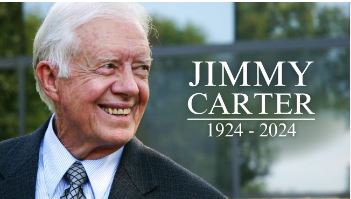
Jimmy Carter, the 24th President of the United States, is a figure whose impact transcends the political landscape. Born on October 1, 1924, in Plains, Georgia, Carter’s journey through life has been marked by a commitment to humanitarianism, diplomacy, and public service. His presidency, which lasted from January 20, 1977, to January 20, 1981, occurred during a tumultuous era characterized by significant global events, including the Iranian Revolution and the Soviet invasion of Afghanistan. However, Carter’s legacy extends far beyond his time in office, encompassing his lifelong dedication to human rights, peace, and community service.
Early Life and Career
Carter’s roots as a farmer in Georgia shaped his values and work ethic. He was raised in a family that emphasized the importance of service and compassion, principles that would guide him throughout his life. After serving in the Navy, he returned to Georgia to run the family peanut farm. His business experience provided him with a practical understanding of economic issues, which would later inform his policies as a governor and president. In 1966, he began his political career by winning a seat in the Georgia State Senate, eventually serving as the governor of Georgia from 1971 to 1975. Jimmy Carter was born on October 1, 1924, in Plains, Georgia, a small town that played a significant role in shaping his character and aspirations. He was the first of four children born to Bessie and James Earl Carter Sr. His upbringing in a closely-knit family laid the foundation for his strong work ethic and deep commitment to community service.
Growing Up in Georgia
Carter’s early life was influenced by the agricultural lifestyle of his hometown. His family owned a peanut farm, where he learned the values of hard work, perseverance, and self-sufficiency. The Great Depression severely impacted Plains, instilling in Carter a sense of empathy for those suffering economic hardships. The struggles faced by his family during that era shaped his understanding of poverty and social injustice, which would later inform his political and humanitarian efforts. As a child, Carter exhibited a keen interest in education. He was an avid reader, frequently immersing himself in literature, particularly works related to history and science. His mother, Bessie, who was a registered nurse, encouraged his curiosity and nurtured his love for learning. This early exposure to education would prove crucial in his later pursuits, both academically and politically.
Military Service
After graduating from high school in 1941, Carter attended Georgia Southwestern College for a year before transferring to the United States Naval Academy in 1943. His time at the Academy coincided with World War II, and after graduation in 1946, he served in the Navy as a submariner. His military service instilled in him strong leadership qualities and a sense of duty. Carter often transferred the lessons learned in the Navy to his future roles in public service, emphasizing discipline and responsibility.
Return to Plains and Agricultural Career
Following his military service, Carter returned to Plains and took over the family peanut farming business after the death of his father in 1953. He initially struggled to make the business profitable, but through sheer determination and innovation, he succeeded in turning the family farm into a thriving enterprise. Carter’s experiences as a farmer deepened his understanding of the economic challenges faced by rural Americans, influencing his later policies concerning agriculture and farm management. During this time, Carter also became active in his community, participating in various local organizations. His involvement with the Chamber of Commerce and community service groups ingrained in him a sense of responsibility to address social issues within his locality. This engagement would eventually lead him to pursue a career in politics, as he sought to bring about meaningful change in the lives of his fellow Georgians.
Political Beginnings
Carter’s political career began in earnest in the late 1960s. He entered the political sphere when he campaigned for a position in the Georgia State Senate in 1966. His platform emphasized progressive reforms, including better education, health care, and social services. His commitment to these issues resonated with voters, and he won the election. As a state senator, Carter distinguished himself as a reform-minded politician. He worked to combat racial segregation and promote civil rights, earning respect from his constituents and colleagues alike. His performance in the State Senate paved the way for his later election as Governor of Georgia in 1970.
Governorship and National Recognition
Carter served as Governor of Georgia from 1971 to 1975. His governorship was marked by a series of reforms, especially relating to education, mental health, and environmental conservation. He was a staunch advocate for the integration of schools and fought to improve access to education for all Georgians. Additionally, he championed the establishment of the Georgia State Department of Natural Resources, reflecting his commitment to environmental stewardship.
During his tenure as governor, Carter gained national recognition for his progressive policies and his willingness to tackle controversial issues head-on. His unique approach to governance, often characterized by openness and accountability, resonated with an increasingly politically engaged public. By the mid-1970s, Carter was well-positioned to run for the presidency, and he formally announced his candidacy for the Democratic nomination in 1976.
Conclusion
Jimmy Carter’s early life and career laid the groundwork for his future as a prominent political figure and humanitarian. His humble beginnings in Plains, Georgia, shaped his values and his understanding of the challenges that ordinary Americans face. As he transitioned from farmer to politician, Carter’s commitment to public service grew stronger, eventually leading him to the White House and establishing him as one of the most influential advocates for human rights and peace in the modern era.
Presidency and Global Challenges
Carter’s presidency was marked by significant foreign policy challenges. He navigated the complexities of the Cold War, particularly the relationship between the United States and the Soviet Union. His administration is often credited with laying the groundwork for the eventual dissolution of the Soviet Union, although this achievement would not be fully realized until the Reagan administration. One of Carter’s notable accomplishments was the Camp David Accords, a peace agreement between Israel and Egypt that aimed to stabilize a volatile region. This achievement, however, came with its own set of challenges and criticisms, particularly concerning the reactions of other Arab nations.
The Iranian Revolution in 1979 and the subsequent hostage crisis profoundly impacted Carter’s presidency. The U.S. embassy in Tehran was stormed, and 52 American diplomats and citizens were held hostage for 444 days. This event not only strained U.S.-Iran relations but also contributed to Carter’s declining popularity and ultimately led to his defeat in the 1980 election.
Jimmy Carter’s presidency, which spanned from January 20, 1977, to January 20, 1981, came at a pivotal moment in history, marked by significant global tensions and complex challenges that tested his leadership. His administration sought to navigate moral and ethical dimensions in both domestic and international affairs. The era was characterized by a combination of optimism for progress and uncertainty stemming from geopolitical conflicts.
Domestic Challenges
Carter’s presidency coincided with several domestic challenges, including economic instability marked by high inflation and unemployment—termed “stagflation.” Early in his term, he faced an energy crisis that stemmed from OPEC’s oil embargo, causing gas prices to soar and creating widespread anxiety about energy accessibility. In response, Carter implemented energy conservation measures and began promoting the development of alternative energy sources, such as solar power.
Carter also focused on domestic reform, emphasizing human rights and social justice. He aimed to improve the welfare of marginalized groups, including Native Americans, and sought to rectify historical injustices. His administration undertook initiatives to enhance civil liberties and combat discrimination, setting a tone of compassion and equality that permeated his governing philosophy.
Foreign Policy Initiatives
Carter’s approach to foreign policy was heavily influenced by his belief in the importance of human rights as a guiding principle. He emphasized ethical diplomacy, striving for a foreign policy that aligned with the values of liberty and justice. This was evident in a significant shift from previous administrations, which often prioritized strategic interests over humanitarian concerns. One of Carter’s notable foreign policy achievements was the Camp David Accords in 1978, a groundbreaking peace agreement between Israel and Egypt. The negotiations, facilitated by Carter, brought together Israeli Prime Minister Menachem Begin and Egyptian President Anwar Sadat. The agreement led to the normalization of relations between the two nations and set a precedent for future peace efforts in the Middle East. Carter’s commitment to diplomacy and peace earned him praise, ultimately resulting in his receipt of the Nobel Peace Prize in 2002.
Challenges in the Middle East
While the Camp David Accords marked a significant success for Carter, the broader Middle Eastern context remained fraught with tension. The Iranian Revolution in 1979 presented one of Carter’s most formidable challenges. The overthrow of the Shah, a U.S. ally, led to the establishment of an Islamic Republic under Ayatollah Khomeini. The revolution incited significant upheaval, and anti-American sentiment surged in Iran.
In November 1979, the U.S. embassy in Tehran was stormed, resulting in 52 American diplomats and citizens being taken hostage. This crisis not only strained U.S.-Iran relations but also dominated media coverage and public opinion during Carter’s remaining time in office. The prolonged hostage situation, which lasted for 444 days, severely impacted his presidency and contributed to rising dissatisfaction among the American public.
Soviet Union and Afghanistan
Simultaneously, geopolitical tensions between the United States and the Soviet Union escalated. In December 1979, Soviet forces invaded Afghanistan, triggering international condemnation. Carter viewed this invasion as an overarching threat to freedom and a potential expansion of Soviet influence. In response, he took decisive actions that would come to define his foreign policy stance. Carter implemented an economic embargo against the Soviet Union, boycotting the 1980 Moscow Olympics and working to bolster military support for Afghan resistance fighters, known as the Mujahideen. This decision positioned the U.S. in direct opposition to Soviet efforts in Central Asia and laid the groundwork for future American involvement in the region. Carter’s policies during this crisis aimed to contain communism and support the pursuit of freedom, aligning with his moral stance on human rights.
Legacy and Reflection
Carter’s presidency was a complex interplay of achievements and challenges, marked by significant advancements in peace efforts but also overshadowed by crises that tested his leadership. Despite facing substantial adversity, he remained committed to his ideals of human rights and ethical governance. However, his responses to the challenges in Iran and Afghanistan damaged his popularity and contributed to his defeat in the 1980 presidential election against Ronald Reagan.
In retrospect, Jimmy Carter’s presidency can be seen through multiple lenses: as a period of aspiration for peace and justice and as an era that exemplified the limitations and difficulties of implementing these ideals amid geopolitical realities. His commitment to human rights has endured in the narratives of contemporary foreign policy, positioning him as a figure in American history who sought to align moral principles with global diplomacy. Moreover, his post-presidential humanitarian efforts have solidified his legacy as a compassionate leader dedicated to improving lives worldwide.
Humanitarian Efforts and Philanthropy
Despite the challenges he faced during his presidency, Carter’s post-presidential years have defined his legacy as a humanitarian. He and his wife, Rosalynn Carter, dedicated themselves to various charitable efforts, including Habitat for Humanity, which aims to provide affordable housing for those in need. The establishment of the Carter Center in 1982 further exemplifies his commitment to global health, democracy, and human rights. The Center has monitored elections in numerous countries, promoting transparency and fairness in democratic processes.
Carter’s approach to humanitarianism was deeply rooted in his Christian faith, which emphasized service to others. He often spoke about the importance of compassion and empathy, values he sought to embody throughout his life. His work in health initiatives, conflict resolution, and advocacy for human rights earned him the Nobel Peace Prize in 2002, solidifying his status as a global leader dedicated to improving the lives of others. Jimmy Carter’s commitment to humanitarian efforts and philanthropy has defined much of his post-presidential life, reflecting his deep sense of responsibility and empathy for those in need. Following his exit from the White House in 1981, Carter embarked on a journey of service that would take him around the globe, addressing critical issues such as poverty, healthcare, human rights, and democratic governance.
The Carter Center
Founded in 1982, the Carter Center in Atlanta, Georgia, serves as a central hub for Carter’s humanitarian work. His vision was to create a nonprofit organization focused on improving global health, promoting democracy, and advancing human rights. The Center operates on the belief that all individuals have the right to live in freedom and dignity.
Global Health Initiatives:
The Carter Center has tackled numerous health issues worldwide, including diseases that disproportionately affect impoverished populations. One of its most significant achievements has been the fight against Guinea worm disease. The Center, in collaboration with local governments and organizations, launched a comprehensive eradication program that has reduced reported cases dramatically, from an estimated 3.5 million cases in the 1980s to just a handful in recent years. Additionally, the Center has worked on initiatives to combat river blindness and malaria, two diseases that severely impact public health in Africa and other regions. Through education, health promotion, and treatment programs, the Carter Center has made strides in improving health outcomes and preventing disease in vulnerable communities.
Promoting Democracy and Human Rights
The Carter Center has also been a staunch advocate for democracy and free elections. It has monitored over 100 elections in various countries, ensuring that electoral processes are transparent and fair. Carter and his team believe that free and fair elections are fundamental to a functioning democracy. Their monitoring activities span from observing polling places to assessing the overall political landscape, with the goal of fostering democratic governance and accountability. Carter’s dedication to human rights has extended beyond election monitoring. He has continuously advocated for civil liberties and social justice, addressing issues of racism, gender equality, and the rights of marginalized communities. In many instances, Carter has traveled to conflict zones, engaging in dialogue with influential leaders and advocating for peaceful resolutions to disputes.
Habitat for Humanity
One of the most visible aspects of Carter’s humanitarian work is his long-standing partnership with Habitat for Humanity, a nonprofit organization founded in 1976 that focuses on building affordable housing for those in need. Carter and his wife, Rosalynn, became involved with Habitat for Humanity in the early 1980s, and they have since participated in countless building projects across the United States and internationally.
Carter’s hands-on approach to volunteering has drawn significant attention to the need for affordable housing. He has worked alongside families, helping to build homes and advocating for more inclusive housing policies. His involvement with Habitat for Humanity is emblematic of his philosophy that everyone deserves a safe and decent place to live, reflecting the values of service and community.
Global Advocacy and Education
Beyond direct humanitarian work, Carter has used his platform to advocate for education and awareness about critical global issues. He has been vocal about the importance of tackling climate change, emphasizing that environmental degradation disproportionately affects the poorest communities. His writings, speeches, and public appearances have sought to motivate individuals and governments to take action in pursuit of a sustainable future.
Carter has also addressed issues related to global food security and agricultural practices. He has highlighted the need for sustainable farming methods and equitable access to food resources, recognizing the interconnectedness of health, nutrition, and economic well-being.
Legacy of Compassion
Carter’s humanitarian efforts have garnered international acclaim and respect. In 2002, he was awarded the Nobel Peace Prize for his decades-long dedication to promoting peace, democracy, and human rights. The Nobel Committee recognized his efforts to find peaceful solutions to conflicts, as well as his commitment to humanitarian work through the Carter Center.
Even in his later years, Carter has continued to advocate for human rights and social justice, earning praise for his unwavering commitment to service. His example has inspired countless individuals to engage in charitable work and social activism, reinforcing the power of empathy and community in effecting change.
Conclusion
Jimmy Carter’s humanitarian efforts and philanthropy reflect a profound dedication to improving the lives of others, driven by his Christian beliefs and the values instilled in him during his upbringing. Through the establishment of the Carter Center, his active involvement with Habitat for Humanity, and his advocacy for global health and democracy, Carter has left an indelible mark on the world. His legacy as a champion for human rights and social justice continues to influence and inspire new generations, showcasing the impact of compassion and service in creating a better world for all.
Jimmy Carter’s life and career illustrate the profound impact one individual can have on both national and global scales. His presidency, while marked by significant challenges, laid the foundation for future diplomatic efforts and highlighted the importance of humanitarian work. Carter’s legacy is a testament to the power of service, compassion, and the pursuit of peace, principles that continue to resonate in today’s world. As we reflect on his contributions, it is clear that Jimmy Carter will be remembered not only as a former president but as a tireless advocate for humanity.
Here’s a bibliography of notable books and resources that cover various aspects of Jimmy Carter’s life and career, including his presidency, humanitarian efforts, and post-presidential activities.
Bibliography
Books by Jimmy Carter
Carter, Jimmy.An Hour Before Daylight: Memories of a Rural Boyhood. New York: Simon & Schuster, 2001.
Carter, Jimmy.The Hornet’s Nest. New York: Simon & Schuster, 2003.
A historical novel about the American Revolution, showcasing Carter’s literary skills and interest in history.
Carter, Jimmy.Our Endangered Values: America’s Moral Crisis. New York: Simon & Schuster, 2005.
An exploration of the moral and ethical dilemmas faced by American society and leadership.
Carter, Jimmy.A Full Life: Reflections at Ninety. New York: Random House, 2015.
A reflective memoir covering Carter’s life, including personal anecdotes and insights into his presidency and philanthropy.
Biographies
Blow, Charles M.The Devil You Know: A Black Manifesto for Change. New York: Amistad, 2021.
Ambrose, Stephen E.Jimmy Carter. New York: Simon & Schuster, 1998.
A concise biography of Carter’s life and presidency, detailing his political and humanitarian endeavors.
Landsberg, H.The Politics of Hope: Jimmy Carter and the Politics of Change. New York: Holt, Rinehart and Winston, 1977.
An analysis of Carter’s presidency, focusing on his political strategies and the challenges he faced.
Historical Context and Analysis
Brinkley, Douglas.American Moonshot: John F. Kennedy and the Great Space Race. New York: HarperCollins, 2019.
Dallek, Robert.Camelot’s Court: Inside the Kennedy White House. New York: HarperCollins, 2018.
Provides context about the Johnson and Kennedy administrations, offering a backdrop to Carter’s rise in American politics.
Zelizer, Julian E.The Presidency of Jimmy Carter. Lawrence: University Press of Kansas, 1998.
A scholarly examination of Carter’s presidency, covering his policies and challenges in detail.
Humanitarian Work and Post-Presidency
Carter, Jimmy, and Rosalynn Carter.The Virtues of Aging. New York: Random House, 1998.
Krauthammer, Charles.Things That Matter: Three Decades of Passions, Pastimes and Politics. New York: Crown Forum, 2013.
Includes essays that discuss various presidents, including their views on Carter’s influence on human rights and healthcare.
Carter Center – About Jimmy Carter. The Carter Center. Link.
This bibliography offers a range of perspectives on Jimmy Carter’s life, from his early years to his post-presidential humanitarian work, providing insights into his legacy and influence on American society and global humanitarian efforts.
Affiliate Disclosure: This blog may contain affiliate links, which means I may earn a small commission if you click on the link and make a purchase. This comes at no additional cost to you. I only recommend products or services that I believe will add value to my readers. Your support helps keep this blog running and allows me to continue providing you with quality content. Thank you for your support!
This transcript records a panel discussion at the International Islamic University exploring the complex relationship between Muslim identity, Islamic teachings, and Western influence. The speakers debate the challenges of reconciling traditional Islamic values with modernity, particularly concerning Western liberalism and secularism. They discuss the impact of Western ideologies on Muslim youth, the role of technology in shaping perceptions of Islam, and the dangers of both complete rejection and uncritical acceptance of Western culture. Accusations of Muslim exclusivism are addressed, and the speakers analyze the strategies used to counter negative narratives about Islam. Ultimately, the conversation centers on finding a balanced approach to navigating a globalized world while preserving Islamic identity.keepSave to notecopy_alldocsAdd noteaudio_magic_eraserAudio OverviewschoolBriefing doc
Unpacking Muslim Identity, Islam, and Western Influence: A Study Guide
Quiz
Instructions: Answer the following questions in 2-3 sentences each, based on the provided source text.
According to the speakers, what is the simple definition of a Muslim?
What is the meaning of La Ilaha Illallah beyond the literal, according to Qaiser Ahmed Raja?
What are the two primary ways in which “the devil” causes misguidance, according to Khalid Mahmood Abbasi?
What is meant by the term “Gulu” in the text? Give an example provided in the text.
How did the speakers characterize the Jadid movement?
What is the Bretton Woods System and what is it used for according to the text?
What is the claim about the West’s actions during the first and second wars?
What are some of the reasons given for the rising trend of Ilha (apostasy) among those with religious backgrounds?
According to the speakers, what are some examples of the failures of liberalism in recent times?
What does the speaker say about the use of technology and Islam?
Quiz Answer Key
A Muslim is simply defined as someone who believes in Tauheed (the oneness of God) and the finality of prophethood, and who lives their life according to the rules given by Allah. It’s about faith and adherence to divine guidance.
Beyond the literal, La Ilaha Illallah means that no system is worthy of worship or should be followed except the system of Allah. It entails not only belief in God’s oneness but also adherence to divine law in daily life.
The devil causes misguidance by creating Gulu in good things, taking them to extremes, and by diverting feelings that should be directed towards Allah to creation. An example of this is the elevation of Prophet Isa to the status of the Son of God.
“Gulu” refers to taking something good to an extreme, thereby distorting it. In the text, the example given is how love for Prophet Isa was taken to the extreme of deifying him.
The Jadid movement is described as dangerous, a form of reform that seeks to make Islam palatable to the West, like the vision of Sir Syed Ahmed Khan. It is seen as undermining traditional Islamic beliefs.
The Bretton Woods System, created in 1940, is described as an economic system put in place to control countries’ economies, foreign policy, and decision-making through institutions like the IMF and the World Bank, ensuring they remained dependent even after gaining theoretical independence.
The speakers claim that the West caused holocaust, dropped nuclear bombs, and killed large numbers of innocent people during the first and second world wars, yet tries to act like a moral authority.
The rising trend of Ilha is attributed to the imposition of a Ghalib culture, lack of feeling, and material interpretations of religion rather than spiritual understanding. This is due to confusion over what Islam actually is.
Some examples of the failures of liberalism include Brexit, the rise of conservative populist governments in countries such as Hungary, Austria and Italy, and the election of Donald Trump. These events are seen as signs that liberalism is on the decline globally.
Technology is seen as value-neutral, in that it’s not inherently tied to any particular culture or religion. Its impact depends on how it is used, and the speakers advocate for using technology to spread Islamic teachings and values effectively.
Essay Questions
Instructions: Answer the following questions in a well-developed essay using information found in the provided sources.
Analyze the speakers’ perspectives on the relationship between Islam and Western culture. How do they view the influence of the West on Muslim identity, and what solutions do they propose?
Discuss the concept of “exclusivity” as it is used in the text. How do the speakers understand the idea of being exclusive in religion, and what arguments do they make for or against it?
Explore the arguments made in the text about the dangers of liberalism and secularism. What specific criticisms do they raise, and what alternatives do they suggest?
Compare and contrast the speakers’ analysis of modern societal issues. What are the common themes they address, and where do their viewpoints differ?
How do the speakers believe that technology should be used in relation to Islam and Islamic values, and how does that relate to their critique of western culture?
Glossary of Key Terms
Tauheed: The Islamic concept of the oneness of God; the absolute monotheism in Islam.
Prophethood: The state of being a prophet; Muslims believe in a line of prophets, the last of whom is Muhammad.
La Ilaha Illallah: The central tenet of Islam, often translated as “There is no god but Allah.” This statement is a declaration of monotheism and devotion.
Gulu: The concept of taking something good or religious to an extreme, thereby distorting its true meaning.
Jadid Movement: A reformist movement in Islam aimed at modernizing Islamic thought and practice in response to Western influence.
Bretton Woods System: An economic system established in 1940 to regulate the international monetary and financial order, which included the creation of institutions like the IMF and World Bank.
Ilha: The term used to refer to apostasy, the renunciation of Islam by a Muslim.
Dajjal: In Islamic eschatology, an evil figure who will appear before the Day of Judgment, often associated with deception and false messiahship.
Sirat Mustaqeem: The straight path; the righteous path that Muslims are encouraged to follow, according to Islamic teachings.
Maghrib: The Arabic term for the West.
Ikamat Deen: Establishing the religion; the concept of implementing Islamic law and governance.
Mushara: A collective term for society or community.
Sajdah: Prostration in prayer; an act of submission to Allah.
Kuli Khair/Kuli Shar: Terms meaning complete good and complete evil, respectively.
Liberalism: A political and social ideology that emphasizes individual rights and freedoms.
Secularism: The principle of separation of the state from religious institutions.
Transderm/Transient: Terms related to the nature of things that can be appreciated but not brought under the control of the intellect, often used in theological discussions.
Immanent: The opposite of transderm/transient, referring to things that are within the realm of human understanding, including the material world.
Hijrat: Migration, often referring to the Islamic concept of emigrating to a place where one can practice Islam freely.
Unpacking Muslim Identity: Islam and Western Influence
Okay, here is a detailed briefing document reviewing the main themes and important ideas from the provided text excerpts.
Briefing Document: Analysis of “Unpacking Muslim Identity, Islam and Western Influence” Discussion
Date: October 26, 2023
Subject: Analysis of a discussion on Muslim Identity, Islam and Western Influence
Sources: Excerpts from a discussion transcript titled “Unpacking Muslim Identity, Islam and Western Influence,”
Overview
This document summarizes the key themes and arguments presented in a transcribed discussion concerning Muslim identity, Islam, and Western influence. The discussion features several speakers, including Qaiser Ahmed Raja, Khalid Mahmood Abbasi, and Zubair Safdar, who offer their perspectives on the challenges facing the Muslim community in the modern world. The discussion covers topics ranging from secularism and liberalism to the role of technology and the concept of Dajjal (the Antichrist) within an Islamic context.
Key Themes and Ideas
The Simplicity of Islamic Identity vs. Modern Confusion:
Core Definition: Speakers emphasize the simplicity of Islamic identity: believing in the oneness of God (Tauheed) and the finality of the Prophet Muhammad, then following the rules given by Allah. Qaiser Ahmed Raja states, “The simple thing is that every person who believes in Tauheed and ends in Prophethood. One has faith and after that he spends the rest of his life according to the rules given by Allah, he becomes a Muslim. It is simple.”
Confusion Arises from Mixing Systems: The speakers argue that confusion arises when Muslims try to integrate other ideologies (e.g., liberalism, capitalism, socialism) into their faith. They posit that trying to please too many belief systems leads to internal conflict. They use an analogy of a boat, suggesting that trying to be on multiple “boats” of different ideologies at once leads to problems, that the straight path is that of Allah and following multiple leads to multiple prostrations.
“Prostration to Darwinism”: If Muslims reject the order of Allah, they are forced to prostrate before a multiplicity of ideas, including “Darwinism,” implying a loss of faith as a consequence of modern ideologies.
Exclusivity: Speakers assert that Islam is an exclusive belief system. Qaiser Ahmed Raja states, “…if we don’t face any blame then we should snatch this title on our chest that yes we are exclusive jam wala dat.” It is seen as natural for any group to have exclusive markers.
Critique of Western Influence:
Rejection of “Maghrib”: There’s a strong critique of Western culture (“Maghrib”), which is seen as a source of corruption and misguidance. They cite Western actions such as the Holocaust and dropping of nuclear bombs to demonstrate the perceived moral failings of the West.
Historical Dependency: It’s argued that Muslim societies became dependent on Western powers due to historical circumstances such as Imperialism, which has resulted in contemporary economic and political issues. They also cite the Bretton Woods system of the IMF and World Bank as examples of continuing forms of Western economic control.
Rejection of Western Values: The speakers criticize what they perceive as Western values of individualism, secularism, and liberalism, believing they undermine traditional Islamic structures.
The West’s Decline: It is stated that the West is declining, and that its liberal foundations are failing. They refer to Brexit, the rise of conservative governments in Europe, and the election of Trump as evidence of the failure of liberalism.
The Problem of “Jadid” (Modernism) and Ilha (Atheism):
Jadid as a Threat: The “Jadid” movement is seen as a dangerous effort to reform Islam to align with Western values, a sentiment described as like a “disease”.
Ilha and Transderm: Speakers posit that modernism has eroded the concept of the “transcendent” (God) in favor of the “immanent,” leading to atheism.
Funded Narratives: It’s argued that Sufi narratives are being funded to promote a diluted version of Islam. Similarly, funding is given to other movements to create equality between the religious and nonreligious.
Deception and Dajjal: Modernist movements are viewed as potentially deceptive, part of a broader effort associated with Dajjal (the Antichrist), who will use deception and religious narrative to mislead. Abbasi says, “Dajjal will or will not use deception, he will not be liberal, he will be like me, then you will be deceived.”
Navigating the Complexities of the Muslim Community:
Categories of Muslims: The discussion identifies different types of Muslims: liberals, “secular” Muslims, cultural Muslims, religious Muslims, and those who are considered “brokers” for the West.
The Danger of Extremism: While advocating for a firm stance on Islam, the speakers are cautious about labeling and alienating large segments of society, noting that “we should not go into this exclusive world like this.”
The Importance of Unity: They express the importance of uniting the Muslim community by bringing all Muslims to the faith, not simply insulting or labeling them, a call to empathy.
Technology and Its Impact:
Value Neutrality of Technology: While the speakers don’t universally condemn Western technology, there is an acknowledgment that it isn’t value-neutral.
Use and Misuse: The emphasis is on how technology is used, not on the technology itself; technology can be a tool for good or ill depending on the values of the person using it.
Communication and Influence: Technology and communication is said to have a significant impact on how information is spread and how it shapes the youth. The modern communications technology can lead people astray.
Islamic Institutions as Sources of Dajjal: There is concern about the decline of Islamic institutions, such as Islamic universities, and how they have become sources for a weakened and misrepresented view of Islam.
Liberalism, Freedom and Anarchy
The Limits of Freedom: The speakers argue that “liberal freedom” can lead to anarchy as the rejection of all structures. Liberalism is seen as having created many negative outcomes, and the rise of traditionalist figures in Western politics is a reaction to these failures.
Liberal Hypocrisy: The speakers accuse liberals of being intolerant and hypocritical, noting that they don’t give others freedom within their own value structures; as such, they are not free.
The West’s Exploitation and Deciet
The West as exploitative: The speakers argue that the West has not given their resources freely, but to make money, and that whatever they have given to the Muslim world is in fact leftover or outdated.
The West’s “Holocaust” The speakers state the West has committed horrific violence, not only against Muslims, but other peoples as well.
Quotes of Note
“If you leave the order of Allah then you If you have to pay sajdah at many places, then you will have to pay sajdah to Darwinism.” – Emphasizes the perceived loss of religious faith due to secular ideologies.
“There is no change in the world unless there is polarization first. Hate becomes a reason. Without this polarization, revolution does not come.” – Suggests that conflict and polarization are necessary for change.
“We are teaching Islam to the masses and by giving information to people by putting a label on it, we are misleading them into thinking that we have understood the whole of Islam from Ghadi Saheb which is mine.” – Criticizes shallow, labeled understandings of Islam.
“The difference is that if you study this Jadid movement, you will know how dangerous their work is, we have failed in the world, not the religion.” – The fault lies with Muslims, not Islam itself.
“The very first thing you should do if you want to exist with someone is that you are that person and we are this person.” – Justifies exclusivity in terms of group identity.
“…when you become against every structure, then the state is also a structure. You have to live under it…” – Critique of the Anarchic nature of absolute liberalism.
“Now you see, the situation has started to develop. Just now there was talk of funding, so one thing like that. Funds are being given to build a narrative and secondly , funds are being given to build a narrative of Sufi Jama on religious basis.” – Suggests outside funding to manipulate the Muslim community.
Conclusion
The discussion reflects a strong concern for the preservation of Islamic identity in the face of perceived Western cultural and ideological threats. There’s an emphasis on the purity and simplicity of Islamic teachings and a call for greater adherence to its principles. The speakers view the modern world as a battleground of competing ideologies, with Western liberalism as a significant source of confusion and misguidance, and that the current issues are the result of human error and not an issue with Islam. The discussion also warns against the deception of Dajjal and the subtle ways it can influence the Muslim community. They also acknowledge the complexity and need for empathy when engaging with those who have been led astray. The overall tone is a call for increased awareness, greater dedication to Islam, and a firm rejection of what are seen as harmful outside influences.
Muslim Identity in a Western World
FAQ: Unpacking Muslim Identity, Islam, and Western Influence
What is the core, uncomplicated definition of a Muslim identity?
The fundamental definition of a Muslim is someone who believes in the Oneness of God (Tauheed) and the finality of prophethood, and who lives their life according to the rules and principles given by Allah. The issue arises when people try to mix or integrate other worldviews or systems, causing confusion and deviation.
Why does confusion arise when trying to integrate multiple systems of belief and practice?
Confusion arises when individuals attempt to adhere to multiple, conflicting systems simultaneously. This is likened to trying to travel in several boats at once – one being the system of Allah, and the others being materialistic science, socialism, liberalism, or individualism. This deviation from the straight path (Sirat Mustaqeem) leads to internal conflict and a loss of focus on the Islamic system.
What is meant by the accusation that some Muslims are “exclusivists” and why is this not a negative thing in this context?
The accusation of “exclusivism” arises when Muslims assert the distinctiveness of their faith and system, which is seen as exclusionary. However, the speakers here argue that all ideologies are exclusive in their nature. Every identity or system has boundaries. Asserting the distinctiveness of Islam is necessary for its preservation and is not inherently negative when it comes to differentiating belief systems. Islam is a clear system separate from other systems, and its boundaries must be acknowledged.
How do Western influences, particularly the Bretton Woods System and post-9/11 media, contribute to the identity crisis among some Muslims?
Western systems, such as the Bretton Woods System (including the IMF and World Bank), have created economic dependencies that can limit national autonomy. Furthermore, post-9/11 media narratives have contributed to an identity crisis by creating confusion, promoting certain viewpoints, and diminishing the Islamic worldview. This has led to a feeling that the Islamic system is not comprehensive and needs to be replaced with a Western paradigm.
What are the different reactions to Western influence among Muslims, and why are they problematic?
There are various reactions to Western influence, including complete rejection, complete acceptance, and a moderate middle ground. Both complete rejection and acceptance are seen as problematic. The middle ground, which involves sorting through good and bad aspects, is seen as a difficult but necessary task, though those attempting it often find themselves caught between extremes of thought.
How do the speakers understand secularism, liberalism, and their impact on society?
Secularism and liberalism are viewed as having a negative impact by weakening religious structures, especially the family, and leading to a decline in moral values. Liberalism’s pursuit of absolute individual freedom and rejection of structure is seen as leading towards anarchy, which is contrary to the need for structure in a globalized world. The speakers argue that the rejection of all structures inevitably destabilizes societies, and these ideologies are ultimately self-destructive.
How is the concept of “Dajjal” (Antichrist) interpreted in the context of contemporary society?
The “Dajjal” is not seen as a monstrous figure with horns but rather as a charismatic and deceptive force that will use religious narratives to mislead people. Dajjal’s deception may include miracles and attractive ideas that mask the real intention of taking control. The speakers warn against the appeal of figures who appear religiously sound but are actually serving secular or Western agendas. They will use deception, and will not be liberal or secular, rather they will appear to be aligned with traditional and religious values.
How should Muslims approach technology, and what is the critique of Western technology and its origins?
Technology is seen as value-neutral in itself. It’s the use and underlying ideology that make it good or bad. The speakers reject the idea that Western technology comes as a favor; rather it is primarily for Western benefit and secondly sold as a byproduct. They note that technology is developed based on the values of the culture that created it. However, Muslims should use technology without being defined by its values and with the goal of advancing the interests of Islam.
The Crisis of Islamic Identity in the Modern World
Okay, here’s a detailed timeline and cast of characters based on the provided text:
Timeline of Main Events & Ideas Discussed
Past (Historical/Religious Context)
Divergence from Allah’s Path: The discussion begins by asserting that deviations from the path of Allah lead to multiple forms of “prostration” or subservience (e.g., to Darwinism, materialism, socialism, liberalism, capitalism).
Gulu (Extremism) and Diversion: The text argues that some misinterpretations of Islam take the form of excessive devotion (Gulu), and the diversion of love and sacrifice that should be directed to Allah to other entities (example given of Jesus/Hazrat Masih).
British Colonial Influence: The British presence in India led to two opposing reactions: the resistance of Darul Uloom Deoband and the total acceptance by Aligarh (Sir Syed Ahmed Khan).
Jadid Movement: The Jadid movement is described as a dangerous attempt to reform Islam to make it palatable to the West, likened to Sir Syed Ahmed Khan and Gandhi’s approach.
Fall of USSR & Impact: The fall of the USSR and its influence on Islamic regions is briefly mentioned, suggesting a negative impact on Muslim societies.
Bretton Woods System (1940s): The establishment of institutions like the IMF and World Bank is seen as a way to control the economies and policies of nominally independent nations, a form of Western Imperialism.
Post-9/11: The period after 9/11 is noted as a time when a lot of “content” was produced that led to identity crises amongst Muslim children.
Historical Atrocities by the West: The text references historical atrocities committed by the West like the Holocaust, dropping nuclear bombs, and other wars, as examples of Western hypocrisy and barbarity.
Present (Contemporary Issues)
Confusion of Muslim Identity: A major theme is the complexity of Muslim identity, with Muslims categorized as: liberal, secular, culturally Muslim, religious, “brokers” of religious ideas, common Muslims, and fanatical Muslims.
Exclusivity in Identity: The speakers argue that embracing exclusivity in religious identity is natural and necessary for maintaining religious boundaries. They point out that all political ideologies, secular or otherwise, have exclusive claims.
Critique of Secularism & Liberalism: The speakers express strong criticism of secularism and liberalism, arguing that they lead to moral decay, anarchy, and the weakening of traditional structures. They discuss the idea that secularization has failed and that religion cannot be eliminated.
Western Influence on Muslims: Concern is expressed about the negative impacts of Western culture and ideology, the effects of the Maghrib, particularly its technology and values, on Muslim societies and individuals.
Funding of Anti-Islam Narratives: The discussion references the idea that funds are being given by the US to spread anti-Islamic narratives in the guise of promoting equality between religious and non-religious groups and to build narratives around Sufism.
Liberal “Machetes”: The text discusses how some see liberals as being “free machetes” but argues that they are equally or more coercive than some elements within the religious community.
Decline of Liberalism: The speakers point out the perceived decline of liberalism globally, citing examples like Brexit, the rise of populist governments in Europe, and Trump’s presidency.
Dajjal: The speakers discuss the concept of Dajjal as a form of deception, who will appear attractive and use religious language to deceive people.
Critique of Islamic Education System: The Islamic education system is criticized for not doing enough to explain the political/social aspects of Islam or guiding how Islam should be applied in daily life and for failing to combat the rising influence of the West.
Technology & Values: The argument is made that technology is value-neutral, and it is the way it is used that matters, while emphasizing their stance that they are not against technology and science, just how the West uses it.
Hijrat: The question of why Muslims seek to leave Muslim countries and migrate to the West is also raised.
Future (Concerns & Challenges)
Polarization: The speakers assert that polarization is necessary for revolution and social change.
Potential for Religious Conflict: A concern that a new problem may arise within the religious community itself, where some are influenced by modernizing forces and might pose an obstacle for the traditionalists.
Need for Clear Religious Vision: The text emphasizes the importance of having a clear understanding of Islam, particularly its concepts of tradition (Sunnah) and the implementation of Islam, and that the Islamic movement needs to adapt a unified approach and should make the effort to connect with every person, rather than just labeling everyone with special titles, that way they can bring them to Islam.
Cast of Characters
Qaiser Ahmed Raja: A prominent figure who is known for his work on social media where he harasses secular people. He is concerned with the effects of Western influence and its cancellation on Pakistan. He believes Islam is simple and that following Tauheed and the Prophethood is all that is needed to define a Muslim. He argues that religious identity should be exclusive, and that the problem is mixing various ideologies, which he illustrates with an analogy about boats.
Khalid Mahmood Abbasi: A person who spent a significant part of his life in the company of Dr. Israr Ahmed and resigned from it. He is interested in topics like the Islamic movement, Iqamat Deen (establishment of religion), and the negative aspects of Western culture. He argues that current religious practices are not open to other points of view. He states that people have become overly focused on personal interpretation, often influenced by worldly desires. He believes Dajjal will not appear to be secular or liberal, but will instead utilize religious language to deceive.
Zubair Safdar: The Nazim of Jamiat Talba and leader of Jamaat Islami Halka Islamabad. He is interested in the attitudes and positions of the youth on these issues. He believes the current situation is not as serious as some believe. He states that the spirit of the Dai is still within the Muslim community and that people should try to unite everyone, rather than label people.
Dr. Israr Ahmed: Although not present at the discussion, his influence is mentioned as being a mentor to Khalid Mahmood Abbasi. He is mentioned as a prominent figure within the Islamic movement.
Syed Muzammil Sahab, Faran Alam Sahab, Professor Asim Sajjad Sahab: These individuals were invited to represent secular perspectives but were unable to attend, as they felt it would be difficult to face Qaiser Ahmed Raja.
Sir Syed Ahmed Khan: A figure who is mentioned as one of the two reactions to the British influence on India, who embraced Western culture (specifically, the Aligarh movement).
Allama Iqbal, Abul Kalam Azad, Maulana Abul Aala Moudi: These are mentioned as significant Muslim figures who took the good things from the West but had to reconcile the bad with the good, and who did not agree with the idea of total rejection.
Hazrat Isa al- Salam: Refers to Jesus, whose story is used as an example of how religious figures can be elevated beyond their proper status.
Mohammed bin Salman: Mentioned briefly for his efforts in “modernizing” the Arab world, and the impact that has on other countries.
Trump: The former US President is cited as a reaction against liberalism, representing a return to traditional values and rejecting liberal principles as promoting anarchy.
Rousseau and John Locke: Rousseau is mentioned in the context of intellectual discussions of social contract theory, as something the “liberals” in Pakistan are not able to understand.
Lenin, Stalin, Mao: These figures are cited as examples of how political ideologies such as socialism are “exclusive.”
Peter Berger and John Murr Schumer: These Western thinkers who have written on secularization are cited as thinkers who acknowledge the failure of liberalism and the inability to eliminate religion from the world.
Dr. Musaddiq: He is a figure whose overthrow the speakers state the West is responsible for.
Analysis & Summary
The text presents a strongly conservative and critical view of Western influence on Muslim societies. It emphasizes the importance of a clear and exclusive Islamic identity and the need to resist Western values like liberalism, secularism, and individualism. The speakers see these as detrimental forces leading to moral decline and a weakening of the Islamic faith. The discussion highlights concerns about the influence of money, technology, and global events on the Muslim world. A lot of concern is expressed about the way the Muslim educational system is failing the youth and setting them up for failure. It also references the historical harms the West has done to Muslim nations. The dialogue underscores the tension between tradition and modernity and calls for a revitalization of Islamic principles in all aspects of life.
Let me know if you have any further questions!
Muslim Identity in a Globalized World
Muslim identity is a complex issue with varying perspectives, and the sources discuss several aspects of it [1].
Defining Muslim Identity:
A simple definition of a Muslim is someone who believes in Tauheed (the oneness of God) and the finality of Prophethood, and lives their life according to the rules given by Allah [1].
However, when people try to reconcile different viewpoints or please multiple perspectives, confusion about identity arises [1]. This is because Islam has a clear boundary of what is Deen (religion) and what is not [2].
The sources also acknowledge that there are different types of Muslims, including those who identify as liberals, secular, or those who are culturally Muslim [1]. Some Muslims are seen as brokers for the West and others as strict or fanatic [1].
Challenges to Muslim Identity
Western influence is a major theme, with concerns about its effects on Muslim countries and the potential for it to lead to an identity crisis [3, 4].
The sources discuss the idea that the West’s system is based on individualism, while the Islamic system is based on collectivism, and when these systems mix it can lead to confusion and a need to bow before other systems like liberalism and capitalism [5].
Dependence on Western systems is also a concern. The Bretton Woods System, IMF and World Bank are cited as examples of mechanisms that capture a country’s economy, decision making and foreign policy [4].
The sources express concern that Muslims have not presented Islam in its grand context or explained why it is better than Western systems [4]. This has led to Muslims adopting Western paradigms which cause misunderstanding [4].
Exclusivity:
Some Muslims are accused of being exclusivist, but the sources argue that exclusivity is inherent in any identity badge. They claim that liberalism and secularism are also exclusive [2].
The sources suggest that the boundary of Islam is very clear, and if one is not exclusive, then they will follow both liberal and socialist ideologies, while also trying to practice Islam. This is seen as a problem because Islam requires following the system of Allah alone [2].
One of the main points of the sources is that there is no change in the world unless there is first polarization [6], and that hate can be a reason for polarization, and it is needed for a revolution [6, 7].
There is an idea that those who do not adhere to the system of Allah will have to pay prostration in other places [6].
Internal Divisions:
The sources point out divisions within the Muslim community, with some adhering to traditional interpretations and others embracing modern views [8, 9].
The speakers in the sources discuss how the conflict between those who totally reject Western culture, those who totally accept it, and those who try to take the good aspects from it has created internal division [10].
There’s a view that some religious leaders have become too focused on their own sect, and are not open to other viewpoints [11].
The Role of Technology:
Technology is seen as a tool that is value-neutral, and can be used for good or bad purposes depending on the ideology it is based on [12-14].
The sources argue that the issue is not the technology itself but how it is being used, and what is being spread through it [13].
They point out that technology can be used to spread both Islamic and anti-Islamic narratives [13].
The Importance of Unity:
There is an emphasis on the importance of uniting the Muslim community by connecting with people and bringing them closer to Deen (religion) [15, 16].
The sources suggest that labeling people is not the correct approach; instead the focus should be on bringing people closer to Islam and warning them about their weaknesses [16].
It is noted that the Muslim community is meant to unite everyone, and not insult anyone [15].
Dajjal (The Deceiver)
The concept of Dajjal is introduced as a powerful deceiver who will use a religious narrative and have many miracles to attract people [17].
It is suggested that the Dajjal will not be secular or liberal, but rather will appear as someone who is like “us,” deceiving people into following them [17].
The sources also suggest that the Dajjal will use funding to create a narrative and build a following on a religious basis [12].
The Importance of the “Sirat Mustaqeem” (Straight Path)
The “Sirat Mustaqeem,” or the straight path, is referenced as the correct way of life for Muslims [5-7].
The sources argue that if a person deviates from this path, they do so because of a love of the world which results from lack of faith in the end [7].
The sources suggest that if you want to follow Sirat Mustaqeem you must make sacrifices at every step [7].
In conclusion, the sources present a complex view of Muslim identity, shaped by various influences and internal divisions. There is an emphasis on maintaining a clear Islamic identity while being wary of Western influences and the deception of Dajjal, as well as the importance of unity and following the Sirat Mustaqeem. The sources also argue for a deeper understanding of Islam and a more proactive approach to spreading its message, while acknowledging the challenges of navigating a world with diverse ideologies and strong competing narratives.
Western Influence and the Muslim World
Western influence is a significant concern in the sources, with discussions focusing on its impact on Muslim identity, culture, and political systems [1-4]. The sources highlight several key aspects of this influence:
Cultural Impact: The sources express concern that Western culture can lead to an identity crisis for Muslims [3]. There is a perception that Western systems, which are based on individualism, clash with the collectivist values of Islam, causing confusion and a need to compromise [5, 6]. The sources also suggest that Muslims who are influenced by Western culture may end up abandoning Islamic principles and traditions, and may even end up “bowing before individualism” [6].
Economic and Political Control: The sources argue that Western powers exert control over Muslim countries through economic and political structures such as the Bretton Woods System, the IMF, and the World Bank [3]. It is suggested that these institutions can capture a country’s economy, decision-making processes, and foreign policy, thereby limiting their independence [3]. The sources also mention how Western powers have interfered with Muslim countries through wars and political regime change [7, 8].
Clash of Ideologies: The sources discuss the conflict between those who see Western culture as entirely bad and those who see it as entirely good, and those in between who attempt to pick and choose the good parts, and how this creates division [9, 10]. It is argued that the West’s secular and liberal ideologies are incompatible with Islam, and that trying to reconcile them leads to confusion and a departure from the “Sirat Mustaqeem” (straight path) [5, 6, 11]. The sources present the idea that Muslims who are influenced by the West may adopt liberal and socialist ideas, as well as try to practice Islam, which is presented as a contradiction [12].
Technology as a Tool: While technology is seen as value-neutral, the sources acknowledge that it can be used to spread Western cultural values, which can negatively impact the Muslim world [13-15]. There is concern that technology is being used to promote narratives that are not in line with Islam [14, 16]. It is argued that Muslims must learn to use technology in a way that promotes their own values and beliefs rather than those of the West [14].
The Deception of Dajjal: The sources introduce the idea of Dajjal, the deceiver, as being connected to Western influence. It is suggested that the Dajjal will not be secular or liberal, but will use a religious narrative to deceive people, using funding to build his following [13, 17]. The sources present the idea that the Dajjal will use a form of Western logic and thinking while appearing to be a religious leader [13].
Rejection vs. Acceptance: The sources describe a historical pattern of reactions to Western influence, with some Muslims choosing to totally reject it, while others totally accept it [4, 9]. It is argued that neither of these approaches is correct, but instead, Muslims must learn to discern between the good and bad aspects of Western culture, retaining their own identity while also benefiting from its positive elements [9, 18].
The Failure of Liberalism: The sources claim that liberalism is failing in the West and that its emphasis on freedom leads to anarchy [19, 20]. They argue that the rise of populist and conservative movements in the West demonstrates that liberal ideology is not sustainable [7, 21]. The sources suggest that the West’s own rejection of liberalism further undermines its claim to global dominance [22].
Need for Islamic Alternatives: The sources suggest that Muslims need to present Islam in its grand context and explain why it is better than Western systems [3]. This includes emphasizing the merits of the Islamic political and judicial systems and explaining the value of Islamic culture [3, 22]. The sources advocate for a strong Islamic identity and argue that Muslims should not compromise their principles in an attempt to please Western powers [5, 6, 12].
In summary, the sources express deep concern about Western influence, viewing it as a threat to Muslim identity, values, and political autonomy. They advocate for a strong, independent Islamic identity, and argue that Muslims must resist Western encroachment and work towards the implementation of Islamic principles in all aspects of life. The sources also suggest that Western systems are in decline and are not sustainable, and that Islam offers a better alternative for the future [7, 21, 22].
Islamic Movements: Responses to Western Influence
The sources discuss Islamic movements primarily in the context of their responses to Western influence and their efforts to define and assert Muslim identity. Here’s a breakdown of key points:
Response to Westernization: The sources portray Islamic movements as a reaction to the perceived negative impacts of Western culture, including cultural imperialism, economic exploitation, and political interference. These movements seek to counter Western influence and reclaim Islamic values [1-4].
The sources mention a historical split in the Muslim world between those who wanted to boycott the West, like Darul Uloom Deoband, and those who wanted total acceptance of Western culture, like Aligarh. Islamic movements are presented as a reaction to those positions, where some attempt to take the good aspects of Western culture while retaining their Muslim identity [4, 5].
Emphasis on “Ikamat Deen”: The concept of “Ikamat Deen,” which means establishing or implementing the religion of Islam, is a recurring theme. This suggests that many Islamic movements aim to not only preserve Islamic identity but also to actively establish Islamic systems of governance and justice [2, 6].
Rejection of Secularism and Liberalism: Many Islamic movements, according to the sources, are critical of secularism and liberalism, viewing them as ideologies that are incompatible with Islam. These movements often advocate for the implementation of Islamic law (Sharia) and a rejection of Western legal and political systems [1, 7].
The sources claim that liberalism is failing in the West and that its emphasis on freedom leads to anarchy and that this indicates that liberal ideology is not sustainable [8, 9].
Focus on Education and Da’wah: The sources discuss the importance of education and “Da’wah” (inviting people to Islam) as tools for strengthening the Muslim community and countering Western narratives. There is a sense that Muslims have failed to adequately convey the teachings of Islam and have instead adopted Western paradigms [3, 6].
The sources mention the need to utilize technology to promote Islamic values and counter anti-Islamic narratives. Technology is seen as a tool that is value neutral but can be used to promote Western cultural values [10].
Internal Divisions: The sources highlight internal divisions within Islamic movements, including disagreements on the best way to respond to the West and how to define Muslim identity. These divisions include differing views on the value of Western culture and technology, and the role of tradition and modernity in Islamic practice [11-13].
There are different views on whether to totally reject, totally accept, or try to synthesize different aspects of Western culture [4, 5, 12].
There is a critique of some religious leaders as being too focused on their own sect, which results in narrow viewpoints [7].
The Concept of Polarization: The sources emphasize the idea that polarization is necessary for change, and that hate can be a reason for polarization. This suggests a belief among some Islamic movements that confrontation with opposing forces is necessary for a revolution [14, 15].
Accusations of Exclusivity: The sources mention that Islamic movements are often accused of being exclusivist. However, the speakers in the sources argue that exclusivity is inherent in any identity and that liberalism and secularism are also exclusive [16].
Concerns about “Dajjal”: The sources connect Islamic movements to the concept of “Dajjal” (the deceiver) which is framed as a figure that will use a religious narrative and deception to lead people astray. This suggests that some Islamic movements are concerned about the possibility of being misled by false leaders or narratives [17, 18]. The sources indicate that this figure will use a form of Western logic and thinking while appearing to be a religious leader [17].
Critique of Modernity: The sources discuss the idea that the modern world is characterized by “the love of the world,” which is seen as a result of a lack of faith. This is presented as a reason why some people move towards secularism, liberalism, and other modern ideologies. [15] The sources argue that it is necessary to make sacrifices at every step to follow the straight path [15, 17].
Critique of specific Islamic groups: There are also some critical statements of Sufism, as some see funds being given to create a narrative of Sufism on its foundation [14].
In summary, the sources portray Islamic movements as diverse responses to Western influence, characterized by a desire to reclaim Islamic identity and implement Islamic principles. These movements are often critical of secularism, liberalism, and other Western ideologies, and they seek to establish Islamic systems of governance and justice. The sources also highlight the internal divisions and challenges faced by these movements, including concerns about exclusivism and the deception of “Dajjal”, as well as the love of the world that drives people from the straight path.
Islamic Narratives and the West
Religious narratives are a central theme in the sources, often discussed in the context of Islam, its relationship with the West, and the challenges faced by Islamic movements. Here’s a comprehensive overview of the key aspects of religious narratives discussed in the sources:
The Core of Islamic Narrative: The sources emphasize that the core of the Islamic religious narrative is the belief in “Tauheed” (the oneness of God) and the finality of prophethood. According to the sources, a Muslim is one who believes in these principles and lives according to the rules given by Allah [1]. This is presented as a simple and straightforward definition of a Muslim, which contrasts with the complexities and confusions created by Western influences [1]. The practical meaning of “La Ilaha Illallah” (There is no god but Allah) is presented as the idea that no system is worthy of worship except the system of Allah, which should be followed except the system of Allah [2].
Religious Narratives vs. Western Narratives: The sources present a conflict between Islamic religious narratives and Western secular narratives. They argue that the West has imposed its own narrative on the world through cultural, economic, and political means, and that this has led to a crisis of identity for Muslims [3-5]. The sources suggest that Western narratives often contradict Islamic teachings, and that Muslims should not compromise their religious values in order to please Western powers [1, 2, 6].
The Dajjal Narrative: The sources introduce the concept of the “Dajjal” (the deceiver) as a key figure in a deceptive religious narrative. It is suggested that the Dajjal will not be secular or liberal, but rather will use a religious narrative to deceive people. He will be an attractive and charismatic figure, using miracles and religious language to lead people astray [7]. This narrative also involves the idea that the Dajjal will use a form of Western logic and thinking, but within a religious context [7]. The sources also suggest that the Dajjal will use funding to promote his own narrative, including funding of Sufi Jama [8].
The Importance of a Clear Religious Identity: The sources argue that Muslims need to have a clear understanding of their religious identity. It is argued that the confusion that arises when people mix Islam with other ideologies can be solved by adhering to a simple religious identity [1]. The sources criticize Muslims who mix Islamic practices with liberal and socialist ideas, calling it a contradiction and stating that you cannot serve two masters [1, 2, 6, 9].
Critique of Religious Practices: The sources criticize some traditional religious practices, claiming that they have become customs that are not in line with the true spirit of Islam. They cite examples of how some practices such as Gulu have become exaggerated, while others have become diversions from the path of Allah [5, 6]. The sources also suggest that some religious leaders are too focused on their own sects, resulting in narrow viewpoints [10].
The Role of Polarization in Religious Narrative: The sources present the idea that polarization is necessary for change and that hate can be a reason for polarization. This suggests a belief among some Islamic movements that confrontation with opposing forces is necessary for a revolution [11]. The sources indicate that this approach is necessary to bring about change in the world, but that it is also important to not become like those who issue such statements for their own benefit [12].
The Love of the World and Religious Narrative: The sources identify the “love of the world” as a key factor that causes people to deviate from the “Sirat Mustaqeem” (the straight path). This is presented as a reason why some people are attracted to secularism, liberalism, and other modern ideologies. The sources argue that it is necessary to make sacrifices at every step to follow the straight path, which includes being willing to sacrifice worldly possessions, careers, or even the desire for heaven in this world [11].
The Use of Technology in Religious Narratives: While technology is seen as value-neutral, the sources acknowledge that it is being used to spread both Islamic and anti-Islamic narratives. There is concern that technology is being used to promote narratives that are not in line with Islam, and the sources state that Muslims need to use technology in a way that promotes their own values and beliefs rather than those of the West [4, 13, 14]. The sources mention that some people are using technology to mislead people about the true meaning of Islam [14].
The Narrative of Western Failure: The sources present a narrative of the West’s decline, arguing that liberalism is failing and that the rise of populist and conservative movements in the West indicates that liberal ideology is not sustainable. It is argued that the West has lost its moral authority and that the Islamic world should not look to it for guidance [15, 16]. This is contrasted with the Islamic narrative that they present as a stronger and more stable system [14, 17].
In summary, religious narratives, particularly within Islam, are portrayed as central to understanding identity, values, and the relationship with the West. The sources emphasize the need to adhere to the core principles of Islam, resist the influence of deceptive narratives like that of the Dajjal, and promote the teachings of Islam through education and technology. They also highlight the importance of being aware of the different ways that narratives are being used to influence people and to make sure that the correct messages are being spread, and that people are not being led astray.
The Decline of Liberalism
The sources discuss liberalism’s decline primarily in the context of its perceived failures and the rise of opposing ideologies and movements. Here’s a breakdown of the key points:
Liberalism as a Failing Ideology: The sources present a narrative of liberalism’s decline, arguing that it is an ideology that is failing in the West and that its emphasis on freedom leads to anarchy [1, 2].
It is suggested that the rise of populist and conservative movements in the West indicates that liberal ideology is not sustainable [1].
The sources claim that liberalism’s emphasis on individual freedom undermines social structures and leads to a breakdown of order [2].
Critique of Liberal Values: The sources criticize some of the core values associated with liberalism.
It is argued that liberalism’s focus on individual rights and freedoms is excessive and that it neglects the importance of social responsibility and community [2].
The sources suggest that liberal societies are unable to tolerate those who do not adhere to its values, such as practicing Muslims, and therefore are not truly liberal [3].
The sources also accuse liberalism of being an exclusive ideology, similar to other ideologies [4].
The Rise of Populism and Conservatism: The sources suggest that the decline of liberalism has led to the rise of populist and conservative movements in the West [1].
The election of Donald Trump and the rise of conservative governments in Europe are cited as examples of this trend [1, 2].
These movements are presented as a reaction to the perceived failures of liberalism and a desire for a return to traditional values [2, 5].
Liberalism’s Inherent Contradictions: The sources argue that liberalism is inherently contradictory, as it promotes individual freedom while also requiring a certain level of social order and structure [2].
The sources claim that liberalism’s emphasis on individual freedom undermines the role of the state and leads to chaos [2].
The sources state that a global village requires a one world order, while liberalism is pushing for individual freedom which opposes any kind of structure [2].
Liberalism and Western Influence: The sources often frame liberalism as a Western ideology that has been imposed on the rest of the world through cultural, economic, and political means.
The sources suggest that the decline of liberalism in the West indicates a decline in Western influence as a whole [6].
It is also argued that liberalism is not a universal value and that it is incompatible with Islamic principles [2, 5].
The “Failure of Secularization”: The sources refer to the “hypothesis of secularization” as a failure, indicating a view that the predicted decline of religion in modern society has not occurred [1]. This suggests that the narrative of secularization, which is often tied to liberalism, is being challenged by the continuing importance of religion in society [1].
Technology as a Challenge to Liberalism: The sources note that while technology is value neutral, it can be used to promote a variety of worldviews. There is a concern that technology is being used to undermine the values of the traditional world, including Islam, but also that these technologies are being used within liberal societies [7, 8].
The sources state that there is a debate about whether technology is value neutral or not [9].
The inevitability of change: The sources suggest that world orders change and that liberalism will be replaced by a new order [10].
In summary, the sources present a view of liberalism as an ideology that is in decline, facing challenges both from within and from without. The sources are critical of liberal values, pointing to the rise of populism and conservatism, internal contradictions, and the ongoing importance of religion as evidence that liberalism is not a sustainable model for society. The sources indicate that a new world order is coming as the decline of liberalism continues.
Western Influence and the Muslim Identity Crisis
The speaker in the sources critiques Western influence on Muslim identity from multiple angles, viewing it as a significant threat to the core principles of Islam and the well-being of the Muslim community. Here’s a breakdown of the key elements of this critique:
Imposition of Western Narratives: The speaker argues that the West has imposed its narratives on the world through cultural, economic, and political dominance, leading to a crisis of identity for Muslims [1-3]. This imposition is seen as a form of “slavery,” where Muslims become dependent on Western systems and ideas [2]. The speaker is critical of the fact that many Muslims have adopted Western values and lifestyles, which they see as a betrayal of their own traditions.
Secularism and Liberalism as Threats:Secularism and liberalism are identified as key components of this Western influence and are viewed as fundamentally incompatible with Islam [4-7]. The speaker asserts that these ideologies undermine religious values and lead to moral decay [4, 8, 9]. They believe that these ideologies promote individualism at the expense of community and that they encourage people to question and reject traditional structures [4, 8].
Rejection of Western Values: The speaker rejects the idea that Western values are universally applicable or superior to Islamic values. They argue that the West has its own problems and contradictions, and that its moral authority is in decline [2, 10-14]. The speaker points to the rise of populist and conservative movements in the West as evidence of the failure of liberalism [9, 10]. The speaker is critical of the West’s history of violence and oppression, especially against Muslim populations [11, 14, 15].
The Dajjal Narrative: The speaker uses the concept of the “Dajjal” (the deceiver) to explain how Western influence operates [4, 16]. They argue that the Dajjal will use a deceptive religious narrative, possibly incorporating elements of Western thinking, to lead people astray [16, 17]. This narrative serves to illustrate the perceived dangers of Western influence, framing it as a subtle and dangerous form of deception [16]. This suggests that the speaker views Western narratives as a sophisticated and attractive form of deception that can be difficult to recognize [16, 17].
Economic and Technological Dependence: The speaker is also critical of the economic and technological dependence of Muslim countries on the West [2, 14, 18]. They argue that this dependence makes Muslim countries vulnerable to Western influence and exploitation [2, 14, 17, 19]. The speaker points out that even when Muslim countries adopt Western technology, they are not free of Western influence [17, 19]. They are critical of the fact that Western countries provide technology for profit, not as a favor to the Muslim world [14, 19].
The Erosion of Islamic Identity: The speaker believes that Western influence leads to the erosion of Islamic identity [2, 20]. They assert that many Muslims have become confused about their identity due to the conflicting messages they receive from the West and from within their own communities [2, 20, 21]. The speaker suggests that some Muslims have become “victims of identity crisis” because of Western narratives [2]. They call on Muslims to have a clear understanding of their religious identity by sticking to the core principles of Islam [8, 20].
The Love of the World: The speaker attributes the attraction to Western ideas to the “love of the world” and a lack of faith in the hereafter [4, 16, 22]. This love of the world is seen as a cause for deviation from the “Sirat Mustaqeem” (the straight path) [22]. The speaker suggests that true adherence to Islam requires a willingness to sacrifice worldly desires for the sake of faith [22].
Call for Exclusivity: The speaker advocates for a more exclusive understanding of Islamic identity, arguing that Muslims should not compromise their religious values to please the West [4, 6, 7]. They see the idea of exclusivity not as a negative thing but as a clear definition of their identity and boundaries [7]. They believe that this kind of exclusivist attitude is necessary to protect Muslims from Western influence and to maintain the integrity of their faith [7].
In summary, the speaker’s critique of Western influence is comprehensive, touching on cultural, political, economic, and religious dimensions. The speaker views Western influence as a threat to the core principles of Islam and the integrity of Muslim identity, and advocates for a return to traditional Islamic values as a means of resisting this influence.
The Jadid Movement: A Critique
The speaker in the sources characterizes the Jadid movement as a dangerous and deceptive force that seeks to undermine traditional Islamic values and promote Western influence [1]. Here’s a breakdown of the speaker’s views on the Jadid movement:
A Threat to Islam: The speaker views the Jadid movement as a serious threat to Islam [1]. They believe that it is a movement that seeks to change the fundamental principles of Islam and to replace them with Western ideas [2]. The speaker also suggests that the Jadid movement is a dangerous force that can lead to the destruction of Islamic societies [1].
A Tool of Westernization: The speaker sees the Jadid movement as a tool of Westernization [1, 3]. They believe that the movement is a way for the West to impose its values and culture on Muslim societies [3]. The speaker is critical of the fact that many Muslims have embraced the Jadid movement, which they see as a sign of the decline of Islamic influence [3].
A Deceptive Movement: The speaker considers the Jadid movement to be deceptive in that it uses religious language and concepts to promote its own agenda [1, 4]. The speaker suggests that the Jadid movement presents itself as a reform movement, but its true goal is to undermine Islam from within [2]. They believe that the movement is using a “narrative of Sufism” as a foundation and that it is misleading people into thinking they have understood Islam [2].
A Historical Perspective: The speaker traces the origins of the Jadid movement to Central Asia and associates it with figures like Sir Syed Ahmed Khan [3]. They suggest that the movement was initially an attempt to reform Islam in a way that would be compatible with the West, with the practical approach of reforming the day in such a way as to look good with the West [3]. The speaker also connects the Jadid movement to the suppression of Islam in the USSR, noting that the movement was used as a tool to undermine Islam in those regions [3].
A Precursor to Ilha (Atheism): The speaker connects the Jadid movement to the rise of atheism in the West and suggests that it is a precursor to the loss of faith. They argue that the Jadid movement seeks to undermine the concept of the transsensual (things that can be appreciated but not brought under the control of intellect) by giving a material interpretation of religious concepts [1]. The speaker states that this shift from the transsensual to the immanent is a key factor in the movement toward Ilha (atheism) [1].
A Counter Narrative to Traditional Islam: The speaker contrasts the Jadid movement with what they see as true Islam. They argue that the Jadid movement promotes a superficial understanding of Islam that focuses on the material world, while true Islam is concerned with the spiritual world and the hereafter [4, 5]. They believe that the Jadid movement is a deviation from the “Sirat Mustaqeem” and that Muslims must resist its influence in order to maintain their faith [2, 5].
In summary, the speaker views the Jadid movement as a dangerous and deceptive force that seeks to undermine traditional Islamic values and promote Western influence, by using religious language and narratives to promote its agenda. They see it as a historical movement that paved the way for the rise of atheism in the West, and a counter-narrative to true Islam [1-3].
Liberalism’s Failures: A Muslim Critique
The speaker in the sources presents a strong critique of liberalism, viewing it as a destructive force that undermines both religious and social order. Here’s a breakdown of the key criticisms:
Incompatibility with Islam: The speaker sees liberalism as fundamentally incompatible with Islam [1, 2]. They argue that liberalism promotes values and principles that contradict core Islamic teachings and beliefs [3-5]. They believe that liberalism encourages individualism and secularism, which undermines religious faith and community values [4, 6].
Moral Decay: The speaker associates liberalism with moral decay and the erosion of traditional values [7]. They suggest that liberalism encourages people to question and reject established norms and traditions, which leads to social disorder and chaos [8]. The speaker criticizes the way in which liberal values have been imposed on Muslim societies, leading to a crisis of identity and a loss of faith [6].
A Threat to Structure: The speaker criticizes liberalism for its opposition to structure and authority. They argue that liberalism’s emphasis on individual freedom undermines the need for societal structures, such as government and family, and that it inevitably leads to anarchy [8]. They note that liberalism is against “every structure” and therefore destabilizes the very concept of government and social organization [7, 8].
Hypocrisy and Double Standards: The speaker criticizes liberalism for its perceived hypocrisy and double standards [9]. They argue that while liberals promote freedom of speech, they are intolerant of views that challenge their own values [9]. The speaker points out that liberals often criticize religious restrictions but impose similar restrictions when it comes to issues they deem important, such as the Holocaust [9]. They suggest that liberals are not willing to extend freedom outside their own “value structure” [9].
Anarchy and Chaos: The speaker associates liberalism with anarchy and chaos [8]. They argue that liberalism’s emphasis on individual freedom without any sense of responsibility or accountability leads to social breakdown. They believe that liberalism’s tendency towards “absolute freedom” is self-destructive and destabilizes society [8].
Western Origins and Imposition: The speaker sees liberalism as a Western import that has been imposed on Muslim societies [6, 10]. They believe that this imposition is a form of cultural imperialism that undermines Muslim identity and autonomy [6]. They also suggest that liberalism is a tool used by Western powers to maintain their dominance and exploit other countries [6, 11].
Failure in the West: The speaker argues that liberalism has failed in the West itself [12]. They point to the rise of populist and conservative movements as evidence of the limitations and failures of liberalism [10, 12]. The speaker suggests that liberalism is on the decline in the West and that this decline is an indication of its inherent weaknesses and flaws [13, 14]. They note that the very things that liberalism has tried to eliminate, like religion, are returning to the West [12].
The “Dajjal” Connection: The speaker connects liberalism with the idea of the “Dajjal,” a figure of deception and false promises [7, 15, 16]. The speaker implies that liberalism is a deceptive ideology that attracts people with promises of freedom and progress, but ultimately leads them astray [15]. They suggest that the Dajjal will not be easily recognized and may even appear to be good or righteous [15].
In summary, the speaker’s criticisms of liberalism are multi-faceted, arguing that it is an ideology that is incompatible with Islam, leads to moral decay and anarchy, is hypocritical, and is ultimately a failed and destructive force. They see it as a Western import that has been imposed on Muslim societies and is now failing even in the West itself. The speaker argues that liberalism’s true nature is deceptive, as implied by its connection to the concept of the “Dajjal.”
Muslim Migration to the West
The speaker in the sources offers several reasons for Muslim migration to the West, often framing it as a complex issue stemming from both internal and external pressures [1]. These reasons include:
Economic Hardship and Lack of Opportunity: The speaker suggests that people migrate to the West due to economic hardship and a lack of opportunity in their home countries [1]. They imply that when countries are mismanaged, or have systems that crush the economy, people will be compelled to leave to seek better lives. The speaker notes that the Pakistani economy is crushed due to the way it handles its banking and oil industries [1].
Political and Social Instability: The speaker indicates that people migrate to the West to save their lives [1]. This suggests that political and social instability, including wars and persecution, are factors that drive Muslims to seek refuge in Western countries [2]. The speaker references the destruction of Muslim countries through wars and violence as a cause for migration [2]. They also make reference to the historical role of Western Imperialism in subjugating Muslim populations and creating conditions that led to migration [3, 4].
Perceived Superiority of the West: The speaker notes that people go to the West for better opportunities, and also because they view the West as an “upgrade” [1]. This suggests that the perceived economic and social advantages of the West act as a pull factor, attracting individuals seeking a better quality of life with good cars, good houses, and low taxes [1]. The speaker states that some people in the West are “killed in the nether ends” by high taxes, which causes them to migrate to places like Dubai [1].
Compulsion and Lack of Choice: The speaker emphasizes that migration is often driven by compulsion rather than free choice [1]. They suggest that people do not want to leave their homes and families, but are often forced to do so because of circumstances beyond their control. They state, “Who wants to leave his/her parents when? Who wants to leave his/her mother?” [1]. The speaker argues that the need to save their lives or to make a living pushes people to migrate [1].
Influence of Western Systems: The speaker argues that Western powers have created global financial systems, like the Bretton Wood System, which are designed to capture countries’ economies and decision-making power [3]. They suggest that these systems create dependency which drives people to seek better prospects in the West [3]. The speaker also argues that Western powers have created international standards of law and governance that undermine the sovereignty of Muslim countries, thus forcing them to be dependent on the West [3].
Mismanagement in Muslim Countries: The speaker implies that the mismanagement of Muslim countries contributes to migration. They state that decisions about interest rates and oil policies, for example, hinder economic growth, and drive people to migrate in search of better lives [1]. The speaker notes that people do not want to leave their homes, but are often driven to do so by bad economies and political conditions [1].
Distorted View of Islam: According to the speaker, some Muslims have a distorted view of Islam because of Western influence which contributes to migration to the West [3]. This suggests that a lack of understanding of true Islamic teachings can make some Muslims more susceptible to Western values and lifestyles, which can lead to migration [3].
Critique of Western “Freedom”: While not explicitly stated as a reason for migration, the speaker does criticize the concept of “freedom” in the West, noting that it has led to anarchy and a breakdown of structure [5]. This suggests that those who migrate to the West in search of freedom, may not find what they expect. The speaker also notes that Western cultures have their own limitations in the expression of freedom.
In summary, the speaker attributes Muslim migration to a combination of push factors such as economic hardship, political instability, and a lack of opportunity in Muslim countries, and pull factors such as the perceived advantages and opportunities in the West. The speaker also stresses that migration is not always a matter of choice but is often driven by compulsion and a need to survive. The speaker implies that western economic and political systems, as well as the imposition of liberal culture on Muslim societies, have contributed to creating conditions that lead to Muslim migration to the West [3].
Liberalism’s Failure: An Islamic Critique
The speaker in the sources expresses strong criticisms of liberalism, viewing it as a destructive force that undermines religious and social order [1-7]. These criticisms are multifaceted and include:
Incompatibility with Islam: The speaker argues that liberalism is fundamentally incompatible with Islam [1, 4, 8]. They suggest that liberalism promotes values that contradict core Islamic teachings, such as individualism and secularism, which undermine religious faith and community values [1, 4, 9]. According to the speaker, a Muslim must believe in one God and follow his rules [8]. Trying to please too many viewpoints or systems at the same time creates confusion and goes against this fundamental principle [8]. The speaker states that when one leaves the system of Allah, one is forced to “pay prostration at many places,” such as to “Materialistic Science Atheistron Jam,” socialism, or liberalism and capitalism [9].
Moral Decay: The speaker associates liberalism with moral decay and the erosion of traditional values [1, 4, 10, 11]. They suggest that liberalism encourages people to question established norms, leading to social disorder [1, 9, 12]. The speaker believes that the imposition of liberal values on Muslim societies has resulted in a crisis of identity and loss of faith [10]. They suggest that liberalism is an ideology that creates a distorted view of Islam [13].
A Threat to Structure: The speaker criticizes liberalism for its opposition to structure and authority [1, 11]. They claim that liberalism’s emphasis on individual freedom undermines necessary societal structures like government and family, leading to anarchy [11]. The speaker states that if one is against “every structure,” the very name of the government will end [1]. They believe that every person being “free” is not workable, and that a structure or system is necessary to function [11].
Hypocrisy and Double Standards: The speaker criticizes liberalism for hypocrisy and double standards [12]. They argue that liberals, while promoting free speech, are intolerant of views that challenge their values [12]. They suggest that liberals criticize religious restrictions but impose similar restrictions on issues they deem important [12]. For example, the speaker notes that liberals might allow insulting prophets but not the Holocaust [12]. They are not willing to extend freedom outside their “value structure” [12].
Anarchy and Chaos: The speaker associates liberalism with anarchy and chaos [11]. They contend that liberalism’s emphasis on individual freedom, without responsibility or accountability, leads to social breakdown [11]. They believe that liberalism’s tendency towards “absolute freedom” is self-destructive [11]. The speaker notes that the current direction of liberalism is leading toward “fiesta” [11, 14].
Western Origins and Imposition: The speaker sees liberalism as a Western import that has been imposed on Muslim societies [1, 2, 5, 15-17]. They believe it’s a form of cultural imperialism that undermines Muslim identity [1, 10]. They also suggest liberalism is a tool used by Western powers to maintain dominance and exploit other countries [10, 15]. According to the speaker, Western powers have created global financial systems that capture countries’ economies and decision-making power [10]. They note that these systems create dependence on the West [10, 15].
Failure in the West: The speaker argues that liberalism has failed in the West [11, 17-19]. They point to the rise of populist and conservative movements as evidence of the limitations and failures of liberalism [18, 20]. The speaker suggests that liberalism is declining in the West, and this decline is an indication of its inherent weaknesses [17, 18]. They note that many in the West are acknowledging the failure of the “Hypothesis of Secularization” and that “Liberalism has failed” [18]. They indicate that the very things liberalism has tried to eliminate, like religion, are returning to the West [18].
The “Dajjal” Connection: The speaker connects liberalism with the idea of the “Dajjal,” a figure of deception [21, 22]. The speaker implies that liberalism is a deceptive ideology that attracts people with promises of freedom and progress but ultimately leads them astray [21]. They suggest that the Dajjal will be attractive and handsome, and may even appear to be righteous, making the deception more dangerous [21]. The speaker also implies that those who support liberalism may be funded by outside groups [20, 22].
In summary, the speaker’s criticisms of liberalism are extensive, arguing that it’s incompatible with Islam, leads to moral decay and anarchy, is hypocritical, is a Western import, and is ultimately a failed and destructive force. The speaker connects liberalism with the concept of the “Dajjal,” suggesting that it is a deceptive ideology.
Dajjal: Deception and the End Times
The speaker characterizes the concept of Dajjal as a deceptive and attractive figure who will lead people astray, particularly through religious narratives [1]. The speaker’s description of Dajjal includes:
Deceptive Nature: The speaker emphasizes that Dajjal will use deception, not through overt evil, but by appearing to be like those he seeks to deceive [1]. He will not be “secular” or “liberal,” but rather will appear to be aligned with the values and beliefs of those he is targeting. The speaker uses the example of Satan deceiving Adam in heaven to illustrate that deception can come in the form of a seemingly “good man” [1].
Attractiveness and Charisma: Dajjal will be “attractive and handsome” with “a lot of attraction in him” [1]. This suggests that Dajjal will be charismatic and persuasive, making it difficult for people to recognize his true nature and resist his influence.
Religious Narrative: Dajjal’s deception will be based on a religious narrative [1]. This implies that he will use religious language and symbols to gain support and manipulate people’s beliefs, using the cover of religion to further his own goals [1]. The speaker notes that funds are being given to build a narrative of Sufi Jama on religious basis [2].
Use of Miracles: The speaker notes that Dajjal will perform “many miracles” [1]. This implies that Dajjal’s influence will be further enhanced by his ability to perform seemingly supernatural acts, which can cause people to believe he is righteous and worthy of following.
Connection to Worldly Desires: Dajjal will exploit people’s love for the world, including their desires for food and material comforts [1]. The speaker suggests that people will be drawn to Dajjal because they seek worldly benefits, and this desire will blind them to his deception. The speaker suggests that the love of the world is the result of a lack of faith in the end of faith [3]. This means that those who cannot sacrifice worldly things will be more vulnerable to Dajjal’s influence.
A Figure in the Religious Class: The speaker indicates that the Dajjal might come from the religious class. They suggest that Dajjal might be an “old man in Karamat,” a regular character at a Khanka, where both men and women will gather. They indicate that women will be the first ones to be attracted to Dajjal [2].
Relevance to Current Events: The speaker implies that the “coming events are cast before the shadows which we have started to see” [1]. They suggest that the signs of Dajjal’s emergence are already visible in the world, as evidenced by the current narrative and the funding of Sufi movements [2]. The speaker also indicates that the “fait of Dajjal is the whole world,” which means the whole world will move toward him for food and the world [1].
In summary, the speaker’s characterization of Dajjal is not that of a simple evil figure, but a complex and deceptive personality who will exploit religious sentiments and worldly desires to mislead people. The speaker suggests that Dajjal will use deception, charisma, religious rhetoric and miracles to gain influence and control. The speaker also implies that the signs of Dajjal’s emergence are already present, making it essential for people to be aware and cautious of these deceptions.
The Jadid Movement: A Critique
The speaker expresses a negative view of the Jadid movement, characterizing it as dangerous and a threat to Islam [1]. The speaker’s perspective on the Jadid movement includes:
Dangerous Nature: The speaker believes the Jadid movement is dangerous and that its work is harmful [2]. They suggest that studying the Jadid movement will reveal the extent of its threat [1].
Link to Westernization: The Jadid movement is associated with attempts to reform Islam in a way that aligns with Western ideals [3]. The speaker states that the Jadid approach is to reform the day “in such a way that you look good with the West” [3]. The movement is also associated with Sir Syed Ahmed Khan’s vision [3].
Historical Context: The Jadid movement is placed in the context of Central Asia, where it was a movement led by young people. It is also noted that the Jadid movement occurred during a time of Russian influence, and it was followed by the persecution of Muslims by the USSR [3]. The speaker also notes that the USSR captured Muslim countries and imposed restrictions on Islam [3].
A Bridge to Ilha: The speaker sees the Jadid movement as a bridge or pathway toward ‘Ilha’ (atheism) [1]. The movement is described as a bridge from Christianity to atheism, where “the transderm concept came to an end and the immanent remained behind” [1]. The speaker also suggests that the movement attempts to give material interpretations to things that cannot be understood, which has led to the acceptance of things like men and women joining hands and the rejection of the veil [1].
Contrast with Traditional Islam: The Jadid movement is presented as a deviation from traditional Islam. The speaker implies that the movement seeks to modernize Islam by adopting Western values [1, 3].
Misleading the Masses: The speaker criticizes the Jadid movement for misleading the masses by putting a label on Islam, giving light information, and drowning them in a dilemma that they understand the whole of Islam [2, 4].
In summary, the speaker views the Jadid movement as a dangerous and deceptive force that attempts to corrupt Islam by incorporating Western ideals and paving the way for atheism. The speaker suggests that studying the movement will reveal how harmful it is and that it is important to distinguish between traditional Islam and this movement. The speaker connects the Jadid movement to the West and the undermining of Islam.
Technology, Ideology, and the Dajjal
The speaker’s views on technology are nuanced, acknowledging its power and neutrality while also emphasizing its potential for misuse and its connection to broader ideological and cultural forces. Here are the key aspects of the speaker’s thoughts on the role of technology:
Technology as Value-Neutral: The speaker asserts that technology is inherently value-neutral, stating that “any technology is not related to any such culture.” [1] They believe that technology, like a mobile phone, is simply a tool and that its impact depends on how it is used. The speaker argues that no religion has control over technology and that once a technology is created, it can be used for a variety of purposes. [1]
Technology as a Tool for Spreading Ideologies: While technology is neutral, it can be used to promote specific ideologies or narratives. The speaker notes that the internet and communication technologies are used to spread information, and this can be for good or ill. [1, 2] The speaker says that technology can be used to spread a positive message about Islam, but it can also be used to promote a negative view of Islam or any other ideology. [1] The speaker seems to be particularly concerned about how technology can be used to influence young people. [1]
Technology and Western Influence: The speaker notes that much of current technology originates from the West. However, they do not see this as inherently negative, but instead as a practical reality. They argue that technology is not given freely but rather sold for profit or as a means of filling accounts. [3] According to the speaker, Western nations create technology for their own benefit first, and then sell or give it to other countries as “waste” once they have moved on to something else. [3]
Technology and the “Dajjal”: The speaker links the misuse of technology to the deceptive influence of the “Dajjal”. The speaker suggests that the “Dajjal” will use technology and communication to attract people and spread his message. The speaker says that new technology is like the “miracles” of the “Dajjal” which have “started to develop”. [2] They indicate that through technology, the Dajjal’s deception will take the form of a “religious narrative.” [4]
Technology as a Tool for Good: Despite the potential for misuse, the speaker also suggests that technology can be a tool for positive change. They mention that technology can help convey information, and they use the example of the communication methods used by the Prophet Muhammad. [2] They argue that technology should be used to spread the teachings of Islam and counter the negative narratives of the West. [1]
Critique of Uncritical Technology Use: The speaker cautions against the uncritical acceptance of technology, stating that one must not blindly accept the “vision” that comes along with technology. [5] The speaker suggests that users should use technology with a clear understanding of the values and ideologies that are also being spread along with it. [5, 6]
The Need for Discernment: The speaker emphasizes the importance of discernment when it comes to technology and the need to be aware of the underlying ideologies, values, and intentions that may be attached to its use. The speaker believes it is important to use technology in a way that aligns with Islamic principles. [1]
In summary, the speaker views technology as a powerful but neutral tool that can be used for both good and evil. They do not reject technology outright but warn against its misuse and the uncritical adoption of Western technologies. The speaker believes that technology is a tool that can be used to further both sides of the conflict: it can be used to spread Islam, or it can be used by the Dajjal. The speaker emphasizes that the key lies in how technology is used, and for what purpose. The speaker also believes that technology does not come from a vacuum and that users should consider the underlying ideas, values, and agendas that might be tied to it.
Islam and Technology: A Critical Approach
The speaker presents a complex view of the relationship between Islam and technology, asserting that while technology is inherently neutral, its use is deeply intertwined with ideological, cultural, and even spiritual considerations [1]. Here’s a breakdown of the speaker’s key points:
Technology is Value-Neutral: The speaker emphasizes that technology is not inherently good or bad, stating that “any technology is not related to any such culture” [1]. They view technology as a tool that can be used for various purposes, and its impact depends on how it is used [1]. The speaker uses the example of a mobile phone as a tool that is not tied to any specific culture [1].
Technology as a Tool for Spreading Ideologies: Although technology is neutral, it becomes a powerful tool for disseminating ideologies and narratives [1]. The speaker acknowledges that technology, especially the internet and communication technologies, is being used to spread information, and this can be for good or ill [1]. According to the speaker, technology can be used to spread a positive message about Islam [1], but also to promote negative views or any other ideology [1]. The speaker seems concerned about the impact of technology on the youth and the narratives they are being exposed to [1].
Technology and Western Influence: The speaker notes that much of the technology in use today has originated in the West, and they do not necessarily view this as a negative thing [1]. However, the speaker also points out that this technology is often not given freely but rather sold for profit or as a means of filling accounts [2]. The speaker suggests that Western nations create technology for their own benefit first, and then sell or give it to other countries as “waste” once they have moved on to something else [2].
Technology and the “Dajjal”: The speaker connects the misuse of technology to the deceptive influence of the “Dajjal” (a figure in Islamic eschatology who is considered an antichrist) [1, 3]. They suggest that the “Dajjal” will use technology and communication to attract people and spread his message [3]. The speaker compares new technology to the “miracles” of the “Dajjal,” suggesting that the “Dajjal’s” deception will use a “religious narrative” [1, 3].
Technology as a Tool for Good: The speaker recognizes the potential of technology to be used for positive change [1]. They indicate that technology can help convey information and use the example of the communication methods of Prophet Muhammad [1]. The speaker suggests that technology should be used to spread the teachings of Islam and to counter the negative narratives of the West [1].
Critique of Uncritical Technology Use: The speaker cautions against the uncritical adoption of technology and suggests that one must be aware of the underlying ideologies and values that may come with it [1, 4]. They believe that users should be aware of the “vision” that comes with the use of technology [4]. They also believe that technology should be used in a way that is in line with Islamic principles [1, 5].
The Need for Discernment: The speaker emphasizes the importance of being able to make distinctions when it comes to technology and the need to be aware of the underlying ideologies, values, and intentions that may be attached to its use [1, 4, 5]. The speaker believes it is important to use technology in a way that aligns with Islamic principles [5].
Technology is not unique to any culture: The speaker notes that technology itself is not unique to any culture and not related to any specific religion [1].
Technology can be used by anyone: The speaker acknowledges that anyone can use technology and that once a technology is made, it can be used by anyone [1].
In essence, the speaker does not outright reject technology but instead advocates for a critical and discerning approach to its use within an Islamic framework. They view technology as a powerful but neutral tool that can be used for good or evil, depending on its application and the intentions behind it [1, 5]. The speaker believes that Muslims should use technology to spread the message of Islam and counter negative influences, while remaining mindful of the potential for misuse and the need to uphold Islamic values. The speaker believes that while technology is not inherently related to any culture or religion, it can be used to promote ideologies, and thus it is necessary to be aware of the underlying values and agendas that might be tied to its use [1, 4].
Technology, Ideology, and Islam
The speaker views technology as a neutral tool that can be used for either good or ill, depending on the underlying ideology and intentions of the user [1-3]. While technology itself is not inherently tied to any culture or religion, it becomes a powerful instrument for spreading ideologies and narratives [2, 3]. Here’s a breakdown of the speaker’s perspective on the interplay between technology and ideology:
Technology is value-neutral: The speaker repeatedly states that technology, in and of itself, is neither good nor bad [2, 3]. It is a tool that is not tied to any specific culture, religion or ideology [2, 4]. According to the speaker, technology can be used for various purposes [1-3].
Technology as a means to propagate ideology: The speaker is very concerned with the role of technology in spreading ideologies [1]. The speaker notes that technology can be used to spread a positive message about Islam, but also to promote negative views or any other ideology [2]. The speaker views the internet and communication technologies as powerful means for disseminating information, which could be for good or for ill [1, 2]. The speaker seems particularly concerned about the impact of technology on the youth and the narratives to which they are being exposed [2]. The speaker notes that technology has the ability to move information from one place to another [1].
Western technology: Much of the technology in use today has originated in the West [5-7]. The speaker points out that this technology is often not given freely, but is rather sold for profit or as a means of filling accounts [6-8]. The speaker suggests that Western nations create technology for their own benefit first, and then sell or give it to other countries as “waste” once they have moved on to something else [7].
Technology and the “Dajjal”: The speaker connects the misuse of technology with the deceptive influence of the “Dajjal”, whom they describe as a figure in Islamic eschatology who is considered an antichrist [1, 2, 9, 10]. The speaker suggests that the “Dajjal” will use technology and communication to attract people and spread his message [1, 10]. The speaker seems to equate new technology with the “miracles” of the “Dajjal”, who will use a “religious narrative” to deceive people [1, 10].
Technology as a tool for good: The speaker recognizes the potential for technology to be used for positive change, noting that technology can help convey information, referencing the communication methods of Prophet Muhammad [1, 2]. The speaker suggests that technology should be used to spread the teachings of Islam and to counter the negative narratives of the West [2].
Critique of uncritical adoption of technology: The speaker warns against the uncritical adoption of technology and suggests one must be aware of the underlying ideologies and values that come with it [3, 4]. The speaker believes users should be aware of the “vision” that comes with the use of technology and that technology should be used in a way that is in line with Islamic principles [3, 4]. According to the speaker, technology should not be used to criticize other views [3, 4].
The need for discernment: The speaker emphasizes the importance of being able to make distinctions when it comes to technology and the need to be aware of the underlying ideologies, values, and intentions that may be attached to its use [4]. The speaker believes it is important to use technology in a way that aligns with Islamic principles [3].
Technology is not unique to any culture: The speaker notes that technology itself is not unique to any culture [4] and not related to any specific religion [2].
Technology can be used by anyone: The speaker acknowledges that anyone can use technology and that once a technology is made, it can be used by anyone [2].
The speaker emphasizes that while technology is neutral, ideology is not. The speaker seems concerned that various ideologies, particularly those from the West, are being spread through technology [5, 9]. For instance, the speaker sees liberalism as an ideology that undermines traditional values and religious principles [8, 11, 12]. The speaker suggests that technology can be used to promote ideologies that are in conflict with Islamic principles, such as secularism and liberalism [8, 11, 12]. The speaker believes that those who control technology can use it to promote their own agendas [1].
In summary, the speaker sees technology as a powerful tool that is not inherently good or evil, but which can be used to promote a variety of ideologies and worldviews [2]. According to the speaker, the way technology is used is dependent on the values and principles of the user, and thus technology must be used with awareness, caution, and discernment [3, 4]. The speaker believes that Muslims should be conscious of the potential for technology to be used for negative purposes, such as the propagation of non-Islamic ideologies, and should strive to use technology in a way that aligns with their religious principles.
Countering Negative Narratives about Islam
The speaker suggests several strategies for countering negative narratives about Islam, focusing on the importance of understanding Islam’s true teachings, promoting its values, and actively engaging with and challenging opposing viewpoints [1-7]. Here’s a breakdown of those strategies:
Emphasize the simplicity and clarity of Islam: The speaker asserts that the core tenets of Islam are simple [8, 9]. They argue that a Muslim is someone who believes in the oneness of God and the prophethood of Muhammad, and lives according to the rules of Allah. The speaker suggests that this simplicity is often obscured by complex and confusing interpretations, particularly from those with a “love of the world” [8, 10, 11].
Promote a correct understanding of Islam: The speaker stresses the importance of teaching the masses the correct understanding of Islam [1]. This involves going beyond surface-level knowledge and conveying the true spirit of Islam [4, 12]. The speaker criticizes the current system of education for limiting Islam to a few credits and not providing a comprehensive understanding of the faith [12, 13]. They believe that a proper education in Islam would enable people to understand its superiority and to counter the false narratives of the West [4]. The speaker laments that the teachings of Islam are not being spread from mosques and madrassas [4].
Counter Western Influence: The speaker emphasizes the need to be wary of Western influence, which they see as a major source of negative narratives about Islam [1, 2]. They believe that Western culture and ideologies, such as liberalism and secularism, undermine Islamic values and principles [1, 3, 14, 15]. The speaker suggests that Muslims should be aware of the “vision” that comes with Western technology and ideologies, and should strive to use technology in a way that aligns with Islamic principles [16]. The speaker specifically calls out the danger of the “Jadid movement,” which they see as a tool to make Islam more acceptable to the West [1, 17, 18].
Engage in Dialogue and Debate: The speaker advocates for active engagement with those who hold opposing views [2, 19]. They believe that Muslims should not shy away from confronting and challenging negative narratives [2, 20]. The speaker stresses that it is important for Muslims to ask questions and to not be afraid of accusations of being exclusive [10, 20, 21]. They also believe that Muslims should not be afraid of confrontation [2]. The speaker criticizes those who only debate amongst themselves or only seek out one-sided views [2, 22, 23]. They also highlight the importance of unity among Muslims in countering opposing viewpoints [6, 7].
Be Courageous and Stand Firm in Faith: The speaker believes that Muslims should be confident and courageous in their faith, and should not be afraid to express their beliefs [2, 7]. The speaker suggests that Muslims should be “exclusive” in their adherence to Islam and should not compromise their principles [21]. The speaker also notes that Muslims should be tolerant, but must also be firm in their beliefs [23, 24]. According to the speaker, Muslims must not be afraid of being called exclusive or narrow-minded [10, 21].
Promote Islamic Values: The speaker suggests that Muslims must promote Islamic values and that Islam is a complete system [3, 12, 25]. The speaker emphasizes that Islam provides a way of life that is superior to other systems. According to the speaker, Islam encompasses all aspects of life, including political, social, and economic systems. The speaker believes that by presenting Islam as a comprehensive system of life, Muslims can counter negative narratives [4].
Utilize Technology: The speaker advocates for the use of technology to spread the message of Islam and to counter negative narratives [25]. They also acknowledge that technology can be used to spread negative narratives, and that Muslims need to be aware of the underlying ideologies and values that may be attached to its use [16, 25]. The speaker recognizes the power of technology to reach a wide audience and believes that it should be used to spread the teachings of Islam [25].
Be aware of deception: The speaker believes that many negative narratives are spread through deception and that Muslims need to be aware of this [11, 13]. According to the speaker, the “Dajjal” will use deception to lead people away from Islam [11]. The speaker warns that the “Dajjal” will not appear as a demonic figure, but rather as an attractive and charismatic leader. The speaker notes that the “Dajjal’s” deception will be based on a “religious narrative” [11].
Recognize the need for sacrifice: The speaker suggests that the “love of the world” is a primary reason for deviation from the correct path of Islam [1, 10]. The speaker notes that those who are not ready to sacrifice worldly things are more likely to be swayed by negative narratives [10, 11]. The speaker believes that Muslims need to be willing to make sacrifices in order to follow the path of Islam and stand against opposing viewpoints [10, 11].
In summary, the speaker believes that countering negative narratives about Islam requires a multifaceted approach that combines a deep understanding of Islamic teachings, a strong commitment to Islamic values, a critical awareness of Western influences, and an active engagement with those who hold opposing views. The speaker emphasizes the importance of using technology to spread the message of Islam, while also being aware of its potential for misuse. The speaker believes that it is essential for Muslims to be courageous, confident, and unwavering in their faith.
The Decline of Liberalism
The speaker views liberalism as a failing ideology that is on the decline worldwide [1-3]. Here’s a detailed breakdown of the speaker’s assessment:
Liberalism is inherently flawed: The speaker believes that liberalism’s core principles lead to negative outcomes [3]. They see liberalism as an ideology that undermines traditional values and religious principles, and as a source of “anarchy” because it opposes all structures [3]. The speaker criticizes the idea of absolute freedom, arguing that it leads to a lack of discipline, organization, and respect for authority [3].
Liberalism is failing globally: The speaker claims that liberalism is in decline in the West, pointing to the rise of populist and conservative movements in various countries as evidence [1-3]. They cite examples such as Brexit, the strong conservative governments in Hungary, Austria and Italy, and the election of Donald Trump in the United States as examples of liberalism’s failures [1]. The speaker states that there is a debate in the West about how much time is left before liberalism collapses [4].
Liberalism’s “freedom” is not genuine: The speaker suggests that the “freedom” promised by liberalism is not genuine, as liberals impose their own restrictions on what can and cannot be said or tolerated [5]. They note that liberals often criticize religious restrictions, but then impose similar restrictions on things like holocaust denial, or on Muslim women who wear a hijab [5].
Liberalism is a cause of societal problems: According to the speaker, liberalism is responsible for many of the problems that plague modern society [3]. They view liberalism as an ideology that promotes individualism at the expense of community and that ultimately leads to chaos and disorder [3]. The speaker states that it was liberal thinking that led to things like the idea that no one should be punished and that the death penalty should be abolished [3].
Liberalism is a Western construct: The speaker argues that liberalism is not a universal value but a product of Western culture and history [6]. The speaker implies that liberalism is being imposed on non-Western cultures through funding and various forms of influence [7, 8]. The speaker believes that the West is using liberalism to further its own agenda and undermine other cultures, particularly Islam [7].
Liberalism leads to moral decay: The speaker is concerned that liberalism promotes moral relativism and the rejection of traditional values. The speaker sees liberalism as a cause of the decline of religion and the rise of atheism [9, 10]. The speaker suggests that liberalism’s emphasis on individual freedom and self-expression has led to moral decay and social breakdown [3]. The speaker claims that liberal ideology leads to people being more concerned with the world and worldly things rather than faith and the hereafter [11].
Liberalism will be replaced: The speaker believes that liberalism’s failures will lead to its eventual replacement by a new world order [2]. They suggest that this new order will likely be more structured and less tolerant of individual freedom [3, 4]. The speaker notes that the world is being pulled towards a system that is the opposite of liberalism, where freedom will be curtailed [3, 12]. The speaker notes that if Islam does not take the place of liberalism, something else will, and that the result could be that no one will have freedom of speech [12].
Hypocrisy of Liberalism: The speaker sees hypocrisy in the way that liberals behave [13]. They note that many who claim to be liberal do not seem to have an intellectual understanding of what it means to be liberal [13]. The speaker points out how some radical feminists who support transgender rights are completely unaware of the fact that those two groups often have contradictory views [13]. The speaker claims that some liberals “just choose labels” without actually understanding them [13].
In summary, the speaker views liberalism as a failed ideology that is on the decline due to its inherent flaws and its negative impact on society. The speaker believes that liberalism is a destructive force that promotes anarchy and undermines traditional values and that its decline is inevitable [3]. The speaker believes that liberalism will be replaced with a new system that will be less tolerant of individual freedom [3, 12].
Critique of Liberalism and Secularism from an Islamic
The speaker expresses numerous criticisms of both liberalism and secularism, viewing them as harmful ideologies that undermine Islamic values and lead to societal decay [1-9]. The speaker argues that these ideologies are Western constructs being imposed on other cultures and that they are ultimately failing [6, 7, 9-12].
Here’s a breakdown of the speaker’s criticisms:
Rejection of Traditional Values: The speaker believes that liberalism and secularism reject traditional values and religious principles [1, 8, 9]. They argue that these ideologies promote individualism at the expense of community and undermine the family structure [1, 9, 13]. The speaker notes that liberalism opposes any kind of structure, including religious, societal and governmental [1, 9].
Promotion of Anarchy and Disorder: The speaker suggests that liberalism’s emphasis on individual freedom leads to anarchy and disorder [1, 9]. They argue that absolute freedom is not a good thing, and that it results in a lack of discipline and respect for authority. According to the speaker, a society based on liberal principles will not be able to function because it will lack any kind of organization [9].
Hypocrisy of Liberal Values: The speaker criticizes the hypocrisy of those who identify as liberal [8]. They note that while liberals often advocate for freedom of speech and expression, they often impose their own restrictions and limitations on what can be said or tolerated [8]. The speaker points out that liberals often criticize religious restrictions, but then impose similar restrictions on things like holocaust denial, or on Muslim women who wear a hijab [8].
Moral Decay: The speaker is concerned that liberalism promotes moral relativism and the rejection of traditional values, which they claim lead to moral decay and social breakdown [1, 6, 8, 9]. The speaker argues that liberalism is a cause of the decline of religion and the rise of atheism [6]. They suggest that liberalism’s emphasis on individual freedom and self-expression has led to moral decay and social breakdown [1, 6, 9].
Western Constructs: The speaker views liberalism and secularism as Western constructs being imposed on non-Western cultures through funding and various forms of influence [2, 4, 7, 10-12, 14]. The speaker implies that the West is using these ideologies to further its own agenda and undermine other cultures, particularly Islam [1, 4-7, 10, 15-17]. The speaker also suggests that the West provides technology to other countries as a kind of waste, not as a benefit, after they have already improved on the technology for themselves [2, 18].
Failure as Ideologies: The speaker claims that both liberalism and secularism are failing ideologies, pointing to the rise of populist and conservative movements in the West as evidence [7, 9, 11]. The speaker suggests that these ideologies have led to societal problems and that their decline is inevitable [7, 9]. According to the speaker, the world is being pulled in the opposite direction of liberalism [9].
Superficiality and Lack of Depth: The speaker criticizes many people who identify as liberal for lacking intellectual depth and understanding of what it means to be liberal [19, 20]. The speaker notes how some radical feminists who support transgender rights are completely unaware of the fact that those two groups often have contradictory views [20]. The speaker claims that some liberals “just choose labels” without actually understanding them [20].
Deception and the Dajjal: The speaker links liberalism and secularism to the concept of the Dajjal, who they believe will use deception to lead people away from Islam [1, 21, 22]. The speaker suggests that the Dajjal will not appear as a demonic figure, but as an attractive and charismatic leader who will use a religious narrative [21]. The speaker states that this is already happening with the creation of Sufi narratives that are designed to distract Muslims from traditional understandings of Islam [22].
In summary, the speaker views liberalism and secularism as inherently flawed and failing ideologies that are detrimental to society and incompatible with Islamic principles [1-9]. The speaker believes that these ideologies are part of a larger Western agenda to undermine Islam and impose its own values on the world [1, 4-7, 10, 15-17].
The Dajjal’s Deception: A Test of Faith
The speaker characterizes the Dajjal as a figure who will use deception to lead people away from Islam, and this deception will be particularly dangerous because it will be based on a religious narrative [1]. Here’s a detailed breakdown of the speaker’s characterization of the Dajjal and the dangers associated with it:
Deceptive Appearance: The speaker emphasizes that the Dajjal will not appear as a demonic or obviously evil figure, but rather as an attractive, charismatic, and “handsome” leader [1]. This is a key aspect of the Dajjal’s deception, as people will be drawn to them and will not recognize the danger they pose [1]. The speaker notes that Satan did not appear to Adam in a demonic form, but rather as a “shaguft type of personality”, implying that the Dajjal will also be very appealing [1].
Religious Narrative: The speaker believes that the Dajjal will use a religious narrative to deceive people, rather than a worldly one [1]. This means that the Dajjal will likely appear to be a religious figure and will use religious language and concepts to gain followers [1]. The speaker notes that funds are being given to build a narrative based on Sufism, which the speaker seems to believe is a form of Dajjal’s deception [2]. The speaker states that those who are drawn to the Dajjal will be attracted by a religious merchant who will “bring it”, and that the coming events are like “shadows” of what is to come [1].
Use of Miracles: The speaker suggests that the Dajjal will perform miracles to further deceive people [1]. This will make it even more difficult for people to recognize the Dajjal’s true nature and to resist their influence [1].
Exploitation of Worldly Desires: The speaker states that the Dajjal will exploit people’s love for the world and their desire for worldly things [1]. According to the speaker, the Dajjal will promise people food and worldly benefits, and that people will flock to them for these things [1].
Connection to Current Trends: The speaker believes that the conditions are currently developing for the Dajjal to appear [1]. They point to the funding of narratives, such as Sufism, as evidence that the Dajjal’s deception is already underway [2]. The speaker also suggests that the Dajjal may appear as a person of high status, such as an old man with “karamat,” who will attract men and women [2]. The speaker also suggests that the Dajjal will seek to create a world that is made “only for me”, and that they will be very exclusive [2].
The Dajjal’s Deception as a Test of Faith: According to the speaker, the Dajjal is not someone who will obviously appear as a deceiver or someone who is not liberal, but will rather appear as someone who seems like them, which will make the deception all the more effective [1]. The speaker states that people who are not willing to sacrifice worldly things for faith will be more susceptible to being deceived by the Dajjal [3]. The speaker states that people are being deceived by smooth words and waxy philosophies that are far from religion [4].
In summary, the speaker characterizes the Dajjal as a highly deceptive figure who will use religious narratives, miracles, and the exploitation of worldly desires to lead people away from Islam. The speaker believes that the Dajjal’s deception is already underway and that people must be vigilant to avoid being led astray. The speaker emphasizes that the Dajjal will not appear as a traditional villain, but rather as someone who is appealing and charismatic, which makes the deception all the more dangerous. The speaker implies that the Dajjal is an ultimate test of faith.
Technology, Ideology, and Islamic Discourse
The speaker’s view on technology’s neutrality is that technology itself is value-neutral, but its use and the ideology behind it are not [1-4]. This means that technology can be used for good or bad purposes, depending on the values and intentions of those who are using it [4]. The speaker emphasizes that technology is always dependent on ideology [1].
Here’s a more detailed breakdown of the speaker’s view:
Technology as a Tool: The speaker views technology as a tool that can be used for various purposes, and it is not inherently good or bad [1, 4]. The speaker states that the technology can be used in any way [1]. They use the example of transportation to illustrate how technology can be used to achieve goals. The speaker notes that technology such as the internet can spread information quickly [1].
Ideology and Technology: The speaker asserts that technology is not neutral because it is developed and used within a specific ideological framework [1, 3]. This means that the technology will reflect the values and beliefs of the people who create it. The speaker states that the ideology that is the basis for technology will prevail [1].
Technology as a Means of Influence: The speaker is concerned that technology is being used to spread certain values and beliefs, especially those that are harmful to Islam [2]. The speaker is concerned about the impact that technology is having on the youth [2]. The speaker notes that technology can also be used to spread the teachings of Islam [2].
The Importance of Discernment: The speaker argues that it is important to be discerning about how technology is being used and to avoid being swept away by its influence [2]. The speaker emphasizes that it is important to understand the impact that technology is having, and to use it to spread good rather than harmful influences [2].
Technology and Western Influence: The speaker notes that much of the current technology has come from the West, but that does not mean that technology itself is harmful [1, 4]. According to the speaker, the West did not give technology as a favor, but in order to fill their own accounts, and that they often give other countries technology after they have already improved it [5].
Critique of the Liberal View of Technology: The speaker critiques the liberal view of technology as value-neutral, arguing that this is a superficial and naive understanding [3]. The speaker states that the use of technology requires a deeper analysis and understanding of the values and beliefs behind it [3]. The speaker makes an analogy to the way that the West criticizes China for human rights abuses while using products from China, arguing that the use of products indicates an implicit endorsement of the values that are behind that product [6].
The Need to Use Technology Wisely: The speaker believes that Muslims should learn to use technology to their advantage [2]. The speaker argues that technology is not controlled by any one religion or culture, and therefore it is important to understand how it works and how it can be used [2]. The speaker calls for a deeper examination of how technology can be used to further Islamic goals [3].
In summary, the speaker does not believe that technology is inherently good or bad, but that its use is shaped by the values and ideologies of those who create and utilize it. The speaker emphasizes the importance of being aware of the ideological influences behind technology and using it for good purposes. The speaker suggests that Muslims should strive to use technology to spread the teachings of Islam and to counter the negative effects of Western influence [2].
Polarization and Revolution
According to the speaker, polarization is a necessary precursor to revolution [1, 2]. The speaker argues that change cannot happen without polarization and that hate becomes a reason for polarization [1, 2].
Here’s a breakdown of the speaker’s view on the role of polarization:
Polarization as a Catalyst: The speaker explicitly states that “there is no change in the world unless there is polarization first” [1]. This indicates that polarization is not just a side effect of revolution, but a crucial step that must happen before any significant change can occur.
Hate as a Driver: The speaker notes that “hate becomes a reason” for the necessary polarization that is needed for revolution [1, 2]. This implies that strong emotions and divisions are necessary to mobilize people and create a climate for change. The speaker also notes that the “bias of polarization” can be caused by love, such as the “love” of tauhid, which is the viewpoint of Islam [2].
Rejection of Middle Ground: The speaker’s emphasis on polarization suggests a rejection of compromise or middle-ground solutions. According to the speaker, revolutions require clear divisions and a willingness to take sides [1]. The speaker views the world as being divided by different systems and that people must take sides [3].
Revolution and Change: The speaker implies that polarization is the mechanism through which revolution happens and that change will not occur without it [1, 2]. In other words, the speaker believes that significant societal shifts require a process of division and conflict. The speaker notes that when people are not willing to take sides, their “pendulum starts swinging” between faith and the world, leading to problems [4].
The Necessity of Conflict: The speaker’s view suggests that conflict is a necessary part of the process of change, and that polarization is the means through which that conflict occurs. The speaker notes that “we have to tolerate the accusations that come” as a result of taking sides [2].
In summary, the speaker views polarization as an essential component of revolution, arguing that it is necessary for significant change to occur. According to the speaker, hate and division are often the catalyst of polarization and a necessary component of revolution. The speaker seems to believe that compromise and neutrality are not conducive to creating change.
Technology, Ideology, and the Dajjal
The speaker views technology as a value-neutral tool that can be used for various purposes, but is shaped by the values and ideologies of those who create and use it [1-3]. Here’s a more detailed breakdown of the speaker’s view on the role of technology in society:
Technology is a tool: The speaker states that technology itself is neither good nor bad, but rather a tool that can be used in any way [1, 2]. They use the example of transportation and communication technology, such as trains, electricity, and the internet, to illustrate how technology has revolutionized the world [1, 2]. The speaker also notes that the internet can spread information quickly [1].
Technology is shaped by ideology: The speaker asserts that technology is not neutral because it is developed and used within a specific ideological framework [3]. The speaker is concerned about the impact that technology is having on the youth, and the speaker notes that technology can also be used to spread the teachings of Islam [2].
Technology and Western Influence: The speaker notes that much of the current technology has come from the West [1, 4]. However, the speaker also notes that the West did not give technology as a favor, but in order to fill their own accounts, and that they often give other countries technology after they have already improved it [5].
Technology can be used for good or bad: The speaker emphasizes that technology can be used for good or bad purposes, depending on the values and intentions of those who are using it [1, 2]. The speaker states that technology is always dependent on ideology, and the ideology that is the basis for technology will prevail [1]. The speaker states that Muslims should strive to use technology to spread the teachings of Islam and to counter the negative effects of Western influence [2].
The Need to Use Technology Wisely: The speaker believes that Muslims should learn to use technology to their advantage [1, 2]. According to the speaker, technology is not controlled by any one religion or culture, and therefore it is important to understand how it works and how it can be used [2]. The speaker calls for a deeper examination of how technology can be used to further Islamic goals [2].
Critique of the Liberal View of Technology: The speaker critiques the liberal view of technology as value-neutral, arguing that this is a superficial and naive understanding [6]. The speaker states that the use of technology requires a deeper analysis and understanding of the values and beliefs behind it [6]. The speaker makes an analogy to the way that the West criticizes China for human rights abuses while using products from China, arguing that the use of products indicates an implicit endorsement of the values that are behind that product [6].
Technology and the Dajjal: The speaker suggests that the Dajjal will use technology as a tool of deception and influence [7]. According to the speaker, technology is increasingly being used to spread harmful narratives, such as the narrative of Sufism [1, 7]. The speaker notes that funds are being given to build these narratives [1]. The speaker is concerned that people may be drawn to the Dajjal through the use of technology [7].
In summary, the speaker believes that technology itself is neither good nor bad but rather a tool that is shaped by the values and intentions of those who use it, and that it is always dependent on ideology [1-3]. The speaker emphasizes the importance of being aware of the ideological influences behind technology and using it for good purposes, and that Muslims should strive to use technology to spread the teachings of Islam and counter the negative effects of Western influence [2]. The speaker suggests that the Dajjal may use technology to deceive people [7].
Islam and Liberalism in the West
The sources highlight several key tensions between Islamic traditions and liberal values in the West, focusing on differing views on systems of governance, individual freedoms, and cultural values.
Clash of Systems and Values:
The core tension lies in the differing worldviews [1]. The sources argue that Islam, at its core, requires a belief in one God (Tauheed) and adherence to the rules set by Allah, with the Prophet Muhammad as the final prophet [1]. In contrast, Western liberalism, in its extreme form, is seen as promoting individual freedom and rejecting traditional structures [2].
The concept of ‘La Ilaha Illallah’ is central to the Islamic perspective. It means that “no system is worthy of worship except the system of Allah,” [3] which is interpreted as requiring adherence to a divinely ordained system. This clashes with the liberal emphasis on individual autonomy and the rejection of absolute authority.
The sources suggest that attempts to blend Islamic principles with secular, liberal values create confusion and contradictions [1]. The sources argue that trying to please multiple systems at the same time leads to a loss of identity and a deviation from the straight path of Islam [1].
Freedom and its Limits:
Liberalism is criticized for its emphasis on absolute freedom, which the speakers argue leads to anarchy [2]. The speakers argue that when one becomes against every structure, including the state, it leads to chaos [2]. In contrast, Islamic tradition emphasizes obedience to God and to a divinely ordained system [4].
The sources note that liberal societies often fail to tolerate practicing Muslims, such as women wearing hijabs, which contradicts their claims of tolerance and inclusivity [5]. This highlights a tension between the stated values of liberalism and the realities of how it is practiced.
The sources claim that liberal societies place restrictions on certain forms of speech, such as denying the Holocaust, while allowing the insult of prophets, suggesting that liberal freedom is not absolute, and that it is limited by the value structure of liberalism [5].
Cultural Differences and Western Influence:
The speakers perceive Western culture as a threat to traditional Islamic values [6, 7]. They argue that Western imperialism has led to dependency and a crisis of identity among Muslims [7]. They view the West as seeking to capture Muslim economies and influence their decision-making [7].
The sources point to a conflict between two groups of Muslims, one that sees Western culture as “Kuli Khair” (totally good) and another that sees it as “Kuli Shar” (totally evil) [8]. The speaker notes that a more nuanced approach is required in order to assess the good and bad elements of Western culture.
Western technology is also viewed with suspicion, although the speaker concedes that technology itself is neutral [9, 10]. The concern is that technology is used to spread Western values, particularly those that conflict with Islamic teachings [10]. The speaker notes that Western technology is given to other countries not as a favor but in order to fill the accounts of Western countries [11].
The speaker critiques the liberal view of technology as value-neutral, arguing that it is always dependent on ideology [9, 10, 12]. The speaker notes that technology is used to spread harmful narratives, such as the narrative of Sufism [9].
The sources suggest that the West often does not respect those who do not respect themselves [13]. The speaker argues that Muslims should challenge the West rather than trying to explain that they are good people [13].
Exclusivity and Identity:
The concept of exclusivity is a key point of contention [14]. The speaker notes that all systems have some element of exclusivity and that Islam, like other systems, has a clear boundary between what is considered “Deen” (religion) and what is not [14]. This is seen as conflicting with the liberal idea of inclusivity and universalism.
The sources suggest that Muslims who try to identify as liberal or secular are often seen as “brokers” of Western values [1]. The speakers advocate for a clear understanding of Muslim identity and a rejection of attempts to blend it with other identities [1].
The sources argue that Muslims should maintain their own identity and not lose themselves in the West, but that working with people of other beliefs can be beneficial [14]. The speaker emphasizes that it is important to maintain boundaries between different communities, while still working together when possible [14].
Overall, the sources paint a picture of deep-seated tensions between Islamic traditions and liberal values in the West. These tensions stem from differing worldviews, approaches to freedom, and the perceived cultural and political dominance of the West. The speakers advocate for a clear and uncompromising understanding of Islamic identity and a critical approach to Western influence.
Technology, Ideology, and the Muslim World
The sources present a complex view of technology, acknowledging its potential benefits while also highlighting its role in spreading what the speakers see as harmful Western values and ideologies. Here’s a breakdown of the role of technology in their arguments:
Technology as a Neutral Tool: The speakers concede that technology, in itself, is value-neutral [1, 2]. This means that a tool or technology is not inherently good or bad; rather, its value depends on how it is used and the underlying ideology that drives its application [3]. For example, a mobile phone is not inherently tied to any specific culture or religion, but can be used to spread different messages and values [1].
Technology as a Carrier of Ideology: While technology itself is considered neutral, the sources emphasize that it is always dependent on ideology [2, 4]. The speakers argue that technology is often used to spread specific values, and that these values are not always beneficial. The speakers contend that technology is being used to spread what they see as a harmful narrative of Sufism [4].
Technology as a Means of Western Influence: The speakers are critical of how Western technology is used to promote Western values and culture [1, 2]. They suggest that the West is giving technology to other countries not as a favor, but to benefit themselves financially [5]. They argue that this use of technology can lead to a crisis of identity among Muslims and a weakening of Islamic traditions [1, 6].
Technology and the Spread of Information: The speakers acknowledge the power of technology to spread information, noting that it has revolutionized communication [1, 4]. They argue that technology can be used to spread both good and bad ideas. They compare the internet to the streets of Mecca during the time of the Prophet, where both positive and negative information was spread [1]. The speakers are concerned about how this ability to spread information can be used to promote anti-Islamic views and narratives [7].
Technology as a Double-Edged Sword: The speakers recognize that technology is a double-edged sword. While it has the potential to be used for good, it can also be used to reinforce negative narratives. The sources say that the Muslim community should not be weak regarding the use of technology but should instead find the best ways to use it [1].
Critique of Technology Adoption: The speakers criticize the uncritical adoption of Western technology by Muslims. They contend that many Muslims have adopted a Western paradigm due to a lack of understanding about Islam, which has created misunderstandings [6]. They suggest that Muslims should develop their own paradigm, rather than simply adopting Western ideas [2, 6].
Technology and the Dajjal: The speakers connect technology to the idea of the Dajjal, suggesting that the Dajjal will use technology and a religious narrative to deceive people [8]. They note that the Dajjal will be attractive and that many people will be drawn to him [8]. They connect technology with the Dajjal by claiming that a narrative is being created by those who are spreading the ideas of Sufism [4]. The speakers claim that the Dajjal will use deception to bring people to him and the Dajjal will not be liberal [8].
Technology and the Educational System: The speakers also criticize how the educational system has failed to teach the correct teachings of Islam. They note that the educational system has limited Islam to a few “credits” and that this has forced people to have a wrong opinion of Islam [7]. They criticize the educational system for using technology to spread a false idea of Islam [7].
Technology and Economic Exploitation: The speakers suggest that Western countries have given technology to other countries to fill their accounts, rather than as a favor [5]. They say that Western countries have given their waste to other countries after using it for themselves [5].
Technology and the Muslim Community: The speakers stress the importance of the Muslim community understanding and using technology in a way that is consistent with Islamic values. They encourage people who like Islam to think about how to best use technology [1]. They also note that they use technology to interact with people and to spread positive messages about Islam [9].
In summary, the speakers view technology as a powerful and pervasive force that can be used for good or evil. While they acknowledge its neutrality, they are primarily concerned with its use to spread Western values, undermine Islamic traditions, and advance the agendas of those they see as opposed to Islam. They encourage Muslims to be critical of technology and to use it in a way that is consistent with their faith. They also emphasize the importance of using technology to promote the correct teachings of Islam and combat the negative narratives that are being spread.
Critiques of Exclusive Islamic Views
The speakers face several criticisms regarding their views on Islam, primarily centered around accusations of exclusivity, intolerance, and a narrow-minded approach to both their faith and the modern world [1, 2].
Accusations of Exclusivity: The speakers are accused of being exclusivists, suggesting they believe their interpretation of Islam is the only correct one [2]. They are criticized for creating divisions within the Muslim community by labeling those with differing views as “secular” or “liberal” and thus, not truly Muslim [1, 3, 4]. They are accused of excluding people from the Muslim community [4]. The speakers embrace the term “exclusivist” [5]. They argue that having a distinct identity makes one “exclusive,” and that this is not necessarily a negative thing [5]. They say that Islam has clear boundaries between what is “Deen” and what is not [5].
Intolerance and Narrow-Mindedness: The speakers are described as having a narrow-minded approach because they seem unwilling to consider other viewpoints or engage in dialogue [6]. They are criticized for being closed off to outside influences and for not tolerating those who do not share their exact views [6]. The speakers are accused of being like those who are “enclosed in their own dome of Bismillah,” unwilling to see beyond their own beliefs [6]. It is suggested that they do not give freedom to people outside of their own value structure [6].
Rejection of Modernity: The speakers are accused of rejecting all aspects of Western culture and technology, despite using these tools themselves [7, 8]. They are criticized for their selective rejection of Western concepts, using Western technology while criticizing Western values [7, 8]. It is pointed out that they benefit from the modern world, while criticizing it [7]. They are also criticized for saying that Western technology is “Godless” [7].
Hypocrisy and Double Standards: The speakers are seen as hypocritical because they criticize Western culture, while at the same time, they are reliant on its technology and conveniences [7]. They are criticized for not bringing depth to their arguments [8]. It is pointed out that they say Western technology is a waste product, but still make use of it [9].
Misrepresenting Islam: Some of the speakers are accused of misrepresenting the true nature of Islam by promoting a narrow and exclusionary vision of the faith [10]. They are accused of creating confusion about Islam by giving people light information and labeling it as the complete truth [11]. They are accused of limiting Islam to only a few credits within the education system [10]. The speakers are criticized for creating a negative perception of Islam [10].
Divisiveness and Disunity: The speakers are criticized for creating division and disunity within the Muslim community [4]. By labeling some Muslims as “secular” or “liberal,” they create an “us vs. them” mentality that is harmful to the overall unity of the Muslim community [3, 4]. They are also criticized for dividing the masses into groups [12].
Lack of Intellectual Depth: The speakers are criticized for a lack of intellectual depth in their arguments [13]. They are accused of simply choosing labels to define people, without truly understanding the nuances of different viewpoints [13]. It is pointed out that they do not understand the concepts they are criticizing [13, 14].
Promoting a “Victim Mentality”: The speakers are criticized for focusing on historical grievances and portraying Muslims as victims of Western oppression [15]. They are accused of dwelling on the past instead of finding ways to move forward and to improve their own communities [15, 16]. They are seen as not accepting responsibility for their own faults [16, 17].
Conspiracy Theories: The speakers are criticized for promoting conspiracy theories [15]. They claim that there are multiple NGOs that are funded to spread anti-Islamic ideas [15]. They claim that Sufism is a narrative being promoted by outside groups [7]. They also claim that the Dajjal will use deception to lead people astray [18].
Ignoring the Complexity of the Modern World: The speakers are seen as failing to appreciate the complexities of the modern world and for having a simplistic approach to issues [3]. They are criticized for not recognizing the benefits of Western culture [19]. They are accused of not recognizing that there is both good and bad in Western culture [19].
In summary, the speakers face criticism for their rigid and exclusionary approach to Islam, their rejection of the modern world, and their lack of intellectual depth in their arguments [1, 2, 7, 8, 13]. They are often seen as divisive, intolerant, and hypocritical in their views [4, 6-9]. The criticisms also highlight a tension between traditional religious views and the need for Muslims to engage with the complexities of the contemporary world [1, 3].
Islamic Traditions vs. Western Liberalism
The sources highlight several key tensions between Islamic traditions and liberal values in the West, primarily focusing on the clash between religious and secular worldviews, individual freedom versus communal values, and differing views on authority and societal structures.
Religious vs. Secular Worldviews: A central tension arises from the conflict between the religious foundation of Islamic traditions and the secular principles that often underpin liberal values in the West [1-6]. The speakers emphasize that Islam is a complete way of life that encompasses all aspects of existence [4, 7]. In contrast, Western liberalism often promotes a separation of church and state and prioritizes individual autonomy over religious dogma [2]. The speakers criticize this separation, arguing that it leads to a decline in morality and a loss of connection to God [1, 5, 7, 8].
Individualism vs. Communalism: Another key tension lies in the differing emphasis on individualism versus communalism. Western liberalism champions individual rights and freedoms, often at the expense of traditional communal values [7, 9, 10]. The speakers, however, express a preference for the collectivist nature of Islamic society [7]. They criticize the excessive individualism in the West, arguing that it leads to societal breakdown and a loss of family values. They see this individualism as a deviation from the Islamic way of life [4, 7].
Authority and Structure: Liberal values often challenge traditional authority structures, advocating for a more egalitarian society [1, 3, 7]. Islamic traditions, on the other hand, emphasize the importance of established religious and social hierarchies [5, 6]. The speakers argue that liberalism’s rejection of authority leads to anarchy and chaos, citing the breakdown of traditional family structures and the rise of social unrest [11, 12].
Freedom vs. Order: The concept of freedom itself is a point of contention. Liberalism promotes freedom of speech, expression, and individual autonomy, often without limitations. The speakers see this as problematic, arguing that it can lead to moral decay and a disregard for religious and social norms [11-13]. They argue that absolute freedom leads to a rejection of all structures [12]. They emphasize that in Islam, freedom is balanced with a responsibility to God and community [5, 6, 14]. They also claim that liberal societies do not truly offer freedom, but instead have “out-of-bounds” areas where there is no freedom [11].
The Role of Tradition: The speakers argue that tradition is crucial for maintaining a stable society, while liberalism often challenges traditions in favor of progress [1, 3, 4, 6, 7, 10]. The sources argue that the West’s departure from its own traditions has led to social problems. The speakers argue that traditional societies have more stability than liberal societies. The speakers also criticize Muslims who follow tradition blindly, saying that they should follow Islam in its true spirit [5, 7].
Technology and Western Influence: Technology is seen as a vehicle for the spread of Western liberal values, further exacerbating the tension between Islamic traditions and the West [1, 8, 15, 16]. The speakers argue that Western technology carries with it an underlying ideology that can be harmful to Islamic values and culture [8, 17, 18]. The speakers view the adoption of Western technology as a sign of dependence and a rejection of Islamic traditions [8].
Exclusivity vs. Inclusivity: The speakers are accused of being “exclusivist” in their views, suggesting that their interpretation of Islam is the only valid one. This stance contrasts with the liberal ideal of inclusivity and tolerance for diverse viewpoints [5, 13, 14, 19, 20]. However, the speakers argue that their “exclusivity” is a necessary part of maintaining their identity [13]. They claim that there are clear boundaries between Islam and other value systems [11, 13].
Perceived Western Hypocrisy: The speakers point out the perceived hypocrisy of the West, particularly in the areas of freedom and human rights [1, 2, 21-23]. They highlight historical events like the Holocaust, the use of nuclear bombs, and the killing of civilians in wars to show that Western nations have also engaged in violence and oppression. They see this as evidence that the West’s claim to be the champions of freedom and human rights is not genuine [22, 23]. They also note that liberal societies do not allow for free speech on certain topics [11].
In summary, the tension between Islamic traditions and liberal values in the West stems from fundamental differences in their core principles. Islamic traditions emphasize the importance of religious law, community, and tradition, while Western liberalism prioritizes individual freedom, secularism, and progress. These differing worldviews lead to clashes in how societies are structured, how individuals behave, and how people understand the world. The speakers view the spread of Western liberal values as a direct threat to the Islamic way of life.
Islam in the Modern West
Navigating the complexities of modern Western society while maintaining faith, according to the sources, requires a multifaceted approach that balances adherence to Islamic principles with a critical engagement with Western values and practices. The speakers offer several strategies and insights for Muslims seeking to reconcile their faith with the challenges of the modern world:
Understanding and Adhering to the Core Principles of Islam: The speakers emphasize that a clear understanding of Islam’s core principles is essential for Muslims living in the West [1, 2]. They stress the importance of belief in Tauhid (the oneness of God) and the Prophethood of Muhammad, as well as following the rules and guidelines provided by Allah [1]. They also say that Muslims should understand that the practical meaning of La Ilaha Illallah is that no system other than the system of Allah is worthy of worship [2]. This foundation provides a framework for navigating the challenges of modern society while staying grounded in faith [1].
Maintaining a Distinct Identity: The speakers stress the need for Muslims to maintain a distinct identity in the face of Western cultural influence [1, 3]. They argue that Muslims should not attempt to blend in with Western culture or compromise their values to gain acceptance [3]. Instead, they should be proud of their Islamic identity and unapologetic about their beliefs [3]. The sources suggest that this clear sense of identity helps Muslims resist the pull of Western secularism and materialism [1]. This also means that Muslims need to be clear that there are boundaries between Islam and other systems of thought [3].
Critical Engagement with Western Values: The speakers encourage Muslims to engage critically with Western values, rather than blindly accepting them [4, 5]. They suggest that Muslims should be aware of the underlying ideologies and assumptions that shape Western culture, and should not simply adopt Western practices without considering their implications [4, 6]. They claim that some Muslims have become “brokers” of the West, and are promoting western values instead of Islam [1]. They should examine their own traditions and values critically as well [2]. They emphasize that it is important for Muslims to differentiate between what is good and bad in Western culture [7, 8]. The speakers cite Allama Iqbal, Abul Kalam Azad, and Maulana Abul Aala Moudi as examples of people who have taken the good things from the West and left the bad things [7].
Recognizing the Limitations of Liberalism: The sources critique liberalism and its emphasis on individual autonomy and freedom without limits. They argue that liberalism’s rejection of structure and authority leads to anarchy and chaos [9]. The speakers assert that liberalism’s claim to be a path to freedom is false, and that it actually imposes restrictions of its own [10]. They argue that when you go against every structure, including the state, that there will be a societal breakdown [4]. They state that absolute freedom is not a good thing [10]. They note that many of the problems in the modern world are the result of liberal thinking [9].
Using Technology with Discernment: The speakers recognize the power of technology, but they also caution against its uncritical adoption. They believe that technology should be used as a tool to further Islamic values and not as a vehicle for spreading Western ideologies [11, 12]. They suggest that Muslims should be aware of the messages and narratives that are being transmitted through technology and should use technology in a way that is consistent with Islamic principles [13].
Focusing on Education and Da’wah: The speakers emphasize the importance of education in transmitting Islamic knowledge to the next generation [14, 15]. They also stress the importance of Da’wah (inviting people to Islam) as a way to counter the negative influences of Western culture [16, 17]. This requires using all available means of communication, including technology, to convey the message of Islam.
Avoiding Extremism and Division: The speakers call for unity among Muslims [16]. They caution against extremism and sectarianism, which they believe weakens the Muslim community [18, 19]. They argue that Muslims should focus on their commonalities and not allow themselves to be divided by differences of opinion [18, 19]. They also argue that Muslims should not label large sections of society with special titles, because that pushes them away from Islam [17]. They also claim that they do not wish to insult anyone, and wish to bring everyone closer to their faith [16].
Acknowledging the Reality of Western Influence: The speakers acknowledge that the West has had a significant impact on Muslim countries [14]. They also recognize that there are many good things in the West, and they do not want to reject everything from the West [7, 8]. They suggest that Muslims must be aware of the West’s influence in order to navigate it, but must be careful not to be exploited by that influence [8, 14, 20].
Maintaining Hope and Perseverance: Despite the many challenges, the speakers express optimism about the future of Islam [17, 21]. They believe that if Muslims remain steadfast in their faith, they can overcome the challenges of the modern world and contribute to the betterment of society [16]. They argue that Muslims should continue their movement with a strong mindset, despite what others say [16]. They believe that the quality of hearing and knowledge of Islam is increasing, even amidst the confusion of modern culture [16].
In conclusion, the speakers suggest that navigating the challenges of modern Western society while maintaining faith requires a balanced approach, characterized by a deep understanding of Islamic principles, critical engagement with Western values, and a commitment to spreading the message of Islam. This approach is not about retreating from the world, but about living within it as a faithful Muslim, while maintaining a distinct identity and striving to create a more just and equitable world, guided by Islamic teachings.
Islam and Modernity: Critical Perspectives
The sources present several criticisms leveled against Muslims regarding their approach to modernity, often framed within the context of their interactions with the West and their efforts to reconcile faith with modern life. These criticisms come both from within the Muslim community and from external perspectives.
Exclusivism and Intolerance: Muslims are criticized for being “exclusivists” who reject other viewpoints and fail to engage with those outside their faith [1-3]. The speakers in the sources acknowledge this accusation, noting that their emphasis on the unique truth of Islam can be seen as exclusionary. They counter that all systems are exclusive, and they are not ashamed of the exclusivity of Islam [3]. They argue that maintaining a distinct Islamic identity requires drawing clear boundaries between Islam and other systems [3]. However, this stance can be interpreted as intolerance towards other beliefs and practices [2]. Additionally, it’s noted that some Muslims are unwilling to listen to other viewpoints, particularly those from different sects or interpretations within Islam [4].
Rejection of Modernity and Technology: Some criticize Muslims for what is seen as a rejection of modernity and technology, particularly when it comes from the West [5, 6]. The sources reveal a tension regarding the adoption of Western technology, with some Muslims viewing it as a vehicle for spreading harmful Western values and ideologies [5, 7]. They are criticized for using technology while simultaneously denouncing its origins in the West [8, 9]. However, the speakers clarify that their concern is not with technology itself, but with its use and the ideologies it carries [6, 7]. They argue that technology is value-neutral and can be used for good if employed in accordance with Islamic principles [5, 8, 9]. They also claim that technology is not related to any specific culture [7].
Failure to Adapt and Engage: Muslims are also criticized for a failure to adapt to the modern world and engage with its challenges constructively [10-12]. The sources indicate that some Muslims have become passive recipients of Western culture, adopting its values and practices without critical reflection [10]. Some have become “brokers” of the West, promoting its values instead of Islam [13]. They have also failed to present Islam in a way that makes sense to modern people. There is criticism of the educational system for limiting Islam to a few credit hours in school [8, 12]. It is also said that Muslims do not engage in critical thought and blindly follow traditions [10, 14].
Internal Division and Sectarianism: The sources reveal criticism of internal divisions within the Muslim community, with sectarianism and narrow-mindedness hindering its progress and unity [4]. It is said that each guru is enclosed in his own dome of bismillah, unwilling to look outside of it [4]. This lack of unity is seen as a weakness that makes Muslims more vulnerable to external pressures.
Hypocrisy and Inconsistency: Some Muslims are criticized for hypocrisy, particularly when they condemn Western culture but still benefit from its technology and systems [5]. There is also a critique of those who adopt a “pick and choose” approach to Islam, following traditions they like while ignoring others [14]. Additionally, Muslims are accused of having a narrow view of the world, while also being quick to criticize others [4]. They are also accused of inconsistency, because they use technology that comes from the West while also condemning the West [9].
Lack of Intellectual Depth: Some Muslims are criticized for lacking intellectual depth, especially those who adopt labels without understanding their meaning [15]. It is said that some Muslims merely put on labels, without any intellectual understanding of the meaning behind the labels.
Misinterpretation of Islam: Some Muslims are criticized for misinterpreting or misrepresenting Islam, leading to harmful practices and distorted views of the faith [12]. This also includes a criticism of those who present Islam as merely a set of rituals, rather than as a complete way of life [10]. They are also accused of focusing on the history of Islam instead of applying its teachings to modern life [10]. They are also criticized for giving only a small amount of information about Islam, and misleading people into thinking they understand the entirety of Islam [1, 8].
In summary, the criticisms leveled against Muslims regarding their approach to modernity highlight the tensions between tradition and change, faith and reason, and the struggle to maintain a distinct identity in a globalized world. These criticisms come from both internal and external sources, and reflect the diverse viewpoints and experiences of Muslims navigating the complexities of modern life.
Islam in the Modern West
To navigate the challenges of modern Western society while maintaining their faith, Muslims, according to the sources, should adopt a comprehensive approach that involves a deep understanding of Islamic principles, critical engagement with Western values, and a commitment to spreading the message of Islam [1-35]. This approach is not about retreating from the world but living within it as faithful Muslims, maintaining a distinct identity, and working towards a more just and equitable world guided by Islamic teachings.
Here are some key strategies and insights that the sources offer:
Embrace the Core Principles of Islam: Muslims should have a firm grasp of Islam’s core principles, such as belief in Tauhid (the oneness of God) and the Prophethood of Muhammad, and should follow the rules given by Allah [4]. The practical meaning of La Ilaha Illallah should be understood as the belief that no system other than that of Allah is worthy of worship [5]. This foundation allows Muslims to navigate modern challenges while remaining grounded in their faith [4, 5].
Maintain a Distinct Identity: Muslims should maintain a clear and distinct identity rather than blending in with Western culture [4]. They should be proud of their Islamic identity and unapologetic about their beliefs [14]. This approach will help them resist the pull of Western secularism and materialism [4]. Muslims should be aware that there are clear boundaries between Islam and other systems of thought [14].
Engage Critically With Western Values: It is essential for Muslims to critically analyze Western values rather than blindly accepting them [3]. They should be aware of the underlying ideologies that shape Western culture and avoid adopting practices without considering their implications. Some Muslims are accused of being “brokers” of the West and promoting its values instead of Islam [4]. Muslims should also be critical of their own traditions and values [6, 14]. They should differentiate what is good and bad within Western culture [9].
Recognize the Limitations of Liberalism: The sources criticize liberalism and its emphasis on individual autonomy and freedom without limits, arguing that it leads to anarchy and chaos [32]. Liberalism’s claim to be a path to freedom is viewed as false, with its own restrictions [31, 32]. Muslims should understand that when people reject every structure, including the state, that societal breakdown will result [1, 32]. They should also understand that absolute freedom is not a good thing [32]. Many problems in the modern world are said to be the result of liberal thinking [32].
Use Technology With Discernment: Technology should be viewed as a tool that can be used to further Islamic values and not as a means for spreading Western ideologies [22, 23]. Muslims should be aware of the messages transmitted through technology and ensure that its use aligns with Islamic principles [23]. The speakers argue that technology itself is not related to any specific culture and is value-neutral [23, 25].
Focus on Education and Da’wah: Education is crucial for transmitting Islamic knowledge to future generations [6]. Muslims should also focus on Da’wah (inviting people to Islam) to counter the negative influence of Western culture, using all communication means, including technology [12, 23, 25].
Avoid Extremism and Division: Muslims must strive for unity and avoid extremism and sectarianism which weakens the community [11, 12]. They should focus on their commonalities and resist being divided by differences of opinion [10, 12]. They should not label large sections of society with special titles that push them away from Islam [13]. The sources also claim that they do not wish to insult anyone, and wish to bring everyone closer to their faith [13].
Acknowledge the Reality of Western Influence: Muslims must acknowledge the significant impact that the West has had on their countries and be aware of its influence so they are not exploited by it [6]. However, it is also important to recognize the many good things that have come from the West, and avoid rejecting everything from that culture [9].
Maintain Hope and Perseverance: Despite the challenges, Muslims should be optimistic about the future of Islam [3]. They should remain steadfast in their faith and continue their movement with a strong mindset [12]. They should also recognize that the quality of hearing and knowledge of Islam is increasing, despite the confusion of modern culture [12].
The sources suggest that Muslims need a balanced approach that integrates their faith with the realities of the modern world [1-35]. This approach is not about retreating from the world, but rather about living in it as faithful Muslims, maintaining a distinct identity, and striving to create a more just and equitable world based on Islamic teachings [4, 5, 14, 15, 23].
Affiliate Disclosure: This blog may contain affiliate links, which means I may earn a small commission if you click on the link and make a purchase. This comes at no additional cost to you. I only recommend products or services that I believe will add value to my readers. Your support helps keep this blog running and allows me to continue providing you with quality content. Thank you for your support!
This video guide provides comprehensive instruction on achieving a high score on the IELTS speaking test. It contrasts the strategies of high-scoring (band 7-9) and low-scoring (band 5-6.5) candidates, highlighting common mistakes like memorized answers and overly formal speech. The guide emphasizes natural, fluent communication over complex vocabulary or grammar structures, advocating for simple, accurate responses tailored to each part of the test. Specific examples of successful and unsuccessful responses are analyzed, and a practical, step-by-step practice method is outlined to improve performance. Finally, a mock test with a student demonstrates the effectiveness of the techniques.
IELTS Speaking Mastery Guide
Quiz
Instructions: Answer each question in 2-3 sentences.
In Part 1 of the IELTS Speaking test, what is the primary focus of your responses beyond simply answering the question?
What is a common mistake average students make when responding to bullet points in Part 2 of the Speaking test?
According to the source, how do Band 7, 8, and 9 students use bullet points in Part 2?
Why does the source discourage using a rigid “past, present, future” template in Part 2 of the speaking test?
In Part 3 of the Speaking test, what does the examiner use increasingly difficult questions to determine?
According to the source, why is giving a very short answer in Part 1 considered a problem?
What is meant by “robotic delivery” and why is it detrimental to your speaking score?
What is the danger of trying to impress the examiner by using overly complex vocabulary?
What is the main thing to focus on in Part 1 of the speaking exam beyond having great ideas?
According to the source, why is memorizing answers for the speaking test a bad strategy?
Quiz Answer Key
The primary focus should be on providing an explanation, an example, or additional detail to develop the answer naturally, rather than just giving a minimal one-sentence response. It is more like having a normal conversation.
Average students often rigidly stick to the bullet points, addressing each one separately without connecting them or expanding on the main topic, leading to short, disjointed answers and running out of things to say.
Band 7, 8, and 9 students use bullet points as guides to help them speak naturally. They refer to them when appropriate to aid their flow of ideas but do not feel obligated to directly address each point in order.
The “past, present, future” template can lead to unnatural and overly complicated answers, as it is not how people typically structure responses in everyday conversations. It also may not apply to the question at all.
In Part 3, increasingly difficult questions are used to distinguish between the higher band levels. These more challenging questions determine if you can cope with more complex topics and grammar structures.
Giving a very short answer does not provide the examiner with enough information to evaluate your language abilities. This can lead to follow-up questions that create added stress.
“Robotic delivery” is speaking in an overly formal and unnatural way, as if reading from a script. This decreases fluency and can lead to mistakes in grammar and pronunciation due to stress.
Focusing solely on using impressive vocabulary can cause you to ignore the overall coherence of your answer. It is important to focus on answering the question naturally.
The primary thing to focus on in Part 1 is answering questions naturally and honestly. It is about you and your life.
Memorizing answers can affect coherence and can signal to the examiner that your speaking ability is not natural. Examiners can then ask more difficult questions that test real speaking ability.
Essay Questions
Instructions: Write a full essay response addressing the following prompts.
Discuss the differences in approach between lower-level and higher-level students in Part 2 of the IELTS speaking test, based on the provided source material. What specific strategies do higher-level students employ to achieve fluency and coherence?
Analyze the common mistakes made by IELTS test takers in the speaking section, as outlined in the source. What are the underlying reasons for these mistakes, and how can students effectively avoid them?
Describe how the use of natural language and personal experience can lead to a higher score in the IELTS speaking test. How can a student balance this with the need to show a range of vocabulary and grammar?
Discuss the importance of topic-specific vocabulary in the IELTS speaking test. How does the ability to use simple, topic-specific language contribute to a higher score compared to relying on complex, but generic, vocabulary?
Explore how understanding the testing methods and underlying purposes of the IELTS speaking test can help students avoid common pitfalls and traps. How does an understanding of these purposes help students become more effective test-takers?
Glossary of Key Terms
Fluency: The ability to speak smoothly and easily, without unnatural pauses or hesitations.
Coherence: The quality of being logical and consistent, where ideas are clearly connected and the response makes sense as a whole.
Monologue: A long speech by one person, as opposed to a dialogue between two or more.
Bullet Points: Items in a list, often used as prompts to guide the speaker in Part 2 of the IELTS test.
Topic Specific Vocabulary: Words and phrases that are related to a particular subject or area.
Robotic Delivery: Speaking in a stiff, unnatural, or overly formal way, like a robot.
Range (Grammar/Vocabulary): The variety and scope of grammatical structures and vocabulary the test-taker uses.
Idiom: A phrase or expression whose meaning cannot be understood from the literal meaning of the individual words (e.g., “bite the bullet”).
Collocation: Words that often occur together or in a specific sequence.
Intonation: The rise and fall of the voice in speaking, which can convey meaning and emotions.
IELTS Speaking Mastery
Okay, here is a detailed briefing document summarizing the key themes and ideas from the provided text:
Briefing Document: IELTS Speaking Test Analysis
Introduction
This document analyzes a transcript of a detailed video discussing strategies for improving performance on the IELTS speaking test. The video covers common mistakes, best practices, and specific techniques for all three parts of the speaking test. It also provides advice on using vocabulary effectively, and avoiding common traps. The target audience is test takers who are looking to improve their band scores, especially those aiming for band 7 or higher.
Main Themes and Ideas
Natural Communication is Key:
The overarching theme is that the IELTS speaking test is a test of communication, not rote memorization or showcasing complex language. The video stresses the importance of sounding natural and conversational, as if talking to a friend or colleague.
Quote:“You’re not going to speak in that overly formal overly academic robotic way because that’s not how you would speak to someone like imagine if if Justin and I were having a meeting and I said like how is thing how how is your weekend my weekend was good I went like he wouldn’t really talk like that.”
Avoiding Common Mistakes:
The video identifies several common mistakes that lower scores:
Too short answers in Part 1, not providing enough information or context.
Quote:“if you give a really really really short answer to a question um and they’re going to be they might ask you follow-up questions like why or can you you know asking you to develop your answer a little bit more that might put you off it might be like oh is am I am I doing something wrong it’ll cause extra stress”
Robotic delivery, stemming from stress or a misconception that the test requires formal, academic language.
Trying to impress the examiner with overly complex vocabulary, idioms, or grammar, instead of focusing on answering the question clearly and naturally.
Memorized answers that do not address the specific question and that examiners can easily identify, leading to more difficult follow-up questions.
Rigidly sticking to bullet points in Part 2, instead of using them as a guide to naturally develop a topic, and running out of things to say.
Quote:“they rigidly stick to bullet points so it’s important that you understand the bullet points there are there to help you they’re not there to hinder you”Not answering the question, focusing on vocabulary instead of coherence.
Quote:“when you’re focusing just on vocabulary then you’re not really focusing on being coherent and answering the question”
Part-Specific Strategies:
Part 1: Answer questions directly, then add brief explanations, examples or details. The goal is not to use a set number of sentences or words, but to sound like a “normal human being.”
Part 2: Focus on the main topic, rather than rigidly sticking to bullet points. The bullet points are there to help guide, not hinder. Avoid memorized structures or templates. Speaking should sound natural and flow easily.
Quote:“by just focusing on the main topic this gives you a lot more freedom to speak fluently and naturally rather than trying to do bullet point 1 2 3 4 so again it sounds like a natural conversation”
Part 3: Expect more challenging questions that require a broader range of grammar and vocabulary. Examiners ask more difficult questions to differentiate higher-scoring students. Students should not refuse to answer difficult questions or give very short answers. It’s important to use different tenses or grammar structures naturally.
Best Practices & Techniques:
Develop answers naturally: Expand beyond simple, one-sentence responses, adding explanations and examples to provide depth.
Focus on the question: Ensure the answer directly relates to the question asked.
Natural Fluency: Do not feel pressure to speak without pausing, as it is okay to take a moment to think. Fluency is about avoiding unnatural or lengthy pauses.
Quote:“fluency does not mean speaking without pausing ever you do need to think all right um it is better to think for a couple of seconds and then give your answer than to immediately begin talking and then get lost and you know uh uh uh”
Simplicity is Key: Aim for clear, accurate, and simple language rather than complex constructions.
Use the bullet points naturally: Use them as guides when appropriate, and not by trying to follow them strictly.
Do not focus on idea generation: The speaking test is about you and your experiences, it is about speaking truthfully, rather than trying to generate an ‘idea’.
Honesty: The questions are about you, talk honestly about your own experience, which is much easier and natural than trying to fabricate an answer.
Quote:“these are about me there are questions they’re asking about me they’re when you are in the test they’re asking about you so just ask them naturally or answer them naturally and that is going to help your fluency”
Vocabulary and Idioms
Topic Specific Vocabulary: Use vocabulary that is specific to the topic, as it is more effective than simply using very complex words that aren’t appropriate.
Avoid Overuse of Idioms: Don’t force idioms into every answer. It’s better to use them naturally and accurately and not to over use them. The goal is to use idiomatic language, which means natural and correct English, and while it includes idioms, it isn’t only about them.
Quote:“the definition of idiomatic is containing Expressions that are natural and correct”
Importance of Practice and Feedback
Self-Analysis: Students should record themselves, transcribe their answers, and analyze their performance based on the official IELTS marking criteria. Pay special attention to mistakes in grammar, vocabulary and pronunciation that you are unaware of during the test.
Practice with simple answers: Prioritise simple ideas to improve fluency.
Focus on accuracy: Prioritise grammar accuracy. 50% of sentences must have zero grammatical errors for band 7 or above.
Correct pronunciation: Focus on clarity rather than a particular accent.
Avoiding Traps
Unusual Questions: Examiners will ask unusual questions to identify memorized answers.
Difficult Questions: The examiner will ask more difficult questions to differentiate band levels. Attempt to answer even if you don’t know the topic.
Topic-Specific Vocabulary: Examiners will test your vocabulary by asking a range of different topics, testing your topic specific vocabulary and your range of vocabulary.
Cheating: Avoid memorizing answers or focusing only on very complex grammar.
Case Study: Priyanka
The video uses the story of Priyanka, who improved from band 6 to band 8 in two weeks by focusing on four key things:
Using simple ideas to improve her fluency,
Using simple grammar tenses to increase accuracy.
Not worrying about complex vocabulary or a perfect accent.
Quote:“if you’re trying to use complex ideas in the speaking test you’re making your life 10 times more difficult for no gain at all.”
Key Takeaway: The Catch Me If You Can Secret
The video draws an analogy from the movie Catch Me If You Can, suggesting that students shouldn’t try to “cheat” by memorizing answers. Instead, they should focus on being genuinely proficient in English, as the character in the movie was proficient enough to pass all the tests without cheating.
Quote:“he didn’t need to fake becoming a doctor or a lawyer or an airline pilot he didn’t need to steal money to become rich he was already talented and smart and intelligent enough to do all of these things without cheating without stealing”
Conclusion
This video emphasizes a holistic approach to the IELTS speaking test, focusing on clear communication, natural language use, and self-awareness. By understanding the common mistakes and implementing the best practices, test-takers can significantly improve their performance and achieve higher band scores. The focus is on becoming a genuine communicator and test taking skills such as managing stress and being able to think naturally on your feet, rather than trying to memorize or fake proficiency.
IELTS Speaking Test Strategies
IELTS Speaking FAQ
How should I approach answering questions in Part 1 of the IELTS Speaking test?
In Part 1, you should aim to answer questions naturally, as you would in a normal conversation. Don’t overthink the number of sentences or whether to include examples. Start with a direct answer to the question, and then elaborate with some additional detail, explanations, or a short story. The key is to respond as a normal human being would, avoiding overly short or formulaic responses. For example, if asked “Where do you live?”, don’t just say “London”. Instead say something like “I’ve recently moved to London, to an area called Wandsworth. It’s quite nice, especially because it is close to the river”.
What is the main focus of Part 2 of the IELTS Speaking test, and what are some common mistakes students make?
Part 2 is a monologue where you speak for up to 2 minutes after a minute of preparation. The examiner listens to your fluency, pronunciation, grammar, vocabulary, and ability to answer the given topic. Common mistakes include rigidly sticking to the bullet points provided in the Q card, which can lead to a lack of ideas and a choppy delivery. Students also sometimes try to use overly complicated memorized structures like “PPF” (past, present, future), making the response sound unnatural. A better approach is to focus on the main topic at the top of the Q card, and use the bullet points as support or prompts when appropriate, not as a rigid framework.
How do high-scoring students approach Part 2 of the IELTS Speaking test differently?
High-scoring students in Part 2 focus on the main topic of the Q card, which allows them to speak more naturally and fluently. They utilize bullet points to support their answers rather than rigidly adhering to them. They avoid using memorized templates and speak like they are having a natural conversation, using their answers to tell a story. Instead of trying to incorporate sophisticated grammar structures and a wide range of vocabulary, they prioritize answering the question with clear explanations and examples.
What should I avoid doing in Part 3 of the IELTS Speaking test?
In Part 3, it’s crucial to avoid giving very short answers or saying “I don’t know,” as this signals to the examiner that you may be a lower-band candidate. Do not let the stress of a long exam lead you into providing short, limited responses or giving up on more challenging questions. Examiners will ask increasingly difficult questions in order to differentiate between candidates, and you should engage with those questions instead of attempting to avoid them.
What are common mistakes students make regarding pronunciation in the IELTS speaking test?
Common pronunciation problems include speaking in a monotone, very quietly, or “inside their mouth”. Stress and a lack of relaxation can lead to a robotic delivery and can cause issues with fluency, grammar and vocabulary. Some students can confuse the speaking test with a formal academic one, which can also lead to a robotic style. The test is testing your conversational English in a normal setting and should be treated as such. It’s important to project your voice, and be clear and natural in your delivery.
How should I balance fluency, grammar, and vocabulary in the IELTS Speaking test?
It is important to recognize that these three areas are all interdependent, rather than separate elements to be focused on. Focusing too much on one element at the expense of another will bring down your overall score. For example, focusing too much on perfect grammar will decrease your fluency as you will be trying to think of every tense while speaking. Likewise, focusing too much on vocabulary will affect your coherence and fluency, as it can make you stray away from the topic and hinder your flow. Prioritize speaking naturally while attempting to incorporate your knowledge of these three elements of the speaking test.
What’s more important in the IELTS Speaking test: the complexity of ideas or the clarity of communication?
The IELTS Speaking test assesses your ability to communicate clearly and effectively in English, rather than the complexity of your ideas. If you focus too much on impressive ideas or complex structures, your speech can become unnatural and less fluent. Simpler ideas, if communicated clearly and accurately, can score much higher than complex ideas that are expressed poorly. In the official marking criteria there is no focus on “complexity of ideas”.
What strategies can I use to improve my IELTS Speaking score by practicing at home?
To improve your speaking at home, you can record your answers using your phone or laptop, then transcribe the recording using a transcription app. Listen back to your recording and identify your main weaknesses while comparing it to the official marking criteria. Analyze the transcript, looking for errors in grammar and vocabulary and assess whether you actually answered the questions. Finally, use a grammar tool to highlight any grammar mistakes, learn from these, and repeat this practice process on a regular basis.
Mastering the IELTS Speaking Test
Okay, here is the timeline and cast of characters based on the provided text:
Timeline of Main Events/Concepts
General IELTS Speaking Test Structure: The source begins by outlining the three parts of the IELTS speaking test:
Part 1: General questions; emphasis on natural conversation, not formulaic responses.
Part 2: A monologue based on a cue card with bullet points, with preparation time and up to two minutes of speaking time. The goal is natural, fluent speaking, not just a rigid reading of bullet points.
Part 3: Discussion with the examiner, with increasingly complex questions aimed at discerning the test taker’s language level.
Common Mistakes of Lower-Level Students
Part 1: Giving very short answers, lacking detail or explanation.
Part 2: Rigidly sticking to bullet points, running out of ideas quickly, and using memorized structures (like “past, present, future”).
Part 3: Giving short answers, failing to engage with more difficult questions, and demonstrating a limited range of grammar and vocabulary.
General issues: Robotic, overly formal delivery; trying to impress the examiner with complex vocabulary or grammar; memorizing answers, which leads to incoherence.
Strategies of High-Scoring Students:
Part 1: Focus on answering the questions naturally, as in a normal conversation. Add detail, explanations, and examples as needed, but not formulaically.
Part 2: Focus on the main topic of the cue card, use bullet points to aid natural speaking, and avoid complex structures or rigid planning. Focus on telling a story/having a conversational flow.
Part 3: Answer complex questions naturally; not being afraid to say “I don’t know,” and offering educated guesses instead of silence. This shows engagement. Demonstrating a broad range of grammar, vocabulary, and comprehension by being flexible on different topics and grammatical structures.
General Strategies: Answering questions naturally, developing ideas with detail, avoiding the desire to impress the examiner, not relying on memorized structures, not rushing.
Specific Examples
A sample Part 2 response is given, with a student talking about meeting a new friend in kindergarten.
A student’s answer to “What’s your favourite website” is examined and critiqued (too short).
Several more sample responses are given, highlighting issues of robotic delivery, trying too hard to impress, and memorized answers.
Positive examples of native-speaker-level responses are given for favorite food, TV, and apps (focus on natural, detailed, conversation-like answers).
Best Practices
Speak naturally. Use explanations, and examples.
Don’t focus on length or number of sentences.
Answer questions specifically.
Fluency does not mean no pauses but rather the absence of unnatural pauses.
Do not try to think of complicated ideas – simple ideas are better.
Additional Topics Covered:
Several mock Part 2 and Part 3 questions are posed, with sample answers highlighting how to use these best practices. These cover diverse topics such as passport news, a snorkeling experience, a cancelled flight, a dream job, childhood money, copyright law, a memorable meal, hiking, travel, and a chance meeting.
Priyanka’s Story: The story of Priyanka, a student who failed four times, is presented.
The emphasis is that she changed her behaviour by focusing on only four key issues:
Fluency: Pauses while searching for ideas, can be improved by sticking to simple ideas.
Grammar: Using complex grammar leads to error, use simple grammar for accuracy.
Vocabulary: Complex vocabulary will not improve your score, but a focus on clear, precise wording will.
Pronunciation: Accent is not the problem, clarity and appropriate delivery are.
Idioms & Vocabulary: The document stresses that the use of idioms, phrasal verbs, informal words, etc, should be idiomatic, that is they should be used correctly, naturally and appropriately. Using lots of idioms and using them incorrectly will not improve your score. It offers a series of common idioms used by band 9 students with explanations of their origin, usage, and common mistakes: bite the bullet, a piece of cake, kill two birds with one stone, let the cat out of the bag, don’t put all your eggs in one basket, once in a blue moon, burn the midnight oil/burn the candle at both ends, at the drop of a hat, cry over spilled milk, don’t judge a book by its cover, don’t count your chickens before they hatch, go the extra mile, raining cats and dogs, throw in the towel, cross that bridge when you come to it, Rome wasn’t built in a day, and when in Rome.
The key takeaway about vocabulary is the “birthday cake analogy,” where the bulk of the “cake” is simple, accurate everyday words, with some “sprinkles” of high-level vocab (idioms, etc). Using an excessive amount of “sprinkles” will result in a bad-tasting “cake”.
Avoiding “Traps”:
Memorized Answers: Examiners identify memorized answers and will target areas where you don’t have memorized responses.
“Unusual Topics:” Examiners test you by asking about topics you are not prepared for.
Part 3 Difficult Questions: Examiners will escalate the difficulty of questions to see if you can cope.
Topic-Specific Vocabulary: Examiners test you by presenting different topics in the hope you will have vocabulary specific to that topic.
Self-Practice Technique: The document advises on a self-practice technique to focus on areas of weakness:
Record yourself and transcribe your answers.
Use the official marking criteria to identify areas for improvement.
Analyze answers for structure, fluency, accuracy, and development.
A Mock Test: A full mock speaking test is performed and scored in a live setting to illustrate the concepts taught.
Cast of Characters
The Narrator/Teacher: The main voice throughout the text. A teacher and expert in IELTS preparation, likely the author or presenter of the content. Provides explanations, examples, and advice on how to approach the IELTS speaking test.
Justin: The teacher’s “glamorous assistant” who poses questions in the mock test scenarios.
Amanprit: The speaker in the example Part 2 response. She met her new friend in kindergarten.
Priyanka: A student who failed the speaking test four times. Her story is used as an example of how a few key changes in approach can greatly improve performance.
Tom: The teacher’s 8 year old son who is used in an example related to a desire to go to Istanbul for a Champions League final.
This detailed breakdown should provide you with a good understanding of the content of the provided sources. Let me know if you have other questions!
IELTS Speaking Mastery
The sources provide a comprehensive overview of the IELTS speaking test, including its structure, common mistakes, best practices, and strategies for achieving a high score. Here’s a breakdown of key information:
IELTS Speaking Test Format
The speaking test has three parts [1].
Part 1 is the easiest, consisting of predictable, everyday questions [1].
Part 2 involves a monologue based on a cue card, where you speak for up to 2 minutes after a one-minute preparation period [2]. The examiner will not ask questions or interact with you [2].
Part 3 includes more abstract, academic-style questions that require more developed answers [3].
Common Mistakes Made by Lower-Band Students
Part 1:Giving memorized answers [1].
Providing overly long responses [4].
Going off-topic [4].
Sounding robotic or overly formal [4].
Giving very short answers [5].
Part 2:Rigidly sticking to bullet points on the cue card [2].
Part 3:Giving very short answers [3].
Saying “I don’t know” or not attempting an answer [3].
Showing a limited range of grammar and vocabulary [6].
Appearing as though you want the exam to be over [6].
Other mistakes include trying to impress the examiner with fancy vocabulary or grammar [7], focusing too much on grammar or vocabulary at the expense of fluency and coherence [8].
Characteristics of High-Band (7, 8, and 9) Students
They do not sound memorized and keep answers concise [9].
They stay on topic and have a natural conversational tone [9].
They answer questions directly and develop answers with explanations, examples, or stories [2, 9].
They speak naturally, as if talking to a friend or colleague [9, 10].
They attempt every question, even if they don’t know much about the topic [11].
They show different sides of an argument, not just their own opinion [11].
They have a wide range of grammar and vocabulary [12].
They use simple, accurate language [13].
Best Practices
Answer questions naturally, as you would in a normal conversation [2, 10].
Develop answers with explanations, examples, or details [9, 14].
Focus on clear communication rather than trying to impress [10].
Do not be afraid to pause for a few seconds to think before answering [15].
For Part 2, pick topics you are comfortable discussing, and don’t rigidly stick to the bullet points [2].
For Part 3, attempt to answer every question and develop your answers [11].
Key Strategies
Fluency: Don’t try to use complex ideas, as simple ideas can increase your score [16]. Do not speak too quickly [17].
Grammar: Focus on accuracy. Use simpler sentence structures with zero errors [18]. The examiner tests range by asking different questions, and by answering naturally, you will use a range of tenses [18].
Vocabulary: Use vocabulary as a tool, and choose words that help you discuss different topics [19]. Use simple, topic-specific words rather than complex words [20].
Pronunciation: Clarity is most important. Use intonation and connected speech naturally [21].
Idioms: Use idioms appropriately and accurately, but do not force them. Natural idiomatic expressions are important, including phrasal verbs and colloquialisms [22, 23].
Practice: Use practice questions to understand the marking criteria and identify your weaknesses. Record yourself, transcribe your answers, and analyze them for fluency, pronunciation, grammar, and vocabulary [24-26].
Traps to Avoid
Don’t rely on memorized answers, as examiners can spot them [27, 28].
Don’t be thrown by unusual questions; answer them to the best of your ability [28].
Don’t get overwhelmed by the difficulty of the questions or topics, particularly in Part 3 [28, 29].
Don’t try to trick the examiner or cheat the test, focus on demonstrating your genuine English level [20, 30].
Don’t compare yourself to others on YouTube, many of these videos are not accurate [31].
Don’t seek too much feedback, but work on specific weaknesses once they have been identified [31].
By avoiding these traps and focusing on clear communication, natural delivery, and a solid command of English, you can significantly increase your score on the IELTS speaking test [20].
IELTS Speaking Band 7-9 Strategies
To achieve a Band 7, 8, or 9 on the IELTS speaking test, it’s crucial to understand the specific strategies and approaches that differentiate high-scoring candidates from those in lower bands [1]. These strategies go beyond simply having a good command of English; they involve a specific way of approaching the test and demonstrating your communication skills [2].
Key Characteristics of Band 7-9 Candidates:
Natural and Conversational Tone: High-band students speak naturally, as if they are talking to a friend or colleague, rather than sounding robotic or overly formal [3, 4]. They avoid memorized responses and instead engage in genuine conversation [1].
Direct and Developed Answers: They answer questions directly and then develop their responses with explanations, examples, details, and stories [4, 5]. They don’t give very short answers; instead, they provide enough information for the examiner to assess their language ability [4, 6].
Fluency and Coherence: They speak fluently without unnatural pauses and with good coherence by making sure that their responses are always relevant to the questions, showing a clear train of thought [7].
Flexibility with Bullet Points: In Part 2, they don’t rigidly stick to the bullet points on the cue card, but rather use them as a guide to help them speak naturally [8, 9]. They focus on the main topic and use the bullet points to help them expand on that topic naturally [9].
Confidence in Handling Difficult Questions: They attempt every question, even if they don’t know much about the topic [10]. They don’t say “I don’t know” or refuse to answer; instead, they make an effort to communicate in English [2].
Exploration of Different Perspectives: In Part 3, they show different sides of an argument, not just their own opinion [10]. They explore the topic fully, showing that they can consider various viewpoints [10].
Appropriate Use of Simple Language: They use simple, accurate, and topic-specific vocabulary rather than trying to impress with complex words [11, 12]. They use simple language to clearly express their ideas [13].
Strategies for Achieving High Scores:
Focus on Communication, Not Memorization: Do not memorize answers or try to trick the examiner [3, 13]. The goal is to demonstrate your ability to communicate naturally and effectively in English, and not to deliver rehearsed speeches [14].
Develop Answers Naturally: Instead of following a formula, develop your answers as you would in a normal conversation [15]. Add details, explanations, examples, and personal anecdotes to make your responses more engaging [6, 16].
Use Simple, Accurate Language: Focus on using vocabulary and grammar that you are comfortable with [17]. Don’t try to use complex language that you don’t fully understand, as this can lead to mistakes [17-19].
Use Topic-Specific Vocabulary: Demonstrate a wide vocabulary by using topic specific words and phrases, rather than trying to use more complex or advanced vocabulary [12, 20].
Practice and Self-Assessment: Record yourself speaking, transcribe your answers, and analyze them for fluency, pronunciation, grammar, and vocabulary [21]. This technique helps you identify weaknesses that you might not be aware of during the test [22].
Understand the Marking Criteria: Familiarize yourself with the official IELTS marking criteria and assess your performance based on these criteria [22, 23].
Avoid Common Traps: Be aware of common traps such as giving memorized answers, using overly complex language, or refusing to answer difficult questions [13, 24].
Seek Feedback from Professionals: Get your speaking checked at least once by a real IELTS professional who can identify and fix your weaknesses [23].
Specific Techniques:
Fluency: Focus on speaking at a natural pace, without too many pauses or hesitations. Use simple ideas and don’t try to make things too complex [25, 26].
Grammar: Prioritize accuracy over complexity. Use grammar that you are comfortable with and avoid making basic errors [27, 28].
Vocabulary: Use vocabulary as a tool, and choose words that help you discuss different topics. Focus on simple, topic-specific words rather than complex words [19, 20].
Pronunciation: Clarity is most important. Focus on speaking clearly so that the examiner can understand you, and use natural intonation and connected speech [7, 29].
Idioms: Use idioms appropriately and accurately, but don’t force them. Natural idiomatic expressions are important, including phrasal verbs and colloquialisms, but be sure to use them correctly and in context [30-32].
By focusing on these strategies, you can improve your communication skills and increase your chances of getting a high score on the IELTS speaking test.
Ultimate IELTS 3-Hour Speaking Course
Common IELTS Speaking Test Mistakes
The sources outline several common mistakes that students make on the IELTS speaking test, which often prevent them from achieving higher band scores [1, 2]. These mistakes can be categorized by the different parts of the test, as well as general errors that apply to the entire test [1].
Part 1 Mistakes:
Memorized answers: Many students memorize answers to common part 1 questions in an attempt to impress the examiner, but these responses are easily identified and lower your score [1, 2].
Overly long answers: Students may provide answers that are too long, often because they are using memorized templates found online [2].
Off-topic answers: If examiners suspect that a student is using memorized answers, they may ask unexpected questions, and those who rely on memorized answers may go off-topic [2].
Robotic or overly formal tone: Some students believe the test is a formal occasion and speak in an unnatural way, which comes across as robotic [2].
Very short answers: Giving a one-sentence answer does not provide the examiner with enough information [3, 4].
Part 2 Mistakes:
Rigidly sticking to bullet points: Average students may read each bullet point in order, without adding any extra detail or making connections, which can cause them to run out of things to say [5, 6].
Running out of ideas: When rigidly sticking to bullet points, students often do not have enough to say and stop talking before the allotted time [6].
Using unnatural templates: Some students use templates such as past, present, and future (PPF) to structure their answers, which can sound unnatural and may not fit the question [6].
Part 3 Mistakes:
Short answers: Students may give very short answers, failing to develop their points [7].
Avoiding the question: Some students may say “I don’t know” or refuse to attempt an answer, which signals to the examiner that they do not deserve a high score [7, 8].
Limited range: Students might demonstrate a limited range of grammar and vocabulary by failing to answer difficult questions or not using complex grammar structures [8].
Wanting the exam to be over: Students who want the exam to be over may give short answers and show the examiner they are not trying [8].
General Mistakes Across All Parts:
Trying to impress the examiner: Students may use overly complex vocabulary and grammar, which often results in errors and affects fluency and coherence [9, 10].
Focusing too much on grammar or vocabulary: Focusing too much on grammar can reduce fluency because it’s hard to think of perfect grammar all the time. Focusing too much on vocabulary can also reduce fluency because it is difficult to maintain coherence if you are focusing primarily on using high level words [10].
Not developing answers: Not developing answers with explanations, details or examples can signal to the examiner that your communication skills are limited [4, 11, 12].
Using memorized answers: Relying on memorized answers will cause you to struggle when you encounter questions that are not what you expect [10, 13].
Incorrect use of idioms: Using idioms incorrectly, missing articles, or using incorrect word forms will lower your score [14, 15].
Speaking too quickly: Speaking too quickly can make it difficult for the examiner to understand you [16, 17].
Not using topic specific vocabulary: Students may try to use high-level vocabulary, rather than using simple topic specific vocabulary which is preferred by examiners [18, 19].
By understanding and avoiding these common mistakes, students can improve their performance and increase their chances of achieving a higher band score on the IELTS speaking test [3].
IELTS Speaking Mastery
To improve your IELTS speaking score, it’s important to focus on best practices that are used by Band 7, 8, and 9 students. These best practices encompass a range of techniques that emphasize natural communication, effective development of ideas, and strategic use of language [1-3].
General Best Practices
Answer Naturally: Speak in a natural, conversational way, as if you’re talking to a friend or colleague [3]. Avoid sounding robotic or overly formal [2].
Answer Directly and Develop Fully: Answer the questions directly and then develop your responses with explanations, examples, details, and stories [3]. Don’t give very short answers [4]. Provide enough information to showcase your language ability [3].
Focus on Communication: Remember that the IELTS speaking test is a test of your ability to communicate, not your knowledge or intelligence [4, 5].
Avoid Memorization: Don’t memorize answers to common questions [1, 2]. Memorized answers are easily spotted by examiners and will negatively impact your score [5]. Instead, respond genuinely and spontaneously [3].
Be Honest and Authentic: Talk honestly about your own experiences, which will come across as more natural and engaging [6].
Don’t Overcomplicate: Don’t try to use overly complex words or grammar [7]. Focus on using language that you are comfortable with [5, 8].
Use Topic-Specific Vocabulary: Use simple vocabulary that is topic-specific and appropriate to the questions [9].
Do Not Try to Impress the Examiner: Do not try to impress the examiner with fancy words and idioms, focus on answering the questions, instead [7].
Manage Your Time: Do not worry about the number of sentences or words you use, focus on answering the question fully [10, 11].
Be Confident: Attempt every question, even if you don’t know much about the topic. [12] Show the examiner that you are confident in your ability to communicate in English [12, 13].
Specific Best Practices
Fluency and Coherence:Speak at a natural pace, without unnatural pauses [6]. It is okay to pause to think, but avoid excessive hesitation [6].
Answer the question directly and stay on topic. Develop your answer with explanations, examples, or stories [3, 8].
Make sure that your answers are always relevant to the questions, and show a clear train of thought [14].
Grammar:Use a range of tenses and structures accurately [15].
Focus on accuracy over complexity, and ensure that your grammar is correct [16].
Avoid making basic grammatical errors [16].
Vocabulary:Use a wide range of vocabulary to express yourself clearly [17].
Choose words that are appropriate for the context, and use topic specific vocabulary [9, 18].
Do not focus on using complex words that you don’t understand, but focus on using vocabulary accurately [5, 8].
Pronunciation:Speak clearly so that the examiner can understand you [19].
Use natural intonation and connected speech [19].
Don’t worry about having a specific accent; focus on clarity [19].
IdiomsUse idioms correctly and naturally, but don’t force them [20].
Use idioms when they fit naturally into a conversation, but don’t overuse them [21, 22].
Be aware that natural idiomatic expressions are important including phrasal verbs and colloquialisms [22].
Part 1: Answer questions directly and develop your responses with some personal details [3]. The key is to sound like a friend or colleague, rather than a robot [23].
Part 2: Focus on the main topic and use bullet points as a guide, not as a strict structure [18].
Part 3: Show both sides of an argument and fully explore the topic [12]. Don’t be afraid to express your own opinion as well [12].
Practice Techniques:
Self-Assessment: Record yourself answering practice questions [24]. Listen back to your responses and analyze them based on the marking criteria [24, 25].
Transcription: Transcribe your answers and identify areas for improvement [25].
Targeted Practice: Focus on improving your biggest weaknesses [25, 26].
Focus on One Thing at a Time: Treat each part of the test separately [27].
Seek Feedback: Have your speaking checked by a qualified professional who can identify and address your specific weaknesses [27].
Important Considerations:
Avoid traps: Be aware of common traps, such as memorizing answers, or using overly complex language [9, 28].
Understand the marking criteria: Make sure you understand the marking criteria, and use practice questions to test yourself based on these criteria [27].
Don’t compare yourself to others: Don’t compare yourself to “band 9” speakers on YouTube, as this can damage your confidence [26].
Be Patient: Don’t expect to improve your speaking overnight. It takes time, effort, and consistent practice to develop your skills [29].
By following these best practices, you can improve your IELTS speaking skills and increase your chances of achieving a higher score [24, 30].
IELTS Speaking Idioms: Effective Use & Common Mistakes
The sources provide a comprehensive guide to using idioms effectively in the IELTS speaking test, emphasizing that while idioms can enhance your language, they must be used naturally and correctly [1-3]. Overusing or misusing idioms can lower your score [2, 4].
Here’s a detailed look at idiom usage, based on the information in the sources:
Key Principles for Using Idioms:
Natural Usage: Idioms should be used when they fit naturally into the conversation, not forced or inserted randomly [3, 5]. The goal is to sound natural, as if you are speaking to a friend or colleague [6, 7]. Examiners are listening for natural, idiomatic expressions, which includes idioms, phrasal verbs, informal words, and colloquialisms [3].
Accuracy is Essential: Use idioms correctly. Pay attention to grammar, articles, and verb tenses [3-5]. Using an idiom incorrectly will lower your score [2, 4].
Quality Over Quantity: Do not try to use as many idioms as possible. Instead, use them sparingly and only when appropriate [3]. The key is to demonstrate that you can use idioms correctly, not just that you know a lot of idioms [2, 3].
Understanding is Crucial: Understand the meaning and origin of an idiom before using it. This will help you use it properly [1, 8].
Focus on Communication: Remember that the IELTS speaking test is a test of your ability to communicate, not a test of how many idioms you know [3, 9]. The test is about natural, effective communication and not just about the use of idioms [3].
Do not memorize lists of idioms: Do not memorize lists of idioms and insert them into every answer. It is better to incorporate them into your everyday use of the English language [5].
Common Mistakes with Idioms:
Forcing idioms: Do not force idioms into your answers when they do not fit [5].
Incorrect grammar: Using the wrong verb tense or missing articles can lower your score [4, 10]. For example, using “a piece of cake” instead of “piece of cake” [8] or saying “kill” instead of “killed two birds with one stone” [10]
Overuse: Using too many idioms can make your speech sound unnatural [3, 5].
Misunderstanding the meaning: Using an idiom incorrectly because you don’t understand it properly [2].
How to Use Idioms Effectively:
Sprinkle them in: Think of your vocabulary like a birthday cake. The cake itself (97-98%) is made up of simple, everyday words. Idioms are like the sprinkles on top – they add a nice touch, but they are only a small part of the whole [3, 5].
Focus on Natural Usage: Use idioms as a natural part of your speech, not as something extra or unusual [3].
Context matters: Only use idioms when the context is appropriate [11]. For example, the idiom “once in a blue moon” should be used when talking about something that happens rarely [11].
Use topic-specific vocabulary: Do not try to use high-level vocabulary, instead use simple topic-specific vocabulary [12, 13].
Examples of Idioms and Their Use: The sources provide multiple examples of idioms, their meanings, origins, and how to use them correctly in the IELTS speaking test [1, 4, 8, 10, 11, 14-20]. Here are a few of them:
to bite the bullet: To do something difficult or unpleasant with bravery [1]. For example, “I decided to bite the bullet and study law.” [8]
a piece of cake: Something very easy [8]. For example, “Compared to practicing law, teaching English is a piece of cake.” [8]
kill two birds with one stone: To accomplish two goals with one action [10]. For example, “I decided to kill two birds with one stone and buy one present for her birthday and Christmas.” [10]
to let the cat out of the bag: To reveal a secret, often by mistake [10]. For example, “The phone kind of let the cat out of the bag a little bit.” [4]
don’t put all your eggs in one basket: Don’t concentrate all of your resources or effort into one area [4]. For example, “It would be foolish for me to put all my eggs in one basket and just hope that IELTS and teaching lasts forever.” [4]
once in a blue moon: Something that happens rarely [4]. For example, “Since I’ve had kids, it’s really once in a blue moon that I go out.” [11]
burn the midnight oil: Working very hard, often late into the night [11, 14]. For example, “I do still burn the midnight oil, I work very hard on my career.” [14]
burn the candle at both ends: Working too hard and exhausting yourself [14]. For example, “I used to burn the candle at both ends… lawyers are expected to work you know 80 to 100 hours a week.” [14]
at the drop of a hat: Doing something quickly, immediately, and without hesitation [14]. For example, “If you rent, you can move anywhere at the drop of a hat.” [15]
cry over spilled milk: Not to waste time thinking about something negative that you can’t change [15]. For example, “There’s no point crying over spilled milk, you made the mistake now learn from it.” [15]
you can’t judge a book by its cover: You shouldn’t judge people or things by their appearance [15, 16]. For example, “You can’t judge a person based on their appearance.” [16]
don’t count your chickens before they hatch: Don’t assume something will be successful until it actually occurs [16]. For example, “Don’t count your chickens, but if I were to sell these watches I probably would make a lot more money.” [16]
to go the extra mile: To put more effort than is required [16, 17]. For example, “In whatever she does, she goes the extra mile.” [17]
raining cats and dogs: Very heavy rain [17]. For example, “It’s Ireland so it’s normally raining cats and dogs.” [17]
throw in the towel: To stop something because it is too difficult [18]. For example, “It’s so easy to throw in the towel when you get home after a hard day’s work.” [18]
cross that bridge when you come to it: To deal with a problem when it occurs in the future [18]. For example, “We’ll cross that bridge when we come to it.” [19]
Rome wasn’t built in a day: Significant accomplishments take time [19]. For example, “Rome wasn’t built in a day, you will get better at football, but not right now, you need to keep working hard.” [20]
when in Rome: You should respect the customs of the place you are visiting [20]. For example, “When in Rome, you should respect their culture and you should fast on their fast day.” [20]
Data on Idiom Usage:
Band 9 students use very few idioms, averaging only 1.2 idioms in their speaking tests [2]. Many did not use any, and it was rare for students to use more than four or five [2].
This data emphasizes that it is not the quantity of idioms, but the quality and appropriateness that matters [3].
In summary, the use of idioms should be a strategic and deliberate choice. Do not try to force idioms into your answers or memorize lists of idioms. Instead, focus on speaking naturally and using idioms correctly within the proper context [2, 3, 5].
IELTS Speaking Test Mistakes
Based on the sources, here are three common mistakes that test takers make on the IELTS speaking exam:
Memorizing answers [1, 2]: Many students try to memorize answers to common questions, particularly in Part 1 of the test, hoping to impress the examiner [1]. This is a mistake because examiners are trained to recognize memorized responses [2-5]. When examiners suspect that a response is memorized, they will ask unusual or more difficult follow-up questions to expose the lack of genuine communication [2, 3, 5]. Relying on memorized answers also hurts coherence because the answer may not directly address the question asked [3]. This can cause test takers to get flustered when asked an unexpected question [3, 4]. The key is to avoid memorization and instead answer questions naturally, as you would in a normal conversation [2, 4, 6-11].
Giving overly short or overly long answers [2, 3, 12]: Some students provide very short answers that don’t give the examiner enough information [12]. This can lead to follow-up questions that cause stress and make the student feel like they are doing something wrong [12]. On the other hand, some students give overly long answers, which is often a consequence of memorization [2, 3]. An appropriate answer should be developed with details, explanations, examples, or a brief story [6, 7, 10, 12-14]. However, do not think that there is a set number of sentences or a set number of words that you should use [7, 13].
Trying to impress the examiner with complex language [2, 3, 8, 15-18]: Some test takers try to use very complex vocabulary, idioms, and grammar structures, even when they are not comfortable using them [3, 8]. This is a mistake because it can hinder fluency, reduce coherence, and lead to grammatical errors [3, 8, 16]. Focus on using the vocabulary and grammar that you are comfortable with, so that your answers flow naturally [10, 11, 19]. Examiners are not looking for complexity; they are looking for clear, accurate, and effective communication using natural, idiomatic English [5, 11, 17, 18, 20]. Using simple topic specific vocabulary is more important than using complex words that aren’t appropriate [17].
In summary, avoid memorizing answers, provide answers that are sufficiently developed, and focus on clear and natural communication using familiar language. The test is designed to assess your ability to communicate effectively in English, not to see how many complex words you know [5, 10, 11, 19, 20].
IELTS Speaking Band 7-9 Strategies
Based on the sources, test takers who score in Bands 7-9 on the IELTS speaking test demonstrate several key strategies that distinguish them from lower-scoring candidates. Here are some of the most important strategies:
Natural and Conversational Tone: High-scoring candidates speak in a natural, conversational way, as if they are talking to a friend or colleague [1, 2]. They avoid sounding robotic or overly formal [1]. They don’t try to speak in a formal academic way, but speak in a normal way [3].
Directly Answering Questions: They answer questions directly and avoid going off-topic [2]. They do not give memorized answers [1].
Developing Answers: They develop their answers by adding explanations, examples, and details, rather than just giving short, one-sentence responses [2]. They answer the question and then explain why they think that, or give examples and stories from their own lives [4].
Using their Own Experiences: They incorporate their own experiences and lives into their answers [5].
Avoiding Memorization: They avoid memorized answers and instead respond genuinely to each question [1, 6]. Examiners are trained to spot memorized responses and will ask more difficult questions to expose a lack of genuine communication [7-10].
Not Overthinking: They don’t overthink their answers by trying to use templates, tricks, or complicated structures [8, 11]. They remove as much thinking as possible and allow themselves to answer questions naturally [12].
Using Simple and Accurate Language: They use simple, accurate, and appropriate language rather than trying to impress the examiner with complex vocabulary and grammar [9, 13-18]. They use the grammar and vocabulary that they are comfortable using [19]. They focus on using topic-specific vocabulary [18, 20].
Showing a Range of Language: They naturally use a range of grammatical structures and tenses by answering questions appropriately [14, 21]. They do not focus on using the most advanced patterns [22, 23].
Handling Difficult Questions: They attempt every question, even if they don’t know much about the topic, and are able to communicate in English and explain their thoughts [4, 24]. They don’t refuse to answer, laugh, or say “I don’t know” [25, 26]. They might say that they don’t know anything about a topic, but will still try to give an answer [24].
Exploring Different Sides of an Argument: They fully explore a topic by showing different sides of the argument and explaining which side they agree with [4].
Maintaining Fluency: They speak without unnatural pauses or hesitations, indicating they are not struggling to find the right words or grammar [27-29]. Pausing to think is natural, but they avoid unnatural pauses [27, 30]. Fluency means speaking without effort, not quickly [29].
Using Idioms Appropriately: They use idioms sparingly and correctly, only when they fit naturally into the conversation. Overusing or misusing idioms can lower their score [16, 17, 31-35]. They don’t force idioms into their answers [17]. They understand that idiomatic means natural English, not just using a lot of idioms [16, 35].
Understanding the Marking Criteria: They are aware of and understand the marking criteria for the speaking test, which allows them to focus on the key areas that the examiners are assessing [36].
Self-Assessment: They can assess their own performance by using tools that record and transcribe their speech [37, 38]. They then analyze their answers by listening back to their recordings and evaluating their performance against the official IELTS marking criteria [38]. They are able to identify their weaknesses by looking at the transcriptions of their answers [38].
Focusing on the Communication: They understand that the speaking test is about clear communication and not a knowledge test, intelligence test, or a vocabulary test [3, 4, 8, 15, 25].
Treat Each Part of the Test Separately: They treat each part of the test (Part 1, Part 2, and Part 3) separately [36]. They understand that each part has a different format and requires a different type of response [36].
In essence, Band 7-9 candidates demonstrate a combination of strong communication skills, natural language use, a strategic approach to answering questions, and an awareness of the test’s requirements. They focus on communicating effectively and naturally using simple, clear, and accurate English. They don’t try to trick the examiners into thinking that they are better than they are. They are good enough and they show the examiners their genuine English level [15, 31].
IELTS Speaking Part 1: Common Mistakes of Band 5-6.5
Based on the sources, here’s how Band 5-6.5 IELTS speaking test takers typically perform in Part 1 of the speaking test:
Memorized Answers: A very common mistake that Band 5-6.5 students make is giving memorized answers [1]. They often memorize answers to predictable Part 1 questions about their job, studies, where they live, or where they are from [1]. This is easily spotted by examiners, who may then ask unexpected questions to expose the lack of genuine communication skills [1, 2].
Overly Long Answers: Many students in this band will give overly long answers, often because they are using memorized templates found online [2].
Off-Topic Responses: Because they are using memorized answers, students in this band may give answers that are not on topic [2]. The examiner will ask predictable questions in part one but may also throw in unusual questions to catch out those who are using memorized answers [2].
Formal or Robotic Delivery: Students in this band often sound very formal or robotic, as if they are talking to a robot [2]. This may be due to stress, nervousness, or the mistaken belief that the test requires a formal tone. They often think that they should speak in a formal academic way, but they should speak in a normal way [2, 3].
Limited Development: They do not develop their answers, often giving short or one-sentence responses that don’t give the examiner enough to go on [4, 5]. They do not add details, explanations, examples, or stories [6, 7].
Lack of Natural Flow: Their answers often lack a natural, conversational flow. Instead of sounding like a normal human being, they sound like an IELTS candidate [6].
Focus on Complexity Over Clarity: They may try to use complex language, idioms, and grammar to impress the examiner, which often results in errors and a lack of coherence [3]. They are not focusing on clearly answering the question, but on using fancy vocabulary [3].
Difficulty with Unexpected Questions: When examiners ask unexpected questions, students in this band often struggle to provide a coherent response. Because they rely on memorized answers, they are often caught off guard by questions they were not expecting, which demonstrates that they can’t speak English fluently [2, 8, 9].
Overthinking: They may overthink their answers and get lost, pausing or hesitating unnaturally [10]. They are thinking too much and not speaking naturally [11].
In summary, Band 5-6.5 test takers in Part 1 often rely on memorized answers, provide answers that are either too short or too long, and struggle with a lack of natural, conversational flow. They often try to use complex language inappropriately. They do not demonstrate the ability to develop answers or respond effectively to unexpected questions. They do not show the same level of natural, fluent communication that higher band students do [6].
Common IELTS Speaking Mistakes
Based on the sources and our conversation history, here are common mistakes that hinder IELTS speaking test-takers:
Relying on Memorized Answers: Many test-takers attempt to memorize answers to common questions, especially in Part 1, hoping to impress the examiner [1, 2]. However, examiners are trained to identify memorized responses, and when they suspect that an answer is memorized, they will ask unexpected or more difficult follow-up questions to reveal a lack of genuine communication skills [2, 3]. This strategy undermines coherence because the answer might not directly address the question [3].
Providing Inappropriately Lengthy or Short Answers: Some students provide answers that are either too short or too long [2]. Short answers fail to provide the examiner with enough information and may lead to follow-up questions that can cause stress and make the test-taker feel they are doing something wrong [4]. Conversely, overly long answers, often resulting from memorization, also hinder performance [2, 3]. Answers should be developed with details, explanations, examples, or a brief story, but without adhering to a specific number of sentences or words [5-7].
Using Overly Formal or Robotic Delivery: Many test-takers adopt a very formal or robotic tone, as if they are talking to a robot [2, 4]. This can be due to stress, nervousness, or the mistaken belief that the test requires a formal or academic tone [2, 4, 8]. Test-takers should speak naturally, as they would in a normal conversation with a friend or colleague, not in an overly formal or academic way [2, 8].
Trying to Impress with Complex Language: Some test-takers focus on using complex vocabulary, idioms, and grammar structures, even when they are not comfortable with them [3, 8]. This often leads to errors, a lack of coherence, and reduced fluency [3]. It’s more important to use the vocabulary and grammar that you are comfortable with, so your answers sound natural and are easy to understand, and to use simple, topic-specific vocabulary when appropriate [9-11].
Failing to Develop Answers: Many test-takers give very short, one sentence answers, failing to develop their answers with explanations, details, or examples [4, 12, 13]. The examiner is looking for more than just a minimal answer to a question.
Not Attempting Answers: In Part 3, which involves more abstract topics, some students give up on answering difficult questions, saying “I don’t know” or laughing, indicating to the examiner that they do not deserve a higher band [12, 14]. It is important to attempt every question, even if you do not know much about the topic, because the test is about communication and demonstrating your ability to use the English language, not about your knowledge of specific subjects [15].
Limited Range: Students in lower bands may demonstrate a limited range in their grammar and vocabulary [14]. The examiner is looking for a range of language use.
Misusing or Overusing Idioms: Some students try to use idioms in every answer, whether they are appropriate or not, believing that it will raise their score [16]. However, idioms should be used sparingly and naturally; misusing or overusing them can lower your score [17, 18]. The test is looking for natural, idiomatic English, which includes, but is not limited to, idioms [18, 19].
Over-reliance on Feedback: Students can become overly focused on getting continuous feedback from teachers and online services, instead of taking the time to work on areas where they have received feedback [20]. It is better to take the time to improve on areas where weaknesses have been identified.
In summary, test-takers should avoid memorization, provide well-developed answers, use a natural conversational tone, focus on clear and accurate communication with familiar language, and not be afraid to attempt to answer every question. The test is designed to assess your ability to communicate effectively in English, not to see how many complex words you know or how much you have memorized [13, 15, 21-23].
IELTS Speaking: Band 7-9 vs. Lower Bands
Based on the sources and our conversation history, here’s a breakdown of how Band 7-9 IELTS speaking test-takers differ from lower-scoring candidates:
Communication Style:
Band 7-9: Speak in a natural, conversational tone, as if talking to a friend or colleague. They avoid sounding robotic or overly formal. They do not speak in an overly formal or academic way, but in a normal way [1, 2].
Lower Bands: May sound robotic or overly formal [1].
Answering Questions:
Band 7-9:Directly answer the questions and avoid going off-topic [3]. They will answer the question directly, then add explanations, examples or a story [3, 4].
Lower Bands: May give memorized, overly long or off-topic responses [1, 5, 6].
Developing Answers:
Band 7-9:Develop their answers with explanations, examples, and details, moving beyond short, one-sentence answers [3, 7]. They use their own life and experiences in their answers [8]. They show both sides of an argument [4, 9].
Lower Bands: Give short, undeveloped, one-sentence answers, often lacking detail [10, 11].
Approach to Memorization:
Band 7-9:Avoid memorized answers and respond genuinely to each question [1, 5, 6].
Lower Bands: Often rely on memorized answers, which are easily detected by examiners [1, 5].
Use of Language:
Band 7-9: Use simple, accurate, and appropriate language, focusing on clear communication. They use topic-specific vocabulary [12, 13]. They use the grammar and vocabulary that they are comfortable using, and don’t try to impress the examiner with complex language [14, 15]. They naturally use a range of grammar structures and tenses by answering questions appropriately and they don’t focus on using the most advanced patterns [16, 17].
Lower Bands: May try to impress with overly complex language, idioms, or grammar, which often leads to errors and reduced fluency [18]. They may also try to use grammar and vocabulary that is beyond their level [14]. They often fail to use topic-specific vocabulary [12].
Handling Difficult Questions:
Band 7-9:Attempt every question, even if they don’t know much about the topic, demonstrating an ability to communicate in English [4, 9]. They will still try to give an answer even if they don’t know about the topic [4, 19].
Lower Bands: May refuse to answer, laugh, or say “I don’t know” when faced with difficult questions [16].
Fluency and Coherence:
Band 7-9: Speak without unnatural pauses or hesitations, demonstrating a natural flow of speech [2, 20, 21]. They demonstrate a natural flow of speech, while still being able to pause naturally when thinking [2, 21]. They stick to the topic and develop their answers appropriately [21, 22].
Lower Bands: May have unnatural pauses, hesitations, and difficulty with coherence [11].
Use of Idioms:
Band 7-9: Use idioms sparingly and correctly, only when they fit naturally. They understand that idiomatic means natural English, not just using a lot of idioms [23, 24].
Lower Bands: May overuse or misuse idioms in an attempt to impress the examiner [25, 26].
Understanding of the Test:
Band 7-9: Understand that it is a communication test and not a knowledge or intelligence test [4, 22]. They also understand that each part of the test has a different format and requires a different type of response, so they treat each part of the test separately [27]. They also understand the marking criteria [27].
Lower Bands: May not understand the test’s requirements and try to use memorization, tricks or templates [1, 28].
Self-Assessment:
Band 7-9: Can assess their own performance by recording, transcribing, and analyzing their speech, and evaluating their performance against the official IELTS marking criteria [29, 30]. They are able to identify their weaknesses by looking at transcriptions of their answers [30].
Lower Bands: May not understand that self-assessment can improve their performance [31].
In essence, Band 7-9 candidates focus on genuine communication, using natural language and simple, accurate vocabulary and grammar to clearly answer questions, and developing those answers fully. They demonstrate a natural flow of speech and a range of vocabulary and grammar use. They are comfortable with their level of English and don’t try to pretend to be better than they are [32]. Lower-scoring candidates, on the other hand, often rely on memorization, over-complicate their language, and fail to develop their answers effectively, thereby demonstrating a lack of genuine communication skills.
Detecting Memorized IELTS Answers
Based on the sources and our conversation history, here’s how IELTS examiners identify memorized answers:
Unnatural Delivery: Examiners can spot memorized answers through unnatural, robotic, or overly formal delivery [1, 2]. Genuine communication flows naturally, whereas memorized responses often sound stiff and rehearsed [2, 3]. The test taker may sound like they are talking to a robot rather than a normal human being [2].
Inappropriate Length: Memorized answers are often either too long or too short for the question being asked [1, 2]. An answer that is excessively detailed for a simple question raises suspicion, as it suggests the test-taker is reciting a prepared script [2, 4]. Also, when test takers give short, undeveloped answers, this may also suggest that they are relying on memorization or a template [1, 5].
Off-Topic or Incoherent Responses: Memorized answers often fail to directly address the question asked, because the test taker is focusing on reciting a prepared answer rather than responding naturally to the question [2, 4]. The test taker may also launch into a prepared response even when it is not appropriate for the question asked [4].
Lack of Spontaneity: Examiners can identify memorized responses when test takers struggle to answer follow-up or unexpected questions [1, 4]. If a test taker gives a prepared answer to a common question and then falters or becomes incoherent when asked a related but unexpected question, it is obvious that they were relying on memorization [4, 6].
Inability to Adapt: Test-takers using memorized answers struggle to adapt their language and ideas to the specific questions asked [4, 6]. They tend to use the same vocabulary and grammatical structures regardless of the context, which is unnatural in a genuine conversation. This shows a lack of flexibility and an inability to communicate effectively in English [6, 7].
Overuse of Complex Language: Test-takers may insert complex vocabulary or idioms inappropriately in an attempt to make their answers sound impressive, rather than focusing on clear communication and accuracy [4, 6, 8]. Examiners notice when the test-taker focuses on using “big words” rather than answering the question [8]. When test-takers use fancy vocabulary that they are not comfortable using, this also suggests memorization [4, 9].
Inconsistent Performance: If an examiner suspects that a test-taker is using memorized answers for common questions, they will ask more difficult questions on unusual topics to test the candidate’s genuine communication skills [6, 10]. Examiners know that test takers’ real speaking ability will be revealed when they are asked unanticipated questions, so they will base their score on these responses, not on memorized responses to common questions [6].
Mismatch with Real Communication: IELTS is a communication test and examiners are trained to identify and evaluate natural communication skills [6, 7]. Memorized answers do not demonstrate authentic communication and will not be evaluated as such [7].
In summary, IELTS examiners use several methods to detect memorized responses, including analyzing the test-taker’s delivery, coherence, spontaneity, adaptability, and vocabulary. Examiners are trained to recognize a lack of natural communication, so they will focus on evaluating a test-taker’s real level of English, rather than their ability to memorize.
IELTS Speaking Part 1: Common Mistakes
Based on the sources and our conversation history, here are the common mistakes in Part 1 of the IELTS speaking test that lower scores:
Memorized Answers: Many candidates memorize answers to common Part 1 questions like “Tell me about your job,” or “Where are you from?” [1]. Examiners are trained to spot these answers [2], and they will lower a test taker’s score [1]. Relying on memorized responses instead of speaking naturally is a major pitfall [1, 3, 4]. Examiners can easily identify these answers and will ask more difficult questions to assess a test-taker’s real English level [2, 3].
Overly Long Answers: Students often give excessively long answers, which are frequently associated with memorized responses [5]. Part 1 questions don’t require lengthy responses; a natural, conversational tone with a reasonable amount of detail is more appropriate [5].
Off-Topic Responses: Some test takers might stray from the topic or fail to answer the question directly, because they are focusing on reciting a prepared response [3, 5, 6]. Answers should be relevant to the question asked and should not wander off into irrelevant details [5].
Robotic or Overly Formal Delivery: Some candidates speak in a very formal or robotic manner [5]. This often stems from stress or the misconception that the test requires a formal style of speaking [5]. Speaking unnaturally will lower a test-taker’s score because it does not demonstrate genuine communication skills. A natural, conversational tone is more appropriate [5, 7].
Too Short Answers: Giving very short, one-sentence answers is another common mistake [8]. Examiners need enough information to assess a test taker’s language ability. Giving only very brief answers does not allow them to do this effectively [3, 8].
Trying to Impress the Examiner: Some test takers try too hard to impress the examiner by using overly complex vocabulary or grammar [7]. This can lead to mistakes and a lack of coherence [7]. It is better to focus on clear, accurate communication than trying to use very fancy or high-level language [3, 9-12].
Failing to Develop Answers: Merely answering a question without providing any explanation, example, or detail is not sufficient for higher scores [10, 13]. It’s important to add some extra detail or an example to answers to fully develop them [13].
Not Answering Naturally: Students should not answer in a formulaic way [10]. Thinking of answers in a very structured way, such as always including an explanation and an example is unnatural [10]. It is better to speak naturally, as if you were speaking to a friend, and develop answers in a natural way [10, 13].
Limited Range: Examiners are testing the test taker’s range of grammar and vocabulary, and a failure to respond to a question that would test that range is a clear indication to an examiner that the test-taker has a limited range [14].
Not Attempting Answers: Some test takers may not attempt to answer questions, or just say “I don’t know,” which is very obviously an indication to the examiner that a test-taker should receive a lower band [4, 14].
In summary, lower scores in Part 1 often result from a lack of natural communication, relying on memorized responses, failing to develop answers, and trying too hard to impress the examiner with overly complex language. It is better to speak naturally and answer the questions in a clear, accurate, and well-developed manner [3, 10].
IELTS Speaking Part 2: Common Mistakes
Based on the sources and our conversation history, here are some common mistakes IELTS candidates make in Part 2 of the speaking test:
Rigidly Sticking to Bullet Points: Candidates often treat the bullet points on the cue card as a rigid structure, reading them one by one without any flexibility or development. This approach often results in a disjointed and unnatural monologue, where the candidate simply addresses each point in isolation without connecting them into a cohesive narrative [1]. They may also run out of things to say because the bullet points do not give them enough to go on [2].
Running Out of Ideas: Because candidates rigidly stick to the bullet points, they often run out of ideas, which can cause them to stop speaking before the two minutes are up. Candidates need to develop their ideas and expand on each bullet point to avoid this problem. [2]
Using Memorized Templates: Many students rely on memorized templates, such as the “past, present, future” (PPF) structure, to organize their answers. This approach can make responses sound unnatural because it forces the test taker to think about which tense to use, rather than responding to the cue card in a genuine way [2].
Failing to Speak for the Full Two Minutes: Candidates must speak until the examiner stops them, usually around the 2-minute mark, but some candidates stop talking much earlier, which can affect their score [2]. It’s crucial to develop the answer enough to speak for the required duration.
Not Using Personal Experiences: Candidates may not use their own personal experiences and real stories, which can make it more difficult to speak naturally [3]. Using real-life examples makes it easier to speak fluently and use appropriate vocabulary and grammar [3].
Trying to Use Complex Language: Candidates may try to use very complicated vocabulary or grammar, which can lead to errors and a loss of fluency, or a robotic delivery [4]. It is better to use language that you are comfortable with, rather than attempting to use language beyond your level [5].
Not Developing Answers: Candidates may fail to expand on the bullet points with explanations, examples, or stories, thereby producing an undeveloped and unconvincing monologue. It is important to fully develop answers by explaining ideas and giving examples or details [6].
Not Understanding the Purpose of Part 2: Part 2 is a monologue, where the examiner is listening to assess a test-taker’s fluency, pronunciation, grammar, and vocabulary, and whether the candidate can answer the question [1]. It is important to focus on communication, and not just simply presenting a series of ideas.
Focusing too Much on Structure: Candidates should not get bogged down by the structure of the bullet points, but rather focus on answering the question by speaking like a normal human being [1].
In summary, candidates often struggle in Part 2 due to a rigid approach to the bullet points, reliance on memorized structures, a lack of development, and a failure to use their own experiences to give a natural and fluent monologue. It is better to be flexible with the cue card, and give a genuine response based on personal experience.
The IELTS Speaking “Birthday Cake” Analogy
The “birthday cake analogy,” as described in the sources, is a method for understanding how to approach vocabulary use in the IELTS speaking test [1]. It emphasizes using simple, everyday language as a foundation, with more complex vocabulary sprinkled in sparingly, rather than focusing on using complex vocabulary as the basis of all responses [1].
Here’s a breakdown of the analogy:
The Cake: The birthday cake represents a candidate’s overall language use in the IELTS speaking test [1].
Basic Ingredients: The bulk of the cake is made up of basic ingredients like milk, sugar, flour, water, and butter [1]. These represent simple, everyday words that should form the majority (97-98%) of a candidate’s vocabulary use [1]. Just as these simple ingredients are the foundation of a good cake, basic, common vocabulary should be the foundation of your English in the speaking test [1].
Sprinkles: The sprinkles on top of the cake represent the higher-level words, idioms, phrasal verbs, and colloquialisms that are used to make the cake look fancy [1]. These more complex words and expressions should be used sparingly and appropriately, like the sprinkles on a cake [1]. They add some flair and complexity but are not the core of the response [1]. These elements should be sprinkled in, not used constantly in every sentence, and should be used accurately and appropriately [1, 2].
The analogy highlights that, like a birthday cake, IELTS speaking is not about using complex language all the time, but about using a solid foundation of simple, accurate language with some well-chosen, higher-level words and expressions [1, 2]. A candidate’s score will be lowered if they try to overuse complex language or idioms without a solid foundation [2].
Here are some key points of the analogy:
Focus on Natural Language: The analogy emphasizes that the main goal is to sound natural and idiomatic [1].
Use Simple Words Effectively: Most of the words used should be simple, everyday words [1].
Sprinkle in Complex Vocabulary: Candidates should “sprinkle” in more complex words and phrases, but not force them in [1, 2]. These should be used correctly and appropriately [2].
Avoid Overcomplication: Overusing complex vocabulary can make communication less clear and increase errors [1, 2]. Candidates should not try to use high-level vocabulary if they are not comfortable using it, or if it does not fit the context of the conversation [2].
Prioritize Accuracy and Fluency: It’s more important to use vocabulary accurately and speak fluently than it is to use complex or unusual words inappropriately [3-5]. If you are trying too hard to use complex language, it will negatively affect your fluency [4].
Don’t Memorize Lists of Words or Phrases: Candidates should learn to use vocabulary through everyday use and practice, rather than memorizing lists and inserting them inappropriately [2]. It is better to use words that you know and can use accurately than to try to force in vocabulary that you do not fully understand [2].
Understanding Over Memorization: The key to language is use. Candidates should seek to understand vocabulary so they can use it naturally, rather than merely memorizing it [2].
In essence, the birthday cake analogy is a reminder to prioritize clear, accurate, and natural communication over trying to use overly complex vocabulary. The emphasis should be on using simple language well, with higher-level vocabulary sprinkled in where appropriate [1, 2]. The key is to use vocabulary naturally and correctly, not to force high-level words into every sentence [2].
IELTS Speaking Test Traps and How to Avoid Them
Based on the sources, here are the “traps” that IELTS examiners set for test takers in the speaking test, along with how to avoid them:
Unusual Questions in Part 1: Examiners often start with predictable questions about a test taker’s home, work, or hometown, but they will also ask unusual questions that are not expected [1-3]. This is to catch out test takers who rely on memorized answers, because those test takers will be unable to answer unusual questions. The trap is that examiners will assess your real English ability based on how you respond to unexpected questions, rather than on your prepared answers [3]. To avoid this, do not memorize answers. Instead, be prepared to answer any question naturally, and avoid falling back on prepared answers [3].
Increasingly Difficult Questions in Part 3: If examiners believe a test taker is capable of achieving a higher band, they will ask increasingly difficult and abstract questions in Part 3 [4-6]. The trap is that some test takers will become stressed or tired by the end of the test and will give up on attempting an answer, which indicates to the examiner that the candidate is not capable of achieving a higher score [5, 6]. To avoid this, always attempt to answer the questions, even if you are not familiar with the topic. It is better to communicate in English even if you do not know anything about the topic than to give up [6-8].
Topic-Specific Vocabulary: Examiners test a range of topics to assess a test taker’s vocabulary [8, 9]. The trap is that many students memorize lists of “band 9 words” and attempt to use these words in every answer, but examiners are more impressed by simple, topic-specific vocabulary than by complex words that do not fit the context [8, 9]. To avoid this, focus on using simple, accurate words that relate to the specific topic, rather than trying to use high-level words in every answer [9]. This is part of the “birthday cake” analogy, where you use a foundation of simple, common language with more complex language added as “sprinkles”.
Over-reliance on Memorized Answers and Templates: Test-takers who rely on memorized answers for common questions in Part 1, or try to use memorized templates in Parts 2 and 3 will be caught out by the examiner [1, 2, 10, 11]. Examiners are trained to spot these, and will ask more challenging questions to evaluate a test-taker’s real English ability. A test taker who uses a memorized template or answer is not engaging in genuine communication [11, 12]. To avoid this, focus on speaking naturally and honestly about your own experiences, and don’t rely on pre-prepared responses or templates [1, 12, 13].
Focusing on Tricks Instead of Genuine Communication: Many test takers focus on “tricks” and “hacks” that they find online, instead of genuine communication skills, and this will hurt their performance [14-16]. The “trap” is that these tricks are not effective, and are often used by people who are not confident in their real level of English [9, 14, 16]. To avoid this, focus on improving your genuine English ability, rather than trying to use tricks to “fool” the examiner.
Believing that a High Score Requires Complex Language: Many test takers mistakenly believe that using complex grammar and vocabulary is necessary to get a higher score, but this often leads to errors [17, 18]. The trap is that the focus on using complex language will take away from accuracy, fluency, and coherence [11, 17, 18]. To avoid this, prioritize accuracy and fluency using the language that you already know, and do not focus on using grammar and vocabulary that are beyond your level [14, 18-20].
Trying to Memorize Sentence Patterns: Many test takers attempt to memorize and use high level sentence patterns, but they should focus on answering the question clearly [15]. A test-taker may also attempt to use the high level sentence patterns incorrectly, which will lower their score [15]. The trap is that a test taker will not be able to communicate clearly if they are focused on using memorized sentence patterns, rather than answering the question. To avoid this, focus on communicating clearly, and use simple, direct language when possible, and always focus on answering the question [15, 21].
Not Understanding the Marking Criteria: Some test takers do not understand how the speaking test is scored, and they do not use the test questions to learn more about how to use the marking criteria [22]. The trap here is that the test takers are unable to identify their own strengths and weaknesses, and are not aware of the areas of the test that they need to improve. To avoid this, use practice questions to evaluate your performance based on the marking criteria, rather than merely practicing a lot of questions [22].
Seeking too much feedback: It is good to get feedback, but a test taker will not improve if they simply continue to do mock speaking tests after they get feedback, without focusing on improving their weaknesses. The trap here is that test-takers can end up relying too much on feedback sessions, instead of working on improving their weaknesses. To avoid this, focus on improving the areas that the feedback has indicated are your weaknesses. Do not simply continue to take mock speaking tests without improving the areas that you need to improve [23, 24].
In essence, the “traps” in the IELTS speaking test are designed to identify candidates who lack genuine communication skills and who are trying to “cheat” the system, often due to lack of confidence [9, 16]. To avoid these traps, it’s crucial to focus on developing your actual English skills, speaking naturally, answering questions directly and fully, and demonstrating your ability to communicate effectively in a range of situations [16]. The key is not to try and trick the examiner, but to show them your real English ability by demonstrating fluency, coherence, pronunciation, and a good range of grammar and vocabulary [16, 25].
IELTS Speaking Vocabulary: Accuracy, Range, and Idioms
Vocabulary in the IELTS speaking test is assessed based on both accuracy and range [1]. Examiners are not looking for test takers to use complex words all the time. Instead, they are looking for test takers who can communicate effectively using appropriate and accurate vocabulary [1-3]. Here’s how the sources describe the assessment of vocabulary:
Accuracy: This refers to whether you use words correctly. Do you use words precisely and appropriately, or are you making errors, such as using the wrong word or using a word incorrectly [1]? For example, you could say “This is a phone,” which is correct, or “This is an electronic device,” which is also correct, but you would not say, “This is a sitting device” when referring to a chair [1]. Using words incorrectly will lower your score [3, 4].
Range: This refers to the variety of words you can use to discuss different topics. Examiners want to see that you can use topic-specific vocabulary, which refers to words and phrases related to a specific topic [1, 5]. For example, if you are discussing phones, you should be able to use words like “screen,” “resolution,” or “memory.” If you are discussing pens, you should be able to use the word “ink” [1].
Topic-Specific Vocabulary: Examiners are trained to ask about a range of topics to assess if you can use appropriate vocabulary for various situations [5]. They are more impressed with simple, topic-specific words than with complex words that do not fit the context [3, 5]. For example, you would not use the word “gigabytes” when talking about pens because that is a word used to describe the memory of a phone [1].
Idiomatic Language: Examiners listen for “idiomatic expressions,” which include not only idioms, but also phrasal verbs, informal words, and colloquialisms [3]. This refers to expressions that are natural and correct, as a native English speaker would use them [3]. However, it is important to understand that:
Idioms are not required to get a good score. Some test takers use no idioms at all and receive a high score [6].
Using idioms incorrectly will lower your score. Do not try to use an idiom if you are not sure how to use it [7, 8]. If you use an idiom incorrectly, it will indicate to the examiner that your level of English is not very high [9]. For example, the idiom is “let the cat out of the bag,” not “let cut out of bag” [7]. Another example is to say “it’s a piece of cake” rather than “it’s piece of cake” [4].
Do not memorize idioms and try to force them into every answer, because this will lead to using them inappropriately [8].
The “Birthday Cake Analogy”: This analogy emphasizes that you should focus on using simple, everyday words as your base vocabulary, and then add more complex words “like sprinkles” when appropriate [3].
Focus on Simple Words: The majority (97-98%) of the words that you use should be simple, everyday words [3]. You should be comfortable using these simple words [8].
Sprinkle in Complex Words: Higher-level vocabulary, idioms, and phrasal verbs can be added like “sprinkles” on a cake, but these should be used sparingly, appropriately, and accurately [3, 8].
Do not prioritize vocabulary over other aspects of speaking: Do not focus too much on trying to use complex vocabulary, because if you are thinking too much about vocabulary, it will affect your fluency and accuracy [10-12].
In summary, to get a high score in vocabulary, you should focus on using words accurately, using topic-specific vocabulary, and using a wide range of vocabulary naturally, rather than using complex vocabulary in every sentence or trying to memorize lists of words [3, 8, 12]. You should avoid overcomplicating your answers, and instead make sure that you use a good foundation of simple and accurate vocabulary, and only sprinkle in more complex language if you are comfortable using it correctly [3, 11].
The Original Text
you’ve just found the Ultimate Guide to I speaking this is the longest most detailed guide to I speaking you’ll find anywhere on the Internet it’s going to help you understand things about the format of the test how you can improve your speaking at home for free and give you the same strategies thousands of my students have used to get a band nine on the speaking test not only that we’re also going to give you the same grammar and vocabulary that we’ve only ever shared with our bond n VIP students before and then at the end of the video we’re going to do something very very special we’re going to share a mock test that we’ve never shared before it’s from a student who you might have seen before where she got a band8 we’ve showed her lots of the things included in this video and then we invited her back to our studio to see if she could improve from a band eight to a band nine but let’s start by helping you understand the three different parts of the speaking test and share with you those strategies that our band n students have used to succeed so without further ado let’s jump into it so let’s start off by going through the three different parts of the I speaking test and also tell you the characteristics of a band 5 to 6.5 student versus a band 7 eight or nine student the vast majority of the candidates that the examiner will see will be in and around these scores these are the average scores and vast majority of examiners are seeing things like and these students do very particular things that are very easy for the examiners to spot they are very very different from band seven eight and nine students so what we’re going to do is first of all go through each part and tell you what these things are that these students do and then show you one of our students and you can decide whether they are doing these things here or these things so part one normally the easiest part but it is where a lot of students mess up and they do a few things that are very avoidable the most common thing that examiners hear and see is a memorized answer the reason why they hear so many memorized answers is in part one because these are quite predictable questions like tell me about your job your studies where you live where you’re from a lot of students will memorize answers in the hope to impress The Examiner but it’s very very easy to spot these and it actually lowers your score related to that are very long answers and these two are related so often students will go online they’ll go on to YouTube they’ll go on to websites that have these kind of template answers and often those are just way way too long you don’t have to give very long answers to a question like do you work or do you study or tell me about where you live imagine you are in a normal situ situation imagine you are meeting someone for the first time and they say where are you from you wouldn’t talk for 20 minutes also sometimes these are off topic so again these three are kind of related because the examiner will ask you quite predictable questions in part one but then if they think that you have memorized answers what they’ll do is they’re a bit sneaky they will throw in very unusual questions like how often do you wear hats do you like hats when was the last time you had a birthday cake these are all questions that you’re not expecting and it’s really to catch out people who are just relying on memorized answers and that is a really big sign to The Examiner that you don’t know what you’re doing and you’ve just memorized a bunch of stuff the other thing that is quite surprising for many people is that they sound very formal or another way to say this would be they sound robotic they sound like you’re talking to a robot now this could be because of stress this could be because of nerves but it also could be that you have just been taught the wrong way often teachers with very little experience and students who don’t know the test very well think this is a big important test this is a very formal occasion I should speak like this hello my name is Chris you do not need to do that I’m going to show you uh some answers from my students and I want you to think about do they do any of these things or do they do other things and then we’ll talk about the main characteristics of a band 7 eight or nine students to thank you for watching this video I want to give you a free course that has helped thousands of students improve their I speaking score what it’s going to do is take you through every single part of the test and give you strategies for part one part two and part three and also allow you to practice at home for free and get feedback to sign up for that for free all you have to do is just click the link in the description thanks very much and let’s get back to the video do you ever miss being in high school um I do actually because um I started working very early I did not get to experience the University or college so um the memories that I have or the friends I have is from high school and I do think about times where we could just go back and have a reunion and like have that moment again do you have any animals in your home as pets yes I have two dogs they’re both from the shelter the animal shelter the rescues um yeah I’ve always had pets our family really likes keeping animals around so you can probably hear there that it didn’t sound very memorized it wasn’t very long they stayed on topic and it sounded like a normal conversation especially band n students it doesn’t seem like you’re talking to an i candidate it feels like you’re talking to a friend or talking to a colleague they will also always answer the question directly so if you ask them do you like Huts it’ll be yes I like Huts if you ask them what’s your favorite flavor of birthday cake they will say vanilla or chocolate even though they might have never thought about that before they will still have enough English and enough ability to answer any question now let’s talk about seasons of the Year what’s your favorite season of the year well um I love anytime when the Sun starts to come out so around spring or early summer before it gets too hot you know I just love a little bit of vitamin D and it makes me happier as well so that is um definitely better than the winter what do you do when it gets too hot in the summer hide I don’t to also you know go into any kind of buildings which air conditioning and I have to fan on every night when it’s really hot so yeah when it gets really hot in the summer you know I really need a lot of like fan and you know kind of just anything I can hold with me when I’m go out as well now none of those answers were very long but they did develop their answers so there’s enough development normally what they do is they will directly answer the question and then they might add in some explanation an example maybe a little story maybe a little bit of extra detail again there’s no set number of sentences you shouldn’t go into the exam thinking I must use two sentences or three sentences or I must not go over three or four sentences because that’s just too much thinking we want to remove as much thinking as possible and just allow you to answer questions naturally a good little tip is if you are confused about this imagine you’re starting a new job and you’re meeting your colleague for the first time and they say to you you know where do you live you probably wouldn’t just say London like because that’s a little bit rude to be honest um it doesn’t really give people a lot to go on you might say oh I’ve just moved to London I’ve actually um just moved to an area called Wandsworth it’s really nice it’s close to the river so you can see there that I didn’t really think about how many sentences to use there or whether I should use an example or whether an explan I just thought how do I sound like a normal human being okay so let’s move on to part two of the speaking test part two you will get a q card like this one and you will have one minute to prepare your answer and then you will be asked to speak for up to 2 minutes and this is slightly different from part one and part three because this is a monologue The Examiner isn’t asking you questions The Examiner isn’t interacting with you the examiner is just sitting back and listening to you it’s a really important part for two reasons number one it’s very unusual to speak for up to 2 minutes in a foreign language often this is the first time anyone has ever done this so it can be quite daunting and the second reason is more important because the reason I think they put this part in here is because it gives the examiner a real chance to just focus on what you’re saying focus on your fluency your pronunciation are you answering the question your grammar your vocabul so it’s really important that you do well and you avoid these things that average students do so the first one might be quite surprising they rigidly stick to bullet points so it’s important that you understand the bullet points there are there to help you they’re not there to hinder you so what average students normally do is they will just read bullet point number one then oh what do I say about bullet point number two I get to bullet point number three I don’t know what to say uh uh uh uh let’s go on to bullet point number four and then before they know it they have run out of things to say and they’re only 30 seconds in which is going to lower your score you must speak until the examiner stops you in and around the 2 minute Mark B 78 and N students do something very very different which we’ll talk about in a second we’ve already mentioned this they often run out of ideas this is because they’re just sticking to bullet point 1 2 3 4 doesn’t really give them enough to go on and they just stop talking and I often hear students trying to make things way too complicated by using some kind of trick or template that they’ve memorized for example a very popular one is ppf past present future the intention is to make things easier for you but it can end up making things more complicated because it’s a very unnatural way to answer any question when have you ever been in a coffee shop and someone has asked you a question and you think hm I’m going to talk about the past then I’m going to talk about the present and then maybe compare the present with the past and then talk about the future you’re just doing way too much thinking and often students will get questions that they don’t know what they’re going to do in the future or the past is just not applicable at all so this can make things worse and ban 78 and N students don’t use this at all what do they do let’s listen to one and think about what they do differently the first time I met a new friend so I’m going to go way back it was my first year of school kindergarten and I met a girl named Aman prit k um she we were about I think we just turned four years old uh we met obviously in kindergarten um first year of school uh what I liked about her when I first first saw her I mean we were sitting together with the teacher made us sit next to each other and um she had this long hair and it was like sectioned into two parts and it was just braided all the way down and she had the cutest face I’ve ever seen she had this little fluffy marshmallow like face I guess that’s all it takes when you’re a kid to want to be friends with somebody um and then I tried to so there’s like this little thing that kids do where they put their thumb out to show other kids that I want to be your friend um and then if you don’t want to be friends with them you do this it’s like a silly little thing so I did this to her I put my thumb out to say hey do you want to be friends and she was like this and I was heartbroken I was like how can she know want to be my friend um and then I saw her again the next day um and the day the next day after that and the day after that and then eventually we ended up becoming best friends she she did it back to me obviously at some point she was my first best friend that I ever had in life she was from Punjab which is a part of India um and her mom used to make the most amazing it’s called parata it’s like this stuffed bread it’s like they put uh potato and spices into like um into a flatbread and my mom used to make something called CRA which is sweet semolina situation that’s the end of the two minutes okay so again this was very natural the student just was able to speak naturally the conversation flowed and they were able to speak quite fluently and easily for up to 2 minutes how did they do that well the first thing that they did was they just focused on the main topic again if we look at at the Q card you will have the bullet points here but at the top this is the main topic by just focusing on the main topic this gives you a lot more freedom to speak fluently and naturally rather than trying to do bullet point 1 2 3 4 so again it sounds like a natural conversation because again they’re not using any tricks any memorized structures or anything like that it is again like talking to someone in a coffee shop up saying let’s talk about this or what do you think about this now you might be thinking well should we not use the bullet points well they do use the bullet points but they only use them when it’s appropriate to help them so they use the bullet points to help them speak naturally so what does that mean well if they see bullet point number one and they think I can easily talk about that they talk about that but if they look at bullet point number two and think I don’t really know about that I don’t feel comfortable talking about that don’t talk about that and then they can talk maybe about bullet point number three and bullet point number four but they can add other things below the bullet points other things related to that main topic all they’re doing is just picking things that make it easy for them to speak like a human being naturally to The Examiner now let’s move on to part three part three in my opinion is the most challenging part because it requires the student to do a few special things that most students are not used to doing so let’s look at part three for these band five 6.5 students so the biggest difference between part one and part three is part one is just as I’ve said every day getting to know you chitchat Small Talk type questions part three are more academic style questions it doesn’t matter if you’re doing academic or general training the reason why I say they’re more academic style questions is they’re asking asking you about more abstract topics so in part one they might say something like do you use public transport that is a question about you it’s impossible to get it wrong but in part three they might say something like should governments give citizens public transport for free or what are the advantages and disadvantages of using a private car versus buses for example these are not really about you you can talk about you but they’re more abstract type questions that require a far more developed answer so what band five 6 6.5 students are doing is they’re often giving very short answers the examiner is not really interested in the answer to the question this is not a knowledge test this is not an IQ test they are testing your ability to communicate and part of communication is developing your answer and we’ll talk about how about eight nine students do that in part three and a second you’ll often hear these students saying things like I don’t know anything about that topic or that was a very very difficult question and they will often just not attempt an answer at all now let me tell you a little secret about I examiners on test day for the speaking test if they think you’re good they will ask you more and more difficult questions because they have to separate up the bound sevens from the bound eights from the bound nines so they’re going to ask you increasingly difficult questions to see if you can cope with it if you don’t answer the question or you just do something like I’ve seen students laugh because they’re probably nervous I’ve seen students just go I don’t know you are basically telling the examiner I don’t deserve one of these higher bands I am one of these lower band students it’s also very very obvious to The Examiner that you want the exam to be over it is a very tiring day it is a very stressful situation The Examiner is just throwing lots of difficult questions at you you’ve been speak speaking in a foreign language for 15 minutes maybe at this stage you just want it to be over what students will do is they will just give very short answers because your brain is screaming at you just give the examiner short answers and you can leave and this ordeal can be over and it’s also very obvious to The Examiner that your range is limited what do I mean by range well the examiner will be thinking about your range of grammar and your range of vocabulary this is an opportunity for them to ask you about lots of different topics and also asking you questions that require more complex grammar structures now they’re not doing this to be mean it’s just the best way to test someone’s language level so when they ask you about a more difficult topic again students won’t be able to answer the question or they will just refuse to answer the question and then they’ll ask you maybe a question that requires a more difficult tense or more difficult grammar structure to answer it effective ly and you’re not able to do that you’re just using those basic structures let how listen to a few answers from our VIP students and think about whether they do these things or whether they do things differently is it easy to predict the weather in your country um I suppose it is yeah uh because like I said earlier uh some parts of India the weather like cannot the temperature doesn’t go over a certain uh degrees but but wherein some parts are really hot and humid throughout the year so I think it’s quite easy to predict but when it comes to um rain or monsoon season it’s a bit hard like last this year sorry a few months ago um in the north of India it was raining heavily and the rain did not stop for um I’d say two weeks so that was not predictable why do you think some people fail in some careers I think one of the main drivers is I think for for people is money and when you do anything solely because of money then it will never work and the reason people fail I think the biggest reason is because they have fail to align the identity with their work because we spend a third of Our Lives you know in work so a very big proportion of it you know needs to feel fulfilled and it can only be fulfilled if you’re you understand understand you know what what you like authentically inside you know and and then you know go into a career but then the reality is that most people then you know jump in and figure it out explore and then will work it out you know in hindsight I guess that’s what life’s about so as you can probably hear they attempt every question doesn’t matter if they’re thrown a difficult question as you you heard there some of the questions were extremely difficult and it was obvious that the student was not an expert on that topic but again it’s not an IQ test it’s not a Knowledge Test best thing that you can do even if you know nothing about that topic is attempt some kind of an answer because you’re explaining there to the examiner okay I don’t know about this topic but my English is good enough I can communicate in English and it is an English communication test and there was lots of development so they answered the question but they also explained why they thought that or why other people thought that they might have thrown in an example or a story related to their life and what you often hear about seven eight and nine students doing is showing the other side of the argument they might say well some people think this but other people think this and I agree with this person or I agree with that person so they’re fully exploring that topic they’re not just saying I think this and they have no problem with range again it is the intention of the examiner to test your language ability the best way that they can do that is to throw these more complex topics that require a broader range of grammar a broader range of vocabulary and as you can hear b seven eight and N students just naturally answer those questions so now you know what to expect in part one part two and part three and that was just a general overview of the difference between lower level students and higher level students now let’s look at some very specific common mistakes let’s get into even more detail so that you can really understand what not to do and then improve your score to about 78 and N so here are some common mistakes okay so what we’re going to do is talk about these very very briefly then I’m going to get my glamorous assistant here to ask me a question I haven’t prepared any answers or anything like that I wanted to be as As Natural as possible and I will pretend to be a student who is doing one of these common mistakes in the comments what I want you to tell me is which of these am I doing my favorite website is is Advantage because it helps me with my is scores okay so that’s the first one uh what do you think would be the problem with that one thank you for making it this far in the video I want to give you 10% off our VIP course I VIP course is the most successful ISS course in the world that is a fact because we have more band seven eight and nine success stories than any other I course in the entire world we do that by simplifying the whole is process supporting you with some of the best is teachers in the world and being with you every step of the way until you get the score that you need all you have to do is just look down in the descript description just click that and you can sign up if you have any questions about the VIP course always feel free to get in touch with us we answer 100% of the questions that we get hope that you become a VIP if not enjoy the rest of this free video Justin ask me what’s my favorite website and I said my favorite website is I Advantage because it helps me with my I scores which of these things do you think is the problem in the comments let me [Music] know okay so it’s pretty obvious it’s too short but why is that a problem so I mean the grammar was fine the vocabulary was fine the fluency was fine pronunciation was fine why is that a problem well you’re not really giving the examiner enough to go on if you give a really really really short answer to a question um and they’re going to be they might ask you follow-up questions like why or can you you know asking you to develop your answer a little bit more that might put you off it might be like oh is am I am I doing something wrong it’ll cause extra stress you want to be developing your answer a little bit more than that now for part one you don’t have to develop it much more than that but just giving one a one sentence answer wouldn’t really be enough and you’d have to add a little bit more detail or an explanation or example or something like that just to develop it a little bit more this is going to be more difficult than I thought I thought this was going to be really easy but trying to answer a question and pretend to be someone else is more difficult than I thought all right so give me another one my favorite kind of weather is cold weather because I do not like to be cold when I am cold I feel bad and I shiver because it is very cold I always like warm weather warm weather is nice that’s why I like the summer time okay so in the comments what do you think about that one was it a memorized answer trying to impress The Examiner too long too short robotic delivery what do you think and do transes robotic delivery yeah so I mean this is not really a student’s fault it can be a couple of things number one it can be because you’re really stressed out um it is a very stressful exam obviously you you know you might have a lot of pressure in terms of it might cost you your job it might lead to your family being you know upset with you you might have a Visa waiting for you it is a very very high Stak test so what happens is people just you know kind of climb up and speak in a very very robotic way and so that is a problem because you’re not being as fluent as you could be also if you are so stressed out that you are speaking in that way then people tend to make in my experience more grammar and vocabulary mistakes because they’re just not relaxed and speaking in a natural way and also sometimes it can cause pronunciation uh issues for the same reason because you’re a lot of people when they’re speaking in that way can speak in a very quiet way like inside their mouth is what how I always describe it rather than projecting their voice so it might make it a little bit difficult for the examiner so there’s lots and lots of problems you can have there the other reason is a lot of people have been taught that the ielt speaking test is a formal academic test and you should speak in a formal Academic Way it’s not it’s a speaking test about how you would speak to a normal person in a normal situation you’re not going to speak in that overly formal overly academic robotic way because that’s not how you would speak to someone like imagine if if Justin and I were having a meeting and I said like how is thing how how is your weekend my weekend was good I went like he wouldn’t really talk like that um so one of the key pieces of advice is just speak to the examiner in the same way that you would speak to a friend or a colleague or a classmate or a teacher someone who you know when you’re not speaking in a really really informal or formal way just in a in a normal way would be good okay so you could say that I’m a real fashionista and I wouldn’t really dress down once in a blue moon because I am a Real Fashion a holic and fashion is my life I would die for fashion so when I’m in the mood I go to the shopping center with my body and we buy the place out and we spend lots of money buying new clothes okay so in the comments what would you say is the problem there trying to impress yeah so that person is trying to impress The Examiner and what they’re doing is they’re just thinking of as many big words and idioms and you know fancy vocabulary as they can they they are not answering the question they’re not thinking about answering the question they’re approaching the test as if it is a vocabulary test you can also try and impress examiner with fancy grammar structures and things like that but that person was principally thinking that the test wasn’t a speaking test it was a vocabulary test and ignoring these things all right so when you’re doing that when you’re focusing just on vocabulary then you’re not really focusing on being coherent and answering the question so there’s a relationship between these two and you shouldn’t worry about one more than the other for example if you are just focusing on grammar and being 100% accurate all the time then your fluency tends to go down all right because you you can’t think of the perfect grammar every single sentence and hope to have really really good fluency same with your vocabulary if you’re just focusing on vocabulary then your fluency and your coherence tend to be affected so there is a relationship between these two remember it’s a speaking test and these are components of of speaking it’s not just a pronunciation test or just a vocabulary test or just a grammar test or just a fluency test so we’ve talked about robotic delivery we’ve talked about trying to impress The Examiner we’ve talked about being too short memorized answers this is when obviously you memorize an answer and this really tricks people be or trips people up because what you’ll do is you’ll memorize an answer for a common question like tell me about your home to or describe your home or one of these like what is your job do you what do you like to do in your free time so they’ll memorize that answer and they’ll give a normally a very very very very long answer to a question and I’m sure you’ve heard people do this what that means is two things normally that will affect your coherence because you’re not really answering the question because you’ll ask someone like uh a really good example was on Friday I was working with a student and I I asked them is your hometown a good place to grow up and they told me about the architecture in their Hometown their transport system in their Hometown their what else did they talk about um education system like telling me everything about their Hometown and I said to them you just memorized an answer and you about your hometown and you’ve given me that so that obviously affected their their coherence what will also happen when you memorize an answer is the examiner will not think oh my God this person is amazing The Examiner will think this person has memorized an answer I’m pretty sure let’s ask them a more difficult question or a question on a different topic or a follow-up question and see how they cope with that they’ll ask you a different question and what people who memorize answers normally do is like uh uh uh I don’t know how to answer that because it’s not a memor because I haven’t memorized an answer so you’re not fooling The Examiner they’re trained in these things they know what you’re doing they do it for for a job um could someone come into your job and try and trick you on something as silly as that hopefully not so why do you think the examiners would fall for that you’ve just demonstrated that you you can’t speak English you’ve demonstrated that you can memorize answers and give very very long answers but it’s not a memorization test all right it’s a speaking test let’s look now at best practices so I’m not going to give you the best practices what I’m going to do is I’m going to ask Justin again to ask me some questions I’m going to pretend that I am a student in the test all right and I’m going to answer them as best I can demonstrate what I would do and then we’re going to come up as a group in the comments you’re going to tell me some of the things that you think I did right remember we’re going to be basing everything on these pronunciation grammar vocabulary fluency and coherence so and compare them also with the the bad examples that we showed you here okay I would have to say hands down my favorite food is stick so my wife cooks this for me every Friday normally I go for a workout and been lifting weights and running around and I’m really really hungry so what I get is steak with chips mushrooms and onions and I just feel fantastic after I have that and normally have a little glass of red wine to go along with that as well so in the comments tell me some of the things that you think I did well and so how could we create some best practices in the comments and that wasn’t like a by the way that wasn’t a perfect answer or an answer that you should copy or an answer that you know that’s the only way to answer answer that what’s your favorite food there are a million ways that you could answer that that could get you a band nine there are a million ways you could answer it to get you a b five the content wasn’t important what we’re trying to get are these best practices the things that you can learn from so that you cannot copy that answer but model it and and learn from it so a lot of you are saying that the answer was too long what a lot of people learn from teachers and from online resources is that you should use a set number of sentences that like you should say three sentences or you should say a set number of words like it should be 50 words long that is not how you should think about it you should think about the answer as how can I answer this question naturally if somebody asked me this question under normal circumstances how would I answer it don’t be thinking of number of sentences or anything like that so reason so put explanation here good coherence which I think what you mean is that I actually answered the question I got to the point and I I answered it fully so developed specific okay rather than just give one answer I’ll give a few different answers and then you can judge it’s better to have a a good sample I love to watch us crime dram so there’s a few of those that I’ve really become addicted to in the past principally Sopranos the wire and Breaking Bad so these are are all very very long series um and what I like about them is they’re very episodic so that you can just go from episode to episode to episode um and it’s try and watch like one or two a night but sometimes it goes a little bit over that because they are very very addictive again from that what would you say are the good things that you could use to model as well someone said the idea generation was good I wouldn’t really say idea generation for the speaking test so much because remember part one is about you you can’t get it wrong so you’re not thinking of an idea like making something up really what you’re doing is just talking honestly about what you’re like that was my favorite food that were those were the the my favorite TV programs and those are much much easier to talk about than to make something up like to generate ideas sometimes you’ll have to do that um but most of the time it’s better just to speak naturally a little pause for thinking yeah so fluency does not mean speaking without pausing ever you do need to think all right um it is better to think for a couple of seconds and then give your answer than to immediately begin talking and then get lost and you know uh uh uh so I don’t think it’s you know mandatory for you to think at the beginning I don’t think that that’s a best practice um but I think the point I’m trying to make is fluency does not mean that you never pause you you it’s a bad fluency is when you’re pausing at an unnatural rate examples grammar I’m fluent okay so I’ll give one more example and then we can talk about what I did I use too many apps I use hundreds of apps actually recently what I’ve been trying to do is to make my phone a lot healthier uh for I’m more to make me more productive so what I mean by that is in the past I had a lot of social media apps such as Facebook Instagram YouTube and that wasted a huge amount of time so I deleted all of those from my phone and now I use apps that can track my number of steps that I’m taking my sleep um General exercise calorie intake things like that um so that will help me improve in the future rather than just waste time with apps that don’t really improve my life at all again what do you think about that one so all of them all of them have some some common themes all right and that’s what you want to do you don’t want to be copying the content or thinking this is exactly what he said or this is exactly what he did just think about the common themes amongst them so definitely a lot of you talked about that they were natural and and yes these are about me there are questions they’re asking about me they’re when you are in the test they’re asking about you so just ask them naturally or answer them naturally and that is going to help your fluency but I also think it helps your grammar your pronunciation and your vocabulary as well because you’re not thinking too much um because it’s just easier to talk about yourself and to talk naturally um also I wasn’t talking in a very robotic way I wasn’t um trying to impress The Examiner I wasn’t trying to insert lots of fancy words or anything like that I was just speaking obviously I’m a native English speaker so that that obviously helps um but as a if you need if you need a seven or above you should be at a high level of English anyway so just speaking in the same way as imagine you it’s your first day of a new class and you’re speaking to your your classmates how would you answer those questions um I so a lot of you talked about the questions are developed I gave some explanations some examples again going back to this answering it naturally I don’t think it is a good idea to answer part one questions in a very formulaic way what do I mean by that so what a lot of people will do do is suggest that you answer explanation and then example like that is a very very formulaic way of answering a question can that help you sure it can help you but do you answer questions in your native language in that way like imagine you’re speaking to your brother your sister or your friend tonight and they asked you what’s your favorite TV program or what’s your favorite food you wouldn’t think like my favorite food is steak explain you know and then okay it’s my favorite food because blah blah blah blah blah example last week I you wouldn’t really do that does that mean that you should never use explanations and examples no but just have them as like tools in your toolkit think about it when you’re developing things I need to give the examiner enough information so that they can understand what I think about this but don’t think about it in a formulaic way like like a mathematical formula you can add a little bit more detail add an explanation add an example but not in a formulaic way hopefully that makes sense coherence so that’s related to I developed the answer and I answered the specific question when they ask you about your favorite food tell them about your favorite food they ask you about apps talk about apps answer the specific question that they’re asking you um and also again developing it will help with your coherence I’m a native English speaker so I don’t want to say my grammar was great or my vocabulary was great because I was you know born speaking English obviously as well with fluency so we not want to talk too much about those I’m not going to Pat myself on the back by saying my English is great when I’m a native English speaker of course but what you will find there was I didn’t try and focus on using really really impressive grammar impressive vocabulary what I did was just answer the questions naturally and by doing that the grammar and the vocabulary and the fluency just flowed from that if your grammar and your vocabulary and your fluency is good enough and you just answer the questions naturally these will take care of themselves but if you go into okay he asked me about my favorite food what’s what are some big adjectives I can think of or what are some idioms I can use then your fluency is going to suffer you’re thinking way too much and you’re probably going to make lots of grammar and vocabulary mistakes because you’ll be thinking about grammar and vocabulary that’s beyond your level that you’re not able to use yet so use the grammar and vocabulary that you are comfortable using to fluently develop your answer and then everything kind of looks after itself pronunciation we’ll not talk about that because I’m a native English speaker and I obviously hopefully my pronunciation is okay next I want to share something very very special with you so part two is probably the most challenging part of the speaking test for many many students what I’ve done is I have taken lots of real part two questions and I’m going to show you how I personally would plan out the entire answer and then show you how I would answer it this is going to fill you with confidence because you’ll see even I don’t really make things really complicated and you don’t need a very highlevel complex answer you just keep things simple give the examiners what they’re looking for and it can really improve your confidence on test day and your score so without further Ado let’s jump into it before I show you each of the Q cards and reveal my band n sample answer for each of them I want to talk about how you can use this video to improve at home so one thing you can do is you can just sit back relax and watch the video that’s fine if you want to do that but if you really want to improve what you can do is each time I show you the Q card you could pause the video spend one minute preparing your own answer and then set 2 minutes on your phone record yourself answering the actual question and then listen to my answer and you can compare now if my answer is completely different from yours that doesn’t matter what matters is you are actually practicing you are thinking about these questions and you are actually speaking and and listening back and thinking about your performance is really really going to help so if you want to do that that is really going to help you improve your speaking or if you just want to sit back that’s fine as well so let’s have a look at these Q cards okay so talk about a time when you received good news so that will be my wife’s passport was before Easter give a background on why why it was good news and what the news was about so that will include that explain why the news was special and will all us to travel um no need for visas and then if we have time we can go into a holiday so I received amazing news just before Easter this year my wife got her new passport now for most people that wouldn’t be great news but for my wife because she’s not from the UK that was her her first passport so it was an an amazing thing to happen just to give you some background on why it was so important and so special um if you’re not from the UK and you get married to a citizen from the UK it takes between five and six years before you can get an actual passport um you can live in the UK but you’re not allowed to get a passport you have to apply multiple times send them mountains of information and spend thousands of pounds trying to get that done and what that does is it creates a huge problem because if you have what’s called a spouse visa for the UK and you don’t have one of the premium passports that allows you to travel around the world it means you’re kind of stuck in the UK so for about five or 6 years we were living in the UK but my family could only travel to my wife Home Country she couldn’t travel to Europe she couldn’t travel to America without going through a very stressful process of applying for visas there so getting this passport was amazing news because it means that we can go on holiday we can travel anywhere pretty much in the world Visa free and it just opens up literally opens up the whole world to my family uh and to celebrate uh I booked a holiday to Port pugal it was the first time my wife had ever been to Portugal and we were able to just Breeze through immigration with her British passport okay so I’m going to go snorkeling and tell a story about Barbados H so the first time and then the second time to it was too wavy no not too wavy it’s too rough and may me try scuba what activity it was where you did it when you did it explain whether you liked it or not okay maybe say why you like it okay so an activity that I took part in I doors recently and well a few months ago actually uh was snorkeling so I’ve never been snorkeling before and in August 2020 uh we went on holiday in Barbados and we had a house right on the beach and I went swimming every day cuz the the water was right there and our next door neighbor uh it was an american guy every day he would go in snorkeling and I didn’t really think that snorkeling was available and then on our last day of the holiday he said do you want to try my my snorkel so I put the snorkel on and I was kind of really surprised and kind of disappointed because there was this amazing coral reef under right under the sea a stone away from my house so you know for 2 weeks I was swimming and could have been watching this amazing scene underneath the water uh so we rebooked our holiday to Barbados we went back again December last year and I brought my snorkel with me I went to the sports shop and purchased the best snorkel I could I could buy and brought it to in my suitcase with me and when we got there we discovered that the sea was too rough so I couldn’t snorkel and the sea was rough and choppy the whole time we were there so not only could I not snorkel I couldn’t even swim so I missed that opportunity again in the future I hope to snorkel um maybe somewhere else that has more reliable snorkeling and but I’d also like to try scuba diving um because I think WEA doesn’t really matter so much cuz you’re underneath the water and it’s a far more immersive experience um but it does require a lot of training so maybe I need to do my party license so that was we on a flight cuz the flight was cancelled um we had to decide so what we did right away [Music] decide Portugal or Spain or stay decided to stay it was great cuz it was quiet um hope for come uh but disappointed because no compensation okay I hope that you’re enjoying this video but YouTube can be a little bit confusing and overwhelming so what we’ve done is we’ve created a free IELTS course called I fundamentals what ielt fundamentals does is it just boils everything down into the most important fundamental things that you need to learn it’s designed to help you remove all of the stress and just get the score that you need in the quickest possible Time by just giving you the information that you need and it covers everything it’s 100% free and it has helped thousands of students get about 7 eight or n if you want to sign up for is fundamentals for free click the link in the description thanks for very much and let’s get back to the video so recently I had to wait nearly one week for a flight so we were flying back from the south of Portugal the Algarve from an airport called pharaoh and probably miss pronouncing that apologies to any Portuguese in the audience but what happened was our flight was at 8:00 p.m. from uh Portugal to back to Belfast and at 1028 so 10 minutes before the flight was about to take off um I got a text message saying that the flight was cancelled with no explanation at all I think it was the French traffic controllers so thanks very much for that and what happened in the immediate aftermath was we just said okay no problem we went to a hotel and it was actually a bonus because we went to a little town in Portugal that we would never normally go to and it was amazing because we got to see the real Portugal they had a a fish market and a vegetable market there and right beside the water so it was nice just to go and Shop with the locals and have coffee with the locals um so it was actually a blessing in disguise later that day we needed to decide either we had to get a taxi to Spain um because there was no um flights available that day from Portugal to Belfast or to take a like a 4-Hour taxi ride to Lisbon the capital um or just wait for the next available flight which was 5 days away um so we decided to do that because when we added up all the cost it was actually cheaper just to stay an extra 5 days and that was an amazing experience because we went back to the same Resort that we stayed in and because Easter had passed it was basically just us in the resort so we got you know not just five star service six-star service and it was really quiet and beautiful and having our flight consult was an amazing experience okay there’s no one that I can think that I really want to work with um so I’m just going to pick someone famous because that’s going to be easy to talk about um so Elon Musk how you know them um Tesla Twitter Etc um what they do so that’s kind of the same thing um the thing I would like so it’s first principles thinking and then he makes money by solving problems um and you could learn a lot from him then what else could we talk about probably the negatives he’s controversial don’t know why but he is I suppose if I had to choose one person to work with it would be Elon Musk Elon Musk is one of the most successful business people in the history of the world one of the richest people in the world so it’s obvious why you would want to work with him because you could learn a huge of Mind from him um he’s famous because not only has he started one successful company I think he started more than 10 successful companies um he’s famous for uh Tesla which was the first company to successfully um start an electric car company SpaceX um he also bought Twitter but he also set up Paypal so he not only has been successful he has been successful in many different domains and the thing that I would really like to learn from him is how he makes money and and uh makes a profit by trying to solve problems for the planet and for people because Tesla makes a lot of money but it is also saving the environment um SpaceX makes a lot of money but it could also save Humanity if there was a natural disaster and we all had to get off the planet then it’s probably the only way we can go is to move to the moon or move to Mars um so his rationale his his modus operand seems to be find a huge problem solve that problem and get paid for it and I would really really like to do that I try and do that in my own business so the is test is a huge problem for thousands of people all around the world we try and make it simple and easier for them to get the scores that they need but I think there’s probably bigger problems that I could tackle now that I’ve solved that I problem this is actually quite a difficult one because I don’t come from a rich family so I suppose I’ll just say that and the only time I can ever remember getting money from my family is communion money um explain what that is and that’s why I received it um it was stolen from me um so um but it makes me very grateful because of why it was stolen stolen in inverted commas I don’t come from a very wealthy family so I’ve never been given a huge amount of money in my life the only time I can remember being given a significant amount of money was for my First Holy Communion so I’m Irish I’m from a Catholic background and if you grow up Catholic when you’re around 7 8 years old you do your First Holy Communion and it’s like a big milestone in a child’s life and normally family members will give you some money so I think at the time I was given like between 40 and 50 pounds so in the you know late 80s early ’90s I don’t can’t remember exactly when that was early ’90s that was a significant amount of money um but I actually reminded my mother the other day um that she took that money from me I said she stole it from me and her response was well we didn’t have any money so I stole it from you to buy you food and to buy you clothes um so I did feel quite AG grieved at the time because a lot of my richer friends were going and buying toys and things like that and it was the first time I’d ever had a significant amount of money and then it was taken from me right away but looking back now it fills me with gratitude I’m very grateful um that it happened because it shows how much my mother struggled and how hard she worked for me in order to set me up um in life and recently my little boy did his First Holy Communion and he got a lot more than than I got and he wasted it on buying things in a computer game and it was a good opportunity for us to teach him about money and teach him about not wasting money now he wants to um buy more things um in the computer game but I told him that he has to work for it and he has to do some jobs around the house if he wants that okay so I’m going to talk about copyright because that’s a law that affects me directly every day um so I’m going to explain what copyright is and basically protects IP um I follow it by being original um protects from people I hate that’s called a spade to Spade um and explain what should happen if you break that law so a law that I like is copyright copyright protects content creators people who create things it protects their intellectual property from being copied um without authorization uh the reason why I like this law is because my job principally 80% of my time is spent making original content so that could be a blog post that could be a YouTube video it could be an image something like that and how this law protects me is um on a daily basis definitely a weekly basis um somebody takes my original work and just copies it completely and what we can do is we can then tell the platforms or sometimes like YouTube tells us hey somebody has copied your your work and what that allows us to do is basically get that taken down and then YouTube YouTube can either ban them from the platform or what they do is they have a three strikes policy I think um where if they do it three times um they’re completely banned from the platform I do like this law but I think that it isn’t enforced enough and it isn’t um respected Enough by other people uh recently we had or not recently throughout our whole whole career um we’ve had a lot of people not only copying our content the words and the images and the video but copying things now like our titles and our thumbnail images which are all original and they take a lot of creativity and brain power and time and work and I absolutely hate the fact that somebody lazy and stupid to be honest can just come along and take that and steal it and when we report people stealing our titles people stealing our thumbnails um YouTube are less likely to take that down because they don’t consider that a copyright violation when if you follow the letter of the law it actually is okay so Portuguese fish stew uh and perfect because in a pot um restaurant allight us to take turns explain how you felt [Music] and great because cuz it allowed us to have a good time with our children an unusual meal I had recently was at a Portuguese restaurant and for the first time my wife and I and my two little boys had Portuguese fish do I’ll not try and pronounce the Portuguese version of it but basically it comes in a big cast iron pot and it has rice and prawns and other fish and other and clams and other shellfish in it the reason why it was such an unusual experience was it was a restaurant that was completely outside and it was set in a big Garden on the ocean on the Atlantic Ocean and there were Cliffs kind of going down to the ocean and it was very special because if you have two young boys they don’t want to sit in a fancy restaurant and this allowed our boys to kind of run around the gardens and and go and have a look over the cliffs and all don’t worry it was safe um and it allowed myself and my wife to take turns playing with the boys or eating our meal and because the stew was in a big cast iron pot as I said um it didn’t get cold so I would eat some while my wife was looking after my boys and then my wife would come back and she would eat some and then I would go and play with my boys and they didn’t eat it because they they think that you know prawns and things like that are gross um but we really really enjoyed it um I would definitely go back to that restaurant again and I would definitely order that meal one thing we did Miss idon was we as we were leaving we discovered they had um a f a Fresh Fish Fresh Fish counter where the you know the daily catch was brought in and you could actually go and choose your fish and my wife love seafood and next time we’ll get the fish stew but we’ll also pick a few other things so be hiking I’ll explain three places or four places um I normally do it alone because I like to listen to podcasts um or to think and then I’ll talk about um physical side of it and then talk more about the mental benefits and then if I run out of time I’ll run out things to say I’ll talk about the weather which kind of a dine side of it yeah that should be enough as you can probably tell from looking at me I’m not the healthiest person in the world but one thing I do enjoy which is quite healthy uh is hiking um I live in Northern Ireland and I live in um a part of Northern Ireland which is world rened for its natural beauty um so right on our doorstep we have beaches we have two beautiful Forest parks we have a beautiful Lake and we’ve got um a a medieval castle that you can walk around um so that means that there’s a huge variety of plac and even within each of those places like within the Forest parks um there are different Trails you can you can go down so you’re always discovering new places and you never get bored um I like to do this on my own um because I don’t only do it for the physical health benefits I do it for the mental health benefits so I have quite a a busy stressful job and being able to just get out in nature um we say it allows you to get your head showered here in in Northern Ireland which means you know just get out and bathe in nature and not literally bathed but just surround yourself with nature and it not only helps you with your cardiovascular health um it can help with stress and de-stressing as well um the only problem with hiking here in Northern Ireland is our weather is notoriously bad um so during the winter it can snow but most of the time it is actually just raining and walking in the rain is not and and especially when it’s cold and when it’s windy is not a great experience but in the summertime um we often get spells of weather maybe two or three weeks um where it is nice and dry and that is an amazing time I generally work a lot less during those times and try and get out every day onto one of the the hiking trails Istanbul uh Champions League um who you go with because my son Sports Man City and why you want to go there to see Man City explain why you want to go for a short period jump in league so there’s not much there so um I’ll talk about why it’s not not suitable for kids um and I’ll talk about other parts of turkey so so it’s a lot of walking uh historical stuff cultural stuff yeah so a place I’d love to go for a short period of time is stanbul in Turkey there’s a very specific reason for that is in a couple of weeks I think it’s two or three weeks uh they have the Champions League final there my little boy Tom who is 8 years old is obsessed with man city so we watch all the Man City games here in the house and he especially loves the Champions League so if they make it to the final I would love to take him to the Champions League final I don’t know if we’ll be able to go however because tickets are quite hard to come by um but if we get the opportunity I’d love to go um I wouldn’t take him there for more than a couple of days I know that Istanbul is an amazing place to visit but I don’t think it’s suitable um for children or not for my kid anyway uh the things that I would like to do in Istanbul such as experience the wonderful food and the historical sites and the religious sites and the cultural things to do there an 8-year-old is just not really interested in those things so we would probably just fly in um stay the night before um go to the match and then come back and I think the matches are held quite late there because of the temperature um so he probably would fly back the next day um I would like to take him back to Turkey but probably not Istanbul um for the for the reasons I just said he doesn’t really like um big cities but he does like Seaside Resorts and there are places like antalia in the south of turkey and I’d like to take him there for a lot longer a week or two so he could experience turkey and all the wonderful things there that they have for kids okay so an old man in the sea I met him in the sea while I was swimming um how you met them met them in the sea what they do uh so he’s lived there for more than 80 years um in the sea nearly every day um told me by the history of the village he’s just calm and Serene he’s a product of his environment and it also worked in tourism so fascinating man that I met recently um back back in December so a few months back um I was swimming in the Caribbean Sea um on the west coast of Barbados and there was an old man who was just lying back relaxing in the sea um and he started talking to me and I discovered that he lived in a house right on the beach in the village where where I was staying um he was more than 80 years old and I discovered that he had been in the sea nearly every day of his life and for me that location is one of the most beautiful places on in the entire universe and it was quite astounding to meet someone who was doing the thing that I wish that I could do and he’ done that for his entire life and what struck me about this man was he was so calm so Serene and when I thought about it he was kind of a product of his environment so um I often wondered after meeting him you know if he grew up in a in a let’s say a poverty-stricken part of the world in a very rough inner city neighborhood would he be that person um so it’s kind of thinking about that nature versus nurture debate and it was also fascinating to talk to him about um The Village in Barbados that he grew up in cuz his I think his grandmother um he said owned most of the land around that Village and she was such a lovely woman and she just gave plots of land to everybody who needed it so the village kind of grew up up around her and he knew everybody in the village and they were all very tight because she had just gifted that land to everybody so fascinating guy so by now you’re probably thinking just give me some quick tips and tricks your test might be coming up very very soon and we’re going to do that but in a very special way we’re going to teach you all the tips and tricks you need by telling you the story of one of our most successful students prianka PR Bianca failed the speaking test four times in a row and we helped her improve from a band six to a band eight in Just 2 weeks by sharing the four most important tips that you need to understand in order to improve so let’s hear priyanka’s story Priyanka failed her speaking test four times in a row and she was about to give up on her dream of moving to Canada forever but after I gave her these four simple tips she jumped from a b six to a band 8 in Just 2 weeks so the other day I got this email Chris my test is in 2 weeks and I’m going to fail again I failed my speaking four times in a row and I don’t know why help so I replied let’s do a one-on-one speaking test and she was right she failed again in fact she got a band Six in fluency pronunciation grammar and vocabulary but I could tell that if she changed just four simple things she was going to to get a band8 on her next test and when I told her this she said do you know my test is in 2 weeks yes do you know that if I fail this time I’ll never be able to move to Canada yes don’t worry every band n student that I’ve worked with used these four simple tips the first thing we needed to work on was her per fluency there were more o and as in every answer than an Elon Musk interview um um um um um um um and prianka had the exact same problem Elon does when he speaks publicly you see when anybody speaks they make these audible pauses these M’s and as’s this is totally normal and we all do this when we’re thinking of what to say next Elon is thinking of very complex things like how to launch a rocket to Mars so he has more pauses M and as because he’s thinking a lot about what to say next and this is exactly the same reason why PR D’s fluency was so bad you see your brain is just like a computer if you’re like me you’ll have hundreds of tabs open in your browser and what happens when you have hundreds of tabs open your computer slows down so you might have the latest MacBook Pro but if you push it too hard it slows down her fluency wasn’t bad she was just trying too hard you see she was taught by other teachers that to get a high score on the I speaking test you need to have have impressive ideas so I asked prianka what happens when you’re speaking in the test and you try and think of complex ideas and she said I freeze and my mind goes completely blank so why try and think of complex ideas the truth is that nowhere in the official ielt marketing criteria does it mention complexity of ideas in fact ideas are not marked at all but just telling students this information doesn’t really change their behavior and their performance on test day so I decided to show Priyanka exactly what to do so I asked her a simple IP speaking question and her answer was a complete mess the usual M’s and as’s and long pauses so I asked her the same question again and I asked her just to change one simple thing and this changed everything she answered the question with band n fluency and Bano was completely amazed you mean simple ideas increase my score yes if you’re trying to use complex ideas in the speaking test you’re making your life 10 times more difficult for no gain at all it’s like trying to eat a bowl of soup with a Swiss army knife instead of just using a simple spoon but just because we fixed her fluency issues doesn’t mean she’s going to get a high score for grammar so let’s look at that next so we did the same thing again I asked her a simple speaking question hi has your your home time changed since you were a child and her first answer was long it was complex it had multiple different tenses on multiple different grammar structures in there do you think an answer like this would get a high score well her answer might be complex it might have a very wide range of grammar but it contained multiple grammar errors so what I did was I asked her the exact same question and I gave her some advice and told her to change just one thing and here is her answer my home Time Has Changed dramatically since I was a child it used to be a small village but it has grown into a bustling City with new opportunities despite the fast pace the sense of community has remained strong right this example only has two of the most basic tenses in the English language it is much much simpler but it contained zero errors and to get a bond seven or above on your I speaking test 50% or more of your sentences must have zero errors to put it simply the more sentences you produce with no grammatical errors the higher your score so which answer do you think would get a higher score the one that has a very wide range of grammar but lots of mistakes or a simpler one with zero mistakes but like many of you prianka was still very worried and she asked me what about range of grammar aren’t I being judged on both range and accuracy well in the text you know the way the examiner asks you a range of different questions well they’re doing that to test the range of your grammar just by answering each question naturally and appropriately you’ll naturally use a range of different grammar structures and tenses all you have to do is just answer the question so in less than 5 minutes we had fixed 50% of priyanka’s problems but she’s still worried about her vocabulary and her pronunciation she’d been told by all of her old teachers that she needed to use complex vocabulary and that her accent was a problem and this was going to lower her pronunciation score so I said listen I have good news and I have bad news the good news is you’ve just fixed your grammar and your fluency issues in less than 5 minutes and you’re probably going to get a very high score the bad news is you’re going to have to completely change everything about your vocabulary and her reaction was very predictable like nearly every student I tell this to they say but my old teacher told me that I need to make all of my vocabulary complex and this is 100% true most teachers especially on YouTube teach you that complex words equal a higher score but we teach students something completely different think of vocabulary as Tools in a toolkit each tool helps you do a job each word you know helps you discuss different topics this tool helps you talk about your hometown and this tool helps you talk about where you’d like to live in the future band 8 and nine students have enough words enough tools so that they can handle any question or any topic you see using fancy vocabulary is like buying a very expensive fancy tool when all you need is a Hummer to hit in a nail the truth is that the vast majority of students that we work with have enough vocab already to get the score that they need but because they’ve been taught to use very highlevel complex words they make lots of mistakes and this actually lowers their score it’s like a band seven is a weight that they can easily lift already but instead of just lifting that weight they try and lift the weight way heavier that they’re not capable of lifting and they end up dropping it on their head so did prianka just answer some questions and use Simple vocabul and live happily ever after and get the score that she needed no like many students she got very angry with me for criticizing her old teachers she told me that this was going to lead to failure and she ended the call so a few days go past and I don’t hear anything from prianka finally I check my email she’s booked another one-on-one speaking test with me but at this point her test is in 24 hours the next day she’s not just worried she’s completely freaking out so I asked her a simple question you failed four times before do you think doing the same thing that you did those four times is going to lead to success you see all these speaking tips and tricks that you’ll find online are just ways of you trying to trick The Examiner into thinking that you’re good enough and that you deserve a higher score than you’re really capable of we have was saying here in Ireland you can put lipstick on a pig but it’s still a pig the truth is is that you are good enough to get the score that you need you just have to use the English level and the words and the grammar and the vocabulary that you already have and show the examiner your real genuine English level so finally pranka said let’s do a practice test let’s do it your way her ideas were simple but relevant her grammar was appropriate and accurate and her vocabulary was wide ranging enough that she could talk about any topic I asked her about and she was able to speak accurately and fluently but this just left her pronunciation if she couldn’t fix her pronunciation issues it doesn’t matter how good the rest of it was she would still fail to get the score that she needed and pran’s big pronunciation problem was that she spoke too quickly if you speak too quickly it is really difficult for the examiner to understand every word that you’re saying and if the examiner doesn’t understand every word they give you a low score but in that final one-on-one session her pronunciation popped up from a band six to a band eight without me giving her any advice at all she changed one thing without me telling her what to do you see once she answered each question naturally and used the grammar and vocabulary she already knew how to use she relaxed this meant that she made fewer mistakes was less nervous and relaxed even more the more relaxed she was the better her pronunciation by fixing everything and being able to speak to the examiner in the same way that she would speak to a friend or a colleague she slowed everything down I could understand 100% of what she was saying and she instantly improved her pronunciation and a result on test day she got an amazing band eight she moved to Canada she found a better job she earned more money and lived happily ever after and she never had to think of the silly I test ever again in this video I’ll reveal the most common sentence patterns used by Band 78 and N students we’ve used AI to analyze thousands of band 78 and N performances so that you can learn from them and improve your score we’ll also be playing a little game throughout the video and if you get enough points you’ll win a very special prize at the end so let’s start off with question one which of these sentence patterns is the most common for band 78 and nine students in part one of the speaking test I’m a my role entails in my professional capacity and I am responsible for final answer the correct answer is a I’m a so when asked do you work or study which is the most common question that you’ll get in part one of the speaking test the most common response from band 7 8 and N students is simply I’m a teacher worker whatever you do but isn’t that a little bit too simple for B 78 and N student well let’s continue and we’ll explain later in the video question two which of these sentence patterns is the most common for b seven eight and N students in part one of the test I originate from I hail from I’m from I am a product of final answer and the correct answer is I’m from so like question one all of the wrong answers are technically correct the English is absolutely fine but in general students that try and use those more advanced options tend to get a lower score I know that doesn’t make any sense right now continue to watch the video and we’ll explain why that makes sense and how to improve your score question three which of these sentence patterns is the most common for b seven eight and N students in part one I prefer I like I normally I live in final answer and the correct answer is I like but these are actually all very very common sentence patterns in part one of the speaking test we use I like and and I prefer to discuss things that we like doing we use I normally to talk about daily routines and we use I live in to talk about the accommodation that we live in or maybe talk about where we’re from again you’re probably extremely surprised that these highlevel students use such simple language it must get more complicated when they start talking in part two of the test let’s move on to part two of the test to find out which of these sentence patterns is most used by about seven eight and nine students in part two of the I speaking test we went to we were going they had gone we had been going so this is a tricky one would you like to phone a friend we use things called narrative tenses to tell stories about past experiences and looking at these four options these are all narrative tenses one is pass simple one is past continuous one is past perfect and one is past perfect continuous any of these could be used to tell a story about the past but the most common tense among these is past simple so I’m going to go for we went to Final Answer correct so now that we know that it’s very common to use narrative tenses in part two let’s look at how to use them in question number number five which of these sentences is incorrect I went to London for 3 years I was watching TV when the phone rang he realized he left his passport at home I’ve been walking for hours before we found a restaurant final answer the correct answer is I went to London for 3 years this is very very important because it shows a crucial point about part two of the speaking test it is not about which sentences you use or the range of different tenses that you use it is about choosing a sentence that is appropriate and accurate so in part two you’ll be given a range of different bullet points and the last bullet point the most common one the most popular one will look like this and explain how you felt about that thing so let’s let’s move on to question six all about how you feel which of these sentence patterns would get the highest score I felt sad I was over Moon I have a feeling of overwhelming Joy words cannot describe the depths of my feelings so that’s a tricky one do you want to ask the audience audience please pick the correct answer and if you want to play along at home in the comments write A B C or D so let’s look at the results 49% think that it’s D 19% C 177% A and 15% think it’s B so 49% of you are wrong it’s wrong for two reasons one you didn’t actually answer the question that’s not actually saying how you feel about anything and examiners are trained to spot memorize answers this signs like a memorized answer so you would actually get a lower score rather than a higher score 19% of you are wrong because this is simply the wrong verb tense remember it’s not just whether the sentence is appropriate but it also has to be accurate 15% of you are wrong because this is simply inaccurate it is wrong to say I was over a moon it is I was over the moon if you say to the examiner I was over Moon again you are lowering your score you’re not increasing your score because you used some magic idiom and well done to the 17% of you playing at home who got it correct it answers the question and it is grammatically accurate it is better than all of the others therefore so let’s move on to the final round where we’re going to look at part three of the speaking test part three is the most challenging it is the most difficult it has the most difficult questions and requires the most complex answers of the whole test so question seven what was the most common sentence pattern for band 7 8 and N students in part three of the speaking test I totally agree not necessarily it’s possible that in my opinion so all of these are very very common but let’s look at what they do so I totally agree we use that functional language to do the job of agreeing with someone not necessarily again the function of that sentence pattern is to disagree with someone it’s possible that the function of that is slightly different it’s possible that is to consider someone else’s opinion and in my opinion you are expressing your opinion and B 78 and nine students use this type of language this functional language all the time because it helps them do things they’re not thinking about the most advanced pattern to use or the most high level structure to use they’re thinking what do I want to say and what sentence pattern helps me do that in other words they’re just solely focused on clearly answering the question and the most common one is in my opinion because you will be giving your opinion a lot but you’re not done there you can’t just give lots and lots of opinions and get a high score you must back it up with explaining your point of view question eight which of these is the most common way s eight and N students explain things like in other words that is to say that because now all of these are actually fine to use all of them are correct all of them can be used to explain why you believe something is true or why you have that opinion but the most common way is because too simple well no because because is the most common way native English speakers use that’s the most common sentence pattern that they use to explain things would a native English speaker get a low score because they use everyday normal English like because so will you get a b nine we’re down to the final question question nine so you’ve stated your opinion you’ve explained that opinion but you need to go even further and there are a few options open for you to help you expand your part three answers even more question nine which of these sentence patterns is the most common way for band 7 8 and N students to expand their answer even further in part three on other hand for example to sum up a nutshell you’re probably going to need a 50/50 for that one do you want to take a 50/50 computer please take away two wrong answers so they’ve got rid of to sum up why is to sum up wrong again think back to what we talked about functional language to sum up is to summarize something it is actually quite rare for highlevel students to summarize what they’re saying in part three so to sum up isn’t technically wrong it is just quite rare for a student to do that in nutshell again we would use that to summarize something we don’t normally summarize things as we just said but in nutshell is wrong because it is inaccurate it is not in nutshell it’s in a nutshell so that leaves us with one wrong answer and one correct answer will you get them all right on the other hand is good showing the other side of the argument is one of the best ways that you can expand your answer even further in part three so you talk about one side of the argument and then you talk about the other side of the argument if you can think of it so it’s good but it’s not right because it’s not on other hand it is on the other hand again this is why a lot of students mess up because they go and memorize a bunch of sentence patterns before the test and that’s why you clicked on the video isn’t it and they use them incorrectly so the correct answer is for example which is just a nice simple way of giving an example so if you use the sentences the sentence patterns in this video are you guaranteed to get a band nine absolutely not the reason why you clicked on this video video is because you want to memorize things many of you have been brought up in education systems where you have been taught that memorization is a skill unfortunately IELTS is not a memorization test it is an English communication test memorization is the opposite of clear communication the key for the speaking test is to understand what type of questions might come up and then have appropriate and accurate simple correct direct ways of dealing with all the most common questions that is why B 7 8 and N students use Simple language most people think that the secret to I speaking success is learning how to do a few things really well but after helping thousands of students get a b nine and high speaking I can tell you the opposite is actually true the real secret is bandl students avoid traps set for them by I speaking examiners and if you fall for them you will fail this video will show you what those traps are how to spot them and how to avoid them so that you can massively increase your score and at the end of the video I’m going to reveal the biggest IP speaking secret that’s contained in one of my favorite movies understanding this secret has done more to help my students get a band n than anything else and you can learn it instantly the first trick they play is really sneaky and it’s the same trick my dad used to play when he worked here as a chef Young Chefs would come into his kitchen and ask him for a job sure my dad would say come back tomorrow cook me something if I like it you can have a job and just before they left he’d say is there anything you do not like to cook and when they arrived the next day for the cooking demonstration he’d ask them to cook the thing they hated so what has my sneaky father got to do with I speaking if you look online for topics that will definitely come up on test day you’ll find these three topics but if you look at the official Cambridge questions you’ll find very unusual topics that you weren’t expecting you see when I examiners ask about your home or your work or your hometown they often get answers like this I am over the moon that you ask me about my hometown it is only once in a blue moon that I get to talk about a topic that is so close to my heart there are a plethora of reasons why one would enjoy my hometown let’s talk first about the 18th century architecture but if the examiner was to ask them about a topic they weren’t expecting such as wigs The Examiner might hear an answer like this I don’t know anything about wigs I’ve never worn a wig in in my entire life and things are going to get much worse for this student because the examiners are trained to spot memorized answers and what they will do if they think that you are giving memorized answers for example about your hometown they will ask you more and more difficult questions on unusual topics and here’s the scary part The Examiner has your memorized answer and your answer to the questions you weren’t expecting they will not base their score on this answer they will base their score on this answer alone because as my father used to say a shed f is only as good as their worst dish not their best dish your memorized answers are not your real level your real speaking level is dealing with questions you w not expecting so if you do get an unusual question on test day answer it like this no I’ve never worn a wig I think that people who wear wigs sound and look ridiculous I think they really just do it for attention or to be funny which isn’t funny at all to be honest now if you thought the examiners were sneaky in part one you’re really going to hate them after I reveal their sneaky trap in part three of the test now before I tell you what it is let me tell you why they do it because once you understand the why you’ll be able to spot it immediately and deal with it much more easily so when I was a kid in primary school I really struggled academically I couldn’t even write my own name properly I couldn’t understand most of the lessons and I wasn’t allowed to sit with the other kids but despite all this I was able to eventually graduate from one of the best law schools in the world you see when I did a test I got all the easy questions wrong but the few really difficult questions at the end of the test that no other students could get correct I would always get those correct and this is exactly what the examiners are trained to do in part three of the speaking test if they believe that you are at one of the lower bands let’s say a band four or a band five they will ask you quite easy questions like these ones but if they think that you deserve one of the higher bands a b seven eight or even nine they will ask you more and more difficult questions notice how in the book here the questions get more and more difficult but the key here is how you react to these more difficult questions these questions will come at the very end of the speaking test when you are stressed you are tired and you just want the test to end and when the examiner asks these questions often students will give answers like uh yes [Music] um I don’t know the thing you have to remember with these questions is the examiner is testing you they are testing are you capable of answering these band seven8 and N questions cuz they have to separate out the band sevens from the band eights from the band nines one of the ways they’re trained to do that is ask these really really difficult questions and then see how you react to them so what if you know nothing about the topic or you just find that question really really challenging are you going to automatically get a low score no let me show you how to cope with those questions so if I was doing the test and I got this question and I know nothing about this topic I am a complete idiot when it comes to this topic I could say something like this to be honest I don’t know anything about this topic I’m not from from India and I don’t know much about cooking but if I had to give an answer um it’s very difficult to predict the future but what I would say is maybe AI will change how the restaurants take orders and how they deliver the food to their customers but that’s just a complete guess now is that the best answer in the world no but it is much better than uh and by attempting an answer and telling The Examiner what I think about that topic even though I know nothing about it I have indicated to The Examiner that I am good enough to deal with those questions and they might then steer the conversation to a topic that I’m more comfortable with and then I can really show them how good I am now the last trap is the sneakiest of them all and it’s got to do with how they test your vocabulary there are thousands of words in the English language and the examiners only have between 10 and 15 15 minutes to test your ability to use English vocabulary so they came up with a genius way of testing it in around 10 minutes see some words we use to talk about this topic some words this topic and some words this topic but if we try to use these words to talk about this topic it doesn’t work these are called topic specific words and we can use them to talk about different topics knowing this information is crucial for two reason reasons first the examiners are trained to ask you a range of different topics on test day so that you can’t just memorize a list of band nine words and put them into every answer and cheat the test in that way secondly the examiners are more impressed with a simple topic specific word than a more complex word that doesn’t really help you answer the question this is why so many students failed the test when they were expecting to get get a really high score because they memorized lists of band nine words and this is why so many of our VIP students get a band 7 8 and N not by memorizing lists of highlevel bond nine words but using the simple topic specific words they already know it’s actually imposs whoa It’s actually possible to avoid 100% of the traps that might come up in the speaking test not just the speaking test but all all areas of the I test every part of the I test reading listening writing has traps contained within it but there is one way that you can spot all of them and avoid all of them and massively increase your score in the movie Catch Me If You Can Leonardo DiCaprio plays a criminal that is being chased by FBI man Tom Hanks Leo’s character plays a criminal who pretends to be an airline pilot and a doctor and a lawyer he also steals money by making fake checks and stealing credit cards The crucial scene in this movie comes when Tom Hanks asks Leo how did he fake passing the bar exam the bar exam is an exam all lawyers have to take before they can become a lawyer it is one of the most difficult tests in the entire world and Tom Hanks can’t figure out how a criminal how a Conn man would be able to fake passing this test and here’s how did it I didn’t cheat I studied for 2 weeks and I passed you see he didn’t need to fake becoming a doctor or a lawyer or an airline pilot he didn’t need to steal money to become rich he was already talented and smart and intelligent enough to do all of these things without cheating without stealing he just needed to stop cheating all of the is’s traps are used to catch cheaters like Leo’s character most I students don’t cheat because they are bad people they cheat because they lack confidence they are scared that they’re going to fail and then they get desperate and resort to listening to these tricks and cheats and hacks and the most fascinating thing is this movie is a true story he now actually works for the FBI and credit card companies have paid him millions of dollars to help prevent future criminals taking advantage of the system if you believe that you’re good enough and you don’t cheat The Examiner is going to give you your real score on test day and you’ll be rewarded with a new life in a new country getting paid way more than you currently are you are more than capable of doing that you just have to show them made it across didn’t die I’m going to give you the the most common idioms used by real band n students and for each idiom I’ll also give you a band n sample answer we’ve helped hundreds of students get a ban nine in the ielt speaking test and we took all of their practice tests and analyzed them using Ai and identified the most common idioms that they used and at the end of the video we’re going to show you the number of idioms that band n students actually use Hint it is much much lower than you think and reveal the biggest mistake that students make when it comes to idioms so that you can avoid that and improve your score so without further Ado let’s get into it so the first idiom is to bite the bullet bite as in to bite something and a bullet something that you put in a gun to bite the bullet what to bite the bullet means is to do something difficult or unpleasant with bravery so you don’t want to do something something very very difficult or unpleasant but you do it anyway you’re brave and you do it so where does this come from well this actually comes from the battlefield from war so many many years ago if you had a wound if you were shot or stabbed or whatever it is and you needed a very unpleasant procedure from the doctor there wasn’t any anesthetic there wasn’t any painkillers so what they would do is they would give you a bullet and tell you to bite down on that bullet I don’t know if this helps or not but that is where it comes from an understanding where idioms comes from really helps you remember them and use them properly so let’s pick a real question and I’ll answer it and use to bite the bullet in the answer I didn’t really want to study law but I was the only one in my family ever to get high grades in their a levels so my mother sat me down one day and said it’s either medicine or law so I went to a hospital on work experience and fainted when I saw the sight of blood I’m too squeamish for medicine so I decided just to bite the bullet and study law now some common cations of this idiom are to bite the bullet it’s normally to bite the bullet not bite the bullet I decided to bite the bullet I chose to bite the bullet and I had to bite the bullet and the correct pronunciation of this is to stress or emphasize bite bite the bullet not bite the bullet the next idiom is a piece of cake a piece of cake means that something is very easy and we often use this when we are reassuring someone who is worried about something so if my little boy was worried about his math test I would say don’t worry it’s going to be a piece of cake you don’t always use it to help someone or give advice to someone we normally talk about it just when we are describing something that is simple that is easy to do where does this come from well there’s quite a debate about where this comes from but the easiest way to think about a piece of cake is that it’s Pleasant it is easy to eat a piece of cake it is a very nice thing you might also hear the idiom it was a cake walk that means walking around looking at cakes a very pleasant night easy thing to do to be honest compared to practicing law teaching English is a piece of cake to give you a concrete example to qualify as a lawyer takes around 6 years of study and work experience to qualify as an English teacher only takes 6 weeks the pay obviously isn’t as good but the students the clients are much nicer and friendlier a common mistake that we hear a lot with a piece of cake is to drop the article to just say it’s piece of cake if you make that mistake it’s not going to improve your ey out score it’s going to lower your ey out score so don’t just pick these and use them without really learning them properly and again the pronunciation is a piece of cake you’re stressing piece rather than cake next is a very very old idiom kill two birds with one stone what this means is to accomplish two goals with with one action and this actually comes from Greek mythology it is thousands of years old and the story of Icarus where they killed a bird with one stone but they were able to get the feathers that’s one goal and to build wings to fly out of a cave that’s another goal but a good way to remember this is just think of something in your everyday simple life and think of one action that you take that achieves two different goals so let’s get a real question and I will use this idiom in the answer yes I actually bought my wife a diamond ring last Christmas so my wife’s birthday is in November and Christmas is obviously in December so I decided to kill two birds with one stone and buy one present for her birthday and Christmas and she was very happy with that because she got one nice expensive ring rather than two less expensive gifts a common mistake that we see with this one is to use kill in its present simple form rather than killed k i l l e d in its past form so if you’re talking about the past just like I did in that question or that answer I used killed two birds with one stone not kill two birds with one stone you could also say I decided to kill two birds with one stone or I chose to kill two birds with one stone just to make sure that you’re not taking the idiom and inserting it into the sentence without thinking about tense without thinking about grammar the next idiom is to let the cat out of the bag to let the cat out of the bag is to reveal a secret Often by mistake where does this come from well think about it if you had a cat in a bag and it was let out of the bag would it be easy to put that cat back into the bag it would be very very difficult and this is the same with Secrets once you reveal a secret once it is out there into the world you cannot take it back so that is where to let the cut out of the bag comes from if you count watches as jewelry then yes for my last birthday my 40th birthday my wife bought me a very special watch that I’ve been looking at and Desiring for for many many years uh the funny story about that is that my credit card and my wife’s credit card are the same so whenever my wife bought it it pinged on my phone and I got an alert from my favorite watch Boutique and it was the exact amount of money that was for this watch cuz I’ve been looking at this watch for ages so the phone kind of let the cat out of the bag a little bit but it was still a very nice gift and a nice surprise the pronunciation of this is to stress or emphasize cat and bag let the cat out of the bag let the cat out of the bag common mistake we see with this one is again missing out the Articles let cut out of bag you shouldn’t take the idiom and then say it you know partly you shouldn’t use it incorrectly a lot of students believe that if you just use idms and it doesn’t matter if you use them correctly or not you’re going to get bonus points and you’re going to get a high score again if you use it incorrectly you’re lowering your score not improving your score the next itm is don’t put all your eggs in one basket what this means is don’t concentrate all of your resources or all of your effort into one single area in order to minimize risk where does this come from well quite literally if you had lots of chickens lots of hens that were laying eggs and you put all of your eggs into one basket if you drop the basket all of your eggs would be destroyed we often use this to talk about our careers or work or investment strategy for example you know don’t put all of your money into one stock don’t put all your eggs into one basket put them into many many different places and then you’re minimizing risk it’s basically about diversification probably not because with the developments in AI recently I don’t think there are going to be I Els teachers or even any teachers in the future I think it would be very foolish for me to put all my eggs in one basket and just hope for the best and hope that IELTS and teaching lasts forever but honestly I don’t think it will the next idiom is once in a blue moon which means it happens rarely so you’re talking about frequency you’re talking about how often something happens and this thing happens rarely probably less than once a year this is quite a literal idiom because literally it is rare to have a blue moon but it does happen sometimes this refers to I think it happens once every 3 years or once every two or 3 years you will have two moons in one calendar month so once in a blue moon means something that doesn’t happen very often I used to go out nearly every night but since I’ve had kids it’s really once in a blue moon most of my friends have either settled down with kids like me or they have moved away so it’s quite rare to have an occasion where a group of friends are all together at the same time uh sometimes at Christmas when a lot of our friends visit Ireland uh during the Christmas period or in the summertime when a lot of our friends have time off I might go out but it is quite a rare occasion these days a common mistake that we see with once in a blue moon is trying to use it when it’s not really appropriate to use it a lot of students have been taught that you know if you use this idiom and it’s really easy to use because it’s talking about frequency um which is quite a you know a basic function of English uh that it will automatically bump your score it’s kind of like easy points students will insert this in in unusual situations remember you’re only using it when the examiner asks you how often do you do that this might come up in part one it might come up part two it might come up in part three but probably part one but if you don’t get a question how often do you do something you don’t have to use it you won’t get a lower score because you didn’t use once in a blue moon only use it when you can use it and when you are actually talking about something that happens very very rarely like once every few years the next one I’m going to give you two edms in one burn the Midnight Oil and burn the the candle at both ends they have similar meanings but are slightly different so I’m going to answer a question and use both of them in the same answer so burn the Midnight Oil is talking about things that are difficult you’re working hard on something you are literally sitting up at midnight working on something so we would often talk about work or studying and burning the midnight oil that means that you’re working very very hard at something doesn’t have to be at nighttime just means that you are working very very hard on something and where does this come from well before electricity our main source of light would have been oil lamps so you would have lit an oil lamp and used that oil so if you were burning the midnight oil it means that you weren’t sleeping it means that you were working at midnight meaning you’re working very hard burning the midnight oil now to burn the candle at both ends has a similar meaning but slightly different burning the midnight oil doesn’t mean that it’s a bad thing it isn’t negative per se it’s quite positive you’re you’re working hard on something burning the candle at both ends means that you’re working too much you are exhausting yourself and where does this come from it actually comes from France where they would like everywhere else use candles for light but if you were an aristocrat if you were very very rich you wouldn’t burn the candle on one end you would turn the candle horizontal and you would light both ends and what this meant was that you were wasteful that you were rich and you were just wasteful for Waste sake but over the years the meaning has changed to mean that you are working too hard and you were exhausting yourself it’s often used in the context of people who work very hard so they spend a lot of time and energy in work and then they party too much after after so it’s you know typical lawyer for example um or a banker who is working very very hard all day and then going out all night they’re burning the candle at both ends and they’re going to exhaust themselves yes I used to burn the candle at both hands I had a very much work hard play hard attitude uh because I was a lawyer lawyers are expected to work you know 80 to 100 hours a week but we would often go out to bars and restaurants after after work to blow off steam and to de-stress um which isn’t really sustainable um now I do still burn the Midnight Oil I I work very very hard on my career but you’re more likely to find me tucked up in bed by 900 p.m. than to be out party the next idiom is at the drop of a hat and this means to do something quickly immediately and without any hesitation so without even thinking about it without debating it in your mind you just do it where does this come from well many many years ago hundreds of years ago everybody wore hats if you look at pictures from a long time ago you’ll see that everyone in this country anyway wore a hat and if people were going to fight or run a race or compete in some way what people would do is they would take their hat off and when they dropped their hat that was the sign that the fight was going to begin or the race was about to begin so people would drop their hat you started immediately without thinking about it we actually rent our home we could afford to buy a home but we really value our independence and freedom if you own a home you’re kind of stuck in that location because it can take a very long time to sell that home but if you rent you can move anywhere at the drop of a hat the next idiom is cry over spil milk and this means not to waste time thinking about something thinking negative thoughts about something that you cannot change that has already happened where does this come from literally if you spill milk is there any point in crying about spilling milk no you can’t put it back into the bottle you can’t change that scenario the thing I dislike most about my job is dealing with people who only focus on the negative especially when they are given negative feedback that could be students that could be employees but people who make mistakes and don’t learn from them so for example I give a lot of feedback on student essays and some students see mistakes and they’re like great now I know what my mistakes are and I can improve other students will just cry about it for days and they’ll cry about it for weeks be like I’m going to fail it’s like there’s no point crying over spelled milk you made the mistake now I learn from it the next IDM is you can’t judge a book by its cover this means that you should not judge people or things based on their appearance normally people but can also include things the origin of this is quite obvious if you go into a Bookshop you will see lots of covers of books but you actually need to read the book to judge it you can’t go in and say I don’t like that book I think it will be terrible based on the cover because you actually have to read it to understand it and we apply this to people you can’t judge a person based on their appearance very rarely actually because I’m a firm believer in you can’t judge a book by its cover and we should judge people not on what clothes they wear and their appearance but by their character and the things that come out of their mouth my wife firmly disagrees with this because she says someone who gets millions of views on YouTube shouldn’t be wearing the same shirt every day so she does encourage me to go buy new clothes but I do it begrudgingly the next one is don’t count your chickens before they hatch another chicken idiom and this means don’t assume something will be successful or something will happen until it actually occurs so you shouldn’t assume that watching this video and using these idioms is going to guarantee a band nine you should actually go and do the test and see if you get a band nine don’t count your chickens now the full version of of this idiom is don’t C your chickens before they hatch but English speakers normally just say don’t CCH your chickens you can use either of them in the test but I think it’s just simpler and easier to remember and use the shorter form don’t C your chickens this actually comes from asap’s fables about a milkmaid this milkmaid was going to use milk to make butter and then she was going to sell the butter to buy eggs and then she was going to hatch the eggs and raised chickens and then sell the chickens to buy a new dress unfortunately it didn’t work out she didn’t get her dress so don’t count your chickens I prefer to buy luxury watches than jewelry I’m not sure if you could count a luxury watch as jewelry but the thing about jewelry is like diamond rings necklaces things like that often as soon as you buy them as soon as you walk out of the Jewelers um they lose value whereas many of the watches that I’ve purchased have actually gone up in value I don’t want to count my chickens but if I were to sell these watches I probably would make a lot more money on them than I paid for them so that’s why I prefer luxury time pieces over simple jewelry the next itm is to go the extra mile and this means to put more effort or to work harder than what is required so for example instead of making an ielt idian video where I just say all the idioms and go through them quickly I go the extra mile and talk about the origin and give you example sentences this is actually a Biblical reference from The Sermon on the Mount and in the Bible it says if anyone forces you to go one mile go with them two miles and many people interpret this as you should always do more than is required of you my wife does the vast majority of the cooking not because she’s necessarily a better cook but the thing I love about my wife is in whatever she does she goes the extra mile so if I was cooking steak I would just cook the steak and eat it with a little bit of bread but my wife will have like three different sauces and balsamic vinegar and two different olive oils and four different types of potato she really does go the extra mile when it comes to cooking in our house the next idiom is raining cats and dogs this is very useful because it is used to describe the weather and the weather will often come up uh during part one or part two or part three and it describes very very heavy rain to rain cats and dogs now there’s a bit of a debate about where this comes from it’s quite unusual but the one that I find that helps you remember it and is a very Vivid image is back in the day many many years ago countries and cities didn’t have the same drainage that we have these days and when it would rain hard when it would rain heavy the um city streets would flood what are the most common pets in most countries cats and dogs so those cats and dogs would actually drown and whenever the storm was over people would go into the streets and there would be cats and dogs lying lifeless all over the place they had drowned it’s not a very nice image but you’ll definitely remember it yes and no uh where I live is one of the most beautiful places in the world uh we’re spoiled for choice in terms of outdoor activities and beautiful places like on our doorstep we have beaches forests Lakes mountains but unfortunately it’s Ireland so it’s normally raining cats and dogs so you don’t really get to eny enjoy it a big mistake that I see with this one is getting the cats and dogs mixed up and saying dogs and cats um when students don’t really learn this properly and just see a list of idioms they go into the test they’re like it was raining dogs and cats a native English speaker or someone with a very high level of English will spot this immediately and it is basically you holding up a sign saying I’m not very good at English so make sure you use it properly I also see students using the wrong tense of rain so it rained cats and dogs if you’re talking about um the past to talk about something that normally happens so it’s normally raining cats and dogs or it rains cats and dogs you need to understand the verb tense of the word rain and use it correctly again if you’re saying it’s raining cats and dogs yesterday that’s incorrect and it’s a big flly bag to The Examiner that you don’t really know what you’re talking about the next itm is to throw in the towel so a towel that you use to dry yourself that you after a shower and this means to stop something that is either very very difficult or has become impossible to throw in the towel and this comes from boxing so if guys are boxing and one boxer is getting so beat up that it is impossible for them to continue you know continuing is not going to result in Victory it is going to result in them getting badly injured their Corner their trainer will throw a towel into the ring and whenever a towel is thrown into the ring the referee stops it immediately to throw in the towel as you can tell from looking at me no I don’t have a very healthy diet I do try I normally get up in the morning and have a healthy breakfast and have a healthy lunch but it’s so so easy just to throw in the towel when you get home after A Hard Day’s work and you know your wife has a beautiful meal prepared there’s a bottle of wine on the table and your kids half eaten chocolate is lying all around the kitchen so um I do quite well most of the day and then fail in the evenings the next DM is cross that bridge when you come to it people often say we will or we’ll cross that bridge when we come to it or I will I’ll cross that bridge when I come to it and what this means is to deal with a problem or a situation when it actually occurs in the future not to worry about something that has not happened yet so imagine you are out for a walk and someone starts talking about a bridge that is miles away and they’re worrying about Crossing that bridge you would say Let’s cross that bridge when we come to it so where this comes from is you know many many years ago Bridges weren’t free and they weren’t reliable so often people would collect tolls collect taxes to cross a bridge or the bridge wasn’t very sturdy and Crossing that bridge could result in you falling off or the bridge collapsing and you dying so it’s talking about an unpleasant or difficult situation that is coming up in the future but you shouldn’t worry about that you know we’ll worry about that when we get there let’s just focus on the here and now it’s not something I really like to think about because in the back of my mind I know I teachers and all educators are doomed because AI is going to replace them and why would a student hire a human that is not as good as a machine that can do it at half the price or a fraction of the price and do it much more effectively um you know we’ll cross that bridge when we come to it um but I don’t think it’s that far away but in the meantime I’m just going to enjoy teaching for as long as I can next we have two Roman idioms or idioms that originate from the city of Rome Rome obviously was one of the greatest Empires that the world has ever seen and it has a huge influence on the English language and a huge number of languages to this day and the first one is Rome wasn’t builing in a day and this means that significant accomplishments so to accomplish something big a big goal takes time it takes a long time to achieve something significant so back in the day many many years ago Rome was the greatest city in the world but it was built over centuries it took a very very very long time to build Rome into the greatest city in the world and we often use this when some someone is trying to get us to do something too quickly um so if somebody said to me you know you need to have the best biggest uh YouTube channel in the world well Rome wasn’t built in a day we’ll do it one video at a time it’s often used as well to console someone who is feeling bad about not achieving something so you know if my little boy was like we lost a football match you know I’m not very good at football Rome wasn’t built in a day you know you will get better at football but you won’t get better at football right now you need to keep working consistently hard into the future and then you will be a footballing superstar which he wants to be the thing I hate about social media is the fact that these companies have so much power to change their systems and change their algorithms but they decide not to for money so to give you an example from my work and my job job uh to become a famous ielt YouTuber is actually quite easy all you have to do is come up with some clickbait titles like hacks and tricks and predictions and things like that and put a pretty girl on the thumbnail um but that doesn’t mean that the person making that video knows anything about I it just means that they know how to trick the algorithm you know I understand Rome wasn’t built in a day that you know it takes time to fix platform forms and change algorithms but these are you know sometimes trillion dooll companies if they wanted to get these people off their platform they could but they decide not to because popular is more important than you know educating the public properly the next one is When in Rome do what the Romans do but this is often shortened to When in Rome so you’ll very rarely hear native English speakers say when in Rome do what the Romans do just say when in Rome and what this means is that when you are visiting a foreign place when you are a tourist or a visitor in a country that you’re not from you should respect the customs and I respect the religion the culture the customs of that place and this comes from the Catholic faith where Milan and Rome had different different days for fasting so in many religions you have fast days where you don’t eat anything and in Milan it was on a Sunday but in Rome it was on a Saturday so they were talking about like when do you fast do you fast on a Saturday or fast on a Sunday when in Rome you should respect their culture and you should fast on their fast day when you’re home do it normally no I actually hate it and it makes me feel very uncomfortable um I’m from Ireland and in Ireland it is quite rare for someone to take your photo and if they want to take your photo it is rude to just take it without asking you so it’s customary just to say do you mind if I take a photo and if somebody says yes you can take it but if they say no you should definitely not take it my wife who is from Vietnam in Vietnam they have a very very different culture they are taking photos all of the time and they will think nothing of just taking a photo of you and if I get angry with someone for taking a photo they’ll think that I’m the problem and I’m being rude so you know when in Rome so now you know all of these different idioms that ban n students use does that mean that you can use them in the I test and automatically get a higher score yes and no and this is the most important point in the video if you don’t watch this bit you probably will mess up your test fail waste a lot of money please do watch it so what I’m about to say is very different from most ielt YouTubers and most ielt teachers so let’s just look at data and facts none of this is my opinion all the things I’m about to tell you are straight facts so when we analyzed all of our band n students who got band n in the real ielt speaking test what were the number of idioms that they actually used and the number is quite shocking 1.2 on average this means that many of them didn’t use idioms at all most of them maybe used one or two but there was quite a variation and it was quite rare for students to use say more than four or five why is this and why are many of you you know typing in the comments right now that is wrong you must use idioms to get a higher score let me explain so if you go to the official band descriptors for ielt speaking you’ll find them online what it says for lexical resource which is basically a fancy way of saying vocabulary for band seven is uses some less common and idiomatic vocabulary and shows some awareness of style and collocation with some inappro roate choices so what you’ll hear from most I YouTubers is you must use idioms to get a seven or above and this is a misconception it is a misunderstanding of the official marketing criteria most I YouTubers have not been examiners and they don’t really know what these actually mean let’s look up the dictionary definition for idiomatic what does idiomatic actually mean mean because most YouTubers and most students think that idiomatic means idioms just use lots of idioms you’ll get about seven eight or n does it actually mean that well if we look at Cambridge dictionary the definition of idiomatic is containing Expressions that are natural and correct and this is what idiomatic actually means for the purposes of a idiomatic means natural English and in other words English that a native English speaker would use natural idiomatic expressions it does contain idioms but it also contains slim phrasal verbs informal words colloquialisms and many other forms of natural English because if you are studying English in school and you’re just using textbooks that is not the most natural English that you will hear it’s only when you move to a native english- speaking country and start copying these idiomatic phrases and expressions that you sign like a native English speaker and that is what the examiners are listening out for they’re not listening for how many idioms did you use they are listening to your whole performance and then thinking are they using some idiomatic expressions or not and that includes idioms But it includes many many other things so have I just wasted your time with this lesson you you’re telling us that you should learn these idioms and then you’re telling us not to learn these idioms so let me tell you what we tell our VIP students when we’re teaching them vocabulary we use something called the birthday cake analogy or the birthday cake method if you think about a birthday cake it looks very fancy and it looks very very impressive but if you think about the ingredients of a fancy looking birthday cake they are the most basic Foods the most basic ingredients in the World things like milk sugar flour water butter these are things that can be found in any shop in any country in the world they are simple they are basic most birthday cakes are made up 98 97% of the simple basic ingredients but the sprinkles on top make it look fancy that’s the exact approach that we teach our VIP students 979 8% of the words that you use are going to be simple everyday basic words because that is how the English language functions that is how any language functions then you can use some high level words you could use some idioms you should use some phrasal verbs you could sprinkle those on top but it’s going to actually be quite rare when you use them the examiner is not looking for you to use them in every single sentence now if you go back in this video and listen to to uh my answers even though I tried to use idms in every single answer if you broke down the words of all of those answers 90 95% of the words that I use are simple basic everyday words remember the birthday cake analogy so it is great having idioms in your toolkit and you can use them appropriately and accurately but you don’t have to use them you know if you are building a house would you rather have a massive toolkit that allows you to do many many things or would you just like to have a hammer teaching you these idioms is about expanding the vocabulary you know how to use and the key word there is use you are not learning vocabulary you are learning to use vocabulary effectively please please please do not do two things number one do not memorize these idioms and try and insert them force them into every single answer you are going to fail because it will be inappropriate you’ll use them too much and you will use them incorrectly you know the words will be correct incorrect the collocations will be incorrect and the pronunciation probably will be incorrect try to incorporate them into your everyday use of the English language use them properly and use them appropriately that is the difference between a b six student and a b n student the second thing you should not do is learn lists of idioms the reason why this is a very very long video and why I’m talking a lot and explaining all of this to you and why I didn’t just give you a list of idioms and just rhyme them off and show you examples was to demonstrate to you that you should use them appropriately I could not take those idioms and do a speaking test and use all of them in the speaking test in fact when I did the speaking test I got a b nine because I’m a native English speaker of course but I used zero idioms that is because I’m not being judged on my use of idioms alone I’m being judged on all of the words that I’m be that I’m using not just the fancy highlevel idioms well done for making it this far in the video by this stage you should be ready to start taking some practice questions and start practicing at home and we’re going to give you more than a thousand of them in The Following part of this video but not only that we’re not just going to give you a bunch of questions we’re going to show you how to use practice questions at home to really really improve your score so don’t just skip ahead in the video and find the link and download all the questions and start practicing watch the next part of the video that is going to show you what not to do how not to practice and how to practice kind of simple dos and don’t for practicing at home it’s really going to accelerate your speaking ability and improve your score in a much shorter period of time let’s start off with the don’ts these are things that you should not do and these are things that band 7 eight and N students do not do when they’re using IP speaking questions number one don’t get overwhelmed sometimes when we give students hundreds and hundreds of questions they get completely overwhelmed and they think that their job is to analyze and look at and practice every single question and they need to be aware of all the different questions you do not need to do that don’t look at hundreds of questions and think that you must have an answer for all of them or be aware of all of them just use them in the way that we’re going to show you in this video so important don’t get overwhelmed number two don’t worry if you see a topic in there that you’re not an expert in remember that it is a speaking test it is not a knowledge test or an intelligence test number three you should not try to prepare answers and memorize them and try to improve your speaking score in that way I examiners are trained to spot this and they can easily spot it and what they will do is they will ask you other questions that you were not prepared for and they will base your score on those unprepared questions because IELTS is not a test of memorization because it is testing communication you don’t use memorization when you’re communicating with people in any language so don’t try to prepare answers for any of them number four don’t try and anticipate the different topics that come up if you go through all of these you will see that there are no common topics you could be asked about anything so you’ll see lots of things online uh but you know YouTube videos saying these are the common topics that might come up or here are the predicted topics that might come up this is just to get you to click on those videos none of those are actually real so don’t try and do that this is a big one don’t compare your performance with so-called band n students that you find on YouTube this is going to damage your confidence and it is also highly misleading now not to bash any other channels and not doing that or I’m not going to mention specific channels but just looking at those you know band n mock speaking tests or band eight or whatever they are the vast majority of them either are not actually band n or band8 or the people giving feedback are not real teachers those videos are incredibly popular so what’s happening is companies are hiring fake teachers and then hiring models and actresses is to make I videos abide speaking but none of them are accurate so if you’re comparing yourself to those people it’s not a fair comparison and if you’re watching too many of those videos you might be getting bad advice from unqualified teachers and the last don’t is something that a lot of students don’t really think about don’t take these questions and look constantly for feedback so some students what they do is they’ll look at the questions and then they’ll ask the teachers or some online services to just constantly do mock speaking tests and constantly do feedback tests with them and give them lots and lots of feedback those things are important you should be practicing you should be getting feedback but the real Improvement comes after you get feedback so if a teacher gives you feedback for example on pronunciation or fluency or grammar or vocabulary doing another mock speaking test is not actually going to improve those things at all there is such a thing as too much feedback so don’t take these and just do lots and lots and lots of feedback sessions work on improving the things you need to work on and you’re going to see far more Improvement if you work on your weaknesses okay let’s get into the things that b 7 8 and N students do when they are using these practice questions okay so Chris here this is how you find the article with all of the practice questions in it I’m going to show you how to access them in three steps so step one what you’re going to do is you’re going to go to Google and you’re going to type in ielt speaking once you have ielt speaking up in Google you’re going to scroll through all the different websites and go to is Advantage so it might be on the first page it might be on the second page probably be in and around the middle of the first page you’re just going to click on I speaking how to get a band seven or above I Advantage you’re going to click on that that’s step one one of the big things successful students do is they treat each part of the speaking test separately so part one part two and part three are very very different different types of questions and different types of answers and the examiners are thinking about different things when they are assessing you so what you should not do is just take some part one questions a part two question some part three questions and then try and answer them all in the same way B 7 8 and N student don’t do that keep watching this video but at the end of the video I’ll give you some links so that you can the differences between the different parts it’s very very important number two band eight and N students understand the marking criteria it is far more important that you use these questions to understand the marking criteria IIA than just to go through all of these questions use the questions to test yourself to practice to think about your performance and think about how are you doing in relation to the markeing criteria that’s the only thing that matters because that’s the only thing that the examiners are thinking about on test day and we’ll show you how to do that when we give you the VIP technique at the end number three get your speaking checked at least once by a real IELTS professional now I’m not saying that because I want you to buy our services we’re normally completely sold out I’m saying this because it is so easy to spot if you’re a real I professional an ex examiner it’s so easy to spot little things that the student is doing that will lead to failure and it’s so easy to fix these things now many of you don’t want to spend any money on this but it is a lot lot cheaper than failing your test and the difference between failing your test and doing a mock speaking test with a real professional is the real test costs a lot more and you get no feedback if you do a mock speaking test with a real professional it’s much much cheaper and they are going to give you real actionable feedback you’re going to know what’s going on what your weaknesses are what your score is and how to improve your score but please be careful most people calling themselves ex examiners are not really X examiners and your local I teacher who has very little experience and has never been an examiner probably will not give you very good feedback it is better to find a source that you trust that you know that they’re real X examiners and they really know what they’re talking about in general the more expensive ones are going to be more reliable the cheaper ones are going to be unreliable we do provide that service but we’re normally sold out if you want more information get in touch with us but before you say oh my God he’s only making this video to try and make money from us I’m going to show you how you can get real feedback accurate feedback for free at home at zero cost this is the same Technique we give our VIP students it is extremely effective but you’re going to need a few things so we’re going to go through it step by step step two it should bring you to this page on our website ielt speaking in 2023 this page has a lot of information on it what you’re going to do is you’re going to scroll down and you’re going to keep scrolling you’re going to keep scrolling you’re going to keep scrolling until you get to I speaking topics now let’s go back to the video and I’ll show you how to click on the article you need in step three first of all you’re going to need practice questions real practice questions we’re going to show you how to access those at the end of the video so you’ve got those the next thing is you’re going to need either a phone or a laptop you’re going to need some kind of electronic device that will record your voice most laptops most phones will be able to do this please don’t ask should you use a laptop or should you use a phone it doesn’t matter just pick something that you have that you can use to record your voice the next thing you need to do is download some kind of recording app or program to your phone or to your laptop now all you have to to do is go into your app store or Google I’m not going to name specific apps because they change all the time and it’s so easy for you to just find this yourself the next thing you want to do is sign up for a service that automatically transcribes your voice so let me give you some examples but again these change over time do your own research so on uh an Apple phone in the notes function you can just press the transcribe button and it will transcribe what you say there’s also a service that you can use on your computer called otter.ai they have a free version of that software that will record your voice and transcribe it but as I said before do your own research find a tool and you’ll be able to get this done but you do need one to record your voice so you can listen back and one to transcribe it there might be some apps out there that do both if there are put it in the comments let people know what you find and help each other okay so that’s all the tech set up done next what you’re going to do is you’re going to pick one part of the test either part one part two or part three don’t do a full test just pick one part and focus on one thing at a time so for part one you’re going to use about nine questions part two you’re only going to use one question and for part three you’re going to pick three or four questions make sure that you don’t study these questions we want to recreate create the real test as much as possible don’t look at easy questions and try and prepare answers all right just pick questions from the list don’t look at them don’t study them just pick them look at each question and answer it as if an examiner is asking you that question so read each question and answer it as if you are in the real test if you mess up don’t worry about it this is just practice next I want you to download the official marketing criteria I’ll put a link below but if you just Google speaking marking criteria it should come up on Google as well what you’re going to do is you’re going to listen back and you’re going to think about your performance you’re going to read the marketing criteria and think about which band you should get based on your own performance if you don’t understand the marketing criteria you don’t understand the bands I’ll put a link at the end of the video that will show you in more detail what the Bands been as you’re listening back think about your biggest weaknesses so if you were um uh you couldn’t really answer the questions fluency is an issue if you can’t understand anything that you say pronunciation is probably an issue or if you’re making lots of vocabulary mistakes or grammar mistakes that’s your biggest issue the great thing about this technique is when you’re in the real test you’re unaware of the mistakes that you are making but when you’re listening by and just focusing on your mistakes and focusing on your performance you’ll be able to pick out things that you were completely unaware of and you’ll be able to fix those things and that takes us on to our next Point you’re going to look at the transcription whatever service you used that will write out your answers and you’re going to analyze that in more detail so the first thing you’re going to analyze is did you actually answer the question look at the question look at the transcription did you actually answer the question and did you develop your answer enough you can also analyze your fluency if there are lots of um and as and pauses in the transcription if you’re jumping around a lot then fluency might be an issue for you if the transcription cannot understand most of the words like the words are completely different then that is a pronunciation issue you can also analyze your vocabulary did you repeat too many words are you trying to use words that you don’t really understand did you struggle with that topic because of a limited vocabulary and then with grammar what you can do is you can put that transcript into something like grammarly for example or there are lots of other options and it will highlight all of the grammar mistakes that you made and you’ll be able to identify your key grammar mistakes for example if you are using the wrong article before every line you need to work on articles so this technique is not actually about improving your speaking yet this technique is to give you feedback as I said before feedback doesn’t improve your speaking instantly but what you do after does so for example if you look at the transcript and you messed up every article being aware of that is just the first step you’re not going to magically uh improve your speaking by just being aware of that but you will magically improve if you work on those things and some of you watching right now you might be thinking well that’s a lot of work yes it is but it’s a lot less work than going and watching a bunch of tips and tricks videos believing that they’re going to help you and then failing the test over and over again and not knowing why that is a lot of work this is actually a lot less stressful because you will be in control and you can do it all for free at home at your own pace again we’re here to give you things that are actually going to improve your score not tips and tricks that make you happy so step three you should be here I speaking topics you’re going to scroll down and you will see a link I speaking topics The Ultimate Guide click on that and it will give you access to all of the hundreds and hundreds and hundreds and hundreds of questions that you will need for your speaking practice well done you made it to the last part of the video so we’re going to do something we’ve never done before so you’ve probably seen that we do lots of mock speaking tests here in our studio and but this is the first time that we’ve brought a student back so before we had this student who got a band eight but I thought that she was actually capable of a much much higher band a band nine which is a huge Improvement so she went through a lot of the same lessons in this video that you have just went through and I want to show you the massive Improvement that she made just by following the steps in this video so without further Ado let’s look and see if she did get her band nine let’s start off by talking about exercise how often do you exercise when you talk about exercise exercise I don’t really exercise that much but then I do other forms of exercise if you can take that into the category exercise so I like to dance I like to do yoga I like to go for a walk so I’m sure that’s included in exercise so if you talk about that I think every day at least an hour so yeah I do like to take care of my body and I do like to invest in my body what’s your favorite exercise so I think I’d like to say dance because it’s it’s funny because it’s mindless you don’t realize you’re exercising when you’re dancing it’s just one hour of katharsis you you’re just going and sweating it out and you don’t realize that you worked out for an hour so yeah I think I’ll say dance are there any exercises you do not like I wouldn’t say I don’t like I do like lifting weights but it’s not one of my favorite part of the exercise it’s something which I find monotonous something which I find uh cumbersome something which I find boring so yes lifting weights do you prefer to exercise indoors or Outdoors M I think both when the weather allows then Outdoors but otherwise I’m more of an indoor person I don’t mind uh doing yoga every single day in my room I know like a lot of people don’t enjoy that they need an environment they need a setup they need to go to the gym which is also indoors but uh I do enjoy indoors and I do enjoy just exercising in my home in my room and that being said I also enjoy working out in uh outside facility as as well like I like going for walks I like going for a run so yeah I think both now let’s talk about weekends how do you normally spend your weekends weekends I usually have more classes I’m a yoga teacher so my weekends are not uh a normal weekend for other people where they go out for lunches dinners and celebrate for me weekends are more heavy on work but uh if I can say that Monday is my weekend or Tuesday is my weekend then I like to watch movies I really like watching Netflix and I like to spend time with my husband I also like cooking and that’s the time which I get for myself so yes I think I like spending it in the house and really giving that time to myself and my husband do you like to spend your weekends in your local area or do you like to travel so it depends it’s both if I have a lot of time to myself in the sense if I have 2 days off or 3 days off I like to go out on a vacation like a mini trip so I like to go out probably do like a picnic go out to a park or maybe explore any other Countryside any other city but if it’s a short duration if it’s only a day then probably spend it in the house like I mentioned earlier are there any interesting things to do in your local area on the weekend yes there are a lot of coffee shops and there’s a coffee shop right beneath my house so which is very popular in London it’s called Gales so uh yeah there are a lot of nice places around my neighborhood but I wouldn’t say that I like going to those places because they’re very uh familiar I would like to go to places which are a little away so I would like to travel a little bit and enjoy the entire journey of reaching a place but yes my neighborhood is also quite uh friendly and social do you prefer to go out or stay in at the weekend so like I mentioned earlier if it’s a short weekend if it’s only a day and a half then staying in is better for me and because there are a lot of things that I need to finish so so I prefer staying in but if it is a longer weekend like in the sense you also have a Friday Saturday Sunday it’s a 3 days then I like to probably step out and probably explore other uh neighborhood cities and towns and Villages yeah now let’s talk about reading what was your favorite book when you were a child I can’t go back that far like when I was a child but I do remember somewhere in school probably towards the end of school I loved this book called many master many lives and I think I like to call myself an old SCH because when I was a child I still was very inclined toward spirituality and I really liked to know where we’ve come from where would we go after life before death you know those kind of things so uh after death after life uh so yes so that’s I think a book which rings a bell which I always get reminded of how often do you read so uh as of now my reading is very education based I have have a lot of books on yoga a lot of books on spirituality I’m very Less on fiction but I try and listen a little bit of fiction as well so I listen to the audiobooks it’s called audible so I have that app with me so I think when I’m on uh on the tube when I’m traveling it’s always the audible the book which I listen to and uh when I’m at home and when I’m trying to educate myself and I’m trying to know more about yoga then it’s probably I think overall an hour a day or maybe sometimes an hour in 2 days mhm do you like to read when on holiday um depends like I said most of my reading reading is education based so I need to dedicate time to it uh to just the Reading part of it but when I’m on vacation then I don’t write like to educate myself so it depends but sometimes I do like to read uh I think when I’m on a vacation I’d rather go for just listening to a book and do you prefer to read physical books or ebooks I think I prefer to read physical books I do have a Kindle as well but I think it’s been longest that I’ve touched it I like to have the feel of it to turn the pages in real so I do prefer a physical book now let’s talk about history do you enjoy watching TV shows about history yes but I’d like to put it uh this way I enjoy history but I like more of the crime-based histories there are a lot of events which have happened in certain countries certain part of towns so I like to know more about that I’m very heavy on crime based Series so yes and sometimes I also like to watch just the history bit as well like I’ve I think I’ve seen that entire show on Netflix called the Roman Empire or something like that but that’s also because it’s very heavy on drama it’s very heavy on the crime based as well so I think I do have an inclination towards that did you enjoy studying history in school as far as I remember I don’t really have a clear memory of reading or learning history in school which of course we did it was it was there in our textbooks but I think I grew more fonded and more interested in history way later when I started reading about civilizations when I started reading about different areas and regions and how the world was divided and then you know invaded by different uh uh kingships if I may can I can call that uh so yes it was only later that I started getting interested in history so it says uh describe a time when you were late for something so I’m usually a very punctual person and I can’t think think of any time when I was really late but there have been a few instances and one such instance was when I got really really late was for my work so I’m new to London and I’ve started teaching yoga over here it’s been about 6 to 8 months and I’m still understanding the tube work like how does the commute work over here how does the uh bus work over here and uh also the timings and everything so I’m still adjusting myself to the city so there was this one class I was supposed to reach after two classes which I was always already taking an angel so there was this one area called angel I was taking two classes over there right after that there was another class in another area and I was supposed to reach there this another class wasn’t mine so I was covering for someone and I got like a last moment uh notification that can you take this class and I accepted it really vouching for it and really saying that I will be there it was very disheartening for me because by the time I wrapped up the studio and I left from there I couldn’t make it on time and this is a big professional setback on my end because I shouldn’t be doing that that and what happened was that I went for uh I thought I’ll take a bus so I took a bus and uh by the time I was about to reach a certain location I realized I’ve taken the wrong bus so I got down and then I tried to take a train so by the time I tried to reach the next best train location I realized that the train station was shut that is when I started panicking I started uh looking for a cab and I started contacting my DM which is like a manager who’s always on call and checking if you on time or not and the DM told me this is really sad because it looks like I’ll not be able to reach on time and even 5 minutes late is late for students so they they started asking questions like why is it that the stain station is stopped like in the sense it’s shut because probably I think they weren’t believing me in that moment but uh later when I described everything I clicked pictures and finally they believed me and when I reached that’s the 2 minutes are up well done okay you’ve been telling me about a time when you were late we’re now going to discuss arriving late and being punctual right is it rude to be late if you’re meeting a friend in a way yes uh because I think I’ll say if you’re constantly late if you’re always late it’s a yes it is rude because you’re playing with someone’s time someone has specially dedicated their time to you and vice versa even you’ve dedicated your time to them so in a way yes because that person could have done a lot of things in that much time but also sometimes no because uh you never know what is that person going through I mean in the sense uh it’s it’s a friend right it’s not a profession sometimes I’ve had my friends complaining that AA it’s all right I mean you can chill because oh we’re just meeting for a coffee so it’s okay if they get a little bit late if it’s only like 10 15 minutes it’s fine what should happen to people if they are consistently late for work well I think it’s a big no because you’re answerable for a lot of people and you have to deliver a job a product or something in that profession and if you get late it’s not only you who’s uh suffering but it’s also the entire company who’s suffering because of you so I think they need to learn how to manage their time well and there should be some kind of a repercussion for that so that they are being more careful and mindful in the future what can can people do to become more punctual okay so I have this trick which is um a lot of times I noticed that people who are constantly late they take the deadline as the deadline for example if they have to be somewhere at 10:00 they’ll think okay I have to be there at 10:00 I’d like to put it the other way I’ll say keep your time 15 minutes earlier say that you have to reach there by 9:45 or probably 9:30 if you have a habit of constantly being late that ways you’ll start early getting you’ll start getting ready earlier you’ll leave the place earlier your home earlier and probably you’ll be on time you can set a time alarm you can uh set a timer you can really make use of these things in order to be on time I think now let’s talk about work productivity mhm is it better to work for long interrupted periods of time or to take multiple small breaks H in my opinion I think to take many multiple breaks because uh it doesn’t matter how long you’re working if you’ve refreshed yourself and if you have come to your full capacity mental capacity to work even if you work in short bursts that could be more productive and uh yes I think that’s what I think about productivity are open plan offices good for productivity what do you mean by open plan offices so um some offices uh cubic have cubicles and they’re closed or offices are closed and then some offices are just tables in a big room and everyone can see each other working all right well it depends I’m not really sure how it works because uh either it works for them because uh it’s a very social environment you can relax and you’re not like really just into work because that can also play with your uh stress maybe but in a way also no because then you can get you have the chances to get distracted sooner and if you’re working in a closed environment then you can probably take out that small burst of time which I was talking about and just dedicate it to your work some people believe companies should move to a 4day week do you think this would improve overall productivity I think I’m a big advocate for that because I really feel there should be a good work life balance where you’re working and also you have time for yourself when you’re constantly only working which is like 6 days a week probably that that ways you don’t have time for yourself you don’t have time for your family you don’t have time for your hobbies and interests which plays a big role in your stress so if you have four days a week that means that you have you have more time for yourself and by default you’ll be able to focus on your work because you’ve uh been able to take care of other parts and uh categories in your life you know now let’s talk about AI in the workplace which jobs are most likely to be affected by AI in the future I’m not sure sure but I think uh maybe the film industry I feel that a lot of the editing will be taken care of by AI because I have noticed and I’ve come across a lot of people who are using only AI for editing on Instagram so that just rang a bell in my head because I thought o oh if that is the case then probably the film industry will be the one which will suffer because uh most of their jobs are done by human labor right so if AI takes over then it’ll make their jobs easier but also take away jobs from their hands if AI takes millions of people’s jobs in the future how will society change financially I’m not very sure because that will reduce uh the jobs for a lot of people but I also feel that um people will have more time to themselves and people will have more space to figure out the other kind of jobs that they should be doing so in a way a lot of work load if you look with a positive perspective a lot of workload will be taken away from them and will give them a lot more space to decide what do what would they want to do with their time and are there any positive consequences of AI replacing millions of workers I think this is very similar to what I just mentioned that yes you can look at it positively as well but I did mention that I’m not very sure how will it play financially on people but the positive side effect or positive effect can be that it can unburden or take away the burden from a lot of people and uh give them more space and time to utilize in another activities of their life so you’re hoping to get a b nine which is a very very high score what I will do is I’ll give you feedback on part one part two and part three of the test and then I’ll give you feedback on the four marking criteria so to get a band nine you need top marks in fluency and coherence grammar vocabulary and pronunciation so part one um what the examiner is looking for is for you to answer the question and develop it a little bit I think the key Hallmark of a of a band n candidate in part one is it’s like talking to a friend or it’s like talking to a colleague and that’s how it felt talking to you so you were able to answer each question naturally and develop them you had no problem talking um about any of those topics and I really like the way you used your own life and your own experiences in that so it didn’t feel like speaking to a robot who prepared answers it felt like talking to a real human being who’s at a very very high level of English I also threw in some more unusual uh topics in there and you were able to to cope with those those perfectly so part one I have no negative feedback all very very good part two is probably the most challenging part for a lot of students because it’s a monologue so you have to to speak for up up to 2 minutes what you did was you decided to choose a a real story from your own life that was a very good choice because it led to a very fluent coherent answer so it’s much easier to talk about an experience from your own life than it is to make up a story or to talk about something a little bit more abstract so we would always suggest to to students to try and choose something in part two related to your own life and then it’s much easier then to use vocabulary um and and grammar as well especially vocabulary because you’re talking about real things and real experiences and you weren’t trying to we would say fetch the language you weren’t thinking of the correct word or the correct grammar structure or the correct tense you were just talking very coherently and and naturally again and I didn’t have to encourage you to speak more um a problem with many students is they’ll speak for one minute minute or 1 minute 30 seconds and then you have to encourage them to speak I had to do the opposite I had to stop you which is which was very very good in my opinion uh part three is the most challenging part because these topics like arriving late work productivity AI in the workplace these are more abstract academic type type topics when you compare them to to part one and you did very very well what the examiner is looking for is development and answering the question then really developing it you did that multiple times by showing both sides of the argument by using examples sometimes you use real examples from your own life and you had no problem with with any of those topics the reason why towards the end I asked you more and more difficult questions is the examiner will think that you’re a very good candidate so they will ask you more and more difficult questions to see how you cope with them so even when I asked you um about societal changes in the future from AI like that is a very very difficult question many students in that position would just say I don’t know or that’s difficult or I have no idea you attempted the answer and you gave a very you know a coherent answer that’s related to that topic and you really developed it well you could see at the end that you were struggling a little bit with with those ideas but the thing to remember is that it is not an ideas test it is a test of your English and you did up you did really really well now let’s move on to your scores for each part so fluency and coherence we can break that down coherence is all about did you answer the question so if I asked you about is it rude to be late if you’re meeting a friend you talk about meeting a friend you don’t talk about being late for work for example um and every question that I asked you you answered exactly uh how it was supposed to be answered you really stuck to that topic the other part of coherence is development so did you develop your answer with explanations examples stories things like that for every part you did a really good job with that so full marks um for coherence fluency is not speaking quickly or not speaking slowly but really speaking without effort someone who is like a lower band like a bound six or a b seven even they will often be searching for the correct word to use or the correct am I using the correct grammar structure so they’ll have a lot of audible pauses uh things like that and they’ll also be trying to think of ideas because your English level is so high you pretty much never had to do that there was never any real pauses where I was like oh she’s trying she doesn’t really know that word and she’s trying to fetch that word from from her brain you spoke effortlessly about a range of different topics without any audible pauses really when I say without any audible pauses I’m talking about unnatural audible pauses because while I’m speaking now as a native English speaker and as an ises teacher I’m pausing sometimes that is natural unnatural is as I just said you’re like thinking oh what’s the way to say you know to say this you never do that so for fluency and coherence you would get a band nine you would get full Mark so that that’s native English speaker level um which is very very good for pronunciation um there’s two things that the examiner is thinking about pronunciation the first is the most important which is Clarity can I understand everything that you’re saying and I could understand 100% of what you were saying so first box is is Tick you no problem in that area the second is something called higher level uh pronunciation features and that those are things like intonation as your voice goes up and your voice goes down naturally at lower level students will speak very monotone like this everything is very flat whereas native speakers will go up and down in order to um convey meaning I can understand 100% of what you’re saying you’re using intonation at a very high level you’re using connected speech you’re using sentence stress word stress all very very naturally which allows me to understand you even more a lot of people um confuse a high pronunciation score with a British accent or an American accent or or an Irish accent The Examiner is not really thinking about how British you sound or how American you sound The Examiner is thinking about the clarity of your speech so you have an an Indian accent and you should be very proud of your your Indian accent but there’s some people when they speak with not just an Indian accent but any accent sometimes that accent will interfere with um the the The Listener ability to understand what you’re saying at no point does your accent interfere with with with what you’re saying you are from India and in India you guys speak very very quickly to each other it’s not a not a criticism it’s just naturally a lot a lot of you guys do speak like that would you would you agree yes I agree with that um and also being in a T situation when we’re nervous we speak a little bit more quickly now sometimes especially with with Indian students when you combine the accent with speaking very very quickly that can sometimes cause a problem um for the for the listener but it doesn’t with you you’re nervous a little bit sometimes and you do speak a little bit quickly um if you were doing the test soon I would suggest that that’s the one thing that you would just be careful of is if you go into the test very very very nervous and you speak really really quickly that could affect your pronunciation score slightly but I don’t think that’s I’m being overly cautious with my uh feedback you mixed up your V and W sounds a little bit um it’s very common with German speakers it’s very common with Indian speakers but it wasn’t to the extent where I couldn’t I didn’t understand what you were saying for example Spanish speakers will say video instead of V video I watch the video on YouTube and some German speakers will say I watched a video now that if it was extreme could lower your score but you had just a very slight um mix up between those two signs if every time you were trying to pronounce the you said W that would lower your score because that is a systematic error that just keeps happening every time you use that sound but it wasn’t the case at all with with you so you would get a b n for pronunciation the next is vocabulary so there’s two things that the examiner is thinking about when it comes to uh vocabulary the first is accuracy did you use the correct words basically or are you getting words mixed up so for example um you could say this is a phone which is correct um you could say this is an electronic device which is correct but phone would be a little bit more precise but we would say that this is a sitting device you know this this is a chair or if you got these mixed up it’s like I’m sitting on a phone like that is completely wrong so um you are using vocabulary correctly and precisely accuracy you have no problems there you’re also using a lot of topic specific vocabulary topic specific vocabulary is for example to talk about phones we would talk about a screen we would talk about the resolution of that screen we would talk about the memory and how many megabytes or gigabytes of the memory but we couldn’t use gigabytes to talk about a pen for example we couldn’t talk about the resolution of a pen and but we would talk about ink but we can’t use the word ink to talk about phone so these are very topic specific words as you can see no matter what topic we ask you about you are able to pull those topic specific words and that indicates that no matter what topic we ask you about you will be able to talk about that topic so that’s the second thing that’s your range so it’s not like you can only talk about arriving late but you can’t talk about AI you can talk about any topic so the range of your vocabulary is very very high and the accuracy of your vocabulary is very very high so you get a bad nine last but not least is grammar um so your grammar again is being assessed by accuracy and range the range of your grammar is very good you pick the most appropriate structures and tenses to use so as you can see what you do is you don’t just answer every question with the present simple tense for example you use the appropriate tense the appropriate structure to answer each question which indicates you have a very wide range of grammar now a lot of people think that to get a b nine for grammar the accuracy needs to be 100% % but that’s not actually true what it says in the official marking criteria is that you can have a few slips some examiners would listen to you and think yeah you made a few tiny little slips like this one however under exam conditions if you’re stressed you can often make little mistakes that you wouldn’t normally make and some examiners might think that you’re making a few too many of these small grammatical errors if that was the case where they thought that you were making a few too many small grammatical errors you would get a band eight not a band nine um for grammar but I think that you would be on the side of it just being a few slips where you would get a band nine so I think overall you probably would get a bond nine I think the lowest you would get would be an 8.5 overall but I would be quite confident that you would get a bond nine if you you had that performance thank you any questions oh well done thank you so much so I hope you enjoyed this video it was very very long but I hope that you will agree that it is going to really really improve your speaking score if you need more help with not just your speaking preparation but your writing your listening you’re reading this is my email address we answer 100% of the emails that we receive so if you just need a little bit of help or you have a question or you want to work with us let us know via email and we will be back in touch with you or if you just want to continue on your journey with us here on YouTube this video should help you right
Affiliate Disclosure: This blog may contain affiliate links, which means I may earn a small commission if you click on the link and make a purchase. This comes at no additional cost to you. I only recommend products or services that I believe will add value to my readers. Your support helps keep this blog running and allows me to continue providing you with quality content. Thank you for your support!
Astrology offers profound insights into our emotions, personality, and challenges. Among the twelve zodiac signs, some are more prone to depression due to their deep emotional characteristics and the way they handle life’s ups and downs. However, these signs also have unique paths to healing. Here are three zodiac signs that may face these challenges and ways to overcome them.
Cancer (June 21 – July 22)Why They Are Prone to Depression:
Cancer is ruled by the Moon, the celestial body that governs emotions. This connection makes Cancerians deeply tied to their memories and family bonds. Their intense emotional nature can lead to melancholy, especially when they face rejection or loss. When hurt, they tend to isolate themselves, which can exacerbate their depressive feelings.
How to Heal:
Support Network: Keeping friends and family close is crucial for Cancer. Talking to trusted people can help alleviate their emotional burden.
Home Care: Transforming their home environment into a cozy refuge can provide a sense of protection. Small changes, like adding plants or creating comfortable spaces, can have a positive impact.
Emotional Journaling: Writing about their feelings helps Cancer process and release accumulated emotions.
Scorpio (October 23 – November 21)Why They Are Prone to Depression:
Scorpio feels everything with intensity and is unafraid to explore the darker sides of life. Ruled by Pluto, the planet of transformation, Scorpios may hold onto past traumas or inner struggles. Their tendency to keep secrets and process emotions individually can lead them into periods of deep depression.
How to Heal:
Personal Transformation: Therapies that involve self-awareness, such as psychotherapy, help Scorpio understand and transform their pain.
Regenerative Activities: Practices like intense physical exercise or hobbies that challenge their mind help them release accumulated frustration.
Acceptance of Vulnerability: Sharing their struggles with close people can bring relief. Scorpio needs to learn that asking for help is not a sign of weakness.
Pisces (February 19 – March 20)Why They Are Prone to Depression:
Pisces is the most empathetic sign of the zodiac, often carrying the pain of others as if it were their own. Ruled by Neptune, the planet of imagination and illusion, they can get lost in dark thoughts or a sense of disconnection from reality. Their emotional sensitivity makes them vulnerable to feelings of loneliness and sadness.
How to Heal:
Creative Expression: Art, music, and writing are natural therapies for Pisces. Turning emotions into something tangible helps them process their feelings.
Spiritual Connection: Meditation, yoga, or spiritual practices can bring Pisces the sense of peace and purpose they seek.
Emotional Boundaries: Learning not to absorb the emotions of others is essential. Therapies that help develop self-compassion and safety boundaries are recommended.
Conclusion
Cancer, Scorpio, and Pisces possess a unique emotional depth that, if not well-managed, can lead them to depression. However, these characteristics also offer great resilience and potential for transformation. By seeking the right tools and support, these signs can overcome their challenges and find the emotional peace they long for.
Affiliate Disclosure: This blog may contain affiliate links, which means I may earn a small commission if you click on the link and make a purchase. This comes at no additional cost to you. I only recommend products or services that I believe will add value to my readers. Your support helps keep this blog running and allows me to continue providing you with quality content. Thank you for your support!
According to the source, what is science’s position on the existence of life after death?
Why does the text argue that the question of life after death is not just a philosophical one?
How does the text use the analogy of two travelers to illustrate the impact of beliefs about the afterlife on behavior?
According to the source, what role does the heart play in understanding the possibility of an afterlife, when science fails to provide answers?
What comparison is made to illustrate the need for a system that can fully account for the consequences of human actions, both good and bad?
What does the text mean by the idea that “the present company of the world in our current system has not done anything with nature”?
How is the concept of reward and punishment connected to the idea of an afterlife?
How does the text use the example of rain bringing life to dry land to support the idea of an afterlife?
Why does the text criticize those who claim there is no life after death?
What does the text suggest about how the nature of the afterlife would differ from the current world?
Quiz Answer Key
The source states that science cannot definitively confirm or deny the existence of life after death, as it lacks the means to investigate such a realm. Thus, the question is outside the scope of science.
The text argues that the question of life after death profoundly impacts family life and moral choices, shaping one’s attitude and actions. The belief in an afterlife changes the way one acts in the present.
The analogy shows that if a traveler thinks their journey ends in Mumbai, they will act differently than if they believe Mumbai is just a stop on a longer journey with a final destination and judgement. This highlights the way one’s beliefs about the afterlife influence present behavior.
The source suggests that when science fails to offer an answer, we should consult our heart. The heart can guide us and provides a way to connect with that which cannot be directly known through scientific means.
The text notes that human bodies are composed of the same elements as the universe and therefore need to be treated with respect. The idea of using the universe as a model suggests that, just as all forces of nature act according to universal laws, so too should the effects of good and evil.
The current world is run with systems that do not take into account the laws and order of nature, including the laws of morality.
The text asserts that the present system cannot fully reward the good or punish the bad. The promise of an afterlife ensures justice where actions will ultimately be weighed for their moral value.
The analogy of rain giving life to dry land is used to illustrate the idea that just as life can reappear in unexpected ways, so too might it be possible for life to exist again after death.
The source argues that those who deny life after death do so without a basis to do so and their denial ignores the possibility that people can be resurrected and given a final judgement.
The text suggests that the afterlife would have a different nature than this world; with different rewards, punishments, and judgements according to a higher standard, where truth is the only thing valued and not worldly wealth or power.
Essay Questions
Discuss the relationship between science and faith as presented in the text. How does the text use the limitations of science to justify exploring the possibility of life after death through other means?
Analyze the various examples and analogies used in the text to illustrate the impact of beliefs about the afterlife on moral behavior.
Examine the text’s critique of the current world system and its inability to fully account for the consequences of human actions. How does the idea of an afterlife serve as a solution to this inadequacy?
Discuss the significance of the text’s claim that the question of life after death is not just a mental or philosophical one, but has a profound impact on family life and social interactions.
Explore the nature of justice in the current world versus the justice that is promised in the afterlife, according to this text. What are some of the specific ways the text suggests this other form of justice is different?
Glossary of Key Terms
Scientific Attitude: An approach that relies on empirical evidence and observation to understand the world, limiting conclusions to what can be proven through scientific methods.
Naseer (and “This Matter”): Terms used in the text to represent different sources of knowledge or understanding, indicating that the answer is not necessarily found through one way of knowing. This demonstrates the author’s belief that some things must be approached through science and other matters must be approached through other sources, like the heart.
Family Life: Refers to the interpersonal dynamics, obligations, and social codes within a family structure, and how they are influenced by beliefs about life after death, rather than just logic.
Sovereignty of Action: The power or authority to make choices and act based on a guiding belief system, such as whether this life is the first and last, or one of many lives.
Bhavani: The term used for the system or law that dictates how natural elements and human bodies operate, which suggests order and that results should match behaviors.
Akhtar and Oil: Used to represent the different ways we approach the question of the afterlife: Akhtar, representing rational inquiry, and oil, representing intuition and the heart.
Akhlaq Khan: A name used to represent the standard of ethical behavior or moral integrity which will be valued above all other things in the afterlife.
Haq: Refers to those who are in denial of the afterlife.
Raqesh of Khusro: Used in the text to show how impossible it is that something of this earth was not meant for a different reality than what we live.
La Mahala: The condition of existing in two remarks, highlighting the text’s argument that people are either on one side or the other when it comes to the nature of the universe.
Life, Death, and the Afterlife
Okay, here’s a detailed briefing document summarizing the main themes and ideas from the provided text.
Briefing Document: Exploration of Life, Death, and Afterlife
Introduction
This document analyzes a philosophical text grappling with the profound questions of life, death, and the possibility of an afterlife. The text emphasizes the limitations of science in addressing these questions and explores the impact of beliefs about an afterlife on morality and human behavior. It ultimately argues for the existence of an afterlife based on inherent human needs for justice and the apparent incompleteness of earthly existence.
Main Themes and Key Ideas
The Limits of Scientific Knowledge:
The text asserts that science is incapable of proving or disproving the existence of an afterlife. It uses strong language to suggest that the tools and methods of scientific inquiry are not equipped to “peep beyond the border of death.”
Quote: “That there is a moment after life, whether there is another life after death or not and if yes, then what is it like, this question is really far from the kitchen of our knowledge… as far as science is concerned, This question is absolutely out of the scope of this question.”
It criticizes those who claim scientific certainty about the absence of an afterlife, stating that such claims are “unscientific.”
It acknowledges that while a “scientific attitude” might be to deny an afterlife due to lack of evidence, this attitude is not always practical or suitable for life.
The Impact of Afterlife Beliefs on Morality:
The author argues that belief in an afterlife profoundly shapes moral behavior and decision-making. Whether one believes this life is all there is or that there is a subsequent accounting significantly impacts a person’s actions and attitude towards life.
Quote: “If I am ready to believe that the life which If there is only this life of this world and there is no other life after this, then my attitude is of a different kind or if I think that there is another life after this in which I will have to give an account of my present life…”
The text uses the analogy of travelers journeying to Mumbai and beyond, to illustrate this point: someone who thinks that their journey is done when they get to Mumbai will have a much different attitude compared to a person who knows they are going to go to another country after the journey. One plans only for Mumbai while the other plans for the other country as well. The author also states that the idea of a continued journey beyond earthly life, with moral accounting, encourages behavior aimed towards a more important final destination.
The author states that our minimum expectations and how we operate in the world is drastically different based on whether this is our first and last life, or if there is a subsequent life.
Human Intuition and the Need for Justice:
The text emphasizes that human nature inherently seeks justice and order which are often not found in this life.
Quote: “There is the etiquette of good and bad, there is the capacity to do good and bad, and its nature demands that the bad consequences of good and evil should be made visible…”
It highlights the seeming unfairness of earthly existence, where those who commit great evil often escape adequate punishment, while those who perform great good may not receive sufficient reward during their lifetime.
Quote: “Is it possible that such people can get the full reward of their initiative in this world? Can we imagine that in the present world Inside the rise of Tayy Qabbani A person can get the full reward of his deeds whose repercussions have spread to thousands of years and countless people after his death…”
The text argues that the human moral compass and innate understanding of good and evil would require that good and bad both reach their natural consequence. This innate sense cannot be logically explained as it originates outside of this realm.
The author mentions the Quran which states that the world will be destroyed and a new one will be created where all those who ever lived will be gathered to account for their actions.
The author emphasizes that the rewards and punishments we see in the current world is based on “gold and silver”, while the reward of the afterlife is based on “truth and the fire of Akhlaq Khan”.
The Incompleteness of This World:
The text posits that the human experience seems incomplete within the confines of this earthly life.
Quote: “This shows that the current destruction is enough for the switch of the Sangh and the demon Nasir in the world under the command of Phil Dawood. But this world is not enough for his All India Mission, therefore a second Ninja world is required for him…”
It suggests that there’s a “second Ninja world” or a new system required to fully realize the potential for moral justice and the full consequences of human actions. It points out that this world operates on different standards (money and power) compared to the afterlife (morality).
The limited scope of earthly time, compared to the long-lasting consequences of actions, further underscores the need for another life where the scales of justice can be properly balanced.
The Analogy of Nature:
The author points to the life cycle of plants as evidence for an afterlife.
Quote: “that Allah rains water from the sky and suddenly puts its ugly life into the dead body lying on the ground, surely there is a sign in this for the listeners”
Just as seemingly dead plants come back to life every rainy season, the author argues that human beings can also be resurrected after death.
The Error of Denying the Afterlife:The author states that it’s illogical and foolish to deny the possibility of an afterlife, especially since no one can scientifically prove that there is nothing after death.
Quote: “although none of his lecturers had any way of knowing earlier, nor is there any now, nor will it ever be possible, that there is no other life after death. But these foolish people have always claimed this with great force, although there is no single basis to deny it…”
Those who think they have the answer to the question of the afterlife are in fact, foolish as no one can possibly have the complete answer to something that is completely outside of science.
Conclusion
The text concludes by emphasizing the necessity of an afterlife to fulfill the demands of human nature for justice, and to provide a complete accounting of life. It uses the analogy of nature and the cycles of life to suggest that the resurrection and afterlife is a distinct possibility, not a far-fetched or impossible one. It is critical for the reader to engage with this subject on a deeper level than just the scientific, and to understand that a failure to do so would be a huge detriment.
Life After Death: Justice, Morality, and the Human Condition
FAQ: Life, Death, and Morality
1. According to science, can we definitively say whether or not there is life after death?
Science, as a discipline, cannot definitively answer the question of whether there is life after death. We lack the tools and methods to observe or measure anything beyond the boundary of death. Therefore, from a scientific perspective, the question is considered outside the realm of what can be studied. Someone claiming scientific evidence against afterlife is just as unscientific as someone claiming scientific evidence for it. Science doesn’t yet have a way to approach the question.
2. If science can’t answer the question of life after death, what are other approaches we can take to understand this complex topic?
Since science is limited, we can consider other avenues, such as looking inward and consulting our hearts and intuition. Observing the world and human nature can also provide clues, as well as engaging with religious or philosophical ideas that attempt to grapple with this question. This text suggests that our deeply held moral feelings about justice and retribution are a valid starting point.
3. How does the belief or disbelief in an afterlife impact our actions in this life?
Whether we believe this life is the only one, or that there’s a life after death, has a profound impact on our daily choices. If we think this life is all there is, our focus may be on immediate gratification, or this world’s rewards and punishments. Conversely, if we believe in an afterlife with consequences for our earthly actions, we might prioritize long-term moral goals and consider our actions in terms of their implications beyond this life. The text provides the analogy of two travelers with different destinations who behave differently based on their long-term goals.
4. Why does the text suggest our concept of life after death is not just a philosophical question but deeply relevant to family life?
Our view of life after death is not just an abstract idea, it’s fundamentally linked to how we live and interact with our families. If we believe our current actions will have consequences beyond this life, that changes our perspective on the value of our relationships and how we act within them. Our ethical framework and sense of responsibility are largely shaped by our views on the continuity of life, whether one thinks of only the life on this Earth or a life to come as well. A family attitude cannot be based in doubt.
5. What does the text suggest about the nature of human justice and its limitations in this world?
The world’s system of justice is often imperfect and incomplete. Those who commit great harm may not receive proportional punishments, while those who perform great good may not receive full recognition. The long-term impacts of actions, whether positive or negative, often extend beyond a single human lifespan, meaning that traditional earthly legal systems can never be sufficient for total justice. In other words the rewards and punishments we see in this world seem insufficient.
6. According to the text, how does nature itself point to the possibility of another system of justice beyond this world?
The text argues that nature, in the process of life, death, and rebirth, hints at the possibility of a larger system. Just as rain can cause dead earth to come alive, similarly justice will have its moment. The text uses the example of seeds, growing, and then dying in winter, only to be reborn in the spring. This, the text suggests, points to the plausibility of a second life, governed by the rules of absolute moral justice. The text suggests the fact that people are born with ideas of justice and injustice also points to this ultimate system.
7. What is the text’s view of the purpose of a potential afterlife?
An afterlife, according to this text, would be a place where true justice can be realized. Those who have caused great harm will receive the full measure of their due, and those who have acted justly will receive their full reward. This is described as a world where there is no escape from responsibility, no death, sickness, or old age, and therefore no escaping the consequences of one’s actions. This other world is where our moral intuitions can be satisfied.
8. What common misconception does the text point out about claims regarding life after death?
The text points out that many people claim with certainty that there is no life after death, despite the lack of evidence either for or against it. They claim this while not being able to know if this life is our only life. This, the text argues, is as much a leap of faith as believing in an afterlife, and that this claim is made without any basis. It is arrogant for one to assume they have enough information to completely deny such a concept.
Justice, Morality, and the Afterlife
Okay, here is the timeline and cast of characters based on the provided text:
Timeline of Main Events
This text primarily deals with a philosophical and theological discussion about life after death, morality, and justice. There are no specific historical events described, but rather a presentation of arguments and viewpoints. Therefore, the timeline will reflect key concepts discussed in the text:
Beginning of Time/Human Existence: The text begins with the fundamental question of the existence of an afterlife and the scientific limits of our understanding about it. It establishes that science cannot prove or disprove an afterlife.
The Impact of Belief on Moral Life: The text then explores how belief in an afterlife dramatically shapes one’s actions in the present life, drawing comparisons between those who believe in only one life (a “Mumbai” destination) and those who believe in a subsequent life (a journey beyond the “ocean”).
Moral Choices & Accountability: The discussion progresses to the idea that our actions are deeply influenced by our belief in an afterlife and that this should guide our moral conduct. The text asserts that the current world is insufficient to provide perfect justice and therefore suggests the need for another system.
Critique of Current World System: The text criticizes the current world’s limitations in delivering justice, pointing out that consequences are often delayed or not fully realized in a single lifetime. It gives examples of arsonists and warmongers to illustrate this idea.
Arguments for an Afterlife: The text presents the view that a second “Ninja” world is necessary to provide the complete justice demanded by human nature. This afterlife is described as a place where the laws of morality are supreme, and where past actions will have their full consequences. It also states that this view is supported by the Quran.
Resurrection and Judgement: The text presents a scenario where all humans who have ever existed will be resurrected and judged by God. The concept of having to face consequences from actions is emphasized.
Analogies of Nature: The author uses the analogy of rain resurrecting barren land to support the concept of life after death and resurrection. It’s also used to criticize those who claim death is the end.
Critique of Atheism: The text argues that the denial of an afterlife is a fundamental mistake based on foolishness, and not actual knowledge or proof. It also says that the denial of absolute justice is also against wisdom.
Cast of Characters
This text doesn’t present characters as individuals in a story, but rather as conceptual archetypes or figures:
Naseer: A figure mentioned as someone to consult when trying to understand difficult issues where one doesn’t have personal knowledge. (Likely metaphorical/hypothetical, not a real individual from the text itself.)
Chuck: An unknown person used as an example to illustrate the necessity of making a decision about their honesty when interacting with them, whether one is certain or not. (Likely metaphorical/hypothetical, not a real individual.)
Ala Mahala: This seems to be a type of approach or person, perhaps a denier of truth, and this approach should not be followed.
Amarkant: This seems to be an event that needed to be organized, due to the doubts of the approach of Ala Mahala.
Bhavani: Described as the force or “government” of the universe, implying a natural law or system of operation. It is found throughout the universe and also within humans.
Kar Verma: A force or principle that is powerful and dominates the living, as well as humanity. This being controls the good and bad choices that people make.
Madan: Used as a reference to humanity and where the battle of good and bad are always at play. This reference may be meant to have the same meaning as “Kar Verma” as well.
Chandra Khas: An example of a political leader or warmonger who abuses power and causes widespread harm, but does not receive just punishment in this life. (Likely metaphorical/hypothetical.)
Gidda: Is a type of work, specifically warmongering, that Chandra Khas used to manipulate people into action.
Tayy Qabbani: An example of a person of virtue whose actions continue to help others, however it is not possible to get the full reward in this world. (Likely metaphorical/hypothetical.)
Eknath The current system of law is defined as running under the principles of this being.
Mahesh: Is a helper of the company that will work under the second Ninja world.
Akhlaq Khan: A symbol of truth and morality that is found within the afterlife.
Allah Ta’ala: Refers to God, who is described as the judge of humankind in the afterlife, who will create them again.
Adam: The first man, used to illustrate the argument for resurrection.
Raqesh of Khusro: A reference to a work of art, or something of great beauty, where its creator is not responsible for its actions.
Kartik Used as an example of a person who is bold and says either the human is irresponsible, or he thinks he is creating a whole new universe for humankind.
Hakim: Is used to criticize a fool who makes the wrong judgement.
Amy and Bill: Used as examples of people required for the “Queen Hit Broker”
Prophet (peace be upon him): The religious figure whose words about resurrection are affirmed by the author.
“The Poor”: Refers to humanity, who will be resurrected and judged.
Haq: Is referenced as being the fundamental misguidance that people fall into when they claim there is no afterlife.
Note: Many of the “characters” are presented as archetypes or hypothetical figures used to illustrate arguments. They are not characters in a narrative with a plot.
This timeline and cast of characters should provide a structured overview of the main topics and figures discussed within the provided text.
Life After Death: A Quranic Perspective
The sources discuss the concept of life after death, noting that it is a question that science cannot answer [1]. Here’s a breakdown of key ideas:
Limits of Scientific Knowledge: The sources emphasize that there is no scientific way to know what happens after death [1]. There are no “eyes” to see beyond the border of death, nor “ears” to hear sounds from there [1].
The Question of Attitude: The belief, or disbelief, in an afterlife significantly impacts how one lives in the present life [2]. If someone believes this life is the only one, their attitude and actions will be different than someone who believes in an afterlife where they will be held accountable [2]. The question of life after death is not just philosophical, but has a deep connection with our family life and moral decisions [2, 3].
Moral Implications: The sources suggest that our moral actions and choices are tied to our beliefs about life after death. Whether one considers this life the first and last, or if there is a subsequent life with consequences, it greatly influences the decisions one makes [3].
The Need for Justice: The current system of the world does not allow for complete justice, as the consequences of one’s actions can last for generations [4]. The sources posit that a second world might be necessary for a system where the full consequences of actions can be realized [5]. The intellect and nature demand that there should be a state where all the actions of a person, good or bad, have their consequences [5].
A Second World: The concept of another world is introduced, where the laws of morality reign and where those who have died can be completely free to receive the consequences of their actions [5]. This world is described as being very different, where truth holds value, and where people will experience the full impact of their choices [5].
The Quran’s Perspective: The sources reference the Quran, which states that the current world will be destroyed and a new system will be formed [5]. In this new system, all humans who have ever lived will be brought before God and made to account for their actions [5]. Every action will be felt, and those responsible will be judged [5, 6]. The rewards for good and punishment for evil will be carried out fully, without the limitations of the current world, including death [6].
Signs of a Creator: The world around us and the cycle of life and death offer signs for those willing to see [7]. For example, the fact that life springs from dead land after the rains suggests the possibility of a resurrection [7].
The Problem of Injustice: The sources highlight the injustice in the world, where those who have caused great harm or done great good might not experience the full consequences of their actions in this lifetime. Those who have guided humanity towards the right and the path and those who have spread misery will receive a reward or punishment in another world [4, 6].
Rejection of Denial: The sources argue that it’s foolish to claim definitively that there is no life after death, as there is no way to know this [8].
Science and the Afterlife
The sources discuss scientific attitude in the context of the question of life after death, noting its limitations and how it should be applied [1]. Here are some key points regarding scientific attitude, as presented in the sources:
Limitations of Science: The sources state that science is not equipped to answer the question of whether there is life after death. It is described as being “out of the scope” of scientific inquiry [1]. The tools of science, such as observation with eyes or ears, and measurement with devices, cannot be used to explore the realm beyond death [1].
Scientific Neutrality: From a scientific perspective, it can’t be said that there is life after death, but it also can’t be said definitively that there is no life after death. The sources state that someone who claims there is no life after death is not being scientific, they are expressing a personal opinion [1]. The correct scientific attitude would be to acknowledge the uncertainty until a sure way to get salvation is found [1].
Denial vs. Acceptance: The sources suggest that a scientific attitude may lead to a denial of life after death until there is proof, but this attitude is difficult to maintain when the matter is deeply connected to one’s life. In such cases, one may be forced to either accept or deny the existence of an afterlife, even without proof [1].
Doubt and its Limitations: The source explains that doubt about life after death can be like poison because a family attitude cannot be based on doubt. The source makes an analogy that when dealing with a person, one cannot remain in doubt about whether the person is honest or not, one must either consider them honest or dishonest [1].
Need for a Broader Perspective: Because science has its limits, the source suggests seeking help from the heart when it comes to questions that science cannot address [2]. This indicates a need to go beyond scientific inquiry when dealing with fundamental questions of existence and life after death.
In summary, the sources propose that while a scientific attitude is important, it has limitations, especially in existential questions like the existence of an afterlife. The sources suggest that scientific neutrality is crucial, and that one must not deny or accept an idea just because there is no scientific proof [1].
Moral Life and the Afterlife
The sources emphasize a strong connection between beliefs about life after death and one’s moral life, noting that these beliefs profoundly influence actions and decisions [1]. Here’s a breakdown of how the sources discuss moral life:
Impact of Beliefs on Actions: The sources state that the actions taken in life are directly influenced by whether a person believes this life is the only one, or if they believe in a subsequent life where they will be held accountable [1]. For instance, if a person believes this life is the only one, their actions and attitudes will be very different from someone who believes in an afterlife where they will have to give an account of their present life [1].
Moral Decisions and Consequences: According to the sources, the question of life after death is not just philosophical, it has a very deep connection with our family life and moral decisions. Whether one considers this life as the first and last or believes in another life with consequences greatly influences the moral choices one makes [1]. The sources make the point that a person’s “minimum” standard of behavior will be different depending on their belief in an afterlife [2].
The Need for Justice and Morality: The sources argue that the current world does not always provide a just system where individuals experience the full consequences of their actions [3, 4]. It’s noted that the effects of a person’s actions can last for generations, and it’s not possible for the current system to ensure that those responsible for good or bad deeds are adequately rewarded or punished [4]. The sources suggest that a second world is required where the ruling law is of domestic morality and where the full consequences of actions can be realized [5].
Human Nature and Morality: The sources propose that human nature itself demands that there be a state where the consequences of good and evil are made visible [3]. The inherent sense of right and wrong, justice and injustice, and the capacity to do both good and bad indicate a need for a system that can properly address these moral aspects of life [3].
Moral Responsibility: The sources highlight the moral responsibility that comes with being human [6]. A person’s choices, whether for good or bad, have consequences. The sources state that the universe does not seem designed to let individuals be completely free of responsibility for these choices and that another world is necessary to ensure there are consequences for these actions [6].
The Limitations of the Present System: The sources suggest that the current system of law and justice in the world is not capable of fully addressing the moral implications of human actions [4]. They point out that the repercussions of a person’s actions can be far-reaching and extend beyond their lifetime [4]. This limitation indicates the necessity for a system beyond the current one to provide justice [4].
Rewards and Punishments: According to the sources, in the present world the good and bad deeds of an individual often go without appropriate reward or punishment. Therefore, another world is necessary for a system where justice can be done. In this world, those who did good will be rewarded, and those who did evil will be punished in full measure [5]. The sources state that the current system of law does not have the capacity to deliver full justice [4].
Focus on Truth: In this other world, the sources indicate that the focus will be on truth and not on worldly measures such as wealth [5]. This emphasis on truth as the primary measure of value and moral standing is a contrast to the current world where material success may be prioritized [5].
In summary, the sources present a view that moral life is inextricably linked to beliefs about life after death. The concept of an afterlife provides a framework for understanding moral responsibility, the consequences of actions, and the need for ultimate justice.
Human Nature, Morality, and the Afterlife
The sources discuss human nature by exploring its inherent qualities, its relationship to morality, and its implications for the concept of an afterlife. Here’s an overview of how the sources address human nature:
Dual Nature of Humans: The sources describe human nature as having a dual aspect, capable of both good and evil [1]. It’s noted that humans have the capacity to do good, as well as the capacity to do bad, and they are aware of the difference [1]. This awareness includes an understanding of etiquette, and the consequences of both good and bad [1].
Innate Sense of Morality: According to the sources, human nature strongly demands that the consequences of good and evil be made visible, just as the immediate results of actions are visible in this world [1]. The sources suggest an innate sense of justice and a desire for accountability [1]. This sense is reflected in the concepts of truth, lies, oppression, justice, right, wrong, kindness, ungratefulness, trust, and betrayal [1].
Moral Responsibility: The sources emphasize that humans are morally responsible for their actions [1]. They argue that the universe does not seem designed to allow individuals to be completely free of responsibility for their choices [1]. The actions of human beings have moral implications, and there is an expectation that those actions will have consequences [1-3].
The Need for Justice: The sources argue that human nature demands justice. The desire for justice is not fully satisfied in the present world, where it is not always possible to see the full consequences of actions [1, 2]. The sources suggest that this need for justice is a part of human nature and it is not fully addressed by the current system [2, 4].
The consequences of actions can extend far beyond a person’s lifetime, and a just system requires the full results to be visible [1, 2]. This includes both the good and bad impacts of an individual’s choices [1].
The current system is limited in its capacity to deliver complete justice and accountability, so a second system is needed where actions can be addressed justly [2, 4].
Connection to the Afterlife: The sources connect the concept of human nature to the belief in an afterlife, suggesting that the existence of moral qualities and a desire for justice point toward a need for a system beyond the current world [3-6]. The sources argue that there must be a place or time where the good deeds are rewarded and the bad deeds are punished fully [2, 5].
The human intellect and nature demand a state where all actions have their consequences [4].
The sources mention that a second world is needed to satisfy these inherent aspects of human nature [4].
Human Fallibility: The sources also acknowledge human weaknesses, noting that these weaknesses can exacerbate the negative effects of current systems, making the need for a system beyond the current one even more significant [7].
Limitations of Current System: The sources highlight that the present world is not designed to handle the far-reaching effects of human actions [2]. The limitations in the current system make the need for an afterlife more apparent [2, 4].
The consequences of an action can span generations, making it impossible for the current system to ensure justice [2].
The current system is considered to be insufficient for dealing with the full impact of human choices and actions [2].
In summary, the sources portray human nature as complex, with an innate capacity for both good and evil, and a deep-seated sense of morality and justice. They propose that this inherent nature requires a system beyond the current world to fully address the consequences of human actions, leading to the need for the concept of an afterlife. The duality of human nature is critical, as it is described as having both the capacity for good and evil, and this duality drives the necessity for justice and an afterlife.
Divine Justice and the Afterlife
The sources discuss divine justice primarily in the context of the limitations of earthly justice and the necessity of an afterlife to fulfill the demands of fairness and morality [1-3]. Here’s a breakdown of how divine justice is presented in the sources:
Limitations of earthly justice: The sources argue that the current systems of law and justice in the world are inadequate to ensure that individuals receive the full consequences of their actions [2, 3]. The impacts of human actions can be far-reaching and extend beyond their lifetimes, making it impossible for earthly systems to deliver complete and appropriate justice [2]. For example, the actions of someone who starts a war can affect millions of people for generations [2, 4]. Similarly, those who have guided humanity toward good may have a positive impact for generations [2]. The current systems are not capable of fully rewarding the good or punishing the bad in proportion to the impact of those actions [2].
Need for a second world: The sources propose that a second world is needed to ensure the implementation of divine justice [3]. This world would have a system of domestic morality that would operate with a different set of laws than the present world [3]. This world is needed because the present world is not enough for the full implementation of divine justice [3]. In this second world, the actions of humans will be fully accounted for [3].
Full accounting of actions: According to the sources, in the second world, there will be a complete record of every person’s actions [3]. In this world, individuals will be fully aware of all of their actions and the full consequences of those actions [3, 5]. The sources describe a scene where every action is laid bare, and no one can hide the impacts of their deeds [5]. Even the body parts like hands, feet, and eyes will reveal how they have been used, and every witness that was affected by the actions will be present [5].
Rewards and punishments: The sources indicate that divine justice will involve the appropriate reward and punishment for every action, in a way that is impossible in the current system [3, 5]. Those who have done good will be fully rewarded, and those who have done bad will be fully punished, and that process will occur on such a large scale that it cannot be compared to what is possible in the current world [5]. The rewards and punishments will be proportionate to the actions performed, ensuring that justice is complete and fair [5]. The consequences of both good and evil will be fully realized without the limitations of death, sickness, or old age interrupting the experience of those consequences [5].
Emphasis on Truth: In the context of divine justice, truth is the primary measure of value and moral standing [3]. Unlike the present world where wealth and power are often considered, in the second world the only important thing is truth [3]. The sources suggest that this focus on truth is essential for divine justice to be realized.
Human intellect and nature: The sources mention that both human intellect and nature demand that there should be a state where all actions receive appropriate consequences [3]. This indicates that the concept of divine justice is not arbitrary, but is a response to the inherent moral understanding and sense of justice that is part of human nature [3, 6, 7]. The sources emphasize that the human desire for justice is not fully satisfied in the present world, and it needs to be addressed in another world.
In summary, the sources present a concept of divine justice that is necessary because of the limitations of earthly justice. Divine justice will be implemented in a second world where all actions will be accounted for, and individuals will receive the full consequences of their actions, either as rewards or punishments. This system will be based on truth, and it will align with the innate human desire for justice.
Afterlife Beliefs and Moral Choices
Belief in an afterlife significantly shapes moral choices by influencing a person’s understanding of accountability and the consequences of their actions [1]. The sources emphasize that whether one believes in an afterlife or not will lead to different attitudes and actions in the present life [1, 2].
Here’s how the sources explain the impact of belief in an afterlife on moral choices:
Different attitudes: The belief that this life is the only one leads to a different attitude than the belief that there is another life after death where one will be held accountable for their actions [1]. If a person believes that there is no life after death, they may be more inclined to focus on immediate gratification and may not consider the long-term moral consequences of their actions [1]. Conversely, if a person believes that their actions will be judged in an afterlife, they are more likely to act in a way that is morally upright [1].
Moral responsibility and accountability: The belief in an afterlife introduces the idea that one will have to give an account of their present life [1]. If a person believes their actions will have consequences beyond this life, they are more likely to act responsibly and consider the moral implications of their choices [1, 3]. The sources suggest that the idea of an afterlife is essential to ensure that individuals are held accountable for their good and bad actions, as the present world does not always allow for a full accounting [1, 2, 4, 5].
Motivation for actions: The belief in an afterlife provides a framework for understanding the true profit and loss of one’s actions [1]. The sources explain that those who believe in an afterlife see the present life as a journey toward a destination where they will be judged, and this belief significantly influences their motivation [1]. They will be concerned with their actions as they will be judged in the afterlife and this impacts how they make moral choices [1].
Impact on moral decision-making: The belief in an afterlife affects how people make decisions in their moral lives [1]. The sources explain that the way a person acts will depend on whether they think of this life as the only one or as a precursor to another life [6]. If they believe in an afterlife, they are more likely to make decisions that align with the values of truth, justice, and morality [1, 3].
Concept of reward and punishment: The belief in an afterlife introduces the idea that there will be a system of rewards and punishments based on one’s actions in this life [3, 7]. If a person believes that there will be consequences for their actions after they die, they are more likely to be motivated to act in ways that they believe will lead to a positive outcome in the afterlife [1, 7]. The sources describe that in this system there will be a full accounting of every person’s actions and that both rewards and punishments will be carried out fully and fairly [3, 7].
Just and moral actions: The sources indicate that belief in an afterlife influences whether a person chooses to work towards justice, morality and good behavior [1, 3, 7]. Those who believe in an afterlife are motivated to act in a way that will bring about positive consequences in the afterlife [1, 3, 7].
Emphasis on long-term consequences: The belief in an afterlife shifts the focus from short-term outcomes to long-term consequences [1, 3]. Those who believe in an afterlife will take a longer-term perspective and realize that the real profit and loss is not in the first stage of the journey but in the last stage [1]. The belief in the afterlife helps people look beyond the immediate moment and consider the impact of their actions on the bigger picture [1, 3, 7].
In summary, the sources suggest that belief in an afterlife strongly influences moral choices by providing a framework for accountability, justice, and long-term consequences. The belief in an afterlife emphasizes that moral choices extend beyond immediate results in this world and that there are future repercussions for both good and bad actions, therefore it is a critical factor in guiding moral behavior [1, 3, 7].
Afterlife Beliefs and Moral Action
The text illustrates how differing beliefs about the afterlife dramatically impact one’s actions, moral framework, and understanding of justice and consequences [1]. Here’s how:
Differing Actions Based on Beliefs: The text provides the example of two travelers going to Mumbai to demonstrate how beliefs about the afterlife change a person’s behavior. The traveler who believes the journey ends in Mumbai will focus solely on the immediate trip, while the traveler who believes the Mumbai trip is followed by another journey where they will be judged, will prepare for both parts of their journey. This example illustrates that belief in an afterlife leads to different priorities and actions [1].
Moral Implications: The text argues that the belief in an afterlife shapes moral behavior because if a person believes they will be held accountable for their actions after death, they are more likely to act morally in their present life [1]. This is because the belief in a future reckoning creates a sense of accountability that extends beyond earthly consequences [1]. Conversely, someone who does not believe in an afterlife might feel less constrained by moral considerations, as they would not believe they would be judged for their actions after death. The text suggests that the way people approach their moral life is informed by what they think about life after death [1, 2].
Understanding of Justice and Consequences: The text emphasizes that earthly systems of justice are insufficient to address the full scope of consequences for both good and bad actions [3-5]. It argues that because of this, belief in an afterlife is required for true justice to be achieved. For example, the text notes that the actions of tyrannical leaders who cause immense suffering cannot be adequately punished in this world, and similarly, those who have guided humanity toward good cannot be fully rewarded [5]. The text notes that, “the present system of Eknath is running under which it is not possible in any way that they can get punishment equal to their crime” [5]. This highlights the text’s argument that the belief in an afterlife is necessary for a complete and just system of consequences.
Influence on Attitude Toward Truth: The text states that the attitude adopted towards truth in life is similar to the acceptance or denial of an afterlife [2]. This means that if one has a skeptical or doubtful view of the afterlife, they may also be skeptical towards truth in this life [2]. This implies that belief in an afterlife is not just a metaphysical consideration but has implications for one’s broader worldview and approach to truth and morality.
The inadequacy of this world: The text uses examples of positive and negative actions that reverberate across generations to illustrate that the current world is not enough for people to be fully rewarded or punished for the consequences of their actions [5-7]. The text notes that “whatever a person does in a few years of his life, the chain of its repercussion is so long and continues for such a long time that the consequences of that only are not fulfilled. Thousands of years of life are required to reap the full results and it is impossible for a man under the current captaincy to live that long” [5]. This is used to illustrate how the belief in an afterlife accounts for a system that can bring about adequate consequences.
In summary, the text illustrates that differing beliefs about the afterlife lead to significantly different actions, moral frameworks, and understandings of justice. The belief in an afterlife provides a basis for accountability and moral behavior, while a lack of such belief might diminish these considerations. The text suggests that the current world is inadequate to fully account for the consequences of one’s actions, and that faith in an afterlife is needed to complete the chain of actions and consequences.
Justice and the Afterlife
The text uses several examples to illustrate its arguments about consequences, both in this life and in the afterlife. These examples emphasize the idea that actions have far-reaching effects, and that true justice requires a system where these effects are fully accounted for [1-3].
Here are some key examples from the text:
The traveler to Mumbai: This example compares two people traveling to Mumbai [1]. One believes that the journey ends in Mumbai, while the other believes that Mumbai is just a stop on a longer journey to a place where they will be judged. The person who believes their journey ends in Mumbai will only focus on that part of the journey, while the person who believes in an afterlife will prepare for both parts of their journey. This illustrates how the belief in an afterlife changes a person’s actions and focus [1].
The Arsonist: The text describes a person who sets fire to another person’s house [4]. The text argues that the consequences of this action should extend beyond the immediate damage of the fire, to include the impact on the future generations of the family. If the arsonist is caught and punished, that punishment is unlikely to be equal to the damage that they caused to the family. This example highlights how the justice system in this world is often inadequate to provide full consequences for harmful actions [4].
Tyrannical leaders: The text discusses individuals who use their power to oppress and harm others [3]. It uses the example of leaders who start wars, suppress countries, and force millions to live miserable lives. The text poses the question of whether those leaders can ever receive a punishment in this world that is equal to the harm that they caused to so many people. This example argues that no earthly punishment is sufficient to rectify the extensive harm caused by such people, and that there must be an afterlife to account for their actions [3].
Benefactors of humanity: The text contrasts the examples of destructive leaders with those who have guided humanity toward good [3]. The text argues that there is no system in place in this world that can fully reward the people who have shown the way to millions of people for centuries. This example shows that the positive impact of actions can also extend far beyond one’s lifetime, and the current system does not have the capacity to offer appropriate rewards [3].
The rainy season and the dead land: The text uses the example of the rainy season revitalizing dead land to illustrate the possibility of life after death. It describes how lifeless land springs back to life during the rainy season, with plants and life suddenly emerging [5]. The text suggests that just as life returns to the land after appearing dead, so too will humans be brought back to life. This example uses a natural phenomenon as evidence to prompt consideration of how the afterlife could be possible [5].
These examples illustrate the text’s broader arguments about consequences by:
Demonstrating the Limitations of This World: The examples highlight how the current world’s systems and timelines are insufficient to fully account for all the consequences of human actions [1, 3, 4].
Showing the Need for a Complete System of Justice: The examples illustrate the necessity of a system, such as an afterlife, where actions can have their full consequences [1, 3].
Emphasizing the Long-Term Impact of Actions: The examples underscore the idea that actions have repercussions that extend beyond a person’s lifetime [1-3].
Illustrating the Necessity of a Moral Framework: The examples emphasize that a moral framework that includes the concept of an afterlife is necessary to achieve true justice and to account for all actions, good and bad [1, 3].
In summary, the text uses examples of travelers, arsonists, leaders, and nature to argue that the consequences of actions are not fully realized in this world. It suggests that a system is needed to account for both the immediate and far-reaching impacts of human choices, providing a strong argument for the necessity of an afterlife.
Faith and the Afterlife
The text uses faith as a necessary component for understanding the concept of an afterlife, particularly when science cannot provide answers [1]. Here’s how faith plays a role in the text’s reasoning:
Faith as a Complement to Science: The text acknowledges that science cannot provide definitive answers about the existence or nature of an afterlife [1]. It states that we lack the “eyes” and “ears” to perceive beyond death, and that scientific tools are unable to prove or disprove its existence [1]. Given this limitation, the text suggests turning to faith, using the “heart” to understand such matters [2]. This implies that faith fills the gap where scientific knowledge ends.
Heart as a Source of Understanding: The text proposes that when scientific knowledge is lacking, one should turn to their “heart” for guidance [2]. This suggests that intuition, personal conviction, and faith are valid ways to understand the possibility of an afterlife, alongside or in place of empirical data. The text indicates that when dealing with questions related to life, and death, consulting both reason and faith (“Naseer” and “this matter”) may be appropriate [1].
Acceptance vs. Doubt: The text argues that in matters of life, death, and the possibility of an afterlife, one cannot remain in a state of doubt [1]. It uses the analogy of dealing with a person whose honesty is not known, stating that when it comes to matters of consequence, one must either accept or deny, as doubt can be “poison” [1]. This implies that faith is an active choice to accept or deny, that will ultimately influence one’s actions and understanding of the world.
Faith as a Basis for Moral Action: The text highlights the significance of the belief in an afterlife for shaping moral behavior [3]. It argues that if a person believes there is an afterlife where they will be held accountable for their actions, they will act differently in their current life [3]. The text suggests that faith in an afterlife provides a moral compass that guides actions, as a sense of accountability goes beyond this life. The text states that the way people approach their moral life is informed by what they think about life after death [3].
Divine Justice and the Quran: The text presents the Quran as a source of support for the concept of an afterlife. It states that according to the Quran, the current world will be destroyed, and a new system will be created where all humans will be judged for their actions [4]. The text suggests that this belief is not just about a reward or punishment but about a fundamental aspect of divine justice, where all actions are accounted for. The text implies that faith in the Quran’s teachings provides a basis for believing in an afterlife and the full accounting of deeds.
Natural Signs as Evidence of the Divine: While not scientific proof, the text uses natural phenomena to suggest the possibility of an afterlife [5]. It draws a parallel between the revitalization of dead land during the rainy season and the possibility of resurrection, arguing that if life can emerge from apparent death in nature, then it could be possible for humans [5]. The text suggests that these signs in nature should evoke a sense of wonder and faith that affirms the possibility of an afterlife.
In summary, the text doesn’t present faith as an alternative to reason, but as a necessary complement to it. Faith is portrayed as a source of knowledge and understanding, especially in areas where scientific inquiry cannot reach. It provides a foundation for accepting the possibility of an afterlife, which in turn influences moral behavior and one’s understanding of justice and consequences. The text uses faith in conjunction with reason, intuition, and signs in nature to make its case for the necessity of an afterlife.
Afterlife Beliefs and Justice
The text provides several examples to illustrate how beliefs about the afterlife impact actions and the understanding of justice and consequences [1]. Here are some of the key examples:
The Two Travelers: The text uses the analogy of two travelers going to Mumbai [1]. One traveler believes that the journey ends in Mumbai, while the other believes that after reaching Mumbai, they will have to travel across the ocean to another country where they will be judged [1]. The first traveler focuses solely on the immediate trip to Mumbai, while the second traveler prepares for both parts of the journey [1]. This illustrates that beliefs about the afterlife drastically change a person’s focus, priorities, and actions [1].
Moral Behavior: The text states that if a person believes there is an afterlife where they will be held accountable for their actions, they are more likely to act morally in their present life [1]. This is because the belief in a future reckoning creates a sense of accountability that extends beyond earthly consequences [1]. Conversely, someone who does not believe in an afterlife might feel less constrained by moral considerations because they do not believe their actions will be judged after death [1]. This highlights how beliefs about the afterlife are directly tied to moral decision-making and behavior [1].
Actions of Tyrannical Leaders: The text argues that earthly systems of justice are inadequate to address the full scope of consequences for both good and bad actions [2]. The text provides the example of tyrannical leaders who cause immense suffering and whose actions affect generations, pointing out that it is impossible for them to receive punishment equal to the harm they have caused during their lifetimes [2]. The text notes that “the present system of Eknath is running under which it is not possible in any way that they can get punishment equal to their crime” [2]. This suggests that the belief in an afterlife is necessary for true justice to be achieved, where individuals are held fully accountable for their actions [2].
Actions of Benevolent Guides: The text states that those who have guided humanity towards good and whose decisions benefit countless people for centuries cannot receive full reward in their lifetimes [2]. It emphasizes that the positive impact of their actions continues long after their death. This serves as another example of how the current world is limited in its ability to provide complete reward or punishment for the scope of actions and consequences, which is why a system in the afterlife is needed [2].
The Inadequacy of the Present System: The text argues that “whatever a person does in a few years of his life, the chain of its repercussion is so long and continues for such a long time that the consequences of that only are not fulfilled. Thousands of years of life are required to reap the full results and it is impossible for a man under the current captaincy to live that long” [2]. This serves as a further example of how the current world is unable to provide a system in which the full consequences of human actions can be accounted for, illustrating the need for a system of justice beyond this life [2].
Arsonist Example: The text uses the example of a person who sets fire to another person’s house, noting that while punishment might be meted out in this world, that punishment might not be equal to the damage done [3]. The text argues that if all conditions are not met (such as apprehending the arsonist or the court being able to determine the extent of the damage) the consequences for their actions might either be invisible, or incomplete, and the arsonist might live and enjoy their life despite their actions [3]. This example illustrates how earthly justice systems may not fully account for the consequences of actions, in contrast to what might be achievable in an afterlife [3].
In summary, these examples demonstrate that beliefs about the afterlife significantly impact how individuals live their lives, how they understand moral responsibility, and how they view the concept of justice. The text suggests that the idea of an afterlife is necessary for a complete system of consequences that transcends the limitations of the present world.
Afterlife Beliefs and Human Action
The text uses several examples to illustrate its central argument that beliefs about the afterlife profoundly impact actions, moral frameworks, and the understanding of justice and consequences [1]. Here are key examples from the text:
The Two Travelers [1]: This analogy compares two people traveling to Mumbai. One believes the journey ends in Mumbai, while the other believes that Mumbai is just a stop before continuing on to another destination where they will be judged [1]. The first traveler only focuses on the immediate trip, while the second prepares for both parts of the journey. This example demonstrates how differing beliefs about the afterlife change a person’s priorities, actions, and overall approach to life [1].
Moral Behavior [1]: The text argues that a person who believes in an afterlife with accountability is more likely to act morally in their present life [1]. This belief creates a sense of responsibility that extends beyond earthly consequences [1]. Conversely, someone who does not believe in an afterlife may feel less constrained by moral considerations because they do not believe there will be a future reckoning [1]. This example illustrates that beliefs about the afterlife directly influence moral decision-making and behavior [1].
Actions of Tyrannical Leaders [2, 3]: The text points out that earthly systems of justice cannot adequately punish leaders who inflict immense suffering [3]. These leaders may not face consequences equal to the harm they have caused in their lifetimes [3]. The text states that “the present system of Eknath is running under which it is not possible in any way that they can get punishment equal to their crime” [3]. This highlights the idea that a belief in an afterlife is necessary for true justice to be achieved, where individuals are fully accountable for their actions [2, 3].
Actions of Benevolent Guides [3]: The text also considers the opposite, stating that those who have guided humanity towards good and whose decisions have benefitted countless people throughout history cannot receive full reward in their lifetimes [3]. The positive impact of their actions continues long after they die. This illustrates how the current world is limited in its capacity to provide complete reward or punishment for the scope of actions and consequences, emphasizing the need for a system of justice beyond this life [3].
The Inadequacy of the Present System [3]: The text notes that “whatever a person does in a few years of his life, the chain of its repercussion is so long and continues for such a long time that the consequences of that only are not fulfilled. Thousands of years of life are required to reap the full results and it is impossible for a man under the current captaincy to live that long” [3]. This highlights the text’s argument that the present world cannot provide a system in which the full consequences of human actions can be accounted for, indicating the necessity for an afterlife [3].
Arsonist Example [4]: The text discusses a person who sets fire to another’s house [4]. While the arsonist might receive some punishment in this world, the text points out that the punishment may not be equal to the damage done [4]. If certain conditions are not met (such as identifying and convicting the arsonist or the court understanding the full extent of the damage) the consequences may be invisible, incomplete, and the arsonist may continue to enjoy their life [4]. This illustrates how earthly justice systems might not fully account for the consequences of actions, and it emphasizes the need for an afterlife system that can provide complete justice [4].
In summary, these examples collectively illustrate the text’s argument that beliefs about the afterlife are fundamental in shaping human behavior, moral considerations, and views on justice [1]. The text suggests that the idea of an afterlife is essential for a comprehensive system of consequences that goes beyond the limitations of the present world [3].
Afterlife and Moral Action
The author connects the belief in an afterlife to moral action by arguing that it significantly influences how people behave and make decisions [1, 2]. The text suggests that a belief in an afterlife where one will be held accountable for their actions creates a sense of responsibility that extends beyond earthly consequences, thus encouraging moral behavior [1].
Here’s a more detailed breakdown of how the author makes this connection:
Accountability and Moral Behavior: The text proposes that if individuals believe their actions will be judged in an afterlife, they are more likely to act morally in their present life [1]. This is because the belief in a future reckoning introduces a powerful incentive for ethical conduct [1, 2]. Conversely, the text suggests that someone who does not believe in an afterlife may feel less constrained by moral considerations, since they do not think their actions will be judged after death [1, 3].
The Two Travelers Analogy: The text uses the analogy of two travelers going to Mumbai to highlight how differing beliefs about the afterlife change a person’s perspective and actions [1]. One traveler believes the journey ends in Mumbai, while the other believes that after reaching Mumbai, they will have to travel to another country where they will be judged [1]. The first traveler only focuses on the immediate trip, while the second prepares for both parts of the journey. This illustrates that beliefs about the afterlife drastically affect a person’s priorities, and therefore their behavior [1].
Consequences and Justice: The author argues that earthly systems of justice are often inadequate to address the full scope of consequences for both good and bad actions [4-6]. The text gives the example of tyrannical leaders who cause immense suffering and whose actions affect generations, noting that it is impossible for them to receive a punishment equal to the harm they have caused during their lifetimes [6]. Similarly, the text points out that individuals who have positively impacted humanity for centuries also cannot receive full reward in their lifetime [6]. Because the current system is not capable of fully delivering justice, the text implies that the belief in an afterlife becomes necessary, to ensure that all actions, good and bad, are ultimately accounted for [6, 7].
The Inadequacy of the Present System: The text emphasizes that the repercussions of human actions can extend far beyond a person’s lifetime, stating that “whatever a person does in a few years of his life, the chain of its repercussion is so long and continues for such a long time that the consequences of that only are not fulfilled” [6]. It is argued that the current world is unable to provide a system in which the full consequences of human actions can be accounted for, which is why a system in the afterlife is needed to provide complete justice [6, 7].
The Arsonist Example: The text provides the example of an arsonist, arguing that if the conditions of earthly justice are not fully met (such as if the arsonist is not caught, or if the court is unable to assess the full extent of the damage), they may not receive a punishment that matches their actions, and may even continue to live and enjoy their life [5]. This example serves as further evidence that the earthly system of justice may not fully account for consequences, in contrast to what might be possible in an afterlife [5].
In summary, the text connects the belief in an afterlife to moral action by suggesting that the belief in future accountability encourages individuals to behave ethically [1]. The limitations of the present world, where consequences for actions may be incomplete or unseen, further highlight the need for an afterlife where true justice can be achieved [6, 7]. The text implies that without a belief in an afterlife, there is less incentive to behave morally because the consequences of one’s actions may not be fully realized in this life [1, 3].
Afterlife and Moral Action
The author connects the belief in an afterlife to moral action by arguing that it significantly influences how people behave and make decisions [1, 2]. The text suggests that a belief in an afterlife where one will be held accountable for their actions creates a sense of responsibility that extends beyond earthly consequences, thus encouraging moral behavior [1].
Here’s a more detailed breakdown of how the author makes this connection:
Accountability and Moral Behavior: The text proposes that if individuals believe their actions will be judged in an afterlife, they are more likely to act morally in their present life [1]. This is because the belief in a future reckoning introduces a powerful incentive for ethical conduct [1, 2]. Conversely, the text suggests that someone who does not believe in an afterlife may feel less constrained by moral considerations, since they do not think their actions will be judged after death [1, 3].
The Two Travelers Analogy: The text uses the analogy of two travelers going to Mumbai to highlight how differing beliefs about the afterlife change a person’s perspective and actions [1]. One traveler believes the journey ends in Mumbai, while the other believes that after reaching Mumbai, they will have to travel to another country where they will be judged [1]. The first traveler only focuses on the immediate trip, while the second prepares for both parts of the journey. This illustrates that beliefs about the afterlife drastically affect a person’s priorities, and therefore their behavior [1].
Consequences and Justice: The author argues that earthly systems of justice are often inadequate to address the full scope of consequences for both good and bad actions [4-6]. The text gives the example of tyrannical leaders who cause immense suffering and whose actions affect generations, noting that it is impossible for them to receive a punishment equal to the harm they have caused during their lifetimes [6]. Similarly, the text points out that individuals who have positively impacted humanity for centuries also cannot receive full reward in their lifetime [6]. Because the current system is not capable of fully delivering justice, the text implies that the belief in an afterlife becomes necessary, to ensure that all actions, good and bad, are ultimately accounted for [6, 7].
The Inadequacy of the Present System: The text emphasizes that the repercussions of human actions can extend far beyond a person’s lifetime, stating that “whatever a person does in a few years of his life, the chain of its repercussion is so long and continues for such a long time that the consequences of that only are not fulfilled” [6]. It is argued that the current world is unable to provide a system in which the full consequences of human actions can be accounted for, which is why a system in the afterlife is needed to provide complete justice [6, 7].
The Arsonist Example: The text provides the example of an arsonist, arguing that if the conditions of earthly justice are not fully met (such as if the arsonist is not caught, or if the court is unable to assess the full extent of the damage), they may not receive a punishment that matches their actions, and may even continue to live and enjoy their life [5]. This example serves as further evidence that the earthly system of justice may not fully account for consequences, in contrast to what might be possible in an afterlife [5].
In summary, the text connects the belief in an afterlife to moral action by suggesting that the belief in future accountability encourages individuals to behave ethically [1]. The limitations of the present world, where consequences for actions may be incomplete or unseen, further highlight the need for an afterlife where true justice can be achieved [6, 7]. The text implies that without a belief in an afterlife, there is less incentive to behave morally because the consequences of one’s actions may not be fully realized in this life [1, 3].
Science, Religion, and the Afterlife
The author contrasts scientific and religious perspectives on the afterlife by highlighting their differing approaches to the question and the types of evidence they consider valid [1]. Here’s a breakdown of the contrast:
Scientific Perspective:
The author states that, from a scientific viewpoint, the question of whether there is life after death is “absolutely out of the scope” of science [1]. Science, according to the text, lacks the tools or methods to investigate this question, noting that “we do not have those eyes with which we can peep beyond the border of death” [1].
The author mentions that science can neither prove nor disprove the existence of an afterlife [1]. Therefore, someone who claims “in the name of science that there is no life after death” is speaking unscientifically [1].
The text suggests that a proper scientific attitude would be to remain agnostic on the issue until a reliable method for investigating it is found [1].
The scientific approach, as described, emphasizes empirical evidence and verifiable methods, which are currently unavailable for questions about the afterlife.
Religious Perspective:
The author suggests that when science cannot provide an answer, one should seek help from the heart, and that religion, specifically the Quran, can provide insight [2, 3].
The religious perspective, as described in the text, asserts the existence of an afterlife as a matter of faith and divine revelation. The Quran, in this context, suggests that there will be another system after the destruction of the present world, where all humans will be resurrected and judged for their actions [3].
The text indicates that in this afterlife, a full accounting of each person’s actions will be made, and that this system is intended to provide complete justice where the current world cannot [3, 4]. This includes rewards for good and punishment for evil [4].
The religious view, unlike the scientific one, is not based on empirical evidence, but on faith and the conviction that the universe operates according to a divine plan and includes an afterlife where justice will be served.
The limitations of each perspective:
The text acknowledges the limitations of the scientific approach in dealing with questions about the afterlife, as science does not have the tools to verify claims related to it.
The author also implies that relying solely on the scientific approach might be insufficient for addressing questions about the meaning of life and justice, particularly because “family attitude can never be based on doubt” [1].
The text implies that the religious view offers a framework for understanding the purpose of life and the need for ultimate justice that extends beyond the limitations of this world.
In summary, the text contrasts science and religion by showing that they operate under different epistemological frameworks, particularly in addressing the question of an afterlife. Science is portrayed as reliant on empirical observation and verification, and therefore unable to confirm or deny the existence of life after death, while religion relies on faith and divine revelation to assert that it exists. The text implies that while the scientific perspective is limited by its methods, the religious one offers a framework for understanding the need for justice and meaning beyond the earthly realm [1, 3, 4].
Faith and Action: The Afterlife’s Influence
The author ascribes a significant role to faith in determining one’s actions, particularly in relation to the belief in an afterlife [1, 2]. The text emphasizes that whether one believes in an afterlife profoundly influences their behavior, moral framework, and understanding of justice [1]. Here’s how the author connects faith and action:
Faith as a Foundation for Moral Behavior: The author argues that if an individual believes in an afterlife where they will be held accountable, they are more likely to act morally in their present life [1]. This is because the belief in future judgment creates a powerful incentive for ethical conduct [1, 2]. Conversely, if one does not believe in an afterlife, they may feel less constrained by moral considerations, as they do not think their actions will be judged after death [1]. The text suggests that “the whole philosophy of our story is based on this question” of life after death, which highlights the fundamental role of faith in shaping moral attitudes [1].
Faith in the Inadequacy of Earthly Justice: The text notes that earthly systems of justice are often inadequate, as they cannot fully address the consequences of actions, whether good or bad [2, 3]. The text emphasizes that “whatever a person does in a few years of his life, the chain of its repercussion is so long and continues for such a long time that the consequences of that only are not fulfilled. Thousands of years of life are required to reap the full results,” and that it is impossible to have such long lives in the present system [3]. Therefore, faith in an afterlife where true justice will be served becomes essential [2, 3].
Faith as a Source of Meaning: The author suggests that when science cannot provide answers about the afterlife, one should turn to their heart and to religion, specifically the Quran [2, 4]. The religious view, as presented in the text, asserts the existence of an afterlife based on faith and divine revelation [2]. This perspective offers a framework for understanding the purpose of life and the need for ultimate justice that extends beyond earthly limitations [2]. Faith, in this context, provides a sense of meaning and purpose that guides actions [2].
Faith in the Afterlife as a Guide for Actions: The analogy of the two travelers highlights how beliefs about the afterlife change priorities and actions [1]. One traveler, believing the journey ends in Mumbai, only focuses on the immediate trip, while the other, believing in another destination after Mumbai, prepares for both parts of the journey [1]. This analogy illustrates that faith in an afterlife dramatically influences how a person lives their life, including their preparation and focus [1].
Faith in a System of Reward and Punishment: The text emphasizes that in the afterlife, a full accounting of each person’s actions will be made, with rewards for good and punishment for evil [2, 5]. This belief in a future system of divine justice strongly encourages moral action in the present, since individuals believe they will ultimately be held accountable for their choices [5]. The author states that “the effects of man’s policies are visible in thousands of places in the world Years pass and he will be able to reap their full reward without death, sickness and old age being able to break his chain of enjoyment” and that similarly “the evils of man which have been reaching countless people in this world for thousands of years, will be rewarded with their reward. He will suffer the entire punishment without death or unconsciousness coming to save him from the pain” [5].
In summary, the author argues that faith, particularly faith in an afterlife, is a critical factor in determining one’s actions. It provides a foundation for moral behavior, offers a sense of meaning and purpose, guides priorities and preparations, and motivates actions by instilling a sense of accountability and a belief in future justice. The text suggests that faith is not just a matter of belief, but a powerful force that shapes how people live their lives.
Science and the Afterlife: An Agnostic Perspective
The author views the scientific understanding of the afterlife as limited and ultimately outside the scope of its methodology [1]. Here’s a breakdown of the author’s perspective:
Science Lacks the Tools: The author states that science does not possess the necessary “eyes” or “ears” to perceive or gather information about the realm beyond death [1]. The author argues that science does not have a “device” to determine if something exists beyond death [1].
Neither Proof Nor Disproof: The author emphasizes that science is incapable of proving or disproving the existence of an afterlife [1]. Therefore, anyone claiming that science proves there is no life after death is not speaking scientifically [1]. According to the author, it is unscientific to claim that there is no life after death [1].
Agnosticism as a Scientific Stance: The text suggests that the correct scientific approach would be to maintain an attitude of agnosticism until a “sure way to get salvation” or a reliable method for investigating the afterlife is discovered [1]. This suggests that science cannot make a definitive statement about the afterlife given its limitations [1].
Limitations of Empirical Evidence: The author suggests that science relies on empirical evidence, which is not applicable to questions about the afterlife [1]. The author indicates that current scientific tools and methods cannot investigate the question of what happens after death [1].
Science and the Limits of Understanding: The author uses the metaphor of “the kitchen of our knowledge” to describe the limits of science in understanding the afterlife [1]. This metaphor suggests that questions about life after death are beyond the current reach of scientific inquiry [1].
In summary, the author views the scientific approach as valuable for the study of the natural world but ultimately inadequate when dealing with the question of the afterlife. The author believes that science cannot offer conclusive answers about what, if anything, happens after death due to its limitations in investigating non-empirical phenomena [1]. The author suggests that other avenues of inquiry, such as faith, may be more appropriate when grappling with questions about the afterlife [2].
Divine Justice and the Quran
The Quran plays a significant role in the author’s argument, primarily as a source of authority and guidance regarding the afterlife and divine justice [1]. Here’s a breakdown of the Quran’s role:
Providing Answers Beyond Science: The author suggests that when science is unable to provide answers about the afterlife, individuals should turn to their “heart” and to religion, specifically the Quran [1, 2]. This indicates that the Quran is presented as a source of knowledge that complements, and in some cases, surpasses the limitations of science [2, 3].
Assertion of an Afterlife: According to the author, the Quran asserts the existence of an afterlife, where a system will be established after the destruction of the current world [1]. This is a central tenet in the author’s argument, as the belief in an afterlife is fundamental to the author’s understanding of justice and moral behavior.
Description of Divine Justice: The author uses the Quranic perspective to emphasize that in the afterlife, there will be a full accounting of each person’s actions, with rewards for good and punishment for evil [1]. This concept is highlighted as a means to address the inadequacies of earthly justice systems [4, 5]. The Quran, in this context, provides a framework in which to understand that true and complete justice is not limited to the present world.
Framework for Moral Behavior: The author implies that the Quran provides a basis for moral behavior [1]. The belief that one will be judged in the afterlife, as taught by the Quran, serves as a strong motivator for ethical conduct in the present life [6]. This belief shapes how individuals perceive their responsibilities and actions [6].
A Source of Truth: The Quran is presented not just as a religious text but as a source of truth regarding the nature of reality and the human condition [1]. The author uses the Quran to support claims about the nature of the afterlife and the fairness of divine judgment.
Counter to Skepticism: The Quran serves as a counter to those who might be skeptical about the afterlife [7]. The author uses the Quran to argue against those who believe that the current world is the only reality. The Quran’s authority provides reassurance and validation for the idea of an afterlife. The author notes that the Quran states “that whatever your intellect and your nature demand, The fruits are to be distributed and the present world which is built on the basis of speech and health will be destroyed in a certain time, after which another system will be formed in which the earth, sky and all the things will be in a different manner” [1].
Evidence of Resurrection: The author draws on the Quran’s description of resurrection to illustrate how those who have died will be brought back to life to face their judgment [1]. This concept further reinforces the belief in an afterlife and provides an image of how divine justice will be enacted [1, 8].
In summary, the Quran plays a crucial role in the author’s argument by providing a framework for understanding the afterlife, divine justice, and the importance of moral action. It serves as a source of authority, guidance, and truth, offering answers to questions that science cannot address and providing a foundation for the author’s claims [1].
Science and the Afterlife: A Question of Methodology
The author views the scientific understanding of the afterlife as limited and ultimately outside the scope of its methodology [1]. Here’s a breakdown of the author’s perspective, drawing on the sources and our conversation history:
Science Lacks the Tools: The author asserts that science does not have the necessary “eyes” or “ears” to perceive or gather information about the realm beyond death, nor does it have a “device” to determine if something exists beyond death [1]. This indicates a fundamental limitation in science’s ability to investigate the afterlife.
Inability to Prove or Disprove: The author argues that science is incapable of proving or disproving the existence of an afterlife [1]. Thus, any claim made in the name of science that there is no life after death is not a scientifically valid statement [1].
Agnosticism as the Proper Scientific Stance: According to the author, the correct scientific approach would be to maintain an agnostic position regarding the afterlife, at least until a reliable method for investigating it is discovered [1]. This stance underscores the limitations of scientific inquiry in this specific area.
Limitations of Empirical Evidence: The author implies that science, which relies on empirical evidence, is not applicable to questions about the afterlife, as current scientific tools and methods cannot investigate what happens after death [1]. This suggests that the nature of the afterlife is beyond empirical observation.
Science and the Limits of Understanding: The author uses the metaphor of “the kitchen of our knowledge” to illustrate the limits of science in understanding the afterlife, suggesting that this topic is beyond the reach of current scientific inquiry [1].
Alternative Avenues of Inquiry: The author proposes that when science cannot provide answers about the afterlife, individuals should turn to their heart and to religion, specifically the Quran [2, 3]. This emphasizes the author’s belief that faith offers a more appropriate means of understanding the afterlife than science [2].
In summary, the author believes that the scientific method, while valuable for understanding the natural world, is fundamentally inadequate for addressing the question of the afterlife [1]. The author believes that science cannot offer conclusive answers due to its limitations in investigating non-empirical phenomena [1]. The author indicates that other ways of knowing such as faith, and specifically the Quran, may be more appropriate for understanding this topic [2, 3].
The Limitations of Earthly Justice
The author uses several examples to illustrate the limitations of earthly justice, highlighting how it often fails to deliver appropriate consequences for both good and bad actions [1-3]. Here are the key examples:
The Arsonist: The author describes a scenario where a person sets fire to another’s house [2]. According to the author, earthly justice may fail to fully address this crime in several ways. If the police cannot find the arsonist, the court cannot prove them guilty, or if the full extent of the damage to the family and future generations is not recognized, the arsonist may not receive a punishment equal to their crime [2]. The author notes that the arsonist may even continue to enjoy their life, while the victims suffer [2]. This example highlights how earthly justice can fail to deliver a punishment that matches the severity of the crime and how the system can be limited by practical issues of proof and understanding the long-term impacts of an action.
The Tyrannical Leader: The author also provides the example of a leader who uses patriotism to incite wars and oppress millions of people [3]. Despite causing immense suffering, such leaders may be praised and honored during their lifetime [3]. Even if they are punished by humans, their punishment can never be equal to the harm they have caused to countless people across generations [3]. The author argues that the existing system of earthly justice is inadequate to deliver an appropriate punishment that matches the scale of the harm caused by the leader [3]. This example highlights the limitations of earthly justice in addressing crimes that have a wide impact over time, and the system’s inability to fully account for the long-term effects of a person’s actions.
The Righteous Guide: On the other side of the coin, the author discusses individuals who have guided humanity towards good and whose decisions have benefitted countless generations [3]. According to the author, these individuals cannot receive full credit for the positive impacts of their actions in the present world [3]. The author argues that the current system does not have the scope or duration needed to give full rewards to such people, whose influence can extend over millennia [3]. This example illustrates how earthly justice fails to provide adequate rewards for acts of great good, as their influence and effects may extend beyond the scope of any earthly system. The author also highlights that, under current systems, there isn’t enough time for a person to live to experience the full impact of the consequences of their actions [3].
In summary, the author’s examples illustrate that earthly justice is limited by its scope, its inability to fully assess the consequences of actions, and the practical constraints of human systems [1-3]. The author suggests that the current system is inadequate for providing justice, as it can neither fully punish those who have done immense evil nor completely reward those who have performed immense good [3]. This is why the author believes that a system of justice that extends beyond the confines of earthly existence is needed [4].
Science and the Afterlife
The author presents several arguments against purely scientific views on the afterlife, primarily focusing on the limitations of science in addressing this particular question [1]. Here’s a breakdown of the author’s arguments:
Lack of Empirical Tools: The author contends that science lacks the necessary tools to investigate the afterlife [1]. Science relies on observation, measurement, and empirical evidence, but the author claims that the realm beyond death is not accessible through these methods [1]. The author specifically mentions the absence of “eyes” or “ears” capable of perceiving anything beyond death and further argues that there is no “device” to even ascertain if something exists there [1]. This indicates a fundamental limitation of science when investigating non-empirical phenomena.
Inability to Prove or Disprove: According to the author, science is incapable of proving or disproving the existence of an afterlife [1]. The author states that anyone claiming that science has disproven life after death is speaking unscientifically [1]. This assertion underscores the limitations of scientific inquiry in addressing questions that are beyond the scope of empirical validation.
Agnosticism as the Scientific Stance: The author suggests that the correct scientific approach would be to maintain an attitude of agnosticism towards the afterlife [1]. The author believes that scientists should neither affirm nor deny the existence of the afterlife until a “sure way to get salvation” or a reliable method for investigating the afterlife is discovered [1]. This highlights the author’s view that science should not overstep its boundaries or make definitive claims when lacking evidence.
Limitations of the “Kitchen of our Knowledge”: The author uses the metaphor of “the kitchen of our knowledge” to illustrate the limits of science in understanding the afterlife [1]. This metaphor suggests that questions about life after death are beyond the current reach of scientific inquiry, implying that science is confined to specific areas of investigation and lacks the capacity to address all questions about existence.
Need for Alternative Approaches: The author posits that when science cannot provide answers about the afterlife, individuals should turn to other sources of knowledge, specifically, one’s “heart” and religion [2]. This position emphasizes the author’s belief that faith and other non-scientific approaches offer more appropriate means of understanding the afterlife [2]. The author uses the Quran to support claims about the nature of the afterlife and the fairness of divine judgment [3]. The Quran is presented as a source of truth regarding the afterlife [3].
Scientific Attitude is Not Always Followed: The author suggests that a purely scientific attitude may not be possible to maintain for people when dealing with the question of an afterlife, as this question has a deep connection with family life and morality [1, 4]. The author notes that people are forced to either accept or deny an afterlife rather than remain in a state of doubt [1]. The author also makes the point that the consequences of one’s actions should be made visible, just as the destruction of a file has visible results [5]. The author states that human nature demands that the consequences of good and evil are made visible [5]. The author also observes that the current system is inadequate to provide true justice [6].
In summary, the author argues against purely scientific views on the afterlife by highlighting the inherent limitations of science in investigating non-empirical phenomena. The author emphasizes that science cannot provide definitive answers to questions about the afterlife and suggests that other avenues of inquiry, such as faith, may be more appropriate [1, 2]. The author’s argument rests on the idea that science has a limited scope and that other forms of knowledge are necessary to grapple with questions that lie beyond its reach [1-3].
Science, Faith, and the Afterlife
The author contrasts scientific and faith-based perspectives on the afterlife by highlighting the limitations of science in addressing questions about life after death and presenting faith, particularly through the Quran, as a more suitable means of understanding this topic. Here’s a breakdown of the author’s contrasting views:
Scope and Methodology: The author argues that science lacks the necessary tools and methods to investigate the afterlife [1]. Science relies on empirical evidence, observation, and measurement, while the author suggests that the afterlife is beyond these methods [1]. The author uses the metaphor of not having the “eyes” or “ears” to perceive anything beyond death to emphasize this limitation [1]. In contrast, the author presents faith, particularly religious texts like the Quran, as a source of knowledge that can provide insight into the afterlife [2].
Ability to Prove or Disprove: According to the author, science is unable to definitively prove or disprove the existence of an afterlife [1]. The author states that those who claim science has disproven life after death are speaking unscientifically [1]. The author suggests the correct scientific approach to the question of an afterlife is agnosticism [1]. However, the author believes that faith, as expressed in the Quran, can provide definite answers about the afterlife [2].
Limitations of Empirical Inquiry: The author suggests that the empirical methods of science are inadequate to address questions about the afterlife, as they cannot investigate non-empirical phenomena [1]. The author uses the metaphor of “the kitchen of our knowledge” to illustrate the limits of science in understanding the afterlife [1]. In contrast, the author implies that faith, as expressed in the Quran, can provide truths about the afterlife that are beyond the scope of scientific inquiry [2].
Role of the “Heart”: The author suggests that when science fails to provide answers, individuals should turn to their “heart” for guidance [3]. This indicates that the author believes intuitive or emotional understanding plays a role in determining one’s beliefs about the afterlife. The author positions this “heart” knowing as a necessary supplement to the limitations of science.
Need for Alternative Approaches: The author proposes that when science cannot provide answers, individuals should turn to their faith [3]. Specifically, the author refers to the Quran as a source of truth about the afterlife [2]. The author also suggests that the Quran supports the idea that the fruits of good and evil actions will be distributed in the afterlife [2]. This contrasts with science which the author has noted does not have the scope to address the scale of justice required. The Quran is presented as a source of truth regarding the afterlife [2].
Justice and Morality: The author notes that the current earthly system is inadequate to provide true justice and implies that faith is required to make sense of the inherent need for complete justice [2, 4, 5]. The author believes that a system of justice that extends beyond earthly existence is needed, as current systems cannot fully reward good or punish evil [4]. The Quran, in this case, is used to support claims about the nature of the afterlife and the fairness of divine judgment [2]. The author implies that faith can provide a framework for understanding justice, as the current system cannot provide full justice in the span of one human life [2].
In summary, the author contrasts scientific and faith-based perspectives by arguing that science is limited in its ability to investigate the afterlife due to its reliance on empirical methods. The author presents faith, particularly through the Quran, as a more appropriate means of understanding the afterlife, emphasizing its capacity to provide answers about justice and morality beyond the scope of scientific inquiry. The author suggests that the limitations of science require individuals to use faith and intuition to understand the nature of life after death.
Divine Justice and the Afterlife
The author, identified as Maudoodi in the sources [1], uses observations from the natural world and human experiences to support arguments for the existence of an afterlife and the necessity of a divine system of justice. Here’s how the author uses these elements:
The Cycle of Life and Rebirth: The author draws a parallel between the natural cycle of death and rebirth in the world and the concept of resurrection in the afterlife [2]. The author points to the way land appears lifeless and barren during certain seasons, only to be revitalized by rain, with new life emerging from what seemed dead [2]. The author argues that just as dead plants and seeds come back to life, humans too can be resurrected after death. The author also uses the example of rain revitalizing the earth, showing the emergence of new life, and uses this as a sign for those who believe in the concept of resurrection after death [2]. This cyclical process in nature is presented as evidence that the concept of life after death is possible and aligns with the patterns of the universe.
The Incompleteness of Earthly Justice: The author argues that the human experience of injustice in the world points to a need for a system of justice beyond the earthly realm. The author notes how those who perpetrate great evils may not receive adequate punishment in their lifetime [3]. Similarly, those who have done immense good may not receive adequate recognition or rewards within the scope of earthly existence [3]. The author notes that these leaders may live comfortably despite the harm they cause and, even when punished, earthly justice is not sufficient to match the scale of harm done [3]. These examples of the limitations of earthly justice are used to argue that a more complete and fair system must exist beyond this life to ensure all actions have fitting consequences [4]. The author claims the current system is inadequate to provide true justice [4].
Human Nature and Moral Inclination: The author suggests that human beings have an inherent moral sense which requires that good and evil actions should have visible consequences [5]. The author believes this moral sense is part of human nature and points to a need for a system that can ensure complete justice and moral accountability [5]. The author notes that the “nature with which man is born strongly demands that just like the destruction of his file results are visible, in the same way the next PM’s result will also be visible” [5]. This is used to suggest that because human beings inherently seek a just outcome for moral actions, there must be a divine system in place to satisfy that need.
The Limitations of Human Systems: The author argues that human-created systems of justice and reward are insufficient and limited by their nature [3]. The author points out that human systems cannot fully address the long-term consequences of actions, as the repercussions of an action can extend across generations. In contrast, the author argues for the existence of a divine system of justice which can account for the full impact of one’s actions over time and ensure a just outcome [4]. The author notes that because one’s actions can have repercussions that extend for generations, only a system outside of earthly constraints can provide justice. This is used to show the limitations of human-created systems and support a divine system of justice where every action receives proper recompense.
The Argument from Design and Purpose: The author also hints at an argument from design, suggesting that the existence of complex systems and purpose in the universe points to a creator with wisdom. He asks why a “creature in this universe” with the ability to create and control many things would not create a system that ensured full justice [6]. The author questions why a creature with power over the universe would leave humans without a system for absolute justice [1]. This leads to the conclusion that the limitations of earthly justice point to the existence of a creator and a system of divine justice in the afterlife.
In summary, the author uses the natural world (the cycle of life and rebirth) and human experiences (the limitations of earthly justice and the innate moral sense) to argue for the existence of an afterlife. These observations are used to highlight the inadequacy of the present world in providing complete justice and to suggest that a divine system is needed to fulfill human nature and the inherent purpose of existence.
Maudoodi on Science and the Afterlife
In Maudoodi’s discussion of the afterlife, science plays a specific and limited role. Maudoodi does not see science as the primary means of understanding the afterlife but rather as a system with inherent limitations in this particular area [1]. Here’s a breakdown of the role science plays in Maudoodi’s argument:
Science is Limited in Scope: Maudoodi asserts that science is fundamentally limited in its capacity to investigate the afterlife [1]. The author uses the metaphor of “the kitchen of our knowledge” to show that the tools and methods of scientific inquiry are not equipped to probe beyond the realm of the observable and measurable world [1].
Lack of Empirical Tools: Science, according to Maudoodi, lacks the necessary “eyes,” “ears,” or “devices” to perceive or measure anything beyond the border of death [1]. The author argues that because science relies on empirical evidence and observation, it is unable to study the afterlife, as this is not a realm that can be accessed through these methods [1].
Inability to Prove or Disprove: Maudoodi contends that science can neither prove nor disprove the existence of life after death [1]. The author believes that any claim made in the name of science about the existence or non-existence of an afterlife is, therefore, unscientific [1].
Agnosticism as a Scientific Stance: According to Maudoodi, the correct scientific attitude regarding the afterlife is one of agnosticism. This means science should neither affirm nor deny the existence of an afterlife until a sure way to investigate it is found [1].
Focus on the Physical World: Maudoodi emphasizes that science is primarily concerned with the physical world and its laws. This focus limits its capacity to address moral and existential questions [1, 2]. According to the author, science is not equipped to answer questions about the purpose of life or the consequences of actions [3, 4].
Science Cannot Address Moral Questions: Maudoodi believes that science cannot address moral questions or concerns about justice. The author argues that human nature demands that there should be a system where the consequences of good and bad actions are made fully visible, something that science is not capable of exploring [4]. The author asserts that the limitations of earthly justice, for example, point to the need for a different kind of system, beyond the scope of science [5-7].
Science as a Starting Point: Despite its limitations, science can serve as a starting point for inquiry. Maudoodi uses the natural world to draw analogies and arguments about the possibility of life after death. The author uses the natural cycle of death and rebirth to support the concept of resurrection, demonstrating that science can still inform the discussion even while remaining limited in its capacity to study the afterlife directly [2, 8].
In summary, while Maudoodi acknowledges the value of science within its specific domain, the author believes that it is fundamentally incapable of addressing questions about the afterlife. According to Maudoodi, the limitations of scientific inquiry necessitate the use of other methods, such as faith, and the understanding of human moral and ethical needs to explore this realm [2, 6]. The author suggests that these other methods are better suited to addressing questions about justice and the consequences of good and evil, which are not within the scope of scientific inquiry [3-5]. Maudoodi primarily positions science as a tool with limited application when it comes to questions about the afterlife, requiring additional forms of knowledge for a more complete understanding [1, 2, 6].
Divine Accountability: Maudoodi’s Argument for an Afterlife
Maudoodi uses several examples to illustrate the concept of accountability after death, emphasizing that actions in this life have consequences in the afterlife. These examples highlight the limitations of earthly justice and the necessity of a divine system to ensure full accountability:
The Traveler Analogy: Maudoodi uses the analogy of two travelers to explain different perspectives on life and accountability [1]. One traveler believes that life ends in Mumbai, where no authority can reach him [1]. This person’s actions are thus only focused on the journey to Mumbai [1]. The other traveler believes his journey continues after Mumbai, to a place where he will be held accountable for his actions [1]. This second traveler prepares not only for the journey to Mumbai, but also for the subsequent journey where he will be judged [1]. The different approaches of these travelers illustrate how the belief in an afterlife shapes one’s actions and sense of responsibility [1]. The traveler who believes in an afterlife acts with a broader sense of accountability, knowing his actions will have future consequences [1].
The Arsonist Example: Maudoodi describes the scenario of a person who sets fire to another’s house [2]. According to the author, if earthly justice were perfect, the arsonist should receive a punishment equivalent to the damage caused, including the long-term impact on the victim’s family and future generations [2]. However, the author points out that the current justice system often fails to deliver such complete justice. The arsonist might escape punishment, receive only a light penalty, or even continue to enjoy life [2]. This example illustrates how the limitations of earthly justice require a system of accountability beyond this world [2]. The inadequacy of earthly justice highlights the necessity of an afterlife where full accountability can be ensured.
The Tyrannical Leader Example: Maudoodi uses the example of a leader who gains power by manipulating people with false patriotism and starting wars that cause immense suffering [2, 3]. Such a leader may be praised by his people during his lifetime, despite the harm he causes [3]. Even if such a leader is punished in this life, Maudoodi argues that it will never be equal to the scale of suffering he caused [3]. The limitations of earthly justice, in this case, serve to illustrate the necessity of a system beyond this world where true accountability and proportional punishment are possible.
The Example of Those Who Guide Humanity: The author also presents the opposite case of individuals who have guided humanity towards good [3]. These figures have had positive impacts on countless generations and continue to benefit people even after their death [3]. According to the author, it is impossible for such people to receive full rewards for their positive actions in this world [3]. The author notes that the impact of their deeds continues for generations, suggesting a need for a system outside of time’s constraints to provide adequate recompense [3]. This is used as another example of how the current system is insufficient and why there is a need for an afterlife where full reward and recognition can be granted.
The Quranic View: The Quran is cited as a source supporting the concept of accountability [4]. According to the Quranic view, the present world will be destroyed and another system will be formed where everyone will be resurrected and held accountable for their actions [4]. In this system, there is a record of every action, and individuals will be judged fairly. This divine judgment will ensure everyone will be held accountable for their actions in their earthly lives [4, 5]. This view offers a broader perspective on accountability by incorporating a divine framework of justice, emphasizing that there will be a complete and fair accounting of one’s actions [4, 5].
In summary, Maudoodi’s examples illustrate the concept of accountability by showing how earthly systems often fail to deliver true justice. The author uses these limitations to argue for the necessity of an afterlife, where every action is accounted for and where justice is fully realized [1-4]. These examples demonstrate that a divine system of accountability is needed to address the imperfections of earthly justice.
The Afterlife’s Impact on Life: Maudoodi’s Perspective
According to Maudoodi, believing in an afterlife has significant practical implications that deeply affect how one lives and acts in the present world [1]. Here are some of these implications:
Shaping of Attitudes and Actions: Belief in an afterlife fundamentally shapes a person’s attitudes and actions [1]. If one believes that this life is the only life, their actions will be different from those who believe in a future life where they will be held accountable [1]. This difference in belief leads to different approaches to morality, responsibility, and decision-making in daily life [1, 2].
Moral Responsibility and Accountability: The belief in an afterlife creates a sense of moral responsibility [1]. Those who believe in accountability in the afterlife are more likely to consider the long-term consequences of their actions, knowing they will have to answer for them [1]. This accountability extends beyond the present life and into the future, shaping a person’s actions and behavior [1, 2].
Motivation for Good Deeds: The belief in an afterlife with rewards motivates people to do good and avoid bad actions [1]. The idea that one will be rewarded for good deeds in the afterlife encourages people to live morally and ethically. Conversely, the fear of punishment in the afterlife acts as a deterrent against immoral behavior [1, 2].
Different Approaches to Justice: Believing in an afterlife influences one’s understanding of justice. If this life is the only life, then what matters is what one can achieve in this life. However, belief in an afterlife includes the idea of a final accounting of one’s deeds in the afterlife [1]. This perspective suggests that actions in this life have consequences beyond earthly outcomes [1]. Thus, earthly justice can be viewed as imperfect, pointing to the necessity of a system of justice in the afterlife [3, 4].
Perception of Success and Failure: The perception of success and failure is also influenced by belief in an afterlife [1]. If this life is the only life, then success is defined by what one can accomplish in their lifetime. However, in the context of an afterlife, true success includes preparing for the next life and ensuring one’s actions align with divine morality [1]. This means that worldly successes alone are not the ultimate goal, but rather a means to a more eternal goal [1, 4].
Family Life: The question of life, things and death is deeply connected with our family life [1]. The whole philosophy of our story is based on this question [1]. If one believes that this life is the only life, their attitudes will be different than if they believe there is another life where one will have to give an account of their actions [1].
Living with Purpose: Belief in an afterlife gives people a sense of purpose [5]. This purpose is tied to living a life that will be deemed worthy of reward in the afterlife. This purpose extends beyond earthly life and focuses on a higher goal of pleasing God or living according to divine laws [6].
Dealing with Uncertainty: When one is faced with uncertainty regarding life and death, there is a need to consult both the mind and the heart [7]. However, when the matter is related to our life, there is no option but to accept or deny it [7].
Need for a Complete System of Justice: The belief in an afterlife is connected to the belief that the current system of justice is incomplete [3, 4]. The author argues that there must be a system where people get the full reward of their good deeds and suffer the full consequences of their evil deeds [4, 8]. Such a system is not possible in this world [4]. This is why there is a need for an afterlife where justice can be fully realized [6].
Understanding Human Nature: According to Maudoodi, human nature demands a system where the consequences of good and bad actions are made fully visible [3]. The current system often fails to deliver complete justice or provide adequate rewards, pointing to the need for an afterlife [3, 4]. This also suggests that belief in the afterlife stems from a deep understanding of the inadequacies of the present system to account for human action [3].
Guidance in Life: The belief in an afterlife acts as a guide in one’s life [6]. The Quran helps in this regard [6]. It teaches that the present world, built on speech and health, will be destroyed after a certain time, and a new system will be formed where humans will be judged [6]. This belief provides guidance on how to live in this world, so that they can be successful in the next [6].
In summary, the belief in an afterlife is not merely a matter of abstract theology for Maudoodi. Instead, it deeply influences an individual’s moral, ethical, and practical choices in life. The implications are far-reaching, affecting one’s behavior, sense of responsibility, approach to justice, and overall understanding of life’s purpose [1-3].
Faith, Morality, and the Afterlife
The text connects faith and morality by asserting that belief in an afterlife directly influences one’s moral behavior and understanding of justice [1]. Here’s how this connection is developed:
Impact on Actions: The text argues that if a person believes this life is the only life, their actions will be different than if they believe there is another life where they will be held accountable for their actions [1]. This demonstrates that faith, specifically in an afterlife, has a practical impact on shaping a person’s daily conduct and moral choices.
Motivation for Moral Behavior: The text suggests that the belief in an afterlife with rewards motivates people to do good and avoid bad actions [1]. This implies that faith is a key motivator for adhering to moral principles. The concept of reward and punishment in the afterlife serves to reinforce ethical behavior.
Accountability: The belief in an afterlife creates a sense of moral responsibility. People who believe in accountability in the afterlife are more likely to consider the long-term consequences of their actions, knowing they will have to answer for them [1]. This sense of accountability extends beyond earthly life.
Limitations of Earthly Justice: According to the text, the belief in an afterlife arises partly from the limitations of earthly justice. It suggests that the current system often fails to deliver complete justice or provide adequate rewards [2, 3]. This implies that morality is not solely defined by earthly laws, but by a larger, divine system of justice.
Moral Examples: The text illustrates its point through examples that show the limitations of earthly justice:
Arsonist Example: The text describes a scenario of an arsonist who may not receive adequate punishment in this world [4]. This lack of earthly justice illustrates that there must be a system beyond this world to ensure justice is served.
Tyrannical Leader Example: The text discusses leaders who cause immense suffering but are praised during their lifetime. Even if these leaders are punished, it will never be equal to the scale of suffering they caused. This illustrates the necessity of a system beyond this world for true accountability and punishment [2].
Those Who Guide Humanity: Conversely, individuals who have guided humanity toward good cannot receive full rewards for their positive actions in this world. The impact of their deeds continues for generations, requiring a system outside time’s constraints to provide recompense [2].
A Divine Framework for Morality: The Quran is cited as a source supporting the idea of accountability [3]. According to this view, the present world will be destroyed, and another system will be formed where people will be judged fairly. This divine judgment ensures everyone is held accountable for their actions [3]. This reinforces the idea that faith provides a comprehensive moral framework that goes beyond human-made rules.
Human Nature and Morality: The text argues that human nature demands a system where the consequences of good and bad actions are made fully visible. [5] It is implied that humans have an innate sense of justice, which further supports the connection between faith and morality, suggesting a divine link between the two.
Guidance in Life: The belief in an afterlife acts as a guide in one’s life. The Quran helps in this regard by teaching that the present world will be destroyed after a certain time and a new system will be formed where humans will be judged [3]. This faith-based perspective provides guidance on how to live in this world to ensure success in the next.
Purpose in Life: The text suggests that a belief in an afterlife gives people a sense of purpose [1]. This purpose is tied to living a life that will be deemed worthy of reward in the afterlife. Thus, faith provides a framework for moral living by giving people a higher purpose beyond the present.
In summary, the text establishes a strong connection between faith and morality by arguing that belief in an afterlife is not just a theological concept, but a driving force behind moral behavior, ethical decision-making, and an understanding of justice [1, 3]. The text highlights the limitations of earthly justice and suggests that faith provides a more comprehensive framework for morality and accountability.
Afterlife Beliefs and Their Consequences
The sources indicate that different beliefs about the afterlife have significant consequences on how individuals perceive life, morality, and their actions [1]. Here are some key consequences:
Differing Attitudes and Actions: The sources emphasize that if a person believes this life is the only life, their attitudes and actions will differ greatly from someone who believes in a life after death where they will be held accountable [1, 2]. This difference in belief leads to distinct approaches to morality, responsibility, and decision-making [1, 3]. For example, if someone believes this life is all there is, they may prioritize immediate gratification, whereas someone who believes in an afterlife may consider the long-term consequences of their actions [1].
Moral Behavior and Accountability: Belief in an afterlife fosters a sense of moral responsibility and accountability. Those who believe they will be judged in the afterlife are more likely to act ethically, knowing they will have to answer for their actions [1, 3]. This accountability shapes their behavior and encourages them to consider the consequences of their actions. On the other hand, those who do not believe in an afterlife may not feel such a sense of responsibility [1].
Motivation for Good and Bad Actions: The belief in rewards and punishments in the afterlife motivates people to do good and avoid bad actions [1]. The anticipation of a positive outcome in the afterlife encourages moral and ethical behavior, while the fear of punishment acts as a deterrent against immoral behavior [1]. This framework links faith directly to ethical behavior.
Differing Perceptions of Justice: The sources suggest that belief in an afterlife shapes one’s understanding of justice. If this life is the only life, then what matters is what one can achieve in this life [1]. However, belief in an afterlife includes the idea of a final accounting of one’s deeds in the afterlife. This perspective suggests that actions in this life have consequences beyond earthly outcomes. Thus, earthly justice can be viewed as imperfect, pointing to the necessity of a system of justice in the afterlife [4, 5].
Limitations of Earthly Justice: The sources present examples to highlight the limitations of earthly justice and support the need for an afterlife. For example, they discuss an arsonist who might not receive adequate punishment, tyrannical leaders whose crimes cannot be matched by earthly penalties, and those who do good, but whose reward cannot be fully realized in their lifetime [5, 6]. These examples suggest that there must be a system of justice beyond this world to ensure that all actions are properly accounted for.
Different Views of Success and Failure: The perception of success and failure also varies depending on one’s belief in an afterlife [1, 2]. If this life is the only life, then success is defined by worldly achievements [1]. However, in the context of an afterlife, true success also includes preparing for the next life by aligning one’s actions with divine laws and morality [1, 7].
Purpose in Life: Belief in an afterlife provides a sense of purpose beyond earthly existence, focusing on a higher goal [7, 8]. This purpose involves striving for a life deemed worthy of reward in the afterlife. Those who do not believe in an afterlife might lack this sense of higher purpose and instead find purpose in worldly goals [1, 7].
Guidance in Life: The belief in an afterlife acts as a guide in one’s life [7]. The Quran helps in this regard, indicating that the present world will be destroyed after a certain time, and a new system will be formed where humans will be judged [7]. This belief provides guidance on how to live in this world, so that they can be successful in the next.
Family Life: The sources also mention that the question of life, things, and death is closely connected with our family life [1, 3]. If one believes that this life is the only life, their attitudes will be different than if they believe there is another life where one will have to give an account of their actions [1].
The Need for a Complete System of Justice: The belief in an afterlife is connected to the belief that the current system of justice is incomplete [5, 8]. The sources argue that there must be a system where people get the full reward of their good deeds and suffer the full consequences of their evil deeds [4, 5]. Such a system is not possible in this world. This reinforces the concept of an afterlife as a place where true justice will be realized [5, 9].
Understanding Human Nature: The text suggests that human nature demands a system where the consequences of good and bad actions are made fully visible [4]. The current system often fails to deliver complete justice, pointing to the need for an afterlife. This implies that belief in the afterlife stems from a deep understanding of the inadequacies of the present system to account for human action [4].
In summary, the consequences of different beliefs about the afterlife are profound. They affect how people perceive the world, make decisions, and conduct themselves in daily life [1]. Whether one believes in an afterlife with accountability and justice or not shapes the individual’s moral code, sense of purpose, and their approach to success and failure [1]. The belief in an afterlife also addresses the perceived limitations of justice in this world, offering a vision of a future where true accountability is realized [5].
Afterlife Beliefs and Justice
The text uses several examples to illustrate its arguments about the consequences of different beliefs about the afterlife. These examples highlight how one’s view of the afterlife influences their actions and understanding of justice [1]. Here are the main examples used, drawing on our conversation history:
The Traveler Analogy: The text uses the analogy of two people traveling to Mumbai, but with different beliefs about what comes after the trip [1].
One person believes that the journey to Mumbai is their final destination, where their journey ends forever, and they will be out of reach of any earthly power [1]. This person’s actions will focus solely on the journey to Mumbai, with no concern for what comes next [1].
The other person believes that the journey to Mumbai is just a stop, after which they will travel to another country where they will be judged according to the rules of their destination [1]. This person will not only prepare for the journey to Mumbai, but also for the journey beyond it [1]. Their actions and preparations will be shaped by the awareness of a future reckoning [1].
This analogy illustrates that believing in an afterlife leads to a different set of priorities and actions than not believing in one. It emphasizes that the perception of a final destination shapes an individual’s behavior in the present [1].
The Arsonist: The text presents the example of an arsonist who sets fire to someone’s house [2].
According to the text, the immediate consequence of such an action should be that the arsonist receives equal punishment for the harm they have caused. [2]. However, the text argues that the legal system is flawed and may not always lead to this outcome [2].
It highlights that in the current system, the arsonist might not be caught, or the court may not be able to fully comprehend the extent of the damage caused to the family and future generations [2]. The punishment, therefore, may be inadequate or non-existent [2].
The example serves to illustrate the limitations of earthly justice and supports the idea that a more complete system of justice is needed in the afterlife to ensure that all actions receive their due consequences [2]. It shows that earthly systems of justice are not comprehensive or guaranteed to fully address wrong actions [2].
The Tyrannical Leader: The text uses the example of leaders who gain power, use patriotism to start wars, suppress countries, and force millions of people to live miserable lives [3].
The text notes that these leaders might be praised by people during their lives for the power they wield, despite the suffering they cause [3].
Even if these leaders face punishment, it is very unlikely to match the immense harm they caused to so many people, their families, and the suffering that ripples through generations [3].
This example demonstrates the limitations of earthly justice. It highlights that even if they are punished on Earth, the punishment will not match the scale of their crimes [3]. It also highlights the need for an afterlife to serve as a place where these individuals can receive punishment proportionate to their actions [3]. This is used to show the incompleteness of justice on Earth [3].
Those Who Guide Humanity: The text also provides examples of individuals who have shown the right path to humanity, whose decisions have benefited countless generations [3].
The text asks whether such people can ever be fully rewarded for their good actions in the present world, or if it is possible for such people to receive a reward that would equal the scope of their positive contributions to humanity [3].
The text argues that in the current system, such individuals cannot receive the full reward for their actions due to the limited scope of earthly life.
This serves as an example of how earthly rewards and appreciation are often insufficient for actions that have a long-term and widespread impact [3]. The point is that the present system lacks the ability to give complete justice and rewards, thus illustrating the need for an afterlife [3].
The Mango Seed: The text also uses a metaphor of a mango seed, arguing that justice should be like a mango that grows from a mango seed [4].
It asserts that those who sow the seeds of rights should receive the benefit of their actions [4]. This metaphor supports the idea that just actions should naturally lead to just consequences.
This also ties into the concept of justice and how the good that people do should be rewarded and the bad should be punished. [4]
The Rainy Season: The text gives the example of how rain brings life to dead land, as a sign of the possibility of resurrection [5]. This example uses the natural world to illustrate how life can emerge from what appears to be lifelessness, suggesting a parallel to resurrection after death [5]. It emphasizes the power of creation and suggests a greater plan is at work [5].
These examples illustrate that the consequences of one’s beliefs about the afterlife are far-reaching, impacting their understanding of justice, their actions, and their sense of purpose. The examples highlight how a belief in an afterlife shapes an individual’s behavior and their understanding of justice, reward, and punishment [1-3].
Affiliate Disclosure: This blog may contain affiliate links, which means I may earn a small commission if you click on the link and make a purchase. This comes at no additional cost to you. I only recommend products or services that I believe will add value to my readers. Your support helps keep this blog running and allows me to continue providing you with quality content. Thank you for your support!
Love is often described as the glue that binds relationships together, but what happens when cracks begin to form? Even in the absence of overt conflict, subtle signs of unhappiness can silently erode the foundation of a relationship. These signs, while easy to overlook, often speak volumes about deeper emotional struggles. Recognizing them is the first step toward understanding and addressing the root causes of dissatisfaction.
When someone is unhappy in their relationship, they may not always voice their feelings outright. Instead, their actions—or lack thereof—can betray their inner turmoil. Whether it’s withdrawing from affection, lashing out over trivial matters, or exhibiting a personality shift, these behaviors serve as red flags for underlying discontent. By identifying these subtle cues, both partners can work toward healing or, in some cases, making the tough decision to part ways.
Unhappiness in relationships doesn’t just affect the bond between partners; it has ripple effects on emotional, mental, and even physical well-being. Relationship expert Esther Perel notes that “the quality of our relationships determines the quality of our lives,” underscoring the profound impact relational health has on our overall happiness. Understanding the signs of relational unhappiness can empower individuals to take proactive steps, ensuring their connections are rooted in mutual respect, empathy, and growth.
Affection is often considered the heartbeat of a relationship, but when a partner begins to pull away, it can signify deeper issues. This withdrawal isn’t always intentional; it might stem from unresolved insecurities or emotional exhaustion. Studies in psychology, such as those published in Emotion, highlight how early childhood experiences can shape our capacity to give and receive affection. For someone unhappy in their relationship, avoidance becomes a defense mechanism—a way to shield themselves from vulnerability or potential pain.
The lack of affection may manifest in various ways, from sidestepping physical intimacy to rejecting small gestures of kindness. This distancing can create a vicious cycle where the other partner feels neglected, leading to further emotional detachment. As author Gary Chapman suggests in The Five Love Languages, understanding and meeting your partner’s love language is essential. Without this, the relationship risks becoming a space of unmet needs and growing resentment.
When minor irritations spark disproportionate reactions, it’s often a sign of deeper discontent. Resentment, as psychiatrist Smitha Bhandari notes, can act as a slow poison in relationships, clouding judgment and escalating conflicts. A partner who feels unheard or undervalued may vent their frustrations over seemingly trivial matters, turning everyday interactions into battlegrounds.
This pattern not only damages trust but also erodes the emotional safety within the relationship. Addressing this requires open communication and mutual effort to rebuild understanding. Books like Nonviolent Communication by Marshall Rosenberg offer practical tools for navigating these sensitive conversations. By acknowledging and addressing unmet needs, couples can move toward healthier dynamics that prioritize respect and empathy.
Keywords: resentment in relationships, emotional safety, open communication, conflict resolution, rebuilding trust
When a person feels trapped in an unhealthy relationship, their overall demeanor can change in profound ways. Increased stress and emotional dissatisfaction can lead to mood swings, lethargy, and even health problems. Psychological research, including findings from Psychological Bulletin, reveals that chronic relationship stress can weaken the immune system and exacerbate mental health issues.
Friends and family often notice these changes before the individual does. They might observe shifts in personality, such as withdrawal from social activities or heightened irritability. Addressing these signs requires a compassionate approach, encouraging the individual to reflect on their feelings and the toll the relationship is taking. Books like Hold Me Tight by Dr. Sue Johnson emphasize the importance of emotional attunement and empathy in tackling relational distress.
The behaviors of avoiding affection, snapping at minor irritations, and exhibiting personality changes are not just isolated incidents but interconnected signs of relational unhappiness. Each reflects deeper emotional struggles that can strain the bond between partners. Recognizing these patterns is crucial for fostering a supportive and communicative environment.
Experts like Esther Perel and Dr. Sue Johnson highlight that while relationships can be challenging, they also hold the potential for profound healing and growth. By addressing these subtle signs with care and intentionality, couples can either repair their connection or find the clarity to make the best decision for their emotional well-being.
4- They’ve Stopped Sharing Their Relationship with Their Friends and Family
When someone stops discussing their relationship with trusted friends and family, it often signals an underlying discomfort or dissatisfaction. Sharing about one’s relationship is typically a sign of pride and joy, but when those conversations dwindle or vanish entirely, it may reflect feelings of shame, fear of judgment, or a lack of positive experiences to share. This withdrawal can create an emotional vacuum, leaving the individual feeling increasingly isolated and disconnected from their support network.
Even subtle actions like avoiding invitations to gatherings or being vague about life at home suggest deeper relational struggles. Relationship psychologist Dr. John Gottman emphasizes that strong relationships thrive on positive narratives. When a person avoids discussing their partner, it could indicate they’re struggling to find or convey positivity in the relationship. Rebuilding trust and communication with loved ones can often illuminate these hidden dynamics and guide individuals toward solutions.
Patience serves as a cornerstone of thriving relationships, enabling couples to navigate challenges with understanding and grace. When patience begins to wane, it often reflects deeper frustrations, unmet needs, or unresolved conflicts. Irritability replaces understanding, and minor disagreements can quickly escalate into major confrontations. Relationship expert Sandra Harewood highlights that patience fosters presence and engagement, essential traits for nurturing emotional connection.
A lack of patience not only damages trust but also creates a sense of emotional insecurity. Partners may begin to walk on eggshells, fearful of triggering arguments. To restore balance, both individuals must reflect on the sources of their frustration and prioritize open dialogue. Books like The Seven Principles for Making Marriage Work by John Gottman offer practical advice for cultivating patience and empathy, even in challenging circumstances.
Keywords: lack of patience, emotional insecurity, relational frustration, open dialogue, empathy in relationships
While independence is vital for personal growth, an abrupt shift toward hyper-independence within a relationship often indicates emotional withdrawal. Instead of striking a balance between individuality and connection, an unhappy partner may spend excessive time alone, plan activities without their significant other, or avoid meaningful interactions. Relationship expert Tina Fey, in Breaking the Attachment: How To Overcome Codependency in Your Relationship, notes that hyper-independence can signal emotional distancing and a lack of investment in the partnership.
This behavior stems from a self-protective instinct—distancing oneself to avoid the discomfort of unresolved issues. However, it can exacerbate feelings of loneliness and disconnection for both partners. Addressing this requires a mutual commitment to vulnerability and open communication. By discussing these changes openly, couples can identify areas needing improvement and work toward rebuilding emotional intimacy and trust.
The signs of relational withdrawal, diminishing patience, and hyper-independence collectively highlight the silent struggles individuals face when navigating an unhappy relationship. Each of these behaviors signals deeper emotional needs that, if left unaddressed, can lead to further disconnection and unhappiness.
Experts like Dr. John Gottman and Tina Fey remind us that addressing these patterns requires both partners to approach the relationship with honesty, empathy, and a willingness to adapt. By recognizing and responding to these signs, couples can foster a supportive environment for growth or find the clarity to transition into healthier, more fulfilling circumstances.
Envisioning a shared future is a cornerstone of a thriving relationship. When a partner stops imagining life ahead with their significant other, it can signal deep-seated unhappiness. They may sidestep conversations about long-term plans, avoid discussing life goals, or make decisions independently, creating a growing rift. This behavior often stems from emotional fatigue, where the present feels so unfulfilling that contemplating the future becomes overwhelming.
This lack of future planning can leave the other partner feeling excluded and uncertain about the relationship’s trajectory. As Esther Perel notes in Mating in Captivity, shared dreams and goals are critical for relational resilience. Without this shared vision, the relationship risks stagnation. Open and honest discussions about individual aspirations and mutual goals can help reconnect partners and create a renewed sense of purpose.
Conflict, when approached constructively, can strengthen relationships. However, when one partner begins to avoid conflict entirely, it often signals deeper relational issues. Suppressing emotions or steering clear of difficult conversations may feel like self-preservation, but it often builds resentment and emotional distance. Research published in Trends in Cognitive Sciences highlights how avoiding conflict can negatively impact emotional regulation, memory, and overall mental health.
Avoiding conflict may stem from fear of confrontation or exhaustion from unresolved issues. This avoidance fosters a climate of emotional isolation, leaving both partners feeling unheard and disconnected. Addressing this requires both individuals to adopt healthier communication strategies, such as active listening and empathetic dialogue, as suggested in Crucial Conversations by Kerry Patterson. Confronting issues with kindness and openness can help rebuild trust and emotional intimacy.
9- They Spend More Time Worrying About Their Relationship Than Being Happy in It
Constantly worrying about a relationship instead of finding joy in it is a telltale sign of dissatisfaction. When a person feels more anxiety than happiness, it reflects deeper issues such as unmet emotional needs, unresolved conflicts, or growing resentment. This shift in focus—from celebrating the relationship to critiquing it—can erode trust and emotional security.
A healthy relationship should provide solace, support, and a sense of stability. When it doesn’t, the strain can extend beyond the relationship, affecting overall mental health and well-being. Renowned therapist Dr. Sue Johnson, in her book Hold Me Tight, emphasizes that emotional safety is the foundation of fulfilling relationships. By identifying the sources of anxiety and addressing them with openness and respect, couples can reclaim the joy that brought them together.
When a partner stops envisioning the future, avoids conflict, or spends more time worrying than celebrating their relationship, these behaviors highlight emotional struggles that demand attention. Each of these signs reflects a deeper dissatisfaction that, if ignored, can lead to further disconnection and unhappiness.
Experts like Esther Perel and Dr. Sue Johnson emphasize that addressing these patterns requires vulnerability, open communication, and a commitment to rebuilding emotional safety. By recognizing and addressing these signs, partners can choose a path that fosters mutual respect and growth or decide to seek fulfillment outside the relationship.
Constant criticism is one of the most corrosive behaviors in a relationship. Partners who are unhappy often channel their dissatisfaction into negative remarks, focusing on minor flaws rather than constructive solutions. This relentless fault-finding not only erodes self-esteem but also creates a toxic cycle of negativity and resentment. The Gottman Institute emphasizes that couples in healthy relationships focus on building each other up, even during disagreements, rather than tearing each other down.
This pattern of behavior extends beyond moments of conflict. From everyday interactions to shared activities, criticism seeps into mundane situations, making the relationship feel more like a battlefield than a partnership. Breaking this cycle requires a conscious effort to replace judgment with understanding and criticism with encouragement. Tools from books like Nonviolent Communication by Marshall Rosenberg can help couples shift toward healthier communication habits.
Keywords: constant criticism, fault-finding, relational toxicity, healthy communication, building self-esteem
In unhappy relationships, personal growth often takes a backseat. Partners consumed by stress, anxiety, or emotional turmoil may lose touch with their goals and aspirations, leaving them feeling stagnant and unfulfilled. This neglect of self-improvement can perpetuate a cycle of unhappiness, as they may blame their partner for their perceived failures.
A fulfilling relationship should inspire growth and self-discovery. When a partner feels unsupported or even hindered in their journey, it’s a clear sign of discord. Experts like Brené Brown, author of The Gifts of Imperfection, stress the importance of vulnerability and self-awareness in fostering both personal and relational growth. By setting aside time for self-reflection and mutual encouragement, couples can redefine their dynamic and reignite their shared and individual ambitions.
Keywords: personal growth, relational discord, self-improvement, emotional turmoil, mutual encouragement
The destructive patterns of constant criticism and neglecting personal growth underscore the profound impact of unhappiness in relationships. These behaviors not only damage the connection between partners but also hinder individual well-being and progress.
As The Gottman Institute and experts like Brené Brown suggest, fostering healthy communication and encouraging personal growth are essential steps toward healing or deciding on a new path. Whether rebuilding trust or pursuing personal fulfillment, recognizing these patterns allows partners to take informed steps toward a healthier future.
Perel, Esther.Mating in Captivity: Unlocking Erotic Intelligence. Harper, 2007.
Explores intimacy, trust, and the emotional challenges that arise in relationships, offering strategies for reigniting passion and connection.
Gottman, John, and Nan Silver.The Seven Principles for Making Marriage Work: A Practical Guide from the Country’s Foremost Relationship Expert. Harmony, 2015.
A guide based on decades of research, offering practical advice for improving communication and resolving conflicts in relationships.
Brown, Brené.The Gifts of Imperfection: Let Go of Who You Think You’re Supposed to Be and Embrace Who You Are. Hazelden Publishing, 2010.
Discusses vulnerability, self-awareness, and how embracing imperfection can strengthen relationships and personal growth.
Johnson, Sue.Hold Me Tight: Seven Conversations for a Lifetime of Love. Little, Brown Spark, 2008.
Provides insight into the dynamics of love and attachment, offering tools to strengthen emotional bonds and address relationship challenges.
Rosenberg, Marshall.Nonviolent Communication: A Language of Life. PuddleDancer Press, 2003.
A practical guide to compassionate communication, emphasizing empathy, mutual respect, and conflict resolution.
Fey, Tina.Breaking the Attachment: How to Overcome Codependency in Your Relationship. Self-published, 2019.
Examines the balance between independence and emotional intimacy in relationships, providing strategies for achieving healthier dynamics.
Harewood, Sandra.Patience and Presence in Relationships: A Therapeutic Approach. Routledge, 2020.
Explores the importance of patience, mindfulness, and emotional presence in maintaining healthy partnerships.
The Gottman Institute.The Science of Trust: Emotional Attunement for Couples. W.W. Norton & Company, 2011.
Focuses on the role of trust and emotional attunement in creating and maintaining successful relationships.
Bhandari, Smitha.Understanding Resentment in Relationships: Causes and Cures. Psychology Today, 2021.
Provides an overview of how resentment manifests in relationships and practical ways to address it.
Trends in Cognitive Sciences. “The Impact of Emotional Isolation on Brain Functioning.” Trends in Cognitive Sciences, vol. 24, no. 5, 2020, pp. 345–350.
A scholarly article discussing the neurological effects of emotional isolation and its implications for relationships and mental health.
American Psychological Association. “Attachment and Relationship Satisfaction: A Review.” Psychological Bulletin, vol. 143, no. 2, 2017, pp. 130–167.
A comprehensive review of attachment theory and its role in relationship dynamics and satisfaction.
These works provide a foundation for understanding the complexities of relationships, from communication and emotional connection to the signs of unhappiness and the steps to recovery.
Affiliate Disclosure: This blog may contain affiliate links, which means I may earn a small commission if you click on the link and make a purchase. This comes at no additional cost to you. I only recommend products or services that I believe will add value to my readers. Your support helps keep this blog running and allows me to continue providing you with quality content. Thank you for your support!
This interview discusses interpretations of Islamic texts, particularly the Quran and Hadith, focusing on disagreements among contemporary scholars regarding their application to modern issues. Engineer Muhammad Ali Mirza critiques the views of Muhammad Ghamdi, another scholar, highlighting discrepancies in their understanding of fundamental Islamic beliefs and practices. The conversation also addresses the role of religious scholars in society, examining their influence on political events and social issues within Pakistan. Specific controversies concerning religious interpretations of haram and halal, women’s rights, and the treatment of minority groups are debated, emphasizing the tension between traditional interpretations and modern societal challenges. The interview concludes by examining the role of religious leaders in political discourse and the responsibility of the state to uphold the rule of law and protect all citizens.
Navigating the Discourse: A Study Guide
Quiz
Instructions: Answer each question in 2-3 sentences.
According to the text, what are the two major sources of Islamic teachings?
Why do new translations and commentaries of the Qur’an continue to be written, according to the text?
What are some of the things the author says are “frozen” in Islamic belief?
What is the role of ijtihad in Islamic jurisprudence, according to the text?
What does the author say about the Arabic language in relation to the Qur’an?
According to the text, what was the initial form of revelation received by Prophet Muhammad?
What does the author mean by “non-state actors” in the context of Pakistan?
What are the three modes of supplication or dua, as mentioned in the text?
How does the text differentiate between Allah’s knowledge of the future and a predetermined fate?
What does the author suggest is the biggest ‘Taghut’ within the Muslim community?
Answer Key
The two major sources of Islamic teachings are the Qur’an and the Hadith, which are the recorded sayings and actions of the Prophet Muhammad.
New translations and commentaries continue to be written because people believe previous ones were either misunderstood, incorrect, or that new insights and interpretations are needed due to new problems arising.
The things that are “frozen” in Islamic belief include the nature of Allah, the attributes of the Prophet Muhammad, the end of prophethood, the position of angels, and the concept of previous prophets.
Ijtihad is the process of independent legal reasoning, and disagreements are acceptable in matters of ijtihad. There is an open-ended aspect of Islam that allows for interpretations based on the Qur’an and Sunnah to resolve new issues.
The Arabic language, due to the Qur’an, has remained largely fixed since the time of revelation, with only new words being added to the dictionary, allowing for consistent interpretations across time.
The initial form of revelation received by Prophet Muhammad was through good dreams and then visions. These dreams were described as the fortieth part of prophethood and hinted at his future mission.
In the context of Pakistan, the term “non-state actors” refers to groups that operate outside the control of the government and may engage in violence or disruptive activities. The author specifically rejects the idea that the Ahl al-Hadith sect are non-state actors.
The three modes of supplication are: what is asked for will be granted, some other suffering will be removed in its place, or it will be saved for the Day of Resurrection.
Allah’s knowledge of the future is a complete understanding of what will happen, but this knowledge does not mean a person is forced to act in a predetermined way. Fate is like a teacher’s foreknowledge of a failing student; the teacher’s knowledge doesn’t cause the failure.
The author suggests the biggest Taghut within the Muslim community is the acceptance of teachings of elders that contradict the Qur’an and Sunnah, as well as the worship of deceased saints.
Essay Questions
Instructions: Answer each question using the source material provided. Develop well-structured and detailed arguments with evidence drawn directly from the text.
Analyze the speaker’s critique of religious traditionalism and innovation, especially regarding interpretation of sacred texts. How does the speaker balance the need for adherence to core beliefs with the need for engagement with contemporary issues?
Discuss the role of ijtihad (independent reasoning) as presented in the text, and its significance in the interpretation of Islamic teachings. How does the speaker believe that ijtihad should be used to approach modern issues within the Muslim community?
Explore the relationship between science and faith as it is discussed in the text. How does the speaker differentiate between areas of knowledge that are “frozen” and those that can be influenced by scientific findings?
How does the speaker portray the causes of extremism within Pakistan, and what role do state actors play? Include specific examples from the text in your response.
Consider the speaker’s stance on free will and destiny. How does the speaker interpret the concept of predestination within Islamic beliefs, and how does it influence individual accountability?
Glossary of Key Terms
Ahl al-Hadith: A movement within Sunni Islam that emphasizes strict adherence to the Qur’an and the Hadith (prophetic traditions).
Banu Umayyad: A historical Islamic caliphate that has been criticized for its actions and policies by some Muslims.
Deoband: A Sunni Islamic school of thought that originated in India.
Hadith: The recorded sayings, actions, and approvals of the Prophet Muhammad, forming a major source of Islamic law and practice.
Ijtihad: Independent legal reasoning or the process of making a legal decision based on Islamic texts, used when no explicit ruling is found in the Qur’an or Hadith.
Imam Mahdi: A future Islamic leader who, according to some Islamic traditions, will restore justice and peace to the world.
Jihad: The struggle, both internal (spiritual) and external (military, social) to adhere to Islamic teachings.
Loh Mahfooz: The preserved tablet, believed in Islam to be where Allah has recorded everything that has happened and will happen in the universe.
Makruh: Something that is disliked in Islam, but not forbidden (haram).
Maulvi: A Muslim religious scholar or cleric.
Miraj: The Prophet Muhammad’s miraculous night journey from Mecca to Jerusalem and his ascension to heaven.
Mukhawa Banu Umayyah: The people who are loyal to the Banu Umayyah.
Qadiani/Ahmadi: A religious movement founded in India in the 19th century, considered non-Muslim by many mainstream Muslims.
Qur’an: The central religious text of Islam, believed by Muslims to be the literal word of God as revealed to the Prophet Muhammad.
Rifa-ul-Ideen: The act of raising the hands during prayer.
Sahih Asnaad Ahadith: A hadith that has been reliably transmitted, with a clear and unbroken chain of narrators.
Salaf: The earliest generations of Muslims, considered by some Muslims as exemplary models of Islamic conduct.
Shirk: The act of associating partners with God, which is considered the greatest sin in Islam.
Sunnah: The traditions and practices of the Prophet Muhammad, providing a model for Muslim behavior.
Tafsir: The exegesis or interpretation of the Qur’an.
Taghut: Literally meaning “tyrant” or “false god,” referring to anything that is worshipped instead of or alongside Allah.
TLP (Tehreek-e-Labbaik Pakistan): A political party in Pakistan known for its religious conservatism and focus on the issue of blasphemy.
Ummah: The worldwide community of Muslims.
Islamic Discourse in Pakistan
Briefing Document: Analysis of “Pasted Text”
Introduction:
This document analyzes a transcribed discussion, presumably from a video or podcast, featuring an individual named Nooral and a guest, Engineer Muhammad Ali Mirza. The discussion revolves around various socio-political, economic, and religious issues, primarily within the context of Islam in Pakistan. The text presents a critical examination of religious interpretations, contemporary issues facing the Muslim community, and the role of religious and political figures in Pakistan. It offers strong opinions and criticisms, as well as some possible solutions.
Key Themes & Ideas:
Critique of Religious Interpretation and Innovation (Bid’ah):
New Interpretations are Questioned: Mirza critiques the continuous creation of new translations and commentaries of the Quran and Hadith. He questions whether earlier interpretations were wrong, suggesting that new versions are often attempts to insert personal biases.
“What belongs to Allah, he told that he has made it easy to understand, then that book has been there for 1400 years and it has been more than 100 years that its translations are available in our local languages, but every new arrival Why is there a need to write a new translation and a new commentary?”
Core Beliefs vs. Modern Issues: He differentiates between fundamental religious beliefs and interpretations of modern issues. He argues that while core beliefs are frozen and unchanging, modern issues require Ijtihad (independent reasoning) in light of the Quran and Sunnah.
“That is why commentaries are written when new misleading beliefs and ideas are introduced in the Ummah…In the new era, people try to put an optimal solution in front of the public in the light of the Qur’an and Sunnah.”
Issue of Disagreement: Disagreements, he argues, often stem from interpretations, not translation of text. He notes that the Arabic language, due to the Quran, has been preserved, aiding in a universal meaning despite diverse translators and audiences.
“The problem of disagreement, that there is a disagreement despite the translations, is basically a disagreement due to interpretations. There is no real disagreement due to the translations”
Rejection of ‘Nothing is Haram’: The speaker criticizes the approach of making permissible things haram, such as the initial restriction of images, which some scholars eventually softened their stance on over time. He points to this as a tendency of those who hold to an overly strict interpretation of the religion.
The Nature of Revelation and Prophethood:
Ghamdi’s Views Challenged: Mirza strongly disagrees with the views of a person named Ghamdi, specifically regarding the beginning of revelation to the Prophet Muhammad. Ghamdi’s interpretations are labeled as contradictory to the Quran, Bukhari, and Muslim sources.
“So this Mr. Ghamdi who is saying these things is not supportive of the Qur’an or Bukhari or Muslim.”
Emphasis on the Sunnah: He stresses the importance of following the Sunnah of the Prophet, calling it a parallel source to the Quran. He clarifies that the Hadith are the record of the Sunnah, and their authenticity is important.
“The Sunnah is not denied by Ghamdi Sahib…it is good to look carefully at the source, what is the source of Sunnah, then Hadith is only Hadith, in the date of Aj, this is it”
Science, Religion, and Modernity:
Limits of Science: Mirza asserts that science should not be used to question or undermine fixed religious beliefs related to divine beings (Angels, Jinn, etc.). Science focuses on physical knowledge, not the metaphysical.
“The things that are told through the sources are completely fixed, there is no need to do any destructive tests in them.”
Evolution and Creation: He challenges the idea that humans evolved directly from animals, suggesting that God’s intervention is integral to human existence. He sees scientific discoveries as part of man’s evolution of thought and capacity, not a contradiction of religion.
“No, if God’s intervention is believed to be behind it, evolution is not that man has become from animals, it is not like that, man has evolved. Our ancestors did not know that they used buoyancy in this physical world.”
Acceptance of Scientific Progress: The speaker acknowledges progress in various fields and says credit should be given where credit is due. He references blood groups, discoveries of scientists, and modern technological developments.
Halal and Haram, and Ethical Conduct:
Critique of Liberal Interpretations: He criticizes scholars who attempt to make significant changes to the concept of halal and haram, especially the idea of fewer things being prohibited, arguing that they are diminishing respect for religious law and increasing disrespect towards religion.
Exceptions in Catastrophic Circumstances: The speaker notes that Islam allows for the violation of some rules (such as eating haram) under extreme circumstances (like life-threatening situations). He differentiates such allowances from the rule.
Bribery as a Necessity vs. Sin: He differentiates the one who receives a bribe and the one who is forced to pay. According to his view, the giver is not a sinner while the receiver is, if there is no other choice and it is to meet a basic need.
Sectarianism, Extremism, and the State’s Role:
Subcontinental Extremism: The speaker highlights that a more rigid form of Islam is seen in the sub-continent compared to other areas of the world like Saudi Arabia and Europe.
“No Mumtaz Qadiris are born there, although all the prominent Qadiris have gone there, that is, people of the same sect have gone there. They lose their faith when they go there because the rule of law is there”
Military-Religious Alliance: He criticizes the historical alliance between religious figures and the military establishment in Pakistan, which he believes has been a cause of extremism and social problems.
The Creation of Extremist Groups: He claims that the government created militant groups in the past for political reasons, which eventually turned against the state. He names groups like the Taliban as examples of how the government’s policies have backfired.
The TLP (Tehreek-e-Labbaik Pakistan) Movement: He presents the TLP not just as a movement about the finality of Prophethood, but as an anti-Qadiani movement. He criticizes their selective application of religious edicts, focusing only on the Qadiani sect, while ignoring other sects.
Critique of Clerics: He criticizes the hypocrisy of some religious leaders who speak against certain activities, while continuing to take money from the same source. He points to the books they are promoting which contain things that are not appropriate to the religion.
Failure of State Institutions: He criticizes the government for not being able to get statements from religious hardliners in regards to extreme acts of violence and the need for the state to establish a counter-narrative.
The Palestine Conflict and Global Muslim Solidarity:
Moral Responsibility: He emphasizes that Muslims should show moral support for the Palestinian cause, recognizing their suffering.
“The biggest thing we can do is to morally support them, raise their voices on social media platforms, even non-Muslims are protesting and protesting”
Inaction of Leaders: The inaction of Muslim rulers in regards to the genocide of Palestinians was critiqued. He speaks to how the movement in their support began through non-muslims and not the rulers.
Limited Impact of Boycotts: He argues that selective boycotts of Western products (like KFC and McDonald’s) are ineffective and often harm local Muslim workers. He asks how these businesses will pay their employees and if they will provide the same salaries.
Fate, Free Will, and Divine Will:
Destiny and Accountability: He says that there is a difference between knowledge of Allah and compulsion. While Allah has knowledge of what we will do, he has not forced us to act in that way. People are held accountable for actions, not what was predestined for them.
The Purpose of Creation: The speaker notes that we were created to reach a relationship with God. He believes that we were brought into creation to be able to live in Paradise with God.
Credit Where Credit Is Due:
Acknowledging Contributions: The speaker emphasizes the need to give credit where it’s due, irrespective of religious or political affiliation. This applies to scientific discoveries, societal progress, and the contributions of individuals.
“Credit should be given to whomever is due”
Pakistan Army: He believes that the Pakistani army has kept the country together and should be given credit for it.
Democracy: He says that the modern form of the caliphate is Islamic democracy and it should decide what is halal and haram.
Women’s Rights and Societal Roles:Challenging Misconceptions: He challenges misconceptions about women being weak minded, as they hold important positions in education, science, and other sectors.
“Their confidence is lost. It is mentioned in the Qur’an that she cannot express herself properly during a dispute. This is a reality.”
Islam and Justice: He notes that while there is justice in Islam, there is no equality between men and women. He mentions that men and women are different physically.
Notable Quotes:
“It is the favor of the books on the Ummah that they make you travel 1200 years in one jump, what Sunnah was done 1200 years ago, which was brought in the form of hadith in the written record, this is a great blessing”
“You people should eat the donations of books from which you are leaving Lahore with a sit-in. These books should be printed here.”
“Allah already knew by His expert knowledge that it would happen, not that Allah said it would do it. It is not like that.”
“If you enter Paradise, those deeds will become easy for you.”
Conclusion:
The provided text reveals a complex and critical perspective on religion and society in Pakistan. It is a call for more nuanced interpretation of Islamic texts, critical engagement with modern issues, a rejection of religious extremism, a demand for fairness and justice, and an acknowledgement of the progress made by humanity, while retaining a strong sense of faith and religious values. It is a critique of current leadership and a call for new ways of thinking. The speaker uses the interview to express his opinions on the state of affairs in his country and the world, as well as those who have made negative impacts on the religious path.
Islamic Interpretation, Reform, and Societal Issues in Pakistan
FAQ: Understanding Religious Interpretation, Societal Issues, and Reform
Why are new translations and interpretations of the Quran and Hadith continuously emerging, even though these texts have existed for centuries? New interpretations arise because while the core beliefs and ideas of Islam remain constant, new challenges and misleading beliefs emerge within the Ummah. These require contextualization and solutions based on the Quran and Sunnah. The Arabic language of the Quran remains fixed, ensuring that its core message is consistent, but interpretations evolve as scholars address new issues and attempt to provide relevant guidance in the light of changing times.
What are some examples of how interpretations of religious texts can lead to differing views and even conflict within the Muslim community? Differing interpretations frequently lead to disagreements, particularly when it comes to modern jurisprudence and issues like the permissibility of images, music, or specific practices. For example, the issue of pictures has seen differing opinions, from complete prohibition to permissibility depending on the intent. The problem is not with the Quran itself, but in the way the texts are interpreted by different scholars, sometimes inserting their own biases or agendas. There is also disagreement on the definition of “Sunnah” and its sources.
How does the speaker differentiate between “frozen” beliefs and ideas, and those that are open to interpretation within Islam? The speaker explains that the core beliefs and ideas about God, the Prophet (PBUH), the end of prophethood, angels, and previous prophets are considered fixed. However, issues related to modern jurisprudence and new challenges are open to interpretation through Ijtihad (independent reasoning), while always being guided by the Quran and Sunnah. These new issues have to be addressed with fresh eyes.
What role do “Sunnah” and “Hadith” play in Islamic understanding, and how is their interpretation debated? The Sunnah, which is the practice of the Prophet (PBUH), is a critical source of guidance alongside the Quran. Hadith are the recorded sayings and actions of the Prophet. However, the understanding of what constitutes Sunnah and how Hadith are interpreted leads to disputes. Some argue that Sunnah is derived solely from the Hadith, while others emphasize the importance of consensus among the community on established practices, or that some traditions are not well sourced historically.
What are some examples of how the speaker believes religious extremism and violence are fueled in Pakistan, and how does it relate to the state? The speaker argues that the establishment (military and intelligence agencies) has exploited religious groups for political gains, fostering an alliance with some religious leaders to defame political opponents. This has created a system where hardline groups such as TLP are able to take the law into their hands, using issues like the protection of the end of Prophethood, and a state-sanctioned intolerance of groups like the Qadianis. The state has failed to establish a counter narrative or reign in this violence, and also continues to support or give a platform to conservative clerics while ignoring or suppressing more progressive ones. The influence of foreign powers via funding of proxy wars in the region and the state’s use of groups for its own agendas have contributed significantly to the problem.
How does the speaker address the concept of “fate” or “destiny” (Qadar) in Islam, and how does it relate to free will? The speaker clarifies that fate in Islam refers to God’s perfect knowledge of the future, not predetermination. Humans have free will and are accountable for their actions. The fact that God knows what someone will choose does not negate their ability to make that choice. God created man with free will. One chooses to do good or bad, and it is only after such choices that destiny comes into being. God doesn’t bind people to either direction. This idea reconciles the concept of a fully knowledgeable God with human free will and agency.
What does the speaker say is the role of Muslims in addressing global crises like the situation in Palestine? The speaker emphasizes the importance of moral support, raising voices on social media, and supporting established organizations that are active on the ground. He believes that boycotting specific products isn’t an effective way of achieving goals, and that prayer and supplication (dua) for oppressed Muslims is obligatory, as per Hadith. However, even prayer is not intended to mean that everything asked for will happen; God might grant something different that is more beneficial. Instead of focusing on consumer boycotts, Muslims should focus on the systemic problems that allow such crises to occur.
What is the speaker’s perspective on the contributions of different groups (religious, scientific, political) to society, and how does he view the concept of credit? The speaker believes that credit should be given where it is due, regardless of any differences or disagreements one may have with the source. He acknowledges the contributions of scientists like Einstein and Newton as well as religious scholars, even while being critical of some of their views. The speaker believes that credit must be extended to any entity, be they Pakistani military, politicians, scientists etc, when credit is due, even if they have previously engaged in wrongdoing, as long as they are trying to reform. He recognizes the contributions of others to human progress.
Interpretations of Islam: A Dialogue
Timeline of Main Events & Topics Discussed
This timeline is not a chronological narrative, but rather a sequence of topics and events as they were discussed in the text.
The Nature of Religious Interpretation: The discussion begins by addressing the core sources of Islam, the Quran and Hadith, and questions why new interpretations and commentaries are constantly being produced, even though existing translations are widely available. The discussion focuses on the difference between fixed, core beliefs, and issues of modern application and jurisprudence.
The Issue of Images: The topic of image creation is used as an example of how differing interpretations arise, noting that even respected scholars have differing opinions on their permissibility outside of idolatrous contexts. This highlights how interpretations evolve with the times, but core beliefs remain fixed.
The Role of Ijtihad: Ijtihad, or independent legal reasoning, is introduced as a necessary practice to address new issues in light of the Quran and Sunnah. However, disagreements due to differing interpretations are acknowledged.
The Fixed Nature of Arabic: The discussion highlights the unique status of the Arabic language due to its use in the Quran. It is argued to have remained unchanged, ensuring accurate translation. It is noted that people may misinterpret and insert their own ideas in translations.
Divergent Views on Revelation: The text notes differing opinions surrounding the beginning of the revelation to the Prophet Muhammad (PBUH) and questions interpretations of events like Miraj, highlighting how some scholars are presenting different views based on new interpretations of events.
The Start of Prophethood: The text talks about the start of Prophethood for the Prophet Muhammad (PBUH) including the use of his dreams as a guide and the role of his wife Khadija as his support and a source of nourishment for him during his revelations.
The Importance of Sunnah: The importance of the Sunnah (the practices of the Prophet) as a parallel source of religious guidance alongside the Quran is affirmed. It criticizes those who try to differentiate between Sunnah and Hadith.
Rifa-ul-Ideen: This is mentioned as an example of something people may or may not do.
The Role of Scholars: The discussion examines how scholars can often go into “denial mode” when new concepts arise.
The Issue of Breastfeeding: The text discusses differing views on how many times someone must breastfeed in order to establish a mother/child relationship. The text suggests it may have been exaggerated.
Scientific Advancements and Islam: The discussion covers a range of scientific advancements and how they are reconciled with Islam, acknowledging the contributions of people like Newton, Gale, Einstein, and Stephen Hawking and also stating that a person such as Khadim Rizvi is of the same importance. It also talks about the discovery of blood groups as an advancement that was extremely helpful to humanity, noting that it was known by God and provided to man.
The Permissibility of certain actions in Islam: The text discusses some of the things that some people may consider haram but also discusses that in some cases actions deemed haram may be permissible in certain situations.
Misinterpretations and Extremism: The text touches on how some groups, like the TLP, are misusing religious concepts. They also discuss how some scholars create problems when they try to use modern science to disprove core religious tenets.
Sectarianism and Violence: The conversation moves to the issue of sectarianism and violence within Pakistan, exploring the Sunni-Shia conflict, the rise of groups like the Taliban, and incidents of religiously motivated killings. The text notes that such issues are less prevalent outside of Pakistan.
The Mumtaz Qadri Case: The case of Mumtaz Qadri is referenced as a major event where the state asserted its authority by executing the man.
The Qadiani Issue: The legal status of Qadianis as non-Muslims in Pakistan is discussed, as well as the discrimination and violence they face. The role of the TLP in perpetuating violence against Qadianis is highlighted.
The Issue of Sacrifice: The text discusses differing views on the topic of sacrifice and which groups are not permitted to perform it.
The Role of the Military: The military establishment and its alliance with certain religious groups are criticized, stating this alliance was used to achieve their own means.
The Situation in Palestine: The discussion shifts to the conflict in Palestine, with a call to action for Muslims to support the cause morally and through social media. The use of boycotts is mentioned, and the limits of boycotting products and services are addressed.
The Role of Prayer and Supplication: The importance of prayer is affirmed, and it is clarified that the purpose of prayer is not always for needs to be granted, but rather that Muslims pray for other Muslims.
The Issue of Predestination (Qadar): The complex topic of predestination and freewill is discussed and the text states that while some things may be predetermined, it is not fixed for everything.
The Importance of Giving Credit: A discussion occurs regarding the necessity to give credit to people who deserve it including people who have developed things such as traffic laws, science, and medicine. The need to give credit to the Pakistani army and politicians is also mentioned as well as the fact that they should be appreciated as assets.
The Modern Application of Caliphate: The text addresses the issue of the Caliphate, stating that some people are using it as a way to get political power.
The Role of Women in Society: The discussion addresses the status of women in society, including references to education and social capabilities and stating that the Islamic view of a woman is that she is the queen of the house and should be supported by a man.
The Concept of Taghut: The text talks about Taghut and how they exist today, stating that they are the people who have left Tawheed, left the teachings of the Messenger of Allah, and followed the teachings of elders instead.
The Speakers Views: The speaker states that he has been the subject of murder attempts because he has exposed certain clerics that have betrayed the Messenger of Allah.
Cast of Characters
Here are the principal people mentioned in the text, with brief bios based on the information provided:
Nooral: The host/speaker of the discussion. He frames the conversation and asks questions of the other speaker.
Engineer Muhammad Ali Mirza: A scholar whom the discussion host has come to interview and discuss opinions with.
Maulana Maududi: A learned scholar, whose open-mindedness is cited in relation to image permissibility.
Dr. Asrar Sahib: A scholar, mentioned alongside Maulana Maududi regarding their views on the image issue.
Dr. Tahir-ul-Qadri Sahib: A scholar with whom the speakers have “a million differences,” but whose thinking is described as open on the matter of images.
Ghamdi Sahib: A scholar whose views are debated and criticized throughout the discussion, particularly concerning the start of revelation, the Sunnah, Halal and Haram, and the permissibility of many actions.
Hubble: The astronomer who discovered the expanding universe.
Einstein: A renowned physicist whose theories are used as an example of scientific progress, and who is also used as an example of a man who apologized for his incorrect theories and the host hopes that Ghamdi will do the same.
Stephen Hawking: Another modern scientist who is held in high esteem and used as an example of a modern scientific advancement.
Khadim Rizvi Sahib: A religious leader. He is presented as sincere to his cause, though the speaker strongly disagrees with his beliefs and ideas. He is also presented as being comparable to Stephen Hawking.
Saad Rizvi Sahib: Another religious leader who is described as soft natured compared to Khadim Rizvi.
Yusuf Al-Qardawi: A scholar known for having liberal views.
Mr. Eidi: A person who was taking care of abandoned children, but was met with objection due to new ideas he was presenting.
Newton: A renowned physicist.
Gale: A modern scientist who is mentioned alongside Newton as a modern scientific advancement.
Azrael: The angel of death.
Hazrat Khidr: A mysterious figure mentioned in Islamic scripture as having great knowledge.
Hazrat Ali: A companion of the Prophet Muhammad who narrated one of the hadiths mentioned.
Al-Khwarizmi: Mentioned as someone who has contributed the word Algebra to the world.
Karl Marx: A philosopher and economist, mentioned as someone whose contribution should be acknowledged where it is due.
Dr. Iqbal: A poet that is mentioned as being the ideal type of Muslim.
Abraham Lincoln: Former US president who is given credit for the end of slavery.
Mumtaz Qadri: A man who killed someone and was later executed by the state.
Baba Jani Ilyas Qadri: The disciple of Mumtaz Qadri who says that the law should not be taken into ones own hands.
Aamir Barelvi: Someone who is also not convinced that the law should be taken into one’s own hands.
Sahil Nadeem Sahib: Someone who has made accusations against others for not being able to help liberate Palestine. He also apparently bought a car on the speaker’s request.
Nawaz Sharif: The former Prime Minister of Pakistan, who is given credit for killing Mumtaz Qadri.
Mullah Ali: Used as an example of someone who read Qur’at Nazla but whose wishes did not come true.
Chishti Rasoolullah Thanvi Rasoolullah: These are terms or figures mentioned in the context of sectarian disputes and are to be condemned.
Imam Kaaba: Described as cowardly because they have not mentioned the name of Israel in their prayers.
Taqi Usmani, Maulana Tariq Jameel, and Mufti Muneebur Rahman: These scholars are mentioned as agreeing that the law should not be taken into ones own hands.
Let me know if you need further clarification or analysis!
Quranic Interpretation: A Spectrum of Understanding
The sources emphasize that while the Quran itself is considered fixed, its interpretations are diverse and can lead to disagreements [1, 2]. Here’s a breakdown of key points regarding Quranic interpretations:
The Quran as a Fixed Text: The Quran is believed to be unchanged in its original Arabic form, and its translations are generally considered consistent in meaning [2, 3]. The Arabic language, due to the Quran, has remained largely fixed in terms of the words and prepositions used 1400 years ago when the Quran was revealed [2]. Even modern translation tools like Google Translate can provide consistent translations of Quranic verses [3].
Tafsir and the Need for Interpretation: Despite the fixed nature of the Quranic text, interpretations (Tafsir) are necessary to apply its teachings to new situations and address emerging issues [1, 2]. Commentaries are written to explain the Quran in the context of new misleading beliefs and ideas [2]. The need for ongoing interpretation is due to the fact that new problems arise over time that must be evaluated in light of the Quran and Sunnah [1, 2].
Sources of Disagreement: Disagreements often stem from varying interpretations of the Quran rather than from inconsistencies in the translations themselves [2]. People may insert their own ideas into the Tafsir, leading to differing conclusions [3].
Ijtihad as a Tool:Ijtihad, or independent reasoning, is used to derive solutions based on the Quran and Sunnah [2]. This process acknowledges that there can be differences of opinion in matters of interpretation [2].
Basic Beliefs are Fixed: While interpretations of specific verses or issues may change, the core beliefs and ideas, such as the nature of God, the Prophet Muhammad, and the existence of angels, are considered fixed [2, 3].
Misleading Interpretations: The sources note that some interpretations can be misleading, leading people astray [3]. There is a concern that some individuals and groups are using their own interpretations to promote division and violence [1, 3].
The Danger of Ignoring Context: The sources imply that interpretations should not be made without a full understanding of the Quran and Sunnah and the context of the verses [4, 5]. The importance of established, reliable sources of knowledge and interpretation is emphasized [4].
The Role of Scholars: The role of scholars is to provide guidance in understanding and interpreting the Quran [1, 2]. However, some scholars are criticized for being too cautious while others are considered too liberal [6, 7]. There is an emphasis on following the teachings of the Quran and Sunnah rather than blindly following elders [1, 2, 8]. It is also noted that scholars may go into a denial mode when new things come out [7, 9].
Examples of Differing Interpretations: The sources present several examples of differing interpretations:
The permissibility of images [2]
The beginning of revelation [3]
The concept of breastfeeding relationships [7, 10]
Halal and haram issues [6]
The concept of Taghut [8]
In summary, the sources emphasize that while the Quran is a fixed text, its interpretations are diverse and can be a source of both guidance and disagreement [1-3]. Understanding the context, relying on established sources, and engaging in independent reasoning (Ijtihad) are important aspects of Quranic interpretation [2]. The sources also caution against misleading interpretations and the dangers of using the Quran to promote extremism or sectarianism [3, 6, 11].
Religious Extremism in Pakistan
The sources discuss religious extremism in the context of specific actions and beliefs, primarily within the Muslim community in Pakistan, but also with some references to global events. Here’s a breakdown of the key points:
Root Causes of Extremism:
Misinterpretations of Religious Texts: Extremism often stems from misinterpretations of the Quran and Sunnah [1, 2]. Some individuals and groups insert their own ideas into Tafsir, leading to distorted understandings of religious teachings [3].
Blind Following of Elders: Some religious groups follow the teachings of elders instead of the Quran and the Sunnah [4].
Sectarianism and Division: Sectarianism contributes to extremism, with different Islamic sects (such as Deobandis, Ahl al-Hadith, Shias, and Barelvis) issuing fatwas against each other and promoting conflict [5-7].
Political Manipulation: Extremist groups are sometimes used by political and military establishments for their own purposes [8]. These groups are often manipulated to defame political leaders or pursue other agendas [8].
Lack of Understanding of Islamic Teachings: Extremist actions often stem from a lack of understanding of Islamic teachings and are sometimes caused by political motivations and establishment actions [9, 10].
Socioeconomic Factors: Extremist groups sometimes recruit from marginalized populations who are easily manipulated with promises of an “Islamic system” [9].
Manifestations of Extremism:
Violence and Intolerance: Extremism manifests in acts of violence, including the killing of individuals accused of blasphemy, attacks on religious minorities (like Christians, Qadianis), and sectarian violence [5, 11]. These acts are frequently based on misinterpretations of religious texts.
The Misuse of the Concept of Jihad: Some groups use the concept of Jihad to justify violence, often with ulterior motives [8].
Targeting of Minorities: There is a specific concern that some groups are using the concept of the “end of Prophethood” to target other Muslims and non-Muslims, particularly Qadianis [5].
Taking the Law into One’s Own Hands: Extremists take the law into their own hands, ignoring the need for due process within a legal framework [9, 10]. The sources emphasize that all major scholars agree that there will be a state, there will be courts, and the law should not be taken into one’s hands [9].
The Role of Emotion: Extremists exploit emotion, often in the name of religion, to incite violence [10].
Specific Groups and Incidents:
Mumtaz Qadri: The case of Mumtaz Qadri, who killed a governor for alleged blasphemy, is mentioned as a significant event that highlighted the problem of religious extremism in Pakistan [10].
Tehreek-e-Labbaik Pakistan (TLP): TLP is identified as a group that uses the issue of the “end of Prophethood” to target Qadianis and other groups [6, 12]. The sources also state that TLP is an anti-Qadiani movement and not a movement for the end of Prophethood [6].
The Taliban: The Taliban is referenced as an example of an extremist group that turned against the state after being initially supported by it [12].
ISIS: ISIS is mentioned as a big hardliner group that is almost finished [9].
Lal Masjid Incident: The incident at Lal Masjid is mentioned as another event that fueled religious extremism [12].
Critique of the Status Quo:
Failure of State Institutions: The sources criticize the failure of state institutions to address religious extremism effectively, specifically their inability to create counter-narratives and to bring religious leaders on board [10].
Use of Mummy-Daddy Scholars: The sources note that the state often uses statements from “mummy-daddy” type scholars who are not credible and do not address the root issues of religious extremism [5, 10].
Role of the Establishment: The sources critique the role of the military and political establishment in fostering extremism for their own gain [8, 9].
Countering Extremism:
Promoting True Understanding: The sources emphasize the importance of promoting a true understanding of the Quran and Sunnah [1, 2].
Counter-Narratives: There is a call for a counter-narrative against extremism to be created and propagated through the media and through courageous scholars who are willing to speak out [10].
The Rule of Law: The importance of adhering to the rule of law is highlighted [10].
Education: There is a need to educate people and expose the misinterpretations and manipulations used by extremist groups [10].
Holding Extremists Accountable: The sources suggest that stricter punishments and legal actions should be used to deter extremist violence and create a sense of terror against religious extremism [10].
Global Context:
Extremism is a Sub-Continent Phenomenon: The sources suggest that the kind of extreme religious violence seen in Pakistan and the sub-continent is not common in other parts of the world, especially in places with a rule of law [8].
In summary, the sources portray religious extremism as a complex issue with deep roots in misinterpretations of religious texts, sectarianism, political manipulation, and the failure of state institutions. The sources suggest that countering extremism requires promoting a true understanding of Islam, enforcing the rule of law, creating counter-narratives, and addressing the underlying social and political issues that contribute to extremism.
Islam, Modernity, and Pakistan
The sources address a variety of modern issues, often within the context of religious and societal debates in Pakistan, but also touching on global concerns. Here’s a breakdown of these issues:
Interpretation of Religious Texts:
The Need for Modern Interpretations: The sources discuss the ongoing need for Tafsir (interpretation) of the Quran to address new issues and beliefs [1, 2]. This is because, while the Quran and Sunnah are considered fixed, new problems arise over time requiring solutions in the light of these sources [2].
Disagreements in Interpretation: Disagreements often arise from differing interpretations of the Quran, rather than from the translations themselves. Some people insert their own ideas into Tafsir, leading to conflict and division [2, 3].
The Role of Ijtihad:Ijtihad, independent reasoning based on the Quran and Sunnah, is presented as a tool for finding solutions to modern problems [2].
Science and Religion:
Science and Fixed Religious Beliefs: The sources discuss the relationship between science and religion, emphasizing that while science progresses, certain core beliefs in Islam are considered fixed [3]. Scientific knowledge should not be used to question or undermine established religious beliefs [3].
Evolution: The idea of evolution is discussed in the context of both physical and mental development. The sources note that while scientific understanding evolves, this does not contradict the religious view of human creation [4].
Scientific Progress: The sources acknowledge scientific advancements, such as the discovery of blood groups, and credit them to Allah. The sources also acknowledge the contributions of scientists like Newton, Einstein, and Stephen Hawking [5-7].
Social Issues:
Women’s Rights: The sources address the rights of women in Islam. It is mentioned that Islam gives women the status of “queen of the house” and that men have the responsibility to provide for them [8]. However, it is also noted that in some societies, women are treated as commodities and their rights are not respected [8]. The idea of equality versus justice in the context of gender is also raised [9].
Extremism and Violence: The sources detail how religious extremism leads to violence and intolerance, such as the killing of individuals accused of blasphemy, attacks on religious minorities, and sectarian violence [10].
Sectarianism: The sources highlight sectarian divisions within Islam and the resulting conflicts [11-13]. These divisions can lead to violence, with different sects issuing fatwas against each other [12].
Modern Technology: There is an implicit discussion about modern technology, such as social media and digital platforms. These technologies are used for both good and bad; to spread religious teachings and to organize protests [14, 15].
The Family System: The sources note that in some societies the family system is breaking down due to lack of justice, leading to a decline in birth rates and other societal problems [8].
Political and Economic Issues:
The Role of the Establishment: The sources critique the role of the military and political establishment in fostering extremism and using religious groups for political gain [11]. There is also a criticism of the state for not creating counter-narratives against extremism [16].
Corruption: Corruption is mentioned as a significant problem, especially in the context of bribery [17].
Economic Boycotts: The effectiveness of boycotts against certain products is questioned. The sources note that while people may want to take a stand, boycotting does not necessarily create real change, and it can even harm local businesses and people [15].
The Caliphate: Some people are calling for a caliphate, as opposed to democracy, as a solution to modern problems [9]. The sources suggest Islamic democracy may be a modern form of caliphate [9].
Religious Practices:
Halal and Haram: The sources discuss the concepts of halal (permissible) and haram (forbidden) in Islam and how these are often interpreted differently [6, 17]. For example, the sources discuss the prohibition of alcohol [6].
Prayer and Supplication: The importance of prayer and supplication is emphasized, especially in times of crisis. The sources also discuss the different ways in which supplications are accepted by God [18, 19].
The Concept of Fate (Destiny): The sources delve into the concept of fate (Qadar) in Islam and discuss the relationship between divine will and human agency [19-21]. It is emphasized that Allah’s knowledge of the future does not mean that He forces actions on people.
Global Events
Conflicts in Palestine: The sources reference the conflict in Palestine, calling the events a “genocide” [14]. The sources also discuss the need for Muslims to support those suffering around the world through moral support, raising voices, and donating to credible NGOs [14, 19].
In summary, the sources discuss modern issues within the context of religious interpretation, science, societal problems, and global events. The sources emphasize that many of these issues are complex, requiring a combination of religious understanding, critical thinking, and a commitment to justice and human rights to address them effectively. The sources also suggest that many of the problems in Pakistani society are caused by misinterpretations of religion and the exploitation of religious beliefs by political and military establishments.
Pakistan’s Military-Religious Nexus
The sources discuss political influence in several ways, primarily focusing on how political and military establishments in Pakistan manipulate religious groups and ideas for their own purposes [1, 2]. Here’s a breakdown of the key points regarding political influence:
Manipulation of Religious Groups:
Using Religious Extremists: Political and military establishments have been known to use religious extremist groups to defame political leaders [1]. These groups are often supported and then abandoned, creating further instability [2].
Exploiting Sectarianism: The sources indicate that sectarian divisions are exploited by political actors to further their own agendas [1]. This manipulation can lead to violence and conflict within society.
Creating and Supporting Extremist Organizations: The sources describe how some organizations were given prominence and how the spirit of Jihad was instilled in them by the establishment, which led to violence and terrorism. The Taliban was created by the establishment and then turned against the state [2].
The Maulvi-Military Alliance: There is a critique of the “Maulvi-military alliance,” where religious leaders are used by the military for political gain. This alliance has been responsible for much of the religious extremism in Pakistan.
Funding and Support: The sources suggest that some extremist groups receive funding and support from outside actors, which further exacerbates instability [3].
State Failure and Control:
Lack of Counter-Narratives: The sources criticize the failure of state institutions to create effective counter-narratives against extremism and to engage with religious leaders who are not considered “mummy-daddy” types [4, 5].
Inability to Enforce Law: The state has failed to enforce laws and hold extremists accountable, which has allowed extremist groups to flourish.
Failure to Protect Citizens: The state has failed to protect the rights and lives of all citizens, including religious minorities [5].
Focusing on the Wrong People: The government engages with “Mummy-Daddy type” scholars, who are not the right people to address the root issues of religious extremism [4].
Political Agendas:
Undermining Democracy: Some political actors are calling for a caliphate as opposed to democracy [6]. This is seen as a way of undermining the democratic system.
Using Religion for Political Power: The sources suggest that religious groups and political actors exploit religious sentiments to increase their political power [2].
FATF and Corruption: The sources mention that Pakistan did not understand the seriousness of the Financial Action Task Force (FATF) requirements, suggesting a lack of seriousness in addressing corruption, which implies political mismanagement [1].
Historical Context:
Zia-ul-Haq Era: The sources mention that the seeds of religious extremism were sown during the Zia-ul-Haq era, with the state promoting certain religious ideologies and using religious groups for political purposes [1, 5].
Proxy Wars: The proxy wars between Saudi Arabia and Iran are mentioned as contributing to sectarian divisions and extremism in Pakistan [1].
Specific Examples:
Mumtaz Qadri: The case of Mumtaz Qadri is presented as an example of how religious extremism has been exploited for political reasons.
The TLP: The Tehreek-e-Labbaik Pakistan (TLP) is mentioned as a group that has been used for political purposes and has engaged in violence and hate speech [5, 7].
Khadim Rizvi: Khadim Rizvi is described as a sincere, but misguided leader, who was nevertheless used for political purposes by the establishment [2].
Consequences of Political Influence:
Breakdown of Law and Order: The sources indicate that political manipulation of religious groups has led to a breakdown of law and order [4, 5].
Religious Extremism: Political influence has fueled religious extremism and intolerance within society.
Unresolved Issues: The sources suggest that unless the issues of political influence and manipulation are addressed, violence and conflict will continue to occur in Pakistan [4].
In summary, the sources depict a situation where political and military establishments in Pakistan have significantly influenced the religious landscape, often using religious groups and ideas for political gain [1, 2]. This has resulted in the exploitation of religious sentiments, sectarian divisions, and the rise of extremist groups. The sources suggest that addressing these issues requires holding the establishment accountable, creating counter-narratives, and promoting a better understanding of Islamic teachings [5].
Interpreting the Quran: A Source of Unity and Division
The sources highlight a significant debate surrounding Quranic interpretations, emphasizing that differing understandings of the Quran are a major source of conflict and discussion [1, 2]. Here’s an analysis of this debate:
The Need for Interpretation (Tafsir): The sources indicate that while the Quran and Hadith are considered the fundamental and unchanging sources of Islam, the need for their interpretation is ongoing because new issues and challenges arise over time [1]. This need for interpretation, known as Tafsir, is driven by the desire to apply the timeless teachings of the Quran to contemporary situations [1, 2].
Sources of Disagreement:
Interpretations vs. Translations: The sources clarify that disagreements are mainly due to differing interpretations of the Quran, not the translations themselves [2]. The Arabic language of the Quran has remained relatively fixed, and translations are generally consistent [2]. However, individuals and groups may read the same verses and arrive at different understandings [2].
Personal Bias in Interpretation: The sources point out that some people insert their own biases and agendas into their interpretations of the Quran, leading to distorted understandings [3]. This can lead to people being misled and can create divisions within the community [3].
The Role of Ijtihad:
Independent Reasoning: The sources discuss Ijtihad, which is the process of independent reasoning based on the Quran and Sunnah [2]. It is presented as a necessary tool for finding solutions to modern problems [2].
Potential for Disagreement: The sources note that Ijtihad can lead to differences of opinion, which is acceptable, but the fundamental beliefs should remain consistent [2]. The beauty of Islam is that it allows for open ended interpretations in areas that are not fixed [2].
Fixed vs. Flexible Aspects of Religion:
Core Beliefs: The sources stress that certain core beliefs and ideas in Islam are considered fixed and should not be subject to reinterpretation [2]. These fixed beliefs include the oneness of God, the prophethood of Muhammad, and the existence of angels [2].
Modern Issues: The interpretation of modern issues is considered to be flexible [2]. This means that the core beliefs are not subject to debate, but issues such as modern jurisprudence are subject to interpretation [2].
Examples of Interpretative Debates:
The Issue of Pictures: The sources mention that the issue of images used for worship was a matter of debate, with some scholars taking a more lenient view [2].
The Beginning of Revelation: There are different opinions about the beginning of revelation to the Prophet Muhammad [3].
Scientific Issues: Scientific knowledge should not be used to undermine the fixed beliefs in the Quran [3].
The Danger of Misinterpretation:
Misleading Beliefs: New and misleading beliefs and ideas are introduced into the Ummah (Muslim community) through faulty interpretations, necessitating the writing of new commentaries [2].
Extremism: Misinterpretations of religious texts can lead to extremist views and actions [1]. The sources also suggest that some groups use interpretations of the Quran to justify their own political goals and agendas [4].
The Importance of Understanding:
The Need for Clear Understanding: The sources argue that the Quran is clear and easy to understand [1]. However, some people insert their own ideas into the Tafsir (interpretation), which can lead to people going astray [3].
The Quran as a Guide: The Quran is presented as a guide, not something that is meant to mislead [3]. It is those who seek to go astray who use the Quran in a misleading way [3].
The Role of Scholars:
Guidance: Scholars are needed to provide guidance in interpreting the Quran, but some scholars create problems and divisions [1].
Denial Mode: Some scholars initially deny new ideas or practices, only to later accept them [5, 6].
Liberal vs. Conservative Scholars: There is a tension between conservative and liberal scholars who interpret the texts differently [6, 7].
In summary, the debate surrounding Quranic interpretations is central to the discussions in the sources. It highlights the tension between the fixed nature of core religious beliefs and the need for flexible interpretations to address new challenges and issues. The debate also underscores the importance of approaching the Quran with sincerity, avoiding personal bias, and relying on sound scholarly reasoning. The sources suggest that misinterpretations can lead to division, extremism, and violence, making it critical to engage with the Quran in a careful and thoughtful manner.
The Ongoing Need for New Quranic Commentaries
The speaker explains the ongoing need for new Quranic commentaries (Tafsir) by highlighting that while the Quran and Hadith are the fundamental and unchanging sources of Islam, new issues and misleading beliefs continually arise, necessitating fresh interpretations to provide relevant guidance [1, 2]. Here’s a more detailed explanation:
Emergence of New Issues: The speaker emphasizes that as time passes, new challenges and problems emerge within the Ummah (Muslim community) [2]. These new issues require interpretation of the Quran and Sunnah to find appropriate solutions. The Quran was revealed 1400 years ago and since then, many new problems have arisen.
Addressing Misleading Beliefs: The speaker indicates that new commentaries become necessary when misleading beliefs and ideas are introduced into the community [2]. These misleading interpretations can distort the true meaning of the Quran, causing confusion and division among people.
Application to Modern Context: The speaker stresses that new interpretations are needed to apply the timeless teachings of the Quran to the modern context [2]. This involves adapting the principles of Islam to contemporary issues, which requires new commentaries and interpretations that make sense in the current era.
The Nature of Interpretation: The speaker explains that the Arabic language of the Quran is relatively fixed, and translations are generally consistent [2]. Disagreements arise due to differing interpretations of the text, where individuals may insert their biases, agendas, and personal opinions [3]. This necessitates new commentaries to provide a range of views and perspectives based on sound methodology and scholarship.
Ijtihad and Its Role: The speaker references Ijtihad, which is the process of independent reasoning based on the Quran and Sunnah, as a means to find solutions to new problems [2]. Because Ijtihad can lead to differences of opinion, new commentaries are needed to present a variety of perspectives that arise from this process, even though the core beliefs of Islam are not subject to change [2].
The Quran as a Guide: The speaker also notes that the Quran is a guide and is not meant to mislead anyone, but some people use it in a misleading way to justify their own agendas [3]. Therefore, commentaries are needed to clarify the true intent of the Quran and prevent it from being distorted for personal gain.
Fixed vs. Flexible Elements: The speaker distinguishes between the fixed and flexible aspects of religion, noting that the core beliefs and ideas related to God, prophets and angels are frozen, while modern issues require Ijtihad [2, 3]. New commentaries are required to address these modern issues while remaining within the framework of core Islamic principles.
Not Due to Translation Issues: The speaker clarifies that the need for new commentaries is not due to issues with translations of the Quran, but because the core meaning of the verses is often distorted [2, 3]. The Arabic language of the Quran has been preserved, and translations are generally consistent. It is the interpretation that often causes disagreement.
Scholarly Responsibility: The speaker also highlights the role of scholars, noting that while they are needed to provide guidance in interpreting the Quran, some have created problems and divisions by promoting misleading interpretations [1, 4, 5]. Therefore, the speaker believes that new commentaries are needed to correct these misleading ideas and to offer alternative viewpoints based on sound understanding of the Quran and Sunnah.
In summary, the speaker emphasizes that new Quranic commentaries are not a reflection of the inadequacy of the original text, but are rather a necessity due to the ever-changing nature of human experience, the constant emergence of new issues, and the ongoing need to combat misinterpretations and provide relevant guidance to the Muslim community [1, 2]. The speaker implies that these new commentaries should be based on sound scholarly reasoning, while maintaining a firm grounding in the Quran and Sunnah.
Ijtihad in Islamic Jurisprudence
The speaker views ijtihad as a necessary and beneficial practice in Islamic jurisprudence, while also acknowledging its potential for disagreement and the need to apply it carefully [1, 2]. Here’s a breakdown of the speaker’s views on the role of ijtihad:
Necessity for Modern Issues: The speaker indicates that ijtihad is essential for addressing new problems and challenges that arise over time [1, 2]. Because the Quran and Sunnah are fixed, ijtihad is a tool that allows for the application of these religious principles to modern situations that were not explicitly addressed in the original texts [2].
Independent Reasoning: The speaker defines ijtihad as the process of independent reasoning based on the Quran and Sunnah [2]. This means that qualified scholars can engage in a process of interpretation and deduction to derive legal rulings on new issues. This process is not arbitrary but must be rooted in the primary sources of Islamic law.
Acceptable Disagreement: The speaker notes that ijtihad can lead to differences of opinion [2]. The speaker believes that such differences are acceptable, so long as they are within the framework of core Islamic beliefs and are not based on personal bias. The speaker also states that the beauty of Islam is that it allows for open-ended interpretations in areas that are not fixed [2].
Complementary to Fixed Beliefs: The speaker makes it clear that ijtihad applies to modern issues and not to the core beliefs and ideas of Islam, which are considered fixed and not subject to reinterpretation [2, 3]. These core beliefs include the oneness of God, the prophethood of Muhammad, and the existence of angels [2].
Guidance within Boundaries: The speaker indicates that ijtihad is a mechanism for providing guidance, but it must always be rooted in the Quran and Sunnah and is not meant to change the fundamental principles of Islam [1, 2]. The speaker emphasizes that the purpose of ijtihad is to find solutions that are in harmony with the teachings of Islam, rather than to contradict or undermine them.
Addressing Misleading Interpretations: The speaker also implies that ijtihad plays a role in countering misleading interpretations of the Quran. By providing new perspectives rooted in sound reasoning, scholars can address issues that have been misrepresented or misunderstood by other individuals or groups [1, 2].
Open-endedness: The speaker views the open-ended nature of ijtihad as a positive aspect of Islam, allowing for a dynamic and evolving understanding of religious law while remaining true to its foundational principles [2].
In summary, the speaker sees ijtihad as an important tool for adapting Islamic law to modern issues. The speaker believes that while core beliefs are fixed, ijtihad enables the application of religious teachings to new and changing circumstances and that while differences of opinion may arise, it is essential that they remain grounded in the Quran and Sunnah and not in personal bias.
Immutable Foundations, Flexible Applications: Islam and
The speaker characterizes the relationship between religious texts and contemporary issues as one where the religious texts provide a fixed foundation, and contemporary issues require interpretation and application of those foundational principles [1, 2]. Here’s a detailed look at how the speaker describes this relationship:
Fixed Core Beliefs: The speaker emphasizes that core religious beliefs and ideas, such as the nature of God, the prophethood of Muhammad, and the existence of angels, are considered fixed and are not subject to change or reinterpretation [2]. These are seen as immutable truths that provide a stable basis for all religious understanding [2, 3].
Quran and Sunnah as Foundational Sources: The Quran and Sunnah (the teachings and practices of the Prophet Muhammad) are presented as the primary and unchanging sources of guidance for Muslims [1, 2]. The speaker notes that the Arabic language of the Quran is relatively fixed, and translations are generally consistent, highlighting the stability of these texts [2].
Contemporary Issues Require Interpretation: The speaker explains that while the religious texts are fixed, new problems and challenges continually arise in contemporary life that require interpretation and application of the foundational principles in the texts [1, 2]. This is where the role of ijtihad becomes crucial [2].
Ijtihad as a Tool for Application:Ijtihad, the process of independent legal reasoning based on the Quran and Sunnah, is presented as a tool for applying these texts to modern issues [2]. It is a way to derive rulings on new matters that were not explicitly addressed in the original texts, while remaining within the framework of the core beliefs [2].
Flexibility within Fixed Boundaries: The speaker stresses that the core beliefs of Islam are not open to reinterpretation, yet there is flexibility in how those beliefs are applied to contemporary issues [2]. This implies that while the fundamental teachings remain constant, their application to specific circumstances is flexible and requires ongoing scholarly effort.
Addressing Misleading Beliefs: The speaker notes that the need for new interpretations arises not only from new problems but also from the emergence of misleading beliefs and ideas within the Muslim community [1, 2]. New commentaries (Tafsir) are written to clarify misunderstandings and counter the distortions of the religious texts [1, 2].
Interpretations and Disagreements: The speaker clarifies that differences of opinion do not usually arise due to different translations of the Quran, but due to differing interpretations of the texts [2]. This is because individuals insert their own biases and personal opinions into the interpretation, requiring more work by scholars to offer sound interpretations [1, 2].
The Quran as a Guide: The speaker describes the Quran as a guide that is not meant to mislead anyone [3]. Misinterpretations that lead people astray happen when people insert their own meanings into the tafsir (commentary) of the Quran [3].
In summary, the speaker views the relationship between religious texts and contemporary issues as a dynamic one where unchanging religious texts provide the foundation and ijtihad provides the necessary flexibility to address the changing nature of human experience [2]. This relationship requires ongoing scholarly effort to apply the foundational principles of Islam to new contexts while safeguarding against misinterpretations [1, 2].
Quranic Commentary: Necessity and Risk
The speaker has nuanced views on the proliferation of new Quranic translations and commentaries, acknowledging their necessity while also expressing concern about potential misinterpretations. Here’s a detailed breakdown of the speaker’s perspective:
Need for New Commentaries Due to New Issues and Misinterpretations: The speaker explains that new commentaries (Tafsir) are needed when new misleading beliefs and ideas are introduced into the Ummah (Muslim community) [1, 2]. The speaker notes that although the Quran has been available for 1400 years and translations exist in local languages for over 100 years, new commentaries are still necessary [1]. This is because new issues and challenges continually arise, requiring fresh interpretations of the Quran and Sunnah to provide relevant guidance [1, 2].
Translations are Generally Consistent: The speaker points out that the Arabic language of the Quran is relatively fixed and that translations are generally consistent [2]. The speaker notes that while the Arabic language of the Quran is fixed, new words will be added to the dictionary [2]. The speaker also mentions that Google Translate can accurately translate Quranic verses, indicating that the core meanings of the text are generally consistent across different languages [2, 3].
Disagreements Arise from Interpretations, Not Translations: The speaker emphasizes that disagreements do not usually stem from different translations but from differing interpretations of the text [2]. People insert their own biases, agendas, and personal opinions into the tafsir, which can lead to conflicting views and misrepresentations of the Quran’s meaning [2, 3]. The speaker notes that people may be dishonest by inserting their own matters into the tafsir [3].
Purpose of Commentaries: The speaker views commentaries as a way to provide an optimal solution to new issues in light of the Quran and Sunnah [2]. Commentaries are also needed to counter misleading beliefs that have been introduced into the Muslim community [2]. The speaker highlights that the Quran is a guide, not meant to mislead, but people do use it to go astray [3].
The Risk of Misinterpretation: The speaker is concerned that some people use new translations and commentaries to insert their own ideas and mislead others [3]. The speaker believes that some individuals and groups promote new interpretations that suit their agendas, rather than providing accurate and unbiased understandings of the text [2]. Some people try to make permissible things impermissible through their interpretations [2].
Core Beliefs are Fixed: The speaker distinguishes between the fixed and flexible aspects of religion [1]. Core beliefs and ideas related to God, prophets, and angels are considered fixed and not subject to reinterpretation [2]. However, modern issues require ijtihad (independent legal reasoning), which can lead to differing interpretations that are meant to be applied within the framework of these core beliefs [1, 2].
Ijtihad and Open-Endedness: The speaker notes that Islam allows for open-ended interpretations in areas that are not fixed [2]. Ijtihad can lead to different opinions, and new commentaries will reflect these differences [2].
Scholarly Responsibility: The speaker implies that those creating new commentaries have a responsibility to provide sound interpretations of the Quran that are based on solid scholarship and rooted in the Quran and Sunnah [1, 2]. The speaker acknowledges that many scholars have provided guidance, but that some have created problems and divisions through misleading interpretations [1].
In summary, the speaker sees the proliferation of new Quranic translations and commentaries as a necessary but potentially problematic phenomenon. The speaker believes that new commentaries are needed to address new issues and to correct misleading interpretations, but is also concerned about the potential for misinterpretation and distortion of the Quranic text. The speaker’s emphasis is on ensuring that new translations and commentaries are rooted in sound scholarship, adhere to the core beliefs of Islam, and avoid the insertion of personal biases and agendas.
Ijtihad: Adapting Islamic Law to Modern Issues
The speaker views ijtihad as a crucial and beneficial practice in Islamic jurisprudence, essential for addressing contemporary issues while staying true to the core tenets of Islam [1, 2]. Here’s a breakdown of the speaker’s perspective:
Necessity for Modern Issues: The speaker indicates that ijtihad is vital for addressing new problems and challenges that arise over time [1, 2]. Since the Quran and Sunnah are considered fixed, ijtihad allows for the application of these religious principles to modern situations not explicitly covered in the original texts [1, 2].
Independent Reasoning: The speaker describes ijtihad as a process of independent reasoning based on the Quran and Sunnah [2]. This signifies that qualified scholars can interpret and deduce legal rulings on new issues, a process that should be rooted in the primary sources of Islamic law, and not be arbitrary [1, 2].
Acceptable Disagreement: The speaker recognizes that ijtihad can lead to differences of opinion [2]. These differences are considered acceptable as long as they are within the framework of core Islamic beliefs and not based on personal bias [2]. The speaker sees this open-endedness as a positive aspect of Islam [2]. The speaker states that disagreements arise from interpretations, not translations of the Quran [2].
Complementary to Fixed Beliefs:Ijtihad is applied to modern issues and not to the core beliefs of Islam which are considered fixed and not subject to reinterpretation [2]. These core beliefs include the nature of God, the prophethood of Muhammad, and the existence of angels [2, 3].
Guidance within Boundaries: The speaker clarifies that ijtihad is a tool for guidance, but it must always be rooted in the Quran and Sunnah [2]. It is not meant to change the fundamental principles of Islam [2]. The purpose of ijtihad is to find solutions that align with Islamic teachings, rather than contradict them [2].
Addressing Misleading Interpretations: The speaker suggests that ijtihad helps counter misleading interpretations of the Quran [2]. By providing new perspectives rooted in sound reasoning, scholars can address issues that have been misrepresented or misunderstood [2]. The speaker notes that people may be dishonest by inserting their own matters into the tafsir, and that some people try to make permissible things impermissible through their interpretations [3, 4].
Dynamic Understanding: The speaker sees ijtihad as facilitating a dynamic and evolving understanding of religious law [2]. This approach enables Islam to remain relevant and adaptable to the changing circumstances of the world, while adhering to its foundational principles [2].
In summary, the speaker considers ijtihad a critical mechanism for adapting Islamic law to contemporary issues, within the boundaries set by core Islamic beliefs [1, 2]. The speaker believes that while core beliefs are fixed, ijtihad enables the application of religious teachings to new and changing circumstances [2]. The speaker also emphasizes the need to ground interpretations in the Quran and Sunnah and not in personal bias. [2].
Religious Extremism in Pakistan
According to the speaker, several factors contribute to religious extremism in Pakistan [1]. These include:
The Maulvi-Military Alliance: The speaker asserts that a key factor is the alliance between religious leaders (Maulvis) and the military establishment [1]. This alliance is seen as using religious sentiments for political gain, often to defame political opponents [1]. The military establishment has used religious figures for their own purposes, fostering an environment where religious extremism can flourish [1].
Exploitation of Religious Sentiments: The speaker notes that religious sentiments are often exploited by various groups for their own purposes [1, 2]. Political and military actors manipulate religious feelings to rally support for their agendas, exacerbating societal divisions [1]. This manipulation can create an environment where extremist views are normalized and violence becomes more likely.
Sectarianism: The speaker discusses how the military establishment promoted certain sects, like Deoband, which led to violence and the killing of Shias [1, 2]. This sectarian division has been a long-standing issue, with different groups clashing and contributing to religious extremism.
Lack of Rule of Law: According to the speaker, the absence of a strong rule of law in Pakistan allows extremist elements to operate with impunity [1]. When individuals and groups know that they will not be held accountable for their actions, they are more likely to engage in violence and other forms of extremism.
Influence of Extremist Groups: The speaker points out the influence of groups like the Taliban and TLP (Tehreek-e-Labbaik Pakistan) [2, 3]. These groups, despite their differing views, often exploit religious sentiments to achieve their objectives. Some of these groups have been used by the establishment while others have sincere followers who believe they are working for an Islamic system [2, 3]. However, they are also seen as being funded by foreign entities [3].
Failure of State Institutions: The speaker criticizes state institutions for failing to address religious extremism effectively [3, 4]. The speaker notes that the state has not launched a counter-narrative to extremist ideologies, and instead seeks statements from “mummy-daddy” scholars who do not address the root of the problem [4]. The state has also not been able to control extremist elements, leading to a cycle of violence and impunity [3, 4].
Misinterpretation of Religious Texts: The speaker suggests that some interpretations of religious texts contribute to extremism [5, 6]. The speaker explains that the Quran and Sunnah provide a fixed foundation, but when individuals and groups insert their own biased interpretations into these texts, it can lead to the proliferation of extremism [5, 6].
Use of Religious Slogans for Political Gain: The speaker mentions how groups use religious slogans and causes, such as the “end of Prophethood,” as a pretext for violence and to achieve their own political goals [2]. This manipulation of religious sentiments is viewed as a key factor that exacerbates religious extremism [2].
In summary, the speaker attributes religious extremism in Pakistan to a complex interplay of factors, including the manipulation of religion by political and military actors, the absence of a strong rule of law, the influence of extremist groups, state institutional failures, and the misinterpretation of religious texts.
Islamic Viewpoints and Societal Impacts in Pakistan
Differing Islamic viewpoints in Pakistan have significant societal impacts, contributing to division, conflict, and challenges to the rule of law [1, 2]. Here are some of the key effects, according to the speaker:
Sectarian Violence: The speaker notes that differing interpretations and viewpoints lead to sectarian violence [3, 4]. The speaker highlights that the promotion of certain sects by the military establishment has led to violence and the killing of Shias [3, 4]. This demonstrates how differing viewpoints are not just academic debates but have real, violent consequences in Pakistani society.
Extremism: The speaker explains that varying interpretations of religious texts and beliefs contribute to religious extremism [1, 2]. Misinterpretations of the Quran and Sunnah, combined with personal biases, can lead to the proliferation of extremist views [1, 2]. The speaker also notes that some people try to make permissible things impermissible through their interpretations [2]. This extremism is not confined to a single group, and is seen across a range of groups with differing views and practices [5].
Erosion of the Rule of Law: The speaker argues that a lack of adherence to the rule of law allows extremist elements to act with impunity [3]. When people believe they can take the law into their own hands, it leads to a breakdown in social order [6]. This is further exacerbated by groups that exploit religious sentiments to achieve their own goals [4]. The speaker notes that even though there is consensus among scholars that the law should not be taken into one’s own hands, this message does not reach the common people [6].
Social Division: The speaker indicates that differing viewpoints lead to social division and a lack of unity [3]. When groups focus on their differences, it leads to conflict and animosity and makes it difficult to address larger issues like corruption and injustice [3, 5, 6]. The speaker also notes that some groups use religious slogans and causes, such as the “end of Prophethood”, as a pretext for violence [4].
Exploitation of Religious Sentiments: The speaker points out that political and military actors often manipulate religious sentiments for their own purposes, leading to further societal division [3]. This exploitation can foster an environment where extremist views are normalized and violence is more likely [3]. This manipulation has been used to defame political leaders, using religious figures to achieve political goals, thereby deepening the divisions within the society [3].
Challenges to Modernization: The speaker notes how some interpretations of Islam hinder progress and modernization [2, 7]. There is a tension between traditional interpretations and modern approaches to jurisprudence, and the speaker highlights that many scholars initially resist new concepts only to later accept them [7, 8]. The speaker also notes that there is also a resistance to science, and that some people will reject scientific fact because they conflict with religious beliefs [9, 10].
Disrespect for Other Religions: The speaker discusses the issue of disrespect and violence towards other religious communities, such as Christians and Qadianis [5, 11]. This demonstrates that some groups use their interpretations of Islamic texts to justify discrimination and violence against those with different religious viewpoints [5, 12]. The speaker also notes that despite the fact that the state is responsible for protecting all citizens, regardless of their religion, this does not always happen [5].
In summary, differing Islamic viewpoints in Pakistan have a wide range of negative societal impacts, including sectarian violence, extremism, erosion of the rule of law, social division, exploitation of religious sentiments, challenges to modernization, and disrespect for other religions. These issues are complex and are intertwined with political, historical, and social factors, creating significant challenges for Pakistani society [3, 5, 12].
History in Contemporary Islamic Discourse
Historical events and figures play a significant role in contemporary Islamic debates, often serving as points of reference, contention, and justification for various viewpoints. Here’s how the sources illustrate this:
Use of Historical Precedent: The speaker notes that when new misleading beliefs and ideas are introduced, people look to the past for guidance, trying to provide solutions in light of the Quran and Sunnah [1]. However, this often involves interpreting historical events and figures in different ways [1, 2]. The speaker mentions that there are differing opinions about the beginning of the revelation to the Prophet, and that some scholars present completely different pictures of it, which can lead to differing beliefs [2].
Figures as Points of Reference: The speaker references numerous historical figures, such as Maulana Maududi, Dr. Asrar, and Dr. Tahir-ul-Qadri to demonstrate different viewpoints on specific topics like the issue of images [1]. These figures are used to exemplify diverse interpretations within Islamic thought. The speaker also mentions Einstein and Stephen Hawking as examples of individuals who contributed greatly to scientific knowledge, and uses them to discuss how knowledge evolves over time [3, 4]. The speaker mentions Khadim Rizvi as a figure who was sincere but who also contributed to extremism [4, 5].
The Prophet Muhammad’s Example: The life and practices of the Prophet Muhammad, particularly as recorded in the Hadith, are central to many Islamic debates [6-8]. The speaker discusses the beginning of the revelation to the Prophet, noting that it is reported in Bukhari and Muslim that it began with good dreams [6]. The speaker also discusses the concept of Sunnah, which is defined as the practices of the Prophet which have been transferred by consensus in a practical way [3]. The speaker also uses the example of the Prophet and his family to explain the concept of breast feeding and the status of foster relations [7].
The Early Caliphate and Interpretations of History: The actions and policies of the early Caliphate are also points of debate. The speaker uses the example of the Banu Umayyad to show how historical narratives can be manipulated to defend certain political positions [3]. They also note that some groups bring false and undocumented traditions of history to defend the Banu Umayyad, which shows how history can be manipulated to make certain points [3]. The speaker notes that the caliphate was broken even though some had recited Qur’at Nazla over it [9].
The Role of Scholars: The speaker indicates that scholars play a critical role in interpreting and transmitting historical religious knowledge [1, 10]. The speaker also references the work of scholars in the past and how they arrived at specific conclusions. The speaker argues that even though there have been interpretations of the Quran for 1400 years, new interpretations are written when new misleading beliefs arise [1, 10]. The speaker criticizes some scholars for introducing their own interpretations, and for not being able to explain basic concepts of Islam to the people [10-12]. The speaker also notes that scholars go into a “denial mode” when new concepts come out, and that they often forbid things before making them permissible later on [13].
Historical Events as Justification: The speaker explains how historical events are used to justify certain actions, such as violence or discrimination. The speaker refers to the period of Zia-ul-Haq, noting that this period was responsible for the creation of much religious extremism in Pakistan [14, 15]. The speaker also refers to the Shia-Sunni conflict and how certain sects were supported which led to the killing of Shias [14]. The speaker uses the example of Mumtaz Qadri, who killed someone in the name of religion [5, 11]. The speaker uses these examples to show how historical events and figures influence contemporary attitudes and beliefs.
Evolution of Understanding: The speaker indicates that there is an evolution of understanding, such as the acceptance of the concept of blood groups, which was not known for a long time, and they suggest that some things are understood by people at certain times in history, and that knowledge evolves over time [16, 17]. The speaker notes that things like traffic laws, which did not exist in the past, are also part of an evolution of societal development [18].
Distortions of History: The speaker explains how some groups use distorted historical narratives to promote division and conflict. The speaker discusses how groups manipulate historical narratives to defend their positions, showing how interpretations of historical events can be used to justify certain actions and beliefs [3, 19].
In summary, the speaker demonstrates that historical events and figures are not simply relics of the past, but are actively used and reinterpreted in contemporary Islamic debates, influencing everything from legal rulings to social attitudes and political action. These historical references can either foster understanding or fuel division, depending on how they are used and understood.
Affiliate Disclosure: This blog may contain affiliate links, which means I may earn a small commission if you click on the link and make a purchase. This comes at no additional cost to you. I only recommend products or services that I believe will add value to my readers. Your support helps keep this blog running and allows me to continue providing you with quality content. Thank you for your support!
The human mind is a boundless source of innovation, capable of remarkable feats of creativity. But how can you tap into this wellspring of ideas and enhance your creative potential? Developing a creative mindset is not a privilege of a select few; it’s a skill that anyone can cultivate. By adopting the right techniques and fostering habits that fuel imagination, you can unlock new levels of originality and problem-solving ability.
Creativity thrives on exploration and adaptability. In our fast-paced world, it’s easy to stick to routines and avoid stepping into uncharted territory. However, the greatest breakthroughs often come when you embrace uncertainty and challenge conventional thinking. Pioneers in every field—from science to the arts—have demonstrated that a creative mindset is the cornerstone of progress.
In this article, we’ll delve into 19 powerful techniques designed to enhance your creative thinking. From cultivating curiosity to practicing mindfulness, these strategies will empower you to see the world through a fresh lens and inspire transformative ideas.
Curiosity is the lifeblood of creativity, driving us to question the world and explore possibilities. When you nurture an inquisitive mind, you naturally become attuned to the nuances of life that others might overlook. Start by asking open-ended questions like “What if this were different?” or “Why does it work this way?” This habit can unlock new perspectives and pave the way for fresh ideas. Engaging with various topics—even those outside your comfort zone—can also broaden your knowledge base and inspire innovative thinking.
As Albert Einstein famously remarked, “The important thing is not to stop questioning. Curiosity has its own reason for existing.” By keeping this philosophy at the heart of your daily life, you create a foundation for creativity to flourish. Whether you’re exploring scientific phenomena, artistic endeavors, or personal projects, a curious mindset will keep your ideas flowing.
The most creative solutions often arise when unrelated ideas collide, and this synergy is fueled by exposure to diverse experiences. Immersing yourself in new cultures, environments, and perspectives can stimulate your imagination and broaden your mental horizons. For instance, attending a foreign festival, learning a new language, or participating in a unique workshop can open your mind to unfamiliar concepts that inspire creative connections.
According to James Clear, author of Atomic Habits, “Every action you take is a vote for the type of person you wish to become.” By choosing to engage with varied experiences, you vote for becoming a more adaptable and creative thinker. These encounters encourage you to see the world differently, enabling you to integrate novel ideas into your projects and solutions.
Keywords: diverse experiences, broaden perspective, creative synergy, new ideas, mental horizons
Mindfulness is not just a tool for relaxation—it’s a gateway to heightened creativity. By grounding yourself in the present moment, you cultivate clarity and calmness, which are essential for original thinking. Meditation, in particular, fosters a state of mind where innovative ideas can surface effortlessly. Techniques like focused breathing or body scans can help reduce mental clutter, making space for creativity to thrive.
Studies, such as those by Dr. Jon Kabat-Zinn, highlight how mindfulness enhances problem-solving abilities and nurtures creativity. As you incorporate meditation into your routine, you’ll find it easier to enter a flow state—a mental zone where ideas seem to connect seamlessly. This practice not only enhances your creative output but also boosts your overall well-being.
Keywords: mindfulness, meditation, creative clarity, innovative ideas, flow state
Curiosity, diversity, and mindfulness are powerful pillars for fostering a creative mindset. By embracing curiosity, you train your mind to ask meaningful questions and uncover hidden opportunities. Seeking diverse experiences, on the other hand, introduces you to new ideas and fresh perspectives, fueling your imaginative potential. Meanwhile, mindfulness and meditation help you focus and harness your thoughts, creating an optimal environment for innovation.
As you integrate these techniques into your daily life, remember that creativity is a journey, not a destination. Each step you take towards enhancing your mindset will bring you closer to unlocking your full creative potential. As the poet Maya Angelou said, “You can’t use up creativity. The more you use, the more you have.”
Brainstorming is a cornerstone technique for unlocking creative potential, whether you’re working solo or in a group setting. By dedicating focused time to explore ideas without judgment, you allow your mind to wander freely and discover unexpected solutions. Start by setting a clear objective for your brainstorming session and use prompts or visual aids to spark initial ideas. Encourage “wild” concepts—they often lead to groundbreaking innovations when refined.
Collaborative brainstorming adds an extra layer of creativity by blending diverse perspectives. Techniques like mind mapping or the “yes, and” approach, commonly used in improvisational theater, can further enrich these sessions. As Alex Osborn, the father of brainstorming, advised, “It is easier to tone down a wild idea than to think up a new one.” Remember, the key is fostering an open and judgment-free environment to encourage creativity to flourish.
Keywords: brainstorming sessions, creative techniques, idea generation, innovative solutions, collaboration
Reading is a gateway to creativity, offering an endless supply of inspiration and knowledge. By exploring diverse genres—whether it’s science fiction, biographies, or philosophical essays—you expose yourself to new ideas and viewpoints that fuel innovative thinking. Reading outside your usual interests is particularly effective, as it challenges preconceived notions and broadens your mental framework.
Moreover, as Stephen King aptly put it, “Books are a uniquely portable magic.” Regular reading enhances your ability to draw connections between seemingly unrelated ideas, a hallmark of creative genius. Create a habit of reading daily, even if it’s just a few pages, to keep your mind nourished. Over time, this practice will enhance not only your creativity but also your critical thinking skills.
A creative journal serves as a repository for your thoughts, ideas, and inspirations, providing a structured way to capture your creative journey. Write down anything that intrigues you—observations, dreams, or even snippets of conversations. This habit trains your mind to notice details and encourages continuous idea generation. Reviewing your journal regularly helps you identify recurring themes or patterns that could spark innovative projects.
Beyond idea collection, journaling is a space for experimentation. Use it to sketch designs, outline concepts, or brainstorm potential solutions. Julia Cameron, author of The Artist’s Way, advocates for “morning pages,” a practice of freewriting daily to unlock creativity. Whether digital or on paper, your journal becomes a trusted companion in your creative endeavors.
Brainstorming sessions, diverse reading habits, and creative journaling form a trifecta for cultivating your creative mindset. Brainstorming invites free-flowing ideas, helping you discover innovative solutions, especially when collaborating with others. Reading widely broadens your knowledge and allows you to draw unexpected connections, while journaling captures your ideas and provides a space for reflection and growth.
These practices not only enhance your creative process but also empower you to approach challenges with renewed confidence. As you integrate them into your routine, remember the words of author and entrepreneur James Altucher: “Your ideas are your currency. Spend them wisely and generously.” By nurturing these habits, you’ll continuously enrich your creative potential.
Collaboration is a powerful catalyst for creativity. By working with individuals from diverse backgrounds, you gain access to a wealth of perspectives and ideas that can transform your creative projects. Whether you’re part of a multidisciplinary team or brainstorming with peers, the key lies in fostering an environment of trust and open communication. Sharing ideas freely and building on each other’s contributions can lead to innovative solutions that might not have emerged individually.
Furthermore, collaboration hones essential skills like adaptability, active listening, and empathy. Studies on group creativity, such as those by Teresa Amabile, emphasize that effective teamwork significantly boosts creative output. As you collaborate, remember the words of Helen Keller: “Alone, we can do so little; together, we can do so much.” Creative partnerships not only enhance your work but also inspire personal growth and development.
Keywords: collaboration, creative teamwork, diverse perspectives, innovative solutions, creative partnerships
Creativity thrives in a well-rested mind. Continuous work without breaks leads to mental fatigue, which stifles your ability to think clearly and innovate. Scheduling short breaks throughout your day allows your brain to recharge, increasing focus and creativity. Activities like a brief walk, meditation, or simply stepping away from your desk can help reset your mind and spark fresh ideas.
Sleep is equally vital for creative problem-solving. Research from the National Sleep Foundation highlights how adequate rest enhances memory and cognitive flexibility, both of which are crucial for innovative thinking. As Leonardo da Vinci, a master of both art and invention, once said, “Every now and then go away… a little relaxation of the mind will render you capable of forming a better judgment afterwards.” Embrace rest as an integral part of your creative routine.
Growth and creativity flourish outside your comfort zone. When you step into unfamiliar territory, you stimulate your brain to adapt and think in new ways. This could mean trying activities like performing in front of an audience, taking up an unfamiliar hobby, or embracing challenging tasks. These experiences push you to confront your fears, fostering resilience and opening the door to creative breakthroughs.
Psychologist Mihaly Csikszentmihalyi, renowned for his work on “flow,” noted that people achieve peak creativity when they balance challenge with skill. By intentionally seeking discomfort, you stretch your mental boundaries and expand your capacity for innovation. As you venture beyond the familiar, remember, “Life begins at the end of your comfort zone,” as Neale Donald Walsch wisely observed.
Collaboration, rest, and embracing challenges are essential elements in cultivating a thriving creative mindset. Working with others unlocks new ideas and perspectives, while regular breaks ensure mental clarity and sustained innovation. Meanwhile, stepping out of your comfort zone builds resilience and exposes you to novel experiences that ignite creativity.
These practices empower you to approach problems with versatility and courage, setting the stage for transformative ideas. As you integrate them into your life, consider the advice of author Seth Godin: “The connection economy thrives on innovation and ideas.” By fostering collaboration, prioritizing rest, and welcoming challenges, you unlock your potential to create extraordinary work.
Keywords: creative practices, innovative mindset, team creativity, mental clarity, personal growth
Failure is not the opposite of success; it is a stepping stone toward it. In the creative process, mistakes are inevitable, but how you respond to them defines your growth. Instead of fearing failure, analyze it. Ask yourself what went wrong, what could have been done differently, and how you can apply these lessons to future endeavors. This reflective approach fosters resilience and a willingness to take risks, both of which are crucial for innovation.
Thomas Edison’s journey with the invention of the light bulb is a testament to the power of learning from failure. Edison famously said, “I have not failed. I’ve just found 10,000 ways that won’t work.” By adopting this mindset, you can transform setbacks into opportunities for growth, fueling creativity and problem-solving in the process.
Daydreaming is often misunderstood as idle or unproductive, but in reality, it’s a powerful tool for creativity. When your mind wanders freely, it accesses deeper layers of imagination, allowing you to connect seemingly unrelated ideas. Scheduling regular moments for daydreaming—whether during a quiet walk, while staring out a window, or in a relaxed state—creates space for insights and innovative solutions to emerge.
Research by cognitive scientists such as Dr. Jonathan Schooler reveals that mind-wandering enhances problem-solving abilities and creativity. It’s during these periods of mental drift that breakthroughs often occur. As J.R.R. Tolkien once noted, “Not all those who wander are lost.” Embrace daydreaming as an essential part of your creative process.
Physical activity isn’t just good for your body—it’s a potent booster for your creativity. Exercise increases blood flow to the brain, reducing stress and enhancing mental clarity. Activities such as jogging, yoga, or even dancing can break mental blocks and inspire new ideas. Make it a habit to incorporate movement into your day, as the benefits extend beyond physical health to cognitive performance.
In his book Spark: The Revolutionary New Science of Exercise and the Brain, Dr. John Ratey emphasizes the connection between exercise and brain function, particularly in boosting creativity. A brisk walk in nature or a mindful yoga session can often lead to those “aha” moments that drive innovation. Stay active to keep both your body and creative mind in top form.
Failure, daydreaming, and physical activity each play a unique role in nurturing creativity. Learning from failure fosters resilience and a growth mindset, encouraging you to take risks and experiment without fear. Daydreaming provides a mental playground for new ideas, connecting disparate concepts in unexpected ways. Meanwhile, physical activity revitalizes your mind and body, laying the groundwork for innovative thinking.
By embracing these practices, you build a well-rounded approach to creativity, equipping yourself to tackle challenges and generate groundbreaking ideas. As the celebrated innovator Steve Jobs once remarked, “Creativity is just connecting things.” Through these techniques, you can connect thoughts, experiences, and actions to unlock your full creative potential.
The company you keep can significantly influence your creativity. By surrounding yourself with creative individuals, you tap into a wellspring of inspiration and motivation. Engaging in communities like art classes, writing workshops, or innovation hubs exposes you to fresh perspectives and diverse skill sets. These interactions can spark ideas, challenge your thinking, and propel you toward new creative heights.
Collaboration with creative peers also fosters accountability and learning. The exchange of ideas often leads to unexpected breakthroughs. As Aristotle once said, “The whole is greater than the sum of its parts.” By actively participating in creative communities, you cultivate an environment that nurtures growth and innovation, making your creative journey richer and more dynamic.
Mind mapping is a powerful visual strategy for organizing and exploring ideas. Begin with a central concept and branch out into subtopics, creating a web of interconnected thoughts. This technique not only helps you structure complex information but also enhances your ability to identify patterns and relationships that might otherwise go unnoticed.
Used regularly, mind mapping becomes a valuable tool for brainstorming and problem-solving. Tony Buzan, who popularized this technique, argued that “a mind map is the Swiss army knife of the brain.” Whether planning a project or generating new ideas, mind maps provide clarity and ignite creative thinking. Embrace this method to unlock your full creative potential.
Keywords: mind mapping, visual thinking, brainstorming tool, problem-solving, creative clarity
A focused mind is the foundation of creativity. Distractions—be they from a cluttered workspace, incessant notifications, or ambient noise—can disrupt your flow and hinder innovative thinking. Start by creating a dedicated workspace that’s free from unnecessary items and interruptions. Tools like noise-canceling headphones or productivity apps can help you maintain focus.
Limiting distractions doesn’t just enhance productivity; it allows you to fully immerse yourself in your creative projects. Cal Newport, in his book Deep Work, emphasizes the importance of focus for achieving meaningful and high-quality results. By minimizing distractions, you provide your mind the freedom and space it needs to explore ideas deeply and innovate effectively.
Keywords: limit distractions, focused creativity, dedicated workspace, deep work, productivity
Surrounding yourself with creative individuals, adopting mind mapping, and minimizing distractions form a robust framework for enhancing creativity. Engaging with a community of innovators inspires fresh ideas, while mind mapping organizes and amplifies your thought processes. Limiting distractions ensures that your focus remains sharp, allowing your creativity to flow unhindered.
Together, these strategies create an environment where your creative potential can thrive. As Albert Einstein wisely remarked, “Creativity is contagious, pass it on.” By building supportive connections, leveraging powerful tools like mind maps, and fostering focus, you set yourself up for continuous inspiration and success.
Creative prompts and challenges provide a structured yet flexible approach to sparking new ideas. Whether through writing prompts, art challenges, or design competitions, these activities encourage you to step outside of your usual thinking patterns and push the boundaries of your creativity. They create an opportunity to experiment with fresh concepts and solutions in a low-pressure environment.
Moreover, regularly participating in these creative challenges helps develop your creative thinking skills. They push you to think quickly and adapt to constraints, which often leads to unexpected and innovative outcomes. As Picasso once stated, “Inspiration exists, but it has to find you working.” Creative prompts foster the habit of constant exploration, making creativity a daily practice rather than a sporadic event.
Keywords: creative prompts, idea generation, art challenges, creative exercises, innovation practice
Creativity thrives on consistency. Establishing a routine dedicated to creative activities ensures that you regularly engage with your creative process. Set aside time each day for brainstorming, sketching, writing, or any other activity that fosters creativity. This practice of disciplined creativity builds momentum, making your creative output more fluid and less reliant on sporadic bursts of inspiration.
Developing a routine also helps you overcome creative blocks. Even on days when motivation is low, committing to a consistent practice allows you to push through mental barriers and refine your skills. In The War of Art, Steven Pressfield discusses the power of routine in defeating resistance, stating, “The most important thing about art is to work.” By embedding creativity into your daily life, it becomes an integral part of who you are.
Experimenting with different creative mediums opens up new ways of thinking and enhances your ability to generate diverse ideas. Whether you’re switching from digital art to traditional painting or from prose to poetry, each medium introduces new challenges and techniques that can inspire fresh concepts. By stepping outside your comfort zone and embracing different forms of expression, you expand your creative toolkit.
This experimentation fosters adaptability and broadens your creative horizons. Each medium has its own unique qualities—music can evoke emotion through sound, while painting can express ideas visually. The more mediums you explore, the more opportunities you have to find unique ways of presenting your ideas. As author Julia Cameron notes in The Artist’s Way, “Creativity is the natural order of life. Life is energy: pure creative energy.” Embrace variety to unlock new dimensions of your creativity.
Using creative prompts, establishing a routine, and experimenting with different mediums are all essential practices to enhance your creative mindset. Creative prompts challenge you to think differently and spark new ideas, while a consistent routine fosters discipline and momentum in your creative endeavors. Experimenting with various mediums expands your creative boundaries and inspires unique approaches to expression.
Together, these techniques provide a comprehensive framework to nurture and sustain creativity. As Maya Angelou wisely said, “You can’t use up creativity. The more you use, the more you have.” By incorporating these practices into your life, you unlock endless possibilities for growth and innovation.
Reflection is an essential aspect of honing your creative skills. By taking time to look back on your creative journey, you can identify what strategies and techniques work best for you. Whether you choose to keep a journal or simply reflect mentally, documenting your creative experiences can provide invaluable insights into your thought processes, challenges, and breakthroughs.
This practice of self-awareness helps you refine your approach, recognize patterns in your creative thinking, and build on your strengths. In Creative Confidence, Tom Kelley and David Kelley emphasize the importance of reflection, stating, “The most important thing to do is to start thinking creatively about how you think.” Regularly assessing your creative process allows you to continuously improve and develop your unique creative approach.
Keywords: reflect on creativity, creative process, self-awareness, creative journal, process improvement
Reflecting on your creative process helps you fine-tune your approach and maximize your creative potential. By understanding what works for you and recognizing areas for growth, you develop a deeper, more efficient creative practice. This ongoing self-awareness enables you to not only produce better ideas but also cultivate a sustainable, evolving creative mindset.
As Albert Einstein once said, “Creativity is intelligence having fun.” By taking the time to reflect, you make room for greater creative freedom and innovation, ensuring that your creative journey remains dynamic and fulfilling.
Keywords: creative self-awareness, creative evolution, process reflection, idea development, creative growth
Affiliate Disclosure: This blog may contain affiliate links, which means I may earn a small commission if you click on the link and make a purchase. This comes at no additional cost to you. I only recommend products or services that I believe will add value to my readers. Your support helps keep this blog running and allows me to continue providing you with quality content. Thank you for your support!
Some people have an undeniable aura that draws others toward them like a moth to a flame. Their charm feels effortless yet is powerfully magnetic, leaving a lasting impression wherever they go. What sets them apart? Astrology often offers intriguing insights into such captivating personalities. Certain zodiac signs naturally excel at forging connections and exuding an irresistible charisma that turns heads.
The magic of these signs lies in their innate qualities and planetary influences. From the sparkling wit of Gemini to the regal magnetism of Leo, and the social grace of Libra, these astrological archetypes exemplify traits that captivate and inspire. Their charm isn’t just superficial—it resonates deeply, leaving an indelible mark on everyone they encounter.
In this blog post, we’ll delve into the zodiac signs whose charm is legendary, exploring how their unique characteristics make them unforgettable. Whether you’re an astrology enthusiast or just curious, these insights might help you understand why some people seem to light up every room they enter.
Geminis possess a unique brilliance that makes them the life of any gathering. Governed by Mercury, the messenger planet, they have an uncanny ability to communicate effortlessly and fluently. Their wit and humor make conversations with them a delightful experience. Geminis can navigate diverse topics with ease, ensuring that everyone feels included and entertained. This adaptability enables them to shine in almost any situation, making their charm truly unforgettable.
Another hallmark of Gemini charm is their curiosity about others. They genuinely love exploring people’s stories, which creates an instant bond. Their lively and engaging nature often leaves others in awe, wondering how someone can balance such intellectual agility with such warmth. Geminis are not just conversationalists but connectors, building bridges between people and ideas.
Leo exudes an innate charisma that commands attention. Ruled by the Sun, this zodiac sign radiates warmth, confidence, and an inspiring presence. Leos are natural-born leaders who effortlessly draw others toward them with their vibrant energy. Their charm isn’t limited to their confidence; it’s amplified by their generosity and their ability to make others feel important and valued.
Beyond their magnetic personality, Leos have a unique flair for self-expression. Whether through their artistic talents, leadership skills, or simply their sense of humor, Leos leave a lasting impression wherever they go. Their enthusiastic and optimistic outlook on life makes them a beacon of light, reminding others of the beauty of courage and authenticity.
Keywords: Leo personality, Sun influence, natural leader, vibrant energy, charismatic zodiac
Libra’s charm lies in their harmonious and sophisticated nature. Ruled by Venus, the planet of love and beauty, Libras excel at creating meaningful connections through their diplomacy and grace. Their refined sense of style and ability to mediate even the trickiest situations make them indispensable in any social setting. Libras effortlessly make people feel understood, heard, and appreciated.
The elegance of Libras extends beyond their external appearance. They possess a profound ability to balance logic and emotion, ensuring that their actions and words resonate with fairness and thoughtfulness. This rare quality not only enhances their charm but also leaves a lasting impression on everyone they meet. Being in a Libra’s company often feels like stepping into a realm of peace and aesthetic delight.
From Gemini’s intellectual magnetism to Leo’s radiant confidence and Libra’s harmonious elegance, these zodiac signs epitomize the art of leaving a lasting impression. Their charm stems from both their celestial influences and their innate qualities, blending seamlessly to create unforgettable personalities. It’s no wonder that these signs often become the heart and soul of any interaction.
While astrology provides valuable insights into what makes these signs so captivating, their charm also reminds us of the power of connection and authenticity. By understanding and embracing their unique traits, we can learn not only about them but also about how to nurture our charisma in meaningful ways.
Scorpio’s allure lies in their enigmatic and magnetic presence. Ruled by Pluto, the planet of transformation, and Mars, the planet of passion, Scorpios exude an intensity that is impossible to ignore. Their penetrating gaze and quiet confidence draw others in, making them both intriguing and captivating. Scorpios have a natural ability to uncover the hidden layers of people and situations, creating a sense of connection that feels deeply authentic.
What sets Scorpio apart is their emotional depth and unwavering loyalty. They are fiercely protective of those they care about, and their charm stems from their ability to make others feel seen and valued. Their intensity might seem overwhelming to some, but it’s precisely this passion that leaves a lasting impression. Scorpios’ mysterious nature, coupled with their profound empathy, makes them one of the most unforgettable zodiac signs.
Gemini’s wit, Leo’s radiance, Libra’s elegance, and Scorpio’s intensity all highlight how unique astrological influences shape unforgettable charm. These signs remind us that charisma isn’t just about appearance but a combination of qualities that resonate deeply with others. From intellectual agility to emotional depth, these traits create connections that stand the test of time.
By exploring these zodiac signs, we not only understand their charm but also gain insights into how astrology sheds light on human behavior and relationships. For those looking to harness their inner charisma, these signs serve as powerful examples of authenticity and connection.
Affiliate Disclosure: This blog may contain affiliate links, which means I may earn a small commission if you click on the link and make a purchase. This comes at no additional cost to you. I only recommend products or services that I believe will add value to my readers. Your support helps keep this blog running and allows me to continue providing you with quality content. Thank you for your support!