In a world where hustle culture is glorified and digital distractions never sleep, the average young adult is getting significantly less shut-eye than previous generations. This disturbing trend has emerged not just as a lifestyle choice, but as a symptom of a culture that prizes productivity over personal well-being. While older generations often retired with the sun and rose with the dawn, today’s youth are tethered to glowing screens, competing responsibilities, and societal pressure that chips away at the very foundation of health: sleep.
The statistics are alarming. Studies from institutions like the CDC and National Sleep Foundation reveal a steady decline in the average nightly sleep duration among people under 30. The culprits? Late-night scrolling, academic and work pressures, and an “always-on” mentality fueled by technology. The body needs rest just as much as it needs food or water, yet more and more young people are surviving rather than thriving—running on caffeine and anxiety rather than REM cycles and recovery.
This isn’t merely a personal issue; it’s a public health concern. Chronic sleep deprivation has been linked to everything from mood disorders to metabolic dysfunction. As Dr. Matthew Walker notes in his book Why We Sleep, “The decimation of sleep throughout industrialized nations is having a catastrophic impact on our health, our life expectancy, our safety, our productivity, and the education of our children.” It’s time we put sleep back on the pedestal it deserves.
ACTIVE Mold Stain Remover Gel Cleaner Heavy Duty Stain Cleaner for Front Loader Washing Machine Seal, Bathroom Grout, Shower, Caulk – Front Load Washer Cleaning Solution – 7 Fl Oz
1- A good night’s sleep
Getting a good night’s sleep is more than just a luxury—it’s a biological necessity. Sleep is essential for memory consolidation, immune function, emotional regulation, and cellular repair. During deep sleep stages, the brain undergoes detoxification and the body performs restorative processes that are critical for both physical and mental health. When young people cut their sleep short, they rob themselves of these essential benefits, often without realizing the long-term consequences.
The idea of “catching up on sleep” during weekends has been debunked by sleep scientists. As neuroscientist Russell Foster writes in Life Time: The New Science of the Body Clock, “You cannot repay a sleep debt; all you can do is stop it from getting worse.” In other words, consistent, high-quality sleep isn’t negotiable. Missing out disrupts the circadian rhythm, leading to cognitive sluggishness, irritability, and vulnerability to illness. A good night’s rest isn’t optional—it’s foundational.
OLEVS Watches for Men Blue Silver and Gold Men’s Watch Stainless Steel Dress Waterproof Man Watch Luxury Classic Two Tone Watch Men Fashion Large Face Analog Quartz Wrist Watch Reloj Hombre
2- More common than you think: record-breaking number of people that don’t get enough rest
Sleep deprivation has reached epidemic proportions. According to a 2024 report by the American Academy of Sleep Medicine, over 60% of Gen Z adults report getting fewer than six hours of sleep on average—a figure that breaks records from previous decades. What’s particularly concerning is how normalized this has become in youth culture. Memes glorify insomnia, and influencers tout “grind now, rest later” as a mantra, masking exhaustion with motivation.
This normalization of sleeplessness has profound implications. “We have engineered a society that is in complete conflict with our sleep,” explains Dr. Charles Czeisler of Harvard Medical School. As people spend more time working odd hours, glued to devices, or juggling multiple side hustles, sleep gets pushed to the back burner. It’s not rare anymore to find young professionals and students pulling all-nighters as a badge of honor, ignoring the cognitive and physical toll it exacts.
BougeRV Portable Air Conditioner,3500BTU Tent Air Conditioner, Low Power Consumption, Air Portable AC for Camping, Van Life, Tent, Outdoor
3- Not getting enough rest
The repercussions of insufficient rest extend far beyond daytime fatigue. Lack of sleep impairs the prefrontal cortex, the region responsible for decision-making and impulse control. As a result, sleep-deprived individuals are more likely to make poor choices, take greater risks, and exhibit mood instability. Over time, chronic sleep deprivation can lead to burnout, anxiety disorders, and even suicidal ideation in vulnerable individuals.
Biologically, the body interprets sleep deprivation as stress. It releases cortisol and suppresses melatonin, creating a cascade of hormonal imbalances that affect everything from weight to immunity. In his book Sleep Smarter, Shawn Stevenson notes, “When sleep is compromised, your health and performance are compromised.” For young people navigating academic pressure, job insecurity, and social challenges, the additional strain of sleep loss is a burden they can ill afford.
Heavy Duty 2 A-Frame Swing Set Brackets for Outdoor Indoor Playground Equipment Mounting Parts Hardware Included (Black)
4- Just 5 more minutes! Be better off if they managed to get the sleep they need
The phrase “just five more minutes” has become a mantra of the sleep-deprived. Snoozing alarms and dragging oneself out of bed are daily rituals for many, but this behavior underscores a deeper issue—chronic sleep insufficiency. Many believe they can power through the day with minimal rest, but science tells a different story. Even modest sleep deficits accumulate, impairing attention, reaction time, and memory recall.
Young people often underestimate the value of even one additional hour of sleep. Dr. Sara Mednick, in Take a Nap! Change Your Life, illustrates how even short, regular rest can enhance brain function, mood, and productivity. Rather than seeing sleep as a chore or a luxury, it must be reframed as an investment in one’s daily efficiency and long-term well-being. It’s not about sleeping more; it’s about sleeping smarter and consistently.
PRETTYGARDEN Womens Summer Maxi Dresses 2025 Strapless Tube Ruffle Asymmetrical Bodycon Party Cocktail Formal Long Dress
5- Your grandparents slept better
Previous generations enjoyed more natural sleep patterns, largely because their lifestyles were more in sync with the sun’s natural cycles. They had fewer distractions—no smartphones buzzing at midnight or streaming services that autoplay for hours. Their evenings were marked by routine, darkness, and relative quiet, all of which cue the body to prepare for rest. This alignment with nature supported healthy circadian rhythms and deeper, more restorative sleep.
Today’s environment is saturated with artificial light and 24/7 connectivity. Blue light emitted by screens delays melatonin production, confusing the brain into thinking it’s still daytime. As Arianna Huffington argues in The Sleep Revolution, “Sleep, the ultimate performance enhancer, is being neglected in a culture that rewards overwork.” Young people may have more freedom, but they also have more temptations to trade rest for entertainment, leaving them chronically under-slept compared to their grandparents.
Arshiner Girls Gymnastics Leotards Ruffle Long Sleeve Shimmer Ballet Unitard Dancewear for 3-10 Years
6- Less people sleep more, more people sleep less
Statistical trends show that the number of people who get adequate sleep has been steadily declining, while those who sleep less than six hours a night are on the rise. This inverse relationship highlights a societal imbalance where sleep is being devalued despite its critical importance. One study published in The Lancet found that poor sleep was linked to higher mortality rates, especially among younger adults.
This decline isn’t happening in a vacuum. Economic instability, job market volatility, and the gig economy have increased stress and forced many into irregular work hours. Add to that the omnipresence of digital media, and it’s no wonder sleep has become an afterthought. When society pushes productivity at the expense of personal health, rest becomes a casualty. The more this trend continues, the more we’ll see the long-term consequences on public health.
UFO Rocket Launcher Sprinkler Water Toys with Light Summer Outdoor Toys for Kids Water Powered Lift Off 8-10 FT & Spin UFO Rocket Space Birthday Gift for Girl Boy Age 3+ Year Old
7- Healthy mind, healthy body
The link between sleep and overall well-being is irrefutable. Quality sleep fosters cognitive resilience, emotional stability, and physical strength. It’s during sleep that the brain organizes thoughts, the immune system strengthens, and tissues repair. Conversely, even short-term sleep loss can impair judgment and weaken the immune response, making one more susceptible to illnesses and infections.
Mental health, in particular, is closely intertwined with sleep quality. According to a study in The Journal of Clinical Psychiatry, individuals with insomnia are five times more likely to develop depression. Sleep is not just a passive state but a dynamic healing process. As Hippocrates said, “Healing is a matter of time, but it is sometimes also a matter of opportunity.” Sleep is the body’s greatest opportunity for healing.
Glycolic Acid Resurfacing Pads (60 Count) – 10% Ultra Pure Glycolic Acid + 2% Salicylic Acid, Radiant Skin Renewal & Brightening Peeling Pads for Face
8- From weight gain to depression
Sleep deprivation has ripple effects that extend into every area of health, including metabolism and mood. Inadequate sleep disrupts the balance of leptin and ghrelin—hormones that regulate appetite—leading to increased hunger and a greater likelihood of weight gain. Moreover, poor sleep alters insulin sensitivity, paving the way for type 2 diabetes and other metabolic disorders.
Psychologically, sleep loss exacerbates feelings of hopelessness, irritability, and emotional volatility. As Dr. Walker emphasizes in Why We Sleep, “There is no aspect of our health that isn’t impaired by sleep loss.” From affecting academic performance to triggering emotional breakdowns, the effects of sleep deprivation are wide-ranging and deeply damaging. It’s not an exaggeration to say that poor sleep can quite literally change who you are.
Durable Indestructible Dog Chew Toys for Aggressive Chewers, Super Tough Hard Rubber Toys
9- It’s all in the mind
Sleep and mental health are a two-way street. Not only does poor sleep contribute to psychological issues, but existing mental health problems also disrupt sleep. Anxiety, for example, keeps the mind racing at night, while depression can disturb REM cycles and cause early-morning awakenings. The result is a vicious cycle in which poor sleep and mental illness reinforce each other.
This neuropsychological connection is backed by decades of research. Dr. Daniel Freeman of the University of Oxford notes that improving sleep leads to “significant reductions in paranoia and hallucinatory experiences.” In other words, sleep can act as a form of psychological therapy, helping the brain reset and recharge. Investing in mental health means investing in sleep hygiene—reducing stimulation before bed, sticking to routines, and creating environments that cue the body to rest.
Enrichment Interactive Dog Treat Toy – Mental Stimulation for Dogs,Mentally Stimulating Dog Toys for Boredom Busy (Orange-Beginner)
10- Young women are affected the most
While sleep deprivation affects all demographics, young women are particularly vulnerable. Hormonal fluctuations due to menstrual cycles, pregnancy, and menopause can drastically impact sleep patterns. Moreover, young women often juggle multiple roles—career, caregiving, social commitments—leading to heightened stress levels and reduced rest.
Studies from the Sleep Research Society show that young women report higher rates of insomnia and sleep-related anxiety than their male counterparts. Despite their biological need for slightly more sleep than men, societal expectations frequently rob them of the opportunity. Books like The Women’s Guide to Overcoming Insomnia by Shelby Harris provide tailored strategies, but more needs to be done on a societal level to acknowledge and address these gender-specific sleep disparities.
2025 Latest Android Tablet, 10.4 inch 2000×1200 FHD Touchscreen,Tablet with Octa-Core Processor, 12GB RAM 128GB ROM 1TB Expand, WiFi 5, Dual Camera, BT5.0, 10000mAh, Split Screen, Big Screen(Blue)
11- Not just a Millennial problem
It’s a myth that only Millennials and Gen Z are struggling with sleep. Older adults are increasingly falling into poor sleep patterns due to work stress, caregiving responsibilities, and late-life financial strain. However, the intensity and frequency of sleep deprivation appear most severe among the young, making it a generational flashpoint rather than an isolated phenomenon.
A longitudinal study from Stanford found that sleep complaints now surface at earlier ages than in decades past. This suggests that the issue is becoming ingrained in cultural habits, not merely age-related decline. Sleep hygiene must be reframed as a lifelong practice, not just a youthful phase or senior concern. As the saying goes, “You can’t pour from an empty cup”—and generations young and old are running on empty.
Foot Massager for Neuropathy, TENS EMS Foot Circulation Stimulator for Pain Relief, 10 Modes & 50 Intensities, 4 Body Pads, Relieve Swelling, Cramps, Plantar Fasciitis, FSA HSA Eligible, Gift for Mom
12- Get some rest!
The simplest solution is often the hardest to implement: get more sleep. Creating bedtime rituals, limiting screen time, and prioritizing relaxation can go a long way in resetting the sleep cycle. Sleep hygiene should be taught early, reinforced in schools, and supported by employers and healthcare providers alike. It’s time we treated sleep as preventive medicine, not a luxury.
Getting rest isn’t about laziness—it’s about sustainability. As Dr. William Dement, one of the pioneers in sleep medicine, once said, “You’re not healthy unless your sleep is healthy.” Just like diet and exercise, sleep needs to be an intentional part of everyday wellness. Reclaiming rest means reclaiming health, focus, and emotional resilience.
Leg Massager for Circulation and Pain Relief, Air Compression Therapy System for Fast Recovery, Foot & Full Leg Massage Boots for Muscle Fatigue, Cramps, Swelling & Edema, Gifts for Mom Dad Men Women
Conclusion
The sleep crisis among young people is not merely a generational quirk—it’s a deep societal issue with broad repercussions. From hormonal imbalance and poor academic performance to chronic diseases and mental health struggles, the costs of inadequate sleep are far too high to ignore. We’ve created a culture that undervalues rest and overvalues output, and young people are bearing the brunt.
If we are to reverse this alarming trend, it will require a paradigm shift in how we view rest. Institutions, educators, families, and individuals must prioritize and protect sleep as an essential part of holistic well-being. As research and expert voices have shown, reclaiming the night is not only good science—it’s the smartest investment we can make in the future of our youth.
Affiliate Disclosure: This blog may contain affiliate links, which means I may earn a small commission if you click on the link and make a purchase. This comes at no additional cost to you. I only recommend products or services that I believe will add value to my readers. Your support helps keep this blog running and allows me to continue providing you with quality content. Thank you for your support!
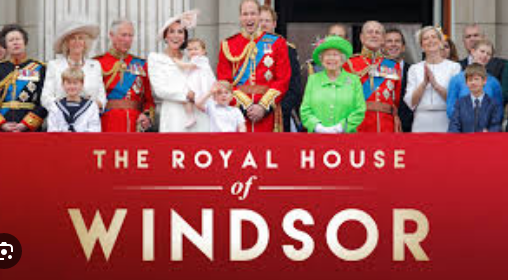
The provided text comprises biographical sketches of several prominent members of the British royal family, primarily focusing on the lives and reigns of King George V, King Edward VIII, and King George VI. Each biography details their childhoods, education, marriages, and significant events during their respective reigns, including the impact of major historical events such as World War I and the Abdication Crisis. The texts also explore the personal relationships and challenges faced by each individual, offering insight into their characters and their roles within the monarchy.
The British Monarchy in the 20th Century: A Study Guide
Short Answer Quiz
What was the significance of the Parliament Act of 1911 during George V’s reign, and how did it affect the power of the House of Lords?
Describe the circumstances surrounding the Abdication Crisis of 1936, focusing on the key players and the reasons for Edward VIII’s departure.
Explain how the First World War impacted the British royal family and led to a change in the family’s name.
What was the Balfour Declaration of 1926, and how did it redefine the relationship between Britain and its Dominions?
What was the importance of George V’s radio address in 1932?
How did George VI’s relationship with Prime Minister Winston Churchill develop, particularly during World War II?
What role did George VI and Queen Elizabeth play in maintaining morale during the Blitz?
Briefly describe the significance of the Government of India Acts of 1919 and 1935 during the reign of George V?
How did the rise of Nazi Germany impact Edward VIII, both before and after his abdication?
How was Elizabeth II’s upbringing different from previous monarchs in terms of her access to the outside world and normal childhood experiences?
Answer Key
The Parliament Act of 1911 significantly limited the House of Lords’ power by preventing it from vetoing financial bills passed by the House of Commons. This act was a major constitutional reform and established the supremacy of the elected House of Commons in financial matters.
The Abdication Crisis was caused by Edward VIII’s desire to marry Wallis Simpson, a divorced American woman, which was deemed unacceptable by the British government and the Church of England. Faced with opposition, Edward abdicated, and his younger brother, Albert, became King George VI.
The First World War led the royal family to change their name from Saxe-Coburg and Gotha to Windsor due to anti-German sentiment in Britain, which was heightened by German aggression in the war, especially when their bomber planes used in attacks were called Gotha Bombers.
The Balfour Declaration of 1926 acknowledged the growing independence of Britain’s former colonies by recognizing the Dominions as autonomous communities within the British Commonwealth, equal in status and united by a common allegiance to the Crown.
George V’s 1932 Christmas Day radio address was the first time a British monarch directly addressed the entire nation over the radio. This allowed the monarch to connect directly with the people, offering comfort during the Great Depression.
George VI and Winston Churchill developed a close relationship based on mutual respect and their shared interest in the navy, which was especially important during World War II. Churchill helped George to understand the importance of his role, and they met weekly.
George VI and Queen Elizabeth maintained public morale during the Blitz through their regular public visits to bombed-out areas and hospitals. Their visible presence and support helped to encourage national resolve and unity.
The Government of India Acts of 1919 and 1935 offered limited concessions to Indian nationalists, while ensuring British control of India, reflecting the growing pressure for Indian independence, but without relinquishing control to India completely.
Edward VIII was known to have had sympathies for the Nazi regime. After his abdication, he and Wallis Simpson visited Germany and met with Hitler, which caused great controversy. During World War II, he was suspected of colluding with the Nazis, further tarnishing his reputation.
Elizabeth II’s upbringing, though still privileged, involved a greater emphasis on time with her family and inclusion in broader social settings compared to previous monarchs. Her parents emphasized kindness, order, and good manners over religious devotion, giving her an upbringing different from that of her predecessors.
Essay Questions
Analyze the role of the monarchy in Britain during the reigns of George V and George VI, considering their relationships with the government, their influence on political decisions, and their contributions to national unity and morale, particularly during times of crisis.
Compare and contrast the reigns of Edward VIII, George VI, and Elizabeth II, examining how their individual personalities, leadership styles, and challenges shaped the trajectory of the British monarchy in the 20th century.
Discuss the major transformations in the relationship between Britain and its empire/commonwealth during the first half of the 20th century. Consider the changing status of Dominions, the rise of Indian nationalism, and the impact of World War II on British imperial power.
Evaluate the impact of social change on the British monarchy in the 20th century. Consider how evolving attitudes towards gender, divorce, class, and family life shaped the role and expectations of monarchs and the public’s perceptions of them.
Explore the role of technology and media in shaping the British monarchy’s relationship with the public in the 20th century. How did radio, newsreels, television and other forms of mass media alter public perceptions of the monarchy and their function?
Glossary of Key Terms
Abdication: The formal act of relinquishing the throne or royal power.
Appeasement: A policy of making concessions to an aggressor in order to avoid conflict; often associated with Britain’s policy towards Nazi Germany in the 1930s.
Blitz: The German bombing campaign against Britain during World War II, particularly the sustained bombing of London.
Bolsheviks: A faction of the Russian Social Democratic Labour Party that became a communist party, leading the October Revolution of 1917.
British Raj: The British rule in India from 1757 to 1947; refers to the period and the system of governance.
Civil List: The annual payments made from the British government to the monarch and members of the royal family for official duties and expenses.
Commonwealth of Nations: A voluntary political association of countries, most of which were formerly part of the British Empire, acknowledging the British monarch as a symbolic head.
Corvette: A small, maneuverable warship, often used for escort duties.
Dreadnought: A type of battleship with powerful, long-range guns, representing a major naval technological development.
Dominions: Self-governing territories within the British Empire that had their own parliaments, but were still linked to the British crown, such as Canada, Australia and New Zealand.
Home Rule: A political movement advocating for self-government within a larger political entity, particularly in the context of Ireland’s relationship with Britain.
Imperial Conference: A periodic meeting of the heads of government of the British Empire and later the Commonwealth, to discuss common issues.
Jingoistic: Characterized by extreme patriotism, often expressed through aggressive or belligerent foreign policy.
Morganatic Marriage: A marriage in which the spouse of royal or noble birth does not attain the same rank or privileges as their partner.
Nazi: A member of the National Socialist German Workers’ Party, led by Adolf Hitler; associated with fascism and extreme racism.
Operation Willi: A Nazi plan to kidnap the Duke and Duchess of Windsor in the summer of 1940, and try to use Edward to re-establish him as the king of England.
Philatelic: Related to the study or collection of postage stamps.
Redbreast-class gunboat: A type of small, lightly-armed warship of the late 19th and early 20th centuries used by the British Royal Navy.
Royal Navy: The naval forces of the United Kingdom, historically the most powerful navy in the world.
Statute of Westminster (1931): A statute passed by the British Parliament that granted legislative independence to the Dominions of the British Commonwealth, further recognizing their autonomy.
Suffragettes: Members of a movement advocating for women’s right to vote, particularly in Britain during the late 19th and early 20th centuries.
Treaty of Versailles: A peace treaty signed at the end of World War I, which imposed harsh terms on Germany and redrew the political boundaries of Europe.
Ulster Unionists: A political group in Northern Ireland who advocate for the region’s continued union with the United Kingdom.
Vice-Admiral: A senior naval rank, typically in command of a fleet or major naval base.
British Monarchs: From George V to Elizabeth II
Okay, here is a detailed briefing document based on the provided sources, focusing on the main themes and important ideas/facts, with quotes included where relevant:
Briefing Document: The Reigns of George V, Edward VIII, George VI, and Elizabeth II
Introduction
This document provides a comprehensive overview of the reigns of King George V, King Edward VIII, King George VI, and Queen Elizabeth II, as detailed in the provided text. It aims to highlight the major events, challenges, and themes that characterized each monarch’s time on the throne, including the interconnections and transitions between their reigns.
I. King George V (1910-1936)
Early Life & Naval Career:Born June 3, 1865, as the third in line to the throne.
Not a particularly gifted student, but more capable than his elder brother.
Joined the Royal Navy in 1877 and spent three years traveling the world on HMS Bacchante, visiting the Mediterranean, the Caribbean, South America, South Africa, China, Japan, and Australia.
Continued his naval training under his uncle, Prince Alfred, in Malta, eventually commanding several ships.
His naval career ended abruptly following the death of his older brother Albert Victor, which made him second in line to the throne.
Duke of York & Heir Presumptive:Became Duke of York in 1892 after his brother’s death, a title often held by those second in line to the throne.
Married Mary of Teck in 1893.
His role became more ceremonial, involving travel and public engagements to prepare for his eventual reign.
Accession & Pre-War Britain:Became Prince of Wales and heir to the throne upon the death of his grandmother, Queen Victoria, and his father becoming King Edward VII in 1901.
Edward VII’s reign was relatively brief and marked by health issues, accelerating George’s path to the throne.
Navigated a delicate political landscape with the rise of the Labour Party.
The First World War & Political Issues:Navigated the constitutional crisis around the Parliament Act of 1911, accepting limitations to the power of the House of Lords.
Ireland continued to be a major problem, facing unrest and calls for independence.
The First World War broke out in 1914 and George “wished to see the First World War ended as quickly as possible.”
The war saw the British royal family change their name from the House of Saxe-Coburg and Gotha to the House of Windsor, due to anti-German sentiment.
Post-War Years & Empire:Dealt with the aftermath of the war and the growing revolutions across Europe.
He helped to establish a “conservative political landscape.”
Oversaw the establishment of the Irish Free State following the Irish War of Independence.
Presided over the 1926 Imperial Conference and the Balfour Declaration, establishing the Commonwealth of Nations.
Faced growing calls for Indian independence.
The Great Depression & Domestic Politics:Experienced a hung parliament in 1923, leading to the first Labour government under Ramsay MacDonald.
Urged moderation during the 1926 General Strike.
Played a role in navigating the economic crisis of the Great Depression, reducing the civil list.
Character & Legacy:He was a “diminutive, retiring figure,” who was “hard-working, dutiful and moderate.”
Prefers stamp collecting and hunting in his leisure time
He was a popular monarch by the end of his reign and became the first monarch to broadcast a Christmas message on radio in 1932. The speech was written by Rudyard Kipling. “It may be that our future may lay upon us more than one stern test. Our past will have taught us how to meet it unshaken. For the present, the work to which we are all equally bound is to arrive at a reasoned tranquillity within our borders; to regain prosperity without self-seeking; and to carry with us those whom the burden of past years has disheartened or overborne.”
Was wary of the rise of Nazism in Germany and expressed concern to the German ambassador in 1934.
His lengthy reign was overshadowed by the controversial reign of his son, Edward VIII.
“George provided simple, uncontroversial leadership as King of Britain during a tumultuous period of British and European history.”
His reign was bookended by those of Queen Victoria and Queen Elizabeth II.
He “set the template for the modern monarchy,” followed by King George VI and Queen Elizabeth II.
II. King Edward VIII (1936 – Abdicated)
Early Life & Military Service:Born June 23, 1894, as the eldest son of Prince George, Duke of York.
Known as “David” to his family.
Raised as a future king, with a relatively limited intellectual development.
Served in the Grenadier Guards during World War I, largely in chaperoned roles, but he found that he “enjoyed the camaraderie.”
His military experience was not viewed as authentic due to his royal status.
Prince of Wales:Became Prince of Wales in 1910 upon his father’s ascension to the throne.
Engaged in a busy social life during the 1920s and had numerous affairs with married women, causing concern among government officials.
His relationship with Winifred Dudley Ward lasted until 1934.
His “quasi-egalitarian manners and habits” were viewed disapprovingly by members of the royal family and government.
He was viewed as someone “who might try to exercise too much political independence.”
The Wallis Simpson Affair & Abdication:Met Wallis Simpson in the early 1930s, an American divorcee, becoming besotted with her by 1934.
His relationship with Simpson became a source of major concern as she was twice-divorced and still married when their relationship began.
King George V and members of the government were “not impressed” by Simpson.
Became King Edward VIII in 1936 after the death of his father.
Showed little interest in affairs of state.
The government and the royal family were strongly opposed to his marriage to Simpson, threatening a constitutional crisis.
Edward chose to abdicate in December 1936 rather than give up Simpson, making him the shortest reigning monarch since the late fifteenth century.
His abdication speech was “dignified and statesmanlike.”
Duke of Windsor & Nazi Sympathies:Became Duke of Windsor after his abdication.
Married Wallis Simpson in France in 1937.
Visited Germany in 1937, meeting with Nazi leaders including Adolf Hitler, and expressed sympathy for fascism.
His visit to Germany aroused considerable controversy and created suspicions about his political views.
During the Second World War, was suspected of leaking information to Germany and being involved in plots to return to the throne.
He and his wife accepted an offer to stay with Ricardo Espirito Santo who was suspected of having links with the Nazis.
It is believed that he promoted the idea that the Nazis should “bomb Britain into peace.”
Appointed Governor of the Bahamas in 1940, where he was viewed as a “liability.”
The FBI monitored his activities while he was in the Bahamas.
Legacy:His reign is defined by his abdication and his controversial relationship with Wallis Simpson and the Nazis.
He was viewed as someone “who liked to arouse controversy”.
He “forever tarnished himself as the possible traitor king.”
III. King George VI (1936-1952)
Early Life & Military Service:Born Albert Frederick Arthur George on December 14, 1895, the second son of Prince George, Duke of York.
He was called “Bertie” by his family.
Initially fourth in line to the throne, later became second in line after his brother’s ascension.
Had a strict upbringing, struggled with a stutter, and was forced to write with his right hand despite being left-handed.
Served in the Royal Navy during World War I, participating in the Battle of Jutland.
Later transferred to the Royal Air Force and became the first member of the royal family to hold a pilot’s licence.
Duke of York:Invested as Duke of York in 1920.
He eventually met and then married Lady Elizabeth Bowes-Lyon in 1923.
He toured Australia and New Zealand in the mid 1920s.
His stutter became a major problem and it impacted his ability to communicate during a public speech. He then sought help to manage it.
Accession & Pre-War Challenges:Reluctantly became king after his brother Edward’s abdication.
Took the regnal name George VI to establish continuity with his father.
He was a “reluctant king”
“His style of rule was modest and undramatic”
His reign began at a time of political instability in Europe with the rise of Nazism and Fascism.
He initially supported Chamberlain’s policy of appeasement toward Germany.
The Second World War:Addressed the nation on radio upon Britain’s declaration of war in 1939. “In this grave hour, perhaps the most fateful in our history, I send to all my peoples, both at home and over seas, this message with the same depth of feeling for each one of you as if I were able to cross your threshold and speak to you myself. For the second time in the lives of most of us we are at war. Over and over again we have tried to find a peaceful way out of the differences between ourselves and those who are now our enemies. But it has been in vain…If one and all be resolutely faithful today, ready for whatever service or sacrifice it may demand, with God’s help we shall prevail.”
Developed a close relationship with Winston Churchill as Prime Minister during the war.
Churchill “made him feel useful.”
He and his wife, Elizabeth, stayed in London during the Blitz, regularly visiting bombed areas to console the victims.
He created the George Cross and George Medal to honor acts of bravery by both soldiers and civilians.
He travelled extensively to different war fronts.
He proposed that the Allies should focus on the Southern Front in Italy before opening one in France.
Post-War Years:Oversaw the transition from the British Empire to the British Commonwealth.
Granted Indian independence in 1947 and abolished the title of Emperor of India in 1948.
He carefully managed the development of the Commonwealth.
Character & Legacy:“He offered a steady hand and humility at the helm of state.”
Overcame his stutter with the help of Lionel Logue and by the start of the war he was able to deliver speeches without difficulty.
“He should be remembered as a modest and humble, but effective king.”
His reign was overshadowed by health issues that resulted from chronic smoking, leading to his death at the age of just 56.
IV. Queen Elizabeth II (1952-2022)
Early Life:Born April 21, 1926, as Elizabeth Alexandra Mary.
She was named for women who were consorts not those in power.
Her parents were the Duke and Duchess of York (later King George VI and Queen Elizabeth)
Her birth was welcomed with excitement, but she was not initially viewed as an heir to the throne.
She had “an idyllic childhood” with her sister Margaret.
Was referred to as “Lilibet” in her childhood.
Her parents emphasised good manners, kindness, consideration and order over religious devotion.
She had a toy house built for her in the grounds of Windsor Castle.
The Abdication Crisis & Heiress Presumptive:Her childhood changed dramatically after her uncle’s abdication, when her father became King George VI.
Elizabeth became the heir presumptive to the throne and “she seemed determined to go through it all without making any fuss.”
Joined the Girl Guides.
She met and was impressed by her cousin, Prince Philip of Greece and Denmark at a young age.
World War II & Growing Responsibility:Gave her first public speech on the wireless during Children’s Hour in 1940. “We know, every one of us, that in the end all will be well; for God will care for us and give us victory and peace. And when peace comes, remember it will be for us, the children of today to make the world of tomorrow a better and happier place.”
Served in the Auxiliary Territorial Service during the latter part of the war.
Began to assert her independence in subtle ways.
She was viewed in a childlike manner by both the media and the royal establishment.
Marriage & Transition:Married Prince Philip in 1947.
Became Queen upon the death of her father in 1952 while in Kenya. “Her old granny and subject, must be the first to kiss her hand.”
Her accession was a significant shift in the role of the British monarch from the head of an empire to the head of the Commonwealth.
Her coronation in 1953 was televised, a break from precedent.
Reign & Challenges:She initially had a difficult time adjusting to being a Queen, being viewed as both “too young and too inexperienced”.
Developed a strong partnership with her husband, Prince Philip.
The Commonwealth experienced a period of rapid transition with the decolonisation of Africa.
There were concerns surrounding Prince Philip’s activities in the 1950s.
Character and LegacyQueen Elizabeth was someone who “grew to appreciate the art and artistry of fashion.”
She remained deeply religious throughout her life and considered her position as Head of the Church very seriously.
She is regarded as a “stiff upper lip” who was dutiful and straight-forward.
She was a powerful role model for young women.
Conclusion
The reigns of these four monarchs spanned a tumultuous period of British and world history, marked by immense social, political, and economic changes. George V laid the foundation for the modern monarchy, navigating through World War I and the decline of the old order. Edward VIII’s brief reign was defined by the abdication crisis, which had a lasting impact on the British monarchy. George VI guided the country through World War II and the dismantling of the Empire. Queen Elizabeth II oversaw the transition of the British monarchy to the head of the Commonwealth. Each monarch faced unique challenges and made significant contributions that shaped the monarchy and nation.
The Windsors: Four Reigns
FAQ: King George V, King Edward VIII, King George VI, and Queen Elizabeth II
How did King George V’s upbringing and early experiences shape his later life and reign? George V, initially third in line to the throne, had a strict upbringing typical of the era, with limited contact with his parents and a focus on a traditional education. His naval service from a young age, including a three-year world voyage on HMS Bacchante, instilled in him a sense of duty and a global perspective, and it influenced his decision to continue his naval career as a commander of various ships. The expectation that his brother would succeed to the throne was upended by his brother’s death in 1892, making George, the Duke of York, next in line. This change forced him out of active naval service and into more ceremonial roles. George was a reluctant king, but he embraced duty, a defining characteristic of his reign.
What was the nature of King George V’s relationship with his sons, particularly Edward VIII? George V had a complex relationship with his sons, particularly with Edward VIII. He was a strict and often distant father. While he valued duty, Edward was seen as problematic due to his unconventional lifestyle, numerous affairs, and perceived lack of seriousness regarding his future role. George was concerned about Edward’s relationship with Wallis Simpson and advised his son to end the liaison, but this advice was ignored. This issue would prove critical in the succession following George V’s death. George seemed to favor his second son, Albert, and expressed hopes that the line would come through him if Edward did not marry and have children.
Why did Edward VIII abdicate, and what were the consequences of his actions? Edward VIII abdicated because of his determination to marry Wallis Simpson, a twice-divorced American. This relationship was deemed unacceptable by the British government, the Church of England, and most of the public due to moral and religious grounds. Edward’s abdication resulted in a constitutional crisis, and it brought his younger brother Albert to the throne, who took the regnal name George VI. Edward’s abdication was also significant because it was followed by years of controversy regarding his possible involvement with Nazi Germany during World War II. The abdication also had long-lasting effects on the royal family, and caused them to distance themselves from Edward and Wallis.
What were the major challenges faced by King George VI during his reign? King George VI faced numerous significant challenges during his reign. He ascended to the throne unexpectedly after his brother’s abdication and had to adjust to the role quickly, an action for which he was underprepared. He led Britain through World War II, and was a vital source of strength for the nation, sharing his leadership duties with Winston Churchill. He oversaw Britain’s transition from empire to commonwealth, granting India its independence. He also struggled with his stutter in public which, while largely overcome with the help of Lionel Logue, posed issues at various moments of his reign. He was a modest king, but his ability to connect with the public despite his speech impediment allowed him to be seen as a relatable figure to the public during times of great distress.
How did World War II impact the roles of King George VI and Princess Elizabeth? World War II significantly impacted the roles of both King George VI and Princess Elizabeth. King George VI became a symbol of national resistance and fortitude during the Blitz and throughout the war, and he made regular visits to bombed areas and military bases to support his people. Princess Elizabeth, still young, also began taking on more public responsibilities. She gave her first public speech on the radio at the age of 14, offering comfort to displaced children, and she later served in the Auxiliary Territorial Service. Their actions during the war helped strengthen the monarchy’s connection to the people.
What were the key elements of Queen Elizabeth II’s upbringing that shaped her as a monarch? Queen Elizabeth II had a unique upbringing compared to many previous monarchs. She had a close, loving family, and while she was raised in a fairly insulated environment, her parents placed a heavy emphasis on the importance of public service, kindness, consideration, order and good manners. Her early exposure to the realities of war, such as the Blitz and wartime activities, instilled in her a deep sense of duty, which would be evident in her later years as a monarch. Her experiences as a Girl Guide, although with a special troupe, instilled a sense of community and egalitarianism in her. Her early public engagements, such as her radio speech and her work with the Auxiliary Territorial Service, prepared her for a life of public service.
How did the end of empire and the rise of the Commonwealth influence Queen Elizabeth II’s role as monarch? Queen Elizabeth II’s reign marked a significant transition from empire to commonwealth. Her title was changed from “Queen of the United Kingdom and the British Empire” to “Queen of the United Kingdom, Head of the Commonwealth,” reflecting Britain’s reduced global power and the growing autonomy of its former colonies. This transition meant that her role evolved to be more of a unifying figurehead of independent nations within the Commonwealth rather than a ruler of a vast empire. She made numerous trips to various commonwealth nations and showed support for their right to self-governance as long as they remained a part of the greater Commonwealth, a decision which was both prudent and pragmatic.
How did Queen Elizabeth II balance tradition and modernity during her reign? Queen Elizabeth II navigated a complex path of maintaining tradition while embracing some aspects of modernity. Her coronation was the first to be televised, bringing the royal family into the homes of millions. Throughout her reign, she maintained the formality and symbolism of the monarchy while also engaging in more accessible and modern forms of communication with the public. She navigated these transitions with a careful awareness of her duties to the crown while also remaining relevant to her modern audience. She understood that an overly conservative approach would make her irrelevant, and an overly modern approach could reduce her symbolic authority, and the approach which she took kept her relevant for the duration of her reign.
The House of Windsor: A Royal Family History
Okay, here’s the detailed timeline and cast of characters based on the provided text:
Timeline of Main Events
1837: Queen Victoria ascends to the British throne.
January 1864: Prince Albert Victor is born to Albert Edward and Alexandra of Denmark.
June 3, 1865: George V is born at Marlborough House, London.
1871: John Neale Dalton becomes tutor to George and his brother Albert Victor.
1877: George and Albert Victor join the Royal Navy.
1879-1882: George, Albert Victor and Dalton embark on a three-year voyage on the HMS Bacchante.
1881: George and Albert Victor meet Emperor Meiji in Japan.
1882: George is stationed in Malta under his uncle, Prince Alfred.
1886: Prince Alfred becomes Commander-in-Chief of the Mediterranean Fleet.
1889: Prince Albert Victor’s name is linked to a male brothel in London.
1890: George commands HMS Thrush.
1891: George takes command of the HMS Melampus.
January 1892: Albert Victor dies, and George becomes the Duke of York.
1893: George marries Mary of Teck.
1894: George attends the funeral of Tsar Alexander III in Russia.
June 23, 1894: Edward VIII is born to George, Duke of York and Mary of Teck.
December 14, 1895: Albert (George VI) is born to George, Duke of York and Mary of Teck.
January 1901: Queen Victoria dies; George’s father becomes King Edward VII, and George becomes Prince of Wales and heir designate.
May 1910: Edward VII dies; George V becomes King of Britain, and Edward VIII becomes Prince of Wales
1911: George V is present at the Delhi Durbar in India
August 1911: The Parliament Act of 1911 is passed, with George V giving his assent.
July 1914: Edward VIII is commissioned into the Grenadier Guards
August 1914: Albert has an appendectomy.
1914-1918: World War I; Prince Edward serves as an officer.
1916: Edward VIII visits the Middle East
May/June 1916: Albert participates in the Battle of Jutland.
July 1917: The House of Saxe-Coburg and Gotha is renamed the House of Windsor.
1918: Albert becomes the first member of the British Royal Family to obtain a pilot’s license and serves in the RAF.
1919: Prince John dies of epilepsy.
1919: Albert engages in an affair with Sheila Chisholm
1919-1921: The Irish War of Independence.
1920: Albert is created Duke of York.
1920: Albert meets Lady Elizabeth Bowes-Lyon
May 1921: Partition of Ireland creates Northern Ireland.
Summer 1921: Albert proposes to Elizabeth, but she turns him down
June 1921: George V visits Belfast
1922: Albert again proposes to Elizabeth who accepts
April 26, 1923: Albert marries Lady Elizabeth Bowes-Lyon
1923: The first Labour government is formed under Ramsay MacDonald.
1926: The General Strike occurs in Britain.
April 21, 1926: Princess Elizabeth is born to Albert, Duke of York and Elizabeth Bowes-Lyon
1926: The Imperial Conference; the Balfour Declaration establishes the Commonwealth of Nations.
Late 1920’s: Albert begins to undergo treatment with Lionel Logue for his stammer.
1929: The Wall Street Crash initiates the Great Depression.
1931: The Statute of Westminster grants legislative independence to Commonwealth nations.
1931: The Civil List is drastically reduced.
Early 1930’s: Edward meets Wallis Simpson.
1932: George V gives his first Royal Christmas Speech on the radio.
1934: Edward ends his affair with Freda Dudley Ward and others; Edward’s relationship with Wallis Simpson intensifies
1934: George V expresses concern to the German ambassador about the Nazis.
1935: The Metropolitan Police Special Branch begins monitoring Wallis Simpson’s movements
1935: George V’s health begins to seriously deteriorate
January 20, 1936: King George V dies. Edward VIII becomes king.
October 1936: Baldwin advises Edward VIII on his relationship with Wallis Simpson.
October 27, 1936: Wallis Simpson obtains her divorce.
November 16, 1936: Edward VIII admits he intends to marry Wallis Simpson.
December 2, 1936: News of Edward VIII’s affair breaks to the nation.
December 10, 1936: Edward VIII abdicates the throne.
December 11, 1936: Albert becomes King George VI.
December 13, 1936: Edward is named Duke of Windsor.
June 3, 1937: Edward and Wallis marry in France.
Autumn 1937: The Duke and Duchess of Windsor tour Germany.
March 1938: The Anschluss takes place.
September 1938: The Munich Conference takes place.
1939: George VI and Elizabeth visit the United States.
September 1, 1939: Germany invades Poland.
September 3, 1939: Britain declares war on Germany. George VI addresses the nation.
May 1940: Churchill becomes Prime Minister and forms a government of national unity.
May 1940: The Duke and Duchess of Windsor leave Paris after the invasion of France.
Summer 1940: Operation Willi fails and the Duke and Duchess move to Portugal.
September 1940: The Blitz begins on Britain. The George Cross and George Medal are created.
1940-1945: The Duke of Windsor serves as Governor of the Bahamas.
1941: The Duke and Duchess of Windsor are monitored by the FBI in the USA.
June 1944: D-Day landings commence
1944: George VI visits France, the Low Countries, and Italy
May 8, 1945: Victory in Europe (VE) Day is celebrated.
1947: India is granted independence.
1948: The title of Emperor of India is abolished.
1949: The London Declaration.
1951: George VI has his left lung surgically removed after developing lung cancer.
February 6, 1952: King George VI dies, Elizabeth II becomes Queen.
June 2, 1953: Queen Elizabeth II’s coronation takes place.
1957: Prince Phillip made a Prince of the United Kingdom.
February 19, 1960: Prince Andrew is born.
March 10, 1964: Prince Edward is born.
Cast of Characters
Queen Victoria: Queen of the United Kingdom and Empress of India, ruling from 1837 until her death in 1901. Grandmother to George V.
Albert Edward, Prince of Wales (later King Edward VII): Eldest son of Queen Victoria, known for his frivolous and unruly behavior. Father of George V. Reigned from 1901-1910.
Alexandra of Denmark: Wife of Albert Edward and mother of George V.
Albert Victor: Eldest son of Albert Edward and Alexandra, originally second in line to the throne. Died in 1892.
John Neale Dalton: Clergyman and tutor to Princes George and Albert Victor.
Prince Alfred: Uncle of George V, serving in the British Mediterranean Fleet.
Emperor Meiji: Emperor of Japan, met by George and Albert Victor during their voyage.
Tsar Alexander III: Tsar of Russia. George V attends his funeral in 1894
Tsar Nicholas II: Tsar of Russia, cousin of George V, murdered during the Russian Revolution.
Mary of Teck: Wife of George V and mother of Edward VIII and George VI
George V: King of the United Kingdom and Emperor of India. Reigned from 1910-1936.
Edward VIII: Eldest son of George V, abdicated the throne in 1936. Also known as David within the family
Albert (George VI): Second son of George V, became King after Edward’s abdication. Reigned from 1936-1952.
Mary of Teck (Queen Mary): Wife of King George V and mother of Edward VIII and George VI.
Sheila Chisholm (Lady Loughborough): Australian socialite who was married to Lord Loughborough. Had an affair with Albert (George VI).
Elizabeth Bowes-Lyon: Wife of George VI and mother of Queen Elizabeth II.
Louis Greig: Scottish Naval Surgeon who served as Albert’s equerry at Cambridge.
Lionel Logue: A speech therapist who assisted George VI with his stammer.
Stanley Baldwin: Prime Minister of the UK, largely opposed to Edward VIII’s marriage to Wallis Simpson.
Ernest Aldrich Simpson: American businessman and Wallis Simpson’s second husband.
Wallis Simpson: American socialite and divorcee, married Edward VIII after his abdication.
Bertrand Edward Dawson: Physician to George V who controversially hastened his death.
Arthur Balfour: Former Prime Minister and chairman of the 1926 Imperial Conference.
Mahatma Gandhi: Leader of the Indian independence movement.
Ramsay MacDonald: First Labour Prime Minister of the United Kingdom.
Leopold von Hoesch: German ambassador to Britain.
Rudyard Kipling: Author who wrote George V’s first Royal Christmas Speech.
Adolf Hitler: Leader of the Nazi Party in Germany.
Winifred (Freda) Dudley Ward: Married woman who had an affair with Edward VIII.
Lady Furness: A mistress of Edward VIII.
Archduke Franz Ferdinand: Heir to the Austro-Hungarian throne, whose assassination sparked World War I.
William Dudley Ward: Husband of Winifred Dudley Ward
Earl Winfield Spencer Jnr.: Wallis Simpson’s first husband.
Joachim von Ribbentrop: German foreign minister.
Hermann Goering: Prominent member of the Nazi Party.
Joseph Goebbels: Nazi propaganda minister
Walter Schellenberg: SS official in charge of Operation Willi
Ricardo Espirito Santo: Portuguese banker with ties to Germany and who housed Edward and Wallis in Lisbon.
Winston Churchill: Prime Minister of the UK during World War II, Initially opposed to George VI becoming king.
Prince Henry: Younger brother of George VI.
Prince George: Younger brother of George VI.
Princess Marina of Greece and Denmark: Wife of Prince George.
Elizabeth II: Queen of the United Kingdom and the Commonwealth from 1952 until her death in 2022
Clara Knight: Elizabeth’s nanny.
Ruby and Margaret MacDonald: Elizabeth’s nurses.
Marion Crawford (“Crawfie”): Governess to Princess Elizabeth and Princess Margaret.
Prince Phillip: Prince of Greece and Denmark and Elizabeth II’s husband.
Stuart Archer: Bomb disposal expert awarded the George Cross.
John Bridge: Bomb disposal expert awarded the George Cross.
Margaret Irene Anderson: Australian staff nurse awarded the George Medal.
Charity Bick: Teenager awarded the George Medal
Prince Andrew: Third child of Elizabeth II and Prince Philip.
Prince Edward: Fourth child of Elizabeth II and Prince Philip.
Princess Anne: Second child and only daughter of Elizabeth II and Prince Philip.
This comprehensive timeline and character list should provide a clear overview of the key events and figures involved in the sources you provided. Let me know if you have any other questions!
King George V: A Life
King George V was born on June 3, 1865, at Marlborough House in London [1]. He was the third in line to the throne after his father, Albert Edward, Prince of Wales, and his older brother, Prince Albert Victor [1]. George was not expected to become king, but his brother’s unexpected death from the Russian flu in 1892 made George the second in line to the throne [2, 3].
Early Life and Education:
George was raised by nannies and household staff in various royal palaces [1].
He and his elder brother were educated together [1].
Their primary tutor was John Neale Dalton, who focused their education on Protestant texts, Greek and Roman classics, and the humanities [1].
George was a more able student than his brother, and he developed a lifelong rapport with Dalton [4].
At the age of twelve, George joined the British Navy with his brother and embarked on a three-year voyage on the HMS Bacchante, visiting various places around the world [4].
Following his return to England, George continued his career in the Royal Navy, while his brother went to Trinity College [4].
Naval Career:
George continued his naval training under his uncle, Prince Alfred [2].
He commanded several ships, including the HMS Thrush and HMS Melampus [2].
His naval career ended when he became second in line to the throne after his brother’s death [2].
Marriage and Family:
George married Mary of Teck in 1893, who was originally intended to marry his elder brother [3].
They had six children: Edward, Albert, Mary, Henry, George, and John [3].
George was a strict disciplinarian as a parent, and he and Mary were criticized for not recognizing the abusive behavior of their children’s nannies [3].
Duke of York and Prince of Wales:
After his brother’s death, George became the Duke of York in 1892 [5].
His role as Duke was largely ceremonial, designed to expose the British people to the future king [5].
He became the Prince of Wales in 1901 when his father became King Edward VII [5].
George and his wife took on a string of responsibilities, including a world tour, and became well-known to the people of Britain and the Empire [6].
Accession and Coronation:
George became King George V in 1910 after his father’s death [6].
His coronation took place at Westminster Abbey in 1911 and was attended by many European royals [6].
Political Challenges:
George’s reign began with a political crisis over the People’s Budget [7].
He was involved in the constitutional reform of the House of Lords with the Parliament Act of 1911 [8].
He visited Ireland in 1911, but faced tensions with nationalists and socialists who desired complete independence from Britain [9].
World War I:
During World War I, George had a significant role, including visiting the trenches in France [10].
He changed the name of the royal house from Saxe-Coburg and Gotha to Windsor in 1917 due to anti-German sentiment [10].
His sons, Edward and Albert, also served in the war [10].
George’s visits to the troops were intended to help cement the idea that the war was everyone’s conflict, not just the lot of the average conscript [10].
George also met with General Henry Rawlinson to discuss possibly replacing General Douglas Haig, though the change never occurred [11].
Post-War Era:
George faced the challenges of post-war revolutions and the Irish War of Independence [12].
He played a significant role in establishing peace in Ireland, resulting in the division of the island [13].
George presided over the Imperial Conference of 1926 which led to the Balfour Declaration, recognizing the independence of the Dominions in the Commonwealth [14].
He was Emperor of India and visited Delhi in 1911. He faced growing calls for Indian independence throughout his reign, and oversaw the Government of India Acts of 1919 and 1935, which sought to ensure British control [14].
Domestic Politics and the Great Depression:
George was wary of the Labour Party’s rise in British politics [15].
He was initially concerned about the possibility of a Labour government in 1923, but he allowed it to form and did not intervene publicly in the politics of the day [15].
During the 1926 general strike, he urged a moderate approach [15].
He helped manage the economic crisis of the Great Depression, including reducing the civil list [16].
Later Life and Death:
George became the first monarch to address the nation via radio on Christmas Day 1932 [17].
He was concerned about the rise of the Nazis and was wary of the rhetoric coming out of Germany [17, 18].
He suffered from respiratory problems and other ailments in his later years [18].
He died on January 20, 1936, at Sandringham House [19].
Legacy:
King George V is often viewed as one of Britain’s most under-appreciated monarchs [20].
He provided simple, uncontroversial leadership during a tumultuous period [20].
He is seen as having set the template for the modern monarchy [20].
Personal Interests:
George was a stamp collector and served as honorary vice-president of the Royal Philatelic Society [16].
He enjoyed hunting and a quiet life at York Cottage in Sandringham [5, 16].
King George V’s reign was marked by significant political and social changes, including World War I, the rise of socialism, and the Great Depression. He navigated these challenges with a sense of duty and was widely admired by the British people [20]. His legacy is one of a hard-working, dutiful, and moderate monarch who set the template for the modern monarchy [20].
Edward VIII: A Controversial Reign
King Edward VIII was born on June 23, 1894, at White Lodge in Richmond Park, Surrey [1]. His father was George, the eldest son of Edward, Prince of Wales, who was the son and heir of Queen Victoria [1]. Edward was the eldest of six children born to George and Mary of Teck [2]. He was known as David to his family [2].
Early Life and Education:
Edward was raised as a future king, though it was not expected he would ascend the throne for many decades [2].
His parents were aloof, and Edward felt unloved, which may have contributed to his desire to avoid having children [2].
He was known for his easy charm but was not considered intellectually gifted [2].
He was educated at home, then attended naval college at Osborne and the Royal Naval College [2].
Edward’s training was similar to his father’s, but he was not trained to be a scholar and had a limited intellectual worldview [2, 3].
He was made the Prince of Wales when his father became King in 1910 [3].
He briefly attended the University of Oxford, but was not a diligent student [3].
World War I:
Edward served in the Grenadier Guards but was kept out of harm’s way [3, 4].
His wartime experiences improved morale [4].
The royal family name was changed from Saxe-Coburg and Gotha to Windsor in 1917 due to anti-German sentiment [4, 5].
Interwar Period:
Edward was not in a rush to marry and became a regular at London nightclubs [5].
He had an affair with Winifred Dudley Ward, which caused concern within the government and royal circles [5].
His easy manner with ordinary people was viewed with disapproval [6].
There was growing concern that Edward might try to exercise too much political independence when he became king [6].
Relationship with Wallis Simpson:
In the early 1930s, Edward met Wallis Simpson, an American socialite who was married to Ernest Simpson [6].
By 1934 or 1935, Edward was determined to marry Wallis, who had a dominating influence over him [7].
His parents were not impressed with Wallis, and Special Branch police were assigned to monitor the couple [7].
The fact that Wallis was a divorcee was considered unacceptable for a future King [7].
Accession and Abdication:
Edward became King Edward VIII in 1936 after his father’s death [7].
He showed little interest in affairs of state, preferring to socialize [8].
The issue of his relationship with Wallis became a major concern for the government [8].
Prime Minister Stanley Baldwin advised Edward to have Wallis avoid finalizing her divorce and absent herself from Britain [9].
Edward admitted his intention to marry Wallis, leading to a constitutional crisis [9].
The government and dominion states were against the idea of a twice-divorced queen [10].
Edward chose to abdicate rather than give up his relationship with Wallis [10].
His reign lasted only 327 days, the shortest of any English monarch since the late fifteenth century [10].
Duke of Windsor:
After abdicating, Edward was given the title of Duke of Windsor [11].
He married Wallis Simpson in France in 1937; no members of the royal family attended [11].
The royal family distanced themselves from Edward and Wallis [11].
Edward’s brother, King George VI, refused to grant Wallis the title of ‘Her Royal Highness’ [11].
Controversies and Nazi Sympathies:
Edward and Wallis visited Germany in 1937, meeting with Nazi leaders including Adolf Hitler [12].
The purpose of the visit was to see how Germany had overcome its economic woes and to avoid further spread of communism [13].
Edward’s visit to Germany demonstrated a lack of judgment [14].
He was suspected of supporting Germany’s aggressive foreign policy [14].
The minutes of a meeting between Hitler and Edward were destroyed, fueling further speculation [14].
During World War II, Edward was accused of leaking information to Berlin that facilitated the German assault on Belgium [15].
While in Portugal, Edward promoted the idea that the Nazis should “bomb Britain into peace” [16].
In a telegram he sent to a Portuguese banker with connections to the Nazi party, he asked to be updated on developments that might lead to him being re-installed as King after a German victory [17].
Later Life:
Edward was appointed Governor of the Bahamas by Winston Churchill to keep him away from Europe during the war [17].
Edward and Wallis were monitored by the FBI during their visit to the United States in 1941 [18].
He sought to re-enter British public life after the war [19].
Edward and Wallis lived a relatively rich life in Paris [11, 19].
He authored a memoir called A King’s Story [19].
He and Wallis became a celebrity couple and socialized with politicians and celebrities [20].
Edward died on May 28, 1972, in Paris [20].
His body was buried at the royal mausoleum at Frogmore [21].
Wallis Simpson died in 1986 and was buried next to him [21].
Legacy:
King Edward VIII is viewed as one of the most controversial figures in modern British public life [21].
He is known for his abdication, his relationship with Wallis Simpson, and his Nazi sympathies [22].
His actions tarnished his reputation and led to his being viewed as a possible traitor king [22].
King Edward VIII’s reign was brief and marked by scandal. His decision to abdicate rather than give up his relationship with Wallis Simpson, combined with his later associations with the Nazis, have made him a controversial and often criticized figure in British history.
King George VI: A Life
King George VI, born Albert Frederick Arthur George on December 14, 1895, at York Cottage on the Sandringham Estate, was the second son of Prince George, Duke of York, and a grandson of Queen Victoria [1]. He was known to his family as “Bertie” [2].
Early Life and Education:
Bertie was not expected to become king, as his older brother, Edward, was the heir to the throne [1, 2].
He was raised in a separate household from his parents, which was typical for royal families at the time [2].
He was educated by tutors in traditional subjects [2].
His parents were distant figures, and his father was a strict disciplinarian.
He suffered from a stutter and was forced to write with his right hand, even though he was left-handed, which contributed to his low confidence [2].
He was sent to the Royal Naval College at Osborne at age 14, but he was not a strong student and struggled with physical ailments [2].
He came bottom of his class at Osborne [2].
Naval Career:
He progressed through the Royal Navy, joining the Royal Naval College at Dartmouth [3].
He undertook training tours in the Atlantic [3].
He was posted to HMS Collingwood as a midshipman in 1913 [3].
World War I:
He served in the Royal Navy during World War I [3].
He was mentioned in dispatches for his role in the Battle of Jutland [4].
Post-War Life:
He began studying at Cambridge University in 1919, focusing on history [5].
He was tutored by Reginald Laurence and Dennis Robertson [5].
He was drawn into royal duties in the early 1920s, visiting factories and mines [5].
He was given more freedom than previous royals to choose his own marriage partner [5].
Marriage and Family:
He married Elizabeth Bowes-Lyon in 1923 [5].
They had two daughters, Elizabeth (the future Queen Elizabeth II) and Margaret [5, 6].
He was a warm and modern father, unlike his own father [7].
The family lived at White Lodge in Richmond Park, and then in a more modest home in Piccadilly [7].
Overcoming His Stutter:
He began working with Lionel Logue, a speech therapist, in 1926, to overcome his stutter [7].
Logue’s methods were very successful and by 1927, his speech had already improved significantly [7].
Duke of York:
He became known for his philanthropy, founding the Industrial Welfare Society [7].
He also established the Duke of York’s Camps, a precursor to the Duke of Edinburgh Awards, through which boys from different backgrounds would compete in a range of events [7].
He was known as ‘the Foreman’ due to his interest in labor issues [7].
Accession to the Throne:
He reluctantly became King George VI in December 1936, after his brother, Edward VIII, abdicated [8, 9].
He took the regnal name George VI in honor of his father [9].
He was a reluctant king and was upset by the circumstances that led to his ascension [9].
Reign as King:
His style of rule was modest and undramatic [9].
He fulfilled the role of monarch well, representing the royal establishment [9].
He was a conservative, but not staunchly so, and was well-suited to overseeing the modernization of the country [9].
He faced the challenge of the rise of extremist politics and the threat of war [10].
World War II:
He supported the government’s policy of appeasement initially [11].
He offered to write to Hitler to try and prevent war [11].
He addressed the nation upon Britain’s declaration of war on Germany in 1939 [12].
He developed a close relationship with Prime Minister Winston Churchill [13].
He and Queen Elizabeth remained in London during the Blitz [14].
He and the Queen visited sites of bombing raids and military bases to offer support [15].
He made some contributions to Allied strategy, proposing a focus on the Southern Front in Italy [16].
He delivered a rousing broadcast on D-Day [16].
Post-War Era:
He oversaw the dismantling of the British Empire and the transition to the Commonwealth [16, 17].
He supported the independence of India, although the title of Emperor of India was abolished in 1948 [17].
Health and Death:
His health deteriorated in the late 1940s due to his lifelong chain smoking [17].
He suffered from circulatory problems, including Buerger’s Disease, and developed lung cancer [17].
He had his left lung surgically removed in 1951 [17].
He died in his sleep on February 6, 1952, at Sandringham, at 56 years old [18].
Legacy:
He is remembered as a modest, humble, and effective king [6, 18].
He led Britain through a consequential period of history, including World War II and the transition from Empire to Commonwealth [18].
He overcame his personal limitations and won the respect of the British people [6].
He developed a close working relationship with Churchill [6].
His reign was cut short due to his premature death [6].
King George VI was a reluctant king who rose to the occasion and provided steady leadership during a tumultuous period. He is remembered for his courage, his dedication to his country, and his role in leading Britain through World War II.
Queen Elizabeth II: A Life of Service and Reign
Queen Elizabeth II, born Elizabeth Alexandra Mary on April 21, 1926, in London, was the first child of Prince Albert, Duke of York (later King George VI), and Elizabeth Bowes-Lyon [1]. Her birth was happily welcomed, but few imagined that she would one day be Queen [1, 2].
Early Life and Education
Elizabeth was named after her mother, her paternal great-grandmother Queen Alexandra, and her grandmother Queen Mary [1].
She was known to her family as “Lilibet” [3].
Her early life was spent with nannies and a governess, which was typical for royal children at the time, but her parents also prioritized daily quality time with her [2].
She had a close relationship with her sister Margaret, and they were affectionately known as “us four” with their parents [4].
She spent time at Sandringham, Balmoral, and Glamis Castle with her grandparents [3].
She enjoyed outdoor activities and had a love for animals, particularly horses and dogs [4]. She received her first pony at the age of four [4].
Her family did not think she would become Queen, so her education was not as rigorous as it might have been [5].
She and her sister were educated at home, with a focus on English literature, history, and some French [5, 6].
She was also taught piano, voice, and dance [6].
She was not permitted to attend school, for fear of media attention and for other issues related to her status [5].
Queen Mary also took Elizabeth on regular outings to museums, galleries, and historic sites [6].
She learned domestic arts, cooking and keeping house at a child-sized playhouse [6, 7].
Transition to Heir Presumptive
Elizabeth’s life changed when her grandfather, King George V, died in 1936 [7].
Her uncle, Edward VIII, became king but abdicated, making her father King George VI [8].
Elizabeth became the heir presumptive to the throne [8].
She was ten years old when her father became king [8, 9].
World War II
During World War II, she was moved to Windsor Castle for safety [10].
In 1940, at age 14, she gave her first public speech on the radio, offering comfort to children displaced by the war [11].
She was eager to contribute to the war effort [12].
She joined the Auxiliary Territorial Service (ATS) in 1945, training as a driver and mechanic [12].
Her service in the ATS was viewed as good propaganda and morale booster [12].
Her time in the ATS was the first time she had tested herself against people of the same age [12].
Relationship with Prince Philip
She first met Prince Philip of Greece and Denmark in 1939 at the Royal Naval College [13].
They began a correspondence and Philip visited the royal family during the war [14].
Philip’s uncle, Louis Mountbatten, was keen to encourage a relationship between Elizabeth and Philip [10, 14, 15].
They fell in love, but her parents had reservations about Philip [14, 15].
They became engaged in 1946, with the wedding delayed until after her 21st birthday [16].
Marriage and Family
She married Philip Mountbatten on November 20, 1947, at Westminster Abbey [17].
Philip renounced his German surname and his Greek and Danish titles to become the Duke of Edinburgh [17].
She had four children: Prince Charles (1948), Princess Anne (1950), Prince Andrew (1960), and Prince Edward (1964) [17, 18].
She made efforts to spend time with her children, although sometimes gave priority to being at her husband’s side during the early years of her marriage [17, 19].
She initially allowed her children to attend senior school with ordinary people, unlike her own upbringing [18].
Accession to the Throne
She became Queen Elizabeth II in 1952 at the age of 25, after her father’s death [20, 21].
She was in Kenya when her father died [21].
She chose to use her own name as her regnal name [22].
Reign as Queen
Her coronation was on June 2, 1953, and was the first to be broadcast on television [22, 23].
She was the head of the Commonwealth and of her other realms and territories, rather than the head of an empire [22].
Her central challenge was balancing her personal and family life with her duties as monarch [23].
She rarely expressed her opinions, for fear of sparking a constitutional crisis [23].
She was endlessly diplomatic and tried to serve the people of her nation to the best of her ability [23, 24].
She worked with fourteen Prime Ministers during her reign [25].
She made efforts to modernize the monarchy [23, 26].
She introduced the Royal Walkabout to be more accessible to the public [26].
She became a fashion icon throughout her reign [16, 27].
Challenges and Controversies
The monarchy faced challenges including public scrutiny of its cost to taxpayers and scandals within the royal family [23].
Her sister Margaret’s relationship with a divorced man caused controversy [28].
Her husband, Philip, struggled to adjust to his supporting role and the press speculated about his behavior [18, 28].
Her children’s marriages fell apart in 1992, which she called her Annus Horribilis, and Windsor Castle was damaged by fire [29].
She faced criticism for her initial response to Princess Diana’s death in 1997, but her public approval rebounded [29, 30].
She faced criticism for her handling of her children’s personal struggles [28].
She faced further scandal involving Prince Andrew’s ties to Jeffrey Epstein [31].
She was criticized for her wealth and the royal finances [31, 32].
She stripped Prince Andrew of his military titles and royal duties [31].
Personal Life and Interests
She had a love of dogs, especially Corgis, and horses [4, 33].
She enjoyed riding and watching horse racing [33].
She was a dedicated Christian and took her position as the head of the Church of England seriously [23, 24, 34].
She was known for her courage, kindness, strength, sense of humor, and ability to make people feel at ease [33].
She valued continuity and tradition [35].
She always put duty above her personal needs [33].
Later Years
She celebrated her Silver Jubilee in 1977 and her Diamond Jubilee in 2012 [24, 26].
In 2002, she inherited approximately £70,000,000 from the Queen Mother’s estate [32].
She remained popular and respected, both in the UK and internationally [31].
She continued to perform her duties as Queen even in her final years [33].
She often provided comfort and stability to her people and encouraged international friendship on equal terms [35, 36].
Death and Legacy
She died at Balmoral on September 8, 2022, at the age of 96 [36].
Her state funeral was held on September 19, 2022, and she was laid to rest at Windsor Castle [36].
Her reign witnessed a complete redefinition of both monarchy and empire [35].
She is remembered for her dedication to service, her resilience, and her role as a symbol of stability and continuity during a time of great change [35].
She is viewed as having embodied British history and the end of colonialism [35, 36].
Queen Elizabeth II’s reign was the longest of any British monarch. She navigated numerous challenges and adapted the monarchy to the modern era, becoming a respected figure around the world. Her commitment to duty and her enduring presence were a constant in a changing world, and she is considered one of Britain’s most significant monarchs [37, 38].
British Monarchy: From George V to Charles III
The British Royal Family has undergone significant changes and faced numerous challenges throughout the reigns of the monarchs discussed in the sources. Here’s an overview of key aspects of the Royal Family, drawing from the provided texts:
King George V (1865-1936)
Born on June 3, 1865, as the third in line to the throne [1]. He became second in line after his older brother’s death [2, 3].
He was not expected to become king [2].
He was a naval officer before becoming king [2, 4].
He married Mary of Teck after his brother’s death, a union described as relatively happy [3]. They had six children: Edward, Albert (later George VI), Mary, Henry, George, and John [3, 5, 6].
His reign was marked by the First World War, which led to the royal house changing its name from Saxe-Coburg and Gotha to Windsor [7, 8].
He faced political crises, including the People’s Budget and the constitutional reform of the House of Lords [9].
He dealt with the growing movement for Irish independence [10].
He also dealt with growing calls for Indian independence, though he visited India in 1911 [11].
He was a strict disciplinarian [3].
He was considered a modest character who preferred a quiet life [12].
He died on January 20, 1936 [13, 14].
King Edward VIII (1894-1972)
Born on June 23, 1894, the eldest son of George V, and was known as David within the family [5, 15].
He was raised as a future king [5].
He was known for his easy charm, but his intellect was not considered prodigious [5].
He had a complicated love life and was involved with married women [8, 16, 17].
His relationship with Wallis Simpson, an American divorcee, led to a constitutional crisis [16, 17].
He abdicated in 1936 after less than a year on the throne, rather than give up his relationship with Simpson [17-19].
After his abdication, he was made the Duke of Windsor [20].
He visited Nazi Germany in 1937 and met with Adolf Hitler, which caused considerable controversy [17, 21-23].
He was seen by many as a traitor due to his Nazi sympathies [17].
He lived in Paris after his abdication, sometimes schemed to re-enter British public life [24].
He died on May 28, 1972, in Paris [25].
King George VI (1895-1952)
Born Albert Frederick Arthur George on December 14, 1895, and known as Bertie within the family [6].
He was not expected to become king [2, 6, 14].
He had a stutter which he worked to overcome [26, 27].
He was a naval officer [26].
He married Lady Elizabeth Bowes-Lyon in 1923 [28, 29]. They had two daughters, Elizabeth (later Queen Elizabeth II) and Margaret [29].
He became king after his brother Edward VIII’s abdication in 1936 [19].
He was a reluctant king, but he became a symbol of stability during World War II [19].
He was a modest and humble ruler [19, 30].
He worked closely with Winston Churchill during WWII [19].
He oversaw the transition from empire to commonwealth [30].
His health declined due to smoking, and he died in 1952 [14, 31].
Queen Elizabeth II (1926-2022)
Born on April 21, 1926, in London [30].
Her father was King George VI [30].
She was not expected to become queen, but became heir presumptive after her uncle’s abdication [30, 32].
Her early life was spent with nannies and governesses, and she had a close relationship with her sister Margaret [32-34].
She was educated at home, with focus on English literature and history [35].
She served in the Auxiliary Territorial Service during World War II [36].
She married Prince Philip of Greece and Denmark (later the Duke of Edinburgh) in 1947 [37].
She had four children: Charles, Anne, Andrew, and Edward [3, 37, 38].
She became Queen in 1952 at the age of 25 [31].
She was the head of the Commonwealth [39].
Her coronation was televised [39, 40].
Her reign was marked by both tradition and modernization of the monarchy [40].
She was known for her sense of duty and diplomatic skills [40].
She faced family scandals, criticisms of the monarchy’s cost, and numerous political and social changes [40-44].
She also experienced public scrutiny due to her children’s failed marriages [43].
She was a fashion icon, who enjoyed horses and dogs, and was known for her kind manner [45].
She was a devoted Christian [45].
She was viewed as a strong leader who valued continuity and tradition [46].
She died on September 8, 2022, and was succeeded by her son, Charles III [47].
King Charles III (1948-)
Born in 1948, the eldest son of Queen Elizabeth II [37, 38].
He had a challenging relationship with his parents [42].
He married Princess Diana, and later Camilla Parker-Bowles, now Queen Consort [47, 48].
He became King in 2022, the oldest person to become monarch of Britain [47].
He plans for a slimmed down monarchy and wants to champion environmentalism [47].
Key themes across the Royal Family:
Duty and Service: A strong emphasis on duty and service to the country and the Commonwealth has been a constant across generations, particularly with George VI and Elizabeth II [15, 19, 49, 50].
Marriage and Succession: Marriages and succession have been sources of both stability and crisis for the Royal Family [3, 8, 13, 14, 16, 17, 20, 28, 29, 51].
Adaptation and Modernization: The monarchy has had to adapt to changing social norms and public expectations [39, 40, 52, 53].
Public Scrutiny: The Royal Family has been subjected to increasing public scrutiny and media attention [41-44].
Balance of Tradition and Change: The monarchs have had to balance the traditions of the monarchy with the demands of a changing world [15, 19, 30, 46].
Personal vs. Public Life: The tension between personal lives and public duties is a recurrent theme, causing many issues for members of the royal family, particularly Edward VIII, and Elizabeth II [38, 40, 41, 45, 47].
This overview highlights the key aspects of the Royal Family as presented in the sources, demonstrating the challenges and changes they have faced while maintaining their symbolic roles within British society.
The Windsors – The Complete History of the House of Windsor Documentary
The Original Text
The man known to history as King George V was born on the 3rd of June 1865 at Marlborough House in Westminster, London. His father was Albert Edward, Prince of Wales, the eldest son of Queen Victoria of Britain, ruler of the British Empire since her accession in 1837. As her eldest male child Albert Edward was the heir presumptive to the throne, though George’s father frequently clashed with the queen as a result of the perception of him as a frivolous, unruly royal heir. George’s mother was Alexandra of Denmark, a scion of the royal house of Schleswig-Holstein-Sonderburg-Glucksburg who had married Albert Edward in 1863. George was not their first child. In January 1864, just months after their wedding, Prince Albert Victor had been born, making him the second in line to the throne. When George was born the next year he became the third in line to the throne, after his father and his slightly older brother. In addition, Albert Edward and Alexandra had four further children, three daughters named Louise, Victoria and Maud, and a son called Alexander John who was born prematurely in 1871 and who died just 24 hours later. As a child of the royal family, George was largely raised by a series of nannies and various household staff across the royal palaces at Windsor, Westminster, Sandringham and elsewhere. This was typical of the age and George would have had protracted periods of little contact with his parents. He and his elder brother Albert were of a close enough age that they were educated together. Their primary tutor from 1871 onwards, charged with overseeing their education, though not handling it exclusively, was John Neale Dalton, a Church of England clergyman who had previously served as a private chaplain to George’s grandmother, Queen Victoria. Indeed, it was the queen who recommended Dalton, believing that the boys’ father was neglecting their education. He provided them with a varied curriculum over the next decade, much of it focused on Protestant texts such as The Book of Common Prayer, but also the Greek and Roman classics, the humanities being prized above the sciences in the late Victorian educational curriculum. George was not an especially gifted student, but he was doubtlessly the more able of the pair, Albert being prone to laziness and an obtuse attitude towards their tutor. Conversely, George and Dalton would develop a rapport which developed into a life-long acquaintance. When George was just twelve years of age, his father decided that he and Albert would benefit from joining the British Navy and exploring the world. They were enrolled in the Royal Navy in 1877 and, in 1879, after some initial seafaring training, the two young princes were sent off, with Dalton as their tutor in toe, on board the HMS Bacchante, a newly-built corvette of the Royal Navy. The ship was one of a new class of torpedo carriage ships and Queen Victoria was much concerned that her two grandsons would be lost at sea, but their father, a stern disciplinarian, stated that they needed to see the world. To convince his mother of the sturdiness of the vessel the Bacchante was ordered to sail into a gale-force storm near Britain in 1879. When it emerged unscathed Victoria agreed to let her two grandsons embark on the journey. The two boys and Dalton spent the next three years voyaging on the Bacchante, which had been tasked with patrolling the world’s sea lanes at a time when the Royal Navy effectively policed the world’s oceans. In total they travelled over 40,000 miles, visiting the Mediterranean, the Caribbean, South America, South Africa, China, Japan and Australia. In Japan they were amongst the first British royals to have direct experience of the rapid modernisation of Japanese society in recent years. They also met Emperor Meiji while there in 1881. The boys were even present in South Africa for some of the First Boer War. Accounts of their adventures were later collected together and published in 1886 as The Cruise of Her Majesty’s Ship Bacchante, 1879 to 82. Life at sea seems to have suited George and following his return to England it was determined that he would continue on as a commander in the Royal Navy, whereas Albert, as the second in line to the throne, was sent off to Trinity College, Cambridge to continue the education he had apparently had little taste for under Dalton’s tutelage. Conversely, George was sent to Malta, where his uncle, Prince Alfred, Queen Victoria’s second eldest son, was serving as a senior figure of the British Mediterranean Fleet, becoming a Vice-Admiral in 1882 and Commander-in-Chief of the Mediterranean Fleet in 1886. Under his uncle George continued his training as a naval commander throughout the mid-1880s. In the late 1880s and early 1890s, George had reached an age and level of experience that resulted in him being made a commander of several ships in the Royal Navy. One was the HMS Thrush, a Redbreast-class gunboat which he took command of in 1890 during a tour of the Western Atlantic, largely operating between Nova Scotia in north-eastern Canada and the British colony of Bermuda further to the south near the Caribbean. Shortly thereafter he was placed in charge of the newly commissioned HMS Melampus, an Apollo-class cruiser which he was given command of in 1891, but it would be his last active command, as events in Britain in the early 1890s would change the future course of his life. George lived through his childhood and early adult years in the expectation that his father would succeed his aging grandmother one day as king, and then, after a presumably shorter reign than Victoria, Albert Edward would himself die and be succeeded by George’s elder brother, Albert Victor. It was assumed that George would not become king, but many people might have wished that he was second in line. His elder brother, Albert, was a problematic heir, with questions having been repeatedly raised about his sexuality at a time when homosexuality was still illegal in Britain and would have created problems had it become known that the second in line to the throne was gay. In 1889 his name was raised by the Metropolitan Police in London following an investigation into a male brothel on Cleveland Street in the city, though his involvement here was never conclusively proven. There were also questions about Albert’s psychological well-being, issues which have led to outlandish claims that Albert could have been the infamous Jack the Ripper. Yet in the early 1890s he seemed to be destined to become king one day and there was even talk of his being appointed as Viceroy of Ireland. But mother nature had other plans. Between 1889 and 1892 a pandemic known as the Russian or Asiatic Flu swept westwards from Asia into Europe. Albert fell prey to it and died on the 14th of January 1892 just shy of his 28th birthday. Now, all of a sudden, George became second in line to the throne. Provided he did not die before his father he would one day become King of Britain and Emperor of India. Albert’s premature death also had a significant bearing on George’s personal life. At the time that he fell ill in December 1891 Albert had been scheduled to marry Mary of Teck, the daughter of Count Francis von Hohenstein, Duke of Teck, one of the most senior figures in the German aristocracy. Although George had grown close to his cousin, Princess Marie of Edinburgh, who herself would one day become Queen of Romania, the decision of who he should marry was now largely taken out of his hands and it was decided that he should marry Mary of Teck, his older brother’s intended bride. The pair were wed at St James’s Palace on the 6th of July 1893 in what by all accounts became a relatively happy union despite its arranged nature. Children soon followed, with Edward born a year later in the summer of 1894, Albert late in 1895, Mary in 1897, Henry in 1900, George in 1902 and John in 1905. All except John, who unfortunately developed severe epilepsy and passed away in 1919 when he was just thirteen years old, would live long lives. As parents, George and Mary were not easy to define. George was a very strict disciplinarian, like his own father. This was not unusual by the standards of the late nineteenth century, but George appears to have instilled significant fear in his children, while he and Mary have also been otherwise criticised for failing to notice that a string of nannies that cared for the children in their earlier years were often emotionally and physically abusive towards them. However, on some occasions their children expressed affection for their parents in their later years and when George and Mary had to undertake a world tour for eight months in 1901 they were said to be deeply upset at being separated from the children for such an extended period of time. Overall, it was a complicated relationship between the pair and their children. George had become Duke of York in 1892 following the death of his older brother, a title which had been borne for centuries by many figures who were second in line to the throne of England and then Britain. His new position meant that he had to quit active service with the Royal Navy of any kind which might endanger his well-being. As such, following his marriage to Mary in 1893 much of their roles as Duke and Duchess were ceremonial and designed to expose the British people as much as possible to the man who would one day, perhaps many years from then, rule Britain and its empire. Thus, social engagements and photo opportunities became the order of the day, though unlike his father George was not an avid party-goer and generally preferred a quiet life at York Cottage in Sandringham to hobnobbing with British high society. Some of his formal duties involved travel overseas, notably when George joined his parents to attend the funeral of their cousin, Tsar Alexander III of Russia, in St Petersburg in 1894. There he spent considerable time in the presence of his cousin, the new Tsar Nicholas II, whose rule would become entangled in many ways with George’s years later. George’s time as Duke of York eventually came to an end in January 1901 following the death of his grandmother, Queen Victoria, after a reign of 63 and a half years. With her passing, which signalled the end of an age in British and indeed European history, George’s father, Albert Edward succeeded as King Edward VII of Britain and Emperor of India. He was already 59 years of age at the time of his accession and his health was deteriorating owing to a chronic smoking habit and years of excess of all kinds. He would spend much of his relatively brief reign dealing with bronchitis, as well as a form of skin cancer which attacked his nose, and even memory loss. It was consequently expected that George, who had become the Prince of Wales and heir designate in 1901, would succeed his father before too long. Nevertheless, Edward survived throughout the 1900s as George and Mary took on a string of ever growing responsibilities, notably a world tour in 1901 in which they visited the furthest flung reaches of the British Empire. There were several important aspects to this, notably his opening of the first session of the Australian Commonwealth Parliament and a visit to South Africa during the Second Boer War. Further visits to India and other parts of the empire followed in the course of the 1900s. Thus, by the time George’s father died on the 6th of May 1910, the subjects of the empire as well as Britain itself were familiar with the man who now ascended as their new king. He was 44 years of age at the time. George’s coronation as King George V of Britain and Emperor of India, along with the coronation of his wife Mary as Queen consort, took place at Westminster Abbey in London on the 22nd of June 1911. It was attended by an enormous number of the royal families and monarchs of Europe, including, for instance, members of the German imperial family, numerous other German princes and princesses, representatives of the Tsar of Bulgaria, the Romanian royal family, the Archduke Karl of Austria representing Emperor Franz Joseph and even the Crown Prince of the Ottoman Empire as a stand-in for the Sultan. Within a few years many of these imperial and royal houses would be shattered by the impact of the First World War and although few could have even guessed at it in the summer of 1911 this would be one of the last times when the many royal lines of old Europe would congregate in one place for such an event. In tandem the Festival of Empire was held at the Crystal Palace in London to celebrate George’s coronation. At this the Crystal Palace, which had first been built to house the first Great Exposition in 1851, became home to a myriad array of scenes designed to showcase the might of the British Empire at its height. In all 300 buildings replicating elements of other buildings from across the empire were reconstructed inside the Crystal Palace. But, even as the coronation plans were underway there was a political crisis also raging in Britain, one which involved the new king in a surprising departure from the general belief by the early twentieth century that the monarch’s role was simply to rubber-stamp what parliament decided upon. At the heart of the matter was the People’s Budget which the Liberal Chancellor of the Exchequer, David Lloyd George, had first attempted to introduce in April 1909. The budget was very progressive for its time, with Lloyd George stating that it was effectively a wartime budget, with the enemy being poverty and squalor in Britain’s working class and industrial communities. As such it proposed large tax increases to pay for a revolutionary system of welfare measures and investment in public services. Much of this was political, with the Liberals believing that the best way to stall the rise of the Labour Party, who were perceived as dangerous radicals in the 1900s, was to introduce the welfare reforms which would prevent traditional Liberal voters from switching to Labour. Yet the People’s Budget provoked a furious response and the Conservative-dominated House of Lords refused to ratify the passage of the budget. Traditionally the Lords was seen as a rubber-stamping body, one which was not supposed to block legislation which had passed through parliament and so the impasse over the People’s Budget had provoked a constitutional crisis in the last months of the reign of Edward VII. By the time George ascended the throne, the budget had been allowed to pass through the Lords without a vote, ending the immediate crisis, but the new king was immediately faced with calls for constitutional reform of the House of Lords to ensure a development like this never occurred again. Within days of his accession George was being petitioned by the Liberal Prime Minister Herbert Asquith about various methods of constitutional reform which would prevent another impasse of the kind which had recently been seen. This was particularly necessary as British parliamentary politics in the early 1910s was balanced on a knife-edge, with the Ulster Unionists and the Irish Parliamentary Party often holding the balance of power between the Liberals and the Conservatives. One proposal which was floated was that George would agree to the creation of a large number of new Liberal peers who would turn the political balance in the House of Lords in favour of the Liberals and their allies. George was not entirely favourable to the idea of politicising the creation of noble titles in this way and in any event the Conservatives were more inclined to make concessions when they learned of this plan. As a result, a compromise was reached in the shape of the Parliament Act of 1911. The Act contained two provisions. Firstly, it stated that the House of Lords could not veto bills relating to the budget and other financial issues henceforth once they had passed through the House of Commons, while in return the Conservatives received an unofficial promise that their majority in the House of Lords would not be overcome by packing it with newly created Liberal peers. George gave his assent to the Act in August 1911 in what is one of the most significant reforms of the constitutional relationship of the upper and lower houses of parliament to each other in modern British history. Whatever government was going to control the political realm in Britain, one of their primary problems, whether Conservative, Liberal or socialist, was going to be Ireland. Ireland had long been a thorn in the side of the empire. As England had expanded its political control across the Atlantic Archipelago in the late medieval and early modern periods it had managed to bring Wales and Scotland under British control to a large extent and unite these disparate realms under a unified, Protestant British state. But Ireland had always been problematic. Successive waves of conquest and colonisation between the twelfth and seventeenth centuries had succeeded in creating an English, Protestant landholding class here, but the bulk of the population remained Irish and Roman Catholic and broadly opposed to British rule, a problem compounded by the existence of a Scottish, Presbyterian majority in the north of the island who in turn were opposed to the Catholics further to the south. By George’s time politicians in England were determined to bring about some solution to the endless unrest in Ireland by granting some form of self-determination to the island and if needs be by separating the northern counties from the southern ones. But the political environment was highly fractious there by the early 1910s. As a consequence the decision was taken that George should quickly visit Ireland following his accession, the better to reinforce the ties between the monarchy and the crown’s subjects in Ireland. George and Mary arrived to Dun Laoghaire near Dublin, a port which was then called Kingstown, on the 8th of July 1911, just over two weeks after his coronation in London. The entourage was considerable and eight carriages were needed to bring the king and queen to Dublin Castle where they resided while in Ireland. Visits to the Phoenix Park on the western outskirts of the city and Leopardstown race track followed, as well as more charitable endeavours such as a visit to the Coombe hospital in Dublin. Much effort was made to shroud the royal visit in a celebratory atmosphere, but there were tensions brewing underneath. Many of Dublin Corporation’s politicians were nationalists and socialists who favoured complete independence for Ireland from Britain and refused to participate in the events around the royal visit, while the king and queen’s visit to Cork, the republican-dominated city in the south of the country, was undertaken in a very tense atmosphere where it was clear the new monarch was not welcome. This aside, George and Mary’s route through Dublin was often lined by people cheering them and when he left Ireland five days later the king might well have imagined that with the right policies the island could still be reconciled to British rule. He would learn in time that this was certainly not the case. Ireland and all other parts of the empire were drawn increasingly towards conflict in the first years of George’s reign. For some time Europe’s great powers had been increasingly antagonistic towards one another. The Empire of Austria-Hungary, for example, were rivals of the Russian Empire for control over the Balkans where the Ottoman Empire, the dominant regional power for many centuries, was in terminal decline. The French Republic had old grievances against the German Empire from the conquest of its eastern provinces of Alsace and Lorraine during the Franco-Prussian War at the start of the 1870s. And Britain had its own growing rivalry with Germany, the newly emergent continental power. Yet few saw a war of the kind which erupted in the summer of 1914 coming. In the end it was a regional crisis caused by the assassination of the heir to the Austro-Hungarian Empire, Franz Ferdinand, by a Serb nationalist, in the streets of Sarajevo which cast the continent into war. By the start of August the British, French and Russians were at war with the Germans, Austrians and Turks. As monarch, it fell to George to oversee the council which decided that Britain would declare war on Germany in response to developments across the continent. He referred to these events in his diary later that day as a, quote, “terrible catastrophe,” but like many others he was naively of the view that the First World War would be a quick affair. Instead it dragged on for over four years of bloody trench warfare in northern France and elsewhere. The monarchy was somewhat compromised by the outbreak of the war owing to the close relations which existed between Europe’s major royal families by the early twentieth century. Nearly all of the royal houses were intermarried and George, Wilhelm II, the Kaiser of Germany, and Nicholas II, the Tsar of Russia, were all first cousins. Moreover, the king’s paternal grandfather, Queen Victoria’s husband, Albert, had been Prince Albert of Saxe-Coburg and Gotha, a prominent German royal line. George and his family members still bore this title in 1914. Additionally, his wife Mary, although she had been born in England, was the daughter of Count Francis von Hohenstein, the Duke of Teck within the German aristocracy. All of this created the rather embarrassing impression when the war broke out that the royal family were more German than English when their bloodlines were examined. And certain sections of the British press hammered away at this point endlessly. Thus, in July 1917, George caved to public pressure and issued a royal proclamation which changed the name of the royal house from the House of Saxe-Coburg and Gotha to the House of Windsor, a place long associated with the royal family owing to the construction of Windsor Castle as a royal residence all the way back in the days of William the Conqueror in the eleventh century, who ironically enough was a continental foreigner who conquered England. Beyond the concerns over the connections between the royal family and Germany, George and his family had a significant role to play in the conflict. Hundreds of members of the Royal Household and Staff were enlisted in the war effort. For instance, the woodcutters from the Windsor Castle estate were sent to France as trench sappers. George himself first visited the trenches of north-west France in November 1914, the first of five such visits during the war, while Queen Mary joined him in 1917. Back in Britain, the king and queen spent much of the mid-1910s visiting hospitals, nurses’ stations and clearing houses to meet with wounded and discharged soldiers and sailors. George’s two eldest sons, Edward and Albert, were also old enough to be involved in the armed forces during the war. Edward served in France and was awarded the Military Cross, while Albert served in the Royal Navy and was mentioned in dispatches for his role in the Battle of Jutland in 1916, the foremost naval engagement of the war between the British and the German navies. While care was taken to ensure that the heir and his younger brother were not placed at the coalface of the conflict, the fact that the king’s sons were on active duty during the war aided in cementing the idea that the war was everyone’s conflict, not just the lot of the average conscript. One of George’s visits to France was to acknowledge the intensification of the conflict there. For two years the Germans had been pressing towards Paris from Belgium and for two years the French and British, along with extensive detachments of Commonwealth soldiers from Canada, South Africa, India, Australia and elsewhere had pushed back. Then in the summer of 1916 the British and French launched the Somme Offensive against the German lines. The first day of the offensive, the 1st of July 1916, led to the greatest number of casualties experienced by the British army in history in one day. Over 19,000 soldiers were killed and a further 38,000 were wounded or otherwise rendered unable to fight. Plans were quickly put in place for George to cross to France and on the 10th of August 1916, with the fighting still raging, he visited troops at Ypres and proceeded further down the British lines along the Somme. Curiously, he also met with General Henry Rawlinson, the commander of the British Second Army, with whom the king conversed about the news of efforts within the military to have General Douglas Haig, the commander of the British forces in France, replaced. Yet this never materialised. Haig remained in overall control of the British Expeditionary Force, while the slaughter at the Somme continued, eventually resulting in the deaths of approximately 300,000 troops. Yet the stalemate in the war was not broken and two more years of trench warfare in north-eastern France would follow. While there was no change in military leadership in 1916, there was a change in the government back home in Britain. At the outset of the war in 1914 the Liberal Party, led by Herbert Asquith as Prime Minister, had a tenuous hold on power in Britain. To gain increased political stability during wartime, a unity government was formed with the Conservatives being granted numerous important ministries and the Labour Party, which was still viewed as a dangerous socialist movement by many in Britain, even being invited to join the government. However, by late 1916 Asquith’s coalition was increasingly unpopular at home and facing growing opposition over its prosecution of the war, notably the costliness in lives and resources of the Somme Offensive, which had promised much and delivered little. He was eventually ousted from power in December 1916 when the Secretary of State for War, David Lloyd George, formed a new unity coalition and became Prime Minister. By the early twentieth century the king had little say in these matters and accepted Lloyd George as the new Prime Minister, but it would be a tense relationship between the pair at times in the years that followed, with the conservative George often at loggerheads with the radical Welsh Prime Minister over policy in France, Ireland and elsewhere. Moreover, recent studies have revealed the extent to which George involved himself in the politics of the British army in France and how this often saw him and Lloyd George intriguing against each other, as Lloyd George was convinced Haig should not be continued as the head of the British forces in France and instead sought to strengthen the position of the French general and Supreme Allied Commander in France, Ferdinand Foch, at Haig’s expense. Such actions aside, both George and Lloyd George’s efforts to intervene in the military handling of the war were both rendered largely null and void when the United States joined the war on the side of Britain and France in April 1917, thus making German defeat in the long-run an all-but certainty. Lloyd George and the king also clashed over another problematic matter which arose internationally in 1917. This concerned events in Russia, where a revolution had been initiated to overthrow the government of George’s cousin, Tsar Nicholas II, in February. This was a relatively conservative revolution at first and there was the possibility of the Russian royal family being able to abscond from Russia and seek asylum elsewhere in Europe. At first George was anxious to offer Nicholas the option of resettling, at least temporarily, in Britain. But Lloyd George was vehemently opposed, believing that the presence of the Russian imperial family in Britain could act as a lightning rod for socialist and revolutionary elements within Britain who were looking at Russia and considering whether an overthrow of the political system in Britain might also be possible, while there were also concerns that the presence of the deposed Tsar in England could entangle Britain in Russia’s domestic politics at a time when Russia was still theoretically its ally in the war, although admittedly Russian resistance to the German advance all along the Eastern Front was collapsing in the spring and summer of 1917. In the end the king came to agree with Lloyd George’s viewpoint, although the British secret services nevertheless prepared a plan for how to rescue Nicholas and his family from Russia, one which was never put into action. In the end a more radical second revolution struck Russia in October 1917, bringing the Bolshevik Communists to power. The Tsar and his family were murdered on the orders of the new government in Russia in the summer of 1918. The final years of the war also witnessed an intensification of the Suffragist Movement in Britain. The Suffragettes had been campaigning for a decade and a half in Britain in order for women to be given the right to vote in political elections, a right which was still denied women and indeed many men if they did not meet certain qualifying criteria. The Suffragists had effectively engaged in a campaign of political pressure and limited violence over the years to fight for their cause. Indeed George had been present at the Epsom Derby on the 4th of June 1913 when a Suffragette, Emily Davison, ran out in front of the racing horses and attempted to catch hold of the king’s own contender in the race, Anmer. The horse struck Davison as she attempted to grab the reigns and she died from her injuries four days later, becoming a Suffragette martyr in the process. For his part George had been more concerned for the horse and jockey in the aftermath of the incident, though in his defence he did not know the full extent of Davison’s condition at the time. Now, nearly five years later, the king found himself giving the royal assent to the Representation of the People Act in February 1918, a bill which gave women of 30 years and over the right to vote, while also extending the male franchise to nearly eight million poorer Britons. The Act was a sign of how the First World War and the contribution of the British people to the war effort forced the political establishment to accelerate much needed political reforms such as those the Suffragettes had campaigned for over many years. The Representation of the People Act was passed as the stalemate in the war on the continent was coming to an end. With the United States having joined the fight on the side of Britain and France and with the economies of Germany and Austria-Hungary beginning to collapse under the pressure of four years of war, the strategic situation changed in the summer and autumn of 1918. It was over by November 1918, not owing to complete military victory, but because the governments in both Berlin and Vienna had fallen to domestic revolutions. Lloyd George led the British delegation to France in the summer of 1919 which negotiated the terms of the post-war settlement. The resulting Treaty of Versailles with Germany forced the German government to accept the blame for causing the war, stripped the country of all its colonies and a sizeable proportion of its territory in Europe and imposed huge war reparations payments on the German people for decades to come. It was a punitive peace settlement, one which was matched by the hubris which the British and French governments displayed in carving up the Middle East and the defeated nations’ African colonies between them. Lloyd George sent a letter to the king on the 5th of August 1919 informing him that he believed the treaty was, quote, “worthy of the heroism and endurance displayed by your Majesty’s forces by sea, land and air, and by all classes of Your Majesty’s subjects who worked at home during the five years of grievous struggle.” And there was a great degree of truth to the Prime Minister’s letter, but nevertheless the treaty had sown into it the seeds of another war many years later. The cessation of the conflict in November 1918 did not bring any respite to Europe. Indeed the next five years were even deadlier for the continent. This was partly owing to the collapse of the old political order and numerous revolutions and civil wars in countries like Russia, Germany and Turkey. Yet much of it was also owing to disease outbreaks at a time when the continent’s people were weakened owing to years of rationing and want. The disease which swept across Europe in 1918 and into 1919 is known as the Spanish Flu, even though it originated in the United States. By early 1920 it had infected over half a billion people and is estimated to have killed somewhere between 20 and 50 million people, though reliable statistics for Asia and Africa are not available. The royal family was not immune to it and indeed such were the ravages of disease outbreaks on the Windsors in recent decades, notably the death of George’s older brother, Albert Victor, in 1892, that they were anxious to avoid contagion. Consequently, the royal court fled from London, but by then it was too late for the king to avoid the Spanish Flu. Just two months after it first surfaced in the US, George was struck by it in May 1918. He made a full recovery, though, something which cannot be said of many others. The Prime Minister, David Lloyd George, also contracted it and nearly died. While the Spanish Flu had largely passed the king and his immediate family by in 1918, the revolutions which followed the end of the First World War would have a more enduring impact. These sprung up all across the continent, generally in the countries which were defeated during the war such as Germany, the Ottoman Empire and the Austro-Hungarian Empire, the latter of which was fragmenting into several smaller states by the time the armistice was declared in November 1918. However, it was not confined to these and some of the revolutions elsewhere impacted directly on the monarchy. Such was the case with the 11th September 1922 Revolution which occurred in Greece as a spill-over from the Turkish Revolution. Here senior officers within the Greek army and navy initiated a coup against the reigning government of King Constantine, George V’s cousin. He was quickly replaced by his son who became George II of Greece, but not without a severe backlash against the royals in the Mediterranean nation. Such was the danger implicit in this that George V had to send ships of the Royal Navy to the Mediterranean nation to rescue his cousins, Prince Andrew and Princess Alice, the paternal grandparents of the present king of Britain, Charles III, from Greece. More broadly George was sceptical about the revolutions which subsumed Europe at this time, viewing most as dangerously revolutionary and socialist, developments which George as a conservative British monarch was deeply opposed to. One of these revolutions was closer to home than all others. While Britain itself avoided conflict in the aftermath of the war, it could not prevent unrest across the Irish Sea in Ireland. In the decade since George had visited the country, just days after his coronation in England, Ireland’s political problems had mounted. At the outset of the war in 1914 the Irish Parliamentary Party, the country’s largest single political party at Westminster, had made an agreement with the government in England. It would convince Irish men to sign up to the war effort and head for the trenches of France and in return the British government would grant Home Rule to Ireland, whereby an Irish parliament would be established in Dublin, one which would rule many aspects of Ireland, albeit still as part of the British Empire. However, the war years saw this consensus fall apart. On Easter week in 1916 a coalition of nationalist revolutionaries had led a botched military revolt against British rule, seizing large parts of Dublin. This was soon crushed, but in its aftermath support for the Irish Parliamentary Party collapsed and was replaced with support for a new political movement, Sinn Fein. These won a landslide in nearly all the Irish constituencies outside of Ulster in the 1918 general election and promptly refused to take their seats in Westminster, instead convening their own parliament in Dublin. It was the beginning of the Irish War of Independence. The War of Independence was fought in Ireland between 1919 and 1921. It was a bitter, bloody affair with the Irish engaging in guerrilla warfare and the British government relying on army irregulars called the Black and Tans to fight the conflict. The latter were soon engaging in acts of atrocity and heavy-handed violence against the civilian population. For his part, while he was opposed to Irish independence, George was appalled by the escalating violence in Ireland and the tactics being employed by the Black and Tans. He censured Lloyd George on several occasions for what was occurring and was a major driving force within England in finding a solution to the conflict. In the summer of 1921, a part of that solution was dividing Ireland so that the Scottish Presbyterians in the northern counties could have their own country that would remain closely tied to Britain. Six counties there were partitioned from the south in May 1921, bringing Northern Ireland into existence. George visited Belfast in June to address the opening sitting of the new, Unionist-dominated parliament there. His speech is believed today to have been significant in preventing a war between the Unionists of the north and the Republicans of the south in the months that followed. Instead, a truce was agreed with the Republicans a few weeks later and the south of Ireland was effectively granted partial independence from Britain, while the north remained part of the empire, although a bitter civil war was fought in the south over the terms of independence between 1922 and 1923 and the country remained tied to Britain in some particulars until the mid-1930s. George’s role in establishing the peace in the early 1920s was quite substantial. Ireland was not the only issue confronting Britain’s empire in the 1920s. The number of nations which had formed part of the empire, but which were now largely autonomous, nations like South Africa, Australia and New Zealand, had been growing for some time. But the constitutional arrangement for these ‘Dominions’ was still largely unclear. Were they still part of the empire, wholly autonomous or partially subject to Britain in terms of their foreign policy and certain trade matters? These issues came to a head at the Imperial Conference held in London in 1926, which was presided over by George and chaired by the former Prime Minister between 1902 and 1905, Arthur Balfour. Here an agreement was reached that the ‘Dominions’ constituted a ‘Commonwealth of Nations’ which were each equal to each other in their common allegiance to the crown. Thus, under the terms of what has become known as the Balfour Declaration the growing independence of Britain’s former colonies was acknowledged, but a new Commonwealth centred on the monarchy and the rule of George V as head of state of the Commonwealth was put down in law. Five years later the Statute of Westminster of 1931 would grant further legislative independence to the Commonwealth nations. While these measures largely resolved the issues inherent in the status of the Dominions, there was still a major policy issue in the 1920s concerning the core element of Britain’s Empire: India or the British Raj, as the great conglomeration of territory covering not just India but also modern-day Pakistan and Bangladesh. George was emperor of India and indeed had visited Delhi in 1911 where he became the only British ruler of India to attend a Delhi Durbar or Court to be proclaimed as Emperor in person. Yet despite his efforts to make himself physically present in India on occasion, George faced growing calls for Indian independence throughout his reign, particularly the non-violent opposition led by Mahatma Gandhi. The responses during George’s reign were two bills, the Government of India Act of 1919 and the Government of India Act of 1935. Both sought to ensure British control of India for some time to come by offering moderate Indian nationalists a range of concessions, while also trying to take account of the varied religious and social tapestry that was the Raj. None of it was enough, though, and while George was not the last British Emperor of India, it was largely during his reign that the Independence Movement gained sufficient traction to lead to independence in the mid-1940s. George’s attitudes towards domestic British politics in the 1920s were a delicate balancing act between his role as a figurehead within the government and his own rather conservative political views. He, like many others in Britain, was wary of the emergence of the Labour Party as a major political movement. It created some dismay then for the king and large sections of the British political establishment when the general election of December 1923 resulted in a hung parliament, neither Stanley Baldwin’s Conservatives, Herbert Asquith’s Liberals nor Ramsay MacDonald’s Labour securing a majority. In the days that followed it emerged that the only government which was feasible was a minority Labour administration which would be supported on a case by case basis by the Liberals. Thus, MacDonald became Prime Minister and Labour formed a government for the first time. There were genuine concerns at the time that George, whose constitutional roles involved officially appointing new governments, would try to block the formation of the new Labour regime. Yet he didn’t. Whatever his personal politics might have been, George knew that he was not supposed to intervene publicly in the politics of the day. Yet there is also evidence that George’s personal politics might have been shifting at this time. The minority government soon collapsed and the Conservatives returned to power in late 1924, yet when a general strike broke out across the UK in 1926 over pay and working conditions in Britain’s mines and other sectors of the economy, it was George who urged a moderate approach on the Conservative Prime Minister, Stanley Baldwin, stating that Baldwin needed to put himself in the shoes of the average working man when negotiating with the strike managers. While Britain’s politics were difficult in the mid-1920s any issues encountered were tempered by the fact that the global economy was booming during these years. Yet all this came to an end in the autumn of 1929 with the Wall Street Crash and the ensuing Great Depression. At the time of the Wall Street Crash MacDonald had just led Labour back into government in remarkably bad timing. His administration faced a huge crisis, with over 1.5 million people out of work across Britain by the start of the spring of 1930, a situation which deteriorated further over the next year and a half as the value of the pound sterling and its ties to the Gold Standard looked increasingly precarious. By August 1931 it was impossible for MacDonald to get any budgets or policies through and so George urged the Labour leader to call an election and form a government of national unity. It was wise advice. A National Government, containing Labour, Conservative and Liberal ministers was formed in October 1931 and the British political establishment worked together to move through the crisis created by the Great Depression, whereas other nations ended up with increasingly fractious and extreme politics. George also facilitated the MacDonald governments to manage the economic crisis in other ways. The civil list, which was effectively a list of individuals to whom the British government paid money in the form of honorary pensions, as well as royal subventions, was drastically reduced in 1931 and the king and the royal family decided not to accept an annual payment of £50,000 due to them in recognition of the economic situation. That money was sent back into the exchequer and used for welfare payments and to help create jobs during the crisis. These and other measures ensured that George was an increasingly popular monarch by the early 1930s. This was perhaps at odds with his own personality. By nature he was a rather diminutive, retiring figure, one whose favoured pastimes were stamp-collecting and hunting. Back in 1893 George had been made honorary vice-president of the Royal Philatelic Society, the most significant stamp-collecting society in the world. George served in that role until he became king and his contributions to the Society’s collection were considerable. For instance, in 1904 he purchased a rare Mauritius two pence blue stamp for £1,450, a record for a single stamp purchase at that time. George ultimately contributed significantly to the Royal Philatelic Collection, which is valued at approximately £100 million today. Elsewhere, George became the first monarch to take advantage of the new mass communications medium of radio to reach out to his subjects. On Christmas day 1932 he became the first king or queen to address the entire nation in this way. George had resisted the idea of doing so for many years, believing radio was for entertainment rather than an extension of the political realm, but in the 1930s, as the crisis deepened across the country and other politicians such as Franklin Delano Roosevelt, the then governor of New York, began using radio to communicate with their constituents, George relented and gave the first Royal Christmas Speech in 1932. The king’s speech was scripted by Rudyard Kipling, the great author of Kim and The Jungle Book, whose knowledge of the British Empire and British India in particular qualified him for writing a speech which was broadcast to all of George’s subjects, not just in Britain, but in the Raj and the Commonwealth nations as well. The speech sought to offer some comfort in the context of the tumultuous years Britons and citizens of the empire alike had just lived through: “It may be that our future may lay upon us more than one stern test. Our past will have taught us how to meet it unshaken. For the present, the work to which we are all equally bound is to arrive at a reasoned tranquillity within our borders; to regain prosperity without self-seeking; and to carry with us those whom the burden of past years has disheartened or overborne.” George’s speech was a major success and the tradition has continued almost interrupted ever since. While Britain ultimately managed to pull itself out of the Great Depression in the mid-1930s via the mainstream political parties forming a unity government and acting in unison with each other, the same was not true for other nations. In Germany in particular the massive economic crisis provided the basis for the rise of extremist politics and ultimately the ascent to power early in 1933 of Adolf Hitler and the Nazis. George was wary of the rise of the German fascists from the beginning, as were many within the political establishment in Britain, but few had as prescient a view of what might occur as did the king. In a meeting with the German ambassador to Britain, Leopold von Hoesch, in 1934 the king expressed concern about the jingoistic rhetoric emanating from Berlin, where the Nazis were already making noises about remilitarising in contravention of the Treaty of Versailles and their desire to build a Greater Germany by reclaiming the territory they had lost in 1918 and much more besides in Central and Eastern Europe. Von Hoesch, who was a career diplomat and not a Nazi ideologue, did not necessarily disagree. The following year a more aggressive Nazi programme of remilitarisation was commenced with, but George would not live to see the war between Britain and Germany which so concerned him in his last years. George V suffered for much of his adult life from respiratory problems, a hereditary condition in the family which was exacerbated by his chain smoking. By the time he was in his late fifties, in the 1920s, he was suffering from severe bronchitis, and his ability to travel extensively was limited, though doctors did recommend a visit to the Mediterranean in 1925 hoping that the warmer climate would lead to an improvement in his condition. It didn’t and further suggestions that he should do the same in later years were vociferously rejected by George. Instead he accepted a certain level of ill health which only continued to get worse as he entered his sixties, leaving London and the royal palaces in the Home Counties only to spend time in the seaside resort of Bognor in Sussex. Into the 1930s things only got worse and by the middle of the decade his respiratory problems had deteriorated to incorporate several other ailments, including breathing problems, a lack of energy, regular colds and blood issues. It was clear that he did not have long left to live. George’s imminent death was complicated to a very great extent by his relationship with his eldest son and heir. Edward, Prince of Wales, had always been problematic. He did not display a strong character and George was reluctant to pass too many responsibilities to him even as his own health deteriorated from the mid-1920s onwards. Most worrying was Edward’s love life. He had not married and produced an heir, but engaged in a string of short-lived romances. And when one finally seemed to stick in the mid-1930s it was highly problematic. The subject of Edward’s attentions was Wallis Simpson, an American divorcee who was still married to her second husband, Ernest Aldrich Simpson, an American with extensive business affairs in Britain. Edward and Wallis had entered into an affair in the mid-1930s, but it was considered unacceptable to the Conservative Party leader, Stanley Baldwin, and viewed with great dubiousness by George V who repeatedly advised his son to end the liaison and marry a more acceptable woman, one who would not have been divorced and was British or European. The issues inherent in Edward and Wallis’s affair were still hanging over the succession as George’s health declined dramatically in the course of 1935. By the summer of 1935 the king was regularly receiving oxygen in order to continue breathing properly. Things got worse in the months that followed and on the 15th of January 1936 he retreated to his bed at Sandringham House in Norfolk outside London. He spent the next five days here, with his situation deteriorating precipitously. By the 18th he was slipping in and out of consciousness and was in a confused state whenever he pulled himself back to the point of being able to converse with those surrounding his death bed. It was clear that he was suffering by this point and his royal physician, Bertrand Edward Dawson, was faced with a difficult decision. At approximately 11pm on the night of the 20th of January 1936 he effectively decided to speed along the king’s death, administering a large dose of morphine and cocaine sometime afterwards. Nothing could have been done to save the king’s life and the decision most likely spared George several further days of agony, though Dawson’s decision has been controversial ever since owing to the fact that he did not consult with George’s family before taking this action. Subsequent events are well-known. A protracted royal funeral followed, with George eventually being laid to rest at St George’s Chapel at Windsor Castle on the 28th of January. Edward succeeded his father as King Edward VIII of Britain. However, he was steadfast in his determination to marry Wallis Simpson, who was now in the process of finalising her second divorce from Ernest Simpson. This created a major problem. The Prime Minister, Stanley Baldwin, and other members of the royal family including Edward’s younger brother, Albert, were convinced that the British public would not stand for their king marrying a multiple divorcee from America, while it would clearly emerge in the process that the new king had begun seeing Wallis while she was still married. A constitutional crisis brewed in the months that followed as Edward refused to budge from his position. When he was eventually confronted by the government and the royal family, he agreed to abdicate the throne and married Simpson. His younger brother Albert succeeded the childless Edward in December 1936, taking the regnal name George VI. Thus, less than twelve months after George V’s death the Abdication Crisis resulted in his younger son succeeding his older son. George V was in many ways one of Britain’s least well-known monarchs, despite spending a quarter of a century on the throne. Perhaps this was because his reign was largely book-ended by the even lengthier and more substantial reigns of his grandmother, Queen Victoria, who ruled for much of the nineteenth century, and his granddaughter, Elizabeth II, whose reign marked the transition from the post-war period through to the twenty-first century. Compared with these, George’s period on the throne seems misleadingly brief and static. Moreover, today he is broadly overshadowed in the public imagination by other political figures of his time, notably David Lloyd George, who dominated the country’s politics during the First World War, and then the rise of Winston Churchill during the interwar period. Furthermore, George was a modest character who preferred stamp collecting and spending time with family to courting controversy. A man whose interests lay in stamps cannot hope to vie with the Russian civil war and the rise of the Nazis in the pages of history books detailing the interwar period of European history. Finally, George’s lengthy reign was in many ways overshadowed immediately by the short, controversial reign of his elder son and the Abdication Crisis. Yet to suggest that because George’s reign was in many ways rather banal for its time that it was without merit would be to do it and the man a disservice. George provided simple, uncontroversial leadership as King of Britain during a tumultuous period of British and European history. From the outset he was a man who disliked violence and wished to see the First World War ended as quickly as possible. In the aftermath of it he approached the revolutions which Europe was inundated with in the late 1910s as something which needed to be overcome while maintaining a conservative political landscape. And in the 1920s and 1930s he largely stayed out of the way and let the politicians get on with dealing with a changing Britain and a troublesome Europe, which was effectively the role of the monarch by this time. George was hard-working, dutiful and moderate. In many ways he set the template for the modern monarchy, one which was followed in all major specifics by his son, King George VI, and his granddaughter, Queen Elizabeth II. As such, while George V was in some ways an unremarkable monarch, he was also widely admired and liked by the British people by the time his considerable reign came to an end in the mid-1930s. What do you think of King George V? Was he one of Britain’s most under-appreciated monarchs? Please let us know in the comment section, and in the meantime, thank you very much for watching. The man known to history as King Edward VIII of the United Kingdom and Emperor of India was born on the 23rd of June 1894 at White Lodge, Richmond Park in Surrey, England. His father was George, the eldest son of Edward, Prince of Wales, the son and heir of Queen Victoria of Britain. As Victoria was into her mid-seventies by the time young Edward was born in 1894, it was clear that her son, the future Edward VII, Prince of Wales, and Edward’s grandfather, would soon succeed her. That would place the young Edward as second in line to the throne when it occurred, which it soon did when Victoria died in January 1901. Young Edward’s mother was Mary of Teck, the daughter of the Duke of Teck, a senior German. Between them George and Mary had six children, five boys and one girl. Edward was the eldest, but nearly as consequential as the years went by was the next eldest child, a boy named Albert after his great-grandfather, Victoria’s long deceased husband over who’s death she had never fully recovered. Edward’s full name was Edward Albert Christian George Andrew Patrick David and during his youth he was always referred to within the family as David. Edward was raised from his very youngest years as a future king. He would, no doubt, not ascend to the throne for several decades, but accidental deaths and illnesses had created a situation where a person in line to the throne in the way Edward was could sometimes ascend at a very young age. His parents were aloof and somewhat gruff in their parenting methods, but it was not a wholly unhappy household, though Edward grew to become wary of his father’s angry outbursts about relatively unimportant issues. He later stated in his memoirs that he felt unloved and his childhood experiences seem to have inculcated in him a desire to avoid having children in later life, which he never would. More broadly, Edward became known for having an easy charm in his younger years, which allowed him to mix freely with members of different classes, though his intellect was hardly prodigious. In these younger years he and his siblings were largely educated at home at York Cottage at Sandringham and at Frogmore near Windsor Castle. As he entered his teenage years Prince Edward was sent to the naval college at Osborne on the Isle of Wight. From there he progressed through to the Royal Naval College and then on to serve on HMS Britannia. This was a virtually identical training to that which his father had undertaken in his younger years and which indeed has remained a staple of royal princes ever since. Despite being an heir to the throne, Edward was not overly protected and experienced some bullying in his youth in the navy. Otherwise, his upbringing was somewhat limited. He was not trained to develop his mind or become a significant scholar in the same way in which his forebears in the seventeenth or eighteenth centuries might have been. As a result he grew up with an intellectually limited worldview. This limited intellectual development was all the more concerning when in May 1910, with the death of his grandfather, his father became King and so Edward became heir to the throne at the age of fifteen. According to tradition, he was soon given the title of Prince of Wales and despite still being a teenager was quickly drawn into public life. The occasional appearances at public events were interspersed throughout the early 1910s with studies at the University of Oxford which his father had decided Edward should attend. However, Edward proved an indifferent student and when turmoil struck Europe towards the end of his time there he was glad of the distraction. In the summer of 1914 war descended across Europe. It had been brewing for decades as the rise of a united Germany in the 1870s had destabilised the balance of power in Central Europe and created a major rival to Britain. Other issues such as rivalry for colonial possessions in Africa and fervent nationalist sentiment in the Balkans, where the Empire of Austria-Hungary and the Russian Empire were rivals to secure control over the collapsing Ottoman Empire, had compounded matters. In the end it was a regional crisis here in the summer of 1914, the assassination of the heir to the Austro-Hungarian Empire, Archduke Franz Ferdinand, by a Serb nationalist, which lit the match that ignited the war. In the final days of July and the first week of August Britain, France and Russia went to war with Germany and the Austro-Hungarian Empire. The major front for the British for the duration of what soon became known as the First World War was in northern France where the British and French were soon bogged down in attritional trench warfare with the Germans. As part of the effort by the royal family to show solidarity with the millions of British men who were now being conscripted into the military and sent to fight in France, Prince Edward and others were assigned to serve as officers in the army. Edward was commissioned into the Grenadier Guards in the last days of July 1914 and took to military service very well, finding that he enjoyed the camaraderie in ways which his studies had not fulfilled him. However, his wartime experience can hardly be said to have been authentic. Neither Edward, nor any other senior members of the royal family or major noble lines could be placed in harm’s way, where they might be captured or killed. As such for much of the next four years he was effectively chaperoned by his fellow soldiers in roles across northern France. Some of these were tokenistic, such as when he was sent as a sort of royal ambassador to meet with French generals, but when he appeared to inspect British army camps on the Western Front it is understood to have genuinely improved morale on the front. Here was a prince and a member of the royal family actively showing up to do his own military service. Indeed, on one or two occasions, despite the extensive precautions taken, Edward did find himself in danger during the war, notably when his chauffeur was killed by exploding artillery and his car crashed in northern France. Moreover, his range of activities extended beyond France, with a visit to the Middle East in 1916 to meet and greet Britain’s Australian and New Zealander allies. The war was significant in one other way which would have a small implication for Edward and his family for decades to come. At the outset of the conflict the royal family was known as the House of Saxe-Coburg and Gotha. This had been established in 1901 following the succession of King Edward VII, bringing the House of Hanover which had ruled Britain for nearly two centuries to an end. However, the House of Saxe-Coburg and Gotha name, which was assigned on account of the extensive links between the British royal family and many of the most senior royal lines within Germany, became problematic in the context of the First World War. It reminded far too many people that the royals had extensive amounts of German blood and indeed George V was the first cousin of the German Kaiser, Wilhelm II. In particular when the Germans began dropping bombs on London in 1917 from planes named Gotha Bombers it was clear it was no longer tenable to retain the royal title. Consequently in July 1917 the royal house’s name was changed to that of the House of Windsor, a name adopted owing primarily to the long-standing associations between the English crown and Windsor Castle to the west of London. The war was eventually won in November 1918 and so this name change had little consequence thereafter in practical terms, but the new Windsor name would become associated intimately with Edward in due course. The end of the war opened up the issue of Edward marrying and fathering an heir to secure the line of succession. However, Edward’s father, unlike most other previous monarchs, was open to allowing Edward to decide his marital affairs for himself, and the British public were more keen by the late 1910s and 1920s that some form of mutual affection should play a part in the selection of a future queen by the Prince. Edward was not in any rush either. Rather as the bloodshed of the 1910s gave way to the economic boom and social excesses of the 1920s Edward became a regular attender at London nightclubs and dance-halls, where an entourage attached themselves to the future king. He also began an affair with Winifred Dudley Ward, who was already married with two small children to William Dudley Ward, the grandson of Lord Esher in the British nobility. Eventually Ward divorced her husband and the affair became extremely serious in the 1920s, although Edward did also see several other women intermittently throughout these years. However, the relationship with Ward would never result in marriage, even after she divorced her first husband, and it was eventually ended by Edward in 1934. This penchant for the high life and Edward’s complicated love life had created concerns within the government and amongst the royals themselves during the 1920s. Compounding this was what was perceived as Edward’s quasi-egalitarian manners and habits. During his time in military service during the war the Prince had become used to trying to find common ground with the rank and file soldiers and he continued his efforts to do so during royal visits abroad to Canada and other regions in the 1920s. His easy manner with ordinary people would be viewed positively in a member of the royal family today, but in the interwar period, nearly a century ago the royals, senior politicians and the nobles of the realm looked at this disapprovingly. Moreover, many looked at Edward as a monarch who might try to exercise too much political independence when he became king, rather than a figure who would carry out the ceremonial duties of being monarch, which was effectively what the monarchy had been in England since the early eighteenth century. Thus, already by the late 1920s there was growing concern about the Prince’s behaviour and attitudes within senior political circles, ones which were no doubt expressed in private when King George developed a serious illness which lasted for several months in 1928 and 1929. He recovered and would reign for several more years, but there were worrying signs of a clash between his successor and the political realm in years to come. In the early 1930s Edward met the woman who would determine the course of the remainder of his life. Wallis Simpson was an American socialite from Pennsylvania who was born as Bessie Wallis Warfield. Two years Edward’s junior, she had grown up in Baltimore and she and her mother had been supported by wealthy extended family members after her father died during her youth. In 1916 she had married Earl Winfield Spencer Jnr., an American air-force pilot. It was a fractious marriage and while it lasted over a decade, long before they eventually divorced in 1927 the pair had spent extended periods of time apart. The following year Wallis married Ernest Simpson, an American by birth who had developed extended business connections in Britain. As a result of his business dealings the Simpsons were largely living in England by the early 1930s, where Wallis was moving in high society circles. Much of their social ascent was a mirage, though, and Ernest Simpson’s business affairs had run into serious trouble following the Wall Street Crash of 1929 and the Great Depression which followed. This undoubtedly placed some strain on his and Wallis’s marriage in the early 1930s around the time that she was first introduced to Prince Edward. 1934 was a pivotal year in the development of the relationship between the Prince and Wallis Simpson. That year he decided to end his sporadic affairs with Freda Dudley Ward and other mistresses such as Lady Furness. Curiously enough his fascination with Mrs. Simpson seems to have derived from her being the more dominant individual within the relationship. Edward maintained a childlike personality throughout his adult life and Simpson, as so many reports of the mid-1930s would assert, seemed to have the Prince completely under her thumb. For his part, Edward was clearly besotted by her and it seems evident that by 1934 or 1935 he had determined to marry her and for Simpson to become queen consort one day. There were early signs that this would not prove possible, though. When Edward introduced his American lover to his father and mother they were not impressed and indeed there were even Special Branch police assigned to monitor the couple’s movements from 1935 onwards. There were two major issues at hand, the first being the fact that Simpson was a divorcee and on religious and moral grounds it would be disapproved of for the future King of England to marry such a woman and for her to become queen. Simpson’s American background and reports that she had excessive influence over Edward were also paramount in the minds of worried observers in the mid-1930s. The question of who would become queen consort became a pressing one before too long. On the 20th of January 1936, at seventy years of age, King George V died and Edward was proclaimed as King Edward VIII the following day. At first there were positive signs. George V had been an ill man for many years and his chronic respiratory problems had often taken from his ability to serve as monarch. Moreover, he was perceived in the public eye as an antiquated figure, one who belonged more to the world of the late nineteenth century than the new emerging world of the interwar period. This public enthusiasm for a new monarch after a long reign ends was not an entirely unusual feature of British political life, but in Edward’s case it would prove unfounded. The new king seems to have given almost no thought to how he would reign when he succeeded his father. Nevertheless, it quickly became clear that Edward was the polar opposite of his father in as much as he had very little interest in the actual affairs of state. Ministers would present him with documents and state papers which he would give almost no attention to. Rather he seemed to be content to carry on his life much as he had before, including maintaining an active social schedule in London. Within weeks many at Westminster and elsewhere were troubled by what they saw. Edward’s distracted nature was all the more worrying because when George V died it was a moment of some considerable difficulty in world politics. The legacy of the First World War was immense. In Eastern Europe the Russian Revolution had broken out in 1917 and resulted after many years of civil war in the emergence of the Soviet Union as a major world power, one which was ideologically opposed to nations like Britain. In the Far East, the Empire of Japan was ascendant as the dominant power there, and several years earlier in 1931 had begun aggressively expanding on the Asian mainland by conquering the Chinese province of Manchuria. In Western Europe Spain was about to descend into a vicious civil war after years of instability, whilst elsewhere on the continent fascist regimes and authoritarian governments had seized power in countries like Italy, Austria and Hungary. Compounding the growth of extremist politics was the economic crisis which began in 1929 with the Wall Street Crash and which resulted in years of profound economic depression in the early 1930s. In this landscape Britain was a bastion of relative stability. Edward’s job as king would be to try to maintain this and Britain’s empire in India and Africa. However, of all the problems which were confronting Europe, none was as great as that posed by Germany. The country had been left demoralised and destabilised by the terms of the Treaty of Versailles which had been imposed on the country by Britain and France in 1919. This reassigned large amounts of formerly German territory to its neighbours and imposed huge financial reparations on the country, while also heavily restricting the size of its military. Nevertheless, after several years of crisis in the late 1910s and early 1920s the German republic had entered a period of relative stability in the mid-1920s and was the cultural centre of the continent. But the economic crisis of the late 1920s and early 1930s hit Germany particularly badly. As it did, an extremist party, the National Socialist German Workers’ Party, or Nazis, led by Adolf Hitler, managed to claim power early in 1933 after years of electoral gains. They soon turned Germany into a one-party dictatorship and in the twelve months prior to Edward’s accession had begun aggressively rearming in contravention of the Treaty of Versailles. One might have expected that Edward’s reign would be characterised by opposition to Nazi aggression, but events were quickly to ensure that the reign was brief and Edward was soon cosying up to the Germans in ways which have cast a shadow over his entire life ever since. Edward was known to sympathise with elements of the Nazi regime in Germany, an issue which would create untold controversy before too long, but the more pressing issue in the first months of his reign was that of his relationship with Mrs. Simpson. At first it was not clear how much difficulty this would create, but when the foreign newspapers began covering the new king’s holiday on a yacht on the Mediterranean with Simpson shortly into his reign, unease began to emerge amongst government ministers in London. When it then became clear that Wallis Simpson was in the latter stages of finalising the divorce from her second husband, the government of Prime Minister Stanley Baldwin had to begin to take a stance on matters. Baldwin was not naturally inclined to be interventionist on matters of this kind. He was often seen to be a vacillating Prime Minister, who delayed making major decisions to an excessive degree. Additionally, he personally liked Edward and was not overly enthusiastic about interceding with him on the matter of his possible marriage. He prevaricated for as long as possible, but eventually he requested to see the king on the 20th of October 1936, possibly on account of having learned some days beforehand of Wallis’s intentions to finally divorce her long suffering husband. When they met on the 20th of October Baldwin informed the king that an embargo on press reports of the new monarch which was legally enforced at the time following a new coronation, was about to expire. Once it was, it would become impossible to prevent the newspapers and the wider public speculating massively on the king’s relationship with Mrs. Simpson and whether he intended to marry her after she divorced. Accordingly, he advised the king that Wallis should avoid finalising her divorce in the immediate term and absent herself from Britain for some time until the matter could be more thoroughly debated by all the relevant parties. The king fobbed Baldwin off, arguing that Wallis’s marital status was a private matter, when clearly her divorce would have profound implications for British public life if she then went on to marry the king. Things spiralled from there. A week later, on the 27th of October, Wallis obtained her divorce, though she would not be free to marry again for over six months given the laws at the time. A week later Edward, who had not yet been crowned as plans were still being made for his coronation, opened a new parliament. Unbeknownst to him the government had already contacted his brother, the Duke of York, with a view to preparing him for the possibility of succeeding his brother if the issue of the divorce led to him having to abdicate. Baldwin met with the king again on the 16th of November. At this audience Edward admitted to a senior member of the government for the first time that he intended to marry Wallis the following summer once it became legally possible to do so. By that time Baldwin’s government had begun canvassing opinions from both within Britain and the dominion states which were still ruled as part of the British Empire. These indicated that there would be strong hostility to the idea of a monarch taking as his queen a woman who was twice divorced, primarily on religious and moral grounds. Baldwin was also aware that organisations such as the Church of England would be especially hostile within Britain itself. However, Baldwin was provided with a curious way out by Edward, who asserted that if the government was determined to prevent him from marrying Wallis, he would abdicate rather than spurn her. He had informed his immediate family members of the same by the end of the 18th of November. Thereafter two weeks of inaction largely followed, during which the major development was the emergence of a proposal that a morganatic marriage could be entered into between Edward and Wallis, whereby she would become his wife, but not the queen consort. This, however, would have required a parliamentary decree and would open the monarchy up to extensive debate in parliament, a development which nobody welcomed either within the government or in the royal family. The conclusion to the growing constitutional crisis was swift when it came. Baldwin began consulting the cabinet and the secretaries of the dominions in the last days of November and by early December it was clear that nobody was in favour of Edward continuing as king, if he married Wallis. Moreover, press silence was crumbling by then and discussion of the matter was becoming widespread. On the 3rd of December Wallis temporarily left for France to avoid overt press speculation. Yet this did little to allay Baldwin’s government who were now insisting that Edward needed to abdicate the throne if he was set on marrying Simpson. This is duly what Edward did a week later, signing the official instrument on the 10th of December, despite being encouraged by several individuals such as Winston Churchill to fight for his rights as king. King Edward VIII abdicated his position as monarch on the 11th of December 1936. At 327 days it was the shortest reign of any English monarch since the late fifteenth century. Edward’s speech to the nation, in which he declared that he was renouncing his crown of his own volition in order to marry the woman he loved, and had not been coerced into his actions by the government, was something of a high point for Edward, one which was perceived as being dignified and statesmanlike. The years that followed would not see a repetition of such behaviour. There remained the final issue of what title the former king and his soon-to-be wife would bear. On the 13th of December 1936, the same day that Edward officially announced his abdication, his brother and successor proposed that Edward and Wallis would henceforth carry the titles of Duke and Duchess of Windsor, the royal family name which had been adopted back in 1917. In tandem the duke and duchess were given extensive financial privileges and a lavish salary and estates. However, the royal family now began a process of cutting off the former king and his new wife. As late as the 1940s other members of the family and the king himself continued to refer to Wallis coldly as simply Mrs Simpson. This was despite the fact that Edward and she had married at the Château de Candé near Tours in France on the 3rd of June 1937. The nuptuals were not attended by any of the royal family and other than a note of congratulations from Baldwin’s government were largely ignored on an official level in Britain. Moreover, it was in France where they would spend much of their lives from that time, generally living either in Paris or a country retreat. The rest of the royal family were delighted by this exile and the general tenor in Britain was that everyone wished to forget the brief kingship of Edward in 1936 and the constitutional crisis which it had aroused. Edward and Wallis settled in Paris and began leading a relatively rich lifestyle based on the funds which Edward had been paid to relinquish his ownership of several royal residences in England as part of the abdication agreement. During this time he rang his brother, the new king, every few days, often imploring George VI that his wife should be allowed to have the title ‘Her Royal Highness’ in recognition of her position as the wife of a former king of Britain. However, this was refused, the concern in London being that Wallis would continue to use such a title at some future date even if she divorced Edward. Meanwhile the newlyweds continued to enjoy Paris life, but they appeared to have harboured the view at this stage that this was a temporary exile. They soon received messages from England which put them straight concerning this notion, making it clear that it would be in everyone’s best interest if they stayed in Paris and away from Britain. As the extent of the rebuff he was now suffering dawned on Edward, he began concocting ways to carve out a new place in the public life of Europe. While many individuals might have wished to retreat from the public eye as quickly as possible and attempt to lead a quieter life for some time, given the bruising experience of Edward’s brief kingship, he and Wallis quickly entered into the most controversial episode of the former king’s life. As we have seen, the early 1930s had witnessed the rise of Adolf Hitler and the Nazis to power in Germany. Now, shortly after his abdication, Edward accepted an offer to visit Germany. This must be viewed in context. Many individuals visited Germany in the mid-1930s as they wished to see exactly what was taking place there and how the Nazis had so rapidly overhauled the country and pulled it out of the economic crisis of the early 1930s. For instance, the former British Prime Minister, David Lloyd George, who had been the head of state in Britain from 1916 to 1922, had visited the country in late 1936 as the constitutional crisis concerning Edward was playing out at home. In assessing any of these visits it is important to remember that many British people in the mid-1930s viewed Hitler as an important bulwark against the development of a Communist state in Germany and secondly that individuals like Lloyd George did not know when they decided to visit Germany the horrors which the Nazis would unleash across Europe a few short years later. The offer to visit Germany was extended to Edward in the late summer of 1937 from Dr Robert Ley, the head of the German Labour Front, an organisation which had been set up by the Nazis in Germany to replace the trade unions and stymie any socialist agitation in the country. The offer was extended from this body as figures like Edward and Lloyd George the year beforehand were being invited to the country principally to view how Germany had overcome its economic woes and was running its factories through bodies like the Labour Front. Edward accepted, seemingly based on a desire to rejuvenate his profile in the aftermath of his kingship. A tour of the United States was also planned and he seems to have developed the idea that he could act as an individual who might foster new ideas about how to avoid political conflicts across the western world like those which had engulfed Spain and cast it into civil war. Essentially Edward wanted to visit Germany to see how the further spread of Communism and radical socialism could be avoided. Thus, by the early autumn of 1937 he had accepted the offer, and news of the impending visit was relayed to the British ambassador in Berlin, George Ogilivie-Forbes. The tour commenced on the morning of the 11th of October when the Windsors arrived at Friedrichstrasse station in Berlin. Despite being billed as a private tour, rather than a royal visit, the couple were met at the station not just by Robert Ley, but by Joachim von Ribbentrop as well, who was soon to be appointed as the German Foreign Minister and still held the title of German Ambassador to the United Kingdom. The trip thereafter lasted for twelve days down to the 23rd of October. Much of it consisted, as Lloyd George’s had the previous year, of visits to German factories and various government installations. These went from the mundane, such as a tour of a lightbulb factory, to the sinister, notably a trip to a newly built concentration camp, which the Windsors were admittedly deceived as to its true purpose. Other visits included ones to Hitler Youth academies and factories belonging to major German companies like Krupps. The dominant theme throughout was to present an image of efficient German industry, with well-run factories, a nation that had returned to work after the economic difficulties of the early 1930s, and happy and enthusiastic workers. There were also considerable efforts made to highlight Britain’s cultural closeness to Germany, with the two nations’ national anthems being played whenever Edward and Wallis arrived at a factory or academy. The goal throughout was to impress on the couple that Germany was a model for how to prevent the spread of radical socialism on the continent and that the Nazis were natural allies of the British. Throughout their visit the Windsors met with several of the most senior members of the Nazi regime. For instance, on their first evening in Berlin the couple were brought to dinner at Horcher’s, a popular haunt of the Nazi senior leadership in the capital, by von Ribbentrop, along with the German architect, and later Minister of Armaments, Albert Speer, and the Minister of Propaganda, Joseph Goebbels, and his wife, Magda. More controversially Edward and Wallis met Hermann Goering, the head of the newly formed German air-force and Hitler’s second-in-command, at his hunting estate outside Berlin on the 14th of October. This included a meeting in Goering’s study where the Nazi minister had a map of Central Europe on the wall, one which depicted Austria as forming part of a Nazi-controlled Greater Germany. Despite the implication that Germany intended to take over an independent neighbour before long, Edward did not raise any objections. When this was combined with news of the duke and duchess visiting armaments factories where German tanks, armoured vehicles and submarines were clearly being constructed, and Edward’s offering of the Nazi salute to many officials during the trip it is not difficult to see how concerns arose surrounding it and endured thereafter. If the impression conveyed to contemporaries and to posterity by the Windsors’ near two week stay in Germany were not bad enough, it culminated with a personal meeting between Hitler and Edward on the 22nd of October. This occurred at the Berghof, the Nazi leader’s Alpine retreat on the southern border between Germany and Austria. There are varying accounts of the meeting and the subsequent conversation after Wallis joined them later on. For instance, some suggest it was a rather insignificant meeting, with social niceties expressed, some vague feelings of amity between the German and British nations swapped and compliments exchanged, followed by tea. Others, though, have claimed that Edward indicated his active support for Germany’s increasingly aggressive foreign policy and Hitler’s desire to acquire lands in Austria, Czechoslovakia and Poland. There certainly is no suggestion that the former king attempted to discourage German expansionism. Finally, when the meeting had concluded, the former king and the German chancellor departed by giving each other the Nazi salute. Unsurprisingly, the issue of what may or may not have been discussed in Germany during the Windsors’ visit, especially during Edward’s meetings with Hitler, Goering and others, have aroused considerable controversy. Some have suggested that discussion veered into talk of Edward facilitating an alliance between Germany and Britain, as Germany expanded on the continent and prevented a further rise of Communism. These theories have been fuelled by the fact that the minutes of the meeting between Hitler and Edward on the 22nd of October were subsequently destroyed. What did they contain that warranted their destruction? Other evidence is open to interpretation. For instance, on the final night of their tour the Windsors were entertained in Munich by Rudolf Hess, Hitler’s long-standing private secretary, and his wife Ilse. At one point Rudolf and Edward disappeared for about an hour, leaving behind their interpreters and all other staff. An hour later they were found upstairs. Rudolf was allegedly showing Edward his collection of model ships, but was he really, or was something more sinister being discussed? While there is extensive disagreement amongst historians about the trip, what has been universally accepted by biographers of Edward and historians of the royals in the mid-twentieth century is that it demonstrated a startling lack of judgement on the former king’s part, one which has forever shrouded his life in ignominy. And it didn’t just end when the Windsors departed from Germany on the 23rd of October 1937. As we will see, fresh rumours and concerns abounded during the Second World War, ones which Edward and Wallis did nothing to dispel. Following their trip to Germany, Edward and Wallis returned to Paris where they rented a mansion on the Boulevard Suchet, in which they lived in the late 1930s. As they were settling there the Germans were intensifying their aggression on the world stage. Already during their visit to Germany in 1937 Hitler had been applying ever greater pressure on Austria to force it into a political union with Berlin. The Anschluss creating a Greater Germany was finally achieved in March 1938 in violation of the Versailles Treaty. Within weeks Hitler was pressing the case for the annexation of the Sudetenland, a part of western Czechoslovakia with a largely ethnic German population. At a conference in Munich in September 1938 Britain and France caved in to Hitler’s demands, but insisted that any further Nazi attempts at expansion at the expense of Germany’s neighbours would result in war. Hitler called that bluff in the spring of 1939 when he annexed the rest of Czechoslovakia and the city of Memel in the Baltic States region. However, when German tanks rolled over the border into Poland at the very beginning of September 1939, appeasement could no longer be allowed. Britain and France declared war two days later as the Second World War commenced. For the former king and his wife in France they, like everyone else in the country, must have assumed a German invasion would come soon. However, as the autumn turned into winter and then 1940 dawned with Poland long conquered by the Germans and no westward campaign having occurred, many began to talk of a phoney war. The spring robbed Europe of such hopes. In April 1940 the Nazis invaded Denmark and tactically occupied the key cities and towns of Norway. Just weeks later an invasion of the Low Countries and France was initiated. This action aroused fresh concerns about Edward who was accused by some British diplomats of having leaked information to Berlin which had facilitated the German assault on Belgium. The accusation was especially damning when the British Expeditionary Force to France became trapped at the town of Dunkirk in late May as a result of the unexpected success of the German two-pronged assault of Belgium and north-east France. Only a daring amphibious rescue operation prevented hundreds of thousands of British troops from either being obliterated or captured. The French, though, were not so lucky and on the 14th of June 1940 Paris was occupied by the Nazis. The city, and France in general, would remain under German control for the next four years. Notwithstanding their earlier friendliness towards the Nazis, the duke and duchess were the targets of a conspiracy by Hitler and the Nazi paramilitary organisation, the SS, in the summer of 1940. The goal of what was codenamed Operation Willi was to kidnap the Windsors who had left Paris when France was invaded in May 1940, heading south to Biarritz and then journeying over the border into Spain, with the ultimate goal of reaching Portugal. Operation Willi was conceived while they were travelling through Spain, which under the fascist dictatorship of General Francisco Franco was friendly towards Hitler’s government. The idea was that the Duke would be kidnapped, brought to Germany and then his alleged pro-German inclinations would be fostered with a view to re-establishing him as King of England following the German defeat of Britain in the war. By the time plans were at an advanced stage the Windsors had already crossed into Portugal and were living in Lisbon by the first days of July 1940. At this juncture a new plan was settled on, whereby Edward would be tricked into crossing back into Spain and detained there, but even Walter Schellenberg, the SS official who was placed in charge of the operation and who subsequently became the head of Nazi foreign intelligence, later conceded that the plan was ludicrous. Operation Willi was never brought to fruition, but the arrival of the Windsors in Lisbon and the ever-present lack of tact displayed by Edward and Wallis on their arrival there opened them up to further charges of engaging in traitorous activity, ones which like their visit to Germany in 1937 have created long-lasting suspicions which have never been entirely resolved. The Windsors had apparently elected to make their way to Spain and Portugal in May 1940 owing to anxieties about their diminished status in Britain and certain tax burdens which would fall on them if they returned home. Back in Britain this failure to return to England looked very bad and the new Prime Minister, Winston Churchill, looked at it particularly disapprovingly. Matters only became more suspicious when the Windsors arrived in Portugal and promptly accepted an offer to stay in the home of Ricardo Espirito Santo, a Portuguese banker who had extensive business connections in Germany and who was suspected of having sufficient contacts with Hitler and the Nazis that MI6, the British intelligence service, had opened a file on him. Perhaps Edward and Wallis were unaware of this, but it seems unlikely and in accepting the offer to stay with Santo the former king was either involved in talks with Santo or else was acting in an incredibly irresponsible manner, one which almost guaranteed that his loyalty would be questioned. Yet there was worse still. Recent research has revealed that while he was in Portugal Edward promoted the idea through Ricardo Espirito Santo that the Nazis should, quote, “bomb Britain into peace.” Edward here was apparently proposing that the Nazis should adopt a strategy of aerial bombing over England and London in particular in order to force the British government into surrendering without the necessity of a land invasion. This was effectively the strategy which the Germans adopted in the summer of 1940, leading to the Blitz of London and England for the next year. This recent study has highlighted how Edward had proposed the Blitz while in Portugal and that the same advice was then conveyed to the Nazi government in Berlin by the German ambassador in Lisbon. It is possible that Edward viewed this as the lesser of two evils compared to a land invasion, but there is still absolutely no denying that coming from a member of the royal family this advice constituted treason of the highest kind. In the months that followed tens of thousands of bombs were dropped on Britain, leading to approximately 40,000 civilian deaths. In September and October 1940 alone, London was bombed almost every single night. Edward seemingly advocated that Berlin should adopt this strategy in order to force the country into surrendering and to make him King of Britain again in the aftermath of the capitulation. Edward’s possible duplicity while in Lisbon did not end along with his brief sojourn in Portugal. As soon as he and Wallis arrived there Churchill had taken steps to remove Edward from continental Europe, while also avoiding bringing him back to Britain. He could not have the Duke residing on the continent and possibly falling into Nazi hands. The possibility that he would collude with the Nazis and potentially work out a deal to be made King of England once again was now too great. At the same time Edward’s actions in fleeing to Portugal and in visiting Germany back in 1937 made him a liability if he were to be brought back to England. Accordingly, Churchill had a statement sent to Lisbon that Edward had been appointed as the new Governor of the Bahamas, the British island colony north of Cuba. Edward eventually accepted the position and he and Wallis departed from Portugal on the steamship, the Excalibur, on the 1st of August 1940. However, two weeks after leaving Portugal, Edward engaged in possibly his most incriminating behaviour yet. On the 15th of August he sent a telegram to Espirito Santo, his and Wallis’s Portuguese host, asking him to send word as soon as he needed to act. When this document was made public in 1957 Edward dismissed the significance of it, but here would seem to be evidence that Edward wanted to be updated by a known German agent of any developments which might lead to him returning to Europe to be installed as a puppet king of England if Germany defeated Britain in the war. Suspicions about Edward and his wife’s actions over the past several years were still considerable enough that when the couple decided to visit the United States from the Bahamas in the spring of 1941 they were monitored by the Federal Bureau of Investigation at the behest of President Franklin D. Roosevelt. J. Edgar Hoover’s FBI was acting on information supplied by a German monk living in the US who claimed to have information that Wallis Simpson had been the lover of Joachim von Ribbentrop, the German foreign minister, back in 1936 when he had served as the Nazi ambassador to Britain. Suspicions were also aroused by a different English informant who claimed that Edward had made an arrangement with Hermann Goering that if the war ended in German victory Goering would then attempt to overthrow Hitler and subsequently install Edward as King of England. How much of any of this was based on solid information and how much was just the wild imaginings of FBI informants is very difficult to know, but it is indicative of the concern which attached itself to Edward and Wallis during the war years that they were shadowed by FBI agents during this first visit to Florida from the Bahamas in 1941 and again on several further occasions after the US entered the war in December 1941. We may never be able to disentangle fact from fiction when it comes to Edward’s dealings with the Nazis, but we can be sure of one thing: any plot which he might have been engaged in did not materialise. Instead Edward and Wallis spent the period from the autumn of 1940 through to the end of the war in 1945 largely ensconced in the Bahamas, a region which Edward dismissively referred to as a ‘third-rate colony’. He was contemptuous of the natives, whom he viewed as racially inferior to their colonial overlords and as a consequence might have been the worst individual imaginable to have been charged with quietening serious riots over low wages across the islands which occurred in the summer of 1942. However, Edward handled these diplomatically and as governor of the island introduced a policy of poor relief and public works to try to both develop the islands and assuage ill will against crown rule. Nevertheless, he and Wallis were eager to leave what they considered to be a colonial backwater to which they had been banished and in mid-March 1945, months before the war ended, the former king resigned his commission as governor of the island archipelago. While Edward and Wallis spent their time in the Bahamas and being trailed in the US by FBI agents, the war effort began to turn against the Germans. Hitler had decided to suspend efforts to conquer Britain late in 1940 and instead turned his attention towards the Soviet Union. A massive invasion, the largest in the history of warfare, was initiated in the summer of 1941. That winter the German Third Reich reached its greatest extent as German troops reached Moscow and Leningrad. But they failed to take the cities and by 1942 Russian resistance had turned the war into stalemate on the Eastern Front. Thereafter Germany’s position collapsed gradually, as resources ran out, the US entry into the war late in 1941 began to have an impact and the infinitely superior manpower of the Soviet Union became the deciding factor on the eastern front. By the summer of 1943 the Russians were pushing the Germans back towards Poland and Ukraine and the Western Allies successfully opened a new front in southern Italy. By the time the Western Front was opened in the summer of 1944 by the Western Allies in France it was really a matter of who would reach Berlin first, the Soviets from the east or the British and Americans from the west. In the end it was the Russians, with the Western Allies occupying western and southern Germany. The war came to an end in early May 1945 days after Hitler killed himself in Berlin. In the immediate aftermath of the war, despite the many unanswered questions which still hung over Edward’s conduct both in the years leading up to the war and during it, he was not overtly criticised within the British press. Nevertheless, there was a clear desire for both he and Wallis to resume the arrangement which had been in place in the late 1930s. They would return to France and live there, rather than in Britain where their presence could be problematic. However, even when they had settled again in Paris, as Europe was being rebuilt, another issue arose which allowed Edward to begin scheming once again. His brother, King George VI, was suffering ill health at a relatively young age owing to his chronic smoking. The possibility of his having to step aside or dying was already acute by the mid-1940s. From afar Edward engaged in a correspondence with individuals in England in which he suggested that he could return to Britain and potentially serve as regent for his young niece, Princess Elizabeth, whom he claimed would otherwise fall under the influence of her Mountbatten in-laws. The scheme never came to anything and George would in any event live on until 1952, by which time Elizabeth was well into her mid-twenties, but it is indicative of the ceaselessly ambitious conniving of Edward that even after the ignominy which followed him in the aftermath of the war had developed, he continued to assess ways of re-entering British public life. Notably, he did not attend Elizabeth’s coronation, but watched it on television from Paris. It was, though, to be the last of his forays in this regard. When Elizabeth did succeed and began a long and prosperous reign in 1952 her uncle and his wife resigned themselves to life in Paris. There they became a sort of curious celebrity couple, the former King of Britain and his American wife who had done so much to unsettle Britain’s politics before the war. They hobnobbed with British expats in the city and engaged in France’s post-war café society. Meanwhile Edward supplemented the extensive income they had and financial perks which persisted from the arrangement reached with the British government in the late 1930s, by engaging in illegal currency trading. He also took up his pen to author A King’s Story, a memoir which was published in 1951 and set out his opposition to the species of liberal politics which were dominating the post-war world in Western Europe and North America. It was also the first book by a former or indeed sitting king of England to have been published since 1688. Furthermore as the early 1950s turned into the mid-to-late-1950s they began to visit the United States more frequently, socialising with politicians and celebrities and even visiting the White House during the presidency of Dwight Eisenhower. As such, they became a celebrity couple of sorts, albeit a curious one, but one which seemed to pose no further danger to the stability of public life back home in Britain. Wallis and Edward’s relationship remained something of a mystery to many who commentated on it in the post-war period. Several who had spent time with them during the 1950s noted that they seemed very distant from one another, rarely addressing things to the other directly. It was a strange dynamic for a couple whose relationship had apparently been so intense twenty years earlier that Edward was willing to give up the crown for her. For a while in the mid-1960s they returned to Britain and spent a considerable amount of time there attending various royal events which occurred from 1965 onwards, notably the funeral of Princess Marina of Kent, who was Edward’s sister-in-law through her marriage to his brother, who somewhat confusingly was also known as George, the same name as his brother, the king, who had adopted George as his regnal name, but had been christened Albert. Edward, like Marina, was not far away from the grave himself. By now in his early seventies he was facing a mounting number of health problems, most related to his chronic smoking. In between attending events in Britain in the mid-1960s he regularly flew to America to attend doctors there and had a number of different surgical procedures carried out, notably to relieve his coronary problems. Eventually the Prince’s lifetime smoking habit caught up with him. In the early 1970s throat cancer was diagnosed. It was inoperable and terminal. By this time he and Wallis had re-ensconced themselves in Paris, but though the former king did not have long left to live he was able to receive a visit from his niece, Queen Elizabeth II, who fortuitously was on a state visit to France right around that time. Edward died on the 28th of May 1972 in Paris. His body was quickly removed to England where it lay in state at St George’s Chapel at Windsor Castle, rather than at Westminster Hall. Somewhat surprisingly, a large percentage of the British public filed by in the days that followed to pay their last respects to the king who had briefly ruled three and a half decades earlier. The funeral service was held on the 5th of June in the presence of Queen Elizabeth, the royal family and Wallis Simpson. Thereafter he was buried at the royal mausoleum at Frogmore. This was perhaps surprising as there had been considerable speculation over the years as to where in Britain, if at all, Edward would be buried. In death, as in life, the former king was a subject of political intrigue. Edward’s widow did not have a good life after his passing. Wallis continued to live in France and was financially supported by her late husband’s estate and an allowance from Queen Elizabeth. But her health was declining and by the late 1970s she was developing advanced dementia. She was also increasingly frail and prone to falling over, resulting in her breaking her hip twice, while from 1980 onwards she lost the ability to speak. Thus, her later years were spent largely housebound and with her mental faculties sharply deteriorating. To compound matters she was being taken advantage of by her French lawyer, Suzanne Blum, who assumed power of attorney for the increasingly incapacitated Wallis. Blum used her position to exploit Simpson financially. Eventually, Wallis died in Paris on the 24th of April 1986 at 89 years of age. Her funeral was held a few days later at St George’s Chapel at Windsor Castle. Her marriage to Edward, which had faced so many difficulties and aroused many different controversies, had survived the distance despite these adversities and she was interred next to him near Windsor Castle. King Edward VIII was one of the most controversial figures in modern British public life. In 1936 he ascended to the throne of Britain and as Emperor of India when he was still a bachelor in his early forties. However, while unmarried and without an heir he was still an individual who had a varied love life. And that was the problem. Not only was the new king known for his extensive social life as Prince of Wales in the 1920s and 1930s, but he was also a figure of widespread gossip on account of his numerous dalliances with married women. One of these was problematic from the start of his brief reign. By 1934 Edward had become besotted with Wallis Simpson, an American who had already divorced once and who would need to do so again in order to marry Edward. When it became clear that that is exactly what the pair intended it became a matter of national controversy. It has been widely debated ever since whether the issue of Simpson being a multiple divorcee was the real reason for Edward being forced to abdicate at the end of 1936, or if he was simply unpopular within political and social circles and Simpson was used as a means to force him out in favour of the much more respectable George VI. Whatever the reason, the end product was the same. Edward abdicated, making him the shortest reigning monarch in nearly five centuries. Had matters rested there we might look on Edward today as a sympathetic character, one who had the crown stolen from him owing to antiquated views on religion and marital morality which pertained in the 1930s. But what followed tarnished his reputation irreparably. In the autumn of 1937 Edward, who had always harboured sympathies towards the Nazi regime which had emerged in Germany in 1933, undertook a tour of the country, one in which he met with such odious characters as Hermann Goering, Joseph Goebbels and finally Adolf Hitler himself. There is no doubt Edward was in favour of fascism as a bulwark against socialism in Europe. What conspiracies might have been plotted in 1937 is unclear, but we do know that in 1940, when the Nazis quickly conquered France, Edward and Wallis’s adopted home, the couple were involved with Nazi agents across Western Europe in the months that followed. Was Edward plotting to return as King of Britain in a Nazi-dominated Europe? We cannot be sure, but what is perfectly clear is that in acting in the way in which he did and opening himself up to the aspersions which he did, Edward forever tarnished himself as the possible traitor king. What do you think of King Edward VIII? Do you think he was conspiring as blatantly with Adolf Hitler and the German Nazi Party as many believed or was he simply somebody who liked to arouse controversy? Please let us know in the comment section, and in the meantime, thank you very much for watching. The man known to history as King George VI of Britain was born as Albert Frederick Arthur George on the 14th of December 1895 at York Cottage on the Sandringham Estate in Norfolk, England. His father was Prince George, Duke of York, a grandson of Queen Victoria, who at the time of Albert’s birth was nearing the end of her sixth decade on the throne of Britain. She was also the first Empress of India and ruled the vast British overseas empire, on which it was said the sun never set. Until shortly before Albert’s birth, Prince George had been out of the direct line of succession to the throne. Once Victoria died, George’s father, Albert, Prince of Wales, would become king. But it had been assumed until the early 1890s that George’s older brother, Albert Victor, as Victoria’s eldest male heir, would ascend to the throne in due course. However, Albert Victor died prematurely in 1892, ensuring that the future George VI’s father became second in line to the throne from 1892 onwards. Thus, Albert was born in 1895 into a household which would someday most likely constitute Britain’s immediate royal family with his father as king and his mother as queen consort. However, Albert was not his father’s heir. An older brother, Edward, had been born in the summer of 1894, a year and a half before Albert and Edward was third in line to the throne. Consequently, from the moment he was born in the winter of 1895, Albert was the fourth in line to the throne of Britain, though he would only succeed to that position should something ever happen to displace his older brother Edward. As we shall see, something did occur. Albert’s mother was Mary of Teck, a member of the German royal house of Teck which held extensive estates in the unified German Empire. Albert was her and George’s second child after Edward. Four more children would follow, Mary in 1897, Henry in 1900, George in 1902 and John in 1905, though John suffered from severe epilepsy from which he would die in 1919 when only 13 years of age. Albert, who quickly became known to his family as ‘Bertie’, the same name given to his grandfather, was baptised at St Mary Magdalene Church in Sandringham just a few weeks after he was born. Thereafter he was largely reared in a separate household to his parents, an entirely normal practice amongst the royal families of Europe in the nineteenth century. This continued through his early childhood years, during which Albert, Edward and their growing brood of siblings were chaperoned between royal palaces and cottages, taught by tutors in the standard subjects of the Victorian educational curriculum, which in those days still involved learning Latin and had a strong focus on the classics of ancient Greek and Roman literature. Albert’s parents were distant figures, who some historians and observers have since deemed to have been neglectful. This is too harsh an assessment and if they seemed to be cold parents it was in line with the conventions of the time. Albert’s father was also a strict disciplinarian. It was perhaps on account of the traumatic elements of his youth that he began to suffer from a stutter in his younger years, one which would continue to plague him into adulthood, though as we will see, he largely triumphed over it in his thirties, well before he became king. When he was just 14 years old, Albert was sent to the Royal Naval College at Osborne on the Isle of Wight, a training school for royals and sons of the British aristocracy to train as officer cadets. This followed a well-established tradition and Albert’s father had also been sent to join the British Royal Navy when he was barely a teenager. Albert, it must be said, was not a great student of any kind. He came bottom of his class in the cadets’ final exam at Osborne, while he was physically not predisposed to seafaring, having suffered from stomach issues as a youth. His confidence was also low in his younger years, in part owing to his stutter and also because of having been forced to learn to write with his right hand, even though he was left-handed. Although it seems nonsensical to the modern mind, this was a common feature of schooling in the late nineteenth and early twentieth centuries. It was also while he was at Osborne that his grandfather, King Edward VII, died. With this his father ascended the throne as King George V and Albert’s older brother Edward became the Prince of Wales and heir to the throne. Albert was now second in line to the throne, though something unexpected would need to befall Edward for him to ever become king. Meanwhile, in the early 1910s he continued to progress through the Royal Navy, joining the Royal Naval College at Dartmouth after his sojourn at Osborne and then taking in several training tours in 1912 and 1913, voyages which saw him traversing much of the Atlantic in the Caribbean and off the seaboard of North America. In late 1913 he was finally posted to the HMS Collingwood as a midshipman. Albert was still struggling to find his sea legs, an occupational hazard for a mariner, as diplomatic tensions were building in Europe in 1914. For decades the continent’s great powers had been engaged in ongoing rivalries for regional power in Europe and for possession of colonies overseas in Africa and southern Asia. Russia and Britain, for instance, had been rivals for a time in Central Asia where they both had interests in countries like Afghanistan. The French and the Italians both had interests in North Africa and the Horn of Africa. Since the 1890s Germany, which had emerged as a major power on the continent following unification in 1871, began trying to build its own overseas empire. Armed alliances had even developed, with Britain, France and Russia forming the Triple Entente and Germany having a long-standing alliance with the Empire of Austria-Hungary. Yet despite these rivalries, a major conflict had been avoided for many years. As a result, when diplomatic tensions began brewing between Austria-Hungary, Russia and Serbia in the Balkans in July 1914 many believed that this crisis, like many before it, would pass quickly. It did not, and in the final days of July tensions escalated rapidly, leading to a succession of declarations of war. By early August nearly every country in Europe had committed to one side or another as Britain, France and Russia went to war with Germany, Austria-Hungary and the Ottoman Empire. The First World War had commenced. In the early stages of it, Albert was fighting another kind of conflict, one with his appendix. In late August a medical evaluation determined that he needed to have his operated upon and when his ship made port in the Scottish city of Aberdeen it was removed. After a sufficient period of rest and convalescence he returned to service on board the HMS Collingwood. The ship spent most of the war stationed in the North Sea patrolling the vast waters between Britain north to Iceland and east towards Norway. While Britain was the pre-eminent naval power of the day and had been so for two centuries, the Germans had spent an enormous amount of money building a sizeable navy in the ten or so years leading up to the war. Accordingly there was an expectation that major naval engagements would occur in the North Atlantic before long, but in the end the war at sea was very limited by comparison with the carnage occurring in the trenches of the Western Front in France. Therefore Albert spent much of late 1914, all of 1915 and into early 1916 on board the Collingwood undertaking gunnery drills and patrols in the waters north of Scotland, but seeing little active engagement with the enemy. Albert was present for the largest naval clash between Britain and Germany during the war. The Battle of Jutland took place over the course of the 31st of May and the 1st of June 1916 in the waters off the coast of western Denmark and north-western Germany as both sides sought to score a tactical breakthrough at sea which might turn the course of the war. The British had the greater number of ships, with just over 150 vessels, 28 of them being the Dreadnought battleships, the foremost military vessel of the day, supplemented by nearly eighty destroyer class ships. The German armada was just under a hundred ships, with just 16 Dreadnoughts. Over 60% of its vessels were torpedo boats and the German attack would rely on these scoring a number of hits before they ran out of torpedoes in order for the Germans to emerge out of the clash victorious. In the ensuing naval melee Albert served as a junior officer aboard the HMS Collingwood. He performed well during the battle and was mentioned as such in the dispatches, but the battle was a mixed affair overall. As the British and German fleets engaged with each other across a large stretch of sea, the Germans ultimately scored more hits, sinking 14 ships while only losing 11, while the British also lost a disproportionately higher number of destroyers and larger battleships and over twice as many mariners. As such, the Germans statistically won the Battle of Jutland, but it was a Pyrrhic victory, one in which the Germans lost vital naval resources. In its aftermath Berlin decided to prioritise submarine warfare and there would be no second major naval clash of this kind again during the First World War. Albert would spend much of the war away from active service, in large part owing to renewed ill health. Early in 1917 he began suffering from a duodenal ulcer and he would eventually have to have this operated on early that winter. When he returned to duty it was as part of the burgeoning RAF, the Royal Air Force, which was formed on the 1st of April 1918 as the first independent air force operated by any nation anywhere in the world, a sign of how air warfare had become a central component of military conflict in the course of the war, where at its outset planes had been used almost exclusively for reconnaissance missions. As a result of this decision, Albert became the first member of the British royal family to hold a pilot’s licence, while in October 1918 he would fly over the English Channel after being posted to France. The newly created RAF only had a limited role to play in the war in the end, though. By the summer of 1918 the trajectory of the war was clear. The entry of the United States into the conflict on the side of Britain and France the previous year had brought an insurmountable amount of resources to bear against Germany, Austria-Hungary and the Ottomans. In the end, before victory was won on the field of battle, political unrest across Central Europe brought about the collapse of the German and Austro-Hungarian empires, bringing the war to an end in November 1918. In the aftermath of the war Bertie returned to land and civilian life. He began studying at Cambridge University in the autumn of 1919. He was 23 years of age commencing his time in college, but this was not unusual in the post-war years when many freshman students were young men heading towards their mid-twenties who had spent their late teens and early twenties in the trenches in France. He began attending Trinity College there alongside his brother, Prince Henry, who was four years his junior. Albert chose to study history primarily and was tutored by Reginald Laurence, the editor of the Cambridge Modern History and an expert on both ecclesiastical history and the French Revolution, though the most substantial scholar to teach Albert at this time was Dennis Robertson, an economic historian and close colleague of John Maynard Keynes, the founder of the Keynesian economic theory. At Cambridge Louis Greig, who Albert had none since his days at Osborne a decade earlier, was employed as Bertie’s equerry or royal assistant. They developed a keen friendship over their shared interest in tennis and the pair would later play together at the Championships at Wimbledon. Albert’s time at Cambridge, though, was cut short after just three terms as he was increasingly drawn into becoming a working royal in the early 1920s, spending much of his time from 1920 onwards visiting industrial factories and mines across England as the monarchy sought to establish closer ties to the working classes in Britain at a time when radical socialism was on the front foot across Europe. Because he was the second son of the king and at a time when premature death was beginning to decline dramatically, it was expected in the 1910s and 1920s that Albert would never be King of Britain. Therefore he was given something of a free hand to choose his own marriage partner, a relatively novel development for a monarch’s child. Had he been born in the nineteenth century, for instance, a marriage to a daughter of one of Europe’s royal households would most likely have been arranged. Nevertheless, when Albert began an affair in 1919 with Sheila Chisholm it aroused consternation in the royal establishment. This Australian ‘it-girl’ of the 1910s was already married to Francis St Clair-Erskine, Lord Loughborough. Bertie met Sheila after his older brother Edward began seeing Chisholm’s best friend, Freda Dudley Ward. The relationship dragged on for almost a year before King George, exasperated by the situation instructed Bertie to leave this, quote, “already married Australian”. Albert was not happy with doing so, but obeyed his father’s command. His brother’s unwillingness to abide by a similar injunction from the king over a decade later would have striking consequences for both Edward and Albert in the long run. In the shorter term Albert was compensated for ending his affair with Lady Loughborough by being invested with the title of Duke of York in 1920, one of the most historically significant peerages in British history and one which had been vacant since his father abandoned the title upon becoming king in 1910. Bertie’s attentions were soon drawn elsewhere in his quest for a marriage partner. Shortly after ending his relationship with Lady Loughborough, he met Lady Elizabeth Bowes-Lyon at an engagement. They had known each other as children, but had not crossed paths in several years. By the time they met again Elizabeth was just entering her twenties and Albert, by then in his mid-twenties, was evidently smitten. He proposed in 1921, but Elizabeth turned down his offer, fearful that entering the royal family and the public gaze that came with it would result in her being stifled and unable to express her true self in years to come. Bertie, though, would not take no for an answer and was determined to woo her. A second marriage proposal came following Albert’s sister Mary’s wedding to the heir to the Viscount Lascelles in February 1922, at which Elizabeth had acted as a bridesmaid. She again said no, but further months of courtship evidently swayed her and in January 1923, despite her reservations about entering the royal establishment, she said yes to Albert on his third time of asking. The wedding was swiftly organised and the couple were married at Westminster Abbey in London on the 26th of April 1923. Thereafter they proceeded on their honeymoon, at the start of which Elizabeth contracted whooping cough in what she later called a thoroughly unromantic development. Despite this inauspicious beginning, the marriage was to be a notably happy one by the standards of many royal unions and Albert and Elizabeth had a genuine affection for one another. It was in many ways the first modern royal marriage in British history. While the honeymoon might have been interrupted by a bout of whooping cough, there was inevitably a longer diplomatic tour to be undertaken by the couple following their marriage. It was typical for newlywed senior royals at this time to tour the British Empire so that in an age before television the people of India, Canada and many other parts of Britain’s dominions could have an opportunity to see the new member of the royal family. This commenced with a visit to Northern Ireland in July 1924, no doubt in an effort to reassure the Unionist community there of crown support for their continued presence within the United Kingdom following the establishment of the Irish Free State on the rest of the island during the early 1920s. A tour of Britain’s colonies in Africa followed, taking in Kenya, Uganda and Sudan, as well as Aden in the south of the Arabian Peninsula, though the Duke and Duchess of York avoided Egypt where the British Governor-General, Sir Lee Stack, had just been assassinated on the streets of Cairo in November 1924. They returned to England for a time thereafter in order for Elizabeth to give birth to their first child in 1926, a daughter named Elizabeth after her mother. She was the first of their two children, with another girl named Margaret following in 1930. As soon as Elizabeth was born in 1926 and her mother had recovered, the Duke and Duchess resumed their tour of Britain’s overseas colonies. In 1927 they headed west across the Atlantic. They first visited Jamaica, where Albert notably played a doubles tennis match alongside Bertrand Clark, an all-round sporting figure who had competed internationally in golf, tennis and cricket. In 1924 Clark had become the first black athlete to compete at the Wimbledon tennis Championships in London, a tournament which Albert had himself competed at in 1926, partnering his friend and mentor Louis Greig, the Scottish naval surgeon who had served as his equerry at Cambridge, in the men’s doubles event. Admittedly they were soundly beaten in the first round but Albert remains the only British royal to have competed at the Championships, having done so when the Championships were still an amateur event. Albert’s decision to play alongside Clark in Jamaica the following year was seen as an inclusive decision which embraced the wider Jamaican population. It was probably simply more in line with Albert’s personality that he innocently decided to play a game of tennis and wasn’t considering the political overtones of doing so at all. Thereafter, he and Elizabeth proceeded onwards to the Pacific Ocean, visiting Fiji, New Zealand and Australia, before returning to Britain after taking in many of the empire’s countries in the mid-1920s. While in Australia Albert oversaw the formal opening of the newly built Parliament House in the capital city, Canberra. He delivered a speech during this event, one which was well delivered. This would not have been possible just a year or two earlier. Bertie’s stutter had not retreated with the passage of the years and by the mid-1920s had become a problem. When he had given the closing speech at the British Empire Exhibition at Wembley in October 1925, the ceremony had been an endurance test for both Albert and his listeners, with the Duke struggling to deliver his lines. In its aftermath he determined to do something to confront the stutter which had plagued him since his youth. Thus, although the acclaimed film The King’s Speech, depicts Albert as having employed him much later in the lead up to and opening stages of the Second World War, it was actually in 1926 that Bertie first began working with Lionel Logue, an Australian former stage actor turned speech and language therapist. Logue’s methods were unusual by the standards of the 1920s and he was considered a quack by many in the medical community, but his regimen of daily vocal exercises and conscious relaxing of the throat muscles proved enormously successful in Albert’s case. Already when he had opened the Parliament House in Canberra in 1927 the Duke’s speech was much improved and his voice did not falter on that occasion. He continued to work with Logue intermittently over the next twenty years and in 1937, at the time of his coronation, he honoured the Australian by making him a Member of the Royal Victorian Order, with promotion to the rank of Commander in 1944. More broadly, Albert grew into himself in the 1920s. He was a changed man following his marriage and after becoming a father and unlike his own father and grandfather his parenting style was a warm, modern one, rather than being a cold, distant presence in his daughters’ lives. The family originally lived at White Lodge in Richmond Park in London, but they moved to a more modest home in Piccadilly in 1926. During these years the Duke and Duchess became known for their philanthropy. Bertie, for instance, founded the Industrial Welfare Society through which he met with trade unionists and other leaders of industrial workers to try to gain a greater understanding of the material existences of Britain’s workers and how their lot could be improved at a time when industrial communities in much of England and Scotland still suffered from striking deprivation. Bertie became known as ‘the Foreman’ to his family, such was his interest in labour issues. He also established the Duke of York’s Camps through which boys from working class communities and public schools competed in a wide range of events. These were a forerunner of the Duke of Edinburgh Awards latterly established by his son-in-law. Albert took a great personal interest in them and attended the camps every year in the late 1920s and throughout the 1930s except for 1934 when he was ill. In the late 1920s and early 1930s Albert and Elizabeth must surely have believed that their lives would continue on the same trajectory as they had been on since their marriage. They would continue to play prominent roles in representing the royal family as Duke and Duchess of York, but the assumption was there that Bertie’s older brother Edward would eventually marry, become king, produce an heir and the royal line would continue through his family. However, by the early 1930s it was imperative for Edward to marry at some point, as he neared his fortieth year. It was worrying for both the king and the government to discover in the course of the mid-1930s that Edward’s attentions had actually landed on Wallis Simpson, an American divorcee who had come to England following her marriage in 1928 to Ernest Aldrich Simpson, an American businessman with extensive dealings in England. Edward and she had first met in 1932 and gradually entered into an extra-marital affair. By 1935 when King George sanctioned the Metropolitan Police Special Branch to begin monitoring Simpson’s movements, the relationship between her and the heir to the throne had become a matter of considerable concern to the royal family and the Conservative Party Prime Minister, Stanley Baldwin, when he entered government that summer. Although news of the affair had not become public knowledge at that time, it was widely believed that if it did it would become a cause of major scandal, both because Simpson was a divorcee at a time when divorce still carried considerable social stigma and also because Edward and she were romantically involved while Wallis was still married to her second husband. The affair would soon change the course of Albert’s life. Albert’s father, King George V, died on the 20th of January 1936, in large part owing to a lung condition exacerbated by lifelong chain smoking, underlying medical conditions and habits which were shared by his sons and which plagued their later lives as well. He had been considerably ill since the mid-1920s, but by 1935 matters were very poor indeed. In his final months he had expressed his hopes that if Edward continued with his relationship with Simpson that they would not have children and that the way would soon be clear for Albert to succeed to the throne one day. That would come sooner rather than later. Although Edward immediately ascended to the throne as King Edward VIII following his father’s death in January 1936, there were discussions taking place immediately within Baldwin’s government about what course should be followed if Edward insisted on marrying Simpson. As Edward did not have any children, Albert was necessarily part of these discussions from their inception, as he was next in line to the throne. It was clear that if Edward were forced to abdicate, Albert would almost certainly succeed him, although there were rumours in the mid-to-late 1930s that the government was considering the possibility of one of Albert’s two younger brothers, Prince Henry and Prince George, as possible candidates to succeed Edward if the crisis deepened. George, it was held at the time, was viewed in particular as a possible king, as he and his wife, Princess Marina of Greece and Denmark, had become parents to a son, Prince Edward, in October 1935 and thus he would have a male heir already if he became king. However, there is no evidence to suggest that the idea of Henry or George succeeding Edward was ever seriously entertained by Baldwin’s government and the plan from the very start of the Abdication Crisis was for Albert to succeed his brother if Edward ended up renouncing his throne. Edward’s coronation was planned for the 12th of May 1937. He would not remain as king for long enough for it to be held though. The first months of his reign saw a growing standoff with Baldwin concerning his relationship with Wallis Simpson. Edward was seemingly determined to marry her and for her part Wallis was taking steps to divorce her second husband in advance of marrying Edward. She had informed friends that she expected to be crowned as queen the day that Edward was crowned as king. This would not be the case. Baldwin was utterly opposed to Edward’s proposed marriage and in the autumn of 1936 began liaising extensively with the wider royal family, particularly Bertie, who was reluctantly acclimatising himself to the reality of succeeding his brother within a matter of weeks, a development which he had no desire to see occurring. News of the affair eventually broke and it was made known to the nation in the newspapers on the 2nd of December 1936. Thereafter, despite efforts by some senior members of parliament such as Winston Churchill to support Edward’s right to marry whom he pleased, it became abundantly clear that parliament sided with Baldwin’s approach. Pressured into making a swift decision, Edward agreed to abdicate rather than end his relationship with Simpson. He did so on the 11th of December, upon which Albert succeeded as King of Britain and Emperor of India, taking the regnal name George VI in honour of his father. He was a reluctant king and later revealed that when he had to visit his mother and tell her the news of the abdication and his assumption of the throne, he wept. George rose to the position of king well. His style of rule was modest and undramatic, in stark contrast to the controversy and drama which had surrounded Edward as Prince of Wales and during his brief time as king. Over the next fifteen or so years he would fulfil the role of monarch and its constitutional remit very well, rarely exceeding the role which the monarchy was largely confined to by the middle of the twentieth century, which was to represent the royal establishment well and act in a ceremonial capacity. Nevertheless, this was still an important function, particularly so when Britain entered a period of extreme hardship from the autumn of 1939 onwards. Moreover, George’s modest and unassuming personality was a good foil to the larger than life character of Winston Churchill as Prime Minister when war would come just a few years into his reign. Politically George was conservative in his views, but not staunchly so and was well-suited to overseeing the gradual modernisation of the country both socially and culturally. George had come to power at a time when the political map of Europe was in flux. Following the end of the First World War in 1918, the continent had experienced five years of brutal revolutions and civil wars in regions like Russia, Turkey, Poland, Ireland and Germany. But eventually in 1923 and 1924 the chaos subsided and several years of major economic growth and prosperity had followed. This was checked by the Wall Street Crash in the autumn of 1929 and the Great Depression which followed. As renewed political turmoil arose across Europe many countries turned to more extreme politics. In Central Europe, in particular, far-right nationalist and fascist parties had emerged to claim power in countries like Austria, Hungary and above all Germany where the Nazis led by Adolf Hitler seized power early in 1933. Conversely, Eastern Europe was dominated by the totalitarian Soviet Union led by Joseph Stalin. Those few countries which retained a democratic governmental system were threatened by the vying forces of fascism and communism and shortly before George succeeded to the throne a bitter civil war had broken out in Spain between these left and right-wing political forces. The task before Britain in the first years of George’s reign was to navigate this difficult political environment, preventing the rise of both the British Union of Fascists under Oswald Mosley and excessive social unrest wrought by the political left. And George’s task in acting as head of state at this time was not helped by Edward and Wallis’s decision to undertake an unofficial tour of Nazi Germany in the autumn of 1937, one in which Edward clearly displayed his appreciation of German National Socialism. When George became king, Britain was at a crossroads in terms of how to approach the German threat. It could begin rearming rapidly in order to deter Germany from further aggression or try to appease Hitler and the Nazis by granting them concessions, principally in the shape of reversals of some of the more punitive aspects of the Treaty of Versailles which had brought the First World War to an end. George was in many ways a favourer of appeasement, but the principle architect of this approach was Neville Chamberlain who succeeded Baldwin in May 1937 when he stood down as Prime Minister. Chamberlain continued a policy of slow rearmament, while also allowing Germany to re-emerge as the major power in Central Europe. Thus, few objections were raised when the Anschluss, the union of Germany and Austria into a Greater Germany, was undertaken by the Nazis in March 1938 in direct violation of the peace treaties which had brought the war to an end. George supported Chamberlain in this approach, but in doing so he was actually following the constitutional remit of the monarchy by the 1930s, which was to support the government of the day and its decisions, regardless of whether or not those same policies ran contrary to the monarch’s own views. In one instance, and a particularly significant one at that, George did directly associate himself with Chamberlain’s policy. Following the annexation of Austria in the spring of 1938 the Nazis had turned their attention to the Sudetenland, the German-speaking region of western Czechoslovakia, making claims to this territory. Eventually a diplomatic conference was convened to be held in Munich in September 1938. In the lead up to it George offered to write directly to Hitler to try to appeal to him as one ex-serviceman to another to try to prevent war. This was well-intended, though considerably naïve in retrospect. When Chamberlain reached an agreement with Hitler at Munich to allow Germany to annex the Sudetenland in return for a promise of no further aggressive actions or claims on its neighbours’ territory, George sent him a message requesting him to visit Buckingham Palace immediately on his return to England so that the king could express his immense congratulations on what he perceived to be a major diplomatic victory. The appearance of the monarch and the Prime Minister on the balcony of Buckingham Palace together when Chamberlain arrived in England was a striking statement about their combined belief in the success of appeasement. But they would soon realise how misguided their faith in the agreement reached at Munich was. In the summer of 1939, despite the troubled political headwinds in Europe, George and Elizabeth headed across the Atlantic Ocean and visited the United States. The tour of the US was undertaken on the invitation of Present Franklin D. Roosevelt. Occurring between the 7th and 12th of June, it has a significance as being the first time that a British monarch had ever visited the country. No British monarch had agreed to do so since the US, which had been born out of Britain’s colonies in North America, had declared its independence in 1776 and even prior to this no monarch had visited the colonies since their establishment in the early seventeenth century. The tour took in much of the East Coast, with visits to Washington D.C. and New York as well as Mount Vernon, the home of George Washington in Virginia. The state visit was an important one in making the British royals visible to the American public and was conceived of by Roosevelt as a way of generating support in the US for providing aid to Britain in the event of war breaking out. It was a shrewd diplomatic move, one which did not see US sentiment in favour of intervening in the Second World War when it initially broke out, but which helped Roosevelt to persuade Congress to provide financial and material support to Britain in the early stages of the war. Close ties between Britain and the US would soon be needed, as Chamberlain’s efforts at appeasement were proven to have been in vain by the time George and Elizabeth toured the US in the summer of 1939. No sooner had the dust settled on the Munich Agreement and the Sudetenland been annexed into a greater Germany, than Hitler and the other senior members of the Nazi regime began turning their attentions towards further land grabs. The winter of 1938 was relatively calm, but the following March the Munich accords were torn up as German troops entered Czechoslovakia and occupied the country which became a protectorate of Nazi Germany. Just days later the city of Memel on the Baltic Sea coast was annexed after being threatened with an aerial bombardment by the German foreign minister, Joachim von Ribbentrop. By now Britain and France had begun to accelerate the speed of their rearmament in preparation for the inevitable conflict, but they were far behind where they needed to be. The Nazis were aware of this and consequently accelerated their own march to war. In the summer of 1939 their attentions turned to Poland, making diplomatic claims to Polish territory which Germany had been forced to cede in 1919 as part of the Treaty of Versailles which brought the First World War to an end. Finally, in late August 1939 a false flag operation was run to make Poland seem like the aggressor in Eastern Europe. On the 1st of September 1939 Germany declared war on its eastern neighbour and invaded Poland. Two days later, in response to this aggression, Britain and France went to war with the Nazis. The Second World War had commenced. As the King of Britain and Emperor of India the task fell to George on the 3rd of September 1939 to address the nation upon Britain’s declaration of war on Germany earlier that day. At 6pm that evening he delivered his speech, broadcast over the radio. While Winston Churchill’s addresses to the nation during the war usually garner greater attention, George’s on Britain’s entry into the war was also galvanising. In it he stated, “In this grave hour, perhaps the most fateful in our history, I send to all my peoples, both at home and over seas, this message with the same depth of feeling for each one of you as if I were able to cross your threshold and speak to you myself. For the second time in the lives of most of us we are at war. Over and over again we have tried to find a peaceful way out of the differences between ourselves and those who are now our enemies. But it has been in vain…If one and all be resolutely faithful today, ready for whatever service or sacrifice it may demand, with God’s help we shall prevail.” George’s maiden speech to the nation during the conflict was delivered without any trace of the stutter which had plagued him for much of his youth. Although the award-winning film The King’s Speech contains many aspects of George’s story which are historically accurate, his challenges concerning his stutter were primarily faced and overcome with the assistance of Lionel Logue in the mid-to-late 1920s, though George did periodically consult with Logue over the years including during the Second World War. Nevertheless, the film is inaccurate in suggesting that the king only began to confront his stutter in the period immediately before the war. With the onset of the war there was a growing problem in the heart of government. Neville Chamberlain remained as Prime Minister and retained the support of the bulk of the Conservative Party. However, there was a rebellious faction amongst the Tories and many in Britain felt that Chamberlain’s position was untenable given that he had championed the policy of appeasing Germany after he became Prime Minister in 1937. Matters came to a head in early May 1940 during the so-called Norway Debate in the House of Commons, which began concerning British efforts to open a front in Northern Norway following the country’s occupation by the Nazis, but which soon morphed into a wider debate on Chamberlain’s management of the war. It became clear that he could not remain on as Prime Minister, but there was a debate as to who should succeed him, with some favouring Winston Churchill, a long-standing Conservative critic of the Nazis and appeasement and others supporting the candidature of Lord Halifax, an ally of Chamberlain’s who was not entirely opposed to negotiating peace terms with Germany. George was initially in support of Halifax, holding a grudge against Churchill over his support for Edward and opposition to George becoming king back in the early winter of 1936. However, as events unfolded in the early summer of 1940 it became clear that Churchill was the candidate who could command cross-party support in parliament and on the 10th of May 1940 George asked Churchill to form a new government. The case was urgent, as the Germans had invaded Belgium and the Netherlands that morning heading towards France. A cross-party coalition government conceived on the widest basis was soon established. Though he opposed Churchill’s ascent as Prime Minister initially, once he occupied 10 Downing Street, the relationship between George and Winston became one of the closest between any British monarch and Prime Minister in modern history. The exigencies of the war ensured that they had to meet regularly and they soon bonded over their common interest in the Navy, Churchill having served as First Lord of the Admiralty during the First World War while George was at sea in the North Atlantic. Things grew from there. By the late autumn of 1940 their formal meetings had been replaced by informal lunches between king and prime minister every Tuesday, ones which would often last for several hours and in which Churchill related the actions of government, while George explained what he felt the mood of the nation was based on his extensive meetings with the public, which were taking place on an almost daily basis. We know of the considerable friendship which developed between the pair in the course of the war owing to George having recorded them regularly in his diary. It was not always smooth sailing, notably in the spring of 1944 when Churchill had to convince the king that he could not take part in the D-Day landings, not even on board the warships at the rear once the beachheads had been secured, but generally the relationship was a successful one, in large part because Churchill encouraged George, a naturally shy and retiring man, that he had a considerable public role to play in the war. He made him feel useful. A sign of their affinity for one another would be seen many years later, when Churchill was delivered the news of George’s passing at 10 Downing Street, he was said to have laid aside his papers and stated, “Bad news, the worst”, and descended into a deep gloom for several days. George’s close relationship with Churchill was in many ways forged in the dark days of the autumn of 1940. Following the Nazi invasion and rapid conquest of the Low Countries and France in the summer of 1940 the Blitz, a bombing campaign of Britain initiated by the Nazis, combined with a naval blockade of Britain in the North Atlantic, commenced. The Blitz began on the 7th of September with the goal of bringing Britain to negotiate peace terms without the Nazis having to launch a land invasion of Britain. London was the prime target from the beginning, but George and Elizabeth took the decision to remain in the capital. It was a hazardous decision. Over 1,000 people alone were killed in the city on the first night of the bombing campaign and on the 13th of September the king and queen were very nearly killed when several bombs landed on Buckingham Palace. More broadly, the royal family underwent the same rationing that was imposed on the entire British public during the war years and the sense of shared struggle galvanised the nation and won George and Elizabeth the admiration of the British people even as the Blitz dragged on for eight long months through to May 1941. By the time it ended over 40,000 British civilians were killed and two million homes had been damaged or destroyed, the majority of the damage being inflicted on London. The worst of the Blitz and the naval blockade ended in the spring of 1941. This was entirely owing to the general drift of the conflict. Between the summer of 1940 after the swift fall of France, Britain and the North Atlantic became the crucible of the war. The king needed to be visible during this, Britain’s darkest hour in the conflict. However, from the summer of 1941 onwards the focus of matters shifted as Hitler and the Nazis abandoned their designs on forcing Britain to surrender and instead turned their attentions eastwards to the Soviet Union, undertaking the largest land invasion in military history. Thereafter the Eastern Front became the focus of the war in Europe, while after the entry of the United States into the conflict in December 1941 Britain, the US and the Commonwealth nations turned their attentions to gaining victory in the North Africa campaign against the Italians and the German expeditionary force which had been dispatched there. They finally emerged victorious in the spring of 1943, after which a Southern Front was opened in Italy by the Western Allies. Twelve months later, in the summer of 1944, a Western Front was established with the D-Day landings and the invasion of France. From that point onwards, the course of the war and the result seemed destined to be one of Allied victory. In September 1940, in the aftermath of the evacuation of the British Expeditionary Force from Dunkirk in northern France earlier that summer, and the commencement of the Blitz and the Battle of the North Atlantic, George championed the creation of two new awards which would be bestowed by the crown. The George Cross and the George Medal were both created in September 1940. Unlike the Victoria Cross, which had been established during the long reign of George’s great-grandmother, and other military honours, the George Cross and George Medal were to be awarded to anyone who was deemed to have conducted themselves with gallantry and bravery, be they civilians or soldiers. In the context of the Blitz, when ordinary Londoners, and in particular fire-fighters and police, were effectively the front line soldiers in the war against Germany, such awards were deemed necessary by the king. The George Cross would become the civilian equivalent of the Victoria Cross, the highest military award of its kind. In announcing the creation of the new honour, the king stated that, quote, “I have decided to create, at once, a new mark of honour for men and women in all walks of civilian life. I propose to give my name to this new distinction, which will consist of the George Cross, which will rank next to the Victoria Cross, and the George Medal for wider distribution.” It was to be awarded for “acts of the greatest heroism or of the most conspicuous courage in circumstances of extreme danger.” Over the course of the war George would personally present the awards to dozens of soldiers and civilians. Those who were honoured included the likes of Stuart Archer, a bomb-diffusing expert who had diffused over 200 bombs that had landed undetonated in England by September 1941. John Bridge was another medal of the Cross for his role in defusing dozens of bombs which landed in urban centres across England. The George Medal was granted in similar cases, often to members of the Commonwealth nations. For instance, Margaret Irene Anderson, an Australian staff nurse on board the Empire Star, was awarded the Medal for her gallantry during the evacuation of Singapore in the face of the Japanese onslaught in 1942. Back home, Charity Bick was awarded the George Medal by the king. She had lied about her age at just 14 in order to be accepted into the Air Raid Precautions unit in 1939. During an air raid on West Bromwich by the Germans the following August she delivered messages on her bicycle to a nearby RAF control room and helped her father put out an incendiary bomb that fell on the roof of a shop. In awarding these honours to individuals like Archer, Bridge, Anderson and Bick, George galvanised public sentiment to continue the struggle against Germany during the dark days of late 1940 and early 1941 when Britain stood largely alone against the Nazi threat. George and Elizabeth contributed to the war cause in other ways. From 1940 onwards the king and the queen consort were regular visitors to hospitals and various fronts in England and further afield. From the summer of 1940 onwards they regularly visited sites of extensive bombing raids to console the victims’ relatives and to meet the wounded. Often these duties were divided up, with George heading for military bases and Elizabeth touring London’s hospitals and those in the other major cities. One might look at these as merely symbolic gestures, but symbolic gestures at a time of civilian endurance were what was needed at the time and the king and queen earned plaudits for their very visible public presence throughout the Blitz and the remainder of the war. As the focus of the conflict shifted away from Britain in 1941 and the Western Allies began taking the offensive on several fronts, George often left England, heading to the front lines in North Africa and the island fortress of Malta in 1943 and visiting France, the Low Countries and Italy in 1944 after the Southern and Western Fronts had been opened. By 1944 the war was entering its final stages as Germany found itself being advanced on from the east by the Soviets and from the south and west by the Western Allies. George did not play an entirely silent role in these affairs. He made some contributions towards Allied strategy, notably in 1943 when he proposed that the Allies should forego opening a new front in France in favour of pushing resources into the Southern Front in Italy, a strategy which Churchill was considerably in favour of and sent along to the military chiefs of staff. In the end, though, George saw the logic of opening a front in northern France and on the evening of the D-Day landings he delivered a rousing broadcast in which he recalled the grim position Britain had been in four years earlier, before stating that, quote, “once more a supreme test has to be faced. This time, the challenge is not to fight to survive but to fight to win the final victory for the good cause.” That eventual victory would take another eleven months to secure, but in the end as Soviet troops closed on central Berlin and British, American, Canadian and other Allied soldiers fanned out across Germany, Hitler killed himself and the Nazis surrendered on the 8th of May 1945. That VE or Victory in Europe Day, George and the rest of the royal family appeared on the balconies of Buckingham Palace to celebrate with the British public the end of the near six year long struggle. With victory in the war George’s role shifted from being Britain’s war leader to overseeing the rapid dismantling of its empire. Promises had been made during the war to many interested parties concerning increased autonomy as the reward for helping Britain in its struggle against Nazi Germany and the Empire of Japan. In particular, the Cripps Mission of 1942 to India had promised the Indian National Congress leaders such as Mahatma Gandhi that India would be allowed to hold elections and have greater self-determination in the aftermath of the conflict if it committed fully to aiding Britain in its hour of need. Now the debt fell due. In 1947 India was granted its independence and the British Raj was divided up, so that the Muslim-majority areas in the north-west and north-east became the new state of Pakistan, though the province of East Bengal would later become the independent nation of Bangladesh. George briefly remained as Emperor of India even after independence, but the title was abolished entirely in 1948, though India and Pakistan would remain as members of the British Commonwealth. Thus, in the second half of the 1940s, George was overseeing the first steps of the post-war transition from the Empire to Commonwealth, including the 1949 London Declaration which was pursuant from India’s declaration of itself as a republic and the removal of George as head of state of that Commonwealth nation. George was cautiously in favour of this move, provided India remained a Commonwealth nation, though the episode did see the Republic of Ireland leave the Commonwealth entirely. The further dismantling of Britain’s empire would gather pace in the 1950s, particularly from 1957 onwards when the first wave of decolonisation spread across Africa. By the mid-1960s Britain would relinquish much of its control of its territories in regions like Kenya, Uganda, Nigeria and Rhodesia, many of which new nations in turn became members of the Commonwealth. But George would not live to see this. His health was deteriorating already in the late 1940s, though he was only just after entering his fifties. Like his father before him, his lifelong chain smoking had taken its toll on his health, as had the stresses of the war years. Moreover, by the late 1940s he was suffering from several circulatory problems including Buerger’s Disease, which leads to clotting of small and medium arteries and which is also exacerbated by smoking. By 1949 matters were serious and a planned tour of some of the Commonwealth nations had to be cancelled, while for a time it was feared that George would have to have one of his legs amputated. Unsurprisingly, by this time his eldest daughter and the heir presumptive to the throne, Elizabeth, who was only 23 years of age, was carrying out more and more royal duties by the end of the decade. Matters did not improve into the 1950s. In 1951 George had to have his left lung surgically removed after he developed lung cancer. He was limited in his physical movements from that point onwards, although the king attempted to remain active, insisting on accompanying his daughter and her husband, Prince Philip, to London Airport on the 31st of January 1952 when they left for a tour of much of the empire. It was the last time he would see his daughter and heir. George died in his sleep a week later on the 6th of February 1952 from a coronary thrombosis at Sandringham where he was born. He was just 56 years of age. Owing to his premature death, Elizabeth succeeded to the throne of Britain at just 25 years of age and as she lived to be 96 years herself her reign would be the longest in British history. News of George’s death was released immediately and the mechanisms for the holding of a state funeral were put in place. His body lay in state at Westminster from the 11th of February onwards so that the British public could pay their respects to the wartime king. His funeral was held on the 15th like those of so many British monarchs at St George’s Chapel at Windsor Castle. Afterwards his remains were interred in the royal vault, though they only remained here until 1969, at which time George was reinterred in the George VI Memorial Chapel. His remains lie there today with those of his wife, Elizabeth, the Queen Mother, who lived until 2002, outliving her husband by half a century, and those of his daughter, the recently deceased Queen Elizabeth II and her husband the Duke of Edinburgh, Prince Philip. George VI led Britain through one of the most consequential periods in world history and arguably the most significant in Britain’s long imperial story. For much of 1940 and 1941 the country was the only major power standing against Nazi Germany and the fascist threat. In that dark moment the country needed leadership. It is generally understood to have come from Winston Churchill, but there was also George and Elizabeth as his queen consort who acted as figureheads in the struggle against the Blitz and the blockade of Britain by Germany. He rose extremely well to that occasion. Moreover, it came from a man who was never supposed to become king, his older brother’s love life and to a certain extent his difficult personality having combined to ensure that his reign was a short one and Edward had to abdicate in favour of George in December 1936. When he did become King of Britain, George cannot be said to have been a philosopher king or a particularly forceful personality, but he offered a steady hand and humility at the helm of state which was fitting for the time period in which he became monarch. Overcoming his own personal limitations, he won the respect of the British people throughout the war, developed a close relationship with Churchill and managed the transition from empire to commonwealth well in the aftermath of the conflict. Tragically, his physical decline ensured that his reign was cut short and that his last years were spent in considerable pain. He should be remembered as a modest and humble, but effective king. What do you think of King George VI? Was it a good thing that he became King of England and that Edward abdicated the throne in 1936? Please let us know in the comment section, and in the meantime, thank you very much for watching. The woman known to history as Elizabeth Windsor, Her Majesty Queen Elizabeth II, was born in London on the 21st of April, 1926. Her father was Prince Albert of York, known to his family and close friends as “Bertie”. Her mother was Elizabeth Bowes-Lyon for whom Elizabeth was the first born child. She was given the name of Elizabeth Alexandra Mary, but despite the fact that her regnal name was “Elizabeth II,” she was not named for the iconic Queen Elizabeth I. Instead she was named for her mother, for her paternal great-grandmother Queen Alexandra, and for her grandmother Queen Mary. Elizabeth II was named for women who were consorts rather than those in whom authority was vested, and few imagined that she would grow up to do much more than marry, have children, and enjoy a life of quiet aristocratic privilege. The first child of the Duke and Duchess of York, Elizabeth’s birth was happily welcomed, but the family had little expectation of the grand status which would one day be hers. Her father, Prince Albert of York, was not the Prince of Wales and heir to the throne of Britain, but rather was the second son of King George V, who had been King of Britain and Emperor of India since 1910. Bertie’s older brother, Prince Edward, who was called “David” within the family, was next in line to inherit the throne. David was not yet married, but he was just thirty-two, only eighteen months older than Bertie. He had not married by the time Elizabeth was born, but most people were of the opinion that the Prince of Wales still had plenty of time to marry, have children and secure the royal line in this way. Thus, few people would have imagined when she was born in the spring of 1926 that Princess Elizabeth of York would one day be Queen. Even though she was the third grandchild of King George V and Queen Mary, Elizabeth’s birth was accompanied by great excitement, as she was theoretically the third in line to the throne. For most of the day, a crowd of reporters and well-wishers stood outside the house at 17 Bruton Street, where the Duchess of York had given birth, hoping for a glimpse of the members of the royal family coming and going to meet the newborn princess. King George V and Queen Mary were among the first to pay a visit to 17 Bruton Street that very day, eager to meet their first granddaughter. The queen pronounced her a, quote, “little darling with a lovely complexion and pretty, fair hair,” while the King was equally taken with his newest grandchild. Elizabeth became a great favourite, not only with the British newspapers and magazines who christened her, “Princess Betty,” but also with the senior members of the royal family. The Duke and Duchess of York were periodically busy with royal duties and functions and Elizabeth therefore spent a sizeable proportion of her childhood being cared for by her nannies and governess, a typical scenario for royal children in times gone by. However, her parents also placed great importance on their family life and made sure that they had daily quality time with their daughter for at least an hour every morning, and every evening between tea-time and bedtime. Neither did Elizabeth lack any family for company when her parents were away. She either stayed with the King and Queen at Sandringham or Balmoral, or with her maternal grandparents, the Earl and Countess of Strathmore, at Glamis Castle in Scotland, or at their London house at 17 Bruton St. where she had been born. While Bertie and Elizabeth were away on a royal tour of Australia and New Zealand in 1927, they missed their daughter’s first word. The princess’ nanny, Clara Knight, reportedly helped her learn to pronounce the word “Mummy,” although amusingly, Elizabeth used the title on multiple individuals before her mother’s return. The Duke and Duchess of York were openly overjoyed at being reunited with their daughter, if not a little dismayed at how much she had grown and changed in the months that they had been away. Still, they knew she was well-cared for in their absence, and it was generally not the practice for small children to accompany royals during extended travel. Elizabeth’s uncle David also showed her much affection. He visited her often during her childhood, bringing her gifts and chatting amusedly with his little niece. King George V doted on her and would willingly play any part in her games. On one occasion, one of the King’s equerries or attendants was shocked to find the King on his hands and knees pretending to be a horse, and allowing the two-year-old Princess to lead him around by his beard! Elizabeth called him “Grandpa England,” which amused him greatly, as did his granddaughter’s inability to pronounce her own name as a toddler. “Lilibet” was the best she could do, and the King made sure that the nickname stuck. Lilibet had what many observers and historians characterize as an idyllic childhood. Soon after her birth, the Duke and Duchess of York moved into a house at 145 Piccadilly in London. Elizabeth spent most of her days with her nanny, Mrs. Knight, and her nurses, Ruby MacDonald, and her sister Margaret MacDonald, whom Elizabeth called “Bobo.” She enjoyed regular and daily quality time with her parents, who believed in the importance of a close, warm, and fun-filled family life. Elizabeth’s favourite activities were playing with her toy ponies and working in the garden with her father. Her love of the outdoors became apparent very early on, while she also shared a love of animals with other members of the family, particularly horses and dogs. Bertie had no less than eight pet dogs during Elizabeth’s childhood, including three Corgis, which famously became the queen’s favourite breed, ones she kept several of down to her last years. Elizabeth’s grandfather, George V, shared her love of horses, and gifted her with her first pony for her fourth birthday, a Shetland named Peggy. Elizabeth began taking riding lessons the following year, eventually proving to be an impressively adept equestrienne and as incurably horse-mad as most of the royal family. Lilibet, who loved to be outdoors getting dirty, once remarked that she hoped she might marry a farmer, so that she might spend every day outdoors with horses and dogs. During the summer of 1930, Elizabeth, Duchess of York, gave birth to her second daughter and last child at her family’s ancestral home at Glamis Castle in Scotland. She and Bertie named the infant princess Margaret Rose. Lilibet was delighted with her baby sister. She wrote to a relative that at first, she thought that Margaret was some kind of “wonderful dolly,” only to discover that she was alive! The next few years were relaxed and happy ones for the family. Bertie and Elizabeth referred to their family affectionately as “us four”, a surprisingly close relationship for a royal family unit. Bertie’s relationship with his own parents, by way of contrast, had been comparatively cold and distant and Elizabeth might be said to have been the first monarch raised in a relatively modern manner. In 1931, the King gifted the Yorks with Royal Lodge in Windsor Great Park. After extensive renovation and redecoration, the family used the house as a weekend retreat. Elizabeth Bowes-Lyon became particularly attached to the Royal Lodge, and it remained her primary residence for fifty years following her husband’s passing in 1952. The Yorks had some of their happiest times together as a family at Royal Lodge in the early-to-mid 1930s. For Elizabeth and Margaret, the days usually began with chatter and hijinks in their parents’ bedroom before breakfast. The girls would spend the bulk of the day either playing outdoors or in the nursery with Ruby, Bobo, and Mrs. Knight, whom they called “Alla,” or attending to their lessons with their governess, Marion Crawford, whom they called “Crawfie.” There would usually be more family fun time in the late afternoon or early evening, between teatime and bedtime. Bertie, Elizabeth, and their daughters became beloved by the British press and the public quite early on. They seemed to project an almost bourgeois domestic contentment that ordinary people admired, and with which they could identify. This national perception of their family’s character as loving, stable, and relatable would come to be exceptionally important later on, when Bertie was called upon to ascend to the throne. Like so many siblings who are close in age, Elizabeth and Margaret developed very different personalities. Elizabeth was reserved, conscientious, and dutiful. Adults who met her were impressed by her quiet dignity and composure from a young age. She was efficient and tidy, carefully arranging her shoes outside the nursery door and lining up all of her toy ponies in a neat row each night before bed. That being said, she also had a sense of humor and fun that were no doubt enhanced by having her sister Margaret as a nursery companion. Whereas Elizabeth was reserved, Margaret was openly affectionate. While her sister was practical and dutiful, Margaret was romantic, imaginative, and often mischievous. There were the inevitable struggles between them as young children. Margaret had a tendency to bite when she was incensed with Elizabeth, who, equally incensed, would hit her back. Elizabeth expressed annoyance that Margaret seemed always to want whatever she wanted. Margaret was also given to teasing, which aggravated Elizabeth, who had a short temper when they were children. But at the same time, she was enormously protective of her younger sister, conscientious about keeping talk of unpleasant or frightening things to a minimum in front of her, and mindful to include Margaret as much as possible. Their relationship would eventually be complicated and strained by the family’s proximity to the crown, but nonetheless, throughout their lives, the two sisters remained close and loving confidantes. Compared to the royal court, where the monarch was head of the Church, the York household was a much more secular space. For most of her life, Queen Elizabeth II cherished a deep religious faith and took her position as the head of the Church very seriously. But during her childhood, her parents placed far more emphasis on kindness, consideration, order, and good manners than on religious devotion. Holidays meant large family gatherings and Elizabeth and Margaret enjoyed summers in Scotland, and Christmases and Easters at Sandringham, in Norfolk. They received a weekly allowance of one shilling each and Elizabeth saved most of hers throughout the year to buy Christmas presents for her family. Small gifts rather than extravagant ones were preferred and the royal family still observes this tradition of simple gift-giving today even after Elizabeth’s passing. Even in her later years the Queen enjoyed the “white elephant” or “gag” gifts most of all. A recent biography noted a bit of whimsy that sat on a corner of the Queen’s bathtub – a crowned rubber duck, a gift from one of her grandchildren. During childhood Christmases at Sandringham, Elizabeth and Margaret often received books, dolls, toy horses, and sweets. Elizabeth kept a careful list of gifts she had received and who had given them to her, making sure to send a thank-you note to each one. She also carefully smoothed out and saved the wrapping paper to be re-used later, as wrapping paper was something of a luxury item in 1930s Britain. Marion Crawford, or Crawfie as she was known, Elizabeth and Margaret’s governess, seemed to think that the two girls lived isolated and lonely lives. She later wrote of her concern that the princesses did not have the opportunity to see or experience nearly enough of the real world. She wanted to take them on many more excursions than were permitted: to ride “the tube,” or the London subway, to play in a public park, to meet and mix with ordinary children. However, such excursions were difficult to undertake due to the media attention that might ensue. The York princesses were simply too recognizable to the London public. It is interesting that Crawfie did not reflect on the fact that Elizabeth and Margaret actually did spend time with quote-unquote, “ordinary” people all the time. In fact, they spent the bulk of their time with Ruby, Bobo, Mrs. Knight, and Crawfie herself, all of whom came from working-class backgrounds. In light of this, it seems doubtful that the girls could have failed to absorb something of their sensibilities, values, and beliefs. It had been Mrs. Knight who had taught Elizabeth to save her used wrapping paper, to be conscious of waste and ostentation. It was to Bobo and Crawfie that Elizabeth would constantly turn, either to share her joys or her worries. Some observers and historians disagree with Marion Crawford’s perception of the princesses as lonely and isolated. While they concede that the girls generally did not get many opportunities to meet ordinary children, they point out that they were permitted to play with plenty of children from “their own set.” This included the children of extended family members and children of the aristocracy. And while Crawfie’s descriptions of the princesses portrayed them as mostly down-to-earth, other writers have emphasized that Elizabeth and Margaret were ultimately never in doubt of their status. They were, after all, curtsied to by almost everyone after their father became King. And, as many children do when they believe they can get away with it, they sometimes did not hesitate to remind their playmates of their right to get their own way. As close-knit as the family was, their social dynamics could be as complex as those of any other family. Margaret’s outgoing and affectionate nature resulted in a close relationship with her parents that Elizabeth might have envied. Additionally, as the elder daughter, the expectations of Elizabeth were higher, and became increasingly so as the family’s proximity to the throne shifted in the ensuing years. On the other hand, Elizabeth had a stronger affinity with other members of the royal family as a child, including her grandparents, King George V and Queen Mary, than Margaret did. The sensible and pragmatic Queen Mary felt a special kinship to her eldest granddaughter, whose personality and outlook on life strongly resembled her own. Members of the family were often impatient with Margaret, seeing her as having a “difficult character,” distrusting her conspicuous high-spiritedness, her frankness, and her passion. Reserved, neat, practical, and dignified, Elizabeth had more in common with her grandparents. Despite the difficult dynamics that seemed to afflict all families, Elizabeth and Margaret had a relatively happy childhood, and a surprisingly quiet, slow, and predictable one considering their status as royals. The fact that Elizabeth, nor those around here, ever expected her to be the Queen of Britain is evident from the approach to her education. With Crawfie, she and Margaret studied English literature and history. In subsequent years, they received regular lessons from a French instructor, but this was largely the extent of their formal academic training in their earlier years. King George V was opposed to the idea of the princesses attending school and his sons David and Bertie agreed. They believed there were too many public relations pitfalls involved. For example, which school should they choose and how could they avoid offending other educational institutions? How could the princesses pursue a normal education while being constantly singled out and scrutinized? Additionally, Bertie remembered his own awkward and painful experiences of being bullied at school, of being pressured to succeed, and he was eager to give his daughters an easier, more carefree childhood and to keep them sheltered as long as possible. Although one can readily understand his protective impulse, Bertie almost certainly underestimated his daughters. Even as young girls, they were far more confident and self-possessed than Bertie had been at their age, and both might have benefitted greatly from being able to attend school and receive a more varied and challenging education. There was at the time, however, a significant amount of social pressure not to educate aristocratic women to be scholars or intellectuals. One did not want to be labeled a “bluestocking,” a derogatory term for an educated woman who ought to prefer a more traditional female role. Elizabeth Bowes-Lyon was initially in favour of sending the girls to school, but ultimately came to agree with the other senior royals. After all, she herself had also been educated at home by a governess. Throughout each week, the princesses attended to their lessons daily but usually did not study for more than two or three hours. Additionally, the Duke and Duchess of York often thought little of interrupting schoolroom activities in favour of family fun time, a habit that worried the princesses’ governess. Crawfie privately believed that Elizabeth and Margaret should have a more rigorous education, but her position in service to the royal family did not permit her to criticize Bertie and Elizabeth’s approach to educating their children. Crawfie managed to discreetly bring the matter to the attention of Queen Mary, who heartily agreed that her granddaughters should have the most varied education possible, even if under informal circumstances. Queen Mary began to take the girls on regular outings herself to museums, galleries, and historic sites. In addition to their studies in the schoolroom, Elizabeth and Margaret received piano, voice, and dance lessons. The naturally charismatic Margaret proved to be especially talented in the performative arts. She was a natural mimic with a facility for accents, had a lovely singing voice, and a hilarious knack for comic timing. Famed writer and performer Noel Coward once observed that had Princess Margaret been permitted to pursue a career in the theatre, she undoubtedly would have been an enormous success. Elizabeth could play piano decently enough, but she was far less interested in the arts than Margaret. Interestingly, the sisters also got the chance to learn and practice domestic arts. They had a child-sized cottage playhouse on the grounds of their weekend retreat at Royal Lodge, a gift to the princesses from the people of Wales. Everything was in miniature, but the little house was stocked with every convenience including hot running water and modern appliances, and even a wireless set. The girls loved their cottage, and the British public was charmed by descriptions of the York princesses learning to cook and keep house, a down-to-earth and inspiring image of royalty in Depression-era Britain. In January 1936, when Elizabeth was nine years old, her seemingly idyllic and carefree childhood came to an end when her grandfather King George V died. Elizabeth was deeply saddened by his loss, but, as Crawfie later wrote admiringly, “she seemed determined to go through it all without making any fuss.” On the day of George V’s funeral, while watching the King’s body being loaded onto a train at Paddington Station, Elizabeth stood silently while dozens in the crowd openly wept. The year following the King’s death was a strange one for Elizabeth and Margaret and for their parents. There had been fewer and fewer visits from Uncle David in the last few years, and now they stopped altogether, now that he had automatically ascended to the throne as King Edward VIII. Edward’s conduct, both before and after he became King, was troubling to most members of the royal and parliamentary establishment. Such matters were almost certainly never discussed in front of Elizabeth, but she could probably sense the tension within her own family. Most of the new king’s romantic entanglements in recent years tended to be with married or divorced women, which complicated his new status as head of the Church of England. Divorce was largely forbidden by the Church, except in very select cases of neglect, abuse, or infidelity. Even in these cases, couples were still encouraged to try to “work it out,” or “come to some arrangement.” Because Edward was destined to become the head of the Church, which frowned to such an extent on divorce, his relationships in the past had been controversial. But Edward’s most recent relationship and the one which he was still involved in when he became king in January 1936, with Mrs. Wallis Simpson, an American socialite and divorcee who was still married to her second husband while having an affair with Edward, was scandalous by the standards of the time. Nevertheless, Edward was determined to marry her, but most members of the British political establishment were overwhelmingly opposed. Ultimately, Edward VIII would choose to abdicate rather than give up his relationship with Mrs. Simpson. On the 7th of December 1936, the king summoned Bertie to his house at Fort Belvedere and delivered the news that he had decided to abdicate the throne. Although Albert was aware that this was a possibility for some time, he was still devastated by the news. “I’m quite unprepared for it,” he later confided to his wife. “David’s been trained all his life. I’m only a naval officer, it’s the only thing I know about.” Though she was deeply worried for her husband and family, Elizabeth tried to comfort him. “We must take what is coming to us and make the best of it” she said. It is eminently clear that her eldest daughter inherited her legendarily “stiff upper lip” from her family. Less than a week after the abdication, when Bertie returned home from the Accession Council, Elizabeth and Margaret curtsied to their father for the first time. Their darling “Papa” was now the King. Margaret asked her older sister: “Does this mean that you will be the Queen one day?” Elizabeth replied gravely and quietly: “Yes, I suppose it does.” “Poor you,” Margaret said in commiseration. Elizabeth was now her father’s heir-presumptive. The family had to leave their home at 145 Piccadilly, though admittedly they were moving into the plusher surroundings of Buckingham Palace, the main royal palace in London. Bertie’s transition to being King George VI, the regnal name he adopted to establish continuity from his father, George V’s reign, was stressful for the whole family. Bertie and Elizabeth now had far greater responsibilities and worries, and it became much more difficult for the family to find time to be together. Part of the problem was simply the sheer size of Buckingham Palace. “People here need bicycles,” ten-year-old Lilibet observed when they first moved in of those who had to travel between different parts of the palace grounds. Indeed, it was a substantially long walk from one end of the palace to the other, and the new King and Queen, with their dramatically increased duties, had far less time to spend with their daughters in the nursery. They tried to compensate by spending as many full weekends and holidays as possible at Royal Lodge, where they could play games, picnic, and ride horses together as a family. But now that he was King, Bertie’s work never really stopped. Even on the weekends, he only had a few hours to spend with his family before he inevitably had to get back to his daily “red box” of state papers. The immensity of Buckingham Palace made adjusting to their new home difficult in other ways as well. The kitchens were about a half hour’s walk from the rooms where the royal family actually dined, so the food was constantly served cold. Many rooms were chilly and damp, some with cracked walls. Some pieces of furniture were a hundred years old or more and the palace had an aggravatingly persistent rodent infestation. Crawfie was distinctly underwhelmed, not only by the condition of the palace but also its lack of warmth. “Life in a palace resembles camping in a museum,” she later wrote. There was also now a good deal less privacy for the family, who were shadowed constantly by detectives and bodyguards. Such is the lot of being a member of the royal family, no matter how attractive a prospect it might look from the outside. On the 12th of May 1937, Elizabeth attended her parents’ coronation at Westminster Abbey and received her first intimation of what lay in store for her as Queen one day. She sat with her sister Margaret and her grandmother Queen Mary and watched the proceedings, at first, with fascination. Mindful of her position as his heir presumptive, Bertie tasked his eldest daughter with writing a detailed account of the coronation, which today rests in the royal archives. Elizabeth was impressed by the beauty, majesty, and seeming magic of the service, and she observed that the Abbey itself seemed suspended in “a haze of wonder.” As the coronation ritual stretched on and on, however, she became impatient. “The service got rather boring as it was all prayers,” she later wrote. Anxious to know when it would be over, she quietly flipped through her program. She then discreetly nudged Queen Mary and pointed out the word “finis”, meaning ‘the end’ in Latin, on the last page of her program, and she and her grandmother smiled conspiratorially at one another. The following year, Elizabeth began to attend private classes at Eton College with the Vice-Provost, Sir Henry Martin. In order to prepare her for her future role as Queen, she studied constitutional law and the history of the monarchy. Martin emphasized strongly that the secret of a successful monarchy is adaptability. He pointed to the ongoing collapse of ancient royal houses, and asserted that the British monarchy had largely forestalled a similar fate by drawing back the curtain of mystery, allowing themselves to become more accessible to the public, and by being receptive to public opinion. This contrasted with France where an aloof and largely uncaring royal establishment in the eighteenth century had been brought to a shuddering and ultimately bloody end with the French Revolution. By way of contrast Elizabeth’s grandfather, King George V, cognizant of the anti-German sentiment among the people during the First World War years, changed the royal family’s name by proclamation in 1917, from Saxe-Coburg-Gotha to Windsor. While this did nothing to erase the King’s heritage, or make people forget the fact that Kaiser Wilhelm was, in fact, his first cousin, it was a powerful statement of King George V’s identity as a British king, a leader and defender of his people. Another key aspect of Sir Henry Martin’s instruction was his emphasis on the importance of broadcasting, which, since the reign of George V, has remained one of the primary means the royal family uses to connect with the public, from radio in George’s time to television speeches, interviews and in-depth documentary films in more recent decades. When their father ascended the throne, Elizabeth and Margaret were still very young, and because of their dramatic status change, they were now destined to live their lives in an even more rarified atmosphere than the one into which they had been born. There was concern within the family that, in consequence, the girls might become even more isolated. Bertie’s younger sister Princess Mary, who was honorary president of the Girl Guides, suggested they might like to join a guide troupe. There were, of course, major issues with this proposal, similar to the ones that had prevented the princesses from attending school. How could their security be ensured without restricting their experience? Would they be accepted in a cooperative, egalitarian group like the Girl Guides, in light of who they were? Would any accommodations to the princesses be viewed as preferential treatment? Finally, it was decided that a special troupe would be formed consisting of relatives and the daughters of the aristocracy. Margaret, who was not yet old enough for the Girl Guides, was admitted to the troupe as a “Brownie.” Twenty girls roughly Elizabeth’s age met regularly at Buckingham Palace beginning in 1937. They went on treks and explorations within the palace’s extensive grounds, earned merit badges, and cooked sausages over an open fire. In later years Elizabeth would speak warmly and nostalgically of her experience as a Girl Guide and she continued to support the organization and its values throughout her long reign. During the summer of 1939, the King and Queen, accompanied by their daughters, paid a visit to the Royal Naval College. It was there that Elizabeth met Prince Philip of Greece and Denmark for the first time. Philip was her distant cousin and also a descendant of Queen Victoria. He had been named “Best Cadet” during his first year at Dartmouth. He was outgoing, funny, and already rather sophisticated at eighteen years old. He received the King and Queen warmly and played with Elizabeth and Margaret during their visit. Elizabeth admired his confidence and handsomeness a great deal, but she was just thirteen and still had her braces on. It would be quite a few years before Philip would come to see her as a young woman rather than a child. Philip’s uncle and closest male mentor, Louis Mountbatten, Bertie’s cousin, was especially eager to encourage ongoing interactions between his nephew and the future Queen, seemingly anxious to have some influence over the next generation of royals. Throughout 1938 and 1939, London began to transform in anticipation of a potential war with Germany as the Nazis became ever more aggressive in their pursuit of land in Central Europe, annexing Austria first, then the Sudetenland and finally Czechoslovakia. Anti-aircraft batteries were installed, bomb shelters were constructed, and gas masks were issued to tense and dismayed citizens. When war was finally declared in September 1939, Elizabeth and Margaret began to listen as closely to the wireless as the rest of the British public, hoping for good news. Crawfie read them the newspapers daily, but she made efforts to edit out whatever she believed to be too shocking. Elizabeth, in turn, tried to shield Margaret from news and information about the war that she thought would upset her. Elizabeth was encouraged to try to continue as normal, but she was as eager to contribute to the war effort and “do her bit” in the unfolding crisis as were many young people of her generation. She and Margaret organized weekly sewing parties in their schoolroom during the fall of 1939 and the spring of 1940 to produce goods for the war effort. The King and Queen insisted that they and their daughters should follow the rationing requirements, although they still enjoyed the privileges of having game from their own estate and fresh produce from the gardens. During the autumn of 1940, the princesses were secretly sent to live at Windsor Castle for the duration of the war, since it was the most well-defended royal residence. This was in keeping with government policy which saw London emptied of the vast majority of its children and elderly people during the Blitz, the bombing campaign by the Germans between the autumn of 1940 and the early summer of 1941. Bertie and Elizabeth made an effort to spend as many weekends as possible at Windsor, but because they remained at Buckingham Palace for most of the week, it was a worrisome and confining adjustment for two young girls. There were blackout curtains at every window, lights were kept as low as possible, and a small group of carefully-chosen soldiers stood guard, ready to take the princesses to an undisclosed safe house should an attack occur. The British media, as anxious as the government to protect the princesses, made no effort to uncover or expose their whereabouts. Newspapers reported only that they were safe and staying at an undisclosed location “somewhere in the country.” For five years, Elizabeth and Margaret tried to carry on as normal, attending to their lessons daily, but there were now all kinds of new and frightening realities to confront, including preparation for air raids. They tried to distract themselves by exploring the castle and playing hide and seek. The staff tried to keep them as occupied as possible and treated them kindly. They invited the princesses to tea parties with cakes and biscuits baked by the mothers and sisters of the guards, and the King’s librarian took them down to the underground vaults of Windsor Castle to see the Crown Jewels. Knowing the Nazis’ reputation for plundering cities like Vienna and Paris that they had conquered, these historic treasures had been hidden from potential invaders along with innumerable other important artifacts and pieces of art from British museums and galleries. The British newspapers praised the fortitude of the princesses in their isolated life, noting that they obeyed rationing, kept their gas masks clean and near at hand, and planted a “victory garden” in which they grew fresh vegetables for themselves. The Blitz began across southern England during the summer of 1940. Like the rest of the people of London who found it near impossible to sleep during the bombings, Elizabeth and Margaret tried to stay calm during air raids. They would hurry down into the dungeons of Windsor Castle and try to distract themselves by reading, singing, or telling stories. By the end of the war, the Germans had dropped no less than three hundred bombs around the great park of Windsor Castle, just a small fraction of the tens of thousands of bombs which rained down across England during the conflict. On the thirteenth of October 1940, fourteen-year-old Elizabeth gave her first public speech on the wireless during Children’s Hour on the BBC, in which she offered comfort and encouragement to all of the children displaced by the War. The future queen stated, “We know, every one of us, that in the end all will be well; for God will care for us and give us victory and peace. And when peace comes, remember it will be for us, the children of today to make the world of tomorrow a better and happier place. My sister is by my side and we are both going to say goodnight to you. Come on, Margaret.” Then came Margaret’s higher and unmistakable younger tone: “Goodnight children.” The broadcast was an international sensation, particularly in North America where many British evacuees were sheltering. Hundreds of schools and churches throughout the United States and Canada installed wireless technology just to hear the Princess’ speech, and the BBC received numerous requests to repeat the broadcast. London may have been devastated by the Blitz, but Hitler had utterly failed to weaken British morale, and he then foolishly began to turn his attention to Russia believing that Britain would soon decide to negotiate peace terms with the Nazis. He was wrong. It was during the last few years of World War II that Elizabeth came of age and began to assert her independence. This assertion was more subtle in Elizabeth than in other young women. She was, overall, dutiful and eager to please her parents, but she nonetheless had her own convictions and a will of her own. Bertie and Elizabeth were not keen to see their daughter grow up too quickly. Above all, they wanted to forestall the moment when their family, “us four,” would be separated. From a public relations standpoint, both the royal establishment and the media continued to treat and portray Elizabeth as a child. Even at aged 16 or 17, Elizabeth might still be dressed in an outfit that matched Margaret’s, who was over four years younger. Elizabeth also continued to live in the nursery wing and complete her lessons daily with Crawfie. It was not until her eighteenth birthday that she was finally given her own suite of rooms outside of the nursery. In anticipation of her future role as Queen, she was also made a councilor of state. Her parents began to give her more royal duties, including giving speeches at public functions and serving in charitable organizations. However, for Elizabeth, this was not enough. Having come of age in the midst of a calamitous war, she was, like many members of her generation, highly practical. She and Margaret had covertly and longingly watched debutante balls as children, but much as she had looked forward to a more traditional entry to adulthood, the current crisis was so much more important. Like others who grew up during the war, she was a strong believer in fairness and collective responsibility and she yearned to play a greater part in the War effort. “I ought to do as other girls of my age do,” she said. Many of her young aristocratic cousins were already doing their bit for the country, fighting in the field, caring for the sick and wounded in hospitals, and working in transportation or logistics for the war effort. Elizabeth wanted to play her part also. So, when she turned 16 in April 1942, she promptly signed on at the Labour Exchange, but was not offered work. It is unclear why. Her status may well have been seen as a potentially problematic distraction, but the King’s influence may also have played a part. Finally, a month before her nineteenth birthday, Elizabeth was permitted to join the Auxiliary Territorial Service, the women’s branch of the British Army. Elizabeth’s service in the ATS was viewed by many as highly effective propaganda and a morale booster for the British, but the princess’ experience of service was very different. “It was the only time I had been able to test myself against people of the same age,” she said later. In March of 1945, Elizabeth began training as a driver and a mechanic. She worked hard and eventually became adept at the job, able to disassemble and reassemble an engine quickly and successfully. And yet, like her Girl Guide troupe, a certain amount of authentic experience remained out of her reach. Quote-unquote “normal” interactions were made extraordinarily difficult simply because of who she was. Moreover, Bertie only finally allowed his daughter to enlist, when he knew that the war would be over in mere weeks, with victory assured when the German campaign in the east against the Soviet Union had failed and new fronts were opened in southern and western Europe. Elizabeth was not the sort to confront or fight, but she had a quiet determination to assert her independence and to be her own person. This is most apparent in her choice to marry Prince Philip, which was probably the first decision she ever made without consulting her parents. While Elizabeth remained at Windsor Castle throughout the war, Philip’s naval service took him to the Mediterranean and the Pacific. He continued to write to Elizabeth and visited the royal family several times throughout the duration of the war, when he was on leave. Elizabeth seemed to fall more and more in love with him each time he visited. While Philip was flattered by the young princess’ attention, he still mostly saw her as a child. Yet, he was very fond of her, as he was fond of her whole family. Bertie, Elizabeth and their daughters had a closeness that was very attractive to Philip, who had spent much of his childhood lonely and separated from his own family. He was invited to spend Christmas with the Windsors in 1943 and Elizabeth bustled excitedly around the nursery. “You know who’s coming this Christmas, don’t you Crawfie?” she asked happily. After another stay at the palace during the summer of 1944, Philip appeared to change his mind about Elizabeth. The two were very different people, but that was perhaps, part of the attraction. He was sophisticated, opinionated, and often painfully irreverent, whereas she was innocent and demure. But she was also unfailingly faithful, dependable, and honest as few people in his life had been. And Elizabeth may have found Philip’s tendency towards plain-speaking refreshing. He certainly said and did things that Elizabeth could not, but perhaps sometimes wished to. Following Philip’s visit, his uncle, Lord Mountbatten, known affectionately to the royal family as “Dickie,” promptly broached the subject of Philip’s marriage to Elizabeth with the King and Queen. Bertie and Elizabeth initially had numerous reservations about Philip, particularly regarding his temperament, his reputed way with women, his rebelliousness, and his family’s partial German heritage. Additionally, they believed that Elizabeth, at eighteen, was still too young to be betrothed. Lord Mountbatten subsequently approached other courtiers and politicians to advocate for his nephew’s suit. Elizabeth did not display any outward resentment that her parents were lukewarm about her relationship with Philip, but neither did she hide her feelings from her family or household. Crawfie later wrote that the princess kept a picture of Prince Philip displayed in her sitting room. When Crawfie inquired whether it was wise to do so, as anyone who saw it might begin to gossip and speculate, Elizabeth realized her governess was right and put the picture away, replacing it instead with a photograph of the Prince with a thick and unruly beard. “There!” she said satisfied. “I defy anyone to recognize who that is!” Victory in Europe Day on the 8th of May 1945 saw greater crowds in the streets of London than anyone had ever seen before. Multitudes stood outside Buckingham Palace cheering and calling for the royal family to emerge onto the balcony. “We want the King!” they chanted. Elizabeth stood with her parents, Margaret, and Prime Minister Winston Churchill, proudly wearing her ATS uniform and waving to the cheering crowds. That evening, in a burst of high spirits, the royal family went out on to the streets of London to join the dancing and celebrating that seemed to be going on everywhere. Elizabeth and Margaret repeated their outing together the next night as well. “We walked for simply miles,” Elizabeth wrote in her diary, “through Trafalgar Square, Piccadilly, Pall Mall.” The two sisters, who had grown up so sheltered, joined their fellows before the gates of Buckingham Palace after midnight, to cheer for their parents the King and Queen, who waved from the balcony. The evidence everywhere in London of the ravages of war was as heartbreaking to Elizabeth and Margaret as to the rest of the city. And yet, they walked, cheered, sang, and danced with other young Londoners who, like the princesses, had shed their childhood in a time of war. Such was the sense of unification among the Second World War generation when what seemed then like the greatest struggle in history, came to an end. By 1946, with the war over and England returning to some form of normality, Elizabeth had established a more adult routine. Each morning she was awakened by Bobo, now the Princess’ dresser rather than her nanny, who helped her get ready for the day. She attended to her correspondence and her obligations to her various charities, and attended royal council meetings. She now had her own independent household in Buckingham Palace, including her own receiving rooms for palace business, two ladies-in-waiting, a footman, and a housemaid. She was also finally permitted to choose her own clothes and decided what fashions she preferred. The Depression and the War had had their impact on fashion. Rationing meant that each person was limited to one outfit per year. And the struggles of the times made ostentatious dress seem vulgar and disrespectful. Elizabeth Bowes-Lyon had taken care to dress her daughters respectably, but simply, and the public admired that she often “made over” some of her own garments to clothe the girls. Therefore, when Lilibet came of age, she unsurprisingly showed little interest in high fashion, and seemed to prefer an elegant, but modest and traditional look. Besides, she was a countrywoman at heart, and was much more comfortable in clothes that were functional. It is therefore ironic that, as Queen, she would ultimately prove to be an international fashion icon. The unique outfits created by her personal staff were designed to be as distinctive and memorable as possible. Throughout her tenure as Queen, she grew to appreciate the art and artistry of fashion and loved the bright colours and occasionally avant-garde ensembles that were chosen for her. These amazing outfits certainly made it difficult to lose the Queen in a crowd! During a visit to Balmoral during the summer of 1946, Philip proposed to Elizabeth and she accepted. Her father, the King, however, insisted they wait until after Elizabeth’s twenty-first birthday, the following spring, to announce the engagement. Some historians speculate that this may have been a strategy to try and keep them apart long enough for one or both of them to lose interest. Perhaps Bertie was simply reluctant to let his beloved Lilibet go just yet. King George VI and Queen Elizabeth took their daughters with them on a state visit to South Africa in the spring of 1947. During this Elizabeth was warmly and enthusiastically received by the crowds who came out to greet the royal family. The 21st of April 1947 was Elizabeth’s twenty-first birthday. It was declared a national holiday and a great ball was held in her honour at Capetown. Earlier that afternoon, she gave an historic speech which was broadcast all over the empire, composed by Sir Alan Lascelles. When Elizabeth first read it, tears reportedly filled her eyes: “I declare before you all that my whole life, whether it be long or short, shall be devoted to your service, and the service of our great imperial family to which we all belong. But I shall not have the strength to carry out this resolution alone unless you join in it with me, as I now invite you to do. I know that your support will be unfailingly given. God help me to make good my vow, and God bless all of you who are willing to share in it.” The royal family returned to London early in the summer of 1947. Elizabeth and Philip’s several months of separation had seemingly had no impact on their determination to marry. In the weeks following her return, she was often seen out and about with Philip, in the passenger seat of his black MG sports car. On the 8th of July, they announced their engagement. The prospect of having a full-blown and public royal wedding was something of a public relations gamble during the immediate post-war period. On the one hand, it might bolster British morale at a time when rationing was still in force and the economy was still recovering from the long war effort. But conversely, the expense of a royal wedding could be perceived as totally out of touch with the difficult economic situation confronting the country. In the end, the British public seemed excited at the prospect of a royal wedding. Numerous ordinary citizens and well-wishers donated their clothing ration coupons to help produce the bride’s wedding dress, which was designed by Norman Hartnell in ivory satin with a fifteen-foot train, with the white roses of York painstakingly stitched in pearls. Prior to their wedding, Philip renounced his German surname and his Greek and Danish titles, becoming simply Lieutenant Philip Mountbatten. King George VI then admitted Philip into the Order of the Garter, reserved for the closest and most trusted companions to the sovereign, and conferred on him the title of “His Royal Highness, Duke of Edinburgh.” On the 20th of November 1947, Elizabeth and Philip were finally married with great celebration at Westminster Abbey. From all over the world, the couple received over ten thousand congratulatory telegrams and nearly three thousand wedding gifts. Two thousand people attended a public reception just to see the couple’s wedding gifts displayed. The next few years were happy and contented ones for Elizabeth and Philip. The King gifted them with the royal residence of Clarence House next to St. James’ Palace, and the newlyweds spent time renovating and improving it for themselves and their growing family. On the fourteenth of November 1948, just six days before their first wedding anniversary, Elizabeth gave birth to her first child, Prince Charles. The following year, on the fifteenth of August, she and Philip were blessed again, this time with a daughter, Princess Anne. Beginning in 1948, Philip was stationed in Malta, and despite the birth of two children and her royal duties and responsibilities, Elizabeth tended to give priority to being at her husband’s side during the early years of her marriage, even if her children remained in England. Charles took his first steps without either of his parents there to witness the milestone, just as Elizabeth had spoken her first word with only Mrs. Knight, Bobo, and Ruby to tell the tale. Elizabeth made efforts to spend at least an hour with her children every morning and at least another hour between bath time and bedtime. When they did not accompany their parents abroad, Charles and Anne were left in the care of their nannies at Clarence House, or stayed with their grandparents, the King and Queen, when they went to Sandringham. While some have criticized Queen Elizabeth for this approach to motherhood, it is worth noting that her own mother and father had parented Elizabeth and Margaret in much the same way, and still considered themselves a close family. In 1950, Marion Crawford published The Little Princesses to the shock and dismay of the entire royal family. Crawfie had remained one of Lilibet’s closest confidantes, even after her retirement as governess in 1947. Ms. Crawford had approached Queen Elizabeth for permission to publish the memoir, and the Queen had refused, horrified by the notion. The publication went ahead regardless and became an immediate best-seller, netting over £75,000. The Windsors felt utterly betrayed. They severed all ties with Ms. Crawford and never communicated with her again. From then on, the royal family would refer to anyone who wrote a royal memoir as “doing a Crawfie.” By the standards of the modern “tell-all” memoir, The Little Princesses is an overwhelmingly idealized, sentimental, and flattering portrait of two children Marion Crawford obviously loved dearly following her long years working with them. But in 1950, it seemed to be a gross and vulgar violation of the royal family’s privacy and a betrayal of the trust they had placed in their children’s beloved governess. Since then, the royal family has had many more people who have worked closely with them “do a Crawfie,” and sharing human and relatable details about the royal family has become increasingly less objectionable over time. The royal family themselves have done so several times since the 1970s. Queen Elizabeth permitted the creation of two family documentaries, allowing camera crews and production staff into royal residences. Several biographies of Queen Elizabeth and Prince Philip were published during their lifetimes, particularly so from the 1990s onwards. By 1951, it became clear that Elizabeth and Philip’s rather carefree days as a married couple would be coming to an end sooner than expected. The health of King George VI was precarious. He had contracted lung cancer after years of chronic smoking, forcing his doctors to remove one of his lungs and he suffered from various associated ailments. Elizabeth and Philip had to take on far more royal duties during the king’s illness, and finally, Philip was forced to give up his naval career. In October, they departed for a royal tour of the United States and Canada on the King’s behalf. And in January of 1952, they undertook another major tour, the first stop on which was Kenya. Bertie saw his daughter and son-in-law off at the airport. It was the last time he would see Elizabeth. King George VI, known to his family as Bertie, died quietly in his sleep a week later. It was dawn in Nyeri, Kenya, and Elizabeth was up early, watching the sunrise at a lookout point at the famed Treetops Hotel. Speaking years later to a biographer, former royal Equerry Mike Parker described a moment of peace and wonder that morning when a magnificent eagle appeared and hovered above them. “I never thought about it until later,” he said, “but that was roughly the time when the king died.” Elizabeth’s private secretary, Martin Chartres, heard the news about the King’s death at a local hotel. He quickly telephoned Mike Parker at Sagana Lodge where Elizabeth and Philip were staying, and asked him to inform the new Queen of what had happened. Parker, who couldn’t bear to tell her, asked Philip to speak to her instead. Philip took his wife into the garden to give her the terrible news. Elizabeth appeared to pace up and down the garden agitatedly, but when she came back inside, she was calm. She apologized to her staff for the lack of notice but said they would have to leave as soon as possible. By the time Chartres arrived, her face was flushed but she was otherwise composed, writing letters of apology for the abrupt end to the tour and the necessity of cancelling multiple engagements. Before they departed, Chartres asked her what regnal name she would choose. Sovereigns often choose a name that shows continuity with the past or reverence for a certain line of rulers. Elizabeth preferred to keep things simpler. When asked what her regnal name would be, she replied: “My own name, Elizabeth, of course. What else?” It was a fitting beginning to the straight-forward, no nonsense reign of Queen Elizabeth II. When Elizabeth returned to London in February 1952, her grandmother, Queen Mary, promptly paid her a visit at Clarence House, insisting that she, “her old granny and subject, must be the first to kiss her hand.” Elizabeth was shocked and deeply affected by the reverence and it brought home the reality of her new position to her even more forcefully. The next morning, she addressed the accession council at St. James’ Palace, affirming in her speech her desire to serve dutifully. When her father had been crowned King, he had been hailed as both King and Emperor, but in the light of the ongoing collapse of Britain’s colonial empire, his daughter was styled “Queen of the United Kingdom, the Head of the Commonwealth, and Queen of her other realms and territories.” This distinction is not necessarily immediately apparent, but it was an important one, signifying that the British monarch was no longer the ruler of an empire, but an honorary Queen of individual dominions which would each have the right to decide their own degree of affiliation and commitment to the Commonwealth. A little over a year later, on the 2nd of June 1952, Elizabeth’s coronation was held in Westminster Abbey. In a notable break with precedent, it was the first time that a coronation for a British sovereign had ever been broadcast live. Officials had reacted with horror in previous decades to the notion of allowing full public consumption of such momentous events in Westminster Abbey. A live broadcast had been suggested for the coronation of King George VI and Queen Elizabeth in 1937, but the Archbishop of Canterbury had hotly rejected the proposition, claiming that ordinary people could not be trusted to show the proper reverence. The Archbishop was particularly disturbed at the idea that people might be able listen to the sacred service while drinking in their local pub – and with their hats on! The Duke of Edinburgh, who chaired the planning committee, was strongly in favour of televising the coronation, making the monarch more accessible to the people in a modern way. The committee finally agreed, but insisted that the camera pan away from the ceremony during the anointing and communion. Elizabeth wore an exquisite ivory satin gown, which, according to her instructions, was minutely embroidered with the floral emblems of every country in the Commonwealth. After taking the coronation oath, she was anointed, invested with regalia, and crowned to cheers of “God save the Queen!” The crowds outside the abbey erupted in celebration and millions of people across Britain who were watching the event on television cheered along with them. Thousands of households and businesses had purchased or rented television sets just to see the coronation. From the point that she ascended the throne in 1952, the central challenge of Queen Elizabeth’s life was to keep personal and family life firmly compartmentalized from her life and duty as the monarch. Unfortunately, this proved to be an immensely difficult goal to achieve and was no doubt the cause of great pain and regret to her over the years, because her duty as Queen had to always come first. Because of her unique position, she could rarely express her opinions, for fear of potentially sparking a constitutional crisis. She had to be endlessly diplomatic. During the decades following her accession, the monarchy faced successive challenges including public interrogations of its cost to taxpayers and questions about its real utility in the modern world. In addition, public fascination with scandals within the personal lives of the royal family threatened to undermine their legitimacy. The late Queen was often praised for the manner in which she approached these crises, with her first priority being her position as Head of State, of the Church, and the Commonwealth. Others criticized her approach to her family’s personal struggles, and asserted that she could have been a better mother to her children, or a better sister to Margaret, even if that meant potentially compromising her duty as Queen. After her sister’s coronation, Princess Margaret was waiting for her carriage in front of the Abbey when a photographer noticed her picking a piece of lint off a man’s jacket, that of her father’s equerry, Group Captain Peter Townsend. Before long, speculation about their relationship developed into a media frenzy. Elizabeth was reportedly sympathetic to her sister’s situation, and wished for her to be happy. She had never liked taking sides, so she did not initially encourage or discourage Margaret in her relationship with Townsend. Unfortunately, Townsend was divorced and his wife was still living, and therefore, the Anglican Church would not consent to marry them. Margaret moreover, was third in line to the throne, and the shadow of the abdication still loomed large in the early post-war period. The royal family and those who worked most closely with them asked the couple to delay a formal engagement, perhaps hoping that their feelings for one another would wane. Sadly, they did not, and rather than forfeit her title, her income, or be forced to live abroad, Margaret and Peter mutually called off their engagement. Several years later, Princess Margaret married the photographer, Anthony Armstrong-Jones, with whom she had two children, Sarah and David. The couple divorced in 1976. Things were chilly not only between the Queen and her sister in the early years of her reign, but seemingly between herself and her husband also. Philip had not adjusted well to being the husband of the Queen of England. Having to give up his naval career had been a bitter disappointment and he found the endless round of royal duties – of ribbon-cutting, handshaking, and speechmaking – extraordinarily tiresome. He was accustomed to a much more active life and it was difficult for him to adjust to being a supporting act for the Queen. By 1957, American newspapers began to gossip about Philip and the supposedly questionable company he kept at the Thursday Club, a men’s lunch club featuring a who’s who of politics, finance, and the arts in Soho. Rumours of indiscreet behaviour by Philip and those accompanying him on the 1957 royal tour began to spread also. The palace denied the rumours. Eventually Philip did manage to carve out a niche for himself and settle into his royal duties. An endlessly curious and adventurous man, he remained particularly interested in being a patron for science, technology, sports, and education initiatives. In 1957, Elizabeth made him a “Prince” of the United Kingdom through letters patent, to thank him for his service to the Crown and the Commonwealth. He was not given the title of King Consort or Prince Consort due to overwhelming political opposition. Elizabeth’s position as a female monarch was by no means unprecedented but it was still a delicate one, especially in light of her wedding vows to “love, honour, and obey” her husband, which was the still the conventional wording in the middle of the twentieth century. Queen Elizabeth and Prince Philip eventually developed into a cohesive and effective team, and she described him on multiple occasions during their lifetimes as her “strength and stay.” The decades they faced together certainly did call for both strength and stability. The royal couple welcomed two more children in the next few years: Prince Andrew was born on the 19th of February 1960 and Prince Edward, four years later on the 10th of March 1964. Prince Philip was firm in his insistence that their children be permitted to go to senior school with ordinary young people. Charles, Andrew and Edward attended their father’s alma mater, Gordonstoun in Scotland, and Anne attended Benenden School in Kent. They grew up nowhere near as sheltered as their mother had, and as a result, grew into more worldly young adults than Elizabeth had been when she first entered her adult years. There has been a great deal of disagreement among observers and biographers about the Queen’s performance as a mother. Charles collaborated in a biographical publication during the early 1990s which sometimes painted Elizabeth as cold and distant, and at other times affectionate, but not enough inclined to interfere when she should. The impression was given that, as a result, her children were all rather lost. Some biographers disagree with this perspective, pointing out that Elizabeth, despite the rigors of her position, spent as much, if not more time with her children than most of the aristocratic women of her acquaintance. Speaking to a royal biographer in the early 2000s, all that Prince Philip would say for the record was: “We did our best.” The 1960s saw the beginning of an unprecedented increase in criticism and satire directed at the monarchy. Only a few years earlier, making fun of members of parliament or the royal family in public would have been viewed as shamefully disrespectful. But by the 60s, British comedians regularly began to poke fun at their political elites, especially comedians with republican or progressive leanings, and British newspapers were far less reticent about publishing items injurious to their authority figures. In 1969, Prince Philip gave an interview on American television lamenting the financial situation of the royal family. His references to the exorbitantly expensive upkeep of palaces and yachts fell flat and were perceived as totally out of touch in a Britain which still had not achieved a full economic recovery from the Second World War. Commentators began to look much more closely at the royal family’s income from the Civil List payments, and the cost to the taxpayer. There was increased scrutiny of the fact that the Queen paid no estate or income tax, and was not required to disclose any details about her private fortune or finances. At the time, the Queen’s personal fortune was probably not more than £12,000,000. Her personal fortune however grew much greater. She inherited approximately £70,000,000 from the Queen Mother’s estate in 2002, but what her total net worth was is difficult to calculate because many royal resources such as residences, artifacts, and regalia, actually belong to the nation. In the early 1990s, Queen Elizabeth and Prince Philip announced that they would begin paying taxes on their personal income. In the 1970s, the royal family began to work with younger and more modern press officials, and new innovations were introduced to increase public accessibility to the monarchy. The Royal Walkabout was first introduced in the course of a royal visit to Australia, during which the Queen undertook a street visit that was not on the official itinerary to meet people, shake hands with them, and chat a little. The public responded warmly and positively to the practice, and it became a permanent and regular event during royal visits all over the world. In 1977, Queen Elizabeth marked twenty-five years on the throne with her Silver Jubilee celebrations. The city of London hosted more than six thousand street parties. The Queen’s popularity had remained consistently high despite greater expectations of accountability from the public. The Queen made a very successful visit to Northern Ireland, which was encouraging considering the region had been embroiled in sectarian conflict since the late 1960s. But the Northern Ireland Troubles struck much closer to home during the next few years, and was the first in a fairly rapid succession of dangerous incidents that put the safety of the royal family and those who served them at risk. In 1979, Lord Mountbatten and his grandson were killed in a bombing in Ireland for which the IRA, the Irish Republican Army, claimed responsibility. Similarly deadly attacks were carried out on several of the Queen’s household cavalry and military musicians at Hyde Park in London, in 1982. At the annual Trooping of the Colour ceremony celebrating the Queen’s birthday in 1981, seventeen-year-old Marcus Sarjeant fired six shots at the Queen, which thankfully, turned out to be blanks. Mounted sidesaddle on her horse Burmese, Elizabeth was startled, but she recovered quickly enough to effectively soothe her horse and the public admired her grace under pressure. Only months later, on a visit to Dunedin, New Zealand, seventeen-year-old Christopher Lewis tried to shoot the Queen with a rifle from the fifth floor of a building overlooking a parade in her honour. Thankfully, he missed. Both of these would-be assassins faced charges and jail time. The security of Buckingham Palace itself was called into question in July of 1982 when it was revealed that a man named Michael Fagan had somehow managed, without any sort of special equipment or ability, to breach the palace’s defenses, travel through the corridors unseen and then walk right into the Queen’s bedroom. Multiple and differing accounts of this event exist, so exactly what happened is still somewhat unclear. But apparently, Fagan simply walked in and opened the Queen’s curtains. Startled by the intruder, she reportedly pressed the button next to her bed to summon her staff, but the bell was either broken or simply went unheard. It seems she managed to slip out of the bedroom while Fagan was looking around for a cigarette lighter. There was fascinated speculation that the two might have even had a conversation, as some believed that Fagan had been in the Queen’s bedroom for as long as ten minutes. Fagan however, speaking to several newspapers years later, denied that they discussed anything, stating that the Queen had simply run out of the room at the first opportunity. Such threats to her safety was a reality that Queen Elizabeth had to face quite frequently throughout her life, but commendably, it did not curb her willingness to remain accessible to the public. She continued to perform her royal duties very much in the open. Protecting the Queen during her walkabouts, for example, was ultimately very difficult, but Elizabeth refused to be intimidated. She was also determined to preserve a sphere of privacy and comfort for herself and her family, and traditionally opposed measures that threatened to violate it. Queen Elizabeth worked with no fewer than fourteen Prime Ministers, but the Thatcher years were particularly interesting for her from a political standpoint. Margaret Thatcher was not just Britain’s first female Prime Minister, but she was also the first Elizabeth had worked with who was her own age. One might imagine that this political relationship would have been among the Queen’s most harmonious and successful, but multiple biographers and historians believe that it was not. The Queen was far too devoted to constitutional norms ever to break the confidentiality of her weekly meetings with Britain’s top elected official, or to criticize a Prime Minister openly, which she never did. Historians speculate that the strongest division between the two women may have emerged over Thatcher’s reluctance to approve the recommendation of sanctions against South Africa to encourage abolition of apartheid, to which the Queen was deeply committed. According to former Canadian Prime Minister, Brian Mulroney, Queen Elizabeth was highly active “behind the scenes” in encouraging international support for an end to the oppressive apartheid government in South Africa. Despite the numerous challenges she had hitherto faced as both a mother and a Queen, these challenges reached something of a crescendo during the 1990s. A new decade had brought increased criticism of the younger members of the royal family and the Queen was increasingly satirized in television programs. True to form, she attempted to fight fire with fire by making another documentary film, “Elizabeth R,” for which she allowed cameras to follow her about for nearly a year while she provided the commentary. The film premiered in 1992, the same year which the Queen once dubbed in a famous speech at London’s Guildhall, her Annus Horribilis or Horrible Year. The reasons for her lamenting 1992 are all too well known. The marriages of three out of four of her children fell apart in 1992 and a disastrous fire at Windsor Castle caused £60,000,000 in damages to her childhood home. In March of the following year, the Queen’s former nanny Margaret “Bobo” MacDonald, her confidante and closest friend, passed away at the age of eighty-nine. She had been by Elizabeth’s side for sixty-seven years, continuing to serve as her dresser when the young princess moved out of her nursery. Elizabeth was deeply saddened by Bobo’s passing. Yet another terrible blow struck the royal family in 1997, when Diana, Princess of Wales, was killed in a car crash in Paris. At the time of the accident, Elizabeth and Philip were at Balmoral with Charles’ and Diana’s sons, William and Harry, to whom they now had to explain the terrible reality of their mother’s death. The nation, and many more people around the world, mourned Diana’s passing. She had been widely popular and much beloved for her philanthropy and empathetic kindness, and an impromptu shrine consisting of thousands of cards, flowers, and tokens of sympathy accumulated in front of Buckingham Palace in the following days. The newspapers began to question why there was no flag flying at half-mast over Buckingham Palace, why the Queen had not addressed the nation, and why the royal family did not seem to be mourning Diana’s death with any visibility. There was a fundamental disconnect at work here. What the public wanted was a show of emotion. What the Queen wanted was to protect her devastated grandsons and allow them and the rest of the family to mourn privately. But because Diana’s separation from the royal family had been so acrimonious, the Queen understood that something more was required to validate the very genuine public mourning. Elizabeth acquiesced, returning to London and giving a live broadcast the day before Diana’s funeral, expressing her admiration for her daughter-in-law and the family’s grief at her passing. Public approval of the Queen reached its lowest point in 1997, but soon rebounded significantly. Elizabeth confronted two more terrible losses in 2002. In February, her sister Margaret passed away at the age of seventy-one, and the Queen Mother, Elizabeth Bowes-Lyon, died just one month later, at the impressive age of 101. Elizabeth was broken-hearted. As a family, she and Margaret and their mother had lost Bertie far too soon, but the three women had remained an exceptionally close family unit for half a century thereafter, one upon which the Queen had always relied for advice and comfort during her many decades as sovereign. During the same year, the Queen celebrated her Golden Jubilee and fifty years on the throne. Even as she mourned her mother and sister, she re-affirmed the vow of service she had made half a century before: “I am driven by my resolve to continue with the support of my family to serve the people of this great nation of ours to the best of my ability, through the changing times ahead.” Indeed, times were certainly changing with regard to what was acceptable within the royal family. In 2005, she gave her blessing for Prince Charles to marry his longtime love, Camilla Parker-Bowles, who was subsequently made Duchess of Cornwall. Because both Charles and Camilla were divorced, the couple were married in a civil service and the Queen and Prince Philip did not attend the ceremony, but they happily attended the reception. As sovereign, Elizabeth was mindful of her position as head of the Church, but she understood that times truly had changed considerably during her reign. Few people now expect that members of the royal family should marry anyone other than whom they choose. In a move that speaks even more strongly about letting go of the past, before she died, the Queen expressed her wish that the Duchess be given the title of “Queen Consort” at Prince Charles’ coronation. This represents a major departure from the traditional approach to marriage and divorce within the royal family, especially in light of their longtime affair, and Camilla’s involvement in the breakdown of Charles and Diana’s marriage. In 2012, the Queen reached the zenith of her popularity, with incredible approval ratings approaching 90%. That year, she became the only British monarch besides Queen Victoria to celebrate a Diamond Jubilee. And to a riotous reception, she opened the Olympic Games in London with a very special James Bond-themed performance with Daniel Craig, during which she hilariously appeared to parachute out of a plane into the Olympic Stadium. The royal family has seen a re-emergence of criticism and scrutiny during the last decade, some of it surrounding the departure of Elizabeth’s grandson, Prince Harry, and his wife, Megan Markle, from their royal roles, their seeming estrangement from the royal family, and the much-discussed exclusive interview they gave to Oprah Winfrey in March of 2021. Public attention was also drawn to the royal finances with the release of the Paradise Papers. In 2017, it was reported that a sizeable proportion of the Queen’s wealth from the Duchy of Lancaster rests in offshore tax havens. Different estimates exist of what Her Majesty’s net worth was, but it was generally reckoned to be between £500,000,000 and £600,000,000. Perhaps most troubling of all to royal supporters and critics alike in more recent years are Prince Andrew’s ties to Jeffrey Epstein and Ghislaine Maxwell, and the lawsuit for sexual assault launched against him by Virginia Giuffre, which he settled out of court for an undisclosed sum. In January 2022, just months before her death, the Queen stripped her son Prince Andrew of his military titles, as well as all royal duties and patronages, none of which will be returned. In the announcement, it was added that Andrew would face the lawsuit as a “private citizen,” without the support of his family. Despite the reoccurrence of scandal and criticism for members of the royal family, which grieved the Queen in the last years of her life, she remained highly popular both in the United Kingdom and abroad. People all over the world often wrote to her to express their admiration, and to express sympathy for her various family dramas, an example of public understanding which she appreciated. Even at the lowest point of her popularity in 1997, she still had a 70-75% approval rating in the UK, as well as in the “Old Dominions” of Australia, New Zealand, and Canada. These are polling results that must be the envy of elected politicians everywhere, and are quite impressive considering the length of her tenure as Queen. In 2002, opinion was fairly unanimous among the people of the UK and Britain’s old Dominions: they strongly agreed that the Queen had done a good job as Head of State and Head of the Commonwealth, but a small majority did not believe that the monarchy would long outlast her. That opinion has not changed much in the last two decades, with many people remaining skeptical about the potential success or stability of a monarch other than Queen Elizabeth. Inevitably, the most basic question most people have about the Queen is simply: “What was she really like?” Philip said that his wife’s greatest virtue was her tolerance. He described her as careful, observant, disciplined, and highly moral, but rarely judgmental. Her Majesty’s dresser for nearly thirty years, Angela Kelly, wrote of the Queen’s courage, kindness, strength, sense of humour and sense of fun. She apparently had a notable talent for putting people at ease, and was a master at helping those who were a little over-awed in her presence to relax with a little pleasant small-talk. Being the fashion icon that she was, the Queen grew to appreciate beautiful clothes as much as anyone, but she was always most comfortable in riding clothes, practical outdoor shoes or boots, and one of her signature headscarves. The photographs and footage in which Elizabeth appeared to be the most excited, animated, and happy, were when she was spending time with her dogs and horses, riding, or watching horse-racing. From the late 1960s onwards, Elizabeth enjoyed pursuing a career breeding and racing horses. She also loved spending time with her family, which has continued to grow following her passing to eight grandchildren and twelve great-grandchildren, but she experienced an increasingly solitary time towards the end of her life, following the death of her husband Prince Philip in 2021, indeed one of the most poignant images of the Queen in the last years of her reign was her sitting alone in mourning for her dear husband Prince Philip, due to Covid restrictions that were in force at the time, in the pews at St George’s Chapel in Windsor. Even though that was arguably the very worst moment of her life, considering the esteem and affection she had for him, the Queen always placed duty above her personal needs and unlike many of Britain’s politicians, she led by example during the Covid pandemic. While in the last few years of her life, she passed along the bulk of her royal duties to Charles, Camilla, her grandson William, and his wife Catherine Middleton, Queen Elizabeth still cherished her position and duty as Head of State and Head of the Commonwealth. She would never have abdicated. “It’s a job for life,” she once remarked. “It’s a question of maturing into something that one’s got used to doing and accepting the fact that it’s your fate, because I think continuity is very important.” Some political commentators today are quick to dismiss the monarchy as outdated, needlessly sentimental, and a waste of resources. But others have argued that few if any elected politicians could ever hope to exercise the level of “soft power” that was at the core of the Queen’s influence. “Soft power” refers to the ability to produce desired outcomes using gentle persuasion rather than compulsion or force. Elizabeth embodied British history. She provided a concrete link to her nation’s past in the modern world. Further, the Commonwealth continues to play an important role for those countries that choose to belong to it. The association provides access to numerous resources for the further development and betterment of all member nations, and it is through these international partnerships that the Queen was able to concentrate some of her “soft power.” Commonwealth countries not only share resources and strategies for development, but also cultural, political, and judicial sensibilities. The Commonwealth is one type of tool for preserving international cooperation and friendship, and for the continued promotion of the rule of law, democratic institutions, and both civil and human rights. Elizabeth’s reign witnessed a complete redefinition of both monarchy and empire, and in a fascinating paradox, the monarchy became in many ways more influential the more its actual power declined. The most popular members of the royal family in the twenty-first century function as “super-ambassadors.” Politicians and diplomats who might refuse to deal with elected British officials invariably jumped at the chance to meet the Queen, who was called upon many times to encourage political accord by holding a royal event or visit. She left an immense legacy both to the British people and to the wider world, guiding Britain through greater social, political, economic, and technological change than perhaps any monarch in history. She also provided leadership, comfort, perspective, stability and a willingness to make change – whatever her people required of her within constitutional limits. But beyond this, Elizabeth was also a touchstone of global decolonization. Countries and peoples with a painful history of British occupation and colonization came to associate her with the gradual withdrawal from empire, the end of oppression, the beginning of independence and self-governance, and the beginning of international friendship on equal terms. It is worth noting that more than half of Britain’s former colonies remain members of the Commonwealth today, and most of those who chose to withdraw still maintain good relations with the UK and have largely favourable approval ratings for the monarchy. All good things come to an end. When Queen Elizabeth II’s platinum jubilee was celebrated in February 2022 it was done so with the awareness that it would almost certainly be the last major anniversary of the queen’s accession all the way back in 1952, as by the time the event was held in 2022 she was 95 years of age. As a result, Elizabeth was largely confined to balcony appearances at Buckingham Palace during the event. In the months that followed her health declined precipitously, not least perhaps because of the loss of her soul mate and much loved husband Prince Philip, at this time Prince Charles and other working royals were increasingly called upon to fill in for her at events. As such, it was perhaps not surprising when the news was released in early September 2022 that the queen was very ill at her favourite residence, Balmoral in Scotland. In the end she died faster than many had expected, though Charles and Anne were by her side when she passed on the afternoon of the 8th of September at 96 years of age. Her state funeral was particularly long to accommodate the long lines of people who wished to file by her body as it lay in state at Westminster Abbey throughout mid-September. Finally, on the 19th of September, after a private family ceremony, Queen Elizabeth II was laid to rest in the King George VI Memorial Chapel at Windsor Castle next to her parents and husband. As is the custom with royal succession, Prince Charles succeeded his mother immediately upon her death, becoming King Charles III. He was 73 when he succeeded to the throne in September 2022, making him the oldest person to become monarch of Britain. In line with his mother’s wishes Charles’ second wife, Camilla, became his queen consort at his coronation at Westminster Abbey on the 6th of May 2023. It was a remarkable occasion in the history of modern Britain, as it was the first royal coronation in over seventy years and only the sixth coronation in the last 200 years. So what kind of monarch will Charles be? His task is not as arduous as it once would have been. If Elizabeth had only lived into her seventies and Charles had become king in the late 1990s or early 2000s it would have been problematic, given that he was, somewhat unfairly, depicted in many circles as the villain in the demise of his marriage to Princess Diana and public opinion towards the Prince of Wales was very low following Diana’s death in 1997. However, with the passage of time people have warmed again to Charles and his coronation was warmly greeted. His style of kingship will be different to that of his mother. He believes in a slimmed down monarchy and will reduce the size of the royal establishment, while he will also try to champion causes which are closer to his heart to a greater extent that Elizabeth did, notably his life-long advocacy of environmentalism. Charles has been concerned with climate change for decades and as such he ascended the throne at just the right moment to be able to champion this cause. Whatever kind of king he is, it will be different to his late mother. It will be a tough act to follow. What do you think of Queen Elizabeth II? Will she go down in history as one of Britain’s most dutiful, respected and revered monarchs or was she a ‘silent’ Queen who was too reluctant to voice her opinions on important affairs? Please let us know in the comment section and in the meantime thank you very much for watching!
Affiliate Disclosure: This blog may contain affiliate links, which means I may earn a small commission if you click on the link and make a purchase. This comes at no additional cost to you. I only recommend products or services that I believe will add value to my readers. Your support helps keep this blog running and allows me to continue providing you with quality content. Thank you for your support!
بانی پی ٹی آئی کی ناکامی کے مختلف اسباب ہوسکتے ہیں جنہیں سیاسی، معاشی، اور انتظامی پہلوؤں سے دیکھا جا سکتا ہے۔ یہاں کچھ اہم عوامل کا ذکر کیا گیا ہے
Summary
The article examines the reasons behind the political decline of Imran Khan and his party, Pakistan Tehreek-e-Insaf (PTI), by exploring factors like their unfulfilled promises, economic challenges, scandals, and the party’s internal divisions. It also analyzes the impact of Khan’s personality, his relationship with the military establishment, and his use of inflammatory rhetoric on his political journey. The article highlights both the positive and negative aspects of Khan’s legacy, including his success in cricket, his social work, and his popularity among the youth. It also analyzes the potential impact of the recent events of May 9, 2023, on Khan’s political future.
Content Disclaimer: The content of this blog post is intended for academic purposes and is aimed at students preparing for competitive exams such as CSS, PCS, and similar tests. Some opinions or statements within may not align with everyone’s views, and any discomfort caused is unintentional. I apologize in advance if anyone feels offended. The primary objective of this post is to critically examine a particular topic. Your support allows me to continue producing informative and high-quality content. Thank you for your understanding and support!
تحریک انصاف کے بانی عمران خان نے سیاست میں قدم رکھتے ہی کئی ایسے وعدے کیے جو عوام کی امیدوں سے تجاوز کر گئے۔ “نیا پاکستان” کا تصور اور کرپشن سے پاک حکومت کے خواب نے لوگوں کو ایک نئی امید دی، لیکن وقت گزرنے کے ساتھ ساتھ یہ مقاصد ناقابل حصول ثابت ہوئے۔ ایک کامیاب اور خود کفیل ریاست بنانے کا وعدہ ایسا تھا جس کے لیے مضبوط حکومتی ڈھانچے، اداروں میں اصلاحات، اور عوامی شمولیت ضروری تھی، مگر عمران خان کی حکومت میں ان بنیادی پہلوؤں پر خاطر خواہ توجہ نہ دی جا سکی۔
ان ناقابل حصول مقاصد نے عوامی مایوسی کو جنم دیا، کیونکہ عمران خان کے دعوے اور زمینی حقائق میں واضح تضاد تھا۔ ان مقاصد کے پورا نہ ہونے کی وجہ سے تحریک انصاف کو تنقید کا سامنا کرنا پڑا اور عوام نے یہ سوال اٹھانا شروع کر دیا کہ کیا یہ سب سیاسی بیانات ہی تھے؟ ناقابل حصول مقاصد کا تعین ایک بڑی وجہ تھی جس نے عمران خان کی مقبولیت کو نقصان پہنچایا اور پارٹی کی ساکھ کو کمزور کیا۔
عمران خان اور ان کے ساتھیوں کو ابتدائی کامیابیوں نے ایک خوش فہمی میں مبتلا کر دیا تھا کہ وہ بغیر کسی رکاوٹ کے حکومت چلانے میں کامیاب ہو جائیں گے۔ 2018 کے انتخابات میں کامیابی اور حکومت کے ابتدائی چند ماہ میں کچھ اقدامات نے تحریک انصاف کی قیادت کو یہ احساس دلایا کہ وہ اپنے تمام وعدے آسانی سے پورے کر لیں گے۔ عمران خان کو یقین تھا کہ ان کی کرشماتی شخصیت اور ایمانداری ہی انہیں ہر چیلنج سے نکال لے گی۔
مگر جیسے جیسے حکومت آگے بڑھی، یہ خوش فہمی حقیقت سے دور ہوتی چلی گئی۔ معیشت کی بدحالی، اداروں کے ساتھ تنازعات، اور اپوزیشن کا دباؤ ان کی حکومت کے لیے مشکلات کا باعث بنا۔ اس خوش فہمی نے نہ صرف تحریک انصاف کی کارکردگی کو متاثر کیا بلکہ عوام میں بھی مایوسی پیدا کی، کیونکہ عمران خان کی حکومت وہ تبدیلی نہ لا سکی جس کا وعدہ کیا گیا تھا۔
عمران خان کی حکومت نے عوام کو خوشحالی کے خواب دکھائے، جن میں ایک مضبوط معیشت، روزگار کے مواقع، اور ملک میں ترقی کی نوید شامل تھی۔ تحریک انصاف کی قیادت نے بار بار عوام کو یقین دلایا کہ ان کے دور حکومت میں پاکستان دنیا کی بڑی معاشی طاقت بنے گا، مگر عملی طور پر یہ وعدے پورے نہ ہو سکے۔ مہنگائی، بے روزگاری، اور اداروں کی عدم اصلاحات نے عوام کو شدید مایوس کیا۔
حکومتی سطح پر اہم اصلاحات کا فقدان اور معاشی منصوبہ بندی کی کمزوری نے عمران خان کے وعدوں کو محض زبانی دعوے بنا دیا۔ عوام کو دکھائے گئے خوشحالی کے خوابوں اور حقیقی حالات میں نمایاں فرق تھا۔ یہ تضاد عمران خان کی سیاسی ناکامی کا ایک بڑا سبب بنا، اور عوام نے یہ محسوس کیا کہ انہیں صرف خواب دکھائے گئے، جبکہ عملاً کچھ خاص نہ کیا گیا۔
تحریک انصاف نے ابتدا میں “تبدیلی” کا نعرہ بلند کیا اور عوام کو ایک نئی سیاسی سمت دکھانے کا وعدہ کیا۔ تاہم، جب حکومت سازی کا وقت آیا تو عمران خان اور ان کی پارٹی نے انہی پرانے سیاستدانوں پر انحصار کیا جو پہلے مختلف حکومتوں کا حصہ رہے تھے۔ ان “چلے ہوئے کارتوسوں” نے ماضی میں بھی اپنی ناکامیوں کے باعث عوام کا اعتماد کھو دیا تھا، مگر انہیں دوبارہ اہم عہدوں پر لایا گیا۔ اس پرانے طرز کی سیاست نے تحریک انصاف کی “نئی قیادت” کے دعووں کو مشکوک بنا دیا۔
عوام نے یہ محسوس کیا کہ تحریک انصاف میں حقیقی تبدیلی لانے کا وعدہ محض سیاسی نعرہ تھا، کیونکہ وہی پرانے چہرے اور پرانے طریقے سامنے آئے جنہوں نے ملک کو پہلے ہی نقصان پہنچایا تھا۔ اس فیصلے نے عمران خان کی سیاسی ساکھ کو کمزور کیا اور ان کی حکومت کے اندرونی معاملات میں مسائل پیدا کیے، کیونکہ عوام کو تحریک انصاف کی نیت پر شک ہونے لگا کہ وہ حقیقی تبدیلی لانا چاہتی ہے یا نہیں۔
تحریک انصاف کا منشور اور عمران خان کے وعدے عوام کو ایک نئی سیاست کا عکس دکھا رہے تھے، مگر حکومت میں آنے کے بعد وہی پرانے چہرے اور روایتی سیاستدان سامنے آئے۔ مختلف سیاسی جماعتوں کے وہ رہنما جو پہلے بھی کئی حکومتوں کا حصہ رہ چکے تھے، تحریک انصاف کی کابینہ اور اہم عہدوں پر براجمان ہو گئے۔ عمران خان نے تبدیلی کے دعوے تو کیے، لیکن عملاً وہ انہی لوگوں پر بھروسہ کرتے دکھائی دیے جنہوں نے ماضی میں کوئی خاطر خواہ کارکردگی نہیں دکھائی تھی۔
یہ عمل تحریک انصاف کے حمایتیوں کے لیے ایک مایوسی کا باعث بنا، کیونکہ عوام نے نئی قیادت اور نئے خیالات کی توقع کی تھی، جو کہ پورے نہ ہو سکے۔ پرانے چہروں کے ساتھ تبدیلی کے دعوے نہ صرف تحریک انصاف کے نعرے کی نفی تھے بلکہ اس سے حکومت کی کارکردگی پر بھی منفی اثرات مرتب ہوئے۔ یہ تضاد عمران خان کی ناکامی کی ایک اہم وجہ بن گیا اور ان کی پارٹی کی مقبولیت کو بھی نقصان پہنچا۔
مرغیاں انڈے، کٹے وچھے اور گدھے بیچ کر معاشی مسائل کا حل
عمران خان کی حکومت نے مختلف مواقع پر ایسے منصوبے پیش کیے جو عوامی سطح پر مذاق کا نشانہ بنے۔ معاشی مسائل کے حل کے طور پر مرغیاں، انڈے، اور کٹے وچھے بیچنے جیسے منصوبے پیش کیے گئے۔ ان منصوبوں کو عملی طور پر نافذ کرنا مشکل تھا اور عوام میں ان کی افادیت پر سوالات اٹھائے گئے۔ خاص طور پر جب ملک کی معیشت شدید دباؤ کا شکار تھی، ایسے حل عوام کے لیے نہایت غیر سنجیدہ دکھائی دیے۔
مزید برآں، عمران خان نے بعض اوقات گدھے برآمد کرنے جیسے منصوبوں کی بات کی، جسے عوامی حلقوں میں مذاق سمجھا گیا۔ یہ خیالات حکومت کی سنجیدگی پر سوالیہ نشان بناتے تھے اور عوام میں یہ تاثر پیدا ہوا کہ حکومت کے پاس حقیقی معاشی منصوبہ بندی کی کمی ہے۔ ان غیر روایتی اور غیر سنجیدہ منصوبوں نے عمران خان کی حکومت کی پالیسیوں کو غیر موثر ثابت کیا اور عوامی سطح پر ان کی ناکامی کا سبب بنے۔
بانی پی ٹی آئی کی حکومت نے جب اقتدار سنبھالا تو پاکستان پہلے ہی شدید معاشی مشکلات کا شکار تھا۔ البتہ، ان کی معاشی پالیسیوں نے معیشت کو مزید مشکلات میں ڈال دیا۔ مہنگائی میں اضافہ، روپے کی قدر میں کمی، اور عوام کی قوتِ خرید میں کمی جیسےمسائل نے حکومت کی مقبولیت کو متاثر کیا۔
بانی پی ٹی آئی کی حکومت کے دوران معاشی چیلنجز ایک اہم مسئلہ بنے رہے، جن کا براہ راست اثر حکومت کی کارکردگی اور عوامی حمایت پر پڑا۔ ان کے دورِ حکومت میں بڑھتے ہوئے قرضوں، کرنسی کی قدر میں کمی، اور بین الاقوامی مالیاتی اداروں آئی ایم ایف سے قرض لینے جیسے اقدامات عوامی ناپسندیدگی کا باعث بنے۔ بانی پی ٹی آئی نے حکومت سنبھالتے ہی گزشتہ حکومتوں پر قرضوں کا بوجھ ڈالنے اور ملکی معیشت کو خراب کرنے کا الزام لگایا، مگر ان کے دور میں معاشی بہتری کے وعدے حقیقت کا روپ نہ دھارسکے۔
ان معاشی مسائل کی وجہ سے عام آدمی کی زندگی پر شدید منفی اثرات مرتب ہوئے، کیونکہ مہنگائی اور بے روزگاری میں اضافہ ہوا۔ بانی پی ٹی آئی نے “ریاست مدینہ” کا تصور پیش کیا، لیکن ملک کی معاشی حالت اس خواب کی حقیقت سے بہت دور رہی۔ معیشت کی بحالی کے لیے کیے گئے اقدامات جیسے ٹیکس اصلاحات اور سرمایہ کاری کے فروغ کی کوششیں بھی مطلوبہ نتائج نہ دے سکیں، جس سے ان کی حکومت کی ساکھ متاثر ہوئی۔
بانی پی ٹی آئی کی حکومت پر انتظامی ناکامیوں کا الزام بھی عائد کیا جاتا ہے۔ خاص طور پر، ان کی حکومت نے کئی منصوبے شروع کیے مگر ان کے ثمرات عوام تک نہیں پہنچے۔ فیصلہ سازی میں تاخیر، ادارہ جاتی اصلاحات کے وعدے پورے نہ ہونا، اور حکومتی سطح پر ناتجربہ کاری ان کی ناکامی کے اسباب بنے۔
بانی پی ٹی آئی کی حکومت کو اکثر ناقص منصوبہ بندی اور غیر موثر حکومتی فیصلوں پر تنقید کا سامنا کرنا پڑا۔ ان کی حکومت نے کئی بڑے منصوبوں کا اعلان کیا، مگر ان میں سے زیادہ تر مکمل نہ ہو سکے یا ان کی عملدرآمد کی رفتار سست رہی۔ مثال کے طور پر، “نیا پاکستان ہاؤسنگ سکیم” اور “پچاس لاکھ گھر” جیسے منصوبے عوام کے لیے بڑے وعدے تھے، لیکن ان کی تکمیل اور عملی شکل دینے میں حکومت ناکام رہی۔ اس سے عوام میں مایوسی پیدا ہوئی، اور ان کی حکومت کی انتظامی صلاحیت پر سوالات اٹھنے لگے۔
منصوبہ بندی میں ناکامی کی ایک اور بڑی وجہ تجربے کی کمی تھی۔ بانی پی ٹی آئی نے اپنی ٹیم میں کچھ غیر معمولی افراد کو شامل کیا، لیکن بہت سے اہم حکومتی عہدوں پر تقرریاں عجلت میں کی گئیں، جن میں تجربے کا فقدان نظر آیا۔ اس ناقص حکمت عملی کی وجہ سے حکومت کو مختلف شعبوں میں مشکلات کا سامنا رہا، جن میں معیشت، صحت، اور تعلیم شامل تھے۔ ان ناقص حکومتی فیصلوں نے نہ صرف عوامی اعتماد کو ٹھیس پہنچائی بلکہ حکومت کی مجموعی کارکردگی کو بھی متاثر کیا۔
بانی پی ٹی آئی کی حکومت کو اپوزیشن جماعتوں کی شدید مخالفت کا سامنا رہا۔ اپوزیشن نے حکومت کے خلاف تحریکیں چلائیں اور ان کے خلاف بیانیے کو مضبوط کیا۔ اس کے ساتھ ساتھ فوج کے ساتھ تعلقات میں اتار چڑھاؤ بھی ان کی حکومت کی مشکلات میں اضافہ کرتا رہا۔
بانی پی ٹی آئی کی حکومت کو سیاسی دباؤ اور اپوزیشن کی شدید مخالفت کا سامنا کرنا پڑا، جس نے حکومت کے لیے اپنی پالیسیوں کو مؤثر طریقے سے نافذ کرنا مشکل بنا دیا۔ پاکستان میں اپوزیشن جماعتیں حکومت کے ہر فیصلے پر سخت تنقید کرتی رہیں، اور پارلیمنٹ میں ان کے لیے قانون سازی کا عمل بھی دشوار رہا۔ ن لیگ اور پیپلز پارٹی سمیت دیگر جماعتوں نے بانی پی ٹی آئی کی حکومت کو “سلیکٹڈ” قرار دیتے ہوئے ان کی حکومت کی قانونی حیثیت پر سوالات اٹھائے، جو سیاسی عدم استحکام کا باعث بنا۔
اپوزیشن کے دباؤ کے علاوہ، بانی پی ٹی آئی کو اپنی جماعت کے اندرونی اختلافات اور سیاسی محاذ پر دیگر چیلنجز کا سامنا بھی رہا۔ پارٹی کے اندر مختلف دھڑوں کے درمیان اختلافات نے حکومت کی پالیسی سازی کو مزید پیچیدہ کر دیا۔ اس سیاسی عدم استحکام نے نہ صرف ان کی حکومت کو کمزور کیا بلکہ اپوزیشن کو بھی موقع فراہم کیا کہ وہ ان کی ناکامیوں کو مزید اجاگر کر سکے، جس سے بانی پی ٹی آئی کی سیاسی ساکھ کو شدید دھچکا لگا۔
عالمی وبا کویڈ ۱۹ کی وجہ سے عالمی اور ملکی معیشت بری طرح متاثر ہوئی۔ بانی پی ٹی آئی کی حکومت نے اس بحران کو سنبھالنے کی کوشش کی، لیکن ناکافی وسائل اور غیر مستحکم پالیسیوں کی وجہ سے عوام کو مشکلات کا سامنا کرنا پڑا۔
کرونا وائرس کی وبا ایک عالمی چیلنج تھا، اور بانی پی ٹی آئی کی حکومت کو بھی اس سے نمٹنے میں مشکلات کا سامنا کرنا پڑا۔ حکومت نے وبا کے دوران عوامی تحفظ کے لیے لاک ڈاؤن جیسے سخت اقدامات سے گریز کیا، کیونکہ خان کا ماننا تھا کہ لاک ڈاؤن سے غریب طبقہ سب سے زیادہ متاثر ہوگا۔ انہوں نے “سمارٹ لاک ڈاؤن” کا تصور پیش کیا، جس کے تحت متاثرہ علاقوں کو بند کیا گیا، جبکہ باقی ملک میں اقتصادی سرگرمیوں کو جاری رکھنے کی کوشش کی گئی۔ اس حکمت عملی کی تعریف بھی کی گئی لیکن اس پر تنقید بھی ہوئی، خاص طور پر یہ کہ اس سے وبا کو قابو کرنے میں مشکلات پیش آئیں۔
کرونا کی وبا کے دوران، صحت کا نظام دباؤ میں تھا، اور حکومتی اقدامات کی کمزوری عیاں ہوگئی۔ حکومت نے احساس پروگرام اور دیگر مالی امدادی منصوبوں کا آغاز کیا تاکہ غریبوں کو مالی امداد فراہم کی جا سکے، لیکن اس کے باوجود وبا کے دوران عوامی مشکلات اور حکومت کی پالیسیوں پر کئی سوالات اٹھائے گئے۔ وبا کے دوران معاشی سست روی اور صحت کے شعبے کی کمزوری نے حکومت کی کارکردگی کو مزید متاثر کیا، اور خان کی حکومت کو ایک بڑے بحران کا سامنا کرنا پڑا۔
بانی پی ٹی آئی کی حکومت نے بدعنوانی کے خلاف سخت موقف اختیار کیا اور احتساب کے عمل کا آغاز کیا، لیکن بہت سی جگہوں پر یہ عمل غیر مؤثر ثابت ہوا۔ احتساب کے عمل کو سیاسی انتقام کے طور پر بھی دیکھا گیا، جس کی وجہ سے حکومت پر تنقید ہوئی۔
بانی پی ٹی آئی کی حکومت نے بدعنوانی کے خلاف جنگ کو اپنی سیاسی مہم کا بنیادی نعرہ بنایا تھا، لیکن ان کے دور میں اس دعوے پر مکمل عملدرآمد نہ ہو سکا۔ حکومت نے نیب (قومی احتساب بیورو) کے ذریعے اپوزیشن رہنماؤں کے خلاف مقدمات شروع کیے، لیکن ان کو بارہا سیاسی انتقام کے الزامات کا سامنا کرنا پڑا۔ اپوزیشن جماعتوں کا کہنا تھا کہ نیب کو سیاسی مخالفین کو دبانے کے لیے استعمال کیا جا رہا ہے، اور یہ عمل غیر جانبدارانہ احتساب کے اصولوں کے خلاف تھا۔
مزید برآں، حکومت کے اپنے وزراء اور حکومتی اراکین کے خلاف بدعنوانی کے الزامات بھی سامنے آئے، جن پر حکومت کی طرف سے کمزور ردعمل دیا گیا۔ عوامی سطح پر یہ تاثر بنا کہ احتساب کا عمل صرف سیاسی مخالفین تک محدود ہے، جبکہ حکومت کے اندرونی افراد محفوظ ہیں۔ اس دوہرے معیار کی وجہ سے بانی پی ٹی آئی کے بدعنوانی کے خلاف جنگ کے دعووں پر سوالات اٹھنے لگے اور ان کی شفافیت پر مبنی سیاست کو نقصان پہنچا۔
پاکستان تحریکِ انصاف (پی ٹی آئی) میں داخلی تقسیم اور مختلف گروہوں کی آپس میں مخالفت نے پارٹی کے اتحاد کو متاثر کیا۔ پارٹی کے اندرونی اختلافات اور سیاسی عدم استحکام نے بھی بانی پی ٹی آئی کی قیادت کو کمزور کیا۔
تحریک انصاف کے اندرونی مسائل اور اختلافات بانی پی ٹی آئی کی حکومت کے لیے ایک مستقل چیلنج بنے رہے۔ پارٹی کے مختلف دھڑوں میں قیادت اور پالیسیوں پر اختلافات پیدا ہوئے، جنہوں نے حکومتی کارکردگی کو متاثر کیا۔ اہم صوبوں، خاص طور پر پنجاب، میں حکومت کے اندرونی اختلافات بار بار سامنے آئے۔ عثمان بزدار کی بطور وزیر اعلیٰ پنجاب تعیناتی کو پارٹی کے اندر اور باہر دونوں جانب سے تنقید کا سامنا رہا، جس کی وجہ سے صوبے کی حکمرانی میں مشکلات پیدا ہوئیں۔
پارٹی کی تنظیمی سطح پر بھی مسائل موجود تھے۔ بانی پی ٹی آئی کی حکومت کے دوران پی ٹی آئی کے اندر جمہوریت اور پارٹی کے اندرونی فیصلوں میں شفافیت کے حوالے سے سوالات اٹھائے گئے۔ پارٹی کے کچھ اراکین نے فیصلہ سازی میں عدم شمولیت اور پارٹی کے اندرونی مسائل کو حل نہ کرنے پر تحفظات کا اظہار کیا۔ ان اندرونی اختلافات اور قیادت میں تقسیم نے نہ صرف پارٹی کو کمزور کیا بلکہ حکومت کی پالیسی سازی اور عملدرآمد پر بھی منفی اثرات مرتب کیے۔
بانی پی ٹی آئی نے عوام کو بہت سی امیدیں دلائی تھیں، جن میں ایک نیا پاکستان اور انصاف پر مبنی نظام کی تشکیل شامل تھی۔ لیکن وہ عوام کی توقعات کے مطابق نتائج دینے میں ناکام رہے، جس کی وجہ سے عوام میں مایوسی پھیلی۔
بانی پی ٹی آئی کی قیادت میں تحریک انصاف کی حکومت سے عوامی توقعات بہت زیادہ تھیں، خاص طور پر اس وجہ سے کہ انہوں نے کرپشن کے خاتمے، انصاف کی فراہمی، اور ایک نئی سیاسی ثقافت کو فروغ دینے کے وعدے کیے تھے۔ بانی پی ٹی آئی نے عوام کو یقین دلایا کہ ان کی حکومت ملک کو معاشی اور سماجی بحرانوں سے نکالے گی اور “نیا پاکستان” بنائے گی، جس میں عام آدمی کے مسائل ترجیحی بنیادوں پر حل کیے جائیں گے۔ ان وعدوں کی وجہ سے عوام کی جانب سے بانی پی ٹی آئی اور ان کی حکومت سے بہت زیادہ امیدیں وابستہ ہو گئیں۔
تاہم، وقت کے ساتھ عوام کو یہ محسوس ہوا کہ حکومت ان وعدوں کو عملی جامہ پہنانے میں ناکام ہو رہی ہے۔ معاشی مشکلات، مہنگائی، اور بے روزگاری جیسے مسائل نے عوام کی زندگی کو متاثر کیا، جس سے عوامی مایوسی میں اضافہ ہوا۔ بانی پی ٹی آئی کی حکومت کی جانب سے کیے گئے اصلاحاتی اقدامات کے باوجود ان کی کارکردگی عوام کی توقعات پر پورا نہ اتر سکی۔ اس کارکردگی کے باعث عوامی حمایت میں کمی واقع ہوئی، اور خان کے ناقدین نے ان پر وعدہ خلافی کے الزامات عائد کیے۔
بانی پی ٹی آئی کی حکومت کے دوران، کئی اہم اداروں کے ساتھ اختلافات دیکھنے کو ملے، جن میں عدلیہ اور الیکشن کمیشن شامل ہیں۔ یہ تنازعات حکومتی کارکردگی اور ادارہ جاتی ہم آہنگی پر منفی اثرات ڈالتے رہے۔
یہ تمام عوامل مجموعی طور پر بانی پی ٹی آئی کی حکومت کی ناکامی کی بنیادی وجوہات میں شامل ہو سکتے ہیں۔
بانی پی ٹی آئی کے دور حکومت میں اداروں کے ساتھ تنازعات نے حکومت کو کئی مواقع پر کمزور کیا۔ ان کے حکومت کے ابتدائی دنوں میں فوج کے ساتھ تعلقات بہتر نظر آئے، اور دونوں اداروں میں ہم آہنگی دیکھی گئی۔ تاہم، وقت کے ساتھ ساتھ حکومت اور فوج کے درمیان بعض اہم معاملات پر اختلافات ابھر کر سامنے آئے۔ 2021 کے آخر میں آئی ایس آئی چیف کی تقرری پر ہونے والا تنازع ایک بڑا معاملہ تھا، جس نے حکومت اور فوج کے درمیان تناؤ پیدا کیا۔
علاوہ ازیں، عدلیہ اور دیگر آئینی اداروں کے ساتھ بھی حکومت کے تعلقات ہمیشہ مثالی نہیں رہے۔ بانی پی ٹی آئی نے عدلیہ پر بعض اوقات تنقید کی، جبکہ میڈیا اور اپوزیشن کی جانب سے بھی حکومت کو اداروں کے ساتھ تعلقات بہتر نہ رکھنے کے حوالے سے تنقید کا سامنا رہا۔ ان تنازعات نے حکومت کو سیاسی طور پر نقصان پہنچایا اور خان کے لیے گورننس کو مزید مشکل بنا دیا، کیونکہ اہم ریاستی اداروں کے ساتھ مسلسل اختلافات حکومت کی پالیسیوں کے نفاذ میں رکاوٹ بنے۔
بانی پی ٹی آئی کی حکومت کی ناکامی کے اسباب کو مزید تفصیل سے بیان کیا جا سکتا ہے تاکہ ہر عنصر کے پیچھے موجود گہرائی کو سمجھا جا سکے۔ آئیے ہر سبب کو تفصیل سے دیکھتے ہیں
عمران خان کی سیاسی اور ذاتی زندگی میں کئی ایسے سکینڈلز سامنے آئے ہیں جنہوں نے ان کی مقبولیت اور ساکھ پر اثر ڈالا۔ ذیل میں چند اہم سکینڈلز کی تفصیل پیش کی گئی ہے۔
عائشہ گلالئی کا اسکینڈل
عائشہ گلالئی، جو پاکستان تحریک انصاف کی رکن قومی اسمبلی تھیں، نے 2017 میں عمران خان پر سنگین الزامات عائد کیے۔ انہوں نے دعویٰ کیا کہ عمران خان نے انہیں نازیبا پیغامات بھیجے اور پارٹی میں خواتین کے ساتھ بدسلوکی کی جاتی ہے۔ گلالئی کا کہنا تھا کہ ان الزامات کے بعد انہوں نے پارٹی چھوڑنے کا فیصلہ کیا۔ عمران خان اور ان کی جماعت نے ان الزامات کی سختی سے تردید کی اور اس معاملے کو ایک سازش قرار دیا۔ تاہم، یہ الزامات میڈیا اور عوامی حلقوں میں کافی عرصہ تک زیر بحث رہے۔
عائشہ گلالئی کے ان الزامات کے بعد عمران خان کے مخالفین نے ان کی شخصیت اور کردار پر سوال اٹھانا شروع کر دیا۔ یہ سکینڈل عمران خان کے خواتین سے متعلق بیانات اور ان کے ذاتی رویے پر تنقید کا باعث بنا۔ پارٹی کی قیادت نے عائشہ کے الزامات کو جھوٹا قرار دیا، جبکہ عمران خان کے حامیوں نے انہیں بے بنیاد سمجھا اور کہا کہ یہ الزام سیاسی مقاصد کے تحت لگایا گیا ہے۔
ٹیرین وائٹ کا اسکینڈل
عمران خان کے ذاتی زندگی کا ایک اور بڑا سکینڈل ٹیرین وائٹ سے متعلق ہے۔ ٹیرین وائٹ ایک خاتون، سیتا وائٹ کی بیٹی ہیں جنہوں نے دعویٰ کیا کہ عمران خان ٹیرین کے والد ہیں۔ سیتا وائٹ نے یہ مقدمہ امریکی عدالت میں دائر کیا تھا، اور 1997 میں عدالت نے اس مقدمے کا فیصلہ سیتا وائٹ کے حق میں دیا۔ عمران خان نے اس الزام کو ہمیشہ مسترد کیا اور کہا کہ یہ ان کے سیاسی مخالفین کی جانب سے ان کی ساکھ کو نقصان پہنچانے کی کوشش ہے۔
یہ سکینڈل عمران خان کے سیاسی کیریئر میں کئی بار اُبھرا اور ان کے خلاف اخلاقی اور سیاسی حملوں کا باعث بنا۔ ان کے مخالفین نے اس سکینڈل کو ان کے اسلامی طرز زندگی کے دعوؤں کے خلاف ایک اہم دلیل کے طور پر استعمال کیا۔ عمران خان نے کبھی ٹیرین وائٹ کو اپنی بیٹی تسلیم نہیں کیا، اور اس معاملے پر ہمیشہ خاموشی اختیار کیے رکھی۔
بنی گالہ جائیداد سکینڈل
عمران خان کی بنی گالہ میں موجود جائیداد بھی کئی سالوں سے تنازع کا شکار رہی ہے۔ ان پر الزام ہے کہ انہوں نے بنی گالہ میں موجود اپنی جائیداد غیر قانونی طور پر حاصل کی اور اس کی خریداری کے لئے مطلوبہ قانونی کارروائی نہیں کی گئی۔ عمران خان نے اس الزام کی تردید کی اور کہا کہ یہ جائیداد انہوں نے قانونی طور پر خریدی ہے۔ انہوں نے عدالت میں تمام دستاویزات جمع کرائیں اور کہا کہ ان کے خلاف یہ الزام سیاسی بنیادوں پر لگایا گیا ہے۔
یہ کیس میڈیا میں بڑی تفصیل کے ساتھ چلتا رہا اور عمران خان کو اپنے سیاسی کیریئر میں اس کیس کی وجہ سے مختلف مشکلات کا سامنا کرنا پڑا۔ تاہم، عمران خان نے بارہا اس کیس کو سیاسی سازش قرار دیا اور کہا کہ ان کے مخالفین ان کے خلاف بے بنیاد الزامات لگا رہے ہیں۔
شوکت خانم ہسپتال فنڈز کا سکینڈل
شوکت خانم میموریل ہسپتال، جو کہ عمران خان نے اپنی والدہ کی یاد میں کینسر کے مریضوں کے لئے بنایا تھا، پر الزام لگایا گیا کہ اس کے فنڈز کا غلط استعمال کیا گیا۔ 2012 میں مسلم لیگ (ن) کے رہنماؤں نے عمران خان پر الزام لگایا کہ انہوں نے شوکت خانم کے فنڈز کو غیر قانونی طریقے سے ذاتی کاروبار میں استعمال کیا۔ عمران خان نے ان الزامات کو سختی سے مسترد کیا اور کہا کہ ان کی زندگی کا مقصد صرف عوامی فلاح و بہبود رہا ہے۔
یہ سکینڈل عمران خان کی نیک نیتی پر سوالات اٹھانے کا باعث بنا، تاہم ان کے حامیوں نے ان پر مکمل اعتماد کا اظہار کیا۔ عمران خان کا کہنا تھا کہ یہ الزامات ان کی سیاسی ساکھ کو نقصان پہنچانے کی کوشش ہیں۔
توشہ خانہ کیس
عمران خان کو ان کے دور حکومت میں توشہ خانہ اسکینڈل کا بھی سامنا کرنا پڑا، جس میں ان پر الزام تھا کہ انہوں نے غیر ملکی رہنماؤں سے ملنے والے قیمتی تحائف کو رعایتی قیمت پر خرید کر بیچ دیا۔ توشہ خانہ، پاکستان کی ایک حکومتی تنظیم ہے جہاں اعلیٰ حکام کو ملنے والے تحائف رکھے جاتے ہیں، اور قانونی ضابطے کے تحت ان تحائف کو ایک مقررہ قیمت پر ہی ذاتی ملکیت میں لیا جا سکتا ہے۔ الزام تھا کہ عمران خان نے ان تحائف کو سرکاری قیمت سے کہیں زیادہ قیمت پر فروخت کیا اور اس سے فائدہ اٹھایا۔
عمران خان نے ان الزامات کو سیاسی حملہ قرار دیتے ہوئے مسترد کیا۔ ان کا کہنا تھا کہ انہوں نے تحائف قانونی ضابطے کے مطابق خریدے اور فروخت بھی قواعد و ضوابط کے تحت کی۔ یہ سکینڈل ان کے خلاف احتساب عدالت میں بھی زیر سماعت رہا، اور ان کی حکومت کے خاتمے کے بعد بھی اس پر تنقید جاری رہی۔
فارن فنڈنگ کیس
فارن فنڈنگ کیس، پاکستان تحریک انصاف (PTI) کی غیر قانونی غیر ملکی فنڈنگ سے متعلق ایک بڑا اسکینڈل تھا۔ 2014 میں اس کیس کو الیکشن کمیشن آف پاکستان کے سامنے پیش کیا گیا، جس میں الزام لگایا گیا کہ PTI نے بیرونی ممالک سے فنڈز حاصل کیے جو ملکی قوانین کے مطابق غیر قانونی تھے۔ ان فنڈز کا ذریعہ اور استعمال دونوں پر سوالات اٹھائے گئے، خاص طور پر امریکہ، برطانیہ اور مشرق وسطیٰ کے پاکستانی نژاد افراد اور کمپنیوں کی جانب سے فنڈز کی فراہمی پر۔
عمران خان اور ان کی جماعت نے ان الزامات کی تردید کی اور کہا کہ تمام فنڈز قانونی اور شفاف طریقے سے حاصل کیے گئے۔ الیکشن کمیشن کے فیصلے کا انتظار کیا جا رہا تھا، اور اس معاملے نے عمران خان اور PTI کے مالی معاملات کو عوام کے سامنے لا کھڑا کیا۔
القادر یونیورسٹی سکینڈل
عمران خان کے دور حکومت میں القادر یونیورسٹی کا منصوبہ بھی تنقید کی زد میں آیا۔ یہ یونیورسٹی روحانی تعلیمات کے فروغ کے لیے بنائی جا رہی تھی، لیکن اس کے لئے فنڈز اور زمین کے حصول کے حوالے سے شفافیت پر سوالات اٹھائے گئے۔ الزام لگایا گیا کہ اس منصوبے میں ذاتی فوائد کے لیے سرکاری وسائل کا استعمال کیا گیا اور اس کی فنڈنگ کے ذرائع غیر واضح تھے۔
عمران خان نے اس منصوبے کا دفاع کیا اور کہا کہ القادر یونیورسٹی نوجوانوں کی روحانی تعلیم اور اخلاقی تربیت کے لیے ایک اہم اقدام ہے۔ تاہم، یہ معاملہ بھی ان کے مخالفین کی جانب سے کرپشن کے الزامات کا شکار رہا اور ان کی حکومت کے دوران میڈیا میں زیر بحث رہا۔
بی آر ٹی پشاور سکینڈل
پشاور میں بس ریپڈ ٹرانزٹ (BRT) منصوبہ عمران خان کی جماعت، پاکستان تحریک انصاف (PTI) کے خیبر پختونخوا حکومت کے دور میں شروع کیا گیا۔ یہ منصوبہ عوام کو تیز، سستی اور مؤثر سفری سہولیات فراہم کرنے کے لیے بنایا گیا تھا، لیکن اس منصوبے کے آغاز سے ہی تنازعات اور الزامات کا شکار رہا۔ بی آر ٹی پراجیکٹ کی لاگت میں غیر معمولی اضافہ، منصوبہ بندی میں خامیاں، اور بار بار کی تاخیر نے عوام اور میڈیا کی شدید تنقید کو جنم دیا۔
عمران خان کی حکومت پر الزام عائد کیا گیا کہ منصوبہ ناقص منصوبہ بندی اور کرپشن کا شکار ہے۔ خیبر پختونخوا حکومت نے ان الزامات کو مسترد کرتے ہوئے منصوبے کی شفافیت کا دفاع کیا۔ تاہم، منصوبے کے آغاز کے بعد بھی تکنیکی مسائل اور تاخیر کا سلسلہ جاری رہا، جس سے عوام میں مایوسی پیدا ہوئی۔
علیمہ خان آف شور پراپرٹی سکینڈل
عمران خان کی بہن، علیمہ خان، کا نام بھی آف شور پراپرٹی کے حوالے سے منظر عام پر آیا۔ ان پر الزام تھا کہ انہوں نے بیرون ملک غیر قانونی طریقے سے جائیداد خریدی اور اسے ظاہر نہیں کیا۔ پانامہ پیپرز کے بعد انکشاف ہوا کہ علیمہ خان کے نام دبئی اور امریکہ میں جائیدادیں موجود ہیں، جنہیں مبینہ طور پر غیر قانونی طریقے سے خریدی گئی فنڈنگ سے خریدا گیا۔
عمران خان نے ان الزامات سے خود کو دور رکھنے کی کوشش کی اور کہا کہ ان کی بہن کی جائیدادوں سے ان کا کوئی تعلق نہیں ہے۔ علیمہ خان نے ان الزامات کے جواب میں کہا کہ جائیداد ان کے ذاتی کاروبار کی آمدنی سے خریدی گئی اور انہوں نے اس پر تمام قانونی ٹیکس ادا کیے ہیں۔ تاہم، اس سکینڈل نے عمران خان کے خاندان کی مالی شفافیت پر سوالات اٹھائے۔
ہیلی کاپٹر کیس
عمران خان کے خلاف ایک اور سکینڈل ہیلی کاپٹر کیس کے حوالے سے تھا، جس میں ان پر الزام تھا کہ انہوں نے خیبر پختونخوا حکومت کے سرکاری ہیلی کاپٹرز کو ذاتی مقاصد کے لئے استعمال کیا۔ نیب (قومی احتساب بیورو) نے ان کے خلاف تحقیقات کا آغاز کیا، جس میں یہ سوال اٹھایا گیا کہ کیا عمران خان نے بطور پارٹی چیئرمین یا ذاتی حیثیت میں سرکاری وسائل کا غلط استعمال کیا۔
عمران خان نے اس معاملے میں کسی بھی غلطی سے انکار کیا اور کہا کہ ان کا استعمال سرکاری دوروں کے دوران ہوا تھا اور اس میں کوئی قانونی خلاف ورزی نہیں ہوئی۔ یہ کیس بھی میڈیا میں کافی زیر بحث رہا اور ان کی حکومت کے دوران کئی مواقع پر دوبارہ اٹھایا گیا۔
لاک ڈاؤن اور کورونا فنڈز کا سکینڈل
عمران خان کی حکومت نے کورونا وائرس کے دوران “احساس ایمرجنسی کیش پروگرام” کے تحت عوام کو مالی امداد فراہم کی۔ لیکن اس فنڈ کے استعمال میں شفافیت اور بروقت تقسیم کے حوالے سے شدید تنقید کا سامنا کرنا پڑا۔ الزامات لگائے گئے کہ فنڈز کی تقسیم میں بے قاعدگیاں ہوئیں اور اس فنڈ کو سیاسی مقاصد کے لیے استعمال کیا گیا۔
عمران خان نے ان الزامات کو رد کرتے ہوئے کہا کہ ان کی حکومت نے مشکل حالات میں عوام کی مدد کی اور اس پروگرام کو شفاف طریقے سے چلایا۔ تاہم، ان الزامات نے ان کی حکومت کی شفافیت پر مزید سوالات کھڑے کیے۔
سونامی ٹری سکینڈل
عمران خان کی حکومت کے دوران، 2014 میں “بلین ٹری سونامی” منصوبہ خیبر پختونخوا حکومت کے تحت شروع کیا گیا، جس کا مقصد ماحولیات کی بہتری اور جنگلات کے رقبے میں اضافہ کرنا تھا۔ اس منصوبے کو عالمی سطح پر سراہا بھی گیا اور اسے ایک ماڈل پراجیکٹ کے طور پر پیش کیا گیا، لیکن بعد میں اس پر کرپشن اور فنڈز کے غیر شفاف استعمال کے الزامات عائد کیے گئے۔ میڈیا اور سیاسی مخالفین نے دعویٰ کیا کہ منصوبے میں درختوں کی تعداد کو بڑھا چڑھا کر پیش کیا گیا اور فنڈز کا غلط استعمال ہوا۔
عمران خان اور ان کی حکومت نے ان الزامات کو رد کرتے ہوئے کہا کہ منصوبہ مکمل شفافیت کے ساتھ چلایا گیا اور ماحولیات کے تحفظ کے لئے یہ ایک کامیاب قدم تھا۔ تاہم، اس سکینڈل نے عوامی سطح پر حکومت کی کارکردگی اور اس کے ماحولیات سے متعلق دعوؤں پر شک و شبہات پیدا کیے۔
زکواة فنڈ کا اسکینڈل
شوکت خانم میموریل ہسپتال کے ساتھ جڑا ایک اور تنازع زکواة فنڈ کے حوالے سے سامنے آیا، جس میں عمران خان اور ان کے ادارے پر الزام تھا کہ زکواة کے پیسوں کو تجارتی مقاصد کے لئے استعمال کیا گیا۔ ناقدین نے دعویٰ کیا کہ ہسپتال میں جمع ہونے والی زکواة اور صدقات کے پیسوں کو بیرون ملک سرمایہ کاری میں لگایا گیا اور اس سے مالی نقصان اٹھانا پڑا۔
عمران خان اور ان کے ہسپتال انتظامیہ نے ان الزامات کی تردید کی اور کہا کہ زکواة اور صدقات کے فنڈز کو ہسپتال کے مریضوں کی خدمت اور علاج کے لئے استعمال کیا جاتا ہے۔ انہوں نے وضاحت کی کہ بیرون ملک کی گئی سرمایہ کاری ہسپتال کے مستقل مالی استحکام کے لئے کی گئی تھی اور اس میں کوئی غیر قانونی کام نہیں ہوا۔
ممنوعہ فنڈنگ کیس
فارن فنڈنگ کے ساتھ ساتھ عمران خان کو “ممنوعہ فنڈنگ کیس” کا بھی سامنا کرنا پڑا، جس میں ان کی جماعت پر الزام تھا کہ انہوں نے ملکی اور غیر ملکی ذرائع سے ایسی فنڈنگ حاصل کی جو ملکی قوانین کے مطابق ممنوعہ تھی۔ یہ کیس الیکشن کمیشن آف پاکستان کے زیر سماعت رہا، اور تحریک انصاف پر الزام عائد کیا گیا کہ انہوں نے قانونی تقاضے پورے کیے بغیر فنڈز اکٹھے کیے۔
عمران خان اور ان کی جماعت نے اس الزام کو سیاسی حملہ قرار دیا اور دعویٰ کیا کہ ان کی جماعت کے تمام مالی معاملات شفاف ہیں۔ تاہم، یہ سکینڈل ان کی جماعت اور قیادت پر ایک اور داغ کے طور پر سامنے آیا اور کئی سالوں تک عدالتی کارروائیوں کا حصہ رہا۔
پانامہ پیپرز اور آف شور کمپنیاں
پانامہ پیپرز کے انکشافات کے بعد، عمران خان کی حکومت نے نواز شریف اور دیگر سیاستدانوں کے خلاف کرپشن کے الزامات لگائے اور انہیں آف شور کمپنیوں کے ذریعے پیسے کی غیر قانونی منتقلی کا ذمہ دار ٹھہرایا۔ اس دوران، عمران خان پر بھی آف شور کمپنیوں کا الزام عائد ہوا، خاص طور پر لندن میں ان کی جائیداد کے حوالے سے سوالات اٹھائے گئے۔
عمران خان نے اس کا جواب دیتے ہوئے کہا کہ انہوں نے اپنی آف شور کمپنی کو ٹیکس کی بچت کے لیے قانونی طور پر بنایا تھا اور اس میں کوئی غیر قانونی کام نہیں کیا۔ انہوں نے پانامہ پیپرز کی تحقیقات کی حمایت کی لیکن ان کے خلاف یہ الزامات ایک اور تنازع کی شکل میں سامنے آئے۔
معاشی مسائل
بانی پی ٹی آئی نے حکومت سنبھالی تو پاکستان کو پہلے ہی مالیاتی خسارے، بیرونی قرضوں، اور زرمبادلہ کے ذخائر میں کمی جیسے مسائل کا سامنا تھا۔ ان کے دور میں معیشت کو بہتر کرنے کے لیے کچھ اہم فیصلے کیے گئے، جیسے کہ بین الاقوامی مالیاتی فنڈ آئی ایم ایف سے قرضے لینا اور سخت مالیاتی پالیسیاں اپنانا، لیکن ان پالیسیوں کا براہ راست اثر عام عوام پر ہوا
بانی پی ٹی آئی کی حکومت کو معیشت کے میدان میں سنگین چیلنجز کا سامنا کرنا پڑا، جو ان کی سیاسی ناکامیوں میں اہم کردار ادا کرتے ہیں۔ حکومت کے ابتدائی دنوں میں ہی پاکستان کو بیرونی قرضوں کے بحران کا سامنا کرنا پڑا، جس کے نتیجے میں بین الاقوامی مالیاتی فنڈ آئی ایم ایف سے رجوع کرنا پڑا۔ آئی ایم ایف کے ساتھ ہونے والے معاہدے نے عوامی سطح پر عدم اطمینان کو جنم دیا، کیونکہ اس کے نتیجے میں مہنگائی اور ٹیکسوں میں اضافہ ہوا، جس نے عام آدمی کی مشکلات میں اضافہ کیا۔
معاشی سست روی، بیرونی سرمایہ کاری میں کمی، اور مہنگائی کے تسلسل نے عوام میں حکومت کی اقتصادی پالیسیوں کے بارے میں شکوک و شبہات پیدا کیے۔ حکومت نے معاشی اصلاحات کا وعدہ کیا تھا، لیکن عالمی اقتصادی مشکلات، جیسے کرونا وائرس کی وبا، اور اندرونی عوامل نے حکومت کے معاشی ایجنڈے کو متاثر کیا۔ معاشی مسائل اور عوامی مشکلات کے سبب بانی پی ٹی آئی کی حکومت کو بار بار تنقید کا سامنا کرنا پڑا، اور یہ ان کی مجموعی کارکردگی کے زوال کا ایک بڑا سبب بنا۔
مہنگائی: روزمرہ کی اشیاء جیسے خوراک اور تیل کی قیمتوں میں زبردست اضافہ ہوا۔
روپے کی قدر میں کمی: عالمی منڈیوں میں پاکستانی روپے کی قدر کم ہونے سے درآمدات مہنگی ہوئیں اور عوام کی قوتِ خرید متاثر ہوئی۔
بانی پی ٹی آئی کی حکومت کے دوران مہنگائی ایک بڑا چیلنج بن کر سامنے آئی، جس نے عام آدمی کی زندگی کو مشکل بنا دیا۔ بڑھتی ہوئی قیمتیں، خاص طور پر بنیادی ضروریات کی اشیاء جیسے آٹا، چینی، اور تیل کی قیمتوں میں اضافہ، عوام کی قوت خرید کو بری طرح متاثر کر رہا تھا۔ حکومت نے معاشی استحکام کے لیے اقدامات کیے، لیکن عالمی منڈی میں قیمتوں میں اضافے، کرنسی کی قدر میں کمی، اور اندرونی معاشی مسائل کی وجہ سے یہ اقدامات کامیاب نہ ہو سکے۔ مہنگائی کا براہِ راست اثر عام آدمی کی زندگی پر پڑا، اور اس کی وجہ سے بانی پی ٹی آئی کی حکومت کو عوامی سطح پر شدید تنقید کا سامنا کرنا پڑا۔
عوامی بے چینی میں اضافہ ہوتا گیا کیونکہ حکومت مہنگائی پر قابو پانے میں ناکام رہی۔ بانی پی ٹی آئی نے اپنی تقاریر میں بارہا مہنگائی پر قابو پانے کی یقین دہانی کرائی، لیکن عملی اقدامات میں مؤثر نتائج سامنے نہ آ سکے۔ اس معاشی دباؤ نے نہ صرف عوامی حمایت کو متاثر کیا بلکہ حکومت کی کارکردگی کے بارے میں ایک منفی تاثر پیدا کیا، جس سے سیاسی دباؤ بھی بڑھا۔
معاشی بحران کی وجہ سے بے روزگاری کی شرح میں اضافہ ہوا، جس نے حکومت کی مقبولیت کو نقصان پہنچایا۔
بانی پی ٹی آئی کی حکومت کے ایک اور بڑے چیلنجز میں سے ایک روزگار کے مواقع میں کمی تھی۔ حکومت نے اقتدار میں آنے سے قبل ایک کروڑ نوکریوں کا وعدہ کیا تھا، لیکن معیشت کی سست روی اور مہنگائی کی وجہ سے کاروباری مواقع محدود ہو گئے۔ بہت سے صنعتی اور تجارتی شعبے متاثر ہوئے، خاص طور پر کرونا وائرس کی وبا کے دوران بے روزگاری میں اضافہ دیکھنے میں آیا۔ حکومت کی جانب سے نوجوانوں کو روزگار فراہم کرنے کے منصوبے، جیسے “کامیاب جوان پروگرام”، کچھ حد تک فائدہ مند ثابت ہوئے، لیکن وہ ملک گیر بے روزگاری کے بحران کو حل کرنے میں ناکام رہے۔
روزگار کے مواقع کی کمی نے عوامی سطح پر مایوسی اور بے چینی کو جنم دیا۔ نوجوان، جو بانی پی ٹی آئی کی سیاسی تحریک کے اہم حامی تھے، روزگار کے محدود مواقع کی وجہ سے حکومت سے نالاں ہوئے۔ بے روزگاری کی بڑھتی ہوئی شرح اور معاشی عدم استحکام نے حکومت کی پالیسیوں پر مزید سوالات کھڑے کر دیے، اور عوامی حمایت میں کمی کا باعث بنے۔
بانی پی ٹی آئی نے حکومتی کارکردگی کو بہتر کرنے کے لیے بڑے منصوبے جیسے “نیا پاکستان ہاؤسنگ سکیم” اور “صحت انصاف کارڈ” کا آغاز کیا۔ مگر ان منصوبوں میں انتظامی خامیوں اور وسائل کی کمی کی وجہ سے مؤثر پیشرفت نہ ہو سکی
بانی پی ٹی آئی کی حکومت کو ناقص حکومتی منصوبہ بندی اور عملدرآمد کے مسائل کا سامنا بھی رہا۔ حکومت نے متعدد بڑے منصوبوں کا اعلان کیا، جن میں “نیا پاکستان ہاؤسنگ سکیم” اور “پچاس لاکھ گھروں” جیسے وعدے شامل تھے، لیکن ان منصوبوں کا عملدرآمد سست روی کا شکار رہا۔ حکومت کی ناکامی کا ایک بڑا سبب غیر منظم حکمت عملی اور فیصلہ سازی میں تاخیر تھی، جس کی وجہ سے عوامی فلاح کے بہت سے منصوبے بروقت مکمل نہ ہو سکے۔
ناقص منصوبہ بندی کی وجہ سے حکومت کو مختلف محاذوں پر مشکلات کا سامنا کرنا پڑا، جن میں صحت، تعلیم، اور انفراسٹرکچر کے منصوبے شامل تھے۔ بروقت فیصلے نہ کرنے کی وجہ سے حکومتی منصوبے عوام کی زندگی میں بہتری لانے میں ناکام رہے، اور یہ حکومتی کارکردگی پر ایک سنگین دھبہ بن گیا۔ عوام کی توقعات اور حکومت کی ناکامیوں کے درمیان خلا بڑھتا گیا، جس نے بانی پی ٹی آئی کی حکومت کی ساکھ کو مزید کمزور کیا۔
حکومتی ادارے بروقت فیصلے نہیں کر سکے اور فیصلوں پر عملدرآمد میں تاخیر ہوتی رہی۔
بانی پی ٹی آئی کی حکومت کو بیوروکریسی کی سست رفتاری کا سامنا کرنا پڑا، جس نے حکومتی پالیسیوں اور اصلاحات کے عملدرآمد میں تاخیر کی۔ بیوروکریسی کسی بھی حکومت کے لیے اہم ستون ہوتی ہے، لیکن تحریک انصاف کی حکومت کے دوران اس سست رفتاری نے منصوبوں کی تکمیل اور عوامی فلاح و بہبود کے منصوبوں کو بری طرح متاثر کیا۔ کئی اہم منصوبے اور اصلاحات بیوروکریسی کی تاخیری رویوں کی وجہ سے ناکام ہو گئے یا بروقت مکمل نہ ہو سکے۔ حکومت کی جانب سے ان مسائل پر قابو پانے کے لیے کیے گئے اقدامات، جیسے تبادلے اور بیوروکریسی میں تبدیلیاں، زیادہ مؤثر ثابت نہیں ہوئیں۔
بیوروکریسی کی سست رفتاری اور اندرونی رکاوٹوں کی وجہ سے عوامی فلاح کے بہت سے منصوبے اپنی مقررہ مدت میں مکمل نہ ہو سکے، جس سے حکومت پر دباؤ بڑھا۔ عوامی سطح پر بھی یہ تاثر مضبوط ہوا کہ حکومت اپنے منصوبوں کو عملی جامہ پہنانے میں ناکام ہے، جس کی ایک بڑی وجہ بیوروکریسی کی غیر مؤثر کارکردگی تھی۔ اس سست رفتاری نے حکومت کی مجموعی کارکردگی پر منفی اثرات مرتب کیے اور اصلاحاتی ایجنڈا بری طرح متاثر ہوا۔
بانی پی ٹی آئی نے ادارہ جاتی اصلاحات کا وعدہ کیا تھا، لیکن اس میں کامیابی حاصل نہ ہو سکی۔ پولیس اور عدالتی نظام کی اصلاحات میں ناکامی نے عوامی اعتماد کو مزید مجروح کیا۔
بانی پی ٹی آئی کی حکومت نے اداروں میں اصلاحات لانے کا وعدہ کیا تھا، لیکن ان اصلاحات کے فقدان نے حکومت کی کارکردگی کو نقصان پہنچایا۔ خان نے اقتدار میں آنے سے قبل وعدہ کیا تھا کہ وہ ملک کے اداروں کو مضبوط کریں گے اور انہیں سیاسی مداخلت سے آزاد بنائیں گے، لیکن عملی طور پر اصلاحات لانے میں ناکامی نظر آئی۔ کئی کلیدی ادارے، جن میں پولیس، عدلیہ، اور دیگر حکومتی محکمے شامل ہیں، اپنی سابقہ حالت میں رہے، اور ان میں اصلاحات کے عمل میں تاخیر یا فقدان رہا۔
ادارہ جاتی اصلاحات نہ ہونے کی وجہ سے حکومتی فیصلے اور پالیسیوں کا عملدرآمد کمزور ثابت ہوا۔ نظام میں موجود کرپشن اور غیر مؤثر طرز حکمرانی کو ختم کرنے کے لیے جو اصلاحات ضروری تھیں، ان پر خاطر خواہ توجہ نہیں دی گئی، جس کا نتیجہ یہ نکلا کہ عوام کو بہتر خدمات فراہم کرنے میں حکومت کو ناکامی کا سامنا کرنا پڑا۔ ادارہ جاتی اصلاحات کے فقدان نے حکومت کی شفافیت اور عوامی اعتماد پر بھی منفی اثر ڈالا۔
بانی پی ٹی آئی کو اپنے دور حکومت میں سیاسی مخالفین کی جانب سے مسلسل دباؤ کا سامنا رہا۔ اپوزیشن جماعتوں نے ان کی حکومت کو گرانے کے لیے مختلف اتحاد بنائے جیسے
بانی پی ٹی آئی کی حکومت کو مسلسل سیاسی دباؤ اور اپوزیشن کی جانب سے سخت تنقید کا سامنا رہا۔ اپوزیشن جماعتیں، خاص طور پر پاکستان مسلم لیگ (ن) اور پاکستان پیپلز پارٹی، حکومت کے ہر قدم پر سخت مخالفت کرتی رہیں۔ حکومت پر کرپشن اور ناقص پالیسیوں کے الزامات عائد کیے گئے، جبکہ اپوزیشن نے ہر موقع پر حکومت کی ناکامیوں کو عوام کے سامنے نمایاں کرنے کی کوشش کی۔ اپوزیشن نے پارلیمنٹ کے اندر اور باہر حکومت کے خلاف مہم چلائی، جس سے حکومت پر دباؤ میں اضافہ ہوا۔
سیاسی دباؤ کی وجہ سے حکومت کو کئی مواقع پر اہم فیصلوں میں مشکلات کا سامنا کرنا پڑا۔ اپوزیشن کی جانب سے حکومت کی پالیسیوں پر مسلسل تنقید اور احتجاج نے عوام میں بے چینی اور حکومت کی کارکردگی پر شکوک و شبہات کو جنم دیا۔ اپوزیشن کی تحریکوں اور سیاسی عدم استحکام نے حکومت کے لیے پالیسی سازی کے عمل کو مزید مشکل بنا دیا، جس کی وجہ سے حکومت کی مجموعی کارکردگی پر منفی اثرات مرتب ہوئے۔
یہ اتحاد حکومت کے خلاف سخت احتجاجی مہم چلاتا رہا اور عوام میں حکومت مخالف بیانیے کو تقویت دی۔
پاکستان ڈیموکریٹک موومنٹ (پی ڈی ایم) ایک اپوزیشن جماعتوں کا اتحاد تھا، جس کا مقصد بانی پی ٹی آئی کی حکومت کو ختم کرنا اور ملک میں جمہوری عمل کو مضبوط کرنا تھا۔ پی ڈی ایم میں پاکستان مسلم لیگ (ن)، پاکستان پیپلز پارٹی، جمیعت علمائے اسلام (ف) اور دیگر اہم جماعتیں شامل تھیں، جنہوں نے حکومت پر کرپشن، مہنگائی، اور ناقص طرز حکمرانی کے الزامات عائد کیے۔ پی ڈی ایم نے ملک بھر میں بڑے جلسے اور احتجاجی مظاہرے کیے، جس کا مقصد عوام کو حکومت کے خلاف متحد کرنا تھا۔
پی ڈی ایم کی سرگرمیوں نے بانی پی ٹی آئی کی حکومت پر دباؤ میں اضافہ کیا اور سیاسی ماحول کو کشیدہ کر دیا۔ اپوزیشن اتحاد نے حکومت پر الزام لگایا کہ وہ ریاستی اداروں کو اپنی حمایت کے لیے استعمال کر رہی ہے اور ملک میں جمہوریت کو کمزور کر رہی ہے۔ پی ڈی ایم کی سیاسی مہمات نے بانی پی ٹی آئی کی حکومت کو دفاعی پوزیشن پر لا کھڑا کیا اور حکومت کے لیے پالیسی سازی اور گورننس کے عمل کو مزید پیچیدہ بنا دیا۔
بانی پی ٹی آئی نے اپوزیشن کو دبانے کے لیے سخت اقدامات کیے، جس سے سیاسی تنازعات میں اضافہ ہوا اور حکومت مزید مشکلات میں پڑ گئی۔
پی ڈی ایم کے احتجاجات اور اپوزیشن کی جانب سے بڑھتے ہوئے دباؤ کا جواب بانی پی ٹی آئی کی حکومت نے سخت رویے سے دیا۔ حکومت نے اپوزیشن کے جلسوں کو روکنے کے لیے انتظامی اقدامات کیے، اپوزیشن رہنماؤں کے خلاف کرپشن کے مقدمات اور گرفتاریاں کیں، اور اپوزیشن کو ملک میں بدامنی پیدا کرنے کا الزام دیا۔ حکومت کا سخت ردعمل کئی حلقوں میں متنازع ثابت ہوا، اور بعض نے اسے حکومت کی آمرانہ پالیسیوں کے طور پر دیکھا۔ اس کے باوجود بانی پی ٹی آئی نے اپوزیشن کے دباؤ کو کمزور کرنے کے لیے اپنا سخت موقف جاری رکھا۔
حکومت کے سخت ردعمل سے ملک میں سیاسی تناؤ میں اضافہ ہوا، اور اپوزیشن کے ساتھ مذاکرات اور مصالحت کے امکانات کمزور ہو گئے۔ عوامی سطح پر بھی حکومت کی سخت پالیسیوں کو تنقید کا نشانہ بنایا گیا، اور اس سے حکومت اور عوام کے درمیان خلا بڑھ گیا۔ حکومت کا سخت ردعمل ملک میں سیاسی تقسیم کو مزید گہرا کرنے کا سبب بنا، اور اپوزیشن اور حکومت کے درمیان فاصلے کو کم کرنے کے لیے کوئی واضح لائحہ عمل سامنے نہ آ سکا۔
کرونا کی عالمی وبا نے بانی پی ٹی آئی کی حکومت کو سخت امتحان میں ڈال دیا
بانی پی ٹی آئی کی حکومت کو اپنی مدت کے دوران ایک غیر معمولی چیلنج، یعنی کورونا وائرس کی وبا، کا سامنا کرنا پڑا۔ یہ وبا نہ صرف پاکستان بلکہ پوری دنیا میں زندگی کے ہر شعبے کو متاثر کر گئی۔ حکومت نے لاک ڈاؤن اور مختلف پابندیوں کے ذریعے وبا کے پھیلاؤ کو روکنے کی کوشش کی، لیکن ان اقدامات نے معیشت پر شدید منفی اثرات ڈالے، جس سے عوامی بے روزگاری اور غربت میں اضافہ ہوا۔ حکومت نے عوام کی مدد کے لیے احساس پروگرام جیسے فلاحی منصوبے شروع کیے، لیکن یہ کافی ثابت نہ ہوئے۔
بانی پی ٹی آئی کی حکومت نے کورونا وائرس کی وبا کے دوران صحت کے شعبے میں بڑے چیلنجز کا سامنا کیا۔ ویکسینیشن مہم کی تاخیر اور صحت کے نظام میں کمزوریوں کی وجہ سے عوام میں بے چینی بڑھتی گئی۔ اگرچہ حکومت نے کوششیں کیں، لیکن وبا کی غیر یقینی صورتحال اور معیشت پر اس کے اثرات کی وجہ سے حکومت کی کارکردگی پر سوالات اٹھائے گئے۔ وبا کے دوران عوامی صحت اور معیشت دونوں کو متاثر کرنے والے بحران نے حکومت کو کئی محاذوں پر کمزور کیا اور عوامی حمایت میں کمی واقع ہوئی۔
لاک ڈاؤن اور پابندیوں کی وجہ سے کاروبار بند ہو گئے اور معیشت مزید دباؤ میں آ گئی۔
صحت کے شعبے کی ناقص کارکردگی: حکومت نے صحت کے نظام کو بہتر کرنے کی کوشش کی، لیکن وسائل کی کمی اور انتظامی کمزوریوں کی وجہ سے عوام کو مناسب سہولیات نہ مل سکیں۔
بانی پی ٹی آئی کی حکومت کو معیشت کی بحالی اور استحکام کے لیے سخت چیلنجز کا سامنا تھا۔ عالمی اور داخلی عوامل کی وجہ سے معاشی مشکلات میں اضافہ ہوتا گیا۔ حکومت نے اقتدار میں آتے ہی آئی ایم ایف سے بیل آؤٹ پیکج حاصل کیا، جس کے نتیجے میں سخت مالیاتی پالیسیوں کو اپنانا پڑا، جن میں سبسڈیز کا خاتمہ اور ٹیکسوں میں اضافہ شامل تھا۔ ان اقدامات نے معیشت کو سنبھالنے کی کوشش کی، لیکن عوامی سطح پر اس کے منفی اثرات مرتب ہوئے، خاص طور پر متوسط اور غریب طبقے پر۔ نتیجتاً، مہنگائی اور بے روزگاری میں اضافہ ہوا، اور حکومت کی عوامی مقبولیت کم ہونے لگی۔
معاشی مشکلات کے اثرات نہ صرف عام آدمی کی زندگی میں واضح تھے بلکہ حکومت کے ترقیاتی منصوبے بھی متاثر ہوئے۔ بیرونی قرضوں کا بوجھ، تجارتی خسارہ، اور کمزور مالیاتی پالیسیوں نے ملک کی معیشت کو کمزور کیا۔ حکومت کی جانب سے معاشی اصلاحات کے دعوے عوامی مشکلات کو کم کرنے میں ناکام رہے، جس کی وجہ سے عوام میں حکومت کی کارکردگی کے حوالے سے مایوسی پیدا ہوئی۔
اگرچہ حکومت نے غریب طبقے کی مدد کے لیے “احساس پروگرام” شروع کیا، لیکن اس کے اثرات محدود رہے۔
بانی پی ٹی آئی کی حکومت نے عوامی فلاح و بہبود کے لیے “احساس پروگرام” جیسے منصوبے شروع کیے، جس کا مقصد ملک کے غریب اور محروم طبقے کی مدد کرنا تھا۔ اس پروگرام کے تحت مالی امداد، تعلیمی وظائف، اور صحت کی سہولیات فراہم کرنے کے اقدامات کیے گئے۔ اگرچہ یہ پروگرام اپنی نیت میں اچھا تھا، لیکن اس کے نفاذ میں بد انتظامی اور شفافیت کے مسائل سامنے آئے۔ کئی حلقوں نے الزام لگایا کہ امدادی رقم کی تقسیم میں شفافیت کی کمی تھی اور بعض علاقوں میں مستحق افراد کو فائدہ نہیں پہنچا۔
احساس پروگرام کی بد انتظامی نے حکومتی فلاحی منصوبوں کی ساکھ کو نقصان پہنچایا۔ عوام میں یہ تاثر پیدا ہوا کہ حکومت کی جانب سے شروع کیے گئے منصوبے صرف کاغذی کاروائیاں ہیں اور عملی طور پر ان کے نتائج محدود ہیں۔ اس بد انتظامی نے حکومت کی عوامی فلاح کے منصوبوں پر سوالیہ نشان کھڑا کیا، اور عوامی توقعات پر پورا نہ اترنے کی وجہ سے حکومت کی مقبولیت میں کمی آئی۔
بانی پی ٹی آئی نے اپنی انتخابی مہم میں بدعنوانی کے خاتمے کو مرکزی نکتہ بنایا، لیکن ان کی حکومت میں احتساب کا عمل متنازع رہا
بانی پی ٹی آئی نے اپنی انتخابی مہم میں بدعنوانی کے خلاف سخت موقف اپنایا اور وعدہ کیا کہ وہ ملک سے کرپشن کا خاتمہ کریں گے اور احتساب کا عمل شروع کریں گے۔ ان کے دور حکومت میں قومی احتساب بیورو (نیب) کے ذریعے کئی سیاسی رہنماؤں کے خلاف مقدمات بنائے گئے اور انہیں گرفتار بھی کیا گیا۔ تاہم، اپوزیشن نے نیب کے کردار کو متنازع قرار دیا اور الزام لگایا کہ احتساب کا عمل جانبدار ہے اور صرف مخالفین کو نشانہ بنایا جا رہا ہے، جبکہ حکومتی ارکان کو تحفظ دیا جا رہا ہے۔
بدعنوانی اور احتساب کے دعوے عوام کے لیے ابتدائی طور پر پرکشش تھے، لیکن ان دعوؤں کے عملی نتائج سامنے نہ آنے کی وجہ سے عوامی اعتماد میں کمی ہوئی۔ احتساب کے عمل کو سیاست زدہ سمجھا گیا، جس سے حکومت کے احتساب کے بیانیے کو نقصان پہنچا۔ عوامی سطح پر بدعنوانی کے خاتمے کے حوالے سے جو توقعات تھیں، وہ پوری نہ ہو سکیں، اور اس ناکامی نے حکومت کی ساکھ کو بری طرح متاثر کیا۔
قومی احتساب بیورو (نیب) کو اپوزیشن رہنماؤں کے خلاف استعمال کرنے کے الزامات لگائے گئے، جس سے یہ تاثر پیدا ہوا کہ حکومت احتساب کے نام پر سیاسی انتقام لے رہی ہے۔
بانی پی ٹی آئی کی حکومت کے دوران قومی احتساب بیورو (نیب) کو سیاسی مخالفین کے خلاف مقدمات درج کرنے اور انہیں جیل میں ڈالنے کے لیے استعمال کرنے کا الزام عائد کیا گیا۔ اپوزیشن جماعتوں، خاص طور پر پاکستان مسلم لیگ (ن) اور پاکستان پیپلز پارٹی، نے دعویٰ کیا کہ نیب کو جانبدارانہ طور پر صرف حکومت مخالف سیاست دانوں کے خلاف کارروائی کے لیے استعمال کیا جا رہا ہے۔ اپوزیشن رہنماؤں کے خلاف بدعنوانی کے مقدمات اور گرفتاریوں کو حکومت کی جانب سے سیاسی دباؤ ڈالنے کی حکمت عملی قرار دیا گیا۔ یہ الزامات عوامی سطح پر بھی زیر بحث آئے، اور نیب کی غیر جانبداری پر سوالات اٹھائے گئے۔
نیب کے سیاسی استعمال کے الزامات نے حکومت کی احتسابی پالیسی کو نقصان پہنچایا اور یہ تاثر عام ہوا کہ احتساب کا عمل شفاف اور غیر جانبدارانہ نہیں ہے۔ عوامی اعتماد میں کمی کے ساتھ ساتھ عالمی سطح پر بھی نیب کی ساکھ متاثر ہوئی، جس سے حکومت کی جانب سے کرپشن کے خلاف کیے جانے والے اقدامات کو کمزور سمجھا گیا۔ اس سے سیاسی ماحول میں مزید کشیدگی پیدا ہوئی اور اپوزیشن نے حکومت کے احتسابی عمل کو محض انتقامی سیاست قرار دیا۔
بانی پی ٹی آئی کی کابینہ کے بعض ارکان پر بھی کرپشن کے الزامات لگے، لیکن ان کے خلاف سخت کارروائی نہ ہونے پر عوام میں مایوسی پھیلی۔
بانی پی ٹی آئی کی حکومت کو یہ تنقید بھی جھیلنا پڑی کہ وہ اپنے وزیروں اور پارٹی کے اراکین کے احتساب میں ناکام رہے۔ اگرچہ حکومت نے بدعنوانی کے خلاف سخت موقف اپنایا تھا، لیکن کئی مواقع پر تحریک انصاف کے وزرا اور ارکان اسمبلی پر کرپشن یا غیر قانونی سرگرمیوں کے الزامات عائد کیے گئے۔ ان الزامات کے باوجود، ان کے خلاف کارروائی کرنے میں سستی دکھائی گئی، جس سے عوام میں یہ تاثر پیدا ہوا کہ احتساب صرف مخالفین کے لیے ہے، جبکہ حکومتی ارکان کو استثنیٰ حاصل ہے۔
اپنے وزرا کا احتساب نہ کرنے کی وجہ سے حکومت کی شفافیت اور انصاف پر مبنی پالیسیوں پر سوالات اٹھنے لگے۔ یہ رویہ حکومت کے اپنے بیانیے کو کمزور کرتا گیا کہ وہ بدعنوانی کے خاتمے کے لیے سنجیدہ ہے۔ عوام نے حکومت کی اس دوہرے معیار کی پالیسی پر شدید تنقید کی، جس نے حکومتی ساکھ کو نقصان پہنچایا اور بانی پی ٹی آئی کے کرپشن مخالف موقف کو غیر مؤثر بنا دیا۔
پاکستان تحریکِ انصاف (پی ٹی آئی) میں داخلی تقسیم نے بھی بانی پی ٹی آئی کی حکومت کو کمزور کیا
تحریک انصاف کے اندرونی مسائل اور اختلافات نے بھی بانی پی ٹی آئی کی حکومت کو کمزور کیا۔ پارٹی کے اندر مختلف دھڑے بن گئے، جو حکومت کی پالیسیوں اور فیصلوں پر متفق نہ تھے۔ اس کے علاوہ، کئی پرانے اور تجربہ کار پارٹی ارکان نے شکایت کی کہ نئے شامل ہونے والے افراد کو اہم عہدے دیے جا رہے ہیں، جبکہ پارٹی کے پرانے کارکنان نظر انداز ہو رہے ہیں۔ ان اندرونی اختلافات نے پارٹی کے اندر اتحاد کو متاثر کیا اور حکومت کو درپیش چیلنجز کو بڑھا دیا۔
پارٹی کی اندرونی مشکلات کی وجہ سے کئی مواقع پر تحریک انصاف کی حکومت کو اہم فیصلے لینے میں مشکلات کا سامنا کرنا پڑا۔ اس تقسیم نے حکومت کی پالیسی سازی اور عملدرآمد کی صلاحیت کو کمزور کیا اور عوام میں یہ تاثر پیدا ہوا کہ پارٹی کے اندر اختلافات کی وجہ سے حکومتی فیصلے بروقت اور مؤثر نہیں ہیں۔ اندرونی انتشار نے تحریک انصاف کی مجموعی سیاسی کارکردگی اور عوامی حمایت کو بھی متاثر کیا، جس سے پارٹی کے لیے مشکلات میں اضافہ ہوا۔
پارٹی کے اندر مختلف دھڑے بن گئے، جن میں اقتدار کی رسہ کشی دیکھنے کو ملی۔
حکومت اور پارٹی کا علیحدہ بیانیہ: پارٹی کے کچھ رہنماؤں نے حکومت کی پالیسیوں سے اختلاف کیا اور اندرونی اختلافات کھل کر سامنے آئے۔
تحریک انصاف کے اندر گروہ بندی اور داخلی تقسیم نے بانی پی ٹی آئی کی حکومت کے دوران پارٹی کو شدید مشکلات کا شکار کیا۔ پارٹی کے اندر مختلف دھڑوں کے درمیان اقتدار اور پالیسیوں کے حوالے سے اختلافات نے پارٹی کی یکجہتی کو کمزور کیا۔ پرانے وفادار کارکنان نے شکایت کی کہ نئے شامل ہونے والے افراد، جنہیں انتخابی کامیابی کے لیے پارٹی میں شامل کیا گیا تھا، اہم عہدے حاصل کر رہے ہیں، جبکہ تحریک انصاف کے بنیادی نظریاتی ارکان کو نظرانداز کیا جا رہا تھا۔ اس گروہ بندی نے پارٹی کے اندرونی انتشار کو ہوا دی اور پارٹی کی قیادت کو مسلسل چیلنجز کا سامنا کرنا پڑا۔
گروہ بندی اور اندرونی اختلافات نے تحریک انصاف کی کارکردگی اور فیصلے لینے کی صلاحیت پر بھی منفی اثر ڈالا۔ پارٹی کے اندر اتفاق رائے کی کمی اور باہمی کشمکش کی وجہ سے اہم حکومتی فیصلے تاخیر کا شکار ہوئے، جس سے عوامی سطح پر حکومت کی ساکھ کو نقصان پہنچا۔ یہ اندرونی تقسیم بانی پی ٹی آئی کی حکومت کے لیے ایک بڑا چیلنج بن گئی، اور پارٹی کو درپیش مشکلات کی وجہ سے حکومت کو کئی بار اپنے موقف میں تبدیلیاں کرنا پڑیں۔
بانی پی ٹی آئی نے عوام کو ایک “نیا پاکستان” کا خواب دکھایا تھا، جہاں انصاف اور شفافیت ہو، لیکن ان وعدوں کو پورا کرنے میں ناکامی ہوئی
بانی پی ٹی آئی اور تحریک انصاف نے 2018 کے انتخابات کے دوران عوام سے بڑے بڑے وعدے کیے تھے، جن میں کرپشن کا خاتمہ، روزگار کے مواقع پیدا کرنا، اور معیشت کو مضبوط کرنا شامل تھے۔ عوام کی اکثریت، خاص طور پر نوجوان طبقہ، نے بانی پی ٹی آئی سے بڑی توقعات وابستہ کیں کہ وہ ملک کو درپیش مسائل حل کریں گے۔ تاہم، حکومت کی کارکردگی ان توقعات پر پورا نہ اتر سکی، اور عوامی مایوسی میں اضافہ ہوتا گیا۔ حکومتی پالیسیوں میں تسلسل کی کمی، معاشی مشکلات، اور روزگار کی کمی نے عوام کی امیدوں کو مایوسی میں بدل دیا۔
عوامی توقعات اور حکومت کی کارکردگی کے درمیان بڑھتے ہوئے خلا نے تحریک انصاف کی مقبولیت کو متاثر کیا۔ بانی پی ٹی آئی کی حکومت نے اگرچہ کئی منصوبے شروع کیے، لیکن ان کے نتائج عوام تک بروقت نہیں پہنچ سکے۔ حکومت کی جانب سے کیے گئے وعدوں کو عملی جامہ پہنانے میں تاخیر اور ناکامی نے عوامی حمایت میں کمی پیدا کی، اور عوام کی بڑی تعداد نے محسوس کیا کہ حکومت ان کی مشکلات کو حل کرنے میں ناکام رہی ہے۔
خاص طور پر نوجوان طبقے نے بانی پی ٹی آئی سے بہت سی امیدیں وابستہ کی تھیں، لیکن روزگار کی فراہمی اور تعلیمی اصلاحات میں ناکامی نے انہیں مایوس کیا۔
تحریک انصاف کی بڑی حمایت نوجوانوں سے تھی، جنہیں بانی پی ٹی آئی نے ایک نئے پاکستان کا خواب دکھایا تھا، جہاں انصاف، روزگار اور بہتر مواقع فراہم کیے جائیں گے۔ نوجوان طبقہ نے بانی پی ٹی آئی کی قیادت پر اعتماد کیا اور ان سے بہت سی توقعات وابستہ کیں۔ تاہم، حکومت کے دور میں روزگار کے مواقع میں کمی، معاشی مشکلات، اور تعلیمی شعبے میں ناکافی اصلاحات کی وجہ سے نوجوان طبقہ مایوس ہونے لگا۔ روزگار کے مواقع نہ ملنے اور مہنگائی کے بڑھتے ہوئے رجحان نے نوجوانوں کو بددل کر دیا۔
نوجوانوں کی مایوسی نے حکومت کے لیے ایک بڑا چیلنج کھڑا کیا، کیونکہ یہ طبقہ تحریک انصاف کا ایک اہم ووٹ بینک تھا۔ بانی پی ٹی آئی کی حکومت نے اگرچہ احساس پروگرام اور کامیاب نوجوان جیسے منصوبے شروع کیے، لیکن ان کے اثرات محدود رہے اور نوجوانوں کی بڑی تعداد کو ان منصوبوں سے فائدہ نہیں پہنچا۔ نتیجتاً، نوجوانوں کی حمایت میں کمی آئی اور تحریک انصاف کی مقبولیت کو نقصان پہنچا۔ نوجوان طبقے کی مایوسی نے حکومت کے لیے سیاسی منظر نامے کو مزید پیچیدہ بنا دیا۔
عوام نے حکومت سے بڑی تبدیلیوں کی توقع کی تھی، لیکن احتساب، انصاف، اور ادارہ جاتی اصلاحات میں مطلوبہ پیشرفت نہ ہو سکی۔
بانی پی ٹی آئی نے اپنی انتخابی مہم میں بدعنوانی کے خلاف سخت موقف اپنایا اور وعدہ کیا کہ وہ پاکستان میں شفاف احتساب کا عمل شروع کریں گے۔ ان کے دورِ حکومت میں قومی احتساب بیورو (نیب) کو فعال کیا گیا تاکہ بدعنوان سیاستدانوں اور بیوروکریٹس کے خلاف کارروائی کی جا سکے۔ تاہم، احتساب کے عمل کو جلد ہی جانبدار قرار دیا جانے لگا، کیونکہ زیادہ تر کارروائیاں اپوزیشن رہنماؤں کے خلاف ہوئیں، جبکہ حکومتی ارکان پر لگائے گئے الزامات کو نظرانداز کیا گیا۔ اس سے احتساب کے عمل کی غیر جانبداری اور شفافیت پر سوال اٹھے۔
حکومت کی جانب سے نیب کے غیر مؤثر اور سیاسی استعمال کی شکایات نے عوام میں یہ تاثر پیدا کیا کہ احتساب صرف سیاسی مخالفین کے خلاف ایک ہتھیار کے طور پر استعمال ہو رہا ہے۔ اپوزیشن نے نیب کے کردار کو سخت تنقید کا نشانہ بنایا، اور عوامی حلقوں میں بھی یہ رائے پختہ ہوتی گئی کہ بانی پی ٹی آئی کی حکومت احتساب کے دعووں میں ناکام رہی ہے۔ یہ ناکامی حکومت کی ساکھ کو بری طرح متاثر کرنے کا باعث بنی۔
بانی پی ٹی آئی کی حکومت کو اہم ریاستی اداروں کے ساتھ بھی اختلافات کا سامنا رہا
بانی پی ٹی آئی کی حکومت کے دوران عسکری اور سویلین اداروں کے درمیان تعلقات میں کشیدگی پیدا ہوئی۔ خاص طور پر 2021 کے بعد سے حکومت اور فوج کے درمیان اختلافات کی خبریں عام ہوئیں۔ سول ملٹری تعلقات میں دراڑیں اس وقت سامنے آئیں جب بعض عسکری فیصلوں میں بانی پی ٹی آئی کی جانب سے مزاحمت کی خبریں آئیں، جن میں اہم عہدوں پر تعیناتیاں اور پالیسیاں شامل تھیں۔ ان اختلافات نے حکومت کو اداروں کے ساتھ مؤثر ہم آہنگی پیدا کرنے میں ناکام ثابت کیا۔
اداروں کے ساتھ تنازعات نے حکومت کی کارکردگی اور فیصلوں کو متاثر کیا۔ عسکری اداروں کی جانب سے حکومتی پالیسیوں پر عدم اتفاق نے سیاسی میدان میں بھی مشکلات پیدا کیں۔ اس کشیدگی نے نہ صرف حکومت کو تنقید کا نشانہ بنایا بلکہ عوامی سطح پر بھی یہ سوالات اٹھائے گئے کہ حکومت اور ادارے ایک صفحے پر کیوں نہیں آ سکے۔ اداروں کے ساتھ تنازعات نے حکومت کو کمزور اور غیر مستحکم ظاہر کیا۔
حکومت کے کچھ فیصلے عدلیہ نے رد کیے، جس سے دونوں اداروں کے درمیان کشیدگی پیدا ہوئی۔
بانی پی ٹی آئی کی حکومت کو عدلیہ کے ساتھ بھی کئی مواقع پر ٹکراؤ کا سامنا کرنا پڑا۔ عدلیہ کے فیصلوں اور حکومت کی پالیسیوں کے درمیان اختلافات نے سیاسی ماحول کو مزید پیچیدہ بنایا۔ خاص طور پر، بعض عدالتی فیصلوں کو حکومت نے اپنے خلاف قرار دیا، اور حکومت کے وزرا نے عدلیہ کے کردار پر کھل کر تنقید کی، جس سے عدلیہ اور حکومت کے تعلقات میں کشیدگی پیدا ہوئی۔ ان تنازعات نے قانونی اور آئینی بحران کو ہوا دی اور عوام میں یہ تاثر پیدا ہوا کہ عدلیہ اور حکومت کے درمیان باہمی اعتماد کی کمی ہے۔
عدلیہ کے ساتھ تنازعہ نے حکومت کو مزید کمزور کیا، اور عوامی سطح پر یہ بحث عام ہوئی کہ عدالتی فیصلے اور حکومتی ردعمل ملک کی جمہوری روایات کے لیے نقصان دہ ہیں۔ عدلیہ کے ساتھ مسلسل تنازعات نے حکومتی پالیسیوں کی مؤثریت پر بھی سوالات اٹھائے اور سیاسی عدم استحکام کو بڑھایا۔
پاکستان کی عدلیہ میں ثاقب نثار کے چیف جسٹس کے طور پر دور میں جوڈیشل ایکٹیوازم کی خصوصیات نمایاں تھیں۔ ثاقب نثار نے عدالتوں میں فکری اور عملی طور پر فعال کردار ادا کیا، جس میں انہوں نے مختلف پالیسی امور، جیسے کہ صحت، تعلیم، اور ماحولیاتی مسائل میں براہ راست مداخلت کی۔ ان کے فیصلوں اور اقدامات کو بعض حلقوں نے “من مانیاں” کے طور پر دیکھا، جہاں عدالت نے انتظامی امور میں غیر ضروری مداخلت کی۔ ثاقب نثار کی یہ مداخلتیں بعض اوقات حکومتی پالیسیوں اور فیصلوں کے ساتھ ٹکرا گئیں، جس سے عدلیہ اور حکومت کے درمیان کشیدگی بڑھ گئی۔
جوڈیشل ایکٹیوازم نے ملک میں قانونی اور آئینی بحران پیدا کیا، جس میں عدالت نے حکومتی امور میں دخل اندازی کی، اور یہ تاثر دیا کہ عدلیہ اپنی حدود سے تجاوز کر رہی ہے۔ ثاقب نثار کے دور میں یہ واضح ہوا کہ عدلیہ نے متعدد معاملات میں خود کو ایک طاقتور چیک کے طور پر ظاہر کیا، جو کہ بعض اوقات انتظامی امور کی تکمیل میں رکاوٹ بنتی رہی۔ اس نوعیت کی عدلیہ کی مداخلت نے عوامی سطح پر مختلف ردعمل پیدا کیا، اور عدلیہ کے فیصلوں پر اعتماد میں کمی واقع ہوئی۔
حکومت اور فوج کے درمیان تعلقات میں اتار چڑھاؤ آیا، خاص طور پر فوج کی سیاست میں مداخلت کے حوالے سے عوام میں بے چینی پائی گئی۔
یہ تمام عوامل مل کر بانی پی ٹی آئی کی حکومت کو کمزور کرنے اور ناکامی کی طرف لے جانے میں اہم کردار ادا کرتے ہیں۔
بانی پی ٹی آئی کی حکومت کے دوران فوج کے ساتھ تعلقات میں اتار چڑھاؤ دیکھنے کو ملا۔ ابتدا میں، بانی پی ٹی آئی نے فوج کے ساتھ قریبی تعلقات قائم کیے اور ان کے ساتھ مشترکہ اقدامات کیے، خاص طور پر سیکیورٹی اور خارجہ پالیسی کے معاملات میں۔ تاہم، وقت کے ساتھ ساتھ، بعض پالیسیوں اور فیصلوں نے فوج اور حکومت کے درمیان اختلافات کو جنم دیا۔ خاص طور پر، فوج کی بعض تعیناتیوں اور پالیسیوں پر بانی پی ٹی آئی کی طرف سے مزاحمت نے سول ملٹری تعلقات میں کشیدگی پیدا کی۔
فوج کے ساتھ تعلقات میں اس کشیدگی نے حکومتی فیصلوں کی عملداری اور سیاسی استحکام پر منفی اثر ڈالا۔ فوج اور حکومت کے درمیان اختلافات نے ملکی سیاست میں مزید پیچیدگیاں پیدا کیں، اور عوامی سطح پر یہ سوالات اٹھے کہ کیا حکومت اور فوج کے درمیان ہم آہنگی ملک کی ترقی کے لیے ضروری ہے۔ فوج اور حکومت کے تعلقات میں اس نوعیت کی کشیدگی نے ملک کے داخلی امور اور خارجہ پالیسی پر بھی اثر ڈالا۔
بانی پی ٹی آئی کو ایک سازش کے ذریعے اقتدار میں لانے کے بیانیے کو مختلف سیاسی اور عوامی حلقوں میں کئی پہلوؤں سے دیکھا جاتا ہے۔ یہ بیانیہ کئی مرتبہ اپوزیشن جماعتوں اور تجزیہ کاروں کی طرف سے پیش کیا گیا ہے، جبکہ بانی پی ٹی آئی اور ان کی جماعت پاکستان تحریکِ انصاف (پی ٹی آئی) اس الزام کو مسترد کرتے ہیں۔
بانی پی ٹی آئی کے اقتدار میں آنے کے حوالے سے مختلف بیانات اور نظریات موجود ہیں کہ انہیں ایک سازش کے ذریعے لایا گیا۔ یہ خیال اس وقت مضبوط ہوا جب مختلف سیاسی مبصرین اور اپوزیشن جماعتوں نے یہ دعویٰ کیا کہ بانی پی ٹی آئی کو اقتدار میں لانے کے لیے خفیہ طور پر سیاسی، فوجی، اور عدلیہ کے سطح پر ایک سازش تیار کی گئی تھی۔ یہ دعوے عموماً سیاسی اور سماجی تجزیوں پر مبنی تھے، جن میں کہا گیا کہ بانی پی ٹی آئی کی کامیابی کے پیچھے اہم اداروں کی مدد شامل تھی، جو ان کے مخالفین کو کمزور کرنے کے لیے تیار کی گئی تھی۔
اگرچہ یہ الزامات سیاسی میدان میں گرمجوشی پیدا کرنے کے لیے استعمال کیے گئے، لیکن ان کی تصدیق یا تردید کے لیے کوئی واضح ثبوت نہیں مل سکے۔ عوامی سطح پر، اس سازش کے نظریے نے بانی پی ٹی آئی کے سیاسی کیریئر پر سوالات اٹھائے اور ان کی حکومت کی قانونی اور آئینی حیثیت پر شبہات پیدا کیے۔ اس نوعیت کی سازش کے نظریے نے ملک کی سیاسی فضا کو مزید پیچیدہ اور متنازع بنا دیا۔
پاکستان کی سیاست میں اسٹیبلشمنٹ، خاص طور پر فوج، کا کردار ہمیشہ سے اہم رہا ہے۔ اپوزیشن جماعتوں کا دعویٰ ہے کہ بانی پی ٹی آئی کو اسٹیبلشمنٹ کی پشت پناہی حاصل تھی اور انہیں 2018 کے عام انتخابات میں کامیاب کروانے کے لیے بعض اداروں نے اہم کردار ادا کیا
عام انتخابات 2018 میں اسٹیبلشمنٹ کے کردار پر شدید بحث و مباحثہ ہوا۔ بعض تجزیہ کاروں اور سیاسی رہنماؤں نے دعویٰ کیا کہ اسٹیبلشمنٹ نے انتخابات کے دوران اہم کردار ادا کیا، جس میں سیاسی مداخلت اور حمایت شامل تھی۔ اس بات کا تاثر تھا کہ فوج اور دیگر اہم ادارے بانی پی ٹی آئی اور ان کی جماعت تحریک انصاف کے حق میں کام کر رہے تھے، تاکہ انہیں اقتدار میں لایا جا سکے۔ یہ بھی کہا گیا کہ اسٹیبلشمنٹ نے سیاسی حریفوں، خاص طور پر پاکستان مسلم لیگ (ن) اور پاکستان پیپلز پارٹی، کے خلاف سخت اقدامات کیے، جس سے ان کی انتخابی مہم کو نقصان پہنچا۔
اسٹیبلشمنٹ کے کردار کی بحث نے انتخابات کی شفافیت پر سوالات اٹھائے اور عوامی اعتماد میں کمی پیدا کی۔ انتخابات کے بعد، کئی سیاسی جماعتوں نے اسٹیبلشمنٹ پر الزام لگایا کہ وہ انتخابات میں اپنی مرضی کے نتائج حاصل کرنے کے لیے مداخلت کر رہی تھی۔ اس سیاسی کشیدگی نے انتخابات کی ساکھ اور نتیجے کی قانونی حیثیت پر سوالات کھڑے کیے، اور ملکی سیاست میں ایک نئی نوعیت کی عدم استحکام کو جنم دیا۔
اپوزیشن جماعتوں نے الزام لگایا کہ 2018 کے انتخابات میں دھاندلی کی گئی، جس کے ذریعے بانی پی ٹی آئی کی جماعت کو کامیاب بنایا گیا۔ ان کا کہنا تھا کہ اسٹیبلشمنٹ نے اپوزیشن جماعتوں کے خلاف کارروائیاں کیں اور پی ٹی آئی کو سیاسی فائدہ پہنچایا۔
سابقہ حکومتوں کے خلاف مہم: نواز شریف کی حکومت کے خلاف پانامہ کیس اور بعد میں ان کی نااہلی کو بھی اپوزیشن نے اسٹیبلشمنٹ کے ساتھ جوڑ کر پیش کیا، جس کا مقصد بانی پی ٹی آئی کی راہ ہموار کرنا بتایا جاتا ہے۔
انتخابات 2018 میں مبینہ دھاندلی کے الزامات نے بڑے پیمانے پر عوامی اور سیاسی ردعمل کو جنم دیا۔ مختلف سیاسی جماعتوں اور تجزیہ کاروں نے یہ دعویٰ کیا کہ انتخابات کے دوران دھاندلی کے متعدد واقعات پیش آئے، جن میں بیلٹ باکسز میں چھیڑ چھاڑ، ووٹوں کی گنتی میں غلطیاں، اور انتخابی عملے کی جانب سے بدعنوانی شامل تھی۔ اپوزیشن نے خاص طور پر الزام عائد کیا کہ کچھ حلقوں میں ووٹوں کی درست گنتی نہیں کی گئی اور مخالفین کے ووٹ کم کرنے کی کوشش کی گئی۔
مبینہ دھاندلی کے الزامات نے انتخابات کے نتائج کی قانونی حیثیت پر سوالات اٹھائے اور عوام میں بے چینی کو بڑھا دیا۔ اپوزیشن نے دھاندلی کے خلاف احتجاجی مظاہرے کیے اور الیکشن کمیشن سے تحقیقات کا مطالبہ کیا۔ دھاندلی کے الزامات نے انتخابات کی شفافیت پر شکوک و شبہات پیدا کیے، اور ان الزامات کی تحقیقات کے بغیر فیصلے نے عوامی اعتماد کو مزید کمزور کیا۔
بانی پی ٹی آئی کی حکومت سے قبل احتساب کے عمل کو متنازع قرار دیا گیا۔ اپوزیشن جماعتوں کا موقف تھا کہ احتساب کا عمل غیر منصفانہ اور ایک خاص جماعت کو فائدہ پہنچانے کے لیے استعمال ہو رہا ہے
بانی پی ٹی آئی کی حکومت کے دوران، عدلیہ پر جانبداری کے الزامات بھی عائد کیے گئے، خاص طور پر احتساب کے عمل کے حوالے سے۔ اپوزیشن اور بعض تجزیہ کاروں نے کہا کہ عدلیہ نے مخصوص سیاسی رہنماؤں اور جماعتوں کے خلاف کارروائی کرتے وقت جانبدارانہ رویہ اپنایا، جبکہ حکومتی حامیوں اور وزرا پر لگے الزامات کو نظرانداز کیا۔ یہ تاثر تھا کہ عدلیہ کا احتسابی عمل شفاف نہیں ہے اور مخصوص سیاسی ایجنڈے کے تحت عمل کیا جا رہا ہے۔
عدلیہ کی جانب سے احتساب کے عمل پر تنقید نے عوامی سطح پر عدلیہ کی ساکھ کو متاثر کیا اور حکومت کی احتسابی پالیسیوں کی مؤثریت پر سوالات اٹھائے۔ بعض عدالتی فیصلوں اور کارروائیوں کو تنقید کا نشانہ بنایا گیا، اور ان فیصلوں نے عدلیہ اور حکومت کے درمیان تناؤ کو مزید بڑھا دیا۔ عدلیہ کی جانبداری کے الزامات نے قانونی اور آئینی بحران کو ہوا دی اور ملکی سیاست میں مزید پیچیدگی پیدا کی۔
قومی احتساب بیورو (نیب) کے اقدامات کو بھی سیاسی مقاصد کے لیے استعمال کیے جانے کا الزام لگایا گیا، خاص طور پر اپوزیشن رہنماؤں کے خلاف کارروائیوں کو بانی پی ٹی آئی کے اقتدار میں آنے سے جوڑا گیا۔
پاکستان میں قومی احتساب بیورو (نیب) پر اکثر الزام لگایا گیا کہ اس نے سیاسی مقاصد کے لیے استعمال کیا، خصوصاً اپوزیشن جماعتوں کے خلاف۔ نیب کے کردار پر یہ تاثر رہا کہ اس نے اپوزیشن رہنماؤں اور سیاستدانوں کے خلاف بدعنوانی کے مقدمات درج کیے اور کارروائیاں کیں، جبکہ حکومتی اراکین پر لگے الزامات کو نظرانداز کیا۔ اس صورت حال نے نیب کی شفافیت اور غیر جانبداری پر سوالات اٹھائے، اور یہ تاثر پیدا ہوا کہ نیب کا احتسابی عمل سیاسی مداخلت کے تحت چلایا جا رہا ہے۔
نیب کے اس سیاسی کردار نے عوامی سطح پر بدگمانی کو جنم دیا اور اس کی کارکردگی پر شک و شبہات پیدا ہوئے۔ اپوزیشن جماعتوں نے نیب کے احتسابی عمل کو حکومت کی جانب سے سیاسی حریفوں کو نشانہ بنانے کے ایک طریقے کے طور پر دیکھا، جس نے نیب کی ساکھ کو مزید متنازعہ بنایا۔ یہ صورت حال نے ملک میں عدلیہ اور احتسابی اداروں کے کردار پر عوامی اعتماد کو متاثر کیا اور سیاسی عمل میں مزید عدم استحکام پیدا کیا۔
انتخابات ۲۰۱۸سے قبل بعض سیاسی جماعتوں اور شخصیات کا پی ٹی آئی میں شامل ہونا بھی اس بیانیے کا حصہ ہے کہ اسٹیبلشمنٹ نے بانی پی ٹی آئی کو مضبوط کرنے کے لیے دوسرے سیاستدانوں کی وفاداریاں تبدیل کروائیں
پاکستان میں سیاسی جماعتوں کے اتحاد اور ان کے توڑ پھوڑ کی سیاست ایک عام رجحان رہی ہے۔ بانی پی ٹی آئی کی قیادت میں تحریک انصاف نے اپنے دور حکومت میں مختلف سیاسی جماعتوں کے ساتھ اتحاد قائم کیے اور ان کے ساتھ سیاسی معاہدے کیے، جن میں بعض اتحادی جماعتوں کے ساتھ مستقبل میں اختلافات پیدا ہوئے۔ یہ اتحاد اکثر انتخابات اور پارلیمانی کارروائیوں کے دوران تشکیل دیے گئے، جن میں جنوبی پنجاب کے سیاستدانوں کی شمولیت بھی شامل تھی۔
ان اتحادوں میں شامل ہونے والے سیاستدانوں کی تبدیلیاں اور جماعتوں کے توڑ پھوڑ نے سیاسی استحکام کو متاثر کیا۔ تحریک انصاف کے دور حکومت میں، اتحادی جماعتوں کے ساتھ اختلافات نے حکومتی فیصلوں پر اثر ڈالا، اور یہ سیاسی حکمت عملی اکثر بدلے گئے موقف اور ناکام معاہدوں کی صورت میں سامنے آئی۔ پارٹی کی اندرونی سیاست اور اتحادیوں کے ساتھ تعلقات میں تبدیلیوں نے حکومت کی پالیسیوں کو پیچیدہ اور متنازعہ بنایا۔
جنوبی پنجاب کے سیاستدانوں کی پی ٹی آئی میں شمولیت
انتخابات 2018 سے پہلے جنوبی پنجاب کے کئی سیاستدانوں کی پی ٹی آئی میں شمولیت کو بھی اس بیانیے کا حصہ بنایا گیا کہ یہ سب ایک منصوبے کے تحت ہوا تاکہ بانی پی ٹی آئی کو اکثریت دلائی جا سکے۔
جنوبی پنجاب کے سیاستدانوں کی تحریک انصاف میں شمولیت نے ملکی سیاست میں ایک نیا موڑ دیا۔ بانی پی ٹی آئی کی قیادت میں پی ٹی آئی نے جنوبی پنجاب کے سیاستدانوں کو اپنی جماعت میں شامل کر کے اپنی انتخابی کامیابی کو یقینی بنانے کی کوشش کی۔ جنوبی پنجاب کے اہم سیاستدانوں کی پی ٹی آئی میں شمولیت نے پارٹی کی طاقت اور سیاسی اثر کو بڑھایا، اور یہ تاثر دیا کہ پی ٹی آئی نے اس علاقے میں اپنی پوزیشن مضبوط کرنے کے لیے مختلف سیاسی شخصیات کو راغب کیا۔
تاہم، جنوبی پنجاب کے سیاستدانوں کی شمولیت نے پی ٹی آئی کی سیاست میں بعض مسائل بھی پیدا کیے۔ نئے شامل ہونے والے سیاستدانوں نے پارٹی کے اندرونی دھڑے بندی اور علاقائی اختلافات کو جنم دیا، اور بعض مواقع پر پی ٹی آئی کی حکمت عملی اور پالیسیوں میں تضاد سامنے آیا۔ یہ شمولیت پارٹی کی اندرونی سیاست میں تبدیلیاں لانے کا باعث بنی، اور عوامی سطح پر یہ سوالات اُٹھے کہ آیا جنوبی پنجاب کے سیاستدانوں کی شمولیت نے پی ٹی آئی کی کارکردگی کو بہتر بنایا یا اسے مزید پیچیدہ کیا۔
انتخابات 2018 میں کامیابی پر بانی پی ٹی آئی کا ردعمل
بانی پی ٹی آئی اور ان کے حمایتی اس بیانیے کو بے بنیاد قرار دیتے ہیں۔ ان کا کہنا ہے کہ ان کی کامیابی عوامی مقبولیت اور ۲۲ سالہ سیاسی جدوجہد کا نتیجہ تھی
عام انتخابات 2018 میں کامیابی حاصل کرنے کے بعد، بانی پی ٹی آئی نے اپنی فتح کو ملک میں تبدیلی کی علامت قرار دیا۔ ان کا رد عمل انتہائی پرجوش اور یقین دلانے والا تھا، جس میں انہوں نے انتخابات میں کامیابی کو پاکستان کی عوام کی جیت اور تبدیلی کی خواہش کا اظہار کیا۔ بانی پی ٹی آئی نے اپنی کامیابی کو اس بات کا ثبوت قرار دیا کہ عوام نے ان کی جماعت اور ان کی تبدیلی کی پالیسیوں پر اعتماد ظاہر کیا ہے۔ انہوں نے اپنے خطاب میں کہا کہ ان کی حکومت ملک میں احتساب، شفافیت، اور ترقی کو فروغ دے گی، اور انہوں نے عوام کے ساتھ بہتر مستقبل کے وعدے کیے۔
بانی پی ٹی آئی نے اپنے کامیابی کے رد عمل میں انتخابات کی شفافیت اور اپنی جماعت کی محنت کو سراہا، اور مخالفین کے الزامات کو مسترد کیا۔ ان کا کہنا تھا کہ پی ٹی آئی نے عوام کے ساتھ وعدے پورے کیے ہیں اور انتخابات میں شفافیت کو یقینی بنایا ہے۔ ان کی اس پرجوش کامیابی کی تقریر نے قوم کو امید دلائی کہ ان کی حکومت ملک کو ترقی کی راہ پر لے جائے گی، لیکن ساتھ ہی ساتھ اس نے سیاستدانوں اور سیاسی مبصرین کی طرف سے آنے والی تنقید کا بھی سامنا کیا۔
بانی پی ٹی آئی کا موقف ہے کہ انہوں نے بدعنوانی کے خلاف مہم چلائی، جس کی وجہ سے عوام نے انہیں ووٹ دیا اور ان کی حکومت قائم ہوئی۔
بانی پی ٹی آئی کی حکومت نے بدعنوانی کے خلاف ایک سخت مہم شروع کی، جس میں نیب کو فعال کرنے اور بدعنوان سیاستدانوں اور بیوروکریٹس کے خلاف کارروائی کرنے پر زور دیا گیا۔ تاہم، یہ مہم جانبدارانہ قرار دی گئی کیونکہ زیادہ تر کارروائیاں اپوزیشن رہنماؤں کے خلاف کی گئیں، جبکہ حکومتی ارکان پر بدعنوانی کے الزامات کو نظرانداز کیا گیا۔ اپوزیشن جماعتوں نے دعویٰ کیا کہ احتساب کا عمل حکومت کی سیاسی حریفوں کو نشانہ بنانے کے لیے استعمال کیا جا رہا ہے، اور اس میں شفافیت کی کمی ہے۔
بدعنوانی کے خلاف اس جانبدارانہ مہم نے نہ صرف عوامی سطح پر بلکہ سیاسی سطح پر بھی تنقید کا سامنا کیا۔ اس سے یہ تاثر پیدا ہوا کہ حکومت کا احتسابی عمل ایک سیاسی ہتھیار کے طور پر استعمال ہو رہا ہے، جو کہ نیب کی ساکھ اور احتساب کے عمل کو متاثر کرتا ہے۔ بدعنوانی کے خلاف مہم نے سیاسی میدان میں تنازعہ پیدا کیا اور عوامی اعتماد میں کمی کی وجوہات میں شامل ہوگئی۔
بانی پی ٹی آئی نے کئی مواقع پر دعویٰ کیا کہ انتخابات صاف و شفاف تھے اور اپوزیشن کے الزامات محض شکست کا بہانہ ہیں۔
بانی پی ٹی آئی نے انتخابات 2018 کی آزادانہ اور شفافیت پر مسلسل یقین دہانی کرائی، اور اپنی کامیابی کو ملک میں جمہوریت اور عوام کی فتح کے طور پر پیش کیا۔ ان کا موقف تھا کہ انتخابات میں کسی بھی قسم کی دھاندلی یا غیر قانونی مداخلت نہیں ہوئی، اور پی ٹی آئی نے آزادانہ اور منصفانہ انتخابات میں کامیابی حاصل کی۔ بانی پی ٹی آئی نے بار بار کہا کہ ان کی حکومت عوام کی نمائندہ ہے اور انتخابات کے نتائج کو تسلیم کرنا چاہیے۔
بانی پی ٹی آئی کا کہنا تھا کہ انتخابات کی شفافیت اور آزادی کے بارے میں اپوزیشن کے الزامات بے بنیاد ہیں، اور یہ کہ ان کی کامیابی عوام کی حمایت کا نتیجہ ہے۔ ان کے اس موقف نے انتخابات کی شفافیت پر مختلف سطحوں پر ہونے والی تنقید کا جواب دینے کی کوشش کی، اور انہوں نے یقین دلایا کہ ان کی حکومت کے تحت ملک میں جمہوریت کی مضبوطی اور عوامی خواہشات کی تکمیل ہوگی۔ بانی پی ٹی آئی کا یہ موقف انتخابات کے بعد سیاسی اور عوامی بحث کا ایک اہم حصہ رہا، جس نے مختلف ردعمل اور تجزیوں کو جنم دیا۔
بانی پی ٹی آئی اور اسٹیبلشمنٹ کے درمیان تعلقات میں کشیدگی 2021 کے بعد آئی، خاص طور پر فوجی قیادت میں تبدیلی کے حوالے سے۔ اس واقعے کے بعد بانی پی ٹی آئی نے خود یہ دعویٰ کرنا شروع کیا کہ انہیں اقتدار سے ہٹانے کی سازش ہوئی ہے، جس میں اسٹیبلشمنٹ اور بیرونی عناصر شامل تھے۔
بانی پی ٹی آئی کی حکومت کے بعد اسٹیبلشمنٹ کے ساتھ تعلقات میں نمایاں اختلافات دیکھنے کو ملے۔ جب بانی پی ٹی آئی کی حکومت اختتام پذیر ہوئی اور ان کے خلاف سیاسی اور قانونی مسائل ابھرنے لگے، تو ان کی اسٹیبلشمنٹ کے ساتھ کشیدگی میں اضافہ ہوا۔ بانی پی ٹی آئی نے اسٹیبلشمنٹ کو ان مسائل کا ذمہ دار ٹھہرایا، جن میں وہ اپنے دور حکومت میں ناکام رہے۔ ان کے خیال میں اسٹیبلشمنٹ نے ان کی حکومت کی ناکامی میں کردار ادا کیا اور اس نے بعض معاملات میں مداخلت کی۔
اس دوران، بانی پی ٹی آئی نے اسٹیبلشمنٹ کے کردار پر کھل کر تنقید کی اور ان کے ساتھ تعلقات کو کشیدہ کیا۔ اسٹیبلشمنٹ پر تنقید نے ملک کی سیاست میں ایک نیا تناؤ پیدا کیا اور بانی پی ٹی آئی کی عوامی تشہیر پر بھی اثر ڈالا۔ اس اختلاف نے ملک میں سیاسی استحکام پر منفی اثرات مرتب کیے اور بانی پی ٹی آئی کے سیاسی بیانیے کو مزید پیچیدہ بنایا۔
سیاسی مخالفین کا موقف کہ بانی پی ٹی آئی صرف ایک کٹھ پتلی ہے۔
پاکستان مسلم لیگ نواز (ن) اور پاکستان پیپلز پارٹی سمیت دیگر اپوزیشن جماعتوں کا یہ موقف رہا ہے کہ بانی پی ٹی آئی کو اسٹیبلشمنٹ نے “کٹھ پتلی” کے طور پر استعمال کیا تاکہ ان کے مفادات کا تحفظ کیا جا سکے
بانی پی ٹی آئی کی قیادت پر سیاسی مخالفین نے یہ موقف اپنایا کہ وہ صرف ایک کٹھ پتلی ہیں، جسے اسٹیبلشمنٹ نے اپنے مقاصد کے لیے استعمال کیا۔ مخالفین نے دعویٰ کیا کہ بانی پی ٹی آئی کی حکومت اسٹیبلشمنٹ کے مفادات کے مطابق چل رہی تھی اور ان کی خود مختاری محدود تھی۔ اس موقف کے مطابق، بانی پی ٹی آئی کو اسٹیبلشمنٹ کی مرضی کے مطابق فیصلے کرنے پر مجبور کیا گیا، جس کی وجہ سے ان کی حکومت کی پالیسیوں میں عدم استحکام اور تناقضات پیدا ہوئے۔
یہ تاثر پیدا ہوا کہ بانی پی ٹی آئی کی قیادت میں کوئی خودمختاری اور حکومتی فیصلے کرنے کی آزادی نہیں تھی، اور وہ اسٹیبلشمنٹ کے دباؤ میں کام کر رہے تھے۔ اس موقف نے بانی پی ٹی آئی کی سیاسی ساکھ کو متاثر کیا اور عوامی سطح پر ان کی قیادت پر سوالات اُٹھائے۔ مخالفین کے اس بیان نے بانی پی ٹی آئی کے سیاسی بیانیے کو چیلنج کیا اور ملک کی سیاست میں مزید تقسیم پیدا کی۔
نواز شریف کا بیانیہ کہ بانی پی ٹی آئی کو صرف اس لیے سازش کے تحت لایا گیا تکہ ایک تیسری قوت کو جنم دیا جائے۔
نواز شریف اور ان کی جماعت نے بارہا یہ دعویٰ کیا کہ ان کی حکومت کو اسٹیبلشمنٹ نے سازش کے تحت ختم کیا اور بانی پی ٹی آئی کو اقتدار میں لایا گیا۔
نواز شریف نے بانی پی ٹی آئی کے اقتدار میں آنے کے بارے میں یہ بیانیہ پیش کیا کہ انہیں ایک سازش کے تحت لایا گیا تاکہ ملک میں ایک تیسری قوت کو تقویت دی جائے۔ نواز شریف نے دعویٰ کیا کہ بانی پی ٹی آئی کی کامیابی کے پیچھے اسٹیبلشمنٹ اور دیگر طاقتور حلقوں کا ہاتھ تھا، جو ملک کی سیاسی نظام میں تبدیلی لانے کے خواہاں تھے۔ ان کے مطابق، اس سازش کا مقصد ملک کی روایتی سیاسی جماعتوں کو کمزور کرنا اور ایک نئی سیاسی قوت کو فروغ دینا تھا۔
نواز شریف کے اس بیانیے نے ملک کی سیاسی فضا کو مزید متنازعہ بنایا اور اسٹیبلشمنٹ کی مداخلت کے الزامات کو تقویت دی۔ انہوں نے اس بات پر زور دیا کہ بانی پی ٹی آئی کی حکومت دراصل ایک اسٹیبلشمنٹ کی تیار کردہ منصوبہ بندی کا حصہ تھی، جس نے سیاسی نظام میں توازن کو بگاڑ دیا۔ اس بیانیے نے بانی پی ٹی آئی کے اقتدار کی قانونی اور آئینی حیثیت پر سوالات اٹھائے اور ملکی سیاست میں مزید تقسیم اور کشیدگی پیدا کی۔
بانی پی ٹی آئی کو سازش کے تحت اقتدار میں لایا گیا
یہ بیانیہ کہ بانی پی ٹی آئی کو سازش کے تحت اقتدار میں لایا گیا، پاکستان کی سیاست میں ایک متنازع موضوع ہے۔ مختلف حلقے اس بات پر مختلف آراء رکھتے ہیں، اور اس معاملے کی کوئی واضح اور قانونی تصدیق نہیں کی جا سکی ہے۔ بانی پی ٹی آئی کے حمایتی اسے عوام کی رائے کا احترام کہتے ہیں جبکہ ان کے مخالفین اسے سیاسی انجینئرنگ کا نتیجہ قرار دیتے ہیں۔
بانی پی ٹی آئی کے اقتدار میں آنے کے حوالے سے ایک عمومی تاثر ہے کہ انہیں ایک سازش کے تحت لایا گیا۔ اس بیانیے کے مطابق، اسٹیبلشمنٹ اور دیگر طاقتور حلقوں نے بانی پی ٹی آئی کو سیاسی منظر نامے پر لانے کے لیے منصوبہ بندی کی تاکہ ملک میں ایک نئی سیاسی قوت کو تقویت دی جائے اور روایتی سیاسی جماعتوں کو کمزور کیا جائے۔ یہ سازش کے دعوے اس بات کی طرف اشارہ کرتے ہیں کہ بانی پی ٹی آئی کی کامیابی کسی قدرتی عوامی حمایت کا نتیجہ نہیں تھی، بلکہ اس کے پیچھے گہرے سیاسی اور حکومتی مفادات چھپے تھے۔
اس بیانیے نے ملکی سیاست میں ایک نئی سطح کی تقسیم اور کشیدگی کو جنم دیا، اور بانی پی ٹی آئی کے اقتدار کی قانونی حیثیت اور شفافیت پر سوالات اٹھائے۔ اس سازش کے دعوے نے اس بات کو تقویت دی کہ بانی پی ٹی آئی کی حکومت اسٹیبلشمنٹ کے مفادات کی تکمیل کے لیے قائم کی گئی تھی، جس سے ان کی قیادت کی ساکھ اور عوامی اعتماد پر منفی اثرات مرتب ہوئے۔
بانی پی ٹی آئی کے کئی قریبی ساتھیوں کا تحریکِ انصاف اور ان کی قیادت سے علیحدہ ہونے کا فیصلہ مختلف وجوہات کی بنا پر تھا۔ یہ وجوہات سیاسی، ذاتی، اور نظریاتی پہلوؤں پر مبنی تھیں۔ بانی پی ٹی آئی کی قیادت چھوڑنے کے پیچھے چند اہم عوامل درج ذیل ہیں
بانی پی ٹی آئی کے قریبی ساتھیوں کے جماعت چھوڑنے کے اسباب مختلف اور پیچیدہ رہے ہیں۔ کچھ قریبی ساتھیوں نے پارٹی کی پالیسیوں اور قیادت سے اختلافات کی وجہ سے تحریک انصاف چھوڑ دی، جبکہ دوسروں نے حکومت کی کارکردگی اور انتظامی مسائل کی وجہ سے الگ ہونے کا فیصلہ کیا۔ ان اختلافات میں کچھ نے انحصار کیا کہ بانی پی ٹی آئی کی قیادت میں پارٹی میں شفافیت کی کمی ہے اور فیصلے مرکزی قیادت کی جانب سے بلا مشاورت کیے جا رہے ہیں۔
پارٹی کے اندرونی اختلافات اور قیادت کی جانب سے قریبی ساتھیوں کو نظرانداز کرنے کے الزامات نے بھی قریبی ساتھیوں کی پارٹی سے علیحدگی میں اہم کردار ادا کیا۔ یہ صورتحال نے پی ٹی آئی کی اندرونی سیاست کو متاثر کیا اور پارٹی میں انتظامی مسائل اور قیادت کی کمزوریوں کو اجاگر کیا، جس نے مزید قریبی رہنماؤں کے پارٹی چھوڑنے کی راہ ہموار کی۔
تحریکِ انصاف کے کئی اہم رہنماؤں کو 9 مئی 2023 کے واقعات کے بعد شدید دباؤ کا سامنا کرنا پڑا، جب پی ٹی آئی کارکنان کی جانب سے فوجی تنصیبات پر حملے ہوئے۔ اس واقعے کے بعد
بانی پی ٹی آئی کے قریبی ساتھیوں نے حکومت کے دوران اور بعد میں سیاسی دباؤ اور قانونی مقدمات کا سامنا کیا۔ ان مقدمات میں بدعنوانی، اختیارات کے غلط استعمال، اور دیگر قانونی الزامات شامل تھے۔ ان قانونی مسائل نے نہ صرف قریبی ساتھیوں کی ساکھ کو متاثر کیا بلکہ ان کے سیاسی کیریئر پر بھی منفی اثر ڈالا۔ یہ مقدمات اکثر حکومت کی ناکامیوں اور انتظامی مسائل کی عکاسی کرتے ہیں، جس نے پارٹی کے اندر ایک اضافی تناؤ کو جنم دیا۔
قریبی ساتھیوں پر اس سیاسی دباؤ اور قانونی کارروائیوں نے پارٹی میں مزید عدم استحکام اور قیادت کے مسائل کو جنم دیا۔ یہ صورتحال بانی پی ٹی آئی کی حکومت کی ساکھ کو متاثر کرنے کے ساتھ ساتھ ان کی قیادت کے لئے ایک چیلنج بن گئی۔ ان مقدمات نے پارٹی میں موجود مختلف دھڑوں اور سیاسی حریفوں کو موقع فراہم کیا کہ وہ پی ٹی آئی پر تنقید کریں اور پارٹی کے اندرونی مسائل کو اجاگر کریں، جس نے پارٹی کے مستقبل کو مزید پیچیدہ بنا دیا۔
حکومت نے پی ٹی آئی رہنماؤں اور کارکنوں کے خلاف قانونی کارروائیاں شروع کیں، جس میں گرفتاریاں، مقدمات، اور بعض رہنماؤں کے خلاف دہشت گردی کے الزامات شامل تھے۔
عمران خان کے قریبی ساتھیوں کے جماعت چھوڑنے کی ایک اہم وجہ ان کے خلاف قانونی کارروائیاں تھیں۔ جب پی ٹی آئی حکومت ختم ہوئی اور ان کے قریبی ساتھیوں پر قانونی مقدمات اور تحقیقات کا سامنا ہوا، تو ان میں سے کئی لوگوں نے خود کو سیاسی اور قانونی مشکلات میں گھرا ہوا پایا۔ ان قانونی مسائل میں بدعنوانی، اختیارات کا غلط استعمال اور دیگر سنگین الزامات شامل تھے، جس کی وجہ سے ان پر سیاسی دباؤ بڑھ گیا۔ اس صورتحال میں قریبی ساتھیوں نے خود کو جماعت سے الگ کرنا بہتر سمجھا تاکہ ان مقدمات سے بچ سکیں اور اپنی ساکھ کو بحال کر سکیں۔
ان قانونی کارروائیوں کا مقصد بعض مبصرین کے مطابق سیاسی بدلہ لینا بھی تھا۔ مخالفین نے الزام لگایا کہ عمران خان کی حکومت میں جو وزرا اور قریبی افراد فائدہ اٹھاتے رہے، ان کے خلاف قانونی کارروائیاں ان کی سیاسی حیثیت کو کمزور کرنے کے لیے کی جا رہی تھیں۔ اس طرح کی صورتحال میں کئی رہنماؤں نے اپنی سیاسی بقا اور قانونی مشکلات سے نکلنے کے لیے جماعت سے دوری اختیار کی۔
ان قانونی مقدمات اور ممکنہ سزا کے خوف سے کچھ رہنماؤں نے تحریکِ انصاف کو چھوڑنے کا فیصلہ کیا تاکہ خود کو مزید مشکلات سے بچا سکیں۔
گرفتاریوں اور مقدمات کا خوف بھی عمران خان کے قریبی ساتھیوں کے پی ٹی آئی سے الگ ہونے کی ایک بڑی وجہ بنا۔ جب حکومت کے بعد تحریک انصاف کے رہنماؤں پر کریک ڈاؤن شروع ہوا، تو متعدد ساتھیوں نے گرفتاری کے خدشے اور لمبے قانونی مقدمات کے خوف سے پارٹی چھوڑنے کا فیصلہ کیا۔ حکومت میں رہتے ہوئے، وہ ان مسائل سے محفوظ تھے، لیکن حکومت کے خاتمے کے بعد وہ اس قانونی شکنجے میں پھنسنے لگے، جس نے ان کی سیاسی بقا پر سوالات اٹھائے۔
یہ صورتحال مزید سنگین اس وقت ہوئی جب کچھ قریبی ساتھیوں کو گرفتار کر کے طویل تفتیشی عمل کا سامنا کرنا پڑا۔ ان حالات میں پارٹی سے کنارہ کشی کو ان کے لیے ایک حکمت عملی کے طور پر دیکھا گیا تاکہ وہ قانونی پیچیدگیوں اور گرفتاریوں سے بچ سکیں اور اپنی ذاتی اور سیاسی زندگی کو بچا سکیں۔ اس خوف نے کئی لوگوں کو پارٹی سے دور کر دیا۔
بانی پی ٹی آئی اور اسٹیبلشمنٹ کے درمیان تعلقات میں کشیدگی پیدا ہونے کے بعد، بعض رہنما جو اسٹیبلشمنٹ کے قریب سمجھے جاتے تھے، انہوں نے پارٹی سے علیحدگی اختیار کر لی
عمران خان اور اسٹیبلشمنٹ کے درمیان تعلقات میں بگاڑ نے بھی ان کے قریبی ساتھیوں کو تحریک انصاف سے علیحدگی پر مجبور کیا۔ عمران خان کے دورِ حکومت کے اختتام پر اسٹیبلشمنٹ کے ساتھ بڑھتے ہوئے اختلافات اور تناؤ نے پارٹی کے کئی رہنماؤں کو مشکل میں ڈال دیا۔ اسٹیبلشمنٹ کے ساتھ تعلقات کا خراب ہونا، خاص طور پر حکومت کے بعد، قریبی ساتھیوں کے لیے سیاسی حالات کو اور بھی پیچیدہ بنا گیا، جس کی وجہ سے انہیں محسوس ہوا کہ پارٹی کے ساتھ جڑے رہنا ان کے لیے نقصان دہ ہو سکتا ہے۔
اس بگاڑ نے پارٹی کے اندرونی مسائل کو بھی بڑھا دیا اور کئی قریبی رہنماؤں کو فیصلہ کرنا پڑا کہ آیا وہ عمران خان کے ساتھ کھڑے رہیں یا اسٹیبلشمنٹ کے ساتھ اپنے تعلقات کو بہتر بنانے کے لیے علیحدگی اختیار کریں۔ اس کشمکش نے کئی رہنماؤں کو پارٹی سے علیحدگی اختیار کرنے پر مجبور کیا تاکہ وہ مستقبل میں اپنے سیاسی کیریئر کو محفوظ بنا سکیں اور اسٹیبلشمنٹ کے ساتھ تعلقات میں استحکام پیدا کر سکیں۔
مئی ۹کے واقعات کے بعد فوج اور تحریکِ انصاف کے درمیان تعلقات مزید بگڑ گئے، اور اسٹیبلشمنٹ سے وابستہ بعض رہنماؤں نے اپنی سیاسی بقا کے لیے پارٹی سے علیحدگی کو بہتر سمجھا۔
پی ٹی آئی کے کچھ قریبی ساتھیوں کے پارٹی چھوڑنے کی ایک بڑی وجہ 9 مئی 2023 کو ہونے والے فوجی تنصیبات پر حملے تھے۔ جب عمران خان کی گرفتاری کے بعد ملک بھر میں احتجاج شروع ہوئے اور ان احتجاجوں نے فوجی عمارتوں اور یادگاروں کو نشانہ بنایا، تو یہ واقعات ملکی سیاسی ماحول میں ایک بڑی تبدیلی کا سبب بنے۔ ان حملوں کے نتیجے میں نہ صرف عوامی سطح پر پارٹی کی مقبولیت کو نقصان پہنچا، بلکہ کئی رہنماؤں نے بھی ان واقعات کی مذمت کی اور پارٹی کی پالیسیوں سے اختلاف کیا۔ فوجی تنصیبات پر حملے نے ریاستی اداروں کے ساتھ کشیدگی میں اضافہ کیا، جس کے نتیجے میں کئی ساتھیوں نے پارٹی چھوڑنے کا فیصلہ کیا تاکہ وہ کسی بھی قانونی یا عوامی ردعمل سے بچ سکیں۔
یہ حملے ملکی سالمیت اور قومی اداروں کے وقار کے لیے ایک سنگین خطرہ سمجھے گئے، اور اس حوالے سے ریاستی اداروں کا ردعمل بھی شدید تھا۔ کئی پی ٹی آئی رہنماؤں پر قانونی کارروائیاں کی گئیں اور ان کے خلاف مقدمات درج کیے گئے۔ اس شدید دباؤ میں، پارٹی کے کئی قریبی رہنماؤں نے عمران خان اور ان کی قیادت سے اختلاف کرتے ہوئے پارٹی چھوڑنے کو بہتر سمجھا تاکہ وہ خود کو ان واقعات سے علیحدہ ظاہر کر سکیں۔
تحریکِ انصاف میں کچھ رہنما فوجی اسٹیبلشمنٹ کے ساتھ قریبی تعلقات رکھتے تھے، اور بانی پی ٹی آئی کے فوج کے ساتھ بگڑتے تعلقات نے ان رہنماؤں کے لیے پارٹی میں رہنا مشکل بنا دیا۔
اسٹیبلشمنٹ کے ساتھ روابط میں دراڑیں پارٹی کے قریبی ساتھیوں کے الگ ہونے کی ایک اور بڑی وجہ بنیں۔ عمران خان کی حکومت کے دوران اسٹیبلشمنٹ کے ساتھ مضبوط تعلقات قائم تھے، لیکن جب ان تعلقات میں بگاڑ پیدا ہوا اور اسٹیبلشمنٹ نے خود کو عمران خان سے دور کرنا شروع کیا، تو پارٹی کے کئی رہنماؤں نے خود کو غیر محفوظ محسوس کیا۔ اسٹیبلشمنٹ کی حمایت کے بغیر، انہیں پارٹی کے سیاسی مستقبل پر شبہات ہونے لگے اور وہ اپنی سیاسی بقا کے لیے پارٹی چھوڑنے پر مجبور ہو گئے۔
اسٹیبلشمنٹ کے ساتھ تعلقات کا ختم ہونا پی ٹی آئی کے اندر ایک بڑی تبدیلی کا باعث بنا، کیونکہ کئی رہنما جنہوں نے اسٹیبلشمنٹ کی حمایت کی بنیاد پر پارٹی میں شمولیت اختیار کی تھی، اب پارٹی سے علیحدہ ہونے لگے۔ انہیں لگا کہ اگر انہوں نے پارٹی کے ساتھ وفاداری برقرار رکھی، تو انہیں ریاستی اداروں اور اسٹیبلشمنٹ کی ناراضگی کا سامنا کرنا پڑے گا، جس کی وجہ سے ان کے سیاسی کیریئر پر منفی اثرات مرتب ہو سکتے ہیں۔
پی ٹی آئی میں اندرونی اختلافات اور گروہ بندی ایک دیرینہ مسئلہ رہا ہے۔ کچھ رہنما بانی پی ٹی آئی کی قیادت اور فیصلوں سے ناخوش تھے
پارٹی کی اندرونی تقسیم نے بھی بانی تحریک انصاف کے قریبی ساتھیوں کو الگ ہونے پر مجبور کیا۔ عمران خان کی قیادت کے دوران پارٹی میں مختلف دھڑے پیدا ہوئے جن میں سے کچھ رہنما اپنی مرضی اور مفادات کے تحت پارٹی کی پالیسیوں سے اختلاف کرنے لگے۔ ان دھڑوں کے درمیان بڑھتی ہوئی کشمکش اور قیادت کے فیصلوں میں غیر یقینی صورتحال نے پارٹی میں اتحاد کو کمزور کیا۔ اندرونی اختلافات اور تقسیم نے کئی قریبی رہنماؤں کو اس بات پر مجبور کیا کہ وہ یا تو پارٹی چھوڑ دیں یا اپنے مفادات کی بنیاد پر نئی سیاسی راہیں تلاش کریں۔
یہ تقسیم پارٹی کے مختلف حصوں میں پالیسیوں، قیادت اور مستقبل کے اہداف پر اختلافات کی وجہ سے پیدا ہوئی۔ قریبی ساتھیوں کو یہ محسوس ہونے لگا کہ پارٹی کے اندر ان کی آواز سنی نہیں جا رہی اور قیادت کے فیصلے ان کے مفادات سے مطابقت نہیں رکھتے۔ اس صورتحال میں، کئی رہنماؤں نے پارٹی چھوڑ کر یا تو سیاست سے کنارہ کشی اختیار کی یا دوسرے سیاسی پلیٹ فارمز کی طرف رخ کیا۔
کچھ رہنماؤں کو بانی پی ٹی آئی کی پالیسیوں اور پارٹی کے مستقبل کے بارے میں نظریاتی اختلافات تھے۔ وہ سمجھتے تھے کہ پارٹی اپنے اصل مقاصد اور نظریات سے دور ہو چکی ہے۔
تحریک انصاف کے قریبی ساتھیوں کے پارٹی چھوڑنے کی ایک اہم وجہ نظریاتی اختلافات تھے۔ پارٹی کا قیام ایک خاص نظریے اور تبدیلی کے وعدے پر ہوا تھا، جس میں کرپشن کے خاتمے، عدل و انصاف، اور نظام کی اصلاحات پر زور دیا گیا تھا۔ تاہم، وقت کے ساتھ ساتھ پارٹی کے عملی اقدامات اور حکومت کے فیصلوں نے کئی رہنماؤں کو مایوس کیا۔ وہ محسوس کرنے لگے کہ پارٹی اپنے ابتدائی نظریے سے منحرف ہو رہی ہے اور وہ وعدے پورے نہیں ہو رہے جن کی بنیاد پر تحریک انصاف کو عوامی حمایت ملی تھی۔ اس نظریاتی تبدیلی نے پارٹی کے اندر اختلافات کو جنم دیا، اور کئی رہنماؤں نے خود کو پارٹی کی پالیسیوں سے دور پایا۔
کچھ رہنماؤں کا خیال تھا کہ عمران خان کی قیادت میں پارٹی اس اساسی اصولوں پر واپس نہیں آ رہی جن کی وجہ سے وہ تحریک انصاف میں شامل ہوئے تھے۔ ان کے نزدیک پارٹی نے اقتدار کے حصول کے لیے اصولوں کو نظرانداز کیا، جس کی وجہ سے ان کی نظریاتی وابستگی کمزور ہو گئی۔ اس اختلاف رائے نے کئی سینئر رہنماؤں کو پارٹی چھوڑنے پر مجبور کیا تاکہ وہ اپنی سیاسی ساکھ کو برقرار رکھ سکیں۔
بانی پی ٹی آئی کی قیادت کو بعض ساتھیوں نے سخت اور غیر لچکدار پایا، خاص طور پر جب کسی رہنما نے اختلافی رائے پیش کی۔
عمران خان کی قیادت کا سخت رویہ بھی قریبی ساتھیوں کے پارٹی چھوڑنے کی ایک بڑی وجہ بنی۔ خان صاحب کا مستقل اصرار کہ وہ تمام فیصلے خود کریں گے اور کسی سے مشاورت نہیں کریں گے، نے پارٹی کے اندر رہنماؤں کو مایوس کیا۔ پارٹی کے کئی اہم رہنما اس بات پر اعتراض کرتے تھے کہ ان کی آرا اور مشوروں کو قیادت کی سطح پر اہمیت نہیں دی جا رہی تھی۔ عمران خان کی بعض اوقات سخت اور غیر لچکدار قیادت کا رویہ پارٹی کے اندرونی فیصلوں میں شفافیت اور جمہوری عمل کی کمی کا باعث بنا۔
کئی رہنما یہ محسوس کرتے تھے کہ قیادت کی طرف سے ان کی مخالفت کو نظر انداز کیا جا رہا ہے، اور اس کے نتیجے میں پارٹی میں ان کی حیثیت کم ہو گئی ہے۔ ایسے میں کچھ رہنماؤں نے پارٹی میں مزید رہنے کے بجائے سیاسی طور پر علیحدگی اختیار کرنے کو ترجیح دی، تاکہ وہ اپنی سیاسی شناخت اور ساکھ کو محفوظ رکھ سکیں۔
کئی رہنماؤں کے لیے سیاسی جماعتیں ذاتی اور انتخابی مفادات کے تحت ہوتی ہیں۔ جب انہیں لگا کہ تحریکِ انصاف کے ساتھ وابستگی ان کے سیاسی کیریئر کے لیے نقصان دہ ہو سکتی ہے، تو انہوں نے علیحدگی کا فیصلہ کیا
قریبی ساتھیوں کے پارٹی چھوڑنے میں ذاتی اور انتخابی مفادات بھی اہم کردار ادا کرتے ہیں۔ سیاسی رہنماؤں کی کامیابی اکثر ان کے ذاتی سیاسی مقاصد اور انتخابی مفادات پر منحصر ہوتی ہے، اور جب انہیں محسوس ہوا کہ تحریک انصاف میں رہتے ہوئے ان کے انتخابی حلقوں میں ان کی مقبولیت کم ہو رہی ہے یا انہیں اگلے انتخابات میں کامیابی کے امکانات کم نظر آ رہے ہیں، تو انہوں نے اپنی سیاسی بقا کے لیے دیگر راستے اختیار کیے۔ ایسے میں انہوں نے پارٹی چھوڑنے کو اپنی سیاسی زندگی کے لیے ضروری سمجھا تاکہ وہ نئی سیاسی راہوں کی تلاش کر سکیں۔
کئی رہنماؤں نے یہ محسوس کیا کہ پی ٹی آئی میں رہنے سے انہیں ذاتی اور سیاسی فائدہ نہیں ہو رہا، اور ان کے انتخابی مفادات کو نقصان پہنچ رہا ہے۔ اس کے علاوہ، جب انہیں لگا کہ پارٹی کا سیاسی مستقبل غیر یقینی ہے، تو وہ اپنی سیاسی بقا کے لیے ایسے فیصلے کرنے پر مجبور ہوئے جو ان کے ذاتی اور انتخابی مفادات کے حق میں ہوں، چاہے اس کے لیے انہیں پارٹی چھوڑنی پڑے۔
بعض رہنماؤں نے محسوس کیا کہ تحریکِ انصاف کی مقبولیت میں کمی اور قانونی مسائل کے بعد ان کے سیاسی کیریئر کے لیے بہتر ہو گا کہ وہ کسی اور سیاسی جماعت میں شامل ہو جائیں یا آزاد حیثیت میں کام کریں۔
تحریک انصاف کے قریبی ساتھیوں کے پارٹی چھوڑنے کی ایک اہم وجہ نئے سیاسی مواقع کی تلاش بھی تھی۔ سیاست میں کامیاب رہنماؤں کو ہمیشہ اپنے سیاسی مستقبل کی فکر رہتی ہے، اور جب انہوں نے محسوس کیا کہ تحریک انصاف میں رہ کر ان کے سیاسی مواقع محدود ہو رہے ہیں یا پارٹی کی مقبولیت کم ہو رہی ہے، تو وہ دیگر جماعتوں میں شامل ہونے یا آزادانہ طور پر سیاسی سرگرمیاں جاری رکھنے کی کوشش کرنے لگے۔ کچھ رہنماؤں کے لیے یہ فیصلہ عملی تھا، کیونکہ انہوں نے دیکھا کہ تحریک انصاف کے اندرونی اختلافات اور اداروں کے ساتھ تعلقات کی خرابی کے باعث پارٹی کا مستقبل غیر یقینی ہوتا جا رہا ہے۔
یہ رہنما نئے سیاسی اتحادوں اور پلیٹ فارمز میں شامل ہونے کی کوشش کرتے ہیں، تاکہ وہ اپنی سیاسی طاقت کو محفوظ رکھ سکیں اور آنے والے انتخابات میں اپنے حلقوں میں کامیابی کے امکانات کو بہتر بنا سکیں۔ یہ فیصلہ محض نظریاتی اختلافات کی بنا پر نہیں بلکہ عملی سیاست کے تحت کیا گیا، جہاں انہوں نے اپنی ذاتی اور انتخابی مفادات کو مقدم رکھا۔
پی ٹی آئی سے علیحدگی کے بعد بعض رہنماؤں نے دیگر سیاسی جماعتوں کے ساتھ رابطے کیے تاکہ آئندہ انتخابات میں اپنے حلقے میں کامیابی کے امکانات کو بہتر بنا سکیں۔
آئندہ انتخابات میں کامیابی کے امکانات بھی قریبی ساتھیوں کے پارٹی چھوڑنے کی ایک اہم وجہ بنی۔ جیسے ہی پارٹی کی عوامی مقبولیت میں کمی واقع ہوئی اور حکومتی پالیسیوں پر تنقید بڑھی، کئی رہنماؤں کو خدشہ ہوا کہ تحریک انصاف کی چھتری تلے آئندہ انتخابات میں انہیں کامیابی حاصل کرنا مشکل ہو جائے گا۔ اس صورت حال میں، وہ اپنی سیاسی بقا کے لیے دیگر جماعتوں کی طرف رجوع کرنے لگے تاکہ وہ آئندہ انتخابات میں بہتر پوزیشن حاصل کر سکیں۔
سیاسی رہنماؤں کی اکثریت اپنے انتخابی حلقے میں کامیابی کو ترجیح دیتی ہے، اور جب انہوں نے محسوس کیا کہ پی ٹی آئی کے ساتھ رہنے سے ان کے انتخابی امکانات کم ہو رہے ہیں، تو انہوں نے سیاسی جماعت تبدیل کرنے یا آزاد امیدوار کے طور پر میدان میں اترنے کا فیصلہ کیا۔ یہ ایک عام سیاسی حکمت عملی ہے، جہاں رہنما اپنی وفاداریاں تبدیل کرتے ہیں تاکہ ان کے سیاسی مستقبل کو نقصان نہ پہنچے۔
کچھ قریبی ساتھی بانی پی ٹی آئی کی قیادت سے مایوس ہو گئے، خاص طور پر ان کی پالیسیوں اور فیصلوں کے حوالے سے
عمران خان کا بے رخ رویہ اور آمرانہ پالیسیاں بھی ان کے قریبی ساتھیوں کے پارٹی چھوڑنے کی ایک اہم وجہ بنیں۔ کئی رہنماؤں کو عمران خان کے فیصلوں میں مشاورت کی کمی اور پارٹی کے اندر جمہوری عمل کا فقدان محسوس ہوا۔ انہوں نے محسوس کیا کہ پارٹی میں ان کی آواز نہیں سنی جا رہی اور اہم فیصلے چند مخصوص افراد کی مشاورت سے کیے جا رہے ہیں۔ عمران خان کا آمرانہ رویہ اور سخت قیادت کے انداز نے ان رہنماؤں کو مایوس کیا، جو چاہتے تھے کہ پارٹی میں جمہوری اصولوں کو فروغ دیا جائے۔
اس بے دلی اور مایوسی نے کئی اہم رہنماؤں کو پارٹی چھوڑنے پر مجبور کیا۔ انہیں یہ احساس ہوا کہ عمران خان کے ساتھ مزید رہنے سے ان کی سیاسی اہمیت اور اثر و رسوخ کم ہو رہا ہے۔ اس آمرانہ طرز قیادت نے نہ صرف پارٹی کے اندر اختلافات کو ہوا دی، بلکہ کئی سینئر رہنماؤں کو اس بات پر مجبور کیا کہ وہ پارٹی چھوڑ کر اپنی سیاسی راہیں خود متعین کریں۔
بانی پی ٹی آئی کے بعض فیصلے جیسے کابینہ میں تبدیلیاں یا پارٹی کے اندرونی معاملات میں غیر شفافیت، کچھ رہنماؤں کے لیے مایوسی کا باعث بنے
تحریک انصاف کے قریبی ساتھیوں کے پارٹی چھوڑنے کی ایک اہم وجہ عمران خان کے انفرادی اور آمرانہ فیصلے تھے۔ خان صاحب نے اپنی قیادت کے دوران کئی اہم فیصلے خود کیے اور اکثر اپنے مشیروں یا پارٹی کے سینئر اراکین سے مشاورت نہیں کی۔ یہ رویہ پارٹی کے کئی رہنماؤں کے لیے مایوسی کا باعث بنا، جنہیں امید تھی کہ پارٹی کے فیصلے اجتماعی طور پر کیے جائیں گے اور مختلف آرا کو مدنظر رکھا جائے گا۔ اس آمرانہ طرز قیادت نے ان رہنماؤں کو یہ احساس دلایا کہ پارٹی کے اندر ان کی حیثیت محض رسمی ہے اور ان کی تجاویز اور مشوروں کی کوئی اہمیت نہیں ہے۔
عمران خان کے انفرادی فیصلوں نے نہ صرف پارٹی کے اندر اختلافات کو جنم دیا، بلکہ اس نے پارٹی کی پالیسی سازی میں شفافیت اور جمہوری عمل کی کمی کا احساس بھی بڑھایا۔ کئی سینئر رہنماؤں نے محسوس کیا کہ عمران خان کی یہ پالیسی پارٹی کی مضبوطی کے بجائے کمزوری کا باعث بن رہی ہے، جس کی وجہ سے انہوں نے پارٹی چھوڑنے کا فیصلہ کیا۔
کئی رہنماؤں کا خیال تھا کہ بانی پی ٹی آئی اہم فیصلوں میں پارٹی رہنماؤں سے مناسب مشاورت نہیں کرتے تھے اور پارٹی کے بعض فیصلے یکطرفہ طور پر کیے گئے
مشاورت کی کمی تحریک انصاف کے کئی رہنماؤں کے لیے ایک بڑا مسئلہ بن گئی۔ جب اہم قومی اور سیاسی فیصلے کرنے کا وقت آیا تو عمران خان کی قیادت میں اکثر ایسا دیکھا گیا کہ اہم فیصلوں میں مشاورت نہیں کی جاتی تھی۔ یہ طرز عمل پارٹی کے اندر بے چینی اور مایوسی کا باعث بنا، خاص طور پر ان رہنماؤں کے لیے جو چاہتے تھے کہ ان کی آرا کو سنا جائے اور اہم معاملات میں شامل کیا جائے۔
مشاورت کی کمی کی وجہ سے کئی رہنما خود کو بے اختیار محسوس کرنے لگے، جس نے ان کی سیاسی وابستگی کو کمزور کر دیا۔ پارٹی کے اندرونی فیصلوں میں شفافیت اور مشورے کے عمل کا فقدان، رہنماؤں کو سیاسی طور پر الگ ہونے اور دیگر مواقع کی تلاش کرنے کی راہ پر ڈال دیا، کیونکہ وہ سمجھتے تھے کہ پارٹی میں ان کی سیاسی حیثیت غیر یقینی ہے۔
بانی پی ٹی آئی کی پالیسیوں اور بیانیے نے نہ صرف ملکی بلکہ بین الاقوامی سطح پر بھی تنازعات کو جنم دیا۔ بعض رہنماؤں کو عالمی طاقتوں اور کاروباری حلقوں کی ناراضی کا سامنا تھا، جس کی وجہ سے انہوں نے بانی پی ٹی آئی کا ساتھ چھوڑا
تحریک انصاف کے قریبی ساتھیوں کے پارٹی چھوڑنے میں بین الاقوامی اور قومی دباؤ بھی ایک اہم عنصر تھا۔ عمران خان کی حکومت کے دوران مختلف بین الاقوامی مسائل، جیسے خارجہ پالیسی اور بین الاقوامی تعلقات، نے حکومت پر دباؤ ڈالا۔ ان مسائل کے حل کے لیے پارٹی کے اندر مختلف آرا تھیں، مگر عمران خان نے اپنی پالیسیوں پر اصرار کیا جس کی وجہ سے بعض رہنما بین الاقوامی سطح پر ہونے والے ردعمل اور پارٹی کے مستقبل کے حوالے سے مایوس ہو گئے۔
اسی طرح، قومی دباؤ، جیسے سیاسی بحران، معاشی مشکلات، اور اسٹیبلشمنٹ کے ساتھ تنازعات، نے بھی کئی رہنماؤں کو پارٹی چھوڑنے پر مجبور کیا۔ وہ سمجھتے تھے کہ عمران خان کے فیصلے اور پارٹی کی پالیسیوں کی وجہ سے انہیں شدید قومی اور بین الاقوامی دباؤ کا سامنا ہے، اور اس صورت حال میں ان کے لیے بہتر تھا کہ وہ سیاسی طور پر علیحدگی اختیار کریں اور اپنی سیاسی بقا کے لیے دیگر راستے تلاش کریں۔
بانی پی ٹی آئی کے امریکہ اور دیگر عالمی طاقتوں کے ساتھ تعلقات میں بگاڑ اور سازش کے بیانیے نے کئی رہنماؤں کے لیے مشکلات پیدا کیں۔
تحریک انصاف کے قریبی ساتھیوں کے پارٹی چھوڑنے کی ایک اہم وجہ عمران خان کی حکومت کے دوران بین الاقوامی تعلقات میں بگاڑ تھا۔ جب عمران خان نے چند اہم عالمی طاقتوں کے ساتھ اپنی خارجہ پالیسیوں میں سخت موقف اپنایا، تو پارٹی کے کئی رہنماؤں نے محسوس کیا کہ یہ پالیسیاں پاکستان کے عالمی تعلقات کو نقصان پہنچا رہی ہیں۔ خصوصاً امریکہ اور مغربی دنیا کے ساتھ تعلقات میں کشیدگی نے پارٹی کے اندر بے چینی پیدا کی۔ کئی رہنماؤں نے عمران خان کی غیر روایتی خارجہ پالیسی پر تحفظات کا اظہار کیا، جس کے باعث انہوں نے اپنے سیاسی مفادات کے تحفظ کے لیے علیحدگی اختیار کرنے کا فیصلہ کیا۔
بین الاقوامی تعلقات میں بگاڑ کی وجہ سے پارٹی کو اندرونی طور پر بھی نقصان پہنچا، کیونکہ پاکستان کی معیشت پر عالمی دباؤ بڑھ گیا اور کئی اہم اقتصادی معاہدے تعطل کا شکار ہو گئے۔ اس کے نتیجے میں، تحریک انصاف کے کئی سینئر رہنماؤں نے پارٹی سے علیحدگی اختیار کی تاکہ وہ اپنی سیاسی ساکھ اور مستقبل کو محفوظ بنا سکیں۔
بعض رہنماؤں نے محسوس کیا کہ عوامی سطح پر پی ٹی آئی کی مقبولیت کم ہو رہی ہے، اور 9 مئی کے واقعات کے بعد عوام میں پارٹی کے خلاف ایک منفی تاثر پیدا ہوا
مئی ۹ کے واقعات، جن میں فوجی تنصیبات پر حملے اور توڑ پھوڑ شامل تھے، نے تحریک انصاف کی ساکھ کو شدید نقصان پہنچایا۔ ان واقعات کے بعد پارٹی کو نہ صرف ریاستی اداروں بلکہ عوامی سطح پر بھی سخت ردعمل کا سامنا کرنا پڑا۔ عوام کے ایک بڑے طبقے نے ان واقعات کو قومی سلامتی کے لیے خطرہ قرار دیا، اور اس کے نتیجے میں پارٹی کے کئی رہنماؤں پر دباؤ بڑھا کہ وہ اپنے سیاسی مستقبل کے بارے میں سوچیں۔
ان واقعات کے بعد تحریک انصاف کے کئی اہم رہنماؤں نے پارٹی چھوڑنے کا فیصلہ کیا، کیونکہ انہیں خدشہ تھا کہ ان واقعات کے بعد عوامی حمایت میں مزید کمی ہو گی اور وہ سیاسی طور پر نقصان اٹھا سکتے ہیں۔ ان رہنماؤں نے خود کو عوامی مخالفت سے بچانے کے لیے پارٹی سے علیحدگی اختیار کر لی تاکہ وہ اپنی ساکھ کو محفوظ رکھ سکیں اور آنے والے انتخابات میں بہتر پوزیشن میں رہیں۔
عوامی ردعمل، خصوصاً فوجی تنصیبات پر حملوں کے بعد، کچھ رہنماؤں کے لیے پارٹی میں رہنا مشکل ہو گیا، کیونکہ وہ اپنے حلقوں میں عوامی حمایت کھونے کا خطرہ محسوس کرنے لگے۔
بانی پی ٹی آئی کے قریبی ساتھیوں کا ان سے علیحدہ ہونا مختلف وجوہات کا نتیجہ تھا۔ ان وجوہات میں سیاسی دباؤ، اسٹیبلشمنٹ سے تعلقات، پارٹی کی اندرونی تقسیم، ذاتی مفادات، اور بانی پی ٹی آئی کی قیادت کے حوالے سے مایوسی شامل تھی۔ ہر رہنما کے علیحدہ ہونے کے پیچھے مختلف عوامل کارفرما تھے، لیکن مجموعی طور پر 9 مئی کے واقعات کے بعد پارٹی پر بڑھتے ہوئے دباؤ نے اس عمل کو تیز کر دیا۔
تحریک انصاف کی حکومت کے دوران عوامی سطح پر مخالفت میں مسلسل اضافہ ہوتا رہا۔ عمران خان کے بعض فیصلے، خاص طور پر معاشی پالیسیوں اور احتساب کے عمل سے متعلق، عوام میں ناپسندیدگی کا باعث بنے۔ مہنگائی، بے روزگاری، اور دیگر معاشی مسائل نے عوام کی زندگیوں پر منفی اثرات ڈالے، جس کی وجہ سے تحریک انصاف کو شدید عوامی ردعمل کا سامنا کرنا پڑا۔
عوامی مخالفت کے بڑھتے ہوئے رجحان نے پارٹی کے کئی سینئر رہنماؤں کو یہ احساس دلایا کہ تحریک انصاف کے ساتھ رہنے سے ان کی سیاسی ساکھ کو نقصان پہنچ سکتا ہے۔ اس مخالفت کے باعث، انہوں نے سیاسی مستقبل کو محفوظ بنانے کے لیے پارٹی سے کنارہ کشی اختیار کی۔ عوامی ناپسندیدگی کے پیش نظر، ان رہنماؤں نے خود کو عمران خان کی قیادت سے دور کر لیا تاکہ وہ عوام میں اپنی ساکھ کو بہتر بنا سکیں۔
جب پاکستان میں فوجی تنصیبات پر حملے اور عوامی احتجاجات ہوئے، کے بعد یہ دعویٰ سامنے آیا کہ بانی پی ٹی آئی ان واقعات کے ماسٹر مائنڈ ہو سکتے ہیں۔ تاہم، یہ ایک متنازع اور پیچیدہ بیانیہ ہے جس کے مختلف پہلو ہیں۔ اس معاملے کو درست یا غلط قرار دینے کے لیے کئی عوامل پر غور کرنا ضروری ہے
بانی پی ٹی آئی کے سیاسی مخالفین، خاص طور پر حکومت اور بعض حلقے، یہ الزام لگاتے ہیں کہ 9 مئی کے واقعات کی منصوبہ بندی اور انہیں عملی جامہ پہنانے کے پیچھے بانی پی ٹی آئی کا ہاتھ ہے
عمران خان پر ۹ مئی کے واقعات کا ماسٹر مائنڈ ہونے کا الزام سیاسی مخالفین نے بڑی شدت سے لگایا۔ ان کا دعویٰ ہے کہ تحریک انصاف کی قیادت نے جس طرح فوجی تنصیبات اور سرکاری عمارتوں پر حملے کیے، اس کی منصوبہ بندی عمران خان کے علم میں تھی اور ان کے حکم پر یہ کارروائیاں کی گئیں۔ سیاسی مخالفین کا مؤقف ہے کہ عمران خان نے اپنے سیاسی مفادات کو بڑھانے اور ریاستی اداروں کو دباؤ میں لانے کے لیے ان واقعات کا سہارا لیا، تاکہ وہ اپنی گرفتاری اور مقدمات سے بچ سکیں۔
یہ الزام عمران خان کی سیاسی ساکھ پر ایک بڑا دھچکا تھا، کیونکہ انہیں ہمیشہ سے ایک مضبوط اور مقبول سیاسی رہنما کے طور پر دیکھا گیا تھا۔ تاہم، ۹ مئی کے واقعات کے بعد ان کی قیادت پر سوالات اٹھائے گئے کہ آیا وہ ان کاروائیوں کی پشت پناہی کر رہے تھے یا نہیں، جس سے پارٹی کے اندر اور باہر شدید اختلافات اور تنازعات نے جنم لیا۔
حکومتی اور بعض اپوزیشن رہنماؤں کا دعویٰ ہے کہ بانی پی ٹی آئی نے اپنی گرفتاری کے بعد عوام کو فوجی تنصیبات اور حکومتی املاک پر حملے کرنے کے لیے اکسایا۔ ان کے مطابق، یہ حملے ایک منظم منصوبے کے تحت کیے گئے تاکہ ریاستی اداروں کو کمزور کیا جا سکے۔
مئی ۹ کے واقعات میں تحریک انصاف کی قیادت پر الزام لگایا گیا کہ انہوں نے عمران خان کی براہ راست ہدایات پر جلاؤ گھیراؤ کی کارروائیاں کیں۔ کور کمانڈر لاہور کے گھر، جناح ہاؤس، کو تباہ و برباد کرنا اور اس کے بعد اسے آگ لگانا، اس الزام کی ایک بڑی مثال کے طور پر پیش کیا جاتا ہے۔ مخالفین کا کہنا ہے کہ یہ سب کچھ ایک منظم منصوبے کے تحت کیا گیا تاکہ فوجی اور ریاستی اداروں پر دباؤ ڈالا جا سکے۔
یہ واقعہ عوامی سطح پر بھی تحریک انصاف کی قیادت کے خلاف شدید غصے کا باعث بنا۔ اس واقعے نے تحریک انصاف کی ساکھ کو مزید نقصان پہنچایا اور یہ سوال پیدا کیا کہ کیا عمران خان نے واقعی ان کارروائیوں کو روکنے کی کوشش کی یا ان کی خاموش حمایت حاصل تھی۔
بانی پی ٹی آئی کے کئی بیانات میں انہوں نے اپنے کارکنوں کو احتجاج کی ترغیب دی تھی۔ ان بیانات کو مخالفین اس بات کی دلیل کے طور پر پیش کرتے ہیں کہ بانی پی ٹی آئی نے اپنے حامیوں کو جان بوجھ کر پرتشدد مظاہروں پر اکسایا۔
مخالفین کا دعویٰ ہے کہ عمران خان کے اشتعال انگیز بیانات اور ان کی قیادت کے بیانات نے تحریک انصاف کے کارکنان کو تشدد پر اکسایا۔ عمران خان نے کئی مواقع پر عوام کو احتجاج کرنے کے لیے اُبھارا اور ان کے بیانات میں جارحانہ رویے کا عنصر نمایاں تھا۔ ان کا کہنا تھا کہ ان کے خلاف ہونے والی کارروائیاں غیر منصفانہ ہیں، اور عوام کو اس کے خلاف سخت ردعمل دینا چاہیے۔
سیاسی تجزیہ نگاروں کا کہنا ہے کہ عمران خان نے اپنے کارکنان کو احتجاج کی ترغیب دینے میں حد سے تجاوز کیا، جس کے نتیجے میں تحریک انصاف کے حامیوں نے پُرتشدد کارروائیاں کیں۔ یہ بیانات اور ان کا نتیجہ ۹ مئی کے واقعات کی شکل میں ظاہر ہوا، جس نے عمران خان کی قیادت کے طریقہ کار اور پارٹی کی پالیسیوں کو ایک نئے تنازعے میں گھیر دیا۔
بانی پی ٹی آئی اور ان کی جماعت پاکستان تحریکِ انصاف نے ان الزامات کی سختی سے تردید کی ہے
پر امن احتجاج کی اپیل: بانی پی ٹی آئی نے متعدد مواقع پر یہ دعویٰ کیا کہ ان کی جماعت ہمیشہ پر امن احتجاج کی قائل رہی ہے اور وہ کسی قسم کے تشدد یا ریاستی املاک کو نقصان پہنچانے کی حمایت نہیں کرتے۔
عمران خان اور تحریک انصاف نے ۹ مئی کے واقعات کے حوالے سے لگائے گئے الزامات کی بھرپور تردید کی ہے۔ عمران خان نے واضح طور پر کہا کہ وہ تشدد آمیز احتجاج کے حامی نہیں ہیں اور ان کی پارٹی کا مقصد ہمیشہ پرامن احتجاج کرنا ہے۔ ان کا موقف ہے کہ ۹ مئی کے واقعات ان کی پارٹی کو بدنام کرنے کے لیے رچائی گئی سازش کا حصہ ہیں، تاکہ انہیں اور ان کی تحریک کو سیاسی طور پر نقصان پہنچایا جا سکے۔ تحریک انصاف کی قیادت نے بھی یکساں طور پر ان الزامات کو مسترد کرتے ہوئے دعویٰ کیا کہ ان واقعات میں ملوث افراد ان کی پارٹی کے کارکنان نہیں تھے، بلکہ یہ ایک منصوبہ بند کوشش تھی جس کا مقصد پارٹی کو کمزور کرنا تھا۔
عمران خان کا کہنا ہے کہ ان پر لگائے گئے یہ الزامات بے بنیاد ہیں اور ان کا مقصد ان کی مقبولیت کو کم کرنا ہے۔ انہوں نے اپنے بیانات میں بارہا زور دیا کہ ان کی پارٹی کا ہمیشہ سے یہ مؤقف رہا ہے کہ احتجاج جمہوری حق ہے، لیکن اس احتجاج کو پُرتشدد نہیں بنایا جانا چاہیے۔
بانی پی ٹی آئی اور ان کی جماعت کا کہنا ہے کہ 9 مئی کے واقعات ایک سازش کا حصہ ہیں جس کا مقصد انہیں اور ان کی جماعت کو بدنام کرنا اور سیاست سے باہر کرنا ہے۔ ان کے مطابق، یہ واقعات پی ٹی آئی کے مخالفین کی طرف سے جان بوجھ کر پیدا کیے گئے تاکہ پارٹی کو دیوار سے لگایا جا سکے۔
تحریک انصاف نے ۹ مئی کے واقعات کے بعد ایک مضبوط موقف اپنایا کہ یہ سب ان کے خلاف ایک منظم سازش تھی۔ عمران خان اور پارٹی کے دیگر رہنماؤں کا کہنا ہے کہ ان واقعات کو سیاسی مقاصد کے لیے ان کے خلاف استعمال کیا جا رہا ہے، اور حکومت اور اسٹیبلشمنٹ نے مل کر ان کے خلاف ایک ماحول پیدا کیا ہے جس میں ان کی تحریک کو کمزور کرنے کی کوشش کی جا رہی ہے۔ عمران خان کا کہنا ہے کہ یہ سازش ان کی بڑھتی ہوئی مقبولیت کو کم کرنے اور انہیں سیاست سے باہر کرنے کی کوشش ہے۔
عمران خان نے ان واقعات کے بعد بھی عوامی سطح پر یہ تاثر دیا کہ وہ ایک سازش کے شکار ہیں، اور حکومت انہیں اور ان کی جماعت کو بدنام کرنے کے لیے ہر ممکنہ حربہ استعمال کر رہی ہے۔ ان کے مطابق، ۹ مئی کے واقعات کو بڑھا چڑھا کر پیش کیا جا رہا ہے تاکہ ان کی تحریک کو ناکام بنایا جا سکے۔
مئی 9 کے واقعات کے بعد پاکستانی حکومت نے ان واقعات کی تحقیقات کا آغاز کیا، اور متعدد تحریکِ انصاف کے رہنماؤں اور کارکنوں کو گرفتار کیا گیا۔ تحقیقات میں بعض ایسے شواہد سامنے آئے جنہیں حکومتی حلقے اس بات کی دلیل کے طور پر پیش کرتے ہیں کہ بانی پی ٹی آئی اور ان کی قیادت نے ان واقعات کی منصوبہ بندی کی تھی
حکومتی حلقوں کا کہنا ہے کہ ۹ مئی کے واقعات کے پیچھے براہ راست عمران خان کا ہاتھ تھا، اور یہ واقعات ان کی ہدایات پر کیے گئے تھے۔ حکومتی بیانیے میں یہ دلیل دی جاتی ہے کہ تحریک انصاف کے کئی رہنماؤں کے ویڈیو پیغامات اور بیانات اس بات کا ثبوت ہیں کہ یہ حملے منظم طریقے سے کیے گئے تھے۔ حکومت کے مطابق، عمران خان نے اپنے کارکنان کو ان واقعات کے دوران فوجی تنصیبات اور حساس مقامات پر حملے کرنے کے لیے اکسایا، اور ان کے حامیوں نے ان کی ہدایات پر عمل کرتے ہوئے تشدد آمیز کارروائیاں کیں۔
حکومت کا کہنا ہے کہ ۹ مئی کے واقعات عمران خان کے سیاسی منصوبے کا حصہ تھے، جس کا مقصد ریاستی اداروں کو دباؤ میں لانا تھا۔ ان واقعات کے بعد، حکومت نے مختلف قانونی کارروائیاں کیں اور تحریک انصاف کے متعدد رہنماؤں کو گرفتار کیا، جن میں سے بعض نے بعد میں ان الزامات کی تائید بھی کی۔
کئی پی ٹی آئی رہنماؤں پر ان واقعات میں ملوث ہونے کے الزامات عائد کیے گئے اور انہیں قانونی چارہ جوئی کا سامنا کرنا پڑا۔ تاہم، اب تک کوئی ایسی ٹھوس قانونی دلیل یا ثبوت سامنے نہیں آیا جس سے یہ ثابت ہو کہ بانی پی ٹی آئی براہ راست ان واقعات کے ماسٹر مائنڈ تھے۔
مئی ۹ کے واقعات کے بعد تحریک انصاف کے متعدد قائدین اور کارکنان کے خلاف قانونی کارروائیاں تیز ہو گئیں۔ ان واقعات میں فوجی تنصیبات پر حملے اور سرکاری املاک کو نقصان پہنچانے کے الزامات کے تحت کئی رہنماؤں اور حامیوں کو گرفتار کیا گیا۔ عمران خان کے قریبی ساتھیوں، جن میں اہم پارٹی رہنما شامل تھے، کو بھی اس تشدد میں مبینہ کردار پر مختلف مقدمات کا سامنا کرنا پڑا۔ ان مقدمات میں زیادہ تر دہشت گردی، ریاستی اداروں پر حملے، اور ملکی سلامتی کو خطرے میں ڈالنے کے الزامات شامل تھے۔
ان گرفتاریوں اور مقدمات کے بعد تحریک انصاف کی سیاسی طاقت پر گہرا اثر پڑا، کیونکہ پارٹی کی اعلیٰ قیادت میں پھوٹ اور مایوسی بڑھتی گئی۔ بہت سے قائدین نے پارٹی چھوڑنے کا اعلان کیا جبکہ بعض نے اس وقت تک پارٹی سے علیحدگی اختیار کر لی جب تک حالات بہتر نہ ہو جائیں۔ اس قانونی دباؤ نے تحریک انصاف کو تنظیمی اور سیاسی طور پر کمزور کر دیا۔
بانی پی ٹی آئی نے بارہا اس بات کا ذکر کیا کہ وہ قانون کی بالادستی پر یقین رکھتے ہیں اور ان پر لگائے گئے الزامات سیاسی بنیادوں پر ہیں، لیکن حکومت اور فوج کے بیانات میں یہ دعویٰ کیا جاتا رہا کہ واقعات کی ذمہ داری پارٹی قیادت پر عائد ہوتی ہے۔
مئی ۹ کے واقعات کے بعد عدلیہ کے کردار پر بھی سوالات اٹھائے گئے۔ تحریک انصاف کے حامیوں کا مؤقف تھا کہ عدلیہ کا کردار جانبدارانہ ہے اور وہ ان کی پارٹی کے رہنماؤں کے ساتھ انصاف نہیں کر رہی۔ ان کے مطابق، عدلیہ نے حکومتی دباؤ میں آکر تحریک انصاف کے خلاف فیصلے سنائے اور گرفتاریوں کو جائز قرار دیا۔ اس بیانیے کے تحت پارٹی نے عدلیہ پر تنقید بھی کی اور عوام میں یہ تاثر پیدا کیا کہ عدلیہ نے ان کے سیاسی مخالفین کی حمایت میں کام کیا۔
دوسری طرف، حکومت اور ان کے حامیوں کا کہنا تھا کہ عدلیہ نے تحریک انصاف کے لیے زیادہ نرمی کا مظاہرہ کیا، خاص طور پر عمران خان کے کیسز میں۔ حکومت کا دعویٰ تھا کہ عدلیہ نے بعض مقدمات میں تحریک انصاف کے رہنماؤں کو قانونی ریلیف فراہم کیا، جو کہ ان کی حمایت میں جانبدارانہ فیصلے تھے۔
مئی 9 کے واقعات کے بعد عوام میں بھی ملے جلے ردعمل سامنے آئے:
مئی کے واقعات کے بعد عوامی ردعمل بھی دو مختلف دھاروں میں بٹا ہوا نظر آیا۔ ایک جانب عمران خان کے حامیوں نے ان واقعات کو حکومتی سازش قرار دیا اور تحریک انصاف کے خلاف کی جانے والی کارروائیوں کو غیر منصفانہ کہا۔ وہ ان واقعات کو عمران خان اور ان کی پارٹی کو بدنام کرنے کی کوشش سمجھتے تھے، اور اس وجہ سے تحریک انصاف کے کارکنان نے احتجاجی مظاہروں میں حصہ لیا اور اپنی قیادت کا بھرپور دفاع کیا۔
دوسری طرف، ایک بڑی عوامی حلقے نے ۹ مئی کے واقعات پر شدید غم و غصے کا اظہار کیا۔ فوجی تنصیبات اور قومی املاک پر حملے کو غداری اور ریاست کے خلاف بغاوت کے طور پر دیکھا گیا۔ ان واقعات نے عوام میں تحریک انصاف کے خلاف نفرت پیدا کی اور ان کی حمایت میں کمی دیکھی گئی۔ بعض لوگوں نے عمران خان کو براہ راست ان واقعات کا ذمہ دار قرار دیا، جس کی وجہ سے پارٹی کی ساکھ کو نقصان پہنچا۔
پی ٹی آئی کے حامیوں نے ان واقعات کو عوامی غم و غصے کا اظہار قرار دیا، جبکہ بانی پی ٹی آئی کے مخالفین نے انہیں تشدد اور انارکی پھیلانے کی کوشش کے طور پر پیش کیا۔
مئی ۹ کے واقعات کے بعد تحریک انصاف کی حمایت اور اپوزیشن کی مخالفت میں واضح تفریق دیکھی گئی۔ عمران خان کی پارٹی کے حامیوں نے ان واقعات کو جمہوری حق کے طور پر پیش کیا اور اسے ایک عوامی احتجاج قرار دیا جو کہ ان کے خیال میں حکومت کے غیر منصفانہ اقدامات کے خلاف تھا۔ تحریک انصاف کے رہنماؤں نے اس بات پر زور دیا کہ یہ واقعات ایک تحریک کے طور پر رونما ہوئے ہیں اور اس میں شامل افراد کی نیت ملکی مسائل کو اجاگر کرنا تھی، نہ کہ کسی ریاستی ادارے کو نقصان پہنچانا۔ پارٹی کے حامیوں نے اپنی قیادت کا دفاع کرتے ہوئے الزام لگایا کہ حکومت اور اپوزیشن دونوں نے مل کر ان واقعات کو بڑھا چڑھا کر پیش کیا، تاکہ تحریک انصاف کی ساکھ کو نقصان پہنچایا جا سکے۔
دوسری جانب، اپوزیشن نے ان واقعات کو ریاستی اداروں کے خلاف بغاوت اور امن و امان کی حالت کو خراب کرنے کا ذریعہ قرار دیا۔ اپوزیشن رہنماؤں نے الزام لگایا کہ عمران خان اور ان کی قیادت نے جان بوجھ کر تشدد اور فساد کو فروغ دیا تاکہ عوامی توجہ اپنی طرف مبذول کر سکیں اور ریاستی اداروں پر دباؤ ڈال سکیں۔ انہوں نے اس بات پر بھی زور دیا کہ تحریک انصاف کے رہنماؤں کی طرف سے دیے گئے بیانات اور عمل نے ان واقعات کو بھڑکانے میں اہم کردار ادا کیا۔
بعض حلقے یہ بھی دعویٰ کرتے ہیں کہ 9 مئی کے واقعات خود رو تھے اور بانی پی ٹی آئی یا تحریکِ انصاف کی قیادت نے انہیں براہ راست کنٹرول نہیں کیا۔ لوگوں کی جذباتی کیفیت اور بانی پی ٹی آئی کی گرفتاری کے بعد پیدا ہونے والی صورتحال نے ان واقعات کو جنم دیا۔
عمران خان نے ۹ مئی کے واقعات کے بعد اس بات کا اظہار کیا کہ یہ سب کچھ ان کی حمایت میں عوامی احتجاج تھا۔ ان کا کہنا تھا کہ ان کے حامیوں نے اپنے حقوق کے لیے احتجاج کیا اور ان واقعات کا مقصد ریاستی اداروں کے خلاف کسی قسم کی بغاوت یا تشدد نہیں تھا۔ عمران خان نے یہ دعویٰ کیا کہ ان کے کارکنوں نے ان کی حمایت میں مظاہرہ کیا اور یہ سب کچھ عوامی دباؤ کے تحت ہوا جو ان کے اور ان کی پارٹی کے خلاف حکومتی اقدامات کے خلاف تھا۔
عمران خان نے ان واقعات کو ایک اظہار خیال کے طور پر پیش کرنے کی کوشش کی، جس میں عوام نے اپنے سیاسی حقوق اور آزادانہ اظہار کے لیے احتجاج کیا۔ ان کا موقف تھا کہ یہ احتجاج ان کی قیادت کے خلاف حکومت کی طرف سے کیے گئے اقدامات کا ردعمل تھا، اور یہ سب کچھ ایک غیر منصفانہ سیاسی ماحول کے تحت ہوا۔
فوج اور حکومت کے بعض حلقوں نے بانی پی ٹی آئی اور پی ٹی آئی پر شدید تنقید کی ہے کہ 9 مئی کے واقعات میں فوجی تنصیبات کو نشانہ بنانا ریاست کے خلاف ایک سنگین جرم تھا۔ ان حلقوں کا موقف ہے کہ یہ واقعات بانی پی ٹی آئی کے بیانات اور پارٹی کی قیادت کی پالیسیوں کا نتیجہ تھے، جنہوں نے اپنے حامیوں کو فوج اور ریاستی اداروں کے خلاف اکسایا۔
مئی ۹ کے واقعات پر اسٹیبلشمنٹ کا موقف واضح طور پر عمران خان اور ان کی پارٹی کے خلاف تھا۔ اسٹیبلشمنٹ نے ان واقعات کو ریاستی اداروں کے خلاف بغاوت اور امن و امان کی صورت حال کو خراب کرنے کی کوشش قرار دیا۔ ان کا کہنا تھا کہ تحریک انصاف کے رہنماؤں نے جان بوجھ کر فوجی تنصیبات اور سرکاری املاک پر حملے کرائے، جو کہ ملکی سلامتی اور استحکام کے لیے خطرہ تھا۔
اسٹیبلشمنٹ نے یہ بھی وضاحت کی کہ ان واقعات میں ملوث افراد کے خلاف قانونی کارروائی ضروری ہے تاکہ آئین اور قانون کی پاسداری کو یقینی بنایا جا سکے۔ اس موقف کے تحت، اسٹیبلشمنٹ نے تحریک انصاف کے رہنماؤں اور کارکنوں کے خلاف کارروائی کی اور ان پر الزامات عائد کیے، جن میں ریاستی اداروں کے خلاف بغاوت اور دہشت گردی شامل تھی۔ اس اقدام کے ذریعے اسٹیبلشمنٹ نے یہ پیغام دینے کی کوشش کی کہ ملکی سلامتی اور قانون کی بالادستی پر کسی قسم کا سمجھوتہ نہیں کیا جائے گا۔
مختلف تجزیہ نگاروں نے 9 مئی کے واقعات کے حوالے سے متضاد آراء پیش کی ہیں
بانی پی ٹی آئی کا منصوبہ یا عوامی ردعمل؟: کچھ تجزیہ نگاروں کا کہنا ہے کہ بانی پی ٹی آئی نے عوامی احتجاج کو ہوا دی، لیکن ان واقعات کی شدت کا انہیں اندازہ نہیں تھا۔ جبکہ دیگر کا ماننا ہے کہ یہ واقعات ایک عوامی ردعمل تھے، جو بانی پی ٹی آئی کی گرفتاری پر عوام کی جذباتی کیفیت کا نتیجہ تھے، اور ان کا بانی پی ٹی آئی کی کسی سازش سے کوئی تعلق نہیں۔
میڈیا اور تجزیہ نگاروں کی مختلف آراء نے ۹ مئی کے واقعات کی نوعیت پر گہرے سوالات اٹھائے ہیں۔ کچھ تجزیہ نگاروں کا خیال ہے کہ یہ واقعات بانی پی ٹی آئی، عمران خان کے پلاننگ کا حصہ تھے، جنہوں نے سیاسی مفادات کے لیے عوامی جذبات کو بھڑکانے کا کام کیا۔ ان کے مطابق، عمران خان نے جان بوجھ کر اپنے حامیوں کو تشویش میں ڈال کر ریاستی اداروں پر دباؤ ڈالنے کی کوشش کی تاکہ حکومت کو کمزور کیا جا سکے اور اپنی سیاسی ساکھ کو مضبوط بنایا جا سکے۔
دوسری طرف، کچھ تجزیہ نگاروں کا کہنا ہے کہ ۹ مئی کے واقعات دراصل عوامی ردعمل کا نتیجہ تھے، جو کہ عمران خان اور تحریک انصاف کے خلاف حکومت کی کارروائیوں سے جنم لیا۔ ان کے مطابق، عوام نے اپنی مایوسی اور احتجاج کے اظہار کے لیے تشدد کا راستہ اختیار کیا، اور یہ واقعات ایک بڑھتی ہوئی عوامی بے چینی کا مظہر تھے، جو حکومت کی پالیسیوں اور فیصلوں پر عدم اعتماد کا اظہار تھا۔
9 مئی کے واقعات کے ماسٹر مائنڈ کے طور پر بانی پی ٹی آئی کو ذمہ دار ٹھہرانا ایک متنازع معاملہ ہے۔ سیاسی مخالفین اور بعض حکومتی حلقے اس بیانیے کو آگے بڑھا رہے ہیں، لیکن بانی پی ٹی آئی اور ان کی جماعت اس الزام کی تردید کرتے ہیں اور اسے سیاسی انتقام کا حصہ قرار دیتے ہیں۔ تحقیقات کے نتائج اور قانونی کارروائیاں ہی اس بات کا حتمی فیصلہ کریں گی کہ بانی پی ٹی آئی ان واقعات میں کہاں تک ملوث تھے۔
مئی ۹ کے واقعات کے ماسٹر مائنڈ کے طور پر بانی پی ٹی آئی، عمران خان کو ذمہ دار ٹھہرانا ایک متنازع معاملہ ہے۔ میڈیا میں اس موضوع پر مختلف بیانات سامنے آئے ہیں۔ کچھ تجزیہ نگاروں کا خیال ہے کہ عمران خان نے اپنی پارٹی اور حامیوں کو اشتعال دلایا، اور ان واقعات میں براہ راست ملوث تھے۔ ان کے مطابق، عمران خان کی جانب سے دیے گئے بیانات اور اقدامات نے ان واقعات کی ترغیب دی اور انہیں ہوا دی۔
دوسری طرف، کچھ تجزیہ نگار اس بات پر یقین رکھتے ہیں کہ عمران خان اور تحریک انصاف پر ان واقعات کی ذمہ داری عائد کرنا ایک سیاسی ہتھکنڈہ ہو سکتا ہے۔ ان کے مطابق، یہ ممکن ہے کہ حکومت اور اسٹیبلشمنٹ نے جان بوجھ کر عمران خان کو ان واقعات کا ذمہ دار ٹھہرایا تاکہ ان کی سیاسی پوزیشن کو کمزور کیا جا سکے۔ یہ تجزیے اس بات پر زور دیتے ہیں کہ اس معاملے کی مکمل اور منصفانہ تحقیقات ہی اس بات کا فیصلہ کر سکیں گی کہ عمران خان کی ملوثیت کس حد تک تھی۔
مئی ۹ کے واقعات میں بانی پی ٹی آئی، عمران خان کی ملوثیت کا حتمی فیصلہ قانونی کارروائیوں کے ذریعے ہی کیا جائے گا۔ تجزیہ نگاروں اور میڈیا کے مطابق، عدالتوں اور قانونی اداروں کو اس بات کا تعین کرنا ہے کہ عمران خان ان واقعات میں کس حد تک شامل تھے اور ان پر لگائے گئے الزامات کی سچائی کیا ہے۔ قانونی کارروائیوں کے دوران جمع کیے جانے والے ثبوت، گواہی، اور دیگر معلومات اس بات کا فیصلہ کریں گی کہ آیا عمران خان نے واقعی ان واقعات کی منصوبہ بندی کی یا وہ محض ایک عوامی احتجاج کا حصہ تھے۔
یہ بھی کہا جاتا ہے کہ قانونی عمل میں شفافیت اور انصاف کی اہمیت بہت زیادہ ہے، تاکہ عوام اور پارٹی دونوں کے حقوق کا تحفظ کیا جا سکے۔ اس دوران، عدلیہ اور قانون نافذ کرنے والے ادارے کو غیر جانبداری کے ساتھ کام کرنا ہوگا تاکہ اس بات کا واضح اور منصفانہ فیصلہ کیا جا سکے کہ عمران خان ان واقعات میں کس قدر ملوث تھے اور ان کی ذمہ داری کیا تھی۔
یہ بھی کہا جاتا ہے کہ پنجاب میں عثمان بزدار کو وزیر اعلی بنانا بانی پی ٹی آئی کا درست فیصلہ نہیں تھا؟
عثمان بزدار کو پنجاب کا وزیر اعلیٰ بنانے کے فیصلے کو بانی پی ٹی آئی کی حکومت کے دوران سب سے زیادہ تنقید کا سامنا کرنا پڑا۔ تجزیہ نگاروں، اپوزیشن، اور حتیٰ کہ بانی پی ٹی آئی کے کچھ حامیوں نے بھی اس فیصلے پر سوالات اٹھائے۔ اس تنقید کی چند اہم وجوہات درج ذیل ہیں:
پہلا بڑا عہدہ عثمان بزدار کو وزیر اعلیٰ پنجاب بنانے سے پہلے ان کا سیاسی تجربہ محدود تھا۔ ان کا سیاسی کیریئر زیادہ تر مقامی سطح پر تھا اور وہ کسی بڑے انتظامی یا حکومتی عہدے پر نہیں رہے تھے۔
عثمان بزدار کو پنجاب کا وزیر اعلیٰ مقرر کرنے کا فیصلہ عمران خان کے لیے ایک بڑا چیلنج ثابت ہوا۔ ان کی سیاسی ناتجربہ کاری نے نہ صرف ان کی کارکردگی پر منفی اثر ڈالا بلکہ پنجاب جیسے بڑے اور اہم صوبے کے معاملات کو سنبھالنے میں بھی مشکلات پیدا کیں۔ بزدار کی تقرری کے وقت ان کے پاس کسی بڑے انتظامی یا حکومتی عہدے کا تجربہ نہیں تھا، جو کہ پنجاب جیسے صوبے کی قیادت کے لیے ضروری تھا۔ ان کے سیاسی ناتجربہ کار ہونے کی وجہ سے انہیں عوامی اور حکومتی سطح پر شدید تنقید کا سامنا کرنا پڑا۔
پنجاب کی سیاسی قیادت میں ایک مؤثر اور تجربہ کار شخصیت کی عدم موجودگی نے تحریک انصاف کی مقبولیت کو متاثر کیا اور حکومتی پالیسیوں پر عمل درآمد میں مسائل پیدا کیے۔ ان کے نا تجربہ کار ہونے کی وجہ سے تحریک انصاف کی صوبائی حکومت میں کمزوریاں پیدا ہوئیں، جس سے سیاسی عدم استحکام مزید بڑھا۔
عثمان بزدار کو ایک “کمزور” لیڈر کے طور پر دیکھا گیا، جنہیں صوبے جیسے بڑے اور پیچیدہ خطے کی قیادت کی ضرورت کے مطابق فیصلہ سازی کا تجربہ یا صلاحیت نہیں تھی۔ پنجاب پاکستان کا سب سے بڑا صوبہ ہے اور یہاں کی سیاست پیچیدہ ہوتی ہے، جس کے لیے ایک مضبوط اور تجربہ کار رہنما کی ضرورت تھی۔
عثمان بزدار کی کمزور فیصلہ سازی ان کی قیادت کی ایک اور اہم ناکامی تھی۔ ان کے فیصلوں میں تاخیر اور غیر مؤثر عمل درآمد نے پنجاب کی حکومت کو غیر مؤثر بنا دیا۔ بزدار کے پاس نہ تو وہ خود اعتمادی تھی اور نہ ہی وہ سیاسی مہارت جو کہ ایک بڑے صوبے کے انتظامی امور کو بخوبی چلا سکے۔ ان کی کمزور فیصلہ سازی کی وجہ سے پنجاب کے عوام کو حکومتی کارکردگی پر مایوسی ہوئی، جس نے عمران خان کی قیادت پر بھی سوالات اٹھائے۔
کمزور فیصلہ سازی کی وجہ سے پنجاب حکومت کی کارکردگی میں کمی آئی، اور کئی اہم منصوبے اور پالیسیز تاخیر کا شکار ہوئیں یا پھر ان کا غلط طریقے سے نفاذ ہوا۔ اس وجہ سے نہ صرف عوامی سطح پر تحریک انصاف کی ساکھ متاثر ہوئی بلکہ حکومت کے اندرونی معاملات میں بھی انتشار اور بد نظمی دیکھنے میں آئی۔
انتظامی کمزوری: پنجاب میں عثمان بزدار کے دور میں انتظامی معاملات میں عدم استحکام دیکھنے میں آیا۔ اہم پالیسی فیصلے تاخیر کا شکار ہوئے، اور صوبے میں گورننس کے حوالے سے متعدد شکایات سامنے آئیں۔
عثمان بزدار کی حکومت میں سول سروس اور انتظامی امور کو سنبھالنے میں بھی شدید مسائل کا سامنا رہا۔ سول سروس کے افسران کے ساتھ ان کی عدم ہم آہنگی اور انتظامی امور میں نا اہلی نے حکومتی معاملات کو پیچیدہ بنا دیا۔ پنجاب کی بیوروکریسی نے بھی بزدار کی قیادت کو کمزور اور غیر موثر قرار دیا، جس کی وجہ سے ان کے فیصلوں پر عمل درآمد میں مشکلات آئیں۔ سول سروس کے ساتھ تعاون کی کمی نے انتظامی بحران کو مزید بڑھا دیا۔
عثمان بزدار کی کمزور قیادت اور انتظامی معاملات میں نا تجربہ کاری کی وجہ سے پنجاب کی بیوروکریسی اور حکومتی معاملات میں عدم استحکام پیدا ہوا، جو تحریک انصاف کی حکومت کے لیے ایک بڑی رکاوٹ بن گیا۔ اس سے صوبے میں ترقیاتی منصوبوں اور عوامی فلاح و بہبود کے کاموں میں بھی رکاوٹیں پیدا ہوئیں، جس کا اثر صوبے کی مجموعی کارکردگی پر پڑا۔
: عثمان بزدار کی انتظامیہ اور بیوروکریسی کے درمیان بھی اکثر اختلافات کی خبریں آئیں۔ بعض افسران نے ان کی قیادت کے حوالے سے تحفظات کا اظہار کیا اور انہیں ایک کمزور منتظم قرار دیا۔
عثمان بزدار کی قیادت میں پنجاب حکومت کو بیوروکریسی کے ساتھ مسلسل تنازعات کا سامنا کرنا پڑا۔ صوبے کی بیوروکریسی نے بزدار کی انتظامی صلاحیتوں پر عدم اعتماد کا اظہار کیا، جس کی وجہ سے حکومتی معاملات میں رکاوٹیں پیدا ہوئیں۔ بیوروکریسی کے ساتھ ان کی غیر فعال تعلقات نے اہم پالیسیوں کے نفاذ اور فیصلوں پر عمل درآمد کو مشکل بنا دیا۔ اکثر مواقع پر بیوروکریسی نے بزدار کے فیصلوں کو مؤثر طریقے سے نافذ کرنے میں تاخیر یا رکاوٹیں ڈالیں، جس کی وجہ سے پنجاب حکومت کی کارکردگی متاثر ہوئی۔
بیوروکریسی کے ساتھ اس کشمکش نے صوبے کے انتظامی امور کو مفلوج کر دیا اور عوامی فلاح و بہبود کے منصوبے تاخیر کا شکار ہو گئے۔ یہ تنازعات صوبائی حکومت کے لیے ایک بڑا چیلنج بنے اور تحریک انصاف کے منشور پر عمل درآمد میں رکاوٹ بنے۔
وسیم اکرم پلس کا دعویٰ: بانی پی ٹی آئی نے عثمان بزدار کو “وسیم اکرم پلس” کے طور پر متعارف کرایا، یعنی انہیں ایک ایسا باصلاحیت اور نیا چہرہ قرار دیا جو پنجاب میں تبدیلی لا سکتا تھا۔ تاہم، وقت کے ساتھ یہ بیانیہ کامیاب نہ ہو سکا، اور عثمان بزدار اس معیار پر پورا نہیں اترے۔
عثمان بزدار کو “وسیم اکرم پلس” کے لقب سے نوازنا عمران خان کا ایک سیاسی بیانیہ تھا، جس کے ذریعے وہ بزدار کی کارکردگی کو ایک مثالی قیادت کے طور پر پیش کرنے کی کوشش کر رہے تھے۔ لیکن عملی طور پر یہ بیانیہ حقائق کے برعکس ثابت ہوا۔ بزدار نہ تو وسیم اکرم جیسے کامیاب کھلاڑی کے برابر حکومتی کارکردگی دکھا سکے اور نہ ہی ان کی قیادت میں پنجاب حکومت میں کوئی خاطر خواہ بہتری آئی۔ یہ بیانیہ عوام اور ناقدین کے درمیان ایک مذاق بن گیا، اور بزدار کی کمزور کارکردگی نے عمران خان کی ساکھ پر بھی منفی اثر ڈالا۔
عمران خان کے اس بیانیے نے بزدار کی غیر موثر قیادت کو عوام کے سامنے بڑھا چڑھا کر پیش کیا، جس کا نتیجہ یہ نکلا کہ جب توقعات پوری نہ ہو سکیں تو عوامی مایوسی مزید بڑھ گئی۔ بزدار کو “وسیم اکرم پلس” کہنا ایک غیر حقیقی امیدوں کا اظہار تھا، جسے بزدار کبھی پورا نہ کر سکے۔
: بانی پی ٹی آئی کے اس فیصلے سے عوامی توقعات بہت زیادہ تھیں، لیکن عثمان بزدار کی کارکردگی اور قیادت ان توقعات کو پورا کرنے میں ناکام رہی۔
عثمان بزدار کی حکومت سے عوام کو بہت سی توقعات وابستہ تھیں، خصوصاً عمران خان کے تبدیلی کے نعرے کے تحت۔ لیکن بدقسمتی سے بزدار کی حکومت ان توقعات کو پورا کرنے میں ناکام رہی۔ عوام کو بہتر گورننس، ترقیاتی منصوبوں کی تکمیل، اور بنیادی مسائل کے حل کی امید تھی، لیکن ان کی حکومت میں عوامی مسائل مزید پیچیدہ ہو گئے۔ بزدار کی کارکردگی کا فقدان عوامی مایوسی اور تحریک انصاف کی مقبولیت میں کمی کا باعث بنا۔
عوامی توقعات پوری نہ ہونے کی وجہ سے پنجاب میں تحریک انصاف کی حکومت کے خلاف غم و غصہ بڑھتا گیا۔ عمران خان کی جانب سے بزدار کو مسلسل حمایت دینے کے باوجود عوام میں یہ تاثر پیدا ہوا کہ تحریک انصاف کی حکومت صرف زبانی دعووں پر مبنی تھی، اور عملی طور پر کوئی تبدیلی نہیں آئی۔
فرح گوگی اور بشریٰ بی بی کا پنجاب کی بیوروکریسی میں عمل دخل
عثمان بزدار کے دور میں پنجاب کی بیوروکریسی میں فرح گوگی اور بشریٰ بی بی کے مبینہ اثر و رسوخ نے نہ صرف حکومتی انتظامات کو متاثر کیا بلکہ کئی تنازعات کو بھی جنم دیا۔ متعدد میڈیا رپورٹس اور سیاسی حلقوں میں یہ الزامات سامنے آئے کہ فرح گوگی اور بشریٰ بی بی کے قریبی تعلقات اور ان کے بیوروکریسی میں فیصلوں پر اثر انداز ہونے سے پنجاب کی گورننس پر منفی اثرات مرتب ہوئے۔ اس عمل دخل نے بیوروکریسی کے اندر شکوک و شبہات پیدا کیے، اور حکومت کی شفافیت پر سوالات کھڑے کیے۔
یہ اثر و رسوخ بیوروکریسی کے معاملات میں غیر متعلقہ افراد کی مداخلت کے الزامات کا باعث بنا، جس سے انتظامیہ میں غیر یقینی کی صورتحال پیدا ہوئی۔ اس طرح کی مداخلتوں نے حکومتی پالیسیوں کے مؤثر نفاذ کو متاثر کیا اور عوام کے درمیان بداعتمادی کو فروغ دیا۔
عثمان بزدار کے دور میں پوسٹنگز اور ٹرانسفرز میں مبینہ بدعنوانی ایک بڑا مسئلہ بن کر سامنے آئی۔ پنجاب حکومت کے اندر مختلف سرکاری عہدوں کی تعیناتی اور منتقلی میں مالی فوائد حاصل کرنے کے الزامات سامنے آئے، جن میں فرح گوگی کا نام خاص طور پر لیا گیا۔ متعدد حلقے یہ دعویٰ کرتے ہیں کہ بزدار کی حکومت میں میرٹ کی بجائے تعلقات اور رشوت کے ذریعے پوسٹنگز اور ٹرانسفرز کیے گئے، جس سے گورننس اور کارکردگی پر منفی اثر پڑا۔
یہ بدعنوانی کی خبریں حکومت کی ساکھ کو شدید نقصان پہنچانے کا باعث بنیں اور تحریک انصاف کے “احتساب” کے نعرے کو بھی کمزور کیا۔ عوامی تاثر یہ بن گیا کہ بزدار کی حکومت میں میرٹ کا فقدان تھا، اور عہدوں کی خرید و فروخت کا سلسلہ جاری تھا، جس سے عوام میں مایوسی اور تحریک انصاف کی مقبولیت میں کمی آئی۔
پارٹی کے اندر تنقید: پی ٹی آئی کے اندر بھی عثمان بزدار کے وزیر اعلیٰ ہونے پر اختلافات تھے۔ کچھ سینئر رہنماؤں اور پارٹی کے اندر موجود تجربہ کار شخصیات نے بھی اس فیصلے پر تحفظات کا اظہار کیا اور عثمان بزدار کو صوبے کی قیادت کے لیے غیر موزوں قرار دیا۔
عثمان بزدار کی قیادت میں پنجاب حکومت نے تحریک انصاف کے اندرونی اختلافات کو مزید ہوا دی۔ پارٹی کے کئی اہم رہنما، جن میں شاہ محمود قریشی اور جہانگیر ترین شامل ہیں، بزدار کی قیادت پر سوالات اٹھاتے رہے اور ان کی کارکردگی سے مطمئن نہیں تھے۔ ان اندرونی اختلافات نے پارٹی کی یکجہتی اور پالیسیوں کو متاثر کیا اور کئی رہنماوں نے بزدار کو ہٹانے کا مطالبہ بھی کیا۔
اندرونی اختلافات نے تحریک انصاف کی قیادت کو کمزور کیا اور حکومت کی کارکردگی پر منفی اثرات ڈالے۔ پارٹی کے اندر یہ رائے عام ہونے لگی کہ بزدار کی غیر موثر قیادت کی وجہ سے نہ صرف پنجاب کی کارکردگی متاثر ہو رہی ہے بلکہ پارٹی کی ساکھ بھی داؤ پر لگ گئی ہے۔
: پارٹی کے اندر یہ بحث بھی جاری رہی کہ پنجاب جیسے اہم صوبے کے لیے عثمان بزدار کی جگہ کسی زیادہ تجربہ کار یا مقبول شخصیت کو لانا چاہیے تھا۔
عثمان بزدار کو وزیر اعلیٰ پنجاب بنانے کے فیصلے کے پیچھے ایک بڑی وجہ تحریک انصاف میں متبادل قیادت کا فقدان تھا۔ جب عمران خان نے بزدار کو پنجاب کی قیادت سونپی، تو پارٹی کے اندر سے مضبوط، تجربہ کار اور مقبول رہنما کی کمی محسوس کی گئی۔ بزدار کا انتخاب اس بات کی نشاندہی کرتا ہے کہ تحریک انصاف کے پاس پنجاب جیسے بڑے صوبے کے لیے موزوں اور مؤثر قیادت کی کمی تھی۔ اس نے پارٹی کی قیادت کے اندر پالیسی اور فیصلہ سازی میں ایک کمزوری کو نمایاں کیا۔
بزدار کو “وسیم اکرم پلس” کا نام دے کر عمران خان نے ان پر اعتماد ظاہر کیا، لیکن سیاسی حلقوں میں یہ خیال عام ہوا کہ بزدار کی تعیناتی متبادل قیادت کی عدم موجودگی کا نتیجہ تھی۔ ان کی غیر مؤثر قیادت نے نہ صرف پارٹی کو نقصان پہنچایا بلکہ پنجاب کی عوامی خدمت کے عمل کو بھی متاثر کیا۔
ترقیاتی کاموں کی رفتار: عثمان بزدار کے دور میں پنجاب میں ترقیاتی کاموں کی رفتار اور معیار پر بھی تنقید کی گئی۔ بعض علاقوں میں عوامی خدمات کی فراہمی بہتر نہیں ہو سکی، جس سے عوام میں مایوسی پیدا ہوئی۔
عثمان بزدار کے دور حکومت میں پنجاب میں ترقیاتی منصوبوں کی رفتار اور معیار پر بھی سوالات اٹھائے گئے۔ ان کی قیادت میں صوبے میں کئی بڑے ترقیاتی منصوبے شروع کیے گئے، لیکن ان میں سے زیادہ تر منصوبے وقت پر مکمل نہ ہو سکے یا ان کی کارکردگی مطلوبہ معیار تک نہیں پہنچ سکی۔ حکومت کی ترجیحات اور ترقیاتی منصوبوں کی موزونیت پر بھی سوالات اٹھائے گئے، اور عوامی خدمات میں بھی خاطر خواہ بہتری دیکھنے میں نہ آئی۔
بزدار کی حکومت نے عوامی خدمات کو بہتر بنانے کے حوالے سے بھی کوئی نمایاں کامیابی حاصل نہ کی، جس کی وجہ سے عوامی سطح پر عدم اطمینان بڑھتا گیا۔ ان کی قیادت میں صوبے میں عوامی فلاح و بہبود کے منصوبے ٹھیک طریقے سے نہ چل سکے، جس سے تحریک انصاف کی عوامی حمایت میں کمی واقع ہوئی۔
: پنجاب میں صحت، تعلیم اور دیگر اہم شعبوں میں ترقیاتی منصوبوں کی ناکامی یا سست روی بھی بزدار حکومت کی کارکردگی پر سوالیہ نشان لگاتی رہی۔
عثمان بزدار کی حکومت کو انتظامی مسائل کا بھی سامنا رہا۔ بزدار کی سیاسی نا تجربہ کاری اور انتظامی امور میں کمزوری کی وجہ سے پنجاب میں انتظامیہ اور حکومت کے درمیان تنازعات پیدا ہوئے۔ بیوروکریسی کے ساتھ ان کے تعلقات کشیدہ رہے، اور کئی بار افسران نے حکومت کے احکامات پر مکمل عمل درآمد نہیں کیا۔ انتظامی مسائل کی وجہ سے گورننس کے نظام میں بگاڑ پیدا ہوا اور حکومتی پالیسیوں پر مؤثر عمل درآمد ممکن نہ ہو سکا۔
انتظامی ناکامیوں کی وجہ سے پنجاب کی عوامی خدمات، ترقیاتی منصوبے، اور قانون و انتظام کے مسائل نے صوبے کو متاثر کیا۔ بزدار کی قیادت میں حکومت کے اندرونی مسائل اور بیوروکریسی کے ساتھ کشیدگی نے حکومت کی کارکردگی پر منفی اثرات ڈالے، جس سے عوامی سطح پر تحریک انصاف کی مقبولیت میں کمی آئی۔
پس پردہ قوتوں کا کردار: تجزیہ نگاروں کا ماننا ہے کہ عثمان بزدار کو وزیر اعلیٰ بنانے کے پیچھے بعض طاقتور حلقوں کا کردار ہو سکتا ہے، جو ایک نرم اور لچکدار وزیر اعلیٰ چاہتے تھے۔ ان کا ماننا تھا کہ عثمان بزدار کو اسٹیبلشمنٹ کے اثرات کے تحت فیصلے کرنے میں آسانی ہو گی۔
عثمان بزدار کو وزیر اعلیٰ پنجاب بنانے کے پیچھے اسٹیبلشمنٹ کا کردار بھی اکثر زیر بحث آتا رہا۔ یہ کہا جاتا ہے کہ بزدار کا انتخاب ایک کمزور اور کنٹرول میں رہنے والی شخصیت کو آگے لانے کی کوشش تھی تاکہ اسٹیبلشمنٹ اپنے اثر و رسوخ کو برقرار رکھ سکے۔ بزدار کی سیاسی نا تجربہ کاری اور کمزور شخصیت کو اسٹیبلشمنٹ کے لیے ایک موقع کے طور پر دیکھا گیا کہ وہ پنجاب جیسے اہم صوبے میں زیادہ براہ راست مداخلت کر سکے۔
اسٹیبلشمنٹ کی جانب سے مبینہ طور پر بزدار کی حمایت نے تحریک انصاف کے اندرونی معاملات کو بھی پیچیدہ کیا۔ پارٹی کے کئی سینئر رہنما، جو پنجاب میں قیادت کا کردار ادا کر سکتے تھے، اس فیصلے سے ناخوش نظر آئے۔ اس نے پارٹی کے اندر اختلافات اور تقسیم کو مزید گہرا کیا، جس کے اثرات دور رس رہے۔
وفاداری کی بنیاد پر فیصلہ: بانی پی ٹی آئی نے کئی مواقع پر عثمان بزدار کے انتخاب کا دفاع کیا اور کہا کہ انہوں نے ایک ایسے شخص کو منتخب کیا جو ایماندار، وفادار اور کرپشن سے پاک تھا۔
پرانے نظام کو چیلنج کرنے کی کوشش: بانی پی ٹی آئی کا یہ بھی کہنا تھا کہ پنجاب میں طاقتور سیاسی خاندانوں کے برعکس ایک عام آدمی کو موقع دینے کا مقصد پرانے سیاسی نظام کو چیلنج کرنا تھا۔ ان کا ماننا تھا کہ عثمان بزدار کی قیادت میں ایک نیا اور بہتر نظام سامنے آئے گا، لیکن یہ منصوبہ پوری طرح کامیاب نہ ہو سکا۔
عمران خان نے عثمان بزدار کو “وسیم اکرم پلس” قرار دیتے ہوئے ان کی بھرپور حمایت کی اور ان پر تنقید کرنے والوں کو سخت جواب دیا۔ عمران خان کا کہنا تھا کہ بزدار ایک سادہ اور دیانتدار سیاستدان ہیں جو عوام کی حقیقی نمائندگی کر سکتے ہیں۔ انہوں نے کئی بار اپنے فیصلے کا دفاع کرتے ہوئے یہ دعویٰ کیا کہ بزدار کو وقت دیا جائے تو وہ بہترین نتائج دے سکتے ہیں۔ خان کے نزدیک بزدار پنجاب کی سیاست میں وہ تبدیلی لا سکتے تھے جس کا وعدہ تحریک انصاف نے کیا تھا۔
تاہم، بزدار کی کارکردگی پر تنقید میں اضافہ ہونے کے باوجود، عمران خان نے ان کی حمایت ترک نہیں کی، جس نے پارٹی کے اندر مزید اختلافات کو جنم دیا۔ پارٹی کے کئی ارکان اور عوامی حلقے یہ سمجھتے تھے کہ عمران خان کو بزدار کے بجائے کسی تجربہ کار سیاستدان کو موقع دینا چاہیے تھا، لیکن بانی پی ٹی آئی نے اپنے موقف پر قائم رہتے ہوئے انہیں ہر قدم پر بچانے کی کوشش کی۔
عثمان بزدار کو وزیر اعلیٰ بنانا تحریک انصاف کی حکومت کے لیے ایک چیلنج بن گیا۔ ان کی کمزور کارکردگی اور سیاسی نا تجربہ کاری کی وجہ سے پنجاب کی ترقیاتی رفتار سست ہو گئی، اور گورننس کے مسائل میں اضافہ ہوا۔ اس فیصلے نے تحریک انصاف کی ساکھ کو بھی نقصان پہنچایا، خاص طور پر پنجاب جیسے اہم صوبے میں جہاں پارٹی کی مقبولیت میں کمی واقع ہوئی۔
عوامی سطح پر بزدار کی حکومت کو ناپسند کیا گیا، اور پارٹی کے اندرونی اختلافات نے صورتحال کو مزید پیچیدہ کر دیا۔ اس فیصلے کے دور رس اثرات تحریک انصاف کی سیاست اور عوامی حمایت پر پڑے، اور یہ کہنا درست ہو گا کہ بزدار کی قیادت کا انتخاب پارٹی کے لیے ایک بڑا نقصان ثابت ہوا۔
: عثمان بزدار کی ناکامیوں اور کمزور کارکردگی نے بانی پی ٹی آئی کی ساکھ اور ان کی حکومت کی مجموعی کارکردگی کو متاثر کیا۔ عوام اور سیاسی حلقوں میں یہ تاثر مضبوط ہوا کہ بانی پی ٹی آئی نے ایک کمزور فیصلہ کیا۔
عثمان بزدار کو وزیر اعلیٰ پنجاب بنانے کا فیصلہ عمران خان اور تحریک انصاف کی ساکھ پر گہرے اثرات مرتب ہوا۔ بزدار کی سیاسی نا تجربہ کاری اور انتظامی صلاحیتوں کی کمی نے پارٹی کی کارکردگی پر منفی اثر ڈالا، جس کی وجہ سے عمران خان کی ساکھ بھی متاثر ہوئی۔ بزدار کے انتخاب نے عوام اور مخالفین کو یہ تاثر دیا کہ عمران خان نے ایک کمزور شخصیت کو قیادت سونپ کر اپنی پوزیشن کو مستحکم کرنے کی کوشش کی، جو کہ ان کی قیادت پر سوالیہ نشان بن گیا۔
یہ فیصلہ تحریک انصاف کے مخالفین کے لیے ایک سنہری موقع ثابت ہوا، جنہوں نے عمران خان کی قیادت پر تنقید کے تیر چلائے۔ بزدار کی کارکردگی کی ناکامی نے عمران خان کی انتظامی فیصلوں کی صلاحیت پر بھی سوالات اٹھائے، اور یہ بات بانی پی ٹی آئی کی ساکھ پر منفی اثرات ڈالنے کا باعث بنی۔ عوامی اور میڈیا کی تنقید نے تحریک انصاف کے قائدین کے اعتماد کو متاثر کیا اور ان کے عوامی امیج کو نقصان پہنچایا۔
: عثمان بزدار کی کارکردگی کی وجہ سے پنجاب میں پی ٹی آئی کی حمایت میں کمی آئی، اور کئی موقعوں پر پارٹی کو سیاسی طور پر نقصان اٹھانا پڑا۔
عثمان بزدار کو وزیر اعلیٰ بنانے کا بانی پی ٹی آئی کا فیصلہ سیاسی اور انتظامی سطح پر ناکامی کے طور پر دیکھا جاتا ہے۔ یہ فیصلہ تجربے اور انتظامی صلاحیت کی بنیاد پر نہیں بلکہ وفاداری اور ایمانداری کی بنیاد پر کیا گیا تھا، جو کہ اتنے بڑے اور اہم صوبے کے لیے ناکافی ثابت ہوا۔
عثمان بزدار کی تعیناتی نے پنجاب کی سیاست میں کئی اہم تبدیلیاں لائیں۔ بزدار کی قیادت میں صوبے میں ترقیاتی منصوبے سست رفتار اور کمزور نظر آئے، جس نے عوامی سطح پر عدم اطمینان کو جنم دیا۔ پنجاب کے بڑے پروجیکٹس، جیسے کہ ترقیاتی منصوبے اور بنیادی ڈھانچے کی بہتری، کی رفتار میں واضح کمی آئی، جس سے صوبے کی ترقیاتی رفتار متاثر ہوئی۔
پنجاب کی سیاست میں بزدار کے فیصلوں اور انتظامی مسائل نے پارٹی کے اندرونی اختلافات کو بھی بڑھاوا دیا۔ بزدار کی ناکامی نے تحریک انصاف کی مقبولیت میں کمی کی اور پنجاب میں پارٹی کے حامیوں کی تعداد میں بھی کمی واقع ہوئی۔ ان کے دورِ حکومت نے پنجاب کی سیاست میں ایک غیر یقینی صورتحال پیدا کی اور صوبائی سطح پر حکومتی کارکردگی کو متاثر کیا، جس نے عوامی توقعات اور سیاسی استحکام پر منفی اثر ڈالا۔
عالمی سطح پر کامیابی: بانی پی ٹی آئی کا کرکٹ کیریئر بے مثال رہا ہے۔ وہ 1992 میں پاکستان کو پہلی بار کرکٹ ورلڈ کپ جتوانے والے کپتان تھے، جس کی وجہ سے انہیں نہ صرف پاکستان بلکہ عالمی سطح پر ایک عظیم کھلاڑی اور قائد کے طور پر سراہا جاتا ہے۔
عمران خان نے کرکٹ کی دنیا میں ایک نمایاں مقام حاصل کیا اور اپنی کھیل کی مہارت اور قیادت کی بدولت بین الاقوامی سطح پر شہرت حاصل کی۔ انہوں نے پاکستان کو 1992 کے کرکٹ ورلڈ کپ میں فتح دلانے میں اہم کردار ادا کیا، جو کہ ان کی کھیل کے میدان میں کامیابی کی سب سے بڑی علامت ہے۔ خان کی قیادت اور کرکٹ کی مہارت نے انہیں ایک عظیم کھلاڑی کے طور پر منوایا، اور ان کی کامیابیاں کرکٹ کی تاریخ میں ایک سنہری باب کے طور پر جانی جاتی ہیں۔
ان کی قائدانہ صلاحیتیں کرکٹ کی دنیا میں بے مثال تھیں، جہاں انہوں نے اپنے کھلاڑیوں کو متحد رکھا اور ٹیم کو عالمی سطح پر کامیابی کے عروج تک پہنچایا۔ عمران خان کی قیادت کے تحت، پاکستان نے اپنے کھیل کی مہارت کو مزید نکھارا اور انہوں نے کرکٹ کے میدان میں جو کامیابیاں حاصل کیں، وہ آج بھی یاد رکھی جاتی ہیں۔ ان کی کھیل کے میدان میں کامیابیوں نے انہیں قومی ہیرو کے طور پر ابھارا، اور ان کی قائدانہ صلاحیتوں کی وجہ سے وہ کرکٹ کی دنیا میں ایک بے مثال مقام رکھتے ہیں۔
: بانی پی ٹی آئی نے بطور کپتان پاکستان کرکٹ ٹیم کو ایک مضبوط اور متحد ٹیم بنایا۔ وہ نہ صرف ایک بہترین کھلاڑی تھے، بلکہ ان کی قیادت اور فیصلہ سازی کی صلاحیتوں نے بھی کرکٹ میں انہیں ایک نمایاں مقام دلوایا۔
عمران خان کی کرکٹ میں قیادت کی صلاحیتیں ان کی سیاست میں کامیابی کے لیے ایک مضبوط بنیاد فراہم کرتی ہیں۔ کرکٹ کے میدان پر ان کی قیادت نے ثابت کیا کہ وہ مشکل حالات میں بھی ٹیم کو متحد اور پرعزم رکھ سکتے ہیں۔ ان کی اسٹریٹجک سوچ، انسپریشنل قیادت، اور کھلاڑیوں کو متحرک کرنے کی صلاحیت نے انہیں کرکٹ کی دنیا میں ایک موثر اور کامیاب قائد بنایا۔ انہوں نے اپنی ٹیم کو ہر چیلنج کا سامنا کرنے کے قابل بنایا اور ان کی قیادت کے تحت پاکستان نے متعدد کامیابیاں حاصل کیں۔
یہ قیادت کی صلاحیتیں عمران خان کی سیاست میں ایک اہم اثاثہ بنیں، لیکن ان کا سیاست میں انتقال ایک مختلف منظر نامہ پیش کرتا ہے۔ کرکٹ کی دنیا کی قیادت اور سیاست میں قیادت کے تقاضے مختلف ہوتے ہیں، اور عمران خان کو سیاست میں درپیش مشکلات ان کی کرکٹ کی قیادت کی کامیابیوں کے برعکس تھیں۔ ان کی کرکٹ میں قیادت نے انہیں ایک مضبوط قائد بنایا، لیکن سیاست میں آنے کے بعد انہیں مختلف چیلنجز کا سامنا کرنا پڑا، جو کہ کرکٹ کی قیادت سے مختلف تھے۔
کرکٹ سے ریٹائرمنٹ کے بعد بانی پی ٹی آئی نے سیاست میں قدم رکھا ، اور 1996 میں پاکستان تحریکِ انصاف کی بنیاد رکھی۔ تاہم، سیاست میں ان کا سفر ابتدائی طور پر کامیاب نہیں رہا، اور انہیں کافی مشکلات کا سامنا کرنا پڑا۔
عمران خان کی سیاست میں آمد نے انہیں کرکٹ کی دنیا سے ایک نئے میدان میں قدم رکھنے پر مجبور کیا۔ سیاسی منظر نامے پر ان کی آمد نے عوامی توقعات اور امیدیں پیدا کیں، لیکن انہیں سیاست میں کئی مشکلات کا سامنا کرنا پڑا۔ سیاست میں قدم رکھتے ہی، انہوں نے نئے چیلنجز کا سامنا کیا جن میں سیاسی جوڑ توڑ، انتظامی مسائل، اور عوامی توقعات پوری کرنے کے چیلنجز شامل تھے۔ سیاست میں کامیابی کے لیے ضروری مہارتیں اور تجربہ کرکٹ سے مختلف ہوتے ہیں، اور عمران خان کو ان نئے چیلنجز کو سمجھنے اور ان سے نمٹنے میں مشکلات پیش آئیں۔
عمران خان کی سیاست میں مشکلات نے ان کی قیادت کی صلاحیتوں کو آزمائش میں ڈالا۔ ان کے سیاسی سفر میں عوامی توقعات، مخالفین کی تنقید، اور حکومتی امور کے انتظام میں مشکلات نے ان کی سیاست کو متاثر کیا۔ سیاست کے میدان میں، انہیں ایسے مسائل کا سامنا کرنا پڑا جن کا تعلق براہ راست عوامی ردعمل اور حکومتی کارکردگی سے تھا، جو کہ کرکٹ کے میدان میں قیادت کے تجربات سے مختلف تھے۔ اس فرق نے ان کے سیاسی سفر کو ایک پیچیدہ راستہ بنا دیا، اور انہیں سیاست میں کامیابی کے لیے متعدد چیلنجز کا سامنا کرنا پڑا۔
: سیاست میں بانی پی ٹی آئی کو ایک “نئے” کھلاڑی کے طور پر دیکھا گیا، اور ابتدائی سالوں میں انہیں سیاسی حکمت عملی اور تعلقات میں دشواریوں کا سامنا رہا۔ وہ کئی سال تک کوئی بڑی انتخابی کامیابی حاصل نہ کر سکے، اور ان پر اکثر تنقید کی گئی کہ وہ سیاست کو کرکٹ کی طرح سمجھنے کی کوشش کر رہے ہیں۔
عمران خان کی کرکٹ میں کامیابیاں جہاں ان کی صلاحیتوں اور قیادت کی وضاحت کرتی ہیں، وہیں ان کا سیاسی میدان میں قدم رکھنا ایک مختلف چیلنج تھا۔ سیاست میں ان کی ناتجربہ کاری نے انہیں کئی مشکلات کا سامنا کرایا۔ سیاسی اصولوں، حکومتی امور، اور پارلیمانی طریقہ کار کی پیچیدگیاں کرکٹ کی دنیا سے بالکل مختلف تھیں، اور عمران خان کو اس نئے میدان میں چلنے کے لیے کافی وقت اور محنت درکار تھی۔ ان کی ابتدائی سیاسی کوششیں اور فیصلے اکثر ناتجربہ کاری کا مظاہرہ کرتے تھے، جس نے ان کی کارکردگی پر اثر ڈالا۔
سیاسی ناتجربہ کاری کی وجہ سے عمران خان کو مختلف مسائل کا سامنا کرنا پڑا جن میں بیوروکریسی کے ساتھ تعامل، پارلیمانی امور کی تفصیلات، اور سیاسی اتحاد بنانا شامل تھے۔ ان کے تجربات کی کمی نے انہیں اکثر غیر مستحکم اور غیر مؤثر فیصلے کرنے پر مجبور کیا، جو کہ سیاست میں کامیابی کی راہ میں رکاوٹ بنے۔ ناتجربہ کاری کی یہ خصوصیت ان کی قیادت پر سوالیہ نشان بناتی ہے اور ان کے سیاسی سفر کی مشکلات کی وضاحت کرتی ہے۔
2018 کی انتخابی کامیابی: بانی پی ٹی آئی کی مسلسل جدوجہد اور مختلف اتحادیوں کے ساتھ مل کر سیاسی حکمت عملی نے بالآخر 2018 کے عام انتخابات میں انہیں کامیابی دلائی۔ وہ پاکستان کے 22ویں وزیر اعظم بنے۔ ان کی اس کامیابی کو ان کی مستقل مزاجی اور تبدیلی کے بیانیے کی جیت قرار دیا گیا۔
عمران خان کی سیاسی ناتجربہ کاری کے باوجود، انہوں نے پاکستان کی سیاست میں نمایاں کامیابیاں حاصل کیں، جن میں وزیر اعظم بننا شامل ہے۔ ان کی پارٹی، پاکستان تحریک انصاف (پی ٹی آئی)، نے 2018 کے انتخابات میں بڑی کامیابی حاصل کی، اور عمران خان نے وزیر اعظم کا عہدہ سنبھالا۔ یہ کامیابی ان کی سیاسی جدوجہد، عوامی مقبولیت، اور پارٹی کی محنت کا نتیجہ تھی، اور انہوں نے اس کامیابی کے ذریعے سیاسی میدان میں اپنی موجودگی کا لوہا منوایا۔
وزیر اعظم بننے کے بعد، عمران خان نے اپنے حکومت کے دوران مختلف اصلاحات اور منصوبوں پر کام کیا، جو کہ ان کے سیاسی عزم اور وژن کا اظہار کرتے ہیں۔ لیکن ان کی ناتجربہ کاری اور بعض فیصلوں کی عدم کامیابی نے ان کی حکومت کی کارکردگی کو متاثر کیا۔ ان کی قیادت کے دور میں، انہوں نے کچھ نمایاں اقدامات کیے، لیکن ان کی سیاست میں کامیابیوں اور چیلنجز کا تجزیہ ان کے ناتجربہ کار ہونے کے پہلوؤں کو اجاگر کرتا ہے۔
: بانی پی ٹی آئی نے کرپشن کے خلاف اور “نیا پاکستان” بنانے کا نعرہ لگایا، جس نے انہیں عوام میں کافی مقبول بنا دیا۔ نوجوان طبقہ اور متوسط طبقے نے انہیں بڑے پیمانے پر سپورٹ کیا۔
عمران خان کی عوامی مقبولیت نے انہیں سیاسی میدان میں کامیابی دلانے میں اہم کردار ادا کیا۔ ان کی کرکٹ کی کامیابیاں اور سماجی فعالیت نے انہیں ایک قومی ہیرو کے طور پر متعارف کرایا، جس کا سیاسی فائدہ انہیں ملنا شروع ہوا۔ ان کی مقبولیت نے 2018 کے انتخابات میں پی ٹی آئی کو ایک طاقتور موقع فراہم کیا، اور عوام نے ان کے تبدیلی کے وعدوں اور نئے انداز کی سیاست کو قبول کیا۔
تاہم، عوامی مقبولیت کا فائدہ ان کی سیاسی کارکردگی کی کامیابی میں مکمل طور پر تبدیل نہیں ہو سکا۔ عوامی توقعات کے مطابق کارکردگی دکھانے میں ناکامی اور مختلف سیاسی چیلنجز نے ان کی مقبولیت کو متاثر کیا۔ عوامی ردعمل اور تنقید نے انہیں ایک مشکل صورت حال کا سامنا کرایا، اور ان کی مقبولیت کی کامیابی کو نئے چیلنجز اور مشکلات کے ساتھ نبھانا پڑا۔ عوامی مقبولیت کے باوجود، ان کی سیاسی کامیابیوں کی حقیقت اور مشکلات عوامی توقعات پر پورا اترنے میں رکاوٹ بن گئیں۔
حکومتی کارکردگی اور معاشی مسائل: وزیر اعظم بننے کے بعد بانی پی ٹی آئی کو ملک کی معاشی مشکلات، مہنگائی، بیروزگاری اور حکومتی کارکردگی کے حوالے سے سخت تنقید کا سامنا کرنا پڑا۔ ان کی حکومت عوام کی توقعات کے مطابق کارکردگی نہیں دکھا سکی، اور معاشی صورتحال مزید خراب ہو گئی۔
عمران خان کا سیاسی سفر کرکٹ کی دنیا کی طرح ہموار نہیں رہا۔ سیاست میں قدم رکھتے ہی انہیں کئی اہم چیلنجز کا سامنا کرنا پڑا جن میں سب سے بڑا چیلنج ان کی ناکامیاں تھیں۔ ان کی حکومت نے مختلف اہم مسائل جیسے کہ معیشت، بیروزگاری، اور مہنگائی کا سامنا کیا، جنہیں حل کرنے میں انہیں ناکامی کا منہ دیکھنا پڑا۔ عوامی توقعات اور وعدوں کے برعکس، ان کی حکومت کی کارکردگی میں کئی ناکامیاں سامنے آئیں، جنہوں نے ان کے سیاسی کردار اور قیادت کو سوالیہ نشان بنا دیا۔
عمران خان نے مختلف منصوبوں اور اصلاحات کی کوشش کی، لیکن ان کی ناکامیوں نے ان کی ساکھ پر اثر ڈالا۔ ان کی حکومتی پالیسیاں اور اقدامات اکثر تنقید کا نشانہ بنتے رہے، اور ان کی جانب سے کیے گئے فیصلے اکثر سیاسی اور انتظامی ناکامیوں کا باعث بنے۔ ان ناکامیوں نے ان کی قیادت کو چیلنج کیا اور ان کی سیاسی مقبولیت کو متاثر کیا، جس سے ان کے سیاسی مستقبل پر سوال اٹھنے لگے۔
: بانی پی ٹی آئی کی حکومت اور اسٹیبلشمنٹ کے تعلقات بھی وقت کے ساتھ خراب ہو گئے، جس کا اثر ان کی حکومت پر پڑا۔ ان کی حکومت کے آخری دنوں میں سیاسی بحران اور اپوزیشن کے ساتھ محاذ آرائی کی وجہ سے انہیں اقتدار سے علیحدگی کا سامنا کرنا پڑا۔
عمران خان کی سیاست میں اداروں کے ساتھ تعلقات ایک پیچیدہ مسئلہ رہا۔ ان کی حکومت نے مختلف اداروں جیسے کہ عدلیہ، فوج، اور بیوروکریسی کے ساتھ متعدد تنازعات کا سامنا کیا۔ ان تنازعات نے ان کی حکومت کی کارکردگی کو متاثر کیا اور حکومت کے استحکام پر اثر ڈالا۔ ان تنازعات کی وجہ سے، اداروں کے ساتھ تعاون اور رابطے میں مشکلات آئیں، جنہوں نے حکومت کے مختلف منصوبوں اور اقدامات کی کامیابی میں رکاوٹ ڈالی۔
خصوصاً فوج اور عدلیہ کے ساتھ تعلقات میں کشیدگی نے ان کی سیاست کو مزید مشکل بنا دیا۔ عدلیہ کے فیصلے اور فوج کے بیانات نے ان کی حکومت کو چیلنج کیا، اور ان تنازعات نے ملکی سیاست میں بے یقینی کی کیفیت پیدا کی۔ اداروں کے ساتھ تعلقات میں یہ تنازعات ان کی حکومت کی ساکھ پر منفی اثر ڈالنے کا باعث بنے، اور ان کی سیاسی حیثیت کو کمزور کیا۔
: بعض تجزیہ نگاروں کا کہنا ہے کہ بانی پی ٹی آئی کا حکومتی اور انتظامی تجربہ نہ ہونے کی وجہ سے وہ بہتر حکومتی فیصلے اور پالیسی سازی میں ناکام رہے۔ انہیں سیاسی حکمت عملی اور حکومتی امور میں مشکلات پیش آئیں۔
عمران خان کی حکومت میں ایک بڑی کمزوری ان کا حکومتی تجربے کی کمی تھی۔ سیاست میں نئے آنے والے ہونے کے ناطے، ان کے پاس حکومتی امور، انتظامی امور، اور پارلیمانی طریقہ کار کی تفصیلات کی کمی تھی۔ یہ کمی ان کی حکومت کی کارکردگی اور فیصلوں میں نظر آئی، جس نے حکومتی کام کاج کو غیر مؤثر بنا دیا۔
ان کی حکومت کی انتظامی ناکامیاں اور حکومتی امور میں مشکلات ان کے تجربے کی کمی کی وجہ سے تھیں۔ انہوں نے کئی اہم مسائل کا حل تلاش کرنے میں ناکامی کا سامنا کیا، جو کہ ان کے حکومتی تجربے کی کمی کا مظہر تھا۔ حکومتی امور میں اس تجربے کی کمی نے ان کی قیادت اور حکومت کی کارکردگی پر منفی اثر ڈالا، اور ان کے سیاسی مستقبل کو متاثر کیا۔
: کرکٹ کی قیادت اور سیاست کی قیادت میں فرق ہوتا ہے۔ کرکٹ میں کامیابی کا دار و مدار میدان میں کارکردگی اور محدود وقت میں فیصلے لینے پر ہوتا ہے، جبکہ سیاست ایک طویل مدتی، پیچیدہ اور مختلف شعبوں میں مہارت کا تقاضا کرتی ہے۔
عمران خان کی کرکٹ اور سیاست میں قیادت کی نوعیت میں نمایاں فرق موجود ہے۔ کرکٹ میں، خان نے ایک مضبوط اور متحرک قیادت کا مظاہرہ کیا جو ٹیم کو عالمی سطح پر کامیاب بنانے میں مددگار ثابت ہوئی۔ ان کا کرکٹ کا سفر ایک تنظیمی اور اسٹریٹجک صلاحیتوں کا عکاس تھا، جس میں انہوں نے ٹیم کے ارکان کی حوصلہ افزائی اور بہترین کارکردگی کو یقینی بنانے کے لیے اہم فیصلے کیے۔
تاہم، سیاست میں قیادت کی نوعیت مختلف تھی۔ سیاست میں ان کی قیادت زیادہ تر ذاتی نظریات اور غیر روایتی طرز عمل پر مبنی تھی، جو کہ ان کی کامیابیوں اور ناکامیوں کا باعث بن گئی۔ انہوں نے اپنی پارٹی اور حکومت کو ایسے طریقوں سے چلانے کی کوشش کی جو ان کے کرکٹ کے تجربے سے متضاد تھے۔ اس فرق نے ان کی سیاسی قیادت کو چیلنج کیا اور کئی مواقع پر ان کی ناکامیوں کا سبب بنا۔
: سیاست میں بانی پی ٹی آئی کی ناکامیوں کو ان کی ناتجربہ کاری اور غیر مستحکم حکومتی کارکردگی سے جوڑا جاتا ہے۔ کئی مسائل جیسے مہنگائی، سیاسی استحکام کی کمی، اور معیشت کی کمزور صورتحال نے ان کی حکومت کو کمزور کیا۔
عمران خان کی حکومتی ناکامیاں ان کی سیاسی جدوجہد کی اہم خصوصیت رہی ہیں۔ کرکٹ میں کامیابی کے بعد جب وہ سیاست میں آئے، تو ان کی حکومت نے کئی اہم مسائل کا سامنا کیا جن میں معیشت، بیروزگاری، اور عوامی خدمات شامل تھیں۔ ان کی حکومتی پالیسیوں اور اقدامات کے نتائج اکثر منفی ثابت ہوئے، جس نے ان کی قیادت پر سوال اٹھایا۔
حکومتی ناکامیوں میں انتظامی امور میں خرابی، مالی مشکلات، اور عوامی توقعات کی عدم تکمیل شامل ہیں۔ ان ناکامیوں نے ان کی حکومت کو ایک مشکل صورتحال میں مبتلا کیا اور عوامی سطح پر عدم اطمینان پیدا کیا۔ اس دوران، ان کی حکومت کی ناکامیاں اور مشکلات نے ان کے سیاسی کردار کو مزید متنازع بنایا۔
: بعض لوگوں کا کہنا ہے کہ بانی پی ٹی آئی سیاست میں “اناڑی” ثابت ہوئے، کیونکہ وہ حکومتی مسائل کا صحیح انداز میں حل نہ کر سکے۔ جبکہ ان کے حامی یہ دلیل دیتے ہیں کہ بانی پی ٹی آئی کی ناکامیاں دراصل ان کی غیر روایتی سیاست اور نظام میں تبدیلی کی کوششوں کا نتیجہ تھیں، جسے پرانا نظام آسانی سے قبول نہیں کر سکا۔
بانی پی ٹی آئی بلاشبہ کرکٹ کے ایک عظیم کھلاڑی اور قائد تھے، لیکن سیاست میں ان کا سفر اتنا کامیاب نہیں رہا جتنا کرکٹ میں تھا۔ ان کی سیاسی جدوجہد میں کامیابیاں اور ناکامیاں دونوں شامل ہیں، اور ان پر تنقید اور تعریف دونوں پہلوؤں سے کی جاتی ہے۔ کرکٹ میں ان کی قائدانہ صلاحیتیں بے مثال تھیں، لیکن سیاست میں ان کے فیصلے اور کارکردگی اکثر تنقید کا نشانہ بنتی رہیں، جو ان کے سیاسی سفر کو پیچیدہ بناتی ہے۔
عمران خان کی سیاسی جدوجہد کو اناڑی کہنا ایک متنازعہ مسئلہ ہے۔ ان کا سیاسی سفر ایک نئی اور غیر روایتی قیادت کی تلاش کا عکاس تھا، جو کہ ان کی جدوجہد کا حصہ تھا۔ انہوں نے سیاست میں کئی تجربات اور جدوجہد کا سامنا کیا، جس نے ان کی ناکامیوں اور کامیابیوں کی تصویر کو متاثر کیا۔
تاہم، کچھ تجزیہ نگاروں کے مطابق، ان کی کچھ ناکامیاں اور مشکلات اناڑی پن کی علامت سمجھی جا سکتی ہیں۔ سیاسی تجربے کی کمی، غیر متوقع فیصلے، اور انتظامی مسائل نے ان کی قیادت کو چیلنج کیا۔ لیکن، یہ بھی سچ ہے کہ ان کی سیاسی جدوجہد اور محنت نے انہیں کئی اہم مواقع فراہم کیے، جس نے انہیں سیاسی میدان میں سیکھنے اور ترقی کرنے کا موقع دیا۔
کیا کبھی بانی پی ٹی آئی کو اس بات کا احساس ہوا کہ سیاست کے میدان میں کودنا ان کی ایک بہت بڑی غلطی تھی؟
بانی پی ٹی آئی نے اپنی سیاسی زندگی میں کئی مواقع پر سیاست کے چیلنجز اور مشکلات کا اعتراف کیا، لیکن انہوں نے کبھی یہ نہیں کہا کہ سیاست میں آنا ان کی “بہت بڑی غلطی” تھی۔ درحقیقت، بانی پی ٹی آئی کی شخصیت اور ان کی سیاسی جدوجہد میں یہ خصوصیت نمایاں رہی کہ وہ مشکلات کے باوجود اپنے مشن پر ثابت قدم رہے۔
سیاست میں مسلسل جدوجہد
1.
طویل سیاسی سفر
: بانی پی ٹی آئی نے 1996 میں پاکستان تحریک انصاف (PTI) کی بنیاد رکھی، اور ابتدائی کئی سال تک وہ کوئی بڑی انتخابی کامیابی حاصل نہیں کر سکے۔ حتیٰ کہ 2002 کے انتخابات میں ان کی جماعت نے صرف ایک سیٹ جیتی تھی۔ ان مشکلات کے باوجود، بانی پی ٹی آئی نے سیاست سے دستبردار ہونے یا اسے غلطی قرار دینے کے بجائے اپنی جدوجہد جاری رکھی۔
بانی پی ٹی آئی، عمران خان کا سیاسی سفر کئی دہائیوں پر محیط ہے، جس میں انہوں نے متعدد کامیابیاں اور ناکامیاں دونوں کا سامنا کیا۔ ان کی سیاست میں قدم رکھنے کے بعد کے برسوں میں، انہوں نے عوامی مسائل، حکومتی پالیسیوں، اور سیاسی جماعتوں کے ساتھ کئی چیلنجز کا سامنا کیا۔ ان کا طویل سیاسی سفر اس بات کا عکاس ہے کہ وہ سیاست کے پیچیدہ میدان میں قدم جمانے کی بھرپور کوشش کر رہے ہیں، لیکن ان کی سیاسی جدوجہد نے انہیں کئی بار مشکلات سے دوچار کیا۔
عمران خان کے سیاسی سفر کی طوالت نے انہیں مختلف حالات کا تجربہ کرنے کا موقع دیا، لیکن اس کے ساتھ ہی وہ اکثر اپنی سیاسی پوزیشن پر بھی سوالات کا سامنا کرتے رہے۔ ان کی طویل سیاسی جدوجہد نے ان کو سیاست کی حقیقتوں کو سمجھنے میں مدد دی، لیکن ساتھ ہی، ان کی کئی ناکامیاں اور مشکلات نے انہیں اس بات کا احساس بھی دلایا کہ سیاست میں کامیابی حاصل کرنا کتنا مشکل ہو سکتا ہے۔
: بانی پی ٹی آئی ہمیشہ اپنے سیاسی نظریے “نیا پاکستان” اور کرپشن کے خاتمے کے بیانیے پر قائم رہے۔ وہ اپنے سیاسی سفر کو پاکستان میں اصلاحات اور تبدیلی کا ذریعہ سمجھتے تھے۔ ان کا ماننا تھا کہ اگر وہ سیاست میں نہ آتے، تو وہ اپنے ملک کو بہتر بنانے کا موقع کھو دیتے۔
عمران خان نے سیاست میں قدم رکھنے کے بعد تبدیلی کا بیانیہ اپنا رکھا تھا، جس کے تحت انہوں نے نئے اور غیر روایتی اقدامات کی طرف اشارہ کیا۔ ان کی اس تبدیلی کے بیانیے نے انہیں ایک خاص عوامی حمایت حاصل کرنے میں مدد فراہم کی، لیکن اس بیانیے کے عملی نفاذ میں مشکلات کا سامنا بھی کیا۔
یہ بیانیہ کہ سیاست میں تبدیلی لانا ممکن ہے، عوام کو ایک نیا امید کا پیغام دیتا ہے، لیکن عملی طور پر اسے نافذ کرنا انتہائی مشکل ثابت ہوا۔ عمران خان کے لیے یہ احساس کہ تبدیلی کا بیانیہ محض نعرہ نہیں بلکہ عملی تبدیلی لانے کے لیے مکمل منصوبہ بندی اور انتظامی صلاحیتوں کی ضرورت ہے، ایک اہم سبق تھا۔ ان کی حکومت کی ناکامیاں اس بات کی عکاس ہیں کہ تبدیلی کے وعدے کو عملی جامہ پہنانا کتنا چیلنجنگ ہوتا ہے۔
مشکلات کا سامنا: وزیر اعظم بننے کے بعد بانی پی ٹی آئی نے متعدد مواقع پر تسلیم کیا کہ حکومت چلانا ان کے لیے ایک بہت بڑا چیلنج تھا اور یہ سیاست میں آنا اتنا آسان نہیں تھا جتنا وہ پہلے سوچتے تھے۔ خاص طور پر، معاشی بحران، مہنگائی، اور بیوروکریسی کے ساتھ معاملات ان کے لیے بڑا امتحان ثابت ہوئے۔
عمران خان نے کئی بار حکومتی چیلنجز کا اعتراف کیا ہے، جو ان کی سیاسی جدوجہد کا حصہ رہے ہیں۔ ان کی حکومت نے معیشت، بیوروکریسی، اور عوامی خدمات جیسے متعدد مسائل کا سامنا کیا، جن کی حل میں ناکامی نے ان کی قیادت پر سوالات اٹھائے۔
حکومتی چیلنجز کا اعتراف کرتے ہوئے، عمران خان نے یہ تسلیم کیا کہ سیاست میں کامیابی حاصل کرنا ایک مشکل اور پیچیدہ عمل ہے۔ ان کی جانب سے حکومتی مسائل اور چیلنجز کو تسلیم کرنا اس بات کا اشارہ ہے کہ انہوں نے سیاست میں قدم رکھنے کے بعد کئی بار ان مشکلات کا سامنا کیا اور ان کا حل تلاش کرنے کی کوشش کی۔ اس اعتراف نے انہیں سیاست کے حقیقی چیلنجز کو بہتر طور پر سمجھنے اور ان کے ساتھ نمٹنے کی صلاحیت فراہم کی۔
: بانی پی ٹی آئی نے حکومت میں رہتے ہوئے کئی بار اس بات کا اظہار کیا کہ ملک میں کرپشن کا خاتمہ اور طاقتور مافیا کا سامنا کرنا انتہائی مشکل کام تھا۔ انہوں نے اس بات کا بھی اعتراف کیا کہ کئی مواقع پر وہ توقع کے مطابق تبدیلی نہیں لا سکے۔
عمران خان نے سیاست میں قدم رکھنے کے بعد احتساب اور بدعنوانی کے خلاف ایک مضبوط موقف اپنایا، لیکن اس عمل نے انہیں کئی مشکلات کا سامنا کرنے پر مجبور کیا۔ احتساب کا عمل نہ صرف قانونی اور انتظامی پیچیدگیوں سے بھرا ہوا تھا، بلکہ اس نے ان کے مخالفین کو بھی مواقع فراہم کیے کہ وہ ان پر الزامات عائد کریں۔ اس کی وجہ سے عمران خان اور ان کی حکومت کو عدلیہ، میڈیا، اور سیاسی حریفوں کی طرف سے سخت تنقید کا سامنا کرنا پڑا۔
احتساب کی مشکلات نے عمران خان کو اس بات کا احساس دلایا کہ سیاست میں آنے کے بعد محض نیک نیتی اور وعدوں پر عمل کرنا کافی نہیں ہوتا۔ حکومت میں آنے کے بعد عملی طور پر بدعنوانی کے خلاف کارروائی کرنا، اور اس کے نتیجے میں سیاسی اور قانونی پیچیدگیوں کا سامنا کرنا، ایک کٹھن چیلنج تھا جس نے ان کی سیاسی حکمت عملی اور انتظامی صلاحیتوں کو آزمائش میں ڈال دیا۔
سیاست میں آنے کا پختہ ارادہ: بانی پی ٹی آئی نے کبھی یہ اشارہ نہیں دیا کہ سیاست میں آنا ان کی غلطی تھی۔ ان کا کہنا تھا کہ وہ سیاست میں صرف ذاتی مفادات کے لیے نہیں، بلکہ ملک کی خدمت اور نظام کو بہتر بنانے کے لیے آئے تھے۔ ان کے نزدیک یہ ایک اصولی فیصلہ تھا، نہ کہ کوئی عارضی خواہش۔
عمران خان کی سیاست میں ناکامیوں کے باوجود، انہوں نے اکثر اپنی ناکامیوں کو قبول کرنے سے گریز کیا اور ان کو غلطی کے بجائے چیلنجز اور رکاوٹوں کے طور پر پیش کیا۔ ان کا یہ رویہ بعض اوقات ان کی قیادت پر سوالات اٹھانے کا سبب بنا، کیونکہ سیاست میں ناکامیوں کا اعتراف کرنا اور ان سے سبق سیکھنا ضروری ہوتا ہے۔
اپنی ناکامیوں کو غلطی کے طور پر نہ ماننے کی وجہ سے، عمران خان نے خود کو زیادہ تناؤ اور مشکلات میں ڈالا۔ یہ رویہ انہیں سیاست میں کامیاب ہونے کے لیے ضروری اصلاحات اور تبدیلیاں کرنے میں رکاوٹ بنا، اور ان کے سیاسی سفر کو مزید پیچیدہ بنا دیا۔ اس کے نتیجے میں، وہ اپنی ناکامیوں کو بہتر طور پر سمجھنے اور ان سے سیکھنے میں ناکام رہے، جو کہ ایک مؤثر سیاسی قیادت کے لیے ضروری ہے۔
: جب 2022 میں بانی پی ٹی آئی کی حکومت ختم ہوئی، تو انہوں نے اس کو اپنے لیے ایک بڑا دھچکہ تو قرار دیا، لیکن ساتھ ہی انہوں نے سیاست میں اپنی جدوجہد جاری رکھنے کا اعلان کیا۔ ان کا کہنا تھا کہ وہ “امپورٹڈ حکومت” کے خلاف لڑتے رہیں گے اور دوبارہ عوام کی حمایت حاصل کریں گے۔
عمران خان کا ہمیشہ یہ عزم رہا کہ وہ اپنی سیاسی جدوجہد کو جاری رکھیں گے، چاہے ان کا سامنا کتنی ہی مشکلات اور چیلنجز سے کیوں نہ ہو۔ انہوں نے اپنی سیاسی حکمت عملی اور بیانیے کو برقرار رکھنے کے لیے مسلسل کوشش کی، اور انہیں سیاسی ناکامیوں کے باوجود لڑائی جاری رکھنے کا عزم دکھایا۔
یہ عزم عمران خان کی شخصیت کی ایک نمایاں خصوصیت ہے، جس نے انہیں مشکلات کے باوجود اپنے مقاصد کے لیے جدوجہد جاری رکھنے پر مجبور کیا۔ لڑائی جاری رکھنے کا یہ عزم ان کی سیاست کی ایک اہم خصوصیت بن گیا، جس نے انہیں مسلسل محنت کرنے اور اپنی پارٹی اور عوام کے لیے مخلص رہنے کی تحریک دی۔ اس عزم نے انہیں سیاست میں متحرک اور فعال رہنے میں مدد فراہم کی، حالانکہ اس کے ساتھ ہی انہیں اپنی ناکامیوں اور چیلنجز کا سامنا بھی کرنا پڑا۔
انٹرویوز میں بیانات: بانی پی ٹی آئی نے مختلف انٹرویوز میں اس بات کا اظہار کیا کہ سیاست میں کامیابی حاصل کرنا کتنا مشکل ہے، خاص طور پر اس ملک میں جہاں طاقتور مفادات، اسٹیبلشمنٹ، اور سیاسی جماعتوں کا گٹھ جوڑ ہو۔ تاہم، انہوں نے کبھی اس بات کا اشارہ نہیں دیا کہ وہ اپنے سیاسی فیصلے پر پچھتا رہے ہیں۔
بانی پی ٹی آئی، عمران خان، نے اپنی سیاسی زندگی کے دوران کبھی کبھار ذاتی طور پر اس بات کا احساس ظاہر کیا کہ سیاست میں قدم رکھنا ایک چیلنجنگ اور کٹھن فیصلہ تھا۔ ان کی عوامی بیانات اور مختلف انٹرویوز میں کبھی کبھار ان کے ذاتی احساسات کا جھلک ملتا ہے، جہاں انہوں نے سیاست میں آنے کے بعد کی مشکلات، جدوجہد اور عوامی ردعمل کو بیان کیا ہے۔ ان کا کہنا تھا کہ سیاست میں آ کر انہوں نے بہت کچھ سیکھا اور یہ جانا کہ یہ میدان محض کرکٹ کی طرح سادہ نہیں ہے۔
ان کے ذاتی احساسات کا ایک پہلو یہ بھی ہے کہ سیاست میں آنے کے بعد انہوں نے متعدد چیلنجز کا سامنا کیا، جن میں بیوروکریسی، عدلیہ، اور میڈیا کی جانب سے دباؤ شامل تھا۔ اگرچہ ان کے احساسات کبھی کبھار ذاتی پچھتاوے کا اظہار کرتے ہیں، مگر ان کے بیانات اکثر ان کے عزم اور استقامت کو بھی ظاہر کرتے ہیں کہ وہ اپنی راہ پر قائم رہنے کا عزم رکھتے ہیں۔
: بانی پی ٹی آئی نے بعض مواقع پر کہا کہ سیاست میں آنے کے بعد انہوں نے بہت کچھ سیکھا ہے، اور انہیں معلوم ہوا کہ ملک کا نظام کس حد تک پیچیدہ اور بگاڑ کا شکار ہے۔ یہ ان کے لیے ایک سیکھنے کا سفر تھا، لیکن انہوں نے کبھی سیاست میں آنے کو غلطی نہیں سمجھا۔
عمران خان نے سیاست میں مشکلات کا سامنا کرنے کے بعد پچھتاوے کی بجائے سیکھنے کی اہمیت پر زور دیا۔ انہوں نے مختلف مواقع پر کہا کہ ان کے تجربات نے انہیں بہت کچھ سیکھنے کا موقع فراہم کیا، اور وہ اپنے تجربات سے سبق سیکھتے ہوئے آگے بڑھنے کی کوشش کر رہے ہیں۔ ان کے بیانات میں اکثر یہ دیکھا گیا ہے کہ انہوں نے اپنے ناکامیوں اور چیلنجز کو سیکھنے کے مواقع کے طور پر بیان کیا ہے، جو انہیں مستقبل میں بہتر فیصلے کرنے میں مددگار ثابت ہوتے ہیں۔
پچھتاوے کے بجائے سیکھنے کی یہ بات عمران خان کی قیادت کے نظریے کی عکاسی کرتی ہے کہ ناکامیوں کو ایک موقع کے طور پر دیکھنا چاہیے اور ان سے سبق سیکھ کر ترقی کی طرف بڑھنا چاہیے۔ ان کی یہ سوچ ان کی قیادت کے فلسفے میں اہم کردار ادا کرتی ہے اور انہیں مزید ترقی اور کامیابی کے لیے متحرک رکھتی ہے۔
نظریاتی پختگی: بانی پی ٹی آئی کا سیاسی سفر ایک نظریاتی تحریک پر مبنی تھا، جس کا مقصد کرپشن کے خاتمے، انصاف کی فراہمی، اور ریاستِ مدینہ کے اصولوں پر مبنی فلاحی ریاست قائم کرنا تھا۔ وہ بارہا اس بات کا ذکر کرتے ہیں کہ ان کی سیاست ایک مشن ہے اور وہ اس کو چھوڑنے کا سوچ بھی نہیں سکتے، چاہے انہیں کتنا ہی دباؤ یا مشکلات کا سامنا کیوں نہ ہو۔
بانی پی ٹی آئی نے سیاست میں آنے کے فیصلے کو کبھی “بہت بڑی غلطی” نہیں قرار دیا۔ بلکہ، انہوں نے سیاست کو ایک جدوجہد کے طور پر دیکھا، جس میں مشکلات اور ناکامیاں ضرور آئیں، لیکن ان کا یقین تھا کہ وہ ملک کے لیے ایک مثبت تبدیلی کا ذریعہ بن سکتے ہیں۔ ان کے نزدیک سیاست میں ان کا کردار ایک “اصلاح کار” کا تھا، اور انہوں نے ہمیشہ اس بات پر زور دیا کہ وہ ملک کی بہتری کے لیے اپنی کوششیں جاری رکھیں گے۔
عمران خان کی سیاست میں نظریاتی پختگی وقت کے ساتھ ساتھ بڑھتی گئی ہے۔ انہوں نے اپنی سیاسی زندگی کے دوران مختلف نظریاتی اور عملی چیلنجز کا سامنا کیا، جس سے ان کی نظریاتی پختگی میں اضافہ ہوا۔ ان کا نظریہ وقت کے ساتھ ساتھ تبدیل ہوتا رہا، اور انہوں نے سیاست میں قدم رکھنے کے بعد مختلف سیاسی، سماجی، اور اقتصادی مسائل پر گہرائی سے غور کیا۔
نظریاتی پختگی کی یہ علامت ہے کہ عمران خان نے اپنی قیادت اور سیاسی نظریے کو مزید مستحکم کرنے کی کوشش کی ہے، اور انہوں نے سیاسی عمل میں آنے کے بعد مختلف تجربات سے سبق سیکھا ہے۔ ان کی نظریاتی پختگی نے انہیں سیاست کے پیچیدہ مسائل کو بہتر طور پر سمجھنے اور ان کے حل کے لیے موثر حکمت عملی وضع کرنے میں مدد دی۔
بانی پی ٹی آئی کا یہ اصرار کہ وہ روائتی سیاست دانوں سے نہ تو ہاتھ ملائیں گے اور نہ ہی قومی معاملات میں ان کے ساتھ شریک ہوں گے۔ وہ تن تنہا تمام معاملات پر حاوی رہیں گے۔ کیا یہ اصرار ایک زیرک سیاستدان کو زیب دیتا ہے؟
بانی پی ٹی آئی کا یہ اصرار کہ وہ روایتی سیاستدانوں سے نہ تو ہاتھ ملائیں گے اور نہ ہی قومی معاملات میں ان کے ساتھ شریک ہوں گے، ان کے سیاسی نظریے اور تبدیلی کے بیانیے کا حصہ رہا ہے۔ تاہم، یہ رویہ ایک زیرک اور کامیاب سیاست دان کے لیے بعض اوقات مشکلات کا باعث بھی بن سکتا ہے۔ اس سلسلے میں چند اہم پہلوؤں پر روشنی ڈالی جا سکتی ہے:
“: بانی پی ٹی آئی کا پورا سیاسی بیانیہ روایتی سیاستدانوں، خاص طور پر دو بڑی جماعتوں یعنی مسلم لیگ (ن) اور پیپلز پارٹی کے خلاف تھا۔ وہ انہیں “کرپٹ” اور “اسٹیٹس کو” کے محافظ قرار دیتے تھے۔ ان کا اصرار تھا کہ ملک کی ترقی کے لیے ان جماعتوں اور روایتی سیاستدانوں کو ختم کرنا ضروری ہے۔
بانی پی ٹی آئی کا روایتی سیاست دانوں سے دوری اختیار کرنا اور ان کے ساتھ شریک نہ ہونے کا اصرار بنیادی طور پر “اسٹیٹس کو” کے خلاف بیانیہ پر مبنی تھا۔ عمران خان نے اپنے سیاسی کیریئر میں ہمیشہ اس بات پر زور دیا کہ وہ موجودہ نظام کی خامیوں اور روایتی سیاست دانوں کی بدعنوانیوں کے خلاف ہیں۔ ان کا خیال تھا کہ روایتی سیاست دانوں کے ساتھ معاملات کرنا ملک میں تبدیلی کی راہ میں رکاوٹ بن سکتا ہے اور یہی وجہ تھی کہ انہوں نے ان سے دوری اختیار کرنے کا عزم ظاہر کیا۔
یہ بیانیہ ایک زیرک سیاستدان کے لیے سمجھا جا سکتا ہے، کیونکہ اس کا مقصد ایک نئے اور شفاف سیاسی نظام کی تشکیل تھا، جو موجودہ نظام کی خرابیوں سے پاک ہو۔ لیکن، اس بیانیے کی کامیابی اس بات پر بھی منحصر ہے کہ آیا یہ عملی طور پر قابل عمل ہے یا نہیں۔ اس کی عملی کامیابی کے لیے ضروری ہے کہ تبدیلی کی راہ میں حائل رکاوٹوں کا مؤثر طریقے سے حل کیا جائے۔
: بانی پی ٹی آئی نے ہمیشہ اپنے آپ کو ایک نیا اور مختلف رہنما کے طور پر پیش کیا، جو پرانی روایات سے ہٹ کر سیاست کرے گا۔ ان کے حامیوں کو بھی یہی امید تھی کہ وہ ایک صاف ستھری اور اصولی سیاست کریں گے۔
عمران خان کا روایتی سیاست دانوں سے دور رہنے کا اصرار ان کے تبدیلی کے وعدے کا حصہ تھا۔ انہوں نے اپنے دور حکومت میں عوام کو یقین دلایا کہ ان کی قیادت میں ایک نیا نظام قائم ہوگا جو بدعنوانی، غیر شفافیت، اور ناکامیوں سے پاک ہوگا۔ اس تبدیلی کے وعدے نے ان کی انتخابی مہم کی بنیاد بنائی اور ان کے حامیوں میں امید اور جوش و خروش پیدا کیا۔
تبدیلی کا یہ وعدہ ایک زیرک سیاستدان کی علامت ہو سکتا ہے، جو موجودہ نظام میں اصلاحات لانے کی کوشش کر رہا ہو۔ لیکن، اس وعدے کی کامیابی کے لیے ضروری ہے کہ تبدیلی کی راہ میں عملی اقدامات کیے جائیں اور عوامی توقعات پر پورا اترا جائے۔ اگر تبدیلی کی راہ میں مشکلات آئیں اور وعدے پورے نہ ہوں، تو یہ سیاستدان کی ساکھ کو متاثر کر سکتا ہے۔
سیاسی تنہائی: سیاست میں کامیابی کے لیے اتحاد اور تعاون کی ضرورت ہوتی ہے، خاص طور پر جمہوری نظام میں جہاں مختلف جماعتوں اور قوتوں کے ساتھ معاملات طے کرنے اور سمجھوتے کرنے کی ضرورت ہوتی ہے۔ بانی پی ٹی آئی کی اس سوچ نے انہیں بعض مواقع پر سیاسی طور پر تنہا کر دیا، جس کا نقصان ان کی حکومت کو ہوا۔
روایتی سیاست دانوں سے دوری اختیار کرنا اور تمام معاملات پر تن تنہا حاوی رہنے کا اصرار بعض اوقات نقصان دہ ثابت ہو سکتا ہے۔ اگرچہ یہ طرز عمل ایک نئے نظام کی تشکیل کی خواہش کو ظاہر کرتا ہے، مگر عملی طور پر اس کی کامیابی کے لیے تعاون اور مشاورت کی ضرورت ہوتی ہے۔ تنہائی کا نقصان یہ ہوتا ہے کہ اس سے سیاسی اتحادیوں کی کمی ہو سکتی ہے اور حکومت کی پالیسیوں کے نفاذ میں مشکلات آ سکتی ہیں۔
ایک زیرک سیاستدان کو یہ سمجھنا چاہیے کہ بڑے سیاسی مسائل اور قومی معاملات کو حل کرنے کے لیے مختلف اسٹیک ہولڈرز اور پارٹنرز کے ساتھ مل کر کام کرنا ضروری ہے۔ تنہائی کے اثرات کو کم کرنے کے لیے، ایک سیاستدان کو متنوع سیاسی خیالات اور نقطہ نظر کو مدنظر رکھ کر جامع اور مؤثر پالیسی بنانے کی ضرورت ہوتی ہے۔
: بانی پی ٹی آئی کی حکومت کے دوران یہ دیکھا گیا کہ انہوں نے اپنی کابینہ اور اتحادی جماعتوں کے ساتھ بھی بعض مواقع پر بہتر تعلقات استوار نہیں کیے۔ اس کی وجہ سے کئی سیاسی اور معاشی فیصلے متاثر ہوئے اور حکومت کو مشکلات کا سامنا کرنا پڑا۔
بانی پی ٹی آئی کا روایتی سیاست دانوں سے دوری اختیار کرنا اور تمام معاملات پر تن تنہا حاوی رہنے کا اصرار حکومتی مسائل کو بڑھا سکتا ہے۔ سیاست میں محض ایک تنہا رویہ اکثر حکومت کو چلانے میں مشکلات پیدا کرتا ہے، خاص طور پر جب بڑے مسائل یا بحرانوں کا سامنا ہو۔ جب ایک سیاستدان حکومت میں مسائل کا سامنا کرتا ہے اور اپنے اتحادیوں یا مخالفین کے ساتھ بات چیت کرنے سے گریز کرتا ہے، تو اس سے مسئلے کی پیچیدگیوں کو حل کرنا مزید مشکل ہو جاتا ہے۔
بعض اوقات، حکومتی مسائل کو حل کرنے کے لیے تنہائی کی بجائے ٹیم ورک اور مشاورت کی ضرورت ہوتی ہے۔ اگر ایک سیاستدان اپنی حکومت میں اکیلا ہی تمام مسائل کا سامنا کرے، تو اس کا نتیجہ یہ ہو سکتا ہے کہ اہم فیصلے مؤثر طریقے سے نہ کیے جائیں اور بحرانوں کا حل مشکل ہو جائے۔ اس لئے، حکومت میں مسائل کی کامیابی کے لیے ایک زیرک سیاستدان کو مختلف نقطہ نظر اور مشاورت کو مدنظر رکھنا ضروری ہے۔
: بانی پی ٹی آئی کی حکومت اتحادی جماعتوں پر منحصر تھی، لیکن ان کے روایتی سیاستدانوں کے ساتھ کام نہ کرنے کے رویے نے کئی بار حکومت کو غیر مستحکم کیا۔ حتیٰ کہ ان کے کچھ قریبی ساتھی بھی ان سے دور ہو گئے۔
روایتی سیاست دانوں سے دور رہنے اور اتحادیوں سے گریز کرنے کا نتیجہ یہ ہوتا ہے کہ حکومت کو اہم تعاون اور سیاسی حمایت کی کمی کا سامنا کرنا پڑتا ہے۔ اتحادیوں کی مدد کے بغیر، سیاسی فیصلے اور قانون سازی میں مشکلات آ سکتی ہیں، کیونکہ مختلف اسٹیک ہولڈرز کے ساتھ مل کر کام کرنا عام طور پر پالیسیوں کو بہتر بنانے اور مسائل کو حل کرنے میں مدد دیتا ہے۔
اتحادیوں سے دوری کا مطلب یہ بھی ہو سکتا ہے کہ حکومت کو اہم سیاسی حمایت نہیں ملے گی، جس کی وجہ سے اس کی پالیسیوں کی کامیابی میں رکاوٹیں آ سکتی ہیں۔ ایک زیرک سیاستدان کو اس بات کا ادراک ہونا چاہیے کہ سیاسی اتحاد اور تعاون کسی بھی حکومت کی کامیابی کے لیے ضروری ہیں، اور اس کے بغیر حکومت کے مقاصد کو حاصل کرنا مشکل ہو سکتا ہے۔
جمہوری نظام میں گفت و شنید کی اہمیت: جمہوریت میں قومی سطح کے فیصلے اکثر مذاکرات اور تعاون پر مبنی ہوتے ہیں۔ ایک زیرک سیاست دان کو اپنی نظریاتی پختگی کے باوجود دوسرے سیاستدانوں، حتیٰ کہ مخالفین کے ساتھ بھی تعلقات بنانا پڑتے ہیں تاکہ قومی مفاد میں بہتر فیصلے کیے جا سکیں۔
جمہوریت میں مذاکرات اور بات چیت اہم کردار ادا کرتے ہیں، اور اس کی کامیابی کے لیے مختلف سیاسی نظریات اور نقطہ نظر کو مدنظر رکھنا ضروری ہے۔ روایتی سیاست دانوں سے دوری اختیار کرنا اور تمام معاملات پر تن تنہا حاوی رہنے کا اصرار جمہوری عمل کے بنیادی اصولوں کے خلاف ہو سکتا ہے۔ جمہوریت میں، مختلف سیاسی جماعتوں اور اسٹیک ہولڈرز کے ساتھ مذاکرات اور بات چیت کے ذریعے متوازن فیصلے کیے جاتے ہیں۔
ایک زیرک سیاستدان کو یہ سمجھنا چاہیے کہ جمہوریت میں کامیابی کے لیے مختلف سیاسی عناصر کے ساتھ مل کر کام کرنا ضروری ہے۔ اس کا مطلب یہ ہے کہ روایتی سیاست دانوں اور مخالفین کے ساتھ بات چیت اور تعاون کرکے، حکومت کو بہتر طریقے سے چلایا جا سکتا ہے اور قومی معاملات پر موثر فیصلے کیے جا سکتے ہیں۔
: بانی پی ٹی آئی کی یہ سوچ کہ وہ تنہا قومی معاملات پر حاوی رہیں گے، سیاسی حقیقتوں سے نظریں چرانے کے مترادف تھی۔ پاکستان جیسے ملک میں جہاں مختلف طبقے، صوبے اور سیاسی گروہ موجود ہیں، کسی بھی سیاست دان کے لیے یہ ضروری ہے کہ وہ مختلف قوتوں کو ساتھ لے کر چلے۔
بانی پی ٹی آئی کا روایتی سیاست دانوں سے دور رہنے اور تن تنہا تمام معاملات پر حاوی رہنے کا اصرار سیاسی حقیقتوں سے نظریں چرانے کے مترادف ہو سکتا ہے۔ سیاست میں عملی طور پر ایک فرد کو تمام مسائل اور چیلنجز کا سامنا کرنا پڑتا ہے، اور اکثر مسائل کو حل کرنے کے لیے مختلف سیاسی عناصر اور اسٹیک ہولڈرز کے ساتھ بات چیت اور تعاون کی ضرورت ہوتی ہے۔ اگر کوئی سیاستدان اپنے ارد گرد کی سیاسی حقیقتوں کو نظر انداز کرتا ہے اور تمام فیصلے اکیلا کرنے کا عزم رکھتا ہے، تو اس سے مسائل مزید پیچیدہ ہو سکتے ہیں اور ان کا حل مشکل ہو سکتا ہے۔
سیاست کی پیچیدگیوں اور متنوعیت کو سمجھنا ضروری ہے، اور روایتی سیاست دانوں سے گریز کر کے صرف ایک نقطہ نظر اپنانا سیاسی مسائل کو حل کرنے میں رکاوٹ بن سکتا ہے۔ اس کے نتیجے میں، حکومتی پالیسیوں کی عملداری اور ان کی کامیابی میں مشکلات پیش آ سکتی ہیں، اور یہ ایک زیرک سیاستدان کے لیے موزوں نہیں ہے۔
تجربے کا فقدان: بانی پی ٹی آئی کی ٹیم میں کئی نئے چہرے شامل تھے جن میں سے اکثر کو حکومتی تجربہ نہیں تھا۔ نتیجتاً، انہیں انتظامی اور حکومتی امور میں کئی مشکلات پیش آئیں۔ اگر بانی پی ٹی آئی نے تجربہ کار سیاستدانوں کے ساتھ تعلقات بہتر رکھے ہوتے، تو ان کی حکومت کو بہتر معاونت مل سکتی تھی۔
سیاسی معاملات کو مؤثر طریقے سے سنبھالنے کے لیے تجربہ کار سیاستدانوں کا مشورہ اور تعاون اہم ہوتا ہے۔ بانی پی ٹی آئی کا روایتی سیاست دانوں سے ہاتھ نہ ملانے اور قومی معاملات میں ان کے ساتھ شریک نہ ہونے کا اصرار اس بات کی نشاندہی کرتا ہے کہ وہ تجربہ کار سیاستدانوں کے مشوروں اور تعاون کو نظرانداز کر رہے ہیں۔ تجربہ کار سیاستدان عوامی امور اور حکومتی چیلنجز کو سمجھتے ہیں اور ان کی رہنمائی اور مشورہ حکومت کی کارکردگی کو بہتر بنا سکتا ہے۔
تجربہ کار سیاستدانوں کی رہنمائی اور مشاورت کے بغیر، حکومت کو کئی پیچیدہ مسائل کا سامنا کرنا پڑ سکتا ہے، جن کا حل کرنا مشکل ہو سکتا ہے۔ ایک زیرک سیاستدان کو یہ سمجھنا چاہیے کہ مختلف سیاسی نقطہ نظر اور تجربات کا فائدہ اٹھانا حکومتی کامیابی کے لیے ضروری ہے، اور اس سے قومی مفادات کی بہتر خدمت کی جا سکتی ہے۔
: پارلیمنٹ میں اپوزیشن کے ساتھ تعلقات خراب ہونے کی وجہ سے کئی اہم قانون سازی نہیں ہو سکی، اور حکومت کو اس کے لیے صدارتی آرڈیننس کا سہارا لینا پڑا، جو جمہوری روایات کے خلاف سمجھا جاتا ہے۔
پارلیمنٹ میں مختلف سیاسی جماعتوں اور اراکین کے ساتھ بات چیت اور تعاون کرنا جمہوری عمل کا حصہ ہے۔ بانی پی ٹی آئی کا روایتی سیاست دانوں سے گریز اور تمام معاملات میں تن تنہا رہنے کا اصرار پارلیمنٹ میں مخالفت کو بڑھا سکتا ہے اور قانون سازی کے عمل کو متاثر کر سکتا ہے۔ جب ایک سیاستدان پارلیمنٹ میں دوسرے اراکین کے ساتھ بات چیت اور تعاون سے گریز کرتا ہے، تو اس سے قومی مسائل پر متوازن اور جامع فیصلے کرنا مشکل ہو جاتا ہے۔
پارلیمنٹ میں مختلف سیاسی نقطہ نظر اور جماعتوں کے ساتھ بات چیت کرنا ضروری ہے تاکہ عوامی مفادات کی بہتر نمائندگی ہو سکے۔ اگر کسی سیاستدان کا اصرار ہے کہ وہ صرف اپنی راہ پر چلیں گے اور دوسرے سیاستدانوں کے ساتھ شراکت داری نہیں کریں گے، تو یہ جمہوری عمل کی روح کے منافی ہو سکتا ہے اور قومی ترقی کے عمل میں رکاوٹ بن سکتا ہے۔
تحریک عدم اعتماد اور حکومت کی برطرفی: بانی پی ٹی آئی کی حکومت کا اختتام اپوزیشن کی تحریک عدم اعتماد کے ذریعے ہوا۔ اگر بانی پی ٹی آئی نے پہلے سے ہی اپوزیشن کے ساتھ بہتر تعلقات استوار کیے ہوتے یا روایتی سیاستدانوں کے ساتھ مذاکرات کا راستہ اپنایا ہوتا، تو شاید انہیں اس صورتحال کا سامنا نہ کرنا پڑتا۔
ایک زیرک سیاستدان کو یہ سمجھنا ضروری ہے کہ سیاسی اتحاد اور سمجھوتے جمہوری نظام کی بنیاد ہیں۔ بانی پی ٹی آئی کا روایتی سیاست دانوں سے دور رہنے اور تمام معاملات میں تن تنہا رہنے کا اصرار سیاسی اتحاد اور سمجھوتے کی اہمیت کو نظرانداز کرتا ہے۔ سیاست میں کامیابی کے لیے مختلف سیاسی جماعتوں، اسٹیک ہولڈرز، اور اداروں کے ساتھ مل کر کام کرنا ضروری ہوتا ہے، تاکہ ملک کی ترقی اور عوام کی فلاح کے لیے مؤثر فیصلے کیے جا سکیں۔
سیاسی اتحاد اور سمجھوتے کے بغیر، ایک سیاستدان کو قومی مسائل کا جامع حل تلاش کرنے میں مشکلات پیش آ سکتی ہیں۔ اس کا مطلب یہ ہے کہ بانی پی ٹی آئی کے اصرار نے ممکنہ اتحادیوں اور مفاہمت کے مواقع کو نظرانداز کیا، جس سے سیاسی عمل کی کامیابی میں رکاوٹ آئی۔ ایک زیرک سیاستدان کو سیاسی اتحاد کی اہمیت کو تسلیم کرنا چاہیے اور مختلف سیاسی نقطہ نظر کو مدنظر رکھنا چاہیے۔
: سیاست میں لچک اور مذاکرات کی صلاحیت ایک زیرک سیاستدان کی اہم خصوصیت ہوتی ہے۔ بانی پی ٹی آئی کا سخت مؤقف اور روایتی سیاستدانوں سے لاتعلقی ان کی حکومت کے لیے نقصان دہ ثابت ہوا۔
سیاسی لچک ایک زیرک سیاستدان کی خصوصیت ہے، جو ان کی صلاحیت کو ظاہر کرتی ہے کہ وہ مختلف حالات اور چیلنجز کے مطابق اپنے موقف کو تبدیل کر سکیں۔ بانی پی ٹی آئی کا روایتی سیاست دانوں سے گریز اور قومی معاملات میں اکیلا رہنے کا اصرار اس بات کی نشاندہی کرتا ہے کہ ان میں سیاسی لچک کی کمی تھی۔ ایسے رویے سے سیاستدان خود کو مختلف سیاسی حالات کے مطابق ڈھالنے میں ناکام رہتے ہیں، جو کہ حکومتی مسائل اور عوامی توقعات کے مطابق مؤثر فیصلے کرنے میں رکاوٹ بنتا ہے۔
سیاسی لچک کے بغیر، ایک سیاستدان جلدی سے متوقع ردعمل اور صورتحال میں تبدیلیوں کا سامنا نہیں کر پاتا۔ بانی پی ٹی آئی کا تنہا رہنے کا اصرار اور روایتی سیاست دانوں کے ساتھ نہ ملنے کی پالیسی نے انہیں اس لچک سے محروم کر دیا، جس کی ضرورت سیاست میں کامیابی کے لیے ہوتی ہے۔ ایک زیرک سیاستدان کو مختلف حالات اور نقطہ نظر کو قبول کرنا اور اپنے موقف میں تبدیلی لانا سیکھنا چاہیے۔
زیرک سیاست دان کی خصوصیات: ایک زیرک سیاست دان کو اپنی نظریاتی پختگی کے ساتھ ساتھ عملی سیاست کے تقاضے بھی سمجھنے ہوتے ہیں۔ اسے موقع کی مناسبت سے سمجھوتے کرنے اور مختلف طبقوں کو ساتھ لے کر چلنے کی ضرورت ہوتی ہے۔
ایک زیرک سیاستدان وہ ہے جو سیاسی حقیقتوں کا ادراک رکھتے ہوئے سمجھداری سے فیصلے کرتا ہے اور حالات کے مطابق اپنے موقف میں لچک رکھتا ہے۔ بانی پی ٹی آئی کا روایتی سیاست دانوں سے دور رہنے اور تمام معاملات پر تن تنہا حاوی رہنے کا اصرار ایک زیرک سیاستدان کے رویے کے برعکس ہے۔ ایسے رویے سے سیاستدان اپنی پارٹی اور حکومت کو درپیش مسائل اور چیلنجز کا مؤثر طریقے سے مقابلہ کرنے میں ناکام رہتے ہیں۔
زیرک سیاستدان اپنے فیصلوں اور پالیسیوں میں متوازن اور جامع نقطہ نظر اختیار کرتے ہیں، جو کہ مختلف سیاسی عناصر اور نقطہ نظر کو مدنظر رکھتے ہوئے بنائے جاتے ہیں۔ بانی پی ٹی آئی کا اصرار کہ وہ روایتی سیاست دانوں کے ساتھ نہ ملیں اور تمام معاملات پر اکیلا رہیں، اس بات کی نشاندہی کرتا ہے کہ ان کا سیاسی رویہ ایک زیرک سیاستدان کے معیار پر پورا نہیں اُترتا۔ ایک زیرک سیاستدان کو سمجھنا چاہیے کہ سیاسی کامیابی کے لیے مختلف نقطہ نظر کو قبول کرنا اور مناسب اتحاد بنانا ضروری ہے۔
: بانی پی ٹی آئی نے اپنے اصولوں پر قائم رہنے کی کوشش کی، جو قابل ستائش ہے، لیکن عملی سیاست میں ایک حد تک لچک اور مذاکرات کی ضرورت ہوتی ہے، تاکہ ملکی مفاد میں اہم فیصلے کیے جا سکیں۔
بانی پی ٹی آئی کا روایتی سیاستدانوں کے ساتھ کام نہ کرنے کا اصرار ان کے نظریات اور اصولوں کا حصہ تھا، لیکن عملی سیاست میں یہ رویہ ہمیشہ کامیاب نہیں ہوتا۔ ایک زیرک سیاست دان کو اپنے نظریات پر قائم رہتے ہوئے بھی سیاسی حقیقتوں کا ادراک کرنا پڑتا ہے، اور ضرورت پڑنے پر دوسرے سیاستدانوں اور جماعتوں کے ساتھ مذاکرات اور تعاون کرنا ہوتا ہے۔ بانی پی ٹی آئی کا اصرار بعض مواقع پر ان کی حکومت کے لیے نقصان دہ ثابت ہوا، اور شاید زیادہ لچک اور سمجھوتے کی صورت میں وہ بہتر نتائج حاصل کر سکتے تھے۔
ایک زیرک سیاستدان کے لیے نظریات اور عملی سیاست کے درمیان توازن قائم رکھنا انتہائی اہم ہوتا ہے۔ بانی پی ٹی آئی کا یہ اصرار کہ وہ روایتی سیاست دانوں سے ہاتھ نہ ملائیں اور قومی معاملات میں ان کے ساتھ شریک نہ ہوں، اس بات کی نشاندہی کرتا ہے کہ انہوں نے نظریات کو عملی سیاست کی ضرورتوں سے الگ رکھا۔ نظریات کا ہونا اہم ہے، لیکن عملی سیاست میں کامیابی کے لیے اس نظریات کو حقیقت پسندانہ طریقے سے نافذ کرنا بھی ضروری ہے۔
نظریاتی تنہائی میں رہنا ایک طرف جہاں ایک سیاستدان کو اپنی پہچان بنانے میں مدد دیتا ہے، وہیں دوسری طرف عملی سیاست میں کامیابی کے لیے ضروری ہے کہ وہ مختلف سیاسی عناصر اور اسٹیک ہولڈرز کے ساتھ مل کر کام کرے۔ بانی پی ٹی آئی کا اصرار کہ وہ تمام معاملات پر تن تنہا حاوی رہیں گے، نے انہیں عملی سیاست میں ضروری اتحاد اور سمجھوتے کے مواقع سے محروم کر دیا۔ ایک زیرک سیاستدان کو نظریات اور عملی سیاست کے درمیان توازن برقرار رکھنا چاہیے تاکہ وہ نہ صرف اپنی پالیسیوں کو مؤثر طریقے سے نافذ کر سکے بلکہ مختلف سیاسی حقیقتوں کو بھی مدنظر رکھ سکے۔
بانی پی ٹی آئی کی بد زبانی کہ اپنے مخالف کو چوہا کہنا اور ہر ایک کو اوے کہہ کر پکارنا اور مولا جٹ بننے کی کوشش کرنا کیا یہ سب کچھ غلط نہیں تھا؟
بانی پی ٹی آئی کی جانب سے مخالفین کے لیے تضحیک آمیز زبان اور غیر رسمی رویہ سیاسی میدان میں ایک متنازعہ موضوع رہا ہے۔ ان کی بد زبانی، جیسے مخالفین کو “چوہا” کہنا، “اوے” کہہ کر مخاطب کرنا، اور مولا جٹ جیسا جارحانہ رویہ اپنانا، کو نہ صرف مخالف سیاسی حلقوں بلکہ خود ان کے کچھ حامیوں اور تجزیہ کاروں نے بھی تنقید کا نشانہ بنایا۔
تضحیک آمیز زبان کا استعمال: بانی پی ٹی آئی نے اپنی تقاریر میں بارہا اپنے سیاسی مخالفین کے لیے سخت اور تضحیک آمیز زبان استعمال کی، جیسے انہیں “چور” اور “ڈاکو” کہنا۔ خاص طور پر “چوہا” کہہ کر مخاطب کرنا اور “اوے” جیسا غیر رسمی طرزِ تخاطب اپنانا ان کے مخالفین کو ذلیل کرنے کی کوشش کے طور پر دیکھا گیا۔
بد زبانی اور غیر سنجیدہ تبصرے ایک سیاسی ماحول میں منفی اثرات مرتب کر سکتے ہیں۔ بانی پی ٹی آئی کا مخالفین کو توہین آمیز القابات سے یاد کرنا، جیسے کہ “چوہا” یا “اوے” کہنا، اور “مولا جٹ” بننے کی کوشش کرنا، سیاسی گفتگو کو بگاڑ سکتا ہے۔ ایسے بیانات نہ صرف مخالفین کے ساتھ تعلقات کو مزید خراب کرتے ہیں بلکہ عوامی سطح پر بھی منفی تاثر چھوڑتے ہیں۔ بد زبانی اور توہین آمیز زبان سیاسی ماحول کو زہر آلود کر سکتی ہے، جو کہ جمہوری عمل اور سیاسی مکالمے کے لیے نقصان دہ ہے۔
سیاسی ماحول میں ایسے بیانات کی موجودگی نے بانی پی ٹی آئی کی ساکھ کو متاثر کیا اور انہیں ایک سنجیدہ اور قابل احترام سیاستدان کے طور پر دیکھے جانے میں مشکلات کا سامنا کرنا پڑا۔ بد زبانی اور غیر سنجیدہ انداز میں گفتگو کرنے سے سیاسی تعاملات میں اعتماد اور احترام قائم نہیں رہتا، جو کہ کسی بھی قائد کے لیے نقصان دہ ہوتا ہے۔ ایک مؤثر سیاسی ماحول کے لیے ضروری ہے کہ بات چیت معقول اور باوقار ہو تاکہ جمہوری نظام میں مثبت تبدیلیاں لائی جا سکیں۔
: سیاست میں اختلافات کا اظہار ایک معمول کی بات ہے، لیکن بانی پی ٹی آئی کی بد زبانی کو سیاسی گفتگو کے معیار کو نیچے لے جانے کے طور پر دیکھا گیا۔ ایسی زبان استعمال کرنے سے سیاسی ماحول مزید کشیدہ ہو جاتا ہے، اور یہ معاشرتی طور پر تقسیم اور تلخی کو بڑھاوا دیتا ہے۔
سیاسی گفتگو کا معیار کسی بھی قوم کی جمہوری صحت کا پیمانہ ہوتا ہے۔ بانی پی ٹی آئی کے توہین آمیز بیانات اور غیر سنجیدہ رویہ سیاسی گفتگو کے معیار کو کم کر دیتے ہیں۔ ایسے بیانات نہ صرف سیاسی حریفوں کی توہین کرتے ہیں بلکہ عام عوام کو بھی ایک منفی پیغام پہنچاتے ہیں۔ ایک زیرک سیاستدان کے لیے ضروری ہے کہ وہ اپنی بات چیت میں سنجیدگی اور احترام برقرار رکھے، تاکہ سیاسی مباحثے کا معیار بلند رہے اور جمہوری اصولوں کی پاسداری کی جا سکے۔
سیاسی گفتگو میں اخلاقی معیار کو برقرار رکھنا ضروری ہے تاکہ اس سے نہ صرف عوامی اعتماد بڑھ سکے بلکہ مختلف سیاسی جماعتوں کے درمیان بھی مثبت تعاملات قائم ہو سکیں۔ بانی پی ٹی آئی کے بیانات نے سیاسی گفتگو کی سطح کو نیچا دکھایا، جس نے نہ صرف ان کی ذاتی ساکھ کو نقصان پہنچایا بلکہ جمہوری عمل میں بھی رکاوٹ ڈالی۔ ایک اعلیٰ معیار کی سیاسی گفتگو کو فروغ دینا قوم کی سیاسی صحت کے لیے اہم ہے۔
: ایک قومی لیڈر کو عوامی سطح پر ایک رول ماڈل کے طور پر دیکھا جاتا ہے۔ بانی پی ٹی آئی جیسے مقبول رہنما کی باتوں اور انداز کو لوگ خصوصاً نوجوان طبقہ بہت زیادہ اہمیت دیتا ہے۔ ایک رہنما کی ذمہ داری ہوتی ہے کہ وہ سیاسی مخالفت کو عزت اور وقار کے ساتھ ہینڈل کرے، تاکہ سیاسی نظام میں شائستگی اور برداشت کو فروغ ملے۔
ایک لیڈر کا کردار سیاسی کامیابی اور معاشرتی ترقی کے لیے انتہائی اہم ہوتا ہے۔ بانی پی ٹی آئی کی بد زبانی اور توہین آمیز بیانات نے ان کے لیڈر کے کردار کو متاثر کیا۔ ایک لیڈر کو نہ صرف وژنری ہونا چاہیے بلکہ ان کے بیانات اور رویے بھی مثال کے طور پر ہونے چاہئیں۔ بد زبانی اور غیر سنجیدہ انداز میں گفتگو کرنے سے لیڈر کی ساکھ متاثر ہوتی ہے اور عوامی اعتماد کمزور ہوتا ہے۔
ایک مؤثر لیڈر وہ ہوتا ہے جو عوام کے مسائل کو سنجیدگی سے لے اور سیاست میں اخلاقیات اور عزت کو فروغ دے۔ بانی پی ٹی آئی کے بیانات نے اس بات کی نشاندہی کی کہ وہ اپنے لیڈرشپ کے کردار کو صحیح طریقے سے ادا نہیں کر سکے، جس کے نتیجے میں سیاسی ماحول میں ان کی پوزیشن کمزور ہو گئی۔ لیڈرشپ کی کامیابی کے لیے ضروری ہے کہ وہ اخلاقی معیار کو برقرار رکھے اور عوامی مسائل کے حل کے لیے سنجیدہ کوششیں کرے۔
: بانی پی ٹی آئی کا جارحانہ رویہ، خصوصاً مولا جٹ جیسا انداز اپنانا، ان کے کئی حامیوں کے لیے جذباتی تحریک کا باعث بنتا تھا۔ لیکن اس سے ملک میں سیاسی انتہا پسندی اور محاذ آرائی کی فضا پیدا ہوئی۔ ایک زیرک سیاست دان کو عوامی تقاریر میں اپنے مخالفین کے لیے الفاظ کا چناؤ سوچ سمجھ کر کرنا چاہیے تاکہ معاشرتی ہم آہنگی کو نقصان نہ پہنچے۔
تقاریر میں جارحانہ رویہ، جیسے کہ مخالفین کو توہین آمیز القابات دینا، سیاسی ماحول کو زہر آلود کر سکتا ہے۔ بانی پی ٹی آئی کا مخالفین کو “چوہا” کہنا یا “اوے” کہہ کر پکارنا، اور “مولا جٹ” بننے کی کوشش کرنا، ایسے جارحانہ رویے کی مثالیں ہیں جو سیاسی مکالمے میں عدم احترام اور عدم برداشت کو فروغ دیتی ہیں۔ یہ قسم کی زبان نہ صرف سیاسی حریفوں کے ساتھ تعلقات کو خراب کرتی ہے بلکہ عوام میں بھی منفی جذبات پیدا کرتی ہے۔ جارحانہ تقاریر کے ذریعے لیڈرشپ کی ساکھ متاثر ہو سکتی ہے، اور اس سے سیاسی تعاملات میں اعتماد کی کمی پیدا ہو سکتی ہے۔
یہ طرز عمل سیاسی ماحول میں معقولیت اور احترام کی کمی کا اشارہ ہوتا ہے۔ ایک زیرک سیاستدان کے لیے ضروری ہے کہ وہ اپنی تقاریر میں سنجیدگی اور احترام کو برقرار رکھے تاکہ سیاسی تعاملات مثبت رہیں اور جمہوری اصولوں کی پاسداری ہو۔ جارحانہ رویہ اور توہین آمیز زبان سیاسی مفاہمت کی راہ میں رکاوٹ بن سکتی ہے اور جمہوریت کی ترقی کے لیے نقصان دہ ثابت ہو سکتی ہے۔
: جمہوریت میں اختلافات کا ہونا معمول کی بات ہے، لیکن اختلافات کے اظہار میں اخلاقیات اور عزت کو برقرار رکھنا ضروری ہے۔ بانی پی ٹی آئی کی بد زبانی اور مخالفین کے لیے نازیبا القابات کا استعمال سیاسی اخلاقیات کے منافی سمجھا گیا، اور اس نے سیاسی ماحول کو مزید کشیدہ بنا دیا۔
سیاسی اخلاقیات، کسی بھی جمہوری نظام کی بنیاد ہوتی ہیں، اور ان کی پاسداری کرنا ضروری ہے تاکہ سیاسی تعاملات شفاف اور منصفانہ رہیں۔ بانی پی ٹی آئی کی بد زبانی اور توہین آمیز بیانات نے سیاسی اخلاقیات کو کمزور کیا۔ مخالفین کو توہین کرنے اور جارحانہ زبان استعمال کرنے سے سیاسی ماحول میں احترام اور اخلاقیات کا فقدان محسوس ہوتا ہے۔ ایک مؤثر سیاستدان کو اپنے بیانات اور رویے میں اخلاقیات کا خیال رکھنا چاہیے تاکہ وہ عوام کے اعتماد کو برقرار رکھ سکے اور جمہوری عمل کو فروغ دے سکے۔
سیاسی اخلاقیات کی اہمیت اس بات میں ہے کہ یہ عوامی اعتماد کو برقرار رکھنے اور سیاسی تعاملات کو مثبت رکھنے میں مددگار ثابت ہوتی ہیں۔ بانی پی ٹی آئی کی جانب سے کی جانے والی بد زبانی نے ان کی سیاسی ساکھ کو نقصان پہنچایا اور عوامی سطح پر ایک منفی تاثر چھوڑا۔ سیاسی اخلاقیات کی پاسداری نہ صرف فرد کی ساکھ کے لیے اہم ہے بلکہ یہ جمہوری نظام کے استحکام کے لیے بھی ضروری ہے۔
: ایک سیاست دان کو اختلافات کو تحمل کے ساتھ سنبھالنا چاہیے۔ برداشت اور رواداری جمہوریت کی بنیاد ہیں، اور ایک لیڈر کا کام ہوتا ہے کہ وہ سیاسی مکالمے کو معقولیت اور وقار کے ساتھ آگے بڑھائے۔
برداشت اور رواداری کسی بھی جمہوری معاشرت کے اہم ستون ہیں۔ بانی پی ٹی آئی کی بد زبانی اور جارحانہ زبان نے ان اصولوں کی خلاف ورزی کی۔ ایک سیاسی لیڈر کے لیے ضروری ہے کہ وہ اپنے مخالفین کے ساتھ رواداری اور برداشت کا مظاہرہ کرے تاکہ سیاسی ماحول میں تعاون اور امن برقرار رہ سکے۔ مخالفین کو توہین آمیز القابات دینا اور غیر سنجیدہ رویے کا مظاہرہ کرنا برداشت اور رواداری کی کمی کو ظاہر کرتا ہے۔
سیاسی تعاملات میں برداشت اور رواداری کو فروغ دینا ضروری ہے تاکہ مختلف سیاسی جماعتوں اور افراد کے درمیان مثبت اور تعمیری مکالمے کا ماحول قائم رہے۔ بانی پی ٹی آئی کے بیانات نے اس بات کی نشاندہی کی کہ ان کے پاس برداشت اور رواداری کا فقدان تھا، جس نے سیاسی ماحول میں تناؤ اور دشمنی کو فروغ دیا۔ ایک زیرک سیاستدان کو ان اصولوں کا احترام کرتے ہوئے سیاسی تعاملات کو مثبت اور تعمیری بنانے کی کوشش کرنی چاہیے۔
“: بانی پی ٹی آئی کا یہ جارحانہ طرز سیاست، جس میں انہوں نے اپنے مخالفین کو “چوہا” کہا اور تقاریر میں مولا جٹ جیسا رویہ اپنایا، ان کے حامیوں کے لیے ایک خاص بیانیہ کا حصہ تھا۔ ان کا نعرہ “کرپشن کے خاتمے” اور “اسٹیٹس کو” کے خلاف تھا، جس کے تحت انہوں نے اپنے مخالفین کو سخت تنقید کا نشانہ بنایا۔
بانی پی ٹی آئی کا اپنے بیانات اور تقاریر میں “مولا جٹ” جیسا رویہ اپنانا، ایک ایسی سیاسی حکمت عملی تھی جو جارحیت اور طاقت کے مظاہرے پر مبنی تھی۔ اس طرح کی کوشش، جس میں مخالفین کو نیچا دکھانے اور عوام کو جذباتی طور پر متحرک کرنے کی کوشش کی گئی، نے سیاسی ماحول کو مزید کشیدہ کر دیا۔ “مولا جٹ” جیسے کردار کو اختیار کرنا، ایک ایسے لیڈر کے طور پر سامنے آیا جو طاقت اور زور سے مسائل کا حل چاہتا تھا، بجائے اس کے کہ مسائل کے حل کے لیے مکالمے اور مذاکرات کی راہ اپنائی جائے۔
ایسے رویے سے سیاسی قیادت کی ساکھ متاثر ہوئی اور یہ ظاہر ہوا کہ وہ سیاسی اختلافات کو مکالمے اور برداشت کے بجائے جارحانہ حکمت عملی سے حل کرنا چاہتے ہیں۔ اس طرح کا رویہ نہ صرف سیاست کے میدان میں تناؤ بڑھانے کا سبب بنا بلکہ عوام میں بھی سیاسی تفریق اور انتشار کو مزید گہرا کیا۔
: بانی پی ٹی آئی کا یہ جارحانہ رویہ ان کے بہت سے حامیوں کے لیے ایک جذباتی اپیل بن گیا۔ خاص طور پر نوجوان طبقہ ان کی باتوں سے متاثر ہو کر ان کی طرف متوجہ ہوا۔ لیکن دوسری طرف، اس قسم کی زبان اور رویے نے ملک میں سیاسی تقسیم کو مزید گہرا کیا اور سیاسی مخالفین کے درمیان دوریاں بڑھا دیں۔
بانی پی ٹی آئی کا جارحانہ اور جذباتی اپیل پر مبنی بیانیہ عوام میں فوری مقبولیت حاصل کرنے کا ایک ذریعہ تھا۔ انہوں نے عوامی جذبات کو بھڑکانے اور مخالفین کو “چوہا” کہنے جیسی زبان استعمال کر کے لوگوں کے جذبات کو بھڑکانے کی کوشش کی۔ اس قسم کی اپیل میں عارضی طور پر عوامی حمایت حاصل ہوتی ہے، لیکن طویل المدتی سیاست میں یہ حکمت عملی ہمیشہ کارگر نہیں ہوتی۔ جذباتیت کو ہوا دینا کسی خاص موقع پر فائدہ مند ہو سکتا ہے، لیکن یہ سیاسی استحکام اور مسائل کے پائیدار حل کے لیے نقصان دہ ثابت ہو سکتا ہے۔
جذباتی اپیل کو حکمت عملی کے طور پر استعمال کرتے ہوئے، انہوں نے سیاسی حمایت حاصل کی لیکن اس کے ساتھ ساتھ ان کے بیانات نے سیاسی ماحول کو بھی غیر مستحکم کیا۔ ایک زیرک سیاستدان کے لیے ضروری ہے کہ وہ جذبات کو قابو میں رکھ کر حقیقت پسندانہ اور دانشمندانہ فیصلے کرے، نہ کہ عوامی مقبولیت کے لیے صرف جذباتی باتیں کرے۔
سیاسی تناؤ میں اضافہ: بانی پی ٹی آئی کی بد زبانی اور تضحیک آمیز زبان نے نہ صرف ان کے مخالفین کو ناراض کیا بلکہ اس سے سیاسی تناؤ میں بھی اضافہ ہوا۔ جب ایک لیڈر جارحانہ زبان استعمال کرتا ہے، تو اس کے حامی بھی اسی طرزِ عمل کو اپناتے ہیں، جس سے معاشرتی اور سیاسی تقسیم بڑھتی ہے۔
بانی پی ٹی آئی کی جارحانہ تقریروں اور مخالفین کے خلاف تضحیک آمیز بیانات نے ملک میں سیاسی تناؤ کو مزید بڑھا دیا۔ ان کے بیانیے نے سیاسی ماحول کو شدید کشیدہ بنا دیا، جہاں اختلافات کو حل کرنے کے بجائے مزید پیچیدہ بنایا گیا۔ مولا جٹ بننے کی کوشش اور بد زبانی کے ذریعے سیاسی مخالفین کو نشانہ بنانے سے سیاسی گفتگو میں عدم برداشت کا عنصر پیدا ہوا۔ اس سے نہ صرف سیاسی جماعتوں کے درمیان تناؤ میں اضافہ ہوا بلکہ عوامی سطح پر بھی تقسیم گہری ہوتی چلی گئی۔
سیاسی تناؤ کا بڑھنا ملک میں مسائل کے حل کی راہ میں ایک بڑی رکاوٹ بنتا ہے۔ ایک کامیاب اور زیرک لیڈر کے لیے ضروری ہوتا ہے کہ وہ سیاسی اختلافات کو مذاکرات اور باہمی تعاون سے حل کرے۔ بد زبانی اور تناؤ کو فروغ دینے کے بجائے سیاست میں برداشت، رواداری، اور احترام کو فروغ دینا جمہوری اقدار کا حصہ ہوتا ہے، جو ایک لیڈر کو پائیدار کامیابی کی طرف لے جا سکتا ہے۔
: بانی پی ٹی آئی کی زبان کا جواب ان کے مخالفین نے بھی جارحانہ انداز میں دیا، جس سے سیاست میں ذاتی حملے اور غیر مہذب زبان کا رجحان عام ہوا۔ یہ سلسلہ ملک میں سیاسی مکالمے کی سطح کو مزید نیچے لے گیا، اور اس کا نقصان جمہوری رویوں اور شائستگی کو ہوا۔
بانی پی ٹی آئی کی جانب سے اپنے سیاسی مخالفین کو “چوہا” کہنا اور ہر ایک کو “اوے” کہہ کر مخاطب کرنا ایک انتہائی سخت رویے کا مظاہرہ تھا۔ یہ انداز ایک ایسی حکمت عملی کے تحت اپنایا گیا جو سیاسی میدان میں مخالفین کو نیچا دکھانے اور اپنے حامیوں کو جوش دلانے کے لیے تھی۔ اس کا مقصد اپنے مخالفین کے خلاف سخت بیانیہ اختیار کرنا تھا تاکہ انہیں کمزور اور غیر مؤثر ظاہر کیا جائے۔ تاہم، اس قسم کی زبان نے سیاسی ماحول میں تلخی کو بڑھاوا دیا اور باہمی احترام کی فضا کو نقصان پہنچایا۔
سخت جواب دینے کا یہ انداز ایک حد تک مؤثر ثابت ہو سکتا ہے، لیکن جب یہ ذاتی حملوں اور غیر پارلیمانی زبان تک پہنچ جائے تو یہ خود لیڈر کی ساکھ کو بھی نقصان پہنچا سکتا ہے۔ سیاسی گفتگو میں الفاظ کے انتخاب کا بہت بڑا اثر ہوتا ہے، اور اس معاملے میں بانی پی ٹی آئی کے الفاظ نے سیاسی ماحول کو مزید تلخ اور غیر دوستانہ بنا دیا۔
یہ سوال کہ بانی پی ٹی آئی کا یہ رویہ درست تھا یا نہیں، سیاسی اخلاقیات اور جمہوری اصولوں کی روشنی میں دیکھا جانا چاہیے۔ سیاست میں اختلاف رائے اور تنقید ضروری ہیں، لیکن اس کے ساتھ ساتھ ایک سیاسی لیڈر سے توقع کی جاتی ہے کہ وہ مہذب زبان استعمال کرے اور مخالفین کے ساتھ عزت و احترام کا سلوک کرے۔ بانی پی ٹی آئی کی بد زبانی اور مخالفین کو توہین آمیز القابات سے پکارنا، نہ صرف غیر ضروری تھا بلکہ یہ جمہوری اقدار کے خلاف بھی تھا۔
سیاسی رہنماؤں کے بیانات کا براہِ راست اثر عوام پر ہوتا ہے، اور جب ایک لیڈر ایسی زبان استعمال کرتا ہے تو اس سے معاشرتی تقسیم اور اختلافات میں مزید شدت آتی ہے۔ لہذا، یہ کہا جا سکتا ہے کہ بانی پی ٹی آئی کا یہ رویہ سیاسی سطح پر غیر مناسب اور جمہوری آداب کے منافی تھا۔
: سیاسی تنقید کرنا ایک جمہوری حق ہے، لیکن اس تنقید کو ذاتی حملوں اور تضحیک آمیز زبان میں بدلنا ایک لیڈر کے وقار کو متاثر کرتا ہے۔ بانی پی ٹی آئی کی بد زبانی کو کئی حلقوں نے غیر ضروری اور غلط قرار دیا، کیونکہ ایک قومی رہنما سے توقع کی جاتی ہے کہ وہ مخالفین کے ساتھ بھی عزت اور شائستگی کا مظاہرہ کرے۔
سیاسی تنقید جمہوریت کا حصہ ہوتی ہے، لیکن اس کی حدود کا تعین ضروری ہے۔ جب تنقید ذاتیات اور توہین آمیز زبان تک پہنچ جائے تو یہ نہ صرف سیاست کے معیار کو گرا دیتی ہے بلکہ عوامی سطح پر بھی منفی رویے کو فروغ دیتی ہے۔ بانی پی ٹی آئی کی بد زبانی اور سیاسی مخالفین کے خلاف سخت بیانیہ ایک حد سے تجاوز کر گیا، جہاں تنقید کا مقصد اصلاح یا بہتری کے بجائے ذاتی حملوں میں بدل گیا۔
سیاسی رہنماؤں کو چاہیے کہ وہ تنقید میں اعتدال کا مظاہرہ کریں اور اپنے الفاظ کا خیال رکھیں، تاکہ وہ سیاسی ماحول کو مزید بہتر بنا سکیں۔ تنقید کا مقصد ملک اور قوم کی بہتری ہونا چاہیے، نہ کہ صرف ذاتی اختلافات کو ہوا دینا۔ ایک مضبوط اور زیرک سیاستدان وہ ہوتا ہے جو اپنے مخالفین پر تنقید تو کرے لیکن تہذیب اور شائستگی کے دائرے میں رہتے ہوئے۔
: بانی پی ٹی آئی کی بد زبانی اور جارحانہ طرزِ سیاست سے یہ سبق ملتا ہے کہ جمہوریت میں سیاسی اختلافات کا اظہار ضرور کیا جانا چاہیے، لیکن اسے اخلاقیات اور احترام کے دائرے میں رکھا جانا چاہیے۔ سیاست میں تحمل اور شائستگی جمہوری روایات کو مضبوط کرتی ہیں، جبکہ بد زبانی اور ذاتی حملے معاشرتی تقسیم اور سیاسی عدم استحکام کا باعث بنتے ہیں۔
بانی پی ٹی آئی کی جانب سے اپنے مخالفین کے لیے تضحیک آمیز زبان اور جارحانہ رویہ اپنانا کئی حلقوں میں غیر مناسب اور غلط سمجھا گیا۔ ایک قومی رہنما کو سیاسی اختلافات کا اظہار کرتے وقت تحمل، شائستگی، اور عزت کا مظاہرہ کرنا چاہیے۔ بد زبانی نہ صرف سیاسی ماحول کو کشیدہ کرتی ہے بلکہ عوام میں بھی منفی اثرات ڈالتی ہے۔ بانی پی ٹی آئی کا یہ رویہ ان کی سیاست کا ایک متنازعہ پہلو رہا ہے، اور اس سے سیاست میں غیر ضروری تلخی اور تقسیم پیدا ہوئی ہے۔
بانی پی ٹی آئی کی جانب سے جارحانہ اور بد زبانی پر مبنی سیاست کا ایک واضح سبق یہ ہے کہ مستقبل کی سیاست میں اس قسم کے رویے سے گریز کرنا چاہیے۔ سیاسی ماحول میں تلخی اور توہین آمیز زبان استعمال کرنے کے نتائج نہ صرف عوامی حمایت پر منفی اثرات ڈالتے ہیں بلکہ سیاست دانوں کی ساکھ کو بھی متاثر کرتے ہیں۔ بانی پی ٹی آئی کا مولا جٹ جیسا انداز وقتی طور پر حامیوں کو جوش دلانے میں کامیاب ہو سکتا ہے، لیکن طویل مدتی سیاست میں یہ انداز ناقابل قبول سمجھا جاتا ہے، کیونکہ اس سے سیاسی گفتگو کا معیار متاثر ہوتا ہے۔
مستقبل کے سیاسی رہنماؤں کے لیے ضروری ہے کہ وہ اس تجربے سے سیکھیں اور سیاسی اخلاقیات کے اعلیٰ معیارات کو اپنائیں۔ مہذب زبان، باہمی احترام، اور تہذیب کا دائرہ کبھی نہیں چھوڑنا چاہیے تاکہ سیاست کا مقصد صرف انتخابی کامیابی نہیں بلکہ عوامی خدمت اور قومی مفاد ہو۔
جمہوریت میں مختلف خیالات اور نقطہ نظر کا احترام بنیادی اصول ہے۔ ایک لیڈر کو نہ صرف اپنے حامیوں بلکہ اپنے مخالفین کا بھی احترام کرنا چاہیے تاکہ سیاسی مکالمہ مثبت اور تعمیری رہے۔ بانی پی ٹی آئی کی بد زبانی اور مخالفین کو توہین آمیز القابات سے پکارنا جمہوری معاشرت کے لیے نقصان دہ تھا، کیونکہ اس سے سیاست میں رواداری اور افہام و تفہیم کی فضا متاثر ہوئی۔
مستقبل کی سیاست میں اس بات کو یقینی بنانا ہوگا کہ اختلافات کے باوجود باہمی عزت اور شائستگی کو برقرار رکھا جائے۔ سیاسی جماعتوں اور لیڈروں کو چاہیے کہ وہ ایک دوسرے کے خیالات کو سنجیدگی سے لیں اور اختلافات کو تنازعے کی بجائے مکالمے کے ذریعے حل کرنے کی کوشش کریں۔ اس سے نہ صرف جمہوری اقدار مضبوط ہوں گی بلکہ عوام کا سیاست پر اعتماد بھی بحال ہوگا۔
کیا بانی پی ٹی آئی نے نوجوانوں کی اخلاقیات کا بیڑا غرق نہیں کر دیا؟
بانی پی ٹی آئی کے طرزِ سیاست، زبان اور رویے نے پاکستانی سیاست میں ایک خاص قسم کی تبدیلی کی، جو نوجوانوں پر بھی اثر انداز ہوئی۔ یہ سوال کہ آیا انہوں نے نوجوانوں کی اخلاقیات کا بیڑا غرق کیا یا نہیں، ایک اہم اور حساس موضوع ہے۔ اس سلسلے میں مختلف پہلوؤں پر غور کرنا ضروری ہے:
: بانی پی ٹی آئی نے تبدیلی، کرپشن کے خاتمے اور نوجوانوں کو اقتدار میں شریک کرنے کا وعدہ کیا تھا۔ ان کی قیادت میں کئی نوجوانوں نے سیاست میں دلچسپی لینا شروع کی، جو کہ ایک مثبت تبدیلی تھی۔
بانی پی ٹی آئی نے اپنے سیاسی سفر کا آغاز نوجوانوں کو تبدیلی کے خواب دکھا کر کیا۔ وہ نوجوانوں کے لیے ایک ہیرو بن کر سامنے آئے، جنہوں نے نئی سوچ، انقلابی خیالات، اور ملکی حالات کو بہتر بنانے کا وعدہ کیا۔ نوجوانوں کو سیاست میں متحرک کرنے کا مقصد قابل ستائش تھا، کیونکہ انہوں نے ملک میں ایک نئی نسل کو سیاسی عمل میں شامل کیا اور ان کے جذبات کو اپیل کیا۔ یہ آغاز دراصل ایک ایسی تبدیلی کا وعدہ تھا جس سے ملکی سیاست میں شفافیت، انصاف، اور نئی قیادت کو جگہ ملے۔
تاہم، اس تبدیلی کے آغاز نے نوجوانوں کو سیاسی مکالمے کا حصہ بنایا، جس سے وہ ملکی حالات پر بات کرنے لگے اور اپنی آواز بلند کرنے لگے۔ ان کے دلوں میں یہ امید پیدا کی گئی کہ وہ ملک میں حقیقی تبدیلی لانے میں اہم کردار ادا کر سکتے ہیں۔ لیکن یہ تحریک نوجوانوں کی اخلاقی تربیت کے ساتھ مضبوط نہ ہوئی، جس کا بعد میں اثر سامنے آیا۔
: بانی پی ٹی آئی نے اپنی تقریروں اور مہمات میں نوجوانوں کو متحرک اور تحریک دی، جو کہ انہیں ملکی مسائل کے حل میں شریک کرنے کی کوشش تھی۔
بانی پی ٹی آئی نے اپنے نعروں اور تقریروں سے نوجوانوں کو سیاست میں حصہ لینے کے لیے بہت زیادہ ترغیب دی۔ ان کے نعرے “تبدیلی” اور “نیا پاکستان” نے نوجوانوں کو حوصلہ دیا کہ وہ ملک کے حالات بدل سکتے ہیں۔ اس دوران ان کا جوش و جذبہ قابل تحسین تھا کیونکہ انہوں نے نوجوانوں کو روایتی سیاستدانوں کے خلاف بیدار کیا اور ان میں سیاسی شعور پیدا کیا۔
تاہم، اس جوش اور جذبے کے ساتھ ساتھ اخلاقیات کو بھی پروان چڑھانے کی ضرورت تھی۔ جذباتی اور بے لگام رویے کے بجائے نوجوانوں کو برداشت، رواداری، اور مہذب مکالمے کی تعلیم دی جانی چاہیے تھی۔ بانی پی ٹی آئی کی سخت اور بدزبانی سے متاثر ہو کر نوجوانوں نے بھی کبھی کبھار ایسے رویے اپنائے جو سیاسی اخلاقیات کے خلاف تھے۔
اگرچہ بانی پی ٹی آئی نے نوجوانوں کو سیاست میں حصہ لینے کا جذبہ دیا، مگر ان کے بعض رویوں نے نوجوانوں پر منفی اثرات مرتب کیے۔ بانی پی ٹی آئی کی جارحانہ تقاریر اور مخالفین کے خلاف توہین آمیز زبان نے نوجوانوں کو اسی قسم کے رویے اختیار کرنے پر اکسایا۔ سیاسی مخالفین کو نازیبا القابات سے پکارنا اور جذباتی انداز اپنانا نوجوانوں میں برداشت کی کمی کو فروغ دیتا ہے۔
نتیجہ یہ ہوا کہ نوجوانوں کا ایک بڑا طبقہ سیاسی رواداری اور اختلاف رائے کو برداشت کرنے کی صلاحیت سے محروم ہوتا گیا۔ یہ منفی اثرات نہ صرف نوجوانوں کی اخلاقیات پر پڑے بلکہ مجموعی سیاسی مکالمے کو بھی متاثر کیا۔ اس لیے بانی پی ٹی آئی کی قیادت کو ایک مثال بننا چاہیے تھا، جہاں سیاسی حریفوں کے ساتھ تہذیب اور اخلاق کے دائرے میں رہتے ہوئے مکالمہ کیا جاتا۔
: بانی پی ٹی آئی کے جارحانہ اور تضحیک آمیز اندازِ بیان نے بعض نوجوانوں کو بھی اسی طرزِ عمل کو اپنانے کی ترغیب دی۔ ان کی بد زبانی اور مخالفین کو ذلیل کرنے کا انداز کچھ نوجوانوں نے بھی اپنا لیا، جس سے معاشرتی اور سیاسی مکالمے کی سطح نیچے آئی۔
بانی پی ٹی آئی کی تقاریر اور جلسوں میں استعمال کی جانے والی سخت اور بدزبان الفاظ نے نوجوانوں پر گہرا اثر ڈالا۔ ان کی قیادت میں، سیاسی مخالفین کے خلاف جارحانہ اور توہین آمیز زبان کا استعمال معمول بن گیا، جس کا نوجوانوں نے تقلید کیا۔ جب ایک لیڈر اپنی تقاریر میں غیر مہذب زبان کا استعمال کرتا ہے تو اس کے پیروکار، خصوصاً نوجوان، اسے ایک جائز طریقہ سمجھنے لگتے ہیں۔ یہ رویہ نہ صرف سیاسی بحث و مباحثے کا معیار گراتا ہے بلکہ نوجوانوں میں برداشت اور مثبت مکالمے کی اہمیت کو بھی کم کر دیتا ہے۔
نتیجتاً، نوجوانوں نے سیاسی اختلافات کو ذاتی حملوں اور تضحیک کی شکل میں ظاہر کرنا شروع کیا، جس سے معاشرتی مکالمے میں شدت پسندی اور تنگ نظری کو فروغ ملا۔ بد زبانی کا یہ کلچر ان کی تربیت میں کمی کو ظاہر کرتا ہے اور مستقبل کی قیادت کے لیے خطرناک نتائج پیدا کر سکتا ہے۔
: نوجوانوں میں برداشت کی کمی اور عدم تحمل کے رویے نے سیاسی و سماجی ماحول کو متاثر کیا۔ بانی پی ٹی آئی کے مخالفین کے خلاف سخت زبان اور جارحانہ رویے نے سیاسی گفتگو میں شدت پیدا کی، جس کا اثر نوجوانوں پر بھی پڑا۔
بانی پی ٹی آئی کی قیادت کے تحت سیاست میں ایک ایسا ماحول پیدا ہوا جہاں اختلاف رائے کو برداشت کرنے کے بجائے اسے دشمنی کے طور پر دیکھا جانے لگا۔ نوجوانوں نے بھی اسی رویے کو اپنایا، اور ملک کے سیاسی کلچر میں برداشت کی کمی بڑھتی گئی۔ اختلافات کو ختم کرنے کے بجائے شدت پسندی اور ضد کا مظاہرہ کیا جانے لگا، جس سے جمہوری نظام میں مکالمے اور مفاہمت کی جگہ کم ہوگئی۔
اس طرزِ عمل نے نوجوانوں کو بحث و مباحثے کے صحت مند طریقوں سے دور کر دیا اور انہیں عدم برداشت کے راستے پر ڈال دیا۔ اختلافات کو احترام کے ساتھ سننے اور سیکھنے کی بجائے، نوجوان طبقہ تنقید کو ذاتی حملے سمجھنے لگا، جو معاشرے میں تقسیم اور انتشار کو بڑھاتا ہے۔
نوجوانوں کی تربیت میں سیاسی اخلاقیات کی کمی بانی پی ٹی آئی کی قیادت میں واضح ہوئی۔ ان کی تقاریر میں سیاسی مخالفین کے لیے نازیبا القابات، اور جارحانہ انداز نے ایک ایسا ماحول پیدا کیا جہاں تہذیب اور شائستگی کو نظرانداز کر دیا گیا۔ نوجوانوں نے اپنے لیڈر کے طرز عمل کو اپنا رول ماڈل سمجھا، جس سے ان کی اخلاقیات متاثر ہوئیں اور معاشرتی اصولوں کی پامالی ہونے لگی۔
اخلاقیات کی یہ کمی صرف سیاسی حلقوں تک محدود نہیں رہی بلکہ روزمرہ کے معمولات میں بھی نظر آنے لگی۔ نوجوانوں میں برداشت اور تحمل کے بجائے جذباتی ردعمل اور سخت زبان کا استعمال عام ہو گیا، جو معاشرتی تانے بانے کو نقصان پہنچانے کے ساتھ ساتھ نوجوانوں کے مستقبل کو بھی داغدار کر رہا ہے۔
: ایک قومی رہنما کی اخلاقیات اور رویہ نوجوانوں کے لیے ایک نمونہ ہوتا ہے۔ اگر رہنما خود تضحیک آمیز اور غیر اخلاقی زبان استعمال کرے، تو اس کا اثر نوجوانوں پر بھی پڑتا ہے۔ بانی پی ٹی آئی کا طرزِ بیان اور مخالفین کے لیے نازیبا الفاظ کا استعمال اس معاملے میں ایک مسئلہ رہا۔
قیادت کی اخلاقیات وہ بنیادی اصول ہیں جن پر ایک قوم یا جماعت کی تعمیر ہوتی ہے، اور بانی پی ٹی آئی کے رویے نے اس حوالے سے ایک اہم سوال اٹھایا ہے۔ ایک لیڈر کا کردار اس کے پیروکاروں کے لیے مثال ہوتا ہے، اور جب لیڈر سخت، جارحانہ اور بد زبانی پر مبنی زبان استعمال کرتا ہے، تو یہ رویہ نوجوانوں میں بھی سرایت کرتا ہے۔ بانی پی ٹی آئی کی تقاریر اور بیانات میں اخلاقیات کی پامالی اور مخالفین کے لیے تضحیک آمیز زبان نے سیاسی میدان کو غیر مہذب بنا دیا۔
نوجوانوں نے اپنے لیڈر کے طرز عمل کو اپنایا، جس سے ان میں برداشت، رواداری اور مثبت سیاسی مکالمے کی کمی واضح ہوئی۔ اس کا نتیجہ یہ نکلا کہ نوجوان سیاسی بحث کو تہذیب اور اخلاقیات کی بجائے شدت پسندی اور بد اخلاقی کا ذریعہ سمجھنے لگے۔
: ایک مثبت سیاسی ماحول میں اخلاقی گفتگو، تحمل، اور رواداری اہم ہیں۔ اگر نوجوان سیاست میں بد زبانی اور جارحانہ طرز عمل کو معمول بنا لیں، تو اس سے سیاسی اور سماجی ماحول میں تناؤ اور تقسیم بڑھ سکتی ہے۔
پرامن سیاسی ماحول کا قیام ایک جمہوری معاشرے کی ترقی کے لیے ضروری ہوتا ہے۔ تاہم، بانی پی ٹی آئی کی قیادت میں سیاسی بحث و مباحثے میں تلخی، اشتعال انگیزی اور بد زبانی نے پرامن ماحول کو شدید متاثر کیا۔ نوجوان طبقہ، جو ملک کا مستقبل ہے، نے سیاسی مخالفین کو برداشت کرنے کے بجائے انہیں دشمن سمجھنا شروع کر دیا۔
یہ ماحول صرف سیاسی میدان تک محدود نہیں رہا، بلکہ معاشرتی سطح پر بھی اس کے اثرات مرتب ہوئے۔ نوجوانوں میں اختلاف رائے کا احترام کرنے کی بجائے اسے دشمنی کے طور پر لیا جانے لگا، جس سے نہ صرف سیاست میں بلکہ معاشرتی تعلقات میں بھی شدت پسندی اور انتشار پیدا ہوا۔
مثالی قیادت: نوجوانوں کی اخلاقیات کو مضبوط کرنے کے لیے ضروری ہے کہ قیادت خود ایک مثالی کردار پیش کرے۔ بانی پی ٹی آئی کا جارحانہ اندازِ بیان اس کے برعکس تھا، اور یہ نوجوانوں کے لیے ایک متنازعہ مثال پیش کرتا ہے۔
نوجوان کسی بھی قوم کا مستقبل ہوتے ہیں، اور ان کی اخلاقی اور سیاسی تربیت ایک لیڈر کے رویے پر منحصر ہوتی ہے۔ بانی پی ٹی آئی نے نوجوانوں کو ایک نیا جوش اور ولولہ دیا، لیکن ان کی تربیت میں اخلاقیات اور شائستگی کی کمی واضح رہی۔ ان کی تقاریر میں سخت زبان اور جارحانہ رویہ نوجوانوں کو یہی سکھاتا رہا کہ سیاست میں کامیابی کے لیے تہذیب کی ضرورت نہیں ہے۔
نوجوان طبقہ، جو ایک مضبوط اور مہذب قیادت کی طرف دیکھ رہا تھا، انہیں بجائے برداشت اور شائستگی کے، تلخی اور جارحیت کا درس ملا۔ اس رویے نے نہ صرف نوجوانوں کی تربیت کو نقصان پہنچایا بلکہ انہیں سیاست میں سنجیدگی اور اصول پسندی کے بجائے جذباتیت اور انتہا پسندی کی طرف دھکیل دیا۔
: نوجوانوں کی تربیت میں خاندان، تعلیمی ادارے اور سماجی ماحول اہم کردار ادا کرتے ہیں۔ اگرچہ بانی پی ٹی آئی نے کچھ مثبت پیغام دیا، لیکن ان کے منفی طرزِ عمل نے نوجوانوں کے لیے ایک مشکل مثال قائم کی۔
تعلیم اور تربیت کسی بھی قوم کی ترقی میں اہم کردار ادا کرتی ہیں، اور نوجوانوں کی اخلاقی بنیادیں انہی پر قائم ہوتی ہیں۔ بانی پی ٹی آئی نے نوجوانوں کو سیاست میں متحرک کرنے کے لیے ایک طاقتور پلیٹ فارم فراہم کیا، لیکن اس تحریک میں اخلاقیات اور شائستگی کا فقدان نظر آیا۔ نوجوانوں کو سخت بیانیہ اور تضحیک آمیز زبان کے ذریعے تربیت دی گئی، جس نے ان کی اخلاقی تربیت کو متاثر کیا۔ تعلیم کے ذریعے نوجوانوں کو مثبت اقدار سکھانے کے بجائے انہیں سیاسی محاذ پر جذباتی رد عمل دینے کی تربیت ملی۔
اس کے نتیجے میں نوجوانوں میں مکالمے کی تہذیب اور برداشت کی کمی پیدا ہوئی۔ ایک ایسی قیادت کی ضرورت ہوتی ہے جو نوجوانوں کو تہذیب اور اخلاقیات سکھائے، تاکہ وہ مستقبل کے لیڈرز بن سکیں، لیکن یہاں نوجوانوں کی تربیت میں یہ پہلو نظر انداز کیا گیا۔
نوجوان کسی بھی ملک کا مستقبل ہوتے ہیں، اور انہیں درست سمت دینا ایک لیڈر کی بنیادی ذمہ داری ہوتی ہے۔ بانی پی ٹی آئی نے نوجوانوں کو سیاست میں دلچسپی دلانے کے لیے ایک نئے ولولے کا آغاز کیا، مگر یہ ولولہ جذباتی بنیادوں پر قائم تھا۔ اخلاقی اصولوں اور مستقبل کی سوچ کو مدنظر رکھ کر سیاست میں شامل ہونے کی بجائے نوجوانوں کو فوری کامیابی اور سخت بیانیے کا درس ملا۔
اس کا نتیجہ یہ ہوا کہ نوجوانوں کا سیاسی شعور وقتی نعروں اور جذباتی مہمات تک محدود ہو گیا، جس نے ان کے مستقبل کی سمت کو غیر یقینی بنا دیا۔ ایک مضبوط اور اخلاقی قیادت ہی نوجوانوں کو صحیح راستہ دکھا سکتی ہے، لیکن یہاں ان کی تربیت میں اس پہلو کی کمی تھی۔
: نوجوانوں کو ایک مثبت اور شائستہ سیاسی ماحول میں تربیت دینے کی ضرورت ہے۔ سیاست میں اخلاقیات، برداشت اور تعمیری تنقید کی اہمیت کو اجاگر کرنا ضروری ہے۔
سیاسی تعلیم کا مقصد نوجوانوں کو ایک متوازن، ذمہ دار اور اصولی سیاستدان بنانا ہوتا ہے۔ بانی پی ٹی آئی نے نوجوانوں کو سیاست میں سرگرم کیا، لیکن ان کی سیاسی تعلیم میں اہم پہلوؤں کو نظر انداز کیا گیا۔ سیاست میں اختلاف رائے کا احترام اور مکالمے کی ثقافت سکھانے کی بجائے انہیں جارحیت اور سخت رویے کی طرف مائل کیا گیا۔
یہ رویہ نہ صرف سیاسی ماحول کو خراب کرتا ہے بلکہ نوجوانوں کو سیاسی ذمہ داریوں اور اخلاقیات سے دور کر دیتا ہے۔ سیاسی تعلیم کا مقصد نوجوانوں کو ایک ایسے لیڈر کی شکل دینا ہوتا ہے جو مستقبل میں قوم کی قیادت کرے، مگر یہاں یہ تعلیم ناکافی اور یک طرفہ رہی، جس کا منفی اثر نوجوانوں کی سیاسی سوچ پر پڑا۔
: سیاست میں قیادت کے اصولوں پر عمل درآمد سے ہی نوجوانوں کو صحیح راہ دکھائی جا سکتی ہے۔ اگر رہنما خود اپنی زبان اور رویے میں نرمی اور احترام کو فروغ دیں، تو یہ نوجوانوں کے رویے پر بھی مثبت اثر ڈالے گا۔
بانی پی ٹی آئی کے طرزِ سیاست اور زبان نے نوجوانوں پر مختلف اثرات مرتب کیے ہیں۔ اگرچہ ان کی قیادت نے کچھ نوجوانوں کو تحریک دی اور تبدیلی کی طرف مائل کیا، لیکن ان کے بد زبانی اور جارحانہ طرزِ عمل نے اخلاقیات کی سطح پر منفی اثرات بھی ڈالے ہیں۔ ایک قومی رہنما کی ذمہ داری ہے کہ وہ نوجوانوں کے لیے ایک مثبت اور اخلاقی مثال قائم کرے، تاکہ معاشرتی اور سیاسی ماحول میں شائستگی اور برداشت کو فروغ دیا جا سکے۔ بانی پی ٹی آئی کے رویے نے نوجوانوں کی اخلاقیات کو متاثر کیا، اور اس سے مستقبل میں ایک متوازن اور مثبت سیاسی ماحول قائم کرنے کی ضرورت کو اجاگر کیا۔
قیادت کے اصول وہ بنیاد ہیں جن پر ایک لیڈر کی شخصیت اور اس کی پیروی کرنے والوں کی اخلاقیات کا انحصار ہوتا ہے۔ بانی پی ٹی آئی نے نوجوانوں کو ایک نئے ولولے اور امید سے متعارف کرایا، لیکن اس قیادت میں وہ اصول نظر انداز کیے گئے جو اخلاقی تربیت کے لیے ضروری ہوتے ہیں۔ ایک مضبوط لیڈر نہ صرف اپنے الفاظ اور عمل سے لوگوں کو متحرک کرتا ہے بلکہ ان کی اخلاقی ترقی کا بھی ضامن ہوتا ہے۔ بانی پی ٹی آئی کی قیادت میں جو جارحانہ رویہ اور سخت زبان کا استعمال کیا گیا، اس نے نوجوانوں کو ایک مختلف طرز کی سیاست کی طرف مائل کیا، جس میں برداشت اور شائستگی کا فقدان تھا۔
نوجوان قیادت کے اصولوں کو دیکھ کر اپنی راہ متعین کرتے ہیں، اور جب ان کی قیادت میں توازن، رواداری اور اخلاقی رویے کی کمی ہو تو اس کے اثرات ان کی تربیت پر منفی پڑتے ہیں۔ بانی پی ٹی آئی نے نوجوانوں کو ایک فعال سیاسی پلیٹ فارم دیا، مگر اس قیادت میں وہ اخلاقی اصول نہیں سکھائے گئے جو ایک ذمہ دار سیاستدان یا شہری کے لیے ضروری ہیں۔
بانی پی ٹی آئی کی پرائیویٹ لائف کا بے حد تنقید کا نشانہ بنایا گیا۔ اور انہوں نے خود بھی کئی بار کہا کہ ان کی زندگی ایک پلے بوائے کی رہی ہے۔ پہلے ریحام خان سے شادی اور پھر بشری بی بی سے شادی کو بھی انتہائی تنقید کا نشانہ بنایا گیا۔ کیا بانی پی ٹی آئی کو نہیں چاہیے تھا کہ وہ اپنی پرائیویٹ لائف کو خفیہ رکھتے؟
بانی پی ٹی آئی کی ذاتی زندگی پر عوامی سطح پر تبصرہ اور تنقید ایک متنازعہ موضوع رہا ہے، اور ان کی ذاتی زندگی کو میڈیا اور عوامی فورمز پر پیش کرنا ان کی سیاست اور عوامی شخصیت کا حصہ رہا ہے۔ ذاتی زندگی کو عوامی دائرے میں لانے کے اس عمل کی چند اہم جہتیں ہیں:
بانی پی ٹی آئی کی ذاتی زندگی کئی مواقع پر عوامی میدان میں آئی اور خبروں کی زینت بنی۔ سیاست میں، خاص طور پر جب کوئی عوامی شخصیت ہو، تو ذاتی زندگی اکثر عوامی بحث کا موضوع بن جاتی ہے۔ بانی پی ٹی آئی کی نجی زندگی پر میڈیا کی بھرپور توجہ رہی، جس میں ان کے ازدواجی فیصلے اور ذاتی تعلقات زیر بحث آئے۔ سیاست میں ان کا کردار اور ان کی قیادت کے اصولوں کا عوام پر گہرا اثر تھا، جس کی وجہ سے ان کی نجی زندگی کو عوامی میدان میں لاکر جانچا گیا۔
سیاسی زندگی اور ذاتی زندگی کو الگ رکھنا ہمیشہ ممکن نہیں ہوتا، لیکن بانی پی ٹی آئی کے معاملے میں یہ فرق بہت زیادہ دھندلا ہو گیا۔ ان کی شخصیت کے دونوں پہلو آپس میں گڈ مڈ ہو گئے، جس نے سیاسی اور عوامی تاثرات پر اثر ڈالا۔ اس سے ایک طرف ان کی سیاسی مقبولیت کو نقصان پہنچا، تو دوسری طرف ان کی ذاتی زندگی میں مداخلت کا سلسلہ بڑھتا چلا گیا۔
: بانی پی ٹی آئی کی ذاتی زندگی، بشمول ان کی شادیوں اور ذاتی معاملات، عوامی دلچسپی کا موضوع بنی، کیونکہ وہ ایک مشہور شخصیت ہیں اور سیاست میں اہم مقام رکھتے ہیں۔ سیاستدانوں کی ذاتی زندگی اکثر عوامی تشہیر کا حصہ بن جاتی ہے، اور میڈیا اس پر توجہ دیتا ہے۔
ایک عوامی شخصیت ہونے کی وجہ سے بانی پی ٹی آئی کی ہر بات، چاہے وہ ان کی ذاتی ہو یا سیاسی، عوامی سطح پر زیر بحث رہی۔ عوامی شخصیات کی زندگی کا ایک بڑا حصہ لوگوں کی نظروں کے سامنے ہوتا ہے، اور ان کے ہر قدم کو عوامی توقعات اور سیاسی نظریات کی کسوٹی پر پرکھا جاتا ہے۔ بانی پی ٹی آئی کی ذاتی زندگی کو میڈیا نے سیاست کے ساتھ جوڑ کر پیش کیا، جس سے ان کی ذاتی اور سیاسی زندگی میں فرق کرنا مشکل ہو گیا۔
عوامی شخصیت کے طور پر بانی پی ٹی آئی نے اپنے خیالات اور اقدامات کو بہت واضح انداز میں پیش کیا، مگر ان کی ذاتی زندگی کے فیصلے ان کے سیاسی بیانیے کے ساتھ مطابقت نہیں رکھتے تھے۔ اس کی وجہ سے عوام اور سیاسی حریفوں کی جانب سے شدید تنقید کا سامنا کرنا پڑا۔
: بانی پی ٹی آئی نے اپنی ذاتی زندگی پر کھل کر بات کی ہے اور مختلف مواقع پر اسے عوامی فورمز پر پیش کیا ہے۔ ان کے مطابق، ان کی زندگی کی داستان ان کے ذاتی تجربات اور عوامی کردار کا حصہ ہے، جسے انہوں نے خود بھی عام کیا ہے۔
بانی پی ٹی آئی کی شخصیت کا ایک اہم پہلو ان کی ذاتی انا رہی، جس نے ان کی سیاست اور عوامی زندگی پر گہرے اثرات مرتب کیے۔ ان کی انا نے بعض اوقات انہیں ایسے فیصلے کرنے پر مجبور کیا جو سیاسی طور پر نقصان دہ ثابت ہوئے۔ ان کا یقین کہ وہ تمام مسائل کا واحد حل ہیں، اور ان کی قیادت کا انوکھا انداز، اکثر اوقات انہیں اپنے قریب ترین ساتھیوں اور اتحادیوں سے بھی دور لے گیا۔
ذاتی انا کی بنیاد پر کیے گئے بعض فیصلوں نے ان کی سیاست کو محدود کر دیا، اور عوام میں یہ تاثر پیدا ہوا کہ بانی پی ٹی آئی اپنی ذات کے بارے میں زیادہ حساس ہیں اور دوسروں کے ساتھ مشاورت اور سمجھوتے کرنے میں کم دلچسپی رکھتے ہیں۔
بانی پی ٹی آئی کی ذاتی زندگی ہمیشہ سے عوامی بحث و مباحثے کا حصہ رہی ہے، جس پر کئی مرتبہ تنقید کی گئی۔ سیاست دانوں کی ذاتی زندگی اکثر میڈیا کی توجہ کا مرکز بن جاتی ہے، اور بانی پی ٹی آئی بھی اس سے مبرا نہیں رہے۔ ان کی ذاتی زندگی میں کیے گئے فیصلے، خصوصاً ان کی ازدواجی زندگی، میڈیا اور سیاسی مخالفین کی جانب سے شدید تنقید کی زد میں رہی۔ عوام اور میڈیا کی دلچسپی اور سیاسی مہمات میں ان کے ذاتی فیصلے اکثر ان کی سیاسی کارکردگی کے ساتھ جوڑ کر دیکھے گئے، جس کی وجہ سے انہیں ذاتی اور سیاسی زندگی کو علیحدہ رکھنے میں مشکلات پیش آئیں۔
تنقید کا زیادہ تر محور ان کی ازدواجی زندگی اور ان کی شخصیت کا ذاتی پہلو رہا ہے۔ ان کی ازدواجی زندگی میں اتار چڑھاؤ اور مختلف شادیوں پر کیے گئے فیصلے میڈیا اور عوام کی دلچسپی کا باعث بنے، جنہوں نے ان کی سیاسی ساکھ پر بھی اثر ڈالا۔
: بانی پی ٹی آئی کی پہلی شادی، جس کا اختتام طلاق پر ہوا، اور اس کے بعد کی تفصیلات نے بھی میڈیا میں خاصی جگہ حاصل کی۔ ان کی ذاتی زندگی کے اس پہلو پر مختلف آراء اور تبصرے سامنے آئے، جو کہ عوامی سطح پر تنقید کا باعث بنے۔
بانی پی ٹی آئی کی پہلی شادی برطانوی سوشلائٹ جمائما گولڈسمتھ سے ہوئی تھی، جس نے کافی شہرت حاصل کی۔ یہ شادی 1995 میں ہوئی اور ایک سیاسی اور معاشرتی لحاظ سے بڑا واقعہ تھا، کیونکہ یہ بین الاقوامی حیثیت اختیار کر گئی تھی۔ جمائما خان کے ساتھ یہ شادی بانی پی ٹی آئی کے لیے کئی مواقع اور چیلنجز لے کر آئی۔ ان کا یہ رشتہ عوامی اور سیاسی حلقوں میں بہت زیادہ زیر بحث رہا، خاص طور پر اس حوالے سے کہ ایک سیاسی لیڈر کی غیر ملکی بیوی کا کردار کیا ہوگا۔
شادی کے بعد دونوں نے پاکستان میں رہنے کا فیصلہ کیا، لیکن ثقافتی اور سیاسی دباؤ نے ان کے رشتے پر گہرے اثرات ڈالے۔ 2004 میں ان کی طلاق ہوئی، اور بانی پی ٹی آئی نے ہمیشہ جمائما کی حمایت میں بیانات دیے، جس نے ان کے رشتے کو ایک محترم انداز میں برقرار رکھا۔
: بانی پی ٹی آئی کی ریحام خان سے شادی اور اس کے بعد بشری بی بی سے شادی نے بھی عوامی سطح پر بہت ساری تنقید کو جنم دیا۔ ان کی شادیوں اور ذاتی زندگی کے بارے میں مختلف قیاس آرائیاں اور بحثیں ہوئیں۔
جمائما سے علیحدگی کے بعد بانی پی ٹی آئی نے دوسری شادی 2015 میں ریحام خان سے کی، جو کہ ایک صحافی تھیں۔ یہ شادی بھی میڈیا کی توجہ کا مرکز بنی، لیکن چند مہینوں کے بعد دونوں میں اختلافات پیدا ہوگئے، اور ان کی طلاق نے پھر سے سیاسی اور عوامی حلقوں میں نئی بحث چھیڑ دی۔ ریحام خان کی جانب سے بعد میں لکھی گئی کتاب نے اس معاملے کو مزید تنازعات میں الجھا دیا۔
اس کے بعد بانی پی ٹی آئی نے 2018 میں بشریٰ بی بی سے شادی کی، جو کہ ایک روحانی رہنما تھیں۔ یہ شادی بھی غیر روایتی تھی اور اسے سیاسی اور مذہبی حلقوں میں کافی تنقید کا سامنا کرنا پڑا۔ بشریٰ بی بی کے کردار اور ان کے روحانی اثرات پر کئی سوالات اٹھائے گئے، جس سے بانی پی ٹی آئی کی شخصیت اور سیاست پر مزید سوالیہ نشان لگ گئے۔
بانی پی ٹی آئی کی خفیہ زندگی کا تحفظ سیاست اور عوامی زندگی میں ایک اہم موضوع ہے۔ عوامی شخصیات، خاص طور پر سیاست دانوں، کے لئے ان کی ذاتی زندگی کا کچھ حصہ خفیہ رکھنا ضروری ہوتا ہے تاکہ وہ اپنے ذاتی مسائل اور مشکلات کو عوامی زندگی سے الگ رکھ سکیں۔ بانی پی ٹی آئی نے بھی اپنی خفیہ زندگی کی اہمیت پر زور دیا ہے، کیونکہ اس سے نہ صرف ان کی ذاتی سکونت برقرار رہتی ہے بلکہ یہ ان کی سیاسی حکمت عملی اور عوامی زندگی پر بھی مثبت اثر ڈالتا ہے۔
خفیہ زندگی کی حفاظت سے بانی پی ٹی آئی کو یہ فائدہ ہوتا ہے کہ وہ عوامی تنقید اور تجزیے سے محفوظ رہ سکتے ہیں، جو کہ ان کی سیاست اور قیادت پر منفی اثر ڈال سکتی ہے۔ اس سے ان کے ذاتی معاملات پر توجہ کم ہوتی ہے اور ان کی سیاسی کارکردگی اور فیصلوں پر مرکوز رہنے کی آزادی ملتی ہے۔
ہر فرد کی نجی زندگی کی حیثیت کو برقرار رکھنا ضروری ہے۔ اگرچہ بانی پی ٹی آئی کی زندگی عوامی دلچسپی کا موضوع رہی، لیکن نجی زندگی کو ایک حد تک خفیہ رکھنا اور عوامی مداخلت سے بچانا ایک اصولی بات ہے۔
نجی زندگی کا تحفظ کسی بھی عوامی شخصیت کے لیے ایک حساس اور اہم مسئلہ ہے، اور بانی پی ٹی آئی بھی اس معاملے میں خصوصی توجہ دیتے ہیں۔ ان کی ذاتی زندگی کے بارے میں عوامی تفصیلات اور میڈیا کی توجہ ان کی نجی زندگی کو متاثر کر سکتی ہے، جس سے ان کے لیے اپنی ذاتی اور پیشہ ورانہ زندگی کو متوازن رکھنا مشکل ہو جاتا ہے۔
بانی پی ٹی آئی نے نجی زندگی کی حفاظت کی اہمیت کو اجاگر کرتے ہوئے اس بات کو یقینی بنایا کہ ان کی ذاتی زندگی میں مداخلت کم سے کم ہو۔ اس کے لئے انہوں نے میڈیا کی مداخلت کو محدود کرنے کی کوشش کی اور اپنی ذاتی زندگی کے کچھ پہلوؤں کو عوامی سطح پر کم ظاہر کرنے کی کوشش کی۔
: کچھ سیاستدان اپنی ذاتی زندگی کو عوامی دائرے سے دور رکھنے کی کوشش کرتے ہیں تاکہ ان کی ذاتی مشکلات یا مسائل سیاسی معاملات پر اثرانداز نہ ہوں۔ یہ رویہ ذاتی زندگی کے تحفظ اور عوامی توجہ کی منتقلی کے لیے اہم ہوتا ہے۔
پالیسی اور ذاتی زندگی کے درمیان توازن برقرار رکھنا کسی بھی عوامی شخصیت کے لئے چیلنجنگ ہوتا ہے، اور بانی پی ٹی آئی کے لئے بھی یہ کوئی استثنا نہیں ہے۔ جب پالیسی سازی کے فیصلے عوامی زندگی کے حصے بن جاتے ہیں، تو ان کے ذاتی فیصلے اور ذاتی زندگی کے پہلو بھی اس پر اثرانداز ہوتے ہیں۔ بانی پی ٹی آئی کی ذاتی زندگی کے مسائل اور ان کی سیاسی پالیسیوں کے درمیان تعلق اکثر عوامی بحث و مباحثے کا حصہ بن جاتا ہے۔
بانی پی ٹی آئی نے اس توازن کو برقرار رکھنے کی کوشش کی کہ ان کی ذاتی زندگی ان کی پالیسیوں اور سیاسی فیصلوں کو متاثر نہ کرے۔ ان کا یہ مقصد تھا کہ وہ عوامی مسائل اور پالیسی سازی میں مکمل طور پر متعهد رہیں جبکہ اپنی ذاتی زندگی کے پہلوؤں کو کم سے کم عوامی توجہ میں لائیں۔
بانی پی ٹی آئی کا رویہ عوامی اور ذاتی زندگی میں مختلف ہو سکتا ہے۔ سیاستدان کے طور پر، بانی پی ٹی آئی نے عوامی سطح پر ایک مضبوط اور متنازع شخصیت کے طور پر اپنا تاثر قائم کیا ہے، جبکہ ان کی ذاتی زندگی میں ان کے رویے اور طرز عمل کی تفصیلات عوامی طور پر کم سامنے آتی ہیں۔ ان کا عوامی رویہ اکثر پُرعزم، جارحانہ اور تبدیلی کے دعوے دار ہوتا ہے، جس سے ان کی سیاست میں ایک منفرد شناخت قائم ہوئی ہے۔
ذاتی زندگی میں، بانی پی ٹی آئی کا رویہ کم توجہ دینے والا اور زیادہ محفوظ ہوتا ہے۔ وہ اپنے ذاتی معاملات کو عوامی نظروں سے دور رکھنے کی کوشش کرتے ہیں، اور اس بات کو یقینی بناتے ہیں کہ ان کی ذاتی زندگی سیاست سے الگ رہے۔ یہ رویہ ان کے پبلک امیج اور عوامی معاملات میں مداخلت سے بچنے میں مددگار ثابت ہوتا ہے۔
: بانی پی ٹی آئی نے خود اپنی ذاتی زندگی کے مختلف پہلوؤں کو عوامی سطح پر پیش کیا، اور اس میں کوئی شبہ نہیں کہ اس نے بعض مواقع پر تنقید کا سامنا کیا۔ انہوں نے اپنی زندگی کے مختلف مراحل کو عوامی فورمز پر کھول کر بیان کیا، جو کہ ان کے ذاتی فیصلے تھے۔
بانی پی ٹی آئی کی عوامی بات چیت اکثر ان کی سیاست اور سیاسی بیانیے کا حصہ ہوتی ہے، جس میں وہ اپنے خیالات، نظریات اور موقف کو واضح کرتے ہیں۔ ان کی عوامی بات چیت میں جارحانہ لہجہ، سخت بیانات، اور بڑے وعدے شامل ہوتے ہیں، جو کہ ان کی سیاسی حکمت عملی کا حصہ ہوتے ہیں۔ ان کی بات چیت کا مقصد عوامی جذبات کو انگیخت دینا اور ان کی حمایت حاصل کرنا ہوتا ہے۔
عوامی بات چیت کے دوران، بانی پی ٹی آئی کی طرف سے ذاتی زندگی کی تفصیلات کم ہی شیئر کی جاتی ہیں، کیونکہ وہ عوامی توجہ کو اپنے سیاسی پیغام پر مرکوز رکھنے کی کوشش کرتے ہیں۔ اس کے باوجود، کبھی کبھار ذاتی زندگی کی کچھ جھلکیاں بھی عوامی بیانات میں آتی ہیں، جو کہ ان کے ذاتی مسائل یا تجربات کے حوالے سے ہوتی ہیں۔
: بانی پی ٹی آئی کی سیاست اور عوامی امیج کا ایک حصہ ان کی ذاتی زندگی کے مختلف پہلو بھی ہیں۔ ان کی ذاتی زندگی کے مسائل اور حالات نے ان کی عوامی تصویر اور سیاست پر اثر ڈالا، اور اس پر تبصرہ بھی ہوتا رہا۔
سیاست اور ذاتی زندگی کے درمیان توازن برقرار رکھنا بانی پی ٹی آئی کے لیے ایک چیلنج ہوتا ہے۔ ان کی سیاست میں نمایاں اور متنازع اقدامات اور بیانات ان کی ذاتی زندگی کے پہلوؤں پر اثرانداز ہوتے ہیں، اور اس بات کا اثر ان کی ذاتی زندگی پر بھی پڑتا ہے۔ عوامی زندگی میں ان کی سرگرمیاں اور پالیسیوں کے فیصلے ان کی ذاتی زندگی کو بھی متاثر کرتے ہیں، جس سے ان کے ذاتی اور پیشہ ورانہ زندگی کے درمیان فرق کم ہوتا ہے۔
بانی پی ٹی آئی نے کوشش کی ہے کہ سیاست اور ذاتی زندگی میں توازن برقرار رکھیں، لیکن کبھی کبھار ان کی ذاتی مسائل اور سیاست میں مداخلت کے درمیان تصادم ہوتا ہے۔ ان کی کوشش رہی ہے کہ ان کی ذاتی زندگی کے مسائل ان کی سیاسی کارکردگی پر اثرانداز نہ ہوں، اور وہ اپنی سیاست اور ذاتی زندگی کے مختلف پہلوؤں کو الگ رکھنے کی کوشش کرتے ہیں۔
بانی پی ٹی آئی کی ذاتی اور عوامی زندگی میں توازن برقرار رکھنا ایک چیلنج ہے۔ ایک سیاستدان کے طور پر، انہیں عوامی میدان میں اپنی پوزیشن اور امیج کو مضبوط کرنے کی ضرورت ہے، جبکہ ذاتی زندگی میں بھی پرائیویسی اور سکون حاصل کرنا اہم ہے۔ یہ توازن قائم کرنے کے لیے، بانی پی ٹی آئی نے کوشش کی کہ عوامی سطح پر اپنے اقدامات اور بیانات کے ذریعے اپنی سیاسی ساکھ کو مستحکم رکھیں، جبکہ ذاتی زندگی کو عوامی نظروں سے محفوظ رکھیں۔
اس متوازن نقطہ نظر کا مقصد یہ ہے کہ سیاست میں مصروفیات کے باوجود ذاتی زندگی میں کوئی بگاڑ نہ آئے۔ بانی پی ٹی آئی کے لیے ضروری ہے کہ وہ اپنی ذاتی زندگی کی حفاظت کریں تاکہ عوامی توجہ اور سیاست کے دباؤ کا ان کی ذاتی زندگی پر کم سے کم اثر پڑے۔ اس کے علاوہ، یہ توازن ان کی سیاسی حیثیت کو بھی مضبوط کرتا ہے اور عوامی توجہ کو مثبت طریقے سے موڑنے میں مددگار ثابت ہوتا ہے۔
: ایک سیاستدان کو اپنی ذاتی زندگی اور عوامی کردار کے درمیان توازن برقرار رکھنا چاہیے۔ عوامی زندگی میں سیاسی معاملات اور پالیسی پر توجہ مرکوز کرنا ضروری ہے، جبکہ ذاتی زندگی کے کچھ پہلوؤں کو خفیہ رکھنا بھی ایک اچھا عمل ہو سکتا ہے۔
ذاتی اور عوامی زندگی میں توازن برقرار رکھنا بانی پی ٹی آئی کے لیے ایک اہم حکمت عملی ہے۔ انہوں نے عوامی سطح پر اپنی سیاسی سرگرمیوں اور بیانات کے ذریعے ایک مضبوط امیج قائم کیا ہے، جبکہ ذاتی زندگی میں محدود معلومات فراہم کرکے اپنی پرائیویسی کو برقرار رکھا ہے۔ یہ توازن انہیں عوامی توجہ سے محفوظ رکھنے کے ساتھ ساتھ، ذاتی زندگی کی حفاظت میں مدد فراہم کرتا ہے۔
عوامی اور ذاتی زندگی میں توازن برقرار رکھنے کے لیے، بانی پی ٹی آئی نے سیاست اور ذاتی معاملات کے درمیان واضح فرق رکھا ہے۔ انہوں نے عوامی امور پر توجہ دی ہے اور ذاتی مسائل کو کم سے کم عوامی سطح پر لانے کی کوشش کی ہے، تاکہ دونوں جہتوں میں توازن برقرار رہے اور کوئی ایک دوسری پر منفی اثر ڈالے۔
: جب ایک شخصیت عوامی توجہ کا مرکز بن جاتی ہے، تو ان کی ذاتی زندگی بھی زیر بحث آتی ہے۔ تاہم، اس بات کا خیال رکھنا ضروری ہے کہ ذاتی زندگی کی تفصیلات اور مسائل سیاسی معاملات سے الگ رکھے جائیں تاکہ عوامی توجہ سیاست اور پالیسی پر مرکوز رہے۔
بانی پی ٹی آئی کی ذاتی زندگی پر تنقید اور اس کے مختلف پہلوؤں کا عوامی سطح پر پیش ہونا ایک پیچیدہ موضوع ہے۔ سیاستدان کی ذاتی زندگی عوامی فورمز پر آتی ہے، لیکن ذاتی زندگی کا ایک حصہ خفیہ رکھنا اور اس پر تنازعہ کو کم کرنا بھی ضروری ہوتا ہے۔ بانی پی ٹی آئی نے اپنی ذاتی زندگی کے پہلوؤں کو عوامی سطح پر کھول کر بیان کیا، اور یہ ان کے ذاتی فیصلے تھے۔ ایک متوازن نقطہ نظر کے تحت، ذاتی زندگی کی تفصیلات اور سیاسی کردار کو الگ رکھنا اور عوامی توجہ کو سیاست اور پالیسی پر مرکوز کرنا اہم ہے۔
بانی پی ٹی آئی کی عوامی زندگی میں مسلسل توجہ اور جائزہ لیا جاتا ہے، جو کہ ان کی سیاست کی وجہ سے ہوتا ہے۔ عوامی توجہ کا سامنا کرنے کے لیے، انہوں نے اپنی سیاسی حکمت عملی اور بیانات میں احتیاط برتی ہے، تاکہ ذاتی زندگی کو عوامی نظروں سے محفوظ رکھا جا سکے۔ عوامی توجہ کا سامنا کرتے وقت، بانی پی ٹی آئی نے اس بات کو یقینی بنایا ہے کہ ان کی ذاتی زندگی کی تفصیلات کم سے کم منظر عام پر آئیں۔
عوامی توجہ کے باوجود، بانی پی ٹی آئی نے اپنی ذاتی زندگی میں سکون اور پرائیویسی کو برقرار رکھنے کی کوشش کی ہے۔ ان کی عوامی زندگی میں سرفہرست رہنے کی کوشش کے باوجود، ذاتی زندگی کی حفاظت کے لیے انہوں نے اپنے مسائل کو عوامی سطح پر کم سے کم لانے کی حکمت عملی اپنائی ہے، تاکہ عوامی توجہ ان کے ذاتی معاملات پر اثرانداز نہ ہو۔
توشہ خانہ کیس میں ان کی گھڑی چوری ثابت ہوئی۔ کیا یہ بہتر نہ ہوتا کہ بانی پی ٹی آئی وہ گھڑی واپس کر دیتے اور معاملہ رفع دفع ہو جاتا؟
توشہ خانہ کیس میں بانی پی ٹی آئی کی گھڑی کے حوالے سے جو صورتحال سامنے آئی، وہ ایک پیچیدہ قانونی اور اخلاقی مسئلہ ہے۔ اس معاملے پر غور کرتے وقت درج ذیل نکات اہم ہیں:
: توشہ خانہ کے تحت، اعلیٰ حکومتی عہدے داروں کو ملنے والے تحفے اکثر توشہ خانہ میں جمع کروائے جاتے ہیں، اور ان تحفوں کی ملکیت اور منتقلی کے قواعد و ضوابط ہوتے ہیں۔
: اگر بانی پی ٹی آئی نے گھڑی کو واپس کر دیا ہوتا، تو یہ ایک اخلاقی اور قانونی طور پر مثبت اقدام ہوتا۔ اس سے نہ صرف قانونی مسائل کو حل کیا جا سکتا تھا، بلکہ عوامی امیج بھی بہتر ہو سکتا تھا۔
: گھڑی واپس کر دینا معاملے کو فوری طور پر حل کرنے کا ایک مؤثر طریقہ ہوتا، اور یہ کسی بھی مزید قانونی یا سیاسی مسائل سے بچنے میں مددگار ثابت ہو سکتا تھا۔
: عوامی سطح پر، اگر بانی پی ٹی آئی نے گھڑی واپس کرنے کا اقدام کیا ہوتا، تو اس سے ان کی عوامی امیج کو بہتر بنانے میں مدد مل سکتی تھی۔ اس سے لوگوں کو یہ پیغام جاتا کہ وہ خود کو قانون اور اخلاقی اصولوں کے مطابق ڈھالتے ہیں۔
: بانی پی ٹی آئی کی جانب سے گھڑی واپس نہ کرنے کی صورت میں، ان کا ممکنہ دفاع یہ ہو سکتا ہے کہ انہوں نے قانون کے مطابق کارروائی کی یا قانونی مشاورت کے مطابق عمل کیا۔ تاہم، اس بات کا فیصلہ عدالتوں اور قانونی عمل کے ذریعے ہوتا ہے۔
: مستقبل میں ایسے مسائل سے بچنے کے لیے، سیاستدانوں کو تحفے اور اثاثوں کی شفافیت کے اصولوں پر عمل کرنا چاہیے اور کسی بھی ممکنہ قانونی یا اخلاقی مسئلے سے بچنے کے لیے درست کارروائی کرنی چاہیے۔
: کسی بھی عوامی عہدے دار کو اپنی پبلک امیج کو بہتر بنانے کے لیے اخلاقی اصولوں پر عمل کرنا چاہیے اور عوام کے سامنے اپنی نیک نیتی ظاہر کرنی چاہیے۔
بانی پی ٹی آئی نے گھڑی واپس کرنے کی بجائے معاملے کو قانونی طور پر چیلنج کیا، جس سے معاملے کی پیچیدگی اور عوامی توجہ میں اضافہ ہوا۔ اگر انہوں نے گھڑی واپس کر دی ہوتی، تو ممکنہ طور پر معاملے کو جلدی حل کیا جا سکتا تھا اور عوامی امیج کو بہتر بنایا جا سکتا تھا۔ اس طرح کے مسائل میں شفافیت اور فوری کارروائی اہم ہوتی ہے تاکہ کسی بھی قانونی یا اخلاقی تنازعے سے بچا جا سکے اور عوامی اعتماد کو برقرار رکھا جا سکے۔
بانی پی ٹی آئی کو یو ٹرن کا بادشاہ کہا جاتا ہے۔ اس رویے نے ان کی سیاسی ساکھ کو بے حد متاثر کیا
بانی پی ٹی آئی کی سیاست میں یو ٹرن لینے کے رجحان کو مختلف طریقوں سے دیکھا جا سکتا ہے، اور اس نے ان کی سیاسی ساکھ پر اثر ڈالا ہے۔ یو ٹرن، یعنی ایک مرتبہ کی گئی پوزیشن یا وعدے سے اچانک پیچھے ہٹنا، کسی سیاستدان کے عوامی امیج اور اعتماد پر گہرے اثرات ڈال سکتا ہے۔
: سیاست میں یو ٹرن لینے کا مطلب ہے کہ ایک سیاستدان اپنے ماضی کے موقف یا وعدے سے پیچھے ہٹ جاتا ہے اور نئی پوزیشن اپناتا ہے۔ یہ تبدیلیاں مختلف وجوہات کی بنا پر ہو سکتی ہیں، جیسے کہ نئے حالات، مشاورت، یا سیاسی مفادات۔
: یو ٹرن کا زیادہ تر اثر عوامی ساکھ پر پڑتا ہے۔ جب ایک سیاستدان بار بار اپنے موقف یا وعدے بدلتا ہے، تو عوام میں یہ تاثر جا سکتا ہے کہ وہ غیر متزلزل ہیں یا ان کی سیاست میں واضح حکمت عملی کی کمی ہے۔
: بانی پی ٹی آئی نے اپنے سیاسی کیریئر میں مختلف موقعوں پر یو ٹرن لیا ہے، جیسے کہ حکومت سازی کے بعد مختلف پالیسیوں پر تبدیلی، یا اپنے وعدوں میں تبدیلی۔
: بار بار یو ٹرن لینے کی صورت میں عوام کے اعتماد میں کمی آ سکتی ہے۔ عوام کو سیاستدان کی پختگی اور مستقل مزاجی کی توقع ہوتی ہے، اور یو ٹرن سے یہ تاثر ملتا ہے کہ سیاستدان واضح اور مضبوط موقف نہیں رکھتا۔
: یو ٹرن کی وجہ سے بانی پی ٹی آئی کو اپنے سیاسی مخالفین کی تنقید کا سامنا بھی کرنا پڑا۔ مخالفین نے ان کے یو ٹرن کو موقع پرستی یا غیر متعین پوزیشن کے طور پر پیش کیا۔
: بعض اوقات یو ٹرن لے کر حالات کی روشنی میں پالیسیوں کو ایڈجسٹ کرنا ضروری ہوتا ہے۔ اگرچہ یہ عوامی اعتماد کو متاثر کر سکتا ہے، لیکن بعض حالات میں یہ ایک ضرورت بھی ہو سکتی ہے۔
سٹریٹجک فیصلے
: بعض اوقات، یو ٹرن کو سٹریٹجک فیصلے کے طور پر دیکھا جا سکتا ہے، جو کہ نئے حالات یا چیلنجز کے مطابق ہوتا ہے۔ یہ فیصلہ عوام کی فلاح یا ملک کی ترقی کے لیے کیا جا سکتا ہے۔
: مستقبل میں، بانی پی ٹی آئی اور دیگر سیاستدانوں کو یو ٹرن سے بچنے کے لیے پالیسیوں میں واضحیت اور مستقل مزاجی دکھانے کی ضرورت ہے۔ اس سے عوامی اعتماد کو بحال رکھا جا سکتا ہے اور سیاسی ساکھ کو مضبوط کیا جا سکتا ہے۔
: عوامی رابطے اور وضاحت کے ذریعے یو ٹرن کی وجہ کو صحیح طرح سے سمجھانا ضروری ہے، تاکہ عوام کو سمجھ آ سکے کہ یہ تبدیلی کیوں کی گئی اور اس کے پیچھے کیا وجوہات ہیں۔
بانی پی ٹی آئی کو “یو ٹرن کا بادشاہ” کہنے کا مطلب
ان کی سیاست میں پوزیشنوں میں تبدیلیوں کی طرف اشارہ کرتا ہے۔ یہ یو ٹرن ان کی سیاسی ساکھ پر اثر انداز ہو سکتے ہیں، کیونکہ عوام میں اس سے متعلق شک و شبہات پیدا ہوتے ہیں۔ تاہم، بعض اوقات یو ٹرن کو حالات کے مطابق تبدیلی کے طور پر بھی دیکھا جا سکتا ہے۔ سیاست میں پالیسیوں کی واضحیت اور مستقل مزاجی اہم ہوتی ہے، اور یو ٹرن کے معاملے میں عوامی اعتماد کو برقرار رکھنے کے لیے اسے سمجھنا اور مناسب طریقے سے پیش کرنا ضروری ہوتا ہے۔
ریحام خان کی کتاب نے بانی پی ٹی آئی کی سیاسی زندگی پر کیا اثرات ڈالے؟
ریحام خان کی کتاب “ریحام خان” نے بانی پی ٹی آئی کی سیاسی زندگی پر متعدد طریقوں سے اثرات ڈالے ہیں۔ یہ کتاب، جو کہ ان کی بانی پی ٹی آئی کے ساتھ طلاق کے بعد لکھی گئی، نے مختلف پہلوؤں سے بانی پی ٹی آئی کی سیاست اور عوامی امیج کو متاثر کیا:
: کتاب میں بانی پی ٹی آئی کی ذاتی زندگی، ان کے کردار، اور ان کے ساتھ کی گئی مبینہ بدسلوکیوں پر تفصیل سے بات کی گئی۔ اس سے بانی پی ٹی آئی کی شخصیت پر عوامی توجہ مرکوز ہوئی اور ان کی ذاتی زندگی کے پہلوؤں کو سیاسی تنقید کا نشانہ بنایا گیا۔
: کتاب نے بانی پی ٹی آئی کے حامیوں اور مخالفین دونوں کے درمیان بحث و تمحیص کو جنم دیا۔ کچھ لوگوں نے کتاب کو سیاسی انتقام اور ذاتی حملوں کا ذریعہ قرار دیا، جبکہ دوسروں نے اسے حقیقت پسندانہ معلومات کے طور پر دیکھا۔
: کتاب میں پیش کردہ دعوے اور معلومات نے بانی پی ٹی آئی کی سیاسی ساکھ پر سوالات اٹھائے۔ ذاتی زندگی کی تفصیلات اور ان پر کیے گئے الزامات نے ان کی عوامی امیج کو متاثر کیا، اور بعض حلقوں میں ان کی ساکھ میں کمی کا باعث بنی۔
: بانی پی ٹی آئی کے سیاسی مخالفین نے کتاب میں اٹھائے گئے مسائل کو ان کے خلاف تنقید کے طور پر استعمال کیا۔ یہ کتاب مخالفین کے لیے ایک موقع فراہم کرنے والی بنی کہ وہ بانی پی ٹی آئی کی سیاسی پوزیشن کو کمزور کرنے کی کوشش کریں۔
: کتاب نے بانی پی ٹی آئی کی ذاتی زندگی کے مسائل کو عوامی سطح پر پیش کیا، جس نے ان کی پیشہ ورانہ زندگی کو بھی متاثر کیا۔ ذاتی اور سیاسی زندگی کے مابین لائن کو مدنظر رکھتے ہوئے، یہ عوامی تبصرے اور میڈیا کی توجہ کا حصہ بنی۔
: کتاب نے بانی پی ٹی آئی پر سیاسی دباؤ بڑھا دیا، جس سے ان کی سیاست اور پالیسیوں پر توجہ ہٹ گئی۔ ذاتی مسائل اور کتاب کی تفصیلات نے سیاست میں ان کے کام اور فیصلوں پر اثر ڈالا۔
پالیسیوں میں توجہ: کتاب کے بعد، بانی پی ٹی آئی نے اپنی پالیسیوں اور حکمت عملیوں پر زیادہ توجہ دی تاکہ عوامی توجہ ذاتی مسائل سے ہٹائی جا سکے۔ اس نے انہیں اپنی پالیسیوں اور سیاسی ایجنڈے کو مزید واضح کرنے پر مجبور کیا۔
: کتاب کی اشاعت کے بعد بانی پی ٹی آئی نے عوامی رابطے اور میڈیا کے ساتھ تعاملات میں محتاط رہنے کی کوشش کی، تاکہ ذاتی زندگی کے مسائل سیاست پر زیادہ اثر انداز نہ ہوں۔
طے شدہ فیصلے اور قانونی پہلو
5.
قانونی کارروائی
: بانی پی ٹی آئی نے کتاب میں پیش کردہ دعووں اور الزامات کے خلاف قانونی کارروائی کی، جس سے عدالتوں میں معاملے کا حصہ بن گیا۔ یہ قانونی کارروائی عوامی توجہ کا ایک اور پہلو بنی، اور یہ معاملہ عدالتوں میں چلتا رہا۔
: کتاب کے مندرجات نے بانی پی ٹی آئی کے ذاتی اور قانونی مسائل میں اضافہ کیا، جس نے ان کے وقت اور وسائل کو متاثر کیا۔
ریحام خان کی کتاب نے بانی پی ٹی آئی کی سیاسی زندگی پر متعدد اثرات ڈالے ہیں۔ کتاب میں بیان کردہ ذاتی مسائل اور الزامات نے ان کی عوامی امیج اور سیاسی ساکھ کو متاثر کیا، اور اس نے ان کے سیاسی مخالفین کو تنقید کا موقع فراہم کیا۔ یہ کتاب بانی پی ٹی آئی کی ذاتی زندگی کے مسائل کو عوامی سطح پر اجاگر کرنے کا سبب بنی، اور اس نے ان کی سیاست اور پالیسیوں پر بھی اثر ڈالا۔ سیاستدانوں کے لیے ذاتی اور پیشہ ورانہ زندگی کے مابین توازن برقرار رکھنا ضروری ہے، اور ایسی کتابیں عوامی توجہ کو ذاتی مسائل کی طرف موڑ سکتی ہیں۔
کیا بانی پی ٹی آئی کو نہیں چاہیے تھا کہ وہ ریحام خان سے مل کر معاملات کو ٹھنڈا کرتے
کیا بانی پی ٹی آئی کو نہیں چاہیے تھا کہ وہ ریحام خان سے مل کر معاملات کو ٹھنڈا کرتے اور انہیں درخواست کرتے کہ انتہائی حساس باتوں کا ذکر کتاب میں نہ کیا جائے؟ اور کیا ریحام خان کے لیے بھی کیا یہ مناسب نہیں تھا کہ وہ ان باتوں کا تزکرہ کتاب میں نہ کرتیں؟
بانی پی ٹی آئی اور ریحام خان کے درمیان اختلافات اور ان کی کتاب کی اشاعت پر غور کرتے وقت، مختلف پہلوؤں کو مدنظر رکھنا ضروری ہے:
بانی پی ٹی آئی کا اقدام: بانی پی ٹی آئی کے لیے یہ ایک مناسب حکمت عملی ہو سکتی تھی کہ وہ ریحام خان کے ساتھ براہ راست بات چیت کرتے اور دونوں کے درمیان معاملے کو پُرامن طریقے سے حل کرنے کی کوشش کرتے۔ ذاتی اور حساس مسائل پر بات چیت کرنے سے ممکنہ طور پر عوامی تنازعہ اور قانونی مسائل کو کم کیا جا سکتا تھا۔
: اگر بانی پی ٹی آئی نے ریحام خان سے درخواست کی ہوتی کہ حساس باتوں کا ذکر کتاب میں نہ کیا جائے، تو ممکن تھا کہ کتاب میں شامل کچھ مواد کو کم یا ہٹا دیا جاتا، جو کہ عوامی توجہ کو کم کرنے اور ذاتی مسائل کو کم اہمیت دینے کی کوشش ہو سکتی تھی۔
: ریحام خان کے لیے یہ بھی مناسب ہو سکتا تھا کہ وہ کتاب میں ایسے مواد کو شامل کرنے سے گریز کرتیں جو ذاتی اور حساس معاملات پر مبنی ہو، خاص طور پر جب ان کے عوامی اثرات واضح ہوں۔ کتاب میں شامل کچھ مواد نے بانی پی ٹی آئی کی ذاتی زندگی کے مسائل کو عوامی سطح پر پیش کیا، جس سے سیاست اور عوامی امیج پر اثر پڑا۔
: ریحام خان کے لیے بھی پیشہ ورانہ اور ذاتی اخلاقیات کا خیال رکھنا ضروری تھا۔ ذاتی زندگی کی حساس تفصیلات کو کتاب میں شامل کرنے سے، نہ صرف ایک فرد کی ذاتی زندگی متاثر ہوتی ہے بلکہ اس کے عوامی امیج پر بھی اثر پڑتا ہے۔
: ایسے مسائل کے حل کے لیے پرامن مذاکرات اور دونوں طرف سے سمجھوتہ کرنا ضروری ہوتا ہے۔ اگر دونوں فریقین ایک دوسرے کے نقطہ نظر کو سمجھنے اور مسائل کو حل کرنے کی کوشش کرتے، تو ممکن تھا کہ کتاب میں شامل مواد کا تنازعہ کم ہوتا۔
: دونوں فریقین کے لیے قانونی مشاورت اور درست قانونی اقدامات اٹھانا بھی ضروری تھا۔ اگر معاملات کے حل کے لیے قانونی مشاورت کی جاتی، تو ممکن تھا کہ کچھ تنازعات اور قانونی مسائل کو بہتر طریقے سے حل کیا جا سکتا۔
: اخلاقی طور پر، دونوں فریقین کا یہ فرض تھا کہ وہ ذاتی مسائل کو عوامی سطح پر پیش کرنے سے گریز کریں، خاص طور پر جب اس سے دوسروں کی ذاتی زندگی اور عوامی امیج متاثر ہو۔
بانی پی ٹی آئی اور ریحام خان کے درمیان حساس مسائل اور کتاب کی اشاعت نے عوامی توجہ اور سیاست پر اثر ڈالا۔ اگر بانی پی ٹی آئی نے ریحام خان سے مل کر معاملات کو ٹھنڈا کرنے کی کوشش کی ہوتی اور ریحام خان نے کتاب میں حساس مواد کو کم کرنے کی کوشش کی ہوتی، تو ممکن تھا کہ یہ تنازعہ کم ہوتا اور عوامی توجہ ذاتی مسائل سے ہٹ جاتی۔ پرامن مذاکرات اور سمجھوتہ ذاتی اور پیشہ ورانہ مسائل کے حل کے لیے اہم ہوتے ہیں، اور اس سے تنازعے کو کم کرنے اور عوامی امیج کو بچانے میں مدد مل سکتی ہے۔
: خانگی معاملات کو مخفی رکھنا کسی بھی عوامی شخصیت کے لیے فائدے مند ہو سکتا ہے، کیونکہ ذاتی مسائل اور تنازعات عوامی سطح پر پیش ہونے سے عوامی امیج متاثر ہو سکتا ہے۔ اگر بانی پی ٹی آئی نے اپنی خانگی زندگی کے معاملات کو عوامی توجہ سے دور رکھا ہوتا، تو ممکن تھا کہ ذاتی مسائل سیاست پر کم اثر ڈالتے۔
: عوامی شخصیات کی خانگی زندگی ہمیشہ میڈیا کی توجہ کا مرکز بنتی ہے، لیکن اس پر مکمل کنٹرول حاصل کرنا مشکل ہوتا ہے۔ اگر بانی پی ٹی آئی نے اپنی خانگی زندگی کو زیادہ نجی رکھا ہوتا، تو ممکن تھا کہ میڈیا کی توجہ کم ہوتی اور ذاتی مسائل کے بارے میں کم خبریں آتیں۔
: خانگی مسائل کی عوامی سطح پر تشہیر عوامی تاثرات کو متاثر کرتی ہے۔ اگر بانی پی ٹی آئی نے اپنی خانگی زندگی کو کم میڈیا میں پیش کیا ہوتا، تو ان کے عوامی امیج پر اثرات کم ہو سکتے تھے۔
: ذاتی زندگی کے مسائل سیاستدان کی پیشہ ورانہ زندگی اور پالیسی پر توجہ کو متاثر کر سکتے ہیں۔ اگر بانی پی ٹی آئی نے اپنی خانگی زندگی کے مسائل کو سیاست سے الگ رکھا ہوتا، تو یہ ممکن تھا کہ ان کی توجہ اور توانائی پالیسیوں اور حکومتی امور پر مرکوز رہتی۔
: خانگی مسائل کے عوامی ہونے سے سیاست میں مزید چیلنجز آ سکتے ہیں۔ ذاتی زندگی کو کم میڈیا میں پیش کر کے، سیاستدان اپنی توجہ اور توانائی عوامی اور سیاسی امور پر بہتر طور پر مرکوز رکھ سکتے ہیں۔
: اگر خانگی مسائل کو خفیہ رکھا جاتا، تو ان کا اثر سیاست پر کم ہوتا۔ خاندانی اور ذاتی مسائل کے انتظام میں محتاط رہنا ضروری ہوتا ہے تاکہ عوامی سطح پر کم تنازعہ پیدا ہو۔
: ذاتی زندگی کے مسائل اور پیشہ ورانہ کردار کے درمیان توازن برقرار رکھنا اہم ہوتا ہے۔ سیاستدانوں کو اپنے ذاتی مسائل کو اس طرح سے منظم کرنا چاہیے کہ وہ پیشہ ورانہ زندگی اور عوامی امیج کو متاثر نہ کریں۔
بشری بی بی کے معاملات میں، بانی پی ٹی آئی کے لیے یہ بہتر ہوتا کہ وہ خانگی مسائل کو زیادہ نجی رکھتے، تاکہ عوامی توجہ اور میڈیا کی تشہیر کم ہو جاتی۔ ذاتی زندگی کی رازداری پیشہ ورانہ امیج کو برقرار رکھنے اور سیاست پر توجہ مرکوز رکھنے میں مددگار ثابت ہوتی ہے۔ اگر ذاتی مسائل کو عوامی سطح پر کم پیش کیا جاتا، تو ممکن تھا کہ ان کے اثرات سیاست اور عوامی امیج پر کم ہوتے۔
بانی پی ٹی آئی نے قوم کو ورلڈ کپ لا کر دیا۔ عظیم الشان ہسپتال دیا۔ کیا سیاسی زندگی میں قدم رکھنےسے ان کی نیک نامی متاثر نہیں ہوئی؟
بانی پی ٹی آئی کی سیاسی زندگی میں قدم رکھنے کے بعد، ان کی نیک نامی پر مختلف اثرات مرتب ہوئے ہیں، اور ان کی سیاسی ساکھ پر مثبت اور منفی دونوں پہلوؤں نے اثر ڈالا ہے۔
: بانی پی ٹی آئی نے 1992 میں پاکستان کو کرکٹ ورلڈ کپ جیتوا کر ملک کو ایک تاریخی کامیابی دی۔ اس کامیابی نے انہیں قومی ہیرو بنایا اور ان کی نیک نامی کو مزید مستحکم کیا۔ ان کی قیادت میں پاکستان نے عالمی سطح پر فخر کا باعث بننے والی کامیابی حاصل کی۔
: بانی پی ٹی آئی نے شفیعٰہ ہسپتال کی بنیاد رکھی، جو کہ پاکستان میں صحت کی سہولتوں کے شعبے میں ایک اہم قدم تھا۔ اس اقدام نے ان کی ساکھ کو عوامی فلاح و بہبود کے حوالے سے بہتر کیا اور ان کے نیک نامی میں اضافہ کیا۔
: سیاست میں قدم رکھنے کے بعد، بانی پی ٹی آئی کو مختلف چیلنجز کا سامنا کرنا پڑا، جیسے کہ ان کی پالیسیوں پر تنقید، سیاسی حریفوں کی جانب سے حملے، اور ذاتی معاملات کی عوامی سطح پر تشہیر۔ ان مسائل نے ان کی نیک نامی پر اثر ڈالا۔
: سیاست میں بانی پی ٹی آئی کے بار بار یو ٹرن اور مختلف موقف نے بعض لوگوں کے نظر میں ان کی ساکھ کو متاثر کیا۔ یو ٹرن لینے کے باعث عوامی اعتماد میں کمی آ سکتی ہے، جو کہ نیک نامی پر اثر انداز ہوتا ہے۔
: بانی پی ٹی آئی کی کرکٹ میں کامیابیاں اور سماجی خدمات جیسے ہسپتال کے قیام نے ان کے نیک نامی کو فروغ دیا۔ ان کے عوامی خدمات اور فلاحی کاموں نے انہیں عوام میں مقبول بنایا۔
: سیاست میں قدم رکھنے کے بعد، بانی پی ٹی آئی کی ساکھ پر بعض منفی اثرات بھی آئے، جیسے کہ ذاتی اور سیاسی مسائل، یو ٹرن، اور تنقید۔ ان عوامل نے ان کی نیک نامی کو چیلنج کیا۔
: سیاست میں کامیابی اور عوامی حمایت حاصل کرنے کے لیے، عوامی توقعات کو پورا کرنا ضروری ہے۔ بانی پی ٹی آئی کی کامیابیاں اور ساکھ کو برقرار رکھنے کے لیے ان کو عوامی توقعات کے مطابق کام کرنا ہوتا ہے۔
: نیک نامی اور ساکھ کو برقرار رکھنے کے لیے، سیاسی شخصیات کو پیشہ ورانہ اور ذاتی زندگی میں توازن برقرار رکھنا ضروری ہوتا ہے۔
بانی پی ٹی آئی کی کرکٹ اور فلاحی خدمات نے ان کی نیک نامی کو فروغ دیا، لیکن سیاست میں قدم رکھنے کے بعد مختلف چیلنجز اور مسائل نے ان کی ساکھ پر منفی اثرات ڈالے ہیں۔ سیاست میں کامیابی اور عوامی اعتماد کو برقرار رکھنے کے لیے، انہیں پیشہ ورانہ اور ذاتی زندگی میں توازن برقرار رکھنا ہوگا اور عوامی توقعات کو پورا کرنا ہوگا۔ ان کی نیک نامی کی بنیاد ان کی ماضی کی کامیابیوں پر ہے، لیکن سیاست میں چلنے والے مسائل نے اس ساکھ کو چیلنج کیا ہے۔
کیا اب بانی پی ٹی آئی کو نہیں چاہیے کہ وہ ۹ مئی پر قوم سے معافی مانگ لیں۔ فوج سے اپنے معاملات ٹھیک کر لیں اور سیاست کو خیر باد کہہ دیں؟
بانی پی ٹی آئی کی موجودہ سیاسی صورت حال میں ۹ مئی کے واقعات، فوج سے تعلقات، اور سیاست سے رخصت ہونے پر غور کرتے وقت مختلف پہلوؤں کو مدنظر رکھنا ضروری ہے:
: اگر ۹ مئی کے واقعات میں بانی پی ٹی آئی کی کسی پوزیشن یا عمل نے عوام یا متعلقہ اداروں کو نقصان پہنچایا ہے، تو قوم سے معافی مانگنا ایک اہم قدم ہو سکتا ہے۔ معافی مانگنا اور غلطیوں کا اعتراف کرنا عوامی اعتماد کو بحال کرنے میں مددگار ثابت ہو سکتا ہے۔
: معافی کے ساتھ، یہ بھی ضروری ہے کہ بانی پی ٹی آئی عوام کو وضاحت دیں کہ یہ واقعات کیوں پیش آئے اور انہوں نے اس سے سبق کیا ہے۔ اس سے عوامی فہم اور معافی کے عمل میں شفافیت آئے گی۔
: فوج کے ساتھ تعلقات کو درست کرنا اور اپنے پچھلے تنازعات کو حل کرنا بھی اہم ہے۔ ایک مضبوط اور مثبت تعلق فوج کے ساتھ قومی استحکام اور سیکیورٹی کے لیے ضروری ہے۔
: فوج کے ساتھ معاملے کو پُرامن مذاکرات اور بات چیت کے ذریعے حل کرنا بہتر ہو سکتا ہے۔ اس سے نہ صرف تناؤ کم ہوگا بلکہ مستقبل میں بہتر تعلقات بھی قائم کیے جا سکتے ہیں۔
: اگر بانی پی ٹی آئی محسوس کرتے ہیں کہ ان کی سیاست میں موجودہ چیلنجز اور تنازعات بہت زیادہ ہیں، تو سیاست کو خیر باد کہنا ایک ممکنہ آپشن ہو سکتا ہے۔ اس فیصلے کے لیے، انہیں اپنی سیاست اور عوامی زندگی پر گہرے غور و فکر کی ضرورت ہوگی۔
: اگر بانی پی ٹی آئی سیاست کو خیر باد کہتے ہیں، تو وہ عوامی خدمات کے دیگر طریقوں پر بھی توجہ مرکوز کر سکتے ہیں، جیسے کہ سماجی کام یا فلاحی منصوبے۔ ان کی موجودہ کامیابیاں اور عوامی خدمات ان کی زندگی کا ایک اہم حصہ بن سکتی ہیں۔
: سیاست سے متعلق فیصلے کرتے وقت پیشہ ورانہ مشاورت اور قانونی مشاورت لینا مفید ہو سکتا ہے۔ اس سے بہتر فیصلہ سازی اور ممکنہ نتائج کا جائزہ لینے میں مدد مل سکتی ہے۔
: عوامی ردعمل اور اس کے اثرات کا تجزیہ کرنا ضروری ہے۔ اگر سیاست سے رخصت ہونے کا فیصلہ کیا جاتا ہے، تو عوامی ردعمل اور ممکنہ اثرات پر غور کرنا ضروری ہے۔
بانی پی ٹی آئی کے لیے ۹ مئی کے واقعات پر قوم سے معافی مانگنا، فوج کے ساتھ معاملات کو درست کرنا، اور سیاست کو خیر باد کہنا یا نہ کہنا ایک پیچیدہ فیصلہ ہے۔ معافی اور فوج کے ساتھ تعلقات کو درست کرنے سے عوامی اعتماد اور قومی استحکام کو فروغ مل سکتا ہے، جبکہ سیاست کو خیر باد کہنا ان کے پیشہ ورانہ اور ذاتی مستقبل پر گہرے اثرات ڈال سکتا ہے۔ ان فیصلوں کے لیے گہرے غور و فکر اور مشاورت کی ضرورت ہے، تاکہ ان کے مستقبل کے اقدامات اور سیاست پر اثرات کو بہتر طریقے سے سمجھا جا سکے۔
بانی پی ٹی آئی کی بے پناہ مقبولیت کا ڈھنڈورا پیٹا جاتا ہے۔ اس میں کتی سچائی ہے؟
بانی پی ٹی آئی کی مقبولیت ایک پیچیدہ موضوع ہے، اور اس کی حقیقت کو مختلف پہلوؤں سے جانچنا ضروری ہے۔ یہاں کچھ اہم نکات ہیں جو بانی پی ٹی آئی کی مقبولیت کی حقیقت کو سمجھنے میں مددگار ثابت ہو سکتے ہیں:
: بانی پی ٹی آئی کی مقبولیت کی بنیاد 1992 کے کرکٹ ورلڈ کپ جیتنے کی کامیابی پر ہے، جس نے انہیں قومی ہیرو بنایا۔ کرکٹ کی کامیابی نے ان کی شہرت اور مقبولیت کو مضبوط کیا۔
فلاحی کام
: شوکت خانم ہسپتال کے قیام اور دیگر فلاحی منصوبوں نے عوامی اعتماد اور مقبولیت کو بڑھایا۔ عوامی خدمات اور سماجی کاموں نے ان کے عوامی امیج کو فروغ دیا۔
: بانی پی ٹی آئی نے سیاست میں “نیا پاکستان” کے نعرے کے تحت تبدیلی کی بات کی، جو کہ بعض لوگوں کے لیے مقبول ہوا۔ عوامی مسائل پر توجہ اور نئے سیاسی وعدے بھی ان کی مقبولیت کے عوامل میں شامل ہیں۔
2. : بانی پی ٹی آئی کی مقبولیت میں عوامی حمایت شامل ہے، لیکن یہ حمایت مختلف وقتوں پر متغیر بھی ہو سکتی ہے۔ انتخابات کے دوران اور مختلف پالیسیوں پر عوامی ردعمل مقبولیت میں اتار چڑھاؤ پیدا کر سکتا ہے۔
: میڈیا میں بانی پی ٹی آئی کی مقبولیت کو اکثر نمایاں کیا جاتا ہے، لیکن میڈیا کی نمائندگی اور عوامی ردعمل میں فرق ہو سکتا ہے۔ میڈیا کی رپورٹنگ عوامی رائے کا مکمل عکس نہیں ہو سکتی۔
: مختلف سروے اور تحقیقاتی رپورٹس مقبولیت کی حقیقت کو سمجھنے میں مدد فراہم کرتی ہیں۔ یہ رپورٹس عوامی رائے، سیاسی حمایت، اور مقبولیت کی مختلف جہتوں کو ظاہر کرتی ہیں۔
: بانی پی ٹی آئی کی مقبولیت میں چیلنجز بھی شامل ہیں، جیسے کہ سیاست میں یو ٹرن، حکومتی کارکردگی پر تنقید، اور سیاسی حریفوں کی مخالفت۔ یہ چیلنجز عوامی حمایت پر اثر انداز ہو سکتے ہیں۔
: عوامی ردعمل مختلف طبقوں میں متنوع ہوتا ہے۔ بعض طبقے بانی پی ٹی آئی کی پالیسیوں اور اقدامات کی حمایت کرتے ہیں، جبکہ دوسرے طبقے تنقید کرتے ہیں۔ یہ تنوع مقبولیت کی حقیقت کو سمجھنے میں مددگار ہوتا ہے۔
: سوشل میڈیا پر عوامی رائے اور مقبولیت کا جائزہ لینے سے پتہ چلتا ہے کہ مقبولیت کی تصویر مختلف پلیٹ فارمز پر مختلف ہو سکتی ہے۔
بانی پی ٹی آئی کی مقبولیت ایک حقیقت ہے، لیکن اس کی شدت اور حقیقت مختلف پہلوؤں پر منحصر ہے۔ کرکٹ کی کامیابیاں، فلاحی کام، اور سیاست میں تبدیلی کے وعدے ان کی مقبولیت کے عوامل ہیں، لیکن عوامی حمایت میں اتار چڑھاؤ، میڈیا کی نمائندگی، اور سیاسی چیلنجز بھی مقبولیت کی حقیقت کو متاثر کرتے ہیں۔ اس لیے، بانی پی ٹی آئی کی مقبولیت کی حقیقت کو سمجھنے کے لیے مختلف پہلوؤں کا جائزہ لینا ضروری ہے۔
: بانی پی ٹی آئی نے اکثر میڈیا کے ساتھ محدود تعامل رکھا، اور ان کے دورِ حکومت میں انہوں نے صرف کچھ منتخب صحافیوں سے بات چیت کی۔ یہ طریقہ کار میڈیا کی کھلی رسائی اور تنقید کی روشنی میں چیلنجز پیدا کر سکتا ہے۔
: انہوں نے پرائیویٹ میٹنگز کو ترجیح دی اور عوامی اجلاسوں اور پریس کانفرنسز میں کم شرکت کی۔ اس سے عوامی اور میڈیا کی توقعات کے مطابق شفافیت اور تعامل کی کمی کا تاثر ملتا ہے۔
: بانی پی ٹی آئی کے کچھ حامیوں کا کہنا ہے کہ محدود میڈیا تعامل کا مقصد پیغام کو بہتر طریقے سے کنٹرول کرنا تھا اور میڈیا کی جانب سے ممکنہ منفی رپورٹنگ سے بچنا تھا۔ اس طریقہ کار سے حکومت کی پالیسیوں اور اقدامات کو اپنی مرضی کے مطابق پیش کیا جا سکتا ہے۔
: منتخب صحافیوں اور میڈیا کے محدود نمائندوں کے ساتھ تعامل کا مقصد ممکنہ طور پر پیغام رسانی کی مستقل مزاجی اور حکومتی نقطہ نظر کو بہتر طریقے سے پہنچانا ہو سکتا ہے۔
: میڈیا کے ساتھ محدود تعامل سے شفافیت کی کمی ہو سکتی ہے، جو کہ عوامی اعتماد کو متاثر کر سکتی ہے۔ میڈیا کا ایک آزاد اور فعال کردار حکومت کی کارکردگی اور فیصلوں پر کھلی بحث اور جائزہ فراہم کرتا ہے۔
: ٹی وی چینلز اور میڈیا پلیٹ فارمز کی محدود رسائی عوام تک حکومتی کارکردگی کی تفصیلات پہنچانے میں رکاوٹ بن سکتی ہے۔ اس سے عوامی سوالات اور خدشات کے جواب دینا مشکل ہو سکتا ہے۔
: اگرچہ محدود میڈیا تعامل کچھ حکومتی حکمت عملی کا حصہ ہو سکتا ہے، لیکن عوامی پالیسیوں اور فیصلوں کی وضاحت کے لیے وسیع میڈیا تعامل ضروری ہوتا ہے۔ اس سے عوامی فہم اور حکومت کی شفافیت بڑھتی ہے۔
: میڈیا اور حکومت کے درمیان ایک متوازن شراکت داری اہم ہے تاکہ دونوں فریقین کی ضروریات اور توقعات کو پورا کیا جا سکے۔ میڈیا کی آزادانہ رپورٹنگ اور حکومت کی شفافیت دونوں عوامی فلاح کے لیے اہم ہیں۔
بانی پی ٹی آئی کے دورِ وزارتِ عظمیٰ میں ٹی وی چینلز اور میڈیا کے ساتھ تعامل کا محدود ہونا مختلف مقاصد اور حکمت عملیوں کا حصہ ہو سکتا ہے، لیکن اس کے منفی اثرات بھی ہو سکتے ہیں، جیسے کہ شفافیت کی کمی اور عوامی رسائی میں رکاوٹ۔ میڈیا کے ساتھ متوازن اور شفاف تعامل عوامی اعتماد اور حکومت کی کارکردگی کی وضاحت کے لیے ضروری ہے۔
کیا وہ اپنی پارٹی پی ٹی آئی کو صحیح خطوط پر چلا رہے ہیں؟
کیا پارٹی کے اندر جمہوریت ہے؟ کیا پارٹی کو اچھے طریقے سے منظم کیا جا سکتا ہے؟
بانی پی ٹی آئی کی قیادت میں پاکستان تحریک انصاف (PTI) کے اندرونی امور اور پارٹی کی تنظیم پر مختلف پہلوؤں کا تجزیہ کرتے وقت، ان نکات کو مدنظر رکھنا ضروری ہے:
مرکزی قیادت: بانی پی ٹی آئی نے PTI کی قیادت میں بہت زیادہ کردار ادا کیا ہے، اور ان کی قیادت میں پارٹی نے عوامی مقبولیت حاصل کی۔ تاہم، مرکزی قیادت کا مضبوط ہونا پارٹی کی کارکردگی اور سمت پر بڑا اثر ڈال سکتا ہے۔
تنظیم و انتظام: PTI نے اپنی تنظیمی ڈھانچے میں مختلف تبدیلیاں کی ہیں، جن میں پارٹی کے تنظیمی امور، انتخابی مہمات، اور حکومتی معاملات شامل ہیں۔ ان اقدامات کی کامیابی پارٹی کی انتظامی صلاحیتوں پر منحصر ہے۔
پارٹی کی جمہوریت: PTI میں جمہوریت کی موجودگی ایک اہم سوال ہے۔ بعض ناقدین کا کہنا ہے کہ پارٹی میں داخلی جمہوریت کا فقدان ہے اور فیصلے زیادہ تر مرکزی قیادت کی جانب سے ہوتے ہیں۔
: پارٹی کے اندر انتخابات اور فیصلوں میں شفافیت اور جمہوری عمل کی موجودگی پارٹی کی جمہوریت کی ایک علامت ہو سکتی ہے۔ اگر پارٹی کے اندرونی انتخابات آزادانہ اور منصفانہ ہوں، تو یہ جمہوریت کی نشانی ہو سکتی ہے۔
پارٹی کی حکمت عملی: PTI کی حکمت عملی میں عوامی مسائل کو حل کرنے اور انتخابی کامیابی حاصل کرنے پر توجہ دی گئی ہے۔ پارٹی کی حکمت عملی میں مقبولیت حاصل کرنے کے لیے مختلف اقدامات شامل ہیں۔
: پارٹی کی تنظیم کی کارکردگی مختلف عوامل پر منحصر ہوتی ہے، جیسے کہ قیادت، تنظیمی ڈھانچہ، اور کارکنوں کی مصروفیت۔ پارٹی کو بہتر طریقے سے منظم کرنے کے لیے ان تمام پہلوؤں پر توجہ دینا ضروری ہے۔
انتظامی چیلنجز: PTI کو مختلف انتظامی چیلنجز کا سامنا ہے، جن میں پارٹی کے اندرونی اختلافات، حکومتی کارکردگی، اور سیاسی حریفوں کی مخالفت شامل ہیں۔ ان چیلنجز کا موثر انداز میں مقابلہ کرنا پارٹی کی کامیابی کے لیے ضروری ہے۔
تنقید اور بہتری
: پارٹی کی تنظیمی صلاحیتوں اور جمہوریت پر تنقید موجود ہے، اور اس تنقید کا جواب دینا اور اصلاحات کرنا پارٹی کی کارکردگی کو بہتر بنانے کے لیے اہم ہے۔
بانی پی ٹی آئی کی قیادت میں PTI کو صحیح خطوط پر چلانے اور پارٹی کی تنظیمی امور کو بہتر کرنے کے لیے مختلف پہلوؤں پر توجہ دینا ضروری ہے۔ پارٹی کی جمہوریت، تنظیم، اور حکمت عملی پارٹی کی کامیابی اور عوامی حمایت کے لیے اہم ہیں۔ اگر پارٹی کے اندرونی مسائل اور چیلنجز کا مؤثر انداز میں حل کیا جائے، تو PTI کو بہتر طریقے سے منظم کیا جا سکتا ہے اور پارٹی کی کارکردگی کو بہتر بنایا جا سکتا ہے۔
بانی پی ٹی آئی کا جیل سے باہر آنا ان کے لیے بے حد ضروری ہے۔ کیا ان کو وقت کی ضرورت کا خیال کر کے فوج اور سیاستدانوں سے سمجھوتہ نہیں کرنا چاہئے؟
بانی پی ٹی آئی کا جیل سے باہر آنا اور ان کی موجودہ سیاسی صورتحال میں فوج اور سیاستدانوں سے سمجھوتہ کرنے کی ضرورت ایک پیچیدہ مسئلہ ہے، جس پر مختلف پہلوؤں سے غور کیا جا سکتا ہے:
: بانی پی ٹی آئی کی جیل سے رہائی قانونی معاملات اور عدالتوں کی کارروائیوں پر منحصر ہے۔ ان کی رہائی کے لیے قانونی اور عدالتی فیصلے ضروری ہیں، جو ان کے کیس کی نوعیت اور قانونی دلائل پر مبنی ہوتے ہیں۔
: سیاسی حالات میں تناؤ اور اختلافات کے باوجود، قانونی کارروائیوں کو مدنظر رکھنا ضروری ہے۔ سیاستدانوں اور فوج کے ساتھ مذاکرات اس تناؤ کو کم کرنے میں مددگار ثابت ہو سکتے ہیں۔
: فوج اور سیاستدانوں کے ساتھ سمجھوتہ یا مذاکرات بانی پی ٹی آئی کی جیل سے رہائی اور سیاسی حالات کو بہتر بنانے میں مددگار ہو سکتے ہیں۔ سمجھوتہ ایک مثبت قدم ہو سکتا ہے تاکہ موجودہ چیلنجز کا مؤثر انداز میں سامنا کیا جا سکے۔
وقت کی اہمیت: موجودہ سیاسی حالات میں وقت کا خیال رکھنا ضروری ہے، کیونکہ سیاسی اور قانونی فیصلے وقت لے سکتے ہیں۔ بانی پی ٹی آئی کو وقت کی ضرورت کو مدنظر رکھتے ہوئے حالات کے مطابق فیصلہ کرنا ہوگا۔
: عوامی ردعمل اور حمایت بھی اہم ہیں۔ اگر بانی پی ٹی آئی مذاکرات کے ذریعے مسائل کو حل کرتے ہیں، تو عوامی حمایت اور اعتماد کو بحال کرنا ممکن ہو سکتا ہے۔
: سیاسی حریفوں اور اتحادیوں کی حمایت بھی اہم ہے۔ مذاکرات کے ذریعے سیاسی حمایت کو مضبوط کرنا اور مسائل کو حل کرنا ضروری ہے۔
بانی پی ٹی آئی کی جیل سے رہائی اور سیاسی صورتحال میں بہتری کے لیے فوج اور سیاستدانوں سے سمجھوتہ یا مذاکرات ایک ممکنہ راستہ ہو سکتا ہے۔ قانونی کارروائیوں، مذاکرات، اور وقت کی ضرورت کو مدنظر رکھتے ہوئے، ان کی سیاسی اور قانونی چیلنجز کا مؤثر انداز میں سامنا کیا جا سکتا ہے۔ پرامن حل تلاش کرنا، عوامی اور سیاسی حمایت حاصل کرنا، اور طویل مدتی حکمت عملی پر عمل کرنا بانی پی ٹی آئی کے لیے اہم ہو گا۔
کہا جاتا ہے کہ بانی پی ٹی آئی نے غلط انداز میں مذہب کو استعمال کیا؟ اور غیر ضروری اسلامی ٹچ دیا؟
بانی پی ٹی آئی کے مذہب کے استعمال کے حوالے سے مختلف آراء موجود ہیں، اور اس موضوع پر مختلف پہلوؤں پر غور کرنا ضروری ہے:
مذہب کی سیاست میں شمولیت
1.
مذہبی بیانات
: بانی پی ٹی آئی نے اپنی سیاسی مہمات اور عوامی بیانات میں مذہب کو اکثر استعمال کیا، جیسے کہ اسلامی اقدار، عدل و انصاف، اور اسلامی فلاحی ریاست کے تصورات کو اجاگر کیا۔ یہ اقدامات ان کی سیاسی حکمت عملی کا حصہ تھے تاکہ عوام کو مذہبی اقدار کے تحت اپنی طرف متوجہ کیا جا سکے۔
مذہبی نعروں کا استعمال
: مذہب کے نعروں کا استعمال بعض اوقات عوامی حمایت حاصل کرنے اور ایک خاص پیغام پہنچانے کے لیے کیا جاتا ہے۔ بانی پی ٹی آئی نے مذہبی نعرے اور اصطلاحات کا استعمال اپنی سیاسی مہمات میں کیا، جس سے ان کی مذہبی شناخت کو نمایاں کرنے کی کوشش کی گئی۔
تنقید اور چیلنجز
2.
غلط استعمال کی تنقید
: بعض ناقدین کا کہنا ہے کہ بانی پی ٹی آئی نے مذہب کو سیاسی مقاصد کے لیے استعمال کیا، جو کہ مذہبی اقدار کی سچائی اور مقدسیت کے ساتھ متصادم ہو سکتا ہے۔ ایسے نقاد سمجھتے ہیں کہ مذہب کو عوامی حمایت حاصل کرنے کے لیے استعمال کرنا اس کے حقیقی مقصد اور روح کے ساتھ انصاف نہیں کرتا۔
مذہبی فرقہ ورانہ تنوع
: پاکستان ایک مذہبی تنوع والا ملک ہے، اور مختلف مذہبی برادریوں کے ساتھ تعلقات کو مدنظر رکھتے ہوئے مذہب کی سیاست میں شمولیت حساس مسئلہ ہو سکتی ہے۔ بعض اوقات مذہب کی سیاست نے مختلف مذہبی گروپوں کے درمیان اختلافات کو بڑھاوا دیا ہے۔
مذہب کی سیاست میں توازن
3.
مذہبی اقدار اور سیاست
: مذہب اور سیاست کے مابین توازن برقرار رکھنا ضروری ہے۔ مذہبی اقدار کو سیاسی مقصد کے لیے استعمال کرتے وقت یہ دیکھنا ضروری ہے کہ یہ اقدار حقیقی معنوں میں عوامی فلاح اور خوشحالی کے لیے کام آ رہی ہیں یا نہیں۔
مذہبی اختلافات
: مختلف مذہبی گروپوں اور افراد کی حساسیت کا خیال رکھتے ہوئے مذہب کی سیاست کو مناسب طریقے سے چلانا چاہیے تاکہ اختلافات اور تناؤ کو کم کیا جا سکے۔
عوامی ردعمل
4.
عوامی پذیرائی
: بانی پی ٹی آئی کے مذہب کے استعمال پر عوامی ردعمل مختلف ہو سکتا ہے۔ بعض لوگوں نے اس کا مثبت استقبال کیا، جبکہ دوسروں نے تنقید کی۔ عوامی ردعمل مذہب کے استعمال کی جائزیت اور اثرات کو سمجھنے میں مدد فراہم کرتا ہے۔
بانی پی ٹی آئی نے مذہب کو سیاسی مقاصد کے لیے استعمال کیا، جس پر مختلف آراء موجود ہیں۔ بعض لوگ اس کا مثبت دیکھتے ہیں، جبکہ بعض تنقید کرتے ہیں کہ مذہب کا غلط استعمال ہو رہا ہے۔ مذہب اور سیاست کے مابین توازن برقرار رکھنا اور مذہبی اقدار کی سچائی اور روح کو مدنظر رکھتے ہوئے سیاست کرنا ضروری ہے۔
کیا بانی پی ٹی آئی طالبان کی حمایت کرتے تھے؟ انہوں نے طالبان دہشت گردوں کو جیل سے آزاد کرایا اور اپنی ہی فوج کو ان کے خلاف کمزور کر دیا؟
بانی پی ٹی آئی اور طالبان کے حوالے سے کئی پہلوؤں پر غور کرنا ضروری ہے، کیونکہ یہ مسئلہ پیچیدہ اور مختلف زاویوں سے دیکھا جا سکتا ہے:
بانی پی ٹی آئی کا موقف
1.
سیاسی بیانات
: بانی پی ٹی آئی نے اپنے بیانات میں کبھی کبھار طالبان کے حوالے سے محتاط موقف اختیار کیا۔ انہوں نے جنگ اور دہشت گردی کے مسائل کو مذاکرات کے ذریعے حل کرنے کی ضرورت پر زور دیا، اور طالبان کے ساتھ بات چیت کے امکان پر بھی بات کی۔
پرامن حل
: بانی پی ٹی آئی کی حکومت نے افغان طالبان کے ساتھ مذاکرات کی حمایت کی، کیونکہ ان کا ماننا تھا کہ مذاکرات اور امن عمل کے ذریعے مسائل کا حل تلاش کرنا ضروری ہے۔
جیل سے رہائی کے معاملے
2.
قیدیوں کی رہائی
: بانی پی ٹی آئی کے دورِ حکومت میں کچھ طالبان قیدیوں کی رہائی کے بارے میں اطلاعات تھیں، جنہیں افغان امن عمل کے حصے کے طور پر رہا کیا گیا تھا۔ یہ قدم امن مذاکرات کا حصہ تھا، اور اس کا مقصد مذاکرات کے عمل کو آگے بڑھانا تھا۔
تنقید: قیدیوں کی رہائی پر تنقید بھی ہوئی، اور کچھ لوگوں نے اسے قومی سلامتی کے خطرے کے طور پر دیکھا، جبکہ دوسروں نے اسے امن مذاکرات کی کامیابی کے لیے ضروری سمجھا۔
فوج اور طالبان کے تعلقات
3.
فوجی کارروائی
: بانی پی ٹی آئی کی حکومت پر الزام لگایا گیا کہ انہوں نے طالبان کے خلاف فوجی کارروائیوں کو کمزور کر دیا، تاہم یہ ایک پیچیدہ مسئلہ ہے۔ فوجی آپریشنز اور سیکیورٹی پالیسیوں میں تبدیلیاں مختلف عوامل پر منحصر ہوتی ہیں، بشمول امن مذاکرات اور بین الاقوامی دباؤ۔
سیکیورٹی چیلنجز
: دہشت گردی اور سیکیورٹی کے مسائل کا سامنا کرنے میں کئی چیلنجز ہوتے ہیں، اور ان چیلنجز کا مؤثر طریقے سے مقابلہ کرنے کے لیے مختلف حکمت عملیوں کی ضرورت ہوتی ہے۔
بین الاقوامی اور داخلی دباؤ
4.
بین الاقوامی دباؤ
: بانی پی ٹی آئی کے دورِ حکومت میں افغانستان میں امن عمل اور طالبان کے ساتھ مذاکرات پر بین الاقوامی دباؤ تھا۔ یہ دباؤ حکومت کی پالیسیوں پر اثر انداز ہو سکتا ہے۔
داخلی چیلنجز
: داخلی سطح پر بھی طالبان اور دہشت گردی سے نمٹنے کے لیے حکومتی پالیسیوں پر مختلف آراء موجود تھیں، اور ان پالیسیوں کا اثر عوامی اور قومی سلامتی پر پڑتا ہے۔
بانی پی ٹی آئی کا طالبان کے ساتھ تعلق اور ان کی حکومت کی پالیسیوں پر مختلف آراء موجود ہیں۔ انہوں نے امن مذاکرات کی حمایت کی اور بعض طالبان قیدیوں کی رہائی کو امن عمل کے حصے کے طور پر دیکھا، لیکن اس پر تنقید بھی ہوئی۔ فوجی کارروائیوں میں ممکنہ کمزوری اور طالبان کے ساتھ مذاکرات کے اثرات کو مدنظر رکھتے ہوئے، یہ کہنا کہ بانی پی ٹی آئی نے جان بوجھ کر طالبان کی حمایت کی، پیچیدہ اور مختلف زاویوں سے سمجھنے والا مسئلہ ہے۔
امن مذاکرات کا عمل
1.
افغان امن عمل
: بانی پی ٹی آئی نے افغانستان میں امن عمل کی حمایت کی، جس کا مقصد طالبان اور افغان حکومت کے درمیان بات چیت کے ذریعے تنازعہ کا پرامن حل تلاش کرنا تھا۔ انہوں نے مذاکراتی عمل کو آگے بڑھانے کے لیے بین الاقوامی کوششوں کی حمایت کی۔
عوامی اور بین الاقوامی دباؤ
: امن مذاکرات پر بین الاقوامی دباؤ بھی تھا، خاص طور پر امریکہ اور دیگر مغربی ممالک کی جانب سے، جنہوں نے طالبان کے ساتھ مذاکرات کو سراہا۔ داخلی سطح پر بھی عوامی اور سیاسی دباؤ نے حکومت کی پالیسیوں کو متاثر کیا۔
قیدیوں کی رہائی
2.
رہائی کی وجوہات: طالبان قیدیوں کی رہائی کا مقصد مذاکراتی عمل کو فروغ دینا اور امن کے قیام کے لیے اعتماد قائم کرنا تھا۔ حکومت نے اس اقدام کو امن عمل کی کامیابی کے لیے ضروری سمجھا۔
تنقید اور ردعمل
: قیدیوں کی رہائی پر بعض حلقوں نے تنقید کی کہ یہ اقدام قومی سلامتی کے لیے خطرناک ہو سکتا ہے۔ اس ردعمل نے حکومت کی پالیسیوں پر سوالات اٹھائے اور عوامی تحفظات کو اجاگر کیا۔
فوج اور سیکیورٹی پالیسیز
3.
فوجی حکمت عملی
: بانی پی ٹی آئی کی حکومت کے دور میں طالبان کے خلاف فوجی حکمت عملی میں ممکنہ تبدیلیاں کی گئی تھیں۔ بعض مبصرین نے یہ محسوس کیا کہ فوجی کارروائیوں میں کمی کی گئی ہے، جو کہ طالبان کے اثر و رسوخ کو کم کرنے کے لیے درکار تھی۔
سیکیورٹی چیلنجز
: سیکیورٹی کے چیلنجز کو مدنظر رکھتے ہوئے حکومت نے ممکنہ طور پر مختلف حکمت عملیوں کو اپنایا، جن میں سیکیورٹی فورسز کی کارروائیوں اور امن عمل کی حمایت شامل تھی۔
معاشرتی اور سیاسی اثرات
4.
عوامی ردعمل
: طالبان کے ساتھ مذاکرات اور قیدیوں کی رہائی پر عوامی ردعمل متنوع رہا۔ بعض لوگوں نے ان اقدامات کو امن کے قیام کی طرف ایک مثبت قدم قرار دیا، جبکہ دوسروں نے اسے قومی سلامتی کے لیے خطرہ سمجھا۔
سیاسی حریفوں کی تنقید
: بانی پی ٹی آئی کی پالیسیوں پر سیاسی حریفوں کی جانب سے تنقید کی گئی، جنہوں نے ان اقدامات کو حکومت کی ناکامی اور قومی مفادات کے خلاف قرار دیا۔
مستقبل کی حکمت عملی
5.
مذاکرات اور سیکیورٹی
: مستقبل میں، مذاکرات اور سیکیورٹی کی پالیسیوں کو متوازن رکھنا ضروری ہے۔ امن عمل کی حمایت کے ساتھ، سیکیورٹی فورسز کی صلاحیتوں کو مضبوط کرنا اور دہشت گردی کے خلاف مؤثر کارروائی کرنا اہم ہوگا۔
پالیسی میں توازن
: حکومت کو پالیسی میں توازن برقرار رکھنا ہوگا تاکہ امن کی کوششوں اور قومی سلامتی دونوں کو بہتر طریقے سے ہینڈل کیا جا سکے۔
بانی پی ٹی آئی کے طالبان کے ساتھ تعلقات اور ان کی حکومت کی پالیسیوں کا تجزیہ کرتے وقت، مختلف پہلوؤں کو مدنظر رکھنا ضروری ہے، بشمول امن مذاکرات، قیدیوں کی رہائی، سیکیورٹی پالیسیز، اور عوامی ردعمل۔ امن عمل کی حمایت اور قومی سلامتی کے مسائل کو متوازن رکھنا ایک پیچیدہ چیلنج ہے، اور ان پالیسیوں کے اثرات مختلف زاویوں سے دیکھے جا سکتے ہیں۔
بانی پی ٹی آئی کا اسامہ بن لادن کو شہید قرار دینا
بانی پی ٹی آئی نے اسامہ بن لادن کو شہید قرار دیا۔ جبکہ اسامہ بن لادن ایک دہشت گرد تھا۔ کیا اس بیان نے پاکستان کی دہشت گردوں کے خلاف کوششوں کو نقصان نہیں پہنچایا؟
بانی پی ٹی آئی کا اسامہ بن لادن کو “شہید” قرار دینا ایک متنازعہ اور حساس بیان تھا، جس پر مختلف پہلوؤں سے غور کیا جا سکتا ہے:
بیان کا پس منظر
1.
بیان کا سیاق و سباق
: بانی پی ٹی آئی نے 2011 میں اسامہ بن لادن کے قتل کے بعد، اسامہ کو شہید قرار دیا تھا۔ ان کا یہ بیان ان کے قومی اور بین الاقوامی سیاسی نظریات کے تناظر میں آیا، جس میں انہوں نے مغربی طاقتوں کی کارروائیوں اور ان کے طریقہ کار پر تنقید کی تھی۔
مذاکرات اور امن
: بانی پی ٹی آئی نے امن مذاکرات اور دہشت گردی کے خلاف حکمت عملی پر زور دیا تھا، اور ان کے بیان کا مقصد ممکنہ طور پر مغربی ممالک کی دہشت گردی کے خلاف پالیسیوں پر سوال اٹھانا تھا۔
تنقید اور اثرات
دہشت گردی کے خلاف کوششیں: اسامہ بن لادن کو شہید قرار دینے کے بیان نے پاکستان کی دہشت گردی کے خلاف کوششوں پر اثر ڈالا۔ اسامہ بن لادن کو عالمی سطح پر ایک دہشت گرد قرار دیا گیا تھا، اور اس طرح کے بیانات قومی اور بین الاقوامی سطح پر پاکستان کی سیکیورٹی پالیسیوں پر سوالات اٹھا سکتے ہیں۔
عوامی اور بین الاقوامی ردعمل
: اس بیان پر عوامی اور بین الاقوامی سطح پر تنقید ہوئی۔ بہت سے لوگوں نے اس بیان کو دہشت گردی کے خلاف پاکستان کی کوششوں کے لیے نقصان دہ قرار دیا، کیونکہ اس سے دہشت گردوں کے خلاف جاری جنگ اور سیکیورٹی اقدامات پر سوالات اٹھے۔
پالیسیوں پر اثرات
3.
بین الاقوامی تعلقات
: اسامہ بن لادن کے قتل کے بعد بانی پی ٹی آئی کے بیان نے پاکستان کے بین الاقوامی تعلقات پر اثر ڈالا۔ دہشت گردی کے خلاف جنگ اور بین الاقوامی سطح پر سیکیورٹی کے مسائل پر پاکستان کی پوزیشن پر سوالات اٹھے۔
سیکیورٹی پالیسی
: دہشت گردی کے خلاف پاکستان کی سیکیورٹی پالیسی اور حکمت عملی پر اس بیان نے ممکنہ طور پر منفی اثر ڈالا، کیونکہ اس سے دہشت گردوں کے خلاف حکومتی موقف پر تنازعہ پیدا ہوا۔
پاکستانی عوام کی رائے
4.
عوامی ردعمل
: پاکستانی عوام میں بھی اس بیان پر مختلف آراء موجود تھیں۔ بعض لوگوں نے اسے ایک سیاسی موقف کے طور پر دیکھا، جبکہ دیگر نے اسے دہشت گردی کے خلاف پاکستان کی کوششوں کے لیے نقصان دہ سمجھا۔
مستقبل کی حکمت عملی
5.
بیانات کے لیے محتاط رویہ
: دہشت گردی اور سیکیورٹی کے مسائل پر بیانات دیتے وقت محتاط رہنا ضروری ہے، تاکہ قومی اور بین الاقوامی سطح پر سیکیورٹی پالیسیوں پر منفی اثرات نہ پڑیں۔
سیکیورٹی پالیسی میں توازن
: دہشت گردی کے خلاف حکمت عملی اور بین الاقوامی تعلقات کو متوازن رکھنا ضروری ہے، تاکہ سیکیورٹی پالیسیوں کو مؤثر طریقے سے نافذ کیا جا سکے۔
بانی پی ٹی آئی کا اسامہ بن لادن کو “شہید” قرار دینے کا بیان پاکستان کی دہشت گردی کے خلاف کوششوں اور بین الاقوامی سیکیورٹی تعلقات پر اثر انداز ہو سکتا ہے۔ اس بیان نے دہشت گردوں کے خلاف جاری جنگ اور سیکیورٹی اقدامات پر سوالات اٹھائے، اور ممکنہ طور پر قومی اور بین الاقوامی سطح پر پاکستان کی سیکیورٹی پالیسیوں کو متاثر کیا۔ مستقبل میں، بیانات دیتے وقت محتاط رہنا اور سیکیورٹی پالیسیوں کو متوازن رکھنا اہم ہے۔
بانی پی ٹی آئی کی ضعیف الاعتقادی
کہا جاتا ہے کہ ایک وزیر اعظم کو ضعیف الاعتقاد نہیں ہونا چاہیے۔ حکومتی معاملات میں بشری بی بی سے ہدایات لینا غلط تھا؟
بانی پی ٹی آئی کی حکومت کے دوران بشری بی بی (جنہیں بشریٰ مانیکا بھی کہا جاتا ہے) سے ہدایات لینے کے بارے میں سوالات اٹھائے گئے، اور اس پر مختلف آراء موجود ہیں۔ اس تناظر میں، کچھ اہم نکات درج ذیل ہیں:
وزیر اعظم کی ذمہ داریاں
1.
پالیسی سازی
: وزیر اعظم کو ملکی امور، پالیسی سازی، اور حکومتی معاملات میں فیصلہ سازی کی ذمہ داری ہوتی ہے۔ ان کے فیصلے اور اقدامات قومی مفادات اور حکومت کے مفاد میں ہونے چاہئیں۔
قیادت کی اہلیت: ایک وزیر اعظم کی قیادت کی اہلیت، صلاحیت، اور مضبوطی ان کے انتظامی فیصلوں اور حکومتی امور کی کامیابی کے لیے اہم ہوتی ہے۔
بشری بی بی کا کردار
2.
ذاتی اور نجی مشیر
: بشری بی بی بانی پی ٹی آئی کی ذاتی زندگی میں ایک اہم شخصیت رہی ہیں اور ان کے مشورے اور رائے کا اثر بانی پی ٹی آئی کی ذاتی اور بعض اوقات حکومتی فیصلوں پر دیکھا گیا۔
سیاست میں کردار
: بشری بی بی کا سیاست میں براہ راست کوئی سرکاری کردار نہیں تھا، لیکن ان کے مشورے اور رائے کا بانی پی ٹی آئی کی پالیسیوں اور فیصلوں پر اثر پڑا۔
تنقید اور اثرات
3.
پالیسی کے فیصلے
: بعض ناقدین کا کہنا ہے کہ حکومتی معاملات میں غیر سرکاری مشیر یا ذاتی مشیر سے ہدایات لینا حکومت کی مؤثریت اور فیصلوں کی شفافیت پر سوالات اٹھا سکتا ہے۔ ایسے مشورے بعض اوقات حکومت کے داخلی امور پر اثر انداز ہو سکتے ہیں۔
عوامی ردعمل
: عوام اور میڈیا میں بشری بی بی سے ہدایات لینے کے معاملے پر مختلف آراء اور تنقید موجود ہے۔ کچھ لوگوں نے اسے غیر رسمی مشاورت کے طور پر دیکھا، جبکہ دوسروں نے اسے حکومتی امور میں مداخلت قرار دیا۔
حکومتی فیصلے کی شفافیت
4.
شفافیت
: حکومت کی شفافیت اور فیصلہ سازی کے عمل کی ساکھ کو برقرار رکھنا ضروری ہے۔ وزیر اعظم کو حکومتی امور میں فیصلہ سازی کے لیے باقاعدہ سرکاری مشیروں اور ماہرین پر انحصار کرنا چاہیے، تاکہ فیصلے قومی مفادات اور حکومت کے مفاد میں ہوں۔
غیر رسمی مشاورت
: اگرچہ غیر رسمی مشاورت کا اثر ہو سکتا ہے، مگر سرکاری فیصلوں میں شفافیت اور معقولیت کو یقینی بنانا ضروری ہے۔
مستقبل کی حکمت عملی
5.
پالیسی سازی میں بہتری
: وزیر اعظم اور حکومت کو پالیسی سازی کے عمل میں باقاعدہ اور مستند مشیروں کی مدد لینی چاہیے، تاکہ فیصلے عوامی مفاد میں اور شفاف طریقے سے کیے جائیں۔
خود مختاری
: ایک وزیر اعظم کو حکومتی معاملات میں خود مختاری اور قیادت کی مہارت کا مظاہرہ کرنا چاہیے، تاکہ حکومت کی کارکردگی اور عوامی اعتماد کو برقرار رکھا جا سکے۔
بانی پی ٹی آئی کی حکومت کے دوران بشری بی بی سے ہدایات لینے کا معاملہ ایک متنازعہ موضوع رہا ہے۔ وزیر اعظم کو حکومتی معاملات میں فیصلہ سازی کے لیے خود مختاری اور شفافیت کا مظاہرہ کرنا چاہیے۔ غیر رسمی مشاورت یا ذاتی مشیروں کے اثرات کو مدنظر رکھتے ہوئے، حکومتی امور میں مؤثر اور شفاف پالیسی سازی کو یقینی بنانا ضروری ہے۔
فیض حمید کے کردار کو بھی تنقید کا نشانہ بنایا جاتا ہے اس میں کتنی صداقت ہے؟
فیض حمید، جو کہ پاکستانی فوج کے سابق جنرل اور آئی ایس آئی کے سربراہ رہے، پر مختلف نوعیت کی تنقید کی گئی ہے۔ ان کی کردار پر تنقید کے کچھ اہم پہلو درج ذیل ہیں:
آئی ایس آئی کے کردار پر سوالات
1.
پالیسیوں میں مداخلت
: فیض حمید کے دور میں، آئی ایس آئی پر الزام لگایا گیا کہ وہ سیاسی معاملات میں مداخلت کر رہی تھی۔ ان پر تنقید کی گئی کہ انہوں نے سیاسی استحکام اور جمہوریت پر اثر انداز ہونے کی کوشش کی۔
سیاسی حریفوں کے خلاف کارروائیاں
: فیض حمید کی قیادت میں آئی ایس آئی پر الزام تھا کہ وہ سیاسی حریفوں کے خلاف کارروائی کر رہی تھی، جو کہ جمہوری عمل اور پالیسیوں کی شفافیت کے لیے نقصان دہ تھا۔
بانی پی ٹی آئی کی حکومت میں کردار
2.
حمایت اور تنقید
: فیض حمید نے بانی پی ٹی آئی کی حکومت کے دوران ایک متنازعہ کردار ادا کیا۔ ان پر یہ الزام لگایا گیا کہ انہوں نے بانی پی ٹی آئی کی حکومت کی حمایت کی اور بعض سیاسی امور میں مداخلت کی۔
پالیسی فیصلوں پر اثر
: ان کے کردار پر تنقید کی گئی کہ انہوں نے حکومت کی پالیسیوں اور فیصلوں پر اثر انداز ہونے کی کوشش کی، جو کہ قومی سیاست اور جمہوریت کی آزادی کے لیے سوالات اٹھا سکتا ہے۔
معاشرتی اور سیاسی ردعمل
3.
تنقید کی وجوہات
: فیض حمید پر تنقید کی بنیادی وجوہات میں آئی ایس آئی کے کردار اور مداخلت، اور سیاست میں غیر ضروری اثرانداز ہونے کے الزامات شامل ہیں۔ اس تنقید نے ملکی سیاست میں غیر یقینی صورتحال کو جنم دیا۔
عوامی ردعمل
: مختلف سیاسی جماعتوں اور عوامی حلقوں نے ان کے کردار پر مختلف آراء دی ہیں۔ کچھ نے ان کی پالیسیوں اور اقدامات کو قومی مفاد میں قرار دیا، جبکہ دیگر نے اسے جمہوری عمل کے خلاف سمجھا۔
سیکیورٹی اور پالیسی کے مسائل
4.
سیکیورٹی اداروں کا کردار
: سیکیورٹی اداروں، بشمول آئی ایس آئی، کا ملکی سیکیورٹی اور داخلی استحکام میں اہم کردار ہوتا ہے۔ تاہم، ان اداروں کے کردار اور پالیسیوں پر عوامی اور سیاسی تنقید بھی جائز ہے، خاص طور پر جب وہ جمہوری عمل یا سیاسی استحکام پر اثر انداز ہوتے ہیں۔
پالیسی میں توازن
: سیکیورٹی اداروں کی پالیسیوں میں توازن اور شفافیت کو برقرار رکھنا ضروری ہے تاکہ قومی سلامتی اور جمہوریت دونوں کو تحفظ فراہم کیا جا سکے۔
مستقبل کی حکمت عملی
5.
پالیسیوں میں شفافیت
: سیکیورٹی اداروں اور ان کے سربراہوں کو پالیسیوں میں شفافیت اور غیر جانبداری کو برقرار رکھنا چاہیے، تاکہ عوامی اور سیاسی اعتماد کو بحال کیا جا سکے۔
جمہوری عمل کی حمایت
: جمہوری عمل اور سیاسی استحکام کو مدنظر رکھتے ہوئے، سیکیورٹی اداروں کی مداخلت کو کم کرنا اور قومی مفاد میں کام کرنا اہم ہے۔
فیض حمید کے کردار پر تنقید کی بنیادی وجوہات میں آئی ایس آئی کی سیاسی معاملات میں مداخلت، بانی پی ٹی آئی کی حکومت کے دوران اثر انداز ہونے کے الزامات، اور جمہوری عمل پر اثر ڈالنے کے سوالات شامل ہیں۔ ان مسائل کو مدنظر رکھتے ہوئے، سیکیورٹی اداروں اور ان کے سربراہوں کی پالیسیوں میں شفافیت اور غیر جانبداری کو برقرار رکھنا ضروری ہے تاکہ قومی سلامتی اور جمہوریت دونوں کو تحفظ فراہم کیا جا سکے۔
کہا جاتا ہے کہ پی ٹی آئی کو بنانے والے اور چلانے والے فیض حمید ھی تھے؟
بانی پی ٹی آئی کی پاکستان تحریک انصاف (پی ٹی آئی) کے قیام اور ترقی میں فیض حمید کے کردار پر مختلف آراء اور قیاس آرائیاں موجود ہیں۔ اس حوالے سے کچھ اہم نکات درج ذیل ہیں:
پی ٹی آئی کا قیام
1.
قیام کا پس منظر: پی ٹی آئی کی بنیاد 1996 میں بانی پی ٹی آئی نے رکھی تھی، اور اس کا مقصد ایک نئی سیاسی قوت فراہم کرنا اور پاکستان میں صاف ستھری سیاست کی تشہیر کرنا تھا۔
ابتدائی دور
: پی ٹی آئی ابتدائی طور پر ایک نیا اور کم معروف سیاسی پارٹی تھی، اور اس کے قیام کے دوران فیض حمید یا کسی دیگر سیکیورٹی افسر کی مداخلت کے کوئی واضح ثبوت نہیں ہیں۔
فیض حمید کا ممکنہ کردار
2.
سیکیورٹی اداروں کی مداخلت
: سیکیورٹی اداروں، بشمول آئی ایس آئی، کے بعض معاملات میں سیاسی عمل میں مداخلت کے الزامات سامنے آئے ہیں، لیکن پی ٹی آئی کے قیام میں فیض حمید کی براہ راست مداخلت کے بارے میں کوئی واضح اور مستند شواہد نہیں ہیں۔
تنقید کی وجوہات
: فیض حمید پر سیاسی امور میں مداخلت کے الزامات کی وجہ سے بعض لوگوں نے قیاس کیا کہ ان کا پی ٹی آئی کے قیام میں کوئی کردار ہو سکتا ہے۔ تاہم، یہ قیاس آرائیاں اس وقت کی رسمی رپورٹس اور شواہد سے قطع نظر ہیں۔
پی ٹی آئی کی ترقی
3.
سیاسی ترقی
: پی ٹی آئی نے ابتدائی طور پر سیاسی منظرنامے پر کم اثر ڈالا، مگر 2013 کے انتخابات کے بعد اس کی مقبولیت میں اضافہ ہوا، اور 2018 میں یہ پارٹی پاکستان کی سب سے بڑی سیاسی قوت بن گئی۔
سیاست میں اثر
: پی ٹی آئی کی ترقی اور کامیابی کو مختلف عوامل سے منسلک کیا جا سکتا ہے، بشمول بانی پی ٹی آئی کی قیادت، پارٹی کی پالیسیوں، اور عوامی حمایت۔
فیض حمید اور بانی پی ٹی آئی کا تعلق
4.
تعاون اور تنقید
: بانی پی ٹی آئی اور فیض حمید کے تعلقات پر مختلف آراء موجود ہیں۔ بعض لوگوں نے ان کے تعلقات کو اس انداز میں دیکھا کہ فیض حمید نے بانی پی ٹی آئی کی حمایت کی، جبکہ دیگر نے اس تعلق کو سیاسی محاذ پر مبنی سمجھا۔
سیاسی کردار
: فیض حمید کا آئی ایس آئی کے سربراہ کے طور پر کردار اور ان کی سیاست میں ممکنہ مداخلت پر مختلف نقطہ نظر موجود ہیں، لیکن پی ٹی آئی کے قیام میں ان کے براہ راست کردار کے بارے میں کوئی واضح شواہد نہیں ہیں۔
مستقبل کی تشریحات
5.
حقائق کی تحقیق
: پی ٹی آئی کے قیام اور فیض حمید کے ممکنہ کردار کی حقیقت کو مدنظر رکھتے ہوئے، متعلقہ شواہد اور معلومات پر توجہ دینا ضروری ہے۔
سیکیورٹی اداروں کی مداخلت
: سیکیورٹی اداروں کی سیاست میں مداخلت پر جاری بحث کو مدنظر رکھتے ہوئے، مستقبل میں ان اداروں کے کردار اور پالیسیوں کو شفافیت کے ساتھ دیکھنا ضروری ہے۔
پی ٹی آئی کے قیام میں فیض حمید کے براہ راست کردار کے بارے میں کوئی واضح شواہد نہیں ہیں۔ فیض حمید پر سیکیورٹی اداروں کی مداخلت اور سیاست میں اثرانداز ہونے کے الزامات رہے ہیں، لیکن پی ٹی آئی کے قیام اور ترقی میں ان کے کردار کے بارے میں قیاس آرائیوں کی بجائے مستند معلومات پر توجہ دینا اہم ہے۔
لیکن یہ بھی کہا جاتا ہے کہ بانی پی ٹی آئی کے جیل جانے کے بعد فیض حمید ہی پارٹی کو چلا رہے ہیں؟
بانی پی ٹی آئی کے جیل جانے کے بعد فیض حمید کے پی ٹی آئی کو چلانے کے دعوے کے حوالے سے مختلف آراء اور قیاس آرائیاں موجود ہیں۔ اس تناظر میں کچھ اہم نکات درج ذیل ہیں:
بانی پی ٹی آئی کی گرفتاری
1.
سیاستی بحران
: بانی پی ٹی آئی کی گرفتاری کے بعد پی ٹی آئی کے لیے ایک سیاسی بحران پیدا ہوا، جس نے پارٹی کی قیادت اور انتظامی امور پر اثر ڈالا۔
سیاسی ردعمل
: بانی پی ٹی آئی کی گرفتاری کے بعد پی ٹی آئی نے اس کے خلاف عوامی احتجاج اور قانونی چیلنجز کا آغاز کیا۔
فیض حمید کا ممکنہ کردار
2.
تنقید اور قیاس آرائیاں
: فیض حمید پر پی ٹی آئی کی قیادت میں مداخلت کرنے یا پارٹی کے امور میں کردار ادا کرنے کے الزامات اور قیاس آرائیاں موجود ہیں۔ بعض حلقے یہ سمجھتے ہیں کہ فیض حمید کی سیاسی میدان میں مداخلت کا امکان ہو سکتا ہے، خاص طور پر جب بانی پی ٹی آئی جیل میں ہیں۔
دستاویزی شواہد
: فیض حمید کے پی ٹی آئی کے امور میں براہ راست مداخلت کے بارے میں کوئی رسمی یا دستاویزی شواہد موجود نہیں ہیں، اور ان کے کردار پر قیاس آرائیاں زیادہ تر سیاسی تجزیات اور خبروں پر مبنی ہیں۔
پی ٹی آئی کی قیادت اور انتظام
3.
پارٹی کا انتظام
: بانی پی ٹی آئی کی گرفتاری کے بعد، پی ٹی آئی نے پارٹی کے اندرونی امور کو منظم کرنے کے لیے مختلف اقدامات کیے ہیں۔ پارٹی کی قیادت اور انتظام میں تبدیلیاں ممکن ہیں، لیکن اس کے لیے پارٹی کے رہنماؤں کی کوششیں اور حکمت عملی پر بھی انحصار ہوتا ہے۔
بانی پی ٹی آئی کی قیادت
: بانی پی ٹی آئی کی قیادت کا خلا پُر کرنے کے لیے پارٹی نے مختلف حکمت عملیوں پر عمل کیا ہے، جس میں پارٹی کے سینئر رہنماؤں اور کارکنوں کا کردار اہم رہا ہے۔
سیاسی محاذ پر کردار
4.
سیکیورٹی اداروں کا کردار
: فیض حمید جیسے سیکیورٹی اداروں کے سابق سربراہوں کے سیاسی محاذ پر کردار کی تشریحات مختلف ہیں۔ اگرچہ سیکیورٹی ادارے سیاست میں مداخلت کے الزامات کا سامنا کرتے ہیں، فیض حمید کے پی ٹی آئی کو چلانے میں براہ راست کردار کے بارے میں کوئی واضح شواہد موجود نہیں ہیں۔
پالیسیوں کی تاثیر
: فیض حمید کے کردار پر جو قیاس آرائیاں ہیں، ان کا مقصد سیاست میں سیکیورٹی اداروں کی مداخلت اور اس کے ممکنہ اثرات کو اجاگر کرنا ہے۔
مستقبل کی حکمت عملی
5.
پارٹی کی خود مختاری
: پی ٹی آئی کے رہنماؤں اور کارکنوں کو بانی پی ٹی آئی کے بغیر پارٹی کی خود مختاری اور انتظامی امور کو مضبوط کرنے کے لیے اقدامات کرنے کی ضرورت ہے۔
سیکیورٹی اداروں کی مداخلت
: سیکیورٹی اداروں کی مداخلت پر جاری بحث کو مدنظر رکھتے ہوئے، پارٹی کی اندرونی قیادت کو واضح اور خود مختار کردار ادا کرنا ضروری ہے۔
بانی پی ٹی آئی کی جیل جانے کے بعد فیض حمید کے پی ٹی آئی کو چلانے کے دعوے کے بارے میں کوئی واضح دستاویزی شواہد موجود نہیں ہیں، اور یہ زیادہ تر سیاسی قیاس آرائیوں اور تجزیات پر مبنی ہے۔ پی ٹی آئی کی قیادت اور انتظام میں ممکنہ تبدیلیوں کو مدنظر رکھتے ہوئے، پارٹی کی خود مختاری اور قیادت کو مضبوط کرنے کی ضرورت ہے۔ سیکیورٹی اداروں کی سیاست میں مداخلت پر جاری بحث میں مستند معلومات اور شواہد کو اہمیت دینا ضروری ہے۔
ایک بہت ہی حساس معاملے نے بانی پی ٹی آئی کے دور حکومت میں جڑ پکڑی۔ بانی پی ٹی آئی کو ریاست مدینہ کے دعویدار تھے لیکن انہوں نے مرزائیوں کی ایک بہت بڑی تعداد کو اپنی حکومت میں اعلی عہدے دیے؟
بانی پی ٹی آئی کی حکومت کے دوران ریاست مدینہ کے نظریے کا دعویٰ اور مرزائیوں کو اعلی عہدوں پر تعینات کرنے کے معاملے پر مختلف آراء اور نقطہ نظر موجود ہیں۔ اس موضوع پر بات کرتے ہوئے، درج ذیل نکات پر غور کیا جا سکتا ہے:
ریاست مدینہ کا نظریہ
1.
بانی پی ٹی آئی کا دعویٰ
: بانی پی ٹی آئی نے اپنے دور حکومت میں ریاست مدینہ کے اصولوں اور نظریے کا بار بار ذکر کیا، جس میں انصاف، شفافیت، اور اسلامی اقدار کی بات کی گئی۔ انہوں نے کہا کہ ان کی حکومت اسلامی اصولوں پر مبنی ہوگی اور عوامی خدمت کی بنیاد پر کام کرے گی۔
پالیسی کے مقاصد
: ریاست مدینہ کے نظریے کے تحت، بانی پی ٹی آئی نے حکومتی اصلاحات اور معاشرتی انصاف پر زور دیا۔
مرزائیوں کی تعیناتی
2.
تعیناتی کے الزامات
: کچھ ناقدین نے الزام لگایا کہ بانی پی ٹی آئی کی حکومت میں مرزائیوں کو اہم عہدوں پر تعینات کیا گیا، جسے انہوں نے ریاست مدینہ کے اصولوں کے خلاف سمجھا۔
حساسیت اور تنازع
: مرزائیوں کے بارے میں پاکستان میں ایک حساس مذہبی معاملہ ہے، اور ان کی تعیناتی پر تنقید اور تنازعہ نے اس موضوع کو مزید پیچیدہ بنا دیا۔
حکومتی جوابدہی
3.
سرکاری موقف
: حکومت نے ایسے الزامات اور تنقیدوں کا جواب دیتے ہوئے کہا کہ تعیناتیوں میں merit (صلاحیت) اور قابلیت کی بنیاد پر فیصلے کیے گئے ہیں، نہ کہ کسی مذہبی یا فرقہ وارانہ بنیاد پر۔
عوامی رائے
: حکومت کی طرف سے مرزائیوں کی تعیناتی کے بارے میں وضاحت اور عوامی ردعمل پر مختلف آراء سامنے آئیں۔ بعض لوگوں نے اسے حکومتی پالیسی کے تحت ضروری تعیناتیاں سمجھا، جبکہ دوسروں نے اسے مذہبی حساسیت کا معاملہ قرار دیا۔
مذہبی اور سیاسی تنازعات
4.
مذہبی حساسیت
: مرزائیوں کے حوالے سے پاکستان میں مذہبی حساسیت اور تنازعات موجود ہیں، اور ایسے مسائل حکومتی فیصلوں اور پالیسیوں میں پیچیدگیاں پیدا کر سکتے ہیں۔
سیاسی اثرات
: مذہبی تنازعات اور مسائل کو سیاست میں شامل کرنے سے پارٹی کی ساکھ اور حکومت کی پالیسیوں پر اثر پڑ سکتا ہے۔ اس تناظر میں، بانی پی ٹی آئی کی حکومت کو مذہبی حساسیت کو مدنظر رکھتے ہوئے فیصلے کرنے کی ضرورت تھی۔
مستقبل کی حکمت عملی
5.
پالیسی میں توازن
: مذہبی حساسیت اور مختلف اقلیتوں کے حقوق کو مدنظر رکھتے ہوئے، حکومتی پالیسیوں میں توازن برقرار رکھنا ضروری ہے۔
شہری خدمات اور انصاف
: ریاست مدینہ کے اصولوں کے مطابق، حکومت کو انصاف، شفافیت، اور عوامی خدمت پر زور دینا چاہیے، تاکہ مذہبی یا فرقہ وارانہ تنازعات سے بچا جا سکے۔
بانی پی ٹی آئی کی حکومت کے دوران مرزائیوں کی تعیناتی پر اٹھنے والے سوالات اور حساسیت نے اس موضوع کو پیچیدہ بنا دیا۔ حکومت نے تعیناتیوں کو merit (صلاحیت) پر مبنی قرار دیا، لیکن مذہبی حساسیت اور تنازعات نے اس مسئلے کو مزید نازک بنا دیا۔ مستقبل میں، حکومتی پالیسیوں میں مذہبی حساسیت اور انصاف کے اصولوں کا توازن برقرار رکھنا ضروری ہے تاکہ عوامی اعتماد اور حکومتی ساکھ کو محفوظ رکھا جا سکے۔
Bibliography
Khan, Imran. Pakistan: A Personal History. London: Bantam Press, 2011.
Gilmour, Ian. The Man Who Would Be King: Imran Khan and the Struggle for Pakistan. London: Simon & Schuster, 1999.
A biography focusing on Imran Khan’s cricket career and early steps into politics.
Husain, Zahid. The Warrior State: Pakistan in the Contemporary World. Oxford University Press, 2014.
Offers an analysis of Pakistan’s political environment, including Imran Khan’s rise.
Schofield, Victoria. Every Rock, Every Hill: A Plain Tale of the North-West Frontier and Afghanistan. Hodder & Stoughton, 1997.
Though focused on the geopolitical history of the region, the book includes references to Imran Khan’s political positioning.
Schofield, Victoria. Imran Khan: The Cricketer, The Celebrity, The Politician. Harper Collins, 2018.
A thorough biography covering Imran Khan’s transformation from a cricketer to a global political figure.
Articles and Journals:
Ayesha Siddiqa, “Imran Khan’s Pakistan,” The New York Times, August 25, 2018.
An article discussing Imran Khan’s political journey and his vision for Pakistan after becoming prime minister.
Owen Bennett-Jones, “Imran Khan and Pakistan’s military,” The Guardian, October 26, 2021.
This article examines Imran Khan’s relationship with the Pakistani military and its impact on his political career.
Cyril Almeida, “The Myth of Imran Khan,” Dawn, March 7, 2019.
A critical analysis of Imran Khan’s leadership and political strategies.
Ahmed Rashid, “Pakistan’s Dilemma: Can Imran Khan Meet the Challenge?” Foreign Affairs, December 2020.
Analyzes Imran Khan’s handling of domestic and international challenges as Pakistan’s prime minister.
News Sources:
BBC News, “Imran Khan: From Cricket Legend to Pakistan Prime Minister,” August 18, 2018.
A timeline of Imran Khan’s career transitions from sports to politics.
The Guardian, “Imran Khan: A Timeline of His Rise and Rule in Pakistan,” July 25, 2022.
This article provides key moments from Imran Khan’s career as a politician.
The Express Tribune, “Imran Khan: The Evolution of a Leader,” November 10, 2021.
Highlights Imran Khan’s journey, his political ideals, and major milestones.
Academic Papers:
Khan, Tahir, “The Rise of Populism in Pakistan: A Study of Imran Khan,” South Asian Studies Journal, 2019.
This paper focuses on the populist rhetoric and strategies used by Imran Khan in his political campaigns.
Saeed, Shafqat, “Imran Khan’s PTI: Pakistan’s Political Trajectory,” Asian Journal of Political Science, Vol. 26, Issue 3, 2021.
A detailed study of Pakistan Tehreek-e-Insaf (PTI) under Imran Khan’s leadership.
These resources offer a comprehensive understanding of Imran Khan’s multifaceted life, from his cricketing achievements to his political philosophy and role as Pakistan’s prime minister.
Affiliate Disclosure: This blog may contain affiliate links, which means I may earn a small commission if you click on the link and make a purchase. This comes at no additional cost to you. I only recommend products or services that I believe will add value to my readers. Your support helps keep this blog running and allows me to continue providing you with quality content. Thank you for your support!
Are you passionate about writing and looking for ways to monetize your skills? If so, you’re in the right place. The digital landscape is filled with opportunities for freelance writers, offering flexibility, creative freedom, and the chance to work from anywhere. Whether you’re a seasoned writer with years of experience or just starting, there’s a platform that will suit your needs. From technology blogs to sports news outlets, countless websites are seeking talented writers to create engaging content. And the best part? Many of them offer competitive pay!
In the blog post below, you’ll find an extensive list of 60 sites that are actively seeking freelance writers. Some of these platforms focus on niche subjects, while others offer a wide range of content categories, giving you the freedom to explore your areas of interest. Whether you prefer writing about technology, sports, lifestyle, or any other topic, this guide will point you toward opportunities that align with your expertise. Additionally, the list covers a variety of payment structures, from flat fees to ongoing contracts, ensuring there’s something for everyone.
Working as a freelance writer has never been more accessible. With remote positions on the rise, you can build a lucrative career without leaving your home. In this blog post, you’ll discover platforms that are open to writers from all over the globe, and you’ll learn how to apply to each. Plus, with the rapid growth of digital content, the demand for skilled writers is higher than ever. As famous writer and marketing expert, Ann Handley said, “Good content isn’t about good storytelling. It’s about telling a true story well.” Let’s dive into the first set of opportunities.
1. Android Authority
If you are a tech enthusiast, Android Authority is an excellent platform to consider. Known for its comprehensive reviews and up-to-date news on Android products, this site regularly seeks freelance writers to contribute to its content. The platform looks for writers to create and maintain evergreen content, focusing on product lists, guides, and reviews. With a global readership, Android Authority offers competitive pay based on your experience and market standards. The flexibility to write about trending technology makes this a perfect choice for tech-savvy writers looking to work from home.
To join Android Authority, having a background in technology writing is an advantage, though not always required. The platform values quality content, so it prioritizes those who can write in-depth articles that resonate with their audience. With opportunities open to freelance writers worldwide, it’s a great platform for anyone passionate about mobile technology. Pay rates are adjusted based on market conditions, ensuring that writers are compensated fairly for their expertise.
2. Android Police
Another excellent option for tech writers is Android Police, a site known for delivering the latest updates on Android products and news. They often have openings for freelance writers and copy editors from the U.S. and Canada, although specific roles and requirements vary depending on the position. Most of their writing positions require at least a year of experience, making this an ideal opportunity for more seasoned writers looking to expand their portfolios.
In addition to writing news articles, Android Police also offers opportunities to contribute to product reviews, features, and even opinion pieces. The platform prioritizes accuracy and clarity, so if you have a knack for editing or fine-tuning content, their freelance editing roles could be a perfect fit. While the pay structure varies depending on the role, experienced writers can expect competitive compensation.
3. Athlon Sports
For sports enthusiasts, Athlon Sports is a platform that frequently seeks contributors to write about various sports topics. Whether it’s football, basketball, or any other major sport, Athlon provides writers with the opportunity to showcase their expertise. Although they don’t explicitly list their pay rates, the exposure and credibility that come from writing for a well-established sports outlet are significant.
Writing for Athlon Sports is a great way to gain experience in sports journalism while sharing your passion for the games. Contributors often focus on analysis, predictions, and event coverage, making it an exciting opportunity for those who love sports and writing. Athlon Sports often keeps a rotation of contributors, giving you a chance to build a portfolio over time.
4. BluShark Digital
If you have a legal background or enjoy writing about complex topics, BluShark Digital offers a unique opportunity as a Freelance Legal Web Content Writer. This platform specializes in creating high-quality, in-depth content for law firms across the nation. Writers are tasked with conducting thorough research and producing clear, concise legal content that meets the needs of their clients. Compensation starts at $22 per webpage for new writers, with the potential for increases up to $45 per page depending on experience and performance.
What sets BluShark Digital apart is the flexibility it offers. Writers can work from home and set their schedules, making it an ideal opportunity for those looking to balance other commitments. The platform values accuracy and timeliness, so writers who excel in meeting deadlines and providing well-researched legal content will find this to be a rewarding role. Whether you’re new to legal writing or have experience in the field, BluShark Digital provides a structured yet flexible environment to hone your skills.
5. Work Well
For subject matter experts in areas such as HR, leadership, or management, iWorkWell offers a platform where your expertise can shine. iWorkWell focuses on creating instructional articles aimed at helping professionals improve workplace dynamics. They regularly seek experts to both write and edit articles, and compensation can go up to $195 per article. This platform values well-researched, practical content that provides actionable advice for its readers.
Writing for iWorkWell gives you the chance to not only share your knowledge but also help shape the way companies operate. The platform is especially ideal for writers who are already familiar with corporate environments and have experience in leadership or HR roles. iWorkWell is a great option for those who want to write content that makes a real difference in the workplace, offering both flexibility and competitive pay for qualified writers.
6. Verblio
Verblio is an excellent platform for writers seeking a wide range of topics and clients. Possibly open to writers worldwide, Verblio allows you to create blog posts for a variety of industries. Once you submit a post, the client reviews it, and if they like your work, you get paid. While the pay can vary based on the client and the project, Verblio offers a streamlined process that enables freelance writers to work with a diverse range of clients.
One of the main advantages of Verblio is the potential for long-term work if clients consistently approve of your posts. Writers on Verblio often gain exposure to new topics, which can broaden their knowledge and skills in different industries. With flexibility in topics and the ability to work remotely, Verblio is an ideal platform for writers looking to diversify their portfolios.
7. B12
If you have a background in English, Communications, Journalism, or relevant work experience, B12 offers an attractive opportunity as an SEO Content Editor & Writer. This platform focuses on delivering high-quality, SEO-optimized content to a professional services audience. As an editor, you will be responsible for reviewing and enhancing blog articles every week, ensuring consistency, quality, and relevance. This is a work-from-anywhere role, making it ideal for individuals looking for remote flexibility while leveraging their editorial skills.
B12 emphasizes the importance of producing content that not only engages readers but also ranks well on search engines. Your role as an editor will require a keen eye for detail, especially when it comes to maintaining the professional tone necessary for business audiences. This is a great opportunity to grow in the field of SEO writing and editing, as the demand for such expertise continues to expand. As Neil Patel, a leading figure in digital marketing, has said, “SEO is not about gaming the system anymore; it’s about learning how to play by the rules.”
8. BookBrowse
For literary enthusiasts, BookBrowse offers the chance to turn your passion for reading into a paid opportunity. This platform hires a select group of contributors to review books, with each contributor reviewing about one book per month. While the exact pay is described as “modest,” the role provides significant exposure to new and upcoming titles. Writing book reviews requires an ability to analyze literature deeply and convey your thoughts in an engaging way that resonates with readers.
Working with BookBrowse is a unique opportunity for those who love diving into fiction and non-fiction alike. This platform is perfect for individuals who enjoy reading and critiquing books while honing their writing skills. While the financial compensation may not be the main attraction, the opportunity to get involved in literary discussions and have your reviews published online can provide substantial rewards in terms of credibility and experience. As C.S. Lewis once said, “We read to know we are not alone,” and writing for BookBrowse allows you to share that sense of connection through literature.
9. ClearVoice
ClearVoice is a platform that takes a different approach by allowing freelance writers to set their rates, giving you full control over your pricing. After applying, you need to wait until you are matched with an assignment that suits your skills and experience. This system provides flexibility for writers who want to choose projects that align with their expertise, offering opportunities in a variety of content categories, from marketing to lifestyle writing.
ClearVoice is ideal for experienced writers who prefer to have control over the types of assignments they accept. The platform’s matching system helps ensure that you are connected with clients who are looking for your specific skill set. While this may mean waiting for assignments, it also means you’re likely to get projects that are a good fit for your interests and abilities. As renowned marketing expert Seth Godin puts it, “The best way to be missed when you’re gone is to stand for something when you’re here.” ClearVoice offers writers the chance to stand out by setting their rates and choosing the right assignments.
10. Content Remarketing
If you have a proven track record in content writing, Content Remarketing is constantly searching for talented freelance writers to join its team. Specializing in creating engaging content for a variety of digital platforms, this site focuses on writers who have a knack for creating impactful, high-quality content. Writers working with Content Remarketing typically contribute to a range of formats, including blog posts, case studies, and long-form articles, making it a great opportunity for those with versatile writing skills.
Content Remarketing emphasizes expertise in SEO and storytelling, ensuring that the content not only ranks well in search engines but also resonates with readers. Writers who can blend marketing insights with creative writing will find this platform particularly rewarding. With the rise of content marketing as a key business strategy, this platform offers the chance to work on high-visibility projects that can enhance your portfolio. As Bill Gates famously said, “Content is king,” and at Content Remarketing, this adage holds that quality content is their highest priority.
11. Copy Press
Copy Press is an established content creation platform that hires freelance writers from the United States, Canada, the United Kingdom, and Australia. Copy Press is known for providing a wide range of writing opportunities, from blog posts and articles to eBooks and infographics. One of the platform’s main attractions is its reliable payment system, offering writers twice-monthly payouts via direct deposit or PayPal. This payment structure ensures that freelancers get paid on time, providing much-needed financial stability.
Copy Press offers flexibility in terms of topics and content types, making it an attractive option for writers who want to explore different industries. Whether you’re new to freelancing or have years of experience, Copy Press offers a structured environment that helps you grow as a writer. The platform values writers who can meet deadlines while maintaining high-quality work, making it a perfect fit for those who thrive in a fast-paced environment. As content strategist Joe Pulizzi says, “Content marketing is not about the stuff you make but the stories you tell.” Copy Press gives writers the chance to tell those stories.
12. Cracked
Cracked, one of the internet’s most popular humor and satire sites offers an opportunity for freelance writers who want to add a comedic twist to their content. The platform claims to pay $100 for your first accepted article, and it also provides you with a byline, which can help you gain exposure in the digital media space. Writing for Cracked is not just about getting paid; it’s about showcasing your humor and creativity to a vast audience.
What makes Cracked unique is the freedom it gives writers to explore unconventional topics and present them in a humorous, engaging way. Writers looking to break into entertainment or comedic writing will find Cracked to be a fantastic launching pad. The byline is particularly valuable for writers looking to build a reputation in the humor or satire niche. As Oscar Wilde once said, “Life is too important to be taken seriously,” and Cracked allows writers to inject humor into even the most serious topics.
13. Crowd Content
Crowd Content offers freelance writers the opportunity to earn between 2 to 6.6 cents per word, depending on their writer level, and accepts applicants from the U.S., Canada, the U.K., Australia, and possibly other countries. The platform operates on a tiered system, allowing writers to progress as they gain experience and demonstrate their skills. With a variety of assignments available, ranging from blog posts to product descriptions, Crowd Content offers flexibility and a wide range of topics to keep your work diverse and engaging.
Crowd Content is ideal for writers looking to build their portfolios while earning a steady income. The pay structure may vary depending on your expertise, but the higher you climb in the writer levels, the more competitive your earnings can become. For those who are dedicated to improving their craft and climbing the ranks, the platform provides ample opportunity for growth. As the saying goes, “Practice makes perfect,” and Crowd Content is a space where you can hone your writing skills while earning a paycheck.
14. CT Marketing
For experienced copywriters, CT Marketing is a platform that offers competitive pay for crafting high-quality copy. Writers working with CT Marketing can expect to be paid between $17 and $30 for a 500-word article, depending on their experience and expertise. This platform focuses on candidates who have at least two years of experience in copywriting and expertise in specialized areas such as finance, medical, beauty products, or digital marketing. Additionally, strong SEO skills are a must, as the content needs to be optimized for search engines.
CT Marketing is a great option for writers who have established themselves in a niche and want to use their specialized knowledge to create engaging and effective copy. Whether you’re writing for web pages, email campaigns, or advertisements, this platform values precision and creativity. For writers who meet the experience requirements, CT Marketing provides a reliable source of income and an opportunity to expand their copywriting portfolio. As David Ogilvy, the “Father of Advertising,” said, “The consumer isn’t a moron; she’s your wife.” This platform requires a deep understanding of how to write persuasive and audience-focused content.
15. Distance Web
Distance Web is constantly seeking experienced writers to help generate copy for advertisements, websites, and email marketing campaigns. The platform is ideal for writers who are not only skilled in crafting engaging content but also understand the nuances of writing for different marketing channels. Whether it’s creating attention-grabbing ad copy or compelling email marketing content, Distance Web looks for writers who can deliver results-driven content that boosts engagement and conversions.
Distance Web offers writers the chance to work on a wide range of projects, making it a good fit for those who are looking to diversify their writing portfolio. The platform’s focus on marketing initiatives means that writers need to understand consumer behavior and how to craft messages that resonate with target audiences. If you have a marketing background or experience writing for various digital formats, Distance Web could be a valuable avenue to explore. As content marketing expert Ann Handley says, “Good writing is good business.” Distance Web embodies this philosophy, focusing on the copy that drives results.
16. Draft
For freelance writers seeking flexibility and consistent pay, Draft offers a user-friendly platform that allows you to browse available writing jobs and choose the ones that interest you. The platform requires a portfolio and writing samples, but once approved, writers can expect a steady flow of assignments. Draft’s pay structure is straightforward, with standard rates starting at $0.05 per word and high-priority jobs offering up to $0.10 per word. Payments are made weekly via direct deposit, and writers invoice directly through the platform, ensuring timely compensation for completed work.
The draft is a great platform for writers who prefer autonomy in selecting their assignments and enjoy working on a variety of topics. With a clear payment structure and the ability to claim jobs at will, it offers a level of flexibility that many freelancers find appealing. Draft’s focus on prompt payments and easy invoicing further enhances its appeal, especially for writers who value financial consistency. As freelance writer Carol Tice suggests, “Freelancers should always be chasing clients that pay on time and pay well.” Draft aligns with this principle, providing both timely payments and competitive rates.
17. Fansided
For writers passionate about sports, Fansided offers a unique platform where you can turn your sports knowledge into paid content. While the exact pay is not listed, the platform emphasizes a competitive pay-per-pageview revenue-sharing model. Writers must publish a minimum of eight pieces per month, and there are also flat-rate payment options available. Fansided is an excellent choice for writers who want to blend their passion for sports with writing and potentially build a loyal readership through consistent contributions.
Fansided is ideal for sports enthusiasts who understand the intricacies of the games and can produce content that engages a sports-driven audience. With opportunities for revenue sharing based on pageviews, it encourages writers to create high-quality, engaging pieces that attract readers. Additionally, the platform’s emphasis on publishing multiple articles each month provides writers with the chance to build a portfolio that showcases their expertise in the sports industry. As Bill Simmons, a prominent sports journalist, once said, “Sports are a microcosm of society,” and writing for Fansided allows you to explore and document that relationship in an engaging format.
18. First Quarter Finance
If you have experience in finance writing, First Quarter Finance could be an excellent platform to explore. This site frequently looks for writers with expertise in personal finance and consumer topics. Candidates who can demonstrate credibility in these areas are preferred, and the pay starts at $20 per hour, with the potential for more based on experience and qualifications. Payments are made every two weeks, and one of the major perks is the absence of fees or invoicing, making the payment process smooth and hassle-free.
Writing for First Quarter Finance offers the chance to contribute to a platform that prioritizes credible, informative content on topics that directly impact consumers. This platform values detailed, well-researched pieces that help readers make informed decisions regarding their finances. Writers with a background in finance or economics, or those who simply have a passion for these topics, will find First Quarter Finance to be a rewarding and lucrative writing opportunity. As personal finance expert Suze Orman notes, “A big part of financial freedom is having your heart and mind free from worry about the what-ifs of life,” and writing for this platform allows you to contribute to that peace of mind for readers.
19. Fiverr
Fiverr is a popular freelancing platform where you can offer your writing services and get paid, though it is highly competitive. Many writers use Fiverr as a means to earn extra income by offering various writing gigs such as blog posts, articles, product descriptions, and more. One of the key features of Fiverr is the ability to build a portfolio and receive ratings from clients. As you complete more projects and receive positive reviews, your visibility increases, making it more likely for you to secure repeat business and higher-paying gigs.
While the competition on Fiverr is fierce, it can be a great place to start if you’re looking to break into freelance writing. One of the platform’s strengths is its flexibility—writers can set their own rates and offer services that match their skills and expertise. However, because of the competitive nature, many writers start with lower rates to build their profile and gradually increase their earnings over time. As freelance writing expert Elna Cain states, “Don’t wait for a job to come to you. Instead, get out there and make it happen.” Fiverr provides the platform to do just that.
20. GameRant
For writers passionate about video games and pop culture, GameRant offers numerous freelance writing opportunities. The platform specializes in list-type articles, often related to video games, movies, TV shows, and even specific fan bases like Star Trek. GameRant is always on the lookout for contributors with in-depth knowledge in these areas, making it a perfect fit for those who love to share their expertise in gaming and entertainment.
Writing for GameRant is ideal for writers who enjoy crafting engaging and informative content for niche audiences. While the platform focuses on entertainment topics, there is also room for creativity, as writers are encouraged to explore various angles in their list-type articles. The growing demand for quality content in the gaming and entertainment sectors makes GameRant an excellent platform for freelance writers looking to tap into a popular and fast-growing industry. As American writer and game designer Chris Crawford once said, “The essence of a game is not the art, the music, or the story; it is the decision-making process itself.” GameRant lets writers guide readers through that process with engaging content.
21. getAbstract
If you have a passion for self-improvement and education, getAbstract is a platform that might pique your interest. Focused on producing educational content, getAbstract often seeks writers who can create compelling and informative articles on various topics within the self-improvement niche. While official pay rates are not listed, it is rumored that writers can earn over $300 per article, making this a potentially lucrative opportunity for those who have expertise in education or self-help content.
getAbstract values content that is not only informative but also actionable, helping readers improve their lives through concise and well-researched articles. Writers with a background in education, personal development, or self-improvement will find this platform to be a rewarding opportunity to share their knowledge while getting paid for their efforts. As philosopher John Dewey once noted, “Education is not preparation for life; education is life itself.” getAbstract embodies this sentiment by offering content that equips readers with tools for personal growth.
22. Get a Copywriter
Get a Copywriter is a platform that offers freelance copywriters the opportunity to work from home, catering to clients around the world. Writers can earn up to $176 for every 1,000 words, making it a competitive option for those with strong copywriting skills. The platform offers a variety of content types, including blog posts, product descriptions, and marketing copy. With clients spanning numerous industries, writers can expect to work on diverse projects, keeping their portfolios fresh and their skills sharp.
One of the key advantages of Get a Copywriter is its global reach, allowing writers from anywhere to join and contribute. While the platform emphasizes the importance of delivering high-quality copy, it also provides flexibility, allowing freelancers to set their schedules and work remotely. With such competitive rates, this platform is a solid choice for experienced copywriters who want to boost their income while working on engaging projects. As the copywriting legend David Ogilvy once said, “If it doesn’t sell, it isn’t creative,” and Get a Copywriter provides opportunities to craft content that resonates with audiences and drives conversions.
23. Good Signals
For SEO-focused writers, Good Signals offers freelance writing opportunities with an emphasis on producing optimized blog posts across a variety of topics. The platform caters primarily to UK-based writers but may also accept freelancers from other countries. Good Signals requires writers to conduct thorough research to ensure that the content is not only engaging but also aligned with SEO best practices. The platform is well-suited for writers with a good grasp of search engine optimization and the ability to produce content that ranks well in search results.
Good Signals is ideal for writers who are well-versed in digital marketing and SEO strategies. The platform’s focus on producing content that is optimized for search engines means that writers need to balance creativity with technical SEO requirements. Writers with a deep understanding of keyword placement, readability, and user experience will thrive on this platform. As SEO expert Rand Fishkin once said, “The best way to sell something—don’t sell anything. Earn the awareness, respect, and trust of those who might buy.” Good Signals aligns with this philosophy by offering content that is both informative and optimized for visibility.
24. HotGhostWriter
HotGhostWriter is a platform looking for long-term freelance writers who can commit to consistent work. The pay rate is up to $20 per 1,000 words, which makes it suitable for writers seeking regular, ongoing assignments. HotGhostWriter primarily focuses on ghostwriting books and eBooks, so writers who enjoy crafting longer pieces will find plenty of opportunities. The platform values writers who can maintain a steady workflow and consistently deliver high-quality content, making it an ideal match for those looking to build a long-term partnership.
HotGhostWriter offers the stability of regular work, which is appealing to writers who prefer to have a steady stream of assignments rather than constantly searching for new gigs. Ghostwriting for this platform allows you to sharpen your long-form writing skills while working on projects that may range from fiction to non-fiction. Although ghostwriting doesn’t always come with public recognition, it can be a fulfilling way to develop your writing craft while earning a consistent income. As celebrated ghostwriter Andrew Crofts notes, “The art of ghostwriting is letting somebody else’s voice shine through,” and HotGhostWriter provides a platform to practice this art while working on diverse projects.
25. Hire Writers
Hire Writers is a platform where freelance writers can earn up to $20 per article after establishing themselves on the site. While the rates may seem modest initially, writers have the opportunity to grow and earn more as they build their reputations. The platform is open to writers from the US, Australia, Canada, the United Kingdom, Singapore, and New Zealand, making it accessible to a broad range of English-speaking freelancers. Assignments vary in topic, and writers are encouraged to take on projects that suit their interests and expertise.
For writers looking to build a portfolio and gain experience, Hire Writers provides an ideal entry point. As you complete more assignments and receive positive reviews from clients, your earning potential increases. This platform is particularly useful for writers who want a steady flow of small projects to supplement their income. According to freelancer and writing coach Elna Cain, “Persistence is key when it comes to freelance writing,” and Hire Writers offers a reliable way for freelancers to gradually increase their income through consistent work.
26. Homestead.org
For those with a passion for homesteading, Homestead.org offers a unique writing opportunity. Writers can submit well-written articles about homesteading for a flat rate of $100 per manuscript. The platform seeks informative, engaging content that provides valuable insights for readers interested in topics such as self-sufficiency, sustainable living, and rural life. This is a great option for writers who have hands-on experience or a deep understanding of homesteading practices and want to share their knowledge with a dedicated audience.
Homestead.org is ideal for writers who enjoy crafting detailed and educational content about alternative living styles. The platform encourages writers to cover a wide range of topics, from gardening to raising livestock, making it a great outlet for those who want to combine their writing skills with their passion for homesteading. As author Wendell Berry once said, “The care of the Earth is our most ancient and most worthy, and after all, our most pleasing responsibility.” Writing for Homestead.org allows you to contribute to a community that values these principles while earning a fair wage for your expertise.
27. The Hoth
The Hoth is a well-established SEO company that regularly hires freelance writers in the US to create SEO-optimized content. The pay ranges between $25 and $225 per article, depending on the length and complexity of the assignment. Writers must be native English speakers, and the platform focuses on producing high-quality content that ranks well in search engines. The Hoth is an excellent platform for writers with SEO experience who want to earn competitive rates while working remotely.
The Hoth offers a lucrative opportunity for writers who specialize in SEO content, as the platform’s emphasis on optimization ensures that your work will have a direct impact on a brand’s online presence. This platform is ideal for writers who are comfortable with digital marketing concepts and understand the nuances of keyword integration, readability, and user intent. As SEO expert Brian Dean has said, “Great content is the best SEO strategy,” and writing for The Hoth allows you to create content that is both engaging and strategically optimized for search engines.
28. How Stuff Works
How Stuff Works is a premier destination for readers seeking detailed explanations of various topics. The site is known for its high-quality, informative content, and is willing to pay $100 or more per article. Due to its reputation and the complexity of the content it produces, How Stuff Works is extremely selective when choosing contributors. Writers are expected to have a deep understanding of their topics and the ability to present information in an engaging and accessible manner.
For writers who thrive on delivering thorough, well-researched articles, How Stuff Works offers a prestigious platform and competitive compensation. The high standards set by the site mean that successful contributors often benefit from the credibility and exposure associated with their work being published on such a reputable platform. As writer and editor Jeff Goins puts it, “The best way to become a successful writer is to write well for a high-profile platform.” Contributing to How Stuff Works not only provides financial rewards but also enhances your professional portfolio with work that reaches a broad and diverse audience.
29. Income Diary
Income Diary focuses on topics related to making money online, building websites, and other financial ventures. The site pays up to $200 per article, making it a lucrative option for writers who specialize in online business and financial strategies. Contributors are expected to provide well-researched, actionable insights that help readers improve their financial situations or understand complex topics related to online income generation.
Writers with expertise in online entrepreneurship, digital marketing, or website development will find Income Diary to be an ideal platform for showcasing their knowledge. The site values high-quality, practical content that delivers real value to its audience. As digital marketing expert Neil Patel once stated, “Content marketing is a marathon, not a sprint.” Writing for Income Diary allows you to contribute to an ongoing conversation about online success while earning competitive rates for your expertise.
30. JustParents
JustParents is a platform dedicated to parenting and pregnancy content, seeking contributors who can provide valuable insights and advice on these topics. While the site does not specify a pay rate, writers need to pitch unique and original topics, as previously covered content is to be avoided. This focus on fresh, relevant material ensures that contributors address current concerns and interests in the parenting and pregnancy domains.
For writers with experience or a strong interest in parenting and pregnancy, JustParents offers an opportunity to engage with a dedicated audience. Producing content for this platform requires an understanding of the latest trends and issues affecting parents and expectant families. As parenting author Dr. Laura Markham notes, “The way we talk to our children becomes their inner voice,” and contributing to JustParents allows you to influence this inner dialogue positively through well-crafted, informative articles.
31. Kirkus Media
Kirkus Media is a prestigious name in the literary world, known for its in-depth book reviews and high editorial standards. They hire freelance book reviewers, editors, and copywriters from around the globe, offering the flexibility to work from anywhere. As a contributor, you’ll be involved in evaluating books, providing editorial feedback, and crafting compelling copy that aligns with Kirkus’s reputation for quality.
Working for Kirkus Media provides an excellent opportunity to engage with a wide range of literary works while contributing to a respected publication. The platform values detailed, insightful analysis and high editorial standards, making it a great fit for experienced writers and editors who are passionate about literature. As author and editor Michael Hyatt notes, “Editorial excellence is the cornerstone of a successful publishing career,” and contributing to Kirkus Media allows you to be part of a team that upholds this standard in the literary field.
32. Knitty
For those with a love for knitting, Knitty offers an appealing opportunity to combine passion with pay. The site is open to articles that provide knitting advice, patterns, and tips, with a unique emphasis on personality and humor. Writers can earn up to $300 per published submission, making it a lucrative option for those who enjoy adding a personal touch to their content. Knitty encourages contributors to infuse their articles with their personality, making the content both informative and engaging. Knitty is ideal for writers who are not only skilled in knitting but also adept at creating content that resonates with readers on a personal level. The platform values originality and a conversational tone, allowing writers to connect with the knitting community in a meaningful way. As knitting author and designer Clara Parkes observes, “Knitting is not just a craft; it’s a way to tell stories.” Writing for Knitty offers a chance to share your knitting stories while earning a substantial income for your expertise.
33. Life Tips
Life Tips caters to a global audience and seeks freelance SEO specialists, copywriters, and editors to contribute content. The platform focuses on creating actionable, high-quality content optimized for search engines, making it a suitable choice for those who excel in digital marketing and content strategy. Writers and editors are expected to produce content that not only engages readers but also ranks well in search results, blending expertise with SEO best practices.
The opportunity to work with Life Tips provides a platform for leveraging your SEO skills and writing prowess to create impactful content. The emphasis on search engine optimization means that contributors will need to balance creativity with technical expertise to meet the platform’s content standards. As digital marketing expert Ann Smarty points out, “SEO is not about building links; it’s about building relationships with your audience.” Writing for Life Tips allows you to build these relationships through well-crafted, optimized content that addresses readers’ needs.
34. Listverse
Listverse is a popular platform known for its unique list-based articles that cover a wide range of intriguing and often unconventional topics. They pay $100 for each accepted 1,000-word list, offering an attractive rate for freelance writers. However, it’s important to note that Listverse claims all rights to the content, even if it is not published. This means that while you can earn a good fee for your work, you will not retain the copyright to your submissions.
For writers who enjoy crafting engaging and informative lists, Listverse provides a lucrative opportunity to monetize this niche writing style. The platform is open to contributors worldwide, making it accessible to a global audience. As author and writing coach Jeff Goins notes, “Your job as a writer is to make people care,” and Listverse allows you to do just that through compelling, well-researched lists that capture readers’ attention and spark their curiosity.
35. LitCharts
LitCharts offers freelance writing opportunities focused on creating educational content related to literature. Writers can work from anywhere in the US, with compensation varying based on the length and complexity of the assignments. According to Glassdoor, the pay typically averages around $32 per hour. To apply, you will need to submit a resume along with writing samples that showcase your ability to analyze and interpret literary works.
LitCharts is ideal for writers with a strong background in literature and a knack for creating insightful, detailed content. The platform values expertise in literary analysis, making it a great fit for those who can produce high-quality educational material. As literary critic Harold Bloom once said, “The function of literature is to provide a moment of epiphany, a moment of insight.” Contributing to LitCharts allows you to facilitate such moments for readers through well-crafted educational content.
36. LovetoKnow
LovetoKnow is a comprehensive resource site that covers a broad range of topics, from lifestyle and health to travel and hobbies. While the rate of pay is not explicitly listed, the platform is known for accepting writers with expertise in their subject matter. To contribute, you will need to provide samples that demonstrate your knowledge and writing skills related to the topics they cover.
For writers with specialized knowledge or a passion for particular subjects, LovetoKnow offers an opportunity to share your expertise with a wide audience. The platform values well-researched, informative content that addresses readers’ questions and interests. As content strategist Neil Patel highlights, “Content marketing is all about creating valuable, relevant content to attract and engage your target audience.” Writing for LovetoKnow allows you to create such content while contributing to a diverse and informative resource.
37. Medium
Medium is a versatile platform that allows writers to publish articles on a wide range of topics, from personal experiences to in-depth analysis. As a writer on Medium, you can build your portfolio and enhance your online presence by contributing to various publications within the platform. Medium also offers a Partner Program, which pays writers based on the engagement their articles receive, such as reads, claps, and comments. This model not only provides exposure but also offers the potential for financial reward based on the quality and reach of your content.
Medium is an excellent platform for bloggers and authors looking to establish their voices and connect with a wider audience. The flexibility to write about diverse topics and the opportunity to earn money through the Partner Program make it a valuable tool for both emerging and established writers. As writer and editor Ann Handley notes, “The best content doesn’t just inform; it inspires.” Medium allows you to inspire and engage readers while earning from your contributions and growing your digital footprint.
38. Metro Parent
Metro Parent is a regional website dedicated to parents living in Michigan, providing content that addresses local issues and parenting concerns. The platform offers consistent work opportunities for contributors, as well as the chance to submit articles on a freelance basis. Pay ranges from $40 to over $200 per article, depending on the length and depth of the content. This provides a good earning potential for writers who are knowledgeable about parenting and local issues in the Michigan area.
For writers who are passionate about parenting and have a deep understanding of regional concerns, Metro Parent offers a rewarding platform to share your expertise. The combination of consistent work and competitive pay makes it an attractive option for freelance writers looking to focus on local parenting topics. As parenting author Dr. Laura Markham states, “The way we talk to our children becomes their inner voice,” and writing for Metro Parent allows you to contribute to meaningful conversations that affect families in your community.
39. Modern Farmer
Modern Farmer is a publication that focuses on contemporary farming practices, rural life, and agricultural innovation. Writers are required to pitch their article ideas, and those accepted can earn up to $350, making it a lucrative option for contributors. The platform values well-researched and engaging content that explores modern farming issues and practices, offering a great opportunity for those with a background in agriculture or a keen interest in farming topics.
If you have expertise in farming or a passion for agricultural topics, Modern Farmer provides an excellent platform to showcase your knowledge and earn a substantial income. The emphasis on pitching ideas means that you have the creative freedom to propose compelling topics that resonate with your audience. As agricultural writer Michael Pollan observes, “The future of food is not just a question of technology but of values and ethics,” and writing for Modern Farmer allows you to explore and communicate these values through your content.
40. Morning Chores
Morning Chores is a website dedicated to homesteading and self-sufficiency, offering a platform for writers passionate about these topics. They pay $50 per published article, providing an opportunity for contributors to share their knowledge and experiences related to homesteading practices, self-sufficient living, and sustainable lifestyles. The focus is on creating practical and informative content that can help readers live more independently and effectively manage their homesteading endeavors.
For writers with a background in homesteading or a strong interest in self-sufficiency, Morning Chores offers a focused platform to publish your insights and advice. The pay rate of $50 per article makes it a viable option for those looking to contribute regularly while earning from their expertise. As homesteading expert and author Jill Winger notes, “Homesteading is about self-reliance, but it also creates a community of like-minded individuals.” Writing for Morning Chores allows you to contribute to this community and share valuable knowledge with readers seeking to embrace a more self-sufficient lifestyle.
41. New Reach Agency
New Reach Agency specializes in guest posting outreach and provides a flexible work opportunity for writers. They pay between $15 to $40 per hour, depending on your expertise, the complexity of the post-writing editorial work required, and the niche of the content. This role involves crafting engaging guest posts and conducting outreach to secure placements, making it a suitable option for those with strong writing skills and experience in digital marketing or content outreach.
This position is ideal for writers who enjoy the process of crafting content and engaging in outreach efforts to expand their reach. The pay scale reflects the varying levels of complexity and expertise required, allowing for flexibility based on your skill set. As content marketing specialist Rand Fishkin highlights, “Content is king, but engagement is queen, and the lady rules the house.” Working with New Reach Agency offers the chance to both create compelling content and engage with a wider audience through strategic outreach.
42. Online Writing Jobs
Online Writing Jobs provides an opportunity for freelance writers in the US to earn up to $50 per article. They offer weekly payments via PayPal or mailed check, making it a convenient option for managing earnings. The platform caters to various writing needs, allowing freelancers to take on diverse assignments and build their portfolios while earning competitive rates for their work.
This platform is a good fit for writers seeking consistent freelance work with reliable payment schedules. The flexibility of the assignments and the straightforward payment process make it an attractive option for both new and experienced writers. As freelance writer and author Carol Tice notes, “Freelance writing is a business, and like any business, it requires discipline and a clear strategy.” Online Writing Jobs provides a structured way to earn while honing your writing skills and managing your freelance career.
43. Resume Spice
Resume Spice is a platform that focuses on providing professional resume writing services. They are seeking resume writers from across the US who possess full proficiency in MS Word, strong verbal and written communication skills, and a deep understanding of various industries and job functions. While the specific pay rate is not disclosed, the role involves creating tailored resumes that help clients effectively showcase their skills and experiences to potential employers.
For those with expertise in resume writing and a keen eye for detail, Resume Spice offers an opportunity to assist job seekers in advancing their careers. The ability to craft impactful resumes is crucial in today’s competitive job market, and Resume Spice provides a platform for writers to leverage their skills in this specialized area. As career expert and author Robin Ryan states, “A resume is not a job application; it’s a marketing tool.” Writing for Resume Spice allows you to play a key role in helping clients market themselves effectively.
44. Screen Rant
Screen Rant is a popular entertainment website that regularly seeks writers to cover topics related to movies, TV shows, and the broader entertainment industry. The platform is open to writers worldwide and is known for offering part-time pay that is competitive within the industry. Contributors are expected to produce engaging and timely content that resonates with entertainment enthusiasts.
If you have a passion for entertainment and enjoy writing about movies, TV shows, or celebrity news, Screen Rant provides an excellent platform to reach a large audience. The opportunity to contribute to a well-known site with a global readership makes it a valuable experience for entertainment writers looking to build their portfolios and gain exposure. As film critic Roger Ebert once said, “It is not hard to be smart, but it is hard to be interesting.” Screen Rant allows you to showcase both your intelligence and creativity in the realm of entertainment.
45. Search Influence
Search Influence offers freelance opportunities for writers specializing in SEO content. With a pay rate of approximately $15 per hour, the platform provides the articles you need to write, along with keywords and other necessary information. Writers are expected to complete assignments within a 24-hour turnaround time, making it a fast-paced option for those who excel in creating optimized content under tight deadlines.
This role is ideal for writers who are proficient in SEO and enjoy working on a variety of topics. The structured support provided by Search Influence, including pre-supplied content guidelines and keywords, allows you to focus on producing high-quality SEO content efficiently. As digital marketing expert Neil Patel emphasizes, “Content without SEO is like a car without gas.” Writing for Search Influence provides a practical way to apply your SEO skills while contributing to impactful, search-optimized content.
46. Shoutvox
Shoutvox is a dynamic platform seeking freelance writers to produce engaging content on a broad range of subjects, including finance, technology, pop culture, and entertainment. Writers can expect to earn between $18 to $30 per hour, depending on their experience and the complexity of the assignments. This flexible pay structure allows contributors to be compensated based on their expertise and the nature of the content they produce.
For writers with diverse interests and expertise, Shoutvox offers an excellent opportunity to work on varied topics and earn a competitive hourly rate. The wide range of subjects covered means that you can explore different writing styles and areas of interest while building your portfolio. As content creator, Ann Handley points out, “You don’t have to be the best writer, you just have to be better than the person who is trying to be better than you.” Shoutvox provides a platform for you to showcase your writing skills across multiple domains.
47. Skyword
Skyword is a global content creation platform that offers a mix of flat-rate pay and revenue-sharing opportunities. Writers can engage in various projects, creating content for a wide array of clients. This dual-pay structure allows contributors to benefit from both fixed payments for specific assignments and potential additional earnings through revenue sharing based on the performance of their content.
Skyword’s model is designed to accommodate different types of writing assignments and provide opportunities for ongoing income. The platform’s worldwide reach makes it accessible to a global audience of writers. As content marketing expert Joe Pulizzi notes, “Content marketing is a commitment, not a campaign,” and Skyword offers a way to commit to diverse content projects with the potential for financial rewards. Whether you prefer the stability of flat rate payments or the potential of revenue sharing, Skyword provides flexible earning options.
48. Talent, Inc.
Talent, Inc. specializes in providing professional resume writing services and is looking for freelance writers to create resumes for their clients. Writers are paid $20 per project, with the opportunity to work on resumes across various industries and job functions. This role is available worldwide, allowing you to assist clients in showcasing their skills and experiences effectively.
For those with a knack for resume writing and a desire to help job seekers advance their careers, Talent, Inc. offers a straightforward and rewarding opportunity. The fixed pay rate provides clarity on earnings per project, and the global reach means that you can work with clients from diverse backgrounds. As a career coach and author Megan Broussard emphasizes, “Your resume is a marketing tool, not just a document.” Working with Talent, Inc. allows you to play a crucial role in helping clients market themselves successfully.
49. Textbroker
Textbroker is a well-established platform that caters to writers of all experience levels, from beginners to seasoned professionals. With a global reach, Textbroker hires writers to produce content for various clients across multiple industries. Writers are paid every week via PayPal, with payments made every Friday, providing a reliable and consistent income stream.
Textbroker’s inclusive approach allows individuals with varying levels of writing experience to participate in content creation. The platform’s structure supports writers in developing their skills while offering a steady flow of work. As content strategist Michael Brenner notes, “The best content is the one that solves a problem.” Writing for Textbroker gives you the chance to solve clients’ content needs while earning a regular income.
50. Textbroker UK
Textbroker UK is the regional counterpart of the global Textbroker platform, specifically catering to writers from the UK, Australia, Canada, and Britain. Similar to its global counterpart, Textbroker UK offers opportunities for writers to produce high-quality content for various clients. The platform provides a structured system for submitting work and receiving payment, maintaining the same weekly payment schedule via PayPal.
Textbroker UK extends the same opportunities and benefits as its global version, focusing on regional content requirements. For writers in these countries, it offers a chance to work within their markets while benefiting from the global Textbroker network’s infrastructure. As a content marketer and author Ann Handley puts it, “Content is the story of our lives,” and contributing to Textbroker UK allows you to be part of the storytelling process in your region.
51. TextRoyal.com
TextRoyal.com offers writing opportunities across a wide range of categories, making it a flexible platform for freelancers. Writers can work from anywhere and are paid up to $0.03 per word, with funds available for cashout once at least $10 is earned. This pay structure supports both new and experienced writers by providing access to diverse content projects.
The platform’s global reach and low minimum payout threshold make it an accessible option for writers seeking to earn from various types of content. TextRoyal.com’s model is designed to accommodate different writing styles and interests, providing a steady stream of work opportunities. As freelance writing expert Carol Tice observes, “Freelancing is about flexibility and opportunity,” and TextRoyal.com offers both by allowing writers to choose from a range of projects and manage their earnings effectively.
52. Theme Park Tourist
Theme Park Tourist is a specialized platform that focuses on providing content about theme parks and related attractions. Writers can earn $50 for short-form articles ranging from 750 to 1000 words. This role is not a casual gig; it involves a long-term commitment to consistently contribute high-quality content on theme park topics. Payments are made at the end of each month, providing a predictable income stream for dedicated contributors.
For those passionate about theme parks and travel, Theme Park Tourist offers a focused opportunity to write about popular attractions and experiences. The commitment to long-term writing ensures that you can build a portfolio of work centered around a niche topic, while the $50 per article rate reflects a competitive pay structure. As travel writer and expert Mark Murphy states, “Travel is the only thing you buy that makes you richer.” Writing for Theme Park Tourist allows you to share your knowledge and insights, enriching the content available to theme park enthusiasts.
53. Upwork
Upwork is a global freelancing platform that connects writers with a vast array of writing projects. Writers can browse available gigs and bid on the work they are interested in, giving them control over the projects they take on. The platform operates worldwide, making it accessible to freelancers from various regions, and offers a flexible way to find and secure writing opportunities.
On Upwork, the bidding process allows you to negotiate rates and terms with clients directly, which can lead to diverse and potentially lucrative assignments. The platform’s global reach means you can find work across different niches and industries, catering to your specific interests and expertise. As freelance writing expert Elna Cain notes, “Freelancing is a journey, not a destination,” and Upwork provides the tools and opportunities to navigate this journey effectively by connecting you with clients seeking your skills.
54. US News & World Report
US News & World Report is a prestigious publication seeking freelance insurance editors and writers with substantial experience in the field. They are looking for professionals who can contribute to projects related to insurance, personal finance, and small business. Ideal candidates should have a background in writing or editing for online media and be adept at addressing consumer-focused topics.
This opportunity is particularly suited for writers with a strong background in insurance and finance, offering a chance to work with a respected publication. The role requires a high level of expertise and experience, reflecting the complex nature of the content. As financial writer and author Robert Kiyosaki emphasizes, “The most successful people are those who are good at saving and investing.” Writing for US News & World Report allows you to contribute valuable insights and expertise in these critical areas.
55. Valnet Freelance
Valnet Freelance offers remote writing opportunities across a variety of topics including sports, entertainment, video games, and more. As a freelance writer with Valnet, you will have the chance to contribute to content that spans multiple areas of interest, making it an ideal platform for writers with diverse expertise and passions. The role is remote, providing flexibility to work from anywhere while engaging with popular and trending topics.
With Valnet Freelance, you can leverage your knowledge in niche areas to produce content that resonates with a broad audience. The platform’s focus on high-interest subjects like sports and entertainment means that your work will be part of engaging and widely read content. As content strategist Sujan Patel observes, “Content that resonates and engages is the key to building lasting relationships with your audience.” Writing for Valnet allows you to be part of this dynamic process, contributing to content that captures readers’ attention.
56. Vida
Vida is a unique platform looking for remote creative writers who specialize in crafting dating profiles and matchmaking content. Although the rate of pay is not specified, the role involves creating personalized and engaging profiles that help clients present themselves effectively in the dating world. This opportunity is perfect for writers who enjoy working in the realm of personal relationships and creative expression.
Working with Vida offers a distinctive writing experience, blending creativity with personal matchmaking. This role requires a nuanced understanding of personality and relationship dynamics to craft profiles that stand out. As relationship expert Dr. John Gottman notes, “The quality of our connections with others is essential to our overall well-being.” Writing for Vida enables you to contribute to meaningful connections and enhance clients’ dating experiences.
57. VQR
VQR (Virginia Quarterly Review) is a prestigious literary journal known for its high-quality publications in literary fiction, poetry, and cultural criticism. Writers contributing to VQR can expect to be compensated generously, with $1000 for short fiction and essays, and $200 for poems. The journal maintains rigorous quality standards, making it a sought-after platform for accomplished and aspiring literary writers alike.
Publishing with VQR not only offers significant financial rewards but also provides a platform for showcasing your work to a discerning audience. The journal’s emphasis on literary art and cultural criticism underscores its commitment to high-caliber content. As literary critic Harold Bloom remarks, “The function of the critic is to find meaning in the text.” Writing for VQR allows you to contribute to this critical conversation while gaining recognition in the literary community.
58. WebFX
WebFX is a reputable digital marketing agency that frequently seeks remote copywriters. The company offers competitive hourly rates ranging from $18 to $21, which can translate into an annual income of $42,000 to $46,000 or more, depending on your level of experience and the volume of work. This opportunity is ideal for skilled copywriters who want to work remotely while earning a substantial income.
At WebFX, copywriters can expect a dynamic work environment with opportunities to contribute to various digital marketing projects. The company’s competitive pay structure reflects its commitment to attracting and retaining talented writers. As content marketing expert Neil Patel notes, “Great content is the backbone of great marketing.” Working with WebFX allows you to be at the forefront of digital content creation, shaping successful marketing strategies while benefiting from a rewarding compensation package.
59. Words of Worth
Words of Worth is a freelance writing platform that caters exclusively to writers in the US. The company pays out once a month via bank transfer, providing a reliable payment schedule for freelance writers. While specific details about the pay rates are less transparent, the platform offers an opportunity for writers to engage in diverse projects and build their portfolios.
The platform’s monthly payment structure ensures that writers have a steady stream of income, which is crucial for managing freelance finances. Words of Worth supports writers in various niches, allowing them to leverage their expertise in different fields. As freelance writing coach Laura Pennington Briggs emphasizes, “Freelancing is about finding the right opportunities and making them work for you.” Engaging with Words of Worth can help you diversify your writing experience while ensuring consistent financial returns.
60. Writer Access
Writer Access is a writing platform similar to Textbroker but with a higher pay scale and a slightly lower volume of available work. It operates exclusively in the US and offers monthly payouts for writers who have earned at least $10. This structure provides a straightforward and reliable payment system while ensuring that your work is compensated fairly.
Writer Access is designed for writers who seek higher pay for their content while managing a manageable workload. The platform supports various writing styles and content types, accommodating diverse writer preferences. As content strategist Joe Pulizzi points out, “The future of content marketing is about creating great content that people want to read.” Writing for Writer Access allows you to focus on delivering high-quality work while benefiting from competitive compensation.
Conclusion
These three platforms—Android Authority, Android Police, and Athlon Sports—are great examples of how varied the freelance writing world can be. Whether your interest lies in technology or sports, there’s a place for you in this industry. The flexibility offered by these platforms allows you to tailor your writing schedule to your needs, making it easier to balance your workload while still earning a decent income.
Moreover, each of these sites values high-quality, well-researched content, ensuring that your work has an impact on a large, engaged audience. Whether you’re looking to build your portfolio or gain recognition in your niche, starting with one of these platforms can open doors to more opportunities. As content marketing expert Joe Pulizzi says, “Content is the currency that buys you relevance with your audience.”
The platforms in this group—BluShark Digital, iWorkWell, and Verblio—highlight the versatility of freelance writing opportunities. Whether your strength lies in legal writing, corporate expertise, or general blog creation, these platforms offer the flexibility to work on topics you enjoy while earning competitive pay. Each platform caters to a specific niche, ensuring that you can find opportunities aligned with your expertise.
Moreover, these platforms offer room for growth, with many providing opportunities for pay increases based on performance. As the demand for specialized content continues to rise, writers who excel in delivering high-quality, relevant content will find these platforms to be valuable avenues for income and professional development. In the words of content strategist Kristina Halvorson, “Quality content means relevance. It’s the thing that answers the question ‘why should I care?’” These platforms enable you to create that kind of impactful content.
The platforms in this group—B12, BookBrowse, and ClearVoice—demonstrate the variety of niches and compensation structures available in the freelance writing world. Whether your focus is on SEO content, book reviews, or setting your own rates for general assignments, each platform provides unique opportunities to grow as a writer. B12 emphasizes SEO expertise and consistency, while BookBrowse appeals to book lovers who want to turn their literary passion into content. ClearVoice, with its flexible rate-setting, empowers writers to define their value and select projects that align with their skills.
Each of these platforms offers something different, but all emphasize quality, flexibility, and the ability to work remotely. Whether you’re an experienced editor, a book critic, or a generalist writer looking for diverse opportunities, these platforms can help you expand your portfolio and increase your earnings. As content marketing expert Ann Handley has said, “Everybody writes, but not everybody writes well.” These platforms are built for those who want to write well, produce quality content, and be compensated fairly for their efforts.
The platforms in this group—Content Remarketing, Copy Press, and Cracked—offer freelance writers a wide array of writing opportunities that cater to different skill sets. Whether you excel in creating engaging content for marketing purposes, enjoy exploring a variety of topics, or have a flair for humor, there is something for every writer here. Content Remarketing is ideal for those who are experts in SEO and digital marketing, while Copy Press provides steady opportunities across a range of industries. Cracked, on the other hand, is perfect for writers who want to showcase their comedic side.
Each of these platforms places a strong emphasis on quality and creativity. They give writers the freedom to work remotely while honing their craft, making them perfect for freelancers seeking flexibility and career growth. In today’s competitive content landscape, platforms like these help writers build portfolios that stand out. As content expert Jay Baer once said, “Content is fire; social media is gasoline.” These platforms offer the kindling that could spark your writing career into something bigger.
The platforms in this group—Crowd Content, CT Marketing, and Distance Web—offer excellent opportunities for writers with varying levels of experience and expertise. Crowd Content provides an entry point for newer writers to gain experience and grow their earnings based on performance. In contrast, CT Marketing and Distance Web cater to more experienced writers, particularly those with specialized knowledge in certain industries. Whether you’re looking to grow your skills or leverage your expertise, these platforms offer plenty of flexibility and room for growth.
Each platform values high-quality, targeted content that speaks directly to its audience. From SEO-focused articles to marketing copy that drives engagement, these platforms give writers the chance to sharpen their skills while earning a living. For freelancers, having access to diverse opportunities is key to building a successful writing career. As content strategist Kristina Halvorson said, “Content is a conversation.” These platforms help writers engage in meaningful conversations with audiences across various industries, making each assignment a valuable experience.
This group of platforms—Draft, Fansided, and First Quarter Finance—showcases the wide range of writing opportunities available to freelancers with different areas of expertise. Whether you’re interested in sports, finance, or more general writing assignments, each platform offers competitive compensation and flexibility. Draft is a versatile platform with a straightforward payment structure, ideal for writers looking for diverse assignments. Fansided focuses on sports writing, offering the potential for revenue sharing and audience engagement, while First Quarter Finance targets writers with a background in personal finance, offering higher hourly rates for expertise.
These platforms emphasize both quality and consistency, whether through regular contributions or producing well-researched content in specialized areas. Writers on these platforms have the opportunity to expand their portfolios while earning competitive rates. As content creator Ann Handley has said, “Good content isn’t about good storytelling. It’s about telling a true story well.” These platforms enable writers to tell their stories—whether in finance, sports, or other topics—in ways that resonate with their audiences and drive engagement.
The platforms in this group—Fiverr, GameRant, and getAbstract—offer writers diverse opportunities based on their areas of interest and expertise. Fiverr is a highly competitive but flexible platform that allows writers to offer their services at their chosen rates, making it a solid option for those who are just starting out or looking to supplement their income. GameRant, on the other hand, provides numerous writing opportunities for those passionate about entertainment, particularly video games and pop culture, while getAbstract offers a more specialized focus on self-improvement and educational content.
Each of these platforms caters to different audiences, allowing writers to tap into industries that align with their skills and interests. Whether you want to build your freelance writing career through Fiverr’s broad marketplace, dive into the entertainment world with GameRant, or help readers enhance their lives with getAbstract, these platforms provide a wealth of opportunities. As marketing expert Seth Godin aptly said, “Content marketing is the only marketing left,” and with these platforms, writers can leverage their expertise to create valuable, engaging content that resonates with audiences.
The platforms in this group—Get a Copywriter, Good Signals, and HotGhostWriter—each cater to specific writing niches, offering competitive pay and flexibility. Get a Copywriter provides an attractive option for seasoned copywriters, offering rates that can reach up to $176 per 1,000 words. Good Signals focuses on SEO-optimized content, appealing to writers who have strong digital marketing knowledge and a knack for research-driven articles. HotGhostWriter, on the other hand, targets writers who are interested in ghostwriting long-form content such as books and eBooks, offering long-term opportunities for dedicated freelancers.
Each of these platforms emphasizes different aspects of the writing process, from SEO optimization to creative ghostwriting. For freelancers, they offer the chance to explore specific areas of expertise while earning competitive rates. Whether you’re an SEO specialist, a seasoned copywriter, or a writer looking to commit to ghostwriting, these platforms provide ample opportunities to grow your career. As Neil Patel, an expert in digital marketing, once said, “Content is the key to SEO success,” and these platforms allow you to harness the power of words to achieve that success across various industries.
This group of platforms—Hire Writers, Homestead.org, and The Hoth—offers a diverse range of opportunities for writers with varying levels of experience and areas of expertise. Hire Writers provides an entry-level option for those looking to build a portfolio, while Homestead.org appeals to writers passionate about sustainable living and rural lifestyles. The Hoth, on the other hand, is geared towards writers with a background in SEO and digital marketing, offering competitive rates for well-optimized content.
These platforms emphasize the importance of quality writing tailored to specific audiences and niches. Whether you’re just starting out, have a passion for homesteading, or are an SEO expert, these platforms provide avenues to turn your writing skills into a consistent source of income. As content strategist Kristina Halvorson noted, “Content isn’t king, it’s the kingdom,” and these platforms offer writers the opportunity to contribute to their respective kingdoms through carefully crafted and well-researched content.
This group—How Stuff Works, Income Diary, and JustParents—presents diverse opportunities for writers with specific expertise or interests. How Stuff Works offers prestigious and well-compensated writing assignments for those who excel in delivering high-quality, explanatory content. Income Diary caters to writers knowledgeable in online business and financial strategies, providing a platform for in-depth articles that can command high rates. JustParents focuses on parenting and pregnancy content, offering the chance to contribute valuable insights to an engaged audience.
These platforms highlight the importance of specialization and originality in writing. Whether you aim to publish on a renowned site like How Stuff Works, share actionable financial advice on Income Diary or provide fresh perspectives on parenting for JustParents, each offers unique avenues to leverage your expertise and earn competitive compensation. As content strategist Ann Handley aptly says, “We’re all writers. We just need to find the right platform to share our stories.” These platforms offer excellent opportunities to do just that, allowing you to connect with readers and make a meaningful impact in your chosen field.
This group of platforms—Kirkus Media, Knitty, and Life Tips—offers a range of opportunities for writers with varying interests and expertise. Kirkus Media provides a prestigious avenue for those involved in the literary world, offering roles in book reviewing, editing, and copywriting with global flexibility. Knitty caters to those with a passion for knitting, rewarding writers who can combine expert advice with engaging, personal content. Life Tips seeks SEO specialists and copywriters to create high-quality, optimized content for a worldwide audience.
Each platform offers a unique way to monetize your writing skills while contributing to your field of interest. Whether you aim to engage with literature through Kirkus Media, share your knitting expertise with Knitty, or enhance your SEO strategy with Life Tips, these platforms provide valuable opportunities to showcase your talents. As content marketer Neil Patel says, “Great content is the foundation of a successful online presence,” and these platforms allow you to build that foundation with diverse and impactful contributions.
This group—Listverse, LitCharts, and LovetoKnow—provides diverse opportunities for writers with various interests and expertise. Listverse offers a rewarding option for those skilled in creating engaging list-based content, with a competitive pay rate of $100 per accepted article. LitCharts caters to literature enthusiasts who can produce educational content, offering compensation that averages around $32 per hour. LovetoKnow invites writers with specialized knowledge to contribute valuable content, though specific pay rates are not detailed.
Each of these platforms provides a unique way to monetize your writing skills while contributing to different fields. Whether you enjoy crafting lists, analyzing literature, or sharing expertise on diverse topics, these opportunities allow you to leverage your strengths and engage with a broad audience. As content creator, Ann Handley aptly states, “Good content isn’t about good storytelling. It’s about telling a true story well,” and these platforms offer the chance to tell your stories in compelling and impactful ways.
This group—Medium, Metro Parent, and Modern Farmer—offers distinct opportunities for writers across different niches and regions. Medium provides a flexible platform for publishing on virtually any topic and offers payment based on reader engagement, making it ideal for building your portfolio and online presence. Metro Parent caters to parents in Michigan with opportunities for consistent work and competitive pay, focusing on local parenting issues. Modern Farmer invites writers to explore contemporary farming practices with the potential for high earnings based on article quality and pitches.
Each platform presents unique avenues for monetizing your writing skills while catering to different audiences and interests. Whether you aim to build a broad digital presence on Medium, engage with regional parenting issues on Metro Parent, or delve into modern agricultural topics with Modern Farmer, these opportunities allow you to leverage your expertise and creativity effectively. As content strategist Joe Pulizzi emphasizes, “Content marketing is a commitment, not a campaign,” and these platforms offer valuable ways to commit to your craft while achieving financial and professional growth.
This group—Morning Chores, New Reach Agency, and Online Writing Jobs—presents diverse opportunities for writers interested in various niches and work styles. Morning Chores focuses on homesteading and self-sufficiency, offering $50 per article for contributors who can share practical advice and insights. New Reach Agency provides flexible guest posting outreach roles with pay ranging from $15 to $40 per hour, depending on expertise and the complexity of the work. Online Writing Jobs caters to US-based writers with pay up to $50 per article and offers weekly payments, making it a reliable option for freelance work.
These platforms highlight the variety of writing opportunities available, from niche topics in homesteading to digital marketing and general freelance writing. Each offers unique benefits and payment structures, allowing you to choose the best fit for your skills and interests. As content creator Ann Handley aptly puts it, “Content is the reason search began in the first place,” and these platforms provide valuable ways to create impactful content while earning and growing your writing career.
This group—Resume Spice, Screen Rant, and Search Influence—offers a diverse range of writing opportunities, each catering to different interests and expertise levels. Resume Spice provides a chance for those skilled in crafting resumes to assist job seekers in presenting their qualifications effectively. Screen Rant offers part-time opportunities for entertainment writers to engage with a global audience on topics related to movies and TV. Search Influence focuses on SEO content creation with a structured approach and competitive hourly pay.
Each platform presents unique advantages, whether you’re interested in helping clients with their career documents, covering the latest in entertainment, or creating optimized content for search engines. These opportunities reflect the breadth of writing niches available and allow you to leverage your skills in various ways. As content strategist Joe Pulizzi puts it, “Content is not just king; it’s the emperor of all things digital.” Engaging with these platforms allows you to play a key role in the digital content landscape while advancing your writing career.
This group—Shoutvox, Skyword, and Talent, Inc.—offers diverse opportunities for writers with various interests and expertise levels. Shoutvox provides an hourly pay rate between $18 to $30 for creating engaging content on a range of topics. Skyword offers a combination of flat-rate payments and revenue-sharing opportunities, allowing for flexible earning potential on global content projects. Talent, Inc. provides a $20 per project pay rate for freelance resume writing, catering to a worldwide client base.
These platforms highlight the variety of ways writers can engage with different content types and earning structures. Whether you’re interested in covering diverse topics with Shoutvox, exploring flexible pay models with Skyword, or specializing in resume writing with Talent, Inc., each offers valuable opportunities to advance your writing career. As content strategist Kristina Halvorson aptly puts it, “Content is the atomic particle of all digital marketing.” Engaging with these platforms allows you to contribute to the digital content ecosystem while achieving professional growth and financial success.
This group—Textbroker, Textbroker UK, and TextRoyal.com—provides versatile writing opportunities across different regions and content types. Textbroker offers a global platform for writers of all experience levels, with weekly PayPal payments ensuring reliable income. Textbroker UK caters specifically to writers in the UK, Australia, Canada, and Britain, maintaining the same structured approach and payment system. TextRoyal.com offers up to $0.03 per word and a low minimum cashout threshold, making it an accessible option for a wide range of writers.
These platforms showcase the diverse ways writers can engage with content creation, whether on a global or regional scale. Each offers unique benefits, from consistent weekly payments to flexible project choices, enabling you to leverage your skills and interests effectively. As content expert Michael Brenner highlights, “Content is the fuel for digital marketing,” and these platforms provide ample opportunities to contribute to the digital content landscape while advancing your writing career.
This group—Theme Park Tourist, Upwork, and US News & World Report—offers a range of writing opportunities, each catering to different interests and expertise levels. Theme Park Tourist provides a niche-focused role with a $50 per article rate and a commitment to long-term content creation. Upwork offers a flexible, global platform where writers can bid on various projects, enabling you to manage your freelance career effectively. US News & World Report seeks experienced insurance writers and editors for high-profile projects, offering a chance to work with a renowned publication.
These platforms highlight the diversity of writing opportunities available, from specialized content about theme parks to flexible freelancing and prestigious editorial roles. Each provides unique benefits and allows you to leverage your skills in different ways. As content marketing expert Rand Fishkin notes, “Great content is not about the writer’s ego; it’s about solving the reader’s problems.” Engaging with these platforms enables you to contribute meaningful content while advancing your writing career.
This group—Valnet Freelance, Vida, and VQR—presents a diverse range of writing opportunities, catering to various interests and expertise levels. Valnet Freelance offers remote writing roles across topics like sports, entertainment, and video games, providing a platform for engaging content creation. Vida focuses on remote creative writing for dating profiles, offering a unique niche in personal matchmaking. VQR, with its prestigious reputation, provides substantial compensation for high-quality literary work in fiction, poetry, and cultural criticism.
These platforms reflect the breadth of writing opportunities available, from engaging with popular media to contributing to meaningful personal connections and prestigious literary publications. Each offers distinct benefits and allows you to leverage your writing skills in different ways. As content creator and author Neil Gaiman says, “The world always seems brighter when you’ve just made something that wasn’t there before.” Engaging with these platforms provides you with the chance to create impactful content and advance your writing career.
This final group—WebFX, Words of Worth, and Writer Access—highlights a range of writing opportunities that offer competitive pay and reliable payment structures. WebFX provides remote copywriting roles with hourly rates between $18 and $21, potentially leading to a substantial annual income. Words of Worth ensures monthly payments via bank transfer, supporting US-based writers with diverse projects. Writer Access offers higher pay rates and monthly payouts, catering to US writers seeking well-compensated work.
These platforms reflect the diverse opportunities available in the writing industry, from high-paying copywriting roles to reliable freelance writing projects. Each offers unique benefits and allows you to leverage your skills in different ways, providing flexibility and financial rewards. As author and content strategist Ann Handley observes, “The best content creators are those who understand their audience and deliver value.” Engaging with these platforms provides the chance to create impactful content while advancing your writing career.
Navigating the world of freelance writing offers a wealth of opportunities, and the 60 sites outlined in this blog post represent just a snapshot of what’s available. From high-profile platforms like VQR and US News & World Report, which offer substantial pay for top-tier content, to versatile options like Upwork and Textbroker, where you can bid on a wide range of projects, there’s something to suit every writer’s needs and preferences.
Whether you’re looking to specialize in niche areas such as theme parks with Theme Park Tourist, dive into sports and entertainment content with Valnet Freelance, or explore creative fields with Vida and Writer Access, these platforms provide diverse opportunities to leverage your skills and interests. The variety in pay rates, from hourly rates at WebFX to per-article rates at Listverse and The Hoth, ensures that you can find opportunities that align with your financial goals and career aspirations.
As the landscape of freelance writing continues to evolve, it’s essential to stay informed and adaptable. Embracing platforms that offer competitive compensation and reliable payment structures will not only help you build a successful freelance career but also enable you to create impactful content across different industries. Remember, as content strategist Neil Patel aptly puts it, “Great content is the backbone of great marketing.” By leveraging these opportunities, you can be part of a thriving digital content ecosystem, enhancing your career while contributing to meaningful and engaging content.
Affiliate Disclosure: This blog may contain affiliate links, which means I may earn a small commission if you click on the link and make a purchase. This comes at no additional cost to you. I only recommend products or services that I believe will add value to my readers. Your support helps keep this blog running and allows me to continue providing you with quality content. Thank you for your support!
Few debates in the literary world stir up as much passion as the battle between physical books and e-books. With technology reshaping the way we consume information, the question arises: Are printed pages still superior, or have digital alternatives finally taken the lead? The answer isn’t as straightforward as it seems—and depends largely on what you value most in a reading experience.
Books, whether bound in paper or encoded on a screen, are essential vessels of human thought. Each format offers its own unique advantages, whether tactile pleasure or instant access. For the discerning reader, this isn’t just about convenience—it’s about immersion, memory, emotion, and even ethics. As such, this debate touches on more than preference; it speaks to how we engage with knowledge in a digital age.
In this post, we’ll dive into the nuanced pros and cons of each format—exploring everything from sensory experiences and environmental impact to practicality, cost, and cognitive engagement. Along the way, we’ll draw insights from scholarly studies, expert opinions, and literary traditions to help you determine which format might best suit your intellectual lifestyle.
1- Books are real, tangible objects There is a psychological comfort in holding something substantial, something that occupies space. Physical books, as real, tangible objects, create a sense of presence in our lives—be it on a shelf, nightstand, or coffee table. The weight and texture of a book connect us to the act of reading in a way that transcends the screen. As Marshall McLuhan famously said, “The medium is the message.” The medium of a printed book itself reinforces the message’s gravitas.
Physical books also endure as cultural artifacts. They can be passed down through generations, gifted with inscriptions, or even inherited as treasured family heirlooms. Unlike digital files that can be deleted, corrupted, or lost in the cloud, a physical book stands the test of time—its spine a testament to the hands that have held it.
2- There is a physical sensation when holding a book in our hands Holding a book engages the senses in a way e-books cannot replicate. The texture of the paper, the weight of the volume, and the slight resistance as you turn each page—all contribute to a tactile ritual that enhances focus and emotional connection. As neuroscientist Maryanne Wolf notes in Proust and the Squid, the sensory experience of print supports deeper cognitive engagement.
Furthermore, physical sensations help anchor memory. The act of physically flipping pages gives readers spatial landmarks—like knowing a key passage is on the bottom right of a left-hand page. This sensory interaction embeds information more deeply into our memory, a process often diluted when scrolling through a screen.
3- Who doesn’t love the smell of a new book? The scent of a new or old book—often described as a mix of vanilla, almond, and grass—is an evocative sensory detail. Chemist Matija Strlič, who has studied the composition of book odors, explains that the scent arises from the chemical breakdown of compounds in paper and ink, triggering a nostalgic and even emotional response in many readers.
Smell is tightly linked to memory. According to The Scent of Desire by Rachel Herz, scent can evoke stronger memories and emotions than any other sense. This olfactory bond between reader and book creates a unique emotional resonance, enriching the reading experience in a way digital files never can.
4- E-books are greener From an environmental perspective, e-books can significantly reduce carbon footprints. The production of physical books involves cutting trees, using water, and emitting greenhouse gases during manufacturing and shipping. In contrast, once a device is produced, an e-book requires no additional raw materials, making it a more sustainable option over time.
A study by the Cleantech Group found that if you read more than 23 books a year, the environmental impact of an e-reader becomes lower than that of physical books. For avid readers committed to reducing their ecological footprint, e-books are a conscientious choice that aligns with sustainable living values.
5- Eye strain when used a tablet, smartphone, or a computer to read a book Reading on backlit screens such as tablets or smartphones can lead to eye strain, headaches, and blurred vision—a condition known as Computer Vision Syndrome. Unlike paper, digital screens emit blue light, which tires the eyes faster. The American Optometric Association recommends the 20-20-20 rule, yet physical books need no such workaround.
E-ink readers like the Kindle mitigate this issue somewhat, but they still lack the visual comfort of ink on paper. Studies in Applied Ergonomics have shown that readers spend less time and experience less discomfort when reading from print, especially during extended sessions. For those with sensitive eyes, traditional books offer a more reader-friendly alternative.
6- E-books are not good for your sleep Exposure to blue light from e-book screens before bed disrupts melatonin production, a hormone critical to sleep regulation. Harvard Medical School researchers found that people who read from light-emitting devices before sleeping took longer to fall asleep and had poorer sleep quality compared to those who read printed books.
This means bedtime reading—a cherished ritual for many—might be better served by the old-fashioned paperback. As sleep specialist Dr. Charles Czeisler puts it, “The light you expose yourself to at night has more power than you think,” reinforcing the notion that physical books contribute to healthier reading habits.
7- E-books are, in most cases, cheaper than printed books Cost is a significant advantage of e-books. Without printing, binding, or shipping costs, digital editions are typically priced lower than their print counterparts. For readers who consume books frequently, this price difference can add up quickly, making reading more accessible and affordable.
Moreover, platforms like Project Gutenberg and Kindle Unlimited provide access to vast libraries of free or subscription-based content. This democratizes reading in a way physical books sometimes cannot—especially in remote areas or regions with limited access to libraries or bookstores.
8- Some publications are only available on digital format In today’s publishing landscape, many authors release their work exclusively in digital format—particularly self-published or niche-interest books. These titles may never reach the printing press due to limited demand or budget constraints. For readers seeking cutting-edge or experimental content, e-books are often the only option.
Academic journals, white papers, and industry reports also increasingly reside in digital realms. As academic publishing continues to shift online, professionals and students must rely on e-readers or computers to stay current in their fields, highlighting the indispensable role of digital formats in research.
9- You can physically visualize your progress while reading a printed book Turning physical pages gives you a visual and tactile sense of progress that digital readers rarely provide. Watching your bookmark move or feeling the thickness of pages grow on one side of the book creates a tangible sense of accomplishment and momentum.
This physical feedback loop can enhance motivation. According to The Reading Brain in the Digital Age by Ferris Jabr, readers tend to remember the location of information better in printed formats—associating memory with the physicality of where they saw it. This spatial anchoring is lost when scrolling through screens.
10- Books might be superior with regards to visual-spatial memory Printed books help anchor memory by giving context to where information appears on a page. This visual-spatial mapping improves recall. As Anne Mangen of the University of Stavanger has found, people who read on paper tend to remember plot details and sequence better than those who read digitally.
This has important implications for students and professionals alike. Whether preparing for exams or digesting complex theories, the structured layout of printed pages offers an environment conducive to deeper learning—something that e-books struggle to replicate.
11- Distractions: This is particularly true for e-books with interactive elements E-books often come embedded with hyperlinks, multimedia, or notifications that can divert the reader’s attention. This splintering of focus undermines deep reading, which requires uninterrupted immersion. Scholar Nicholas Carr warns in The Shallows that “the internet is chipping away my capacity for concentration.”
Printed books, by contrast, offer a distraction-free zone. There’s no ping, pop-up, or hyperlink waiting to derail your train of thought—just ink, paper, and your imagination. This undivided attention supports a richer and more reflective reading experience.
12- Portability: This is where the e-book excels When it comes to portability, e-books are unparalleled. One device can store thousands of titles, allowing readers to switch between genres or research topics without carrying physical bulk. For travelers, students, and commuters, this convenience is hard to beat.
E-books also make it easier to access literature instantly. Whether you’re on a flight or in a remote village, you can download books in seconds—no bookstore or library required. For readers on the move, digital formats offer unmatched flexibility.
13- Artifacts: You find books in museums and old libraries Physical books are not just tools for reading—they are historical artifacts. The Gutenberg Bible, the Dead Sea Scrolls, or an original copy of Pride and Prejudice represent cultural treasures preserved in libraries and museums around the world.
These books carry history in their bindings, annotations, and worn edges. Scholar Alberto Manguel in A History of Reading emphasizes that books “bear the fingerprints of their readers,” making them not just vessels of content but witnesses to intellectual history.
14- Multitasking: E-book readers like the possibility of being able to switch to another task One of the advantages of e-books is their integration with digital life. Readers can highlight text, search definitions, copy quotes, or jump to references—all within seconds. This multitasking feature streamlines academic or professional research, making e-books a powerful study tool.
However, this multitasking comes at a cost: depth. As psychologist Daniel Kahneman notes, “Cognitive ease is not always a friend of thoughtful reflection.” While digital readers enhance functionality, they sometimes sacrifice the contemplative pace that physical books naturally encourage.
15- Skim reading: This is more accentuated when reading e-books Digital reading tends to encourage skimming over deep reading. A 2016 study from Dartmouth College revealed that screen readers were more likely to browse, scan, and jump than their print counterparts. This habit of “surface reading” can impair comprehension and retention.
Print, by contrast, demands a slower, more methodical pace. Flipping pages, underlining text, and absorbing narrative flow facilitate deeper engagement—a crucial factor for complex material that requires sustained thought.
16- Advantages of reading e-books E-books offer features that enhance accessibility, including adjustable fonts, built-in dictionaries, and text-to-speech functionality. These features cater to diverse needs—whether you’re visually impaired, dyslexic, or simply a fan of customization.
Moreover, e-books can be interactive. For children’s literature or educational material, interactivity can enrich learning. As Cathy Davidson notes in Now You See It, “Technology has the power to reach learners in ways that the static page never could.” This makes digital books indispensable in some learning environments.
17- Books make great gifts A book, wrapped and inscribed, is a meaningful and timeless gift. Whether it’s a beloved novel or a collector’s edition, physical books convey thoughtfulness. They can be displayed, reread, and remembered—long after the wrapping paper is gone.
Giving an e-book, by comparison, lacks the same emotional gravity. While practical, digital gifts are fleeting and impersonal. Physical books, with their cover art and inscription space, carry sentiment in a way that pixels simply cannot.
18- Book signing by their Authors Meeting an author and having a book personally signed is a cherished experience for many readers. It adds personal and historical value to the book, transforming it into a keepsake. This tactile moment can’t be replicated with digital files.
Signed books also appreciate in value over time. A first edition signed by a renowned author can become a collector’s item. As historian Leah Price argues in How to Do Things with Books in Victorian Britain, the physical presence of the book matters as much as the words within.
19- Privacy: The beauty of e-books E-books offer discreet reading. Whether it’s a controversial title or a guilty pleasure, no one can judge your literary choices when you’re reading on a screen. This anonymity fosters freedom and comfort.
Additionally, e-book apps can be password-protected, offering more control over personal libraries. For those who value discretion, particularly in public settings, digital reading is a subtle and private alternative.
20- Theft-proof: An e-book reader or other gadget, on the other hand, is more vulnerable to theft While no one typically steals a dog-eared paperback, electronic devices can be targets for theft. Losing a physical book is a minor inconvenience; losing a loaded Kindle or tablet can be costly and expose personal data.
Moreover, insurance rarely covers the sentimental value of a handwritten note or underlined passage. Physical books are less likely to be stolen—and even if lost, the emotional and financial loss is typically lower.
21- Physical books are a great way to switch off In a world dominated by screens, physical books offer a digital detox. They demand undivided attention, free from email pings, social media scrolls, and app notifications. This makes reading a sanctuary in an overstimulated world.
This unplugged engagement fosters mindfulness. According to Digital Minimalism by Cal Newport, stepping away from screens allows deeper thought and emotional clarity. Reading a physical book is not just consuming content—it’s reclaiming attention.
22- A question of power, You will literally need power in your device to be able read an e-book Battery life is a practical limitation for digital reading. If your device dies mid-chapter, you’re stuck until you find a charger. Printed books, on the other hand, require no electricity—just light and a pair of eyes.
In emergencies, remote locations, or power outages, a physical book remains accessible. This independence from electricity makes paper books more reliable companions, especially for travel or long reading sessions.
23- Tech annoyances with e-books, the device that crashes, the formatting problem, software updates E-readers, while convenient, are not immune to bugs. Glitches in formatting, unexpected crashes, and frequent updates can interrupt reading and cause frustration. This technological dependency adds a layer of unpredictability to digital reading.
Physical books, by contrast, are immune to system errors. No need for software patches or compatibility issues. The worst-case scenario? A coffee stain or a torn page—annoying but not catastrophic.
24- Decor: A bookshelf is a timeless piece of decor Bookshelves are not just storage—they’re statements of identity and intellect. Lined with favorite titles, heirlooms, and beautiful covers, a bookshelf adds character and warmth to a space. As Joan Didion said, “We tell ourselves stories in order to live”—and bookshelves tell those stories visually.
Unlike e-readers, which hide your library, bookshelves display your journey. They invite conversation, spark curiosity, and reflect your personal and intellectual history. No algorithm can replicate that aesthetic and emotional value.
25- Exclusive information: Books are old, very old, so there is some information that you can only find in them Some historical texts and out-of-print editions exist solely in physical form. For researchers, historians, or bibliophiles, physical libraries often hold rare gems that have yet to be digitized. The British Library and Library of Congress are treasure troves of such exclusive knowledge.
Printed books also preserve typographical and marginal details lost in digital scans. These elements can be crucial for scholarly analysis. As historian Robert Darnton notes in The Case for Books, “The future of knowledge depends on preserving the past.”
26- Used books: You can buy, sell, and donate books Physical books have an afterlife. They can be resold, donated, or traded—creating a circular economy of knowledge. Used bookstores and donation drives keep books in circulation and make literature accessible to all income levels.
E-books, constrained by licensing, lack this flexibility. They often cannot be gifted or resold. In contrast, a physical book passed from one reader to another carries both content and memory—deepening its value.
27- Notes: make notes on the margins Writing in the margins, underlining key phrases, and annotating insights are cherished practices among engaged readers. These personal interactions with the text make the reading experience more active and reflective.
While digital annotation exists, it lacks the spontaneity and emotional resonance of ink on paper. Scholar Mortimer Adler argued in How to Read a Book that “marking up a book is not an act of mutilation but of love.” Physical notes embody that love.
28- Vacation reading: E-books are definitely easier to carry E-books shine when you’re on the go. Whether you’re packing light for a beach vacation or navigating airport terminals, carrying one device instead of multiple books is incredibly convenient.
You can also switch genres or access guidebooks without lugging extra weight. For frequent travelers or digital nomads, the portability of e-books is a game-changer, combining leisure and learning with logistical ease.
Conclusion The debate between physical books and e-books is not about declaring a definitive winner—it’s about understanding which format aligns with your lifestyle, values, and reading goals. Printed books offer tactile joy, aesthetic beauty, and deep cognitive engagement. E-books, on the other hand, excel in accessibility, portability, and environmental sustainability.
In truth, both formats serve important roles in our modern reading lives. As author Neil Gaiman said, “A book is a dream you hold in your hands”—whether that dream unfolds on paper or pixels depends on how, where, and why you choose to read.
Affiliate Disclosure: This blog may contain affiliate links, which means I may earn a small commission if you click on the link and make a purchase. This comes at no additional cost to you. I only recommend products or services that I believe will add value to my readers. Your support helps keep this blog running and allows me to continue providing you with quality content. Thank you for your support!
These sources focus on several key areas within Saudi Arabia, highlighting the nation’s strategic importance and forward-looking initiatives. They discuss Saudi Arabia’s efforts to become a global leader in artificial intelligence and its significant economic reforms under Vision 2030, including attracting foreign investment and diversifying the economy. The texts also cover the country’s diplomatic activities, particularly its role in regional mediation and its strengthening relationship with the United States, emphasizing Saudi Arabia’s growing influence on the international stage. Additionally, the sources touch upon domestic developments in various sectors like sports, healthcare, and environmental conservation.
Saudi Arabia Launches AI Initiative Humanain
Based on the sources provided, here is information about Artificial Intelligence (AI) technology:
Saudi Arabia is keen to keep pace with the latest developments in the world, relying on establishing a generation of national technicians, innovators, and inventors.
The Kingdom has taken a significant step towards activating modern science and adapting it to serve the nation and its citizens by announcing the launch of “Humanain”, a company owned by the Public Investment Fund.
Humanain’s purpose is to develop and manage Artificial Intelligence solutions and technologies and invest in the sector’s ecosystem.
The launch of Humanain reflects the leadership’s interest in investing in AI, identifying it as a sector that can be relied upon for the future.
This investment in AI supports the Saudi economy and contributes to diversifying income sources and their sustainability.
Humanain aims to achieve a set of qualitative goals during the upcoming period of the Vision’s life. These goals include the country becoming a global center for innovation.
The company plans to invest around global competencies in the field of AI.
Humanain is intended to be a globally competitive integrated national entity in the field of AI.
Saudi Arabia’s strategic location between three continents enhances its position in the AI landscape, facilitating connectivity between communication networks and enabling the rapid processing of massive amounts of data in AI. This processing speed contributes to supporting Saudi economic growth rates.
Investing in AI also aims to increase the percentage of youth in the Kingdom interested in modern technologies and build capabilities in research, innovation, and AI technologies.
The new company’s results are expected to increase its ability to support the coordination of various initiatives related to AI, data, and devices.
Humanain will work to accelerate the adoption of AI technologies in various fields.
The company will also focus on providing an integrated system of centers for digital economy-related solutions in various strategic sectors, including energy, healthcare, industry, and financial services.
Humanain will work on enhancing intellectual property items for innovations related to AI, attracting investment opportunities, and attracting the best competencies in the sector.
Humanain will work on presenting the latest AI models and applications.
This includes the development of one of the best Large Language Models (LLMs) in the Arabic language.
Alongside AI development, the company will work on the development of the new generation of data centers and cloud computing infrastructure.
Humanain will contribute to empowering and strengthening capabilities in the field of AI and the presentation of AI solutions and applications locally, regionally, and internationally.
This work aims to open new horizons in the digital economy.
The Public Investment Fund is working to enhance the AI ecosystem through investment and international partnerships.
In the realm of education and training, King Fahd Security College has graduated its first batch of students from the Master’s program in Artificial Intelligence.
This program is considered one of the pioneering programs launched by the college and the Ministry of Interior’s development program.
Partners of the college in implementing the Master’s program in Artificial Intelligence were honored.
Saudi-US Strategic Partnership and Trump Visits
Based on the information contained within the sources provided, Saudi-US relations are discussed extensively, particularly in the context of a significant visit by former US President Donald Trump to the Kingdom.
The sources portray the relationship between Saudi Arabia and the United States as one of the most influential political and economic partnerships in the Middle East. This relationship has navigated critical phases throughout past decades, shaping regional and international policies.
President Trump’s visit to Saudi Arabia was viewed by the Saudi cabinet as an opportunity to welcome him and strengthen the strategic partnership between the two countries. It was described as a moment of significant political importance, not merely a routine diplomatic stop. The sources emphasize that this visit, particularly Trump’s first foreign trip after taking office being to Riyadh in May 2017, marked an exceptional and pivotal moment in the relationship’s history, signaling a new beginning for the Saudi-American alliance. The upcoming visit discussed in the sources is noted as his second.
The visit is seen as a strategic step for both nations. The US, according to the sources, is looking to re-position itself in the Middle East after years of relative retreat. Concurrently, Saudi Arabia, guided by its ambitious vision, seeks to solidify its standing as an influential regional power and an indispensable partner in matters of security, energy, and the economy. The meeting between the US President and the Saudi leadership is thus interpreted as more than just an exchange based on mutual interests; it is a strategic move aimed at reshaping the regional influence map and forging new alliances to address contemporary challenges.
Key areas of cooperation highlighted in the sources include:
Strategic Partnership: The relationship is described as a strategic partnership that is being deepened and enhanced.
Economic Cooperation: The visit aims to strengthen economic cooperation. Gulf-American investments are noted to focus on defense, energy, and advanced technology. The transformation of the Saudi economy from oil dependence to a vibrant, productive nation is seen as supported by this cooperation, opening new business opportunities for both sides. Strengthening trade cooperation is expected to create promising investment opportunities for Saudi companies and entrepreneurs. The sources note that American moves are viewed through an investment lens that is as important as geopolitical considerations. Trump’s interest in creating a sovereign fund similar to Saudi Arabia’s PIF is highlighted as an indication of the US understanding that economic power tools have shifted, with sovereign wealth funds playing a pivotal role in redistributing influence. The Crown Prince’s efforts are described as enhancing Saudi-American relations economically, politically, and securely, resulting in investments and agreements aimed at economic integration, industrial localization, and maximizing returns for both countries.
Security and Stability: The visit affirms the centrality of Saudi policy in fostering security and stability. A proposed US arms deal is noted to support US foreign policy and national security by enhancing the security of a partner contributing to regional stability. The two countries agree on combating terrorist organizations and have worked together to form an international coalition for this purpose, which remains active. Future cooperation is expected to be significant, particularly in political and ideological aspects. Combating terrorism is called the first point in Saudi-American military cooperation. Cooperation in training and education is also mentioned, including the establishment of the National Defense University in Saudi Arabia with US support.
The sources also touch upon the nature of the relationship and the different approaches of the leaders involved. President Trump is characterized as a figure who does not see himself as an ideological leader but as a “dealmaker”, with policies shaped by economic calculations. This is seen as redefining US foreign policy from a commercial perspective, presenting Saudi Arabia with both a challenge and an opportunity to build a relationship based on shared interests with cultural and political awareness. The Saudi leadership is described as skillfully handling this “deal diplomacy” approach, benefiting both Arab and Islamic nations and Saudi Arabia’s interests. The relationship is stated to be founded on solid principles of mutual respect, cooperation, and shared interests. The US administration is noted to understand Saudi Arabia’s significance as a stable country and a gateway to the Middle East with geopolitical and economic influence.
Furthermore, Saudi Arabia’s role in regional and global stability is highlighted, which in turn enhances the importance of its relationship with the US. Saudi Arabia is described as a growing global power, playing a pivotal role in regional and international security and stability. The sources mention Saudi Arabia’s diplomatic efforts in mediating tensions, such as between India and Pakistan, where its role was seen as active, balanced, and trusted by both parties. This mediation demonstrates that Saudi Arabia is a trusted partner in formulating solutions and preventing crises. Riyadh’s hosting of US-Russian talks is also cited as evidence of international trust in the Kingdom. The sources suggest that the Kingdom’s stability and proactive foreign policy reflect diligent work and strategic thinking that helps reshape the structure of major powers and address global challenges. The visit itself is seen as reinforcing the Kingdom’s importance as a partner in this context.
In summary, the provided sources underscore the strategic importance of the Saudi-US relationship, highlighting its long-standing nature and the specific dynamics introduced by President Trump’s visits. Cooperation spans economic, security, and diplomatic realms, with a focus on mutual interests, regional stability, and navigating global challenges. Saudi Arabia is presented as an increasingly influential and trusted global player, whose strategic vision and actions are recognized and valued by the United States.
While the sources mention Saudi Arabia’s significant advancements and investments in AI technology through the Humanain company and educational programs, this is discussed as part of the Kingdom’s overall national development and diversification efforts under Vision 2030 and is not explicitly linked to the context of Saudi-US relations within these specific sources.
Saudi Arabia’s Role in Regional and Global Stability
Based on the provided sources, regional stability is a significant theme, highlighting Saudi Arabia’s role and its strategic partnerships in contributing to security and peace in the Middle East and beyond.
Saudi Arabia is presented as a country whose policy is central in fostering security and stability. Its diplomatic approach is described as leading Arab and Islamic optimism in facing challenges. The visit of former US President Donald Trump is viewed as acknowledging Riyadh’s importance as a central player in energy and regional stability files and a strategic step to reshape the map of influence in the region.
The sources emphasize Saudi Arabia’s active role in mediation and crisis prevention:
Saudi efforts were instrumental in the de-escalation of tensions between Pakistan and India, leading to a ceasefire agreement. Riyadh’s “decisive role” helped soften the positions of both parties. Pakistan’s Prime Minister appreciated the Kingdom’s stance and keenness on the region’s security and stability, noting that Saudi mediation “essentially contributed” to avoiding a military disaster. The acceptance of Saudi mediation by both India and Pakistan, despite their known differences, reflects trust in the Kingdom’s impartiality and position on the international stage. This balanced approach made Saudi Arabia a trusted party capable of addressing both sides with the language of shared interests and regional stability.
Saudi Arabia hosted US-Russian talks aimed at ending the war in Ukraine, demonstrating its role as a center for dialogue and contributing to international security and peace.
Saudi diplomacy is also mentioned as contributing to resolving the Sudan crisis and efforts to calm situations in other countries facing internal challenges like Palestine, Syria, Lebanon, Iran, Sudan, and Libya, with Saudi efforts seen as beneficial for their development, progress, security, and stability.
The strategic partnership between Saudi Arabia and the United States is highlighted as a cornerstone for enhancing regional stability. A proposed US arms deal is noted to support US foreign policy and national security by enhancing the security of a partner contributing to regional stability. Cooperation extends to military matters, including combating terrorist organizations, and technical areas like air defenses, cyber technology, and establishing institutions such as the National Defense University in Saudi Arabia with US support. Combating terrorism is specifically called the first point in Saudi-American military cooperation.
Addressing key regional conflicts is also a priority. The sources note the centrality of the Palestinian issue for Saudi Arabia, with the Kingdom rejecting the displacement of Palestinians and likely leveraging its relationship with Washington to pressure for a ceasefire in Gaza and provide humanitarian aid. Riyadh is described as remaining a voice supporting Palestinians in their quest for freedom and independence. The Saudi Cabinet has reiterated that lasting peace will only be achieved with acceptance…. The Kingdom’s stance is constant and unchanging regarding the rights of the Palestinian people.
Beyond security and political mediation, economic development and stability within Saudi Arabia contribute to the wider region. Efforts under Vision 2030 to diversify the economy, attract investment, and develop key sectors like AI, technology, and energy are seen as bolstering Saudi Arabia’s standing and influence. The relationship with the US is expanding beyond traditional areas like oil and arms to include the creative economy, AI, data governance, and future industries. Maintaining stability in the global oil market, partly through OPEC+ actions, is also a factor influencing broader stability.
The sources portray Saudi Arabia as having undergone pivotal transformations reshaping the regional security scene. Its diplomatic actions are described as not merely coincidental but a manifestation of a state that “speaks with reason and moves with wisdom”. Saudi Arabia is now seen as a trusted partner in formulating solutions and preventing crises, a center of gravity, a key to balance, and a scale of power in a world being reordered. The relationship with the US is evolving into a multi-dimensional partnership and strategic necessity for Washington in the current global landscape.
Saudi Arabia Vision 2030: Transformation and Global Influence
Based on the provided sources, Saudi Arabia’s Vision 2030 is a comprehensive and ambitious plan driving the Kingdom’s significant transformation. Launched in the summer of 2016, it serves as a national roadmap aimed at fundamentally reshaping the country’s economy and society.
The core purpose of Vision 2030 is to guide Saudi Arabia towards a future less reliant on oil, fostering a diversified and vibrant economy. The Vision seeks to modernize the nation, ensuring it keeps pace with contemporary global developmental paths. A key objective is the establishment of a generation of national technicians, innovators, and inventors to lead the country’s progress. Furthermore, Vision 2030 aims to enhance Saudi Arabia’s global competitiveness and maximize its economic influence and presence in international markets and financial and technological decision-making spheres.
The sources highlight several key areas where Vision 2030 is focusing efforts:
Economic Diversification and Development: The Vision is driving efforts to transition the economy from oil dependence to a more productive and diversified base. This includes developing non-oil sectors, attracting investment, strengthening economic pillars, and developing income sources. It also aims to improve the business environment and provide quality job opportunities. Specific sector goals include becoming a leader in the contracting industry in the region.
Technology and Innovation: A strong emphasis is placed on adopting modern technologies and focusing on advanced areas like Artificial Intelligence (AI). Saudi Arabia topped a global index for government AI strategy in 2024, and significant investment in AI is expected to contribute substantially to the GDP. The Vision supports the development of digital infrastructure and promotes innovation and entrepreneurship.
Investment: Vision 2030 is closely linked to enhancing Saudi investments both domestically and internationally. The Public Investment Fund (PIF) plays a pivotal role. The Vision aims to support and develop all types of investment, including joint ventures.
Energy: While traditionally reliant on oil, the Vision includes expanding into renewable energy and exploring nuclear energy options with international cooperation.
Social and Cultural Transformation: Vision 2030 seeks to improve the quality of life for citizens, promote sustainable development, and enhance cultural identity. This involves supporting sectors like tourism, developing museums and cultural projects, and preserving traditional handicrafts. The Vision also emphasizes empowering communities and individuals, fostering a strong volunteer culture, with a goal to significantly increase the number of volunteers.
Environmental Sustainability: Protecting and developing the environment are key objectives. Efforts are being made to restore ecosystems and address sources of pollution.
Non-Profit Sector: The Vision aims to support and strengthen the non-profit sector and its contribution to community development.
According to the sources, Vision 2030 has been achieving its goals gradually and tangibly. International organizations have acknowledged Saudi Arabia’s progress under the Vision’s umbrella. The Vision is described as having achieved significant success in recent years, with its results confirmed by the rise in international indicators for the Kingdom. This progress is attributed in part to the foresight and effective leadership of the Crown Prince.
Vision 2030 also plays a significant role in the Saudi-US relationship. The US administration’s understanding of Saudi Arabia’s importance is linked to the transformations and achievements under the Vision. The Vision’s ambitious goals align with American economic interests, particularly in areas like technology and investment. Cooperation between the two countries, especially in technology (AI, smart infrastructure), energy (including nuclear), and investment, is seen as contributing to the achievement of Vision 2030 goals. US companies are finding increasing market opportunities in Saudi Arabia as the Kingdom diversifies its economy under Vision 2030.
In essence, Vision 2030 is portrayed as the catalyst for Saudi Arabia’s evolution into an increasingly influential global economic and strategic player, reshaping its identity from merely an oil state to a decision-making power. It provides the strategic framework for the Kingdom’s internal development and its external engagements, including its crucial partnership with the United States.
Saudi Arabia’s Vision 2030: Economic Transformation
Based on the provided sources and our conversation history, economic development is a central theme, heavily driven by Saudi Arabia’s ambitious Vision 2030 plan.
The core purpose of Vision 2030 is to guide Saudi Arabia towards a future less reliant on oil, fostering a diversified and vibrant economy. The Vision serves as a national roadmap aimed at fundamentally reshaping the country’s economy and society. It seeks to modernize the nation and ensure it keeps pace with contemporary global developmental paths.
Key objectives of Vision 2030 related to economic development include:
Diversifying sources of income.
Achieving economic diversification and sustainability.
Becoming a global center for innovation and investment.
Developing technologies and solutions for artificial intelligence.
Enhancing Saudi Arabia’s global competitiveness.
Maximizing the Kingdom’s economic influence and presence in international markets and decision-making spheres.
Strengthening economic pillars and developing income sources.
Efforts under Vision 2030 are focusing on several key areas:
Economic Diversification: This involves transitioning the economy from oil dependence to a more productive and diversified base.
Technology and Innovation: The Vision places a strong emphasis on adopting modern technologies, particularly Artificial Intelligence (AI). Saudi Arabia topped a global index for government AI strategy in 2024, and significant investment in AI is expected to contribute substantially to the GDP. The launch of “Humania” (Huyamain), a leading Saudi company in AI, is a specific example of this focus, aiming to develop and manage AI solutions and invest in the sector’s ecosystem. The company plans to introduce advanced AI models and applications, including developing one of the best Large Language Models (LLMs) in Arabic. The Vision supports the development of digital infrastructure, including data centers and cloud computing infrastructure.
Investment: Vision 2030 is closely linked to enhancing Saudi investments, both domestically and internationally. The Public Investment Fund (PIF) plays a pivotal role in strengthening the AI ecosystem through investment and international partnerships. The Vision aims to support and develop all types of investment, including joint ventures. Foreign investment is also sought, particularly from partners like the US, in areas like technology, infrastructure, and future industries.
Sector Development: Specific sectors are targeted for growth and development, including:
The contracting industry, with a goal to become a regional leader [Note: This is mentioned in the previous conversation based on another source, but not explicitly in the provided sources for this turn].
Strategic sectors like health, energy, services, industry, and financial services.
Renewable energy and potentially nuclear energy for peaceful purposes.
The creative economy, AI, data governance, and future industries.
Tourism and handicrafts, leveraging cultural identity and heritage.
The non-profit sector, aiming to increase its contribution to community development.
Job Creation and Human Capital Development: The Vision seeks to provide quality job opportunities and establish a generation of national technicians, innovators, and inventors. It supports building capabilities in areas like research, innovation, and entrepreneurship. Improving the business environment is also crucial for creating these opportunities.
Environmental Sustainability: Protecting and developing the environment, restoring ecosystems, and addressing pollution are part of the Vision.
Infrastructure and Digital Transformation: Developing digital platforms and infrastructure, such as the “وثق” (Authq) digital platform for integrating government services, aims to improve efficiency and service delivery, contributing to domestic development. The library services being offered via “Tawakkalna” is another example of digital transformation.
According to the sources, Vision 2030 has been achieving its goals gradually and tangibly. Its results are confirmed by the rise in international indicators for the Kingdom. This progress is attributed in part to the foresight and effective leadership of the Crown Prince. Vision 2030 has fundamentally transformed the Saudi economy from one solely reliant on oil to one based on productivity, with a wide range of new business opportunities.
Economic development under Vision 2030 also significantly impacts Saudi Arabia’s international relations. The strategic partnership with the United States, for instance, is expanding beyond traditional areas like oil and arms to include cooperation in the creative economy, AI, data governance, and future industries, which aligns with Vision 2030 goals. US companies are finding increasing market opportunities in Saudi Arabia as the Kingdom diversifies its economy. Maintaining stability in the global oil market, partly through OPEC+ actions, is another economic factor influencing broader stability and is acknowledged in the context of Saudi Arabia’s economic role.
In essence, Vision 2030 is portrayed as the catalyst for Saudi Arabia’s evolution into an increasingly influential global economic player, providing the strategic framework for internal development and external economic engagements.
Affiliate Disclosure: This blog may contain affiliate links, which means I may earn a small commission if you click on the link and make a purchase. This comes at no additional cost to you. I only recommend products or services that I believe will add value to my readers. Your support helps keep this blog running and allows me to continue providing you with quality content. Thank you for your support!
In today’s rapidly evolving job market, the old paradigm of “experience over skills” is starting to lose ground. Companies are increasingly placing a premium on the tangible abilities that candidates bring, rather than focusing on how long they’ve spent in a specific field. According to a recent study by Indeed, the world’s largest job site, more employers are relaxing the rigid experience requirements that once dominated job postings, especially for high-paying roles. This shift is reshaping recruitment practices, with skills now emerging as the new currency in hiring.
The data tells a compelling story: where once years of experience were a cornerstone of job advertisements, fewer employers are now emphasizing this. Indeed’s research shows that only 30% of job postings now mention specific experience requirements, a drop from 40% just a year ago. The change is particularly stark for higher-level roles, with experience criteria becoming less of a barrier to entry. Employers are recognizing that the expertise needed for these jobs can often be found through skill sets rather than tenure.
The implications of this trend are profound, especially in fields like tech, finance, and scientific research, where specific abilities often outweigh how long someone has been in the industry. As the demand for a skilled workforce increases, businesses are realizing that skills-based hiring leads to a more capable, adaptable, and efficient team. This blog will explore why companies are now prioritizing skills over experience, the benefits of this shift, and what it means for the future of work.
Skills-based hiring is gaining traction because it better aligns with the evolving needs of modern businesses. Employers have realized that workers today have more ways than ever to acquire specific skills, from online courses to boot camps. These accessible learning avenues mean candidates can now develop relevant proficiencies in months, rather than spending years in a particular field. This flexibility allows companies to tap into a broader and more diverse talent pool, where individuals are often more prepared and specialized than their experience might suggest.
Another reason for this shift is the increased ability to accurately measure a candidate’s skills. Technology, such as resume screening software and practical skills assessments, enables employers to directly evaluate whether someone has the expertise necessary to succeed in the role. Rather than relying on the traditional benchmark of “years in the field,” companies can now use these tools to identify top talent. Ultimately, focusing on skills over experience can result in a more capable and productive workforce, as it zeroes in on what truly matters for job performance.
In recent years, there’s been a significant decline in employers requiring a college degree for certain jobs. This trend has also impacted experience requirements, as companies shift towards identifying candidates who possess the specific skills they need. One of the key reasons behind this change is that the mere possession of a degree or a certain number of years in a field doesn’t always translate to proficiency. For example, a person who uses a particular skill every day will have a much stronger command of it than someone with many years of experience but less hands-on practice.
Additionally, degrees and years of experience don’t always reflect the quality of work a candidate can produce. A growing number of employers have come to see that traditional education and tenure are not the only indicators of a candidate’s capability. Instead, they are opting for alternative assessments, such as practical skill tests or trial projects, to gauge a potential employee’s effectiveness. This more dynamic approach to hiring not only broadens the pool of applicants but also enables companies to secure workers who can immediately contribute to their business.
As the labor market experiences a slowdown, the trend of employees frequently switching jobs has decreased compared to the pre-pandemic period. Many companies now have a more stable workforce, composed of seasoned employees who gained experience during the labor shortages that arose amidst the pandemic. With wages having surged during this period, businesses are looking to reduce costs by hiring individuals with fewer years of experience but who possess the necessary skills. This approach allows companies to maintain a high-quality workforce without the financial strain of paying premium wages for veteran workers.
Additionally, by not strictly defining experience requirements in job postings, companies can attract a wider array of candidates, including seasoned workers who might be willing to accept a lower salary. At the same time, even though hiring may have slowed, the U.S. workforce remains constrained, with baby boomers retiring in large numbers and the post-COVID return to the workforce tapering off. By easing their experience requirements, employers can ensure they have a continuous influx of qualified candidates to fill future positions as they arise.
By focusing on skills, companies are filling positions with individuals who are not only capable but also adaptable to the changing demands of the industry. This approach removes the barriers that come with demanding years of experience and opens the door to a more inclusive and dynamic workforce. In an economy where job roles and technologies are constantly evolving, skills-based hiring helps businesses stay agile and competitive.
As companies drop rigid degree and experience requirements, they are opening their doors to a more diverse range of candidates who may have non-traditional backgrounds but possess the right skills. This approach also helps businesses stay agile in a fast-moving market, where adaptability and skill are increasingly more valuable than formal credentials or years spent in a specific role. Ultimately, it’s about finding the right person for the job, regardless of how they acquired their abilities.
In a cooling labor market, companies have recognized the long-term benefits of expanding their candidate pool by lowering experience thresholds. This strategy not only helps businesses stay competitive and manage costs but also prepares them for the future talent shortages expected as older generations retire. Ultimately, companies are prioritizing skills over experience to future-proof their workforce and maintain operational efficiency in an ever-changing economy.
The shift toward skill-based hiring is reshaping how companies approach recruitment, with many now valuing demonstrated abilities over years of experience. This change reflects the evolving nature of work, where rapidly advancing technologies and new learning opportunities have made it easier for individuals to acquire the skills they need in a shorter time frame. As businesses prioritize skills, they’re able to build more adaptable, proficient teams that meet the demands of modern industries.
At the same time, the decreasing emphasis on formal degree requirements is further widening the talent pool. Companies are recognizing that the traditional markers of qualification, such as degrees and years of experience, do not always equate to job performance. Instead, a focus on practical skills ensures that candidates are assessed based on their ability to deliver results, rather than how long they’ve been in the field or where they studied.
In a labor market still feeling the aftereffects of the pandemic, companies are also adjusting their hiring strategies to manage costs and prepare for future workforce challenges. By relaxing experience requirements, employers can attract a diverse range of candidates—both seasoned professionals and newcomers—while remaining flexible in an uncertain economic climate. This shift toward skills-first hiring is helping businesses stay competitive, agile, and ready for the future.
Affiliate Disclosure: This blog may contain affiliate links, which means I may earn a small commission if you click on the link and make a purchase. This comes at no additional cost to you. I only recommend products or services that I believe will add value to my readers. Your support helps keep this blog running and allows me to continue providing you with quality content. Thank you for your support!
The text presents a highly critical analysis of Donald Trump’s presidency, portraying him as unpredictable and inconsistent in his foreign and domestic policies. His erratic behavior, including shifting alliances and threats against allies and adversaries alike, is highlighted. The author condemns his stances on issues such as healthcare, immigration, and gender identity, arguing they represent a threat to global stability and human rights. Further criticisms focus on his business-oriented approach to governance and the potential negative consequences of his actions on international relations and American ideals. Finally, the piece contrasts Trump’s actions with expectations of a US president upholding democratic values and global leadership.
Trump Analysis: A Study Guide
Quiz
Answer each question in 2-3 sentences.
What is the central, seemingly paradoxical, trait attributed to Donald Trump in the text?
According to the text, how does Trump treat his allies and adversaries? Give specific examples.
What are two of Trump’s controversial policy positions mentioned in regards to immigration?
What actions taken by Trump regarding the World Health Organization are mentioned, and what is the concern about it?
What is Trump’s position on gender identity, as stated in the text, and why is it considered problematic?
How does the text portray Trump’s relationship with the United Nations?
What economic actions has Trump taken that have alarmed some countries? Give a specific example.
What is the author’s interpretation of Trump’s approach to the US presidency, and what does this entail?
According to the text, what will be the effect on American greatness if Trump’s behavior towards allies continues?
What is the world hoping for from Trump according to the concluding paragraph?
Quiz Answer Key
The text emphasizes Trump’s unpredictable nature, stating that it’s impossible to know who he will support or oppose, regardless of previous relationships. This makes him a figure who defies expectations.
Trump’s behavior is described as inconsistent; he is said to be capable of both embracing and alienating allies, using the example of Narendra Modi one moment and then acting against him later. He can also be harsh toward his adversaries.
Trump is described as wanting to impose a national emergency on the southern border, ban political asylum, and revoke birthright citizenship. These moves are seen as being highly restrictive and inhumane.
Trump’s desire to withdraw the U.S. from the WHO is noted, which would reduce funding for the organization and negatively impact its global operations. This action is viewed as problematic due to the WHO’s importance in global health initiatives.
Trump is described as believing that only men and women are considered bisexual, which is seen as disregarding the transgender community and contradicting UN resolutions aimed at protecting the rights of vulnerable communities.
Trump is portrayed as having a contentious relationship with the United Nations, seeking to disregard its resolutions, and, it is implied, undermining its authority regarding global issues, especially those related to human rights.
Trump is accused of using tariffs as weapons and threatening close allies such as India, Brazil and Saudi Arabia with high tariffs. It suggests he could disrupt global economic stability.
Trump’s presidency is characterized as being run like a business, with an emphasis on prioritizing American interests through economic actions such as tariffs, but potentially at the expense of international goodwill.
The author indicates that if Trump continues to undermine allies and focus solely on American interests, it will reverse American greatness by straying away from the values of supporting the weak and championing human rights.
The world is hoping Trump will end the Russia-Ukraine war, avoid starting new conflicts, and uphold principles of constitution democracy while championing human rights and freedoms, and promoting a global agenda rooted in these values.
Essay Questions
Analyze the text’s portrayal of Donald Trump’s foreign policy. How does the author depict his actions and decisions regarding international relations, and what are the potential consequences according to the author?
Explore the contradictions in Donald Trump’s behavior as outlined in the text. How does the author reconcile his seemingly paradoxical actions toward both allies and adversaries, and what does this suggest about his leadership style?
Evaluate the author’s perspective on Donald Trump’s impact on human rights. How does the text describe his actions and rhetoric regarding minority groups, international agreements, and institutions, and what are the implications?
Discuss the economic strategies associated with Donald Trump, focusing on the author’s critiques and concerns regarding them. How does the author view these strategies within the context of his overall evaluation of Trump’s presidency?
How does the author use the concept of American greatness as a lens through which to understand Donald Trump? What is the author’s definition of greatness and how does Trump’s behavior subvert it?
Glossary of Key Terms
BRICS Block: An acronym for Brazil, Russia, India, China, and South Africa; refers to a group of emerging economies and their political and economic alliance.
Birthright Citizenship: The legal principle that grants citizenship to anyone born within the territory of a country.
Hamas: A Palestinian Sunni-Islamist fundamentalist organization.
National Emergency: A situation in which a government declares a state of emergency, often to take extraordinary measures to address a specific crisis.
Political Asylum: The legal right to seek refuge in another country when facing persecution in one’s own.
Tariffs: Taxes imposed on imported goods.
Transgender Issues: Relating to people whose gender identity differs from their sex assigned at birth.
World Health Organization (WHO): A specialized agency of the United Nations responsible for international public health.
Trump’s Presidency: An Unpredictable Future
Okay, here’s a briefing document summarizing the key themes and ideas from the provided text:
Briefing Document: Analysis of “Pasted Text” on Donald Trump
Date: October 26, 2023
Subject: Analysis of the Perceived Presidency of Donald Trump
Introduction:
This briefing document analyzes a recent text describing Donald Trump’s perceived governing style and potential future actions. The text presents a critical perspective, highlighting his unpredictable nature, controversial policies, and potential impacts on both domestic and international relations. The author’s commentary suggests a deep concern about the direction Trump may take the United States.
Key Themes and Ideas:
Unpredictability and Contradictions:
The author emphasizes Trump’s unpredictable nature, noting his ability to shift alliances and policies without apparent consistency. “It is impossible to say anything about the president, against whom he is spitting venom, it is possible to keep him close to you lovingly and ignore him with whom you are declaring friendship.”
He is described as capable of both praising and condemning the same individuals or groups. “Steal and call the President of China against which they spread hate speeches day and night, to them, call them to them.” This is exemplified by his relations with leaders like Modi of India.
Nationalist and Isolationist Tendencies:
The text highlights Trump’s “America First” policy, which it suggests would be pursued aggressively.
There’s a criticism that he prioritizes American interests, potentially at the expense of global cooperation.
The author suggests Trump’s withdrawal from international agreements and organizations shows his isolationist approach: “Firstly, the United States will leave the World Health Organization, which means that the United States is the only one who provides eighteen and twenty percent financial support to the World Health Organization.”
The text also cites potential actions such as renaming the Gulf of Mexico, taking over the Panama Canal, and imposing tariffs on allies as examples of this nationalist stance.
Disregard for Human Rights and International Norms:
The author expresses alarm over perceived disregard for human rights. There’s a particular concern for Trump’s position on transgender issues: “he has openly stated that only men and women are bisexual in America 3rd no gender, isn’t this a disgrace to Muslim human rights and actually existent ground realities besides the UN?”
The text criticizes Trump’s potential stances on issues such as political asylum, birthright citizenship, and withdrawal from environmental treaties, all seemingly at odds with global human rights norms. “Ready to impose a national emergency on their southern border despite the presence of constitutional amendment they want to ban political asylum” and “birthright citizenship” feels like god forbid they don’t even have a special interest in human rights they Paris They are also withdrawing from the environmental treaty.”
The criticism also includes the perceived hypocrisy of his administration, such as giving pardons after criticizing others for doing the same: “Even the laundry has been installed to wash away the sins of the attackers on Capitol Hill.”
There’s concern over the potential for imposing sanctions on allies, while seeking to restore TikTok.
Potential Destabilizing Foreign Policy Actions:
The text predicts that Trump might disrupt international peace and security. The analysis questions his commitment to the ceasefire in Gaza between Israel and Hamas, raising concerns that a US withdrawal would lead to renewed conflict.
His treatment of allies and the BRICS block is presented as potentially destabilizing, with the author expressing concern about the potential for fractured relationships. “They are afraid that BRICS will not stand against the American dollar. Including India, Brazil and Saudi Arabia are also the closest allies of America, but they are threatening to impose a hundred percent tariff on all of them”.
The author highlights the perceived contradiction of seeking the return of military equipment from the Taliban after previously negotiating a withdrawal that led to the fall of the Afghan government.
Emphasis on Business-Oriented Governance:
The text presents Trump as a businessman first and foremost and suggests he’ll approach the presidency with a profit-driven mindset. “Donald Trump is primarily a business person… it is assumed that he will run the US presidency profitable as president in the same manner.”
This includes an increased use of tariffs and sanctions as economic tools.
The author suggests his 78 executive orders issued on day one reflect this business-centric approach.
Concerns About the Future:
The author suggests the world is relying on Trump to avoid starting new wars. “The world positively expects them to not only end the Russia-Ukraine war, but avoid starting any new war against any country in the world while following their slogan “end of wars”.”
There is an expectation, or a hope, that his leadership will champion human rights, freedoms and be in accordance with the US Constitution.
Conclusion:
The text offers a highly critical perspective on Donald Trump’s leadership, characterized by unpredictability, nationalism, and a potential disregard for international cooperation and human rights. It presents a future where Trump’s actions could lead to increased instability on both the domestic and international fronts. The author’s concerns center on Trump’s perceived deviation from core values that have traditionally defined American leadership.
Note: This briefing document reflects the perspective and concerns presented in the provided text. It does not represent an endorsement of any particular viewpoint.
Trump’s Presidency: An Unpredictable Legacy
Frequently Asked Questions about Donald Trump’s Presidency
Q1: What is the most notable characteristic of Donald Trump, according to this source?
A1: The source emphasizes Donald Trump’s unpredictable nature as his most prominent trait. It suggests that his behavior towards other countries and leaders is inconsistent, shifting between antagonism, closeness, and indifference, often without clear reasoning.
Q2: The source suggests Trump’s governing style might be more suitable for which countries, and why?
A2: The source posits that Trump’s governance style might be more fitting for countries like Russia or China, rather than the United States. This is implied through his perceived energetic, unwavering, and firm approach, even amid opposition and media criticism, which the source suggests might align better with the leadership styles of those nations.
Q3: What are some specific examples of Trump’s controversial policies and positions as described in the source?
A3: The source mentions several controversial actions and statements by Trump, including: his plan to withdraw the U.S. from the World Health Organization (WHO); his skepticism about the Israel-Hamas ceasefire; his statement that only men and women are bisexual; his intention to potentially impose a national emergency on the southern border to ban political asylum and birthright citizenship; his expressed desire to retake the Panama Canal, and to impose sanctions on allies while restoring TikTok; his willingness to issue pardons to those he criticized; and threats to impose tariffs on BRICS nations, even close allies.
Q4: How does the source characterize Trump’s stance on international organizations and agreements?
A4: The source portrays Trump as being critical and dismissive of international organizations and agreements. His decision to withdraw from the WHO, the Paris Agreement, and his skepticism about the Israel-Hamas peace deal suggest a preference for unilateral action and a disregard for global cooperation.
Q5: What is the source’s view on Trump’s “America First” policy and its potential consequences?
A5: While the source acknowledges Trump’s commitment to prioritizing American interests, it also expresses concern that his approach may harm America’s standing in the world. By focusing on American interests to the point of neglecting weaker nations, allies, and human rights it may erode the foundations of the country’s global leadership.
Q6: What is said about the potential consequences of Trump’s actions on the Middle East?
A6: The source expresses doubt about the stability of the Israel-Hamas ceasefire under Trump, fearing that without American pressure, the conflict might reignite. The source also mentions a perceived lack of seriousness about peace and security in the Middle East, based on Trump’s statements.
Q7: How does the source describe Trump’s relationship with both allies and adversaries? A7: The source portrays Trump as having an erratic approach to international relations. He is shown as willing to be warm with adversaries, and cold, even threatening to allies, using sanctions and tariffs. This unpredictability makes it difficult to anticipate which countries he will treat as allies and which he will see as opponents, based on the source’s perspective.
Q8: What is the overall tone of the source in relation to Donald Trump’s presidency?
A8: The overall tone of the source is critical and concerned. It presents Donald Trump’s policies, actions, and statements as erratic, potentially damaging to international relations, and harmful to American’s position on the global stage. The source also expresses concern over the potential for human rights violations and the erosion of established international norms.
Trump’s Unpredictability: A Defining Characteristic
Donald Trump’s unpredictability is a key characteristic noted in the sources [1]. It’s stated that he can be loving to those he might be expected to oppose and ignore those he is thought to be friendly with [1]. Here are some of the ways his unpredictability manifests itself, according to the sources:
Inconsistency in Alliances: Trump’s relationships with other leaders and nations are marked by unpredictability. He might criticize some one day and praise them the next [1, 2]. For example, he might “call the President of China against which they spread hate speeches day and night” [2]. Similarly, it is suggested that he might pressure allies to leave the BRICS bloc, while at the same time demanding the Taliban return weapons [3].
Policy Reversals: Trump’s policy decisions are also unpredictable. The sources cite examples like withdrawing from the Paris environmental treaty, leaving the World Health Organization, and his stance on the Gulf of Mexico and Panama Canal [2-4]. It is also noted that he is ready to impose a national emergency at the southern border [2]. In another example, he is said to be implementing sanctions on allies, but also issuing decrees to restore TikTok [3].
Contradictory Actions: Trump’s actions are sometimes contradictory. He is described as being against the establishment while also handing out pardons to criminals [5]. Similarly, he speaks of ending wars, while acting in ways that may lead to new conflicts [6]. He is also depicted as being concerned with human rights in some instances while at the same time being described as disregarding them in others [2, 5, 7].
Shifting Stances: The sources portray Trump as changing his position even on significant matters, such as the ceasefire between Hamas and Israel [4]. His approach to international agreements appears fluid, as evidenced by his withdrawal from treaties and his threats to impose tariffs [2, 3].
Overall, the sources suggest that Trump’s unpredictability is a defining feature of his political persona. He defies expectations in both his personal relationships with other leaders and in his policy decisions [1, 2].
Trump’s Foreign Policy: An Analysis
US foreign policy under Donald Trump, as depicted in the sources, is characterized by several key aspects:
Unpredictability and Inconsistency: Trump’s foreign policy is marked by unpredictable shifts in alliances and positions. He is described as capable of being friendly with those he might be expected to oppose and ignoring those he is thought to be close to [1]. This inconsistency extends to his dealings with various nations, as he might criticize a country one day and then be cordial with it the next [1, 2].
America First Approach: Trump is portrayed as prioritizing American interests above all else, under his “America First” policy [2, 3]. This approach leads to actions that are perceived as isolationist and unilateralist [2].
Rejection of International Agreements: The sources suggest that Trump’s administration is willing to withdraw from international agreements and organizations. He is said to have withdrawn the US from the Paris environmental treaty and the World Health Organization (WHO) [2, 4]. The withdrawal from the WHO is specifically noted as detrimental, as the US is a major financial supporter of the organization [4].
Use of Economic Tools: Trump’s administration uses economic tools like tariffs and sanctions as weapons in its foreign policy [3]. There are reports of him threatening to impose tariffs on allies [5], while also issuing decrees to restore TikTok, which could be seen as contradictory [5]. He is also described as wanting to impose sanctions on allies [5].
Contradictory Actions Regarding Allies: The sources indicate that Trump’s approach to allies is inconsistent [1]. He is described as threatening to impose tariffs on close allies like India, Brazil, and Saudi Arabia, while also pressuring them to leave the BRICS bloc [5]. This highlights a theme of unpredictability and potential strain on traditional alliances [5].
Stance on Middle East Peace: Trump’s administration is depicted as taking credit for the ceasefire between Hamas and Israel, but also expressing a lack of confidence in its continuation [4]. The sources suggest a reluctance to become further involved, with the statement that “this is not our war, it is their war” [4]. There is also an indication that the ceasefire is fragile and could be threatened if American pressure is relieved [4].
Aggressive Posturing: Trump’s administration is portrayed as having an aggressive stance toward other nations. He is said to be angry with the BRICS block and is threatening to include Spain in its sanctions, and he has also threatened to take over the Panama Canal [5].
Demands and Expectations: The sources suggest that Trump expects other nations to comply with his demands, such as the Taliban returning heavy modern weapons [5]. He also wants to end grants given in the name of human rights, women’s rights, or economic aid [5].
Overall, the sources suggest that Trump’s foreign policy is characterized by a focus on American interests, a willingness to challenge established international norms, and an unpredictable approach to alliances and agreements. This approach could lead to instability in global relationships, according to the sources, as well as undermine human rights globally [2, 6].
Trump’s Global Impact
The sources suggest that Donald Trump’s actions and policies have a wide-ranging global impact, particularly in the areas of international relations, human rights, and economic stability. Here’s a breakdown of the key points:
Undermining International Organizations: Trump’s decision to withdraw the United States from the World Health Organization (WHO) is portrayed as having a significant negative impact [1]. As a major financial contributor, the US withdrawal is seen as a blow to the WHO’s operations and global health initiatives [1]. The sources also note that this action demonstrates a disregard for the importance of international cooperation and potentially compromises global health efforts [1].
Threatening Global Alliances: The sources suggest that Trump’s approach to foreign policy is disruptive to established alliances [2-4]. He is portrayed as being willing to impose sanctions on allies, including India, Brazil, and Saudi Arabia [3]. He also pressures allies to leave the BRICS bloc [3]. These actions create tension and uncertainty in international relations [3]. His inconsistency in alliances and relationships with global leaders is noted as unpredictable [2].
Economic Instability: Trump’s use of tariffs and economic sanctions is described as a destabilizing force in the global economy [4]. The threat of imposing tariffs on allies and his anger toward the BRICS bloc are seen as creating economic instability [3]. These actions risk retaliatory measures from other countries and could lead to trade wars [4].
Disregard for Human Rights: Trump is depicted as not prioritizing human rights, and even potentially undermining them, as seen in his stance on transgender issues and his desire to stop grants given in the name of human rights [3, 5]. His policies and statements are seen as harmful to marginalized communities [5]. It is noted that these actions contradict the United States’ historical role as a champion of human rights [4].
Potential for Increased Conflict: The sources indicate that Trump’s policies could lead to increased conflict and instability [1, 6]. His stance on the Middle East ceasefire, his approach to the Taliban, and his aggressive posturing towards other nations create risks of escalation [1, 3]. It is also stated that he appears ready to start new wars, in contradiction to his “end of wars” slogan [6].
Challenging International Norms: Trump is portrayed as challenging established international norms and agreements [4]. His withdrawal from the Paris Agreement and his threats to take over the Panama Canal are cited as examples [3, 7]. These actions are depicted as undermining international cooperation and the rule of law, leading to a less stable global order [4].
Contradictory Stances: The sources suggest that Trump’s stances on issues can be contradictory, which may be detrimental to global peace. For example, the sources note he has expressed a desire to end wars, while simultaneously taking actions that could lead to new conflicts [6]. Another example includes the fact that he is depicted as being concerned with human rights in some instances while at the same time disregarding them in others [5, 7].
Weakening of American Influence: By focusing on an “America First” policy that prioritizes American interests above all else [4, 7], and by alienating allies and undermining international agreements [3, 4], Trump’s actions are seen as weakening American influence globally [4]. The sources also state that by turning his back on human rights and weaker nations he reverses American greatness [4].
Overall, the sources depict Trump’s global impact as largely negative, characterized by instability, conflict, and a weakening of international cooperation and human rights. His unpredictable and inconsistent approach to foreign policy is seen as a significant concern for global stability and peace. [2, 7].
Trump’s Economic Sanctions: Weaponization and Instability
Economic sanctions are a notable tool in Donald Trump’s foreign policy, according to the sources. Here’s a breakdown of how they are used and their potential impact:
Use as a Weapon: The sources explicitly state that Trump uses tariffs and economic sanctions as weapons [1]. This indicates a willingness to employ economic pressure as a means of achieving political goals.
Targeting Allies: Trump is depicted as being willing to impose sanctions on allies, including India, Brazil, and Saudi Arabia [2]. This is despite the fact that these countries are described as close allies of the United States. This willingness to sanction allies highlights the unpredictable nature of his foreign policy and the potential for strain on traditional relationships. The sources note that Trump threatens to impose a hundred percent tariff on all of them, which caused “a kind of trouble or playfulness in India” [2].
Contradictory Actions: While imposing sanctions on allies, Trump is also described as having issued a decree to restore TikTok service [2]. This action seems contradictory and highlights the inconsistency of his economic policies. This indicates a lack of a cohesive strategy, potentially driven by short-term political considerations.
BRICS Block: Trump’s administration is portrayed as being angry with the BRICS block and threatening to include Spain in its sanctions [2]. The sources suggest this is because of a fear that the BRICS nations will challenge the dominance of the American dollar [2]. This indicates that sanctions are not solely about trade disputes, but are also being used to maintain U.S. economic hegemony.
Economic Instability: The sources suggest that the use of tariffs and economic sanctions under Trump’s administration is a destabilizing force in the global economy [2]. The threat of imposing tariffs on allies and his anger toward the BRICS bloc are seen as creating economic instability [2]. This indicates that his economic policies may have unintended negative consequences.
Negative Reactions: It is stated that while the “America First” policy is Trump’s priority, it will also have a negative reaction “when others talk to you in the same language” [1]. This indicates the likelihood of retaliatory measures from other countries when sanctions are imposed and suggests a potential risk of trade wars.
Overall Impact: Trump’s approach to economic sanctions is described as part of a larger pattern of prioritizing American interests, challenging international norms, and acting unpredictably [1, 3]. This combination of factors may lead to instability in global economic relationships, and undermine international cooperation [2].
In summary, the sources depict Trump’s use of economic sanctions as an aggressive tool, employed with little regard for traditional alliances or the stability of the global economy. His willingness to sanction allies and his contradictory actions highlight the unpredictable nature of his economic policies. These policies may lead to economic instability and retaliatory measures from other nations [1, 2].
Trump’s Human Rights Record
The sources raise significant human rights concerns related to Donald Trump’s policies and actions, both domestically and internationally. Here’s a breakdown of the key issues:
Disregard for Transgender Rights: The sources indicate that Trump has openly stated that only men and women are bisexual in America and that there is no other gender, which the sources describe as a disgrace to Muslim human rights and existing ground realities [1]. This stance is seen as a direct attack on transgender individuals, and it is stated that he is willing to “strangle” the voices of the weak and oppressed classes on transgender issues [1].
Contradictory Stances on Human Rights: The sources present a contradiction in Trump’s approach to human rights, where he is noted as a proponent of human rights in some instances, but disregards them in others [2, 3]. This inconsistency raises questions about the sincerity of his commitment to human rights [3].
Undermining Global Human Rights Efforts: Trump’s actions, such as withdrawing from the Paris Agreement and the World Health Organization (WHO) are portrayed as undermining global efforts to promote human rights [2, 4]. His stated desire to end grants given in the name of human rights is also noted [5]. The sources imply that these actions demonstrate a lack of concern for human rights on a global scale.
Potential for Increased Oppression: By disregarding the voices that have been raised for the weak and oppressed classes around the world on transgender issues, the sources suggest that Trump is using state coercion to silence these voices [1]. This is described as a move that is detrimental to human rights.
Reversal of American Values: The sources indicate that by turning his back on human rights and weaker nations, Trump reverses American greatness [3]. This implies that his policies are not only harmful to human rights, but they also undermine the United States’ historical role as a champion of human rights and freedoms [6].
Prioritization of “America First” Over Human Rights: The sources describe that Trump’s “America First” policy prioritizes American interests above all else, and that this comes at the expense of human rights [2, 3]. This indicates that his administration is willing to sacrifice human rights concerns in order to pursue its political and economic goals.
Potential for Abuse of Power: The sources suggest that the fact that Trump is distributing pardons among his own people indicates a willingness to abuse his power [1]. This raises concerns that those who have committed crimes may be able to evade consequences, which may also lead to a disregard for human rights.
Overall, the sources suggest that Trump’s policies and statements demonstrate a disregard for human rights, both domestically and internationally. His stance on transgender rights, his willingness to undermine international agreements and organizations, and his overall prioritization of “America First” over human rights indicate a concerning trend that could lead to significant harm to vulnerable populations and global human rights efforts. The sources point out the contradiction in his stances and suggest that his actions undermine the USA’s historic role as a champion for human rights [1, 3, 6].
Affiliate Disclosure: This blog may contain affiliate links, which means I may earn a small commission if you click on the link and make a purchase. This comes at no additional cost to you. I only recommend products or services that I believe will add value to my readers. Your support helps keep this blog running and allows me to continue providing you with quality content. Thank you for your support!
The job market has shifted dramatically in recent years, with workers moving between roles more frequently than ever before. This post-pandemic reshuffle, known as “The Great Resignation,” has seen many professionals taking steps to redefine their careers and pursue roles that provide both financial stability and personal fulfillment. As workers embark on these new career journeys, they find themselves updating their resumes to stand out in a competitive landscape.
However, keeping your resume relevant isn’t just about adding new skills—it’s about knowing what to remove. Certain job skills that were once seen as essential are now outdated and irrelevant in the modern workplace. Including them could do more harm than good by making you appear out of touch with current industry standards. If your goal is to land a position that offers growth and upward mobility, it’s time to declutter your resume and remove these obsolete skills.
In this blog, we will cover 11 job skills that are no longer valued by employers, shedding light on why these skills have lost their importance and how excluding them can enhance your chances of standing out to hiring managers.
Microsoft Word has been a staple in the workplace for decades, evolving from its 1980s origins into a ubiquitous tool used by almost every professional. Despite its enduring presence, listing Microsoft Word as a skill on your resume can now seem redundant. Employers assume that anyone working in a professional capacity already knows how to use it. With advancements in cloud-based tools like Google Docs and collaborative platforms, proficiency in Word alone no longer gives you a competitive edge.
Instead, companies are more interested in skills related to modern software or collaborative tools that enhance productivity. While Word is still widely used, it’s seen as a basic necessity rather than a unique skill. Focus on highlighting expertise in cutting-edge programs or more complex software that sets you apart.
In an era dominated by automation and AI, data entry has become a less valuable skill. Most companies now expect a basic understanding of data input from their employees, especially with the widespread use of technology in everyday work environments. Including “data entry” as a primary skill can make your resume appear outdated or unimpressive unless the job specifically requires specialized data entry techniques or software expertise.
If you’re in a role where data entry is essential, emphasize your ability to work with specific programs or your experience in managing large datasets. Simply listing “data entry” doesn’t showcase the more advanced skills employers now look for, such as data analysis or database management.
Once considered essential in office environments, packaging and shipping expertise has largely fallen by the wayside. The digital age has streamlined these processes with online tools that allow anyone to print labels and track shipments with minimal effort. For most roles, packaging and shipping knowledge is no longer a unique or valuable asset. As more businesses pivot toward e-commerce and automated shipping solutions, these skills have become increasingly irrelevant.
Rather than highlighting basic logistical tasks, focus on showcasing your adaptability in learning new technologies or managing e-commerce platforms. Employers are seeking candidates who can handle the complexities of modern supply chain management, not just routine packing and shipping.
There was a time when offices relied heavily on landlines, with phones occupying nearly every desk. Technicians were essential for running phone lines and managing complex support systems for office communications. However, with the rise of mobile technology and cloud-based communication platforms like Slack and Zoom, traditional phone support has become obsolete. Many companies have shifted to mobile solutions or VoIP systems, making phone support skills increasingly irrelevant.
Listing phone support on your resume might make you seem out of touch with the modern workplace, where employees are expected to manage communication through more efficient, digital channels. Instead of focusing on outdated phone systems, emphasize your ability to work with contemporary communication tools that are widely used in today’s work environments.
Typing proficiency was once a highly valued skill, especially in positions requiring significant clerical or administrative work. However, with computers now being a standard fixture in most workplaces, typing has become a universal skill. Even students are taught typing from a young age, meaning almost everyone entering the workforce has at least a basic level of proficiency.
If you’re still including typing as a skill on your resume, it’s time to reconsider. Hiring managers now expect typing to be a given, and mentioning it can take up valuable space that could be used to highlight more relevant abilities. Focus instead on showcasing specialized skills that are less common, such as proficiency in industry-specific software or data analytics tools.
The internet has made access to information easier than ever, and what was once considered a specialized skill—finding specific databases or uncovering hard-to-find data—is now commonplace. Nearly everyone in the workforce knows how to use search engines and online tools to retrieve information, and “online research” as a skill no longer sets you apart from other candidates.
Instead of listing basic online research, emphasize your ability to analyze and synthesize the information you find or to work with specialized research databases. Employers are more interested in how you use the information you gather, not just your ability to find it.
Filing systems, once a core aspect of office management, have largely become a relic of the past. In earlier times, employees were expected to master complex paper filing systems to keep documents organized and accessible. With the digital revolution, most companies now rely on virtual filing systems, where cloud storage and advanced organizational software manage the heavy lifting. The need for traditional filing skills has all but disappeared, with technology departments managing digital file structures.
Including filing as a skill on your resume may signal to potential employers that you haven’t kept pace with modern office trends. Instead, emphasize your ability to navigate cloud-based platforms or project management tools that offer a more relevant reflection of today’s office needs.
While coding and programming remain vital in today’s tech-driven economy, the landscape of computer languages is constantly evolving. Many older programming languages, like COBOL or Pascal, have been replaced by modern counterparts, such as Python or JavaScript. Listing outdated or irrelevant languages on your resume might make you appear behind the curve, especially when employers are looking for expertise in specific languages that align with their current technology stack.
Instead of overwhelming your resume with a long list of languages, focus on those that are directly applicable to the job you’re targeting. Demonstrating mastery of up-to-date, in-demand programming languages will show that your skills are current and aligned with the needs of the tech world.
There was a time when understanding email platforms like Microsoft Outlook or Gmail was considered a valuable skill. However, with nearly every job requiring email communication, proficiency in using email has become as basic as knowing how to turn on a computer. Including email management as a skill on your resume not only wastes valuable space but also gives the impression that your expertise is outdated.
Instead, employers now expect candidates to be proficient in more advanced communication platforms like Slack, Microsoft Teams, or customer relationship management (CRM) systems. Highlighting your adaptability to more sophisticated communication tools is a much better way to demonstrate your tech-savvy credentials.
While education is often the foundation of a professional’s career, the value of a college degree has shifted in today’s fast-paced job market. Employers are increasingly prioritizing relevant skills and experience over traditional education, especially if the degree earned years ago doesn’t align with the current job role. Many companies are now more interested in recent certifications or professional development programs that reflect up-to-date knowledge and industry-specific expertise. Overemphasizing a degree from decades past may make you seem out of touch with modern business needs.
For older workers, it’s wise to keep your degree listed but consider omitting the graduation year if it feels irrelevant or dated. Focus instead on the continual learning you’ve done since then, showcasing your ability to evolve and stay current in your field. Certifications, workshops, and recent coursework can carry more weight than an outdated degree when it comes to showing employers you’re prepared for the demands of the present-day workplace.
At one point, proficiency in using web browsers was a significant skill, as navigating the internet was not always intuitive. However, in today’s digital world, the ability to use a web browser like Chrome, Firefox, or Microsoft Edge is as basic as knowing how to use a smartphone. Mentioning your knowledge of these browsers on a resume does little to differentiate you from other candidates, and it may even signal that your tech skills are limited. Even worse, listing an outdated browser like Netscape can make you appear behind the times.
Employers now expect a more nuanced understanding of the digital tools that drive their business. Instead of referencing basic browser usage, focus on more advanced internet-based tools such as SEO platforms, content management systems, or cloud-based collaboration software. These show that you’re comfortable working in the modern, tech-centric workplace.
Removing outdated skills from your resume is not just about decluttering—it’s about making room for more valuable competencies that can propel your career forward. Microsoft Word, data entry, and packaging and shipping are prime examples of skills that no longer hold the weight they once did. These are tasks most employers now consider a given or expect to be handled by automation or streamlined processes.
By eliminating these redundant skills, you demonstrate an awareness of current industry trends and a willingness to evolve with the times. This approach not only cleans up your resume but also positions you as a forward-thinking candidate capable of adapting to today’s fast-paced work environments.
As technology advances and work environments evolve, certain skills that were once considered essential have lost their relevance. Phone support, typing, and online research are examples of skills that have become so commonplace or automated that including them on your resume could detract from your more marketable talents.
By removing these outdated skills, you can shift the focus of your resume to the expertise that modern employers value most. In doing so, you’ll position yourself as a candidate who understands the demands of the contemporary workplace and is prepared to meet them head-on with the right skill set.
The ability to adapt to modern technology is critical in today’s job market. Traditional skills like filing, outdated computer languages, and basic email proficiency no longer hold the value they once did. Employers expect their employees to be comfortable with cloud storage, cutting-edge programming languages, and advanced communication platforms.
By replacing these obsolete skills with more relevant qualifications, you can present yourself as a forward-thinking candidate. Removing outdated competencies ensures your resume reflects the dynamic needs of the modern workplace, positioning you as someone ready to contribute to today’s ever-evolving business environment.
As the workplace evolves, so too should the way you present your qualifications. While certain credentials like a college degree and web browser proficiency may have once been impressive, they no longer provide the edge needed in today’s job market. Employers are shifting their focus toward practical, up-to-date skills that align with the technological advancements and operational needs of their industries.
By trimming these outdated qualifications from your resume, you create space to highlight the skills that truly matter. Modern hiring managers are looking for candidates who are adaptable, tech-savvy, and engaged in continuous learning. Showcasing these traits will position you as a forward-thinking professional who is ready to meet the demands of today’s fast-paced work environments.
In today’s competitive job market, having a resume filled with outdated or irrelevant skills can do more harm than good. Skills like Microsoft Word proficiency, phone support, and data entry, once considered valuable, have become basic expectations or have been made obsolete by advancing technology. The same goes for filing, typing, and even a college degree—qualifications that were once key selling points but no longer carry the weight they once did. Employers now prioritize cutting-edge expertise, adaptability, and real-world experience over these once-essential skills.
The key to crafting a modern, compelling resume is focusing on what truly sets you apart in today’s workplace. Highlight your experience with advanced tools, industry-specific software, and continuous learning efforts that showcase your relevance in an evolving job landscape. By purging unnecessary skills like web browser knowledge and email proficiency, and replacing them with more in-demand abilities, you can better position yourself as a forward-thinking candidate ready to take on the challenges of the modern workforce. The goal is to show that you’re not just qualified—but that you’re keeping pace with the latest trends and are prepared to grow alongside your future employer.
Affiliate Disclosure: This blog may contain affiliate links, which means I may earn a small commission if you click on the link and make a purchase. This comes at no additional cost to you. I only recommend products or services that I believe will add value to my readers. Your support helps keep this blog running and allows me to continue providing you with quality content. Thank you for your support!
Marriage requires a deep commitment to continuous effort and growth, but even the best intentions can sometimes go awry. You might not realize it, but certain behaviors could be damaging your relationship, leaving your partner feeling unappreciated or misunderstood. Identifying these patterns and making a conscious effort to change them can turn things around. If you’re willing to improve, you’re already on the right path. The question is, are you exhibiting signs that could indicate you’re not the best husband you can be?
It’s easy to overlook these warning signs when life gets busy. You may think you’re just being practical, but the impact on your partner can be emotionally draining. The good news is that by acknowledging these behaviors, you can start making changes that will not only strengthen your marriage but also bring more peace and happiness into your relationship. From communication breakdowns to being overly controlling, these issues can seriously erode the bond between you and your spouse.
If you’re unsure whether you’re falling into these traps, here are some clear signs that you might be a bad husband—and what you can do to fix it.
Communication is the cornerstone of any healthy relationship, yet many husbands fall short when it comes to sharing their thoughts and feelings. If you’re someone who avoids deep conversations, dismisses your spouse’s questions, or simply doesn’t check in with her regularly, you’re likely causing a disconnect. Your wife may feel left out of important decisions, or worse, unimportant in the relationship. Without regular, open dialogue, resentment can start to build, leaving your marriage in a vulnerable state.
Improving your communication skills doesn’t require grand gestures. Start by actively listening when she speaks and engaging in meaningful conversations about her day or your shared future. By being attentive and present, you show her that she’s a priority. Even small efforts like sending a thoughtful message during the day can go a long way in bridging any communication gaps. Working on this will not only help your relationship but also strengthen your emotional connection.
Emotional intimacy is key to a lasting marriage, but when you brush aside your wife’s feelings, it can be devastating for her. If you find yourself consistently disregarding her emotions, thinking that she’s overreacting or being overly sensitive, you’re sending the message that her thoughts and emotions don’t matter. Over time, this leads to emotional distance, and she may stop confiding in you altogether, which can be the beginning of a major relationship breakdown.
To be a better partner, it’s crucial to be empathetic. When she expresses her emotions, whether she’s upset or happy, take a moment to acknowledge her feelings. Even if you don’t fully understand her perspective, validate her experience by listening without judgment. Offering support and showing you care about her emotional well-being will make her feel secure and valued, two essential components of a thriving relationship.
There’s a fine line between looking out for your spouse and trying to control her. If you’re constantly making decisions for her, dictating how she should spend her time, or frequently checking up on her whereabouts, you may be crossing into controlling behavior. What may seem like protection to you can feel like distrust and stifling dominance to her. This kind of behavior can make her feel suffocated, leading to feelings of resentment and a desire for independence from you.
Being a better husband in this area means learning to trust your partner and allowing her to make her own choices. Encourage her to pursue her interests, and give her the space to live her life freely without constant oversight. Trust is the foundation of any strong relationship, and showing her that you believe in her judgment will only bring you closer as a couple.
Trust forms the bedrock of any successful marriage, and without it, the relationship can quickly deteriorate. If you frequently find yourself questioning her every move, checking her phone, or harboring suspicions about her intentions, you’re likely projecting your insecurities onto your spouse. This constant questioning can breed resentment and drive a wedge between the two of you. Your partner may feel unfairly judged and mistrusted, which can lead to emotional withdrawal. Trust isn’t something you can fake—it has to be built, nurtured, and maintained through openness and understanding.
To rebuild trust, start by addressing the root cause of your insecurities. If past experiences or poor communication are at the heart of the issue, have an honest conversation with your wife about how you’re feeling. Instead of accusing or blaming her, focus on rebuilding the trust by being transparent about your thoughts and allowing her to share hers. Developing trust will help you both feel more secure in the relationship, fostering a deeper emotional connection.
Marriage is about teamwork, and that includes supporting each other’s accomplishments. If you’re not celebrating your wife’s achievements, you’re missing out on a fundamental part of being a good husband. Whether she gets a promotion at work or accomplishes a personal goal, her success is something to be proud of. Feeling threatened or belittling her accomplishments doesn’t just hurt her feelings—it damages the sense of partnership that marriage thrives on. When you downplay her success, you create a divide that makes her feel unsupported and unappreciated.
To be better, embrace her victories as your own. Celebrate them with the same enthusiasm as if they were your milestones. Recognize that her success adds value to the marriage as a whole. By being her cheerleader, you strengthen your bond and create a deeper sense of teamwork. After all, a thriving marriage is one where both partners lift each other and share in each other’s happiness.
Marriage isn’t just about grand gestures during the honeymoon phase; it’s about consistent effort over the years. If you’ve stopped making time for date nights, no longer take an interest in her day, or avoid small gestures like compliments or surprises, you’re likely making your spouse feel neglected. Relationships require attention and nurturing to thrive. A lack of effort from your side can leave your partner feeling unloved and taken for granted, eventually causing her to lose interest in the relationship as well.
Improving here requires you to reignite the efforts you once made. Make time for her, plan thoughtful surprises, and show genuine interest in her feelings and experiences. Even small acts of love, like leaving a sweet note or planning a fun evening together, can go a long way in rekindling the emotional connection. Consistent effort is what keeps the spark alive in a marriage, and showing you care through action will strengthen your bond.
One of the most common yet harmful behaviors in marriage is taking your spouse for granted. Over time, it can be easy to overlook the small acts of love and care your wife shows daily. Whether it’s her effort in managing the household, caring for the family, or supporting your ambitions, these contributions deserve acknowledgment. When you fail to express gratitude or show appreciation, she may start to feel unimportant or unloved. Taking someone for granted often leads to feelings of resentment, making her question her value in the relationship.
To avoid this, make it a habit to thank her for the little things she does. A simple “thank you” or acknowledging her efforts can go a long way in making her feel seen and appreciated. Small gestures like offering to help with tasks or planning a thoughtful surprise can also make a huge difference. Remember, your wife is not obligated to do things for you or your family—it’s an act of love, and showing gratitude will strengthen your bond and create a more fulfilling relationship for both of you.
Constant criticism can be incredibly damaging to your wife’s self-esteem and the overall health of your marriage. If you’re always pointing out her flaws, criticizing her choices, or nitpicking small mistakes, you’re sending the message that she’s not good enough. Over time, this can erode her confidence and make her feel unloved. Harsh words and nagging can take a toll on even the strongest of marriages, leading to emotional distance and eventual resentment. Remember, your role as a husband is to uplift and support your spouse, not to tear her down.
To improve, focus on constructive communication instead of criticism. If something is bothering you, address it in a kind and supportive way. Rather than highlighting her shortcomings, encourage her strengths and offer solutions if needed. A positive, respectful approach will foster a healthier, more loving environment in your marriage, allowing both of you to grow together without feeling torn apart.
Work is undoubtedly important, but it should never come at the expense of your family. When you consistently put your career ahead of your partner and children, you’re sending the message that they are not a priority. This imbalance can leave your wife feeling unsupported and overwhelmed, especially if she’s juggling work, family, and household responsibilities. Over time, this lack of presence can create emotional distance, leading to feelings of isolation and frustration in your marriage.
To strike a better balance, it’s crucial to set boundaries between work and family life. Make time to be fully present with your family, whether it’s through regular family dinners, weekend activities, or simply being there to listen when your wife needs support. Prioritizing your family not only strengthens your relationship but also creates a stable and loving environment for your spouse and children.
Household chores aren’t solely your wife’s responsibility, regardless of whether you’re the sole breadwinner. Even in a traditional marriage setup, expecting your wife to handle all domestic duties while you contribute nothing can breed resentment. This is especially true if both of you work. When the burden of keeping the household running falls entirely on one person, it leads to frustration, exhaustion, and feelings of unfairness. Sharing these responsibilities not only shows that you value your partner’s time and effort but also strengthens your bond as a team.
To improve, start by recognizing that housework is a shared duty. Lend a hand where you can—whether it’s cooking, cleaning, or caring for the kids. Even if you’re unsure how to help, asking your wife what she needs from you shows that you’re willing to contribute. Splitting household tasks evenly will not only alleviate her stress but also create a more balanced and harmonious home environment.
Being secretive in a marriage is a surefire way to destroy trust. Whether it’s hiding financial decisions, concealing your feelings, or keeping your activities private, secrecy creates a barrier between you and your spouse. When trust is broken, it’s hard to restore the closeness and intimacy that a healthy relationship requires. Your wife is your partner, and she deserves honesty and transparency in all areas of your life. Keeping secrets can leave her feeling betrayed, leading to emotional distance and a weakened relationship.
To rebuild trust, make a conscious effort to be open with your wife. Share your thoughts, emotions, and decisions, no matter how small they may seem. By creating a transparent and honest relationship, you’ll foster a deeper connection. Remember, trust is the foundation of a lasting marriage, and being upfront about everything—big or small—will help maintain that trust over time.
Addiction, whether to drugs, alcohol, work, or any other vice, can be incredibly destructive to a marriage. It doesn’t just harm you; it affects your spouse emotionally, mentally, and sometimes physically. Addiction can cause you to act in ways that damage your relationship, from emotional neglect to abusive behavior. Your wife may feel trapped, unsafe, and unloved. Ignoring the issue or refusing to acknowledge it only makes matters worse, pushing her further away and potentially leading to the breakdown of your marriage.
To overcome this, the first step is acknowledging that there’s a problem. Seeking help—whether through therapy, support groups, or medical treatment—shows that you’re serious about making positive changes. Recovery isn’t easy, but by committing to it, you can not only improve your health and well-being but also save your marriage. Let your wife be part of your support system and work together to rebuild trust and stability in your relationship.
Communication, empathy, and trust are three pillars of any successful marriage. If you’re falling short in these areas, now is the time to take action. By recognizing these warning signs—poor communication, dismissiveness, and controlling tendencies—you can begin the journey toward improving your relationship. These behaviors, when left unchecked, can cause deep emotional rifts, but with effort and genuine care, they can be reversed.
The key takeaway is to remain mindful of how your actions affect your spouse. Simple changes, like actively listening, validating her feelings, and giving her the freedom to make her own decisions, can transform your marriage into a healthier, more loving partnership. Remember, it’s never too late to work on being a better husband and building a stronger, happier relationship.
Trust, support, and effort are the glue that holds a marriage together. Without trust, you and your spouse will constantly be at odds, leading to misunderstandings and emotional distance. Not celebrating her successes shows a lack of partnership, and failing to put in consistent effort will inevitably result in a deteriorating relationship. These three areas are critical to maintaining a strong and healthy marriage, so if you’re falling short, now is the time to make a change.
The good news is that these behaviors can be turned around with a conscious effort. Building trust, celebrating each other’s achievements, and consistently nurturing the relationship can reignite the bond you share. It’s never too late to be a better husband, and with dedication, you can transform your marriage into a stronger, happier partnership.
Taking your wife for granted, criticizing her, and prioritizing work over family are behaviors that can slowly erode the foundation of your marriage. These actions may seem minor on the surface, but they can have long-lasting effects on your spouse’s emotional well-being and your relationship’s overall health. If you want a happy and successful marriage, it’s essential to recognize these issues and actively work toward change.
Start by showing appreciation for your wife’s contributions, offering praise rather than criticism, and ensuring that family comes first. These small adjustments will not only make your spouse feel valued and supported but will also create a more harmonious and loving home life. As with any relationship, the effort you put into being a better husband will come back tenfold in the strength and happiness of your marriage.
Failing to help around the house, being secretive, and struggling with addiction are issues that can cause serious damage to any marriage. These behaviors not only place unnecessary stress on your partner but also erode the trust, communication, and partnership that are essential to a healthy relationship. Over time, they can lead to feelings of isolation, frustration, and emotional disconnection.
However, it’s never too late to make a change. By sharing household responsibilities, being open and honest with your spouse, and seeking help for any addictions, you can take steps to repair the damage and create a stronger, more supportive marriage. These changes won’t happen overnight, but with patience, effort, and a willingness to improve, you can rebuild your relationship and foster a more loving and harmonious home.
In conclusion, recognizing and addressing these 12 signs is crucial for building a strong, healthy marriage. Poor communication, being dismissive of your wife’s feelings, controlling behaviors, lack of trust, and failing to celebrate her successes can create emotional distance and weaken your bond. Likewise, neglecting to put in effort, taking her for granted, constant criticism, prioritizing work over family, and avoiding household responsibilities add unnecessary strain to the relationship. Additionally, secrecy and addiction can deeply damage trust and emotional safety. However, by taking proactive steps to improve in these areas—through open communication, shared responsibilities, trust-building, and seeking support when needed—you can foster a deeper connection, strengthen your marriage, and ensure that both you and your wife feel valued and loved in the relationship. Positive change is always possible with effort and self-awareness.
Affiliate Disclosure: This blog may contain affiliate links, which means I may earn a small commission if you click on the link and make a purchase. This comes at no additional cost to you. I only recommend products or services that I believe will add value to my readers. Your support helps keep this blog running and allows me to continue providing you with quality content. Thank you for your support!