Category: Work From Home

  • Get Paid to Write: A Mega List of Work Frome Home Writing Jobs

    Get Paid to Write: A Mega List of Work Frome Home Writing Jobs

    If you’ve ever dreamed of turning your passion for words into a paycheck, now is the perfect time to make it a reality. The digital age has created an unprecedented demand for skilled writers across various industries. Whether you’re a seasoned professional or a newcomer looking to break into the field, numerous work-from-home writing opportunities await you. From blog writing to medical content, poetry to technical guides, the internet has opened up a world where writing can be both creatively fulfilling and financially rewarding.

    The rise of remote work and the gig economy has made it easier than ever to earn a living as a writer. Companies, publications, and content platforms are constantly on the lookout for fresh voices and expert storytellers. Many businesses now outsource their content needs, creating a steady stream of work for freelancers. Full-time writing jobs have also expanded beyond traditional journalism, with editing, copywriting, and content marketing offering lucrative career paths for those with a knack for crafting compelling narratives.

    As you explore this mega list of work-from-home writing jobs, you’ll discover opportunities tailored to different skill levels and interests. Whether you enjoy crafting engaging blog posts, writing technical documents, or even creating heartfelt poetry, there’s a niche for you. Each section will outline specific ways you can monetize your writing skills, including job boards, specialized platforms, and high-paying industries. Get ready to embark on a rewarding journey where your words can build a sustainable income from the comfort of your home.


    1 – Freelance Blog Writing Gigs

    Freelance blog writing is one of the most accessible and profitable ways to earn money as a writer. Businesses, entrepreneurs, and online publications constantly seek well-researched, engaging blog posts to attract and educate their audiences. Whether it’s in the tech industry, health and wellness, finance, or lifestyle, there’s an ongoing need for fresh content. Many companies are willing to pay competitive rates for high-quality blog posts that drive traffic and boost their online presence. Writers with expertise in SEO, storytelling, and audience engagement can command higher fees in this space.

    To succeed as a freelance blog writer, consider building a strong portfolio showcasing diverse writing samples. Networking on platforms like LinkedIn, pitching to editors, and joining writer-focused communities can help land consistent work. Websites such as ProBlogger, BloggingPro, and Contena offer curated lists of blog writing gigs with pay rates ranging from modest to lucrative. As Neil Patel, a leading digital marketing expert, states, “Great content is the best sales tool in the world.” By honing your blog writing skills and leveraging online job boards, you can turn blog writing into a sustainable income stream.


    2 – Full-Time Writing and Editing Jobs

    For those seeking more stability, full-time writing and editing positions offer a steady paycheck and benefits while still allowing you to work remotely. These roles can range from content strategists and copywriters to editors for digital publications. Many companies, including major media outlets, marketing agencies, and tech firms, are hiring remote writers and editors to produce high-quality content for their websites, social media, and advertising campaigns. Unlike freelancing, full-time jobs provide job security, consistent income, and opportunities for career growth.

    A strong background in writing, editing, and industry-specific knowledge can help secure these roles. Companies often look for writers with expertise in areas such as finance, technology, or healthcare. Some job boards specializing in full-time remote writing positions include We Work Remotely, FlexJobs, and Mediabistro. Books like The Elements of Style by Strunk and White or On Writing Well by William Zinsser can help refine your craft and improve your chances of landing a position. With dedication and continuous learning, full-time remote writing can become a fulfilling and lucrative career.


    3 – Paid Freelance Writing Platforms

    If you prefer a structured way to find writing jobs, paid freelance writing platforms offer a convenient solution. These platforms connect writers with clients needing content, often providing a steady stream of assignments. Websites such as Upwork, Freelancer, and PeoplePerHour allow writers to bid on projects in various niches, including blog writing, ghostwriting, and technical writing. While competition can be fierce, a strong profile, positive client reviews, and a niche specialization can help writers secure high-paying projects.

    Another option is premium content platforms such as Verblio, ClearVoice, and WriterAccess, which curate high-quality assignments for approved writers. These platforms often require writers to pass a screening test or submit writing samples to gain access to higher-paying gigs. As marketing strategist Ann Handley states in Everybody Writes, “Quality content means business.” By producing exceptional work and leveraging these platforms effectively, freelance writers can build a profitable career from the comfort of their homes.


    4 – Writing Greeting Cards

    Greeting card writing is a unique and creative way to earn money as a writer. Companies specializing in sentimental, humorous, or inspirational messages are always on the lookout for fresh content. Writers who can craft concise yet meaningful phrases for birthdays, holidays, and special occasions have the opportunity to sell their work to greeting card companies. Some well-known brands, such as Blue Mountain Arts and Hallmark, accept freelance submissions and pay per accepted piece.

    The key to success in this niche is understanding the tone and voice of different card companies. A humorous card company may have different expectations than one that focuses on heartfelt messages. Studying the styles of greeting card brands and submitting original, compelling ideas can increase your chances of getting published. Writing instructor William Zinsser reminds us, “Writing is an act of thinking,” and greeting card writing is a perfect example of distilling deep emotions into a few carefully chosen words.


    5 – Write Helpful Tips, Short Stories, and Magazine Articles

    Many online and print publications pay writers for well-crafted articles, short stories, and practical advice columns. Magazines, newspapers, and digital content hubs seek expert insights, personal essays, and how-to guides in various industries, from fashion to finance. Publications such as The New Yorker, Reader’s Digest, and The Sun pay for accepted submissions, often offering generous compensation for compelling storytelling and valuable information.

    For those interested in writing short stories, literary magazines and anthologies regularly accept submissions. Websites like Duotrope and Submittable list numerous paid writing opportunities. Successful writers research their target publications, follow submission guidelines meticulously, and refine their pitches. As Stephen King emphasizes in On Writing, “The scariest moment is always just before you start.” Taking the leap and submitting your work can lead to rewarding publication opportunities.


    6 – Job Boards for Writers

    Job boards remain one of the most effective ways to find high-paying writing gigs. Websites such as ProBlogger, Freelance Writing Jobs (FWJ), and Indeed regularly list freelance and full-time writing positions in various niches. These platforms provide a mix of one-time projects, ongoing assignments, and career-level writing opportunities, making them invaluable for writers at any stage of their journey.

    The key to success on job boards is applying strategically. Instead of mass-applying, tailor your pitches to highlight relevant skills and experience. Persistence is also crucial, as competition can be high for well-paying jobs. Books such as The Well-Fed Writer by Peter Bowerman provide insights into securing long-term writing gigs. Regularly browsing job boards and refining your application strategy can lead to consistent writing income.


    7 – Mixed Writing Jobs

    Not all writing opportunities fit neatly into a single category. Some writers excel in a variety of formats, including technical writing, grant writing, speechwriting, and ghostwriting. These specialized fields often offer high-paying opportunities for writers with industry-specific expertise. For example, grant writing for nonprofits or speechwriting for executives can be both lucrative and impactful.

    To break into mixed writing jobs, it’s beneficial to take online courses or gain certifications in specialized writing fields. Platforms such as Coursera and Udemy offer courses in technical writing and grant writing. Additionally, networking with professionals in niche industries can lead to unique writing opportunities. As content strategist Joe Pulizzi advises in Content Inc., “Find your niche, own it, and work at it relentlessly.”


    8 – Medical Writers

    Medical writing is a specialized field that pays well due to its complexity and demand for accuracy. Pharmaceutical companies, medical journals, and healthcare organizations require writers who can translate complex medical information into understandable content. This includes research papers, patient education materials, and regulatory documents.

    Writers with a background in science, healthcare, or journalism can excel in this field. The American Medical Writers Association (AMWA) offers resources and certifications to help writers establish credibility. As Atul Gawande notes in Better: A Surgeon’s Notes on Performance, “The most meaningful way to succeed is to help others succeed.” Medical writers play a crucial role in improving healthcare communication, making this both a rewarding and profitable career path.


    9 – Get Paid to Write Poetry

    Although poetry may not be the most lucrative writing field, opportunities exist for those with a strong command of language and imagery. Literary magazines, poetry contests, and online platforms like The Poetry Foundation and Rattle offer monetary rewards for exceptional poetry submissions.

    To succeed, poets should research submission guidelines, enter reputable contests, and consider self-publishing poetry collections. Books like A Poetry Handbook by Mary Oliver provide valuable guidance on honing poetic craft. While financial success in poetry requires persistence, those who master the art can build a dedicated readership and monetize their work through workshops, readings, and published collections.


    10 – Recipe Writers and Developers

    Food bloggers, cookbook publishers, and culinary websites often pay writers to create detailed recipes and engaging food content. Recipe development requires precision, creativity, and knowledge of food science.

    Writers looking to break into this field can pitch original recipes to magazines like Bon Appétit or write for cooking blogs that accept guest contributions. As Michael Pollan states in Cooked, “Cooking is not a chore; it’s an expression of love.” Successful recipe writers understand how to craft both appealing and functional recipes that resonate with home cooks.


    11 – Earn Money as a Resume Writer

    Professional resume writers help job seekers craft compelling resumes that highlight their skills and experience. With companies relying on applicant tracking systems (ATS), a well-optimized resume can make the difference between landing an interview and being overlooked.

    Resume writing certifications from organizations like the Professional Association of Resume Writers & Career Coaches (PARW/CC) can add credibility. As career coach Martin Yate states in Knock ‘Em Dead Resumes, “Your resume is not about you; it’s about the employer’s needs.” Writers who master resume writing can earn well while helping others achieve career success.


    12 – Paid Revenue-Sharing Sites

    Some platforms offer writers a share of the advertising revenue generated from their content. Websites like Medium’s Partner Program and Vocal Media pay based on engagement, making them a viable income source for consistent writers.

    Building a loyal readership is key to maximizing revenue. Writers should focus on SEO-driven content, engaging storytelling, and regular posting. Books like Content Rules by Ann Handley offer insights into growing an online audience.


    13 – Write Romance Novels

    Romance remains one of the highest-grossing fiction genres. Platforms like Kindle Direct Publishing (KDP) allow writers to self-publish and earn royalties. Traditional publishers also seek engaging romance novels with fresh takes on classic tropes.

    Writing compelling characters and emotionally engaging plots is essential. Reading industry bestsellers and studying Save the Cat! Writes a Novel by Jessica Brody can help aspiring romance authors develop marketable stories.


    14 – Social Media and Content Marketing

    Businesses pay writers to craft social media posts, email newsletters, and website content that engage audiences. Strong writing skills combined with marketing knowledge make for a lucrative career in content marketing.

    Books like Everybody Writes by Ann Handley provide strategies for writing persuasive online content. With companies investing heavily in digital marketing, skilled content creators are in high demand.


    15 – Travel Writing

    Travel writers get paid to share experiences, tips, and guides. Magazines like National Geographic Traveler and Lonely Planet accept freelance submissions.

    A strong portfolio and networking can help secure opportunities. Reading The Travel Writer’s Handbook by Jacqueline Harmon Butler can provide insights into breaking into this competitive field.


    16 – Final Words About Paid Writing Gigs

    The world of paid writing is vast, offering opportunities for writers of all backgrounds and skill levels. Whether you prefer the flexibility of freelancing or the stability of a full-time remote position, there is no shortage of ways to turn your words into income. The key to success lies in identifying your strengths, honing your craft, and continuously seeking new opportunities. As with any profession, persistence and adaptability play crucial roles in building a sustainable writing career.

    In today’s digital age, businesses, publishers, and content platforms are constantly searching for skilled writers who can engage, inform, and persuade audiences. By leveraging the right resources—such as job boards, freelance platforms, and networking opportunities—you can carve out a niche for yourself and establish a rewarding writing career. As bestselling author Stephen King advises in On Writing, “You can, you should, and if you’re brave enough to start, you will.” Embrace the journey, refine your skills, and watch your passion for writing translate into a thriving profession.

    Social Media and Content Marketing

    With platforms like Facebook, Twitter, LinkedIn, Instagram, and more, there is a huge demand for writers who know the ins and outs of these online marketing platforms. Sometimes, these positions are called social media managers or virtual assistants, and other times, digital content specialists. Besides writing social media updates, you may also create content for blogs, ads, newsletter campaigns, video scripts, and other forms of content creation.

    General knowledge of search engine optimization (SEO) is generally needed for these roles. Some companies may require applicants to have a bachelor’s degree in marketing, advertising, or a related field. However, depending on your experience level, some companies may substitute a degree for experience.

    Conclusion

    The world of freelance writing offers endless opportunities for those willing to hone their craft and explore various niches. Whether you prefer blog writing, technical content, or creative storytelling, there is a writing job that fits your skills and passions. By leveraging job boards, networking, and continuously improving your writing abilities, you can turn your talent into a sustainable career.

    By Amjad Izhar
    Contact: amjad.izhar@gmail.com
    https://amjadizhar.blog

  • Are You Ready For The Future Of The Job Market?

    Are You Ready For The Future Of The Job Market?

    The job market is transforming faster than ever—and if you’re not paying attention, you might find yourself left behind. Automation, artificial intelligence, and globalization are rewriting the rules of employment, demanding new skill sets and a more agile mindset. For professionals and job seekers alike, anticipating these changes is not just wise—it’s essential for survival in a rapidly shifting landscape.

    This isn’t fear-mongering. We’re witnessing a realignment of industries, a reevaluation of traditional roles, and the emergence of entirely new careers that didn’t exist a decade ago. According to the World Economic Forum’s “Future of Jobs” report, over 40% of core skills for workers will change by 2027. That means staying ahead requires continuous learning, critical thinking, and a willingness to embrace uncertainty.

    In this post, we’ll explore the key trends, threats, and opportunities shaping tomorrow’s job market. From digital literacy to emotional intelligence, from remote work revolutions to lifelong learning commitments—this guide will help you determine whether you’re truly prepared for what lies ahead, or just coasting on borrowed time.

    30-
    Amazon Essentials Disney | Marvel | Star Wars | Frozen | Princess Girls and Toddlers’ Mix-and-Match Outfit Sets, Multipacks


    1 – Embracing Technological Disruption

    Technological advancement is no longer a periodic disruption—it’s a constant. The proliferation of AI, robotics, and machine learning is altering traditional job roles, especially in industries like finance, healthcare, transportation, and customer service. Positions that rely on repetitive or routine tasks are particularly vulnerable to automation. As Oxford researchers Carl Benedikt Frey and Michael Osborne famously warned, nearly 47% of U.S. jobs are at risk of being automated.

    Rather than resisting this change, professionals must learn to work alongside technology. Upskilling in areas like data analytics, cloud computing, and AI integration will not just make you employable—it’ll make you indispensable. Kevin Roose’s book Futureproof: 9 Rules for Humans in the Age of Automation provides a valuable blueprint for adapting in an AI-driven world. The future belongs to those who can merge human creativity with technological fluency.

    30-
    Bluey Advent Calendar Pack Toys for Girls and Boys, 24 Days of Surprises, Kids 2025 Advent Calendar w/Accessories, Stickers & Mini Christmas Tree


    2 – The Rise of Soft Skills

    As machines take over hard skills, soft skills are becoming the new currency of the job market. Emotional intelligence, adaptability, creativity, and collaboration are no longer optional—they are essential. In fact, LinkedIn’s Global Talent Trends report found that 92% of talent professionals value soft skills as much or more than hard skills.

    Soft skills can’t be easily automated or outsourced, making them a strong defense against obsolescence. Daniel Goleman, author of Emotional Intelligence, emphasizes that the ability to manage emotions, navigate social complexities, and make responsible decisions is foundational to leadership and professional success. In the workplace of the future, how you work with others may matter more than what you know.

    30-
    Learning Journey International LLC Play & Learn – Stacking Cubes – STEM Toddler Toys & Gifts for Boys & Girls Ages 12 Months and Up – Mind Building Developmental Learning Toy, Multi (100257)


    3 – The Shift Toward Lifelong Learning

    The idea of “one degree for life” is quickly becoming obsolete. With industries evolving at breakneck speed, workers must continually update their skillsets to remain relevant. The shelf life of skills has shortened dramatically—what you learned five years ago may already be outdated today.

    Platforms like Coursera, edX, and LinkedIn Learning make continuous education accessible and flexible. As Peter Drucker wisely said, “The only skill that will be important in the 21st century is the skill of learning new skills.” In a world where knowledge is always expanding, staying curious and committed to learning is the best job security you can have.

    30-
    The Children’s Place Boys’ 100% Cotton Long Sleeve Top and Pants,2 Piece Pajama Set


    4 – Globalization and the Borderless Workforce

    Remote work and digital communication tools have ushered in a truly global labor force. Companies can now hire talent from anywhere in the world, which means professionals are competing not just locally—but internationally. This shift is leveling the playing field but also raising the bar for performance.

    To stay competitive, workers must hone intercultural communication skills, understand global market trends, and embrace flexibility. Thomas Friedman, in The World Is Flat, illustrates how globalization has reshaped the job market and why those who adapt fastest will thrive. Being globally minded is no longer a luxury—it’s a necessity.

    01
    Rainbow Dreams: A Coloring Journey for Kids Paperback – October 11, 2025

    5 – Remote Work is Here to Stay

    The pandemic didn’t invent remote work, but it certainly mainstreamed it. Now, it’s clear that remote and hybrid work models are the new normal. This shift demands a new set of competencies—self-discipline, time management, digital collaboration, and asynchronous communication.

    Professionals who excel remotely gain access to broader opportunities and greater autonomy. According to a Gallup study, employees who work remotely are often more engaged and productive. Books like Remote: Office Not Required by Jason Fried and David Heinemeier Hansson offer practical advice on thriving in this new paradigm.

    01
    SpotMyUV UV Detection Stickers for Sunscreen with Patented Dermatrue SPF Sensing Technology, Know When to Reapply Sunscreen to Help Prevent Sunburn, 16 Count

    6 – Entrepreneurial Thinking for Every Worker

    The traditional job-for-life model is dying. Today, even salaried employees must think like entrepreneurs—taking ownership of their roles, constantly innovating, and seeking out growth opportunities. This entrepreneurial mindset is what economist Nassim Nicholas Taleb calls “antifragility”—the ability to thrive under pressure and uncertainty.

    Cultivating entrepreneurial thinking means viewing your career as a dynamic enterprise. Cal Newport’s So Good They Can’t Ignore You emphasizes building rare and valuable skills that create career capital. In a volatile job market, those who think proactively rather than reactively will lead the way.

    02
    Luxury Gold Plated Elegant Textured Alloy Design with Irregular Pearl Earrings For Women,3D & Movable,Nice Gift Box Included,14k Gold Plated Melting Rock Alloy Stainless steel Stud Earrings for Women

    7 – The Green Economy is Booming

    Environmental sustainability is no longer a side issue—it’s central to business strategy across sectors. From renewable energy to green building practices, the demand for sustainability-focused jobs is exploding. The International Labour Organization estimates that the green economy could create 24 million new jobs globally by 2030.

    This shift calls for new skill sets—environmental science, sustainable finance, and eco-innovation. Books like Drawdown by Paul Hawken explore how climate solutions are generating fresh career paths. Professionals who align their careers with sustainability will not only future-proof their employment—they’ll help save the planet.

    03
    Locket Necklace Holds Pictures Alphabet Initial Letter Love Heart Lockets Photo Memory Locket Necklaces Birthday Gifts

    8 – The Rise of Freelancing and the Gig Economy

    The gig economy is no longer just for ride-share drivers. Freelancers now comprise over one-third of the U.S. workforce and are making waves in industries ranging from design to law to software development. Flexibility, autonomy, and diversified income streams are luring professionals away from traditional employment.

    But freelancing also demands business acumen, self-marketing, and the ability to manage irregular cash flow. As explored in The Freelancer’s Bible by Sara Horowitz, success in this realm comes from being as strategic as you are skilled. For many, freelancing isn’t a stopgap—it’s a sustainable career path.

    04
    Compatible with Aolon Curve Smart Watch Band, 22mm Women, Soft Silicone Glitter Clear Sport Strap Compatible with Aolon Curve 2.01″ Inches Smart Watch

    9 – Data Literacy is the New Literacy

    In the digital age, data is the new oil. Being able to read, analyze, and draw insights from data is becoming a baseline expectation in nearly every profession. According to the Harvard Business Review, data literacy will be the most important skill for future job seekers.

    This doesn’t mean everyone needs to become a data scientist—but understanding dashboards, KPIs, and analytics tools is increasingly important. Data Literacy Fundamentals by Ben Jones provides a solid foundation for professionals looking to navigate the data-rich environments of modern workplaces.

    05
    White Gold Plated White & Pink Cubic Zirconia Dangle Earrings for Women Daily Evening Parties Wear Lightweight Jewelry Earring Gift for Her

    10 – Mental Health and Workplace Well-being

    With increasing workplace pressures, mental health has moved from a private issue to a public concern. Employees today prioritize well-being, and employers are following suit. A Deloitte survey found that 77% of employees have experienced burnout, underscoring the need for organizational change.

    Future-ready professionals know how to set boundaries, manage stress, and advocate for mental health support. Books like Burnout by Emily Nagoski and Amelia Nagoski offer tools for staying resilient. In the job market of tomorrow, thriving is about more than just productivity—it’s about sustainability of the self.

    06
    Gold Plated White Cubic Zirconia Leaf-Shaped Hoop Earrings for Women Wedding Bridal Daily Evening Parties Wear Lightweight Jewelry Earring Gift for Her

    11 – Diversity, Equity, and Inclusion (DEI) Matter More Than Ever

    DEI is no longer a buzzword—it’s a business imperative. Companies that prioritize diversity and inclusion are proven to outperform their competitors in innovation and employee engagement. McKinsey’s research shows a strong correlation between diverse teams and financial performance.

    To remain competitive, job seekers must understand and contribute to inclusive workplace cultures. Ibram X. Kendi’s How to Be an Antiracist is a compelling resource for professionals seeking to lead with equity. A commitment to DEI is not just morally right—it’s professionally strategic.

    07
    White Gold Plated Cubic Zirconia Flower Shape Pearl Stud Earrings for Women Wedding Bridal Daily Evening Parties Wear Lightweight Jewelry Earring Gift for Her

    12 – Credential Inflation and the Rise of Micro-Credentials

    Degrees are no longer the sole signal of competence. In a skills-based hiring market, employers are increasingly valuing micro-credentials, certificates, and verifiable project work. According to the World Economic Forum, micro-credentials offer flexible, targeted learning for evolving roles.

    Websites like Udemy, Skillshare, and Google Career Certificates allow professionals to tailor their learning to specific outcomes. In The Case Against Education, Bryan Caplan argues that traditional credentials often signal persistence more than proficiency. Micro-credentials offer a more precise measure of capability.

    08
    Car Charger Adapter, 5 Port QC3.0 Fast Charging Car Cigarette Lighter USB Charger, Compatible with iPhone, Android, Samsung, iPad Pro, and More (Black)

    13 – AI and Human Co-Creation

    Rather than replacing humans, AI is becoming a creative collaborator. Tools like ChatGPT, Midjourney, and Adobe Firefly are helping professionals co-create in fields from writing to marketing to design. The future of work involves leveraging AI to amplify human ingenuity.

    This symbiosis requires a mindset shift. As Erik Brynjolfsson and Andrew McAfee note in The Second Machine Age, humans and machines together can achieve more than either can alone. Those who learn how to harness AI for creative and strategic purposes will be the real winners.

    09
    Womens 2 Piece Swimsuit Suit Highs Waisted Trigonometry Tie Side Bathing Suits for Women XS-L HYB523C

    14 – Ethical Decision-Making in Tech-Driven Roles

    With great power comes great responsibility. As technology penetrates every industry, ethical dilemmas are becoming more frequent—especially in AI, data privacy, and automation. Professionals need a strong ethical framework to navigate this new terrain.

    Books like Weapons of Math Destruction by Cathy O’Neil explore how algorithms can reinforce inequality. Employers will increasingly seek individuals who can anticipate unintended consequences and build ethically sound systems. Integrity will be a competitive advantage.

    10
    2 PCS Universal Adjustable SpannerMulti-functional Double-ended Auto Adjust Quick Tool for Home Repair and Mechanic Work,Silvery

    15 – Human-Centered Leadership

    The command-and-control leadership style is fading. Today’s leaders are expected to be empathetic, inclusive, and emotionally intelligent. Harvard Business School’s Bill George advocates for “authentic leadership”—a model based on transparency, self-awareness, and long-term thinking.

    As explored in Leaders Eat Last by Simon Sinek, trust and empathy are the real building blocks of effective teams. The leaders of the future won’t just manage people—they’ll inspire them.

    1-
    Gear up for Labor Day Weekend with Kyle Richards


    16 – Career Portfolios Over Career Ladders

    Gone are the days of the linear career path. Professionals now build “career portfolios” made up of diverse roles, side projects, and varied experiences. This approach creates agility, resilience, and richer professional narratives.

    As Charles Handy notes in The Age of Unreason, the most successful workers will be “portfolio people” who can pivot and adapt across multiple domains. Variety, not stability, is the new currency of career growth.

    2-
    Shop the latest deals


    17 – Digital Presence and Personal Branding

    Your online presence is often your first impression. Whether you’re on LinkedIn, Medium, or GitHub, how you present yourself digitally shapes your professional opportunities. A strong personal brand communicates credibility, competence, and consistency.

    Books like Crushing It! by Gary Vaynerchuk stress the importance of authenticity and value-driven content. In an age of online visibility, managing your brand is not vanity—it’s strategy.

    3-
    Get Ready for My Summer Skincare Routine w Vanessa Simmons


    18 – Interdisciplinary Thinking is the Future

    Silos are crumbling, and interdisciplinary knowledge is becoming more valuable than deep specialization in one narrow area. The ability to connect ideas across fields—science and design, tech and humanities—is now a powerful asset.

    David Epstein’s Range: Why Generalists Triumph in a Specialized World argues that broad thinkers are often better problem-solvers. In a future marked by complexity, versatility will beat hyper-specialization.

    4-
    Easy Outfit Tricks and Ideas


    19 – The Automation of Recruitment

    AI is not only changing how we work—it’s also changing how we get hired. Automated applicant tracking systems (ATS), video interview bots, and predictive analytics are increasingly determining which candidates get a call-back.

    Understanding how to optimize resumes and digital profiles for these systems is critical. Books like Recruited by Adriana Herrera explore how to navigate AI-driven recruitment. In the future, job seekers must learn to speak both human and machine languages.

    5-
    Back to School Backpack Essentials


    20 – Purpose-Driven Work is the New North Star

    More professionals are seeking work that aligns with their values and offers a sense of purpose. Deloitte’s Millennial Survey found that 75% of millennials would take a pay cut to work for a responsible company. Purpose is no longer a luxury—it’s a priority.

    Simon Sinek’s Start With Why champions the idea that people don’t buy what you do—they buy why you do it. Future-ready professionals will choose and create jobs that reflect their deepest convictions and contribute to meaningful change.

    6-
    Mama’s Still Got It with Lala Kent Featuring Michelle Lally


    21 – Air Traffic Controller for Drones
    As drone usage expands from recreational toys to commercial delivery systems and emergency services, air traffic controllers for drones will play a vital role in managing low-altitude airspace. These professionals will coordinate flight paths, avoid collisions, and ensure compliance with aviation regulations. This role demands a deep understanding of aviation, robotics, and local airspace laws, making it ideal for individuals with a blend of engineering and regulatory expertise.

    According to the FAA’s UAS Integration Research Plan, integrating drones into national airspace is one of the biggest technical challenges of the coming decade. As cities become smarter and logistics more automated, these professionals will help maintain safety and efficiency in increasingly crowded skies. For further exploration, The Drone Economy: The Future of Airborne Commerce by Peter Sachs offers rich insights into this transformative sector.

    7-
    Shop the latest deals


    22 – Health or Fitness Coach
    As the wellness industry booms, health and fitness coaches are no longer confined to gyms. These professionals offer personalized physical and mental well-being plans, leveraging wearable technology and virtual platforms to provide real-time feedback and accountability. Their roles also involve guiding clients on sleep hygiene, nutritional planning, and stress management—critical components of holistic health.

    With increased awareness about preventive care, this career aligns well with trends emphasizing self-care and longevity. As Dr. Mark Hyman writes in The UltraMind Solution, “The future of medicine is personalized, preventive, and participatory.” Health coaches who can interpret biometric data and tailor programs will be indispensable in both corporate and individual settings.

    8-
    Work From Home Office Essentials


    23 – Data Detector
    In the age of big data, “data detectors” will emerge as professionals adept at identifying valuable insights hidden within large data sets. Unlike traditional analysts, these individuals specialize in anomaly detection, pattern recognition, and behavioral forecasting. Their work is critical in cybersecurity, fraud prevention, marketing, and policy planning.

    These professionals act like modern-day prospectors, mining for actionable intelligence that businesses and governments can use to drive decision-making. For those looking to develop this skill, Data Science for Business by Foster Provost and Tom Fawcett offers foundational insights into how data can be leveraged for strategic advantage.

    9-
    BAGSMART Carry On Luggage 22x14x9 Airline Approved with TSA Lock,20 Inch Lightweight Luggage with Spinner Wheels,100% PC Hard Shell Carry On Suitcases for Men Women,Off White


    24 – Artificial Intelligence Business Development Manager
    AI business development managers bridge the gap between technical innovation and market application. These professionals identify commercial opportunities for AI solutions, liaise with technical teams, and help stakeholders understand the business implications of AI investments. This role requires both technical fluency and commercial acumen.

    As Andrew Ng, co-founder of Google Brain, notes, “AI is the new electricity.” Just as electricity transformed every industry in the past century, AI is doing the same now. This role will be critical for ensuring that companies can harness AI not just as a novelty, but as a core value driver. Prediction Machines by Ajay Agrawal, Joshua Gans, and Avi Goldfarb is a must-read for understanding how AI shifts the economics of decision-making.

    10-
    Best Amazon Daily Deals


    25 – Diversity Manager
    Diversity managers will become increasingly central in ensuring inclusive work environments. They design and implement policies that promote equity, monitor workplace dynamics, and offer strategic input to align organizational values with social expectations. As workforces become more global and hybrid, managing diversity is no longer a side responsibility but a strategic imperative.

    The Harvard Business Review emphasizes that companies with high diversity scores consistently outperform their peers. As inclusion becomes a business asset, not just a moral imperative, diversity managers are set to be some of the most influential voices in corporate leadership. Inclusify by Stefanie K. Johnson provides an insightful look at how inclusive leadership drives innovation.

    11-
    Keurig K-Mini Single Serve Coffee Maker, Black


    26 – Conversationalist
    Conversationalists specialize in creating, refining, and humanizing dialogue between humans and machines. With chatbots, voice assistants, and AI customer service tools on the rise, the need for natural, empathetic, and helpful conversation design is paramount. This role requires a unique mix of psychology, linguistics, and UX design.

    As machines increasingly become our point of contact with organizations, the quality of those interactions matters. According to Cathy Pearl in Designing Voice User Interfaces, “Good conversations are the backbone of good relationships—even with machines.” Conversationalists ensure that digital dialogue mirrors the warmth and clarity of human communication.

    12-
    Coolife Expandable Suitcase Luggage set PC ABS TSA Lock Spinner Carry on 3 Piece Sets (blue)


    27 – Personal Data Broker
    In an age where data is currency, personal data brokers help individuals monetize, protect, and manage their digital footprint. These professionals act as intermediaries between consumers and data buyers, ensuring ethical transactions while safeguarding privacy. Their role blends legal knowledge with data analytics and consumer advocacy.

    With rising concerns around data sovereignty and digital rights, this role empowers individuals to reclaim control over their personal information. Books like The Age of Surveillance Capitalism by Shoshana Zuboff delve into the power structures that dominate our data and why personal data brokerage could become a standard profession.

    13-
    Amazon Fire HD 10 tablet, built for relaxation, 10.1″ vibrant Full HD screen, octa-core processor, 3 GB RAM, latest model (2023 release), 32 GB, Black


    28 – Memory “Healer”
    As neuroscientific and psychological therapies advance, memory “healers” will emerge as specialists in helping people reshape traumatic memories or enhance cognitive recall. This role could intersect with virtual reality, neurofeedback, and psychotherapeutic practices. It represents a fusion of mental health, emerging tech, and brain science.

    These professionals will be especially vital in treating PTSD, age-related memory decline, or even in performance optimization. Dr. Norman Doidge’s The Brain That Changes Itself explores the plasticity of memory and why targeted intervention can yield life-changing results. In the future, healing memory might be as common as healing a wound.

    14-
    Keurig K-Mini Single Serve Coffee Maker, Studio Gray, 6 to 12 oz. Brew Sizes


    29 – Trust Director
    Trust directors are professionals charged with fostering transparency, accountability, and credibility within organizations. As public skepticism toward corporations and institutions grows, these roles will help rebuild consumer and employee trust through ethical policies, clear communication, and culture-building.

    According to the Edelman Trust Barometer, trust is now a leading indicator of brand success and employee engagement. Trust directors will ensure companies live their values, not just market them. To understand the philosophy behind organizational trust, consult Trust: Building Strong Relationships in Business and Life by Nan S. Russell.

    15-
    Waterpik Aquarius Water Flosser Professional For Teeth, Gums, Braces, Dental Care, Electric Power With 10 Settings, 7 Tips For Multiple Users And Needs, ADA Accepted, White WP-660, Packaging May Vary


    30 – AI Facilitator
    AI facilitators serve as translators between AI technologies and human users. They simplify complex algorithms, explain decision-making processes, and help non-technical stakeholders understand the implications of AI outputs. This role ensures that AI tools are not only efficient but also ethically and practically deployable.

    As AI permeates every sector, the need for accessible interpretation grows. AI facilitators act like interpreters at a United Nations summit—making sure everyone understands and can contribute. For further exploration, Humans + Machines by H. James Wilson and Paul Daugherty outlines how collaboration between people and AI creates value.

    16-
    Amazon Brand – Solimo Coffee Pods, Assorted pack (French, Dark, Colombian), Compatible with Keurig 2.0 K-Cup Brewers, 100 Count


    31 – Data Programmer and Analyst
    This role combines coding skills with analytical acumen to process, visualize, and interpret complex data. Data programmers and analysts are central to business intelligence, helping organizations make data-driven decisions. Their tasks include automating data pipelines, creating dashboards, and generating predictive models.

    Data is the new oil—but only if refined correctly. These professionals are the refinery workers of the digital age. Naked Statistics by Charles Wheelan is a great primer on turning raw numbers into meaningful insights and understanding the bigger picture in data analysis.

    17-
    CREATMO US Men’s Faux Leather Jacket Motorcycle Jacket Waterproof Windproof PU Moto Vintage Bomber Hoodie with Removable Hood


    32 – Smart City Analyst
    Smart city analysts evaluate the performance and integration of urban technologies—like sensors, IoT devices, and mobility solutions—to enhance sustainability, safety, and citizen well-being. They interpret real-time data to optimize traffic, energy use, waste management, and more.

    As cities become increasingly digitized, this role will ensure that technological growth translates into better living standards. Richard Florida’s The Rise of the Creative Class highlights the evolution of urban innovation and the people who shape it. Smart city analysts are at the heart of tomorrow’s metropolitan ecosystems.

    18-
    Ninja Air Fryer Pro 4-in-1 with 5 QT Capacity, Air Fry, Roast, Reheat, Dehydrate, Air Crisp Technology with 400F for hot, crispy results in just minutes, Nonstick Basket & Crisper Plate, Grey, AF141


    33 – Architects and Engineers
    Far from becoming obsolete, architects and engineers will lead the creation of sustainable and intelligent infrastructures. With green building practices, 3D-printed homes, and AI-enhanced construction planning on the rise, these professionals will combine traditional skills with cutting-edge technology.

    Their challenge will be designing environments that are not only functional and beautiful but also responsive to climate change and population growth. For further reading, Design Like You Give a Damn by Architecture for Humanity illustrates how smart design can solve real-world problems.

    19-
    Oral-B iO Deep Clean Rechargeable Electric Powered Toothbrush, Black with iO Series 3 Limited, 2 Brush Heads and Travel Case – Pressure Sensor to Protect Gums – 3 Cleaning Settings – 2 Minute Timer


    34 – Sales Professionals
    Even in a digital-first world, human sales professionals remain crucial. As products become more complex and tailored, consultative selling grows in importance. Sales professionals of the future will need data literacy, emotional intelligence, and the ability to navigate digital tools that support customer engagement.

    Daniel Pink, in To Sell Is Human, argues that everyone sells—whether ideas, skills, or products. The best sales professionals will act as trusted advisors, understanding client needs better than algorithms can, and guiding them through increasingly complex marketplaces.

    20-
    Washing Machine Cleaner Descaler 24 Pack – Deep Cleaning Tablets For HE Front Loader & Top Load Washer, Septic Safe Eco-Friendly Deodorizer, Clean Inside Drum and Laundry Tub Seal – 12 Month Supply


    35 – Product Design
    The field of product design now spans both the physical and digital realms. Designers must focus on user-centric development, combining aesthetics, functionality, and seamless experience across platforms. The design thinking approach ensures that innovation is anchored in actual user needs.

    With the rapid prototyping capabilities of tools like 3D printing and UX testing platforms, the designer’s role has shifted from artist to problem-solver. Tim Brown’s Change by Design lays out how design thinking will remain a pillar of innovation in the coming decades.

    21-
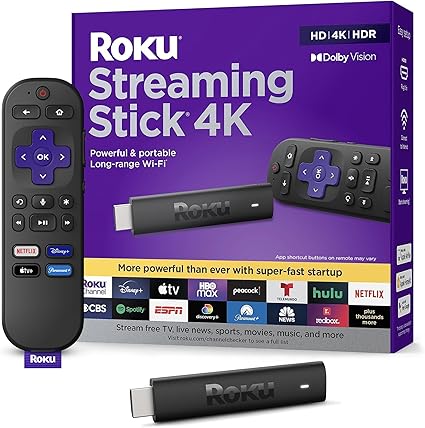
    Roku Streaming Stick 4K | Portable Roku Streaming Device 4K/HDR/Dolby Vision, Roku Voice Remote, Free & Live TV


    36 – Human Resources
    Human Resources professionals are transforming into strategic partners focused on talent development, cultural intelligence, and organizational agility. As the workplace becomes more global and digital, HR will leverage data analytics and AI to improve hiring, retention, and employee satisfaction.

    Josh Bersin, a leading HR expert, notes in Irresistible: The Seven Secrets of the World’s Most Enduring, Employee-Focused Organizations that “HR is no longer about compliance—it’s about experience.” HR roles will continue to evolve from administrative to transformational, shaping the workforce of the future.

    22-
    SAMSUNG T7 Portable SSD, 4TB External Solid State Drive, Speeds Up to 1,050MB/s, USB 3.2 Gen 2, Reliable Storage for Gaming, Students, Professionals, MU-PC4T0T/AM, Gray

    Conclusion

    The future of the job market isn’t some distant horizon—it’s unfolding right now. Those who fail to adapt will be rendered obsolete, but those who embrace change, cultivate resilience, and invest in continuous growth will find themselves not only surviving but thriving. The workplace of tomorrow belongs to the agile, the ethical, and the lifelong learner.

    The age of passive employment is over. What lies ahead demands proactive learning, global awareness, and a deep sense of purpose. As Alvin Toffler once said, “The illiterate of the 21st century will not be those who cannot read and write, but those who cannot learn, unlearn, and relearn.” Are you ready?

    The future of the job market isn’t simply a story of automation or technological disruption—it’s a testament to human adaptability and creative reinvention. While machines may take over routine tasks, new roles will emerge that demand critical thinking, empathy, innovation, and lifelong learning. The capacity to pivot, upskill, and remain intellectually agile will be the defining traits of success in the years ahead.

    As Alvin Toffler once said, “The illiterate of the 21st century will not be those who cannot read and write, but those who cannot learn, unlearn, and relearn.” Whether you’re entering the job market or preparing for a career transition, understanding these emerging roles is the first step in future-proofing your professional life. The road ahead is not just about keeping pace with change—it’s about leading it.

    23-
    SAMSUNG T5 EVO Portable SSD 4TB, USB 3.2 Gen 1 External Solid State Drive, Seq. Read Speeds Up to 460MB/s for Gaming and Content Creation, MU-PH4T0S/AM, Black

    Bibliography

    1. Prediction Machines: The Simple Economics of Artificial Intelligence by Ajay Agrawal, Joshua Gans, and Avi Goldfarb – A practical look at how AI is changing business decision-making.
    2. Irresistible: The Seven Secrets of the World’s Most Enduring, Employee-Focused Organizations by Josh Bersin – A comprehensive guide to future-ready workplace culture and employee engagement.
    3. Change by Design by Tim Brown – Explores how design thinking is reshaping innovation, business, and product development.
    4. The Brain That Changes Itself by Norman Doidge – A fascinating exploration of neuroplasticity, useful in understanding how we adapt and re-skill for the future.
    5. The Rise of the Creative Class by Richard Florida – Examines how creative professionals are shaping modern economies.
    6. The UltraMind Solution by Dr. Mark Hyman – Discusses the connection between physical health and mental performance.
    7. Inclusify: The Power of Uniqueness and Belonging to Build Innovative Teams by Stefanie K. Johnson – A critical read for understanding the role of diversity and inclusion in future workplaces.
    8. Designing Voice User Interfaces by Cathy Pearl – An essential resource for conversational AI designers and developers.
    9. To Sell Is Human by Daniel H. Pink – Offers insights into modern sales roles and the future of persuasion-based professions.
    10. Data Science for Business by Foster Provost and Tom Fawcett – A foundational guide to using data for intelligent business decisions.
    11. Trust: Building Strong Relationships in Business and Life by Nan S. Russell – Offers timeless insights on trust-building in the workplace and leadership.
    12. The Drone Economy by Phil Sachs – Discusses the emerging field of drone-based logistics and its economic impact.
    13. Future Shock by Alvin Toffler – A classic that forecasts how rapid change affects societies and careers.
    14. Naked Statistics: Stripping the Dread from the Data by Charles Wheelan – Makes data science and analytics accessible for non-experts.
    15. Human + Machine: Reimagining Work in the Age of AI by Paul R. Daugherty and H. James Wilson – A guide to navigating the human-AI collaboration in modern organizations.
    16. The Age of Surveillance Capitalism by Shoshana Zuboff – A powerful analysis of how personal data is shaping the modern economy.
    17. Public lectures, articles, and online courses by Andrew Ng – A leading voice in AI, offering practical advice on AI careers and learning.

    By Amjad Izhar
    Contact: amjad.izhar@gmail.com
    https://amjadizhar.blog

  • What Not to Do: 25 Résumé Mistakes That Annoy Recruiters

    What Not to Do: 25 Résumé Mistakes That Annoy Recruiters

    Your résumé is your first handshake with potential employers, and in the fast-paced hiring world, it needs to be firm and memorable. Despite countless resources available on crafting the perfect résumé, common missteps continue to derail job seekers’ chances. What’s more, recruiters don’t just skim résumés—they dissect them, looking for red flags that might signal a lack of attention to detail or professionalism. Avoiding these pitfalls is crucial in your quest for career success.

    01
    Rainbow Dreams: A Coloring Journey for Kids Paperback – October 11, 2025

    To make matters more challenging, many recruiters rely on applicant tracking systems (ATS) to screen résumés before they ever reach human eyes. A single formatting mistake or irrelevant addition can send your application straight to the digital discard pile. This makes it imperative to understand what recruiters want—and, just as importantly, what annoys them.

    Think of your résumé as your personal marketing brochure. Would you buy a product with an overly complicated, confusing description? Or one with too little information to inspire confidence? To help you stand out for the right reasons, we’ve compiled a list of 25 common résumé mistakes to avoid. Let’s start by diving into three of these major missteps.

    Keywords: Résumé mistakes, professional résumé tips, job application advice, ATS-friendly résumé, common résumé errors
    Hashtags: #RésuméTips #JobSearch #RecruiterAdvice #CareerSuccess

    01
    SpotMyUV UV Detection Stickers for Sunscreen with Patented Dermatrue SPF Sensing Technology, Know When to Reapply Sunscreen to Help Prevent Sunburn, 16 Count

    Making it too long

    Recruiters are pressed for time, and a résumé that resembles a novella is unlikely to make the cut. Condensing your work history, skills, and accomplishments into two pages—or one, if possible—forces you to prioritize what’s truly relevant. Use bullet points to highlight achievements, quantifying results wherever possible. For example, instead of saying you “led a team,” explain how you “led a team of 10 to increase sales by 20% over six months.” Details like this are concise but impactful.

    Additionally, a bloated résumé can signal poor judgment. By including extraneous details, you risk burying the most critical aspects of your candidacy. Remember, less is often more when you’re aiming to catch and keep a recruiter’s attention. Pare it down, stick to the essentials, and let the quality of your experience shine.

    Keywords: concise résumé, résumé formatting tips, quantifying achievements, recruiter preferences
    Hashtags: #ConciseRésumé #CareerGrowth #HiringSuccess

    02
    Luxury Gold Plated Elegant Textured Alloy Design with Irregular Pearl Earrings For Women,3D & Movable,Nice Gift Box Included,14k Gold Plated Melting Rock Alloy Stainless steel Stud Earrings for Women

    2- Making it too short

    On the flip side, being overly brief can leave recruiters guessing—and not in a good way. A sparse résumé might suggest a lack of experience or effort, neither of which reflects well on your candidacy. Instead of focusing solely on fitting everything onto one page, think strategically about what must be included. Detail major responsibilities and accomplishments for each role, ensuring they align with the job you’re applying for.

    For instance, if a particular achievement aligns directly with the job description, don’t cut it out to save space. A well-written two-page résumé that’s rich in relevant content will always outperform a one-pager that feels incomplete. The goal isn’t to fill up the page but to provide enough depth to paint a compelling picture of your qualifications.

    Keywords: comprehensive résumé, résumé depth, job application success, résumé essentials
    Hashtags: #RésuméStrategy #ProfessionalRésumé #CareerDevelopment

    03
    Locket Necklace Holds Pictures Alphabet Initial Letter Love Heart Lockets Photo Memory Locket Necklaces Birthday Gifts

    3- Picking the wrong design

    Your résumé’s design should complement its content and align with industry expectations. Creative roles might benefit from a visually striking layout, showcasing design skills and a flair for originality. However, in industries like law, medicine, or finance, such designs might come off as unprofessional. Stick to clean, easy-to-read formats in these cases, and focus on clarity over creativity.

    Another common misstep is choosing fonts or colors that make the résumé hard to read. Recruiters won’t struggle to decipher your application when there are dozens of others in the pile. Test your résumé’s readability by viewing it on different devices and printing it out. Whether it’s a bold design for a creative field or a minimalist look for corporate roles, always tailor your layout to the job.

    Keywords: résumé design tips, industry-specific résumé, professional résumé layout, readability in résumés
    Hashtags: #ProfessionalDesign #RésuméTips #JobApplication

    04
    Compatible with Aolon Curve Smart Watch Band, 22mm Women, Soft Silicone Glitter Clear Sport Strap Compatible with Aolon Curve 2.01″ Inches Smart Watch

    Conclusion

    The key to crafting a standout résumé lies in balance. Keep it succinct without sacrificing critical details, and let the design reflect both your industry and professionalism. By avoiding extremes—whether too long, too short, or visually mismatched—you can create a résumé that grabs attention for all the right reasons.

    Remember, a résumé is more than just a summary of your work experience; it’s a marketing tool that sells your unique value. Fine-tuning these elements not only avoids recruiter annoyances but also elevates your chances of landing that interview.

    Keywords: résumé balance, standout résumé tips, recruiter-approved résumé, résumé best practices
    Hashtags: #RésuméSuccess #CareerTips #ProfessionalRésumé

    05
    White Gold Plated White & Pink Cubic Zirconia Dangle Earrings for Women Daily Evening Parties Wear Lightweight Jewelry Earring Gift for Her

    4- Strange font choices

    The font you select for your résumé sends subtle messages about your professionalism. Unusual or elaborate fonts may seem creative, but they can make your résumé appear unprofessional and harder to read. Recruiters favor clean, legible options such as Arial, Times New Roman, or Calibri because they ensure clarity and are easy on the eyes. Research from Wichita State University highlights that fonts like Times New Roman project stability, while Georgia communicates maturity. These associations can subtly influence how a recruiter perceives your application.

    To avoid font-related pitfalls, keep your font size between 10 and 12 points and ensure consistency throughout the document. Steer clear of decorative fonts like Comic Sans or overly stylized scripts, which can detract from the content. Remember, the goal of your font choice is not to stand out, but to allow your qualifications to shine.

    Keywords: professional résumé fonts, clean font choices, legible résumé design, recruiter-preferred fonts
    Hashtags: #FontMatters #ProfessionalRésumé #JobSearchTips

    06
    Gold Plated White Cubic Zirconia Leaf-Shaped Hoop Earrings for Women Wedding Bridal Daily Evening Parties Wear Lightweight Jewelry Earring Gift for Her

    5- Bad formatting

    Poor formatting can make even the most impressive résumé unreadable. Long, unbroken blocks of text are overwhelming and signal a lack of organization. Instead, use formatting techniques that enhance readability: break up content into sections with clear headings, add bullet points for key achievements, and maintain consistent margins and spacing. For instance, instead of listing all job responsibilities in a single paragraph, use bullets to spotlight specific accomplishments.

    Spacing is equally important. Overcrowded résumés can look chaotic, while excessive whitespace can appear incomplete. Strive for balance—enough spacing to guide the recruiter’s eye but not so much that your résumé feels empty. A well-organized résumé demonstrates attention to detail, a skill recruiters value highly.

    Keywords: résumé formatting tips, visually appealing résumé, organized résumé layout, easy-to-read résumés
    Hashtags: #RésuméFormatting #AttentionToDetail #JobApplicationTips

    07
    White Gold Plated Cubic Zirconia Flower Shape Pearl Stud Earrings for Women Wedding Bridal Daily Evening Parties Wear Lightweight Jewelry Earring Gift for Her

    6- Bad use of color

    Using color strategically in your résumé can help it stand out—if done appropriately. Subtle hues in headings or section dividers can make the document visually appealing without distracting from the content. However, loud or clashing colors can appear unprofessional, while light shades like yellow or neon green can be difficult to read. For traditional industries, such as law or finance, sticking to a black-and-white palette is often the safest choice.

    If you’re applying for a position in a creative field, such as graphic design, a restrained pop of color can highlight your design sense. The key is moderation. Overusing color or relying on garish tones can detract from your qualifications and frustrate recruiters. Aim for elegance and functionality in every design decision.

    Keywords: résumé color tips, professional use of color, creative résumé design, recruiter-approved colors
    Hashtags: #ColorInRésumé #ProfessionalDesign #JobSearch

    08
    Car Charger Adapter, 5 Port QC3.0 Fast Charging Car Cigarette Lighter USB Charger, Compatible with iPhone, Android, Samsung, iPad Pro, and More (Black)

    Conclusion

    Your résumé’s design choices—font, formatting, and color—play a significant role in shaping a recruiter’s first impression. Clean fonts, organized layouts, and subtle use of color convey professionalism and attention to detail. Avoid anything that makes your résumé harder to read or less appealing visually.

    Ultimately, the goal is to create a résumé that is as polished and professional as your qualifications. By aligning your design with industry norms and keeping functionality in mind, you ensure your résumé will work for you, not against you.

    Keywords: résumé design tips, recruiter preferences, professional résumé presentation, impactful résumé design
    Hashtags: #ProfessionalRésumé #RésuméDesign #RecruiterTips

    09
    Womens 2 Piece Swimsuit Suit Highs Waisted Trigonometry Tie Side Bathing Suits for Women XS-L HYB523C

    7- Errors and typos

    Nothing sinks a résumé faster than errors and typos. These seemingly minor mistakes send a clear message to recruiters: you didn’t care enough to proofread. In a competitive job market, such oversights can cost you an opportunity, no matter how impressive your qualifications are. Always take the time to meticulously review your résumé for spelling, grammar, and formatting mistakes. Free tools like Grammarly can catch many errors, but don’t rely solely on technology—human eyes often catch nuances that software misses.

    For added assurance, consider asking a trusted friend or mentor to review your résumé. A fresh perspective can help identify errors or inconsistencies you might have overlooked. Remember, attention to detail is a skill that employers value highly, and your résumé is the first test of that competency.

    Keywords: résumé proofreading, common résumé mistakes, error-free résumé, proofreading tools for résumés
    Hashtags: #ProofreadYourRésumé #AttentionToDetail #JobSearchTips

    10
    2 PCS Universal Adjustable SpannerMulti-functional Double-ended Auto Adjust Quick Tool for Home Repair and Mechanic Work,Silvery

    8- Not including a personal profile

    A personal profile is your chance to make an immediate impact. Positioned at the top of your résumé, it provides a succinct snapshot of your skills, experience, and career objectives. This section allows you to tailor your application to the specific role, making it clear to recruiters why you’re the ideal candidate. A well-crafted personal profile doesn’t just summarize—it sets the tone for the entire résumé and draws the recruiter in.

    Think of this as your elevator pitch. Highlight your unique strengths and career achievements in a way that aligns with the job description. Avoid being overly generic; instead, be specific about your goals and how your background equips you to excel in the role. A strong personal profile can transform a standard résumé into a compelling narrative.

    Keywords: personal profile tips, résumé introduction, tailored résumé content, standout résumé summary
    Hashtags: #RésuméProfile #CareerSuccess #ProfessionalRésumé

    1-
    Gear up for Labor Day Weekend with Kyle Richards

    9- Including a generic personal profile

    While including a personal profile is essential, making it generic can undo its benefits. Overused phrases like “results-driven” or “self-motivated” add little value because they lack specificity. Recruiters see these clichés so often that they’ve become meaningless. Instead, focus on what sets you apart by providing concrete examples of your skills and achievements. For example, rather than saying you’re “detail-oriented,” you could mention a project where your meticulous planning saved time or improved results.

    Your personal profile should also reflect the role you’re targeting. Customize it for each job application, ensuring it demonstrates how your background and goals align with the employer’s needs. This targeted approach shows that you’ve done your homework and are genuinely interested in the position.

    Keywords: unique résumé profile, avoiding résumé clichés, customized résumé summary, specific résumé examples
    Hashtags: #StandOutRésumé #TailoredRésumé #JobApplicationTips

    2-
    Shop the latest deals

    Conclusion

    The content of your résumé is just as critical as its design. Errors and typos can derail your application, while a lack of or poorly written personal profile may fail to engage recruiters. By focusing on precision, personalization, and authenticity, you ensure your résumé presents a polished and compelling case for your candidacy.

    Think of your résumé as a narrative of your professional journey. Every word should reflect your dedication, skills, and unique value. Avoiding these pitfalls not only strengthens your résumé but also builds a strong foundation for landing your dream job.

    Keywords: polished résumé, recruiter engagement, résumé personalization, authentic résumé content
    Hashtags: #RésuméTips #ProfessionalRésumé #CareerAdvancement

    3-
    Get Ready for My Summer Skincare Routine w Vanessa Simmons

    10- Writing in the third person

    Writing your résumé in the third person may seem like a clever way to stand out, but it often backfires. Résumés are inherently personal documents; they represent your professional story and achievements. Writing in the third person creates an unnecessary distance between you and the recruiter, making it harder for them to connect with your application. It may even come across as overly formal or, worse, egotistical—a tone that can alienate potential employers.

    Instead, use the first person without personal pronouns. For example, write “Managed a team of 10 to deliver a project ahead of schedule” instead of “I managed a team of 10.” This style keeps the focus on your accomplishments while maintaining a professional tone. Remember, recruiters want to see confidence, not arrogance, in your résumé’s language.

    Keywords: résumé tone, first-person writing, résumé personalization, professional résumé language
    Hashtags: #RésuméTips #ProfessionalWriting #JobSearchTips

    4-
    Easy Outfit Tricks and Ideas

    11- Poor choice of language

    Your choice of words is as important as the content of your résumé. Negative language, vague phrases, or informal expressions can undermine your professional image. Instead of saying “responsible for,” use action verbs like “led,” “implemented,” or “achieved.” Action-oriented language makes your résumé dynamic and positions you as a proactive candidate.

    At the same time, avoid overcomplicating your language. Simplicity is key—write in a way that recruiters can quickly grasp your qualifications. Avoid slang or jargon that may not resonate across industries, and focus on clear, precise descriptions of your accomplishments. A well-written résumé reflects strong communication skills, which are crucial in almost any role.

    Keywords: action verbs for résumés, clear résumé language, professional communication, recruiter-friendly language
    Hashtags: #ActionVerbs #ClearCommunication #JobApplication

    5-
    Back to School Backpack Essentials

    12- Outdated information

    Including outdated information on your résumé can signal a lack of attention to detail or a lack of initiative to keep your application current. Always ensure your work history, skills, and contact details are up to date. For example, leaving an old phone number or email address could result in missed opportunities if a recruiter can’t reach you.

    Additionally, remove irrelevant details, such as jobs from decades ago or obsolete skills like proficiency in outdated software. Highlight recent achievements and experiences that align with the role you’re applying for. A modern, tailored résumé shows that you’re forward-thinking and attuned to the demands of today’s job market.

    Keywords: updated résumé tips, relevant résumé content, modern résumé formatting, recruiter engagement
    Hashtags: #UpdatedRésumé #StayRelevant #CareerTips

    6-
    Mama’s Still Got It with Lala Kent Featuring Michelle Lally

    Conclusion

    Your résumé’s tone, language, and content must reflect professionalism and attention to detail. Writing in the third person or using overly casual language can alienate recruiters, while outdated information can make you seem inattentive or out of touch. Precision and relevance are essential in crafting a résumé that resonates with hiring managers.

    Think of your résumé as a conversation starter—it should be engaging, accurate, and professional. By avoiding these missteps, you ensure that your résumé communicates your qualifications effectively and leaves a lasting impression on recruiters.

    Keywords: professional résumé tone, accurate résumé content, résumé relevance, engaging résumés
    Hashtags: #ProfessionalRésumé #JobSearchSuccess #CareerAdvancement

    7-
    Shop the latest deals

    13- Not tailoring for each position

    Submitting the same résumé for every job application is a missed opportunity to showcase your fit for the specific role. A one-size-fits-all approach may save time, but it reduces your chances of standing out among other candidates. Recruiters often use applicant tracking systems (ATS) to scan résumés for job-specific keywords. If your résumé doesn’t align with the job description, it may not even make it to a human reviewer. According to a CareerBuilder survey, 63% of recruiters value tailored applications, underscoring the importance of customization.

    Tailoring your résumé involves more than adding keywords. Highlight the most relevant experiences and skills for each job, and consider reorganizing your achievements to emphasize what aligns with the employer’s priorities. By showing that you’ve taken the time to understand the role, you demonstrate genuine interest and effort—qualities that recruiters appreciate.

    Keywords: tailored résumés, customized job applications, ATS-friendly résumés, relevant résumé content
    Hashtags: #TailoredRésumé #JobSearchStrategy #StandOutCandidate

    8-
    Work From Home Office Essentials

    14- Telling lies

    Lying on your résumé may seem like a shortcut to make you look more qualified, but it’s a gamble with serious consequences. A CareerBuilder study revealed that 75% of recruiters have caught candidates falsifying details, from inflated qualifications to altered employment dates. Even if a lie helps you secure an interview, the truth often emerges during reference checks or on the job, potentially leading to embarrassment or termination.

    Integrity matters. Instead of fabricating achievements, focus on presenting your actual accomplishments and demonstrating a willingness to learn. Honesty builds trust, and employers are more likely to appreciate candidates who are upfront about their experiences and eager to grow. A truthful résumé protects your reputation and sets a strong foundation for professional success.

    Keywords: résumé honesty, avoiding résumé lies, professional integrity, truthful job applications
    Hashtags: #IntegrityMatters #BeHonest #JobSearchEthics

    9-
    BAGSMART Carry On Luggage 22x14x9 Airline Approved with TSA Lock,20 Inch Lightweight Luggage with Spinner Wheels,100% PC Hard Shell Carry On Suitcases for Men Women,Off White

    15- Exaggerating your skills

    Overstating your abilities may seem like a harmless way to stand out, but it can harm your chances of landing a job. Hyperbolic claims, such as labeling yourself the “top expert” in a field, can come across as boastful and unprofessional. More importantly, if asked to demonstrate these exaggerated skills during an interview or on the job, you risk being exposed. Recruiters value authenticity over embellishment.

    To showcase your skills effectively, use quantifiable achievements and concrete examples. Instead of saying, “I’m the best at sales,” highlight measurable accomplishments like “Exceeded quarterly sales targets by 30% consistently over two years.” Specific, verifiable claims build credibility and demonstrate your value without overstating your abilities.

    Keywords: honest résumé skills, avoiding résumé exaggeration, showcasing achievements, measurable job accomplishments
    Hashtags: #AuthenticRésumé #ShowResults #JobSearchTips

    10-
    Best Amazon Daily Deals

    Conclusion

    Tailoring your résumé, being truthful, and avoiding exaggerated claims are non-negotiable elements of a professional job application. Recruiters value authenticity and effort, and they can easily spot inconsistencies or generic applications. By customizing your résumé and presenting an honest account of your qualifications and skills, you show respect for the role and increase your chances of moving forward in the hiring process.

    A résumé is more than a list of credentials—it’s a reflection of your character and work ethic. By avoiding these pitfalls, you not only strengthen your application but also build a reputation as a reliable and conscientious professional.

    Keywords: tailored job applications, authentic résumés, recruiter preferences, professional job applications
    Hashtags: #RésuméTips #CareerSuccess #JobSearchStrategies

    11-
    Keurig K-Mini Single Serve Coffee Maker, Black

    16- Not mentioning specific results

    A résumé that lacks specific results can come across as vague and unconvincing. Employers want to know not only what you did but also the impact of your actions. Quantifiable achievements provide concrete evidence of your abilities and potential value to the organization. For instance, instead of writing, “Managed a sales team,” you could say, “Managed a sales team that increased quarterly revenue by 25% through targeted strategies.” Numbers and measurable results demonstrate your effectiveness and help recruiters visualize your contributions.

    When crafting your résumé, think about metrics like return on investment (ROI), process improvements, or team performance. Did you save your company money? Expand a client base? Win any awards? These specifics distinguish you from other candidates and make your résumé memorable. Employers prioritize results-oriented candidates, so let your accomplishments speak volumes.

    Keywords: specific résumé results, quantifiable achievements, measurable résumé metrics, showcasing success
    Hashtags: #QuantifyYourSuccess #ResultsMatter #CareerTips

    12-
    Coolife Expandable Suitcase Luggage set PC ABS TSA Lock Spinner Carry on 3 Piece Sets (blue)

    17- Including the wrong interests/hobbies

    The hobbies section of your résumé is an opportunity to showcase your personality and stand out, but it’s easy to make missteps here. Generic or overly common interests like “reading” or “watching movies” do little to impress recruiters. Worse, controversial hobbies or activities that might alienate potential employers can work against you. To make this section impactful, highlight hobbies that are unique, relevant, or that demonstrate desirable traits like teamwork, leadership, or creativity.

    For instance, volunteering for a local organization shows community involvement, while competitive sports indicate discipline and teamwork. Unusual hobbies, such as rock climbing or playing in a jazz band, can make you memorable and spark a connection with a recruiter who shares your interest. Use this section to humanize your résumé and show you’re a well-rounded individual.

    Keywords: résumé hobbies, unique interests, professional résumé details, showcasing personality
    Hashtags: #WellRoundedCandidate #ProfessionalRésumé #ShowYourPersonality

    13-
    Amazon Fire HD 10 tablet, built for relaxation, 10.1″ vibrant Full HD screen, octa-core processor, 3 GB RAM, latest model (2023 release), 32 GB, Black

    18- Not filling in gaps

    Unexplained gaps in your résumé are a red flag for recruiters. They may interpret these as signs of unreliability or a lack of commitment. Instead of leaving them blank, proactively address gaps with honest and constructive explanations. Whether you took time off for personal development, travel, or caregiving, framing these periods as opportunities for growth can shift the narrative in your favor.

    For example, if you took a gap year, mention how it enhanced your cultural awareness or problem-solving skills. If you were on maternity leave, highlight how the experience honed your time management abilities. Providing context not only mitigates concerns but also shows self-awareness and a willingness to be transparent—qualities employers respect.

    Keywords: résumé gaps, explaining career breaks, addressing employment gaps, résumé transparency
    Hashtags: #AddressGaps #RésuméHonesty #CareerGrowth

    14-
    Keurig K-Mini Single Serve Coffee Maker, Studio Gray, 6 to 12 oz. Brew Sizes

    Conclusion

    The final touches on your résumé—specific achievements, thoughtful interests, and clear explanations of gaps—can elevate it from generic to standout. Details matter, and the way you present them reflects your professionalism and attention to detail. Employers want to see not just a summary of your history but also a demonstration of your character and potential.

    By focusing on measurable results, aligning your interests with the role, and being upfront about career gaps, you create a résumé that’s both comprehensive and compelling. These elements help bridge the gap between you and your dream job, giving recruiters confidence in your application.

    Keywords: standout résumé tips, employer expectations, comprehensive résumé, professional job applications
    Hashtags: #RésuméSuccess #JobSearchStrategies #ProfessionalRésumé

    15-
    Waterpik Aquarius Water Flosser Professional For Teeth, Gums, Braces, Dental Care, Electric Power With 10 Settings, 7 Tips For Multiple Users And Needs, ADA Accepted, White WP-660, Packaging May Vary

    19- Leaving off helpful information

    A résumé that omits relevant but seemingly minor details may inadvertently undersell your potential. Many candidates assume that including part-time jobs or volunteer work from their early career isn’t worthwhile. However, these experiences often develop soft skills, such as teamwork, communication, and adaptability—qualities that recruiters value highly. According to a Wonderlic survey, 93% of employers prioritize soft skills as “essential” or “very important.”

    When deciding what to include, think broadly about how each experience might contribute to the role you’re applying for. For example, a retail job during university might demonstrate problem-solving under pressure, while volunteering could reflect leadership and initiative. Omitting such details risks leaving your résumé feeling incomplete or one-dimensional.

    Keywords: soft skills résumé, relevant work experience, comprehensive résumé details, résumé essentials
    Hashtags: #SoftSkillsMatter #RésuméTips #CareerGrowth

    16-
    Amazon Brand – Solimo Coffee Pods, Assorted pack (French, Dark, Colombian), Compatible with Keurig 2.0 K-Cup Brewers, 100 Count

    20- Making it too technical

    Using excessive jargon or overly technical language in your résumé can alienate recruiters who aren’t familiar with your industry. Often, the first review of applications is handled by HR personnel or hiring managers who may not have in-depth knowledge of your field. To ensure clarity, simplify technical terms and provide brief explanations where necessary. For example, instead of stating, “Implemented agile methodologies,” you could say, “Introduced efficient project management processes using agile principles.”

    Additionally, provide context for company names or projects when they aren’t universally recognized. Explaining the significance of a role or organization enhances its impact on your résumé. By avoiding an overly technical tone, you make your achievements more relatable and accessible to a wider audience.

    Keywords: clear résumé language, avoiding technical jargon, accessible résumé writing, effective communication in résumés
    Hashtags: #ClearCommunication #AccessibleRésumé #CareerAdvice

    17-
    CREATMO US Men’s Faux Leather Jacket Motorcycle Jacket Waterproof Windproof PU Moto Vintage Bomber Hoodie with Removable Hood

    21- Including a headshot

    In the U.S., including a headshot on your résumé can work against you rather than in your favor. While standard practice in some countries, in the U.S., 80% of recruiters reject résumés with photos, according to Graduate Land. This stems from concerns about potential bias, as well as the perception that a photo detracts from a focus on qualifications and achievements. Unless you’re in industries like acting or modeling where appearances are integral, avoid including a headshot.

    Instead of a photo, let your skills, experiences, and achievements paint a picture of who you are. A clean, professional design and strong content create the impression of a capable candidate far better than a photograph ever could. Recruiters are far more interested in your qualifications than your appearance.

    Keywords: résumé headshot guidelines, U.S. résumé standards, professional résumé advice, avoiding résumé photos
    Hashtags: #ProfessionalRésumé #NoPhotos #JobSearchTips

    18-
    Ninja Air Fryer Pro 4-in-1 with 5 QT Capacity, Air Fry, Roast, Reheat, Dehydrate, Air Crisp Technology with 400F for hot, crispy results in just minutes, Nonstick Basket & Crisper Plate, Grey, AF141

    Conclusion

    Including helpful details, avoiding overly technical language, and leaving off unnecessary elements like headshots are critical to creating a résumé that resonates with recruiters. Thoughtful inclusion of soft skills and early career experiences adds depth, while clear language ensures accessibility. By focusing on content that demonstrates your value, you enhance the clarity and professionalism of your application.

    A résumé is your chance to make a strong impression, so every element should serve a purpose. When you prioritize relevant information and align with regional norms, you create a document that reflects your potential and avoids common missteps.

    Keywords: professional résumé tips, enhancing résumé impact, avoiding résumé mistakes, recruiter-friendly résumés
    Hashtags: #RésuméSuccess #CareerTips #JobApplication

    19-
    Oral-B iO Deep Clean Rechargeable Electric Powered Toothbrush, Black with iO Series 3 Limited, 2 Brush Heads and Travel Case – Pressure Sensor to Protect Gums – 3 Cleaning Settings – 2 Minute Timer

    22- Using an unprofessional email address

    Your email address is often the first point of contact between you and a potential employer, making it an important detail to get right. A quirky or informal email address like “partyking2020@…” or “catsforever@…” sends the wrong message about your professionalism. Instead, opt for a simple, straightforward format using your first and last name. An email address like “john.doe@…” or “jane_smith@…” reflects a polished and serious candidate.

    Additionally, using a professional email domain, such as Gmail, adds credibility to your contact information. Avoid using outdated domains or those tied to internet providers, as they can appear less modern. A professional email address demonstrates attention to detail and an understanding of workplace norms—qualities recruiters value.

    Keywords: professional email address, résumé email tips, workplace professionalism, modern résumé standards
    Hashtags: #ProfessionalImage #CareerTips #RésuméSuccess

    20-
    Washing Machine Cleaner Descaler 24 Pack – Deep Cleaning Tablets For HE Front Loader & Top Load Washer, Septic Safe Eco-Friendly Deodorizer, Clean Inside Drum and Laundry Tub Seal – 12 Month Supply

    23- Poor choice of file name

    Your résumé file name may seem trivial, but it’s another chance to show attention to detail. When recruiters see attachments like “resume_first_draft.docx” or “john_resume_template.pdf,” it suggests a lack of effort and polish. A professional file name like “John_Doe_Resume.pdf” immediately conveys organization and care.

    Be mindful of file extensions and formatting as well. PDFs are typically preferred because they retain formatting across devices and look cleaner than Word documents. These small touches reinforce the impression that you’re a thoughtful and well-prepared candidate. They also ensure your résumé stands out in the recruiter’s inbox for the right reasons.

    Keywords: résumé file name, professional résumé attachments, recruiter-friendly résumé tips, polished job applications
    Hashtags: #RésuméTips #ProfessionalFileNames #CareerAdvice

    21-
    Roku Streaming Stick 4K | Portable Roku Streaming Device 4K/HDR/Dolby Vision, Roku Voice Remote, Free & Live TV

    24- Not being cautious with social media

    In today’s digital age, your online presence is an extension of your résumé. If you choose to include social media links, such as LinkedIn or a professional portfolio, ensure they reflect your best self. Recruiters might browse your profiles even if you don’t share them, so take time to review all public content. Inappropriate posts, offensive comments, or unprofessional photos can raise red flags and harm your chances of securing an interview.

    Consider performing a social media audit, deleting or hiding anything that might give the wrong impression. If necessary, adjust your privacy settings to control what potential employers can see. A clean, professional online presence can boost your credibility and demonstrate that you’re a responsible and mature candidate.

    Keywords: professional social media presence, social media audit, LinkedIn for job seekers, online reputation management
    Hashtags: #ProfessionalImage #SocialMediaTips #JobSearchStrategies

    22-
    SAMSUNG T7 Portable SSD, 4TB External Solid State Drive, Speeds Up to 1,050MB/s, USB 3.2 Gen 2, Reliable Storage for Gaming, Students, Professionals, MU-PC4T0T/AM, Gray

    Conclusion

    Paying attention to details like email addresses, file names, and social media presence can make or break your application. Each of these elements sends a subtle message about your professionalism, organization, and readiness for the workplace. Neglecting these seemingly minor details can lead to missed opportunities.

    Taking the time to refine your résumé’s associated components ensures a cohesive and polished presentation. When recruiters see that every aspect of your application reflects care and professionalism, you position yourself as a top candidate.

    Keywords: résumé details, application refinement, professional résumé presentation, successful job applications
    Hashtags: #RésuméSuccess #AttentionToDetail #JobSearchTips

    23-
    SAMSUNG T5 EVO Portable SSD 4TB, USB 3.2 Gen 1 External Solid State Drive, Seq. Read Speeds Up to 460MB/s for Gaming and Content Creation, MU-PH4T0S/AM, Black

    25- Not sending a cover letter

    Neglecting to include a cover letter with your résumé can be a costly oversight. A Careerbuilder survey revealed that 45% of recruiters will disregard an application without one. While your résumé highlights your qualifications and achievements, a cover letter provides the opportunity to elaborate on how your skills align with the specific role. It’s also a chance to demonstrate your enthusiasm and personality, which can make a powerful impression on potential employers.

    A well-crafted cover letter should complement your résumé, not duplicate it. Use it to tell a compelling story about your career journey, explain employment gaps, or highlight experiences that directly relate to the position. By addressing the company and role directly, you show initiative and a genuine interest in the opportunity. Skipping this step risks appearing indifferent or unprepared—qualities no recruiter wants in a candidate.

    Keywords: cover letter importance, personalized job applications, standout job applications, professional cover letter tips
    Hashtags: #CoverLetterTips #JobSearchSuccess #CareerAdvice

    24-
    SAMSUNG T7 Portable SSD, 2TB External Solid State Drive, Speeds Up to 1,050MB/s, USB 3.2 Gen 2, Reliable Storage for Gaming, Students, Professionals, MU-PC2T0T/AM, Gray

    Conclusion

    Including a well-written cover letter alongside your résumé is essential for a complete and professional job application. This extra step not only showcases your interest and enthusiasm but also allows you to communicate in ways a résumé cannot. Tailoring your cover letter for each position demonstrates your commitment and effort, qualities that resonate strongly with recruiters.

    In a competitive job market, small details make a big difference. By ensuring your cover letter and résumé work together seamlessly, you increase your chances of standing out and securing your dream job.

    Keywords: job application tips, importance of cover letters, professional job application strategies, recruiter preferences
    Hashtags: #JobApplicationTips #ProfessionalismMatters #StandOut

    25-
    All-new Amazon Echo Spot (2024 release), Smart alarm clock with vibrant sound + Alexa, Black

    Books:

    1. “Recruited: How to Land a Job in 90 Days or Less” by Tony Beshara
      This book offers actionable advice for job seekers, including strategies for crafting compelling résumés and cover letters. It emphasizes the importance of detail and how to stand out in a competitive job market.
    2. “Cover Letter Magic, 4th Ed: Trade Secrets of Professional Resume Writers” by Wendy S. Enelow & Louise M. Kursmark
      A comprehensive guide to writing effective cover letters, with examples and tips on how to tailor your letter to specific job applications.
    3. “The Resume Writing Guide: A Step-by-Step Workbook for Creating a Winning Resume” by Lisa McGrimmon
      This book walks readers through the process of writing a powerful résumé, covering everything from design to content, and explains how to avoid common mistakes.
    4. “Recruited: How to Get Your Resume Past the Automated Screening Process” by Ben Walker
      A resource for job seekers to understand the role of applicant tracking systems (ATS) and how to write résumés that can get past digital screening tools and into human hands.

    Articles:

    1. “Why a Good Résumé Is So Important to Your Job Search” by The Balance Careers
      This article discusses how recruiters evaluate résumés and why certain mistakes can lead to rejection. It also includes tips for making your résumé stand out.
    2. “Common Resume Mistakes and How to Avoid Them” by Forbes
      A detailed article outlining the most frequent résumé errors and offering advice on how to avoid them in order to impress hiring managers.
    3. “What Recruiters Really Want to See in a Résumé” by Glassdoor
      An in-depth look at the key elements recruiters look for in résumés, including formatting, content, and the importance of tailoring applications.

    Websites:

    1. CareerBuilder
      CareerBuilder provides multiple resources, including surveys and studies on recruitment trends, tips for résumé writing, and insights into what recruiters are looking for. (www.careerbuilder.com)
    2. Indeed Career Guide
      Indeed’s guide covers all aspects of résumé writing, from formatting to showcasing achievements and avoiding common mistakes. The site also offers sample résumés and cover letters. (www.indeed.com)
    3. The Muse
      The Muse offers expert advice and practical tips on résumé building, job applications, and interviewing, often including advice from HR professionals and hiring managers. (www.themuse.com)

    Studies:

    1. Ladders Inc. Eye Tracking Study
      A study by Ladders Inc. that found recruiters spend only seven seconds scanning a résumé, emphasizing the importance of creating a clear, concise, and impactful document. (www.ladders.com)
    2. Wichita State University Study on Résumé Fonts
      A study that explored how certain fonts on résumés were perceived by recruiters, shedding light on how typography affects a résumé’s readability and overall impression.

    Journals:

    1. Journal of Applied Psychology
    • This journal often features articles related to human resources practices, including research on résumés, cover letters, and recruitment processes.
    1. Journal of Business and Psychology
    • This journal covers research on professional behaviors, including resume writing strategies and how they affect job search success.

    These sources offer a range of insights into the art of résumé writing and the expectations of hiring professionals. For a deeper understanding, reading these books and articles will provide valuable knowledge on how to create an effective résumé and avoid the most common mistakes.

    By Amjad Izhar
    Contact: amjad.izhar@gmail.com
    https://amjadizhar.blog

  • How To Become A Virtual Assistant With No Experience

    How To Become A Virtual Assistant With No Experience

    In an increasingly digital world, the demand for virtual assistants has skyrocketed—and it’s showing no signs of slowing down. More and more companies are outsourcing administrative and specialized tasks to remote professionals, creating a golden opportunity for newcomers with the right mindset. You don’t need years of experience or a corporate background to get started—just a strategic approach and a willingness to learn.

    The beauty of becoming a virtual assistant lies in the flexibility it offers: whether you’re a stay-at-home parent, a recent graduate, or someone seeking a career change, this field offers low barriers to entry and a high ceiling for growth. According to The 4-Hour Workweek by Timothy Ferriss, outsourcing and automation are not only trends but essential tools in building a lean and efficient career. The same logic applies to those providing the services.

    With access to countless online resources, mentorship opportunities, and client-hunting platforms, aspiring virtual assistants can begin their journey almost immediately. As management consultant Peter Drucker once said, “The best way to predict the future is to create it.” Let this guide be your blueprint for stepping confidently into the world of virtual assistance—even without prior experience.


    1- Virtual assistants are in hot demand

    The global market has shifted drastically in favor of remote work, and virtual assistants (VAs) have become indispensable to businesses of all sizes. From solopreneurs to large corporations, the need for administrative, technical, and creative support has opened doors for VAs around the world. In fact, a report by Statista predicts that the freelance economy—including virtual assistance—will only grow more prominent in the coming years.

    As businesses cut overhead and move operations online, they seek flexible, cost-effective help. Virtual assistants meet that need perfectly, offering scalable services without the commitment of full-time employment. This shift presents a ripe opportunity for newcomers to enter the field with confidence, backed by the booming demand.


    2- Market relevant experience differently

    You don’t need direct experience as a virtual assistant to prove your value. Skills from unrelated fields—like customer service, teaching, writing, or event planning—can translate beautifully into VA work. The key is to market your transferable skills creatively and position them as assets. As Seth Godin writes in Linchpin, “If you have a toolbox full of useful skills, you’re indispensable.”

    Tailor your resume and online profiles to highlight experiences that reflect time management, communication, and tech-savviness. Frame past roles as proof of your ability to manage tasks, meet deadlines, and solve problems independently. This reframing approach helps you stand out in a crowded marketplace, even without formal VA experience.


    3- Take an online course to learn how to become a virtual assistant

    Enrolling in a well-reviewed virtual assistant course can provide foundational knowledge and fast-track your entry into the profession. These courses often cover essential topics like email management, calendar scheduling, invoicing, and client communication—skills you’ll need from day one. Look for programs that also offer templates, tools, and community support.

    Online platforms like Udemy, Coursera, and Skillshare offer affordable options, while more specialized programs like Fully Booked VA or The SavvySystem cater directly to aspiring VAs. According to educational theorist Malcolm Knowles, “Adult learning thrives on relevance”—so choose a course that teaches real-world applications, not just theory.


    4- Work under a successful VA

    One of the smartest ways to learn the ropes is by working as a subcontractor for an experienced virtual assistant. It’s a form of apprenticeship that allows you to gain hands-on experience without taking on the full responsibility of running your own VA business. You’ll learn how to manage clients, handle unexpected problems, and use industry-standard tools.

    This mentorship model accelerates your learning curve and builds your credibility. Think of it as being paid to learn. Many successful VAs started this way, gradually building a portfolio that helped them transition to independent work. It also opens the door to networking and referrals, which are invaluable in the gig economy.


    5- What is a virtual assistant?

    A virtual assistant is a remote professional who provides support services to businesses, entrepreneurs, or busy individuals. These services can be administrative, technical, or creative in nature, and are typically performed online. Unlike traditional assistants, VAs are usually freelancers who work with multiple clients.

    Their flexibility and affordability make them an attractive alternative to hiring full-time staff. VAs use tools like Zoom, Slack, Asana, and Trello to stay connected and organized. As remote work becomes the new normal, the VA role continues to expand beyond clerical tasks into high-level support and project management.


    6- What kinds of tasks do virtual assistants do?

    Virtual assistants handle a wide array of tasks, depending on their niche and the client’s needs. Administrative duties often include managing emails, booking appointments, data entry, and customer service. Creative VAs might offer graphic design, content creation, or social media management. Technical VAs may handle website maintenance or CRM management.

    This diversity allows you to tailor your services to your strengths and interests. According to Deep Work by Cal Newport, specializing in high-focus tasks can increase your value in a distracted economy. Whether you’re a generalist or a niche expert, there’s room for growth in the VA space.


    7- Legitimate work from home jobs for single moms

    Virtual assistance is a lifeline for single moms seeking legitimate work-from-home opportunities. It offers flexible hours, autonomy, and income potential—all without the need for childcare or a daily commute. With careful planning, single moms can balance parenting and professional growth.

    Online job boards like Belay, Time Etc, and Boldly often cater to VAs and provide stable assignments. Building a routine, setting boundaries, and focusing on long-term clients can turn a side hustle into a sustainable career. As Sheryl Sandberg notes in Lean In, “Careers are a jungle gym, not a ladder”—and virtual assistance is an excellent rung.


    8- How does a virtual assistant work?

    Virtual assistants typically work from home using a laptop, internet connection, and a suite of productivity tools. Communication with clients is often asynchronous, allowing for flexible hours. Assignments are usually delivered via email or project management platforms like ClickUp or Trello.

    VAs track time, manage deadlines, and report on progress, often billing hourly or per project. Independence is key. As Stephen Covey states in The 7 Habits of Highly Effective People, “Be proactive.” Successful VAs take initiative, anticipate client needs, and continuously improve their workflows.


    9- What skills do you need to be a VA?

    To thrive as a VA, you’ll need a mix of hard and soft skills. Hard skills might include proficiency in Microsoft Office, Google Workspace, social media platforms, and scheduling software. Soft skills like communication, time management, adaptability, and reliability are equally vital.

    Critical thinking and problem-solving set exceptional VAs apart. As Daniel Goleman emphasized in Emotional Intelligence, self-awareness and interpersonal skills are game-changers in any professional setting. The best VAs don’t just complete tasks—they anticipate challenges and deliver solutions.


    10- How much do virtual assistants earn?

    Virtual assistant earnings vary widely based on skill level, specialization, and experience. Entry-level VAs may earn $10–$20 per hour, while experienced VAs can command $30–$75 per hour or more, especially if they offer specialized services like bookkeeping or marketing.

    Income also depends on your client base and location. Those serving international clients in high-income markets often earn more. Building a strong portfolio and niche expertise helps you move up the earning ladder. In the words of Jim Rohn, “You don’t get paid for the hour. You get paid for the value you bring to the hour.”


    11- Virtual assistant salary (full-time)

    Full-time virtual assistants can earn anywhere between $30,000 to $80,000 per year, depending on their specialization and client base. Those offering high-level services like project management or digital marketing often reach the upper end of that scale.

    Full-time VAs usually work with multiple clients or manage large-scale operations for a single business. Establishing long-term contracts and setting retainer fees helps ensure stable income. A full-time VA role can evolve into a full-fledged business if you package your services wisely.


    12- Virtual assistant part-time jobs

    Part-time virtual assistant jobs are ideal for those balancing other responsibilities, such as caregiving, studies, or another job. They typically involve working 10–25 hours a week and are popular on platforms like Upwork, Fiverr, and PeoplePerHour.

    These roles can act as a stepping stone into full-time freelancing. Even with limited hours, a focused VA can earn a decent income by offering in-demand services. This flexibility is a major draw for people transitioning into remote work or testing the waters of entrepreneurship.


    13- How do you find virtual assistant jobs?

    Job-hunting platforms like Upwork, Freelancer, and Fiverr are great starting points for beginners. You can also join VA-specific communities on Facebook or Reddit to find gigs and mentorship. LinkedIn is particularly powerful for attracting clients in professional sectors.

    Cold pitching can also be effective—reach out directly to small business owners or bloggers who may need your help. Crafting a strong portfolio and personal brand will increase your chances of landing recurring clients. As Cal Newport emphasizes, “Be so good they can’t ignore you.”


    14- Virtual assistant jobs for beginners

    Beginner VA jobs often involve basic administrative tasks such as data entry, appointment scheduling, or social media moderation. Clients are typically looking for reliability over expertise, which gives new VAs room to grow on the job.

    These roles can be found on platforms like TaskRabbit, Fancy Hands, or Zirtual. Start small and gather testimonials to build credibility. Over time, you can move into specialized roles by learning on the job or pursuing additional training.


    15- How much do virtual assistants charge per hour?

    Hourly rates for virtual assistants vary based on geography, skills, and demand. Beginners might start at $15–$25 per hour, while experienced VAs charge $50 or more for advanced services. Premium rates are justified by specialization and efficiency.

    It’s crucial to research industry standards and factor in expenses like software, taxes, and health insurance. Offering packages or retainer models can provide better financial stability than hourly billing alone. As freelancers gain experience, they often transition from hourly to value-based pricing.


    16- Virtual assistant services: What services does a virtual assistant offer?

    VAs can offer services across multiple categories: administrative (calendar/email management), creative (design, writing), technical (website updates), and strategic (marketing, consulting). The range allows you to shape your career according to your strengths.

    Offering a variety of services helps attract a broader client base, but specializing can help you stand out. It’s often best to start broad, then niche down based on demand and personal interest. Refer to The E-Myth Revisited by Michael E. Gerber to understand how to systematize these offerings.


    17- Virtual assistant service: Writing

    Writing services include blog posts, newsletters, product descriptions, and ghostwriting. These tasks are perfect for VAs with strong grammar and a flair for storytelling. Writing can also extend to SEO copy, a skill highly valued by online businesses.

    Good writing not only communicates but converts. VAs offering content services often use tools like Grammarly, Hemingway Editor, or Surfer SEO. As author William Zinsser wrote in On Writing Well, “Writing is thinking on paper”—a perfect skill for thoughtful, detail-oriented VAs.


    18- Virtual assistant service: Managing social media

    Managing social media involves creating content calendars, writing captions, designing graphics, and engaging with followers. Businesses outsource this task to maintain a consistent online presence while focusing on their core operations.

    VAs offering social media management must stay updated on trends, platform algorithms, and analytics. Tools like Canva, Hootsuite, and Buffer are essential. It’s a creative, ever-evolving field that rewards innovation and engagement.


    19- What is a social media manager?

    A social media manager curates, schedules, and optimizes content across platforms like Instagram, Facebook, LinkedIn, and X. They’re also responsible for growing the audience, analyzing performance metrics, and adjusting strategy accordingly.

    This role blends marketing, branding, and communication skills. Social media managers are the voice of the brand in digital spaces. As Gary Vaynerchuk says in Jab, Jab, Jab, Right Hook, “Content is king, but context is God.”


    20- What kind of tasks do social media managers do?

    Tasks range from strategy planning and content creation to customer interaction and campaign analysis. They may run paid ads, collaborate with influencers, or launch giveaways to boost engagement.

    Strong communication and visual skills are essential. They often use analytics to measure ROI and refine future campaigns. It’s a role that requires both creativity and data-driven thinking—a balance that elevates brand visibility.


    21- What skills do you need to be a social media manager?

    Key skills include content creation, writing, graphic design, data analysis, and platform proficiency. Emotional intelligence and customer service are also critical, as responses must be timely and tactful.

    Staying organized and adaptable is vital. The ability to interpret analytics and pivot strategies ensures sustained growth. Knowledge of tools like Canva, Meta Business Suite, and Google Analytics is often non-negotiable.


    22- How much do social media managers earn?

    Social media managers typically earn $40,000–$80,000 annually, depending on experience and responsibilities. Freelancers can charge $500–$2,000 per client monthly, especially if managing multiple platforms and running ads.

    Specializing in niches—like fashion, wellness, or B2B—can also boost earnings. Those who combine strategy with execution often command higher rates than those providing only content.


    23- Pros and cons of being a social media manager

    Pros include creative freedom, flexible hours, and the satisfaction of building online communities. It’s a great fit for individuals who enjoy storytelling and digital trends.

    However, downsides include burnout, constant algorithm changes, and client expectations for instant results. Balancing creativity with strategic output can be demanding.


    24- Advantages of being a social media manager:

    This role offers diverse work, high demand, and opportunities for personal branding. It allows for remote work, travel, and entrepreneurship, especially when managing multiple clients.

    You also develop transferable skills useful in marketing, public relations, and customer success—making it a versatile and future-proof career path.


    25- Disadvantages of being a social media manager:

    The fast-paced nature of social media can be mentally exhausting. Burnout is a common issue due to irregular hours, content fatigue, and negative online interactions.

    Additionally, results can be hard to quantify, leading to difficult client conversations. Learning to set boundaries and track KPIs helps maintain balance.


    26- How do you find social media management jobs?

    Freelance marketplaces like Upwork, Contra, and Freelancer offer consistent listings. Networking in niche Facebook groups and attending digital marketing webinars can uncover hidden opportunities.

    Building a portfolio with sample posts or running your own social accounts helps showcase your skillset. Cold-pitching local businesses can also yield results.


    27- How to become a social media manager?

    Start by managing your own or a friend’s account. Learn design tools, analytics, and copywriting. Take courses on platforms like HubSpot, Coursera, or Later.

    Build a portfolio, choose a niche, and pitch to small businesses. With consistency and learning, you can quickly move from beginner to seasoned pro.


    28- How to create virtual assistant packages

    Start by identifying your core services, such as email management, writing, or social media. Group them into clear packages with tiered pricing (e.g., basic, standard, premium).

    Include time estimates and deliverables. Packages provide transparency, encourage upselling, and reduce scope creep. Books like Company of One by Paul Jarvis offer insights into building lean, value-based offerings.


    29- Pros and cons of being a VA

    Pros include flexibility, independence, and low start-up costs. You control your schedule and can choose clients that align with your values.

    Cons may involve inconsistent income, client management challenges, and isolation. Setting boundaries and diversifying income sources helps mitigate these risks.


    30- Nearly unlimited income potential

    As a VA, your income is not capped by an employer. By increasing your rates, specializing in high-value tasks, and scaling through subcontractors, your earnings can grow substantially.

    With time, VAs often evolve into business owners, consultants, or agency founders. The key is to continue learning, refining, and expanding your service offerings.


    Conclusion

    Becoming a virtual assistant with no experience is entirely achievable with the right strategy, mindset, and tools. By leveraging your existing skills, seeking mentorship, and continuously upskilling, you can enter a booming industry ripe with opportunity. The flexibility, autonomy, and income potential make virtual assistance an appealing career for professionals of all backgrounds.

    As you take each step outlined in this guide, remember that consistency is key. Cultivate your brand, deliver quality work, and stay adaptable in a changing digital landscape. In the words of Napoleon Hill, “Strength and growth come only through continuous effort and struggle.” Embrace the journey, and success will follow.

    By Amjad Izhar
    Contact: amjad.izhar@gmail.com
    https://amjadizhar.blog

  • 15 Things to Fix in Your Workspace if You’re Feeling Mentally Drained

    15 Things to Fix in Your Workspace if You’re Feeling Mentally Drained

    If your energy feels perpetually low and your mind struggles to stay alert at work, the culprit may not be your to-do list—but your workspace itself. Our physical environment has a profound psychological effect on focus, mood, and productivity. Even seemingly small elements like lighting, noise, or desk clutter can slowly chip away at mental clarity, leaving you feeling foggy and depleted by mid-morning.

    Cognitive scientists and organizational psychologists have long emphasized the impact of surroundings on mental performance. In The Organized Mind, Daniel Levitin explains that environments filled with sensory distractions or ergonomic imbalances “force the brain to constantly filter stimuli, draining energy needed for deeper thinking.” By fine-tuning specific aspects of your workspace, you can significantly improve your cognitive stamina, emotional regulation, and even creative flow.

    In this article, we’ll explore 15 key adjustments you can make to reclaim your mental edge at work. From rethinking your lighting to reducing digital clutter, each recommendation is grounded in psychological research and expert insight. These simple but powerful changes are not just cosmetic—they’re strategic upgrades for a sharper, calmer, and more productive you.

    1-
    Gear up for Labor Day Weekend with Kyle Richards


    1 – Lighting Issues

    Poor lighting does more than strain your eyes—it dulls your cognitive sharpness and suppresses your mood. Research from the Journal of Environmental Psychology highlights that dim or fluorescent lighting can negatively affect alertness and even disrupt circadian rhythms. Natural light, in contrast, has been shown to enhance mental clarity, boost serotonin levels, and improve overall job satisfaction.

    To fix this, aim for a workspace with access to daylight or invest in full-spectrum lighting that mimics natural sunlight. Adjustable lamps with a warm, white hue can provide softer and more brain-friendly illumination. As productivity consultant Julie Morgenstern advises, “The right lighting can make the difference between a sluggish workday and a supercharged one.” For further reading, explore Reset: The Power of Unplugging in a Hyperconnected World by Damon Zahariades, which emphasizes light exposure’s role in mental resets.


    2-
    Shop the latest deals

    2 – Cluttered Desk

    A cluttered desk is a visual manifestation of a cluttered mind. Neuroscientific studies, including those cited in The Organized Mind by Daniel Levitin, show that visual disarray competes for your brain’s attention, reducing cognitive function and increasing stress. Every extra pen, paper, or forgotten coffee mug fragments your focus more than you realize.

    Adopt a minimalist approach by using the “one-touch” rule—handle items once and then file, trash, or return them. Incorporate practical storage solutions like drawers or document trays to maintain order. As Marie Kondo advises in The Life-Changing Magic of Tidying Up, keeping only what sparks purpose at your workspace can refresh not just your desk, but your mental clarity.


    3-
    Get Ready for My Summer Skincare Routine w Vanessa Simmons

    3 – Chair Ergonomics

    Your chair is the throne of your productivity. Poor seating posture can restrict blood flow, strain the lower back, and cause tension headaches—all of which contribute to mental fatigue. Dr. Galen Cranz, author of The Chair: Rethinking Culture, Body, and Design, notes that conventional chairs often ignore the natural curvature of the spine, leading to chronic discomfort and decreased concentration.

    To counter this, invest in an ergonomic chair with lumbar support and adjustable height. Your feet should rest flat on the floor and your knees should be at a 90-degree angle. Small tweaks like adding a lumbar cushion or seat wedge can also make a dramatic difference. A comfortable body supports an alert mind—it’s not just health advice, it’s a cognitive upgrade.


    4-
    Easy Outfit Tricks and Ideas

    4 – Screen Position

    A poorly positioned monitor is a silent energy thief. When your screen is too low or too far, it leads to neck strain, eye fatigue, and shoulder discomfort, making you feel tired far sooner than necessary. According to the American Optometric Association, improper screen alignment causes digital eye strain in nearly 70% of office workers.

    Your screen should be at eye level, about an arm’s length away. Consider using a monitor riser or stack of books to elevate your screen to a comfortable height. Adjust the tilt to reduce glare and align your posture so that your neck remains neutral. As Cal Newport explains in Deep Work, small environmental tweaks can create the focus-friendly conditions needed for sustained intellectual output.


    5-
    Back to School Backpack Essentials

    5 – Stale Air

    A workspace with poor air circulation becomes a breeding ground for mental sluggishness. Without adequate oxygen and ventilation, the brain receives less of the fuel it needs to function optimally. A study from Harvard’s T.H. Chan School of Public Health found that cognitive scores were significantly higher in offices with better ventilation and lower carbon dioxide levels.

    Open a window if possible, or invest in an air purifier with a HEPA filter to remove allergens and pollutants. Add air-purifying plants such as snake plant or peace lily to improve both air quality and mood. “Clean air, like clean thoughts, clears the path to productivity,” writes James Clear in Atomic Habits. Your brain thrives on fresh air—give it what it needs to perform.


    6-
    Mama’s Still Got It with Lala Kent Featuring Michelle Lally

    6 – Temperature Imbalance

    Temperature is a silent productivity killer. If your workspace is too cold or too warm, your body expends energy trying to regulate itself—energy that could be better spent on focused thinking. The Cornell University Human Factors Laboratory found that workers in uncomfortable temperatures made more mistakes and typed more slowly.

    Keep your environment at a consistent, comfortable temperature—ideally between 68–72°F (20–22°C). Use fans, space heaters, or layered clothing to fine-tune your comfort zone. As organizational psychologist Adam Grant puts it, “Comfort isn’t laziness—it’s fuel for sustained mental effort.” Your mind can only go the distance if your body isn’t fighting the elements.


    7-
    Shop the latest deals

    7 – Noise Distractions

    Whether it’s traffic, chatty coworkers, or humming electronics, background noise steadily erodes concentration. A study published in The Journal of Applied Psychology found that intermittent noise was more disruptive to focus than continuous noise because of its unpredictable nature.

    Combat this by using noise-canceling headphones or playing ambient soundscapes such as white noise, rain, or classical music. Apps like Noisli or Brain.fm can help create an auditory environment that supports deep work. As Susan Cain writes in Quiet: The Power of Introverts in a World That Can’t Stop Talking, “Solitude and silence are crucial for meaningful focus.” Control your soundscape, and you reclaim your mental bandwidth.


    8-
    Work From Home Office Essentials

    8 – Color Scheme

    Color has a psychological impact far beyond aesthetics. Studies in color psychology reveal that certain hues can energize or calm, depending on their saturation and brightness. For instance, blues and greens tend to reduce stress, while red can increase heart rate and anxiety levels.

    Consider repainting or accessorizing your workspace with calming tones like soft blues or earthy greens to promote focus and emotional balance. Alternatively, yellow accents can boost optimism and creativity when used sparingly. Angela Wright’s The Beginner’s Guide to Colour Psychology explores how to strategically use color to support cognitive performance and mood regulation.


    9-
    BAGSMART Carry On Luggage 22x14x9 Airline Approved with TSA Lock,20 Inch Lightweight Luggage with Spinner Wheels,100% PC Hard Shell Carry On Suitcases for Men Women,Off White

    9 – Hydration Station

    Mental fog is often dehydration in disguise. The brain is around 75% water, and even mild dehydration can impair short-term memory, focus, and mood. A study from the University of Connecticut showed that dehydration levels as low as 1.5% caused noticeable reductions in cognitive performance.

    Keep a refillable water bottle within arm’s reach and set periodic hydration reminders. Infuse your water with lemon or cucumber for an added sensory boost. Nutritionist Elizabeth Somer, author of Eat Your Way to Happiness, emphasizes that “hydration isn’t just a physical need—it’s a mental performance tool.” Treat your brain like the high-functioning machine it is: keep it well-oiled.


    10-
    Best Amazon Daily Deals

    10 – Digital Clutter

    A chaotic digital desktop can be just as mentally draining as a messy physical one. Too many open tabs, disorganized files, and constant notifications tax your working memory and slow cognitive response times. In Digital Minimalism, Cal Newport advocates for intentional tech usage to reduce mental fragmentation.

    Declutter your digital workspace weekly—close unnecessary tabs, categorize files, and silence nonessential alerts. Use tools like Focusmate or Freedom to minimize distractions and create blocks of uninterrupted work time. Your screen should be a sanctuary for focus, not a battlefield of competing notifications. Digital hygiene, much like personal hygiene, is essential for mental clarity.


    11-
    Keurig K-Mini Single Serve Coffee Maker, Black

    11 – Standing Options

    Sitting for extended periods leads to physical discomfort and cognitive dullness. Prolonged sitting reduces circulation and can leave you feeling lethargic, which eventually affects mental performance. The British Journal of Sports Medicine recommends integrating standing breaks into your work routine to sustain energy and focus.

    Consider a sit-stand desk or use an elevated surface periodically throughout your day. Alternate between sitting and standing every 30–60 minutes to maintain circulation and mental alertness. As Dr. Joan Vernikos, former director of NASA’s Life Sciences Division, explains in Sitting Kills, Moving Heals, the key to vitality isn’t just movement—it’s frequent posture changes. Movement keeps the mind agile.


    12-
    Coolife Expandable Suitcase Luggage set PC ABS TSA Lock Spinner Carry on 3 Piece Sets (blue)

    12 – Personal Touches

    Sterile, impersonal environments can stifle motivation and engagement. Psychology professor Dr. Craig Knight’s research at the University of Exeter found that individuals working in spaces they could personalize were 32% more productive than those in bland, controlled environments.

    Add a few meaningful objects—a framed quote, a favorite mug, or photos of loved ones—to create a sense of identity and emotional grounding. These personal touches act as subtle reminders of purpose and connection, enhancing emotional well-being. In Drive, Daniel Pink notes that autonomy and meaning are key drivers of performance. Make your workspace feel like your own, and your brain will thank you for it.


    13-
    Amazon Fire HD 10 tablet, built for relaxation, 10.1″ vibrant Full HD screen, octa-core processor, 3 GB RAM, latest model (2023 release), 32 GB, Black

    13 – Cable Management

    Unruly cables create visual noise and low-key stress. A tangled mess of wires under your desk or behind your monitor not only looks chaotic but poses safety hazards and reduces the sense of control over your space.

    Use cable sleeves, clips, or trays to tidy up cords. Label each one to avoid confusion and reduce troubleshooting time. As Gretchen Rubin writes in Outer Order, Inner Calm, “When we control our environment, we feel more in control of our lives.” A neat workspace reflects and reinforces a focused, organized mind.


    14-
    Keurig K-Mini Single Serve Coffee Maker, Studio Gray, 6 to 12 oz. Brew Sizes

    14 – Task Lighting

    Overhead lighting often doesn’t provide the precision needed for detailed tasks, leading to eye fatigue and diminished concentration. Task lighting allows you to control brightness and focus, particularly in areas where you read or write frequently.

    Choose a flexible, dimmable desk lamp with adjustable angles to direct light exactly where you need it. Opt for LED bulbs with a color temperature around 4000K for a natural daylight effect. As architect and lighting designer Richard Kelly emphasized, “Light should support what we do, not compete with it.” Task lighting turns a general space into a productive zone.


    15-
    Waterpik Aquarius Water Flosser Professional For Teeth, Gums, Braces, Dental Care, Electric Power With 10 Settings, 7 Tips For Multiple Users And Needs, ADA Accepted, White WP-660, Packaging May Vary

    15 – Nature Elements

    Nature doesn’t just beautify—it restores. Biophilic design, or the incorporation of natural elements into indoor spaces, has been linked to lower stress levels, better attention, and enhanced emotional well-being. A landmark study by Dr. Roger Ulrich found that even views of greenery improved recovery rates and reduced anxiety.

    Bring the outdoors in with potted plants, a small fountain, or nature-inspired artwork. If possible, position your workspace near a window with a view of trees or sky. For a deeper dive into this, Nature Fix by Florence Williams explores how contact with nature transforms brain function. Mother Nature is the most underrated coworker you can have.


    16-
    Amazon Brand – Solimo Coffee Pods, Assorted pack (French, Dark, Colombian), Compatible with Keurig 2.0 K-Cup Brewers, 100 Count

    Conclusion

    Mental fatigue at work is not always about workload—it often stems from your environment silently undermining your focus, energy, and well-being. Each of these 15 adjustments offers a strategic way to optimize your workspace, enabling your mind to thrive rather than survive.

    Whether it’s streamlining your cables, adjusting your lighting, or simply bringing in a touch of nature, these changes are more than cosmetic. They are powerful signals to your brain that it’s in a space designed for clarity, comfort, and cognitive excellence. Invest in your environment, and you’ll find your mind responding with renewed vigor and sustained attention.

    By Amjad Izhar
    Contact: amjad.izhar@gmail.com
    https://amjadizhar.blog

  • The Changing Role Of The Housewife

    The Changing Role Of The Housewife

    The image of the housewife, once seen as the linchpin of family life, has undergone a dramatic transformation over the past century. No longer confined to the narrow boundaries of domesticity, the role has evolved alongside sweeping societal changes. As technology, wars, feminist movements, and cultural shifts reshaped the world, the housewife herself emerged not just as a caregiver but often as an agent of change within her community and beyond.

    Traditionally, a housewife was expected to keep the home fires burning — ensuring meals were cooked, children raised, and homes spotless. This expectation, however, masked the deep complexity and often the exhausting demands of her daily life. Today’s perspective reveals that behind the curtains of polished floors and tidy rooms were women managing multi-faceted responsibilities with resilience and creativity, even while society largely undervalued their contributions.

    With each decade, new layers of complexity added themselves to the definition of a housewife. From the industrial revolutions to the feminist wave of the late 20th century, the perception of what it means to “stay at home” has shifted dramatically. In understanding the changing role of the housewife, we not only trace the evolution of gender dynamics but also the broader currents of social, political, and economic history. As historian Stephanie Coontz asserts, “The family has always been a reflection of the society that houses it,” a notion that proves profoundly true when we chart the journey of the housewife through time.

    1- The housewife’s role
    The traditional role of the housewife was centered around the home, where she served as the primary caregiver, cook, cleaner, and emotional support system for the family. Her domain was considered the private sphere, distinct from the public world of work and politics, creating an invisible divide between “home” and “society.” Often, her worth was tied to the success and image of her household, embodying ideals of dedication, sacrifice, and quiet strength.

    However, the housewife’s role was never as simplistic as it appeared. Managing a household required financial savvy, logistical planning, and a mastery of time management, long before these became corporate buzzwords. Historian Elizabeth Cady Stanton once noted, “The hand that rocks the cradle is the hand that rules the world,” emphasizing that the seemingly mundane tasks performed within the home held a profound influence on shaping future generations and societal values.


    2- Definition of a housewife
    Historically, the term “housewife” defined a married woman whose primary responsibility was managing the household and caring for the family, without engaging in paid employment outside the home. It was both a social identity and an economic function within the family unit. The Oxford English Dictionary traced the word back to Middle English, where “husewif” denoted not just a domestic caretaker, but often the primary manager of household economies.

    Yet, this definition barely scratched the surface of the complexities involved. As sociologist Arlie Russell Hochschild described in The Second Shift, housewives often managed an “invisible labor” load that was critical to societal stability but went unrecognized in economic measures like GDP. Modern understanding challenges the reductionist view of housewives, acknowledging the intricate skill sets required to maintain a home and nurture a family.


    3- Domestic duties
    Domestic duties traditionally fell under a broad and demanding umbrella that included cooking, cleaning, sewing, caregiving, and sometimes even managing small livestock or gardens. The housewife was expected to be a master of many trades — part chef, nurse, accountant, and educator — often without formal training. These tasks were daily, repetitive, and essential for the survival and comfort of the household.

    Although often labeled “women’s work,” domestic responsibilities required significant physical effort and intellectual engagement. In her book The Feminine Mystique, Betty Friedan highlights how these tasks, though undervalued, demanded not just energy but also considerable innovation and decision-making, especially in eras with limited technological assistance.


    4- Long working days
    The working day of a traditional housewife was relentless, beginning before sunrise and ending only when every member of the household was cared for. Unlike industrial workers who punched a clock, a housewife’s labor was constant and often invisible, woven seamlessly into every waking moment.

    Despite the physical and emotional toll, their labor was often romanticized as “natural” or “fulfilling.” In reality, as Ann Oakley discusses in The Sociology of Housework, many women experienced exhaustion, isolation, and a profound lack of personal time, underscoring the critical, unacknowledged labor that kept homes — and by extension, societies — running smoothly.

    5- All-knowing
    The traditional housewife was often expected to be the all-knowing heart of the home. She was presumed to possess knowledge about everything from home remedies and budgeting to child development and culinary skills. This expectation placed enormous pressure on women to be both resourceful and infallible, often without external validation or acknowledgment.

    Sociologist Dorothy Smith notes that housewives operated within a “conceptual map of everyday life,” where expertise was self-taught and continually adapted. In many ways, these women became living repositories of multi-generational wisdom, proving that domestic knowledge was as intricate and valuable as any formal education.


    6- Staying at home
    Remaining at home was once both a privilege and a limitation for women, depending on social class and perspective. While some viewed it as a protective environment offering dignity and respectability, others saw it as a cage, cutting women off from broader societal participation. The home became both a sanctuary and a silent battleground for personal identity.

    As articulated in The Home: Its Work and Influence by Charlotte Perkins Gilman, “Home should be the center but not the boundary of the woman’s life.” Gilman’s assertion resonates with the experiences of countless women who yearned for opportunities beyond domestic walls but found themselves anchored by rigid societal expectations.


    7- First World War
    The First World War dramatically altered the role of women, including housewives. As millions of men went off to fight, women were thrust into the workforce to fill the labor gaps, taking on roles in factories, offices, and public services. Housewives became essential to maintaining national stability on both the domestic and industrial fronts.

    This seismic shift challenged the notion that a woman’s place was solely in the home. As historian Susan Grayzel describes in Women and the First World War, this era proved women’s capabilities outside traditional domestic roles and planted early seeds of the later feminist movements.


    8- Demeaning and monotonous
    For many women, domestic life eventually became demeaning and monotonous, stripped of the romantic idealism once associated with homemaking. The endless cycle of cooking, cleaning, and caregiving could erode a woman’s sense of self, leaving her feeling invisible within her own household.

    Betty Friedan’s The Feminine Mystique identified this malaise as “the problem that has no name,” capturing the widespread dissatisfaction among housewives who struggled with feelings of unfulfillment. Their experiences highlighted the critical need to rethink and revalue domestic labor within a broader societal context.


    9- Tedious and repetitive
    The repetitiveness of housework often mirrored an assembly line, where the same tasks were performed daily with little variation or reward. Washing dishes, scrubbing floors, and folding laundry could feel like an endless loop, draining emotional and mental energy.

    In The Managed Heart, sociologist Arlie Russell Hochschild points out that emotional labor compounded the tedium, as housewives were expected to maintain cheerful dispositions even while performing monotonous tasks. This emotional burden made the work doubly exhausting, yet it remained largely invisible to the outside world.


    10- Social acceptance
    Being a housewife was historically tied to social acceptance, with societal norms heavily favoring women who devoted themselves to home and family. Women who deviated from this path often faced scrutiny, ostracism, or pity, reinforcing the housewife ideal as a moral and social standard.

    Dr. Stephanie Coontz, in Marriage, a History, explains that the 20th century idealized the nuclear family, where the devoted housewife symbolized societal stability. Deviations from this model were seen as threatening, illustrating how personal life choices were often politicized in the quest for communal order.


    11- Keeping busy at home
    Housewives found myriad ways to keep busy beyond traditional chores, often engaging in crafts, sewing, preserving food, or participating in community activities. These pursuits were not merely pastimes but essential activities that contributed to family economies and local social fabrics.

    In Homeward Bound: American Families in the Cold War Era, Elaine Tyler May notes that the cultivation of hobbies and home-based skills helped women cope with the psychological demands of domestic isolation, providing them with personal fulfillment and a semblance of autonomy.


    12- Inventive and adaptive
    Adaptability became a hallmark of the successful housewife. Whether stretching a grocery budget, creating homemade remedies, or inventing educational activities for children, women demonstrated incredible resourcefulness in their daily lives.

    Sociologist Ann Oakley observed that housewives were “domestic engineers,” continually innovating within the constraints imposed upon them. This inventive spirit not only maintained households but also quietly challenged the notion that domestic work was mindless or uninspired.


    13- Advertising the housewife’s lot
    Mid-20th century advertising often portrayed the housewife as blissfully content, smiling as she cleaned floors or prepared elaborate meals. These advertisements shaped and reinforced public perceptions of domestic life, often masking the realities of exhaustion and dissatisfaction many women felt.

    In Selling Women’s Domesticity, historian Ruth Schwartz Cowan reveals how marketing campaigns glorified housework as a fulfilling career, promoting consumer products as magical solutions for domestic drudgery. This commercialization of domesticity contributed to unrealistic societal expectations.


    14- Second World War
    The Second World War once again disrupted traditional gender roles. Women not only managed households under rationing and hardship but also served in factories, military auxiliary roles, and civic organizations. Their contributions were critical to the war effort and national survival.

    As described in Women and War by Jean Bethke Elshtain, wartime experiences expanded women’s self-perceptions and social roles, making a permanent return to pre-war domesticity untenable for many. The war years planted seeds of transformation that would blossom in the decades ahead.


    15- A new role
    Post-WWII, many women found themselves yearning for the autonomy and sense of purpose they had experienced during the war. The traditional housewife role began to feel restrictive for women who had tasted broader societal participation.

    Historian Sheila Rowbotham, in A Century of Women, emphasizes that the war catalyzed a “quiet revolution,” whereby women’s aspirations slowly shifted, setting the stage for the civil rights and feminist movements that would soon reshape the social landscape.


    16- A housewife’s work is never done!
    The aphorism “a housewife’s work is never done” reflects the relentless nature of domestic responsibilities. Without clear start and stop times, the workload could easily spill into every hour of the day, leaving little room for rest or personal pursuits.

    In The Second Shift, Arlie Russell Hochschild notes that women often faced a “second shift” of unpaid domestic labor even after entering the formal workforce, demonstrating how housework remained an enduring burden even amid changing gender roles.


    17- The 1950s and a new era
    The 1950s saw a resurgence of traditional domestic ideals, with suburban living and consumer culture glorifying the image of the happy housewife. Media and public policy reinforced the notion that a woman’s greatest achievement was creating a perfect home.

    Yet, beneath the surface, dissatisfaction simmered. Sociologist Betty Friedan observed that many women felt trapped within these seemingly idyllic lives, leading to what she famously called “the problem that has no name,” sparking the beginning of second-wave feminism.


    18- Domestic bliss?
    While 1950s advertisements promised domestic bliss, the reality often fell short. The perfect suburban life was frequently isolating, repetitive, and lacking intellectual stimulation for women who had once dreamed of broader horizons.

    Author Shirley Jackson’s Life Among the Savages humorously yet poignantly captures the chaos and banality of domestic life, revealing that true fulfillment was far more complex than polished magazine covers suggested.


    19- Clear up the clutter
    Housewives were not only expected to manage cleanliness but to maintain a sense of order and aesthetic appeal. Clutter was seen as a reflection of personal failure, adding another layer of stress to the already demanding workload.

    Psychologist Marie Kondo, in her book The Life-Changing Magic of Tidying Up, highlights how the pressure to maintain a clutter-free environment can become psychologically taxing, especially when linked to societal expectations of women’s roles within the home.


    20- A clean sheet
    Starting fresh with “a clean sheet” symbolized the ideal of creating a pristine, peaceful home environment. This metaphor extended beyond literal cleanliness to emotional and moral purity within the household.

    In The Suburbanization of the Housewife, author Joanne Meyerowitz explores how these domestic ideals were deeply intertwined with postwar American identity, framing women’s domestic achievements as symbolic victories for societal stability and prosperity.


    21- Singing in the kitchen?
    “Singing in the kitchen” evokes images of joyful domesticity, yet it often masked the exhaustion and isolation that many housewives experienced. The kitchen was both a creative space and a confining one, where women’s labor was both celebrated and taken for granted.

    Author Barbara Ehrenreich in The Hearts of Men discusses how cultural myths of the “happy housewife” often glossed over the complexities of women’s experiences, perpetuating unrealistic ideals that rarely matched lived reality.


    22- A new voice
    The mid-20th century gave rise to a new voice among women, who began articulating their dissatisfaction with traditional roles and demanding broader opportunities for education, employment, and political participation.

    Betty Friedan’s The Feminine Mystique became a lightning rod for this movement, giving voice to millions of women who had long suffered in silence. This articulation marked the beginning of a profound societal shift toward gender equality.


    23- Politics and feminism
    The political arena became a battleground for redefining women’s roles, as feminist movements pushed for equal rights, workplace protections, and greater representation. Housewives transformed from passive subjects to active agents of change.

    In The Second Sex, Simone de Beauvoir argues that women’s liberation is crucial not just for women themselves but for the health of democracy. The feminist revolution reimagined housework not as destiny but as a choice among many life paths.


    24- Housewives of color
    Housewives of color faced unique challenges, as racial discrimination compounded the gendered expectations placed upon them. Many worked both inside and outside the home, navigating systemic barriers that white housewives did not encounter.

    In Sister Outsider, Audre Lorde stresses the importance of acknowledging these layered oppressions, urging that discussions of domestic life and feminism include the voices and experiences of marginalized women to create a truly inclusive movement.


    25- A step in the right direction
    Changes in labor laws, educational opportunities, and social attitudes marked steps in the right direction for expanding women’s roles beyond domestic confines. The reimagining of the housewife’s identity laid the foundation for more balanced partnerships and diversified family structures.

    Historian Gerda Lerner, in The Creation of Feminist Consciousness, underlines how such shifts, while incremental, represented monumental changes in societal frameworks, proving that progress is often achieved through persistent, collective effort.


    26- Working mothers
    The rise of working mothers redefined family dynamics, challenging traditional notions of caregiving and household management. Balancing professional and domestic responsibilities became a new norm, reshaping societal expectations.

    As documented by sociologist Kathleen Gerson in The Unfinished Revolution, dual-income families reflect both the triumphs and ongoing struggles of gender equality, illustrating that redefining domestic roles is a continual, evolving process.


    27- Increase, and then decrease, in housewife numbers
    Postwar periods saw an initial boom in housewife numbers, as women returned to domestic life. However, the late 20th century witnessed a steady decline, as more women pursued higher education and professional careers.

    Economist Claudia Goldin in Understanding the Gender Gap highlights that this shift was driven not merely by economic necessity but by changing values and aspirations, underscoring a profound evolution in women’s self-conception.


    28- Stay-at-home mom
    Today, the choice to be a stay-at-home mom is often framed as a personal decision rather than a societal expectation. Women who choose this path often do so with a sense of agency, valuing the role’s importance without being confined by it.

    As explored in The Mommy Myth by Susan Douglas and Meredith Michaels, contemporary stay-at-home mothers navigate complex terrains of identity, empowerment, and societal judgment, redefining what it means to “choose” domestic life.


    Conclusion

    The evolution of the housewife’s role tells a rich, intricate story of resilience, adaptability, and societal transformation. Far from being static figures locked in domestic cages, housewives have demonstrated a profound capacity for innovation, emotional labor, and leadership within the private and public spheres. Their experiences have shaped — and continue to influence — conversations about gender, labor, identity, and the very fabric of modern life.

    By tracing this journey, we not only honor the women who lived these realities but also gain insight into the ongoing redefinition of work, family, and personal fulfillment. As we move forward, recognizing the complexities and contributions of housewives — past and present — becomes essential to building a society that truly values every form of labor and every pathway a woman might choose.

    By Amjad Izhar
    Contact: amjad.izhar@gmail.com
    https://amjadizhar.blog

  • Jobs You Can Do Remotely,

    Jobs You Can Do Remotely,

    The Rise of Remote Work: A New Era of Professional Freedom

    The global shift toward remote work, accelerated by the COVID-19 pandemic, has fundamentally transformed the way we think about employment. No longer confined to traditional office spaces, professionals across industries are embracing the flexibility and autonomy that remote work offers. This evolution has not only improved productivity and mental well-being but has also opened doors to a wide array of careers that can be pursued from the comfort of home. Below, we explore some of the most prominent remote-friendly professions that have emerged in this new era.

    One of the most versatile remote roles is that of a transcriber. Transcribers play a vital role in converting audio content into written form, whether it’s legal proceedings, educational lectures, or media subtitles. This job requires keen listening skills and attention to detail, making it an ideal fit for remote work. Similarly, IT managers have found their roles increasingly adaptable to remote settings. With the help of advanced remote access tools, IT professionals can troubleshoot technical issues and maintain systems without needing to be physically present in an office.

    Creative professions have also thrived in the remote work landscape. Video editors, for instance, are in high demand as content creation continues to dominate digital platforms. From corporate projects to personal endeavors like wedding videos, video editors can work from anywhere, provided they have the necessary software and hardware. Graphic designers, too, have embraced remote work, crafting visually compelling advertisements, infographics, and branding materials from their home studios. These roles highlight the importance of creativity and precision, qualities that are often enhanced in a distraction-free environment.

    The tech industry has been at the forefront of the remote work revolution. Programmers and machine learning engineers, for example, benefit from the ability to focus deeply on complex tasks without the interruptions of a traditional office. Writing and debugging code, or training artificial intelligence systems, are tasks that require intense concentration, making remote work an ideal setup. Technical writers, who specialize in creating clear and concise documentation, also find that working from home allows them to produce high-quality manuals, guides, and instructional materials.

    Legal and financial professionals have not been left behind in this shift. Attorneys and accountants, whose work often involves extensive research, data analysis, and paperwork, can perform their duties effectively from home. While courtroom appearances or client meetings may occasionally require in-person attendance, the bulk of their work can be managed remotely. Similarly, actuaries, who assess risk and analyze data for insurance companies, rely on spreadsheets and statistical models that can be accessed and updated from anywhere.

    Education has also adapted to the remote work model. Teachers and tutors have transitioned to online platforms, offering virtual classes and personalized instruction to students around the world. This shift has not only expanded access to education but has also provided educators with greater flexibility in their schedules. Additionally, customer service roles have evolved, with many companies now employing remote agents to handle inquiries, troubleshoot issues, and provide support via phone, email, or chat.

    The rise of digital marketing has created opportunities for remote professionals in fields like social media management and market research analysis. Social media managers oversee online campaigns, engage with audiences, and monitor trends—all tasks that can be accomplished from a home office. Market research analysts, on the other hand, collect and interpret data to inform business strategies, relying on tools and software that are easily accessible remotely.

    Content creation has emerged as one of the most popular remote careers, particularly among younger generations. Platforms like YouTube, TikTok, and Instagram have enabled individuals to build careers as influencers, bloggers, and video producers. These roles offer unparalleled flexibility, allowing creators to set their own schedules and work from virtually anywhere. Similarly, translators have found remote work to be a natural fit, as their tasks involve converting written or spoken content from one language to another—a process that can be done independently and without the need for a physical office.

    Finally, the healthcare sector has seen the emergence of telehealth doctors, who provide medical consultations and advice remotely. This role has become increasingly important, offering patients access to healthcare professionals without the need for in-person visits. By leveraging technology, telehealth doctors can assess symptoms, recommend treatments, and even guide patients through emergencies from the comfort of their homes.

    In conclusion, the remote work revolution has redefined the professional landscape, offering individuals the freedom to pursue fulfilling careers without being tied to a specific location. From creative and technical roles to legal, financial, and educational professions, the possibilities for remote work are vast and continually expanding. As technology advances and societal norms evolve, the trend toward remote work is likely to persist, empowering professionals to achieve a better work-life balance and unlock their full potential.

    By Amjad Izhar
    Contact: amjad.izhar@gmail.com
    https://amjadizhar.blog

  • 18 Remote Jobs with Big Salaries Work from Anywhere in the World

    18 Remote Jobs with Big Salaries Work from Anywhere in the World

    Imagine breaking free from the conventional office setup and setting up shop in a remote destination of your choice—whether it’s a quiet beach in Bali or a bustling café in Paris. In today’s digital world, the possibilities for remote work have expanded dramatically, offering lucrative opportunities to professionals who want both financial success and the freedom to travel.

    PODCAST: 18 Remote Jobs with Big Salaries Work from Anywhere in the World

    In a world where flexibility reigns, remote jobs with high salaries have become more than just a dream. They cater to those seeking an adventurous lifestyle while maintaining financial stability. Digital nomads, freelancers, and professionals from various fields now enjoy a work-life balance that was once thought unattainable.

    With high-demand skills and access to global opportunities, you can now earn a big paycheck while experiencing new cultures and landscapes. These 18 remote jobs not only allow you to work from anywhere in the world but also bring in impressive salaries. Let’s explore these exciting career paths that offer freedom without compromising your income potential.

    Topic Keywords: remote jobs, digital nomad lifestyle, high-paying jobs, work-life balance

    Relevant Hashtags: #RemoteWork #DigitalNomads #WorkFromAnywhere #HighSalaryJobs

    1. Travel Nurse

    For healthcare professionals with a passion for travel, becoming a travel nurse offers a unique combination of adventure and career growth. As healthcare systems worldwide face staffing shortages, the demand for travel nurses has skyrocketed. Hospitals and clinics need skilled nurses to fill critical gaps, often offering substantial pay packages, bonuses, and benefits to attract top talent. Whether you’re working in a metropolitan hospital in New York or a rural clinic in Thailand, you’ll gain diverse medical experiences and broaden your professional horizons.

    In addition to financial rewards, travel nurses enjoy the flexibility of choosing assignments that fit their schedules. This role enables you to immerse yourself in different healthcare systems and explore new destinations between contracts. With the freedom to work across the globe, travel nurses are in a unique position to blend passion with purpose, all while earning a highly competitive salary.

    Topic Keywords: travel nurse, healthcare careers, high-demand nursing, medical assignments

    Relevant Hashtags: #TravelNurse #HealthcareProfessionals #NursingJobs #RemoteHealthcare

    2. Travel Blogger/Influencer

    For those with a knack for storytelling and a passion for exploration, becoming a travel blogger or influencer can be a dream job. As a travel blogger, you share your adventures with a wide audience, creating content that showcases the world through your unique perspective. This career involves writing articles, creating videos, and posting stunning photos, all while collaborating with travel brands, hotels, and airlines for sponsorships and partnerships. Many bloggers turn their platforms into thriving businesses by promoting travel products, services, or experiences.

    Beyond the perks of paid travel, this career requires strong marketing skills and the ability to build a loyal following. Engaging content, consistent branding, and strategic partnerships are key to success. Travel bloggers who master the art of digital storytelling can earn significant incomes from affiliate marketing, sponsored posts, and even their product lines, all while exploring the world.

    Topic Keywords: travel blogging, digital storytelling, influencer marketing, sponsored content

    Relevant Hashtags: #TravelBlogger #InfluencerMarketing #ContentCreation #PaidToTravel

    3. Flight Attendant

    Flight attendants have long been the face of international travel, offering a rare opportunity to see the world while ensuring the safety and comfort of passengers. With airlines constantly recruiting, this role remains one of the most popular career paths for those seeking to combine travel with financial stability. Entry-level flight attendants typically earn a solid starting salary, with pay increasing significantly with experience. Some airlines also offer additional benefits such as free or discounted flights for family members, making it an attractive option for those with wanderlust.

    Aside from financial rewards, flight attendants gain a wealth of cultural experiences, exploring different countries and cities during layovers. The job also comes with a degree of unpredictability, adding excitement to every new destination. Whether you’re serving coffee at 30,000 feet or exploring Tokyo during a layover, the role of a flight attendant blends adventure with a rewarding career.

    Topic Keywords: flight attendant, airline jobs, international travel, aviation careers

    Relevant Hashtags: #FlightAttendantLife #AviationJobs #WorkAndTravel #TravelTheWorld

    4. Cruise Ship Employee

    Working aboard a cruise ship offers a unique lifestyle, combining travel and employment into a single experience. Cruise lines hire for a wide range of positions, from hospitality and entertainment staff to technical and support roles. One of the most significant perks of this job is that while at sea, your living expenses, including accommodation, meals, and even some entertainment, are covered. This allows employees to save a large portion of their earnings while enjoying tax-free income in many cases. Cruise ship workers can travel to multiple countries and experience diverse cultures without the usual costs associated with international travel.

    Additionally, the earning potential extends beyond a base salary, with generous tips from guests enhancing your income. Passengers often reward exceptional service, particularly in high-end cruise lines, where tipping is customary. Whether you’re a performer, a chef, or a deckhand, working on a cruise ship gives you the chance to develop your career, enjoy various destinations, and save a significant portion of your earnings.

    Topic Keywords: cruise ship jobs, hospitality careers, tax-free income, international travel

    Relevant Hashtags: #CruiseShipJobs #WorkOnTheSea #TravelAndEarn #HospitalityCareers

    5. Tour Guide

    If you’re passionate about history, culture, or nature, becoming a tour guide could be an ideal career. Tour guides have the unique opportunity to share their knowledge and enthusiasm with travelers while exploring iconic locations. Whether guiding city tours, leading hikes through national parks, or organizing safaris in exotic locales, this role offers an engaging way to work while traveling. Tour guides need a deep understanding of their chosen route, from historical facts to local legends, ensuring they provide a memorable experience for guests.

    Financially, tour guides often earn a base salary supplemented by tips, especially in tourist-heavy destinations. A knowledgeable and personable guide can significantly increase their income through tips from satisfied tourists. The freedom to choose specific areas of interest, whether it’s leading walking tours in Rome or adventure tours in the Amazon, makes this career both flexible and rewarding for those who love to explore and educate.

    Topic Keywords: tour guide jobs, cultural tourism, adventure guide, travel and earn

    Relevant Hashtags: #TourGuideLife #CulturalTourism #AdventureTravel #ExploreAndEarn

    6. International Sales Representative

    For those with a flair for business and a love for travel, becoming an international sales representative opens doors to exciting opportunities. Companies that export goods or services globally often rely on skilled salespeople to build relationships with clients in different countries. This role typically involves frequent travel to meet with customers, attend trade shows, and explore new markets. The social aspect of this job, including business dinners and networking events, allows sales representatives to immerse themselves in different cultures while forging valuable connections.

    Earnings in this role can be particularly attractive, as many international sales representatives earn substantial commissions on top of their base salaries. With the right product and skill set, it’s not uncommon to see six-figure incomes, sometimes much higher. If you’re persuasive, adaptable, and driven by results, a career in international sales could provide both financial success and the opportunity to travel the world.

    Topic Keywords: international sales, business travel, export markets, high-paying sales jobs

    Relevant Hashtags: #InternationalSales #GlobalBusiness #SalesJobs #TravelAndEarn

    7. Travel Photographer

    For those with a passion for both photography and travel, a career as a travel photographer offers the chance to capture the beauty of the world and make a living from it. While it can be challenging to break into this industry, the rewards are plentiful for those who persist. Travel photographers can sell their work to magazines, websites, and tourism boards, offering stunning images that evoke a sense of place and adventure. With the right portfolio, you can also secure clients for professional photography services, such as hotels, resorts, or tour companies looking to showcase their destinations.

    Travel photography demands a keen eye for detail, creativity, and the ability to adapt to different environments and lighting conditions. Successful photographers often build a strong online presence, using social media and personal websites to showcase their work. Though competition can be fierce, those who succeed enjoy the freedom of working from breathtaking locations while capturing moments that inspire others to explore the world.

    Topic Keywords: travel photography, professional photography, tourism photography, freelance photographer

    Relevant Hashtags: #TravelPhotography #FreelancePhotographer #AdventurePhotography #PhotographyJobs

    8. English Teacher Abroad

    Teaching English abroad is one of the most popular career choices for those looking to immerse themselves in a new culture while earning an income. The demand for English teachers remains high in countries like Japan, South Korea, Thailand, and Spain, among others. This job typically involves teaching conversational or academic English to students of all ages, helping them improve their language skills for educational or professional opportunities. In many cases, a TEFL (Teaching English as a Foreign Language) certification is required, but formal teaching experience may not always be necessary.

    The financial compensation for teaching English abroad can vary widely depending on the country, but the experience offers more than just a paycheck. English teachers often receive benefits such as housing, travel stipends, and even health insurance, making it easier to live comfortably in a foreign country. For those with a passion for education and cross-cultural exchange, teaching English abroad offers a meaningful and rewarding way to travel the world.

    Topic Keywords: TEFL jobs, English teaching abroad, language education, teaching jobs overseas

    Relevant Hashtags: #TeachAbroad #TEFLJobs #EnglishTeachers #CulturalExchange

    9. Travel Agent

    Though the rise of online booking platforms has changed the travel industry, skilled travel agents remain in demand for those seeking personalized, hassle-free travel experiences. Travel agents provide tailored advice and create itineraries that suit their clients’ preferences, saving travelers time and stress. Working as a remote travel agent allows you to operate from anywhere in the world, advising clients on destinations, accommodations, and activities while handling bookings for transportation and tours.

    This role requires extensive knowledge of travel destinations, an understanding of customer service, and attention to detail. Successful travel agents often travel themselves, scouting out locations and building connections with hotels, tour operators, and other service providers. In addition to earning commissions from bookings, agents can enjoy the personal satisfaction of helping others experience the joys of travel.

    Topic Keywords: remote travel agent, personalized travel services, travel consulting, travel agency

    Relevant Hashtags: #TravelAgentLife #RemoteTravelJobs #TravelConsulting #TailoredTravel

    10. International Aid Worker

    For those with a desire to make a tangible impact on the world, a career as an international aid worker offers a unique opportunity to serve in regions affected by crises. Aid workers are often deployed to areas experiencing natural disasters, conflicts, or widespread poverty, where their skills in healthcare, logistics, or education are essential to recovery efforts. Organizations like the United Nations, the Red Cross, and various NGOs frequently seek professionals who can manage humanitarian projects, deliver medical aid, or provide critical support in the field. This role allows you to travel to remote and often challenging locations, putting your skills to use in the service of those who need it most.

    However, the work of an international aid worker is not without its difficulties. Conditions can be harsh, with deployments to conflict zones or areas devastated by natural disasters. Flexibility and resilience are key, as the environment can shift quickly, and the work can be physically and emotionally demanding. Despite these challenges, the opportunity to contribute to meaningful global change makes this career path deeply rewarding for those committed to humanitarian work.

    Topic Keywords: international aid work, humanitarian careers, global NGOs, disaster relief

    Relevant Hashtags: #InternationalAid #HumanitarianWork #GlobalNGOs #DisasterRelief

    11. Archaeologist

    For history enthusiasts, archaeology offers a rare chance to uncover the mysteries of the past while traveling the world. Archaeologists work on excavation sites, exploring ancient civilizations and recovering artifacts that offer insights into human history. This career often involves travel to remote locations, where you’ll participate in digs that reveal long-buried treasures. From ancient ruins in Egypt to prehistoric sites in South America, archaeology provides the opportunity to explore the farthest corners of the globe.

    Becoming an archaeologist requires a strong academic background, with studies in history, geography, and science forming the foundation of this career. Fieldwork is an integral part of the profession, and aspiring archaeologists often gain experience by volunteering on excavation sites or joining archaeological clubs. Although the work can be painstaking and physically demanding, the thrill of discovering pieces of the past makes archaeology a fulfilling profession for those passionate about history.

    Topic Keywords: archaeology careers, ancient civilizations, historical excavation, fieldwork

    Relevant Hashtags: #ArchaeologyLife #HistoricalExcavation #AncientCivilizations #Fieldwork

    12. Travel Writer

    Travel writing combines two passions—exploration and storytelling—into a profession that allows you to visit exotic destinations and share your experiences with the world. Whether contributing to travel magazines, writing guidebooks, or producing content for online platforms, travel writers provide readers with insights and recommendations about the best places to visit. The role can take you to a wide range of destinations, from luxury resorts to hidden gems off the beaten path, offering a lifestyle that’s both adventurous and creatively fulfilling.

    However, building a career as a travel writer can be challenging. Success in this field often depends on having a strong portfolio that showcases your writing skills and unique voice. Aspiring travel writers may need to start by creating their blogs or pitching stories to smaller publications before breaking into major outlets. Persistence and a love for both travel and writing are key to turning this passion into a sustainable career.

    Topic Keywords: travel writing, freelance writing, travel journalism, destination guides

    Relevant Hashtags: #TravelWriting #FreelanceWriter #ExploreAndWrite #TravelJournalism

    13. Destination Wedding Planner

    Destination weddings have become a thriving industry, with couples seeking to celebrate their nuptials in breathtaking locales, from tropical beaches to historic castles. As a destination wedding planner, you are responsible for coordinating every detail of the event, from venue selection and catering to transportation and accommodations for guests. This role allows you to travel to some of the world’s most picturesque locations, all while managing events that bring lasting memories to your clients. With weddings costing anywhere from $10,000 to $25,000 or more, the financial rewards for successful planners can be significant.

    However, this job is not without its challenges. Wedding days are high-stakes events where emotions run high, and things can quickly go wrong. A destination wedding planner must be resourceful and calm under pressure, handling last-minute changes and problem-solving with grace. For those who thrive in fast-paced, high-pressure environments and have excellent organizational skills, this career offers both adventure and the opportunity to create unforgettable experiences for couples on their special day.

    Topic Keywords: destination wedding planner, luxury weddings, event planning, wedding coordination

    Relevant Hashtags: #DestinationWeddingPlanner #LuxuryWeddings #EventPlannerLife #ExoticWeddings

    14. Wildlife Biologist

    For nature lovers, becoming a wildlife biologist offers an exciting and impactful career that combines travel with conservation efforts. Wildlife biologists study animals and their habitats, often working in diverse ecosystems like the Amazon rainforest, the savannas of Africa, or the polar regions of Antarctica. The role may involve tracking animal populations, studying environmental impacts, and collaborating with conservation organizations to protect endangered species. With a career that can take you to remote and pristine parts of the world, wildlife biology offers both adventure and the satisfaction of contributing to global conservation efforts.

    Wildlife biologists’ salaries vary based on their level of expertise and the type of projects they are involved in. While some may earn between $43,000 and $75,000 a year, those working in more specialized or remote areas may command higher pay. Beyond financial rewards, this career offers the profound personal satisfaction of working to protect the planet’s most vulnerable species, making it an ideal option for individuals passionate about both travel and environmental preservation.

    Topic Keywords: wildlife biology, conservation careers, environmental protection, animal research

    Relevant Hashtags: #WildlifeBiologist #ConservationCareers #ProtectNature #TravelAndResearch

    15. Travel Show Host

    If you’ve ever dreamed of documenting your travels for an audience, becoming a travel show host might be the perfect career. This role allows you to explore the world, share your experiences, and showcase different cultures and destinations on camera. Whether it’s through a television series or a personal YouTube channel, travel show hosts entertain and inform viewers by taking them along on their adventures. Starting a travel show can begin modestly, with platforms like YouTube offering opportunities to build an audience before landing larger contracts with networks or sponsors.

    Becoming a travel show host demands more than just a love for travel—you also need charisma, strong storytelling skills, and the ability to engage an audience. While breaking into mainstream networks like Netflix may be tough, creating a travel show on digital platforms can still offer significant income through sponsorships and advertising. For individuals with a magnetic on-screen presence and a passion for exploring new places, this career is both thrilling and rewarding.

    Topic Keywords: travel show host, travel vlogging, digital content creation, travel broadcasting

    Relevant Hashtags: #TravelShowHost #VloggerLife #ExploreTheWorld #TravelAndBroadcast

    16. Digital Marketing Consultant

    With businesses increasingly shifting online, digital marketing has become a crucial component for driving growth and reaching global audiences. As a digital marketing consultant, you help companies develop strategies for SEO, social media, pay-per-click advertising, and content marketing. This career offers significant flexibility, allowing you to work remotely while serving clients from all corners of the world. Whether you’re working for a tech startup in San Francisco or a boutique hotel in Bali, your expertise in digital marketing can significantly impact your success.

    The financial rewards in this field can be substantial, particularly for consultants with proven track records of success. Salaries vary, but experienced consultants can easily earn six figures, especially when managing high-profile clients or large-scale campaigns. The demand for digital marketing professionals continues to rise, making this an excellent career choice for those with strong analytical and creative skills who also crave the freedom to work from anywhere.

    Topic Keywords: digital marketing consultant, SEO strategies, social media marketing, online advertising

    Relevant Hashtags: #DigitalMarketing #MarketingConsultant #SEOExpert #RemoteWork

    17. Cybersecurity Specialist

    As technology advances, the need for cybersecurity experts has grown exponentially. Cybersecurity specialists work to protect businesses, governments, and individuals from cyber threats, ensuring that sensitive data remains secure. This career offers both high pay and the flexibility to work remotely, as most cybersecurity tasks can be handled from anywhere with a secure internet connection. With cybercrime on the rise, companies worldwide are seeking professionals who can safeguard their networks and data, making cybersecurity a field with high demand and excellent career prospects.

    According to industry reports, experienced cybersecurity specialists can earn six-figure salaries, and the role offers immense growth opportunities as the field continues to evolve. While the job requires a deep understanding of technology and security protocols, it also offers the freedom to choose where you work, making it ideal for those who want to combine technical expertise with the flexibility of a remote lifestyle.

    Topic Keywords: cybersecurity specialist, data protection, online security, tech careers

    Relevant Hashtags: #Cybersecurity #TechJobs #DataProtection #RemoteSecurity

    18. Software Developer

    Software development is one of the most lucrative and flexible remote jobs available today. Whether developing apps, creating websites, or working on enterprise solutions, software developers are in high demand across virtually every industry. The role allows you to work remotely from any location with an internet connection, offering unparalleled freedom and flexibility. Companies worldwide are constantly searching for skilled developers to help them build and maintain their digital infrastructure, making this a career with vast opportunities.

    Salaries for software developers can range widely depending on expertise and location, with many earning six-figure incomes, especially those who specialize in high-demand languages or niches such as AI or blockchain development. Software development offers continuous learning and growth opportunities, allowing you to stay on the cutting edge of technology while enjoying the perks of remote work.

    Topic Keywords: software developer, remote tech jobs, app development, coding careers

    Relevant Hashtags: #SoftwareDeveloper #TechJobs #RemoteDeveloper #CodingLife

    Conclusion

    These three career options—travel nurse, travel blogger, and flight attendant—offer not only financial benefits but also the freedom to travel and experience new cultures. Each role demands a unique set of skills but provides flexibility and opportunities that extend beyond traditional workspaces. The chance to explore the world while earning a substantial income makes these jobs particularly attractive to those seeking a non-conventional lifestyle.

    The blend of professional growth and personal adventure in these careers demonstrates how modern technology and global demand have reshaped the workforce. From the healthcare sector to the skies, these remote jobs present pathways to thriving, financially rewarding careers, where your “office” could be anywhere in the world.

    Topic Keywords: remote careers, travel-based jobs, high-paying opportunities, flexible work

    Relevant Hashtags: #GlobalCareers #RemoteOpportunities #EarnWhileYouTravel #FlexibleJobs

    These three career paths—cruise ship employee, tour guide, and international sales representative—demonstrate how varied remote and travel-based jobs can be. Each role offers unique benefits and challenges, but they all provide the opportunity to explore the world while earning a substantial income. From working on luxurious cruise ships to guiding tourists through fascinating locales or negotiating business deals abroad, these careers cater to individuals with a thirst for adventure and a desire for financial freedom.

    Whether you’re looking to save money while traveling, educate others about the places you love, or close high-stakes deals in foreign countries, these jobs offer flexibility, excitement, and potential for significant financial reward. The ability to work from anywhere in the world continues to redefine what it means to have a fulfilling and lucrative career.

    Topic Keywords: travel-based careers, remote jobs, financial freedom, global employment

    Relevant Hashtags: #GlobalCareers #TravelOpportunities #RemoteEmployment #WorkFromAnywhere

    The careers of travel photographer, English teacher abroad, and travel agent highlight the diversity of remote and travel-based job opportunities available today. Each of these professions allows individuals to explore new destinations while leveraging their unique skills—whether it’s capturing beautiful images, teaching language skills, or curating unforgettable travel experiences for others. These jobs offer flexibility and adventure, making them ideal for those who crave both professional growth and the freedom to travel.

    While these roles come with their own sets of challenges, they also provide immense personal fulfillment and financial reward. The ability to work remotely or in diverse locations opens up a world of possibilities, whether you’re documenting scenic landscapes, teaching in a foreign classroom, or planning dream vacations for clients. With the right expertise and passion, these careers can be both financially and emotionally rewarding, offering the perfect blend of work and wanderlust.

    Topic Keywords: travel careers, teaching abroad, personalized travel services, remote jobs

    Relevant Hashtags: #GlobalOpportunities #TeachAndTravel #TravelPhotography #RemoteCareerPaths

    International aid workers, archaeologists, and travel writers each offer exciting career paths that blend travel with purpose. These professions allow you to not only explore diverse regions of the world but also contribute to meaningful causes—whether that’s through humanitarian relief, uncovering the secrets of ancient civilizations, or sharing your travel experiences with a global audience. The challenges in each field vary, from the emotional demands of aid work to the academic rigor of archaeology and the creative persistence required in travel writing, but they all share the common theme of discovery and service.

    Each role presents an opportunity to engage deeply with different cultures and landscapes, offering personal and professional rewards that extend beyond monetary gain. Whether you’re providing critical support in a disaster-stricken area, digging into the past to uncover human history, or inspiring others to explore the world, these careers demonstrate how fulfilling and impactful travel-based work can be.

    Topic Keywords: global careers, humanitarian work, travel professions, historical discovery

    Relevant Hashtags: #TravelProfessions #HumanitarianAid #ExploreThePast #WriteAndTravel

    The roles of destination wedding planner, wildlife biologist, and travel show host each offer unique opportunities for those seeking to blend travel with their professional passions. Whether you’re coordinating dream weddings in exotic locales, studying wildlife in remote ecosystems, or sharing your travel experiences with a global audience, these careers allow for meaningful work that also satisfies the urge to explore the world. Each of these professions provides a distinct combination of personal fulfillment, adventure, and, in many cases, substantial financial rewards.

    While these roles come with their challenges—be it the stress of executing flawless weddings, the physical demands of fieldwork in wildlife biology, or the competition in building a successful travel show—each offers the chance to build a career that is both dynamic and deeply rewarding. For individuals willing to navigate these challenges and embrace their passion for travel, these jobs provide the perfect balance of exploration and professional growth.

    Topic Keywords: travel careers, destination weddings, wildlife research, travel entertainment

    Relevant Hashtags: #AdventureCareers #WildlifeExploration #DestinationEvents #TravelAndWork

    The careers of digital marketing consultant, cybersecurity specialist, and software developer offer some of the most lucrative and flexible remote work opportunities available today. Each of these professions leverages technology to provide services and expertise that are in high demand, allowing professionals to earn substantial incomes while working from virtually any location in the world. Whether you’re optimizing marketing strategies for global brands, protecting data from cyber threats, or developing cutting-edge software, these roles combine financial rewards with the freedom of a remote lifestyle.

    These careers are perfect for those who want to balance work with the freedom to explore new places, cultures, and lifestyles. While each job requires specialized skills and a commitment to staying up-to-date in rapidly evolving industries, they offer the potential for personal and professional growth. If you’re looking for a high-paying remote job with endless possibilities for exploration, these fields provide a pathway to achieving that goal.

    Topic Keywords: high-paying remote jobs, digital marketing, cybersecurity, software development

    Relevant Hashtags: #RemoteWorkOpportunities #HighPayingJobs #TechCareers #DigitalConsulting

    The world of high-paying remote jobs offers a remarkable blend of flexibility, adventure, and financial security. From healthcare professionals and educators to marketing consultants and software developers, these careers allow individuals to work from anywhere in the world, pursuing their passions while enjoying the freedom of location independence. Whether you’re someone who loves to travel or simply seeks a better work-life balance, remote jobs across industries like healthcare, technology, education, and the creative arts provide exciting opportunities for growth and personal fulfillment.

    While remote work can present its own set of challenges, such as maintaining discipline and managing time effectively, the rewards far outweigh the hurdles. High-paying remote roles in fields like cybersecurity, sales, or content creation not only allow professionals to carve out dynamic careers but also provide an enhanced quality of life. With the right skills, dedication, and a passion for flexibility, anyone can thrive in these jobs and experience the world in a whole new way.

    As the global workforce continues to evolve, the demand for professionals who can deliver results remotely will only grow. For those willing to adapt and hone their skills in these high-demand fields, remote jobs offer a promising future. From making a meaningful impact as a travel nurse to protecting data as a cybersecurity expert, these careers prove that success doesn’t have to come at the expense of freedom and adventure.

    Topic Keywords: remote careers, work-life balance, high-paying jobs, location independence, global workforce

    Relevant Hashtags: #RemoteWork #HighPayingCareers #WorkFromAnywhere #CareerFlexibility #GlobalWorkforce

    Bibliography on High-Paying Jobs

    1. Friedman, Thomas L.The World is Flat: A Brief History of the Twenty-First Century. Farrar, Straus and Giroux, 2005.
      1. Friedman explores how globalization and technology have changed the job market, highlighting how remote work and high-paying careers have evolved in the digital age.
    2. Ford, Martin.Rise of the Robots: Technology and the Threat of a Jobless Future. Basic Books, 2015.
      1. This book discusses the impact of automation and AI on high-paying jobs, especially in tech fields like software development and cybersecurity.
    3. Graeber, David.Bullshit Jobs: A Theory. Simon & Schuster, 2018.
      1. Graeber examines the nature of modern work, critiquing the rise of meaningless jobs and contrasting them with meaningful, high-paying careers that allow for location independence and personal fulfillment.
    4. Newport, Cal.Deep Work: Rules for Focused Success in a Distracted World. Grand Central Publishing, 2016.
      1. Newport provides insights into how high-paying professionals, especially in remote work roles like software development and consulting, can maximize productivity in the digital age.
    5. Sullivan, Jessica.Remote, Inc.: How to Thrive at Work… Wherever You Are. Harper Business, 2021.
      1. A practical guide that delves into how professionals can succeed in high-paying remote careers, offering strategies to manage time, stay productive, and build a remote work routine.
    6. Reich, Robert B.The Future of Success. Vintage Books, 2002.
      1. Reich examines how technology and the global economy shape high-paying careers and the increasing demand for flexibility in the workforce, including remote and freelance roles.
    7. Aoun, Joseph E.Robot-Proof: Higher Education in the Age of Artificial Intelligence. MIT Press, 2017.
      1. This book discusses how individuals can future-proof their careers in fields like cybersecurity and digital marketing by continuously adapting and learning new skills in high-paying sectors.
    8. Hoffman, Reid, and Casnocha, Ben.The Startup of You: Adapt to the Future, Invest in Yourself, and Transform Your Career. Crown Business, 2012.
      1. This book emphasizes the entrepreneurial mindset necessary for thriving in high-paying jobs, especially in flexible, remote work environments.
    9. Pink, Daniel H.Drive: The Surprising Truth About What Motivates Us. Riverhead Books, 2009.
      1. Pink explores what drives success in high-paying jobs, including autonomy, mastery, and purpose, which are often key components of remote and digital careers.
    10. Galloway, Scott. The Four: The Hidden DNA of Amazon, Apple, Facebook, and Google. Penguin Books, 2017.

    Galloway explores how the tech giants have transformed the job market, creating new high-paying career opportunities, particularly in fields such as software development, digital marketing, and data security.

    This bibliography covers various aspects of high-paying jobs, including remote work, technology, career strategies, and the future of employment.

    By Amjad Izhar
    Contact: amjad.izhar@gmail.com
    https://amjadizhar.blog

  • 35 Online Editing Jobs You Can Do From Home

    35 Online Editing Jobs You Can Do From Home

    If you’re someone who enjoys perfecting the written word and ensuring content flows seamlessly, online editing might be the perfect remote career for you. The demand for online editors has skyrocketed, with companies and content creators alike seeking skilled professionals to polish their content to perfection. Whether it’s written material, video content, or even podcasts, the role of an online editor has never been more diverse and essential in today’s digital landscape.

    PODCAST: 35 Online Editing Jobs You Can Do From Home

    Online editing involves much more than just spotting grammatical errors or fixing punctuation. Editors are trusted to maintain the tone and accuracy of the content, ensuring it’s engaging and factually correct. They may also be responsible for restructuring paragraphs, enhancing clarity, and making complex subjects easier to understand. With this versatility comes flexibility, as many online editing jobs allow professionals to set their own hours and work remotely.

    The average salary for online editors reflects the demand for these skilled professionals, with top editors earning over $60,000 per year according to Glassdoor. Whether you’re looking for part-time freelance work or a full-time editing career, online editing jobs provide endless opportunities for growth and learning in a constantly evolving field.

    Topic Keywords: online editing, remote work, content editors, freelance editors, grammar, punctuation

    1. Freelancer

    Freelancing offers immense flexibility for online editors, making it one of the most popular paths for those entering the field. As a freelance editor, you have the freedom to create your own schedule, work from anywhere, and set your rates based on your experience and niche. Whether you’re editing blog posts, articles, or even research papers, the possibilities are nearly endless. Websites like Freelancer.com serve as a bridge between editors and clients, allowing editors to bid on projects that fit their skill set and availability.

    Becoming a successful freelance editor, however, requires more than just strong grammatical skills. You’ll need to market yourself, build a portfolio, and foster relationships with clients to grow your reputation. “The freelance editor must possess not only sharp editing skills but also strong business acumen to thrive in a competitive market,” says Susan Bell, author of The Artful Edit. Over time, as you complete projects and receive positive reviews, your earning potential can increase, making freelance editing a lucrative career choice.

    Topic Keywords: freelance editing, online editing, remote work, Freelancer.com, portfolio building

    2. Freelance Editing Jobs

    FreelanceEditingJobs.com is another excellent resource for editors seeking flexible, contract-based work. This platform offers a wide array of opportunities, from entry-level editing positions to more advanced roles like managing editor. The platform streamlines the hiring process by requiring editors to pass a rigorous screening, including a grammar and editing test. By ensuring that only qualified candidates are allowed on the platform, FreelanceEditingJobs.com helps to maintain a high standard of work quality, benefiting both the editor and the client.

    Editors using this platform can earn a substantial side income, with some making as much as $1,000 per month. However, beyond the financial rewards, this platform also offers educational resources, helping editors sharpen their skills and keep up with industry standards. As editing expert, Karen Judd notes in her book Copyediting: A Practical Guide, “Continual learning is essential for an editor’s growth.” By requiring ongoing education, FreelanceEditingJobs.com ensures that its editors stay at the forefront of editing best practices. Topic Keywords: FreelanceEditingJobs.com, contract editing, managing editor, copyediting, editing education

    3. The Muse

    The Muse is not just a job board; it’s a comprehensive platform that helps freelancers and full-time job seekers explore potential employers in depth. For online editors looking for more structured employment, The Muse offers job postings that go beyond freelancing, often with traditional benefits such as health insurance and retirement plans. As a prospective editor, you can browse available positions, research company culture, and even learn about each company’s mission and values, giving you a well-rounded view before applying.

    While The Muse is geared toward professionals seeking long-term roles, it’s also valuable for freelancers looking to connect with more traditional companies. For editors hoping to align their work with their values, this platform can help them find companies whose missions they respect and believe in. As author Cal Newport mentions in So Good They Can’t Ignore You, aligning your career with your personal values can lead to greater job satisfaction and professional growth.

    Topic Keywords: The Muse, job search, company culture, online editing jobs, mission-driven work

    4. Reedsy

    Reedsy offers a unique platform for freelance editors who want to focus on the publishing industry. With more than 2,000 editors in its network, Reedsy connects professionals with authors, helping them refine their manuscripts before they go to print. From fiction to non-fiction, editors on Reedsy have the opportunity to work on a diverse array of projects. The platform operates by allowing editors to receive requests from clients and then bid on jobs based on the scope of work, offering a seamless way to manage freelance projects.

    What sets Reedsy apart is the collaborative environment it fosters between authors and editors. By creating a marketplace that emphasizes communication and quality, Reedsy ensures that both parties are satisfied with the outcome. According to Joanna Penn, author of How to Market a Book, “Good editors don’t just fix mistakes; they elevate the writing to a professional level.” Reedsy provides the platform for that elevation, making it an excellent option for editors who want to specialize in the publishing sector.

    Topic Keywords: Reedsy, freelance editing, publishing industry, manuscript editing, book editing

    5. Cambridge Proofreading & Editing, LLC

    Cambridge Proofreading & Editing, LLC stands as a highly respected company in the editing industry, offering opportunities to skilled editors worldwide. With over 200,000 documents edited for more than 77,000 clients, this company has established itself as a trusted service for academic, business, and research-based content. The firm allows editors to work remotely while maintaining the freedom to choose their projects and set their schedules.

    One of the key benefits of working with Cambridge Proofreading & Editing is access to a vast resource library aimed at helping editors continuously improve their skills. This emphasis on skill development ensures editors stay sharp and up-to-date with the latest editing trends and standards. As William Zinsser highlights in On Writing Well, “Writing is thinking on paper, and good editors know how to help writers think better.” Cambridge Proofreading embodies this philosophy by offering a supportive environment for both editors and writers.

    Topic Keywords: Cambridge Proofreading & Editing, academic editing, business editing, remote work, skill development

    6. Scribendi

    Scribendi is another prominent platform for editors looking for flexible freelance opportunities. With a focus on proofreading and editing, Scribendi offers a wide range of projects, from academic papers to business documents. What sets Scribendi apart is its stringent quality assurance process, which ensures that the work delivered to clients meets high standards. For editors, this provides an extra layer of quality control, helping them produce the best work possible.

    While Scribendi offers editors the flexibility to work on a part-time or full-time basis, it does require specific qualifications, such as a university degree and prior editing experience. Additionally, editors may need to sign a 12-month contract, which adds a level of commitment that is not typical in freelance roles. According to the Chicago Manual of Style, “Editing is both a science and an art,” and Scribendi’s platform offers editors the tools to master both aspects of the craft.

    Topic Keywords: Scribendi, proofreading, editing jobs, freelance editing, quality assurance

    7. Wordvice

    Wordvice is a great option for editors who want to specialize in academic papers and admissions essays. With a focus on editing for grammar, spelling, and clarity, Wordvice hires part-time freelance editors who meet strict qualifications. Applicants must be native English speakers, have completed or be enrolled in a graduate program, and have at least two years of editing experience. Knowledge of style guides like APA, MLA, and the Chicago Manual of Style is also essential, as many academic clients adhere to these formats.

    This platform offers editors the opportunity to work on high-stakes documents, such as PhD theses and college admissions essays, making it ideal for those with strong technical and proofreading skills. While the application process involves completing an editing test and receiving feedback from a team member, it ensures that only top-tier editors are selected. Wordvice’s rigorous standards help maintain the quality of the work delivered, ensuring that clients receive well-polished, professional documents. According to The Elements of Style by William Strunk Jr. and E.B. White, “Vigorous writing is concise,” and Wordvice editors help ensure that clients’ writing achieves that level of precision.

    Topic Keywords: Wordvice, academic editing, admissions essays, proofreading, style guides, technical writing

    8. Forbes

    Forbes is a highly respected name in media, and it offers various remote editorial roles for editors in the US. The company frequently has openings for assistant editors, associate editors, and senior-level roles, with some jobs being full-time and others freelance. Forbes’ editorial department covers a broad range of topics, from finance to culture, which offers editors a chance to work on diverse content. Associate editor positions typically require 2-3 years of experience, making this an excellent choice for mid-level professionals looking to advance their careers.

    Full-time editors working for Forbes enjoy a wide range of benefits, such as health insurance, retirement plans, and paid leave. On the freelance side, editors have more flexibility but still gain the prestige of working with one of the largest media companies in the world. Forbes provides a unique opportunity for editors to contribute to high-quality journalism and be a part of a renowned editorial team. As Steve Harrison mentions in The Copyeditor’s Handbook, “The editor’s job is not just to correct errors but to clarify and improve communication,” a role Forbes editors embody as they refine the brand’s influential content.

    Topic Keywords: Forbes, remote editing jobs, media editing, full-time editor, associate editor, freelance editing

    9. Proofreading Pal

    Proofreading Pal offers a detailed two-step editing and proofreading process, making it an excellent platform for experienced editors. The company hires independent contractors to proofread and edit various types of documents, ensuring they meet high standards for grammar, spelling, tone, and clarity. Editors who work with Proofreading Pal can expect to proofread and edit content ranging from academic papers to business communications. With an earning potential of $500 to $3,000 per month, this platform provides a solid income stream for freelance editors.

    To qualify, applicants must have a degree and five years of editing experience, or they must be enrolled in a graduate program with a GPA of 3.5 or higher. The application process includes a proofreading and editing exam to ensure only qualified candidates are hired. This thorough vetting process ensures that the work delivered to clients is of exceptional quality. As Zadie Smith states, “Editing requires a close understanding of language, structure, and meaning.” Proofreading Pal upholds this principle by carefully selecting editors who can enhance the quality of the work they review.

    Topic Keywords: Proofreading Pal, proofreading, editing jobs, freelance editors, graduate program, academic editing

    10. US News and World Report

    US News and World Report offers a variety of online editing opportunities for both associate and senior-level editors, catering primarily to candidates based in the United States. This well-known media organization focuses on fact-checking, editing for tone and clarity, and adhering to AP style guidelines. In addition to editing, many positions involve content creation, making it a great platform for editors with strong writing skills. Whether you’re looking for freelance opportunities or a full-time role, US News and World Report offers flexibility, competitive pay, and comprehensive benefits for full-time employees.

    For those interested in SEO and content strategy, US News and World Report’s emphasis on SEO best practices is an added advantage. Editors are expected to optimize articles for search engines, increasing visibility while maintaining high-quality content. According to SEO 2024 by Adam Clarke, “SEO is not just about driving traffic; it’s about providing value,” a principle that editors at US News and World Report work to uphold. With just a year of editing experience required for associate roles, this platform is an excellent stepping stone for editors looking to break into the media industry.

    Topic Keywords: US News and World Report, remote editing jobs, SEO editing, AP style, media editing

    11. Express Writers

    Express Writers offers freelance editing positions that may appeal to those new to the editing profession or looking to build their portfolio. This platform places a strong emphasis on SEO, grammar, and the ability to edit content efficiently. With a starting pay rate of $15 per hour, editors are required to maintain a fast pace, editing at least 3,000 words per hour. While this role might be best suited for beginners, it offers an opportunity to gain experience while working remotely.

    The focus on professionalism and detail-oriented work means editors must be capable of handling various projects across different niches. Although there is limited public information about this role, Express Writers provides editors with a solid introduction to freelance editing in a fast-paced environment. As Neil Patel notes in The Advanced Guide to SEO, “Content is king, but optimization is queen, and she runs the household.” With the growing importance of SEO, editors at Express Writers contribute to the balance between content quality and visibility.

    Topic Keywords: Express Writers, freelance editing, beginner editing jobs, SEO editing, remote work

    12. Scribe Media

    Scribe Media stands out by offering a broad spectrum of professional services to authors, from book publishing to editorial work. Freelance editors can find opportunities in copyediting, line editing, and more specialized roles such as PR or communication strategy. The platform is ideal for editors who want to collaborate with authors and help them bring their books to market. Scribe Media compensates editors based on the type of work, paying $0.04 per word for line editing and offering competitive rates for other editorial tasks.

    In addition to editing, Scribe Media occasionally seeks copywriters, cover designers, and PR experts, allowing editors with diverse skill sets to explore different roles within the publishing industry. This platform is perfect for experienced editors who wish to take on meaningful, high-stakes projects. As Stephen King mentions in On Writing, “To write is human, to edit is divine.” Scribe Media offers editors the chance to engage in the divine art of refining an author’s vision and preparing it for publication.

    Topic Keywords: Scribe Media, freelance editing, book publishing, line editing, copywriting, PR strategy

    13. FlexJobs

    FlexJobs is a highly respected paid job board that specializes in remote, hybrid, part-time, freelance, and flexible work options. While it does require a membership fee, FlexJobs is known for vetting its job listings carefully, ensuring that only legitimate opportunities make it onto the platform. This makes it an excellent resource for those seeking online editing and proofreading roles, especially if you’re having difficulty finding jobs that align with your skills on free job boards. Whether you’re looking for ongoing work or one-off projects, FlexJobs has a wide variety of listings.

    Many editors and proofreaders have found success using FlexJobs to secure positions that they may not have been able to find elsewhere. With its emphasis on remote work, FlexJobs is particularly helpful for those looking to work from home. While it may seem like a risk to pay for access to job listings, FlexJobs offers a level of trust and quality control that is worth considering. As career expert Alison Doyle notes in The Balance Careers, “In today’s competitive job market, it’s essential to use platforms that offer carefully curated opportunities.” FlexJobs ensures editors find legitimate remote positions with reputable companies.

    Topic Keywords: FlexJobs, paid job board, remote editing, freelance proofreading, vetted job listings, online job platforms

    14. Gannett

    Gannett, a media conglomerate that owns USA Today and 120 other major media outlets, is constantly hiring editors, fact-checkers, and writers due to its extensive digital presence. The company offers a wide range of remote editorial roles, with full-time positions providing a comprehensive benefits package, including health insurance, retirement plans, and paid time off. Gannett’s diverse work culture makes it an attractive option for those looking to work in a dynamic, inclusive environment. Associate editor roles typically require 2-3 years of experience, and full-time editors are expected to have a bachelor’s or master’s degree in journalism, English, or a related field.

    One of the best features of working for Gannett is the opportunity to contribute to high-quality journalism that reaches millions of readers. From editing for grammar and tone to ensuring that articles adhere to AP style, editors at Gannett play a key role in shaping the news and features delivered to the public. The company also provides ongoing opportunities for professional development, ensuring that its employees remain at the forefront of the industry. As Roy Peter Clark writes in Writing Tools: 55 Essential Strategies for Every Writer, “Editing is an essential part of the writing process,” and Gannett editors help to ensure the quality and accuracy of their content.

    Topic Keywords: Gannett, remote editing jobs, associate editor, media conglomerate, fact-checking, inclusive work culture

    15. EditFast

    EditFast is a platform that connects freelance editors and proofreaders with clients seeking editing services. It offers a variety of projects ranging from academic papers to business documents and creative writing. As an editor on EditFast, you can build a profile, list your skills, and apply for jobs directly on the platform. Once you’re hired for a project, EditFast manages all the invoicing and payment processes, making it a hassle-free option for editors who want to focus on their work rather than administrative tasks.

    While EditFast takes a 40% commission from the editor’s earnings, the platform offers exposure to a large client base, which can lead to ongoing work. For editors just starting out, it can be an excellent place to gain experience and build a portfolio. Experienced editors can also find high-quality projects and set their rates based on their expertise. According to Carol Fisher Saller in The Subversive Copy Editor, “Good editing requires both precision and empathy,” a balance that editors on EditFast strive to achieve with every project.

    Topic Keywords: EditFast, freelance editing, proofreading jobs, remote editing platform, academic editing, client management

    16. Kirkus Media

    Kirkus Media is a well-known name in the publishing world, particularly for its book reviews. In addition to hiring freelance book reviewers, Kirkus also employs remote freelance editors to assist authors with manuscript editing. Editors who work with Kirkus Media typically focus on reviewing and editing pre-publication books, which allows them to engage in developmental editing, copyediting, and proofreading. This makes it an ideal platform for editors who are passionate about working closely with authors to refine their stories before they are published.

    Working with Kirkus Media requires a strong background in literary editing and experience with long-form content. Freelancers typically need to have a background in publishing or a related field. The company offers competitive pay based on the complexity of the manuscript and the scope of the editing work. As On Writing Well author William Zinsser puts it, “Rewriting is where the game is won or lost.” Editors at Kirkus are tasked with helping authors win that game by ensuring that their manuscripts are polished and ready for publication.

    Topic Keywords: Kirkus Media, freelance editing, book editing, manuscript development, remote editor, literary editing

    17. Polished Paper

    Polished Paper is an editing and proofreading service that hires freelance editors to work on a variety of documents, including academic papers, business communications, and creative writing. The platform prides itself on delivering high-quality work with a focus on precision, making it an excellent opportunity for detail-oriented editors. To apply for a position at Polished Paper, you must complete an editing test to demonstrate your expertise in grammar, style, and structure. This test ensures that only the most qualified editors are selected to work with the platform’s diverse clientele.

    Freelancers on Polished Paper can enjoy flexible schedules and the ability to work from anywhere, making it ideal for those who want to manage their own time while still earning a steady income. Compensation is competitive, and editors are paid based on the complexity of the document and the time required to complete the work. As Amy Einsohn notes in The Copyeditor’s Handbook, “Editing is both a craft and a profession,” a sentiment reflected in the high standards upheld by Polished Paper.

    Topic Keywords: Polished Paper, freelance proofreading, academic editing, remote editing, editing test, high-quality editing

    18. Cactus Communications

    Cactus Communications specializes in scientific and academic editing, offering remote freelance editing jobs to experts in various disciplines. If you have a background in scientific research, medicine, or academic writing, Cactus Communications is an excellent platform to consider. The company works with researchers, universities, and academic institutions from around the world, helping them refine their manuscripts for publication in leading journals. Editors are responsible for ensuring that the content is free of grammatical errors, adheres to the required formatting, and meets high standards of clarity.

    The application process at Cactus Communications involves submitting your resume and passing an editing test tailored to your specific area of expertise. Since the platform works with complex academic material, editors need to have strong subject matter knowledge and an ability to maintain a high level of accuracy. Working with Cactus offers the opportunity to enhance your expertise while working with cutting-edge research. As Strunk and White note in The Elements of Style, “Vigorous writing is concise,” a principle that is key when editing scientific documents to improve readability and coherence.

    Topic Keywords: Cactus Communications, scientific editing, academic proofreading, remote editing jobs, journal manuscript editing, freelance academic editor

    19. Gramlee

    Gramlee is a proofreading and editing service that focuses on delivering fast, high-quality edits for a wide range of clients. They hire freelance editors to work remotely, providing editing for everything from blog posts and business communications to academic papers. Gramlee editors are expected to have a keen eye for detail and must be able to deliver edits within a quick turnaround time, often within 24 hours. If you’re looking for a fast-paced editing environment with consistent work, Gramlee might be an ideal fit for you.

    What sets Gramlee apart is its focus on speed and accuracy. The platform caters to clients who need documents edited quickly, but with the highest level of quality. Editors are paid per project, and while the rates may vary depending on the complexity and urgency of the task, it offers a flexible work schedule. As Susan Bell writes in The Artful Edit, “Editing is about making choices,” and Gramlee editors make quick yet effective choices to deliver polished, professional content under tight deadlines.

    Topic Keywords: Gramlee, fast editing services, freelance proofreading, remote editing jobs, quick turnaround editing, business and academic editing

    20. Elite Editing

    Elite Editing is a professional editing service that offers a range of freelance editing opportunities for those with extensive experience in proofreading, copyediting, and substantive editing. Based in the U.S., Elite Editing hires freelance editors from around the world, but expects high levels of professionalism and precision. Editors can work on a variety of projects, including academic papers, business communications, and creative writing, ensuring a diverse workload. Elite Editing is particularly known for its strict hiring process, requiring applicants to pass a series of editing tests to demonstrate their proficiency in grammar, syntax, and structure.

    Working with Elite Editing offers flexibility and the ability to choose your workload, though the company is selective about its editors. You must have a university degree, strong editorial experience, and the ability to meet tight deadlines without sacrificing quality. The platform offers competitive pay based on the complexity of the job, and editors can expect to work with a wide variety of clients. As Malcolm Gladwell emphasizes in Outliers, “Success is about making the right choices,” and Elite Editing ensures that their editors make the right choices to produce top-tier content.

    Topic Keywords: Elite Editing, freelance proofreading, remote copyediting jobs, academic editing services, high standards editing, professional editors

    21. Scribbr

    Scribbr is a well-known platform that focuses on helping students with academic editing and proofreading. If you have a background in academic writing or a strong grasp of various citation styles (such as APA, MLA, or Chicago), Scribbr could be an excellent fit. The company hires freelance editors to proofread theses, dissertations, research papers, and other academic documents. Scribbr’s editors are expected to enhance the language, structure, and clarity of the documents while ensuring adherence to specific style guides.

    To work with Scribbr, editors need to pass an extensive application process, which includes completing an editing test to showcase your expertise in academic writing. Scribbr also offers personalized feedback and training to ensure that its editors maintain high-quality standards. This platform is ideal for those with a passion for education and a desire to help students succeed in their academic pursuits. As J.V. Nixon points out in Copyediting and Proofreading for Dummies, “The essence of editing is to clarify, not obscure,” a principle that Scribbr editors uphold in every assignment.

    Topic Keywords: Scribbr, academic proofreading, freelance editing jobs, thesis editing, academic writing, citation styles, remote editing

    22. Edit911

    Edit911 is a professional editing and proofreading service that hires Ph.D.-level editors for its remote editing team. This platform specializes in academic and book editing, and its primary clientele includes authors, university professors, and students. If you have advanced qualifications and significant experience in writing or teaching at the university level, Edit911 offers a high-caliber opportunity to work on academic dissertations, scholarly articles, and manuscripts.

    Editors at Edit911 must have a Ph.D. in English or a related field, as well as experience in editing and proofreading. The company prides itself on its expertise, offering clients highly skilled professionals who can enhance the clarity, organization, and style of complex documents. According to Peter Ginna in What Editors Do, “An editor must possess both the skills of a detective and the sensibilities of a coach,” a sentiment echoed by the editors at Edit911 who work to bring out the best in every document.

    Topic Keywords: Edit911, academic editing, book editing, Ph.D.-level editing, scholarly editing, manuscript editing, remote editing jobs

    23. Proofed

    Proofed offers proofreading and editing services across various sectors, including academic, business, and creative writing. The platform hires freelance editors and proofreaders who have a keen eye for detail and are capable of editing with speed and precision. Proofed works with clients worldwide, editing everything from university essays to business proposals and novels. This diversity in content makes it a good fit for editors who enjoy working on a wide range of document types.

    To apply for a position with Proofed, you must pass a skills test that evaluates your grammar, style, and attention to detail. The platform provides its editors with regular feedback and training to help them improve their skills. Proofed offers flexible working hours, making it an attractive option for freelancers who want to manage their schedules while still earning a consistent income. In the words of Barbara Wallraff, author of Word Court, “Editing is not about perfection, but making things better,” and editors at Proofed work to refine each document while maintaining the author’s voice.

    Topic Keywords: Proofed, freelance proofreading, academic and business editing, creative writing editing, remote editing jobs, flexible freelance work

    24. Polished Paper

    Polished Paper is a professional editing and proofreading company that provides remote work opportunities for freelance editors. They cater to clients ranging from students to business professionals and authors. As a Polished Paper editor, you’ll work on a wide variety of documents, including academic papers, business documents, and creative writing. Their editors are expected to deliver polished, error-free work while enhancing clarity, tone, and overall presentation.

    Polished Paper offers flexible working hours, and the pay is based on the complexity and length of the projects. To become an editor, you’ll need to complete a detailed application process that includes an editing test, which assesses your ability to spot grammatical, punctuation, and style errors. Polished Paper also provides training materials and guidelines to help their editors continuously improve their skills. As William Zinsser points out in On Writing Well, “Clear thinking becomes clear writing,” and Polished Paper editors are tasked with refining documents so that the author’s message is as clear as possible.

    Topic Keywords: Polished Paper, freelance proofreading, academic and business editing, flexible remote jobs, document editing, creative writing editing

    25. EditFast

    EditFast connects freelance editors with clients seeking editing services across various fields, including academic, technical, and creative writing. The platform serves as a middleman, ensuring that editors have a steady flow of projects while allowing clients to choose from a pool of qualified professionals. Editors on EditFast can work from home and have the freedom to select the projects that suit their expertise and interests. The platform offers flexibility in terms of workload and scheduling, making it an attractive option for freelance editors looking for diverse opportunities.

    To join EditFast, editors must pass a grammar and editing test, and they are required to have prior editing experience. The platform also encourages editors to create detailed profiles, which can help attract clients looking for specialized skills. As Renni Browne and Dave King highlight in Self-Editing for Fiction Writers, “Editing is where the magic happens,” and EditFast editors are instrumental in transforming raw content into polished, professional work. The pay rates vary by project, and editors receive a portion of the fee once the project is completed.

    Topic Keywords: EditFast, freelance editing platform, remote proofreading jobs, technical editing, creative writing editing, flexible work opportunities

    26. Editor World

    Editor World is a platform that provides editing services for writers, businesses, and academics. It offers freelance editors the chance to work on a wide range of documents, including manuscripts, research papers, resumes, and business plans. The platform allows editors to create their own profiles, set their own rates, and choose the projects they want to work on. Editor World’s focus is on providing high-quality, personalized editing services, and editors are expected to maintain a high standard of professionalism.

    To work with Editor World, editors need to pass a rigorous application process that includes submitting their resume, editing samples, and references. The platform offers flexibility in terms of work hours and project selection, making it ideal for editors who want to manage their own workload. According to Carol Fisher Saller in The Subversive Copy Editor, “The editor’s job is to serve the reader while respecting the author,” a philosophy that Editor World editors are encouraged to follow as they help clients improve their written work. The platform also offers competitive pay, with editors earning based on the complexity and length of the documents they edit.

    Topic Keywords: Editor World, freelance editing services, personalized editing, academic and business editing, manuscript proofreading, flexible remote work

    27. Cactus Communications

    Cactus Communications is a global content solutions provider that hires freelance editors specializing in academic and scientific editing. The company is known for offering a wide range of editing services to researchers, scientists, and academics across multiple disciplines. If you have a background in science, technology, engineering, or medicine (STEM) fields, Cactus Communications might be an excellent platform for you. Their editors work on journal manuscripts, research papers, grant applications, and more, ensuring the clarity and accuracy of highly technical content.

    To apply as an editor for Cactus Communications, you must pass a test to demonstrate your knowledge of both the subject matter and editing skills. The company provides flexibility, allowing editors to work remotely and choose their own projects. Editors can expect competitive pay and opportunities for long-term collaborations with clients. As highlighted in The Elements of Style by Strunk and White, “Vigorous writing is concise,” and this is especially important when editing technical documents for accuracy and clarity.

    Topic Keywords: Cactus Communications, scientific editing jobs, freelance academic editing, STEM editing, research paper editing, flexible remote editing jobs

    28. Kibin

    Kibin offers freelance editing and proofreading services, specializing in academic, creative, and business writing. The platform is designed to help students with their essays, writers with their creative projects, and businesses with professional documents. Kibin editors work remotely and are responsible for providing feedback that enhances both the technical and creative aspects of written content. Editors also play a role in improving grammar, structure, and clarity to ensure that clients’ work is polished and professional.

    Kibin offers flexible working hours, allowing editors to manage their schedules and workload. Editors are required to pass a test that evaluates their grammar, style, and editing skills. Kibin is known for offering detailed feedback on the documents they edit, helping clients to improve not just individual projects but also their overall writing skills. As noted by Noah Lukeman in The First Five Pages, “Every word counts,” and Kibin editors are tasked with ensuring that every sentence in a document contributes to its clarity and impact. Kibin also offers competitive pay based on the complexity and length of the documents.

    Topic Keywords: Kibin, freelance proofreading, academic essay editing, creative writing editing, business document editing, flexible editing jobs

    29. Enago

    Enago is a global leader in academic editing services, specializing in assisting non-native English-speaking researchers to prepare their manuscripts for publication. The company hires freelance editors with expertise in various academic fields, including medicine, engineering, and social sciences. If you have a strong background in academic research and a keen eye for detail, Enago offers an excellent opportunity to work with high-level academic content. Editors are expected to enhance the clarity, structure, and flow of manuscripts while ensuring adherence to specific journal guidelines.

    To work as an editor for Enago, you need to have significant experience in academic editing and a deep understanding of the publication process. The company offers flexible work hours and competitive pay based on the complexity of the projects. Enago also provides training to help editors stay up-to-date with the latest trends in academic publishing. As stated in The Chicago Manual of Style, “The editor’s primary job is to serve the reader,” and this principle guides Enago editors as they help clients refine their academic work for publication.

    Topic Keywords: Enago, academic editing services, freelance scientific editing, non-native English editing, journal manuscript preparation, flexible academic editing jobs

    30. Scribbr

    Scribbr specializes in academic proofreading and editing services, primarily focused on assisting students with their theses, dissertations, and essays. The platform is particularly beneficial for editors who have a strong grasp of academic writing and can provide feedback on structure, clarity, and formatting according to various citation styles like APA, MLA, and Chicago. As a Scribbr editor, you will work with clients to enhance the quality of their academic papers, ensuring they meet the high standards required for successful submission.

    To join Scribbr, you must undergo a rigorous application process, including a test that evaluates your editing skills and familiarity with academic writing conventions. Scribbr emphasizes the importance of clarity and coherence, aligning with the philosophy that “good writing is clear thinking made visible,” as stated by William Zinsser in On Writing Well. Editors enjoy flexible working hours, allowing them to manage their schedules while earning competitive rates based on the complexity and volume of work.

    Topic Keywords: Scribbr, academic proofreading, dissertation editing, essay editing, citation style formatting, flexible academic editing jobs

    31. ProWritingAid

    ProWritingAid is a comprehensive writing assistant that combines editing tools with a freelance editing service. This platform allows editors to assist clients in refining their writing while also offering advanced editing software to enhance productivity. ProWritingAid is particularly appealing to those who enjoy working with various writing styles, from academic to creative and business documents. Editors can provide feedback on grammar, style, and readability, helping clients improve their overall writing skills.

    As a ProWritingAid editor, you’ll have access to state-of-the-art editing tools that can help streamline your workflow. The platform offers flexibility in terms of hours and project selection, making it an excellent option for freelance editors looking for diverse work opportunities. According to author and writing coach Anne Lamott, “Almost all good writing begins with terrible first efforts,” and ProWritingAid empowers editors to guide writers in transforming their initial drafts into polished pieces. Compensation varies based on the project and level of editing required, providing editors with the potential for significant earnings.

    Topic Keywords: ProWritingAid, freelance editing service, writing assistant software, creative and academic editing, document feedback, flexible editing opportunities

    32. Editage

    Editage is a global provider of editing and proofreading services focused on academic and scientific content. The company hires freelance editors with expertise in specific fields, allowing them to work on journal manuscripts, research papers, and other scholarly materials. Editage is dedicated to helping authors prepare their work for publication in reputable journals, making it an excellent platform for experienced academic editors who understand the nuances of scientific writing.

    To apply as an editor with Editage, you must have a strong background in academia and pass a comprehensive editing test. The company values editors who can enhance clarity, consistency, and overall quality in complex scientific texts. Editage offers flexible work arrangements, enabling editors to choose projects that fit their schedules. As highlighted by Barbara Baig in How to Write a Sentence, “A good sentence is a delicate balance between structure and content,” and Editage editors play a crucial role in achieving that balance in academic writing. Competitive pay is offered based on the scope and nature of the editing work.

    Topic Keywords: Editage, academic editing services, scientific proofreading, journal manuscript editing, freelance editing opportunities, flexible remote work

    33. Academic Proofreading

    Academic Proofreading is a service dedicated to helping students and researchers enhance their academic documents, including theses, dissertations, and journal articles. The company focuses on providing precise editing services that address grammar, structure, clarity, and adherence to specific academic style guides. As a freelance editor with Academic Proofreading, you will play a pivotal role in refining scholarly work to meet the rigorous standards of academic publishing.

    The application process typically involves submitting your resume and completing an editing test to demonstrate your skills. Academic Proofreading allows you to work flexibly, giving you the opportunity to choose the projects that best align with your expertise. This platform is ideal for those who have an academic background and a passion for helping others succeed in their scholarly endeavors. As James Thurber wisely stated, “It is better to know some of the questions than all of the answers,” highlighting the importance of critical thinking in the editing process. Editors can expect competitive pay rates that reflect the quality of work they provide.

    Topic Keywords: Academic Proofreading, freelance academic editing, thesis editing services, dissertation proofreading, flexible editing jobs, academic writing support

    34. Writers’ Relief

    Writers’ Relief is a service that assists writers in preparing their submissions for literary magazines, journals, and publishers. They provide proofreading and editing services to help authors polish their manuscripts before submission, ensuring that all aspects of their work are up to professional standards. Freelance editors who join Writers’ Relief can work with a variety of genres, including fiction, non-fiction, poetry, and more, making it a great opportunity for those who enjoy diverse editing projects.

    To apply for an editing position with Writers’ Relief, you should have a strong grasp of the publishing industry and excellent editing skills. The company offers flexible work hours, allowing editors to manage their schedules while working with creative clients. According to Stephen King in On Writing: A Memoir of the Craft, “The adverb is not your friend,” underscoring the need for clarity and precision in writing. Writers’ Relief editors help authors achieve that clarity, enhancing their manuscripts for successful submissions. Pay rates are competitive and vary based on the scope of work and the experience of the editor.

    Topic Keywords: Writers’ Relief, freelance editing for authors, manuscript editing services, literary magazine submissions, creative editing jobs, flexible freelance work

    35. The Editorial Freelancers Association (EFA)

    The Editorial Freelancers Association (EFA) is a professional organization that supports freelance editors and proofreaders across various industries. While not a job board, the EFA offers valuable resources, including job listings, networking opportunities, and professional development through workshops and webinars. Members can find editing opportunities in publishing, academia, business, and beyond, making it an excellent resource for anyone looking to establish or grow their freelance editing career.

    Joining the EFA provides access to a community of professionals who share insights and best practices in the editing field. The association emphasizes the importance of quality and professionalism, aligning with the belief that “good editors are born from good writing.” Through its resources and job listings, the EFA empowers freelance editors to refine their skills and connect with clients. Membership also offers discounts on workshops and courses that help editors stay competitive in the evolving landscape of freelance work. Compensation for jobs found through EFA varies widely, depending on the type of project and the client.

    Topic Keywords: Editorial Freelancers Association, freelance editing resources, professional development for editors, editing job listings, networking for editors, freelance editing community

    Conclusion

    These three platforms—Freelancer.com, FreelanceEditingJobs.com, and The Muse—provide editors with various pathways to build their careers. Whether you’re seeking the freedom of freelancing, contract-based positions with structured learning, or full-time employment with established companies, each platform offers distinct advantages. As the online editing industry continues to grow, so too do the opportunities for those willing to sharpen their skills and seize new challenges.

    In a world where remote work has become more normalized, the potential to carve out a successful online editing career from home is greater than ever. By leveraging the right platforms, honing your craft, and continually seeking growth opportunities, you can not only thrive in this industry but also find the balance between work and life that many remote workers aspire to achieve.

    Topic Keywords: online editing career, remote work, freelancing, career growth, professional development

    Reedsy, Cambridge Proofreading & Editing, LLC, and Scribendi all offer distinctive advantages for online editors, depending on the type of work and commitment level you’re seeking. Reedsy provides a specialized platform for those interested in the world of publishing, offering the chance to work directly with authors on their manuscripts. Meanwhile, Cambridge Proofreading & Editing, LLC caters to those looking for a more academic or business-oriented focus, with an emphasis on skill development and professional growth. Lastly, Scribendi presents a flexible option for freelancers who prefer varied projects and a structured quality assurance system.

    For online editors, the key to a successful career often lies in choosing the right platform that aligns with your professional goals and personal preferences. Whether you’re looking to focus on publishing, academic editing, or business documents, each of these platforms offers valuable opportunities to hone your skills, build a client base, and grow your career from the comfort of your own home.

    Topic Keywords: online editing jobs, freelance platforms, publishing industry, academic editing, professional growth

    Wordvice, Forbes, and Proofreading Pal each present unique opportunities for editors seeking flexible, remote work. Wordvice is ideal for editors with a strong background in academia, offering the chance to work on specialized documents such as research papers and admissions essays. Forbes, with its prestigious reputation, provides a platform for editors looking to work in journalism or media, whether on a freelance or full-time basis. Meanwhile, Proofreading Pal appeals to experienced editors who want to engage in a meticulous proofreading and editing process for a variety of document types.

    These three platforms provide both novice and seasoned editors the chance to sharpen their skills, work on diverse projects, and earn a steady income from home. Whether your interests lie in academic editing, media content, or detailed proofreading, there’s a platform tailored to your expertise. As the demand for remote editing jobs continues to rise, these companies offer excellent avenues for professional growth in a thriving industry.

    Topic Keywords: online editing platforms, freelance editing, academic proofreading, media editing, proofreading jobs, remote editing

    US News and World Report, Express Writers, and Scribe Media each offer unique opportunities for freelance editors, whether you’re just starting out or have years of experience. US News and World Report is ideal for editors with an interest in journalism and content optimization through SEO, while Express Writers provides an entry-level position with a focus on fast-paced editing and SEO. For those seeking more specialized work, Scribe Media presents an opportunity to collaborate with authors in the publishing industry, offering both editorial and creative roles.

    These platforms cater to a wide range of editorial skills, from optimizing content for search engines to refining manuscripts for publication. Whether you’re a novice or seasoned editor, you can find a role that suits your expertise and interests while working from home. The editorial landscape is broad and evolving, and these companies offer some of the best avenues for remote editors to build successful, fulfilling careers.

    Topic Keywords: online editing platforms, freelance editing, journalism editing, book publishing, SEO optimization, remote editing jobs

    FlexJobs and Gannett are two distinct yet highly valuable resources for editors seeking remote opportunities. FlexJobs is a comprehensive platform for finding flexible work, offering a curated selection of remote and freelance jobs, including editing and proofreading roles. Though it requires a paid membership, its thorough vetting process ensures the legitimacy of every job posting, making it a worthwhile investment for many professionals. On the other hand, Gannett, with its vast media reach, provides stable, full-time editorial positions, complete with benefits and opportunities for career advancement.

    Whether you’re new to the editing field or a seasoned professional, both platforms cater to various skill levels and preferences. FlexJobs is ideal for those seeking flexibility and one-off projects, while Gannett offers the chance to work within a large media organization. Both platforms provide editors the opportunity to contribute to high-quality content, ensuring their expertise makes a significant impact in the digital publishing world.

    Topic Keywords: remote editing platforms, freelance editing, journalism editing, flexible work, inclusive company culture, vetted job listings

    EditFast, Kirkus Media, and Polished Paper offer valuable opportunities for editors seeking remote freelance work. Each platform caters to different types of editing, from academic and business documents to full-length book manuscripts, allowing editors to choose the niche that best fits their skill set and interests. EditFast is a great starting point for editors who want to build a portfolio and gain experience, while Kirkus Media provides a chance to work in the publishing world, focusing on book editing and manuscript development. Polished Paper, with its emphasis on quality and precision, is perfect for editors looking to work on a range of document types.

    These platforms provide editors with the flexibility to work from home while still maintaining professional standards. Whether you’re an experienced editor or just getting started, you can find a platform that suits your skills and career goals. Remote editing continues to grow as a viable career path, and platforms like EditFast, Kirkus Media, and Polished Paper are leading the way in offering opportunities for editors to thrive in this space.

    Topic Keywords: freelance editing platforms, remote editing jobs, academic editing, book manuscript editing, proofreading services, flexible work

    Cactus Communications, Gramlee, and Elite Editing are three excellent platforms for freelance editors, each catering to different niches and offering unique opportunities. Cactus Communications focuses on academic and scientific editing, making it ideal for editors with specialized knowledge in these fields. Gramlee, on the other hand, prioritizes fast, high-quality edits for a broad range of content types, which makes it a great fit for editors who thrive under tight deadlines. Elite Editing stands out for its rigorous standards and selective hiring process, offering editors the chance to work on professional and academic content for a wide range of clients.

    These platforms underscore the growing demand for skilled editors who can deliver accurate and polished work, regardless of the document type. Whether you’re looking to specialize in academic editing or enjoy the variety of working on different types of documents, each platform offers valuable opportunities for remote editing work. For editors who take pride in their craft, these platforms provide a chance to make meaningful contributions while enjoying the flexibility of working from home.

    Topic Keywords: freelance editing platforms, academic editing jobs, fast-paced proofreading, remote editing, professional editing services, flexible freelance work

    Scribbr, Edit911, and Proofed represent three distinct approaches to remote editing jobs, catering to different levels of expertise and document types. Scribbr is perfect for editors passionate about academic writing, offering the opportunity to help students refine their theses and dissertations. Edit911 is suited for highly experienced editors with Ph.D.-level qualifications, allowing them to work on advanced academic and literary projects. Proofed, on the other hand, offers a flexible and varied editing environment, where editors can work on anything from academic essays to creative manuscripts and business documents.

    Whether you’re a highly experienced Ph.D. editor or someone with a passion for improving academic content, these platforms provide excellent opportunities to work remotely and build a thriving editing career. The flexibility, variety, and professional standards offered by Scribbr, Edit911, and Proofed make them standout choices for editors seeking freelance jobs that align with their skills and expertise.

    Topic Keywords: academic editing platforms, Ph.D.-level proofreading, freelance editing opportunities, remote editing jobs, manuscript editing, flexible editing work

    Polished Paper, EditFast, and Editor World offer unique opportunities for freelance editors to work from home, catering to different client needs and document types. Polished Paper is ideal for editors who enjoy working on academic and business documents, while EditFast allows editors to choose from a diverse range of projects, including technical and creative writing. Editor World gives editors control over their rates and workload, offering a platform where they can create personalized profiles and attract clients based on their skills and experience.

    These platforms emphasize flexibility and the ability to work on a wide range of content, making them great options for editors who value variety and autonomy in their freelance work. Whether you’re an experienced editor looking for a steady stream of projects or a professional seeking flexible work-from-home opportunities, Polished Paper, EditFast, and Editor World provide the tools and client base needed to build a successful editing career.

    Topic Keywords: freelance editing jobs, flexible proofreading work, academic editing services, remote editing platforms, diverse editing opportunities, work-from-home editing

    Cactus Communications, Kibin, and Enago offer specialized freelance editing opportunities that cater to different fields of expertise. Cactus Communications is perfect for editors with a background in scientific and technical disciplines, offering opportunities to work on cutting-edge research papers and manuscripts. Kibin provides a diverse range of projects, from academic essays to creative writing and business documents, ideal for editors who enjoy working across multiple genres. Enago focuses on helping non-native English-speaking researchers prepare their manuscripts for publication, making it a great choice for those with a deep understanding of academic writing and publishing.

    Each of these platforms emphasizes flexibility, allowing editors to work remotely and choose projects that match their skills and interests. Whether you’re looking for technical, academic, or creative editing jobs, Cactus Communications, Kibin, and Enago offer excellent opportunities to develop your career in freelance editing.

    Topic Keywords: freelance editing opportunities, scientific editing, academic proofreading, creative writing editing, business document editing, remote editing platforms

    Scribbr, ProWritingAid, and Editage provide excellent platforms for freelance editors specializing in academic and scientific writing. Scribbr focuses on supporting students through their academic journeys, making it an ideal choice for those passionate about education. ProWritingAid blends advanced editing technology with freelance opportunities, allowing editors to enhance both their skills and their clients’ writing. Editage offers a unique opportunity for experienced academic editors to work with researchers preparing their work for publication in leading journals.

    These platforms highlight the growing demand for specialized editing services in the academic and professional writing spheres. Whether you’re interested in academic proofreading, utilizing advanced editing tools, or working on scientific manuscripts, Scribbr, ProWritingAid, and Editage offer valuable opportunities to develop your editing career.

    Topic Keywords: academic editing platforms, freelance proofreading jobs, scientific manuscript editing, editing technology, specialized editing services, work-from-home opportunities

    Academic Proofreading, Writers’ Relief, and the Editorial Freelancers Association present excellent avenues for freelance editors seeking to advance their careers. Academic Proofreading offers focused services to students and researchers, while Writers’ Relief caters to creative writers looking to perfect their submissions for publication. The EFA stands out as a professional organization that supports editors through resources and networking opportunities, fostering growth within the freelance community.

    By leveraging the opportunities provided by these platforms, editors can enhance their skills, broaden their professional network, and find rewarding projects that align with their expertise. Whether you are passionate about academic writing, literary editing, or professional development, these options offer valuable paths to success in the editing industry.

    Topic Keywords: freelance editing opportunities, academic proofreading, creative writing editing, professional editing associations, editing career growth, freelance editing success

    The realm of online editing jobs offers a plethora of opportunities for individuals seeking flexible work arrangements while utilizing their skills in grammar, structure, and content refinement. From platforms like Freelancer and Freelance Editing Jobs that connect editors with a variety of clients, to specialized services like Scribbr and Editage that cater specifically to academic and scientific writing, the options are diverse and plentiful. Each platform provides unique benefits, including the ability to set your own schedule, work from anywhere, and engage in continuous learning.

    In addition to these job platforms, companies such as Writers’ Relief and Academic Proofreading focus on enhancing authors’ submissions, ensuring that writers present their best work to publishers. Furthermore, organizations like the Editorial Freelancers Association serve as a vital resource for freelance editors, offering networking opportunities, professional development, and access to job listings across various fields. As the editing landscape continues to evolve, editors can capitalize on these resources to refine their skills and grow their careers.

    Ultimately, the demand for skilled editors remains strong, highlighting the importance of quality in written communication. Whether you are just starting in the field or looking to expand your editing portfolio, embracing the variety of online editing jobs available can lead to a fulfilling and lucrative career. As you navigate this path, remember the wise words of author Anne Lamott: “Perfectionism is the voice of the oppressor,” reminding us that the aim of editing is to enhance clarity and expression, not to achieve unattainable perfection.

    Topic Keywords: online editing jobs, freelance editing opportunities, academic editing, professional development, editing resources, career growth in editing

    Bibliography on Editing and Proofreading

    1. Baig, Barbara.How to Write a Sentence: And How to Read One. New York: HarperCollins, 2011.
    2. Cameron, Julia.The Artist’s Way: A Spiritual Path to Higher Creativity. New York: TarcherPerigee, 1992.
      1. Although primarily focused on creativity, this book discusses the importance of editing in the writing process and offers insights into nurturing a writer’s voice.
    3. Diana, Lee.The Complete Idiot’s Guide to Editing and Proofreading. Indianapolis: Alpha Books, 2003.
      1. A comprehensive guide that covers the essentials of editing and proofreading, including practical tips and techniques for improving written work.
    4. Gopen, George D., and Judith A. Swan. “The Science of Scientific Writing.” American Scientist, vol. 78, no. 6, 1990, pp. 550–558.
      1. This article discusses the principles of clarity and structure in scientific writing, emphasizing the role of editors in enhancing communication.
    5. Griffith, Richard.The Elements of Editing: A Modern Guide to the Principles of Editing for the Twenty-First Century. New York: 20th Century Books, 2014.
      1. A practical guide that explores contemporary editing practices, focusing on clarity, precision, and reader engagement.
    6. Harris, Muriel.Simplified Proofreading and Editing. Upper Saddle River: Pearson, 2011.
      1. This book provides an overview of proofreading and editing techniques, designed to help writers and editors improve their skills.
    7. King, Stephen.On Writing: A Memoir of the Craft. New York: Scribner, 2000.
      1. Part memoir, part master class, this book provides insight into the writing process and the importance of revision and editing.
    8. Lynch, Bill, and Amanda E. Stansell.Editing for Clarity: A Writer’s Guide to Better Communication. Boston: Pearson, 2013.
      1. A guide designed for writers that offers strategies for clear communication and effective editing.
    9. Murray, John.The Art of Editing: A Practical Guide. New York: Routledge, 2015.
      1. This book covers the fundamental skills required for successful editing, including structure, content, and style considerations.
    10. Zinsser, William.On Writing Well: The Classic Guide to Writing Nonfiction. New York: HarperCollins, 2006.
      1. A classic resource on writing, Zinsser discusses the importance of editing in crafting clear, concise nonfiction prose.
    11. The Editorial Freelancers Association. “The EFA Guide to Freelancing: How to Start and Sustain a Successful Freelance Editing Career.” EFA, 2020.
      1. A comprehensive guide that provides practical advice for freelance editors, including tips on finding work and setting rates.
    12. Baker, David. “Proofreading and Copyediting: A Quick Guide.” The Write Life, 2021.
      1. An online article that offers practical tips for effective proofreading and copyediting, catering to writers and editors alike.
    13. Luttrell, Richard.The Proofreading Workbook: Your Guide to Mastering the Essentials of Proofreading. New York: McGraw-Hill Education, 2015.
      • This workbook provides exercises and tips for mastering proofreading skills, designed for both beginners and experienced editors.
    14. Fowler, H. W., and F. G. French.The King’s English: A Practical Guide to English Usage. New York: Oxford University Press, 2000.
      • A classic reference on grammar and usage, this book is invaluable for editors seeking to enhance their understanding of the English language.
    15. Hofmann, Paul.Editing Made Easy: A Quick Guide to Proofreading and Editing for Writers, Editors, and Students. Boston: Houghton Mifflin Harcourt, 2016.
      • This concise guide breaks down the editing process into manageable steps, providing practical advice for improving clarity and coherence in writing.
    16. Elder, Anne.The Copyeditor’s Handbook: A Guide for Book Publishing and Corporate Communications. Berkeley: University of California Press, 2019.
      • This comprehensive guide covers the essentials of copyediting, including grammar, punctuation, style, and the intricacies of the publishing process.
    17. Turchin, Lisa.Proofreading and Editing: A Handbook for Students and Writers. Chicago: University of Chicago Press, 2012.
      • This handbook is tailored for students and writers, offering essential tips for effective proofreading and editing across various writing styles.
    18. Walsh, Patrick.The Essential Guide to Editing and Proofreading: A Step-by-Step Approach to Clear Writing. London: Routledge, 2013.
      • This guide provides a structured approach to editing and proofreading, with a focus on clarity and effective communication.
    19. Booth, Wayne C., Gregory G. Colomb, and Joseph M. Williams.The Craft of Research. Chicago: University of Chicago Press, 2016.
      • While focused on research, this book includes essential insights on revising and editing academic work for clarity and coherence.
    20. Kirkpatrick, D.The Proofreader’s Handbook: A Guide for Proofreaders, Editors, and Authors. New York: Cengage Learning, 2015.
      • This handbook offers practical strategies for effective proofreading and editing, aimed at improving the quality of written documents.
    21. Hacker, Diana, and Nancy Sommers.A Writer’s Reference. Boston: Bedford/St. Martin’s, 2016.
      • A widely used resource for writers, this book includes detailed sections on grammar, punctuation, and style, making it an excellent reference for editors as well.
    22. Keller, John. Editing for the Digital Age: How to Edit for Online and Print Publications. New York: Routledge, 2018.
      This book explores the unique challenges of editing for digital media, offering strategies for adapting traditional editing practices to the online environment.

    This bibliography can serve as a foundational resource for anyone interested in the fields of editing and proofreading, providing essential knowledge and strategies for improving written communication.

    By Amjad Izhar
    Contact: amjad.izhar@gmail.com
    https://amjadizhar.blog

  • Avoiding Common Home Organization Mistakes: Expert Tips for a Clutter-Free Space

    Avoiding Common Home Organization Mistakes: Expert Tips for a Clutter-Free Space

    An organized home doesn’t just look tidy; it fosters peace of mind, reduces stress, and maximizes efficiency. However, even with the best intentions, certain organizing mistakes can leave your home feeling chaotic rather than serene. Avoiding these pitfalls can help transform your space into a well-ordered sanctuary.

    Start Small, Stay Consistent

    One common error is attempting to organize an entire home in one go. Without a clear plan, the task can quickly become overwhelming, leading to frustration and burnout. Instead, focus on one small area at a time, such as a single drawer or shelf. Daily consistency, even for as little as 15 minutes, can yield impressive results over time. Patience and methodical effort ensure thorough organization and lasting change.

    Declutter Before You Organize

    A major misstep is purchasing storage solutions before decluttering. Storage boxes and organizers may seem like a quick fix, but without editing your possessions first, they often end up filled with unnecessary items. Decluttering allows you to assess what you truly need, making it easier to choose appropriate storage solutions for the remaining items.

    Regular Reorganization

    Even after decluttering, it’s essential to revisit and adjust your storage systems. Over time, certain areas may stop functioning efficiently. Periodic reorganizing ensures that your space remains practical and easy to maintain. Consider investing in tools like drawer dividers or shelf organizers to keep everything in its designated place.

    Prioritize Hidden Storage

    Open shelves and visible storage can contribute to a sense of disorder if not curated carefully. Items like shoes, toys, and cleaning supplies are best stored in closed cabinets or bins to maintain a streamlined appearance. Use labeled containers or baskets to ensure easy access while keeping items out of sight.

    Make Use of Vertical and Hidden Spaces

    Neglecting high and low storage areas can lead to wasted space. Utilize under-bed storage for infrequently used items, and add shelves above door frames or in corners to maximize vertical space. These areas are perfect for storing seasonal decorations, spare bedding, or other seldom-used items.

    Simplify and Declutter Regularly

    Living simply and letting go of unused items are crucial steps to maintaining an organized home. Adopt practices like seasonal decluttering and the “one in, one out” rule to prevent clutter from accumulating. Regular donations not only clear space but also encourage mindful consumption.

    Label and Categorize

    Organizing like with like is a time-saving strategy that prevents frustration. Group similar items—such as electronics, tools, or cleaning supplies—and store them in labeled bins or drawers. Clear labeling makes it easier for everyone in the household to find and return items, maintaining order over time.

    Tame Cables and Minimize Furniture

    Cables and excessive furniture can make spaces feel chaotic. Use cord organizers to conceal electrical wires and invest in multi-functional furniture to reduce visual clutter. Fewer, well-chosen pieces create a more open and harmonious environment.

    Avoid Overloading Display Areas

    Whether it’s a gallery wall or open shelving, less is more when it comes to display spaces. Stick to a cohesive color palette and prioritize larger, statement pieces over numerous smaller items. Leave breathing room between objects to prevent a cluttered appearance.

    Involve the Whole Family

    An organized home requires collective effort. Encourage every household member to participate in decision-making and tidying routines. Establish clear guidelines for where items belong and make organization a shared responsibility.

    By recognizing and avoiding these common mistakes, you can create a home that is both functional and aesthetically pleasing. Remember, the key to successful organization lies in consistent effort, thoughtful planning, and the willingness to let go of what no longer serves you. With these practices, your home can become a haven of order and tranquility.

    Organizing Your Home: Expert Tips and Common Mistakes

    This text offers expert advice on achieving and maintaining an organized home. It highlights common organizational mistakes, such as neglecting decluttering before organizing and overloading display areas. The article provides practical solutions, including starting small, using vertical space efficiently, and involving the whole family. Strategies for decluttering, labeling, and utilizing storage effectively are emphasized. Ultimately, the text promotes a mindful approach to organization for a more peaceful and functional living space.

    Home Organization: A Comprehensive Study Guide

    Quiz

    Answer the following questions in 2-3 sentences each:

    1. Why is it a mistake to try to organize an entire home all at once?
    2. What is the primary reason you should declutter before purchasing storage solutions?
    3. Why is periodic reorganizing necessary, even after you’ve decluttered?
    4. Why is it recommended to prioritize hidden storage rather than open display?
    5. How can you effectively utilize vertical spaces in your home?
    6. Explain the “one in, one out” rule and its purpose in maintaining an organized home.
    7. Why is it important to label storage bins and containers?
    8. How can using cord organizers contribute to a tidier home environment?
    9. What is the key to creating a balanced and aesthetically pleasing display space?
    10. Why is involving the entire family crucial for maintaining an organized home?

    Answer Key

    1. Attempting to organize an entire home at once can lead to overwhelm and burnout because it is such a large task to tackle all at once. It is better to focus on small areas to ensure a more thorough and lasting change.
    2. Decluttering first allows you to assess what you truly need, ensuring storage solutions are not wasted on unnecessary items. This approach helps in choosing more appropriate storage solutions based on the remaining belongings.
    3. Over time, storage systems may become less efficient, requiring adjustments to ensure spaces remain practical and easy to maintain. Periodic reorganizing helps maintain a functional space and prevents disorder from returning.
    4. Hidden storage, such as closed cabinets and bins, helps maintain a streamlined and clutter-free appearance. Open shelves can easily contribute to visual chaos if not curated meticulously.
    5. Vertical spaces can be utilized by adding shelves above doors or in corners, allowing you to store items like seasonal decorations or spare bedding. Using these often overlooked areas makes good use of space.
    6. The “one in, one out” rule means that when you bring a new item into your home, you remove a similar item, ensuring the total number of possessions remains stable and clutter doesn’t accumulate. This process is a practical approach to preventing buildup.
    7. Clear labeling on bins and containers makes it easier for everyone in the household to quickly find and return items to their designated place. This system helps maintain organization over time and prevents items from getting lost.
    8. Cord organizers help conceal unsightly electrical wires and reduce visual clutter, which can make a space feel more organized and peaceful. Taming the chaos of cords promotes a more harmonious environment.
    9. To create a balanced display space, use fewer, larger statement pieces with a cohesive color palette. Leaving breathing room between objects will avoid a cluttered appearance.
    10. Maintaining an organized home is a collective effort. Involving the whole family ensures everyone is aware of where items belong, making organization a shared responsibility.

    Essay Questions

    Answer each of the following in a well-written essay with a clear introduction, supporting body paragraphs, and conclusion.

    1. Discuss the psychological benefits of an organized home. How does a clutter-free environment affect stress levels, productivity, and overall well-being?
    2. Analyze the role of sustainable practices in home organization. How can principles like minimalism, reuse, and mindful consumption contribute to creating a more organized and environmentally friendly home?
    3. Explore different home organization strategies suitable for varying lifestyles. How might organization methods differ for a single person compared to a family with young children?
    4. Evaluate the effectiveness of various storage solutions in different home environments. How should one choose the right storage solutions, considering factors like space, style, and cost?
    5. Using examples from the provided text and your experience, develop an organizational plan for one room in a home. How would you implement the suggestions and best practices you’ve learned, and what challenges might you anticipate?

    Glossary of Key Terms

    Clutter: A collection of things lying about in an untidy mess.

    Decluttering: The process of removing unnecessary items from a space.

    Hidden Storage: Storage solutions, like closed cabinets and bins, that conceal items from view.

    Open Storage: Storage solutions, like open shelves, that display items openly.

    Vertical Space: The area of a room that extends from the floor to the ceiling.

    Seasonal Decluttering: The practice of regularly decluttering possessions at the start of each season.

    One In, One Out Rule: A practice where when a new item is brought in, a similar item must be removed to maintain a balanced number of possessions.

    Cord Organizer: A device used to manage and conceal electrical wires to reduce visual clutter.

    Multi-functional Furniture: Furniture designed to serve more than one purpose.

    Mindful Consumption: Conscious purchasing decisions, focusing on need rather than desire.

    Organized Home: Avoiding Common Mistakes

    Okay, here’s a briefing document summarizing the key themes and ideas from the provided text, with relevant quotes:

    Briefing Document: “Avoiding Common Home Organization Mistakes: Expert Tips for a Clutter-Free Space”

    Date: October 26, 2023 Subject: Key Strategies for Effective Home Organization Source: Excerpts from “Avoiding Common Home Organization Mistakes: Expert Tips for a Clutter-Free Space”

    Executive Summary:

    This document outlines key strategies for achieving and maintaining a clutter-free and organized home, focusing on avoiding common mistakes that often undermine organization efforts. The core principles revolve around a methodical approach, emphasizing decluttering before organizing, consistency, utilizing all available space effectively, and involving the whole household in the process. The ultimate goal is not just a tidy space, but a home that promotes peace of mind and efficiency.

    Key Themes & Concepts:

    1. The Importance of a Methodical Approach:
    • Avoid Overwhelm: The text explicitly warns against trying to organize everything at once: “One common error is attempting to organize an entire home in one go. Without a clear plan, the task can quickly become overwhelming…”
    • Start Small, Stay Consistent: The recommended approach is to focus on small areas and engage in daily, consistent efforts. “Instead, focus on one small area at a time, such as a single drawer or shelf. Daily consistency, even for as little as 15 minutes, can yield impressive results over time.”
    • Patience and Planning: Success requires a long-term view and a well-thought-out plan: “Patience and methodical effort ensure thorough organization and lasting change.”
    1. Decluttering as the Foundation:
    • Declutter Before Organizing: A major theme is the crucial importance of decluttering before investing in storage solutions. “A major misstep is purchasing storage solutions before decluttering. … without editing your possessions first, they often end up filled with unnecessary items.”
    • Assessing Needs: Decluttering allows homeowners to accurately assess what they truly need, which informs appropriate storage choices. “Decluttering allows you to assess what you truly need, making it easier to choose appropriate storage solutions for the remaining items.”
    1. Effective Storage & Space Utilization:
    • Regular Reorganization: It’s not enough to organize once; systems need to be reviewed and adjusted. “Even after decluttering, it’s essential to revisit and adjust your storage systems. Over time, certain areas may stop functioning efficiently.”
    • Prioritize Hidden Storage: The text emphasizes using closed storage to minimize visual clutter: “Items like shoes, toys, and cleaning supplies are best stored in closed cabinets or bins to maintain a streamlined appearance.”
    • Maximize All Space: Vertical and hidden spaces should not be neglected. “Utilize under-bed storage for infrequently used items, and add shelves above door frames or in corners to maximize vertical space.”
    • Use Tools: Tools like “drawer dividers or shelf organizers” can keep everything in place.
    1. The Importance of Minimalism & Regular Decluttering:
    • Living Simply: A core idea is embracing a simpler lifestyle, and letting go of unused items. “Living simply and letting go of unused items are crucial steps to maintaining an organized home.”
    • Regular Decluttering Practices: Practices like seasonal decluttering and the “one in, one out” rule are highlighted as essential habits to prevent clutter build up.
    • Mindful Consumption: Regular donations “not only clear space but also encourage mindful consumption.”
    1. Organization Techniques for Sustained Order:
    • Label and Categorize: Grouping similar items and storing them with clear labels is key to ongoing maintenance. “Organizing like with like is a time-saving strategy that prevents frustration.”
    • Cable Management: Concealing cables is essential for a tidy space: “Use cord organizers to conceal electrical wires…”
    • Minimize Furniture: Fewer, well-chosen multi-functional pieces prevent clutter: “invest in multi-functional furniture to reduce visual clutter.”
    • Restraint in Displays: A cohesive and edited approach to displaying items is advised, emphasizing a “less is more” mentality to maintain the order.
    1. Shared Responsibility and Collective Effort:
    • Family Involvement: Organization is presented as a shared task, not an individual burden: “Encourage every household member to participate in decision-making and tidying routines.”
    • Clear Guidelines: Establishing consistent rules about where items belong is crucial: “Establish clear guidelines for where items belong and make organization a shared responsibility.”

    Conclusion:

    The document emphasizes that creating and maintaining an organized home is an ongoing process. It’s not a one-time project, but rather a continuous effort that requires a shift in mindset, consistent effort, and strategic planning. It is not only about having a tidy home but creating an environment that “fosters peace of mind, reduces stress, and maximizes efficiency.” By avoiding the common pitfalls outlined, individuals can transform their living spaces into functional, harmonious havens.

    Home Organization Strategies

    What is the best way to approach home organization without getting overwhelmed?

    Instead of trying to organize your entire home at once, focus on one small area at a time, such as a single drawer or shelf. Consistency is key, and even dedicating as little as 15 minutes each day can lead to significant progress over time. This method helps avoid burnout and makes the process more manageable, ensuring a more thorough and lasting organization.

    Why is it important to declutter before buying storage solutions?

    Purchasing storage containers before decluttering often results in simply moving clutter into boxes and organizers, rather than truly organizing. By decluttering first, you can assess what you actually need, making it easier to select appropriate storage solutions only for the items you are keeping. This helps prevent you from storing unnecessary possessions and maximizes the effectiveness of your organization efforts.

    How often should you reorganize your storage systems?

    It’s important to revisit and adjust your storage systems periodically, as areas can become inefficient over time. Regular reorganization ensures your space remains practical and easy to maintain. Investing in tools like drawer dividers or shelf organizers can also help keep everything in its place more consistently.

    What is the benefit of prioritizing hidden storage in the home?

    Items stored in open view can contribute to a feeling of clutter and disorder. Prioritizing hidden storage using closed cabinets, bins, and containers helps maintain a streamlined, tidy appearance. Using labels makes it easy to locate things while keeping visual clutter to a minimum.

    How can I maximize storage space in my home?

    Maximize storage space by utilizing often-overlooked areas, such as under-bed storage, the space above door frames, and corners. These areas are great for storing seasonal items, spare linens, and other infrequently used possessions. Focusing on using both vertical and hidden spaces provides valuable storage options.

    What are some strategies for preventing clutter from accumulating in the long run?

    Adopting practices like seasonal decluttering and the “one in, one out” rule are effective ways to prevent clutter. Make it a habit to regularly donate or discard items you no longer use, not only clearing up space but also promoting mindful consumption habits.

    How can labeling and categorizing items help maintain order?

    Organizing items by category and storing them in labeled bins or drawers helps to save time and reduces frustration. Grouping similar items (electronics, tools, cleaning supplies) and labeling containers makes it easier for everyone in the household to locate and return items to their proper places, helping to maintain order over time.

    Why is involving the whole family important in organizing a home?

    An organized home requires collective effort, and therefore it’s important to involve all household members in decision-making and tidying routines. Establishing clear guidelines about where items belong and making organization a shared responsibility helps ensure that order is maintained and fosters a collaborative living environment.

    Home Organization: Principles and Practices

    Home organization is more than just tidying up; it’s about creating a functional and peaceful living space [1]. Several common mistakes can hinder successful organization, but avoiding these pitfalls can transform a home into an orderly sanctuary [1].

    Key principles of home organization include:

    • Starting small and staying consistent is more effective than attempting to organize an entire home at once [1]. Focus on small areas and maintain a daily routine, even for a short duration, to ensure lasting change [1].
    • Decluttering before organizing is crucial [2]. Avoid buying storage solutions before assessing what you truly need [2]. Decluttering helps to determine appropriate storage for remaining items [2].
    • Reorganizing periodically is necessary to ensure that storage systems remain efficient and practical over time [2]. Tools like drawer dividers and shelf organizers can be helpful [2].
    • Prioritizing hidden storage for items like shoes, toys, and cleaning supplies can help to maintain a streamlined appearance [3]. Labeled containers and baskets can keep items out of sight yet easily accessible [3].
    • Utilizing vertical and hidden spaces such as under-bed storage and shelves above door frames, can maximize space [3].
    • Regularly simplifying and decluttering by letting go of unused items is important [4]. Adopting practices like seasonal decluttering and a “one in, one out” rule can prevent clutter accumulation [4].
    • Labeling and categorizing similar items together in labeled bins or drawers can save time and prevent frustration [4]. Clear labeling makes it easier for everyone to find and return items [4].
    • Taming cables with cord organizers and minimizing furniture with multi-functional pieces can reduce visual clutter [5]. Fewer, well-chosen pieces create a more open and harmonious environment [5].
    • Avoiding overloading display areas by sticking to a cohesive color palette and prioritizing larger statement pieces can prevent a cluttered appearance [5].
    • Involving the whole family in the decision-making and tidying routines can make organization a shared responsibility [6].

    By being mindful of these points and adopting a consistent approach, you can create a home that is both functional and aesthetically pleasing [6].

    Declutter Then Organize

    Before organizing, it is essential to declutter [1]. A major mistake is purchasing storage solutions before getting rid of unnecessary items [1]. Storage containers may seem like a quick fix, but without first editing your possessions, they will likely end up filled with things you don’t need [1].

    Decluttering allows you to assess what you truly need, making it easier to choose appropriate storage solutions for the remaining items [1]. This process ensures that you are not just storing clutter, but are instead organizing the items that are actually useful and meaningful to you [1].

    Here’s why decluttering before organizing is important, according to the sources:

    • It prevents storage solutions from becoming filled with unnecessary items [1].
    • It helps you determine what items you truly need [1].
    • It enables you to choose appropriate storage solutions based on the remaining items [1].
    • It helps in maintaining a functional and clutter-free space [1-3].
    • It creates a more harmonious environment [4].

    By decluttering first, you can make your organization efforts more efficient and effective [1].

    Home Organization: A Continuous Process

    Regular reorganization is a crucial aspect of maintaining an organized home [1]. Even after decluttering, it is essential to revisit and adjust storage systems periodically [1]. Over time, certain areas may become less efficient, necessitating reorganization [1].

    Here’s why regular reorganization is important, according to the sources:

    • Storage systems may become inefficient over time [1]. Regular adjustments are needed to ensure that spaces remain practical and easy to maintain [1].
    • Reorganization ensures that your space remains functional and easy to maintain [1].
    • Investing in tools like drawer dividers or shelf organizers can be helpful to keep everything in its designated place [1].
    • Regularly reorganizing can help prevent the accumulation of clutter and the need for large-scale organization projects in the future.

    In short, regular reorganization is not a one-time event but rather a continuous process that helps maintain a well-ordered home [1].

    Maximizing Storage with Hidden Spaces

    Utilizing hidden spaces is an important strategy for maximizing storage and maintaining a clutter-free home [1]. Neglecting high and low storage areas can lead to wasted space, so it’s important to make use of these often overlooked areas [1].

    Here are some ways to utilize hidden spaces, according to the sources:

    • Under-bed storage can be used for storing infrequently used items such as seasonal decorations or spare bedding [1].
    • Shelves above door frames or in corners can maximize vertical space and are suitable for storing items that are not used regularly [1].
    • Closed cabinets or bins can be used to store items like shoes, toys, and cleaning supplies to maintain a streamlined appearance [1].
    • Labeled containers or baskets help keep stored items out of sight yet easily accessible [1].

    By using these hidden spaces, you can keep your home more organized, reduce visual clutter, and maximize your storage capacity [1].

    Family Organization: A Shared Responsibility

    Family involvement is crucial for maintaining an organized home [1]. An organized home requires collective effort, and it is important to encourage every household member to participate in decision-making and tidying routines [1].

    Here’s why family involvement is important, according to the sources:

    • Shared responsibility is key to maintaining order [1]. When everyone is involved, the burden of organization doesn’t fall on one person.
    • Establishing clear guidelines for where items belong helps everyone in the household know where to find and return things, which helps maintain order over time [1].
    • Decision-making about organization should include all family members [1]. This can help ensure that the organization system works for everyone’s needs and preferences.

    By making organization a shared activity, you can create a more harmonious environment and ensure that the home remains tidy and functional for everyone [1].

    By Amjad Izhar
    Contact: amjad.izhar@gmail.com
    https://amjadizhar.blog