In an era where air travel intertwines with technological innovation and environmental consciousness, the airline industry in 2025 stands at a pivotal juncture. The quest for excellence has propelled airlines to redefine standards, focusing on sustainability, customer satisfaction, and operational efficiency. This transformative phase is not merely about reaching destinations but about enhancing the journey itself.
The aviation sector has witnessed significant shifts, with airlines embracing cutting-edge technologies and sustainable practices to meet evolving passenger expectations. The integration of artificial intelligence, commitment to net-zero emissions, and emphasis on passenger comfort underscore a broader industry trend towards holistic improvement. As airlines navigate these changes, their adaptability and forward-thinking strategies become critical determinants of success.
This comprehensive analysis delves into the top-performing airlines of 2025, examining the factors that distinguish them in a competitive landscape. By exploring their innovations, customer service enhancements, and sustainability initiatives, we aim to provide insights into what sets these carriers apart in the modern aviation arena.
1- Korean Air: Ascending to the Pinnacle
Korean Air’s ascent to the top in 2025 is a testament to its unwavering commitment to excellence. The airline’s strategic investments in fleet modernization and customer service have culminated in its recognition as the World’s Best Airline. By prioritizing passenger experience and operational efficiency, Korean Air has set a new benchmark in the industry.
The airline’s focus on sustainability, including the adoption of fuel-efficient aircraft and eco-friendly practices, aligns with global environmental goals. Korean Air’s initiatives reflect a broader industry shift towards responsible aviation, demonstrating that profitability and environmental stewardship can coexist.
2- Qatar Airways: Sustaining Excellence
Qatar Airways continues to exemplify luxury and service excellence in 2025. Renowned for its award-winning Qsuite and exceptional in-flight services, the airline maintains its position as a leader in premium travel.
Beyond luxury, Qatar Airways’ commitment to sustainability and innovation underscores its holistic approach to aviation. The airline’s efforts in reducing carbon emissions and enhancing operational efficiency reflect a forward-thinking strategy that balances customer satisfaction with environmental responsibility.
3- Air New Zealand: Innovating for the Future
Air New Zealand’s emphasis on innovation and sustainability has solidified its reputation as a forward-looking carrier. The airline’s initiatives, such as exploring alternative fuels and enhancing digital customer experiences, demonstrate its proactive approach to modern challenges.
By integrating technology into operations and prioritizing environmental considerations, Air New Zealand exemplifies how airlines can adapt to changing landscapes while maintaining high service standards. This balance of innovation and customer focus positions the airline as a model for others in the industry.
4- Cathay Pacific: Navigating Challenges with Resilience
Cathay Pacific’s resilience amid global challenges highlights its commitment to excellence. The airline’s focus on enhancing passenger experience, including improvements in cabin comfort and service quality, has garnered recognition in the competitive Asian market.
Cathay Pacific’s strategic initiatives, such as expanding its network and investing in sustainable practices, reflect a comprehensive approach to growth. By addressing both operational and environmental aspects, the airline demonstrates a balanced strategy for long-term success.
5- Singapore Airlines: Epitome of Service Excellence
Singapore Airlines’ dedication to service excellence remains unparalleled in 2025. The airline’s consistent ranking among the top carriers is a result of its meticulous attention to detail and customer-centric approach.
Investments in technology, such as personalized in-flight entertainment and seamless booking experiences, enhance the overall journey for passengers. Singapore Airlines’ blend of tradition and innovation continues to set the standard for premium air travel.
6- Emirates: Redefining Luxury Travel
Emirates’ commitment to luxury and innovation has solidified its status as a global aviation leader. The airline’s introduction of advanced cabin features and emphasis on passenger comfort exemplify its dedication to enhancing the travel experience.
Emirates’ strategic expansion and investment in sustainable aviation fuel initiatives demonstrate its proactive approach to environmental challenges. By balancing opulence with responsibility, the airline continues to redefine expectations in long-haul travel.
7- Japan Airlines: Harmonizing Tradition and Modernity
Japan Airlines’ approach to blending traditional hospitality with modern technology offers a unique travel experience. The airline’s focus on punctuality, service quality, and cultural nuances resonates with passengers seeking reliability and comfort.
Investments in fleet modernization and digital platforms reflect Japan Airlines’ commitment to innovation. By embracing change while honoring its heritage, the airline maintains a distinctive position in the global market.
8- Qantas: Leading with Innovation
Qantas’ emphasis on innovation and customer satisfaction has propelled it to the forefront of the aviation industry. The airline’s initiatives, such as introducing ultra-long-haul flights and enhancing economy class comfort, showcase its adaptability to evolving passenger needs.
Qantas’ commitment to sustainability, including investments in renewable energy and carbon offset programs, aligns with global environmental objectives. This dual focus on innovation and responsibility underscores the airline’s comprehensive strategy for growth.
9- Etihad Airways: Pursuing Sustainable Luxury
Etihad Airways’ pursuit of sustainable luxury positions it as a forward-thinking carrier in 2025. The airline’s efforts in reducing environmental impact, such as implementing eco-friendly practices and investing in sustainable aviation fuel, reflect a commitment to responsible travel.
Enhancements in cabin design and personalized services contribute to a refined passenger experience. Etihad’s integration of sustainability and luxury demonstrates a holistic approach to modern aviation challenges.
10- Turkish Airlines: Bridging Continents with Excellence
Turkish Airlines’ expansive network and dedication to service excellence have established it as a key player in global aviation. The airline’s strategic location and diverse route offerings facilitate connectivity between continents.
Investments in fleet modernization and customer service improvements underscore Turkish Airlines’ commitment to quality. By focusing on operational efficiency and passenger satisfaction, the airline continues to strengthen its international presence.
11- EVA Air: Elevating Service Standards
EVA Air’s emphasis on safety, comfort, and service quality has earned it recognition among discerning travelers. The airline’s attention to detail, from cabin cleanliness to in-flight amenities, contributes to a superior travel experience.
EVA Air’s proactive approach to sustainability, including fuel-efficient operations and waste reduction initiatives, aligns with industry trends. This balance of service excellence and environmental responsibility positions the airline favorably in the competitive market.
12- Fiji Airways: Showcasing Island Hospitality
Fiji Airways’ commitment to showcasing Fijian hospitality and culture offers passengers a unique and welcoming experience. The airline’s focus on personalized service and cultural immersion distinguishes it in the regional market.
Efforts to modernize the fleet and implement sustainable practices reflect Fiji Airways’ dedication to growth and environmental stewardship. By integrating cultural authenticity with operational excellence, the airline enhances its appeal to global travelers.
13- Virgin Atlantic: Innovating with Flair
Virgin Atlantic’s reputation for innovation and distinctive branding continues to resonate with passengers in 2025. The airline’s investments in technology, such as AI-powered customer service enhancements, demonstrate its commitment to modernizing the travel experience.
Virgin Atlantic’s focus on sustainability, including initiatives to reduce carbon emissions and promote eco-friendly practices, aligns with industry-wide environmental goals. This combination of innovation and responsibility reinforces the airline’s dynamic presence in the market.
14- ANA: Precision and Service Excellence
All Nippon Airways (ANA) exemplifies precision and service excellence in the aviation industry. The airline’s meticulous attention to operational efficiency and customer satisfaction contributes to its strong reputation.
ANA’s investments in advanced technologies and sustainable practices reflect a forward-looking approach. By maintaining high standards and embracing innovation, the airline continues to meet the evolving expectations of global travelers.
15- Aero Mexico: Connecting the Americas
Aero Mexico’s strategic focus on connecting North and South America positions it as a vital player in regional aviation. The airline’s efforts to expand routes and enhance service quality cater to the growing demand for intercontinental travel.
Investments in fleet modernization and digital platforms demonstrate Aero Mexico’s commitment to improving the passenger experience. By addressing both operational and customer service aspects, the airline strengthens its competitive edge.
16- Air Caraibes: Embracing Regional Identity
Air Caraibes’ emphasis on regional identity and personalized service offers passengers a culturally rich travel experience. The airline’s focus on comfort and hospitality reflects its dedication to customer satisfaction.
Efforts to implement sustainable practices and modernize operations align with broader industry trends. By integrating cultural authenticity with environmental responsibility, Air Caraibes enhances its appeal to travelers seeking unique experiences.
17- Thai Airways: Revitalizing with Elegance
Thai Airways’ initiatives to revitalize its brand and operations in 2025 highlight its commitment to excellence. The airline’s focus on enhancing in-flight services and cabin comfort contributes to a renewed passenger experience.
Investments in sustainability, including efforts to reduce carbon emissions and promote eco-friendly practices, demonstrate Thai Airways’ dedication to responsible aviation. This comprehensive approach supports the airline’s resurgence in the competitive market.
18- STARLUX Airlines: Emerging with Sophistication
STARLUX Airlines’ emergence as a premium carrier showcases its commitment to sophistication and quality. The airline’s attention to detail, from cabin design to personalized services, offers passengers a refined travel experience.
By adopting sustainable practices and leveraging technology, STARLUX positions itself as a modern and responsible airline. This strategic approach supports its growth and differentiation in the industry.
19- Vietnam Airlines: Advancing with Purpose
Vietnam Airlines’ focus on modernization and service enhancement reflects its ambition to become a leading carrier in Southeast Asia. The airline’s investments in fleet upgrades and customer service improvements cater to the evolving needs of travelers.
Efforts to implement sustainable practices, such as reducing environmental impact and promoting eco-friendly operations, align with global aviation trends. Vietnam Airlines’ comprehensive strategy supports its advancement in the regional market.
20- Sri Lankan Airlines: Navigating Towards Growth
Sri Lankan Airlines’ initiatives to improve operational efficiency and customer satisfaction indicate a strategic focus on growth. The airline’s emphasis on enhancing service quality and expanding its network addresses the demands of modern travelers.
By adopting sustainable practices and investing in technology, Sri Lankan Airlines demonstrates a commitment to responsible and innovative aviation. This approach supports the airline’s efforts to strengthen its position in the competitive landscape.
21- Assessment
The airline industry in 2025 has demonstrated remarkable resilience and adaptability in the face of evolving challenges. Carriers have embraced technological advancements, sustainability initiatives, and customer-centric strategies to enhance their competitiveness. This transformation reflects a broader industry trend towards innovation and efficiency.
Airlines have also focused on expanding their networks and improving operational performance. Strategic partnerships, fleet modernization, and enhanced service offerings have played pivotal roles in achieving these objectives. The industry’s commitment to continuous improvement underscores its dedication to meeting the dynamic needs of global travelers.
22- Full-Service vs Low-Cost Carriers
The dichotomy between full-service and low-cost carriers continues to shape the aviation landscape. Full-service airlines prioritize comprehensive offerings, including premium cabins, extensive route networks, and personalized services. In contrast, low-cost carriers focus on affordability and operational efficiency, often sacrificing certain amenities to maintain lower fares.
This distinction influences passenger choices, with travelers weighing factors such as price, comfort, and convenience. The coexistence of these models fosters healthy competition, driving innovation and service enhancements across the industry.
23- Low-Cost Airlines
Low-cost airlines have carved a significant niche in the aviation sector by offering budget-friendly travel options. Their streamlined operations, point-to-point routes, and ancillary revenue strategies contribute to their cost-effectiveness. This model appeals to price-sensitive travelers seeking value without compromising safety.
The success of low-cost carriers has prompted traditional airlines to reevaluate their pricing structures and service offerings. This competitive pressure encourages continuous innovation, ultimately benefiting consumers through increased choices and affordability.
24- Full-Service Carriers
Full-service carriers distinguish themselves through comprehensive offerings that cater to diverse passenger needs. These airlines invest in premium cabins, in-flight entertainment, and extensive global networks to provide a superior travel experience. Their emphasis on customer service and brand loyalty fosters long-term relationships with travelers.
In response to evolving market dynamics, full-service airlines have also embraced digital transformation and sustainability initiatives. By integrating technology and environmentally conscious practices, they aim to enhance operational efficiency and meet the expectations of modern travelers.
25- Garuda Indonesia
Garuda Indonesia has demonstrated a commitment to revitalizing its operations in 2025. The airline plans to expand its fleet by 15 to 20 aircraft, aiming to enhance capacity and meet growing demand. This strategic move reflects Garuda’s ambition to strengthen its position in the competitive Southeast Asian market.aerotime.aero
Additionally, Garuda Indonesia has focused on optimizing production capacity and improving on-time performance, achieving a notable 78.24% OTP in early 2025. These efforts underscore the airline’s dedication to operational excellence and customer satisfaction. cirium.com
26- Air Mauritius
Air Mauritius faces significant financial challenges in 2025, with accumulated losses amounting to Rs 15.5 billion. The airline has initiated a restructuring plan, including a $176 million loan-to-equity conversion, to stabilize its financial position. airlinegeeks.com+1travelandtourworld.com+1ch-aviation.com
Despite these efforts, the airline’s long-term viability remains uncertain. The restructuring aims to address costly Airbus contracts and workforce expansion, but the success of these measures will depend on effective implementation and market recovery.travelandtourworld.com
27- Air Calin
Air Calin is actively pursuing fleet modernization and network expansion in 2025. The airline has ordered two Airbus A350-900s to support long-haul operations and enhance passenger comfort. ch-aviation.com+4avitrader.com+4aviationweek.com+4aerotime.aero+1avitrader.com+1
Additionally, Air Calin plans to increase frequencies on its Paris route and expand services to Australia’s east coast cities. These initiatives aim to capitalize on growing travel demand and strengthen the airline’s international presence. ch-aviation.com+1aviationweek.com+1
28- KLM
KLM has experienced a challenging financial landscape, with a decrease in operating results despite revenue growth. The airline is implementing cost-saving measures and focusing on operational efficiency to improve profitability. news.klm.com
Efforts to enhance performance include fleet renewal and service optimization. KLM’s commitment to adapting its strategies reflects its determination to navigate the evolving aviation market successfully.
29- Air France
Air France has reported a solid start to 2025, with notable improvements in operating results. The airline plans to expand its long-haul network, increasing overall capacity by 4% compared to the previous year. airwaysmag.comcorporate.airfrance.com
This expansion includes launching new routes and enhancing service offerings to meet growing passenger demand. Air France’s strategic initiatives aim to strengthen its global footprint and competitiveness.
30- SriLankan Airlines
SriLankan Airlines is introducing a new Airbus A330-200 in June 2025 to elevate service quality and expand international connectivity. The airline’s business plan involves doubling its current fleet within five years, reflecting ambitious growth objectives. travelandtourworld.comch-aviation.com
These developments underscore SriLankan Airlines’ commitment to enhancing passenger experience and operational efficiency. The airline’s focus on modernization positions it for sustained growth in the competitive aviation market.
31- Vietnam Airlines
Vietnam Airlines has reported a substantial gross profit of VND6.27 trillion in the first quarter of 2025, indicating strong financial performance. The airline plans to expand its fleet by acquiring 50 narrow-body aircraft, aiming to enhance capacity and meet increasing demand. news.tuoitre.vnflightglobal.com
These strategic moves reflect Vietnam Airlines’ commitment to growth and modernization. The airline’s focus on fleet expansion and profitability positions it favorably in the regional aviation landscape.
32- STARLUX
STARLUX Airlines continues to expand its international presence, launching nonstop flights from Ontario, California to Taipei in June 2025. This marks the airline’s fourth US destination, enhancing connectivity between North America and Asia. aviationa2z.com+2starlux-airlines.com+2businesswire.com+2
The airline’s strategic expansion underscores its commitment to providing premium services and meeting growing passenger demand. STARLUX’s focus on network growth positions it as a competitive player in the global aviation market.
33- Thai Airways
Thai Airways is undergoing a revitalization process, focusing on enhancing in-flight services and cabin comfort. The airline aims to improve passenger experience and operational efficiency to regain its competitive edge.
Investments in sustainability and fleet modernization are central to Thai Airways’ strategy. These initiatives reflect the airline’s commitment to responsible aviation and long-term growth.
34- Air Caraibes
Air Caraibes emphasizes regional identity and personalized service, offering passengers a culturally rich travel experience. The airline focuses on comfort and hospitality to enhance customer satisfaction.
Efforts to implement sustainable practices and modernize operations align with industry trends. By integrating cultural authenticity with environmental responsibility, Air Caraibes enhances its appeal to travelers seeking unique experiences.
35- Aeroméxico
Aeroméxico’s strategic focus on connecting North and South America positions it as a vital player in regional aviation. The airline’s efforts to expand routes and enhance service quality cater to the growing demand for intercontinental travel.
Investments in fleet modernization and digital platforms demonstrate Aeroméxico’s commitment to improving the passenger experience. By addressing both operational and customer service aspects, the airline strengthens its competitive edge.
36- All Nippon Airways (ANA)
All Nippon Airways (ANA) exemplifies precision and service excellence in the aviation industry. The airline’s meticulous attention to operational efficiency and customer satisfaction contributes to its strong reputation.
ANA’s investments in advanced technologies and sustainable practices reflect a forward-looking approach. By maintaining high standards and embracing innovation, the airline continues to meet the evolving expectations of global travelers.
37- Virgin Atlantic
Virgin Atlantic has extended its longstanding technology partnership with Tata Consultancy Services (TCS) for an additional seven years, focusing on integrating artificial intelligence into airline operations. economictimes.indiatimes.com
The airline is also expanding its network, launching new routes from London Heathrow to Riyadh and Accra in 2025.
38- Fiji Airways
Fiji Airways is expanding its Adelaide-Nadi flights from two to three weekly, starting April 2025, using a 170-seat Boeing 737 MAX 8. This move enhances connectivity between South Australia and the South Pacific, catering to both leisure and business travelers. Passengers can enjoy complimentary inflight meals and drinks, ensuring a comfortable journey. heraldsun.com.aufijiairways.com+1fijiairways.com+1
The airline’s commitment to customer satisfaction is evident in its service offerings and punctuality. By increasing flight frequency, Fiji Airways aims to meet growing demand and provide more flexible travel options for its passengers.
39- EVA Air
EVA Air is set to launch a new nonstop service between Taipei and Dallas-Fort Worth International Airport in November 2025, marking its second destination in Texas and expanding its U.S. network to seven cities. This expansion caters to diverse customer groups, offering convenient and flexible travel arrangements.aviationweek.com+1evaair.com+1evaair.com
Additionally, EVA Air unveiled its fourth-generation Premium Economy Class seats with an industry-leading seat pitch of 42 inches, enhancing passenger comfort on long-haul flights. These developments underscore EVA Air’s commitment to providing exceptional service and expanding its global reach.evaair.com
40- Turkish Airlines
Turkish Airlines is aggressively expanding its fleet, with over 270 aircraft on order, including Airbus A321neos, A350s, and potential new Boeing orders. This strategy aims to strengthen its long-haul and high-frequency operations, further cementing Istanbul as a major global aviation hub.aviationturkey.com
The airline’s ambition is to operate 500 aircraft by September 2025, enhancing its ultra-long-haul capabilities and expanding into new markets. This fleet expansion reflects Turkish Airlines’ commitment to growth and global connectivity.aviationturkey.com+1indianeagle.com+1
41- Etihad
Etihad Airways continues to progress sustainable initiatives to help cut carbon emissions, with a target of net zero emissions by 2050. The airline’s sustainability efforts are structured around four pillars: Decarbonisation, Waste Management, Biodiversity and Wildlife, and Advocacy and Innovation. bwhotelier.cometihad.com+1etihad.com+1
Etihad’s “Al Watani” programme showcases its efforts to support local businesses and integrate them into its global supply chain, reflecting a commitment to both environmental and economic sustainability. procurementmag.com
42- Qantas
Qantas has announced new direct flights between Newcastle and Perth starting September 8, 2025, operating three times weekly. Additionally, the airline will introduce direct flights from Hobart to Perth on September 26, 2025, enabling one-stop connections to Europe for the first time. news.com.au+1heraldsun.com.au+1heraldsun.com.au
These new routes enhance domestic connectivity and provide passengers with more travel options, reflecting Qantas’s commitment to meeting customer demand and expanding its network.
43- Japan Airlines
Japan Airlines is expanding its fleet with major aircraft orders, including 17 additional Boeing 737-8 aircraft and 11 Airbus A321neo aircraft to replace the Boeing 767. This fleet renewal aims to enhance profitability and meet supply and demand.press.jal.co.jp+1avitrader.com+1
The airline also plans to retire its first 777-300ER aircraft, replacing it with the newer Airbus A350-1000, reinforcing its strategy to modernize its international fleet while enhancing fuel efficiency and passenger comfort. aviationa2z.com
44- Emirates
Emirates is enhancing its Premium Economy offerings, featuring upgraded inflight entertainment systems with 13.3-inch HD TVs and high-speed Wi-Fi on selected routes. The airline is also retrofitting its Boeing 777s with Premium Economy cabins, expanding this service to more destinations. emirates.com+3emirates.com+3going.com+3emirates.com+1emirates.com+1
Emirates President Tim Clark has indicated that without renewed production or a significant redesign of the A380, its operational life is limited, with the fleet likely remaining in service until the late 2030s. theaustralian.com.au
45- Singapore Airlines
Singapore Airlines is investing S$45 million to elevate the on-ground customer experience at its main hub by transforming its SilverKris and KrisFlyer Gold lounges at Singapore Changi Airport Terminal 2 over the next two years. singaporeair.com
The airline has also partnered with OpenAI to develop and implement advanced Generative Artificial Intelligence (GenAI) solutions, enhancing customer experience and operational efficiency. singaporeair.com+1marketech-apac.com+1
46- Cathay Pacific
Cathay Pacific continues to focus on operational efficiency and customer service excellence. The airline’s commitment to providing a superior travel experience is evident in its ongoing efforts to enhance in-flight services and cabin comfort.
Investments in sustainability and fleet modernization are central to Cathay Pacific’s strategy, reflecting the airline’s dedication to responsible aviation and long-term growth.
47- Air New Zealand
Air New Zealand stands out for providing enhanced economy class experiences, including amenity kits, large entertainment screens, and creative seating initiatives such as the SkyCouch. These offerings demonstrate the airline’s commitment to passenger comfort and innovation.thetimes.co.uk
The airline’s focus on sustainability and customer satisfaction positions it as a leader in the aviation industry, continually striving to improve its services and environmental impact.
48- Qatar Airways
Qatar Airways is recognized for providing enhanced economy class experiences, offering amenities like amenity kits and large entertainment screens. The airline’s commitment to passenger comfort and service excellence is evident in its continuous efforts to improve the travel experience.
By focusing on customer satisfaction and operational efficiency, Qatar Airways maintains its position as a leading global carrier, dedicated to meeting the evolving needs of travelers.
49- Korean Air
Korean Air is actively modernizing its fleet to enhance operational efficiency and passenger comfort. The airline’s commitment to innovation and sustainability is reflected in its efforts to incorporate advanced technologies and environmentally friendly practices.
By focusing on fleet renewal and customer service excellence, Korean Air aims to strengthen its competitive position in the global aviation market.
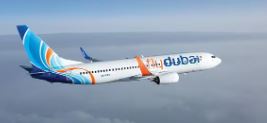
50- Fly Dubai
Fly Dubai continues to expand its network, offering affordable travel options to a growing number of destinations. The airline’s focus on operational efficiency and customer satisfaction has contributed to its success as a prominent low-cost carrier.
By providing reliable and cost-effective services, Fly Dubai meets the needs of budget-conscious travelers, reinforcing its position in the competitive aviation industry.
Conclusion
The landscape of the airline industry in 2025 is characterized by a dynamic interplay of innovation, sustainability, and customer-centric strategies. Airlines that have embraced technological advancements, prioritized environmental responsibility, and focused on enhancing passenger experiences have distinguished themselves in a competitive market.
As the industry continues to evolve, the integration of cutting-edge technologies, commitment to sustainability, and dedication to service excellence will remain pivotal. The airlines highlighted in this analysis exemplify these qualities, setting benchmarks for others to follow. Their achievements underscore the importance of adaptability and forward-thinking in navigating the complexities of modern aviation.
For further exploration of the trends and strategies shaping the airline industry, readers may consult “The State of Aviation: 2025 Industry Outlook” by McKinsey & Company and “Air Travel Demand Outlook 2025: Growth Pers
The aviation industry in 2025 showcases a dynamic landscape marked by innovation, sustainability, and customer-centric strategies. Airlines are investing in fleet modernization, expanding networks, and enhancing passenger experiences to meet evolving demands. The commitment to environmental responsibility and technological advancement underscores the industry’s dedication to shaping a more connected and sustainable future for global travel.

By Amjad Izhar
Contact: amjad.izhar@gmail.com
https://amjadizhar.blog
Affiliate Disclosure: This blog may contain affiliate links, which means I may earn a small commission if you click on the link and make a purchase. This comes at no additional cost to you. I only recommend products or services that I believe will add value to my readers. Your support helps keep this blog running and allows me to continue providing you with quality content. Thank you for your support!