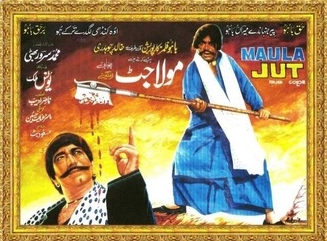
The provided text appears to be a dramatic script or a transcription of a performance, possibly a play or a film, centered around a complex conflict involving a powerful figure, Maula Jatt, and those who oppose him. The narrative is rich with intense emotions, violence, and revenge, unfolding through dialogue and interspersed musical elements. The story explores themes of honor, justice, and social hierarchies within a seemingly rural or village-based setting. Several characters are involved in a web of interconnected relationships, leading to multiple confrontations and dramatic events. The language used suggests a particular cultural context, likely South Asian.
Source Material Review: Study Guide
Quiz
Answer the following questions in 2-3 sentences each.
- What is the significance of the mark on the nose in the text?
- What are some of the ways in which the text portrays the power dynamics between men and women?
- What is the role of revenge in the narrative? Provide an example of revenge in the text.
- Describe the social position of the “Jatt” as it is represented in the text.
- What role does music and dance play within the world of the text?
- What is Noori’s relationship to the law and to concepts of justice?
- What are some of the major conflicts that the characters struggle with in the story?
- How is the concept of honor or shame used in the text to influence characters’ actions?
- What does it mean for a character to be “a vehicle” and how is this term used in the text?
- Identify two instances in the text where religious or spiritual concepts are referenced.
Quiz Answer Key
- The mark on the nose is a symbol of humiliation and shame. It’s a physical manifestation of disgrace, imposed on individuals who have crossed certain social boundaries or been defeated, and also a symbol of the lasting consequences of revenge.
- Men in the text often exert power over women through violence, control over their bodies, and dictating their social roles. Women’s agency is often suppressed, and they are frequently subjected to humiliation and violence, such as the threat of forced marriage.
- Revenge is a significant motivator for many characters. For example, Noori seeks revenge for the wrongs done to her and her family. Characters take matters into their own hands, leading to cycles of violence.
- The “Jatt” is portrayed as a powerful and often stubborn figure, deeply rooted in rural village life. They are associated with physical strength, pride, and a strong sense of honor, but also prone to rash actions and violence, such as the character who is buried in a grave as a drunkard.
- Music and dance are utilized in varied ways within the text. They can accompany both joyful events like weddings, but also be associated with mourning, or acts of defiance. Dance is often used as a way to express emotions or to challenge power structures.
- Noori is frequently at odds with the law, often finding it incapable of achieving true justice, and is seen operating in opposition to it as she seeks her own justice. She spends a great deal of time in jail, but she also defies it and creates her own forms of justice.
- The text has many major conflicts, such as clashes between individuals seeking revenge, challenges to social structures and power imbalances, and questions about justice, both legal and personal. The narrative also shows the conflict between personal desires and community expectations.
- Concepts of honor and shame are central motivators for characters’ actions. Characters will engage in violence or acts of defiance in order to protect their honor or avenge shame brought upon them, such as the conflict between the families and the mark placed on the nose.
- The term “vehicle” is used to describe someone who is seen as being used by another for their purposes. For example, one character reflects on how they have been seen as a “vehicle” rather than as a person by another, which speaks to themes of autonomy.
- God’s will is referenced and questioned, especially in relation to suffering and injustice. The text also references spiritual practices, such as the Nafl prayers performed in the mosque, within the context of daily life.
Essay Questions
- Analyze the text’s representation of justice, contrasting the formal justice system with personal and community-driven forms of retribution. How does the text challenge or support the idea of “an eye for an eye”?
- Discuss how the text uses symbolism, specifically the mark on the nose and other motifs, to convey themes of power, shame, and identity.
- Explore the complex relationships between men and women in the text. How are traditional gender roles depicted, and to what extent do characters challenge these expectations?
- Examine the role of violence in the text. How does violence function as both a destructive force and a means of communication or resistance?
- Analyze how the text utilizes local, historical, and cultural markers to establish its unique setting. How do these markers shape the narrative and characters?
Glossary of Key Terms
- Caliphate: Refers to a system of Islamic governance led by a caliph, often implying a claim to religious and political authority. In the text, the speaker mentions a “burden of my caliphate,” alluding to a sense of divine responsibility and power.
- Jat: A specific community or caste, often associated with rural life, agriculture, and martial traditions, within the cultural context the text is in. In the text, Jats are portrayed with characteristics of honor, pride, stubbornness and power.
- Maul: A village leader or elder, often looked to for wisdom, judgment, and decision making, who has a particular significance in the text as a source of community power.
- Naga: In this text the meaning is not clear, but it refers to a person, possibly an outcast, which makes use of the shroud particularly charged.
- Chadar: A cloth covering, often used as a veil or shawl, which can carry symbolic meanings depending on the context, often used to denote modesty.
- Panchayat: A village council or assembly, which serves as a platform for community decision-making, social justice, and dispute resolution, and a site of community conflict.
- Bani: A term that appears to be derogatory or insulting in the text, possibly linked to an ethnic or religious group, which represents a social conflict in the text.
- Gidal: A term used in the text as a derogatory description of an enemy, such as a jackal.
- Ghadasa: A type of axe or bladed weapon, often associated with physical strength and rural or traditional violence, used in the text as a symbol of the Jatt’s power and a marker of physical force.
- Nafl prayers: Voluntary or non-obligatory prayers performed by Muslims to seek God’s favor or express gratitude, shown in the text as a way for the characters to relate to the religious context.
- Doli: A palanquin or carriage used to carry a bride in a wedding procession, a cultural symbol of marriage traditions and family expectations, and also of the position of women in the narrative.
Noori’s Revenge
Okay, here is a detailed briefing document based on the provided text, outlining the main themes and important ideas:
Briefing Document: Analysis of “Pasted Text”
Date: October 26, 2023
Subject: Analysis of a Dramatic Narrative Text
1. Overview:
This text is a highly dramatic narrative, likely a script or transcript from a play, film, or performance, filled with intense emotions, violent acts, themes of revenge, justice, honor, and societal structures. It presents a complex world centered around the characters of Jatts, a community often associated with rural Punjab, and a central figure named Noori, whose actions and fate drive much of the narrative. The dialogue is fragmented, poetic, and often violent, suggestive of an oral storytelling tradition. The use of music cues throughout the text indicates a performative nature.
2. Key Themes and Ideas:
- Revenge and Violence: The narrative is saturated with violence and the pursuit of revenge. Actions are often justified by a cycle of retribution.
- Quote: “Revenge is not revenge. This revenge is mine.” This suggests a personal vendetta rather than a just or measured response.
- Honor and Shame: Concepts of honor and shame are central. Actions are often motivated by a need to restore personal or communal honor or to avoid public humiliation.
- Quote: “By marrying the girl whom you have humiliated in the village, you will have to earn your respect, you will have to guard your life.” This illustrates how a marriage is used to restore honor.
- Social Hierarchy and Power: The text highlights a rigid social structure. Jatts, are presented as a dominant, if somewhat violent, group, and figures like ‘Maulana’ and ‘Jail Sahib’ wield considerable authority.
- Quote: “I am only a Jatta in this village. I’m not afraid of my own fear.” This quote reinforces the Jatt’s sense of power.
- Justice vs. Lawlessness: There’s a clear tension between formal legal systems and personal notions of justice. Characters often take matters into their own hands, dismissing the legal route as slow or ineffective.
- Quote: “It was the law’s job to punish him. She came to cut him. She did not read the law.” This showcases a conflict between personal justice and the law.
- Female Agency and Oppression: Female characters, particularly Noori, are both victims and agents of action within the narrative. They are subjected to violence and societal constraints, but also initiate revenge and wield power.
- Quote: “Diana, whoever covers his head with a veil gets killed, and whoever takes it, what is his name?” Shows the danger of veiling/unveiling for women.
- Fate and Destiny: The idea that characters are bound by destiny and past actions is present, influencing their present and future behavior.
- Quote: “Your death line is written on my hand.” Implies a predestined fate.
- Family Loyalty vs. Individual Action: While loyalty to family and community is a strong theme, individuals sometimes break from those expectations.
- Quote: “Even if I become your brother’s enemy, I will still be your brother.” Shows that familial connections persist even with individual conflicts.
- Critique of Power: Despite characters with power, there is a strong sense of rebellion against it.
- Quote: “Since then, no one has found a soul with whom I have also come.” The line illustrates the lack of heroes and critique of authority.
- Religious undertones: Though not explicitly dominant, there’s a subtle undercurrent of religious undertones, with references to God and concepts of destiny, punishment, and justice, indicating a backdrop of faith within the cultural context.
- Quote: “The stick of God always has a voice” reinforces a belief in divine justice
3. Characters and Relationships:
- Noori: A central female figure. She is strong-willed, a target of violence, and a perpetrator of violence. She appears to be in prison. She is also described as “stubborn” and does not shy away from challenging powerful figures. She appears to carry out actions related to revenge and also seeks to rectify the mistakes she has made.
- Jatt: A member of a powerful group, often portrayed as aggressive, proud, and bound to traditions. The Jatt men are shown as being proud and violent, but also bound by their own codes of honor. The Jatt community as a whole is shown as powerful and fearsome.
- Maula: A figure of authority who seems to be both respected and feared. He represents the structure of authority and tradition. There is mention of Maula Jatt being a courageous figure.
- Mala: Seems to be someone who takes part in the revenge cycles, and is related to Noori.
- Jail Sahib: The person who runs the jail and tries to handle Noori.
- Soniya: Another important character whose fate is interwoven with Noori’s. She appears to be in prison with Noori, but it is also implied that she is outside. She is described as Noori’s sister in one part, but her relationship is somewhat unclear.
- Other Characters: The narrative includes various secondary figures, such as village elders, family members, and law enforcement figures, all contributing to the complex web of relationships and conflicts.
4. Narrative Style:
- Fragmented and Poetic: The text is not linear and flows between different voices and perspectives. The language is rich with metaphors and local idioms, indicating a specific cultural context.
- Dramatic Dialogue: The use of exclamations, questions, and short, sharp sentences creates a sense of urgency and drama. The use of repetitive phrasing like “You are so tired, you’re so tired,” underscores the psychological and emotional states of the characters.
- Music and Performance: The constant breaks for musical cues suggest that this text is meant for performance rather than reading. It indicates the importance of oral tradition in storytelling.
5. Potential Interpretations:
- Social Commentary: The text may serve as a commentary on the social dynamics and power structures within a specific rural setting. It shows the tension between individual agency and societal expectations.
- Exploration of Violence and Justice: The cycle of revenge raises questions about the nature of justice and the devastating consequences of unchecked violence.
- Cultural Narrative: The specific references to Jatts and other local elements point to a specific cultural context, possibly from the Punjab region.
- A Woman’s Struggle: The text provides a glimpse into the struggles of women to have a voice in a patriarchal society.
6. Conclusion:
This text presents a compelling, if sometimes brutal, narrative exploring themes of revenge, honor, and social conflict within a specific cultural context. The use of dramatic dialogue, music cues, and poetic language makes it ideal for performance. The complexities of the characters and their relationships, particularly the actions of female figures, add layers of meaning to the story, raising questions about justice, power, and the human cost of violence. The text has potential for a deeper reading in terms of socio-cultural analysis of the Punjab region.
Let me know if you need any further analysis or clarification on a specific aspect of the text.
Power, Justice, and Revenge in the Jatt Narrative
FAQ: Exploring Themes of Power, Justice, and Revenge
- Who is the speaker referencing when they say “I created creation”? What does this suggest about their perception of themselves and their role in the world?
- The speaker’s claim of creating creation implies a belief in their own divine or god-like power and status. This statement positions them as a primary force of origin and control, suggesting a possible inflated ego or a belief in a divinely appointed mission. The following statements about being “the light of the earth” and having the “burden of my caliphate” further reinforce this grand self-perception. This perspective contrasts with other characters who are shown to be flawed and vulnerable.
- The text frequently mentions “Jatt”. What is the significance of this term, and how is it portrayed within the narrative?
- The term “Jatt” seems to refer to a specific group or identity, likely a social or tribal affiliation. The Jatts are depicted as both flawed individuals and as representatives of a larger societal power structure. Characters identify with being a Jatt as a point of pride, as well as it being a source of conflict and conflict. At times, they are presented as stubborn, violent, and prone to feuds, as well as people who are committed to their honour and tradition. The varying portrayals of Jatt characters shows that the identity is complex and not a single, monolithic entity, highlighting varying degrees of adherence to these perceived characteristics.
- What role does the concept of ‘shame’ or ‘honour’ play in the actions and decisions of the characters?
- Shame and honour are central motivators for many characters, driving their actions and shaping the narrative. Many acts of violence and revenge are explicitly tied to protecting or restoring family honor. Characters are shown to be deeply concerned with how they are perceived by others within their community, especially when it comes to maintaining social standing. The threat of public shame is used as a potent weapon, and the pursuit of honor fuels cycles of violence and retribution.
- How are women portrayed in this narrative, and what power dynamics do they navigate?
- Women in this narrative are depicted as having limited agency in a patriarchal society, often being subject to the decisions and actions of men. Their bodies and honour are frequently used as currency in feuds and social conflicts, evidenced by arranged marriages and the humiliation of women as a means of insult. However, some female characters show surprising strength and defiance, taking action into their own hands and seeking revenge, despite the social constraints placed upon them. This suggests that even within a rigid societal framework, women find ways to exert influence and challenge the established power structure.
- What is the significance of the “mark on the nose” that is mentioned multiple times?
- The “mark on the nose” acts as a potent symbol of shame, humiliation, and power. This physical mark is not just a personal disfigurement, but also carries social implications, acting as a public sign of defeat and disgrace. It becomes a method of branding and dehumanization. It indicates a lasting impact of a conflict and serves as a constant reminder of injustice, while simultaneously becoming a symbol of triumph for the perpetrator of this act.
- What commentary does the text provide on the nature of justice and law?
- The text presents a cynical view of justice and law, showing that formal legal systems are often ineffective at delivering real justice and are often out of alignment with the social understanding of justice and honor. The story shows that characters often turn to personal revenge and vigilante justice because they are unsatisfied with the legal processes, or because their sense of justice is outside of the law. The cycle of violence is often portrayed as a consequence of an inability to achieve justice through proper legal channels, suggesting a breakdown of social order and a deep mistrust of authority. The corruption of power by local authority figures is another criticism highlighted in the text.
- How does the theme of revenge contribute to the central conflicts in the story?
- Revenge is a powerful driving force in this narrative, fueling the central conflicts and perpetuating a cycle of violence. Characters are consistently motivated by the desire to avenge past wrongs and to regain a sense of honor or to achieve a personal understanding of justice, or to even the score. This relentless pursuit of revenge creates an atmosphere of perpetual conflict and escalation, showing that this type of violent resolution is deeply corrosive.
- What role does tradition and the past play in shaping the present conflicts of the characters?
- Tradition and the past heavily influence the present conflicts, as characters are bound by long-standing customs, feuds, and perceived obligations. The text suggests that many of the present-day conflicts are rooted in past grievances and that these events continue to shape the identities and actions of current generations. Characters struggle to break free from the constraints of these traditions, suggesting that history and past actions create an unending cycle of violence.
Tribal Conflict and Cycles of Revenge
The sources depict a community with significant internal conflict, often involving violence and revenge, that could be characterized as tribal. Here’s a breakdown of the conflict based on the sources:
- Honor and Revenge: A major theme is the emphasis on honor and the taking of revenge. Actions like humiliating someone or causing a death often lead to retaliatory actions, including murder. This cycle of revenge seems to perpetuate the conflict, as seen in the statement, “Revenge is not revenge. This revenge is mine”.
- Family and Kinship: Family ties are strong, but they also fuel conflict. The death of a brother leads to a sister seeking revenge. There is also conflict within families, with brothers killing brothers. Additionally, the sources indicate a patriarchal society where the honor of the family is closely tied to the actions of its members, particularly women.
- Community Divisions: The community is divided into groups, such as the “Jatts” and others. There are instances where individuals are identified by their community, such as “I am a Jat,” which seems to denote a specific social identity. There are also references to “the village” as a source of identity, and the actions of individuals can reflect on the reputation of their village.
- Disputes over Women: There are several instances where conflicts arise from actions involving women. These include a woman being humiliated, a woman killing her brother, and a woman being forced into marriage. These situations are not simply individual matters, but escalate into community-wide feuds.
- Power and Authority: There are clear power dynamics, with figures like “the master” and “the maul” holding authority and influence. The sources also show resistance against this authority, with individuals standing up against established norms. The role of law enforcement, such as the police, is also present, but often seems ineffective at preventing or resolving the underlying conflicts.
- Insults and Humiliation: Insults and public humiliation seem to be powerful triggers for conflict. Actions such as covering a woman’s head with a shroud or marking someone’s nose can result in violent responses. The act of placing a mark on someone’s nose is mentioned several times, suggesting that it is a significant form of humiliation.
- Cycles of Violence: There are recurring patterns of violence. For example, when one person is killed, another will seek revenge, often escalating into wider conflicts. This creates a cycle of violence that is difficult to break.
In summary, the sources suggest a community marked by deep-seated tribal conflicts driven by issues of honor, revenge, family ties, community divisions, and power struggles, often involving violence, humiliation, and an ongoing cycle of revenge.
Revenge Killings: Honor, Family, and Cycles of Violence
The sources describe several instances of revenge killings, highlighting their significance within the community and the cycle of violence they perpetuate.
- Motivations for Revenge: The primary motivation for revenge killings stems from a perceived loss of honor or an act of violence against a family member. For example, the killing of a brother leads a sister to seek revenge. Additionally, humiliation, such as marking someone’s nose, can incite violent retribution. The desire to avenge these acts is a driving force in the community.
- Perpetuation of Violence: Revenge killings contribute to an ongoing cycle of violence. The sources demonstrate that when one person is killed, another is compelled to seek revenge, and this action can then lead to further retaliatory acts. This creates a continuous loop of violence that is hard to break.
- Family Involvement: The concept of family honor is deeply connected to revenge. The sources show that the responsibility to avenge a family member’s death often falls on the remaining family members, particularly siblings, and that revenge killings are not just individual acts but also part of a larger family dynamic.
- Methods of Revenge: Revenge killings are not always direct. In some cases, the act of revenge involves humiliating the offender or their family, such as by marrying a family member after humiliating her. Other forms of revenge can include marking someone’s nose or desecrating a dead body. These actions indicate that revenge isn’t just about death but also about inflicting suffering and dishonor.
- Escalation of Conflict: The act of seeking revenge often escalates conflicts within the community. Actions motivated by revenge can cause conflict to spread across villages and families, moving beyond the original offense. This escalation shows the tribal nature of the conflict, where an individual’s actions can have wider implications.
- Acceptance of Violence: The concept of revenge killings seems to be an accepted part of the social order, or at least, the sources do not depict any effective challenge to the tradition. Instead, it is presented as an almost inevitable response to certain situations. Even when law enforcement is present, revenge killings persist.
- Examples of Revenge Killings One source states, “Revenge is not revenge. This revenge is mine”. Another source details a woman who seeks revenge for her brother’s death. Also, there are multiple references to taking the “body of the Jatt”. These examples demonstrate that the need for revenge is a powerful motivation in the community.
- Symbolic Acts of Revenge The sources describe acts like putting a mark on the nose as a form of symbolic revenge. These are not always about physical harm, but are also about social humiliation. The act of putting a mark on someone’s nose is meant to be a lasting symbol of disgrace.
In summary, revenge killings are a central aspect of conflict in the community described in the sources, driven by honor, family ties, and cycles of violence. These killings are not isolated acts, but are part of a larger social and cultural system where revenge is seen as a necessary response to perceived injustices and dishonor.
Family Honor and Violence
Family honor is a critical concept in the sources, deeply intertwined with themes of revenge, violence, and social standing. The sources reveal that family honor dictates the actions and responsibilities of individuals, and the concept is a major driver of conflict.
- Family as a Unit of Honor: The family is portrayed as a cohesive unit where the actions of one member can reflect on the entire family’s honor and reputation. The concept of family honor appears to extend beyond the nuclear family to include the wider community or clan. This means that the actions of an individual can have broad implications for their family’s standing.
- Responsibility for Revenge: When a family member is harmed or killed, the responsibility to seek revenge often falls on the remaining family members. This duty is particularly seen in the case of a sister avenging her brother’s death. The sources illustrate that the failure to avenge a family member’s death can bring shame and dishonor to the entire family.
- Women and Family Honor: The honor of women is closely tied to the honor of their families. The actions of women, whether they are victims or perpetrators of violence, have a direct impact on their family’s reputation. For instance, a woman being humiliated or a woman committing a murder can bring shame upon her family. This means that women’s behavior is strictly policed because of its perceived impact on family honor.
- Protection of Family Reputation: The need to protect family honor can lead to extreme actions, including violence and murder. The sources show that maintaining the family’s reputation often trumps individual safety or well-being. This demonstrates how deeply ingrained the concept of family honor is within the community’s social fabric.
- Humiliation and Dishonor: Actions that bring humiliation or dishonor upon a family are considered serious offenses. Such actions can trigger violent responses and long-lasting feuds. The act of putting a mark on someone’s nose is mentioned multiple times as a form of dishonor and can lead to calls for violent retaliation.
- Marital and Family Ties: Marital relationships are also deeply connected to the concept of family honor. Conflicts often arise when there are disputes over women or when a family member’s marriage is disrespected. These disputes are not simply individual matters, but rather affect the honor and standing of the families involved.
- Intergenerational Impact: Family honor is a concept that can extend across generations. The need to avenge a past wrong or maintain a family’s standing can be passed down through generations, continuing cycles of violence and conflict. This indicates that the concept of family honor can shape the lives of individuals for years.
In conclusion, family honor is a fundamental concept that shapes the behavior and interactions of individuals within the community. It is a powerful force that can drive violence, revenge, and intense conflict, but also provides a sense of identity and social standing. The need to protect and avenge family honor is a major theme in the sources, and is closely linked to other themes such as tribalism and cycles of violence.
Justice Denied: Violence and Inequality in a Stateless Community
The sources present a complex view of social justice, or rather the lack thereof, within the community, highlighting several themes related to injustice, inequality, and the struggle for power.
- Absence of Formal Justice: There is no clear, consistent system of formal justice in the sources. Instead, conflicts are often resolved through personal revenge and community pressure, rather than through an impartial legal system. While there are mentions of law enforcement like the police, they are frequently portrayed as ineffective, corrupt, or as instruments of power rather than protectors of justice. This contributes to a situation where people take the law into their own hands and where violence is a common way to settle disputes.
- Cycles of Revenge: The community is caught in a cycle of revenge where acts of violence lead to retaliatory violence. This constant cycle undermines any possibility of a just resolution to conflict, as it focuses on retribution rather than fairness or reconciliation. The concept of “an eye for an eye” dominates, leading to ongoing suffering and instability. The idea that “Revenge is not revenge. This revenge is mine” illustrates the personal nature of justice in the community.
- Unequal Power Dynamics: There are clear power imbalances present in the community. Figures like “the master” and “the maul” wield significant influence, while others have little to no agency. This creates a system where some are able to manipulate justice to their advantage, and others are subjected to abuse and unfair treatment. The sources also show the powerful using violence and intimidation to maintain control.
- Humiliation as a Form of Injustice: Humiliation is frequently used as a tool to demean and control others, and it also serves as a significant trigger for conflict. Actions such as marking someone’s nose or publicly shaming individuals are used to strip them of dignity and power, creating situations that demand violent retribution. This shows that justice is not just about legal proceedings or retribution, but is also deeply tied to social standing and respect.
- Gender Inequality: Women in the sources are often treated as possessions or symbols of family honor, and they are subjected to significant injustices. They are often victims of violence, are forced into marriages, or are humiliated, and these acts against women are considered affronts to family honor, which in turn leads to more conflict. Women’s actions are closely monitored, not for their own safety but for the reputation of their families.
- Lack of Empathy and Forgiveness: The sources frequently show a lack of empathy and forgiveness. Individuals are quick to seek revenge and very few attempts are made to de-escalate conflicts peacefully. This lack of empathy reinforces the cycles of violence and prevents the community from achieving a state of social justice or peace.
- Resistance and Defiance: Despite the injustices, there are also acts of resistance and defiance. Some individuals, such as Noori, challenge the established norms and fight back against oppressive forces. This resistance, although met with violence, indicates a desire for justice and equality. The idea that “the stick of God always has a voice” could be interpreted as a belief in eventual justice, even if not readily seen in their community.
- Symbolic Justice and Retribution: The act of putting a mark on someone’s nose can be seen as a symbolic act of justice, where the perpetrator is punished with lasting humiliation. These acts show that the community has its own standards of justice, though they do not necessarily align with a more formal or empathetic model. Additionally, certain characters will seek justice by “taking the body” of their enemies to their own village.
- The Idea of Divine Justice: There are references to God and divine justice, suggesting that some in the community believe in a higher power that will ultimately deliver justice. However, this belief does not seem to significantly impact the community’s day-to-day violence and injustices, which indicates the strong hold of local customs and cultural norms.
In summary, the sources reveal a community where social justice is largely absent due to a lack of a formal justice system, unequal power dynamics, and deep-rooted cycles of violence. The themes of revenge, honor, and humiliation, along with significant gender inequality, all contribute to a society that is far from just. However, the sources also show resistance and a longing for a better, more just world, even if that is not always expressed directly.
Imprisonment: Power, Resistance, and Justice
Imprisonment in the sources is portrayed as a complex experience, encompassing themes of punishment, power, and resistance, while also highlighting the limitations of formal justice systems. The sources suggest that imprisonment is not just a physical confinement but a place where social dynamics and personal struggles play out.
- Punishment and Control: Imprisonment serves as a form of punishment for crimes committed within the community, although it’s not always clear what constitutes a crime. Characters are imprisoned for acts such as murder and other forms of violence. The sources describe imprisonment as a means to control individuals who have disrupted social order or challenged authority. However, the effectiveness of imprisonment as a deterrent is questionable, given the continued violence.
- Power Dynamics within Prison: The prison is not an isolated space, but a microcosm of the larger society, where existing power dynamics are mirrored. The jailer and other authorities hold considerable power over the prisoners, yet the prisoners also find ways to assert their own influence. For example, when Noori is moved within the prison, the other prisoners become agitated. The sources also show instances of the jailer apologizing to prisoners, suggesting that the hierarchy of power is not absolute.
- Resistance and Defiance: Imprisonment does not always break the spirit of the incarcerated. The sources reveal that prisoners can exhibit resistance and defiance, even within the confines of jail. Noori’s character, for example, demonstrates a continued willingness to challenge authority and societal norms, even from behind bars. The character of Noori comes to the jailer and demands to be locked up because “the jails are empty” and they have not found anyone worthy to take their place.
- Limitations of Formal Justice: The depiction of imprisonment also underscores the limitations and failures of the formal justice system. The police are not always seen as agents of justice, but rather as instruments of power, and the prisons are not necessarily places of rehabilitation or reform. The recurring theme of revenge and violence, even after imprisonment, highlights the ineffectiveness of incarceration in breaking cycles of conflict. Also, the police are often seen as corrupt.
- Imprisonment as a Social Space: The sources show that the prison is a social space where prisoners interact with each other, share stories, and develop relationships. These interactions demonstrate that prison is not merely a place of punishment but also a community of its own, complete with social dynamics. Prisoners from different backgrounds and social standings, like the Jatt, are forced to occupy the same space.
- Imprisonment as a Temporary State: In some cases, imprisonment is not viewed as a permanent state. Characters will mention getting out of prison or finding ways to be released. There are examples of characters seeking bail and negotiating their release, which indicates the limitations of the system.
- Imprisonment and Family Honor: The concept of family honor is still relevant even when individuals are imprisoned. The shame and dishonor that come with imprisonment can affect not just the prisoner, but their entire family, which can lead to conflict and retaliation. The need to protect family honor extends even to situations where a family member is incarcerated.
- Symbolic Significance of Imprisonment: The sources portray imprisonment as a symbolic space, where individuals are stripped of their freedom and placed under the control of a larger authority. There is a symbolic connection between imprisonment and the cycles of violence. Characters will seek to imprison their enemies and humiliate them even after they have already been imprisoned by law enforcement.
In summary, imprisonment in the sources is not a straightforward concept, but a multi-layered experience that reflects the social and political realities of the community. Imprisonment is shown as a form of control, but is also a place of resistance. The limits of formal justice, power dynamics, and the continuation of violence within the prison all contribute to a bleak picture of the criminal justice system. The act of seeking imprisonment can also be used as a form of self-sacrifice.

By Amjad Izhar
Contact: amjad.izhar@gmail.com
https://amjadizhar.blog
Affiliate Disclosure: This blog may contain affiliate links, which means I may earn a small commission if you click on the link and make a purchase. This comes at no additional cost to you. I only recommend products or services that I believe will add value to my readers. Your support helps keep this blog running and allows me to continue providing you with quality content. Thank you for your support!
