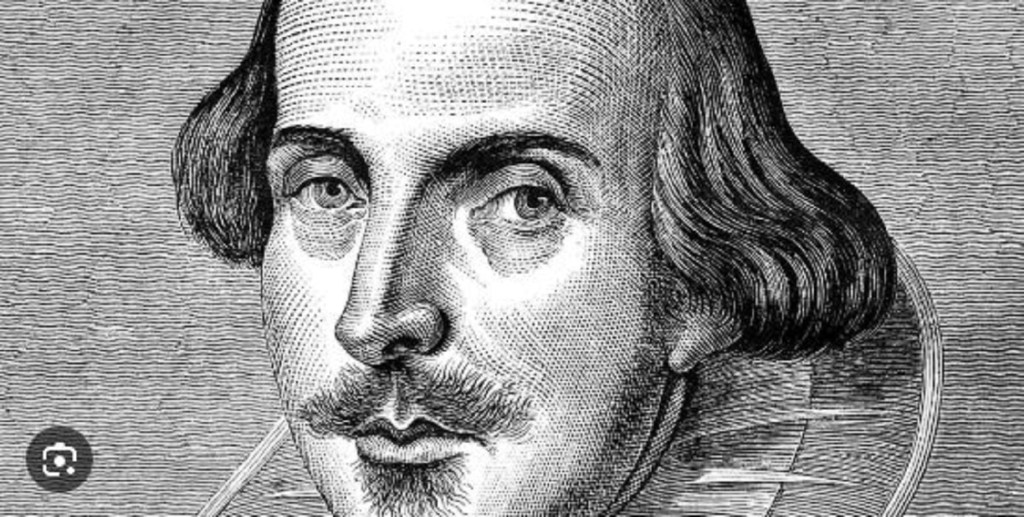
The provided sources offer an overview of common themes in Shakespearean works, exploring recurring ideas like love, conflict, deception, fate, and humanity’s relationship with nature. One source details specific plot points and character analyses for “The Tragedy of Hamlet, Prince of Denmark”, focusing on its narrative progression and key developments. Another addresses the differences between Shakespeare’s world and modern life, highlighting contrasting social norms, emotional expressions, and beliefs in the supernatural. Finally, a summary and excerpts from “Venus and Adonis” illustrate themes of unrequited love, desire, and the tragic consequences of resistance to affection, culminating in a prophecy about love’s future nature.
Shakespearean Love: Madness, Duty, and Transformation
The sources present love, desire, and affection as a prominent and complex theme, often leading to turmoil and transformation across many works.
The Irrational and Volatile Nature of Love: Love is frequently depicted as fickle, irrational, and even a “madness”. In A Midsummer Night’s Dream, Lysander’s affections shift abruptly, attributed initially to reason, but further complicated by Puck’s love-juice, causing characters to fall in and out of love “preposterously”. Helena observes that “truth kills truth” when vows are broken for new affections. Rosalind in As You Like It suggests love is a “madness” that deserves “a dark house and a whip,” and notes that even the “whippers are in love too,” implying its pervasive lunacy. The quick shifts in affection, like Romeo abandoning Rosaline for Juliet, might appear less grounded in modern understandings of relationship development.
Conflict with Reason, Duty, and Societal Expectations: Love often clashes with logic, established order, or personal vows.
- In A Midsummer Night’s Dream, Lysander initially states that man’s will is swayed by reason, which dictates Helena as “the worthier maid,” leading him to regret time spent with Hermia, highlighting a tension between perceived rational choice and existing affections.
- Falstaff in The Merry Wives of Windsor remarks that “Love use Reason for his physician, he admits him not for his counsellor,” suggesting that love operates outside of logical counsel.
- The Comedy of Errors shows Adriana questioning Antipholus of Syracuse’s estrangement from her, his “dear self’s better part,” through their undeniable bond, while Luciana suggests male will should be “bridled by female accord”.
- In Love’s Labour’s Lost, the King and his lords foreswear women for study, only to fall deeply in love, demonstrating that “Vows are but breath, and breath a vapour is”.
- Portia in The Merchant of Venice feels her “will…curbed by the will of a dead father” regarding her choice of husband.
The Transformative Power of Love: Love can be both a source of immense joy and profound suffering.
- Two Gentlemen of Verona describes love as a “deep story of a deeper love” but also a “folly bought with wit, Or else a wit by folly vanquished”. Valentine confesses that having “contemned Love” in the past, he was “punish’d” with “bitter fasts, with penitential groans, With nightly tears and daily heart-sore sighs”. Despite this, love offers “no such joy on earth”.
- Julia describes how love, if “dammed up,” only burns more intensely, like a raging current.
- Sonnets reflect that “ruin’d love, when it is built anew, Grows fairer than at first, more strong, far greater,” suggesting a deeper truth discovered through adversity.
Desire and its Boundless Nature: Desire is often portrayed as boundless, with its “execution confined”.
- In Troilus and Cressida, Hector questions if Troilus’s “blood [is] so madly hot that no discourse of reason… Can qualify the same”.
- The Merry Wives of Windsor mentions characters “boarded” in a “fury” of love.
Love in “Venus and Adonis”: The poem specifically details the myth of Venus’s unrequited passion for Adonis.
- Venus, the goddess of love, desperately attempts to woo the young hunter Adonis, who rejects her advances due to his youthful disinterest in love and preference for hunting.
- Venus emphasizes the duty of procreation to perpetuate beauty and fortify against decay, arguing that “beauty breedeth beauty” and that “Things growing to themselves are growth’s abuse”. She warns that Adonis’s body will become a “swallowing grave” if he does not produce posterity.
- Adonis distinguishes love from lust, stating “I hate not love, but your device in love, That lends embracements unto every stranger”. He defines love as “comforteth like sunshine after rain,” a “gentle spring” that “always fresh remain[s],” and “all truth”. In contrast, he portrays lust as “tempest after sun,” a “winter” that “comes ere summer half be done,” and “full of forged lies,” dying like a glutton.
- The poem concludes with Venus’s prophecy about love’s nature after Adonis’s death: it will be bittersweet, fickle, false, full of fraud, never equally settled, and often sorrowful. It will cause “war and dire events,” setting “dissension ‘twixt the son and sire,” and ensuring “They that love best their loves shall not enjoy”.
Transactional and Submissive Aspects: In Shakespeare’s world, love and marriage are sometimes depicted with practical and transactional considerations, and women often have less agency. Brabantio’s outrage at Desdemona’s elopement with Othello implies a paternal ownership over her romantic destiny. Katherina’s submission speech in The Taming of the Shrew states a wife owes her husband “Such duty as the subject owes the prince”.
Overall, the sources portray love as a multifaceted force, capable of inspiring profound affection and joy, but also leading to irrationality, conflict, and suffering when confronted by duty, societal norms, or the destructive forces of time and ambition.The sources reveal that love’s nature is a central and recurring theme across many of Shakespeare’s works, often presented as a profound and multifaceted force that leads to both turmoil and transformation.
Here are key aspects of love’s nature as presented in the sources:
- Volatile and Irrational: Love is frequently depicted as fickle and irrational, capable of changing abruptly.
- In A Midsummer Night’s Dream, Lysander’s affections shift suddenly, and Puck’s love-juice causes characters to fall in and out of love “preposterously”. Helena observes that when vows are broken for new affections, “truth kills truth”.
- Rosalind in As You Like It describes love as “merely a madness” and a “lunacy”.
- The Merry Wives of Windsor suggests that “Love use Reason for his physician, he admits him not for his counsellor,” indicating love operates outside of logical counsel.
- Conflict with Reason, Duty, and Societal Expectations: Love often clashes with established order, personal vows, or practical considerations.
- Lysander initially believes reason sways man’s will in A Midsummer Night’s Dream, leading him to Helena, highlighting a tension between rational choice and existing affections.
- In Love’s Labour’s Lost, characters who foreswear women for study paradoxically fall deeply in love, showing that “Vows are but breath, and breath a vapour is”.
- Portia’s will in The Merchant of Venice is “curbed by the will of a dead father” regarding her marriage choice.
- The Comedy of Errors explores how an undeniable bond can be challenged when Antipholus of Syracuse becomes “estranged from thyself” to his wife.
- Marriage can be transactional or involve submissive aspects for women, as seen in Katherina’s famous speech in The Taming of the Shrew, where a wife owes her husband “Such duty as the subject owes the prince”.
- Transformative Power and Profound Suffering: Love is shown to be a source of both immense joy and profound suffering.
- Valentine in Two Gentlemen of Verona confesses that love, once scorned, has “punish’d me With bitter fasts, with penitential groans, With nightly tears and daily heart-sore sighs” but also offers “no such joy on earth”.
- Julia describes how love, if “dammed up,” only burns more intensely, like a current that rages when stopped.
- Sonnets suggest that “ruin’d love, when it is built anew, Grows fairer than at first, more strong, far greater,” implying a deeper truth found through adversity.
- Desire itself is depicted as “boundless” but its “execution confined”.
- Relationship with Mortality and Time: Love is also explored in relation to the passage of time and the inevitability of decay.
- The Tragedy of Hamlet suggests that “love is begun by time, And… Time qualifies the spark and fire of it,” implying its impermanence.
- Sonnets express a desire for “increase” to perpetuate beauty and “Make war upon this bloody tyrant, Time” through procreation to fortify against decay.
- The Nature of Love in Venus and Adonis: This poem offers a detailed exploration of love’s nature through the unrequited passion of Venus for Adonis.
- Venus’s desperate pleas to Adonis include the argument that it is a natural duty to procreate (“beauty breedeth beauty”) to ensure posterity and prevent beauty from being “wasted”. She argues that “Things growing to themselves are growth’s abuse”.
- Adonis, however, articulates a distinction between genuine love and lust, asserting that he “hate[s] not love, but your device in love” that “lends embracements unto every stranger”. He describes true love as comforting, a “gentle spring” that is “all truth,” while lust is tempestuous, fleeting, and “full of forged lies”.
- Following Adonis’s death, Venus prophesies that love will be forever changed, becoming bittersweet, fickle, false, full of fraud, and a source of sorrow. She predicts that it will be a “cause of war and dire events” and that “They that love best their loves shall not enjoy”.
In sum, the sources depict love as a powerful, often contradictory force that shapes human experience, capable of both elevating and destroying, frequently at odds with reason and societal structures, and intimately connected to themes of mortality and personal agency.
The Nature and Impact of Conflict
War and conflict are prominent and recurring themes across many of the works, frequently serving as a central narrative drive and exploring the profound impact of disputes over power, territory, and honor. These conflicts often lead to widespread suffering and chaos, deeply affecting individuals, societies, and even the natural world.
Causes and Manifestations of Conflict:
- Feuds and Ancient Grudges: Some conflicts are rooted in long-standing animosity, such as the “ancient grudge” between the Montague and Capulet households in The Tragedy of Romeo and Juliet, which results in “new mutiny” and “civil blood,” ultimately leading to the lovers’ deaths but also ending the parents’ strife.
- Ambition and the Pursuit of Power: The pursuit and exercise of power frequently lead to political instability, rebellion, and warfare.
- Usurpation and Treachery are common drivers. For example, in History of Richard III, Richard explicitly declares his determination to “prove a villain” and plots against his brothers to gain the crown, filling the play with “ambition, murder, and the pursuit of power,” often manifesting in “bloody wars”.
- Hotspur in History of Henry IV, Part I is driven by a desire to “pluck bright honour from the pale-faced moon” and to seek revenge against the King, culminating in the central conflict of the Battle of Shrewsbury. Macbeth’s downfall is directly linked to his ambition, which is spurred by the Witches’ prophecies and Lady Macbeth’s influence.
- Political Instability and Rebellion: Many narratives depict political unrest and internal strife.
- History of Henry IV, Part II portrays “contention, like a horse Full of high feeding, madly hath broke loose,” bearing “down all before him”. Archbishop Scroop advocates for war to “establish peace” by bleeding the “diseas’d” state.
- The Wars of the Roses are depicted in History of Henry VI, Part III, showing constant “strife” and “quarrel” among noble houses.
- The Tragedy of Julius Caesar centers on the assassination of Caesar and the subsequent civil war, with Brutus reflecting on Caesar bleeding “in sport” for liberty and the urgency of their military campaign as the enemy “increaseth every day”.
- Personal Disputes and Revenge: Conflicts can also stem from personal grievances. In The Tragedy of Othello, Moor of Venice, Iago instigates conflict through his “villany” and “revenge”. Titus Andronicus is driven by Titus’s quest for “Mortal revenge”.
- Interstate and International Wars: Large-scale military campaigns are frequently depicted. History of Henry V directly portrays the English invasion of France, with King Henry V issuing dire warnings of “bloody constraint” and “impious war”. The Duke of Burgundy laments the desolation of “fertile France” due to prolonged war. Troilus and Cressida opens with the Trojan War over “ravish’d Helen”.
Consequences and Impacts of Conflict:
- Widespread Suffering and Chaos: Conflict inevitably leads to suffering and chaos.
- In A Midsummer Night’s Dream, even the “brawls” between Oberon and Titania cause natural disasters like “contagious fogs” and altered seasons, a “progeny of evils” stemming from their “debate, from our dissension”.
- The devastation of war is highlighted in History of Henry V, where people “grow like savages” because they “nothing do but meditate on blood” due to prolonged conflict.
- Moral and Societal Decay: Conflict can expose or exacerbate flaws in human nature and societal structures.
- In Troilus and Cressida, Ulysses warns that if “degree is shaked,” chaos will follow, leading to “mutiny!” and “raging of the sea! shaking of earth! Commotion in the winds!” where “every thing includes itself in power, Power into will, will into appetite”.
- The Tragedy of Timon of Athens reflects on the destructive nature of war, with Timon urging Alcibiades to “paint the ground, gules, gules” with man’s blood.
- Personal Costs and Shifting Loyalties: War exacts a heavy personal toll. Scarus in Antony and Cleopatra laments that “The greater cantle of the world is lost… we have kiss’d away Kingdoms and provinces”. Shifting loyalties and betrayals are inherent in these conflicts, as seen in Prince John’s deceitful arrest of rebels in History of Henry IV, Part II.
- Arbitrary Justice and Public Opinion: The legal and social systems often involve “swift, brutal, and sometimes arbitrary justice” in times of conflict. Public opinion can be fickle, as seen when the “common dog” (populace) who disgorged “royal Richard” now “wouldst eat thy dead vomit up” in History of Henry IV, Part II.
Philosophical Insights on Conflict:
- The plays often present the idea that while war is destructive, it can also be a perceived necessity, as when Archbishop Scroop advocates for war to “establish peace” in History of Henry IV, Part II.
- The importance of honor and reputation often fuels conflict, with characters like Mowbray in History of Richard II declaring, “Mine honour is my life; both grow in one: Take honour from me, and my life is done”. This emphasis on external reputation, often defended through duels or violent confrontation, was a direct and sometimes life-or-death matter.
- The sources also touch on the idea of humanity’s inherent flaws and capacity for violence. Coriolanus views the populace as fickle and driven by a “sick man’s appetite”. Iago suggests that “our bodies are our gardens, to the which our wills are gardeners,” implying human capacity to cultivate both good and ill.
Overall, war and conflict are depicted as pervasive and multifaceted forces, arising from both grand political ambitions and intimate personal desires, consistently bringing about significant disruption and revealing fundamental aspects of the human condition.
Fate, Fortune, and Free Will in Literature
The relationship between fate, fortune, and human free will is a profound and frequently explored theme across the sources. Characters consistently grapple with whether their lives are predetermined by external forces or if their choices genuinely shape their destinies.
Here’s how this dynamic is presented:
1. Fate and Predetermination:
- “Star-Cross’d” Destinies: In The Tragedy of Romeo and Juliet, the protagonists are explicitly referred to as “star-cross’d lovers” whose “piteous overthrows Do with their death bury their parents’ strife,” heavily implying a fated, tragic end. Despite their actions, their destiny seems inescapable.
- Supernatural Influence and Omens: Many narratives feature supernatural forces directly intervening in human affairs, suggesting a world where fate can be manipulated or revealed.
- The witches’ prophecies in Macbeth are a prime example, explicitly driving Macbeth’s ambition and actions and initially giving him a “false sense of invincibility” due to his literal misinterpretation. Banquo is also prophesied to be the father of a line of kings, influencing Macbeth’s murderous decisions.
- In The Tragedy of King Lear, “late eclipses in the sun and moon” are seen to “portend no good,” suggesting a cosmic influence on earthly events and human relationships.
- Brabantio in The Tragedy of Othello, Moor of Venice attributes Desdemona’s love for Othello to “spells and medicines bought of mountebanks” rather than her free will, reflecting a belief in magical coercion.
- In History of King John, the appearance of “five moons” is considered a “dangerous omen,” leading people to “prophesy upon it dangerously“.
- Fickleness of Fortune: Fortune is frequently personified as an unpredictable, often arbitrary force that influences human events.
- In History of King John, Constance laments that Fortune “is corrupted, changed and won from thee; She adulterates hourly with thine uncle John,” depicting it as an unfaithful and uncontrollable entity.
- Cardinal Pandulph in the same play states, “No, no; when Fortune means to men most good, She looks upon them with a threatening eye,” highlighting its capricious nature.
- The Player King in The Tragedy of Hamlet, Prince of Denmark asserts that “Our wills and fates do so contrary run That our devices still are overthrown,” reflecting a sense of futility against destiny and “outrageous fortune”.
- As You Like It features a debate between Rosalind and Celia about Fortune’s role versus Nature’s, with Rosalind arguing, “Fortune reigns in gifts of the world, not in the lineaments of Nature,” but Celia countering that a “fair creature…by Fortune fall into the fire”.
- The Rape of Lucrece portrays Time as a powerful force that can “turn the giddy round of Fortune’s wheel“.
- Limitations of Time and Mortality: The relentless march of time imposes inherent limits on human life and agency, emphasizing decay and the inevitable end.
- Sonnets frequently address Time as a “bloody tyrant” that “doth transfix the flourish set on youth And delves the parallels in beauty’s brow“.
- In History of Richard II, Richard laments that his “time is spent,” and the Duchess of York speaks of her “teeming date drunk up with time,” illustrating time’s unyielding progression.
- Macbeth’s despairing soliloquy describes life as a “walking shadow” and a “tale Told by an idiot, full of sound and fury, Signifying nothing,” capturing the perceived meaninglessness of existence in the face of time and death.
2. Free Will and Human Agency:
- Choices and Their Consequences: Despite the overarching presence of fate, characters often make choices that directly drive the plot and lead to profound consequences, even when those choices seem to align with a pre-ordained path.
- Richard III explicitly declares his intention to “prove a villain” because he is “not shaped for sportive tricks,” initiating a series of machinations for power that he actively pursues, even as the ghosts of his victims later condemn him, suggesting a form of karmic justice.
- In The Tragedy of Macbeth, Macbeth’s ambition is spurred by the Witches’ prophecies, but his decision to act on them and the subsequent “secret murders sticking on his hands” are his own choices, leading to his “distemper’d cause” and tyranny.
- Helena in All’s Well That Ends Well actively pursues Bertram against his will, with her journey seemingly guided by fortune but clearly initiated by her own determination.
- Shylock’s “unyielding humour” or “lodged hate” in The Merchant of Venice challenges the idea of his will being swayed, emphasizing his deliberate choice for revenge.
- Rebellion Against Constraints: Characters sometimes defy societal expectations or external pressures, attempting to assert their individual will.
- Hermia and Lysander in A Midsummer Night’s Dream attempt to escape Athenian law and paternal authority to marry, highlighting their agency against societal constraints. However, Puck’s magical interference, which makes things “befal preposterously,” ultimately dictates outcomes, blurring the lines of agency.
- Florizel in The Winter’s Tale defies his father’s will, proclaiming, “I Am heir to my affection,” and choosing “madness over obedience to reason,” showcasing a struggle between individual desire and predetermined paths.
- Iago in The Tragedy of Othello, Moor of Venice asserts, “our bodies are our gardens, to the which our wills are gardeners,” implying human capacity to cultivate their nature, whether for good or ill.
- Internal Struggle and Moral Choice: Many characters experience internal conflict regarding their actions and the extent of their control.
- Hamlet’s “To be or not to be” soliloquy directly questions human agency in the face of suffering and “outrageous fortune,” pondering whether to “suffer… or to take arms against a sea of troubles”. His later decision to alter the execution order for Rosencrantz and Guildenstern, for whom he felt “no remorse,” is a clear act of his own agency. He also accepts the fencing duel with Laertes, stating, “the readiness is all,” suggesting a fatalistic acceptance combined with a readiness to act.
- In The Tragedy of King Lear, Cordelia asserts, “‘Tis thy business that I go about” to rectify Lear’s wrongs, portraying her active role in the face of an “unnatural” world.
In essence, the sources present a complex interplay where fate and fortune often set the stage and introduce challenges, but human characters consistently exercise their free will through choices, ambitions, and reactions, often navigating a tension between perceived destiny and their own decisive (or indecisive) actions. This dynamic reveals how individuals respond to, and are shaped by, forces both within and beyond their control.
Unveiling Deception: Appearance Versus Reality in Literature
The theme of appearance versus reality and the pervasive nature of deception are central to many of the narratives in the sources, often driving conflict and revealing complex aspects of the human condition. Characters frequently grapple with what is seen versus what is true, and plots are often propelled by deliberate falsehoods or unintentional misperceptions.
Key aspects of this theme include:
- Deliberate Deception and Manipulation:
- Overt Villainy: Some antagonists openly declare and revel in their deceptive intentions. Richard III is “determined to prove a villain” from the outset, plotting against his brothers and manipulating others, even attempting to persuade Queen Elizabeth to woo her own daughter for him by focusing on what he will be rather than what he has been. Iago in The Tragedy of Othello, Moor of Venice explicitly lays out his plans to “abuse Othello’s ear Even to madness” and use his “fool” (Othello) as his “purse,” revealing his villainy through soliloquies. Cardinal Wolsey in History of Henry VIII is exposed for his “false professions” and “extortion,” with Queen Katharine recognizing his manipulations.
- Strategic Disguise and Trickery: Characters frequently employ disguises to achieve their goals or navigate difficult situations. Rosalind in As You Like It disguises herself as Ganymede to “cure” Orlando’s love by playing his mistress, embodying changeable and fantastical behavior, which also highlights the performative nature of love. Viola’s disguise as Cesario in Twelfth Night leads to mistaken identities and “strange” and “mad” situations.
- Lawful Deceit: Helena in All’s Well That Ends Well uses “lawful deceit” to marry Bertram, and the character of Parolles in the same play is described as having “no kernel in this light nut; the soul of this man is his clothes,” implying his outward appearance is deceptive.
- Political Dissemblance: Coriolanus reflects on the need for politicians to “dissemble with my nature” and speak words “of no allowance to your bosom’s truth” to appease the populace, showing how public figures might mask their true feelings for political gain. Prince Hal’s transformation from an “unthrifty son” to “more myself” is a central aspect of History of Henry IV, Part I, involving a deliberate masking of his true character until the opportune moment.
- Illusions, Altered Perceptions, and Self-Deception:
- Magical Illusion: A Midsummer Night’s Dream is rich with themes of illusion and dreams. Oberon’s love-juice makes Lysander perceive Helena as “Transparent,” believing “Nature shows art, That through thy bosom makes me see thy heart,” demonstrating how magic can alter perception. The lovers’ experiences in the wood are framed as something that will “seem a dream and fruitless vision” upon waking. Puck’s magical interference causes characters to fall in and out of love “preposterously,” further complicating the reality of their affections.
- Supernatural Misdirection: The witches’ prophecies in Macbeth initially give him a “false sense of invincibility” because he misinterprets them literally, leading him to believe he is untouchable.
- Fickle Public Opinion: The “common dog” (the populace) in History of Henry IV, Part II is depicted as fickle, having disgorged “royal Richard” and now wanting to “eat thy dead vomit up,” demonstrating how easily public perceptions are swayed.
- Self-Delusion: Malvolio in Twelfth Night succumbs to a forged letter that makes him believe “some are born great, some achieve greatness, and some have greatness thrown upon them,” highlighting how easily self-deception can take root.
- Misperception and Error: Iachimo deceives Posthumus about Imogen’s fidelity in Cymbeline, King of Britain, leading to dramatic misunderstandings. In Much Ado about Nothing, Claudio is easily deceived by Don John’s plot concerning Hero’s supposed infidelity, believing what he sees despite its falsity.
- Appearance of Madness: Hamlet intends to “feign madness as a cover for his plans” to avenge his father’s murder. Polonius attributes Hamlet’s erratic behavior to “the very ecstasy of love”.
- The Nature of Truth and Reality:
- Internal Truth vs. External Show: Hamlet distinguishes between external displays of grief like an “inky cloak” or “fruited river in the eye” as mere “actions that a man might play,” contrasting them with the deeper “that within which passeth show”.
- Corruption and Outward Façades: Angelo’s hypocrisy in Measure for Measure is a prime example, as he is outwardly a “worthy man” but inwardly corrupt. The Duke observes Vienna where “corruption boil and bubble” and “laws for all faults” stand “As much in mock as mark,” revealing a profound gap between stated law and actual practice.
- Enduring Virtue: In Pericles, Prince of Tyre, Marina’s virtue and innocence sharply contrast with the corrupt world of the brothel, demonstrating that her true worth is not diminished by her surroundings or deceptive appearances.
- Truth in Love and Vows: Love’s Labour’s Lost explores the paradox of vows, where “Vows are but breath, and breath a vapour is,” as the King and lords break their oaths to avoid love. In A Midsummer Night’s Dream, Helena notes how “truth kills truth” when vows are broken for new affections.
- Time and Beauty’s Illusions: The Sonnets frequently address the transient nature of beauty and life in the face of time, and also touch on the idea that merely writing “you alone are you” dignifies the subject, implying a truth beyond elaborate praise.
Overall, the sources illustrate a world where appearances are frequently misleading, whether due to deliberate manipulation, magical intervention, or inherent human fallibility. This constant tension between what seems to be and what truly is serves to deepen the narratives and explore the complexities of human perception, morality, and the challenges of discerning truth.
The Enduring Tapestry of Human Nature
The sources offer a profound and multifaceted exploration of human nature, revealing its complexities, contradictions, and enduring qualities across various contexts. They consistently highlight both the noble and the flawed aspects of humanity, often showing how individuals grapple with internal desires, external pressures, and the impact of their choices on themselves and society.
Key aspects of human nature as depicted in the sources include:
- Inherent Flaws and Darker Impulses:
- Ambition and Treachery: Many characters are driven by a ruthless pursuit of power. Richard III is explicitly “determined to prove a villain” from the outset, plotting against his brothers to gain the crown. Iago in The Tragedy of Othello, Moor of Venice openly declares his “villainy” and plans to “abuse Othello’s ear Even to madness” and make him his “fool”. Macbeth’s ambition is spurred by the witches’ prophecies, leading him to commit “secret murders” and rule tyrannically. These examples illustrate an innate capacity for evil and manipulative intent.
- Greed and Selfishness: The corruption of human nature by material desires is evident. King Henry IV observes “How quickly nature falls into revolt When gold becomes her object!”. Cardinal Wolsey is exposed for his “false professions” and “extortion” in History of Henry VIII.
- Fickleness and Irrationality: Human beings are often portrayed as inconsistent and easily swayed. The “common dog” (the populace) in History of Henry IV, Part II is seen as fickle, having “disgorged royal Richard” and then wanting to “eat thy dead vomit up”. In Coriolanus, citizens change their minds “With every minute,” contrasting with Coriolanus’s “constant” nature. Love itself is frequently depicted as “fickle and irrational,” as seen with Lysander’s sudden shift in A Midsummer Night’s Dream due to the love-juice, causing love to “befal preposterously”.
- Hypocrisy and Deceit: The discrepancy between outward appearance and inner truth is a pervasive aspect of human behavior. Angelo in Measure for Measure is outwardly a “worthy man” but inwardly corrupt. Bassanio in The Merchant of Venice remarks that “The world is still deceived with ornament” and that “There is no vice so simple but assumes Some mark of virtue on his outward parts”.
- Emotional Depth and Expression:
- Intense Public Emotion: Shakespearean characters often express profound emotions “dramatically and publicly,” such as Constance’s “profound grief” or Hamlet’s “public rants and exaggerated actions” in Ophelia’s grave, which might seem “over-the-top by modern standards”. While Hamlet distinguishes between external displays of grief as mere “actions that a man might play” and the deeper “that within which passeth show,” his own behavior still exemplifies this characteristic.
- Internal Turmoil and Psychological States: Characters experience deep psychological torment, as seen in Macbeth’s “descent into psychological torment and moral corruption” after Duncan’s murder, leading to hallucinations. Lady Macbeth’s “mind diseased” is plagued by guilt and paranoia, an “unnatural troubles” beyond medical remedy. Hamlet’s “To be or not to be” soliloquy reveals an internal struggle with existence and “outrageous fortune”.
- Human Agency and Its Limits:
- Free Will vs. Fate: Characters often grapple with whether their lives are predetermined or if they can shape their own destinies. While some like Hotspur desire to “challenge fate”, others, like the Player King in The Tragedy of Hamlet, express a sense of futility, noting, “Our wills and fates do so contrary run That our devices still are overthrown”. The Sonnets frequently address the transient nature of beauty and life in the face of “bloody tyrant, Time”.
- The Power of Will and Reason: Iago in Othello asserts that “our bodies are our gardens, to the which our wills are gardeners,” implying a significant capacity for human agency and the ability to cultivate one’s nature. However, love is also depicted as operating “outside of logical counsel” and being “swayed by reason” only in perception, not necessarily in reality, as seen in A Midsummer Night’s Dream.
- Society’s Influence and Corruption:
- Deviation from Natural Order: Human actions and societal constructs can corrupt the natural order. Goneril and Regan in King Lear are called “Tigers, not daughters” and “unnatural hags” for their cruelty, signifying a breakdown of natural relationships. The Duke of Burgundy in History of Henry V laments how prolonged war leads people to “grow like savages” who “nothing do but meditate on blood”.
- Laws and Morality: The sources show how human societies create laws, but human nature often finds ways to circumvent or corrupt them. Vienna in Measure for Measure is depicted as boiling with “corruption” where “laws for all faults” are “in mock as mark”.
- Perceptions of Self and Others:
- Self-Deception: Characters can also deceive themselves, like Malvolio in Twelfth Night who falls victim to a forged letter making him believe he is “born great,” highlighting how easily self-delusion can take root.
- Value and Worth: The importance of “public reputation and honor” often dictated actions in Shakespeare’s world, sometimes in ways that “modern humans might find extreme or even illogical”. Othello asserts he did “nought… in hate, but all in honour,” demonstrating how deeply self-perception was tied to public standing. Conversely, Marina’s virtue in Pericles, Prince of Tyre shines through the “corrupt world of the brothel,” showing that true worth can exist independently of surroundings.
In essence, the sources present human nature as a complex interplay of innate desires and flaws, the capacity for both great good and profound evil, and a constant struggle between personal agency and the forces of fate, time, and societal influence. The enduring relevance of these portrayals underscores the timeless aspects of the human condition.

By Amjad Izhar
Contact: amjad.izhar@gmail.com
https://amjadizhar.blog
Affiliate Disclosure: This blog may contain affiliate links, which means I may earn a small commission if you click on the link and make a purchase. This comes at no additional cost to you. I only recommend products or services that I believe will add value to my readers. Your support helps keep this blog running and allows me to continue providing you with quality content. Thank you for your support!
