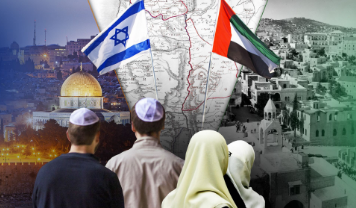
In an age marked by relentless technological advancement and material pursuit, the human spirit often seeks a deeper sense of purpose and moral compass. While science empowers us to manipulate the physical world with precision and creativity, it is religion that roots us in a framework of values, ethics, and inner harmony. The apparent divide between science and religion has sparked countless debates, yet both serve distinct and equally vital roles in the tapestry of human experience.
Religion offers a sanctuary for the soul—a wellspring of meaning, hope, and moral clarity. It connects us to something greater than ourselves, whether it be God, a cosmic order, or the sacredness of existence. Science, conversely, is the intellectual engine that drives innovation, enhances our understanding of nature, and provides tools to improve our quality of life. When harmonized, these realms do not conflict but complement one another in enriching the totality of human life.
This blog aims to explore how religion serves as guidance for our inner selves, while science enables us to engage effectively with our external world. Drawing insights from renowned thinkers, religious texts, and philosophical inquiry, we will navigate through a multifaceted exploration of how these two paradigms—often seen in opposition—are, in fact, twin pillars upholding the human condition.
1- The Complementary Nature of Religion and Science
Religion and science are frequently misunderstood as incompatible domains, yet they operate on different dimensions of human inquiry. Religion addresses existential questions—why we are here, what constitutes a meaningful life, and what moral obligations we bear. Science, on the other hand, is concerned with the “how” of things—how the universe functions, how diseases are cured, and how technologies evolve. When rightly understood, both fields contribute uniquely to the enrichment of human consciousness and civilization.
Albert Einstein once remarked, “Science without religion is lame, religion without science is blind.” This succinctly encapsulates the synergy possible when the spiritual and empirical are allowed to inform one another. Books like The Language of God by Francis Collins, a renowned geneticist and devout Christian, explore this harmony, showing how science can deepen rather than diminish faith.
2- Religion: A Moral Framework for Human Behavior
Religion functions as an ethical compass, guiding individuals and societies toward justice, compassion, and community. From the Ten Commandments in Judeo-Christian traditions to the moral precepts of Buddhism, religious teachings often serve as the foundation of legal and social norms around the world. In contrast to utilitarian approaches, religious ethics emphasize the sanctity of life and the intrinsic worth of every human being.
This moral guidance is particularly crucial in times of ethical ambiguity. Consider the rapid advancements in genetic engineering or artificial intelligence—fields propelled by science but laden with moral implications. Religion offers a principled stance on such issues, urging caution and moral responsibility. Theologians like Reinhold Niebuhr have argued that without the moral restraints offered by religion, human intelligence alone could become dangerously self-serving.
3- Science: Harnessing Matter for Human Progress
Science has empowered humanity with tools that were once unimaginable. From space travel to the eradication of diseases, it has transformed how we live and interact with the material world. It demystifies natural phenomena and converts them into usable knowledge, enabling unprecedented levels of convenience, safety, and connectivity.
However, the benefits of science are contingent upon ethical use. Technological power without wisdom can lead to ecological devastation, nuclear warfare, or social alienation. As philosopher Hans Jonas noted in The Imperative of Responsibility, the more potent our scientific capabilities become, the greater our ethical obligations to use them wisely.
4- The Soul’s Yearning for Transcendence
While science caters to the body and intellect, religion nurtures the soul’s innate longing for transcendence. Rituals, prayer, meditation, and sacred texts invite individuals into a deeper awareness of existence and a connection to the divine. This spiritual nourishment is essential in a world where material success often leaves existential voids.
Psychiatrist Viktor Frankl, in Man’s Search for Meaning, underscores the central human need for purpose—a domain where science has little to offer. Religion fills this gap by addressing the spiritual dimension, allowing people to find peace amid suffering and purpose beyond mere survival.
5- Historical Interplay Between Religion and Science
History offers numerous examples of religion and science coexisting fruitfully. The Islamic Golden Age saw scholars like Ibn Sina and Alhazen merging religious commitment with scientific inquiry. Similarly, early Western scientists such as Newton and Kepler viewed their work as uncovering the divine order in nature.
This historical symbiosis debunks the myth of inherent conflict. Instead, it shows that when religious belief is not rigidly dogmatic and scientific pursuit not arrogantly reductionist, both can flourish together. Books like The Genesis of Science by James Hannam provide compelling accounts of how faith often motivated scientific discovery.
6- The Limits of Scientific Explanation
Science is adept at explaining processes and mechanisms but falls short in addressing purpose or meaning. It can describe how the universe began but not why it exists. It can measure brain activity but cannot fully explain consciousness or the subjective experience of love and morality.
Philosopher Karl Popper acknowledged that empirical inquiry has its boundaries. When it comes to ultimate questions—such as the nature of good and evil, or what happens after death—science offers no definitive answers. Religion steps into this vacuum, providing narratives and doctrines that satisfy the human need for meaning.
7- Faith and Reason: Two Wings of Truth
Faith and reason are often portrayed as opposing forces, yet they can be viewed as complementary modes of knowing. Reason gives us logic and method; faith offers intuition and spiritual insight. Together, they create a fuller picture of reality.
Saint John Paul II, in his encyclical Fides et Ratio, stated that “Faith and reason are like two wings on which the human spirit rises to the contemplation of truth.” Intellectual integrity requires both empirical evidence and metaphysical exploration to grasp the full complexity of existence.
8- The Role of Religion in Psychological Well-Being
Scientific research increasingly supports the idea that religious belief positively impacts mental health. Practices such as prayer, community worship, and acts of charity have been linked to lower rates of depression and anxiety, and greater life satisfaction.
Psychologist Harold Koenig’s studies at Duke University demonstrate how religious involvement contributes to resilience, especially in the face of illness or adversity. These findings suggest that religion does not only serve spiritual purposes but is also instrumental in psychological flourishing.
9- The Ethical Use of Scientific Discoveries
Science provides capabilities; religion prescribes responsibilities. Whether it’s gene editing, AI, or data surveillance, each breakthrough raises moral questions that cannot be resolved by science alone. Ethical considerations must be informed by values and virtues—domains that religion cultivates.
The bioethics movement, for instance, draws heavily on religious and philosophical traditions to frame guidelines for responsible scientific conduct. The late ethicist Edmund Pellegrino emphasized that scientific advancement must always be tempered by compassion and moral wisdom.
10- Religion and Environmental Stewardship
Major religious traditions emphasize the sanctity of creation and human responsibility to care for it. In contrast to a purely exploitative view of nature, religion fosters a sense of reverence and duty toward the environment.
Pope Francis’ encyclical Laudato Si’ is a contemporary example of how religious teaching can galvanize ecological consciousness. It calls for an “integral ecology,” merging scientific data with spiritual insights to address the environmental crisis holistically.
11- Scientific Inquiry Rooted in Wonder
Science, at its best, is an expression of wonder—a quest driven by awe at the complexity of the universe. This sense of wonder is also central to religious experience. Both domains are, in essence, responses to the mystery of existence.
Rabbi Jonathan Sacks observed that “Science takes things apart to see how they work. Religion puts things together to see what they mean.” This perspective encourages a holistic appreciation of both domains as allies in the search for truth.
12- Religion as the Guardian of Human Dignity
Religion consistently upholds the intrinsic value of human life, regardless of utility or function. This contrasts with some secular ideologies that reduce individuals to economic or biological units.
This principle has real-world implications in debates on euthanasia, abortion, and human rights. Religious teachings insist that every person is sacred—a stance echoed by legal frameworks influenced by theological ethics, such as the Universal Declaration of Human Rights.
13- The Perils of Scientific Reductionism
When science overreaches and claims to explain all aspects of life, it lapses into reductionism. This worldview dismisses consciousness, love, or morality as mere chemical reactions, stripping life of its deeper significance.
Philosopher Thomas Nagel, in Mind and Cosmos, critiques the limitations of materialist science in accounting for human experience. He advocates for a more expansive view that includes subjective reality—a domain where religion provides indispensable insights.
14- Religion and the Search for Ultimate Truth
Religion dares to ask the ultimate questions: What is the meaning of life? Is there a God? What lies beyond death? These questions are not only philosophical—they are existential. Science, confined to observable data, cannot tackle these mysteries.
Theologian Paul Tillich called religion “the state of being ultimately concerned.” This ultimate concern shapes lives, cultures, and civilizations, offering a transcendent orientation that science, however powerful, cannot substitute.
15- Science and the Fragility of Civilization
Scientific progress, if divorced from ethical moorings, can imperil rather than enhance civilization. Nuclear weapons, climate change, and AI-driven warfare are sobering examples of how unbridled science can lead to catastrophe.
Yuval Noah Harari, in Homo Deus, warns of a future where scientific mastery could lead to dehumanization. Religion acts as a counterbalance, reminding humanity of its limitations and the sacredness of life.
16- Integration of Science and Religion in Education
Modern education systems often compartmentalize science and religion, leading to a fragmented worldview. An integrated curriculum that includes both domains can cultivate holistic thinkers capable of moral reasoning and scientific literacy.
Institutions like Oxford and Harvard once embraced such integration, viewing theology and science as complementary disciplines. Reviving this model could foster deeper intellectual and ethical development.
17- Personal Transformation Through Faith and Knowledge
Both science and religion have transformative power. Science changes how we live externally; religion transforms who we are internally. A balanced life involves mastery of both spheres.
Great figures like Al-Ghazali and Blaise Pascal exemplify this dual mastery. They were scholars who embraced both empirical knowledge and spiritual depth, showing that intellectual rigor and devout faith can coexist fruitfully.
18- Religion in the Age of Artificial Intelligence
As AI systems become increasingly autonomous, ethical questions arise that science alone cannot answer. What does it mean to be human? Can machines possess morality or consciousness?
Religious traditions offer frameworks for addressing these dilemmas. The concept of the soul, human dignity, and moral agency are invaluable in guiding AI development in ways that respect human values and divine principles.
19- The Role of Religious Rituals in Modern Life
In a fast-paced, digital world, religious rituals offer moments of stillness, reflection, and connection. These practices reinforce identity, community, and spiritual grounding—elements often missing in a secularized society.
Rituals act as cultural anchors, providing structure and meaning across generations. Anthropologist Mircea Eliade emphasized that rituals connect the mundane with the sacred, making the divine accessible in daily life.
20- Embracing a Unified Vision for Humanity
To navigate future challenges—from pandemics to climate change—we need both scientific innovation and moral wisdom. A unified vision that draws from both religion and science can create a more compassionate, sustainable world.
As E.O. Wilson proposed in The Creation, secular and religious individuals must work together for the planet’s future. Our shared humanity depends on harmonizing empirical insight with ethical and spiritual depth.
Conclusion
In the final analysis, religion and science are not adversaries but allies—each addressing different dimensions of human existence. Science enables us to manipulate the outer world; religion guides our inner journey. Together, they enrich life with purpose, depth, and responsibility. For a thriving civilization, we must cultivate both the wisdom of the soul and the brilliance of the intellect. As Blaise Pascal wisely put it, “The heart has its reasons which reason knows not.” Let us then walk with both reason and reverence into the future.
Affiliate Disclosure: This blog may contain affiliate links, which means I may earn a small commission if you click on the link and make a purchase. This comes at no additional cost to you. I only recommend products or services that I believe will add value to my readers. Your support helps keep this blog running and allows me to continue providing you with quality content. Thank you for your support!
The sources provided offer a multifaceted exploration of Early Christianity, emphasizing its dynamic growth, internal diversity, and evolving relationship with the surrounding Roman world.
Early Christianity did not emerge as a monolithic entity, but rather as a collection of diverse “Jesus movements” [1] that shared a common belief in Jesus Christ but differed in their interpretations of his teachings and implications for their lives.
Scholars have moved away from simplistic narratives of a pristine, unified faith gradually distorted by heresies. Instead, they recognize that diversity was inherent to Early Christianity from its very beginning [2, 3].
Jewish and Gentile Christianity
Jesus and his earliest followers were Jewish, and the movement initially existed within a Jewish context [1, 4].
Jewish Christianity, characterized by adherence to Jewish law and customs, continued to exist alongside Gentile Christianity [1, 5, 6].
Gentile Christianity rapidly expanded, embracing non-Jews into the community [1]. The apostle Paul played a crucial role in this expansion [7]. This expansion raised complex questions about the relationship between Jewish law and the beliefs of Gentile Christians.
The sources suggest that Gentile Christianity’s success can be attributed in part to its engagement with writing and its adoption of Greek, the lingua franca of the Roman world [8]. This allowed for the creation of texts that facilitated community organization, self-understanding, and the spread of its message.
Regional Variations
As Christianity spread “from Jerusalem to the ends of the earth” [9], it took on distinct characteristics in different regions [3].
Part IV of the Cambridge History of Christianity, “Regional Varieties of Christianity in the First Three Centuries,” examines the unique developments of Christian communities in various regions, including Asia Minor, Egypt, Syria, Gaul, North Africa, and Rome [10].
Each region’s social, cultural, and religious context influenced the development of its Christian community. For example, the strong Jewish presence in Antioch likely shaped the early Christian community there [11, 12]. Similarly, Christianity in North Africa was likely influenced by the region’s Punic and Jewish heritage [13].
Shaping of Christian Theology and Institutionalization
Part V of the Cambridge History of Christianity focuses on “The Shaping of Christian Theology” [14].
This section discusses the emergence of key theological concepts, such as monotheism and the doctrine of creation [15], as well as controversies surrounding the nature of Jesus Christ and his relationship with God [14].
Early Christians engaged in intense theological debates, particularly with groups like Gnostics, who presented alternative understandings of Christian beliefs [15, 16].
The sources also highlight the process of institutionalization within early Christianity. The emergence of the monarchical episcopate, where a single bishop held authority over a community, marked a shift toward more structured leadership [17].
Relationship with the Roman Empire
The sources discuss the complex and evolving relationship between Early Christianity and the Roman Empire.
Initially a counter-cultural movement [4, 16], Christianity gradually gained acceptance, culminating in Constantine’s support in the 4th century [16, 18].
Christians faced persecution, often sporadic and localized, but sometimes empire-wide and systematic [16]. The sources mention Pliny the Younger’s letter to Emperor Trajan, which provides valuable insights into Roman perceptions of and actions against Christians in the early 2nd century [19].
Constantine’s reign marked a turning point. His patronage provided the church with resources, legal recognition, and public status [18].
Legacy of Early Christianity
The sources conclude by considering the lasting impact of Early Christianity on subsequent Christian history.
They argue that Early Christianity bequeathed a set of enduring tensions or “problematics” that continue to shape Christian thought and practice [20].
These include the tension between unity and diversity, as well as the ongoing task of defining Christian identity in relation to its origins and the surrounding world [20, 21].
Conclusion
The sources presented in the Cambridge History of Christianity offer a rich and nuanced understanding of Early Christianity. They move beyond simplistic narratives to highlight the diversity, theological ferment, and complex interactions with the Roman world that characterized this formative period. These sources underscore the enduring legacy of Early Christianity, demonstrating its profound influence on the development of Christian thought, practice, and institutions throughout history.
Regional Distinctiveness in Early Christianity
The sources highlight that while early Christian communities shared fundamental beliefs, the expression and development of Christianity varied significantly across different regions of the Roman Empire. This regional distinctiveness stemmed from several factors, including:
Pre-existing Cultural and Religious Landscape: Each region had its unique cultural, social, and religious characteristics that influenced the way Christianity was received and interpreted. The sources mention that Asia Minor, with its established Greek cities and strong Jewish communities, differed significantly from Gaul, where Greek and Eastern influences were primarily concentrated in coastal cities like Marseilles. [1, 2]
Influence of Local Leaders: The personalities and theological leanings of prominent figures within a region often shaped the direction of the Christian community. For example, in Asia Minor, the influence of figures like Polycarp and Polycrates contributed to the region’s adherence to the Quartodeciman practice for celebrating Easter, distinct from the practice in Rome. [3]
Interaction and Exchange: While regional variations were significant, Christian communities were not isolated. They engaged in constant communication and exchange of ideas through letters, travelers, and itinerant preachers. [4] This interaction led to both the spread of common practices and the emergence of disagreements and controversies, as seen in the Quartodeciman controversy, which involved debates and exchanges between communities in Asia Minor, Rome, and Gaul. [5, 6]
Examples of Regional Variations
The sources provide specific examples of how regional contexts shaped the development of Christianity:
Asia Minor and Achaea: Characterized by a strong Pauline and Johannine influence, these regions saw the emergence of prominent figures like Ignatius of Antioch and Polycarp of Smyrna, who played crucial roles in shaping early Christian thought and practice. These regions also exhibited a fierce independence, as evidenced by their resistance to Roman pressure for uniformity in the Quartodeciman controversy. [3, 7, 8]
Egypt: This region, with its rich philosophical and religious heritage, saw the development of distinctive theological schools, including Alexandrian Christianity, known for its allegorical interpretation of scripture and prominent figures like Clement and Origen. [9-11]
Syria and Mesopotamia: The sources describe Syrian Christianity as multifaceted, with diverse traditions influenced by Jewish Christianity and Gnosticism. Figures like Bardaisan contributed to the region’s unique theological landscape, while the rise of Manichaeism demonstrates the dynamic interaction between different religious ideas in the region. [12]
Gaul: The sources suggest a relatively late arrival of Christianity in Gaul, with evidence pointing to a connection with communities in Asia Minor. [2] The region became a center for theological debate, with Irenaeus of Lyons actively engaging in controversies against various Gnostic groups and playing a mediating role in disputes between other communities, such as the Quartodeciman controversy. [6, 13]
North Africa: This region was known for its literalistic and legalistic approach to Christianity, influenced by its unique blend of Punic, Roman, and Jewish heritage. [14] Figures like Tertullian and Cyprian significantly contributed to theological developments, particularly in areas like Trinitarian doctrine and ecclesiology. North Africa also experienced internal divisions, as seen in debates about the treatment of those who had lapsed during persecution. [15-17]
Rome: Initially a diverse and “fractionalized” network of house churches, Roman Christianity gradually moved towards a more centralized authority under the leadership of its bishops. The sources suggest that this process involved internal struggles and debates, as seen in the controversies surrounding figures like Victor I and Novatian. [17-19]
Significance of Regional Variations
The recognition of regional variations in early Christianity has important implications for understanding the development of Christian thought, practice, and institutions:
Challenges the Notion of a Monolithic Origin: It undermines the idea that Christianity emerged as a uniform entity and instead emphasizes the dynamic and diverse ways in which different communities interpreted and lived out their faith.
Highlights the Importance of Context: It demonstrates the significant influence of social, cultural, and political contexts in shaping the development of religious ideas and practices.
Provides a More Nuanced View of Orthodoxy and Heresy: It encourages a more nuanced understanding of how early Christians grappled with theological differences, recognizing that what was considered “orthodox” in one region might have been viewed differently in another.
By acknowledging regional variations, the sources offer a more complex and historically accurate picture of early Christianity, recognizing its dynamic nature and the interplay of diverse influences that contributed to its development.
Examining Christian Theology’s Evolution
The sources offer a compelling glimpse into the development of Christian theology during the pivotal early centuries. They emphasize that theology emerged not as a static system but as a dynamic process shaped by internal debates, responses to external challenges, and the need to articulate a coherent understanding of Christian beliefs.
Key Themes and Controversies:
Monotheism and Christology: A central challenge for early Christians was reconciling their belief in the one God inherited from Judaism with their devotion to Jesus Christ. This gave rise to intense debates surrounding the nature of Jesus and his relationship with God. The sources highlight the emergence of Logos theology, which attempted to articulate Christ’s divinity as the Word (Logos) of God, pre-existent and instrumental in creation. This theological development sought to uphold monotheism while affirming Jesus’ divine nature. [1-7]
The sources further discuss controversies over the Trinity. They point out how early theologians wrestled with articulating the distinct persons of the Father, Son, and Holy Spirit while maintaining the unity of God. These debates, which continued for centuries, illustrate the complexity of theological reflection in early Christianity. [8, 9]
Creation and the Flesh: Early Christians grappled with understanding the material world and its relationship to God. They confronted challenges from groups like the Gnostics, who viewed matter as inherently evil and the creator God as a lesser deity. The sources emphasize how theologians like Irenaeus and Tertullian defended the goodness of creation and the unity of the creator God with the God revealed in Jesus Christ. These discussions contributed to the development of the doctrine of creation ex nihilo (creation out of nothing), emphasizing God’s absolute sovereignty and the goodness of the material world. [10-14]
The sources also reveal the influence of Greek philosophical concepts on early Christian thinking about creation. The integration of ideas from Plato and Stoicism, for example, shaped how theologians articulated the relationship between the spiritual and material realms. [4]
Interpreting Scripture: As Christianity developed, the interpretation of scripture became increasingly important. The sources mention the use of allegorical and typological methods to understand the deeper meaning of biblical texts. Origen, a prominent Alexandrian theologian, is particularly noted for his sophisticated use of allegory. [9, 15-17]
However, different approaches to interpretation also led to disagreements and controversies. The sources note the debate between literal and allegorical interpretations, highlighting the challenges early Christians faced in establishing a coherent and authoritative approach to understanding scripture. [9]
Authority and Orthodoxy: The sources emphasize the gradual institutionalization of Christianity, with the emergence of a more structured hierarchy and a growing emphasis on doctrinal conformity. The development of the monarchical episcopate, where bishops held authority in local communities, marked a shift toward greater centralization. [1, 18]
This process also involved the definition of orthodoxy and the exclusion of heretical teachings. Councils and synods, gatherings of church leaders, played a role in this process, as seen in the condemnation of Gnostic beliefs. The sources mention figures like Irenaeus and Tertullian, who engaged in vigorous polemics against those deemed heretical, defending what they saw as the true Christian faith. [1, 8, 19-21]
Development of Christian Paideia:
The sources underscore the importance of education in early Christianity. They discuss the emergence of a distinct Christian paideia, a system of education and training aimed at forming individuals in Christian thought and practice. [22, 23]
Origen’s educational program, as described in the sources, exemplifies this development. He incorporated elements of Greek philosophy and rhetoric, but ultimately focused on scriptural interpretation as the highest form of knowledge. This integration of classical learning with Christian teachings illustrates how early Christians engaged with the broader intellectual world while seeking to articulate a distinctive Christian worldview. [23-26]
Conclusion:
The sources depict early Christian theology as a vibrant and contested field. Driven by the need to understand the implications of their faith, early Christians engaged in rigorous theological reflection, drawing on scripture, philosophical concepts, and their evolving experiences within the Roman world. This process involved both creative synthesis and sharp polemics, as theologians sought to articulate a coherent understanding of Christian beliefs and practices. The legacy of this theological ferment continues to shape Christian thought and tradition today.
Overview of the Roman Empire in Early Christianity
The sources offer a rich and multifaceted view of the Roman Empire and its impact on the development of early Christianity. They emphasize the complex and often paradoxical relationship between the emerging Christian communities and the established imperial power.
Key Aspects:
Roman Expansion and the Spread of Christianity: The sources highlight the role of Roman expansion in facilitating the spread of Christianity. The empire’s vast network of roads, established communication systems, and relative peace (Pax Romana) provided favorable conditions for travel and exchange, allowing early Christians to disseminate their message across wide geographical areas [1, 2]. The sources note that Roman conquests, particularly in the eastern Mediterranean, led to the spread of Hellenism, creating a cultural environment that both facilitated and challenged the growth of Christianity [1].
Roman Culture and Religion: The sources describe the distinctive features of Roman culture and religion that shaped the context for early Christianity. Key aspects include:
Imperial Cult: The emperor cult, with its emphasis on loyalty to the emperor and the divine sanctions of Roman rule, posed a significant challenge to early Christians, who refused to participate in emperor worship [3, 4]. This refusal often led to persecution and accusations of disloyalty [5, 6].
Syncretism and Tolerance: Roman religion was characterized by syncretism, readily absorbing deities and practices from conquered peoples. While this generally fostered a climate of religious tolerance, Christianity, with its exclusive claims and refusal to compromise, was often viewed with suspicion and hostility [7, 8].
Philosophy and Rhetoric: The sources note the influence of Greek philosophy and Roman rhetoric on early Christian thought and expression [9, 10]. Figures like Origen integrated philosophical concepts into their theological writings, while the use of rhetoric, as seen in the works of Tertullian, demonstrates the engagement of early Christians with the broader intellectual currents of the Roman world [11].
Roman Administration and Law: The sources discuss the impact of Roman administration and law on early Christian communities:
Legal Status: The sources emphasize the precarious legal status of Christianity within the empire [6, 8]. While initially tolerated as a Jewish sect, Christianity eventually faced persecution as a distinct and illegal religion, particularly during the reigns of emperors like Nero, Domitian, Decius, and Diocletian [6, 12-14]. This persecution often stemmed from the perception of Christians as a threat to social order and the imperial cult [14, 15].
Local Administration: The sources describe the role of local officials, such as governors and magistrates, in dealing with Christian communities [16, 17]. The correspondence between Pliny the Younger and Emperor Trajan, for example, illustrates the challenges faced by Roman administrators in implementing imperial policy regarding Christians [17].
Christian Attitudes Towards the Roman Empire: The sources present a range of Christian attitudes towards the Roman Empire, from cautious accommodation to outright rejection:
Apocalyptic Expectations: Some early Christians, particularly those influenced by apocalyptic literature, viewed the Roman Empire as a manifestation of evil and a sign of the impending end of the world [4]. This perspective led to a rejection of Roman power and a focus on the coming kingdom of God.
Pragmatic Accommodation: Others adopted a more pragmatic approach, acknowledging the benefits of Roman rule and praying for the emperor’s well-being [18]. This view, particularly prominent among early Christian apologists, sought to demonstrate Christianity’s compatibility with Roman society and secure toleration within the empire.
Challenges to Roman Ideology: Despite their varying responses, early Christians often challenged fundamental aspects of Roman ideology. Their refusal to participate in the emperor cult, their emphasis on universal brotherhood, and their critique of Roman social injustice undermined the foundations of imperial power [19, 20].
The Constantinian Shift:
The sources depict the reign of Emperor Constantine as a watershed moment in the relationship between Christianity and the Roman Empire [21]. Constantine’s conversion to Christianity and his subsequent policies of toleration and patronage dramatically altered the social and political landscape for Christian communities. This shift led to the gradual integration of Christianity into Roman structures, culminating in the establishment of Christianity as the official religion of the empire. The sources, however, also hint at the complexities and ambiguities of the Constantinian legacy, noting the potential for conflict between imperial power and the autonomy of the church [22, 23].
Conclusion:
The Roman Empire provided both the context and the catalyst for the development of early Christianity. The empire’s political structures, social networks, and cultural milieu shaped the ways in which Christian communities emerged, spread, and articulated their beliefs. The complex interplay of accommodation, resistance, and transformation that characterized the relationship between Christianity and the Roman Empire ultimately contributed to the formation of Christian thought, institutions, and its enduring presence in the world.
Early Christianity’s Relationship with its “Jewish Matrix”
The sources examine the complex and multifaceted relationship between early Christianity and its “Jewish matrix.” This term acknowledges that Christianity originated within Judaism, inheriting its scriptures, concepts, and cultural milieu. The sources explore how early Christians navigated this heritage, articulating their distinct identity while grappling with their ongoing connection to Jewish traditions.
Key Dimensions of the “Jewish Matrix”:
Shared Scriptures: The sources emphasize the centrality of Jewish scriptures, what Christians later called the “Old Testament,” for early Christian communities. These texts provided the foundational narratives, prophetic pronouncements, and legal frameworks that shaped early Christian thought. The sources note how Christian writers like Justin Martyr and Melito of Sardis reinterpreted these scriptures, finding in them prefigurations of Christ and validations of Christian beliefs.
This process of reinterpretation, however, also led to conflicts with Jewish communities over the meaning and authority of the scriptures. The sources mention debates over the interpretation of prophecies, the validity of the Mosaic Law for Christians, and the implications of Jesus’ life and death for understanding the scriptures.
Jewish Identity: The sources highlight the ongoing debate over the meaning of Jewish identity in the context of early Christianity. This debate involved questions about ethnicity, religious practice, and the relationship between Christianity and the ongoing traditions of Judaism. The sources mention the complex figure of Paul, whose mission to the Gentiles raised fundamental questions about the boundaries of Jewish identity and the requirements for inclusion in the Christian community.
The sources also discuss the diversity within early Christianity regarding its relationship with Judaism. They mention groups labeled “Jewish Christians” who continued to observe Jewish practices while affirming their belief in Jesus, while others, primarily Gentile Christians, moved further away from Jewish traditions. This internal diversity illustrates the fluidity and contested nature of both Jewish and Christian identities during this period.
“Parting of the Ways”: The sources discuss the concept of a “parting of the ways” between Judaism and Christianity, a model that acknowledges the growing divergence between these two religious traditions in the centuries following Jesus’ death. The destruction of the Jerusalem temple in 70 CE, a pivotal event for both communities, further contributed to this process of separation.
However, the sources also caution against viewing this separation as a clear-cut or inevitable event. They emphasize the ongoing interactions and debates between Jews and Christians, suggesting a more complex and fluid relationship than a simple “parting of the ways” model might imply. The sources mention evidence of continued intellectual engagement, shared social spaces, and even instances of conversion between these two communities.
Christian Self-Definition: The sources stress how the “Jewish matrix” played a crucial role in shaping Christian self-definition. Early Christians defined themselves both in continuity with and in distinction from Judaism. They claimed to be the true inheritors of the Abrahamic covenant while simultaneously asserting the novelty and superiority of the Christian revelation.
This process of self-definition often involved polemical rhetoric, particularly in the writings of figures like Justin Martyr and Tertullian. The sources, however, also point out the potential for anti-Judaism in these writings, raising important questions about the theological and ethical implications of Christian self-definition vis-à-vis Judaism.
Conclusion:
The sources reveal the “Jewish matrix” as a complex and multifaceted concept that profoundly shaped the development of early Christianity. Early Christians wrestled with their inheritance from Judaism, seeking to articulate their distinctive identity while grappling with their ongoing connection to Jewish traditions. This process involved scriptural reinterpretation, debates over identity, growing separation alongside continued interaction, and the challenges of defining oneself in relation to “the other.” The legacy of this complex relationship continues to shape Christian theology and its understanding of its own origins and identity.
Rejecting Simple Narratives: A New Approach to Christian Origins
The first volume of the “Cambridge History of Christianity,” Origins to Constantine, significantly differs from earlier church histories in its approach to the first three centuries of Christianity. Rather than presenting a simple, linear narrative of a unified faith spreading from Jerusalem, the volume emphasizes diversity and complexity in the development of early Christian communities [1].
Here are some key distinctions in its approach:
Recognizing Diversity from the Beginning: The volume challenges the traditional narrative of a single, pure faith that was later distorted by heresies. It acknowledges the existence of diverse forms of Christianity from the outset, moving away from simplistic models of development and single-theory explanations [2].
Emphasis on Regional Variations: The volume devotes a significant portion to examining “Regional Varieties of Christianity in the First Three Centuries” [3]. It acknowledges that the political, social, and religious contexts of different regions within the Roman empire shaped the development of Christian communities in distinct ways [4].
Shifting Focus from Intellectual to Social History: The volume reflects a growing trend in scholarship towards social history, balancing the traditional emphasis on intellectual history with a deeper consideration of everyday life, family structures, and social practices within early Christian communities [5].
Moving Beyond Simple Dichotomies: The volume challenges simplistic dichotomies that have often framed the study of early Christianity, such as Jewish Christianity versus Gentile Christianity or orthodox versus heretical. It recognizes that these categories are often imposed retrospectively and fail to capture the fluidity and complexity of early Christian thought and practice [6-8].
Problematizing the Figure of Jesus: The volume acknowledges the inherent challenges in reconstructing a historical biography of Jesus and questions whether such an endeavor can adequately account for the rise and development of Christianity. It suggests that Christian faith is ultimately founded upon the person of Jesus Christ as understood through faith, rather than a purely historical figure [9].
Foregrounding the Role of Texts: The volume emphasizes the central role of texts in shaping Christian self-understanding and practice, highlighting the development of a vibrant literary culture within early Christian communities. It examines the emergence of the written record, the formation of the canon, and the sophisticated methods of biblical interpretation that developed in response to internal debates and interactions with other intellectual traditions [10, 11].
Highlighting Dialectical Development of Doctrine: The volume rejects the notion of doctrinal development as a simple, linear progression. Instead, it stresses the role of debate, controversy, and interaction with competing ideas in shaping core Christian doctrines. It argues that theological concepts were forged in the fires of controversy and that the articulation of orthodoxy was often driven by the need to define itself against perceived heresies [12, 13].
In sum, Origins to Constantine presents a more nuanced and complex understanding of early Christianity than earlier church histories, recognizing the diversity of expressions, the importance of regional variations, and the dynamic interplay of social, intellectual, and political forces that shaped the first three centuries of the Christian movement.
Formative Contexts of Early Christianity
The sources identify three major formative contexts in which early Christianity developed [1]:
The Jewish Context in Galilee and Judea: This local setting shaped the life of Jesus and his earliest Jewish followers. The sources emphasize the social and political realities of Roman rule in this region and how these realities impacted the development of Jesus’s ministry and message [2].
The Jewish Diaspora: Early Christianity spread within and alongside Greek-speaking Jewish communities outside Palestine. The sources highlight the significant influence of these communities in developing an apologetic stance towards Graeco-Roman culture [1]. They further emphasize the diverse forms of Judaism present in these communities, suggesting that early Christianity may have inherited this diversity from the outset [3].
The Roman Empire: The political and social realities of the Roman Empire played a crucial role in both facilitating and thwarting the growth of Christian communities. The sources point to the Pax Romana and the ease of travel and communication within the empire as factors that aided the spread of Christianity [4]. They also discuss how Christians negotiated their relationship with Roman authorities, a relationship marked by both periods of relative peace and sporadic episodes of persecution [5-7].
It’s important to consider that these three contexts are not separate, but rather interacted in complex ways. For instance, Jewish communities within the diaspora existed within the broader context of the Roman Empire, and early Christians, many of whom were initially Jewish, had to navigate their relationship to both their Jewish heritage and the dominant Roman culture.
The sources also emphasize the importance of recognizing the diversity within each of these contexts. For example, there were different forms of Judaism practiced within both Galilee and Judea and the Jewish diaspora. Similarly, the experience of Christians within the Roman Empire varied according to region, time period, and social status.
Ultimately, the sources suggest that the interplay of these diverse and dynamic contexts contributed to the complexity and richness of early Christianity.
Facilitating Factors in the Spread of Early Christianity
The sources highlight several significant historical developments that contributed to the spread of Christianity in the Roman Empire:
The Pax Romana: The sources note that the Pax Romana, a period of relative peace and stability within the Roman Empire, facilitated the spread of Christianity. This peace, coupled with Roman road building, enabled unprecedented ease of travel and communication, which the apostles and early Christian missionaries exploited to spread their message. [1, 2]
The Existing Jewish Diaspora: The presence of Jewish communities throughout the empire, already familiar with monotheism and messianic expectations, provided a receptive audience for early Christian missionaries. The sources describe how Christianity initially spread “within and alongside” these Greek-speaking Jewish communities outside Palestine. [3-5] These communities, familiar with both Jewish and Greco-Roman culture, played a crucial role in translating Christian concepts into terms understandable to the Gentile world. [3]
The Structure of the Early Church: The early Christian movement adapted existing social structures within the Roman world, such as the household, to establish a presence in urban centers. The sources describe how house churches, often patronized by wealthy individuals, became the “basic cell” of the Christian movement. [6] These small, intimate gatherings provided a space for worship, fellowship, and instruction, fostering a sense of community among early Christians.
A Unified Christian Message: The sources argue that the early church, despite its internal diversity, promoted a unified message of salvation through Jesus Christ. This message resonated with people from various social backgrounds and geographical locations, contributing to the growth of the movement. [2] While acknowledging the existence of various forms of early Christianity, the sources also highlight the shared beliefs and practices that connected these diverse communities. [5] The development of a “vibrant literary culture”, particularly the circulation of Pauline letters and the formation of the Gospels, played a crucial role in establishing and disseminating this unified message. [7, 8]
The Adaptability of Early Christians: The sources suggest that the early church successfully adapted to the cultural and social norms of the Roman world while maintaining its distinct identity. This adaptability enabled Christianity to gain a foothold in various regions and social strata within the empire. [1, 9] This process of “enculturation” involved adapting existing cultural forms, such as those found in mystery cults and philosophical schools, to express Christian beliefs and practices. [9, 10]
It’s important to note that the sources present a nuanced perspective on the spread of Christianity, emphasizing that it was not a simple or inevitable process. The sources also acknowledge the role of other factors, including:
Social and Economic Conditions: Some scholars (not cited in the sources) suggest that Christianity appealed to marginalized groups in Roman society, offering them a sense of community and hope in the face of social and economic inequality.
The Appeal of Christian Ethics: Others (also not cited in the sources) argue that the ethical teachings of Christianity, emphasizing love, forgiveness, and compassion, attracted converts disillusioned with the perceived decadence and immorality of Roman society.
These factors, while not explicitly discussed in the provided sources, contributed to the growing popularity of Christianity within the Roman Empire.
Spreading the Message: Early Christians and Roman Infrastructure
The sources provide several examples of how early Christian communities effectively utilized elements of the Roman imperial infrastructure to spread their message and build connections within the burgeoning Christian movement:
Roads and Sea Routes: The sources highlight the importance of the Roman road system, which facilitated the unprecedented ease of travel and communication within the empire [1]. The Pax Romana further ensured relative safety for travelers, allowing apostles, missionaries, and “fellow workers” to traverse great distances to establish churches, maintain contact, and supervise existing communities [1]. This ease of communication also enabled the spread of early Christian literature, such as letters and gospels, which played a crucial role in establishing a unified Christian message despite regional variations [1, 2]. Sea routes, another key part of Roman infrastructure, were also significant, as evidenced by Abercius’s journey to Rome [3].
Urban Centers and the Household: The sources emphasize that early Christian communities strategically utilized urban centers as focal points for spreading their message [4]. The structure of the early church, particularly its adaptation of the Roman household as the “basic cell” of the Christian movement, provided a familiar and effective entry point into urban life [5]. Wealthy individuals, who often served as patrons of various social clubs and associations, provided space and resources for these house churches, allowing the movement to gain a foothold within existing social structures [5].
The Postal System: Though not explicitly mentioned in the sources, it’s worth noting that the Roman postal system, known as the cursus publicus, may have played a role in facilitating communication between Christian communities. This system, primarily intended for official use, might have been accessed by Christians through personal connections or by individuals with appropriate status. This possibility, while speculative and not supported by the provided sources, highlights how early Christians may have taken advantage of existing Roman infrastructure to further their goals.
Correspondence Networks: The sources describe the development of extensive correspondence networks within the early church, connecting communities across the empire [2]. Bishops, in particular, played a key role in maintaining these networks, as evidenced by the letters of Ignatius, Polycarp, and Cyprian [6]. These letters, facilitated by the ease of travel and communication within the Roman world, provided a means of sharing news, addressing theological debates, coordinating resources, and offering support and encouragement to fellow Christians.
The City of Rome: The city of Rome itself, as the capital of the empire and a hub of cultural and political life, served as a natural destination for Christians seeking to make connections and spread their message [7]. The sources describe how Rome became a “melting pot” of ideas and cultures, attracting Christians from various regions who brought with them their own unique perspectives and experiences [8]. The “fractionalized” nature of Roman Christianity, with its numerous house churches and diverse theological perspectives, reflects the city’s role as a central point of interaction and exchange within the early Christian movement [9].
The sources suggest that early Christians did not view the Roman Empire as inherently hostile, but rather recognized the opportunities it presented for spreading the Christian message. By strategically utilizing elements of the Roman imperial infrastructure, such as its roads, urban centers, and communication networks, Christians successfully adapted to the social and cultural landscape of the empire while simultaneously establishing their own unique forms of community and religious practice.
Social and Religious Impacts on Early Christianity
The social and religious context of the Roman Empire had a profound impact on the growth of early Christian communities, creating both opportunities and challenges for the burgeoning movement. The sources provide insights into these various factors, highlighting the complex interplay between Christianity and its environment.
The Jewish Context
Foundation and Points of Contact: Christianity emerged from within Judaism, inheriting key concepts such as monotheism, messianic expectations, and a strong ethical framework. The Jewish diaspora, with its established communities throughout the empire, provided crucial points of contact for early Christian missionaries. These communities, already familiar with Jewish scripture and tradition, offered a receptive audience for the Christian message, particularly its emphasis on Jesus as the fulfillment of Jewish prophecy [1].
Differentiation from Judaism: As Christianity spread, especially among Gentiles, it became increasingly necessary for the movement to differentiate itself from Judaism. This led to ongoing debates regarding issues such as circumcision, dietary laws, and the role of Jewish law [2]. Early Christians had to navigate their relationship to their Jewish heritage while simultaneously defining their unique identity within the broader religious landscape of the Roman world.
The Roman Context
Pax Romana and Infrastructure: The sources emphasize the importance of the Pax Romana, which provided a period of relative peace and stability within the empire. This stability, coupled with the extensive Roman road network, facilitated the spread of the Christian message and the development of communication networks between communities [1, 3]. Urban centers, hubs of trade and cultural exchange, became crucial sites for the establishment of Christian communities [4].
Voluntary Associations and the Household: The Roman world was characterized by the prevalence of voluntary associations, such as burial societies, craft guilds, and philosophical schools [5]. Early Christian communities adapted existing social structures, such as the Roman household, to create spaces for worship, fellowship, and instruction [5]. This adaptation allowed Christians to integrate themselves into existing social networks while simultaneously developing their own distinct forms of community.
Religious Pluralism and the Imperial Cult: The Roman Empire was religiously pluralistic, encompassing a wide array of deities, cults, and religious practices [6]. This pluralism, while generally tolerant of diverse beliefs, created challenges for Christians, who faced pressure to participate in the imperial cult, which venerated the emperor as a divine figure [7]. This pressure led to accusations of disloyalty and contributed to the persecution of Christians, who refused to compromise their monotheistic beliefs.
Navigating Roman Society
Social Status and the Appeal of Christianity: While the sources do not explicitly discuss the socioeconomic composition of early Christian communities, they suggest that Christianity appealed to individuals from various social strata. The Pauline letters mention converts from both the lower and upper classes, suggesting that the Christian message resonated across social boundaries [8].
Christian Attitudes Towards Roman Authority: Early Christian communities had to navigate their relationship with Roman authorities carefully. While some Christians advocated for active engagement in civic life, others adopted a more separatist stance, emphasizing their primary allegiance to God rather than to the emperor [9]. This tension between accommodation and resistance shaped Christian responses to persecution and influenced the development of early Christian political thought.
The Role of Christian Thought and Practice
The Development of a Unified Message: The sources emphasize the importance of a unified Christian message, despite the diversity of early Christian communities [10]. The development of a shared theological framework, as evidenced in the New Testament writings and the emergence of authoritative figures like Irenaeus, played a crucial role in defining Christian identity and promoting a sense of unity across geographical boundaries. The circulation of these texts, facilitated by the Roman infrastructure, helped to establish common ground amidst regional variations in belief and practice [11].
Apologetics and Engagement with Graeco-Roman Culture: Early Christian writers, such as Justin Martyr, engaged with Graeco-Roman philosophy and culture, developing apologetic arguments to defend their faith and present it in terms understandable to the wider world [12]. These efforts reflect the need for Christians to articulate their beliefs within the intellectual framework of their time. The sources suggest that early Christians did not reject Roman culture entirely, but rather sought to adapt elements of it to express their own distinct beliefs.
Conclusion
The growth of early Christian communities was significantly shaped by the social and religious context of the Roman Empire. Christians utilized the existing infrastructure and social structures to facilitate communication and establish a presence within urban centers. They navigated the challenges posed by the imperial cult and the pressures to conform to Roman social norms. Through the development of a unified theological framework and engagement with Graeco-Roman thought, Christians established a distinct identity that both adapted to and challenged the prevailing cultural and religious landscape of the Roman world.
The Crucible of Persecution: Forging Christian Identity
The sources demonstrate that persecution played a pivotal role in shaping the identity and development of early Christianity, acting as a crucible that both tested and solidified the faith of its adherents. The experiences of persecution, while often brutal and disruptive, contributed to the definition of Christian identity, the development of its theology, and the evolution of its organizational structures.
Defining Identity through Resistance
Creating a Distinct Identity: Persecution forced early Christians to confront the fundamental incompatibility between their faith and the demands of Roman society, particularly the obligation to participate in the imperial cult. This confrontation solidified Christian identity as a distinct religious group, set apart from the prevailing pagan culture. The sources highlight the unwavering commitment of early Christians to their monotheistic beliefs, even in the face of death. The Martyrium Scillitanorum acta, for example, demonstrates the steadfast refusal of these North African Christians to offer sacrifices to the emperor, choosing instead to embrace martyrdom as a testament to their faith [1].
The Power of Martyrdom: Martyrdom became a defining feature of early Christian identity, serving as a powerful testament to the strength of their convictions. The sources describe the veneration of martyrs as heroes and role models within Christian communities. Their willingness to die for their faith inspired others and reinforced the belief that true Christian identity required unwavering commitment, even under duress. The Martyrium Polycarpi describes the execution of Bishop Polycarp, who refused to recant his faith despite pleas to “consider his age” and swear by the emperor [2]. His death, witnessed by the community, became a rallying point for Christians in Smyrna and beyond.
Theological Development
Theology of Suffering and Hope: The experience of persecution deeply influenced the development of early Christian theology, particularly its focus on suffering, redemption, and the hope for a future kingdom. The sources reflect the belief that persecution was a necessary consequence of Christian faithfulness in a hostile world. Paul, writing to the Corinthians, acknowledged the inevitability of persecution, stating, “For it has been granted to you that for the sake of Christ you should not only believe in him but also suffer for his sake” (Philippians 1:29). This understanding of suffering as a participation in Christ’s own Passion became a central theme in early Christian thought.
Apologetics and Defense of the Faith: Persecution also spurred the development of apologetic literature, in which early Christian writers, such as Justin Martyr, sought to defend their faith against accusations of atheism, immorality, and disloyalty. The sources suggest that these apologetic works played a crucial role in presenting Christianity in a more favorable light to the wider Roman world, while also reinforcing the theological foundations of the faith for Christians themselves [3].
Shaping Ecclesial Structures
Strengthening Episcopal Authority: The sources describe how periods of persecution, particularly the Decian persecution, led to the strengthening of episcopal authority within the church. The need to make decisions regarding the readmission of lapsed Christians and to provide leadership and support during times of crisis elevated the role of bishops as central figures of authority [4]. The letters of Cyprian, bishop of Carthage, provide valuable insights into this development, highlighting his efforts to assert episcopal control over the process of reconciliation and to maintain the unity of the church in the face of internal divisions caused by the pressures of persecution [5, 6].
Development of Councils: Persecution also contributed to the emergence of councils as a means of resolving theological disputes and maintaining unity within the church. The need to address the challenges posed by heresy and schism, often exacerbated by the experiences of persecution, led to the convening of gatherings of bishops to discuss and make decisions on matters of doctrine and practice. While the sources do not provide detailed accounts of early councils, they allude to the growing importance of these gatherings in shaping the organizational structure of the church [6].
The Lasting Legacy of Persecution
Monasticism as a Form of Martyrdom: While Constantine’s conversion brought an end to official persecution, the sources note that the legacy of persecution lived on in the development of monasticism [7]. Monasticism, with its emphasis on asceticism, self-denial, and withdrawal from the world, became a way for Christians to continue the tradition of martyrdom in a new context. The voluntary embrace of suffering and hardship, modeled on the experiences of the early martyrs, became a central feature of the monastic life.
Conclusion
Persecution, while a source of immense suffering for early Christians, ultimately played a crucial role in shaping the identity, theology, and organizational structures of the Christian movement. It forced Christians to confront the implications of their faith, to articulate their beliefs in the face of opposition, and to develop strategies for survival and growth in a hostile environment. The experience of persecution, though ultimately overcome, left an enduring mark on the development of Christianity, contributing to its resilience, its distinctive theological worldview, and its ability to adapt and thrive in diverse contexts.
From Suspicion to Imperial Favor: The Evolution of Early Christianity’s Relationship with Rome
The relationship between early Christians and the Roman state was complex and dynamic, undergoing a significant transformation from the time of Paul to the reign of Constantine. Initially viewed with suspicion and subject to sporadic persecution, Christianity gradually gained a foothold in Roman society, eventually attaining imperial favor and patronage under Constantine. This shift, spanning over two and a half centuries, was influenced by a variety of factors, including changing Roman perceptions of the Christian movement, the growth and resilience of Christian communities, and the strategic decisions of Roman emperors.
Early Suspicion and the Problem of the Imperial Cult:
The Pauline Era: Initial Tolerance and Emerging Tensions: During the time of Paul, Christianity was largely perceived as a sect within Judaism. The sources indicate that Roman authorities initially adopted a relatively tolerant stance toward Christians, as evidenced by Paul’s ability to travel and preach freely within the empire [1]. However, the refusal of Christians to participate in the imperial cult, which venerated the emperor as a divine figure, created tensions and led to accusations of disloyalty [2, 3].
Neronian Persecution: From Tolerance to Active Repression: The Neronian persecution, sparked by the Great Fire of Rome in 64 CE, marked a turning point in the relationship between Christians and the Roman state [3]. Although the exact reasons for the persecution remain debated, the sources suggest that Nero sought to scapegoat Christians for the disaster, exploiting popular prejudices against the burgeoning movement [3]. This persecution, while geographically limited, established a precedent for future imperial actions against Christians.
Trajan’s Rescript: Codifying Persecution: Emperor Trajan’s rescript to Pliny the Younger, governor of Bithynia, in the early second century further codified the Roman approach to dealing with Christians [4]. Trajan’s instructions, while advising against actively seeking out Christians, stipulated that those who refused to recant their faith should be punished [4]. This policy, characterized by a combination of passive tolerance and active repression, became the standard for much of the second century.
From Sporadic Persecution to Systemic Repression:
Local and Sporadic Nature of Persecution: Despite the legal framework established by Trajan, the sources emphasize that persecution remained largely local and sporadic throughout the second and early third centuries [5]. The intensity of persecution varied significantly from region to region, often influenced by the attitudes of individual governors and the presence of popular anti-Christian sentiment.
Shifting Roman Perceptions: As Christianity spread and gained adherents from diverse social backgrounds, Roman perceptions of the movement began to shift. Christians were increasingly viewed as a distinct and potentially subversive group, challenging traditional Roman social and religious norms. This perception, fueled by accusations of atheism, immorality, and secret rituals, contributed to a growing climate of suspicion and hostility toward Christians [6].
The Severan Dynasty: Intensifying Repression: Under the Severan dynasty (193-235 CE), persecution of Christians intensified, reflecting a more systematic attempt to suppress the growing movement. Emperor Septimius Severus, concerned with maintaining social and religious unity within the empire, issued edicts forbidding conversion to both Judaism and Christianity [7]. This shift toward a more centralized and aggressive approach to persecution marked a new phase in the relationship between Christians and the Roman state.
Decian and Valerian Persecutions: Targeting the Church: The Decian and Valerian persecutions of the mid-third century represent the culmination of this trend toward systemic repression. These persecutions, initiated by the emperors themselves, were specifically designed to target the institutional structures of the church, aiming to weaken its leadership and disrupt its networks [8, 9]. The sources describe the confiscation of church property, the arrest and execution of bishops and clergy, and the widespread persecution of ordinary Christians [5, 9].
Constantine and the ‘Peace of the Church’:
The ‘Constantinian Turn’: From Persecution to Patronage: The reign of Constantine (306-337 CE) marked a dramatic reversal in the relationship between Christians and the Roman state. Constantine, after his victory at the Battle of the Milvian Bridge in 312 CE, adopted a policy of active support and patronage of Christianity [10]. This ‘Constantinian Turn’ led to the end of persecution and the granting of legal recognition and privileges to the Christian church [10].
Motivations for Constantine’s Policy: The sources offer various interpretations of Constantine’s motivations. Some scholars emphasize his personal conversion experience, while others highlight the political expediency of aligning himself with the rapidly growing Christian movement [10]. Regardless of his precise motivations, Constantine’s decision to embrace Christianity had profound and lasting consequences for the development of both the church and the Roman Empire.
Consequences of Constantine’s Support: Constantine’s patronage of Christianity ushered in a new era of church-state relations. The church, once a persecuted minority, gained access to wealth, power, and imperial resources [11]. Constantine’s support facilitated the construction of churches, the exemption of clergy from civic duties, and the intervention of imperial authority in resolving internal church disputes [11].
Emergence of New Challenges: While Constantine’s support brought an end to persecution, it also created new challenges for the church. The sources note that Constantine’s intervention in church affairs set a precedent for future imperial involvement in matters of doctrine and discipline, raising questions about the proper relationship between secular and religious authority [11]. Additionally, the church’s newfound wealth and status led to internal divisions and power struggles, as evidenced by the Donatist controversy in North Africa [11].
Conclusion:
The relationship between early Christians and the Roman state evolved dramatically from the time of Paul to the reign of Constantine. Initially viewed with suspicion and subjected to sporadic persecution, Christianity gradually gained a foothold in Roman society, eventually achieving imperial favor and patronage under Constantine. This transformation, shaped by changing Roman perceptions of the Christian movement, the growth and resilience of Christian communities, and the strategic decisions of Roman emperors, had profound and lasting implications for the development of both Christianity and Western civilization.
An Overview of Early Christianity
The sources provide a multifaceted examination of Early Christianity, covering its historical, social, theological, and geographical dimensions.
Early Christianity was a diverse and dynamic movement that emerged in the Mediterranean world during the first three centuries. [1]
A simple narrative of a unified faith passed down from Jesus to his disciples no longer suffices. [2]
Instead, scholars now recognize the wide array of Christian groups that existed, each with their own interpretations of the faith and practices. [2, 3]
This diversity is a key characteristic of Early Christianity, as highlighted in the sources. [2, 3]
Understanding the historical, social, and political contexts in which Early Christianity developed is crucial. [4]
Jesus and his earliest followers were Jewish, living in first-century Galilee and Judaea. [4]
Christianity initially spread within and alongside Jewish communities in the diaspora. [4]
The Roman Empire, with its political and social structures, both facilitated and hindered the growth of Christian communities. [4]
The sources explore various forms of Early Christianity that existed, including:
Jewish Christianity, which adhered to Jewish law and traditions. [5-7]
Gentile Christianity, which rapidly grew and developed distinct characteristics. [5, 6]
Johannine Christianity, known for its unique theological perspectives and literary corpus. [5, 8]
Regional variations played a significant role in shaping Early Christian communities. [3, 9]
Chapters are devoted to the particularities of Christianity in regions like Asia Minor, Egypt, Syria, Gaul, North Africa, and Rome. [3, 5]
Geographic spread, local religious practices, and the influence of the Roman Empire all contributed to the unique development of Christianity in each region. [3, 9, 10]
Key theological developments during this period laid the foundation for later Christian thought. [10]
Debates around monotheism and the nature of creation, Christology (the person of Jesus Christ), and ecclesiology (the nature and structure of the Church) were central. [10-12]
These theological formulations were shaped by the interaction of Christianity with the intellectual culture of the Graeco-Roman world. [10, 13]
The sources highlight the transition of Christians from being seen as “aliens” to becoming more integrated into Roman society. [14]
This shift was marked by an increasing acceptance of Roman citizenship, despite earlier tendencies to see themselves as sojourners with citizenship in heaven. [14]
Constantine’s reign was a turning point, marking a shift from persecution to imperial patronage of Christianity. [14, 15]
While Constantine’s support did not make Christianity the official religion, it led to its increased prominence and public recognition. [15]
The sources acknowledge that the “peace of the church” following Constantine’s conversion was not without its challenges, as internal disputes continued. [15]
The Council of Nicaea (325 CE) stands as a prime example, where doctrinal and political factors intertwined in the pursuit of unity. [14]
Despite the diversity and challenges, Early Christianity laid a lasting foundation for the development of the Christian faith in the centuries that followed. [16, 17]
The sources suggest that within the diversity of Early Christianity, a core set of tensions or “problematics” emerged that would continue to shape Christian thought. [18]
These include the ongoing struggles to balance unity and diversity, define the relationship between faith and history, and negotiate the relationship between Christianity and other religions and cultures. [17, 18]
The sources provide a comprehensive and nuanced exploration of Early Christianity, moving beyond simplistic narratives to reveal a complex and fascinating period of Christian history. They emphasize the importance of understanding the historical, social, and theological contexts that shaped the development of the early Church.
Christianity Across the Roman Empire: A Look at Regional Differences
The sources, particularly Part IV, “Regional Varieties of Christianity in the First Three Centuries,” emphasize the diverse ways in which Christianity developed across different regions of the Roman Empire. Rather than a uniform, monolithic entity, Early Christianity took on distinct characteristics shaped by local contexts.
Here’s a closer look at how regional variations influenced the growth and development of Early Christianity:
Influence of Local Factors:The sources highlight the significant role that local religious practices and cultural norms played in shaping Christian communities [1].
For instance, areas like Asia Minor, with its strong Greek influence, saw the development of a distinctive Christian culture influenced by Hellenistic thought [2].
Similarly, the historical and political history of each region influenced how the Christian message was received and interpreted [3].
Diversity, Not Uniformity:The sources challenge the traditional view of a uniform Early Church spreading directly from Jerusalem.
Instead, they emphasize that diversity was a characteristic of Early Christianity from its inception [1, 4, 5].
The authors argue that the concept of orthodoxy as a singular, dominant form of Christianity emerged later in history, particularly after the Council of Nicaea [6, 7].
Examples of Regional Differences:Asia Minor and Achaea: Characterized by a strong connection to the apostle John, with the development of distinctive Johannine theological and literary traditions [2, 5].
Gaul: A relatively late arrival of Christianity, with evidence pointing to its establishment in the mid-second century. The region was also home to various Gnostic groups, prompting Irenaeus, bishop of Lyons, to write against their teachings [8, 9].
North Africa: Known for its literalistic and legalistic approach to Christianity, heavily influenced by Tertullian and Cyprian. This region was marked by controversies surrounding the nature of the soul, biblical interpretation, and the roles of women [10].
Rome: A complex and multifaceted Christian community, with evidence suggesting a “fractionalized” structure consisting of various house churches with their own leadership structures. The development of a monarchical bishop in Rome was a gradual process, marked by tensions and conflicts [11, 12].
Interaction and Interconnection:While emphasizing regional differences, the sources also acknowledge that these communities were not isolated entities [13].
Letters, travelers, and the exchange of ideas facilitated communication and connection between Christian communities across the Roman Empire [3].
These interactions are evident in the Quartodeciman controversy, where the Roman bishop’s attempt to enforce uniformity regarding Easter celebrations sparked debate and resistance from churches in Asia Minor [14-17].
Evolution of Ecclesial Structures:Regional variations also extended to the development of church structures and leadership.
While some communities embraced a more charismatic and decentralized approach, others, like Rome, gradually moved towards a more hierarchical system with the emergence of the monarchical bishop [12, 18, 19].
Legacy of Diversity:The sources suggest that the diversity of Early Christianity, while often leading to conflicts and divisions, also enriched the development of Christian thought and practice [20].
The regional variations explored in the sources provide valuable insights into the dynamic and multifaceted nature of Early Christianity, highlighting the importance of understanding the local contexts that shaped its growth and evolution.
In conclusion, Early Christianity should be understood as a richly diverse movement shaped by a variety of regional factors. The sources provide a glimpse into this diversity, challenging traditional notions of a monolithic early Church and offering a more nuanced perspective on the development of Christian thought and practice across the Roman Empire.
Early Christian Theology: Shaping Beliefs and Defining Boundaries
The sources illuminate the development of Christian theology in the first three centuries, highlighting its dynamic nature and the key issues that shaped it. Rather than a static system passed down intact, Christian theology emerged from a process of grappling with new experiences, scriptural interpretation, and encounters with different intellectual traditions.
The Challenge of Articulation: Early Christians faced the challenge of articulating their beliefs about Jesus in ways that made sense within their existing religious and cultural framework. [1-3]
Origen, a prominent third-century theologian, eloquently expresses this difficulty, particularly in understanding the relationship between Jesus’ humanity and divinity. [2]
This struggle to find adequate language and concepts to express their faith drove the development of Christian theology. [3]
Dialogue and Definition: Christian theology was not developed in isolation but through ongoing dialogues and debates. [1, 3]
Early Christians engaged in discussions among themselves, as well as with Jewish communities and the broader Greco-Roman intellectual world. [1, 3]
These interactions often led to defining moments where theological boundaries were drawn and doctrines were clarified. [1, 3, 4]
Key Theological Areas: The sources focus on several crucial areas of theological development:
Monotheism and Creation: The belief in one God who created the universe was foundational. However, the sources detail how debates emerged regarding the nature of creation and the relationship between God and the material world. [1, 5, 6]
Christology: Defining the nature of Jesus Christ and his relationship with God was central to early Christian theology. [1, 5, 7] This involved wrestling with concepts like the Logos, incarnation, and the relationship between Jesus’ humanity and divinity. [2, 8, 9]
Ecclesiology: The nature and structure of the church also received significant attention, with questions about leadership, authority, and the boundaries of Christian community. [4, 5, 10, 11]
Influence of Context: The sources emphasize how different regional and intellectual contexts shaped Christian theology:
The interaction between Christianity and Greek philosophy was particularly significant. [5, 12, 13] This led to the adoption of philosophical concepts and methods to articulate Christian beliefs, as seen in the works of figures like Justin Martyr and Origen. [5, 14, 15]
Regional variations in theological emphasis are also highlighted. [5, 16, 17] For instance, North African Christianity is described as more literalistic and legalistic, while Alexandrian Christianity leaned towards a more philosophical approach. [17, 18]
The Role of Heresy: The emergence of alternative Christian groups, often labeled “heretical,” played a crucial role in shaping orthodox Christian theology. [1, 5, 13, 19]
These challenges forced the “Great Church” to clarify and defend its beliefs, contributing to the development of doctrines and the formation of a more defined theological framework. [19, 20]
Emergence of a Christian Paideia: By the third century, the sources point towards the development of a distinct Christian “paideia” — a system of education and training in Christian thought. [21]
Figures like Origen provided comprehensive philosophical and theological instruction, with scriptural interpretation as the ultimate goal. [21-23]
This development signifies a growing self-awareness and intellectual sophistication within Christian communities. [13, 21]
Christian theology in the first three centuries was a vibrant and evolving field, shaped by internal debates, interactions with other intellectual traditions, and the need to define itself against alternative interpretations. The sources present a complex picture that moves beyond simplistic narratives of a unified and unchanging faith. They demonstrate how early Christians wrestled with fundamental questions about God, Christ, and the church, laying the groundwork for the development of Christian thought in the centuries to come.
The Roman Empire: A Complex Backdrop for Early Christianity
The sources provide a multifaceted view of the Roman Empire, highlighting its significance as the broader context within which Early Christianity emerged and developed.
Expansion and Conquest: The Roman Empire’s expansion, particularly its eastward conquests, played a crucial role in shaping the world in which Christianity arose. [1, 2]
The Roman conquest of the eastern Mediterranean, including regions like Asia Minor, Persia, and Egypt, brought these areas under Roman rule and facilitated the spread of Hellenism. [2]
This Hellenistic influence, characterized by the spread of Greek language and culture, provided a common ground for the early Christian message to be disseminated.
Imperial Rule and Administration: The sources trace the development of Roman imperial rule, from the rise of Augustus Caesar to the establishment of the tetrarchy under Diocletian. [3-6]
Augustus, through his political acumen and military strength, established the principate as the new form of Roman government. [3]
His reign marked a period of relative peace and stability, known as the Pax Romana, which facilitated the growth of trade and communication across the empire. [4]
The sources note the challenges of imperial succession, leading to periods of instability and conflict. [5]
They also detail how Roman administration relied on local structures and elites to maintain control over vast territories. [7]
Social Structure and Culture: The sources offer insights into the social and cultural fabric of the Roman Empire, highlighting aspects that impacted the early Christian experience. [8-12]
The Roman Empire was characterized by a hierarchical social structure, with a small elite holding significant power and influence. [7, 9]
The sources note the importance of family and household structures in Roman society, with patriarchal authority as a dominant feature. [13]
They also highlight the significance of Roman roads and communication systems in facilitating travel and the exchange of ideas. [8]
Roman culture was heavily influenced by Greek traditions, particularly in areas like literature, philosophy, art, and rhetoric. [10, 12]
The sources discuss the presence and influence of various philosophical schools, including Stoicism, Epicureanism, and Neoplatonism, which engaged with questions about God, morality, and the nature of reality. [14]
Religious Landscape and Syncretism: The sources depict a diverse religious landscape within the Roman Empire, characterized by a degree of syncretism and tolerance. [11, 15, 16]
Traditional Roman religion, with its emphasis on ritual and the worship of a pantheon of gods, coexisted with various cults and mystery religions from the East. [11]
The sources highlight the development of the imperial cult, where emperors were venerated as divine figures, particularly in the provinces. [16, 17]
This practice posed a challenge for early Christians, who refused to participate in emperor worship, leading to accusations of disloyalty and persecution.
Persecution and the “Constantinian Turn”: The sources discuss the sporadic but often intense persecution faced by Christians in the Roman Empire. [18-22]
Early Christians were often viewed with suspicion and hostility, accused of atheism, cannibalism, and incest. [15]
They were also seen as a threat to social order and the traditional religious practices that underpinned Roman society. [23]
The sources detail the persecutions under emperors like Nero, Domitian, Decius, and Diocletian, which aimed to suppress the growth of Christianity. [6, 18, 19, 21]
However, under Constantine, Christianity gained official toleration and eventually became the favored religion of the empire. [22]
This “Constantinian Turn” marked a significant shift in the relationship between Christianity and the Roman state, leading to new challenges and opportunities for the Christian community.
The Roman Empire, with its vast reach, complex social structures, and diverse religious landscape, served as the backdrop against which Early Christianity developed its own identity and theological frameworks. The sources provide a glimpse into this dynamic interplay, highlighting the challenges, adaptations, and eventual triumph of the Christian faith within the Roman world.
Understanding the “Jewish Matrix” in Early Christianity
The sources explore the complex relationship between early Christianity and its origins within Judaism, a relationship often referred to as the “Jewish matrix.” This concept recognizes that Christianity emerged from Jewish roots and initially existed within a Jewish context. The sources demonstrate that this relationship was multifaceted, involving both continuity and differentiation as early Christians sought to establish their own identity.
The Inherent Connection: The sources emphasize that early Christianity cannot be understood in isolation from its Jewish origins.
The term “Judaeo-Christian tradition,” while sometimes implying a unified voice that did not exist, points to the undeniable historical link between the two faiths [1].
Early Christian communities, particularly those with Jewish members, saw themselves as inheritors of the Abrahamic heritage and the scriptural tradition found in Jewish texts [1].
Figures like Paul, despite his focus on the inclusion of Gentiles, understood his mission as a fulfillment of Jewish hope and prophecy [2].
Pluralism and Divergence: The sources acknowledge that Second Temple Judaism was characterized by diversity and lacked a centralized authority to enforce one specific interpretation of its tradition [3].
From this plurality, two distinct paths emerged: one leading to rabbinic Judaism, especially after the destruction of the Second Temple in 70 CE, and the other to early Christianity [3].
This model of “the parting of the ways,” however, should not be understood as a clean break or a sudden event. The sources show a more gradual and complex process of differentiation, with overlaps and ongoing interactions between Jewish and Christian communities [3, 4].
Self-Definition Through Differentiation: As early Christianity developed, defining its beliefs and practices against “the other” of Judaism became increasingly important [1].
This differentiation occurred on multiple levels:
Conceptual: Early Christian theologians sought to articulate the distinct nature of their beliefs about Jesus and his significance, often contrasting these ideas with Jewish interpretations [5, 6].
Linguistic: The sources show the development of a Christian discourse that used language and rhetoric to distinguish Christian identity from Judaism [5, 6].
Socio-Cultural: The formation of Christian communities with their own distinct practices and rituals, often in contrast to those of Jewish communities, further solidified this separation [5, 7].
Scripture as a Battleground: The interpretation of Jewish scriptures became a central point of contention between early Christians and Jewish communities [8].
Christians increasingly used Jewish scriptures to support their claims about Jesus as the Messiah, employing methods like typology and allegory to find prophecies and prefigurements of Christ in the Hebrew Bible [9].
This approach led to charges of misinterpretation and misappropriation from Jewish communities, who held their own understanding of these texts.
The sources show how this struggle over scriptural interpretation fueled theological debates and contributed to the hardening of boundaries between the two faiths [9, 10].
Interaction and Influence: Despite the growing differentiation, the sources demonstrate that interactions and even intellectual exchange between Jewish and Christian communities continued throughout this period.
Some Christian writers, like Origen and Clement of Alexandria, showed familiarity with Jewish exegetical traditions and even acknowledged their debt to Jewish scholars for knowledge of the Hebrew language and scriptures [10].
The sources point to shared intellectual spaces where Jewish and Christian ideas interacted and influenced one another, suggesting a more complex picture than a complete separation [11, 12].
The sources illustrate that the “Jewish matrix” is not a simplistic concept but a multifaceted phenomenon that encompasses continuity, differentiation, and ongoing interaction. Understanding this dynamic relationship is crucial for comprehending the development of early Christian theology, identity, and its place within the broader religious landscape of the Roman world.
“The Cambridge History of Christianity” (Volume 1) emphasizes the diversity of early Christianity in contrast to older, simpler narratives of a unified, pristine faith that was only later corrupted by heresies [1]. The book argues that diversity, not uniformity, characterized Christianity from the beginning, making simple models of development inadequate for understanding this period [2].
Here are some of the specific ways in which this approach differs from earlier church histories:
Regional Variation: “The Cambridge History of Christianity” highlights the importance of regional variations in early Christianity [3]. Different parts of the Roman Empire had different cultures and religious contexts. This meant that the experience of Christian communities varied widely, leading to the development of distinct beliefs, practices, and even forms of Christianity in different regions [4].
For example, the volume includes chapters dedicated to the unique development of Christianity in specific regions like Asia Minor, Egypt, Gaul, and Rome [5].
Jewish Christianity: The book acknowledges the importance of Jewish Christianity, the form of Christianity practiced by Jesus’s earliest followers [6, 7].
The editors note that the separation of Jewish and Gentile Christianity tends to obscure the difficulties of differentiating between the two in the New Testament [6].
They also point out that modern definitions of “Jewish Christian” and “Jewish Christianity” have tended to focus narrowly on groups that adhered to Jewish Law, excluding figures like Paul [7].
“Gnostic” Christianity: The volume takes seriously the challenge of “Gnostic” Christianity to the emerging “great church” [8]. The editors argue that these groups, often lumped together under the label “Gnostic,” were considered threatening because they offered alternative interpretations of core Christian teachings [8].
The book recognizes the diversity of these groups and seeks to understand the complex interactions between them and what became the dominant form of Christianity [9-11].
Development of Doctrine: “The Cambridge History of Christianity” moves away from the idea of a straightforward, linear development of Christian doctrine [12]. It presents a more nuanced view of doctrinal development as a dynamic process shaped by debates and arguments within the Christian community [13, 14].
This approach emphasizes the dialectical process by which the church came to define itself, both against those it considered heretics and in response to challenges from other philosophical and religious systems [14].
Social History: The volume incorporates insights from social history, moving beyond the traditional focus on intellectual history [8]. This includes attention to the social structures of early Christian communities, the roles of women, and the impact of Christianity on family and social life [15, 16].
The editors argue that this social historical perspective helps to understand the ways in which Christianity both fit within and challenged its cultural environment [15].
In summary, “The Cambridge History of Christianity” (Volume 1) offers a more complex and nuanced understanding of early Christianity than earlier church histories, emphasizing its diversity, regional variations, internal debates, and interaction with its social and cultural context. This approach reflects more recent trends in scholarship that challenge older, simpler narratives of Christian origins.
Formative Contexts of Early Christianity
The sources describe three major contexts that were formative for the development of early Christianity:
1. Jewish Galilee and Judea in the First Century
This is the local setting in which Jesus lived and where his earliest followers, who were also Jewish, began to spread his message [1].
This context is important for understanding Jesus’s Jewish identity, his teachings, and the ways in which early Christians drew on Jewish scriptures and traditions [1-4].
Source [5] provides further context, noting that Jesus grew up in a world shaped by Roman rule and the influence of Hellenistic culture, and that these factors contributed to his understanding of Israel’s destiny and his own role in it.
2. The Jewish Diaspora
This refers to the Jewish communities that existed outside of Palestine in the wider Greco-Roman world. The Diaspora is a key context because it was within and alongside these communities that Christianity first spread beyond Palestine [1].
These communities were already engaged in a dialogue with Greco-Roman culture, and Christianity benefited from their experience in developing an apologetic stance toward pagan society [1].
The sources point to the cultural and linguistic influence of the Diaspora on early Christianity, noting that the earliest Christian documents were written in Greek [6].
3. The Roman Empire
This is the broader political, social, and religious environment in which early Christianity emerged [1, 7].
The Roman Empire’s political and social realities both facilitated and hindered the growth of early Christian communities [1, 7].
Pax Romana and Roman roads facilitated travel and communication, which helped the spread of Christianity [8].
However, the Roman Empire’s religious and political systems sometimes came into conflict with Christian beliefs and practices, leading to persecution [9-11].
The sources and our previous discussion emphasize that understanding these three contexts is crucial for understanding the development of early Christianity. These contexts shaped the ways in which Christians understood themselves, their faith, and their relationship to the wider world.
Factors Contributing to the Spread of Christianity in the Roman Empire
The sources describe several historical developments that contributed to the spread of Christianity in the Roman Empire:
The Pax Romana: The Pax Romana, a period of relative peace and stability within the Roman Empire, facilitated travel and communication, making it easier for Christian missionaries to spread their message [1, 2].
Roman Road System: The Roman Empire’s extensive network of roads allowed for easy and relatively safe travel throughout the empire, which early Christian apostles and missionaries used to their advantage [2].
The Jewish Diaspora: The existence of Jewish communities throughout the Roman Empire provided a network of contacts and a familiar religious context for the early spread of Christianity. Christian missionaries often targeted Jewish synagogues and communities as a starting point for their mission [1, 2].
Shared Language: The widespread use of Greek as a common language in the eastern Roman Empire facilitated communication and the dissemination of Christian ideas [2].
Appeal to Diverse Populations: Christianity’s message of salvation and its egalitarian ideals appealed to a wide range of people in Roman society, including those who felt marginalized or disenfranchised by traditional Roman social and religious structures. The sources note that early Christians came from diverse social backgrounds, including slaves, freedmen, and women [3, 4].
Urbanization: The growth of cities in the Roman Empire provided a fertile ground for the spread of Christianity. Cities offered opportunities for social interaction and the exchange of ideas, making it easier for new religious movements to gain a foothold [3, 5].
Social Networks: Early Christian communities relied heavily on social networks and personal relationships to spread their message [2, 3]. Christian missionaries would often stay with converts or sympathetic individuals, using their homes as a base for evangelization.
Development of a Christian Subculture: Over time, Christians developed a distinctive subculture within the Roman Empire, with their own beliefs, practices, and institutions [6]. This subculture provided a sense of identity and belonging for Christians, attracting new converts and fostering the growth of the movement.
Emergence of the Written Record: The development of Christian scriptures and literature played a crucial role in the spread of Christianity [7]. These texts helped to standardize and preserve Christian teachings, making it possible to transmit the faith across generations and geographical boundaries.
It is important to note that Christianity did not become the dominant religion in the Roman Empire overnight. The sources acknowledge the role of Emperor Constantine in legitimizing and supporting Christianity in the 4th century, but they emphasize that the religion had already gained a significant following by that time [8]. The historical developments outlined above created a context in which Christianity could spread and flourish, laying the groundwork for its eventual triumph in the Roman Empire.
Early Christians and Roman Imperial Infrastructure
The sources provide several examples of how early Christian communities took advantage of aspects of Roman imperial infrastructure to spread their message:
Transportation and Communication:
The Pax Romana, a period of relative peace and stability within the Roman Empire, created conditions for safe and easy travel, which was crucial for the spread of early Christianity. [1, 2]
The extensive network of Roman roads further enhanced the ease of travel and communication, which Christian missionaries used to their advantage. [2, 3]
The combination of the Pax Romana and the Roman roads made travel and communication unprecedentedly easy. Christian apostles took advantage of these conditions and developed an extraordinary network of “fellow workers,” delegates, and messengers, facilitated by these aspects of Roman infrastructure. [3]
The apostle Paul, for example, traveled extensively throughout the Roman Empire, establishing churches in major cities like Corinth, Ephesus, and Rome. [4]
Urban Centers:
The growth of cities in the Roman Empire also contributed to the spread of Christianity. [3]
Early Christians focused their efforts on urban areas because cities provided opportunities for social interaction, the exchange of ideas, and access to diverse populations. [5]
Paul, in particular, strategically targeted urban centers for his missionary activity, recognizing the potential for rapid spread of the Christian message in these environments. [5]
Voluntary Associations:
The Roman Empire allowed for the formation of various voluntary associations, which often centered around shared interests, occupations, or religious beliefs. [6]
Christians took advantage of this existing social structure by forming their own communities that met in private households, a common practice for voluntary associations in the Roman world. [6]
These house churches provided a space for worship, fellowship, and instruction, and allowed Christian communities to integrate into Roman society while maintaining their distinct beliefs and practices. [6]
Literacy and Written Communication:
The Roman Empire had a relatively high level of literacy, particularly in urban areas, which made it possible to utilize written communication for spreading religious ideas. [4]
Paul recognized the importance of literacy and wrote letters to the churches he founded, providing instruction, encouragement, and theological guidance. [3, 4]
These letters, along with other Christian writings like the Gospels and the book of Acts, circulated widely throughout the Roman Empire, helping to unify and strengthen Christian communities and spread the message beyond those Paul could personally visit. [3, 4, 7]
The widespread use of Greek as a common language in the eastern Roman Empire further facilitated the use of written communication. [3, 8]
The sources emphasize that the Roman Empire, while sometimes an obstacle to Christianity due to persecution, also unintentionally aided the spread of the religion. These historical developments created a context in which Christianity could spread and flourish, laying the groundwork for its eventual triumph in the Roman Empire.
Influence of the Roman Context on Early Christianity
The social and religious context of the Roman Empire profoundly shaped the development and growth of early Christian communities, creating both opportunities and challenges.
Positive Influences:
Social Structures and Networks:The Roman Empire’s social structures, particularly the prevalence of voluntary associations, offered a framework for early Christians to establish their communities [1, 2]. They adopted the common practice of meeting in house churches, which provided a space for worship, fellowship, and instruction [2, 3]. These house churches allowed them to integrate into Roman society while maintaining distinct beliefs and practices [2, 4].
The Roman emphasis on patronage, while hierarchical, provided a model for leadership and support within Christian communities [5]. Wealthy individuals could act as patrons, providing resources and protection for the fledgling churches [2].
Communication and Transportation:The Pax Romana ensured relative peace and stability throughout the empire, and the extensive network of Roman roads facilitated travel [1, 6-8]. This infrastructure proved invaluable for the spread of Christianity, allowing apostles and missionaries, like Paul, to travel and establish churches in major urban centers [8, 9].
The widespread use of Greek as a common language in the eastern Roman Empire further enhanced communication and the dissemination of Christian ideas [1, 8, 10-12].
Urbanization:The growth of cities in the Roman Empire created a fertile ground for the spread of new religions, including Christianity [13]. Cities offered opportunities for social interaction and the exchange of ideas, attracting diverse populations from different social backgrounds [13, 14]. This social and cultural diversity made it easier for early Christian communities to gain a foothold and grow [13, 14].
Challenges:
Religious Tensions:The Roman Empire’s polytheistic religious system posed challenges for the monotheistic beliefs of Christians [15]. Roman religion was deeply intertwined with politics and social life, and Christians’ refusal to participate in emperor worship and other pagan rituals often led to suspicion, hostility, and persecution [1, 7, 15-18].
Social Marginalization:Early Christians often came from lower social strata, including slaves, freedmen, and women [19, 20]. Their beliefs and practices, which emphasized equality and communal living, sometimes clashed with the hierarchical social norms of Roman society [8, 19, 21, 22]. This social dissonance could lead to marginalization and even persecution [16, 20].
Sporadic Persecutions:While the Roman Empire was generally tolerant of different religions, Christians faced periods of persecution [16]. These persecutions were often local and sporadic, instigated by popular hostility or the actions of individual officials [7, 16, 17]. However, in the third century, emperors like Decius and Valerian initiated empire-wide persecutions that significantly impacted the growth and development of Christian communities [7, 16, 23].
Adaptation and Growth:
Despite these challenges, early Christians found ways to adapt and thrive within the Roman context. They developed strategies for spreading their message, such as targeting urban centers and utilizing existing social networks [2, 8, 9, 13].
They also drew upon elements of Greco-Roman culture, such as philosophical ideas and rhetorical techniques, to articulate their faith and engage in dialogue with the wider society [1, 12, 24, 25].
Over time, they established a distinct Christian subculture, with its own beliefs, practices, and institutions [26, 27].
The sources highlight the complex interplay between the social and religious context of the Roman Empire and the growth of early Christian communities. While facing challenges and persecution, Christians successfully adapted and utilized aspects of Roman society to spread their message, ultimately laying the foundation for Christianity’s eventual dominance in the Roman world.
Adaptations of Early Christian Communities to Roman Norms
The sources depict a complex picture of the interaction between early Christian communities and the social and cultural norms of the Roman Empire. They highlight the Christians’ gradual process of enculturation while also acknowledging the aspects of Roman society that they challenged.
Utilizing Existing Social Structures
Early Christians adapted to Roman social norms by utilizing the existing structure of voluntary associations. [1-4] These associations were common in Roman cities, and Christians formed their own groups, meeting in house churches for worship, fellowship, and instruction. [1, 2, 4, 5]
Patronage, a significant aspect of Roman social hierarchy, also influenced the development of leadership roles within the church. [6] Wealthy individuals could become patrons, providing resources and protection for the fledgling communities. [2, 6] Eventually, bishops began to assume the role of patrons, using their wealth and influence to support their congregations. [6]
Navigating the Religious Landscape
The polytheistic nature of Roman religion posed a challenge for the monotheistic beliefs of Christians. [7] Christians refused to participate in emperor worship and other pagan rituals, often drawing suspicion and hostility. [7-9] This refusal contributed to their persecution and reinforced their identity as distinct from Roman society. [8, 10]
However, Christians also engaged with aspects of Greco-Roman culture and philosophy. [11, 12] Some Christian writers, like Justin Martyr, drew parallels between Christian teachings and philosophical ideas, seeking to present Christianity as a legitimate philosophy. [11-13] They also adapted rhetorical techniques prevalent in Roman society to articulate their faith and engage in dialogue with the wider culture. [13, 14]
Developing a Christian Subculture
Over time, Christians developed their own distinctive subculture within the Roman Empire, with their own beliefs, practices, and institutions. [5, 15-18] This subculture provided a sense of identity and belonging for Christians, attracting new converts and fostering the growth of the movement. [5, 17]
They developed unique ritual practices, such as baptism and the Eucharist, and established their own moral codes, emphasizing values like love, compassion, and forgiveness. [5, 15, 16, 19]
Early Christians also developed their own literary culture, producing texts that helped to standardize and preserve Christian teachings. [20] This included the writing of Gospels, letters, and apologies, which were circulated throughout the empire, further contributing to the spread of Christianity and the development of a distinct Christian identity.
Tensions and Adaptations
The sources also illustrate the tensions that existed within the process of adaptation. While some Christians sought to accommodate Roman norms, others maintained a more counter-cultural stance. [21, 22] Some groups, like the Montanists, emphasized a strict separation from the world, advocating for a rigorous interpretation of Christian teachings and a rejection of Roman social and cultural practices. [6, 23]
The persecutions faced by Christians also influenced their relationship with Roman society. [10, 24-26] While persecution reinforced their distinct identity and strengthened their commitment to their faith, it also led to the development of strategies for survival and adaptation. [27]
The sources present a nuanced view of the ways in which early Christians navigated their relationship with Roman society. They highlight the Christians’ gradual enculturation while also acknowledging the diversity of responses and the ongoing tensions between adaptation and resistance. The development of Christianity in the Roman Empire was a dynamic process, shaped by a complex interplay of social, cultural, and religious factors.
Regional Variations in the Spread of Christianity
The spread of Christianity in the Roman Empire was not uniform but varied considerably from region to region, influenced by factors like existing religious traditions, social structures, and the intensity of Roman rule. The sources provide insights into these regional variations:
1. Eastern vs. Western Spread:
Christianity initially spread more rapidly in the eastern Mediterranean coastal cities, with significant Christian communities developing in Asia Minor, Syria, and Egypt [1].
In contrast, Christianity spread more slowly in the western provinces, including Gaul, Spain, and Britain [2].
This difference can be attributed to several factors, including the stronger presence of Jewish communities in the east, which provided an initial base for Christian missionaries [1].
Additionally, the cultural and linguistic connections between the east and Palestine, the birthplace of Christianity, likely facilitated the spread of the religion in those regions [1].
2. Urban vs. Rural Spread:
Christianity primarily took root in urban areas, where the social and cultural environment was more fluid and receptive to new ideas [3].
Cities offered opportunities for interaction and communication, allowing the message to spread quickly [1, 4].
The spread of Christianity in rural areas was much slower, as rural populations tended to be more conservative and tied to traditional religious beliefs and practices [5].
For example, in Gaul, while cities like Lyons and Vienne had established Christian communities by the mid-second century, there is little evidence of Christianity in rural areas until much later [6].
3. Influence of Local Cultures:
The cultural and religious context of each region shaped the development of Christian communities, leading to regional variations in beliefs, practices, and even theological interpretations.
For instance, Syria and Mesopotamia had a long history of interaction between Semitic, Hellenistic, Roman, and Persian traditions [7, 8]. This diverse religious landscape influenced early Christian communities, with some groups, like the Marcionites and Valentinians, developing distinctive theological perspectives that differed from what would become mainstream Christianity [9].
In North Africa, the presence of Punic religion, with its Semitic roots, likely influenced the development of Christian communities in the region. This is evidenced by the Hebraisms found in their Latin Bible and Tertullian’s familiarity with Jewish oral traditions [10].
4. Impact of Persecution:
Persecution also played a role in shaping the spread and character of Christian communities in different regions. While persecution could hinder the growth of the movement, it could also strengthen the resolve of Christians and contribute to the development of distinct identities [11].
The intensity and frequency of persecution varied greatly from region to region [11], leading to differences in the experiences and organizational structures of Christian communities.
5. Role of Key Figures:
The activities of key figures, like apostles, missionaries, and bishops, also contributed to regional variations.
For example, Paul’s mission focused on establishing churches in major urban centers in the eastern Mediterranean and Greece [1, 3], while Irenaeus, bishop of Lyons, played a significant role in shaping the development of Christianity in Gaul [6].
6. Evidence and Sources:
The availability of evidence, like inscriptions, papyri, and literary texts, also impacts our understanding of regional variations in the spread of Christianity.
Some regions, like Asia Minor, have yielded a wealth of epigraphic evidence, while evidence from other regions, like Gaul, is more limited [1, 2, 12].
This uneven distribution of evidence can make it challenging to construct a comprehensive picture of the spread of Christianity across the empire.
The sources, while not providing a complete picture of regional variations in the spread of Christianity, do offer valuable insights into the complex and multifaceted nature of this historical process. They emphasize that the encounter between Christianity and the Roman Empire was not a monolithic event but a series of localized interactions shaped by a variety of social, cultural, religious, and political factors.
Interaction of Early Christian Communities in Rome with the Broader Cultural and Religious Environment
The sources depict a multifaceted relationship between early Christian communities in Rome and the city’s broader cultural and religious environment, characterized by adaptation, tension, and distinctiveness.
Rome as a Diverse and Dynamic City
Rome, as the capital of the vast Roman Empire, was a melting pot of cultures, religions, and ethnic groups. The city attracted immigrants from all corners of the empire, bringing with them their own customs, languages, and beliefs [1].
This diversity created a dynamic and fluid social environment, where new ideas and practices could find fertile ground. However, it also posed challenges for early Christians as they sought to establish themselves in this complex urban landscape.
Adapting to Roman Social Norms
Early Christians in Rome adapted to certain aspects of Roman social norms to integrate into the city’s fabric.
They utilized the existing structure of voluntary associations, which were common in Roman society, forming their own groups that met in house churches [2]. These house churches became the basic units of Christian community life, providing a space for worship, fellowship, and instruction.
The phenomenon of patronage, a key feature of Roman social hierarchy, also played a role in the development of leadership roles within the church [3]. Wealthy individuals could become patrons, providing resources and protection for these fledgling Christian communities. Over time, bishops began to assume the role of patrons, using their wealth and influence to support their congregations.
Navigating the Religious Landscape
The predominantly polytheistic nature of Roman religion presented a significant challenge for the monotheistic beliefs of Christians [4]. Christians’ refusal to participate in emperor worship and other pagan rituals frequently drew suspicion and hostility from Roman authorities and the general populace [5]. This resistance contributed to periodic persecutions of Christians, further solidifying their identity as distinct from mainstream Roman society .
Embracing Greco-Roman Culture and Philosophy
Despite their rejection of pagan practices, early Christians did not entirely isolate themselves from Greco-Roman culture and philosophy. Some Christian writers, like Justin Martyr, who settled in Rome around the mid-second century, actively engaged with philosophical ideas prevalent in Roman society [6].
Justin sought to present Christianity as a legitimate philosophy, drawing parallels between Christian teachings and Stoic and Middle Platonic thought [7].
This philosophical approach aimed to make Christianity more appealing to educated Romans and gain acceptance within intellectual circles.
Additionally, Christians adopted rhetorical techniques common in Roman public discourse to articulate their faith and engage in dialogue with the broader culture.
Forming a Distinct Christian Identity
Over time, early Christians in Rome developed their own distinct subculture, characterized by its unique beliefs, practices, and institutions [8].
This subculture provided a sense of belonging and identity for Christians, attracting new converts and fueling the growth of the movement. They developed their own ritual practices, such as baptism and the Eucharist [9], and established moral codes that emphasized values like love, compassion, and forgiveness.
Fragmentation and Diversity within the Roman Church
The sources emphasize the fragmented and diverse nature of the early Christian community in Rome [2]. The city’s numerous house churches often operated independently, with a variety of theological perspectives and practices.
This lack of central authority and the influx of Christians from diverse backgrounds contributed to a degree of theological and practical variety within the Roman church [10]. For instance, the Quartodeciman controversy, which arose in the mid-second century, highlighted the diversity of practices concerning the date of Easter celebration [11]. This controversy arose due to the presence of Christians from Asia Minor who followed a different tradition than the Roman churches.
This fragmentation also manifested in the emergence of various Christian schools of thought in Rome. For example, the influence of Marcion, who came to Rome around 140 CE, led to the development of Marcionite Christianity, a distinct sect that rejected the Old Testament and proposed a different interpretation of Jesus’ teachings [12]. This event demonstrates the fluid and often contentious nature of early Christian thought in Rome, where different interpretations of the faith competed for adherents.
Contributing to the Development of Christian Thought and Practice
Despite its fragmented nature, the Christian community in Rome played a pivotal role in shaping the development of Christian thought and practice. The city became a center for theological debate and intellectual exchange, attracting prominent Christian thinkers from across the empire.
The interactions and controversies within the Roman church contributed to the clarification of Christian doctrines and the establishment of norms for worship and organization. This process of intellectual and institutional development ultimately laid the foundation for the rise of a more unified and hierarchical church structure in later centuries.
Conclusion: A Dynamic and Enduring Presence
Early Christian communities in Rome navigated a complex relationship with the city’s dominant cultural and religious environment. While adapting to certain Roman social norms, they steadfastly maintained their distinct religious identity, even in the face of persecution. Their engagement with Greco-Roman culture and philosophy, combined with their internal debates and controversies, stimulated the development of Christian theology and practice, leaving an enduring mark on the history of Christianity.
Impact of the Social and Religious Context of Roman Society on Early Christian Communities
The sources illustrate that the social and religious landscape of the Roman Empire profoundly shaped the development of early Christian communities, influencing their organizational structures, theological debates, and relationship with the broader society.
Voluntary Associations and Patronage
The prevalence of voluntary associations in Roman society provided a model for early Christians to organize themselves. These associations, often based on shared professions, interests, or ethnic backgrounds, offered a familiar framework for Christians to gather, worship, and provide mutual support [1, 2].
Patronage, a defining feature of Roman social hierarchy, also influenced early Christian communities. Wealthy individuals could become patrons of Christian groups, offering protection and resources. This patronage system contributed to the development of leadership roles within the church, with bishops eventually assuming the role of patrons and leaders of their communities [2, 3].
Tensions with Roman Religion and Persecution
The polytheistic nature of Roman religion and the imperial cult, which revered the emperor as a divine figure, created significant tension with the monotheistic beliefs of early Christians. Christians’ refusal to participate in emperor worship and pagan rituals often led to accusations of atheism and disloyalty, making them targets of suspicion and hostility [4, 5].
This religious conflict contributed to periodic persecutions of Christians, ranging from local and sporadic incidents to empire-wide campaigns orchestrated by emperors like Decius and Diocletian [6, 7]. Persecution, while aiming to suppress Christianity, often had the opposite effect, strengthening Christian identity and fostering a sense of solidarity among believers [6].
Engagement with Greco-Roman Philosophy
Despite their rejection of pagan practices, some early Christians, particularly those in intellectual centers like Rome, engaged with Greco-Roman philosophy. Thinkers like Justin Martyr sought to present Christianity as a legitimate philosophy, drawing parallels between Christian teachings and Stoic and Middle Platonic thought [8, 9]. This engagement aimed to make Christianity more appealing to educated Romans and gain acceptance within intellectual circles.
Development of Christian Subculture and Identity
Within the context of Roman society, early Christians developed their own distinctive subculture, characterized by unique beliefs, practices, and social norms. They established their own rituals, such as baptism and the Eucharist, and developed moral codes that emphasized values like love, compassion, and forgiveness [10]. This distinct subculture provided a sense of belonging and identity for Christians, attracting new converts and contributing to the movement’s growth.
Adaptations of Early Christians to the Roman Empire
The sources describe how early Christians adapted to the social and religious complexities of the Roman Empire. This involved utilizing existing Roman social structures while navigating the tensions inherent in their monotheistic beliefs within a polytheistic society.
Utilizing Roman Social Structures
Early Christians effectively adapted to Roman societal norms, incorporating familiar practices to foster their growth and integration:
Voluntary Associations: The prevalence of voluntary associations in Roman society, often organized around shared professions, interests, or ethnicities, provided a template for early Christian communities [1, 2]. These groups offered a recognized framework for Christians to assemble, worship, and offer mutual support [1-3]. This adaptation facilitated the organic development of Christian communities within the existing social fabric of the Roman world.
House Churches: Early Christians frequently congregated in house churches, capitalizing on the Roman social structure that centered around the household [4]. These house churches became vital hubs for Christian community life, facilitating worship, fellowship, and instruction [4, 5].
Patronage: The system of patronage, a cornerstone of Roman social hierarchy, also influenced early Christian communities [1, 6]. Wealthy individuals could act as patrons for Christian groups, providing resources and protection [1, 4, 6]. Over time, bishops often assumed the role of patrons, utilizing their influence and resources to bolster their congregations [6]. This adaptation demonstrates a strategic utilization of Roman social hierarchies to support the burgeoning Christian movement.
Navigating Religious Tensions
Early Christians faced inherent tensions with Roman religious practices, requiring careful navigation and leading to periods of persecution:
Polytheism and Emperor Worship: The polytheistic nature of Roman religion, particularly the imperial cult that deified the emperor, starkly contrasted with Christian monotheism [7, 8]. Christians’ refusal to engage in emperor worship and pagan rituals often led to accusations of atheism and treason, fueling suspicion and hostility [7-10].
Persecution: This religious discord contributed to recurring persecutions of Christians, ranging from localized incidents to empire-wide campaigns under emperors like Decius and Diocletian [11-16]. While intended to quell Christianity, these persecutions often had the unintended consequence of strengthening Christian identity and unity [14, 17-20].
Engaging with Greco-Roman Thought
Despite rejecting pagan practices, some early Christians, especially in intellectual hubs like Rome, engaged with Greco-Roman philosophy:
Philosophical Apologetics: Christian thinkers like Justin Martyr in Rome aimed to present Christianity as a credible philosophy, aligning Christian teachings with Stoic and Middle Platonic thought [21, 22]. This approach sought to enhance Christianity’s appeal to educated Romans and foster acceptance within intellectual circles [21]. Additionally, early Christians embraced Roman rhetorical techniques to communicate their faith and engage in broader cultural dialogue [22].
Educational Adaptation: Early Christians also adapted Greco-Roman educational models to develop a distinctly Christian intellectual tradition [23]. This involved incorporating elements of the traditional paideia, the system of education in the Greco-Roman world, into their own methods of study and discourse [23]. This adaptation reflects a strategic assimilation of existing intellectual frameworks to support the development of Christian thought and scholarship.
Developing a Distinct Subculture
Within Roman society, early Christians cultivated a unique subculture characterized by particular beliefs, practices, and social norms:
Rituals and Ethics: They established their own rituals, notably baptism and the Eucharist, and developed moral codes emphasizing values like love, compassion, and forgiveness [24-26]. These unique practices and values contributed to the formation of a distinct Christian identity within the broader Roman world.
Social Differentiation: Early Christians often distanced themselves from certain Roman social norms, including practices like abortion, infanticide, and divorce [1]. This selective rejection of prevailing practices further distinguished Christians as a separate social group within Roman society.
Conclusion
The adaptation of early Christians to the Roman Empire was a multifaceted process involving strategic utilization of existing social structures, cautious navigation of religious tensions, and creative engagement with Greco-Roman intellectual traditions. These adaptations, coupled with the development of a distinct Christian subculture, facilitated the growth and endurance of the early Christian movement within the complex social and religious landscape of the Roman world.
Impact of the Roman Empire’s Social and Religious Landscape on Early Christian Growth
The social and religious landscape of the Roman Empire significantly influenced the expansion of early Christianity, impacting its growth in various regions differently. The sources demonstrate how Christians strategically adapted to local customs and existing social structures, yet also faced distinct challenges in different areas due to the empire’s diverse religious beliefs and practices.
Utilizing Existing Structures and Adapting to Local Customs
Voluntary Associations: As discussed in our previous conversation, the widespread presence of voluntary associations in Roman society provided a familiar model for early Christians to establish their own communities [1]. These associations, often formed around shared professions, interests, or ethnic backgrounds, offered a framework that Christians could readily adapt for their gatherings, worship, and mutual support [2, 3]. This facilitated their integration and growth within the existing social fabric of various regions.
House Churches: Early Christian groups frequently utilized private homes as meeting places, taking advantage of the Roman social structure that emphasized the household as a central unit [4]. This practice of congregating in house churches not only provided convenient spaces for worship and fellowship but also allowed for a degree of secrecy and protection during times of persecution [5, 6]. This adaptability to local customs and resources proved crucial for the early growth of Christian communities.
Local Customs: Beyond organizational structures, Christianity’s growth was also shaped by its interaction with local customs and beliefs [2]. The sources indicate that early Christians, while adhering to their core tenets, often adapted their expressions, rituals, and lifestyles to resonate with the specific cultural contexts of different regions [4, 7]. This flexibility facilitated their integration into diverse communities and likely contributed to their broader appeal.
Religious Tensions and Persecutions
Polytheism and Emperor Worship: The inherent tension between Christianity’s monotheistic beliefs and the polytheistic nature of Roman religion, especially the imperial cult, presented a significant challenge for early Christians [8, 9]. The refusal of Christians to participate in emperor worship, seen as a civic duty and expression of loyalty to the Roman state, often led to accusations of atheism and sedition, making them targets of suspicion and hostility from both authorities and some segments of society [10-12]. This religious conflict undoubtedly hindered Christianity’s growth in certain regions, as evidenced by accounts of persecution.
Persecutions: The sources describe sporadic episodes of persecution, ranging from localized incidents to empire-wide campaigns directed against Christians [13, 14]. While intended to suppress the movement, persecutions often had the paradoxical effect of strengthening Christian identity and fostering a sense of solidarity among believers [11, 14]. These experiences shaped the social dynamics within Christian communities and their relationship with the broader Roman society, further influencing their development in various regions.
Regional Variations in Persecution: The intensity and impact of persecution varied significantly across different regions, influenced by factors such as local political dynamics, the prevalence of Christianity in a given area, and the attitudes of individual officials [13, 14]. As the sources point out, the experience of persecution was not uniform across the empire, suggesting that Christianity’s growth was likely affected differently in regions where persecution was more intense or sustained.
Interaction with Local Cultures and Beliefs
Cultural Exchange: The growth of Christianity in various regions was also shaped by its dynamic interaction with local cultures and beliefs [15]. The sources highlight the diversity of early Christian communities, particularly in cities like Rome, which attracted Christians from diverse backgrounds who brought with them a variety of theological and cultural influences [16, 17].
Diversity and Regional Variations: This diversity contributed to theological debates and variations in practice, resulting in a multifaceted expression of Christianity across different regions [15, 18]. The sources suggest that Christianity in its early centuries was characterized more by regional variations than uniformity, reflecting its adaptation to the diverse cultural tapestry of the Roman Empire [15]. This adaptability proved crucial for its continued expansion.
Philosophical Engagement: In certain regions, particularly intellectual centers like Rome, some early Christians engaged with Greco-Roman philosophy, seeking to present Christianity as a legitimate philosophical system and engage with educated Romans [19, 20]. This interaction with philosophical ideas and methods contributed to the development of Christian thought and may have facilitated its acceptance among certain social groups.
Conclusion
The social and religious landscape of the Roman Empire profoundly impacted the growth of early Christianity. While offering existing social structures and opportunities for adaptation, it also presented challenges due to inherent religious tensions and periods of persecution. Christianity’s expansion across different regions was shaped by a complex interplay of factors, including the strategic utilization of existing structures, the response to persecution, and the dynamic interaction with local cultures and beliefs. This adaptive and multifaceted nature of early Christianity proved key to its survival and eventual rise to prominence within the Roman world.
Adaptations of Early Christians to Roman Social and Cultural Norms
The sources illustrate a complex and dynamic relationship between early Christian communities and the social and cultural landscape of the Roman Empire. Early Christians demonstrated a remarkable capacity for adapting to existing social structures while simultaneously navigating the inherent tensions arising from their monotheistic beliefs within a predominantly polytheistic society. This adaptation involved a strategic utilization of Roman institutions, a cautious approach to religious practices that could provoke conflict, and a discerning engagement with Greco-Roman intellectual traditions.
Utilizing Roman Social Structures
Voluntary Associations: The sources emphasize the prevalence of voluntary associations in Roman society, which served as a model for the organization of early Christian communities [1, 2]. These associations, common throughout the empire, provided a recognized and accepted framework for individuals to gather around shared interests, professions, or ethnicities. Christians effectively adapted this model, creating communities that mirrored these familiar structures, enabling them to assemble for worship, fellowship, and mutual support [2-4]. This adaptation allowed them to integrate into the social fabric of Roman society while maintaining their distinct religious identity.
House Churches: The Roman emphasis on the household as a fundamental social unit also influenced the development of early Christian communities. Meeting in house churches, often the homes of wealthy patrons, became a common practice, providing both convenience and a measure of secrecy during times of persecution [4, 5]. These house churches not only served as venues for worship but also fostered a sense of community and belonging, replicating the social dynamics familiar to Romans in their own households.
Navigating Religious Tensions
Polytheism and Emperor Worship: The sources underscore the inherent challenges posed by the polytheistic nature of Roman religion, particularly the imperial cult, which demanded reverence for the emperor as a divine figure [6, 7]. This practice directly conflicted with the monotheistic beliefs of Christians, leading to accusations of atheism and treason [8, 9]. Christians had to carefully navigate this tension, often choosing to abstain from public rituals and celebrations that involved emperor worship or pagan deities. Their refusal to participate in these civic and religious customs further distinguished them as a distinct group within Roman society, often attracting suspicion and hostility, particularly during periods of heightened political or social unrest.
Persecution: The sources recount instances of persecution directed against Christians, varying in intensity and scale across different regions and periods [6, 10-12]. While these persecutions aimed to suppress the burgeoning Christian movement, they often had the paradoxical effect of strengthening Christian identity and solidarity. Facing persecution for their beliefs solidified their commitment to their faith and fostered a sense of unity within their communities, ultimately contributing to their resilience and continued growth.
Engaging with Greco-Roman Thought
Philosophical Apologetics: The sources also highlight how certain Christians, particularly in intellectual centers like Rome, engaged with Greco-Roman philosophy to present Christianity as a credible and intellectually sound system of belief [9]. Christian thinkers such as Justin Martyr, drawing upon Stoic and Middle Platonic concepts, sought to demonstrate the compatibility of Christian teachings with established philosophical traditions [9]. This approach aimed to make Christianity more appealing to educated Romans and foster acceptance within intellectual circles.
Educational Adaptation: The sources mention the development of a Christian paideia [13], indicating that early Christians adapted elements of traditional Greco-Roman educational models to establish their own methods of study and discourse [14]. This included incorporating rhetorical techniques, critical analysis of texts, and the development of distinctly Christian interpretations of philosophical and theological concepts. This adaptation highlights the strategic assimilation of existing intellectual frameworks to support the growth and articulation of Christian thought and scholarship.
Conclusion
The sources provide a glimpse into the multifaceted and adaptive nature of early Christianity as it interacted with the social and cultural norms of the Roman Empire. Their capacity to utilize existing social structures, navigate religious tensions, and engage with Greco-Roman intellectual traditions demonstrates a remarkable ability to integrate into Roman society while maintaining their distinct religious identity. This dynamic process of adaptation was crucial for the survival, growth, and eventual spread of Christianity throughout the Roman world and beyond.
Christianity’s Impact on Roman Society and Politics
While the sources mainly focus on how the existing Roman structures affected early Christianity, some insights can be gleaned about the reciprocal impact of Christianity’s growth on the social and political fabric of the Roman Empire. It’s important to note that this impact was gradual and multifaceted, evolving over the course of the first three centuries CE.
Social Transformation
New Forms of Community: As noted in our previous conversation, early Christian communities offered a new model of social organization, emphasizing inclusivity and mutual support across social divisions [1]. This contrasted with the hierarchical structure of Roman society, which often prioritized status and wealth. The concept of a universal Christian community, drawing its members from diverse social backgrounds and united by their shared faith, challenged traditional social boundaries.
Charity and Social Welfare: Christian communities actively engaged in charitable works, providing assistance to the poor, widows, orphans, and the sick [2]. This practice, rooted in the teachings of Jesus and reinforced by early Christian writings, presented an alternative to the limited forms of social welfare available in Roman society. The growth of these Christian communities and their commitment to aiding the most vulnerable segments of society gradually influenced the social landscape, offering a model of communal care and responsibility that challenged prevailing norms.
Family and Marriage: The sources indicate that early Christian teachings on marriage and family life sometimes diverged from Roman customs [2]. While not advocating for the abolition of existing social structures like slavery or patriarchy, early Christians promoted values of fidelity, chastity, and mutual respect within marriage. These teachings may have influenced societal views on family life, contributing to the gradual transformation of social norms over time.
Political Implications
Challenges to the Imperial Cult: As discussed previously, the refusal of Christians to participate in emperor worship, seen as a civic duty and expression of loyalty to the Roman state, presented a significant challenge to the political order [3]. This resistance stemmed from their monotheistic beliefs and their view of Christ as the ultimate authority, often leading to accusations of sedition and atheism. The growth of Christianity, with its inherent tension with the imperial cult, gradually chipped away at the foundations of Roman political ideology, which heavily relied on emperor worship as a unifying force.
Persecutions and the Shifting Landscape: The sources describe episodes of persecution directed against Christians by Roman authorities [4]. These persecutions, while intended to quell the perceived threat posed by Christianity, often backfired, strengthening Christian identity and resilience. As Christianity continued to grow, becoming more entrenched in Roman society, the political landscape shifted. The “Constantinian turn,” marking the emperor Constantine’s embrace of Christianity in the early 4th century CE, represented a dramatic turning point in the relationship between Christianity and the Roman state. Constantine’s patronage of the church [5] not only granted Christians legal protection but also elevated Christianity to a position of prominence within the empire.
The Rise of a Christian Empire
Constantine and the “Peace of the Church”: While Constantine’s conversion didn’t immediately make Christianity the official religion of the Roman Empire, it did mark a significant shift in the political landscape [6]. The cessation of persecution, known as the “peace of the church,” allowed for the unhindered growth of Christian communities and their influence on society. Constantine’s active support of the church, through financial contributions, grants of land, and legal privileges, further enhanced its power and prestige.
The Church as a Political Force: The sources point to the increasing institutionalization of the church during this period, with the development of hierarchical structures, the consolidation of episcopal authority, and the emergence of councils as decision-making bodies [7]. This growing organizational strength, coupled with Constantine’s favor, transformed the church into a powerful political force within the Roman Empire.
Conclusion
The spread of Christianity within the Roman Empire led to profound and lasting transformations in both the social and political landscapes. The emergence of new forms of community based on inclusivity and mutual support, the growing emphasis on charity and social welfare, and the evolving views on family and marriage gradually reshaped social norms. The challenge posed to the imperial cult by Christian monotheism and the subsequent persecutions that tested the resilience of the early church ultimately culminated in a dramatic shift in the political landscape with Constantine’s embrace of Christianity. The subsequent rise of a Christian empire ushered in a new era, one in which Christianity, once a persecuted minority, ascended to a position of power and influence that would shape the course of Western civilization.
Early Christian Interpretations of the Roman Empire Utilizing Hellenistic Jewish Concepts
The sources provide examples of how early Christian thinkers drew upon concepts and frameworks derived from Hellenistic Judaism to interpret the Roman Empire and its significance in light of their own faith. This involved adapting existing Jewish interpretations of political power, utilizing messianic and apocalyptic expectations, and reframing traditional understandings of Jewish identity in the context of a multi-cultural empire.
Adapting Jewish Interpretations of Power
God’s Sovereignty and Human Authority: The sources note that early Christian thinkers, much like their Hellenistic Jewish predecessors, grappled with the concept of God’s ultimate sovereignty in relation to earthly political authority [1]. This tension is particularly evident in their interpretations of the Roman Empire. While acknowledging the reality of Roman power, Christian thinkers emphasized that all human authority ultimately derived from God. This perspective, rooted in Jewish monotheism, allowed them to both respect existing political structures while maintaining their allegiance to God as the ultimate ruler.
Philo’s Influence: The sources mention Philo of Alexandria, a prominent Hellenistic Jewish philosopher, as a key figure whose writings influenced early Christian thought on the Roman Empire [1]. Philo, known for his allegorical interpretations of scripture and his attempts to synthesize Jewish thought with Greek philosophy, viewed the Roman Empire as a divinely ordained force for order and stability. This positive view of Roman power, emphasizing its role in maintaining peace and facilitating the spread of civilization, provided a framework that some early Christians adapted to understand the empire’s significance in God’s plan.
Messianic and Apocalyptic Expectations
Jesus as the True Messiah: The sources highlight the centrality of Jesus as the Messiah in early Christian thought, a concept rooted in Jewish messianic expectations [2-4]. Christian thinkers interpreted the coming of Jesus and the establishment of his kingdom not as a political revolution against Roman rule, but as a spiritual victory over the forces of evil and the inauguration of a new age of peace and righteousness. This interpretation, drawing upon Jewish messianic prophecies and reinterpreting them in light of Jesus’ life, death, and resurrection, offered a framework for understanding the Roman Empire’s place within a larger cosmic drama.
Apocalyptic Interpretations: The sources also discuss the influence of Jewish apocalyptic literature on early Christian interpretations of the Roman Empire [1, 3, 5]. Apocalyptic writings, popular in the Second Temple period, often depicted the Roman Empire as a symbol of oppression and wickedness, destined for divine judgment and eventual destruction. Early Christian thinkers, drawing upon these apocalyptic themes, viewed the Roman Empire as a temporary power, ultimately subject to God’s sovereignty and the coming of his kingdom. This apocalyptic lens allowed them to maintain hope and resilience in the face of persecution and to anticipate the ultimate triumph of good over evil.
Jewish Identity and the Roman Empire
The “Third Race”: The sources mention the concept of Christians as a “third race,” distinct from both Jews and Gentiles, emerging in the late second century [4]. This self-understanding reflects the complex negotiations of identity taking place within early Christianity as it interacted with both its Jewish roots and the wider Greco-Roman world. While acknowledging their origins in Judaism, Christians increasingly saw themselves as a unique community, united by their faith in Jesus as the Messiah and their allegiance to his teachings. This developing sense of identity, shaped by both Jewish and Roman influences, informed their interpretations of the empire and their place within it.
Conclusion
The sources reveal how early Christian thinkers actively engaged with Hellenistic Jewish concepts to interpret the Roman Empire. Drawing upon Jewish interpretations of political power, messianic and apocalyptic expectations, and evolving understandings of Jewish identity, they constructed a framework for understanding the empire’s significance in light of their own faith. These interpretations, often characterized by both accommodation and resistance, highlight the complex and dynamic relationship between early Christianity and the dominant cultural and political forces of the Roman world.
“Paideia” and the Rise of Christian Intellectual Culture
The sources demonstrate that the concept of “paideia,” meaning education or training, played a crucial role in the development of early Christian intellectual culture. Initially, Christians adopted the existing framework of Greco-Roman education, including its curriculum and rhetorical techniques, to study and interpret their scriptures [1]. However, this process gradually led to the development of a distinctly Christian “paideia,” which ultimately rivaled that of the classical Greco-Roman world.
Early Appropriation of Greco-Roman “Paideia”: The sources indicate that early Christians, particularly those who had received higher education, were familiar with the philosophical and rhetorical traditions of the Greco-Roman world. For instance, Justin Martyr, a second-century Christian philosopher, described his intellectual journey through various philosophical schools before his conversion to Christianity [2]. He subsequently used his philosophical training to defend Christian beliefs and engage in dialogue with both pagans and Jews. This suggests that early Christians recognized the value of Greco-Roman “paideia” and adapted it for their purposes.
Christianity as a “Philosophical School”: The sources note that early Christianity was often perceived as a philosophical school, especially by those outside the faith [3, 4]. This perception stemmed from the emphasis on teaching, learning, and reasoned discourse within Christian communities. The sources highlight the prominence of teachers and the catechetical nature of early Christian instruction [5]. Additionally, the church’s concern with defining and defending its doctrines, particularly against perceived heresies, contributed to its image as a school of thought.
Origen and the Development of Christian “Paideia”: The sources point to Origen, a third-century Christian scholar, as a key figure in the development of a distinctly Christian “paideia” [6]. Origen established a school in Caesarea where he offered a comprehensive philosophical education, paralleling the curriculum offered in Greco-Roman schools but centering it on the study of Christian scripture [6, 7]. This marked a significant step in the creation of an independent Christian intellectual tradition.
Scripture as the Foundation: The sources emphasize the central role of scripture in Christian “paideia” [8]. While early Christians utilized the tools of Greco-Roman rhetoric and philosophy to interpret their sacred texts, they ultimately viewed scripture as the ultimate source of truth and the foundation for their intellectual pursuits. Origen’s extensive commentaries on scripture, as well as his work “On First Principles,” exemplify this commitment to biblical study as the heart of Christian learning [8, 9].
A Transformative Influence: The emergence of a Christian “paideia” had a profound impact on the development of Christian intellectual culture. It provided a framework for systematic theological reflection, facilitated the development of sophisticated arguments in defense of the faith, and fostered a culture of learning and scholarship within Christian communities. This ultimately contributed to the growth and influence of Christianity in the Roman world.
The sources suggest that the concept of “paideia” played a vital role in the evolution of early Christian intellectual culture. The appropriation and adaptation of Greco-Roman educational models, the emphasis on teaching and learning, and the centrality of scripture all contributed to the formation of a distinctive Christian “paideia” that would shape Christian thought and practice for centuries to come.
Significance of Paideia in Early Christian Intellectual Culture
The sources illustrate how the concept of paideia (“education” or “training”) played a significant role in shaping early Christian intellectual culture. Initially, Christians adapted existing Greco-Roman educational frameworks, including their curricula and rhetorical techniques, to study and interpret scripture [1-4]. However, this engagement gradually led to the development of a uniquely Christian paideia that could rival the classical Greco-Roman model [2, 4].
Early Christians’ appropriation of Greco-Roman paideia: The sources indicate that early Christians, especially those who were educated, were familiar with the Greco-Roman world’s philosophical and rhetorical traditions. This familiarity is evidenced in their writings, which often employ sophisticated language and argumentation [3, 5]. For example, Justin Martyr recounts his exploration of several philosophical schools (Stoic, Peripatetic, Pythagorean, and finally Platonist) before converting to Christianity [3]. This background enabled him to later defend Christian beliefs and engage in dialogue with both pagans and Jews using the tools of philosophy [3, 5].
Early Christianity as a “philosophical school”: The sources note that individuals outside the faith often perceived early Christianity as a philosophical school [6]. This was likely due to early Christians’ emphasis on teaching, learning, and reasoned discourse [7, 8]. Teachers and catechetical instruction played a central role in early Christian communities [9]. Further, the Church’s focus on defining and defending its doctrines, particularly against perceived heresies, contributed to its image as a school of thought [10].
Origen and the Rise of Christian Paideia: The sources identify Origen, a third-century Christian scholar, as a key figure in the rise of a distinctly Christian paideia [4]. Origen established a school in Caesarea, offering a comprehensive philosophical education that mirrored the curriculum of Greco-Roman schools, while centering it on the study of Christian scripture [4, 11].
Scripture as the Foundation of Christian Paideia: The sources emphasize the central role of scripture in Christian paideia [1, 2, 12]. Early Christians employed Greco-Roman rhetorical and philosophical tools to interpret their sacred texts, but they viewed scripture as the ultimate source of truth and the foundation for their intellectual pursuits [12, 13]. Origen’s extensive commentaries on scripture and his work “On First Principles” demonstrate this dedication to scriptural study as the core of Christian learning [13].
Transformative Impact of Christian Paideia: The emergence of a Christian paideia profoundly impacted the development of Christian intellectual culture. It created a system for systematic theological reflection, enabling the construction of sophisticated arguments in defense of the faith and nurturing a culture of learning and scholarship within Christian communities [10]. This ultimately contributed to the growth and influence of Christianity in the Roman world.
In conclusion, the concept of paideia was instrumental in the evolution of early Christian intellectual culture. The appropriation and adaptation of Greco-Roman educational models, the focus on teaching and learning, and the centrality of scripture all contributed to the creation of a distinctive Christian paideia [1, 2, 4, 12]. This Christian paideia, in turn, shaped Christian thought and practice for centuries to come.
Christian Appropriation of Pagan Art and Architecture
The sources explain how early Christians creatively adapted existing artistic and architectural forms prevalent in the Greco-Roman world to express their unique religious beliefs.
Adapting Existing Motifs: Instead of outrightly rejecting the artistic traditions of their surrounding culture, early Christians cleverly repurposed common pagan symbols and artistic styles, imbuing them with new Christian meanings. A prime example found in [1, 2] is a third-century mosaic from a Christian tomb beneath St. Peter’s Basilica. The mosaic depicts Christ as the sun god, driving a chariot across a vibrant grapevine. This imagery, while drawing upon the familiar iconography of Sol or Apollo, was reinterpreted within a Christian context, symbolizing Christ’s triumph over death and darkness.
Symbolic Language in Literature: This adaptation of existing motifs wasn’t limited to visual arts. Early Christian literature, such as the writings of Clement of Alexandria, also employed the imagery of the radiant sun god to symbolize the transcendent power of the Christian God [3]. This use of familiar, culturally relevant symbolism allowed Christians to communicate their faith effectively to audiences accustomed to Greco-Roman artistic and literary traditions.
The Vine and Grape Harvest: The motif of the vine and grape harvest, common in Roman decorative art, also found its way into early Christian symbolism [3]. While pagans might associate this imagery with prosperity or the cult of Bacchus/Dionysus, Christians reinterpreted it to represent the spiritual fruitfulness of their faith. This is evident in the writings of Hippolytus, where the vine symbolizes Christ, the branches represent his followers, and the grapes signify the martyrs [4].
Gradual Shift from Adaptation to Innovation: Initially, early Christian art relied heavily on borrowed imagery. However, as the faith grew in the third century, new, distinctly Christian iconographic forms began to emerge [5]. This development coincided with a period of relative peace and prosperity for the Church, allowing for the creation of more elaborate and uniquely Christian art.
Practicality and Cultural Context: This appropriation of pagan art and architecture can be seen as a practical and natural way for early Christians to express their beliefs within their cultural environment [4]. By re-contextualizing familiar symbols, they could effectively communicate complex theological ideas to audiences already familiar with those visual or literary cues.
Architecture: From House Churches to Basilicas: Early Christians initially gathered in private homes (house churches) for their religious services. However, with the rise of Constantine in the fourth century, the Church transitioned from a persecuted minority to an officially recognized religion [6]. This shift led to a need for larger, more public spaces of worship. The architectural model chosen was the basilica, a secular Roman building type well-suited for accommodating large gatherings. This choice reflected a significant shift in the Church’s social and political standing, as well as its growing cultural integration.
The sources highlight the adaptable and creative nature of early Christian communities. By adopting and re-interpreting existing pagan artistic and architectural forms, they effectively expressed their unique beliefs within a culturally relevant context. This adaptive approach played a significant role in facilitating the growth and spread of Christianity in the Roman world.
Early Christians’ Evolving Relationship with Roman Citizenship
The sources illustrate how early Christians’ views on citizenship were complex and evolved over time, influenced by their relationship with the Roman Empire, which shifted between periods of persecution and relative tolerance.
Initial Ambivalence: The sources show an initial ambivalence among early Christians toward Roman citizenship. While individuals like Paul held Roman citizenship [1], there was a general sense that their true citizenship was in heaven [2]. This perspective was rooted in the biblical motif of the “resident alien” or “sojourner,” which emphasized a separation from the world and an allegiance to a higher power [2].
Reinforcement Through Persecution: Experiences of persecution, often sporadic and local, further strengthened the sense of alienation from Roman society [1-3]. Martyrs, individuals who died for their faith, became powerful symbols of Christian resistance to Roman authority and reinforced the idea of a separate Christian identity [3]. For instance, the account of the Scillitan martyrs in 180 CE demonstrates the stark contrast between Christian and Roman beliefs, as Speratus, the spokesperson for the group, rejected the authority of the earthly empire in favor of serving the Christian God [4].
Seeking Acceptance: Despite their sense of separateness, early Christians also sought to demonstrate their loyalty to the empire and their value as citizens. Christian apologists, individuals who defended the faith against criticisms, stressed the similarities between Christians and other Romans in an effort to dispel suspicions and avoid persecution [5]. They argued that Christians were law-abiding, paid taxes, and contributed to the well-being of society [4].
Integration and the “Constantinian Turn”: The conversion of Constantine to Christianity in the early fourth century marked a significant turning point in the relationship between Christians and the Roman Empire [6]. Constantine’s support and patronage of the Church led to a gradual integration of Christians into mainstream Roman society. This integration, however, also raised new questions about the role of Christians in public life and their relationship with the Roman state [7].
Shifting Priorities: The sources suggest that the concept of citizenship took on new meanings for Christians in the post-Constantinian era. The Church’s newfound status and influence brought with it responsibilities and opportunities for participation in the political and social spheres. However, some Christian groups, like the Donatists in North Africa, maintained their resistance to the Roman state, viewing any collaboration with the imperial authorities as a betrayal of their faith’s core principles [8].
The sources demonstrate the complex and evolving relationship between early Christians and Roman citizenship. Their initial sense of alienation and otherworldliness was shaped by their marginalized status and experiences of persecution. However, the desire for acceptance and integration, coupled with the significant changes brought about by Constantine’s conversion, led to a gradual shift in Christian attitudes towards Roman citizenship. This shift would continue to shape Christian thought and practice throughout the subsequent history of the Church.
Early Christian Expectations of Persecution and Self-Understanding
The sources illustrate how the expectation of persecution significantly shaped the self-understanding of early Christians, contributing to their sense of alienation from the world, their emphasis on martyrdom, and their strong group cohesion.
Persecution as a Defining Feature: The sources make it clear that early Christians lived with the constant awareness of potential persecution from the Roman authorities and even from their communities. For example, [1] explains that Christians were often seen as suspect because they did not participate in the traditional religious practices of the Roman world. This expectation of hostility shaped their worldview and sense of identity.
The “Resident Alien” Mentality: Christians adopted the biblical motif of the “resident alien” or “sojourner” to articulate their relationship with the world. This metaphor, found in sources such as [2], highlighted their temporary status in this world and their ultimate allegiance to a heavenly kingdom. It provided a theological framework for understanding their marginalized position and for enduring suffering.
Martyrdom as a Powerful Symbol: The sources emphasize the importance of martyrdom in early Christian self-understanding. Martyrs, individuals who died for their faith, became powerful symbols of unwavering commitment and resistance to Roman authority. Their willingness to face death rather than renounce their beliefs reinforced the idea of a distinct Christian identity. For instance, the Martyrium Pionii, as described in [3], portrays the steadfastness of early Christians in the face of persecution.
Reinforcing Group Cohesion: The expectation of persecution also fostered a strong sense of community and solidarity among early Christians. They relied on one another for support, encouragement, and practical assistance. This shared experience of marginalization and suffering strengthened their bonds and contributed to their sense of being a chosen people set apart from the world. [4] notes that the Roman clergy had to find ways to reconcile Christians who had renounced their faith under duress during the Decian persecution, further demonstrating how persecution impacted internal dynamics and cohesion within the community.
Developing a “Counter-Culture”: As we saw in the previous turns of our conversation, early Christians developed their own distinct cultural practices and forms of expression, partly as a response to their marginalized status. They adapted existing Greco-Roman artistic and intellectual traditions but also created new forms of art, literature, and theology that reflected their unique beliefs. This development of a “counter-culture” further contributed to their sense of difference from mainstream Roman society. For instance, [5] highlights the emergence of a Christian subculture that was both oppositional to and engaged with the Roman world.
In conclusion, the sources show how early Christians’ expectation of persecution played a crucial role in shaping their self-understanding. It fostered a sense of alienation from the world, a deep respect for martyrdom, and a strong group cohesion. These experiences and perspectives helped to solidify their identity as a distinct religious community within the Roman Empire, even as they sought ways to navigate their relationship with the Roman state and to participate in society.
Non-Religious Motivations for Persecution
The sources provide evidence that the persecution of Christians was not always solely driven by religious intolerance. Other social and political factors played a significant role in shaping the Roman Empire’s response to this emerging religious group.
Scapegoating and Political Expediency: The sources reveal instances where Christians were used as scapegoats for political purposes. For example, following the Great Fire of Rome in 64 CE, Nero, facing accusations of arson, blamed the Christians to deflect blame and appease public anger [1]. Similarly, during times of crisis, such as famines or natural disasters, Christians were often blamed for angering the Roman gods, leading to calls for their persecution. [2] This suggests that the persecution of Christians could serve as a convenient way for Roman authorities to maintain social order and consolidate power, regardless of their personal religious beliefs.
Suspicion of Disloyalty and Subversion: The Roman authorities viewed Christianity as a potential threat to the stability of the empire. Christians’ refusal to participate in the imperial cult and their allegiance to a “higher power” raised suspicions of disloyalty and subversion. [3-5] This perception of Christians as a “counter-culture” with alternative allegiances contributed to their persecution, particularly during periods of heightened political tension or instability within the empire.
Economic Motives: The sources, particularly [6], suggest that economic factors may have played a role in the persecution of Christians. The growth of the Christian community, especially during the third century, led to the accumulation of wealth and property by the Church. This economic prosperity may have attracted the attention of Roman officials seeking to increase imperial revenues, particularly during times of financial strain. This point of view suggests that, in some cases, the persecution of Christians may have been motivated by a desire to seize their assets rather than by purely religious concerns.
Popular Prejudice and Social Tensions: As we discussed earlier, the sources, particularly [7-9], show that popular prejudice and social anxieties often fueled anti-Christian sentiment. Christians were sometimes viewed as outsiders, their beliefs and practices perceived as strange and threatening. The perception of Christians as atheists and their refusal to participate in traditional social and religious customs further alienated them from their neighbors, making them easy targets for persecution.
The sources demonstrate that while religious intolerance certainly played a part in the persecution of Christians, other factors, such as political expediency, economic motives, and social tensions, also contributed to their persecution. This multifaceted view of the persecution of Christians challenges the simplistic notion that it was solely driven by religious bigotry, highlighting the complex interplay of social, political, and economic factors in shaping the Roman Empire’s response to this new religious movement.
Approaching Christian History
The first volume of the “Cambridge History of Christianity,” Origins to Constantine, distinguishes itself from earlier church histories in several key ways in its approach to Christianity in the first three centuries.
Emphasis on Diversity: The volume emphasizes the diversity within Christianity from its very beginning, moving away from the traditional narrative of a single, pristine faith passed down from Jesus and his disciples [1, 2]. It acknowledges that multiple forms of Christianity, with varying beliefs and practices, emerged almost simultaneously [3].
Rejection of Simplistic Models: The volume rejects simplistic developmental models and single-theory explanations for the evolution of Christianity [2]. It recognizes the complex socio-cultural setting of early Christianity and argues that its development was shaped by a dynamic interplay of internal and external factors [2, 4, 5].
Regional Focus: The volume dedicates a significant portion to examining regional varieties of Christianity. It argues that different parts of the Roman Empire, with their unique religious and cultural contexts, influenced the development of distinct Christian communities [5-7].
Shifting Relationship with Judaism: The volume explores the complex and evolving relationship between Christianity and Judaism. It highlights the importance of understanding the Jewish context of Jesus’ life and the early Christian movement [3, 4, 8], and the challenges of defining the boundaries between Jewish and Gentile Christianity [9-11].
Significance of Social History: The volume incorporates insights from social history, moving beyond the traditional emphasis on intellectual history and doctrinal debates [12]. It examines the social and ecclesial life of early Christians, their organization, and their interactions with the broader Roman society [12-15].
Focus on Material Culture: Recognizing the importance of material culture, the volume also discusses the development of early Christian visual and material expressions, including the adoption of the codex format for scriptures [16].
Overall, Origins to Constantine presents a more nuanced and multifaceted picture of early Christianity than earlier church histories. It emphasizes the diversity, complexity, and dynamic nature of the Christian movement in its formative centuries.
Formative Contexts of Early Christianity
The sources highlight three major formative contexts that shaped the development of early Christianity:
The Jewish World of Galilee and Judaea: This is the immediate context of Jesus’ life and ministry, and the earliest Jewish followers of Jesus [1]. This context provided the religious and cultural framework within which early Christianity emerged. It is important to understand this context, as Jesus was a Jew, and his initial followers were likewise Jewish [2].
The Jewish Diaspora: This refers to the Jewish communities scattered throughout the Roman Empire outside of Palestine. These communities were already engaged in a dialogue with Greco-Roman culture, and their experience in navigating this cultural landscape influenced early Christianity’s engagement with the wider Roman world [1]. These communities provided the initial ground for the spread of Christianity, and early Christians learned from their Jewish predecessors in formulating their own apologetic stance toward the larger “pagan” society [1].
The Roman Empire: The Roman Empire provided the broader political, social, and religious context for the emergence of early Christianity. The political structures and social dynamics of the Roman Empire, including the Pax Romana and the ease of travel and communication it provided, both facilitated and challenged the growth of Christian communities [1, 3]. The story of Christianity’s first three centuries can be seen as a process in which a counter-cultural movement was increasingly enculturated within the Roman world [1]. The Roman Empire also provided a source of opposition and persecution for early Christians [4].
The sources point out that modern scholarship has increasingly recognized the diversity within Christianity from the very beginning, moving away from simplistic models of development [5]. This diversity is apparent in the various forms of Christianity that emerged in different geographical regions [6]. The sources, for example, discuss Johannine Christianity [7] and “Gentile Christianity” [8, 9].
The sources also highlight the importance of understanding the social history of early Christianity, including its organization, rituals, and interactions with the broader society [2, 10].
The sources argue that to understand early Christianity, it’s necessary to consider the interaction between these different contexts, as the movement both adapted to and challenged the various environments it encountered [1]. This approach emphasizes the dynamic and complex nature of early Christian development.
The Evolution and Evidence of Jewish Christianity
The sources offer a detailed exploration of Jewish Christianity, emphasizing its evolutionary nature and the challenges of defining it.
The sources define Jewish Christianity as the branch of early Christianity that adhered to Jewish religious institutions, particularly the Torah, and sought to fulfill its commandments literally [1, 2]. This definition emphasizes praxis and distinguishes these Christians from those like Paul who believed they were freed from certain Jewish laws [2].
The Development of Jewish Christianity
Early Stages: Jewish Christianity originated in Palestine, specifically in Galilee and Judaea, the very context of Jesus’ life and ministry [3, 4]. Jesus and his earliest followers were all Jewish, making the movement’s Jewish roots undeniable [3].
Spread and Influence: The sources suggest that Jewish Christianity remained a significant force in the early Church. Acts and some Pauline letters portray a robust, even aggressive, Jewish Christian community centered in Jerusalem and wielding influence across the Christian world [5]. This influence is evidenced by the numerous New Testament writings that grapple with Jewish practices and identity, likely reflecting the need to engage with a strong Jewish Christian presence [6].
Diversification: However, Jewish Christianity was not a monolithic entity. The sources note internal debates concerning the interpretation and application of the Torah, a point illustrated by varying Christological positions within the movement [2, 7]. For instance, while Matthew’s gospel presents a “high” Christology, emphasizing Jesus’ divinity, the Letter of James focuses more on practical ethics [7].
Decline and Marginalization: Over time, Jewish Christianity’s prominence waned, facing pressure from both the expanding Gentile Church and the developing rabbinic Judaism [8]. Factors contributing to this decline include:
The destruction of the Temple in Jerusalem in 70 CE, which served as a unifying symbol for all Jews, including Jewish Christians [9].
The Bar Kochba revolt (132-135 CE) further weakened Jewish Christianity in Palestine, presenting Jewish Christians with a difficult choice between their faith and their national identity [10].
The growing Gentile Christian majority within the Church made it increasingly difficult for Jewish Christianity to maintain its standing [5].
Eventual Disappearance: By the time of Justin Martyr in the mid-second century, a shift in power was evident [5]. While Jewish Christianity still existed in some regions, Gentile Christianity was clearly ascendant, setting the terms of acceptance for its Jewish counterpart [5]. Ultimately, Jewish Christianity disappeared, failing to find a lasting place within the emerging “Great Church.”
Evidence of Jewish Christianity
Evidence for the existence and practices of Jewish Christianity can be found in a variety of sources:
New Testament Writings: The numerous New Testament texts that engage with the question of Torah observance, such as those dealing with circumcision and dietary laws, point to the existence of Jewish Christians who adhered to these practices [11]. Paul’s letters, for example, indicate his confrontations with Jewish Christian opponents who insisted on these practices [11].
Early Christian Literature: Sources outside the New Testament also offer glimpses into Jewish Christianity. For instance:
The Didache, a Syrian or Egyptian text from the late first or early second century, is believed to reflect a Jewish Christian community [6, 12].
Justin Martyr’s Dialogue with Trypho, written in Rome around the mid-second century, describes various groups of Torah-observant Jewish Christians [13].
Writings of the Church Fathers: Church fathers like Irenaeus and Epiphanius, while critical of Jewish Christianity, provide valuable, albeit hostile, evidence for its continued existence into the second and fourth centuries [5].
Jewish Christian Gospels: The existence of Jewish Christian gospels, such as the Gospel of the Twelve, the Gospel of the Nazarenes, and the Gospel of the Hebrews, though only fragments survive through quotations by Church fathers, further attests to a distinct Jewish Christian literary tradition [14, 15].
The sources offer a complex and nuanced picture of Jewish Christianity, emphasizing its:
Evolutionary trajectory: From its roots in the Jewish world of Galilee and Judaea, Jewish Christianity spread, diversified, and ultimately declined as it was squeezed between the expanding Gentile Church and rabbinic Judaism.
Internal diversity: Jewish Christianity was not monolithic, encompassing varying interpretations of the Torah and Christological positions.
Significance in the early Church: Despite its eventual disappearance, Jewish Christianity played a crucial role in shaping the early Church, as evidenced by the numerous New Testament writings that grapple with the issue of Jewish practices and identity.
It’s important to note that much of the evidence for Jewish Christianity comes from its opponents, raising the possibility of distortion. However, the convergence of evidence from diverse sources, including New Testament writings, early Christian literature, and writings of the Church Fathers, paints a compelling picture of a vibrant, albeit ultimately marginalized, form of early Christianity.
Distinctive Features of Johannine Christianity
The sources present Johannine Christianity as a distinct form of early Christianity with unique theological, social, and literary characteristics. While sharing some common ground with other Christian groups, Johannine Christianity developed its own interpretations of Jesus’ life and teachings, leading to internal conflicts and a complex relationship with the emerging “Great Church.” Here are some of its most salient features:
A “High” Christology
At the core of Johannine Christianity lies a remarkably “high” Christology, a view that emphasizes the divinity of Jesus to a greater degree than many other early Christian groups.
Logos Christology: The Gospel of John, the central text of this tradition, opens with a poetic prologue (John 1:1-18) that identifies Jesus as the Logos, the divine Word of God. This Logos is portrayed as pre-existent and co-eternal with God, actively involved in creation, and ultimately becoming flesh in the person of Jesus. This association with the Logos, a concept with roots in both Jewish wisdom literature and Greek philosophy, elevates Jesus to a cosmic level, highlighting his divine nature and unique relationship with God. [1, 2]
“I am” Sayings: The Gospel of John is distinctive for its use of “I am” sayings, where Jesus identifies himself with powerful metaphors like “the bread of life,” “the light of the world,” and “the good shepherd.” These sayings emphasize Jesus’ unique identity and role as the source of life, truth, and salvation. [2]
A Distinct Eschatology
Johannine Christianity presents a nuanced eschatology, a view of the end times and the nature of salvation, which differs from more traditional apocalyptic expectations.
“Realised Eschatology”: While acknowledging a future consummation, Johannine Christianity emphasizes the present reality of salvation and eternal life for those who believe in Jesus. This “realised eschatology” sees the Kingdom of God as already present in the person and work of Jesus, offering believers a foretaste of the future glory. [3, 4]
The Role of the Paraclete: The concept of the Paraclete, the Holy Spirit, plays a crucial role in Johannine eschatology. The Paraclete is portrayed as a divine advocate and guide, sent by Jesus to empower and teach his followers after his ascension. The Paraclete’s presence is understood to guarantee the continuation of Jesus’ ministry and the realization of his promises in the lives of believers. [3, 5]
Unique Ethical and Ritual Practices
The sources suggest that Johannine Christianity developed distinctive ethical and ritual practices, further setting it apart from other Christian groups.
The Love Command: Johannine Christianity places a central emphasis on the “love command,” the call for believers to love one another as Jesus has loved them. This love is not merely an emotion but a concrete action, exemplified by Jesus’ self-sacrificial death on the cross. This command serves as the foundation for Christian ethics, motivating and shaping the behavior of believers. [6]
Baptism and Eucharist: While Johannine Christianity practiced baptism and the Eucharist, common rituals in early Christianity, it offered unique interpretations of these practices. Baptism is portrayed as a “rebirth” from above, signifying a spiritual transformation and entry into a new relationship with God. The Eucharist, symbolized by the feeding of the multitude and Jesus’ discourse on the “bread of life” in John 6, is understood as a participation in the divine life offered through Jesus. [7-9]
A Complex Relationship with Judaism
The sources depict Johannine Christianity as having a complex and evolving relationship with Judaism, marked by both continuity and conflict.
Jewish Roots: The Johannine community emerged from a Jewish context, as evidenced by its use of Jewish scriptures and its engagement with Jewish messianic expectations. The Gospel of John, while presenting Jesus as the fulfillment of Jewish hopes, also critiques certain aspects of Jewish tradition, particularly the rejection of Jesus by some Jewish leaders. [10, 11]
“Expulsion from the Synagogue”: The Gospel of John mentions the “expulsion from the synagogue” on three occasions, indicating a growing hostility between the Johannine community and mainstream Judaism. This expulsion likely reflects the social and theological tensions that arose as Johannine Christians asserted the uniqueness of Jesus and challenged traditional Jewish understandings. [11]
A Distinctive Literary Style
The Johannine writings, particularly the Gospel of John, are known for their distinctive literary style and techniques, further distinguishing this tradition from other early Christian groups.
Symbolic Language: The Gospel of John is rich in symbolic language and imagery, employing metaphors, allegories, and double meanings to convey its theological message. This symbolic language invites readers to engage in a deeper, more contemplative reading of the text. [12, 13]
Irony and Aporias: The Gospel of John also makes effective use of irony and aporias, seemingly contradictory statements, to challenge conventional understandings and provoke reflection. This literary approach encourages readers to grapple with the complexity of faith and the mystery of Jesus’ person and work. [2, 14, 15]
Internal Conflicts and Evolution
Like many other early Christian groups, Johannine Christianity experienced internal conflicts and evolved over time.
Doctrinal Disputes: The Johannine Epistles, especially 1 John, provide evidence of doctrinal disputes within the community, particularly concerning the nature of Jesus’ incarnation and the reality of sin. These disputes likely reflect the challenges of interpreting and applying the distinctive Johannine Christology and its implications for Christian life. [16-18]
Leadership Struggles: The Johannine Epistles also hint at leadership struggles within the community. 3 John mentions a figure named Diotrephes who “loves to be first” and resists the authority of the author, identified as “the elder.” This conflict likely reflects the broader tensions in early Christianity between charismatic, itinerant leadership and more institutionalized forms of authority. [19]
Conclusion
Johannine Christianity stands out as a unique and influential form of early Christianity, characterized by its high Christology, realized eschatology, distinctive ethics, complex relationship with Judaism, and sophisticated literary style. While eventually becoming part of the “Great Church,” Johannine Christianity left an enduring legacy, shaping Christian theology, spirituality, and biblical interpretation for centuries to come.
Key Features of Jewish Christian Community Described by Harold W. Attridge
Although the sources provided do not directly quote Attridge describing a Jewish Christian community, they do contain information about Johannine Christianity. The sources describe the Johannine Christians as a community of early followers of Jesus who used biblical symbols and defined themselves against the Jewish milieu in which they originated [1].
Here are some key features of Johannine Christianity as described in the sources:
Intense devotion to Jesus: They cultivated an intense devotion to Jesus as the definitive revelation of God’s salvific will and believed themselves to be in intimate contact with him and each other, under the guidance of the Spirit-Paraclete [1].
Use of distinctive rituals: Their common life included ritual actions known to other followers of Jesus but they insisted on the unique spiritual value of those rites [1].
Internal disputes and evolution: Disputes eventually divided the community and by the middle of the second century, some representatives of the Johannine tradition attained a respected role in the emerging “great church” [1].
Relationship with Judaism
The sources portray Johannine Christianity as having a complex and evolving relationship with Judaism [1].
Origination in a Jewish Context: They began in Israel, probably in Judaea, in the immediate aftermath of Jesus’ ministry [2].
Increasing Emphasis on Jesus’ Divinity: Facing opposition from Jewish circles, members of the community insisted even more stridently on the heavenly source and destiny of Jesus and his intimate relationship with God [3].
Expulsion from the Synagogue: The sources describe the Johannine community as having been expelled from the synagogue, possibly due to their claims about Jesus [3]. The Gospel of John mentions this “expulsion from the synagogue” three times [4]. It’s unclear from the sources whether this expulsion refers to a single event or a more extended process [4]. However, the sources note that the expulsion cannot be correlated with the introduction of the birkat ha-minim, which is not to be dated before the third century [4]. The sources say that tensions between traditional Jews and the new followers of Jesus are widely attested to in early Christian sources [3].
Continued Use of Jewish Scriptures: Despite growing tensions and eventual separation from their Jewish roots, they continued to use Jewish scriptures and engage with Jewish messianic expectations [1].
The sources highlight the Johannine community’s use of Jewish Scriptures, particularly in their disputes with other Jewish groups. However, they also point out that Johannine writings, especially the Gospel of John, critique certain aspects of Jewish tradition, particularly the rejection of Jesus by some Jewish leaders [1]. The sources state that the Johannine community’s animosity toward Judaism, as depicted in the Gospel of John, may not have been unique [3].
The Debate Over Jewish Christian Presence in the Early Church
The sources address several key arguments surrounding the presence and influence of Jewish Christians in the early church:
Definition and Scope
A central issue is the very definition of “Jewish Christian.” Modern understandings of Jewishness encompass both ethnic and religious dimensions, making it challenging to apply the term to ancient contexts. [1] The sources highlight that “Jewish Christian” and “Jewish Christianity” are modern terms not found in ancient texts. [2]
The sources generally adopt a Torah-centered definition, focusing on Christians who adhered to Jewish religious institutions and practices, especially the Torah. [3] This definition excludes individuals like Paul, who, despite their Jewish origin, believed they were no longer bound by certain Jewish laws like circumcision and dietary restrictions. [3]
Some scholars argue for a broader definition, encompassing all early Christians due to the pervasive influence of Jewish thought patterns in the early church. [4] However, the sources suggest that this broader influence might be an indirect testament to the impact of Jewish Christianity as defined by Torah observance. [4]
Historical Significance and Influence
The sources emphasize the significant influence of Jewish Christianity, particularly in the first and second centuries CE. [5] The widespread presence of Torah-observant Jewish Christians is evident in the New Testament and early Christian writings. [5]
Jewish Christians were not a monolithic group, with varying views on Christology and the interpretation of the Torah. [6] This internal diversity led to different Jewish Christian groups, such as the Nazarenes, who maintained a high Christology, and the Ebionites, who viewed Jesus as a human prophet. [6]
The sources argue that Jewish Christianity’s influence gradually waned due to several historical factors. [7] The Jewish revolts against Rome in 66-73 CE and 132-135 CE, and the destruction of the Jerusalem Temple, significantly weakened Jewish Christian communities in Palestine. [7, 8]
The growing dominance of Gentile Christianity and its rejection of Torah observance further marginalized Jewish Christians. [9, 10] By the third century, Jewish Christianity had become a minority movement within the expanding Christian world. [10]
Conflicts and Tensions
The rise of Gentile Christianity led to conflicts and tensions with Jewish Christians over the role of the Torah and the terms of inclusion for Gentile converts. [11, 12] These conflicts are reflected in the New Testament, particularly in Paul’s letters, which defend the Gentile mission and argue against the necessity of circumcision and other Jewish practices. [13, 14]
Early Christian writings, such as Ignatius of Antioch’s letters, reveal continued anxiety about the influence of “Judaizing” tendencies within Christian communities. [15] The sources note that this concern reflects the ongoing struggle to define Christian identity against the backdrop of its Jewish origins. [15]
Legacy and Reassessment
Despite its eventual decline, Jewish Christianity left a lasting legacy on Christian thought and practice. The sources suggest that early Jewish Christian ideas and practices continued to influence certain Christian communities, particularly in regions like Syria and North Africa. [16, 17]
Recent scholarship has sought to reassess the historical significance and theological contributions of Jewish Christianity. [18, 19] These studies highlight the diversity and complexity of Jewish Christian beliefs and practices, challenging traditional narratives that portray them as a monolithic and marginal group.
The sources and conversation history provide valuable insights into the debates surrounding Jewish Christian presence in the early Church. They underscore the importance of careful definition, acknowledge the significant historical influence of Jewish Christians, highlight internal diversity and conflicts, and encourage a nuanced reassessment of their legacy.
Disagreements between Marcion and his Opponents
The sources portray Marcion as a controversial figure in early Christianity. His teachings sparked significant debate and ultimately led to his expulsion from the Roman church in 144 CE. [1] Here are some of the main arguments between Marcion and his opponents:
Ditheism and the Nature of God
Marcion’s central argument was the existence of two Gods. He posited a higher, previously unknown God of pure goodness and love, revealed through Jesus Christ, distinct from the inferior, demiurgic creator God of the Jewish scriptures. [2, 3] He argued that the God of the Old Testament, while not evil, was characterized by justice, law, and retribution, making him incompatible with the God revealed by Jesus. [3, 4]
This ditheistic view was vehemently rejected by the majority of Christians, who adhered to the belief in a single God. They saw the Old Testament God as the same God who sent Jesus, emphasizing continuity between the Jewish scriptures and Christian revelation. They argued that God’s justice and mercy were not contradictory but complementary aspects of his nature. [5, 6]
The Status of the Jewish Scriptures
Marcion completely rejected the authority of the Jewish scriptures for Christians, viewing them as irrelevant to the Christian gospel. [6, 7] He argued that the God of the Old Testament was different from the God of Jesus and that the Law and the Prophets did not foreshadow Jesus as the Messiah. [2, 4, 5] He even composed a work called Antitheses to demonstrate the alleged contradictions between Jewish scripture and Christian teachings. [4]
His opponents strongly disagreed, arguing that the Jewish scriptures were essential for understanding Jesus and the Christian faith. They believed that the Old Testament provided the historical and theological foundation for Christianity and pointed to Jesus as the fulfillment of Jewish prophecies. [5] They also employed various interpretive methods, including allegory, to reconcile apparent discrepancies between the Old Testament and Christian beliefs. [6]
The Role of Paul and the Nature of the Christian Canon
Marcion elevated Paul to the status of the sole authoritative apostle, claiming that only Paul had correctly understood and transmitted the true gospel of Jesus. [8] He argued that the other apostles had corrupted the Christian message by mixing it with Jewish elements. [8]
This view was challenged by his opponents, who acknowledged Paul’s importance but maintained the authority of all the apostles. [9] They argued that the Christian faith was based on the teachings of Jesus as transmitted by the entire apostolic tradition, not just one apostle. [9]
Marcion’s selective use of Paul’s letters and the Gospel of Luke, and his attempts to emend these texts to conform to his theology, also sparked controversy. [10, 11] His opponents criticized his textual alterations as arbitrary and unsupported by the wider Christian tradition. [12, 13] They emphasized the importance of the received text of the scriptures and argued against individual interpretations that contradicted the consensus of the church. [12]
Other Points of Contention
Marcion’s ascetic lifestyle, including the rejection of marriage and procreation, was also seen as extreme and contrary to the prevailing Christian understanding of the created order. [14] His docetic Christology, which denied the full humanity of Jesus, was also rejected by most Christians, who affirmed both the divinity and humanity of Christ. [14, 15]
His rejection of the material world and his focus on a purely spiritual salvation contrasted with the more incarnational theology of his opponents, who emphasized the goodness of creation and the importance of bodily resurrection. [14, 16]
The sources emphasize that Marcion’s teachings, while ultimately rejected by the majority of Christians, emerged from the same intellectual and theological milieu as other forms of early Christianity. His ideas reflect the challenges of defining Christian identity against the backdrop of its Jewish origins, the ongoing debates about the role of the Jewish scriptures, and the search for authoritative sources of Christian teaching in a diverse and evolving religious landscape.
Defenses Employed by Marcion’s Followers
The sources do not offer specific examples of how Marcion’s followers defended their views against criticisms from “orthodox” Christians. However, by understanding Marcion’s teachings and the arguments against them, it is possible to infer how his followers might have defended their beliefs. Here are some possible lines of defense:
Appeal to Paul’s Authority
Marcion’s followers could have emphasized their adherence to the apostle Paul’s teachings, which they considered the purest form of the Christian gospel [1]. They could argue that Paul’s letters clearly differentiate between the God of the Old Testament and the God of Jesus, supporting their ditheistic belief [1].
They could point to passages in Paul’s letters that emphasize the radical newness of the Christian revelation and the contrast between faith and works of the law [1]. They could use these passages to bolster their claim that the Jewish scriptures were irrelevant for Christians and that salvation came solely through faith in Jesus Christ.
Literal Interpretation of Scripture
Marcionite Christians rejected allegorical interpretation, which “orthodox” Christians used to reconcile apparent contradictions between the Old Testament and their understanding of the Christian God [2, 3].
They could argue that their literal approach to scripture was more honest and consistent, revealing the true nature of the Old Testament God as a harsh and judgmental deity, distinct from the loving and merciful God revealed by Jesus Christ.
Consistency and Logic
Marcion’s followers could have argued that his ditheistic system provided a more coherent and logical explanation for the perceived differences between the Old and New Testaments. They could claim that the traditional Christian view, which attempted to reconcile these differences, was convoluted and ultimately untenable.
Appeal to Personal Experience
Marcionite Christians emphasized the transformative power of faith in the God of Jesus Christ, who offered liberation from the Law and the burdens of the material world [4, 5]. They could share personal testimonies of their spiritual experiences to counter the criticisms of their ascetic practices and their rejection of the created order.
Counter-Criticisms of “Orthodox” Christianity
To defend their position, Marcion’s followers might have also challenged the validity and consistency of “orthodox” Christian beliefs. They could argue that “orthodox” Christians were compromising the purity of the gospel by incorporating elements of Judaism and adapting their beliefs to fit the prevailing philosophical and cultural norms.
It’s important to note that these are only hypothetical defenses. The sources, while providing detailed information on Marcion and his teachings, do not explicitly document how his followers responded to their critics. Exploring historical sources beyond those provided could shed more light on this aspect of Marcionite Christianity.
Strategies for Differentiation: Christian Leaders vs. Gnostic Groups in the Second Century
The sources offer a wealth of information about the strategies Christian leaders in the second century used to differentiate themselves from Gnostic groups. These strategies were developed in a complex religious landscape where various groups, including different Christian communities, competed for adherents and sought to define their identity against each other. Here are some key strategies:
Heresiology: Constructing “Orthodoxy” and “Heresy”
The sources reveal the emergence of heresiology as a powerful tool for defining “true” Christianity and delegitimizing competing groups. This strategy involved creating a clear distinction between “orthodoxy” and “heresy.”
Justin Martyr played a pivotal role in developing this approach. He argued that groups labeled as “heretics,” despite claiming the Christian name, were in fact demonic creations, tracing their lineage back to figures like Simon Magus (Acts 8:9–24). [1, 2]
Irenaeus of Lyons further solidified this strategy by connecting the authority of bishops to the concept of orthodoxy. He presented a succession of bishops as the authentic lineage of Christian teaching, contrasting it with the deviant lineage of heretics. [3]
This approach aimed to marginalize and discredit Gnostic groups by presenting them as outside the boundaries of true Christianity. [2]
Canon Formation: Establishing Authoritative Texts
In response to the Gnostic tendency to reinterpret and even rewrite biblical narratives, Christian leaders began to define a fixed canon of scripture. [3] This process involved identifying and prioritizing certain texts as authoritative, while excluding others deemed “apocryphal.”
The formation of a canon served several purposes:
It provided a common ground for Christian belief and practice, countering the diverse and often conflicting interpretations offered by Gnostic groups.
It helped to establish boundaries between “orthodox” Christianity and “heretical” teachings, solidifying the claims of those who controlled the process of canon formation.
Allegorical Interpretation: Controlling Scriptural Meaning
Christian leaders, such as Irenaeus, promoted allegorical and typological methods of biblical interpretation to demonstrate the unity of the Old and New Testaments and to counter Gnostic readings. [3]
They argued that the Old Testament prefigured the events and teachings of the New Testament, emphasizing continuity rather than the stark contrast proposed by Gnostics like Marcion.
Clement of Alexandria employed similar strategies, using allegorical interpretation to present his own teachings as a deeper understanding of scripture, aligning them with the apostolic tradition. [4]
Apostolic Succession: Claiming Authority from the Past
Appealing to apostolic succession, Christian leaders traced their authority back to the original apostles, particularly figures like Peter, James, John, and Paul. [4] This strategy aimed to legitimize their teachings and practices by connecting them to the earliest sources of Christian tradition.
Clement of Alexandria explicitly claimed a lineage extending back to these key apostles, arguing that he had inherited the true tradition of Christian doctrine. [4]
By emphasizing their connection to the apostles, Christian leaders sought to differentiate themselves from Gnostic teachers, who often claimed alternative sources of revelation or privileged insights.
Withdrawal of Fellowship: Excluding Dissenting Voices
Excommunication and the refusal of communion became increasingly common tactics to enforce conformity and exclude dissenting voices.
This practice underscored the importance of unity and the rejection of diversity within the emerging “orthodox” Christian community. [5]
Victor, bishop of Rome, famously excommunicated Asian churches over the Quartodeciman controversy, highlighting the growing power of bishops to define the boundaries of Christian fellowship. [6]
Some Christian thinkers, like Clement of Alexandria, engaged with Gnostic ideas and terminology but redefined them to fit their theological framework. This strategy allowed them to address the concerns and interests of those attracted to Gnostic teachings while maintaining a distinct “orthodox” position.
Clement, for example, claimed the title of “the Gnostic, properly speaking,” presenting his own teachings as the true form of “gnosis.” [4]
Summary: A Multifaceted Approach
The sources portray the strategies employed by Christian leaders in the second century as multifaceted and evolving. They combined appeals to tradition, authority, and scripture with tactics of exclusion and demonization. These strategies ultimately contributed to the formation of a distinct “orthodox” Christian identity, setting it apart from Gnostic groups and shaping the course of Christian history.
Early Christians’ Strategies for Navigating the Roman Empire
The sources illuminate the complex and evolving relationship between early Christians and the Roman Empire. Initially a small and marginalized group, Christians faced suspicion, hostility, and periodic persecution. They navigated this challenging environment by employing a range of strategies, from accommodation and apologetics to resistance and withdrawal. Over time, their relationship with the empire transformed dramatically, culminating in Constantine’s embrace of Christianity in the fourth century.
Negotiating Identity in a Hostile Environment
Living as “Resident Aliens” : Despite the presence of Roman citizens within their ranks from the time of Paul, many early Christians adopted the biblical motif of the “resident alien” or “sojourner” [1]. This metaphor reflected their sense of being a distinct people, separate from the dominant culture, with their true citizenship in heaven.
Loyalty to Christ Over Caesar: Early Christians faced a fundamental conflict: loyalty to Christ often clashed with the demands of loyalty to Caesar [1]. This tension was exacerbated by the Roman perception that Christians were “aliens” who did not fully belong in Roman society [1].
Persecution as a Defining Experience: Sporadic and localized persecutions reinforced the Christians’ sense of separation and strengthened their commitment to their faith [1, 2]. Martyrdom became a powerful symbol of Christian identity, particularly in regions like North Africa [3, 4].
Strategies of Accommodation and Apologetics
Seeking Legal Protection: Early Christians sometimes appealed to Roman law to secure their rights and protect themselves from persecution. [5]. Tertullian, for example, argued that Judaism was a religio licita (“lawful religion”), implying that Christians should also be granted legal recognition [5].
Demonstrating Loyalty to the Empire: Christian apologists sought to counter accusations of disloyalty by highlighting the peaceful nature of their faith and their willingness to pray for the well-being of the empire [6]. They argued that their beliefs were compatible with Roman values and that they posed no threat to the established order.
Presenting Christianity as a Philosophy: Some Christians, particularly those engaging with intellectual elites, presented their faith as a philosophy, aligning themselves with the respected tradition of philosophical inquiry in the Roman world [7].
Resisting Roman Demands
Refusal to Participate in Pagan Practices: The Christians’ monotheistic beliefs led them to reject pagan deities and refuse to participate in Roman religious practices, including emperor worship [8, 9]. This refusal often resulted in accusations of atheism and impiety, leading to persecution.
Military Service as a Point of Contention: Early Christians debated the permissibility of military service [10]. Some argued that participation in warfare was incompatible with Christian principles of peace and non-violence, leading to conflicts with Roman authorities.
Shifting Dynamics under Constantine
From Persecution to Patronage: The reign of Constantine marked a dramatic shift in the relationship between Christians and the Roman Empire [11]. Constantine’s conversion and his subsequent support for Christianity led to its rapid growth and its eventual establishment as the dominant religion.
New Challenges and Tensions: Imperial patronage brought new challenges and tensions [11]. Christians who had once defined themselves in opposition to the state now had to navigate their relationship with a supportive emperor [12]. Constantine’s interventions in church affairs, while often welcomed, also raised concerns about the potential for imperial control over religious matters [13, 14].
Conclusion: A Complex and Evolving Relationship
The sources reveal that early Christians’ relationship with the Roman Empire was complex and multifaceted. It was marked by periods of persecution, accommodation, and ultimately, dramatic transformation. Their strategies for negotiating this relationship shaped the development of Christian identity and played a crucial role in the faith’s remarkable spread throughout the Roman world.
Expressing Christian Beliefs through Graeco-Roman Forms and Motifs
The sources provide examples of how early Christians adapted existing Graeco-Roman cultural elements to express their unique beliefs. This process reflects a dynamic interplay between maintaining a distinct Christian identity and engaging with the surrounding culture.
Adapting Religious Language and Imagery
Ruler-Cult Terminology: Early Christians adopted language and imagery associated with the Roman ruler-cult to describe Jesus. Titles like “Lord,” “God,” “King of Kings,” “Savior,” and “High Priest” were readily applied to Christ, drawing parallels between his role and the perceived divine attributes of the emperor [1]. This practice demonstrates how Christians reinterpreted existing cultural concepts to fit their own theological framework.
Sun God Symbolism: Christians sometimes portrayed Christ using imagery associated with the sun god, Apollo. A notable example is a mosaic from a third-century tomb beneath St. Peter’s Basilica in Rome. It depicts Christ as a charioteer driving a chariot drawn by four white horses, with a radiate halo around his head. This adaptation of a popular pagan motif suggests that early Christians were not averse to using existing visual language to convey their beliefs [2, 3]. However, the presence of Christian symbols like Jonah, the Good Shepherd, and a fisherman within the same mosaic helps to clarify the figure’s identity as Christ, demonstrating a conscious effort to distinguish Christian iconography from its pagan counterparts [3].
Reinterpreting Symbolic Motifs
The Good Shepherd: The image of the Good Shepherd, frequently found in early Christian art, likely draws inspiration from Roman depictions of Hermes carrying a ram. This motif resonated with Christians because of its biblical significance, particularly in John 10:11, where Jesus declares, “I am the Good Shepherd” [4]. This adaptation exemplifies how Christians imbued traditional forms with new meaning, connecting them to their own scriptures and beliefs.
Orpheus as a Christological Figure: The figure of Orpheus, known in Greek mythology for his ability to tame wild beasts and rescue the dead, was reinterpreted to represent Christ. This adaptation highlights Christ’s power over human passions and his role as savior from death [4]. The use of Orpheus exemplifies how Christians could draw parallels between figures from different religious traditions to communicate their understanding of Christ’s nature and mission.
Transforming Secular Architecture for Christian Worship
From House Churches to Basilicas: Early Christians initially gathered in private homes for worship. As the community grew, they began to construct dedicated church buildings. Rather than adopting the temple architecture typical of pagan religions, Christians favored a design known as the basilica, a structure commonly used for secular purposes like public meetings and court proceedings [5]. This choice reflects a deliberate attempt to differentiate Christian worship from pagan practices and to create spaces suitable for their communal gatherings and liturgical ceremonies.
Negotiating the Boundaries of Cultural Adaptation
The Tension Between Appropriation and Innovation: The sources demonstrate that early Christians navigated a delicate balance between appropriating existing cultural elements and developing distinctive Christian forms of expression. While they readily adopted certain motifs and language, they also sought to imbue them with new meaning and to distinguish their practices from those of their pagan neighbors [6-8].
The Gradual Emergence of a Christian Material Culture: The sources suggest that a recognizably Christian material culture, including distinct iconography and architecture, emerged gradually over time, particularly in the third century [9, 10]. This development coincides with a period of significant growth and increasing visibility for the Christian community, suggesting a growing confidence in expressing their faith through material forms.
Conclusion
The early Christians’ use of Graeco-Roman forms and motifs reflects a dynamic process of cultural engagement and adaptation. They creatively reinterpreted existing symbols, language, and even architectural forms to express their own beliefs and practices. This approach allowed them to communicate their faith within the broader cultural context of the Roman Empire while maintaining a distinct Christian identity.
Shifting Perspectives: Christian Attitudes Toward the Roman Empire from Paul to Constantine
The sources illustrate how Christian attitudes towards the Roman Empire underwent a significant transformation between the time of Paul and the time of Constantine. This evolution was shaped by factors like persecution, the growing size and influence of the Christian community, and Constantine’s embrace of Christianity.
Initial Ambivalence and the “Resident Alien” Mentality
During Paul’s time, Christians often viewed themselves as “resident aliens” or “sojourners” [1], reflecting their belief that their true citizenship lay in heaven. This metaphor captured their sense of being distinct from the surrounding culture and emphasized their primary loyalty to Christ. This perspective contributed to an ambivalent attitude toward Roman authorities [1]. While some Christians, like Paul himself, held Roman citizenship, their loyalty to Christ often clashed with the demands of loyalty to Caesar [1]. This inherent tension was further heightened by Roman perceptions of Christians as “aliens” who did not fully belong [1].
Accommodation and Apologetics
As the Christian community expanded, it engaged more actively with Roman society and sought ways to coexist within the existing political and cultural framework. This led to the development of apologetics, a form of Christian intellectual discourse aimed at defending the faith against critics and demonstrating its compatibility with Roman values [2]. Apologists like Tertullian argued for legal recognition of Christianity by highlighting its peaceful nature and its adherence to moral principles [3]. They also emphasized the loyalty of Christians to the empire and its rulers [4], seeking to counter accusations of sedition and atheism that often fueled persecution.
Persecution and Resistance
Despite efforts at accommodation, Christians faced persistent hostility and sporadic persecution [5], which intensified in the third century [6]. Roman authorities grew increasingly suspicious of the Christians’ refusal to participate in pagan practices, particularly emperor worship [6]. This refusal, rooted in their monotheistic beliefs, was often interpreted as atheism and disloyalty, leading to accusations of undermining Roman religious and political order. The experience of persecution further solidified the Christians’ sense of separation from Roman society [1]. Martyrdom emerged as a powerful symbol of Christian identity, particularly in regions like North Africa, where it became a defining characteristic of the church [4, 7].
Constantine’s Embrace and the “Peace of the Church”
The reign of Constantine ushered in a dramatic shift in the relationship between Christianity and the Roman Empire [8]. Constantine’s conversion and his subsequent patronage of the church led to what Christians called the “peace of the church”, marking the end of state-sanctioned persecution [8]. Constantine’s support, manifested through financial assistance, legal privileges for the clergy, and the construction of grand churches like St. Peter’s Basilica in Rome [8, 9], elevated Christianity to a position of prominence within the empire.
New Challenges and the Legacy of Constantine
While Constantine’s patronage was widely welcomed, it also introduced new challenges. Christians who had once defined themselves in opposition to the state now had to navigate their relationship with a supportive emperor [10, 11]. Constantine’s active involvement in church affairs, including his convocation of the Council of Nicaea to address doctrinal disputes [12], raised concerns about imperial influence over religious matters [11, 13]. The “peace of the church” also proved to be somewhat of a misnomer, as intense theological debates continued to divide Christians [8], sometimes leading to further persecution, albeit not by the state [14]. Constantine’s legacy was a complex one: he facilitated the unprecedented growth and institutionalization of Christianity, but also laid the groundwork for future conflicts between church and state, as well as internal divisions within the Christian community [14].
A Desire for Unity, a Reality of Diversity: The Evolution of Unity in Early Christianity
The sources describe how the concept of unity was highly significant within early Christianity, while also highlighting the persistent challenges this concept faced throughout the first three centuries.
The Ideal of Unity: Early Christians inherited from Judaism the concept of a single people united under the one God. This notion found expression in various aspects of early Christian life and thought: [1]
Mythological Unity: The idea of restoring a primeval unity of humanity in Christ, echoing the creation story in Genesis, served as a theological foundation for the Christian mission to Gentiles. [1]
Practical Unity: The need to support missionary activities and maintain communication between scattered Christian communities fostered a network of “fellow workers”, delegates, and messengers, further reinforcing the idea of a unified movement. [1]
Institutional Unity: The emergence of the monarchical episcopate, with a single bishop overseeing each city’s Christian community, contributed to a growing sense of institutional unity. This structure, developing in the second century, aimed to provide consistent leadership and maintain order within and between churches. [2]
Challenges to Unity: Despite the strong emphasis on unity, early Christianity faced numerous challenges that threatened to fracture the movement:
Internal Disputes: Disagreements about beliefs and practices arose early on, as evidenced by Paul’s letters addressing issues like circumcision, incest, and the resurrection. Such conflicts highlighted the difficulty of maintaining unity in the face of diverse interpretations and cultural backgrounds. [3, 4]
Charismatic Leaders: The influence of charismatic figures, such as prophets and confessors, sometimes challenged the authority of bishops and threatened to create divisions within communities. [3, 5]
Schisms and Heresies: The sources provide multiple examples of schisms and heresies that emerged during the first three centuries, including the Marcionite movement, Montanism, and the Novatian schism. These divisions, often rooted in doctrinal disputes or disagreements over church discipline, demonstrated the fragility of Christian unity and the difficulty of defining the boundaries of orthodoxy. [1, 2, 6-11]
Regional Variations: As Christianity spread throughout the Roman Empire, regional variations in beliefs and practices inevitably emerged. These differences, influenced by local customs, languages, and pre-existing religious traditions, further complicated the quest for unity. [12, 13]
Strategies for Maintaining Unity: Church leaders developed various strategies to address these challenges and preserve a sense of unity:
Apostolic Authority: Appeals to the authority of the apostles and their teachings became a crucial tool for establishing doctrinal boundaries and countering heretical views. [14-16]
Written Texts: The development of a Christian literary tradition, including gospels, letters, and theological treatises, played a significant role in shaping and standardizing beliefs and practices across diverse communities. [17-19]
Councils and Synods: Gatherings of bishops became increasingly important for resolving disputes, condemning heresies, and promoting uniformity in matters of doctrine and discipline. [20-22]
Constantine and the “Peace of the Church”: The sources note that Constantine’s conversion and patronage ushered in a new era for the Christian community, marked by the end of state-sanctioned persecution. However, this “peace of the church” did not fully resolve the challenges to unity, as doctrinal debates and internal divisions persisted. [22, 23]
The pursuit of unity remained a central theme throughout the first three centuries of Christianity. While this ideal faced significant challenges from internal disputes, charismatic leaders, schisms and heresies, and regional variations, church leaders actively sought to maintain unity through appeals to apostolic authority, written texts, and councils and synods. Constantine’s support further bolstered the institutional unity of the church, although doctrinal debates and divisions continued to test the limits of Christian unity.
Centralizing Authority: The Impact of the Monarchical Episcopate on Early Christian Communities
The sources provide a rich picture of how the emergence of the monarchical episcopate, where a single bishop held authority over a local church, had a profound impact on the organization of early Christian communities. While not without its challenges and variations, this model gradually replaced earlier, more fluid leadership structures, leading to greater institutionalization and hierarchy within the church.
Transition from Earlier Structures: Before the widespread adoption of the monarchical episcopate, early Christian communities exhibited considerable diversity in their organizational structures. These included:
House Churches: Small groups of believers often gathered in private homes, with leadership likely shared among householders and respected individuals ([1]).
Itinerant Leaders: Charismatic figures, such as prophets and apostles, traveled between communities, spreading the Christian message and providing guidance ([2, 3]).
Presbyteral Councils: Governance in some communities rested in the hands of councils of elders, as suggested by texts like Acts ([4]).
Emergence of the Bishop: The sources describe how the role of the bishop became increasingly prominent in the second century. Several factors contributed to this shift:
Need for Order and Stability: As Christian communities grew in size and geographic spread, the need for more centralized and consistent leadership became apparent ([5, 6]).
Control of Deviance: The threat of schisms and heresies prompted church leaders to seek ways to enforce doctrinal uniformity and curb dissenting views. The bishop, as a central authority figure, emerged as a key figure in this effort ([7, 8]).
Influence of Roman Structures: Some scholars suggest that the hierarchical structure of the Roman Empire, with its emphasis on centralized authority, may have influenced the development of the monarchical episcopate ([9]).
Impact on Church Organization: The sources document the significant impact of the monarchical episcopate on various aspects of church life:
Centralized Authority: The bishop assumed a position of authority over the local church, responsible for teaching, discipline, liturgical life, and the distribution of resources ([10, 11]).
Clerical Hierarchy: The emergence of the bishop led to the development of a more defined clerical hierarchy, with distinctions between bishops, presbyters, and deacons ([12, 13]).
Control over Doctrine and Practice: The bishop played a crucial role in defining orthodoxy, suppressing heretical views, and ensuring uniformity in worship and ritual ([14, 15]).
Growth of Institutional Power: The monarchical episcopate contributed to the increasing institutionalization of the church, transforming it from a collection of loosely connected communities into a more organized and hierarchical structure ([16, 17]).
Challenges and Resistance: While the monarchical episcopate became the dominant model, it was not universally accepted. The sources highlight several challenges and sources of resistance:
Conflict with Charismatic Leaders: The authority of the bishop sometimes clashed with the influence of charismatic figures, such as prophets and confessors, who claimed a more direct connection to the Holy Spirit ([18, 19]).
Regional Variations: The pace and extent of the bishop’s authority varied across different regions. In some areas, the episcopate developed earlier and more firmly, while in others, older models of leadership persisted ([3, 20]).
Tensions with Local Communities: The centralizing power of the bishop sometimes created tensions with local congregations, who may have preferred a more participatory style of leadership ([3, 21]).
The rise of the monarchical episcopate marked a significant turning point in the organization of early Christian communities. By centralizing authority, establishing a clerical hierarchy, and promoting doctrinal uniformity, the episcopate contributed to the growing institutional power and influence of the church. However, this model faced challenges from charismatic leaders, regional variations, and tensions with local communities. These tensions reflected the broader challenges of balancing unity and diversity within the burgeoning Christian movement.
Challenges to Unity in Early Christianity: Internal Disputes, Charismatic Leaders, Schisms and Heresies
Early Christian communities faced significant challenges in achieving unity and addressing dissenting groups, as detailed in the sources. Several recurring themes emerge:
Internal Disputes: From the very beginning, differences in opinion and practice created tensions within the burgeoning Christian movement. Paul’s letters offer early evidence of these disputes, tackling issues such as:
Circumcision: The question of whether Gentile converts needed to be circumcised to be full members of the Christian community sparked heated debate, as documented in Paul’s letters to the Galatians [1].
Dietary Laws: Controversy arose regarding the adherence to Jewish dietary laws, including the consumption of meat sacrificed to idols, highlighting the tension between Jewish tradition and the inclusion of Gentile believers [1, 2].
Social Practices: The sources mention disputes over marriage, sexual practices, and the role of women within the community, revealing the challenges of integrating diverse cultural perspectives and social norms [2, 3].
Charismatic Leaders: While charismatic figures like prophets, apostles, and confessors played a crucial role in spreading Christianity and inspiring believers, their influence sometimes threatened the unity and stability of communities.
Challenges to Authority: Charismatic individuals often claimed a direct connection to the Holy Spirit, which could lead to conflicts with the established authority of bishops and other church leaders [4-6]. The sources depict how confessors, Christians imprisoned for their faith, gained significant authority, sometimes even issuing letters of reconciliation to those who had lapsed during persecution. This practice, while acknowledged by leaders like Cyprian, raised concerns about undermining the bishop’s role in maintaining order and discipline [7].
Doctrinal Variations: The travels and teachings of charismatic figures could lead to the spread of diverse and sometimes contradictory interpretations of Christian beliefs and practices [4].
Schisms and Heresies: The sources document a number of schisms and heresies that arose during the first three centuries, further fracturing the Christian community. These divisions often stemmed from:
Doctrinal Disputes: Disagreements over fundamental beliefs, such as the nature of Christ, the relationship between the Father and the Son, and the role of the Holy Spirit, led to the emergence of groups like the Gnostics, Marcionites, and Monarchianists [8-13]. The Quartodeciman controversy, a dispute over the date of Easter, also reflected the challenges of harmonizing different interpretations of Christian tradition [14-18].
Disciplinary Practices: Differing views on church discipline, particularly regarding the reconciliation of those who had lapsed during persecution, fueled schisms like the Novatianist movement [19-21]. The sources detail the tensions between rigorist approaches that advocated for strict exclusion of the lapsed and more lenient views that emphasized the church’s power to offer forgiveness and reconciliation [22-24].
Regional Variations: As Christianity spread throughout the Roman Empire, regional variations in beliefs and practices developed, influenced by local cultures and pre-existing religious traditions.
Differing Customs: The sources note how variations in customs, such as the date of Easter and the proper way to break the Lenten fast, caused friction between communities [15, 17, 18].
Theological Emphases: The sources suggest that different regions developed their own distinctive theological emphases, shaped by local intellectual and cultural currents [25-28]. For instance, African Christianity tended towards literal and strict interpretations of scripture, defining itself against the surrounding culture through martyrdom and apologetics [28, 29].
These challenges underscore the complex and often turbulent journey of early Christianity as it sought to establish a sense of unity amidst a landscape marked by internal disputes, charismatic leaders, schisms and heresies, and regional variations. The sources depict a dynamic process of negotiation and contestation, highlighting both the aspirations for a unified Christian community and the persistent realities of diversity and dissent.
Sources of Tension: Key Issues Dividing Early Christians and Jewish Communities
The sources highlight a complex relationship between early Christians and Jewish communities, marked by both shared heritage and growing tensions. Several key issues contributed to this division:
Differing Interpretations of Jesus: While Jesus was a Jew and his earliest followers were also Jewish, the interpretation of his significance diverged sharply. Christians viewed Jesus as the Messiah, the fulfillment of Jewish prophecy, and often attributed divine status to him. This interpretation clashed with traditional Jewish understandings of the Messiah and challenged Jewish monotheism. The sources note that some Jewish groups viewed the Christian veneration of Jesus as blasphemy ([1]).
The Role of the Law: The question of whether Gentile Christians needed to adhere to Jewish law, including circumcision and dietary regulations, became a major source of contention ([2]). Some Jewish Christians insisted on full observance of the Mosaic Law, while others, like Paul, argued that the law was no longer binding for those who believed in Christ ([3]). This disagreement had significant implications for the nature of Christian identity and the relationship between Christianity and Judaism ([3]).
Mission to the Gentiles: The rapid spread of Christianity among Gentiles, often at the expense of Jewish converts, further strained relations. Paul’s mission to the Gentiles, in particular, met with resistance from some Jewish communities who saw it as undermining Jewish exclusivity and identity ([4]). This tension is reflected in the sources’ description of debates over the inclusion of Gentiles, the need for circumcision, and the interpretation of Jewish scripture in light of the Christian message ([3, 4]).
Social and Cultural Differences: As Christianity gained a predominantly Gentile following, social and cultural differences exacerbated tensions. Christian communities adopted practices and beliefs that distanced them from their Jewish origins, embracing elements of Graeco-Roman culture while rejecting certain aspects of Jewish tradition. This cultural shift is evident in the sources’ description of the diverse social practices and theological perspectives within early Christianity, as well as the adoption of Graeco-Roman philosophical concepts to articulate Christian beliefs ([5, 6]).
Political Context and Competition: The sources mention how political events, such as the Jewish revolts against Rome in 66-73 CE and 132-135 CE, intensified the separation between Jewish and Christian communities ([7]). These revolts had devastating consequences for Jewish communities, leading to the destruction of the Jerusalem Temple and the strengthening of Rabbinic authority ([1, 7]). In this context, Jewish leaders sought to consolidate their community and define boundaries, which may have contributed to a hardening of attitudes toward Christians ([1, 8]). Additionally, both Jewish and Christian groups sought recognition and acceptance within the Roman Empire, sometimes competing for resources and influence ([9]).
Mutual Accusations and Polemics: The sources describe a growing trend of mutual accusations and polemics between Jewish and Christian writers, reflecting the hardening of attitudes and the desire to establish their own legitimacy and truth claims ([10, 11]). These polemics often centered around interpretations of scripture, accusations of disobedience, and claims of supersessionism, where Christians viewed themselves as the new chosen people, replacing the Jews in God’s covenant ([10]). The sources also mention the “birkat ha-minim,” a prayer that some scholars believe was directed against Christians, further highlighting the increasing antagonism between the two groups ([1, 12]). It’s important to note, however, that the nature and target of this prayer remain a subject of debate among scholars.
These factors contributed to a complex and often contentious relationship between early Christians and Jewish communities. While the sources highlight the growing tensions and divisions, it’s important to remember that these were not monolithic groups. Within both Jewish and Christian communities, there existed a diversity of perspectives and practices. Nevertheless, these key issues played a significant role in shaping the distinct identities of Christianity and Judaism and their eventual separation.
Emergence of “Early Catholicism”: A Shift from Charismatic to Institutional Structures
The concept of “early Catholicism” describes a significant shift within the early Christian movement, moving away from charismatic leadership and spontaneous expressions of faith toward more structured and institutional forms. While this term is sometimes debated, the sources offer insights into the factors and developments that contributed to this transition.
Paul’s ‘Catholic’ Vision: According to the sources, Paul’s early mission already possessed some “catholic” elements, aiming for a universal reach and establishing networks of interconnected churches [1, 2]. His letters sought to influence local church disputes and support chosen leaders, foreshadowing the later role of bishops [2].
Third-Generation Pauline Communities: The sources describe a noticeable shift in the third generation of Pauline communities, as reflected in the Pastoral Epistles, letters of Ignatius and Polycarp, and the Acts of the Apostles [3]. This period witnessed the emergence of the monarchical episcopate, where a single bishop held authoritative leadership within a community [2].
Institutionalization and Control: The theory of “Frühkatholizismus” suggests that during the early second century, this shift towards institutional structures solidified, creating a more controlled and hierarchically organized religion [4]. This included:
The Rise of the Bishop: The sources describe the bishop’s increasing role as the authoritative voice within the community, responsible for resolving disputes, guiding liturgical life, and maintaining order [2, 5].
Formalization of Ministry: This period saw the establishment of provisions for selecting bishops, presbyters, and deacons, creating a more defined hierarchy within the church [2].
Codification of Beliefs and Practices: The emergence of creeds, rules of faith, and canonical writings sought to standardize beliefs and practices across different Christian communities [6, 7].
Factors Driving Institutionalization: Several factors contributed to this trend, including:
Need for Order and Unity: As Christianity expanded and faced internal disputes and challenges from dissenting groups, the need for a more structured and authoritative leadership grew [8].
Response to Persecution: The sources suggest that periods of persecution may have accelerated the institutionalization of the church, as bishops emerged as key figures in providing support and guidance during times of crisis [5, 9].
Influence of Roman Culture: The Roman Empire’s hierarchical social structures and emphasis on law and order likely influenced the development of similar patterns within the Christian church [8, 10].
Debates and Critiques: The concept of “early catholicism” has faced criticism from scholars who argue that it:
Oversimplifies a Complex History: The transition from charismatic to institutional leadership was likely a more nuanced and gradual process, varying across different regions and communities [11].
Projects Later Theological Debates: Some argue that the theory of “Frühkatholizismus” reflects later Protestant/Catholic polemics, imposing a narrative of decline onto early Christianity [4].
Despite these critiques, the sources provide evidence of a significant shift towards institutional structures within early Christianity. The emergence of “early Catholicism” represents a complex and multifaceted process, driven by a variety of factors and leading to the establishment of a more hierarchically organized and controlled religious institution.
Evidence for Regional Variations in Early Christianity
The sources provide a wealth of evidence demonstrating that regional variations were a defining characteristic of early Christianity. Rather than a monolithic entity with uniform beliefs and practices, Christianity in its first three centuries manifested differently depending on the region where it took root. This diversity stemmed from various factors, including the influence of local cultures, the relationship between Christian communities and existing Jewish populations, the specific circumstances of evangelism, and the varied interpretations of Jesus’ message and teachings.
Here’s a breakdown of the evidence:
A Historiographic Shift: The sources mention a notable shift in the study of early Christianity, recognizing the significance of regional variations. Previously, scholars often focused on a narrative of a unified, “orthodox” church emerging from Jerusalem, with deviations labeled as “heresies” (). However, more recent scholarship acknowledges that diversity, rather than uniformity, was likely the norm in early Christianity.
Influence of Local Cultures: The sources emphasize that Christianity adapted to local contexts, resulting in variations in beliefs and practices. [1, 2] For instance, the cultural and religious landscape of a region shaped how Christians interacted with their surroundings and expressed their faith.
Asia Minor and Achaea: These regions, with their strong ties to Greek culture and philosophy, saw the development of a Christianity that incorporated elements of Hellenistic thought. [3] The sources highlight the importance of cities like Ephesus and Athens, where Christians engaged with local philosophies and adapted their message to the prevailing cultural context. [4]
Syria and Mesopotamia: In this region, where Semitic and Hellenistic cultures intertwined, Christianity emerged within a multilingual and multi-religious environment. [5, 6] The sources note the importance of Syriac, a Semitic language, as a primary language of Christianity in this region, highlighting the influence of local culture on the development of Christian traditions. [7]
Egypt: Here, with its unique blend of Egyptian and Hellenistic traditions, Christianity developed its distinct character. [8] The sources mention the lack of early archaeological evidence, suggesting that Christians in Egypt may have initially adopted less visible forms of religious expression, perhaps integrating their beliefs into existing cultural practices. [8]
Gaul: In Gaul, where Roman rule interacted with Celtic traditions, the sources highlight the influence of Greek-speaking communities from the East on the early establishment of Christian communities. [9] This suggests a blending of cultural influences shaping the early forms of Christianity in this region.
North Africa: The sources point to a strong connection between early Christianity in North Africa and existing Jewish communities, highlighting the influence of Jewish practices and interpretations on the development of Christian traditions in this region. [10] The presence of Hebraisms in their Latin Bible and Tertullian’s familiarity with Jewish oral traditions further support this claim. [10]
Variety in Theological Interpretations: The sources reveal that different Christian communities developed diverse theological perspectives, often influenced by local contexts and the backgrounds of their founding figures.
Christology: While the belief in Jesus as the Messiah was central to early Christianity, interpretations of his nature and role varied widely. For example, the sources mention the adoption of a “high Christology” in some regions, emphasizing Jesus’ divinity, while others maintained a more human-centered understanding. [11]
Role of Jewish Law: Debates surrounding the necessity for Gentile Christians to follow Jewish law were widespread and contributed to distinct Christian communities. The sources point to areas where Jewish Christian groups maintained a strong emphasis on Torah observance, while others, particularly those influenced by Paul, adopted a more universalist approach that de-emphasized the binding nature of Jewish law. [12, 13]
Gnosticism: This diverse movement, emphasizing esoteric knowledge and a dualistic worldview, manifested differently across various regions. The sources particularly highlight its prevalence in Egypt, suggesting a distinct form of Christianity influenced by gnostic ideas. [14]
Diversity in Ecclesial Structures: The sources reveal that even the organization and leadership structures of early Christian communities varied across different regions. [15]
The Emergence of the Bishop: While the monarchical episcopate, with a single bishop holding authority, eventually became the dominant model, the sources suggest a more gradual and varied development in its early stages. The specific roles and authority of bishops likely differed depending on local contexts. [15]
Influence of Existing Structures: The organization of Christian communities may have been influenced by pre-existing social and religious structures in each region. The sources note, for example, that the governance of local churches in North Africa might have been influenced by the Jewish model of a board of elders or perhaps even by elements of Punic governance. [16]
Diversity Reflected in Writings: The diverse literary output of early Christianity offers further evidence of regional variations.
Gospels and Epistles: The various gospels and epistles that circulated reflect different theological perspectives and address specific concerns within different Christian communities. For example, the Gospel of John, possibly associated with Ephesus, presents a distinct theological perspective compared to the Synoptic Gospels. [3]
Apocryphal Writings: The abundance of non-canonical writings, such as the Acts of Thomas and the Gospel of the Hebrews, further highlights the diverse tapestry of beliefs and practices within early Christianity. These texts often reflected local traditions and theological perspectives not included in the official canon. [17]
The sources’ focus on these regional variations challenges the traditional narrative of a monolithic early church. Instead, they paint a picture of a dynamic and diverse movement, adapting to local contexts and developing distinct expressions of faith. Recognizing this regional diversity is crucial for understanding the complexity of early Christianity and its eventual evolution into the more unified structures of later centuries.
The Significant but Fading Influence of Jewish Christianity
The sources portray Jewish Christianity as a key factor in the development of early Christianity, particularly during its formative first two centuries. However, this influence gradually waned due to various historical and social factors.
Initial Importance:
The sources emphasize that Jesus himself was Jewish, and his earliest followers were Jewish as well [1]. This initial Jewish context deeply shaped the early Christian movement.
The sources acknowledge the continuing existence of Jewish Christianity and its significance for historical research, despite the complexities in defining the term [1, 2].
Defining Jewish Christianity:
The sources grapple with the challenge of defining “Jewish Christianity” as the term doesn’t appear in ancient texts [3].
Modern scholarship often uses the term to describe ancient Christians who remained committed to Jewish religious institutions and observed Torah commandments, including practices like circumcision, Sabbath observance, and kosher dietary laws [4].
This definition, however, excludes figures like Paul, who considered themselves released from such obligations [4].
Key Figures and Groups:
The sources identify key figures and groups within Jewish Christianity, including James, the brother of Jesus, who led the Torah-observant faction in the Jerusalem church [5].
They also highlight figures like Peter, who initially aligned with the Torah-observant faction but later adopted a more inclusive approach toward Gentile converts [6].
Influence on the New Testament:
The sources provide evidence that Jewish Christianity had a significant impact on the New Testament writings.
Many New Testament authors engage with issues of Torah observance and Jewish identity, likely due to the influence of Jewish Christianity [7, 8].
Examples include debates surrounding circumcision in the Pauline epistles, the emphasis on Jesus fulfilling Jewish prophecy [9], the integration of Jewish liturgical elements [10], and the depiction of early Christian communities adhering to Jewish practices [11].
Even Gospel of John, while exhibiting tensions with Jewish authorities, reveals a deep engagement with Jewish traditions and symbolism [12].
Continuing Presence in the Second Century:
The sources attest to the continued presence and influence of Jewish Christianity into the second century [8].
They point to texts like the Didache and the writings of early Church Fathers like Justin Martyr that reveal ongoing debates and interactions with Jewish Christian groups [8, 13].
The existence of several Jewish-Christian gospels, though they have not survived, also points to the persistent influence of Jewish Christianity [14].
Decline and Eventual Demise:
Despite its early prominence, Jewish Christianity faced several challenges that eventually led to its decline.
The sources highlight the impact of the Jewish revolts against Rome in 66-73 CE and 132-135 CE, which devastated Jewish communities in Palestine, including Jewish Christians [15, 16].
The increasing dominance of Gentile Christianity and the broader acceptance of Paul’s message, which de-emphasized the need for Torah observance, further marginalized Jewish Christian groups [17].
As Christianity became increasingly associated with Gentile converts, Jewish Christians struggled to maintain their relevance and influence within the broader movement [17, 18].
In conclusion, Jewish Christianity played a crucial role in the early development of Christianity, shaping its initial theological framework, practices, and self-understanding. However, due to historical events and the changing dynamics of the Christian movement, its influence gradually diminished, leading to its eventual marginalization and disappearance.
Influence of Social and Religious Settings on Early Christian Theology
The social and religious settings of early Christianity profoundly shaped the development of its theology. The sources reveal a dynamic interaction between the emerging Christian movement and its surrounding contexts, resulting in diverse theological interpretations and expressions of faith.
Jewish Roots and the Parting of the Ways: Christianity originated within Judaism, inheriting its monotheistic framework, scriptural interpretations, and messianic expectations. The sources note that the “parting of the ways” between Judaism and Christianity was a complex process marked by intense debates and theological reinterpretations. This separation prompted early Christians to grapple with their relationship to Judaism, leading to diverse theological approaches.
Torah Observance: The issue of Torah observance for Gentile Christians was a major theological point of contention, as seen in the Pauline epistles and the debates surrounding the Jerusalem Council. Some Jewish Christian groups, like the Ebionites, emphasized strict adherence to Jewish law, while others, like Paul, argued for its non-binding nature for Gentiles. This theological divide ultimately contributed to the marginalization of Jewish Christianity as the Gentile church gained prominence.
Christology: The development of Christology, understanding the nature and role of Jesus Christ, was profoundly influenced by Jewish monotheism. Early Christians sought to reconcile their belief in Jesus’ divinity with their commitment to the one God of Israel. Theological formulations like Logos theology, as seen in the writings of Justin Martyr and Origen, emerged as attempts to explain this relationship.
Scriptural Interpretation: The sources highlight the ongoing interaction between Christians and Jewish scriptures, demonstrating how Christians adapted and reinterpreted Jewish texts to support their beliefs about Jesus as the Messiah. This process led to the development of distinct Christian hermeneutical approaches, often drawing on existing Jewish interpretive methods like typology and allegory.
Engagement with Graeco-Roman Culture: As Christianity spread beyond its Jewish origins, it encountered the diverse cultural landscape of the Roman Empire, leading to further theological adaptations and reinterpretations.
Philosophical Influences: The sources point to the influence of Graeco-Roman philosophy on early Christian thinkers, particularly in areas like cosmology, ethics, and the concept of the Logos. Figures like Justin Martyr and Clement of Alexandria engaged with philosophical ideas, adapting them to articulate Christian beliefs in a language understandable to a wider audience. This engagement, however, also led to accusations of diluting the core message of Christianity with pagan philosophy, contributing to debates about the boundaries of orthodoxy.
Social Structures and Practices: The social structures of the Roman Empire also influenced the development of early Christian theology. For instance, the patriarchal nature of Roman society likely contributed to the gradual shift towards male leadership within the Church. As Christianity became more institutionalized, it adopted hierarchical structures that mirrored Roman social organization.
Imperial Cult and Political Theology: The presence of the imperial cult, with its emphasis on emperor worship, posed a theological challenge for early Christians, who refused to acknowledge any deity other than the God of Israel. This conflict led to the development of political theologies that articulated the relationship between Christians and the Roman state, often drawing on biblical motifs of obedience to authority while maintaining loyalty to Christ as the ultimate Lord.
Regional Variations and the Shaping of Christian Thought: Our previous conversation about regional variations in early Christianity further highlights how local contexts shaped theological interpretations.
Asia Minor and Achaea: The influence of Greek philosophy is evident in the writings of figures like Ignatius of Antioch, who emphasized the divinity of Christ and the importance of a unified Church under episcopal authority.
Syria and Mesopotamia: The emphasis on ascetic practices and the development of a distinct Syriac Christian tradition reflect the influence of local religious and cultural contexts in this region.
North Africa: The legalistic and literalistic approach to scripture, as seen in the writings of Tertullian and Cyprian, may be attributed to the region’s strong ties to Jewish traditions and legalistic interpretations.
In conclusion, early Christian theology was not a static or monolithic entity but emerged through a dynamic process of interaction with its social and religious settings. The tension between its Jewish roots and its engagement with the Graeco-Roman world, along with the diverse expressions of Christianity across different regions, contributed to the rich tapestry of theological ideas that characterized the early Church. This dynamic interplay between context and belief ultimately laid the foundation for the development of Christian thought in subsequent centuries.
Early Christian Monotheism: A Product of Dialogue and Distinction
The sources illuminate how the concept of the “one God” in early Christianity was not simply inherited but evolved through a dynamic process of dialogue and distinction, both with its Jewish roots and the surrounding Graeco-Roman culture. This process involved navigating existing religious ideas, adapting them, and forging a distinct theological identity.
Jewish Heritage and the Challenge of Christology: Early Christians inherited monotheism from Judaism, a belief in one unique and universal God who created the world [1, 2]. This belief, deeply rooted in Jewish scriptures, formed the bedrock of early Christian theology. However, the emergence of Christology, the understanding of Jesus as divine, posed a significant challenge to this inherited monotheism [3]. The sources highlight the tension between worshipping Jesus Christ and maintaining the absolute singularity of God, a tension Celsus, a pagan critic, acutely identified [3]. Early Christians had to articulate their beliefs in a way that honored both their Jewish heritage and their developing understanding of Jesus’ unique relationship with God.
The Logos Theology: Bridging the Divide: To address this challenge, early Christian thinkers, particularly those engaging with Graeco-Roman philosophical ideas, developed Logos theology [4]. This theology, drawing on the concept of the Logos (Word) from Stoic and Middle Platonic philosophy, posited the Logos as a mediating principle between the transcendent God and the created world [4, 5]. This concept, also present in the Gospel of John, allowed early Christians to affirm the divinity of Christ while maintaining the monarchy of God [4, 5]. The Logos, identified with Jesus, was understood as God’s self-expression, the instrument of creation, revelation, and redemption, while still deriving from the one true God [5].
Countering Alternative Views: Shaping Orthodoxy: The evolution of the “one God” concept also involved actively countering alternative theological perspectives that threatened this core belief. The sources describe the emergence of Gnosticism, which often posited a hierarchy of divine beings and devalued the material world [6, 7]. This challenge prompted early Christian thinkers like Irenaeus to strongly advocate for “creation out of nothing” ex nihilo, a concept that emphasized the absolute power and freedom of the one God and countered the Gnostic devaluation of the material world [8, 9]. Similarly, the “monarchian” controversies of the 3rd century, represented by figures like Sabellius, Noetus, and Paul of Samosata, posed different challenges to the understanding of the one God [10-12]. These groups, while emphasizing the unity of God, proposed theological models that either blurred the distinction between the Father and the Son or diminished the divinity of Christ [10-12]. The responses to these challenges, as seen in the writings of Tertullian, Hippolytus, and Origen, further refined the Christian understanding of the “one God,” emphasizing both the unity of God and the distinct roles of Father, Son, and Holy Spirit within that unity [13-15].
The Nicene Creed: A Landmark in Defining Monotheism: The culmination of this process of dialogue and distinction was the formulation of the Nicene Creed in 325 CE, a landmark event in defining Christian monotheism [16]. This creed, a product of the first ecumenical council, aimed to establish a unified doctrinal understanding of the relationship between Jesus Christ and God the Father [16]. The inclusion of the term homoousios, meaning “of the same substance”, affirmed the full divinity of Christ while upholding the unity of God, ultimately shaping the theological trajectory of Christianity for centuries to come [17].
The sources reveal that the development of the “one God” concept in early Christianity was a dynamic and multifaceted process, not a straightforward inheritance or simple affirmation. This process was shaped by:
engagement with its Jewish roots,
dialogue with Graeco-Roman philosophical ideas,
responses to alternative theological perspectives within Christianity itself.
Through this dynamic interplay, early Christians navigated existing religious ideas, adapted them, and ultimately forged a distinct theological identity that emphasized both the unity of God and the unique divinity of Jesus Christ. This complex evolution underscores the dynamic nature of early Christian thought and its lasting impact on the history of Christian theology.
Points of Contention in the Development of Christian Material Culture
The sources describe several points of contention that led to the development of a distinct Christian material culture, primarily arising from the need to differentiate the emerging Christian identity from its Jewish roots and the surrounding Graeco-Roman world.
Rejection of Idolatry and Pagan Practices: Early Christians, inheriting the Jewish prohibition against idolatry, strongly opposed the pervasive pagan practices of the Roman Empire. The sources describe how this rejection led to accusations of atheism and impiety, as Christians refused to participate in rituals and sacrifices dedicated to Roman gods, [1, 2] a stance that set them apart from their society and contributed to their persecution.
Distinctive Ritual Practices and the Eucharist: Early Christians developed distinct ritual practices, particularly the Eucharist, which became central to their communal identity. [3, 4] While the sources don’t explicitly describe this as a point of contention, the emphasis on a shared meal commemorating Jesus’ death and resurrection [5] distinguished Christian gatherings from both Jewish and pagan practices, contributing to a distinct cultural expression.
Development of Sacred Texts and the Codex Format: The sources emphasize the early and significant role of Christian texts in shaping their identity. [6] The adoption of the codex format for Christian writings, as opposed to the scroll format common in Jewish and pagan contexts, [7] served as a visible marker of distinction. This choice, potentially influenced by the itinerant nature of early Christian teachers and their need for portable and easily referenced texts, [7] further contributed to the development of a distinct Christian material culture.
Emergence of Church Buildings and Their Decoration: While early Christians initially gathered in homes, the sources indicate a gradual emergence of church buildings, particularly from the 3rd century onwards. [8] The Dura Europos house church, with its decorated baptistery, [8] exemplifies this shift towards dedicated spaces for Christian worship and ritual. This development, however, also sparked debate, with some arguing against the necessity of such structures. [8] The architectural choices for these buildings, initially borrowing from Roman basilica designs, [9] gradually evolved, reflecting a growing desire for a distinctively Christian visual language.
Tension Between Adapting and Rejecting Existing Cultural Forms: The sources reveal an ongoing tension within early Christianity between adapting existing cultural forms and rejecting them outright. This tension played out in the realm of material culture, with Christians borrowing from Roman art and architecture while simultaneously seeking to distance themselves from pagan imagery and practices. [10, 11] For instance, early Christian art often reinterpreted pagan symbols, imbuing them with new Christian meanings. [8] This process of selective adaptation and rejection contributed to the gradual emergence of a Christian material culture that was both distinct from and intertwined with its surrounding context.
It’s important to note that the sources primarily focus on the intellectual and theological debates within early Christianity, with less emphasis on the evolution of its material culture. However, the points of contention highlighted above, along with the broader context of shaping a unique Christian identity, provide insights into the factors that influenced the development of a distinct Christian material culture in the first three centuries.
Constantine’s Impact on Christian Material Culture
The sources portray Constantine as a pivotal figure in the development of a distinct Christian material culture, primarily through his patronage of church building and his active role in shaping a unified Christian identity within the Roman Empire. While early Christians had begun to develop their own rituals and practices, Constantine’s actions dramatically accelerated and transformed the material expression of Christianity.
From Persecution to Patronage: Before Constantine, Christians faced intermittent persecution and often relied on discreet or hidden forms of material culture, such as catacomb art and repurposed buildings for worship. Constantine’s embrace of Christianity marked a dramatic shift. He provided legal protection, financial support, and imperial backing for the development of a public and visible Christian material culture. [1, 2]
The Rise of the Basilica: The sources highlight Constantine’s ambitious church-building program, particularly his construction of grand basilicas in Rome and the Holy Land. These structures, inspired by Roman civic architecture, provided impressive spaces for Christian worship and visually asserted the growing prominence of Christianity within the empire. The Lateran Basilica in Rome, built on land owned by Constantine’s wife, exemplifies this new era of monumental Christian architecture. [3, 4]
A New Visual Language: Constantine’s patronage facilitated the emergence of a more distinct Christian visual language. While early Christian art often repurposed pagan symbols, the sources suggest a move towards more explicitly Christian themes and iconography in this period. The construction of churches dedicated to specific biblical events, such as the Church of the Nativity in Bethlehem and the Church of the Holy Sepulchre in Jerusalem, further encouraged the development of a visual culture that reflected and reinforced Christian narratives and beliefs. [5]
Endowments and the Growth of Church Wealth: Constantine’s support extended beyond church buildings. He endowed these structures with wealth and lands, enabling them to maintain elaborate decorations, support clergy, and engage in charitable activities. This influx of resources transformed the economic and social standing of the church, allowing for greater investment in material expressions of Christianity. [6]
The Symbolism of a Christian Capital: Constantine’s founding of Constantinople, a new imperial capital intentionally designed with Christian elements, further contributed to the development of a distinct Christian material culture. The city, intended as a “New Rome” infused with Christian symbolism, became a focal point for the development of Christian art, architecture, and liturgical practices, influencing the broader Christian world. [7, 8]
However, it’s important to acknowledge that the sources offer a limited view of the nuances and complexities of this transformation. They primarily focus on Constantine’s actions and their immediate impact, leaving open questions about the longer-term evolution of Christian material culture and the diverse responses within Christian communities.
Despite these limitations, the sources offer valuable insights into Constantine’s crucial role in fostering a distinct Christian material culture. His actions shifted the landscape from one of marginalization and persecution to one of imperial favor and public prominence. This transition, enabled by Constantine’s patronage, profoundly shaped the way Christianity was visually expressed and experienced, leaving a lasting legacy on the development of Christian art, architecture, and ritual practices.
Shifting Dynamics: Christians and the Roman State After Diocletian
The Diocletianic persecutions (303-312 CE) marked a turning point in the relationship between Christians and the Roman state. While Christians had faced sporadic persecution before, Diocletian’s efforts to systematically suppress Christianity fundamentally altered the dynamics, creating a legacy of tension and division that persisted even after the persecutions ended.
From Passive Response to Open Hostility: The sources suggest that, prior to Diocletian, Roman authorities often treated Christianity as a superstition or a nuisance, primarily responding to popular pressure rather than actively seeking to eradicate the faith [1]. Diocletian’s actions, however, marked a shift towards open hostility and a deliberate attempt to eliminate Christianity as a challenge to Roman authority and the traditional gods [2]. This shift forced Christians to confront the state more directly, leading to acts of defiance and a heightened sense of alienation from Roman society [3].
Heightened Tensions and the Emergence of Schisms: The sources reveal that the Diocletianic persecutions exacerbated existing tensions within Christian communities, particularly regarding the issue of those who had compromised their faith under duress [4]. The persecution created categories of “traitors” (those who surrendered scriptures or sacrificed to Roman gods) and “confessors” (those who endured imprisonment or torture), leading to deep divisions and the emergence of schismatic movements like the Donatists in North Africa [5]. These divisions highlighted the enduring legacy of persecution, as Christians struggled to reconcile differing responses to state pressure and define the boundaries of their community.
Martyrdom as a Defining Element: The sources emphasize the prominence of martyrdom during the Diocletianic persecutions, solidifying its role as a defining element in Christian identity [6, 7]. The persecutions provided a new wave of martyrs whose stories of suffering and resistance inspired and emboldened Christians [8]. The veneration of martyrs, particularly in regions like North Africa, further reinforced a sense of separation from the Roman state and its values, contributing to a distinct Christian culture centered on sacrifice and resistance.
The Seeds of Imperial Patronage: Paradoxically, the intensity of the Diocletianic persecutions laid the groundwork for the eventual embrace of Christianity by the Roman state. The sources describe how the persecutions failed to eradicate Christianity, instead highlighting its resilience and widespread appeal [9, 10]. This realization, coupled with Constantine’s political acumen and his personal experience with Christianity, led to a dramatic shift in imperial policy, from persecution to patronage. Constantine’s support, as discussed in our previous conversation, allowed for the development of a more public and monumental Christian material culture, further transforming the relationship between Christians and the Roman state.
In conclusion, the Diocletianic persecutions marked a watershed moment in the relationship between Christians and the Roman state. The persecutions intensified existing tensions, fueled schisms, and solidified the role of martyrdom in Christian identity. However, they also inadvertently paved the way for the eventual rise of Christianity as a favored religion, ushering in a new era of church-state relations that would have profound implications for both Christianity and the Roman Empire.
The Impact of Martyrdom on Early Christianity
The concept of martyrdom profoundly shaped the development of early Christianity, contributing to its theological understanding, communal identity, and relationship with the Roman state. The sources offer insights into how the experience and veneration of martyrs shaped the trajectory of the early church.
Theological Justification for Suffering: Early Christians inherited a tradition of righteous suffering from Judaism, viewing the persecution they faced as a testament to their faith. The sources, particularly excerpts from the “Cambridge History of Christianity,” indicate that early Christians drew parallels between their own experiences and the suffering of biblical figures like Jesus and the prophets. This connection provided theological justification for their suffering, framing it as a form of participation in Christ’s sacrifice and a path to eternal reward [1, 2]. Martyrdom became a powerful testament to the strength of Christian belief and its triumph over earthly powers.
Strengthening Communal Bonds and Identity: As our previous conversation highlighted, the Diocletianic persecutions, in particular, intensified the significance of martyrdom in shaping Christian identity. The sources suggest that the shared experience of persecution and the veneration of those who died for their faith strengthened communal bonds among Christians. Martyrdom became a rallying point, a symbol of resistance against the Roman state and its demands for conformity to pagan practices [2, 3]. The stories of martyrs, often circulated in written accounts like the Martyrium Polycarpi [4, 5], served as sources of inspiration and instruction, reinforcing a sense of collective identity and purpose in the face of adversity.
Catalyst for Ecclesiological Development: The sources, particularly the chapters on “Institutions in the pre-Constantinian ecclesia” and “Ecclesiology forged in the wake of persecution,” shed light on how martyrdom influenced the development of church structures and practices [6-8]. The veneration of martyrs led to the establishment of annual commemorations and the development of specific burial practices. Furthermore, the elevated status of “confessors,” those who had endured persecution but survived, led to debates regarding their authority within the church hierarchy, particularly their perceived ability to forgive sins [9, 10]. These debates contributed to the evolving role of bishops and the process of centralizing authority within the early church.
Shifting Dynamics with the Roman State: The concept of martyrdom played a complex role in shaping the relationship between Christians and the Roman state. Initially, the willingness of Christians to die for their faith fueled accusations of atheism, disloyalty, and subversion, contributing to their persecution [11-13]. However, as our previous conversation noted, the resilience of Christians in the face of persecution, exemplified by their embrace of martyrdom, eventually forced Roman authorities to acknowledge the enduring appeal of Christianity. Constantine’s decision to embrace Christianity marked a turning point, leading to imperial patronage and a new era of church-state relations [14, 15].
In conclusion, the concept of martyrdom was a powerful force in the development of early Christianity. It shaped theological understanding, strengthened communal bonds, contributed to the evolution of church structures, and ultimately influenced the changing dynamics between Christians and the Roman state. While the sources offer limited direct insights into the material culture of early Christians, the veneration of martyrs likely contributed to the development of specific practices and spaces associated with their commemoration. The legacy of martyrdom continues to resonate within Christianity, serving as a reminder of the faith’s origins in times of persecution and the transformative power of sacrifice and unwavering belief.
Negotiating Roman Society: Challenges for Early Christians
Early Christians encountered a myriad of challenges in navigating the social and cultural landscape of the Roman Empire. Their beliefs, often at odds with prevailing Roman norms and practices, led to conflicts and tensions that forced them to negotiate their place in society. The sources highlight several key areas of challenge:
Religious Practices and the Imperial Cult: As [1] notes, the Roman world was inherently political and religious, with the imperial cult playing a central role in public life. Christians, however, believed in one God and refused to participate in rituals honoring the emperor or other Roman deities. This refusal, seen as a sign of disloyalty and atheism, exposed them to suspicion and persecution, as evidenced by Pliny the Younger’s letter to Trajan [2]. The sources suggest that this clash between Christian monotheism and Roman polytheism was a major point of contention, forcing Christians to find ways to maintain their faith while navigating the demands of public life.
Social Customs and Moral Boundaries: Christian beliefs often conflicted with Roman social customs, leading to further challenges in reconciling their faith with the surrounding culture. For instance, [3] highlights Christian opposition to practices like abortion, child abandonment, and certain forms of entertainment, which were accepted in Roman society. The sources suggest that these differing moral boundaries contributed to the perception of Christians as a counter-cultural group, further isolating them from their non-Christian neighbors.
Philosophical Underpinnings and Intellectual Discourse: The sources, particularly [4] and [5], reveal that early Christians engaged with Greco-Roman philosophical ideas, attempting to reconcile their beliefs with prevailing intellectual currents. However, this engagement also presented challenges. Some Christians, like Justin Martyr, saw philosophy as a pathway to understanding Christian truths, while others viewed it with suspicion. This tension between embracing and rejecting philosophical inquiry contributed to internal debates and the development of different theological schools within early Christianity.
Integration and the Question of “Judaizing”: Christianity’s roots in Judaism posed another challenge in its relationship with Roman society. As [6] and [7] point out, the question of how “Jewish” Christianity should be was a constant source of tension. Some Christians advocated for maintaining Jewish practices like circumcision and dietary laws, while others, like Paul, argued for a more universal approach that would appeal to Gentiles. This debate over the relationship with Judaism led to internal divisions and further complicated Christians’ interactions with the Roman state, which often viewed them as a Jewish sect.
The Pressure to Conform and the Rise of Martyrdom: The Roman state’s expectation of conformity to its social and religious norms created a constant pressure on Christians, forcing them to choose between compromise and resistance. As our previous conversations about the Diocletianic persecutions highlighted, many Christians chose to endure persecution rather than renounce their faith, leading to the rise of martyrdom as a defining element in Christian identity. This willingness to die for their beliefs solidified their separation from Roman society, reinforcing their distinct worldview and commitment to their faith above all else.
In conclusion, the sources paint a picture of early Christians grappling with the complexities of living within a society whose values often clashed with their own. The challenges they faced in reconciling their beliefs with Roman practices led to tensions, persecution, and internal debates. However, these challenges also spurred theological development, strengthened communal bonds, and ultimately contributed to the formation of a distinct Christian identity within the Roman Empire.
Here are some major social and political challenges faced by early Christians and how they responded:
Religious and Political Conflicts with Rome: The Roman Empire presented a formidable challenge to the growth and practice of early Christianity. As a polytheistic society, Rome had a complex system of gods and goddesses, and participation in state-sponsored religious rituals was considered a civic duty [1]. The imperial cult, which venerated the emperor as a divine figure, further complicated matters for Christians who held a monotheistic belief in one God [2]. This fundamental difference led to accusations of atheism and disloyalty, creating a climate of suspicion and hostility towards Christians [3]. The sources highlight the inherent tension between Christian monotheism and the deeply intertwined religious and political landscape of the Roman Empire [1, 4], leading to sporadic persecutions, as exemplified by the accounts of Pliny the Younger’s correspondence with Emperor Trajan [5] and the more systematic efforts of emperors like Decius and Diocletian [6, 7].
Christian Responses: Early Christians employed various strategies to navigate this challenging environment. Apologists like Justin Martyr sought to engage with Roman authorities and intellectuals, presenting Christianity as a philosophically sound and morally upright religion [8]. Others emphasized the peaceful and law-abiding nature of their communities, seeking to dispel accusations of sedition [9]. Yet, the refusal to participate in pagan rituals or venerate the emperor remained a defining characteristic of Christian identity, leading many to embrace martyrdom as a testament to their faith [10].
Social Integration and Moral Boundaries: The social norms and practices of Roman society often clashed with Christian beliefs and moral principles. Practices like abortion, infanticide, and certain forms of entertainment, while accepted in Roman culture, were condemned by early Christians [2, 11]. The sources describe how these differing moral boundaries contributed to the perception of Christians as a counter-cultural group, potentially leading to social isolation and further reinforcing their distinct identity [12].
Christian Responses: Early Christian communities responded by establishing their own internal codes of conduct and support systems. The sources describe the importance of charity and care for the poor within Christian communities [13]. They also highlight the development of alternative social structures, like the house churches, which provided spaces for worship, fellowship, and mutual aid [14, 15]. These practices not only served to uphold Christian values but also fostered a sense of community and solidarity among believers.
Internal Divisions and Theological Disputes: The rapid spread of Christianity across diverse geographical and cultural contexts inevitably led to internal divisions and theological disputes. The sources, particularly the “Cambridge History of Christianity,” highlight several key controversies that challenged the unity and orthodoxy of the early church:
Jewish Christianity and the “Parting of the Ways”: The question of how “Jewish” Christianity should remain was a persistent source of tension [16, 17]. Some groups advocated for retaining Jewish practices like circumcision and dietary laws, while others, like Paul, argued for a more universal approach to appeal to Gentile converts [17, 18]. This debate contributed to a gradual separation between Jewish and Gentile Christian communities.
Gnosticism and the Definition of Orthodoxy: The emergence of Gnostic movements, with their alternative interpretations of Christian teachings, posed a significant theological challenge [19]. Gnostic beliefs often incorporated elements of Greek philosophy and mythology, leading to accusations of heresy from proto-orthodox Christian leaders who sought to define and defend the boundaries of “true” Christian belief [19, 20].
Theological Debates and the Role of Bishops: The sources describe how internal disputes over issues like Christology (the nature of Christ) and ecclesiology (the structure of the church) contributed to the development of more formal church structures and the growing authority of bishops [21, 22]. Councils and synods, gatherings of bishops to discuss and resolve doctrinal issues, emerged as a mechanism for promoting unity and establishing orthodoxy [4].
Christian Responses: Early Christians engaged in intense debates and theological discussions, utilizing written treatises, letters, and public disputations to defend their interpretations of Christian teachings. Leaders like Irenaeus of Lyons emerged as prominent figures in combating Gnosticism and articulating a more unified and orthodox Christian theology [20]. The development of canons of scripture and the increasing authority of bishops also contributed to the process of defining and maintaining doctrinal boundaries [19].
The social and political challenges faced by early Christians were complex and multifaceted. Their responses, often shaped by their unwavering commitment to their faith, involved a combination of engagement with Roman society, the formation of distinct Christian communities, and vigorous internal debates to define and defend their beliefs. The sources offer a glimpse into the dynamic and transformative period of early Christianity, highlighting both the external pressures and the internal struggles that shaped its development.
Impact of Constantine’s Patronage
Constantine’s patronage of Christianity had a profound impact on the development of the church, marking a turning point in its relationship with the Roman state and its trajectory as an institution. Here are some key aspects of this impact:
Elevation of the Church’s Status:
Prior to Constantine, Christianity existed as an illegal and often persecuted religion [1]. Constantine’s support elevated the church’s position dramatically. He provided legal recognition and protection, effectively ending state-sponsored persecution.
The Edict of Milan in 313, while technically the policy of Licinius, was a key moment in this shift, proclaiming toleration for Christianity and paving the way for its public acceptance [2, 3].
Constantine’s active support went beyond mere toleration. He granted clergy immunities from civic requirements previously enjoyed only by pagan priests [4]. This decision, while intended to benefit the church, also revealed internal divisions and sparked disputes like the Donatist controversy in North Africa [5].
Constantine also began using imperial funds and resources to support the church. He granted bishops an enhanced legal position, allowed churches to receive inheritances, and offered financial assistance for church building projects [6].
Church Building and Material Culture:
Constantine’s patronage led to a flourishing of church building. He initiated the construction of grand basilicas in Rome, Antioch, and Jerusalem, setting a precedent for lavish church architecture and further solidifying the church’s presence in public spaces [7, 8].
This marked a shift from the earlier practice of adapting existing structures for worship to the creation of purpose-built churches, reflecting the church’s newfound wealth and status [7].
The architectural design of these basilicas, inspired by Roman civic buildings, was well-suited for the evolving Christian liturgy and served as a powerful symbol of the church’s integration into Roman society [9].
Imperial Intervention in Church Affairs:
Constantine’s involvement extended to intervening in internal church disputes. He convened councils, like those in Arles and Nicaea, to address theological controversies and promote unity [5, 10, 11].
This active role established a precedent for imperial involvement in religious matters that would continue in the Byzantine Empire [12]. It also highlighted the complex relationship between church and state, with the emperor wielding significant influence over ecclesiastical decisions.
While Constantine generally deferred to the bishops on matters of doctrine, he enforced the council’s decisions, including the exile of those who dissented, like Arius [10, 13].
Lasting Consequences:
Constantine’s patronage had lasting consequences for the development of the church. The sources point to a number of key transformations:
Institutionalization: Constantine’s support accelerated the institutionalization of the church, contributing to the development of a hierarchical structure with bishops assuming a more prominent role.
Political Engagement: The church’s relationship with the state was forever altered. The “Constantinian turn” led to a closer alliance between church and empire, with Christianity eventually becoming the official religion of the Roman Empire.
Theological Debates: Constantine’s efforts to promote unity within the church did not completely quell theological disputes. As we discussed in our previous conversations, debates like the Arian controversy continued to plague the church for centuries.
Spread of Christianity: With imperial backing, Christianity spread more rapidly, leading to its eventual dominance in the Roman world.
Constantine’s Own Beliefs:
The sources acknowledge that Constantine’s personal religious beliefs remain a subject of speculation [14]. He was baptized only on his deathbed, and some scholars have argued that his early support for Christianity may have been motivated by political expediency.
However, the sources also point to evidence of his genuine commitment to Christianity, including his pronouncements in letters and edicts, his efforts to promote “right belief,” and his church building activities [4, 14, 15].
Conclusion:
Constantine’s patronage of Christianity was a pivotal moment in the history of the church. It brought an end to persecution, elevated the church’s status, and provided it with resources and support for growth. This period saw the flourishing of church architecture, the increasing involvement of emperors in religious matters, and the continuation of theological debates. However, the sources also emphasize that Constantine’s reign did not usher in an era of perfect harmony or resolve all of the church’s internal challenges. It marked the beginning of a new chapter, with its own complexities and tensions, as the church continued to evolve within its newfound position of power and influence within the Roman Empire.
Here are some factors that contributed to the emergence of a distinct Christian intellectual culture in the early centuries:
The Need for Self-Definition: As Christianity spread and encountered diverse cultural and philosophical influences, early Christians felt compelled to articulate their beliefs and distinguish themselves from other groups. This need for self-definition fostered intellectual engagement and theological reflection [1, 2].
Engagement with Jewish Scriptures: From the beginning, Christians turned to Jewish scriptures to explain Jesus and their beliefs. This practice led to the development of Christian interpretations of these texts and contributed to the formation of a distinctive Christian literary tradition [3]. This process of engagement and interpretation laid the groundwork for the development of Christian theology and exegetical practices.
Response to Heresies: As we discussed in our previous conversation, the emergence of alternative interpretations of Christianity, like Gnosticism, spurred proto-orthodox Christian leaders to engage in theological debates and articulate more defined doctrines. This response to perceived heresies further stimulated intellectual activity within the church [4, 5].
Development of Apologetics: The need to defend Christianity against accusations and misconceptions from Roman authorities and intellectuals led to the development of Christian apologetics [6]. Apologists like Justin Martyr used philosophical arguments and engaged with Greco-Roman intellectual traditions to present Christianity as a rational and morally superior religion [7].
Influence of Greco-Roman Education: As Christianity spread among more educated individuals, some brought with them their training in rhetoric and philosophy, influencing the style and content of Christian writings [8, 9].
Establishment of Christian Schools: The sources describe the emergence of Christian schools, like those led by figures like Origen, where students received instruction in biblical interpretation, theology, and philosophy. This formalization of Christian education contributed to the development of a distinct Christian intellectual culture [8, 10].
The Role of Bishops: The growing authority of bishops, particularly in the context of resolving doctrinal disputes, also played a role in shaping Christian intellectual culture [11]. They became patrons of Christian scholarship, supported the development of theological schools, and their pronouncements on matters of faith carried significant weight.
The emergence of a distinct Christian intellectual culture was a gradual process influenced by both internal and external factors. The sources portray it as a dynamic interplay between the need for self-definition, engagement with scripture, responses to theological challenges, interaction with Greco-Roman intellectual traditions, and the development of institutions like Christian schools and the episcopacy. This culture laid the foundation for the theological and philosophical developments that would shape Christianity in subsequent centuries.
Early Christian Arguments Against Pagan Critics
The sources describe a number of arguments used by early Christian writers to defend their beliefs against criticisms from pagans:
Antiquity of Christianity: Christian writers countered the accusation of Christianity being a “novel superstition” by emphasizing its connection to the ancient Hebrew prophets and Jewish scriptures. This strategy aimed to establish the historical legitimacy of Christianity by highlighting its roots in a tradition predating Greek culture. [1-4]
For example, Justin Martyr claimed that Greek philosophers derived their wisdom from the books of Moses and the prophets. [2]
This argument was particularly important because, in Roman society, a religion’s antiquity was often associated with its authority and legitimacy. [4, 5]
Monotheism and Morality: Christian writers defended their monotheistic beliefs against pagan polytheism. They argued that the pagan gods were either nonexistent or mere “daemons” who misled humans. [6]
They also emphasized the moral superiority of Christian teachings, contrasting it with what they perceived as the immorality and absurdity of pagan practices. [6, 7]
Christian apologists often pointed to their charitable works, their rejection of human sacrifice, and their commitment to ethical conduct as evidence of their faith’s positive impact on society. [7, 8]
Rationality of Christian Beliefs: Christian writers, influenced by Greco-Roman philosophical ideas, sought to present Christianity as a rational religion. They engaged in philosophical debates, employing concepts like the logos to explain the relationship between Jesus and God the Father. [9-11]
Justin Martyr, for example, argued that “Christianity even is the crown… of philosophy” because it promoted piety and justice. [12]
This approach aimed to counter the perception of Christianity as a superstitious or irrational belief system by appealing to the intellectual sensibilities of their pagan audience.
Loyalty to the Roman Empire: Early Christians faced accusations of disloyalty and subversion due to their refusal to participate in certain Roman rituals, like emperor worship. To counter these charges, Christian apologists stressed their peaceful nature and their prayers for the well-being of the empire. [13]
They argued that their loyalty to God did not preclude them from being good citizens, and they emphasized that their teachings actually promoted social harmony and obedience to just laws.
These arguments reflect the early church’s efforts to navigate a complex social and political landscape. They sought to defend their faith against criticism while also seeking to find a place within Roman society. The sources demonstrate that this task often involved adapting to existing intellectual traditions while also challenging prevailing cultural norms.
Here are some primary arguments early Christians used to defend their faith against Jewish critics, based on your provided sources:
Claiming the Jewish Scriptures: Early Christians asserted that they were the true inheritors of the Jewish Scriptures, arguing that the Law and the prophets pointed to Jesus as the Messiah. [1] They believed that Jewish Scriptures validated their claims about Jesus and the Church.
Debating the Interpretation of the Law: The sources highlight significant debate surrounding which parts of Jewish Law applied to Christians. [2] Some early Christians, particularly those with Gentile backgrounds, argued that certain aspects, like ritual law, were no longer applicable. [1] They sought to justify their selective observance of the Torah.
Emphasizing the Fulfillment of Prophecy: Early Christian writers frequently argued that Jesus fulfilled the prophecies found in Jewish Scriptures. They pointed to specific passages and events in Jesus’ life as proof that he was the long-awaited Messiah. By highlighting these connections, they attempted to demonstrate the continuity between Judaism and Christianity.
Presenting Christianity as the True Israel: A significant argument put forward by early Christians was the concept of supersessionism, the idea that the Christian Church had replaced the Jewish people as the true Israel. [2] They claimed that Christians had inherited the blessings and promises originally given to the Jews.
Accusing Jews of Misunderstanding Scripture: Early Christian writers often accused Jews of misinterpreting or failing to understand their own scriptures. They argued that Jews had become blind to the true meaning of the prophecies and had failed to recognize Jesus as the Messiah. [3] This accusation served to undermine Jewish authority and bolster the Christian claim to be the true interpreters of scripture.
Highlighting Jewish Rejection of Jesus: Early Christians emphasized the fact that the majority of Jews had rejected Jesus as the Messiah. [4] They used this rejection as evidence that the Jews had forfeited their special status with God. They further pointed to events like the destruction of the Jerusalem Temple in 70 CE as divine punishment for this rejection, further reinforcing their claims.
These debates and arguments, as depicted in the sources, reveal the complex and often contentious relationship between early Christianity and Judaism. The sources illustrate a shift over time, with early Christians initially relying heavily on Jewish Scriptures and traditions to later distancing themselves from Judaism to establish their own distinct identity and authority.
Evolution of Roman Attitudes Towards Christianity
The sources suggest that Roman attitudes towards Christians evolved significantly between the 1st and 3rd centuries, moving from initial indifference and sporadic local persecution to a growing awareness of Christianity as a distinct and potentially problematic entity within the empire. By the 3rd century, Roman authorities began to view Christianity as a challenge to traditional Roman values and initiated more systematic measures to suppress it.
1st Century: From Indifference to Sporadic Persecution
Initial Indifference: The sources suggest that, in the early decades of Christianity, Roman authorities largely ignored or were indifferent to the new religious movement.
This indifference stemmed from the fact that Christians were initially a small and seemingly insignificant sect within the vast and diverse religious landscape of the Roman Empire.
The Neronian Persecution: The first recorded instance of official Roman persecution of Christians occurred under Emperor Nero in 64 CE.
The sources suggest that this persecution was likely motivated by political expediency and a desire to deflect blame for the Great Fire of Rome onto a convenient scapegoat. [1]
Local and Sporadic Persecutions: Following the Neronian persecution, there were sporadic instances of persecution directed at Christians in various parts of the empire.
These persecutions were typically local and driven by popular prejudice or accusations of impiety, atheism, or immoral behavior. [1]
Trajan’s Rescript: In the early 2nd century, the correspondence between Pliny the Younger, governor of Bithynia, and Emperor Trajan provides valuable insight into Roman legal thinking regarding Christians. [2]
While Trajan’s rescript did not explicitly outlaw Christianity, it established a framework for dealing with Christians that would influence subsequent Roman policy.
Christians were not to be actively sought out, but if accused and found guilty of being Christian, they were to be punished, although an opportunity for recantation was to be offered.
2nd Century: Growing Awareness and Legal Ambiguity
Christianity as a Distinct Entity: During the 2nd century, Roman authorities became increasingly aware of Christianity as a distinct religion separate from Judaism.
This growing awareness was fueled by the spread of Christianity throughout the empire, the development of a Christian literary tradition, and the increasing visibility of Christian communities.
As we discussed earlier, Christian apologists engaged in philosophical debates and sought to defend their beliefs against pagan critics, further contributing to the perception of Christianity as a distinct philosophical and religious system.
Continued Local Persecutions: Despite the relative peace that followed Trajan’s rescript, Christians continued to face localized persecution in different parts of the empire.
As in the previous century, these persecutions were often triggered by popular hostility, accusations of disloyalty, or the refusal of Christians to participate in Roman civic and religious rituals.
Hadrian’s Rescript: In the mid-2nd century, Emperor Hadrian issued a rescript aimed at regulating accusations against Christians.
While Hadrian’s rescript made it more difficult to bring false charges against Christians, it did not grant them legal protection or recognition. [3]
The Antonine Persecutions: The reign of Marcus Aurelius (161-180 CE) saw a resurgence of persecution against Christians.
These persecutions were fueled by a combination of factors, including social and economic anxieties, the perceived threat of Christianity to traditional Roman values, and Marcus Aurelius’ own philosophical leanings. [4]
3rd Century: Imperial Intervention and Systematic Persecution
Shifting Imperial Policy: The 3rd century marked a significant shift in Roman policy towards Christianity. Emperors, faced with internal and external crises, began to view Christianity as a threat to the unity and stability of the empire.
This shift was driven by a belief that the traditional Roman gods needed to be appeased to restore order and prosperity to the empire. Christianity, with its exclusive monotheism and refusal to participate in Roman religious practices, was seen as an obstacle to this goal.
The Decian Persecution: In 250 CE, Emperor Decius issued an edict ordering all inhabitants of the empire to sacrifice to the Roman gods.
This edict, unlike previous measures, represented a systematic attempt to enforce religious conformity and suppress Christianity throughout the empire. [5]
The Decian persecution had a profound impact on the Christian community, leading to widespread defections, martyrdom, and internal debates about how to deal with those who had lapsed. [5, 6]
The Valerian Persecution: Emperor Valerian (253-260 CE) continued the policy of actively persecuting Christians.
Valerian’s persecution specifically targeted Christian clergy and leaders in an attempt to disrupt the organizational structure of the Church. [7]
The Great Persecution: The reign of Diocletian (284-305 CE) witnessed the most severe and systematic persecution of Christians in Roman history.
The sources point to a variety of contributing factors, including Diocletian’s desire to restore traditional Roman religion and values, his belief that Christianity was a threat to imperial unity, and the influence of anti-Christian advisors within his court. [8-10]
The End of Persecution: The persecutions of the 3rd century ended with the rise of Constantine to power in the early 4th century.
Constantine’s conversion to Christianity and his subsequent policies of toleration and support for the Church marked a dramatic reversal of Roman attitudes towards Christianity, paving the way for its eventual dominance in the Roman world. [11, 12]
Conclusion:
The Roman Empire’s attitude towards Christianity underwent a complex transformation between the 1st and 3rd centuries. Initially viewed with indifference or as a minor annoyance, Christianity gradually came to be perceived as a distinct and potentially subversive force within Roman society. By the 3rd century, Roman emperors, facing internal and external crises, adopted a policy of active persecution aimed at suppressing Christianity and restoring traditional Roman values. This period of persecution ultimately ended with the rise of Constantine and the beginning of a new era for both the Roman Empire and the Christian Church.
Early Christian Engagement in Roman Political and Social Life
While the sources depict early Christians as sometimes viewed as a counter-cultural movement within the Roman Empire, they also offer evidence suggesting the involvement of early Christians in the political and social life of the Roman Empire.
Civic Participation: Although the sources emphasize the initial counter-cultural aspects of Christianity, evidence suggests that Christians were involved in the civic life of the Roman Empire. [1-6] For instance, despite the potential for conflict with their religious beliefs, some Christians held municipal offices, as evidenced by inscriptions from various regions. [5, 7] This indicates a willingness to engage in the political structures of their cities, even if it meant navigating the complexities of participating in pagan civic rituals. [7]
Engagement with Roman Authority: The sources depict a complex and evolving relationship between early Christians and the Roman authorities. [3, 8-17] Early Christians sought to maintain good relations with the Roman authorities and often appealed to them for protection. [8] The sources describe a variety of Christian approaches to the Roman authorities, ranging from seeking accommodation and emphasizing loyalty to challenging Roman power and expecting its eventual demise. [16, 17] This demonstrates a keen awareness of the importance of Roman power and a willingness to engage with the political realities of the empire.
Social Integration: The sources also indicate a degree of social integration of early Christians into Roman society. [1, 3, 6, 12, 18-21] Christians were present in various social strata, including members of the Roman nobility. [14, 22] As discussed in our previous conversation, Christians were often dispersed across the empire, forming communities in major cities and contributing to the social fabric of their respective communities. [14, 19] This level of integration indicates that early Christians were not entirely isolated from broader Roman society but participated in various aspects of Roman life.
Spread of Christianity Through Roman Networks: The sources highlight that Christianity utilized the existing social and administrative structures of the Roman Empire to spread and establish itself across the Mediterranean world. [23, 24] The Roman road system, postal service, and networks of hospitality facilitated travel and communication among Christian communities. [23] The sources describe how the apostle Paul’s missionary journeys, for example, relied heavily on Roman infrastructure and existing social networks. [19, 23] This demonstrates a strategic use of Roman structures to advance the early Christian movement.
Development of a Christian Literary Tradition: The emergence of a distinct Christian literary tradition, as evidenced in the sources, demonstrates a growing engagement with Roman intellectual culture. [11, 15, 25, 26] Early Christian authors employed common literary forms and genres of the time to express their ideas and defend their faith, indicating an attempt to participate in and shape Roman intellectual discourse. [25, 26]
Conclusion
The sources, while highlighting the tensions and conflicts between early Christianity and the Roman Empire, also provide evidence to suggest that Christians were not entirely separate from the social and political realities of their time. Through civic participation, engagement with Roman authorities, social integration, and the utilization of Roman networks and intellectual frameworks, early Christians demonstrate a degree of involvement in the political and social life of the Roman Empire.
Key Developments in the Relationship Between Christianity and the Roman Empire (1st-3rd Centuries)
The sources offer valuable insights into the evolving relationship between Christianity and the Roman Empire during its formative first three centuries. This response outlines some of the key developments in this complex and often fraught relationship.
Initial Indifference and Local Persecutions: In the early decades of Christianity, Roman authorities largely disregarded the new religious movement [1]. This initial indifference stemmed from Christianity’s seemingly insignificant size amidst the vast and diverse religious landscape of the Roman Empire [1, 2]. However, as Christianity spread, sporadic and localized persecutions emerged, fueled by popular prejudice and accusations of impiety, atheism, and immoral behavior [2, 3].
Growing Awareness and Legal Ambiguity: During the 2nd century, Roman authorities became increasingly cognizant of Christianity as a distinct religion separate from Judaism [4]. The expansion of Christianity across the empire, the development of a Christian literary tradition, and the increasing visibility of Christian communities contributed to this growing awareness [4, 5]. However, the legal status of Christianity remained ambiguous. Trajan’s rescript in the early 2nd century, while not explicitly outlawing Christianity, established a framework for dealing with Christians that would influence subsequent Roman policy [6, 7]. Christians were not to be actively sought out, but if accused and found guilty, they were to be punished, although an opportunity for recantation was to be offered [6, 7].
Shifting Imperial Policy and Systematic Persecution: The 3rd century witnessed a significant shift in Roman policy towards Christianity, moving from relative tolerance to active and systematic persecution [3]. Emperors grappling with internal and external crises began to perceive Christianity as a threat to the unity and stability of the empire [3]. This shift was motivated by a belief that the traditional Roman gods needed to be appeased to restore order and prosperity [3]. Christianity, with its exclusive monotheism and refusal to participate in Roman religious practices, was seen as an obstacle to this goal [3].
Decian Persecution: Emperor Decius’s edict in 250 CE, ordering all inhabitants of the empire to sacrifice to the Roman gods, marked a turning point in the relationship between Christianity and Rome [3, 8]. This edict represented a systematic effort to enforce religious conformity and suppress Christianity throughout the empire [3].
Valerian and Diocletian’s Persecutions: Emperor Valerian (253-260 CE) continued the policy of actively persecuting Christians, specifically targeting Christian clergy and leaders to disrupt the Church’s organizational structure [9]. The reign of Diocletian (284-305 CE) saw the most severe and systematic persecution of Christians in Roman history [10].
Constantine and the “Peace of the Church”: The persecutions of the 3rd century ended with the rise of Constantine to power in the early 4th century [11]. Constantine’s conversion to Christianity and subsequent policies of toleration and support marked a dramatic reversal in Roman attitudes toward Christianity [11]. While Christianity did not become the official religion of the empire under Constantine, imperial hostility transformed into enthusiastic support, backed by money and patronage [11]. Constantine’s actions opened up new chapters in the relationship between Christianity and the Roman world, paving the way for Christianity’s eventual dominance.
Factors Contributing to Evolving Roman Attitudes:
Several factors contributed to the changing Roman attitudes toward Christianity, including:
The Spread of Christianity: Christianity’s continuous expansion throughout the empire, reaching diverse social strata and geographical regions [12, 13], increasingly brought it to the attention of Roman authorities.
Development of Christian Institutions and Theology: As Christian communities grew, they developed more defined institutional structures, theological doctrines, and a distinct literary tradition [12, 14, 15], further distinguishing themselves from Judaism and raising their profile within the empire.
Social and Political Anxieties: Periods of social and political instability within the Roman Empire often coincided with increased persecution of Christians [3]. In times of crisis, emperors and Roman citizens sought to restore traditional Roman values and appease the Roman gods. Christianity’s refusal to participate in state-sanctioned religious practices was viewed as a threat to social order and imperial unity [3].
Influence of Anti-Christian Advisors: The presence of anti-Christian advisors and intellectuals within the Roman court influenced the policies of some emperors towards Christians [10].
Conclusion:
The relationship between Christianity and the Roman Empire during the first three centuries was complex and dynamic. It evolved from initial indifference to systematic persecution and culminated in imperial support under Constantine. This evolving relationship significantly shaped the development of early Christianity and its eventual trajectory as a major religious force within the Roman world and beyond.
Evolution of Early Christian Attitudes towards the Roman Empire
The sources illustrate the multifaceted and evolving nature of early Christian attitudes toward the Roman Empire from the apostolic era to the reign of Constantine. Initially, the relationship was characterized by cautious accommodation and attempts to navigate the complexities of living as a minority religion within a predominantly pagan society. However, as Christianity grew and encountered periods of persecution, Christian attitudes shifted and diversified, ranging from continued attempts to find common ground with Roman authorities to outright rejection of Roman power and anticipation of its eventual demise.
Early Accommodation and Engagement (Apostolic Era):
The sources suggest that early Christians, particularly those during the apostolic era, sought to maintain good relations with the Roman authorities [1, 2]. They recognized the existing political order and tried to live peacefully within its framework.
The apostle Paul, for instance, advocated for obedience to governing authorities as a matter of Christian duty [2, 3]. This stance aimed to minimize conflict and foster an environment where Christianity could spread without undue hindrance.
Some Christians even held Roman citizenship, demonstrating a degree of integration into the social and political fabric of the empire [1, 4]. This participation in civic life, though sometimes challenging given potential conflicts with Christian beliefs, indicates a willingness to engage with Roman structures.
Growing Tensions and the Development of Alternative Perspectives (2nd Century Onward):
As Christianity gained momentum, it increasingly attracted the attention of Roman authorities, leading to periods of sporadic and localized persecution [5, 6]. The sources highlight that these persecutions, often fueled by popular prejudice and accusations of impiety and immorality, forced Christians to reconsider their relationship with the Roman Empire [7].
The legal ambiguity surrounding Christianity during this period [8] further complicated matters, as Trajan’s rescript, while offering some protection, also provided a framework for punishing Christians who refused to comply with Roman demands [3, 8].
The experience of persecution and the inherent tension between Christian monotheism and Roman polytheism led to the emergence of more critical and oppositional attitudes towards the Roman Empire [9, 10]. Some Christians viewed the empire as an oppressive force opposed to God and eagerly awaited its downfall [2, 11]. Apocalyptic literature, with its vivid imagery of divine judgment on earthly powers, gained traction among some Christian communities [2].
Consolidation of Opposition and Martyrdom (3rd Century):
The 3rd century marked a period of intensified persecution, reaching a climax under emperors Decius, Valerian, and Diocletian [12-14]. These systematic efforts to suppress Christianity solidified the view among many Christians that the Roman Empire was fundamentally hostile to their faith.
The sources highlight the courage and resilience of Christians who faced persecution, with many choosing martyrdom rather than compromising their beliefs [9, 13-15]. The veneration of martyrs further cemented the notion of Christianity as a force distinct from and often at odds with Roman power.
The concept of “resident alien” or “sojourner” resonated with many Christians who felt increasingly alienated from the broader Roman society [1]. This mindset reinforced the view that true citizenship lay in the heavenly kingdom rather than in the earthly empire.
Constantine’s Impact and the Transformation of the Relationship:
Constantine’s conversion to Christianity and subsequent support for the Church brought a dramatic shift in the relationship between Christianity and the Roman Empire [16, 17]. The era of persecution ended, and the Church gained unprecedented access to resources and influence.
This dramatic turn of events presented new challenges for Christian communities [18]. While some embraced the newfound opportunities, others remained skeptical of imperial patronage and feared the potential for compromise with worldly power.
The sources underscore that Constantine’s actions ultimately paved the way for Christianity’s eventual dominance, but also laid the groundwork for future conflicts between Church and state [18].
Conclusion:
Early Christian attitudes toward the Roman Empire evolved significantly over the first three centuries, shifting from cautious accommodation and engagement to open resistance and anticipation of its demise. This complex trajectory was shaped by a variety of factors, including the spread of Christianity, periods of persecution, the development of Christian institutions and theology, and the ever-present tension between the Christian message and Roman political and religious ideologies. Constantine’s dramatic embrace of Christianity ushered in a new era, but also introduced new complexities to the ongoing relationship between faith and power that would continue to unfold in the centuries to come.
Here are chapter summaries from “Cambridge History of Christianity, Volume 1: Origins to Constantine,” one by one, with additional explanations and insights:
Chapter Summaries from “Cambridge History of Christianity, Volume 1: Origins to Constantine”
Prelude: From Jerusalem to the Ends of the Earth: This chapter explores the geographical and cultural expansion of Christianity in the first three centuries. It highlights the role of key figures like Paul in spreading the Christian message beyond Jerusalem and discusses the diverse social and political contexts in which Christianity took root. The chapter emphasizes that, while there were some common elements in the early Christian movement, such as instruction in sacred texts, the celebration of the Eucharist, and a shared faith in Jesus Christ, there was also significant diversity in beliefs and practices across different regions and communities. [1, 2]
Chapter 1. The Jewish and Graeco-Roman Context of Early Christianity: The chapter focuses on the cultural and religious context of early Christianity. It discusses the influence of both Judaism and Graeco-Roman culture on the development of Christian thought and practice. The authors explore themes such as Jewish messianism, apocalyptic expectations, and the role of the Torah, as well as the impact of Hellenistic philosophy, Roman religion, and social customs on the nascent Christian movement. This chapter sets the stage for understanding the complex interplay of cultural influences that shaped early Christianity. [3, 4]
Chapter 2. The Earliest Christians: This chapter examines the origins of Christianity within the context of first-century Judaism. It discusses the life and teachings of Jesus, the formation of the first Christian communities, and the challenges they faced in navigating their relationship with both Judaism and the Roman authorities. The authors explore the role of key figures like Peter, James, and Paul in shaping early Christian beliefs and practices, highlighting the diversity of perspectives and the emergence of distinct strands within the nascent movement. [5]
Chapter 3. Paul, the Apostle to the Gentiles: This chapter focuses on the life, mission, and theology of the apostle Paul, a key figure in the spread of Christianity beyond its Jewish roots. It discusses Paul’s conversion experience, his extensive missionary journeys, and his influential letters, which addressed a wide range of theological and practical issues faced by early Christian communities. The authors analyze Paul’s understanding of the gospel, his emphasis on justification by faith, his views on the Law, and his vision of the Church as a universal community. [6, 7]
Chapter 4. Christians and the Roman Empire: This chapter explores the complex relationship between early Christians and the Roman Empire. It discusses Roman attitudes towards Christianity, including periods of toleration and persecution, as well as Christian responses to Roman rule, ranging from accommodation to resistance. The chapter also examines the legal status of Christianity within the Roman Empire, the impact of Roman law and administration on Christian communities, and the challenges Christians faced in balancing their loyalty to God with their obligations as Roman citizens. [8, 9]
Chapter 5. Early Christianity and Society: This chapter examines the social world of early Christianity, focusing on the everyday lives of Christians in the first three centuries. It discusses themes such as family life, social networks, economic activities, and moral values, exploring how Christians negotiated the demands of their faith with the prevailing social norms of the Roman world. The chapter also highlights the role of women in early Christian communities, their contributions to leadership and ministry, and the challenges they faced in a patriarchal society. [10]
Chapter 6. Christian Beginnings in the East: This chapter explores the spread and development of Christianity in the eastern regions of the Roman Empire, focusing on key centers such as Antioch and Edessa. It discusses the distinctive characteristics of Eastern Christianity, its interactions with Jewish and pagan traditions, and the emergence of unique theological and liturgical practices. The chapter highlights the contributions of figures like Ignatius of Antioch and Theophilus of Antioch to the development of Eastern Christian thought and the role of Syriac Christianity in shaping the religious landscape of the region. [11-13]
Chapter 7. Johannine Christianity: This chapter focuses on the distinctive strand of early Christianity associated with the apostle John and his followers. It discusses the unique theological and literary features of the Gospel of John, the Johannine Epistles, and the Book of Revelation, exploring themes such as Christology, soteriology, ecclesiology, and eschatology. The chapter analyzes the relationship between Johannine Christianity and other forms of early Christianity, highlighting the controversies and debates that emerged within the broader Christian movement. [14-20]
Chapter 8. The Shaping of the Jesus Tradition: This chapter examines the process by which the early Christians preserved, transmitted, and interpreted the teachings and stories about Jesus. It discusses the role of oral tradition, the emergence of written gospels, and the development of distinct theological perspectives within the early Church. The authors explore the criteria used by early Christians to authenticate and interpret the Jesus tradition and highlight the ongoing dialogue between tradition and interpretation that shaped the Christian understanding of Jesus. [21, 22]
Chapter 9. From One Gospel to Four: This chapter traces the development from a single gospel narrative to the four canonical gospels: Matthew, Mark, Luke, and John. It discusses the literary and theological relationships between the gospels, exploring their shared sources, their distinct perspectives, and their role in shaping the Christian understanding of Jesus. The authors also examine the process by which these four gospels came to be recognized as authoritative within the early Church, highlighting the factors that contributed to the formation of the New Testament canon. [23-25]
Chapter 10. Reading the Gospels in the Second Century: This chapter focuses on the reception and interpretation of the gospels in the second century, a period marked by the emergence of diverse Christian groups and the growing need for theological clarification. It discusses the role of the gospels in shaping Christian identity, the development of early Christian hermeneutics, and the challenges posed by Gnostic and other alternative interpretations of the Jesus tradition. The chapter highlights the contributions of figures like Justin Martyr and Irenaeus of Lyons to the defense of orthodox Christianity and the consolidation of the four-gospel canon. [26]
Chapter 11. The Apocryphal Gospels: This chapter explores the world of the apocryphal gospels, non-canonical narratives about Jesus that circulated alongside the four canonical gospels. It discusses the diverse origins, literary features, and theological perspectives of these texts, providing insights into the broader spectrum of early Christian beliefs and practices. The authors analyze the relationship between the apocryphal gospels and the canonical gospels, highlighting the challenges they posed to the emerging orthodox tradition. [27]
Chapter 12. The Gnostics and Their Opponents: This chapter examines the rise of Gnosticism, a complex and multifaceted religious movement that challenged the emerging orthodox Christian tradition. It discusses the distinctive features of Gnostic thought, including its dualistic worldview, its emphasis on esoteric knowledge, and its alternative interpretations of the Jesus tradition. The chapter analyzes the responses of orthodox Christian writers like Irenaeus of Lyons and Tertullian of Carthage to the Gnostic challenge, highlighting the theological and social dynamics that shaped the early Christian debates over heresy and orthodoxy. [28, 29]
Chapter 13. The Shaping of Christian Identity: This chapter explores the process by which early Christians developed a distinct sense of identity in the first three centuries. It discusses the role of shared beliefs and practices, the emergence of Christian institutions and leadership structures, and the challenges Christians faced in navigating their relationship with the surrounding society. The authors examine themes such as baptism, the Eucharist, communal life, and ethical teachings, highlighting the factors that contributed to the formation of a cohesive Christian community. [1, 30]
Chapter 14. Early Christian Worship: This chapter focuses on the development of Christian worship in the first three centuries. It discusses the evolution of liturgical practices, the influence of Jewish and pagan traditions, and the emergence of distinctive Christian rituals. The authors examine the role of key elements such as baptism, the Eucharist, prayer, and scripture reading in shaping Christian communal life and explore the diversity of expressions within the broader Christian movement. [31, 32]
Chapter 15. The Emergence of Leadership: This chapter traces the evolution of leadership structures in early Christian communities. It discusses the gradual shift from charismatic leadership to more formalized roles, the emergence of the episcopacy, and the development of hierarchical structures within the Church. The authors analyze the challenges early Christian leaders faced in maintaining unity and order in the face of internal disputes and external persecution, highlighting the role of figures like Ignatius of Antioch and Cyprian of Carthage in shaping the evolving patterns of Christian authority. [33]
Chapter 16. Overview: The Geographical Spread of Christianity: This chapter provides an overview of the geographical expansion of Christianity in the first three centuries, highlighting its spread across the Roman Empire and beyond. It discusses the factors that contributed to the growth of the Christian movement, the challenges Christians faced in different regions, and the emergence of distinct regional expressions of Christianity. The chapter utilizes maps and archaeological evidence to illustrate the expanding reach of the early Church and its growing impact on the religious landscape of the ancient world. [34, 35]
Chapter 17. Christian Communities in Asia Minor: This chapter explores the development of Christianity in Asia Minor, a region where the Christian message found fertile ground and quickly spread. It discusses the diverse social and cultural contexts in which Christian communities took root, the influence of Jewish and pagan traditions, and the emergence of distinctive theological and liturgical practices. The chapter highlights the contributions of figures like Polycarp of Smyrna and Melito of Sardis to the development of Asian Christianity and the challenges posed by the rise of Gnosticism and other heterodox movements. [36]
Chapter 18. Egypt and Alexandria: This chapter focuses on the unique development of Christianity in Egypt, with a particular emphasis on the cosmopolitan city of Alexandria, a major intellectual and cultural center of the ancient world. It discusses the origins and growth of the Alexandrian Church, the influence of Hellenistic philosophy on Christian thought, and the emergence of the renowned Catechetical School, which played a pivotal role in shaping Christian theology and biblical interpretation. The chapter highlights the contributions of figures like Clement of Alexandria, Origen, and Dionysius of Alexandria to the development of Alexandrian Christianity and the challenges posed by the rise of Gnosticism and other heterodox movements. [37-43]
Chapter 19. The Syrian World: This chapter explores the development of Christianity in the Syrian-speaking regions of the Roman Empire, focusing on key centers like Antioch, Edessa, and Arbela. It discusses the distinctive characteristics of Syrian Christianity, its interactions with Jewish and pagan traditions, and the emergence of unique theological and liturgical practices. The chapter highlights the contributions of figures like Bardaisan of Edessa and Aphrahat the Persian Sage to the development of Syrian Christian thought and the role of Syriac literature, such as the Odes of Solomon and the Acts of Thomas, in shaping the religious landscape of the region. [44, 45]
Chapter 20. Christians in Gaul: This chapter examines the spread and development of Christianity in Gaul (modern-day France), focusing on key centers like Lyon and Vienne. It discusses the social and cultural contexts in which Christian communities took root, the challenges Christians faced in a predominantly pagan society, and the emergence of distinctive theological and liturgical practices. The chapter highlights the contributions of figures like Irenaeus of Lyons to the development of Gallic Christianity, the impact of the persecution of 177 CE, and the role of martyrdom in shaping the identity of the early Church in Gaul. [46]
Chapter 21. Persecutions: Genesis and Legacy: This chapter examines the phenomenon of persecution in the history of early Christianity, exploring its origins, motivations, and impact. It discusses the various forms persecution took, the legal and social contexts in which it occurred, and the responses of Christians, ranging from accommodation to resistance and martyrdom. The chapter analyzes the theological and social significance of martyrdom in shaping Christian identity, the emergence of a martyr cult, and the long-term consequences of persecution for the development of the Church. [8, 9, 47]
Chapter 22. Monotheism and Christology: This chapter focuses on the development of Christian doctrine in the first three centuries, with a particular emphasis on the concepts of monotheism and Christology. It discusses the challenges early Christians faced in articulating their belief in the one God while also affirming the divinity of Jesus Christ. The chapter analyzes the contributions of key figures like Justin Martyr, Irenaeus of Lyons, Tertullian of Carthage, and Origen to the development of orthodox Christian thought, highlighting the controversies and debates that emerged as Christians sought to define the nature of God and the relationship between the Father and the Son. [48, 49]
Chapter 23. Ecclesiology in the Wake of Persecution: This chapter examines the development of ecclesiology, the understanding of the Church, in the aftermath of the Decian persecution in the mid-3rd century. It discusses the challenges Christian communities faced in dealing with the mass apostasy of those who had lapsed under pressure, the debates over forgiveness and reconciliation, and the emergence of rival groups like the Novatianists, who advocated for a stricter approach to Church discipline. The chapter analyzes the contributions of figures like Cyprian of Carthage to the development of a more centralized and hierarchical Church structure, highlighting the tensions between local autonomy and episcopal authority that shaped the evolving ecclesiology of the early Church. [50-54]
Chapter 24. Ministry: This chapter explores the development of ministry in the early Church, focusing on the emergence of distinct roles and functions within Christian communities. It discusses the evolution of leadership structures from charismatic leadership to more formalized offices, the roles of bishops, presbyters, deacons, and other ministers, and the challenges of balancing authority and service in the context of a growing and diversifying movement. The chapter analyzes the theological and practical implications of different models of ministry, highlighting the ongoing dialogue between tradition and innovation that shaped the evolving patterns of Christian service. [31, 32]
Chapter 25. Women in Early Christianity: This chapter examines the diverse roles and experiences of women in early Christian communities. It discusses the evidence for women’s participation in leadership and ministry, the challenges they faced in a patriarchal society, and the evolving attitudes towards women within the Church. The chapter analyzes the theological and social implications of different interpretations of women’s roles, highlighting the contributions of women to the development of early Christianity and the ongoing debates over their place in the Church.
Chapter 26. Martyrdom and Asceticism: This chapter explores the intertwined themes of martyrdom and asceticism in early Christianity. It discusses the theological significance of martyrdom as a witness to faith and a participation in Christ’s suffering, the emergence of a martyr cult, and the impact of martyrdom on Christian identity. The chapter also analyzes the rise of asceticism, a practice of self-denial and spiritual discipline, as an alternative expression of Christian piety, exploring the motivations, practices, and theological justifications of early Christian ascetics. [50]
Chapter 27. Towards a Christian Paideia: This chapter examines the development of a distinctive Christian intellectual tradition in the first three centuries. It discusses the emergence of Christian schools and centers of learning, the influence of Hellenistic philosophy and rhetoric on Christian thought, and the challenges Christians faced in engaging with the broader intellectual currents of their time. The chapter analyzes the contributions of key figures like Clement of Alexandria and Origen to the development of a Christian paideia, a comprehensive system of education and formation grounded in the Christian faith. [55, 56]
Please note that this summary is based solely on the provided excerpts from the book. It may not be a complete or accurate representation of the entire book. You may need to consult the full text to get a more comprehensive understanding of the authors’ arguments and perspectives.
Here is a discussion of the main topics found in the source, “Cambridge History of Christianity, Volume 1: Origins to Constantine”:
Christian Self-Definition in the Second Century
In the second century, Christian identity formed through differentiation from other groups. [1]
The written record was crucial to this process of identity formation, as Christians developed a literary culture distinct from other traditions. [1]
Defining themselves against Judaism: This involved intense debates about the parting of the ways between Judaism and Christianity. [1]
Defining themselves against the Greco-Roman world: For example, the Christian discourse on a hierarchically ordered universe with a single divine Being at its apex differed from the views of philosophers and other groups. [1]
Defining themselves against groups labeled as “Gnostic”: These groups were seen as threatening because their teachings were perceived to subvert the core legacy from Judaism. [2]
Defining themselves through social practices: Christian identity was also shaped by social practices, such as family life, which highlighted the ambivalent status of Christians in Greco-Roman society. [2]
The Shaping of Christian Theology
The creation of a Christian worldview was intertwined with the development of institutional structures across the Mediterranean and in local contexts. [3]
Key debates: Debates over monotheism, the doctrine of creation, the nature of Jesus Christ, and his relationship with God were central to the shaping of Christian theology. [3]
Local controversies with universal implications: These controversies provided material for discussions on Christology and ecclesiology. [3]
Development of a Christian intellectual culture: The development of a Christian intellectual culture that rivaled the paideia of the Greco-Roman world further shaped Christian theology. [3]
The Historical Jesus
The “Quest for the Historical Jesus”: This quest has been a central feature of Christian scholarship, aimed at understanding the historical figure of Jesus. [4]
The challenge of sources: The gospels, as the primary sources for information about Jesus, are themselves products of faith and interpretation. [5]
Source criticism: This approach analyzes the relationships between the gospels to reconstruct earlier sources and potentially get closer to the historical Jesus. [6]
Diverse perspectives: The quest for the historical Jesus has been marked by diverse perspectives and methodologies, including social-scientific models and ideological analysis. [7, 8]
Social and Ecclesial Life
Household assemblies: These small groups were the foundation of early Christian communities in Greco-Roman cities. [9]
Sense of unity: Despite their small size, these communities saw themselves as part of a wider movement, inheriting from Judaism the concept of a single people of God. [9]
Mission to the Gentiles: This mission further reinforced the ideology of unity and drew on the stories of creation and human origins in Genesis. [9]
Development of networks: The need for communication and support led to the development of networks of “fellow workers,” delegates, and messengers. [9]
The role of the apostolic letter: Letters, both real and pseudonymous, became a crucial form of communication and authority. [9]
The Emergence of the Written Record
Early Christian literary activity: Christians produced a significant body of texts that reflected their beliefs, values, and expectations. [10]
The role of scripture: Early Christian literary activity took place largely under the umbrella of Jewish scriptures. [11]
Oral and written traditions: Traditions about Jesus, such as the Lord’s Supper, existed in both oral and written forms. [12]
Factors contributing to the turn to writing: The passing on of the first generation, the need to address specific issues, and the desire to communicate the Christian message widely prompted early Christians to engage in literary activity. [12]
Development of the gospels: The process of collecting and shaping traditions about Jesus led to the composition of the gospels. [13]
The Gospel of Mark: Mark’s gospel was a revolutionary text that presented the “good news” about Jesus as a prophetic sequel to the scriptures of Israel. [14]
Matthew and Luke: These gospels demonstrate both fidelity to and freedom in their use of Mark’s gospel, possibly reflecting different audiences and concerns. [15]
The Gospel of John: John’s gospel presents a distinct and often mystical portrait of Jesus, focusing on his divinity and relationship with the Father. [16, 17]
Development of a bibliographic culture: Early Christians developed a literary culture that included methods of interpretation, the formation of a canon, and the use of material tools for writing and reading. [18, 19]
Marcion and the “Canon”
Marcion’s challenge: Marcion rejected the Old Testament and presented an edited version of Luke’s gospel, sparking debates about the boundaries of Christian scripture. [20, 21]
The development of the canon: The process of defining the canon of the New Testament took centuries and involved debates about the authority and authenticity of various texts. [18, 21]
Criteria for inclusion: Factors like apostolic authorship, conformity to the “rule of faith,” and widespread usage influenced the formation of the canon. [21]
The Gnostics and Their Opponents
The Gnostic challenge: Gnostic groups presented a distinct worldview that emphasized secret knowledge and a complex cosmology, often challenging orthodox Christian beliefs. [22]
Strategies of self-differentiation: Christians responded to the Gnostic challenge by developing arguments against their teachings, promoting an orthodox interpretation of scripture, and emphasizing the authority of the episcopate. [22, 23]
Key figures: Figures like Justin Martyr and Irenaeus played important roles in defining Christian orthodoxy against Gnostic ideas. [23, 24]
Monotheism and Creation
The challenge of defining monotheism: Early Christians had to articulate their understanding of monotheism in a world where other conceptions of the divine existed. [25]
The influence of Jewish thought: Early Christian concepts of monotheism drew heavily on Jewish scriptures and traditions. [25]
Creation out of nothing: This idea, developed from interpretations of Genesis, became a central tenet of Christian theology. [26]
Key figures: Figures like Theophilus of Antioch and Irenaeus played significant roles in promoting the idea of creation out of nothing. [26, 27]
Monotheism and Christology
The challenge of reconciling Jesus’ divinity with monotheism: Early Christians had to articulate the relationship between Jesus Christ and God the Father while maintaining monotheism. [28]
The monarchian controversies: These controversies arose from different attempts to understand the relationship between Jesus and God. [28]
The role of scripture: Proof-texts from both the Old and New Testaments were used to support different positions in the Christological debates. [29]
Key figures: Figures like Tertullian, Hippolytus, and Origen engaged in these debates, contributing to the development of Trinitarian theology. [30-32]
Towards a Christian Paideia
The development of a Christian intellectual tradition: Early Christians sought to develop an intellectual tradition that could rival the paideia of the Greco-Roman world. [33]
The role of Origen: Origen’s school in Alexandria played a key role in this development, offering a comprehensive curriculum that included philosophy, logic, and biblical studies. [34, 35]
Scripture as the heart of education: Origen saw the interpretation of scripture as the ultimate goal of his educational program. [36]
Methods of interpretation: Origen’s approach to scripture drew on the methods of interpretation used in the schools of grammar and rhetoric. [37-39]
Allegory and the spiritual meaning: Origen emphasized the allegorical interpretation of scripture, seeking to uncover its deeper moral and spiritual meanings. [40, 41]
The First Council of Nicaea
A new era for Christianity: The Council of Nicaea, convened by Constantine in 325 CE, marked a turning point for Christianity, signifying its new position in the empire and its adoption of a new mode of government. [42]
The Arian controversy: The council was called to address the controversy sparked by Arius’ teachings, which challenged the divinity of Christ. [42]
The Nicene Creed: The creed, formulated at the council, represented an attempt to establish unity and define orthodoxy, though it did not fully resolve all the theological debates. [43]
Please note that this response only includes information from the provided source.
The Impact of Early Controversies
The book explores the enduring impact of the controversies and debates that arose in the first three centuries of Christianity. Here are some of the considerations presented:
The Formation of Christian Orthodoxy: The debates about the nature of God, the relationship between Jesus and God, and the interpretation of scripture led to the gradual formation of Christian orthodoxy. The controversies prompted Christians to define their beliefs more precisely and to distinguish themselves from groups considered heretical. This process of self-definition helped to shape the theological and institutional landscape of Christianity for centuries to come. [1-4]
The Development of Institutional Structures: The need to resolve controversies and maintain unity across geographically dispersed communities contributed to the development of institutional structures, such as councils and the episcopacy. These structures provided a framework for decision-making, dispute resolution, and the preservation of orthodoxy. [5-11]
The Transformation of Religious Identity: By emphasizing doctrines and correct beliefs as conditions for membership, early Christians were transforming the very concept of religion in the ancient world. This emphasis on doctrinal purity distinguished Christianity from other religious associations, which typically focused on ritual practices rather than theological pronouncements. [12]
The Emergence of a Christian Intellectual Tradition: The debates with Gnostics and other groups spurred Christians to develop a sophisticated intellectual tradition that could engage with the philosophical currents of the time. Figures like Origen sought to create a Christian paideia that would rival the educational systems of the Greco-Roman world, using scripture as the foundation for a comprehensive understanding of God, the world, and human existence. [13, 14]
The Legacy of Unresolved Questions: The book acknowledges that many of the theological questions raised in the early centuries of Christianity were not fully resolved by the Council of Nicaea. The creed, while establishing some parameters for orthodoxy, left room for ongoing debate and interpretation. The legacy of these debates continues to shape Christian theology and practice today. [15]
Here are three considerations that may have induced Eusebius of Nicomedia to take up the cause of Arius, based on the sources:
Shared Intellectual Lineage: Both Arius and Eusebius of Nicomedia were pupils of Lucian of Antioch [1]. This shared intellectual background may have created a sense of solidarity between them.
Ecclesiastical Rivalries: There may have been a rivalry between the sees of Nicomedia and Alexandria [1]. Alexandria, despite being the wealthier city, was an imperial seat under Licinius, who may have favored his local bishop, Eusebius. Supporting Arius could have been a way for Eusebius to challenge the influence of the Alexandrian church.
Genuine Theological Agreement: Eusebius of Nicomedia may have genuinely believed that Arius had been wrongly condemned by Alexander of Alexandria [1]. While Eusebius did not seem to fully agree with the idea that the Son was “out of nothing,” he shared Arius’s reluctance to use the term homoousios to describe the relationship between the Father and the Son [1]. This suggests that Eusebius may have found Arius’s theological position, which emphasized the subordination of the Son to the Father, to be more persuasive than Alexander’s.
Here are three goals that Constantine had in summoning the Council of Nicaea, based on the sources:
Resolving the Melitian Schism: Constantine was eager to resolve the Melitian schism in Alexandria. This schism, arising from disputes over the reinstatement of Christians who had lapsed during the persecutions, had created divisions within the Alexandrian church. [1, 2] A council in 325 helped Alexander, the bishop of Alexandria, gain the upper hand. [3] The council upheld Melitian ordinations but required that Alexander be recognized as the bishop of Alexandria. [3]
Establishing a Unified Date for Easter: Constantine sought to establish a unified date for the celebration of Easter throughout the empire. At the time, different Christian communities used different methods to calculate the date of Easter. Some churches in Asia Minor followed the “Quartodeciman” reckoning, which linked Easter to the Jewish Passover, while others adhered to the Roman calendar. [4] Constantine considered the Quartodeciman practice to be a “Judaizing anomaly” and strongly favored the Roman date. [4] After the council, he gave the Roman date for Easter the force of law. [4]
Addressing the Arian Controversy: A major impetus for the council was the Arian controversy. This theological dispute centered on the nature of Jesus Christ and his relationship to God the Father. Arius, a presbyter from Alexandria, had been teaching that the Son was “out of nothing,” a view that was condemned by his bishop, Alexander. [5, 6] The controversy had spread beyond Alexandria, with prominent figures like Eusebius of Nicomedia supporting Arius. [6, 7] Constantine saw this controversy as a threat to the unity of the church and hoped that a council could reach a resolution that would be acceptable to all parties. [1]
Constantine’s Enduring Influence on the Church
Constantine’s reign (306-337 CE) marked a turning point in the history of Christianity. While he did not make Christianity the official religion of the Roman Empire, as is often mistakenly believed, his enthusiastic support, backed by money and patronage, propelled the Church towards becoming a public institution with legal recognition and widespread influence [1]. Here’s a comprehensive look at the key areas where Constantine impacted the development of the Christian Church:
Ending Persecution and Granting Legal Recognition
Prior to Constantine, Christians were often persecuted, particularly during the “Great Persecution” under Diocletian (303-311 CE). Galerius, emperor in the east, called off the persecution in 311, but it was the Edict of Milan in 313, issued by Licinius (emperor in the east) with Constantine’s support, that officially proclaimed toleration for Christians throughout the empire [2, 3]. This edict marked the beginning of a new era for Christians, who no longer faced the threat of state-sanctioned violence.
Constantine further solidified the Church’s legal standing by granting clergy immunities from civic requirements [4]. This action, initially intended to be a gesture of support, inadvertently exposed existing divisions within the Church, particularly in North Africa [5]. Constantine was dismayed by these divisions, as he saw a unified Church as a valuable partner in his efforts to unify the empire [5].
Intervention in Church Affairs and the Precedent of Imperial Authority
Constantine’s dismay at internal Christian conflicts led him to intervene in Church affairs, setting a precedent for imperial authority in ecclesiastical matters that would continue for centuries [6]. The Donatist controversy in North Africa, stemming from disputes over the legitimacy of bishops who had compromised during the persecutions, prompted Constantine to call councils in Rome and Arles to address the issue [5]. His willingness to engage in such matters, even going so far as to threaten personal intervention in North Africa, demonstrates the growing entanglement of imperial and ecclesiastical authority [6].
Constantine’s intervention in Church affairs extended beyond mediating disputes. He actively sought to suppress groups he deemed heretical, including Novatians, Valentinians, Marcionites, and Cataphrygians [6]. He banned their meetings, confiscated their property, and ordered the destruction of their books. This proactive stance, later continued by his successors, highlights the changing landscape for Christians. While they were no longer persecuted by the state, theological conformity was increasingly enforced, and dissent within the Church could lead to imperial censure.
The Council of Nicaea: Shaping Doctrine and Establishing a Model for Church Governance
Constantine’s most significant act in shaping the Church was summoning the first ecumenical council at Nicaea in 325 CE [7]. This council, prompted by the Arian controversy, addressed three main issues: the Melitian schism in Alexandria, the establishment of a unified date for Easter, and the resolution of the theological dispute surrounding Arius’s teachings on the nature of Christ [7, 8]. As discussed in our conversation history, Constantine viewed the Arian controversy, which questioned the divinity of Christ, as a threat to Church unity [7, 8].
The Council of Nicaea resulted in the formulation of the Nicene Creed, which affirmed the divinity of Christ and condemned Arianism [7]. While Constantine deferred to the bishops on matters of doctrine, he played a crucial role in enforcing the council’s decisions. He banished those who refused to sign the creed, demonstrating the force of imperial authority in shaping Christian orthodoxy [6].
The council also addressed other important issues, including the date of Easter and the Melitian schism, and established a precedent for resolving theological and administrative issues through empire-wide councils [8]. This model of conciliar governance, initiated under Constantine’s patronage, would shape the Church’s decision-making processes for centuries to come.
Church Building and the Transformation of Christianity’s Public Image
Constantine’s patronage dramatically changed the public face of Christianity. Before his reign, Christian places of worship were often modest and inconspicuous. Constantine, however, embarked on an ambitious church-building program, constructing grand basilicas in Rome, Antioch, and Jerusalem [9, 10]. He endowed these churches with wealth and land, setting a precedent for imperial support that encouraged private patronage and transformed Christianity’s image from a marginalized sect to a powerful and visible institution.
The most famous example is the Basilica of St. Peter’s in Rome, built over the traditional site of St. Peter’s tomb [9, 10]. Other notable churches included the Lateran Basilica in Rome, the “Golden Church” in Antioch, and various churches in the Holy Land, including the Church of the Nativity in Bethlehem and the Church of the Holy Sepulchre in Jerusalem [9, 10]. These impressive structures not only served as places of worship but also became important pilgrimage destinations, further enhancing the Church’s prestige and influence [11].
A Complex Legacy: Unification, Imperial Influence, and Seeds of Future Conflict
Constantine’s impact on the Church was profound and multifaceted. He played a key role in ending persecution, granting Christians legal recognition, and promoting a unified Church. His intervention in Church affairs established a precedent for imperial authority in ecclesiastical matters, and his church-building program transformed the public image of Christianity.
However, his reign also sowed the seeds of future conflict. His forceful suppression of dissenting groups within the Church and his close involvement in theological debates, as seen in the Council of Nicaea, contributed to a climate of intolerance and set the stage for future power struggles between Church and state.
Ultimately, Constantine’s legacy is one of both unification and division, of imperial support and the assertion of imperial control. While he helped to elevate Christianity to a position of prominence, his actions also shaped the Church’s relationship with secular power in ways that would continue to be debated and contested for centuries to come.
From Persecution to Patronage: Constantine’s Impact on the Church-State Relationship
Constantine’s reign (306-337 CE) fundamentally reshaped the relationship between the Christian church and the Roman state. Before Constantine, Christians were often viewed with suspicion and subjected to sporadic but sometimes intense periods of persecution [1, 2]. Constantine’s conversion and his subsequent policies, however, shifted the dynamic, bringing the Church unprecedented support and recognition, while also laying the groundwork for future entanglements between ecclesiastical and imperial authority. Here’s how Constantine’s policies impacted the Church-State relationship:
Ending Persecution and Granting Legal Status
Prior to Constantine, Christianity’s legal status within the Roman Empire was precarious. Christians were often seen as a threat to traditional Roman religion and social order, leading to periods of persecution, culminating in the “Great Persecution” under Diocletian (303-311 CE) [1]. Galerius, Diocletian’s successor in the east, eventually issued an edict of toleration in 311 CE, but it was the Edict of Milan in 313 CE, a joint declaration by Constantine and Licinius (emperor in the east), that marked a decisive shift in imperial policy [3]. The Edict of Milan granted Christians legal recognition and freedom of worship, ending the era of state-sanctioned persecution [3].
Constantine went beyond mere toleration. He actively supported the Church by granting clergy immunities from civic requirements, a privilege previously enjoyed by pagan priests [4]. This act, while intended to show favor to Christians, inadvertently revealed existing divisions within the Church, particularly the Donatist controversy in North Africa, much to Constantine’s dismay [5]. His reaction to these divisions, as detailed in his letters, demonstrates his growing belief in the importance of a unified Church, which he saw as a valuable ally in his efforts to unify the empire [5].
Imperial Intervention in Church Affairs
Constantine’s dismay at internal Christian divisions led to a significant development in the Church-State relationship: imperial intervention in Church affairs [5]. Faced with the Donatist controversy in North Africa, a conflict rooted in disputes over the legitimacy of bishops who had compromised during the persecutions, Constantine called for councils of bishops to address the issue, first in Rome and then in Arles in 314 CE [5]. He even considered traveling to North Africa to personally resolve the dispute, a testament to his strong conviction that the Church should be unified [6].
Constantine’s willingness to intervene in Church matters went beyond mediating internal disputes. He also took action against groups he deemed heretical, including Novatians, Valentinians, Marcionites, and Cataphrygians [6]. He banned their meetings, confiscated their property, and ordered the destruction of their writings, demonstrating his willingness to use imperial power to enforce religious conformity [6].
The Council of Nicaea: A New Model for Church Governance
Constantine’s most impactful intervention in Church affairs was the summoning of the first ecumenical council at Nicaea in 325 CE [7]. This council, attended by bishops from across the empire, aimed to resolve several crucial issues, including the Melitian schism in Alexandria, the establishment of a unified date for Easter, and the Arian controversy [8, 9]. The Arian controversy, sparked by Arius’s teachings that questioned the divinity of Christ, represented a serious threat to Church unity [10].
While Constantine did not preside over the council, he played a crucial role in shaping its agenda and enforcing its decisions [7, 11]. He summoned the bishops, provided for their travel expenses, and used his authority to banish those who refused to adhere to the council’s pronouncements, including Arius and his supporters [11, 12]. The Council of Nicaea established a precedent for resolving theological and administrative issues through empire-wide councils, a model of governance that profoundly influenced the Church’s development [8].
Church Building and the Rise of a Public Christian Identity
Another key aspect of Constantine’s impact was his ambitious church-building program [12, 13]. Before Constantine, Christian places of worship were often modest and inconspicuous. Constantine, however, initiated the construction of grand basilicas in major cities, including Rome, Antioch, and Jerusalem [13]. He endowed these churches with land and wealth, setting a pattern of imperial patronage that encouraged private donations and rapidly transformed Christianity’s public image [12].
Constantine’s church-building program had several important consequences. It helped to standardize Christian worship practices, fostered a sense of Christian identity and community, and provided Christians with visible symbols of their faith’s growing influence and acceptance within the empire [13]. The construction of churches like the Basilica of St. Peter’s in Rome, built over the traditional burial site of St. Peter, transformed Christianity from a marginalized sect into a prominent and powerful institution [14].
Constantine’s Legacy: A Profound and Complex Transformation
Constantine’s reign represented a watershed moment in the relationship between the Christian church and the Roman state. His policies led to the end of Christian persecution, granted legal recognition and support to the Church, and paved the way for its transformation into a major public institution. His church-building program fostered a visible Christian identity, and his intervention in Church affairs, exemplified by the Council of Nicaea, established a model for Church governance that would endure for centuries.
However, Constantine’s legacy is not without its complexities. His active role in shaping Church doctrine and suppressing dissent, his use of imperial authority to enforce religious conformity, and the increasing entanglement of Church and state under his reign laid the groundwork for future conflicts and power struggles. Nevertheless, Constantine’s impact on the relationship between the Christian church and the Roman state remains a pivotal development in the history of Christianity. His policies not only facilitated the Church’s growth and acceptance within the Roman Empire but also shaped its trajectory for centuries to come.
Christian Identity and the “Third Race”: A Strategy of Differentiation
The notion of Christians as a “third race” emerged in the late second century and served as a way for Christians to define themselves in relation to both Jews and the Greco-Roman world [1]. This concept reflected a growing awareness of Christian distinctiveness amidst a complex religious and cultural landscape.
Early Usage: The term “Christianismos” (Christianity) first appears in the writings of Ignatius of Antioch in the early second century [2]. The adjective “Christianos” (Christian) is found in later New Testament writings [2], suggesting that the label was initially applied to followers of Jesus by outsiders.
From Taunts to Self-Definition: Initially, the designation of Christians as a “third race” may have originated as a taunt from outsiders who perceived Christians as different from both Jews and traditional Greco-Roman society [1]. However, Christians, particularly in the second century, began to adopt this label as a way to articulate their unique identity.
The Kerygma Petri: The Kerygma Petri, an early Christian text likely originating in Alexandria, explicitly identifies Christians as a “third race” [3]. This text, reflecting a “logos Christology” and a strong emphasis on monotheism, highlights key elements of early Christian belief that differentiated it from both Judaism and Greco-Roman polytheism.
A Rhetorical Tool: The idea of a “third race” functioned as a rhetorical tool for Christian apologists like Justin Martyr as they sought to explain their beliefs to the wider Greco-Roman world [4]. By presenting Christianity as distinct from both Judaism and traditional paganism, apologists could argue for the superiority and priority of Christian truth [4].
Beyond the Binary: The “third race” concept challenged the prevailing binary view of the religious landscape, which often pitted Jews against Greeks or “pagans.” It allowed Christians to position themselves as a separate entity, drawing on elements from both Jewish and Greco-Roman traditions while ultimately transcending both.
Fluidity and Diversity: While the “third race” notion contributed to Christian self-definition, it’s important to acknowledge the fluidity and diversity within early Christianity [5]. Some Christians, particularly those labeled “Jewish Christians,” continued to observe Jewish practices and maintained a strong connection to their Jewish heritage [5, 6].
A Complex Legacy: The idea of Christians as a “third race,” while helping to solidify Christian identity, also contributed to the development of a distinct “Christian” culture that sometimes viewed itself in opposition to “the world” [7]. This separation, while initially motivated by a desire to maintain purity and faithfulness, could also lead to tensions and conflict with both Jewish and Greco-Roman communities [8].
The “third race” concept played a significant role in shaping Christian identity during a period of intense self-definition and differentiation. While initially a label imposed by outsiders, Christians appropriated and reinterpreted this designation, using it to articulate their unique theological claims and cultural practices. This idea, however, also contributed to a complex and sometimes contentious relationship between Christians and other religious communities in the Roman Empire.
Theological Controversies: Shaping Christian Doctrine in the Second and Third Centuries
The second and third centuries witnessed a period of intense theological debate within Christianity. These debates, fueled by internal diversity and external challenges, played a crucial role in shaping the development of Christian doctrines.
Monotheism and Christology: A Core Challenge
A fundamental challenge for early Christians was reconciling their belief in the divinity of Jesus Christ with the Jewish concept of monotheism – the belief in one God [1, 2].
The apologists, Christian writers who defended their faith against external criticism, adopted the concept of the logos, drawing on philosophical ideas prevalent in the Greco-Roman world.
Justin Martyr, for example, used the logos concept to present Christ as a second God, created by the will of the supreme God [3, 4].
This logos theology, however, raised concerns about potential ditheism, the belief in two gods [4-6].
Critics, like the pagan philosopher Celsus, pointed out the logical inconsistency of worshiping both God and Jesus within a monotheistic framework [7].
This tension fueled the monarchian controversies of the late second and early third centuries [7, 8]. Monarchianism emphasized the absolute unity of God (monarchia).
Adoptionist monarchianists, such as Theodotus the Shoemaker, viewed Jesus as a man adopted by God as his son at his baptism [8, 9].
Modalistic monarchianists, represented by figures like Sabellius, believed that Father, Son, and Holy Spirit were simply different modes or manifestations of the one God [9, 10].
While condemned as heretical, the monarchian controversies forced the Church to grapple with the complexities of Christology and articulate more precise doctrines regarding the relationship between Jesus and God.
Creation: Debating Origins and the Problem of Evil
Another key theological debate centered on the doctrine of creation.
Early Christians inherited the Jewish belief in God as the creator of the universe [1].
This belief, however, raised questions about the origin of evil and the nature of the material world [11].
Gnostic groups, prominent in the second century, proposed alternative cosmologies that challenged the traditional understanding of creation [11, 12].
Gnostics often viewed the material world as inherently evil, created by a flawed or malevolent demiurge [12-14].
The Church Fathers, like Irenaeus of Lyons, vehemently opposed Gnostic teachings, reaffirming the goodness of creation and the sovereignty of the one true God over both the spiritual and material realms [12, 15].
Debates about creation also led to discussions about the nature of matter.
Some, influenced by Platonic ideas, argued for the eternity of matter, while others insisted on creation ex nihilo (out of nothing) [11, 16].
This debate would have implications for later understandings of the incarnation, as it raised questions about how the divine logos could unite with material flesh.
Authority: Scripture, Tradition, and the Role of the Bishop
The question of authority became increasingly important as the Church grew and faced internal diversity.
Apostolic authority, rooted in the teachings and legacy of Jesus’ apostles, was a primary source of authority [17].
The development of a canon of Christian scriptures, a process that began in the second century, provided a written foundation for doctrine and practice [18, 19].
Oral tradition, passed down from the apostles to their successors, was also considered authoritative [17, 20].
This led to debates about the relationship between scripture and tradition and how to interpret both.
The emergence of the monarchical episcopate, the system of Church governance centered on the authority of bishops, further shaped the understanding of authority [21, 22].
Bishops were seen as guardians of the apostolic faith, responsible for teaching sound doctrine and maintaining order within their communities.
Debates about authority were evident in controversies like the Quartodeciman controversy, which concerned the dating of Easter [23-25].
This dispute, though seemingly minor, reflected differing understandings of the relationship between Jewish and Christian traditions and the authority of different Christian communities.
The Impact of Persecution on Ecclesiology
Periods of persecution also had a profound impact on the development of Christian doctrines, particularly those related to ecclesiology, the study of the nature and structure of the Church.
The Decian persecution (250-251 CE) led to debates about how to treat lapsi, Christians who had renounced their faith under duress [17, 26, 27].
Some advocated for strict discipline, while others, like Cyprian of Carthage, emphasized the possibility of repentance and reconciliation [26-28].
This controversy reflected different understandings of the Church’s purity and its authority to forgive sins.
The Novatian schism, which arose from disputes over the treatment of lapsi, highlighted tensions between rigorist and more lenient approaches to Church membership [26, 29].
This schism also raised questions about the validity of sacraments performed by those deemed outside the true Church, a debate that would have lasting implications for Christian understanding of sacramental theology.
The Legacy of Debate: Toward a Christian Paideia
The theological debates of the second and third centuries had a lasting impact on the development of Christian doctrines.
They forced the Church to move beyond simple affirmations of faith to articulate more precise and nuanced theological formulations [30, 31].
The process of defending against heresy, as Irenaeus noted, often led to a deeper understanding of orthodox beliefs [15].
The engagement with philosophical ideas, evident in the use of logos theology, contributed to the development of a distinctly Christian paideia – a system of education and intellectual formation that drew on both biblical and philosophical resources [32-34].
Conclusion: The Shaping of Christian Identity and Belief
The major theological debates of the second and third centuries were not merely academic exercises but reflected a dynamic process of shaping Christian identity and belief.
These controversies addressed core questions about the nature of God, the person of Christ, the origin of the universe, the authority of scripture and tradition, and the nature of the Church.
Through these debates, the Church wrestled with internal diversity, responded to external challenges, and gradually formulated the doctrines that would define its belief and practice for centuries to come.
The Distinctive Character of Johannine Christianity
The sources portray Johannine Christianity as a distinct form of early Christianity, particularly in its approach to Christology, eschatology, and ethics, as well as in its literary style [1, 2]. This distinctiveness, however, developed over time and through interactions with other Jewish and Christian groups [3]. The Johannine community, likely originating in Judea shortly after Jesus’ death and resurrection, initially shared a strong Jewish heritage with other early Christians [4].
However, as the community expanded, possibly incorporating Samaritan converts with their own messianic expectations [4, 5], it faced increasing opposition from Jewish circles.
This opposition led the community to emphasize the heavenly origin and destiny of Jesus, further solidifying its distinct theological perspective [5].
Tensions and Separation: Shaping Johannine Identity
This process of self-definition involved a complex interplay of internal and external factors [6].
Internal disputes regarding the implications of the community’s Christology are reflected in 1 John, which challenges “docetic” views that downplayed the physical reality of Jesus [7, 8].
External pressures, such as the “expulsion from the synagogue” mentioned in the Gospel of John, likely contributed to a sense of separation from traditional Judaism [5].
While scholars have debated the precise historical context of this expulsion, the sources suggest that tensions between the Johannine community and other Jewish groups were significant [5]. This separation, coupled with the community’s unique theological and literary approach, contributed to the formation of a distinct Johannine Christian identity.
Christology: High and Intimate
Johannine Christology stands out for its “high” view of Jesus as the definitive revelation of God’s will [1].
This high Christology is evident in the Gospel of John’s portrayal of Jesus as the logos (“Word”), pre-existent and divine, who became flesh and dwelt among humanity [1, 9].
The Gospel emphasizes Jesus’ intimate relationship with God, using the Father-Son language to convey a unique bond [1, 9].
Eschatology: A Realized Present
Johannine eschatology is marked by a sense of “realized eschatology”, where salvation is experienced in the present through faith in Jesus [10].
While the Gospel of John acknowledges a future eschatological dimension, it stresses the immediacy of encounter with Jesus as the decisive moment of judgment and eternal life [10].
Ethics: Love and Obedience
Johannine ethics focuses on the commandment of love, emphasizing love for fellow believers as a defining characteristic of discipleship [11].
This emphasis on love, while resonating with broader Christian teachings, takes on a particular significance in Johannine Christianity, reflecting the community’s focus on unity and intimacy [11].
Ritual Practice: Baptism and the Sacred Meal
The sources provide limited insights into the specific ritual practices of Johannine Christians, noting that they practiced baptism and celebrated a sacred meal [12, 13].
The Gospel of John presents a distinctive interpretation of baptism as “rebirth”, using imagery that connects it to the cross and the gift of the Holy Spirit [12].
The nature and form of the Johannine sacred meal are less clear, though the “sacramental language” in John 6 suggests a ritual understanding of the Eucharist [13, 14].
A Literary Masterpiece
Beyond specific theological and ethical tenets, the Gospel of John stands out for its unique literary style, characterized by:
Symbolic language
Extended discourses
A distinctive narrative structure [1, 15]
This literary artistry contributes to the distinctive character of Johannine Christianity, shaping how its theological message is conveyed and experienced.
Conclusion: A Unique Voice within Early Christianity
The sources highlight the distinctive character of Johannine Christianity as a movement that, while rooted in a shared Jewish heritage with other early Christians, developed its own theological emphasis, social dynamics, and literary expression [1, 3].
This distinctiveness arose through a complex interplay of internal disputes, external pressures, and the community’s evolving understanding of its relationship to both Judaism and the wider Christian movement [5, 7].
The Johannine corpus, particularly the Gospel of John, provides a unique window into the diversity of early Christianity, showcasing a vibrant and theologically rich expression of faith that would leave a lasting impact on the development of Christian thought and practice.
The Evolution and Decline of Jewish Christianity in the First Few Centuries CE
The sources offer insights into the development and eventual marginalization of Jewish Christianity. They describe a form of early Christianity deeply rooted in Jewish traditions and practices, particularly Torah observance, which faced increasing pressures from both the expanding Gentile Church and evolving Rabbinic Judaism.
Key Figures and Early Development
Jesus himself is recognized as the foundation of Jewish Christianity, his ministry and teachings attracting a following of Jewish believers. [1-3]
James, the brother of Jesus, emerges as a central figure in the Jerusalem church, known for his strict adherence to Torah and leadership of the Torah-observant faction. [4]
Peter, initially closely associated with James, also played a significant role in the early Jewish Christian community, though sources depict him later accommodating Gentile believers. [4]
Navigating Tensions and Defining Identity
The sources reveal that Jewish Christianity was not a monolithic entity but characterized by internal diversity and ongoing debates about the role of Torah in the Christian life. [5-7]
The Jerusalem Council, as described in the Book of Acts, highlights the tensions between Jewish and Gentile Christians regarding the requirements for Gentile converts. [4]
While James is portrayed as ultimately agreeing to not impose the full burden of the Law on Gentiles, the sources suggest ongoing disagreement and separation between Torah-observant Jewish Christians and the growing Gentile Church. [4]
Facing External Pressures
The destruction of the Jerusalem Temple in 70 CE during the Jewish revolt against Rome had a profound impact on Jewish Christianity. [8]
This event not only removed a central symbol of Jewish religious life but also led to the dispersal of the Jerusalem church, likely weakening the movement’s influence. [8]
Subsequent Jewish revolts, like the Bar Kochba rebellion (132-135 CE), further marginalized Jewish Christians, forcing them to navigate difficult choices between loyalty to their faith and their people. [8, 9]
The relative success of the Gentile mission also contributed to Jewish Christianity’s decline, making it increasingly difficult to be perceived as a legitimate expression of Judaism. [9]
The Rise of Rabbinic Judaism
The sources emphasize the growing divide between Jewish Christianity and the emerging form of Rabbinic Judaism, which was solidifying its own identity and authority in the aftermath of the Temple’s destruction. [7, 10, 11]
Rabbinic Judaism, with its focus on the oral Torah and the development of a centralized religious leadership, offered a different path for Jews seeking to maintain their religious and cultural identity. [11]
This divergence led to increasing mutual antagonism between Jewish Christians and Rabbinic Jews, further contributing to the marginalization of Jewish Christianity. [10]
The Decline and Eventual Disappearance
The sources suggest that Jewish Christianity gradually faded from prominence over the course of the second and third centuries, eventually disappearing as a distinct movement. [8]
Several factors contributed to this decline:
The loss of the Temple and the dispersion of the Jerusalem church. [8]
The challenges posed by Jewish revolts. [8, 9]
The ascendancy of the Gentile Church and its divergent theological trajectory. [10]
The solidification of Rabbinic Judaism and its rejection of Christian claims. [10]
A Legacy of Diversity
The sources, while highlighting the eventual disappearance of Jewish Christianity, also emphasize its early prominence and diversity. [7, 12, 13]
They point to the existence of various Jewish Christian groups with differing views on Christology and the interpretation of Torah, demonstrating the complexity and richness of this early form of Christianity. [7]
The sources also suggest that Jewish Christian ideas and practices continued to influence the wider Christian movement, leaving a legacy that extended beyond the movement’s own lifespan. [14]
Conclusion: A Foundational but Fading Presence
The sources provide a glimpse into the dynamic evolution of Jewish Christianity in the first few centuries CE, revealing a movement deeply shaped by its Jewish roots, internal tensions, and external pressures.
While Jewish Christianity ultimately faded from prominence, it played a foundational role in the development of early Christianity, contributing to the diversity of beliefs and practices that characterized the early Church.
Its story offers a poignant reminder of the complex interplay of religious, social, and political factors that shaped the trajectory of early Christian movements.
The Rise of “Early Catholicism” and its Challenges to Preexisting Christian Communities
The sources highlight the emergence of “early Catholicism” in the third generation of Christian communities, primarily among Gentile, Pauline congregations, as evidenced in texts like the Pastoral Epistles, the letters of Ignatius and Polycarp, and the Acts of the Apostles. This development, however, was not a complete break from the past but rather an evolution that challenged and transformed the diversity that had characterized earlier forms of Christian community. [1, 2]
A Shift Towards Uniformity and Authority
While the term “early Catholicism” is rooted in the now-questioned theory of F. C. Baur about a sharp divide between Jewish and Gentile Christianity, scholars acknowledge that the second century witnessed significant shifts towards greater uniformity and centralized authority within Christian communities. [3] These changes are particularly evident in:
The Emergence of the Monarchical Episcopate: The sources emphasize the growing authority of the bishop (episkopos) as the single, authoritative leader of a local Christian community. This development marked a shift away from the more “charismatic” leadership styles, such as prophets and teachers, that had characterized earlier communities. [2, 4] The sources suggest that this change was not without resistance, as evidenced by the Didache, which attempts to regulate the reception of itinerant prophets and apostles while advocating for the appointment of bishops and deacons. [5]
The Development of Institutional Structures: The increasing size and geographical spread of Christian communities led to the development of more formalized structures, such as regional councils, to address theological disputes and maintain order. This institutionalization, while contributing to greater unity, also challenged the autonomy and diversity of local communities. [2, 4]
The Growing Importance of Apostolic Tradition: “Early Catholicism” emphasized the authority of the apostles and the need to adhere to the traditions they established. This focus on apostolic tradition, as articulated by figures like Irenaeus, served as a way to combat perceived “heresies” and establish a unified understanding of Christian belief and practice. [2, 6]
Challenges to Earlier Forms of Community
These developments posed several challenges to the pre-existing diversity of Christian communities:
Suppression of Diversity: The drive for uniformity and the emphasis on apostolic tradition could lead to the marginalization or suppression of Christian groups who held differing views, particularly those labeled as “heretics.” [7, 8] This is evident in the sources’ discussion of the Quartodeciman controversy, a dispute over the date of Easter, which highlighted the tensions between regional variations in practice and the desire for uniformity enforced by figures like Bishop Victor of Rome. [9]
Centralization of Power: The emergence of the monarchical episcopate and the development of institutional structures led to a centralization of power within the Church, potentially diminishing the role of local communities and individual believers in shaping their own religious practices and beliefs. [3, 10]
Shift in Focus from Charisma to Institution: The sources depict a shift from the earlier emphasis on charismatic leadership to a more institutionalized form of authority, potentially stifling the spontaneous and Spirit-led expressions of faith that had characterized early Christian communities. [3, 5]
A Complex and Contested Process
It’s important to note that the emergence of “early Catholicism” was a complex and contested process, with variations and resistances occurring across different regions and communities. [11-13] The sources, for example, highlight the diversity of theological perspectives within “early Catholicism” itself, even as it sought to establish greater uniformity. [14] This suggests that the transition to a more centralized and institutionalized form of Christianity was not a simple or straightforward one.
Lasting Impacts
The emergence of “early Catholicism” had a lasting impact on the development of Christianity, contributing to the formation of the institutional Church that would become dominant in later centuries. [4] While it brought about greater unity and a clearer sense of shared identity for many Christians, it also played a role in the marginalization of diverse expressions of Christianity that did not conform to the emerging orthodox consensus. [6, 14] The tensions between unity and diversity, and between institutional authority and charismatic experience, continue to resonate within Christianity today.
Theological Formalization Driven by Christological Debates
The sources illuminate how debates surrounding the nature of Christ played a pivotal role in propelling the development of a more structured and formalized Christian theology. Early Christians grappled with the challenge of reconciling the divinity of Jesus with their monotheistic heritage, a tension that sparked intense theological discussions and led to the formulation of more precise doctrines.
The Catalyst for Theological Precision
“Cult” of Jesus and Divinity: The sources, especially [1], underscore that the early “cult” of Jesus and the rapid integration of his story into a broader cosmic narrative were key drivers behind the need to clarify doctrines about his divinity and humanity. This emphasis on Christology, as [1] points out, distinguished Christianity from its Jewish roots and fueled centuries of theological debate.
Theological Discourse Necessity: As [2] points out, the emergence of diverse Christian groups with varying interpretations of Jesus’ nature spurred a need for a “defining discourse” to establish boundaries and articulate a shared understanding of Christ.
Countering Heretical Views: The sources highlight how challenges from groups deemed “heretical” forced the “great church” to articulate its beliefs about Christ with greater clarity. [3] points to Irenaeus, a second-century theologian, as a key figure in systematizing Christian theology in response to perceived threats from groups whose teachings on Christ were seen as undermining the core Jewish legacy of belief in one God.
Logos Theology: A Bridge Between Divinity and Humanity
The sources point to logos theology, as articulated by figures like Justin Martyr, Theophilus, and Origen, as a significant development in early Christian thought. This approach, influenced by both Jewish and Greek philosophical ideas, attempted to reconcile the divinity and humanity of Christ by positing the logos as a divine emanation through which God created the world and ultimately became incarnate in Jesus.
Justin Martyr: [4] highlights Justin Martyr as a pivotal figure in defining Christian discourse in the second century, particularly in his attempts to articulate a Christian identity in relation to the Graeco-Roman world. His writings utilized the concept of the logos to present Christ as both divine and human, drawing on both scriptural and philosophical ideas.
Theophilus of Antioch: Similar to Justin Martyr, Theophilus of Antioch, as discussed in [5], also employed logos theology to explain Christ’s nature. He identified the logos with the Son of God and saw it as the instrument through which God created the world and revealed himself to humanity.
Origen: [6] discusses Origen, a prominent third-century Alexandrian theologian, who further developed logos theology. Drawing inspiration from the Jewish philosopher Philo, Origen presented a complex understanding of the logos as God’s self-expression, through which knowledge of God is mediated to humanity. He viewed Christ as the embodiment of this logos, thus uniting the divine and human in one person.
The Monarchian Controversies: Sharpening the Definition of Christ
The sources, particularly [7] and [8], discuss the monarchian controversies of the third century as a crucial turning point in the formalization of Christian theology. These controversies, centered in Rome, challenged the emerging logos theology by emphasizing the absolute unity (monarchy) of God.
Dynamic Monarchianism: This perspective, associated with figures like Theodotus, viewed Jesus as a human being who was adopted by God and empowered by the Holy Spirit. It sought to safeguard the unity of God by affirming Jesus’ humanity while attributing his divine powers to God’s action.
Modalistic Monarchianism: Also known as Sabellianism, this view attempted to preserve monotheism by proposing that Father, Son, and Holy Spirit are different modes or manifestations of the one God. It suggested that God acts in different ways at different times, thus avoiding the concept of distinct divine persons.
The debates surrounding these monarchian viewpoints, as [9] explains, pushed theologians like Tertullian and Hippolytus to articulate their own understandings of Christology with greater precision. They defended logos theology and developed concepts like “three persons in one substance” to distinguish the Father, Son, and Holy Spirit while maintaining the unity of God.
The Enduring Impact of Christological Debates
The sources reveal that the ongoing debates over the nature of Christ had a profound impact on the development of Christian theology, moving it towards greater formalization and complexity. They:
Elevated Christology to a Central Theological Issue: The controversies surrounding Christ’s nature forced Christians to engage in deep theological reflection on his identity and significance, establishing Christology as a core element of Christian doctrine.
Stimulated the Development of Key Doctrines: The need to counter perceived heresies and articulate a unified understanding of Christ led to the formulation of key doctrines like the Trinity, the Incarnation, and the two natures of Christ.
Fostered a Culture of Theological Debate: The debates over Christology, often contentious and divisive, nevertheless established a precedent for theological discussion and the use of philosophical concepts in exploring Christian beliefs.
Conclusion: A Defining Element in Christian Identity
The sources demonstrate that debates over the nature of Christ were not merely academic exercises but played a pivotal role in shaping the identity and development of early Christianity. They stimulated the formalization of Christian theology, the articulation of core doctrines, and the establishment of a tradition of theological inquiry that would continue to shape Christian thought for centuries to come.
Impact of Source Criticism on the Study of Jesus
The sources explain that the development of source criticism profoundly impacted the study of Jesus, shifting scholarly approaches from uncritical acceptance of the Gospels to a more rigorous and skeptical examination of their historical reliability. This shift, rooted in Enlightenment rationalism, fundamentally changed the way scholars approached the quest for the historical Jesus.
Source Criticism: Exposing the Gospels’ Complexity
The sources, particularly and , explain that source criticism aimed to uncover the literary relationships between the Gospels, recognizing that they were not independent accounts but drew upon each other and other earlier sources. This realization challenged the traditional view of the Gospels as straightforward biographical accounts of Jesus’ life. Key insights from source criticism include:
Markan Priority: Source critics identified Mark as the earliest Gospel, with Matthew and Luke drawing upon its structure and content. This conclusion led scholars to prioritize Mark as a key source for reconstructing the historical Jesus.
The Hypothetical “Q” Source: Analysis of the material common to Matthew and Luke but absent in Mark led to the hypothesis of a now-lost source called “Q” (from the German Quelle, “source”). This hypothetical document is believed to have contained primarily sayings of Jesus and is considered another crucial source for understanding his teachings.
Distinguishing Sources Behind the Gospels: Source criticism sought to identify the sources behind the Gospels, distinguishing between material derived from earlier traditions and the unique contributions of each evangelist. This analysis helped scholars to differentiate between the “Jesus of history” and the “Christ of faith” as presented in the Gospels.
Challenges to Traditional Understandings
Source criticism, as detailed in and , had several significant implications for understanding Jesus:
Gospels as Products of Faith, Not Objective Histories: Source critics, like Wrede, argued that the Gospels were not neutral historical accounts but were shaped by the post-resurrection faith of the early Christian communities. This realization problematized the quest for a purely objective historical Jesus, as the sources themselves were recognized as products of belief.
Shifting Focus to the Early Christian Communities: Source criticism’s focus on the Gospels’ literary development led to a greater understanding of the early Christian communities that produced them. Scholars began to explore how these communities shaped the Jesus tradition to meet their own needs and address their particular contexts.
Highlighting the Diversity of Early Christianity: Source criticism’s identification of different sources and strands of tradition within the Gospels contributed to a growing awareness of the diversity of early Christianity. This challenged the notion of a single, unified early Church and paved the way for recognizing a plurality of early Christian groups with varying interpretations of Jesus.
Form Criticism: Analyzing the Oral Traditions
Source criticism’s insights led to the development of form criticism, as explained in . This approach sought to analyze the oral traditions behind the written Gospels, identifying the different forms (e.g., parables, miracle stories, pronouncements) in which these traditions circulated.
Bultmann’s Skepticism: A key figure in form criticism, Rudolf Bultmann, famously declared that “we can now know almost nothing concerning the life and personality of Jesus.” He argued that the Gospels’ material was so heavily shaped by the needs of the early communities that it was impossible to reconstruct a reliable picture of the historical Jesus.
Redaction Criticism: The Evangelists’ Editorial Choices
Form criticism further led to redaction criticism, which, as described in , focused on the editorial choices made by the evangelists in shaping their Gospels. Scholars began to analyze how the evangelists selected, arranged, and modified their source material to convey their particular theological perspectives and address their specific audiences.
Understanding the Gospels’ Theological Agendas: Redaction criticism helped scholars to recognize that each Gospel had its own theological agenda and literary purpose. This led to a more nuanced understanding of the Gospels as complex and multifaceted works, rather than simple historical accounts.
The Ongoing Quest for the Historical Jesus
Despite the challenges posed by source, form, and redaction criticism, the quest for the historical Jesus continued, as discussed in and . Scholars developed new criteria for evaluating the authenticity of Gospel material, such as the criteria of multiple attestation, double dissimilarity, and coherence.
Third Quest: The late twentieth century witnessed a resurgence of interest in the historical Jesus, often termed the Third Quest. Scholars in this period emphasized the Jewish context of Jesus’ life and ministry, drawing upon new archaeological discoveries and a greater understanding of first-century Judaism to reconstruct a more plausible picture of Jesus.
Conclusion: A More Nuanced and Critical Approach
The development of source criticism and its related methodologies revolutionized the study of Jesus, forcing scholars to abandon simplistic and uncritical readings of the Gospels. While acknowledging the challenges in reconstructing the historical Jesus, these critical approaches have led to a more nuanced and historically grounded understanding of Jesus and the early Christian movement.
Justin Martyr and the Legitimization of Christianity Through Ancient Philosophy
The sources explain how Justin Martyr, a second-century Christian apologist, strategically employed the concept of “ancient philosophy” to legitimize Christianity in the eyes of the Roman world. Facing accusations of novelty and superstition, Justin aimed to establish Christianity’s intellectual pedigree and demonstrate its continuity with respected philosophical traditions.
Establishing Priority and Superiority
Justin argued that Christianity represented the true and original philosophy, predating and surpassing Greek philosophical schools. He claimed that Greek philosophers like Plato had derived their ideas from the ancient Hebrew scriptures, specifically the writings of Moses. By positioning Christianity as the source of philosophical wisdom, Justin sought to elevate its status and counter claims of its recent origin.
Plato’s Dependence on Moses: As detailed in [1], Justin drew parallels between Plato’s teachings and those found in the Pentateuch. He argued that Plato’s ideas on fate, free will, and the problem of evil were borrowed from Moses. For example, he cited Plato’s statement “The blame is his who chooses, and God is blameless” and linked it to Moses’ teaching “Behold, before thy face are good and evil: choose the good” (Deut 30:15, 19).
“Barbarian Wisdom”: Justin, as explained in [2] and [3], invoked a contemporary idea that Greek culture was influenced by older “barbarian” civilizations. He situated Moses within this context, claiming that he was the “originator of all barbarian wisdom” and that Greek philosophy ultimately stemmed from him.
Countering Charges of Novelty
In the second century, novelty was often equated with falsehood. The prevailing belief was that ancient traditions held greater authority and truth. Justin, as pointed out in [3] and [4], recognized that Christianity’s perceived newness was a major obstacle to its acceptance. He strategically utilized the concept of ancient philosophy to address this challenge:
Antiquity as a Mark of Truth: [5] explains the prevailing belief that “what was ‘oldest’ was always best.” To counter accusations of novelty, Justin emphasized the antiquity of Moses and the prophets, asserting that they predated Greek philosophers and thus possessed greater authority. He argued that Christianity, rooted in these ancient writings, was not a recent innovation but a continuation of the oldest and truest philosophical tradition.
Responding to Celsus’ Critique: [6] and [7] discuss Celsus, a Platonist philosopher who challenged Justin’s claims. Celsus argued that Christianity lacked a historical foundation and accused Justin of fabricating a history for it. He refuted Justin’s assertion that Plato had borrowed from Moses, suggesting instead that Jesus had read Plato. Celsus’ critique highlights the significance of the debate over antiquity in shaping the reception of Christianity.
Implications of Justin’s Approach
Justin Martyr’s use of “ancient philosophy” had several important implications:
Elevating Christianity’s Intellectual Status: By connecting Christianity to established philosophical traditions, Justin aimed to present it as a sophisticated and intellectually respectable system of thought, worthy of serious consideration by the Roman elite.
Creating a Christian Philosophical Tradition: Justin’s approach laid the groundwork for a distinctively Christian philosophical tradition that would continue to develop in subsequent centuries. By reinterpreting figures like Moses as philosophers and the Hebrew scriptures as a philosophical library, he sought to create a lineage for Christian intellectual inquiry.
Blurring Boundaries between Christianity and Philosophy: Justin’s efforts to demonstrate Christianity’s philosophical roots blurred the lines between the two, suggesting a degree of continuity and shared intellectual heritage. This approach, while controversial, helped to integrate Christianity into the broader intellectual landscape of the Roman world.
Conclusion: Strategic Appropriation for Legitimization
Justin Martyr’s strategic use of the concept of “ancient philosophy” was a key element in his efforts to legitimize Christianity within the Roman Empire. By claiming priority and continuity with respected philosophical traditions, he sought to elevate its status, counter accusations of novelty, and present it as a worthy successor to the intellectual heritage of the ancient world.
The Double-Edged Sword of Antiquity: A Tool for Both Christian Apologists and Their Opponents
The sources and our previous conversation reveal that the concept of “antiquity” played a pivotal role in the struggle for legitimization and acceptance of early Christianity. It served as a double-edged sword, wielded by both Christian apologists, like Justin Martyr, seeking to establish Christianity’s credibility, and by their opponents, like Celsus, aiming to discredit it.
Antiquity as a Marker of Truth and Authority
In the intellectual landscape of the second century Roman Empire, as explained in and, antiquity carried immense weight and authority. There was a prevalent belief that older ideas and traditions were inherently more reliable and true. The association with long-standing traditions conferred a sense of legitimacy and respect, making it crucial for any new movement or philosophy to demonstrate its connection to the past. This cultural context shaped the way both Christians and their adversaries engaged in debates about the validity of Christianity.
Christian Apologists’ Appeals to Antiquity
Christian apologists, aware of the importance of antiquity, strategically used it to counter accusations of novelty and present Christianity as the true heir to ancient wisdom. They employed various arguments to support this claim:
Moses as the Source of Philosophy: As we discussed earlier, Justin Martyr, in his Dialogue with Trypho, argued that Greek philosophers like Plato derived their ideas from the Hebrew scriptures, particularly the writings of Moses. He presented Moses as a philosopher who predated Greek thinkers, claiming that Christianity, rooted in the Mosaic tradition, represented the original and truest philosophy. This strategy, as described in and, aimed to position Christianity as the source of philosophical wisdom and undermine the perceived superiority of Greek thought.
“Barbarian Wisdom” and the Priority of Christianity: and highlight Justin’s use of the concept of “barbarian wisdom,” a contemporary idea that acknowledged the influence of older civilizations on Greek culture. By associating Moses with this tradition, Justin sought to establish the priority and superiority of Christianity over Greek philosophy. This argument resonated with the prevailing view that antiquity was a mark of authority and truth, lending credence to Christianity’s claims.
Appeals to Prophetic Fulfillment: emphasizes the importance of the Old Testament prophets in early Christian apologetics. Apologists pointed to prophecies they interpreted as foreshadowing the coming of Jesus, demonstrating Christianity’s deep roots in ancient Jewish tradition. This strategy aimed to establish continuity and lend legitimacy to the Christian faith by showing its fulfillment of long-standing prophecies.
Apostolic Authority and the Transmission of Truth: The sources, particularly and, discuss the importance of apostolic authority for early Christians. Apologists emphasized the direct link between Jesus and the apostles, who were portrayed as eyewitnesses and authoritative interpreters of his teachings. This appeal to apostolic succession aimed to solidify Christianity’s connection to its founder and establish a chain of tradition stretching back to the earliest days of the faith.
Opponents’ Use of Antiquity to Discredit Christianity
Christianity’s opponents, like Celsus, also recognized the power of antiquity and employed it to undermine the faith’s credibility. They challenged Christian apologists’ claims, arguing that Christianity was a recent innovation with no legitimate connection to the past:
Celsus’ Critique of Christian Novelty: and detail Celsus’ Alēthēs logos
(“True Word”), a scathing critique of Christianity. Celsus, a Platonist philosopher, rejected Justin Martyr’s assertions about the antiquity of Christianity, arguing instead that it lacked a historical foundation and was a recent invention. He accused Christians of borrowing from earlier philosophical and religious traditions, portraying them as plagiarists and distorters of ancient wisdom.
Charges of Distortion and Misinterpretation:
explains that Celsus accused Christians of misunderstanding and corrupting the “ancient norm” or “true tradition.” He argued that Christianity’s monotheism was a crude and distorted version of the sophisticated theological systems of earlier cultures. By portraying Christians as misinterpreters of the past, Celsus sought to invalidate their claims to antiquity and expose their alleged intellectual inferiority.
Judaism’s Greater Antiquity as a Weapon: describes how Celsus and other opponents pointed to Judaism’s longer history to challenge the legitimacy of Christianity. They argued that Christianity, as a recent offshoot of Judaism, lacked the deep roots and established traditions that characterized its parent religion. This tactic aimed to present Christianity as a rebellious and derivative sect, undermining its claims to authenticity and authority.
Conclusion: A Battle Fought on the Grounds of History
The concept of “antiquity” played a crucial role in shaping the discourse surrounding early Christianity. Both Christian apologists and their opponents recognized its power and employed it strategically in their efforts to legitimize or discredit the faith. This struggle over the past underscores the importance of historical narratives in the formation and acceptance of new religious movements.
Celsus’ Criticisms of Early Christianity
Celsus, a second-century Platonist philosopher, emerged as a prominent critic of Christianity, authoring a comprehensive attack on the faith titled Alēthēs logos
(“True Word”).
While the original text is lost, Origen’s detailed refutation, Contra Celsum, preserves many of Celsus’ key arguments. His criticisms targeted various aspects of Christian belief, practice, and social dynamics, revealing a deep understanding of the faith while simultaneously exposing its perceived vulnerabilities in the context of Roman society and intellectual thought.
Lack of Antiquity and Historical Foundation
One of Celsus’ most potent lines of attack focused on Christianity’s perceived novelty and lack of historical grounding. As discussed in our previous conversation, antiquity held a privileged position in the Roman world, often seen as a marker of truth and authority. Celsus, recognizing this cultural bias, repeatedly emphasized what he perceived as Christianity’s recent and therefore suspect origins [1-3].
Rejection of “Proof from Antiquity”: Celsus directly challenged Christian apologists, like Justin Martyr, who sought to establish Christianity’s legitimacy by connecting it to ancient Jewish tradition and even Greek philosophy [1-3]. He refuted claims that Greek philosophers drew inspiration from Moses, suggesting instead that any similarities arose from Christians misinterpreting or distorting earlier ideas [4, 5].
Christianity as a Rebellion against Judaism: Celsus further undermined Christianity’s claims to antiquity by portraying it as a rebellious offshoot of Judaism, a religion he considered peculiar but at least rooted in longstanding traditions [6, 7]. He argued that Christianity lacked the deep historical roots and established customs that characterized its parent religion, branding it a derivative and disruptive sect [6].
Intellectual Inferiority and Distortion of “True Tradition”
Beyond its perceived lack of historical legitimacy, Celsus attacked Christianity on intellectual grounds, accusing its adherents of misunderstanding and corrupting philosophical and religious truths. He framed Christianity as a threat to the “ancient norm” or “true tradition,” a concept embraced by Platonists like himself [3].
Christian Monotheism as a Crude Distortion: Celsus criticized Christian monotheism, viewing it as a simplistic and distorted version of more sophisticated theological systems. He accused Moses of deceiving his followers by promoting a “hard monotheism” that rejected the complexity of divine reality [7].
Accusations of Plagiarism and Misinterpretation: Celsus argued that Christians borrowed and misinterpreted ideas from earlier philosophical and religious traditions, particularly Greek philosophy [4, 5]. This accusation of intellectual dependence furthered his portrayal of Christianity as a derivative and intellectually inferior system of thought.
Social and Political Subversion
Celsus’ critique extended to the social and political implications of Christianity, which he saw as disruptive and potentially dangerous to Roman society. He criticized Christians’ refusal to conform to social norms and participate in civic life, viewing their behavior as a threat to the established order [3].
Rejection of Civic Duty and Military Service: Celsus condemned Christians for their reluctance to serve in the Roman military and participate in civic rituals, actions he viewed as essential for maintaining social order and imperial stability [3, 8]. He argued that their pacifism and withdrawal from public life made them unreliable citizens and a potential threat to the empire’s defense.
“Hard Monotheism” as a Political Threat: He also viewed Christianity’s “hard monotheism” as a political danger, contrasting it with the “soft monotheism” he advocated, which allowed for the worship of intermediary deities and accommodated the religious diversity of the Roman Empire [7]. Celsus feared that the Christians’ exclusive devotion to their God would undermine the traditional religious practices that he believed held the empire together.
Appeal to the Uneducated and Lower Classes: Celsus criticized Christianity for attracting the uneducated masses, women, and slaves, further reinforcing his perception of the faith’s intellectual inferiority and potential for social unrest [9]. This argument tapped into existing social anxieties about the lower classes and their potential to challenge the elite’s control.
Conclusion: A Multifaceted Attack on Christianity
Celsus’ arguments against Christianity represent a multifaceted critique rooted in his Platonist worldview and concerns about the social and political stability of the Roman Empire. He skillfully employed the prevailing cultural reverence for antiquity to undermine Christianity’s claims to legitimacy, while simultaneously attacking its intellectual foundations and social implications. While his work ultimately aimed to discredit and refute the faith, it inadvertently provides valuable insights into the challenges early Christians faced as they sought acceptance and integration within Roman society.
Celsus on Christians and Military Service: A Threat to Roman Order
The sources offer insight into Celsus’s perspective on Christians’ refusal to serve in the Roman military, a stance he viewed as deeply problematic and indicative of their subversive nature. He considered this refusal a rejection of civic duty and a threat to the stability and defense of the Roman Empire.
Condemnation of Christian Pacifism: As explained in [1], Celsus criticized Christians for their unwillingness to take on the responsibilities of public service, including military service. He saw their pacifism as a dereliction of their duty to the empire and a dangerous stance that could weaken Rome’s ability to defend itself. This critique aligns with the broader Roman worldview that valued military service as a fundamental civic obligation and a cornerstone of imperial power.
Military Service as Essential for Social Order: Celsus believed that participation in civic life, including military service, was crucial for maintaining social order and imperial stability [1]. From his perspective, Christians, by withdrawing from these essential duties, were undermining the very fabric of Roman society and posing a threat to its continued existence.
Christians as Unreliable Citizens: Celsus’s condemnation of Christian pacifism stemmed from his view that it rendered them unreliable citizens [1]. He argued that their refusal to serve in the military made them untrustworthy and potentially disloyal subjects, unwilling to contribute to the common good and defend the empire in times of need. This perspective likely resonated with Roman authorities who viewed a strong military as essential for maintaining control and suppressing internal and external threats.
Celsus’s critique of Christians’ refusal to serve in the military reflects his broader concerns about the implications of Christianity for Roman society and the established order. It’s important to note that, as discussed in our previous conversations, Celsus saw Christianity as a dangerous innovation that challenged traditional Roman values and threatened to undermine the empire’s stability. His condemnation of Christian pacifism should be understood within this context, as part of a larger effort to discredit the faith and portray it as a subversive force.
Contrasting Approaches to Reconciliation: Novatian and Cyprian on Lapsed Christians
The sources reveal a significant rift within the early Church regarding the appropriate response to lapsi, Christians who had renounced their faith during periods of persecution, specifically the Decian persecution of 250 CE. Novatian and Cyprian, two prominent church leaders, emerged as figureheads of opposing viewpoints, advocating for vastly different approaches to the readmission of those who had lapsed.
Novatian: The Uncompromising Rigorist
Novatian, a Roman presbyter known for his theological acumen and eloquent writing, adopted an uncompromisingly rigorous stance toward the lapsi. He argued that the Church lacked the authority to grant forgiveness for such a grave sin as apostasy. This position stemmed from his belief that only God could offer absolution for sins committed after baptism.
The Church’s Limited Power: Novatian maintained that, while the Church could administer earthly sacraments, it could not offer reconciliation for those who had utterly abandoned their faith [1]. He viewed apostasy as a sin beyond the Church’s jurisdiction to forgive, emphasizing the gravity of denying Christ under duress.
Purity of the Church: Novatian’s rigorous approach likely stemmed from a desire to maintain the purity of the Church. He believed that allowing the lapsi back into the fold would compromise the Church’s integrity and undermine its witness in the face of persecution.
Novatianist Schism: His unyielding position ultimately led to a schism within the Roman church. Novatian was elected bishop by a faction of the community, but his election was contested, leading to a lasting division between his followers, known as Novatianists, and the broader Church [1].
Cyprian: Advocating for Measured Reconciliation
Cyprian, bishop of Carthage, initially held a fairly strict position on the readmission of the lapsi, echoing Novatian’s concerns about maintaining the Church’s integrity [2]. However, he eventually adopted a more measured approach, advocating for a process of repentance and reconciliation, albeit one carefully controlled by the bishops.
Episcopal Authority: Cyprian argued that, while apostasy was a grievous sin, the Church, guided by its bishops, retained the authority to judge the sincerity of repentance and offer reconciliation [3]. This emphasis on episcopal authority served to solidify the bishop’s role as the ultimate arbiter of discipline within the local church.
Case-by-Case Judgement: He advocated for a case-by-case evaluation of the lapsi, recognizing that circumstances surrounding their denials of faith varied widely [2, 3]. This approach allowed for flexibility and a degree of pastoral sensitivity, acknowledging the complexities of individual situations.
Reconciliation as a Process: Cyprian envisioned reconciliation as a process, not an immediate event [4]. He believed that the lapsi should undergo a period of penance, demonstrating genuine remorse and a commitment to their faith, before being fully readmitted to the Church. This process often involved public confession, acts of charity, and participation in prayer gatherings.
Key Differences: God’s Grace vs. Episcopal Authority
The primary difference between Novatian and Cyprian lay in their understanding of the Church’s role in mediating God’s forgiveness. Novatian believed that the Church had no power to forgive such a serious sin, reserving that prerogative solely for God.Cyprian, while acknowledging the gravity of apostasy, argued that the Church, as the earthly representative of Christ, retained the authority to administer God’s grace and offer reconciliation.
It is important to note that, while Cyprian eventually embraced a more lenient approach than Novatian, he still emphasized the need for order and control in the process of reconciliation. He saw the bishop as the key figure in determining the sincerity of repentance and ensuring the appropriate steps were taken before readmitting the lapsi into the community. This emphasis on episcopal authority reflects a broader trend in the early Church towards the consolidation of power in the hands of bishops, as seen in the development of the monepiscopacy.
Lasting Impact: Shaping Ecclesiology and Attitudes Toward Forgiveness
The divergent positions of Novatian and Cyprian had a lasting impact on the development of Christian ecclesiology and attitudes toward forgiveness. Novatian’s rigorism highlighted the seriousness of apostasy and the potential dangers of compromising the Church’s purity.Cyprian’s more pastoral approach, while still emphasizing episcopal authority, laid the groundwork for a more nuanced understanding of sin, repentance, and reconciliation within the Christian tradition. The debate surrounding the lapsi forced the early Church to grapple with complex theological and practical questions about the nature of forgiveness, the role of the Church in mediating God’s grace, and the balance between maintaining purity and offering compassion to those who had strayed from the faith.
From “Aliens” to Citizens: The Evolution of Christian Attitudes Towards the Roman Empire
The sources provide a rich and nuanced understanding of how Christian attitudes towards the Roman Empire evolved over the first three centuries CE. Initially marked by suspicion and outright hostility, these attitudes gradually shifted towards accommodation and eventual acceptance, culminating in the transformative embrace of Christianity by Constantine in the early fourth century.
Early Ambivalence and Apocalyptic Expectations
The earliest Christians inherited from their Jewish roots a deep suspicion of worldly power, viewing the Roman Empire as a symbol of paganism and oppression. As noted in, early Christians often adopted the biblical motif of “resident alien” or “sojourner,” emphasizing their primary allegiance to Christ and the heavenly kingdom [1]. This otherworldly focus, coupled with the expectation of Christ’s imminent return, fueled an apocalyptic outlook that saw the Roman Empire as a temporary and ultimately doomed power [2].
Resistance to Imperial Authority: Early Christians, like other marginalized groups in the Roman Empire, faced pressure to conform to societal norms and participate in civic life. This included venerating the emperor and engaging in public rituals that honored Roman deities. However, as monotheists who believed in the sole sovereignty of God, Christians often refused to comply, viewing these acts as idolatry. This stance led to accusations of atheism and disloyalty, fueling suspicion and persecution [3].
The Example of Martyrdom: The experience of persecution, especially under emperors like Decius and Diocletian, further solidified Christian identity as one of resistance to the Roman state. Martyrs, those who died for their faith rather than recant, became powerful symbols of Christian commitment and defiance, inspiring others to stand firm in their beliefs [4].
Accommodation and Apologetics: Seeking a Place in Roman Society
As the initial expectation of Christ’s immediate return faded and Christian communities grew, a more pragmatic approach to the Roman Empire began to emerge. Christian apologists, intellectuals who sought to defend their faith against pagan critics and gain acceptance within Roman society, increasingly emphasized the compatibility of Christian beliefs with Roman order.
Appeals to Shared Values: Apologists like Justin Martyr and Tertullian argued that Christians were loyal subjects who contributed to the well-being of the empire through their moral conduct and adherence to the law. They highlighted the parallels between Christian ethics and Roman virtues, such as justice and piety, seeking to demonstrate that Christians were not a threat to Roman society but rather valuable members [5].
Reframing the Roman Empire: While some Christian writers continued to view the Roman Empire through an apocalyptic lens, others began to reframe its significance. Rather than seeing it as an inherently evil force, they interpreted it as a God-given institution designed to maintain order and peace, thereby facilitating the spread of the Gospel [5].
Shifting Perceptions of Power and Authority
The sources also highlight how internal developments within Christianity influenced attitudes towards the Roman Empire. As the Church evolved, its understanding of power and authority underwent significant changes, leading to new perspectives on the relationship between the sacred and the secular.
The Rise of the Episcopacy: The emergence of the monepiscopacy, with the bishop as the single head of the local church, mirrored the hierarchical structure of the Roman Empire. This development, as seen in the writings of Cyprian, not only solidified the bishop’s authority within the Christian community but also provided a framework for understanding the role of the emperor in a more positive light [6, 7]. As the bishop became increasingly responsible for the well-being of his flock, the emperor could be seen as a parallel figure, charged with ensuring the stability and prosperity of the empire as a whole.
The Influence of Christian Intellectual Culture: The growth of a distinct Christian intellectual tradition, as discussed in, further contributed to a shift in attitudes towards the Roman Empire. Christian thinkers began to engage with classical philosophy and adapt its methods to articulate their own worldview [6]. This engagement led to a more nuanced understanding of the relationship between faith and reason, as well as a growing appreciation for the cultural achievements of the Roman world.
The Constantinian Revolution: From Persecution to Patronage
The most dramatic shift in Christian attitudes towards the Roman Empire occurred in the early fourth century with the conversion of Constantine and the subsequent imperial patronage of the Church. As detailed in, Constantine’s embrace of Christianity transformed the Church from a persecuted minority to a powerful and influential institution, ushering in a new era in the relationship between Christianity and the Roman state [8].
The “Peace of the Church”: Constantine’s support brought an end to the era of persecution, enabling the Church to flourish and expand its influence throughout the empire. This newfound freedom and security led many Christians to view the Roman Empire in a more favorable light, seeing it as a potential instrument for the advancement of the Christian faith [8].
The Church as a Partner in Imperial Unity: Constantine’s vision of a unified empire, underpinned by a shared religious identity, led him to actively promote Christianity as a unifying force. He provided financial support for the construction of churches, granted privileges to the clergy, and even intervened in theological disputes, seeking to resolve internal divisions and solidify Christian unity. This partnership between Church and state marked a decisive turning point, paving the way for the eventual establishment of Christianity as the dominant religion of the Roman Empire [9].
A Complex Legacy: The Enduring Tension Between Church and World
The sources reveal that the evolution of Christian attitudes towards the Roman Empire was a complex and multifaceted process, shaped by a variety of factors, including theological developments, social pressures, and the evolving political landscape. While the embrace of Christianity by Constantine ushered in a new era of acceptance and influence, the tension between the Church and the world, between the demands of faith and the allure of worldly power, continued to shape Christian thought and practice. As our previous conversation about the lapsi highlighted, the early Church grappled with fundamental questions about the nature of forgiveness, the role of authority, and the relationship between individual conscience and communal belonging. These questions, rooted in the Church’s experience within the Roman Empire, would continue to resonate throughout Christian history, shaping its evolving relationship with the world and its understanding of its own mission in the face of shifting social and political realities.
Christianity Reshaping the Roman Empire: From Fringe Movement to Cultural Force
The spread of Christianity across the Roman Empire during the first three centuries CE profoundly altered the social and religious fabric of this ancient world. The sources reveal that as the nascent religion gained adherents, it challenged traditional social norms, fostered new forms of community, and ultimately contributed to a gradual but significant transformation of the Roman Empire’s religious landscape.
Challenging Social Norms and Redefining Identity
At its core, Christianity introduced a radically different worldview, challenging the established social and religious norms of the Roman Empire. The sources illustrate how the spread of Christian beliefs and practices led to significant social and cultural shifts, redefining individual and collective identities within the Roman context.
Subverting Traditional Social Structures: Christianity’s emphasis on spiritual equality, transcending social divisions based on ethnicity, gender, or social status, stood in stark contrast to the rigid hierarchies that characterized Roman society. This egalitarian ethos, as discussed in [1, 2], attracted a diverse range of converts, including slaves, freedmen, and women, offering them a sense of belonging and purpose within a new community that valued their contributions. This inclusive nature of early Christian communities challenged the prevailing social order, potentially undermining traditional power structures that relied on maintaining social distinctions.
Rejecting Roman Religious Practices: As a monotheistic faith, Christianity directly challenged the polytheistic beliefs and practices that permeated Roman society. Christians refused to participate in rituals honoring Roman deities, viewing such acts as idolatry. This refusal, as noted in [3-5], led to accusations of atheism and disloyalty, setting Christians apart from their pagan neighbors and contributing to their perception as a threat to Roman social and religious cohesion.
Fostering New Moral and Ethical Frameworks: Christianity introduced a new set of moral and ethical values, centered on the teachings of Jesus and the example of his life and death. The sources, particularly [6, 7], highlight how these values, including compassion, forgiveness, and self-sacrifice, stood in contrast to the often brutal and self-serving realities of Roman society. This alternative moral vision attracted converts seeking a more just and meaningful way of life, potentially influencing Roman society as Christian values gradually permeated the wider culture.
Forging New Communities and Forms of Belonging
Christianity’s spread across the Roman Empire fostered the formation of new communities and forms of social organization, offering a sense of belonging and support distinct from traditional Roman structures. The sources depict how these Christian communities created alternative spaces for social interaction, mutual aid, and spiritual growth, contributing to a gradual reshaping of the social landscape.
House Churches and the Rise of a Counter-Culture: Lacking dedicated places of worship, early Christians gathered in private homes, creating intimate and supportive communities that provided a sense of belonging and identity distinct from the broader Roman society. These “house churches,” as described in [2, 8-10], served as centers for religious instruction, worship, and social interaction, fostering a counter-cultural ethos that challenged the dominance of Roman values and customs.
Networks of Communication and Mutual Support: The sources, notably [10, 11], reveal how the geographical spread of Christianity across the empire led to the development of extensive communication networks, connecting these dispersed communities and facilitating the exchange of ideas, resources, and personnel. These networks not only strengthened Christian identity but also fostered a sense of unity and shared purpose, enabling Christians to support one another during times of persecution and to coordinate their efforts in spreading the Gospel.
The Development of Institutional Structures: As Christian communities grew in size and complexity, they gradually developed more formal institutional structures, including the emergence of the episcopacy, as discussed in [12, 13]. This development mirrored the hierarchical organization of the Roman Empire, but as our previous conversation about the lapsi highlighted, it also led to internal tensions and debates about the nature of authority and the relationship between individual conscience and communal belonging within the Christian community.
Transforming the Religious Landscape: From Persecution to Prominence
The spread of Christianity eventually led to a dramatic transformation of the Roman Empire’s religious landscape, culminating in the official recognition and patronage of the Church under Constantine in the early fourth century. The sources document this remarkable shift from a persecuted minority to a powerful and influential force, reshaping the relationship between religion and power within the Roman world.
Enduring Persecution and the Power of Martyrdom: Despite facing intermittent periods of persecution, as detailed in [14-16], Christianity continued to spread, fueled in part by the inspiring example of martyrs who died for their faith rather than recant. The sources, particularly [4, 17], suggest that these acts of defiance not only strengthened Christian resolve but also served as powerful critiques of Roman power, highlighting the limits of imperial authority in the face of unwavering religious conviction.
Early Christian Apologetics and Engagement with Roman Culture: As Christian communities sought to gain acceptance within Roman society, Christian intellectuals, known as apologists, engaged in dialogue with pagan critics, defending their faith and seeking to demonstrate its compatibility with Roman order. The sources, especially [4, 18], reveal how these apologists, like Justin Martyr, drew upon philosophical arguments and appeals to shared values, attempting to reframe Christianity as a legitimate and even beneficial force within Roman society.
The Constantinian Revolution and the Rise of Imperial Christianity: Constantine’s conversion and subsequent patronage of the Church marked a decisive turning point in the relationship between Christianity and the Roman state. As discussed in [19, 20], Constantine’s support brought an end to the era of persecution and provided the Church with unprecedented resources and influence, enabling it to expand its reach and solidify its position as a dominant force within the Roman Empire. However, as noted in [19, 20], the sources also acknowledge that this close alliance between Church and state raised new challenges and tensions, as Christians navigated the complex relationship between their faith and the demands of worldly power.
The spread of Christianity across the Roman Empire had a multifaceted and enduring impact on its social and religious landscape. From challenging social norms to forging new communities and ultimately reshaping the relationship between religion and power, Christianity’s transformation from a fringe movement to a dominant cultural force played a crucial role in shaping the course of Western history.
The Uniqueness of the Roman Church: A Confluence of Factors
Early Christian communities in Rome exhibited unique characteristics that set them apart from their counterparts in other regions of the Roman Empire. These distinctions stemmed from Rome’s role as the imperial capital, its diverse population, and the particular social dynamics within the city’s Christian communities.
Rome as a Melting Pot: A Church Shaped by Immigration: Unlike Christian communities in other parts of the empire, the church in Rome was heavily influenced by the influx of immigrants from various regions, each bringing their own interpretations of Christianity. As [1] states, “Rome was a natural goal” for Christians from across the empire, as the city’s central role attracted individuals seeking to make an impact and spread their ideas. This influx of individuals contributed to a “multi-verse of cultures, religions, ethnic groups and languages” [2] within the Roman Christian community.
Diversity and ‘Fractionation’: A Multiplicity of Christian Groups: The sources repeatedly emphasize the “fractionated” nature of Roman Christianity, characterized by a multitude of small, independent Christian groups scattered throughout the city [3, 4]. These groups, often centered in house churches [4], differed in their leadership structures, theological viewpoints, and practices. This diversity, stemming from the influx of immigrants and the absence of a strong, centralized authority, contrasted with the more unified and homogenous character of some Christian communities in other regions.
Delayed Development of a ‘Monarchical’ Bishop: The sources point to a relatively late emergence of a single, authoritative bishop in Rome, unlike cities like Antioch, where a clear episcopal structure developed earlier [5]. The presence of numerous independent house churches [5] and the ongoing influx of individuals with diverse views [6] may have contributed to this delayed development. The sources note how various individuals attempted to assert their authority and unify the Roman church under their leadership, leading to resistance and internal conflicts [7].
Influence of Philosophical Schools: Rome’s status as a center of learning and philosophical discourse also shaped the character of its Christian community. The sources, specifically [8], highlight how early Christian intellectuals, like Justin Martyr, engaged with Roman philosophical traditions, incorporating elements of Stoicism and Middle Platonism into their interpretations of Christian beliefs. This intellectual engagement contributed to the development of Christian philosophical schools within the Roman church, further diversifying its theological landscape and attracting converts from the educated elite.
In contrast to many Christian communities in the provinces, the Roman church was marked by its diverse and fragmented character. Influenced by immigration, the presence of numerous independent groups, and the city’s vibrant intellectual culture, Roman Christianity evolved along a different trajectory, eventually asserting its own distinct form of authority and playing a crucial role in shaping the development of Christian thought and practice.
Roman Expansion and Christianity’s Development in Syria and Mesopotamia: A Complex Interplay
The Roman Empire’s expansion and its cultural influence significantly impacted the development of early Christianity in Syria and Mesopotamia, shaping its linguistic expressions, theological orientations, and interactions with other religious traditions.
Hellenistic Legacy and Urban Centers: The sources emphasize that the Roman presence in Syria and Mesopotamia inherited a region already heavily influenced by Hellenistic culture, established through the earlier conquests of Alexander the Great [1]. Major cities, such as Antioch, Edessa, and Nisibis, were founded as Hellenistic centers, with Greek serving as the primary language of administration and culture [2]. This pre-existing Hellenistic infrastructure facilitated the spread of Christianity, which initially emerged within Greek-speaking Jewish communities [1, 3].
Roman Infrastructure and Communication Networks: Roman expansion further enhanced communication networks within the region through the construction of roads and the establishment of a more integrated administrative system [1, 2]. This improved infrastructure facilitated the movement of people and ideas, enabling Christian missionaries to travel more easily and establish connections between different communities [4]. The sources highlight the importance of these communication networks for the early church, fostering a sense of unity and shared purpose among geographically dispersed Christian groups [4, 5].
Multilingualism and the Rise of Syriac Christianity: While Greek initially served as a primary language for early Christians in Syria and Mesopotamia, a distinctive Syriac Christianity emerged, utilizing the Syriac dialect of Aramaic [6]. This linguistic shift reflects the complex cultural milieu of the region, where Semitic, Hellenistic, Roman, and Persian traditions interacted [7]. The sources point to the importance of the Syriac Bible, particularly the Peshitta Old Testament and the Diatessaron, in shaping the theological and devotional practices of Syriac Christianity [8].
Interaction and Competition with Other Religions: Christianity in Syria and Mesopotamia developed within a religiously diverse environment, encountering both pagan cults and established Jewish communities [2]. This context fostered interaction and competition, leading to both conflict and the appropriation of ideas and practices. The sources mention the presence of Marcionite communities and the influence of Valentinian Gnosticism in the region [9], illustrating the diversity of early Christian expressions. They also note how Christian intellectuals like Bardaisan engaged with and challenged these rival traditions, seeking to articulate a distinct Christian identity [9].
Delayed Experience of Persecution: Unlike Christians in other parts of the empire, Christians in Syria and Mesopotamia enjoyed a period of relative autonomy, experiencing less systematic persecution until the fourth century [10]. This situation may have stemmed from the semi-autonomous political structures in the region and the relative tolerance of the Persian Sasanian Empire towards religious minorities [10]. However, the sources note that as Christianity became more closely associated with the Roman Empire, it faced increased persecution in Persia, culminating in widespread persecutions in the fourth century [10, 11].
In conclusion, the Roman Empire’s expansion and cultural influence profoundly shaped the development of early Christianity in Syria and Mesopotamia. While benefiting from the infrastructure and communication networks fostered by Roman rule, Christianity adapted to the region’s unique cultural milieu, leading to the emergence of a distinctive Syriac Christianity. The delayed experience of persecution further contributed to its particular trajectory, setting it apart from the experiences of Christian communities in other parts of the Roman Empire.
Early Christians and Graeco-Roman Culture: A Complex Relationship
Early Christians navigated the Graeco-Roman cultural environment in a variety of ways, adapting to its social structures and intellectual traditions while also maintaining a distinct religious identity. This complex relationship involved a multifaceted process of accommodation, resistance, and transformation, as Christians sought to integrate their faith within the prevailing cultural landscape.
Christian Apologists and Engagement with Philosophy: To bridge the gap between their beliefs and the dominant philosophical currents of the Graeco-Roman world, early Christian intellectuals, known as apologists, emerged. They sought to defend Christianity against charges of atheism and superstition while demonstrating its compatibility with reason and morality. Figures like Justin Martyr, who lived in Rome during the mid-second century, engaged with Stoicism and Middle Platonism, incorporating these philosophical frameworks into their interpretations of Christian doctrines. This intellectual synthesis aimed to make Christianity more accessible to educated pagans and counter negative perceptions of the faith. [1, 2]
Adaptation of Roman Social Structures: Early Christian communities often mirrored the social structures of Roman society. They utilized existing forms of association, such as voluntary associations and house churches, to organize themselves and provide social support to their members. This adaptation allowed Christians to integrate into Roman society while maintaining their distinct religious practices. [3-6] However, this accommodation also led to tensions, as certain Roman social norms, such as slavery, conflicted with Christian ideals of equality and compassion.
Challenges to Roman Cultural Practices: While adapting to Roman social structures, early Christians also challenged certain aspects of Graeco-Roman culture. They criticized practices like abortion, infanticide, and excessive indulgence in public spectacles, viewing them as incompatible with Christian moral principles. This resistance stemmed from their belief in the one true God and their commitment to living a life of holiness and virtue. [7, 8]
Persecution and the Strengthening of Christian Identity: The Roman Empire’s periodic persecution of Christians, stemming from suspicions of their loyalty and their refusal to participate in the imperial cult, further shaped their relationship with Graeco-Roman culture. This experience of persecution often strengthened Christian identity, fostering a sense of separation from the “pagan” world and a commitment to martyrdom as a testament to their faith. [8, 9]
Transformation of Graeco-Roman Culture: Despite their initial status as a marginalized and persecuted group, early Christians gradually influenced and transformed Graeco-Roman culture. Their emphasis on love, compassion, and social justice challenged prevailing societal norms and contributed to the development of new ethical frameworks. [10] As Christianity gained wider acceptance, it absorbed and adapted elements of Graeco-Roman art, architecture, and philosophy, contributing to the emergence of a distinct Christian culture that would eventually dominate the late Roman Empire. [11-13]
In conclusion, early Christians’ relationship with the Graeco-Roman cultural environment was complex and dynamic, characterized by both accommodation and resistance. They engaged with Roman intellectual traditions, adapted to its social structures, and challenged certain cultural practices while facing periodic persecution. This multifaceted interaction ultimately led to the transformation of both Christianity and Graeco-Roman culture, paving the way for Christianity’s eventual dominance in the late Roman world.
From Persecution to Prominence: The Impact of Constantine’s Reign on Christianity
Constantine’s reign marked a profound turning point for Christianity, transforming its position in the Roman Empire from a persecuted and marginalized sect to a faith that enjoyed imperial favor and support.
End of Persecution: Before Constantine, Christians faced sporadic but often intense persecution, stemming from their refusal to participate in the imperial cult and suspicions of disloyalty to the Roman state [1, 2]. Constantine’s victory at the Milvian Bridge in 312 CE, often attributed to divine intervention, led to a decisive shift in policy. He issued edicts of toleration, granting Christians the freedom to worship openly and reclaim confiscated property [3-5]. This cessation of state-sanctioned persecution represented a monumental change, ushering in a period of relative peace for the Church and enabling its expansion.
Imperial Patronage and Church Building: Constantine’s support for Christianity extended beyond mere toleration. He actively patronized the Church, providing financial resources for the construction of grand basilicas, such as the Lateran basilica in Rome and churches in Jerusalem associated with Jesus’ life and death [4, 6]. This imperial patronage not only provided Christians with spaces for worship but also served as a powerful symbol of Christianity’s newfound status and influence. The sources highlight how Constantine’s church-building program transformed the physical landscape of the empire, replacing demolished pagan temples with imposing Christian structures [7].
Intervention in Church Affairs: Constantine’s reign also witnessed an unprecedented level of imperial involvement in internal Church affairs. Motivated by a desire for unity within Christianity, he convened the Council of Nicaea in 325 CE to address theological disputes, specifically the Arian controversy concerning the nature of Christ [8-11]. This intervention established a precedent for imperial authority in matters of doctrine and set the stage for ongoing conflicts between Church and state in subsequent centuries.
Christianity’s Path to Public Institution: While Constantine’s actions did not officially make Christianity the state religion of the Roman Empire, they significantly enhanced its public profile and legal standing [4]. By granting clergy immunities from civic duties, Constantine elevated their status and recognized the Church as a legitimate institution within Roman society [12]. His involvement in settling disputes like the Donatist controversy in North Africa further demonstrated his willingness to use imperial authority to shape the development of Christianity [12, 13].
Legacy of Ambiguity: Despite Constantine’s profound impact on Christianity, his personal religious beliefs and the long-term implications of his policies remain subjects of debate [14-16]. Some scholars argue that his conversion was a calculated political maneuver, while others see him as a sincere believer [17]. The sources depict him as a complex figure, balancing traditional Roman religious practices with his embrace of Christianity [14, 18]. Regardless of his personal motivations, Constantine’s reign undeniably marked a watershed moment, setting Christianity on a trajectory that would lead to its eventual dominance in the Roman world.
The Institutionalization of the Church: Constantine’s Enduring Impact
Constantine’s actions, driven by his desire for a unified Christian church throughout the empire, were instrumental in the institutionalization of the church [1, 2]. While he did not officially declare Christianity the state religion, his reign inaugurated a series of unprecedented measures that transformed the Church’s position in society and its internal organization [1, 3]. These measures contributed to the development of the church as an institution in the following ways:
Clerical Immunities: Constantine granted clergy immunities from civic duties, a privilege previously enjoyed only by pagan priests [1, 4]. This act not only elevated the status of Christian clergy within Roman society but also acknowledged the Church as a legitimate institution with a distinct role to play [4]. This paved the way for the Church to acquire greater social and political influence, eventually becoming an integral part of the Roman administrative system [4, 5].
Imperial Patronage: Constantine generously funded the construction of churches, marking a departure from the previous era when Christians adapted existing structures for worship [6]. He erected grand basilicas, such as the Lateran Basilica in Rome and churches in Jerusalem associated with Jesus’ life and death [6, 7]. These monumental structures, described by Eusebius as “far more splendid than the ones that had been destroyed,” served as visible symbols of Christianity’s newfound prominence and its integration into the imperial landscape [6, 8].
Financial Endowments: Constantine’s patronage extended beyond church buildings. He endowed churches with wealth and lands, providing a stable source of income for their clergy and upkeep [9]. This financial security allowed the Church to expand its activities, support its growing membership, and establish a more hierarchical and organized structure [9].
Intervention in Church Affairs: Motivated by a desire for unity within the Church, Constantine took an active role in resolving internal disputes and defining orthodoxy [4, 10]. He convened councils, such as the Council of Arles in 314 CE and the Council of Nicaea in 325 CE, to address theological controversies and enforce conformity among bishops [4, 10]. This unprecedented imperial involvement set a precedent for future emperors to influence doctrinal matters and shape the Church’s development [10, 11].
Suppression of Dissident Groups: Constantine actively suppressed Christian groups he deemed heretical, such as the Donatists, Novatians, Valentinians, Marcionites, and Cataphrygians [12]. He banned their meetings, confiscated their property, and ordered the destruction of their books [12]. This forceful approach to enforcing uniformity within Christianity, while promoting unity, also laid the groundwork for future religious intolerance and persecution [11, 12].
Constantine’s actions, motivated by his vision of a unified empire under a single God, effectively transformed the Church from a persecuted sect to a powerful institution closely aligned with the Roman state [3]. The Church’s increased wealth, social standing, and political influence, coupled with the precedent of imperial intervention in its internal affairs, laid the foundation for its eventual dominance in the Roman world [3].
Challenges and Controversies of the Monarchical Episcopate: A Pre-Constantinian Overview
The development of the “monarchical episcopate” in the pre-Constantinian church, where a single bishop held ultimate authority within a local congregation, was a complex and controversial process. Several factors contributed to this development, but it was not without challenges:
Early Church Organization: The sources describe a more fluid and diverse leadership structure in the earliest Christian communities. Congregations were often led by groups of elders (presbyters) or by individuals with charismatic gifts, such as prophets and teachers. [1-3] This suggests a more egalitarian model, as seen in the Didache’s emphasis on the equal honor accorded to appointed officers and itinerant prophets and teachers. [2]
Rise of the Bishop:The shift towards a monarchical episcopate began to emerge around the turn of the first and second centuries. [4] Factors like the need for greater unity and control in the face of internal disputes and external pressures, including persecution and the spread of heretical teachings, contributed to this development. [5, 6] Ignatius of Antioch’s letters, written around 110 CE, provide strong evidence of this shift. He vehemently argues for the centrality of the bishop as a guarantor of orthodoxy and unity, urging Christians to “do nothing without the bishop.” [6]
Resistance to Episcopal Authority:The rise of the monarchical episcopate was met with resistance from groups who favored alternative forms of authority. [2] The Didache, for example, reveals tensions between appointed leaders (bishops and deacons) and charismatic figures like prophets and teachers. [2] This resistance, often interpreted through the lens of Max Weber’s sociological typology, highlights the inherent conflict between institutionalized authority and charismatic leadership. [2]
Role of Charismatic Figures and Patrons:The sources acknowledge the ongoing influence of charismatic figures, such as confessors and martyrs, who challenged episcopal control throughout this period. [7] Similarly, the role of wealthy patrons in supporting early Christian communities also complicated the development of episcopal authority. [7] These patrons, who provided resources and protection, held considerable influence, and the integration of their role into the emerging episcopal structure was gradual and sometimes contentious. [7]
Controversies in Rome:Rome, with its complex network of house churches, provides a compelling case study of the challenges surrounding the development of a monarchical episcopate. [8, 9] The sources describe a “fractionated” Christian community, with various groups vying for influence and different interpretations of Christian belief and practice. [9-11] The Quartodeciman controversy, concerning the date of Easter, exemplifies this tension, with Bishop Victor of Rome (c. 189–199 CE) attempting to impose uniformity across diverse congregations. [8] This controversy highlights the ongoing struggle between centralized episcopal authority and the autonomy of local congregations.
Theological Disputes and the Role of Councils:Theological disputes, like the monarchian controversies of the third century, further contributed to the growing importance of bishops and councils in defining orthodoxy and maintaining unity. [11-13] These controversies, concerning the relationship between God the Father and Jesus Christ, highlighted the need for a more centralized and authoritative structure to adjudicate doctrinal disputes. [11] Bishops, through councils and synods, began to assert their role as guardians of the faith, issuing pronouncements and condemning those who deviated from accepted teachings. [14, 15]
In conclusion, the development of the monarchical episcopate in the pre-Constantinian church was a gradual and multifaceted process shaped by various factors, including the need for greater unity, the desire to combat heresy, and the influence of Roman social structures. This process was not without challenges, as charismatic figures, wealthy patrons, and the inherent diversity of early Christian communities often resisted centralized episcopal authority.
While the sources do not provide a complete or uncontested narrative, they offer valuable insights into the complexity of this historical development, highlighting the tensions and compromises that characterized the emergence of a more institutionalized Church. It is important to remember that this development, which culminated in the post-Constantinian era with the Church’s alignment with the Roman state, was not a predetermined outcome, but rather the result of ongoing struggles and adaptations within a dynamic social and religious landscape.
Constructing a Christian Worldview: Early Christian Thinkers and Monotheism
Early Christian thinkers faced the formidable task of establishing a distinct Christian worldview within a predominantly polytheistic Greco-Roman society and differentiating themselves from their Jewish roots. The sources illuminate how these thinkers strategically employed the concept of monotheism, inherited from their Jewish heritage, as a cornerstone of this worldview.
Jewish Heritage as a Foundation: Early Christians inherited a deep-seated belief in monotheism from Judaism, affirming the existence of one God, the creator of the universe, as articulated in the Hebrew scriptures. This monotheistic framework provided a fundamental point of departure for their theological reflections, as the sources emphasize. [1-3]
Countering Gnosticism and Other “Heresies”: The sources highlight how debates with groups labeled as “Gnostics” were instrumental in sharpening early Christian understandings of monotheism. Gnostics often posited a complex cosmology with multiple divine beings, a worldview that challenged the fundamental tenets of Christian monotheism. Christian thinkers like Irenaeus of Lyons, in his work Against Heresies, vehemently refuted Gnostic ideas, arguing for the unity and absolute sovereignty of the one God. This defense against “heretical” teachings helped solidify monotheism as a central element of Christian identity. [3-7]
Monotheism and Christology: The Challenge of Defining Jesus’ Divinity: One of the most significant challenges facing early Christian thinkers was reconciling their belief in Jesus’ divinity with the strict monotheism they inherited from Judaism. The sources describe how this theological dilemma sparked intense debates, particularly in the third century with the rise of “monarchian” controversies. [8]
Celsus, a second-century critic of Christianity, articulated this challenge, questioning how Christians could worship both God and Jesus while maintaining monotheism. [8]
Christian apologists like Justin Martyr addressed this issue by employing the concept of the Logos, drawing on Stoic philosophical ideas. They posited Jesus as the Logos, the divine Word and agent of creation, eternally begotten from God the Father.This concept, while attempting to preserve monotheism, also introduced the idea of a distinction within the Godhead, laying the groundwork for later Trinitarian doctrines. [9, 10]
Origen, a third-century theologian, further developed these ideas, emphasizing the unique role of Jesus as the mediator between humanity and God. [7]
Creation Ex Nihilo: The doctrine of creation ex nihilo (creation out of nothing) became another crucial element of the Christian worldview, stemming from their monotheistic understanding of God. This concept emphasized God’s absolute power and sovereignty as the sole creator of the universe, distinguishing Christian beliefs from those of philosophical schools that posited the eternity of matter. [2, 5, 11]
Apologetics and Defining Christian Identity: Christian apologists, writing to defend their faith against pagan criticisms and accusations of atheism, appealed to monotheism as a core element of their belief system. They argued that Christians, like Jews, worshipped only the one true God and rejected the polytheistic pantheon of Greco-Roman deities. Figures like Tertullian condemned idolatry and emphasized the moral superiority of Christian monotheism. This apologetic strategy not only defended Christianity but also contributed to defining its unique identity within the Roman world. [12]
Implications for the Development of Church Structure: The sources, particularly our conversation history, suggest that the emphasis on monotheism, with its affirmation of God’s ultimate authority, may have indirectly influenced the development of the monarchical episcopate. The increasing authority of bishops within the pre-Constantinian church, culminating in the post-Constantinian era with the Church’s alignment with the Roman state, could be seen as paralleling the concept of a single, sovereign God.
The establishment of a Christian worldview was a gradual and multifaceted process, and monotheism played a pivotal role. Early Christian thinkers, drawing on their Jewish heritage and engaging in rigorous debates with both internal and external critics, solidified monotheism as a foundational principle. Their efforts to articulate the relationship between Jesus’ divinity and God’s unity laid the groundwork for later christological and Trinitarian doctrines, which would further shape Christian thought and practice for centuries to come.
Monotheism, Philosophy, and the Genesis of Creatio Ex Nihilo
The sources indicate that the doctrine of creatio ex nihilo emerged from a complex interplay between Jewish monotheistic beliefs and prevailing philosophical ideas about creation. Early Christian thinkers, grappling with the theological implications of the one God and his relationship to the universe, drew on both traditions to articulate this distinctive concept.
Jewish Monotheism and Divine Omnipotence: The sources emphasize that early Christians inherited a strong monotheistic framework from Judaism. This framework, centered on the belief in one God, the creator of all things, laid the foundation for the development of creatio ex nihilo. The concept of divine omnipotence, inherent in Jewish monotheism, played a crucial role in shaping early Christian understandings of creation. [1, 2]
The Challenge of Greek Philosophy: Early Christian thinkers also had to contend with the dominant philosophical ideas of their time, particularly those emanating from Greek thought. The sources note that Greek philosophy, especially Platonism, often posited the eternity of matter, suggesting that God worked with pre-existing material to shape the world. This concept of a “demiurge,” a divine craftsman who orders but does not create matter, presented a challenge to the Christian understanding of God’s absolute sovereignty and creative power. [1, 3, 4]
Early Expressions of Creatio Ex Nihilo in Jewish and Christian Texts: While the doctrine of creatio ex nihilo was not fully developed in its philosophical sense in early Jewish and Christian writings, the sources point to passages that hint at this concept. 2 Maccabees 7:28, for example, describes God as creating the world “out of nothing,” although the sources acknowledge that the precise meaning of the phrase in this context is debatable. Similarly, the New Testament contains allusions to creatio ex nihilo, such as Romans 4:17 and Hebrews 11:3, but these are not explicitly developed. [1, 5, 6]
Philo of Alexandria: A Bridge Between Jewish Thought and Greek Philosophy: The sources present Philo of Alexandria, a Hellenistic Jewish philosopher, as a key figure in bridging Jewish and Greek ideas about creation. Philo attempted to synthesize biblical concepts with Platonic philosophy, but his ideas on creation remain somewhat ambiguous. He acknowledged the temporal nature of the visible cosmos, suggesting a beginning, but did not explicitly address the origin of matter. [7-10]
The Role of Heresy in Shaping the Doctrine: The sources suggest that debates with various groups labeled as “heretics” played a significant role in refining and solidifying the doctrine of creatio ex nihilo. The Gnostics, with their elaborate cosmologies and devaluation of the material world, posed a challenge to the traditional Christian understanding of creation. [6]
Marcion: Marcion, a second-century Christian thinker who rejected the Hebrew scriptures, proposed a dualistic system with two gods: a transcendent God of love and a lesser creator God responsible for the material world. Tertullian, a prominent church father who opposed Marcion, argued that the creator God of the Old Testament and the Father of Jesus Christ were one and the same, upholding the unity of God and rejecting Marcion’s ditheism. In doing so, Tertullian employed concepts of creatio ex nihilo to emphasize the absolute power of the one true God. [11-13]
Basilides: Basilides, another Gnostic thinker, is credited in the sources with using the “ex nihilo” formula in a more philosophically precise sense. He argued that God created the world neither through emanation from his own being nor from pre-existing matter, emphasizing God’s unique and unlimited creative power. [14-16]
The Emergence of a Clearer Formulation: By the late second century, the doctrine of creatio ex nihilo began to take on a more defined form within Christian thought. [17, 18]
Theophilus of Antioch: Theophilus, a second-century bishop, articulated a forceful argument for creatio ex nihilo. He refuted the Platonic concept of eternal matter, contending that if matter were unoriginated like God, it would be another God, thus undermining monotheism. He further argued that if God merely shaped pre-existing matter, his creative act would be no different from that of a human craftsman. [17-21]
Irenaeus of Lyons: Irenaeus, building on the arguments of Theophilus, emphasized God’s absolute freedom and will in the act of creation. He asserted that God created matter itself, distinguishing divine creation from human creation, which is limited to working with existing materials. Irenaeus’ articulation of creatio ex nihilo helped solidify its place within mainstream Christian doctrine. [22-25]
Conclusion:
The doctrine of creatio ex nihilo emerged from the dynamic engagement between Jewish monotheistic beliefs and Greek philosophical concepts. While early Jewish and Christian writings contained seeds of this idea, it was through the challenges posed by Gnostic thought and the efforts of thinkers like Theophilus and Irenaeus that creatio ex nihilo crystallized into a central tenet of Christian theology. This doctrine, affirming God’s absolute power, sovereignty, and unique creative act, would have profound implications for Christian understandings of the world, humanity’s place in it, and the relationship between God and creation.
From Christology to Trinitarian Theology: A Complex Evolution
The sources suggest that the development of Christology, the understanding of the person and nature of Jesus Christ, was a key factor in the emergence of Trinitarian theology in early Christianity. Early Christian thinkers, grappling with the challenge of defining Jesus’ divinity within the context of their inherited monotheism, progressively articulated concepts that would ultimately contribute to the formalization of the doctrine of the Trinity.
The Problem of Monotheism and Jesus’ Divinity: As noted in our previous conversations, early Christians inherited a strong commitment to monotheism from their Jewish roots. This presented a significant theological dilemma: how to reconcile the belief in Jesus’ divinity with the affirmation of one God.
Early Christological Concepts and Their Trinitarian Implications: The sources highlight several early Christological concepts that, while not explicitly Trinitarian, laid the groundwork for later Trinitarian thought:
The “Cult” of Jesus: The sources, especially [1, 2], describe the early and rapid veneration of Jesus as a distinctive feature of the emerging Christian movement. This devotion to Jesus, particularly to the risen Christ, pushed the boundaries of Jewish monotheism and pointed to his unique significance. While not yet a formulated doctrine, the “cult” of Jesus implied a special relationship between Jesus and God that went beyond that of a prophet or a righteous man.
The Logos Theology of the Apologists: As we discussed previously, Christian apologists of the second century, such as Justin Martyr, sought to defend their faith against pagan criticisms and accusations of atheism. To address the question of how Christians could worship both God and Jesus while maintaining monotheism, they turned to the concept of the Logos. Drawing on Stoic philosophical ideas, they posited Jesus as the Logos, the divine Word and agent of creation, eternally begotten from God the Father. This concept allowed them to affirm the divinity of Jesus without compromising the unity of God, albeit by introducing a distinction within the Godhead. [3-6]
Emphasis on Jesus’ Humanity: The sources [2, 7] note that early Christians, while affirming Jesus’ divinity, also strongly emphasized his full humanity. This emphasis, in part a reaction to docetic tendencies that downplayed or denied the reality of Jesus’ incarnation, further complicated the Christological picture. Affirming both the divinity and humanity of Jesus would necessitate a more nuanced understanding of the relationship between God and Jesus, ultimately contributing to the development of the two-natures doctrine in Christology.
Monarchian Controversies and the Articulation of Trinitarian Concepts: The sources [8-10] describe how third-century debates known as the “monarchian” controversies brought the theological tensions surrounding monotheism and Christology to the forefront. These controversies involved different attempts to preserve the unity of God while accounting for the divinity of Jesus.
Modalistic Monarchianism (Sabellianism): This approach, often attributed to Sabellius, proposed that Father, Son, and Holy Spirit were not distinct persons but different modes or manifestations of the one God. This view was criticized by those who saw it as collapsing the distinctions within the Godhead and denying the unique personhood of the Son. [11]
Dynamic Monarchianism (Adoptionism): This view, associated with figures like Theodotus the Shoemaker, asserted that Jesus was a human being who was adopted by God and elevated to divine status. This understanding was rejected by those who upheld the eternal pre-existence and divinity of the Son. [11]
These controversies, while ultimately rejecting both modalism and adoptionism, forced Christian thinkers to articulate more precise language and conceptual frameworks for understanding the relationship between the Father, Son, and Holy Spirit. The rejection of these “heresies” helped pave the way for the development of the doctrine of the Trinity, which affirmed the distinct personhood of Father, Son, and Holy Spirit while maintaining the unity of the Godhead.
The Role of Key Thinkers: Several key thinkers played significant roles in shaping early Trinitarian thought, drawing on the developing Christological understandings.
Tertullian: Tertullian, a prolific North African theologian of the late second and early third centuries, contributed to the development of Trinitarian vocabulary, using terms like “substance” (substantia) and “person” (persona) to describe the relationship between the Father, Son, and Holy Spirit. He argued for the unity of substance while affirming the distinction of persons in the Godhead. [12]
Origen: Origen, a highly influential third-century Alexandrian theologian, further elaborated on the concept of the Logos, emphasizing the eternal generation of the Son from the Father. He also explored the role of the Holy Spirit in the economy of salvation. Origen’s thought, although later subject to controversy, was instrumental in developing a more nuanced understanding of the Trinity. [13, 14]
From Controversy to Doctrine: The development of Trinitarian theology was not a smooth or linear process. It involved intense debates, accusations of heresy, and the gradual refinement of concepts over several centuries. The eventual formulation of the doctrine of the Trinity, as codified in the Nicene Creed (325 AD) and subsequent ecumenical councils, represented a landmark achievement in Christian thought. This doctrine, deeply rooted in earlier Christological developments, would become a cornerstone of Christian orthodoxy.
Conclusion:
The development of Christology played a critical role in the rise of Trinitarian theology. Early Christians, wrestling with the implications of Jesus’ divinity for their monotheistic faith, gradually articulated concepts that would ultimately contribute to the formalization of the doctrine of the Trinity. Through debates, controversies, and the contributions of key thinkers, the early Church navigated the complex theological terrain surrounding the relationship between the Father, Son, and Holy Spirit, laying the foundation for a doctrine that would shape Christian thought and worship for centuries to come.
Impact of Source Criticism on the Quest for the Historical Jesus
The development of source criticism had a profound impact on the quest for the historical Jesus, transforming the way scholars approach the sources and leading to a more nuanced understanding of the challenges involved in reconstructing his life and teachings.
Exposing the Gospels’ Lack of Independence and Raising New Questions: As the sources explain, the application of source criticism to the Gospels revealed that they were not independent witnesses to the life of Jesus, as previously assumed. [1, 2] Scholars realized that the authors of the Synoptic Gospels (Matthew, Mark, and Luke) had borrowed from each other and from other sources, both written and oral. [1, 2] This realization shattered the simplistic notion that each Gospel provided a unique and unbiased account of Jesus’ life, forcing scholars to grapple with questions of dependence, redaction, and the transmission of the Jesus tradition.
Shifting the Focus from Harmony to Discernment: Source criticism challenged the traditional quest for a harmonized account of Jesus’ life by highlighting the inconsistencies and discrepancies between the Gospels. [1-3] Rather than trying to reconcile all the different accounts into a single, coherent narrative, source critics focused on identifying the distinctive features and theological emphases of each Gospel. This shift in approach led to a greater appreciation for the diversity of perspectives within early Christianity and raised new questions about the motivations and agendas of the Gospel writers. [1-3]
The Search for the Sources Behind the Sources: Source criticism led to a quest for the sources behind the Gospels, those hypothetical written documents and oral traditions that the evangelists may have used. [1, 2] Scholars developed intricate theories about the relationships between these sources, seeking to identify the earliest and most authentic material. This quest involved:
Identifying the Earliest Gospel: Source criticism established Mark as the earliest Gospel, followed by a hypothetical source known as “Q” (from the German Quelle, “source”), deduced from the material shared by Matthew and Luke but not found in Mark. [1, 2] This identification of Mark as the earliest Gospel, along with the reconstruction of Q, provided scholars with what they believed to be the most primitive layer of the Jesus tradition. [1, 2]
Reconstructing Hypothetical Sources: The quest for sources behind the sources involved reconstructing hypothetical documents like Q, a process that, as the sources acknowledge, built hypothesis upon hypothesis. [4] This reliance on hypothetical sources introduced an element of uncertainty into the quest for the historical Jesus, as scholars debated the existence, content, and date of these sources.
Widening the Scope of Sources: Source criticism encouraged scholars to consider a wider range of sources beyond the canonical Gospels, including non-canonical Gospels (such as the Gospels of Thomas and Peter), early Christian writings outside the New Testament, and non-Christian sources. [4] This expanded approach aimed to gain a more comprehensive understanding of the historical context in which Jesus lived and to identify independent strands of the Jesus tradition.
The Emergence of Form Criticism and Redaction Criticism: Source criticism paved the way for the development of other critical methods, such as form criticism and redaction criticism, which further complicated the quest for the historical Jesus. [5]
Form Criticism: This method focused on analyzing the oral traditions behind the written sources, attempting to identify the original form and function of individual units of material (such as parables, miracle stories, and sayings). Form critics argued that these oral traditions were shaped by the needs and interests of the early Christian communities, raising questions about the extent to which they reflected the actual words and deeds of Jesus. [5]
Redaction Criticism: This approach investigated how the Gospel writers edited and arranged their sources, seeking to understand their theological agendas and the communities they were addressing. Redaction critics argued that the Gospels were not simply neutral accounts of Jesus’ life but carefully crafted narratives that reflected the beliefs and concerns of the early Church. [5]
Impact on the “Jesus of History” vs. “Christ of Faith” Distinction:
Source criticism reinforced the distinction between the “Jesus of history” and the “Christ of faith,” a distinction that emerged during the Enlightenment and has been a central concern in the quest for the historical Jesus. [6, 7] By highlighting the ways in which the Gospels were shaped by post-resurrection faith and the development of Christian doctrine, source criticism made it more difficult to access the historical figure of Jesus apart from the layers of interpretation and theological development that had accumulated over time. [2, 5]
Conclusion:
The development of source criticism had a revolutionary impact on the quest for the historical Jesus. It led to a more critical and nuanced understanding of the Gospels, exposing their lack of independence and highlighting the challenges involved in reconstructing a historically reliable picture of Jesus’ life and teachings. This critical approach, while complicating the quest, has ultimately contributed to a richer and more historically informed understanding of Jesus and the early Christian movement.
Defenses Against Accusations of Atheism
Early Christians faced accusations of atheism from the surrounding Greco-Roman society because they refused to participate in traditional pagan religious practices, including the worship of Roman gods and the emperor. To counter these accusations, Christians developed several arguments to defend their faith.
Monotheism as the True Religion: Early Christians argued that their belief in one God, the creator of heaven and earth, was the only true religion [1, 2]. They defended their monotheism against both pagan polytheism and the accusations of Jewish critics who saw their devotion to Jesus as a violation of monotheism [2, 3]. This defense of monotheism was a key element in their apologetic writings, particularly in the second century, as they sought to demonstrate that they were not atheists but worshipers of the true God [2].
Appealing to the Antiquity of Jewish Scriptures: To counter the charge of novelty and to establish the credibility of their beliefs, early Christians emphasized the antiquity of Jewish scriptures [4, 5]. They argued that Moses, the author of the Torah, predated Greek philosophers and poets, thereby demonstrating that their “philosophy” was older than Greek culture [6]. This argument was particularly important in a world where antiquity was highly prized and novelty was viewed with suspicion [7]. By grounding their beliefs in the ancient writings of Moses, Christians sought to present their faith as a continuation of a venerable tradition rather than a recent innovation [8, 9].
Logos Theology as a Bridge Between God and Humanity: Early Christians utilized the concept of the logos to explain the relationship between God and Jesus and to defend their belief in Jesus’ divinity within a monotheistic framework [10, 11].
This concept, borrowed from Greek philosophy but also present in Jewish thought like Philo of Alexandria’s writings, allowed them to affirm both the unity of God and the unique role of Jesus as the Word of God made flesh [10, 11].
Logos theology provided a way of understanding Jesus as both divine and human, a mediator between God and creation [11].
While this approach was contested within Christianity itself, particularly during the monarchian controversies of the third century, it provided a sophisticated framework for articulating Christian belief in a way that was both philosophically coherent and rooted in scripture [11, 12].
Emphasis on Christian Morality and Piety: Early Christians countered accusations of atheism and immorality by emphasizing their moral conduct and piety [13, 14].
They highlighted their practices of prayer, charity, and asceticism as evidence of their devotion to God [13, 15].
Apologists like Tertullian and Minucius Felix argued that Christians were model citizens, upholding the law and contributing to the well-being of society [15, 16].
They contrasted their own ethical behavior with what they perceived as the immorality and absurdity of pagan cults and mystery religions [15, 17].
This emphasis on morality was also a way of distinguishing themselves from Jews, whom they often accused of misinterpreting or failing to live up to the ethical demands of the Jewish scriptures [4].
Claiming Continuity with Jewish Tradition While Asserting Fulfillment in Christ: Early Christians recognized that their faith emerged from Judaism but insisted that Christianity represented the true fulfillment of Jewish prophecies [18, 19]. They argued that Jesus was the Messiah foretold in the Hebrew Bible, and that the Christian Church was the new covenant people of God [18]. This claim of continuity with Judaism, while also asserting a decisive break with it, created a complex dynamic in their relationship with Jews and contributed to ongoing debates about the interpretation of scripture. This dynamic is also evident in the sources’ discussion of Jewish Christianity, a branch of early Christianity that maintained a strong connection to Jewish practices and beliefs [20].
It’s important to note that the sources, while providing insights into early Christian defenses against accusations of atheism, focus primarily on the development of Christian thought and practice within the broader context of the Roman Empire. A more comprehensive understanding of how these defenses were received by pagan audiences and the extent to which they succeeded in countering charges of atheism would require further research.
Role of Social Networks in Early Christian Growth
The sources highlight the important role that social networks and existing social structures, particularly households and the practice of hospitality, played in the growth of early Christian communities in the Roman Empire.
Household as the Basic Unit: As described in source [1], the private household served as the “basic cell” for the burgeoning Christian movement in cities.
Acts frequently mentions entire households converting to Christianity, and Paul even baptized households. [1]
This suggests that Christianity spread through familial and social connections, with individuals bringing their family members and servants into the faith.
House Churches as Gathering Places: The sources point to the significance of house churches as essential gathering places for these early Christian communities. [1]
Paul’s letters often refer to “the assembly (ekklēsia) at N’s house.” [1]
This practice highlights the importance of personal connections and the domestic sphere in the growth of early Christianity.
Beyond the Household: The sources also acknowledge that Christianity extended beyond familial connections. [1]
Some Christian groups were formed in households where not everyone was a Christian. [1]
Additionally, wealthy individuals often became patrons of the Christian groups, providing resources and support, much like patrons of other clubs or guilds in the Roman Empire. [1]
Hospitality as a Key Virtue: Source [2] emphasizes the vital role of travel and hospitality in early Christianity.
These practices reinforced the Christians’ sense of community that transcended local boundaries. [2]
Hospitality, a virtue highly praised in early Christian writings, particularly for bishops, facilitated the movement of individuals and ideas between different Christian communities. [2]
Inscription of Abercius: The inscription of Abercius, a late second-century Christian, vividly illustrates the connection between travel, hospitality, and the expansion of Christianity. [2]
Abercius, likely a bishop, traveled extensively and described himself as a “disciple of a pure shepherd,” symbolizing his connection to a wider Christian community. [2]
The sources suggest that early Christian communities, while holding beliefs that set them apart from the surrounding culture, skillfully adapted to the existing social structures of the Roman Empire. By utilizing households and the existing practice of patronage, they created a network of support and connection that facilitated the growth of their movement. This adaptability, combined with their emphasis on hospitality and a shared identity that extended beyond local communities, helps to explain the rapid spread of Christianity in the first three centuries.
How the Roman Empire’s Structure Impacted Christian Communities
The sources indicate that the political and social structure of the Roman Empire had a complex and multifaceted impact on the growth of early Christian communities, both aiding and hindering their development.
Ways the Roman Empire Aided Christian Growth
Existing Social Networks and Structures: As our previous conversation highlighted, early Christians effectively utilized existing social networks, especially households and hospitality, to spread their faith. Source [1] notes that the “key to the urban Christian strategy was the private household,” as entire households would often convert together, as attested in Acts. Source [1] further points out that this pattern was consistent with the practice of wealthy householders becoming patrons of clubs or guilds common throughout the Roman Empire.
Transportation and Communication Networks: The Roman Empire’s extensive road system and communication networks facilitated travel and the spread of ideas, which proved highly beneficial to the burgeoning Christian movement. Source [2] describes how “the pax Romana and Roman road building, together with the earlier spread of the Greek language… had made possible an unprecedented ease of travel and communication,” a situation that Christian apostles readily exploited to share their message and establish a network of churches across the empire.
Urbanization and Social Change: The Roman Empire’s process of urbanization, which brought people from diverse backgrounds together in cities, created a context ripe for new religious movements like Christianity. Source [3] observes that early Christians adopted the existing “set of practices and linguistic formations” prevalent in the urban centers of the Roman Empire, integrating these into their “administrative missionary network.”
Ways the Roman Empire Hindered Christian Growth
Persecution: The sources, especially source [4], describe the Roman Empire’s often harsh treatment of Christians, stemming from their refusal to participate in traditional Roman religious practices, including emperor worship. This persecution, often spurred by popular prejudice as noted in source [5], ranged from sporadic local incidents to empire-wide campaigns under emperors like Decius and Diocletian, as detailed in sources [4, 6]. Source [5] argues that Christians’ monotheism and morality were perceived as threats to Roman social order and the authority of the emperor.
Clashes with Roman Values: The sources suggest that early Christians were seen as a countercultural group whose beliefs and practices clashed with Roman values.
Their refusal to worship Roman gods and the emperor led to accusations of atheism and disloyalty to the state.
As described in source [7], Christians’ “diaspora mentality,” rooted in their belief that their true citizenship was in heaven, created tension with the expectations of Roman civic life.
Challenges to Roman Social Hierarchy:Source [3] points out that early Christian communities often promoted a certain kind of “theological egalitarianism” that, at least in theory, challenged the rigid social hierarchies of the Roman world.
However, the sources also acknowledge that Christians did not seek to abolish these hierarchies within their communities, and there is debate about how significantly their beliefs impacted Roman social structures in practice.
The sources highlight the dynamic interplay between early Christian communities and the Roman Empire’s political and social structures. While Christians benefited from existing social and communication networks and the cultural dynamism of the empire, they also faced persecution and suspicion from Roman authorities and segments of society who viewed their faith as a threat to traditional order.
Adaptation to the Roman Household Structure
The sources suggest that early Christian communities, while promoting certain values that stood in tension with Roman social norms, generally adapted to the existing household structure of the Roman Empire.
Acceptance of the Patriarchal Structure: The sources, specifically source [1], indicate that early Christians largely adopted the hierarchical structure of the Roman household, with the male head of the household (paterfamilias) holding authority over his wife, children, and slaves. This model, already popularized by Aristotle, is evident in the household codes found in New Testament texts like Colossians and Ephesians ([1]).
Christological Interpretation: The sources, especially [2], emphasize that early Christians did not simply accept the Roman household model uncritically. They reinterpreted this structure through the lens of their faith in Christ.
The subordinate positions of wives, children, and slaves were understood in relation to the authority of God and Christ.
For example, wives were instructed to submit to their husbands “as to the Lord,” while husbands were to love their wives “as Christ loved the church” ([2]).
This christological interpretation reinforced the hierarchical nature of the household while also emphasizing the spiritual dignity of each member.
Emphasis on Household Conversion: As discussed in our previous conversation, early Christians often focused on converting entire households, as evidenced in the book of Acts. Source [3] notes that Acts frequently mentions individuals converting “with all his [or her] household.” This pattern suggests that early Christians saw the household as a primary unit for evangelization and growth.
Potential for Internal Tensions: While the sources generally depict early Christians adapting to the Roman household structure, they also hint at the potential for tensions.
Source [4] notes that “contentions about the place of slaves, women and others in the household of faith… were already percolating, and were to erupt into more conflict in the next generations.”
This suggests that the egalitarian aspects of Christian theology might have, at times, clashed with the realities of Roman social hierarchy, even within Christian communities.
The sources provide limited direct discussion of how specific Christian teachings or practices might have modified behavior within households. Further research would be necessary to understand, for example, how Christian slave owners treated their slaves, or whether the dynamics between husbands and wives within Christian households differed significantly from non-Christian households.
The sources primarily focus on the theological and social adaptation of early Christians to the Roman household structure. They do not, however, provide detailed insights into the practical implications of this adaptation for daily life within Christian households.
Distinctive Features of Early Christian Communities
The sources highlight several key features that distinguished early Christian communities from the numerous other voluntary associations prevalent in the Roman Empire.
Translocal Identity and Organization: While maintaining a local presence, often centered around households, early Christian communities also possessed a strong sense of belonging to a larger, translocal movement, as described in source.
They were linked by a shared belief in Jesus as the Messiah and a common set of rituals and practices, such as baptism and the Eucharist.
Source explains how the Christians’ concept of unity was reinforced through their shared myths of creation and human origins, drawn from the book of Genesis.
This emphasis on unity extended beyond local communities and found practical expression through the extensive network of apostles, delegates, and messengers who traveled and communicated between different Christian groups.
The emergence of the “apostolic letter” as a distinct literary genre, mentioned in source, testifies to the importance of communication in maintaining this translocal network.
Exclusive Monotheism and Rejection of Other Cults: Source argues that Christians were distinct from other groups, including philosophical schools and mystery cults, because their initiation involved “a submission to one God and one Lord excluding participation in any other cult.”
This exclusive monotheism set them apart from the more fluid and inclusive religious landscape of the Roman world, where individuals often participated in various cults and religious practices simultaneously.
This commitment to one God also led to conflict with Roman authorities, as Christians refused to participate in emperor worship and other state-sanctioned religious practices.
Emphasis on Moral Transformation and Resocialization: Source explains that early Christian communities placed a strong emphasis on moral transformation and resocialization, aiming to instill a specific set of values and behaviors in their members.
This focus on ethical conduct permeated almost every aspect of life, as evidenced by the numerous admonitions and instructions found in early Christian writings.
Source notes that this intense effort at resocialization demanded “an allegiance replacing bonds of natural kinship” and involved a continual process of “moral instruction and admonition.”
Distinctive Rituals with Limited External Visibility: While many voluntary associations in the Roman Empire engaged in rituals, particularly communal meals, early Christians developed their own distinct rituals, primarily baptism and the Eucharist, as discussed in source.
However, unlike the more public rituals of Roman religion, such as processions and sacrifices, these Christian rituals were generally conducted in private settings, such as house churches.
Source argues that this lack of outward religious trappings initially made Christians less conspicuous to outsiders.
Development of a Unique Literary Culture: Early Christian communities quickly developed a distinctive literary culture, as explored in source, which played a crucial role in shaping their identity and spreading their message.
Source emphasizes that the “Christian movement early on developed a literary culture that was crucial to its sense of self and its propagation.”
This literary output included not only the texts that would eventually form the New Testament but also a variety of other genres, such as letters, apologies, and treatises.
The adoption of the codex format, mentioned in source, as well as the use of nomina sacra (special abbreviations for sacred names), further distinguished Christian literary culture from its surrounding context.
These features, taken together, suggest that early Christian communities, while sharing some similarities with other voluntary associations, possessed a unique combination of characteristics that set them apart. Their exclusive monotheism, emphasis on moral transformation, translocal identity, and burgeoning literary culture created a distinct social and religious entity within the diverse landscape of the Roman Empire.
Unique Characteristics of Early Christian Use of Written Materials
The sources highlight several unique characteristics that early Christian communities developed in their use of written materials.
Centrality of Scripture: The sources emphasize that written materials, particularly what Christians considered “scripture,” were central to the identity and practices of early Christian communities. Source describes how Christians developed a “habitus” for sacred literature, which they “collected, distributed, interpreted and intimately incorporated… to live inside of.” [1] Even in the face of persecution, Christians clung to their texts. When the Roman emperor Diocletian sought to dismantle the Christian movement in the early fourth century, his strategy included demanding Christians hand over their texts for burning. [1]
The “Testimonia” Collection: Source mentions the “testimonia collection” as a likely early form of Christian literature. [2] This collection compiled passages from Jewish scriptures, primarily the Septuagint, that Christians interpreted as references to Jesus. This practice demonstrates the early and continued reliance on Jewish scripture for their understanding of Jesus.
Early Adoption of the Codex: Unlike other groups in the Roman world who favored scrolls, early Christians adopted the codex as the preferred format for their writings. [3, 4] This format proved more convenient for compiling and transporting collections of texts, particularly the Pauline letters and the Gospels. [3, 4] Source argues that this choice of format further set Christians apart from both Jews and pagans. [4]
Use of Nomina Sacra: Early Christians developed a system of abbreviations known as nomina sacra for frequently used sacred names like “Lord,” “Jesus,” “Christ,” and “God.” [4] These abbreviations, typically consisting of the first and last letters of the word with a line above, appeared in early Christian manuscripts and highlight the reverence given to these figures.
Emphasis on Letter Writing: The apostle Paul’s use of letters to communicate with and instruct various Christian communities established the letter as a significant genre of early Christian literature. [5, 6] These letters, as described in source, functioned not simply as personal correspondence but as authoritative texts that helped shape Christian belief and practice. [6] Later Christians even created “pseudepigraphical” letters attributed to Paul, further demonstrating the significance of this format. [3]
Development of a “Bibliographic Culture”: Source describes how early Christian communities created a “bibliographic culture,” complete with social structures and practices centered on the production, distribution, and interpretation of texts. [7] This included:
Literate individuals and scribes: These individuals played essential roles in writing, copying, and disseminating texts. [8]
Scriptoria, archives, and libraries: Christians needed physical spaces to produce and store their written materials. [8]
Textual criticism and interpretation: The sources, particularly source, describe how early Christians engaged in practices like determining authorship, establishing reliable readings, and developing methods of interpreting their scriptures. [7]
The sources show that early Christians did not passively receive or utilize written materials. Instead, they actively shaped and interacted with them in ways that reflected their beliefs, priorities, and social structures. They developed unique practices like the testimonia collection and nomina sacra while also adapting existing forms like the letter to suit their purposes. The emergence of this distinctive bibliographic culture highlights the crucial role written materials played in the growth, identity, and influence of early Christian communities.
Marcion’s Role in the Formation of the Christian Canon
The sources present a complex picture of Marcion’s role in the formation of the Christian canon, ultimately concluding that his influence, while significant in prompting discussion, was not decisive in shaping the content or chronology of the New Testament.
Here are some key points:
Early Recognition of a Canon: The sources, especially source, highlight that Marcion was among the first to create a defined and closed collection of Christian scriptures, which he considered the sole authoritative basis for Christian teaching. His canon consisted of a modified version of the Gospel of Luke and ten Pauline epistles, edited to remove what he perceived as Judaizing influences. This act, while considered heretical by the broader Christian community, forced other Christians to consider more carefully which texts they considered authoritative. [1, 2]
Stimulus for Debate, Not a Determinant: While acknowledging Marcion’s early recognition of a scriptural canon, the sources argue that his influence on the formation of the orthodox canon was limited.The emergence of the New Testament canon as a fixed collection occurred much later, in the late fourth century, long after Marcion’s time. This suggests that other factors, such as liturgical use and widespread acceptance, played a more significant role. [3, 4]
The church was not compelled to react quickly to Marcion’s canon, suggesting that his ideas, while influential, were not perceived as a decisive threat to the developing orthodox tradition. [4]
Witness to an Early Stage: The sources suggest that Marcion’s canon, rather than being a radical innovation, reflects an early stage in the development of Christian scripture.
His selection of Luke and the Pauline epistles aligns with the broader trends in early second-century Christianity, where these texts were already gaining prominence. [5, 6]
His focus on a single Gospel is consistent with the practices of provincial churches, which often had access to only one Gospel. [7]
His collection of Pauline letters seems to have been based on a pre-existing edition, indicating that he was working within existing traditions of textual transmission. [8, 9]
Textual Emendation and Its Limits: Marcion engaged in textual emendation, modifying the texts he included in his canon to align with his theology. However, the sources argue that:
Many of the textual variants attributed to Marcion are also found in other early manuscripts, suggesting that they represent pre-existing variations within the textual tradition rather than deliberate alterations by Marcion. [10, 11]
His primary editorial method appears to have been the excision of passages he deemed incompatible with his views, rather than rewriting or substantial modification. [12]
Impact on the “Gospel and Apostle” Structure: Some scholars have attributed the bipartite structure of the orthodox canon (Gospel and Apostle) to Marcion’s influence. However, the sources argue that this correlation of “the Lord” (or “the Gospel”) and “the apostle(s)” as authorities predates Marcion and has roots in earlier Christian tradition. [6]
In summary, while Marcion played a notable role in raising questions about the scope and authority of Christian scripture, the sources ultimately portray him as a product of his time, reflecting rather than determining the trajectory of canonical development. His ideas, while prompting debate and reaction, did not fundamentally alter the course of the formation of the New Testament canon. [13, 14]
Marcion’s View of Jewish Scripture
Marcion, a prominent figure in second-century Christianity, held a radically negative view of Jewish scripture. He believed it was completely irrelevant to Christianity and should be entirely rejected by Christians [1]. This position stemmed from his core conviction that the God revealed in the Christian gospel was a fundamentally different and superior deity than the God portrayed in Jewish scripture [1, 2]. He argued for a strict ditheism, positing a stark separation between these two Gods [3].
Here’s a breakdown of his perspective:
Not False, Just Irrelevant: Marcion didn’t argue that Jewish scripture was inherently false or historically inaccurate. He acknowledged it as a genuine revelation of the Jewish God [1]. However, he insisted that this God, the creator God, was distinct from the God of Jesus Christ, a higher, purely benevolent deity who had no prior relationship with the created world [2]. Therefore, Jewish scripture, as the revelation of the creator God, had no bearing on the Christian message [1].
Antitheses and the Creator God: To demonstrate this incompatibility, Marcion wrote a work titled Antitheses (“Contradictions”) [4]. This book juxtaposed passages from Jewish scripture with Christian writings to highlight the stark contrast between the two Gods and their respective systems of law and gospel [4]. Marcion portrayed the creator God, though not inherently evil, as possessing qualities he considered unworthy of the Christian God:
Strict Retribution: The creator God was bound to a rigid system of justice, rewarding and punishing individuals based solely on their adherence to the law [3].
Negative Attributes: Marcion went further, characterizing the creator God as ignorant, weak, prone to violence, capricious, petty, and even cruel [4].
Rejection of Allegorical Interpretation: In contrast to many of his contemporaries who employed allegorical interpretations to find Christian meaning in Jewish scripture, Marcion insisted on a literal reading [5]. This approach, ironically, aligned him more closely with traditional Jewish interpretations than with Christian ones [6]. However, his literalism served a polemical purpose. By highlighting what he perceived as problematic passages in Jewish scripture when read literally, he sought to further discredit its relevance for Christians [5, 6].
Polemic Against Judaizing Christians: Marcion’s rejection of Jewish scripture was also part of his larger polemic against what he saw as the corrupting influence of Jewish ideas on Christianity [7]. He believed that the other apostles, unlike Paul, had failed to grasp the radical newness of the Christian message and had mistakenly integrated elements of Judaism into their teachings [7].
In essence, Marcion saw the Jewish scriptures as a stumbling block to a true understanding of Christianity, a remnant of an outdated and inferior religious system that had been superseded by the revelation of the true God in Jesus Christ. His radical solution was a complete separation between Christianity and its Jewish roots, a position that ultimately led to his condemnation as a heretic by the broader Christian community.
Marcion’s View of the Jewish God vs. Jewish Christians
Marcion’s views on the God of Jewish scripture diverged dramatically from those of his contemporary Jewish Christians. While both groups engaged with Jewish scriptures, their interpretations and resulting theologies were fundamentally at odds.
Here’s a breakdown of their differing perspectives:
Marcion’s Duality
Two Separate Gods: Marcion posited a radical ditheism, claiming there were two distinct Gods: the God of the Jewish scriptures, who was the creator God, and a higher, entirely separate God, the God of love and mercy revealed through Jesus Christ. [1]
Creator God as Inferior: Marcion viewed the creator God as inferior to the Christian God. He argued that this creator God, while not evil, was characterized by:
Justice without Mercy: He was bound by strict justice and retribution, lacking the compassion and forgiveness embodied in the Christian God. [1]
Negative Attributes: Marcion went further, attributing negative qualities to the creator God, such as ignorance, weakness, a tendency towards violence, capriciousness, pettiness, and cruelty. [2]
Jewish Scriptures as Irrelevant: Because of this stark separation, Marcion believed that the Jewish scriptures, as the revelation of the inferior creator God, were completely irrelevant to Christians. [3]
Jewish Christian Perspectives
One God, Varied Understandings: Jewish Christians, while maintaining a belief in the one God of Israel, held diverse perspectives on the relationship between Jewish law, Jesus as the Messiah, and the implications for Gentile converts. [4, 5]
Jesus as Fulfillment: Some Jewish Christians, such as the author of the Gospel of Matthew, saw Jesus as the fulfillment of Jewish law and prophecy rather than a radical departure from it. They emphasized Jesus’ Jewish lineage, tracing his genealogy back to Abraham, and highlighted the continuity between Jesus’ life and teachings with the Jewish scriptures. [6]
Torah Observance: The degree of adherence to Jewish law varied among Jewish Christian groups. Some, like the Ebionites, insisted on continued observance of the Torah, including circumcision and dietary laws, for all Christians. [5] Others, exemplified by Paul, believed that certain aspects of the Law, particularly those related to ritual observance, were no longer binding on Gentile believers in Jesus. [4]
Jewish Scriptures as Foundational: Jewish Christians continued to value and utilize the Jewish scriptures as foundational to their faith, seeing them as pointing towards Jesus as the Messiah and providing essential context for understanding his mission. [7]
Key Differences
The fundamental difference lies in Marcion’s belief in two separate Gods, leading to his complete rejection of Jewish scripture. In contrast, Jewish Christians maintained a belief in the one God of Israel, viewing Jesus as the fulfillment of Jewish prophecy and engaging with Jewish scriptures as a vital part of their faith. Even those who advocated for flexibility in Torah observance for Gentile converts still saw these scriptures as foundational to their understanding of God and Jesus.
Affiliate Disclosure: This blog may contain affiliate links, which means I may earn a small commission if you click on the link and make a purchase. This comes at no additional cost to you. I only recommend products or services that I believe will add value to my readers. Your support helps keep this blog running and allows me to continue providing you with quality content. Thank you for your support!
“Basic Writings of Bertrand Russell” showcases Russell’s prolific engagement with philosophical issues. He tackles topics like the nature of knowledge, the validity of logic, the role of science in human life, and the complexities of ethics and religion. Numerous passages from his different works demonstrate his evolving views on these topics.
Russell expresses his profound skepticism towards traditional religious dogmas and metaphysical assumptions. He emphasizes the importance of empirical evidence and logic in understanding the world, arguing that a scientific approach is crucial to solving social and political problems.
Russell also critiques the pursuit of power and the dangers of nationalism, advocating for international cooperation and a more compassionate approach to human affairs. He aims to liberate the human mind from superstition and dogma, encouraging a spirit of inquiry and critical thinking.
1-An Overview of Bertrand Russell’s Life and Works
Bertrand Russell was a prolific writer, philosopher, and social critic who lived from 1872 to 1970.
His wide-ranging interests included mathematics, philosophy, economics, history, education, religion, politics, and international affairs.
While he considered his technical work in logic and philosophy to be his most significant contribution, he also wrote extensively on various other topics, aiming to engage a broader audience and contribute to improving the state of the world.
He believed in the importance of clear and precise thinking and was critical of those who relied on dogma or obscured their arguments with vague language.
1.1 Early Life and Influences
Orphaned at a young age, Russell was raised by his grandparents in a home steeped in the tradition of aristocratic liberalism.
His grandmother instilled in him a love of history and a strong sense of individual conscience.
At age eleven, he developed a passion for mathematics, seeking certainty and the ability to “prove things.”
However, his hopes were dashed when his brother informed him that Euclidian axioms could not be proven.
His intellectual development was further shaped by writers like John Stuart Mill, whose works on political economy, liberty, and women’s rights deeply influenced him.
1.2 Intellectual Journey and Shifting Interests
Russell’s early work focused on mathematics, philosophy, and economics.
He initially found profound satisfaction in mathematical logic, feeling an emotional resonance with the Pythagorean view of mathematics as having a mystical element.
Over time, his philosophical interests shifted towards a theory of knowledge, psychology, and linguistics, as he sought to understand the nature of knowledge and its relationship to perception, language, and belief.
This shift marked a “gradual retreat from Pythagoras” and a growing emphasis on empirical evidence and logical analysis.
He maintained that philosophy should focus on clarifying complex concepts and seeking truth through rigorous inquiry, rather than constructing grand metaphysical systems.
1.3 Key Philosophical Contributions
One of Russell’s most notable contributions to philosophy is his theory of descriptions, which distinguishes between knowledge by acquaintance and knowledge by description.
He argued that we are only directly acquainted with our sense data and that knowledge of everything else is derived through descriptions.
He also made significant advances in the field of logic, developing symbolic logic and challenging traditional Aristotelian logic.
He believed that symbolic logic was essential for understanding mathematics and philosophy and that traditional logic was outdated and inadequate.
Russell was a strong advocate for empiricism, emphasizing the importance of observation and experience in acquiring knowledge.
He believed that scientific methods should be applied to philosophical inquiry and that claims should be based on evidence rather than speculation.
1.4 Views on Religion and Ethics
A lifelong agnostic, Russell was critical of organized religion and its reliance on dogma.
He famously argued in his essay “Why I Am Not a Christian” that there was no evidence to support the existence of God and that religious beliefs were often harmful and used to justify oppression.
His views on ethics, particularly on sexual morality, were often controversial, as he challenged traditional norms and advocated for greater personal freedom.
He believed that morality should be based on human happiness and well-being rather than on religious precepts or social conventions.
1.5 Political and Social Activism
Throughout his life, Russell was actively engaged in political and social issues, advocating for peace, democracy, and individual liberty.
He was a vocal critic of war and nationalism, arguing that these forces were detrimental to human progress.
He was also a staunch critic of both communism and fascism, believing that they led to tyranny and oppression.
He was particularly concerned with the dangers of unchecked power, both political and economic, and argued for the importance of individual rights and freedoms.
1.6 Legacy and Impact
Bertrand Russell’s contributions to philosophy, logic, and social thought have had a lasting impact on intellectual discourse.
He is considered one of the most important figures in 20th-century philosophy and his works continue to be widely read and studied.
His clear and engaging writing style, combined with his willingness to tackle controversial topics, made him a popular public intellectual and helped to bring philosophical ideas to a wider audience.
While his views were often met with criticism and controversy, his commitment to rational inquiry, individual freedom, and human well-being left an undeniable mark on the intellectual landscape.
2-Exploring Russell’s Perspective on the Philosophy of Logic
Bertrand Russell’s writings offer insights into his perspective on logic and its philosophical underpinnings. Russell viewed symbolic logic as crucial for philosophical inquiry, seeing it as a tool for analyzing language, dissecting arguments, and revealing the structure of thought.
2.1 Symbolic Logic and its Significance
Russell championed symbolic logic as a more rigorous and powerful system than traditional Aristotelian logic, arguing that it was essential for both philosophy and mathematics. He saw symbolic logic as the study of general types of deduction, capable of handling more complex inferences than the traditional syllogism. This view challenged the long-held dominance of Aristotelian logic and significantly influenced the development of modern logic and analytic philosophy.
2.2 Logic as the Foundation of Mathematics
Russell argued that mathematics is essentially a continuation of logic, demonstrably built upon the same fundamental principles. This view, a radical departure from prevailing thought, debunked Kant’s theory that mathematical propositions were synthetic and reliant on our understanding of time. The groundbreaking work Principia Mathematica, co-authored by Russell and Alfred North Whitehead, meticulously demonstrated the derivation of mathematics from logical axioms.
2.3 Language and Its Role in Logic
Russell emphasized the importance of analyzing language to understand logic, recognizing that philosophical confusion often stemmed from misunderstandings about language. He explored the relationship between words and the world, arguing that while language is a powerful tool, it can also be misleading, particularly in its grammatical structure. He argued that traditional philosophical approaches often mistakenly focused on words themselves rather than their meaning and connection to facts. To avoid these pitfalls, Russell advocated for the use of a logical language, one that is precise and avoids the ambiguities of ordinary language.
2.4 Beyond Formal Systems: The Limits of Logic
While Russell championed the power of logic, he also recognized its limitations, acknowledging that logic alone cannot answer all philosophical questions. He believed that empirical observation remained necessary to determine the truth of many propositions, particularly those concerning the existence of things in the world. He distinguished between logical propositions, which are tautological and true by their form, and empirical propositions, which require evidence from experience. Russell also recognized that questions of value, such as ethical judgments, lie outside the domain of logic and science, belonging instead to the realm of feeling and moral intuition.
2.5 Russell’s Philosophical Approach
Russell’s approach to philosophy can be characterized as analytical empiricism. He combined a rigorous emphasis on logical analysis with a commitment to grounding knowledge in empirical observation. This approach, seeking to disentangle complex concepts and expose fallacious reasoning, contrasted with the grand, speculative systems of traditional metaphysics. Russell believed that philosophy should proceed in a piecemeal fashion, tackling specific problems with clarity and precision, much like the scientific method. By combining logical rigor with empirical grounding, Russell revolutionized the philosophy of logic, laying the foundation for modern analytic philosophy and shaping the trajectory of philosophical inquiry in the 20th century.
3-A Look at Russell’s Engagement with the History of Philosophy
Bertrand Russell’s unique perspective on the history of philosophy is highlighted, showcasing both his deep knowledge of the subject and his critical, often irreverent, assessments of past thinkers. He saw the history of philosophy as a valuable resource for understanding the evolution of ideas but was wary of treating it as a source of immutable truths.
3.1 The Importance of Context and Avoiding Anachronism
Russell emphasizes the need to understand philosophical ideas within their historical context, recognizing that “philosophers are products of their timeand influenced by the social, political, and intellectual currents of their era.”
He criticizes the tendency to draw simplistic parallels between historical examples and contemporary issues, arguing that “the specific circumstances of ancient Greece or Rome, for example, have little relevance to modern political debates.”
This caution against anachronistic interpretations underscores his commitment to a nuanced and historically informed approach to studying the history of philosophy.
3.2 The Interplay of Philosophy and Politics
Russell argues that throughout history, philosophy has often been intertwined with politics, with philosophers advocating for particular political systems or using their theories to justify existing power structures.
He notes that certain philosophical schools have had clear connections to political ideologies, such as the link between empiricism and liberalism or idealism and conservatism.
However, he also recognizes that these connections are not always straightforward and that individual philosophers may hold views that deviate from the general trends of their school.
He cites examples like Hume, a Tory despite his radical empiricism, and T.H. Green, a Liberal despite his idealist leanings.
3.3 Critiques of Past Philosophers and Schools of Thought
Russell does not shy away from offering sharp critiques of past philosophers, even those he respects, highlighting what he sees as their flaws and limitations.
He criticizes Aristotelian logic for its formal defects, overemphasis on the syllogism, and overestimation of deduction as a form of argument.
He finds St. Thomas Aquinas lacking in a true philosophical spirit, arguing that “his commitment to predetermined conclusions derived from the Catholic faith compromised his intellectual integrity.”
He describes Hegel’s philosophy as “so odd that one would not have expected him to be able to get sane men to accept it,” criticizing its obscurity and ultimately finding it absurd.
3.4 Key Themes and Trends in the History of Philosophy
Russell identifies several recurring themes in the history of philosophy, including:
The tension between empiricism and rationalism, with some philosophers prioritizing experience as the source of knowledge while others emphasizing the role of reason and innate ideas.
The debate over the nature of reality, with materialists asserting that everything is ultimately physical while idealists posit the primacy of mind or spirit.
The search for a unified understanding of the world, often leading to the construction of grand metaphysical systems that attempt to explain everything from the nature of being to the meaning of human existence.
The relationship between philosophy and science, with some philosophers seeking to align their work with scientific methods while others view philosophy as having a distinct domain of inquiry.
The role of philosophy in guiding human conduct, with some philosophers developing ethical and political theories aimed at improving society while others focus on more abstract questions about knowledge and reality.
3.5 Championing Logical Analysis and Empiricism
Russell identifies himself as belonging to the “mathematical party” in philosophy, placing him in a lineage that includes Plato, Spinoza, and Kant.
However, he also distinguishes his approach, which he calls the “philosophy of logical analysis,” from earlier forms of rationalism.
This method, drawing on the advances in mathematical logic made by figures like Frege, Cantor, and himself, aims to eliminate “Pythagoreanism” from mathematics and ground knowledge in empirical observation.
He believes that logical analysis, combined with empiricism, offers the most promising path for achieving genuine philosophical knowledge.
3.6 The Continuing Relevance of the History of Philosophy
While Russell is critical of certain aspects of past philosophical thought, he recognizes the importance of engaging with the history of philosophy. He believes that by studying the ideas of previous thinkers, we can gain a deeper understanding of our philosophical assumptions, identify recurring patterns in intellectual history, and appreciate the complexities of philosophical inquiry. His writings on the history of philosophy are both informative and engaging, demonstrating his ability to present complex ideas in a clear and accessible manner. He encourages readers to think critically about the ideas of the past, to challenge received wisdom, and to continue the ongoing quest for philosophical understanding.
4-Bertrand Russell on Religion and Ethics: A Complex Relationship
The sources, composed primarily of Russell’s writings, reveal his critical perspective on religion and its influence on ethical thought. He views religion, particularly organized religion, as a source of harmful superstitions and an obstacle to moral progress. However, he acknowledges the human need for a sense of purpose and belonging, suggesting that a non-dogmatic “religious” outlook is possible and even desirable.
4.1 Rejection of Religious Dogma and Superstition
Russell strongly rejects religious dogma, arguing that beliefs based solely on tradition or emotion are intellectually dishonest and harmful to individual and societal well-being.
He criticizes the concept of “sin” as a superstitious notion that leads to needless suffering and inhibits rational approaches to ethical issues, especially those related to sex.
He argues that religious authorities often exploit fear and guilt to maintain power and control, discouraging critical thinking and perpetuating social injustices.
He points to the historical record of religious persecution and violence as evidence that religion has often been a force for evil rather than good.
He contends that morality should be based on reason and evidence, considering the consequences of actions and aiming to promote human happiness rather than blindly adhering to arbitrary rules.
4.2 Critiques of Christianity and its Moral Claims
Russell specifically criticizes Christianity, arguing that its doctrines are illogical, its ethical teachings are often hypocritical, and its historical record is marred by cruelty and oppression.
He challenges the notion that belief in God makes people more virtuous, pointing to examples of moral progress achieved through secular efforts and the opposition of organized religion to social reforms.
He argues that the concept of hell is incompatible with true humaneness and that the vindictive nature of some Christian teachings is morally repugnant.
He critiques the Christian emphasis on sexual repression, arguing that it leads to unnecessary suffering and psychological harm while advocating for a more rational and humane approach to sexual ethics.
4.3 The Need for a Non-Dogmatic “Religious” Outlook
While rejecting traditional religion, Russell acknowledges the human need for a sense of purpose and connection to something larger than oneself.
He suggests that a “religious” outlook is possible without belief in God or adherence to specific doctrines, proposing an ethic based on love, knowledge, and service to humanity.
He argues that this non-dogmatic “religion” would foster intellectual integrity, compassion, and a desire to understand and improve the world.
He sees the pursuit of knowledge, artistic creation, and the appreciation of beauty as sources of meaning and fulfillment that can provide a sense of the infinite without relying on supernatural beliefs.
4.5 The Role of Ethics in a Secular World
Russell believes that ethics can and should stand on its own, independent of religious authority.
He argues that moral rules should be judged by their consequences, aiming to promote human happiness and well-being rather than adhering to arbitrary or outdated codes.
He emphasizes the importance of critical thinking and individual responsibility in moral decision-making, urging people to question traditional beliefs and consider the impact of their actions on others.
He advocates for a more humane and rational approach to social issues, including crime, punishment, and sexual ethics, rejecting the vengeful and punitive attitudes often associated with religious morality.
4.6 Key Differences Between Russell’s Views and Christianity
To further clarify Russell’s perspective, it’s helpful to contrast his views with those typically associated with Christianity:
Bertrand Russell, a philosopher and advocate of secular humanism, contrasts his views on ethics and morality with traditional Christian beliefs.
Basis of Morality: According to Russell, morality should be grounded in reason, evidence, and consequences, with the goal of minimizing harm and promoting well-being. In contrast, the Christian view holds that morality is based on divine commands and scriptural authority, where following God’s will is the foundation of right and wrong.
Nature of Humans: Russell sees humans as potentially good and capable of rational thought, able to use reason to improve society and solve problems. Traditional Christianity, however, teaches that humans are inherently sinful due to original sin and are in need of redemption through divine grace.
Purpose of Life: In Russell’s view, life’s purpose is to promote happiness, pursue knowledge, and serve humanity, aiming for individual and collective flourishing. The Christian perspective centers around serving God and achieving salvation in the afterlife, making spiritual fulfillment and obedience the primary goals.
Role of Religion: Russell argues that religion can be potentially harmful, as it often relies on superstition and dogma, which may stifle critical thinking and progress. For Christians, however, religion is essential for morality, providing truth, guidance, and a framework for living a virtuous life.
Sexual Ethics: Russell advocates for sexual ethics grounded in consent, individual freedom, and well-being, emphasizing personal autonomy. By contrast, Christian sexual ethics are governed by strict rules that prioritize procreation and marital fidelity, seeing sexual behavior as something to be regulated within the context of marriage.
It is important to note that these are broad generalizations, and there are significant variations within both secular and Christian thought. However, these key differences highlight the contrasts between Russell’s secular approach and traditional Christian ethics.
5-Russell on the Philosophical Significance of Plato’s Myths
The sources primarily focus on Bertrand Russell’s own philosophical journey and do not directly address his views on the specific philosophical significance of Plato’s myths. However, based on the available information, some inferences can be drawn:
Critique of Non-Empirical Knowledge: Russell’s evolving philosophical stance, as described in the sources, indicates a strong preference for empirical knowledge and logical analysis. His “retreat from Pythagoras” [1] suggests a move away from mystical and metaphysical interpretations of reality, including those found in Plato’s work. This suggests that he might have viewed Plato’s myths as allegorical or illustrative tools rather than sources of genuine philosophical insight. He states that his strongest philosophical prejudice is “belief in the above process” of philosophical investigation, which is “just like that of watching an object approaching through a thick fog: at first it is only a vague darkness, but as it approaches articulations appear and one discovers that it is a man or a woman, or a horse or a cow or what not” [2]. It is reasonable to infer that he would not have viewed Plato’s myths as part of this “process”.
Rejection of Dogma: Russell consistently criticized the use of dogma and unquestioned authority in philosophy and other areas of human thought. He argued against accepting any system of beliefs, including religious or political ideologies, without rigorous examination and justification [3]. Given Plato’s use of myths to reinforce his philosophical arguments, Russell might have seen them as attempts to bypass critical thinking and appeal to emotion or tradition rather than reason. He directly states that “burning schools, or men for that matter, has always proved singularly unhelpful in stamping out unorthodoxy” [4]. It is reasonable to infer that Russell may have found Plato’s use of myths to support his potentially dogmatic worldview similarly “unhelpful”.
Emphasis on Clarity and Precision: Russell valued clarity, precision, and logical rigor in philosophical discourse. He advocated for the use of precise language and the avoidance of vague or ambiguous terms [5]. He explicitly states: “I like precision. I like sharp outlines. I hate misty vagueness” [6]. Given the symbolic and often ambiguous nature of myths, it is likely that he would have favored philosophical arguments that relied on clear and well-defined concepts rather than the open-ended interpretations invited by mythical narratives.
Historical Context: Russell was deeply interested in the history of philosophy and acknowledged Plato’s significant influence on Western thought [6, 7]. He recognized the importance of understanding philosophical ideas within their historical contexts, suggesting that he would have approached Plato’s myths with an awareness of their historical significance and their role in shaping subsequent philosophical debates.
While the sources do not explicitly state Russell’s views on Plato’s myths, his overall philosophical approach suggests that he might have viewed them with a degree of skepticism, preferring philosophical arguments grounded in logic, empirical evidence, and clear language over those that relied on symbolism and allegory.
Note: It is important to remember that these are inferences based on Russell’s general philosophical orientation and the limited information provided in the sources. Further research into Russell’s writings on Plato might reveal more specific and nuanced perspectives on this topic.
6-The Impact of World War I on Russell’s Political Views: A Profound Shift Towards Pacifism and Activism
While the sources do not provide a comprehensive account of Russell’s experiences during World War I, they do offer glimpses into how the war profoundly impacted his political views, leading to a passionate commitment to pacifism and activism, a departure from his earlier, more theoretical, approach to politics.
A War for Freedom and Democracy? The Harsh Realities: In his autobiographical reflections, Russell expresses his staunch opposition to World War I, viewing it as a “folly and a crime” on the part of all the participating nations. He challenges the prevailing narratives that justified the war as a fight for freedom, democracy, and against militarism, arguing that the war’s aftermath actually resulted in a decline in freedom, a surge in militarism, and an uncertain future for democracy [1]. This disillusionment with the purported ideals of the war fueled his commitment to pacifism and his efforts to expose the true nature of the conflict.
The Devastating Consequences of Violence: Russell was deeply affected by the immense human suffering caused by the war, particularly the senseless loss of young lives. This experience forced him to confront the brutal realities of war, shattering the abstract world of ideas he had previously inhabited [2]. He recounts witnessing young men being sent off to die on the battlefields because of incompetent generals, an experience that filled him with “aching compassion” and solidified his commitment to finding ways to prevent future wars [1].
The Failure of the Versailles Treaty: Russell’s hopes for a lasting peace based on reason and a commitment to avoiding future wars were dashed by the Versailles Treaty, which he believed sowed the seeds for further conflict by imposing harsh punishments on Germany [1]. This experience reinforced his conviction that traditional power politics and punitive measures were ultimately counterproductive and that a new approach to international relations was urgently needed.
A Focus on Educational Reform: The war also led Russell to recognize the role of education in shaping political attitudes and fostering destructive emotions like hatred and fear. He became increasingly interested in educational reform, believing that a more enlightened and humane education system could help prevent future conflicts by cultivating critical thinking, empathy, and a global perspective [3, 4].
The impact of World War I on Russell’s political views was profound and lasting. It led him to:
Embrace Pacifism and Activism: The war transformed Russell from a primarily academic philosopher to a vocal pacifist and political activist, willing to challenge the status quo and risk social ostracism for his beliefs [1]. He actively campaigned against the war, facing imprisonment and public condemnation for his stance.
Champion Internationalism: Disillusioned by the failure of traditional power politics and the destructive nationalism that fueled the war, Russell became a strong advocate for internationalism and the creation of a world government capable of preventing future wars [5, 6]. He believed that only a supranational authority with the power to enforce international law could effectively address the growing threat of global conflict.
Emphasize the Importance of Psychology in Politics: The war heightened Russell’s awareness of the powerful role that emotions, particularly fear and hatred, play in political decision-making [7]. He argued that understanding these psychological drivers was crucial for developing effective political strategies and creating a more peaceful and just world.
In conclusion, World War I marked a turning point in Russell’s intellectual and political life. It pushed him to move beyond the abstract realm of philosophical theory and engage directly with the pressing social and political issues of his time. The war’s devastating consequences, the failure of traditional approaches to peace, and his own experiences with persecution for his pacifist views led him to dedicate much of his subsequent work to advocating for a more peaceful, just, and internationally cooperative world order.
7-From Mathematical Certainty to Empirical Probability: The Evolution of Bertrand Russell’s Views on Knowledge
Bertrand Russell’s views on the nature of knowledge underwent a significant transformation throughout his long philosophical career, moving from an early emphasis on mathematical certainty to a later embrace of empirical probability and the limitations of human understanding. This evolution was shaped by his engagement with various philosophical schools, his groundbreaking work in logic and mathematics, and his growing awareness of the complexities of the relationship between language, perception, and the world.
Early Influences: The Quest for Logical Foundations and the Appeal of “Mysticism and Logic”
Mathematical Roots: Russell’s initial foray into philosophy was deeply influenced by his background in mathematics. He sought to apply the rigor and certainty of mathematical reasoning to philosophical problems, particularly in his early work on the foundations of mathematics and logic, as exemplified in Principia Mathematica [1]. This led him to believe that philosophical knowledge, like mathematical knowledge, could be grounded in self-evident axioms and logical deduction [2]. His early fascination with mathematical logic is evident in his statement: “In this change of mood, something was lost, though something also was gained. What was lost was the hope of finding perfection and finality and certainty” [3]. He initially believed that mathematical logic held the key to unlocking this “perfection and finality and certainty”.
“Mysticism and Logic”: During this early period, Russell was drawn to a form of “mysticism” that he saw as compatible with logic. As he later described it, this involved a belief in the profound emotional and intellectual satisfaction derived from contemplating the logical structure of the world [3]. This outlook is reflected in his famous essay “A Free Man’s Worship,” where he finds solace in the face of a meaningless universe by embracing the beauty and power of the human intellect [4]. However, he later came to distance himself from this perspective, recognizing its limitations and potential for obscuring the complexities of human experience.
The Shift Towards Empiricism and the Importance of Sense Data
Growing Skepticism of A Priori Knowledge: As Russell’s philosophical thinking matured, he became increasingly skeptical of the possibility of attaining certain knowledge through a priori reasoning alone. His engagement with the work of empiricist philosophers like John Locke and David Hume led him to emphasize the importance of sense experience as the foundation of knowledge [5, 6].
The Centrality of Sense Data: Russell developed the concept of “sense data” as the fundamental building blocks of our knowledge of the external world. He argued that our direct awareness is not of physical objects themselves, but of the sensory experiences they produce in us. These sense data, while subjective in nature, provide the raw material from which we construct our understanding of the world [6, 7]. This shift is clearly reflected in his statement: “I think of sense, and of thoughts built on sense, as windows, not as prison bars” [8]. He moved away from seeing sense experience as a limitation and towards seeing it as the foundation of our understanding of the world.
The Limits of Language and the Problem of Vagueness
The Influence of Language: Russell recognized the profound influence of language on our thinking about knowledge and reality. He explored the relationship between language and the world, analyzing the ways in which language can both illuminate and obscure our understanding of reality.
The Problem of Vagueness: He paid particular attention to the problem of vagueness in language, arguing that many philosophical problems arise from our uncritical use of vague and ambiguous terms [9, 10]. He advocated for the use of precise language and logical analysis to clarify the meaning of philosophical concepts, thus avoiding the traps of metaphysical speculation. He even lamented the loss of certainty that came with this approach, stating: “What was gained was a new submission to some truths which were to me repugnant” [3].
The Embrace of Probability and the Importance of Non-Demonstrative Inference
The Limits of Deductive Logic: While Russell made groundbreaking contributions to deductive logic, he increasingly recognized its limitations in accounting for the vast majority of human knowledge. He acknowledged that most of our beliefs, including those in science and everyday life, are based on non-demonstrative inference, where the conclusions are probable rather than certain [2, 11].
The Role of Induction and Analogy: Russell explored the role of induction, analogy, and other forms of non-demonstrative reasoning in expanding our knowledge beyond the limits of direct experience. He recognized the inherent uncertainty involved in these forms of inference, but argued that they were essential for scientific progress and for navigating the complexities of the world [12, 13].
The Later Years: A Balanced Perspective on Knowledge
Humility and Openness to Revision: In his later work, Russell adopted a more pragmatic and nuanced view of knowledge. He emphasized the fallibility of human understanding, the importance of remaining open to new evidence, and the need for constant revision of our beliefs in light of new discoveries. He states that “in philosophy, though not in science, there are those who make such changes [in opinions] a matter of reproach” and that “for my part, I should regard an unchanging system of philosophical doctrines as proof of intellectual stagnation” [14]. This statement reveals his commitment to intellectual humility and the ongoing pursuit of knowledge.
The Interplay of Sense Data, Logic, and Scientific Inquiry: Russell’s mature epistemology synthesized his earlier emphasis on sense data with his recognition of the crucial role of logic and scientific inquiry in shaping our understanding of the world. He saw knowledge as arising from the complex interplay of these elements, with each contributing to the ongoing process of refining our understanding of reality.
In conclusion, Bertrand Russell’s views on the nature of knowledge evolved significantly throughout his life. He moved from an initial focus on mathematical certainty to a more nuanced understanding of the role of sense experience, the limitations of language, and the importance of non-demonstrative inference in shaping our knowledge of the world. His journey reflects a deep commitment to the pursuit of truth, a willingness to challenge his own assumptions, and an enduring belief in the power of reason to illuminate our understanding of ourselves and the universe.
8-The Evolution of Bertrand Russell’s Political Views: A Journey From Aristocratic Liberalism to Outspoken Activism
Bertrand Russell’s political journey was marked by significant shifts in ideology, reflecting both his personal experiences and the changing world around him. The sources reveal a trajectory from traditional aristocratic liberalism in his youth to a more radical and activist stance in later life, fueled by his experiences during World War I and his evolving understanding of power dynamics and human psychology.
Early Influences: The Roots of Aristocratic Liberalism
Family Legacy and Whig Principles: Born into a prominent aristocratic family steeped in political tradition, Russell’s early political outlook was heavily influenced by the Whig principles of his upbringing [1, 2]. His grandfather, Lord John Russell, a prominent Whig politician who served as Prime Minister, instilled in him a belief in gradual social progress, parliamentary government, and the importance of individual liberty. This aristocratic liberalism assumed that a benevolent elite, guided by reason and experience, would naturally lead society towards a better future.
Early Skepticism of Force and Imperialism: Despite his initial embrace of Whig ideology, Russell’s evolving worldview led him to question certain aspects of this inherited political framework. In 1896, he published his first book, German Social Democracy, which demonstrated his early interest in economic and political systems beyond the traditional British model. By 1901, he had completely abandoned his support for imperialism, developing a deep aversion to the use of force in human relations. He actively participated in the movement for women’s suffrage, further demonstrating his commitment to expanding democratic principles [3].
The Turning Point: World War I and the Embrace of Pacifism
The Folly of War and the Illusion of National Interest: As discussed in our previous conversation, World War I marked a profound turning point in Russell’s political views. His experience of the war’s devastating consequences, the pervasive propaganda that masked its true nature, and his own persecution for his pacifist stance led him to reject the traditional justifications for war and embrace a commitment to pacifism [4]. He saw the war as a colossal failure of reason and a testament to the destructive power of nationalism, challenging the notion that war could ever truly serve the interests of humanity.
Post-War Activism: Challenging Dogma and Power Structures
Critique of Totalitarian Regimes: The rise of totalitarian regimes in the interwar period further solidified Russell’s commitment to individual liberty and democratic principles. He was a vocal critic of both fascism and communism, seeing them as dangerous ideologies that suppressed individual freedom and led to tyranny. He argued that any system that concentrated power in the hands of a few, regardless of its ideological label, inevitably led to corruption and abuse [5]. This skepticism of concentrated power is further evidenced in his analysis of Marxism, which he found to be overly deterministic and potentially leading to societal stagnation [6].
Focus on the Psychology of Power: Russell’s analysis of power dynamics increasingly incorporated insights from psychology, recognizing the role of emotions like fear, hatred, and vanity in driving political behavior [7]. He argued that understanding these psychological factors was crucial for developing effective strategies to mitigate conflict and promote cooperation. This is evident in his analysis of how propaganda exploits fear and hatred to manipulate public opinion and justify violence.
The Need for a World Government: Haunted by the specter of future wars made even more devastating by technological advances, Russell became a strong advocate for world government as the only viable solution to the problem of international anarchy [8]. He believed that a supranational authority with the power to enforce international law was essential to prevent future conflicts and ensure the survival of humanity in the nuclear age. He argued that the increasing interconnectedness of the world, particularly in the economic realm, made a global approach to governance not only desirable but necessary [9].
Later Years: A Blend of Pragmatism and Idealism
Recognizing the Limits of Power and the Importance of Individual Freedom: While acknowledging the need for some form of global governance to address the challenges of the nuclear age, Russell never wavered in his commitment to individual liberty. He cautioned against the dangers of concentrating too much power in any single entity, even a world government, arguing that safeguards were needed to protect individual freedoms and prevent the emergence of a new form of tyranny [10].
Continuing to Challenge Conventional Wisdom: Throughout his life, Russell remained a vocal critic of social and political injustice, using his platform to advocate for peace, nuclear disarmament, and human rights. He continued to challenge conventional wisdom and speak truth to power, even when his views were unpopular or controversial.
In conclusion, Bertrand Russell’s political views underwent a significant transformation throughout his life. While his early upbringing instilled in him a belief in gradual social progress and liberal values, his experiences during World War I and his evolving understanding of power dynamics and human psychology led him to embrace a more radical and activist stance, advocating for pacifism, internationalism, and the need to constrain the destructive potential of both individual and state power. His political thought, while evolving, remained consistently grounded in a deep concern for human well-being and a commitment to using reason and critical analysis to create a more just and peaceful world.
Russell’s Early Interest in Philosophy: A Search for Certainty
The sources suggest that Bertrand Russell’s early interest in philosophy was primarily driven by a profound desire to find knowledge that could be accepted as certainly true. This pursuit of certainty was sparked by a childhood experience with geometry that left a lasting impression on him [1, 2].
The Disillusionment of Geometry: At the age of eleven, Russell was introduced to Euclid’s geometry by his brother. Initially excited by the prospect of finding a system of knowledge that “proved things,” he was profoundly disappointed to learn that geometry rested upon axioms that could not themselves be proven. This early encounter with the limitations of deductive certainty left him questioning the foundations of knowledge and yearning for a more secure basis for belief [1, 2].
Seeking a Foundation for Mathematical Beliefs: This early experience fueled Russell’s interest in the principles of mathematics and his search for a way to refute mathematical skepticism. He was dissatisfied with arguments that he found to be fallacious and sought a more solid foundation for mathematical knowledge. This quest led him to increasingly abstract areas of study, eventually leading him to mathematical logic, which he initially viewed as a means of securing the certainty he craved [2].
This desire for certainty extended beyond mathematics, influencing his early engagement with religion and metaphysics:
Questioning Religious Dogma: Despite a strong desire to preserve some form of religious belief, Russell’s skepticism led him to question the fundamental dogmas of religion, meticulously examining them one by one in search of rational justification. This exploration resulted in an early embrace of agnosticism, which he maintained throughout his life [2].
Finding Temporary Solace in Hegelianism: At Cambridge, Russell was introduced to Hegelian philosophy. Initially, he found comfort in its promise of a unified and meaningful universe. However, his direct study of Hegel’s work revealed a “farrago of confusions,” ultimately leading him to abandon this philosophical system [3].
The sources make it clear that Russell’s early interest in philosophy was sparked by a deep-seated need to find a secure foundation for knowledge, a need born from his encounter with the limits of deductive certainty in geometry and his struggle to reconcile his religious impulses with his skeptical mind. This pursuit of certainty would continue to shape his philosophical journey, even as his views evolved and his understanding of the nature of knowledge became more nuanced over time.
10-Russell’s Evolving Philosophical Interests: A Journey From Certainty to Humility
The sources offer a compelling narrative of Bertrand Russell’s shifting philosophical interests throughout his long and intellectually vibrant life. His journey is characterized by an initial fervent search for absolute certainty, followed by a gradual embrace of a more humble, piecemeal approach to knowledge, deeply influenced by his evolving understanding of logic, mathematics, and the empirical sciences.
Early Quest for Indisputable Truth
The Disillusionment of Geometry: Russell’s early interest in philosophy was ignited by a yearning for certain, demonstrably true knowledge [1]. At the tender age of eleven, he was deeply disappointed to learn that the axioms of Euclidean geometry, which he believed “proved things,” were themselves unprovable assumptions [1, 2]. This early encounter with the limits of deductive certainty planted a seed of doubt that would continue to influence his intellectual journey.
Seeking Solace in Metaphysics: Driven by his need for certainty and a desire to reconcile his religious impulses with his burgeoning skepticism, Russell initially turned to metaphysics, hoping to find philosophical proofs for the existence of God and other comforting truths [3-5] . He found temporary solace in Hegelian philosophy, attracted to its promise of a unified, meaningful universe where everything was interconnected and spirit ultimately triumphed over matter [6]. However, his direct engagement with Hegel’s work revealed a “farrago of confusions” that ultimately led him to abandon this philosophical system [6].
The Turning Point: Embracing Mathematical Logic
A New Tool for Philosophical Inquiry: Russell’s immersion in mathematical logic marked a turning point in his philosophical development [7-11]. His collaborative work on Principia Mathematica with Alfred North Whitehead, aiming to reduce mathematics to its logical foundations, not only revolutionized mathematics but also profoundly influenced his approach to philosophical questions [7, 12, 13].
From Grand Systems to Precise Analysis: The rigor and precision of mathematical logic led Russell to shift his focus from grand metaphysical systems to a more piecemeal approach, tackling specific philosophical problems with analytical clarity [2, 11, 14, 15]. He embraced a more scientific, evidence-based approach to philosophical inquiry, inspired by the successes of empirical sciences and their ability to make progress through careful observation, experimentation, and logical reasoning [16-18].
Later Years: Acknowledging the Limits of Knowledge
The Importance of Non-Demonstrative Inference: In his later work, Russell increasingly recognized the limitations of deductive logic, acknowledging that most real-world inferences, both in science and everyday life, are non-demonstrative, leading to conclusions that are probable rather than certain [19-21]. This realization led him to explore the nature of probability and inductive reasoning, seeking to understand how we can arrive at reliable knowledge even in the absence of absolute certainty [21].
From Asceticism to Embracing Experience: Russell’s early attraction to a timeless, unchanging Platonic realm gradually gave way to a more balanced view that acknowledged the importance of the sensory world and human experience [22]. He described this shift as a “retreat from Pythagoras,” abandoning his earlier asceticism and embracing a more nuanced understanding of the relationship between mind and matter, sense and intellect [10]. He came to see the senses and thoughts based on sensory experience as “windows, not as prison bars,” recognizing the importance of grounding philosophical inquiry in the richness and complexity of the lived world [22].
Continuing Engagement with Social and Political Issues: While his focus shifted increasingly towards logic and the philosophy of science, Russell never abandoned his engagement with social and political issues [23-25]. He continued to write and speak out on matters of war, peace, education, ethics, and human rights, applying his philosophical insights to address the pressing problems of his time [7, 23, 26-31].
In conclusion, the sources reveal a dynamic and evolving philosophical journey, marked by an early quest for certainty, a transformative engagement with mathematical logic, and a later embrace of a more nuanced and humble understanding of the limits and possibilities of human knowledge. Throughout his life, Russell remained committed to a scientific approach to philosophical inquiry, seeking to clarify complex ideas, challenge dogma, and contribute to a more rational and just world.
11-Divergent Visions: Contrasting Russell and Dr. Arnold’s Educational Philosophies
Bertrand Russell’s views on education stand in stark contrast to those of Dr. Thomas Arnold, the influential headmaster of Rugby School in 19th-century England. While both men recognized the power of education in shaping individuals and society, their fundamental goals and approaches diverged significantly.
The Purpose of Education: Russell viewed education primarily as a means of cultivating well-rounded individuals capable of contributing to human flourishing and societal progress. He emphasized the importance of fostering intellectual curiosity, critical thinking, and a love of knowledge, arguing that education should equip individuals to lead fulfilling and purposeful lives beyond mere economic or nationalistic goals.
In contrast, Dr. Arnold’s educational philosophy was deeply rooted in the cultivation of “virtuous” Christian gentlemen who would uphold traditional social hierarchies and serve as leaders within the British Empire. He prioritized the development of character traits such as discipline, obedience, and loyalty, emphasizing religious instruction and the inculcation of moral principles based on Christian beliefs.
The Role of the Individual: Russell championed individuality and independent thought, arguing that education should foster critical thinking, a scientific mindset, and the courage to challenge accepted norms. He criticized systems that prioritize obedience and conformity, believing that these traits stifle creativity and hinder intellectual progress.
Dr. Arnold, on the other hand, believed in shaping students according to a predetermined mold of “ideal” Christian manhood. He emphasized the importance of instilling a strong sense of duty, discipline, and adherence to established authority, believing that these qualities were essential for maintaining social order and upholding the values of the British elite.
The Ideal Citizen: Russell envisioned education as a means of creating wise citizens of a free community, capable of contributing to a more just, compassionate, and enlightened world. He emphasized the importance of fostering a global perspective, encouraging international cooperation, and promoting peace over conflict.
Dr. Arnold’s vision of the ideal citizen was more narrowly focused on service to the British Empire and the perpetuation of its power and influence. He believed that education should produce leaders who were imbued with a sense of national pride, unwavering loyalty to the Crown, and a willingness to defend British interests at home and abroad.
The Curriculum: Russell advocated for a broad and balanced curriculum that included the humanities, sciences, and arts, emphasizing the interconnectedness of knowledge and the importance of cultivating a wide range of intellectual interests. He believed that education should foster a love of learning for its own sake, not merely as a means to an end.
Dr. Arnold’s curriculum focused heavily on classical studies, religious instruction, and physical discipline, reflecting his belief that these subjects were essential for shaping the character and intellect of future leaders. While he recognized the importance of some scientific and mathematical education, his primary emphasis remained on the traditional subjects that had long formed the foundation of British elite education.
These contrasting visions reflect fundamental differences in their social and political contexts. Russell, writing in the early 20th century, was deeply critical of the nationalism, imperialism, and social inequalities that had fueled global conflict and sought to promote a more just and peaceful world through education. Dr. Arnold, writing in the 19th century, was a product of a time when Britain was at the height of its imperial power and his educational philosophy reflected the values and priorities of the ruling class.
While Dr. Arnold’s legacy continues to influence certain aspects of British education, particularly in the emphasis on character development and public service, Russell’s ideas have had a broader impact on modern educational thought, inspiring progressive approaches that prioritize individual growth, critical thinking, and a commitment to social justice. The source material focuses on Russell’s perspectives, making direct comparisons challenging without further information on Dr. Arnold’s specific views on education. [1, 2]
12-A Teacher’s Purpose: Cultivating Vital Citizens of a Free Community
According to Bertrand Russell, the main purpose of a teacher is to cultivate individuals who can become vital citizens of a free community, contributing to human betterment through their knowledge, compassion, and independent thought. This role extends beyond simply imparting information; it encompasses nurturing the emotional and intellectual development of students, fostering their capacity for independent thought, and instilling a sense of responsibility towards humanity.
The sources, particularly “The Functions of a Teacher” [1], articulate Russell’s view of the teacher’s purpose as a multifaceted endeavor crucial for societal progress. He argues that a teacher’s primary function is to:
Instill Knowledge and Reasonableness: Teachers play a vital role in shaping public opinion by instilling knowledge and encouraging a rational approach to understanding the world [1]. They introduce students to different fields of study, nurturing intellectual curiosity and equipping them with the tools to evaluate information critically and form their own judgments.
Counteract Harmful Beliefs and Prejudices: Russell emphasizes the teacher’s duty to combat ignorance and prejudice, promoting open-mindedness and a willingness to challenge accepted norms [1, 2]. They should present a wide range of perspectives, encouraging students to question their assumptions and engage in constructive dialogue.
Cultivate Desirable Emotional Dispositions: Russell believes that a good teacher not only imparts knowledge but also shapes the emotional development of their students [3]. They should foster compassion, empathy, and a concern for the well-being of others, encouraging students to develop the emotional maturity to navigate complex social interactions and contribute to a more just and harmonious society.
Promote Individual Growth and Creativity: Russell sees education as a means of “nourishing” a student’s own growth, not merely molding them into a pre-determined shape [4]. He argues that good teachers encourage individuality and creativity, celebrating the unique talents and interests of each student and fostering their capacity for independent thought and action.
Inspire a Sense of Responsibility Towards Humanity: Russell believes that teachers should instill in their students a sense of responsibility towards humanity, encouraging them to use their knowledge and skills for the betterment of society [3]. They should help students understand their place in the world, fostering a sense of global citizenship and encouraging them to contribute to the advancement of human progress.
In essence, Russell views teaching as a profession of profound social and ethical importance, entrusted with shaping the minds and hearts of future generations. He believed that good teachers act as guides and mentors, helping students develop into individuals who are not only knowledgeable and skilled, but also compassionate, responsible, and capable of contributing to a more just and enlightened world.
13-The Foundation of Good Teaching: A Deep and Genuine Affection for Students
According to Bertrand Russell, the most important characteristic of a good teacher is a deep and genuine affection for their students. This foundational quality underpins many other desirable traits and is crucial for creating a learning environment where students can thrive intellectually and emotionally.
The sources repeatedly highlight Russell’s belief that love for students, both individually and collectively, is essential for effective teaching. He argues that this affection goes beyond mere professional duty or a desire to impart knowledge; it involves:
Seeing Students as Ends in Themselves: Russell criticizes educators who view students primarily as instruments for achieving external goals, whether those goals be nationalistic, economic, or ideological. He emphasizes that good teachers must see their students as ends in themselves, recognizing their inherent worth and respecting their individual potential (, , ).
Wanting the Best for Students: Just as a loving parent desires the best for their child, good teachers genuinely care about the well-being and development of their students. They want their students to flourish intellectually, emotionally, and socially, and their teaching is motivated by a sincere desire to help them achieve their full potential (, ).
Fostering a Positive Learning Environment: A teacher’s affection for their students manifests in the creation of a positive and supportive learning environment. They approach teaching with enthusiasm and a genuine desire to share their love of knowledge, fostering a sense of joy and excitement in the learning process. They are patient and understanding, recognizing that students learn at different paces and encouraging them to embrace challenges without fear of failure (, , ).
Inspiring Trust and Respect: Students are more likely to trust and respect teachers who genuinely care about them. This trust creates a foundation for open communication and encourages students to take risks, ask questions, and engage actively in the learning process. When students feel respected and valued, they are more likely to be receptive to new ideas and motivated to learn.
This emphasis on affection as a core characteristic of good teaching aligns with Russell’s broader educational philosophy, which prioritizes individual growth, intellectual freedom, and the cultivation of desirable emotional dispositions. He argues that teachers who possess this quality are better equipped to:
Resist the Urge to Dominate: Russell cautions against the dangers of educators who prioritize control and obedience, viewing students as mere objects to be manipulated. He argues that a genuine affection for students helps teachers to resist this temptation, fostering independence of thought and encouraging students to develop their own judgments (, ).
Encourage Individuality and Creativity: A loving teacher celebrates the unique talents and interests of each student, encouraging their creativity and fostering their individuality. They recognize that true learning flourishes in an environment where students feel safe to express themselves and explore their passions.
Inspire a Love of Learning: Teachers who approach their subject matter with passion and enthusiasm can ignite a love of learning in their students. When students see that their teacher genuinely cares about their subject, they are more likely to be drawn in and motivated to learn.
Russell’s emphasis on the importance of a teacher’s affection for their students serves as a powerful reminder that effective teaching is not merely about transmitting information but about fostering human connection and nurturing individual growth. He believed that this foundational quality is essential for creating a learning environment where students can develop into independent, compassionate, and intellectually engaged individuals.
14-Education for a World Beyond Domination: Cultivating Individuals Capable of Contributing to Human Flourishing
Bertrand Russell believes the most important aim of education is to cultivate individuals who value and contribute to human flourishing, moving beyond a narrow focus on personal gain or nationalistic ambitions. This overarching goal underpins his various criticisms of traditional education and informs his vision for a more enlightened approach to fostering individual growth.
The sources consistently emphasize Russell’s belief that education should not merely serve as a tool for social control or economic advancement, but rather as a means of empowering individuals to lead fulfilling and purposeful lives. He argues that true human progress hinges on cultivating individuals who possess certain key characteristics, including:
A Love of Knowledge: Russell considers intellectual curiosity and a genuine desire to learn as essential for individual growth and societal progress. He laments the widespread “hatred of knowledge” among civilized mankind, attributing it to traditional teaching methods that rely on punishment and rote memorization (, ). He argues that education should foster a “joy of mental adventure” by presenting challenges that are both engaging and attainable, associating learning with the pleasure of discovery rather than the fear of failure (, ).
Open-mindedness and a Scientific Attitude: Russell champions the development of open-mindedness, the ability to consider new ideas and challenge existing beliefs in light of evidence. He criticizes the tendency to cling to dogmas and prejudices, emphasizing the importance of fostering a scientific mindset that values critical thinking, skepticism, and a willingness to revise one’s views based on reason and observation (, , ). He argues that education should equip individuals to navigate a world of competing perspectives and complex issues, fostering the ability to evaluate information critically and form independent judgments.
Courage and Compassion: Russell stresses the importance of cultivating individuals who possess both moral and intellectual courage. He criticizes educational systems that prioritize obedience and conformity, arguing that these traits stifle individuality and hinder the pursuit of truth. He believes that education should foster the courage to challenge injustice, resist harmful social pressures, and stand up for one’s convictions, even in the face of opposition (, ). He also emphasizes the importance of compassion, arguing that education should promote empathy, kindness, and a concern for the well-being of others, transcending narrow self-interest and nationalistic prejudices (, ).
A Broad Perspective and a Sense of Purpose: Russell believes that education should foster a broad perspective, encompassing an understanding of history, science, and the interconnectedness of the world. He argues that individuals should be aware of the vastness of time and space, the achievements and follies of past generations, and the challenges and possibilities of the present. This awareness, he argues, helps to cultivate a sense of humility, a recognition of the limitations of human knowledge, and an appreciation for the ongoing quest for understanding (, , ). He also believes that education should help individuals discover a sense of purpose beyond personal ambition or material gain, inspiring them to contribute to something greater than themselves and work towards a better future for all.
In essence, Russell views education as a process of liberation and empowerment, enabling individuals to break free from the shackles of ignorance, fear, and prejudice and contribute meaningfully to human progress. He emphasizes the importance of nurturing intellectual curiosity, fostering critical thinking, cultivating desirable emotional dispositions, and instilling a sense of purpose that extends beyond narrow self-interest. This vision of education challenges traditional notions of schooling, advocating for an approach that prioritizes individual growth and the development of citizens capable of contributing to a more just, compassionate, and enlightened world.
15-A Holistic Approach to Education: Fostering Individual Growth and a Reverent Attitude
Bertrand Russell’s philosophy of education centers on nurturing the individual’s intellectual and emotional development while cultivating a profound respect for the inherent potential within each child. He criticizes traditional education systems that prioritize obedience and rote learning, advocating instead for an approach that emphasizes freedom of thought, critical inquiry, and the cultivation of desirable emotional dispositions. The sources provide a comprehensive overview of his educational vision, highlighting key principles and offering insights into his criticisms of conventional educational practices.
Here are the core tenets of Russell’s educational philosophy:
Reverence for the Individual: Russell emphasizes the importance of approaching education with a sense of reverence for the child’s individuality and inherent worth (). He criticizes educators who view children as malleable objects to be molded according to preconceived ideals, arguing that such an approach stifles creativity, fosters resentment, and ultimately leads to unhappiness (). He advocates for recognizing the “something sacred, indefinable, unlimited” within each child, fostering their unique potential rather than imposing external expectations ().
Freedom of Thought and Critical Inquiry: Russell champions freedom of thought as essential for intellectual growth and the development of a truly educated citizenry. He criticizes educational systems that prioritize indoctrination and the uncritical acceptance of traditional beliefs, particularly those with a theological basis. He argues that concealing truths deemed “unedifying” weakens moral character and hinders the ability to navigate the complexities of the real world (). He advocates for fostering a scientific mindset, encouraging students to question assumptions, evaluate evidence, and form their own judgments based on reason and critical analysis (, ).
Cultivating Desirable Emotional Dispositions: Russell recognizes the crucial role of emotions in shaping individual character and behavior, arguing that education should prioritize the cultivation of desirable emotional traits such as courage, kindness, and intellectual curiosity. He criticizes the use of fear and punishment as primary motivators, arguing that these methods instill a sense of timidity and hinder intellectual exploration (, ). He advocates for creating learning environments that foster positive associations with knowledge and encourage students to embrace challenges with enthusiasm and a sense of adventure (, ).
Education for Citizenship in a Globalized World: Recognizing the increasing interconnectedness of the world, Russell emphasizes the importance of education for global citizenship. He criticizes the narrow nationalism that often permeates educational curricula, advocating for a broader perspective that recognizes the shared humanity of all people and the importance of international cooperation. He calls for a curriculum that incorporates world history from an impartial standpoint and fosters an understanding of the interdependence of different cultures and nations (). He believes education should equip students to navigate the complexities of a globalized world, fostering a sense of responsibility for creating a more just and peaceful future.
The Teacher as a Facilitator of Growth: Russell places great importance on the role of the teacher, envisioning them not as authoritarian figures but as facilitators of growth and intellectual exploration. He argues that effective teachers must possess a deep love for their subject matter, a genuine affection for children, and a commitment to fostering a stimulating and engaging learning environment (). He criticizes the emphasis on administrative tasks and hierarchical structures within educational systems, arguing that these often prioritize bureaucratic efficiency over the quality of teaching and learning ().
Russell’s philosophy of education offers a compelling vision for nurturing individual growth, fostering critical thinking, and preparing students to engage meaningfully with a complex and ever-changing world. His emphasis on reverence for the individual, freedom of thought, and the cultivation of desirable emotional dispositions provides a framework for creating educational experiences that empower students to become informed, compassionate, and engaged citizens.
16-Russell’s Path to Agnosticism: A Journey Guided by Reason and Influenced by Mill
Bertrand Russell’s loss of belief in God wasn’t a sudden event but rather a gradual process driven by his intellectual development and a critical examination of traditional religious arguments. The sources, particularly his autobiographical writings, offer insights into this journey, emphasizing the influence of philosopher John Stuart Mill and Russell’s growing reliance on reason and logical analysis.
Early Doubts and the Search for Certainty: As a young boy, Russell already exhibited a penchant for logical reasoning, seeking knowledge that could be proven with certainty, as seen in his early fascination with geometry (). His initial foray into religion was marked by a desire to find a belief system that could withstand such scrutiny. However, he found himself questioning the core tenets of Christianity, grappling with doubts about fundamental dogmas like the existence of God and the concept of an afterlife (, ).
The Turning Point: Mill’s Critique of the First-Cause Argument: A pivotal moment in Russell’s journey occurred at the age of eighteen when he encountered John Stuart Mill’s Autobiography (). Mill’s straightforward rejection of the First-Cause argument, which posits God as the ultimate cause of the universe, resonated deeply with Russell. He realized that this argument, which he had previously accepted, was fundamentally flawed. If everything required a cause, then God, too, would need a cause, leading to an infinite regress (, , ). This realization undermined a key pillar of his belief in a deity and set him on a path towards agnosticism.
Embracing Reason and Rejecting Emotional Arguments: Russell’s approach to religion was characterized by a commitment to reason and a rejection of arguments based solely on emotion or personal comfort. In “Why I Am Not a Christian,” he systematically dismantles traditional arguments for God’s existence, including those based on natural law, design, and morality. He argues that these arguments are often rooted in flawed logic, wishful thinking, and a desire for security rather than sound evidence (, ). He also criticizes the reliance on the perceived moral authority of figures like Jesus Christ, arguing that their teachings often contain inconsistencies and, in some cases, promote fear and intolerance (, ).
Finding Meaning in a Godless Universe: While rejecting traditional religious beliefs, Russell did not abandon the search for meaning and purpose. He advocated for a humanistic worldview that emphasized human reason, compassion, and the pursuit of knowledge. He found inspiration in the vastness of the universe and the potential for human progress, arguing that we have the power to shape our own destiny and create a more just and fulfilling world without relying on supernatural beliefs (, , , ).
The sources consistently portray Russell’s loss of faith as a product of his intellectual honesty, his commitment to reason, and his willingness to challenge accepted beliefs. This journey was influenced by philosophical giants like Mill and his own rigorous application of logic and critical analysis to the fundamental questions of human existence.
17-Beyond the Realm of Philosophy: Bertrand Russell’s Diverse Intellectual Pursuits
While renowned for his contributions to philosophy, Bertrand Russell’s intellectual curiosity extended far beyond this domain, encompassing a wide array of subjects that reflected his deep engagement with the human condition and the complexities of the modern world. The sources highlight his prolific writing and lecturing on topics ranging from history and politics to science and education, revealing a multifaceted thinker who sought to apply reason and critical analysis to a broad spectrum of human concerns.
Here’s a glimpse into the diverse topics Russell explored outside of his core philosophical work:
History and Its Significance: Russell believed history held profound importance, not just for academics but for all educated individuals. He argued that understanding the past provides a crucial context for navigating the present and envisioning the future, emphasizing the need to learn from past mistakes and recognize the impermanence of even the most cherished beliefs (). He himself wrote extensively on historical subjects, including The Problem of China (1922), Freedom and Organization, 1814–1914 (1934), and A History of Western Philosophy (1945) (). These works showcase his analytical approach to historical events and his ability to weave together philosophical insights with historical analysis.
Political Theory and Social Commentary: Throughout his life, Russell actively engaged in political debates and social commentary, advocating for progressive causes such as pacifism, nuclear disarmament, and social justice. He wrote numerous books and articles on political theory, including Principles of Social Reconstruction (1916), Roads to Freedom (1918), and Power: A New Social Analysis (1938) (). These works reflect his commitment to democratic principles, individual liberty, and a more just and equitable society. As discussed in our conversation, his parents, Lord and Lady Amberley, also held radical political views for their time, advocating for women’s suffrage, birth control, and democratic reforms, which likely influenced Russell’s own political engagement ().
Science and its Impact on Society: Russell recognized the transformative power of science, both in advancing human knowledge and shaping social structures. He explored the philosophical implications of scientific discoveries, particularly in physics and mathematics, and examined the complex relationship between science, values, and human progress. He wrote extensively on these themes, as seen in The ABC of Relativity (1925), The Scientific Outlook (1931), and The Impact of Science on Society (1951) ().
Education and its Role in Shaping Individuals and Society: Deeply invested in the power of education, Russell believed it played a crucial role in shaping individuals and fostering a more just and humane society. He co-founded an experimental school with his second wife, Dora Russell, and wrote on various aspects of education, advocating for a progressive approach that emphasized critical thinking, creativity, and emotional intelligence. His books on education include On Education Especially in Early Childhood (1926) and Education and the Social Order (1932) ().
Literature and the Art of Writing: Russell’s prowess as a writer extended beyond philosophical treatises. He authored essays and short stories, demonstrating a mastery of language and a talent for crafting compelling narratives. His essay “A Free Man’s Worship” (1903), while later disavowed by him, is considered a literary masterpiece for its eloquent exploration of humanism in a godless universe (). He also published collections of short stories, including Satan in the Suburbs and Other Stories (1953) and Nightmares of Eminent Persons and Other Stories (1954) (). His essay “How I Write” () offers insights into his approach to writing, revealing a meticulous process that emphasized clarity, precision, and the avoidance of stylistic imitation.
Language and its Relationship to Thought and Reality: Intrigued by the complexities of language, Russell explored its role in shaping thought, communicating meaning, and representing the world. He made significant contributions to the philosophy of language, analyzing the structure of language, the nature of meaning, and the relationship between language and logic. His work in this area is reflected in essays such as “Language” (), “Sentences, Syntax, and Parts of Speech” (), and “The Uses of Language” ().
The sources consistently emphasize the breadth and depth of Russell’s intellectual endeavors. While best known for his groundbreaking work in philosophy, his contributions extend far beyond the confines of this discipline, illuminating his commitment to applying reason and critical analysis to a wide range of human concerns and demonstrating his enduring relevance as a public intellectual who grappled with the defining issues of his time.
18-A Nuanced Understanding: It Wasn’t a Single Event
The sources and our conversation history don’t point to a specific historical event that led Bertrand Russell to question traditional beliefs. Instead, they suggest that his skepticism emerged from a combination of factors, including his upbringing, education, and exposure to the ideas of influential thinkers like John Stuart Mill.
Early Exposure to Diverse Religious Beliefs: As discussed in our conversation, Russell’s early religious education exposed him to various theological perspectives, including the Church of England, Presbyterianism, and Unitarianism (). This diverse religious landscape may have prompted him to critically evaluate different doctrines and question the validity of any single religious system.
Emphasis on Individual Conscience: His upbringing emphasized moral austerity and the importance of individual conscience (), encouraging him to rely on his own judgment rather than blindly accepting traditional beliefs.
Intellectual Awakening Through Mill: The sources highlight the profound impact of John Stuart Mill’s writings on Russell’s intellectual development, particularly Mill’s Autobiography (). Reading Mill’s account of his own religious doubts and his rejection of the First-Cause argument for God’s existence played a pivotal role in Russell’s abandonment of traditional religious beliefs (, ).
No Mention of a Specific Event: The sources, which include autobiographical writings by Russell (, , , , ) and biographical overviews of his life and work (, , , , , ), do not attribute his questioning of traditional beliefs to a particular historical event.
Internal Conflict and Pursuit of Reason: Russell describes an internal conflict between his intellectual curiosity, particularly his interest in mathematics, and the perceived constraints of his religious upbringing (). This suggests that his pursuit of reason and his burgeoning interest in philosophy led him to challenge the foundations of his religious beliefs.
It is important to remember that while historical events can shape an individual’s worldview, personal experiences, intellectual development, and exposure to new ideas can also play a significant role in the formation of one’s beliefs. In Russell’s case, it appears that his journey towards skepticism was a gradual process influenced by a complex interplay of personal and intellectual factors rather than a single defining historical event.
19-The Impact of Russell’s Early Religious Upbringing: A Foundation for Skepticism and a Search for Meaning
Bertrand Russell’s early religious education, characterized by a mixture of conflicting doctrines and an emphasis on individual conscience, played a significant role in shaping his philosophical outlook and lifelong engagement with religious questions. The sources reveal that this unconventional upbringing instilled in him a sense of intellectual independence and a critical approach to received wisdom, ultimately leading him to reject traditional religious beliefs while maintaining a deep concern for ethical and spiritual questions.
Here’s a closer look at the key aspects of his religious education and its influence:
Exposure to Diverse Theological Perspectives: Russell was raised in a household where his grandparents, who were responsible for his education, held contrasting religious views [1]. He was exposed to the doctrines of the Church of England, Presbyterianism, and Unitarianism, creating a complex religious landscape that fostered critical thinking and a comparative approach to religious ideas [1]. This early exposure to diverse theological perspectives may have instilled in him a sense of the relativity and contestability of religious doctrines, paving the way for his later skepticism.
Emphasis on Individual Conscience and Moral Austerity: Despite the diverse religious influences, Russell’s upbringing was characterized by a strong emphasis on moral austerity and the importance of individual conscience as the ultimate guide in ethical dilemmas [1]. This emphasis on personal responsibility and independent moral judgment likely contributed to his willingness to question traditional beliefs and to develop his own ethical framework based on reason and compassion, as seen in his later work on ethics.
Early Rejection of Traditional Religious Dogmas: Influenced by the writings of John Stuart Mill, Russell began to question and ultimately reject core religious doctrines, including free will, immortality, and the existence of God, during his adolescence [1, 2]. His rejection of the First-Cause argument for God’s existence, after reading Mill’s Autobiography, is a pivotal moment in his intellectual development, highlighting the role of philosophical reasoning in challenging his early religious beliefs [2, 3]. Notably, Russell’s path mirrors that of his father, who also underwent a similar process of religious questioning and arrived at similar conclusions [4].
Conflict Between Intellectual Curiosity and Theological Dogma: Russell recounts experiencing an internal conflict between his intellectual curiosity, particularly his interest in mathematics, and the perceived ethical constraints of his religious upbringing [5]. This tension between his intellectual pursuits and the perceived limits of religious dogma may have further fueled his skepticism and his desire for a worldview that embraced both reason and human values.
The Search for a Non-Supernatural Source of Meaning and Purpose: Despite rejecting traditional religious beliefs, Russell’s early engagement with religious questions left a lasting impact on his philosophical outlook. He maintained a deep concern for ethical and spiritual issues, seeking to find meaning and purpose in a world without supernatural intervention. This search for meaning is evident in his humanist approach to ethics, his emphasis on the importance of love and compassion, and his exploration of the potential for human progress through reason and scientific understanding. His essay “A Free Man’s Worship” (1903), while later disavowed by Russell, reflects this early grappling with the search for meaning in a universe devoid of traditional religious comforts [6].
While the sources don’t explicitly state that Russell’s rejection of traditional religion caused him personal anguish, he does mention that his family disapproved of his interest in philosophy, suggesting that his intellectual pursuits may have led to some friction or tension within his family [5].
In conclusion, Bertrand Russell’s early religious education, rather than leading him to a firm religious faith, laid the groundwork for his skepticism, his commitment to reason and evidence, and his persistent exploration of ethical and existential questions. His exposure to diverse religious views, the emphasis on individual conscience, and the conflict between his intellectual curiosity and religious dogma all played a part in shaping his lifelong engagement with the complexities of belief, morality, and the human condition.
20-The Political Views of Bertrand Russell’s Parents: Embracing Radical Liberalism
Bertrand Russell’s parents, Lord and Lady Amberley, held radical political views that were considered shocking during the Victorian era ([1-3]). They were deeply influenced by the philosophy of Utilitarianism and the writings of John Stuart Mill, advocating for progressive causes such as women’s suffrage, birth control, and democratic reforms ([3]).
Here are some key points about their political leanings:
Advocates for Women’s Equality: Lady Amberley actively campaigned for women’s rights, challenging the traditional norms that confined women to the domestic sphere. She refused to use the phrase “women’s rights” because, as a Utilitarian, she rejected the concept of natural rights, arguing instead for the equal consideration of women’s interests and well-being ([4]).
Supporters of Birth Control: Lord Amberley’s public support for birth control, a highly controversial topic at the time, sparked a campaign of slander and ultimately led to his defeat in a parliamentary election ([3]). This stance reflects their commitment to individual autonomy and reproductive freedom, defying the prevailing religious and societal norms that condemned such practices.
Champions of Democratic Reforms: Lord Amberley inherited the “aristocratic liberalism” characteristic of the Russell family, which advocated for constitutional liberty and democratic principles ([5]). While willing to tolerate a monarch, they believed the monarch should serve as an “employee of the people” subject to dismissal if they failed to uphold the interests of the citizenry ([5]). This perspective reflects their belief in the sovereignty of the people and the accountability of those in power.
Critics of Traditional Religion and Authority: Lord and Lady Amberley were known for their unconventional religious beliefs, which contributed to their “shocking” reputation in Victorian society ([1]). Lord Amberley refused to attend church on Christmas Day at the age of 21 and became a devoted follower of John Stuart Mill ([3]). This suggests a rejection of traditional religious dogma and a commitment to reason and individual conscience in matters of faith. Their progressive views and willingness to challenge societal norms on issues like birth control and women’s rights further demonstrate their critical stance towards established authority.
Opponents of Imperialism: While Bertrand Russell initially embraced imperialist views influenced by Sidney Webb, he later abandoned this position and became a staunch critic of imperialism ([6]). It is worth noting that this shift in his views may have been influenced by his parents’ political leanings. Though the sources don’t explicitly state their stance on imperialism, their commitment to democratic principles and individual liberty suggests they might have held critical views towards the exploitation and subjugation inherent in colonial practices.
The sources highlight the profound influence of John Stuart Mill on the Amberleys’ political thought ([3, 7]). Mill’s ideas on individual liberty, representative government, and social justice resonated with their own progressive values, shaping their advocacy for a more just and equitable society.
It’s important to acknowledge that the sources focus primarily on Bertrand Russell’s life and philosophical development. Therefore, the information regarding his parents’ political views is relatively limited. However, the available evidence suggests that Lord and Lady Amberley were ardent proponents of social reform and individual liberty, challenging the conservative norms of their time and paving the way for the progressive movements that would gain momentum in the following century.
21-Russell’s View on the Relationship Between Philosophy and Science in the 20th Century: A Shift in Roles
Bertrand Russell sees the 20th century as a period of significant transition in the relationship between philosophy and science. While in previous centuries, philosophy often took the lead in shaping our understanding of the world, he argues that the 20th century witnessed a reversal of roles, with science now driving philosophical inquiry. This shift is driven by the rapid advancements in scientific knowledge, particularly in fields like physics, psychology, and biology, which have challenged traditional philosophical assumptions and opened up new avenues for exploration.
Here’s a breakdown of Russell’s key points regarding this evolving relationship, drawing from the provided sources and our conversation history:
Science as a Source of New Philosophical Problems: Russell argues that scientific discoveries, such as Einstein’s theory of relativity, have profoundly altered our understanding of fundamental concepts like space, time, and matter ( [1] ). These shifts have forced philosophers to re-examine long-held metaphysical views and to grapple with new questions about the nature of reality. For example, the realization that physical objects are not the permanent, solid entities we once thought them to be has prompted philosophical discussions about the nature of perception, the persistence of identity, and the relationship between mind and matter ( [2] ).
The Decline of Traditional Metaphysics: Russell observes a decline in the influence of traditional metaphysical systems, such as those of Kant and Hegel, which attempted to deduce the nature of the world from the nature of knowledge ( [3] ). He attributes this decline to the increasing realization that knowledge does not necessarily modify what is known, and that there is no reason to assume a privileged position for human knowledge in understanding the universe ( [3] ). This leads him to advocate for a more humble and piecemeal approach to philosophy, focusing on clarifying the fundamental ideas of science and synthesizing scientific knowledge into a coherent worldview ( [4] ).
The Rise of Logical Analysis: Russell champions the emergence of a new philosophical approach in the 20th century that he terms “the philosophy of logical analysis” ( [5] ). This approach emphasizes the importance of careful language analysis, logical rigor, and a reliance on empirical evidence in philosophical inquiry ( [6] ). He argues that this method can help resolve long-standing philosophical puzzles by breaking down complex concepts into their simpler components and examining the logical relations between them ( [6] ). In essence, he sees logical analysis as a tool that can be used to sharpen philosophical thinking and to ground it in a more scientific and objective framework.
The Importance of a Scientific Outlook in Ethics and Politics: Russell emphasizes the need to apply a scientific outlook, characterized by a respect for evidence and a willingness to challenge dogma, to social and political issues ( [7] ). He argues that by using scientific methods to understand human behavior and social dynamics, we can develop more effective solutions to problems like poverty, war, and injustice ( ). This underscores his belief that science can and should inform not only our understanding of the natural world but also our ethical and political decisions.
The Interdependence of Science and Philosophy: Despite advocating for a more science-driven approach to philosophy, Russell does not see the two disciplines as entirely separate. He recognizes that philosophy can still play a valuable role in reflecting on the broader implications of scientific discoveries, examining the ethical dilemmas posed by scientific progress, and developing a comprehensive worldview that integrates scientific knowledge with human values and aspirations ( [7] ). He also acknowledges that science itself relies on certain philosophical assumptions, such as the belief in a law-governed universe, which cannot be proven scientifically but are nevertheless essential for the scientific enterprise ( [8] ).
In conclusion, Russell sees the relationship between philosophy and science in the 20th century as one of dynamic interaction, with science increasingly setting the agenda for philosophical inquiry. However, he believes that philosophy can still make valuable contributions by critically examining the foundations and implications of scientific knowledge, and by helping us navigate the ethical and social challenges posed by scientific progress. He advocates for a more humble, analytical, and evidence-based approach to philosophical inquiry, grounded in the insights of science but not limited to a purely scientific perspective.
22-A Wise Use of Scientific Technique: Creating a Society of Opportunity and Security
Bertrand Russell strongly believes that a wise application of scientific technique is essential for building a society that offers both opportunity and security for all. This belief stems from his conviction that science, when properly utilized, can provide the means to overcome the limitations of human nature, mitigate the negative consequences of industrialization, and address the root causes of poverty, war, and social injustice.
The sources present several arguments supporting Russell’s view:
Science as a Tool for Understanding and Shaping Human Behavior: Russell argues that science, particularly psychology, can help us understand the underlying causes of human behavior, including both our positive and negative tendencies ( ). By applying scientific methods to the study of human nature, we can identify the environmental factors that promote desirable emotions and those that lead to destructive passions ( ). This understanding can then be used to shape education and social policies in ways that foster individual development and promote a more harmonious society.
Science as a Means to Enhance Human Well-being: Russell sees science as having immense potential to improve human health, extend lifespan, and alleviate suffering ( ). He cites examples like the development of vaccines and other medical advances that have significantly reduced the incidence of disease and increased life expectancy ( ). He believes that with further scientific progress, we can continue to make strides in combating illness, improving nutrition, and creating a healthier and more comfortable life for all.
Science as a Source of Economic Progress: Russell recognizes that scientific advancements, particularly in fields like agriculture and industry, have led to significant increases in productivity and economic growth ( ). He argues that by harnessing the power of science and technology, we can create a world where poverty is eradicated and everyone has access to the basic necessities of life ( ).
Science as a Foundation for a Rational and Just Society: Russell believes that a scientific outlook on the world, characterized by a respect for evidence, a willingness to challenge dogma, and a commitment to reason-based decision-making, is essential for creating a more just and equitable society ( ). He argues that by applying scientific methods to social and political problems, we can develop more effective solutions based on objective analysis rather than prejudice or ideology.
Science as a Path to Global Cooperation and Peace: Russell is acutely aware of the destructive potential of scientific advancements, particularly in the development of weapons of mass destruction ( ). However, he also believes that science can be a powerful force for peace if it is used to promote international cooperation and understanding ( ). He argues that by focusing on the shared interests of humanity, such as the prevention of war and the preservation of the environment, science can help bridge ideological divides and foster a sense of global solidarity ( ). He calls on scientists to play a leading role in educating the public about the dangers of war and to advocate for policies that promote peace and disarmament ( ).
Overcoming the Limits of Human Nature: Russell argues that many of the social and political problems we face stem from the limitations of human nature. Our tendency towards greed, fear, and aggression can lead to conflict, exploitation, and the pursuit of power at the expense of others ( ). However, he believes that by using scientific techniques wisely, we can create a world where these negative impulses are mitigated, where cooperation and mutual respect prevail, and where human potential can flourish.
Note: It’s worth noting that while Russell champions the potential of science to improve human life, he is also acutely aware of its potential for misuse. He cautions against allowing technology to become an instrument of oppression or to exacerbate existing social inequalities ( ). He emphasizes the importance of ethical considerations in the development and application of scientific knowledge, arguing that scientific progress must be guided by humanistic values and a concern for the well-being of all ( ). He stresses that a solely scientific approach to problems is insufficient, and ethical considerations are essential for responsible scientific progress. He advocates for a balance between scientific advancement and ethical responsibility, emphasizing that technology should serve human needs and promote human flourishing rather than becoming a force for destruction or control.
23-Reconciling Individual Desires and Social Needs: The Core Tension in Ethics and Politics
According to Bertrand Russell, the fundamental problem of ethics and politics lies in finding ways to reconcile the needs of social life with the urgency of individual desires [1]. This challenge has persisted throughout history, leading to various attempts to strike a balance between individual freedom and the requirements of social order.
The sources explore several aspects of this fundamental problem, highlighting the tensions between individual autonomy and social cohesion:
The Role of Law and Religion in Enforcing Social Order: Russell notes that societies have historically relied on laws and religious doctrines to regulate individual behavior and maintain social cohesion [1]. Criminal law, backed by the coercive power of the state, deters individuals from engaging in antisocial actions. Religion, especially when it teaches that disobedience to authority is a sin, provides an additional layer of moral reinforcement. However, Russell expresses skepticism towards relying solely on external authority to enforce morality. He argues that true morality should stem from internal convictions and a genuine concern for the well-being of others [2], not merely from fear of punishment or social disapproval.
The Limits of State Power: While acknowledging the need for some degree of social control, Russell cautions against the dangers of excessive state power. He argues that an overly powerful state can suppress individual freedom, stifle creativity, and impede progress. He emphasizes the importance of safeguarding individual liberties and ensuring that the state’s authority is used responsibly and with due respect for human rights [1].
The Importance of Education: Russell sees education as playing a crucial role in shaping individuals who are both self-reliant and socially responsible. He argues that education should foster critical thinking, encourage empathy and compassion, and cultivate a sense of justice and fairness [1, 3, 4]. By equipping individuals with the intellectual and moral tools to navigate the complexities of social life, education can contribute to a more harmonious and just society.
The Dangers of Dogmatism: Russell warns against the dangers of dogmatic ideologies, both religious and political, arguing that they can lead to intolerance, conflict, and a suppression of individual thought and expression. He advocates for an open and tolerant society that encourages free inquiry, welcomes diverse perspectives, and values reason and evidence over blind faith or unquestioning obedience to authority [5].
Balancing Individuality and Citizenship: In our previous conversation, we discussed Russell’s analysis of different types of liberalism. His identification of rational and romantic liberalism suggests that finding the right balance between individual desires and social needs requires careful consideration of both individual rights and the common good. Navigating this tension is an ongoing challenge for any society seeking to promote both individual flourishing and social harmony.
In essence, Russell’s view of the fundamental problem of ethics and politics emphasizes the need to create a society that allows for individual development and self-realization while ensuring social stability and cooperation. He believes that this can be achieved through a combination of enlightened self-interest, a commitment to reason and evidence-based decision-making, and a cultivation of moral virtues such as compassion, tolerance, and a sense of justice.
24-The Two Types of Liberalism: Bentham and Rousseau
Bertrand Russell identifies two key types of liberalism that have shaped political thought and practice: rational liberalism, represented by Jeremy Bentham, and romantic liberalism, exemplified by Jean-Jacques Rousseau. He argues that these two strands of liberalism have historically been in a dynamic relationship of “alternate alliance and conflict” (). The sources, however, do not provide a detailed explanation of these two types of liberalism or their specific characteristics.
To understand Russell’s distinction, it is helpful to draw on some background knowledge of these two influential thinkers and their contrasting approaches to political philosophy.
Note: The following information about Bentham and Rousseau is not directly from the provided sources and you may wish to verify it independently.
Jeremy Bentham (1748-1832): Bentham was a British philosopher and social reformer known for his utilitarian philosophy. Utilitarianism emphasizes the greatest happiness principle, which holds that actions are right in proportion to their tendency to promote happiness and wrong in proportion to their tendency to produce the reverse of happiness. Bentham applied this principle to political and legal systems, advocating for reforms that would maximize social welfare and minimize suffering. He believed in a scientific approach to government, emphasizing efficiency, rationality, and the impartial application of laws. Bentham’s focus on individual happiness and rational social organization aligns with Russell’s characterization of him as a representative of rational liberalism.
Jean-Jacques Rousseau (1712-1778): Rousseau was a Genevan philosopher whose writings had a profound influence on the Enlightenment and the French Revolution. He is known for his concept of the social contract, which posits that individuals voluntarily surrender some of their natural rights in exchange for the protection and benefits of living in a society. However, Rousseau differed from other social contract theorists like John Locke in his emphasis on the general will, a concept that represents the collective good of the community as a whole. He believed that individuals should subordinate their own interests to the general will, which he saw as a higher moral authority. Rousseau’s emphasis on the collective good, the importance of emotion and sentiment in human affairs, and his critique of the corrupting influence of civilization align with Russell’s description of him as a representative of romantic liberalism.
By highlighting the contrast between Bentham and Rousseau, Russell suggests that liberalism encompasses a spectrum of views, ranging from those that prioritize individual rights and rational social organization to those that emphasize the collective good and the role of emotion and sentiment in shaping political life. The historical interplay between these two strands of liberalism has contributed to the evolution of liberal thought and the diverse forms it takes in different contexts.
25-Education for Global Citizenship: Bertrand Russell’s Vision
Bertrand Russell viewed education as playing a crucial role in fostering international understanding and promoting a more peaceful and cooperative world order. He believed that education could help to overcome the narrow nationalism, prejudices, and fear that often lead to conflict. The sources offer a detailed examination of his educational philosophy, highlighting the specific ways in which he believed education could contribute to a more harmonious world.
Cultivating a Global Perspective: Russell stresses the importance of education in broadening students’ horizons, helping them to see their own country and culture as part of a larger, interconnected world. He argues that schools should teach world history from an impartial standpoint, presenting different perspectives and challenging nationalistic biases ([1-3]). This aligns with his belief that a sense of history is essential to understanding the present and envisioning a better future ([1, 4, 5]). He argues that education should foster an awareness of “the modern interdependence of different groups of men, and the importance of cooperation and the folly of conflict” ([3]). By understanding the interconnectedness of the world, students can develop a sense of global citizenship and a commitment to working for the common good.
Promoting Open-mindedness and Critical Thinking: Russell emphasizes the importance of education in promoting open-mindedness and critical thinking skills ([6-8]). He advocates for a scientific approach to learning, encouraging students to question assumptions, examine evidence, and form their own judgments ([6, 7, 9]). This aligns with his broader philosophical commitment to reason and his belief that dogmatism and blind faith are major sources of conflict ([8]). He argues that education should help students to “make beliefs tentative and responsive to evidence,” rather than indoctrinating them with fixed ideologies ([8]). He sees this intellectual independence as crucial to resisting the manipulation of propagandists and forming informed opinions on complex issues ([8]).
Challenging Prejudice and Fostering Tolerance: Russell sees education as a vital tool for combating prejudice and fostering tolerance ([8, 10]). He argues that education should expose students to different cultures, perspectives, and ways of life, helping them to understand and appreciate diversity ([10, 11]). This, he believes, can help to break down stereotypes and reduce the fear and hatred of the unfamiliar that often lead to conflict ([12]). He emphasizes the importance of teaching respect for individual liberty and the rights of others, even those with different beliefs or backgrounds ([8, 13, 14]). This aligns with his broader philosophical commitment to individual freedom and his belief in the importance of mutual forbearance in a pluralistic society ([8]).
Encouraging Emotional Intelligence and Compassion: Russell argues that education should not focus solely on intellectual development but should also cultivate emotional intelligence and compassion ([15-17]). He emphasizes the importance of teaching students to understand and manage their own emotions, as well as to empathize with the feelings and perspectives of others ([16, 17]). He believes that this can help to reduce aggression and promote peaceful conflict resolution ([17]). This aligns with his view that a good life is characterized by love guided by knowledge ([15]). He sees education as playing a vital role in nurturing these qualities, helping students to become not only intelligent but also kind, compassionate, and capable of building harmonious relationships with others.
The Teacher as a Role Model: Russell places great emphasis on the role of the teacher in fostering international understanding ([11, 18-20]). He believes that teachers should not only impart knowledge but should also serve as role models of open-mindedness, critical thinking, and compassion ([11, 18-20]). He argues that teachers should embody the values they seek to instill in their students, demonstrating a genuine interest in learning, a respect for diversity, and a commitment to truth and justice ([11, 19]). He criticizes educational systems that prioritize obedience and conformity over intellectual curiosity and individual development ([8, 20, 21]).
In essence, Bertrand Russell envisions education as a powerful force for shaping a more peaceful and just world. He believes that by cultivating a global perspective, promoting critical thinking and open-mindedness, challenging prejudice, fostering tolerance, and nurturing emotional intelligence and compassion, education can help to break down the barriers that divide humanity and create a world where cooperation and understanding prevail over conflict and division.
26-Education for Global Citizenship: Bertrand Russell’s Vision
Bertrand Russell viewed education as playing a crucial role in fostering international understanding and promoting a more peaceful and cooperative world order. He believed that education could help to overcome the narrow nationalism, prejudices, and fear that often lead to conflict. The sources offer a detailed examination of his educational philosophy, highlighting the specific ways in which he believed education could contribute to a more harmonious world.
Cultivating a Global Perspective: Russell stresses the importance of education in broadening students’ horizons, helping them to see their own country and culture as part of a larger, interconnected world. He argues that schools should teach world history from an impartial standpoint, presenting different perspectives and challenging nationalistic biases ([1-3]). This aligns with his belief that a sense of history is essential to understanding the present and envisioning a better future ([1, 4, 5]). He argues that education should foster an awareness of “the modern interdependence of different groups of men, and the importance of cooperation and the folly of conflict” ([3]). By understanding the interconnectedness of the world, students can develop a sense of global citizenship and a commitment to working for the common good.
Promoting Open-mindedness and Critical Thinking: Russell emphasizes the importance of education in promoting open-mindedness and critical thinking skills ([6-8]). He advocates for a scientific approach to learning, encouraging students to question assumptions, examine evidence, and form their own judgments ([6, 7, 9]). This aligns with his broader philosophical commitment to reason and his belief that dogmatism and blind faith are major sources of conflict ([8]). He argues that education should help students to “make beliefs tentative and responsive to evidence,” rather than indoctrinating them with fixed ideologies ([8]). He sees this intellectual independence as crucial to resisting the manipulation of propagandists and forming informed opinions on complex issues ([8]).
Challenging Prejudice and Fostering Tolerance: Russell sees education as a vital tool for combating prejudice and fostering tolerance ([8, 10]). He argues that education should expose students to different cultures, perspectives, and ways of life, helping them to understand and appreciate diversity ([10, 11]). This, he believes, can help to break down stereotypes and reduce the fear and hatred of the unfamiliar that often lead to conflict ([12]). He emphasizes the importance of teaching respect for individual liberty and the rights of others, even those with different beliefs or backgrounds ([8, 13, 14]). This aligns with his broader philosophical commitment to individual freedom and his belief in the importance of mutual forbearance in a pluralistic society ([8]).
Encouraging Emotional Intelligence and Compassion: Russell argues that education should not focus solely on intellectual development but should also cultivate emotional intelligence and compassion ([15-17]). He emphasizes the importance of teaching students to understand and manage their own emotions, as well as to empathize with the feelings and perspectives of others ([16, 17]). He believes that this can help to reduce aggression and promote peaceful conflict resolution ([17]). This aligns with his view that a good life is characterized by love guided by knowledge ([15]). He sees education as playing a vital role in nurturing these qualities, helping students to become not only intelligent but also kind, compassionate, and capable of building harmonious relationships with others.
The Teacher as a Role Model: Russell places great emphasis on the role of the teacher in fostering international understanding ([11, 18-20]). He believes that teachers should not only impart knowledge but should also serve as role models of open-mindedness, critical thinking, and compassion ([11, 18-20]). He argues that teachers should embody the values they seek to instill in their students, demonstrating a genuine interest in learning, a respect for diversity, and a commitment to truth and justice ([11, 19]). He criticizes educational systems that prioritize obedience and conformity over intellectual curiosity and individual development ([8, 20, 21]).
In essence, Bertrand Russell envisions education as a powerful force for shaping a more peaceful and just world. He believes that by cultivating a global perspective, promoting critical thinking and open-mindedness, challenging prejudice, fostering tolerance, and nurturing emotional intelligence and compassion, education can help to break down the barriers that divide humanity and create a world where cooperation and understanding prevail over conflict and division.
27-The Inevitability of War Without World Government: Bertrand Russell’s Reasoning
Bertrand Russell contends that without the establishment of a world government, large-scale wars are virtually unavoidable. This view stems from his analysis of the inherent limitations of the nation-state system, particularly in the context of rapidly advancing technology and the emergence of weapons capable of planetary destruction. The sources provide a comprehensive articulation of his arguments, exploring the interplay of political, economic, and psychological factors that he believed make war an almost inevitable outcome of the existing world order.
Here’s a closer look at his key arguments:
The Anarchic Nature of the International System: Russell consistently emphasizes the inherent anarchy of the international system, where there is no higher authority to enforce agreements, resolve disputes, or prevent aggression between sovereign states. He argues that in such a system, nations are ultimately reliant on their own military power for security, leading to a perpetual arms race and a climate of fear and distrust. This, he contends, creates a situation where even small conflicts can escalate into major wars, as each nation acts to protect its own interests and prevent others from gaining a strategic advantage. He compares the situation to a group of individuals living in a state of nature, where the absence of law and a central authority leads to constant conflict and insecurity [1].
The Rise of Destructive Technology: Russell’s arguments gain particular urgency in the context of the 20th century, marked by the rapid development of increasingly destructive weapons. He argues that the invention of nuclear weapons has fundamentally altered the nature of warfare, making large-scale conflicts potentially catastrophic for the entire human race. He points out that in the past, wars, while destructive, were often limited in scope and rarely threatened the survival of civilization itself [2]. However, with the advent of nuclear weapons, this is no longer the case. A single nuclear exchange, he argues, could lead to the deaths of hundreds of millions and potentially trigger a global environmental catastrophe that would render the planet uninhabitable [3]. In such a scenario, the traditional notion of ‘victory’ becomes meaningless, as both victor and vanquished would suffer unimaginable devastation.
The Persistence of Nationalism and Power Politics: Russell identifies the persistence of nationalism and power politics as another major obstacle to lasting peace. He argues that nations are often driven by narrow self-interest, seeking to expand their power, influence, and resources at the expense of others. This, he suggests, leads to a constant struggle for dominance, with nations forming alliances, vying for control of strategic territories, and engaging in economic and political maneuvering to advance their own interests. This pursuit of national self-interest, he argues, makes cooperation and compromise difficult, and creates a fertile ground for conflict [4]. He suggests that in a world where national loyalties remain strong and international institutions are weak, the temptation to resort to force to achieve national objectives will remain powerful [5].
The Interplay of Fear and Aggression: Russell also analyzes the psychological dimensions of war, emphasizing the interplay of fear and aggression in fueling conflict. He argues that fear of attack, whether real or perceived, often leads to preemptive aggression, as nations seek to eliminate potential threats and secure their own safety. This, he suggests, creates a vicious cycle, with each nation’s defensive measures perceived as a threat by others, leading to further escalation and an ever-increasing likelihood of war. He sees this dynamic as particularly dangerous in the nuclear age, where fear of a surprise attack could trigger a catastrophic preemptive strike [6].
The Limitations of Existing International Institutions: While acknowledging the efforts of organizations like the League of Nations and the United Nations, Russell argues that these institutions are inherently inadequate to prevent war in the long run. He points out that they lack the power to enforce their decisions, are often paralyzed by the veto power of powerful states, and are ultimately reliant on the goodwill of their member nations, which often proves unreliable. He suggests that without a genuine transfer of sovereignty from national governments to a world authority, international institutions will remain toothless and unable to prevent the outbreak of major wars [7].
In essence, Bertrand Russell argues that the nation-state system, characterized by anarchy, intense competition, and the absence of a higher authority, creates a situation where war is not merely a possibility but a virtual inevitability. He believes that this system is particularly dangerous in the context of modern technology, where the destructive power of weapons has reached a point where a single conflict could spell the end of civilization. His analysis offers a stark warning about the perils of clinging to outdated notions of sovereignty and the urgent need for a fundamental rethinking of global governance if humanity is to survive the challenges of the 21st century.
28-Weighing the Scales: Arguments for and Against World Government
The sources offer a nuanced examination of the potential benefits and pitfalls of a world government, reflecting Bertrand Russell’s deep engagement with political philosophy and his concerns about the unprecedented challenges facing humanity in the 20th century. Here’s a breakdown of the main arguments presented:
Arguments in Favor of World Government:
The Imperative of Preventing War: The sources consistently present the prevention of war, especially in the nuclear age, as the most compelling argument for a world government [1-5]. Russell argues that the advent of nuclear weapons has rendered traditional notions of national sovereignty and military defense obsolete, as a major war would likely result in the annihilation of both victor and vanquished, along with neutral nations [4, 6, 7]. He believed that only a single world authority, possessing a monopoly on the most destructive weapons, could effectively prevent such a catastrophe [1, 6, 8]. This reflects his view that traditional power politics become self-defeating in the context of nuclear weapons, necessitating a fundamental shift in global governance to ensure human survival.
Promoting Economic Justice and Cooperation: Russell argues that a world government could facilitate greater economic justice and cooperation, mitigating the conflicts that arise from economic disparities and competition between nations [9, 10]. He points to the problems caused by economic nationalism, trade barriers, and the unequal distribution of resources, arguing that a world authority could manage these issues more effectively, promoting global prosperity and reducing the resentment that breeds conflict [9, 10]. This aligns with his socialist leanings and his belief that economic inequalities are a major source of conflict and instability, requiring internationalist solutions to address global poverty and resource scarcity.
Addressing Global Challenges: Russell emphasizes the interconnectedness of the world and the need for global solutions to address challenges that transcend national boundaries, such as climate change, pandemics, and poverty [11]. He suggests that a world government would be better equipped to handle such issues, facilitating coordinated action and resource allocation to address common problems effectively [11]. This reflects his belief that many of the most pressing challenges facing humanity require collective action on a global scale, transcending the limitations of national governments and their often competing interests.
Arguments Against World Government:
The Risk of Tyranny: A prominent concern raised by Russell is the potential for a world government to become tyrannical, suppressing individual liberties and imposing a single, potentially oppressive ideology on the entire planet [12-14]. He acknowledges this danger, particularly if the world government were to emerge from conquest or be controlled by an unaccountable elite [14, 15]. He stresses the importance of safeguards, such as a democratic constitution and the protection of individual rights, to prevent the concentration of power and ensure that a world government serves the interests of humanity rather than becoming a tool for oppression [14, 15]. This reflects his broader philosophical commitment to individual liberty and his skepticism of concentrated power, regardless of its ideological justification.
The Challenge of Cultural Diversity: Russell recognizes the immense cultural diversity of the world and the potential difficulties in creating a world government that respects this diversity while maintaining unity and coherence [11, 16]. He acknowledges the dangers of imposing a single cultural model or suppressing minority cultures, arguing that a successful world government would need to embrace pluralism and find ways to accommodate the diverse values and traditions of its constituent peoples [11, 16]. This aligns with his belief in the value of cultural diversity and his wariness of any system that seeks to enforce uniformity, whether in matters of belief, culture, or political organization.
Practical Obstacles to Implementation: Russell also highlights the practical challenges of establishing a world government, given the existing power structures, national rivalries, and ideological conflicts [17-19]. He questions whether nations would willingly surrender sovereignty and whether a world government could effectively enforce its authority in the face of resistance from powerful states or groups [17, 18]. He suggests that a gradual approach, perhaps starting with regional federations or increased cooperation on specific issues, might be more realistic than attempting to create a full-fledged world government in the near future [20]. This reflects his pragmatic side, acknowledging the real-world obstacles to implementing idealistic visions and emphasizing the need for incremental progress towards a more peaceful and cooperative world order.
Russell’s Conclusion: A Cautious Hope
While acknowledging the potential pitfalls, Russell ultimately believed that the imperative of preventing a nuclear war outweighed the risks associated with a world government. He argued that the unprecedented destructive power of modern weapons necessitated a fundamental rethinking of traditional political structures, and that a world government, if properly constituted, offered the best hope for ensuring human survival and fostering a more just and peaceful world [21-23]. He recognized that achieving this goal would require not only political and economic changes but also a shift in human consciousness, a willingness to embrace a global perspective, and a commitment to overcoming the fear and hatred that fuel conflict [16, 23, 24]. His vision offers a challenging but ultimately hopeful perspective on the future of humanity, suggesting that our collective survival hinges on our ability to transcend national divisions, embrace cooperation, and create a world order that prioritizes peace and human well-being over the pursuit of power and dominance.
29-Education as a Cornerstone of Democracy: Bertrand Russell’s Perspective
Bertrand Russell viewed education as playing a critical role in the success and flourishing of a democracy. He believed that education could either bolster or undermine democratic ideals depending on its aims and methods. The sources highlight his belief that education in a democracy should cultivate informed, critical, and compassionate citizens capable of participating effectively in self-governance and contributing to a just and harmonious society.
Here’s a closer look at his perspective:
Countering Dogmatism and Promoting Independent Thought: Russell emphasizes the danger of dogmatism in a democracy, arguing that uncritical acceptance of authority can lead to the suppression of dissent and hinder progress. He warns against the use of education as a tool for indoctrinating citizens with a particular ideology or set of beliefs, as seen in totalitarian regimes. Instead, he advocates for educational systems that promote independent thought, critical thinking, and a willingness to challenge received wisdom. In [1], he states, “It is the executive type that encourages uniformity, while the other type will rejoice in ability (which is in itself an eccentricity), and for the sake of ability will readily tolerate other forms of oddity.” He believed that citizens in a democracy should be equipped to evaluate information, form their own judgments, and engage in reasoned debate, rather than blindly following leaders or succumbing to propaganda [2, 3]. This aligns with his broader philosophical stance, which emphasizes the importance of reason, evidence-based inquiry, and the pursuit of truth through critical examination [4].
Cultivating a Global Perspective: Russell recognized the increasing interconnectedness of the world and argued that education in a democracy should foster a global perspective. He believed that schools should move beyond narrow, nationalistic narratives and teach world history from an impartial standpoint, emphasizing shared humanity and the importance of international cooperation [5]. He envisioned educational systems that would cultivate citizens who are not only knowledgeable about their own nation’s history and values but who are also aware of global issues, respectful of other cultures, and capable of engaging constructively with people from diverse backgrounds. This reflects his belief that democracy thrives in an environment of mutual understanding and respect, where citizens can appreciate diverse perspectives and work collaboratively to address common challenges [6].
Education for Responsible Citizenship: Russell believed that education should prepare citizens for active and responsible participation in a democracy. This includes not only imparting knowledge and critical thinking skills but also cultivating the emotional and moral qualities essential for a functioning democratic society. He argues that education should foster compassion, empathy, and a sense of justice, enabling citizens to engage in political discourse with civility, consider the needs of others, and work towards a more equitable and harmonious society. This emphasis on character development aligns with his broader ethical framework, which prioritizes human happiness and well-being, grounded in love guided by knowledge [7].
Safeguarding Education from Undue Influence: Russell expressed concern about the potential for undue influence on education, particularly from those in power. He believed that education should be protected from manipulation by political or economic interests, arguing that such manipulation undermines its core purpose of fostering independent thought and preparing citizens for active participation in a democracy [8]. He saw the rise of nationalism and the increasing control of education by governments as threats to intellectual freedom and democratic values, advocating for greater autonomy for educators and a curriculum that prioritizes critical thinking and a broad, humanistic perspective. This reflects his broader concerns about the dangers of unchecked power and the importance of safeguarding individual liberties in a democratic society [9].
In summary, Bertrand Russell believed that education plays a vital role in shaping the character and intellectual capacity of citizens, ultimately influencing the health and longevity of a democracy. He advocated for an educational approach that:
Champions critical thinking and independent judgment, equipping citizens to resist dogma and propaganda.
Fosters a global perspective, promoting understanding and cooperation across national boundaries.
Cultivates the emotional and moral qualities essential for responsible citizenship, including compassion, empathy, and a sense of justice.
Safeguards education from undue influence by political or economic interests, preserving its role as a foundation for democratic values.
His insights offer a valuable framework for reflecting on the purpose of education in a democratic society and for ensuring that educational systems empower individuals to participate meaningfully in self-governance and contribute to the creation of a just, compassionate, and intellectually vibrant world.
30-A Vision of Reverence and Growth: Bertrand Russell’s Philosophy of Education
Bertrand Russell’s perspective on education was deeply intertwined with his broader philosophical views, emphasizing critical thinking, individual growth, and the cultivation of values that foster a more humane and just world. His opinions on education, scattered throughout his writings, reveal a passionate advocate for progressive methods, challenging traditional approaches that prioritize obedience and rote learning over intellectual curiosity and emotional well-being.
Here are some of his central opinions on education, as gleaned from the sources:
Reverence for the Individual: Russell believed that education should be guided by a deep reverence for the individual child, recognizing their unique potential and inherent worth. He criticizes the traditional view of the child as “clay” to be molded by the educator, arguing that such an approach stifles natural curiosity and imposes rigid conformity [1]. Instead, he advocates for an approach that fosters individual growth and encourages children to develop their own sense of purpose and direction [1, 2]. This emphasis on respecting individual differences and nurturing innate potential reflects his broader commitment to individual liberty and the importance of allowing each person to flourish in their own unique way.
Cultivating Curiosity and the Joy of Learning: Russell saw curiosity as the foundation of the intellectual life, lamenting the tendency of traditional education to extinguish this natural drive in children [3]. He argues that learning should be a source of joy and discovery, not a tedious chore enforced through punishment [4, 5]. He advocates for educational methods that engage children’s natural curiosity, presenting challenges that are stimulating yet attainable, allowing them to experience the satisfaction of success and develop a love for learning [5, 6]. This emphasis on fostering intrinsic motivation aligns with his broader belief that happiness and fulfillment are essential components of a good life.
The Importance of Emotional Education: In contrast to the traditional emphasis on intellectual development, Russell stressed the equal importance of emotional education [7]. He argued that schools should focus on fostering emotional well-being and cultivating desirable character traits such as courage, kindness, and a sense of justice [2, 8, 9]. He believed that psychology could play a key role in identifying environments that promote positive emotional development, allowing children to navigate the challenges of life with resilience and compassion [7]. This emphasis on emotional intelligence reflects his broader concern for creating a more humane and just world where individuals are equipped to handle conflict constructively and contribute to the well-being of others.
Promoting Critical Thinking and Open Inquiry: A champion of reason and critical thinking, Russell advocated for educational methods that encourage skepticism, independent judgment, and a willingness to challenge received wisdom [10, 11]. He believed that students should be exposed to diverse perspectives, learning to evaluate evidence and form their own conclusions rather than blindly accepting authority or dogma [9, 11]. He suggests using historical examples of flawed arguments to illustrate the dangers of unquestioning acceptance of authority and the importance of critical evaluation [11]. This emphasis on intellectual independence aligns with his broader philosophical commitment to free inquiry and the pursuit of truth through reason and evidence.
Education for Citizenship in a Global World: Recognizing the growing interconnectedness of the world, Russell argued that education should prepare students for responsible citizenship in a global community [12]. He believed that schools should foster an internationalist perspective, teaching world history from an impartial viewpoint and emphasizing the importance of cooperation and understanding across national boundaries [12]. He proposed innovative approaches to ensure impartiality in the teaching of history, suggesting that different sections of textbooks be written by authors from diverse cultural backgrounds [12]. This vision of global citizenship reflects his broader commitment to peace and his belief in the power of education to overcome prejudice and promote international understanding.
The Teacher as a Catalyst for Growth: Russell placed great value on the role of the teacher, arguing that their primary function should be to facilitate intellectual and emotional growth, not to impose conformity or instill dogma [13, 14]. He believed that the best teachers are those who possess a genuine love for their subject and a deep affection for children, creating environments where learning is a source of joy and discovery [14, 15]. He criticized the tendency of educational systems to prioritize administrative tasks over teaching, resulting in a hierarchy that rewards bureaucratic efficiency over genuine passion for education [15]. This emphasis on the importance of inspirational and dedicated teachers reflects his belief that education should be a transformative experience that empowers individuals to live meaningful and fulfilling lives.
In conclusion, Bertrand Russell’s opinions on education offer a compelling vision of learning as a process of individual growth, intellectual exploration, and ethical development. He challenges traditional approaches that prioritize rote learning and obedience, advocating for methods that foster curiosity, critical thinking, and emotional well-being. His emphasis on global citizenship, the importance of dedicated teachers, and the need for a reverence for the individual child provide valuable insights for those seeking to create a more just, compassionate, and intellectually vibrant world.
31-Russell on Religion: A Critical and Evolving Perspective
Bertrand Russell engaged with religious questions throughout his life, consistently expressing a critical and often controversial perspective on organized religion and traditional beliefs. While his views evolved over time, his stance can be characterized as agnostic, emphasizing the limits of human knowledge when it comes to metaphysical claims and advocating for an ethical framework grounded in reason and compassion rather than religious dogma.
Here are some of his key opinions on religion, as evidenced in the sources:
Rejection of Traditional Dogmas: Russell consistently rejected traditional religious dogmas, finding them unsupported by evidence and often harmful in their effects. He recounts his early loss of faith, triggered by reading John Stuart Mill’s argument against the First Cause argument for the existence of God [1]. This skepticism towards religious doctrines persisted throughout his life. In, he explicitly states, “An agnostic thinks it impossible to know the truth in matters such as God and the future life with which Christianity and other religions are concerned” [2]. He criticizes the reliance on scripture and Church teachings as sources of moral authority, arguing that such reliance stifles inquiry and perpetuates harmful superstitions, particularly in the realm of sexual ethics [3].
Critique of the Character of Christ: Russell did not shy away from critiquing the figure of Christ, challenging the widespread view of him as the epitome of moral perfection. He highlights passages in the Gospels where Christ displays anger and threatens eternal damnation, arguing that these instances are inconsistent with a truly compassionate and benevolent nature [4, 5]. He further challenges the notion that Christ was the wisest of men, suggesting that his teachings contain logical inconsistencies and promote fear and guilt rather than genuine ethical guidance.
Emphasis on Reason and Ethics: Despite his rejection of religious dogma, Russell did not dismiss the importance of ethical considerations. He advocated for a secular morality grounded in reason and compassion. In, he argues, “The world has need of a philosophy, or a religion, which will promote life. But in order to promote life it is necessary to value something other than mere life” [6]. This suggests that he saw a need for a system of values that transcends the mere pursuit of survival and embraces a broader vision of human flourishing. He proposed an ethical framework that prioritizes happiness, knowledge, and the pursuit of wider, more impartial perspectives [7].
Concern for the Social Impact of Religion: Russell expressed deep concern about the social and political consequences of organized religion. He argued that religious institutions, in their attempts to defend dogma and maintain power, often resort to suppressing dissent and hindering intellectual progress [8]. He criticizes the historical role of the Church in opposing social and moral advancements, citing its resistance to reforms in criminal law, the treatment of marginalized groups, and the pursuit of peace [9]. This critique suggests a deep skepticism towards the claim that religion is a necessary foundation for a just and compassionate society.
Agnosticism as an Open Stance: While consistently critical of organized religion and traditional beliefs, Russell maintained an agnostic position, acknowledging the possibility of truths beyond human comprehension. In, he explains, “An atheist, like a Christian, holds that we can know whether or not there is a God… The Agnostic suspends judgment, saying that there are not sufficient grounds either for affirmation or for denial” [2]. This suggests that while he found existing evidence for religious claims unconvincing, he remained open to the possibility of future evidence that might shift his perspective.
The Essence of Religion: Interestingly, while deeply critical of dogma, Russell did not entirely dismiss the concept of religion. In, he explores the “essence of religion” as residing in a sense of wonder, reverence, and a desire for unity with something larger than oneself [10]. He suggests that this essence can be experienced independently of specific beliefs, advocating for a form of spirituality that embraces an expansive worldview and a commitment to ethical living without relying on supernatural claims.
In summary, Russell’s opinions on religion were characterized by:
A steadfast rejection of traditional dogmas and reliance on scripture or Church teachings.
A critical examination of the figure of Christ and the ethical implications of his teachings.
An advocacy for a secular morality based on reason, compassion, and a commitment to human flourishing.
A deep concern for the social and political consequences of organized religion, particularly its tendency to stifle dissent and impede progress.
An agnostic stance that acknowledged the limits of human knowledge while remaining open to the possibility of future evidence.
An exploration of the “essence of religion” as a human experience independent of specific beliefs, suggesting that spirituality and a sense of unity with the universe can be cultivated without relying on supernatural claims.
Russell’s views on religion, while often controversial, offer a valuable perspective on the role of faith and reason in human life. He challenges us to engage in critical thinking about religious claims, to seek ethical guidance from sources beyond dogma, and to cultivate a sense of wonder and interconnectedness with the world around us.
32-Language as a Lens and a Tool: Russell’s View on the Interplay Between Language and the World
Bertrand Russell viewed language as a powerful instrument for understanding and interacting with the world, while also recognizing its potential to mislead and distort our perceptions of reality. He emphasized the importance of carefully analyzing language to avoid philosophical pitfalls and gain clearer insights into the structure of the world.
Here are key aspects of Russell’s position on the relationship between language and the world, as revealed in the sources:
Language as a Reflection of the World: Russell believed that the structure of language can provide clues about the structure of the world. In, he states, “I think, a discoverable relation between the structure of sentences and the structure of the occurrences to which the sentences refer. I do not think the structure of non-verbal facts is wholly unknowable, and I believe that, with sufficient caution, the properties of language may help us to understand the structure of the world.” This suggests that he saw language not merely as a tool for communication, but as a reflection of the underlying reality it attempts to represent.
The Limitations and Pitfalls of Language: While acknowledging the value of language as a tool for understanding, Russell also recognized its inherent limitations and the potential for it to create philosophical confusion. In, he cautions, “Language, as appears from the above discussion of Mr Jones, though a useful and even indispensable tool, is a dangerous one, since it begins by suggesting a definiteness, discreteness, and quasi-permanence in objects which physics seems to show that they do not possess.” This highlights his concern that language, with its tendency to categorize and label, can lead to a false sense of certainty and concreteness about the world, obscuring the dynamic and fluid nature of reality as revealed by science.
The Importance of Logical Analysis: To navigate these linguistic pitfalls, Russell emphasized the importance of logical analysis. He believed that by carefully examining the structure and meaning of language, we can identify and dismantle false beliefs and gain a more accurate understanding of the world. This approach is reflected in his work on logical atomism, which sought to break down complex propositions into their simplest, most fundamental components to clarify their meaning and relationship to reality.
Language as a Tool for Thought and Communication: Beyond its role in understanding the world, Russell recognized the crucial role of language in facilitating thought and communication. He argued that “Language serves not only to express thoughts, but to make possible thoughts which could not exist without it.” This highlights the idea that language is not merely a passive tool for expressing pre-existing thoughts, but actively shapes and expands our cognitive abilities, allowing us to formulate and grasp complex ideas that would otherwise remain inaccessible.
The Evolution and Autonomy of Language: Russell acknowledged the evolving nature of language and its capacity to develop independently of the specific objects and concepts it initially represented. In, he observes that “Language, once evolved, acquires a kind of autonomy: we can know, especially in mathematics, that a sentence asserts something true, although what it asserts is too complex to be apprehended even by the best minds.” This suggests that language, while rooted in our experiences of the world, can develop its own internal logic and systems of meaning, capable of expressing truths that extend beyond our immediate comprehension.
In conclusion, Russell’s position on the relationship between language and the world can be characterized as follows:
He saw language as both a reflection of and a tool for understanding reality, acknowledging its potential to reveal insights into the structure of the world.
He recognized the inherent limitations of language and its potential to mislead, urging careful analysis to avoid philosophical confusion.
He emphasized the importance of logical analysis as a means to clarify meaning, dismantle false beliefs, and gain a more accurate understanding of the world.
He acknowledged the dynamic nature of language and its ability to shape and expand our cognitive abilities, facilitating complex thought and communication.
Russell’s insights into the interplay between language and the world offer a valuable framework for navigating the complexities of human understanding and highlight the importance of using language with precision and awareness to illuminate, rather than obscure, our understanding of reality.
33-Knowledge as a Double-Edged Sword: Russell’s Perspective on the Intertwined Nature of Knowledge and Power
Bertrand Russell recognized a deep and complex relationship between knowledge and power, viewing knowledge as a potent force capable of both great good and profound harm. He saw the pursuit of knowledge as often intertwined with the desire for power, highlighting how knowledge can be a means to control and manipulate the world around us. However, he also believed that knowledge, guided by ethical principles and wisdom, could be a powerful tool for improving the human condition.
The sources provide several key insights into Russell’s perspective on this intricate relationship:
Knowledge as an Instrument of Power: Russell acknowledges that knowledge, particularly scientific knowledge, grants humans an increased ability to control and shape their environment. He argues that “The power of using abstractions is the essence of intellect, and with every increase in abstraction the intellectual triumphs of science are enhanced” [1]. This suggests that he sees the ability to think abstractly, a cornerstone of intellectual development and knowledge acquisition, as directly linked to a heightened capacity for intellectual power, a power that extends to manipulating the physical world.
The Allure of Power in Scientific Pursuits: While not suggesting that the pursuit of knowledge is solely driven by a desire for power, Russell recognizes the powerful allure that power holds for some individuals engaged in scientific endeavors. In discussing pragmatism, he points to “love of power” as one of its central appeals [2]. He observes that pragmatism, with its emphasis on the practical application of knowledge to effect change in the world, can be particularly attractive to those driven by a desire for power. This implies that he sees the thirst for knowledge as, at times, a manifestation of a broader human drive to acquire power and exert control.
The Potential for Both Good and Evil: Crucially, Russell recognizes that the increased power derived from knowledge is a double-edged sword. While it can lead to advancements that improve human life, it can also be used for destructive purposes. In discussing the potential for science to enhance happiness, he cautions that “Science has given us powers fit for the gods, yet we remain men, and we use them like small children” [3]. This stark statement underscores his concern that without wisdom and ethical guidance, the immense power unlocked by knowledge can be misused, leading to disastrous consequences.
The Need for Ethical Restraint: To mitigate the potential dangers of knowledge-derived power, Russell emphasizes the importance of ethical considerations in guiding the application of scientific discoveries. He argues that “To see that knowledge is wisely used is primarily the duty of statesmen, not of men of science” [4]. This suggests that he sees a shared responsibility for ensuring that knowledge is used for beneficial purposes. While scientists have a duty to pursue knowledge and share it responsibly, statesmen and policymakers bear the primary responsibility for shaping policies and regulations that guide its application toward ethical and constructive ends.
In summary, Russell’s perspective on the relationship between knowledge and power can be characterized as follows:
He recognizes that knowledge is inherently linked to power, providing the means to control and manipulate aspects of the world.
He acknowledges that the desire for power can be a significant motivating force in the pursuit of knowledge, particularly in scientific fields.
He emphasizes the crucial need for ethical considerations and wisdom to guide the application of knowledge, preventing its misuse and ensuring its contribution to human well-being.
Russell’s insights offer a valuable framework for considering the complexities of this relationship in an age marked by rapid scientific advancements and the immense power they place at our disposal. His perspective urges us to engage in careful reflection on the ethical implications of knowledge and to cultivate the wisdom needed to ensure that its power is harnessed for the betterment of humanity.
34-Two Fundamental Modes of Knowing Things
Bertrand Russell, in his exploration of epistemology, distinguishes between two primary ways we can have knowledge of things:
1. Knowledge by Acquaintance: The Foundation of Knowing
Knowledge by acquaintance is characterized by direct, immediate, and unmediated awareness of an object, without any reliance on descriptions, concepts, or inferences [1]. It’s a form of knowing that doesn’t depend on any other knowledge or truths about the object [1].
What we can know by acquaintance: Russell identifies several categories of objects that we can be acquainted with:
Sense-data: The immediate data of our senses—colors, sounds, smells, textures, etc.—provide the most obvious examples of knowledge by acquaintance [2]. We are directly aware of these sensory experiences.
Introspection: We can also be acquainted with our own internal mental states—thoughts, feelings, desires, etc.—through introspection [3]. This direct awareness of our own minds is the source of knowledge about mental phenomena.
Memory: We can have acquaintance with past sense-data and introspective experiences through memory [4]. Memory allows us to re-experience these past events, bringing them into our present awareness.
(Possibly) The Self: Russell acknowledges the difficulty of defining the self, but suggests that we might have a direct acquaintance with our own “I” as the subject of experiences, although the nature of this acquaintance remains elusive [4].
Key Features of Knowledge by Acquaintance:
Immediacy: The knowing subject is in direct contact with the object of knowledge, without any intermediary [1].
Certainty: Since it doesn’t involve inference or interpretation, knowledge by acquaintance is considered highly certain. We can’t doubt the reality of our immediate experiences [2].
Foundational: Russell argues that all our knowledge, both of things and of truths, ultimately rests upon acquaintance as its foundation [2]. Knowledge by description, as we’ll see, builds upon this foundation.
Limited Scope: Knowledge by acquaintance is confined to the realm of what we directly experience. It doesn’t extend to the wider world of physical objects, other minds, abstract concepts, or anything beyond our immediate sensory or introspective reach [2, 5].
2. Knowledge by Description: Extending Our Reach Through Concepts
Knowledge by description involves knowing an object indirectly, through descriptions, concepts, and propositions that apply to it [6]. It’s a way of knowing something by knowing truths about it, rather than by direct experience [1].
Russell’s Definition of “Description”: A description, for Russell, is any phrase of the form “a so-and-so” (an ambiguous description) or “the so-and-so” (a definite description) [6]. These descriptions serve as our means of referring to and knowing objects that we haven’t directly encountered.
What we can know by description:
Physical Objects: We know physical objects like tables and chairs not by direct acquaintance, but by the sense-data they cause in us, combined with our understanding of the causal laws connecting physical objects and sense-data [6].
Other Minds: We infer the existence and nature of other minds based on our observations of their behavior and our knowledge of the relationship between mental states and behavior [3, 6].
Historical Figures and Events: We learn about historical figures and events through descriptions based on historical records, documents, and accounts [7].
Abstract Concepts: Concepts like “justice,” “infinity,” or “democracy” are grasped through definitions and propositions that relate them to other concepts and experiences [8].
Key Features of Knowledge by Description:
Indirectness: Our awareness of the object is mediated through descriptions, concepts, and truths [6].
Inferential: Knowledge by description relies on drawing inferences based on prior knowledge and reasoning. It involves connecting what we know by acquaintance to what we want to know about the described object [6].
Fallibility: Since it depends on inference and interpretation, knowledge by description is more prone to error than knowledge by acquaintance [9]. Descriptions can be inaccurate, and inferences can be faulty.
Expanded Scope: Knowledge by description is essential for expanding our knowledge beyond the narrow limits of our private experience. It allows us to grasp the world of physical objects, other minds, the past, the future, and the realm of abstract ideas [5].
The Interplay of Acquaintance and Description
While Russell distinguishes between these two modes of knowing, he also recognizes that they are intertwined in our everyday understanding of the world [5]. Our knowledge often involves a dynamic interplay between the immediacy of acquaintance and the conceptual frameworks of description.
For example:
When you see a red apple, you are directly acquainted with the visual sense-datum of “redness,” but you also rely on knowledge by description—concepts of “apple,” “fruit,” “color,” and the causal relationship between objects and sense-data—to fully grasp the object you are perceiving.
When you read a historical account of the French Revolution, you are presented with descriptions of events and individuals, but your understanding of those descriptions depends on your acquaintance with particulars (the words and sentences in the text) and universals (concepts of revolution, political systems, historical actors).
In summary, Russell’s distinction between knowledge by acquaintance and knowledge by description provides a valuable framework for analyzing the different ways we come to know and understand the world around us. While knowledge by acquaintance provides a foundation of immediate certainty, knowledge by description allows us to extend our knowledge far beyond our immediate experience, encompassing a vast realm of objects and concepts.
35-Acquaintance vs. Description: Two Paths to Knowledge
The main difference between knowledge by acquaintance and knowledge by description, as articulated by Bertrand Russell in the sources, lies in the immediacy and directness of our awareness of the object of knowledge.
Knowledge by Acquaintance: Direct and Immediate Awareness
Knowledge by acquaintance involves a direct, unmediated awareness of an object without relying on any inference or knowledge of truths about it [1]. It’s a form of knowing something directly, intimately, without any conceptual or descriptive intermediary.
Examples of acquaintance:Sense-data: The immediate awareness of colors, shapes, sounds, and other sensory experiences [2, 3].
Introspection: Direct awareness of our own thoughts, feelings, and desires [4, 5].
Memory: Direct recall of past experiences, reliving them in our minds [6].
Possibly the Self: Russell suggests that we might have a direct, though elusive, acquaintance with our own “I” as the subject of experiences [5, 7].
Key Characteristics of Knowledge by Acquaintance:
Directness: It’s a direct encounter with the object, not mediated through descriptions or concepts.
Certainty: Since it doesn’t involve inference, knowledge by acquaintance is considered more certain than knowledge by description. We cannot doubt the reality of our immediate experiences.
Limited Scope: Knowledge by acquaintance is confined to what we directly experience through our senses, introspection, or memory. It doesn’t extend to the wider world of physical objects, other minds, or abstract concepts.
Knowledge by Description: Indirect Knowledge via Concepts and Truths
Knowledge by description, in contrast, involves knowing an object indirectly through descriptions, propositions, or concepts that apply to it [1, 3, 8]. It relies on knowledge of truths about the object, connecting it to things with which we have acquaintance.
Defining a Description: Russell defines a “description” as any phrase of the form “a so-and-so” (ambiguous description) or “the so-and-so” (definite description) [8].
Examples of Knowledge by Description:
Physical Objects: We know tables, chairs, and other physical objects through the sense-data they cause in us, combined with our knowledge of the causal connection between physical objects and sense-data [3].
Other Minds: We infer the existence of other minds based on our observations of their behavior and our knowledge of the connection between mental states and behavior [4].
Historical Figures: We know historical figures like Bismarck through descriptions based on historical records, accounts, and testimonies [9, 10].
Abstract Concepts: We grasp concepts like “justice,” “freedom,” or “infinity” through definitions and propositions that relate them to other concepts and experiences [11].
Key Characteristics of Knowledge by Description:
Indirectness: It relies on descriptions and concepts, not direct sensory or introspective experience.
Inferential: It involves drawing conclusions based on prior knowledge and reasoning.
Potential for Error: Since it involves inference, knowledge by description is more prone to error than knowledge by acquaintance. Descriptions can be inaccurate or incomplete, and inferences can be faulty.
Wider Scope: Knowledge by description allows us to extend our knowledge beyond the limits of our immediate experience, encompassing a vast realm of things we haven’t directly encountered.
The Fundamental Principle: All Knowledge Rooted in Acquaintance
Russell argues that even knowledge by description ultimately rests upon a foundation of knowledge by acquaintance [12-14]. Descriptions, he contends, must ultimately be grounded in particulars and universals with which we are directly acquainted. For example, our understanding of a historical figure like Bismarck, known to us by description, relies on our acquaintance with particulars like testimonies we have heard or read, and universals like concepts of political roles, nations, and diplomacy [10].
Bridging the Gap Between Acquaintance and Description
While Russell emphasizes the distinction between these two modes of knowing, he also recognizes that they are often intertwined in our everyday experience. Our knowledge of the world involves a constant interplay between the immediacy of acquaintance and the conceptual frameworks of description. For example, when we perceive a physical object, we are directly acquainted with its sense-data but also rely on descriptive knowledge about the nature of physical objects and their causal connection to sense-data to form a coherent understanding of what we are seeing.
36-A Cautious Optimism: Russell on Science and World Problems
Bertrand Russell recognized the immense potential of science to improve the human condition, but he also cautioned against an overly simplistic view of science as a panacea for all of the world’s ills. He believed that science, while offering powerful tools for solving problems, could also exacerbate existing problems or create new ones if not guided by wisdom, ethical considerations, and a deep understanding of human nature. His views on the potential of science to solve world problems can be characterized as a cautious optimism, tempered by a realistic awareness of the complexities of human affairs and the potential for misuse of scientific knowledge.
The Promise of Science
Throughout the sources, Russell emphasizes the positive contributions of science to human well-being:
Improved Health and Longevity: Science has led to significant advances in medicine, sanitation, and public health, resulting in increased life expectancy and a reduction in the prevalence of many diseases [1, 2].
Technological Advancements: Scientific discoveries and inventions have transformed our lives, providing us with new tools and technologies that have improved our living standards and expanded our horizons. [3]
Increased Understanding of the World: Science has given us a deeper understanding of the natural world, from the vastness of the cosmos to the intricacies of the human brain, expanding our knowledge and enriching our intellectual lives. [4]
Potential for Solving Global Challenges: Russell believed that science held the key to solving pressing global challenges such as poverty, hunger, and disease, provided that scientific knowledge was wisely applied. [5]
The Need for Wisdom and Ethical Guidance
While acknowledging the potential benefits of science, Russell cautioned that science alone was not enough to solve the world’s problems. He stressed the need for:
Wisdom in Application: Scientific knowledge could be used for good or evil, and the choices made about the application of science were ultimately in the hands of human beings, not science itself [6].
Ethical Considerations: Russell believed that scientific progress needed to be guided by ethical principles that prioritized human well-being and sought to minimize harm [7].
Understanding of Human Nature: Scientific solutions to social problems needed to be grounded in a realistic understanding of human nature, taking into account the complexities of human motivation and behavior [8].
The Dangers of Unbridled Scientific Power
Russell was acutely aware of the potential dangers of scientific knowledge falling into the wrong hands or being used for destructive purposes:
The Threat of Nuclear War: He was deeply concerned about the proliferation of nuclear weapons and the potential for a catastrophic global conflict that could destroy human civilization [9].
Misuse of Technology: Russell warned against the potential for technology to be used for oppression, surveillance, and control, undermining human freedom and autonomy [8].
Exacerbation of Social Problems: He recognized that scientific advancements could unintentionally exacerbate existing social problems, such as economic inequality or environmental degradation, if not carefully managed [10].
The Rise of Technocracy: Russell cautioned against the dangers of a technocratic society where decisions were made solely on the basis of technical expertise, without adequate consideration of ethical and social implications [4].
Science as a Tool for Human Progress
Ultimately, Russell saw science as a powerful tool for human progress, but one that needed to be wielded with wisdom, responsibility, and a deep respect for human values. He believed that the key to harnessing the power of science for good lay in:
Promoting Education and Critical Thinking: An educated and scientifically literate public was essential for making informed decisions about the use of science and technology [11].
Cultivating Ethical Values: Societies needed to cultivate ethical values that prioritized human well-being, cooperation, and a respect for the dignity of all individuals [12].
Fostering International Cooperation: Global challenges, such as climate change or nuclear proliferation, required international cooperation and a shared commitment to finding solutions that benefited all of humanity [13].
Taming Power: Russell argued that the key to a better future lay in taming power, both political and economic, and ensuring that it was used to promote human well-being rather than self-interest or domination [14].
In conclusion, Russell believed that science held immense promise for solving world problems, but only if guided by wisdom, ethics, and a deep understanding of human nature. He argued that the future of humanity depended on our ability to harness the power of science for good, while mitigating its potential for harm.
37-The Fundamental Distortion: A Self-Centered Perspective
Bertrand Russell considered the most fundamental distortion in our view of the world to be our egocentric bias, our inherent tendency to see everything from the limited perspective of “the here and now” [1]. This distortion, rooted in our human nature, prevents us from achieving true impartiality and a more objective understanding of the universe.
Limitations of a Self-Centered View
This egocentricity manifests itself in several ways.
Spatial and Temporal Limitations: We tend to prioritize things that are close to us in space and time, often overlooking the vastness of the cosmos and the grand sweep of history [2, 3]. This myopic view leads us to exaggerate our own importance and the significance of our immediate concerns [1].
Emotional Bias: Our emotions, particularly those rooted in self-preservation and self-interest, color our perceptions and judgments, often leading us to prioritize our own needs and desires over those of others [4, 5]. This emotional bias can fuel conflicts and hinder our ability to see situations objectively.
Overemphasis on Human Concerns: We tend to view the world through a distinctly human lens, ascribing human-like qualities and motivations to non-human entities and processes [1, 2]. This anthropocentric perspective can limit our understanding of the natural world and our place within it.
Moving Towards Impartiality
While complete impartiality may be unattainable for humans, Russell believed that we can, and should, strive to move beyond our egocentric limitations [1]. This involves cultivating a broader perspective that acknowledges the vastness of the universe, the interconnectedness of all things, and the limitations of our own knowledge.
He suggests several paths towards achieving greater impartiality:
Expanding Our Horizons Through History and Science: Engaging with history and science can help us to transcend the confines of our immediate experience and appreciate the vastness of time and space [2, 3]. This expanded perspective can help us to see our own lives and concerns in a more balanced light.
Cultivating Reverence for Life: Developing a sense of reverence for all forms of life, particularly for human beings and especially for children, can help us to overcome our ego-driven desires and appreciate the inherent worth and potential of each individual [6].
Embracing Reason and Rejecting Dogmatism: By cultivating intellectual discipline, being willing to admit facts even when they are unpleasant, and rejecting rigid dogmas, we can develop a more objective and nuanced understanding of the world [7]. This involves embracing the scientific method, with its emphasis on evidence and its willingness to revise theories in light of new discoveries [8].
The Ethical Imperative
For Russell, moving towards impartiality was not just an intellectual exercise but an ethical imperative. He believed that our egocentric bias lies at the root of many of the world’s problems, fueling conflicts, injustice, and a disregard for the well-being of others [9]. By cultivating a more impartial and compassionate outlook, we can create a more just and peaceful world.
38-Russell’s Evolving Philosophical Views: A Journey from Mysticism to Logical Analysis
Bertrand Russell’s philosophical journey was marked by significant shifts and transformations as he grappled with fundamental questions about knowledge, reality, and the human condition. His views on philosophy evolved from an early fascination with Hegelian idealism and a Pythagorean-inspired mysticism to a later embrace of logical analysis and a more empirical and scientifically informed perspective. This evolution was shaped by key encounters, intellectual breakthroughs, and a relentless pursuit of clarity and precision in philosophical inquiry.
Early Influences and the Allure of Mysticism
In his youth, Russell was drawn to the grand metaphysical systems of Hegelian idealism, finding solace in the idea of a unified and interconnected universe governed by a higher purpose [1]. He also experienced a period of mystical leanings, influenced by the Pythagorean belief in the profound emotional significance of mathematical logic [2]. This mystical outlook resonated with his yearning for a deeper understanding of the universe and a sense of connection to something larger than himself [3]. His early essay, “A Free Man’s Worship,” reflects this mystical tendency, expressing a sense of awe and wonder in the face of a vast and indifferent cosmos [4].
The Transformative Power of Logic and the 1900 Turning Point
The year 1900 proved to be a pivotal turning point in Russell’s intellectual development, as discussed in our conversation history. His encounter with Giuseppe Peano and symbolic logic at the International Congress of Philosophy in Paris opened his eyes to the power of precise notation and formal systems [5]. This experience led him to realize that symbolic logic could be a powerful tool for analyzing complex concepts and arguments, offering a path towards greater clarity and rigor in philosophical inquiry.
This newfound appreciation for logic and its potential to illuminate philosophical problems marked a significant shift in Russell’s thinking. He began to move away from the grand metaphysical systems of idealism and embrace a more analytical and logic-centered approach to philosophy. His collaboration with Alfred North Whitehead on Principia Mathematica, aimed at reducing mathematics to logic, solidified this shift [6].
Embracing Empiricism and the Limits of Knowledge
As Russell’s engagement with logic deepened, he also became increasingly influenced by empiricism, the view that knowledge is ultimately grounded in sensory experience [7]. This led him to question the traditional philosophical emphasis on ‘truth’ as a static and final concept. Instead, he embraced a more dynamic and process-oriented view of knowledge, emphasizing ‘inquiry’ as the central concept in philosophy [8]. This shift reflected a growing recognition of the limitations of human knowledge and the importance of continuous questioning and revision in the pursuit of understanding.
From Metaphysical Realism to Logical Atomism
Russell’s early leanings towards metaphysical realism, the belief in the independent existence of abstract entities, were challenged by his growing commitment to logical analysis [9]. He developed a view known as logical atomism, which sought to analyze the world into its simplest and most fundamental constituents, or “atoms,” and to understand their logical relationships [10]. This approach, as discussed in the sources, rejected the traditional metaphysical view of ‘substance’ as an underlying and unknowable entity, arguing instead that the world is ultimately composed of events and their logical connections [11].
The Enduring Significance of Science
Throughout his philosophical journey, Russell maintained a deep respect for the scientific method and its power to reveal truths about the natural world [12]. He recognized the importance of integrating scientific knowledge into philosophical inquiry, arguing that philosophy should be informed by the findings of science and should strive to develop a worldview consistent with scientific understanding [13]. This commitment to science is evident in his writings on physics, psychology, and the impact of science on society [14-16].
A Commitment to Clarity and the Rejection of Dogmatism
Perhaps one of the most enduring aspects of Russell’s philosophical approach was his unwavering commitment to clarity and precision in philosophical language [17]. He criticized the obscure and often convoluted language of traditional philosophy, arguing that philosophical problems could be better addressed through careful analysis of language and the logical structure of arguments [18]. This emphasis on clarity and precision is evident in his work on the philosophy of language, where he made significant contributions to our understanding of meaning, reference, and the logical structure of propositions [19, 20].
This commitment to clarity was closely tied to his rejection of dogmatism and his willingness to revise his views in light of new evidence or arguments [17, 21]. He recognized that philosophical inquiry is an ongoing process and that any claim to absolute certainty is likely to be misplaced [22]. This openness to revision is evident in his own philosophical development, as he readily acknowledged his changing views on various issues throughout his life [2, 21].
Conclusion: A Legacy of Reason and Humanism
Bertrand Russell’s philosophical journey exemplifies the dynamism and evolution of thought that characterize the best philosophical inquiry. His willingness to question established ideas, his rigorous pursuit of clarity, and his integration of scientific insights into philosophical reflection left an indelible mark on the 20th-century philosophical landscape. His legacy continues to inspire those seeking a philosophy grounded in reason, evidence, and a deep concern for the human condition.
39-A Pivotal Year: 1900 in Russell’s Intellectual Life
The year 1900 stands out as a landmark in Bertrand Russell’s intellectual journey, marking a significant shift in his philosophical outlook and setting the stage for his future contributions to logic, mathematics, and philosophy. Here’s why 1900 was so crucial:
Encounter with Peano and Symbolic Logic: Russell describes his visit to the International Congress of Philosophy in Paris in 1900 as a transformative event. He was particularly impressed by the precision and rigor of Italian mathematician Giuseppe Peano and his students, who were proponents of symbolic logic. This encounter exposed Russell to a new way of thinking about mathematics and logic, one that emphasized formal systems and symbolic representation.
The Power of Precise Notation: Russell immediately recognized the potential of Peano’s notation to extend mathematical precision into areas previously dominated by philosophical vagueness. He realized that symbolic logic could provide a powerful tool for analyzing complex concepts and arguments, allowing for greater clarity and rigor in philosophical inquiry. This realization ignited his interest in the foundations of mathematics and led him to collaborate with Alfred North Whitehead on the monumental work, Principia Mathematica.
From Metaphysical Realism to Logical Analysis: Before 1900, Russell had been heavily influenced by Hegelian idealism and held a metaphysical realist perspective, believing in the timeless existence of abstract entities like numbers and classes. However, his growing interest in symbolic logic and its focus on formal systems led him to question these metaphysical assumptions. He began to see the limitations of traditional philosophical methods and the potential of logical analysis to address philosophical problems with greater precision.
Shifting Focus from Metaphysics to Logic: Russell’s work on Principia Mathematica involved reducing mathematics to logic, demonstrating that mathematical concepts could be defined and theorems proven using a purely logical framework. This project further solidified his shift away from metaphysical realism towards a more analytical and logic-centered approach to philosophy.
The Seeds of ‘The Theory of Descriptions’: In 1900, Russell also encountered the work of Austrian philosopher Alexius Meinong, whose “theory of objects” posited the existence of non-existent objects. While initially intrigued, Russell eventually rejected Meinong’s view as overly populated with “being.” This encounter, however, planted the seeds for Russell’s later development of “the theory of descriptions,” a groundbreaking contribution to the philosophy of language that clarified the logical structure of language and helped resolve certain paradoxes.
In essence, the year 1900 marked a turning point for Russell. He moved away from the grand metaphysical systems of idealism and embraced the rigor and precision of symbolic logic, setting the stage for his groundbreaking work in logic, mathematics, and the philosophy of language.
40-William James’ Influence: A Catalyst for Change
The provided sources primarily focus on Bertrand Russell’s philosophical journey and don’t offer specific details about William James’ impact on the philosophical world. However, they do provide some glimpses into his influence, particularly in the context of the philosophical landscape of the early 20th century. Here’s what can be gleaned from the sources:
Challenging German Idealism: The sources highlight the dominance of German idealism, particularly the philosophies of Kant and Hegel, in academic circles during the late 19th and early 20th centuries. Russell acknowledges the initial appeal of these systems but eventually moves away from them [1]. He credits William James as a significant figure in the shift away from German idealism, particularly through his later works, which championed a more empirical and pragmatic approach [2].
Championing Pragmatism: The sources identify William James as a leading figure in the pragmatist movement, alongside Schiller and Dewey [3, 4]. They describe pragmatism as a philosophical approach that emphasizes the practical consequences of beliefs and theories, prioritizing their usefulness and effectiveness in guiding action over their correspondence with absolute truth [5]. This pragmatic approach, as advocated by James, resonated with those seeking a more experience-based and less abstract approach to philosophy.
Shifting Focus From ‘Truth’ to ‘Inquiry’: While discussing John Dewey, the sources note that Dewey, like William James, moved away from the traditional focus on ‘truth’ as a static and final concept. They both embraced a more dynamic and process-oriented view of knowledge, emphasizing ‘inquiry’ as the central concept in philosophy [6]. This shift reflected a broader movement away from the pursuit of absolute certainty towards a more tentative and evolving understanding of knowledge.
Influence on Bertrand Russell: While Russell ultimately diverged from James on certain philosophical points, he acknowledges the influence of James’ “radical empiricism” in the development of the “new realism” movement, which advocated for a pluralistic and less idealistic view of the world [7]. This suggests that James’ ideas, even when not fully embraced by Russell, played a role in shaping the direction of his own philosophical thinking.
It’s important to note that the sources offer a limited perspective on William James’ influence, primarily within the context of Bertrand Russell’s own philosophical development. A more comprehensive understanding of James’ impact on the philosophical world would require exploring sources specifically dedicated to his work and his contributions to pragmatism, psychology, and other areas of thought.
41-The Catalyst for Russell’s Loss of Faith
Bertrand Russell attributes his loss of religious faith to a specific moment when he was 18 years old, triggered by a sentence he encountered in John Stuart Mill’s Autobiography [1-3]. Before this pivotal moment, Russell had believed in a Deist God, finding the “First-Cause Argument” compelling [2]. This argument posits that everything in existence must have a cause, leading back to an ultimate First Cause, which is identified as God.
However, Mill’s simple statement, recounting a lesson from his father James Mill, exposed what Russell perceived as a flaw in this argument. The sentence that resonated so deeply with Russell was: “My father taught me that the question ‘Who made me?’ cannot be answered, since it immediately suggests the further question ‘Who made God?’” [3]
This realization, that the First-Cause Argument failed to address the origin of God, led Russell to abandon his belief in God at the age of 18 [4]. He concluded that if everything requires a cause, then God must also have a cause, rendering the argument invalid. He reasoned that if something could exist without a cause, it could just as easily be the world as God [5].
This encounter with Mill’s Autobiography marked a turning point in Russell’s intellectual journey. It’s worth noting that this pivotal sentence came from someone who had a close relationship with his own parents, as John Stuart Mill was a close friend of Russell’s father and mother [2]. This connection likely added further weight to Mill’s words, reinforcing the impact of the argument on Russell’s thinking.
42-Judging an Industrial System: Russell’s Four Tests
Bertrand Russell outlines four key tests to evaluate the effectiveness of an industrial system, whether it’s the existing system or one proposed by reformers [1]:
Maximum Production: This test assesses the system’s ability to generate the highest possible output of goods and services. It focuses on efficiency and productivity as key indicators of economic success.
Justice in Distribution: This test examines how equitably the system distributes the wealth and resources it generates. It considers whether the system ensures a fair allocation of benefits and burdens among different social groups.
A Tolerable Existence for Producers: This test focuses on the well-being of the workers within the system. It assesses whether the system provides workers with decent working conditions, fair wages, reasonable working hours, and overall a quality of life that avoids exploitation and misery.
Freedom and Stimulus to Vitality and Progress: This test evaluates the system’s impact on individual freedom, creativity, and innovation. It considers whether the system encourages personal initiative, allows for individual growth and development, and promotes social progress through innovation and technological advancement.
Russell argues that the existing industrial system primarily prioritizes maximum production, often at the expense of the other three factors [1]. He suggests that socialism aims to improve justice in distribution and the well-being of producers, but might still fall short in ensuring individual freedom and promoting progress [1].
He ultimately advocates for a system that balances all four factors, allowing for economic efficiency while ensuring social justice, worker well-being, and individual freedom [2]. He envisions a system that restricts the power of landowners and capitalists while promoting worker ownership and control, fostering a sense of pride in work and unleashing creativity [2].
43-Critiques of Traditional Ethical Theories
While the sources don’t explicitly outline a systematic critique of all traditional ethical theories, they do offer insights into Russell’s critical perspective on certain aspects of traditional ethics, particularly those with religious foundations.
Rejection of Absolute Moral Rules: Russell challenges the notion of universal and absolute moral rules, particularly in the realm of sexual ethics. He argues that moral beliefs have historically been tied to economic systems and have evolved over time. He observes that moral views on issues like marriage and sexuality often reflect the economic conditions prevalent three generations prior [1]. This historical perspective, he argues, undermines the claim that contemporary moral codes represent eternal truths. He further critiques the rigid and often hypocritical application of these rules, citing examples of individuals deemed “wicked” for minor transgressions while overlooking the harmful actions of those who technically adhere to the rules [2]. He advocates for a more flexible and nuanced approach to morality that considers context and consequences rather than blind adherence to rigid codes.
Critique of Sin and Virtue: Russell criticizes the traditional religious concepts of sin and virtue, seeing them as rooted in fear and a negative view of human nature [3]. He challenges the idea that virtue requires the suppression of natural impulses, arguing instead for an ethic based on positive values like intelligence, sanity, kindness, and justice [4]. He believes that a healthy individual should not be driven by a fear of sin but should instead develop naturally towards non-harmful behavior.
Challenge to Religious Authority in Ethics: Russell questions the authority of religious institutions in dictating moral principles. He argues that religious teachings, often based on dogma and superstition, can hinder intellectual and moral progress [5]. He contends that reliance on religious authority stifles critical thinking and perpetuates harmful beliefs, particularly in matters of sexual morality.
Emphasis on Reason and Human Well-being: Throughout his writings, Russell advocates for a more rational and humanistic approach to ethics, grounded in human experience and focused on promoting well-being. He rejects the notion of morality as a set of divinely ordained rules, instead favoring an approach that considers the consequences of actions and their impact on human happiness. He emphasizes the importance of individual liberty and the freedom to pursue a good life guided by reason and compassion.
Although the sources provide a glimpse into Russell’s critical perspective on certain aspects of traditional ethics, it’s important to note that they don’t offer a comprehensive critique of every traditional ethical theory. Further exploration of his works might reveal more detailed and systematic critiques.
44-A Critical Perspective on Religion Informed by Science
Bertrand Russell views science and religion as fundamentally opposed forces, with science representing a rational and evidence-based approach to understanding the world, while religion, in his view, relies on dogma, superstition, and an unwillingness to question traditional beliefs. Throughout his writings, he critiques religion from a scientific and humanistic perspective, highlighting the harm he believes it inflicts on individuals and society.
Science as a Source of Truth and Progress: Russell consistently champions science as the best method for acquiring knowledge about the world. He emphasizes the importance of observation, logical reasoning, and a willingness to adapt theories based on new evidence. This scientific approach, he argues, has led to significant advancements in human understanding and the betterment of human life. [1, 2]
Religion as a Barrier to Progress: In contrast, Russell views religion as a hindrance to intellectual and moral progress. He argues that religious doctrines, often rooted in ancient and outdated beliefs, discourage critical thinking and perpetuate harmful superstitions. He particularly criticizes the tendency of religious institutions to resist scientific advancements that challenge their authority. [3, 4]
The Conflict Between Reason and Faith: Russell sees a fundamental incompatibility between the rational inquiry of science and the reliance on faith in religion. He argues that religious beliefs, based on dogma and revelation, cannot withstand the scrutiny of scientific evidence and logical analysis. He criticizes the attempts to reconcile science and religion, believing that such efforts ultimately undermine the integrity of both. [5, 6]
The Ethical Implications of Religion: Russell criticizes the moral teachings of traditional religions, arguing that they often promote intolerance, cruelty, and a disregard for human well-being. He points to historical examples of religious persecution, the role of religion in justifying war and violence, and the opposition of religious institutions to social progress in areas such as sexual morality and reproductive rights. [4, 7, 8]
The Psychological Roots of Religious Belief: Russell explores the psychological motivations behind religious belief, suggesting that fear, the desire for comfort, and the longing for a sense of purpose drive many people to seek solace in religion. He argues that these emotional needs can be met through other means, such as humanism and a scientific understanding of the world. [9, 10]
Russell’s views on the relationship between science and religion are shaped by his broader philosophical outlook, which emphasizes reason, humanism, and a commitment to individual liberty. He sees science as a powerful tool for promoting human progress and criticizes religion for its role in perpetuating ignorance, superstition, and harmful social norms.
45-Russell’s Critique of “Common Usage” in Philosophy
Bertrand Russell argues against the “cult of ‘common usage’” in philosophy, finding it insufficient for rigorous philosophical inquiry. He outlines his critique in source [1], presenting five key objections:
Insincerity: He contends that proponents of “common usage” often use specialized language themselves, particularly when discussing fields like medicine. Russell provides an anecdote about a philosophy professor suffering a mental breakdown, where a “common usage” advocate readily adopts the doctor’s technical diagnosis when describing the situation to others. [2]
Excusing Ignorance: Russell asserts that “common usage” can be used to justify a lack of knowledge in essential fields such as mathematics, physics, and neurology. This is particularly problematic for individuals with solely classical educations. He argues that philosophy, like any discipline, requires specialized language and concepts to address complex issues adequately. [2]
False Appeal to Democracy: Russell criticizes the self-righteous tone adopted by some “common usage” proponents, who imply that opposing their view is somehow undemocratic. He counters this by stating that philosophy should not shy away from exploring complex concepts simply because they might seem elitist. He emphasizes that philosophy’s goal is to seek truth, not to pander to popular opinion. [3]
Trivializing Philosophy: Russell believes that relying solely on “common usage” reduces philosophy to a shallow exercise. He argues that philosophy must engage with profound questions, and that often, these questions require moving beyond everyday language and concepts. He fears that the oversimplification inherent in “common usage” leads to a superficial understanding of philosophical issues. [4]
Perpetuating Muddle-Headedness: Russell contends that “common usage” often carries inherent confusion and ambiguity. He uses examples like the location of a rainbow or the nature of pain in an amputated limb to illustrate the inherent inconsistencies within common sense. He argues that philosophy, by its nature, should aim to clarify and analyze these issues, requiring a move beyond everyday language and assumptions. [5]
Russell ultimately argues that philosophy, like any rigorous discipline, necessitates a specialized vocabulary and a willingness to challenge common-sense assumptions. While acknowledging the value of everyday language, he believes that it is inadequate for addressing complex philosophical issues. He emphasizes that clinging to “common usage” limits the scope and depth of philosophical inquiry, leading to trivialization and a perpetuation of pre-existing misunderstandings.
46-Purposes of Social Activities: Security and Progress
According to Bertrand Russell, the two main purposes of social activities are:
Security and justice. These require centralized governmental control, ideally extending to a world government for maximum effectiveness. [1]
Progress. This requires the greatest possible scope for personal initiative compatible with social order. [1]
To achieve a balance between these often-conflicting goals, Russell advocates for devolution:
A world government should focus on preventing war, leaving other matters to national governments. [1]
National governments should devolve power to local authorities whenever possible. [1]
Large industries, such as railways, should have significant self-governance. [1]
Freedom of opinion in areas like media and political discourse is crucial and must be protected from governmental control and monopolies. [1]
This structure, Russell believes, allows for the efficient maintenance of security and justice while simultaneously fostering individual initiative and progress.
47-Examining the Impact of Science on Society in Russell’s Works
The sources, which largely consist of Bertrand Russell’s writings, explore the profound impact of science on society, both in terms of its potential benefits and its capacity for destruction. Russell argues that science, while offering the possibility of immense human progress, also presents unprecedented dangers, requiring careful consideration of its social and ethical implications. He advocates for a scientific outlook that embraces critical thinking, reason, and a commitment to human welfare.
Science as a Liberator and a Threat
Russell recognizes the liberating potential of science, highlighting its ability to alleviate suffering, improve living conditions, and expand human understanding. He sees scientific knowledge as one of humanity’s greatest achievements and emphasizes its power to combat poverty, disease, and ignorance [1, 2].
However, he also acknowledges the dangerous aspects of scientific progress, particularly its potential for misuse in warfare and the creation of technologies that threaten human existence. He expresses deep concern about the development of nuclear weapons and the possibility of their use leading to global annihilation [1, 3, 4].
He warns against “cleverness without wisdom” [5], arguing that scientific advancements without corresponding ethical and social progress can lead to disastrous consequences. He sees the potential for science to be used for both good and evil, emphasizing the importance of directing scientific knowledge towards beneficial ends [6, 7].
The Need for a Scientific Outlook in Politics and Society
Russell advocates for a scientific approach to social and political issues, emphasizing the importance of observation, evidence-based reasoning, and a willingness to adapt to changing circumstances. He criticizes the tendency of politicians to cling to outdated ideologies and rely on emotional appeals rather than rational arguments [8, 9].
He argues that scientific thinking should guide decision-making in areas such as economics, education, and international relations, urging a shift away from traditional, often superstitious, approaches to these challenges [10, 11].
He stresses the need for greater public understanding of science, recognizing that informed citizens are essential for making responsible choices about the use of scientific knowledge and technology. He advocates for education systems that promote critical thinking and scientific literacy [12, 13].
He calls for scientists to play a more active role in shaping public policy, urging them to engage with society, communicate their findings, and advocate for the responsible use of scientific knowledge. He emphasizes the moral responsibility of scientists to use their expertise to benefit humanity and prevent the misuse of their discoveries [7, 14-17].
The Impact of Technology on Human Life
Russell recognizes the transformative impact of technology on human life, noting that scientific advancements have led to profound changes in the way people live, work, and interact with each other. He emphasizes the need for society to adapt to these changes and develop new social structures and institutions that can effectively manage the challenges posed by technological progress [9, 11].
He expresses concern about the potential for technology to dehumanize society, warning against excessive reliance on machines and the erosion of individual creativity and autonomy. He argues for a balance between technological progress and human values, advocating for the use of technology to enhance human well-being rather than diminish it [18, 19].
The Importance of Ethical Considerations
Russell stresses the importance of ethical considerations in the application of scientific knowledge. He argues that science alone cannot determine the ends of human life and that moral values must guide the choices made about how scientific discoveries are used [20-22].
He criticizes the view that science is value-neutral, arguing that scientists have a moral responsibility to consider the potential consequences of their work and advocate for its ethical use. He calls for a greater awareness of the social and ethical implications of scientific progress, urging scientists and policymakers to work together to ensure that science is used to benefit humanity [21, 23].
The Tension Between Individuality and Social Control
Russell recognizes the tension between individual freedom and the need for social control in a scientific age. He acknowledges that technological advancements and the growing complexity of society may require limitations on individual liberty in order to maintain order and stability [11].
However, he also emphasizes the importance of preserving individual initiative and creativity, arguing that a society overly focused on control and uniformity would stifle progress and undermine human happiness. He advocates for a balance between individual freedom and social responsibility, seeking ways to harness the power of science while protecting human dignity and autonomy [24, 25].
The Future of Science and Society
Russell expresses both hope and fear about the future of science and society. He sees the potential for science to create a world free from poverty, disease, and war, but also recognizes the risk that scientific knowledge could be used to destroy humanity [26, 27].
He emphasizes the importance of human choices in determining the course of scientific progress, arguing that whether science leads to utopia or dystopia depends on the values and decisions of individuals and societies. He calls for a conscious effort to direct scientific knowledge towards beneficial ends, urging a commitment to peace, cooperation, and the pursuit of human well-being [28, 29].
Concluding Thoughts
The sources reveal Russell’s complex and nuanced view of the relationship between science and society. While recognizing the transformative power of science and its potential for both good and evil, he emphasizes the importance of ethical considerations, social responsibility, and a scientific outlook that embraces critical thinking, reason, and a commitment to human welfare.
Affiliate Disclosure: This blog may contain affiliate links, which means I may earn a small commission if you click on the link and make a purchase. This comes at no additional cost to you. I only recommend products or services that I believe will add value to my readers. Your support helps keep this blog running and allows me to continue providing you with quality content. Thank you for your support!
Imposing religion on children may seem like a noble way to pass on cherished values and beliefs, but the reality can be far more complex. Rather than fostering a deep and personal connection to faith, enforced religious practices often lead to unintended consequences. When children are pressured to adopt their parents’ religious beliefs, they may feel constrained, and unable to form their convictions. This imposition can lead to confusion, resentment, or even rebellion, creating emotional distance in the family dynamic.
Religious teachings are meant to inspire love, peace, and spiritual growth, yet when forced upon a child, they can sow seeds of discord. Children thrive when given the freedom to explore, question, and ultimately embrace or reject religious beliefs on their terms. Without this freedom, they may end up feeling disconnected not only from the faith they are taught but also from the very family members who imposed it upon them. This disconnect often manifests in the form of weak or superficial religious convictions, as the child feels compelled to follow practices they don’t genuinely believe in.
This blog post delves into the consequences of imposing religion on children and why such an approach can have damaging effects on their personal development, relationships, and emotional well-being. From weakened personal belief to fostering fear instead of faith, the negative impacts are numerous and far-reaching.
1. It Weakens Personal Belief
Religion, by nature, is deeply personal and thrives on authentic belief. When parents impose their religious beliefs on children, the opportunity for a genuine spiritual connection is often lost. Instead of allowing their children to discover faith on their terms, they risk creating a superficial adherence based on obligation rather than conviction. Children who feel coerced into following religious practices may end up with fragile faith that crumbles when tested by real-life challenges. This weak foundation can lead to a lifelong struggle with spiritual uncertainty.
Dr. James Fowler, author of Stages of Faith: The Psychology of Human Development and the Quest for Meaning, emphasizes that faith development follows a natural progression, one that is disrupted when imposed by external sources. He notes, “Authentic faith is built on personal experience and questioning.” Without the freedom to explore, children may miss out on the opportunity to build a strong, enduring connection with their faith. Instead, their belief may feel like a set of rules to follow, rather than a personal and meaningful journey.
Topic Keywords: personal belief, religion and children, forced faith, spiritual development
When religion is imposed through strict rules and the threat of punishment, it can quickly become a source of anxiety for children. Instead of providing comfort, religion turns into something they fear. This can distort their understanding of faith, making it less about love, peace, or moral growth and more about avoiding punishment. Over time, these children may associate religion with guilt, fear, and shame, rather than viewing it as a source of spiritual comfort and moral guidance.
Psychologist Dr. Brene Brown in her book Daring Greatly discusses how fear-based environments stifle emotional growth. Applying this concept to faith, when children feel that their worth or morality is judged solely by religious adherence, they may internalize unhealthy emotions like guilt or inadequacy. Fear-driven belief systems rarely encourage a lifelong commitment to faith, and instead, lead to anxiety, disillusionment, and emotional turmoil.
Topic Keywords: fear and religion, forced faith, religious anxiety, fear-based belief
Forcing religion on a child can lead to deep-seated resentment. As children grow, they naturally seek autonomy and the freedom to form their own opinions. When religious practices and beliefs are imposed, it may feel like a violation of their independence. This resentment often builds quietly over time, and as they enter adolescence or adulthood, it may explode into open rebellion against both the religion and the parent who imposed it. In some cases, the child may completely reject the faith, and the relationship with their parent may become strained.
Noted family therapist Dr. John Gottman, in his work on emotional intelligence, highlights how resentment can build in relationships where autonomy is restricted. In the context of religion, children who are forced to follow certain beliefs may feel trapped and controlled, leading to a breakdown in trust and communication. Once this resentment takes root, it can become a barrier to both faith and familial bonds, causing long-term relational and spiritual damage.
Topic Keywords: religious resentment, forced religion, parent-child relationship, religious autonomy
One of the most crucial aspects of childhood development is the ability to think critically. Children need the freedom to ask questions, challenge ideas, and explore different perspectives to develop a deeper understanding of the world and themselves. When parents impose religious beliefs without allowing room for inquiry, they can stifle this essential process. By limiting the space for discussion or debate, children may adopt religious practices out of obligation rather than genuine conviction, making it difficult for them to explore and solidify their own beliefs. This often leads to a shallow understanding of faith, lacking the depth that comes from personal reflection.
Philosopher and educator John Dewey famously emphasized the importance of critical thinking in education, stating, “Education is not preparation for life; education is life itself.” This idea extends to religious education as well. Children who are encouraged to question and engage with their beliefs are more likely to develop a robust and resilient faith. Conversely, when religious instruction leaves no room for doubt or inquiry, children may struggle to defend or even understand their beliefs as they grow older, leaving them vulnerable to confusion or disillusionment.
Topic Keywords: critical thinking and religion, forced faith, questioning beliefs, intellectual development
As children enter adolescence, they naturally seek autonomy and independence, testing boundaries and challenging authority as part of their growth. When religion is imposed, it can become a symbol of parental control, leading children to rebel against it as a means of asserting their independence. Instead of embracing the values their parents hoped to instill, they may reject them entirely to prove their freedom. This rebellion can manifest in outright rejection of religious practices or, more subtly, in disengagement from the beliefs they once followed.
Psychologist Erik Erikson, in his theory of psychosocial development, highlights that adolescence is a critical period of identity formation. If religious practices are seen as an obstacle to self-expression, the child may feel compelled to distance themselves from both the faith and their parents. This pushback is often not a rejection of the values themselves but of the control and lack of choice they experienced. Allowing children to explore faith on their terms fosters a healthier relationship with both religion and family, reducing the likelihood of rebellion.
Topic Keywords: religious rebellion, adolescent independence, forced faith, parent-child conflict
Religion, when introduced in a nurturing and open environment, can offer a deep sense of connection to something greater than oneself. However, when forced upon a child, it can have the opposite effect, leading to emotional disconnection from both the faith and the parent. A child who feels pressured to adhere to religious practices they don’t understand or agree with may develop feelings of isolation or frustration. Over time, this emotional divide can strain the parent-child relationship, creating a sense of alienation.
According to Dr. Lisa Miller, author of The Spiritual Child: The New Science on Parenting for Health and Lifelong Thriving, spiritual development is an integral part of emotional health, but it must come from a place of openness and mutual respect. When religion is forced, it can erode the emotional bond between parent and child, replacing it with resentment or apathy. Instead of fostering a sense of belonging and purpose, imposed religion may leave children feeling disconnected, both spiritually and emotionally.
When religion becomes an obligation rather than a personal choice, the result is often a shallow or surface-level faith. Children who are made to follow religious practices without understanding or connection may simply go through the motions. The rituals, prayers, and customs lose their deeper meaning, reducing faith to a set of rules and routines rather than a heartfelt conviction. This superficial adherence makes their beliefs fragile and easily shaken by life’s challenges, as their faith lacks the solid foundation of personal experience and reflection.
In his book The Dynamics of Faith, theologian Paul Tillich argues that faith must be rooted in personal experience and understanding. He writes, “Faith is the state of being ultimately concerned.” When religion is imposed without this personal concern, it fails to resonate deeply with the individual, and the child may develop a lukewarm attachment to religious beliefs. Over time, this surface-level engagement can lead to disengagement or abandonment of faith altogether, especially when they face external pressures or conflicting ideologies.
Topic Keywords: surface-level faith, shallow belief, forced religion, religious disengagement
The pressure to conform to religious expectations can become a significant source of anxiety for children, particularly if they don’t fully understand or believe in the practices being imposed. This pressure can lead to feelings of inadequacy and self-doubt, as they struggle to live up to the ideals set before them. Constantly feeling that they’re falling short, they may begin to associate religion with stress rather than comfort, eroding their emotional and mental well-being.
According to clinical psychologist Dr. Kay Redfield Jamison, author of An Unquiet Mind, chronic anxiety is often triggered by environments that demand perfection or rigid conformity. In the context of religion, children may internalize this pressure, believing that their worth is tied to their ability to meet religious standards. This can result in a cycle of guilt, shame, and fear, leaving them emotionally drained and spiritually disconnected. Instead of religion being a source of peace, it becomes a burden that contributes to emotional turmoil.
Topic Keywords: religious anxiety, forced faith, emotional burden, religious pressure
As children grow and develop their own beliefs, they may find that some of the values they hold conflict with the religious doctrines they were raised with. This internal tension can create a sense of confusion, leading them to question not only their faith but also their identity. Navigating these value conflicts can be especially challenging if the religion imposed upon them has not allowed room for individual thought or questioning. The result is often a painful struggle between remaining true to their convictions and adhering to the religious values they were taught.
Sociologist Peter L. Berger, in The Sacred Canopy: Elements of a Sociological Theory of Religion, explores how religious belief systems shape individual identity and value systems. He suggests that when these belief systems clash with personal values, it can lead to an identity crisis. Children who are not given the freedom to explore or reconcile these differences on their terms may feel alienated from both their faith and themselves, leaving them uncertain about where they truly belong.
Topic Keywords: value conflicts, forced religion, religious identity, personal beliefs
When religion is imposed, it can lead to a broader rejection of authority in general. Children who feel that their autonomy is being overridden in one area of their lives, such as religion, may begin to rebel against other forms of authority as well. This rebellion can manifest in defiance toward not only religious teachings but also toward parental, academic, or societal authority. What starts as a pushback against imposed beliefs may spill over into a more general attitude of disrespect and disobedience, making it difficult for the child to accept guidance or rules in any aspect of life.
Noted psychologist and educator Alfie Kohn, in his book Punished by Rewards, argues that imposed authority and control often result in resistance and rebellion. When children feel that they have no say in important matters like religion, they may challenge other rules and structures as a way of reclaiming their independence. This defiance can damage relationships, lead to behavioral issues, and make it harder for parents to instill important values in their children.
Topic Keywords: disrespect for authority, forced religion, rebellious behavior, authority and children
Religion can be a source of community and belonging, but when imposed, it may lead to feelings of social isolation, especially if the child’s beliefs set them apart from their peers. Children naturally seek acceptance and validation from their friends, and religious customs or values that feel forced upon them may create a sense of alienation. If a child’s beliefs make them stand out, they may become self-conscious, avoiding social situations or downplaying their religious identity to fit in. This can cause emotional distress and make it harder for them to form strong, meaningful friendships.
Research in social psychology, such as that by Dr. Jean Twenge in her book iGen, highlights how social isolation during formative years can have long-lasting effects on mental health and emotional well-being. Children who feel different or excluded because of imposed religious practices may experience loneliness and anxiety, particularly if they feel misunderstood by both their family and their peers. This isolation can erode their self-esteem and make them question their place within both their social circles and their family unit.
Topic Keywords: social isolation, religious customs, peer pressure, loneliness, and religion Hashtags: #SocialIsolation #PeerPressure #ReligiousIdentity
12. Damages Parent-Child Bond
One of the most damaging consequences of forcing religion on a child is the potential harm it can cause to the parent-child relationship. When children feel that their beliefs and choices are not respected, they may come to view their parents as controlling rather than supportive. This sense of being misunderstood or forced into a mold they do not fit can create emotional distance, eroding trust and closeness. Instead of nurturing a strong bond, the imposition of religion can lead to resentment and a communication breakdown.
Dr. Gary Chapman, in his widely popular book The 5 Love Languages of Children, emphasizes that children need to feel loved and accepted for who they are, not for their adherence to rules or practices. When religion is forced, children may feel that their individuality is being suppressed, damaging the sense of security and connection they should have with their parents. This strain can have long-term effects on the relationship, making it harder to rebuild trust and closeness later in life.
Forcing religion on a child can suppress their individuality, making it difficult for them to explore and express who they truly are. Each child is unique, with their talents, interests, and perspectives, and they need the freedom to grow into their authentic selves. When religious beliefs are imposed without room for personal exploration, children may feel pressured to conform to ideals that don’t align with their personality or inner sense of self. This can stifle their creativity, curiosity, and ability to develop a strong sense of identity.
Psychologist Carl Rogers, known for his work on self-actualization, stressed the importance of individuality in human development. In his book On Becoming a Person, Rogers wrote, “The only person who is educated is the one who has learned how to learn and change.” Forcing religious beliefs without allowing a child to explore and change stifles their potential for personal growth. Over time, this suppression can lead to a lack of confidence and uncertainty about who they are, hindering their overall development and emotional well-being.
Topic Keywords: suppressing individuality, forced religion, personal growth, self-identity
True spirituality comes from personal exploration and a deep, meaningful connection to one’s beliefs. When religion is imposed, it can block a child’s ability to discover what resonates with them spiritually. Instead of allowing space for personal experiences, exploration, and reflection, forced religion can limit their spiritual growth. Children who are told what to believe rather than encouraged to explore faith may miss out on the opportunity to develop a genuine, personal connection to spirituality. This disconnect can lead to indifference or disillusionment with religion later in life.
Theologian and author Henri Nouwen, in The Way of the Heart, emphasized the importance of personal spiritual discovery: “The spiritual life does not remove us from the world but leads us deeper into it.” Forcing religion without allowing personal discovery prevents this deep, authentic connection from forming, which is vital for long-lasting spirituality. Without a personal journey toward faith, children are less likely to experience the deep fulfillment that genuine spirituality can offer, often leaving them feeling disconnected or indifferent.
Topic Keywords: genuine spirituality, personal spiritual growth, forced faith, religious exploration
Children raised in a rigid religious environment may struggle to make their own spiritual decisions as adults. The constant pressure to conform to beliefs imposed during childhood can leave them with little room to explore their spiritual preferences. As adults, they might feel lost or conflicted about their religious identity, either clinging to the beliefs they were taught out of habit or rejecting all forms of spirituality. This internal conflict can lead to confusion, making it difficult for them to make conscious, well-informed choices about their faith in adulthood.
Religious scholar Karen Armstrong, in The Case for God, discusses how spirituality is a deeply personal journey that requires freedom of exploration. When children are not given that freedom, they often find themselves at a crossroads in adulthood, uncertain about what truly resonates with them. The confusion between what they were taught and what they feel can lead to a spiritual void, where they either abandon religion altogether or struggle to integrate it into their adult lives in a meaningful way.
Forcing religious practices on children can lead to overwhelming feelings of guilt and shame when they inevitably struggle to meet the high standards set for them. Religion, when imposed without compassion or understanding, may create an unhealthy focus on sin and moral failure, causing children to feel constantly inadequate. This emotional burden can weigh heavily on their self-esteem, fostering a sense of unworthiness that can extend into adulthood. Rather than feeling uplifted by their faith, they may come to associate it with feelings of failure and self-reproach.
Brené Brown, a leading expert on vulnerability and shame, highlights in her book Daring Greatly how guilt and shame can cripple personal growth. When children are conditioned to view themselves as constantly falling short, they internalize these feelings, damaging their self-concept and mental health. The resulting cycle of guilt and shame can make it difficult for them to develop a healthy relationship with themselves and with their faith, leading to spiritual and emotional scars that may take years to heal.
Topic Keywords: guilt and shame, forced religion, self-esteem, emotional burden
Religion can be a profound way for families to bond, but this connection can only flourish if it’s nurtured with openness and respect for each child’s unique spiritual journey. When faith is forced, it can close off opportunities for deeper connection—both between the parent and child and between the child and the faith itself. Instead of fostering understanding and closeness, the imposition of religious practices may create distance, as the child feels more like a participant in a ritual than an active believer. This disconnect can hinder not only spiritual growth but also emotional intimacy within the family.
In The Spirit of Family, author Alisa Statman emphasizes that authentic spiritual connection comes from shared experiences, not coercion. A family’s spiritual bond is strongest when built on mutual respect and understanding, where children are allowed to explore faith in their own time and way. When parents impose beliefs, they risk missing out on a beautiful, shared faith journey that could have strengthened their relationship. Instead, the child may withdraw emotionally, feeling misunderstood and distant from both their faith and their family.
Topic Keywords: genuine connection, forced religion, family bond, spiritual intimacy
Imposing religion on children does more than hinder their spiritual growth—it risks creating emotional damage that can last a lifetime. From weakening their belief system to fostering fear and resentment, the negative effects are profound. By trying to control their child’s spiritual journey, parents may unintentionally push their children further away from both the faith and the familial relationship they hope to nurture. Allowing children the space to explore, question, and engage with religion on their terms fosters a more authentic, lasting faith.
It’s vital to remember that while parents may feel a strong responsibility to pass on their beliefs, the real gift is in providing guidance, not coercion. By modeling faith rather than forcing it, parents offer their children the best chance to develop a meaningful and personal spiritual connection that can stand the test of time.
The effects of imposing religion on children are not just confined to their spiritual development—they reach deep into their cognitive, emotional, and relational lives. By hindering critical thinking, enforced religion deprives children of the intellectual tools necessary to engage with their beliefs meaningfully. Additionally, this control can spark a rebellion, driving a wedge between the parent and child as they struggle for independence. The emotional disconnect that often follows can erode trust and affection within the family, leaving lasting scars.
Parents who desire to pass on their faith must understand that the path to genuine belief lies in fostering an environment where children are free to question, explore, and choose for themselves. Encouraging critical thinking, respecting their autonomy, and nurturing emotional connections can lead to a deeper, more meaningful spiritual journey that is built on genuine conviction rather than compulsion.
Imposing religion on children can result in more harm than good, as it often leads to superficial faith, anxiety, and internal value conflicts. When children are forced into religious practices without understanding or believing in them, they may engage with their faith on a surface level, leaving them vulnerable to doubt and disengagement. Moreover, the pressure to live up to religious standards can create anxiety, turning what should be a source of comfort into a source of stress. As they grow, children may also face deep-seated value conflicts, torn between the beliefs they were raised with and the personal convictions they develop.
By allowing children to explore their spiritual path with freedom and respect, parents provide them with the opportunity to cultivate a more authentic, meaningful faith. A faith chosen freely and embraced wholeheartedly is far more likely to endure and offer the emotional, moral, and spiritual support that religion is meant to provide. In contrast, imposed beliefs often fracture under pressure, leaving children confused, anxious, and disconnected from both their religion and themselves.
Imposing religion on children doesn’t just affect their spiritual lives—it can lead to broader issues of authority, social belonging, and family dynamics. When children feel that their autonomy is being overridden in matters of faith, it can lead to a broader rejection of authority, manifesting in disobedience and disrespect in other areas of life. Social isolation is another potential consequence, as forced religious practices may make children feel alienated from their peers. Perhaps most significantly, imposing religion can damage the parent-child bond, creating emotional distance and resentment instead of fostering trust and closeness.
The long-term impact of these issues can be profound, affecting not just the child’s faith but also their relationships and social development. Parents who want to guide their children’s spiritual journey must balance providing support and guidance with respecting their child’s independence. Allowing them the freedom to explore and question their beliefs in a loving, open environment strengthens not only their faith but also their relationships with those around them.
Imposing religion on children not only affects their childhood experiences but also impacts their individuality, spirituality, and future decision-making. By suppressing their uniqueness, children may struggle to discover their sense of self, which is essential for personal development. Additionally, forced religion can block the development of genuine spirituality, preventing children from finding a faith that truly resonates with their personal experiences and beliefs. This disconnection often leads to confusion in adulthood, where they either adhere to beliefs out of habit or reject spirituality altogether, resulting in uncertainty and inner conflict.
Parents who wish to pass on their faith should focus on nurturing rather than imposing. Offering guidance while allowing children the freedom to explore their beliefs fosters both spiritual and personal growth. In doing so, parents can help their children develop a faith that is authentic, resilient, and deeply personal, setting the stage for a more fulfilling spiritual journey throughout their lives.
Forcing religion on children can have deep emotional consequences, instilling feelings of guilt and shame while closing off opportunities for genuine spiritual connection. When children are made to feel like they are constantly falling short of religious expectations, it can severely impact their self-esteem and mental well-being. The resulting sense of unworthiness can follow them into adulthood, leaving a lasting mark on their emotional health and spiritual outlook.
At the same time, the potential for a deep, meaningful connection through shared religious experiences is lost when faith is imposed. Instead of bringing families closer, the pressure to conform can create emotional distance, making children feel alienated from both their parents and their faith. To foster true spiritual growth and a stronger parent-child bond, it’s essential to approach religion with openness, allowing children the space to explore and develop their own beliefs at their own pace. This not only nurtures a more resilient faith but also strengthens the relationships that matter most.
Imposing religion on children can have a series of unintended and often damaging effects, not only on their spiritual journey but also on their emotional and psychological development. While the intention may be to instill strong values and faith, the reality is that forced religious practices can suppress individuality, hinder critical thinking, and cause deep emotional wounds. From feelings of guilt and shame to rebellion and social isolation, children who are not given the freedom to explore their own beliefs often struggle to find genuine spirituality or a sense of self.
True faith should be a personal journey that is nurtured with love, openness, and understanding. When children are allowed to explore their spirituality without pressure, they are more likely to develop a resilient, authentic connection to their beliefs. This freedom not only supports their spiritual growth but also strengthens their relationship with their parents, fostering deeper bonds of trust and emotional intimacy. Parents who seek to pass on their faith must remember that their role is to guide, not control. By creating a supportive environment where children can ask questions, make their own choices, and grow in their own time, parents can ensure their children develop a faith that is both meaningful and enduring. Ultimately, faith or freedom should not be viewed as mutually exclusive. Rather, it is the balance between guiding children with love while allowing them the freedom to explore their spiritual path that leads to a healthier relationship with both religion and family. In doing so, parents can help their children not only find their way spiritually but also grow into confident, thoughtful, and emotionally secure individuals.
Bibliography on Imposing Faith on Children
Armstrong, Karen.The Case for God: What Religion Means. Knopf, 2009. This book explores the evolution of religion and spirituality, offering insights into how faith can be approached from a more flexible, individual perspective. Armstrong provides a rich background on how forced religious practices often lead to disconnection rather than genuine belief.
Brown, Brené.Daring Greatly: How the Courage to Be Vulnerable Transforms the Way We Live, Love, Parent, and Lead. Gotham Books, 2012. Brené Brown’s research on shame and vulnerability is critical in understanding how children may internalize feelings of guilt and inadequacy when religion is forced on them, leading to long-term emotional consequences.
Chapman, Gary.The 5 Love Languages of Children: The Secret to Loving Children Effectively. Northfield Publishing, 2016. Chapman highlights the importance of understanding and meeting children’s emotional needs, emphasizing that children must feel loved and respected to develop a healthy relationship with themselves and their beliefs.
Kohn, Alfie.Punished by Rewards: The Trouble with Gold Stars, Incentive Plans, A’s, Praise, and Other Bribes. Houghton Mifflin, 1999. Kohn discusses how control and imposed structures (including religious practices) can lead to rebellion and resistance, emphasizing the importance of autonomy and personal growth for children.
Nouwen, Henri J.M.The Way of the Heart: Connecting with God through Prayer, Wisdom, and Silence. Ballantine Books, 2003. This book reflects on the personal spiritual journey and how forcing religion can prevent individuals, especially children, from discovering a genuine connection to their faith.
Rogers, Carl R.On Becoming a Person: A Therapist’s View of Psychotherapy. Houghton Mifflin, 1961. Rogers’ humanistic approach to personal growth and individuality is essential in understanding how forcing religion can suppress a child’s ability to develop a strong sense of self and personal identity.
Statman, Alisa.The Spirit of Family. HarperCollins, 2004. Statman emphasizes the importance of fostering spiritual connections in families through openness and shared experiences, rather than through pressure or coercion, making a case for how imposed religion can damage these bonds.
Twenge, Jean M.iGen: Why Today’s Super-Connected Kids Are Growing Up Less Rebellious, More Tolerant, Less Happy—and Completely Unprepared for Adulthood. Atria Books, 2017. Twenge’s research on modern youth explores the role of social isolation and the emotional impact of growing up with imposed ideals, including religion, and how this affects long-term mental health.
These sources provide a comprehensive view of the psychological, emotional, and social effects of imposing religion on children, offering insights from both religious and secular perspectives on fostering genuine faith and individuality.
Affiliate Disclosure: This blog may contain affiliate links, which means I may earn a small commission if you click on the link and make a purchase. This comes at no additional cost to you. I only recommend products or services that I believe will add value to my readers. Your support helps keep this blog running and allows me to continue providing you with quality content. Thank you for your support!
A Pakistani commentator, discusses the Israeli-Palestinian conflict, criticizing the media’s biased portrayal and the West’s support for Israel. He argues that understanding the historical context, including Hamas’s goals and actions, is crucial to resolving the conflict. Rehman highlights the devastating impact of violence on civilians while advocating for peace and emphasizing the need for truthful reporting. He also criticizes the actions of Hamas and other groups and calls for accountability for their atrocities. Finally, he questions the role of various international actors, including the OIC and Turkey, in the ongoing conflict.
This discussion centers on the Israel-Palestine conflict, specifically analyzing the viability of a two-state solution. Participants debate the historical and religious arguments surrounding the land’s ownership, citing religious texts and historical events. The conversation also explores the political dynamics, including the roles of various nations (e.g., India, Saudi Arabia, the US) and groups (e.g., Hamas). Concerns regarding the humanitarian crisis and the impact of violence on civilians, especially children, are highlighted. Finally, the speakers discuss the potential for future cooperation between seemingly opposing nations.
Briefing Document: Analysis of Israel-Palestine Discussion
Date: October 26, 2023 (Based on context of the discussion) Source: Excerpts from a transcribed discussion between Babar Arif and Rehman Sahib. Subject: Analysis of the Israel-Palestine conflict, focusing on historical context, religious arguments, and geopolitical considerations.
Executive Summary:
This document analyzes a detailed discussion about the Israel-Palestine conflict, featuring Rehman Sahib’s perspectives, which challenge conventional narratives. He argues that the two-state solution is not practical, highlights historical ties of Jews to the land, questions the contemporary significance of the Palestinian identity in a religious context, and examines the geopolitical implications of the conflict. The conversation touches upon religious interpretations, the history of Jerusalem, the role of Western powers, and the current global dynamics related to the conflict.
Key Themes and Ideas:
Rejection of the Two-State Solution:Rehman Sahib argues that the two-state solution is not viable due to the small land area involved, stating, “It is such a small area that you cannot become a state there.”
He considers the two-state solution a Western imposition, echoing a historical view, “the Quaid-e-Azam had once called it the illegitimate child of the West.”
He suggests that the post-October 7th situation has made the previously discussed solutions practically impossible.
Historical and Religious Claims:Rehman Sahib emphasizes the deep historical connection of Jews to the land, referencing religious figures: “I had narrated it that day, starting from Syedna Ibrahim and then quoting his children, Syedna Saqqar Sana Yakub”.
He cites the Quran and other religious texts (the Bible) to support the Jewish claim to the land, pointing out that there are references to the Jewish people inheriting this specific land.
He questions the Quranic or Hadith basis for a distinct Palestinian identity or claim before 1948, “You will not find any book on Palestinians, where has anyone ever mentioned them, or who was a nation of Palestine, or as much as I can tell you, tell me the name of any leader or prime minister of Palestine before 1948.”
He asserts, “The entire history of Prophets is made up of Muslims…all of it is from the Bani Israel… the stories of their prophets, they are from their people.” This supports his contention that the Jewish and Islamic faiths share a common heritage linked to this region.
He asserts, “We Muslims respect them, we are respecting the Quran… it does not change the reality of possession or property” when referring to the significance of the holy sites and places, including those associated with the Jewish prophets, indicating that respect does not diminish Jewish claim of ownership.
Criticism of Muslim Perspectives and Actions:Rehman Sahib criticizes the “sheep mentality” of some Muslims who blindly reject historical context and Islamic teachings by dismissing Jinnah’s views without understanding the broader picture.
He points out that many Muslims are ignorant about their own religious texts and history. “These poor people do not even know who Bani Israel is… these Palestinians do not even know what the background of Palestine is”.
He also highlights the hypocrisy of those who cite religious texts for political purposes, stating: “when you raise the entire case on the basis of religion, all the efforts are made in the name of religion”.
He criticizes the Muslim viewpoint of the land ownership based on ancient possession, “the land once went out of their hands, even though it was thousands of years old, if we start thinking that the one who had the land thousand years ago, we If that land is to be given to him then the whole world probably If it does not remain like this”.
Geopolitical Context and the Role of External Actors:Rehman Sahib views the conflict within a broader geopolitical context, highlighting a potential conspiracy behind recent events. He suggests that the events after October 7th are due to a “deep global conspiracy… it is their hooliganism”.
He believes the peace corridor between India, Saudi Arabia, and Israel was disrupted by those who sought to benefit from the conflict.
He criticizes the role of America, suggesting that its support for Israel and some Arab nations has created an unstable situation in the region, stating “Americans have followed it from 1948 onwards”.
He also notes how various countries, especially China and Russia, have benefited from the conflict due to disruption of aid and trade routes, as well as disruption of a “new chapter of peace”.
Critique of Hamas:Rehman Sahib is highly critical of Hamas, accusing it of playing a “very bad role in killing Palestinian children” and calling them “Hamas mass murderers”.
He condemns their goal of a “Palestine Free from the River to the Sea” as a denial of Israel’s existence, asserting “It is not that we will wipe it out, it is our thinking that we do not believe in its existence”.
Israel’s Right to Exist:He clearly states his belief that Israel has a right to exist in the land, “the land that they got in 1948 was correct… it should be given at this place only”.
He argues that Israel was formed in the name of religion, similar to Pakistan, and that religious justification for statehood should be recognized, stating “the countries which are formed in the name of religion are also right, Israel also became Pakistan. Both were made in the name of correct religion”.
He defends the Jewish people’s right to the land based on racial origins of Bani Israel which is deeply linked with the religious elements of the faith. “the tribe of Bani Israel is a racial community, that means if you forget the religion of the tribe then You cannot become a member of Bani Israel because Bani Israel means the children of Israel, the Israel of Qumat”.
Emphasis on Religious Respect and Critical Thinking:He stresses the need to respect all religions, even those with which one disagrees, including giving Hindus and their religious texts status in the Muslim worldview. “I am aware that our political organization OIC has formally declared the Hindus as People of the Book… If we also keep the status of Ahl-e-Kitab, then we have to do Atram of the other Ahl-e-Kitab”.
He advocates for critical engagement with religious texts, urging Muslims to understand their history and beliefs rather than relying on biased interpretations. “I say that you make this interview such that you make things fun and elaborate, I will put out all the references with Surah Ayat and even in front of you, it is absolutely share cut alpha, there is no question of interpretation in it sir”.
Quotes of Particular Significance:
“It is such a small area that you cannot become a state there.” – Rehman Sahib, arguing against the practicality of a two-state solution.
“You will not find any book on Palestinians, where has anyone ever mentioned them, or who was a nation of Palestine, or as much as I can tell you, tell me the name of any leader or prime minister of Palestine before 1948.” – Questioning the historical basis of the Palestinian state before 1948.
“the countries which are formed in the name of religion are also right, Israel also became Pakistan. Both were made in the name of correct religion” – Rehman Sahib, on the validity of religious justification for statehood.
“I say that Hamas has played a very bad role in killing Palestinian children because they are Hamas mass murderers.” – Rehman Sahib’s strong condemnation of Hamas.
“It is not that we will wipe it out, it is our thinking that we do not believe in its existence.” – Rehman Sahib on Hamas’ stated goal of “Palestine Free from the River to the Sea”
Conclusion:
The discussion between Babar Arif and Rehman Sahib offers a complex and challenging perspective on the Israel-Palestine issue. Rehman Sahib’s views are highly critical of mainstream Muslim discourse on the topic and are deeply grounded in religious texts and historical context. He argues for recognizing the historical Jewish connection to the land, criticizes Muslim interpretations that deny this connection, and believes Israel’s right to exist is based on theological, historical, and racial factors. He also suggests that geopolitical considerations and the actions of external actors have exacerbated the conflict. This conversation represents a highly unique viewpoint within mainstream discussions of this conflict and warrants a more thorough examination. His points challenge common perspectives and offer a fresh angle on this age-old issue.
Israel-Palestine Conflict Study Guide
Quiz
Instructions: Answer each question in 2-3 complete sentences.
What was the main point of the caretaker Prime Minister’s statement regarding the two-state solution, according to the speaker?
According to the speaker, what is a major issue regarding the practicality of a two-state solution for the region?
What is the speaker’s perspective on the historical claims to Palestine, particularly concerning the Quran and Hadith?
What specific concerns does the speaker raise regarding the religious beliefs of some present-day Jews?
How does the speaker describe the status of “Ahl-e-Kitab” (People of the Book) within the Quran?
According to the speaker, what are some of the misconceptions about Masjid al-Aqsa?
What is the significance of “Misaq Madinah” (the Constitution of Medina) according to the speaker, and what are the implications for current inter-community relations?
What are the speaker’s views on Hamas’ role in the conflict?
What argument does the speaker use against the concept of “Free Palestine from the river to the sea?”
What does the speaker suggest regarding a potential deeper, global conspiracy behind recent events in Israel and Palestine?
Quiz – Answer Key
The speaker states that the caretaker Prime Minister opposed the two-state solution, echoing a sentiment that it is not practical and quoting Quaid-e-Azam’s past opinion of it as “the illegitimate child of the West.” He also says that the PM was not accurate in his assertions regarding Jinnah’s (Quaid-e-Azam’s) stances on the matter.
The speaker believes the area is too small for a viable state, referencing past UN discussions that deemed a two-state solution unfeasible. He argues this was established at the time of the UN presentation of the 1947 plan.
The speaker suggests that there’s no mention of Palestinians in the Quran or Hadith, and that the land was historically tied to the Jewish people through stories of Prophets like Ibrahim, Musa, and Sulaiman (Abraham, Moses, and Solomon), and that the Quran states it was assigned to them.
The speaker notes that some Orthodox Jews claim that they do not have a divine right to the land and that what they have now was given to them by “others.” The speaker does not agree with this.
The speaker says that “Ahl-e-Kitab” (People of the Book) are accorded a special status in the Quran, distinct from other groups, and are not to be viewed as enemies. They also should be respected according to the dictates of the Quran.
The speaker says that most people mistakenly think that the current Marwani Masjid is the original Masjid al-Aqsa. He states that the Dome of the Rock is more properly known as a temple from the time of Suleiman. He also states that Umar Bin al-Khattab refused to pray in the holy site of Jerusalem for fear of a Muslim occupation of that site.
The speaker says that “Misaq Madinah” emphasizes unity among Muslims and with others, and that the promises made during that time should still be adhered to. The speaker contrasts these ideas to the current disunity amongst the Islamic people.
The speaker says Hamas is responsible for the deaths of children and that they are terrorists. He argues that they have played a terrible role in the conflict.
The speaker argues that the “Free Palestine from the river to the sea” mantra means the elimination of Israel, and points out that even the most religious and radical Imams are beginning to realize the value of two states.
The speaker suggests that the conflict might be a deep global conspiracy to serve geopolitical interests, citing the new trade routes and their connections to global power dynamics and the Ukraine war.
Essay Questions
Instructions: Answer the following questions in essay format, drawing upon the source material.
Analyze the speaker’s arguments against the feasibility of a two-state solution. How does the speaker use historical and religious references to support their claim?
Discuss the speaker’s perspective on the role of religion in the Israel-Palestine conflict. What are some examples used to challenge popular narratives, and how do they contribute to this perspective?
The speaker criticizes both the Muslim and Jewish communities for certain actions and beliefs. Explain the specific examples they provide, and discuss how these criticisms contribute to their overall argument.
Evaluate the speaker’s analysis of the international political dynamics surrounding the conflict. How does the speaker connect seemingly unrelated events to the current situation in the region?
Considering the speaker’s analysis, discuss the potential for future peace and cooperation in the region. What challenges and opportunities are highlighted?
Glossary of Key Terms
Assalam Walekum: A common Arabic greeting meaning “Peace be upon you.”
Quaid-e-Azam: A title of respect meaning “Great Leader,” used to refer to Muhammad Ali Jinnah, the founder of Pakistan.
Two-State Solution: A proposed framework for resolving the Israeli-Palestinian conflict by creating an independent State of Palestine alongside the State of Israel.
Quran: The central religious text of Islam, believed by Muslims to be the word of God as revealed to the Prophet Muhammad.
Hadith: A collection of traditions containing sayings of the prophet Muhammad, which, with accounts of his daily practice (the Sunna), constitute the major source of guidance for Muslims apart from the Quran.
Ahl-e-Kitab: An Arabic term meaning “People of the Book,” referring in Islam to Jews, Christians, and sometimes other religious groups who are believed to have received earlier revelations from God.
Masjid al-Aqsa: One of the holiest sites in Islam, located in Jerusalem.
Misaq Madinah: Also known as the Constitution of Medina, an agreement between the various communities of Medina that outlines the principles of governance and cooperation.
Hamas: A Palestinian Sunni-Islamist fundamentalist organization considered a terrorist organization by many governments.
Torah: The first five books of the Hebrew Bible, sacred to Judaism.
Zabur: An Arabic term referring to the Book of Psalms in the Hebrew Bible.
OIC: Organization of Islamic Cooperation.
Gita: A sacred text in Hinduism.
Milad: A celebration of the birthday of the Prophet Muhammad.
Kaaba: The most sacred site in Islam, a cuboid building in Mecca towards which Muslims pray.
Qibla: The direction that Muslims face when praying, which is towards the Kaaba in Mecca.
CPEC: China-Pakistan Economic Corridor, a large-scale infrastructure development project.
Zionist: A supporter of the establishment and development of a Jewish state in the land of Israel.
Briefing Document: Analysis of Israel-Palestine Discussion
Date: October 26, 2023 (Based on context of the discussion) Source: Excerpts from a transcribed discussion between Babar Arif and Rehman Sahib. Subject: Analysis of the Israel-Palestine conflict, focusing on historical context, religious arguments, and geopolitical considerations.
Executive Summary:
This document analyzes a detailed discussion about the Israel-Palestine conflict, featuring Rehman Sahib’s perspectives, which challenge conventional narratives. He argues that the two-state solution is not practical, highlights historical ties of Jews to the land, questions the contemporary significance of the Palestinian identity in a religious context, and examines the geopolitical implications of the conflict. The conversation touches upon religious interpretations, the history of Jerusalem, the role of Western powers, and the current global dynamics related to the conflict.
Key Themes and Ideas:
Rejection of the Two-State Solution:Rehman Sahib argues that the two-state solution is not viable due to the small land area involved, stating, “It is such a small area that you cannot become a state there.”
He considers the two-state solution a Western imposition, echoing a historical view, “the Quaid-e-Azam had once called it the illegitimate child of the West.”
He suggests that the post-October 7th situation has made the previously discussed solutions practically impossible.
Historical and Religious Claims:Rehman Sahib emphasizes the deep historical connection of Jews to the land, referencing religious figures: “I had narrated it that day, starting from Syedna Ibrahim and then quoting his children, Syedna Saqqar Sana Yakub”.
He cites the Quran and other religious texts (the Bible) to support the Jewish claim to the land, pointing out that there are references to the Jewish people inheriting this specific land.
He questions the Quranic or Hadith basis for a distinct Palestinian identity or claim before 1948, “You will not find any book on Palestinians, where has anyone ever mentioned them, or who was a nation of Palestine, or as much as I can tell you, tell me the name of any leader or prime minister of Palestine before 1948.”
He asserts, “The entire history of Prophets is made up of Muslims…all of it is from the Bani Israel… the stories of their prophets, they are from their people.” This supports his contention that the Jewish and Islamic faiths share a common heritage linked to this region.
He asserts, “We Muslims respect them, we are respecting the Quran… it does not change the reality of possession or property” when referring to the significance of the holy sites and places, including those associated with the Jewish prophets, indicating that respect does not diminish Jewish claim of ownership.
Criticism of Muslim Perspectives and Actions:Rehman Sahib criticizes the “sheep mentality” of some Muslims who blindly reject historical context and Islamic teachings by dismissing Jinnah’s views without understanding the broader picture.
He points out that many Muslims are ignorant about their own religious texts and history. “These poor people do not even know who Bani Israel is… these Palestinians do not even know what the background of Palestine is”.
He also highlights the hypocrisy of those who cite religious texts for political purposes, stating: “when you raise the entire case on the basis of religion, all the efforts are made in the name of religion”.
He criticizes the Muslim viewpoint of the land ownership based on ancient possession, “the land once went out of their hands, even though it was thousands of years old, if we start thinking that the one who had the land thousand years ago, we If that land is to be given to him then the whole world probably If it does not remain like this”.
Geopolitical Context and the Role of External Actors:Rehman Sahib views the conflict within a broader geopolitical context, highlighting a potential conspiracy behind recent events. He suggests that the events after October 7th are due to a “deep global conspiracy… it is their hooliganism”.
He believes the peace corridor between India, Saudi Arabia, and Israel was disrupted by those who sought to benefit from the conflict.
He criticizes the role of America, suggesting that its support for Israel and some Arab nations has created an unstable situation in the region, stating “Americans have followed it from 1948 onwards”.
He also notes how various countries, especially China and Russia, have benefited from the conflict due to disruption of aid and trade routes, as well as disruption of a “new chapter of peace”.
Critique of Hamas:Rehman Sahib is highly critical of Hamas, accusing it of playing a “very bad role in killing Palestinian children” and calling them “Hamas mass murderers”.
He condemns their goal of a “Palestine Free from the River to the Sea” as a denial of Israel’s existence, asserting “It is not that we will wipe it out, it is our thinking that we do not believe in its existence”.
Israel’s Right to Exist:He clearly states his belief that Israel has a right to exist in the land, “the land that they got in 1948 was correct… it should be given at this place only”.
He argues that Israel was formed in the name of religion, similar to Pakistan, and that religious justification for statehood should be recognized, stating “the countries which are formed in the name of religion are also right, Israel also became Pakistan. Both were made in the name of correct religion”.
He defends the Jewish people’s right to the land based on racial origins of Bani Israel which is deeply linked with the religious elements of the faith. “the tribe of Bani Israel is a racial community, that means if you forget the religion of the tribe then You cannot become a member of Bani Israel because Bani Israel means the children of Israel, the Israel of Qumat”.
Emphasis on Religious Respect and Critical Thinking:He stresses the need to respect all religions, even those with which one disagrees, including giving Hindus and their religious texts status in the Muslim worldview. “I am aware that our political organization OIC has formally declared the Hindus as People of the Book… If we also keep the status of Ahl-e-Kitab, then we have to do Atram of the other Ahl-e-Kitab”.
He advocates for critical engagement with religious texts, urging Muslims to understand their history and beliefs rather than relying on biased interpretations. “I say that you make this interview such that you make things fun and elaborate, I will put out all the references with Surah Ayat and even in front of you, it is absolutely share cut alpha, there is no question of interpretation in it sir”.
Quotes of Particular Significance:
“It is such a small area that you cannot become a state there.” – Rehman Sahib, arguing against the practicality of a two-state solution.
“You will not find any book on Palestinians, where has anyone ever mentioned them, or who was a nation of Palestine, or as much as I can tell you, tell me the name of any leader or prime minister of Palestine before 1948.” – Questioning the historical basis of the Palestinian state before 1948.
“the countries which are formed in the name of religion are also right, Israel also became Pakistan. Both were made in the name of correct religion” – Rehman Sahib, on the validity of religious justification for statehood.
“I say that Hamas has played a very bad role in killing Palestinian children because they are Hamas mass murderers.” – Rehman Sahib’s strong condemnation of Hamas.
“It is not that we will wipe it out, it is our thinking that we do not believe in its existence.” – Rehman Sahib on Hamas’ stated goal of “Palestine Free from the River to the Sea”
Conclusion:
The discussion between Babar Arif and Rehman Sahib offers a complex and challenging perspective on the Israel-Palestine issue. Rehman Sahib’s views are highly critical of mainstream Muslim discourse on the topic and are deeply grounded in religious texts and historical context. He argues for recognizing the historical Jewish connection to the land, criticizes Muslim interpretations that deny this connection, and believes Israel’s right to exist is based on theological, historical, and racial factors. He also suggests that geopolitical considerations and the actions of external actors have exacerbated the conflict. This conversation represents a highly unique viewpoint within mainstream discussions of this conflict and warrants a more thorough examination. His points challenge common perspectives and offer a fresh angle on this age-old issue.
Frequently Asked Questions About the Israel-Palestine Conflict
What is the significance of the two-state solution in the current discourse, and what are some alternative perspectives?
The two-state solution, which proposes an independent Palestinian state alongside Israel, is a focal point in international discussions. However, the speaker in this source argues that it is not a practical or viable solution, due to the small land area. The speaker also mentions historical claims by the Quaid-e-Azam, who called it an “illegitimate child of the West”. These views suggest a move away from the commonly discussed two-state approach, towards a view that the current situation has made a two-state solution practically impossible due to recent events and historical complexities.
What is the religious and historical basis for claims to the land by both Israelis and Palestinians, and how does the Quran relate to these claims?
The discussion touches upon the deep historical roots of the conflict, going back thousands of years and citing figures from Abraham onwards. The speaker notes that the Quran references the Jewish claim to the land, referencing the stories of Moses and the divine mandate for his community to enter the “sacred place”. He also emphasizes that there’s no mention of Palestinians in the Quran or Hadith. This points to a view that religious texts affirm a Jewish connection to the land, and further that the current Palestinian identity and claim is a more recent concept. The speaker also notes that the Quran references the stories of many Jewish prophets such as Zachariah and Solomon.
How does the speaker challenge the common understanding of the status of the Al-Aqsa Mosque and its connection to the Quran?
The speaker contests the popular belief that the current structure of the Al-Aqsa Mosque is the one described in the Quran. He suggests that the present structure is actually the Marwani Masjid, built much later by Abdul Malik bin Marwan. He also argues that the Quran refers to the original Qibla as Masjid Haram in Mecca, making the Al-Aqsa the “second” Qibla. The argument also makes a point that respecting the historical significance of the location in regards to prior religions does not mean having to cede physical ownership of it. The speaker goes on to state that this area, which housed a rock sacred to Judaism, was also where their Prophets had made sacrifices. He adds that this is all information that can be found in the Islamic holy texts themselves.
What is the speaker’s perspective on the actions of Hamas, and how do they contribute to the conflict?
The speaker strongly criticizes Hamas for its actions, labeling them as “mass murderers” of Palestinians, not allies. He argues that Hamas’s stated goal of freeing Palestine “from the river to the sea” suggests the intention to eliminate Israel completely, not negotiate for coexistence. He believes Hamas played a negative role in the death of many Palestinians. He also argues that this was all a planned attack intended to derail peace talks.
How does the speaker use the concept of “Bani Israel” (Children of Israel) to frame his argument about Jewish rights to the land?
The speaker uses “Bani Israel” to assert the Jewish connection to the land on racial, as well as religious grounds. He argues that “Bani Israel” refers to a specific racial community tracing back to the children of Israel, who were a community even before the revelation of religion, and that this is as valid a community as any based on race or origin. This emphasis on the racial aspect alongside the religious angle is intended to create a strong basis for the Jewish claim to the land. He argues that just as many other ethnic groups have specific status, so does Bani Israel. He also goes on to show how the Quran references many other prophets that are a part of Bani Israel.
What is the speaker’s criticism of the Muslim community’s approach to the conflict and to other religions?
The speaker criticizes Muslims for hypocrisy and selective outrage in the conflict. He points out that they often fail to acknowledge the rights of other religions, including Judaism and Christianity, especially when they are based on the same religious texts that Muslims revere. He argues that their lack of historical knowledge, as well as a failure to recognize injustices faced by others, is what has contributed to much of the current crisis. He also notes that a great many Muslims do not understand basic concepts about Islam itself. He points to their failure to condemn oppression across the world.
How does the speaker view the role of external actors, such as the UN and the United States, in the conflict?
The speaker presents a critical view of the role of external actors, including the UN and the US. He suggests that the UN’s past proposals have been impractical and that the US has been biased by providing too much aid to Israel while simultaneously financially incentivizing its enemies. He asserts that these actions have perpetuated the conflict and its problems, rather than solving them. He suggests that these groups are motivated by a deep global conspiracy meant to derail peace in favor of profit. The speaker also highlights how various other nations such as Iran, China, and Russia are also gaining from the crisis.
What is the speaker’s assessment of India’s support for Israel, and how does it fit into a larger geopolitical picture?
The speaker endorses India’s support for Israel as a successful geopolitical strategy and a way to counteract terrorism. He notes India’s growing relations with various Arab nations as well, positioning it to be more influential than the speaker’s nation. He suggests that India is doing the right thing in supporting Israel and also maintaining healthy relationships with the Arab world.
Timeline of Main Events and Topics Discussed
Past Discussion: The discussion references a previous conversation on the Israel-Palestine issue, available on the host’s YouTube channel, which went into detail about the history of Jews and Muslims in the region.
Caretaker Prime Minister’s Statement: The current caretaker Prime Minister of Pakistan recently discussed the Israel-Palestine issue, particularly the two-state solution, which is being widely discussed internationally. The PM’s statements seem to echo the past criticism of the two state solution as an “illegitimate child of the West” by Quaid-e-Azam (Muhammad Ali Jinnah).
Critique of Caretaker PM: Rehman criticizes the caretaker Prime Minister’s understanding of international affairs and his statements on the issue. Rehman is of the view that the Prime Minister is not knowledgeable or practical.
Rejection of Two-State Solution: Rehman states that he does not believe a two-state solution is practical or viable for the region, citing the small size of the potential Palestinian state.
Historical Claims: Rehman discusses the historical connections between Jews and the land, referencing figures like Syedna Ibrahim, Syedna Saqqar, Syedna Yakub, and Syedna Musa. He emphasizes the scriptural connections to the land for Jews, as cited in the Quran, Bible, and other holy texts. He argues that the lack of mention of Palestinians in the Quran and Hadith calls into question their claim to the land.
Pre-1948 Palestine: Rehman challenges the idea of a Palestinian nation before 1948, questioning the existence of a Palestinian leadership or any prominent figure before that time.
Post-October 7th Scenario: Rehman argues that the events of October 7th (presumably referencing the Hamas attack on Israel) have drastically changed the situation, making previous solutions like a two-state solution impossible. The current situation will result in a new outcome that is not a reflection of any previous positions.
Masjid Aqsa Discussion: The host raises the issue of Masjid Aqsa, asserting that there is a mention of Masjid Aqsa in the Quran and Hadith, indicating that it should be under the control of Muslims. Rehman challenges this point.
Jewish Orthodoxy: Rehman cites Orthodox Jews who do not believe they have any right to the land; they believe that land came to them as a share. He notes this as an important difference in viewpoints.
Quran and Torah: Rehman asserts that Islamic texts take many things from Jewish texts, including religious figures.
Ahl-e-Kitab (People of the Book): The conversation notes that the OIC has formally declared Hindus as “People of the Book.” This status is mentioned to point out the respect that is due to the Ahl-e-Kitab, and to challenge the idea that only Muslims are right.
Land Claims and Displacement: Rehman argues that if land should be given back based on past ownership, then the world would be very different and constantly fighting over land. He argues that Jews should not be denied the right to live on the land now, and that they could have been given land elsewhere.
Mosque and Land: Rehman also states that some Islamic clerics are giving the Aqsa mosque Islamic significance despite the fact that this is not the case.
7th October Attack: Rehman states that the 7th of October attack was a turning point, and that Palestinians must now accept that their future will not be the same as before.
Religion: Rehman explains that he bases his arguments on religious texts. He does not believe that religion should be used to justify claims.
Prophets: Rehman states that all the prophets, including Ibrahim, came from Bani Israel and that is why he believes that there should be harmony between Muslims and Bani Israel.
Christmas: Rehman explains that the concept of sons has been misinterpreted, and that Muslims should celebrate Christmas because of the Quranic acknowledgement of prophets as having a special status.
Ale Mohammad: The phrase “Ale Mohammad” is cited in order to explain that Islam’s definition of the term is in reference to the descendants of prophets Ibrahim and that it does not only refer to the direct descendants of Mohammad.
1948 Land Division: Rehman states that the land division of 1948 was correct, and that in fact the land should have been given to them earlier.
Zionism: Rehman defines a Zionist as someone who supports the land claims and actions of Israel in 1948 and since.
Racial Identity: The discussion mentions that the religious identity of Bani Israel is a racial community because it is also about bloodlines and race.
Muslims in Israel: Rehman notes that a significant number of Arab Muslims live in Israel with no restrictions on their religious freedoms.
Exodus from Muslim Lands: Rehman states that over the years, many Jews have left Muslim countries due to fear, while a few remain today in places like Iran.
Hamas: Rehman criticizes Hamas for their actions, saying that they are not in the best interests of the Palestinians and that the terrorist organization was created in 1987. He mentions that Hamas’s goal of “Palestine free from the River to the Sea,” is unrealistic.
Illegal Child: Rehman states that some Islamic clerics have called the two-state solution an illegal child.
Temple: The discussion states that the kind of language used by some people who deny the right of Israel to exist is the same kind of language used in religious temples where groups are demonized.
UN Speech: Rehman states that the UN has a map of the land, including a corridor running from India, through Saudi Arabia, Jordan, and into Israel. He says this plan includes a peace agreement between Saudi Arabia and Israel.
G-20: The plan is said to have been formed as a part of the G-20 summit in India, including a peace deal between Israel and Saudi Arabia.
Geopolitical Context: The discussion suggests that the conflict is part of a larger geopolitical struggle, referencing how this conflict has benefitted countries like China, Russia, and Iran.
Corridor and Israel: The corridor is mentioned as being a major benefit for Israel, and the plan was disrupted by the attack on 7 October.
The Plan: Rehman states that the real reason for this conflict was a plan to create peace between Israel and Saudi Arabia, and that all of it was disrupted by Hamas.
Netanyahu’s Map: Rehman refers to a map shown by Netanyahu at the UN, which depicts the corridor without any reference to Palestine, seemingly dismissing Palestinian claims to the land.
Terrorist Groups: Rehman states that terrorist groups are often used to manipulate people.
Arafat’s Departure: Rehman recalls Arafat’s departure from a location due to outside pressure.
America and Israel: The discussion references America’s large financial aid to Israel and argues that the U.S. should also be giving aid to the Palestinians, so they will not be a threat.
Land Purchases: Rehman describes how Jews bought up land in Palestine before 1948, often paying well above market value to Palestinian owners.
West Bank and Bethlehem: Rehman highlights that Bethlehem, which is currently in the West Bank, was once called City of David.
India and Israel Relations: Rehman explains that the current Indian government supports Israel for political and strategic reasons. He notes that India has good relations with both Saudi Arabia and Israel.
Iran: The discussion notes that Iran is supporting terrorist groups in the Middle East, particularly the Houthi rebels in Yemen.
Ayatollahs: The Ayatollahs are mentioned as having opened their doors to the Israelites for some mild Christian reason that is connected to the Bible, and something about shoes.
Aid to Egypt and Jordan: Rehman notes that U.S. aid to these countries has helped them to stay stable and peaceful.
Palestinian Job Loss: Rehman explains that due to recent events, Palestinians who were working in Israel have lost their jobs, leading to unemployment.
Pakistan: Pakistan is mentioned as a country that is suffering and not getting much support or aid.
Technical Expertise: Israel is providing technical expertise to the UK.
Cast of Characters
Babar Arif: The host of the discussion.
Rehman: The main guest and speaker providing the historical, religious, and political analysis of the Israel-Palestine conflict.
Quaid-e-Azam (Muhammad Ali Jinnah): The founder of Pakistan, mentioned for his past criticism of the two-state solution.
Caretaker Prime Minister (of Pakistan): Not named specifically, but criticized for his statements on the Israel-Palestine issue, and general lack of knowledge.
Wazir Azam Jamali: A former prime minister of Pakistan from Balochistan, used as an example of a poorly informed leader, which is why the speaker calls him a joke and a coward.
Syedna Ibrahim: A central figure in Judaism, Christianity, and Islam, also known as Abraham. He is the common ancestor of Jews and Muslims.
Syedna Saqqar: A prophet.
Syedna Yakub: A prophet also known as Jacob.
Syedna Musa: A prophet also known as Moses.
Syedna Sulaiman: A prophet also known as Solomon.
Syedna Umar Farooq: An early caliph of Islam, used as an example of a leader who respected others’ religious sites.
Benjamin Netanyahu: The Prime Minister of Israel, mentioned for his speech at the UN and a map he displayed.
Abdul Malik bin Marwan: The fifth Umayyad caliph, who is responsible for building the Dome of the Rock.
Waleed bin Abdul Malak: The son of Abdul Malik bin Marwan, who completed the project of building the Dome of the Rock.
Salauddin Ayubi: Ayyubid sultan of Egypt.
Prophet David (Dawood): An important prophet of Judaism, who was born in Bethlehem, according to the speaker.
Prophet Solomon (Suleman): An important prophet of Judaism, whose grave is also in Bethlehem.
Modi (Narendra Modi): The current Prime Minister of India, noted for his relationship with both Saudi Arabia and Israel.
Mohammed bin Sulman: The Crown Prince of Saudi Arabia, noted for his discussion with Modi.
Arafat: A leader of the Palestinian Liberation Organization (PLO) whose previous actions are mentioned in context.
Ayatollahs: The religious leaders of Iran.
Hamas: The militant Palestinian organization.
Al Jazeera and CNN: News organizations cited for their coverage of the conflict.
Mohammed bin Salman: The Crown Prince of Saudi Arabia.
Doctor Khad: The chairman of the National Council.
Let me know if you have any other questions or would like more information on a particular topic.
The sources discuss the Israel-Palestine conflict from a historical and religious perspective, as well as examining current events and potential future outcomes. Here’s a breakdown of key points:
Historical and Religious Perspectives:
The historical connection of the Jewish people to the land is emphasized, referencing figures like Syedna Ibrahim, Syedna Saqqar Sana Yakub, and Sana Musa and how they relate to the Quran [1]. It is mentioned that the Quran speaks of this community entering a sacred place, which Allah has written in their name [1].
It’s argued that there is no mention of “Palestinians” as a distinct nation in the Quran or Hadith before 1948, and there’s a challenge to name any Palestinian leader or prime minister before that year [1].
The speakers discuss the significance of Jerusalem for Jews, noting that it is considered like Mecca for them, with holy sites like the tomb of Dawood (David) and his son Sadna Suleman [2, 3]. The Dome of the Rock (Sakhra) is mentioned as a significant religious site for Jews [3].
There’s a discussion of the status of “Ahl-e-Kitab” (People of the Book) in the Quran, which includes Jews and Christians [4]. It’s noted that the political organization OIC has also given Hindus this status [4].
The concept of Bani Israel (Children of Israel) is discussed, highlighting their racial and religious identity [5]. It is argued that the entire history of prophets is made up of Muslims, and that the stories in the Quran are the stories of Bani Israel and their prophets [6].
The Two-State Solution:
The two-state solution is discussed, with one speaker noting that it is a widely discussed idea, including by the caretaker Prime Minister [7]. However, it is also called the “illegitimate child of the West” by Quaid-e-Azam [7]. One speaker does not believe it is practical or viable due to the small size of the area [1].
It is argued that the current situation, especially after the events of October 7th, has made the two-state solution practically impossible [8]. It is suggested that a third outcome, different from the two-state solution and the status quo, is likely [8].
One of the speakers says that some religious leaders have issued a fatwa against discussing the two-state solution [9].
Current Conflict and Events:
The events of October 7th are mentioned as a turning point that changed the entire scenario [8].
The role of Hamas is criticized as having played a bad role in killing Palestinian children. Hamas is described as a mass murderer [9].
The speakers criticize the slogan “Palestine Free from the River to the Sea,” because it does not recognize the existence of Israel [9].
The conflict is described as a deep global conspiracy with multiple countries and groups involved [10, 11].
The speakers note the UN General Assembly session where Benjamin Netanyahu presented a map showing a corridor passing through Arabia and Jordan to reach Europe, seemingly excluding Palestine [11, 12].
The impact of the conflict on Palestinians is noted. Many Palestinians lost their jobs after the massacre and there is concern for the potential rise of unemployment in Gaza [13].
The speakers discuss the complex relationships between various countries:
India’s support for Israel is noted as a positive thing, due to the relationships between India, Saudi Arabia, and Israel [14, 15].
The speaker notes that Iran is standing behind terrorists in the area and has been launching rockets and missiles at Saudi Arabia and Israel for centuries [14].
The speaker says that despite their trade relations and friendship, China and India are at odds internally [11].
The speaker argues that the conflict has benefited Russia, China, and Iran [11].
It is stated that the British government will stand with Israel, and Israel is taking advantage of their technical expertise [13].
The role of the United States is discussed, particularly the amount of aid it has given to Israel and other countries in the region [16].
Critiques and Concerns:
There is criticism of a “sheep mentality” in how people approach the conflict [1].
There is concern about the lack of knowledge and understanding of history and religious texts among Muslims [6, 17, 18].
The speakers express concern about the selective outrage and media bias regarding the conflict, noting that the suffering of some groups is highlighted while others are ignored [10, 19].
The speaker argues that Muslim leaders are not addressing the real issues [16].
Other important points:
It is stated that there are over three million Arab Muslims living in Israel as citizens [20].
One of the speakers believes that the land that the Jews got in 1948 was correct, that they should have gotten it long ago, and that the details have been confirmed by the Quran [5].
One of the speakers notes that in the coming years, the relationships between Israel and India will continue to get better [13].
The two-state solution is a significant point of discussion in the sources, with varying perspectives on its viability and historical context [1-3]. Here’s a breakdown of the key points:
Support and Discussion: The two-state solution is a widely discussed idea, and even the caretaker Prime Minister has talked about it [1]. The concept is based on establishing two independent states, one for Israelis and one for Palestinians [1].
Historical Opposition: The sources mention that Quaid-e-Azam once called the two-state solution the “illegitimate child of the West,” indicating a historical opposition to the idea [1]. This shows that there has been a debate around this issue from very early on.
Practicality and Viability Concerns:
One speaker expresses doubt about the practical viability of a two-state solution, arguing that the area is too small to create two separate states [2].
It is also mentioned that when the UN presented the plan in 1947, it was said to not be physically viable [2].
Current Situation:
The events of October 7th are seen as a turning point, making the two-state solution practically impossible [3]. The conflict has significantly altered the landscape and made previous solutions seem unachievable [3].
The sources suggest that a third outcome, different from both the two-state solution and the current status quo, is more likely to emerge [3].
Religious Opposition: Some religious leaders have issued a fatwa (religious edict) against even discussing the two-state solution, viewing it as a challenge to their religious beliefs [3]. This opposition makes achieving a two-state solution more difficult as it is not just a political issue but also a religious one for some.
In summary, while the two-state solution is a widely discussed idea, the sources indicate significant challenges to its implementation, including historical opposition, practical concerns, the impact of recent events, and religious objections. The sources also suggest that the current situation may lead to a different outcome altogether.
The sources mention that Quaid-e-Azam once referred to the two-state solution as the “illegitimate child of the West” [1]. This statement suggests a strong opposition to the concept of dividing the land into two separate states, one for Israelis and one for Palestinians [1]. This view is presented in contrast to the more widely discussed idea of a two-state solution [1].
The source uses this quote to argue that the views of the Quaid-e-Azam are not binding, as his statements are neither Quran nor Hadith, but rather a “waiver” [1]. The speaker in the source uses this to justify his own view that the two-state solution is not practical or viable [1, 2].
The sources provide several religious perspectives on the Israel-Palestine conflict, drawing from the Quran, Hadith, and other religious texts. Here’s a breakdown of these perspectives:
Historical and Religious Connection:
The speakers emphasize the historical connection of the Jewish people to the land, referencing figures like Syedna Ibrahim, Syedna Saqqar Sana Yakub, and Sana Musa [1]. These figures are significant in both Jewish and Islamic traditions, and their stories are seen as evidence of a deep historical connection.
It’s mentioned that the Quran speaks of this community entering a sacred place, which Allah has written in their name [1]. This is used to argue that there is a religious basis for the Jewish claim to the land.
One speaker argues that the entire history of prophets is made up of Muslims, and that the stories in the Quran are the stories of Bani Israel and their prophets [2]. This suggests that the history of the Jewish people is integral to Islamic history and religious understanding.
Absence of “Palestinians” in Religious Texts:
One of the speakers argues that there is no mention of “Palestinians” as a distinct nation in the Quran or Hadith before 1948 [1]. This is used to challenge the Palestinian claim to the land, arguing that it lacks religious basis. The speaker challenges anyone to name a Palestinian leader or prime minister before 1948.
This argument also attempts to undermine the significance of Palestinian identity by suggesting it does not have historical religious roots, unlike the Jewish connection to the land.
Significance of Jerusalem:
Jerusalem is presented as a holy city for Jews, comparable to Mecca for Muslims, with significant religious sites like the tomb of Dawood (David) and his son Sadna Suleman [1, 3].
The Dome of the Rock (Sakhra) is mentioned as a significant religious site for Jews, and it is stated that it was the place where sacrifices were made by prophets [4].
The speakers note that Jerusalem is like Mecca for Jews and that they should remember this fact [4].
Status of “Ahl-e-Kitab”:
The concept of “Ahl-e-Kitab” (People of the Book) in the Quran, which includes Jews and Christians, is mentioned [5]. This is used to argue that Muslims should respect these groups.
It’s also mentioned that the political organization OIC has given Hindus this status, which implies that religious acceptance should extend beyond the Abrahamic faiths [5].
One of the speakers notes that “Ahl-e-Kitab” have a special place and status in the Quran [5].
Bani Israel (Children of Israel):
The concept of Bani Israel is discussed, highlighting their racial and religious identity [2, 6]. One speaker argues that you cannot be a member of Bani Israel without being racially connected to the children of Israel, along with practicing the religion [6].
The speakers note that the stories in the Quran are the stories of Bani Israel and their prophets [2].
One speaker states that if a Muslim believes in Islam, they have to believe in Ibrahim and Ibrahim’s children [7].
The speaker says that Muslims become enemies with the children of the prophets whose stories they name their children after, which is not something a father would be happy about [4].
Interpretations and Disputes:
There is a discussion of how different people interpret religious texts differently. For example, the interpretation of the word “Mubarak” is discussed, as well as the significance of certain Quranic verses.
One speaker argues against literal interpretations of the Quran when they don’t make practical sense and says that people will “keep giving words of interpretation” where they do not work [8].
The speaker notes that people do not know the history of the mosque and what the Quran has called the Masjid Aqsa, as well as the status of the current Marwani Masjid [9].
Religious Justification for Land Claims:
One of the speakers argues that the land that the Jews got in 1948 was correct, and that they should have gotten it long ago [6]. This is based on his interpretation of the Quran.
One speaker states that the land was given to the Jews according to the Quran and the Bible [6].
Religious Opposition to the Two-State Solution:
Some religious leaders have issued a fatwa (religious edict) against even discussing the two-state solution, viewing it as a challenge to their religious beliefs [7].
Treatment of other religions:
One of the speakers says that there are “so many kicks” which are taken from the Quran [5].
One of the speakers argues that the Quran respects all religions and that it doesn’t say anything negative about them [10].
One of the speakers says that you should respect the feelings of others, even if you don’t believe in their religion [5].
These religious perspectives are diverse and often conflicting, highlighting the complex interplay of religious beliefs and political views in the Israel-Palestine conflict.
The sources discuss global geopolitics in the context of the Israel-Palestine conflict, highlighting various international actors, their interests, and the complex web of relationships that influence the situation. Here’s a breakdown of the key points:
The United States:
The sources state that the United States has provided significant financial aid to Israel since 1948. It is also noted that the US has given aid to other countries in the region including Egypt and Jordan.
One speaker expresses a complaint against the United States that they haven’t had the chance to express, regarding US aid to the region. The speaker suggests that the US gives money to both Israel and the countries that might threaten it.
The US is seen as a key player with a long-standing involvement in the region.
The US is also mentioned in relation to the Khalistan issue, with the US government disagreeing with India’s treatment of Sikh separatists.
China:
China is depicted as a country that is troubled by the new corridor that was being developed and that was drawing African countries into the American camp. This corridor is said to be an alternative to China’s CPEC. [1, 2]
The sources also suggest that China has a good trade relationship with India but that their relationship may be poor internally.
It is also said that China has benefited from the war in Ukraine.
Russia:
Russia is mentioned as a country that has benefited from the war in Ukraine. [2]
One of the speakers notes that India is keeping good relations with Russia despite having closer ties to the US.
Saudi Arabia:
Saudi Arabia is portrayed as a key player in the region, with increasing ties to Israel. [1, 3]
It is mentioned that there have been discussions between Indian Prime Minister Modi and the Saudi Crown Prince about attacks on Indians by Yemeni rebels who are backed by Iran.
The sources suggest that Saudi Arabia is moving towards a new peace with Israel and that the Saudi Crown Prince is in favor of this. [1]
The sources state that India has a good relationship with Saudi Arabia, and they are described as brothers. [3]
It is said that the Arab countries, including Saudi Arabia, were getting closer to Europe before the recent conflicts, but this has now stopped. [2]
Iran:
Iran is described as a country that is backing terrorists and that is sending rockets and missiles to both Saudi Arabia and Israel. [3]
One of the speakers suggests that Iran has benefited from the war in Ukraine. [2]
The sources note that India does not have good relations with Iran. [3]
India:
India is seen as a strong supporter of Israel, with the sources stating that India is supporting Israel and should be supporting them. [3]
One speaker notes that India has a good relationship with Saudi Arabia and is creating closer ties with other Arab countries as well. [3]
The speaker notes that India is also keeping good relations with Russia and the US, despite having closer ties with the US. [3]
India is mentioned as a country that was leading the G-20 initiative that was creating a corridor through Saudi Arabia, Jordan, and Israel that was meant to improve business and relations in the region. [1]
The sources note that the relationship between India and Canada has been damaged due to the Khalistan issue and the killing of Sikh separatists. [4]
The United Nations (UN):
The UN is mentioned in the context of the two-state solution. It’s noted that the UN’s 1947 plan for two states was deemed not physically viable. [5]
The UN General Assembly session is mentioned as a place where issues are discussed and where Benjamin Netanyahu made a speech about a new era of peace. [1]
The G-20:
The G-20 is mentioned as an international organization that was behind a major plan to connect India, Saudi Arabia, Jordan, and Israel with a corridor that would bring peace and business to the region. This plan has been disrupted by recent events. [1, 2]
Impact of the Ukraine War:
The war in Ukraine is presented as having a significant impact on global geopolitics, with the sources claiming that it has disrupted trade and caused the loss of aid to Ukraine. [2]
It has also benefited countries like Russia, China, and Iran and hurt democratic countries.
The New Corridor:
The new corridor was planned to be a major project connecting India through Saudi Arabia and Jordan to Israel’s port at Haifa and then to Europe. The corridor was intended to bring peace and business to the region, but it has been disrupted by recent events.
The corridor is said to have put China in a difficult spot and pushed many African countries into the American camp.
Global Conspiracy:
One speaker believes that the recent conflicts are a part of a deep global conspiracy meant to disrupt the new peace that was emerging in the region. [2]
The sources suggest that the recent conflicts and chaos have been deliberately created by certain actors to gain power, money, and influence.
The speaker believes that the Hamas group is also a part of the global conspiracy.
The Role of Media:
The media is depicted as being biased and often presenting a one-sided view of the conflict. The media is also accused of ignoring the suffering of some groups while highlighting others.
The speaker says that the media will show the suffering of Jews but not the suffering of others.
The speaker accuses the media of exaggerating numbers to support certain claims.
British Government:
The British government is said to be supporting Israel and helping them with their technical expertise.
In summary, the sources paint a picture of a complex geopolitical landscape where various nations are vying for influence and power. The Israel-Palestine conflict is not an isolated issue but is deeply intertwined with broader global dynamics, involving numerous countries, economic interests, and strategic considerations.
The speaker in the sources does not support the two-state solution, citing several reasons for this view [1, 2].
Impracticality: The speaker believes that the area is too small to become a viable state [2].
Historical Precedent: The speaker argues that the UN’s initial plan in 1947 for the two-state solution was presented with the understanding that it was not physically viable [2].
Rejection of Quaid-e-Azam’s View: The speaker references a historical figure, Quaid-e-Azam, who called the two-state solution the “illegitimate child of the West”. The speaker also states that this view is not based on the Quran or Hadith [1]. The speaker notes that while they agree with some of the opinions of this historical figure, they do not agree with his support of a two-state solution [1, 2].
The Current Situation: The speaker believes that the events of October 7th have made the two-state solution practically impossible [3]. They say the situation has changed and that a new solution will emerge that will be different than what has previously been discussed [3].
Fatwa Against Two-State Solution: The speaker mentions that a Maulana Sahib issued a fatwa against the two-state solution and the very idea of discussing it [4].
Alternative View: The speaker believes that a new solution will emerge that will be different than what has previously been discussed [3].
In summary, the speaker is strongly opposed to the two-state solution, viewing it as impractical, historically flawed, and no longer viable given the current state of affairs [2, 3]. They believe that a new solution is needed [3].
The speaker in the sources assigns a very negative role to Hamas in the conflict, viewing them as a major cause of harm and instability. Here’s a breakdown of their perspective:
Hamas as Mass Murderers: The speaker explicitly refers to Hamas as “mass murderers” of Palestinian children [1]. They believe that Hamas is responsible for the deaths of many Palestinians.
Hamas’s Negative Impact on Palestinians: The speaker argues that Hamas has played a “very bad role” in killing Palestinian children, suggesting that the group’s actions have directly harmed the people they claim to represent [1].
Hamas’s Destructive Goals: The speaker references the Hamas goal of a Palestine “Free from the River to the Sea,” interpreting this to mean they want to eliminate Israel [1]. The speaker believes that Hamas does not believe in the existence of Israel.
Hamas’s Role in a Global Conspiracy: The speaker implies that Hamas may be part of a larger global conspiracy designed to disrupt peace in the region, suggesting that their actions are not solely about the Palestinian cause but also serve broader, more nefarious purposes [2]. The speaker says that Hamas is a part of the group causing damage in the conflict [3].
Hamas as a Cause of Instability: The speaker suggests that the actions of Hamas have caused significant damage to Palestine, beyond just the physical harm and deaths [4]. The speaker believes that Hamas is an organization that has caused devastation in Palestine [4].
Hamas’s Actions Leading to Unemployment: The speaker suggests that the Hamas attacks on October 7th caused many Palestinians to lose their jobs in Israel, resulting in increased unemployment and poverty in Palestine [5]. They imply that the actions of Hamas directly led to the job losses for Palestinians [5].
In summary, the speaker views Hamas as a destructive force that is not only harming Israelis but also causing significant suffering for Palestinians. They believe Hamas is responsible for the deaths of many Palestinian children, that they have destructive goals, and are possibly involved in a larger conspiracy to destabilize the region. They also hold Hamas responsible for the economic hardship that has been caused in Palestine due to the conflict. The speaker does not support the actions of Hamas.
The speaker in the sources is strongly against the two-state solution, arguing that it is not a viable option [1, 2]. Here are the key reasons for their opposition:
Impracticality: The speaker asserts that the region is simply too small to be divided into two separate, functional states [2]. They don’t believe that it is possible to create a viable state in the small area.
Historical Context: The speaker refers to the original UN plan of 1947 for a two-state solution, pointing out that it was acknowledged at the time to be not physically feasible [2]. The speaker uses this to support their belief that a two-state solution has always been impractical.
Rejection of a Historical Figure’s View: The speaker mentions Quaid-e-Azam, who called the two-state solution an “illegitimate child of the West” [1]. While the speaker agrees with some of Quaid-e-Azam’s views, they disagree with his support of a two-state solution [1].
Changed Circumstances: The speaker believes that the events of October 7th have fundamentally changed the situation, making a two-state solution practically impossible [3]. They state that the current circumstances have made it impossible to implement the two-state solution [3].
Religious Opposition: The speaker mentions that a Maulana Sahib issued a fatwa against the two-state solution, thus expressing religious opposition to the idea [4]. This implies that religious leaders also disagree with the two-state solution.
Emergence of a New Solution: The speaker believes that a new solution will emerge that will be different from the two-state solution and other previously discussed options [3].
In summary, the speaker views the two-state solution as impractical, historically flawed, and no longer relevant given current events. They firmly believe that a new approach is necessary to address the conflict [3].
The speaker in the sources has a very low opinion of the caretaker Prime Minister, characterizing him as incompetent and out of touch [1]. Here’s a breakdown of their criticisms:
Lack of Knowledge: The speaker asserts that the caretaker Prime Minister doesn’t know anything about world affairs or national issues [1]. They believe the caretaker prime minister is not knowledgeable about important matters.
Joker-like Figure: The speaker refers to the caretaker Prime Minister as a “joker” [1]. This suggests the speaker views him as someone who is not serious or fit for his position.
Cowardice: The speaker accuses the caretaker Prime Minister of being a coward, saying that he sometimes runs away [1]. They suggest that he avoids difficult situations.
Fuss and Inaction: The speaker states that the caretaker Prime Minister “just makes a big fuss” without taking any real action [1]. They believe that he creates noise without accomplishing anything of substance.
Illogical Statements: The speaker questions the caretaker Prime Minister’s intelligence by saying, “can any intelligent person say such a thing” in reference to a statement the caretaker prime minister made about fighting wars with India [1]. The speaker believes that he makes illogical statements.
Disagreement on Two-State Solution: The speaker mentions that the caretaker Prime Minister discussed the two-state solution, and while the speaker agrees with some of the historical figure Jeena’s points, they don’t agree with the caretaker Prime Minister on the two-state solution [1]. The speaker disagrees with his position on this issue.
In summary, the speaker views the caretaker Prime Minister as an unintelligent, incompetent, and cowardly figure who is not fit for his position [1]. They disagree with his opinions, and they believe he is ineffective and makes illogical statements [1].
The speaker in the sources explains India’s support for Israel by highlighting several factors, primarily focusing on strategic and political interests rather than religious or emotional reasons [1, 2]. Here’s a breakdown of their explanation:
Strong Relations with Saudi Arabia: The speaker notes that India currently has a very strong relationship with Saudi Arabia [1]. They point out that Saudi Arabia is a significant ally to India, and therefore, it would make sense for India to support Israel, an ally of Saudi Arabia, as well [1, 2]. The speaker also mentions that India and Saudi Arabia have had long discussions regarding the rebels in Yemen and the terrorism that Iran is funding [1].
Shared Concerns About Terrorism: The speaker notes that both India and Israel are concerned with terrorism [1]. They mention that the rebels in Yemen, who have tried to attack India, are supported by Iran [1]. They also mention that Iran is a country that is hostile towards both Saudi Arabia and Israel [1]. The speaker notes that India’s Prime Minister Modi has formed alliances with many Arab countries, with the exclusion of Iran [1].
Strategic Partnerships: The speaker suggests that India is strategically aligning itself with Israel and other countries to strengthen its position in the region [1]. This is exemplified by India’s good relations with many Arab countries, including those that have ties to Israel [1]. The speaker believes that India is not acting out of a desire to antagonize other nations, but to foster and expand its relationships with other countries [1]. They argue that countries can maintain good relations with multiple nations at the same time [1].
Economic Interests: The speaker states that India is pursuing its own national interests in maintaining relationships with multiple nations [1]. They also suggest that India may be positioning itself to potentially benefit from economic opportunities, possibly through trade or labor agreements with Israel [2].
Political Advantage: The speaker argues that India’s Prime Minister Modi has been very successful in his policies in this regard and believes that India is currently in a strong position in the region [1]. They believe that India is strengthening its ties with various Arab countries and Israel simultaneously [1]. The speaker says that the relationships between Israel and India will get better and closer in the coming years [2].
Counter to China: The speaker suggests that India is aligning with other countries, including the United States, to counter China’s growing influence in the region. The speaker believes that the relationship between India and the United States is going badly, but they note that India is leaning more towards the United States camp [3].
In summary, the speaker explains that India’s support for Israel stems from a pragmatic assessment of its own interests and is primarily driven by a desire to foster strong diplomatic ties with other countries while also countering threats to its own security. They believe that India is strategically aligning itself in a way that benefits itself, while also managing its relationships with various other countries [1, 2].
The speaker in the sources addresses several historical inaccuracies regarding Palestine, particularly concerning its history, its people, and its place in religious texts. Here’s a breakdown of the inaccuracies the speaker attempts to correct:
Palestine’s Ancient Existence: The speaker challenges the idea that Palestine has always existed as a distinct, well-defined entity, stating that “Perhaps our people emphasize a lot on the fact that Palestine already existed, it flourished, Israel was established later. They don’t even know what the meaning of the word is from the beginning” [1]. The speaker argues that people do not know the history of the region and are mistaken in their belief that Palestine has always been a clearly defined region [1].
Palestinians as a Nation: The speaker claims there is no historical mention of a “nation of Palestine” in religious texts or historical records [1]. The speaker says that there is no mention of a “nation of Palestine” in the Quran or Hadith [1]. The speaker asks “tell me the name of any leader or prime minister of Palestine before 1948,” implying there was no such recognized leadership before that time [1].
Palestinian Origin: The speaker states that the Palestinians’ background is of “Greek origin,” and not a continuous presence in the area [2]. This suggests that the Palestinians are not indigenous to the region, as is commonly believed [2]. The speaker challenges the notion that Palestinians have a long history in the region [2].
Mention of Palestinians in the Quran and Hadith: The speaker asserts that there is no mention of Palestinians in the Quran or Hadith [1]. They say that you will not find any book on Palestinians or any mention of them in the Quran or Hadith [1].
The Quran’s View of the Land: The speaker argues that the Quran has references to the land being given to the community of the Prophet Musa, and that the Quran supports this view of the land [1]. The speaker believes that the Quran supports the idea that the community of Musa should enter this sacred place [1]. The speaker also claims that the Quran respects everyone [3].
Masjid Aqsa: The speaker states that the Masjid Aqsa mentioned in the Quran is not the same as the structure that exists today, which they say is actually the Marwani Masjid [4]. The speaker notes that the Masjid Aqsa in the Quran is not necessarily the structure that exists today [4]. They also note that the current mosque was not built on the place of any prophet [4]. The speaker mentions that the Dome of the Rock is built on the site of a rock that was sacred for the prophets and used for sacrifices [4].
Bani Israel: The speaker points out that many Muslims mistakenly believe that Bani Israel refers to Palestinians [2]. They argue that Palestinians do not have any connection to the line of prophets that are known as Bani Israel [2]. The speaker believes that Bani Israel is a racial community that is not the same as the Palestinians [5].
In summary, the speaker challenges the conventional understanding of Palestine’s history and its people, as well as the common interpretations of religious texts concerning the region, aiming to correct what they perceive as widespread historical inaccuracies.
The speaker in the sources explains India’s support for Israel by highlighting several strategic and political interests rather than religious or emotional reasons [1]. Here’s a breakdown of their explanation:
Strong Relations with Saudi Arabia: The speaker points out that India has a strong relationship with Saudi Arabia [1]. Because Saudi Arabia and Israel have a relationship, it makes sense for India to also support Israel [1]. The speaker also mentions that India and Saudi Arabia have discussed issues regarding the rebels in Yemen and the terrorism that Iran is funding [1].
Shared Concerns About Terrorism: The speaker notes that both India and Israel have concerns about terrorism [1]. They mention that the rebels in Yemen, who have attacked India, are supported by Iran, which is hostile towards both Saudi Arabia and Israel [1]. The speaker also notes that India’s Prime Minister Modi has formed alliances with many Arab countries, with the exception of Iran [1].
Strategic Partnerships: The speaker suggests that India is strategically aligning itself with Israel and other countries to strengthen its position in the region [1]. This is evidenced by India’s good relations with many Arab countries that have ties to Israel [1]. The speaker argues that India is acting to foster and expand its relationships with other countries, rather than to antagonize other nations [1].
Economic Interests: The speaker states that India is pursuing its own national interests in maintaining relationships with multiple nations [1]. They suggest that India may be positioning itself to potentially benefit from economic opportunities, possibly through trade or labor agreements with Israel [1]. The speaker also notes that Israel may take its labor from India, now that Palestinian workers have lost their jobs [2].
Political Advantage: The speaker argues that India’s Prime Minister Modi has been very successful in his policies in this regard, and India is currently in a strong position in the region [1]. They believe that India is strengthening its ties with various Arab countries and Israel simultaneously [1]. The speaker says that the relationships between Israel and India will get better and closer in the coming years [2].
Counter to China: The speaker suggests that India is aligning with other countries, including the United States, to counter China’s growing influence in the region [3].
In summary, the speaker believes that India’s support for Israel is based on a pragmatic assessment of its own interests and a desire to foster strong diplomatic ties with other countries while countering threats to its own security [1]. They think that India is strategically aligning itself in a way that benefits itself while managing its relationships with other countries [1].
The speaker in the sources mentions several historical grievances related to Palestine, often challenging the conventional narratives. Here’s a breakdown of these grievances:
Land Ownership and Displacement: The speaker argues that the land of Palestine has not always been under Palestinian control, stating that the land once went out of their hands thousands of years ago [1, 2]. They suggest that the current struggle is a result of the displacement of people, and that the land was lost long ago. They note that the Jews struggled to regain that land [2]. The speaker also suggests that those who had the land thousands of years ago should not be the only ones who have claim to it today [2].
The “Illegitimate Child”: The speaker references a historical figure, Quaid-e-Azam, who called the two-state solution the “illegitimate child of the West” [3]. This reflects a historical grievance related to the imposed nature of the solution and its perceived illegitimacy [3]. However, the speaker notes that this historical position was not based on religious texts [3].
Lack of Historical Mention: The speaker contends that there is no mention of Palestinians in the Quran or Hadith, suggesting that the concept of a distinct “Palestinian” identity is not rooted in religious history [1]. They question the historical existence of a “nation of Palestine,” asking for the name of any Palestinian leader before 1948 [1]. The speaker also states that the Palestinians have a Greek origin, implying they are not indigenous to the region [4].
The Two-State Solution: The speaker says that the two-state solution is not practical or viable because the area is too small [1]. They point out that the UN recognized the land was not physically viable when they tried to implement the two-state solution in 1947 [1]. The speaker also references that a Maulana Sahib issued a fatwa that people should not talk about a two-state solution, as it implies an acceptance of the existence of Israel [5].
Religious and Historical Claims: The speaker argues that religious texts support the idea that the land was given to the community of the Prophet Musa [1]. They point out that the Quran references that Musa’s community should enter the holy land [1]. The speaker also says that many Muslims do not know who Bani Israel is and mistakenly believe that they are the Palestinians [4]. They say that Bani Israel refers to the children of Israel, and that they are a racial community with a strong religious background [6].
The Significance of Jerusalem: The speaker highlights that Jerusalem is as holy to Jews as Mecca is to Muslims, with sites like the City of David being of great historical and religious importance to Jews [7]. They note that the tomb of David is in Betul Lam, a city that has historically been known as the City of David [7]. They also state that the tomb of David’s son, Sadna Suleman, is in Baitul Lam [7].
The Current Masjid Aqsa: The speaker claims that the current structure known as Masjid Aqsa is not the same as what is mentioned in the Quran and that it is actually the Marwani Masjid [8]. They also note that the Dome of the Rock is built on the site of a rock that was sacred to the prophets and used for sacrifices [8]. The speaker says that the Masjid Aqsa was not built on the site of the prophets [8].
Hamas’s Role: The speaker believes that Hamas has played a very bad role in killing Palestinian children [5]. They say that Hamas is a mass murderer and that they have caused devastation to Palestine [5, 9]. The speaker also says that Hamas’s goal is to free all of Palestine, which they say is from the river to the sea, and this means that they do not believe in the existence of Israel [5].
In summary, the speaker highlights grievances stemming from disputed land claims, perceived impositions of solutions by outside forces, lack of recognition in religious texts, misinterpretations of historical and religious facts, and the impact of actions by groups like Hamas. They aim to correct historical inaccuracies and offer an alternate perspective on the conflict.
This discussion centers on the Israel-Palestine conflict, specifically analyzing the viability of a two-state solution. Participants debate the historical and religious arguments surrounding the land’s ownership, citing religious texts and historical events. The conversation also explores the political dynamics, including the roles of various nations (e.g., India, Saudi Arabia, the US) and groups (e.g., Hamas). Concerns regarding the humanitarian crisis and the impact of violence on civilians, especially children, are highlighted. Finally, the speakers discuss the potential for future cooperation between seemingly
Affiliate Disclosure: This blog may contain affiliate links, which means I may earn a small commission if you click on the link and make a purchase. This comes at no additional cost to you. I only recommend products or services that I believe will add value to my readers. Your support helps keep this blog running and allows me to continue providing you with quality content. Thank you for your support!
This text presents a passionate sermon predicting a global Islamic revolution. The speaker foresees a period of hardship for Muslims before this revolution, drawing extensively from the Quran and Hadith to support his claims. He critiques the current state of the Muslim world, highlighting moral failings and deviations from Islamic principles. The sermon emphasizes the importance of returning to true Islamic values and preparing for the coming upheaval. He warns of impending conflict and the need for spiritual strength and unity among Muslims. Finally, the speaker promotes his own publications detailing the history of Islam and the path towards the anticipated revolution.
FAQ: Islamic Revolution and the Muslim Ummah
1. What is the central message regarding the future of Islam?
The speaker emphasizes the coming of a global Islamic revolution, prophesied in the Quran and Hadith. This revolution will establish Allah’s Deen (way of life) across the world, fulfilling the purpose of Prophet Muhammad’s mission. It will be characterized by the reestablishment of Khilafat (Islamic leadership) based on the Prophet’s teachings, bringing justice and peace to humanity.
2. What hardships does the speaker foresee for the Muslim Ummah before this revolution?
The speaker warns of significant suffering for the Muslim Ummah before the revolution’s arrival. This includes continued oppression and violence from external forces, particularly from the West, as well as internal challenges due to straying from Islamic principles, particularly the prevalence of Riba (interest).
3. What are the speaker’s main criticisms of the current state of the Muslim world?
The speaker criticizes the Muslim world for abandoning true Islamic principles and becoming subservient to Western powers. He highlights the lack of genuine faith, the prevalence of interest-based systems, and the absence of a political and social order based on Sharia law. He also condemns the moral decay and cultural imitation of the West, particularly in Muslim-majority countries.
4. Who does the speaker identify as the “culprits” within the Muslim Ummah?
The speaker identifies two primary culprits within the Muslim Ummah:
Muslim rulers: For failing to establish Allah’s law and instead, aligning themselves with Western powers.
Muslim women: For their role in the partition of India and Pakistan, which he perceives as a betrayal of the Islamic ideal and a choice for subjugation under Hindu rule.
5. What is the significance of the “Malhamal Ujma” according to the speaker?
The speaker interprets “Malhamal Ujma,” a significant war prophesied in Islamic texts, as a clash between good and evil forces before the end of the world. He connects this prophecy to the current global conflicts, particularly the “war on terror,” viewing it as a Western crusade against Islam orchestrated by the forces of evil.
6. What is the speaker’s perspective on the role of the Jews and Christians in these events?
The speaker presents a negative view of the role of Jews and Christians, particularly their agenda to establish a Greater Israel and their supposed manipulation of global events. He believes they are aligned with the forces of evil and will play a significant role in the coming conflicts.
7. How does the speaker urge Muslims to prepare for the coming revolution?
The speaker calls upon Muslims to return to true Islamic principles and strengthen their faith. He emphasizes the importance of:
Dawat (invitation to Islam): Spreading the message of Islam and awakening faith in others.
Iman (faith): Developing genuine faith based on understanding and implementing Islamic teachings.
Tajiya (preparation): Preparing themselves mentally, spiritually, and physically for the challenges ahead.
Jihad (struggle): Engaging in a multi-faceted struggle, including internal reformation, intellectual debate, and, when necessary, armed resistance against oppression.
8. What is the ultimate message of hope and action the speaker conveys?
Despite the bleak picture painted of the current state, the speaker instills a message of hope by emphasizing that the eventual victory of Islam is divinely ordained. He calls Muslims to actively participate in bringing about this revolution by strengthening their faith, following the Prophet’s path, and striving for the establishment of a just Islamic order.
Understanding Global Islamic Revolution: A Study Guide
Quiz
Instructions: Answer the following questions in 2-3 sentences each.
What is the central argument presented in the text regarding the future of Islam?
According to the text, what are the five periods (adwaa) predicted in Hadith?
How does the speaker characterize the rule of Banu Umayyah and Banu Abbas?
What is the speaker’s criticism of the contemporary Muslim world’s relationship with the West?
According to the speaker, what is the significance of the Quranic verse “We have not sent you but as a mercy for all the worlds”?
How does the speaker define the concept of ‘religion’ as opposed to ‘Deen’?
What does the speaker identify as the greatest crime in the Muslim world today?
How does the speaker view the partition of India and the creation of Pakistan?
What is the speaker’s prediction regarding the fate of the Arabs in the coming conflict?
What is the ‘path’ that the speaker urges his listeners to follow?
Quiz Answer Key
The central argument is that a global Islamic revolution is inevitable and will lead to the dominance of Islam throughout the world. This will be preceded by a period of great suffering for the Muslim Ummah.
The five periods are Prophethood, Khilafat (rightly guided Caliphate), Mulk Aada (biting kingship), Mulk Jabri (forced kingship/colonialism), and the return of Khilafat Ala Minhaj Nabuwat (Caliphate upon the Prophet’s methodology).
The speaker characterizes the rule of Banu Umayyah and Banu Abbas as Mulk Aada, a period of cruel and oppressive kings who deviated from the true path of Islam.
The speaker criticizes the Muslim world for being mentally and culturally enslaved by the West, even after achieving political freedom from colonialism. He sees this as a continuation of Western dominance through proxy.
The verse emphasizes the universality of Prophet Muhammad’s message and his role as a bringer of mercy not just to Muslims but to all humanity.
The speaker differentiates between ‘religion’ as a set of rituals and ‘Deen’ as a complete way of life based on Allah’s law and Sharia. He argues that Muslims have focused too much on the former and neglected the latter.
The speaker identifies Riba (interest/usury) as the greatest crime, arguing that it has permeated all aspects of the Muslim world’s economic and social systems.
The speaker views the partition of India and the creation of Pakistan as a betrayal of the promise to establish a truly Islamic state. He sees it as a missed opportunity to showcase the true Islam to the world.
The speaker predicts a bleak future for the Arabs, suggesting they will face severe punishment in a coming conflict that will pave the way for the establishment of a Greater Israel.
The speaker urges his listeners to follow the path of Dawat (invitation to Islam), Iman (faith), Tazkiya (purification of the soul), and Jihad (struggle in the way of Allah), culminating in an Islamic revolution.
Essay Questions
Analyze the speaker’s interpretation of historical events and prophecies to support his argument for a global Islamic revolution. What are the strengths and weaknesses of his historical analysis?
The speaker criticizes contemporary Muslim societies for focusing on “religion” instead of “Deen.” What does he mean by this distinction, and how does it relate to his vision of a global Islamic order?
Critically examine the speaker’s views on the West and Western influence. How does he portray the relationship between the Muslim world and the West? What are the implications of his perspective?
The speaker advocates for a specific path towards achieving the global Islamic revolution. Evaluate his proposed methodology. What are the potential benefits and drawbacks of his approach?
Considering the potential for different interpretations and misinterpretations, how could the speaker’s rhetoric impact interfaith relations and the perception of Islam globally?
Glossary of Key Terms
Ummah: The global community of Muslims.
Deen: A comprehensive Arabic word encompassing faith, way of life, law, and system of governance based on Islamic principles.
Riba: Interest or usury, forbidden in Islam.
Mulk Aada: A biting kingship; a period of oppressive and unjust rule.
Mulk Jabri: Forced kingship; referring to colonialism and imperialism.
Khilafat Ala Minhaj Nabuwat: Caliphate upon the Prophet’s methodology; an ideal Islamic state based on the teachings and practices of Prophet Muhammad.
Dawat: Invitation to Islam.
Iman: Faith, belief in the tenets of Islam.
Tazkiya: Purification of the soul; striving for spiritual and moral excellence.
Jihad: Struggle in the way of Allah; can encompass various forms, including armed struggle, self-improvement, and defending Islam.
Malhama: A great war or conflict predicted in Islamic eschatology.
Greater Israel: A concept in some Zionist ideologies, referring to an expanded Israeli state encompassing territories beyond its current borders.
Nusrat: Divine help or support.
Seerat-e-Nabvi: The life and teachings of Prophet Muhammad.
Table of Contents: The Advent of Global Islamic Revolution
Part 1: Prophethood and the Promise of Global Islamic Dominance
The Completion of Prophethood: This section emphasizes the unique nature of Prophet Muhammad’s prophethood as the final and complete revelation, highlighting the Quran’s protection and the universality of the message extending to all humanity. (Approx. 200 words)
Seven Quranic Proofs for Global Islamic Victory: Examining specific verses from Surah Tauba, Surah Fatir, and Surah Saff, this part underscores the Quranic prophecy of Islam’s eventual global dominance, emphasizing Prophet Muhammad’s mission to all mankind. (Approx. 150 words)
Five Stages of History Leading to Global Islamic Revolution: This section analyzes a hadith outlining five distinct historical periods, starting with the era of Prophethood, followed by Khilafat, oppressive rule, global dominance by non-Muslims, and culminating in the return of Khilafat based on the Prophet’s model. (Approx. 200 words)
Global Khilafat: Hadith Evidence and Modern Parallels: Two hadiths are presented as evidence of Islam’s future global reach. The first recounts the Prophet’s vision encompassing the entire earth, while the second proclaims the eventual entry of every household into the fold of Islam. The author links these prophecies with current globalization trends and the decline of Western culture. (Approx. 250 words)
Part 2: Tribulations Before the Triumph: The Muslim Ummah’s Trials
Severe Trials Awaiting the Muslim Ummah: This section warns of intense hardships that the Muslim community will face before achieving global dominance. The author emphasizes that these trials are a divine decree and are mentioned in Islamic texts. (Approx. 100 words)
The Grave Sin of Usury and its Pervasiveness: Condemning usury as a major sin, this part highlights its widespread presence in modern economic systems, arguing that its pervasiveness indicates a departure from true Islamic principles and hinders the establishment of a just Islamic society. (Approx. 150 words)
The Hypocrisy of Muslim Leaders and the Betrayal of Pakistan: This part criticizes Muslim leaders for their allegiance to foreign powers and their failure to establish Islamic law after gaining independence from colonial rule. Pakistan is specifically highlighted as a case study of a nation that has strayed from its Islamic ideals. (Approx. 200 words)
Impending War and the Punishment of the Arabs: Drawing on Islamic texts and contemporary events, this section predicts a major war involving Christians and Muslims, focusing on the severe consequences for the Arabs due to their cultural and moral decline. The author links this prediction with the agenda of Greater Israel and the build-up of NATO forces in the region. (Approx. 200 words)
Part 3: The Path to Revolution: Embracing the Prophetic Model
The Need for True Faith and its Manifestations: This part stresses the importance of genuine faith, urging listeners to move beyond superficial rituals and embrace the Quran’s teachings wholeheartedly. It emphasizes the need to internalize Islamic principles and manifest them in daily life. (Approx. 150 words)
The Prophetic Method of Revolution: Dawah, Iman, Preparation, and War: Outlining the Prophet’s strategy for establishing Islam, this section details five key stages: calling to faith, strengthening belief, preparation through education and organization, defensive action, and finally, offensive war to dismantle the existing system and establish Islamic rule. (Approx. 200 words)
Embracing Sacrifice and Martyrdom in the Path of Allah: This concluding section emphasizes the importance of sacrifice, particularly the willingness to embrace martyrdom, as essential elements in striving for the establishment of a global Islamic order. It calls for individuals to dedicate themselves to this cause, emphasizing the rewards of the hereafter. (Approx. 150 words)
Briefing Doc: The Coming Islamic Revolution and the Trials of the Ummah
Main Theme: The source presents a passionate and urgent call for Muslims to prepare for an impending global Islamic revolution, prophesied by the Quran and Hadith. This revolution will establish Allah’s Deen worldwide, but it will be preceded by significant hardship and suffering for the Muslim Ummah.
Key Ideas and Facts:
Prophecy of Global Islamic Revolution: The source argues that the ultimate purpose of Prophet Muhammad’s (PBUH) mission is the establishment of Allah’s Deen across the entire world. This will be achieved through a global Islamic revolution, foretold in the Quran and Hadith.
Quranic Support: Verses mentioning the Prophet’s (PBUH) role as a “mercy for all mankind” and a “messenger for all people” are cited as evidence.
Hadith Support: Hadiths predicting a period of “Khilafat Ala Minhaj Nabuwat” (Caliphate upon the Prophet’s methodology) that will encompass the entire world are referenced.
Current State of the Ummah: The speaker paints a bleak picture of the contemporary Muslim world, highlighting the dominance of Western influence and the deviation from true Islamic principles.
Dominance of Riba (Interest): The pervasiveness of interest-based systems is condemned as a major sin that has corrupted the economic and social fabric of Muslim societies. Quote: “The entire system is yours, if there is any business, then it is on it, if there is a small one, then it is on it, if the seed was taken, then it was taken on usurious loan.”
Lack of True Faith: The speaker questions the sincerity of faith among many Muslims, arguing that true belief necessitates aligning one’s life with the teachings of the Quran and Sunnah.
Cultural Imperialism: The speaker criticizes the blind adoption of Western culture and values by Muslims, seeing it as a form of mental slavery that undermines Islamic identity. Quote: “Their mental slaves, their cultural disciples, their slaves, their agents, today the whole world is angry with Islam only because earlier they were ruling the way, now they are doing it by proxy, by giving their rights and training, they have created such people whose skin has remained black, they have become European from inside…”
Trials and Tribulations: The speaker emphasizes that the path to this glorious revolution will be paved with hardship and suffering for the Muslim Ummah.
Punishment for the Arabs: The source warns of a severe punishment awaiting the Arabs, possibly in the form of war and destruction, as a consequence of their deviation from Islam and their alliance with the West. Quote: “Worse punishment has come on the Arabs. The tension is on their heads… a balm for which I will also present your testimony, which was called the last crusade…”
Role of Greater Israel: The speaker points to the Zionist agenda of establishing a “Greater Israel” as a major threat, leading to a potential conflict that will involve Muslims. He connects this with prophecies of the “Malhama” (a great final war). Quote: “Greater Israel of Arabs will be formed, Iraq, Sham Urdan, some Shima area of Saudi Arabia, Janubi of Türkiye. The area of Egypt, Serra Sina and its best area, Zarkhez Tarin, the Delta of Nile, all these will go under the control of the Jews.”
The Need for Sacrifice: Drawing parallels with the struggles faced by the Prophet (PBUH) and his companions, the speaker underscores the importance of sacrifice, steadfastness, and unwavering faith in navigating these trials. Quote: “The revolution will not come. The Sahabah had let it go, how much trouble they had endured for 12 years, during the Makki era, the Darveshi Dar Sajo Damadam Jan Jo Pukhta Shabi Retail Bar Sultanate Jam.”
Call to Action: The speaker concludes with a passionate call to action, urging Muslims to embrace the true spirit of Islam and dedicate themselves to the cause of establishing Allah’s Deen. He emphasizes the importance of:
Strengthening Faith: Deepening one’s connection with Allah and truly embodying the teachings of Islam.
Seeking Knowledge: Understanding the Quran and Sunnah and rejecting Western ideologies.
Unity and Discipline: Building a strong and disciplined Ummah, capable of withstanding the upcoming challenges.
Preparation for Jihad: Recognizing the importance of Jihad in defending Islam and establishing Allah’s Deen, while emphasizing the need to understand its true meaning and purpose.
Overall Impression: The source presents a complex and controversial narrative. While it emphasizes a hopeful vision of a future global Islamic revolution, it does so through a lens of intense criticism of the current state of the Muslim world and a stark warning about the trials to come. The speaker’s passionate and fiery tone reflects a deep sense of urgency and concern for the future of the Ummah.
Caveat: The source contains strong opinions and potentially inflammatory rhetoric. Further research and critical analysis are essential for a comprehensive understanding of the presented ideas. It’s crucial to consult diverse perspectives and scholarly interpretations before forming conclusions.
A Call to Islamic Revolution and the Coming Trials of Muslims
The sources present a fiery sermon calling for a global Islamic revolution and warning of trials facing the Muslim ummah, or community. The speaker argues that true Islam, characterized by adherence to Allah’s law and sharia, has not been established in the world, leaving Muslims in a state of sin and rebellion against Allah [1-3]. He cites the prevalence of interest (riba) as a prime example of this transgression, declaring that the entire economic and governmental systems are ensnared by it [2]. This failure to uphold true Islam has led to the current state of affairs, where Muslims are oppressed and face numerous challenges [1, 3].
Prophecies of an Islamic Revolution and its Precursors
The speaker draws upon the Quran and hadith (sayings of the Prophet Muhammad) to argue that a global Islamic revolution is inevitable. This revolution will usher in an era of true Khilafat Ala Minhaj Nabuwat, meaning a caliphate following the exact model of the Prophet Muhammad’s rule [4-6]. This new world order will not be confined to a specific region but will encompass the entire globe [6].
However, before this glorious future arrives, the speaker warns that the ummah will face severe trials and tribulations [1, 7]. He describes a prophecy outlining five distinct eras from the time of the Prophet to the Day of Judgement:
Prophethood: This era ended with the death of the Prophet Muhammad [4].
Khilafat: A period of righteous rule closely following the Prophet’s model [4].
Muluk A’da: The era of oppressive kings, marked by events like the Battle of Karbala and the massacre at Karbala, symbolizing the corruption of Muslim rulers [5].
Muluk Jabri: The age of colonial rule and forced subjugation of Muslims by Western powers [5, 8].
Khilafat Ala Minhaj Nabuwat: The prophesied global Islamic revolution and return to true Islamic rule [4, 6, 8].
The speaker suggests that the world is currently in a transitional phase between the fourth and fifth eras, with the colonial powers having been driven out but their influence persisting through their “cultural disciples” who perpetuate Western culture and values within Muslim societies [7, 8].
The Coming Malhama and the Role of the West
The speaker further predicts that this global revolution will be preceded by a devastating war, referred to as the Malhama [7, 9, 10]. He links this conflict to the modern concept of a “clash of civilizations” and identifies the West, specifically the United States, as the driving force behind it [9, 11]. The speaker criticizes the West for its cultural decay, citing the breakdown of the family unit and increasing social ills [12]. He sees this decline as a sign of their imminent downfall, echoing the sentiment that “the branch will commit suicide with its own dagger” [12].
The speaker’s analysis of the Malhama draws heavily on Islamic prophecies and interpretations of biblical texts, including the Book of Revelation [10]. He believes that this war will lead to the establishment of a “Greater Israel” encompassing a significant portion of the Middle East [9]. However, this victory will be short-lived, as the Jews will ultimately be defeated and killed, paving the way for the emergence of Hazrat Mahdi (the guided one) and the second coming of Hazrat Isa (Jesus) [10].
The Path to Revolution: Emulating the Prophet and His Companions
To prepare for the trials ahead and ultimately achieve the Islamic revolution, the speaker urges Muslims to follow the example of the Prophet Muhammad and his companions during the early days of Islam in Mecca and Medina [13-15]. He emphasizes the importance of:
Strengthening faith (Iman) through the Quran: True faith requires understanding and acting upon the Quran’s teachings [16].
Building a committed community (Jamaat): Unity and discipline are essential for success [17].
Enduring hardship and persecution patiently: The early Muslims faced severe persecution, yet they remained steadfast in their faith [13, 14].
Engaging in dawah (invitation to Islam): Peaceful propagation of Islam is the first step in the revolutionary process [16, 18].
Preparing for jihad (struggle) when necessary: While initially focusing on peaceful means, Muslims must be prepared to defend themselves and fight for the establishment of Allah’s law [15, 17].
The speaker stresses that this revolution will not happen passively. Muslims must actively work to achieve it, embodying the spirit of sacrifice and dedication demonstrated by the early Muslims. He concludes with a call to action, urging his listeners to study the life of the Prophet, strengthen their faith, and commit themselves to the struggle for the establishment of a global Islamic order.
The Speaker’s Vision of “Worldly Islam”: A Global Islamic Revolution
The sources depict a call for the establishment of what can be termed “worldly Islam” through a global Islamic revolution. This revolution, according to the speaker, represents the fulfillment of the Prophet Muhammad’s mission and the ultimate triumph of Allah’s deen (religion) over the entire world. The speaker paints a picture of this future world order as one governed by true Islam, where Allah’s laws and sharia hold supreme authority, eradicating the ills of contemporary society, including the pervasive influence of interest (riba) and Western cultural dominance.
This vision of “worldly Islam” contrasts sharply with the speaker’s characterization of current Islamic practices as mere “religion of religion” ([1]). He argues that the Muslim community has failed to establish true Islam, focusing instead on rituals and outward appearances without implementing Allah’s laws in all spheres of life. This failure, he contends, has led to the ummah‘s current state of weakness and subjugation.
Key Elements of “Worldly Islam”
Global Dominance of Islam: The sources emphasize that the Islamic revolution will be global in scope, extending to every corner of the earth. The speaker cites prophetic hadith that predict the establishment of Islamic rule over all territories, leaving no house untouched by Allah’s word ([2, 3]). This global reach signifies the universal nature of Islam and its destined role as the dominant force in the world.
Establishment of Khilafat Ala Minhaj Nabuwat: The revolution will culminate in the establishment of a khilafat (caliphate) modeled precisely after the Prophet Muhammad’s governance ([4, 5]). This ideal Islamic state will operate according to the Quran and sunnah (the Prophet’s teachings and practices), ensuring justice, peace, and the implementation of Allah’s laws in all aspects of society.
Eradication of Western Influence: A crucial aspect of “worldly Islam” involves purging Muslim societies of Western cultural and ideological influences. The speaker identifies Western culture as a corrupting force responsible for the ummah‘s moral and spiritual decline. He criticizes the blind adoption of Western values by Muslim leaders and individuals, leading to a state of mental and cultural slavery ([5]). The Islamic revolution, therefore, represents a rejection of Western hegemony and a return to authentic Islamic principles and values.
Purification of Islamic Practices: The speaker repeatedly criticizes the prevalence of riba (interest) as a major transgression within the Muslim community ([6]). He laments the widespread acceptance of interest-based financial systems, declaring that it has contaminated the entire economic and governmental apparatus. The establishment of “worldly Islam,” therefore, entails a thorough purification of Islamic practices, ensuring strict adherence to Allah’s commands and the eradication of un-Islamic elements like riba.
Achieving “Worldly Islam”: Struggle and Sacrifice
The sources portray the path to “worldly Islam” as one demanding struggle and sacrifice. The speaker draws parallels between the early Muslims in Mecca and the present-day ummah, highlighting the need to emulate their unwavering commitment and perseverance. He outlines a roadmap for Muslims to follow, emphasizing the importance of:
Strengthening Faith: Deepening understanding of the Quran and internalizing its teachings are essential for cultivating true faith (iman) ([7]).
Building a Committed Community: Forming a strong and disciplined jamaat (community) is crucial for withstanding trials and achieving collective goals ([8]).
Enduring Hardship: The speaker reminds his audience that the path to revolution is paved with challenges and persecution. Muslims must be prepared to endure suffering patiently, drawing inspiration from the sacrifices of the early Muslims ([9-11]).
Engaging in Dawah: The initial phase of the revolution involves actively inviting people to Islam through peaceful means (dawah). This propagation of Islam serves to awaken the ummah and spread awareness of true Islamic teachings ([7]).
Preparing for Jihad: While prioritizing peaceful dawah, the speaker acknowledges the necessity of jihad (struggle) in defense of Islam and for establishing Allah’s law. He urges Muslims to be prepared for armed conflict when the situation demands it ([11-13]).
The sources leave no room for complacency. The speaker’s message is clear: achieving “worldly Islam” requires a proactive and dedicated approach. Muslims must be willing to sacrifice their comfort, wealth, and even their lives for the sake of establishing Allah’s deen on earth.
The Speaker’s Vision of “Worldly Islam”: A Global Islamic Revolution
The sources depict a call for the establishment of what can be termed “worldly Islam” through a global Islamic revolution. This revolution, according to the speaker, represents the fulfillment of the Prophet Muhammad’s mission and the ultimate triumph of Allah’s deen (religion) over the entire world. The speaker paints a picture of this future world order as one governed by true Islam, where Allah’s laws and sharia hold supreme authority, eradicating the ills of contemporary society, including the pervasive influence of interest (riba) and Western cultural dominance.
This vision of “worldly Islam” contrasts sharply with the speaker’s characterization of current Islamic practices as mere “religion of religion” ([1]). He argues that the Muslim community has failed to establish true Islam, focusing instead on rituals and outward appearances without implementing Allah’s laws in all spheres of life. This failure, he contends, has led to the ummah‘s current state of weakness and subjugation.
Key Elements of “Worldly Islam”
Global Dominance of Islam: The sources emphasize that the Islamic revolution will be global in scope, extending to every corner of the earth. The speaker cites prophetic hadith that predict the establishment of Islamic rule over all territories, leaving no house untouched by Allah’s word ([2, 3]). This global reach signifies the universal nature of Islam and its destined role as the dominant force in the world.
Establishment of Khilafat Ala Minhaj Nabuwat: The revolution will culminate in the establishment of a khilafat (caliphate) modeled precisely after the Prophet Muhammad’s governance ([4, 5]). This ideal Islamic state will operate according to the Quran and sunnah (the Prophet’s teachings and practices), ensuring justice, peace, and the implementation of Allah’s laws in all aspects of society.
Eradication of Western Influence: A crucial aspect of “worldly Islam” involves purging Muslim societies of Western cultural and ideological influences. The speaker identifies Western culture as a corrupting force responsible for the ummah‘s moral and spiritual decline. He criticizes the blind adoption of Western values by Muslim leaders and individuals, leading to a state of mental and cultural slavery ([5]). The Islamic revolution, therefore, represents a rejection of Western hegemony and a return to authentic Islamic principles and values.
Purification of Islamic Practices: The speaker repeatedly criticizes the prevalence of riba (interest) as a major transgression within the Muslim community ([6]). He laments the widespread acceptance of interest-based financial systems, declaring that it has contaminated the entire economic and governmental apparatus. The establishment of “worldly Islam,” therefore, entails a thorough purification of Islamic practices, ensuring strict adherence to Allah’s commands and the eradication of un-Islamic elements like riba.
Achieving “Worldly Islam”: Struggle and Sacrifice
The sources portray the path to “worldly Islam” as one demanding struggle and sacrifice. The speaker draws parallels between the early Muslims in Mecca and the present-day ummah, highlighting the need to emulate their unwavering commitment and perseverance. He outlines a roadmap for Muslims to follow, emphasizing the importance of:
Strengthening Faith: Deepening understanding of the Quran and internalizing its teachings are essential for cultivating true faith (iman) ([7]).
Building a Committed Community: Forming a strong and disciplined jamaat (community) is crucial for withstanding trials and achieving collective goals ([8]).
Enduring Hardship: The speaker reminds his audience that the path to revolution is paved with challenges and persecution. Muslims must be prepared to endure suffering patiently, drawing inspiration from the sacrifices of the early Muslims ([9-11]).
Engaging in Dawah: The initial phase of the revolution involves actively inviting people to Islam through peaceful means (dawah). This propagation of Islam serves to awaken the ummah and spread awareness of true Islamic teachings ([7]).
Preparing for Jihad: While prioritizing peaceful dawah, the speaker acknowledges the necessity of jihad (struggle) in defense of Islam and for establishing Allah’s law. He urges Muslims to be prepared for armed conflict when the situation demands it ([11-13]).
The sources leave no room for complacency. The speaker’s message is clear: achieving “worldly Islam” requires a proactive and dedicated approach. Muslims must be willing to sacrifice their comfort, wealth, and even their lives for the sake of establishing Allah’s deen on earth.
The Muslim Ummah: A Community in Crisis and on the Cusp of Revolution
The sources present a complex and multifaceted view of the Muslim Ummah, highlighting its current state of crisis while also emphasizing its potential for future glory through a global Islamic revolution. The speaker, drawing upon Quranic verses and prophetic hadith, constructs a narrative of a community that has strayed from the path of “true Islam,” leading to its present-day struggles and subjugation. However, he simultaneously offers a message of hope, asserting that the Ummah possesses the inherent strength and potential to reclaim its rightful position as a leading force in the world.
Current State of the Ummah: The speaker paints a bleak picture of the contemporary Muslim world, lamenting the Ummah’s deviation from the true principles of Islam. He argues that Muslims have become preoccupied with outward rituals and have neglected the establishment of a just and equitable society based on sharia. This failure to implement Allah’s laws in all spheres of life has, in his view, led to a multitude of problems:
Dominance of Riba: The speaker condemns the widespread acceptance of interest-based financial systems, viewing it as a grave sin and a major contributor to the Ummah‘s economic and moral decline [1, 2]. He asserts that riba has permeated all levels of society, from individual transactions to government policies, trapping the entire community in a web of un-Islamic practices.
Lack of True Islamic Governance: The sources criticize Muslim leaders for failing to establish political and legal systems firmly rooted in sharia [2]. The speaker argues that true Islamic governance requires adherence to Allah’s revealed laws, not man-made systems or ideologies borrowed from other nations. He specifically condemns leaders who seek approval and support from foreign powers like the United States or Russia, viewing such alliances as a betrayal of Islamic principles and a sign of the Ummah‘s subservience to external forces [3].
Erosion of Islamic Values: The speaker expresses concern about the pervasive influence of Western culture and values within Muslim societies [4]. He views this as a form of “mental slavery” that undermines Islamic identity and hinders the establishment of a truly Islamic way of life. He criticizes Muslims who have adopted Western lifestyles and mindsets, arguing that they have become “European from inside,” abandoning their own rich cultural heritage and moral framework [4]. This cultural assimilation, he contends, has led to a weakening of the Ummah‘s* collective consciousness and a sense of inferiority in the face of Western dominance.
Internal Divisions and Conflict: The sources attribute much of the conflict and instability plaguing the Muslim world to the departure from true Islam and the pursuit of worldly interests. The speaker points to historical examples like the conflicts between Banu Umayya and Banu Abbas, highlighting the bloodshed and oppression that resulted from the lust for power and the abandonment of Islamic principles [5]. He laments the fragmentation of the Ummah along sectarian and nationalistic lines, arguing that true unity can only be achieved through adherence to the shared principles of Islam.
Divine Punishment: The speaker suggests that the various trials and tribulations facing the Muslim community are a form of divine retribution for their transgressions and their failure to follow Allah’s path [1, 6]. He interprets the wars, political turmoil, and economic hardships plaguing Muslim-majority countries as signs of Allah’s displeasure, urging his audience to recognize their collective responsibility in addressing the root causes of these problems.
The Path to Revival: A Global Islamic Revolution: Despite the gloomy depiction of the Ummah’s current state, the sources offer a glimmer of hope through the promise of a global Islamic revolution. This revolution, envisioned as the culmination of the Prophet Muhammad’s mission, represents the ultimate triumph of Allah’s deen and the establishment of a just and righteous world order [7-9]. The speaker outlines several key elements of this future Islamic world:
Universality of Islam: The revolution will be global in scope, encompassing all nations and peoples [10]. The speaker cites prophetic hadith that predict the establishment of Islamic rule over every corner of the earth, signifying the universal message and applicability of Islam [10, 11]. This global Islamic order will transcend national borders and unite humanity under the banner of tawheed (the oneness of God) and adherence to Allah’s laws.
Restoration of the Caliphate: The revolution will lead to the establishment of Khilafat Ala Minhaj Nabuwat, a caliphate modeled precisely on the Prophet’s governance [5, 10]. This ideal Islamic state will be characterized by justice, equity, and the comprehensive implementation of sharia in all aspects of life.
Economic Justice and the Abolition of Riba: The Islamic revolution will usher in a new economic system based on Islamic principles, eradicating riba and promoting social welfare and equitable distribution of wealth [2]. This system will ensure fairness in financial dealings, prioritizing the needs of the community over individual greed and the pursuit of profit at the expense of others.
Cultural Renewal and Rejection of Western Hegemony: A crucial aspect of the revolution involves reclaiming Islamic cultural identity and rejecting the pervasive influence of Western values [4, 12]. The speaker emphasizes the importance of reviving traditional Islamic arts, sciences, and modes of thought while resisting the secularizing and materialistic tendencies of Western modernity. He envisions a Muslim world that is confident in its own values and capable of contributing to human civilization from a distinctly Islamic perspective.
The Role of the Individual: The speaker emphasizes that the realization of this global Islamic revolution will not occur passively. It requires the active participation and commitment of every member of the Ummah. He calls upon Muslims to:
Strengthen their Faith: The foundation of individual and collective revival lies in deepening one’s understanding of Islam and internalizing its teachings [13]. He stresses the importance of studying the Quran, reflecting upon its meanings, and applying its principles in daily life. True faith, he argues, is not merely a matter of inheritance or blind acceptance but a conscious and active commitment to living in accordance with Allah’s will.
Join a Committed Community: The speaker highlights the significance of forming strong and disciplined jamaats that provide support, guidance, and a sense of collective purpose [14, 15]. He views these communities as crucial for fostering spiritual growth, promoting Islamic knowledge, and mobilizing individuals towards collective action.
Be Prepared for Struggle and Sacrifice: The path to revolution is inevitably fraught with challenges, requiring resilience, perseverance, and a willingness to sacrifice for the greater good [16, 17]. He draws inspiration from the sacrifices of the early Muslims, who faced persecution, hardship, and even martyrdom in their struggle to establish Islam. He urges contemporary Muslims to emulate their unwavering commitment and to be prepared to endure similar trials in the pursuit of their goals.
Engage in Dawah: The speaker emphasizes the importance of peaceful propagation of Islam as a means of awakening the Ummah and inviting others to the truth [13]. This involves conveying the message of Islam with wisdom and compassion, demonstrating its beauty and relevance to contemporary challenges.
Be Prepared for Jihad: While prioritizing peaceful means, the speaker acknowledges the possibility of armed struggle (jihad) in defense of Islam and for establishing Allah’s law [18, 19]. He urges Muslims to be mentally and physically prepared for this eventuality, drawing parallels between the battles fought by the Prophet and his companions and the potential conflicts that lie ahead for the Ummah.
The sources present a call to action for the Muslim Ummah, urging a collective awakening and a return to the true principles of Islam. The speaker’s message is both critical and hopeful, acknowledging the current challenges while also emphasizing the inherent strength and potential of the community. Ultimately, the future of the Ummah, in his view, hinges on its willingness to embrace the path of struggle, sacrifice, and unwavering commitment to Allah’s deen.
Global Islam: A Vision of Universal Islamic Dominance
The sources depict a vision of Global Islam as an inevitable outcome of a prophesied worldwide Islamic revolution, rooted in the belief that Islam’s ultimate destiny is to encompass the entire world. This concept is presented as a core tenet of the speaker’s ideology, intertwining Quranic verses, prophetic hadith, and historical narratives to justify a future where Islam reigns supreme.
The Prophet’s Universal Mission: The sources repeatedly emphasize the belief that Prophet Muhammad was sent not just to a specific tribe or region, but to all of humanity. This assertion, supported by selected Quranic verses, lays the foundation for the argument that Islam’s reach is inherently global. [1, 2]
A World United Under Tawheed: Global Islam is presented as a world united under the banner of tawheed (the oneness of God) and the submission to Allah’s laws. The speaker envisions a world where the Islamic way of life, guided by sharia, becomes the universal standard, transcending national boundaries and uniting humanity under a single divinely ordained system. [1-4]
Prophesied Expansion of Islamic Rule: The speaker cites prophetic hadith to support the claim that Islamic rule will eventually extend to all corners of the earth. He specifically references a hadith where the Prophet describes seeing the entire world, implying that this vision foreshadows the future dominion of his Ummah. [3]
Global Islam as the Fulfillment of Allah’s Will: The speaker frames the establishment of Global Islam as the ultimate fulfillment of Allah’s will and the culmination of the Prophet’s mission. He argues that Allah’s deen is intended for all of humanity and that its global triumph is a divinely ordained eventuality. [2, 4]
The Role of Malhama (The Great War): The sources link the emergence of Global Islam to a prophesied apocalyptic conflict, referred to as Malhama, which will supposedly pit the forces of good and evil against each other. This war, described as a necessary prelude to the final victory of Islam, aligns with the speaker’s overall narrative of a divinely ordained historical trajectory leading to the establishment of a global Islamic order. [5, 6]
The sources suggest that the current state of the world, marked by conflict and Western dominance, is a temporary phase that precedes the inevitable rise of Islam. The speaker encourages his audience to view the contemporary struggles of the Muslim Ummah not as a sign of defeat but as a trial that will ultimately lead to a greater victory. He assures them that the forces of batil (falsehood) will eventually be vanquished, paving the way for the establishment of a global Islamic civilization.
The vision of Global Islam presented in the sources represents a powerful ideological framework that seeks to mobilize Muslims towards a specific worldview and a set of actions. It’s important to note that this interpretation of Islamic prophecy and the concept of a divinely mandated global Islamic dominion are not universally accepted within the Muslim world.
The Prophet’s Mission: Establishing Allah’s Deen and a Global Islamic Revolution
The sources articulate a distinct understanding of the Prophet Muhammad’s mission, going beyond the conventional focus on delivering the message of Islam. The speaker positions the Prophet’s mission as a multi-faceted endeavor with the ultimate goal of establishing Allah’s deen (religion/way of life) not just in Arabia, but across the entire world. This vision is rooted in the belief that the Prophet was sent as a “mercy to all the worlds” [1], implying a universal scope and a mandate that extends beyond his immediate historical context.
Delivering the Message of Tawheed: The most fundamental aspect of the Prophet’s mission was to deliver the message of tawheed, the oneness of God. This message challenged the prevailing polytheistic beliefs of his time, calling for a radical shift in understanding the nature of God and humanity’s relationship with the divine. The sources emphasize that this message wasn’t meant for a specific group, but for all of humanity, marking the beginning of a global movement towards recognizing and submitting to the one true God [1].
Establishing a Model Islamic Community: The sources portray the Prophet’s mission as not merely delivering a message, but also establishing a practical model of an Islamic community in Medina. This involved:
Constructing the Masjid Nabawi: Building the Prophet’s Mosque in Medina symbolized the creation of a physical and spiritual center for the nascent Muslim community.
Fostering Brotherhood: The establishment of brotherhood between the Muhajirun (migrants from Mecca) and the Ansar (residents of Medina) demonstrated the unifying power of faith and the importance of solidarity within the Ummah [2].
Negotiating Treaties: The Prophet engaged in diplomacy with neighboring Jewish tribes, establishing treaties that outlined the principles of coexistence and mutual respect within a pluralistic society [2]. These actions underscore the importance of establishing a just and equitable social order based on Islamic principles.
Engaging in Defensive Warfare: The sources highlight the Prophet’s engagement in defensive warfare as a necessary response to the persecution faced by early Muslims. They argue that these battles were not driven by a desire for conquest or worldly power, but rather a struggle for survival and the protection of the faith. The sources emphasize the sacrifices made by the Prophet and his companions during these battles, painting them as a testament to their unwavering commitment to Allah’s cause [2, 3].
Prophetic Sunnah as a Blueprint for Future Generations: The speaker positions the Prophet’s entire life, including his personal conduct, teachings, and actions, as a blueprint for Muslims to emulate. This encompasses not just rituals and beliefs, but also social interactions, governance, and economic practices. The sources stress the importance of studying and applying the Sunnah (the Prophet’s way of life) as a means of connecting with the Prophet and striving to live in accordance with his example [4].
Global Islamic Revolution as the Ultimate Fulfillment of the Mission: The sources articulate the belief that the Prophet’s mission will ultimately culminate in a global Islamic revolution that will establish Islamic dominance over the entire world. This is presented as a divinely ordained eventuality, supported by specific prophetic hadith that predict the future expansion of Islamic rule [5-7]. The speaker frames the contemporary struggles of the Muslim Ummah as a prelude to this eventual triumph, emphasizing the need for Muslims to actively work towards realizing this vision through strengthening their faith, joining committed communities, and engaging in both peaceful propagation (dawah) and, if necessary, armed struggle (jihad) [2, 3, 8-10].
The sources present the Prophet’s mission as a transformative force, not only in his own time, but also throughout history and into the future. The speaker’s interpretation highlights the enduring relevance of the Prophet’s message and actions, framing them as a guide for Muslims in their pursuit of a global Islamic order.
Five Phases of Islamic Leadership: From Prophecy to Global Dominance
The sources outline a distinct trajectory for Islamic leadership, predicting five distinct phases that span from the time of the Prophet Muhammad to the establishment of a global Islamic order. This framework, rooted in prophetic hadith, underscores the speaker’s belief in the inevitable rise of Islam as the dominant force in the world.
1. Prophethood (Completed): This phase represents the period during which Prophet Muhammad received and disseminated Allah’s revelation. The sources emphasize the Prophet’s role as the final and most significant messenger, sent to all of humanity. This period, marked by divine guidance, the establishment of the first Muslim community in Medina, and defensive warfare, laid the groundwork for the future expansion of Islam. The sources stress the importance of emulating the Prophet’s Sunnah as a blueprint for living a righteous life and working towards establishing Allah’s deen on Earth. [1, 2]
2. Khilafat ala Minhaj an-Nubuwwah (Rightly Guided Caliphate) (Completed): This phase, described as a continuation of the Prophet’s mission, is characterized by leadership that adheres strictly to the Prophet’s teachings and example. This period, often associated with the first four caliphs (Abu Bakr, Umar, Uthman, and Ali), is idealized as a golden age of Islamic governance, characterized by justice, piety, and expansion. The sources suggest that this phase, like Prophethood, has already reached its completion. [3]
3. Muluk (Kingship/Tyrannical Rule) (Completed): This phase marks a departure from the idealized model of the rightly guided caliphate. It is characterized by tyrannical rulers who prioritized worldly power and personal gain over the principles of justice and adherence to the Sharia. This period, associated with dynasties like the Umayyads and Abbasids, is viewed as a time of deviation from the true path of Islam. The sources highlight events like the Battle of Karbala and the sacking of Medina as evidence of the oppression and injustice that marked this era. [3]
4. Muluk Jabri (Forced Kingship/Colonial Rule) (Completed): This phase represents the period of European colonial domination over the Muslim world. The sources depict this era as a time of humiliation and subjugation for Muslims, forced to live under the rule of foreign powers who exploited their resources and imposed their own systems of governance. However, the speaker also emphasizes that this phase too has come to an end with the dismantling of formal colonial empires. [3, 4]
5. Khilafat ala Minhaj an-Nubuwwah (Global Islamic Caliphate) (Future): This phase, yet to materialize, represents the culmination of the prophesied Islamic revolution. The sources predict that this phase will witness the re-establishment of a global Islamic caliphate, guided by the Prophet’s teachings and Sunnah. This future caliphate, unlike its historical predecessor, is envisioned to be global in scope, encompassing all corners of the Earth. The speaker cites prophetic hadith to support the inevitability of this phase, describing a world where Islam’s tawheed and sharia will become the universal standard, bringing peace, justice, and prosperity to all of humanity. The sources emphasize that the current state of conflict and Western dominance is merely a temporary phase that precedes the eventual triumph of Islam. [4-8]
The sources present a linear progression of Islamic leadership, culminating in the establishment of a global Islamic order. This framework serves to reinforce the speaker’s vision of a future where Islam reigns supreme and humanity is united under the banner of tawheed.
Three Fatwas for Disobeying Sharia: A Condemnation Rooted in Divine Authority
The sources present a stark perspective on those who disobey Sharia, framing them as transgressors against Allah’s divine law and issuing three severe fatwas (religious rulings) against them. These fatwas, rooted in the speaker’s interpretation of Islamic principles, are presented as absolute pronouncements carrying the weight of divine authority. It’s crucial to note that these interpretations and pronouncements are not universally accepted within the Muslim world, and understanding their context within the speaker’s broader ideological framework is essential.
The Three Fatwas:
Infidel (Kafir): The speaker declares that anyone who does not rule according to the “revealed Sharia” is an infidel. This label carries significant weight within Islamic discourse, implying a complete rejection of faith and placing the individual outside the Muslim community. [1]
Polytheist (Mushrik): The speaker further condemns those who disobey Sharia as polytheists, accusing them of associating partners with Allah. This accusation strikes at the core of Islamic monotheism (tawheed) and is considered a major sin. [1]
Arrogant (Faasiq): The speaker also labels those who disobey Sharia as arrogant (faasiq). This term signifies transgression and disobedience to Allah’s commands, emphasizing their deliberate deviation from the prescribed path of righteousness. [1]
Context and Implications:
The speaker’s pronouncements should be understood within the context of his broader argument about the necessity of establishing a global Islamic order based on Sharia. He frames disobedience to Sharia not merely as a personal transgression but as a direct challenge to Allah’s authority and a betrayal of the Prophet’s mission. His words appear intended to evoke a sense of urgency and moral outrage among his audience, encouraging them to view those who deviate from his interpretation of Sharia as enemies of Islam.
Focus on Leaders and Rulers:
While the speaker’s pronouncements are framed in general terms, his primary target seems to be Muslim leaders and rulers who fail to implement Sharia in their governance. He criticizes those who prioritize worldly interests over divine law, accusing them of hypocrisy and betraying the trust bestowed upon them. [1]
The Speaker’s Role as a “Mufti Azam”:
It’s noteworthy that the speaker doesn’t explicitly claim the authority to issue fatwas. However, he implicitly assumes a position of religious authority by declaring these pronouncements as “three fatwas of that Mufti Azam“. The term “Mufti Azam” typically refers to the highest-ranking Islamic jurist in a given region, suggesting that the speaker, by invoking this title, seeks to lend weight and legitimacy to his pronouncements.
The sources highlight the speaker’s strong conviction regarding the absolute authority of Sharia and the severity of deviating from it. His pronouncements reflect a particular interpretation of Islamic principles, one that emphasizes strict adherence to Sharia as the foundation for individual and societal righteousness.
The Future of the Muslim Ummah: A Path of Trials and Triumph
The sources offer a vivid and complex picture of the future predicted for the Muslim Ummah, emphasizing a period of intense trials and tribulations before the ultimate triumph of Islam on a global scale. This vision is rooted in a specific interpretation of Islamic prophecy and history, framing contemporary events as part of a divinely ordained trajectory towards establishing Allah’s deen as the dominant force in the world.
Trials and Tribulations: A Divine Test Before Triumph
Beatings and Punishment: The speaker repeatedly emphasizes that the Muslim Ummah will face severe “beatings” and punishment before the advent of a global Islamic order [1, 2]. This suffering is presented as a divine test, a purging process intended to cleanse the Ummah of its sins and prepare it for the responsibilities of global leadership. This notion of suffering as a prelude to triumph is a recurring theme in Islamic thought, drawing parallels with the trials faced by the Prophet and his companions in the early days of Islam.
Malham al-Kubra (The Great War): The speaker predicts a cataclysmic war, termed Malham al-Kubra, which will engulf the world before the final victory of Islam [3, 4]. This war is envisioned as a clash between the forces of good and evil, aligning with the Christian concept of Armageddon. He cites prophetic hadith that describe a massive Christian army with 80 flags, each leading 12,000 soldiers, attacking Muslims. This prediction seems to draw inspiration from both Islamic and Christian apocalyptic literature, framing contemporary geopolitical tensions, particularly involving the West, through the lens of prophetic warfare.
Greater Israel and the Destruction of the Arabs: The speaker believes the establishment of a “Greater Israel” is a key element of the events leading up to Malham al-Kubra [3]. He suggests this “Greater Israel” will encompass significant portions of the Arab world, including Iraq, Syria, Jordan, parts of Saudi Arabia, Southern Turkey, and Egypt’s Sinai Peninsula and Nile Delta. The speaker suggests this expansion will lead to the destruction of the Arabs, aligning with the hadith he cites, stating that when war erupts, if a father has 100 sons, 99 will perish, leaving only one survivor [3]. He paints a bleak picture of the Arab world succumbing to a Jewish-led onslaught, ultimately leading to their demise. This perspective likely reflects his understanding of current events and anxieties within certain segments of the Muslim world regarding Western, particularly American, support for Israel.
Punishment for Disobeying Sharia: The speaker attributes the suffering of the Ummah to its failure to fully implement Sharia [2, 5, 6]. He argues that Muslims have become corrupted by worldly pursuits, neglecting Allah’s laws and embracing practices like riba (interest). This deviation from Sharia, he claims, has angered Allah and brought about the Ummah’s current state of weakness and humiliation. He particularly criticizes Muslim rulers and leaders who he accuses of hypocrisy for failing to establish Sharia while claiming to be Muslim. He extends his condemnation to those who engage in riba, stating that they lack true faith and have made riba the foundation of their entire system [7].
The Path to Triumph: Revival, Revolution, and Global Dominance
Revival of True Faith: The speaker emphasizes the need for a revival of true faith within the Ummah as a prerequisite for overcoming its trials and achieving its destined triumph [7]. He calls for a return to the principles of Islam, emphasizing sincere belief, rigorous study of the Quran, and strict adherence to Sharia in all aspects of life. This call for revival is framed as a purification process, purging the Ummah of corrupting influences and re-establishing its connection with Allah.
Islamic Revolution: The speaker predicts a global Islamic revolution that will sweep away the existing world order and establish Islamic dominance [2, 8, 9]. This revolution is envisioned as a culmination of the Ummah’s struggle, a divinely ordained event that will usher in a new era of justice, peace, and prosperity under the banner of Islam. He cites the Prophet’s migration to Medina, the establishment of the first Islamic state, and subsequent battles against the Quraysh as a model for this future revolution. He underscores that this revolution will not be a passive process but will require active participation from Muslims, including dawah (peaceful propagation of Islam), tazkiya (purification of the self), and, if necessary, armed struggle (jihad).
Global Islamic Caliphate: The ultimate outcome of the predicted Islamic revolution, according to the speaker, is the establishment of a global Islamic caliphate [10-13]. This caliphate, guided by the Prophet’s teachings and Sunnah, is envisioned to encompass the entire world, replacing existing systems of governance with Islamic rule. He cites prophetic hadith to support this prediction, suggesting the Prophet himself foresaw the expansion of his Ummah’s rule over all the lands he was shown by Allah [11]. He portrays this future caliphate as a fulfillment of the Prophet’s mission, bringing about the realization of a global Islamic order that will last until the Day of Judgment.
A Note of Caution: The Speaker’s Perspective
The sources reflect the speaker’s specific interpretation of Islamic prophecy and history, which may not be universally accepted within the Muslim world. His predictions, while rooted in Islamic scripture and tradition, are presented through a particular ideological lens, emphasizing a narrative of struggle, suffering, and ultimate triumph. It’s important to understand these predictions within their specific context and to recognize the diversity of viewpoints within the Muslim community regarding the future of the Ummah.
Examining the Sources: No Direct Mention of Specific Fatwas Regarding Mufti Azam’s Decisions
While the sources condemn disobedience to Sharia and criticize Muslim leaders who fail to implement it, they don’t explicitly list three specific fatwas concerning Mufti Azam’s decisions. However, a closer examination reveals a broader condemnation of those who deviate from Sharia, which can be extrapolated to understand the speaker’s potential perspective on Mufti Azam’s rulings.
The Speaker’s Interpretation and Pronouncements
Condemnation of Disobeying Sharia: The speaker vehemently criticizes individuals, particularly leaders, who disregard Sharia in their actions and governance. He deems such disobedience a grave transgression against Allah’s divine law [1, 2].
Labeling as Kafir, Mushrik, and Faasiq: The speaker declares that anyone, implicitly including a Mufti Azam, who fails to rule according to “revealed Sharia” is an infidel (kafir), a polytheist (mushrik), and arrogant (faasiq) [1, 2]. This indicates a severe judgment against those whose decisions contradict the speaker’s interpretation of Sharia.
Extrapolating the Speaker’s Perspective on Mufti Azam
Based on his pronouncements, it’s reasonable to infer that the speaker would likely view Mufti Azam’s decisions through the lens of strict adherence to Sharia. He might:
Scrutinize Fatwas for Conformity to Sharia: The speaker likely emphasizes meticulously examining Mufti Azam’sfatwas to ensure they align with his understanding of “revealed Sharia.” Any deviation could potentially invite the harsh labels of kafir, mushrik, and faasiq.
Challenge Decisions Contradictory to Sharia: The speaker’s strong rhetoric suggests a propensity to challenge and condemn fatwas deemed contradictory to Sharia. He might view such rulings as a betrayal of Islamic principles and a threat to the establishment of a global Islamic order.
Assert the Primacy of Sharia: The speaker appears to prioritize Sharia as the supreme authority, potentially superseding even the rulings of a Mufti Azam if they are perceived to conflict with Sharia.
Note: It’s important to remember that these are inferences based on the speaker’s broader arguments. The sources do not explicitly detail specific fatwas directed at Mufti Azam’s decisions.
A World in Chaos: Events Preceding the Global Islamic Revolution
The sources paint a picture of a world spiraling towards chaos and destruction, a necessary prelude to the emergence of a global Islamic revolution. This impending revolution is presented as an inevitable consequence of humanity’s deviation from Allah’s path, culminating in a period of intense tribulation that ultimately clears the way for the triumph of Islam. Several key worldly events are highlighted as signposts on this turbulent journey:
1. Moral Decay and Cultural Degeneration: The speaker laments the pervasive moral decay and cultural degeneration plaguing the world, particularly in the West. He points to rising rates of divorce, single parenthood, and children born out of wedlock as evidence of societal disintegration, arguing that Western culture has abandoned traditional values and embraced a path of godlessness. This decline, he suggests, is a symptom of humanity’s rejection of Allah’s guidance and a harbinger of the chaos to come.
2. The Rise of Riba (Interest) and Economic Enslavement: The speaker vehemently condemns the global dominance of riba, arguing that it has become the foundation of the world’s economic system. He contends that riba enslaves individuals and nations to debt, enriching a select few while impoverishing the masses. This economic injustice, he argues, is a direct consequence of abandoning Allah’s laws and embracing a system based on greed and exploitation. The speaker’s critique of riba reflects a core principle in Islamic economics, which prohibits interest as a form of exploitation.
3. The Establishment of a “Greater Israel” and the Destruction of the Arabs: The speaker views the establishment of a “Greater Israel,” envisioned to encompass large swaths of the Arab world, as a pivotal event preceding the global Islamic revolution. He suggests that this expansionist project, backed by Western powers, will lead to the systematic destruction of the Arabs, a punishment for their perceived corruption and abandonment of true Islam. He cites prophetic hadith to support this claim, framing the conflict as a divinely ordained clash with apocalyptic consequences.
4. The Weakening and Humiliation of the Muslim Ummah: The speaker contends that the Muslim Ummah is currently experiencing a period of weakness and humiliation, a direct result of its failure to fully implement Sharia. He criticizes Muslim leaders for their hypocrisy, accusing them of prioritizing worldly interests over Allah’s laws and becoming subservient to foreign powers. He argues that this internal weakness has made the Ummah vulnerable to external enemies, paving the way for the suffering and tribulation prophesied to precede the Islamic revolution.
5. Malham al-Kubra (The Great War): A Cataclysmic Clash of Civilizations: The speaker anticipates a cataclysmic global war, termed Malham al-Kubra, as the defining event that precedes the global Islamic revolution. He draws parallels with Christian apocalyptic literature, describing a massive Christian army with 80 flags, each commanding 12,000 soldiers, attacking Muslims. This war, he suggests, will pit the forces of good (represented by Muslims fighting for the establishment of Allah’s deen) against the forces of evil (represented by the Western world and its allies).
6. The Emergence of a Revived and Empowered Ummah: The sources suggest that the trials and tribulations preceding the global Islamic revolution will serve as a crucible, purifying the Muslim Ummah and forging a new generation of believers dedicated to the cause of Islam. This revived Ummah, guided by true faith and committed to implementing Sharia, will rise from the ashes of global chaos, ready to lead the world into a new era of Islamic dominance.
It’s crucial to understand that these events are presented within a specific ideological framework that may not be shared by all Muslims. The speaker’s interpretation of Islamic prophecy and history is not universally accepted, and his predictions should be viewed within the context of his particular worldview.
The Weight of Disobedience: Three Fatwas on Disobeying Sharia
The sources don’t explicitly list three fatwas regarding those who disobey Sharia. However, they pronounce three labels that can be considered fatwas against those who fail to adhere to Sharia, particularly those in positions of authority:
Label 1: Kafir: The speaker declares that anyone who does not make decisions according to the “revealed Sharia” is a kafir [1], meaning an infidel or a disbeliever. This label carries significant weight within Islamic discourse, as it implies a rejection of the core tenets of Islam and potentially places the individual outside the fold of the Muslim community.
Label 2: Mushrik: The speaker also labels those who disregard Sharia as a mushrik [1]. This term denotes someone who associates partners with Allah, committing the gravest sin in Islam – shirk. By equating disobedience to Sharia with shirk, the speaker emphasizes the severity of straying from the divinely ordained path.
Label 3: Faasiq: The third label applied to those who disobey Sharia is faasiq [1]. This term signifies a transgressor or a rebellious person who openly defies Allah’s commandments. This label highlights the deliberate and willful nature of disobeying Sharia, painting such actions as a blatant disregard for divine authority.
These three pronouncements, while not explicitly presented as formal fatwas, function as condemnations and judgments against those who fail to uphold Sharia. The speaker’s forceful language underscores the gravity of deviating from the path prescribed by Allah, particularly for those entrusted with leadership and governance within the Muslim community.
Beyond Labels: Contextualizing the Speaker’s Pronouncements
It is crucial to recognize that these pronouncements are embedded within a broader narrative that emphasizes the speaker’s vision of a global Islamic revolution. The speaker repeatedly criticizes Muslim leaders for failing to establish Allah’s deen and for succumbing to Western influences. He perceives their actions as a betrayal of Islam and a contributing factor to the Ummah’s current state of weakness and humiliation. His pronouncements, therefore, should be interpreted within this context of advocating for a return to a purer form of Islam, based on strict adherence to Sharia, as a prerequisite for achieving global dominance.
Additional Notes:
The sources do not specify whether these labels are universally applicable to all instances of disobeying Sharia, or if there are degrees of severity and corresponding judgments.
The sources also do not delve into the specific consequences or punishments associated with these labels.
Remember, interpretations of Islamic teachings and their application can vary widely. This response presents the speaker’s perspective as reflected in the provided sources.
A Scathing Indictment: The Speaker’s Critique of the Muslim Ummah
The speaker’s discourse presents a deeply critical assessment of the current state of the Muslim Ummah, highlighting its perceived failings and emphasizing the urgent need for a radical transformation. His critique centers on the Ummah’s deviation from Sharia law, its internal disunity, its vulnerability to external forces, and its leaders’ complicity in perpetuating a state of weakness and humiliation.
1. Abandonment of Sharia Law: The Root of All Ills
The speaker identifies the abandonment of Sharia law as the fundamental cause of the Ummah’s current predicament. He vehemently argues that Muslims have forsaken Allah’s divine blueprint for governance and social order, opting instead for secular systems that prioritize worldly interests over divine commandments. This departure from Sharia, he asserts, has resulted in moral decay, economic injustice, political instability, and spiritual decline.
He specifically condemns the prevalence of riba (interest) as a prime example of this transgression. The speaker argues that riba has infiltrated every aspect of modern economic life, ensnaring Muslims in a web of debt and enriching a select few at the expense of the masses [1]. This reliance on riba, he contends, demonstrates a lack of faith in Allah’s provision and a willingness to embrace systems that contradict Islamic principles.
This critique extends to the realm of governance, with the speaker lambasting Muslim leaders for failing to implement Sharia in their respective countries [1, 2]. He accuses them of hypocrisy, claiming that they pay lip service to Islam while enacting policies that prioritize secular ideologies and cater to foreign powers. This failure to establish Allah’s deen, he argues, has rendered the Ummah powerless and subservient to external forces.
2. Internal Disunity and Lack of Purpose
The speaker also bemoans the internal disunity that plagues the Muslim Ummah. He laments the fragmentation of the community into various sects and schools of thought, arguing that this division weakens the Ummah and hinders its ability to act as a cohesive force [1]. This lack of unity, he suggests, stems from an overemphasis on theological differences and a neglect of the shared principles that bind Muslims together.
Furthermore, the speaker critiques the Ummah’s lack of clear purpose and direction. He contends that Muslims have become preoccupied with worldly pursuits and have lost sight of their true mission: to establish Allah’s deen on Earth [1]. This distraction from their ultimate goal, he argues, has led to a sense of apathy and complacency, rendering the Ummah incapable of fulfilling its divine mandate.
3. Vulnerability to External Manipulation and Domination
The speaker’s critique also focuses on the Ummah’s vulnerability to manipulation and domination by external forces, particularly Western powers. He argues that Muslim leaders, in their pursuit of worldly gain and political expediency, have become pawns in the hands of foreign governments, compromising the Ummah’s interests and sovereignty [1-3].
He specifically criticizes the Ummah’s involvement in conflicts orchestrated by Western powers, citing the wars in Afghanistan and Iraq as examples [4]. The speaker contends that these conflicts serve only to further Western interests, while devastating Muslim countries and diverting the Ummah’s resources from its true objectives. This entanglement in foreign wars, he argues, exposes the Ummah’s lack of strategic vision and its susceptibility to manipulation by powerful external actors.
4. The Role of Muslim Women: A Controversial Perspective
The speaker’s critique includes a particularly controversial assertion regarding the role of Muslim women in the Ummah’s current state. He blames Muslim women for the partition of India and the creation of Pakistan, arguing that their demands for a separate Muslim homeland led to the division of the subcontinent and the subsequent conflicts that have plagued the region [2]. This statement reflects a highly specific and arguably misogynistic perspective on the complex historical events surrounding the partition of India. It’s important to note that this view is not universally held among Muslims and should not be interpreted as a representative perspective on the role of women in Islamic history.
5. The Path to Redemption: A Call to Action
Despite his scathing critique, the speaker offers a glimmer of hope for the Ummah’s future. He emphasizes that the current state of decline is not inevitable and that the Ummah has the potential to reclaim its former glory. He outlines a path to redemption, calling for a return to Sharia law, the unification of the Muslim community, and a renewed commitment to the establishment of Allah’s deen on Earth.
He urges Muslims to embrace the prophetic model of revolution, drawing lessons from the Prophet Muhammad’s struggle to establish Islam in Mecca and Medina [5-8]. He emphasizes the importance of da’wah (calling to Islam), iman (faith), tazkiyah (purification), tajhiz (preparation), and jihad (struggle) as essential components of this transformative process.
The speaker’s call to action underscores the importance of individual responsibility and collective effort in reviving the Ummah. He urges Muslims to abandon their complacency, resist external manipulation, and dedicate themselves to the cause of Islam with unwavering conviction.
Concluding Remarks
The speaker’s critique of the Muslim Ummah is rooted in a deeply conservative interpretation of Islam, emphasizing the primacy of Sharia law and the need for a global Islamic order. His pronouncements reflect a specific worldview and should not be interpreted as universally accepted truths within the Muslim community. His perspective, however, offers a glimpse into a particular strain of Islamic thought that views the current state of the Ummah as a crisis demanding radical transformation.
Prophethood Completed, Responsibility Transferred: The Speaker’s Perspective
The speaker asserts that prophethood, while completed with the Prophet Muhammad, has left a lasting legacy and an immense responsibility on the shoulders of the Muslim Ummah. This completion signifies not an end, but a transition to a new phase where the Ummah is charged with carrying forward the Prophet’s mission. The speaker emphasizes this transition by outlining how the completion of prophethood bestows unique virtues and responsibilities on the Ummah.
Finality and Perfection: The speaker proclaims that prophethood has reached its culmination with Prophet Muhammad, signifying the perfection and finality of Allah’s message. The Quran, revealed to Prophet Muhammad, is deemed the complete and eternally preserved guidance for humanity, rendering any further prophetic revelations unnecessary [1]. The speaker cites Quranic verses that emphasize Prophet Muhammad’s status as a “Messenger and a Warner for all mankind” [1]. This universality of his message underscores the completion of prophethood, as it caters to all of humanity, leaving no room for subsequent prophets with localized messages [1].
Shift from Revelation to Action: The speaker argues that the completion of prophethood marks a shift in focus from receiving divine revelation to implementing and disseminating the already revealed message. The responsibility that once rested on the Prophet’s shoulders now falls on the Ummah to establish Allah’s deen globally [1, 2]. The speaker stresses the importance of translating the Quran’s teachings into a tangible reality, advocating for the establishment of Sharia law in all spheres of life [3].
Global Islamic Revolution: The speaker envisions a future global Islamic revolution as a manifestation of prophethood’s completion. This revolution, he argues, is not merely a political or social upheaval, but the culmination of the Prophet’s mission and the fulfillment of Allah’s will [4, 5]. The speaker draws on Quranic verses and prophetic hadiths to support this claim. He points to verses that highlight the Prophet’s mission to all mankind [1] and hadiths that predict the eventual dominance of Islam across the globe [6-8]. He sees signs of this impending revolution in the contemporary world, particularly in the increasing awareness of Islam and the challenges posed to Western dominance [9].
Bearing the Weight of Legacy: The speaker believes that the Ummah is currently failing to uphold this weighty legacy. He criticizes the Ummah’s deviation from Sharia, its internal divisions, and its subservience to external forces, arguing that these shortcomings represent a betrayal of the Prophet’s mission and a hindrance to the realization of the promised global Islamic order [3, 10, 11].
The speaker’s interpretation of prophethood’s completion underscores the Ummah’s pivotal role in carrying forward the Islamic message and establishing Allah’s deen worldwide. He believes that this responsibility demands a return to Sharia, a unified and resolute stance against external pressures, and a willingness to embrace the struggle required to bring about a global Islamic revolution [3, 4, 12].
The Speaker’s Vision of an Ideal Islamic Revolution: A Multifaceted Transformation
The speaker envisions the ideal Islamic revolution as a comprehensive and multifaceted transformation encompassing both individual and societal levels. Drawing heavily on the Prophet Muhammad’s model, the speaker emphasizes a phased approach, progressing from personal spiritual growth to collective action and ultimately culminating in a global Islamic order. This revolution, according to the speaker, is driven by a fervent desire to establish Allah’s deen and is characterized by unwavering faith, disciplined action, and a willingness to endure hardship for the sake of Allah.
1. Spiritual Foundation: From Blind Faith to Conviction
The speaker stresses that the Islamic revolution begins with a personal transformation rooted in Da’wah, the call to Islam and Iman, genuine faith [1]. He criticizes the superficial faith he perceives within the Ummah, urging Muslims to move beyond inherited beliefs to a profound understanding and conviction based on the Quran’s teachings. This necessitates engaging with the Quran, not merely reciting it, but studying and internalizing its message [1]. He encourages learning Arabic to understand the Quran’s true meaning, suggesting that a failure to do so reflects a lack of true faith [1]. This internalization of faith is seen as a prerequisite for the revolution, as it cultivates the necessary dedication and commitment.
2. Tazkiyah: Purification of the Inner Self
The speaker emphasizes Tazkiyah, the purification of the heart and mind from negative traits and intentions, as a crucial stage in the revolutionary process [2]. He calls for purging the self of worldly desires, selfishness, and hypocrisy, replacing them with sincerity, piety, and an unwavering focus on Allah’s pleasure. This process of spiritual refinement is seen as essential for cultivating the moral integrity and strength needed to endure the challenges of the revolution.
3. Building Strength Through Unity and Obedience
The speaker highlights the importance of unity and obedience within the Ummah [2]. He laments the sectarian divisions and calls for Muslims to transcend their differences and unite under the banner of Islam. He cites the example of the Sahaba (companions of the Prophet), who pledged unwavering obedience to the Prophet Muhammad, committing to his directives regardless of personal hardship [2]. This unwavering loyalty and disciplined action are presented as essential for achieving the collective strength needed to challenge existing power structures.
4. Tajhiz and Jihad: From Passive Resistance to Active Struggle
The speaker advocates for a strategic approach to the revolution, emphasizing the need for preparation and gradual escalation. Initially, he advises patience and restraint, urging Muslims to endure persecution and refrain from retaliation until they possess sufficient strength [3]. This phase of Tajhiz, or preparation, involves building a committed and disciplined cadre ready for sacrifice. Once this critical mass is achieved, the speaker advocates transitioning into active struggle, or Jihad [4].
5. The Prophetic Model: From Darveshi to Sultanate
The speaker draws heavily on the Prophet Muhammad’s model of revolution, tracing its progression from the early Makkan period of peaceful preaching (Darveshi) to the Medinan phase of establishing a state (Sultanate) [3, 5]. He highlights the Prophet’s initial focus on Da’wah and endurance of persecution, followed by strategic alliances, and finally, engaging in defensive warfare when the Muslim community possessed sufficient strength. This phased approach, according to the speaker, is crucial for ensuring the revolution’s success.
6. A Global Islamic Order: The Ultimate Goal
The speaker envisions the Islamic revolution culminating in a global Islamic order where Sharia law governs all aspects of life and Allah’s deen reigns supreme [6-8]. He cites Quranic verses and prophetic hadiths that predict the eventual dominance of Islam worldwide, emphasizing this as the ultimate purpose of the Prophet Muhammad’s mission and the fulfillment of divine will.
7. Accepting Allah’s Will and Seeking Martyrdom
The speaker underscores the importance of complete submission to Allah’s will and a willingness to embrace martyrdom as the highest honor in this struggle [4]. He draws inspiration from the Sahaba, who readily sacrificed their lives for the cause of Islam, portraying their unwavering dedication as the ideal for aspiring revolutionaries. This unwavering commitment to Allah’s cause and a readiness to die for it are presented as essential for achieving victory.
In essence, the ideal Islamic revolution, as described by the speaker, is not merely a change in political systems or social structures but a comprehensive transformation that begins with individual spiritual purification and progresses through collective action and struggle, ultimately leading to the establishment of a global Islamic order.
Anticipating a Global Showdown: The Speaker’s Predictions for a Future Worldwide Conflict
The speaker paints a stark picture of an impending worldwide conflict, rooted in religious and cultural clashes, predicting a clash between Islam and a coalition of forces led by the West and Israel. He argues that this conflict is not merely a political struggle but a manifestation of divine will, a stage in the larger struggle between good and evil that will ultimately culminate in the global triumph of Islam. He sees the current global landscape as pregnant with the signs of this approaching conflict.
1. Malhama tul-Kubra: The Great War
The speaker refers to Malhama tul-Kubra, an apocalyptic battle prophesied in Islamic traditions, positioning this looming conflict as a clash of civilizations between Islam and a Judeo-Christian alliance. He believes this war will be a decisive showdown in the age-old battle between good and evil. The speaker draws parallels between Malhama tul-Kubra and “Armageddon”, a concept found in Christian eschatology, suggesting that both faiths anticipate a final, cataclysmic war. [1]
2. The Formation of “Greater Israel” and the Targeting of Islamic Holy Sites
The speaker warns of a Zionist agenda to establish a “Greater Israel” encompassing vast swathes of the Middle East, including parts of Iraq, Syria, Jordan, Saudi Arabia, Turkey, and Egypt. [2] He sees this expansionist ambition as a direct threat to Islam, claiming that the demolition of the Al-Aqsa Mosque and the Dome of the Rock in Jerusalem, the construction of a Third Temple on their site, and the installation of the throne of David are key objectives in this plan. [1]
3. The West as the “Forces of Evil”: A Cultural and Ideological Battleground
The speaker condemns Western culture and ideology as inherently opposed to Islam. He characterizes the West as morally bankrupt, highlighting issues such as sexual promiscuity, the breakdown of the family unit, and the pursuit of materialism. [3, 4] He attributes these perceived moral failings to the West’s secularism and its rejection of divine law. The speaker argues that the West, led by the United States, is waging a cultural war against Islam, aiming to undermine its values and impose its own secular worldview. He sees the “war on terror” as a manifestation of this clash, suggesting that the West is exploiting this conflict to demonize Islam and further its own imperialistic ambitions. [5]
4. The Muslim Ummah as the “Forces of Good”
The speaker believes that the Muslim Ummah, despite its current weaknesses, will ultimately emerge as the victorious force in this global conflict. He sees the inherent righteousness of Islam and the fulfillment of divine prophecy as guaranteeing this victory. [6-8] He draws inspiration from the Prophet Muhammad’s struggles and eventual triumph, suggesting that the Ummah will similarly face trials and tribulations before achieving ultimate victory. [9-12]
5. Nuclear Threats and the Vulnerability of Pakistan
The speaker expresses concern for the fate of Pakistan, viewing it as a potential target in this global conflict. He highlights the presence of NATO forces in Afghanistan to the west and Indian forces to the east, suggesting that Pakistan is caught in a geopolitical pincer movement. [13] He warns of the possibility of a preemptive attack to neutralize Pakistan’s nuclear capabilities, and the potential for India to exploit the situation to seize Pakistani territory. [13]
6. A Call to Action: Preparing for the Inevitable
The speaker concludes with a call to action, urging Muslims to prepare for the inevitable conflict. He reiterates his vision of the ideal Islamic revolution, emphasizing the need for spiritual renewal, unity, and a willingness to embrace Jihad. [11, 12] He encourages his audience to engage in active preparation, suggesting that those who fail to do so will be held accountable by Allah.
The speaker’s prediction of a future worldwide conflict is deeply intertwined with his interpretation of Islamic eschatology and his conviction in the ultimate triumph of Islam. He believes this conflict is not merely a matter of political or military power but a divinely ordained struggle between good and evil. His pronouncements serve as a call to action, urging Muslims to embrace the revolutionary path he outlines and prepare for the looming showdown that will determine the fate of the world.
Looking to the Past: Historical Events that Shape the Speaker’s Worldview
The speaker frequently references historical events, both from Islamic history and more recent global affairs, to illustrate his arguments, warn against repeating past mistakes, and bolster his vision for the future. These historical references serve as both cautionary tales and sources of inspiration, highlighting patterns he perceives as repeating throughout history.
The Prophet Muhammad’s Life and the Early Islamic Period: The speaker draws extensively from the life of the Prophet Muhammad, particularly his struggles in Mecca and the eventual establishment of the first Islamic state in Medina. He references key events such as the Hijra (migration from Mecca to Medina), the Battles of Badr and Uhud, the Treaty of Hudaybiyyah, and the conquest of Mecca. He also cites the Sahaba’s unwavering loyalty and sacrifices as examples to emulate [1-5]. These events serve as blueprints for the speaker’s vision of a phased revolution, highlighting the importance of patience, strategic maneuvering, and unwavering faith.
The Umayyad and Abbasid Caliphates: The speaker contrasts the idealized Khilafat of the Prophet Muhammad and the first four Caliphs with the subsequent Umayyad and Abbasid dynasties, which he criticizes for deviating from the Prophet’s model and embracing worldly power and opulence [6]. He cites events like the Battle of Karbala, where the Prophet’s grandson, Imam Hussain, was martyred, and the sacking of Medina by the forces of the Umayyad Caliph Yazid I, as examples of the corruption and tyranny that characterized these later caliphates.
European Colonialism and the “Mental Slavery” of the Muslim World: The speaker denounces European colonialism as a period of oppression and exploitation, blaming it for the Muslim world’s current state of weakness and dependence [6-8]. He argues that even after achieving independence, many Muslim countries remain “mental slaves” to Western culture and ideology, continuing to follow their former colonizers’ lead in areas like education, economics, and politics. He sees this as a form of continued subjugation that prevents the Muslim world from realizing its true potential.
The Creation of Pakistan and the Betrayal of its Islamic Ideals: The speaker expresses disappointment at the failure of Pakistan, a nation founded on the aspiration of creating an Islamic state, to live up to its founding ideals [8, 9]. He argues that Pakistan has strayed from the path of Islam, prioritizing material progress over spiritual and moral development. He sees this as a betrayal of the promises made during the Pakistan Movement and a contributing factor to the nation’s current instability.
The “War on Terror” and the Rise of Islamophobia: The speaker views the “War on Terror” as a Western-led campaign to demonize Islam and further their own geopolitical ambitions [10-12]. He argues that the narrative of Islamic terrorism is a fabrication used to justify Western intervention in Muslim-majority countries. He points to the invasions of Afghanistan and Iraq as prime examples, claiming that these wars were driven by a desire for control and resources, not genuine concerns about terrorism. He also expresses concern over the rise of Islamophobia globally, seeing it as a consequence of this demonization campaign.
The Israeli-Palestinian Conflict and the Zionist Agenda: The speaker expresses strong condemnation of Israel’s policies towards Palestinians and views the conflict as a struggle for the very soul of Islam [12, 13]. He believes that Israel, backed by Western powers, is pursuing an expansionist agenda aimed at establishing dominance over the entire region. He warns of a future conflict aimed at fulfilling this agenda, one that will target key Islamic holy sites and lead to a wider confrontation between Islam and the West.
These historical events, as interpreted and presented by the speaker, form a narrative of struggle, betrayal, and impending conflict. They serve as both cautionary tales and rallying cries, urging Muslims to learn from the past, recognize the threats they face in the present, and prepare for the challenges that lie ahead.
Condemnation and Ubiquity: The Speaker’s Perspective on Usury
The speaker vehemently condemns usury, viewing it as a grave sin in Islam and a major contributor to the Muslim Ummah’s current predicament. He argues that interest-based financial systems have permeated every facet of Muslim societies, ensnaring individuals, communities, and governments in a web of debt and exploitation.
1. Usury as a Fundamental Transgression:
The speaker equates engaging in usury with rejecting the divine law of Allah, branding those who participate in or condone interest-based transactions as infidels and mushriks (associating partners with Allah) [1]. He cites a hadith stating that the sin of riba (usury) is seventy times greater than the sin of adultery, highlighting its severity in Islamic teachings [2]. He underscores the pervasive nature of usury by emphasizing its presence in various economic activities, from agricultural production to government financing [2].
2. Usury as a Tool of Oppression and Exploitation:
The speaker argues that usury is not merely an individual sin but a systemic problem that perpetuates economic inequality and subjugates entire communities [1, 2]. He contends that the current financial system, built on the foundation of interest, benefits a select few at the expense of the masses, creating a cycle of debt that traps individuals and nations. He sees this as a form of economic oppression that further empowers Western powers and reinforces their dominance over the Muslim world.
3. The Pervasiveness of Usury in Muslim Societies:
The speaker laments the widespread prevalence of usury in contemporary Muslim societies, arguing that it has become so deeply ingrained in economic practices that few individuals or institutions remain untouched by it [1]. He suggests that even those who outwardly profess their faith often engage in usurious transactions, either knowingly or unknowingly, highlighting the extent to which this practice has normalized.
4. Usury as a Barrier to Islamic Revival:
The speaker views the prevalence of usury as a major obstacle to achieving true Islamic revival. He argues that as long as Muslims remain entangled in interest-based financial systems, they cannot truly submit to the will of Allah and establish a just and equitable society. He sees the rejection of usury and the establishment of an alternative economic system based on Islamic principles as crucial steps towards realizing the vision of a global Islamic order.
A Global Islamic Revolution: The Speaker’s Vision for the Future of Islam
The speaker predicts a future where Islam will achieve global dominance, not through gradual spread but through a worldwide Islamic revolution that will reshape the world order and bring about the fulfillment of Allah’s will. This revolution, according to him, is divinely ordained and will follow a trajectory outlined in Islamic prophecies and mirrored in the Prophet Muhammad’s life.
The Inevitability of Khilafat Ala Minhaj an-Nubuwwah: The speaker asserts that a global Islamic caliphate, based on the model of the Prophet Muhammad, is an inevitable outcome, prophesied in Islamic traditions and guaranteed by Allah’s promise [1-3]. He emphasizes that this caliphate will not be limited to a particular region but will encompass the entire world, reflecting Islam’s universality and the Prophet’s mission to all humankind [3]. The speaker believes that the world is already moving toward globalization, making the emergence of a global Islamic system a natural progression [3].
Five Stages Leading to Global Islamic Dominance: Citing Islamic prophecies, the speaker outlines five distinct historical periods (or adwaa), leading up to the establishment of this global caliphate [1, 4]. He believes the world has already passed through four stages: the era of Prophethood, the era of Khilafat, the era of oppressive kingship, and the era of colonial domination [1, 4]. The fifth stage, marked by the return of Khilafat Ala Minhaj an-Nubuwwah, is imminent, according to him [2, 3].
The Role of Malhama tul-Kubra in Ushering in a New Era: The speaker anticipates a period of intense tribulation and conflict preceding the establishment of the global Islamic order [5-7]. This period, he believes, will culminate in Malhama tul-Kubra (the Great War), a cataclysmic conflict between the forces of good (Islam) and evil (a coalition led by the West and Israel) [7, 8]. This war, he argues, will pave the way for the triumph of Islam and the destruction of its enemies, fulfilling divine prophecies and ushering in a new era of peace and justice under Islamic rule [7, 8].
Trials and Tribulations Before Victory: The speaker warns that the Muslim Ummah will face significant hardship and suffering before achieving its ultimate victory [5, 6]. He emphasizes that the path to global Islamic dominance will be paved with sacrifices, drawing parallels to the trials endured by the Prophet Muhammad and his companions during the early days of Islam [9-11]. The speaker stresses that this period of tribulation is a test from Allah, designed to purify and strengthen the Ummah for its destined role [6]. He cites the current state of the Muslim world, particularly the situation in Arab countries, as evidence of these trials, arguing that the Ummah must endure this punishment before it can rise again [5-7].
The Need for Revival and Revolution: The speaker emphasizes that the Muslim Ummah cannot achieve its destiny through passivity or complacency. He calls for a comprehensive revival based on a return to the true principles of Islam and a rejection of corrupting influences like usury [12, 13]. He advocates for a revolutionary approach, urging Muslims to follow a path of Dawat (invitation to Islam), Iman (strengthening faith), Tajriba (purification of the soul), Bariyah (building strength), and Qital (armed struggle when necessary) [13-16].
The Return of the Mahdi and Jesus: In line with traditional Islamic eschatology, the speaker predicts the return of the Mahdi, a messianic figure who will lead the Ummah to victory, and the second coming of Jesus, who will descend to support the Mahdi in establishing justice and destroying the forces of evil [8]. This, according to him, will mark the final stage of the global Islamic revolution and the dawn of a new era of peace and righteousness [8].
The speaker’s predictions for the future of Islam are rooted in a deep belief in divine prophecy, a conviction in the inherent righteousness of Islam, and a sense of urgency to address what he perceives as the current moral and spiritual decline of the Muslim Ummah. His vision is a potent blend of religious conviction, historical interpretation, and political aspiration, aiming to mobilize Muslims towards a collective goal of achieving global Islamic dominance.
Societal Decay Through Financial Enslavement: The Speaker’s Perspective on Usury
The speaker posits a strong connection between the prevalence of usury in Muslim societies and their perceived decline. He argues that engaging in or condoning interest-based transactions represents a fundamental betrayal of Islamic principles, leading to a cascade of negative consequences for individuals, communities, and the Ummah as a whole.
1. Usury as a Rejection of Divine Law and Moral Authority:
The speaker views the adoption of usury as a blatant rejection of Allah’s commandments and a substitution of divine law with a system designed to exploit and oppress. He labels those who participate in usurious systems as infidels and mushriks (those who associate partners with Allah), signifying a complete abandonment of Islamic values [1, 2]. He emphasizes that adhering to Allah’s revealed Sharia, which explicitly forbids usury, is the only path to true righteousness and societal well-being. Conversely, embracing usury represents a descent into immorality and disobedience, paving the way for societal decay.
2. Usury as a Perversion of Economic Justice and Social Harmony:
The speaker contends that usury inherently contradicts the principles of economic justice and social harmony that Islam seeks to uphold. He argues that interest-based systems create a rigged game where the wealthy and powerful continuously accrue more wealth at the expense of the poor and vulnerable [2]. This, he posits, leads to widening economic disparities, resentment, and social unrest, eroding the foundations of a just and cohesive society.
3. Usury as a Tool of Dependence and Subjugation:
The speaker sees usury as a tool employed by dominant global forces, particularly the West, to maintain their control over the Muslim world. He argues that by entangling Muslim nations and individuals in webs of debt through interest-based loans and financial systems, Western powers ensure their continued economic and political dominance [3, 4]. This dependence, he contends, prevents the Muslim world from achieving true independence and self-determination, hindering their progress and keeping them subservient to external forces.
4. Usury as a Symptom of Spiritual Apathy and Deviation:
The speaker suggests that the widespread acceptance of usury within Muslim societies reflects a deeper spiritual malaise and a straying from the core tenets of Islam. He laments that Muslims have become preoccupied with worldly pursuits and material gain, prioritizing profit over principles and abandoning the pursuit of a just and equitable society as prescribed by Islamic teachings [2]. This spiritual apathy, he argues, has blinded them to the insidious nature of usury and allowed it to permeate their lives, further contributing to their decline.
5. Usury as an Obstacle to Islamic Revival and Global Dominance:
The speaker believes that achieving the prophesied global Islamic dominance hinges on a complete rejection of usury and the establishment of an alternative economic system grounded in Islamic principles [2]. He argues that as long as Muslims remain entangled in interest-based systems, they cannot truly fulfill their divine mandate and establish a just and prosperous society. The eradication of usury, according to him, is a prerequisite for unlocking the Ummah’s full potential and achieving its rightful place as a leading force in the world.
Summary: This passage discusses the importance of faith and living a righteous life, emphasizing the temporary nature of this world and the accountability we face in the afterlife. It highlights the Prophet Muhammad’s mission to guide humanity and the need to prioritize spiritual growth over worldly distractions.
Explanation: The passage begins by emphasizing the importance of establishing true religion and criticizes those who merely preach it without practicing its principles. It then delves into the concept of good and evil, refuting the idea that they are subjective or merely a matter of perspective. Instead, the passage asserts that good and evil are permanent and objective values. It criticizes modern philosophies that reject this truth.
The passage then transitions to discussing the importance of accepting the responsibility of faith. It uses the metaphor of a heavy burden placed on the Prophet Muhammad, symbolizing the weight of his mission to guide humanity. It emphasizes the importance of spiritual practice and striving for the hereafter, warning against the distractions of worldly life. The passage concludes by highlighting the Prophet Muhammad’s role as a guide and the importance of treating his followers with compassion and understanding.
Key Terms:
Ummah: The global Muslim community
Mufti Azam: The highest religious authority in some Islamic legal systems
Sharia: Islamic law
Sahaba Karam: The companions of the Prophet Muhammad
Ijaar Lib: Seeking refuge or protection in Islam
Summary: This passage discusses the importance of spreading Islam throughout the world and predicts the eventual rise of a global Islamic revolution and caliphate.
Explanation: This passage argues that the mission of the Prophet Muhammad was to bring Islam to the entire world, not just to a specific community. The author supports this claim by citing verses from the Quran that emphasize the universality of Muhammad’s message. They then connect this global mission to the concept of a future Islamic revolution that will spread Islamic teachings and establish a caliphate based on the Prophet’s model. This revolution is foreseen as a positive development that will bring about justice and enlightenment. The passage also outlines a historical timeline, highlighting different eras of Islamic rule and predicting a return to true Islamic leadership after a period of foreign domination.
Key Terms:
Khilafat: A system of Islamic governance led by a caliph, a successor to the Prophet Muhammad.
Deen Ghalib: The dominance or prevalence of Islam.
Tabligh: The act of preaching or propagating Islam.
Basat: The mission or prophetic calling of Muhammad.
Malook: Kings or rulers.
Summary: This passage argues that Islam will eventually become a global system, encompassing all aspects of life, based on the speaker’s interpretations of Quranic verses and Hadiths.
Explanation: The speaker asserts that the future establishment of a global Islamic system is prophesied in Islamic scriptures. He supports this claim by citing verses and Hadiths, interpreting them to suggest that Islam’s influence will extend worldwide, covering all land and impacting every household. He criticizes contemporary Muslim societies for focusing on rituals rather than implementing Islamic law in all spheres of life, including governance, economics, and social matters. He condemns practices like interest-based transactions (Riba), arguing that they contradict Islamic principles. He sees the prevalence of such practices as a sign of the Muslim community’s deviation from true Islam. The speaker also critiques the influence of Western culture, particularly that of the United States, viewing it as morally corrupt and destined for decline. He contrasts this with his vision of a future where Islamic law and principles govern the world.
Key Terms:
Hadith: A collection of sayings and actions attributed to the Prophet Muhammad, considered a source of Islamic guidance alongside the Quran.
Khilafat Ala Minhaaj Nabuwwat: A caliphate (Islamic state) guided by the Prophet Muhammad’s teachings and practices.
Ummah: The global community of Muslims.
Riba: Interest or usury, forbidden in Islam.
Sharia: Islamic law derived from the Quran and Hadith, covering all aspects of life.
Summary: The passage argues that Muslims have strayed from the true path of Islam and are suffering the consequences. It blames this deviation on the pursuit of worldly gains and the influence of Western powers.
Explanation: The speaker asserts that Muslims have been led astray by their own desires and the influence of Western powers, particularly the United States. They point to the wars in Afghanistan and Iraq as examples of this manipulation, claiming that Muslims were drawn into conflicts that ultimately served American interests. They criticize Muslims for embracing democracy and other Western systems, arguing that these are incompatible with true Islam. The speaker also criticizes Muslim leaders for aligning themselves with the West instead of upholding Islamic principles. They believe that this betrayal has led to the current turmoil faced by the Muslim world. The speaker cites historical events like the Crusades and the decline of the Islamic empires as evidence of the ongoing struggle between Islam and the West. They believe that the current situation is part of a larger battle against Islam and call for a return to the true teachings of the religion.
Key Terms:
Nizam Caliphate: A single Islamic state encompassing all Muslim-majority regions.
Jihad: Often translated as “holy war,” but also encompassing a broader concept of striving in the path of Islam.
Sharia: Islamic law derived from the Quran and the teachings of the Prophet Muhammad.
Iblis: Islamic term for the devil or Satan.
Bani Israel: Refers to the Children of Israel, often used in Islamic texts to refer to the Jewish people.
Summary: This passage discusses the speaker’s interpretation of Islamic prophecy, focusing on the belief that a great war and the establishment of a “Greater Israel” will precede the arrival of the Mahdi and Jesus.
Explanation: The speaker believes the collapse of the USSR and the rise of Islamic fundamentalism are signs of a coming apocalyptic conflict. They cite historical events and Islamic prophecies to support their claims. The speaker sees the establishment of a “Greater Israel,” the destruction of Islamic holy sites, and the placement of King David’s throne in a rebuilt temple in Jerusalem as precursors to this final war. They believe this will culminate in the deaths of Jews and the eventual appearance of the Mahdi (the Islamic messiah) and the return of Jesus. The speaker criticizes Arab leaders for their perceived weakness and warns of the potential destruction of Arab nations, including Pakistan. They call for a return to the values and struggles of the early followers of Prophet Muhammad, urging listeners to prepare for the coming conflict.
Key Terms:
Mahdi: The guided one, the Islamic messiah who is expected to appear before the Day of Judgment.
Greater Israel: A concept often used in Islamic apocalyptic narratives to refer to an expansionist Zionist state that will be defeated before the end times.
Aqsa and Qut Sara: Refers to the Al-Aqsa Mosque and the Dome of the Rock, two Islamic holy sites located in Jerusalem.
Nizam Caliphate: A system of Islamic governance under a caliph, a successor to the Prophet Muhammad.
Sahabah: The companions of the Prophet Muhammad.
Summary: This passage is a religious sermon advocating for a return to the true faith and outlining a path to achieving spiritual purity and strength. The speaker emphasizes the importance of studying the Quran, understanding the true meaning of Jihad, and preparing for a spiritual revolution.
Explanation: The speaker begins by criticizing contemporary religious practices, arguing that true faith is absent in people’s hearts. He urges his audience to seek a deeper understanding of Islam by studying the Quran and contemplating the life of Prophet Muhammad. He then outlines a five-stage path to spiritual revolution, starting with Dawat (invitation to faith) and Iman (belief), followed by Bajriya (economic independence), Quran (studying the holy book), and Taji Bariya (spiritual purification). The speaker stresses the importance of patience and non-violence, advocating for a period of preparation before any action is taken. He then transitions to the concept of Jihad, explaining its true meaning as a struggle for the establishment of a just social order. He uses historical examples, like the battles fought by Prophet Muhammad, to illustrate the concept of a righteous war. The speaker concludes by calling for a commitment to this path, urging his listeners to dedicate themselves to the cause of Islam and seek martyrdom as the ultimate expression of faith.
Key terms:
Seerat: The life and teachings of Prophet Muhammad.
Jihad: Often misunderstood as “holy war,” Jihad in Islam primarily refers to the internal struggle against one’s own base desires and striving for spiritual improvement. It can also encompass the defense of Islam and the establishment of justice.
Inquilab: Revolution, often used in a religious context to signify a transformative change in society based on Islamic principles.
Dervish: A member of a Sufi Muslim religious order known for their ascetic practices and devotion to God.
Nusrat: Divine help or victory granted by God.
Summary: The passage is a motivational speech urging listeners to dedicate themselves to a religious cause, emphasizing the importance of martyrdom and unwavering faith.
Explanation: The speaker uses strong, evocative language to inspire his audience to embrace a path of religious devotion, even if it leads to death. He highlights the urgency and importance of their mission, claiming it is divinely ordained. The speaker draws parallels to historical figures and emphasizes the need for discipline and commitment, even suggesting that their army will eventually force their opponents to surrender. He frames their struggle as a righteous one, where martyrdom is not just accepted but desired. The speaker also stresses the importance of understanding their path and invites his listeners to engage in further discussion and learning.
Key terms:
Martyrdom: Dying for a religious or political cause.
Dawat Iman Bajriya Quran Taji Bariya Ba Takiya Bajriya Quran F: A specific religious phrase or doctrine that is not further explained.
Nizam Mustafa’s movement: Likely a reference to a historical religious movement.
Brigade Mohammad Ashraf Gadal: Possibly a significant figure within the speaker’s religious tradition.
Hadith: A collection of sayings and traditions attributed to the Prophet Muhammad.
This set of sources is a transcription of a religious sermon delivered to a Muslim audience. The speaker uses a combination of Quranic verses, Hadiths, historical events, and contemporary issues to argue for a return to what he views as true Islam and to prepare his listeners for a coming global transformation.
Key Arguments and Themes:
Decline of the Muslim world: The speaker asserts that the current state of the Muslim world is a result of straying from the true teachings of Islam [1-3]. He criticizes the focus on rituals rather than the implementation of Sharia law in all aspects of life [2], the prevalence of interest-based financial systems (Riba) [2], the influence of Western culture and political systems [3, 4], and the perceived weakness and corruption of Muslim leaders [3, 5].
Prophecy of a global Islamic system: The speaker draws upon Quranic verses and Hadiths to argue that Islam is destined to become a global system, encompassing all aspects of life and extending to every corner of the world [6-11]. He cites prophecies about the eventual establishment of a Khilafat Ala Minhaaj Nabuwwat (a caliphate guided by the Prophet Muhammad’s teachings and practices) that will unite the Muslim Ummah and bring about a golden age of Islam [8, 9, 12].
Coming apocalyptic conflict: The speaker interprets contemporary events, such as the collapse of the USSR and the rise of Islamic fundamentalism, as signs of a coming apocalyptic conflict between good and evil [4, 13]. He cites prophecies about a “Greater Israel” that will persecute Muslims, the destruction of Islamic holy sites, and a final war that will precede the arrival of the Mahdi and the return of Jesus [5, 13]. He believes that the Muslim Ummah will face severe trials and tribulations before this final victory [1, 11, 14].
Call to action and spiritual purification: The speaker urges his listeners to deepen their faith, purify their hearts, and prepare themselves for the coming challenges [15-20]. He outlines a path to spiritual revolution, emphasizing the importance of studying the Quran, understanding the true meaning of Jihad (both internal and external), and embracing the possibility of martyrdom [18-22]. He encourages them to follow the example of the Prophet Muhammad and his companions (Sahabah) who faced persecution and hardship but ultimately achieved victory through their unwavering faith and commitment to Islam [15, 16, 19, 22].
Important Considerations:
It is important to recognize that the speaker’s interpretations of Quranic verses and Hadiths are his own and may not be universally accepted within Islam.
The speaker’s views on certain topics, like the role of women in society, the nature of the West, and the inevitability of a global Islamic system, are presented as absolute truths but are, in reality, interpretations rooted in a specific ideological framework.
It is crucial to engage with diverse perspectives within Islam to gain a more nuanced understanding of these complex and often debated issues.
Affiliate Disclosure: This blog may contain affiliate links, which means I may earn a small commission if you click on the link and make a purchase. This comes at no additional cost to you. I only recommend products or services that I believe will add value to my readers. Your support helps keep this blog running and allows me to continue providing you with quality content. Thank you for your support!
The text describes the recent overthrow of the Alawi regime in Syria, highlighting the complex geopolitical implications. It analyzes the roles of various actors, including Iran, Russia, Israel, and the United States, in the conflict. The narrative focuses on the rebel group’s leader, Abu Mohammad Al Julani, and his surprisingly peaceful approach following victory. The author expresses concerns about regional stability, particularly regarding the potential for renewed conflict and the ongoing sectarian divisions within Syria. Finally, the piece questions the Western media’s biased portrayal of events, arguing for a more nuanced understanding of the situation.
FAQ: The Aftermath of the Revolution in Sham
1. What were the driving forces behind the recent revolution in Sham?
The recent revolution in Sham was fueled by decades of oppression under the Alawite regime, culminating in the Arab Spring uprisings. The movement drew inspiration from other revolutionary movements in the region and was propelled by the desire for freedom, peace, and prosperity.
2. What are the potential consequences of this revolution for the people of Sham?
The revolution holds both the promise of a brighter future and the risk of further conflict and instability. It remains to be seen whether the new regime will bring peace and progress or lead to more bloodshed and destruction.
3. Who were the key players supporting this revolution?
While the exact extent of their involvement remains unclear, the revolution appears to have benefited from the silent support of Turkey and Saudi Arabia, both regional powers with interests in the region. The role of the United States is ambiguous, though they are closely monitoring the situation.
4. What is the significance of Abu Mohammad al-Julani in this revolution?
Al-Julani, a prominent figure in the revolution, is a complex and controversial leader with a history of ties to extremist groups like Al-Qaeda. His recent pronouncements, including a commitment to avoiding retaliation against the Alawite community, suggest a possible shift towards a more moderate stance. His future actions will be crucial in shaping the post-revolution landscape.
5. How has the revolution impacted the geopolitical balance in the region, particularly concerning Israel?
The revolution has significantly altered the regional power dynamics. The fall of the Alawite regime, a close ally of Russia and Iran, is seen as a major setback for their influence in the Middle East. This development is generally viewed as favorable to Israel, which has long perceived Iran and its allies as a threat.
6. What is the role of religious divisions in the current situation?
Religious divisions, particularly between the Sunni majority and the Alawite minority, have played a significant role in the conflict. The revolution has the potential to either exacerbate these divisions or provide an opportunity for reconciliation and unity.
7. What are the prospects for peace and stability in Sham following this revolution?
The path towards lasting peace and stability in Sham remains uncertain. Addressing the underlying causes of the conflict, including sectarian divisions and political grievances, will be crucial for rebuilding the nation and ensuring a brighter future.
8. What are the hopes and aspirations of the people of Sham in the aftermath of this revolution?
The people of Sham yearn for peace, justice, and a better future free from oppression and violence. They hope for a government that respects their rights and works towards the betterment of all citizens, regardless of their religious or political affiliations.
Sham Revolution: A Study Guide
Short-Answer Questions (2-3 sentences each)
What historical event is the article primarily focused on and what is its significance?
According to the author, what role did the Arab Spring play in the events described in the article?
The article highlights the sectarian divide within the Muslim community. Explain how this divide is presented and its impact on the situation.
What are some of the concerns expressed regarding the potential consequences of the revolution?
The author discusses the role of external powers in the revolution. Identify at least two of these powers and explain their alleged involvement.
Who is Abu Mohammad al-Julani and why is he considered a key figure in the article?
What is the author’s opinion on the actions of the Iranian forces during the uprising?
How does the author compare the actions of the Shami forces to those of groups like Daesh and Al Qaeda?
What is the author’s perspective on the role of the media in shaping public perception of the events in Sham?
The article mentions the Kurdish issue. Briefly explain what this issue might entail in the context of the events discussed.
Answer Key
The article focuses on the revolution in Sham (likely referring to Syria), marking the end of what the author calls “Syah Raat” (dark night), possibly alluding to the oppressive regime of Bashar al-Assad. This event is significant as it marks a potential turning point in the region’s political landscape.
The Arab Spring, a series of pro-democracy uprisings in the Arab world, is presented as a catalyst for the revolution in Sham. The author suggests that the events of the Arab Spring inspired the Shami people to fight for their own freedom.
The article highlights the divide between Sunni and Shia Muslims, emphasizing the Alawi Shia minority’s rule under Assad and the majority Sunni population’s resentment. This divide is presented as a fuel for the conflict, with the author suggesting it was exploited by external forces.
The author expresses concerns about potential violence, bloodshed, and even a food war as consequences of the revolution. Additionally, there are worries about the new regime’s stability, its relationship with Israel, and the potential for increased terrorism.
The article mentions Russia and Iran as key external powers involved in the conflict. Russia is accused of supporting the Assad regime with military action, while Iran is alleged to have provided arms to Hezbollah and influenced events through its support of the Alawi community.
Abu Mohammad al-Julani is identified as the leader of Tahrir Sham, a coalition of rebel groups. He is significant due to his alleged past ties to al-Qaeda and a large bounty placed on him by the US. His recent actions, including a conciliatory victory speech, suggest a potential shift in his stance.
The author criticizes the Iranian forces for abandoning their supposed allies and focusing on self-preservation instead of supporting the Assad regime during the uprising.
The author contrasts the actions of the Shami forces with the brutality and indiscriminate violence associated with groups like Daesh and Al Qaeda. The Shami forces are depicted as choosing a more peaceful and strategic approach, avoiding unnecessary bloodshed.
The author criticizes the media, particularly in his own country, for being biased against Israel and failing to present an accurate picture of the situation in Sham. He accuses the media of distorting the truth and promoting a narrative that demonizes Israel while ignoring other important factors.
The Kurdish issue likely refers to the aspirations of the Kurdish population in the region for autonomy or independence. The author suggests that the revolution in Sham adds complexity to this already delicate issue, hinting at potential conflicts and challenges arising from the Kurdish question.
Essay Questions
Analyze the author’s perspective on the causes of the revolution in Sham. How does he frame the roles of internal factors, such as sectarian tensions, and external influences, such as the Arab Spring and foreign powers?
The author expresses both hope and concern about the future of Sham after the revolution. Critically evaluate his arguments for both optimism and pessimism, citing evidence from the text.
Discuss the author’s portrayal of Abu Mohammad al-Julani. Considering his alleged past and his current actions, speculate on his potential future role in Sham and the region.
The article suggests that the media often presents a distorted view of the situation in the Middle East. Analyze how this alleged media bias might influence public understanding and policy decisions regarding the region.
Drawing on the information provided in the article, discuss the potential regional implications of the revolution in Sham. Consider its possible effects on neighboring countries, ongoing conflicts, and the balance of power in the Middle East.
Glossary of Key Terms
Alawi Shia: A minority religious sect within Islam, predominantly located in Syria. Bashar al-Assad and his regime belong to this sect.
Arab Spring: A series of pro-democracy uprisings and protests that spread across the Arab world in 2010 and 2011.
Daesh: An acronym for the Arabic name of the Islamic State of Iraq and Syria (ISIS), a militant group known for its brutality and extremist ideology.
Hezbollah: A Shia Islamist political party and militant group based in Lebanon, known for its strong ties to Iran.
Kurdish issue: Refers to the long-standing struggle of the Kurdish people for self-determination and cultural recognition in regions where they reside, including parts of Syria, Turkey, Iraq, and Iran.
Shami: Likely referring to Syria or its people.
Sunni: The largest denomination within Islam. The article highlights the Sunni-Shia divide in the context of the Syrian conflict.
Syah Raat: A phrase in Urdu/Hindi meaning “dark night,” possibly symbolizing the period of oppression under the Assad regime.
Tahrir Sham: A coalition of rebel groups fighting against the Syrian government.
Uprising: A revolt or rebellion against authority, in this case, referring to the actions taken against the Assad regime.
Understanding the Syrian Uprising: A Look at Regional Dynamics and Future Implications
Source: Excerpts from “Pasted Text” (Jung Newspaper)
I. The Triumph of the Syrian Revolution
This section provides a brief overview of the successful culmination of the Syrian revolution after 54 years of struggle, drawing parallels with the broader Arab Spring movement.
It raises crucial questions about the revolution’s future impact on regional peace, stability, and the well-being of the Syrian people.
II. Misinformation and Misinterpretations
This section criticizes the media’s biased portrayal of the situation in Syria, particularly focusing on their anti-Israel rhetoric and failure to acknowledge the deep-rooted Shia-Sunni divide within the Arab world.
It highlights how figures like Turkey’s Recep Tayyip Erdogan exploit anti-Israel sentiment for political gain, neglecting the real issues faced by Syrians.
III. Testimonies of Suffering and Brutality
Through personal accounts of Syrian refugees in Turkey, this section exposes the brutal reality of life under the Assad regime, particularly during the Arab Spring uprisings.
It details the horrifying torture methods employed by Assad’s forces, leaving readers with a chilling understanding of the regime’s brutality.
IV. Religious and Political Landscape
This section analyzes the religious composition of Syria, highlighting the dominance of the Sunni population and the minority status of the Alawi Shia sect.
It emphasizes the role of external forces like Iran in supporting the Assad regime, connecting it to the rise of Hezbollah in Lebanon and the flow of weaponry into the region.
V. The Rise of Rebel Forces and Shifting Alliances
This section explores the emergence of various rebel groups, including Tahrir al-Sham and its enigmatic leader, Abu Mohammad al-Julani.
It delves into al-Julani’s complex background, his ties to al-Qaeda, and his recent shift towards a more moderate approach, emphasizing his commitment to avoiding reprisals against Alawi Shia.
VI. Impact on International Power Dynamics
This section analyzes the significant geopolitical implications of the revolution, particularly focusing on the decline of Russian and Iranian influence in Syria.
It examines the potential future responses of actors like Israel and the United States, predicting a firm stance against any aggression directed towards Israel.
VII. The Kurdish Question and Future Prospects
This section briefly touches upon the complexities of the Kurdish issue within the larger context of a fractured Muslim world.
It concludes with a hopeful outlook for a peaceful and prosperous future for Syria, urging for unity and prioritizing the well-being of the Syrian people above political and geographical divisions.
This response discusses the Syrian revolution, drawing on information from the provided source.
The Syrian revolution, sparked by the Arab Spring in 2011, led to a protracted conflict that saw Alawi President Bashar al-Assad’s regime clash with various rebel groups. The source, an opinion piece published in the Jung Newspaper, explores the complexities of this uprising, highlighting the role of various actors like Iran, Russia, Turkey, and the United States, as well as internal divisions within Syrian society.
The Source’s Perspective on the Syrian Revolution:
The author questions the sustainability of peace in the region following the revolution, and speculates about the potential for either progress or further destruction in Syria.
They criticize the media’s portrayal of the conflict, suggesting a biased focus on Israeli involvement while overlooking the deep-seated sectarian divide between Shia and Sunni Muslims within the Arab world.
They specifically mention Turkey’s role in hosting a significant number of Syrian refugees (estimated at 3-5 million) who fled the country due to the upheaval caused by the Arab Spring and the Assad regime’s oppressive tactics.
They allege the use of brutal torture methods against Assad’s opponents, drawing a parallel with the reign of his father, Hafiz al-Assad, and comparing the violence to that perpetrated by groups like Daesh (ISIS) and al-Qaeda.
The author highlights the religious demographics of Syria, stating that over 80% of the population adheres to the Shafi’i school of Sunni Islam, while Alawi Shia Muslims comprise a smaller percentage (10-13%).
International Involvement and the Rise of Rebel Groups:
The source alleges the involvement of external powers like Iran and Russia, claiming they supplied weapons to the Assad regime and targeted rebel forces during the conflict.
The author mentions the role of Hezbollah, a Lebanese Shia militant group, supported by Iran, in the Syrian conflict.
The source also points to the perceived silent support of Turkey and Saudi Arabia for the rebel groups, and acknowledges the U.S.’s interest in the conflict, though the U.S. denies direct involvement.
The source discusses the rise of Tahrir al-Sham, a coalition of nine rebel factions, and focuses on Abu Mohammad al-Julani, a leader within the group, noting his history with al-Qaeda and the U.S. government’s $10 million bounty placed on him.
The Aftermath and the Future of Syria:
The source praises al-Julani’s post-victory speech, particularly his assurance of avoiding reprisals against the Alawi Shia community, as a sign of a more moderate approach compared to the Iranian revolution.
They suggest that Israel’s actions against Hezbollah in Lebanon may have served as a deterrent for similar groups in Syria.
The author emphasizes the importance of addressing the Kurdish issue within the broader context of the Syrian conflict, and underscores the need for peace and prosperity in the region following the turmoil of the revolution.
It’s important to remember that this source presents one perspective on the Syrian revolution. Further research and consideration of diverse viewpoints are necessary to fully understand this complex and multifaceted event.
Regional Peace and the Syrian Revolution
The sources discuss the potential for regional peace in the wake of the Syrian revolution. The author, writing in a Pakistani newspaper, speculates on the future of Syria and the broader Middle East, emphasizing the complex interplay of internal divisions and external influences that shape the region’s stability.
Internal Divisions and the Fragility of Peace:
The source underscores the deep sectarian divide between Sunni and Shia Muslims within the Arab world. This division, often overlooked in media coverage focused on Israel, is a crucial factor in understanding the dynamics of the Syrian conflict and the challenges to achieving lasting peace.
The author highlights the religious demographics of Syria, noting the majority Sunni population and the minority Alawi Shia population. This demographic context is crucial in understanding the power dynamics at play and the potential for sectarian tensions.
External Influences and Geopolitical Considerations:
The source points to the involvement of various external powers in the Syrian conflict, including Iran, Russia, Turkey, Saudi Arabia, and the United States. These actors have pursued their own strategic interests in the region, often supporting different sides in the conflict and exacerbating the violence.
The author specifically criticizes Iran’s role, alleging its support for the Assad regime and the Lebanese Shia militant group Hezbollah. They also suggest that Russia’s involvement, through military support for Assad, has further destabilized the region.
The source acknowledges the influence of Turkey and Saudi Arabia, who are perceived as providing support to rebel groups opposing Assad. This support, while often “silent,” has contributed to the complexity of the conflict and made achieving a negotiated settlement more difficult.
The source also mentions the United States’ interest in the Syrian conflict, particularly its focus on Abu Mohammad al-Julani, a leader of the rebel group Tahrir al-Sham. While the U.S. denies direct involvement in the conflict, its interest in al-Julani, who has a history with al-Qaeda, further complicates the geopolitical landscape.
Israel’s Role and Potential Implications:
The source suggests that Israel’s actions against Hezbollah in Lebanon might serve as a deterrent against similar groups in Syria. This implies that Israel’s military capabilities could play a role in shaping the security dynamics of the region and potentially contribute to containing future threats.
The author also speculates that if Israel is attacked after the establishment of a new regime in Syria, it will likely respond forcefully, as it has done with Hezbollah in Lebanon. This suggests that Israel’s security concerns will continue to be a major factor in the regional power balance, regardless of the outcome of the Syrian conflict.
The Need for a Comprehensive Approach:
The source emphasizes the importance of addressing the Kurdish issue in the context of the Syrian conflict and the broader pursuit of regional peace. The Kurds, a significant minority group in Syria and the region, have their own aspirations for autonomy and self-determination, which need to be considered in any future settlement.
The author ultimately calls for peace and prosperity in the region, emphasizing the need to move beyond the “dark night of oppression and pain” that has characterized the Syrian conflict. Achieving this vision of peace requires addressing the deep internal divisions within Syria and the broader Arab world, as well as mitigating the destabilizing influence of external powers.
The sources provide a complex and nuanced perspective on the prospects for regional peace in the aftermath of the Syrian revolution. The author emphasizes the need for a comprehensive approach that considers the internal divisions within Syrian society, the geopolitical interests of various external actors, and the potential for future conflict, particularly involving Israel.
Power Dynamics in the Syrian Revolution
The sources discuss the power dynamics in the Syrian revolution and the broader Middle East. The author emphasizes the interplay of internal divisions, particularly the sectarian divide between Sunni and Shia Muslims, and the involvement of external powers, all of which contribute to the complex and shifting power landscape.
Internal Divisions and Power Struggles:
The sources highlight the majority Sunni population and the minority Alawi Shia population in Syria. This demographic imbalance has significant implications for the distribution of power. The Alawites, despite being a minority, have held political power under the Assad regime, leading to resentment and grievances among the Sunni majority. This power imbalance is a key factor driving the uprising against the Assad regime.
The author criticizes the media’s focus on Israel while neglecting the deep sectarian divide within the Arab world. This suggests that focusing solely on the Israeli-Palestinian conflict obscures the internal power struggles within Arab societies, including the Sunni-Shia divide. This internal division, often exploited by external powers, is a significant factor in the instability and violence that plague the region.
External Actors and Their Influence:
The sources identify several external actors involved in the Syrian conflict, each with its own interests and agenda, thereby shaping the power dynamics of the region. These actors include Iran, Russia, Turkey, Saudi Arabia, and the United States. Their involvement often takes the form of military support, financial aid, or political backing for different factions within Syria, further complicating the conflict and making it harder to reach a peaceful resolution.
Iran and Russia are portrayed as supporting the Assad regime, providing weapons and military assistance. This support has enabled Assad to maintain his grip on power despite facing a widespread uprising and international condemnation. Iran’s support for Assad is likely motivated by its desire to maintain a regional ally and a conduit for supporting Hezbollah in Lebanon. Russia’s involvement is driven by its strategic interests in the Middle East, including maintaining its naval base in Syria and projecting power in the region.
Turkey and Saudi Arabia are depicted as supporting rebel groups opposing Assad. This support, while often covert, has provided the rebels with resources and legitimacy. Turkey’s involvement is likely driven by its desire to counter Iranian influence in the region and to secure its border with Syria. Saudi Arabia’s support for the rebels stems from its rivalry with Iran and its desire to promote Sunni interests in the region.
The United States’ role is described as more ambiguous, focusing on specific actors like Abu Mohammad al-Julani and denying direct involvement in the conflict. The US’s interest in al-Julani, a former al-Qaeda affiliate, suggests a complex and shifting approach to the conflict, likely influenced by counterterrorism objectives and the desire to limit Iranian and Russian influence.
Israel as a Regional Power:
The sources suggest that Israel’s actions against Hezbollah in Lebanon could serve as a deterrent to similar groups in Syria. This demonstrates Israel’s military power and its willingness to use force to protect its security interests, making it a significant player in the regional power dynamics.
The possibility of Israel responding forcefully to any attacks originating from Syria after the establishment of a new regime highlights its continued role as a regional power. Israel’s security concerns, particularly regarding groups like Hezbollah, will continue to shape its actions and influence the balance of power in the region.
The Syrian revolution highlights the complex and interconnected power dynamics at play in the Middle East. Internal divisions, particularly the Sunni-Shia divide, create opportunities for external actors to exert influence and pursue their own interests. The involvement of regional powers like Iran, Turkey, and Saudi Arabia, as well as global powers like Russia and the United States, further complicates the situation. Understanding these power dynamics is essential for comprehending the ongoing conflict in Syria and the challenges to achieving lasting peace in the region.
Sectarian Conflict and the Syrian Revolution
The sources discuss sectarian conflict, particularly the Sunni-Shia divide, as a key factor in the Syrian revolution and the broader Middle East. The author argues that this internal division, often overlooked in media coverage that focuses on Israel, is crucial to understanding the dynamics of the conflict and the challenges to achieving peace.
The Sunni-Shia Divide in the Syrian Context:
The sources highlight the religious demographics of Syria, noting that the majority of the population adheres to the Shafi’i school of Sunni Islam, while a smaller percentage (10-13%) are Alawi Shia Muslims. This demographic imbalance becomes significant when considering the power structure in Syria, where the Alawite minority, under the Assad regime, has held political power for decades, leading to resentment and marginalization of the Sunni majority.
This resentment and the perceived marginalization of the Sunni population fueled the uprising against the Assad regime. The revolution, initially part of the broader Arab Spring movement, quickly took on a sectarian dimension as the conflict escalated. Rebel groups, predominantly composed of Sunnis, clashed with the Alawite-dominated government forces, exacerbating the sectarian tensions and transforming the conflict into a violent struggle for power.
The author criticizes the media for overlooking this deep-seated sectarian divide within the Arab world. They argue that the media’s focus on the Israeli-Palestinian conflict often obscures the internal power struggles and sectarian tensions that plague the region. This neglect of internal divisions hinders a comprehensive understanding of the Syrian conflict and its implications for regional stability.
External Actors and the Exploitation of Sectarianism:
The sources also discuss how external actors, such as Iran and Saudi Arabia, have exploited the Sunni-Shia divide to further their own interests in the region. Iran, a Shia-majority country, has consistently supported the Assad regime, providing military and financial aid. This support is seen as an attempt to maintain a regional ally and a conduit for supporting Hezbollah, a Lebanese Shia militant group.
On the other side, Saudi Arabia, a Sunni-majority country, has been accused of supporting various rebel groups opposed to the Assad regime. This support is driven by Saudi Arabia’s rivalry with Iran and its desire to counter Iranian influence in the region. The involvement of these external actors has exacerbated the sectarian conflict in Syria, turning the country into a battleground for a regional power struggle between Shia and Sunni powers.
Implications for Peace and Stability:
The sectarian nature of the Syrian conflict has significant implications for the prospects of peace and stability in the region. The deep mistrust and animosity between Sunni and Shia communities, fueled by the conflict and the involvement of external powers, make it extremely difficult to achieve a lasting political solution. Reconciliation and rebuilding trust will be paramount to achieving any lasting peace.
The author’s emphasis on the Sunni-Shia divide as a key factor in the Syrian conflict serves as a reminder that achieving peace requires addressing not only the political and military dimensions of the conflict but also the deep-seated sectarian tensions that underpin it. Any future peace process must take into account these divisions and work towards bridging the gap between communities to prevent further violence and instability.
Uncertain Future: Challenges to Stability in a Post-Assad Syria
The sources paint a picture of a Syrian society deeply fractured by sectarian conflict and the long-standing rule of the Assad regime. While the fall of Assad might seem like a victory for the rebels, the sources raise serious concerns about the future stability of Syria and the potential for further conflict.
Legacy of Sectarian Violence and Mistrust:
The sources emphasize the deep-seated animosity between the Sunni majority and the Alawi Shia minority. Decades of Alawi rule under the Assad regime have left a legacy of resentment and mistrust that will be difficult to overcome. The violence and atrocities committed during the conflict, including the use of “human torture machines,” further deepen these divisions.
This history of violence and sectarianism creates significant challenges for reconciliation and the establishment of a stable and inclusive political system. The lack of trust between communities could lead to ongoing cycles of violence and retribution, even after the fall of the Assad regime.
Potential for Continued Conflict and Instability:
The sources highlight the involvement of various external actors in the Syrian conflict, each with their own agendas and interests. The presence of these actors, including Iran, Russia, Turkey, Saudi Arabia, and the United States, creates a complex web of alliances and rivalries that could continue to fuel instability in a post-Assad Syria.
The potential for these external actors to continue supporting their respective proxies within Syria, even after the fall of Assad, raises concerns about the emergence of new conflict lines and the continuation of proxy warfare. This could lead to a protracted and fragmented conflict, further destabilizing the region.
The Rise of New Actors and Uncertainties:
The sources point to the emergence of new actors, such as Abu Mohammad al-Julani and his group, Tahrir al-Sham, as a potential source of uncertainty. While al-Julani has attempted to distance himself from his past ties to al-Qaeda and has pledged not to seek revenge against the Alawi community, his future actions and the potential for his group to become a dominant force in a post-Assad Syria remain unclear.
The sources also highlight the role of Israel as a regional power with a vested interest in the stability of Syria. Israel’s successful actions against Hezbollah in Lebanon and its willingness to take preemptive action against threats emanating from Syria suggest that it will play an active role in shaping the future of the region. However, the extent to which Israel’s actions will contribute to or undermine stability in a post-Assad Syria remains to be seen.
The sources suggest that the future stability of Syria hinges on several key factors:
The ability of different Syrian factions to reconcile and overcome their deep-seated sectarian divisions. Building trust and addressing past grievances will be crucial for establishing a stable and inclusive political system.
The withdrawal or reduction of external interference in Syrian affairs. Allowing Syrians to determine their own future without external manipulation will be essential for achieving lasting peace.
The emergence of a new Syrian government that is capable of providing security and stability for all its citizens. This government must be inclusive, representative, and accountable to the Syrian people.
The sources indicate that the fall of the Assad regime is just the beginning of a long and uncertain journey for Syria. Achieving lasting peace and stability will require a concerted effort from both internal and external actors to address the root causes of the conflict and to work towards a future where all Syrians can live in peace and dignity.
Summary: This passage discusses the political upheaval in Syria, referred to as the “Syah Raat Khatma,” and explores its potential implications for the region and the world. It also critiques the media’s portrayal of the events and highlights the complexities of the situation.
Explanation: The author discusses the recent political change in Syria, drawing a parallel with the Arab Spring. The passage questions whether this new revolution will bring peace and prosperity to the Syrian people or lead to more violence and conflict. The author then criticizes the media for its biased portrayal of events, arguing that they often focus on hostility towards Israel and fail to recognize the underlying complexities, such as the Shia-Sunni divide within Arab countries. The author uses their own experience attending a conference in Turkey in 2015 to provide insight into the situation. They highlight the plight of Syrian refugees who fled their country due to the turmoil caused by the Arab Spring and are now seeking refuge in Turkey. The passage concludes by mentioning the discovery of brutal torture devices used by the Assad regime against rebels, showcasing the atrocities committed during the conflict.
Key Terms:
Syah Raat Khatma: This term, likely originating from Urdu or a related language, refers to a period of darkness or turmoil that has come to an end. In this context, it symbolizes the end of a difficult political situation in Syria.
Shams: This term could refer to the people of Syria or a specific group within Syria. More context is needed for a precise definition.
Arab Spring: A series of pro-democracy uprisings that started in 2010 and spread across the Arab world, leading to significant political and social changes in several countries, including Syria.
Alavi Jabar: This term likely refers to a specific faction or group within Syria, potentially aligned with the Alawi sect of Islam, which former Syrian president Bashar al-Assad belonged to.
Shia-Sunni divide: A major sectarian division within Islam, often leading to political and social tensions in countries with significant populations of both groups.
Summary: This opinion piece discusses the recent revolution in an unnamed country (likely Syria) and speculates about the future of the region, particularly focusing on the implications for peace, the role of various international actors, and the potential for sectarian violence.
Explanation: The author analyzes the upheaval in an unnamed country, drawing parallels with the Arab Spring. He questions the sustainability of peace and prosperity in the region, especially given the involvement of various international powers. A particular concern is the potential for conflict between different religious groups, particularly Sunni and Shia Muslims. The writer criticizes certain media outlets for their biased coverage of the situation, particularly their focus on Israel. He then delves into his personal experience in Turkey, interacting with refugees from this unnamed country, who paint a grim picture of the previous regime’s brutality. The author also discusses the role of various militant groups, including Hezbollah and Al Qaeda, and their impact on the region’s stability. He notes the complex relationship between the new rebel leadership, the US, and Russia, highlighting the uncertain future of the region.
Key terms:
Alavi/Alawite: A branch of Shia Islam, the dominant religious group of the ruling regime in Syria.
Shami: Likely referring to people or things related to Syria (Al-Sham is an Arabic term for the region encompassing Syria).
Hezbollah: A Lebanese Shia political party and militant group backed by Iran.
Daesh: An Arabic acronym for the Islamic State of Iraq and the Levant (ISIS).
Khomeini’s Queen Inquilab: Refers to the Iranian Revolution of 1979 led by Ayatollah Khomeini.
The Complex Web of External Influence in the Syrian Revolution
The sources describe a Syrian revolution shaped and influenced by a complex interplay of external powers, each with their own agendas and interests. While the revolution itself was driven by internal factors, these external actors played a significant role in shaping its trajectory and influencing its outcome.
Russia and Iran: These countries emerge as key allies of the Assad regime, providing critical support throughout the conflict. The source explicitly states that Russia, in collaboration with the Syrian government, carried out attacks on the rebels. It further mentions that Iran viewed it as the Syrian government’s responsibility to quell the rebellion, not Iran’s, suggesting a degree of military and strategic coordination between the two countries. The close ties between the Assad regime and these countries, particularly Iran’s support for Hezbollah, which was used as a conduit for arms deliveries, contributed to the regime’s ability to withstand the initial phases of the uprising.
Turkey, Saudi Arabia, and the United States: These countries are depicted as tacit supporters of the rebels, though their involvement is presented as more cautious and indirect compared to the open support provided by Russia and Iran to the Assad regime. The source mentions the rebels drawing confidence from the “silent support” of Turkey and Saudi Arabia, implying financial or logistical assistance. The role of the United States is more ambiguous, with the sources stating that while the US denied involvement in the conflict, it was “keeping an eye” on the rebels’ progress. This suggests a level of interest and potential for future involvement, though the exact nature of this involvement remains unclear.
Israel: Israel’s role is presented as more focused on containing threats emanating from Syria rather than directly supporting or opposing any particular faction. The source highlights Israel’s successful actions against Hezbollah in Lebanon, which served as a warning to Iranian-backed forces operating in Syria. It suggests that Israel would likely respond to any future attacks from a post-revolution Syria in a similar manner, indicating a proactive stance towards ensuring its own security in the region.
The Impact of External Actors: The involvement of these external powers has had a profound impact on the Syrian revolution, contributing to its complexity and protracted nature. The support provided by Russia and Iran to the Assad regime has prolonged the conflict and made it more difficult for the rebels to achieve their objectives. Conversely, the backing of Turkey, Saudi Arabia, and potentially the US for the rebels has provided them with the resources to continue fighting.
The Future: The sources indicate that the fall of the Assad regime is just one chapter in a larger story. The continued involvement of these external actors in a post-Assad Syria has the potential to fuel further instability and conflict. The potential for these powers to continue backing their respective proxies within Syria could lead to new conflict lines and proxy warfare, further destabilizing the region and hindering the prospects for peace.
Religious Demographics in Syria
The sources highlight that Sunni Muslims constitute the majority of the Syrian population, adhering to the Shafi’i school of Islamic jurisprudence. The text specifies that “religiously, the Shami population is more than 80 Shafi-ul-Fiqa Sunni-ul-Aqeedah”. This indicates that over 80% of Syrians identify as Sunni Muslims who follow the Shafi’i school of thought.
On the other hand, the Alawite Shia Muslims constitute a significant minority in the country. The sources estimate that Alawi Shia represent “10 to 13 Fas” of the population. It’s important to note that the meaning of “Fas” in this context is unclear. However, taking it at face value suggests that Alawites comprise between 10% and 13% of the Syrian population.
The Alawite minority played a crucial role in Syrian politics, as the former president, Bashar al-Assad, belonged to this sect. This religious dynamic is presented as a significant factor in the Syrian conflict, with the Alawite-dominated government facing opposition from the predominantly Sunni rebel groups.
The source mentions other religious groups, such as the Kurdish population, but it doesn’t specify their religious affiliations. It does, however, lament the division of the Muslim community into four parts, implying the presence of other Islamic sects in addition to Sunni and Shia. Information on other religious groups, such as Christians or Druze, is not provided in the sources.
It’s important to note that the specific figures provided in the source regarding the religious demographics of Syria should be treated with caution. The source is an opinion piece, and while it offers valuable insights, it might not be based on official demographic data. Further research using reliable sources would be necessary to verify these figures and gain a more comprehensive understanding of the religious composition of Syria.
The Shifting Allegiances of Abu Mohammad Al Julani
The sources paint a complex picture of Abu Mohammad Al Julani, a key figure in the Syrian revolution. He is presented as a leader who has undergone a significant transformation, shifting from his association with extremist groups like Al Qaeda to potentially becoming a more moderate force in the post-revolution Syrian landscape.
Al Julani’s background is shrouded in mystery and transformation. Born in Saudi Arabia in 1982, he adopted the name “Al Julani” after returning to his family’s homeland in the Syrian province of Golan. This name change signifies a deliberate effort to embrace a new identity tied to the Syrian struggle. His early involvement with militant groups is evident in his close relationship with the notorious Al Qaeda leader, Masab al-Zarqawi. He also had a connection to Abu Bakr al-Baghdadi, the leader of ISIS, though he reportedly refused to engage in debates with him. Furthermore, Al Julani’s five-year imprisonment in Iraq highlights his past involvement in extremist activities. The US government even placed a $10 million bounty on his head, underscoring his perceived threat level.
However, Al Julani’s recent actions suggest a potential shift away from his extremist past. Following his success in the revolution, he publicly declared his intention to return to his birth name, Ahmed Share, signaling a desire to distance himself from his former militant persona. His victory speech at the historic Umayyad Mosque in Damascus, where he pledged to avoid retaliatory actions against the Alawite Shia community, further indicates a move towards moderation. This message of reconciliation stands in stark contrast to the violent and sectarian tactics employed by groups like ISIS and Al Qaeda.
The sources also highlight Al Julani’s pragmatic approach in the aftermath of the revolution. He is described as adopting a “mufti attitude” and collaborating with the interim Syrian Prime Minister, Ghaz al-Jalali, to establish a future government. This suggests a willingness to engage in political dialogue and work towards a peaceful transition of power.
It’s crucial to note that the sources, while suggesting a change in Al Julani’s stance, do not explicitly confirm whether his transformation is genuine or merely a tactical maneuver. His past ties to extremist organizations raise concerns about his true intentions, and further observation is needed to determine whether he will truly embrace a more moderate and inclusive path.
Factors Leading to the Syrian Uprising: A Complex Confluence of Grievances
The sources, while focusing primarily on the role of external actors and key figures in the Syrian revolution, provide insights into the underlying factors that fueled the uprising. These factors paint a picture of deep-seated resentment and frustration among the Syrian populace, stemming from a combination of political, economic, and social grievances.
Repression Under the Assad Regime: The sources depict the Assad regime, particularly under Hafez al-Assad and later his son Bashar al-Assad, as brutally repressive. From 1970 to 2000, Hafez al-Assad’s rule was marked by stories of “atrocities and oppression,” establishing a climate of fear and silencing dissent. While initial hopes were pinned on Bashar al-Assad for a more moderate approach, these hopes were quickly dashed as he continued his father’s repressive policies. His regime was accused of using torture, arbitrary detentions, and other forms of violence to suppress opposition. The sources describe the discovery of “human torture machines” in prisons used against Assad’s opponents, highlighting the extent of state-sanctioned brutality. This systematic oppression and denial of basic human rights created deep resentment and fueled the desire for change.
Socioeconomic Disparities: While the sources don’t explicitly detail the economic conditions in pre-revolution Syria, they hint at underlying socioeconomic inequalities that likely contributed to popular discontent. The text mentions that Bashar al-Assad’s actions, particularly those aimed at controlling and exploiting resources, sparked anger among the youth. This suggests that economic grievances, possibly relating to unemployment, corruption, and unequal distribution of wealth, played a role in motivating the uprising.
Sectarian Tensions: The sources emphasize the significant religious divide within Syria, with a Sunni majority and a ruling Alawite minority. This sectarian dynamic is portrayed as a critical factor in the conflict. The Alawite-dominated government’s hold on power fueled resentment among the Sunni population, who felt marginalized and excluded from political and economic opportunities. The sources highlight the brutality directed specifically at Sunni rebels, further exacerbating these tensions and solidifying the sectarian dimension of the conflict.
The Spark of the Arab Spring: While internal grievances provided the fuel, the events of the Arab Spring in 2011 acted as the catalyst for the Syrian uprising. The sources mention that the “Arab Spring of 2011” created a wider context of upheaval and popular mobilization across the Middle East and North Africa. The wave of protests and revolutions in neighboring countries inspired Syrian activists and provided them with a sense of possibility and momentum, encouraging them to challenge the Assad regime. The success of uprisings in other Arab nations emboldened Syrians to demand political change and an end to decades of oppression.
The Role of External Actors: While internal factors laid the groundwork, the sources emphasize how external actors, each with their own interests and agendas, played a significant role in shaping the trajectory of the uprising. The support provided by Russia and Iran to the Assad regime, and the backing of Turkey, Saudi Arabia, and potentially the US for the rebels, transformed the conflict into a complex proxy war, prolonging the violence and adding to the suffering of the Syrian people.
Russia and Iran: Pillars of Support for the Assad Regime
The sources clearly portray Russia and Iran as essential allies of the Syrian government throughout the tumultuous Syrian conflict. Their involvement was critical in enabling the Assad regime to withstand the initial onslaught of the uprising and maintain its grip on power.
Military and Strategic Coordination: The sources highlight Russia’s direct military intervention in the conflict. Russia, “in collaboration with the Shami government,” carried out airstrikes targeting rebel forces. This indicates a high level of coordination and strategic alignment between the two countries, with Russia acting as a powerful military backer for the embattled Assad regime. Iran, while not directly engaging in combat operations as depicted in the sources, provided substantial military support, including weaponry and training, to both the Syrian army and allied militias. This flow of arms was facilitated through Hezbollah in Lebanon, which acted as a conduit for Iranian assistance, highlighting the interconnected nature of these alliances.
Motivations and Interests: Russia’s support for the Assad regime is rooted in a longstanding strategic relationship and a shared interest in maintaining influence in the Middle East. Syria hosts Russia’s only naval base in the Mediterranean, a crucial asset for projecting Russian power in the region. The sources also mention that “Russian adversaries in the Middle East have also been threatening the Alawite regime from the very beginning,” implying that Russia saw supporting Assad as a way to counter the influence of its regional rivals. Iran, on the other hand, viewed Syria as a vital link in its “axis of resistance” against Israel and the West. The Assad regime, led by the Alawite minority, was a crucial ally for Shia-dominated Iran in a predominantly Sunni region. The sources suggest that Iran felt obligated to support the Syrian government in suppressing the rebellion, although it viewed this responsibility as primarily resting with Assad himself.
Impact on the Conflict: The robust support from Russia and Iran significantly bolstered the Assad regime’s ability to resist the rebel forces and prolong the conflict. Their military assistance, particularly Russia’s airpower, proved instrumental in shifting the balance of power in favor of the government. This intervention had a devastating impact on the opposition, causing heavy casualties and hindering their ability to achieve their objectives.
The sources offer a glimpse into the complex interplay of external actors in the Syrian conflict, highlighting the decisive role played by Russia and Iran in shaping its trajectory and outcome.
Deciphering “Success” in the Syrian Uprising: A Complex Equation
The provided source, while not directly addressing the factors contributing to the Syrian uprising’s “success,” offers a unique perspective on the dynamics of the conflict. It’s important to first clarify what “success” entails in the context of the Syrian uprising. Given the source’s focus on the rebel takeover of Damascus, it seems to define success as the overthrow of the Assad regime. However, this perspective might be contested, considering the ongoing conflict and the lack of a clear victory for any side.
Exploiting Regime Weaknesses: The source highlights the growing frustration and disillusionment within the Syrian population under the Assad regime. The brutality and repression, particularly under Bashar al-Assad, created deep resentment and a yearning for change. The source mentions that people initially hoped for a more moderate approach from Bashar, but his actions, perceived as controlling and exploitative, ultimately led to widespread anger, especially among the youth. This simmering discontent provided fertile ground for the uprising to take root.
The Power of Popular Mobilization: While the source doesn’t explicitly detail the specific tactics employed by the rebels, it emphasizes the significant role of popular mobilization in the uprising. The text mentions “Tehreek,” likely referring to a movement or organization, and notes that despite its supposed suppression, the scale of the uprising demonstrates the extent of public anger and desire for change. This suggests that the rebels effectively harnessed popular grievances and organized a widespread resistance movement, capable of challenging the regime’s authority.
External Support and Shifting Alliances: The source strongly emphasizes the role of external actors in the Syrian conflict. It highlights the support provided by Turkey and Saudi Arabia to the rebels, particularly “silent support” from the Turks and “Dawangiri” from Saudi Arabia. It also mentions the potential involvement of the US, although American officials denied direct participation. This external backing, though not explicitly detailed in terms of military or financial aid, likely played a role in bolstering the rebels’ capabilities and sustaining their fight against the Assad regime. Furthermore, the source highlights a shift in alliances within the region. The weakening of Hezbollah in Lebanon, attributed to Israeli actions, potentially emboldened the rebels and created a more favorable environment for their operations. The perception that Russian and Iranian influence had diminished also contributed to a sense of opportunity for the rebels.
The Appeal of a Moderate Alternative: The source underscores Abu Mohammad Al Julani’s potential transformation from an extremist figure associated with Al Qaeda to a more moderate leader. His pledge to avoid reprisals against the Alawite Shia community and his collaboration with the interim Prime Minister suggest a shift towards inclusivity and reconciliation. This potentially resonated with a broader segment of the Syrian population, attracting those seeking a viable alternative to both the Assad regime and extremist groups. The source’s description of Al Julani adopting a “mufti attitude” and pursuing a “better solution without resorting to violence” might have appealed to Syrians weary of the prolonged conflict and its devastating consequences.
Ambiguity and Ongoing Conflict: It’s crucial to note that the source’s portrayal of the Syrian uprising’s “success” is inherently ambiguous. While it highlights the rebels’ takeover of Damascus, it also acknowledges the ongoing conflict and the lack of a definitive resolution. The source concludes by expressing hope for peace and prosperity in the aftermath of the uprising, but this remains a precarious aspiration in the face of continued violence and instability.
This source, while providing insights into factors that might be considered contributing to the Syrian uprising’s “success” from a specific perspective, also underscores the complexity and fluidity of the situation. It highlights the interplay of internal grievances, popular mobilization, external support, and the emergence of new leadership figures as key elements shaping the conflict’s trajectory. However, it avoids presenting a conclusive assessment of the uprising’s ultimate outcome, acknowledging the ongoing nature of the struggle and the uncertain future of Syria.
Distinguishing Syrian Rebel Actions from Daesh and Al Qaeda: A Focus on Moderation and Strategic Goals
While the sources don’t provide an in-depth comparative analysis of the actions of Syrian rebels, Daesh (ISIS), and Al Qaeda, they offer valuable insights into the distinguishing characteristics of the Syrian rebel groups, particularly in the context of the uprising’s later stages.
Emphasis on Restraint and Avoiding Reprisals: The sources highlight a key differentiator between the Syrian rebels, specifically under the leadership of Abu Mohammad Al Julani, and extremist groups like Daesh and Al Qaeda: the commitment to avoiding violence against civilians and pursuing a path of reconciliation. Al Julani, after assuming control of the rebel forces in Damascus, pledged to refrain from retaliatory actions against the Alawite Shia community. This stands in stark contrast to the brutal tactics employed by Daesh and Al Qaeda, which often involved indiscriminate violence, sectarian massacres, and the targeting of civilians to sow terror and advance their ideological agendas. The sources explicitly note the absence of attacks on Alawite religious sites and the lack of looting in Damascus after the rebel takeover, further reinforcing this image of restraint and a departure from the methods employed by extremist groups.
Strategic Focus on Overthrowing the Assad Regime: The sources, while not explicitly stating the rebels’ overarching goals, imply that their primary objective was the overthrow of the Assad regime. This objective, while potentially shared by other actors in the conflict, distinguished the Syrian rebels from groups like Daesh and Al Qaeda, whose ambitions extended beyond toppling the Syrian government. Daesh, for instance, sought to establish a transnational caliphate encompassing vast territories across Syria and Iraq, imposing its extremist ideology and engaging in brutal campaigns of ethnic cleansing and religious persecution. Al Qaeda, while also aiming to establish an Islamic state, focused more on global jihad and targeting Western interests. The sources’ depiction of the Syrian rebels, particularly under Al Julani’s leadership, suggests a more localized and pragmatic approach, prioritizing the removal of the Assad regime and the establishment of a new political order in Syria.
Potential Evolution Towards Moderation and Political Engagement: The sources portray Al Julani’s leadership as a potential turning point for the Syrian rebels, marking a shift away from the extremist ideologies associated with groups like Daesh and Al Qaeda. Al Julani’s willingness to collaborate with the interim Prime Minister, adopt a more conciliatory tone, and pursue a “better solution without resorting to violence” indicates a potential embrace of political processes and a departure from the extremist playbook of violence and terror. This potential evolution towards moderation and political engagement further distinguishes the Syrian rebels, particularly under Al Julani, from groups like Daesh and Al Qaeda, which remained entrenched in their extremist ideologies and rejected any form of compromise or political participation.
The sources, while providing limited direct comparisons, offer a glimpse into the distinct characteristics and motivations of the Syrian rebels, particularly in the later stages of the uprising. Their emphasis on restraint, focus on toppling the Assad regime, and potential embrace of moderation and political engagement set them apart from extremist groups like Daesh and Al Qaeda, which pursued more expansive agendas and employed brutal tactics aimed at instilling fear and imposing their extremist ideologies.
The Syrian Revolution: A Catalyst for Continued Instability in the Region
The Syrian revolution, as depicted in the source, has profound implications for the long-term stability of the region. While the source primarily focuses on the immediate aftermath of the rebel takeover of Damascus, it hints at several factors that could create lasting instability and reshape the geopolitical landscape of the Middle East.
Sectarian Tensions and Regional Spillover: The source emphasizes the deep sectarian divisions within Syria, particularly between the Sunni majority and the Alawite minority. The overthrow of the Alawite-dominated Assad regime, even if achieved through a relatively peaceful transition as suggested by the source, could embolden Sunni groups and exacerbate sectarian tensions across the region. This could potentially lead to a resurgence of sectarian violence, not only within Syria but also in neighboring countries with significant Sunni and Shia populations, such as Lebanon and Iraq. The source’s mention of the “Shia-Sunni divide among Arabs” underscores the potential for this conflict to transcend national boundaries and fuel broader regional instability.
The Rise of Extremist Groups: The source, while highlighting the potential for a more moderate leadership under figures like Abu Mohammad Al Julani, also acknowledges the presence of various extremist groups within the rebel movement. The complex and multifaceted nature of the uprising, involving a coalition of nine different groups under the banner of “Tahrir Sham,” creates an environment ripe for extremist ideologies to flourish. The potential for these groups to exploit the power vacuum left by the Assad regime and establish strongholds within Syria poses a significant threat to regional stability. The source’s mention of Al Julani’s past association with Al Qaeda and his time spent in Iraqi prison serves as a reminder of the deep roots of extremist networks in the region and the challenges of containing their influence.
Proxy Wars and Great Power Rivalry: The sources, both in the current conversation and previous responses, underscore the significant role of external actors in the Syrian conflict. The support provided by Russia and Iran to the Assad regime, and the backing of Turkey, Saudi Arabia, and potentially the US for the rebels, has transformed the conflict into a complex proxy war. The overthrow of the Assad regime, while potentially diminishing Russian and Iranian influence in the short term, is unlikely to end this dynamic. Instead, it could lead to a reconfiguration of alliances and a continuation of proxy conflicts as regional and global powers vie for influence in a post-Assad Syria. The source’s mention of American interest in Al Julani and Israel’s actions against Hezbollah in Lebanon suggests that external actors will continue to play a significant role in shaping the future of Syria and the broader region.
Humanitarian Crisis and Refugee Flows: The Syrian revolution has already resulted in a catastrophic humanitarian crisis, with millions displaced and seeking refuge in neighboring countries. The continued instability and violence in a post-Assad Syria could exacerbate this crisis, leading to further displacement and straining the resources of host countries. The source mentions the presence of a large Syrian refugee population in Turkey, highlighting the regional impact of this crisis. The potential for mass refugee flows to destabilize neighboring countries and create further humanitarian challenges remains a significant concern.
The Unpredictable Trajectory of the Revolution: The source, while offering a snapshot of the situation in the immediate aftermath of the rebel takeover of Damascus, acknowledges the inherent uncertainty surrounding the future of Syria. The complex interplay of internal and external factors, the potential for continued violence and instability, and the emergence of new actors and alliances make it difficult to predict the long-term consequences of the revolution. The source’s concluding statement, expressing hope for peace and prosperity, reflects a desire for a positive outcome, but also underscores the challenges and uncertainties that lie ahead.
The Syrian revolution, as depicted in the source, has unleashed a series of events with far-reaching consequences for regional stability. The potential for sectarian violence, the rise of extremist groups, the continuation of proxy wars, the worsening humanitarian crisis, and the unpredictable nature of the revolution itself all point towards a future characterized by continued instability and uncertainty. The overthrow of the Assad regime, while representing a significant turning point, is unlikely to bring about a swift resolution to the conflict. Instead, it marks the beginning of a new chapter in Syria’s tumultuous history, one fraught with challenges and potential dangers for the entire region.
The Syrian Revolution: A Profound and Devastating Impact on the Lives of the Syrian People
The Syrian revolution, as depicted in the source, has had a profound and devastating impact on the lives of the Syrian people, marked by violence, displacement, and a deep sense of uncertainty about the future. The source, while primarily focused on the political and strategic aspects of the conflict, offers glimpses into the human cost of the revolution and the challenges faced by ordinary Syrians.
Displacement and the Refugee Crisis: The revolution has resulted in a massive displacement of the Syrian population, forcing millions to flee their homes and seek refuge in neighboring countries or within Syria itself. The source mentions the presence of an estimated 3 to 5 million Syrian refugees in Turkey alone, highlighting the scale of this humanitarian crisis. These individuals, uprooted from their communities and livelihoods, face immense challenges in rebuilding their lives in unfamiliar surroundings. The source’s account of Syrians who fled to Turkey in the wake of the 2011 Arab Spring and their struggles to cope with the chaos and the impact of the conflict underscores the profound disruption experienced by those displaced by the revolution.
Violence and Human Rights Abuses: The source paints a grim picture of the violence and human rights abuses that have characterized the Syrian conflict. The account of the discovery of “human torture machines” used by the Assad regime to suppress dissent highlights the brutality and repression faced by those who opposed the government. The source’s description of the regime’s actions as “making mincemeat of his people” conveys the horrific nature of the violence and the fear that permeated Syrian society. The revolution, while initially driven by hopes for freedom and democracy, has descended into a cycle of violence and retribution, leaving lasting scars on the Syrian people.
Economic Hardship and the Collapse of Infrastructure: The revolution has had a devastating impact on the Syrian economy, leading to widespread poverty, unemployment, and the collapse of essential infrastructure. The source, while not explicitly detailing the economic consequences of the conflict, alludes to the hardships faced by ordinary Syrians as a result of the revolution. The reference to people being “forced to leave their country and seek refuge” suggests the loss of livelihoods and the desperate conditions that many faced. The revolution’s impact on the Syrian economy has undoubtedly exacerbated the suffering of the Syrian people, creating a climate of hardship and uncertainty.
Sectarian Tensions and Social Fragmentation: The revolution has deepened existing sectarian divisions within Syrian society, fueling mistrust and animosity between different religious communities. The source highlights the “Shia-Sunni divide among Arabs” and its potential to escalate into violence. The overthrow of the Alawite-dominated Assad regime, while potentially bringing an end to one form of sectarian dominance, could create new challenges as different groups compete for power and influence in a post-Assad Syria. The potential for continued sectarian strife poses a significant threat to the social fabric of Syria and the well-being of its people.
Psychological Trauma and the Loss of Hope: The prolonged conflict and the constant exposure to violence, displacement, and hardship have undoubtedly taken a heavy toll on the psychological well-being of the Syrian people. The source, while not directly addressing this issue, hints at the trauma and the loss of hope experienced by many Syrians. The reference to “the dark night of oppression and pain” and the hope for “peace in the morning” reflects the profound sense of despair and the yearning for a better future. The psychological scars of the revolution will likely persist long after the conflict has ended, posing challenges for the healing and reconciliation of Syrian society.
The Syrian revolution, as depicted in the source, has had a devastating impact on the lives of the Syrian people, marked by displacement, violence, economic hardship, sectarian tensions, and psychological trauma. The source, while primarily focused on the political and strategic aspects of the conflict, provides glimpses into the human cost of the revolution and the challenges faced by ordinary Syrians in coping with the upheaval and uncertainty that have come to define their lives.
The Uncertain Future of Syria: A Complex Path to Peace and Stability
Assessing the future outlook for Syria’s stability and peace is a complex endeavor, fraught with uncertainty. The provided source, coupled with previous discussions, paints a picture of a nation deeply scarred by conflict, grappling with sectarian divisions, and navigating a treacherous geopolitical landscape. While glimpses of hope for a more peaceful future emerge, numerous challenges and potential dangers cast a long shadow over Syria’s path to recovery.
The Fragile Nature of Post-Revolution Peace: The source, while chronicling the rebel takeover of Damascus, hints at a relatively peaceful transition, emphasizing the lack of violence against specific groups and a conciliatory approach by the new leadership. This offers a glimmer of optimism for a future where sectarian violence is mitigated. However, the deep-seated mistrust and animosity fueled by years of conflict, as highlighted in our previous conversation, are unlikely to vanish overnight. The potential for renewed conflict, triggered by power struggles, economic disparities, or external interference, remains a significant threat.
The Looming Threat of Extremist Groups: The source acknowledges the presence of extremist groups within the rebel coalition, particularly focusing on the figure of Abu Mohammad Al Julani. While Al Julani’s post-victory pronouncements suggest a more moderate stance, his past affiliation with Al Qaeda raises concerns about the potential for extremist ideologies to take root and exploit the fragile post-revolution environment. The source also points to the complexity of the rebel movement, comprising nine distinct groups, suggesting a potential for fragmentation and internal power struggles, which could create opportunities for extremist elements to gain influence.
The Enduring Impact of Foreign Influence: The source, along with our previous discussions, underscores the significant role of external actors in the Syrian conflict. The involvement of Russia, Iran, Turkey, Saudi Arabia, and potentially the US has transformed Syria into a battleground for regional and global power struggles. While the overthrow of the Assad regime might alter the dynamics of these alliances, it is unlikely to eliminate the influence of external actors. The source’s mention of American interest in Al Julani and Israel’s actions against Hezbollah in Lebanon suggests that external powers will continue to shape the political landscape of Syria, potentially fueling instability and hindering the country’s ability to chart an independent course.
The Daunting Task of Reconstruction and Reconciliation: The Syrian revolution has left the country in ruins, with a devastated economy, shattered infrastructure, and a deeply divided society. Rebuilding Syria and fostering reconciliation among its fractured communities will require a herculean effort, both internally and from the international community. The source, while primarily focused on the immediate aftermath of the revolution, alludes to the daunting task ahead, highlighting the need for peace, prosperity, and human happiness. However, the scale of the destruction and the depth of the divisions present formidable obstacles on the path to recovery.
The Syrian people’s resilience and yearning for peace: While the source and our conversations have focused on the challenges facing Syria, it’s essential to acknowledge the resilience of the Syrian people. Their desire for a brighter future, as reflected in the source’s concluding hope for peace, should not be underestimated. This inherent desire for stability and normalcy could serve as a powerful force for positive change, if nurtured and supported by a conducive internal and external environment.
In conclusion, the future outlook for Syria’s stability and peace remains uncertain, a complex interplay of internal and external factors shaping the country’s trajectory. While the overthrow of the Assad regime and the potential for a more moderate leadership offer glimmers of hope, the deep-seated divisions, the threat of extremist groups, the enduring influence of foreign powers, and the daunting task of reconstruction pose significant challenges. The success of Syria’s transition to a peaceful and stable future will depend on a confluence of factors, including the ability of the new leadership to foster unity and reconciliation, the commitment of the international community to support reconstruction and peacebuilding efforts, and the resilience of the Syrian people in their pursuit of a better future.
Religious Composition of Syria: A Predominantly Sunni Population with a Significant Alawite Minority
The sources indicate that Syria’s population is largely Sunni Muslim, with a notable Alawite Shia presence. Specifically, the text states that “Religiously, the Shami population is more than 80 Shafi-ul- Fiqa Sunni-ul-Aqeedah while Alavi Shia are 10 to 13 Fas.” This suggests that Sunni Muslims constitute over 80% of the Syrian population, while Alawi Shia Muslims represent between 10% and 13%.
It’s important to note that this information is presented in the context of the Syrian revolution and the overthrow of the Alawite-dominated Assad regime. The source’s emphasis on the religious composition of Syria highlights the sectarian divisions that have played a significant role in the conflict. The overthrow of the Assad regime, while potentially bringing an end to Alawite dominance, could lead to new challenges as different religious groups navigate the post-revolution landscape.
Al-Julani and the Alawi Shia Community: A Cautious Approach Amidst Uncertainty
The sources, while providing information about Abu Mohammad al-Julani’s rise to power in the Syrian revolution, offer limited insights into the specific effects of his actions on the Alawi Shia community. However, the text does suggest a cautious and potentially conciliatory approach towards this minority group in the immediate aftermath of the revolution.
Post-Victory Restraint: The source notes that Al-Julani, in his victory speech, stated that “we will not take any retaliatory action against the Alawi Shia community.” This declaration, if followed in practice, indicates a willingness to avoid targeting the Alawi community for their previous association with the Assad regime. The source further emphasizes the absence of violence against Alawi symbols or individuals, stating that “There has been no attack on Swaya Rani Sartale or Hafiz ul Assad’s Mujasm in Damascus or looting in Awane Sadar.” These observations suggest a deliberate effort to prevent reprisals and maintain a degree of stability during the transition.
Strategic Considerations and a Shift in Focus: Al-Julani’s apparent restraint could stem from several factors, both strategic and ideological. The source mentions Al-Julani’s desire to distance himself from his past affiliation with Al Qaeda, suggesting a potential shift towards a more moderate stance to gain wider acceptance. Moreover, focusing on consolidating power and establishing a new government might take precedence over settling scores with the former regime’s supporters. The source highlights Al-Julani’s adoption of a “mufti attitude” and his engagement with the “dummy Shami Prime Minister” to establish a future setup, indicating a focus on building a new order rather than pursuing retribution.
Lingering Uncertainties and the Potential for Future Tensions: While the initial signs point towards a non-violent approach towards the Alawi Shia community, the long-term impact of Al-Julani’s actions remains uncertain. The sources highlight the deep-seated sectarian divisions within Syria, with the Alawite minority having held power for decades. The potential for resentment and mistrust to linger, even in the absence of overt violence, cannot be discounted. Moreover, the complex makeup of the rebel coalition, with its nine distinct groups, raises concerns about potential fragmentation and the emergence of hardline factions that might harbor animosity towards the Alawi community.
It is crucial to emphasize that the source primarily focuses on the immediate aftermath of the revolution. The long-term effects of Al-Julani’s actions on the Alawi Shia community, and the broader dynamics of sectarian relations in post-revolution Syria, remain to be fully understood.
Immediate Effects of the Revolution in Damascus: A Shift in Power, Uncertainty, and a Glimmer of Hope
The sources, while primarily focusing on the broader context and potential implications of the revolution in Damascus, offer glimpses into its immediate effects. These effects can be categorized into three main themes: the fall of the Assad regime and the rise of new leadership, the apparent absence of widespread violence and looting in the immediate aftermath, and the lingering uncertainty surrounding the future stability and trajectory of the country.
1. The Fall of the Assad Regime and the Emergence of New Leadership:
The sources explicitly state that the revolution resulted in the overthrow of the Alawite-dominated Assad regime. The text mentions “rebels of Alavi Jabar [who] have captured the evening,” and refers to the “Shami forces,” suggesting a coalition of groups opposing the Assad government.
This change in leadership signifies a significant power shift in Damascus. The source highlights the discovery of “human torture machines” used by the Assad regime, indicating the brutal nature of the previous government and the potential for a different approach under the new leadership.
The text specifically mentions Abu Mohammad al-Julani as a key figure in the new leadership. It details his background, past affiliation with Al Qaeda, and his more recent pronouncements suggesting a moderate stance. This suggests that Al-Julani’s influence and decisions will play a crucial role in shaping the immediate and long-term effects of the revolution.
2. Lack of Widespread Violence and Reprisals:
The sources emphasize the absence of widespread violence and looting in the immediate aftermath of the revolution, particularly targeting the Alawi Shia community. This is presented as a positive sign, suggesting a potential for a more peaceful transition compared to other revolutions or conflicts.
The text specifically mentions that there were no attacks on “Swaya Rani Sartale or Hafiz ul Assad’s Mujasm in Damascus,” nor was there looting in “Awane Sadar.” This indicates a deliberate effort by the new leadership, particularly Al-Julani, to prevent reprisals against those associated with the former regime.
Al-Julani’s victory speech, in which he states that “we will not take any retaliatory action against the Alawi Shia community,” further reinforces this point. This declaration, if genuinely implemented, could contribute to reducing tensions and fostering a more stable environment.
3. Uncertainty and Potential Challenges:
While the immediate aftermath appears to have been relatively peaceful, the sources acknowledge the uncertainty surrounding the future of Syria. The text alludes to several potential challenges that could emerge in the post-revolution period.
Sectarian Divisions: The source highlights the deep sectarian divisions within Syrian society, noting that “religiously, the Shami population is more than 80 Shafi-ul- Fiqa Sunni-ul-Aqeedah while Alavi Shia are 10 to 13 Fas.” While the new leadership appears to be taking steps to avoid inflaming these tensions, the potential for future conflicts or instability stemming from these divisions remains a concern.
The Complexity of the Rebel Coalition: The sources point to the diverse nature of the rebel coalition, stating that it is a “collection of nine different groups.” This suggests a potential for fragmentation and internal power struggles, which could lead to instability or even renewed conflict.
External Influences: The sources mention the involvement of various external actors in the Syrian conflict, including Russia, Iran, Turkey, Saudi Arabia, and the United States. These external influences could continue to play a role in shaping the future of Syria, potentially adding complexity and hindering the country’s ability to establish a stable and independent path.
Conclusion:
The sources paint a mixed picture of the immediate effects of the revolution in Damascus. While the overthrow of the Assad regime and the apparent lack of widespread violence offer some hope for a more peaceful future, the deep-seated sectarian divisions, the complex nature of the rebel coalition, and the continuing influence of external actors highlight the significant challenges and uncertainties that lie ahead. The long-term impact of the revolution and the success of the new leadership in establishing a stable and prosperous Syria remain to be seen.
Religious Demographics of Pre-Revolution Damascus: A Sunni Majority with a Notable Alawite Shia Presence
The sources provide information about the religious composition of Syria as a whole, which can be used to infer the likely religious demographics of Damascus before the revolution. The text states that “Religiously, the Shami population is more than 80 Shafi-ul- Fiqa Sunni-ul-Aqeedah while Alavi Shia are 10 to 13 Fas.” This suggests that Sunni Muslims constituted over 80% of the Syrian population, while Alawi Shia Muslims represented between 10% and 13%.
Given that Damascus was the capital city and a major urban center in Syria, it’s reasonable to assume that it reflected these broader national trends. Therefore, it’s likely that Damascus also had a significant Sunni Muslim majority before the revolution, with a smaller but notable presence of Alawi Shia Muslims.
However, it’s important to note some caveats:
Urban-Rural Differences: The sources don’t provide specific data on the religious breakdown within Damascus itself. It’s possible that urban areas like Damascus had slightly different religious compositions compared to rural areas.
Potential Concentration of Alawite Elites: As the Assad regime was Alawite-dominated, it’s possible that Damascus, as the seat of power, had a higher concentration of Alawi Shia Muslims, particularly among the political and military elite, compared to other parts of the country.
Lack of Precise Data: The sources only offer approximate percentages for the national religious composition. Without more precise data on Damascus specifically, it’s difficult to determine the exact proportions of different religious groups in the city before the revolution.
Overall, while the sources don’t provide precise figures for pre-revolution Damascus, the information on national religious demographics, combined with the city’s status as the capital, strongly suggests that Sunni Muslims constituted the majority of the population, with a significant presence of Alawi Shia Muslims, potentially more concentrated within the ruling elite.
The Revolution and the Sunni-Shia Divide: A Complex and Uncertain Landscape
The sources, while highlighting the sectarian divisions within Syria, offer limited insights into the immediate impact of the revolution on the Sunni-Shia divide. The text primarily focuses on the overthrow of the Alawite-dominated Assad regime and the rise of Abu Mohammad al-Julani, a key figure in the predominantly Sunni rebel coalition.
End of Alawite Dominance: The most immediate effect of the revolution is the removal of the Alawite Shia minority from power. The sources depict the Assad regime as oppressive and brutal, highlighting the discovery of “human torture machines” used against its opponents. This change in power dynamics suggests a potential shift in the balance between Sunni and Shia communities within Syria.
Potential for Retribution and Ongoing Tensions: Despite the change in leadership, the sources acknowledge the deep-seated sectarian tensions within Syria. The text notes that “religiously, the Shami population is more than 80 Shafi-ul- Fiqa Sunni-ul-Aqeedah while Alavi Shia are 10 to 13 Fas,” emphasizing the numerical dominance of Sunnis and the potential for resentment stemming from the previous Alawite rule. The revolution could exacerbate these tensions, particularly if elements within the Sunni majority seek retribution for past grievances.
Al-Julani’s Cautious Approach: However, the sources also point to a deliberate effort by Al-Julani to prevent widespread violence and reprisals against the Alawi Shia community. His victory speech explicitly states “we will not take any retaliatory action against the Alawi Shia community,” and the text notes the absence of attacks on Alawi figures or symbols in Damascus. This suggests an attempt to manage the sectarian divide and prevent a descent into chaos and revenge killings.
Uncertain Future and Potential for Continued Conflict: While Al-Julani’s initial approach appears conciliatory, the long-term impact of the revolution on the Sunni-Shia divide remains uncertain. The sources acknowledge the complex makeup of the rebel coalition, with its nine different groups, hinting at the potential for fragmentation and the emergence of hardline factions that might not share Al-Julani’s restraint. Additionally, the sources mention the involvement of external actors like Iran, a Shia-majority country that supported the Assad regime. The continued influence of such external forces could further complicate the situation and fuel sectarian tensions.
Conclusion:
The sources present a complex and ambiguous picture of the revolution’s impact on the Sunni-Shia divide. The removal of the Alawite regime from power represents a significant shift, but the potential for ongoing tensions and violence remains. Al-Julani’s apparent commitment to preventing reprisals offers a glimmer of hope, but the long-term trajectory of sectarian relations will depend on various factors, including the cohesion of the rebel coalition, the influence of external actors, and the ability of the new leadership to address the grievances and concerns of both Sunni and Shia communities.
Analyzing the Sources: Context, Content, and Potential Biases
The provided text appears to be an opinion piece or commentary, likely published in the Pakistani newspaper “Jung.” The author, Azar Rihan, focuses on the revolution in Damascus, specifically the overthrow of the Assad regime, and attempts to analyze its causes, immediate impacts, and potential implications for the region and the world. The piece is characterized by a strong focus on religious and sectarian dynamics, highlighting the Sunni-Shia divide within Syria and its connection to regional and international politics.
Key Themes and Arguments:
The Arab Spring and the Syrian Revolution: The author frames the Syrian revolution within the broader context of the Arab Spring uprisings, suggesting a shared momentum for change in the region.
Sectarian Dimensions: The text emphasizes the role of sectarian divisions in the Syrian conflict, highlighting the Sunni majority’s grievances against the Alawite-dominated Assad regime.
External Influences: The author discusses the involvement of various external actors, including Russia, Iran, Turkey, Saudi Arabia, and the United States, and their competing interests in the Syrian conflict.
Abu Mohammad al-Julani and the Future of Syria: The text focuses on Al-Julani, a prominent figure in the rebel coalition, and his potential to shape the post-revolution landscape. It notes his past ties to Al Qaeda but also highlights his recent pronouncements suggesting a more moderate stance.
Israel and Regional Security: The author frequently references Israel, suggesting that the revolution’s outcome will have significant implications for Israeli security. The text implies that the weakening of the Assad regime, a close ally of Iran and Hezbollah, could be beneficial to Israel.
Potential Biases and Interpretations:
Pro-Sunni Bias: The text exhibits a clear sympathy for the Sunni majority in Syria and their grievances against the Alawite regime. This bias is evident in the author’s characterization of the Assad government as oppressive and brutal, and the emphasis on the suffering of the Sunni population.
Anti-Iran and Anti-Hezbollah Sentiment: The text expresses hostility towards Iran and Hezbollah, portraying them as destabilizing forces in the region. This stance aligns with the author’s focus on Israel’s security concerns and the potential benefits of the Assad regime’s downfall for Israel.
Focus on Religious Identity: The author’s analysis heavily relies on religious identity and sectarian affiliations as primary explanatory factors for the conflict. This approach may overlook other contributing factors, such as socio-economic disparities, political repression, and the role of external powers.
Contextual Considerations:
Pakistani Perspective: As the text was likely published in a Pakistani newspaper, it’s important to consider the potential influence of Pakistan’s own geopolitical interests and its complex relationship with the Middle East.
Time of Publication: The exact date of publication is unclear, but the text mentions events from 2015 and references the Arab Spring uprisings, suggesting it was written sometime after 2011. The specific timing of the publication could influence the author’s perspective and the information presented.
Overall, the text provides a particular interpretation of the revolution in Damascus, heavily influenced by sectarian considerations and a focus on regional power dynamics. It offers valuable insights into the complex interplay of religious identity, political allegiances, and external influences in the Syrian conflict, but it’s essential to recognize the author’s potential biases and the specific context in which the text was produced.
Affiliate Disclosure: This blog may contain affiliate links, which means I may earn a small commission if you click on the link and make a purchase. This comes at no additional cost to you. I only recommend products or services that I believe will add value to my readers. Your support helps keep this blog running and allows me to continue providing you with quality content. Thank you for your support!
This text is a transcript of a political interview with Rohan, discussing Imran Khan’s political career and actions, particularly focusing on the events of May 9th. The interview critiques Khan’s leadership style, labeling him hypocritical and inconsistent, and analyzes his actions in the context of Pakistani democracy and law. The speaker contrasts Khan’s approach with that of other political figures, drawing parallels to historical dictators. Finally, the conversation concludes by reflecting on the implications of Khan’s actions for Pakistan’s stability and future.
FAQ: Analyzing Imran Khan’s Political Journey
1. What is the main criticism leveled against Imran Khan in this analysis?
Rohan argues that Imran Khan’s downfall stems from his hypocrisy and dictatorial tendencies. While publicly advocating for democracy and the rule of law, Khan allegedly engaged in backroom dealings and manipulated institutions to maintain power. His intolerance of dissent and labeling of those not supporting him as “animals” further highlights this hypocrisy. Rohan criticizes Khan’s refusal to accept defeat gracefully and his attempts to undermine democratic processes, culminating in the events of May 9th.
2. How does Rohan compare Imran Khan to historical figures like Hitler?
Rohan uses the comparison to Hitler to emphasize Khan’s perceived authoritarianism and disregard for democratic norms. He suggests that Khan, even in civilian clothes, exhibited a “Hitler-like” mentality, prioritizing his own power above the interests of the nation and its institutions. This comparison underscores the danger Rohan sees in Khan’s approach to politics.
3. What is the significance of the “diaper” analogy used in the analysis?
The “diaper” analogy paints a picture of Imran Khan as being politically immature and reliant on external forces for his rise to power. He initially enjoyed support and “pampering” but, upon losing that backing, became incapable of navigating the political landscape independently. This analogy suggests Khan’s lack of political acumen and unpreparedness for the challenges of leadership.
4. What specific events are highlighted as evidence of Khan’s alleged hypocrisy?
Several events are cited as evidence of Khan’s hypocrisy:
Secret meetings and promises: Rohan points to Khan’s alleged pursuit of power through backroom deals, contrasting it with his public image as a man of the people.
May 9th incidents: The violent protests following Khan’s arrest are presented as a consequence of his incitement and a demonstration of his willingness to use undemocratic means.
Attacks on institutions: Khan’s criticisms of the judiciary and military are viewed as attempts to undermine these institutions when they did not support him.
5. What is Rohan’s perspective on the allegations of election rigging made by Khan?
Rohan challenges the notion of widespread election rigging in Khan’s favor by pointing to PTI’s success in KP and Punjab. He argues that if rigging occurred, it would likely have benefitted PTI, not harmed them. Rohan suggests that Khan’s claims of rigging are a way to deflect responsibility for his electoral losses.
6. What alternative path does Rohan suggest Khan should have taken?
Rohan believes Khan should have engaged in constructive parliamentary politics instead of resorting to disruptive tactics. He criticizes Khan’s refusal to participate in the National Assembly and his calls for fresh elections, arguing that these actions undermined the democratic process.
7. How does Rohan view the role of the “establishment” in Khan’s political journey?
Rohan implies that Khan initially benefited from the support of the “establishment” (likely referring to the military and powerful figures), which helped him rise to power. However, he suggests that Khan lost this support due to his actions and overreach, leading to his eventual downfall.
8. What is the ultimate message Rohan conveys about Khan’s political trajectory?
Rohan presents Khan’s political journey as a cautionary tale, highlighting the dangers of hypocrisy, authoritarian tendencies, and disregard for democratic principles. He suggests that Khan’s fall from grace serves as a lesson for future leaders and emphasizes the importance of respecting institutions and engaging in politics with integrity.
Understanding Pakistani Political Discourse: A Study Guide
Glossary of Key Terms
Bismillah Ra Rahman Rahim: An Arabic phrase meaning “In the name of God, the Most Gracious, the Most Merciful” often used at the beginning of Islamic texts or speeches.
Assalam Walekum: An Arabic greeting meaning “Peace be upon you.”
Saheb/Sahib: A title of respect used in South Asia, similar to “Mr.” or “Sir.”
Khairiyat Patra: A letter or message inquiring about someone’s well-being.
Taj (tahj): Refers to the recitation of the Quran, specifically the ability to recite it beautifully and with proper pronunciation.
9th May: Likely refers to a significant political event in Pakistan that involved protests and possibly violence.
Ivane: Context unclear, likely a proper noun or a mispronounced term.
Vane Sadar: Unclear in this context, potentially a misspelling or slang term.
Hippocritus: Likely a reference to Hippocrates, an ancient Greek physician considered the father of medicine, used here to denote hypocrisy.
Referendum: A general vote by the electorate on a single political question referred to them for a direct decision.
Wazir Azam: Urdu term for Prime Minister.
Sakhiya: An Urdu word for generosity, possibly used here sarcastically.
No Confidence Motion: A formal vote in a legislative body to determine whether a person in a position of responsibility (like a Prime Minister) still has the support of the majority.
Mirroring the Rights of the People: Likely referring to actions taken in accordance with democratic principles and the will of the people.
Gas Leak and Treatment Being Done to the Punjab Assembly: Context unclear, likely referring to a specific political incident or scandal involving the Punjab Assembly.
Chaz Groups: Context unclear, possibly a slang term or local reference.
Awaam: Urdu word for “the people,” often used in political contexts.
Institution of Army: Refers to the Pakistani military as an organized and powerful entity.
Shahbaz Gill: Likely a Pakistani politician or public figure.
Red Line: A boundary or limit that should not be crossed.
Laad Paan: Context unclear, potentially slang or a local phrase.
Jamaat-e-Islami: A prominent Islamic political party in Pakistan.
Noon League: Likely refers to the Pakistan Muslim League (N), a major political party in Pakistan.
PP: Likely refers to the Pakistan Peoples Party, another major political party in Pakistan.
KP: Abbreviation for Khyber Pakhtunkhwa, a province in Pakistan.
Modi: Refers to Narendra Modi, the Prime Minister of India.
Taji: Context unclear, possibly a misspelling or slang term.
Shiba Sharif: Likely refers to Shehbaz Sharif, the current Prime Minister of Pakistan.
NRO: Likely stands for National Reconciliation Ordinance, a controversial amnesty law passed in Pakistan in 2007.
Gausia University: A specific university in Pakistan, likely referenced due to a potential scandal or connection to a political figure.
Tosh Khana: A government department in Pakistan responsible for managing gifts received by government officials.
Dilip Barham: Unclear in this context, potentially a mispronounced name or an unknown reference.
Rooj and Jawal: Symbolic terms for “rise” and “fall,” likely used to analyze political trajectories.
Bhutto: Likely refers to Zulfikar Bhutto, a former Prime Minister of Pakistan.
Hitler: A reference to Adolf Hitler, the dictator of Nazi Germany, used to denote authoritarian tendencies.
Hajre Awad: Likely refers to the Black Stone, a sacred Islamic relic located in the Kaaba in Mecca.
Quiz
Instructions: Please answer the following questions in 2-3 sentences each.
What is the speaker’s main criticism of Imran Khan’s political behavior?
According to the speaker, how did Imran Khan’s actions on 9th May impact his legitimacy?
What is the significance of the speaker’s repeated references to Parliament and the democratic process?
How does the speaker compare Imran Khan’s political approach to that of Shehbaz Sharif and Nawaz Sharif?
What does the speaker suggest as a more appropriate course of action for Imran Khan and his supporters?
What historical analogies does the speaker use to explain Imran Khan’s political trajectory?
How does the speaker use the concepts of “Rooj” and “Jawal” to analyze political success and failure?
According to the speaker, what role does social media play in shaping public opinion and political movements?
What specific examples of alleged corruption or misconduct does the speaker mention in relation to Imran Khan?
What message does the speaker convey in his closing remarks regarding respect, humility, and the pursuit of justice?
Answer Key
The speaker criticizes Imran Khan for hypocrisy, claiming he acts one way in public and another in private. The speaker argues Khan manipulates the public, incites unrest, and refuses to accept the democratic process.
The speaker suggests Khan’s actions on 9th May, involving violence and attacks on state institutions, undermined his claims of being a peaceful, democratic leader and alienated him from the people.
By emphasizing Parliament and the democratic process, the speaker highlights the importance of following legal and constitutional procedures for expressing dissent and seeking political change. He frames Khan’s actions as undermining these principles.
While critical of the Sharif brothers, the speaker acknowledges their acceptance of democratic norms and their ability to form alliances and govern effectively within the existing political system. He contrasts this with Khan’s rejection of these norms.
The speaker suggests Khan should engage in politics through Parliament, respect democratic institutions, apologize for his past actions, and pursue justice through legal means rather than inciting public unrest.
The speaker draws parallels between Khan’s trajectory and that of Zulfikar Bhutto, suggesting both leaders initially enjoyed popular support but ultimately faced downfall due to their authoritarian tendencies.
The speaker utilizes “Rooj” (rise) and “Jawal” (fall) to illustrate the cyclical nature of political power. He argues Khan’s initial rise was fueled by populist rhetoric but his fall resulted from actions contrary to democratic principles.
The speaker acknowledges the power of social media in mobilizing support but argues it can create an echo chamber and distort the perception of public sentiment, suggesting Khan’s online popularity did not translate into real-world support.
The speaker mentions Khan’s alleged misuse of funds related to Gausia University, his handling of gifts received through Tosh Khana, and financial dealings with individuals like Dilip Barham as examples of corruption.
The speaker concludes by emphasizing the importance of mutual respect, humility, and adherence to the rule of law in political discourse. He suggests true leadership involves acknowledging mistakes, seeking forgiveness, and working within the established system for positive change.
Essay Questions
Analyze the speaker’s use of religious language and imagery in his critique of Imran Khan. What rhetorical effect does this language create?
To what extent does the speaker’s critique of Imran Khan reflect broader tensions and divisions within Pakistani society and politics?
Evaluate the speaker’s arguments regarding the role of Parliament and the democratic process in Pakistan. Are his perspectives convincing? Why or why not?
How does the speaker’s analysis of Imran Khan’s political trajectory compare and contrast with other interpretations of Khan’s rise and fall from power?
Consider the speaker’s closing remarks about the importance of respect, humility, and the pursuit of justice. What implications do these ideas hold for the future of Pakistani politics and society?
A Conversation with Rohan: Analyzing Imran Khan’s Political Trajectory
Source: Youtube interview of Rohan by Waqas Malana for 360 Digital
I. Introduction & Framing the Discussion (0:00-2:10)
Waqas Malana introduces Rohan and sets the stage for the discussion: exploring the reasons behind liberal opposition to Imran Khan and comparing his political approach to that of figures like Hafiz Saeed and Shahbaz Sharif.
II. Deconstructing Imran Khan’s Character and Political Style (2:10-7:55)
Imran Khan’s Rise to Popularity: Rohan questions the legitimacy of Khan’s popularity and criticizes his actions on May 9th. He argues Khan’s political ascent was fueled by external forces, and his behavior since losing power contradicts his claims of being a “man of the people.”
Hypocrisy and Contradictions: Rohan uses his past interviews with Khan to highlight contradictions in his personality and political stances. He calls out Khan’s hypocrisy in publicly attacking those he privately lobbies for support.
A “Clumsy Player” in Politics: Rohan labels Khan a “clumsy player” in politics, pointing to his early political ambitions during Musharraf’s referendum and his shifting allegiances. He argues Khan lacks political integrity and has “dirty hands,” disqualifying him from seeking justice.
III. The Fall from Grace: Examining Khan’s Ouster and Subsequent Actions (7:55-15:30)
Parliamentary Process and the No-Confidence Motion: Rohan emphasizes the supremacy of parliament in a democracy and criticizes Khan’s efforts to subvert the no-confidence motion. He denounces Khan’s actions as illegal and undemocratic, including dissolving the assembly.
The May 9th Incident and its Aftermath: Rohan criticizes Khan for inciting violence on May 9th, questioning his claims of widespread popular support. He condemns the attacks on state institutions and suggests they were part of a larger, dangerous plan to destabilize Pakistan.
Allegations of Rigging and Political Miscalculations: Rohan addresses allegations of election rigging by Khan, highlighting contradictions in his claims by pointing to PTI’s victories in KP and Punjab. He criticizes Khan’s inability to form political alliances, contrasting it with Modi’s approach in India.
IV. Khan’s Current Predicament and the Future of Pakistani Politics (15:30-24:15)
The “Diaper Changing” Analogy: Rohan uses a metaphor of a child needing their diaper changed to describe Khan’s dependence on external forces and his unwillingness to accept responsibility for his actions. He argues Khan is stuck in a state of immaturity and seeks a return to a time when he was “pampered” by powerful entities.
The Importance of Parliamentary Politics: Rohan stresses the significance of engaging in politics through parliamentary processes. He criticizes Khan’s dismissive attitude towards parliament and his reliance on disruptive tactics, advocating for a strong and vocal opposition within the system.
Hope for Redemption and a Call for Accountability: Rohan suggests that Khan should seek forgiveness for his actions and face legal consequences for alleged corruption. He emphasizes the importance of upholding the law and holding leaders accountable for their actions.
V. Concluding Reflections: Rooj vs. Jawal and the Lessons for Pakistan (24:15-25:30)
The Dichotomy of Rooj and Jawal: Malana summarizes Rohan’s analysis, framing it within the concepts of “Rooj” (ascent) and “Jawal” (descent) in political leadership. He draws parallels between Khan and Bhutto, suggesting they both experienced a fall from grace due to their authoritarian tendencies.
The Importance of Stability and Security: Malana concludes by emphasizing the need for stability and security in Pakistan. He suggests that the rise and fall of leaders like Khan offer valuable lessons for the future of Pakistani democracy.
Political Analysis: The Rise and Fall of Imran Khan
This briefing document analyzes a political commentary by Rohan Saheb on the political career of Imran Khan. The commentary criticizes Khan’s actions and motives, comparing him unfavorably to other Pakistani leaders and highlighting his alleged hypocrisy, incompetence, and undemocratic behavior.
Key Themes:
Imran Khan’s hypocrisy: Rohan Saheb accuses Khan of double standards, claiming he seeks favor from the same institutions he publicly criticizes. He highlights Khan’s alleged pleas to powerful figures despite his public stance of independence and reliance on “the power of the people”.
“You are spreading filth and going inside and begging them to meet me… are you luring them that as long as I will stay, you are the only one? I will continue to give extension to you… what is this hypocrisy?”
Imran Khan’s political ineptitude: Rohan Saheb criticizes Khan’s political maneuvering, particularly his handling of the no-confidence motion and his decision to dissolve the assembly. He argues these actions demonstrate a lack of understanding of democratic processes and political strategy.
“If you had political wisdom then you would not have broken the PP, don’t think if you would have brought the PP with you, then you yourself would have formed the Noon League brother, alliances are also formed in democracy…”
Questioning Khan’s popularity: Rohan Saheb challenges Khan’s claims of representing the majority of Pakistanis, pointing to the relatively small size of his rallies compared to historical demonstrations. He suggests Khan’s popularity is inflated by social media and a dedicated but limited base.
“It is maintained that I am the representative of 90 per cent of the people, how many people should come with 90 per cent of the 90 per cent of the register… Well, then they are coming out for you, 2000 00 groups are coming out.”
Condemnation of May 9th incidents: The commentary strongly condemns the violence that occurred on May 9th, attributing it to Khan’s incitement and suggesting a deliberate plan to destabilize the country. Rohan Saheb argues that a truly popular leader would not have resorted to such tactics.
“Their crimes were very dangerous and they were thinking that what Pakistan was doing was There is a strong bond of security which has tied them together in such a way that they have to be kept in that base and within them they become so playful that they break each other’s heads and stand up against each other…”
Important Ideas & Facts:
Emphasis on the supremacy of Parliament: Rohan Saheb stresses the importance of democratic institutions, particularly Parliament, as the true representatives of the people. He criticizes Khan for undermining these institutions through his actions and rhetoric.
Favorable comparison to other leaders: While critical of other politicians like Shahbaz Sharif, Rohan Saheb presents them as more pragmatic and politically savvy compared to Khan. He cites their ability to form alliances and navigate the political landscape effectively.
Historical parallels: Rohan Saheb draws comparisons between Khan and previous Pakistani leaders, including Zulfikar Ali Bhutto, suggesting a pattern of charismatic leaders succumbing to authoritarian tendencies and ultimately failing.
Conclusion:
Rohan Saheb’s commentary provides a scathing critique of Imran Khan’s political career. It accuses him of hypocrisy, political ineptitude, and a dangerous disregard for democratic norms. Rohan Saheb advocates for respect for institutions and adherence to the rule of law, implicitly suggesting Khan’s actions threaten Pakistan’s stability and future.
It is important to note that this commentary represents a single perspective and may not reflect the views of all Pakistani citizens. Further research and analysis of diverse opinions are necessary to form a comprehensive understanding of Pakistani politics and Imran Khan’s legacy.
Imran Khan’s Actions: A Critical Perspective
Here is a discussion of Imran Khan’s actions, based on the provided sources:
Imran Khan’s actions on May 9th are considered indefensible. While the sources do not explicitly state what occurred on this date, they heavily imply that Khan’s actions were unacceptable.
Khan is criticized for contradictory behavior, publicly condemning individuals and groups while privately seeking their support. He is accused of hypocrisy for criticizing those who remain neutral while simultaneously pleading for their support.
The sources describe Khan as a “clumsy person in politics” who lacked understanding and relied on manipulative tactics. His pursuit of power is highlighted, with references to his alleged attempts to secure the position of Prime Minister through deals and secret meetings.
Khan’s handling of the no-confidence motion is criticized. He is accused of acting against the law by delaying the process and attempting to dissolve the assembly. His actions are seen as disrespectful to the Parliament and its authority.
The sources question Khan’s claims of popular support. They point to the relatively small number of his supporters who participated in protests and rallies, contrasting it with the massive public response seen in other countries like Bangladesh.
Khan is accused of making dangerous accusations and spreading misinformation. His rhetoric about a “strong bond of security” and a “mean thinking” within Pakistan is perceived as an attempt to incite division and violence.
Khan’s criticism of the army is condemned, particularly his suggestion that individuals within the institution should disobey their superiors. This is seen as a dangerous and selfish attempt to sow discord.
The sources point to Khan’s history of violating laws and receiving preferential treatment. They argue that he has been forgiven for actions that ordinary citizens would be punished for.
Khan’s calls for accountability and justice are seen as hypocritical, given his own alleged corrupt practices. The sources mention accusations of misusing funds and improperly benefiting from gifts received as Prime Minister.
The sources question Khan’s political strategy, arguing that he failed to build alliances and understand the dynamics of democratic politics. They contrast his approach with that of Indian Prime Minister Narendra Modi, who successfully formed a coalition government.
Khan is portrayed as immature and incapable of accepting responsibility. The analogy of a child who refuses to stop using diapers is used to illustrate his perceived dependence on others and his inability to stand on his own.
Khan’s frequent shifts in strategy and contradictory statements are highlighted, suggesting a lack of clear direction and a tendency to act impulsively.
Khan is urged to accept the current political reality, respect the law, and engage in parliamentary processes. He is criticized for his dismissive attitude towards the Parliament and his preference for disruptive tactics.
Overall, the sources paint a highly critical picture of Imran Khan’s actions, emphasizing his perceived hypocrisy, political ineptitude, and dangerous rhetoric.
Understanding Pakistani Politics: Insights from a Critical Commentary
The sources offer a sharp critique of Pakistani politics through their assessment of Imran Khan’s actions. Here’s what we can understand about the country’s political landscape from these insights:
Parliamentary System and Democratic Values: The sources stress the importance of the Parliament in Pakistan’s system of governance, emphasizing that it is the supreme legal authority representing the voice of the people. This highlights the country’s commitment, at least in principle, to democratic values where elected representatives hold power.
Challenges to Democratic Norms: Despite the emphasis on parliamentary authority, the sources also reveal behaviors and actions that undermine democratic norms. Khan’s alleged attempts to circumvent the no-confidence motion process, his disrespect for the Parliament, and his criticism of the judiciary all point to a disregard for established democratic procedures.
Power Struggles and Allegations of Manipulation: The sources suggest that Pakistani politics is marked by intense power struggles, with accusations of manipulation and backroom deals. Khan is accused of seeking personal gain through secret meetings and maneuvering for power. The sources also hint at a potentially tense relationship between political leaders and the army, with Khan’s comments about disobedience being met with strong disapproval.
Role of Public Opinion and Popular Support: The sources highlight the importance of public perception in Pakistani politics. Khan’s claims of representing the majority of the population are challenged by pointing to the limited turnout at his rallies. This suggests that politicians’ legitimacy and ability to retain power are linked to their perceived popularity and public support.
Importance of Alliances and Political Strategy: The sources criticize Khan’s political strategy, highlighting his failure to build alliances and navigate the complexities of coalition politics. This indicates that success in Pakistani politics likely requires the ability to form strategic partnerships and negotiate with other political groups.
Prevalence of Corruption Allegations: The sources make several allegations of corruption against Khan, including misuse of funds and improper handling of gifts. These accusations, if true, reflect a potential problem of corruption within the political system.
Emphasis on Accountability and Justice: Despite the negativity surrounding Khan’s actions, the sources advocate for accountability and justice, regardless of an individual’s position or power. They call for Khan to face legal consequences for his alleged wrongdoings, emphasizing the need for a fair and impartial legal system that applies to everyone.
While focusing on Imran Khan, the sources provide a window into the larger political landscape of Pakistan. They reveal a system where democratic ideals coexist with challenges to those norms, where power struggles and allegations of corruption are prominent, and where public opinion plays a significant role.
Examining Principles of Democracy through Pakistani Politics
While the sources don’t directly list the principles of democracy, they provide a case study of Pakistani politics, particularly through a critical lens on Imran Khan’s actions. Examining this critique helps understand how democratic principles are understood and sometimes challenged in practice.
Parliamentary Sovereignty and the Rule of Law: The sources repeatedly emphasize the importance of the Parliament as the highest law-making body, reflecting the core democratic principle of popular sovereignty where power resides in the people and is exercised through their elected representatives. The sources stress that the Parliament is “the translation of the people” and “the voice of the whole crore people”. Upholding the rule of law is central, meaning everyone is subject to the law and no one is above it. Khan’s alleged attempts to bypass legal processes and disregard parliamentary procedures are heavily criticized for violating this principle.
Free and Fair Elections: Although not explicitly stated, the concept of free and fair elections is implied as foundational to a functioning democracy. The sources mention accusations of rigging, implying that a fair electoral process is expected. The very fact that elections take place and transitions of power are (ideally) determined by the electorate speaks to this principle.
Accountability and Transparency: Democratic principles demand that leaders are accountable to the people they govern. The sources repeatedly call for Khan to be held accountable for his actions, highlighting the expectation of transparency and responsibility from those in power. The demand for investigations into alleged corruption and misuse of funds further underlines this principle.
Respect for Democratic Institutions: The sources emphasize the importance of respecting democratic institutions like the Parliament, the judiciary, and even the electoral process itself. Criticism of Khan often stems from his perceived disrespect for these institutions, including his comments on the army, which is considered a crucial institution in Pakistan. The sources suggest that healthy democratic function relies on the proper functioning and mutual respect among these institutions.
Freedom of Speech and Assembly: While not directly addressed, Khan’s ability to hold rallies and voice his opinions, even if controversial, points to an underlying assumption of freedom of speech and assembly. However, the sources also warn against using these freedoms to spread misinformation or incite violence, suggesting a nuanced understanding of these rights.
Peaceful Transitions of Power: Implicit in the discussion of no-confidence motions and electoral processes is the democratic principle of peaceful transitions of power based on the will of the people. The sources critique Khan’s attempts to cling to power despite losing a vote of no confidence, highlighting the importance of accepting democratic outcomes.
It’s important to note that while these principles are central to a democratic system, the sources reveal the complexities and challenges of upholding them in practice. Accusations of corruption, power struggles, attempts to circumvent the law, and inflammatory rhetoric all point to the fragility of democratic norms and the constant need for vigilance in safeguarding them.
Unveiling Political Hypocrisy: A Case Study from Pakistani Politics
The sources offer a compelling exploration of political hypocrisy through their examination of Imran Khan’s actions and statements. Khan is repeatedly accused of engaging in hypocritical behavior, particularly regarding his public pronouncements versus his private actions.
Condemnation vs. Supplication: The sources point out a stark contrast between Khan’s public criticism of certain groups and his private attempts to secure their support. He denounces those who remain neutral in political conflicts, labeling them as “animals,” yet he simultaneously seeks their backing behind closed doors. This double standard exposes a blatant hypocrisy, revealing a willingness to compromise principles for political expediency.
Champion of Democracy vs. Disrespect for Institutions: Khan frequently proclaims his commitment to democratic values and the rule of law. However, his actions often contradict these pronouncements. He is accused of attempting to subvert the no-confidence motion process, undermining the authority of the Parliament, and criticizing the judiciary. This dissonance between words and actions reveals a hypocritical stance, suggesting a selective adherence to democratic principles that serves his own interests.
Accusations of Corruption While Engaging in Questionable Practices: Khan positions himself as a crusader against corruption, yet he faces allegations of misusing funds, benefiting improperly from gifts as Prime Minister, and engaging in financial misconduct. This discrepancy between his anti-corruption rhetoric and the accusations leveled against him raises serious questions about his sincerity and points to potential hypocrisy in his stance.
Demands for Accountability While Resisting Scrutiny: Khan vehemently demands accountability from his political opponents, but he seems reluctant to face similar scrutiny himself. He avoids engaging in parliamentary processes that would hold him accountable and instead resorts to disruptive tactics and fiery rhetoric. This unwillingness to subject himself to the same standards he demands of others further reinforces the perception of hypocrisy.
The sources utilize a powerful analogy to illustrate Khan’s hypocrisy, comparing him to a child who demands to have his diaper changed despite being capable of doing it himself. This imagery effectively portrays Khan’s perceived immaturity and his refusal to take responsibility for his actions, preferring to rely on others to clean up his messes while simultaneously presenting himself as a strong and independent leader.
The critique of Khan’s actions serves as a broader commentary on the nature of political hypocrisy. The sources suggest that hypocrisy is a common feature of the political landscape, where individuals often prioritize personal gain and power over principles and consistency. This behavior erodes public trust, undermines democratic processes, and perpetuates a cynical view of politics.
Analyzing National Security through the Lens of Pakistani Politics
The sources, while primarily focused on Imran Khan’s political actions and alleged hypocrisy, offer insights into how national security is perceived and potentially impacted within the Pakistani context. The conversation about Khan’s actions, particularly his relationship with the army and his controversial rhetoric, sheds light on some key concerns surrounding national security.
The Military’s Role in National Security: While not explicitly discussed, the sources allude to the significant role of the army in Pakistan’s national security apparatus. The strong disapproval of Khan’s comments urging disobedience within the army ranks highlights the sensitivity surrounding this institution and its importance in maintaining stability and security. The very fact that Khan’s comments are considered problematic speaks volumes about the perceived power and influence of the military in matters of national security.
Threats to Security from Internal Divisions: The sources express concern over Khan’s actions potentially creating divisions within Pakistani society and weakening national security. His inflammatory rhetoric, targeting those who hold different political views, is seen as contributing to societal fragmentation. This divisiveness is presented as a threat to national security, as a united front is generally considered crucial in facing external threats and maintaining internal stability.
The Dangers of Undermining Democratic Institutions: The sources repeatedly criticize Khan for disrespecting democratic institutions like the Parliament and the judiciary. This behavior is portrayed not only as undemocratic but also as potentially damaging to national security. A weakened or dysfunctional democratic system is presented as vulnerable to instability and more susceptible to internal and external threats.
The Importance of Responsible Leadership for National Security: The sources strongly imply that responsible and ethical leadership is crucial for safeguarding national security. Khan’s alleged hypocrisy, his attempts to circumvent legal processes, and his disregard for democratic norms are portrayed as detrimental to national security. This critique suggests that leaders who act irresponsibly, prioritize personal gain over national interest, and undermine democratic institutions ultimately weaken the country’s security.
It’s worth noting that the sources present a particular perspective on Pakistani politics and national security, primarily through a critical assessment of Imran Khan. While insightful, this perspective may not represent the full spectrum of views on these complex issues.
Dissecting Imran Khan’s Political Strategies and Their Fallout: A Critical Examination
The sources provide a scathing critique of Imran Khan’s political strategies, highlighting how his actions have led to negative consequences for both his political career and, arguably, Pakistani democracy.
Populism and Emotional Appeals: Khan’s political strategy has relied heavily on populist rhetoric, appealing directly to the emotions of the public, particularly by positioning himself as a champion of the people against a corrupt elite. He frequently uses charged language, denounces his opponents as morally compromised, and paints himself as a lone warrior fighting for justice. This strategy has proven successful in mobilizing support, particularly among younger voters disillusioned with traditional political parties. However, this emotionally driven approach often lacks substantive policy proposals and relies on simplistic solutions to complex problems.
Undermining Democratic Processes: One of the most concerning consequences of Khan’s strategies has been his willingness to undermine democratic processes and institutions when they don’t favor him. His rejection of the no-confidence motion, his criticism of the judiciary, and his attempts to dissolve the Parliament are all cited as examples of his disregard for democratic norms. This behavior is seen as eroding public trust in institutions and setting dangerous precedents for future political leaders.
Accusations of Hypocrisy and Inconsistency: Khan’s actions and statements often clash, leading to accusations of hypocrisy. He denounces corruption while facing allegations of financial impropriety. He champions democracy while simultaneously trying to subvert democratic processes. This inconsistency undermines his credibility and fuels public distrust. The sources use a poignant analogy, comparing Khan to a child demanding a diaper change despite being capable of doing it himself, to illustrate his perceived lack of maturity and responsibility.
Cultivating a Divisive Political Environment: Khan’s rhetoric often creates divisions within society, pitting groups against each other and exacerbating existing tensions. His labeling of those who don’t support him as “animals” and his attacks on the “neutral” further contribute to polarization. This divisive approach undermines national unity and could potentially harm social cohesion and stability in the long run.
Damage to Personal Credibility and Political Future: Khan’s strategies have ultimately backfired, leading to a loss of political power and a tarnished reputation. His attempts to cling to power despite losing a vote of no confidence were unsuccessful and further alienated him from political allies. His incendiary rhetoric has damaged his image and made it difficult to build bridges with those who oppose him.
Consequences Beyond Khan: The sources suggest that the consequences of Khan’s political strategies extend beyond his personal political fortunes. His actions raise concerns about the future of democracy in Pakistan, demonstrating how populist tactics can be used to erode democratic norms and institutions. His willingness to exploit divisions within society for political gain poses a threat to social stability and national unity.
The sources present a critical perspective on Imran Khan and his political strategies. While acknowledging his initial popularity and success in mobilizing support, they ultimately argue that his actions have had negative consequences for both his political career and the broader political landscape in Pakistan.
Imran Khan: A Portrait of Hypocrisy and Political Recklessness
The speaker in the provided source paints a highly critical picture of Imran Khan’s political behavior, emphasizing his hypocrisy, disregard for democratic norms, and damaging political strategies.
A Master of Double Standards: The speaker repeatedly accuses Khan of hypocrisy, highlighting the stark contrast between his public pronouncements and his private actions. While publicly condemning certain groups, he privately seeks their support. He claims to champion democracy while actively working to undermine democratic processes. This double standard is seen as a blatant attempt to manipulate public perception for personal gain.
A Disrespect for Democratic Institutions and Processes: Khan’s political behavior is characterized by a disregard for democratic institutions and norms. He is accused of attempting to circumvent the no-confidence motion process, disrespecting the Parliament, and criticizing the judiciary. His rejection of democratic processes when they don’t favor him is presented as evidence of his authoritarian tendencies and his belief that he is above the law.
A Propensity for Divisive Rhetoric and Tactics: The speaker argues that Khan intentionally uses divisive rhetoric to polarize society and consolidate his power. He labels those who oppose him as enemies of the people, fuels distrust in institutions, and creates an “us vs. them” mentality. This strategy, while effective in rallying his base, is seen as detrimental to national unity and social harmony.
Immaturity and a Refusal to Take Responsibility: The speaker utilizes a striking analogy to portray Khan’s political behavior, comparing him to a child who demands to have his diaper changed despite being fully capable of doing it himself. This imagery highlights Khan’s perceived immaturity, his refusal to accept responsibility for his actions, and his expectation that others will clean up his messes.
Destructive Political Strategies with Lasting Consequences: The speaker contends that Khan’s political strategies, while initially successful in garnering support, have ultimately backfired and resulted in significant damage. His populist rhetoric, reliance on emotional appeals, and willingness to undermine democratic processes have eroded public trust, polarized society, and weakened democratic institutions. The speaker suggests that Khan’s actions have not only harmed his own political career but have also left a lasting negative impact on Pakistani politics.
In essence, the speaker portrays Imran Khan as a politician driven by self-interest and a lust for power. His actions are characterized by hypocrisy, a disregard for democratic principles, a willingness to sow division, and a lack of political maturity. The speaker’s critique goes beyond a simple assessment of Khan’s actions; it serves as a warning about the dangers of populism and the fragility of democratic institutions when confronted with leaders who prioritize personal gain over the common good.
Contrasting Imran Khan with Hafiz Saeed: A Lack of Direct Comparison
While the sources heavily criticize Imran Khan’s political behavior and strategies, they do not offer a direct comparison between Imran Khan and Hafiz Saeed.
Focus on Khan’s Political Conduct: The speaker’s primary concern is analyzing Khan’s political actions, highlighting his perceived hypocrisy, manipulation of democratic processes, and divisive rhetoric. The critique centers on Khan’s conduct as a political leader and its impact on Pakistani democracy.
Hafiz Saeed Mentioned Briefly: Hafiz Saeed is mentioned only in passing at the beginning of the conversation. The question posed to the speaker asks why a “liberal person” like Imran Khan is opposed by someone like Hafiz Saeed, who is seen as more favorable in comparison. However, the speaker doesn’t elaborate on this comparison or delve into Hafiz Saeed’s actions or ideology.
No Substantive Analysis of Saeed: The sources do not provide information about Hafiz Saeed’s political strategies or his views on national security. Consequently, it’s not possible to draw a meaningful contrast between the two figures based on the provided sources.
In summary, the sources primarily focus on critiquing Imran Khan, without offering a comparative analysis that includes Hafiz Saeed. To understand how the speaker might contrast the two figures, additional information about Hafiz Saeed’s political stance and actions would be necessary.
Imran Khan’s Political Actions: A Tapestry of Hypocrisy, Disregard for Democracy, and Divisive Tactics
The speaker in the sources weaves a highly critical narrative of Imran Khan’s political actions, emphasizing his perceived hypocrisy, his blatant disregard for democratic norms and processes, and his penchant for employing divisive rhetoric and tactics to achieve his political objectives.
Hypocrisy as a Hallmark: A recurring theme in the speaker’s critique is the accusation of hypocrisy that pervades Khan’s political behavior. The speaker repeatedly points out the stark contradictions between Khan’s public pronouncements and his private actions. For instance, while Khan publicly denounces certain groups or individuals, he is accused of privately seeking their support, exposing a calculated attempt to manipulate public perception for personal gain. This hypocrisy extends to his stance on democracy; despite championing democratic ideals, Khan is accused of actively working to subvert democratic processes when they don’t align with his goals.
Disrespecting the Pillars of Democracy: The speaker’s condemnation extends to Khan’s evident disregard for democratic institutions and processes. He is criticized for his attempts to circumvent the no-confidence motion, his disrespectful treatment of the Parliament, and his critical remarks directed at the judiciary. These actions are presented as clear signs of Khan’s authoritarian tendencies, suggesting a belief that he is above the law and not bound by the principles he claims to uphold. The speaker underscores this point by highlighting Khan’s violation of legal boundaries, even citing instances where he allegedly received preferential treatment from law enforcement compared to an ordinary citizen.
Sowing Seeds of Discord: The speaker argues that Khan deliberately employs divisive rhetoric and tactics to polarize Pakistani society and consolidate his grip on power. He resorts to labeling those who oppose him as “animals” and targets those who remain neutral, further fueling existing tensions and distrust. This strategy, while potentially effective in galvanizing his base, is seen as a dangerous game that undermines national unity and social cohesion. The speaker expresses concern that Khan’s divisive approach could have long-lasting negative consequences for Pakistani society, fostering animosity and hindering collaborative efforts towards progress.
Immaturity and Shirking Responsibility: The speaker employs a striking analogy to depict Khan’s political behavior, comparing him to a child demanding a diaper change despite possessing the ability to do it himself. This vivid imagery effectively portrays Khan’s perceived immaturity, his unwillingness to accept accountability for his actions, and his expectation that others will bear the burden of rectifying his mistakes. This analogy serves as a powerful indictment of Khan’s leadership, suggesting a lack of the responsibility and maturity expected of a national leader.
Political Strategies that Ultimately Backfire: The speaker contends that while Khan’s political strategies, particularly his populist rhetoric and emotional appeals, initially garnered significant support, they ultimately backfired and caused considerable damage. His relentless pursuit of power, even after losing a vote of no confidence, further alienated him from potential allies and tarnished his reputation. The speaker argues that Khan’s actions have not only harmed his political prospects but have also inflicted lasting damage on Pakistani politics, eroding public trust and weakening democratic institutions.
In essence, the speaker portrays Imran Khan as a political figure driven by self-interest and an insatiable thirst for power. His political actions are characterized by hypocrisy, a blatant disregard for democratic principles, a willingness to sow division within society, and a lack of the maturity and responsibility expected of a leader entrusted with a nation’s well-being. The speaker’s critique transcends a mere assessment of Khan’s actions; it serves as a cautionary tale about the perils of populism and the vulnerability of democratic institutions when confronted with leaders who prioritize personal gain above the collective good.
Imran Khan’s Actions Under Fire: A Detailed Examination of the Speaker’s Criticisms
The sources offer a scathing critique of Imran Khan’s political actions, painting a picture of a leader driven by self-interest and a willingness to undermine democratic processes for personal gain. Let’s break down the specific actions that draw the speaker’s ire:
Circumventing the No-Confidence Motion: The speaker condemns Khan’s actions during the no-confidence motion process, accusing him of attempting to delay and ultimately thwart the democratic procedure. He criticizes Khan for going against the established law and for his role in the “changing of stones” that occurred overnight, implying underhanded tactics to cling to power. Khan’s decision to dissolve the assembly, despite a pending motion, is deemed a blatant violation of democratic norms.
Disrespecting Parliament and the Judiciary: Khan’s conduct towards key democratic institutions is heavily criticized. His refusal to participate in parliamentary proceedings after the no-confidence motion is seen as a rejection of democratic engagement. Additionally, his attacks against the Supreme Judiciary are condemned as attempts to undermine the rule of law and intimidate those who challenge his authority.
Inciting Violence and Disrupting Public Order: The speaker directly implicates Khan in the events of May 9th, suggesting that he either orchestrated or, at the very least, failed to prevent the violence and destruction that took place. Khan’s rhetoric, encouraging his supporters to cross “red lines” and challenge authority, is seen as directly contributing to the unrest. The speaker questions the size of Khan’s support base, highlighting the discrepancy between his claims of representing 90% of the population and the limited turnout at protests.
Hypocrisy and Manipulation: Khan is repeatedly accused of hypocrisy, with the speaker highlighting the contradictions between his public persona and his behind-the-scenes maneuvering. He is accused of publicly condemning certain groups while privately seeking their support. He is also condemned for using public platforms to spread false narratives and deflect blame onto others.
Breaking Political Alliances and Misjudging Opponents: The speaker criticizes Khan’s political strategy of breaking alliances, particularly with the PP (Pakistan Peoples Party), arguing that this move weakened his position and ultimately benefited his rivals, the Noon League. He suggests that Khan’s political miscalculations and his failure to understand the dynamics of Pakistani politics contributed to his downfall.
Refusal to Accept Defeat and Take Responsibility: The speaker highlights Khan’s persistent refusal to accept the outcome of the no-confidence motion and his subsequent removal from office. Instead of acknowledging his political defeat, Khan resorts to blaming external forces and making excuses for his failures. He is portrayed as clinging to a narrative of victimhood and refusing to take responsibility for his actions.
These specific actions, as described by the speaker, paint a damning picture of Khan’s political conduct. He is presented as a leader who prioritizes personal ambition over democratic principles and national unity. The speaker’s criticisms suggest that Khan’s actions have not only damaged his own political career but have also had a detrimental impact on Pakistan’s political landscape.
From Diaper Changes to Political Defeat: The Analogy of a Child’s Regression
The sources employ a striking analogy to illustrate Imran Khan’s political trajectory, comparing him to a child who regresses in his development. Initially, the child progresses, learning to stand and walk, symbolizing Khan’s rise to political prominence. However, instead of continuing this forward momentum, the child demands to have his diaper changed again, demonstrating a reluctance to embrace responsibility and a yearning for the comfort of being cared for.
This analogy poignantly captures several key aspects of Khan’s political journey as perceived by the speaker:
Early Promise Followed by Regression: The child’s initial steps represent Khan’s early popularity and his promises of a “Naya Pakistan” (New Pakistan). However, his subsequent actions, characterized by hypocrisy, disregard for democratic norms, and divisive rhetoric, are seen as a regression from these initial ideals, mirroring the child’s return to dependency.
Unwillingness to Accept Responsibility: The child’s demand for a diaper change, despite being capable of self-care, symbolizes Khan’s refusal to take responsibility for his actions and his expectation that others, perhaps powerful entities or the “establishment,” will step in to resolve his problems. This unwillingness to acknowledge his own role in his political downfall is a central theme in the speaker’s criticism.
Yearning for Past Support and “NEPIA”: The analogy also highlights Khan’s perceived longing for the support he once enjoyed, potentially alluding to the backing he allegedly received from certain quarters in his rise to power. The “NEPIA” (diaper) represents this past support, which he now finds lacking. The speaker suggests that Khan fails to recognize that the political landscape has changed, and those who may have previously assisted him have adopted a neutral stance.
Immaturity and Lack of Political Acumen: By likening Khan to a child, the speaker implicitly criticizes his perceived political immaturity and lack of strategic thinking. The child’s inability to understand the consequences of his actions mirrors Khan’s miscalculations and his failure to adapt to changing political circumstances.
In essence, the analogy of the child’s regression effectively encapsulates the speaker’s critique of Imran Khan’s political trajectory. It suggests that while Khan initially held promise, his actions ultimately revealed a lack of maturity, a refusal to embrace accountability, and a misplaced reliance on past support systems. This powerful imagery underscores the speaker’s disappointment in Khan’s leadership, depicting him as a figure who failed to live up to his initial potential and instead regressed into a state of political dependency and blame-shifting.
Criticisms of Imran Khan’s Leadership: A Multifaceted Critique
The sources offer a comprehensive and pointed critique of Imran Khan’s leadership, highlighting several key flaws that contributed to his political downfall. The criticisms extend beyond mere policy disagreements, focusing instead on his character, his approach to governance, and his political strategies.
Authoritarian Tendencies Masquerading as Democracy: While Khan often presented himself as a champion of democracy, his actions revealed a concerning disregard for democratic principles and institutions. The speaker criticizes his attempts to circumvent the no-confidence motion, his dissolution of the assembly despite a pending motion, and his attacks on the Supreme Judiciary. These actions are seen as indicative of an authoritarian mindset, where personal power takes precedence over the rule of law and the will of the people. The speaker emphasizes that Khan, despite his claims of representing the people, ultimately rejected democratic processes when they threatened his hold on power.
Hypocrisy and Calculated Manipulation: The speaker repeatedly accuses Khan of hypocrisy, highlighting a pattern of discrepancy between his public pronouncements and his private actions. He criticizes Khan for publicly denouncing individuals and groups while simultaneously seeking their support behind closed doors. This behavior is interpreted as a deliberate attempt to manipulate public perception and gain political advantage through deceptive means. The speaker suggests that Khan’s actions were driven by self-interest rather than a genuine commitment to the principles he espoused.
Divisiveness and Incitement of Unrest: A major criticism leveled against Khan’s leadership is his use of divisive rhetoric and tactics to polarize society and consolidate his support base. He is accused of resorting to inflammatory language, labeling his opponents as “animals” and targeting those who remain neutral. The speaker expresses concern that Khan’s approach fostered animosity and distrust within Pakistani society, potentially undermining national unity and hindering collaborative efforts toward progress. His rhetoric is seen as contributing to the unrest and violence that marred his final days in office, particularly the events of May 9th.
Immaturity and Lack of Accountability: The sources utilize a potent analogy to depict Khan’s political behavior, comparing him to a child who regresses in his development. The analogy highlights Khan’s perceived immaturity, his unwillingness to accept responsibility for his actions, and his expectation that others will step in to rectify his mistakes. The speaker contends that Khan, despite his age and experience, displayed a lack of political maturity and a tendency to shirk accountability. He is portrayed as clinging to a narrative of victimhood rather than acknowledging his role in his own political downfall.
Flawed Political Strategy and Misplaced Reliance: The speaker criticizes Khan’s strategic decisions, arguing that they ultimately backfired and contributed to his loss of power. He points to Khan’s decision to break political alliances, particularly with the PP, as a miscalculation that strengthened his rivals. Additionally, the speaker suggests that Khan’s reliance on past support systems, perhaps alluding to alleged backing from powerful entities, proved misplaced as the political landscape shifted.
In conclusion, the criticisms presented in the sources paint a highly critical picture of Imran Khan’s leadership style. He is portrayed as a figure who, while initially promising, ultimately succumbed to his own flaws, undermining democratic norms, sowing division, and displaying a lack of maturity and accountability. The speaker’s critique serves as a cautionary tale about the dangers of populism and the fragility of democratic institutions when confronted with leaders who prioritize personal gain over the collective good.
Imran Khan’s Missteps: A Catalogue of Criticisms
The speaker in the sources presents a pointed critique of Imran Khan’s leadership, outlining specific events and actions that he perceives as major failings. These criticisms highlight Khan’s alleged disregard for democratic processes, his tendency towards hypocrisy and manipulation, and his role in exacerbating political divisions and instability in Pakistan.
Mishandling the No-Confidence Motion: The speaker condemns Khan’s response to the no-confidence motion brought against him, arguing that he attempted to circumvent the democratic process through various means. Khan is accused of:
Delaying the Vote: He is criticized for intentionally delaying the vote on the no-confidence motion, contravening established legal procedures.
Dissolving the Assembly: Khan’s decision to dissolve the assembly before the vote could take place is condemned as a blatant attempt to cling to power and avoid facing the consequences of the motion. This action is seen as a violation of the democratic principle that a leader must submit to the will of the parliament.
Engaging in Suspicious “Stone Changing”: The speaker alludes to mysterious “stones being changed” overnight during the no-confidence process, implying underhanded tactics and potentially corrupt dealings to influence the outcome.
Attacks on Democratic Institutions and Principles: The speaker expresses deep concern over Khan’s actions and rhetoric towards key pillars of Pakistani democracy:
Disrespecting Parliament: Khan’s refusal to engage with parliamentary proceedings after the no-confidence motion is seen as a rejection of democratic norms and a sign of disrespect for the institution.
Undermining the Judiciary: His attacks on the Supreme Judiciary are condemned as an attempt to intimidate and silence those who challenge his authority. This behavior is viewed as an assault on the rule of law and a dangerous precedent for a leader to set.
Encouraging Military Insubordination: The speaker references comments made by Shahbaz Gill, a close associate of Khan, that seemingly encouraged disobedience within the military. This is presented as a highly irresponsible and potentially dangerous action that could undermine the chain of command and national security.
Inciting Violence and Exploiting Public Sentiment: Khan is accused of playing a direct role in the escalation of political tensions and the outbreak of violence, particularly surrounding the events of May 9th:
Crossing “Red Lines” and Encouraging Unrest: The speaker points to Khan’s use of inflammatory language, urging his supporters to cross “red lines” and challenge authority, as directly contributing to the unrest and violence that ensued.
Orchestrating or Failing to Prevent May 9th Violence: The speaker directly implicates Khan in the violence and destruction that occurred on May 9th, suggesting he either orchestrated the events or, at the very least, failed to take adequate measures to prevent them. This raises serious questions about Khan’s judgment and his commitment to peaceful political processes.
Inflated Claims of Public Support: The speaker challenges Khan’s assertion of representing 90% of the population, pointing to the relatively small turnout at his rallies as evidence that his support base was not as widespread as he claimed. This discrepancy is used to undermine Khan’s claims of popular legitimacy and suggest that he was out of touch with the true sentiments of the Pakistani people.
Seeking Undue Favors and Evading Accountability: The speaker criticizes Khan for allegedly seeking special treatment and attempting to avoid facing the legal consequences of his actions:
Seeking “NEPIA” (Diaper Changes) from Powerful Entities: The speaker utilizes the analogy of a child demanding a diaper change to illustrate Khan’s perceived reliance on external forces to resolve his problems. This suggests that Khan expected powerful entities, perhaps those who previously supported his rise to power, to intervene on his behalf and shield him from accountability.
Exploring “Backdoor” Deals for Clemency: The speaker mentions Khan’s visit to Jeddah and suggests that it may have been an attempt to secure a favorable deal or “NRO” (National Reconciliation Ordinance) to evade prosecution for alleged corruption and financial improprieties. This reinforces the image of Khan as a leader who seeks to operate outside the bounds of law and accountability.
The speaker’s detailed account of these specific events aims to present a comprehensive picture of Imran Khan’s leadership failings. He portrays Khan as a figure who prioritized personal ambition over democratic principles, manipulated public sentiment for political gain, and ultimately left a legacy of instability and division. The criticisms, while undoubtedly coming from a particular perspective, offer a valuable insight into the complex political landscape of Pakistan and the challenges faced by leaders who navigate its turbulent waters.
Parallels and Contrasts: Imran Khan in the Context of Other Leaders
The sources draw implicit and explicit comparisons between Imran Khan and other political figures, both historical and contemporary, to highlight his perceived failings and contextualize his actions within broader political trends. These comparisons serve to illuminate the speaker’s view of Khan’s leadership style and his assessment of Khan’s place within Pakistani political history.
Imran Khan and Zulfiqar Ali Bhutto: A Shared Trajectory of Authoritarianism: The speaker suggests a parallel between Imran Khan and former Prime Minister Zulfiqar Ali Bhutto, both of whom are characterized as initially popular leaders who ultimately embraced authoritarian tendencies. The speaker argues that both figures, despite their initial democratic credentials, developed a mindset that prioritized personal power over the principles of democratic governance. He points to their shared unwillingness to accept challenges to their authority and their tendency to suppress dissent as evidence of their authoritarian leanings. The speaker’s comparison suggests that Khan, like Bhutto, ultimately failed to live up to the democratic ideals he espoused, succumbing instead to the allure of unchecked power.
Imran Khan and Nawaz Sharif: A Contrast in Political Strategy and Public Perception: The speaker implicitly contrasts Imran Khan’s approach to politics with that of Nawaz Sharif, highlighting key differences in their political strategies and their relationships with the public. While Khan is criticized for his confrontational style, his tendency to break alliances, and his reliance on populist rhetoric, Sharif is presented as a more pragmatic figure who understands the importance of building coalitions and maintaining stability. The speaker suggests that Sharif’s ability to navigate the complexities of Pakistani politics and secure alliances, even when lacking a simple majority, demonstrates a level of political acumen that Khan lacked.
Imran Khan and Narendra Modi: A Cautionary Tale of Populism and Division: The speaker draws a comparison between Imran Khan and Indian Prime Minister Narendra Modi, both of whom are seen as examples of populist leaders who have utilized divisive rhetoric and tactics to consolidate their power. The speaker expresses concern that Khan, like Modi, has exploited societal divisions and fueled polarization for political gain. The comparison serves as a cautionary tale, highlighting the potential dangers of populist leadership and the long-term consequences of eroding social cohesion for short-term political expediency.
Imran Khan and Adolf Hitler: An Extreme Analogy Highlighting Authoritarian Mindsets: The speaker utilizes a hyperbolic comparison between Imran Khan and Adolf Hitler, albeit in a limited context, to emphasize his view of Khan’s authoritarian tendencies. The speaker argues that Khan, like Hitler, exhibited a disregard for democratic norms and a willingness to suppress opposition. While acknowledging the extreme nature of this analogy, the speaker uses it to underscore his belief that Khan’s mindset and actions posed a threat to democratic institutions and values in Pakistan.
By drawing these comparisons, the speaker provides a broader context for understanding Imran Khan’s leadership and its impact on Pakistani politics. The parallels and contrasts he draws highlight the complexities of leadership, the challenges of balancing democratic ideals with political realities, and the potential pitfalls of populism and authoritarianism. The speaker’s analysis encourages reflection on the lessons to be learned from the past and the importance of safeguarding democratic institutions against the erosion of values and principles.
Targeting the “Imranistas”: Criticisms of Khan’s Supporters
The speaker not only criticizes Imran Khan directly but also takes aim at his supporters, questioning their motives, judgment, and actions. These criticisms shed light on the speaker’s perception of the broader political dynamics surrounding Khan’s movement and the role his supporters played in both his rise and fall.
Blind Loyalty and Unquestioning Support: The speaker suggests that many of Khan’s supporters exhibit blind loyalty, accepting his claims and narratives without critical scrutiny. He points to their acceptance of Khan’s assertions about representing 90% of the population, despite evidence suggesting otherwise, as an example of this unquestioning support. This unwavering loyalty is framed as a weakness, preventing Khan’s followers from recognizing his flaws and holding him accountable for his actions.
Susceptibility to Manipulation and Propaganda: The speaker argues that Khan’s supporters have been manipulated by his populist rhetoric and social media campaigns. He contends that the enthusiasm and energy of some, particularly young people, have been misdirected and exploited for Khan’s political gain. This manipulation, according to the speaker, has blinded them to the reality of Khan’s leadership and the potential harm caused by his divisive tactics.
Violence and Disregard for the Rule of Law: The speaker directly condemns the actions of Khan’s supporters who engaged in violence and destruction, particularly during the events of May 9th. He attributes this behavior to the inflammatory rhetoric and encouragement of Khan, who urged his followers to cross “red lines” and challenge authority. The speaker sees this violence as a direct consequence of Khan’s leadership and a testament to the negative influence he has exerted on his supporters.
Lack of Genuine Popular Support: The speaker challenges the notion of widespread popular support for Khan, pointing to the relatively small turnout at his rallies as evidence that his base was not as broad as he claimed. This observation serves to undermine the legitimacy of Khan’s movement and suggest that his supporters were a vocal but ultimately limited segment of the population.
Immaturity and Unrealistic Expectations: The speaker employs the analogy of a child demanding a diaper change to describe the mindset of some of Khan’s supporters. This comparison implies that they have been coddled and shielded from responsibility, leading to unrealistic expectations and an inability to cope with the complexities of political reality. The speaker suggests that they are unwilling to accept that Khan is no longer in a position of power and are clinging to the hope of a return to the past.
The speaker’s criticisms of Khan’s supporters reveal a deeper concern about the broader political climate in Pakistan. He sees the blind loyalty, susceptibility to manipulation, and propensity for violence exhibited by some as warning signs of a society vulnerable to demagoguery and instability. By highlighting these concerns, the speaker aims to encourage critical thinking, responsible political engagement, and a rejection of divisive rhetoric and tactics.
From Political Darling to “Diaper-Changer” Dependent: The Analogy of a Child’s Maturation
The speaker in the sources uses a striking and extended analogy to characterize Imran Khan’s political career, likening it to the developmental stages of a child. This comparison serves not only to highlight Khan’s perceived political immaturity and dependence on external forces but also to explain his current struggles and disillusionment.
Early Stages: Pampered and Protected: The analogy begins by depicting Khan’s initial rise to power as akin to a child being cared for by doting parents. The speaker describes how Khan was initially “pampered,” supported, and seemingly destined for success, implying that he benefited from powerful backers who facilitated his ascent. This period is characterized by a sense of ease and effortless achievement, much like a child who has their needs met without having to exert much effort.
Demands and Expectations: As the child grows, so do their expectations and demands. Similarly, the speaker suggests that Khan, once in power, developed a sense of entitlement and an unwillingness to accept limitations or challenges to his authority. This stage is marked by a shift from passive reliance to active demands, mirroring a child’s growing awareness of their own desires and their ability to assert them.
Confrontation and Disillusionment: The pivotal moment in the analogy arrives when the child, accustomed to having their needs met, demands a “diaper change” but is met with refusal. This refusal represents Khan’s removal from power and the withdrawal of support from those who previously enabled him. The speaker suggests that Khan, like a frustrated child, is struggling to comprehend this change in circumstances and is lashing out in anger and confusion.
Unprepared for Independence: The analogy concludes by highlighting the child’s inability to function independently. The speaker argues that Khan, having grown accustomed to being “pampered,” lacks the political maturity and skills necessary to navigate the challenges of being in opposition or rebuilding his movement without the support he once enjoyed. He is portrayed as clinging to the hope that his previous benefactors will return, unable to adapt to the new reality of his situation.
By comparing Khan’s political trajectory to a child’s development, the speaker effectively conveys his assessment of Khan’s shortcomings as a leader. The analogy paints a picture of a figure who was initially elevated to a position of power without necessarily possessing the maturity, resilience, and independence required to sustain it. The speaker implies that Khan’s struggles stem from a fundamental misunderstanding of political realities and an inability to adapt to changing circumstances.
Doubting the “Awam”: The Speaker’s Skepticism of Khan’s Popularity
The speaker in the sources expresses significant doubt about Imran Khan’s claims of representing the will of the people and enjoying widespread popular support. He utilizes multiple lines of reasoning and evidence to challenge this narrative, presenting a counter-argument that portrays Khan’s support as both limited and manufactured.
Low Rally Turnout: The speaker directly challenges Khan’s assertion of representing 90% of the population by pointing to the relatively small crowds attending his rallies. He argues that if Khan genuinely commanded such widespread support, his rallies would be overflowing with people. Instead, the speaker observes that the turnout has been modest, consisting of only a few thousand individuals. This discrepancy between Khan’s claims and the observable reality forms the basis of the speaker’s skepticism.
Social Media Hype vs. Ground Reality: The speaker contends that much of the perceived support for Khan is a product of social media hype and online activism rather than genuine grassroots enthusiasm. He criticizes the tendency to conflate online engagement with real-world political power, arguing that the vocal presence of Khan’s supporters on social media does not necessarily translate into widespread popular support. The speaker suggests that this disconnect between the virtual and the real has inflated Khan’s perception of his own popularity.
Manipulated Youth and Misguided Enthusiasm: The speaker expresses concern that young people, in particular, have been manipulated by Khan’s populist rhetoric and social media campaigns. He suggests that their enthusiasm and energy have been misdirected and exploited for Khan’s political gain. While acknowledging the sincerity of their beliefs, the speaker argues that their lack of experience and susceptibility to emotional appeals have led them to support a leader who ultimately does not have their best interests at heart.
The “Pressure Group” Phenomenon: The speaker dismisses Khan’s claims of being a “popular leader” by suggesting that his support base is largely comprised of a “pressure group” consisting of loyalists and beneficiaries of his patronage. He implies that this group is motivated more by personal gain and allegiance to Khan than by genuine belief in his policies or vision for the country. This characterization seeks to undermine the legitimacy of Khan’s support by suggesting that it is driven by narrow interests rather than broad-based popular appeal.
Inability to Mobilize Mass Support: The speaker further undermines Khan’s claims of popularity by highlighting his inability to mobilize mass support when it mattered most. He points to the lack of widespread protests and demonstrations following Khan’s removal from power as evidence that his support base is not as deep or committed as he claims. The speaker argues that if Khan truly represented the will of the people, there would have been a much stronger public reaction to his ouster.
Through these arguments and observations, the speaker constructs a narrative that challenges the dominant portrayal of Imran Khan as a leader with overwhelming popular support. He encourages listeners to look beyond the surface-level enthusiasm and social media hype to consider the actual evidence of Khan’s popularity, which he argues is far more limited and manufactured than Khan and his supporters would have people believe.
The Speaker’s Scathing Critique of Imran Khan’s Leadership
The speaker in the sources presents a highly critical view of Imran Khan’s leadership style, portraying him as a deeply flawed figure characterized by hypocrisy, immaturity, and a dangerous disregard for democratic norms and the rule of law. Throughout their analysis, the speaker utilizes a variety of rhetorical techniques, including pointed comparisons, historical parallels, and biting sarcasm, to underscore their negative assessment of Khan’s leadership.
Hypocrisy and Duplicity: The speaker repeatedly accuses Khan of hypocrisy, highlighting the disconnect between his public pronouncements and his private actions. They point to Khan’s appeals to the “power of the people” while simultaneously engaging in backroom deals and seeking support from powerful institutions as evidence of this duplicity. The speaker further criticizes Khan’s tendency to publicly condemn individuals and institutions while privately seeking their favor, accusing him of engaging in “filth” and “luring” those he claims to oppose. This inconsistency, according to the speaker, reveals a lack of integrity and a willingness to manipulate others for personal gain.
Immaturity and Lack of Political Acumen: The speaker utilizes the analogy of a child demanding a diaper change to emphasize Khan’s political immaturity and inability to cope with the complexities of governing. They suggest that Khan, accustomed to being “pampered” and supported by powerful backers, lacks the resilience and adaptability necessary to navigate the challenges of political leadership. The speaker criticizes Khan’s tendency to lash out and make impulsive decisions when faced with setbacks, arguing that this behavior demonstrates a lack of strategic thinking and an inability to learn from his mistakes.
Disregard for Democratic Norms and Institutions: The speaker condemns Khan’s actions in undermining democratic processes and institutions, particularly his attempts to circumvent parliamentary procedures and challenge the authority of the judiciary. They highlight Khan’s decision to dissolve the assembly and his attacks on the Supreme Court as examples of his willingness to violate the rule of law to maintain his grip on power. The speaker argues that this behavior sets a dangerous precedent and threatens the stability of Pakistan’s democratic system.
Inciting Violence and Divisiveness: The speaker holds Khan directly responsible for the violence and unrest that erupted following his removal from power, specifically referencing the events of May 9th. They accuse Khan of inciting his supporters to cross “red lines” and challenge authority, leading to attacks on state institutions and personnel. The speaker views this violence as a direct consequence of Khan’s inflammatory rhetoric and his willingness to exploit the passions of his followers for political ends.
Appealing to Extremism and “Hitlerian” Tendencies: The speaker employs particularly strong language to condemn Khan’s leadership, drawing parallels to historical figures known for authoritarianism and extremism. They accuse Khan of harboring “Hitlerian” tendencies, suggesting that his desire for absolute power and his disregard for democratic norms pose a threat to Pakistan’s future. This comparison serves to highlight the speaker’s deep concern about the direction of Khan’s leadership and the potential consequences of his actions.
The speaker’s analysis of Imran Khan’s leadership paints a bleak picture of a figure who is driven by self-interest, lacking in political maturity, and willing to undermine democratic institutions to achieve his goals. The speaker utilizes a variety of rhetorical strategies to underscore the dangers posed by Khan’s leadership style, urging listeners to reject his divisive tactics and support a more responsible and democratic approach to governance.
Skeptical of the Hype: Assessing Imran Khan’s Popularity
The speaker in the sources expresses strong skepticism regarding Imran Khan’s claims of widespread popular support, arguing that the perception of Khan’s popularity is largely manufactured and inflated. They challenge the notion that Khan represents the will of the majority, suggesting that his support base is narrower and more strategically cultivated than his rhetoric suggests.
Questioning the Numbers: The speaker directly challenges Khan’s assertions of representing a vast majority of the Pakistani population by highlighting the relatively small turnout at his rallies. They contrast the image of massive, overwhelming support projected by Khan with the reality of modest gatherings, implying that the actual level of grassroots enthusiasm for Khan falls far short of his claims.
Social Media Illusion vs. Real-World Support: The speaker draws a sharp distinction between the online fervor surrounding Khan and the tangible evidence of his popularity on the ground. They argue that much of the perceived support for Khan stems from a vocal online presence, amplified by social media algorithms and echo chambers. However, the speaker contends that this virtual support does not accurately reflect the broader sentiment of the Pakistani population.
Manufactured Enthusiasm and the Youth Factor: The speaker expresses concern that a significant portion of Khan’s support, particularly among young people, is a product of calculated manipulation and exploitation. They suggest that Khan and his allies have effectively leveraged social media to cultivate a sense of excitement and devotion among a demographic that is particularly susceptible to emotional appeals and charismatic leadership. While acknowledging the genuine enthusiasm of many young Khan supporters, the speaker implies that this fervor is often misdirected and based on a superficial understanding of complex political realities.
The “Pressure Group” Dynamic: The speaker seeks to deconstruct the image of Khan as a universally beloved leader by suggesting that his support is largely confined to a dedicated “pressure group” composed of loyalists and individuals who have benefited directly from his patronage. This framing implies that Khan’s support is driven more by self-interest and allegiance to a personality than by genuine belief in his policies or vision.
Absence of Mass Mobilization: The speaker points to the lack of widespread public outcry following Khan’s removal from power as further evidence that his popularity is not as pervasive as he claims. They argue that if Khan truly enjoyed the support of a vast majority, his ouster would have triggered mass protests and demonstrations across the country. The relative absence of such a response suggests that Khan’s support base is less substantial and less motivated to act on his behalf than his rhetoric would lead one to believe.
In essence, the speaker encourages listeners to adopt a more critical and discerning perspective when evaluating Imran Khan’s claims of widespread popularity. They suggest that the image of Khan as a universally beloved leader is carefully constructed and strategically amplified through various means, including social media manipulation and appeals to emotion. The speaker emphasizes the importance of looking beyond the surface-level hype and considering the tangible evidence of Khan’s support, which they argue is far more limited than he portrays.
Questioning the Legitimacy of Power: A Multifaceted Critique of Imran Khan
The sources present a sustained and multifaceted critique of the legitimacy of Imran Khan’s political power, challenging both the basis of his support and the nature of his leadership. The speaker weaves together a tapestry of arguments, drawing on historical parallels, political analysis, and sharp observations of Khan’s behavior to undermine the foundations of his political authority.
Challenging the Narrative of Popular Support: The speaker’s critique begins by questioning the very premise of Khan’s legitimacy: his claim to represent the will of the people. While Khan asserts widespread popular support, the speaker counters this narrative by highlighting the disparity between Khan’s rhetoric and the observable evidence.
Low rally attendance is cited as a key indicator that Khan’s support is not as extensive as he claims. The speaker argues that if Khan truly enjoyed the backing of a vast majority, his rallies would be overflowing, not populated by modest crowds. This discrepancy fuels the speaker’s skepticism and suggests that Khan’s perception of his popularity may be inflated.
Social media is identified as another factor contributing to the distorted image of Khan’s support. The speaker contends that online platforms create an echo chamber where Khan’s supporters can amplify their voices, creating a false impression of widespread approval. The speaker cautions against conflating online engagement with genuine political power, implying that Khan’s support base may be more virtual than real.
Unmasking a Flawed Leader: Beyond questioning the extent of Khan’s support, the speaker goes further to dissect his leadership style, exposing what they perceive as deep flaws and dangerous tendencies. The speaker employs a range of rhetorical techniques to portray Khan as a leader who is fundamentally unfit for the position he held.
The analogy of a child’s development is used to illustrate Khan’s political immaturity and dependence on external forces. Initially, Khan is depicted as a pampered child, enjoying the support and protection of powerful backers who facilitated his rise to power. However, as he matured politically, his demands and expectations grew, leading to a sense of entitlement and an inability to cope with challenges or setbacks. When this support was withdrawn, Khan is shown to regress, lashing out in anger and confusion, much like a child denied a diaper change.
Khan’s hypocrisy and duplicity are repeatedly emphasized, highlighting the disconnect between his public image and private actions. The speaker criticizes Khan for publicly championing the “power of the people” while simultaneously seeking favor from powerful institutions and engaging in backroom deals. This inconsistency, according to the speaker, reveals a lack of integrity and a willingness to manipulate others for personal gain.
Khan’s disregard for democratic norms and institutions is condemned as a particularly dangerous aspect of his leadership. The speaker points to Khan’s attempts to dissolve the assembly and his attacks on the Supreme Court as evidence of his willingness to subvert the rule of law to maintain power. These actions, the speaker argues, set a dangerous precedent and threaten the stability of Pakistan’s democratic system.
Drawing a Troubling Historical Parallel: The speaker’s critique culminates in a chilling comparison that underscores their deep concern about the trajectory of Khan’s leadership. They draw a parallel between Khan’s style of governance and that of authoritarian figures like Hitler, suggesting that Khan’s desire for absolute power and his disregard for democratic principles pose a grave threat to Pakistan’s future. This historical parallel serves as a stark warning, urging listeners to recognize the potential consequences of Khan’s unchecked ambition.
The Case Against Legitimacy: The speaker effectively constructs a case against the legitimacy of Imran Khan’s political power by:
Undermining the foundation of his popular support.
Exposing the flaws in his leadership style.
Drawing alarming parallels to historical figures associated with authoritarianism.
This comprehensive critique serves to challenge the prevailing narrative surrounding Khan’s political authority, prompting a reassessment of his role in Pakistan’s political landscape.
From Pampered Child to Frustrated “Diaper Changer”: Imran Khan and the Analogy of Regression
The sources employ a striking analogy to illuminate their assessment of Imran Khan’s political trajectory, comparing him to a child who regresses in behavior after being denied the special treatment he has grown accustomed to. This analogy serves to illustrate what the speaker perceives as Khan’s political immaturity, sense of entitlement, and inability to cope with the loss of power.
The Pampered Child: Initially, Khan is portrayed as a child who enjoys the constant care and attention of his parents, symbolizing the powerful forces that propelled him to political prominence. This period of “pampering” represents Khan’s early years in politics, when he benefited from the support of influential figures who nurtured his ambitions and shielded him from criticism.
The Shift in Expectations: As the child grows older, the parents naturally expect him to become more independent and responsible, just as Khan’s backers anticipated his political maturation. However, the analogy suggests that Khan, like the child, failed to develop the necessary skills and resilience to stand on his own.
The Tantrum: When the child’s demands for constant attention and assistance are not met, he throws a tantrum, unable to comprehend or accept the change in dynamics. This mirrors Khan’s reaction to the loss of power, according to the speaker. He is depicted as lashing out at his opponents, engaging in reckless behavior, and refusing to accept responsibility for his actions.
The Unwillingness to Grow Up: The analogy culminates in the image of a child who, even after experiencing the consequences of his actions, still longs for the days when his every need was met. This symbolizes Khan’s persistent belief that he deserves to be in power and his inability to adapt to the realities of political life.
This analogy is further strengthened by the speaker’s assertion that Khan’s supporters are also complicit in perpetuating this cycle of immaturity. By echoing his grievances and encouraging his defiance, they act like enablers, preventing Khan from confronting his own shortcomings and accepting the need for growth.
Beyond the Analogy: Historical Parallels
While the analogy of the child provides a vivid illustration of Khan’s perceived character flaws, the sources go further by drawing explicit comparisons between Khan and historical figures associated with authoritarianism. The speaker suggests that Khan’s actions and rhetoric align with those of leaders who sought to consolidate power, suppress dissent, and undermine democratic norms.
The “Hitler” Comparison: The most direct and controversial parallel drawn is the comparison to Adolf Hitler, the dictator of Nazi Germany. The speaker suggests that Khan shares Hitler’s disregard for democratic principles, desire for absolute control, and willingness to exploit public fears and prejudices to achieve his goals.
The “Dictator in Civilian Clothes” Label: This phrase encapsulates the speaker’s broader critique of Khan’s leadership style. They argue that while Khan may present himself as a champion of democracy, his actions betray a deeply authoritarian mindset. His attempts to dissolve the assembly, his attacks on the judiciary, and his rhetoric demonizing opponents are all cited as evidence of this tendency.
The Significance of Historical Comparisons:
The speaker’s use of historical comparisons serves several purposes:
Raising the Stakes: By invoking the specter of authoritarian figures like Hitler, the speaker seeks to heighten the sense of urgency and alarm surrounding Khan’s leadership. The implication is that Khan’s actions, if left unchecked, could lead Pakistan down a dangerous path toward tyranny.
Exposing Underlying Motivations: The historical comparisons aim to strip away the veneer of Khan’s populist rhetoric and reveal what the speaker believes are his true motivations: a thirst for power and a disdain for democratic processes.
Challenging Perceptions: By juxtaposing Khan with figures widely recognized as villains, the speaker challenges the positive perceptions that many hold of Khan. They force the audience to confront the possibility that Khan, despite his charisma and popularity, may harbor dangerous authoritarian impulses.
The sources’ use of historical analogies and comparisons serves to paint a deeply critical portrait of Imran Khan, casting him as a figure who combines political immaturity with potentially dangerous authoritarian tendencies.
Disdain and Disengagement: Imran Khan’s Antagonistic Relationship with Parliament
The sources portray Imran Khan’s relationship with the Pakistani Parliament as one marked by disdain and disengagement, characterized by his refusal to participate in parliamentary processes and his open contempt for the institution’s authority. The speaker argues that Khan’s actions demonstrate a fundamental lack of respect for democratic norms and a willingness to subvert the rule of law to achieve his political objectives.
Rejection of Parliamentary Politics: The speaker criticizes Khan’s decision to withdraw from Parliament, opting instead to mobilize his supporters through rallies and public appearances. This boycott is framed as a deliberate rejection of the established channels of political discourse and a sign of Khan’s unwillingness to engage in constructive debate or compromise. The speaker emphasizes that a strong and effective opposition participates in parliamentary proceedings, holding the government accountable through scrutiny and debate. By choosing to operate outside the parliamentary framework, Khan undermines the very principles of democratic representation he claims to uphold.
Undermining Parliamentary Authority: The speaker points to Khan’s actions, such as dissolving the assembly and challenging the Supreme Court’s rulings, as blatant attempts to circumvent parliamentary authority. These actions are presented as evidence of Khan’s belief that he is above the law and his willingness to disregard established procedures to retain power. The speaker argues that such behavior not only weakens democratic institutions but also sets a dangerous precedent for future leaders who may seek to circumvent the rule of law.
Hypocrisy and Double Standards: The speaker highlights the hypocrisy in Khan’s rhetoric, accusing him of championing the “power of the people” while simultaneously demonstrating contempt for the institution that is meant to embody that power – the Parliament. Khan’s calls for public mobilization are juxtaposed with his refusal to engage with elected representatives, suggesting that his commitment to popular sovereignty is selective and self-serving. The speaker suggests that Khan only respects the will of the people when it aligns with his own ambitions, revealing a cynical manipulation of democratic ideals for personal gain.
Immaturity and Entitlement: Drawing on the analogy of a child who refuses to take responsibility for his actions, the speaker suggests that Khan’s approach to Parliament reflects a lack of political maturity and a sense of entitlement. The speaker argues that Khan’s expectation of constant support and his inability to cope with setbacks reveal a flawed understanding of the complexities of democratic governance. His unwillingness to accept the outcome of the no-confidence vote and his subsequent attempts to undermine the new government are presented as further evidence of his immaturity and his refusal to accept the legitimacy of the parliamentary process.
The sources present a scathing indictment of Imran Khan’s relationship with the Pakistani Parliament, depicting him as a leader who is disrespectful of democratic institutions, dismissive of parliamentary processes, and ultimately more interested in personal power than in serving the interests of the nation.
Imran Khan and the Shadow of Authoritarianism: Historical Parallels and the Critique of Leadership
The speaker in the sources draws stark historical parallels to critique Imran Khan’s leadership, positioning him as a figure who exhibits alarming similarities to authoritarian leaders, particularly Adolf Hitler. These comparisons are strategically deployed to expose what the speaker perceives as Khan’s dangerous disregard for democratic principles and his underlying desire for unchecked power.
The “Hitler” Analogy: This direct and highly charged comparison is central to the speaker’s argument. They suggest that Khan mirrors Hitler’s:
Disregard for Democratic Processes: Both Khan’s attempts to dissolve the assembly and his challenges to the Supreme Court’s rulings are presented as evidence of his willingness to circumvent established democratic procedures. This echoes Hitler’s own rise to power, marked by the erosion of democratic institutions and the concentration of authority in his hands.
Desire for Absolute Control: Khan’s actions are interpreted as a drive for absolute control, similar to Hitler’s ambition for total dominance. His intolerance of opposition, as seen in his rhetoric and actions against his political rivals, is presented as a key indicator of this authoritarian tendency.
Exploitation of Public Fears and Prejudices: The speaker suggests that Khan, like Hitler, leverages public fears and anxieties to consolidate his power. While the sources do not explicitly identify the specific fears being exploited, they imply that Khan manipulates public sentiment to create an “us vs. them” dynamic that paints him as the savior and his opponents as enemies of the people.
Beyond Hitler: The Broader “Dictator” Critique: The speaker goes beyond the specific comparison to Hitler, framing Khan as a “dictator in civilian clothes,” signifying that Khan embodies the essence of authoritarianism despite operating within a nominally democratic system. This broader critique is supported by several observations:
Contempt for Parliament: Khan’s consistent efforts to bypass or undermine the Pakistani Parliament are cited as a core element of his authoritarian tendencies. His withdrawal from parliament, his criticism of its legitimacy, and his attempts to circumvent its authority all suggest a fundamental rejection of democratic norms and a preference for unchallenged rule.
Suppression of Dissent: The sources suggest that Khan, like many dictators, seeks to silence opposition voices and stifle dissent. While the sources do not provide specific examples of this suppression, they highlight his inflammatory rhetoric and his demonization of opponents, creating an environment that discourages criticism and fosters fear.
Cult of Personality: The speaker alludes to a “cult of personality” surrounding Khan, suggesting that he cultivates an image of infallibility and encourages unwavering loyalty among his followers. This is often a hallmark of authoritarian leaders who seek to place themselves above scrutiny and accountability.
The Strategic Significance of Historical Parallels
The speaker’s use of historical parallels, particularly the Hitler analogy, serves several strategic purposes:
Amplifying the Threat: By invoking the specter of one of history’s most notorious dictators, the speaker dramatically heightens the perceived threat posed by Khan. The comparison is intended to shock the audience and galvanize them into recognizing the potential danger of Khan’s leadership.
Delegitimatizing Khan’s Leadership: The historical parallels are meant to strip away any remaining legitimacy Khan might hold. By aligning him with figures universally condemned as tyrants, the speaker seeks to dismantle any positive perceptions of Khan and portray him as unfit to lead.
Predicting a Dangerous Trajectory: The speaker uses historical comparisons to suggest that Khan, if unchecked, could lead Pakistan down a path similar to that of other nations that have fallen under authoritarian rule. The implication is that Khan’s actions, if not confronted, could have disastrous consequences for the country’s democratic future.
It’s important to note that these historical comparisons are presented from a particular perspective and are highly contested by Khan and his supporters. The speaker’s interpretation of Khan’s actions and motivations is not universally accepted.
Summary: This passage is a critique of Imran Khan, a Pakistani politician. The speaker argues that Khan is hypocritical and power-hungry, pointing to his actions and statements as evidence.
Explanation: The speaker criticizes Imran Khan for his actions and words, calling him a hypocrite. He questions Khan’s claims of being a “man of the people” while simultaneously insulting and alienating those who don’t support him. The speaker points out Khan’s attempts to gain power, including alleged secret meetings and a desire to become Prime Minister. He criticizes Khan’s response to the no-confidence motion against him, highlighting actions that went against parliamentary procedures and the rule of law. The speaker uses strong language to denounce Khan’s character, referring to him as “clumsy,” “fallen,” and having “dirty hands.” The passage concludes by emphasizing the importance of Parliament and the rule of law in a democracy.
Key terms:
Wazir Azam: Prime Minister
No Confidence Motion: A parliamentary procedure where a vote is taken to determine if the head of government (in this case, Imran Khan) still has the support of the majority.
Assembly: Refers to the legislative body, similar to Parliament.
Hypocrite: A person who claims to have certain moral beliefs or principles but acts in a way that contradicts those beliefs.
Maxim of the Law: A well-established principle or rule in legal systems.
Summary: This passage criticizes the actions of a political leader, likely in Pakistan, arguing that they are undemocratic and harmful to the country. The leader is accused of manipulating legal processes, suppressing dissent, and potentially inciting violence.
Explanation: The passage expresses strong disapproval of a political leader’s actions. It accuses the leader of bypassing democratic processes, referencing a “no confidence motion” and suggesting that the leader improperly dissolved an assembly. The passage condemns the leader’s potential role in violence and unrest, pointing to an incident on May 9th and alleging that the leader’s supporters engaged in destructive behavior. The speaker challenges the leader’s claim of representing 90% of the people, highlighting the relatively small number of supporters who actually participated in protests. The passage concludes by suggesting that the leader’s actions are even more harmful than those of the country’s enemies.
Key terms:
No confidence motion: A formal parliamentary procedure used to express a lack of confidence in a government or leader.
Assembly: In this context, likely refers to a legislative body, similar to a parliament or congress.
Mace: A ceremonial object symbolizing authority, often used in legislative settings. The removal or disrespect of the mace indicates a disruption of order.
Awaam: Urdu word meaning “the people.”
Shahbaz Gill: Likely a political figure or commentator.
Summary: The passage criticizes a political leader and their supporters for their actions and claims of election rigging, highlighting their hypocrisy and lack of public support.
Explanation: The author criticizes a political leader who claims to represent the majority while questioning the validity of their support. The author points out the hypocrisy of the leader and their supporters by mentioning past incidents where they violated laws and escaped accountability. The passage also challenges the leader’s claims of election rigging by pointing out the inconsistencies in their arguments. If the elections were rigged against them, how did they manage to win a significant number of seats in certain regions? The author further argues that if the leader genuinely enjoyed widespread public support, people would have protested against their perceived mistreatment. The absence of such protests indicates a lack of genuine support and exposes the leader’s claims as hollow. The author concludes by dismissing the leader’s accusations of rigging as baseless and emphasizes the lack of evidence supporting such allegations.
Key terms:
Rigged elections: Elections that are manipulated to ensure a specific outcome, often through fraudulent practices.
Hypocrisy: Behaving in a way that contradicts one’s stated beliefs or values.
Pressure group: A group that attempts to influence public policy or decisions, often by lobbying government officials.
Constituency: A body of voters who elect a representative.
Accountability: The obligation to explain or justify one’s actions.
Summary: The speaker is analyzing Pakistani politics, arguing that former Prime Minister Imran Khan lost power because he refused to compromise and form alliances, unlike other successful leaders.
Explanation: The passage criticizes Imran Khan’s approach to politics, comparing him unfavorably to other leaders who formed coalitions to maintain power. The speaker argues that Khan’s stubbornness and refusal to engage in democratic processes like forming alliances ultimately led to his downfall. He suggests that Khan’s insistence on being the sole decision-maker alienated potential allies and made him appear dictatorial, resulting in his political demise. The speaker uses historical examples and metaphors, like the “Napiya” (diaper) analogy, to illustrate Khan’s political immaturity and dependence on others to change his situation. The speaker concludes by emphasizing the importance of respecting democratic norms, forming alliances, and engaging in parliamentary processes for political success and stability in Pakistan.
Key Terms:
Noon League: Refers to the Pakistan Muslim League (Nawaz), a major political party in Pakistan.
PP: Refers to the Pakistan Peoples Party, another prominent political party in Pakistan.
KP: Abbreviation for Khyber Pakhtunkhwa, a province in Pakistan.
Tosh Khana: A government repository in Pakistan where gifts received by officials are kept.
Muja Kart: Refers to protesting or resisting.
This text is an interview and commentary on Pakistani politics, focusing heavily on critiquing the actions and character of former Prime Minister Imran Khan. The speaker argues that Khan’s behavior demonstrates hypocrisy, a lust for power, and a disregard for democratic norms.
The speaker criticizes Khan for claiming to be a “man of the people” while simultaneously resorting to underhanded tactics and insulting those who don’t align with him. He questions Khan’s legitimacy by pointing to his alleged past actions, such as secret meetings and a thirst for power that contradict his current stance. Khan’s response to the no-confidence motion brought against him is heavily scrutinized, with the speaker accusing him of disrespecting parliamentary procedures and attempting to cling to power illegitimately.
The speaker uses strong, negative language to describe Khan, calling him “clumsy,” “fallen,” and a “hypocrite”. He suggests that Khan’s actions are driven by self-interest and a desire to manipulate the system for his own benefit. The events of May 9th are cited as a prime example of Khan’s dangerous rhetoric and potential incitement of violence. The speaker challenges Khan’s claims of widespread public support by pointing out the relatively small number of protesters who turned out in his defense. He further argues that Khan’s inability to secure alliances and work within the existing political framework ultimately led to his downfall.
The speaker compares Khan’s approach to politics unfavorably to leaders like Narendra Modi in India, who successfully formed coalitions to maintain power. He uses a metaphor of a child needing a diaper change to illustrate Khan’s political immaturity and dependence on external forces to resolve his situations.
The speaker concludes by emphasizing the importance of adhering to democratic principles, respecting the rule of law, and engaging in parliamentary processes for the stability and progress of Pakistan. He suggests that Khan’s failure to do so ultimately resulted in his removal from power and serves as a cautionary tale for future leaders.
Affiliate Disclosure: This blog may contain affiliate links, which means I may earn a small commission if you click on the link and make a purchase. This comes at no additional cost to you. I only recommend products or services that I believe will add value to my readers. Your support helps keep this blog running and allows me to continue providing you with quality content. Thank you for your support!
The text is an essay celebrating the Universal Declaration of Human Rights’ adoption on December 10th, 1948. It details the document’s historical context, tracing its roots from ancient Greece to modern influences like the Magna Carta and the American Constitution. The author emphasizes the declaration’s importance as a cornerstone of human progress and global peace, urging its implementation and widespread education. The essay also critiques the author’s nation’s laws, arguing they insufficiently align with the declaration’s principles and suggesting this contributes to social unrest and emigration. Finally, it calls for greater adherence to the declaration’s ideals to foster a more just and equitable society.
FAQ: Universal Human Rights Charter
1. What is the Universal Human Rights Charter?
The Universal Human Rights Charter, also known as the Universal Declaration of Human Rights, is a groundbreaking document adopted by the United Nations General Assembly on December 10, 1948. It outlines fundamental human rights that are universally applicable to all individuals, regardless of their background, beliefs, or circumstances.
2. What is the historical context behind the creation of the Universal Human Rights Charter?
The Charter was drafted in the aftermath of World War II, a time marked by unprecedented human suffering and atrocities. The global community recognized the urgent need to establish a common standard of human rights to prevent future tragedies and promote peace and justice.
3. What are some key principles enshrined in the Universal Human Rights Charter?
The Charter proclaims that all human beings are born free and equal in dignity and rights. It emphasizes fundamental rights such as the right to life, liberty, and security of person; freedom from slavery and torture; freedom of thought, expression, and religion; the right to education and work; and the right to participate in government.
4. How does the Universal Human Rights Charter relate to national laws and constitutions?
While the Charter itself is not a legally binding treaty, it has served as a foundation for numerous international human rights treaties and has influenced the development of national constitutions and legal frameworks worldwide. It sets a universal standard that countries are encouraged to uphold and incorporate into their domestic laws.
5. What role does the media and society play in promoting the principles of the Universal Human Rights Charter?
Open discussion and awareness are crucial for the realization of human rights. The media and civil society play a vital role in educating the public about the Charter, monitoring human rights violations, advocating for policy changes, and promoting a culture of respect for human dignity.
6. How does the author view the compatibility of the Universal Human Rights Charter with religious or cultural beliefs?
The author argues that while respecting diverse cultural and religious traditions is important, the principles of human rights should be universally upheld. When cultural practices or interpretations conflict with fundamental human rights, the latter should take precedence.
7. What challenges exist in implementing the Universal Human Rights Charter globally?
Despite its widespread recognition, the full implementation of the Charter faces various challenges, including political instability, armed conflicts, poverty, discrimination, and lack of access to education and justice.
8. What is the significance of the Universal Human Rights Charter in the 21st century?
The Charter remains as relevant today as it was in 1948. In an increasingly interconnected world facing complex challenges, the principles of human rights serve as a moral compass and a framework for building a just and equitable society for all.
The Universal Declaration of Human Rights: A Study Guide
Glossary of Key Terms:
Universal Declaration of Human Rights (UDHR): A foundational document adopted by the United Nations General Assembly in 1948, outlining fundamental human rights that are universally applicable to all individuals.
Magna Carta: A charter of rights agreed to by King John of England in 1215, considered a foundational document in the development of human rights.
Habeas Corpus: A legal principle that protects individuals from arbitrary detention by requiring authorities to present a valid reason for imprisonment before a court.
Geneva Conventions: A series of treaties that establish international standards for humanitarian treatment during war, protecting the rights of non-combatants, prisoners of war, and wounded soldiers.
Secular: Relating to worldly matters, not religious or spiritual.
Liberal: A political and philosophical ideology that emphasizes individual rights, freedoms, and the rule of law.
Short Answer Quiz:
Briefly describe the process of drafting and adopting the Universal Declaration of Human Rights.
What is the significance of the date December 10th in the context of the UDHR and the Nobel Prize?
According to the article, what historical events and documents influenced the development of the UDHR?
How does the author relate the UDHR to “human culture and civilization”?
What is the author’s perspective on the role of the media in promoting awareness and discussion of human rights?
The author highlights certain aspects of the UDHR that “clash with our customs, society and our constitution.” What are some of these aspects?
How does the author compare the implementation of human rights in Pakistan with India?
What is the author’s argument for aligning Pakistani law with the UDHR rather than prioritizing a particular religious belief?
What are the potential consequences, according to the author, if Pakistan fails to uphold the principles of the UDHR?
What is the significance of the author’s observation that educated youth choose to migrate to Western countries rather than “pure Islamic countries”?
Answer Key:
The UDHR was drafted by an eight-member committee representing major world powers, with Eleanor Roosevelt as the chairperson. The first draft was presented in Geneva in September 1948 and the final declaration was adopted in Paris on December 10th, 1948.
December 10th is celebrated as Universal Human Rights Day, marking the adoption of the UDHR. It is also the day on which the Nobel Prizes are announced, highlighting the connection between human rights and achievements in various fields.
The article mentions influences such as the philosophy of ancient Greek and Roman civilizations, the Magna Carta of 1215, the principle of Habeas Corpus, the French Revolution, the American Constitution, and the abolition of slavery by Abraham Lincoln.
The author views the UDHR as a manifestation of human progress, dignity, and the advancement of culture and civilization. It represents a step toward achieving a more just and equitable world.
The author criticizes the lack of open discussion about human rights in Pakistani media and society. They believe the media should play a role in raising awareness and facilitating dialogue on these critical issues.
The article suggests that certain aspects of the UDHR, such as the emphasis on equality and non-discrimination based on religion or belief, clash with existing customs, societal norms, and potentially even the Pakistani constitution.
The author contrasts Pakistan’s approach to human rights with India’s, arguing that India incorporated the principles of the UDHR into its constitution, while Pakistan has prioritized certain religious beliefs over universal human rights.
The author argues that aligning Pakistani law with the UDHR would ensure a more just and equitable society for all citizens, regardless of their religious beliefs. This would also prevent the potential for discrimination and marginalization of minority groups.
The author warns that failing to uphold the UDHR principles could lead to further societal unrest, a decline in human well-being, and a continued desire among young people to emigrate from Pakistan seeking better opportunities and freedoms elsewhere.
The author’s observation highlights a perceived discrepancy between the ideals of “pure Islamic countries” and the values of freedom and opportunity sought by educated youth, implying a critique of the social and political conditions in those countries.
Essay Questions:
Analyze the author’s argument that prioritizing religious beliefs over the principles of the Universal Declaration of Human Rights is detrimental to Pakistani society. What evidence does the author provide to support this claim?
How does the author connect the history of human rights, from ancient Greece to the present day, to the significance of the Universal Declaration of Human Rights?
To what extent do you agree with the author’s critique of the Pakistani media’s role in promoting awareness and discussion of human rights? How could the media play a more effective role in this regard?
The author suggests that certain aspects of the UDHR “clash with our customs, society and our constitution.” Explore the potential tensions and challenges that arise when universal human rights principles intersect with specific cultural and societal contexts.
Considering the author’s concluding point about the emigration of educated youth, what responsibility do governments have in ensuring that the ideals enshrined in the Universal Declaration of Human Rights are realized for all citizens?
Table of Contents: The Universal Declaration of Human Rights and its Impact
Source: Excerpts from “Pasted Text” by Fiza Rohan
I. Introduction: The Genesis and Significance of the Universal Declaration of Human Rights
This section introduces the Universal Declaration of Human Rights, its historical context (post-WWII and the formation of the UN), and its approval in 1948.
Rohan emphasizes the Declaration as a monumental achievement for humanity, laying the foundation for progress, dignity, and human pride.
II. Historical and Philosophical Roots of the Declaration
This section traces the philosophical and historical underpinnings of the Declaration, linking it to ancient Greek philosophy, Roman civilization, and key milestones in Western legal history.
Rohan highlights the Magna Carta, the principle of Habeas Corpus, the French Revolution, the American Constitution, and the contributions of figures like Thomas Jefferson and Abraham Lincoln in shaping the principles of human rights.
III. The Declaration as a Sacred Document for Humanity
This section positions the Universal Declaration of Human Rights as a sacred document for a modern, secular world striving for peace, love, and progress.
Rohan argues that its implementation and dissemination are crucial duties for all UN member states and their citizens.
IV. A Call to Action: Embracing and Implementing the Declaration’s Principles
– This section urges readers to study the Declaration in depth, assess its relevance in the 21st century, and confront the challenges to its implementation.
– Rohan points to the disparity between the Declaration’s ideals and the reality of human rights violations, calling for action against forces that threaten human dignity.
V. The Declaration’s Impact on National Laws and Constitutions
– This section examines the Declaration’s influence on national legal frameworks, specifically referencing its integration into the Indian Constitution.
– Rohan contrasts India’s approach with that of her own nation, criticizing the prioritization of religious beliefs over universal human rights principles.
VI. A Plea for Reform and Alignment with the Declaration
– This section advocates for legal and societal reforms that prioritize the principles enshrined in the Universal Declaration of Human Rights.
– Rohan expresses concern about the desire of young people to leave their country due to the lack of respect for human rights, urging for a shift toward a society that embraces the values of the Declaration.
Briefing Document: Universal Human Rights Charter – A Call for Reflection
This briefing document analyzes an excerpt from an article titled “In the name of humans” by Fiza Rohan, published in Daily Jang on December 10th (likely commemorating Human Rights Day). The article provides a passionate plea for Pakistan to critically examine its societal practices in light of the Universal Declaration of Human Rights (UDHR).
Key Themes & Ideas:
Historical Significance of the UDHR: Rohan emphasizes the historical weight of the UDHR, calling it “the greatest achievement of humankind till date.” She traces its philosophical roots to ancient Greece and Roman civilizations, highlighting milestones like the Magna Carta, Habeas Corpus, and the American and French Revolutions. This contextualization underscores the UDHR as a culmination of centuries of struggle for human rights.
Universality vs. Cultural Context: The author acknowledges potential conflicts between the UDHR’s principles and “our customs, society and our constitution.” She uses India as a positive example, praising their constitutional alignment with the UDHR despite potential clashes with traditional beliefs. This comparison implicitly critiques Pakistan’s legislative approach which, she argues, prioritizes religious considerations over universal human rights.
Call for Societal Introspection and Reform: Rohan urges Pakistan to engage in open dialogue about the UDHR and its implications. She criticizes the lack of media coverage and societal discussion, stating: “Why is this world not allowed in the media and our society so that we can discuss all these issues openly?” This highlights the need for a national conversation to bridge the gap between international commitments and domestic realities.
Consequences of Ignoring the UDHR: The author warns of dire consequences if Pakistan continues to disregard the UDHR. She points to the younger generation’s desire to emigrate to Western countries, implying that this exodus is driven by a yearning for societies that better uphold human rights. This paints a bleak picture of Pakistan’s future if it fails to address its human rights shortcomings.
Important Facts & Quotes:
Adoption and Content: “The Universal Human Rights Charter or Declaration was approved in Paris on 10 December 1948. … This charter of human rights consisting of 30 articles is a step towards progress and a manifestation of human culture and civilization.”
Core Principle: “In the first paragraph of the Universal Charter itself it has been said that all human beings are born equal and free with rights and dignity.”
Criticism of Pakistani Law: “Why did our lawmakers not respect this rule? Why did they consider it necessary to write that here no law can be made for or against a particular belief, although it should have been written that here no law can be made…against the UN Universal Human Rights Charter.”
Impact on Youth: “Most of our young generation wants to leave this country and run away to Europe and America. No educated youth wants to go to the pure Islamic countries of Arabistan, Afghanistan or Iran.”
Conclusion:
Fiza Rohan’s article serves as a powerful call for Pakistan to critically assess its commitment to the UDHR. She argues that aligning national laws and societal practices with this document is crucial for progress, societal harmony, and the well-being of future generations. The article’s publication on Human Rights Day further underscores the urgency of this message.
Human Rights: A Discussion Based on the Provided Source
The provided source asserts that the Universal Declaration of Human Rights (UDHR) stands as a landmark achievement, symbolizing the pursuit of progress, dignity, and human pride. This document, comprising 30 articles, was adopted on December 10, 1948, marking a significant step towards a world where fundamental human rights are recognized and upheld.
The source highlights the historical and philosophical foundations of the UDHR, tracing its roots back to:
Ancient Greek philosophy.
Roman civilization.
The Magna Carta of 1215.
The principle of Habeas Corpus (1188).
The Bill of Rights (1679).
The French Revolution.
Contributions of American figures like Thomas Jefferson and Abraham Lincoln, who championed the abolition of slavery.
The UDHR was influenced by the American Constitution, and its principles are further refined by documents such as the Geneva Conventions. The source emphasizes the importance of upholding the UDHR as a means of achieving world peace, fostering human love, and establishing a global society based on brotherhood.
It calls upon all UN member states and their leaders to:
Promote and implement the ideals enshrined in the UDHR.
Combat forces of oppression, terrorism, and bigotry that hinder the progress of humanity.
The source underscores the universality of the UDHR, noting its translation into over 500 languages and advocating for its inclusion in educational curricula worldwide.
The source analyzes the first article of the UDHR, which proclaims the inherent equality and freedom of all human beings, endowed with conscience and reason to foster fraternity. It critiques societal practices and constitutional provisions that contradict these principles, drawing a comparison with India, where the constitution aligns with the UDHR despite differing religious and cultural contexts.
The source argues that adherence to the UDHR is crucial for societal harmony and progress. It concludes by emphasizing the urgency of embracing these humane principles to prevent further societal deterioration and address the desire of the younger generation to seek a better life in countries that uphold human rights.
The Universal Declaration of Human Rights: A Cornerstone of Human Progress
The sources emphasize that the Universal Declaration of Human Rights (UDHR), adopted on December 10, 1948, represents a momentous accomplishment in the pursuit of human dignity and progress. This declaration, comprised of 30 articles, serves as a universal standard for the recognition and protection of fundamental human rights across the globe.
Genesis of the UDHR: Historical and Philosophical Roots
The sources trace the origins of the UDHR back to a rich tapestry of historical and philosophical influences:
Ancient Greek and Roman philosophies: The UDHR inherits the legacy of classical thought that emphasized the inherent worth and dignity of the individual.
Magna Carta (1215): This landmark document, which limited the power of the English monarchy and asserted certain individual rights, serves as an important precursor to modern human rights concepts.
Principle of Habeas Corpus (1188): This legal principle, which safeguards individuals against unlawful detention, further solidified the foundation for the protection of individual liberty.
Bill of Rights (1679): This English document expanded individual rights and placed further constraints on the power of the monarchy, contributing to the evolution of human rights principles.
French Revolution: This revolutionary upheaval, driven by ideals of liberty, equality, and fraternity, profoundly influenced the development of modern human rights discourse.
American Figures: The contributions of American figures like Thomas Jefferson, a key author of the Declaration of Independence, and Abraham Lincoln, who abolished slavery, are acknowledged as crucial milestones in the advancement of human rights.
American Constitution: The UDHR drew inspiration from the American Constitution, particularly its emphasis on individual rights and limited government.
The UDHR in a Global Context
The sources highlight the UDHR’s global significance:
Geneva Conventions: The UDHR’s principles are further refined and elaborated upon by international legal instruments like the Geneva Conventions, which address the protection of human rights during armed conflicts.
Universality and Translation: The UDHR’s universality is underscored by its translation into over 500 languages, making it accessible to diverse cultures and societies worldwide.
Dissemination through Education: The sources advocate for the inclusion of the UDHR in educational curricula, emphasizing its importance in shaping the values and understanding of future generations.
Key Principles of the UDHR
The sources analyze the first article of the UDHR, which proclaims the fundamental principles upon which the entire declaration is based:
Inherent Equality: All human beings are born free and equal in dignity and rights, irrespective of any distinctions.
Endowment with Reason and Conscience: Humans possess the capacity for reason and moral judgment, enabling them to act ethically and build a just society.
Brotherhood: Individuals should treat one another with a spirit of fraternity, recognizing their shared humanity and interconnectedness.
Challenges and Criticisms
The sources acknowledge that the implementation of the UDHR faces challenges and criticisms, particularly when its principles clash with existing societal norms, cultural practices, or legal frameworks.
However, they argue that adherence to the UDHR’s principles is crucial for fostering social progress and addressing the aspirations of future generations.
The sources emphasize the need for ongoing dialogue and engagement to ensure that the UDHR’s ideals are realized in practice.
Human Dignity: A Central Theme in the Universal Declaration of Human Rights
The sources highlight the concept of human dignity as a cornerstone of the Universal Declaration of Human Rights (UDHR). The UDHR itself asserts that all human beings are born free and equal in dignity and rights. This inherent dignity is presented as the foundation for all the rights and freedoms articulated in the declaration.
Human Dignity as the Basis for Human Rights
The recognition of inherent human dignity is not merely a philosophical abstraction; it serves as the basis for a concrete set of rights and freedoms. The UDHR outlines these rights and freedoms in its 30 articles, encompassing civil, political, economic, social, and cultural rights. The sources emphasize that these rights are essential for individuals to live a life worthy of their inherent dignity.
Historical and Philosophical Underpinnings
The sources trace the concept of human dignity back to various historical and philosophical influences, including Ancient Greek and Roman philosophies, which emphasized the inherent worth of the individual. The Magna Carta, the principle of Habeas Corpus, and the Bill of Rights are also cited as historical milestones in the recognition and protection of individual rights and, by extension, human dignity.
Challenges to Human Dignity
The sources acknowledge that the full realization of human dignity faces numerous challenges in the 21st century. The text specifically points to societal practices, cultural norms, and legal frameworks that contradict the principles of the UDHR. It criticizes the tendency to prioritize certain beliefs or traditions over the universal principles of human rights, arguing that this undermines the inherent dignity of all individuals.
The Importance of Upholding Human Dignity
The sources argue that upholding human dignity is not only a moral imperative but also essential for societal harmony and progress. They advocate for the widespread dissemination and implementation of the UDHR, urging individuals, governments, and institutions to work towards a world where the inherent dignity of every human being is recognized and respected.
Exploring the Universal Charter: The Universal Declaration of Human Rights
The sources discuss the Universal Charter, primarily referring to it as the Universal Declaration of Human Rights (UDHR). This document, adopted on December 10, 1948, serves as a foundational text for the recognition and protection of human rights worldwide. The sources emphasize its significance as a landmark achievement in humanity’s pursuit of progress, dignity, and individual worth.
Historical and Philosophical Foundations
The sources highlight the diverse historical and philosophical influences that shaped the UDHR. These include:
Ancient Greek and Roman thought: The UDHR draws upon the classical emphasis on the inherent value of the individual and the concept of natural law.
Key Legal Developments: The Magna Carta (1215), the principle of Habeas Corpus (1188), and the English Bill of Rights (1679) are cited as important milestones that contributed to the development of modern human rights concepts.
Enlightenment Ideals: The sources acknowledge the profound influence of the French Revolution and its ideals of liberty, equality, and fraternity on the development of human rights discourse.
American Influences: The contributions of figures like Thomas Jefferson and Abraham Lincoln, along with the framework of the American Constitution, are noted as significant inspirations for the UDHR.
Key Principles and Provisions
The sources analyze the first article of the UDHR, which articulates the foundational principles upon which the entire document rests:
Inherent Equality: The UDHR proclaims that all human beings are born free and equal in dignity and rights. This principle rejects any notion of inherent hierarchy or discrimination based on factors such as race, religion, gender, or social status.
Reason and Conscience: The declaration recognizes that humans are endowed with reason and conscience, enabling them to make moral judgments and act ethically. This capacity is seen as essential for building a just and humane society.
Brotherhood: The UDHR emphasizes the importance of fraternity, urging individuals to treat one another with respect and recognizing their shared humanity.
Significance and Global Impact
The sources portray the UDHR as a document of profound global significance. It has been translated into over 500 languages, making it accessible to a vast array of cultures and societies worldwide. The sources advocate for its inclusion in educational curricula to ensure that future generations are informed about its principles and committed to upholding them.
Challenges and Ongoing Relevance
The sources acknowledge that the implementation of the UDHR’s principles faces challenges in the 21st century. Societal practices, cultural norms, and legal frameworks may sometimes conflict with the universal principles enshrined in the declaration. However, the sources argue that the UDHR remains a vital document for promoting human dignity, social progress, and global harmony. They stress the need for continued dialogue, education, and advocacy to ensure that its ideals are realized in practice.
World Peace: A Goal Supported by Human Rights
The sources, while primarily focused on human rights, connect the concept to the broader goal of world peace. They suggest that the Universal Declaration of Human Rights (UDHR) can be seen as a roadmap towards achieving this peace.
The sources argue that the UDHR, through its emphasis on human dignity, equality, and brotherhood, lays the foundation for a more peaceful world. By promoting respect for these fundamental values, the UDHR aims to address the root causes of conflict and violence, such as discrimination, oppression, and intolerance.
The sources highlight the following points that connect human rights and world peace:
Combating Forces of Oppression: The sources explicitly state that achieving world peace requires actively combating “forces of oppression, terrorism, and bigotry.” This indicates that the UDHR’s focus on protecting individuals from such threats is directly linked to the pursuit of global peace.
Fostering Human Love and Construction: The sources connect the implementation of the UDHR to the goal of “fostering human love and construction.” This suggests that creating a society where human rights are respected is essential for nurturing a culture of peace and cooperation.
Establishing a Global Society Based on Brotherhood: The sources envision the UDHR as a tool for establishing a “global society or brotherhood”, implying that the realization of human rights is crucial for building bridges between different cultures and nations, thereby contributing to a more peaceful world order.
While the sources do not provide a detailed plan for achieving world peace, they imply that the principles enshrined in the UDHR are essential building blocks for a more peaceful and just world. The text suggests that by upholding human rights, promoting dialogue, and combating forces that threaten human dignity, we can move closer to the ideal of world peace.
Eleanor Roosevelt: A Leading Figure in the Creation of the Universal Declaration of Human Rights
The sources highlight Eleanor Roosevelt’s pivotal role as the chairperson of the committee responsible for drafting the Universal Declaration of Human Rights (UDHR). This committee, comprised of representatives from major world powers, was tasked with developing the foundational document for the protection of human rights worldwide.
The sources specifically mention that Eleanor Roosevelt, the wife of former US President Franklin D. Roosevelt, led this committee. Her leadership in this capacity underscores her significant contribution to the creation of this landmark document.
While the sources do not detail the specifics of her contributions to the drafting process, her position as the committee’s head suggests that she played a crucial role in shaping the content and direction of the UDHR. Her commitment to human rights and social justice, evident in her broader public life, likely informed her approach to this monumental task.
The Primary Goal of the Universal Declaration of Human Rights: Promoting Dignity, Peace, and Progress
The sources strongly suggest that the primary goal of the Universal Declaration of Human Rights (UDHR) is to promote and protect the inherent dignity of every human being. This goal is clearly articulated in the first article of the UDHR, which asserts the equality and inherent rights of all individuals. The sources present the UDHR as a foundational document for establishing a world where individuals can live with dignity, free from oppression and discrimination.
Recognizing Human Dignity as the Basis for Rights and Freedoms
The sources emphasize that the UDHR’s focus on human dignity is not merely a theoretical concept; it serves as the basis for a comprehensive set of rights and freedoms outlined in its 30 articles. These rights encompass civil, political, economic, social, and cultural spheres, reflecting a holistic understanding of human dignity and its requirements.
Human Dignity as a Pathway to World Peace
The sources connect the UDHR’s emphasis on human dignity to the broader goal of world peace. They argue that by promoting respect for fundamental human rights, the UDHR seeks to address the root causes of conflict and violence. The sources highlight the importance of combating forces that threaten human dignity, such as oppression, terrorism, and bigotry, as crucial steps towards building a more peaceful world.
Fostering a Global Society Based on Brotherhood
The sources envision the UDHR as a blueprint for a global society founded on the principles of brotherhood and mutual respect. They suggest that by recognizing the inherent worth of every individual, regardless of their background or beliefs, the UDHR aims to foster a sense of global community and interconnectedness. This, in turn, contributes to a more harmonious and peaceful world order.
The UDHR as a Tool for Progress and Development
The sources portray the UDHR as a catalyst for human progress and development. They argue that by ensuring the protection of fundamental rights and freedoms, the UDHR creates conditions necessary for individuals and societies to flourish.
In summary, the sources present the primary goal of the Universal Declaration of Human Rights as a multi-faceted endeavor aimed at:
Recognizing and protecting the inherent dignity of every human being.
Establishing a world based on peace, justice, and equality.
Fostering a global society founded on respect, understanding, and brotherhood.
Promoting human progress and development.
The Universal Declaration of Human Rights (UDHR) was adopted on December 10, 1948 in Paris. This adoption was part of the 58th UN Convention. The UDHR’s approval came after a process that began in 1945, following World War II. A committee, composed of members from various world powers, was formed to draft the declaration. Their first draft was presented in September 1948 in Geneva.
Eleanor Roosevelt’s Leadership in Drafting the Universal Declaration of Human Rights
The sources identify Eleanor Roosevelt, wife of former US President Franklin D. Roosevelt, as the chairperson of the committee responsible for drafting the Universal Declaration of Human Rights (UDHR). This committee, representing diverse world powers, was formed in 1945 after World War II to create a foundational document for global human rights protection.
While the sources don’t detail her specific contributions during the drafting process, her leadership role suggests she significantly shaped the UDHR’s content and direction. This aligns with her known commitment to human rights and social justice, likely influencing her approach to this task.
The Universal Declaration of Human Rights (UDHR) consists of 30 articles. This information is explicitly stated in source, which mentions that “on this day 30 articles are given for consensus. The Universal Human Rights Charter or Declaration was approved.”
The sources consistently refer to the UDHR as a comprehensive document outlining various human rights and freedoms. The fact that it encompasses 30 distinct articles underscores its breadth and depth in addressing the fundamental rights and freedoms that every human being is entitled to.
Navigating the Complexities: The Universal Declaration of Human Rights and Cultural or Religious Practices
The sources, while praising the Universal Declaration of Human Rights (UDHR), acknowledge the potential for tension between its universal principles and the diversity of cultural or religious practices worldwide. This tension arises from the UDHR’s aim to establish a global standard for human rights while recognizing that societies have different customs, traditions, and beliefs.
Source specifically highlights this challenge by pointing out that some aspects of the UDHR “clash with our customs, society, and our constitution.” This statement suggests that certain cultural or religious practices might not align perfectly with the rights and freedoms articulated in the UDHR, leading to potential conflicts or disagreements.
The sources provide an example of this tension by referencing the legal frameworks in countries like India, where despite the presence of long-standing religious traditions, the constitution aligns with the principles of the UDHR. This approach prioritizes the universality of human rights over specific cultural or religious practices that might contradict those rights.
The sources argue that signing the UDHR implies a commitment to upholding its principles, even if they challenge existing cultural or religious norms. This suggests that countries and societies are expected to adapt their practices to ensure compliance with the UDHR’s standards, even if it requires reinterpreting or modifying certain aspects of their traditions.
However, the sources do not offer specific solutions for resolving such conflicts or provide detailed guidance on navigating the complexities of balancing universal human rights with cultural or religious sensitivities.
Historical Context: The Genesis of the Universal Declaration of Human Rights
The sources provide a compelling historical context for the emergence of the Universal Declaration of Human Rights (UDHR), emphasizing its roots in Western legal and philosophical traditions while acknowledging the potential for tension with diverse cultural and religious practices. The UDHR, adopted on December 10, 1948, represents a pivotal moment in the global quest for human dignity and equality.
World War II’s Impact
The sources highlight the profound impact of World War II on the creation of the UDHR. The horrors of the war, including genocide and widespread human rights abuses, galvanized a global movement to prevent such atrocities from recurring. The formation of the United Nations in 1945 provided a platform for this movement, with the UDHR serving as a cornerstone of its mission to promote peace and international cooperation.
Western Legal and Philosophical Roots
The sources underscore the influence of Western legal and philosophical traditions on the UDHR’s development. They specifically mention:
Magna Carta (1215): This English document limited the power of the monarchy and recognized individual rights, including the right to due process.
Habeas Corpus (1188): This legal principle protects individuals from unlawful detention by requiring judicial review of their imprisonment.
English Bill of Rights (1679): This act further strengthened individual rights in England, including freedom of speech and the right to petition the government.
American Influences: Thomas Jefferson’s ideas on natural rights, enshrined in the US Declaration of Independence, are cited as influential. Abraham Lincoln’s abolition of slavery is also presented as a key moment in the advancement of human rights.
French Revolution (1789): The ideals of liberty, equality, and fraternity that emerged from the French Revolution had a global impact on the understanding of human rights.
U.S. Constitution: The sources mention that the U.S. Constitution, with its emphasis on individual rights, was reviewed during the UDHR’s drafting.
Eleanor Roosevelt’s Leadership
The sources emphasize the crucial role of Eleanor Roosevelt, wife of former US President Franklin D. Roosevelt, as the chairperson of the UDHR drafting committee. Her leadership and commitment to human rights significantly shaped the document’s content and direction. The committee, composed of representatives from diverse world powers, worked to synthesize various legal and philosophical traditions into a universal framework for human rights protection.
Tensions with Cultural and Religious Practices
While celebrating the UDHR’s achievements, the sources recognize the potential for tension between its universal principles and the diversity of cultural or religious practices globally. They note that certain aspects of the UDHR may conflict with local customs or beliefs, raising complex questions about balancing universal rights with cultural sensitivity.
The UDHR’s Legacy
The sources present the UDHR as a monumental achievement, a testament to humanity’s aspiration for a world based on dignity, equality, and justice. It has served as a foundation for numerous international human rights treaties and has inspired social movements and legal reforms worldwide. Despite the challenges of implementation and the complexities of navigating cultural differences, the UDHR stands as a beacon of hope and a powerful tool for promoting human rights globally.
The Universal Declaration of Human Rights (UDHR) is composed of 30 articles. This is explicitly stated in the sources, which mention that “on this day 30 articles are given for consensus. The Universal Human Rights Charter or Declaration was approved.”
The sources frequently emphasize the UDHR’s comprehensive nature in outlining a wide spectrum of human rights and freedoms. The inclusion of 30 distinct articles underscores the document’s thoroughness in addressing fundamental rights and freedoms that every individual is entitled to.
Universal Declaration of Human Rights and Cultural Relativity: Points of Friction
The sources acknowledge the potential for conflict between the Universal Declaration of Human Rights (UDHR) and the diverse cultural and religious practices that exist globally. While the UDHR aspires to establish a universal standard for human rights, it also recognizes the reality of differing customs, traditions, and belief systems across societies. This creates a point of tension where universal principles might clash with specific cultural or religious norms.
The sources specifically point to this challenge by noting that certain elements of the UDHR “clash with our customs, society, and our constitution”. This suggests that some cultural or religious practices might not perfectly align with the rights and freedoms outlined in the UDHR, leading to potential disagreements or conflicts.
For example, the UDHR advocates for gender equality and freedom of choice, including in matters of marriage and family life. However, certain cultural or religious traditions might endorse practices that could be interpreted as discriminatory or restrictive, such as arranged marriages, limitations on women’s roles, or restrictions on religious conversion.
The sources argue that by signing the UDHR, countries and societies implicitly commit to upholding its principles, even if they challenge existing cultural or religious norms. This suggests an expectation that nations will adapt their practices to ensure conformity with the UDHR’s standards, even if it requires reinterpreting or modifying certain traditional aspects.
This expectation can lead to difficult debates and decisions. How much adaptation is required? Who decides which practices are incompatible with human rights? These are complex questions without easy answers.
The sources, while highlighting this tension, do not offer concrete solutions for resolving these conflicts or provide detailed guidance on how to balance universal human rights with cultural and religious sensitivities.
It’s important to note that the conversation history and sources primarily focus on Western historical influences on the UDHR. This perspective might not fully capture the complexities of how different cultures and societies globally engage with the concept of universal human rights.
Furthermore, the sources, while acknowledging the potential for tension, also emphasize the UDHR’s importance as a document promoting human dignity and equality. They suggest that the UDHR’s principles, even when challenging existing norms, can ultimately contribute to a more just and equitable world.
Reconciling Cultural Practices with the UDHR: A Call for Adaptation and Dialogue
The sources, while acknowledging the inherent tension between the Universal Declaration of Human Rights (UDHR) and diverse cultural practices, advocate for a process of adaptation and dialogue to bridge the gap between universal principles and local customs. They stop short of offering specific solutions, but suggest a path forward that emphasizes both the universality of human rights and the need for contextual understanding.
Adaptation of Cultural Practices
The sources argue that signing the UDHR signifies a commitment to upholding its principles, even when they challenge existing cultural or religious norms. This implies an expectation that countries and societies will actively work to align their practices with the UDHR’s standards.
This alignment might involve:
Reinterpreting Traditions: The sources suggest that some cultural practices might be reinterpreted or reframed in a way that aligns with the UDHR’s principles. For instance, certain cultural traditions related to marriage or family life could be reinterpreted to emphasize consent, individual choice, and gender equality.
Modifying Customs: In cases where cultural practices directly conflict with the UDHR’s core values, the sources imply that modification might be necessary. Practices that violate fundamental human rights, such as those that involve discrimination, coercion, or violence, would likely require adjustments to comply with the UDHR.
Legal Reforms: The sources suggest that legal frameworks should be reviewed and reformed to ensure consistency with the UDHR. This might involve repealing or amending laws that discriminate against certain groups or violate fundamental freedoms.
Dialogue and Education
While adaptation is essential, the sources also hint at the importance of open dialogue and education to foster understanding and navigate the complexities of cultural relativity.
Open Discussions: Engaging in honest and respectful discussions about the UDHR and its implications for different cultural contexts is crucial. These dialogues should involve diverse stakeholders, including government officials, civil society organizations, religious leaders, and community members.
Public Education: Raising awareness about the UDHR and its principles within societies is essential. Educational programs can help people understand the universality of human rights and how they intersect with cultural practices.
Challenges and Limitations
The sources acknowledge that reconciling cultural practices with the UDHR is a complex and ongoing process. Several challenges remain:
Defining the Boundaries: Determining which cultural practices are incompatible with human rights and require adaptation is a challenging task. The sources do not provide specific criteria or a clear framework for making these judgments.
Balancing Universalism and Relativism: Finding the right balance between universal human rights standards and respect for cultural diversity is a delicate issue. The sources do not delve deeply into this philosophical debate.
Power Dynamics: The process of adapting cultural practices can be influenced by power dynamics within societies. Marginalized groups might face challenges in advocating for changes to practices that disadvantage them.
A Call for Ongoing Engagement
The sources, while not providing definitive answers, call for ongoing engagement with the complex interplay between the UDHR and cultural practices. They suggest that through a process of adaptation, dialogue, and education, societies can work towards a more just and equitable world that upholds both the universality of human rights and the richness of cultural diversity.
The Author’s Perspective on the UDHR’s Impact on Pakistan: A Critical Assessment
The author presents a critical view of Pakistan’s engagement with the Universal Declaration of Human Rights (UDHR), highlighting a perceived gap between the document’s principles and the nation’s practices. They argue that while Pakistan, as a UN member state, has formally endorsed the UDHR, there’s a lack of genuine commitment to fully integrating its values into the country’s legal framework and societal norms.
Contradictions Between the UDHR and Pakistani Practices
The author points out specific areas where Pakistani customs, societal norms, and even the constitution appear to clash with the UDHR’s provisions. They contend that certain elements of Pakistani culture and legal interpretations run contrary to the UDHR’s emphasis on individual rights, equality, and freedom of choice.
While the sources do not explicitly detail these contradictions, previous turns in our conversation shed light on potential areas of friction. We’ve discussed how the UDHR advocates for gender equality and freedom of choice, which could be at odds with certain cultural or religious practices in Pakistan, such as limitations on women’s roles or restrictions on religious conversion.
Criticism of Pakistani Legal Framework
The author explicitly criticizes Pakistan’s legal framework for failing to prioritize the UDHR’s principles. They draw a comparison with India, highlighting how the Indian constitution, despite the country’s own diverse cultural and religious landscape, has demonstrably incorporated the UDHR’s core values.
The author suggests that Pakistani lawmakers have prioritized religious considerations over the UDHR’s universal principles, leading to a legal system that does not adequately protect fundamental human rights. This critique implies that certain laws in Pakistan may either directly contradict the UDHR or fail to provide sufficient mechanisms for its enforcement.
Call for Reform and Alignment with UDHR
The author concludes with a strong call for reform within Pakistan, urging the nation to genuinely embrace the UDHR’s principles and adapt its practices accordingly. They believe that a failure to do so will have detrimental consequences, particularly for the younger generation who, according to the author, increasingly seek opportunities in countries where human rights are better protected.
The author emphasizes that aligning with the UDHR is not about abandoning Pakistan’s cultural or religious identity; rather, it involves reinterpreting and adapting certain practices to ensure they uphold the fundamental dignity and rights of all individuals.
Criticisms of Pakistan’s Human Rights Record: A Look at Shortcomings and Calls for Reform
The sources offer a pointed critique of Pakistan’s human rights record, highlighting inconsistencies between the nation’s practices and the principles enshrined in the Universal Declaration of Human Rights (UDHR). The author perceives a lack of genuine commitment from Pakistan in translating the UDHR’s values into tangible action and systemic change.
Disparity Between Principles and Practices: The author argues that while Pakistan has formally endorsed the UDHR as a UN member state, there’s a disconnect between this endorsement and the reality on the ground. They point to instances where cultural norms, societal practices, and legal interpretations in Pakistan appear to contradict the UDHR’s emphasis on individual rights, equality, and freedom of choice.
Prioritizing Religious Considerations over Universal Rights: The sources suggest that Pakistani lawmakers have often prioritized religious considerations over the UDHR’s universal principles when shaping the nation’s legal framework. This, according to the author, has resulted in a legal system that doesn’t adequately safeguard fundamental human rights for all citizens.
Lack of Legal Protection for Core UDHR Principles: The author contends that certain Pakistani laws may either explicitly conflict with the UDHR or fail to provide effective mechanisms for its enforcement. This critique implies a lack of legal protection for the core tenets of the UDHR within the Pakistani legal system.
Negative Consequences for Younger Generations: The author expresses concern that Pakistan’s failure to fully embrace the UDHR is having a detrimental impact, particularly on younger generations. They suggest that the youth are increasingly disillusioned by the lack of human rights protections in Pakistan and are seeking opportunities in countries where these rights are better upheld.
The sources also offer a comparison with India, highlighting how India’s constitution, despite the nation’s complex cultural and religious diversity, has demonstrably incorporated the UDHR’s core values. This comparison serves to underscore the author’s belief that Pakistan has fallen short in its efforts to align its legal framework and societal practices with the principles of the UDHR.
Contrasting Approaches: Pakistan and India’s Engagement with the UDHR
The sources highlight a stark contrast between Pakistan and India’s approaches to integrating the principles of the Universal Declaration of Human Rights (UDHR) into their respective legal frameworks and societal practices. While acknowledging India’s complex cultural and religious landscape, the author lauds India’s constitutional commitment to upholding the UDHR’s core values. Conversely, the author criticizes Pakistan for prioritizing religious considerations over universal human rights principles, resulting in a perceived gap between the nation’s formal endorsement of the UDHR and its actual implementation.
India: Embracing UDHR Principles in Law and Practice
The sources portray India as a nation that, despite its own rich and diverse cultural tapestry, has successfully woven the UDHR’s principles into the very fabric of its legal system. The author suggests that the Indian constitution demonstrates a clear and deliberate effort to incorporate the UDHR’s core values, ensuring that the nation’s laws protect fundamental human rights for all citizens. This approach is presented as a model for other nations to emulate, particularly those grappling with reconciling universal human rights standards with their unique cultural and religious contexts.
Pakistan: A Disconnect Between Endorsement and Implementation
In contrast to India’s perceived success, the sources paint a critical picture of Pakistan’s engagement with the UDHR. The author contends that Pakistan, while formally endorsing the UDHR as a UN member state, has fallen short in translating these principles into concrete action and systemic change. The sources point to several factors that contribute to this perceived disconnect:
Prioritizing Religious Considerations: The author asserts that Pakistani lawmakers have often prioritized religious considerations over the UDHR’s universal principles when crafting legislation. This has resulted in a legal system that, according to the author, does not adequately protect fundamental human rights for all citizens.
Inconsistency Between Laws and the UDHR: The sources imply that certain Pakistani laws might either directly contradict the UDHR’s provisions or fail to provide effective mechanisms for its enforcement. This suggests a lack of legal protection for core UDHR principles within the Pakistani legal system.
Influence of Cultural Norms: While not explicitly stated, the sources hint at the influence of cultural norms and societal practices in hindering the full realization of the UDHR’s values in Pakistan. This suggests that certain traditional practices might conflict with the UDHR’s emphasis on individual rights, equality, and freedom of choice.
The Consequences of Divergent Approaches
The sources suggest that these contrasting approaches have tangible consequences for the citizens of both nations. While India is presented as a nation striving towards upholding universal human rights, Pakistan is portrayed as struggling to bridge the gap between its formal commitment to the UDHR and the lived experiences of its people. This perceived failure has led to growing disillusionment, particularly among younger generations who, according to the author, are seeking opportunities in countries where human rights are better protected.
Ideal Implementation of the Universal Declaration of Human Rights: A Pakistani Perspective
The text doesn’t explicitly lay out a step-by-step plan for the ideal implementation of the Universal Declaration of Human Rights (UDHR). Instead, it offers a critique of Pakistan’s current approach to human rights, drawing a comparison with India to illustrate how the principles of the UDHR can be more effectively integrated into a nation’s legal framework and societal practices. From this critique, we can glean the author’s vision for a more ideal implementation of the UDHR in Pakistan.
Constitutional Enshrinement of UDHR Principles: The author implicitly suggests that a key element of ideal UDHR implementation involves enshrining its principles within a nation’s constitution. By drawing a comparison with India, the text highlights how a constitution can serve as a cornerstone for protecting human rights. The author seems to advocate for a Pakistani constitution that explicitly and unequivocally upholds the core values of the UDHR, ensuring that the nation’s legal foundation is firmly rooted in the principles of individual rights, equality, and freedom of choice.
Harmonizing Legal Frameworks with the UDHR: The author’s critique of Pakistan’s legal system suggests that ideal UDHR implementation requires a thorough review and potential reform of existing laws to ensure their alignment with the declaration’s principles. This might involve:
Identifying and amending laws that contradict the UDHR’s provisions, such as those that discriminate based on gender, religion, or other protected characteristics.
Enacting new legislation to address gaps in legal protection for specific human rights outlined in the UDHR.
Establishing robust enforcement mechanisms to ensure that the principles of the UDHR are upheld in practice and that violations are addressed effectively.
Shifting Societal Attitudes and Practices: While the text primarily focuses on legal and constitutional aspects, it also hints at the importance of societal transformation for the successful implementation of the UDHR. The author’s criticism of certain cultural norms and societal practices in Pakistan suggests that a shift in attitudes and behaviors is crucial for creating a society where human rights are truly respected and protected. This could involve:
Promoting education and awareness about the UDHR and its principles to foster a culture of respect for human rights.
Challenging and reforming traditional practices that conflict with the UDHR’s values, particularly those that perpetuate discrimination or inequality.
Encouraging dialogue and engagement across different communities to build understanding and bridge divides that hinder human rights progress.
The text emphasizes that adapting to the UDHR is not about abandoning Pakistan’s cultural or religious identity but about reinterpreting and adapting certain practices to ensure they uphold the fundamental dignity and rights of all individuals.
Empowering Younger Generations as Agents of Change: The author’s concern for Pakistan’s younger generations reveals their belief in the power of youth to drive positive change. By highlighting the disillusionment and desire for greater human rights protections among young people, the author implicitly suggests that they should be empowered to play a key role in pushing for the ideal implementation of the UDHR in Pakistan. This could involve encouraging their participation in:
Human rights advocacy and activism to raise awareness and demand reforms.
Educational initiatives focused on human rights principles and their application in Pakistani society.
Community engagement and outreach to promote dialogue and understanding across different groups.
By fostering a generation that is well-informed and passionate about human rights, the author envisions a future where Pakistan moves closer to the ideal implementation of the UDHR, creating a society that is just, equitable, and truly respectful of the inherent dignity and worth of all its citizens.
Influences on the UDHR’s Development
The sources identify several historical documents and philosophical movements as having significantly influenced the development of the Universal Declaration of Human Rights (UDHR). These influences span centuries and diverse geographical locations, highlighting the UDHR’s status as a culmination of long-standing struggles for human rights.
Ancient Greek Civilization and the Magna Carta: The sources trace the UDHR’s ideological foundations to ancient Greek philosophy and the Magna Carta of 1215. The Magna Carta is specifically mentioned as a key historical precedent. While the exact nature of the connection to ancient Greek philosophy is not detailed, the implication is that the concepts of individual rights and liberties, central to both, formed a basis for later human rights movements.
The British King’s Acceptance of Parliament’s Authority (1037 AD): The sources cite this event as a significant early step toward limiting the power of the monarch and acknowledging the rights of the governed, pre-dating the Magna Carta by over a century.
Habeas Corpus (1188): The establishment of the principle of Habeas Corpus is mentioned as another important milestone in the evolution of human rights, guaranteeing the right to due process and preventing arbitrary detention.
The Bill of Rights (1679): The English Bill of Rights, passed by Parliament in 1679, is presented as a crucial step in the development of legal protections for individual rights, particularly against the arbitrary actions of the monarchy.
The American and French Revolutions: The sources explicitly link the UDHR to the American and French Revolutions. The American Constitution and the ideals of thinkers like Thomas Jefferson are highlighted, emphasizing the importance of principles such as individual liberty and self-governance. The French Revolution is similarly acknowledged as a significant contribution to the development of human rights thinking.
Abolition of Slavery: The contributions of Abraham Lincoln, who abolished slavery in the United States, is referenced as a particularly significant event in the ongoing struggle for human rights.
The Geneva Conventions: Although not directly described as an influence on the UDHR’s development, the sources mention the Geneva Conventions as an area that will continue to be shaped and refined alongside it, suggesting a common thread of human rights ideals and a future of ongoing development in this arena.
In summary, the sources indicate that the UDHR is not a document born in isolation but rather a culmination of centuries of struggle for human rights and the legal protections ensuring those rights. The influences cited range from ancient philosophical concepts to significant historical events and documents that progressively expanded and reinforced the understanding and recognition of fundamental human rights.
Adoption of the Universal Declaration of Human Rights (UDHR)
The sources provide the date and location of the UDHR’s adoption. Specifically, the document states that the Universal Declaration of Human Rights was approved on December 10, 1948, in Paris, France. This event is described as the culmination of a process that began in 1945 following the Second World War, with the formation of the United Nations and the establishment of a committee dedicated to drafting the declaration.
Implementing the UDHR: A Call for Comprehensive Reform in Pakistan
The author doesn’t lay out a precise roadmap for implementing the UDHR. However, by comparing Pakistan’s approach to human rights with India’s, the author implicitly suggests a multifaceted strategy for more effectively realizing the UDHR’s principles within Pakistan.
Prioritizing Constitutional Alignment: The author strongly implies that enshrining the UDHR’s principles within Pakistan’s constitution is crucial. By contrasting Pakistan’s approach with India’s, where the constitution is lauded for its commitment to human rights, the author advocates for a similar constitutional foundation in Pakistan. This would entail ensuring that the nation’s highest law explicitly and unambiguously guarantees the core values of the UDHR, creating a solid legal bedrock for protecting human rights.
Reconciling Legal Frameworks with the UDHR: The sources argue that Pakistan’s current legal system needs to be critically examined and potentially reformed to align with the UDHR. This involves identifying and amending any laws that contradict the declaration’s provisions, particularly those that enable discrimination based on factors like gender, religion, or other protected characteristics. Additionally, the author suggests enacting new legislation to address any gaps in legal protection for specific human rights articulated in the UDHR. Finally, establishing robust enforcement mechanisms is crucial to ensure that the principles of the UDHR are not just theoretical ideals but are actively upheld and that violations are met with appropriate legal action.
Addressing Societal Norms and Fostering Education: While the primary focus is on legal and constitutional reform, the author also hints at the importance of societal transformation to fully implement the UDHR. The critique of certain cultural norms and practices in Pakistan suggests that changing attitudes and behaviors is essential for creating a society where human rights are genuinely respected and protected. The author seems to advocate for educational initiatives aimed at raising awareness about the UDHR and its principles, aiming to cultivate a culture of respect for human rights across Pakistani society.
Embracing the UDHR within Pakistan’s Identity: The author emphasizes that aligning with the UDHR does not require Pakistan to abandon its cultural or religious identity. Instead, it calls for a thoughtful reinterpretation and adaptation of certain practices to ensure they uphold the fundamental dignity and rights of all individuals. This approach acknowledges the importance of cultural context while also emphasizing the universality of human rights principles.
Summary: The passage discusses the creation and significance of the Universal Declaration of Human Rights, adopted by the United Nations in 1948.
Explanation: The Universal Declaration of Human Rights, a document outlining fundamental rights for all people, was adopted on December 10, 1948. The passage details its development, starting with the formation of the UN after World War II and the subsequent creation of a committee to draft the Declaration. Led by Eleanor Roosevelt, the committee included representatives from major world powers. The Declaration was presented in Geneva and approved in Paris. The passage emphasizes the Declaration’s importance as a milestone for human progress and dignity, drawing parallels to historical milestones like the Magna Carta, the Habeas Corpus Act, and the abolition of slavery in the US. The Declaration, with its 30 articles, is seen as a testament to human civilization’s evolution towards recognizing and upholding individual rights, laying the foundation for future advancements in human rights protections.
Summary: This passage discusses the Universal Declaration of Human Rights (UDHR) as an important document for ensuring basic rights and freedoms for all people around the world, regardless of their background. It emphasizes the importance of upholding the principles of the UDHR, even when they conflict with local customs or beliefs.
Explanation: The passage argues for the significance of the Universal Declaration of Human Rights by drawing parallels with historical figures and events like the French and American Revolutions, Abraham Lincoln, and the Geneva Convention. It emphasizes the UDHR’s role as a symbol of progress in human civilization and a cornerstone for peace, love, and a global sense of community. The author stresses the responsibility of UN member states and their citizens to promote and uphold the principles of the UDHR, especially in combating forces like terrorism and bigotry. The passage acknowledges the potential conflict between the UDHR and local customs or beliefs but highlights the commitment made by nations to prioritize the universal rights outlined in the document. It emphasizes the importance of education and awareness about the UDHR, urging readers to study it thoroughly and reflect on its relevance in the 21st century. The passage concludes by highlighting the UDHR’s core principle of equality for all human beings and its impact on national and international laws, emphasizing the role of the judiciary in safeguarding these rights.
Key Terms:
Universal Declaration of Human Rights (UDHR): A historic document adopted by the United Nations in 1948 that outlines the fundamental rights and freedoms to which all human beings are entitled.
Geneva Convention: A series of international treaties that establish standards for humanitarian treatment in war.
Secular: Not connected with religious or spiritual matters.
Bigotry: Intolerance towards those who hold different opinions from oneself.
Propaganda: Information, especially of a biased or misleading nature, used to promote a particular political cause or point of view.
Summary: The passage argues that all countries, including those with strong religious traditions, should prioritize upholding the UN Universal Declaration of Human Rights to ensure a just and equitable society.
Explanation: The author contends that societal customs and traditions should not supersede basic human rights as outlined in the UN Declaration. They use the example of India, where despite a long-standing dominant religion, the constitution was crafted to be in harmony with the UN Charter, ensuring equal rights for all citizens. This adherence to human rights principles, the author argues, is crucial for societal stability and progress. They warn that neglecting these principles will lead to societal unrest and a desire among young people to emigrate to countries where human rights are respected, as evidenced by the preference for Western countries over some Islamic nations. The author concludes by emphasizing the urgency of embracing universal human rights to avoid further societal deterioration.
Key terms:
UN Universal Declaration of Human Rights: A historic document adopted by the United Nations in 1948 that outlines fundamental human rights to be universally protected.
Constitution: The fundamental principles and laws of a nation or state that determine the powers and duties of the government and guarantee certain rights to the people.
Mashallah: An Arabic phrase meaning “what God has willed” often used to express admiration or appreciation.
Arabistan: A historical term sometimes used to refer to the Arabian Peninsula.
Muashar: An Arabic word meaning “society” or “community.”
The Universal Declaration of Human Rights: A Call for Pakistan to Uphold its Principles
The source is an opinion piece advocating for the full implementation of the principles enshrined in the Universal Declaration of Human Rights (UDHR) within Pakistan. The author begins by outlining the historical context of the UDHR, highlighting its adoption on December 10, 1948, in Paris, following World War II. They emphasize the declaration’s significance as a landmark achievement in recognizing and codifying fundamental human rights for all individuals, regardless of background.
The author then connects the UDHR to a broader historical narrative of progress in human civilization, drawing parallels to milestones such as the Magna Carta (1215), the principle of Habeas Corpus, the abolition of slavery by Abraham Lincoln, and the Geneva Conventions. The UDHR is presented as a culmination of these efforts, representing a collective commitment to upholding human dignity and fostering global peace.
The core of the author’s argument focuses on the need for Pakistan to fully embrace and implement the UDHR’s principles. They critique what they see as a gap between Pakistan’s commitment to the UDHR in theory and its actual implementation. To illustrate this point, they contrast Pakistan’s approach with India’s, praising India’s constitution for explicitly incorporating and upholding the UDHR’s principles. This comparison serves as an implicit call for Pakistan to undertake similar constitutional reforms, ensuring that its legal framework aligns with the declaration’s guarantees of fundamental rights.
Beyond constitutional reform, the author suggests a multifaceted approach to implementing the UDHR in Pakistan. This includes:
Reconciling Legal Frameworks: Identifying and amending any existing laws that contradict the UDHR’s provisions, particularly those that perpetuate discrimination based on factors like gender, religion, or other protected characteristics. This also involves enacting new legislation to address any gaps in legal protection for specific human rights articulated in the UDHR.
Addressing Societal Norms: Recognizing that legal reforms alone are insufficient, the author highlights the need for broader societal transformation. They critique certain cultural norms and practices within Pakistan that conflict with the UDHR’s principles, suggesting that changing attitudes and behaviors is essential for creating a society where human rights are genuinely respected.
Promoting Education and Awareness: The author advocates for widespread educational initiatives to raise awareness about the UDHR and its principles, aiming to foster a culture of respect for human rights across Pakistani society. This includes incorporating the UDHR into educational curricula and disseminating its message through various media.
The author concludes by emphasizing that embracing the UDHR does not require Pakistan to abandon its cultural or religious identity. Instead, they call for a thoughtful reinterpretation and adaptation of certain practices to ensure they align with the fundamental dignity and rights of all individuals. They urge readers to carefully study the UDHR, reflect on its relevance in the 21st century, and actively advocate for its implementation in Pakistan. This call to action reflects a belief that upholding the UDHR is not only a moral imperative but also essential for societal progress and stability.
Key Arguments:
The UDHR is a landmark achievement in the history of human rights, reflecting a global commitment to upholding human dignity and fostering peace.
Pakistan needs to bridge the gap between its theoretical commitment to the UDHR and its actual implementation.
Constitutional reform is crucial, ensuring that Pakistan’s legal framework aligns with the UDHR’s guarantees of fundamental rights.
Societal transformation is necessary, involving a critical examination and potential modification of cultural norms and practices that contradict the UDHR’s principles.
Education and awareness-raising initiatives are essential to foster a culture of respect for human rights across Pakistani society.
Embracing the UDHR does not require abandoning cultural or religious identity but rather a thoughtful adaptation to ensure alignment with universal human rights principles.
Affiliate Disclosure: This blog may contain affiliate links, which means I may earn a small commission if you click on the link and make a purchase. This comes at no additional cost to you. I only recommend products or services that I believe will add value to my readers. Your support helps keep this blog running and allows me to continue providing you with quality content. Thank you for your support!
This text presents a rambling, apocalyptic lecture delivered by a speaker who identifies as a scientist and poet. The lecture explores the speaker’s understanding of a cosmic struggle between good and evil, focusing on the roles of angels, jinn, humans, and particularly Jews. It weaves together religious interpretations of history, prophecy, and geopolitical events, culminating in a prediction of an imminent, catastrophic war. The speaker emphasizes the importance of Islam and foresees a final day of judgment.The lecture is characterized by a chaotic mix of religious dogma, historical anecdotes, and conspiracy theories.
FAQ: Understanding the Current Global Landscape and the Role of Islam
1. Who is humanity’s real enemy according to the speaker?
Humanity’s real enemy belongs to the invisible world – Iblis (Satan) and his followers, including Jinn and humans who have succumbed to his influence. They operate subtly and are not easily perceptible, making them even more dangerous. This aligns with Islamic beliefs that emphasize the spiritual struggle against unseen forces of evil.
2. What is the speaker’s perspective on the nature of the world?
The speaker posits that the world is divided into two realms – the visible and the invisible. Humans often prioritize the visible world, neglecting the invisible, which includes angels, Jinn, and spiritual forces. This disregard, according to the speaker, leads to an incomplete understanding of reality and makes humanity vulnerable to manipulation by Iblis.
3. What is the significance of Adam’s creation and Iblis’ rebellion in understanding present conflicts?
Adam’s creation from clay and Jinn from fire highlight their inherent differences. Iblis, a Jinn, refused to prostrate before Adam, defying Allah’s command and sparking an enduring enmity against humanity. This primal act of disobedience is presented as the root cause of conflict and evil in the world. Iblis’ vow to mislead humanity continues to manifest in various forms of deception and corruption, particularly through his influence on susceptible individuals.
4. How does the speaker view the historical relationship between Jews and Muslims?
The speaker presents a complex and often adversarial relationship between Jews and Muslims throughout history. Key events like the destruction of the Jewish temples, the diaspora, and the establishment of Israel are highlighted to illustrate this tension. The speaker suggests that a deep-rooted enmity exists, primarily fueled by religious and territorial disputes. This perspective aligns with some interpretations of historical events within the Islamic tradition, although it is important to note that other interpretations exist.
5. What is the role of secularism and the pursuit of world domination in the speaker’s narrative?
Secularism is presented as a tool for achieving world domination through economic control and manipulation. The speaker suggests that multinational corporations and powerful entities leverage secularism to advance their agendas and accumulate wealth. This view connects secularism with a materialistic worldview that prioritizes profit over spiritual values, ultimately serving the interests of a select few.
6. How does the speaker connect the Protestant Reformation with the rise of modern economic systems and global power dynamics?
The Protestant Reformation is presented as a pivotal event that facilitated the rise of modern economic systems, particularly through its acceptance of usury. This shift, according to the speaker, empowered bankers and financiers, ultimately leading to the dominance of financial institutions and the pursuit of economic control on a global scale.
7. What is the speaker’s analysis of the current geopolitical situation and the potential for future conflict?
The speaker views the current geopolitical landscape as a culmination of historical tensions and ongoing spiritual warfare. The rise of extremist ideologies, the pursuit of world domination by certain entities, and the escalating conflict in the Middle East are seen as precursors to a major global confrontation – a “Kurukshetra.” This perspective emphasizes the gravity of the situation and the potential for widespread conflict driven by religious and ideological differences.
8. What call to action does the speaker issue to Muslims in light of these global challenges?
The speaker urges Muslims to return to the true teachings of Islam, prioritize the afterlife over worldly pursuits, and unite to establish a just Islamic system. Active participation in movements aimed at achieving these goals is encouraged. The speaker’s message emphasizes the importance of individual spiritual reform and collective action to overcome the challenges facing the Muslim community and the world at large.
Unseen World: A Study Guide
Glossary of Key Terms
Bilhi minash shaitan rajim bismillahirrahmanirrahim: A phrase seeking refuge in Allah from the accursed Satan, and starting in the name of Allah, the Most Gracious, the Most Merciful.
Mardud: Rejected, outcast.
Surah: A chapter of the Quran.
Hadith: A collection of sayings and actions of the Prophet Muhammad.
Khilafat: The Islamic system of governance after the Prophet Muhammad.
Ummah: The global community of Muslims.
Rasul: A messenger of Allah.
Nabi: A prophet of Allah.
Masih: Arabic for Messiah, referring to Jesus Christ.
Yahudi: Arabic for Jewish.
Diaspora: The dispersion of the Jewish people beyond Israel.
Fitna: Trial, tribulation, discord.
Jihad: To strive or struggle in the way of Allah.
Fatwa: A legal ruling issued by an Islamic scholar.
Secular: Relating to worldly affairs, separate from religion.
Protestant: A branch of Christianity that emerged during the Reformation.
Catholic: A branch of Christianity under the leadership of the Pope.
Crusades: A series of religious wars between Christians and Muslims for control of the Holy Land.
Holocaust: The genocide of European Jews during World War II.
Greater Israel: A political concept advocating for an Israel with expanded borders.
Land for Peace: A principle for resolving the Israeli-Palestinian conflict through territorial concessions in exchange for peace.
Temple Mount: A holy site in Jerusalem sacred to both Jews and Muslims.
Aqsa Mosque: A mosque located on the Temple Mount, the third holiest site in Islam.
Taliban: An Islamic fundamentalist group that ruled Afghanistan.
Osama Bin Laden: The leader of al-Qaeda, the group responsible for the September 11 attacks.
Day of Allah: The Day of Judgement.
Muttaida: United.
Short Answer Quiz
According to the speaker, who is humanity’s real enemy and why?
What is the significance of the speaker’s discussion of angels and jinn?
Explain the concept of “self-consciousness” as the speaker describes it.
What is the significance of Adam’s creation and the command to prostrate in this narrative?
How does the speaker characterize Iblis and his role in relation to humanity?
According to the speaker, what is the connection between the Jewish community and enmity towards humanity?
Explain the significance of the diaspora and its impact on the Jewish community throughout history.
Describe the speaker’s perspective on the Protestant Reformation and its consequences.
What is the speaker’s interpretation of the relationship between the United States and Israel?
What are the speaker’s predictions about the future and the “Day of Allah”?
Answer Key
The speaker identifies the unseen world, specifically Iblis and his followers (including jinn and corrupted humans), as humanity’s real enemy. This is because they promote disobedience to Allah and sow discord amongst people.
The speaker uses angels and jinn to illustrate different levels of creation and obedience to Allah. Angels, made of light, are inherently obedient, while jinn, created from fire, have free will and the capacity for both good and evil. Humans, made of clay, also possess free will and are susceptible to the influence of both forces.
Self-consciousness, for the speaker, is the awareness of one’s existence and ability to think, feel, and make decisions. It differentiates humans, jinn, and angels from inanimate objects and highlights their responsibility for their actions.
Adam’s creation and the command to prostrate highlight Iblis’s defiance and the origin of enmity between him and humanity. Iblis refused to prostrate before Adam, believing himself superior because he was created from fire. This act of disobedience led to his expulsion from paradise and his vow to mislead Adam and his descendants.
The speaker portrays Iblis as a cunning and deceitful being who tempts humans towards sin and away from Allah. He is seen as the leader of a vast army of jinn and corrupted humans, working tirelessly to undermine humanity’s relationship with Allah.
The speaker argues that the Jewish community, harboring a deep-seated resentment towards humanity, strives for world domination and seeks to exploit others for their own benefit. He points to historical events like the rejection of prophets, the crucifixion of Jesus, and the establishment of a secular, exploitative economic system as evidence of their malicious intent.
The diaspora, the forced scattering of the Jewish people from their homeland, is depicted as a pivotal event that fueled their resentment and desire for dominance. It solidified their perception of being persecuted and strengthened their resolve to reclaim their perceived rightful place in the world.
The speaker views the Protestant Reformation as a tool for furthering Jewish influence and world domination. He argues that the adoption of the Old Testament and the emphasis on material wealth and economic power served to corrupt Christianity and pave the way for a secular, exploitative system.
The speaker interprets the United States as a pawn in the hands of a powerful Jewish lobby, suggesting they manipulate American foreign policy to serve their own interests. He points to the unwavering support for Israel and the pressure exerted on other nations, particularly Muslim-majority countries, as evidence of this hidden influence.
The speaker predicts a future marked by increasing conflict and turmoil, culminating in the “Day of Allah,” a time of divine judgment and the establishment of Allah’s rule on Earth. He emphasizes the urgent need for Muslims to unite and actively work towards achieving this ultimate goal.
Essay Questions
Analyze the speaker’s use of historical events and religious narratives to support his central arguments about the nature of humanity’s enemies. To what extent does his interpretation align with traditional Islamic perspectives?
Discuss the speaker’s portrayal of the Jewish community and its motivations. How does his perspective contribute to a broader understanding of interfaith relations and historical tensions?
Evaluate the speaker’s claims about the Protestant Reformation and its impact on world history. To what extent does his interpretation reflect historical realities and complexities?
Analyze the speaker’s depiction of the United States’ role in global affairs. How does his perspective challenge or reinforce common narratives about American foreign policy?
Explore the speaker’s concept of the “Day of Allah” and its significance in Islamic thought. How does his interpretation of this event shape his understanding of the present and the future?
Humanity’s Real Enemy: An Islamic Perspective on Global Conflict
Source: Excerpts from “Pasted Text” (audio transcript)
I. The Invisible Enemy:
Introduction: The speaker sets the stage by describing the current state of global turmoil and highlighting the true enemy of humanity as belonging to the invisible world, namely Iblis (Satan) and his followers. (1 paragraph)
II. The Nature of Creation:
Allah’s Creation: An exploration of the creation of angels from light, jinn from smokeless fire, and humans from clay. This section emphasizes the unique position of humans, bestowed with free will and the capacity for self-awareness. (3 paragraphs)
Adam’s Fall: Recounting the story of Adam’s creation and Iblis’s rebellion against Allah’s command to prostrate before Adam. This disobedience sets the stage for Iblis’s mission to mislead and destroy humanity. (4 paragraphs)
III. Iblis’s Strategies:
Misleading Humanity: An explanation of Iblis’s oath to mislead all humans except for those chosen by Allah. The speaker highlights the pervasive nature of Iblis’s influence and its impact on human history. (4 paragraphs)
Recruiting an Army: Detailing Iblis’s recruitment of jinn and humans into his ranks, emphasizing his ability to influence even those who claim to be Muslims (hypocrites). The speaker stresses the unseen nature of this spiritual war. (3 paragraphs)
IV. Historical Manifestations of Enmity:
Jewish Enmity: A historical account of Jewish enmity towards humanity, citing their claims of superiority and exploitation of others. The speaker highlights their rejection of prophets and the punishments they faced throughout history. (7 paragraphs)
Christian Manipulation: An examination of Christian history, focusing on the Roman Empire’s influence and the rise of Christianity. The speaker argues that Christianity inherited the world domination ambitions of the Romans and engaged in widespread persecution. (7 paragraphs)
The Protestant Reformation: A discussion of the Protestant Reformation and its role in furthering the ambitions of world domination, economic control, and the exploitation of resources. The speaker links this to the rise of Western power and colonialism. (7 paragraphs)
The Modern Era: Analyzing the events leading up to the creation of Israel and the ongoing conflict in the Middle East. The speaker focuses on the role of Jewish influence in Western powers, particularly the United States, and their manipulation of global politics. (15 paragraphs)
V. The Coming Clash of Civilizations:
The Rise of Religious Extremism: Exploring the rise of religious extremism on both sides, with Jewish groups pushing for the construction of a Third Temple and Muslim outrage at the perceived threat to the Al-Aqsa mosque. (4 paragraphs)
America’s Role: An assessment of America’s role in the escalating tensions, arguing that the United States is heavily influenced by pro-Israel lobbies and ultimately serves Israeli interests. (6 paragraphs)
The Inevitable War: Predicting an inevitable final war (“Ujma Al-Malham”) as a consequence of these tensions, emphasizing the global scale of the conflict and the devastating consequences. (5 paragraphs)
VI. The Muslim Response:
Call to Action: A call for Muslims to recognize the true nature of this conflict and to prepare themselves spiritually and practically. The speaker urges unity, Islamic revival, and a commitment to establishing Allah’s rule on earth. (3 paragraphs)
VII. Conclusion:
The Ultimate Goal: Reasserting the ultimate goal of human existence as the establishment of Allah’s rule on earth, culminating in the Day of Judgment. The speaker emphasizes the importance of repentance, righteous action, and unwavering faith in the face of these trials. (3 paragraphs)
Briefing Document: An Islamic Eschatological Perspective on Geopolitical Conflicts
This document summarizes the key themes and ideas presented in the provided source, which appears to be a transcript of a speech or lecture on Islamic eschatology and its relationship to contemporary geopolitical conflicts. The speaker, whose identity is not specified, employs a distinctly Islamic lens to analyze historical and contemporary events, drawing heavily on Quranic verses, Hadiths, and Islamic historical narratives.
Main Themes:
Humanity’s Real Enemies: The speaker identifies two primary enemies of humanity: Iblis (Satan) and his followers (including Jinn and corrupted humans), and Jews. He argues that both entities are driven by a desire for world domination and actively work to undermine and destroy humanity.
Jewish Conspiracy: A significant portion of the lecture is dedicated to outlining a perceived Jewish conspiracy spanning centuries. The speaker points to historical events like the crucifixion of Jesus, Jewish diaspora, and the establishment of Israel as evidence of this ongoing conspiracy aimed at subjugating humanity.
Prophecies and End Times: The speaker interprets various historical and current events through an Islamic eschatological framework, highlighting prophecies about the end times and the ultimate triumph of Islam. He argues that current conflicts, especially those involving Israel and the Muslim world, are leading towards a final, decisive battle (Al-Malhama Al-Kubra), culminating in the establishment of a global Islamic caliphate.
The Role of Muslims: The speaker emphasizes the responsibility of Muslims to recognize these threats and actively work towards the establishment of Allah’s rule on Earth. He criticizes Muslims who prioritize worldly pursuits over religious obligations and calls for unity and action to counter the forces of evil.
Key Ideas and Facts:
Invisible Warfare: The speaker posits that humanity is engaged in a constant struggle against invisible forces led by Iblis. This “invisible warfare” manifests in temptations, desires, and corruption within individuals and societies.
The Importance of the Caliphate: The speaker views the Islamic caliphate as the ideal system of governance and laments its decline. He attributes many of the problems facing the Muslim world to the absence of a unified caliphate.
Critique of Secularism: Secularism is portrayed as a tool of the enemy, designed to weaken religious faith and morality. The speaker argues that secular societies prioritize material pursuits and individual desires over divine principles, leading to societal decay.
Historical Analysis: The speaker interprets historical events, especially those involving Jews and Christians, as part of a grand narrative culminating in the final triumph of Islam. He utilizes specific historical examples, often with selective interpretations, to support his arguments.
Quotes:
“Humanity’s real enemy belongs to the invisible world… Mari which is not visible… This is what we are and this is what is in the world… very busy today’s commonplace has become man’s place.” This quote emphasizes the speaker’s belief in an ongoing spiritual battle against unseen forces.
“This coming time, this is humanity’s… Enmity has become their suffocation, this is wrong care… Even if Allah makes us enter hell… will do only a few Narula or Madurat Baki… The world and other humans are our pastures, whether go as far as you want… This was their already settled matter…” This passage highlights the speaker’s perception of Jewish animosity towards humanity and their alleged desire for world domination.
“The real rule was the rule of Bhumiyon… But he had given them autonomy… You can decide your own religious matters… Christ the greatest his court decided… be crucified… He is an infidel, he is a magician, he is a wajibul katale… completely…” This quote reveals the speaker’s interpretation of Jesus’ crucifixion as a manifestation of Jewish authority and hostility towards true prophets.
“This is the country, this is the role of Pakistan in this country… Is Manzoor Allahu Minda is mentioned in the Hadith… Lalla Lahu Daban Allah has not caused any disease like this… If you don’t want to break it, keep building it… Israel’s break was created first… Like a child is born later, man… Milk is produced first in the breasts of… This is Allah’s nature, Allah’s way… If the danger is from us then it is from us… If someone is dangerous… The people here are eager for him… The government is fine, it is in our pocket…” This passage illustrates the speaker’s belief that Pakistan has a crucial role to play in countering the perceived threat posed by Israel.
Note: It’s crucial to recognize that this document presents a specific, highly subjective interpretation of historical events and contemporary geopolitics filtered through a particular Islamic eschatological framework. This perspective might not align with academic historical consensus or other religious interpretations. It’s essential to approach such material with critical awareness and consult diverse sources for a more comprehensive understanding.
Sources Discuss Conflict Between Muslims and Jews
The sources describe a long history of conflict between Muslims and Jews, framing the conflict as one in which the Jews are the primary aggressors. The sources state that the Jews have always sought to dominate the world through economic and political control, and that they have used various means to achieve this goal, including violence, deception, and manipulation.
The sources point to several key historical events as evidence of this conflict, including:
The crucifixion of Jesus Christ, which the sources blame on the Jews.
The destruction of the Second Temple in Jerusalem in 70 AD, which the sources view as punishment from God for the Jews’ rejection of Jesus.
The diaspora of the Jews, which the sources describe as a result of their expulsion from Palestine.
The rise of Islam, which the sources present as a challenge to Jewish dominance.
The Crusades, which the sources portray as a violent attempt by Christians to reclaim the Holy Land from the Muslims, fueled in part by Jewish influence.
The establishment of the State of Israel in 1948, which the sources view as a culmination of Jewish efforts to regain control of Palestine and a major threat to Muslims.
The sources highlight several factors as contributing to the intensity and longevity of this conflict:
Religious differences: The sources emphasize the theological incompatibility between Islam and Judaism, suggesting that the Jews’ rejection of Islam is a root cause of their enmity.
Territorial disputes: The sources cite the Jews’ historical claim to Palestine as a source of conflict, particularly after the establishment of Israel.
Economic rivalry: The sources accuse the Jews of seeking global economic dominance, painting them as manipulators of financial systems and exploiters of others.
Political maneuvering: The sources allege that the Jews have engaged in political manipulation and conspiracy to advance their interests, often working behind the scenes to influence events.
The sources argue that Jewish aggression towards Muslims has continued into modern times, manifesting in events like the 9/11 attacks. The sources claim that Israel orchestrated the attacks to incite anger towards Muslims and further their own agenda.
The sources offer a perspective on global conflict heavily centered on a narrative of Jewish culpability and Muslim victimhood. They portray the conflict as a clash of civilizations, rooted in religious, territorial, economic, and political tensions. They also suggest that the conflict is escalating, and that Muslims face an existential threat from a powerful and determined Jewish enemy.
It is important to note that the sources present a highly biased and one-sided view of the complex history of Muslim-Jewish relations. This perspective should be considered critically, and it is essential to consult additional sources to gain a more balanced and comprehensive understanding of this conflict and its historical context.
A Biased Account of Religious Conflict
The sources offer a very specific and biased view of religious conflict, centering on a narrative of Jewish aggression against Muslims and Christians. They depict a long-standing struggle for power and dominance, framing the Jews as the primary instigators of conflict throughout history. It is crucial to recognize that this perspective represents only one interpretation of events and relies heavily on inflammatory rhetoric and selective interpretations of history.
The sources present the following points:
Jewish Hatred and Domination: The sources repeatedly accuse the Jews of harboring intense hatred towards other religious groups, particularly Muslims. This hatred is presented as the driving force behind their actions, motivating them to seek world domination through economic and political control. The sources allege that Jews believe themselves to be superior to other people and view non-Jews as exploitable and expendable.
Religious Differences as Justification for Violence: The sources highlight the theological differences between Judaism, Christianity, and Islam, portraying these differences as inherently irreconcilable and ultimately leading to conflict. The sources suggest that the Jews’ rejection of Jesus Christ and the subsequent rise of Christianity further fueled their animosity. The sources also point to the emergence of Islam as a direct challenge to Jewish aspirations for dominance, intensifying the conflict.
Historical Events as Evidence of Jewish Aggression: The sources reinterpret various historical events through the lens of this conflict narrative. They cite the crucifixion of Jesus, the destruction of the Second Temple, the Jewish diaspora, the Crusades, and the establishment of Israel as examples of Jewish aggression and its consequences. They also claim that Jews manipulated events behind the scenes, exploiting political and social situations to their advantage. The sources further allege that Jewish influence within Christianity, particularly through the Protestant Reformation, was instrumental in shaping Western society to suit their goals.
Modern Manifestations of Jewish Influence: The sources extend this narrative to modern times, asserting that Jewish influence persists and has even escalated. They claim that Jews control major aspects of modern society, including finance, media, and government, using this control to further their agenda. The sources even implicate Israel in orchestrating the 9/11 attacks as a means to provoke conflict and undermine Islam.
These sources present a highly inflammatory and distorted view of religious conflict, one that demonizes an entire religious group and ascribes malevolent intent to their actions. It is crucial to approach such claims with extreme caution and to seek out information from a variety of sources before drawing any conclusions. The sources exhibit clear bias, relying on generalizations, conspiracy theories, and decontextualized historical interpretations. It is vital to engage with multiple perspectives and academic scholarship to form a more nuanced and accurate understanding of the complex factors that contribute to religious conflicts.
A Singular Perspective on Humanity’s Enemy
The sources, delivered as a lecture, offer a highly specific and contentious perspective on the enemies of humanity. They primarily focus on a narrative of Jewish culpability, portraying Jews as a manipulative and destructive force seeking world domination. This perspective is interwoven with interpretations of Islamic theology and history, culminating in the belief that a final conflict is imminent, leading to the establishment of a global Islamic caliphate.
Here’s a breakdown of the sources’ claims:
Iblis (Satan) as the Primary Enemy: The initial portion of the lecture establishes Iblis, the Islamic equivalent of Satan, as humanity’s foremost enemy. Iblis, born from fire and possessing free will, disobeyed Allah’s command to prostrate before Adam. This act of defiance led to Iblis’s expulsion from paradise and his vow to mislead Adam and his descendants. This narrative underscores the Islamic belief in a constant spiritual battle between good and evil, with Iblis as the embodiment of evil constantly tempting humanity towards sin and destruction.
Jews as Agents of Iblis: The sources then proceed to identify Jews as key agents of Iblis, carrying out his agenda of corrupting humanity and obstructing the path to righteousness. This assertion stems from the sources’ interpretation of Islamic scripture and history, portraying Jews as having a long history of animosity towards prophets and divine messengers. They cite examples like the Jews’ alleged role in the crucifixion of Jesus and their rejection of Prophet Muhammad.
Jewish Desire for World Domination: The sources further accuse Jews of harboring ambitions for global domination, achieved through economic control and political manipulation. They claim that Jews have historically sought to exploit and subjugate other populations, citing their alleged exploitation of Muslims during the early Islamic period and their alleged influence in events like the Crusades and the Protestant Reformation. The sources portray Jews as cunning and deceptive, working behind the scenes to advance their interests and orchestrate conflicts to weaken their perceived enemies.
Secularism as a Tool of Jewish Dominance: The sources extend this narrative to modern times, arguing that secularism is a tool employed by Jews to further their agenda. They claim that secularism undermines religious values and creates a society ripe for exploitation by those seeking material gain and power, ultimately serving Jewish interests. This perspective reflects a deep suspicion of secular ideologies and institutions, viewing them as inherently opposed to Islamic principles and values.
Israel as a Modern Manifestation of Jewish Aggression: The sources identify the establishment of the State of Israel as a culmination of Jewish efforts to regain control of Palestine and as a major threat to Muslims. They view the Israeli-Palestinian conflict as a direct continuation of the historical struggle between Jews and Muslims, emphasizing Jewish aggression and portraying Palestinians as victims of an expansionist Zionist agenda. The sources condemn Israel’s actions in the region, accusing them of violence, oppression, and territorial ambitions that threaten the very existence of the Muslim world.
America as an Ally of Israel: The sources further implicate the United States as a key ally of Israel, accusing America of blindly supporting Israel’s actions and enabling their alleged aggression towards Muslims. They view American foreign policy in the Middle East as being dictated by Jewish interests and accuse America of hypocrisy for promoting democracy and human rights while allegedly supporting an oppressive Israeli regime. This perspective aligns with a broader anti-Western sentiment present in some segments of the Muslim world, viewing America as a hostile force seeking to undermine Islam and dominate the region.
The Inevitable Final Conflict: The sources ultimately anticipate a final, decisive conflict between Muslims and their enemies, primarily Jews and their allies, culminating in the establishment of a global Islamic caliphate. They interpret various events and trends as signs pointing towards this impending conflict, portraying it as an inevitable clash between good and evil, with Muslims representing the forces of righteousness. This belief fuels a sense of urgency and a call to action for Muslims to unite and prepare for this ultimate confrontation.
Critical Evaluation of the Sources:
It is crucial to understand that the sources represent a highly specific and biased interpretation of history and global affairs. They rely heavily on selective interpretations of religious texts, conspiracy theories, and generalizations that demonize entire groups of people.
It is essential to recognize that this perspective does not represent the views of all Muslims. Many Muslims hold nuanced and complex views on these issues, rejecting the simplistic narratives of religious conflict and the demonization of other faiths.
This perspective also ignores the diversity within Judaism and Christianity. Generalizing about entire religious groups is inherently problematic and ignores the wide range of beliefs and practices within those communities.
Attributing complex global events to a single, overarching conspiracy is a hallmark of conspiratorial thinking and should be viewed with skepticism. Global conflicts are driven by a multitude of factors, including political, economic, and social dynamics, which are often oversimplified in these sources.
While engaging with diverse perspectives is important, it’s vital to approach these sources critically. To gain a more comprehensive understanding of global conflict and human history, one must consult a variety of sources and scholarly perspectives that offer more nuanced and balanced analyses of these complex issues.
The Invisible World and Its Inhabitants in Islamic Theology
The sources explore the concept of an invisible world existing alongside the physical world, drawing from Islamic theology to discuss its inhabitants and their influence on humanity. This unseen realm, primarily populated by Jinn and Angels, plays a significant role in shaping the spiritual landscape and influencing human actions.
Jinn:
Nature and Creation: Jinn are described as beings created from “smokeless fire” or a “mixture of fire,” predating the creation of humans. Unlike humans, made from clay, Jinn possess a fiery nature that grants them unique abilities and characteristics. They are intelligent, capable of independent thought, and possess free will, allowing them to choose between obedience and disobedience to Allah.
Invisibility: A defining characteristic of Jinn is their invisibility to human perception. This invisibility allows them to move and operate unseen, making their influence subtle and often difficult to discern. The sources emphasize that this ability to remain hidden makes Jinn a formidable enemy, as humans struggle to defend themselves against attacks from the unseen realm.
Relationship to Iblis: The sources connect Jinn to Iblis, the embodiment of evil in Islamic theology. Iblis himself is identified as belonging to the Jinn, as he was created from fire and refused to bow to Adam. This association suggests that Jinn are susceptible to Iblis’s influence, potentially becoming agents of evil and working to mislead humanity.
Capacity for Good and Evil: While the sources highlight the potential for Jinn to become agents of evil, they also acknowledge that Jinn can choose righteousness and align themselves with Allah’s will. This concept reflects the Islamic belief that all beings, including Jinn, have the capacity for both good and evil and ultimately face judgment based on their choices.
Angels:
Nature and Creation: Angels are presented as beings created from light, contrasting with the fiery nature of Jinn. They are depicted as completely obedient to Allah’s commands, lacking free will and existing solely to carry out his divine decrees. This absolute obedience makes angels the epitome of righteousness and purity, serving as intermediaries between Allah and humanity.
Visibility: The sources imply that angels are generally invisible to humans, though they may manifest themselves visibly under specific circumstances. This limited visibility reinforces their otherworldly nature and highlights their role as messengers and intermediaries between the divine and the human.
Roles and Functions: Angels perform various functions within the Islamic worldview, acting as messengers, guardians, and recorders of human deeds. They are associated with divine inspiration, protection, and the execution of Allah’s will in the universe.
The Significance of the Invisible World:
The sources emphasize the profound impact of the invisible world on human affairs. They suggest that Jinn and their influence can explain various phenomena, both individual and societal. The sources use this framework to interpret events and conflicts throughout history, attributing them to the machinations of Jinn and their human allies.
Spiritual Warfare: The sources portray the invisible world as a battleground for a constant spiritual war between good and evil. Humans are caught in this struggle, susceptible to temptation from Iblis and his Jinn followers while also receiving guidance and protection from angels. This understanding underscores the importance of spiritual vigilance and righteous action in navigating the challenges of life.
Influence on Human Actions: The sources suggest that Jinn can influence human thoughts, emotions, and behaviors, leading individuals astray and fomenting conflict and discord. This belief underscores the Islamic concept of spiritual protection and the importance of seeking refuge in Allah from the unseen forces of evil.
Interpretation of Historical Events: The sources interpret certain historical events through the lens of this invisible struggle, attributing conflicts and calamities to the influence of Jinn working against the divine will. This perspective highlights the importance of understanding the spiritual dimensions of human history and recognizing the unseen forces at play in shaping events.
It is important to note that the sources’ presentation of the invisible world and its impact on humanity reflects a particular interpretation of Islamic theology. While belief in Jinn and Angels is a core tenet of Islam, interpretations regarding their nature and influence can vary within different Islamic schools of thought and traditions.
A Multifaceted Pursuit of World Domination: Perspectives from the Sources
The sources present a complex and alarming view of world domination, outlining multiple actors and strategies allegedly vying for global control. While the narrative primarily focuses on a theological framework, it also incorporates political, economic, and historical dimensions, offering a glimpse into a worldview where spiritual and material power are intertwined in a struggle for supremacy.
Theological Roots of Domination: The sources ground their understanding of world domination in the Islamic concept of fitna, a term often translated as “trial” or “tribulation.” Fitna encompasses various forms of discord, chaos, and strife that test the faith and resilience of believers. The sources suggest that Iblis, driven by his expulsion from paradise and his vow to mislead humanity, orchestrates fitna on a global scale, seeking to corrupt individuals and sow discord among nations.
Jews as Agents of Fitna and World Domination: The sources identify Jews as key players in this grand scheme of fitna, portraying them as agents of Iblis working to undermine righteousness and establish a world order opposed to Allah’s will. This perspective draws heavily on selective interpretations of Islamic scripture and history, alleging a pattern of Jewish hostility towards prophets and divine messengers, culminating in their alleged rejection of Prophet Muhammad and their perceived role in the crucifixion of Jesus.
This narrative casts Jews as a malevolent force seeking global dominance through various means, including:
Economic Control: The sources accuse Jews of manipulating financial systems and accumulating wealth to exert control over nations and societies. They allege that Jewish bankers and financiers have historically used their economic power to influence political decisions and shape global events to their advantage.
Political Manipulation: The sources portray Jews as master manipulators, adept at infiltrating governments and institutions to advance their interests. They point to alleged historical instances where Jews supposedly used their influence to instigate conflicts and destabilize societies, ultimately aiming to weaken their perceived enemies and pave the way for their own ascendance.
Cultural Subversion: The sources also suggest that Jews seek to undermine the moral fabric of societies through cultural subversion, promoting secularism and materialism to erode religious values and create a world order more conducive to their control.
Secularism as a Tool of Domination: The sources further link secularism to the pursuit of world domination, viewing it as a tool employed by those seeking to erode traditional values and religious authority, thereby creating a vacuum that can be filled by materialistic and individualistic ideologies that ultimately benefit those seeking control. This perspective reflects a deep suspicion of secular ideologies and institutions, seeing them as inherently opposed to Islamic principles and values and as paving the way for a world order dominated by material pursuits and devoid of spiritual guidance.
Israel as a Modern Manifestation of Jewish Ambition: The sources pinpoint the establishment of the State of Israel as a pivotal moment in the alleged Jewish pursuit of world domination. They view Israel as a modern manifestation of Jewish ambitions to control Palestine and the surrounding region, interpreting the Israeli-Palestinian conflict as a continuation of a centuries-old struggle between Jews and Muslims. The sources condemn Israel’s actions in the region, accusing them of violence, oppression, and territorial expansion that threaten the very existence of the Muslim world.
America as an Enabler of Jewish Domination: The sources implicate the United States as a key enabler of Jewish ambitions, accusing America of blindly supporting Israel’s actions and providing them with the political, economic, and military backing needed to advance their alleged agenda. They view American foreign policy in the Middle East as being dictated by Jewish interests and accuse America of hypocrisy for promoting democracy and human rights while allegedly supporting an oppressive Israeli regime. This perspective aligns with a broader anti-Western sentiment present in some segments of the Muslim world, viewing America as a hostile force seeking to undermine Islam and dominate the region.
The Inevitable Clash and the Triumph of Islam: The sources ultimately anticipate a final, decisive conflict between Muslims and their enemies, primarily Jews and their allies, which will culminate in the establishment of a global Islamic caliphate. They interpret various events and trends as signs pointing towards this impending conflict, portraying it as an inevitable clash between good and evil, with Muslims representing the forces of righteousness. This belief fuels a sense of urgency and a call to action for Muslims to unite and prepare for this ultimate confrontation, which they believe will usher in an era of global Islamic dominance and usher in a just and righteous world order.
A Critical Perspective: It is crucial to recognize that the sources’ perspective on world domination reflects a highly specific and contentious interpretation of history, religion, and global affairs. They rely heavily on selective interpretations of religious texts, conspiracy theories, and generalizations that demonize entire groups of people. Attributing complex global events to a single, overarching conspiracy and portraying entire religious or ethnic groups as inherently malevolent is a hallmark of prejudiced and conspiratorial thinking. To gain a more comprehensive and balanced understanding of world history and international relations, one must consult diverse sources and scholarly perspectives that offer more nuanced and evidence-based analyses.
It’s important to remember that the views expressed in the sources are not universally held within the Muslim community. Many Muslims hold diverse and complex perspectives on these issues, rejecting the simplistic narratives of religious conflict and the demonization of other faiths. Engaging with diverse viewpoints is essential, but it’s equally vital to approach these sources critically and avoid accepting their claims uncritically.
The sources provided do not explicitly mention three basic principles of Islam. The content primarily focuses on:
Interpretations of Islamic history and scripture, particularly concerning Jewish-Muslim relations, the role of Satan, and the concept of Khilafat (Islamic leadership).
Discussions of historical events and figures, including prophets, caliphs, and battles.
Analysis of modern geopolitical situations, particularly focusing on Israel, Palestine, the United States, and Pakistan.
The text does not list or define any fundamental tenets or pillars of Islam. To understand the basic principles of Islam, one would need to consult authoritative religious texts and scholarly sources.
The sources describe a potential conflict between religious Jews and Muslims, stemming from the desire to build the Third Temple on the site of the Al-Aqsa Mosque, as a potential ten-year war. The speaker, analyzing the history of Jewish-Muslim relations, claims that religious Jews, frustrated with the ongoing conflict and driven by a desire to reclaim the Temple Mount, may resort to demolishing the Al-Aqsa Mosque to build the Third Temple. This action, the speaker argues, would inevitably provoke a massive, violent response from Muslims worldwide, potentially igniting a global conflict lasting a decade.
Conflict Over the Temple Mount
The sources describe a conflict between religious Jews and Muslims centered on the Temple Mount in Jerusalem, the site of the Al-Aqsa Mosque, which is considered the third holiest site in Islam. The sources, primarily focused on Islamic interpretations of history and scripture, characterize this conflict as a battle for religious dominance with global implications.
The core of the conflict stems from the Jewish belief that the Temple Mount is the site of the First and Second Temples, destroyed in 587 BCE and 70 CE, respectively. Religious Jews believe that a Third Temple must be built on this site to fulfill biblical prophecies.
The sources suggest that religious Jews view the presence of the Al-Aqsa Mosque on the Temple Mount as an obstacle to the fulfillment of this prophecy and their right to reclaim their holy site. The speaker argues that this frustration, combined with historical animosity towards Muslims, fuels a desire among some religious Jews to demolish the Al-Aqsa Mosque and build the Third Temple.
The sources frame this potential action as a major provocation to Muslims worldwide. The speaker contends that demolishing the Al-Aqsa Mosque would be seen as a direct attack on Islam, potentially igniting a global conflict, a “storm,” involving young Muslims rising up in defense of their faith.
The sources characterize this potential conflict as a “ten-year war”, highlighting the speaker’s belief in the severity and longevity of the potential violence.
The sources frame this conflict within a broader historical narrative of Jewish-Muslim animosity, citing examples of conflict and persecution dating back to the time of the Prophet Muhammad.
The sources present a complex and potentially volatile situation, highlighting the religious and historical dimensions of the conflict over the Temple Mount. The speaker’s perspective, heavily influenced by Islamic interpretations of history and scripture, emphasizes the potential for this conflict to escalate into a global confrontation between Jews and Muslims.
Historical Grievances Fueling Conflict: A Complex Web of Religion, Land, and Power
The sources, through an Islamic lens, outline a multifaceted conflict between Jews and Muslims, highlighting several historical grievances that contribute to the tension:
Religious Claims to the Temple Mount:
Competing Claims to Sacred Space: The Temple Mount in Jerusalem is a focal point of the conflict. Jews revere it as the site of the First and Second Temples and believe a Third Temple must be built there. Conversely, Muslims hold the Al-Aqsa Mosque on the Temple Mount as the third holiest site in Islam. This clash of religious claims to the same physical space creates an inherent tension, with each group viewing the other’s presence as an obstacle to their own religious fulfillment.
Narratives of Historical Injustice:
Jewish Diaspora and the Destruction of the Temples: The sources emphasize the historical suffering of the Jewish people, including the destruction of the First and Second Temples, forced exile from Palestine in 70 CE, and centuries of diaspora. This narrative of historical injustice and displacement contributes to the Jewish desire to reclaim their ancestral land and rebuild the Temple.
Muslim Perspective on Jewish-Christian Alliance: The sources portray a historical pattern of Jewish-Christian persecution of Muslims, citing the Roman Empire’s suppression of both Jews and Christians, which eventually led to the dominance of Christianity and, according to the speaker, increased persecution of Jews in Europe. This historical context feeds into a perception of a longstanding alliance between Jews and Christians against Muslims, which continues to shape modern views of the conflict.
Political and Economic Dominance:
Accusations of Jewish Control: The sources, through an Islamic perspective, present a narrative in which Jews are accused of seeking global dominance through economic and political manipulation. They cite the rise of Protestant Christianity as a tool for Jewish economic advancement, leading to the creation of powerful banks and control over global financial systems. This narrative fuels a belief that Jews are driven by a desire for power and wealth, contributing to distrust and animosity.
The Role of the United States: The sources point to the United States as a key supporter of Israel, furthering the perception of a global alliance against Muslims. The speaker argues that America’s unwavering support for Israel, even at the expense of Arab interests, demonstrates a bias against Muslims and perpetuates the conflict.
The sources portray the conflict as deeply rooted in history, intertwined with religious beliefs, narratives of persecution, and struggles for power and land. The speaker’s perspective, rooted in Islamic interpretations of history, frames the conflict as a battle against forces seeking to undermine and destroy Islam. This perspective underscores the complexity and emotional intensity of the conflict, where historical grievances continue to shape present-day actions and perceptions.
The sources reference numerous specific historical events, spanning from ancient times to the 20th century, to support its narrative of Jewish-Muslim conflict. These events are presented through an Islamic lens, focusing on interpretations of Islamic history and scripture, and often emphasize Jewish-Christian alliances against Muslims. Here’s a breakdown of the key events mentioned:
Ancient History:
Destruction of the First and Second Temples: The sources repeatedly mention the destruction of the First Temple by Nebuchadnezzar in 587 BCE and the Second Temple by the Romans in 70 CE. These events are presented as key moments in Jewish history, highlighting their suffering and displacement, which fuel their desire to rebuild the Temple.
Jewish Diaspora: The forced exile of Jews from Palestine in 70 CE is highlighted as a defining moment in Jewish history, leading to centuries of diaspora. The sources argue that this historical displacement contributes to a persistent desire among Jews to return to their ancestral land and rebuild the Temple.
Early Islamic History:
Prophet Muhammad’s Interactions with Jews: The sources describe Prophet Muhammad’s interactions with Jewish tribes in Medina, portraying a growing conflict rooted in religious differences and accusations of betrayal. The sources suggest that Jewish tribes in Medina opposed Prophet Muhammad and conspired against him, ultimately leading to their expulsion from Medina.
Medieval History:
Muslim Rule in Spain: The sources highlight the “Golden Era” of Muslim rule in Spain (712 AD onwards), contrasting it with the persecution of Jews in Christian Europe. This period is presented as a testament to Islamic tolerance and a stark contrast to the oppression faced by Jews under Christian rule.
The Crusades: The sources depict the Crusades (11th-13th centuries) as a brutal campaign of Christian violence against Muslims, fueled by a desire to reclaim Jerusalem and the Holy Land. This historical period is presented as a key example of Christian aggression and reinforces the narrative of Jewish-Christian alliance against Islam.
Modern History:
World War I and the Fall of the Ottoman Caliphate: The sources link World War I to a Jewish conspiracy to destroy the Ottoman Caliphate, the last major Islamic power. They argue that Jewish influence in Britain led to the dismantling of the caliphate and the division of the Muslim world.
Balfour Declaration (1917): This declaration, promising a Jewish homeland in Palestine, is presented as a turning point in the conflict, leading to the displacement of Palestinians and the establishment of Israel. The sources argue that the declaration was part of a broader strategy to weaken the Muslim world and grant Jews control over a strategic territory.
Establishment of Israel (1948): The sources depict the establishment of Israel as a catastrophic event for Palestinians, leading to their dispossession and ongoing conflict. They highlight the role of the United States in supporting Israel and accuse Western powers of complicity in the displacement of Palestinians.
Arab-Israeli Wars: The sources mention several Arab-Israeli wars, including the 1948 war, the 1967 Six-Day War, and the 1973 Yom Kippur War, emphasizing Arab losses and portraying Israel as an aggressor supported by the United States. These wars are presented as evidence of the ongoing struggle against Israeli expansion and Western dominance.
Oslo Accords (1993): The sources criticize the Oslo Accords, which aimed to establish a Palestinian state alongside Israel, as a failure that benefited Israel and did little to resolve the conflict. The speaker argues that the accords were a ploy to appease international pressure while allowing Israel to continue its expansionist policies.
Additional Historical References:
Constantine’s Conversion to Christianity (300 CE): The sources argue that this event marked a turning point, leading to increased persecution of Jews within the Roman Empire and solidifying the Jewish-Christian alliance against Muslims.
Protestant Reformation (16th Century): The sources portray the Protestant Reformation as a movement driven by Jewish interests, arguing that it facilitated their economic advancement and control over global financial systems.
Expulsion of Muslims from Spain (1492): The sources highlight the brutal expulsion of Muslims from Spain, comparing it to the potential ethnic cleansing of Palestinians.
It’s important to note that these historical events are presented through a specific perspective rooted in Islamic interpretations of history and scripture. Understanding this perspective is crucial to interpreting the sources’ analysis of the conflict and its implications for contemporary events.
Furthermore, while the sources offer a detailed timeline of historical events, it’s important to remember that history is complex and multifaceted. Other sources and perspectives may provide different interpretations of these events and their significance in the context of the Jewish-Muslim conflict.
Primary Actors in the Conflict: A Multi-Layered Struggle
The sources, primarily through the lens of Islamic history and scripture, identify several key groups locked in a multifaceted conflict:
1. Religious Jews vs. Muslims: This is presented as the central conflict, fueled by competing claims to the Temple Mount in Jerusalem.
Religious Jews: The sources characterize some religious Jews as driven by a fervent desire to rebuild the Third Temple on the site of the Al-Aqsa Mosque, viewing the mosque’s presence as an obstacle to fulfilling biblical prophecy. The text suggests that this desire, combined with historical grievances and a perceived right to reclaim their ancestral land, could lead to actions that provoke widespread Muslim outrage.
Muslims: The sources portray Muslims as defenders of Islam, particularly the sanctity of the Al-Aqsa Mosque. The speaker argues that any attempt to demolish the mosque would be seen as a direct attack on Islam, potentially igniting a global “storm” of Muslim resistance and leading to a protracted and violent conflict.
2. Jewish and Christian Allies vs. Muslims: The sources depict a historical pattern of Jewish-Christian alliance against Muslims, contributing to a sense of persecution and fueling contemporary distrust.
The Role of Christianity: While not actively participating in the present conflict over the Temple Mount, the sources portray Christianity as playing a historical role in the oppression of Muslims. This historical context shapes contemporary perceptions, contributing to the belief that Muslims face a united front of Jewish and Christian opposition.
The United States: The sources single out the United States as a key supporter of Israel, furthering the perception of a global alliance against Muslims. The speaker argues that America’s unwavering support for Israel, even at the expense of Arab interests, demonstrates a bias against Muslims and fuels the conflict.
3. Internal Divisions within Religious Groups: The sources acknowledge internal divisions within both Judaism and Christianity that complicate the conflict.
Secular vs. Religious Jews: The sources distinguish between “secular” Jews, who are portrayed as less religiously observant and potentially more open to compromise, and “religious” Jews, who are characterized as deeply committed to rebuilding the Temple and less willing to negotiate.
Catholics vs. Protestants: The sources identify tensions between Catholics and Protestants, particularly in the context of their relationship with Israel. Catholic support for Israel is portrayed as lukewarm, while Protestant extremists are described as even more pro-Israel than some Jews.
The sources’ portrayal of the conflict highlights a multi-layered struggle involving not just two distinct groups, but a complex web of actors with varying motivations and allegiances. This complexity contributes to the volatility of the situation, making it difficult to predict the course of the conflict and the potential for escalation.
Unmasking the Enemy: Identifying the Antagonists
The sources identify a complex network of antagonists, emphasizing those perceived as threats to Islam and the Muslim community. These antagonists are portrayed as active participants in a historical struggle against Muslims, driven by religious zeal, political ambition, and a desire for global dominance.
1. The Devil and His Army: An Invisible Enemy
The sources identify Iblis (Satan) as the primary antagonist, stemming from Islamic belief in a spiritual realm inhabited by both angels and jinn. Iblis, a jinn who rebelled against God, is portrayed as the archenemy of humanity, relentlessly seeking to mislead and corrupt individuals.
Invisible Warfare: Iblis’s power lies in his invisibility, making him difficult to combat. He recruits both jinn and humans to his cause, waging an invisible war against righteousness and faith.
The Power of Misguidance: The sources highlight Iblis’s ability to influence human thoughts and actions, leading people astray from the path of God. This spiritual warfare is presented as a constant threat, requiring vigilance and adherence to Islamic teachings to resist his temptations.
2. Religious Jews: The Central Conflict
Religious Jews are depicted as the most prominent antagonists in the physical world, primarily due to their perceived ambitions regarding the Temple Mount in Jerusalem. This conflict is presented as the central axis of the narrative, driving much of the historical tension and contemporary anxieties.
Rebuilding the Third Temple: The sources argue that some religious Jews are obsessed with rebuilding the Third Temple on the site of the Al-Aqsa Mosque, viewing the mosque as an obstacle to fulfilling biblical prophecy. This desire to reclaim their “holy land” and reestablish their ancient temple is presented as a direct threat to Islam and a potential trigger for global conflict.
Historical Grievances and Expansionist Aims: The sources point to a history of Jewish suffering and displacement, including the destruction of the Temples and the diaspora, arguing that these experiences fuel a deep-seated resentment and a desire for revenge against those perceived as responsible for their misfortunes. This narrative suggests that some religious Jews view the establishment of Israel as a step towards reclaiming their historical dominance and expanding their control over a wider territory.
3. Jewish-Christian Alliances: A Shared History of Oppression
The sources weave a narrative of historical persecution, highlighting instances of Jewish-Christian alliances that have oppressed Muslims. This shared history is presented as a key factor shaping contemporary distrust and fueling the belief that Muslims face a united front of opposition.
Constantine and the Roman Empire: The conversion of Emperor Constantine to Christianity in 300 CE is cited as a pivotal moment, leading to increased persecution of Jews within the Roman Empire and solidifying a Jewish-Christian alliance against Muslims.
The Crusades: The sources depict the Crusades as a brutal campaign of Christian aggression against Muslims, motivated by a desire to reclaim Jerusalem and the Holy Land. This historical period reinforces the narrative of a united Christian-Jewish force aiming to dispossess Muslims.
The Protestant Reformation: The sources argue that the Protestant Reformation, while seemingly a conflict within Christianity, was actually driven by Jewish interests. This interpretation suggests that the reformation facilitated Jewish economic advancement and their control over global financial systems.
The United States as a Modern Crusader: The sources identify the United States as a key ally of Israel, portraying America’s unwavering support as evidence of a continued Christian-Jewish alliance against Muslims. This contemporary connection links historical grievances to current political realities, solidifying the perception of a global power structure aligned against Islam.
4. Internal Divisions and Shifting Alliances: A Complex Web of Antagonism
The sources acknowledge the fluidity of alliances and highlight internal divisions within both Judaism and Christianity that complicate the conflict.
Secular vs. Religious Jews: The sources differentiate between secular Jews, portrayed as less religiously observant and potentially open to compromise, and religious Jews, characterized as fervent in their desire to rebuild the Temple and less willing to negotiate.
Catholics vs. Protestants: The sources identify tension between Catholics and Protestants, particularly regarding their stance on Israel. Catholic support for Israel is presented as lukewarm, while Protestant extremists are described as even more pro-Israel than some Jews.
This nuanced portrayal of internal divisions adds complexity to the narrative, suggesting that the conflict is not a simplistic clash between monolithic groups but a dynamic struggle involving a web of shifting alliances and competing motivations.
5. A Broader Struggle: Global Domination and the Secular Agenda
The sources expand the scope of the conflict beyond religious differences, arguing that secular ideologies and ambitions for global domination also pose a significant threat to Muslims.
Economic Domination and Exploitation: The sources criticize the pursuit of material wealth and the exploitation of others for profit, framing these tendencies as antithetical to Islamic values and highlighting a perceived connection between secularism and economic imperialism. This critique connects with the portrayal of Jewish control over financial systems, suggesting a broader agenda of global dominance.
Western Imperialism and Cultural Erosion: The narrative implicitly critiques Western imperialism and its impact on Muslim societies, suggesting that secular ideologies and cultural influences threaten to undermine Islamic values and traditions.
The sources’ emphasis on secularism as an antagonist suggests a broader struggle against forces perceived as undermining Islamic faith and the integrity of the Muslim community. This framing connects the conflict over the Temple Mount to a wider battle for cultural and spiritual survival.
Conclusion: A Multifaceted Threat
The sources paint a complex picture of antagonism, highlighting both spiritual and physical threats to Islam and the Muslim community. The narrative emphasizes the perceived dangers posed by religious Jews seeking to rebuild the Temple, historical Jewish-Christian alliances that have persecuted Muslims, and a broader secular agenda of global domination and cultural erosion. This multifaceted portrayal underscores the perceived gravity of the situation and the speaker’s belief that Muslims face a persistent struggle against powerful and deeply entrenched forces.
A Bleak Outlook: Humanity on the Brink of Destruction
The author’s perspective on humanity’s future is deeply pessimistic, colored by a profound sense of impending doom and an unwavering belief that the world is hurtling toward a cataclysmic final conflict. This bleak outlook stems from the sources’ central narrative of a relentless struggle between good and evil, with humanity caught in the crossfire of powerful spiritual and earthly forces vying for dominance.
Humanity’s Fatal Flaw: The author emphasizes humanity’s inherent vulnerability to temptation and manipulation, arguing that Iblis (Satan), the ultimate antagonist, skillfully exploits human weaknesses to spread discord and corruption. This susceptibility to evil is presented as a fundamental flaw, dooming humanity to a cycle of conflict and suffering.
A World Divided: The sources depict a world sharply divided along religious and ideological lines, with tensions escalating towards an inevitable confrontation. The author highlights a deep-seated animosity between religious Jews and Muslims, fueled by historical grievances, competing claims to land, and differing interpretations of religious prophecies. This conflict is presented as the central axis of global instability, with the potential to erupt into a devastating world war.
The Peril of Secularism: The author extends the scope of the threat beyond religious differences, arguing that secular ideologies and the pursuit of material wealth further exacerbate the crisis. Secularism is portrayed as a corrosive force that undermines faith, erodes moral values, and fuels greed and exploitation. This critique suggests a broader struggle against materialism, globalization, and Western cultural influences perceived as detrimental to Islamic principles.
Escalating Tensions and the Road to Armageddon: The sources meticulously trace a historical trajectory of escalating tensions, pointing to specific events and developments that contribute to the growing sense of crisis. The creation of the State of Israel, the expansion of Israeli settlements, and the perceived American bias towards Israel are presented as key milestones on the path to global conflict. The author’s detailed analysis of these events underscores a conviction that the world is rapidly approaching a point of no return.
The Day of Reckoning: The culmination of this escalating conflict, according to the author, will be a final, apocalyptic battle, referred to as the “Day of Allah” or “Bala.” This cataclysmic event is portrayed as the inevitable consequence of humanity’s persistent transgressions and a culmination of the ongoing spiritual warfare. The author believes this final confrontation will usher in a new era, characterized by divine judgment and the ultimate triumph of righteousness.
The author’s perspective on humanity’s future is not one of hope or progress but rather a stark warning of impending destruction. The narrative paints a grim picture of a world consumed by conflict, driven by hatred, and spiraling towards a cataclysmic end. The only glimmer of optimism lies in the belief that this destruction will pave the way for a divine reset, a new world order governed by Islamic principles and cleansed of the evils that plague humanity.
The Turning Point: The Significance of 1967
The year 1967 stands out as a pivotal moment in the sources’ historical narrative, marking a significant escalation in the conflict between Israel and its Arab neighbors and solidifying the author’s perception of Israel as a growing threat to Islam and the Muslim world.
The Six-Day War and Its Aftermath: The sources highlight the 1967 Six-Day War, a decisive military victory for Israel, as a turning point in the region’s power dynamics. Israel’s capture of the West Bank, East Jerusalem, the Sinai Peninsula, and the Golan Heights is presented as evidence of its expansionist ambitions and its growing military dominance. The sources emphasize that Israel’s control of these territories, including the religiously significant Temple Mount in Jerusalem, further fuels tensions and strengthens the belief among some religious Jews that they are fulfilling biblical prophecies by reclaiming their “holy land.”
A Shift in the Balance of Power: The author argues that the 1967 war emboldened Israel and its supporters, leading to a more assertive and aggressive posture in the region. The sources portray Israel as increasingly confident in its ability to dictate terms and impose its will on its neighbors, with the United States acting as its unwavering protector.
The Seeds of Future Conflict: The sources suggest that the unresolved issues stemming from the 1967 war, particularly the question of Palestinian statehood and the status of Jerusalem, create a volatile environment ripe for future conflict. The author sees the ongoing Israeli-Palestinian conflict as a direct consequence of the 1967 war and a manifestation of the broader struggle between Islam and forces seeking to undermine its influence.
Increased Anxiety and Distrust: The 1967 war and its aftermath significantly heightened anxieties and distrust among Muslims, according to the sources. The author emphasizes that the perceived threat from Israel intensified the belief that Muslims are under attack by a global alliance determined to weaken and ultimately destroy Islam. This sense of fear and vulnerability fuels a narrative of victimhood and reinforces the call for unity and resistance within the Muslim community.
The year 1967 serves as a watershed moment in the sources’ narrative, marking a significant escalation in the Israeli-Palestinian conflict and solidifying the author’s perception of Israel as a growing danger to the Muslim world. The author frames the events of 1967 and their repercussions as evidence of Israel’s expansionist aims, its increasing military power, and the unwavering support it receives from powerful allies, primarily the United States. This interpretation reinforces the author’s worldview and contributes to a bleak outlook on humanity’s future, characterized by escalating tensions and an inevitable march towards a final, apocalyptic confrontation.
Deciphering the Speaker’s Ideology: A Blend of Religious Conviction and Geopolitical Analysis
The speaker’s ideology is a complex tapestry woven from threads of Islamic theology, historical interpretation, and a fervent belief in an impending clash of civilizations. The sources reveal a worldview shaped by a deep sense of religious conviction and a keen awareness of global political dynamics, particularly the role of religion in shaping international relations and fueling conflict.
The Primacy of Islam: The speaker places Islam at the center of their worldview, viewing it not merely as a religion but as a comprehensive system of belief and governance that should guide all aspects of life. The sources repeatedly emphasize the importance of adhering to Islamic principles, establishing an Islamic state, and resisting forces perceived as hostile to Islam. This focus on Islamic identity and the desire to establish a global order based on Islamic values form the bedrock of the speaker’s ideology.
The Enduring Conflict Between Good and Evil: The speaker frames history as an ongoing struggle between good and evil, with Satan (Iblis) as the ultimate antagonist relentlessly seeking to corrupt humanity and undermine God’s plan. This cosmic battle plays out on the earthly plane through conflicts between those who uphold righteousness, represented primarily by devout Muslims, and those who succumb to Satan’s influence, encompassing a range of perceived enemies, including secularists, Jews, Christians, and corrupt Muslim leaders who stray from the true path of Islam.
The Jewish Question: The speaker’s ideology is deeply intertwined with a particular interpretation of the Jewish people’s role in history. The sources portray Jews as a cunning and malevolent force driven by an insatiable desire for power and wealth. They are accused of manipulating global events, controlling financial institutions, and conspiring to undermine Islam and establish global dominance. This deeply ingrained anti-Jewish sentiment is presented as a historical fact rooted in religious texts and manifested in contemporary geopolitical events. The speaker views the creation of the State of Israel as a direct threat to the Islamic world and a key step in a larger plan for Jewish global domination.
The Dangers of Secularism and Western Influence: The speaker extends their critique beyond religious adversaries, condemning secular ideologies and Western cultural influences as corrupting forces that undermine Islamic values and erode moral foundations. Secularism is portrayed as a path to spiritual emptiness and a tool for promoting materialism, individualism, and moral decay. This stance reflects a broader resistance to globalization and the perceived cultural imperialism of the West, which the speaker views as incompatible with Islamic principles.
The Inevitability of a Final Conflict: The speaker believes that the escalating tensions between Islam and its perceived enemies will inevitably culminate in a cataclysmic final battle, referred to as the “Day of Allah” or “Bala.” This apocalyptic confrontation is presented as both a divine punishment for humanity’s transgressions and a necessary step towards establishing a new world order based on Islamic justice and righteousness. This belief in an impending clash of civilizations reinforces the speaker’s call for Muslims to prepare for this ultimate struggle, both spiritually and materially.
The speaker’s ideology blends religious fervor with a geopolitical analysis that views contemporary events through the lens of an ongoing battle between Islam and its adversaries. This worldview is characterized by a deep sense of urgency, a belief in the imminent arrival of a decisive historical turning point, and a call for Muslims to unite and prepare for the challenges ahead. The speaker’s words resonate with a sense of both fear and anticipation, reflecting a belief that humanity stands on the precipice of a transformative, and potentially destructive, era.
A Complex Web of Animosity and Manipulation: The Speaker’s Views on the Relationship Between Jews and Christians
The speaker’s perspective on the relationship between Jews and Christians is multifaceted and deeply intertwined with their broader worldview of an escalating global conflict centered around Islam. The sources present a narrative that oscillates between acknowledging historical animosity between Jews and Christians while also suggesting a more nuanced contemporary dynamic characterized by manipulation and shifting alliances.
Historical Enmity Rooted in Religious Differences: The sources acknowledge a long-standing enmity between Jews and Christians, tracing its origins to religious differences and historical conflicts. This historical tension is framed within the context of the speaker’s belief that Jews have consistently opposed God’s prophets and sought to undermine divine messages, citing their alleged involvement in the crucifixion of Jesus Christ. The sources point to instances of persecution and violence directed at Jews by Christians throughout history, particularly during the Roman Empire’s conversion to Christianity. This historical context underscores the speaker’s view of a deep-seated antagonism between the two faiths.
Shared Ancestry and the Potential for Alliance: Despite the historical friction, the speaker also recognizes the shared Abrahamic heritage of Jews and Christians, referring to them as “cousins” and acknowledging their common lineage tracing back to Abraham. This shared ancestry is presented as a potential basis for collaboration, particularly within the framework of the speaker’s proposed “Greater Israel” concept, which envisions a regional economic bloc encompassing both Arabs and Israelis. This vision suggests a pragmatic approach to interfaith relations, prioritizing economic cooperation and shared interests over historical grievances.
The Rise of Protestant Christianity and a Shift in Dynamics: The speaker argues that the emergence of Protestant Christianity significantly altered the relationship between Jews and Christians. The Protestant Reformation’s emphasis on the Old Testament, which the speaker views as originating from Jewish tradition, is presented as a point of convergence between the two faiths. This shift, according to the speaker, contributed to a more favorable attitude towards Jews among some Protestant denominations, particularly in America, where certain groups are depicted as “even greater than the Jews of Israel” in their support.
Manipulation and Exploitation: A central theme in the speaker’s narrative is the manipulation and exploitation of Christians by Jews. The sources portray Jews as cunningly exploiting this newfound sympathy among some Christians, using it to further their own agenda of global dominance. This manipulation, according to the speaker, manifests through financial control, influence over media and politics, and the promotion of secular ideologies that erode traditional Christian values. This perspective depicts Jews as leveraging Christian support for their own ends, ultimately undermining Christian interests.
The Convergence of Interests in the “Greater Israel” Project: The speaker’s concept of “Greater Israel” reveals a further layer of complexity in their view of Jewish-Christian relations. The sources suggest that the pursuit of this expansionist project, which aims to establish Jewish control over a vast territory encompassing historical lands of biblical significance, aligns Jewish interests with those of certain Christian groups, particularly those with strong Zionist beliefs. This convergence of interests, according to the speaker, motivates some Christians to support Israeli expansionism despite the potential harm it inflicts on Arab populations and the broader Muslim world.
A Perilous Alliance Fueled by Shared Enemies: The speaker’s analysis suggests that the current relationship between Jews and Christians is driven by shared anxieties and a common enemy: Islam. The sources point to the rise of Islamic fundamentalism and the perceived threat it poses to Western values as a unifying factor that pushes Jews and Christians closer together. This alliance is presented as perilous, with the potential to escalate global tensions and trigger a cataclysmic conflict.
The speaker’s views on the relationship between Jews and Christians are not static but rather fluid and shaped by a complex interplay of historical baggage, religious interpretations, and shifting geopolitical dynamics. While acknowledging the long-standing animosity between the two faiths, the speaker highlights a contemporary dynamic of manipulation and strategic alliance, driven by perceived shared interests and a common enemy in Islam. This perspective underscores the speaker’s broader narrative of an escalating global conflict in which religious identities play a central role in shaping allegiances and fueling antagonism.
Understanding Conflict Through an Apocalyptic Lens: The Speaker’s Central Arguments
The speaker views conflict not as an isolated phenomenon but as an integral part of a grand cosmic struggle between good and evil, culminating in a final, apocalyptic battle. This perspective is deeply rooted in Islamic theology, historical interpretation, and a fervent belief in the prophetic nature of contemporary events.
Conflict as a Manifestation of Satanic Influence: The speaker identifies Satan (Iblis) as the ultimate instigator of conflict, relentlessly working to corrupt humanity and thwart God’s divine plan. This cosmic battle between good and evil plays out on the earthly plane through various forms of strife, including wars, political turmoil, and ideological clashes. The sources depict Satan as actively recruiting followers, both from the ranks of the Jinn (supernatural beings) and humans, to carry out his nefarious agenda. These individuals and groups become agents of chaos, sowing discord and perpetuating conflict to undermine God’s will.
The Jewish People as Agents of Conflict: The speaker places significant emphasis on the Jewish people’s role in fueling conflict throughout history. The sources portray Jews as a cunning and malevolent force driven by an insatiable thirst for power and wealth, accusing them of manipulating global events, controlling financial institutions, and conspiring to undermine Islam and establish global domination. This deeply ingrained anti-Jewish sentiment is presented as a historical fact rooted in religious texts and manifested in contemporary geopolitical events, such as the creation of the State of Israel, which the speaker views as a direct threat to the Islamic world. The speaker argues that Jews have historically instigated conflicts between Muslims and Christians, exploiting religious differences to further their own interests.
The Corrupting Influence of Secularism and Western Culture: The speaker extends their critique beyond religious adversaries, condemning secular ideologies and Western cultural influences as corrupting forces that undermine Islamic values and erode moral foundations. Secularism is portrayed as a path to spiritual emptiness and a tool for promoting materialism, individualism, and moral decay. This stance reflects a broader resistance to globalization and the perceived cultural imperialism of the West, which the speaker views as incompatible with Islamic principles. The speaker argues that the adoption of secular values weakens Muslim societies, making them more susceptible to manipulation by external forces, particularly Jewish interests.
The Inevitability of a Final, Decisive Conflict: The speaker believes that the escalating tensions between Islam and its perceived enemies will inevitably culminate in a cataclysmic final battle, referred to as the “Day of Allah” or “Bala.” This apocalyptic confrontation is presented as both a divine punishment for humanity’s transgressions and a necessary step towards establishing a new world order based on Islamic justice and righteousness. This belief in an impending clash of civilizations reinforces the speaker’s call for Muslims to prepare for this ultimate struggle, both spiritually and materially.
The Role of Prophecy and Historical Patterns in Understanding Conflict: The speaker interprets current events through the lens of Islamic prophecy and historical patterns, seeking to identify signs of the approaching final conflict. The sources draw upon Quranic verses, Hadiths (sayings of the Prophet Muhammad), and historical narratives to support the speaker’s claims about the inevitability of a decisive confrontation between Islam and its enemies. The speaker views contemporary conflicts, such as the Arab-Israeli conflict, the rise of Islamic fundamentalism, and the tensions between the West and the Muslim world, as part of a larger historical narrative leading towards this ultimate clash. This interpretation of events fuels a sense of urgency and a belief that humanity stands on the brink of a transformative, and potentially destructive, era.
The speaker’s understanding of conflict is profoundly shaped by their worldview, which centers on a cosmic battle between good and evil, the perceived threat posed by Jewish influence, the corrupting nature of secularism, and the anticipation of a final, apocalyptic showdown. This perspective imbues every conflict with profound religious and historical significance, casting them as crucial stages in a grand narrative leading towards the ultimate triumph of Islam.
Humanity: A Battleground Between Divine Purpose and Satanic Corruption
The speaker’s perspective on the nature of humanity is deeply intertwined with their worldview of a cosmic battle between good and evil, where individuals are seen as susceptible to both divine guidance and satanic temptation. This struggle for human souls is central to the speaker’s interpretation of history, current events, and the ultimate destiny of humankind.
Humanity’s Inherent Weakness and Susceptibility to Temptation: The sources emphasize the inherent weakness of human nature, particularly its vulnerability to temptation and manipulation. The story of Adam’s fall from grace, as described in Islamic tradition, is presented as a foundational example of this susceptibility, highlighting the enduring consequences of succumbing to desire and straying from God’s path. The speaker frequently uses the Arabic term “nafs,” which refers to the base desires and egotistical impulses within humans, as a source of internal conflict and moral weakness. This concept underscores the speaker’s view of humanity’s inherent flaws and its constant struggle against negative inclinations. The speaker argues that Satan (Iblis) capitalizes on this weakness, constantly seeking to exploit human vulnerabilities and lead individuals astray. This satanic influence is depicted as a pervasive force, whispering doubts, inciting desires, and encouraging acts of disobedience to God’s will.
The Potential for Redemption and Divine Guidance: Despite humanity’s inherent fallibility, the speaker also emphasizes the possibility of redemption and the transformative power of divine guidance. The sources highlight the importance of repentance (“tawba”), seeking forgiveness for past transgressions, and striving to align one’s actions with God’s will. This path to righteousness is presented as a continuous struggle, requiring constant vigilance against temptation and a sincere commitment to spiritual growth. The speaker stresses the importance of adhering to Islamic teachings, which provide a framework for moral conduct and a path to spiritual purification. The Quran, the Hadith, and the examples of righteous individuals throughout Islamic history are offered as sources of guidance and inspiration for navigating the complexities of human existence.
Humanity’s Role in the Cosmic Struggle: The speaker views the earthly existence of humans as a testing ground, a proving ground where individuals must choose between aligning themselves with God’s divine plan or succumbing to Satan’s corrupting influence. This choice, according to the speaker, has profound consequences, not only for individual salvation but also for the trajectory of human history and the ultimate outcome of the cosmic struggle. The sources depict humans as active participants in this battle, capable of contributing to either the forces of good or evil through their actions, beliefs, and choices.
The Importance of Collective Identity and Struggle: The speaker emphasizes the significance of collective identity, particularly belonging to the Muslim “ummah” (community), in navigating this moral landscape. The sources stress the importance of unity, solidarity, and collective action in resisting the forces of evil and establishing a just and righteous society based on Islamic principles. The speaker repeatedly calls for Muslims to rise above sectarian divisions and prioritize the common good of the ummah. This emphasis on collective action underscores the speaker’s view of humanity’s interconnectedness and the shared responsibility for upholding God’s will.
Humanity’s Ultimate Destiny: The speaker believes that humanity is moving toward a pivotal moment in history, a time of reckoning when the consequences of its choices will be fully realized. This culmination is described as the “Day of Allah” or “Bala,” an apocalyptic event that marks the end of the current world order and the establishment of God’s ultimate judgment. This belief in an impending Day of Judgment underscores the speaker’s view of human life as a temporary and fleeting phase, ultimately subservient to a grander cosmic plan.
The speaker’s views on the nature of humanity are rooted in Islamic theology and a belief in the inherent weakness of human beings, their susceptibility to temptation, and the ongoing struggle between righteousness and corruption. This perspective is interwoven with a strong emphasis on the potential for redemption through faith, repentance, and adherence to Islamic teachings. Ultimately, the speaker sees humanity as playing a crucial role in a cosmic battle between good and evil, with its ultimate destiny hanging in the balance of this eternal struggle.
Humanity’s Enemies: A Multifaceted Threat
The sources identify humanity’s enemies as a complex and multifaceted threat, encompassing both spiritual and worldly forces that seek to undermine God’s will and corrupt human society. The speaker weaves together theological concepts, historical interpretations, and contemporary events to construct a narrative of a cosmic battle between good and evil playing out on the earthly plane.
Satan (Iblis) as the Ultimate Enemy: The sources repeatedly emphasize Satan’s role as the primary instigator of conflict and the ultimate enemy of humanity. Satan is portrayed as a cunning and malevolent force relentlessly working to deceive and corrupt humans, leading them astray from God’s path. His goal is to sow discord, promote wickedness, and ultimately thwart God’s divine plan for humanity. The sources depict Satan as actively recruiting followers from both the ranks of the Jinn and humans to carry out his agenda. These individuals become agents of chaos, perpetuating conflict and undermining God’s will.
The Jewish People as a Powerful and Malevolent Force: The sources portray the Jewish people as a significant enemy of humanity, driven by a lust for power and wealth and a deep-seated animosity towards Islam. This portrayal is deeply rooted in anti-Semitic tropes and conspiracy theories, accusing Jews of manipulating global events, controlling financial institutions, and conspiring to establish global domination. The speaker argues that Jews have historically instigated conflicts between Muslims and Christians, exploiting religious differences to further their own interests. The creation of the State of Israel is presented as a direct threat to the Islamic world, a manifestation of Jewish ambition and a focal point for future conflict.
Secularism and Western Culture as Corrupting Influences: The speaker extends their critique beyond religious adversaries, condemning secular ideologies and Western cultural influences as corrupting forces that undermine Islamic values and weaken Muslim societies. Secularism is portrayed as a path to spiritual emptiness and a tool for promoting materialism, individualism, and moral decay. This stance reflects a broader resistance to globalization and the perceived cultural imperialism of the West, which the speaker views as incompatible with Islamic principles.
Specific Individuals and Groups as Agents of Evil: The sources identify various individuals and groups throughout history as having acted as agents of Satan or enemies of Islam and humanity. These figures often represent specific ideologies, religious movements, or political entities that the speaker views as antagonistic to God’s will and the well-being of Muslims. Examples include:
Abdullah Ibn Saba: A Jewish figure accused of instigating the conflict that led to the assassination of the Caliph Uthman and the subsequent division within the Muslim community.
Crusaders: Christian armies that invaded the Middle East during the Middle Ages, portrayed as driven by religious fanaticism and a desire to conquer Muslim lands.
Protestant Reformers: Individuals who challenged the authority of the Catholic Church, viewed as contributing to the rise of secularism and the erosion of traditional values.
Zionists: Advocates for the establishment of a Jewish state in Palestine, depicted as pursuing an expansionist agenda that threatens the Islamic world.
Western Political Leaders: Figures like U.S. presidents and European leaders, often portrayed as influenced by Jewish interests or driven by a desire to dominate the Muslim world.
Internal Enemies Within the Muslim Community: The speaker also acknowledges the presence of enemies within the Muslim community, individuals who have strayed from the true path of Islam or who prioritize personal gain over the collective good of the ummah. This internal threat is presented as a source of weakness and division that makes Muslims more vulnerable to external enemies. The speaker emphasizes the importance of unity and adherence to Islamic principles to overcome this internal challenge.
The sources present a complex and often alarming view of the threats facing humanity, drawing upon a blend of religious beliefs, historical interpretations, and contemporary events to construct a narrative of a world locked in a battle between good and evil. This perspective casts certain groups, ideologies, and individuals as enemies of humanity, serving as agents of chaos and corruption seeking to undermine God’s will and disrupt the divine plan for human society.
Prophecy of the End Times: A Cosmic Battle Culminating in Divine Judgment
The sources paint a vivid picture of a prophecy concerning the end times, characterized by escalating conflict, the rise of evil forces, and culminating in a decisive moment of divine judgment. This apocalyptic narrative is deeply rooted in Islamic eschatology, drawing upon interpretations of Quranic verses, prophetic traditions (Hadith), and historical events to project a trajectory towards a final confrontation between good and evil.
The Reign of Chaos and Corruption: The sources suggest that the end times will be marked by a proliferation of wickedness, moral decay, and societal upheaval. This descent into chaos is attributed to the increasing influence of Satan (Iblis) and his agents, who actively work to corrupt human hearts and sow discord among nations. The sources highlight specific trends and events as indicative of this decline, including the spread of secularism, the erosion of traditional values, the pursuit of material wealth, and the rise of oppressive powers that defy God’s will.
The Emergence of the Dajjal (Antichrist): Although not explicitly mentioned in the provided sources, the concept of the Dajjal, a deceptive figure who embodies evil and will appear before the Day of Judgment, is a prominent theme in Islamic eschatology. It is possible that the speaker alludes to the Dajjal’s influence when describing the rise of deceptive ideologies, corrupt leaders, and the manipulation of global events. This figure is often associated with false prophets, tyrannical rulers, and those who lead people astray from the true path of Islam.
The Role of the Jewish People in the End Times: The sources present a highly controversial and problematic view of the Jewish people’s role in the end times, drawing upon anti-Semitic tropes and conspiracy theories to portray them as a malevolent force actively working to undermine Islam and establish global domination. The creation of the State of Israel is presented as a pivotal event in this narrative, marking a resurgence of Jewish power and a catalyst for future conflict. The sources suggest that tensions between Jews and Muslims will escalate, leading to wars and widespread destruction.
The Importance of the Muslim Ummah (Community): The sources emphasize the vital role of the Muslim ummah in resisting the forces of evil and upholding God’s will during the end times. The speaker calls for unity, solidarity, and a renewed commitment to Islamic principles to overcome internal divisions and confront external threats. The establishment of a righteous society based on Islamic law and governance is presented as a crucial step in preparing for the challenges of the end times.
The Final Confrontation and the Day of Judgment: The prophecy culminates in a decisive confrontation between the forces of good and evil, often described as a great battle or war. This event is depicted as a cataclysmic clash that will determine the fate of humanity. Following this battle, the Day of Judgment (“Yawm al-Qiyamah”) will arrive, marking the end of the world as we know it and the beginning of divine judgment. On this day, all souls will be held accountable for their actions, and the righteous will be rewarded with paradise while the wicked will face eternal punishment.
The Triumph of Islam and the Establishment of God’s Rule: The sources express a belief that Islam will ultimately triumph over all other ideologies and religions, and that God’s rule will be established on earth. This victory is often associated with the arrival of the Mahdi, a messianic figure who will appear alongside Jesus (Isa) to lead the righteous and defeat the forces of evil. This belief underscores the speaker’s conviction that Islam represents the true and final revelation from God, destined to prevail over all other belief systems.
The sources present a complex and multifaceted prophecy regarding the end times, blending theological concepts, historical interpretations, and contemporary events to create a narrative of an impending cosmic showdown. This prophecy serves as a call to action for Muslims to reaffirm their faith, strengthen their communities, and prepare for the challenges and triumphs that lie ahead in the unfolding of God’s divine plan.
It’s important to note that the interpretation of end-times prophecies within Islam is diverse and often contested. While the sources provide one perspective on these events, other interpretations exist within the broader Islamic tradition.
Relationships Between Humans, Jinn, and Angels: A Complex Interplay in a Cosmic Struggle
The sources offer a glimpse into a complex spiritual ecosystem where humans, Jinn, and angels interact within a broader cosmic battle between good and evil. Each being occupies a distinct position in this hierarchy, possessing unique characteristics and playing specific roles in the unfolding drama of divine will and human destiny.
Angels: Obedient Servants of God: Angels are consistently portrayed as pure beings of light, created from Noor (divine light) and existing in a realm beyond human perception. Their primary function is to serve God and carry out his commands. Unlike humans and Jinn, angels lack free will and are incapable of disobedience. They execute God’s decrees with unwavering loyalty, acting as messengers, guardians, and instruments of divine power. The sources specifically mention angels prostrating before Adam upon God’s command, illustrating their absolute submission to divine authority.
Humans: A Creation of Free Will and Moral Struggle: Humans occupy a unique and precarious position in this spiritual hierarchy. Created from clay, they are considered less pure than angels but possess the crucial distinction of free will. This capacity for choice allows humans to either follow God’s path or succumb to the temptations of Satan. The sources emphasize that this freedom comes with a heavy burden of responsibility, as humans are constantly tested and judged for their actions. Their choices determine their ultimate fate: eternal reward in paradise for the righteous or eternal punishment in hell for those who stray from God’s path.
Jinn: A Hidden World with the Capacity for Both Good and Evil: Jinn inhabit a realm invisible to humans, created from a smokeless fire. Like humans, they possess free will and the ability to choose between good and evil. The sources describe Iblis (Satan) as belonging to the Jinn, highlighting their capacity for immense wickedness and rebellion against God. However, the sources also suggest that not all Jinn are aligned with Satan. Some choose to follow God’s path, even becoming part of God’s army in the fight against evil. This distinction suggests a diversity of belief and moral alignment within the Jinn world, mirroring the complexities of human society.
Entanglement in Satan’s Army: Blurring the Lines Between Jinn and Human: The sources depict Satan actively recruiting followers from both Jinn and humans, forming an army dedicated to corrupting humanity and thwarting God’s plan. This recruitment creates a dangerous alliance, blending the unseen forces of the Jinn with human agents susceptible to deception and manipulation. The sources warn that identifying these human collaborators can be difficult, as they may appear outwardly pious while harboring inner allegiance to Satan. This infiltration of human society by Satan’s forces represents a significant threat, as it exploits human weakness and amplifies the potential for evil to spread within the world.
A Cosmic Battle Playing Out on the Earthly Plane: The interactions between humans, Jinn, and angels are not isolated occurrences but are woven into a larger cosmic battle between good and evil. The sources frame human history as a series of conflicts influenced by these spiritual forces, with Satan’s army constantly working to undermine God’s will and corrupt human societies. The sources highlight various historical events and figures as examples of this struggle, attributing conflicts, injustices, and societal ills to the influence of Satan and his followers, both Jinn and human. This perspective suggests that the choices and actions of humans, Jinn, and angels have profound consequences, shaping the course of history and influencing the balance between good and evil in the world.
The sources depict a spiritual reality where humans are caught in a constant struggle for moral righteousness, influenced by both the divine guidance of angels and the deceptive temptations of Satan and his Jinn and human followers. This interplay highlights the precarious nature of human existence, where free will is both a blessing and a curse, determining their ultimate destiny in the cosmic battle between good and evil.
Identifying the Main Antagonists: A Complex Web of Spiritual and Worldly Forces
The sources present a complex narrative that identifies multiple antagonists, intertwined in a battle against humanity and, specifically, against Islam. They represent a mix of spiritual beings, religious groups, and ideological forces that the speaker portrays as actively working to undermine God’s will and corrupt human society.
Satan (Iblis) and His Army: The sources consistently position Satan as the primary and most powerful antagonist, the ultimate enemy of humanity. He is depicted as a cunning and malevolent force driven by a desire for revenge against Adam and his descendants. Satan relentlessly seeks to deceive and mislead humans, tempting them away from the path of righteousness and leading them into sin. He commands a vast army, comprised of both Jinn and humans who have succumbed to his influence, to carry out his agenda of spreading evil and discord.
The Jewish People: The sources paint a deeply problematic and anti-Semitic portrayal of the Jewish people as a significant enemy of humanity. This characterization relies on harmful stereotypes and conspiracy theories, accusing Jews of:
A lust for power and wealth.
Exploiting and deceiving others.
Dominating and controlling global systems like finance and media.
Holding animosity towards Islam and seeking its destruction.
Working to establish “Greater Israel,” an expansionist project aimed at controlling a vast territory.
The sources specifically highlight the creation of the State of Israel as a key event in this narrative, portraying it as a threat to the Islamic world and a catalyst for future conflicts.
Secularism and Western Culture: The speaker broadens the scope of antagonism beyond specific groups to encompass ideological forces like secularism and Western cultural influences. These are presented as corrupting influences that undermine Islamic values, weaken Muslim societies, and promote materialism and moral decay.
Specific Figures and Historical Events: Woven throughout the narrative are various individuals and groups presented as antagonists or agents of the aforementioned forces. These often represent specific ideologies or religious movements the speaker views as hostile to Islam. Examples include:
Abdullah Ibn Saba: Accused of being a Jewish provocateur who instigated the conflict leading to the assassination of the Caliph Uthman, thus sowing division within the Muslim community.
The Crusaders: Depicted as driven by religious fanaticism and a desire to conquer Muslim lands.
Protestant Reformers: Seen as contributing to the rise of secularism and the erosion of traditional values.
Zionists: Presented as pursuing an expansionist agenda that threatens the Islamic world.
Certain Western Political Leaders: Often portrayed as being influenced by Jewish interests or driven by imperial ambitions against the Muslim world.
Internal Enemies within the Muslim Community: The sources also acknowledge the existence of enemies within the Muslim community itself. These individuals are portrayed as those who have strayed from the true path of Islam, prioritizing personal gain over the collective good of the ummah. Such internal enemies are seen as a source of weakness and division, making Muslims more susceptible to the influence of external antagonists.
The sources ultimately construct a complex and multi-layered narrative of antagonism, with Satan as the overarching puppet master, manipulating and influencing various actors – both spiritual and worldly – to carry out his agenda against humanity and, in particular, against Islam. The speaker emphasizes the need for Muslims to be vigilant against these diverse threats, both internal and external, in order to uphold God’s will and prepare for the challenges of the end times.
Summary: The passage explores the nature of humanity, comparing humans to angels and jinn, and highlighting the human tendency towards rebellion and disobedience, as exemplified by the story of Iblis refusing to bow to Adam.
Explanation: The passage uses a complex and metaphorical style to discuss the spiritual reality of humans. It argues that humans occupy a unique position in the world, somewhere between angels and jinn. Angels are described as beings of light, obedient to God, while jinn are associated with fire and have a tendency towards disobedience. Humans, made from clay, possess free will and are prone to both good and evil. The passage then focuses on the story of Iblis, who refused to prostrate before Adam out of pride and envy, highlighting the human capacity for rebellion against God. This disobedience, the passage suggests, is a recurring theme throughout history, leading to conflict and suffering. Ultimately, the passage calls on readers to recognize their own place in this spiritual landscape and strive towards obedience and understanding.
Key Terms:
Iblis: In Islamic tradition, Iblis is a powerful jinn who was cast out of heaven for refusing to bow to Adam. He is often associated with the devil or Satan.
Jinn: In Islamic belief, jinn are spiritual beings created from smokeless fire. They have free will and can be good or evil.
Malaika: The Arabic word for angels. In Islamic tradition, angels are pure and sinless beings who carry out God’s commands.
Surah: A chapter in the Quran.
Adam: The first human being created by God in Abrahamic religions.
Summary: This passage explores the Islamic theological concept of Iblis (Satan) and his role in tempting mankind, highlighting his origins, his challenge to God, and his ongoing efforts to mislead humanity.
Explanation: The passage delves into the Islamic narrative of Iblis, a being created from fire who refused to prostrate to Adam. Iblis argues that he is superior to humans, being made of fire, while Adam is made of clay. This act of disobedience led to Iblis’s banishment from God’s presence. Iblis then vows to mislead Adam and his descendants, challenging God and tempting humanity towards sin. The passage emphasizes that Iblis has an army of followers, both jinn (spiritual beings) and humans, and utilizes various tactics to deceive and corrupt people. It highlights the ongoing struggle between good and evil, with Iblis representing the forces of temptation and wickedness striving to lead people astray. The passage also touches on the historical persecution of prophets and messengers, particularly Jesus Christ, by those influenced by Iblis, further illustrating the conflict between righteousness and evil.
Key terms:
Iblis: The Islamic name for Satan, a jinn who disobeyed God’s command.
Jinn: Spiritual beings created from smokeless fire, possessing free will and the ability to interact with humans.
Mardut: Rejected, accursed, a term used for Iblis after his disobedience.
Surah: A chapter of the Quran.
Hadith: A collection of sayings and traditions attributed to the Prophet Muhammad.
Summary: This passage discusses the Islamic perspective on the life of Jesus Christ (called Hazrat Masih), emphasizing key differences from Christian beliefs and highlighting the historical persecution of Jews.
Explanation: The passage delves into the Islamic interpretation of Jesus’s life, positioning him as a prophet (Rasool) sent to the Israelites. It distinguishes between the terms “Rasool” (messenger) and “prophet,” explaining that Jesus was both, while others in that era were prophets but not messengers. The text challenges the Christian belief in Jesus’s crucifixion and resurrection, asserting instead that Allah raised him alive to heaven. It further describes the punishment inflicted upon the Jews for rejecting Jesus, citing historical events like their expulsion from Palestine and the destruction of their temples. The passage also points to a long-standing animosity between Jews and Christians, noting that even under Roman rule, they faced persecution. The conversion of a Roman emperor to Christianity in 300 AD is highlighted as a turning point, leading to increased suffering for the Jews. The passage concludes by connecting this historical context to the advent of Prophet Muhammad and the continued hostility faced by Muslims.
Key Terms:
Hazrat Masih: The Islamic name for Jesus Christ, meaning “respected Messiah.”
Rasool: An Arabic term meaning “messenger” or “apostle,” referring to prophets specifically chosen by God to deliver a new revelation.
Naseem Bankia: This term seems to be used in a specific context within the passage and its meaning is unclear without further information.
Ummat: The Islamic community or collective body of Muslims.
Diaspora: The dispersion of a people from their original homeland, particularly referring to the Jewish diaspora after their expulsion from Palestine.
Summary: This passage explores the historical relationship between Jews, Christians, and Muslims, highlighting periods of conflict and the role of religious beliefs in shaping those interactions.
Explanation: This passage delves into the complex and often contentious history between the three Abrahamic religions: Judaism, Christianity, and Islam. It begins by referencing early tensions between Christians and Jews, pointing to the Roman Empire’s adoption of Christianity and the subsequent persecution of Jews. The author then traces the rise of Islam, emphasizing the Prophet Muhammad’s initial interactions with Jewish communities and later conflicts. The narrative underscores the impact of religious differences on political and social dynamics, referencing historical events like the Crusades and the rise of Protestant Christianity. It suggests that religious doctrines and interpretations played a role in fueling animosity and shaping historical outcomes, including the persecution of Jews in Europe and the eventual establishment of a Jewish state in Palestine.
Key Terms:
Diaspora: The dispersion of a people from their original homeland, often referring to the scattering of Jews outside of ancient Israel.
Caliphate: An Islamic state led by a supreme religious and political leader called a caliph.
Crusades: A series of religious wars sanctioned by the Latin Church in the medieval period, primarily aimed at reclaiming the Holy Land from Muslim rule.
Protestant Reformation: A 16th-century religious movement that challenged the authority of the Catholic Church and led to the formation of Protestant denominations.
Antisemitism: Hostility and prejudice against Jews as a religious or ethnic group.
Summary: The passage discusses the historical and ongoing conflict between Jewish and Arab people, focusing on the creation of Israel, the role of religion and economic interests, and how global powers like the US manipulate the situation.
Explanation: The passage begins by alleging a historical conspiracy by Jewish bankers to control global finances and instigate wars for their own profit. It then transitions to the creation of Israel in 1948, highlighting the displacement of Palestinians and the subsequent wars between Israel and its Arab neighbors. The author argues that the US, while claiming neutrality, supports Israel for strategic and economic reasons. This support, the passage claims, forces even Arab nations to cooperate with Israel despite the conflict. The author concludes by discussing the idea of a “Greater Israel” encompassing lands historically associated with Jewish people, which fuels tensions and complicates peace prospects.
Key Terms:
Khilafat: The Caliphate, a historical Islamic state led by a Caliph
Holocaust: The genocide of European Jews by Nazi Germany during World War II
Secular: Not related to or controlled by religion
Greater Israel: A hypothetical state encompassing lands historically associated with the ancient kingdoms of Israel
Gulf War: Likely referring to the 1990-1991 war between Iraq and a US-led coalition.
Summary: The passage discusses the complex geopolitical situation in the Middle East, focusing on the Israeli-Palestinian conflict and its global implications. It argues that tensions are escalating, leading to a potential major conflict with global repercussions.
Explanation: The author believes that Israel, with the support of the US, is pursuing aggressive expansionist policies in the region, particularly concerning settlements in Palestinian territories. They view this as part of a larger plan by Israel and its allies to establish dominance in the region and beyond, ultimately leading to a clash of civilizations with Islam. They see the 9/11 attacks as a catalyst for this conflict, exploited by Israel and the US to further their agenda. The author calls for Muslims to unite and resist this perceived threat, arguing that the situation is reaching a critical point where a major war is imminent. They cite historical examples and religious prophecies to support their claims.
The passage expresses deep concern about the future of the Middle East and the world, highlighting the dangers of escalating tensions, religious extremism, and the potential for widespread conflict. It reflects a particular perspective on the Israeli-Palestinian conflict and its place in a broader geopolitical context.
Key terms:
Temple Mount: A holy site in Jerusalem sacred to both Jews and Muslims, a frequent source of tension and conflict.
Third Temple: A prophesied temple in Jewish tradition that some believe will be built on the Temple Mount, a highly contentious issue.
Oslo Accords: A series of agreements between Israel and the Palestine Liberation Organization (PLO) in the 1990s, aimed at achieving a peaceful resolution of the conflict.
Intifada: Palestinian uprisings against Israeli occupation, marked by violence and resistance.
Hadith: A collection of sayings and traditions attributed to the Prophet Muhammad, an important source of Islamic law and guidance.
Affiliate Disclosure: This blog may contain affiliate links, which means I may earn a small commission if you click on the link and make a purchase. This comes at no additional cost to you. I only recommend products or services that I believe will add value to my readers. Your support helps keep this blog running and allows me to continue providing you with quality content. Thank you for your support!