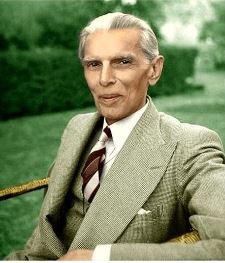
The source is a book titled Jinnah of Pakistan by Stanley Wolpert, published in 1984 by Oxford University Press. The book is a biography of Muhammad Ali Jinnah, the founder of Pakistan, chronicling his life from his early years in Karachi to his death. The text is structured chronologically, tracing Jinnah’s political career within the Indian National Congress and subsequently as the leader of the Muslim League, culminating in the partition of India. A key theme is Jinnah’s evolution from a secular Indian nationalist to a staunch advocate for a separate Muslim state, highlighting his strategic maneuvers and ideological development. The book’s purpose is to provide a comprehensive and detailed account of Jinnah’s life and its significance in shaping the political landscape of the Indian subcontinent.
The provided text is from Stanley Wolpert’s 1984 biography, Jinnah of Pakistan. The book offers a comprehensive account of Muhammad Ali Jinnah’s life, detailing his personal journey and political career. It explores Jinnah’s evolution from a prominent Indian nationalist to the founder of Pakistan. The excerpts include various stages of his life, from his early years in Karachi to his final days in Karachi, showing his rise to prominence and his pivotal role in the partition of India. The text also touches upon key events and relationships that shaped Jinnah’s ideology and actions.
Jinnah of Pakistan Study Guide
Short-Answer Quiz
Instructions: Answer the following questions in 2-3 sentences each.
What were the two main political entities that dominated Indian politics during the early 20th century? How did their approaches to Indian nationalism differ?
Describe Jinnah’s initial political affiliation and his early views on the relationship between Hindus and Muslims in India.
What was the Lucknow Pact of 1916? What were its intended outcomes and what were its long-term implications?
How did Jinnah’s relationship with Gandhi evolve over time? Identify a key event that strained their collaboration.
What were the main factors that led Jinnah to shift his stance from advocating for Hindu-Muslim unity to demanding a separate Muslim state?
What was the Lahore Resolution of 1940? What were its core demands?
Describe the circumstances surrounding the partition of India in 1947. What were the immediate consequences of this event?
Briefly explain the significance of Jinnah’s visit to the government house in Karachi after the partition.
How did Jinnah envision the future of Pakistan? What were his key aspirations for the newly formed nation?
Describe Jinnah’s personality and leadership style. How did these qualities contribute to his success as the founder of Pakistan?
Answer Key
The two main political entities were the Indian National Congress and the Muslim League. The Congress advocated for a unified India with a secular government, while the League increasingly emphasized separate electorates and safeguards for Muslim interests, eventually leading to the demand for a separate Muslim state.
Initially, Jinnah was a member of the Indian National Congress and believed in Hindu-Muslim unity, advocating for a shared Indian identity. He viewed separate electorates as harmful to this unity. However, his views evolved over time, particularly after the Congress’s adoption of the pro-Hindu “Swaraj” concept.
The Lucknow Pact of 1916 was an agreement between the Congress and the League intended to foster cooperation and present a united front for Indian constitutional reform. It introduced separate electorates for Muslims, initially intended as a temporary measure. However, this provision deepened communal divisions in the long run, contributing to the eventual partition.
Jinnah’s relationship with Gandhi was initially collaborative, marked by their joint efforts to achieve Indian independence. However, their relationship soured as their ideological differences became apparent. The Khilafat Movement, where Gandhi’s support for the Ottoman Caliph alienated many Muslims, including Jinnah, was a key turning point in their strained collaboration.
Several factors led to Jinnah’s shift in stance, including the Congress’s increasingly pro-Hindu tilt, especially after its adoption of “Swaraj,” the failure of the Lucknow Pact to bridge communal differences, and the growing sense of marginalization among Muslims who feared Hindu dominance in an independent India.
The Lahore Resolution of 1940, also known as the Pakistan Resolution, formally demanded the creation of an independent Muslim state consisting of the Muslim-majority areas in northwest and northeast India. This resolution marked a decisive turning point in the movement for a separate Muslim homeland.
The partition of India in 1947 was a tumultuous event marked by widespread violence and displacement as millions of Hindus, Muslims, and Sikhs migrated across the newly established borders. The partition led to the creation of the two independent nations of India and Pakistan.
Jinnah’s visit to the government house in Karachi, the newly chosen capital of Pakistan, symbolized the birth of the nation and his assumption of leadership as its first Governor-General. This visit marked a critical transition from a political movement to the governance of a newly independent nation.
Jinnah envisioned Pakistan as a modern, democratic, and progressive Muslim-majority state based on Islamic principles of justice and equality. He emphasized education, economic development, and unity among the diverse Muslim communities within Pakistan.
Jinnah was known for his charisma, eloquence, and unwavering determination. His leadership style was characterized by a combination of pragmatism and principle. These qualities were instrumental in uniting Muslims under the banner of the Muslim League and leading them to achieve the creation of Pakistan.
Essay Questions
Analyze the evolution of Jinnah’s political ideology from his early advocacy for Hindu-Muslim unity to his later demand for a separate Muslim state. What were the critical turning points in this transformation?
Evaluate the significance of the Lucknow Pact of 1916 in the context of Indian nationalism. Did the pact ultimately promote or hinder Hindu-Muslim unity?
Compare and contrast the roles of Jinnah and Gandhi in the Indian independence movement. How did their personalities, ideologies, and strategies contribute to the outcome of this movement?
Assess the validity of the argument that the partition of India was inevitable. Could a unified and independent India have been achieved if different decisions had been made by key political actors?
What were the key challenges that Jinnah faced in establishing Pakistan as a nation-state? How successfully did he address these challenges during his time as Governor-General?
Glossary of Key Terms
Aligarh Movement: A 19th-century educational reform movement initiated by Sir Syed Ahmad Khan, aiming to uplift Muslims through Western education and reconcile Islamic beliefs with modern scientific thought.
Communalism: A political ideology emphasizing religious identity as the primary basis for social and political organization. It often leads to tensions and conflict between different religious groups.
Hindu Mahasabha: A Hindu nationalist organization formed in the early 20th century, advocating for Hindu interests and cultural revivalism. It often clashed with the Indian National Congress and the Muslim League on issues of communal representation and political power.
Indian National Congress: A major political party formed in the late 19th century, initially advocating for greater Indian autonomy within the British Empire but later demanding complete independence.
Khilafat Movement: A pan-Islamic movement in the early 20th century that aimed to preserve the Ottoman Caliphate and the authority of the Sultan as the spiritual leader of Muslims.
Lahore Resolution (1940): A resolution passed by the Muslim League demanding the creation of an independent Muslim state (Pakistan) in Muslim-majority areas of British India.
Lucknow Pact (1916): An agreement between the Indian National Congress and the Muslim League aiming to foster cooperation and present a united front for constitutional reform.
Muslim League: A political party formed in the early 20th century to advocate for the rights and interests of Muslims in British India. Under Jinnah’s leadership, the League eventually demanded a separate Muslim state.
Partition (1947): The division of British India into two independent nations: India and Pakistan. The partition was accompanied by widespread violence and displacement as millions of Hindus, Muslims, and Sikhs migrated across newly established borders.
Quaid-e-Azam: An honorific title meaning “Great Leader” bestowed upon Muhammad Ali Jinnah, the founder of Pakistan.
Separate Electorates: A system of representation where members of different religious communities vote only for candidates from their own community, further deepening communal divisions.
Swaraj: A Hindi term meaning “self-rule” or “self-governance.” It became a central concept in the Indian independence movement, representing the aspiration for complete freedom from British colonial rule.
Two-Nation Theory: A concept articulated by Jinnah, arguing that Hindus and Muslims in India constituted two distinct nations with different cultural, social, and religious identities and could not coexist peacefully in a unified state. This theory provided the ideological basis for the demand for Pakistan.
Briefing Doc: Jinnah of Pakistan
Main Themes:
The Life and Legacy of Muhammad Ali Jinnah: This briefing doc focuses on the life of Muhammad Ali Jinnah, from his early days as a lawyer to his pivotal role in the creation of Pakistan. The doc highlights key moments in his personal and political journey, his evolution from an advocate for Hindu-Muslim unity to the champion of a separate Muslim state, and his leadership during Pakistan’s tumultuous birth.
The Rise of Muslim Nationalism in India: The sources trace the development of Muslim national consciousness in India during the late 19th and early 20th centuries. It explores the factors contributing to the growing sense of separateness among Indian Muslims and how this led to the demand for a separate Muslim homeland.
The Partition of India: The doc provides a detailed account of the events leading up to the partition of India in 1947. It explores the complex political negotiations, the rising communal tensions, and the eventual tragic violence that accompanied the creation of Pakistan and India.
Most Important Ideas and Facts:
Early Life and Legal Career:
Jinnah was born into a Shi’ite Muslim Khoja family in Karachi in 1876. (“… born a Shi’ite Muslim Khoja …”)
He studied law in England and became a successful barrister in Bombay. (“…First Jewish Barrister, bencher, and member of Parliament… Hardly anyone in Indian court circles ever even saw him at prayer, or could precise exactly what his faith was, nor did he ever seem to have appointed a single Muslim over any Hindu.”)
Initially, Jinnah was an advocate for Hindu-Muslim unity and joined the Indian National Congress. (“…his early portrait displays the moderately progressive ideals of a young Westernized Indian…”)
Shift Towards Muslim Nationalism:
Disillusioned with Congress’s inability to safeguard Muslim interests, Jinnah joined the All-India Muslim League in 1913. (“… disillusioned by what he saw as the Congress’s inability to formulate a realistic and consistent policy toward Muslims…”)
The Lucknow Pact of 1916, which he helped negotiate, provided separate electorates for Muslims, marking a crucial step towards recognizing Muslims as a separate political entity. (“…the Lucknow Pact of 1916… provided separate electorates for Muslims…”)
Jinnah’s political views gradually shifted, and by the late 1930s, he became convinced that the only solution for Muslims was a separate homeland. (“…by the late 1930s, he became convinced that the only solution for Muslims was a separate homeland…”)
The Lahore Resolution and the Demand for Pakistan:
The Muslim League, under Jinnah’s leadership, passed the Lahore Resolution in 1940, demanding a separate Muslim state – Pakistan. (“The Muslim League, under Jinnah’s leadership, passed the Lahore Resolution in 1940…”)
This resolution marked a turning point in the history of the subcontinent and intensified the movement for the creation of Pakistan. (“This resolution marked a turning point in the history of the subcontinent…”)
The Partition and its Aftermath:
Following World War II, the British government agreed to grant independence to India, but the question of partition remained a major obstacle. (“Following World War II, the British government agreed to grant independence to India…”)
Despite his declining health, Jinnah led the negotiations for the creation of Pakistan and became its first Governor-General in 1947. (“Despite his declining health, Jinnah led the negotiations for the creation of Pakistan…”)
The partition was accompanied by horrific communal violence, displacing millions and claiming countless lives. (“The partition was accompanied by horrific communal violence…”)
Jinnah’s Legacy:
Jinnah is revered as the “Quaid-i-Azam” (Great Leader) in Pakistan and is credited with securing a homeland for Muslims in the subcontinent. (“Jinnah is revered as the “Quaid-i-Azam”…”)
His vision of Pakistan as a modern, democratic state remains a guiding principle for the country. (“His vision of Pakistan as a modern, democratic state remains a guiding principle…”)
However, his role in the partition and its consequences continues to be a subject of debate among historians. (“However, his role in the partition and its consequences continues to be a subject of debate…”)
Quotes from the Sources:
“Few individuals significantly alter the course of history. Fewer still modify the map of the world. Hardly anyone can be credited with creating a nation-state. Mohammed Ali Jinnah did all three.” (Preface)
“He began his political career as a leading member of India’s powerful Hindu-oriented Congress but after World War I emerged as leader of the All-India Muslim League.” (Preface)
“Jinnah was convinced that the differences between Hindus and Muslims were too fundamental to be solved.” (Chapter 8)
“The Muslims are a nation and they must have their own homeland.” (Chapter 13)
Conclusion:
The sources provide a comprehensive portrait of Muhammad Ali Jinnah, a complex and driven figure who played a crucial role in the shaping of modern South Asia. He remains a controversial figure, but his legacy continues to inspire and influence generations in both India and Pakistan.
Jinnah of Pakistan: An FAQ
1. What was Muhammad Ali Jinnah’s role in the creation of Pakistan?
Muhammad Ali Jinnah is widely regarded as the “Great Leader” or Quaid-i-Azam of Pakistan. He was the driving force behind the creation of the nation as an independent Muslim state within South Asia. Jinnah believed that Muslims and Hindus were distinct nations with divergent political, religious, and cultural practices that made a unified India impractical.
2. How did Jinnah’s views on Hindu-Muslim unity evolve over time?
Jinnah initially championed Hindu-Muslim unity. He began his political career as a member of the Indian National Congress, advocating for a unified and independent India. However, over time, his views evolved. He came to believe that the Congress was primarily concerned with the interests of the Hindu majority and that the Muslim minority’s rights and interests were not adequately represented. This led him to join the All-India Muslim League and eventually become a staunch advocate for a separate Muslim state.
3. What was the Lahore Resolution and its significance?
The Lahore Resolution, passed in March 1940, marked a pivotal moment in the history of Pakistan’s creation. This resolution, commonly known as the “Pakistan Resolution,” formalized the demand for an independent Muslim-majority state. It asserted that the areas in which Muslims constituted a majority, particularly in the northwest and east of British India, should be grouped to constitute “independent states” wherein “constituent units shall be autonomous and sovereign.”
4. How did Jinnah’s leadership style contribute to the Pakistan Movement?
Jinnah’s leadership was characterized by his strong will, unwavering determination, and charismatic personality. He was a brilliant lawyer and strategist who effectively mobilized the Muslim masses, uniting them under the banner of the Muslim League. His persuasive oratory, articulate arguments, and unwavering commitment to the cause of Pakistan inspired and galvanized Muslims across British India.
5. What personal sacrifices did Jinnah make for the Pakistan Movement?
Jinnah dedicated his life to the Pakistan movement, sacrificing his personal comfort, wealth, and health. He endured years of relentless work, political maneuvering, and opposition from both the British and some segments of the Indian National Congress. The immense strain took a toll on his health, but he remained resolute in his mission.
6. What were Jinnah’s hopes and aspirations for the newly formed Pakistan?
Jinnah envisioned Pakistan as a modern, democratic state based on Islamic principles of justice and equality. He emphasized the importance of education, unity, faith, and discipline as the pillars of the new nation. He dreamt of a Pakistan that would be a beacon of hope for Muslims in the subcontinent and a responsible member of the international community.
7. Did Jinnah’s personal life reflect his political ideology?
Jinnah was known for his reserved and impeccably dressed persona. This attention to detail and order extended into his personal life as well. He led a disciplined and principled existence. He married Rattanbai Petit, who came from a wealthy Parsi family, in 1918. Their marriage, while defying religious and social norms of the time, demonstrated Jinnah’s belief in personal liberty and breaking free from conventional societal constraints.
8. What international support did Jinnah cultivate for the Pakistan Movement?
Jinnah actively sought international support for the Pakistan Movement. While he primarily focused on securing the support of the British government, recognizing their ultimate authority in granting independence, he also appealed to the Muslim world and the international community at large, highlighting the plight of Muslims in British India and the need for a separate Muslim state to ensure their safety and well-being.
Muhammad Ali Jinnah: A Life
Childhood
Muhammad Ali Jinnah was born into a Shi’ite Muslim family in Karachi sometime between 1875 and 1876. [1]
His father, Jinnahbhai Poonja, was a wealthy merchant. [1, 2]
Jinnahbhai had high hopes for his son, sending him to the Karachi Exclusive Christian High School. [2]
At 16, Jinnah’s father arranged his marriage to a 14-year-old girl from his native village, but she died a few months later. [2]
Shortly after his first wife’s death, Jinnah left for London to pursue a career in law. [2, 3]
Education and Legal Career
Jinnah studied law at Lincoln’s Inn, and in 1896 he was the youngest Indian ever admitted to the British Bar. [3, 4]
While in London, Jinnah was exposed to the ideas of Indian nationalism, and he became involved in the Indian National Congress. [4]
He returned to India in 1896 and established a successful legal practice in Bombay. [4]
Early Political Career
Jinnah joined the Indian National Congress and quickly became one of its leading figures. [4, 5]
He was a strong advocate for Hindu-Muslim unity, and he worked closely with Gopal Krishna Gokhale, a prominent moderate Congress leader. [6]
Jinnah’s belief in Indian nationalism was shaken by the 1905 partition of Bengal, which he viewed as a British attempt to divide and rule India. [6]
In 1906, he joined the Muslim League, which had been founded the previous year to safeguard the interests of Indian Muslims. [5]
Growing Disillusionment
Over the next decade, Jinnah became increasingly disillusioned with the Congress. [7]
He was critical of the party’s growing extremism and its focus on Hindu interests. [8]
In 1916, he helped to negotiate the Lucknow Pact between the Congress and the League, which granted Muslims separate electorates and increased representation in legislatures. [9]
However, the Lucknow Pact failed to achieve lasting Hindu-Muslim unity. [10]
Jinnah continued to advocate for a united India, but he grew increasingly pessimistic about the prospects for achieving it. [11]
The Rise of Muslim Nationalism
In the 1930s, Jinnah emerged as the leading voice of Muslim nationalism in India. [12]
He argued that Muslims were a separate nation from Hindus, and he demanded a separate Muslim state. [13]
The Muslim League’s demand for Pakistan gained momentum in the late 1930s, as communal violence between Hindus and Muslims intensified. [14]
In 1940, the Muslim League passed the Lahore Resolution, which formally demanded the creation of Pakistan. [15]
The Creation of Pakistan
After World War II, the British government granted India independence, but it also partitioned the country into India and Pakistan. [16]
Jinnah became the first Governor-General of Pakistan on August 14, 1947. [17]
He died less than a year later, on September 11, 1948. [18]
Jinnah’s Legacy
Jinnah is revered in Pakistan as the father of the nation. He is credited with achieving independence for Muslims and with creating a new country.
However, he is also a controversial figure. Some critics argue that he bears responsibility for the violence that accompanied partition, and that his vision of a separate Muslim state was ultimately divisive.
It is important to note that Jinnah’s life was a complex one, and there are many different interpretations of his actions and motivations. The sources provided offer some insights into his life, but they do not provide a complete picture.
The Genesis of Pakistan
The Pakistan movement was a political movement that aimed for the creation of a separate Muslim-majority state in South Asia. [1, 2] It emerged in the early 20th century as a response to the growing dominance of Hindus in the Indian nationalist movement. [3, 4] One of the key figures in the Pakistan movement was Muhammad Ali Jinnah, who initially advocated for Hindu-Muslim unity but later became convinced that Muslims needed a separate state to protect their rights. [2, 5-7]
Early Stirrings:
Muslims in India felt increasingly marginalized as the British granted increasing political power to Indians. [3] The Indian National Congress, largely dominated by Hindus, seemed increasingly focused on Hindu interests. [3, 4]
The 1905 partition of Bengal, intended to make governance more efficient, was widely perceived by Muslims as an attempt to divide and weaken them. [3, 4] It furthered Muslim anxieties, leading to the formation of the Muslim League, established to protect Muslim interests. [4, 8]
Tilak, a prominent Congress leader, further alienated Muslims by utilizing Hindu religious symbols and festivals in his political activism, which many Muslims saw as a deliberate attempt to define Indian nationalism in exclusively Hindu terms. [4]
The Rise of Muslim Nationalism:
Jinnah emerged as a prominent Muslim leader, initially striving for Hindu-Muslim unity within a united India. [5] However, he grew disillusioned with Congress, viewing it as prioritizing Hindu interests over a genuinely representative government. [6, 9]
The Lucknow Pact of 1916, a compromise between the Muslim League and Congress, temporarily eased tensions by granting separate electorates for Muslims and increased legislative representation. [9] However, this failed to bridge the growing divide between the two communities. [6, 9]
The rise of Hindu nationalism in the 1930s, coupled with escalating communal violence, furthered the demand for a separate Muslim state. [10-12] The Congress’s adoption of Gandhi’s strategy of Satyagraha, with its perceived Hindu religious overtones, deepened Muslim anxieties. [11, 13]
The Lahore Resolution of 1940, a pivotal moment in the movement, formally demanded the creation of Pakistan. [14] Jinnah argued that Muslims constituted a distinct nation with their own culture and identity, necessitating a separate state for their security and development. [15]
World War II provided a crucial turning point. The Muslim League’s support for the British war effort, contrasted with Congress’s opposition, earned them political leverage. [16] It solidified their position as the dominant political force representing Muslims, enabling them to push for Pakistan with renewed vigor in the postwar negotiations. [17, 18]
Final Push and Partition:
The Simla Conference of 1945, intended to discuss postwar power-sharing arrangements, exposed the irreconcilable differences between the League and Congress. [19] The failure of this conference solidified the inevitability of partition. [20]
The 1946 provincial elections, which the Muslim League won convincingly in Muslim-majority provinces, further strengthened their claim for Pakistan. [21] The results underscored the overwhelming Muslim support for a separate state.
Escalating communal violence in 1946-47, culminating in horrific bloodshed during partition, tragically illustrated the depth of the communal divide. [22, 23]
In June 1947, the British finally announced the partition plan, acceding to the creation of Pakistan and India. [24] Jinnah’s unwavering leadership and the Muslim League’s steadfast commitment to the idea of Pakistan ultimately led to the creation of Pakistan on August 14, 1947. [1, 2, 25, 26]
It is important to note that this is just a brief overview of a complex and multifaceted historical event. There are many different perspectives on the Pakistan movement, and its legacy continues to be debated today.
Jinnah, Muslim Separatism, and the Rise of Partition
While the provided sources focus on the life and career of Muhammad Ali Jinnah, they offer limited direct insights into broader Indian politics. However, they do shed light on certain aspects of Indian politics, particularly those related to Hindu-Muslim relations and the rise of Muslim nationalism in the early 20th century:
The Rise of Muslim Separatism: The sources highlight the growing sense of Muslim marginalization and anxieties within the Indian political landscape. Jinnah’s early attempts to bridge the gap between Hindus and Muslims and advocate for unity within a shared India met with increasing resistance [1-3]. The rise of Hindu nationalism, epitomized by leaders like Tilak who incorporated Hindu religious symbolism into their politics, further alienated Muslims [4]. The sources underscore the gradual shift in Jinnah’s own position from advocating for Hindu-Muslim unity to championing the cause of a separate Muslim state, reflecting a growing trend within the Muslim community itself [1, 5, 6].
British Policy of “Divide and Rule”: The sources suggest that British policies, intentionally or unintentionally, contributed to the communal divide in India [1, 4]. The partition of Bengal in 1905, though intended for administrative efficiency, was perceived by many Muslims as a deliberate attempt to weaken them politically [1, 4]. This fueled anxieties and fueled support for the Muslim League, which aimed to protect Muslim interests in an increasingly complex political landscape.
Impact of Constitutional Reforms: The sources, while focused on Jinnah’s life, touch upon the impact of various constitutional reforms proposed by the British throughout the early 20th century [1, 3, 7-9]. These reforms, often aimed at increasing Indian participation in governance, inadvertently highlighted the Hindu-Muslim divide. Debates over separate electorates, weightage in representation, and safeguards for minority rights became contentious issues, further deepening the communal fault lines within Indian politics.
Limited Information on Broader Indian Politics: It is important to note that the provided sources, while offering glimpses into certain aspects of Indian politics, do not provide a comprehensive picture of the broader political landscape. They focus primarily on Jinnah’s individual trajectory and his evolving views on Hindu-Muslim relations. To understand Indian politics in a more holistic manner, one would need to consult additional sources exploring various political parties, ideologies, and social movements that shaped India’s political landscape during that era.
In conclusion, while the sources primarily center around Jinnah’s life and the eventual creation of Pakistan, they indirectly illuminate the growing complexities and tensions within Indian politics, particularly the rising tide of Muslim separatism fueled by a sense of marginalization and anxieties regarding Hindu dominance. The sources hint at the role of British policies and constitutional reforms in exacerbating communal divides, underscoring the challenges of fostering a united and inclusive India in the face of increasing polarization. However, they offer limited insight into other aspects of Indian politics beyond this specific lens.
The Muslim League and the Creation of Pakistan
The Muslim League, initially founded in 1906 to safeguard Muslim interests in India, played a crucial role in shaping the political landscape of the Indian subcontinent and ultimately led to the creation of Pakistan. The provided sources offer a glimpse into the Muslim League’s evolution, highlighting key moments in its trajectory:
Early Years and Limited Influence:
In the early 20th century, the Muslim League remained a relatively insignificant force in Indian politics. It initially sought to work within the existing framework, advocating for Muslim rights and representation within a united India. However, growing anxieties about Hindu dominance and the perceived marginalization of Muslims fueled its gradual rise.
The Lucknow Pact of 1916, negotiated between the League and the Congress, temporarily eased tensions by granting separate electorates and increased representation for Muslims. This agreement, though short-lived in its impact, reflected the League’s growing influence and its ability to exert pressure on the dominant political players.
Jinnah’s Leadership and the Shift Towards Separatism:
Muhammad Ali Jinnah’s entry into the Muslim League marked a significant turning point. He gradually steered the League away from its initial stance of cooperation with the Congress and towards a more assertive demand for separate Muslim statehood.
Jinnah’s disillusionment with the Congress and his growing conviction that Muslims constituted a distinct nation with their own culture and identity, necessitating a separate state for their security and development, shaped the League’s ideology and propelled its demand for Pakistan.
Under his leadership, the League became increasingly assertive, culminating in the Lahore Resolution of 1940, which formally demanded the creation of Pakistan. This marked a decisive shift towards separatism and signaled the League’s determination to achieve an independent Muslim state.
Post-War Ascendancy and the Creation of Pakistan:
During World War II, the Muslim League strategically aligned itself with the British war effort, while the Congress opposed it. This garnered the League political leverage and strengthened its position as the dominant representative of Muslims in India.
In the postwar negotiations, the League capitalized on this newfound influence to push for Pakistan. Its electoral success in the 1946 provincial elections, where it won convincingly in Muslim-majority provinces, further solidified its claim and demonstrated overwhelming Muslim support for the idea of a separate state.
The Simla Conference’s failure in 1945 and the subsequent escalation of communal violence solidified the inevitability of partition. The British finally announced the partition plan in June 1947, acceding to the creation of Pakistan and India, largely due to the unwavering commitment of the Muslim League and Jinnah’s leadership.
The Muslim League, under Jinnah’s guidance, effectively transformed from a peripheral organization to a formidable political force. It played a crucial role in mobilizing Muslim sentiment and channeled it towards the goal of achieving an independent Pakistan. The League’s story exemplifies how a political organization can, through strategic maneuvering and effective leadership, successfully capitalize on changing political dynamics to achieve its objectives, ultimately reshaping the geopolitical map of the Indian subcontinent.
It’s crucial to acknowledge that the provided sources offer a limited perspective on the Muslim League. A comprehensive understanding necessitates exploring additional sources and considering diverse viewpoints to fully grasp the complexities of its historical trajectory and legacy.
British India: Jinnah, Nationalism, and Partition
British India, officially known as the British Raj, encompassed a significant portion of the Indian subcontinent under British rule for nearly two centuries. The sources, while primarily centered on Muhammad Ali Jinnah and the Pakistan movement, offer insights into certain aspects of this period, particularly those related to British rule, the rise of Indian nationalism, and the eventual road to independence:
British Influence on Jinnah’s Education and Early Career: Jinnah’s early life, as detailed in the sources, exemplifies the impact of British institutions and education on the Indian elite. He attended the prestigious Christian Mission High School in Karachi [1] before pursuing law in London [2]. This exposure to British legal and educational systems profoundly shaped his outlook and prepared him for a career in politics, showcasing the influence of British institutions in molding the minds of future leaders.
British Administration and Growing Discontent: While not explicitly detailed, the sources hint at growing discontent with British rule and the rise of Indian nationalism. Jinnah’s initial attempts to advocate for Hindu-Muslim unity within a shared India reflect this nascent nationalist sentiment. The sources highlight the increasing frustration among Indians, particularly Muslims, with British policies and the perceived lack of representation.
Constitutional Reforms and the Hindu-Muslim Divide: The sources touch upon various constitutional reforms introduced by the British throughout the early 20th century, intended to appease Indian demands for greater political participation. However, these reforms, often focused on increasing representation and granting limited self-governance, inadvertently exacerbated the Hindu-Muslim divide. Debates over separate electorates, weightage, and safeguards for minority rights intensified communal tensions, highlighting the challenges of forging a unified Indian identity.
Impact of World War II: The sources suggest that World War II proved a turning point for both Indian nationalism and the Muslim League’s fortunes. The League’s strategic support for the British war effort, contrasted with the Congress’s opposition, earned them favor and strengthened their position as the dominant representative of Muslims. This empowered them to push for Pakistan with greater vigor in the postwar negotiations, showcasing how global events impacted the trajectory of British India.
Gandhi’s Role and the Push for Independence: Although the sources primarily focus on Jinnah, they acknowledge Mahatma Gandhi’s emergence as a pivotal figure in the Indian independence movement. His philosophy of nonviolent resistance and civil disobedience mobilized millions, putting immense pressure on the British administration. This broader nationalist movement, though facing challenges in bridging the Hindu-Muslim divide, ultimately contributed to the British decision to grant independence.
Partition and the End of British India: While not extensively detailed in the sources, the partition of British India into India and Pakistan in 1947 marked the culmination of decades of growing nationalism and communal tensions. The sources allude to the tragic violence that accompanied partition, highlighting the complexities and lasting repercussions of British rule and the challenges of nation-building in its aftermath.
In conclusion, the sources, though centered on Jinnah, provide glimpses into the complex tapestry of British India, showcasing the impact of British rule, education, and administration on Indian society. They highlight the rise of Indian nationalism, the growing discontent with British policies, and the exacerbating communal divisions that ultimately led to the creation of Pakistan. However, for a comprehensive understanding of this historical period, exploring additional sources that delve deeper into British policies, the Indian independence movement, and the diverse perspectives of various communities is crucial.
Jinnah: Education, Early Career, and the Path to Pakistan
Muhammad Ali Jinnah’s education and early career laid the foundation for his later political prominence, shaping his worldview, legal acumen, and political trajectory. The sources offer a glimpse into this formative period, highlighting key aspects that contributed to his development as a leader:
Early Education and Exposure to British Institutions:
Jinnah’s education began at the Christian Mission High School in Karachi [1]. This exposure to a British-run educational institution likely instilled in him a strong command of the English language and an understanding of British values and systems, which would prove crucial for his later career in law and politics.
Legal Studies in London:
Jinnah’s father, despite facing financial constraints, sent him to London to pursue law [1]. This decision reflects the importance placed on a British legal education among aspiring Indian professionals at the time.
During his time in London, Jinnah enrolled at Lincoln’s Inn, one of the prestigious Inns of Court [2], immersing himself in British legal traditions and practices. This experience honed his legal skills and provided him with a deep understanding of British law, which would be instrumental in his future political advocacy.
Early Legal Career in Bombay:
Upon returning to India in 1896, Jinnah embarked on his legal career in Bombay [3]. Initially facing challenges, he eventually established himself as a successful barrister, gaining recognition for his sharp intellect, eloquence, and commitment to his clients [3].
His success as a lawyer laid the foundation for his political career. The skills he honed in the courtroom—logical reasoning, persuasive argumentation, and a meticulous attention to detail—would prove invaluable in the political arena.
Influence of Early Experiences on Political Trajectory:
Jinnah’s early experiences—his British education, his legal training in London, and his success as a lawyer in Bombay—shaped his worldview and political outlook. He initially advocated for Hindu-Muslim unity and worked towards a shared India, reflecting the influence of liberal ideas prevalent in British intellectual circles at the time.
However, as he witnessed growing Hindu nationalism and the perceived marginalization of Muslims, his views gradually shifted towards advocating for separate Muslim statehood. His legal background equipped him with the tools to articulate these evolving political convictions and champion the cause of Pakistan effectively.
In conclusion, Jinnah’s education and early career provided a crucial foundation for his later political success. His British education, legal training, and early professional achievements equipped him with the skills, knowledge, and worldview necessary to navigate the complexities of Indian politics and ultimately lead the movement for the creation of Pakistan.
It is important to note that the sources primarily focus on Jinnah’s individual trajectory and offer limited insight into the broader context of legal and political opportunities for aspiring Indian professionals during this period. Further research would be required to explore the broader historical context and gain a more comprehensive understanding of the influence of education and early career paths on the trajectory of Indian leaders during British rule.
Jinnah’s Evolving Political Views
Muhammad Ali Jinnah’s early political affiliations reflected his evolving views on Indian nationalism and the role of Muslims in the subcontinent’s future. Starting as an advocate for Hindu-Muslim unity within a shared India, he later transitioned to championing the cause of a separate Muslim state. The sources provide insights into this journey, highlighting key aspects of his early political engagements:
Initial Advocacy for Hindu-Muslim Unity:
Jinnah’s early political career was marked by his belief in Hindu-Muslim unity as the foundation for a strong and independent India. He actively participated in organizations that promoted inter-communal harmony and sought to bridge the divides between the two communities.
This initial phase reflects the influence of liberal ideas and the belief in a composite Indian nationalism that transcended religious differences.
Joining the Indian National Congress:
In 1906, Jinnah joined the Indian National Congress, the leading nationalist party in India at the time. This move signaled his commitment to working within the existing political framework to achieve self-rule for India.
His decision to join the Congress demonstrates his early belief in the possibility of achieving independence through a united front that encompassed both Hindus and Muslims.
Membership in the Muslim League:
While initially focusing on Congress activities, Jinnah also joined the Muslim League in 1913. This dual membership reflects his attempt to balance his advocacy for Hindu-Muslim unity within the Congress with the need to safeguard Muslim interests within a separate political organization.
His involvement with both organizations highlights his efforts to navigate the complexities of Indian politics and address the concerns of both communities.
Shifting Political Landscape and Growing Disillusionment:
As the political landscape shifted in the 1920s and 1930s, Jinnah grew increasingly disillusioned with the Congress. The rise of Hindu nationalist sentiment within the party and what he perceived as the Congress’s disregard for Muslim concerns contributed to his growing alienation.
This disillusionment marked a turning point in his political journey. He gradually moved away from his earlier advocacy for Hindu-Muslim unity and towards a more assertive stance on Muslim separatism.
Embracing Muslim Separatism:
By the late 1930s, Jinnah fully embraced the idea of a separate Muslim state. He became convinced that the Congress-led vision of an independent India would inevitably lead to Hindu domination, leaving Muslims marginalized and politically disempowered.
This shift culminated in his leadership of the Muslim League’s demand for the creation of Pakistan, marking a decisive break from his earlier efforts to work towards a united India.
In conclusion, Jinnah’s early political affiliations reveal a complex trajectory shaped by his evolving views on Indian nationalism and the role of Muslims in the subcontinent’s future. From his initial advocacy for Hindu-Muslim unity within a shared India to his eventual embrace of Muslim separatism, his journey reflects the changing political landscape, growing communal tensions, and his own deepening conviction that a separate Muslim state was essential for the well-being and future of Muslims in the subcontinent.
The sources, however, primarily focus on Jinnah’s individual journey and provide limited insight into the internal dynamics of the Congress and the Muslim League during this period. Further research is necessary to understand the broader context of these organizations’ evolution, their internal debates, and the interplay of various factors that influenced Jinnah’s political choices and ultimately led to his decisive turn towards advocating for Pakistan.
Jinnah’s Early Education
Muhammad Ali Jinnah’s early education played a crucial role in shaping his worldview and preparing him for his future in law and politics. The sources offer some glimpses into his formative years, highlighting the significant influence of British institutions and educational systems.
Early Schooling at the Sindh Madrasa and Christian Mission High School:
Jinnah began his education at the Sindh Madrasa in Karachi. [1] However, the sources provide limited information about this period and quickly move to his subsequent enrollment at the Christian Mission High School. [1]
The Christian Mission High School, a British-run institution, exposed Jinnah to a Westernized curriculum and pedagogical approach. [1] This early immersion in a British educational setting likely fostered his strong command of the English language, instilled in him an appreciation for British values and systems, and provided him with a foundation for success in his later legal studies in London.
Limited Information on Curriculum and Pedagogical Approaches:
While the sources mention these schools, they offer scant details about the specific curriculum, pedagogical approaches, or Jinnah’s academic performance during these early years. The narrative quickly shifts to his father’s decision to send him to England for legal studies. [2]
Significance of Early Educational Experiences:
Despite the limited information, it is clear that Jinnah’s early education played a significant role in shaping his intellectual development and future trajectory. His exposure to British institutions and educational systems, particularly at the Christian Mission High School, laid the foundation for his later embrace of British legal traditions and his pursuit of a legal career in London.
Need for Further Research:
To gain a more comprehensive understanding of Jinnah’s early education, further research is needed to explore the curriculum and pedagogical approaches employed at both the Sindh Madrasa and the Christian Mission High School.
Additionally, exploring contemporary accounts and biographical materials might reveal more specific details about Jinnah’s experiences, academic performance, and the impact of these early educational experiences on his intellectual development and later political outlook.
Jinnah’s Karachi Years
Muhammad Ali Jinnah’s early years in Karachi were formative, shaping his character and setting the stage for his future achievements. While the sources offer glimpses into this period, they primarily focus on key events and influences rather than a detailed chronological account. Here’s what can be gleaned from the available information:
Family Background and Early Life:
Jinnah was born into a Shia Muslim family in Karachi in 1876. [1]
His father, Jinnahbhai Poonja, was a merchant, while his mother, Mithibai, played a significant role in his upbringing. [1, 2]
The sources offer limited details about Jinnah’s siblings, but he had at least three brothers. [1]
The family lived in a modest three-story house with a flat roof in the bustling commercial district of Karachi. [1]
Early Education and Exposure to British Institutions:
Jinnah’s early education began at the Sindh Madrasa in Karachi. [3]
He later attended the Christian Mission High School, a British-run institution, where he received a Westernized education. [2]
This exposure to British educational systems likely instilled in him a strong command of the English language and an understanding of British values, which would prove crucial for his later career.
Commercial Ambiance of Karachi and its Impact:
Karachi, a bustling port city, was a hub of commerce and trade. [1]
This commercial ambiance likely influenced Jinnah’s worldview, exposing him to diverse cultures and the dynamics of business and trade. [1, 2]
The sources suggest that even as a young man, Jinnah was drawn to the energy and opportunities of the city’s commercial life. [1, 4]
Family’s Aspirations and Decision to Send Jinnah to London:
Jinnah’s father, despite facing financial constraints, decided to send him to London to pursue law. [2]
This decision reflects the high value placed on a British legal education among aspiring Indian professionals at the time. [2, 5]
It also reveals the aspirations Jinnah’s family held for him, envisioning a successful career in law, potentially in British India’s legal system.
Early Marriage and Subsequent Separation:
Before leaving for London, Jinnah was married to Emibai, a girl from his village, at the age of 16. [2]
The marriage was arranged by his family and was short-lived, as Emibai died a few months after he left for England. [2]
Jinnah’s Departure for London and Transformation:
In January 1893, Jinnah left Karachi for London, embarking on a journey that would transform his life. [4]
He left behind a young wife and a familiar environment, stepping into a new world of challenges and opportunities. [2, 4]
His departure marked the beginning of his journey towards becoming the future leader of Pakistan, although this destiny was far from evident at that time.
The sources offer limited insight into Jinnah’s personal experiences, emotions, and relationships during his early years in Karachi. They focus primarily on key events and decisions that shaped his path. However, his experiences in this vibrant, multicultural port city, coupled with his family’s aspirations and his early exposure to British institutions, clearly laid the foundation for his future trajectory.
Jinnah’s Early Education
Muhammad Ali Jinnah’s early education played a pivotal role in shaping his intellectual development and future trajectory. The sources offer a glimpse into his formative schooling, highlighting the influence of both traditional and Westernized education.
Jinnah’s educational journey began at the Sindh Madrasa in Karachi [1]. This traditional Islamic school provided him with foundational knowledge in religious studies and Arabic [1]. While the source mentions his attendance at the Sindh Madrasa, it doesn’t elaborate on the duration or specifics of his time there.
Following the Sindh Madrasa, Jinnah’s father enrolled him in the Christian Mission High School in Karachi [2]. This decision reflects the aspiration of many Indian families at the time to provide their children with an English education, seen as a key to success in British India.
The Christian Mission High School, a British-run institution, exposed Jinnah to a Westernized curriculum and pedagogical approach [2]. This immersion in a British educational setting likely instilled a strong command of the English language, an appreciation for British values and systems, and provided a foundation for success in his later legal studies in London.
The sources suggest that Jinnah’s father, despite being a successful merchant, had to make a considerable financial sacrifice to provide his son with these educational opportunities [1]. This underscores the importance placed on education within the Jinnah family and their aspirations for their son’s future.
While the sources highlight these key institutions, they lack details about the specific curriculum, Jinnah’s academic performance, or his personal experiences during these formative years. Further research into contemporary accounts and biographical materials could offer a richer understanding of the impact of these early educational experiences on Jinnah’s intellectual development and later political views.
Jinnah’s Karachi: 1876-1893
Muhammad Ali Jinnah’s early years in Karachi (1876-1893) were foundational, shaping his character, worldview, and future aspirations. The sources provide glimpses into this period, highlighting key influences and experiences that would contribute to his later achievements as a lawyer and, eventually, the leader of Pakistan.
Early Life and Family Background:
Jinnah was born into a Shia Muslim family in Karachi on December 25, 1876 [1]. His father, Jinnahbhai Poonja, was a successful merchant, and his mother, Mithibai, was a significant figure in his upbringing [1]. The family resided in a modest three-story house with a flat roof in Karachi’s bustling commercial district [1]. While the sources provide limited information about his siblings, it is known that he had at least three brothers [2].
Exposure to Karachi’s Commercial Ambiance:
Karachi, a vibrant port city, was a hub of commerce and trade, with diverse cultures and bustling economic activity [3]. Growing up in this environment likely exposed Jinnah to the dynamics of business and trade, shaping his worldview and fostering a sense of opportunity. The sources hint at Jinnah’s early interest in the city’s commercial life [1].
Early Education: A Blend of Traditional and Western Influences:
Jinnah’s educational journey began at the Sindh Madrasa, a traditional Islamic school in Karachi [4]. He then transitioned to the Christian Mission High School, a British-run institution that provided a Westernized education [3]. This blend of traditional and modern education likely contributed to his fluency in both English and Arabic [1] and equipped him with a diverse intellectual foundation.
Family Aspirations and the Decision to Pursue Law in London:
Jinnah’s father, despite facing financial challenges, decided to send his son to London to pursue a legal career [3]. This decision reflects the high regard for a British legal education at the time and highlights the family’s aspirations for Jinnah’s future success.
Early Marriage and Separation:
Before leaving for London, Jinnah was married to Emibai, a girl from his village, at the young age of 16 [3]. This arranged marriage was a common practice at the time, but it was short-lived, as Emibai died a few months after his departure for England [2]. The sources do not delve into the emotional impact of this early loss, focusing instead on Jinnah’s educational pursuits.
Transformation and Departure for London:
In January 1893, Jinnah embarked on a transformative journey to London, leaving behind his familiar surroundings and the recent loss of his young wife [2]. This departure marked a pivotal point in his life, setting him on a path that would ultimately lead to his becoming the leader of Pakistan [5].
The sources offer limited insight into Jinnah’s personal life and emotional experiences during this period. However, they underscore that his early years in Karachi, marked by a blend of cultural influences, exposure to commerce, and a quality education, were crucial in shaping his character and preparing him for his future endeavors. His departure for London, leaving behind a traditional upbringing and a personal tragedy, signaled the beginning of his transformation into a future leader.
Jinnah: From Unity to Partition
Muhammad Ali Jinnah’s views on Indian politics underwent a significant transformation over the course of his career, evolving from an advocate for Hindu-Muslim unity to the champion of a separate Muslim state, Pakistan. The sources offer insight into this dramatic shift, highlighting key events, influences, and disillusionments that shaped his political outlook.
Early Years: Champion of Hindu-Muslim Unity and Indian Nationalism:
Jinnah initially believed in Hindu-Muslim unity as the foundation for Indian nationalism. He joined the Indian National Congress in 1906, advocating for greater autonomy within the British Raj [1]. He even earned the title of “Ambassador of Hindu-Muslim Unity” for his efforts to bridge the divide between the two communities [2, 3].
Jinnah admired Gopal Krishna Gokhale, a prominent Congress leader known for his moderate and conciliatory approach, and considered him his political mentor [2, 4]. This early mentorship likely influenced Jinnah’s initial belief in a united India.
Jinnah joined the Muslim League in 1913, not with a separatist agenda, but to safeguard Muslim interests within a united India. He viewed the League as a complement to the Congress, working in tandem for a common goal [5].
The Lucknow Pact of 1916, a landmark agreement between the Congress and the League, exemplified Jinnah’s belief in Hindu-Muslim cooperation. He played a crucial role in negotiating this pact, which aimed to secure separate electorates for Muslims and increased representation in legislatures [6].
Growing Disillusionment: Seeds of Separatism:
Jinnah’s faith in Hindu-Muslim unity began to waver in the 1920s due to growing political and religious differences. The rise of Hindu nationalist movements like the Hindu Mahasabha and the emergence of communal riots fueled his anxieties about the future of Muslims in an independent India dominated by Hindus [7].
Gandhi’s non-cooperation movement, launched in 1920, further alienated Jinnah. He disagreed with Gandhi’s tactics of civil disobedience and mass mobilization, viewing them as disruptive and detrimental to the constitutional progress he sought [8, 9].
Jinnah increasingly felt that Congress, under Gandhi’s leadership, was becoming a Hindu-centric party, sidelining Muslim concerns. He was particularly disappointed with the Congress’s rejection of his proposals for constitutional safeguards for Muslims, such as separate electorates and reserved seats in legislatures [10-12].
The Turning Point: The Demand for Pakistan:
By the mid-1930s, Jinnah’s disillusionment with the idea of a united India had solidified. He came to believe that the deep-seated differences between Hindus and Muslims were irreconcilable and that the only solution was the creation of a separate Muslim state, Pakistan.
Jinnah’s demand for Pakistan, articulated in the Lahore Resolution of 1940, marked a turning point in Indian politics. This resolution declared that geographically contiguous units where Muslims were in a majority should be demarcated into independent states.
Jinnah argued that Muslims were a separate nation, not just a minority, and that they deserved their own homeland where they could live according to their own laws and culture. He effectively mobilized the Muslim masses behind the demand for Pakistan, transforming the League into a powerful political force.
The partition of India in 1947, resulting in the creation of Pakistan, marked the culmination of Jinnah’s political journey. He became the founding father of Pakistan, realizing his vision of a separate Muslim homeland.
Jinnah’s transformation from an advocate of Hindu-Muslim unity to the leader of the Pakistan movement was a complex and multifaceted process driven by a combination of factors: growing communal tensions, political disillusionment with the Congress, the rise of Hindu nationalism, and his evolving belief in the “two-nation theory.” His skillful leadership, legal acumen, and powerful rhetoric enabled him to mobilize Muslim support, ultimately leading to the creation of Pakistan.
Jinnah and Gandhi: A Fractured Relationship
Muhammad Ali Jinnah and Mohandas Karamchand Gandhi, two towering figures of the Indian independence movement, had a complex and evolving relationship marked by initial admiration, followed by growing disillusionment, and culminating in bitter rivalry. While the sources provide limited direct information on their personal interactions, they offer valuable insights into the dynamics of their political relationship and how their contrasting ideologies and approaches to independence ultimately led to the partition of India.
Early Years: Mutual Respect and Shared Goals:
Jinnah initially held Gandhi in high regard, recognizing his influence and commitment to Indian independence. He even referred to Gandhi as a “well-meaning man” and expressed hope for collaboration between the Congress and the League [1]. This early respect likely stemmed from their shared goal of achieving self-rule for India.
Both leaders were skilled lawyers and astute politicians, adept at navigating the complexities of British India’s political landscape. Jinnah’s legal acumen and constitutional approach to politics contrasted with Gandhi’s mass mobilization and non-violent resistance, but they initially found common ground in advocating for greater Indian autonomy.
Growing Divergence: Ideological Clashes and Political Disagreements:
The seeds of discord were sown in the early 1920s as their ideological and tactical differences became increasingly apparent. Jinnah’s faith in constitutionalism and elite politics clashed with Gandhi’s strategy of mass movements and civil disobedience.
Jinnah viewed Gandhi’s non-cooperation movement as disruptive and detrimental to the constitutional progress he sought. He believed that engaging with the British Raj through legal and political means was the most effective path to self-rule [2].
Their relationship further deteriorated as Jinnah grew increasingly disillusioned with Congress under Gandhi’s leadership. He felt that the Congress was prioritizing Hindu interests over Muslim concerns, and he was deeply disappointed by their rejection of his proposals for safeguards for Muslims in a future independent India [3-5].
The Parting of Ways: From Disillusionment to Open Hostility:
By the mid-1930s, their relationship had transformed into one of open rivalry. Jinnah’s demand for Pakistan, articulated in the Lahore Resolution of 1940, solidified the irreconcilable nature of their political visions.
Gandhi vehemently opposed the idea of Pakistan, viewing it as a vivisection of India and a betrayal of the principles of Hindu-Muslim unity. He made numerous attempts to dissuade Jinnah from pursuing a separate Muslim state, but his efforts proved futile [6-8].
Their interactions in the final years leading up to partition were characterized by suspicion, distrust, and bitter exchanges. The sources reveal that both leaders engaged in public rebuttals and accusations, further fueling communal tensions and widening the chasm between their respective communities [9, 10].
The Legacy of a Fractured Relationship:
Jinnah and Gandhi’s relationship, once marked by shared aspirations, ultimately became a tragic tale of two leaders who, despite their common goal of Indian independence, could not reconcile their divergent visions for the country’s future. Their political rivalry and ideological clashes played a significant role in the events leading to the partition of India, a traumatic event that continues to shape the subcontinent’s political landscape.
Jinnah and the Creation of Pakistan
Muhammad Ali Jinnah, revered as the Quaid-i-Azam (Great Leader) of Pakistan, played a pivotal role in the creation of the nation, transforming from an advocate of Hindu-Muslim unity to the unwavering champion of a separate Muslim homeland. The sources provide a glimpse into this remarkable journey, highlighting key factors that contributed to Jinnah’s instrumental role in the birth of Pakistan:
Growing Disillusionment with the Indian National Congress: Jinnah initially believed in Hindu-Muslim unity and worked within the Congress for greater autonomy within the British Raj [1]. However, he grew increasingly disillusioned with the Congress’s perceived Hindu-centric approach, particularly under Gandhi’s leadership [2, 3]. He felt that Congress was sidelining Muslim interests and that his proposals for safeguards for Muslims were being ignored [4-6].
Articulation of the Two-Nation Theory: Jinnah’s disillusionment led him to embrace the “two-nation theory,” arguing that Hindus and Muslims were distinct nations with different cultures, religions, and social values [1, 7, 8]. This theory formed the ideological basis for his demand for a separate Muslim state.
The Lahore Resolution (1940): Jinnah’s call for Pakistan was formalized in the Lahore Resolution, adopted by the Muslim League in 1940 [8, 9]. This resolution declared that geographically contiguous units where Muslims were in a majority should be constituted into independent states. It marked a turning point in the history of the subcontinent, solidifying the demand for a separate Muslim homeland.
Mobilizing Muslim Support: Jinnah’s powerful leadership, legal acumen, and unwavering commitment to the Pakistan cause galvanized Muslim support across India [8, 10, 11]. He effectively transformed the Muslim League from a relatively elite organization into a powerful mass movement, mobilizing millions of Muslims behind the demand for Pakistan.
Strategic Negotiation and Political Acumen: Jinnah skillfully navigated the complexities of British India’s political landscape, engaging in negotiations with the British government and the Congress to secure Pakistan [12-14]. He firmly resisted compromises that fell short of his vision for a fully independent Muslim state.
Unwavering Determination and Resilience: Despite facing immense challenges, opposition, and personal attacks, Jinnah remained steadfast in his pursuit of Pakistan [15-17]. His unwavering determination and resilience inspired his followers and ultimately proved crucial in securing the creation of Pakistan.
The creation of Pakistan was a culmination of numerous factors, including the growth of Muslim nationalism, British imperial policies, and communal tensions. However, Jinnah’s leadership was paramount in channeling these forces, articulating a vision for a separate Muslim homeland, and mobilizing Muslim support to achieve it. His pivotal role earned him the title of “Father of the Nation” in Pakistan, where he is remembered as the architect of the nation’s independence and a symbol of Muslim self-determination.
Jinnah in Bombay: From Unity to Partition
While in Bombay, Jinnah was a successful lawyer, but also became increasingly involved in politics.
Arrival in Bombay (1896): Jinnah arrived in Bombay in August 1896 to start his legal career. [1] He quickly gained recognition as a skilled barrister. [1]
Influence of Sir Pherozeshah Mehta: Early in his career, he was greatly influenced by Sir Pherozeshah Mehta, a prominent lawyer and leader of the Indian National Congress. [2] Mehta introduced Jinnah to the complexities of Indian politics and the workings of the Congress. [2]
Early Political Leanings: Initially, Jinnah’s political views aligned with those of his mentor, Mehta. [2] He admired Gokhale, another moderate Congress leader. [2] He believed in Hindu-Muslim unity and advocated for greater autonomy for India within the British Raj. [2]
Shifting Political Landscape: However, as the political landscape shifted and communal tensions rose, Jinnah’s views began to evolve. [2] He became disillusioned with the Congress, which he felt was increasingly dominated by Hindu nationalists and was not adequately addressing Muslim concerns. [2]
Joining the Muslim League (1913): While still a member of the Congress, Jinnah joined the Muslim League in 1913 to better represent Muslim interests. [2] Initially, he sought to work within both organizations to achieve a common goal of a united and independent India. [2]
The Lucknow Pact (1916): A key event during Jinnah’s time in Bombay was his involvement in the Lucknow Pact of 1916, a landmark agreement between the Congress and the Muslim League that aimed to secure separate electorates for Muslims and increased representation in legislatures. [3] Jinnah played a crucial role in negotiating this pact, showcasing his commitment to safeguarding Muslim interests. [3]
Growing Disillusionment: Despite his efforts to bridge the communal divide, Jinnah continued to witness growing tensions and political polarization between Hindus and Muslims. [3] This further fueled his disillusionment with the idea of a united India, setting the stage for his eventual embrace of the two-nation theory and the demand for Pakistan.
Jinnah’s political career in Bombay represents a formative period where he honed his legal and political skills, built his reputation as a leader, and navigated the complexities of Indian politics. It was during this time that he witnessed firsthand the growing communal tensions and political divisions that would eventually lead him to champion the cause of a separate Muslim state.
Jinnah: From Congress to Partition
Muhammad Ali Jinnah arrived in Bombay in August 1896 to begin his legal career [1]. At this time, he was a member of the Indian National Congress [2]. In 1913, while still a member of the Congress, Jinnah joined the Muslim League [3, 4]. He believed in a united India with safeguards for Muslims [2]. Jinnah was greatly influenced by Sir Pherozeshah Mehta, a prominent lawyer and leader of the Indian National Congress [2]. Mehta introduced Jinnah to Indian politics and the workings of the Congress [2]. In the early part of his career, he admired the moderate Congress leader, Gokhale [2]. However, Jinnah became disillusioned with the Congress as communal tensions rose and the Congress appeared to not adequately address Muslim concerns [2, 4]. A key event during his time in Bombay was the 1916 Lucknow Pact [5]. This landmark agreement between the Congress and the Muslim League sought to secure separate electorates for Muslims and increased representation in legislatures [5]. Jinnah played a crucial role in negotiating this pact, showing his commitment to protecting Muslim interests [5]. But Jinnah’s views continued to evolve as communal tensions and political polarization between Hindus and Muslims increased [4]. This further fueled his move away from the Congress and toward a separate Muslim state [4].
Jinnah’s Political Career
Muhammad Ali Jinnah held several significant political positions throughout his career, reflecting his evolving political journey from an advocate for Hindu-Muslim unity to the leader of the movement for a separate Muslim state. Here are some of his notable political roles:
Member of the Imperial Legislative Council (1910-1913): This marked a significant step in Jinnah’s political career. Elected in 1910, he served on the Council for three years. During this time, he gained valuable experience in legislative affairs and honed his skills in debate and negotiation.
President of the Muslim League (1916-1947): Jinnah’s presidency of the Muslim League, beginning in 1916, transformed the organization from a relatively elite body into a powerful mass movement. Under his leadership, the League became the primary political vehicle for articulating and advocating for Muslim interests in India.
Key Negotiator for the Lucknow Pact (1916): Jinnah played a crucial role in negotiating the Lucknow Pact, a landmark agreement between the Congress and the Muslim League that aimed to secure separate electorates for Muslims and increased representation in legislatures. This demonstrated his early commitment to safeguarding Muslim political rights.
Member of the Round Table Conferences (1930-1932): Jinnah participated in the Round Table Conferences held in London to discuss constitutional reforms for India. However, he grew increasingly disillusioned with the lack of progress and the British government’s unwillingness to grant Muslims adequate safeguards in a future independent India.
Architect of the Lahore Resolution (1940): Jinnah’s call for Pakistan was formalized in the Lahore Resolution, adopted by the Muslim League in 1940. This resolution declared that geographically contiguous units where Muslims were in a majority should be constituted into independent states. This marked a watershed moment in Jinnah’s political career and the history of the subcontinent.
Governor-General of Pakistan (1947-1948): Following the creation of Pakistan in 1947, Jinnah became the nation’s first Governor-General. He played a critical role in establishing the foundations of the newly independent state, facing immense challenges in the early years of its existence.
These positions highlight Jinnah’s transformation from an advocate for Hindu-Muslim unity within a united India to the leader of the movement for a separate Muslim homeland. His unwavering commitment to safeguarding Muslim interests and his strategic political acumen led him to play a pivotal role in the creation of Pakistan.
Jinnah, Gandhi, and Nehru: A Political History
Jinnah’s relationships with Gandhi and Nehru were complex and evolved over time, marked by initial cooperation, growing disillusionment, and ultimately, stark opposition.
With Gandhi:
Initial Respect: Jinnah initially viewed Gandhi with a degree of respect, recognizing his influence over the Indian masses. In the early 1920s, they even shared a common platform, both advocating for self-rule for India.
Clashing Approaches: However, as Gandhi’s influence within the Congress grew and his methods of nonviolent resistance gained traction, their paths began to diverge. Jinnah, a lawyer by profession, favored a constitutional and legalistic approach to politics, while Gandhi’s emphasis on mass mobilization and civil disobedience clashed with Jinnah’s style.
The 1920s: A Period of Cooperation and Disagreement: Despite their differences, there were instances of cooperation between the two leaders during the 1920s. For instance, they both condemned the violence that erupted following the Khilafat Movement. However, disagreements over issues like separate electorates for Muslims and the role of religion in politics continued to widen the gap between them.
The 1930s: Growing Estrangement: The 1930s witnessed a growing estrangement between Jinnah and Gandhi. Jinnah became increasingly disillusioned with the Congress under Gandhi’s leadership, viewing it as increasingly Hindu-centric and dismissive of Muslim concerns.
The 1940s: Open Confrontation: By the 1940s, the relationship between Jinnah and Gandhi had deteriorated to the point of open confrontation. Jinnah’s demand for a separate Muslim state, articulated in the Lahore Resolution of 1940, put him directly at odds with Gandhi’s vision of a united India.
With Nehru:
Early Interactions: Jinnah’s early interactions with Jawaharlal Nehru, a rising star in the Congress, were limited. They held different views on the future of India and the nature of Hindu-Muslim relations.
The 1930s: A Widening Gulf: The 1930s saw a widening gulf between Jinnah and Nehru. As Nehru became a prominent leader in the Congress, his socialist leanings and his advocacy for a strong central government clashed with Jinnah’s vision of a federal India with greater autonomy for provinces where Muslims were in a majority.
The 1940s: Deepening Divide: The demand for Pakistan further deepened the divide between Jinnah and Nehru. Nehru vehemently opposed the partition of India, viewing it as a betrayal of the nationalist cause.
In essence, Jinnah’s relationships with both Gandhi and Nehru were characterized by early attempts at cooperation, followed by growing ideological and political differences, ultimately leading to a complete breakdown in the 1940s as the demand for Pakistan became the central issue in Indian politics. The sources do not provide specific details or anecdotes about Jinnah’s personal interactions with Gandhi or Nehru, focusing primarily on their contrasting political positions and the growing divide between them.
Jinnah: From Unity to Partition
When Muhammad Ali Jinnah arrived in Bombay in August 1896, he was a member of the Indian National Congress [1]. Initially, Jinnah’s political leanings aligned with those of his mentor, Sir Pherozeshah Mehta [2]. He admired Gokhale, another moderate Congress leader [2]. Jinnah was an advocate for Hindu-Muslim unity and wanted India to have greater autonomy within the British Raj [2, 3].
Jinnah believed that the best way to achieve political progress was through constitutional means and cooperation with the British. He also believed in Indian unity and opposed separate electorates for Muslims, arguing that such a system would only further divide the country [4]. Jinnah felt that the interests of all Indians, both Hindus and Muslims, were best served by working together within a united India [5]. However, as communal tensions increased, Jinnah’s faith in Hindu-Muslim unity began to waver [5, 6].
Jinnah: From Unity to Partition
Upon entering the political stage in Bombay in 1896, Jinnah joined the Indian National Congress, aligning with prominent figures like Sir Pherozeshah Mehta and Gokhale [1-3]. He believed in Hindu-Muslim unity, seeking greater autonomy for India within the framework of the British Raj [3, 4].
Initially, Jinnah’s political goals centered on achieving progress through constitutional methods and collaboration with the British [2, 3, 5]. He rejected the notion of separate electorates for Muslims, advocating for unity and a shared Indian identity [2, 3, 6].
Key Roles:
Member of the Imperial Legislative Council (1910-1913): Elected in 1910, this marked a significant step in Jinnah’s political career. For three years, he gained experience in legislative matters, refining his skills in debate and negotiation [2].
Key Negotiator for the Lucknow Pact (1916): This landmark agreement between the Congress and the Muslim League aimed to secure separate electorates for Muslims and increased their representation in legislatures. Jinnah’s crucial role in the pact demonstrated his commitment to safeguarding Muslim political rights, despite his initial reservations about separate electorates [7, 8].
However, over time, rising communal tensions and political polarization between Hindus and Muslims caused Jinnah’s faith in a united India to waver. He became increasingly disillusioned with the Congress, feeling it had become Hindu-centric and dismissive of Muslim concerns [4, 6, 9]. This ultimately led him to leave the Congress and embrace the concept of a separate Muslim state [10, 11].
Jinnah’s Final Years
In Jinnah’s later years, his health significantly deteriorated, impacting his political career and personal life. Sources do not provide extensive details about his health conditions, but some insights can be gleaned.
Decline in Health (1946-1948): By 1946, Jinnah’s once robust health began to falter. Sources do not provide specifics, but his declining health was evident during crucial political negotiations, like the Simla Conference. By 1948, he was seriously ill.
Relocation to Ziarat (1948): Jinnah’s doctors advised him to relocate from Karachi, the capital of the newly formed Pakistan, to the cooler climate of Ziarat in Balochistan for health reasons. [1]
Deterioration in Ziarat (1948): Despite the relocation, his condition continued to deteriorate. He suffered from exhaustion, fever, and a persistent cough. [2] A doctor from Quetta diagnosed him with bronchitus, but later, a civil surgeon suspected a more severe illness. [1, 2] His sister Fatima remained by his side throughout this time. [2]
Return to Karachi (1948): Jinnah was flown back to Karachi in a critically weakened state. He died a few hours after his return on September 11, 1948. [1]
Impact of Declining Health on Political Life:
While sources do not explicitly link his health to specific political decisions, it’s reasonable to infer that his declining health during this critical period (1946-1948) likely impacted his energy levels and capacity to engage in the demanding negotiations surrounding the partition of India and the formation of Pakistan.
Jinnah’s Transformation: From Unity to Partition
During the 1930s, Muhammad Ali Jinnah’s role in the Indian political landscape underwent a significant transformation. He transitioned from an advocate for Hindu-Muslim unity to a proponent of a separate Muslim state.
Jinnah’s disillusionment with the Indian National Congress grew, as he perceived it as increasingly Hindu-centric and unresponsive to Muslim concerns. This shift was further fueled by his experiences at the Round Table Conferences in London.
Round Table Conferences (1930-1932): Jinnah participated in these conferences, aiming to secure constitutional reforms and safeguards for Muslims in a future independent India. However, the lack of progress and what he saw as the British government’s reluctance to address Muslim concerns deepened his frustration [1]. The failure of these conferences solidified his belief that a united India would not adequately protect Muslim interests.
Withdrawal From Politics (1931-34): Disheartened by the political climate in India, Jinnah withdrew from active politics and relocated to London [2]. This period of self-imposed exile allowed him to reflect on the future of Muslims in the subcontinent and further solidified his growing belief in the need for a separate Muslim homeland.
Re-entry into Indian Politics (1934): Jinnah returned to India in 1934, persuaded by Liaquat Ali Khan and other Muslim leaders, to revive the Muslim League [3]. This marked a turning point in his political career, as he shifted his focus from seeking Hindu-Muslim unity within a united India to advocating for a separate Muslim state.
Growing Advocacy for Muslim Rights (1934-1940): Throughout the late 1930s, Jinnah increasingly championed Muslim rights, arguing that Muslims were a distinct nation with their own culture, traditions, and political aspirations [4]. He criticized the Congress for neglecting Muslim interests and for its vision of a centralized Indian state that he feared would marginalize Muslims.
Formulation of the Two-Nation Theory: This period saw the development of the two-nation theory, which formed the basis for Jinnah’s demand for Pakistan. This theory argued that Hindus and Muslims were two separate nations and could not peacefully coexist within a single state.
The Lahore Resolution (1940): This pivotal moment in Jinnah’s political career and in the history of South Asia, saw the Muslim League adopt the Lahore Resolution in 1940, formally demanding a separate Muslim state. This resolution marked a decisive shift in the political landscape and paved the way for the creation of Pakistan in 1947.
In the 1930s, Jinnah transformed from a moderate nationalist advocating for Hindu-Muslim unity to the leader of the movement for Pakistan. This shift was driven by his growing disillusionment with the Indian National Congress, his experiences at the Round Table Conferences, and his evolving belief that Muslims needed a separate state to safeguard their interests. This transformation shaped the political landscape of India, leading to the partition of the subcontinent and the creation of Pakistan.
Jinnah’s Early Political Career in India
In the 1920s, Muhammad Ali Jinnah held several significant political positions, demonstrating his active engagement in the Indian political landscape. At this time, he was still advocating for Hindu-Muslim unity within a united India and had not yet embraced the concept of a separate Muslim state.
Here are some of his notable roles:
Member of the Bombay Legislative Council (1919-1920): Following his return from a trip to England, Jinnah was elected to the Bombay Legislative Council in 1919, continuing his involvement in legislative affairs [1].
Swaraj Party (1923-1926): Formed in 1923 by Motilal Nehru and C.R. Das, the Swaraj Party advocated for a more active role for Indians in the government [2]. Jinnah joined this party, aligning himself with those who sought greater autonomy within the British Raj. During this time, Jinnah served as a key mediator between the Swaraj Party and the government, attempting to bridge the gap between their demands for greater self-rule and the British administration’s reluctance to grant it. [3]
Independent in the Central Legislative Assembly (1923-1930): Jinnah was elected to the Central Legislative Assembly in 1923 and remained a member until 1930. He initially joined the Swaraj Party but later became an Independent, distancing himself from party politics and focusing on pursuing his own political agenda [3]. As an Independent, Jinnah maintained a neutral stance between the Congress and the Muslim League. This position allowed him to act as a bridge between the two major political factions and advocate for his vision of a united India with safeguards for Muslim interests [3].
Advocate for Constitutional Reforms: Throughout the 1920s, Jinnah consistently advocated for constitutional reforms that would grant India greater autonomy within the British Empire. He believed in working within the existing framework to achieve political progress. He played a key role in drafting the Delhi Muslim Proposals, a set of constitutional reforms aimed at safeguarding Muslim rights, in 1927 [4].
However, Jinnah’s efforts to bridge the Hindu-Muslim divide and achieve a constitutional settlement faced significant challenges in the face of growing communal tensions and political polarization. His frustration with the lack of progress in securing Muslim rights within a united India would eventually lead him to embrace the concept of Pakistan.
Jinnah: From Unity to Partition
Muhammad Ali Jinnah’s views on Hindu-Muslim relations underwent a profound transformation throughout his political career. Initially, he was a staunch advocate for Hindu-Muslim unity, believing that the interests of both communities were best served by working together for a shared Indian identity and greater autonomy within the British Raj [1-3].
Early Advocacy for Unity:
Upon entering the political arena in Bombay in 1896, Jinnah joined the Indian National Congress, a predominantly Hindu organization, demonstrating his commitment to interfaith collaboration [2]. He deeply admired moderate Congress leaders like Sir Pherozeshah Mehta and Gokhale, known for their inclusive nationalist vision [3]. Jinnah consistently emphasized that progress could be achieved through constitutional means and cooperation with the British, rejecting separate electorates for Muslims, as he felt such a system would only deepen divisions [2].
Shifting Perspectives in the 1920s:
During the 1920s, Jinnah’s commitment to Hindu-Muslim unity remained strong. He actively participated in efforts to bridge the communal divide and find a constitutional settlement that would safeguard Muslim interests [4]. He joined the Swaraj Party, advocating for a more active role for Indians in the government [5]. As an Independent in the Central Legislative Assembly, he attempted to mediate between the Swaraj Party and the government and bridge the gap between the Congress and the Muslim League [5]. Jinnah’s efforts culminated in the Delhi Muslim Proposals in 1927, aiming to secure Muslim rights through constitutional reforms [5].
Growing Disillusionment and the Rise of Separatism:
However, the 1930s marked a turning point in Jinnah’s views. Growing communal tensions, political polarization, and the failure of the Round Table Conferences to achieve a satisfactory constitutional settlement for Muslims fueled his disillusionment [5, 6]. Jinnah began to perceive the Congress as increasingly Hindu-centric and unresponsive to Muslim concerns, further solidifying his belief that a united India would not adequately protect Muslim interests [6, 7]. This shift led him to withdraw from active politics and relocate to London for a period of reflection [6].
Upon his return to India in 1934, Jinnah, at the urging of Liaquat Ali Khan and other Muslim leaders, decided to revive the Muslim League [6]. His focus now shifted from advocating for Hindu-Muslim unity within a united India to promoting the concept of a separate Muslim state [6].
Embracing the Two-Nation Theory:
Jinnah’s evolving perspective culminated in his articulation of the two-nation theory, which formed the bedrock of his demand for Pakistan. This theory asserted that Hindus and Muslims constituted two distinct nations with irreconcilable differences in culture, traditions, and political aspirations [8]. Jinnah argued that these differences were too profound to be bridged within a single state and that only a separate Muslim homeland could guarantee the rights and freedoms of Muslims in the subcontinent.
The Lahore Resolution of 1940 marked the culmination of this ideological shift. This resolution, passed by the Muslim League under Jinnah’s leadership, formally demanded the creation of Pakistan, solidifying his transition from an advocate of unity to the champion of a separate Muslim nation. Jinnah’s changing views on Hindu-Muslim relations were not only a reflection of his personal journey but also a significant force that shaped the political landscape of India, ultimately leading to the partition of the subcontinent and the birth of Pakistan in 1947.
Jinnah: Early Political Career and the Path to Partition
Muhammad Ali Jinnah’s political career began in Bombay in 1896, not long after he returned from studying law in England. Jinnah, a young lawyer at the time, was drawn to the moderate leaders of the Indian National Congress, such as Sir Pherozeshah Mehta and Gokhale [1, 2]. He deeply admired their vision of achieving progress through constitutional means and fostering cooperation with the British [1, 2]. This early phase in Jinnah’s career was marked by his strong belief in Hindu-Muslim unity and his opposition to separate electorates for Muslims [1, 2].
Jinnah’s first significant political position was as a member of the Bombay Legislative Council [3]. Elected in 1919 after returning from England, Jinnah continued to advocate for constitutional reforms that would grant India greater autonomy within the British Empire [1, 3]. Throughout the 1920s, he actively participated in efforts to find a constitutional settlement that would safeguard Muslim interests and bridge the communal divide [2]. His efforts in this direction included joining the Swaraj Party, a more radical faction within the Congress that emerged in 1923 [3]. However, he eventually became an Independent in the Central Legislative Assembly, maintaining a neutral stance between the Congress and the Muslim League [2, 3]. This position allowed him to act as a mediator between various political factions [2].
Jinnah’s early career demonstrated his commitment to working within the existing system to achieve political progress. He believed in the power of dialogue and negotiation and consistently emphasized the importance of Hindu-Muslim unity for India’s advancement [1, 4]. During this phase, he was widely recognized as a brilliant lawyer and a rising star in Indian politics, earning the respect of both Hindus and Muslims [3].
However, growing communal tensions and political polarization in the 1930s would soon challenge his vision of a united India and lead him to embrace a different path [2].
Jinnah’s Early Legal Career in Bombay
Jinnah established himself as a barrister in Bombay’s high court on August 24, 1896 [1]. He had just returned from London where he had the opportunity to work with John Molesworth MacPherson, a notable advocate-general [1]. MacPherson liked Jinnah and offered him a position in his office, which helped Jinnah quickly gain recognition in Bombay’s legal circles [1]. He lived at 30 Russell Road in Kensington, London before moving back to Bombay [2].
For the first three years of Jinnah’s legal career in Bombay, he struggled financially. He rented a second-floor apartment in a three-story home on the banks of the Lyari River with red sandstone balconies and marble in the interior [3]. A seasoned British barrister named MacPherson took Jinnah under his wing and introduced him to the city’s legal system [1]. Although he was initially assigned to the magistrate’s criminal branch, Jinnah was soon appearing before Bombay’s sessions court [1]. To supplement his income, he took on cases at a lower rate of 1,500 rupees for six months [1]. He resided in a modest two-room walk-up apartment for a time, located a considerable distance from the Apollo Hotel, where most of his legal work took place [1].
Jinnah’s legal acumen and eloquence quickly earned him a reputation as a formidable lawyer [1]. He was known for his sharp intellect, his meticulous preparation, and his ability to present his arguments persuasively. He was particularly noted for his expertise in commercial law, and his practice flourished as he took on more and more high-profile cases [1]. By 1900, Jinnah had established himself as one of the leading barristers in Bombay, handling a wide range of cases, including commercial disputes, constitutional matters, and criminal defense.
Jinnah’s early legal career in Bombay was a testament to his hard work, talent, and determination. He overcame financial challenges and professional hurdles to establish himself as one of the most respected lawyers in the city. This early success laid the foundation for his later political career, where his legal skills and reputation would prove invaluable.
Jinnah’s Family and Political Life
While the sources provide detailed accounts of Jinnah’s early life and education, they do not offer specific insights on how his family background directly influenced his political views or decisions. However, some inferences can be drawn:
Family’s Business Background: Jinnah’s father, Jinnahbhai Poonja, was a successful merchant involved in the export of Karachi produce like cotton, wool, hides, and grain [1]. This background might have instilled in Jinnah an appreciation for commerce and economic development, which later became key elements of his political platform.
Exposure to Western Education: Despite coming from a relatively conservative background, Jinnah’s family sent him to the exclusive Karachi Christian High School and later supported his legal studies in England [2, 3]. This suggests a forward-thinking approach and a belief in the value of modern education, which likely played a significant role in shaping his worldview and political outlook.
Emphasis on Personal Integrity: The sources highlight Jinnah’s strong sense of personal integrity and ethics, particularly during his early legal career. He was known for his meticulous preparation, honesty, and commitment to upholding the law [4]. While not explicitly linked to his family, these qualities suggest a possible influence from his upbringing and family values.
Overall, while the sources do not directly address the influence of Jinnah’s family background on his political life, his family’s business background and their support for his education likely played a role in shaping his values and worldview. The lack of specific details regarding family influences in the sources suggests that further research might be needed to fully understand this aspect of Jinnah’s life.
Jinnah: From Barrister to Leader
Before venturing into the world of politics, Muhammad Ali Jinnah built a successful career as a barrister in Bombay. His legal journey began after he returned to India in 1896 from London, where he had been studying law. While in London, he had the opportunity to work with John Molesworth MacPherson, a respected advocate-general, who offered Jinnah a position in his office. This connection proved invaluable as it helped the young Jinnah gain recognition quickly within Bombay’s legal circles [1].
Initially, Jinnah faced financial struggles during his first three years in Bombay [1]. To make ends meet, he accepted cases at a lower rate and resided in a modest second-floor apartment that he shared with a fellow barrister [2]. This apartment was a far cry from the luxurious accommodations at the Apollo Hotel, where most of his legal work was centered [1].
Despite these early challenges, Jinnah’s legal acumen, meticulous preparation, and persuasive arguments quickly distinguished him as a formidable lawyer [1]. His expertise in commercial law helped his practice flourish as he took on increasingly complex and high-profile cases [2]. By 1900, he had established himself as one of the leading barristers in Bombay, handling a wide range of legal matters, from commercial disputes to constitutional matters and criminal defense [1].
Jinnah’s early legal career serves as a testament to his dedication, talent, and perseverance. He overcame financial hurdles and professional obstacles to rise to the top of his profession in Bombay. His success as a barrister not only provided him with financial stability but also earned him a reputation for integrity and brilliance that would later prove invaluable when he transitioned into the political arena.
Jinnah’s Early Political Stance
When Muhammad Ali Jinnah entered the political arena in Bombay in 1896, he was drawn to the moderate leaders of the Indian National Congress, a predominantly Hindu organization [1, 2]. He strongly believed in Hindu-Muslim unity and felt that the two communities’ interests were best served by working together for greater autonomy within the British Raj [1, 2].
Key Aspects of Jinnah’s Initial Political Stance:
Advocate for Hindu-Muslim Unity: Jinnah joined the Congress, demonstrating his commitment to interfaith collaboration and a shared Indian identity [1, 2]. He admired leaders like Sir Pherozeshah Mehta and Gokhale, known for their inclusive nationalist vision [3]. He emphasized that progress could be achieved through constitutional means and cooperation with the British [3].
Opposition to Separate Electorates: Jinnah rejected the idea of separate electorates for Muslims [2, 4]. He believed that such a system would only deepen divisions between the two communities and hinder the development of a united Indian nation [2, 4].
Focus on Constitutional Reforms: Jinnah consistently advocated for constitutional reforms that would grant India greater autonomy within the British Empire [4]. He believed in working within the existing system to achieve political progress [4].
Early Role as a Mediator: As an Independent in the Central Legislative Assembly, Jinnah sought to bridge the gap between the Congress and the Muslim League [4]. This early role showcased his ability to act as a mediator and consensus-builder, a skill that would become increasingly important in his later political career.
Jinnah’s initial political stance within the Congress reflected his commitment to a united and progressive India, where Hindus and Muslims could work together to achieve self-rule. He was a strong proponent of constitutional methods and believed in the power of dialogue and negotiation. However, as communal tensions and political polarization intensified in the 1930s, his disillusionment with the Congress grew, ultimately leading him to embrace the concept of a separate Muslim state.
Jinnah’s Evolving Political Views
Muhammad Ali Jinnah’s political views underwent a significant transformation over the course of his career. He started as an advocate for Hindu-Muslim unity, believing in a shared Indian identity and advocating for constitutional reforms within the British Raj. Later, he emerged as the champion of a separate Muslim state, leading the Muslim League’s demand for the creation of Pakistan. This evolution was shaped by several factors:
Early Influences and Beliefs: Jinnah initially embraced the moderate politics of the Indian National Congress, favoring cooperation with the British and advocating for a gradual approach to self-rule [1-3]. He deeply admired Congress leaders such as Sir Pherozeshah Mehta and Gokhale, who championed Hindu-Muslim unity and constitutional means for achieving political progress [3]. Jinnah’s early legal career in Bombay exposed him to the complexities of interfaith relations within the legal framework of British India [1, 4]. This experience likely informed his early political stance and his commitment to finding common ground between the two communities.
Disillusionment with the Congress: In the 1930s, Jinnah became increasingly disillusioned with the Congress, which he perceived as increasingly dominated by Hindu nationalist interests [3, 5]. He felt that Congress leaders, particularly after Gandhi’s rise to prominence, were unwilling to accommodate Muslim concerns and aspirations [6, 7]. Jinnah’s frustrations with the Congress stemmed from what he saw as their failure to address issues like separate electorates, adequate representation for Muslims in government, and safeguards for Muslim religious and cultural practices [2, 5, 8, 9].
Shifting Political Landscape: The rise of Hindu nationalism and Muslim separatist movements in the 1930s contributed to the hardening of communal identities and the polarization of the political landscape [3, 5, 6]. The growth of the Muslim League, fueled by the perception of Muslim marginalization within a future independent India dominated by the Congress, provided a platform for Jinnah to articulate his vision of a separate Muslim homeland [7, 10, 11].
Personal Experiences and Observations: Jinnah’s experiences during the Round Table Conferences in London, where he witnessed the deep divisions between Hindu and Muslim delegates, further solidified his belief that a united India was becoming increasingly improbable [12-14]. He observed that British policies, often inadvertently, exacerbated communal tensions and failed to create a framework for genuine power-sharing between the two communities [8, 12, 15].
Emergence of Two-Nation Theory: By the late 1930s, Jinnah fully embraced the Two-Nation Theory, arguing that Hindus and Muslims constituted distinct nations with separate cultural, religious, and political aspirations [9, 16, 17]. He asserted that Muslims needed a homeland of their own to protect their interests and ensure their cultural and religious freedom [18, 19]. This marked a complete departure from his earlier stance on Hindu-Muslim unity.
Demand for Pakistan and Leadership of the Muslim League: Jinnah’s leadership of the Muslim League and his articulation of the demand for Pakistan in 1940 transformed him into the leading voice of Muslim separatism in India [19, 20]. He galvanized Muslim support across the subcontinent, effectively mobilizing the community behind the goal of achieving a separate Muslim state [11, 21]. His legal skills, political acumen, and ability to connect with the Muslim masses solidified his position as the Quaid-i-Azam (Great Leader) [19, 20].
Jinnah’s evolution from an advocate for Hindu-Muslim unity to the champion of Pakistan represents a complex and significant shift in his political views. It reflects the impact of changing political realities, personal experiences, and the growing anxieties of the Muslim community in British India. Jinnah’s transformation is a critical lens through which to understand the events that led to the partition of India and the creation of Pakistan in 1947.
The Muslim League and the Partition of India
The Muslim League played a pivotal role in the partition of India, evolving from a relatively marginal political organization to the driving force behind the creation of Pakistan. Several key factors and events highlight the League’s role:
Early Years and Limited Influence: The Muslim League was founded in 1906, initially as a counterweight to the predominantly Hindu Indian National Congress. During its early years, the League had limited influence and struggled to mobilize widespread Muslim support [1]. While advocating for Muslim interests, it initially focused on achieving greater representation and safeguards within a united India, rather than outright separation.
Jinnah’s Leadership and Transformation: The arrival of Muhammad Ali Jinnah as the League’s president in 1934 marked a turning point in its history. Jinnah, initially a staunch advocate for Hindu-Muslim unity, had become disillusioned with the Congress, which he saw as increasingly dominated by Hindu nationalist interests [1, 2]. Under his leadership, the League underwent a significant transformation, adopting a more assertive stance and demanding greater autonomy for Muslim-majority provinces.
Growing Communal Tensions: The 1930s witnessed rising communal tensions in India, fueled by political and social factors. The Muslim League effectively capitalized on these anxieties, portraying itself as the sole protector of Muslim interests and arguing that Muslims would face persecution and marginalization in an independent India dominated by the Congress. The League’s rhetoric increasingly emphasized the “two-nation theory,” which asserted that Hindus and Muslims constituted distinct nations with incompatible cultural, religious, and political aspirations [3, 4].
Demand for Pakistan: In 1940, at its annual session in Lahore, the Muslim League formally adopted the “Pakistan Resolution,” demanding a separate Muslim state to be created out of Muslim-majority provinces in northwest and eastern India [5]. This historic resolution marked a decisive shift in the League’s stance, from seeking greater autonomy within a united India to demanding outright partition. Jinnah’s powerful advocacy and ability to rally Muslim support behind this demand transformed the League into a mass movement with a clear objective.
Political Mobilization and Mass Support: The League’s demand for Pakistan resonated deeply with many Muslims, particularly in the Muslim-majority provinces, who increasingly viewed the League as their sole representative. Jinnah’s charisma and leadership played a crucial role in mobilizing this support. The League organized mass rallies, public meetings, and campaigns to build momentum for its cause and exert pressure on the British government.
Negotiations with the Congress and British: The Muslim League engaged in protracted and often contentious negotiations with the Congress and the British government in the lead-up to independence. The League consistently rejected proposals for a united India with limited autonomy for Muslim-majority provinces, insisting that partition was the only viable solution to safeguard Muslim interests [6-8]. The failure of these negotiations, coupled with rising communal violence and political polarization, further hardened the League’s position.
The Partition and Creation of Pakistan: In 1947, faced with escalating communal violence and the breakdown of negotiations, the British government announced its decision to partition India and grant independence to both India and Pakistan. The Muslim League, under Jinnah’s leadership, achieved its goal of creating a separate Muslim state. The partition, however, came at a tremendous human cost, leading to widespread violence, displacement, and communal riots.
The Muslim League’s role in the partition of India was undeniably significant. The League, initially a marginal political organization, under Jinnah’s leadership, transformed into a powerful force advocating for Muslim separatism and ultimately leading to the creation of Pakistan. While the League successfully achieved its goal of a separate Muslim state, the legacy of partition and the communal violence that accompanied it continue to shape the relationship between India and Pakistan to this day.
Jinnah and Gandhi: A Rivalry That Shaped India
Muhammad Ali Jinnah and Mohandas Karamchand Gandhi, two towering figures of the Indian independence movement, had a complex and often adversarial relationship. Although they shared the common goal of ending British rule in India, their approaches, ideologies, and visions for the future of the subcontinent diverged dramatically, ultimately leading to a bitter rivalry that played a crucial role in the partition of India.
Key aspects of their relationship:
Early Interactions and Shared Goals: During the early years of their political careers, Jinnah and Gandhi interacted on a relatively cordial basis, sharing platforms at public meetings and collaborating on certain issues of common concern. Both men were staunch critics of British colonialism and advocated for greater autonomy for India. However, even during this period, their fundamental differences in approach and ideology were evident. Jinnah, a staunch constitutionalist, believed in working within the existing legal framework to achieve political progress, while Gandhi championed nonviolent resistance and mass mobilization.
Growing Divergence and the Rise of Communalism: As the Indian independence movement gained momentum in the 1920s and 1930s, the divergence between Jinnah and Gandhi’s views widened, fueled by rising communal tensions and the growth of both Hindu and Muslim nationalist sentiments. Jinnah became increasingly disillusioned with the Congress, which he perceived as increasingly dominated by Hindu nationalist interests and unresponsive to Muslim concerns. Gandhi’s mass appeal and spiritual leadership, while effective in mobilizing the Indian population, further alienated Jinnah, who saw him as a “Hindu revivalist.” [1]
Clashing Visions for the Future of India: The most profound point of contention between Jinnah and Gandhi was their vision for the future of India. Jinnah, once a proponent of Hindu-Muslim unity, gradually came to believe that the two communities constituted distinct nations with incompatible aspirations. He argued that Muslims would face persecution and marginalization in an independent India dominated by the Hindu majority, represented by the Congress. Gandhi, on the other hand, remained committed to the idea of a united and secular India, where all communities would coexist peacefully and enjoy equal rights. This fundamental difference in their visions for the future of India lay at the heart of their increasingly acrimonious relationship. [1]
Failed Attempts at Reconciliation: Despite their growing differences, there were attempts at reconciliation between Jinnah and Gandhi. They met on several occasions throughout the 1930s and 1940s, hoping to find common ground and bridge the chasm between the Muslim League and the Congress. However, these efforts proved futile. Jinnah’s demand for a separate Muslim state, Pakistan, was fundamentally incompatible with Gandhi’s vision of a united India. The personal animosity and mistrust between the two leaders also contributed to the failure of these talks. [1, 2]
The Partition and its Aftermath: The partition of India in 1947, a tragic culmination of the growing Hindu-Muslim divide, cemented the adversarial legacy of Jinnah and Gandhi’s relationship. While Jinnah achieved his goal of creating Pakistan, Gandhi was deeply saddened by the division of the country and the widespread communal violence that accompanied it. Their relationship ended on a note of profound disappointment and a sense of lost opportunity. [1, 2]
Jinnah and Gandhi’s relationship represents a microcosm of the broader Hindu-Muslim conflict that ultimately led to the partition of India. Their clashing visions for the future of the subcontinent, fueled by rising communal tensions and political polarization, turned their initial shared goal of ending British rule into a bitter rivalry that reshaped the political landscape of South Asia.
Affiliate Disclosure: This blog may contain affiliate links, which means I may earn a small commission if you click on the link and make a purchase. This comes at no additional cost to you. I only recommend products or services that I believe will add value to my readers. Your support helps keep this blog running and allows me to continue providing you with quality content. Thank you for your support!
Muhammad Munir’sFrom Jinnah to Zia (1979) is a controversial post-partition history of Pakistan examining the country’s shifting ideologies and the conflicts between secularism and theocracy. The book explores the evolution of Pakistan’s political landscape from Jinnah’s vision to Zia-ul-Haq’s military rule, analyzing the role of political parties, military interventions, and interpretations of Islamic law. Munir critically assesses the implementation of Islamic principles in Pakistani law and society, discussing issues such as the treatment of minorities and the application of hadd punishments. He further examines the impact of these ideological shifts on Pakistan’s domestic and foreign policies, including the country’s relations with neighboring countries and its strategic importance during the Cold War.
Jinnah to Zia: Pakistan’s Ideological Evolution
From Jinnah to Zia: A Study Guide
Quiz
Instructions: Answer the following questions in 2-3 sentences each.
What was the original vision of Pakistan as conceived by Rahmat Ali?
What was the main point of contention for Jinnah regarding the Cabinet Mission Plan of 1946?
Describe one of the key arguments Jinnah presented to the Boundary Commission regarding the allocation of Lahore.
How did Jinnah distinguish between being a communalist and advocating for the two-nation theory?
What was the author’s (Muhammad Munir) first encounter with the term “Ideology” in the context of Pakistan?
According to the author, why is subordinating the acquisition of knowledge to any ideology detrimental?
How did Jinnah envision the new state of Pakistan in his addresses to civil and military officials in 1947?
What significant point did Jinnah make in his Dacca speech in 1948 regarding the ownership and governance of Pakistan?
What concern did the author express regarding the influence of various Islamic sects and their differing interpretations of Islam in the newly formed Pakistan?
What was the primary purpose of the Court of Inquiry constituted after the 1953 disturbances in Punjab?
Answer Key
Rahmat Ali’s Pakistan envisioned a unified Muslim state encompassing Punjab, Afghanistan (NWFP), Kashmir, Sindh, and Baluchistan, based on the shared Muslim identity of these regions.
Jinnah’s main contention was the plan’s rejection of immediate Pakistan, instead proposing a federation with a delayed option for sub-federations to opt-out after ten years, which he believed undermined the urgency and importance of a separate Muslim state.
Jinnah argued that Lahore, despite significant Hindu ownership of businesses and properties, was an integral part of the region’s irrigation system and therefore culturally and economically belonged to the Muslim-majority areas.
Jinnah argued that his advocacy for the two-nation theory stemmed from the inherent differences between Hindus and Muslims, not from a communalist perspective of promoting one religion over another. He believed these differences warranted separate states for the two groups to thrive.
The author encountered the term “Ideology” during his inquiry into the 1953 Punjab Disturbances, where it was used in relation to the demands made against the Ahmadis based on the Objectives Resolution.
The author argues that limiting knowledge acquisition by ideological constraints restricts intellectual exploration and prevents a comprehensive understanding of the world, as knowledge knows no bounds.
Jinnah envisioned Pakistan as a state where its citizens could live freely and independently, develop their own culture, and establish a society based on the principles of Islamic social justice.
Jinnah emphasized that Pakistan belonged to all its citizens, regardless of their regional or ethnic background, promoting a unified national identity over regional or provincial affiliations.
The author expressed concern that the presence of numerous Islamic sects with often conflicting interpretations of Islam could lead to disunity and potentially impede the development of a cohesive national identity based on a shared Islamic ideology.
The Court of Inquiry was tasked with investigating the causes of the 1953 Punjab Disturbances, the circumstances necessitating the imposition of Martial Law, and the effectiveness of measures taken to quell the unrest.
Essay Questions
Analyze the evolution of the concept of “Pakistan” from Rahmat Ali’s initial vision to its eventual realization in 1947. What were the key factors that shaped this process, and how did the final form of Pakistan differ from its initial conception?
Critically evaluate Jinnah’s two-nation theory. What were its strengths and weaknesses as a basis for the creation of Pakistan? Consider its historical context, its impact on inter-community relations, and its legacy in contemporary South Asia.
Explore the challenges faced by Pakistan in defining and implementing its national ideology. How did the differing interpretations of Islam by various religious groups affect the process? Analyze the implications of this debate for the country’s political and social development.
Discuss the author’s critique of the “Nizam-i-Mustafa” and his arguments for a more progressive and inclusive interpretation of Islamic principles in the context of modern nation-building. Do you agree with his perspective? Provide evidence from the text to support your answer.
Evaluate the role and influence of the Ulama in shaping the political discourse and governance of Pakistan. How did their relationship with political leaders like Jinnah and Zia impact the country’s trajectory?
Glossary of Key Terms
Ahmadis: A religious group originating in 19th-century India, often considered a sect of Islam. They face persecution in Pakistan, where they are officially declared non-Muslims.
Baitulmal: Public treasury in an Islamic state, traditionally used for communal welfare and not for personal use by the ruler.
Cabinet Mission Plan (1946): A British proposal to keep India unified after independence, with a federal structure and provisions for Muslim majority provinces. It was ultimately rejected by both Congress and the Muslim League.
Darul Harb: Literally “house of war,” a term in Islamic jurisprudence referring to territories not under Islamic rule.
Darul Islam: Literally “house of Islam,” a term in Islamic jurisprudence referring to territories under Islamic rule.
Deobandis: A Sunni Islamic revivalist movement originating in Deoband, India, known for its emphasis on Islamic law and adherence to traditional interpretations.
Diyat: Monetary compensation paid to the victim or their family in cases of injury or death, as per Islamic law.
Hadd: Prescribed punishments for specific crimes in Islamic law, considered mandatory and fixed in their application.
Hijrat: Migration, specifically referring to the Prophet Muhammad’s migration from Mecca to Medina.
Ijma: Consensus among Islamic scholars on a particular issue, often considered a source of Islamic law.
Ijtihad: Independent reasoning and interpretation of Islamic law, allowing for flexibility and adaptation to changing circumstances.
Islam: A monotheistic religion based on the teachings of the Prophet Muhammad and the Quran, emphasizing submission to the will of God.
Jizyah: A tax historically levied on non-Muslim citizens in Islamic states, often in lieu of military service.
Kalima: The Islamic declaration of faith, “There is no god but Allah, and Muhammad is his messenger.”
Kafir: A term in Islam referring to a non-believer or one who rejects the tenets of Islam.
Khaksar: A Muslim nationalist organization in British India, known for its paramilitary structure and advocacy for Islamic social reform.
Khatim-ul-Nabiyeen: The seal of the prophets, a title bestowed upon the Prophet Muhammad, signifying that he was the final prophet sent by God.
Khums: One-fifth of war booty or spoils, traditionally allocated for specific purposes in Islamic law.
Lahore Resolution (1940): A resolution passed by the Muslim League demanding autonomous Muslim-majority provinces in British India, widely seen as the genesis of the Pakistan movement.
Mujtahid: A highly learned scholar in Islamic law, qualified to interpret and issue rulings (fatwas) based on Islamic sources.
Muslim League: A political party in British India founded in 1906, advocating for Muslim interests and eventually leading the movement for the creation of Pakistan.
Nizam-i-Mustafa: The system of governance and societal order based on the Prophet Muhammad’s model, often used in contemporary Islamic discourse to advocate for a theocratic state.
Objectives Resolution (1949): A resolution passed by the Constituent Assembly of Pakistan, outlining the guiding principles for the country’s constitution and emphasizing Islam as a foundational element.
Qisas: Retaliation in kind for certain crimes, such as murder, as per Islamic law.
Quran: The holy book of Islam, believed to be the word of God revealed to the Prophet Muhammad.
Shariat: Islamic law, encompassing a wide range of legal, moral, and social precepts derived from the Quran and other Islamic sources.
Sunnah: The traditions and practices of the Prophet Muhammad, considered a primary source of Islamic guidance and law.
Two-Nation Theory: The idea that Muslims and Hindus in British India constituted two distinct nations, necessitating separate states for each. This theory formed the basis for the demand for Pakistan.
Ulama: Islamic scholars and religious authorities, often influential in interpreting Islamic law and shaping public opinion.
Zakat: A mandatory charitable tax in Islam, calculated as a percentage of one’s wealth and allocated for specific charitable purposes.
Zimmi: A non-Muslim citizen living under the protection of an Islamic state, historically granted certain rights and responsibilities.convert_to_textConvert to source
Pakistan: From Jinnah to Zia
Pakistan: From Jinnah to Zia – A Briefing Doc
This document summarizes and analyzes the main themes and arguments presented in excerpts from “From Jinnah to Zia [Pakistan 1979].pdf”. The book offers a critical perspective on the evolution of Pakistan from its inception to the late 1970s, focusing heavily on the role of Islam and the complexities of defining an Islamic state.
Key Themes:
The Unfulfilled Promise of Pakistan: The author contends that the Pakistan that emerged in 1947 deviated significantly from the vision of its founders, particularly Rahmat Ali and Muhammad Ali Jinnah. The inclusion of only a portion of Punjab, the non-accession of Muslim-majority Kashmir, and the eventual separation of East Pakistan (Bangladesh) are presented as evidence of this deviation.
“But this was not a state as he [Rahmat Ali] had conceived it.”
The Two-Nation Theory and Its Aftermath: The author analyzes Jinnah’s argument for the two-nation theory, based on the inherent differences between Hindus and Muslims. While acknowledging the validity of this theory in the context of pre-partition India, the book questions its relevance in shaping Pakistan’s identity and governance.
The Elusive Definition of an Islamic State: A central theme of the book is the struggle to define and implement an Islamic state in Pakistan. The author critiques various attempts to Islamicize the legal and political systems, highlighting the conflicting interpretations of Islamic principles and the practical challenges of applying ancient legal concepts to a modern nation-state. The author delves into debates around key Islamic concepts like hadd, qisas, tazir, baitulmal, zakat, ushr, and jizya.
The Role of Ulama and Political Islam: The author examines the influence of various Islamic groups and scholars (Ulama) on Pakistan’s political landscape. He highlights their differing interpretations of Islam and their often conflicting visions for the country. The Ahrar, Jamaat-i-Islami, Jamiat-ul-Ulama-i-Islam, and Deobandis are some of the groups analyzed, with a particular focus on their stances on key issues like the definition of a Muslim, the role of non-Muslims in an Islamic state, and the legitimacy of participating in a secular government.
“The net result of all this is that neither Shias nor Sunnis nor Deobandis nor Ahl-Hadith nor Barelvis are Muslims and any change from one view to the other must be accomplished in an Islamic State with the penalty of death if the Government of the State is in the hands of the party which considers the other party to be Kaffirs.”
Secularism vs. Theocracy: The author presents a nuanced view of the debate between secularism and theocracy in Pakistan. While acknowledging the desire for a state rooted in Islamic principles, the author cautions against a rigid interpretation of Islamic law that could stifle progress and marginalize minorities. He advocates for a system that balances Islamic values with modern principles of governance and human rights.
“The Quaid-i-Azam wanted a modern secular democratic State based no doubt on Islamic principles. He was not against Hindus and Sikhs, as they were to be equal citizens of Pakistan.”
Important Ideas and Facts:
The author criticizes the implementation of hudud ordinances, particularly punishments like amputation for theft and stoning for adultery, as inhumane and inconsistent with the forgiving nature of Islam.
He highlights the lack of consensus among religious scholars on fundamental issues, making it difficult to establish a universally accepted Islamic legal framework.
The author argues that a strict adherence to the interpretations of ancient jurists could stagnate the evolution of Islamic thought and impede Pakistan’s progress. He advocates for the revival of ijtihad (independent reasoning) to adapt Islamic principles to contemporary challenges.
The author challenges the notion of an interest-free economy, questioning its feasibility and potential impact on economic development.
He expresses concern about the potential for religious extremism and intolerance to undermine the vision of a pluralistic and inclusive Pakistan.
The author analyzes the political maneuverings of different political parties, highlighting how some exploited religious sentiments for political gain.
Overall, “From Jinnah to Zia” presents a critical and insightful analysis of the challenges faced by Pakistan in its quest for an Islamic identity. The book raises important questions about the role of religion in a modern state and the complexities of reconciling faith with the demands of contemporary governance.
The Making of Modern Pakistan
FAQ: The Making of Modern Pakistan
1. What were the original geographical boundaries envisioned for Pakistan, and how did they differ from the final outcome?
Rahmat Ali, who coined the term “Pakistan,” initially envisioned a state encompassing Punjab, Afghanistan (specifically the North-West Frontier Province), Kashmir, Sindh, and Baluchistan. This vision was based on the idea of uniting regions with a Muslim majority. However, the final partition in 1947 resulted in a “truncated” Pakistan, including only parts of Punjab and Bengal, along with Sindh, Baluchistan, and the North-West Frontier Province. Kashmir’s status remained disputed, and Afghanistan was not part of the equation.
2. What is the two-nation theory, and how did it influence the creation of Pakistan?
The two-nation theory, championed by Muhammad Ali Jinnah, posits that Hindus and Muslims constitute distinct nations with incompatible social, cultural, and religious values. This theory served as the ideological foundation for the Pakistan movement. It argued that a unified India would inevitably lead to the marginalization of Muslims, thus necessitating a separate Muslim-majority state.
3. What was the Cabinet Mission Plan, and how did it affect the trajectory towards Pakistani independence?
The 1946 Cabinet Mission Plan, proposed by the British government, aimed to create a united India with a federal structure. It envisioned three sub-federations, one for Muslim-majority areas, thereby indirectly addressing the demand for Pakistan. However, the plan ultimately failed due to disagreements between the Congress and the Muslim League, particularly concerning the degree of autonomy for the sub-federations. This failure further solidified the demand for a separate Pakistan.
4. How did Islamic ideology contribute to political turmoil and debates about the nature of the Pakistani state?
From the outset, the role of Islam in Pakistan was a point of contention. Different interpretations of Islamic principles, ranging from secular to theocratic visions, led to numerous political and social upheavals. The Objectives Resolution of 1949, which declared Pakistan’s commitment to Islamic principles, further fueled these debates. Various religious groups, like the Jamaat-i-Islami, Ahrar, and Jamiat-ul-Ulama, held divergent views on the application of Islamic law and the definition of a Muslim, influencing the political landscape and contributing to social divisions.
5. What were the six points of the Awami League, and how did they reflect the growing discontent in East Pakistan?
The Awami League, the dominant political force in East Pakistan, put forward six points in 1966 demanding greater autonomy for the eastern wing. These points included fiscal autonomy, separate currencies, control over foreign exchange, and a separate militia. The six points underscored the economic and political marginalization felt in East Pakistan, eventually culminating in the secessionist movement and the creation of Bangladesh in 1971.
6. How did the concept of Nizam-i-Mustafa (Islamic system of governance) influence Pakistani politics and legal systems?
Nizam-i-Mustafa, advocating for governance based on Islamic principles, has been a recurring theme in Pakistani politics. Different leaders, including General Zia-ul-Haq, attempted to implement their interpretations of Nizam-i-Mustafa, resulting in the introduction of Islamic laws and institutions. These efforts, however, were often met with resistance and criticism due to varying understandings of Islamic principles and concerns about their practical implementation.
7. How did different Islamic scholars and leaders define a “Muslim,” and what implications did these definitions have for Pakistani society?
Defining who qualifies as a Muslim became a contentious issue in Pakistan. Various Islamic scholars and leaders presented divergent definitions, some based solely on belief, others emphasizing practice and adherence to specific interpretations of Islamic law. These conflicting definitions impacted legal frameworks, social dynamics, and contributed to sectarian tensions, particularly regarding the status of Ahmadis.
8. What challenges did Pakistan face on the international stage as it sought to establish its identity as a Muslim-majority nation?
Pakistan’s foreign policy was shaped by its desire to forge alliances within the Muslim world. However, this proved challenging due to regional conflicts and differing political ideologies among Muslim-majority countries. Pakistan also navigated a complex relationship with India, marked by the unresolved Kashmir dispute and other historical tensions. Balancing its national interests with its aspiration to be a leader in the Muslim world has been a defining aspect of Pakistan’s foreign policy.
Pakistan’s Ideological Evolution
Timeline of Main Events:
1930s:
1930s: Rahmat Ali, a student at Cambridge University, coins the word “Pakistan” and proposes a separate Muslim state encompassing Punjab, Afghanistan (NWFP), Kashmir, Sindh, and Baluchistan.
1940s:
1940: The Muslim League, under the leadership of Muhammad Ali Jinnah, adopts the Lahore Resolution, calling for the creation of independent Muslim states in the subcontinent.
1946: The British Cabinet Mission Plan proposes a federation for India with three sub-federations, rejecting the idea of Pakistan.
August 1947: Pakistan gains independence, but with a truncated territory compared to Rahmat Ali’s vision. Kashmir’s accession remains disputed, leading to conflict.
October 19, 1947: Jinnah delivers an address in Karachi describing the new state as one where people can live freely and develop according to their own lights and culture, with Islamic social justice playing a central role.
March 21, 1948: Jinnah addresses a public meeting in Dacca, emphasizing the unity of Pakistan and rejecting the notion of a theocracy.
1950s:
1953: Anti-Ahmadiyya riots erupt in Punjab, leading to the imposition of Martial Law.
1953-1954: Justice Muhammad Munir heads a Court of Inquiry into the Punjab disturbances, investigating the role of Islamic ideology in the unrest.
1954: The Munir Report is published, generating controversy and receiving praise internationally for its analysis of Islamic thought and its implications for a modern state.
1970s:
1971: Javed Iqbal publishes “Ideology of Pakistan,” criticizing aspects of the Munir Report.
1971: East Pakistan secedes after a war, becoming Bangladesh.
1973: A new Constitution is adopted, but faces challenges from various religious groups.
1977: Zulfikar Ali Bhutto, who championed Islamic socialism, is overthrown in a military coup led by General Zia-ul-Haq.
1979: General Zia-ul-Haq announces his intention to implement Nizam-i-Mustafa (Islamic system) in Pakistan.
1979: Zia-ul-Haq promulgates a series of ordinances, including the Prohibition Order and the Offence of Zina Ordinance, aiming to Islamize Pakistan’s legal system.
1979: The Iranian Revolution, led by Ayatollah Khomeini, raises questions about the nature of an Islamic republic and its compatibility with democracy.
Cast of Characters:
Rahmat Ali: A Cambridge student who coined the term “Pakistan” in the 1930s, advocating for a separate Muslim state in South Asia.
Muhammad Ali Jinnah (Quaid-i-Azam): Leader of the Muslim League and founding father of Pakistan. He advocated for a separate Muslim state based on the two-nation theory but envisioned a modern, secular democracy.
Allama Iqbal: Poet and philosopher who is considered the spiritual father of Pakistan. His writings and speeches influenced the movement for an independent Muslim state.
Sir Cyril Radcliffe: Chairman of the Boundary Commission responsible for dividing Punjab and Bengal between India and Pakistan. His decisions on the border demarcations remain controversial.
Justice Muhammad Munir: Headed the Court of Inquiry into the 1953 Punjab disturbances. His report, the Munir Report, critically examined the role of differing interpretations of Islamic ideology in the unrest.
Justice Kayani: Member of the Court of Inquiry alongside Justice Munir.
Khawaja Nazimuddin: Prime Minister of Pakistan during the 1953 Punjab disturbances.
Maulana Abul Ala Maududi: Founder of the Jamaat-i-Islami, a prominent Islamist political party in Pakistan. He advocated for an Islamic state based on Sharia law.
Maulana Amin Ahsan Islahi: A prominent member of the Jamaat-i-Islami who provided his definition of a Muslim during the Munir Inquiry.
Maulana Abul Hasanat Syed Muhammad Ahmad Qadri: President of Jamiat-ul-Ulama-i-Pakistan. He offered his views on the position of non-Muslims in an Islamic state during the Munir Inquiry.
Syed Attaullah Shah Bukhari (Amir-i-Shariat): A religious leader who argued against the legitimacy of a legislature in an Islamic state.
Mian Tufail Muhammad: Member of the Jamaat-i-Islami who became the party’s Amir (leader) later on. He advocated for Muslims’ refusal to serve under non-Muslim governments.
Javed Iqbal: Son of Allama Iqbal, he published “Ideology of Pakistan” in 1971, offering a different perspective on Pakistan’s ideological foundations and critiquing aspects of the Munir Report.
Zulfikar Ali Bhutto: Prime Minister of Pakistan (1973-1977) who promoted a vision of Islamic socialism and nationalized industries. He was overthrown and executed by General Zia-ul-Haq.
General Zia-ul-Haq: Led the military coup against Bhutto in 1977. He declared his intention to implement Nizam-i-Mustafa and introduced a series of Islamic ordinances, significantly altering Pakistan’s political and legal landscape.
Ayatollah Khomeini: Leader of the Iranian Revolution in 1979. His vision of an Islamic Republic sparked debate about the nature of Islamic governance and its relationship with democracy.
Shah Waliullah: An 18th-century Islamic scholar from India who revived the concept of Ijtihad (independent reasoning in Islamic law) and advocated for social and political reforms based on Islamic principles.
Sir Syed Ahmad Khan: A 19th-century Muslim reformer and educator who founded the Aligarh Movement. He promoted modern education and interpreted Islam in a way that emphasized its compatibility with reason and science.
This timeline and cast of characters provide a framework for understanding the complex evolution of Pakistan’s ideology and its ongoing struggle with defining the role of Islam in a modern state.
The Creation and Evolution of Pakistan
Pakistan’s history begins in the 1930s when Rahmat Ali, a student at Cambridge University, coined the word “Pakistan.” [1] He envisioned uniting Punjab, Afghanistan (specifically the North-West Frontier), Kashmir, Sindh, and Baluchistan into a separate Muslim state. [1] In 1947, his vision came to fruition with the establishment of the state of Pakistan. [2] However, the state of Pakistan did not include all of the territories he envisioned. [2]
The Creation of Pakistan:
The Lahore Resolution, moved by Bengali leader Mr. Fazl-i-Haq, envisioned independent sovereign states in the Muslim-majority areas in both eastern and western zones of British India. [3]
The Muslim League initially agreed to the Lahore Resolution, but before the state of Pakistan was created, the League decided to make East Bengal a part of Pakistan instead of an independent state. [3]
The Indian Independence Act provided that after British rule ended, Indian states could join either India or Pakistan. [4] Many Muslim-ruled states with non-Muslim majorities joined India, and Junagarh and Manawar (Muslim-ruled with non-Muslim majority populations) joined Pakistan but were taken by India by force. [5] Only Bahawalpur and Khairpur joined Pakistan without dispute. [5]
The question of whether Kashmir should join India or Pakistan remains unresolved, though Pakistan holds a portion of Kashmir for administrative purposes. [5]
Many critics believed that the truncated Pakistan would collapse under the weight of its own problems. [6]
The early years of Pakistan were marked by widespread communal violence in the Punjab. [7] An estimated one to one and a half million Muslims were killed, and approximately 12 million were displaced. [7]
The creation of Pakistan also sparked a mass exodus of people from their homes, making it difficult for them to find new homes. [7]
The Rationale for Pakistan:
The two-nation theory argues that Muslims and Hindus are distinct nations, making it impossible for them to live together. [8] Muslim League leader Muhammad Ali Jinnah used the two-nation theory to support the establishment of Pakistan. [8] He believed that Muslims in India were in danger of losing their culture. [9]
Some people believed that the real goal of the Muslim League’s struggle to create Pakistan was for Muslims to be free from Hindu domination and to have their own government. [10]
The Indian Independence Act gave both India and Pakistan full control over their affairs, including the right to leave the Commonwealth. [11]
Ideological Shifts in Pakistan:
Jinnah envisioned Pakistan as a secular democratic government where people of all religions had equal rights. [12] This vision is clearly articulated in his August 11, 1947 speech to the Constituent Assembly. [12, 13]
After Jinnah’s death, Prime Minister Liaquat Ali Khan moved the Objectives Resolution in the Constituent Assembly, which was passed unanimously by Muslim members while Hindu members boycotted the session. [14]
The Objectives Resolution declared that sovereignty over the universe belongs to Allah and that the authority exercised by the people of Pakistan is a sacred trust. [15] This resolution is viewed by some as a significant shift away from Jinnah’s vision of a secular state. [16]
The Objectives Resolution also led to confusion about who is a Muslim and what rights non-Muslims have in Pakistan. [16] It fueled demands from religious groups for an Islamic state, leading to debates over which version of Islam should be adopted. [17]
Pakistan After Jinnah:
Following Jinnah’s death, various leaders and regimes have interpreted Pakistan’s identity in different ways. [18]
Leaders like Ghulam Muhammad and Chaudhri Muhammad Ali focused on economic and political stability. [6]
Ayub Khan tried to balance Islamic principles with modern governance, leading to the 1962 Constitution that enshrined some Islamic provisions. [19, 20]
Yahya Khan emphasized “Islamic ideology” in his Legal Framework Order, further solidifying religion’s role in politics. [21]
Zulfikar Ali Bhutto introduced socialist economic policies while also appealing to Islamic sentiments. [20, 22] His 1973 Constitution declared Islam as the state religion. [22]
General Zia-ul-Haq committed to enforcing Nizam-i-Mustafa, which led to the introduction of Islamic laws and institutions. [23]
Geographical Changes and the Separation of East Pakistan:
Initially, Pakistan was divided into West and East Pakistan, separated by 1,000 miles of Indian territory. [3] The distance and differences in language, customs, and lifestyles contributed to tensions. [3, 24, 25]
Bengali dissatisfaction grew over perceived exploitation by West Pakistan. [26] Mujibur Rahman’s six-point movement demanded greater autonomy for East Pakistan. [27]
The 1971 war with India resulted in the separation of East Pakistan, which became Bangladesh. [28, 29]
Challenges and Future Prospects:
Pakistan has faced economic challenges, political instability, and social divisions throughout its history. [30]
The country continues to grapple with questions of Islamic identity, democracy, and the role of religion in public life. [31, 32]
The resurgence of Islam in the region and global geopolitical shifts further complicate Pakistan’s path. [33]
The sources offer a glimpse into the complexities of Pakistan’s history, highlighting the ongoing debates surrounding its identity and future direction. The country’s evolution has been shaped by a combination of factors, including the vision of its founders, the influence of religious groups, political maneuvering, economic realities, and regional dynamics.
Islamic Ideology in Pakistan
The sources present a complex and multifaceted view of Islamic ideology, particularly in the context of Pakistan. While there is a general agreement on the importance of Islam in shaping the country’s identity, there is significant disagreement about what exactly constitutes “Islamic ideology” and how it should be implemented.
Here are some key points about Islamic ideology as discussed in the sources:
The Definition of a Muslim: One of the most contentious issues is defining who qualifies as a Muslim. This debate has significant implications for citizenship, rights, and the nature of the state. [1-3] According to the sources, some Ulama argue that specific beliefs and practices are essential for being considered a Muslim. [2] The lack of a universally accepted definition has led to accusations of apostasy and calls for the death penalty for those deemed to have deviated from “true” Islam. [4, 5]
The Role of the State: Another central question is the role of the state in enforcing Islamic principles. Some advocate for a strict interpretation of Islamic law, arguing that the state should actively implement Quranic injunctions in all aspects of life, including politics, economics, and social behavior. [6] They believe that Pakistan was created to be an Islamic state and that its laws and institutions should reflect this. [7, 8] This view contrasts with the vision of a secular state where religion is a private matter. [9, 10]
Nizam-i-Mustafa: The concept of Nizam-i-Mustafa, or the system of governance established by the Prophet Muhammad, is frequently invoked in discussions about Islamic ideology. Proponents of this system often argue for a return to the practices and laws of early Islam, believing them to be the ideal model for a Muslim society. [11-13] However, critics argue that rigidly adhering to interpretations from centuries ago is impractical and incompatible with the complexities of modern life. [14-17]
Democracy vs. Islamic Governance: The sources reveal a tension between the concept of democracy and the ideal of an Islamic state. Some argue that democracy, with its emphasis on popular sovereignty and individual rights, is fundamentally incompatible with the idea of God’s sovereignty. [15, 18] Others attempt to reconcile the two, suggesting that certain aspects of democracy can coexist with Islamic principles. [9, 12]
The Role of Ijtihad: The concept of Ijtihad, or independent reasoning and interpretation within Islamic law, plays a crucial role in navigating the challenges of applying Islamic principles to contemporary issues. Modernists advocate for a more flexible and context-aware approach, arguing that the door of Ijtihad should remain open to address the evolving needs of Muslim societies. [16, 19-21] Traditionalists, on the other hand, often resist reinterpretations, emphasizing adherence to established interpretations of Islamic law. [22-24]
The Impact on Non-Muslims: The sources also highlight the impact of Islamic ideology on non-Muslim minorities in Pakistan. The concept of Jizya, a tax historically levied on non-Muslims in Islamic states, is mentioned as a potential consequence of implementing a strict interpretation of Islamic law. [25, 26] The rights and status of non-Muslims in an Islamic state are debated, with some arguing for equal citizenship while others advocate for a subordinate position. [27-30]
The sources underscore that Islamic ideology is not a monolithic concept but rather a subject of ongoing debate and interpretation. Different groups and individuals within Pakistan hold varying views on what it means to be an Islamic state and how Islamic principles should be applied in practice. These varying interpretations have significant implications for the country’s political system, legal framework, and social fabric. The sources illustrate the challenges of reconciling traditional Islamic beliefs with the realities of modern governance and the need to navigate the diverse perspectives within Pakistani society.
Pakistani Political Parties: Ideology, Religion, and Governance
The sources depict political parties in Pakistan as entities grappling with the legacy of the country’s creation and the ever-evolving interpretations of its Islamic identity. They highlight several key aspects of political parties:
Shifting Ideologies: Political parties in Pakistan have often adapted their ideologies based on the prevailing political climate and the need to secure popular support [1]. For example, the Ahrar party initially aligned with the Congress, then embraced nationalism, and finally, upon the establishment of Pakistan, transformed into a religious party with political motives [2]. This tendency to shift ideological stances underscores the pragmatic nature of Pakistani politics and the fluid nature of party platforms.
Exploitation of Religion: The sources criticize political parties, particularly religious parties, for exploiting religious sentiments for political gain [3, 4]. This manipulation of religious issues is portrayed as a recurring theme in Pakistani politics, contributing to societal divisions and undermining genuine attempts at implementing Islamic principles in governance.
Relationship with Jinnah’s Vision: The sources reveal a complex relationship between political parties and the vision of Pakistan’s founder, Muhammad Ali Jinnah. While many parties invoke Jinnah’s name and claim to uphold his legacy, their actions and ideologies often diverge from his vision of a secular democratic state [5]. This discrepancy highlights the gap between rhetoric and reality in Pakistani politics, where parties often use Jinnah’s legacy as a tool for legitimacy without necessarily adhering to his principles.
Coalition Politics: The fragmented nature of Pakistani politics, with a multitude of parties vying for power, often necessitates the formation of coalition governments [6]. However, these coalitions are often fragile and prone to instability due to ideological differences and competing interests among the participating parties. The sources suggest that coalition governments may struggle to effectively govern due to a lack of consensus and coherence in their decision-making.
Impact of Martial Law: Pakistan’s history is punctuated by periods of martial law, which have significantly impacted the development and functioning of political parties [7]. Military interventions have often led to the banning of political activities, the dissolution of parties, and the imposition of restrictions on political expression. These disruptions have hindered the growth of stable and democratic political institutions in the country.
Challenges of Defining Islamic Governance: A major challenge facing political parties, particularly those with religious orientations, is defining what constitutes an “Islamic” system of governance [8]. The sources highlight the lack of consensus on key issues like the role of democracy, the interpretation of Islamic law, and the status of non-Muslims in an Islamic state. This lack of clarity creates a fertile ground for ideological clashes and hinders the formulation of coherent policies.
Separate Electorates: The issue of separate electorates for minorities has been a subject of debate and controversy [9]. Some argue that separate electorates ensure minority representation, while others criticize them for entrenching religious divisions and undermining national unity. The sources suggest that the adoption of separate electorates reflects a departure from Jinnah’s vision of a unified Pakistani nation with equal rights for all citizens.
The sources portray a political landscape in Pakistan where parties struggle to navigate the complexities of Islamic ideology, national unity, and democratic principles. They suggest that the legacy of Jinnah’s vision remains a powerful force, but its interpretation and implementation are subject to ongoing debate and manipulation by various political actors. The challenges of coalition politics, the impact of martial law, and the lack of consensus on Islamic governance further complicate the dynamics of political parties in Pakistan.
Islamic Democracy: A Contested Concept
The sources, particularly in their discussion of “Islamic Democracy,” delve into the definition of democracy, contrasting it with the systems of governance found in early Islamic history. Here’s a breakdown of democracy’s definition as presented in the sources:
Western Origins: The sources emphasize that democracy, as it is commonly understood and demanded, is fundamentally a Western concept. [1, 2] They trace its roots to historical developments in England, France, and America, highlighting milestones like the Magna Carta and the American Revolution. [2]
Key Characteristics: The sources identify several key features that define modern democracy:
Adult Franchise: The right of all adults to participate in the electoral process. [3, 4]
Periodic Accountability: Regular elections that hold elected officials accountable to the people. [3, 4]
Multi-Party System: The existence of two or more political parties that compete for power, providing voters with choices and ensuring a diversity of viewpoints in the political arena. [3, 4]
Educated Electorate: A citizenry that is informed about political issues and can make reasoned judgments when casting their votes. [3, 4]
Contrasting with Nizam-i-Mustafa: The sources draw a clear distinction between modern democratic principles and the system of governance during the Prophet Muhammad’s time and the early Caliphate (often referred to as Nizam-i-Mustafa). [1, 3, 5, 6] They argue that none of the defining features of modern democracy existed in Nizam-i-Mustafa. For instance:
Succession to leadership was not based on elections or a fixed term. [5]
There were no political parties. [4]
Women did not have voting rights. [7]
Challenges of Islamic Democracy: The sources point out the inherent tension between the concept of democracy and certain interpretations of Islamic ideology. [4, 6, 8] They raise questions about:
The Sovereignty of God vs. Popular Sovereignty: The notion of God’s sovereignty in Islam is sometimes seen as conflicting with the concept of popular sovereignty, a cornerstone of democratic thought.
The Role of Religious Law: The implementation of Islamic law (Sharia) is often viewed as a central goal in an Islamic state, which could potentially restrict individual liberties and limit the scope of democratic decision-making.
The Assimilative Capacity of Islam: Despite these challenges, some argue that Islam possesses the capacity to assimilate certain aspects of democracy. [7, 9] For example, they cite the adoption of women’s suffrage in some Muslim-majority countries as evidence of this adaptability. However, the sources also acknowledge the existence of divergent views on the compatibility of democracy and Islamic governance with figures like Khomeini rejecting democracy outright as a Western import. [6, 9, 10]
In conclusion, the sources present a nuanced view of democracy, acknowledging its Western origins and its key features while highlighting the challenges of reconciling democratic principles with certain interpretations of Islamic ideology. The debate on whether and how democracy can coexist with Islamic governance is ongoing, with no easy answers or universal consensus. The sources underscore that the very definition of democracy is contested within the context of Islamic thought.
Religious Freedom in Pakistan
The sources grapple with the concept of religious freedom, particularly in the context of Pakistan’s aspirations to be an Islamic state. They highlight the complexities and contradictions surrounding this fundamental right.
A Basic Right, Conditionally: The sources acknowledge that religious freedom, encompassing the right to profess, practice, and propagate one’s religion, is a fundamental right in modern constitutions. However, they also emphasize that this right is not absolute and is subject to limitations imposed by law. This qualification stems from the potential for religious practices to clash with public order, morality, and the rights of others.
Potential for Conflict: The sources acknowledge that in a multi-religious society like Pakistan, the public practice, profession, and propagation of religion can potentially lead to communal tensions and violence. This potential for conflict necessitates legal safeguards to maintain peace and order. For instance, laws against indecent exposure might restrict certain religious practices that could be deemed offensive or disruptive.
Restrictions on Propagation: The sources express concern over potential restrictions on the propagation of non-Islamic religions in Pakistan. While acknowledging the need to prevent hate speech and incitement to violence, they caution against any attempts to completely prohibit the peaceful sharing of religious beliefs. Such restrictions, they argue, would contradict Islam’s inherent tolerance and set back progress towards interfaith harmony.
Historical Examples: The sources draw on historical examples to illustrate varying approaches to religious freedom within Islamic societies:
Tolerance under Mughal and Moorish Rule: They point to the Mughal Empire in India and the Moorish rule in Spain, where Muslim rulers governed for centuries without imposing restrictions on other religions. These examples are presented as evidence of Islam’s capacity for coexistence and tolerance.
Caliph Mamun’s Approach: The reign of Caliph Mamun, an Abbasid ruler known for his intellectual openness, is cited as another example of tolerance within Islamic history.
Conflicting Contemporary Views: However, the sources also point to conflicting views within contemporary Pakistan. While the President extended greetings to Christians on Christmas, other figures like Subhi-Sadiq advocated for the elimination of non-Islamic nationalities from the country. This contrast highlights the ongoing debate and the lack of consensus on the limits of religious freedom in Pakistan.
The Quranic Basis for Tolerance: The sources emphasize that Islam, at its core, is a tolerant religion that values freedom of thought. They point to specific verses in the Quran, such as Surah-ul-Kafirun and the La Ikraha verse, as evidence of this principle. These verses are interpreted as advocating for peaceful coexistence and rejecting compulsion in matters of faith.
The sources ultimately present a nuanced perspective on religious freedom. While upholding it as a fundamental right, they recognize the need for legal limitations to prevent abuses and maintain societal harmony. The sources express concern over potential restrictions on the propagation of non-Islamic faiths, warning that such measures would contradict Islam’s inherent tolerance. They emphasize the importance of interpreting religious freedom in a way that respects both individual rights and the need for peaceful coexistence in a diverse society.
Jinnah’s Pakistan: Secular Vision and its Contradictions
The sources provide a multifaceted view of Muhammad Ali Jinnah’s vision for Pakistan’s governance, emphasizing his commitment to a secular democratic state while also acknowledging the complexities and contradictions that emerged after his death.
Jinnah’s Core Principles:
Secularism: Jinnah consistently advocated for a secular state where religion would be a personal matter and not a basis for governance. He explicitly stated that Pakistan would not be a theocracy and envisioned a nation where citizens, regardless of their faith, would have equal rights. This vision is clearly articulated in his speech to the Constituent Assembly on August 11, 1947 [1, 2], where he emphasized the need to bury the hatchet and create a state where people could live and work together harmoniously, transcending religious differences.
Democracy: Jinnah believed in a democratic system where sovereignty rested with the people and where leaders would be chosen through free and fair elections. He envisioned a government based on the principles of equality, justice, and tolerance, reflecting the values he believed were inherent in Islam. He saw democracy as a means to ensure the well-being of the people, particularly the masses, and to create a progressive society.
Islamic Principles as a Moral Framework: While advocating for a secular state, Jinnah also stressed the importance of grounding Pakistan’s governance in Islamic principles of social justice, equality, and brotherhood. He envisioned a society where these principles would guide policy and ensure a fair and equitable system for all citizens. He believed that Islam’s emphasis on social responsibility and ethical conduct could serve as a moral compass for the nation.
Challenges and Contradictions:
The Objectives Resolution: The sources highlight the Objectives Resolution, introduced by Prime Minister Liaquat Ali Khan after Jinnah’s death, as a significant departure from Jinnah’s vision. This resolution, which declared the sovereignty of Allah and emphasized the Islamic character of the state, laid the groundwork for the interpretation of Pakistan as an Islamic republic, a concept that Jinnah had explicitly rejected [3-5].
The Role of Religious Parties: The emergence of religious parties, such as the Jamaat-i-Islami, and their increasing influence in Pakistani politics further complicated the realization of Jinnah’s vision. These parties, often promoting a theocratic model of governance, directly challenged Jinnah’s secular ideals and advocated for the implementation of Islamic law in its entirety [6-9]. Their interpretation of Islam often clashed with Jinnah’s more inclusive and tolerant approach.
Shifting Political Landscape: Pakistan’s political history, marked by periods of martial law and unstable coalition governments, has hindered the consistent implementation of Jinnah’s vision. Military interventions disrupted democratic processes and often led to the imposition of policies that contradicted Jinnah’s secular principles. The frequent changes in leadership and the fragmentation of the political system created an environment where political expediency often overshadowed adherence to Jinnah’s original ideals.
Jinnah’s Legacy:
Despite these challenges, Jinnah’s vision for Pakistan remains a potent force. His speeches and writings continue to be invoked by political leaders and scholars, often selectively, to support various interpretations of Pakistan’s identity and governance. The debate on the true nature of Jinnah’s vision and its relevance to contemporary Pakistan is ongoing. The sources suggest that Jinnah’s legacy is complex and multifaceted, open to interpretations that both support and contradict his original ideals. His vision for a secular democratic state, rooted in Islamic principles of social justice, continues to inspire some while being challenged or reinterpreted by others.
Jinnah’s Pakistan: Secular Vision vs. Islamic Reality
Muhammad Ali Jinnah envisioned a secular, democratic Pakistan, but subsequent interpretations, often influenced by political expediency and the rise of religious parties, have diverged from his original vision. Here’s a breakdown of those key differences:
Sovereignty: Jinnah advocated for popular sovereignty, where the people would be the ultimate source of authority. He believed in a democratic system with free and fair elections, reflecting the will of the people. This is evident in his August 11, 1947, speech, where he stated, “you will find that in course of time Hindus would cease to be Hindus and Muslims would cease to be Muslims, not in the religious sense…but in the political sense as citizens of the State” [1].
However, after his death, the Objectives Resolution of 1949 declared that sovereignty belonged to Allah, a significant departure from Jinnah’s concept of popular sovereignty [2]. This resolution paved the way for interpretations of Pakistan as an Islamic republic, which contradicted Jinnah’s secular ideals.
Role of Religion in Governance: Jinnah envisioned a secular state where religion would be a personal matter and have no direct influence on governance. He believed in equal citizenship for all, regardless of religious affiliation. He explicitly stated that Pakistan would not be a theocracy [1], envisioning a society where citizens could coexist harmoniously despite religious differences.
However, the rise of religious parties like the Jamaat-i-Islami promoted a theocratic model, advocating for the implementation of Islamic law (Sharia) as the basis for governance. They viewed Jinnah’s secular vision as incompatible with their understanding of an Islamic state [3]. This interpretation clashed with Jinnah’s intention of creating a nation where Muslims and non-Muslims could live together with equal rights, as demonstrated in the Liaquat-Nehru Pact of 1950, which guaranteed equal rights to minorities in both India and Pakistan [4].
Focus on Islamic Principles: While advocating for a secular state, Jinnah believed in grounding Pakistan’s governance in Islamic principles of social justice, equality, and brotherhood [5]. He saw these principles as a moral framework for creating a just and equitable society.
Subsequent interpretations, however, often focused on the ritualistic aspects of Islam, emphasizing the implementation of specific Islamic laws and punishments, rather than the broader principles of social justice that Jinnah had envisioned. For instance, the later introduction of Hudood Ordinances under Zia-ul-Haq’s regime, with their strict punishments for offenses like adultery and alcohol consumption, exemplified a shift toward a more literal and rigid interpretation of Islamic law [6]. This contrasted sharply with Jinnah’s emphasis on a more progressive and inclusive approach to Islamic principles.
Nature of Democracy: Jinnah believed in a modern democratic system with a multi-party system, periodic elections, and adult franchise. He saw democracy as essential for ensuring accountability and representing the diverse voices of the Pakistani people.
Later interpretations of “Islamic democracy” often sought to reconcile democratic principles with Islamic law, leading to debates about the limits of individual freedoms and the role of religious scholars in the political process [7]. Figures like Ayatollah Khomeini in Iran outright rejected democracy as a Western concept [8], further illustrating the divergence of views on the compatibility of democracy and Islamic governance.
In conclusion, Jinnah’s vision for Pakistan as a secular democratic state, grounded in the principles of social justice, has been subject to varying interpretations since his death. The Objectives Resolution, the influence of religious parties, and the shifting political landscape have contributed to a departure from his original ideals. The debate on the true nature of Jinnah’s vision and its relevance to contemporary Pakistan continues, reflecting the complexities of reconciling his secular aspirations with the demands of an Islamic state.
The Genesis of Pakistan
The sources offer several interconnected reasons for the creation of Pakistan, combining the desire for political autonomy, economic justice, and cultural preservation for the Muslim population in British India.
Here’s a breakdown of the primary objectives:
Freedom from Hindu Domination: The most prominent objective was to liberate the Muslim majority areas from what many perceived as impending Hindu political and economic control. The sources repeatedly highlight the historical tensions and differences between the two communities, viewing the creation of Pakistan as a necessary step to ensure Muslim self-determination and prevent their subjugation under a Hindu-majority independent India. [1-5]
Economic Justice: The sources reveal concerns about the economic exploitation of Muslims by Hindu businesses and landowners. Jinnah and other leaders argued that a separate Muslim state would allow for the development of a fairer economic system, where Muslims could control their resources and uplift the impoverished masses. This desire for economic empowerment is evident in the anxieties surrounding the potential inclusion of Lahore, a major economic center, within India during the partition process. [6-8]
Preservation of Muslim Culture and Identity: The sources underscore a deep-seated anxiety among Muslims about the potential erosion of their distinct cultural and religious identity within a unified India. The creation of Pakistan was seen as a means to safeguard Islamic practices, traditions, and values, enabling Muslims to live according to their own beliefs and legal systems without fear of assimilation or suppression. This cultural objective is often intertwined with the political and economic arguments, reflecting the multifaceted nature of the motivations behind Pakistan’s creation. [5, 7, 9]
It’s important to note that the relative emphasis on each objective has been subject to debate and interpretation over time. While Jinnah’s initial vision stressed secular governance and equal citizenship for all, subsequent interpretations, influenced by religious parties and political events, have shifted the focus towards a more explicitly Islamic state. Nevertheless, the core objectives of political freedom, economic justice, and cultural preservation remain central to understanding the historical context of Pakistan’s creation.
Jinnah’s Vision for Pakistan
Muhammad Ali Jinnah’s vision for Pakistan’s governance was deeply rooted in the principles of secularism and democracy, aiming to create a state where Muslims could prosper and practice their faith freely while ensuring equal rights for all citizens, regardless of religion.
Here’s a breakdown of his key ideas:
A Secular State: Jinnah consistently emphasized that Pakistan would not be a theocracy. He envisioned a modern, democratic state where religion would remain a personal matter and not interfere with the administration of the state. This secular vision is explicitly stated in his address to the Constituent Assembly on August 11, 1947:
“Now I think you should keep that in front of us as our ideal, and you will find that in the course of time Hindus would cease to be Hindus and Muslims would cease to be Muslims, not in the religious sense, because that is the personal faith of each individual, but in the political sense as citizens of the State.” [1]
Democracy as the Foundation: Jinnah firmly believed in a democratic system where the people would be the ultimate source of authority. He envisioned a government based on the principles of equality, justice, and tolerance, representing the diverse voices of the Pakistani people. He saw free and fair elections as crucial to ensuring accountability and responsiveness to the needs of the citizens. [2, 3]
Islamic Principles as Guiding Values: While advocating for a secular state, Jinnah also highlighted the importance of grounding Pakistan’s governance in the spirit of Islamic principles. He envisioned a society where Islamic values of social justice, equality, and brotherhood would inform policy and create a just and equitable system for all. However, he never advocated for a rigid implementation of Islamic law or a theocratic system where religious leaders would dictate governance. [4, 5]
Jinnah’s vision sought to create a Pakistan where Muslims could flourish while ensuring a just and inclusive society for all. His emphasis on secularism, democracy, and Islamic principles as a moral compass aimed to establish a nation that was both modern and rooted in the values he believed were essential for its success.
Pakistan’s Objectives Resolution: Ideology and its Impact
The Objectives Resolution, passed in 1949, played a pivotal role in shaping Pakistan’s ideology, marking a significant departure from Jinnah’s initial vision of a secular state and laying the groundwork for a more religiously-influenced political system. While the resolution didn’t explicitly advocate for a theocracy, its language and underlying principles set the stage for interpretations that diverged from Jinnah’s secular ideals.
Here’s a breakdown of the resolution’s key impacts:
Shifting Sovereignty: The Objectives Resolution declared that sovereignty belongs to Allah, a stark contrast to Jinnah’s emphasis on popular sovereignty. This declaration opened the door for interpretations of Pakistan as an Islamic republic where the ultimate source of authority resided in divine law rather than the will of the people. This tension between popular sovereignty and divine sovereignty has continued to shape debates about the nature of Pakistan’s governance. [1]
Elevating Islamic Principles: The resolution stressed that the Muslims of Pakistan should be enabled to lead their lives according to Islam. This provision, while seemingly benign, provided ammunition for religious parties to argue for a greater role of Islam in the public sphere and for the implementation of Islamic laws and practices. This emphasis on Islamic principles contrasted with Jinnah’s vision of a secular state where religion would be a personal matter, not a basis for governance. [2]
Formalizing Islamic Identity: By incorporating Islamic terminology and principles into its framework, the Objectives Resolution effectively enshrined Islam as a central component of Pakistan’s national identity. This move, while appealing to some segments of the population, created anxieties among religious minorities who felt their status as equal citizens was being undermined. The resolution’s language created a space for interpretations that favored a distinct Islamic character for the state, paving the way for future debates about the rights of non-Muslims and the extent to which Islamic law should influence the legal system. [1, 3]
The Objectives Resolution, while not a blueprint for an Islamic state, provided a foundation upon which later leaders and political movements built arguments for a more religiously-influenced Pakistan. Its impact is undeniable, setting in motion a trajectory that has shaped the country’s political and social landscape. The debates about the true nature of Pakistan’s ideology—secular or Islamic—can be traced back to the interpretations and implications embedded within this foundational document.
Pakistan’s Ideological Evolution
Pakistan’s history has been marked by significant ideological shifts, reflecting the ongoing struggle to define the nation’s identity and reconcile competing visions of its governance. These shifts represent a complex interplay of political maneuvering, religious interpretations, and societal dynamics that have shaped the country’s trajectory.
Here’s an exploration of the key ideological shifts in Pakistan’s history:
From Jinnah’s Secularism to the Objectives Resolution:
Jinnah’s vision for Pakistan, articulated in his August 11, 1947 speech, centered around a secular, democratic state where religion would be a personal matter and all citizens would enjoy equal rights regardless of their faith. He envisioned a Pakistan that embraced modernity and progress, drawing inspiration from Islamic principles of social justice but not adhering to a strict theocratic model [1, 2].
However, Jinnah’s untimely death in 1948 created a vacuum that allowed for differing interpretations of his vision. The passage of the Objectives Resolution in 1949 marked a crucial ideological shift, declaring that sovereignty belongs to Allah and emphasizing the need for Muslims to live according to Islam [3, 4]. This resolution, while not explicitly advocating for a theocracy, provided a foundation for a more religiously-influenced political system and sparked debates about the role of Islam in governance [3, 4].
The Rise of Religious Parties and the Demand for an Islamic State:
The Objectives Resolution emboldened religious parties like the Jamaat-i-Islami, which had initially opposed the creation of Pakistan, to assert their influence in shaping the nation’s ideology. These parties advocated for the implementation of Islamic law (Sharia) as the basis of governance, viewing Jinnah’s secular vision as incompatible with a true Islamic state [5, 6].
This rise of religious parties and their push for an Islamic state led to growing pressure on subsequent governments to incorporate more Islamic elements into the legal and political framework. The 1956 Constitution declared Pakistan an Islamic Republic, further solidifying the role of Islam in the state’s identity [7].
Ayub Khan’s Modernization and the Resurgence of Islamic Sentiment:
General Ayub Khan’s rise to power in 1958 ushered in a period of modernization and economic development. Ayub Khan favored a pragmatic approach to Islam, focusing on its broader principles rather than strict legalistic interpretations [8]. His 1962 Constitution initially omitted the word “Islamic” from the state’s name, reflecting his desire for a less religiously-focused system [8].
However, Ayub Khan’s modernization drive met with resistance from religious groups, who saw it as a threat to Islamic values and a return to secularism. This resurgence of Islamic sentiment forced Ayub Khan to reinstate the Islamic provisions in the Constitution to appease his critics [8].
The Separation of East Pakistan and the Rise of Bengali Nationalism:
The separation of East Pakistan in 1971, resulting in the creation of Bangladesh, highlighted the complex interplay of religious and national identities. While religion had served as a unifying factor in the creation of Pakistan, it proved insufficient to overcome the cultural, linguistic, and economic disparities between the two wings.
The rise of Bengali nationalism, which prioritized cultural and linguistic identity over religious affiliation, challenged the very notion of Pakistan as a solely religion-based state [9-11]. This event further complicated the debate about Pakistan’s ideological foundation and its ability to accommodate diverse identities.
Zia-ul-Haq’s Islamization and the Legacy of His Policies:
General Zia-ul-Haq’s regime (1977-1988) marked a decisive turn towards Islamization, aiming to reshape Pakistan’s society and governance according to his interpretation of Islamic principles [12]. He implemented strict Islamic laws, including the Hudood Ordinances, which introduced harsh punishments for offenses like adultery and alcohol consumption [11].
Zia-ul-Haq’s Islamization policies had a profound and lasting impact, further cementing the role of Islam in the public sphere and legal system. His legacy continues to shape contemporary debates about Pakistan’s identity, the rights of minorities, and the relationship between religion and state.
The ideological shifts in Pakistan’s history represent an ongoing negotiation between secular and Islamic visions for the nation. This tension is reflected in the various constitutions, the influence of religious parties, and the policies of different leaders. The debate about the true nature of Pakistan’s ideology continues to shape the country’s political and social landscape, reflecting the complex challenges of balancing religious aspirations with the demands of a modern, pluralistic society.
Pakistan’s Objectives Resolution: A Multifaceted Legacy
The Objectives Resolution, passed in 1949, played a complex and multifaceted role in Pakistan’s development. While it was intended to articulate the guiding principles of the newly formed nation, it also sparked controversy and had long-lasting impacts on the country’s political, social, and legal landscape.
Here’s an assessment of its role, drawing on the provided sources and our previous discussion:
1. Shift from Jinnah’s Secular Vision:
The Objectives Resolution marked a significant departure from Muhammad Ali Jinnah’s vision of a secular Pakistan, as outlined in his August 11, 1947, speech to the Constituent Assembly [1]. Jinnah had emphasized a modern, democratic state where religion would be a personal matter and all citizens would have equal rights regardless of their faith [1]. However, the Objectives Resolution, passed after Jinnah’s death, declared that “sovereignty over the entire Universe belongs to Allah Almighty alone” [2]. This declaration introduced the concept of divine sovereignty, challenging the notion of popular sovereignty that Jinnah had espoused.
2. Catalyst for Islamic Provisions in Constitutions:
The Objectives Resolution’s emphasis on enabling Muslims to live according to Islam [3] laid the groundwork for incorporating Islamic provisions into subsequent constitutions. The 1956 Constitution, for instance, declared Pakistan an Islamic Republic and included provisions aimed at enabling Muslims to order their lives according to the Quran and Sunnah [4, 5]. Even Ayub Khan, who initially omitted the word “Islamic” from the state’s name in his 1962 Constitution, was eventually forced to restore Islamic provisions due to pressure from religious groups [6]. The Objectives Resolution thus served as a catalyst for the increasing Islamization of Pakistan’s legal and political framework.
3. Empowering Religious Parties and Demands for an Islamic State:
The Objectives Resolution emboldened religious parties like the Jamaat-i-Islami, which had opposed the creation of Pakistan, to demand a greater role for Islam in governance [7, 8]. These parties viewed the resolution as a mandate to establish an Islamic state based on Sharia law. The demands of these religious groups led to ongoing debates and conflicts about the interpretation and implementation of Islamic principles in Pakistan’s laws and institutions. The Objectives Resolution, therefore, contributed to the rise of religious politics and the ongoing struggle to define the nature and extent of Islam’s role in Pakistan’s development.
4. Anxiety Among Minorities and Questions of Equality:
The Objectives Resolution, with its focus on Islam, created anxiety among religious minorities in Pakistan [9]. They feared that their rights and status as equal citizens would be diminished in a state increasingly defined by Islamic principles. The resolution’s language, despite referencing the protection of minorities [2], fueled concerns about discrimination and the potential for a second-class status for non-Muslims. This tension between Islamic aspirations and the rights of minorities remains a challenge in Pakistan’s development.
5. Long-Term Impacts and Ongoing Debates:
The Objectives Resolution’s impacts continue to reverberate in contemporary Pakistan. The debate about whether Pakistan was meant to be a secular state, as envisioned by Jinnah, or an Islamic republic continues to shape political discourse and influence policy decisions [10]. The resolution’s legacy is evident in the ongoing efforts to Islamize laws and institutions, the influence of religious parties, and the challenges of balancing religious sentiments with the rights and needs of a diverse population.
In conclusion, the Objectives Resolution, while articulating a vision for Pakistan grounded in Islamic principles, also set in motion a series of complex and often contentious developments that have shaped the country’s trajectory. Its role in Pakistan’s development is multifaceted, characterized by both its intended purpose and its unintended consequences, leaving a legacy that continues to influence the nation’s political, social, and legal landscape.
Bangladesh and the 1971 War: Geographic Consequences
The 1971 war had a profound impact on Pakistan’s geography, resulting in the secession of East Pakistan and the creation of Bangladesh. This event dramatically altered the country’s territorial boundaries and reduced its size, transforming its geopolitical standing. Here’s a breakdown of the key geographical consequences:
Loss of East Pakistan: The most significant geographical impact was the loss of East Pakistan, which comprised the eastern wing of the country. This region, separated from West Pakistan by over 1,000 miles of Indian territory, had always posed a geographical challenge for Pakistan’s unity. The 1971 war led to the independence of Bangladesh, effectively severing this eastern wing and leaving Pakistan with its current geographical boundaries, encompassing the western provinces. [1-3]
Reduced Size and Population: The separation of East Pakistan significantly reduced Pakistan’s size and population. Before the war, Pakistan was the fifth largest country in the world in terms of population. After the war, it lost a substantial portion of its population, which resided in East Pakistan. This demographic shift had major implications for the country’s political and economic landscape. [3, 4]
Altered Geopolitical Dynamics: The creation of Bangladesh altered the geopolitical dynamics of the region. Pakistan’s influence in South Asia was diminished, and it faced a new neighbor with its own set of interests and alliances. The emergence of Bangladesh as an independent nation also changed India’s strategic position, giving it greater leverage in the region. [5]
Kashmir Dispute: The 1971 war, while primarily focused on East Pakistan, had implications for the ongoing Kashmir dispute. India’s victory bolstered its position on Kashmir, and Pakistan’s defeat weakened its claims to the disputed territory. The war further solidified the Line of Control, dividing Kashmir between India and Pakistan, a legacy that persists to this day. [5]
The 1971 war, culminating in the birth of Bangladesh, irrevocably changed Pakistan’s geographical map. The loss of East Pakistan was a defining moment in the nation’s history, with lasting consequences for its size, population, geopolitical standing, and the unresolved issue of Kashmir.
Pakistan’s Shifting Borders: A Historical Geography
Pakistan’s geographical boundaries have undergone significant transformations since its creation in 1947. These changes reflect a complex interplay of political decisions, international conflicts, and the dynamics of regional power. Here’s a breakdown of the key geographical changes that impacted Pakistan’s boundaries:
1. Partition and the Initial Boundaries:
The most fundamental change occurred at the very moment of Pakistan’s birth. The Partition of British India in 1947 resulted in the creation of two independent states: India and Pakistan. The Radcliffe Line, hastily drawn to demarcate the boundaries, divided the Punjab and Bengal provinces, leaving Pakistan with a geographically separated West and East wing.
West Pakistan: Included parts of Punjab, Sindh, Baluchistan, and the North-West Frontier Province.
East Pakistan: Consisted of East Bengal and Sylhet, separated from West Pakistan by a vast expanse of Indian territory.
This initial partition was marked by widespread violence and displacement, with millions of people migrating across the newly drawn borders. The process of defining and securing these boundaries was fraught with challenges, contributing to ongoing tensions between India and Pakistan, particularly over the disputed region of Kashmir.
2. Absorption of Princely States:
In the aftermath of Partition, Pakistan’s boundaries were further shaped by the integration of several princely states. These states, ruled by local monarchs, were given the option to join either India or Pakistan. The accession of states like Bahawalpur and Khairpur to Pakistan expanded its territory, particularly in the western region. However, the issue of Kashmir’s accession remained unresolved, leading to conflict and a long-standing dispute that continues to impact the region’s stability. [1, 2]
3. One Unit Policy and Its Reversal:
In 1955, the Pakistani government implemented the One Unit Policy, which amalgamated all the provinces of West Pakistan into a single administrative unit. This policy aimed to create a more balanced power structure between the two wings of the country. However, this move proved unpopular, particularly among the smaller provinces that felt marginalized by the dominance of Punjab. The One Unit Policy was dissolved in 1970 by General Yahya Khan, restoring the original four provinces in West Pakistan. [3, 4]
4. The Separation of East Pakistan and the Creation of Bangladesh:
The most dramatic change to Pakistan’s boundaries came in 1971 with the secession of East Pakistan and the birth of Bangladesh. This event was a culmination of long-standing political, cultural, and economic grievances between the two wings. The 1971 war, fought between India and Pakistan, resulted in the defeat of Pakistani forces and the independence of Bangladesh. [5-7]
The separation of East Pakistan had profound consequences:
Reduced Pakistan’s landmass and population: It transformed Pakistan’s geographical footprint, reducing it to its present-day western provinces.
Altered regional geopolitics: The creation of Bangladesh significantly shifted the balance of power in South Asia and created a new nation with its own distinct identity and foreign policy. [7]
5. Current Boundaries and Ongoing Disputes:
Pakistan’s current boundaries reflect the legacy of these historical changes. The country shares borders with India, Afghanistan, Iran, and China.
While some border disputes have been resolved, notably the settlement with China in 1962, the issue of Kashmir remains a major point of contention between India and Pakistan. The Line of Control, established after the 1971 war, continues to divide the region, with both countries claiming sovereignty over the entire territory. [8, 9]
In conclusion, Pakistan’s geographical boundaries have been shaped by a series of historical events, including partition, the integration of princely states, internal political decisions, and international conflicts. The loss of East Pakistan and the ongoing Kashmir dispute have had lasting impacts on the country’s territorial integrity and geopolitical standing. Understanding these geographical changes is crucial for comprehending Pakistan’s political, social, and economic development.
Pakistan’s Islamic Ideology: The Objectives Resolution
The Objectives Resolution, passed by the Constituent Assembly of Pakistan on March 12, 1949, played a pivotal role in shaping Pakistan’s ideology, marking a significant shift from the secular vision articulated by its founder, Muhammad Ali Jinnah. The resolution, introduced by Liaquat Ali Khan six months after Jinnah’s death, declared that “sovereignty over the entire Universe belongs to Allah Almighty alone,” a principle fundamentally different from the secular, democratic principles that Jinnah had outlined in his August 11, 1947 speech [1, 2].
The Objectives Resolution’s declaration of Allah’s sovereignty had profound implications for Pakistan’s ideology, as it established Islam as the cornerstone of the nation’s identity and governance. This shift toward an Islamic framework is evident in the following aspects:
Islamic Provisions in Constitutions: The Objectives Resolution laid the groundwork for incorporating Islamic provisions into subsequent Pakistani constitutions. The 1956 Constitution, for instance, declared Pakistan an Islamic Republic and included provisions aimed at enabling Muslims to order their lives according to the Quran and Sunnah [3]. Even Ayub Khan, who initially attempted to adopt a more secular approach, was eventually forced to restore Islamic features to the Constitution due to pressure from religious groups [4].
Empowerment of Religious Parties: The resolution emboldened religious parties like the Jamaat-i-Islami, which had initially opposed the creation of Pakistan, to demand a greater role for Islam in governance [5]. These parties viewed the Objectives Resolution as a mandate to establish an Islamic state based on Sharia law, leading to ongoing debates and conflicts about the interpretation and implementation of Islamic principles [6, 7].
Debate over the Definition of a Muslim: The Objectives Resolution, with its focus on Islamic principles, also raised questions about who could be considered a Muslim in the newly formed state. The inquiry into the Punjab Disturbances of 1953, led by Justice Munir, revealed the lack of consensus among religious scholars on the definition of a Muslim, further complicating the task of establishing an Islamic state [8, 9].
The Objectives Resolution, while articulating a vision for Pakistan grounded in Islamic principles, also set in motion a series of complex and often contentious developments that have shaped the country’s trajectory. Its role in Pakistan’s ideology is multifaceted, characterized by both its intended purpose and its unintended consequences, leaving a legacy that continues to influence the nation’s political, social, and legal landscape.
Affiliate Disclosure: This blog may contain affiliate links, which means I may earn a small commission if you click on the link and make a purchase. This comes at no additional cost to you. I only recommend products or services that I believe will add value to my readers. Your support helps keep this blog running and allows me to continue providing you with quality content. Thank you for your support!
This text excerpts a book examining the creation of Bangladesh in 1971, arguing against the idea of its inevitability. The author analyzes the confluence of internal Pakistani politics, particularly the relationship between East and West Pakistan, and external factors such as the Cold War and the burgeoning process of globalization. The role of India, the United States, China, and other global actors in the crisis is explored, highlighting the complex interplay of strategic interests and humanitarian concerns. The book utilizes extensive archival research and oral histories to offer a comprehensive account of the events leading to the war and the birth of Bangladesh. Finally, the author draws parallels between the 1971 crisis and contemporary international conflicts.
This excerpt from 1971 A Global History of the Creation of Bangladesh challenges the conventional view that Bangladesh’s independence in 1971 was inevitable. The author argues that its creation resulted from a complex interplay of contingency and choice within a shorter timeframe than often assumed, specifically focusing on the late 1960s. Key themes include the political dynamics between East and West Pakistan, India’s role in the crisis, and the influence of global factors such as the Cold War, decolonization, and emerging globalization. The text uses extensive archival research across multiple countries to analyze the causes, course, and consequences of the conflict, illuminating how various international actors’ decisions— both intended and unintended— shaped the outcome.
Key structural factors included the geographic separation of East and West Pakistan, cultural and linguistic differences between Bengalis and West Pakistanis, economic disparity, and political dominance of West Pakistan.
Widespread protests in both wings of Pakistan, triggered by economic woes and political disenfranchisement, led to Ayub Khan losing control. Facing an unmanageable situation, he handed over power to General Yahya Khan, marking the end of his rule.
Bhutto capitalized on the anti-Ayub sentiments fueled by the protests. He toured West Pakistan, criticizing Ayub and attracting support for his newly founded Pakistan People’s Party, which propelled him to prominence as a champion of the people’s grievances.
Mujib’s “Six Points” called for greater autonomy for East Pakistan, including fiscal, administrative, and military control. Seen as a move towards secession by West Pakistan, they became a rallying cry for Bengali nationalism and a central point of contention between East and West Pakistan, ultimately escalating tensions leading to the war.
India provided training, weapons, and logistical support to the Mukti Bahini, the Bengali guerrilla force fighting for independence. India’s involvement was crucial in strengthening the resistance movement and putting pressure on the Pakistani army.
The “tilt” reflected the Nixon administration’s preference for Pakistan due to its role in facilitating US-China rapprochement. This led to the US ignoring Pakistan’s human rights violations and continuing military support, straining relations with India who saw the US as backing an oppressive regime.
The treaty was motivated by converging interests: India sought security assurances against a potential two-front war with Pakistan and China, while the Soviet Union aimed to contain Chinese influence in South Asia and solidify its strategic partnership with India.
The UN, particularly through UNHCR, played a significant role in managing the refugee crisis caused by the conflict. However, its efforts to mediate a political solution were hampered by Cold War politics and Pakistan’s resistance. The World Bank, under pressure from the US, suspended aid to Pakistan, impacting its economy.
China saw the crisis as an internal matter of Pakistan and opposed India’s intervention. Concerned about the growing Indo-Soviet partnership and potential Indian dominance in the region, China offered rhetorical support to Pakistan but refrained from direct military involvement.
The surrender marked the end of the war and the birth of Bangladesh as an independent nation. It signified a crushing defeat for Pakistan, shattering its unity and reconfiguring the geopolitical landscape of South Asia.
Essay Questions
Analyze the role of Zulfikar Ali Bhutto in the events leading up to the breakup of Pakistan. Was he a hero or a villain in the narrative of Bangladesh’s creation?
To what extent was the creation of Bangladesh a result of Cold War geopolitics? Discuss the roles played by the United States, the Soviet Union, and China.
Assess the impact of the 1971 war on the political and social landscape of South Asia. How did it shape relations between India, Pakistan, and Bangladesh in the subsequent years?
Compare and contrast the perspectives of India and Pakistan regarding the events of 1971. How have historical narratives and interpretations of the war differed between the two countries?
Evaluate the role of international public opinion and humanitarian intervention in the Bangladesh crisis. Did the global community do enough to prevent the atrocities and support the Bengali people’s struggle for self-determination?
Glossary
Awami League: A Bengali nationalist political party in East Pakistan, led by Sheikh Mujibur Rahman. It advocated for greater autonomy and eventually independence for East Pakistan.
Bengali Nationalism: A political and cultural movement advocating for the rights, interests, and self-determination of the Bengali people.
Cold War: A period of geopolitical tension between the United States and the Soviet Union and their respective allies, characterized by ideological conflict, proxy wars, and an arms race.
Crackdown: The violent military operation launched by the Pakistani army on March 25, 1971, against Bengali civilians in East Pakistan, marking the beginning of the Bangladesh Liberation War.
Genocide: The deliberate killing of a large number of people from a particular ethnic group or nation.
Guerrilla Warfare: A form of irregular warfare in which small groups of combatants use military tactics such as ambushes, sabotage, raids, petty warfare, hit-and-run tactics, and mobility to fight a larger and less-mobile traditional military.
Indo-Soviet Treaty of Friendship and Cooperation: A treaty signed between India and the Soviet Union in August 1971, providing India with security assurances and diplomatic support during the Bangladesh crisis.
Liberation War: The armed conflict between the Pakistani army and Bengali resistance forces (Mukti Bahini) in East Pakistan from March to December 1971, resulting in the creation of Bangladesh.
Mukti Bahini: The Bengali resistance movement that fought for the independence of Bangladesh.
“Six Points”: A set of political demands put forward by Sheikh Mujibur Rahman in 1966, calling for greater autonomy for East Pakistan within a federal structure.
Tilt: A term used to describe the Nixon administration’s pro-Pakistan policy during the Bangladesh crisis, characterized by ignoring human rights violations and continuing military support to Pakistan.
A Global History of the Creation of Bangladesh: A Briefing Document
This document reviews the main themes and significant ideas presented in Srinath Raghavan’s book 1971: A Global History of the Creation of Bangladesh. The book offers a comprehensive analysis of the events leading to the 1971 Bangladesh Liberation War, examining domestic political dynamics in Pakistan, India’s role, and the international community’s response.
Main Themes:
The Inevitability of Pakistan’s Breakup: Raghavan challenges the prevalent notion that the separation of East and West Pakistan was inevitable. He argues that while inherent structural issues existed, specific political choices and actions by key players ultimately led to the break-up.
“For all the differences of perspective, these narratives also tend to as-sume or argue that the breakup of Pakistan and the emergence of an independent Bangladesh were inevitable.”
Ayub Khan’s Regime and the Seeds of Discord: The author traces the roots of the crisis to the political and economic disparities between East and West Pakistan, exacerbated by Ayub Khan’s authoritarian rule. The 1968 protests, fueled by economic grievances and demands for greater autonomy, highlighted the growing resentment in East Pakistan.
“It is impossible for me to preside over the destruction of our country.” – Ayub Khan, announcing his abdication in 1969.
Yahya Khan’s Failure of Leadership: Raghavan critiques Yahya Khan’s leadership, arguing that his indecisiveness, political naiveté, and personal excesses hindered his ability to manage the crisis. Yahya’s attempts to negotiate with Mujibur Rahman were ultimately futile, culminating in the brutal crackdown in March 1971.
“The problems in this system were compounded by the infirmities of Yahya Khan himself… his brisk, unreflective style was unsuited to the demands of an office that fused the highest political and military power.”
The Complexities of India’s Involvement: While acknowledging India’s support for the Bangladesh liberation movement, the author presents a nuanced view of its involvement. He highlights the initial hesitancy of the Indian leadership, driven by concerns about international repercussions and the potential for war with Pakistan. The escalating refugee crisis and Pakistan’s intransigence, however, eventually pushed India towards a more active role, culminating in military intervention.
“Sheikh Moni’s clout… stemmed from his proximity to the R&AW and Kao, who in turn shaped the prime minister’s position on the crisis.”
The Lukewarm International Response: The book criticizes the international community’s muted response to the humanitarian crisis and the brutal repression in East Pakistan. Raghavan examines the various factors influencing individual countries’ stances, including Cold War politics, geopolitical interests, and economic considerations.
“The Bangladesh leadership was offered an anodyne assurance that the matter was “constantly under consideration.”
The Significance of the Indo-Soviet Treaty: Raghavan highlights the strategic importance of the 1971 Indo-Soviet Treaty. He argues that the treaty, while primarily aimed at countering China, provided India with a degree of diplomatic and military assurance in its confrontation with Pakistan.
“India’s central aim was to restore the exclusivity in its political and strategic relationship with Moscow and to ensure that the flow of arms to Pakistan was stanched.”
The Chinese Puzzle: The author analyzes China’s complex role in the crisis. While supporting Pakistan diplomatically, China refrained from direct military intervention, primarily due to its preoccupation with the Sino-Soviet border conflict and domestic political turmoil.
“The Soviet intervention in Czechoslovakia in 1968 and the proclamation of the “Brezhnev doctrine”… jangled Chinese nerves. To deter the Russians from entertaining any such ideas vis-à-vis China, Beijing authorized an attack on Soviet troops.”
The Challenges of Post-War Reconciliation: The book briefly touches upon the challenges faced by Bangladesh and Pakistan in the aftermath of the war. The repatriation of prisoners of war, the trial of Pakistani war criminals, and the quest for international recognition for Bangladesh remained contentious issues.
“Bhutto played his cards carefully. From his standpoint, the delay in the repatriation of prisoners of war was not entirely a problem.”
Key Ideas and Facts:
The 1968 protests in Pakistan were a turning point, exposing the deep divisions between East and West Pakistan.
Yahya Khan’s decision to postpone the convening of the National Assembly after the Awami League’s electoral victory fueled the crisis.
The Pakistan Army’s brutal crackdown on Bengali civilians in March 1971 triggered a mass exodus of refugees into India.
India’s support for the Mukti Bahini, the Bangladesh liberation army, gradually escalated during 1971.
The United States, despite internal dissent, largely sided with Pakistan due to its strategic interests in the region and the ongoing rapprochement with China.
The Soviet Union, motivated by its rivalry with China and desire for influence in South Asia, provided crucial diplomatic and military support to India.
The 1971 Indo-Soviet Treaty played a significant role in deterring China and the United States from intervening in the war.
The war concluded with the surrender of the Pakistan Army in East Pakistan and the birth of Bangladesh.
Overall, 1971: A Global History of the Creation of Bangladesh provides a comprehensive and insightful account of the historical events leading to the creation of Bangladesh. By placing the conflict within a broader global context, the book sheds light on the intricate interplay of domestic politics, international relations, and the human cost of war.
Bangladesh Liberation War FAQ
1. What were the key factors that led to the Bangladesh Liberation War in 1971?
The Bangladesh Liberation War was the culmination of a long and complex history of political, economic, and cultural tensions between East and West Pakistan. Here are some of the most significant factors:
Bengali Nationalism: A strong sense of Bengali national identity based on language and culture fueled resentment against the dominance of West Pakistan.
Economic Disparity: East Pakistan, despite having a larger population, was economically disadvantaged, with less development and political representation.
Political Marginalization: Bengalis felt underrepresented in the Pakistani government and military, exacerbating feelings of inequality and alienation.
The 1970 Elections: The Awami League’s landslide victory in the 1970 elections, which was subsequently denied by the West Pakistani establishment, was a major turning point that ignited the push for independence.
The Pakistani Crackdown: The brutal military crackdown by the Pakistani army on Bengali civilians in March 1971 solidified support for independence and transformed the movement into an armed struggle.
2. What role did Sheikh Mujibur Rahman play in the events leading up to the war?
Sheikh Mujibur Rahman, the leader of the Awami League, played a central role in the events leading to the Bangladesh Liberation War. He articulated the Bengali grievances, championed the Six-Point program for greater autonomy for East Pakistan, and became the symbol of Bengali aspirations for self-determination. His arrest by the Pakistani authorities in March 1971 further fueled the Bengali resistance and made him a rallying point for the liberation movement.
3. How did India contribute to the Bangladesh Liberation War?
India played a multifaceted and crucial role in the Bangladesh Liberation War:
Providing Refuge: India offered sanctuary to millions of Bengali refugees fleeing the violence in East Pakistan, putting immense strain on its resources but providing humanitarian aid and internationalizing the crisis.
Supporting the Mukti Bahini: India provided training, arms, and logistical support to the Mukti Bahini, the Bengali guerrilla force fighting for independence.
Diplomatic Efforts: India engaged in a global diplomatic campaign to raise awareness about the humanitarian crisis and to garner international support for the Bangladesh cause.
Military Intervention: After months of mounting tension and a Pakistani attack on Indian airbases, India officially intervened in the war in December 1971, decisively contributing to the liberation of Bangladesh.
4. Why was the Soviet Union reluctant to fully support Bangladesh’s independence initially?
The Soviet Union, while sympathetic to the Bengali plight, had several reasons for its initial reluctance:
Geopolitical Considerations: The Soviet Union was wary of upsetting the balance of power in South Asia and of provoking China, a key Pakistani ally.
Ideological Concerns: The Soviet Union initially viewed Sheikh Mujibur Rahman and the Awami League as “bourgeois nationalists” and preferred a solution within a united Pakistan.
Strategic Priorities: The Soviet Union was focused on containing Chinese influence and strengthening its relationship with India, which was seen as a key regional partner.
Fear of Precedent: Moscow was apprehensive about supporting secessionist movements, as it could encourage similar challenges within its own sphere of influence.
5. How did the United States respond to the Bangladesh crisis?
The US response to the Bangladesh crisis was largely shaped by the Cold War and realpolitik:
Strategic Tilt towards Pakistan: The Nixon administration, prioritizing its relationship with Pakistan as a conduit to China, downplayed the humanitarian crisis and continued to provide military and economic support to the Pakistani government.
Realpolitik Over Morality: The US administration prioritized its geopolitical interests over human rights considerations, viewing the crisis through the lens of the Cold War and its strategic competition with the Soviet Union.
Public Pressure and Congressional Opposition: Mounting public pressure and congressional opposition to the administration’s stance, along with India’s intervention, eventually forced a shift in US policy towards a more neutral position.
6. What role did the global community play in the events of 1971?
The international community’s response to the Bangladesh crisis was varied:
Limited Support for Bangladesh: Most countries were initially hesitant to recognize Bangladesh’s independence or intervene in what was considered Pakistan’s internal affairs.
Humanitarian Aid: Organizations like Oxfam and the UNHCR played a significant role in providing humanitarian assistance to Bengali refugees.
Moral Outrage and Advocacy: International media coverage and the work of activists and intellectuals helped to raise awareness and galvanize public opinion in support of Bangladesh.
Cold War Dynamics: The crisis became entangled in Cold War politics, with the United States and the Soviet Union backing different sides, influencing the responses of their respective allies.
7. How did the war affect the political landscape of South Asia?
The Bangladesh Liberation War had a profound impact on South Asia’s political landscape:
The Birth of Bangladesh: The war led to the creation of Bangladesh as an independent nation, altering the regional balance of power.
India’s Emergence as a Regional Power: India’s decisive role in the war solidified its position as the dominant power in South Asia.
Strained Relations with Pakistan: The war deeply strained relations between India and Pakistan, leading to lasting mistrust and further conflict.
Reshaping Global Politics: The war demonstrated the limits of Cold War alliances and the growing importance of human rights considerations in international affairs.
8. What were some of the lasting consequences of the war?
The Bangladesh Liberation War had long-lasting consequences for Bangladesh, the region, and the world:
Trauma and Reconciliation: The war left a deep scar on Bangladesh, with the new nation grappling with the trauma of violence and the challenges of reconciliation and nation-building.
Geopolitical Shifts: The war significantly altered the geopolitical landscape of South Asia, influencing regional alliances and rivalries.
Humanitarian Lessons: The war highlighted the importance of international cooperation in responding to humanitarian crises and the need for upholding human rights in conflict situations.
Evolving International Norms: The war contributed to the evolving norms of international law, particularly regarding genocide, crimes against humanity, and the responsibility to protect populations from mass atrocities.
The Bangladesh Liberation War: A Timeline and Key
Timeline of Events
1947: Partition of British India; creation of Pakistan with two geographically separated wings, East and West Pakistan.
1952: Bengali Language Movement in East Pakistan.
1954: United Front, led by A. K. Fazlul Huq, wins a landslide victory in the East Pakistan provincial elections. The government is dismissed by the central government three months later.
1958: General Ayub Khan seizes power in Pakistan through a military coup and appoints Zulfikar Ali Bhutto to his cabinet.
1962: Sino-Indian War; India suffers a humiliating defeat.
1965: India-Pakistan War over Kashmir.
1966: Ayub Khan appoints Yahya Khan as Commander-in-Chief of the Pakistan Army. Zulfikar Ali Bhutto resigns from the government over disagreements about the Tashkent Agreement.
1968-69: Mass student protests erupt in West Pakistan against Ayub Khan’s regime. Bhutto, now a vocal opponent of Ayub, is arrested.
March 25, 1969: Ayub Khan resigns and hands over power to Yahya Khan, who imposes martial law.
1969: Nixon initiates a review of US arms policy in South Asia, aiming to resume arms sales to Pakistan.
1969-70: India and the Soviet Union negotiate a Treaty of Friendship and Cooperation, with India seeking assurances of support against China and a halt to Soviet arms sales to Pakistan.
Summer 1970: Bhutto advises Yahya to disregard the upcoming elections and suggests forming a ruling partnership.
December 7, 1970: General elections in Pakistan. The Awami League, led by Sheikh Mujibur Rahman, wins a majority in the National Assembly, demanding autonomy for East Pakistan based on their Six Point program.
January-February 1971: Yahya Khan and Mujibur Rahman engage in negotiations about the transfer of power and the future constitution of Pakistan, but fail to reach an agreement.
March 1, 1971: Yahya Khan postpones the National Assembly session indefinitely, leading to widespread protests in East Pakistan.
March 14, 1971: Mujibur Rahman sends a message to India requesting assistance and indicating his readiness to fight for independence.
March 25, 1971: Yahya Khan launches Operation Searchlight, a military crackdown on East Pakistan, leading to mass killings and the exodus of millions of Bengali refugees into India.
March 26, 1971: Tajuddin Ahmad, a senior Awami League leader, declares the independence of Bangladesh.
April 10, 1971: The Provisional Government of Bangladesh is formed in Mujibnagar, India, with Tajuddin Ahmad as Prime Minister.
April-May 1971: India begins providing support to the Mukti Bahini, the Bangladeshi resistance forces, including training and arms.
May-June 1971: The refugee crisis in India intensifies, putting pressure on the Indian government to intervene.
June-July 1971: Indira Gandhi tours Western capitals seeking support for the Bangladeshi cause and criticizing Pakistan, but receives limited concrete commitments.
July 1971: Nixon sends Henry Kissinger on a secret mission to China, paving the way for rapprochement between the two countries.
August 9, 1971: India and the Soviet Union sign the Treaty of Friendship and Cooperation.
August 1971: India steps up its support to the Mukti Bahini, increasing the scale and intensity of guerrilla operations in East Pakistan.
September 1971: Pakistan apprehends an Indian attack and mobilizes its forces in the western sector.
November-December 1971: Border clashes between India and Pakistan escalate.
December 3, 1971: Pakistan launches preemptive airstrikes on Indian airfields in the western sector, marking the formal start of the India-Pakistan War.
December 6, 1971: India formally recognizes the Provisional Government of Bangladesh.
December 11-14, 1971: The United States and the Soviet Union engage in intense diplomatic maneuvers in the United Nations Security Council, attempting to influence the course of the war.
December 16, 1971: Pakistani forces in East Pakistan surrender to the joint command of Indian and Bangladeshi forces. Bangladesh achieves independence.
December 17, 1971: A ceasefire comes into effect, ending the war.
1972-74: India and Bangladesh negotiate the repatriation of Pakistani prisoners of war and the issue of war crimes trials.
Cast of Characters:
Sheikh Mujibur Rahman: Leader of the Awami League and the central figure in the Bengali nationalist movement. After the Awami League’s victory in the 1970 elections, Mujib became the focal point of negotiations with Yahya Khan about the future of Pakistan. He was arrested during the military crackdown and remained imprisoned throughout the war. Following Bangladesh’s independence, Mujib was released and became the country’s first president.
Zulfikar Ali Bhutto: A charismatic and ambitious politician from West Pakistan, Bhutto served in Ayub Khan’s cabinet before becoming a vocal critic of the regime. He founded the Pakistan People’s Party (PPP) and emerged as the dominant political figure in West Pakistan after the 1970 elections. Bhutto played a significant role in the events leading up to the war, advocating for a strong central government and opposing Mujib’s demands for autonomy. After the war, he became the president of Pakistan, ushering in a new era for the truncated nation.
Yahya Khan: The army chief and president of Pakistan, Yahya Khan inherited a deeply divided nation and faced mounting pressure from Bengali nationalists. His decision to postpone the National Assembly session and subsequently launch a brutal military crackdown on East Pakistan triggered the war and ultimately led to Pakistan’s dismemberment.
Indira Gandhi: Prime Minister of India, Gandhi played a pivotal role in navigating the Bangladesh crisis. Initially cautious, she gradually increased India’s support to the Mukti Bahini and ultimately decided to intervene militarily. Gandhi deftly managed international diplomacy, leveraging the crisis to strengthen India’s position in the region and solidify her domestic standing.
Richard Nixon: President of the United States, Nixon prioritized US interests in the Cold War and viewed the South Asia crisis primarily through the lens of his rapprochement with China. He tilted towards Pakistan, disregarding human rights concerns and providing tacit support to Yahya Khan’s regime. Nixon’s actions and rhetoric contributed to escalating tensions and fueled anti-US sentiment in India.
Henry Kissinger: Nixon’s National Security Advisor and later Secretary of State, Kissinger was the architect of US foreign policy during the Bangladesh crisis. He shared Nixon’s realpolitik outlook and saw India as a Soviet ally, while viewing Pakistan as a valuable conduit to China. Kissinger’s diplomatic maneuvering and secret diplomacy, often prioritizing strategic considerations over humanitarian concerns, played a significant role in shaping the course of events.
Tajuddin Ahmad: A senior Awami League leader and close confidant of Mujibur Rahman, Tajuddin became the Prime Minister of the Provisional Government of Bangladesh, formed in exile in India. He led the government throughout the war, coordinating the resistance movement and managing relations with India.
R. N. Kao: Chief of India’s Research and Analysis Wing (R&AW), the external intelligence agency, Kao played a key role in providing intelligence, training, and support to the Mukti Bahini. He enjoyed a close relationship with Indira Gandhi and provided crucial advice on handling the crisis.
P.N. Haksar: Principal advisor to Indira Gandhi, Haksar played a crucial role in shaping India’s policy during the crisis. He advocated for a cautious but firm approach, gradually escalating support to the Bangladeshi cause while navigating complex international relations.
Alexei Kosygin: Premier of the Soviet Union, Kosygin sought to balance Soviet interests in South Asia while managing relations with both India and Pakistan. He facilitated the signing of the Indo-Soviet Treaty, providing India with diplomatic and military support, while urging restraint and attempting to mediate between India and Pakistan.
Zhou Enlai: Premier of China, Zhou Enlai navigated the complex geopolitical landscape, aligning with Pakistan against India while simultaneously pursuing rapprochement with the United States. He provided diplomatic and rhetorical support to Pakistan but refrained from direct military involvement.
These are just some of the key figures involved in the Bangladesh Liberation War. The event also involved a multitude of other actors, including diplomats, military officers, political activists, and ordinary citizens who played crucial roles in shaping the course of this pivotal historical moment.
This timeline and cast of characters, derived from the provided source, provide a framework for understanding the complex events leading to the creation of Bangladesh. It showcases the interplay of domestic politics, international relations, Cold War dynamics, and the power of nationalist movements in shaping the history of South Asia.
The Bangladesh Crisis: A Multifaceted Analysis
The Bangladesh crisis, which culminated in the creation of Bangladesh in 1971, was a complex event influenced by various historical currents and global events. The crisis was not inevitable, but rather a result of the interplay between decolonization, the Cold War, and emerging globalization [1].
A key factor leading to the crisis was the rise of Bengali nationalism within Pakistan [2, 3]. Although linguistic regionalism had existed since the early 1950s, the centralized nature of the Pakistani state, dominated by West Pakistani elites, escalated the conflict to nationalism [3]. The Pakistani government’s attempts to suppress Bengali political demands fueled the movement for independence [3].
India’s role in the crisis was significant, but complex. While sympathetic to the Bengalis’ plight, India initially adopted a cautious approach, prioritizing international norms and fearing potential negative consequences of intervention [4-7]. India was concerned about the potential for a united Bengal, the possibility of pro-China communists taking control of an independent East Bengal, and the precedent it would set for Kashmir’s secession [5]. However, as the crisis escalated and millions of refugees poured into India, the Indian government faced mounting domestic pressure to act [8-10].
The international community’s response to the crisis was varied and shaped by a mixture of interests and principles [11].
Countries like Japan and West Germany, while sympathetic, were unwilling to exert significant pressure on Pakistan [12-14].
Britain, despite its historical ties to the region, initially focused on maintaining a working relationship with India and urging Pakistan towards a political solution [15, 16]. However, as the crisis worsened, Britain’s willingness to tilt towards India grew stronger [17].
The United States, preoccupied with its strategic opening to China, saw the crisis through a geopolitical lens and largely supported Pakistan [1]. This stance contributed to India’s increasing reliance on the Soviet Union [18].
The Soviet Union, while initially hesitant about the breakup of Pakistan, eventually signed a treaty with India, primarily to counter the perceived threat from China [19-21].
The role of the international press, while important in highlighting the crisis, should not be overstated [22]. Coverage was often neutral or focused on the military and political aspects rather than the human cost [22].
The Bengali diaspora played a crucial role in raising international awareness and mobilizing political support for Bangladesh [23]. Organizations like Action Bangladesh, formed by activists in Britain, effectively used media and public pressure to advocate for the Bengali cause [24].
The United Nations was involved in the crisis from the outset, but its efforts were hampered by the competing interests of member states and the reluctance of both India and Pakistan to accept UN intervention [25-27].
The aftermath of the crisis saw the emergence of Bangladesh as an independent nation, but also left behind a legacy of challenges, including:
The issue of war crimes trials [28, 29]
The repatriation of prisoners of war and stranded civilians [28]
Strained relations between Bangladesh and Pakistan [28]
The creation of Bangladesh was a pivotal moment in South Asian history, marked by both triumph and tragedy [30, 31]. The crisis highlighted the complex interplay of international politics, human rights, and national self-determination. The lessons learned from the Bangladesh crisis continue to resonate in contemporary conflicts, demonstrating the enduring relevance of understanding this historical event [32].
The Fall of Pakistan and the Rise of Bangladesh
The breakup of Pakistan in 1971, leading to the creation of Bangladesh, was not a predestined event but rather a complex outcome of political choices and global circumstances [1]. Although differences between East and West Pakistan existed from the outset – geographical separation, language disputes, and economic disparities [2, 3] – these did not inherently necessitate the nation’s division [4]. Bengali political elites, despite these challenges, were initially willing to negotiate and operate within a united Pakistan, enticed by the prospect of national-level positions [5].
Several crucial factors contributed to the breakdown of the Pakistani polity, ultimately leading to its fragmentation:
The rise of Zulfiqar Ali Bhutto and the Pakistan People’s Party (PPP): Bhutto, a charismatic politician from West Pakistan, exploited the political vacuum created by the 1968-69 uprising against Ayub Khan’s regime. Bhutto strategically aligned himself with the military and adopted a hardline stance against the Awami League’s demands for autonomy, specifically the Six Points program, which he deemed destructive to Pakistan [6-8]. This alliance emboldened the military to pursue a repressive approach toward East Pakistan [7].
The military regime’s miscalculation: General Yahya Khan, who assumed power after Ayub Khan, underestimated the strength of Bengali nationalism and overestimated his ability to control the situation through force [7]. He believed that West Pakistan would remain passive while he cracked down on the east, a misjudgment influenced by Bhutto’s support [7].
The failure of negotiations: The Awami League, led by Sheikh Mujibur Rahman, won a landslide victory in the 1970 elections, securing a majority in the National Assembly. However, negotiations between Mujib and Bhutto, representing the largest parties in East and West Pakistan respectively, broke down due to their conflicting positions on autonomy [9]. Mujib remained steadfast in his commitment to the Six Points, while Bhutto sought to undermine the Awami League’s credibility in West Pakistan [9].
International politics and the Cold War: The US, under Nixon and Kissinger, viewed the crisis through the prism of their strategic opening to China. They prioritized maintaining good relations with Pakistan, a key intermediary in this initiative, and downplayed the human rights violations in East Pakistan [10, 11]. This policy, known as the “tilt” towards Pakistan, provided diplomatic cover for the Yahya regime and contributed to India’s disillusionment with the West, pushing it closer to the Soviet Union [12, 13]. The Soviets, while initially averse to the breakup of Pakistan, eventually signed a treaty with India in August 1971, motivated primarily by their rivalry with China and their desire to secure India as a regional ally [13, 14].
The dynamics of the conflict: The Pakistani military’s brutal crackdown on Bengali civilians, codenamed Operation Searchlight, triggered a mass exodus of refugees into India [15, 16]. This humanitarian crisis further strained relations between India and Pakistan, fueled anti-Pakistan sentiment in India, and created immense pressure on the Indian government to intervene [16, 17]. India’s decision to provide military support to the Bengali resistance movement, the Mukti Bahini, escalated the conflict towards a full-fledged war in December 1971 [18, 19].
These factors, intertwined and mutually reinforcing, culminated in the surrender of the Pakistani army in East Pakistan on December 16, 1971, marking the birth of Bangladesh. The breakup of Pakistan, a pivotal moment in South Asian history, underscores the profound impact of political choices, domestic tensions, and global power dynamics on the fate of nations.
India and the Liberation of Bangladesh
India’s role in the Bangladesh crisis was complex and multifaceted, shaped by a combination of strategic calculations, domestic pressures, and humanitarian concerns. While India sympathized with the plight of the Bengalis in East Pakistan, it initially approached the situation cautiously, wary of potential repercussions and prioritizing international norms [1, 2].
Several factors contributed to India’s initial reluctance to intervene directly:
Fear of Setting a Precedent for Kashmir: India was particularly sensitive to the precedent it might set by supporting the secession of East Pakistan, fearing it could embolden separatist movements within its own borders, particularly in Kashmir [2].
Concerns About a United Bengal: Some Indian policymakers harbored anxieties about a potential future reunification of Bengal, comprising both West Bengal in India and an independent East Bengal. They believed this could pose challenges to India’s security and regional influence [1].
The Potential for Pro-China Communist Control: There were concerns that a newly independent East Bengal could fall under the sway of pro-China communist factions, jeopardizing India’s strategic interests [1].
International Reputation and Non-Alignment: India, a champion of non-alignment, was hesitant to violate international norms by interfering in the internal affairs of another sovereign nation [2].
Despite these reservations, India faced mounting pressure to act as the crisis escalated:
The Refugee Crisis: Millions of Bengali refugees fled the violence and repression in East Pakistan, pouring into neighboring Indian states. This influx placed a significant strain on India’s resources and fueled public outrage and calls for intervention [3, 4].
Domestic Pressure: The sheer scale of the humanitarian crisis and the growing sympathy for the Bengali cause created immense pressure on the Indian government to take a more active role [2]. The Indian Parliament adopted a resolution on March 31, 1971, expressing support for the Bengali people and urging the government to provide assistance [5].
Shifting Global Dynamics: The US “tilt” towards Pakistan, evident in its reluctance to condemn the Pakistani military’s actions, disillusioned India and pushed it towards closer ties with the Soviet Union [4, 6]. The signing of the Indo-Soviet Treaty in August 1971 provided India with a degree of diplomatic and military assurance, emboldening its stance [7, 8].
As the crisis unfolded, India gradually shifted from a cautious approach to more active involvement:
Providing Material Assistance: India began providing arms and ammunition, communication equipment, and other forms of support to the Mukti Bahini, the Bengali resistance movement [3, 9].
Diplomatic Efforts: India launched a frenetic diplomatic campaign to garner international support for the Bengali cause, dispatching envoys to various countries and urging the global community to pressure Pakistan [10, 11].
Preparing for Military Intervention: Recognizing the unlikelihood of a peaceful resolution, India began preparing for the possibility of a military conflict with Pakistan [12, 13].
India’s decision to intervene militarily in December 1971 was a calculated gamble influenced by a confluence of factors:
Failure of Diplomacy: Despite India’s efforts, the international community failed to exert sufficient pressure on Pakistan to reach a political settlement acceptable to the Bengalis [11, 14].
Escalating Violence: The Pakistani military’s continued repression and the growing strength of the Mukti Bahini made a peaceful resolution increasingly improbable [4].
Strategic Opportunity: The Indo-Soviet Treaty provided India with a degree of security against potential Chinese intervention, while the US was preoccupied with its opening to China and reluctant to engage directly [7, 15].
The Indian military intervention, swift and decisive, led to the surrender of the Pakistani forces in East Pakistan within two weeks, paving the way for the birth of Bangladesh.
India’s role in the Bangladesh crisis highlights the interplay of national interest, humanitarian considerations, and the constraints and opportunities presented by the global political landscape. India’s actions, while driven by a mix of motives, ultimately contributed to the creation of a new nation and reshaped the political map of South Asia.
Global Response to the Bangladesh Crisis
The global response to the Bangladesh crisis was multifaceted and shaped by a complex interplay of national interests, Cold War dynamics, and emerging global trends. While the crisis garnered significant attention, the international community’s response was often characterized by hesitation, competing priorities, and a reluctance to intervene directly in what was perceived as Pakistan’s internal affairs [1].
The United States, under the Nixon administration, adopted a policy of tilting towards Pakistan, primarily due to its strategic interest in cultivating a relationship with China [2]. Pakistan played a crucial role in facilitating Kissinger’s secret visit to China in 1971, and the US was unwilling to jeopardize this burgeoning relationship by putting pressure on Pakistan [3]. This policy of prioritizing geopolitical considerations over humanitarian concerns drew sharp criticism, particularly from within the US State Department [4, 5]. Despite internal dissent, the Nixon administration continued to support Pakistan diplomatically and materially throughout the crisis, even as evidence of atrocities committed by the Pakistani military mounted [6, 7].
The Soviet Union, initially cautious about the breakup of Pakistan, gradually shifted towards supporting India as the crisis unfolded. Moscow’s primary motivation was to counter China’s influence in the region and secure India as a strategic ally. The signing of the Indo-Soviet Treaty in August 1971 provided India with diplomatic and military backing, emboldening its stance against Pakistan [8]. However, despite the treaty, the Soviet Union remained hesitant to get directly involved in the conflict and urged India to exercise restraint [8-10].
Other major powers, including Britain, France, and West Germany, adopted a more nuanced approach, balancing their interests with concerns about human rights and regional stability [11]. These countries were acutely aware of public opinion, particularly in light of the growing influence of the transnational public sphere and the activism of humanitarian organizations [12]. While reluctant to sever ties with Pakistan, these countries increasingly leaned towards India as the crisis worsened and the scale of the humanitarian disaster became undeniable [13-15].
The United Nations, though involved from the outset, proved largely ineffective in addressing the crisis. The organization was hampered by the competing interests of member states, the principle of non-interference in domestic affairs, and the reluctance of both India and Pakistan to accept UN intervention [16]. Despite appeals from India and the UN Secretary-General U Thant, the Security Council and other UN bodies failed to take concrete action to halt the violence or address the root causes of the crisis [17, 18]. This inaction underscored the limitations of the UN in dealing with conflicts where national sovereignty and geopolitical interests clashed with humanitarian concerns [19, 20].
The global response to the Bangladesh crisis highlights several key points:
The Primacy of Geopolitics: The Cold War rivalry between the US and the Soviet Union, and the emerging Sino-US rapprochement, played a crucial role in shaping the international response to the crisis.
The Growing Influence of Public Opinion: The rise of transnational humanitarian organizations, the increasing reach of international media, and the activism of the Bengali diaspora played a significant role in shaping public opinion and pressuring governments to act.
The Limitations of International Organizations: The Bangladesh crisis exposed the limitations of the United Nations in effectively addressing conflicts where national sovereignty and geopolitical interests clashed with humanitarian concerns.
The Bangladesh crisis stands as a stark reminder of the complex and often competing motivations that drive international relations, and the challenges of achieving a truly humanitarian response to crises.
The 1971 Bangladesh Crisis and the Cold War
The international political landscape during the Bangladesh crisis of 1971 was significantly shaped by the Cold War rivalry between the United States and the Soviet Union, and the emerging Sino-American rapprochement. These dynamics heavily influenced the responses of various nations to the crisis.
The United States, under President Nixon, prioritized its strategic interests over humanitarian concerns. Nixon and his National Security Advisor, Henry Kissinger, saw an opportunity to cultivate a relationship with China, with Pakistan playing a key role in facilitating their efforts [1]. The US administration believed that supporting Pakistan was crucial to securing China’s cooperation in containing Soviet influence. This “tilt” towards Pakistan meant that the US was reluctant to condemn the Pakistani military’s actions in East Pakistan, despite growing evidence of atrocities [1-4]. The US feared that pressuring Pakistan would jeopardize their nascent relationship with China and drive Pakistan closer to the Soviet sphere of influence.
The Soviet Union, on the other hand, gradually shifted towards supporting India. Initially wary of the breakup of Pakistan, Moscow saw the crisis as an opportunity to counter Chinese influence in the region and bolster its relationship with India [5-7]. The signing of the Indo-Soviet Treaty of Friendship and Cooperation in August 1971 provided India with a degree of diplomatic and military assurance [5, 7, 8]. This treaty, however, did not translate into unconditional Soviet support for India’s actions. Moscow remained cautious about a full-blown war in the subcontinent and urged India to exercise restraint [9, 10].
Other major powers, including Britain, France, and West Germany, adopted more nuanced approaches. They attempted to balance their existing relationships with Pakistan with the humanitarian crisis unfolding in East Pakistan and the strategic implications of the situation [11-18]. These countries were also increasingly sensitive to public opinion, which was becoming more critical of Pakistan’s actions [19]. As the crisis worsened, they began to lean towards India, recognizing its growing regional power and the likely inevitability of Bangladesh’s independence.
The United Nations, while involved from the early stages of the crisis, proved largely ineffective in addressing the situation. The UN’s actions were hampered by the competing interests of member states, the principle of non-interference in the domestic affairs of sovereign nations, and the reluctance of both India and Pakistan to accept UN intervention [20, 21]. Despite appeals from India and the UN Secretary-General, U Thant, the Security Council failed to take concrete action to halt the violence or address the root causes of the crisis.
In conclusion, the Bangladesh crisis unfolded against a backdrop of complex international politics. The Cold War rivalry between the superpowers, the emerging Sino-American rapprochement, and the strategic calculations of various nations played a significant role in shaping the global response to the crisis. While some countries prioritized their strategic interests, others attempted to balance these considerations with humanitarian concerns and the evolving realities on the ground. The crisis also highlighted the limitations of international organizations in effectively addressing conflicts where national sovereignty and geopolitical interests clashed with humanitarian imperatives.
India’s Cautious Approach to the 1971 Bangladesh Crisis
India’s cautious approach to the Bangladesh crisis in 1971 was driven by a confluence of factors, primarily stemming from concerns about setting a precedent for secessionist movements within its own borders and anxieties about the potential consequences of an independent Bangladesh. The sources provide valuable insights into the intricacies of India’s initial reluctance to intervene directly.
One of the most significant factors behind India’s caution was the fear of setting a precedent for Kashmir [1]. By supporting the secession of East Pakistan, India worried it would embolden separatist movements in Kashmir, a region already contested by Pakistan [1]. India consistently maintained that Kashmir was an internal matter and would not tolerate outside interference [1]. Supporting East Pakistan’s secession could be perceived as hypocritical and undermine India’s position on Kashmir.
Beyond Kashmir, India harbored concerns about the potential ramifications of an independent Bangladesh for its regional influence and security. Some policymakers worried about a possible future reunification of Bengal, comprising West Bengal in India and an independent East Bengal [2]. This prospect raised anxieties about a potential shift in the balance of power in the region and the potential for a united Bengal to pose challenges to India’s security.
Further fueling India’s caution was the uncertainty surrounding the political orientation of a newly independent Bangladesh. There were concerns that East Bengal could fall under the sway of pro-China communist factions [3], a development that would be detrimental to India’s strategic interests. This anxiety was heightened by existing tensions with China and the potential for Chinese intervention in the crisis [4].
India’s commitment to non-alignment and its desire to maintain a positive international reputation also played a role in its cautious approach [1]. As a leading voice in the non-aligned movement, India was hesitant to be seen as interfering in the internal affairs of another sovereign nation [1]. Overtly supporting East Pakistan’s secession could damage India’s standing in the international community and undermine its credibility as a champion of non-interference.
The sources reveal that India’s initial response was characterized by a preference for diplomacy and a reliance on international pressure to resolve the crisis. However, as the situation in East Pakistan deteriorated and the refugee crisis escalated, India gradually shifted towards a more proactive stance. Nonetheless, India’s initial caution highlights the complex considerations that shaped its approach to the Bangladesh crisis, reflecting a delicate balancing act between strategic calculations, domestic pressures, and adherence to international norms.
Nixon, China, and the Bangladesh Crisis
The Nixon administration’s response to the Bangladesh crisis was primarily driven by a desire to cultivate a strategic relationship with China and a disregard for the humanitarian catastrophe unfolding in East Pakistan. Nixon and Kissinger prioritized realpolitik considerations, often ignoring internal dissent and prioritizing geopolitical strategy over humanitarian concerns.
The decision to lift the arms embargo on Pakistan in 1970 was a key turning point. Although presented as a “one-time exception,” this move signaled US support for Pakistan despite its internal turmoil and growing tensions with East Pakistan [1]. The primary motivation behind this decision was to appease Pakistan and secure its cooperation in facilitating the US’s secret diplomatic outreach to China [2-4].
As the crisis escalated in 1971, the Nixon administration remained committed to supporting Pakistan. They believed that pressuring Pakistan would jeopardize their efforts to establish ties with China and potentially drive Pakistan into the Soviet sphere of influence [5]. The administration downplayed the severity of the crisis and dismissed reports of atrocities committed by the Pakistani military as “internal matters” [6].
Nixon and Kissinger adopted a policy of “tilt” towards Pakistan, meaning they actively favored Pakistan in their diplomatic efforts and public pronouncements. This tilt was evident in their reluctance to condemn the Pakistani military’s actions, their attempts to downplay the refugee crisis, and their efforts to block international efforts to pressure Pakistan [7, 8].
The administration repeatedly threatened to cut off economic aid to India if it intervened militarily in East Pakistan [8]. They viewed India’s support for the Bengali refugees and the Mukti Bahini as a threat to their strategic goals in the region and attempted to use economic leverage to deter India from any actions that might disrupt their plans [9, 10].
The White House’s efforts to secure Chinese intervention during the war further demonstrate their prioritization of geopolitics over humanitarian concerns. Believing that Chinese involvement would deter India, Nixon and Kissinger urged Beijing to mobilize its troops along the Indian border, falsely promising US support if China faced opposition [11-14].
The Nixon administration’s handling of the Bangladesh crisis was widely criticized for its callousness, its disregard for human rights, and its cynical prioritization of power politics over humanitarian principles. This approach had lasting consequences for US relations with India, Bangladesh, and the broader South Asian region.
India’s Cautious Response to the Bangladesh Crisis
India’s initial response to the Bangladesh crisis was marked by caution and a preference for diplomacy. Several interlinked factors shaped this approach, reflecting India’s strategic anxieties, domestic concerns, and a desire to adhere to international norms.
Fear of Setting a Precedent for Kashmir: Supporting the secession of East Pakistan could undermine India’s position on Kashmir, a region contested by Pakistan [1]. India consistently maintained that Kashmir was an internal matter and any support for East Pakistan’s secession could be perceived as hypocritical, potentially emboldening separatist movements within its own borders.
Concerns about Regional Stability and a Potential Reunification of Bengal: An independent East Bengal raised anxieties about the potential for a future reunification with West Bengal, a state within India [2, 3]. This prospect worried Indian policymakers as it could shift the balance of power in the region and pose challenges to India’s security.
Uncertainty about the Political Orientation of an Independent Bangladesh: There were concerns that a newly independent Bangladesh could fall under the sway of pro-China communist factions, a development that would be detrimental to India’s interests [4]. This anxiety was heightened by existing tensions with China and the potential for Chinese intervention in the crisis.
Commitment to Non-Alignment and International Reputation: As a leading voice in the non-aligned movement, India was hesitant to be seen as interfering in the internal affairs of another sovereign nation [1]. Overtly supporting East Pakistan’s secession could damage India’s standing in the international community and undermine its credibility as a champion of non-interference.
The belief that international pressure could resolve the crisis: Initially, India believed that by highlighting the humanitarian crisis and mobilizing international opinion, it could compel Pakistan to seek a political solution [5]. This approach reflected a hope that diplomacy and external pressure would be sufficient to address the crisis without requiring direct Indian intervention.
Domestic political considerations: Prime Minister Indira Gandhi, fresh from an electoral victory, was mindful of public opinion and potential opposition to military intervention [6-8]. She sought to manage domestic pressures while navigating the complex international dimensions of the crisis.
India’s initial reluctance to intervene was also influenced by practical considerations, as discussed in our previous conversation. The Indian military was not fully prepared for a large-scale conflict, and there were concerns about the potential for a two-front war with Pakistan, and possible Chinese intervention [9, 10].
These factors, taken together, paint a picture of a cautious India, carefully weighing its options and prioritizing diplomacy and international pressure as the primary means of addressing the crisis in its early stages.
India’s 1971 Election and the Bangladesh Crisis
India’s general election in March 1971 significantly impacted its response to the Bangladesh crisis. The outcome strengthened Prime Minister Indira Gandhi’s political position, enabling her to adopt a more assertive stance as the crisis unfolded [1].
Prior to the election, Gandhi led a minority government, making her vulnerable to political pressures. The crisis erupted shortly after her decisive victory, which returned her to power with a comfortable majority in Parliament [1].
This electoral mandate provided her with greater political capital and reduced her vulnerability to opposition criticism, ultimately facilitating a more decisive approach to the crisis [1]. She was no longer beholden to a fragile coalition and could act with more autonomy in managing the crisis [1].
However, while the election victory empowered Gandhi, it did not completely remove domestic political considerations from the equation. She still had to contend with public opinion and manage the anxieties of various political factions [2]. The election win provided her with more room to maneuver, but she remained mindful of the need to maintain public support for her policies throughout the crisis.
US Policy and the 1971 Bangladesh Crisis
The Nixon administration’s primary objectives regarding the 1971 Bangladesh crisis were shaped by a complex interplay of strategic considerations, with the burgeoning relationship with China taking precedence over humanitarian concerns. These objectives evolved as the crisis deepened, shifting from a desire to maintain stability in the region to an active attempt to preserve Pakistan’s territorial integrity, primarily to protect US credibility in the eyes of China.
Cultivating a Strategic Relationship with China: The foremost objective was to safeguard the nascent opening to China, which Nixon and Kissinger saw as a pivotal element of their grand strategy. They were wary of any actions that might alienate Pakistan, a key intermediary in their efforts to establish direct contact with Beijing. This imperative led them to downplay the severity of the crisis, ignore reports of atrocities by the Pakistani military, and maintain a steady flow of military and economic aid to Pakistan, even as the crisis escalated [1-4].
Avoiding a Break with Yahya Khan and Maintaining the “China Channel”: Nixon and Kissinger believed that pressuring Yahya Khan to seek a political solution would jeopardize the delicate diplomatic dance with China [4, 5]. They were convinced that any move that seemed to undermine Yahya would damage US credibility with Beijing, potentially derailing their strategic overtures. This fear of jeopardizing the “China channel” led them to turn a blind eye to the humanitarian catastrophe unfolding in East Pakistan [4].
Preventing Indian Intervention and Preserving Pakistan’s Territorial Integrity: As the crisis escalated, the US became increasingly concerned about the prospect of Indian military intervention. They viewed India’s support for the Bengali refugees and the Mukti Bahini as a threat to their strategic goals in the region. Their objectives shifted from merely maintaining stability to actively attempting to preserve Pakistan’s territorial integrity, once again driven by a desire to protect their reputation with China [6-9]. This objective was further heightened by intelligence reports, later deemed inaccurate, that suggested India planned to annex parts of West Pakistan after liberating Bangladesh [10, 11].
Projecting an Image of Strength and Resolve: Nixon and Kissinger were deeply concerned about projecting an image of strength and resolve on the global stage. They believed that backing down in the face of Indian “aggression” would make the US appear weak and unreliable, undermining its credibility with allies and adversaries alike [9]. This desire to appear strong, coupled with their anxieties about Chinese perceptions, fueled their increasingly hawkish stance as the war progressed [12, 13].
The prioritization of these strategic considerations over humanitarian concerns ultimately led the Nixon administration to adopt a deeply flawed and morally questionable approach to the Bangladesh crisis. Their actions had lasting consequences, straining relations with India and Bangladesh and contributing to instability in the region.
Nixon’s South Asia Policy: Bias vs. Strategy
While it’s clear that President Nixon harbored personal biases against India and in favor of Pakistan, the extent to which these prejudices influenced US policy towards South Asia during the Bangladesh crisis is complex. The sources suggest that while these biases undoubtedly colored Nixon’s perceptions and rhetoric, they were not the sole driver of US policy. Other factors, primarily the strategic imperative of establishing a relationship with China, played a more decisive role.
Nixon’s pro-Pakistan and anti-India sentiments were well-documented. He frequently expressed disdain for Indians and Indira Gandhi, referring to them in derogatory terms in private conversations [1]. Conversely, he held Yahya Khan in high regard, viewing him as an “honorable” man facing a difficult situation [1].
Despite these biases, the Nixon administration did not immediately rush to meet all of Pakistan’s demands. The decision to lift the arms embargo, for instance, was taken after careful deliberation and was driven more by the need to secure Pakistan’s cooperation in opening a backchannel to China [2, 3]. As the sources point out, Nixon and Kissinger proceeded more cautiously on this issue than they might have if personal preferences were their primary motivation [2].
The “one-time exception” for arms sales also fell short of Pakistan’s desire for a full resumption of military aid [2]. This further suggests that strategic calculations, rather than personal biases, were the dominant factor in US decision-making.
Nixon’s prejudice towards India was countered by a recognition of India’s strategic importance in the region. The administration acknowledged that India held more significance for US interests than Pakistan [4]. This awareness acted as a counterweight to Nixon’s personal inclinations, preventing a complete subordination of US policy to his biases.
The sources ultimately present a nuanced picture of the role of Nixon’s biases. While they undoubtedly influenced his perceptions and language, US policy was primarily driven by a calculated pursuit of strategic objectives, particularly the opening to China. The administration’s actions were often driven by a combination of personal preferences and strategic calculations, with the latter generally holding greater sway.
Kissinger’s Pakistan Options: 1971
In April 1971, as the crisis in East Pakistan escalated, Henry Kissinger, then National Security Advisor, presented President Nixon with three options for US policy toward Pakistan [1, 2]. These options, laid out in a memorandum, reflected the administration’s struggle to balance its strategic interests with the unfolding humanitarian disaster:
Option 1: Unqualified Backing for West Pakistan: This option entailed providing unwavering support to the Pakistani government, essentially endorsing the military crackdown in East Pakistan. It would have solidified the US relationship with West Pakistan but risked further alienating the Bengali population and escalating the conflict. Kissinger noted that this approach could encourage the Pakistani government to prolong the use of force and potentially lead to a wider war with India [2].
Option 2: A Posture of Genuine Neutrality: This option advocated for a publicly neutral stance, involving a reduction in military and economic assistance to Pakistan. While this might have appeared publicly defensible, it effectively favored East Pakistan by limiting support to the Pakistani government. Kissinger believed that such a move would be interpreted as a rebuke by West Pakistan and could jeopardize the US relationship with Yahya Khan [2].
Option 3: A Transitional Approach Towards East Pakistani Autonomy: This was Kissinger’s preferred option, though he didn’t explicitly state it in the memorandum [2]. It involved using US influence to help Yahya Khan end the conflict and establish an arrangement that would ultimately lead to greater autonomy for East Pakistan. This approach aimed to find a middle ground between the other two options, seeking to maintain the relationship with West Pakistan while also acknowledging the need for a political solution to the crisis [2, 3].
Kissinger ultimately recommended the third option, believing it would allow the US to maintain its strategic relationship with Pakistan while also attempting to de-escalate the conflict. Nixon approved this approach, adding a handwritten note emphasizing that the administration should not pressure Yahya Khan [2]. This decision reflected the administration’s prioritization of strategic interests over humanitarian concerns, a theme that would continue to shape US policy throughout the crisis.
Nixon’s Prejudice and US Policy Toward South Asia
President Nixon held deep-seated prejudices against India and in favor of Pakistan, which frequently surfaced in his private conversations and pronouncements.
Nixon’s Views on India:
He held a generally negative view of Indians, describing them as “a slippery, treacherous people,” who are “devious” and ruthlessly self-interested [1].
Nixon was particularly critical of Indira Gandhi, often resorting to sexist and derogatory language, calling her a “bitch” and a “witch” on multiple occasions [1].
He perceived India as an inherently aggressive nation, bent on regional domination and the destruction of Pakistan [2].
Nixon also believed that the Democrats’ pro-India leanings were a manifestation of “liberal soft-headedness,” further fueling his antagonism towards India [3].
Nixon’s Views on Pakistan:
In stark contrast to his views on India, Nixon viewed Pakistan and its leadership favorably.
He regarded Yahya Khan as an “honorable” man struggling with an impossible situation [1].
Nixon’s affinity for Pakistan stemmed partly from his association with the country during the Eisenhower administration, a period when the US actively cultivated Pakistan as a strategic ally in the Cold War [3].
Impact on Policy:
While Nixon’s biases were undeniable, it is important to note that they did not completely dictate US policy toward South Asia. Strategic considerations, particularly the desire to establish a relationship with China, played a more decisive role.
This is evidenced by the fact that despite his pro-Pakistan leanings, Nixon did not immediately rush to meet all of Pakistan’s demands [4].
The administration’s decision to lift the arms embargo was primarily driven by the need to secure Pakistan’s cooperation in opening a backchannel to China, not solely by a desire to favor Pakistan [5].
Additionally, the “one-time exception” for arms sales fell short of Pakistan’s request for a full resumption of military aid, suggesting that strategic calculations, not just personal biases, were factoring into US decision-making [6].
It is essential to recognize that Nixon’s prejudice towards India was tempered by an awareness of India’s strategic importance in the region. This recognition acted as a counterweight to his personal inclinations, preventing a complete subordination of US policy to his biases [7].
In conclusion, the sources depict a complex interplay of personal prejudices and strategic calculations in shaping Nixon’s approach to the 1971 crisis. While his biases undoubtedly colored his perceptions and rhetoric, US policy was primarily guided by the pursuit of strategic objectives, most notably the opening to China. Nonetheless, Nixon’s prejudices undoubtedly contributed to the administration’s overall negative stance toward India and its reluctance to exert pressure on Pakistan to seek a political solution to the crisis.
Superpower Rivalry and the 1971 Bangladesh Crisis
Following decolonization, the involvement of the United States and the Soviet Union profoundly shaped South Asian affairs, particularly in the context of the 1971 Bangladesh crisis. Both superpowers, driven by their respective Cold War interests and regional ambitions, engaged in a complex interplay of alliances, military aid, and diplomatic maneuvering that significantly influenced the course of the crisis and its aftermath.
US Involvement:
The United States, under the Nixon administration, prioritized its strategic relationship with China above all else. This objective led to a series of decisions that favored Pakistan and exacerbated the crisis:
Support for Pakistan: The US viewed Pakistan as a crucial intermediary in its efforts to establish ties with China. To maintain this “China channel,” the US continued to provide military and economic aid to Pakistan despite its brutal crackdown in East Pakistan, turning a blind eye to the humanitarian catastrophe unfolding. [1]
Fear of Indian Dominance: The US was wary of India’s growing regional influence and its potential to undermine US interests. This fear, coupled with Nixon’s personal biases against India, fueled the administration’s reluctance to exert pressure on Pakistan to seek a political solution. [1, 2]
Military Aid and Diplomatic Support: Despite imposing an arms embargo on both India and Pakistan during the 1965 war, the US made a “one-time exception” to allow arms sales to Pakistan in 1971. [1, 2] This decision was driven by a desire to appease Pakistan and ensure its continued cooperation in facilitating the US-China rapprochement. The US also provided diplomatic cover for Pakistan at the United Nations, blocking efforts to censure Pakistan for its actions in East Pakistan. [3]
Projection of Strength: The Nixon administration was deeply concerned with projecting an image of strength and resolve on the global stage. They believed that backing down in the face of Indian “aggression” would make the US appear weak and unreliable, undermining its credibility with allies and adversaries alike. This desire to appear strong, coupled with their anxieties about Chinese perceptions, fueled their increasingly hawkish stance as the war progressed.
Soviet Involvement:
The Soviet Union, while initially hesitant to fully endorse India’s position, ultimately played a crucial role in ensuring the success of Bangladesh’s liberation struggle.
Support for India: Moscow had been cultivating a strong relationship with India since the 1950s, providing military and economic aid and supporting India’s position on Kashmir. [4] This support was further strengthened by the Indo-Soviet Treaty of Friendship and Cooperation signed in August 1971. [5] The treaty provided India with a diplomatic and military shield against potential intervention by other powers, emboldening it to take decisive action in East Pakistan.
Balancing Act: Throughout the crisis, the Soviet Union maintained a delicate balancing act between supporting India and avoiding a direct confrontation with the United States. [6, 7] The Soviets were particularly concerned about the potential for the crisis to escalate into a wider Cold War conflict.
Military and Diplomatic Assistance: The Soviet Union provided substantial military aid to India in the lead-up to the war, including tanks, aircraft, and naval vessels. [8] This support proved crucial in bolstering India’s military capabilities and enabling it to achieve a swift and decisive victory. The Soviets also used their veto power at the UN Security Council to block US-led efforts to impose a ceasefire that would have favored Pakistan. [9, 10]
Consequences of Superpower Involvement:
The involvement of the US and the Soviet Union had long-lasting consequences for South Asia, shaping the region’s political landscape and security dynamics for decades to come.
Creation of Bangladesh: The Soviet Union’s support for India proved instrumental in the creation of Bangladesh. The war resulted in a decisive victory for India and the emergence of Bangladesh as an independent nation. [11]
Indo-Soviet Alignment: The crisis solidified the Indo-Soviet strategic partnership, which remained a defining feature of South Asian geopolitics throughout the Cold War.
US-Pakistan Relations: The US’s unwavering support for Pakistan, despite its brutal actions in East Pakistan, strained relations with India and Bangladesh and damaged America’s reputation in the region. [3]
Regional Instability: The superpower rivalry in South Asia contributed to regional instability and fueled an arms race between India and Pakistan, with long-term implications for peace and security in the region.
In conclusion, the 1971 Bangladesh crisis became a focal point for Cold War rivalry in South Asia, with both superpowers actively seeking to advance their interests and influence the outcome. The US’s tilt towards Pakistan, driven by strategic considerations and personal biases, ultimately backfired, alienating India and Bangladesh and leading to a decisive victory for the Soviet-backed Indian forces. The crisis had lasting consequences for the region, contributing to the emergence of Bangladesh, cementing the Indo-Soviet alignment, and exacerbating tensions and instability in South Asia.
Soviet-Pakistan Relations and the Sino-Soviet Split
The Sino-Soviet split, which began in the late 1950s and escalated throughout the 1960s, significantly impacted Soviet-Pakistan relations. Initially, Pakistan’s entry into US-led alliances and support for the US in the Cold War led to a downturn in relations with Moscow [1]. However, as the rift between the Soviet Union and China deepened, Moscow grew increasingly concerned about China’s growing influence in the region, particularly after the 1962 Sino-Indian War [2].
This concern led to a gradual shift in the Soviet outlook toward Pakistan from late 1964 onwards [2].
Moscow watched with apprehension as China drew close to Pakistan following the 1962 war, leading to the formation of a Sino-Pakistan entente [2].
This development prompted the Soviets to extend an invitation to Pakistani President Ayub Khan to visit Moscow in April 1965, marking the first visit at that level and leading to a thaw in Soviet-Pakistan relations [2].
The Soviet Union’s evolving relationship with Pakistan was further complicated by its longstanding ties with India.
Moscow had been a steadfast supporter of India, particularly in the context of the Kashmir dispute [1].
The Soviet Union’s decision to sell arms to Pakistan in 1968, despite its close relationship with India, generated a strong negative reaction in India and raised concerns in New Delhi about Moscow’s intentions [3].
This incident underscored the delicate balancing act the Soviet Union had to maintain between its interests in Pakistan and its commitment to India.
The sources suggest that the Soviet Union’s primary objective in South Asia was to ensure regional stability and balance of power, with the Sino-Soviet rivalry playing a significant role in shaping its policy towards Pakistan [4]. The Soviet Union saw a united Pakistan as a counterweight to China’s growing influence in the region. They were wary of a potential breakaway East Pakistan, fearing it would become vulnerable to Chinese domination [5].
The sources do not provide detailed information on the specific impact of the Sino-Soviet split on Soviet-Pakistan relations after the 1971 war. However, it is reasonable to infer that the continued rivalry between the Soviet Union and China likely remained a factor in Soviet foreign policy calculations in South Asia, influencing their approach towards both Pakistan and India in the subsequent decades.
Global Politics and the 1971 Bangladesh Crisis
The global political context of the late 1960s and early 1970s significantly influenced the outcome of the 1971 Bangladesh crisis. The confluence of three major historical processes—decolonization, the Cold War, and incipient globalization—shaped the crisis’s development and denouement [1, 2]. The interaction of these forces produced unanticipated consequences, leading to an outcome that was far from predestined [1-3].
Decolonization
The principle of state sovereignty, reinforced by the wave of newly decolonized nations, played a crucial role in shaping the international response to the crisis. It resulted in a lack of a clear divide between the global North and South on the issue [2]. Authoritarian states in the South found common ground with countries like the United States and Canada in preventing international intervention to resolve the crisis peacefully, as seen in the Canadian government’s preference for a “domestic solution to a domestic problem” [2, 4].
Cold War Dynamics
While the Cold War context blurred the East-West divide, the main fault line ran within these blocs. The 1969 clashes between the Soviet Union and China placed the former socialist allies on opposing sides during the crisis [2].
Initially, both the United States and the Soviet Union opposed the breakup of Pakistan. However, unlike the Soviets, who viewed the crisis as regional, the Nixon administration, driven by its geopolitical interests linked to the opening to China, perceived significant stakes in the crisis [2, 5]. This led to the United States supporting Pakistan despite the atrocities committed by the Pakistani army in East Pakistan [5].
The Indo-Soviet Treaty of August 1971, though not a product of a strategic consensus, provided India with diplomatic and military support, crucial for its eventual intervention [6].
Globalization and Transnational Public Opinion
The nascent forces of globalization also shaped the crisis.
The emergence of a transnational humanitarianism, fueled by new communication technologies, exerted pressure on Western governments, pushing them to take a more critical stance on Pakistan’s actions [7].
The diffusion of the 1960s counterculture, particularly music, brought the crisis to the attention of a global audience. Artists like George Harrison, Joan Baez, and Allen Ginsberg used their platform to raise awareness and mobilize support for the Bengali cause [8-15].
The presence of Bengali diasporas in the West, particularly in Britain, played a critical role in publicizing the plight of the Bengalis and mobilizing political support against the Pakistani government [8, 16].
The Outcome
The global political context significantly shaped the outcome of the 1971 Bangladesh crisis. The convergence of these forces created a complex and dynamic situation, resulting in a protracted conflict that ultimately led to the emergence of Bangladesh.
While international pressure on Pakistan was limited due to concerns about sovereignty and Cold War interests, the support provided by the Soviet Union to India, combined with the pressure from global public opinion, enabled India to intervene militarily.
The decisive Indian victory in December 1971 resulted in the creation of Bangladesh.
The complex interplay of these forces, far from preordained, demonstrates how global politics profoundly influenced the trajectory and resolution of the crisis, ultimately shaping the geopolitical landscape of South Asia.
The Unforeseen Birth of Bangladesh
Before the events of 1971, the prevailing view, even among those who acknowledged the political and economic disparities between East and West Pakistan, was that the creation of an independent Bangladesh was improbable. Several factors contributed to this widespread perception:
1. The Dominant Narrative of Inevitability: Following the war, a narrative emerged suggesting that the breakup of Pakistan and the birth of Bangladesh were inevitable due to the inherent differences between the two wings. This perspective, shaped by the emotions of victory and liberation, has influenced popular memory and historical analysis. However, this teleological viewpoint was not widely held before 1971 [1].
2. Belief in the Durability of United Pakistan: The idea of Pakistan as a unified homeland for South Asian Muslims, despite its geographical and cultural incongruities, held sway for a significant period. Many believed that shared religious identity would override ethnic and linguistic differences. The very notion of a geographically disjointed state was unprecedented and seemed implausible [2].
3. Accommodation by Bengali Political Elites: Bengali political leaders, despite their advocacy for greater autonomy, had previously shown willingness to work within the framework of a united Pakistan. The allure of high office at the national level, along with the numerical strength of East Pakistan, often tempered their demands for regional autonomy [3].
4. Lack of Widespread Support for Secession: The language movement of the early 1950s, while highlighting Bengali cultural identity, did not translate into a broad-based separatist movement. The demand for full independence gained momentum only in the late 1960s, fueled by political and economic grievances.
5. Underestimation of Global Contingencies: The dominant focus on internal factors within Pakistan obscured the significant role played by global political dynamics. The interplay of decolonization, the Cold War, and nascent globalization created a complex and unpredictable environment, which ultimately shaped the crisis’s outcome.
The creation of Bangladesh was not a predetermined event. The global political context of the time, characterized by intricate power dynamics and unforeseen events, significantly influenced the crisis’s trajectory, defying earlier assumptions about the improbability of an independent Bangladesh. The final outcome was a product of historical contingencies, strategic choices, and a confluence of factors that could have easily led to a different resolution. [1, 4].
The 1971 Bangladesh War: A Global Perspective
The 1971 war, which led to the creation of Bangladesh, was significantly shaped by global events, particularly the interplay of decolonization, the Cold War, and the rise of transnational humanitarianism.
Decolonization and the Principle of Sovereignty
The legacy of decolonization played a crucial role in the global response to the Bangladesh crisis. The influx of newly independent nations in Asia and Africa in the post-World War II era strengthened the principle of state sovereignty in the international system [1]. This emphasis on sovereignty hampered efforts to extend the concept of self-determination to groups within existing states, particularly in the newly formed postcolonial nations [2]. Consequently, there was no unified stance on the Bangladesh issue between the Global North and South. Notably, many authoritarian regimes in the Global South found common ground with countries like the United States and Canada in advocating for a “domestic solution” to the crisis, effectively opposing any external intervention [2].
Cold War Rivalries and Shifting Alliances
The Cold War context further complicated the situation. Both the United States and the Soviet Union were initially hesitant about the breakup of Pakistan. However, the Nixon administration, motivated by its strategic interests linked to its rapprochement with China, viewed the crisis through a geopolitical lens [2]. This led to the US supporting Pakistan despite the well-documented atrocities perpetrated by the Pakistani army in East Pakistan [2].
The Sino-Soviet split also played a crucial role. The border clashes between the two communist giants in 1969 placed them on opposite sides of the 1971 conflict [2, 3]. The Soviet Union, concerned about China’s growing influence in the region, saw an opportunity to bolster its relationship with India. The signing of the Indo-Soviet Treaty of Friendship and Cooperation in August 1971, though not primarily motivated by the Bangladesh crisis, proved vital for India [4]. It provided India with the diplomatic and military backing needed for its eventual intervention in East Pakistan [4].
Globalization and the Rise of a Transnational Public Sphere
The emerging forces of globalization also exerted influence on the events of 1971. Improvements in communication and transportation technologies facilitated the rise of a transnational public sphere [3], enabling news and information to spread rapidly across borders. This newfound interconnectedness fostered a nascent form of humanitarianism that transcended national boundaries [5]. The plight of the Bengali refugees and the atrocities committed by the Pakistani army were brought to the attention of a global audience through media coverage and the efforts of international NGOs [5].
The 1960s counterculture movement further amplified the global outcry against the crisis. Artists like George Harrison organized benefit concerts, Joan Baez used her platform to advocate for the Bengali cause, and Allen Ginsberg penned poems that poignantly captured the suffering of the refugees [6-8]. The mobilization of international public opinion put pressure on Western governments to reconsider their positions on the crisis. The combined effect of these factors played a significant role in shaping the trajectory of the conflict.
In conclusion, the 1971 war was a complex event shaped not only by the internal dynamics of Pakistan but also by the prevailing global political climate. The legacy of decolonization, Cold War rivalries, and the rise of a transnational public sphere all contributed to the unforeseen outcome that ultimately led to the birth of Bangladesh.
Nixon, Pakistan, and the 1971 War
The Nixon administration’s role in the 1971 war was complex and controversial. Driven by Cold War geopolitics and a desire to cultivate a relationship with China, the administration supported Pakistan despite the well-documented atrocities committed by the Pakistani army in East Pakistan. This support took various forms, including diplomatic cover, economic aid, and even attempts to encourage military assistance from third parties.
Nixon and his National Security Advisor, Henry Kissinger, prioritized geopolitical considerations over humanitarian concerns. They believed that maintaining a close relationship with Pakistan was essential for their grand strategy of engaging China to counter the Soviet Union [1-4].
This geopolitical focus led them to downplay or ignore the reports of atrocities emerging from East Pakistan. They feared that taking a strong stance against Pakistan would jeopardize their efforts to establish a relationship with China and alienate their ally, General Yahya Khan, Pakistan’s President [5]. Even when confronted with evidence of atrocities, Kissinger dismissed them as “a civil war” and expressed frustration with those who wanted the US to intervene [5].
The administration continued to provide military and economic aid to Pakistan throughout the crisis, even after a Congressional embargo. They argued that this aid was necessary to maintain stability in the region and prevent India from exploiting the situation [6, 7].
When war broke out, the Nixon administration actively sought to support Pakistan. They used their influence in the United Nations Security Council to attempt to secure a ceasefire favorable to Pakistan. They also worked to encourage other countries, such as Iran, to provide military assistance to Pakistan [8-10].
Nixon and Kissinger also believed that India’s actions were driven by expansionist ambitions and a desire to humiliate Pakistan. They dismissed India’s concerns about the refugee crisis and its support for the Bengali cause [11, 12].
The Nixon administration’s actions, guided by Cold War calculations and realpolitik, prolonged the conflict and contributed to the suffering of the Bengali people. However, their attempts to prop up the Pakistani regime ultimately proved futile. The Indian military victory in December 1971 led to the creation of Bangladesh, a result that the Nixon administration had sought to prevent [13, 14].
Nixon’s South Asia Policy: Geopolitics over Personal Bias
While it’s true that President Nixon harbored personal biases against India and in favor of Pakistan, his South Asia policy during the 1971 Bangladesh crisis was primarily driven by a complex web of geopolitical considerations rather than simply his personal feelings.
Nixon’s biases against India stemmed from his past experiences and political beliefs [1]. As Vice President during the Eisenhower administration, he witnessed the burgeoning US-Pakistan relationship, which he wholeheartedly endorsed. He developed a contrasting perception of India as “a prime example of liberal soft-headedness” due to the Democratic party’s pro-India stance [1]. These preconceptions were further reinforced during his subsequent travels to South Asia.
Declassified documents and tapes from the Nixon administration reveal numerous instances of the President making disparaging remarks about Indians, calling them “a slippery, treacherous people” and labeling Indira Gandhi a “bitch” and a “witch” [2]. Conversely, he held a favorable opinion of Yahya Khan, portraying him as “an honorable man” facing an insurmountable challenge [2].
However, the assertion that these personal biases were the sole or even the primary determinant of Nixon’s South Asia policy during the 1971 crisis requires a more nuanced analysis. Several factors suggest that his actions were primarily driven by strategic calculations:
The Nixon administration’s cautious approach to resuming military aid to Pakistan contradicts the notion that Nixon’s personal affinity for Pakistan dictated policy. Despite Yahya Khan’s persistent requests for a full resumption of military supplies, the administration only granted a limited “one-time exception” in October 1970, which fell short of Pakistan’s demands [3-6]. This suggests a degree of restraint that would have been absent if personal favoritism were the primary driving force.
The lifting of the arms embargo was primarily motivated by the Nixon administration’s strategic goal of establishing a relationship with China. Pakistan played a crucial role in facilitating secret communication channels between the US and China [6-9]. The decision to resume arms sales to Pakistan was, therefore, a calculated move to incentivize Pakistan’s cooperation in this crucial geopolitical endeavor.
Even during the peak of the crisis, when confronted with mounting evidence of atrocities and calls for intervention, Nixon remained committed to preserving the China initiative. He resisted calls to “squeeze Yahya” and prioritized maintaining open channels of communication with Beijing [10-12]. This underscores the dominance of strategic objectives over personal feelings in shaping Nixon’s policy.
The Nixon administration’s reluctance to leverage US economic aid to influence Pakistan’s actions during the crisis further illustrates the prioritization of geopolitical strategy over personal bias [13-16]. Although the US held significant economic leverage over Pakistan due to its dependence on foreign aid, Nixon chose not to utilize this tool, fearing it might jeopardize the nascent US-China relationship. This decision, arguably detrimental to the situation in East Pakistan, underscores the extent to which Nixon’s policy was guided by broader strategic objectives.
While Nixon’s personal biases undoubtedly influenced his perception of events and individuals, it was ultimately the pursuit of grand strategy, particularly the opening to China, that dictated the Nixon administration’s policy in South Asia. The evidence suggests that personal feelings played a secondary role in shaping policy decisions, with strategic considerations remaining the primary driving force.
Kissinger’s Pakistan Options: 1971
In April 1971, as the crisis in East Pakistan escalated, Henry Kissinger, President Nixon’s National Security Advisor, presented three policy options to the president [1, 2]. These options, outlined in a memorandum on April 28, 1971, aimed to address the unfolding situation and guide the US response to the crisis [1].
The three options presented to Nixon were:
Option 1: Unqualified backing for West Pakistan. This approach entailed providing unwavering support to the Pakistani government, prioritizing the existing US-Pakistan relationship [2]. However, Kissinger cautioned that this option might embolden the Pakistani military to prolong the conflict, escalating the risks associated with the crisis [2].
Option 2: A posture of genuine neutrality. This entailed adopting a neutral stance publicly and reducing military and economic assistance to Pakistan [2]. While publicly defensible, this approach would have effectively favored East Pakistan and potentially strained relations with West Pakistan [2].
Option 3: Make a serious effort to help Yahya end the war and establish an arrangement that could be transitional to East Pakistani autonomy. This option involved actively engaging with Yahya Khan to seek a resolution to the conflict and facilitate a transition towards greater autonomy for East Pakistan [2, 3]. Kissinger’s preference for this option was evident, although not explicitly stated in the memorandum [2].
To prevent any ambiguity and ensure President Nixon understood his recommendation, Kissinger’s office separately requested the president to add a note explicitly stating his opposition to any actions that might pressure West Pakistan [2]. On May 2, Nixon approved the third option and added a note: “To all hands. Don’t squeeze Yahya at this time.” The “Don’t” was underlined three times [2].
Nixon’s India-Pakistan Bias
President Richard Nixon harbored significant prejudices against India and held contrasting favorable views of Pakistan. These biases were rooted in his prior experiences and political leanings. During his time as Vice President in the Eisenhower administration, Nixon witnessed and actively championed the strengthening of US-Pakistan relations [1, 2]. This experience instilled in him a positive perception of Pakistan and its leadership. Conversely, he developed a negative view of India, partly influenced by the Democratic party’s pro-India stance, which he saw as “a prime example of liberal soft-headedness” [2].
Nixon’s prejudices were evident in his language and personal assessments of key figures. Declassified documents and recordings reveal a pattern of disparaging remarks about Indians. He referred to them as “a slippery, treacherous people” and characterized Indira Gandhi as a “bitch” and a “witch” [3]. In stark contrast, he considered Yahya Khan to be an “honorable” man caught in an impossible situation [3].
While these prejudices undeniably colored Nixon’s perception of the unfolding events in South Asia, it’s crucial to note that his policy decisions during the 1971 crisis were primarily driven by strategic calculations rather than solely by his personal feelings. The pursuit of a grand strategy, particularly the establishment of a relationship with China, played a more significant role in shaping his actions than his personal biases [2].
Nixon, Pakistan, and the Opening to China
The Nixon administration’s decision to lift the arms embargo on Pakistan in 1970, even temporarily, was primarily driven by strategic considerations related to the opening to China rather than personal biases. Pakistan played a critical role in facilitating this initiative by serving as a secret communication channel between the US and China [1, 2].
The US sought a rapprochement with China to counter the Soviet Union’s growing influence and create a more favorable global balance of power [3].
Pakistan, having a close relationship with China, was the preferred conduit for this diplomatic overture [2].
To incentivize Pakistan’s cooperation, the Nixon administration felt compelled to offer a tangible gesture of goodwill. [2, 4]
Lifting the arms embargo, a long-standing request from Pakistan, served this purpose [4-6].
While President Nixon personally held favorable views of Pakistan and negative biases towards India [7], his administration’s approach to resuming military aid was cautious and calculated.
They opted for a limited “one-time exception” that fell short of Pakistan’s demands for a full resumption of military supplies [8, 9].
This suggests that strategic considerations, rather than personal favoritism, were the driving force behind the decision.
The administration recognized Pakistan’s crucial role in the China initiative. They understood that Pakistan felt let down by the US after the 1965 war and needed an incentive to act as a diplomatic intermediary [2].
Yahya Khan subtly indicated that “messengers needed to be tipped” by downplaying Pakistan’s influence with China [2].
Pakistani officials explicitly linked the resumption of military supplies to their willingness to facilitate the US-China dialogue [4, 5].
This linkage further demonstrates that the lifting of the arms embargo was a strategic decision aimed at securing Pakistan’s cooperation in a larger geopolitical game.
The Nixon administration’s actions ultimately demonstrate that the decision to lift the arms embargo was a calculated move driven by the pursuit of a strategic relationship with China. While personal biases might have played a role in Nixon’s perception of the situation, the evidence suggests that they were not the primary factor driving this policy decision.
Nixon, Pakistan, and the China Rapprochement
The Nixon administration’s decision to lift the arms embargo on Pakistan in 1970 was primarily driven by strategic considerations related to the rapprochement with China. Pakistan served as a crucial intermediary in facilitating this rapprochement, a cornerstone of Nixon’s grand strategy to counter the Soviet Union and reshape the global balance of power [1]. To secure Pakistan’s cooperation, the administration felt obligated to reciprocate with a gesture of goodwill, and lifting the arms embargo was deemed the most effective option [2, 3].
Pakistan, having felt abandoned by the US after the 1965 war, needed an incentive to participate in the sensitive diplomatic dance between the US and China [2]. When Nixon first approached Yahya Khan in August 1969 about initiating contact with China, Yahya’s response subtly suggested that Pakistan expected something in return [4]. This expectation became more explicit when Pakistani officials, through back channels, linked the resumption of military supplies to their willingness to act as a diplomatic intermediary [2, 5]. The administration understood this quid pro quo and recognized that Pakistan’s cooperation came at a price.
While Nixon personally favored Pakistan, his administration proceeded cautiously on the issue of military aid, opting for a “one-time exception” that fell short of Pakistan’s desire for a full resumption of military supplies [6, 7]. This cautious approach suggests that strategic calculations, rather than personal favoritism, were the driving force behind the decision [7].
Lifting the embargo in October 1970, allowing Pakistan to procure non-lethal military equipment, served as a tangible demonstration of US commitment and paved the way for further diplomatic progress with China [8].
R&AW and the 1971 Bangladesh Liberation War
The Research and Analysis Wing (R&AW), India’s external intelligence agency, played a crucial role in assessing the evolving situation in East Pakistan throughout 1970 and 1971. Here’s a breakdown of their involvement based on the provided source:
Early Assessment and Concerns: In December 1970, following the Awami League’s victory in the Pakistani general election, the Indian envoy in Islamabad noted the possibility of East Pakistan’s secession. However, Indian officials, including Foreign Secretary T. N. Kaul, assessed that such a development would be against India’s interests. They believed a secessionist East Pakistan might attempt to unite with West Bengal, or fall under the influence of pro-China communists [1]. This assessment reflected prevailing anxieties in India about potential regional instability and the rise of Maoist movements, particularly in West Bengal [1].
Shifting Focus to Potential Pakistani Aggression: R&AW’s focus shifted to concerns about Pakistan potentially initiating external aggression to divert attention from its internal problems. P. N. Haksar, the prime minister’s principal secretary, believed that resolving internal issues in Pakistan would be challenging for the Awami League, potentially leading to external adventures by Pakistan [2].
Anticipating a Mujib-Bhutto Alliance: In mid-January 1971, R&AW prepared a detailed assessment predicting a potential working understanding between Sheikh Mujibur Rahman and Zulfikar Ali Bhutto [3]. The agency believed that both leaders had a shared interest in sidelining the military and would likely reach a compromise on autonomy for East Pakistan. This assessment, however, proved inaccurate as events unfolded.
Gathering Intelligence on Mujib’s Secession Plans: As the crisis deepened, R&AW began receiving inputs suggesting that Mujib was considering secession as a real possibility and making preparations for such an eventuality [4]. R. N. Kao, the chief of R&AW, believed Mujib would stand firm on his six-point program for East Pakistani autonomy [4]. These insights informed India’s policy deliberations and contingency planning.
Assessing the Situation After the Crackdown: After the Pakistani military crackdown in March 1971, R&AW’s reports highlighted the severity of the situation and the escalating refugee crisis. Their assessment contributed to India’s growing understanding of the magnitude of the humanitarian disaster unfolding in East Pakistan.
Monitoring the Progress of the Mukti Bahini: R&AW played a vital role in monitoring the progress of the Mukti Bahini, the Bengali resistance force. However, their reports also highlighted challenges faced by the Mukti Bahini, including operational subservience to the Indian army, which created resentment among some local commanders [5, 6]. R&AW’s reports suggested that there was a perception that Mukti Bahini personnel were being used as “cannon fodder” and that there was interference from the Indian army in their recruitment and operations [6].
Overall, R&AW’s assessments and intelligence gathering played a critical role in shaping India’s understanding of the crisis in East Pakistan. Their insights, particularly about Mujib’s potential secession plans and the challenges faced by the Mukti Bahini, were crucial for policymakers in Delhi as they navigated the complex situation and formulated their response. However, as evident from their initial assessment of the situation, R&AW’s predictions were not always accurate.
US Policy and the 1971 Bangladesh Crisis
Initially, the US reaction to the East Pakistan crisis was marked by a reluctance to intervene and a prioritization of the China initiative. The Nixon administration, while aware of the escalating tensions and potential for violence, chose to maintain a “policy of non-involvement” [1] largely driven by strategic considerations.
Several factors shaped this initial stance:
Protecting the China Channel: Nixon and Kissinger were on the verge of a diplomatic breakthrough with China, a cornerstone of their grand strategy. They feared that any action perceived as hostile to Pakistan, China’s close ally, could jeopardize this delicate initiative. [2, 3] As our conversation history shows, preserving the relationship with China was a paramount concern for Nixon.
Downplaying the Crisis: The administration initially underestimated the severity of the situation and believed that the Pakistani military would swiftly quell the Bengali resistance. Kissinger, influenced by reports of Pakistani military success, remarked that “the use of power against seeming odds pays off” and believed the crisis would soon subside. [4]
Dismissing Human Rights Concerns: Despite reports from Consul General Archer Blood in Dhaka, who described the military action as “selective genocide,” Nixon and Kissinger showed little concern for the human rights violations occurring in East Pakistan. Their primary focus remained on the geopolitical implications of the crisis. [2, 5]
Faith in Yahya’s Promises: The administration initially believed that Yahya Khan was committed to a political solution and would negotiate with the Bengali leadership. They placed their faith in Yahya’s promises of a political settlement, despite mounting evidence to the contrary. [6]
However, as the crisis unfolded and the refugee crisis escalated, pressure mounted on the administration to reevaluate its stance.
Internal Dissent: Within the State Department, officials like John Irwin and Christopher Van Hollen began advocating for a more assertive approach, arguing that the US should leverage its economic and diplomatic influence to pressure Yahya towards a political solution. [7, 8]
Congressional and Public Pressure: Reports of atrocities committed by the Pakistani military, coupled with the growing refugee crisis, sparked outrage in the US Congress and among the American public. This pressure further challenged the administration’s policy of non-involvement. [9]
Despite these growing concerns, Nixon and Kissinger remained committed to their initial course, prioritizing the China initiative over immediate action in East Pakistan. Their inaction during the crucial early months of the crisis had significant consequences, contributing to the prolonged suffering of the Bengali people and ultimately paving the way for a full-blown war.
Nixon, Kissinger, and Triangular Diplomacy
For Nixon and Kissinger, the overarching foreign policy priority was to reshape the global balance of power in favor of the United States by leveraging a new relationship with China to counter the Soviet Union. This grand strategy, often referred to as triangular diplomacy, shaped their approach to various regional conflicts, including the 1971 Bangladesh crisis.
Here’s a breakdown of their key priorities:
Sino-American Rapprochement: The establishment of relations with the People’s Republic of China was a cornerstone of Nixon’s presidency [1]. This initiative was driven by a combination of factors:
the perceived relative decline in American power and the shift in the superpower strategic balance towards the Soviet Union
the rise in Soviet assertiveness in Eastern Europe and the Third World
the Sino-Soviet split
domestic upheaval in the US during the 1960s that threatened America’s global role
By forging a new relationship with China, Nixon and Kissinger aimed to transform the bilateral relationship between the US and the Soviet Union into a triangular one, using this new dynamic to advance American interests globally [1].
Countering Soviet Influence: Nixon and Kissinger viewed the Soviet Union as the primary adversary and sought to contain its influence globally. The opening to China was seen as a crucial step in this strategy, as it would force the Soviets to contend with a new power alignment. The administration also adopted a more assertive stance towards the Soviet Union in other areas, such as arms control negotiations and regional conflicts. [1]
Preserving US Credibility: Nixon and Kissinger believed that maintaining US credibility as a reliable ally was crucial to their global strategy. They feared that appearing weak or indecisive would embolden adversaries and undermine American influence. This concern for reputation played a significant role in their handling of the Bangladesh crisis. They felt that abandoning Pakistan, a key ally in the region, would damage US credibility in the eyes of China and other allies [2].
Realpolitik and Pragmatism: Nixon and Kissinger’s foreign policy was deeply rooted in realpolitik, prioritizing national interests and power calculations over ideological considerations or moral principles. They were willing to engage with adversaries, such as China, and to overlook human rights abuses in pursuit of strategic objectives. Their decision to support Pakistan despite the atrocities committed against the Bengali people exemplifies this pragmatic approach [3-5].
The prioritization of these objectives often resulted in the downplaying of human rights concerns and a tendency to view regional conflicts through the lens of Cold War geopolitics. This is evident in their handling of the Bangladesh crisis, where they prioritized the China initiative and their perception of US credibility over the humanitarian catastrophe unfolding in East Pakistan. As our conversation history illustrates, this approach ultimately contributed to the prolonged suffering of the Bengali people and the escalation of the conflict.
Nixon’s China Initiative and the Bangladesh Crisis
The Nixon administration’s China initiative profoundly influenced US policy toward Pakistan during the 1971 Bangladesh crisis. The desire to secure a rapprochement with China, a cornerstone of Nixon’s grand strategy, led the administration to prioritize Pakistan’s role as a diplomatic intermediary, even at the expense of overlooking human rights violations and jeopardizing relations with India.
Here’s how the China initiative shaped US policy:
Lifting the Arms Embargo: To secure Pakistan’s cooperation in facilitating the US-China rapprochement, the Nixon administration lifted the arms embargo imposed on Pakistan in 1965. This decision, taken in October 1970, was a major concession to Pakistan and signaled a shift towards a more favorable stance. The administration recognized that Pakistan felt abandoned by the US after the 1965 war and needed a tangible incentive to participate in the sensitive diplomacy surrounding the China initiative [1]. The administration proceeded cautiously, opting for a “one-time exception” that allowed Pakistan to procure non-lethal military equipment [1, 2]. This gesture, however, was crucial in demonstrating US commitment and securing Pakistan’s cooperation as a conduit to China.
Ignoring Early Warning Signs: Despite early reports of potential instability and secessionist sentiments in East Pakistan, the administration chose to downplay the severity of the crisis, partly due to the fear that any action against Pakistan could derail the progress made with China. As our conversation history indicates, Kissinger was initially optimistic about the Pakistani military’s ability to control the situation, believing that “the use of power against seeming odds pays off”. [3] This miscalculation stemmed from a prioritization of the China initiative and a reluctance to jeopardize the fragile relationship with Pakistan.
Turning a Blind Eye to Human Rights Violations: The administration’s focus on the strategic importance of Pakistan, heightened by the China initiative, led them to overlook the increasing reports of human rights violations committed by the Pakistani military in East Pakistan. Despite detailed accounts from Consul General Archer Blood in Dhaka, describing the military action as “selective genocide,” Nixon and Kissinger showed little concern for the humanitarian crisis unfolding in East Pakistan [3]. Their primary objective remained to secure Pakistan’s cooperation in opening a dialogue with China.
Misinterpreting Chinese Intentions: Kissinger and Nixon, influenced by their conversations with Chinese Premier Zhou Enlai, believed that China would actively intervene in support of Pakistan in the event of a war with India [4-6]. They interpreted Zhou’s expressions of support for Pakistan at face value and failed to recognize that China had no intention of getting militarily involved in the conflict [7]. This misinterpretation, fueled by their anxieties about jeopardizing the budding US-China relationship, led them to adopt a more assertive pro-Pakistan stance during the war, including attempting to pressure China into taking military action against India. [8, 9]. This overestimation of China’s commitment to Pakistan stemmed directly from the administration’s preoccupation with the success of the China initiative and the perceived need to maintain US credibility in the eyes of Beijing.
In essence, the Nixon administration’s China initiative became a defining factor in their response to the Bangladesh crisis, leading them to prioritize Pakistan’s strategic importance over other considerations. This focus on great power politics and the perceived need to maintain US credibility in the context of the China initiative significantly shaped their actions and ultimately contributed to the escalation of the conflict.
US Economic Aid and the 1971 Bangladesh Crisis
Economic aid played a crucial role in US policy toward Pakistan during the 1971 Bangladesh crisis. The Nixon administration, while prioritizing the China initiative and overlooking human rights concerns, also recognized the leverage that economic assistance provided in influencing Pakistan’s actions. This leverage, however, was ultimately underutilized, contributing to the escalation of the conflict.
Here’s a breakdown of how economic aid factored into US policy:
Pakistan’s Dependence on US Aid: Pakistan was heavily reliant on foreign aid, particularly from the US, to support its economy and development programs. As source [1] highlights, external assistance was critical to Pakistan, bridging its savings-investment gap and its export-import gap. The US was a major contributor within the Aid to Pakistan Consortium, further increasing Pakistan’s dependence. This dependence provided the US with significant leverage over Pakistan’s policies.
Early Leverage, but Reluctance to Use It: Recognizing this dependence, Kissinger initially saw economic leverage as a key tool in shaping Pakistan’s behavior during the crisis. [2] He acknowledged that “US economic support – multiplied by US leadership in the World Bank consortium of aid donors – remains crucial to West Pakistan”. Despite this recognition, Nixon and Kissinger were reluctant to utilize this leverage fully, particularly in the early stages of the crisis. Their hesitancy stemmed from the fear that antagonizing Pakistan could damage the delicate progress made with China. [2]
Missed Opportunities for De-escalation: As the crisis worsened, economic pressure could have been a powerful tool to push Yahya Khan toward a political solution. The World Bank’s assessment of Pakistan’s dire financial situation in April 1971 presented a crucial opportunity. [3] The report highlighted Pakistan’s rapidly deteriorating economy and emphasized the need for a political settlement to restore stability. However, instead of leveraging this opportunity to pressure Yahya, Nixon and Kissinger continued to provide economic support, emboldening Yahya’s intransigence and undermining efforts for a peaceful resolution. [4]
Continued Support Despite Atrocities: Even as evidence of the Pakistani military’s atrocities mounted, the administration continued to provide economic assistance, albeit with some restrictions. The decision to withhold new aid while continuing existing programs proved ineffective in deterring the military’s actions. [5] Further, the administration’s continued support, even if limited, signaled to Yahya that the US would not abandon him, contributing to his perception that he could weather the storm without making significant concessions.
Fear of Jeopardizing China Initiative: The administration’s reluctance to fully utilize economic leverage against Pakistan stemmed largely from their fear of jeopardizing the China initiative. As our conversation history shows, Nixon and Kissinger were deeply invested in the rapprochement with China, viewing it as a key pillar of their foreign policy strategy. Any action perceived as hostile towards Pakistan, a crucial intermediary in the China initiative, could have undermined their efforts.
The “Tilt” and its Consequences: The administration’s preference for a “tilt” towards Pakistan, a term used by Kissinger himself to describe their pro-Pakistan stance [6], further limited the use of economic leverage. The desire to maintain a favorable relationship with Pakistan, driven by the China initiative and concerns about US credibility, outweighed the potential benefits of utilizing economic aid to pressure Yahya into a political settlement. This “tilt” ultimately emboldened Yahya, enabling him to pursue a military solution despite the dire economic consequences and widespread international condemnation.
The Nixon administration’s approach to economic aid during the Bangladesh crisis reveals a complex interplay of strategic considerations, economic leverage, and political expediency. While recognizing the power of economic assistance in influencing Pakistan’s actions, the administration ultimately prioritized the China initiative and concerns about US credibility over the potential for utilizing economic aid to de-escalate the crisis and encourage a political solution. This prioritization, coupled with their reluctance to exert meaningful economic pressure on Pakistan, contributed to the prolongation of the conflict and the immense human suffering that ensued.
East Pakistan’s Economic Exploitation and the Rise of Bengali Nationalism
The sources highlight a stark economic disparity between East and West Pakistan, which fueled resentment and contributed to the rise of Bengali nationalism. The key disparities included:
Unequal distribution of resources and development funds: Despite East Pakistan generating significant foreign exchange earnings through jute exports, a majority of these funds were diverted to West Pakistan for industrialization projects. [1] The allocation of foreign aid received by Pakistan was also skewed towards the western wing. [1] Even when efforts were made to increase public fund allocation to East Pakistan in the late 1950s, the economic gap persisted, with West Pakistan experiencing a much higher annual growth rate. [1] This unequal distribution of resources resulted in a significant economic imbalance, fostering resentment among the Bengali population.
Limited industrialization in East Pakistan: The partition of India disrupted the existing trade and transportation links between East Pakistan and the industrialized areas of Bengal and Assam, which remained in India. [1] This, coupled with the Pakistani government’s policies favoring West Pakistani industries, limited industrial development in East Pakistan, further exacerbating the economic gap. [1]
Exploitation of East Pakistan’s resources: The economic policies adopted by successive Pakistani governments often resulted in the exploitation of East Pakistan’s resources for the benefit of the western wing. [1] The case of jute exports exemplifies this exploitation, with profits generated in East Pakistan being utilized to fuel industrial growth in West Pakistan. This economic disparity created a sense of injustice among the Bengali population, fueling their desire for greater autonomy and control over their own resources.
These economic disparities, combined with linguistic and political marginalization, created a fertile ground for the growth of Bengali nationalism and the eventual push for independence. The economic exploitation of East Pakistan by the West Pakistani elite played a critical role in galvanizing the Bengali population and strengthening their resolve to break away from a system that they perceived as unjust and discriminatory.
The creation of Bangladesh was the result of a confluence of events and decisions, both domestic and international.
The book “1971: A Global History of the Creation of Bangladesh” by Srinath Raghavan argues against the commonly held belief that the creation of Bangladesh was inevitable. Instead, it asserts that the birth of Bangladesh was the product of a complex interplay of circumstances, choices, and chance, particularly within the global context of the late 1960s and early 1970s.
Several factors contributed to the separation of East Pakistan from West Pakistan, leading to the formation of Bangladesh.
Internal Factors:
Linguistic and cultural differences: The imposition of Urdu as the sole official language, despite the Bengali population’s strong attachment to their language and culture, created resentment and fueled the Bengali nationalist movement.
Economic disparities: East Pakistan, despite being a major contributor to the nation’s economy through jute exports, faced economic discrimination. This included the diversion of resources and foreign aid to West Pakistan, leading to a stark economic disparity between the two wings.
Centralized political system: The Pakistani political system, heavily centralized and dominated by West Pakistani elites, marginalized Bengali political aspirations and fueled calls for greater autonomy for East Pakistan.
While these factors created tensions, they did not automatically lead to the creation of Bangladesh. Bengali political elites initially sought accommodation within a united Pakistan. However, the events of the late 1960s proved to be a turning point.
The Turning Point:
The downfall of Field Marshal Ayub Khan in 1969 marked a crucial shift in Pakistani politics. His resignation, prompted by widespread protests and political instability, paved the way for General Yahya Khan’s assumption of power.
The landslide victory of Mujibur Rahman’s Awami League in the 1970 general election further intensified Bengali demands for autonomy. The military regime’s unwillingness to concede to these demands ultimately led to the breakdown of the political order and the subsequent crackdown on the Bengali population in March 1971.
International Factors:
The global context of the time, shaped by decolonization, the Cold War, and nascent globalization, significantly impacted the crisis:
The crisis unfolded during a period of global transformation. The rise of newly independent nations in the Third World, the evolving dynamics of the Cold War with a shift away from strict bipolarity, and the increasing interconnectedness brought about by globalization all played a part in shaping the responses of various international actors to the events in South Asia.
The international community’s response to the crisis was complex and multifaceted. While the common narrative suggests a straightforward alignment of the United States and China with Pakistan and the Soviet Union with India, the reality was far more nuanced. The United States, under the Nixon administration, adopted a cautious approach, hesitant to exert pressure on Pakistan, while the Soviet Union’s support for India was not fully aligned until later in the crisis.
The transnational public sphere, fueled by the growing global interconnectedness and the emergence of diasporas, played a crucial role in shaping perceptions and mobilizing international support for the Bengali cause. The Bangladeshi, Indian, and Pakistani actors actively engaged in efforts to influence global public opinion, recognizing the importance of winning international support.
The book emphasizes that the creation of Bangladesh was not predetermined. It highlights the crucial role of individual choices, unforeseen events, and the broader global context in shaping the outcome of the crisis.
The 1971 war, which resulted in the creation of Bangladesh, was a pivotal geopolitical event in the Indian subcontinent. It was not simply a continuation of the India-Pakistan rivalry, as some argue, but rather a conflict with deep global ramifications, influenced by the Cold War and the rise of the Third World.
The war was triggered by the Pakistani military regime’s brutal crackdown on the Bengali population in East Pakistan in March 1971. This followed the Awami League’s victory in the 1970 general election, where they campaigned for greater autonomy for East Pakistan. The military junta’s refusal to accept the election results and their subsequent violent repression led to a mass exodus of Bengali refugees into India.
The influx of millions of refugees placed immense strain on India’s resources and security. While India initially adopted a cautious approach, refraining from immediate military intervention, the escalating humanitarian crisis and the growing threat of instability along its borders eventually led to India’s decision to intervene militarily in December 1971.
The war was short but intense, lasting only nine months. It involved not just India and Pakistan but also had implications for the major global powers.
The international community’s response to the crisis was complex and driven by various factors. The United States, under President Nixon, was hesitant to condemn Pakistan’s actions due to its strategic alliance with Pakistan in the context of the Cold War. The Soviet Union, on the other hand, saw an opportunity to strengthen its ties with India and counter American influence in the region. This led to the signing of the Indo-Soviet Treaty of Friendship and Cooperation in August 1971, which provided India with diplomatic and military support.
The war ended with a decisive victory for India and the creation of Bangladesh in December 1971. The Pakistani army’s surrender in East Pakistan marked a significant shift in the balance of power in the subcontinent. The war not only redrew the political map of South Asia but also had lasting consequences for the region, including the nuclearization of India and Pakistan, the ongoing Kashmir conflict, and the political evolution of Bangladesh.
The 1971 war underscores the complex interplay of domestic, regional, and international factors in shaping the course of historical events. The aspirations of the Bengali people for self-determination, the internal dynamics of Pakistani politics, the geopolitical calculations of the Cold War superpowers, and the emergence of a globalized public sphere all contributed to the creation of Bangladesh.
The India-Pakistan conflict, deeply rooted in the 1947 partition of British India, has been a recurring theme in the history of South Asia. The creation of Bangladesh in 1971 is a significant event intertwined with this conflict.
The 1971 war, culminating in Bangladesh’s independence, is considered the third major war between India and Pakistan. It stemmed not only from their long-standing rivalry but also from the internal dynamics of Pakistan, particularly the strained relationship between its western and eastern wings.
The partition left the princely state of Jammu and Kashmir disputed, leading to the first India-Pakistan war in 1947. The resulting ceasefire line divided Kashmir, further fueling tensions.
In 1965, another war erupted between them, this time over the Rann of Kutch region. Although a ceasefire was brokered by the Soviet Union at Tashkent, it largely restored the status quo and failed to address underlying issues.
Unlike the previous conflicts focused on Kashmir, the 1971 war was sparked by the crisis in East Pakistan, which had a distinct Bengali cultural and linguistic identity.
The book “1971: A Global History of the Creation of Bangladesh” emphasizes that the breakup of Pakistan was not inevitable, but rather a consequence of a series of events and decisions, both within Pakistan and on the global stage.
Several factors contributed to the escalation of tensions:
Imposition of Urdu: The Pakistani leadership’s decision to make Urdu the sole official language, marginalizing Bengali, sparked protests and fueled Bengali nationalism.
Economic Disparity: East Pakistan, despite being a major jute exporter, felt economically exploited, with resources and aid disproportionately directed towards West Pakistan.
Centralized Power: The West Pakistani-dominated political system failed to address Bengali aspirations for autonomy, further alienating them.
The 1970 election in Pakistan was a turning point. The Awami League, led by Sheikh Mujibur Rahman, advocating for East Pakistani autonomy, won a landslide victory. However, the military regime’s refusal to transfer power led to a violent crackdown on the Bengali population.
India’s involvement in the 1971 war was driven by multiple factors, including the massive influx of Bengali refugees fleeing violence in East Pakistan, the perceived threat to its security, and the opportunity to weaken its rival, Pakistan.
The 1971 war resulted in:
The creation of Bangladesh: India’s military intervention decisively tipped the war in favor of the Bengali people, leading to the birth of Bangladesh.
A Shift in Power: The war established India’s regional dominance and significantly reduced Pakistan’s geopolitical standing.
Long-lasting Consequences: The conflict’s impact continues to shape South Asian politics, influencing the Kashmir dispute, nuclear proliferation in the region, and the complex relationship between India, Pakistan, and Bangladesh.
The 1971 war exemplifies how internal conflicts can escalate into international crises, particularly when regional rivalries and global power dynamics are at play. It also highlights the enduring consequences of historical events and decisions, shaping the political landscape of the region for decades to come.
It is important to note that while the sources provide a comprehensive account of the events leading up to and during the 1971 war, they primarily focus on the global context and the political and diplomatic aspects of the conflict. Other perspectives, such as the social and cultural experiences of the people affected by the war, might provide further insights into the India-Pakistan conflict.
The creation of Bangladesh in 1971 was not simply a regional event confined to South Asia. It was profoundly shaped by the global historical processes of the late 1960s and early 1970s: decolonization, the Cold War, and the rise of globalization.
Decolonization and the Crisis of the Postcolonial World:
The period witnessed the rapid decolonization of European empires, resulting in the emergence of numerous new nation-states, particularly in Asia and Africa.
This influx of new actors transformed the international system and highlighted the North-South divide between developed and developing countries.
Many postcolonial states experienced crises stemming from the challenges of nation-building, including authoritarian legacies of colonialism and the struggles of new governing elites.
The Cold War and its Evolving Dynamics:
The Cold War rivalry between the United States and the Soviet Union had become globalized, with Third World countries often becoming proxy battlegrounds.
However, the Cold War was no longer a simple bipolar contest. Western Europe and Japan had emerged as major economic powers, challenging US dominance. The Sino-Soviet split further complicated the global power dynamics.
Globalization and the Rise of Transnationalism:
Technological advancements in transportation, communication, and information technology facilitated the integration of global markets and the rise of multinational corporations and financial institutions.
Significantly, globalization extended beyond the economic realm. It fostered the growth of transnational nongovernmental organizations and facilitated the movement of people, creating diasporas that contributed to the emergence of a transnational public sphere.
**The Bangladesh crisis became intertwined with these global processes. The actors involved, including Bangladesh, India, and Pakistan, actively sought to influence international opinion and secure support for their respective causes. **This involved engaging with global powers, international organizations, and the emerging transnational public sphere.
Understanding the birth of Bangladesh requires recognizing its interconnectedness with the broader global context of the time. The interplay of decolonization, the Cold War, and globalization shaped the choices and actions of the various actors, leading to the creation of a new nation on the world map.
The political upheaval in Pakistan, leading to the creation of Bangladesh, was significantly shaped by the global context of the late 1960s. While internal factors, such as the imposition of Urdu and economic disparity between East and West Pakistan, played a crucial role, the global dynamics of decolonization, the Cold War, and globalization added complexity and contingency to the situation.
The crisis began with the downfall of Field Marshal Ayub Khan in 1969. His decade-long rule, initially hailed for its stability and economic growth, eventually eroded due to a combination of internal discontent and a changing global landscape.
Several factors contributed to this political shift:
Rise of Bengali Nationalism: The language movement of the 1950s, protesting the imposition of Urdu, marked a turning point, fueling Bengali nationalism and resentment against West Pakistani dominance.
Economic Disparity and Exploitation: East Pakistan’s economic grievances, stemming from the unequal distribution of resources and the exploitation of its jute exports, fueled resentment and furthered the demand for autonomy.
Centralized Power Structure: The Pakistani state’s centralized nature, dominated by West Pakistani elites, failed to accommodate Bengali aspirations for greater political representation and regional autonomy.
These internal tensions were exacerbated by the global context:
Decolonization and the Crisis of Postcolonial States: The wave of decolonization, resulting in the emergence of numerous new nation-states, highlighted the challenges of nation-building and often led to political instability in postcolonial societies. Pakistan’s own struggles with national unity and the rise of Bengali nationalism mirrored these global trends.
Cold War Dynamics: The Cold War rivalry between the US and the Soviet Union extended into the Third World, often shaping the actions of regional actors. Pakistan’s alliance with the US, seeking military and economic aid, further alienated the Bengali population, who perceived it as a form of neo-colonialism.
Globalization and Transnationalism: The rise of globalization fostered the growth of transnational organizations and facilitated the movement of people, creating diasporas that contributed to the emergence of a transnational public sphere. The Bengali diaspora played a crucial role in mobilizing international support for the Bangladesh cause, highlighting the growing influence of transnational actors in shaping political events.
The 1970 election in Pakistan marked a crucial point in this political upheaval. The Awami League’s landslide victory, campaigning on a platform of autonomy for East Pakistan, was met with resistance from the military junta, leading to a brutal crackdown on the Bengali population. This further intensified the political crisis and fueled the movement for independence. The international community’s response, influenced by Cold War dynamics and the emerging transnational public sphere, played a significant role in shaping the conflict’s outcome.
The political upheaval in Pakistan culminating in the creation of Bangladesh showcases the interconnectedness of domestic and international factors in shaping historical events. The internal dynamics of Pakistani politics, combined with the global context of decolonization, the Cold War, and globalization, created a volatile situation that ultimately led to the birth of a new nation.
The year 1968 witnessed a wave of student protests that swept across the globe, reflecting a complex interplay of local grievances and global historical forces. While the protests in Western Europe and the United States have received considerable attention, the sources highlight the significance of these events in Pakistan, arguing that the uprising there was “arguably the most successful of all the revolts in that momentous year”.
Several factors contributed to the eruption of protests in Pakistan in 1968:
Expansion of Higher Education: The rapid expansion of higher education in the preceding decades led to a surge in student enrollment, creating a large and increasingly vocal student body. For instance, Dhaka University had over 50,000 students in 1968.
Grievances over Educational Issues: Student protests were fueled by dissatisfaction with educational policies, including the extension of undergraduate education from two to three years, stricter grading criteria, and limited opportunities for failed students. These policies were seen as detrimental to students’ career prospects.
Economic Disparity and Inequality: Pakistan’s economic boom under Ayub Khan primarily benefited a small elite, while the absolute number of impoverished people rose. The revelation that 22 families controlled a significant portion of the country’s wealth further fueled discontent and the slogan “22 families” became a rallying cry for student protesters.
Generational Divide and Cultural Influences: A generational gap emerged between students, who were exposed to urban life and global cultural trends, and their parents, who often held traditional values and admiration for the Pakistani state. The counterculture of the 1960s, particularly rock ‘n’ roll music, played a significant role in shaping the attitudes and aspirations of Pakistani youth.
Opposition to the Cold War and Vietnam War: The student protests in Pakistan, similar to those in the West, reflected a growing disillusionment with the Cold War and its impact on domestic politics. Opposition to the Vietnam War was a focal point for Pakistani students, who saw it as a symbol of US imperialism. They also criticized the authoritarian regime’s reliance on Cold War alliances for support.
Influence of Global Events and Revolutionary Ideologies: The protests in Pakistan were directly inspired by events and ideologies from other parts of the world. The vocabulary and texts of the revolutionary left, including the works of Marx, Lenin, and Mao, provided a framework for student activism. Technological advancements, such as the advent of television in Pakistan, facilitated the transmission of news and images of global uprisings, further inspiring and connecting Pakistani students to the wider movement.
The role of Tariq Ali, a prominent figure in the British student movement with Pakistani origins, exemplifies this transnational connection. Ali’s visits to Pakistan in 1969 provided direct inspiration and assistance to student groups.
While the sources highlight the global influences on the 1968 protests in Pakistan, they also point out key differences between the movements in the West and Pakistan. Unlike their Western counterparts, who sought to reform existing systems, Pakistani students aimed to overthrow the regime and bring about a fundamental transformation of the state.
The student protests in Pakistan were not merely a reflection of global trends. They emerged from a unique set of local grievances and aspirations, shaped by the political and social context of the country. However, their interconnectedness with the global uprisings of 1968 underscores the transnational nature of political activism and the power of shared ideas and aspirations to transcend national boundaries.
The year 1968 was a period of significant global tumult, marked by student protests that erupted across both the developed and developing world. The sources describe these protests as a “worldwide phenomenon,” highlighting the striking similarities in student activism despite the varied local contexts. This global unrest, while triggered by student movements, was also shaped by the broader historical forces of decolonization and the Cold War.
The sources specifically focus on the 1968 protests in Pakistan, arguing that they were “arguably the most successful of all the revolts in that momentous year”.
Several factors contributed to this global wave of protests:
Expansion of Higher Education: The postwar period saw a significant increase in access to higher education globally. This led to a surge in student enrollment, creating a larger and more vocal student body that was increasingly critical of societal and political structures.
Economic Disparity and Inequality: The economic boom experienced in many parts of the world following World War II did not benefit everyone equally. Growing economic disparities and consciousness of inequality fueled discontent, particularly among students who were sensitive to issues of social justice.
The Vietnam War and Anti-Imperialism: The Vietnam War became a focal point for global protests, serving as a symbol of US imperialism and the violence of the Cold War. Student movements across the world, including in Pakistan, mobilized against the war, reflecting a growing anti-imperialist sentiment.
Generational Divide and the Counterculture: A generational divide emerged in many societies, with younger generations challenging the values and norms of their elders. The counterculture movement of the 1960s, with its emphasis on individual expression and social change, significantly influenced youth culture and contributed to the spirit of rebellion.
Advances in Communication Technology: Technological advancements, particularly in mass media and communication, played a crucial role in disseminating information about protests and mobilizing support across borders. Television, radio, and print media enabled the rapid spread of news and images of protests, connecting activists across different countries and fostering a sense of global solidarity.
Influence of Revolutionary Ideologies: The ideas of revolutionary thinkers like Marx, Lenin, and Mao Zedong had a profound impact on student movements worldwide. These ideologies provided a framework for understanding social and political structures and inspired calls for radical transformation.
The sources emphasize the interconnected nature of the 1968 protests, highlighting the role of transnational networks and the diffusion of ideas and tactics across borders. The example of Tariq Ali, a Pakistani student activist who became a prominent figure in the British student movement, demonstrates the flow of people and ideas across national boundaries. Ali’s return to Pakistan during the protests, where he received a “rousing welcome” from student groups, exemplifies the transnational connections that facilitated the spread of the movement.
The global tumult of 1968 represented a watershed moment in postwar history, marking a significant challenge to established authority and highlighting the interconnectedness of political and social movements across the world. While the protests varied in their specific aims and outcomes, they collectively reflected a growing dissatisfaction with the status quo and a desire for greater social justice, political participation, and a more equitable world order.
Field Marshal Muhammad Ayub Khan played a pivotal role in Pakistan’s political landscape, serving as the country’s second president from 1958 to 1969. His rule, initially marked by stability and economic growth, eventually succumbed to a wave of protests in 1968, ultimately leading to his resignation in 1969.
Ayub Khan rose to power through a military coup in 1958, ending a period of political instability and parliamentary democracy in Pakistan. His regime, characterized as authoritarian, implemented a program of modernization that gained admiration in the West and inspired other dictators in the developing world. He established a presidential system, concentrating power in his hands.
Ayub Khan’s economic policies, designed with Western assistance, aimed at fostering the growth of the bourgeoisie. While Pakistan experienced an economic boom under his leadership, this growth primarily benefited a small private sector, exacerbating economic disparity. The number of impoverished people actually rose during his tenure. This economic inequality became a focal point of the 1968 protests, with students using the slogan “22 families” to denounce the concentration of wealth in the hands of a select few.
Ayub Khan’s government faced growing dissent, culminating in the widespread student-led protests of 1968. These protests, fueled by a confluence of factors, including dissatisfaction with educational policies, economic inequality, and a generational divide, mirrored the global tumult of that era. Students in Pakistan, like their counterparts worldwide, were influenced by the counterculture movement, opposed the Vietnam War, and drew inspiration from revolutionary ideologies. They demanded Ayub Khan’s resignation and a fundamental transformation of the state.
Ayub Khan’s initial response to the protests involved attempts to quell dissent and maintain control. However, as the protests gained momentum and spread throughout Pakistan, he recognized the need for a change in strategy.
In an attempt to appease the opposition and preserve his legacy, Ayub Khan announced in February 1969 that he would not contest the next presidential election. He hoped to use the interim period to influence the selection of his successor and ensure a smooth transition of power. However, his efforts to negotiate with political leaders, including Sheikh Mujibur Rahman, proved unsuccessful as the demands for autonomy and political reforms intensified.
Faced with mounting pressure from the protests and a growing sense of urgency within the military, Ayub Khan ultimately relinquished power to General Yahya Khan in March 1969. This marked the end of his decade-long rule and ushered in a new chapter in Pakistan’s political history, leading to further turmoil and eventually the creation of Bangladesh.
The student movement in Pakistan during the late 1960s played a pivotal role in the political upheaval that culminated in the fall of Ayub Khan’s regime and the eventual creation of Bangladesh. The sources offer a nuanced view of this movement, highlighting its internal dynamics, external influences, and significant impact on Pakistan’s political trajectory.
Internal Dynamics:
Expanding Educational Landscape: The roots of the student movement lay in the rapid expansion of higher education in Pakistan during the preceding two decades. This expansion resulted in a significant increase in student enrollment, leading to a more substantial and increasingly vocal student body. For example, Dhaka University alone had over 50,000 students by 1968. This growing student population became a powerful force for social and political change.
Discontent with Educational Policies: The student movement gained momentum from pre-existing protests over educational issues. Students were dissatisfied with policies implemented by the Ayub Khan government, such as the extension of undergraduate education, stricter grading criteria, and limited opportunities to retake failed courses. These measures were perceived as detrimental to students’ career prospects, leading to widespread protests in both East and West Pakistan.
Economic Disparity and Inequality: The student movement was further fueled by growing economic disparity in Pakistan. While the country experienced economic growth under Ayub Khan, the benefits primarily accrued to a small elite, while poverty increased. This inequality, highlighted by the revelation that 22 families controlled a disproportionate share of the country’s wealth, became a rallying point for student protesters. The slogan “22 families” symbolized the deep-seated resentment towards the concentration of wealth and power.
External Influences:
Global Tumult of 1968: The student movement in Pakistan was deeply intertwined with the global wave of student protests that erupted in 1968. This was a period of widespread social and political unrest, with student movements challenging authority and demanding change across the world. The sources suggest that the Pakistani uprising was “arguably the most successful” of these global revolts.
Influence of Revolutionary Ideologies: The student movement in Pakistan drew inspiration from the language and texts of the revolutionary left, particularly the works of Marx, Lenin, and Mao. These ideologies provided students with a framework for understanding social and political issues and inspired them to advocate for radical transformation.
Impact of the Vietnam War: Similar to student movements in the West, Pakistani students vehemently opposed the Vietnam War, viewing it as a symbol of US imperialism and the Cold War’s harmful consequences. This opposition reflected a broader rejection of the Cold War’s impact on domestic politics and foreign policy.
Impact on Pakistan’s Political Trajectory:
Coalescing with Broader Social Forces: The student movement played a crucial role in mobilizing other segments of Pakistani society, including workers, peasants, and the urban poor. This coalition of forces significantly amplified the pressure on the Ayub Khan regime, contributing to its eventual downfall.
Articulation of Key Demands: Student groups in both East and West Pakistan formulated comprehensive programs outlining their demands for political and economic reforms. These programs, such as the eleven-point program advanced by the Student Action Committee (SAC) in East Pakistan, provided a blueprint for future political movements and shaped the discourse on autonomy and social justice.
Empowering Bengali Nationalism: In East Pakistan, the student movement became a driving force behind the burgeoning Bengali nationalist movement. By aligning themselves with the demands for regional autonomy and challenging the West Pakistani political establishment, student activists helped galvanize support for greater self-determination for East Pakistan.
The student movement in Pakistan was not merely a reflection of global trends. It emerged from a specific set of local grievances and was shaped by the country’s unique social and political context. However, the movement’s interconnectedness with the global uprisings of 1968 underscores the transnational nature of political activism and the power of shared ideas to transcend national boundaries. The legacy of the student movement continues to resonate in Pakistan’s political landscape, serving as a reminder of the potential for youth activism to challenge authority and shape the course of history.
The sources depict a tumultuous period in Pakistan’s political history, marked by the intersection of student activism, a growing Bengali nationalist movement, and a military eager to retain control.
Ayub Khan’s Fall from Grace
Field Marshal Muhammad Ayub Khan, Pakistan’s second president, initially enjoyed a period of relative stability and economic growth. His Western-backed modernization programs garnered international praise, but they primarily benefited a small elite, leading to increased poverty and social unrest.
Ayub Khan’s authoritarian rule and policies ultimately sowed the seeds of his downfall. The concentration of wealth in the hands of “22 families” became a rallying cry for the student movement, which condemned the stark economic disparities.
Despite attempts to quell the protests through force, Ayub Khan was forced to recognize the depth of popular discontent. His decision to step down from the next presidential election in February 1969 marked a turning point. This concession, however, failed to satisfy the demands for greater political and economic reforms, particularly from East Pakistan.
The Rise of Bengali Nationalism
The student movement in East Pakistan became deeply intertwined with the burgeoning Bengali nationalist movement. Students, fueled by a long history of grievances against the West Pakistani political establishment, played a crucial role in advocating for greater regional autonomy.
Sheikh Mujibur Rahman, the leader of the Awami League, skillfully harnessed this growing sentiment. His six-point program, calling for extensive autonomy for East Pakistan, resonated deeply with the Bengali population.
The failure of the West Pakistani leadership to address these concerns fueled the growing sense of alienation and resentment in East Pakistan. This sentiment was further exacerbated by the central government’s inadequate response to natural disasters like the devastating cyclone of 1970.
The Military’s Calculus
The military, under General Yahya Khan, viewed the political instability with growing concern. They saw themselves as the ultimate guarantors of stability and order, believing that politicians were incapable of governing effectively.
Despite public pronouncements about a return to civilian rule, the military sought to retain control, envisioning a system where they would act as “guardians” of the elected government.
Yahya Khan’s decision to hold general elections in 1970 was a calculated gamble, aimed at producing a fractured political landscape that would allow the military to maintain its influence. The resounding victory of the Awami League in East Pakistan, however, threw their plans into disarray.
The Seeds of Conflict
The 1970 election results highlighted the deep political and regional divisions within Pakistan. The Awami League’s overwhelming victory in East Pakistan, coupled with the Pakistan People’s Party’s (PPP) success in West Pakistan under Zulfikar Ali Bhutto, created a political impasse.
The West Pakistani establishment was unwilling to concede the Awami League’s demands for autonomy, fearing it would lead to the disintegration of the country.
Mujibur Rahman, emboldened by his electoral mandate, was equally determined to secure greater self-determination for East Pakistan.
The sources offer a glimpse into the complex dynamics that ultimately led to the Bangladesh Liberation War in 1971. The political landscape of Pakistan during this period was marked by competing visions for the country’s future, with the military, Bengali nationalists, and West Pakistani political leaders vying for power. The failure to bridge these deep divisions, coupled with the military’s desire to retain control, ultimately paved the way for a bloody conflict that would irrevocably alter the course of South Asian history.
The sources offer a detailed account of the political breakdown in Pakistan in 1971, highlighting the factors that contributed to the collapse of negotiations between the Awami League and the military regime, culminating in the Bangladesh Liberation War.
Yahya Khan’s Miscalculations and Bhutto’s Maneuvers
General Yahya Khan, the head of the military regime, underestimated the depth of Bengali nationalist sentiment and misjudged Mujibur Rahman’s resolve to secure greater autonomy for East Pakistan. Yahya believed that he could control the political landscape by manipulating the political parties, particularly by fostering an alliance with Zulfikar Ali Bhutto’s Pakistan People’s Party (PPP).
Bhutto, eager to ascend to power, played a key role in undermining the constitutional process. He exploited the military’s fears of the Awami League and Mujib’s six-point program, which called for extensive autonomy for East Pakistan. Bhutto’s public pronouncements and private assurances to Yahya Khan contributed to the regime’s perception that the Awami League was a threat to Pakistan’s unity.
Yahya Khan’s decision to postpone the convening of the National Assembly in March 1971, despite the Awami League’s electoral victory, was a critical turning point. This decision, taken under Bhutto’s influence, inflamed Bengali sentiment and led to widespread protests in East Pakistan.
The Awami League’s Response and Escalating Tensions
The Awami League, under Mujibur Rahman’s leadership, responded to the postponement of the Assembly with a program of non-cooperation and civil disobedience. These actions, fueled by popular anger and a growing sense of betrayal, effectively brought East Pakistan to a standstill.
As tensions escalated, Mujib sought to maintain control of the movement while simultaneously signaling the Awami League’s determination to achieve its goals. He carefully calibrated his rhetoric, balancing calls for restraint with pronouncements that hinted at the possibility of independence.
Despite the Awami League’s efforts to maintain a peaceful movement, the situation on the ground became increasingly volatile. Clashes between protesters and the army resulted in casualties, further deepening the divide between East and West Pakistan.
Failed Negotiations and the Path to War
Yahya Khan’s arrival in Dhaka in mid-March for negotiations with Mujibur Rahman initially held out hope for a political settlement. However, the talks quickly became bogged down in procedural disputes, revealing the deep distrust between the two sides.
The military’s insistence on maintaining martial law and their reluctance to transfer power to the elected representatives were major stumbling blocks. The Awami League’s proposals for an interim constitution were met with resistance, particularly from the military’s legal advisors.
Bhutto’s arrival in Dhaka further complicated the negotiations. His public statements, suggesting a power-sharing arrangement between the PPP and the Awami League, were contradicted by his private opposition to the lifting of martial law. Bhutto’s maneuvers created confusion and mistrust, making a negotiated settlement even more elusive.
By the end of March, it became clear that the negotiations had failed. Yahya Khan, under pressure from hardliners within the military and emboldened by Bhutto’s support, opted for a military solution. The launch of Operation Searchlight on March 25, 1971, marked the beginning of a brutal crackdown on the Bengali population and the start of the Bangladesh Liberation War.
The political breakdown in Pakistan was the result of a complex interplay of factors: Yahya Khan’s miscalculations, Bhutto’s political maneuvering, the Awami League’s determination to secure autonomy for East Pakistan, and the military’s deep-seated distrust of civilian rule. The failure of the negotiations in March 1971 exposed the deep fissures within Pakistani society and set the stage for a bloody conflict that would result in the creation of Bangladesh.
The sources provide a comprehensive view of the Pakistani military’s pivotal role in the events leading to the 1971 Bangladesh Liberation War. The military, driven by a deep-seated belief in its own indispensability and a profound distrust of civilian politicians, actively shaped the political landscape, ultimately resorting to brutal force to maintain control.
The Military’s Mindset: Guardians of Pakistan
The Pakistani military, particularly the senior generals surrounding Yahya Khan, saw themselves not just as defenders of the nation’s borders but also as the ultimate arbiters of political stability. They believed that politicians were inherently corrupt and incapable of governing effectively, leading them to favor a system where the military would exercise a guiding hand over the civilian government.
This paternalistic view was fueled by a sense of corporate interest. The military had significant economic stakes in Pakistan, and they were determined to protect these interests from perceived threats, particularly from the Awami League’s six-point program, which they feared would lead to the disintegration of the country and erode their influence.
This mindset led to a profound distrust of the Awami League and Sheikh Mujibur Rahman, who they viewed with suspicion and even contempt. Some within the military leadership openly expressed racist sentiments towards Bengalis.
Manipulating the Political Landscape
Yahya Khan’s decision to hold general elections in 1970 was a calculated gamble aimed at creating a fragmented political landscape that would allow the military to retain its dominant position. However, the Awami League’s landslide victory in East Pakistan threw their plans into disarray.
Faced with this unexpected outcome, the military sought to undermine the Awami League’s mandate. They found a willing ally in Zulfikar Ali Bhutto, whose Pakistan People’s Party (PPP) emerged as the largest party in West Pakistan.
Bhutto, ambitious and eager to seize power, actively cultivated close ties with the military, particularly with Yahya Khan and influential generals like Gul Hassan. He skillfully exploited the military’s anxieties about the Awami League, stoking their fears about the implications of the six-point program and painting Mujib as a separatist bent on breaking up Pakistan.
Escalation and the Road to War
Yahya Khan’s decision to postpone the National Assembly session in March 1971, heavily influenced by Bhutto, was a critical turning point. This action ignited Bengali outrage and triggered widespread protests, providing the military with a pretext to crack down on the Awami League and its supporters.
While ostensibly engaging in negotiations with Mujib, Yahya Khan simultaneously began preparing for a military solution. Troop reinforcements were dispatched to East Pakistan, contingency plans were dusted off, and diplomatic groundwork was laid to secure international acquiescence to a crackdown.
The negotiations in Dhaka were marked by bad faith and deception. Yahya Khan used them as a delaying tactic, playing for time while the military prepared for Operation Searchlight. The military’s legal advisors, notably Justice A.R. Cornelius, raised spurious legal objections to the Awami League’s proposals, further obstructing the path to a negotiated settlement.
By the eve of Operation Searchlight, the military had made up its mind. Yahya Khan, convinced of Mujib’s “treachery,” gave the final go-ahead for the operation, unleashing a wave of violence and brutality upon the Bengali population.
Operation Searchlight and Its Aftermath
Operation Searchlight, launched on the night of March 25, 1971, was a meticulously planned military operation designed to crush the Bengali resistance swiftly and decisively. The operation targeted not only the Awami League leadership but also Bengali intellectuals, students, and Hindus, who were perceived as sympathetic to the independence movement.
The brutality of Operation Searchlight shocked the world and galvanized international support for the Bengali cause. The Pakistani military’s actions, driven by a combination of arrogance, paranoia, and a misplaced sense of entitlement, had backfired spectacularly.
The sources paint a damning portrait of the Pakistani military’s role in the 1971 crisis. Driven by a combination of institutional self-interest and ideological rigidity, they actively sabotaged the democratic process, manipulated political actors, and ultimately resorted to brutal force, leading to the dismemberment of Pakistan and the birth of Bangladesh.
The sources depict the Awami League in 1971 as a political force deeply rooted in Bengali nationalism, committed to securing greater autonomy for East Pakistan, and ultimately leading the movement for independence.
The Rise of Bengali Nationalism and the Six-Point Program
The Awami League, under the leadership of Sheikh Mujibur Rahman, emerged as the dominant political force in East Pakistan by tapping into the growing sense of Bengali nationalism. This sentiment was fueled by a perception of economic and political marginalization by the West Pakistani elite and a desire for greater cultural recognition.
The Awami League’s six-point program, articulated in 1966, became the rallying cry for Bengali autonomy. It called for extensive devolution of power to the provinces, fiscal autonomy, control over foreign exchange earnings, and a separate militia for East Pakistan. These demands were seen by the military regime and many in West Pakistan as a thinly veiled attempt to dismantle Pakistan.
Electoral Triumph and the Quest for Power
The Awami League’s landslide victory in the 1970 general elections, securing a majority in the National Assembly, gave them a clear mandate to form the government and implement their six-point program. This electoral triumph emboldened the Awami League and raised expectations among the Bengali population for real change.
However, the military regime, led by General Yahya Khan, was unwilling to concede to the Awami League’s demands. They saw the six-point program as a threat to Pakistan’s unity and their own institutional interests.
Zulfikar Ali Bhutto’s Pakistan People’s Party (PPP), which emerged as the largest party in West Pakistan, also played a role in obstructing the Awami League’s path to power. Bhutto, eager to secure the premiership, exploited the military’s fears and actively worked to undermine the Awami League.
From Non-Cooperation to the Brink of Independence
Yahya Khan’s decision to postpone the convening of the National Assembly in March 1971, heavily influenced by Bhutto, was a critical turning point. This action triggered widespread protests in East Pakistan and led the Awami League to launch a program of non-cooperation and civil disobedience.
Mujibur Rahman skillfully managed the escalating tensions, seeking to maintain control of the movement while simultaneously signaling the Awami League’s determination to achieve its goals. His speeches during this period were a delicate balancing act, appealing for restraint while also invoking the possibility of independence.
As the situation on the ground deteriorated, with clashes between protesters and the army resulting in casualties, the Awami League faced increasing pressure from its more radical elements, particularly the student groups, who favored an immediate declaration of independence.
Mujib, however, remained cautious, believing that a unilateral declaration would provide the military with a pretext for a full-scale crackdown and alienate potential international support.
Failed Negotiations and the March Towards War
Yahya Khan’s arrival in Dhaka in mid-March for negotiations with Mujibur Rahman initially raised hopes for a peaceful resolution. However, the talks were marked by deep distrust and a lack of genuine commitment on the part of the military regime.
The military’s insistence on maintaining martial law, their refusal to transfer power to the elected representatives, and their legalistic maneuvering to obstruct the implementation of the six-point program revealed their unwillingness to compromise.
Bhutto’s arrival in Dhaka further complicated the negotiations. His public pronouncements suggesting a power-sharing arrangement with the Awami League were contradicted by his private opposition to the lifting of martial law.
By the end of March, it became clear that the negotiations had failed. Yahya Khan, under pressure from military hardliners and emboldened by Bhutto’s support, had opted for a military solution.
Operation Searchlight and the Birth of Bangladesh
The launch of Operation Searchlight on March 25, 1971, marked the beginning of a brutal crackdown on the Bengali population. The Awami League was banned, its leaders targeted, and its supporters subjected to widespread violence.
Despite the military’s initial success in suppressing the resistance, Operation Searchlight ultimately backfired. The brutality of the crackdown galvanized Bengali nationalism and pushed the Awami League and the people of East Pakistan towards the goal of independence.
The sources portray the Awami League as a political party that, fueled by the aspirations of Bengali nationalism, rose to prominence, navigated a treacherous political landscape, and ultimately led the struggle for the creation of Bangladesh. Their journey from electoral triumph to the brink of war highlights the complexities of Pakistani politics in 1971 and the ultimately irreconcilable differences between East and West Pakistan.
Zulfikar Ali Bhutto, the charismatic leader of the Pakistan People’s Party (PPP), played a complex and ultimately destructive role in the events leading up to the 1971 Bangladesh Liberation War. Driven by personal ambition and a shrewd understanding of power dynamics, Bhutto’s actions significantly contributed to the escalation of the crisis and the outbreak of war.
Exploiting Military Anxieties
Bhutto skillfully exploited the military’s deep-seated anxieties about the Awami League and its six-point program. He consistently fed their fears, portraying Mujibur Rahman as a separatist determined to break up Pakistan. He warned Yahya Khan that Mujib’s intentions were “separation.”
This strategy aligned perfectly with Bhutto’s own ambitions. By positioning himself as the military’s reliable ally, he sought to secure their support for his own rise to power.
Obstructing the Awami League’s Mandate
After the 1970 elections, in which the Awami League won a majority in the National Assembly, Bhutto actively worked to undermine their mandate. He declared that “majority alone does not count in national politics” and insisted on a power-sharing arrangement that would give him significant influence.
Bhutto’s stance was a direct challenge to the Awami League’s electoral victory and fueled tensions between East and West Pakistan. His insistence on pre-negotiating a constitution before convening the National Assembly served as a convenient excuse for the military to delay the transfer of power.
Colluding with the Military Regime
The sources provide strong evidence of Bhutto’s collusion with the military regime. He repeatedly met with Yahya Khan and other senior generals to discuss strategies for dealing with the Awami League. A close aide later admitted that there was “little doubt” about Bhutto’s collusion with Yahya Khan between January and March 1971.
Bhutto’s actions during this period were marked by duplicity. While publicly advocating for dialogue and a negotiated settlement, he privately encouraged the military to take a hard line against the Awami League. He even suggested that postponing the National Assembly would serve as a test of Mujib’s loyalty.
Triggering the Crisis
Bhutto’s declaration on February 15th that the PPP would not attend the National Assembly unless the Awami League showed “reciprocity” proved to be a critical trigger in the escalation of the crisis. This announcement, made in coordination with the military, further inflamed tensions and provided Yahya Khan with the justification he needed to postpone the Assembly indefinitely.
The postponement sparked widespread protests in East Pakistan, creating the pretext for the military crackdown.
Endorsing Military Action
When Yahya Khan finally decided to launch Operation Searchlight, Bhutto offered his full support. Upon Yahya’s return from Dhaka, Bhutto famously declared, “By the Grace of Almighty God, Pakistan has at last been saved.” This statement revealed his approval of the military’s brutal actions against the Bengali population.
Bhutto’s actions throughout the crisis demonstrate a cynical disregard for democratic principles and a willingness to prioritize personal ambition over the well-being of the nation. His collusion with the military and his role in obstructing a peaceful resolution to the crisis make him a central figure in the tragedy of 1971.
In conclusion, Bhutto’s actions were a blend of political maneuvering, ambition, and ultimately, a tragic miscalculation. By aligning himself with the military and exploiting their fears, he contributed significantly to the escalation of the crisis and the outbreak of war, a war that resulted in the birth of Bangladesh and the lasting legacy of bitterness and division between the two countries.
The sources offer a detailed account of the independence struggle in East Pakistan, culminating in the birth of Bangladesh in 1971. The movement, deeply rooted in Bengali nationalism and the pursuit of autonomy, was led by the Awami League and its charismatic leader, Sheikh Mujibur Rahman. However, the path to independence was fraught with political obstacles, ultimately leading to a brutal military crackdown and a protracted liberation war.
Initial Steps Towards Autonomy:
The Awami League’s Six-Point Program, articulated in 1966, laid the groundwork for the independence struggle. It demanded significant devolution of power from the central government, fiscal autonomy for East Pakistan, control over foreign exchange earnings, and a separate militia, essentially challenging the existing power structure of Pakistan.
The 1970 Elections and the Rise of Tensions:
The Awami League’s landslide victory in the 1970 general elections, securing a majority in the National Assembly, solidified their mandate for greater autonomy. This victory heightened expectations among the Bengali population for meaningful change and control over their destiny.
However, the military regime, led by General Yahya Khan, along with Zulfikar Ali Bhutto’s Pakistan People’s Party (PPP), viewed the Awami League’s demands as a threat to Pakistan’s unity and their own political ambitions.
Bhutto, despite publicly advocating for democracy, privately expressed a preference for a Turkish-style model where the military retained significant influence. His alignment with the military regime and his efforts to undermine the Awami League’s electoral victory further escalated tensions.
Postponement of the National Assembly and the Non-Cooperation Movement:
Yahya Khan’s decision to postpone the convening of the National Assembly in March 1971, heavily influenced by Bhutto’s insistence on pre-negotiating a constitution, proved to be a critical turning point. This action triggered mass protests in East Pakistan, propelling the Awami League to launch a non-cooperation movement.
The movement gained momentum as students, workers, and government employees joined the strikes and protests, effectively paralyzing East Pakistan.
From Non-Cooperation to Armed Resistance:
While Mujib initially focused on peaceful protests, the increasingly violent response from the military, including the killing of protesters, radicalized the movement.
Student groups, frustrated with the perceived lack of progress, formed the Central Students’ Action Committee of Independent Bangladesh, demanding immediate independence. Leftist political parties also joined the call for armed resistance.
Despite growing pressure from these groups, Mujib remained cautious, hoping to avoid giving the military a pretext for a full-scale crackdown. He also sought international support and explored the possibility of US mediation, but received little encouragement.
Failed Negotiations and the Military Crackdown:
Yahya Khan’s arrival in Dhaka in mid-March for negotiations with Mujib ultimately failed to produce a solution. The military’s unwillingness to transfer power, their insistence on maintaining martial law, and their attempts to involve Bhutto in the negotiations revealed their lack of commitment to a genuine political settlement.
The launch of Operation Searchlight on March 25, 1971, marked the beginning of a brutal military operation aimed at crushing the Bengali resistance. The Awami League was banned, its leaders targeted, and the Bengali population subjected to widespread violence and atrocities.
The Liberation War and the Birth of Bangladesh:
Operation Searchlight, instead of quelling the resistance, further galvanized the Bengali people’s desire for independence. Bengali soldiers in the East Pakistan Rifles and the East Bengal Regiment mutinied, forming the nucleus of the Mukti Bahini, the liberation army of Bangladesh.
The protracted war, which lasted for nine months, witnessed widespread human rights abuses and a refugee crisis of immense proportions. India’s eventual intervention in December 1971 proved decisive, leading to the surrender of the Pakistani forces and the birth of Bangladesh on December 16, 1971.
The independence struggle in East Pakistan was a complex and multifaceted movement, driven by a deep-seated desire for self-determination. The sources highlight the role of key political actors, the dynamics of negotiations, and the tragic consequences of the military crackdown. The birth of Bangladesh stands as a testament to the resilience of the Bengali people and their unwavering pursuit of independence.
The sources offer a comprehensive account of the 1971 India-Pakistan crisis, focusing on India’s perspective and the events leading up to the Bangladesh Liberation War. The crisis, triggered by the brutal military crackdown in East Pakistan (now Bangladesh), presented India with a complex set of political, economic, and security challenges.
Initial Assessment and Cautious Approach:
Initially, India’s response to the crisis was marked by caution and a reluctance to directly intervene. This stemmed from several factors, including:
Concerns about international repercussions and the potential for condemnation from the international community for interfering in Pakistan’s internal affairs. India was particularly mindful of the recent Biafran secessionist movement in Nigeria, which had not received international support.
Fears of provoking a Pakistani attack on Kashmir or a military response from China, a close ally of Pakistan.
Doubts about the unity and capabilities of the Bangladesh leadership and concerns about potential factionalism within the Awami League.
India’s own military preparedness. Assessments indicated that Pakistan possessed a superior military force, and India was vulnerable to a counter-attack on its western border.
The Refugee Crisis and its Impact:
The influx of refugees from East Pakistan into India, starting as a trickle in late March and escalating to a massive flood by May, dramatically altered the dynamics of the crisis.
The refugee crisis intensified domestic pressure on the Indian government to take action. Public opinion and political parties demanded stronger support for the Bengali people and urged recognition of Bangladesh.
The economic burden of accommodating millions of refugees strained India’s resources. Providing food, shelter, and medical care for the refugees posed a significant challenge.
The communal composition of the refugees, with a significant proportion of Hindus, raised concerns about potential social tensions and the possibility that the refugees might not return to their homes in East Pakistan.
Security concerns also arose, as the influx of refugees into India’s already volatile northeast region threatened to exacerbate existing ethnic tensions and potentially provide opportunities for insurgent groups to exploit the situation.
India’s Strategic Calculations:
India’s strategic approach to the crisis evolved as the situation unfolded, but it consistently aimed to:
Avoid direct military intervention, at least in the initial stages, due to concerns about Pakistan’s military strength, the potential for Chinese involvement, and the desire to avoid international condemnation.
Support the Bengali resistance through covert means, providing arms, training, and logistical support to the Mukti Bahini.
Internationalize the crisis by highlighting the humanitarian disaster unfolding in East Pakistan and seeking diplomatic pressure on Pakistan to resolve the situation.
Challenges in Shaping the Liberation Struggle:
India faced challenges in effectively organizing and directing the Mukti Bahini.
The initial operations of the Mukti Bahini were hampered by logistical issues, including a lack of coordination, inadequate training, and a mismatch between the weapons supplied by India and those used by the Bengali fighters.
Differences arose between the political and military leadership of Bangladesh, with the Awami League prioritizing political control and the military commanders seeking greater autonomy in conducting operations.
Internal divisions within the Awami League, particularly the rivalry between Tajuddin Ahmad and Sheikh Moni, created uncertainty and doubts in the Indian government’s mind about the effectiveness and unity of the Bangladesh leadership.
Shifting Dynamics and the Path to Intervention:
By mid-May, India’s position on the crisis hardened. Prime Minister Indira Gandhi, deeply moved by the scale of human suffering witnessed during her visit to the refugee camps, publicly declared that India would not absorb the refugees and demanded that Pakistan create conditions for their safe return.
Despite the growing calls for recognition of Bangladesh and direct military intervention, India continued to pursue a strategy of supporting the Mukti Bahini while seeking international diplomatic pressure on Pakistan.
The failure of international efforts to resolve the crisis, coupled with the continued influx of refugees and the escalating violence in East Pakistan, ultimately led India to abandon its policy of restraint and intervene militarily in December 1971. This intervention, culminating in the surrender of the Pakistani forces, marked the birth of Bangladesh and a significant shift in the geopolitical landscape of South Asia.
The 1971 India-Pakistan crisis was a pivotal moment in the history of the subcontinent. The sources offer valuable insights into the complex interplay of domestic and international factors that shaped India’s response, highlighting the challenges of navigating a crisis with profound humanitarian, economic, and security implications.
The East Pakistan crisis, culminating in the Bangladesh Liberation War of 1971, was a complex and multifaceted event rooted in the Bengali people’s struggle for autonomy and self-determination. The sources provide a detailed account of the key events, political dynamics, and the factors that led to the birth of Bangladesh.
Roots of the Crisis:
Bengali Nationalism and the Six-Point Program: The crisis stemmed from the growing sense of Bengali nationalism in East Pakistan, fueled by perceptions of economic and political marginalization by the West Pakistani ruling elite. The Awami League, led by Sheikh Mujibur Rahman, articulated these grievances through the Six-Point Program in 1966, demanding greater autonomy for East Pakistan. This program called for significant devolution of power, fiscal autonomy, control over foreign exchange earnings, and a separate militia for East Pakistan, challenging the existing power structure of Pakistan.
The 1970 Elections and Political Deadlock: The Awami League’s landslide victory in the 1970 general elections, securing a majority in the National Assembly, further intensified the crisis. This victory solidified their mandate for autonomy, but the military regime led by General Yahya Khan and Zulfikar Ali Bhutto’s Pakistan People’s Party (PPP) were unwilling to concede to the Awami League’s demands.
Postponement of the National Assembly and the Non-Cooperation Movement: Yahya Khan’s decision to postpone the convening of the National Assembly in March 1971, influenced by Bhutto’s insistence on pre-negotiating a constitution, proved to be a critical turning point. This action triggered mass protests in East Pakistan, and the Awami League launched a non-cooperation movement, effectively paralyzing the province.
Military Crackdown and the Liberation War:
Operation Searchlight: On March 25, 1971, the Pakistan Army launched Operation Searchlight, a brutal military crackdown aimed at crushing the Bengali resistance. This operation targeted Bengali civilians, intellectuals, and political leaders, leading to widespread atrocities and a mass exodus of refugees into India.
Formation of the Mukti Bahini: The military crackdown further galvanized the Bengali people’s desire for independence. Bengali soldiers in the East Pakistan Rifles and the East Bengal Regiment mutinied, forming the nucleus of the Mukti Bahini, the liberation army of Bangladesh.
The Role of India: India played a crucial role in supporting the Bangladesh liberation struggle. Initially, India’s response was cautious due to concerns about international repercussions, potential Pakistani or Chinese military responses, and internal divisions within the Bangladesh leadership. However, the massive influx of refugees into India and the escalating violence in East Pakistan forced India to increase its support for the Mukti Bahini, providing arms, training, and logistical assistance.
International Dimensions:
Limited International Response: The international community’s response to the East Pakistan crisis was largely muted. The Cold War dynamics and realpolitik played a significant role, with the United States and China aligning with Pakistan, while the Soviet Union supported India and Bangladesh. The United Nations was ineffective in addressing the crisis, and global condemnation of Pakistan’s actions was limited.
The Birth of Bangladesh:
India’s military intervention in December 1971 proved decisive in the Bangladesh Liberation War. The intervention, triggered by a Pakistani pre-emptive air strike on Indian airfields, led to the swift defeat of the Pakistani forces in East Pakistan. On December 16, 1971, Pakistan surrendered, and Bangladesh emerged as an independent nation.
The East Pakistan crisis was a pivotal moment in the history of South Asia. It underscored the complexities of post-colonial nation-building, the role of ethnic nationalism, the limitations of international intervention, and the enduring legacy of the partition of India. The sources provide a nuanced understanding of the crisis, highlighting the perspectives of key actors, the internal dynamics of the Bangladesh independence movement, and the impact of the crisis on regional and international politics.
The influx of refugees from East Pakistan into India during the 1971 crisis was a defining aspect of the conflict, profoundly impacting India’s political, economic, and security landscape. The sources highlight the scale, composition, and implications of this mass displacement.
Scale and Impact:
Unprecedented Influx: The sources emphasize the sheer magnitude of the refugee influx, describing it as a “torrent” by mid-April and a “flood” by the end of May 1971. In May alone, an average of 102,000 refugees crossed into India daily, with approximately 71 refugees entering every minute. These figures only account for registered refugees; the actual numbers were likely much higher due to unregistered individuals merging into local communities.
Strain on Resources and Economy: This unprecedented influx overwhelmed India’s relief efforts, placing an “enormous burden” on its resources. Providing shelter, food, and medical care for millions of refugees posed a significant challenge, particularly in the economically disadvantaged states bordering East Pakistan. Prime Minister Indira Gandhi acknowledged the strain, noting, “there is a limit to our capacity and resources”.
Social and Political Tensions: The refugee influx exacerbated existing social and political tensions within India. The concentration of refugees in already overcrowded and economically deprived regions sparked concerns about labor market competition, resource scarcity, and potential conflicts between local populations and refugees.
Composition and Security Concerns:
Shifting Demographics: Initially, the refugee population comprised predominantly Muslims (80%). However, by late April, the ratio reversed, with Hindus constituting nearly 80% of the refugees. This shift raised concerns in New Delhi about Pakistan’s intentions and the possibility of deliberate “ethnic cleansing”.
Potential for Communal Violence: The changing religious composition of the refugees worried the Indian government, fearing it could be exploited by Hindu nationalist groups to incite violence against Muslims in India. To prevent communal unrest, the government downplayed the religious dimension of the refugee crisis domestically while sharing the data with foreign diplomats .
Security Risks in Northeast India: The influx of refugees into India’s volatile northeast region, a hotbed of ethnic insurgencies, presented significant security risks. New Delhi feared that the refugee presence could be exploited by insurgent groups and potentially lead to a “link-up between the extremists in the two Bengals” .
India’s Response and Diplomatic Efforts:
Humanitarian Assistance: Despite the challenges, India provided humanitarian assistance to the refugees on “humanitarian grounds,” bearing the costs of relief efforts. Relief camps were set up, and the scale of assistance was increased as the crisis escalated.
Emphasis on Repatriation: India remained steadfast in its position that it would not absorb the refugees permanently. Prime Minister Gandhi asserted that Pakistan must create conditions for the refugees’ safe return, emphasizing that the crisis had become an “internal problem for India” and Pakistan could not “seek a solution… at the expense of India and on Indian soil”.
Internationalization of the Crisis: India actively sought to internationalize the crisis, appealing to the global community to pressure Pakistan to stop the violence and allow the refugees to return home safely. Special envoys and ministers were dispatched to various countries, highlighting the humanitarian disaster and seeking diplomatic support for India’s position.
The refugee influx was a pivotal factor in the 1971 India-Pakistan crisis, highlighting the human cost of the conflict and significantly influencing India’s strategic calculations. It forced India to confront the economic and security challenges posed by a massive displacement of people, shaped its diplomatic efforts, and ultimately contributed to its decision to intervene militarily in December 1971.
Indira Gandhi, the Prime Minister of India during the East Pakistan crisis, played a pivotal role in navigating the complex political and humanitarian challenges of the conflict, ultimately leading to India’s intervention and the birth of Bangladesh.
Early Caution and Strategic Calculations:
The sources portray Indira Gandhi as a pragmatic leader, initially cautious in her response to the crisis. She was acutely aware of the potential repercussions of direct intervention, including international condemnation, Pakistani retaliation, and the possibility of a Chinese military response.
Fresh from a landslide electoral victory, she was conscious of her father, Jawaharlal Nehru’s, legacy tarnished by the 1962 war with China and sought to avoid a similar outcome.
Influenced by her advisors, particularly P.N. Haksar, she prioritized a cautious approach, emphasizing the need for “circumspection” and adherence to “international norms”.
India’s initial strategy focused on providing limited support to the Mukti Bahini, aiming to tie down Pakistani forces in a protracted guerrilla war while avoiding a full-scale conflict.
Shifting Dynamics and Growing Pressure:
The massive influx of refugees into India, coupled with the escalating violence and atrocities in East Pakistan, placed immense pressure on Indira Gandhi’s government. The humanitarian crisis unfolded on a scale that India was ill-equipped to handle, straining resources and fueling domestic calls for a more decisive response.
Opposition parties and public figures like Jayaprakash Narayan criticized the government’s “vacillating” stance, demanding immediate recognition of Bangladesh and greater support for the liberation struggle.
Gandhi’s visit to refugee camps in May 1971 proved to be a turning point. The firsthand experience of the human suffering solidified her resolve to find a solution and put an end to the crisis.
Articulating a Firm Stance and Internationalizing the Crisis:
In a significant shift, Gandhi’s speech to Parliament on May 24, 1971, signaled a more assertive stance. She declared that Pakistan’s actions had become an “internal problem for India” and that India could not be expected to absorb the refugees permanently. She demanded that Pakistan create conditions for their safe return, warning that India would take “all measures necessary” to ensure its security.
This speech marked a clear departure from the earlier cautious approach and put Pakistan on notice that India would not remain passive. It also served to internationalize the crisis, appealing to the global community to pressure Pakistan and prevent further bloodshed.
Gandhi embarked on a vigorous diplomatic campaign, dispatching envoys and ministers to garner support for India’s position. She sought to build international pressure on Pakistan while simultaneously preparing for the possibility of military intervention.
Decision to Intervene and the Birth of Bangladesh:
While the sources do not explicitly detail the final decision-making process leading to India’s military intervention in December 1971, they underscore the factors that contributed to this outcome.
The refugee crisis, Pakistan’s intransigence, the escalating violence, and the growing domestic pressure created a situation where military action appeared increasingly inevitable.
Gandhi’s leadership throughout the crisis was characterized by a blend of pragmatism and resolve. Her initial caution gave way to a more assertive stance as the situation deteriorated.
She skillfully navigated the diplomatic landscape, building international support for India’s position while ensuring that the military was prepared for eventual intervention.
Indira Gandhi’s role in the East Pakistan crisis was complex and multifaceted. She faced difficult choices, balancing domestic pressures, international considerations, and the humanitarian imperative. Her actions ultimately led to India’s intervention and the creation of Bangladesh, marking a watershed moment in South Asian history.
The Bangladesh Liberation War was a complex and multifaceted conflict, fueled by deep-seated political, economic, and social grievances in East Pakistan. The sources offer valuable insights into the factors that contributed to the war, the key actors involved, and the strategic considerations that shaped the course of the conflict.
Roots of the Conflict:
Discrimination and Marginalization: The sources highlight the underlying discontent in East Pakistan, stemming from the perception of systematic discrimination and marginalization by the West Pakistani political and military establishment. Despite constituting the majority of Pakistan’s population, East Pakistan felt deprived of its fair share of political power, economic resources, and cultural recognition.
The Awami League’s Rise and the Six Points: The Awami League, led by Sheikh Mujibur Rahman, emerged as a powerful voice for Bengali aspirations, advocating for greater autonomy and self-determination for East Pakistan. Their Six-Point program, outlining demands for provincial autonomy, control over economic resources, and a separate currency, gained immense popularity in East Pakistan, leading to a landslide victory in the 1970 general elections.
Pakistan’s Political Impasse and Military Crackdown: The Awami League’s electoral triumph was met with resistance from the West Pakistani establishment, particularly the military junta led by General Yahya Khan. The refusal to transfer power to the elected representatives triggered a political crisis, culminating in a brutal military crackdown on March 25, 1971, aimed at crushing Bengali dissent and maintaining the unity of Pakistan by force.
Key Actors and Strategies:
The Mukti Bahini and the Guerrilla War: The military crackdown ignited armed resistance in East Pakistan, with Bengali soldiers and civilians forming the Mukti Bahini (Liberation Army). The Mukti Bahini initially engaged in a decentralized guerrilla campaign, targeting Pakistani forces and infrastructure, aiming to disrupt their control and create conditions for a wider liberation struggle.
India’s Role and the Support for Bangladesh: India played a crucial role in supporting the Bangladesh liberation movement. Motivated by humanitarian concerns, strategic interests, and domestic pressure, India provided sanctuary to millions of refugees, offered training and logistical support to the Mukti Bahini, and engaged in a diplomatic offensive to internationalize the crisis and garner support for Bangladesh.
Pakistan’s Attempts at Suppression: Pakistan, determined to retain control over East Pakistan, deployed its military might to crush the rebellion. They launched a brutal campaign of repression, targeting civilians, intellectuals, and suspected supporters of the liberation movement, resulting in widespread atrocities and a mass exodus of refugees into India.
Challenges and Evolution of the Conflict:
Internal Divisions and Organizational Challenges: The Bangladesh liberation movement faced internal divisions and organizational challenges. Factions within the Awami League disagreed on strategy and leadership, potentially hindering the effectiveness of the struggle.
The Refugee Crisis and its Impact on India: The massive influx of refugees into India posed a significant challenge for the Indian government. The humanitarian crisis strained resources, fueled domestic tensions, and escalated pressure on Prime Minister Indira Gandhi to take a more decisive stance.
Shifting from Guerrilla Warfare to Conventional Conflict: The initial phase of the war was characterized by guerrilla warfare, but as the conflict progressed, India and Bangladesh increasingly adopted a more conventional approach, culminating in a full-scale military intervention by India in December 1971.
International Dimensions:
The Cold War Context and Global Politics: The Bangladesh Liberation War unfolded against the backdrop of the Cold War, with the United States supporting Pakistan and the Soviet Union backing India. The global powers’ involvement, driven by their own strategic interests, influenced the dynamics of the conflict and the responses of the international community.
Limited International Support for Bangladesh: Despite the humanitarian crisis and the atrocities committed by the Pakistani military, the international community was slow to respond and offer meaningful support for Bangladesh. Some nations, particularly those aligned with Pakistan or hesitant to intervene in what was perceived as an internal matter, remained reluctant to recognize Bangladesh or condemn Pakistan’s actions.
The Bangladesh Liberation War was a watershed moment in South Asian history, marking the birth of a new nation and reshaping the regional geopolitical landscape. The conflict highlighted the complexities of self-determination, the challenges of nation-building, and the human cost of political and social injustices. The sources provide a valuable lens through which to understand this pivotal period, shedding light on the motivations, strategies, and sacrifices that led to the emergence of Bangladesh as an independent state.
Anthony Mascarenhas’s report in the Sunday Times played a crucial role in exposing the atrocities committed by the Pakistani military in East Pakistan and galvanizing international attention to the Bangladesh liberation struggle.
Motivated by a sense of moral outrage and journalistic integrity, Mascarenhas, a Pakistani journalist, embarked on an officially sponsored trip to East Pakistan in April 1971.
The Pakistani regime, concerned about the growing international support for Bangladesh, intended the trip to showcase the army’s efforts in maintaining order.
However, what Mascarenhas witnessed was a systematic and brutal campaign of violence against the Bengali population.
He was particularly struck by the scale and intensity of the atrocities, which he described as incomparably worse than the violence he had witnessed against non-Bengalis in March.
High-ranking military officers confided in Mascarenhas, revealing their chilling objective of seeking a “final solution” to the “East Bengal problem.” This terminology, reminiscent of the Nazi genocide against Jews, underscored the gravity of the situation and the systematic nature of the Pakistani military’s actions.
Unable to publish his findings in Pakistan due to censorship, Mascarenhas traveled to London, determined to expose the truth to the world. He believed that remaining silent would be a betrayal of his journalistic principles and his conscience. Impressed by his commitment, Sunday Times editor Harold Evans agreed to publish the story.
**On June 13, 1971, Mascarenhas’s 5,000-word article, titled “Genocide,” appeared as a centerfold in the Sunday Times **. The report provided a detailed account of the atrocities, including the targeting of Hindus, the systematic nature of the violence, and the stated intent of the Pakistani military to “cleanse East Pakistan.”
Key features of Mascarenhas’s report that contributed to its impact:
Eyewitness Account and Vivid Detail: Unlike previous reports that relied on refugee accounts, Mascarenhas provided a firsthand, eyewitness account, lending it greater credibility and impact. His vivid descriptions and meticulous details painted a horrifying picture of the violence unfolding in East Pakistan.
Use of the Term “Genocide”: Mascarenhas’s deliberate use of the term “genocide” to describe the events in East Pakistan was unprecedented and highly significant. While other publications had used terms like “massacre” or “tragedy,” “genocide” carried a specific legal and moral weight, accusing the Pakistani government of a crime against humanity. This framing, amplified by the Sunday Times‘s reputation, helped to shift international perceptions of the conflict.
Naming Perpetrators and Highlighting Systematic Nature: Mascarenhas named specific military officers and quoted them directly, providing evidence of the systematic and deliberate nature of the atrocities. This countered Pakistani propaganda that sought to downplay the violence or attribute it to isolated incidents.
The publication of Mascarenhas’s report had a profound impact on the course of the Bangladesh Liberation War:
Increased Media Attention: It cracked the wall of censorship surrounding the crisis and brought the atrocities in East Pakistan to the forefront of global attention. The Sunday Times article prompted a surge in media coverage, with newspapers and television networks around the world dedicating significant space and airtime to the Bangladesh crisis.
International Pressure on Pakistan: The report’s graphic depiction of the genocide put immense pressure on the Pakistani government and eroded its international standing.
Sympathy and Support for Bangladesh: The report galvanized public opinion in favor of the Bangladesh liberation movement, generating a wave of sympathy and support for the plight of the Bengali people.
Mascarenhas’s courageous act of journalism proved to be a turning point in the Bangladesh Liberation War, playing a pivotal role in exposing the truth and mobilizing international support for the struggle for independence.
Anthony Mascarenhas, a Pakistani journalist, visited East Pakistan in April 1971 on a trip sponsored by the Pakistani government. The purpose was to portray the army’s actions in a positive light, but what Mascarenhas witnessed was “genocide”. He was deeply disturbed by the scale and brutality of the military campaign against the Bengalis, which was far worse than the violence he had seen in March. High-ranking military officers told him they were pursuing a “final solution” to eliminate the threat of secession in East Pakistan. This chilling language, reminiscent of the Nazi genocide, revealed the systematic nature and severity of the atrocities.
Unable to publish his findings in Pakistan due to censorship, Mascarenhas traveled to London to share his story with the world. He felt a moral obligation to expose the truth, believing that staying silent would compromise his integrity as a journalist. His report, published in the Sunday Times on June 13, 1971, under the headline “Genocide,” exposed the brutality of the Pakistani military’s actions in East Pakistan. The article, spanning 5,000 words, provided a meticulous account of the ten days he spent in East Pakistan, including vivid descriptions of the violence, names of military officials, and their stated intentions.
Mascarenhas’s report had a significant impact on the international community’s understanding of the situation in East Pakistan:
The report shattered the Pakistani government’s attempts to conceal the atrocities from the world.
Mascarenhas’s use of the term “genocide” was unprecedented and carried significant legal and moral weight, accusing the Pakistani government of a crime against humanity.
The detailed, eyewitness account, published in a respected newspaper like the Sunday Times, lent credibility to the reports of atrocities and helped to galvanize international attention.
While other journalists had reported on the violence before being expelled from East Pakistan, their accounts were largely based on refugee testimonies and referred to the events as “massacres” or “tragedies”. Mascarenhas’s report, with its firsthand account, systematic documentation, and use of the term “genocide,” had a much greater impact on shaping global perceptions of the crisis. The Sunday Times‘s editorial, “Stop the Killing”, further condemned the Pakistani government’s actions as “premeditated extermination”.
Mascarenhas’s report contributed to a surge in media coverage of the Bangladesh crisis, increasing international pressure on Pakistan and generating support for the Bangladesh liberation movement. The report played a crucial role in exposing the truth about the genocide in East Pakistan and mobilizing global support for the struggle for independence.
Following the publication of Mascarenhas’s exposé in the Sunday Times, the Bangladesh crisis garnered significant attention in the global media. From March to December 1971, major British newspapers published numerous editorials on the crisis: 29 in the Times, 39 in the Daily Telegraph, 37 in the Guardian, 15 in the Observer, and 13 in the Financial Times. The BBC’s flagship current affairs program, Panorama, devoted eight episodes to the unfolding events in the subcontinent.
However, the international press’s role in highlighting the atrocities should not be overstated. An analysis of front-page coverage in the New York Times and the Times (London) revealed that only 16.8% focused on human interest stories related to the Bengali victims and refugees. A larger proportion, 34%, dealt with the military conflict, while 30.5% focused on the potential consequences of the crisis. The coverage in these papers was also not overwhelmingly favorable to the Bangladesh movement. Nearly half of it was neutral in tone, with only 35.1% being positive and 14.4% negative. Notably, almost three-quarters of the reports relied on official sources, which may explain the focus and tone of the coverage.
The late 1960s witnessed the rise of transnational humanitarianism, which reflected what scholar Daniel Sargent has termed the “globalization of conscience”. This phenomenon was shaped by four key trends:
Growth of NGOs: There was a significant increase in the number of non-governmental organizations (NGOs) focused on humanitarian causes, particularly providing aid to victims of disasters, both natural and man-made. Although such organizations existed earlier, they gained prominence during World War II and expanded further with the onset of decolonization. These NGOs initially focused on helping victims rather than influencing political circumstances or condemning perpetrators.
Technological Advancements: Developments in radio and television broadcasting facilitated the rapid dissemination of news and images of suffering globally. Satellite telephony and commercial air travel made it easier and more affordable for NGOs and activists to connect and collaborate internationally.
Impact of Global Protests: The anti-Vietnam War movement fueled a growing aversion to militarism and fostered international solidarity. The 1968 protests in Western Europe and America, with their emphasis on freedom and rights, also contributed to a greater awareness of human rights violations globally.
Dissidence in Eastern Europe: The Soviet crackdown on the Prague Spring in 1968 spurred the dissident movement in the Soviet bloc to embrace human rights. Prominent figures like Andrei Sakharov and Alexander Solzhenitsyn emerged as vocal advocates for human rights, challenging the notion that such issues were purely internal matters.
The 1960s witnessed a surge in global protests that significantly impacted the rise of transnational humanitarianism and the “globalization of conscience.” The protests against the Vietnam War played a crucial role in generating widespread antipathy towards militarism and fostering a sense of global solidarity. These movements contributed to a growing awareness of human rights violations beyond national borders and fueled a desire to address them.
The 1968 protests in Western Europe and America, while primarily focused on domestic issues, also had an indirect impact on the globalization of conscience. These movements were fundamentally libertarian, emphasizing individual freedom and rights. As young radicals moved away from Marxist ideologies after 1968, their focus on liberty extended to concerns about freedom and rights in other parts of the world.
The protests of 1968 in Eastern Europe, particularly the response to the Soviet invasion of Czechoslovakia, were also pivotal. The crushing of the Prague Spring, a period of political liberalization in Czechoslovakia, led to a surge in dissident movements across the Soviet bloc. These movements, initially focused on internal reforms, increasingly embraced human rights as a central concern.
Key figures like Andrei Sakharov and Alexander Solzhenitsyn, prominent Soviet dissidents, became vocal advocates for human rights after 1968. Sakharov’s essay “Progress, Coexistence, and Intellectual Freedom,” published in the New York Times shortly before the Prague Spring, argued for international cooperation to address nuclear threats and the removal of restrictions on individual rights. Solzhenitsyn, in his Nobel Prize acceptance speech in 1970, famously declared that “no such thing as INTERNAL AFFAIRS remains on our crowded Earth!” These pronouncements challenged the traditional notion of state sovereignty and highlighted the interconnectedness of human rights concerns across national boundaries.
The late 1960s and early 1970s saw the rise of a nascent human rights movement, influenced by various factors like the growth of NGOs, advancements in technology, and global protests. One of the key organizations in this movement was Amnesty International, founded in 1962. Initially focused on securing the release of “prisoners of conscience,” Amnesty International gained prominence for its campaign against the Greek junta’s use of torture in the late 1960s. By the mid-1970s, it became a well-known human rights NGO due to its work on behalf of Soviet and Latin American dissidents.
The 1960s global protests played a significant role in fostering a “globalization of conscience,” as noted by scholar Daniel Sargent. The anti-Vietnam War protests generated antipathy toward militarism and promoted international solidarity. Additionally, the 1968 protests in Western Europe and America, with their focus on individual freedom and rights, contributed to raising awareness of human rights violations worldwide.
Events in Eastern Europe further propelled the human rights movement. The Soviet suppression of the Prague Spring in 1968 energized dissident movements within the Soviet bloc, leading them to embrace human rights as a core concern. Notable figures like Andrei Sakharov and Alexander Solzhenitsyn became vocal advocates for human rights, challenging the concept of state sovereignty and emphasizing the global interconnectedness of human rights issues. Their actions resonated with activists in the West, further amplifying the movement.
Another factor that contributed to the growth of human rights awareness was the gradual shift in public discourse regarding the Holocaust. After a period of silence following World War II, the enormity of the Holocaust began to enter public consciousness. This change was spurred by investigations and trials related to Nazi crimes in West Germany, the capture and trial of Adolf Eichmann in Israel, and the Frankfurt trials of Auschwitz guards. These events, along with Willy Brandt’s symbolic gesture at the Warsaw Ghetto Memorial in 1970, contributed to a greater understanding and acknowledgment of the Holocaust’s horrors. This heightened awareness of past atrocities likely played a role in shaping the burgeoning human rights movement.
While the human rights movement was gaining momentum, the international political landscape presented challenges. The Cold War hindered the advancement of human rights within the state system. The United Nations Charter, while affirming the importance of human rights, also emphasized state sovereignty, creating tension and limiting the UN’s ability to intervene in human rights violations.
Decolonization further complicated the situation. The newly independent states, wary of external interference, strongly advocated for sovereignty and prioritized economic and social rights over individual rights. This emphasis coincided with a wave of authoritarianism across the decolonized world, with dictators often justifying their rule in the name of modernization. The 1968 UN human rights conference in Tehran highlighted this tension, with the final proclamation emphasizing the link between human rights and economic development. The United States, under Richard Nixon, adopted a pragmatic approach, prioritizing Cold War alliances over promoting democracy and human rights in the Third World.
In conclusion, the late 1960s and early 1970s witnessed the emergence of a transnational human rights movement driven by factors such as the growth of NGOs, technological advancements, global protests, and a growing awareness of historical atrocities like the Holocaust. However, this movement faced significant obstacles, particularly the Cold War dynamics and the rise of authoritarianism in newly independent states, which prioritized sovereignty and economic development over individual rights.
The late 1960s and early 1970s witnessed the emergence of transnational humanitarianism, a phenomenon reflecting the growing interconnectedness of the world and a heightened awareness of human suffering across borders. While pitted against the prevailing emphasis on state sovereignty in international politics, this burgeoning movement was shaped by several key trends:
1. Growth of NGOs:
There was a significant increase in the number of non-governmental organizations (NGOs) focused on humanitarian causes. These organizations, gaining prominence during World War II and expanding further with decolonization, primarily aimed at alleviating suffering caused by disasters and conflicts.
Amnesty International, founded in 1962, was a notable exception, focusing specifically on human rights rather than broader humanitarian causes. Initially dedicated to securing the release of “prisoners of conscience,” Amnesty International gained recognition for its campaign against the Greek junta’s use of torture in the late 1960s.
2. Technological Advancements:
Developments in radio and television broadcasting enabled the rapid dissemination of news and images of suffering globally, making the world more aware of crises and atrocities in distant places.
Satellite telephony and commercial air travel facilitated easier and more affordable international communication and collaboration for NGOs and activists. This interconnectedness allowed for quicker responses to humanitarian crises and facilitated the coordination of relief efforts.
3. Impact of Global Protests:
The anti-Vietnam War movement played a crucial role in fostering a growing aversion to militarism and promoting international solidarity. The protests highlighted the human cost of war and contributed to a growing awareness of human rights violations beyond national borders.
The 1968 protests in Western Europe and America, while primarily focused on domestic issues, also indirectly contributed to the globalization of conscience. These movements emphasized individual freedom and rights, extending concerns for liberty to other parts of the world.
4. Dissidence in Eastern Europe:
The Soviet crackdown on the Prague Spring in 1968 spurred the dissident movement in the Soviet bloc to embrace human rights. Prominent figures like Andrei Sakharov and Alexander Solzhenitsyn emerged as vocal advocates for human rights, challenging the notion that such issues were purely internal matters and emphasizing their global significance.
The language of human rights emanating from Eastern Europe resonated with activists in the West, further strengthening the transnational human rights movement.
These trends, collectively referred to as the “globalization of conscience,” laid the groundwork for a more interconnected and responsive approach to humanitarian crises and human rights violations. Despite the challenges posed by the Cold War and the assertion of state sovereignty, transnational humanitarianism began to emerge as a significant force in global affairs.
The Cold War significantly impacted the development and effectiveness of the burgeoning transnational human rights movement in the late 1960s and early 1970s. While the United Nations Charter affirmed the importance of human rights, it also emphasized state sovereignty, creating a tension that limited the UN’s ability to intervene in cases of human rights violations. This tension stemmed from the fact that the UN was primarily conceived as a platform for coordinating the interests of the major powers, particularly the United States, the Soviet Union, and Great Britain.
The Cold War rivalry further hindered efforts to enshrine human rights in the international system. For instance, the Genocide Convention, adopted in 1948, remained largely toothless due to a lack of enforcement mechanisms. The United States, in particular, delayed its ratification until 1988, partly due to concerns about its potential application to racial segregation. Similarly, the Universal Declaration of Human Rights (UDHR), adopted in 1948, was deliberately made non-binding due to concerns from the major powers about potential limitations on their sovereignty.
The emergence of newly independent states during decolonization added another layer of complexity. These states, with fresh memories of colonial exploitation, were wary of external interference and fiercely protective of their sovereignty. They prioritized economic and social rights over individual rights, aligning with the Soviet Union’s stance and further complicating efforts to reach a consensus on a universal definition of human rights. This emphasis on sovereignty coincided with a wave of authoritarianism across the decolonized world, with dictators often justifying their rule in the name of modernization and national development.
The United States, under the Nixon administration, adopted a pragmatic approach, prioritizing Cold War alliances over promoting democracy and human rights in the Third World. This realpolitik approach meant that the US often turned a blind eye to human rights violations by its allies, further undermining the effectiveness of the nascent human rights movement.
In conclusion, the Cold War had a multifaceted impact on the development of the transnational human rights movement. The emphasis on state sovereignty, the ideological divide between East and West, and the realpolitik considerations of the major powers created significant obstacles to the advancement of human rights on the global stage. Despite these challenges, the movement continued to gain momentum, laying the groundwork for future progress in the post-Cold War era.
The sources highlight the changing dynamics of Holocaust remembrance in the decades following World War II, particularly its impact on the burgeoning transnational human rights movement.
After the war, a period of silence surrounded the Holocaust, stemming from a combination of psychological trauma and the exigencies of the Cold War. Western European nations, many complicit in Nazi Germany’s crimes, were hesitant to confront the enormity of the genocide. Simultaneously, the Cold War demanded the reconstruction of Western Europe and its integration into the Atlantic alliance, pushing the Holocaust into the background.
However, this silence gradually began to dissipate in the 1960s. West Germany led the way in confronting its past, triggered by investigations into Nazi crimes and revelations from trials like those held in Ulm in 1958.
Several factors further catalyzed Holocaust consciousness:
The arrest and trial of Adolf Eichmann by Israel in 1961 brought the horrors of the Holocaust back into the international spotlight.
The Frankfurt trials (1963-1965), which prosecuted Auschwitz guards, continued to expose the systematic nature and brutality of the genocide.
Willy Brandt’s symbolic gesture of kneeling at the Warsaw Ghetto Memorial in 1970 demonstrated a growing willingness to acknowledge and atone for past crimes.
These developments in Germany spurred American Jews and liberals to shed their Cold War-induced reticence about discussing the Holocaust, leading to a broader shift in public discourse. While other European countries were slower to grapple with their legacies, the curtain of silence had begun to lift.
The growing awareness and acknowledgment of the Holocaust contributed to the “globalization of conscience,” a term coined by scholar Daniel Sargent, which characterized the rising awareness of human rights violations across the globe. The Holocaust served as a stark reminder of the consequences of unchecked hatred and state-sponsored violence, adding a moral dimension to the emerging human rights movement.
The sources describe how the rise of postcolonial authoritarianism presented a significant challenge to the burgeoning transnational human rights movement in the late 1960s and early 1970s. Newly independent states, emerging from colonial rule, were often wary of external interference and fiercely protective of their sovereignty. This emphasis on sovereignty, while understandable in the context of their recent history, had complex and sometimes detrimental consequences for human rights.
Here’s how postcolonial authoritarianism unfolded:
Emphasis on Sovereignty: Many postcolonial states prioritized economic and social rights over individual civil and political rights, aligning with the Soviet Union’s stance and often using this as justification for authoritarian rule. This emphasis on sovereignty resonated with the global political climate, as the Cold War rivalry made states reluctant to interfere in the internal affairs of others.
Prevalence of Coups and Authoritarianism: Between 1960 and 1969, Africa experienced a wave of coups, with 26 successful attempts to overthrow governments. The situation in Asia was not much better, as countries like Pakistan, Burma, and Indonesia succumbed to authoritarian control. These new dictators often employed the rhetoric of “authoritarian modernization” to legitimize their rule, arguing that a strong central government was necessary for economic development and progress. This model, championed by leaders like Pakistan’s Ayub Khan, found support even among some Western intellectuals during the Cold War.
Downplaying Individual Rights: The emphasis on sovereignty and economic development often came at the expense of individual rights. Authoritarian regimes frequently suppressed dissent, curtailed civil liberties, and engaged in human rights abuses. The sources cite the 1968 UN human rights conference in Tehran as a telling example. The Shah of Iran, an autocrat supported by the United States, opened the conference by arguing for the need to adjust human rights principles to fit contemporary circumstances. The final proclamation from the conference emphasized the link between human rights and economic development, implicitly suggesting that the former could be subordinated to the latter.
The United States, under President Richard Nixon, adopted a pragmatic foreign policy approach that prioritized Cold War alliances over the promotion of democracy and human rights in the Third World. This realpolitik approach meant that the US often turned a blind eye to, or even actively supported, authoritarian regimes that served its strategic interests. This further emboldened authoritarian leaders and hampered the efforts of human rights advocates.
In essence, the sources depict a complex and challenging landscape for human rights in the postcolonial world. While the rise of transnational humanitarianism offered hope for greater global awareness and action against human rights abuses, the prevailing emphasis on state sovereignty and the Cold War dynamics provided fertile ground for authoritarianism to flourish. This tension between the aspirations of the human rights movement and the realities of Cold War politics played out in various crises, including the Biafran War (1967-1970) and the Bangladesh Liberation War in 1971, foreshadowing the complexities that would continue to shape the human rights landscape in the decades to come.
The Bangladesh Liberation War of 1971, amidst the backdrop of the Cold War and rising transnational humanitarianism, presented a complex challenge to the international community. The sources illuminate how the crisis unfolded and the various actors who became involved.
Bengali Diaspora’s Role: The sources highlight the critical role played by the Bengali diaspora in Britain and other Western countries in mobilizing international support for the Bangladesh cause.
They organized themselves, established contact with the nascent Bangladesh government, and worked tirelessly to publicize the atrocities committed by the Pakistani army.
This transnational activism, fueled by pre-existing migrant networks resulting from globalization and labor circulation, proved crucial in shaping international perceptions of the conflict.
The diaspora’s efforts went beyond raising awareness. They raised substantial funds for refugees and freedom fighters and significantly impacted Pakistan’s economy by halting remittances.
This demonstrates the growing influence of diaspora communities in transnational humanitarian efforts.
Humanitarian Organizations’ Response: The sources detail the response of British humanitarian organizations like Action Bangladesh and Oxfam to the crisis.
Action Bangladesh, formed by young activists, blurred the lines between humanitarian aid and political campaigning, urging the British government to suspend aid to Pakistan until the withdrawal of troops from East Pakistan.
Oxfam, a veteran humanitarian organization, initially focused on providing relief to refugees fleeing the violence.
However, the sheer scale of the crisis and evidence of human rights violations led Oxfam to adopt a more politically charged approach.
They launched a high-profile media campaign, pressuring the British government and the international community to find a political solution.
Oxfam’s publication, Testimony of Sixty, featuring statements from influential figures like Mother Teresa and Senator Edward Kennedy, further amplified the humanitarian and human rights dimensions of the crisis.
Challenges of International Response: Despite these efforts, the sources reveal the limitations of the international response to the Bangladesh crisis.
Oxfam’s attempts to lobby the UN General Assembly proved unsuccessful.
A coalition of NGOs urging the UN to address human rights violations in East Pakistan also faced resistance.
Appeals from other international organizations, including the Commission of the Churches on International Affairs and the Latin American Parliament, met with similar inaction.
Cold War Influence: The lack of a decisive international response can be partly attributed to the prevailing Cold War dynamics, as discussed in our conversation history.
The emphasis on state sovereignty hindered intervention in what was perceived as an internal matter of Pakistan.
The US, under Nixon, prioritized its strategic alliance with Pakistan over human rights concerns, mirroring its approach to other Cold War hotspots.
The Bangladesh crisis offers a powerful case study of the emerging influence of transnational humanitarianism while also highlighting its limitations in a world dominated by Cold War politics and the principle of state sovereignty. While NGOs and diaspora communities played a crucial role in raising awareness and providing aid, the international community struggled to formulate a coherent and effective response to the crisis. This struggle foreshadowed the complexities that would continue to shape the relationship between humanitarianism and international politics in the decades to come.
The sources offer insights into the multifaceted British response to the Bangladesh crisis of 1971, highlighting both the mobilization of public opinion and the limitations of government action.
Public Awareness and Activism:
The presence of a large Bengali diaspora in Britain played a crucial role in raising awareness about the crisis. This community, primarily from the Sylhet district of East Pakistan, quickly organized itself to support the liberation movement and established contact with the Bangladesh government-in-exile.
They engaged in various activities to publicize the plight of Bengalis, including providing information to humanitarian organizations and the media. This activism effectively leveraged pre-existing migrant networks established through globalization and labor circulation.
The diaspora’s impact extended beyond awareness-raising, as they raised substantial funds for both refugees and the resistance fighters. Their decision to halt remittances back to Pakistan significantly impacted the Pakistani economy, adding an economic dimension to their activism.
Humanitarian Organizations:
British humanitarian organizations like Action Bangladesh and Oxfam played a significant role in shaping public opinion and pressuring the government to act.
Action Bangladesh, a group formed by young activists, adopted a more overtly political approach, urging the government to suspend aid to Pakistan and directly supporting the Bangladesh cause. Their advertisements in prominent newspapers blurred the lines between humanitarian aid and political campaigning, effectively mobilizing public pressure.
Oxfam, initially focused on providing relief to refugees, gradually shifted toward a more politically engaged stance as the scale of the crisis and the evidence of human rights violations became apparent. They launched a media campaign calling for a political solution and highlighting the humanitarian crisis. Their publication Testimony of Sixty further amplified the issue, featuring statements from prominent figures like Mother Teresa and Senator Edward Kennedy.
Government Response and Cold War Constraints:
Despite these efforts, the British government’s response was limited by the prevailing Cold War dynamics.
As discussed in our conversation history, the US, under President Nixon, prioritized its strategic alliance with Pakistan over human rights concerns. [No source] This approach influenced Britain’s response, as it was a key US ally. [No source]
The emphasis on state sovereignty in the international system further hindered intervention in what was perceived as an internal Pakistani matter.
While Oxfam’s lobbying efforts and appeals from other international organizations did raise awareness, they failed to secure a decisive response from the UN or the British government.
The sources depict a complex picture of the British response to the Bangladesh crisis, marked by a groundswell of public support and activism driven by the Bengali diaspora and humanitarian organizations. However, the government’s actions remained constrained by Cold War politics and the principle of state sovereignty, reflecting the challenges faced by the nascent transnational human rights movement in navigating the realities of global power dynamics.
The sources highlight the crucial role played by the Bengali diaspora in mobilizing international support for the Bangladesh Liberation War in 1971. Their activism provides a compelling example of how diaspora communities can leverage transnational networks and resources to influence global politics and humanitarian responses.
Effective Organization and Communication: The Bengali diaspora in Britain swiftly organized themselves, established contact with the nascent Bangladesh government (the Mujibnagar authorities), and effectively disseminated information about the crisis to humanitarian organizations and the media. This quick response was facilitated by pre-existing migrant networks resulting from globalization and labor circulation, highlighting the importance of diaspora communities as key nodes in transnational communication and mobilization.
Multifaceted Activism: The diaspora’s efforts went beyond raising awareness. They engaged in various activities, including:
Producing reports and publicity documents
Organizing lectures and teach-ins
Lobbying political leaders in the US Congress
Selling souvenirs
Raising substantial funds for refugees and freedom fighters
Economic Leverage: The Bengali diaspora in Britain also significantly impacted the Pakistani economy by halting remittances. By March 1971, overseas remittances had dropped to a third of the average monthly inflow for the first six months of the financial year. This economic pressure added a significant dimension to their activism and contributed to the liquidity crisis faced by Pakistan.
The sources emphasize that the Bengali diaspora’s activism was instrumental in shaping international perceptions of the Bangladesh crisis and galvanizing support for the liberation movement. Their efforts demonstrate the growing influence of diaspora communities in transnational humanitarian efforts and their ability to leverage their unique position to impact global events.
The sources detail the multifaceted humanitarian efforts undertaken in response to the Bangladesh crisis of 1971, highlighting the roles of both international organizations and the Bengali diaspora. These efforts were critical in providing relief to refugees fleeing violence and in raising global awareness of the crisis.
Bengali Diaspora’s Contributions:
The sources underscore the significant role played by the Bengali diaspora in providing humanitarian aid:
They raised substantial funds that were used to assist victims of the crisis and to procure matériel for the freedom fighters.
Their efforts extended beyond fundraising to include the provision of information to humanitarian organizations about the plight of the Bengalis, ensuring that aid efforts were informed and targeted.
Action Bangladesh:
This organization, formed by young British activists, focused on mobilizing public pressure on the British parliament and government to take action.
While they aimed to secure relief for the people of East Bengal and the withdrawal of Pakistani troops, their approach blurred the lines between purely humanitarian action and a human rights-oriented political campaign.
This approach is exemplified by their innovative advertisements in leading newspapers, which urged the British government to suspend all aid to West Pakistan until its troops were withdrawn from East Bengal.
Oxfam’s Response:
Oxfam, a renowned British humanitarian organization, was already involved in relief efforts following the cyclone of December 1970.
Their initial efforts focused on providing critical aid, such as Land Rovers for workers to reach refugee camps and cholera vaccine administration.
As the crisis escalated, Oxfam expanded its operations, concentrating on five areas with a high concentration of refugees and supplementing government rations with medical care, sanitation, clean water, child feeding, clothing, and shelter.
Oxfam also played a crucial role in raising awareness and mobilizing public support through a high-profile media campaign that included advertisements in the press and the publication of Testimony of Sixty.
International Cooperation:
Oxfam’s efforts were bolstered by their collaboration with other organizations. They revived the Disaster Emergency Committee (DEC), a consortium of humanitarian NGOs, which launched an appeal that raised over £1 million in Britain alone.
Oxfam also worked with its global franchises and NGO partners, particularly church organizations, to extend the reach of their relief efforts.
Challenges and Limitations:
Despite these extensive efforts, the sources reveal that the humanitarian response faced significant challenges:
The sheer scale of the crisis initially overwhelmed organizations like Oxfam, who were unprepared for the massive influx of refugees.
The complexities of operating within a politically charged conflict zone presented logistical and security challenges.
The politicization of the crisis also influenced the actions of some humanitarian organizations, with groups like Action Bangladesh adopting a more overtly political stance.
While humanitarian organizations were instrumental in alleviating suffering and raising awareness, their efforts alone could not resolve the underlying political and human rights issues driving the crisis.
The sources showcase the dedication and effectiveness of humanitarian organizations and diaspora communities in responding to the Bangladesh crisis. Their efforts provided crucial aid to millions of refugees and brought international attention to the crisis. However, the sources also highlight the inherent limitations of humanitarian action in the face of complex political conflicts and the need for broader political solutions to address the root causes of such crises.
The sources highlight the significant international pressure exerted on Pakistan during the 1971 Bangladesh crisis, primarily driven by humanitarian concerns and advocacy efforts by NGOs and the Bengali diaspora. However, this pressure was met with limitations due to Cold War politics and the principle of state sovereignty, which hindered more decisive action from international bodies like the UN.
Mobilizing Public Opinion:
Efforts to rally international public opinion gained momentum in Britain due to the significant presence of the Bengali diaspora and the active involvement of British media and humanitarian organizations.
The Bengali diaspora played a critical role in publicizing the cause of Bangladesh and mobilizing political opinion against the Pakistani government.
Action Bangladesh, a British organization, launched a campaign aimed at pressuring the parliament and government through innovative advertisements in leading newspapers. These advertisements blurred the lines between humanitarian action and a human rights-oriented political campaign.
Humanitarian Organizations and Advocacy:
Oxfam, a prominent British humanitarian organization, launched a high-profile media campaign to raise awareness and mobilize public support for a political solution. Their campaign included advertisements and the publication of “Testimony of Sixty,” featuring statements from prominent figures.
Oxfam’s chairman also lobbied at the UN General Assembly, but his efforts were unsuccessful.
A group of 22 international NGOs with consultative status with the UN Economic and Social Council (ECOSOC) attempted to petition the United Nations to address human rights violations in East Pakistan. They requested ECOSOC’s Subcommission on Prevention of Discrimination and Protection of Minorities to act on reports of human rights violations and to recommend measures to protect the human rights and fundamental freedoms of the Bengalis.
Global Appeals:
International organizations worldwide issued appeals and statements condemning the violence and urging a peaceful resolution.
The Commission of the Churches on International Affairs urged member churches to influence their governments to pressure Pakistan toward a just political settlement.
The Pugwash Conference called on Pakistan to create conditions for a peaceful political settlement and the return of refugees.
The Latin American Parliament adopted a resolution calling on Pakistan to stop human rights violations and engage in negotiations with the elected representatives of East Pakistan. This resolution was prompted by a humanitarian appeal from prominent Latin American intellectuals and artists.
Limitations:
Despite these efforts, the UN system remained largely impervious to these pleas. This inaction was partly due to the Cold War context, where the US, a key ally of Pakistan, prioritized its strategic interests over human rights concerns, indirectly influencing Britain’s response. Additionally, the principle of state sovereignty hindered intervention in what was perceived as an internal Pakistani matter. [No source]
While international pressure did raise awareness about the crisis and contribute to humanitarian aid efforts, it ultimately failed to secure a decisive response from major powers or the UN to stop the violence and address the underlying political issues. This highlights the complexities and limitations of international pressure in situations where powerful states prioritize strategic interests over human rights concerns and the principle of state sovereignty hinders intervention.
The Concert for Bangladesh, organized by Ravi Shankar and George Harrison, stands as a remarkable example of how music and celebrity can be leveraged to raise awareness and mobilize support for humanitarian crises. This event, held on August 1, 1971, at Madison Square Garden in New York, played a crucial role in bringing the plight of the Bangladeshi people to global attention and garnering significant financial support for relief efforts.
Background and Motivation:
Renowned Indian musician Ravi Shankar, deeply moved by the influx of refugees fleeing violence in East Pakistan (present-day Bangladesh), conceived the idea of a benefit concert.
Shankar approached his friend George Harrison, formerly of the Beatles, who readily agreed to participate, leveraging the band’s global fame to maximize the concert’s impact.
Assembling a Stellar Lineup:
Harrison utilized his extensive network to assemble a remarkable lineup of rock music icons, including Bob Dylan, Eric Clapton, Billy Preston, and Leon Russell.
Securing Dylan’s participation was a major coup, given his reclusive nature and absence from previous landmark events like Woodstock.
Challenges and Overcoming Them:
The organizers faced logistical challenges, including a tight timeframe for rehearsals due to the venue’s limited availability.
Some performers, particularly Clapton, struggled with personal issues, including drug addiction, posing a potential threat to the concert’s success.
The Concert’s Message and Impact:
The event went beyond mere entertainment, serving as a powerful platform to raise awareness about the humanitarian crisis in Bangladesh.
Ravi Shankar and Harrison deliberately used the name “Bangladesh,” rejecting the more neutral terms “East Pakistan” or “East Bengal,” making a clear political statement in support of the liberation movement.
Harrison emphasized the importance of awareness, stating that addressing the violence was paramount.
The media coverage surrounding the concert reflected this focus on the political and humanitarian dimensions of the crisis.
The concert featured special compositions by Shankar and Harrison, further highlighting the plight of the Bangladeshi people.
Exceeding Expectations:
The concert’s success surpassed all expectations. Initially aiming to raise around $20,000, the organizers ended up collecting close to $250,000.
These funds were channeled through UNICEF to support relief efforts.
Lasting Legacy:
The concert received extensive media coverage, including television broadcasts, reaching a global audience and raising awareness about the crisis.
A three-record set of the concert became a chart-topping success worldwide, further amplifying its message.
The album’s iconic cover image of an emaciated child, along with its liner notes condemning the atrocities, became powerful symbols of the suffering in Bangladesh.
The concert’s impact extended to the political realm, drawing criticism and a ban from the Pakistani government, which viewed it as hostile propaganda.
The Concert for Bangladesh demonstrated the potential of music and celebrity to transcend borders and galvanize international support for humanitarian causes. It remains a landmark event in both music history and the history of humanitarian activism.
The Bangladesh crisis of 1971 was a multifaceted tragedy encompassing political upheaval, a humanitarian catastrophe, and a war of liberation. It unfolded against the backdrop of Cold War politics, with international implications and a significant impact on global public opinion. The crisis stemmed from the political and cultural marginalization of East Pakistan by the West Pakistani ruling elite, ultimately leading to a declaration of independence and a brutal nine-month war.
Roots of the Crisis:
East Pakistan, despite having a larger population, faced systematic discrimination in political representation, economic development, and cultural recognition.
The Bengali language and culture were suppressed in favor of Urdu, further fueling resentment and a growing sense of Bengali nationalism.
The Awami League, led by Sheikh Mujibur Rahman, won a landslide victory in the 1970 general elections, demanding autonomy for East Pakistan. However, the West Pakistani establishment refused to transfer power, igniting widespread protests and unrest.
The Humanitarian Catastrophe:
The Pakistani military’s brutal crackdown on the Bengali population triggered a mass exodus of refugees into neighboring India.
The sheer scale of the refugee crisis overwhelmed international aid organizations, creating a dire situation with widespread suffering and displacement.
The Concert for Bangladesh, organized by Ravi Shankar and George Harrison, played a crucial role in raising global awareness about the humanitarian crisis and generating substantial funds for relief efforts.
International Pressure and Limitations:
The Bangladesh crisis attracted international attention and condemnation, with various organizations and individuals calling for a peaceful resolution and respect for human rights.
However, the Cold War dynamics and the principle of state sovereignty hampered decisive action from major powers and international bodies like the UN.
While humanitarian organizations provided crucial aid, their efforts alone could not address the underlying political and human rights issues driving the crisis.
The War of Liberation:
Faced with continued oppression, Bengali nationalists launched an armed struggle for independence, forming the Mukti Bahini.
The war was marked by widespread atrocities and human rights violations committed by the Pakistani army, further fueling international outrage.
India’s intervention in December 1971 proved decisive, leading to the surrender of Pakistani forces and the birth of Bangladesh as an independent nation.
Cultural and Political Impact:
The Bangladesh crisis had a profound impact on global consciousness, highlighting the plight of marginalized populations and the limitations of international intervention in cases of human rights violations.
The Concert for Bangladesh demonstrated the power of music and celebrity to mobilize international support for humanitarian causes.
The crisis also reshaped the geopolitical landscape of South Asia, with the emergence of Bangladesh as a new nation-state.
The Bangladesh crisis of 1971 remains a pivotal event in South Asian history, serving as a stark reminder of the human cost of political oppression and the complexities of international response to humanitarian crises.
The 1971 Bangladesh Liberation War triggered a massive refugee crisis, with millions of Bengalis fleeing violence and persecution in East Pakistan and seeking refuge in neighboring India. The sheer scale of the crisis overwhelmed existing relief infrastructure, posing an immense challenge to humanitarian organizations and the international community.
International Response and Relief Efforts:
The Concert for Bangladesh: This landmark event, spearheaded by Ravi Shankar and George Harrison, played a crucial role in raising global awareness and generating substantial financial aid for refugee relief efforts. The concert raised close to $250,000, which was channeled through UNICEF to support various humanitarian initiatives.
UNICEF: The organization played a vital role in coordinating and delivering aid to refugees, focusing on providing food, shelter, medical care, and other essential services to those displaced by the conflict.
Oxfam: This prominent British humanitarian organization launched a high-profile campaign to mobilize public support and pressure governments to address the crisis. They published “Testimony of Sixty,” a collection of accounts from refugees and aid workers, highlighting the urgent need for humanitarian assistance. [Conversation History]
Challenges and Obstacles:
Overwhelming Scale: The sheer number of refugees—estimated to be around 10 million—created logistical nightmares for aid organizations struggling to provide basic necessities like food, water, and shelter. [Conversation History]
Resource Constraints: Humanitarian organizations faced significant resource limitations, struggling to secure sufficient funding, personnel, and supplies to meet the overwhelming needs of the refugee population.
Political Complexities: The Bangladesh crisis unfolded amidst Cold War tensions, with various political considerations influencing international response and the allocation of aid. [Conversation History]
Inadequate Relief and Suffering:
Despite the efforts of humanitarian organizations, the relief efforts often fell short of meeting the refugees’ desperate needs.
Allen Ginsberg, during his visit to refugee camps near the East Pakistan border, observed the dire conditions and inadequate distribution of aid. He noted that food rations were being distributed only once a week, leaving many refugees in a state of hunger and desperation.
The sources, while acknowledging the relief efforts, highlight the immense suffering endured by the refugees, emphasizing the urgent need for greater international support and a political solution to end the conflict.
The Bangladesh refugee crisis serves as a stark reminder of the devastating humanitarian consequences of war and political oppression. It underscores the importance of robust international cooperation, adequate funding for humanitarian organizations, and a commitment to upholding human rights to mitigate the suffering of displaced populations.
The 1971 humanitarian crisis stemming from the Bangladesh Liberation War was a tragedy of immense proportions, marked by widespread violence, displacement, and suffering. The Pakistani military’s brutal crackdown on the Bengali population in East Pakistan triggered a mass exodus of refugees into neighboring India, creating a humanitarian emergency that overwhelmed international relief efforts.
The Scale of the Crisis:
An estimated 10 million Bengali refugees fled to India, seeking safety from the violence and persecution. [Conversation History]
This massive influx of refugees strained India’s resources and created a dire situation with overcrowded camps, shortages of food and medical supplies, and the spread of diseases. [Conversation History]
Refugee Relief Efforts:
The Concert for Bangladesh, organized by Ravi Shankar and George Harrison, became a pivotal event in raising global awareness and mobilizing financial support for refugee relief. [1, Conversation History]
The concert raised close to $250,000, a significant sum at the time, which was channeled through UNICEF to provide essential aid to refugees. [8, Conversation History]
UNICEF played a central role in coordinating and delivering aid, focusing on providing food, shelter, medical care, and other necessities to the displaced population. [Conversation History]
Other humanitarian organizations, such as Oxfam, launched campaigns to raise public awareness and pressure governments to address the crisis. [Conversation History]
Challenges and Shortcomings:
Despite the efforts of various organizations, relief efforts often fell short of meeting the overwhelming needs of the refugees. [Conversation History]
Resource constraints, logistical challenges, and the sheer scale of the crisis hampered the effectiveness of aid distribution. [Conversation History]
Allen Ginsberg’s firsthand account of his visit to refugee camps near the East Pakistan border in September 1971 provides a stark picture of the inadequate relief and suffering endured by the refugees. [12, Conversation History]
Ginsberg observed severe shortages of food, with rations being distributed only once a week, leading to widespread hunger and desperation among the refugee population. [12, Conversation History]
The Concert for Bangladesh stands as a testament to the power of music and celebrity in mobilizing international support for humanitarian causes. While the relief efforts faced significant challenges, the concert’s success in raising awareness and funds contributed to alleviating the suffering of the Bangladeshi refugees. However, the inadequacies of the relief efforts underscore the need for more robust and timely international response mechanisms to address such large-scale humanitarian crises.
The 1971 Bangladesh humanitarian crisis saw the involvement of prominent rock stars who leveraged their fame and influence to raise awareness and support for the refugees.
The Concert for Bangladesh:
This groundbreaking concert, spearheaded by Ravi Shankar and George Harrison, stands as a testament to the power of music in mobilizing global support for humanitarian causes. [1, 8, Conversation History]
Harrison, a former Beatle, utilized “the fame of the Beatles” to bring together a constellation of rock music icons for the event.
The concert featured an impressive lineup of artists including Bob Dylan, Eric Clapton, Billy Preston, and Leon Russell, drawing massive crowds and media attention.
The concert’s organizers intentionally used the name “Bangladesh,” rather than “East Pakistan” or “East Bengal,” to explicitly signal their political stance in support of the Bengali people’s struggle for self-determination.
Beyond raising nearly $250,000 for UNICEF’s relief efforts, the concert had a far-reaching impact in raising global awareness about the crisis.
The release of a three-record set from the concert, featuring an iconic image of an emaciated child, further amplified the message and reached audiences worldwide.
Beyond the Concert:
Other notable rock stars, like Joan Baez, lent their voices to the cause, using their music as a platform to highlight the plight of the Bangladeshi people.
Baez, known for her politically charged lyrics and activism, performed “Song for Bangladesh,” a powerful composition that condemned the violence and suffering endured by the refugees.
Her concerts, while smaller in scale than the Concert for Bangladesh, resonated with her fans and contributed to raising awareness about the crisis.
The involvement of these rock stars was crucial in galvanizing international attention and support for the Bangladesh humanitarian crisis. They effectively used their platforms to amplify the voices of the suffering and to mobilize resources for relief efforts. This highlights the potential of popular culture and celebrity to impact humanitarian crises and inspire positive change.
The Bangladesh crisis of 1971 was a complex and multifaceted event encompassing a political struggle, a humanitarian catastrophe, and a war of liberation. It had profound implications for the geopolitical landscape of South Asia and resonated globally, raising questions about international intervention in cases of human rights violations.
Roots of the Crisis:
At the heart of the crisis lay the political and cultural marginalization of East Pakistan by the West Pakistani ruling elite. Despite having a larger population, East Pakistan faced systematic discrimination in political representation, economic development, and cultural recognition. The Bengali language and culture were suppressed, fueling resentment and a growing sense of Bengali nationalism.
The Election and the Crackdown:
The Awami League, led by Sheikh Mujibur Rahman, won a landslide victory in the 1970 general elections, campaigning on a platform of autonomy for East Pakistan. However, the West Pakistani establishment refused to transfer power, leading to widespread protests and unrest. In response, the Pakistani military launched a brutal crackdown on the Bengali population, triggering a mass exodus of refugees into neighboring India.
The Humanitarian Catastrophe:
The scale of the refugee crisis was staggering, with an estimated 10 million Bengalis fleeing to India to escape violence and persecution. [2, Conversation History]
The influx of refugees overwhelmed existing relief infrastructure, leading to overcrowded camps, shortages of food and medical supplies, and the spread of diseases. [Conversation History]
The situation was exacerbated by the Pakistani government’s initial refusal of international aid, fearing outside interference in its internal affairs.
International Response and Relief Efforts:
The crisis garnered international attention and condemnation, with various organizations and individuals calling for a peaceful resolution and respect for human rights.
The Concert for Bangladesh, organized by Ravi Shankar and George Harrison, played a pivotal role in raising global awareness and generating financial support for refugee relief. [1, 8, Conversation History]
The concert, featuring an array of rock music icons, raised close to $250,000 for UNICEF, a significant sum at the time. [8, Conversation History]
UNICEF played a central role in coordinating and delivering aid, focusing on providing food, shelter, medical care, and other necessities to the displaced population. [Conversation History]
Other humanitarian organizations, such as Oxfam, launched campaigns to raise public awareness and pressure governments to address the crisis. [Conversation History]
Challenges and Inadequacies:
Despite these efforts, relief efforts often fell short of meeting the overwhelming needs of the refugees. [Conversation History]
Resource constraints, logistical challenges, and the sheer scale of the crisis hampered the effectiveness of aid distribution. [Conversation History]
Allen Ginsberg’s firsthand account from his visit to refugee camps in September 1971 paints a stark picture of the suffering and inadequate relief.
He describes overcrowded camps, people queuing for food, and infants dying of dysentery, highlighting the urgency of the situation.
The Role of the United Nations:
The United Nations found itself caught in the complexities of the crisis, grappling with the principles of state sovereignty and non-interference in internal affairs.
U Thant, the then Secretary-General, expressed his concerns about the humanitarian situation but initially hesitated to take a strong public stance.
He faced resistance from Pakistan, which viewed the crisis as an internal matter and rejected early offers of assistance.
Eventually, under pressure from India and the United States, Pakistan relented and allowed limited UN involvement in relief efforts.
The War of Liberation:
Faced with continued oppression and the failure of political solutions, Bengali nationalists launched an armed struggle for independence, forming the Mukti Bahini.
The war was marked by widespread atrocities and human rights violations committed by the Pakistani army, further fueling international outrage.
India’s intervention in December 1971 proved decisive, leading to the surrender of Pakistani forces and the birth of Bangladesh as an independent nation.
The Bangladesh crisis of 1971 stands as a pivotal event in South Asian history, with far-reaching consequences. It exposed the limitations of international intervention in cases of human rights violations and highlighted the complexities of Cold War politics. The crisis also underscored the power of music and celebrity in mobilizing global support for humanitarian causes, as exemplified by the Concert for Bangladesh. The legacy of the crisis continues to shape discussions about human rights, international aid, and the responsibility to protect populations from atrocities.
The United Nations’ response to the 1971 Bangladesh crisis was marked by caution, grappling with the principles of state sovereignty and non-interference in internal affairs while facing pressure to address the escalating humanitarian catastrophe.
Secretary-General U Thant’s Initial Hesitation:
U Thant, nearing the end of his term, had experience with international conflicts and humanitarian disasters, but the unfolding crisis in the subcontinent presented unique complexities.
While personally sympathetic to the humanitarian crisis, he felt constrained by the potential for accusations of prejudice and exceeding his authority.
He emphasized the need for “authoritative information” and the consent of member governments before taking action, highlighting the UN’s conservative approach at the time.
His initial reluctance to publicly condemn the Pakistani government’s actions or to push for robust intervention drew criticism from those advocating for a stronger UN response.
Challenges and Constraints:
Pakistan’s vehement assertion of its internal sovereignty posed a significant obstacle. The Pakistani government accused India of interfering in its internal affairs and maintained that the situation was under control.
The UN’s legal counsel advised a cautious approach, emphasizing the limitations imposed by Article 2 of the UN Charter, which prohibited intervention in domestic matters.
However, the counsel acknowledged the evolving understanding that humanitarian assistance in cases of internal armed conflict might not violate Article 2, suggesting a possible avenue for UN involvement.
U Thant’s efforts to offer humanitarian assistance were initially rebuffed by Pakistan. President Yahya dismissed the UN’s offer, claiming that the situation was exaggerated and that Pakistan could handle its own relief efforts.
Shifting Dynamics and Limited Involvement:
Pressure from India, which was bearing the brunt of the refugee crisis, and from the United States, a key ally of Pakistan, eventually forced a shift in Pakistan’s stance.
The United States, concerned about the negative international optics of Pakistan’s refusal of aid, encouraged both U Thant and Yahya to reconsider their positions.
In May 1971, Yahya finally requested food aid from the UN’s World Food Programme, signaling a willingness to accept limited UN assistance. He agreed to the presence of a UN representative but insisted on restricting their role to humanitarian aid, reasserting Pakistan’s control over the situation.
U Thant appointed Ismat Kittani as his special representative, who met with Yahya and secured Pakistan’s cooperation, albeit within the confines set by the Pakistani government.
Critique and Legacy:
The UN’s response to the Bangladesh crisis faced criticism for being slow, hesitant, and ultimately inadequate in addressing the scale of the human suffering. The organization’s emphasis on state sovereignty and non-interference, while upholding a core principle of the UN Charter, appeared to prioritize diplomatic protocol over the urgent need for humanitarian intervention. This experience contributed to ongoing debates about the UN’s role in preventing and responding to humanitarian crises, particularly those arising from internal conflicts. The crisis highlighted the tension between the principles of state sovereignty and the responsibility to protect populations from gross human rights violations, a debate that continues to shape international relations and humanitarian interventions today.
The 1971 Bangladesh crisis triggered a massive humanitarian crisis, prompting a complex and often inadequate response from international organizations and individual nations.
Challenges and Inadequacies:
The sheer scale of the refugee crisis, with an estimated 10 million Bengalis fleeing to India, overwhelmed existing relief infrastructure. [2, Conversation History]
Refugee camps became overcrowded, with shortages of food, medical supplies, and proper sanitation, leading to the spread of diseases. [Conversation History]
Allen Ginsberg’s firsthand account from his visit to refugee camps along Jessore Road in September 1971 provides a stark illustration of the suffering and the inadequate relief efforts. [1, Conversation History]
He describes witnessing processions of refugees, squalid camp conditions, children with distended bellies queuing for food, and infants dying of dysentery.
His poem “September on Jessore Road” served as a powerful indictment of the world’s apathy towards the crisis, contrasting it with America’s military involvement in other parts of Asia.
Initial Roadblocks to Aid:
The Pakistani government’s initial refusal of international aid, stemming from its desire to maintain control and avoid outside interference, further hampered relief efforts. [8, Conversation History]
This reluctance stemmed from Pakistan’s assertion that the situation was an internal matter and its portrayal of the crisis as exaggerated. [4, 8, Conversation History]
Sources of Aid and Key Players:
UNICEF played a crucial role in coordinating and delivering aid, focusing on providing essential necessities like food, shelter, medical care, and sanitation facilities to the displaced population. [Conversation History]
The Concert for Bangladesh, organized by Ravi Shankar and George Harrison, served as a landmark event in raising global awareness and generating substantial financial support for relief efforts. [1, 8, Conversation History]
The concert, featuring a star-studded lineup of musicians, raised close to $250,000 for UNICEF, demonstrating the power of music and celebrity advocacy in mobilizing resources for humanitarian causes. [8, Conversation History]
Other humanitarian organizations like Oxfam launched campaigns to raise public awareness and pressure governments to address the crisis. [Conversation History]
The UN’s Limited Role:
The United Nations, though initially hesitant due to concerns about state sovereignty and non-interference, eventually played a limited role in providing aid. [Conversation History]
U Thant, the UN Secretary-General, while expressing concern, initially faced resistance from Pakistan, which viewed any intervention as a challenge to its authority. [3, 4, Conversation History]
Pressure from India and the United States, coupled with the sheer scale of the humanitarian crisis, led Pakistan to eventually request and accept limited aid from the UN’s World Food Programme. [9, Conversation History]
The UN’s involvement, however, remained restricted by Pakistan’s insistence on controlling the distribution and scope of aid. [9, 10, Conversation History]
Lasting Impacts:
The humanitarian crisis during the Bangladesh Liberation War exposed the complexities of providing aid in situations where political tensions and concerns about sovereignty intersect. While various organizations and individuals worked tirelessly to alleviate the suffering of the refugees, the response was often hampered by logistical challenges, funding constraints, and political obstacles. The crisis served as a stark reminder of the need for a more coordinated and robust international response to humanitarian crises, prompting ongoing discussions about the balance between state sovereignty and the responsibility to protect vulnerable populations.
The political solution to the 1971 Bangladesh crisis was complicated by several factors, including Pakistan’s reluctance to grant autonomy to East Pakistan and the international community’s focus on maintaining state sovereignty.
Internal Conflict and the Push for Autonomy: The crisis stemmed from the long-standing grievances of East Pakistan, which felt marginalized and exploited by the politically dominant West Pakistan. The Awami League, led by Sheikh Mujibur Rahman, had won a landslide victory in the 1970 general election, demanding greater autonomy for East Pakistan. However, the Pakistani military junta, led by General Yahya Khan, refused to accept the election results, leading to the crackdown and the outbreak of civil war.
Pakistan’s Resistance and International Pressure: Pakistan’s government vehemently opposed any external interference in what it considered an internal matter. It rejected early offers of humanitarian assistance and accused India of meddling in its affairs. However, the escalating refugee crisis and the atrocities committed by the Pakistani army generated international pressure.
India’s Role and the Indo-Pakistani War: India, burdened by millions of Bengali refugees, provided support to the Bangladeshi freedom fighters and eventually intervened militarily in December 1971. [2, Conversation History] The war ended with Pakistan’s defeat and the birth of Bangladesh as an independent nation. [Conversation History]
The UN’s Limited Role: The UN, hampered by its focus on state sovereignty and the Cold War dynamics, played a limited role in finding a political solution. U Thant, the Secretary-General, expressed concerns but refrained from taking a strong stance against Pakistan. The Security Council, divided along Cold War lines, failed to reach a consensus on decisive action. [Conversation History]
The Role of Superpowers: The US, a Cold War ally of Pakistan, provided diplomatic and military support to Pakistan despite concerns about human rights violations. The Soviet Union, on the other hand, backed India and Bangladesh. [Conversation History] The geopolitical interests of the superpowers complicated efforts to find a peaceful resolution.
The Outcome and Its Implications: The political solution ultimately came through a decisive military victory by India and Bangladesh. [Conversation History] The creation of Bangladesh marked a significant shift in the regional power balance and highlighted the limitations of the international community in addressing internal conflicts. The crisis also underscored the tension between the principle of state sovereignty and the responsibility to protect populations from human rights abuses, contributing to the evolving debate on humanitarian intervention.
The United States played a complex and controversial role in the 1971 Bangladesh crisis, marked by a combination of realpolitik considerations, Cold War alliances, and a muted response to the humanitarian catastrophe.
Supporting Pakistan:
The US, under President Richard Nixon and his National Security Advisor Henry Kissinger, viewed Pakistan as a key ally in the Cold War. Pakistan was a member of the Central Treaty Organization (CENTO) and the Southeast Asia Treaty Organization (SEATO), alliances aimed at containing the spread of communism.
Pakistan also served as a crucial intermediary in facilitating Nixon’s rapprochement with China, a major foreign policy objective for the administration.
Despite being aware of the atrocities committed by the Pakistani army in East Pakistan, the US continued to provide military and economic aid to Pakistan throughout the conflict. This support stemmed from a desire to maintain stability in the region and to avoid alienating a key ally.
Internal Debates and Moral Concerns:
Within the US government, there were dissenting voices and expressions of concern over the human rights violations in East Pakistan. Notably, Archer Blood, the US Consul General in Dhaka, sent a series of dissenting cables to Washington, known as the “Blood Telegram,” condemning the Pakistani military’s brutal crackdown and urging the US to take a stronger stance against the atrocities.
Public opinion in the US also shifted, with growing awareness of the humanitarian crisis and criticism of the administration’s support for Pakistan. Protests and demonstrations were held across the country, urging the government to condemn the violence and to provide aid to the refugees.
Limited Humanitarian Response:
While the US did provide some humanitarian assistance to the refugees in India, the scale of the aid was far from adequate compared to the magnitude of the crisis. The administration’s focus on maintaining its strategic alliance with Pakistan overshadowed the humanitarian imperative.
Pressure on Pakistan and the Shift in Policy:
As the crisis escalated and India’s involvement became imminent, the US applied pressure on Pakistan to accept international aid and to seek a political solution. This pressure stemmed from concerns about the negative international optics of Pakistan’s refusal of aid and the potential for a wider regional conflict.
The US encouraged U Thant to persevere in his efforts to secure Pakistan’s acceptance of UN assistance and urged Yahya Khan to publicly accept international humanitarian aid. This shift in the US stance was partly driven by a desire to mitigate the damage to its own image and to prevent a complete collapse of its relationship with Pakistan.
Impact and Legacy:
The US’s role in the Bangladesh crisis remains a subject of debate and controversy. Critics argue that the administration’s prioritization of Cold War interests over human rights concerns contributed to the suffering of the Bengali people. The US’s reluctance to condemn the Pakistani government’s actions and its continued support for the military junta are seen as a failure of moral leadership.
The Bangladesh crisis also highlighted the limitations of the US’s Cold War alliances and the challenges of balancing strategic interests with humanitarian considerations. The experience contributed to a growing awareness of the need for a more nuanced and ethical foreign policy approach.
The 1971 Bangladesh Liberation War led to a massive refugee crisis, with millions of Bengalis fleeing to India to escape the violence and persecution of the Pakistani army. This humanitarian catastrophe posed significant challenges for India and the international community and exposed the political complexities of providing aid and finding solutions.
Scale and Impact:
By mid-June 1971, an estimated six million refugees had fled to India.
India received a continuous influx of refugees, with 40,000 to 50,000 arriving daily.
The sheer number of refugees overwhelmed India’s resources and infrastructure, creating a humanitarian crisis of immense proportions. [Conversation History]
Refugee camps became overcrowded and faced shortages of food, medical supplies, and proper sanitation, leading to the spread of diseases. [Conversation History]
Allen Ginsberg’s firsthand account from his visit to refugee camps along Jessore Road in September 1971 provides a stark illustration of the suffering and the inadequate relief efforts. [1, Conversation History]
India’s Response and Concerns:
India faced the daunting task of providing for the basic needs of millions of refugees while simultaneously grappling with the security implications of the crisis. [Conversation History]
India categorically refused to accept the UNHCR’s presence beyond New Delhi, fearing it would impart an aura of permanence to the refugee camps and deflect international focus from addressing the root cause of the problem within Pakistan.
Instead, India made the camps accessible to foreign journalists and observers to highlight the refugees’ plight and pressure the international community to act.
India insisted on a political solution within Pakistan as a prerequisite for the refugees’ return, recognizing that without addressing the underlying causes of the conflict, the refugee crisis would persist.
Pakistan’s Position and International Pressure:
Pakistan initially resisted international involvement in the refugee crisis, viewing it as an internal matter and rejecting offers of assistance. [Conversation History]
Pakistan claimed that the situation was exaggerated and that refugees could return safely.
Yahya Khan, under pressure from the US, eventually agreed to accept international humanitarian aid. [Conversation History]
Sadruddin Aga Khan, the UN High Commissioner for Refugees, visited Pakistan and India in mid-June 1971. He reported that Yahya Khan was cooperative and had organized a helicopter tour to show that life was returning to normal in East Pakistan. However, Sadruddin acknowledged the need for a political solution to address the refugee flow.
India criticized the UN’s and Sadruddin’s approach as insufficient and focused on diverting attention from the root cause of the crisis.
India accused Sadruddin of downplaying the severity of the situation and prioritizing Pakistan’s sovereignty over the refugees’ well-being.
The UN’s Limited Role:
The UN, constrained by concerns about state sovereignty and the Cold War dynamics, played a limited role in addressing the refugee crisis. [Conversation History]
U Thant, the UN Secretary-General, expressed concerns but avoided taking a strong stance against Pakistan. [Conversation History]
The Security Council, divided along Cold War lines, failed to reach a consensus on decisive action. [Conversation History]
India viewed the UN as ineffective in addressing the crisis and believed that a political solution required direct engagement with key countries rather than relying on the UN.
The Bangladesh crisis highlighted the complex interplay between humanitarian crises and political conflicts. The massive refugee influx strained resources, ignited tensions between India and Pakistan, and exposed the limitations of international organizations in responding to such situations. The crisis ultimately underscored the need for a more proactive and robust international response to humanitarian emergencies and the importance of addressing the root causes of conflicts to prevent the displacement of populations.
The United Nations’ response to the 1971 Bangladesh crisis was largely characterized by inaction and a reluctance to challenge Pakistan’s sovereignty, despite the escalating humanitarian catastrophe and the gross human rights violations taking place in East Pakistan. Several factors contributed to the UN’s muted response:
Emphasis on State Sovereignty: The UN’s Charter prioritizes the principle of state sovereignty, making it hesitant to intervene in what Pakistan considered an internal matter. This principle hindered the UN’s ability to take decisive action to protect the Bengali population or to address the refugee crisis effectively. [8, Conversation History]
Cold War Dynamics: The Cold War rivalry between the US and the Soviet Union played out in the UN Security Council, preventing a unified response. The US, a staunch ally of Pakistan, shielded its partner from criticism and blocked any resolutions that could be perceived as critical of Pakistan’s actions. [8, Conversation History]
Pakistan’s Resistance: Pakistan vehemently opposed any external interference and denied the scale of the atrocities, making it difficult for the UN to gather accurate information and to build consensus for action. [6, 8, Conversation History]
U Thant’s Cautious Approach: U Thant, the UN Secretary-General, expressed concerns about the situation but refrained from taking a strong stance against Pakistan. [1, 5, 9, Conversation History] He prioritized quiet diplomacy and sought to avoid actions that could escalate the conflict or be perceived as violating Pakistan’s sovereignty. For instance, he initiated a private attempt to bring about a political settlement through Tunku Abdul Rahman, the former prime minister of Malaysia and secretary-general of the Islamic Conference of Foreign Ministers, but insisted on remaining anonymous in the initiative. The effort ultimately failed. He later wrote to India and Pakistan urging the repatriation of refugees and requesting permission to station UN observers on both sides of the border. However, India rejected the proposal, arguing that it would only create a facade of action without addressing the root cause of the crisis.
Ineffectiveness of UN Bodies: Various UN bodies tasked with human rights failed to address the situation in East Pakistan effectively. The Economic and Social Council (ECOSOC) was urged by India to condemn the human rights violations, but it primarily focused on praising India’s relief efforts and calling for the refugees’ return. The Committee on Elimination of Racial Discrimination, despite being operational since 1969, did not pay significant attention to the events in East Pakistan during its meetings in April and September 1971. Similarly, the Subcommission on Prevention of Discrimination of Minorities chose not to discuss the crisis, with Pakistan invoking domestic jurisdiction and other member states, including the US, China, and several Arab and African states, agreeing to avoid “political” issues.
India’s Distrust of the UN: India, disillusioned by the UN’s inaction and its perceived bias towards Pakistan, focused its efforts on bilateral diplomacy with key countries. Indian officials believed that the UN was inherently predisposed to maintaining the status quo and would be ineffective in addressing the root causes of the crisis.
The UN’s failure to act decisively in the 1971 Bangladesh crisis had significant consequences. It prolonged the suffering of the Bengali people, contributed to the massive displacement of refugees, and allowed the conflict to escalate into a full-blown war. The crisis exposed the limitations of the UN system in addressing internal conflicts and human rights abuses, particularly when powerful states were involved. The experience also contributed to the evolving debate on the “Responsibility to Protect,” which argues that the international community has a moral obligation to intervene in cases of genocide, war crimes, ethnic cleansing, and crimes against humanity, even if it means infringing on state sovereignty.
Pakistan’s insistence on its sovereignty played a crucial role in shaping the international response to the 1971 Bangladesh crisis. Pakistan viewed the situation in East Pakistan as an internal matter and fiercely resisted any external interference, including from the United Nations. This unwavering stance on sovereignty had several significant implications:
Limited UN Action: Pakistan’s invocation of sovereignty served as a shield against international pressure and scrutiny. The UN, bound by its charter to respect state sovereignty, found it difficult to intervene directly in the crisis. This allowed Pakistan to continue its military crackdown in East Pakistan with relative impunity, despite widespread condemnation of its human rights violations. [6, 8, Conversation History]
Obstruction of Humanitarian Aid: Initially, Pakistan refused to accept international humanitarian assistance, viewing it as a challenge to its authority. [Conversation History] This refusal exacerbated the suffering of the refugees fleeing to India and delayed much-needed relief efforts.
Justification for Military Crackdown: Pakistan used the argument of suppressing secession to justify its military actions in East Pakistan. It cited historical precedents, such as the American Civil War, to defend its right to use force to maintain national unity.
Control over the Narrative: By emphasizing its sovereignty, Pakistan sought to control the narrative surrounding the crisis. It downplayed the scale of the atrocities and portrayed the situation as a law and order issue rather than a humanitarian catastrophe. This tactic aimed to deflect international criticism and to maintain its image on the world stage.
Strained Relations with India: India’s support for the Bengali people and its condemnation of Pakistan’s actions were seen as an infringement on Pakistan’s sovereignty. This heightened tensions between the two countries and ultimately contributed to the outbreak of war.
However, Pakistan’s stance on sovereignty was not absolute. It faced intense pressure from the US, a key ally, to accept international aid and to seek a political solution. [Conversation History] Yahya Khan, under this pressure, eventually agreed to accept humanitarian assistance, but this concession came late and did little to alleviate the suffering of the Bengali people.
The Bangladesh crisis highlighted the complexities and limitations of state sovereignty in the face of humanitarian crises and gross human rights violations. It demonstrated how the principle of sovereignty can be used to shield regimes from accountability and to obstruct international efforts to protect vulnerable populations.
India faced a formidable challenge in 1971 when millions of Bengali refugees began pouring across the border from East Pakistan, fleeing the violence and oppression of the Pakistani army. India’s response was multifaceted, driven by humanitarian concerns, strategic considerations, and a deep-seated distrust of the international community, particularly the United Nations.
Here’s a breakdown of India’s key actions and motivations:
Providing Humanitarian Assistance:
India bore the brunt of the refugee crisis, providing shelter, food, medical care, and other essential services to the millions of displaced Bengalis. [Conversation History] This massive influx put a severe strain on India’s resources and infrastructure, but India remained committed to providing aid and support to the refugees.
Despite the challenges, India refused to accept the UNHCR’s presence beyond New Delhi. [3, Conversation History] This decision was strategic, as India feared that a permanent UNHCR presence would legitimize the refugee camps and deflect international pressure from addressing the root cause of the crisis within Pakistan.
Exposing Pakistan’s Actions:
India actively sought to expose the brutalities committed by the Pakistani army in East Pakistan and to garner international support for the Bengali cause. [Conversation History]
Instead of allowing the UNHCR to manage the refugee camps, India granted access to foreign journalists and observers, enabling them to witness the plight of the refugees firsthand and to report on the atrocities taking place in East Pakistan. [3, Conversation History] This strategy aimed to build international pressure on Pakistan and to counter its attempts to control the narrative surrounding the crisis.
Advocating for a Political Solution:
India recognized that the refugee crisis was a symptom of a deeper political conflict within Pakistan. [Conversation History]
India consistently emphasized that the only sustainable solution was a political settlement within Pakistan that addressed the grievances of the Bengali people and granted them autonomy or independence.
This stance was evident in India’s rejection of UN proposals that focused solely on refugee repatriation without addressing the underlying political issues. [10, Conversation History] India argued that without a political solution, refugees would continue to flee East Pakistan, and the crisis would persist.
Distrust of the UN and Bilateral Diplomacy:
India harbored deep skepticism about the UN’s ability to act effectively in the crisis. [11, 12, Conversation History] Indian officials viewed the UN as a bureaucratic and ineffective organization, beholden to powerful states and prone to inaction.
The UN’s emphasis on state sovereignty and its reluctance to challenge Pakistan’s actions further fueled India’s distrust. [Conversation History]
This disillusionment with the UN led India to prioritize bilateral diplomacy, engaging directly with key countries to build support for its position and to isolate Pakistan internationally. [13, Conversation History]
In essence, India’s response to the 1971 refugee crisis was a combination of humanitarian aid, strategic maneuvering, and a firm belief in the necessity of a political solution. India’s actions were driven by a complex interplay of factors, including its commitment to the Bengali people, its security concerns, and its deep-rooted skepticism about the efficacy of international organizations.
While the humanitarian crisis in East Pakistan unfolded, India consistently emphasized that the only viable solution was a political settlement that addressed the Bengali people’s grievances and granted them meaningful autonomy or independence. [Conversation History] This belief stemmed from India’s understanding that the refugee crisis was merely a symptom of a deeper political conflict within Pakistan.
Here’s a breakdown of the key aspects and challenges surrounding a political solution:
International Reluctance: International actors, including the UN, were hesitant to intervene in what Pakistan considered an internal matter. [Conversation History] The principle of state sovereignty shielded Pakistan from external pressure to address the political roots of the crisis.
Pakistan’s Obstruction: Pakistan itself was resistant to any political solution that involved ceding power or granting autonomy to East Pakistan. [Conversation History] Its leaders viewed the Bengali autonomy movement as a threat to national unity and responded with military force.
India’s Rejection of Superficial Solutions: India firmly rejected any proposals that focused solely on refugee repatriation without addressing the underlying political issues. [10, Conversation History] India understood that without a political solution, the refugee crisis would persist, and the conflict could escalate.
U Thant’s Failed Attempt at Mediation: While publicly maintaining a neutral stance, UN Secretary-General U Thant made a discreet attempt to mediate a political solution. He secretly reached out to Tunku Abdul Rahman, former Malaysian Prime Minister and Secretary-General of the Islamic Conference of Foreign Ministers, to facilitate a resolution. However, this initiative failed due to the heightened tensions and the lack of willingness from both sides to engage in meaningful dialogue.
India’s Focus on Bilateral Diplomacy: Given the international community’s reluctance to intervene and Pakistan’s intransigence, India shifted its focus to bilateral diplomacy. [13, Conversation History] India engaged directly with key countries to garner support for its position and to isolate Pakistan internationally, hoping to increase pressure for a political solution.
The lack of a political solution acceptable to the Bengali people ultimately led to the escalation of the conflict and the outbreak of the Indo-Pakistani War of 1971. The war resulted in the creation of Bangladesh, thus demonstrating that a sustainable resolution to the crisis required addressing the fundamental political grievances that fueled it.
The 1971 Bangladesh crisis profoundly impacted international relations, highlighting the complexities of state sovereignty, the limitations of international organizations, and the shifting alliances of the Cold War era.
The Crisis and State Sovereignty:
Pakistan’s unwavering assertion of sovereignty played a crucial role in shaping the international response. [Conversation History] By framing the situation in East Pakistan as an internal matter, Pakistan aimed to deflect international pressure and scrutiny. [Conversation History]
This stance limited the UN’s ability to intervene directly, as the organization is bound by its charter to respect state sovereignty. [6, 8, Conversation History] As a result, Pakistan was able to continue its military crackdown in East Pakistan despite widespread condemnation of its actions. [Conversation History]
Limitations of International Organizations:
India, burdened by the influx of refugees and frustrated by the lack of international action, grew increasingly disillusioned with the UN’s efficacy. [11, 12, Conversation History]
India perceived the UN as a bureaucratic and ineffective organization, beholden to powerful states and prone to inaction, particularly when confronted with a conflict involving a sovereign nation. [Conversation History]
The UN’s emphasis on state sovereignty and its reluctance to challenge Pakistan directly reinforced India’s skepticism. [Conversation History] This disillusionment led India to prioritize bilateral diplomacy over reliance on international organizations. [13, Conversation History]
Shifting Cold War Alliances:
The Bangladesh crisis played out against the backdrop of the Cold War, with both the United States and the Soviet Union vying for influence in South Asia.
While the US was a long-standing ally of Pakistan, its support was not unconditional. The US government faced internal pressure to condemn Pakistan’s actions and to leverage its aid to influence Pakistani policy. [Conversation History]
The Soviet Union, on the other hand, saw an opportunity to strengthen its ties with India and to undermine US influence in the region. The USSR provided diplomatic and military support to India, culminating in the signing of the Indo-Soviet Treaty of Friendship and Cooperation in August 1971.
Interestingly, East Germany, seeking diplomatic recognition from India, broke ranks with its Soviet allies and extended support to Bangladesh. This move demonstrated the fluidity of alliances and the willingness of smaller states to leverage crises to advance their own interests.
The Impact of a Transnational Public Sphere:
The emergence of a transnational public sphere and the growing global awareness of human rights issues also played a role in shaping the international response.
The crisis in East Pakistan garnered significant media attention worldwide, exposing the atrocities committed by the Pakistani army and galvanizing public opinion against Pakistan.
This increased public awareness contributed to pressure on governments to take action and highlighted the limitations of traditional notions of state sovereignty in the face of gross human rights violations.
The Bangladesh crisis ultimately reshaped international relations in the region, demonstrating the limitations of international organizations, the shifting dynamics of Cold War alliances, and the growing importance of a global public sphere in shaping international responses to crises.
The Bangladesh crisis of 1971 was a complex and multifaceted event that profoundly impacted international relations, challenged traditional notions of state sovereignty, and highlighted the limitations of international organizations. The crisis stemmed from the political and social unrest in East Pakistan, where the Bengali population felt marginalized and oppressed by the West Pakistani-dominated government.
Here’s a breakdown of the key aspects of the Bangladesh Crisis:
Political Conflict and Repression: The crisis emerged from the long-standing political and economic grievances of the Bengali people in East Pakistan. They felt marginalized and exploited by the ruling elite in West Pakistan, leading to demands for greater autonomy and self-determination. The Pakistani government responded with brutal repression, unleashing a military crackdown on the Bengali population in March 1971. [Conversation History]
Humanitarian Crisis and Refugee Influx: The violence and oppression in East Pakistan led to a massive exodus of refugees into neighboring India. Millions of Bengalis fled their homes, seeking safety and shelter across the border. [Conversation History] This influx of refugees placed a tremendous strain on India’s resources and infrastructure, creating a humanitarian crisis of immense proportions. [Conversation History]
India’s Multifaceted Response: India’s response to the crisis was shaped by a combination of humanitarian concerns, strategic considerations, and a deep-seated distrust of the international community. [Conversation History] India provided shelter, food, and medical care to the millions of Bengali refugees. [Conversation History] At the same time, India actively sought to expose Pakistan’s actions and to garner international support for the Bengali cause. [Conversation History] India also engaged in bilateral diplomacy, seeking to build alliances and isolate Pakistan internationally. [13, Conversation History]
International Response and the Limits of Sovereignty: Pakistan’s assertion of state sovereignty played a crucial role in shaping the international response. [Conversation History] By framing the situation in East Pakistan as an internal matter, Pakistan sought to deflect international pressure and scrutiny. [Conversation History] This stance limited the UN’s ability to intervene effectively, as the organization is bound by its charter to respect state sovereignty. [6, 8, Conversation History]
Shifting Cold War Dynamics: The Bangladesh crisis unfolded against the backdrop of the Cold War. The United States, a long-standing ally of Pakistan, found itself in a difficult position, facing internal pressure to condemn Pakistan’s actions. [Conversation History] The Soviet Union, on the other hand, seized the opportunity to strengthen ties with India and to undermine US influence in the region. [Conversation History] East Germany’s decision to support Bangladesh, despite being a Soviet ally, further demonstrated the fluidity of alliances during this period. [4, 5, Conversation History]
The Failure of Political Solutions: International efforts to mediate a political solution to the crisis proved largely unsuccessful. [Conversation History] Pakistan was resistant to any proposal that involved granting autonomy or independence to East Pakistan, while India rejected solutions that focused solely on refugee repatriation without addressing the underlying political issues. [Conversation History]
The Birth of Bangladesh: The lack of a political solution and the escalation of the conflict led to the outbreak of the Indo-Pakistani War of 1971. [Conversation History] With Indian military support, Bengali forces secured victory, leading to the creation of Bangladesh as an independent nation.
The Bangladesh crisis had far-reaching consequences:
It exposed the limitations of international organizations in addressing humanitarian crises within sovereign states.
It highlighted the complexities of state sovereignty in the face of gross human rights violations.
It demonstrated the shifting dynamics of Cold War alliances and the willingness of smaller states to leverage crises for their own interests.
The crisis also underscored the growing importance of a global public sphere and the power of international public opinion in shaping responses to international crises.
The creation of Bangladesh marked a turning point in the history of South Asia, but the legacy of the crisis continues to shape the region’s political landscape and international relations.
The Bangladesh crisis of 1971 unfolded amidst the complexities of the Cold War, with both the United States and the Soviet Union vying for influence in South Asia. The crisis significantly impacted the dynamics between these superpowers and their respective alliances.
The United States, a long-standing ally of Pakistan, faced a dilemma. While it valued its strategic partnership with Pakistan, the US government also faced growing internal and external pressure to condemn Pakistan’s brutal crackdown in East Pakistan. [Conversation History] This pressure stemmed from a combination of factors:
Public Outrage: The atrocities committed by the Pakistani army against the Bengali population generated significant public outcry in the United States.
Congressional Opposition: Members of the US Congress, particularly from the Democratic Party, voiced strong opposition to Pakistan’s actions and called for a reassessment of US policy towards Pakistan.
Humanitarian Concerns: The massive refugee influx into India and the unfolding humanitarian crisis in East Pakistan raised concerns among policymakers and the American public alike.
These pressures forced the US administration to tread cautiously. While the US continued to provide some support to Pakistan, it also sought to distance itself from the most egregious aspects of the Pakistani government’s actions. [Conversation History]
In contrast to the US’s cautious approach, the Soviet Union saw an opportunity to strengthen its relationship with India and to undermine US influence in the region. [Conversation History] The USSR:
Provided Diplomatic Support: The Soviet Union consistently voiced its support for India’s position on the Bangladesh crisis in international forums.
Offered Military Aid: The USSR provided military assistance to India, bolstering its capabilities in the face of a potential conflict with Pakistan.
Signed the Indo-Soviet Treaty of Friendship and Cooperation: This treaty, signed in August 1971, solidified the strategic partnership between India and the Soviet Union and provided India with a security guarantee against potential threats, including from Pakistan and its allies.
The Bangladesh crisis also highlighted the fluidity of alliances within the Cold War blocs. East Germany, a member of the Soviet bloc, broke ranks with its allies and extended support to Bangladesh. [4, 5, Conversation History] This move was driven by East Germany’s desire to secure diplomatic recognition from India and to enhance its own international standing. East Germany’s actions demonstrated that:
Even within the rigid framework of the Cold War, smaller states could pursue their own interests and leverage crises to their advantage.
Alliances were not always monolithic, and ideological considerations were sometimes overshadowed by pragmatic calculations.
In conclusion, the Bangladesh crisis had a significant impact on Cold War dynamics in South Asia. It strained the US-Pakistan alliance, strengthened the Indo-Soviet partnership, and demonstrated the potential for smaller states to exploit the rivalry between the superpowers for their own gain.
The Bangladesh crisis of 1971 exposed the complex geopolitical interests of various nations, particularly the major powers like Japan and the European nations. These interests often intertwined with principles, economic considerations, and the existing Cold War dynamics.
Japan, a major Asian power, found itself caught between its desire to maintain good relations with both India and Pakistan. While sympathetic to the plight of the Bengalis, Japan also recognized its limited influence over Pakistan. The Japanese government prioritized stability in the region, fearing any conflict that might invite Chinese intervention. This cautious approach was further influenced by Japan’s growing wariness of China’s increasing influence in Asia, particularly after Kissinger’s unexpected visit to Beijing. Tokyo, therefore, sought a peaceful resolution through the UN, hoping to avoid alienating either India or Pakistan.
The European nations’ responses were largely shaped by their respective allegiances within the Cold War framework. The Eastern European countries, generally aligning with the Soviet Union, expressed sympathy for the refugee influx into India but refused to acknowledge the Bengali resistance movement or the possibility of an independent Bangladesh. East Germany, however, diverged from this stance. Driven by its ambition to secure diplomatic recognition from India, East Germany actively engaged with the Bangladesh government-in-exile. This strategic move aimed to exploit India’s need for allies during the crisis and leverage it for East Germany’s own diplomatic gains.
West Germany faced a different set of geopolitical considerations. Aware of India’s disapproval of its military aid to Pakistan, Bonn sought to improve relations with New Delhi. This was partly driven by the desire to secure India’s non-alignment and partly due to the change in West German leadership, which was more sympathetic to India. The new West German government, under Brandt, prioritized its Ostpolitik policy, aiming to improve relations with Eastern European nations, a policy that aligned with India’s own stance towards these countries. West Germany, therefore, tried to balance its support for Pakistan with its desire to maintain good relations with India.
Overall, the Bangladesh crisis highlighted how major powers often prioritize their own strategic interests and navigate complex geopolitical situations. Their responses were often a mix of principles, pragmatism, and a calculated assessment of the potential risks and benefits involved in supporting one side over the other.
The Bangladesh crisis of 1971 starkly illustrated the dynamics of power politics on the global stage, with nations prioritizing their strategic interests and maneuvering within the existing Cold War framework. The crisis showcased how power, often cloaked in principle, dictated the responses of major players like Japan and the European nations.
Japan, despite being sympathetic to the plight of the Bengalis, primarily focused on maintaining regional stability and safeguarding its own interests in Asia. Tokyo’s reluctance to openly criticize Pakistan or exert significant pressure stemmed from its desire to avoid antagonizing either India or China. This cautious approach was further shaped by Japan’s wariness of China’s growing influence in Asia, especially after Kissinger’s secret visit to Beijing. Japan’s prioritization of its own economic and strategic interests over a decisive moral stance underscores the realpolitik nature of its foreign policy during the crisis.
The European nations also navigated the crisis through the lens of power politics, their actions often dictated by their allegiances within the Cold War. While Eastern European countries, aligned with the Soviet Union, offered limited support to India and refrained from recognizing the Bengali struggle, East Germany charted a different course. Driven by its ambition for diplomatic recognition from India, East Germany cleverly utilized the crisis to further its own interests. By extending diplomatic support and offering aid to the Bangladesh government-in-exile, East Germany sought to exploit India’s vulnerability and secure a strategic advantage. This exemplifies how smaller nations can leverage power politics to their benefit during international crises.
West Germany, on the other hand, found itself caught between its existing ties with Pakistan and its desire to improve relations with India. Bonn attempted to balance these competing interests by offering humanitarian aid while simultaneously trying to avoid actions that might jeopardize its burgeoning relationship with India. This balancing act demonstrated West Germany’s awareness of the shifting power dynamics in the region and its desire to adapt its policies to safeguard its own interests.
The Bangladesh crisis, therefore, served as a stark reminder of how power politics often trumps principles in international relations. Nations, both large and small, strategically utilized the crisis to further their own geopolitical agendas, often prioritizing their own interests over moral considerations or humanitarian concerns.
The Bangladesh Liberation War in 1971 triggered a massive refugee crisis, with millions of Bengalis fleeing East Pakistan to seek refuge in neighboring India. This humanitarian catastrophe played a pivotal role in shaping international perceptions of the conflict and influencing the responses of various nations.
The sources highlight how the sheer scale of the refugee crisis and the harrowing tales of suffering deeply moved public opinion in European countries, particularly France. Media coverage, including heart-wrenching accounts and images broadcast on radio and television, played a crucial role in galvanizing public sympathy for the plight of the refugees.
Prominent figures like André Malraux, the renowned French novelist and former culture minister, vocally condemned the Pakistani government’s actions and drew parallels between the tragedy in East Pakistan and other historical atrocities like Hiroshima, Dresden, and Auschwitz.
The French Committee of Solidarity with Bangladesh, a civil society group, actively campaigned to raise awareness about the atrocities committed by the Pakistani army and the urgent need for humanitarian assistance.
This groundswell of public support ultimately pressured the French government to reassess its stance on the crisis. While initially hesitant to alienate Pakistan, France gradually shifted its position in response to public outcry, eventually suspending economic and military aid to Pakistan and expressing support for a political solution that addressed the refugee crisis.
The refugee crisis also impacted West Germany’s policy towards the conflict. While Bonn continued to provide some support to Pakistan, it also sought to improve relations with India, partly driven by the desire to address the humanitarian situation. [Conversation History]
The sources, however, do not provide detailed information about the specific actions taken by other European nations or Japan in response to the refugee crisis. It can be inferred from our conversation history that Japan, while concerned about the situation, primarily focused on maintaining regional stability and refrained from any direct involvement in addressing the refugee issue. [Conversation History]
Overall, the refugee crisis emanating from the Bangladesh Liberation War played a critical role in shaping international perceptions of the conflict. The immense human suffering served as a catalyst for public mobilization and influenced the foreign policy decisions of several European nations, particularly France. The crisis underscored the power of public opinion in shaping government responses to humanitarian crises and demonstrated how domestic pressure can impact a nation’s foreign policy agenda.
The Bangladesh Liberation War of 1971 created immense international pressure on the involved nations, particularly Pakistan. This pressure stemmed from various sources, including public opinion, media coverage, humanitarian organizations, and geopolitical considerations.
Public opinion in Western Europe played a significant role in shaping the international response to the crisis. The widespread coverage of the refugee crisis and the atrocities committed by the Pakistani army generated a wave of sympathy for the Bengalis and condemnation for Pakistan.
In France, this public outcry was particularly impactful. Influential figures like André Malraux publicly denounced the Pakistani government and compared the situation to historical atrocities. The French Committee of Solidarity with Bangladesh, a civil society group, actively campaigned to raise awareness about the crisis and pressure the government to act. This mounting public pressure forced the French government to modify its initially cautious stance and eventually suspend economic and military aid to Pakistan.
West Germany, under Brandt’s leadership, was also influenced by public sentiment and the desire to improve relations with India. [1, Conversation History] Recognizing India’s disapproval of its military aid to Pakistan, West Germany sought to balance its support for Pakistan with efforts to maintain good relations with India. [Conversation History] This included voting to terminate aid to Pakistan and imposing an arms embargo on both Pakistan and India.
Public opinion in other European nations, such as Austria, Belgium, and the Netherlands, similarly contributed to the suspension of economic aid to Pakistan.
Beyond public pressure, the actions of certain countries also exerted pressure on Pakistan.
India, facing a massive influx of refugees and concerned about regional stability, actively sought international support for its position. [2, Conversation History] India’s diplomatic efforts and its eventual military intervention in the conflict put significant pressure on Pakistan. [Conversation History]
The Soviet Union, capitalizing on the opportunity to strengthen its ties with India and undermine US influence, provided diplomatic and military support to India. [Conversation History] The signing of the Indo-Soviet Treaty of Friendship and Cooperation further isolated Pakistan and increased the pressure on its government. [Conversation History]
While some countries, like Spain and Italy, continued to support Pakistan, the overwhelming international pressure played a crucial role in shaping the outcome of the conflict. The crisis highlighted the growing influence of public opinion and humanitarian concerns in shaping foreign policy decisions, particularly in Western Europe. It also underscored the complex interplay of geopolitical interests and power dynamics in international relations, as nations maneuvered to protect their interests and exert influence on the global stage.
West Germany’s policy towards the Bangladesh crisis of 1971 was shaped by a complex interplay of factors, including public opinion, its desire to improve relations with India, and its own history.
Public sentiment within West Germany had turned sharply against Pakistan due to the refugee crisis and reports of atrocities committed by the Pakistani army. This was reflected in media coverage and the actions of prominent figures who condemned Pakistan’s actions. This negative public opinion likely influenced the West German government’s policy decisions.
West Germany was also keen on fostering better relations with India. This was partly driven by a desire to secure India’s non-alignment in the Cold War and partly due to the new leadership under Willy Brandt. Brandt’s government prioritized its Ostpolitik policy, which aimed to improve relations with Eastern European nations. This policy aligned with India’s own stance towards these countries, making India a natural partner for West Germany. [Conversation History]
Brandt himself was personally moved by the refugee crisis, likely due to his own experiences during the Nazi regime. He actively canvassed for support for the refugees in Western Europe and the United States. This empathetic stance contrasted with the more cautious approaches of other Western nations.
As a result of these factors, West Germany took several actions that demonstrated its shift away from Pakistan and towards India.
West Germany voted in favor of terminating fresh aid to Pakistan from the Consortium and imposed an arms embargo on both Pakistan and India in September 1971. These actions signaled a clear disapproval of Pakistan’s handling of the crisis and a desire to maintain neutrality.
However, it’s important to note that West Germany did not completely abandon Pakistan. Its policy was one of balancing its support for Pakistan with its growing desire to improve relations with India. [Conversation History] This approach reflects the complexities of international relations and the need for nations to carefully navigate competing interests and allegiances.
France’s initial response to the Bangladesh crisis was cautious and conservative, prioritizing its existing relationship with Pakistan. However, mounting public pressure, fueled by extensive media coverage of the refugee crisis and atrocities, forced the French government to reevaluate its stance.
Early in the crisis, France maintained a neutral position, emphasizing the need for a peaceful resolution within Pakistan’s existing framework. When Swaran Singh, India’s foreign minister, visited Paris, French Foreign Minister Maurice Schumann stated that while the refugee problem required international attention, the political situation was an internal matter for Pakistan to resolve.
This stance, however, was met with increasing criticism from the French public. Media reports, particularly the harrowing images and accounts broadcast on radio and television, deeply moved public opinion, generating widespread sympathy for the plight of the Bangladeshi refugees.
Prominent figures like André Malraux, the renowned novelist and former culture minister, played a crucial role in shaping public opinion. Malraux, drawing on his own experiences during World War II, condemned the Pakistani government’s actions and even declared his willingness to fight for Bangladesh’s liberation.
The French Committee of Solidarity with Bangladesh, a civil society group, further amplified the pressure on the government. The Committee actively highlighted the atrocities committed by the Pakistani army, criticized the French government’s limited aid contribution, and advocated for a political solution involving negotiations with Mujibur Rahman, the leader of the Bangladesh independence movement.
By the summer of 1971, it became evident that the French government could no longer ignore the groundswell of public opinion. Senior French leaders began to discreetly suggest to India that it should take action in its own interest, implying that France would not object and might even offer support.
By October 1971, France’s position had noticeably shifted. President Pompidou, in a public speech, acknowledged the need for a political solution that would allow East Pakistan to find peace and enable the refugees to return home.
A meeting between Pompidou and Soviet leader Leonid Brezhnev further solidified France’s support for a political settlement. The joint declaration issued after the meeting expressed understanding for India’s difficulties and hope for a swift resolution to the crisis in East Pakistan.
Ultimately, France suspended economic and military aid to Pakistan, aligning itself with other European nations that had taken similar steps. While this move stopped short of formally recognizing Bangladesh, it signaled a significant departure from France’s initial position and reflected the impact of public pressure on the government’s foreign policy decisions.
In conclusion, France’s response to the Bangladesh crisis demonstrates how domestic public opinion can influence a nation’s foreign policy. The French government, initially reluctant to jeopardize its ties with Pakistan, was compelled to modify its stance in response to the overwhelming public outcry against the humanitarian crisis and the atrocities committed during the conflict. This shift underscores the growing importance of public sentiment and moral considerations in shaping international relations.
Britain’s response to the 1971 Bangladesh crisis was primarily driven by a pragmatic assessment of its national interests, which had undergone a significant transformation in the post-imperial era. Three key considerations shaped Britain’s approach:
Britain’s bid to join the European Economic Community (EEC): The desire to strengthen its European ties led Britain to align its stance with other major Western European countries, even if it meant distancing itself from the United States. This desire to cultivate its European identity likely influenced Britain’s decision to adopt a more cautious approach towards the crisis, mirroring the stance taken by other EEC members.
Shifting focus away from the Commonwealth: With its entry into the EEC, Britain recognized the diminishing importance of the Commonwealth for its global ambitions. The 1971 white paper explicitly acknowledged the changing dynamics within the Commonwealth, stating that it no longer offered comparable opportunities to EEC membership. This shift in perspective meant that Britain was less inclined to prioritize its historical ties with Commonwealth members like Pakistan and India.
Withdrawal of military presence east of Suez: The financial burden of maintaining a military presence in the region, coupled with the 1967 sterling crisis, forced Britain to expedite its military withdrawal from east of Suez. This strategic retrenchment meant that Britain had to rely on cultivating strong relationships with regional powers like India to safeguard its interests in the Indian Ocean.
These factors, taken together, led Britain to adopt a more narrow and self-interested approach to the Bangladesh crisis. This marked a departure from its traditional role as a major power in South Asia and reflected Britain’s evolving priorities in the post-imperial world. Instead of actively intervening in the crisis, Britain chose to prioritize its European ambitions and focus on securing its interests through diplomacy and partnerships with key regional players.
The sources primarily discuss the British perspective on the 1971 Pakistan crisis, highlighting how evolving British interests shaped their response to the tumultuous events unfolding in East Pakistan.
At the heart of the crisis was the brutal crackdown by the Pakistani army on the Bengali population in East Pakistan, which led to a mass exodus of refugees into neighboring India. This humanitarian catastrophe, coupled with the Bengalis’ struggle for independence, placed Pakistan under immense international pressure.
The British, while initially attempting to maintain neutrality, found themselves increasingly compelled to distance themselves from Pakistan due to several factors:
Domestic Pressure: Public opinion in Britain was overwhelmingly sympathetic to the plight of the Bangladeshi refugees and critical of Pakistan’s actions. The media played a significant role in shaping this sentiment by extensively covering the atrocities committed by the Pakistani army. This public pressure manifested in numerous letters to Members of Parliament and the Prime Minister, urging the British government to take a stronger stance against Pakistan and suspend aid.
Shifting Geopolitical Priorities: Britain’s bid to join the EEC and its decision to withdraw its military presence east of Suez led to a reassessment of its foreign policy priorities. [Conversation History] Maintaining close ties with Pakistan, a Commonwealth member, became less important than cultivating strong relationships with key European partners and regional powers like India. [Conversation History] This shift is evident in Britain’s decision to align its policy with other European nations, even if it meant diverging from the United States’ stance on the crisis. [Conversation History]
Economic Considerations: The crisis also had economic implications for Britain. The influx of refugees into India strained India’s resources, prompting Britain to provide aid for the refugees. Additionally, Britain recognized that its long-term economic interests might be better served by aligning with a future independent Bangladesh.
These converging pressures led Britain to adopt a more critical stance towards Pakistan, suspending economic and military aid. While Britain did not formally recognize Bangladesh, its actions signaled a clear shift in its policy and a willingness to prioritize its evolving interests over its historical ties with Pakistan.
The sources also reveal that Pakistan’s attempts to influence British policy by leveraging its Commonwealth membership or accusing India of orchestrating the crisis proved ineffective. Britain’s declining interest in the Commonwealth and its growing skepticism towards Pakistan’s narrative rendered these tactics futile.
In conclusion, the Pakistan crisis of 1971 presented Britain with a complex dilemma, forcing it to navigate the competing demands of domestic pressure, evolving geopolitical interests, and economic considerations. The British response, characterized by a gradual shift away from Pakistan and a cautious tilt towards India, reflects the pragmatic approach adopted by a nation recalibrating its role in a changing world.
The sources offer a detailed account of British policy during the 1971 Pakistan crisis, revealing a gradual shift away from Pakistan driven by domestic pressure, evolving geopolitical interests, and economic considerations.
Initial Response and Domestic Pressure:
At the outset of the crisis, Britain adopted a neutral stance, expressing concern about the violence but emphasizing Pakistan’s right to handle its internal affairs.
However, this position proved untenable due to intense public pressure fueled by media coverage of the atrocities and the refugee crisis.
The British government received a deluge of letters and petitions demanding a stronger response, including the suspension of aid and condemnation of Pakistan’s actions. The public outcry significantly influenced British policymakers, compelling them to reconsider their approach.
Shifting Geopolitical Priorities:
Britain’s focus was shifting away from the Commonwealth towards Europe. Its bid to join the EEC and its withdrawal from east of Suez led to a reassessment of its global priorities. [Conversation History]
Maintaining ties with Pakistan became less crucial than cultivating relationships with European partners and regional powers like India. [Conversation History]
This is reflected in Britain’s alignment with other European nations in suspending aid to Pakistan, despite American pressure to support Yahya Khan.
Economic and Long-Term Interests:
Britain recognized that its long-term economic interests might be better served by aligning with a future independent Bangladesh.
The High Commissioner in Pakistan, Cyril Pickard, advised London that future interests might lie with East Pakistan due to its investment and raw material resources.
Policy Actions:
Suspension of Aid: Britain suspended economic aid to Pakistan, although it continued to support existing programs.
Arms Embargo: Public pressure forced Britain to halt the supply of lethal weapons to Pakistan. This marked a significant departure from previous policy, where embargoes were imposed on both India and Pakistan during crises.
Support for India: Britain continued to supply arms to India on “normal commercial terms.” This included equipment like self-propelled artillery and fire units with missiles, indicating a willingness to strengthen its relationship with India.
Diplomatic Efforts: British Prime Minister Edward Heath communicated with both Yahya Khan and Indira Gandhi, urging a political solution and expressing concern over the refugee crisis.
Pakistan’s Response:
Pakistan reacted angrily to Britain’s shifting stance, accusing it of anti-Pakistan activities and threatening to sever Commonwealth ties.
However, these threats proved ineffective as Britain’s interest in the Commonwealth had waned, and its skepticism towards Pakistan’s narrative had grown. [Conversation History, 9]
In conclusion, British policy during the 1971 Pakistan crisis was shaped by a complex interplay of domestic pressure, evolving geopolitical priorities, and economic considerations. The result was a pragmatic approach that prioritized Britain’s own interests and reflected its changing role in the world. The crisis marked a turning point in Anglo-Pakistani relations, demonstrating Britain’s willingness to distance itself from its former ally and cultivate a closer relationship with India.
The sources highlight the significant public pressure the British government faced during the 1971 Pakistan crisis, which played a crucial role in shaping its policy response.
Media Coverage: The media, particularly in Britain, played a critical role in galvanizing public opinion. Anthony Mascarenhas’s article, published in a British newspaper, exposed the atrocities committed by the Pakistani army in East Pakistan, generating widespread outrage and sympathy for the plight of the Bangladeshi people.
Public Outcry: This media coverage sparked a wave of public indignation, prompting citizens to voice their concerns and demand action from the government. The Foreign Office was inundated with letters from MPs, telegrams from the public, and petitions condemning Pakistan’s actions and urging the British government to intervene.
Demands for Action: The public demanded concrete actions from the government, including:
Suspending aid to Pakistan.
Condemnation of Pakistan’s actions in East Pakistan.
Recognition of Bangladesh.
Raising the issue at the UN Security Council.
Impact on Policy: The sheer volume and intensity of the public response made it impossible for the British government to ignore. The outpouring of public sentiment forced a policy shift, compelling the government to adopt a more critical stance towards Pakistan and ultimately leading to the suspension of economic and military aid.
Undermining Pakistan’s Narrative: Public pressure also undermined Pakistan’s attempts to downplay the crisis or blame India for the unrest. The British public, informed by media reports and accounts from refugees, became increasingly skeptical of Pakistan’s narrative. This skepticism further emboldened the British government to take a more independent stance, aligning its policy with its own assessment of the situation and its evolving interests. [Conversation History]
In conclusion, public pressure acted as a powerful catalyst for change in British policy during the 1971 Pakistan crisis. The groundswell of public opinion, fueled by media coverage and direct appeals from citizens, forced the government to re-evaluate its position and ultimately take a more decisive stance in support of the Bangladeshi people and their struggle for self-determination.
The sources illustrate how the 1971 Pakistan crisis strained international relations, particularly between Britain, the United States, Pakistan, and India.
Britain found itself navigating a complex web of competing interests and pressures. The crisis coincided with Britain’s bid to join the European Economic Community (EEC) and its withdrawal of military presence east of Suez. [Conversation History] These factors led to a reassessment of its foreign policy priorities, where cultivating European ties and fostering a strong relationship with India became paramount. [Conversation History]
Britain and Pakistan: The crisis severely damaged relations between Britain and Pakistan. Pakistan reacted angrily to Britain’s shift away from its traditional ally, accusing it of “anti-Pakistan activities” and threatening to sever Commonwealth ties. However, these tactics proved ineffective, as Britain’s interest in the Commonwealth had waned, and it had grown increasingly skeptical of Pakistan’s narrative. [9, Conversation History]
Britain and India: In contrast, the crisis strengthened ties between Britain and India. Britain recognized India’s crucial role in regional stability and sought to cultivate a closer partnership. [Conversation History] This is evident in Britain’s continued supply of arms to India on “normal commercial terms” and its diplomatic efforts to support India’s position.
Britain and the United States: The crisis also exposed differences between Britain and the United States. The US, under the Nixon administration, was more sympathetic to Pakistan’s position. However, Britain chose to align its stance with its European partners, reflecting its evolving geopolitical priorities. [Conversation History] This divergence in approach is illustrated by Britain’s refusal to support a joint Anglo-American demarche to Yahya Khan, recognizing that such an effort would be futile.
Pakistan‘s international standing suffered greatly due to its actions in East Pakistan.
Pakistan’s International Isolation: The brutal crackdown and the resulting refugee crisis led to international condemnation and isolation for Pakistan. Britain’s suspension of aid and arms, coupled with similar actions by other nations, highlighted Pakistan’s diplomatic predicament.
India, on the other hand, emerged from the crisis with enhanced regional influence.
India’s Growing Influence: India’s role in providing refuge to millions of Bangladeshi refugees and its eventual military intervention in the conflict bolstered its regional standing. Britain recognized India’s growing importance and sought to foster closer cooperation to ensure stability in the region.
The 1971 Pakistan crisis served as a critical turning point in South Asian international relations. It underscored the declining importance of the Commonwealth, highlighted the shifting global priorities of key players like Britain, and exposed the limitations of US influence in the region. The crisis ultimately reshaped the geopolitical landscape of South Asia, leading to the emergence of Bangladesh as an independent nation and solidifying India’s position as a dominant regional power.
The sources provide valuable insights into the highly strained Indo-Pakistani relations during the 1971 crisis, a period marked by deep mistrust, escalating tensions, and ultimately, war.
Pakistani Perspective:
Pakistan viewed India with suspicion, accusing it of fueling the secessionist movement in East Pakistan.
Yahya Khan blamed India for the crisis, alleging that it was deliberately destabilizing Pakistan. He urged Britain to pressure India to stop interfering in Pakistan’s internal affairs.
When Britain adopted a more neutral stance, Pakistan accused it of siding with India and engaging in “anti-Pakistan activities.”
Indian Perspective:
India faced a massive influx of refugees from East Pakistan, which put a significant strain on its resources and raised security concerns.
India was deeply concerned about the instability in East Pakistan and advocated for a political solution involving the Awami League and Sheikh Mujibur Rahman.
India emphasized its determination not to keep the refugees permanently due to limited space and the political sensitivity of the border regions.
Swaran Singh, India’s Foreign Minister, expressed concern about the potential for radical groups to take over the liberation movement if the crisis persisted, highlighting the shared interest of India and Britain in regional stability.
The Refugee Crisis as a Flashpoint:
The refugee crisis was a major point of contention between the two countries. Pakistan downplayed the scale of the exodus, while India highlighted the humanitarian crisis and the burden it placed on its resources.
This difference in perception further aggravated tensions and fueled mistrust between the two nations.
War as the Culmination:
The simmering tensions and mistrust eventually erupted into a full-scale war in December 1971.
India’s military intervention in East Pakistan, coupled with its support for the Bangladesh liberation movement, led to Pakistan’s defeat and the birth of Bangladesh as an independent nation.
The 1971 crisis marked a watershed moment in Indo-Pakistani relations. It solidified the deep-seated animosity and mistrust between the two nations and highlighted the unresolved issues stemming from the partition of British India. The conflict also had long-lasting regional implications, altering the balance of power in South Asia and shaping the geopolitical landscape for decades to come.
The sources offer a detailed perspective on British policy in South Asia, particularly during the 1971 Pakistan crisis, revealing a shift in priorities driven by domestic pressures, evolving geopolitical interests, and economic considerations. This shift ultimately led to a weakening of ties with Pakistan and a strengthened relationship with India.
Declining Interest in the Commonwealth: Britain’s focus was gradually shifting away from the Commonwealth towards Europe, marked by its bid to join the EEC and the withdrawal of its military presence east of Suez. [5, 6, Conversation History] This reduced the importance of maintaining strong ties with Pakistan, which had been a key Commonwealth member.
Prioritizing India: Britain recognized that India’s regional power and influence were growing, making it a more strategically important partner. This realization, coupled with the evolving geopolitical landscape, led Britain to prioritize its relationship with India.
Economic Interests: Britain also saw potential long-term economic benefits in aligning with India, including opportunities for trade, investment, and access to resources.
Containing Soviet and Chinese Influence: Britain was concerned about the expanding influence of the Soviet Union and China in the region, particularly in the Indian Ocean. It saw a strong relationship with India as crucial to counterbalancing these powers and maintaining stability in the region.
Public Pressure and Moral Considerations: The sources highlight the significant public pressure the British government faced during the crisis, fueled by media coverage of the atrocities in East Pakistan and the refugee crisis. [Conversation History] This outcry played a crucial role in shaping British policy, pushing the government to take a more critical stance towards Pakistan and ultimately leading to the suspension of economic and military aid.
The Bangladesh Factor: Britain recognized the inevitability of Bangladesh’s independence, even expressing the view that backing the “winners” – India and Bangladesh – was in their best interest. This pragmatic approach further strained relations with Pakistan while opening opportunities for engagement with a future independent Bangladesh.
In conclusion, British policy in South Asia during this period reflects a pragmatic approach that prioritized its own evolving interests in a changing global landscape. The 1971 Pakistan crisis served as a catalyst for a significant shift in British policy, leading to a reassessment of its relationships in the region and ultimately contributing to the emergence of a new geopolitical order in South Asia.
The sources provide a glimpse into Pakistan’s internal crisis in 1971, highlighting the deep divisions and political turmoil that ultimately led to the country’s breakup.
Political Instability and Mistrust: The sources describe a political landscape characterized by “intemperance, arrogance and ineptitude among decision-makers.” This atmosphere of mistrust and dysfunction within the Pakistani government severely hampered their ability to address the growing crisis in East Pakistan.
Military Crackdown and Brutal Repression: The Pakistani military’s brutal crackdown on the Bengali population in East Pakistan is depicted as a key factor in the crisis. The sources refer to “the brutality of the military operations and the levels of disaffection”, leading to the belief that the army would eventually be forced to abandon East Pakistan. This violent response to the Bengali autonomy movement further alienated the population and fueled the secessionist movement.
Failure to Recognize Bengali Aspirations: The sources point to Pakistan’s failure to acknowledge and address the legitimate political and economic aspirations of the Bengali population in East Pakistan. The postponement of the National Assembly after the Awami League’s victory in the 1970 elections, coupled with the military crackdown, demonstrated a disregard for democratic principles and fueled resentment among Bengalis.
** Yahya Khan’s Leadership:** The sources portray Yahya Khan, the then-President of Pakistan, as being at an impasse, facing difficult choices, none of which seemed appealing or viable. His options included:
Maintaining colonial rule in East Pakistan, which was seen as “ruinous.”
Granting independence to East Pakistan, a path that was “officially unthinkable.”
Provoking a war with India, a dangerous gamble with potentially disastrous consequences.
Inevitability of Breakup: The sources suggest that the breakup of Pakistan was considered almost inevitable by external observers. The British officials believed that “the present state of Pakistan will split into two”. They recognized the depth of the crisis and the unlikelihood of Pakistan finding a political solution that would satisfy the Bengali population.
In conclusion, the sources depict Pakistan in 1971 as a nation grappling with a deep internal crisis stemming from political instability, military repression, and a failure to address the aspirations of its Bengali population. These factors ultimately culminated in the secession of East Pakistan and the birth of Bangladesh.
The sources offer a limited perspective on India-Pakistan relations during the 1971 crisis, focusing mainly on British perceptions and diplomatic interactions. However, it’s clear that the relationship was deeply strained, characterized by suspicion, mistrust, and ultimately, war.
A Tense Background: The historical context of the 1947 partition, with its accompanying violence and displacement, already formed a tense backdrop for India-Pakistan relations. This pre-existing tension fueled suspicion and hindered cooperation on critical issues.
Pakistan’s View of India: Pakistani officials, particularly Yahya Khan, viewed India with deep suspicion. They believed India was actively working to destabilize Pakistan and exploit the situation in East Pakistan to further its own regional ambitions. [Conversation History]
India’s Concerns: India faced an overwhelming influx of refugees from East Pakistan, which strained its resources and security. [Conversation History] While India advocated for a political solution to the crisis, it was also wary of Pakistan’s intentions and military actions.
The Refugee Crisis as a Flashpoint: The massive refugee flow from East Pakistan became a major point of contention. While Pakistan downplayed the issue, India highlighted the humanitarian crisis and the burden it placed on its resources. [Conversation History] This difference in perception fueled mistrust and hampered efforts to find common ground.
The Path to War: The sources, primarily focused on British perspectives, don’t provide detailed accounts of diplomatic interactions between India and Pakistan during the crisis. However, it’s evident that communication and trust were severely lacking. The failure to find a political solution, coupled with escalating military tensions, ultimately led to the outbreak of war in December 1971. [Conversation History]
Key Takeaways:
Deep Mistrust: The 1971 crisis further exacerbated the deep-seated mistrust between India and Pakistan, a legacy of the partition and unresolved issues.
Conflicting Narratives: Both countries presented conflicting narratives about the crisis, hindering communication and fueling propaganda.
Impact of External Powers: The role of external powers, such as Britain and the United States, added another layer of complexity to the relationship, with each country navigating its own interests and alliances.
While limited in scope, the sources highlight the fractured nature of India-Pakistan relations during this period, marked by suspicion, miscommunication, and ultimately, a devastating war that resulted in the birth of Bangladesh.
The sources offer insights into Australia’s evolving regional role during the 1971 Pakistan crisis, showcasing a nation transitioning from a junior partner to Britain towards a more independent and assertive regional power.
Shifting Security Priorities: With Britain’s declining interest in Southeast Asia and its decision to withdraw its military presence east of Suez, Australia was forced to reassess its own security strategy. The “forward defence” policy, aimed at containing communism as far north of Australia as possible, was now in question. This led to a growing sense of responsibility for regional security and a need to develop independent foreign policy initiatives.
Concerns about Regional Instability: Australia closely monitored the events unfolding in East Pakistan, recognizing the potential for wider regional instability. They were particularly concerned about:
The emergence of an independent Bangladesh: They recognized this was likely inevitable but worried about the potential for instability in a newly formed nation sandwiched between India and Southeast Asia.
The potential for the crisis to spill over into Southeast Asia: They feared a “domino effect,” with unrest in Bangladesh potentially emboldening “dissident forces” and “extremist forces” in the region.
Active Diplomatic Engagement: Australia adopted a proactive diplomatic approach to the crisis:
Urging Restraint and Political Solution: Prime Minister William McMahon wrote to both Yahya Khan and Indira Gandhi, urging restraint and advocating for a political solution based on dialogue and the transfer of power to elected representatives.
Sympathy for Bangladesh: Australian officials expressed sympathy for the plight of the Bengali people and acknowledged the possibility of an independent Bangladesh.
Independence from British Policy: While influenced by British views, Australia ultimately charted its own course. Their position on the crisis, particularly their calls for Pakistan to release Awami League leaders, went further than British pronouncements. This demonstrated a growing willingness to act independently of Britain in pursuit of its regional interests.
Early Recognition of Bangladesh: Australia was among the first countries to recognize Bangladesh’s independence, further solidifying its emerging regional role and signaling a commitment to engaging with the new geopolitical landscape in South Asia.
In summary, the 1971 Pakistan crisis served as a catalyst for Australia’s evolving regional role. Forced to adapt to Britain’s withdrawal and concerned about regional stability, Australia demonstrated a more independent and assertive foreign policy, characterized by proactive diplomatic engagement and a willingness to take a leading role in shaping the regional order.
The sources, while focusing primarily on British and Australian perspectives, offer insights into the strainedCommonwealth unity during the 1971 Pakistan crisis. The crisis challenged the notion of a unified Commonwealth, revealing divergent interests and priorities among member states.
Britain’s Shifting Focus: Britain’s declining interest in the Commonwealth and its pursuit of European integration contributed to a weakening of Commonwealth bonds. This shift in priorities reduced Britain’s influence within the organization and its ability to maintain unity, particularly on contentious issues like the Pakistan crisis.
Middle Powers Asserting Independence: The crisis prompted middle powers like Australia to prioritize their own regional interests and act independently, even if it meant diverging from British policy. This assertiveness reflected a growing sense of national identity and a desire to shape regional dynamics based on their own assessments and priorities, rather than adhering to a unified Commonwealth stance.
The Limits of Shared Values: The crisis exposed the limits of shared values and principles within the Commonwealth. While some members, like Britain and Australia, expressed concern for human rights and advocated for a peaceful resolution, others remained silent or even supported Pakistan’s actions. This divergence on fundamental issues underscored the challenges of maintaining unity in the face of conflicting national interests and political realities.
Pakistan’s Perspective: Although the sources do not explicitly detail Pakistan’s views on Commonwealth unity during the crisis, it’s likely that they felt increasingly isolated and betrayed by the lack of support from key members like Britain. This sense of alienation likely contributed to Pakistan’s decision to eventually leave the Commonwealth in 1972.
In conclusion, the 1971 Pakistan crisis served as a turning point for Commonwealth unity. The crisis highlighted the divergent interests and priorities of member states, the waning influence of Britain, and the growing assertiveness of middle powers. It ultimately revealed the fragility of the organization’s unity in the face of complex geopolitical challenges.
The sources offer a detailed view of the East Pakistan crisis in 1971, exploring its causes, international responses, and the ultimately tragic trajectory that led to the birth of Bangladesh.
Internal Factors Driving the Crisis:
Bengali Aspirations for Autonomy: The crisis stemmed from the long-standing political and economic marginalization of the Bengali population in East Pakistan. Their demands for greater autonomy and a fairer share of power were repeatedly ignored by the ruling elite in West Pakistan.
Political Instability and Military Crackdown: The postponement of the National Assembly after the Awami League’s landslide victory in the 1970 elections fueled Bengali resentment. The subsequent military crackdown, characterized by brutal repression, further alienated the population and pushed the situation towards a point of no return. This violent response, described in the sources as lacking “the political flair of military regimes elsewhere,” only served to intensify the conflict.
International Responses and the Role of External Powers:
Australia: Concerned about regional instability and the potential for a “domino effect” of unrest, Australia adopted a more assertive and independent foreign policy approach. They urged restraint on both Pakistan and India, pushed for a political solution, and ultimately became one of the first nations to recognize Bangladesh’s independence. [Conversation History]
Canada: Canada found itself in a difficult position due to its significant economic and military ties with Pakistan. They initially attempted to maintain a neutral stance while providing humanitarian aid, but faced increasing domestic pressure to take a stronger stance against the Pakistani government’s actions. This pressure led to the suspension of aid and military sales, actions that strained relations with Pakistan.
India: Faced with a massive influx of refugees from East Pakistan, India advocated for a political solution but was also wary of Pakistan’s intentions. The refugee crisis became a major point of contention between the two countries, contributing to the escalation of tensions. [Conversation History]
The Commonwealth: The crisis exposed the limitations of Commonwealth unity. While some members, particularly Australia, sought to exert influence for a peaceful resolution, others were hesitant to intervene in what was perceived as Pakistan’s internal matter. [Conversation History] This lack of a unified response underscored the divergent interests within the Commonwealth and contributed to its declining influence on the global stage.
The Inevitable Breakup:
Pakistan’s Leadership: Yahya Khan’s leadership is portrayed as obstinate and lacking in political acumen. His regime was seen as incapable of finding a viable political solution to the crisis. The sources suggest that he was more focused on maintaining control through military force than addressing the root causes of the conflict.
The Path to War: The failure to find a political solution, the escalating violence in East Pakistan, and the mounting tensions between India and Pakistan made war almost inevitable.
The East Pakistan crisis represents a tragic chapter in the history of the Indian subcontinent. It highlights the devastating consequences of political and economic marginalization, the failure of leadership, and the limitations of international intervention in a complex and deeply rooted conflict. The sources, through their focus on the roles of Australia and Canada, offer valuable insights into the broader international dynamics at play during this tumultuous period.
The sources provide a revealing look at Canadian foreign policy during the 1971 East Pakistan crisis, highlighting a complex interplay of principles, realpolitik, and domestic pressures.
Balancing Principles and Interests: Canada, under Prime Minister Pierre Trudeau, sought to uphold its image as a compassionate and principled nation while also protecting its significant economic and strategic interests in the region. This led to a somewhat contradictory policy approach. While expressing concern for the plight of the Bengali people and advocating for a political solution, Canada initially refrained from strong public condemnation of the Pakistani government’s actions. This cautious approach was partly driven by a desire to maintain dialogue with Islamabad and preserve its influence in Pakistan.
The Dilemma of Leverage: As a major aid donor and arms supplier to Pakistan, Canada possessed considerable leverage. However, it was hesitant to fully utilize this leverage for fear of jeopardizing its investments and alienating Pakistan. The Canadian government believed that maintaining aid and communication channels would provide more opportunities to exert a “constructive influence” on Islamabad.
Domestic Pressures and Public Opinion: As the crisis unfolded, the Canadian government faced mounting pressure from domestic media, parliamentarians, and public opinion to take a more robust stance. Reports of atrocities in East Pakistan, coupled with the growing refugee crisis, fueled demands for a stronger condemnation of Pakistan’s actions and a suspension of aid. This domestic pressure ultimately forced Ottawa to re-evaluate its policy.
The Quebec Factor: Canada’s own internal challenges with Quebec separatism made it hesitant to take a strong position against Pakistan’s handling of the East Pakistan crisis. The government was wary of appearing hypocritical or setting a precedent that could be used against its own actions in Quebec. This domestic political consideration played a significant role in shaping Canada’s cautious approach to the crisis.
Shifting Policy Under Pressure: In response to mounting internal and external pressures, Canada eventually suspended further aid to Pakistan under the Consortium framework and halted military sales. This marked a significant shift in policy, demonstrating a greater willingness to prioritize humanitarian concerns and align with international condemnation of Pakistan’s actions.
The Limits of Canadian Influence: Despite its efforts, Canada’s ability to influence the course of events in East Pakistan proved limited. Yahya Khan’s government largely dismissed Canadian appeals for restraint and a political solution, viewing them as unwelcome interference in Pakistan’s internal affairs. This experience highlighted the limitations of “soft power” diplomacy in a crisis driven by deep-seated political and ethnic divisions.
In summary, Canada’s foreign policy during the East Pakistan crisis reveals a nation grappling with the complexities of balancing principles, interests, and domestic pressures. While ultimately taking steps to condemn Pakistan’s actions and provide humanitarian support, Canada’s initial reluctance to utilize its full leverage reflects the challenges faced by middle powers in navigating complex geopolitical situations.
The sources offer glimpses into Pakistan’s turbulent political landscape during the 1971 East Pakistan crisis, highlighting a leadership struggling to maintain control amidst mounting internal and external pressures.
Military Rule and Political Incompetence: Yahya Khan’s military regime is portrayed as lacking political acumen and unwilling to address the root causes of the Bengali discontent. The sources describe his leadership as “obstinate” and lacking the “political flair” of other military leaders. This suggests that the regime was more focused on maintaining power through military force than seeking a political solution.
Dismissal of International Concerns: Yahya Khan largely disregarded international pressure to find a peaceful resolution to the crisis, viewing it as interference in Pakistan’s internal affairs. He dismissed concerns raised by Canadian Prime Minister Trudeau, believing that other countries were simply offering unsolicited advice. Yahya Khan’s reliance on his “friendship” with US President Nixon suggests a belief that Pakistan could weather the storm with American support.
Internal Divisions and the Loss of East Pakistan: The sources highlight the deep divisions within Pakistan that fueled the crisis. The Bengali population in East Pakistan felt politically and economically marginalized by the ruling elite in West Pakistan, leading to calls for greater autonomy and, eventually, independence. The government’s failure to address these grievances ultimately resulted in the secession of East Pakistan and the creation of Bangladesh.
While the sources focus primarily on the international dimensions of the crisis, they offer valuable insights into Pakistan’s internal political dynamics. The picture that emerges is one of a nation grappling with deep-seated divisions, led by a regime that proved incapable of finding a political solution to the crisis. This ultimately resulted in a devastating civil war, the loss of a significant portion of its territory, and a lasting impact on the political landscape of South Asia.
The sources, while not extensively focused on India-Pakistan relations, do provide insights into the strained and ultimately fractured relationship between the two nations during the 1971 East Pakistan crisis.
Refugee Crisis and Indian Concerns: The sources highlight the massive influx of refugees from East Pakistan into India, which placed immense strain on Indian resources and heightened security concerns. This refugee crisis became a major point of contention between the two countries, further escalating tensions. [Conversation History]
Indian Advocacy for Political Solution: India consistently advocated for a political solution to the crisis, urging Pakistan to address the grievances of the Bengali population and find a peaceful resolution. However, these appeals were largely ignored by the Pakistani government, leading to growing frustration and distrust on the Indian side. [Conversation History]
Canadian Mediation Efforts: Canada, in its attempts to mediate the crisis, recognized India’s concerns but also urged restraint. Canadian Foreign Minister Mitchell Sharp emphasized that the crisis was an internal affair of Pakistan and encouraged India to avoid actions that could escalate tensions. This stance, however, was met with disappointment from Indian officials who expected more support from a traditional ally.
The Inevitability of War: The sources suggest that the failure to find a political solution, the escalating violence in East Pakistan, and the mounting tensions between India and Pakistan made war almost inevitable. The Pakistani government’s intransigence and its dismissal of international concerns, coupled with India’s growing security concerns and its commitment to supporting the Bengali cause, ultimately led to the outbreak of war in December 1971. [Conversation History]
The War and Its Aftermath: While the sources do not delve into the details of the war itself, it’s clear that the conflict further solidified the deep mistrust and animosity between India and Pakistan. The war resulted in the defeat of Pakistan, the liberation of East Pakistan and the birth of Bangladesh, and a significant shift in the regional balance of power.
The 1971 East Pakistan crisis marked a turning point in India-Pakistan relations, leading to further deterioration in an already fragile relationship. The conflict highlighted the deep divisions between the two nations, the failure of diplomacy to resolve these differences, and the devastating consequences of unresolved political and humanitarian crises.
The sources provide insights into the complex issue of humanitarian intervention during the 1971 East Pakistan crisis, highlighting the challenges and dilemmas faced by the international community in responding to a grave humanitarian situation.
Canadian Perspective: Canada, despite its close ties with Pakistan, grappled with the moral imperative to act in the face of a humanitarian crisis. The Canadian government faced growing domestic pressure to prioritize the plight of the Bengali people over its economic and strategic interests in Pakistan. This tension between principles and interests is a recurring theme in discussions of humanitarian intervention.
Debate on Aid and Leverage: Canada’s initial approach was to use its aid program as leverage to encourage Pakistan to seek a political solution and improve the humanitarian situation. However, this approach proved largely ineffective, as Yahya Khan’s regime dismissed Canadian concerns and continued its crackdown in East Pakistan. The debate over whether to maintain or suspend aid in such situations remains a key challenge in humanitarian intervention.
Media and Public Opinion: The sources highlight the role of media and public opinion in shaping Canada’s response. Reports of atrocities in East Pakistan and the growing refugee crisis created pressure on the Canadian government to take a stronger stance. This illustrates the power of public awareness and advocacy in driving humanitarian action.
The Limits of “Soft Power”: Canada’s experience demonstrates the limitations of “soft power” diplomacy in situations where a state is unwilling to address the root causes of a humanitarian crisis. Despite its efforts to engage with Pakistan and urge restraint, Canada’s influence proved limited in the face of Yahya Khan’s intransigence. This underscores the challenges of achieving humanitarian objectives without resorting to more forceful measures.
The Question of “Internal Affairs”: The crisis also raised questions about the international community’s right to intervene in what was considered an “internal affair” of a sovereign state. Canada, while expressing concern for the humanitarian situation, initially emphasized that the crisis was ultimately Pakistan’s responsibility to resolve. This principle of non-interference in domestic affairs often complicates humanitarian interventions.
The East Pakistan crisis offers valuable lessons about the complexities of humanitarian intervention. It highlights the tensions between national interests and moral imperatives, the challenges of using aid as leverage, and the limitations of “soft power” diplomacy in the face of determined state actors. The crisis also underscores the importance of media and public opinion in shaping international responses to humanitarian crises.
The sources provide a multifaceted perspective on the East Pakistan crisis of 1971, examining its causes, the international response, and its profound impact on the political landscape of South Asia.
Roots of the Crisis:
Political and Economic Marginalization: The crisis stemmed from long-standing grievances among the Bengali population of East Pakistan, who felt politically and economically marginalized by the ruling elite in West Pakistan. [Conversation History] This sense of alienation fueled calls for greater autonomy and eventually led to the rise of the Awami League, a political party advocating for Bengali self-determination.
Failure of Political Leadership: Yahya Khan’s military regime proved incapable of addressing the underlying causes of Bengali discontent. [Conversation History] His government’s heavy-handed response to the Awami League’s electoral victory in 1970, followed by a brutal military crackdown, further exacerbated the situation and pushed East Pakistan toward secession.
International Response:
Canadian Efforts at Mediation: Canada, under Prime Minister Trudeau, sought to play a mediating role in the crisis, urging Pakistan to seek a political solution and address the humanitarian crisis unfolding in East Pakistan. [Conversation History] However, these efforts were met with resistance from Yahya Khan, who viewed them as interference in Pakistan’s internal affairs.
Commonwealth Initiatives: The Commonwealth, led by countries like Ceylon (Sri Lanka), also attempted to mediate between Pakistan and India. These efforts, however, were ultimately unsuccessful, facing opposition from both Pakistan and India. Pakistan was skeptical of Commonwealth intentions, while India viewed the crisis as an internal matter of Pakistan’s that required a political solution rather than external mediation.
Limited Leverage and “Soft Power”: The crisis highlighted the limitations of “soft power” diplomacy in resolving deep-seated political and humanitarian crises. [Conversation History] Despite Canada’s efforts and its position as a major aid donor to Pakistan, its influence on the course of events proved limited. [Conversation History]
The Refugee Crisis and India’s Role:
Humanitarian Crisis and Regional Instability: The brutal crackdown in East Pakistan led to a massive influx of refugees into neighboring India, creating a humanitarian crisis and further destabilizing the region. [Conversation History] India, already facing its own internal challenges, was burdened by the influx of millions of refugees. [Conversation History]
Indian Advocacy and Support for Bangladesh: India consistently advocated for a political solution to the crisis and provided support to the Bengali resistance movement. [Conversation History] The refugee crisis and the escalating violence in East Pakistan ultimately led India to intervene militarily in December 1971.
The War and Its Aftermath:
Birth of Bangladesh: The 1971 war resulted in the defeat of Pakistan, the liberation of East Pakistan, and the birth of Bangladesh. [Conversation History] The crisis fundamentally reshaped the political map of South Asia.
Lasting Impact on India-Pakistan Relations: The war further exacerbated the already strained relationship between India and Pakistan. [Conversation History] The conflict solidified deep mistrust and animosity between the two nations, contributing to the enduring tensions that continue to plague the region.
The East Pakistan crisis stands as a stark reminder of the human cost of political failure, the complexities of humanitarian intervention, and the enduring challenges of regional conflict.
The sources highlight the various attempts at international mediation during the East Pakistan crisis, revealing both the desire for a peaceful resolution and the challenges in achieving it.
Commonwealth Initiatives: Smaller Commonwealth countries like Ceylon (Sri Lanka) sought to take the lead in mediating the conflict. Ceylon’s Prime Minister, Sirima Bandaranaike, proposed a meeting of Commonwealth countries to find a solution, with the Commonwealth Secretary-General Arnold Smith suggesting a small contact group visit both Pakistan and India, as well as meet with Awami League leaders. This initiative, however, faced resistance. Pakistan, disappointed with statements from Britain and Australia and Canada’s decision to withhold military supplies, threatened to leave the Commonwealth and saw Ceylon’s initiative as unwelcome interference. India also rejected the proposal, seeing it as a waste of time given Yahya Khan’s unwillingness to engage in meaningful dialogue and fearing it would legitimize Pakistan’s claim that the crisis was a bilateral issue. Further complicating matters, India was upset with Ceylon for providing transit facilities for Pakistani military flights.
Canadian Efforts: Canada, recognizing the humanitarian crisis and the potential for regional instability, attempted to use its aid program as leverage to encourage Pakistan to seek a political solution. [Conversation History] However, this approach proved ineffective, as Yahya Khan’s regime largely dismissed Canadian concerns. [Conversation History] Canada also proposed focusing the UN General Assembly debate on the humanitarian aspect of the crisis, even suggesting that the international community should assist India in integrating the refugees who might not wish to return to East Pakistan. This idea, however, was not well-received and was ultimately abandoned.
The Shah of Iran’s Mediation: As a close ally of Pakistan, the Shah of Iran, Mohammed Reza Pahlavi, was concerned about the potential consequences of Pakistan’s breakup and the possibility of Soviet intervention. He urged Yahya Khan to take political action and engage with the elected representatives of the Awami League. The Shah then proposed a meeting between Indian Prime Minister Indira Gandhi and Yahya Khan, but Gandhi rejected the offer, insisting that any settlement must involve the leaders of East Bengal.
Yugoslavia’s Stance: Yugoslavia, a founding member of the Non-Aligned Movement with India, initially took the position that Pakistan should find its own solution and that the international community should focus on providing refugee relief. Yugoslavian President Tito, however, was concerned about the potential for conflict and offered to mediate, leading to a meeting with Yahya Khan. This meeting proved unproductive, with Yahya Khan focusing on accusations against India rather than engaging in meaningful dialogue.
These mediation attempts ultimately failed due to a confluence of factors:
Pakistan’s resistance: Yahya Khan’s regime viewed international concern as interference in its internal affairs and was unwilling to make concessions or engage in meaningful dialogue.
India’s stance: India was wary of mediation efforts that might legitimize Pakistan’s claims that the crisis was a bilateral issue or undermine its support for the Bengali cause.
The complexities of the conflict: The deep-seated political and historical grievances fueling the crisis made finding a mutually acceptable solution extremely difficult.
The failure of international mediation underscores the challenges of resolving complex internal conflicts, particularly when the involved parties are resistant to compromise and external actors have limited leverage.
The sources offer insights into the strained dynamics of Indo-Pakistani relations during the 1971 East Pakistan crisis, revealing deep mistrust, animosity, and a clash of perspectives that ultimately culminated in war.
India’s Position: India consistently advocated for a political solution to the crisis in East Pakistan. [Conversation History] New Delhi recognized the plight of the Bengali people and the humanitarian crisis unfolding in the region. [Conversation History] However, India was wary of engaging in direct negotiations with Pakistan, fearing it would legitimize Pakistan’s claim that the crisis was a bilateral issue and undermine its support for the Bengali cause.
Pakistan’s Perspective: Pakistan viewed international concern and mediation efforts as interference in its internal affairs. Islamabad was particularly critical of India’s role, accusing New Delhi of instigating the crisis and supporting the Bengali separatists. This perception fueled mistrust and hampered diplomatic efforts to resolve the situation.
Third-Party Mediation: Attempts by various actors, including the Commonwealth and the Shah of Iran, to mediate between India and Pakistan proved unsuccessful. Pakistan’s resistance to external involvement and India’s insistence on a solution that addressed the aspirations of the Bengali people created insurmountable obstacles to mediation.
The Refugee Crisis and Regional Instability: The massive influx of refugees from East Pakistan into India further strained relations between the two countries. India felt burdened by the humanitarian crisis and perceived Pakistan’s actions as a deliberate attempt to destabilize the region. [Conversation History] This perception, coupled with India’s growing support for the Bengali resistance movement, set the stage for a military confrontation. [Conversation History]
The 1971 War and Its Aftermath: The war, which resulted in the creation of Bangladesh, marked a watershed moment in Indo-Pakistani relations. [Conversation History] It solidified deep mistrust and animosity between the two nations, casting a long shadow over their future interactions. [Conversation History]
The East Pakistan crisis exemplified the deep-rooted challenges plaguing Indo-Pakistani relations:
Historical baggage: The partition of British India in 1947, which created the two states, left a legacy of unresolved issues and mutual suspicion.
Competing national interests: India and Pakistan often viewed each other through a security lens, leading to a competitive dynamic that hindered cooperation.
Lack of trust: The absence of a foundation of trust made it difficult to build bridges and engage in meaningful dialogue.
The events of 1971 underscored the fragility of Indo-Pakistani relations and the devastating consequences of their unresolved disputes. The war, while resolving the immediate crisis in East Pakistan, left a legacy of bitterness and mistrust that continues to shape the relationship between the two countries.
The sources offer insights into the immense refugee crisis that emerged from the 1971 East Pakistan crisis, highlighting its humanitarian dimensions and the political challenges it posed for the international community.
Scale of the Crisis: The brutal crackdown in East Pakistan led to a massive exodus of Bengali refugees into neighboring India. By September 1971, an estimated 8 million refugees had already crossed the border, with thousands more arriving daily. This influx placed a significant strain on India’s resources and infrastructure, creating a humanitarian crisis of unprecedented proportions. [Conversation History]
International Response: While there was widespread concern for the plight of the refugees, the international community struggled to find effective solutions.
Canadian Proposal: Canada, seeking to address the humanitarian crisis, suggested that the international community should assist India in integrating those refugees who might not wish to return to East Pakistan. However, this proposal, which implied a permanent resettlement of the refugees, was not well-received and was ultimately abandoned.
Focus on Relief: Other countries, such as Yugoslavia, favored focusing on providing relief to the refugees while leaving the political resolution of the crisis to Pakistan.
Political Implications: The refugee crisis had significant political implications, particularly for India.
Strain on India: The influx of refugees placed an enormous burden on India, straining its economy and resources. [Conversation History] This fueled resentment towards Pakistan and strengthened India’s resolve to support the Bengali cause. [Conversation History]
Legitimizing Intervention: The crisis provided India with a humanitarian justification for its eventual military intervention in East Pakistan. [Conversation History] The presence of millions of refugees on its soil allowed India to frame its actions as a response to a regional security threat and a humanitarian catastrophe.
Impact on Indo-Pakistani Relations: The refugee crisis further exacerbated tensions between India and Pakistan.
Pakistani Accusations: Pakistan accused India of exploiting the refugee crisis to interfere in its internal affairs and undermine its territorial integrity.
Indian Frustration: India, on the other hand, viewed Pakistan’s actions as a deliberate attempt to destabilize the region and create chaos.
The refugee crisis stemming from the East Pakistan crisis highlighted the complex interplay between humanitarian concerns and political realities. It served as a stark reminder of the devastating consequences of conflict and the challenges of finding durable solutions to mass displacement. The crisis also underscored the limitations of international response, revealing a gap between expressions of concern and concrete action to address the root causes of the displacement.
The sources highlight the limited and ultimately unsuccessful role of the Commonwealth in mediating the 1971 East Pakistan crisis. While some member states sought to facilitate a peaceful resolution, their efforts were hampered by internal divisions, Pakistan’s resistance to external involvement, and India’s skepticism towards the Commonwealth’s effectiveness.
Ceylon’s Initiative: Smaller Commonwealth countries, particularly Ceylon (Sri Lanka), attempted to take the lead in mediating the conflict. Prime Minister Sirima Bandaranaike proposed a meeting of Commonwealth countries to find a solution. Commonwealth Secretary-General Arnold Smith suggested a small contact group visit both Pakistan and India, and meet with Awami League leaders. This initiative, however, faced strong resistance from both Pakistan and India.
Pakistan’s Opposition: Pakistan, already frustrated with statements from Britain and Australia, as well as Canada’s decision to withhold military supplies, viewed Ceylon’s proposal with suspicion. Islamabad saw the initiative as unwelcome interference in its internal affairs and threatened to leave the Commonwealth. Pakistan’s Additional Foreign Secretary, Mumtaz Alvie, conveyed this sentiment to the Ceylon High Commissioner, stating that “the time had come to cut [the] link”.
India’s Rejection: India also rejected Ceylon’s proposal, seeing it as futile given Yahya Khan’s unwillingness to engage in meaningful dialogue. India also feared that participating in such a meeting would legitimize Pakistan’s claim that the crisis was a bilateral issue, undermining India’s support for the Bengali cause. P.N. Haksar, a key advisor to Prime Minister Indira Gandhi, expressed skepticism, questioning what benefit such a meeting would bring for India.
Lack of Unity Among Major Commonwealth Members: The initiative also suffered from a lack of unity among major Commonwealth members. Britain, under Prime Minister Edward Heath, invoked the “long-standing Commonwealth convention that we do not interfere in each other’s internal affairs,” effectively declining to participate. Australia similarly opted out, citing concerns about jeopardizing its relations with both India and Pakistan. This lack of consensus among key players weakened the Commonwealth’s ability to exert any meaningful influence on the situation.
The failure of the Commonwealth to play a constructive role in the East Pakistan crisis exposed its limitations as a platform for conflict resolution, particularly when dealing with complex internal conflicts involving deeply entrenched positions and a lack of consensus among its members.
The sources offer a comprehensive view of the Bangladesh crisis of 1971, exploring the complex interplay of domestic and international factors that led to the birth of a new nation. The crisis, triggered by the brutal crackdown on the Bengali population in East Pakistan by the Pakistani military, created a humanitarian catastrophe, destabilized the region, and reshaped the geopolitical landscape of South Asia.
Origins of the Crisis:
Political and Economic Disparities: The crisis was rooted in long-standing political and economic disparities between East and West Pakistan. Despite having a larger population, East Pakistan was politically marginalized and economically exploited by the West Pakistani elite, leading to growing resentment and calls for autonomy.
Rise of Bengali Nationalism: The Awami League, led by Sheikh Mujibur Rahman, emerged as a powerful voice for Bengali aspirations, demanding greater autonomy and representation. Their landslide victory in the 1970 general elections, which was denied by the Pakistani establishment, further fueled Bengali nationalism and demands for independence.
Pakistan’s Response and the Humanitarian Crisis:
Military Crackdown: Pakistan’s response to the growing unrest in East Pakistan was a brutal military crackdown, targeting civilians and suppressing any dissent. This led to widespread atrocities, mass displacement, and a massive exodus of refugees into neighboring India.
The Refugee Crisis: The influx of millions of Bengali refugees into India created an unprecedented humanitarian crisis, straining India’s resources and adding another layer of complexity to the already tense Indo-Pakistani relations. [Conversation History]
International Response:
Limited and Ineffective Mediation Efforts: International efforts to mediate the crisis, including attempts by the Commonwealth, proved largely ineffective. Pakistan’s resistance to external involvement and India’s insistence on a solution that addressed the aspirations of the Bengali people created insurmountable obstacles. [Conversation History]
India’s Role: India, facing the brunt of the refugee crisis, increasingly supported the Bengali cause, providing material and moral support to the Mukti Bahini, the Bengali resistance movement. [Conversation History]
Yugoslavia and Egypt’s Stance: Yugoslavia and Egypt, founding members of the Non-Aligned Movement, adopted a cautious approach, urging India to avoid war and seek a political solution. Egypt’s reluctance to criticize Pakistan was particularly disappointing to India, given India’s past support for Egypt.
The 1971 War and the Birth of Bangladesh:
India’s Intervention: The escalating crisis culminated in India’s military intervention in December 1971. The war, lasting only 13 days, resulted in a decisive victory for India and the creation of Bangladesh. [Conversation History]
International Recognition: Despite initial resistance, Bangladesh quickly gained international recognition, becoming a member of the United Nations in 1974.
Consequences and Legacy:
Geopolitical Shift: The Bangladesh crisis led to a significant geopolitical shift in South Asia. The emergence of Bangladesh as an independent nation altered the balance of power in the region and had long-term implications for Indo-Pakistani relations. [Conversation History]
Deepening Mistrust between India and Pakistan: The war further solidified the deep mistrust and animosity between India and Pakistan, casting a long shadow over their future interactions. [Conversation History]
Humanitarian Costs: The crisis left a lasting legacy of pain and suffering. The atrocities committed during the conflict, the displacement of millions, and the loss of countless lives serve as a reminder of the devastating human cost of political and ethnic conflicts.
The Bangladesh crisis serves as a stark reminder of the complexities of nationhood, self-determination, and the human cost of conflict. It highlights the challenges of international diplomacy and the limitations of international organizations in addressing complex political crises. The event continues to shape the geopolitical landscape of South Asia and serves as a crucial case study in international relations and conflict resolution.
The sources detail how India, facing a complex geopolitical landscape during the Bangladesh crisis, struggled to secure support from traditional allies and had to explore unconventional partnerships.
Disappointment with Traditional Allies: India was deeply disappointed by the lukewarm response from many of its traditional allies in the Non-Aligned Movement.
Yugoslavia: Though a founding member of the Non-Aligned Movement, Yugoslavia, under Tito’s leadership, maintained a cautious stance, urging a political solution that fell short of endorsing an independent Bangladesh. Tito even suggested autonomy within Pakistan as a viable option. After the war broke out, Yugoslavia supported a UN resolution calling for India’s withdrawal from East Pakistan.
Egypt: Egypt, another key member of the movement, was unwilling to criticize Pakistan’s military actions or acknowledge the plight of the refugees. Cairo prioritized maintaining solidarity with other Arab and Islamic nations, which largely supported Pakistan. This stance was particularly disheartening for India, considering its unwavering support for Egypt during past conflicts. Egypt later voted in favor of a UN resolution demanding India’s withdrawal, justifying it by drawing parallels with calls for Israel’s withdrawal from occupied territories.
Turning to an Unlikely Partner: The lack of support from traditional allies led India to consider an unconventional partnership with Israel.
Complex History: The relationship between India and Israel was marked by ambivalence. India had initially opposed the partition of Palestine and delayed recognizing Israel until 1950. India also strongly criticized Israel’s actions during the 1956 Suez Crisis and the 1967 Six-Day War.
Shared Interests: Despite the historical complexities, both countries had engaged in discreet cooperation in the past, with Israel supplying India with weapons during its wars with China and Pakistan. The Bangladesh crisis presented a convergence of interests, as Israel was eager to strengthen ties with India, and India needed weapons it could not obtain elsewhere.
Discreet Military Support: India reached out to Israel for arms and ammunition, particularly heavy mortars to aid the Mukti Bahini. Israel, under Prime Minister Golda Meir, readily agreed, even diverting weapons originally intended for Iran. This covert support proved crucial for India’s military success. However, India remained cautious about openly aligning with Israel, declining to establish full diplomatic ties to avoid further alienating the Arab world.
Loneliness on the International Stage: The lack of substantial support from its allies left India feeling isolated. Indian Ambassador to France, B.K. Nehru, articulated this sense of isolation in a note, highlighting how India’s principled stance on issues like imperialism, democracy, and human rights had alienated it from various blocs.
The Bangladesh crisis exposed the limitations of India’s alliances at the time. India’s experience underscored the complexities of international relations, where ideological alignments often take a backseat to realpolitik considerations. It also highlighted the challenges faced by a nation pursuing a policy of non-alignment in a polarized world.
The sources offer insights into the complex and often ambivalent relationship between India and Israel, particularly in the context of the 1971 Bangladesh crisis. Despite historical differences and India’s reluctance to openly align with Israel, the crisis fostered a discreet but significant partnership driven by shared interests and realpolitik considerations.
Early Years of Ambivalence:
India initially opposed the partition of Palestine in 1947 and delayed formally recognizing Israel until 1950.
India’s desire to maintain good relations with Arab countries, particularly given the Kashmir dispute with Pakistan, further constrained its relationship with Israel.
India strongly criticized Israel’s actions during the 1956 Suez Crisis and the 1967 Six-Day War, which further strained the relationship.
Limited Cooperation Amidst Differences:
Despite the official stance, India had sought and received small quantities of weapons and ammunition from Israel during its wars with China in 1962 and Pakistan in 1965.
This discreet cooperation revealed a pragmatic element in India’s approach, driven by security necessities, even as it maintained its broader policy of non-alignment and support for the Arab world.
The Bangladesh Crisis as a Turning Point:
The Bangladesh crisis created a convergence of interests for India and Israel.
India desperately needed weapons to support the Mukti Bahini and prepare for a possible conflict with Pakistan.
Israel, eager to cultivate closer ties with India, saw an opportunity to provide crucial assistance and demonstrate its value as a partner.
Discreet Military Assistance:
India, facing difficulties procuring weapons from traditional sources, turned to Israel for help.
Israeli Prime Minister Golda Meir readily agreed to supply weapons, including heavy mortars, even diverting existing stocks meant for Iran.
This covert support proved instrumental in India’s military success in the 1971 war. [Conversation History]
Continued Caution and a Missed Opportunity:
Despite Israel’s willingness to extend military aid, India remained cautious about openly embracing the relationship.
India declined to establish full diplomatic relations with Israel, fearing backlash from the Arab world and jeopardizing its position in the Non-Aligned Movement. [Conversation History]
While Golda Meir hoped that India would reciprocate by establishing formal diplomatic ties, India chose to maintain a low profile, prioritizing its immediate strategic needs over a long-term strategic partnership with Israel.
The Bangladesh crisis reveals a pivotal moment in India-Israel relations. It highlighted the pragmatic underpinnings of India’s foreign policy, where strategic necessities sometimes trumped ideological commitments. While India benefitted from Israel’s support, it ultimately missed an opportunity to forge a deeper and more open alliance. This cautious approach reflected India’s complex geopolitical calculations and the constraints it faced as a leading member of the Non-Aligned Movement.
The sources highlight how India faced a disappointing lack of substantial international support during the Bangladesh crisis. Despite the scale of the humanitarian crisis and the potential for regional destabilization, many countries opted for neutrality or limited their involvement to symbolic gestures.
The Non-Aligned Movement: The response from the Non-Aligned Movement (NAM), of which India was a leading member, was particularly underwhelming. While some members expressed sympathy for the Bengali cause, few were willing to openly criticize Pakistan or pressure it to seek a political solution.
Yugoslavia urged a political settlement but fell short of endorsing Bangladesh’s independence. Tito even suggested autonomy within Pakistan as a potential solution. Once the war began, Yugoslavia supported a UN resolution calling for India’s withdrawal from East Pakistan.
Egypt, under Anwar Sadat, was even less supportive. Sadat was reluctant to criticize Pakistan, prioritize solidarity with the Arab and Islamic world, and even suggested bilateral negotiations between India and Pakistan. This stance was particularly disheartening for India, given its past support for Egypt. Both Yugoslavia and Egypt eventually voted in favor of a UN resolution calling for India’s withdrawal.
The Islamic World: The 22-nation Islamic Conference held in Jeddah in June 1971 declared its support for “Pakistan’s national unity and territorial integrity”—a formulation favorable to Islamabad. This demonstrated the influence of religious solidarity over concerns for human rights and self-determination.
Western Powers: The response from major Western powers was also muted. The United States, preoccupied with the Cold War and its own strategic interests in the region, was reluctant to alienate Pakistan, a key ally in containing Soviet influence.
Limited Support from Some Quarters: While India faced significant diplomatic setbacks, it did find some sympathetic ears. The Soviet Union, wary of growing US-Pakistan ties, provided India with diplomatic and military support, culminating in the signing of the Indo-Soviet Treaty of Friendship and Cooperation in August 1971. However, even the Soviet Union’s support was primarily driven by Cold War calculations rather than a genuine commitment to the Bengali cause.
India’s isolation was captured poignantly in a note by Indian Ambassador to France, B.K. Nehru. He highlighted how India’s principled stance on issues like anti-imperialism, democracy, and human rights had alienated it from various power blocs, leaving it feeling diplomatically vulnerable.
The lack of robust international support during the Bangladesh crisis underscores the complexities of international relations and the limitations of international organizations in effectively addressing humanitarian crises and political conflicts. It also reveals how realpolitik considerations, such as Cold War alliances and regional interests, often overshadow principles of human rights and self-determination on the global stage.
The sources offer insights into Tito’s attempts to mediate the 1971 Bangladesh crisis, though his efforts ultimately proved unsuccessful in preventing the outbreak of war.
Tito’s Position: Tito, as a leader of the Non-Aligned Movement, was invested in finding a peaceful resolution to the crisis. He believed the conflict could only be solved through a political solution acceptable to elected representatives, discouraging any actions that would disregard the will of the people. This suggests he acknowledged the legitimacy of the Bengali people’s aspirations, at least to some extent.
Meeting with Indira Gandhi: At Indira Gandhi’s invitation, Tito visited New Delhi to discuss the escalating situation. While the joint communiqué following their meeting emphasized a political solution, Tito privately maintained reservations about the viability of an independent Bangladesh. He continued to urge Gandhi to avoid war and even suggested autonomy within Pakistan as a possible compromise.
Limited Influence: Despite his stature as a global leader and his efforts to promote dialogue, Tito’s influence over the situation was limited. He was unable to sway either India or Pakistan from their respective positions, nor could he rally sufficient international pressure to compel a negotiated settlement.
Shifting Stance: Once war erupted between India and Pakistan, Yugoslavia, under Tito’s leadership, supported a UN resolution calling for India’s immediate withdrawal from East Pakistan. This shift in position reflected the complexities of navigating international relations and the limitations of Tito’s influence in the face of escalating conflict.
Tito’s mediation efforts in the Bangladesh crisis highlight the challenging role of third-party actors in resolving international disputes. While his commitment to a peaceful resolution and his efforts to facilitate dialogue were commendable, he ultimately failed to bridge the chasm between the entrenched positions of India and Pakistan. This outcome underscores the limitations of mediation when the parties involved are unwilling to compromise on core interests and the international community lacks the resolve to enforce a negotiated settlement.
The sources provide a nuanced perspective on the dynamics of Sino-Pakistan relations during the 1971 Bangladesh crisis, revealing a complex interplay of strategic interests, ideological considerations, and pragmatic calculations.
China’s Cautious Stance: Despite Pakistan’s expectations of strong Chinese support, Beijing adopted a surprisingly cautious approach to the crisis.
Strategic Ambivalence: While a united Pakistan served China’s strategic interests, Beijing was wary of direct involvement in what it perceived as an internal Pakistani matter. The sources suggest that China was reluctant to risk a confrontation with India, particularly given the recent signing of the Indo-Soviet Treaty. This caution stemmed from a desire to avoid escalating the conflict and potentially jeopardizing its own security.
Ideological Considerations: China’s support for “national liberation movements” created a dilemma, as the Bangladesh independence struggle enjoyed significant popular support. Beijing had to balance its commitment to Pakistan with its broader ideological stance, leading to a more measured response.
Concern for Bengali Sentiment: China was also mindful of its image among the Bengali population. Bengali intellectuals and political parties, including the Awami League, had historically been strong proponents of Sino-Pakistan friendship. China did not want to alienate this key constituency and sought to maintain its influence in the region, regardless of the crisis’s outcome.
Pakistan’s Disappointment: The Pakistani leadership, particularly Zulfikar Ali Bhutto, was clearly disappointed by China’s lukewarm response.
Unmet Expectations: Bhutto had hoped for a more robust demonstration of Chinese solidarity, including military intervention if necessary. China’s reluctance to commit to such measures left Pakistan feeling isolated and betrayed by its closest ally.
Frustration and Resentment: Bhutto’s comments about returning “empty-handed” from Beijing and his later remarks to the Shah of Iran highlight the depth of Pakistani frustration. The perceived lack of Chinese support likely contributed to a sense of resentment and mistrust in the bilateral relationship.
Pragmatic Diplomacy: Despite its reservations, China did offer some support to Pakistan, albeit in a limited and carefully calibrated manner.
Military Supplies: While avoiding direct military involvement, China assured Pakistan of continued military supplies “to the extent possible.” This suggests a pragmatic approach aimed at bolstering Pakistan’s defense capabilities without risking a wider conflict.
Diplomatic Maneuvering: China also sought to use its diplomatic influence to discourage external intervention and promote a political settlement. Zhou Enlai urged Yahya Khan to pursue negotiations with Bengali leaders and warned of potential intervention by India and the Soviet Union if the conflict persisted. This approach aimed at containing the crisis and preventing it from escalating into a regional war.
The 1971 Bangladesh crisis exposed the complexities and limitations of the Sino-Pakistan alliance. While both countries shared strategic interests, their relationship was tested by divergent perceptions of the crisis and conflicting priorities. China’s cautious approach, driven by realpolitik calculations and a desire to preserve its own interests, ultimately left Pakistan feeling abandoned and disillusioned. The crisis marked a turning point in Sino-Pakistan relations, highlighting the limits of their strategic partnership and the challenges of navigating complex geopolitical realities.
The sources provide a detailed account of the East Pakistan crisis of 1971, examining its origins, the role of key actors, and its ultimate resolution in the creation of Bangladesh.
Internal Tensions and Political Discord: At the heart of the crisis lay deep-seated tensions between East and West Pakistan, rooted in political, economic, and cultural disparities. The Awami League, led by Sheikh Mujibur Rahman, emerged as the dominant political force in East Pakistan, advocating for greater autonomy and a fairer share of power and resources. The 1970 general elections, in which the Awami League won a landslide victory, further exacerbated these tensions, as the West Pakistani establishment, led by Yahya Khan, refused to concede power.
Military Crackdown and Humanitarian Crisis: Yahya Khan’s decision to launch Operation Searchlight, a brutal military crackdown aimed at suppressing the Bengali nationalist movement, marked a turning point in the crisis. The ensuing violence and widespread human rights abuses triggered a massive refugee exodus into neighboring India, creating a humanitarian crisis of unprecedented scale.
International Response and Realpolitik: The international community’s response to the crisis was largely muted, shaped by Cold War dynamics and regional interests.
China’s Cautious Approach: Despite being a close ally of Pakistan, China adopted a cautious stance, wary of direct involvement in what it perceived as an internal Pakistani matter. Beijing’s reluctance to risk a confrontation with India, particularly given the recent signing of the Indo-Soviet Treaty, limited its support to diplomatic maneuvering and the provision of military supplies.
The Soviet Union’s Strategic Support: The Soviet Union, on the other hand, saw an opportunity to counter US influence in the region and bolster its ties with India. Moscow provided India with diplomatic and military support, culminating in the signing of the Indo-Soviet Treaty of Friendship and Cooperation, which emboldened India to intervene militarily.
Western Powers’ Inaction: Major Western powers, preoccupied with the Cold War and their own strategic interests, were reluctant to alienate Pakistan, a key ally in containing Soviet influence. Their muted response allowed the crisis to escalate unchecked.
India’s Intervention and the Birth of Bangladesh: Faced with an overwhelming refugee crisis and a growing security threat, India intervened militarily on December 3, 1971. The ensuing war, lasting just 13 days, resulted in a decisive victory for India and the liberation of East Pakistan as the independent nation of Bangladesh.
Consequences and Legacy: The East Pakistan crisis had profound consequences for the region and beyond.
Reshaping South Asia: The creation of Bangladesh redrew the political map of South Asia, altering the balance of power in the region.
Humanitarian Lessons: The crisis exposed the limitations of international organizations in effectively addressing humanitarian crises and the devastating consequences of unchecked human rights abuses.
The Limits of Alliances: The crisis also highlighted the fragility of alliances and the primacy of realpolitik considerations in shaping international responses to conflicts.
The East Pakistan crisis serves as a stark reminder of the human cost of political oppression, the complexities of international relations, and the enduring challenges of achieving lasting peace and stability in a world riven by competing interests and ideologies.
China’s cautious stance during the 1971 East Pakistan crisis stemmed from a complex interplay of strategic considerations, ideological dilemmas, and a pragmatic assessment of the evolving situation.
Strategic Ambivalence: While a united Pakistan aligned with China’s strategic interests, Beijing was hesitant to get directly involved in what it perceived as Pakistan’s internal affair. The recent Indo-Soviet Treaty likely fueled this caution, as China sought to avoid escalating the conflict and jeopardizing its own security. Direct intervention could have triggered a wider conflict with India, backed by the Soviet Union, a scenario China was keen to avoid.
Ideological Tightrope Walk: China’s support for “national liberation movements” presented a dilemma. The Bangladesh independence movement enjoyed widespread popular support, forcing Beijing to balance its commitment to Pakistan with its broader ideological stance. This ideological predicament contributed to China’s measured response.
Concern for Bengali Sentiment: China was mindful of its image among the Bengali population. Bengali intellectuals and political parties, including the Awami League, had historically championed Sino-Pakistan friendship. China did not want to alienate this crucial constituency and aimed to preserve its influence in the region regardless of the crisis’s outcome.
Practical Considerations:
Limited Military Support: While refraining from direct military intervention, China assured Pakistan of continued military supplies “to the extent possible”. This pragmatic approach aimed to bolster Pakistan’s defense capabilities without risking a larger conflict.
Diplomatic Efforts: China employed diplomatic channels to discourage external intervention and encourage a political settlement. Zhou Enlai advised Yahya Khan to negotiate with Bengali leaders and cautioned against potential intervention by India and the Soviet Union if the conflict persisted. This strategy sought to contain the crisis and prevent its escalation into a regional war.
Pakistan’s Disappointment: Pakistan’s leadership, especially Zulfikar Ali Bhutto, expressed disappointment over China’s lukewarm response. Bhutto had anticipated more robust support, potentially even military intervention. China’s reluctance to commit to such measures left Pakistan feeling isolated and betrayed by its closest ally.
China’s cautious approach during the 1971 East Pakistan crisis was a calculated response driven by a desire to safeguard its own interests while navigating a complex geopolitical landscape. This cautious stance, though pragmatic, strained Sino-Pakistan relations and highlighted the limits of their strategic partnership.
The sources highlight that amidst the escalating tensions of the East Pakistan crisis, China consistently advocated for a political solution through negotiations. This stance reveals a key facet of China’s cautious approach, prioritizing a peaceful resolution over direct military involvement.
China’s Advice to Yahya Khan: Even before the crisis reached its peak, when Yahya Khan visited Beijing in November 1970, Zhou Enlai advised him to seek a fair solution to Pakistan’s internal problems. This early counsel underscores China’s preference for dialogue and compromise over forceful measures.
Urging “Reasonable Settlement”: As the situation deteriorated, China publicly called for a “reasonable settlement” to be reached by “the Pakistani people themselves”. This statement demonstrates China’s desire to see a negotiated agreement between the involved parties, emphasizing internal resolution over external intervention.
Encouraging Dialogue with Bengali Leaders: During a meeting with Pakistani officials, Zhou Enlai stressed the importance of political action alongside military operations. He specifically advised Yahya Khan to engage with Bengali leaders who were not committed to secession, advocating for dialogue and reconciliation.
“Wise Consultations” for Normalization: In a letter to Yahya Khan, Zhou expressed confidence that “through wise consultations and efforts of Your Excellency and leaders of various quarters in Pakistan, the situation will certainly be restored to normal”. This statement reinforces China’s belief in political negotiations as the pathway to de-escalation and stability.
China’s consistent advocacy for political negotiations, while maintaining a cautious stance on direct involvement, reflects its pragmatic approach to the crisis. By encouraging dialogue and internal solutions, China aimed to prevent the conflict from escalating into a wider regional war while preserving its own strategic interests and maintaining its influence within the region.
The sources offer insight into China’s cautious approach to the East Pakistan crisis, particularly regarding the question of military intervention. While Pakistan sought more direct military support from China, Beijing remained hesitant to engage in a conflict that could escalate into a broader regional war with India.
Zhou Enlai’s Assessment and Advice: During a meeting with Pakistani officials, Zhou Enlai acknowledged the possibility of external intervention but stressed that it hinged on the strength and duration of the rebellion. He warned that if the conflict persisted, Pakistan should anticipate interference from the USSR and India. This suggests that China recognized the potential for military intervention but believed it could be avoided if Pakistan swiftly quelled the rebellion.
Emphasis on Limiting the Conflict: Zhou Enlai advised Pakistan to focus on limiting and prolonging the conflict if war became unavoidable. He suggested ceding ground initially, mounting limited offensives, and mobilizing international political support. This advice reflects China’s desire to contain the conflict and avoid a direct confrontation with India.
Providing Military Supplies: While refraining from direct military involvement, China assured Pakistan of continued military supplies “to the extent possible”. This commitment to providing material support demonstrates a degree of support for Pakistan’s military efforts, albeit limited in scope.
Pakistan’s Disappointment: Despite receiving assurances of military supplies, Pakistan’s leadership expressed disappointment with China’s overall response. Bhutto, in particular, felt that China had not provided the level of support they had anticipated, leading to a sense of betrayal and isolation.
Ultimately, China’s decision to avoid direct military intervention stemmed from a combination of strategic calculations and a desire to prevent the conflict’s escalation. This cautious approach, while understandable from China’s perspective, strained its relationship with Pakistan and highlighted the limitations of their strategic partnership.
The sources offer insights into the complexities of Sino-Pakistani relations during the 1971 East Pakistan crisis. While the two countries shared a strategic partnership, the crisis exposed tensions and limitations within this alliance.
Pakistan’s Expectations and Disappointment: Pakistan viewed China as a close ally and anticipated robust support during the crisis, including the possibility of direct military intervention. However, China’s cautious approach, prioritizing its own strategic interests and a peaceful resolution, fell short of Pakistan’s expectations. This discrepancy led to a sense of disappointment and even betrayal on the Pakistani side, particularly from figures like Zulfikar Ali Bhutto.
China’s Pragmatism and Strategic Calculations: China’s response to the crisis was shaped by a pragmatic assessment of the situation and a desire to avoid a wider regional conflict, especially with India. The recent signing of the Indo-Soviet Treaty further fueled China’s caution. Beijing recognized that direct military involvement could escalate the conflict and jeopardize its own security.
Diplomatic Efforts and Advice: While refraining from direct intervention, China actively engaged in diplomatic efforts to encourage a political settlement and discourage external interference. Zhou Enlai’s counsel to Yahya Khan, urging him to negotiate with Bengali leaders and take political measures to address the grievances of East Pakistan, underscores China’s preference for dialogue and a peaceful resolution.
Material Support and Its Limits: China continued to provide military supplies to Pakistan “to the extent possible,” demonstrating a degree of support for its ally’s military efforts. However, this material assistance failed to meet Pakistan’s expectations for more substantial intervention.
Strained Relations and Enduring Partnership: The East Pakistan crisis undoubtedly strained Sino-Pakistani relations, highlighting the divergence in their expectations and the limitations of their strategic partnership. Despite these tensions, the relationship endured, demonstrating the underlying common interests and the importance both countries placed on maintaining their alliance.
In conclusion, the East Pakistan crisis served as a critical juncture in Sino-Pakistani relations, exposing underlying tensions and the complexities of their strategic partnership. While China’s cautious approach disappointed Pakistan, it ultimately reflected a pragmatic assessment of the situation and a desire to safeguard its own interests. Despite the strains, the relationship survived the crisis, suggesting the enduring importance of the alliance for both China and Pakistan.
The sources provide valuable insights into the dynamics of India-China relations during the period leading up to the 1971 East Pakistan crisis. The relationship was characterized by mutual suspicion and strategic rivalry stemming from the unresolved border dispute and the 1962 war. However, the evolving geopolitical landscape, particularly the Soviet Union’s growing influence in the region, prompted both countries to cautiously explore avenues for rapprochement.
Sino-Indian Tensions:
Legacy of 1962 War: The 1962 Sino-Indian War left a deep scar on bilateral relations, fostering mistrust and casting a long shadow over any attempts at reconciliation. India perceived China as a major security threat, particularly due to its close alliance with Pakistan.
Strategic Competition in South Asia: China’s support for Pakistan and India’s close ties with the Soviet Union fueled a strategic rivalry in the region. Both countries saw each other’s alliances as attempts to contain their influence and undermine their interests.
Soviet Factor and Potential for Rapprochement:
Soviet Arms Supplies to Pakistan: The Soviet Union’s decision to supply arms to Pakistan in 1968 had unintended consequences for India-China relations. This move alarmed India, which had traditionally relied on the Soviet Union for military support.
India’s Reassessment: Faced with the loss of exclusivity in its military relationship with Moscow, India began to reconsider its stance towards China. Some Indian officials, like R.K. Nehru, believed that a rapprochement with China could counterbalance the growing Soviet influence in the region.
Potential for Sino-Indian Cooperation: R.K. Nehru argued that the changing dynamics, with the Soviet Union emerging as the primary adversary of China, presented an opportunity for India and China to find common ground. He believed that China might also see the benefits of normalizing relations with India, particularly in the context of its escalating tensions with the Soviet Union.
Cautious Steps Towards Dialogue: India initiated tentative steps towards dialogue with China in early 1969, expressing willingness to engage in talks without preconditions. However, these efforts were overshadowed by the outbreak of Sino-Soviet border clashes along the Ussuri River.
The sources primarily focus on the period leading up to the 1971 crisis and do not explicitly detail the trajectory of India-China relations during the crisis itself. However, the events and dynamics described in the sources lay the groundwork for understanding the complex interplay of factors that shaped the relationship during that tumultuous period.
While the 1971 East Pakistan crisis further complicated the regional dynamics, the potential for a shift in India-China relations, driven by the common concern over Soviet influence, remained a possibility, albeit a fragile one.
The sources offer a multifaceted perspective on the East Pakistan crisis, examining its origins, the roles of key actors, and the intricate interplay of domestic and international dynamics that shaped the course of events.
Origins of the Crisis: While the sources do not delve deeply into the root causes of the crisis, they allude to the underlying political and economic grievances that fueled the Bengali nationalist movement in East Pakistan. The Pakistani government’s failure to adequately address these grievances and the marginalization of Bengalis in the political and economic spheres created a fertile ground for discontent and ultimately led to demands for greater autonomy and, eventually, independence.
Pakistan’s Response and China’s Counsel:
Faced with a growing secessionist movement, Pakistan opted for a military crackdown, seeking to quell the rebellion through force.
China, while expressing support for a unified Pakistan, consistently advised Yahya Khan to seek a political solution through negotiations. Zhou Enlai urged him to address the legitimate concerns of the Bengali population, engage in dialogue with Bengali leaders, and implement political and economic measures to win over the people.
Despite receiving military supplies from China, Pakistan felt that Beijing’s support was insufficient, leading to a sense of disappointment and a strain in bilateral relations.
China’s Cautious Approach: China’s response to the crisis was characterized by a cautious and pragmatic approach, driven by a complex set of strategic considerations:
Avoiding Regional Conflict: China was wary of getting entangled in a wider regional war, particularly with India, which had recently signed a treaty of friendship and cooperation with the Soviet Union.
Sino-Soviet Tensions: The escalating tensions between China and the Soviet Union, culminating in border clashes along the Ussuri River, further reinforced China’s desire to avoid any actions that could provoke Moscow.
Focus on Internal Resolution: China believed that the crisis was primarily an internal matter for Pakistan to resolve and advocated for a negotiated settlement between the Pakistani government and Bengali leaders.
Maintaining Influence: While avoiding direct intervention, China sought to maintain its influence in the region by providing limited military assistance to Pakistan and engaging in diplomatic efforts to discourage external interference.
India’s Role and the Regional Dynamics:
The East Pakistan crisis provided an opportunity for India to exploit Pakistan’s vulnerability and advance its own interests in the region.
India provided support to the Bengali independence movement and eventually intervened militarily, leading to the creation of Bangladesh.
The crisis exacerbated existing tensions between India and China, further complicating the regional dynamics.
The East Pakistan crisis marked a pivotal moment in the history of South Asia, reshaping the geopolitical landscape and having profound implications for the relationships between China, Pakistan, and India. The crisis highlighted the complexities of alliances, the limitations of strategic partnerships, and the interplay of domestic and international factors in shaping the course of events.
The sources highlight the deteriorating relationship between the Soviet Union and China in the years leading up to the 1971 East Pakistan crisis. The Sino-Soviet split, which began in the late 1950s, had evolved into open hostility and military confrontation by the late 1960s. This rivalry played a significant role in shaping the regional dynamics surrounding the crisis, influencing the actions of all major players involved.
Key factors contributing to Sino-Soviet tensions:
Ideological Differences: The Sino-Soviet split originated from diverging interpretations of Marxist-Leninist ideology and the path to achieving socialism.
Geopolitical Rivalry: The two communist giants competed for influence within the communist bloc and on the global stage, leading to friction points in various parts of the world.
Border Disputes: Long-standing territorial disputes along the vast Sino-Soviet border served as a constant source of tension and occasional military skirmishes.
Escalation of Tensions in the Late 1960s:
Soviet Intervention in Czechoslovakia: The Soviet invasion of Czechoslovakia in 1968 to suppress the Prague Spring alarmed China, which saw it as evidence of Moscow’s expansionist ambitions and willingness to use force against socialist countries.
The Brezhnev Doctrine: The proclamation of the Brezhnev Doctrine, asserting Moscow’s right to intervene in the affairs of socialist countries to safeguard the communist system, further heightened Chinese fears of potential Soviet intervention.
Sino-Soviet Border Clashes: Tensions along the Sino-Soviet border escalated dramatically in 1969 with the outbreak of armed clashes on Zhenbao/Damansky Island in the Ussuri River. The Chinese initiated the attack to deter potential Soviet intervention, but the conflict ultimately showcased the Soviet Union’s superior military power.
Impact on the East Pakistan Crisis:
China’s Caution: The escalating tensions with the Soviet Union contributed to China’s cautious approach to the East Pakistan crisis. Beijing was wary of any actions that could provoke Moscow or lead to a wider conflict involving both superpowers.
India’s Calculations: The strained Sino-Soviet relations influenced India’s calculations as well. Recognizing the growing rift between the two communist powers, some Indian officials saw a potential opportunity for rapprochement with China to counterbalance Soviet influence in the region.
While the sources focus primarily on the events leading up to the 1971 crisis, they clearly demonstrate the deep animosity and mistrust that characterized Sino-Soviet relations during this period. This rivalry played a crucial role in shaping the regional dynamics surrounding the East Pakistan crisis, influencing the decisions and actions of China, the Soviet Union, and India.
The sources provide limited information on the 1965 Indo-Pak War, focusing mainly on the events leading up to the 1971 East Pakistan Crisis. However, they do offer some insights into the conflict’s aftermath and its impact on regional dynamics.
China’s Role in the 1965 War: During the 1965 war, China provided rhetorical support to Pakistan by issuing two ultimatums to India. This demonstrates China’s willingness to back its ally against India, even if it stopped short of direct military intervention.
Impact on India’s Strategic Thinking: The 1965 war, coupled with the ongoing border dispute with China, led India to perceive a threat of a two-front war. This concern drove India to embark on a major military modernization program, increasing its defense spending significantly. The increased military expenditure, however, strained India’s economy, particularly during a period of economic crisis.
Soviet Arms Supplies to Pakistan: The Soviet Union’s decision to supply arms to Pakistan in 1968 further complicated the regional dynamics following the 1965 war. This move, which was likely aimed at balancing its relationship with India, had unexpected consequences for India-China relations. India viewed the Soviet arms sales to Pakistan with considerable anxiety. This loss of exclusivity in its military relationship with Moscow prompted India to reconsider its stance towards China, potentially opening avenues for rapprochement.
While the sources do not delve into the specifics of the 1965 war itself, they highlight its lasting impact on the region’s strategic landscape. The conflict reinforced India’s perception of China as a security threat, driving its military buildup. The war’s aftermath also set the stage for a potential shift in India-China relations, prompted in part by the Soviet Union’s arms sales to Pakistan.
The sources and our conversation history highlight the significant tensions that existed between the Soviet Union and China in the years leading up to the 1971 East Pakistan crisis. This deterioration in relations stemmed from a combination of ideological differences, geopolitical rivalry, and border disputes.
Ideological Divergence: The Sino-Soviet split, which began in the late 1950s, originated from differing interpretations of Marxist-Leninist ideology and the path to achieving socialism. These ideological differences created a fundamental rift between the two communist giants, undermining their unity and fueling mutual suspicion.
Geopolitical Competition: The Soviet Union and China increasingly competed for influence within the communist bloc and on the global stage. This rivalry played out in various parts of the world, as each country sought to promote its own vision of communism and secure its strategic interests. For example, the Soviet Union’s decision to supply arms to Pakistan in 1968 was perceived by China as an attempt to undermine its ally and expand Soviet influence in South Asia.
Border Disputes: Long-standing territorial disputes along the vast Sino-Soviet border served as a constant source of tension and occasional military skirmishes. In 1969, tensions along the border escalated dramatically, culminating in armed clashes on Zhenbao/Damansky Island in the Ussuri River. While the Chinese initiated the attack to deter potential Soviet intervention, the conflict highlighted the Soviet Union’s superior military power and further exacerbated bilateral tensions.
The sources specifically mention several events that contributed to the escalation of Sino-Soviet tensions in the late 1960s:
The Soviet invasion of Czechoslovakia in 1968 to suppress the Prague Spring alarmed China, which saw it as evidence of Moscow’s expansionist ambitions and willingness to use force against socialist countries.
The proclamation of the Brezhnev Doctrine, asserting Moscow’s right to intervene in the affairs of socialist countries to safeguard the communist system, further heightened Chinese fears of potential Soviet intervention.
Mao Zedong, the Chairman of the Chinese Communist Party, was deeply concerned about the potential for conflict with the Soviet Union. He repeatedly warned of the need to prepare for war and ordered a general mobilization in the border provinces.
The escalating Sino-Soviet tensions had significant implications for regional dynamics, particularly in South Asia. China’s cautious approach to the 1971 East Pakistan crisis, its support for Pakistan, and its efforts to counter Soviet influence in the region were all shaped by its rivalry with Moscow. Similarly, India’s calculations during this period, including its potential interest in rapprochement with China, were influenced by the strained Sino-Soviet relations.
The sources depict a period of significant change in China-US relations, transitioning from hostility to a cautious exploration of rapprochement. This shift was primarily driven by China’s evolving strategic concerns, particularly the escalating tensions with the Soviet Union.
China’s Concerns and the Need for a Strategic Shift:
Fear of War with the Superpowers: Mao Zedong, the Chairman of the Chinese Communist Party, was deeply concerned about the possibility of a war with both the United States and the Soviet Union. The escalation of the Vietnam War and the potential for China’s direct involvement, coupled with the mounting tensions and border clashes with the Soviet Union, fueled this anxiety.
Soviet Military Buildup: China was particularly alarmed by the unprecedented Soviet military buildup along its borders. This buildup, which included significant land, air, naval, and missile forces, created a credible threat of a Soviet attack, prompting China to place its armed forces on emergency alert and even evacuate its top leadership from Beijing.
Seeking Advantage in the Superpower Rivalry:
Exploiting the Superpower Rivalry: Faced with the threat of a two-front war, China recognized the need for a strategic shift. A key element of this shift was to exploit the rivalry between the United States and the Soviet Union to China’s advantage.
Opening to the United States: In this context, the idea of an opening to the United States began to take hold within the Chinese leadership. This was a significant departure from the previous decades of hostility and signaled a willingness to explore a new relationship with the US to counterbalance the Soviet threat.
Tentative Steps Towards Rapprochement:
High-Level Talks: A group of veteran Chinese military leaders, tasked by Mao Zedong to assess China’s strategic response, recommended exploring high-level talks with the United States. This suggestion reflected a growing recognition that engaging with the US could serve China’s interests.
Signals of a Thaw: While the sources do not provide details on the specific steps taken towards rapprochement, they do note that by mid-1969, signs of a change in China’s stance were visible. These included the presence of a Chinese diplomat at the funeral of the Indian president and a pause in military actions along the Sino-Indian border, despite previous threats.
Conclusion: The sources suggest that by 1969, China was actively seeking a way to improve relations with the United States as a means of countering the growing threat from the Soviet Union. This marked a pivotal moment in the Cold War, as the Sino-Soviet split created an opportunity for a realignment of global power dynamics.
The sources depict a period of complex and evolving relations between India and China in the late 1960s. While deep mistrust and animosity persisted from the 1962 war, the changing geopolitical landscape, particularly the escalating Sino-Soviet tensions, created a context for a potential thaw in relations.
Legacy of the 1962 War and Ongoing Tensions:
Distrust and Animosity: The 1962 Sino-Indian War cast a long shadow over bilateral relations. India continued to view China as a security threat, especially given the ongoing border dispute and China’s support for Pakistan.
Propaganda and Border Tensions: China maintained a steady stream of anti-Indian propaganda, accusing India of expansionism, serving as a lackey of the superpowers, and sabotaging peaceful coexistence. Border tensions also persisted, with clashes occurring at Nathu La Pass in 1967 resulting in significant casualties on both sides.
Shifting Geopolitical Landscape and China’s Strategic Calculus:
Sino-Soviet Split: The escalating tensions between China and the Soviet Union played a crucial role in influencing China’s approach towards India. Facing a potential two-front war, China began exploring ways to improve relations with the United States and reduce tensions with other potential adversaries, including India.
Reducing Strategic Distractions: India, although not considered a major military threat on its own, could tie down China’s resources and attention in the border regions of Xinjiang and Tibet. This was a concern for China, especially as it sought to focus on the growing threat from the Soviet Union.
Countering Soviet Influence in India: China was also concerned about the growing strategic nexus between Moscow and New Delhi. The Soviet Union’s arms supplies to India and its proposal for an Asian collective security system, which China viewed as an anti-China alliance, heightened these anxieties.
Tentative Steps Towards Rapprochement:
Signals of a Thaw: By mid-1969, China began sending subtle signals of a potential change in its stance towards India. These included the presence of a Chinese diplomat at the funeral of the Indian president and a pause in military actions along the border despite previous threats.
Mao’s Overture: A significant development occurred during the May Day celebrations in 1970 when Mao Zedong personally expressed his desire for improved relations with India to the Indian Chargé d’affaires. He stated that “We cannot keep on quarreling like this. We should try and be friends again. India is a great country. Indian people are good people. We will be friends again some day.” This gesture, while symbolic, indicated a willingness to explore a rapprochement.
Challenges to Rapprochement:
Indian Skepticism: India remained cautious and skeptical of China’s intentions. New Delhi had difficulty interpreting China’s mixed signals and continued to view China’s actions, such as the construction of a road connecting China and Pakistan via Gilgit and troop movements in Xinjiang and Tibet, with suspicion.
Ideological Barriers: The legacy of the Cultural Revolution also presented challenges to rapprochement. During this period, China had supported insurgent groups in northeast India fighting for separate ethnic homelands, further straining relations.
Conclusion: The sources depict a period of tentative exploration of a potential thaw in India-China relations. While deep-seated mistrust and historical baggage remained, the changing geopolitical dynamics, particularly the Sino-Soviet split, created an incentive for both countries to reconsider their relationship. However, significant challenges, including Indian skepticism and ideological barriers, hindered the progress towards a genuine rapprochement.
The sources offer glimpses into the waning years of the Cultural Revolution and its impact on China’s foreign relations.
Ideological Fervor and Support for Insurgencies: During the Cultural Revolution’s peak, China actively supported insurgent groups in northeast India fighting for separate ethnic homelands. This support stemmed from the ideological fervor of the Cultural Revolution, which emphasized revolutionary struggle and internationalist solidarity with oppressed peoples.
Mao’s Endorsement of Naxalite Revolutionaries: In 1967, Mao Zedong personally met with a group of “Naxalite,” Maoist revolutionaries from India. He praised their activities and asserted that only workers and peasants could solve India’s problems, reflecting the core tenets of the Cultural Revolution’s ideology. This meeting and China’s support for the Naxalites added to the strain in Sino-Indian relations.
Training and Arms for Insurgents: China went beyond rhetorical support, providing training in guerrilla warfare to “Naxalite” cadres at a military school near Beijing. The sources also mention that China supplied arms to these insurgent groups, prompting protests from the Indian embassy in Beijing.
Shifting Priorities and the Cooling of Doctrinaire Fires: By the late 1960s, as the Cultural Revolution began to wane, China’s foreign policy priorities shifted. The sources suggest that the “cooling of the doctrinaire fires” lit by the Cultural Revolution created a more favorable environment for seeking rapprochement with countries like India. This shift reflects a move away from the ideological rigidity and revolutionary zeal that characterized the Cultural Revolution’s peak.
From Confrontation to Rapprochement: The decline of the Cultural Revolution’s influence coincided with China’s tentative steps towards improving relations with India. This suggests that the ideological barriers that hampered rapprochement during the Cultural Revolution’s peak were beginning to diminish.
The sources highlight how the Cultural Revolution’s ideological fervor initially drove China’s support for revolutionary movements abroad, even at the cost of straining relations with neighboring countries. However, as the Cultural Revolution subsided, China’s foreign policy became more pragmatic, prioritizing strategic considerations over ideological purity. This shift allowed for a cautious exploration of rapprochement with countries like India, reflecting a changing balance between ideology and realpolitik in China’s foreign policy.
The sources offer a glimpse into Mao Zedong’s foreign policy during a period of significant change and uncertainty in the late 1960s. Facing a complex geopolitical landscape and internal pressures, Mao’s foreign policy was characterized by a blend of ideological fervor, strategic pragmatism, and a willingness to adapt to evolving circumstances.
Ideological Underpinnings:
Support for Revolutionary Movements: As evidenced by China’s backing of insurgent groups in Northeast India, Mao’s foreign policy was deeply influenced by the ideology of the Cultural Revolution. This period saw China actively supporting revolutionary movements around the world, aligning with its belief in the global struggle against imperialism and capitalism.
Engagement with “Naxalites”: Mao’s personal meeting with a group of “Naxalite” revolutionaries from India in 1967 underscored his commitment to supporting revolutionary struggles abroad. This meeting also reflects the importance of ideology in shaping China’s foreign relations during this period.
Strategic Pragmatism and Realpolitik:
Shifting Priorities with the Waning of the Cultural Revolution: As the Cultural Revolution began to subside, Mao’s foreign policy demonstrated a greater emphasis on pragmatism and realpolitik. This shift is evident in China’s tentative steps towards rapprochement with both the United States and India, despite the history of conflict and ideological differences.
Exploiting the Sino-Soviet Split: The escalating tensions with the Soviet Union played a crucial role in shaping Mao’s foreign policy. Recognizing the threat of a two-front war, Mao sought to exploit the rivalry between the superpowers to China’s advantage. This involved a strategic recalibration, including exploring an opening to the United States to counterbalance the Soviet threat.
Reducing Tensions with India: China’s outreach to India, while tentative, also reflects a pragmatic approach to foreign policy. By reducing tensions with India, Mao aimed to minimize strategic distractions and focus on the more pressing threat from the Soviet Union.
Balancing Ideology and National Interest:
From Confrontation to Rapprochement: Mao’s foreign policy during this period reflects a delicate balance between ideological commitments and the pursuit of national interest. While the Cultural Revolution’s legacy continued to influence China’s foreign policy, strategic considerations increasingly came to the forefront.
Mao’s Personal Diplomacy: Mao’s direct involvement in diplomatic overtures, such as his personal message to the Indian Chargé d’affaires expressing a desire for improved relations, highlights his central role in shaping China’s foreign policy.
In conclusion, Mao’s foreign policy in the late 1960s was a complex mix of ideological conviction and strategic adaptation. Driven by the need to secure China’s interests in a rapidly changing world, Mao navigated the complexities of the Cold War, the Sino-Soviet split, and the waning years of the Cultural Revolution. His foreign policy, characterized by both continuity and change, laid the groundwork for China’s re-emergence as a major player on the global stage.
The sources depict a period of complex and evolving Sino-Indian relations in the late 1960s and early 1970s, marked by a tentative exploration of rapprochement amidst deep-seated mistrust and historical baggage.
Legacy of the 1962 War and Ongoing Tensions:
The 1962 Sino-Indian War cast a long shadow over bilateral relations, leaving behind a legacy of distrust and animosity. India continued to view China as a security threat, particularly given the unresolved border dispute and China’s close ties with Pakistan.
China maintained a steady stream of anti-Indian propaganda, accusing India of expansionism, serving as a lackey of the superpowers, and sabotaging peaceful coexistence. Border tensions also persisted, with clashes occurring at Nathu La Pass in 1967 resulting in significant casualties on both sides.
Shifting Geopolitical Landscape and China’s Strategic Calculus:
The escalating Sino-Soviet split played a crucial role in influencing China’s approach towards India. Facing a potential two-front war, China sought to reduce tensions with other potential adversaries, including India, to focus on the growing threat from the Soviet Union.
Reducing strategic distractions in the border regions of Xinjiang and Tibet was a key consideration for China. While India was not perceived as a major military threat on its own, it could tie down China’s resources and attention, hindering its ability to confront the Soviet Union.
China was also concerned about countering Soviet influence in India. The Soviet Union’s arms supplies to India and its proposal for an Asian collective security system, which China viewed as an anti-China alliance, heightened these anxieties.
Tentative Steps Towards Rapprochement:
By mid-1969, China began sending subtle signals of a potential change in its stance towards India, including the presence of a Chinese diplomat at the funeral of the Indian president and a pause in military actions along the border.
A significant development occurred during the May Day celebrations in 1970 when Mao Zedong personally expressed his desire for improved relations with India to the Indian Chargé d’affaires, Brajesh Mishra. He stated that “We cannot keep on quarreling like this. We should try and be friends again. India is a great country. Indian people are good people. We will be friends again some day” [previous response]. This gesture, while symbolic, indicated a willingness to explore a rapprochement.
Following Mao’s overture, Mishra engaged in exploratory talks with Yang Kungsu, a senior official from the Chinese Foreign Ministry’s Asia Department. Yang, who had been involved in the Sino-Indian boundary negotiations in 1960, signaled Beijing’s willingness to move toward a resumption of negotiations on the disputed boundary.
Challenges to Rapprochement:
Indian skepticism remained a significant obstacle to improving relations. New Delhi had difficulty interpreting China’s mixed signals and continued to view China’s actions, such as the construction of a road connecting China and Pakistan via Gilgit and troop movements in Xinjiang and Tibet, with suspicion.
Pakistan remained a complicating factor in India’s relations with China. Mishra noted subtle changes in Beijing’s public posture during a visit by the Pakistani air force chief to China, suggesting a cautious approach by both sides.
The legacy of the Cultural Revolution presented further challenges. During this period, China had supported insurgent groups in northeast India fighting for separate ethnic homelands, further straining relations. However, as the Cultural Revolution’s influence waned, China’s foreign policy became more pragmatic, prioritizing strategic considerations over ideological purity, thus creating a more favorable environment for rapprochement with India.
Conclusion:
The sources depict a period of tentative exploration of a potential thaw in Sino-Indian relations. While deep-seated mistrust and historical baggage persisted, the changing geopolitical dynamics, particularly the Sino-Soviet split, created an incentive for both countries to reconsider their relationship. However, significant challenges, including Indian skepticism, Pakistan’s role, and the legacy of the Cultural Revolution, hindered the progress towards a genuine rapprochement. The sources suggest that both sides were cautiously testing the waters, engaging in a diplomatic dance marked by subtle signaling and a reluctance to make the first move.
The sources provide a detailed account of a message delivered by Mao Zedong to the Indian Chargé d’affaires, Brajesh Mishra, during the May Day celebrations in 1970. This message, expressing Mao’s desire for improved relations with India, marked a significant turning point in Sino-Indian relations, signaling a potential thaw after years of hostility and mistrust.
Content and Context of the Message:
Mao’s Personal Expression of Friendship: In a brief but impactful encounter, Mao conveyed his message directly to Mishra, stating: “We cannot keep on quarreling like this. We should try and be friends again. India is a great country. Indian people are good people. We will be friends again some day” [previous response]. This personal touch, coming directly from the paramount leader of China, underscored the significance of the message.
A Departure from Past Hostility: The message marked a stark contrast to China’s previous stance towards India, which had been characterized by harsh rhetoric, territorial disputes, and support for insurgent groups. This unexpected overture suggested a shift in China’s strategic thinking and a willingness to explore rapprochement.
Timing and Motivation: The message coincided with a period of significant change in the international landscape. The escalating Sino-Soviet split had become a primary security concern for China, pushing it to seek a reduction in tensions with other potential adversaries, including India. By improving relations with India, China aimed to minimize strategic distractions and focus on the Soviet threat.
Impact and Implications of the Message:
Mishra’s Urgent Appeal for Consideration: Recognizing the importance of Mao’s message, Mishra immediately cabled the Indian Prime Minister and Foreign Minister, urging them to give it “the most weighty consideration”. He cautioned against any actions that might undermine the potential for improved relations.
India’s Cautious Response: Despite the significance of Mao’s overture, India responded cautiously. New Delhi remained skeptical of China’s intentions and sought to avoid appearing eager to mend ties. Mishra was instructed to reciprocate the desire for friendship, request a meeting with the Chinese vice foreign minister, and seek concrete proposals from Beijing.
Exploratory Talks and Diplomatic Dance: Following Mao’s message, Mishra engaged in exploratory talks with Yang Kungsu, a senior Chinese diplomat who had been involved in previous border negotiations. These talks, however, were characterized by a diplomatic dance, with both sides reluctant to make the first move and seeking to gauge the other’s sincerity.
The Significance of Mao’s Message:
Mao’s message, while brief and informal, carried immense weight due to his personal authority and the timing of its delivery. It represented a potential turning point in Sino-Indian relations, opening the door for a thaw after years of animosity. The message highlighted China’s evolving strategic priorities, particularly its growing concern over the Soviet threat. While India responded cautiously, the message set in motion a series of diplomatic interactions that would shape the future trajectory of Sino-Indian relations.
Following Mao Zedong’s message expressing a desire for improved relations with India, a series of exploratory talks took place between Indian and Chinese diplomats. These talks, while tentative and marked by caution on both sides, represent a significant step towards a potential thaw in Sino-Indian relations after years of hostility.
Key Features of the India-China Talks:
Mishra’s Meetings with Yang Kungsu: Brajesh Mishra, the Indian Chargé d’affaires in Beijing, engaged in a series of meetings with Yang Kungsu, a senior official from the Chinese Foreign Ministry’s Asia Department. Yang, notably, had been involved in the Sino-Indian boundary negotiations in 1960, suggesting that Beijing was serious about exploring the possibility of resuming discussions on the long-standing border dispute.
China’s Emphasis on Mao’s Message: During these talks, Yang repeatedly emphasized the importance of Mao’s personal message to Mishra, stating that “for them, Mao’s word was the guiding principle in the relationship with India”. This indicates that China was using the message as a starting point for any potential dialogue and sought to gauge India’s response to this significant overture.
India’s Circumspect Approach: India, while reciprocating the desire for improved relations, adopted a cautious approach. New Delhi remained skeptical of China’s intentions, given the history of strained relations and ongoing tensions, and sought concrete actions from Beijing before making any significant concessions.
Reluctance to Take the First Step: Both sides exhibited a reluctance to take the first step, engaging in a diplomatic dance characterized by subtle signaling and a desire to avoid appearing too eager. This hesitancy stemmed from the deep-seated mistrust that had accumulated over the years, as well as the complex geopolitical considerations at play.
Pakistan as a Complicating Factor: The presence of Pakistan as a close ally of China added another layer of complexity to the talks. India was wary of China’s intentions, given its strong ties with Pakistan, and sought to avoid any actions that could be perceived as jeopardizing its own security interests in the region.
Obstacles and Challenges:
Despite the initiation of talks, several obstacles hindered the progress towards a genuine rapprochement:
Indian Skepticism: India continued to view China’s actions with suspicion, particularly its ongoing support for Pakistan and its military activities in regions close to the Indian border. The legacy of the 1962 war and the unresolved border dispute remained significant sources of mistrust.
China’s Public Posture and Propaganda: While engaging in talks, China continued to maintain a certain level of anti-India propaganda, albeit with a noticeable softening in tone. This mixed messaging created confusion and contributed to India’s cautious approach.
Lack of Concrete Proposals: The talks remained largely exploratory, with both sides hesitant to put forward concrete proposals. China, while emphasizing the importance of Mao’s message, sought concrete actions from India, while India wanted to see tangible evidence of a genuine shift in China’s stance before making any significant moves.
Significance and Outcomes:
The India-China talks, while failing to produce any immediate breakthroughs, marked a significant shift in the dynamics of the bilateral relationship.
They represented a tentative step towards a thaw in relations after years of hostility, opening a channel for dialogue and communication.
The talks highlighted the changing geopolitical landscape, particularly the impact of the Sino-Soviet split, which was pushing China to seek a reduction in tensions with other potential adversaries.
While the talks did not resolve any of the underlying issues, they laid the groundwork for future interactions and set the stage for a gradual improvement in relations in the years to come.
The sources suggest that both India and China were cautiously testing the waters, seeking to explore the possibilities for a rapprochement without jeopardizing their respective interests. The talks, while limited in their immediate outcomes, represent a crucial step in the long and complex process of normalizing Sino-Indian relations.
Pakistan played a complicating role in the India-China talks aimed at improving relations. India remained wary of China’s close ties with Pakistan, a significant factor in its cautious approach to the negotiations.
Here’s how Pakistan’s role is depicted in the sources:
Mishra’s Observations During Pakistani Air Chief’s Visit: When the Pakistani Air Force Chief visited China in June 1970, Mishra, the Indian Chargé d’affaires, observed subtle shifts in Beijing’s public posture. He noted that:
Chinese references to India were limited to Kashmir, avoiding mention of the Sino-Indian war.
The Chinese ignored Pakistani references to the 1965 Indo-Pak war during a banquet hosted by the Pakistani embassy.
These observations suggest that China was attempting to avoid actions that could further antagonize India while simultaneously maintaining its relationship with Pakistan.
Pakistan as Leverage for China: During the East Pakistan crisis, China believed the United States held considerable leverage over India due to its economic aid. To encourage the US to pressure India, Zhou Enlai, the Chinese Premier, highlighted India’s role in the crisis, stating that the turmoil in East Pakistan was largely due to India’s actions. He even suggested that India would be the ultimate victim if the situation escalated. This maneuvering highlights how China utilized the situation in Pakistan to influence the US stance towards India.
China’s Support for Pakistan During the Crisis: While China initially sought to avoid actions that might jeopardize its improving relations with India, it ultimately supported Pakistan during the East Pakistan crisis. Zhou Enlai assured Henry Kissinger, the US National Security Advisor, that China would support Pakistan if India intervened militarily. This support, however, was likely more rhetorical than material, as China was primarily focused on containing the Soviet Union and avoiding a direct confrontation with India.
Overall, Pakistan’s presence as a close ally of China cast a shadow over the India-China talks. India’s awareness of this relationship fueled its skepticism and contributed to its measured approach to the negotiations.
The sources highlight a crucial instance of US misjudgment regarding China’s stance on the East Pakistan crisis. This misjudgment stemmed from a misinterpretation of Chinese Premier Zhou Enlai’s statements by Henry Kissinger, the US National Security Advisor.
Zhou’s Rhetorical Support for Pakistan: During Kissinger’s secret visit to China in July 1971, Zhou expressed strong support for Pakistan, stating that China would not “sit idly by” if India intervened in East Pakistan. He even went so far as to tell Kissinger to inform Pakistani President Yahya Khan that “if India commits aggression, we will support Pakistan.”
Kissinger’s Misinterpretation: Kissinger, despite his admiration for Chinese diplomacy, failed to recognize that Zhou was likely embellishing China’s stance for strategic purposes. He took Zhou’s expressions of support for Pakistan at face value, believing that China would actively intervene militarily if India attacked Pakistan.
Impact on US Policy: This misapprehension had significant consequences for US policy. When President Nixon inquired about China’s potential actions, Kissinger, based on his conversation with Zhou, stated that “he thought the Chinese would come in.” This belief led Kissinger and Nixon to overestimate the stakes involved in the crisis and take unnecessary risks to preserve what they perceived as vital US interests.
Exaggerated Strategic Linkages: Driven by this misjudgment, Kissinger began to construct elaborate strategic linkages between the South Asian crisis and broader US interests. He believed that US actions in the crisis would directly impact the emerging Sino-American relationship and that failure to support Pakistan would damage US credibility in the eyes of China.
In essence, the US misjudged China’s position due to a misreading of Zhou Enlai’s diplomatic maneuvering. This misinterpretation led to an inflated sense of US interests at stake and ultimately contributed to risky policy decisions by the Nixon administration during the East Pakistan crisis.
India-China relations during the Bangladesh Liberation War of 1971 were marked by a complex interplay of cautious diplomacy, strategic considerations, and underlying mistrust. While both countries engaged in exploratory talks aimed at improving relations, several obstacles hindered the progress towards a genuine rapprochement.
India’s Perspective:
Desire for Improved Relations but with Caution: India, under Prime Minister Indira Gandhi, expressed a desire to mend fences with China and sought to persuade Beijing to consider its perspective on the East Pakistan crisis. However, India remained wary of China’s intentions due to:
The legacy of the 1962 Sino-Indian War and the unresolved border dispute.
China’s close relationship with Pakistan, India’s regional rival.
Concerns that the escalating crisis would increase India’s dependence on the Soviet Union, potentially undermining any progress with China.
Gandhi’s Overture and China’s Non-Response: In July 1971, as the refugee influx from East Pakistan reached 7 million, Gandhi wrote directly to Chinese Premier Zhou Enlai, seeking an exchange of views on the crisis. However, China did not respond to this overture, possibly due to concerns about upsetting Pakistan and the implications of the recently signed Indo-Soviet Treaty.
Efforts to Assuage Chinese Concerns: Despite China’s silence, Gandhi sought to clarify that the Indo-Soviet Treaty was not directed against China, even suggesting the possibility of a similar treaty with Beijing. This indicates India’s eagerness to avoid becoming entangled in the Sino-Soviet rivalry and its desire to maintain a balanced approach.
China’s Perspective:
Ambivalent Stance on the Bangladesh Crisis: China’s stance on the crisis was characterized by a combination of concerns about the consequences of Pakistan’s crackdown in East Pakistan and a desire to avoid pushing India closer to the Soviet Union. This ambivalence resulted in a reluctance to fully commit to protecting Pakistan’s territorial integrity or providing substantial military support.
Limited Support for Pakistan: While China expressed rhetorical support for Pakistan, its material assistance was limited. For instance, arms shipments to Pakistan had dwindled since March 1971, and Chinese weapons used by Pakistan were mostly from the post-1965 period.
Internal Factors Influencing China’s Policy: China’s reluctance to strongly back Pakistan was also influenced by internal factors, particularly Mao Zedong’s concerns about his authority within the People’s Liberation Army (PLA) following the Cultural Revolution. These concerns likely contributed to China’s cautious approach in foreign policy matters.
Balanced Assessment of the Situation: Despite the Indo-Soviet Treaty and the escalating crisis, China maintained a relatively balanced assessment of the situation. In late October 1971, the Chinese Foreign Ministry informed an East European ambassador that they did not believe war was imminent.
US Misjudgment of China’s Position:
Adding to the complexities, the United States, under the Nixon administration, misjudged China’s stance on the crisis. Kissinger, based on Zhou Enlai’s rhetorical support for Pakistan, believed that China would actively intervene militarily if India attacked [from conversation history]. This misinterpretation led to an exaggerated sense of US interests at stake and influenced US policy decisions during the crisis.
Overall, India-China relations during this period were characterized by a mix of tentative steps towards rapprochement and persistent challenges. While both countries recognized the changing geopolitical landscape and the potential benefits of improved relations, the legacy of past conflicts, the presence of Pakistan as a complicating factor, and internal political considerations in China limited the progress towards a substantial reset in their relationship.
Sino-Soviet relations played a significant role in shaping the dynamics of the Bangladesh Liberation War and influenced the policies of other key players, including India, Pakistan, and the United States.
China’s Concerns about Soviet Influence:
China viewed the growing Indo-Soviet relationship with suspicion and saw it as a potential threat to its security interests.
The Indo-Soviet Treaty of Friendship and Cooperation, signed in August 1971, further heightened China’s concerns.
China perceived the treaty as strengthening Moscow’s position in South Asia and potentially opening a new front against it.
Impact on China’s Stance on the Crisis:
China’s reluctance to fully support Pakistan during the crisis can be partially attributed to its desire to avoid pushing India further into the Soviet orbit.
By maintaining a relatively neutral stance, China aimed to limit Soviet influence in the region.
Differing Interpretations of the Indo-Soviet Treaty:
While China saw the treaty as a threat, Zhou Enlai acknowledged the changing geopolitical landscape and suggested the need to look towards the future.
In contrast, the US, particularly Kissinger, viewed the treaty with alarm and overestimated the extent of Chinese opposition. [from conversation history]
US Misjudgment and Its Consequences:
Kissinger’s misinterpretation of Zhou Enlai’s statements regarding Pakistan led to an exaggerated sense of the stakes involved in the crisis. [from conversation history]
This misjudgment, rooted in a misunderstanding of China’s position within the Sino-Soviet rivalry, contributed to risky US policy decisions. [from conversation history]
Internal Factors within China:
Mao Zedong’s concerns about his authority within the PLA following the Cultural Revolution also played a role in shaping China’s cautious foreign policy.
These internal dynamics likely constrained China’s willingness to engage in a direct confrontation with India, particularly while facing tensions with the Soviet Union.
Overall, the Sino-Soviet rivalry served as a crucial backdrop for the Bangladesh Liberation War. China’s desire to contain Soviet influence significantly shaped its approach to the crisis and its interactions with other key players. Meanwhile, the US misjudgment of China’s position, stemming from a limited understanding of the complexities of the Sino-Soviet relationship, led to policy missteps and heightened tensions in the region.
The Bangladesh refugee crisis of 1971, sparked by the brutal Pakistani crackdown in East Pakistan, had profound regional and international implications. Millions of refugees fled to neighboring India, creating a humanitarian disaster and straining India’s resources.
Impact on India:
Massive Refugee Influx: By July 1971, over 7 million refugees had crossed into India, placing a tremendous burden on the country. This influx not only strained India’s economy but also posed security risks and heightened tensions with Pakistan.
Justification for Intervention: The presence of millions of refugees on Indian soil provided India with a “legitimate interest” in the crisis. India argued that the situation was no longer an internal matter of Pakistan and that it had a responsibility to ensure the refugees’ safe return. This justification played a crucial role in shaping India’s decision to intervene militarily in December 1971.
Complicating Factor in India-China Relations: The refugee crisis also impacted India’s efforts to improve relations with China. [from conversation history] While India desired a rapprochement with China, the crisis and China’s close ties with Pakistan added complexity to the negotiations.
International Response:
China’s Ambivalent Stance: China, while concerned about the humanitarian crisis and its potential consequences, was hesitant to strongly condemn Pakistan or provide significant material support. This ambivalence stemmed from a combination of factors, including a desire to avoid pushing India closer to the Soviet Union and internal political considerations within China.
US Misjudgment of China: The United States, under the Nixon administration, misjudged China’s position on the crisis, believing that China would actively intervene militarily if India attacked Pakistan. [from conversation history] This misinterpretation, based on a misreading of Chinese Premier Zhou Enlai’s statements, led to an exaggerated sense of US interests at stake and contributed to risky policy decisions. [from conversation history]
Overall, the Bangladesh refugee crisis played a pivotal role in the events leading up to the 1971 war. It not only strained India’s resources and provided a justification for Indian intervention but also became a focal point in the complex geopolitical dynamics involving China, the Soviet Union, and the United States.
The Indo-Soviet Treaty of Friendship and Cooperation, signed in August 1971, was a pivotal event that significantly impacted the geopolitical landscape of South Asia and had profound implications for the Bangladesh Liberation War.
From India’s perspective, the treaty served multiple purposes:
Security Guarantee: The treaty provided India with a degree of assurance against potential Chinese intervention in the escalating conflict with Pakistan. While not a formal military alliance, the treaty signaled strong Soviet support for India and acted as a deterrent against any aggressive actions by China.
Diplomatic Leverage: The treaty enhanced India’s diplomatic standing and provided leverage in its negotiations with both Pakistan and China. It demonstrated India’s ability to secure powerful allies and reduced its isolation on the international stage.
Counterbalancing US-Pakistan-China Axis: The treaty was also seen as a counterbalance to the emerging US-Pakistan-China axis. [from conversation history] The Nixon administration’s tilt towards Pakistan and its burgeoning relationship with China had raised concerns in India about a potential encirclement. The treaty with the Soviet Union helped to alleviate these fears and provided India with a counterweight to the perceived threat.
However, the treaty also had its drawbacks:
Fueling Chinese Concerns: The treaty deepened China’s suspicions about India’s intentions and reinforced its perception of the Soviet Union as a threat to its security interests. China viewed the treaty as part of a broader Soviet strategy to encircle it and expand its influence in Asia.
Undermining India’s Non-Alignment: The treaty was criticized by some as undermining India’s long-standing policy of non-alignment. Although India maintained that the treaty did not preclude similar agreements with other countries, including China, the treaty was seen by some as pushing India closer to the Soviet bloc.
The treaty also significantly impacted the calculations of other key players:
China’s Cautious Approach: China’s reluctance to fully support Pakistan during the Bangladesh crisis can be partly attributed to its desire to avoid pushing India further into the Soviet orbit. [from conversation history] The treaty reinforced China’s cautious approach and its preference for a negotiated settlement to the conflict.
US Misjudgment: The United States, particularly Henry Kissinger, viewed the treaty with alarm and overestimated the extent of Chinese opposition. [from conversation history] This misjudgment, rooted in a limited understanding of the complexities of the Sino-Soviet rivalry, contributed to US policy missteps and heightened tensions in the region. [from conversation history]
Overall, the Indo-Soviet Treaty was a significant development that had far-reaching consequences for the Bangladesh Liberation War and the regional balance of power. It strengthened India’s position, heightened tensions with China, and contributed to US miscalculations regarding the crisis. The treaty remains a subject of debate among historians, with differing interpretations of its long-term impact on India’s foreign policy and its role in the events of 1971.
During the Bangladesh Liberation War, internal political dynamics within China, specifically the power struggle between Mao Zedong and Lin Biao, played a crucial role in shaping China’s cautious foreign policy stance.
From the summer of 1969, Mao grew increasingly concerned about his hold over the People’s Liberation Army (PLA) following clashes with Soviet forces. He panicked at the possibility of a surprise attack and ordered military preparations. Marshal Lin Biao, the defense minister and Mao’s designated successor, oversaw these preparations during the evacuation of the top leadership from Beijing in October 1969. Lin Biao issued a series of directives that placed the PLA on high alert and mobilized substantial military resources.
While Mao had been informed about these measures beforehand, he was deeply troubled by the fact that such a large-scale military mobilization was ordered by someone other than himself. This incident amplified Mao’s suspicions about Lin Biao’s ambitions and his potential challenge to Mao’s authority. The Cultural Revolution had already inadvertently strengthened the PLA’s position as the key institutional actor in China, and Lin Biao’s formal designation as Mao’s successor at the 9th Party Congress further enhanced the PLA’s influence. Mao perceived Lin Biao’s actions as a direct threat to his leadership.
Adding to Mao’s suspicions were his disagreements with Lin Biao regarding the rebuilding of state institutions after the Cultural Revolution. Mao’s concerns about Lin Biao’s growing power and potential challenge likely constrained China’s willingness to engage in a direct confrontation with India during the Bangladesh crisis, especially given the existing tensions with the Soviet Union. [from conversation history] This internal power struggle contributed to China’s cautious and relatively neutral stance on the crisis, prioritizing internal stability over potentially risky foreign policy ventures.
Mao Zedong’s paranoia played a significant role in shaping China’s internal politics and its foreign policy during the early 1970s, including its response to the Bangladesh Liberation War.
Several factors contributed to Mao’s paranoia:
The Cultural Revolution: The chaotic and violent period of the Cultural Revolution (1966-1976) deeply impacted Mao’s psyche. The upheaval he unleashed to purge perceived enemies within the Communist Party and Chinese society created an atmosphere of suspicion and fear. [from conversation history] This experience likely heightened Mao’s sense of vulnerability and contributed to his distrust of even close associates.
Lin Biao’s Growing Influence: Mao’s paranoia was further fueled by the growing influence of Lin Biao, his designated successor and the defense minister. [from conversation history] Lin Biao’s control over the PLA, particularly after his role in overseeing military preparations during the Sino-Soviet border clashes, raised concerns in Mao’s mind about a potential challenge to his authority. [from conversation history]
The Lushan Plenum: The Central Committee’s plenum held in Lushan in late August 1970 marked a turning point in the Mao-Lin relationship. Mao believed that Lin Biao and his PLA associates were orchestrating a subtle campaign against him. While he refrained from directly attacking Lin at the plenum, he demanded self-criticism from Lin’s supporters. This episode demonstrated Mao’s increasing distrust of his once-trusted comrade and his willingness to use public criticism as a tool to control potential rivals.
Failed Assassination Plot: By early September 1971, the tensions between Mao and Lin Biao reached a boiling point. Lin Biao’s son, an air force officer, concocted an amateurish plan to assassinate Mao. When the plot failed, Lin Biao and his family fled to the Soviet Union, but their plane crashed in Mongolia. This incident confirmed Mao’s worst fears about threats to his leadership and likely deepened his paranoia.
Consequences of Mao’s Paranoia:
Purge of Lin Biao and his Supporters: After Lin Biao’s flight, Mao ordered the arrest of four senior PLA generals accused of conspiring with Lin. He then initiated a widespread purge of the PLA to eliminate any remaining influence of Lin Biao and his supporters. This purge significantly weakened the PLA’s political power and allowed Mao to reassert his control over the military.
Impact on China’s Foreign Policy: Mao’s paranoia also had a profound impact on China’s foreign policy, particularly during the Bangladesh Liberation War. His preoccupation with internal security and potential threats from within likely contributed to China’s cautious and relatively neutral stance in the conflict. [from conversation history] Despite Pakistan’s close ties with China, Mao was unwilling to risk a direct confrontation with India, especially with the backdrop of the Sino-Soviet rivalry and his own internal power struggle with Lin Biao. [from conversation history]
Mao’s paranoia, fueled by the Cultural Revolution and the perceived threat from Lin Biao, had a lasting impact on China’s political landscape and its foreign policy decisions. The events surrounding the Lin Biao affair and the subsequent purges created an atmosphere of fear and suspicion that lingered for years and shaped the course of Chinese politics in the post-Mao era.
During the Bangladesh Liberation War, an internal power struggle was brewing in China between Mao Zedong and his designated successor, Lin Biao. This internal conflict significantly influenced China’s cautious stance on the war. [from conversation history] Lin Biao’s actions during the 1969 Sino-Soviet border clashes and his subsequent maneuvering for power fueled Mao’s paranoia, contributing to a dramatic showdown in 1971.
Mao’s Distrust: In 1969, following border clashes with Soviet troops, Mao, fearing a surprise attack, ordered the evacuation of top leadership from Beijing and military preparations. [from conversation history] Lin Biao, as defense minister, oversaw these preparations, issuing directives that put the PLA on high alert and mobilized resources. [from conversation history] While informed beforehand, Mao became deeply suspicious of Lin Biao’s actions, seeing them as a potential challenge to his authority, especially given the PLA’s enhanced influence after the Cultural Revolution. [from conversation history]
The Lushan Plenum (1970): At this meeting, Mao, believing Lin Biao and his PLA allies were working against him, demanded self-criticism from Lin’s supporters. This episode further escalated tensions between the two leaders.
Lin Biao’s Plot: By early September 1971, the conflict reached a climax. Lin Biao’s son, an air force officer, devised a plan to assassinate Mao. The plot failed, and Lin Biao, urged by his son to establish a rival headquarters in Canton, decided to flee to the Soviet Union.
The Flight and Aftermath: As Lin Biao’s plane approached Mongolian airspace, Premier Zhou Enlai asked Mao if it should be shot down. Mao, perhaps resigned to the situation, chose not to intervene, and the plane crashed in Mongolia, possibly due to fuel shortage. Following the incident, Mao purged Lin Biao’s supporters from the PLA, solidifying his control over the military.
The Lin Biao affair highlights the impact of internal political struggles on a nation’s foreign policy. Mao’s preoccupation with internal security and potential threats from within, amplified by his paranoia, likely influenced China’s cautious approach to the Bangladesh crisis, prioritizing internal stability over a potential conflict with India. [from conversation history]
During the Bangladesh Liberation War of 1971, Sino-Pakistani relations were complex and influenced by China’s internal political dynamics and its cautious approach to avoid a direct confrontation with India and the Soviet Union. While Pakistan sought China’s support, China’s actions ultimately prioritized its own strategic interests and internal stability.
Here’s a breakdown of the key aspects of the Sino-Pakistani relationship during this period:
Pakistan’s Reliance on China: Facing a growing crisis in East Pakistan and increasing Indian involvement, Pakistan sought assurances and support from China. Pakistani President Yahya Khan sent his emissary, Zulfikar Ali Bhutto, to Beijing in November 1971 to secure Chinese assistance in case of war with India. Bhutto publicly claimed that China had assured Pakistan of its support, a statement likely intended to deter India and create uncertainty about China’s intentions.
China’s Cautious Approach: Despite Pakistan’s appeals, China adopted a cautious stance. Several factors contributed to this approach:
Internal Power Struggle: The ongoing power struggle between Mao Zedong and Lin Biao, culminating in Lin Biao’s attempted assassination plot and subsequent flight in September 1971, preoccupied China’s leadership. This internal instability limited China’s willingness to engage in risky foreign ventures.
Soviet Factor: The Indo-Soviet Treaty of Friendship and Cooperation, signed in August 1971, reinforced China’s concerns about potential Soviet involvement in the conflict. [from conversation history] China was wary of provoking India further and pushing it closer to the Soviet Union. [from conversation history]
Desire for Stability: China, still recovering from the turmoil of the Cultural Revolution, prioritized stability and a peaceful resolution to the conflict. [from conversation history] This desire for stability likely influenced China’s preference for diplomacy and its advice to Pakistan to seek a political solution in East Pakistan.
China’s Actions: While China refrained from direct military intervention, it did provide Pakistan with some support:
Diplomatic Support: China consistently backed Pakistan’s position at the United Nations, condemning India’s intervention in East Pakistan.
Arms Supply: While China had stalled on providing arms to Pakistan in the lead-up to the war, it did assure Pakistan of the supply of weapons and ammunition. However, the delivery of these arms was likely delayed and might not have significantly impacted the outcome of the war.
China’s actions during the Bangladesh Liberation War highlight its pragmatic approach to foreign policy. While maintaining its alliance with Pakistan, China carefully calculated its actions to avoid a direct confrontation with India and the Soviet Union. Internal political considerations, particularly the Mao-Lin power struggle, further constrained China’s willingness to take a more assertive stance. Ultimately, China prioritized its own internal stability and strategic interests, demonstrating its unwillingness to be drawn into a conflict that could escalate into a larger regional confrontation.
The 1971 war between India and Pakistan, resulting in the creation of Bangladesh, was significantly shaped by the internal political dynamics within China, particularly the power struggle between Mao Zedong and Lin Biao. This internal conflict, coupled with China’s cautious foreign policy approach, ultimately limited its support for Pakistan.
Background:
The Bangladesh Liberation War began in March 1971, following the Pakistani military’s crackdown on Bengali nationalists in East Pakistan.
India provided support to the Bengali refugees and the Mukti Bahini, the Bengali guerrilla force fighting for independence.
Pakistan, facing a growing crisis, turned to its ally, China, for support.
China’s Internal Dynamics:
The power struggle between Mao Zedong and Lin Biao reached a boiling point in 1971.
Mao’s paranoia, fueled by Lin Biao’s growing influence over the People’s Liberation Army (PLA) and suspicions of a challenge to his authority, significantly impacted China’s decision-making. [from conversation history]
The failed assassination plot orchestrated by Lin Biao’s son and Lin Biao’s subsequent flight to the Soviet Union in September 1971 further heightened tensions within China and diverted attention from external conflicts. [from conversation history]
China’s Cautious Approach:
Despite Pakistan’s appeals for direct intervention, China adopted a cautious approach due to several factors:
Internal Instability: The ongoing Mao-Lin power struggle limited China’s willingness to engage in risky foreign ventures. [from conversation history]
Soviet Factor: The Indo-Soviet Treaty of Friendship and Cooperation, signed in August 1971, raised concerns about potential Soviet involvement in the conflict. China was wary of provoking India and pushing it closer to the Soviet Union. [from conversation history]
Desire for Stability: China prioritized stability and a peaceful resolution to the conflict. [from conversation history] This preference for diplomacy influenced China’s advice to Pakistan to seek a political solution in East Pakistan. [from conversation history]
China’s Support for Pakistan:
While China refrained from direct military intervention, it did provide Pakistan with some support:
Diplomatic Support: China consistently backed Pakistan’s position at the United Nations, condemning India’s intervention in East Pakistan.
Arms Supply: China assured Pakistan of the supply of weapons and ammunition. However, the delivery of these arms was likely delayed and did not significantly impact the outcome of the war.
India’s Perspective:
India, confident in its assessment of China’s internal struggles and its cautious foreign policy, was less apprehensive about Chinese intervention.
India believed that China was preoccupied with its own internal problems and would not risk a direct confrontation.
This assessment allowed India to focus its efforts on supporting the Bangladesh liberation movement and ultimately engaging in a full-scale war with Pakistan.
The Outcome:
The 1971 war ended with a decisive victory for India, leading to the creation of Bangladesh.
China’s limited support for Pakistan reflected its pragmatic approach to foreign policy.
China prioritized its own internal stability and strategic interests, avoiding a conflict that could escalate into a larger regional confrontation. [from conversation history]
The Lin Biao affair had a profound impact on China’s foreign policy during the 1971 war. The internal power struggle and the subsequent purge of Lin Biao and his supporters consumed the Chinese leadership’s attention and limited its ability to engage in a more assertive foreign policy. This internal focus, coupled with China’s desire to avoid a direct confrontation with India and the Soviet Union, ultimately shaped its cautious approach to the Bangladesh crisis.
The India-Pakistan conflict of 1971, which led to the creation of Bangladesh, was heavily influenced by China’s internal political climate and its cautious approach to foreign policy. While Pakistan sought China’s support during the conflict, China ultimately prioritized its own strategic interests and internal stability, limiting its involvement.
China’s Internal Dynamics:
At the heart of China’s cautious approach was the power struggle between Mao Zedong and Lin Biao. This internal conflict, culminating in Lin Biao’s attempted coup and subsequent death in September 1971, consumed China’s leadership and limited its ability to engage in risky foreign ventures. The incident fueled Mao’s paranoia and led to a purge of Lin Biao’s supporters within the PLA, further solidifying Mao’s control but also highlighting the fragility of the Chinese political landscape.
China’s Cautious Approach:
China’s caution was evident in its response to Pakistan’s requests for assistance. Despite Pakistani President Yahya Khan’s attempts to secure Chinese support, including a visit by Zulfikar Ali Bhutto to Beijing in November 1971, China refrained from direct military intervention. Several factors contributed to this restrained approach:
Internal Instability: The Mao-Lin power struggle made China hesitant to engage in any action that could further destabilize the country or escalate into a larger conflict.
Soviet Factor: The Indo-Soviet Treaty of Friendship and Cooperation, signed in August 1971, fueled China’s concerns about Soviet involvement in the conflict. China was wary of provoking India and pushing it closer to the Soviet Union.
Desire for Stability: China, still recovering from the turmoil of the Cultural Revolution, prioritized stability and a peaceful resolution to the conflict.
China’s Actions:
While China avoided direct military involvement, it did provide Pakistan with some support:
Diplomatic Support: China consistently backed Pakistan’s position at the United Nations, condemning India’s intervention in East Pakistan.
Arms Supply: While China initially stalled on providing arms to Pakistan, it eventually assured Pakistan of the supply of weapons and ammunition. However, the delivery of these arms was likely delayed and did not significantly alter the course of the war.
India’s Assessment:
India, aware of China’s internal struggles and its cautious foreign policy, was less apprehensive about Chinese intervention. Indian Prime Minister Indira Gandhi even stated that she was “not apprehensive of Chinese pressure on the borders of India, as China was occupied with its own internal problems.” This confidence allowed India to focus on supporting the Bangladesh liberation movement and ultimately engage in a full-scale war with Pakistan.
Outcome:
The 1971 war ended with a decisive Indian victory, leading to the creation of Bangladesh. Pakistan’s defeat and the emergence of Bangladesh as an independent nation significantly altered the balance of power in South Asia. China’s limited role in the conflict highlighted its pragmatic approach to foreign policy, prioritizing its own internal stability and strategic interests over direct involvement in a potentially escalating regional confrontation.
The influx of Bengali refugees into India during the 1971 Bangladesh Liberation War played a crucial role in shaping India’s decision to intervene in the conflict. The sources highlight the immense economic and social burden posed by the refugees, the political implications of their religious composition, and how these factors ultimately contributed to India’s escalation of the crisis.
Scale and Impact of the Refugee Influx: By the end of July 1971, over 7 million Bengali refugees had crossed into India, fleeing the violence and persecution in East Pakistan. This number swelled to almost 10 million by December, placing an enormous strain on India’s resources and infrastructure.
Economic Burden: The cost of providing shelter, food, and medical care for millions of refugees quickly overwhelmed India’s budget. Initial estimates proved wildly inadequate, forcing the Indian government to allocate additional resources, trim development programs, and impose new taxes. The sources suggest that a prolonged crisis would have been economically unsustainable for India.
Political Concerns: The religious composition of the refugees added another layer of complexity to the crisis. The majority of the refugees were Hindus, which raised concerns in New Delhi about their potential reluctance to return to a Muslim-majority East Pakistan. This demographic shift also sparked fears of communal tensions and potential instability in eastern India.
Refugee Influx as a Catalyst for War: The sources portray the refugee crisis as a key driver of India’s decision to escalate the conflict. The continuous flow of refugees undermined Pakistan’s claims of normalcy returning to East Pakistan and made repatriation efforts futile. Moreover, the economic burden and the potential for social unrest created a sense of urgency in New Delhi. As the situation deteriorated, Indian policymakers, including strategist K. Subrahmanyam, began to argue that the costs of war, while significant, would be more manageable than the long-term consequences of inaction.
In conclusion, the sources portray the Bengali refugee influx as a pivotal factor in the 1971 India-Pakistan war. The sheer scale of the refugee crisis, its economic burden, and its political implications created a volatile situation that ultimately pushed India towards a military solution.
The influx of Bengali refugees into India during the 1971 Bangladesh Liberation War placed an immense economic burden on the Indian government. The sources highlight the escalating costs of providing for the refugees, the strain on the national budget, and the impact on economic development programs.
Escalating Costs: The initial budget allocation of 600 million rupees for refugee relief proved grossly insufficient as the number of refugees surged. By August 1971, the government was forced to request an additional 2,000 million rupees. Estimates in September indicated that maintaining 8 million refugees for six months would cost 4,320 million rupees (approximately US $576 million), while foreign aid pledges amounted to only US $153.67 million, of which only a fraction had been received. By October, the projected cost for 9 million refugees had risen to 5,250 million rupees, with external aid totaling a mere 1,125 million rupees.
Strain on the National Budget: The soaring costs of refugee relief forced the Indian government to make difficult choices. Economic development and social welfare programs had to be scaled back to accommodate the unexpected expenditure. The government resorted to increased taxation and commercial borrowing to generate additional revenue. The refugee crisis significantly impacted India’s fiscal deficit, exceeding initial projections and putting a strain on the national budget.
Threat of Prolonged Crisis: Economist P.N. Dhar’s assessment in July 1971 highlighted the potential consequences of a protracted refugee crisis. He noted the strain on foreign exchange reserves, which were already under pressure. Dhar acknowledged the risk of trade disruptions and potential aid cuts from donor countries. However, he also pointed out that India’s substantial debt to foreign creditors could serve as leverage in negotiations.
The sources clearly demonstrate that the economic burden of the refugee crisis was a major concern for Indian policymakers. The escalating costs, budgetary constraints, and the threat of a prolonged crisis contributed to the sense of urgency in New Delhi and factored into the decision to escalate the conflict with Pakistan.
India’s pursuit of a political solution to the 1971 East Pakistan crisis, which ultimately failed, was a significant aspect of the conflict’s early stages. The sources highlight India’s diplomatic efforts to pressure Pakistan into addressing the root causes of the crisis, the international community’s response, and Pakistan’s attempts to counter India’s narrative and present a façade of political resolution.
India’s Diplomatic Efforts: India actively sought international support to pressure Pakistan towards a political solution that addressed the grievances of the Bengali population in East Pakistan. This involved persuading the global community to recognize the need for a political resolution within Pakistan rather than solely focusing on the refugee crisis in India. India also urged influential nations to impress upon Pakistan the urgency of negotiating with the elected leadership of the Awami League.
International Response: Despite India’s efforts, the international community’s response was largely lukewarm. Most countries failed to perceive the situation in East Pakistan and the refugee crisis in India as interconnected issues demanding a political solution within Pakistan. While some countries acknowledged India’s perspective, they were hesitant to publicly pressure the Pakistani government. The United States, despite having considerable leverage over Pakistan, remained a staunch supporter of Yahya Khan’s regime, further complicating India’s diplomatic endeavors.
Pakistan’s Counter Narrative: The Pakistani government, rather than addressing the root causes of the crisis, sought to deflect international pressure and project an image of normalcy and political progress in East Pakistan. They attempted to discredit India’s narrative by downplaying the refugee figures and blaming the Awami League for the unrest. To further this façade, Pakistan undertook several actions:
Publication of a White Paper: In August 1971, Pakistan released a white paper that solely blamed the Awami League for the crisis, attempting to shift the blame away from the military’s actions.
Trial of Mujibur Rahman: The Pakistani government announced the trial of Sheikh Mujibur Rahman, the leader of the Awami League, on charges of treason, further undermining the possibility of a negotiated settlement.
Disqualification of Awami League Members: Pakistan disqualified a significant number of elected Awami League representatives from the National and Provincial Assemblies, effectively silencing the party’s voice and influence.
Controlled By-elections: The regime organized tightly controlled by-elections to fill the vacant seats, ensuring the victory of non-Awami League candidates and presenting a semblance of democratic process.
Civilian Administration Facade: Pakistan appointed a new civilian governor and a council of ministers, composed mainly of individuals with little popular support, to project an image of civilian rule in East Pakistan.
Failure of the Political Solution: By late August 1971, it became evident to India that the prospect of a political solution was fading. Pakistan’s continued repression, its attempts to manipulate the political landscape, and the lack of substantial international pressure contributed to this realization. The continuous influx of refugees and the growing economic burden they imposed further solidified India’s belief that a political solution was no longer feasible. These factors, along with Pakistan’s attempts to erase the Awami League from the political scene, ultimately pushed India towards a more assertive approach, leading to the escalation of the conflict.
India’s decision to intervene militarily in the 1971 East Pakistan crisis was a culmination of various factors, including the failure of political solutions, the immense burden of the refugee influx, and a strategic assessment of the situation. The sources shed light on the rationale behind India’s move towards escalation and the considerations that influenced this decision.
Deteriorating Prospects for a Political Solution: By late August 1971, India’s attempts to pursue a political solution had reached an impasse. Pakistan’s persistent repression, manipulation of the political landscape in East Pakistan, and the lack of substantial international pressure to address the root causes of the crisis, convinced New Delhi that a negotiated settlement was increasingly unlikely. The continued flow of refugees further highlighted the futility of expecting a political resolution from Pakistan.
Economic and Social Burden of the Refugee Crisis: The massive influx of Bengali refugees placed an unsustainable burden on India. The economic costs of providing for millions of refugees were soaring, straining the national budget and forcing cuts in development programs. The social and political implications of absorbing a large refugee population, particularly the potential for communal tensions and instability in eastern India, also weighed heavily on Indian policymakers.
Shift in Strategic Thinking: As the situation deteriorated, influential voices within the Indian government, such as strategist K. Subrahmanyam, began advocating for a more proactive approach. Subrahmanyam argued that the costs of a military intervention, though significant, would be more manageable than the long-term consequences of inaction. He emphasized that a policy of non-involvement would lead to increased defense expenditure, recurring refugee costs, heightened communal tensions, erosion of the Indian government’s credibility, and a deteriorating security situation in eastern India.
Assessment of Risks and Opportunities: While acknowledging the risks of escalation into a full-scale war with Pakistan, Indian policymakers also recognized potential opportunities. Subrahmanyam, in his assessment, contended that India possessed the military capability to prevail in a conflict with Pakistan and that the potential for great power intervention was limited. He believed that China, preoccupied with its internal power struggle, would be unable to launch a major offensive against India. Furthermore, while international opinion at the United Nations might oppose India’s intervention, Subrahmanyam argued that global public sentiment was sympathetic to the plight of the Bengalis and could be leveraged to India’s advantage.
Economic Considerations: While the economic burden of the refugee crisis was a major concern, it wasn’t the sole determinant of the decision to intervene. Economist P.N. Dhar’s analysis, while highlighting the potential economic risks of war, also pointed out India’s leverage in the form of its significant debt to foreign creditors. This suggested that India could withstand potential economic pressure from donor countries.
Decision to Escalate: The convergence of these factors—the failure of political solutions, the unbearable burden of the refugee crisis, a shift in strategic thinking towards a more assertive approach, and a calculated assessment of risks and opportunities—ultimately led India to escalate the crisis and intervene militarily in East Pakistan. The sources suggest that while the economic burden played a significant role in creating a sense of urgency, the decision was ultimately driven by a complex interplay of political, strategic, and humanitarian considerations.
India faced a challenging international environment in its efforts to address the 1971 East Pakistan crisis. While India sought to exert international pressure on Pakistan to reach a political solution, the sources reveal that the international community’s response was largely inadequate and marked by a reluctance to intervene in what was perceived as an internal matter of Pakistan.
Limited International Support for India’s Position: Despite India’s diplomatic efforts, most countries did not share India’s view that the crisis in East Pakistan and the refugee influx into India were interconnected issues requiring a political resolution within Pakistan. Many nations preferred to treat the refugee problem as separate from the political turmoil in East Pakistan, diminishing the pressure on Pakistan to address the root causes of the crisis.
Hesitation to Publicly Pressure Pakistan: Even those countries that recognized the need for a political solution were hesitant to publicly pressure the Pakistani government. This reluctance stemmed from various factors, including concerns about interfering in Pakistan’s internal affairs, maintaining diplomatic relations, and the potential for destabilizing the region.
The United States’ Support for Pakistan: The United States, a key player in the Cold War and a significant ally of Pakistan, played a crucial role in shaping the international response. Despite having substantial leverage over Pakistan, the US remained a steadfast supporter of Yahya Khan’s regime. This support emboldened Pakistan and hindered India’s efforts to garner international pressure for a political solution.
Pakistan’s Attempts to Counter India’s Narrative: Pakistan actively sought to counter India’s narrative and deflect international pressure by downplaying the scale of the refugee crisis and shifting blame onto the Awami League. These efforts further complicated India’s attempts to build international consensus and pressure Pakistan towards a political resolution.
Impact on India’s Decision to Intervene: The lack of substantial international pressure and the limited support for India’s position contributed to the growing sense of frustration and urgency in New Delhi. As it became increasingly clear that a political solution was unlikely, India began to consider more assertive options, ultimately leading to the decision to intervene militarily. The international community’s tepid response played a significant role in shaping India’s strategic calculus and its decision to escalate the conflict.
Affiliate Disclosure: This blog may contain affiliate links, which means I may earn a small commission if you click on the link and make a purchase. This comes at no additional cost to you. I only recommend products or services that I believe will add value to my readers. Your support helps keep this blog running and allows me to continue providing you with quality content. Thank you for your support!
This text excerpts a book examining the creation of Bangladesh in 1971, arguing against the idea of its inevitability. The author analyzes the confluence of internal Pakistani politics, particularly the relationship between East and West Pakistan, and external factors such as the Cold War and the burgeoning process of globalization. The role of India, the United States, China, and other global actors in the crisis is explored, highlighting the complex interplay of strategic interests and humanitarian concerns. The book utilizes extensive archival research and oral histories to offer a comprehensive account of the events leading to the war and the birth of Bangladesh. Finally, the author draws parallels between the 1971 crisis and contemporary international conflicts.
This excerpt from 1971 A Global History of the Creation of Bangladesh challenges the conventional view that Bangladesh’s independence in 1971 was inevitable. The author argues that its creation resulted from a complex interplay of contingency and choice within a shorter timeframe than often assumed, specifically focusing on the late 1960s. Key themes include the political dynamics between East and West Pakistan, India’s role in the crisis, and the influence of global factors such as the Cold War, decolonization, and emerging globalization. The text uses extensive archival research across multiple countries to analyze the causes, course, and consequences of the conflict, illuminating how various international actors’ decisions— both intended and unintended— shaped the outcome.
Bangladesh: A Global History 1971
Study Guide
Short Answer Questions
What were the key structural factors that contributed to the breakup of Pakistan?
Describe the events leading up to Ayub Khan’s resignation as President of Pakistan.
How did the 1968 protests in West Pakistan impact Zulfikar Ali Bhutto’s political career?
Explain Sheikh Mujibur Rahman’s “Six Points” and their significance in the lead-up to the 1971 war.
What role did India play in the formation of the Mukti Bahini?
Describe the “tilt” in US policy towards Pakistan during the 1971 crisis. How did this impact US-India relations?
What were the motivations behind the Indo-Soviet Treaty of Friendship and Cooperation?
What role did international organizations, such as the UN and the World Bank, play in the Bangladesh crisis?
How did China perceive the crisis in East Pakistan and India’s involvement?
Explain the significance of the surrender of Pakistani forces in Dhaka on December 16, 1971.
Short Answer Key
Key structural factors included the geographic separation of East and West Pakistan, cultural and linguistic differences between Bengalis and West Pakistanis, economic disparity, and political dominance of West Pakistan.
Widespread protests in both wings of Pakistan, triggered by economic woes and political disenfranchisement, led to Ayub Khan losing control. Facing an unmanageable situation, he handed over power to General Yahya Khan, marking the end of his rule.
Bhutto capitalized on the anti-Ayub sentiments fueled by the protests. He toured West Pakistan, criticizing Ayub and attracting support for his newly founded Pakistan People’s Party, which propelled him to prominence as a champion of the people’s grievances.
Mujib’s “Six Points” called for greater autonomy for East Pakistan, including fiscal, administrative, and military control. Seen as a move towards secession by West Pakistan, they became a rallying cry for Bengali nationalism and a central point of contention between East and West Pakistan, ultimately escalating tensions leading to the war.
India provided training, weapons, and logistical support to the Mukti Bahini, the Bengali guerrilla force fighting for independence. India’s involvement was crucial in strengthening the resistance movement and putting pressure on the Pakistani army.
The “tilt” reflected the Nixon administration’s preference for Pakistan due to its role in facilitating US-China rapprochement. This led to the US ignoring Pakistan’s human rights violations and continuing military support, straining relations with India who saw the US as backing an oppressive regime.
The treaty was motivated by converging interests: India sought security assurances against a potential two-front war with Pakistan and China, while the Soviet Union aimed to contain Chinese influence in South Asia and solidify its strategic partnership with India.
The UN, particularly through UNHCR, played a significant role in managing the refugee crisis caused by the conflict. However, its efforts to mediate a political solution were hampered by Cold War politics and Pakistan’s resistance. The World Bank, under pressure from the US, suspended aid to Pakistan, impacting its economy.
China saw the crisis as an internal matter of Pakistan and opposed India’s intervention. Concerned about the growing Indo-Soviet partnership and potential Indian dominance in the region, China offered rhetorical support to Pakistan but refrained from direct military involvement.
The surrender marked the end of the war and the birth of Bangladesh as an independent nation. It signified a crushing defeat for Pakistan, shattering its unity and reconfiguring the geopolitical landscape of South Asia.
Essay Questions
Analyze the role of Zulfikar Ali Bhutto in the events leading up to the breakup of Pakistan. Was he a hero or a villain in the narrative of Bangladesh’s creation?
To what extent was the creation of Bangladesh a result of Cold War geopolitics? Discuss the roles played by the United States, the Soviet Union, and China.
Assess the impact of the 1971 war on the political and social landscape of South Asia. How did it shape relations between India, Pakistan, and Bangladesh in the subsequent years?
Compare and contrast the perspectives of India and Pakistan regarding the events of 1971. How have historical narratives and interpretations of the war differed between the two countries?
Evaluate the role of international public opinion and humanitarian intervention in the Bangladesh crisis. Did the global community do enough to prevent the atrocities and support the Bengali people’s struggle for self-determination?
Glossary
Awami League: A Bengali nationalist political party in East Pakistan, led by Sheikh Mujibur Rahman. It advocated for greater autonomy and eventually independence for East Pakistan.
Bengali Nationalism: A political and cultural movement advocating for the rights, interests, and self-determination of the Bengali people.
Cold War: A period of geopolitical tension between the United States and the Soviet Union and their respective allies, characterized by ideological conflict, proxy wars, and an arms race.
Crackdown: The violent military operation launched by the Pakistani army on March 25, 1971, against Bengali civilians in East Pakistan, marking the beginning of the Bangladesh Liberation War.
Genocide: The deliberate killing of a large number of people from a particular ethnic group or nation.
Guerrilla Warfare: A form of irregular warfare in which small groups of combatants use military tactics such as ambushes, sabotage, raids, petty warfare, hit-and-run tactics, and mobility to fight a larger and less-mobile traditional military.
Indo-Soviet Treaty of Friendship and Cooperation: A treaty signed between India and the Soviet Union in August 1971, providing India with security assurances and diplomatic support during the Bangladesh crisis.
Liberation War: The armed conflict between the Pakistani army and Bengali resistance forces (Mukti Bahini) in East Pakistan from March to December 1971, resulting in the creation of Bangladesh.
Mukti Bahini: The Bengali resistance movement that fought for the independence of Bangladesh.
“Six Points”: A set of political demands put forward by Sheikh Mujibur Rahman in 1966, calling for greater autonomy for East Pakistan within a federal structure.
Tilt: A term used to describe the Nixon administration’s pro-Pakistan policy during the Bangladesh crisis, characterized by ignoring human rights violations and continuing military support to Pakistan.
A Global History of the Creation of Bangladesh: A Briefing Document
This document reviews the main themes and significant ideas presented in Srinath Raghavan’s book 1971: A Global History of the Creation of Bangladesh. The book offers a comprehensive analysis of the events leading to the 1971 Bangladesh Liberation War, examining domestic political dynamics in Pakistan, India’s role, and the international community’s response.
Main Themes:
The Inevitability of Pakistan’s Breakup: Raghavan challenges the prevalent notion that the separation of East and West Pakistan was inevitable. He argues that while inherent structural issues existed, specific political choices and actions by key players ultimately led to the break-up.
“For all the differences of perspective, these narratives also tend to as-sume or argue that the breakup of Pakistan and the emergence of an independent Bangladesh were inevitable.”
Ayub Khan’s Regime and the Seeds of Discord: The author traces the roots of the crisis to the political and economic disparities between East and West Pakistan, exacerbated by Ayub Khan’s authoritarian rule. The 1968 protests, fueled by economic grievances and demands for greater autonomy, highlighted the growing resentment in East Pakistan.
“It is impossible for me to preside over the destruction of our country.” – Ayub Khan, announcing his abdication in 1969.
Yahya Khan’s Failure of Leadership: Raghavan critiques Yahya Khan’s leadership, arguing that his indecisiveness, political naiveté, and personal excesses hindered his ability to manage the crisis. Yahya’s attempts to negotiate with Mujibur Rahman were ultimately futile, culminating in the brutal crackdown in March 1971.
“The problems in this system were compounded by the infirmities of Yahya Khan himself… his brisk, unreflective style was unsuited to the demands of an office that fused the highest political and military power.”
The Complexities of India’s Involvement: While acknowledging India’s support for the Bangladesh liberation movement, the author presents a nuanced view of its involvement. He highlights the initial hesitancy of the Indian leadership, driven by concerns about international repercussions and the potential for war with Pakistan. The escalating refugee crisis and Pakistan’s intransigence, however, eventually pushed India towards a more active role, culminating in military intervention.
“Sheikh Moni’s clout… stemmed from his proximity to the R&AW and Kao, who in turn shaped the prime minister’s position on the crisis.”
The Lukewarm International Response: The book criticizes the international community’s muted response to the humanitarian crisis and the brutal repression in East Pakistan. Raghavan examines the various factors influencing individual countries’ stances, including Cold War politics, geopolitical interests, and economic considerations.
“The Bangladesh leadership was offered an anodyne assurance that the matter was “constantly under consideration.”
The Significance of the Indo-Soviet Treaty: Raghavan highlights the strategic importance of the 1971 Indo-Soviet Treaty. He argues that the treaty, while primarily aimed at countering China, provided India with a degree of diplomatic and military assurance in its confrontation with Pakistan.
“India’s central aim was to restore the exclusivity in its political and strategic relationship with Moscow and to ensure that the flow of arms to Pakistan was stanched.”
The Chinese Puzzle: The author analyzes China’s complex role in the crisis. While supporting Pakistan diplomatically, China refrained from direct military intervention, primarily due to its preoccupation with the Sino-Soviet border conflict and domestic political turmoil.
“The Soviet intervention in Czechoslovakia in 1968 and the proclamation of the “Brezhnev doctrine”… jangled Chinese nerves. To deter the Russians from entertaining any such ideas vis-à-vis China, Beijing authorized an attack on Soviet troops.”
The Challenges of Post-War Reconciliation: The book briefly touches upon the challenges faced by Bangladesh and Pakistan in the aftermath of the war. The repatriation of prisoners of war, the trial of Pakistani war criminals, and the quest for international recognition for Bangladesh remained contentious issues.
“Bhutto played his cards carefully. From his standpoint, the delay in the repatriation of prisoners of war was not entirely a problem.”
Key Ideas and Facts:
The 1968 protests in Pakistan were a turning point, exposing the deep divisions between East and West Pakistan.
Yahya Khan’s decision to postpone the convening of the National Assembly after the Awami League’s electoral victory fueled the crisis.
The Pakistan Army’s brutal crackdown on Bengali civilians in March 1971 triggered a mass exodus of refugees into India.
India’s support for the Mukti Bahini, the Bangladesh liberation army, gradually escalated during 1971.
The United States, despite internal dissent, largely sided with Pakistan due to its strategic interests in the region and the ongoing rapprochement with China.
The Soviet Union, motivated by its rivalry with China and desire for influence in South Asia, provided crucial diplomatic and military support to India.
The 1971 Indo-Soviet Treaty played a significant role in deterring China and the United States from intervening in the war.
The war concluded with the surrender of the Pakistan Army in East Pakistan and the birth of Bangladesh.
Overall, 1971: A Global History of the Creation of Bangladesh provides a comprehensive and insightful account of the historical events leading to the creation of Bangladesh. By placing the conflict within a broader global context, the book sheds light on the intricate interplay of domestic politics, international relations, and the human cost of war.
Bangladesh Liberation War FAQ
1. What were the key factors that led to the Bangladesh Liberation War in 1971?
The Bangladesh Liberation War was the culmination of a long and complex history of political, economic, and cultural tensions between East and West Pakistan. Here are some of the most significant factors:
Bengali Nationalism: A strong sense of Bengali national identity based on language and culture fueled resentment against the dominance of West Pakistan.
Economic Disparity: East Pakistan, despite having a larger population, was economically disadvantaged, with less development and political representation.
Political Marginalization: Bengalis felt underrepresented in the Pakistani government and military, exacerbating feelings of inequality and alienation.
The 1970 Elections: The Awami League’s landslide victory in the 1970 elections, which was subsequently denied by the West Pakistani establishment, was a major turning point that ignited the push for independence.
The Pakistani Crackdown: The brutal military crackdown by the Pakistani army on Bengali civilians in March 1971 solidified support for independence and transformed the movement into an armed struggle.
2. What role did Sheikh Mujibur Rahman play in the events leading up to the war?
Sheikh Mujibur Rahman, the leader of the Awami League, played a central role in the events leading to the Bangladesh Liberation War. He articulated the Bengali grievances, championed the Six-Point program for greater autonomy for East Pakistan, and became the symbol of Bengali aspirations for self-determination. His arrest by the Pakistani authorities in March 1971 further fueled the Bengali resistance and made him a rallying point for the liberation movement.
3. How did India contribute to the Bangladesh Liberation War?
India played a multifaceted and crucial role in the Bangladesh Liberation War:
Providing Refuge: India offered sanctuary to millions of Bengali refugees fleeing the violence in East Pakistan, putting immense strain on its resources but providing humanitarian aid and internationalizing the crisis.
Supporting the Mukti Bahini: India provided training, arms, and logistical support to the Mukti Bahini, the Bengali guerrilla force fighting for independence.
Diplomatic Efforts: India engaged in a global diplomatic campaign to raise awareness about the humanitarian crisis and to garner international support for the Bangladesh cause.
Military Intervention: After months of mounting tension and a Pakistani attack on Indian airbases, India officially intervened in the war in December 1971, decisively contributing to the liberation of Bangladesh.
4. Why was the Soviet Union reluctant to fully support Bangladesh’s independence initially?
The Soviet Union, while sympathetic to the Bengali plight, had several reasons for its initial reluctance:
Geopolitical Considerations: The Soviet Union was wary of upsetting the balance of power in South Asia and of provoking China, a key Pakistani ally.
Ideological Concerns: The Soviet Union initially viewed Sheikh Mujibur Rahman and the Awami League as “bourgeois nationalists” and preferred a solution within a united Pakistan.
Strategic Priorities: The Soviet Union was focused on containing Chinese influence and strengthening its relationship with India, which was seen as a key regional partner.
Fear of Precedent: Moscow was apprehensive about supporting secessionist movements, as it could encourage similar challenges within its own sphere of influence.
5. How did the United States respond to the Bangladesh crisis?
The US response to the Bangladesh crisis was largely shaped by the Cold War and realpolitik:
Strategic Tilt towards Pakistan: The Nixon administration, prioritizing its relationship with Pakistan as a conduit to China, downplayed the humanitarian crisis and continued to provide military and economic support to the Pakistani government.
Realpolitik Over Morality: The US administration prioritized its geopolitical interests over human rights considerations, viewing the crisis through the lens of the Cold War and its strategic competition with the Soviet Union.
Public Pressure and Congressional Opposition: Mounting public pressure and congressional opposition to the administration’s stance, along with India’s intervention, eventually forced a shift in US policy towards a more neutral position.
6. What role did the global community play in the events of 1971?
The international community’s response to the Bangladesh crisis was varied:
Limited Support for Bangladesh: Most countries were initially hesitant to recognize Bangladesh’s independence or intervene in what was considered Pakistan’s internal affairs.
Humanitarian Aid: Organizations like Oxfam and the UNHCR played a significant role in providing humanitarian assistance to Bengali refugees.
Moral Outrage and Advocacy: International media coverage and the work of activists and intellectuals helped to raise awareness and galvanize public opinion in support of Bangladesh.
Cold War Dynamics: The crisis became entangled in Cold War politics, with the United States and the Soviet Union backing different sides, influencing the responses of their respective allies.
7. How did the war affect the political landscape of South Asia?
The Bangladesh Liberation War had a profound impact on South Asia’s political landscape:
The Birth of Bangladesh: The war led to the creation of Bangladesh as an independent nation, altering the regional balance of power.
India’s Emergence as a Regional Power: India’s decisive role in the war solidified its position as the dominant power in South Asia.
Strained Relations with Pakistan: The war deeply strained relations between India and Pakistan, leading to lasting mistrust and further conflict.
Reshaping Global Politics: The war demonstrated the limits of Cold War alliances and the growing importance of human rights considerations in international affairs.
8. What were some of the lasting consequences of the war?
The Bangladesh Liberation War had long-lasting consequences for Bangladesh, the region, and the world:
Trauma and Reconciliation: The war left a deep scar on Bangladesh, with the new nation grappling with the trauma of violence and the challenges of reconciliation and nation-building.
Geopolitical Shifts: The war significantly altered the geopolitical landscape of South Asia, influencing regional alliances and rivalries.
Humanitarian Lessons: The war highlighted the importance of international cooperation in responding to humanitarian crises and the need for upholding human rights in conflict situations.
Evolving International Norms: The war contributed to the evolving norms of international law, particularly regarding genocide, crimes against humanity, and the responsibility to protect populations from mass atrocities.
The Bangladesh Liberation War: A Timeline and Key
Timeline of Events
1947: Partition of British India; creation of Pakistan with two geographically separated wings, East and West Pakistan.
1952: Bengali Language Movement in East Pakistan.
1954: United Front, led by A. K. Fazlul Huq, wins a landslide victory in the East Pakistan provincial elections. The government is dismissed by the central government three months later.
1958: General Ayub Khan seizes power in Pakistan through a military coup and appoints Zulfikar Ali Bhutto to his cabinet.
1962: Sino-Indian War; India suffers a humiliating defeat.
1965: India-Pakistan War over Kashmir.
1966: Ayub Khan appoints Yahya Khan as Commander-in-Chief of the Pakistan Army. Zulfikar Ali Bhutto resigns from the government over disagreements about the Tashkent Agreement.
1968-69: Mass student protests erupt in West Pakistan against Ayub Khan’s regime. Bhutto, now a vocal opponent of Ayub, is arrested.
March 25, 1969: Ayub Khan resigns and hands over power to Yahya Khan, who imposes martial law.
1969: Nixon initiates a review of US arms policy in South Asia, aiming to resume arms sales to Pakistan.
1969-70: India and the Soviet Union negotiate a Treaty of Friendship and Cooperation, with India seeking assurances of support against China and a halt to Soviet arms sales to Pakistan.
Summer 1970: Bhutto advises Yahya to disregard the upcoming elections and suggests forming a ruling partnership.
December 7, 1970: General elections in Pakistan. The Awami League, led by Sheikh Mujibur Rahman, wins a majority in the National Assembly, demanding autonomy for East Pakistan based on their Six Point program.
January-February 1971: Yahya Khan and Mujibur Rahman engage in negotiations about the transfer of power and the future constitution of Pakistan, but fail to reach an agreement.
March 1, 1971: Yahya Khan postpones the National Assembly session indefinitely, leading to widespread protests in East Pakistan.
March 14, 1971: Mujibur Rahman sends a message to India requesting assistance and indicating his readiness to fight for independence.
March 25, 1971: Yahya Khan launches Operation Searchlight, a military crackdown on East Pakistan, leading to mass killings and the exodus of millions of Bengali refugees into India.
March 26, 1971: Tajuddin Ahmad, a senior Awami League leader, declares the independence of Bangladesh.
April 10, 1971: The Provisional Government of Bangladesh is formed in Mujibnagar, India, with Tajuddin Ahmad as Prime Minister.
April-May 1971: India begins providing support to the Mukti Bahini, the Bangladeshi resistance forces, including training and arms.
May-June 1971: The refugee crisis in India intensifies, putting pressure on the Indian government to intervene.
June-July 1971: Indira Gandhi tours Western capitals seeking support for the Bangladeshi cause and criticizing Pakistan, but receives limited concrete commitments.
July 1971: Nixon sends Henry Kissinger on a secret mission to China, paving the way for rapprochement between the two countries.
August 9, 1971: India and the Soviet Union sign the Treaty of Friendship and Cooperation.
August 1971: India steps up its support to the Mukti Bahini, increasing the scale and intensity of guerrilla operations in East Pakistan.
September 1971: Pakistan apprehends an Indian attack and mobilizes its forces in the western sector.
November-December 1971: Border clashes between India and Pakistan escalate.
December 3, 1971: Pakistan launches preemptive airstrikes on Indian airfields in the western sector, marking the formal start of the India-Pakistan War.
December 6, 1971: India formally recognizes the Provisional Government of Bangladesh.
December 11-14, 1971: The United States and the Soviet Union engage in intense diplomatic maneuvers in the United Nations Security Council, attempting to influence the course of the war.
December 16, 1971: Pakistani forces in East Pakistan surrender to the joint command of Indian and Bangladeshi forces. Bangladesh achieves independence.
December 17, 1971: A ceasefire comes into effect, ending the war.
1972-74: India and Bangladesh negotiate the repatriation of Pakistani prisoners of war and the issue of war crimes trials.
Cast of Characters:
Sheikh Mujibur Rahman: Leader of the Awami League and the central figure in the Bengali nationalist movement. After the Awami League’s victory in the 1970 elections, Mujib became the focal point of negotiations with Yahya Khan about the future of Pakistan. He was arrested during the military crackdown and remained imprisoned throughout the war. Following Bangladesh’s independence, Mujib was released and became the country’s first president.
Zulfikar Ali Bhutto: A charismatic and ambitious politician from West Pakistan, Bhutto served in Ayub Khan’s cabinet before becoming a vocal critic of the regime. He founded the Pakistan People’s Party (PPP) and emerged as the dominant political figure in West Pakistan after the 1970 elections. Bhutto played a significant role in the events leading up to the war, advocating for a strong central government and opposing Mujib’s demands for autonomy. After the war, he became the president of Pakistan, ushering in a new era for the truncated nation.
Yahya Khan: The army chief and president of Pakistan, Yahya Khan inherited a deeply divided nation and faced mounting pressure from Bengali nationalists. His decision to postpone the National Assembly session and subsequently launch a brutal military crackdown on East Pakistan triggered the war and ultimately led to Pakistan’s dismemberment.
Indira Gandhi: Prime Minister of India, Gandhi played a pivotal role in navigating the Bangladesh crisis. Initially cautious, she gradually increased India’s support to the Mukti Bahini and ultimately decided to intervene militarily. Gandhi deftly managed international diplomacy, leveraging the crisis to strengthen India’s position in the region and solidify her domestic standing.
Richard Nixon: President of the United States, Nixon prioritized US interests in the Cold War and viewed the South Asia crisis primarily through the lens of his rapprochement with China. He tilted towards Pakistan, disregarding human rights concerns and providing tacit support to Yahya Khan’s regime. Nixon’s actions and rhetoric contributed to escalating tensions and fueled anti-US sentiment in India.
Henry Kissinger: Nixon’s National Security Advisor and later Secretary of State, Kissinger was the architect of US foreign policy during the Bangladesh crisis. He shared Nixon’s realpolitik outlook and saw India as a Soviet ally, while viewing Pakistan as a valuable conduit to China. Kissinger’s diplomatic maneuvering and secret diplomacy, often prioritizing strategic considerations over humanitarian concerns, played a significant role in shaping the course of events.
Tajuddin Ahmad: A senior Awami League leader and close confidant of Mujibur Rahman, Tajuddin became the Prime Minister of the Provisional Government of Bangladesh, formed in exile in India. He led the government throughout the war, coordinating the resistance movement and managing relations with India.
R. N. Kao: Chief of India’s Research and Analysis Wing (R&AW), the external intelligence agency, Kao played a key role in providing intelligence, training, and support to the Mukti Bahini. He enjoyed a close relationship with Indira Gandhi and provided crucial advice on handling the crisis.
P.N. Haksar: Principal advisor to Indira Gandhi, Haksar played a crucial role in shaping India’s policy during the crisis. He advocated for a cautious but firm approach, gradually escalating support to the Bangladeshi cause while navigating complex international relations.
Alexei Kosygin: Premier of the Soviet Union, Kosygin sought to balance Soviet interests in South Asia while managing relations with both India and Pakistan. He facilitated the signing of the Indo-Soviet Treaty, providing India with diplomatic and military support, while urging restraint and attempting to mediate between India and Pakistan.
Zhou Enlai: Premier of China, Zhou Enlai navigated the complex geopolitical landscape, aligning with Pakistan against India while simultaneously pursuing rapprochement with the United States. He provided diplomatic and rhetorical support to Pakistan but refrained from direct military involvement.
These are just some of the key figures involved in the Bangladesh Liberation War. The event also involved a multitude of other actors, including diplomats, military officers, political activists, and ordinary citizens who played crucial roles in shaping the course of this pivotal historical moment.
This timeline and cast of characters, derived from the provided source, provide a framework for understanding the complex events leading to the creation of Bangladesh. It showcases the interplay of domestic politics, international relations, Cold War dynamics, and the power of nationalist movements in shaping the history of South Asia.
The Bangladesh Crisis: A Multifaceted Analysis
The Bangladesh crisis, which culminated in the creation of Bangladesh in 1971, was a complex event influenced by various historical currents and global events. The crisis was not inevitable, but rather a result of the interplay between decolonization, the Cold War, and emerging globalization [1].
A key factor leading to the crisis was the rise of Bengali nationalism within Pakistan [2, 3]. Although linguistic regionalism had existed since the early 1950s, the centralized nature of the Pakistani state, dominated by West Pakistani elites, escalated the conflict to nationalism [3]. The Pakistani government’s attempts to suppress Bengali political demands fueled the movement for independence [3].
India’s role in the crisis was significant, but complex. While sympathetic to the Bengalis’ plight, India initially adopted a cautious approach, prioritizing international norms and fearing potential negative consequences of intervention [4-7]. India was concerned about the potential for a united Bengal, the possibility of pro-China communists taking control of an independent East Bengal, and the precedent it would set for Kashmir’s secession [5]. However, as the crisis escalated and millions of refugees poured into India, the Indian government faced mounting domestic pressure to act [8-10].
The international community’s response to the crisis was varied and shaped by a mixture of interests and principles [11].
Countries like Japan and West Germany, while sympathetic, were unwilling to exert significant pressure on Pakistan [12-14].
Britain, despite its historical ties to the region, initially focused on maintaining a working relationship with India and urging Pakistan towards a political solution [15, 16]. However, as the crisis worsened, Britain’s willingness to tilt towards India grew stronger [17].
The United States, preoccupied with its strategic opening to China, saw the crisis through a geopolitical lens and largely supported Pakistan [1]. This stance contributed to India’s increasing reliance on the Soviet Union [18].
The Soviet Union, while initially hesitant about the breakup of Pakistan, eventually signed a treaty with India, primarily to counter the perceived threat from China [19-21].
The role of the international press, while important in highlighting the crisis, should not be overstated [22]. Coverage was often neutral or focused on the military and political aspects rather than the human cost [22].
The Bengali diaspora played a crucial role in raising international awareness and mobilizing political support for Bangladesh [23]. Organizations like Action Bangladesh, formed by activists in Britain, effectively used media and public pressure to advocate for the Bengali cause [24].
The United Nations was involved in the crisis from the outset, but its efforts were hampered by the competing interests of member states and the reluctance of both India and Pakistan to accept UN intervention [25-27].
The aftermath of the crisis saw the emergence of Bangladesh as an independent nation, but also left behind a legacy of challenges, including:
The issue of war crimes trials [28, 29]
The repatriation of prisoners of war and stranded civilians [28]
Strained relations between Bangladesh and Pakistan [28]
The creation of Bangladesh was a pivotal moment in South Asian history, marked by both triumph and tragedy [30, 31]. The crisis highlighted the complex interplay of international politics, human rights, and national self-determination. The lessons learned from the Bangladesh crisis continue to resonate in contemporary conflicts, demonstrating the enduring relevance of understanding this historical event [32].
The Fall of Pakistan and the Rise of Bangladesh
The breakup of Pakistan in 1971, leading to the creation of Bangladesh, was not a predestined event but rather a complex outcome of political choices and global circumstances [1]. Although differences between East and West Pakistan existed from the outset – geographical separation, language disputes, and economic disparities [2, 3] – these did not inherently necessitate the nation’s division [4]. Bengali political elites, despite these challenges, were initially willing to negotiate and operate within a united Pakistan, enticed by the prospect of national-level positions [5].
Several crucial factors contributed to the breakdown of the Pakistani polity, ultimately leading to its fragmentation:
The rise of Zulfiqar Ali Bhutto and the Pakistan People’s Party (PPP): Bhutto, a charismatic politician from West Pakistan, exploited the political vacuum created by the 1968-69 uprising against Ayub Khan’s regime. Bhutto strategically aligned himself with the military and adopted a hardline stance against the Awami League’s demands for autonomy, specifically the Six Points program, which he deemed destructive to Pakistan [6-8]. This alliance emboldened the military to pursue a repressive approach toward East Pakistan [7].
The military regime’s miscalculation: General Yahya Khan, who assumed power after Ayub Khan, underestimated the strength of Bengali nationalism and overestimated his ability to control the situation through force [7]. He believed that West Pakistan would remain passive while he cracked down on the east, a misjudgment influenced by Bhutto’s support [7].
The failure of negotiations: The Awami League, led by Sheikh Mujibur Rahman, won a landslide victory in the 1970 elections, securing a majority in the National Assembly. However, negotiations between Mujib and Bhutto, representing the largest parties in East and West Pakistan respectively, broke down due to their conflicting positions on autonomy [9]. Mujib remained steadfast in his commitment to the Six Points, while Bhutto sought to undermine the Awami League’s credibility in West Pakistan [9].
International politics and the Cold War: The US, under Nixon and Kissinger, viewed the crisis through the prism of their strategic opening to China. They prioritized maintaining good relations with Pakistan, a key intermediary in this initiative, and downplayed the human rights violations in East Pakistan [10, 11]. This policy, known as the “tilt” towards Pakistan, provided diplomatic cover for the Yahya regime and contributed to India’s disillusionment with the West, pushing it closer to the Soviet Union [12, 13]. The Soviets, while initially averse to the breakup of Pakistan, eventually signed a treaty with India in August 1971, motivated primarily by their rivalry with China and their desire to secure India as a regional ally [13, 14].
The dynamics of the conflict: The Pakistani military’s brutal crackdown on Bengali civilians, codenamed Operation Searchlight, triggered a mass exodus of refugees into India [15, 16]. This humanitarian crisis further strained relations between India and Pakistan, fueled anti-Pakistan sentiment in India, and created immense pressure on the Indian government to intervene [16, 17]. India’s decision to provide military support to the Bengali resistance movement, the Mukti Bahini, escalated the conflict towards a full-fledged war in December 1971 [18, 19].
These factors, intertwined and mutually reinforcing, culminated in the surrender of the Pakistani army in East Pakistan on December 16, 1971, marking the birth of Bangladesh. The breakup of Pakistan, a pivotal moment in South Asian history, underscores the profound impact of political choices, domestic tensions, and global power dynamics on the fate of nations.
India and the Liberation of Bangladesh
India’s role in the Bangladesh crisis was complex and multifaceted, shaped by a combination of strategic calculations, domestic pressures, and humanitarian concerns. While India sympathized with the plight of the Bengalis in East Pakistan, it initially approached the situation cautiously, wary of potential repercussions and prioritizing international norms [1, 2].
Several factors contributed to India’s initial reluctance to intervene directly:
Fear of Setting a Precedent for Kashmir: India was particularly sensitive to the precedent it might set by supporting the secession of East Pakistan, fearing it could embolden separatist movements within its own borders, particularly in Kashmir [2].
Concerns About a United Bengal: Some Indian policymakers harbored anxieties about a potential future reunification of Bengal, comprising both West Bengal in India and an independent East Bengal. They believed this could pose challenges to India’s security and regional influence [1].
The Potential for Pro-China Communist Control: There were concerns that a newly independent East Bengal could fall under the sway of pro-China communist factions, jeopardizing India’s strategic interests [1].
International Reputation and Non-Alignment: India, a champion of non-alignment, was hesitant to violate international norms by interfering in the internal affairs of another sovereign nation [2].
Despite these reservations, India faced mounting pressure to act as the crisis escalated:
The Refugee Crisis: Millions of Bengali refugees fled the violence and repression in East Pakistan, pouring into neighboring Indian states. This influx placed a significant strain on India’s resources and fueled public outrage and calls for intervention [3, 4].
Domestic Pressure: The sheer scale of the humanitarian crisis and the growing sympathy for the Bengali cause created immense pressure on the Indian government to take a more active role [2]. The Indian Parliament adopted a resolution on March 31, 1971, expressing support for the Bengali people and urging the government to provide assistance [5].
Shifting Global Dynamics: The US “tilt” towards Pakistan, evident in its reluctance to condemn the Pakistani military’s actions, disillusioned India and pushed it towards closer ties with the Soviet Union [4, 6]. The signing of the Indo-Soviet Treaty in August 1971 provided India with a degree of diplomatic and military assurance, emboldening its stance [7, 8].
As the crisis unfolded, India gradually shifted from a cautious approach to more active involvement:
Providing Material Assistance: India began providing arms and ammunition, communication equipment, and other forms of support to the Mukti Bahini, the Bengali resistance movement [3, 9].
Diplomatic Efforts: India launched a frenetic diplomatic campaign to garner international support for the Bengali cause, dispatching envoys to various countries and urging the global community to pressure Pakistan [10, 11].
Preparing for Military Intervention: Recognizing the unlikelihood of a peaceful resolution, India began preparing for the possibility of a military conflict with Pakistan [12, 13].
India’s decision to intervene militarily in December 1971 was a calculated gamble influenced by a confluence of factors:
Failure of Diplomacy: Despite India’s efforts, the international community failed to exert sufficient pressure on Pakistan to reach a political settlement acceptable to the Bengalis [11, 14].
Escalating Violence: The Pakistani military’s continued repression and the growing strength of the Mukti Bahini made a peaceful resolution increasingly improbable [4].
Strategic Opportunity: The Indo-Soviet Treaty provided India with a degree of security against potential Chinese intervention, while the US was preoccupied with its opening to China and reluctant to engage directly [7, 15].
The Indian military intervention, swift and decisive, led to the surrender of the Pakistani forces in East Pakistan within two weeks, paving the way for the birth of Bangladesh.
India’s role in the Bangladesh crisis highlights the interplay of national interest, humanitarian considerations, and the constraints and opportunities presented by the global political landscape. India’s actions, while driven by a mix of motives, ultimately contributed to the creation of a new nation and reshaped the political map of South Asia.
Global Response to the Bangladesh Crisis
The global response to the Bangladesh crisis was multifaceted and shaped by a complex interplay of national interests, Cold War dynamics, and emerging global trends. While the crisis garnered significant attention, the international community’s response was often characterized by hesitation, competing priorities, and a reluctance to intervene directly in what was perceived as Pakistan’s internal affairs [1].
The United States, under the Nixon administration, adopted a policy of tilting towards Pakistan, primarily due to its strategic interest in cultivating a relationship with China [2]. Pakistan played a crucial role in facilitating Kissinger’s secret visit to China in 1971, and the US was unwilling to jeopardize this burgeoning relationship by putting pressure on Pakistan [3]. This policy of prioritizing geopolitical considerations over humanitarian concerns drew sharp criticism, particularly from within the US State Department [4, 5]. Despite internal dissent, the Nixon administration continued to support Pakistan diplomatically and materially throughout the crisis, even as evidence of atrocities committed by the Pakistani military mounted [6, 7].
The Soviet Union, initially cautious about the breakup of Pakistan, gradually shifted towards supporting India as the crisis unfolded. Moscow’s primary motivation was to counter China’s influence in the region and secure India as a strategic ally. The signing of the Indo-Soviet Treaty in August 1971 provided India with diplomatic and military backing, emboldening its stance against Pakistan [8]. However, despite the treaty, the Soviet Union remained hesitant to get directly involved in the conflict and urged India to exercise restraint [8-10].
Other major powers, including Britain, France, and West Germany, adopted a more nuanced approach, balancing their interests with concerns about human rights and regional stability [11]. These countries were acutely aware of public opinion, particularly in light of the growing influence of the transnational public sphere and the activism of humanitarian organizations [12]. While reluctant to sever ties with Pakistan, these countries increasingly leaned towards India as the crisis worsened and the scale of the humanitarian disaster became undeniable [13-15].
The United Nations, though involved from the outset, proved largely ineffective in addressing the crisis. The organization was hampered by the competing interests of member states, the principle of non-interference in domestic affairs, and the reluctance of both India and Pakistan to accept UN intervention [16]. Despite appeals from India and the UN Secretary-General U Thant, the Security Council and other UN bodies failed to take concrete action to halt the violence or address the root causes of the crisis [17, 18]. This inaction underscored the limitations of the UN in dealing with conflicts where national sovereignty and geopolitical interests clashed with humanitarian concerns [19, 20].
The global response to the Bangladesh crisis highlights several key points:
The Primacy of Geopolitics: The Cold War rivalry between the US and the Soviet Union, and the emerging Sino-US rapprochement, played a crucial role in shaping the international response to the crisis.
The Growing Influence of Public Opinion: The rise of transnational humanitarian organizations, the increasing reach of international media, and the activism of the Bengali diaspora played a significant role in shaping public opinion and pressuring governments to act.
The Limitations of International Organizations: The Bangladesh crisis exposed the limitations of the United Nations in effectively addressing conflicts where national sovereignty and geopolitical interests clashed with humanitarian concerns.
The Bangladesh crisis stands as a stark reminder of the complex and often competing motivations that drive international relations, and the challenges of achieving a truly humanitarian response to crises.
The 1971 Bangladesh Crisis and the Cold War
The international political landscape during the Bangladesh crisis of 1971 was significantly shaped by the Cold War rivalry between the United States and the Soviet Union, and the emerging Sino-American rapprochement. These dynamics heavily influenced the responses of various nations to the crisis.
The United States, under President Nixon, prioritized its strategic interests over humanitarian concerns. Nixon and his National Security Advisor, Henry Kissinger, saw an opportunity to cultivate a relationship with China, with Pakistan playing a key role in facilitating their efforts [1]. The US administration believed that supporting Pakistan was crucial to securing China’s cooperation in containing Soviet influence. This “tilt” towards Pakistan meant that the US was reluctant to condemn the Pakistani military’s actions in East Pakistan, despite growing evidence of atrocities [1-4]. The US feared that pressuring Pakistan would jeopardize their nascent relationship with China and drive Pakistan closer to the Soviet sphere of influence.
The Soviet Union, on the other hand, gradually shifted towards supporting India. Initially wary of the breakup of Pakistan, Moscow saw the crisis as an opportunity to counter Chinese influence in the region and bolster its relationship with India [5-7]. The signing of the Indo-Soviet Treaty of Friendship and Cooperation in August 1971 provided India with a degree of diplomatic and military assurance [5, 7, 8]. This treaty, however, did not translate into unconditional Soviet support for India’s actions. Moscow remained cautious about a full-blown war in the subcontinent and urged India to exercise restraint [9, 10].
Other major powers, including Britain, France, and West Germany, adopted more nuanced approaches. They attempted to balance their existing relationships with Pakistan with the humanitarian crisis unfolding in East Pakistan and the strategic implications of the situation [11-18]. These countries were also increasingly sensitive to public opinion, which was becoming more critical of Pakistan’s actions [19]. As the crisis worsened, they began to lean towards India, recognizing its growing regional power and the likely inevitability of Bangladesh’s independence.
The United Nations, while involved from the early stages of the crisis, proved largely ineffective in addressing the situation. The UN’s actions were hampered by the competing interests of member states, the principle of non-interference in the domestic affairs of sovereign nations, and the reluctance of both India and Pakistan to accept UN intervention [20, 21]. Despite appeals from India and the UN Secretary-General, U Thant, the Security Council failed to take concrete action to halt the violence or address the root causes of the crisis.
In conclusion, the Bangladesh crisis unfolded against a backdrop of complex international politics. The Cold War rivalry between the superpowers, the emerging Sino-American rapprochement, and the strategic calculations of various nations played a significant role in shaping the global response to the crisis. While some countries prioritized their strategic interests, others attempted to balance these considerations with humanitarian concerns and the evolving realities on the ground. The crisis also highlighted the limitations of international organizations in effectively addressing conflicts where national sovereignty and geopolitical interests clashed with humanitarian imperatives.
India’s Cautious Approach to the 1971 Bangladesh Crisis
India’s cautious approach to the Bangladesh crisis in 1971 was driven by a confluence of factors, primarily stemming from concerns about setting a precedent for secessionist movements within its own borders and anxieties about the potential consequences of an independent Bangladesh. The sources provide valuable insights into the intricacies of India’s initial reluctance to intervene directly.
One of the most significant factors behind India’s caution was the fear of setting a precedent for Kashmir [1]. By supporting the secession of East Pakistan, India worried it would embolden separatist movements in Kashmir, a region already contested by Pakistan [1]. India consistently maintained that Kashmir was an internal matter and would not tolerate outside interference [1]. Supporting East Pakistan’s secession could be perceived as hypocritical and undermine India’s position on Kashmir.
Beyond Kashmir, India harbored concerns about the potential ramifications of an independent Bangladesh for its regional influence and security. Some policymakers worried about a possible future reunification of Bengal, comprising West Bengal in India and an independent East Bengal [2]. This prospect raised anxieties about a potential shift in the balance of power in the region and the potential for a united Bengal to pose challenges to India’s security.
Further fueling India’s caution was the uncertainty surrounding the political orientation of a newly independent Bangladesh. There were concerns that East Bengal could fall under the sway of pro-China communist factions [3], a development that would be detrimental to India’s strategic interests. This anxiety was heightened by existing tensions with China and the potential for Chinese intervention in the crisis [4].
India’s commitment to non-alignment and its desire to maintain a positive international reputation also played a role in its cautious approach [1]. As a leading voice in the non-aligned movement, India was hesitant to be seen as interfering in the internal affairs of another sovereign nation [1]. Overtly supporting East Pakistan’s secession could damage India’s standing in the international community and undermine its credibility as a champion of non-interference.
The sources reveal that India’s initial response was characterized by a preference for diplomacy and a reliance on international pressure to resolve the crisis. However, as the situation in East Pakistan deteriorated and the refugee crisis escalated, India gradually shifted towards a more proactive stance. Nonetheless, India’s initial caution highlights the complex considerations that shaped its approach to the Bangladesh crisis, reflecting a delicate balancing act between strategic calculations, domestic pressures, and adherence to international norms.
Nixon, China, and the Bangladesh Crisis
The Nixon administration’s response to the Bangladesh crisis was primarily driven by a desire to cultivate a strategic relationship with China and a disregard for the humanitarian catastrophe unfolding in East Pakistan. Nixon and Kissinger prioritized realpolitik considerations, often ignoring internal dissent and prioritizing geopolitical strategy over humanitarian concerns.
The decision to lift the arms embargo on Pakistan in 1970 was a key turning point. Although presented as a “one-time exception,” this move signaled US support for Pakistan despite its internal turmoil and growing tensions with East Pakistan [1]. The primary motivation behind this decision was to appease Pakistan and secure its cooperation in facilitating the US’s secret diplomatic outreach to China [2-4].
As the crisis escalated in 1971, the Nixon administration remained committed to supporting Pakistan. They believed that pressuring Pakistan would jeopardize their efforts to establish ties with China and potentially drive Pakistan into the Soviet sphere of influence [5]. The administration downplayed the severity of the crisis and dismissed reports of atrocities committed by the Pakistani military as “internal matters” [6].
Nixon and Kissinger adopted a policy of “tilt” towards Pakistan, meaning they actively favored Pakistan in their diplomatic efforts and public pronouncements. This tilt was evident in their reluctance to condemn the Pakistani military’s actions, their attempts to downplay the refugee crisis, and their efforts to block international efforts to pressure Pakistan [7, 8].
The administration repeatedly threatened to cut off economic aid to India if it intervened militarily in East Pakistan [8]. They viewed India’s support for the Bengali refugees and the Mukti Bahini as a threat to their strategic goals in the region and attempted to use economic leverage to deter India from any actions that might disrupt their plans [9, 10].
The White House’s efforts to secure Chinese intervention during the war further demonstrate their prioritization of geopolitics over humanitarian concerns. Believing that Chinese involvement would deter India, Nixon and Kissinger urged Beijing to mobilize its troops along the Indian border, falsely promising US support if China faced opposition [11-14].
The Nixon administration’s handling of the Bangladesh crisis was widely criticized for its callousness, its disregard for human rights, and its cynical prioritization of power politics over humanitarian principles. This approach had lasting consequences for US relations with India, Bangladesh, and the broader South Asian region.
India’s Cautious Response to the Bangladesh Crisis
India’s initial response to the Bangladesh crisis was marked by caution and a preference for diplomacy. Several interlinked factors shaped this approach, reflecting India’s strategic anxieties, domestic concerns, and a desire to adhere to international norms.
Fear of Setting a Precedent for Kashmir: Supporting the secession of East Pakistan could undermine India’s position on Kashmir, a region contested by Pakistan [1]. India consistently maintained that Kashmir was an internal matter and any support for East Pakistan’s secession could be perceived as hypocritical, potentially emboldening separatist movements within its own borders.
Concerns about Regional Stability and a Potential Reunification of Bengal: An independent East Bengal raised anxieties about the potential for a future reunification with West Bengal, a state within India [2, 3]. This prospect worried Indian policymakers as it could shift the balance of power in the region and pose challenges to India’s security.
Uncertainty about the Political Orientation of an Independent Bangladesh: There were concerns that a newly independent Bangladesh could fall under the sway of pro-China communist factions, a development that would be detrimental to India’s interests [4]. This anxiety was heightened by existing tensions with China and the potential for Chinese intervention in the crisis.
Commitment to Non-Alignment and International Reputation: As a leading voice in the non-aligned movement, India was hesitant to be seen as interfering in the internal affairs of another sovereign nation [1]. Overtly supporting East Pakistan’s secession could damage India’s standing in the international community and undermine its credibility as a champion of non-interference.
The belief that international pressure could resolve the crisis: Initially, India believed that by highlighting the humanitarian crisis and mobilizing international opinion, it could compel Pakistan to seek a political solution [5]. This approach reflected a hope that diplomacy and external pressure would be sufficient to address the crisis without requiring direct Indian intervention.
Domestic political considerations: Prime Minister Indira Gandhi, fresh from an electoral victory, was mindful of public opinion and potential opposition to military intervention [6-8]. She sought to manage domestic pressures while navigating the complex international dimensions of the crisis.
India’s initial reluctance to intervene was also influenced by practical considerations, as discussed in our previous conversation. The Indian military was not fully prepared for a large-scale conflict, and there were concerns about the potential for a two-front war with Pakistan, and possible Chinese intervention [9, 10].
These factors, taken together, paint a picture of a cautious India, carefully weighing its options and prioritizing diplomacy and international pressure as the primary means of addressing the crisis in its early stages.
India’s 1971 Election and the Bangladesh Crisis
India’s general election in March 1971 significantly impacted its response to the Bangladesh crisis. The outcome strengthened Prime Minister Indira Gandhi’s political position, enabling her to adopt a more assertive stance as the crisis unfolded [1].
Prior to the election, Gandhi led a minority government, making her vulnerable to political pressures. The crisis erupted shortly after her decisive victory, which returned her to power with a comfortable majority in Parliament [1].
This electoral mandate provided her with greater political capital and reduced her vulnerability to opposition criticism, ultimately facilitating a more decisive approach to the crisis [1]. She was no longer beholden to a fragile coalition and could act with more autonomy in managing the crisis [1].
However, while the election victory empowered Gandhi, it did not completely remove domestic political considerations from the equation. She still had to contend with public opinion and manage the anxieties of various political factions [2]. The election win provided her with more room to maneuver, but she remained mindful of the need to maintain public support for her policies throughout the crisis.
US Policy and the 1971 Bangladesh Crisis
The Nixon administration’s primary objectives regarding the 1971 Bangladesh crisis were shaped by a complex interplay of strategic considerations, with the burgeoning relationship with China taking precedence over humanitarian concerns. These objectives evolved as the crisis deepened, shifting from a desire to maintain stability in the region to an active attempt to preserve Pakistan’s territorial integrity, primarily to protect US credibility in the eyes of China.
Cultivating a Strategic Relationship with China: The foremost objective was to safeguard the nascent opening to China, which Nixon and Kissinger saw as a pivotal element of their grand strategy. They were wary of any actions that might alienate Pakistan, a key intermediary in their efforts to establish direct contact with Beijing. This imperative led them to downplay the severity of the crisis, ignore reports of atrocities by the Pakistani military, and maintain a steady flow of military and economic aid to Pakistan, even as the crisis escalated [1-4].
Avoiding a Break with Yahya Khan and Maintaining the “China Channel”: Nixon and Kissinger believed that pressuring Yahya Khan to seek a political solution would jeopardize the delicate diplomatic dance with China [4, 5]. They were convinced that any move that seemed to undermine Yahya would damage US credibility with Beijing, potentially derailing their strategic overtures. This fear of jeopardizing the “China channel” led them to turn a blind eye to the humanitarian catastrophe unfolding in East Pakistan [4].
Preventing Indian Intervention and Preserving Pakistan’s Territorial Integrity: As the crisis escalated, the US became increasingly concerned about the prospect of Indian military intervention. They viewed India’s support for the Bengali refugees and the Mukti Bahini as a threat to their strategic goals in the region. Their objectives shifted from merely maintaining stability to actively attempting to preserve Pakistan’s territorial integrity, once again driven by a desire to protect their reputation with China [6-9]. This objective was further heightened by intelligence reports, later deemed inaccurate, that suggested India planned to annex parts of West Pakistan after liberating Bangladesh [10, 11].
Projecting an Image of Strength and Resolve: Nixon and Kissinger were deeply concerned about projecting an image of strength and resolve on the global stage. They believed that backing down in the face of Indian “aggression” would make the US appear weak and unreliable, undermining its credibility with allies and adversaries alike [9]. This desire to appear strong, coupled with their anxieties about Chinese perceptions, fueled their increasingly hawkish stance as the war progressed [12, 13].
The prioritization of these strategic considerations over humanitarian concerns ultimately led the Nixon administration to adopt a deeply flawed and morally questionable approach to the Bangladesh crisis. Their actions had lasting consequences, straining relations with India and Bangladesh and contributing to instability in the region.
Nixon’s South Asia Policy: Bias vs. Strategy
While it’s clear that President Nixon harbored personal biases against India and in favor of Pakistan, the extent to which these prejudices influenced US policy towards South Asia during the Bangladesh crisis is complex. The sources suggest that while these biases undoubtedly colored Nixon’s perceptions and rhetoric, they were not the sole driver of US policy. Other factors, primarily the strategic imperative of establishing a relationship with China, played a more decisive role.
Nixon’s pro-Pakistan and anti-India sentiments were well-documented. He frequently expressed disdain for Indians and Indira Gandhi, referring to them in derogatory terms in private conversations [1]. Conversely, he held Yahya Khan in high regard, viewing him as an “honorable” man facing a difficult situation [1].
Despite these biases, the Nixon administration did not immediately rush to meet all of Pakistan’s demands. The decision to lift the arms embargo, for instance, was taken after careful deliberation and was driven more by the need to secure Pakistan’s cooperation in opening a backchannel to China [2, 3]. As the sources point out, Nixon and Kissinger proceeded more cautiously on this issue than they might have if personal preferences were their primary motivation [2].
The “one-time exception” for arms sales also fell short of Pakistan’s desire for a full resumption of military aid [2]. This further suggests that strategic calculations, rather than personal biases, were the dominant factor in US decision-making.
Nixon’s prejudice towards India was countered by a recognition of India’s strategic importance in the region. The administration acknowledged that India held more significance for US interests than Pakistan [4]. This awareness acted as a counterweight to Nixon’s personal inclinations, preventing a complete subordination of US policy to his biases.
The sources ultimately present a nuanced picture of the role of Nixon’s biases. While they undoubtedly influenced his perceptions and language, US policy was primarily driven by a calculated pursuit of strategic objectives, particularly the opening to China. The administration’s actions were often driven by a combination of personal preferences and strategic calculations, with the latter generally holding greater sway.
Kissinger’s Pakistan Options: 1971
In April 1971, as the crisis in East Pakistan escalated, Henry Kissinger, then National Security Advisor, presented President Nixon with three options for US policy toward Pakistan [1, 2]. These options, laid out in a memorandum, reflected the administration’s struggle to balance its strategic interests with the unfolding humanitarian disaster:
Option 1: Unqualified Backing for West Pakistan: This option entailed providing unwavering support to the Pakistani government, essentially endorsing the military crackdown in East Pakistan. It would have solidified the US relationship with West Pakistan but risked further alienating the Bengali population and escalating the conflict. Kissinger noted that this approach could encourage the Pakistani government to prolong the use of force and potentially lead to a wider war with India [2].
Option 2: A Posture of Genuine Neutrality: This option advocated for a publicly neutral stance, involving a reduction in military and economic assistance to Pakistan. While this might have appeared publicly defensible, it effectively favored East Pakistan by limiting support to the Pakistani government. Kissinger believed that such a move would be interpreted as a rebuke by West Pakistan and could jeopardize the US relationship with Yahya Khan [2].
Option 3: A Transitional Approach Towards East Pakistani Autonomy: This was Kissinger’s preferred option, though he didn’t explicitly state it in the memorandum [2]. It involved using US influence to help Yahya Khan end the conflict and establish an arrangement that would ultimately lead to greater autonomy for East Pakistan. This approach aimed to find a middle ground between the other two options, seeking to maintain the relationship with West Pakistan while also acknowledging the need for a political solution to the crisis [2, 3].
Kissinger ultimately recommended the third option, believing it would allow the US to maintain its strategic relationship with Pakistan while also attempting to de-escalate the conflict. Nixon approved this approach, adding a handwritten note emphasizing that the administration should not pressure Yahya Khan [2]. This decision reflected the administration’s prioritization of strategic interests over humanitarian concerns, a theme that would continue to shape US policy throughout the crisis.
Nixon’s Prejudice and US Policy Toward South Asia
President Nixon held deep-seated prejudices against India and in favor of Pakistan, which frequently surfaced in his private conversations and pronouncements.
Nixon’s Views on India:
He held a generally negative view of Indians, describing them as “a slippery, treacherous people,” who are “devious” and ruthlessly self-interested [1].
Nixon was particularly critical of Indira Gandhi, often resorting to sexist and derogatory language, calling her a “bitch” and a “witch” on multiple occasions [1].
He perceived India as an inherently aggressive nation, bent on regional domination and the destruction of Pakistan [2].
Nixon also believed that the Democrats’ pro-India leanings were a manifestation of “liberal soft-headedness,” further fueling his antagonism towards India [3].
Nixon’s Views on Pakistan:
In stark contrast to his views on India, Nixon viewed Pakistan and its leadership favorably.
He regarded Yahya Khan as an “honorable” man struggling with an impossible situation [1].
Nixon’s affinity for Pakistan stemmed partly from his association with the country during the Eisenhower administration, a period when the US actively cultivated Pakistan as a strategic ally in the Cold War [3].
Impact on Policy:
While Nixon’s biases were undeniable, it is important to note that they did not completely dictate US policy toward South Asia. Strategic considerations, particularly the desire to establish a relationship with China, played a more decisive role.
This is evidenced by the fact that despite his pro-Pakistan leanings, Nixon did not immediately rush to meet all of Pakistan’s demands [4].
The administration’s decision to lift the arms embargo was primarily driven by the need to secure Pakistan’s cooperation in opening a backchannel to China, not solely by a desire to favor Pakistan [5].
Additionally, the “one-time exception” for arms sales fell short of Pakistan’s request for a full resumption of military aid, suggesting that strategic calculations, not just personal biases, were factoring into US decision-making [6].
It is essential to recognize that Nixon’s prejudice towards India was tempered by an awareness of India’s strategic importance in the region. This recognition acted as a counterweight to his personal inclinations, preventing a complete subordination of US policy to his biases [7].
In conclusion, the sources depict a complex interplay of personal prejudices and strategic calculations in shaping Nixon’s approach to the 1971 crisis. While his biases undoubtedly colored his perceptions and rhetoric, US policy was primarily guided by the pursuit of strategic objectives, most notably the opening to China. Nonetheless, Nixon’s prejudices undoubtedly contributed to the administration’s overall negative stance toward India and its reluctance to exert pressure on Pakistan to seek a political solution to the crisis.
Superpower Rivalry and the 1971 Bangladesh Crisis
Following decolonization, the involvement of the United States and the Soviet Union profoundly shaped South Asian affairs, particularly in the context of the 1971 Bangladesh crisis. Both superpowers, driven by their respective Cold War interests and regional ambitions, engaged in a complex interplay of alliances, military aid, and diplomatic maneuvering that significantly influenced the course of the crisis and its aftermath.
US Involvement:
The United States, under the Nixon administration, prioritized its strategic relationship with China above all else. This objective led to a series of decisions that favored Pakistan and exacerbated the crisis:
Support for Pakistan: The US viewed Pakistan as a crucial intermediary in its efforts to establish ties with China. To maintain this “China channel,” the US continued to provide military and economic aid to Pakistan despite its brutal crackdown in East Pakistan, turning a blind eye to the humanitarian catastrophe unfolding. [1]
Fear of Indian Dominance: The US was wary of India’s growing regional influence and its potential to undermine US interests. This fear, coupled with Nixon’s personal biases against India, fueled the administration’s reluctance to exert pressure on Pakistan to seek a political solution. [1, 2]
Military Aid and Diplomatic Support: Despite imposing an arms embargo on both India and Pakistan during the 1965 war, the US made a “one-time exception” to allow arms sales to Pakistan in 1971. [1, 2] This decision was driven by a desire to appease Pakistan and ensure its continued cooperation in facilitating the US-China rapprochement. The US also provided diplomatic cover for Pakistan at the United Nations, blocking efforts to censure Pakistan for its actions in East Pakistan. [3]
Projection of Strength: The Nixon administration was deeply concerned with projecting an image of strength and resolve on the global stage. They believed that backing down in the face of Indian “aggression” would make the US appear weak and unreliable, undermining its credibility with allies and adversaries alike. This desire to appear strong, coupled with their anxieties about Chinese perceptions, fueled their increasingly hawkish stance as the war progressed.
Soviet Involvement:
The Soviet Union, while initially hesitant to fully endorse India’s position, ultimately played a crucial role in ensuring the success of Bangladesh’s liberation struggle.
Support for India: Moscow had been cultivating a strong relationship with India since the 1950s, providing military and economic aid and supporting India’s position on Kashmir. [4] This support was further strengthened by the Indo-Soviet Treaty of Friendship and Cooperation signed in August 1971. [5] The treaty provided India with a diplomatic and military shield against potential intervention by other powers, emboldening it to take decisive action in East Pakistan.
Balancing Act: Throughout the crisis, the Soviet Union maintained a delicate balancing act between supporting India and avoiding a direct confrontation with the United States. [6, 7] The Soviets were particularly concerned about the potential for the crisis to escalate into a wider Cold War conflict.
Military and Diplomatic Assistance: The Soviet Union provided substantial military aid to India in the lead-up to the war, including tanks, aircraft, and naval vessels. [8] This support proved crucial in bolstering India’s military capabilities and enabling it to achieve a swift and decisive victory. The Soviets also used their veto power at the UN Security Council to block US-led efforts to impose a ceasefire that would have favored Pakistan. [9, 10]
Consequences of Superpower Involvement:
The involvement of the US and the Soviet Union had long-lasting consequences for South Asia, shaping the region’s political landscape and security dynamics for decades to come.
Creation of Bangladesh: The Soviet Union’s support for India proved instrumental in the creation of Bangladesh. The war resulted in a decisive victory for India and the emergence of Bangladesh as an independent nation. [11]
Indo-Soviet Alignment: The crisis solidified the Indo-Soviet strategic partnership, which remained a defining feature of South Asian geopolitics throughout the Cold War.
US-Pakistan Relations: The US’s unwavering support for Pakistan, despite its brutal actions in East Pakistan, strained relations with India and Bangladesh and damaged America’s reputation in the region. [3]
Regional Instability: The superpower rivalry in South Asia contributed to regional instability and fueled an arms race between India and Pakistan, with long-term implications for peace and security in the region.
In conclusion, the 1971 Bangladesh crisis became a focal point for Cold War rivalry in South Asia, with both superpowers actively seeking to advance their interests and influence the outcome. The US’s tilt towards Pakistan, driven by strategic considerations and personal biases, ultimately backfired, alienating India and Bangladesh and leading to a decisive victory for the Soviet-backed Indian forces. The crisis had lasting consequences for the region, contributing to the emergence of Bangladesh, cementing the Indo-Soviet alignment, and exacerbating tensions and instability in South Asia.
Soviet-Pakistan Relations and the Sino-Soviet Split
The Sino-Soviet split, which began in the late 1950s and escalated throughout the 1960s, significantly impacted Soviet-Pakistan relations. Initially, Pakistan’s entry into US-led alliances and support for the US in the Cold War led to a downturn in relations with Moscow [1]. However, as the rift between the Soviet Union and China deepened, Moscow grew increasingly concerned about China’s growing influence in the region, particularly after the 1962 Sino-Indian War [2].
This concern led to a gradual shift in the Soviet outlook toward Pakistan from late 1964 onwards [2].
Moscow watched with apprehension as China drew close to Pakistan following the 1962 war, leading to the formation of a Sino-Pakistan entente [2].
This development prompted the Soviets to extend an invitation to Pakistani President Ayub Khan to visit Moscow in April 1965, marking the first visit at that level and leading to a thaw in Soviet-Pakistan relations [2].
The Soviet Union’s evolving relationship with Pakistan was further complicated by its longstanding ties with India.
Moscow had been a steadfast supporter of India, particularly in the context of the Kashmir dispute [1].
The Soviet Union’s decision to sell arms to Pakistan in 1968, despite its close relationship with India, generated a strong negative reaction in India and raised concerns in New Delhi about Moscow’s intentions [3].
This incident underscored the delicate balancing act the Soviet Union had to maintain between its interests in Pakistan and its commitment to India.
The sources suggest that the Soviet Union’s primary objective in South Asia was to ensure regional stability and balance of power, with the Sino-Soviet rivalry playing a significant role in shaping its policy towards Pakistan [4]. The Soviet Union saw a united Pakistan as a counterweight to China’s growing influence in the region. They were wary of a potential breakaway East Pakistan, fearing it would become vulnerable to Chinese domination [5].
The sources do not provide detailed information on the specific impact of the Sino-Soviet split on Soviet-Pakistan relations after the 1971 war. However, it is reasonable to infer that the continued rivalry between the Soviet Union and China likely remained a factor in Soviet foreign policy calculations in South Asia, influencing their approach towards both Pakistan and India in the subsequent decades.
Global Politics and the 1971 Bangladesh Crisis
The global political context of the late 1960s and early 1970s significantly influenced the outcome of the 1971 Bangladesh crisis. The confluence of three major historical processes—decolonization, the Cold War, and incipient globalization—shaped the crisis’s development and denouement [1, 2]. The interaction of these forces produced unanticipated consequences, leading to an outcome that was far from predestined [1-3].
Decolonization
The principle of state sovereignty, reinforced by the wave of newly decolonized nations, played a crucial role in shaping the international response to the crisis. It resulted in a lack of a clear divide between the global North and South on the issue [2]. Authoritarian states in the South found common ground with countries like the United States and Canada in preventing international intervention to resolve the crisis peacefully, as seen in the Canadian government’s preference for a “domestic solution to a domestic problem” [2, 4].
Cold War Dynamics
While the Cold War context blurred the East-West divide, the main fault line ran within these blocs. The 1969 clashes between the Soviet Union and China placed the former socialist allies on opposing sides during the crisis [2].
Initially, both the United States and the Soviet Union opposed the breakup of Pakistan. However, unlike the Soviets, who viewed the crisis as regional, the Nixon administration, driven by its geopolitical interests linked to the opening to China, perceived significant stakes in the crisis [2, 5]. This led to the United States supporting Pakistan despite the atrocities committed by the Pakistani army in East Pakistan [5].
The Indo-Soviet Treaty of August 1971, though not a product of a strategic consensus, provided India with diplomatic and military support, crucial for its eventual intervention [6].
Globalization and Transnational Public Opinion
The nascent forces of globalization also shaped the crisis.
The emergence of a transnational humanitarianism, fueled by new communication technologies, exerted pressure on Western governments, pushing them to take a more critical stance on Pakistan’s actions [7].
The diffusion of the 1960s counterculture, particularly music, brought the crisis to the attention of a global audience. Artists like George Harrison, Joan Baez, and Allen Ginsberg used their platform to raise awareness and mobilize support for the Bengali cause [8-15].
The presence of Bengali diasporas in the West, particularly in Britain, played a critical role in publicizing the plight of the Bengalis and mobilizing political support against the Pakistani government [8, 16].
The Outcome
The global political context significantly shaped the outcome of the 1971 Bangladesh crisis. The convergence of these forces created a complex and dynamic situation, resulting in a protracted conflict that ultimately led to the emergence of Bangladesh.
While international pressure on Pakistan was limited due to concerns about sovereignty and Cold War interests, the support provided by the Soviet Union to India, combined with the pressure from global public opinion, enabled India to intervene militarily.
The decisive Indian victory in December 1971 resulted in the creation of Bangladesh.
The complex interplay of these forces, far from preordained, demonstrates how global politics profoundly influenced the trajectory and resolution of the crisis, ultimately shaping the geopolitical landscape of South Asia.
The Unforeseen Birth of Bangladesh
Before the events of 1971, the prevailing view, even among those who acknowledged the political and economic disparities between East and West Pakistan, was that the creation of an independent Bangladesh was improbable. Several factors contributed to this widespread perception:
1. The Dominant Narrative of Inevitability: Following the war, a narrative emerged suggesting that the breakup of Pakistan and the birth of Bangladesh were inevitable due to the inherent differences between the two wings. This perspective, shaped by the emotions of victory and liberation, has influenced popular memory and historical analysis. However, this teleological viewpoint was not widely held before 1971 [1].
2. Belief in the Durability of United Pakistan: The idea of Pakistan as a unified homeland for South Asian Muslims, despite its geographical and cultural incongruities, held sway for a significant period. Many believed that shared religious identity would override ethnic and linguistic differences. The very notion of a geographically disjointed state was unprecedented and seemed implausible [2].
3. Accommodation by Bengali Political Elites: Bengali political leaders, despite their advocacy for greater autonomy, had previously shown willingness to work within the framework of a united Pakistan. The allure of high office at the national level, along with the numerical strength of East Pakistan, often tempered their demands for regional autonomy [3].
4. Lack of Widespread Support for Secession: The language movement of the early 1950s, while highlighting Bengali cultural identity, did not translate into a broad-based separatist movement. The demand for full independence gained momentum only in the late 1960s, fueled by political and economic grievances.
5. Underestimation of Global Contingencies: The dominant focus on internal factors within Pakistan obscured the significant role played by global political dynamics. The interplay of decolonization, the Cold War, and nascent globalization created a complex and unpredictable environment, which ultimately shaped the crisis’s outcome.
The creation of Bangladesh was not a predetermined event. The global political context of the time, characterized by intricate power dynamics and unforeseen events, significantly influenced the crisis’s trajectory, defying earlier assumptions about the improbability of an independent Bangladesh. The final outcome was a product of historical contingencies, strategic choices, and a confluence of factors that could have easily led to a different resolution. [1, 4].
The 1971 Bangladesh War: A Global Perspective
The 1971 war, which led to the creation of Bangladesh, was significantly shaped by global events, particularly the interplay of decolonization, the Cold War, and the rise of transnational humanitarianism.
Decolonization and the Principle of Sovereignty
The legacy of decolonization played a crucial role in the global response to the Bangladesh crisis. The influx of newly independent nations in Asia and Africa in the post-World War II era strengthened the principle of state sovereignty in the international system [1]. This emphasis on sovereignty hampered efforts to extend the concept of self-determination to groups within existing states, particularly in the newly formed postcolonial nations [2]. Consequently, there was no unified stance on the Bangladesh issue between the Global North and South. Notably, many authoritarian regimes in the Global South found common ground with countries like the United States and Canada in advocating for a “domestic solution” to the crisis, effectively opposing any external intervention [2].
Cold War Rivalries and Shifting Alliances
The Cold War context further complicated the situation. Both the United States and the Soviet Union were initially hesitant about the breakup of Pakistan. However, the Nixon administration, motivated by its strategic interests linked to its rapprochement with China, viewed the crisis through a geopolitical lens [2]. This led to the US supporting Pakistan despite the well-documented atrocities perpetrated by the Pakistani army in East Pakistan [2].
The Sino-Soviet split also played a crucial role. The border clashes between the two communist giants in 1969 placed them on opposite sides of the 1971 conflict [2, 3]. The Soviet Union, concerned about China’s growing influence in the region, saw an opportunity to bolster its relationship with India. The signing of the Indo-Soviet Treaty of Friendship and Cooperation in August 1971, though not primarily motivated by the Bangladesh crisis, proved vital for India [4]. It provided India with the diplomatic and military backing needed for its eventual intervention in East Pakistan [4].
Globalization and the Rise of a Transnational Public Sphere
The emerging forces of globalization also exerted influence on the events of 1971. Improvements in communication and transportation technologies facilitated the rise of a transnational public sphere [3], enabling news and information to spread rapidly across borders. This newfound interconnectedness fostered a nascent form of humanitarianism that transcended national boundaries [5]. The plight of the Bengali refugees and the atrocities committed by the Pakistani army were brought to the attention of a global audience through media coverage and the efforts of international NGOs [5].
The 1960s counterculture movement further amplified the global outcry against the crisis. Artists like George Harrison organized benefit concerts, Joan Baez used her platform to advocate for the Bengali cause, and Allen Ginsberg penned poems that poignantly captured the suffering of the refugees [6-8]. The mobilization of international public opinion put pressure on Western governments to reconsider their positions on the crisis. The combined effect of these factors played a significant role in shaping the trajectory of the conflict.
In conclusion, the 1971 war was a complex event shaped not only by the internal dynamics of Pakistan but also by the prevailing global political climate. The legacy of decolonization, Cold War rivalries, and the rise of a transnational public sphere all contributed to the unforeseen outcome that ultimately led to the birth of Bangladesh.
Nixon, Pakistan, and the 1971 War
The Nixon administration’s role in the 1971 war was complex and controversial. Driven by Cold War geopolitics and a desire to cultivate a relationship with China, the administration supported Pakistan despite the well-documented atrocities committed by the Pakistani army in East Pakistan. This support took various forms, including diplomatic cover, economic aid, and even attempts to encourage military assistance from third parties.
Nixon and his National Security Advisor, Henry Kissinger, prioritized geopolitical considerations over humanitarian concerns. They believed that maintaining a close relationship with Pakistan was essential for their grand strategy of engaging China to counter the Soviet Union [1-4].
This geopolitical focus led them to downplay or ignore the reports of atrocities emerging from East Pakistan. They feared that taking a strong stance against Pakistan would jeopardize their efforts to establish a relationship with China and alienate their ally, General Yahya Khan, Pakistan’s President [5]. Even when confronted with evidence of atrocities, Kissinger dismissed them as “a civil war” and expressed frustration with those who wanted the US to intervene [5].
The administration continued to provide military and economic aid to Pakistan throughout the crisis, even after a Congressional embargo. They argued that this aid was necessary to maintain stability in the region and prevent India from exploiting the situation [6, 7].
When war broke out, the Nixon administration actively sought to support Pakistan. They used their influence in the United Nations Security Council to attempt to secure a ceasefire favorable to Pakistan. They also worked to encourage other countries, such as Iran, to provide military assistance to Pakistan [8-10].
Nixon and Kissinger also believed that India’s actions were driven by expansionist ambitions and a desire to humiliate Pakistan. They dismissed India’s concerns about the refugee crisis and its support for the Bengali cause [11, 12].
The Nixon administration’s actions, guided by Cold War calculations and realpolitik, prolonged the conflict and contributed to the suffering of the Bengali people. However, their attempts to prop up the Pakistani regime ultimately proved futile. The Indian military victory in December 1971 led to the creation of Bangladesh, a result that the Nixon administration had sought to prevent [13, 14].
Nixon’s South Asia Policy: Geopolitics over Personal Bias
While it’s true that President Nixon harbored personal biases against India and in favor of Pakistan, his South Asia policy during the 1971 Bangladesh crisis was primarily driven by a complex web of geopolitical considerations rather than simply his personal feelings.
Nixon’s biases against India stemmed from his past experiences and political beliefs [1]. As Vice President during the Eisenhower administration, he witnessed the burgeoning US-Pakistan relationship, which he wholeheartedly endorsed. He developed a contrasting perception of India as “a prime example of liberal soft-headedness” due to the Democratic party’s pro-India stance [1]. These preconceptions were further reinforced during his subsequent travels to South Asia.
Declassified documents and tapes from the Nixon administration reveal numerous instances of the President making disparaging remarks about Indians, calling them “a slippery, treacherous people” and labeling Indira Gandhi a “bitch” and a “witch” [2]. Conversely, he held a favorable opinion of Yahya Khan, portraying him as “an honorable man” facing an insurmountable challenge [2].
However, the assertion that these personal biases were the sole or even the primary determinant of Nixon’s South Asia policy during the 1971 crisis requires a more nuanced analysis. Several factors suggest that his actions were primarily driven by strategic calculations:
The Nixon administration’s cautious approach to resuming military aid to Pakistan contradicts the notion that Nixon’s personal affinity for Pakistan dictated policy. Despite Yahya Khan’s persistent requests for a full resumption of military supplies, the administration only granted a limited “one-time exception” in October 1970, which fell short of Pakistan’s demands [3-6]. This suggests a degree of restraint that would have been absent if personal favoritism were the primary driving force.
The lifting of the arms embargo was primarily motivated by the Nixon administration’s strategic goal of establishing a relationship with China. Pakistan played a crucial role in facilitating secret communication channels between the US and China [6-9]. The decision to resume arms sales to Pakistan was, therefore, a calculated move to incentivize Pakistan’s cooperation in this crucial geopolitical endeavor.
Even during the peak of the crisis, when confronted with mounting evidence of atrocities and calls for intervention, Nixon remained committed to preserving the China initiative. He resisted calls to “squeeze Yahya” and prioritized maintaining open channels of communication with Beijing [10-12]. This underscores the dominance of strategic objectives over personal feelings in shaping Nixon’s policy.
The Nixon administration’s reluctance to leverage US economic aid to influence Pakistan’s actions during the crisis further illustrates the prioritization of geopolitical strategy over personal bias [13-16]. Although the US held significant economic leverage over Pakistan due to its dependence on foreign aid, Nixon chose not to utilize this tool, fearing it might jeopardize the nascent US-China relationship. This decision, arguably detrimental to the situation in East Pakistan, underscores the extent to which Nixon’s policy was guided by broader strategic objectives.
While Nixon’s personal biases undoubtedly influenced his perception of events and individuals, it was ultimately the pursuit of grand strategy, particularly the opening to China, that dictated the Nixon administration’s policy in South Asia. The evidence suggests that personal feelings played a secondary role in shaping policy decisions, with strategic considerations remaining the primary driving force.
Kissinger’s Pakistan Options: 1971
In April 1971, as the crisis in East Pakistan escalated, Henry Kissinger, President Nixon’s National Security Advisor, presented three policy options to the president [1, 2]. These options, outlined in a memorandum on April 28, 1971, aimed to address the unfolding situation and guide the US response to the crisis [1].
The three options presented to Nixon were:
Option 1: Unqualified backing for West Pakistan. This approach entailed providing unwavering support to the Pakistani government, prioritizing the existing US-Pakistan relationship [2]. However, Kissinger cautioned that this option might embolden the Pakistani military to prolong the conflict, escalating the risks associated with the crisis [2].
Option 2: A posture of genuine neutrality. This entailed adopting a neutral stance publicly and reducing military and economic assistance to Pakistan [2]. While publicly defensible, this approach would have effectively favored East Pakistan and potentially strained relations with West Pakistan [2].
Option 3: Make a serious effort to help Yahya end the war and establish an arrangement that could be transitional to East Pakistani autonomy. This option involved actively engaging with Yahya Khan to seek a resolution to the conflict and facilitate a transition towards greater autonomy for East Pakistan [2, 3]. Kissinger’s preference for this option was evident, although not explicitly stated in the memorandum [2].
To prevent any ambiguity and ensure President Nixon understood his recommendation, Kissinger’s office separately requested the president to add a note explicitly stating his opposition to any actions that might pressure West Pakistan [2]. On May 2, Nixon approved the third option and added a note: “To all hands. Don’t squeeze Yahya at this time.” The “Don’t” was underlined three times [2].
Nixon’s India-Pakistan Bias
President Richard Nixon harbored significant prejudices against India and held contrasting favorable views of Pakistan. These biases were rooted in his prior experiences and political leanings. During his time as Vice President in the Eisenhower administration, Nixon witnessed and actively championed the strengthening of US-Pakistan relations [1, 2]. This experience instilled in him a positive perception of Pakistan and its leadership. Conversely, he developed a negative view of India, partly influenced by the Democratic party’s pro-India stance, which he saw as “a prime example of liberal soft-headedness” [2].
Nixon’s prejudices were evident in his language and personal assessments of key figures. Declassified documents and recordings reveal a pattern of disparaging remarks about Indians. He referred to them as “a slippery, treacherous people” and characterized Indira Gandhi as a “bitch” and a “witch” [3]. In stark contrast, he considered Yahya Khan to be an “honorable” man caught in an impossible situation [3].
While these prejudices undeniably colored Nixon’s perception of the unfolding events in South Asia, it’s crucial to note that his policy decisions during the 1971 crisis were primarily driven by strategic calculations rather than solely by his personal feelings. The pursuit of a grand strategy, particularly the establishment of a relationship with China, played a more significant role in shaping his actions than his personal biases [2].
Nixon, Pakistan, and the Opening to China
The Nixon administration’s decision to lift the arms embargo on Pakistan in 1970, even temporarily, was primarily driven by strategic considerations related to the opening to China rather than personal biases. Pakistan played a critical role in facilitating this initiative by serving as a secret communication channel between the US and China [1, 2].
The US sought a rapprochement with China to counter the Soviet Union’s growing influence and create a more favorable global balance of power [3].
Pakistan, having a close relationship with China, was the preferred conduit for this diplomatic overture [2].
To incentivize Pakistan’s cooperation, the Nixon administration felt compelled to offer a tangible gesture of goodwill. [2, 4]
Lifting the arms embargo, a long-standing request from Pakistan, served this purpose [4-6].
While President Nixon personally held favorable views of Pakistan and negative biases towards India [7], his administration’s approach to resuming military aid was cautious and calculated.
They opted for a limited “one-time exception” that fell short of Pakistan’s demands for a full resumption of military supplies [8, 9].
This suggests that strategic considerations, rather than personal favoritism, were the driving force behind the decision.
The administration recognized Pakistan’s crucial role in the China initiative. They understood that Pakistan felt let down by the US after the 1965 war and needed an incentive to act as a diplomatic intermediary [2].
Yahya Khan subtly indicated that “messengers needed to be tipped” by downplaying Pakistan’s influence with China [2].
Pakistani officials explicitly linked the resumption of military supplies to their willingness to facilitate the US-China dialogue [4, 5].
This linkage further demonstrates that the lifting of the arms embargo was a strategic decision aimed at securing Pakistan’s cooperation in a larger geopolitical game.
The Nixon administration’s actions ultimately demonstrate that the decision to lift the arms embargo was a calculated move driven by the pursuit of a strategic relationship with China. While personal biases might have played a role in Nixon’s perception of the situation, the evidence suggests that they were not the primary factor driving this policy decision.
Nixon, Pakistan, and the China Rapprochement
The Nixon administration’s decision to lift the arms embargo on Pakistan in 1970 was primarily driven by strategic considerations related to the rapprochement with China. Pakistan served as a crucial intermediary in facilitating this rapprochement, a cornerstone of Nixon’s grand strategy to counter the Soviet Union and reshape the global balance of power [1]. To secure Pakistan’s cooperation, the administration felt obligated to reciprocate with a gesture of goodwill, and lifting the arms embargo was deemed the most effective option [2, 3].
Pakistan, having felt abandoned by the US after the 1965 war, needed an incentive to participate in the sensitive diplomatic dance between the US and China [2]. When Nixon first approached Yahya Khan in August 1969 about initiating contact with China, Yahya’s response subtly suggested that Pakistan expected something in return [4]. This expectation became more explicit when Pakistani officials, through back channels, linked the resumption of military supplies to their willingness to act as a diplomatic intermediary [2, 5]. The administration understood this quid pro quo and recognized that Pakistan’s cooperation came at a price.
While Nixon personally favored Pakistan, his administration proceeded cautiously on the issue of military aid, opting for a “one-time exception” that fell short of Pakistan’s desire for a full resumption of military supplies [6, 7]. This cautious approach suggests that strategic calculations, rather than personal favoritism, were the driving force behind the decision [7].
Lifting the embargo in October 1970, allowing Pakistan to procure non-lethal military equipment, served as a tangible demonstration of US commitment and paved the way for further diplomatic progress with China [8].
R&AW and the 1971 Bangladesh Liberation War
The Research and Analysis Wing (R&AW), India’s external intelligence agency, played a crucial role in assessing the evolving situation in East Pakistan throughout 1970 and 1971. Here’s a breakdown of their involvement based on the provided source:
Early Assessment and Concerns: In December 1970, following the Awami League’s victory in the Pakistani general election, the Indian envoy in Islamabad noted the possibility of East Pakistan’s secession. However, Indian officials, including Foreign Secretary T. N. Kaul, assessed that such a development would be against India’s interests. They believed a secessionist East Pakistan might attempt to unite with West Bengal, or fall under the influence of pro-China communists [1]. This assessment reflected prevailing anxieties in India about potential regional instability and the rise of Maoist movements, particularly in West Bengal [1].
Shifting Focus to Potential Pakistani Aggression: R&AW’s focus shifted to concerns about Pakistan potentially initiating external aggression to divert attention from its internal problems. P. N. Haksar, the prime minister’s principal secretary, believed that resolving internal issues in Pakistan would be challenging for the Awami League, potentially leading to external adventures by Pakistan [2].
Anticipating a Mujib-Bhutto Alliance: In mid-January 1971, R&AW prepared a detailed assessment predicting a potential working understanding between Sheikh Mujibur Rahman and Zulfikar Ali Bhutto [3]. The agency believed that both leaders had a shared interest in sidelining the military and would likely reach a compromise on autonomy for East Pakistan. This assessment, however, proved inaccurate as events unfolded.
Gathering Intelligence on Mujib’s Secession Plans: As the crisis deepened, R&AW began receiving inputs suggesting that Mujib was considering secession as a real possibility and making preparations for such an eventuality [4]. R. N. Kao, the chief of R&AW, believed Mujib would stand firm on his six-point program for East Pakistani autonomy [4]. These insights informed India’s policy deliberations and contingency planning.
Assessing the Situation After the Crackdown: After the Pakistani military crackdown in March 1971, R&AW’s reports highlighted the severity of the situation and the escalating refugee crisis. Their assessment contributed to India’s growing understanding of the magnitude of the humanitarian disaster unfolding in East Pakistan.
Monitoring the Progress of the Mukti Bahini: R&AW played a vital role in monitoring the progress of the Mukti Bahini, the Bengali resistance force. However, their reports also highlighted challenges faced by the Mukti Bahini, including operational subservience to the Indian army, which created resentment among some local commanders [5, 6]. R&AW’s reports suggested that there was a perception that Mukti Bahini personnel were being used as “cannon fodder” and that there was interference from the Indian army in their recruitment and operations [6].
Overall, R&AW’s assessments and intelligence gathering played a critical role in shaping India’s understanding of the crisis in East Pakistan. Their insights, particularly about Mujib’s potential secession plans and the challenges faced by the Mukti Bahini, were crucial for policymakers in Delhi as they navigated the complex situation and formulated their response. However, as evident from their initial assessment of the situation, R&AW’s predictions were not always accurate.
US Policy and the 1971 Bangladesh Crisis
Initially, the US reaction to the East Pakistan crisis was marked by a reluctance to intervene and a prioritization of the China initiative. The Nixon administration, while aware of the escalating tensions and potential for violence, chose to maintain a “policy of non-involvement” [1] largely driven by strategic considerations.
Several factors shaped this initial stance:
Protecting the China Channel: Nixon and Kissinger were on the verge of a diplomatic breakthrough with China, a cornerstone of their grand strategy. They feared that any action perceived as hostile to Pakistan, China’s close ally, could jeopardize this delicate initiative. [2, 3] As our conversation history shows, preserving the relationship with China was a paramount concern for Nixon.
Downplaying the Crisis: The administration initially underestimated the severity of the situation and believed that the Pakistani military would swiftly quell the Bengali resistance. Kissinger, influenced by reports of Pakistani military success, remarked that “the use of power against seeming odds pays off” and believed the crisis would soon subside. [4]
Dismissing Human Rights Concerns: Despite reports from Consul General Archer Blood in Dhaka, who described the military action as “selective genocide,” Nixon and Kissinger showed little concern for the human rights violations occurring in East Pakistan. Their primary focus remained on the geopolitical implications of the crisis. [2, 5]
Faith in Yahya’s Promises: The administration initially believed that Yahya Khan was committed to a political solution and would negotiate with the Bengali leadership. They placed their faith in Yahya’s promises of a political settlement, despite mounting evidence to the contrary. [6]
However, as the crisis unfolded and the refugee crisis escalated, pressure mounted on the administration to reevaluate its stance.
Internal Dissent: Within the State Department, officials like John Irwin and Christopher Van Hollen began advocating for a more assertive approach, arguing that the US should leverage its economic and diplomatic influence to pressure Yahya towards a political solution. [7, 8]
Congressional and Public Pressure: Reports of atrocities committed by the Pakistani military, coupled with the growing refugee crisis, sparked outrage in the US Congress and among the American public. This pressure further challenged the administration’s policy of non-involvement. [9]
Despite these growing concerns, Nixon and Kissinger remained committed to their initial course, prioritizing the China initiative over immediate action in East Pakistan. Their inaction during the crucial early months of the crisis had significant consequences, contributing to the prolonged suffering of the Bengali people and ultimately paving the way for a full-blown war.
Nixon, Kissinger, and Triangular Diplomacy
For Nixon and Kissinger, the overarching foreign policy priority was to reshape the global balance of power in favor of the United States by leveraging a new relationship with China to counter the Soviet Union. This grand strategy, often referred to as triangular diplomacy, shaped their approach to various regional conflicts, including the 1971 Bangladesh crisis.
Here’s a breakdown of their key priorities:
Sino-American Rapprochement: The establishment of relations with the People’s Republic of China was a cornerstone of Nixon’s presidency [1]. This initiative was driven by a combination of factors:
the perceived relative decline in American power and the shift in the superpower strategic balance towards the Soviet Union
the rise in Soviet assertiveness in Eastern Europe and the Third World
the Sino-Soviet split
domestic upheaval in the US during the 1960s that threatened America’s global role
By forging a new relationship with China, Nixon and Kissinger aimed to transform the bilateral relationship between the US and the Soviet Union into a triangular one, using this new dynamic to advance American interests globally [1].
Countering Soviet Influence: Nixon and Kissinger viewed the Soviet Union as the primary adversary and sought to contain its influence globally. The opening to China was seen as a crucial step in this strategy, as it would force the Soviets to contend with a new power alignment. The administration also adopted a more assertive stance towards the Soviet Union in other areas, such as arms control negotiations and regional conflicts. [1]
Preserving US Credibility: Nixon and Kissinger believed that maintaining US credibility as a reliable ally was crucial to their global strategy. They feared that appearing weak or indecisive would embolden adversaries and undermine American influence. This concern for reputation played a significant role in their handling of the Bangladesh crisis. They felt that abandoning Pakistan, a key ally in the region, would damage US credibility in the eyes of China and other allies [2].
Realpolitik and Pragmatism: Nixon and Kissinger’s foreign policy was deeply rooted in realpolitik, prioritizing national interests and power calculations over ideological considerations or moral principles. They were willing to engage with adversaries, such as China, and to overlook human rights abuses in pursuit of strategic objectives. Their decision to support Pakistan despite the atrocities committed against the Bengali people exemplifies this pragmatic approach [3-5].
The prioritization of these objectives often resulted in the downplaying of human rights concerns and a tendency to view regional conflicts through the lens of Cold War geopolitics. This is evident in their handling of the Bangladesh crisis, where they prioritized the China initiative and their perception of US credibility over the humanitarian catastrophe unfolding in East Pakistan. As our conversation history illustrates, this approach ultimately contributed to the prolonged suffering of the Bengali people and the escalation of the conflict.
Nixon’s China Initiative and the Bangladesh Crisis
The Nixon administration’s China initiative profoundly influenced US policy toward Pakistan during the 1971 Bangladesh crisis. The desire to secure a rapprochement with China, a cornerstone of Nixon’s grand strategy, led the administration to prioritize Pakistan’s role as a diplomatic intermediary, even at the expense of overlooking human rights violations and jeopardizing relations with India.
Here’s how the China initiative shaped US policy:
Lifting the Arms Embargo: To secure Pakistan’s cooperation in facilitating the US-China rapprochement, the Nixon administration lifted the arms embargo imposed on Pakistan in 1965. This decision, taken in October 1970, was a major concession to Pakistan and signaled a shift towards a more favorable stance. The administration recognized that Pakistan felt abandoned by the US after the 1965 war and needed a tangible incentive to participate in the sensitive diplomacy surrounding the China initiative [1]. The administration proceeded cautiously, opting for a “one-time exception” that allowed Pakistan to procure non-lethal military equipment [1, 2]. This gesture, however, was crucial in demonstrating US commitment and securing Pakistan’s cooperation as a conduit to China.
Ignoring Early Warning Signs: Despite early reports of potential instability and secessionist sentiments in East Pakistan, the administration chose to downplay the severity of the crisis, partly due to the fear that any action against Pakistan could derail the progress made with China. As our conversation history indicates, Kissinger was initially optimistic about the Pakistani military’s ability to control the situation, believing that “the use of power against seeming odds pays off”. [3] This miscalculation stemmed from a prioritization of the China initiative and a reluctance to jeopardize the fragile relationship with Pakistan.
Turning a Blind Eye to Human Rights Violations: The administration’s focus on the strategic importance of Pakistan, heightened by the China initiative, led them to overlook the increasing reports of human rights violations committed by the Pakistani military in East Pakistan. Despite detailed accounts from Consul General Archer Blood in Dhaka, describing the military action as “selective genocide,” Nixon and Kissinger showed little concern for the humanitarian crisis unfolding in East Pakistan [3]. Their primary objective remained to secure Pakistan’s cooperation in opening a dialogue with China.
Misinterpreting Chinese Intentions: Kissinger and Nixon, influenced by their conversations with Chinese Premier Zhou Enlai, believed that China would actively intervene in support of Pakistan in the event of a war with India [4-6]. They interpreted Zhou’s expressions of support for Pakistan at face value and failed to recognize that China had no intention of getting militarily involved in the conflict [7]. This misinterpretation, fueled by their anxieties about jeopardizing the budding US-China relationship, led them to adopt a more assertive pro-Pakistan stance during the war, including attempting to pressure China into taking military action against India. [8, 9]. This overestimation of China’s commitment to Pakistan stemmed directly from the administration’s preoccupation with the success of the China initiative and the perceived need to maintain US credibility in the eyes of Beijing.
In essence, the Nixon administration’s China initiative became a defining factor in their response to the Bangladesh crisis, leading them to prioritize Pakistan’s strategic importance over other considerations. This focus on great power politics and the perceived need to maintain US credibility in the context of the China initiative significantly shaped their actions and ultimately contributed to the escalation of the conflict.
US Economic Aid and the 1971 Bangladesh Crisis
Economic aid played a crucial role in US policy toward Pakistan during the 1971 Bangladesh crisis. The Nixon administration, while prioritizing the China initiative and overlooking human rights concerns, also recognized the leverage that economic assistance provided in influencing Pakistan’s actions. This leverage, however, was ultimately underutilized, contributing to the escalation of the conflict.
Here’s a breakdown of how economic aid factored into US policy:
Pakistan’s Dependence on US Aid: Pakistan was heavily reliant on foreign aid, particularly from the US, to support its economy and development programs. As source [1] highlights, external assistance was critical to Pakistan, bridging its savings-investment gap and its export-import gap. The US was a major contributor within the Aid to Pakistan Consortium, further increasing Pakistan’s dependence. This dependence provided the US with significant leverage over Pakistan’s policies.
Early Leverage, but Reluctance to Use It: Recognizing this dependence, Kissinger initially saw economic leverage as a key tool in shaping Pakistan’s behavior during the crisis. [2] He acknowledged that “US economic support – multiplied by US leadership in the World Bank consortium of aid donors – remains crucial to West Pakistan”. Despite this recognition, Nixon and Kissinger were reluctant to utilize this leverage fully, particularly in the early stages of the crisis. Their hesitancy stemmed from the fear that antagonizing Pakistan could damage the delicate progress made with China. [2]
Missed Opportunities for De-escalation: As the crisis worsened, economic pressure could have been a powerful tool to push Yahya Khan toward a political solution. The World Bank’s assessment of Pakistan’s dire financial situation in April 1971 presented a crucial opportunity. [3] The report highlighted Pakistan’s rapidly deteriorating economy and emphasized the need for a political settlement to restore stability. However, instead of leveraging this opportunity to pressure Yahya, Nixon and Kissinger continued to provide economic support, emboldening Yahya’s intransigence and undermining efforts for a peaceful resolution. [4]
Continued Support Despite Atrocities: Even as evidence of the Pakistani military’s atrocities mounted, the administration continued to provide economic assistance, albeit with some restrictions. The decision to withhold new aid while continuing existing programs proved ineffective in deterring the military’s actions. [5] Further, the administration’s continued support, even if limited, signaled to Yahya that the US would not abandon him, contributing to his perception that he could weather the storm without making significant concessions.
Fear of Jeopardizing China Initiative: The administration’s reluctance to fully utilize economic leverage against Pakistan stemmed largely from their fear of jeopardizing the China initiative. As our conversation history shows, Nixon and Kissinger were deeply invested in the rapprochement with China, viewing it as a key pillar of their foreign policy strategy. Any action perceived as hostile towards Pakistan, a crucial intermediary in the China initiative, could have undermined their efforts.
The “Tilt” and its Consequences: The administration’s preference for a “tilt” towards Pakistan, a term used by Kissinger himself to describe their pro-Pakistan stance [6], further limited the use of economic leverage. The desire to maintain a favorable relationship with Pakistan, driven by the China initiative and concerns about US credibility, outweighed the potential benefits of utilizing economic aid to pressure Yahya into a political settlement. This “tilt” ultimately emboldened Yahya, enabling him to pursue a military solution despite the dire economic consequences and widespread international condemnation.
The Nixon administration’s approach to economic aid during the Bangladesh crisis reveals a complex interplay of strategic considerations, economic leverage, and political expediency. While recognizing the power of economic assistance in influencing Pakistan’s actions, the administration ultimately prioritized the China initiative and concerns about US credibility over the potential for utilizing economic aid to de-escalate the crisis and encourage a political solution. This prioritization, coupled with their reluctance to exert meaningful economic pressure on Pakistan, contributed to the prolongation of the conflict and the immense human suffering that ensued.
East Pakistan’s Economic Exploitation and the Rise of Bengali Nationalism
The sources highlight a stark economic disparity between East and West Pakistan, which fueled resentment and contributed to the rise of Bengali nationalism. The key disparities included:
Unequal distribution of resources and development funds: Despite East Pakistan generating significant foreign exchange earnings through jute exports, a majority of these funds were diverted to West Pakistan for industrialization projects. [1] The allocation of foreign aid received by Pakistan was also skewed towards the western wing. [1] Even when efforts were made to increase public fund allocation to East Pakistan in the late 1950s, the economic gap persisted, with West Pakistan experiencing a much higher annual growth rate. [1] This unequal distribution of resources resulted in a significant economic imbalance, fostering resentment among the Bengali population.
Limited industrialization in East Pakistan: The partition of India disrupted the existing trade and transportation links between East Pakistan and the industrialized areas of Bengal and Assam, which remained in India. [1] This, coupled with the Pakistani government’s policies favoring West Pakistani industries, limited industrial development in East Pakistan, further exacerbating the economic gap. [1]
Exploitation of East Pakistan’s resources: The economic policies adopted by successive Pakistani governments often resulted in the exploitation of East Pakistan’s resources for the benefit of the western wing. [1] The case of jute exports exemplifies this exploitation, with profits generated in East Pakistan being utilized to fuel industrial growth in West Pakistan. This economic disparity created a sense of injustice among the Bengali population, fueling their desire for greater autonomy and control over their own resources.
These economic disparities, combined with linguistic and political marginalization, created a fertile ground for the growth of Bengali nationalism and the eventual push for independence. The economic exploitation of East Pakistan by the West Pakistani elite played a critical role in galvanizing the Bengali population and strengthening their resolve to break away from a system that they perceived as unjust and discriminatory.
The creation of Bangladesh was the result of a confluence of events and decisions, both domestic and international.
The book “1971: A Global History of the Creation of Bangladesh” by Srinath Raghavan argues against the commonly held belief that the creation of Bangladesh was inevitable. Instead, it asserts that the birth of Bangladesh was the product of a complex interplay of circumstances, choices, and chance, particularly within the global context of the late 1960s and early 1970s.
Several factors contributed to the separation of East Pakistan from West Pakistan, leading to the formation of Bangladesh.
Internal Factors:
Linguistic and cultural differences: The imposition of Urdu as the sole official language, despite the Bengali population’s strong attachment to their language and culture, created resentment and fueled the Bengali nationalist movement.
Economic disparities: East Pakistan, despite being a major contributor to the nation’s economy through jute exports, faced economic discrimination. This included the diversion of resources and foreign aid to West Pakistan, leading to a stark economic disparity between the two wings.
Centralized political system: The Pakistani political system, heavily centralized and dominated by West Pakistani elites, marginalized Bengali political aspirations and fueled calls for greater autonomy for East Pakistan.
While these factors created tensions, they did not automatically lead to the creation of Bangladesh. Bengali political elites initially sought accommodation within a united Pakistan. However, the events of the late 1960s proved to be a turning point.
The Turning Point:
The downfall of Field Marshal Ayub Khan in 1969 marked a crucial shift in Pakistani politics. His resignation, prompted by widespread protests and political instability, paved the way for General Yahya Khan’s assumption of power.
The landslide victory of Mujibur Rahman’s Awami League in the 1970 general election further intensified Bengali demands for autonomy. The military regime’s unwillingness to concede to these demands ultimately led to the breakdown of the political order and the subsequent crackdown on the Bengali population in March 1971.
International Factors:
The global context of the time, shaped by decolonization, the Cold War, and nascent globalization, significantly impacted the crisis:
The crisis unfolded during a period of global transformation. The rise of newly independent nations in the Third World, the evolving dynamics of the Cold War with a shift away from strict bipolarity, and the increasing interconnectedness brought about by globalization all played a part in shaping the responses of various international actors to the events in South Asia.
The international community’s response to the crisis was complex and multifaceted. While the common narrative suggests a straightforward alignment of the United States and China with Pakistan and the Soviet Union with India, the reality was far more nuanced. The United States, under the Nixon administration, adopted a cautious approach, hesitant to exert pressure on Pakistan, while the Soviet Union’s support for India was not fully aligned until later in the crisis.
The transnational public sphere, fueled by the growing global interconnectedness and the emergence of diasporas, played a crucial role in shaping perceptions and mobilizing international support for the Bengali cause. The Bangladeshi, Indian, and Pakistani actors actively engaged in efforts to influence global public opinion, recognizing the importance of winning international support.
The book emphasizes that the creation of Bangladesh was not predetermined. It highlights the crucial role of individual choices, unforeseen events, and the broader global context in shaping the outcome of the crisis.
The 1971 war, which resulted in the creation of Bangladesh, was a pivotal geopolitical event in the Indian subcontinent. It was not simply a continuation of the India-Pakistan rivalry, as some argue, but rather a conflict with deep global ramifications, influenced by the Cold War and the rise of the Third World.
The war was triggered by the Pakistani military regime’s brutal crackdown on the Bengali population in East Pakistan in March 1971. This followed the Awami League’s victory in the 1970 general election, where they campaigned for greater autonomy for East Pakistan. The military junta’s refusal to accept the election results and their subsequent violent repression led to a mass exodus of Bengali refugees into India.
The influx of millions of refugees placed immense strain on India’s resources and security. While India initially adopted a cautious approach, refraining from immediate military intervention, the escalating humanitarian crisis and the growing threat of instability along its borders eventually led to India’s decision to intervene militarily in December 1971.
The war was short but intense, lasting only nine months. It involved not just India and Pakistan but also had implications for the major global powers.
The international community’s response to the crisis was complex and driven by various factors. The United States, under President Nixon, was hesitant to condemn Pakistan’s actions due to its strategic alliance with Pakistan in the context of the Cold War. The Soviet Union, on the other hand, saw an opportunity to strengthen its ties with India and counter American influence in the region. This led to the signing of the Indo-Soviet Treaty of Friendship and Cooperation in August 1971, which provided India with diplomatic and military support.
The war ended with a decisive victory for India and the creation of Bangladesh in December 1971. The Pakistani army’s surrender in East Pakistan marked a significant shift in the balance of power in the subcontinent. The war not only redrew the political map of South Asia but also had lasting consequences for the region, including the nuclearization of India and Pakistan, the ongoing Kashmir conflict, and the political evolution of Bangladesh.
The 1971 war underscores the complex interplay of domestic, regional, and international factors in shaping the course of historical events. The aspirations of the Bengali people for self-determination, the internal dynamics of Pakistani politics, the geopolitical calculations of the Cold War superpowers, and the emergence of a globalized public sphere all contributed to the creation of Bangladesh.
The India-Pakistan conflict, deeply rooted in the 1947 partition of British India, has been a recurring theme in the history of South Asia. The creation of Bangladesh in 1971 is a significant event intertwined with this conflict.
The 1971 war, culminating in Bangladesh’s independence, is considered the third major war between India and Pakistan. It stemmed not only from their long-standing rivalry but also from the internal dynamics of Pakistan, particularly the strained relationship between its western and eastern wings.
The partition left the princely state of Jammu and Kashmir disputed, leading to the first India-Pakistan war in 1947. The resulting ceasefire line divided Kashmir, further fueling tensions.
In 1965, another war erupted between them, this time over the Rann of Kutch region. Although a ceasefire was brokered by the Soviet Union at Tashkent, it largely restored the status quo and failed to address underlying issues.
Unlike the previous conflicts focused on Kashmir, the 1971 war was sparked by the crisis in East Pakistan, which had a distinct Bengali cultural and linguistic identity.
The book “1971: A Global History of the Creation of Bangladesh” emphasizes that the breakup of Pakistan was not inevitable, but rather a consequence of a series of events and decisions, both within Pakistan and on the global stage.
Several factors contributed to the escalation of tensions:
Imposition of Urdu: The Pakistani leadership’s decision to make Urdu the sole official language, marginalizing Bengali, sparked protests and fueled Bengali nationalism.
Economic Disparity: East Pakistan, despite being a major jute exporter, felt economically exploited, with resources and aid disproportionately directed towards West Pakistan.
Centralized Power: The West Pakistani-dominated political system failed to address Bengali aspirations for autonomy, further alienating them.
The 1970 election in Pakistan was a turning point. The Awami League, led by Sheikh Mujibur Rahman, advocating for East Pakistani autonomy, won a landslide victory. However, the military regime’s refusal to transfer power led to a violent crackdown on the Bengali population.
India’s involvement in the 1971 war was driven by multiple factors, including the massive influx of Bengali refugees fleeing violence in East Pakistan, the perceived threat to its security, and the opportunity to weaken its rival, Pakistan.
The 1971 war resulted in:
The creation of Bangladesh: India’s military intervention decisively tipped the war in favor of the Bengali people, leading to the birth of Bangladesh.
A Shift in Power: The war established India’s regional dominance and significantly reduced Pakistan’s geopolitical standing.
Long-lasting Consequences: The conflict’s impact continues to shape South Asian politics, influencing the Kashmir dispute, nuclear proliferation in the region, and the complex relationship between India, Pakistan, and Bangladesh.
The 1971 war exemplifies how internal conflicts can escalate into international crises, particularly when regional rivalries and global power dynamics are at play. It also highlights the enduring consequences of historical events and decisions, shaping the political landscape of the region for decades to come.
It is important to note that while the sources provide a comprehensive account of the events leading up to and during the 1971 war, they primarily focus on the global context and the political and diplomatic aspects of the conflict. Other perspectives, such as the social and cultural experiences of the people affected by the war, might provide further insights into the India-Pakistan conflict.
The creation of Bangladesh in 1971 was not simply a regional event confined to South Asia. It was profoundly shaped by the global historical processes of the late 1960s and early 1970s: decolonization, the Cold War, and the rise of globalization.
Decolonization and the Crisis of the Postcolonial World:
The period witnessed the rapid decolonization of European empires, resulting in the emergence of numerous new nation-states, particularly in Asia and Africa.
This influx of new actors transformed the international system and highlighted the North-South divide between developed and developing countries.
Many postcolonial states experienced crises stemming from the challenges of nation-building, including authoritarian legacies of colonialism and the struggles of new governing elites.
The Cold War and its Evolving Dynamics:
The Cold War rivalry between the United States and the Soviet Union had become globalized, with Third World countries often becoming proxy battlegrounds.
However, the Cold War was no longer a simple bipolar contest. Western Europe and Japan had emerged as major economic powers, challenging US dominance. The Sino-Soviet split further complicated the global power dynamics.
Globalization and the Rise of Transnationalism:
Technological advancements in transportation, communication, and information technology facilitated the integration of global markets and the rise of multinational corporations and financial institutions.
Significantly, globalization extended beyond the economic realm. It fostered the growth of transnational nongovernmental organizations and facilitated the movement of people, creating diasporas that contributed to the emergence of a transnational public sphere.
**The Bangladesh crisis became intertwined with these global processes. The actors involved, including Bangladesh, India, and Pakistan, actively sought to influence international opinion and secure support for their respective causes. **This involved engaging with global powers, international organizations, and the emerging transnational public sphere.
Understanding the birth of Bangladesh requires recognizing its interconnectedness with the broader global context of the time. The interplay of decolonization, the Cold War, and globalization shaped the choices and actions of the various actors, leading to the creation of a new nation on the world map.
The political upheaval in Pakistan, leading to the creation of Bangladesh, was significantly shaped by the global context of the late 1960s. While internal factors, such as the imposition of Urdu and economic disparity between East and West Pakistan, played a crucial role, the global dynamics of decolonization, the Cold War, and globalization added complexity and contingency to the situation.
The crisis began with the downfall of Field Marshal Ayub Khan in 1969. His decade-long rule, initially hailed for its stability and economic growth, eventually eroded due to a combination of internal discontent and a changing global landscape.
Several factors contributed to this political shift:
Rise of Bengali Nationalism: The language movement of the 1950s, protesting the imposition of Urdu, marked a turning point, fueling Bengali nationalism and resentment against West Pakistani dominance.
Economic Disparity and Exploitation: East Pakistan’s economic grievances, stemming from the unequal distribution of resources and the exploitation of its jute exports, fueled resentment and furthered the demand for autonomy.
Centralized Power Structure: The Pakistani state’s centralized nature, dominated by West Pakistani elites, failed to accommodate Bengali aspirations for greater political representation and regional autonomy.
These internal tensions were exacerbated by the global context:
Decolonization and the Crisis of Postcolonial States: The wave of decolonization, resulting in the emergence of numerous new nation-states, highlighted the challenges of nation-building and often led to political instability in postcolonial societies. Pakistan’s own struggles with national unity and the rise of Bengali nationalism mirrored these global trends.
Cold War Dynamics: The Cold War rivalry between the US and the Soviet Union extended into the Third World, often shaping the actions of regional actors. Pakistan’s alliance with the US, seeking military and economic aid, further alienated the Bengali population, who perceived it as a form of neo-colonialism.
Globalization and Transnationalism: The rise of globalization fostered the growth of transnational organizations and facilitated the movement of people, creating diasporas that contributed to the emergence of a transnational public sphere. The Bengali diaspora played a crucial role in mobilizing international support for the Bangladesh cause, highlighting the growing influence of transnational actors in shaping political events.
The 1970 election in Pakistan marked a crucial point in this political upheaval. The Awami League’s landslide victory, campaigning on a platform of autonomy for East Pakistan, was met with resistance from the military junta, leading to a brutal crackdown on the Bengali population. This further intensified the political crisis and fueled the movement for independence. The international community’s response, influenced by Cold War dynamics and the emerging transnational public sphere, played a significant role in shaping the conflict’s outcome.
The political upheaval in Pakistan culminating in the creation of Bangladesh showcases the interconnectedness of domestic and international factors in shaping historical events. The internal dynamics of Pakistani politics, combined with the global context of decolonization, the Cold War, and globalization, created a volatile situation that ultimately led to the birth of a new nation.
The year 1968 witnessed a wave of student protests that swept across the globe, reflecting a complex interplay of local grievances and global historical forces. While the protests in Western Europe and the United States have received considerable attention, the sources highlight the significance of these events in Pakistan, arguing that the uprising there was “arguably the most successful of all the revolts in that momentous year”.
Several factors contributed to the eruption of protests in Pakistan in 1968:
Expansion of Higher Education: The rapid expansion of higher education in the preceding decades led to a surge in student enrollment, creating a large and increasingly vocal student body. For instance, Dhaka University had over 50,000 students in 1968.
Grievances over Educational Issues: Student protests were fueled by dissatisfaction with educational policies, including the extension of undergraduate education from two to three years, stricter grading criteria, and limited opportunities for failed students. These policies were seen as detrimental to students’ career prospects.
Economic Disparity and Inequality: Pakistan’s economic boom under Ayub Khan primarily benefited a small elite, while the absolute number of impoverished people rose. The revelation that 22 families controlled a significant portion of the country’s wealth further fueled discontent and the slogan “22 families” became a rallying cry for student protesters.
Generational Divide and Cultural Influences: A generational gap emerged between students, who were exposed to urban life and global cultural trends, and their parents, who often held traditional values and admiration for the Pakistani state. The counterculture of the 1960s, particularly rock ‘n’ roll music, played a significant role in shaping the attitudes and aspirations of Pakistani youth.
Opposition to the Cold War and Vietnam War: The student protests in Pakistan, similar to those in the West, reflected a growing disillusionment with the Cold War and its impact on domestic politics. Opposition to the Vietnam War was a focal point for Pakistani students, who saw it as a symbol of US imperialism. They also criticized the authoritarian regime’s reliance on Cold War alliances for support.
Influence of Global Events and Revolutionary Ideologies: The protests in Pakistan were directly inspired by events and ideologies from other parts of the world. The vocabulary and texts of the revolutionary left, including the works of Marx, Lenin, and Mao, provided a framework for student activism. Technological advancements, such as the advent of television in Pakistan, facilitated the transmission of news and images of global uprisings, further inspiring and connecting Pakistani students to the wider movement.
The role of Tariq Ali, a prominent figure in the British student movement with Pakistani origins, exemplifies this transnational connection. Ali’s visits to Pakistan in 1969 provided direct inspiration and assistance to student groups.
While the sources highlight the global influences on the 1968 protests in Pakistan, they also point out key differences between the movements in the West and Pakistan. Unlike their Western counterparts, who sought to reform existing systems, Pakistani students aimed to overthrow the regime and bring about a fundamental transformation of the state.
The student protests in Pakistan were not merely a reflection of global trends. They emerged from a unique set of local grievances and aspirations, shaped by the political and social context of the country. However, their interconnectedness with the global uprisings of 1968 underscores the transnational nature of political activism and the power of shared ideas and aspirations to transcend national boundaries.
The year 1968 was a period of significant global tumult, marked by student protests that erupted across both the developed and developing world. The sources describe these protests as a “worldwide phenomenon,” highlighting the striking similarities in student activism despite the varied local contexts. This global unrest, while triggered by student movements, was also shaped by the broader historical forces of decolonization and the Cold War.
The sources specifically focus on the 1968 protests in Pakistan, arguing that they were “arguably the most successful of all the revolts in that momentous year”.
Several factors contributed to this global wave of protests:
Expansion of Higher Education: The postwar period saw a significant increase in access to higher education globally. This led to a surge in student enrollment, creating a larger and more vocal student body that was increasingly critical of societal and political structures.
Economic Disparity and Inequality: The economic boom experienced in many parts of the world following World War II did not benefit everyone equally. Growing economic disparities and consciousness of inequality fueled discontent, particularly among students who were sensitive to issues of social justice.
The Vietnam War and Anti-Imperialism: The Vietnam War became a focal point for global protests, serving as a symbol of US imperialism and the violence of the Cold War. Student movements across the world, including in Pakistan, mobilized against the war, reflecting a growing anti-imperialist sentiment.
Generational Divide and the Counterculture: A generational divide emerged in many societies, with younger generations challenging the values and norms of their elders. The counterculture movement of the 1960s, with its emphasis on individual expression and social change, significantly influenced youth culture and contributed to the spirit of rebellion.
Advances in Communication Technology: Technological advancements, particularly in mass media and communication, played a crucial role in disseminating information about protests and mobilizing support across borders. Television, radio, and print media enabled the rapid spread of news and images of protests, connecting activists across different countries and fostering a sense of global solidarity.
Influence of Revolutionary Ideologies: The ideas of revolutionary thinkers like Marx, Lenin, and Mao Zedong had a profound impact on student movements worldwide. These ideologies provided a framework for understanding social and political structures and inspired calls for radical transformation.
The sources emphasize the interconnected nature of the 1968 protests, highlighting the role of transnational networks and the diffusion of ideas and tactics across borders. The example of Tariq Ali, a Pakistani student activist who became a prominent figure in the British student movement, demonstrates the flow of people and ideas across national boundaries. Ali’s return to Pakistan during the protests, where he received a “rousing welcome” from student groups, exemplifies the transnational connections that facilitated the spread of the movement.
The global tumult of 1968 represented a watershed moment in postwar history, marking a significant challenge to established authority and highlighting the interconnectedness of political and social movements across the world. While the protests varied in their specific aims and outcomes, they collectively reflected a growing dissatisfaction with the status quo and a desire for greater social justice, political participation, and a more equitable world order.
Field Marshal Muhammad Ayub Khan played a pivotal role in Pakistan’s political landscape, serving as the country’s second president from 1958 to 1969. His rule, initially marked by stability and economic growth, eventually succumbed to a wave of protests in 1968, ultimately leading to his resignation in 1969.
Ayub Khan rose to power through a military coup in 1958, ending a period of political instability and parliamentary democracy in Pakistan. His regime, characterized as authoritarian, implemented a program of modernization that gained admiration in the West and inspired other dictators in the developing world. He established a presidential system, concentrating power in his hands.
Ayub Khan’s economic policies, designed with Western assistance, aimed at fostering the growth of the bourgeoisie. While Pakistan experienced an economic boom under his leadership, this growth primarily benefited a small private sector, exacerbating economic disparity. The number of impoverished people actually rose during his tenure. This economic inequality became a focal point of the 1968 protests, with students using the slogan “22 families” to denounce the concentration of wealth in the hands of a select few.
Ayub Khan’s government faced growing dissent, culminating in the widespread student-led protests of 1968. These protests, fueled by a confluence of factors, including dissatisfaction with educational policies, economic inequality, and a generational divide, mirrored the global tumult of that era. Students in Pakistan, like their counterparts worldwide, were influenced by the counterculture movement, opposed the Vietnam War, and drew inspiration from revolutionary ideologies. They demanded Ayub Khan’s resignation and a fundamental transformation of the state.
Ayub Khan’s initial response to the protests involved attempts to quell dissent and maintain control. However, as the protests gained momentum and spread throughout Pakistan, he recognized the need for a change in strategy.
In an attempt to appease the opposition and preserve his legacy, Ayub Khan announced in February 1969 that he would not contest the next presidential election. He hoped to use the interim period to influence the selection of his successor and ensure a smooth transition of power. However, his efforts to negotiate with political leaders, including Sheikh Mujibur Rahman, proved unsuccessful as the demands for autonomy and political reforms intensified.
Faced with mounting pressure from the protests and a growing sense of urgency within the military, Ayub Khan ultimately relinquished power to General Yahya Khan in March 1969. This marked the end of his decade-long rule and ushered in a new chapter in Pakistan’s political history, leading to further turmoil and eventually the creation of Bangladesh.
The student movement in Pakistan during the late 1960s played a pivotal role in the political upheaval that culminated in the fall of Ayub Khan’s regime and the eventual creation of Bangladesh. The sources offer a nuanced view of this movement, highlighting its internal dynamics, external influences, and significant impact on Pakistan’s political trajectory.
Internal Dynamics:
Expanding Educational Landscape: The roots of the student movement lay in the rapid expansion of higher education in Pakistan during the preceding two decades. This expansion resulted in a significant increase in student enrollment, leading to a more substantial and increasingly vocal student body. For example, Dhaka University alone had over 50,000 students by 1968. This growing student population became a powerful force for social and political change.
Discontent with Educational Policies: The student movement gained momentum from pre-existing protests over educational issues. Students were dissatisfied with policies implemented by the Ayub Khan government, such as the extension of undergraduate education, stricter grading criteria, and limited opportunities to retake failed courses. These measures were perceived as detrimental to students’ career prospects, leading to widespread protests in both East and West Pakistan.
Economic Disparity and Inequality: The student movement was further fueled by growing economic disparity in Pakistan. While the country experienced economic growth under Ayub Khan, the benefits primarily accrued to a small elite, while poverty increased. This inequality, highlighted by the revelation that 22 families controlled a disproportionate share of the country’s wealth, became a rallying point for student protesters. The slogan “22 families” symbolized the deep-seated resentment towards the concentration of wealth and power.
External Influences:
Global Tumult of 1968: The student movement in Pakistan was deeply intertwined with the global wave of student protests that erupted in 1968. This was a period of widespread social and political unrest, with student movements challenging authority and demanding change across the world. The sources suggest that the Pakistani uprising was “arguably the most successful” of these global revolts.
Influence of Revolutionary Ideologies: The student movement in Pakistan drew inspiration from the language and texts of the revolutionary left, particularly the works of Marx, Lenin, and Mao. These ideologies provided students with a framework for understanding social and political issues and inspired them to advocate for radical transformation.
Impact of the Vietnam War: Similar to student movements in the West, Pakistani students vehemently opposed the Vietnam War, viewing it as a symbol of US imperialism and the Cold War’s harmful consequences. This opposition reflected a broader rejection of the Cold War’s impact on domestic politics and foreign policy.
Impact on Pakistan’s Political Trajectory:
Coalescing with Broader Social Forces: The student movement played a crucial role in mobilizing other segments of Pakistani society, including workers, peasants, and the urban poor. This coalition of forces significantly amplified the pressure on the Ayub Khan regime, contributing to its eventual downfall.
Articulation of Key Demands: Student groups in both East and West Pakistan formulated comprehensive programs outlining their demands for political and economic reforms. These programs, such as the eleven-point program advanced by the Student Action Committee (SAC) in East Pakistan, provided a blueprint for future political movements and shaped the discourse on autonomy and social justice.
Empowering Bengali Nationalism: In East Pakistan, the student movement became a driving force behind the burgeoning Bengali nationalist movement. By aligning themselves with the demands for regional autonomy and challenging the West Pakistani political establishment, student activists helped galvanize support for greater self-determination for East Pakistan.
The student movement in Pakistan was not merely a reflection of global trends. It emerged from a specific set of local grievances and was shaped by the country’s unique social and political context. However, the movement’s interconnectedness with the global uprisings of 1968 underscores the transnational nature of political activism and the power of shared ideas to transcend national boundaries. The legacy of the student movement continues to resonate in Pakistan’s political landscape, serving as a reminder of the potential for youth activism to challenge authority and shape the course of history.
The sources depict a tumultuous period in Pakistan’s political history, marked by the intersection of student activism, a growing Bengali nationalist movement, and a military eager to retain control.
Ayub Khan’s Fall from Grace
Field Marshal Muhammad Ayub Khan, Pakistan’s second president, initially enjoyed a period of relative stability and economic growth. His Western-backed modernization programs garnered international praise, but they primarily benefited a small elite, leading to increased poverty and social unrest.
Ayub Khan’s authoritarian rule and policies ultimately sowed the seeds of his downfall. The concentration of wealth in the hands of “22 families” became a rallying cry for the student movement, which condemned the stark economic disparities.
Despite attempts to quell the protests through force, Ayub Khan was forced to recognize the depth of popular discontent. His decision to step down from the next presidential election in February 1969 marked a turning point. This concession, however, failed to satisfy the demands for greater political and economic reforms, particularly from East Pakistan.
The Rise of Bengali Nationalism
The student movement in East Pakistan became deeply intertwined with the burgeoning Bengali nationalist movement. Students, fueled by a long history of grievances against the West Pakistani political establishment, played a crucial role in advocating for greater regional autonomy.
Sheikh Mujibur Rahman, the leader of the Awami League, skillfully harnessed this growing sentiment. His six-point program, calling for extensive autonomy for East Pakistan, resonated deeply with the Bengali population.
The failure of the West Pakistani leadership to address these concerns fueled the growing sense of alienation and resentment in East Pakistan. This sentiment was further exacerbated by the central government’s inadequate response to natural disasters like the devastating cyclone of 1970.
The Military’s Calculus
The military, under General Yahya Khan, viewed the political instability with growing concern. They saw themselves as the ultimate guarantors of stability and order, believing that politicians were incapable of governing effectively.
Despite public pronouncements about a return to civilian rule, the military sought to retain control, envisioning a system where they would act as “guardians” of the elected government.
Yahya Khan’s decision to hold general elections in 1970 was a calculated gamble, aimed at producing a fractured political landscape that would allow the military to maintain its influence. The resounding victory of the Awami League in East Pakistan, however, threw their plans into disarray.
The Seeds of Conflict
The 1970 election results highlighted the deep political and regional divisions within Pakistan. The Awami League’s overwhelming victory in East Pakistan, coupled with the Pakistan People’s Party’s (PPP) success in West Pakistan under Zulfikar Ali Bhutto, created a political impasse.
The West Pakistani establishment was unwilling to concede the Awami League’s demands for autonomy, fearing it would lead to the disintegration of the country.
Mujibur Rahman, emboldened by his electoral mandate, was equally determined to secure greater self-determination for East Pakistan.
The sources offer a glimpse into the complex dynamics that ultimately led to the Bangladesh Liberation War in 1971. The political landscape of Pakistan during this period was marked by competing visions for the country’s future, with the military, Bengali nationalists, and West Pakistani political leaders vying for power. The failure to bridge these deep divisions, coupled with the military’s desire to retain control, ultimately paved the way for a bloody conflict that would irrevocably alter the course of South Asian history.
The sources offer a detailed account of the political breakdown in Pakistan in 1971, highlighting the factors that contributed to the collapse of negotiations between the Awami League and the military regime, culminating in the Bangladesh Liberation War.
Yahya Khan’s Miscalculations and Bhutto’s Maneuvers
General Yahya Khan, the head of the military regime, underestimated the depth of Bengali nationalist sentiment and misjudged Mujibur Rahman’s resolve to secure greater autonomy for East Pakistan. Yahya believed that he could control the political landscape by manipulating the political parties, particularly by fostering an alliance with Zulfikar Ali Bhutto’s Pakistan People’s Party (PPP).
Bhutto, eager to ascend to power, played a key role in undermining the constitutional process. He exploited the military’s fears of the Awami League and Mujib’s six-point program, which called for extensive autonomy for East Pakistan. Bhutto’s public pronouncements and private assurances to Yahya Khan contributed to the regime’s perception that the Awami League was a threat to Pakistan’s unity.
Yahya Khan’s decision to postpone the convening of the National Assembly in March 1971, despite the Awami League’s electoral victory, was a critical turning point. This decision, taken under Bhutto’s influence, inflamed Bengali sentiment and led to widespread protests in East Pakistan.
The Awami League’s Response and Escalating Tensions
The Awami League, under Mujibur Rahman’s leadership, responded to the postponement of the Assembly with a program of non-cooperation and civil disobedience. These actions, fueled by popular anger and a growing sense of betrayal, effectively brought East Pakistan to a standstill.
As tensions escalated, Mujib sought to maintain control of the movement while simultaneously signaling the Awami League’s determination to achieve its goals. He carefully calibrated his rhetoric, balancing calls for restraint with pronouncements that hinted at the possibility of independence.
Despite the Awami League’s efforts to maintain a peaceful movement, the situation on the ground became increasingly volatile. Clashes between protesters and the army resulted in casualties, further deepening the divide between East and West Pakistan.
Failed Negotiations and the Path to War
Yahya Khan’s arrival in Dhaka in mid-March for negotiations with Mujibur Rahman initially held out hope for a political settlement. However, the talks quickly became bogged down in procedural disputes, revealing the deep distrust between the two sides.
The military’s insistence on maintaining martial law and their reluctance to transfer power to the elected representatives were major stumbling blocks. The Awami League’s proposals for an interim constitution were met with resistance, particularly from the military’s legal advisors.
Bhutto’s arrival in Dhaka further complicated the negotiations. His public statements, suggesting a power-sharing arrangement between the PPP and the Awami League, were contradicted by his private opposition to the lifting of martial law. Bhutto’s maneuvers created confusion and mistrust, making a negotiated settlement even more elusive.
By the end of March, it became clear that the negotiations had failed. Yahya Khan, under pressure from hardliners within the military and emboldened by Bhutto’s support, opted for a military solution. The launch of Operation Searchlight on March 25, 1971, marked the beginning of a brutal crackdown on the Bengali population and the start of the Bangladesh Liberation War.
The political breakdown in Pakistan was the result of a complex interplay of factors: Yahya Khan’s miscalculations, Bhutto’s political maneuvering, the Awami League’s determination to secure autonomy for East Pakistan, and the military’s deep-seated distrust of civilian rule. The failure of the negotiations in March 1971 exposed the deep fissures within Pakistani society and set the stage for a bloody conflict that would result in the creation of Bangladesh.
The sources provide a comprehensive view of the Pakistani military’s pivotal role in the events leading to the 1971 Bangladesh Liberation War. The military, driven by a deep-seated belief in its own indispensability and a profound distrust of civilian politicians, actively shaped the political landscape, ultimately resorting to brutal force to maintain control.
The Military’s Mindset: Guardians of Pakistan
The Pakistani military, particularly the senior generals surrounding Yahya Khan, saw themselves not just as defenders of the nation’s borders but also as the ultimate arbiters of political stability. They believed that politicians were inherently corrupt and incapable of governing effectively, leading them to favor a system where the military would exercise a guiding hand over the civilian government.
This paternalistic view was fueled by a sense of corporate interest. The military had significant economic stakes in Pakistan, and they were determined to protect these interests from perceived threats, particularly from the Awami League’s six-point program, which they feared would lead to the disintegration of the country and erode their influence.
This mindset led to a profound distrust of the Awami League and Sheikh Mujibur Rahman, who they viewed with suspicion and even contempt. Some within the military leadership openly expressed racist sentiments towards Bengalis.
Manipulating the Political Landscape
Yahya Khan’s decision to hold general elections in 1970 was a calculated gamble aimed at creating a fragmented political landscape that would allow the military to retain its dominant position. However, the Awami League’s landslide victory in East Pakistan threw their plans into disarray.
Faced with this unexpected outcome, the military sought to undermine the Awami League’s mandate. They found a willing ally in Zulfikar Ali Bhutto, whose Pakistan People’s Party (PPP) emerged as the largest party in West Pakistan.
Bhutto, ambitious and eager to seize power, actively cultivated close ties with the military, particularly with Yahya Khan and influential generals like Gul Hassan. He skillfully exploited the military’s anxieties about the Awami League, stoking their fears about the implications of the six-point program and painting Mujib as a separatist bent on breaking up Pakistan.
Escalation and the Road to War
Yahya Khan’s decision to postpone the National Assembly session in March 1971, heavily influenced by Bhutto, was a critical turning point. This action ignited Bengali outrage and triggered widespread protests, providing the military with a pretext to crack down on the Awami League and its supporters.
While ostensibly engaging in negotiations with Mujib, Yahya Khan simultaneously began preparing for a military solution. Troop reinforcements were dispatched to East Pakistan, contingency plans were dusted off, and diplomatic groundwork was laid to secure international acquiescence to a crackdown.
The negotiations in Dhaka were marked by bad faith and deception. Yahya Khan used them as a delaying tactic, playing for time while the military prepared for Operation Searchlight. The military’s legal advisors, notably Justice A.R. Cornelius, raised spurious legal objections to the Awami League’s proposals, further obstructing the path to a negotiated settlement.
By the eve of Operation Searchlight, the military had made up its mind. Yahya Khan, convinced of Mujib’s “treachery,” gave the final go-ahead for the operation, unleashing a wave of violence and brutality upon the Bengali population.
Operation Searchlight and Its Aftermath
Operation Searchlight, launched on the night of March 25, 1971, was a meticulously planned military operation designed to crush the Bengali resistance swiftly and decisively. The operation targeted not only the Awami League leadership but also Bengali intellectuals, students, and Hindus, who were perceived as sympathetic to the independence movement.
The brutality of Operation Searchlight shocked the world and galvanized international support for the Bengali cause. The Pakistani military’s actions, driven by a combination of arrogance, paranoia, and a misplaced sense of entitlement, had backfired spectacularly.
The sources paint a damning portrait of the Pakistani military’s role in the 1971 crisis. Driven by a combination of institutional self-interest and ideological rigidity, they actively sabotaged the democratic process, manipulated political actors, and ultimately resorted to brutal force, leading to the dismemberment of Pakistan and the birth of Bangladesh.
The sources depict the Awami League in 1971 as a political force deeply rooted in Bengali nationalism, committed to securing greater autonomy for East Pakistan, and ultimately leading the movement for independence.
The Rise of Bengali Nationalism and the Six-Point Program
The Awami League, under the leadership of Sheikh Mujibur Rahman, emerged as the dominant political force in East Pakistan by tapping into the growing sense of Bengali nationalism. This sentiment was fueled by a perception of economic and political marginalization by the West Pakistani elite and a desire for greater cultural recognition.
The Awami League’s six-point program, articulated in 1966, became the rallying cry for Bengali autonomy. It called for extensive devolution of power to the provinces, fiscal autonomy, control over foreign exchange earnings, and a separate militia for East Pakistan. These demands were seen by the military regime and many in West Pakistan as a thinly veiled attempt to dismantle Pakistan.
Electoral Triumph and the Quest for Power
The Awami League’s landslide victory in the 1970 general elections, securing a majority in the National Assembly, gave them a clear mandate to form the government and implement their six-point program. This electoral triumph emboldened the Awami League and raised expectations among the Bengali population for real change.
However, the military regime, led by General Yahya Khan, was unwilling to concede to the Awami League’s demands. They saw the six-point program as a threat to Pakistan’s unity and their own institutional interests.
Zulfikar Ali Bhutto’s Pakistan People’s Party (PPP), which emerged as the largest party in West Pakistan, also played a role in obstructing the Awami League’s path to power. Bhutto, eager to secure the premiership, exploited the military’s fears and actively worked to undermine the Awami League.
From Non-Cooperation to the Brink of Independence
Yahya Khan’s decision to postpone the convening of the National Assembly in March 1971, heavily influenced by Bhutto, was a critical turning point. This action triggered widespread protests in East Pakistan and led the Awami League to launch a program of non-cooperation and civil disobedience.
Mujibur Rahman skillfully managed the escalating tensions, seeking to maintain control of the movement while simultaneously signaling the Awami League’s determination to achieve its goals. His speeches during this period were a delicate balancing act, appealing for restraint while also invoking the possibility of independence.
As the situation on the ground deteriorated, with clashes between protesters and the army resulting in casualties, the Awami League faced increasing pressure from its more radical elements, particularly the student groups, who favored an immediate declaration of independence.
Mujib, however, remained cautious, believing that a unilateral declaration would provide the military with a pretext for a full-scale crackdown and alienate potential international support.
Failed Negotiations and the March Towards War
Yahya Khan’s arrival in Dhaka in mid-March for negotiations with Mujibur Rahman initially raised hopes for a peaceful resolution. However, the talks were marked by deep distrust and a lack of genuine commitment on the part of the military regime.
The military’s insistence on maintaining martial law, their refusal to transfer power to the elected representatives, and their legalistic maneuvering to obstruct the implementation of the six-point program revealed their unwillingness to compromise.
Bhutto’s arrival in Dhaka further complicated the negotiations. His public pronouncements suggesting a power-sharing arrangement with the Awami League were contradicted by his private opposition to the lifting of martial law.
By the end of March, it became clear that the negotiations had failed. Yahya Khan, under pressure from military hardliners and emboldened by Bhutto’s support, had opted for a military solution.
Operation Searchlight and the Birth of Bangladesh
The launch of Operation Searchlight on March 25, 1971, marked the beginning of a brutal crackdown on the Bengali population. The Awami League was banned, its leaders targeted, and its supporters subjected to widespread violence.
Despite the military’s initial success in suppressing the resistance, Operation Searchlight ultimately backfired. The brutality of the crackdown galvanized Bengali nationalism and pushed the Awami League and the people of East Pakistan towards the goal of independence.
The sources portray the Awami League as a political party that, fueled by the aspirations of Bengali nationalism, rose to prominence, navigated a treacherous political landscape, and ultimately led the struggle for the creation of Bangladesh. Their journey from electoral triumph to the brink of war highlights the complexities of Pakistani politics in 1971 and the ultimately irreconcilable differences between East and West Pakistan.
Zulfikar Ali Bhutto, the charismatic leader of the Pakistan People’s Party (PPP), played a complex and ultimately destructive role in the events leading up to the 1971 Bangladesh Liberation War. Driven by personal ambition and a shrewd understanding of power dynamics, Bhutto’s actions significantly contributed to the escalation of the crisis and the outbreak of war.
Exploiting Military Anxieties
Bhutto skillfully exploited the military’s deep-seated anxieties about the Awami League and its six-point program. He consistently fed their fears, portraying Mujibur Rahman as a separatist determined to break up Pakistan. He warned Yahya Khan that Mujib’s intentions were “separation.”
This strategy aligned perfectly with Bhutto’s own ambitions. By positioning himself as the military’s reliable ally, he sought to secure their support for his own rise to power.
Obstructing the Awami League’s Mandate
After the 1970 elections, in which the Awami League won a majority in the National Assembly, Bhutto actively worked to undermine their mandate. He declared that “majority alone does not count in national politics” and insisted on a power-sharing arrangement that would give him significant influence.
Bhutto’s stance was a direct challenge to the Awami League’s electoral victory and fueled tensions between East and West Pakistan. His insistence on pre-negotiating a constitution before convening the National Assembly served as a convenient excuse for the military to delay the transfer of power.
Colluding with the Military Regime
The sources provide strong evidence of Bhutto’s collusion with the military regime. He repeatedly met with Yahya Khan and other senior generals to discuss strategies for dealing with the Awami League. A close aide later admitted that there was “little doubt” about Bhutto’s collusion with Yahya Khan between January and March 1971.
Bhutto’s actions during this period were marked by duplicity. While publicly advocating for dialogue and a negotiated settlement, he privately encouraged the military to take a hard line against the Awami League. He even suggested that postponing the National Assembly would serve as a test of Mujib’s loyalty.
Triggering the Crisis
Bhutto’s declaration on February 15th that the PPP would not attend the National Assembly unless the Awami League showed “reciprocity” proved to be a critical trigger in the escalation of the crisis. This announcement, made in coordination with the military, further inflamed tensions and provided Yahya Khan with the justification he needed to postpone the Assembly indefinitely.
The postponement sparked widespread protests in East Pakistan, creating the pretext for the military crackdown.
Endorsing Military Action
When Yahya Khan finally decided to launch Operation Searchlight, Bhutto offered his full support. Upon Yahya’s return from Dhaka, Bhutto famously declared, “By the Grace of Almighty God, Pakistan has at last been saved.” This statement revealed his approval of the military’s brutal actions against the Bengali population.
Bhutto’s actions throughout the crisis demonstrate a cynical disregard for democratic principles and a willingness to prioritize personal ambition over the well-being of the nation. His collusion with the military and his role in obstructing a peaceful resolution to the crisis make him a central figure in the tragedy of 1971.
In conclusion, Bhutto’s actions were a blend of political maneuvering, ambition, and ultimately, a tragic miscalculation. By aligning himself with the military and exploiting their fears, he contributed significantly to the escalation of the crisis and the outbreak of war, a war that resulted in the birth of Bangladesh and the lasting legacy of bitterness and division between the two countries.
The sources offer a detailed account of the independence struggle in East Pakistan, culminating in the birth of Bangladesh in 1971. The movement, deeply rooted in Bengali nationalism and the pursuit of autonomy, was led by the Awami League and its charismatic leader, Sheikh Mujibur Rahman. However, the path to independence was fraught with political obstacles, ultimately leading to a brutal military crackdown and a protracted liberation war.
Initial Steps Towards Autonomy:
The Awami League’s Six-Point Program, articulated in 1966, laid the groundwork for the independence struggle. It demanded significant devolution of power from the central government, fiscal autonomy for East Pakistan, control over foreign exchange earnings, and a separate militia, essentially challenging the existing power structure of Pakistan.
The 1970 Elections and the Rise of Tensions:
The Awami League’s landslide victory in the 1970 general elections, securing a majority in the National Assembly, solidified their mandate for greater autonomy. This victory heightened expectations among the Bengali population for meaningful change and control over their destiny.
However, the military regime, led by General Yahya Khan, along with Zulfikar Ali Bhutto’s Pakistan People’s Party (PPP), viewed the Awami League’s demands as a threat to Pakistan’s unity and their own political ambitions.
Bhutto, despite publicly advocating for democracy, privately expressed a preference for a Turkish-style model where the military retained significant influence. His alignment with the military regime and his efforts to undermine the Awami League’s electoral victory further escalated tensions.
Postponement of the National Assembly and the Non-Cooperation Movement:
Yahya Khan’s decision to postpone the convening of the National Assembly in March 1971, heavily influenced by Bhutto’s insistence on pre-negotiating a constitution, proved to be a critical turning point. This action triggered mass protests in East Pakistan, propelling the Awami League to launch a non-cooperation movement.
The movement gained momentum as students, workers, and government employees joined the strikes and protests, effectively paralyzing East Pakistan.
From Non-Cooperation to Armed Resistance:
While Mujib initially focused on peaceful protests, the increasingly violent response from the military, including the killing of protesters, radicalized the movement.
Student groups, frustrated with the perceived lack of progress, formed the Central Students’ Action Committee of Independent Bangladesh, demanding immediate independence. Leftist political parties also joined the call for armed resistance.
Despite growing pressure from these groups, Mujib remained cautious, hoping to avoid giving the military a pretext for a full-scale crackdown. He also sought international support and explored the possibility of US mediation, but received little encouragement.
Failed Negotiations and the Military Crackdown:
Yahya Khan’s arrival in Dhaka in mid-March for negotiations with Mujib ultimately failed to produce a solution. The military’s unwillingness to transfer power, their insistence on maintaining martial law, and their attempts to involve Bhutto in the negotiations revealed their lack of commitment to a genuine political settlement.
The launch of Operation Searchlight on March 25, 1971, marked the beginning of a brutal military operation aimed at crushing the Bengali resistance. The Awami League was banned, its leaders targeted, and the Bengali population subjected to widespread violence and atrocities.
The Liberation War and the Birth of Bangladesh:
Operation Searchlight, instead of quelling the resistance, further galvanized the Bengali people’s desire for independence. Bengali soldiers in the East Pakistan Rifles and the East Bengal Regiment mutinied, forming the nucleus of the Mukti Bahini, the liberation army of Bangladesh.
The protracted war, which lasted for nine months, witnessed widespread human rights abuses and a refugee crisis of immense proportions. India’s eventual intervention in December 1971 proved decisive, leading to the surrender of the Pakistani forces and the birth of Bangladesh on December 16, 1971.
The independence struggle in East Pakistan was a complex and multifaceted movement, driven by a deep-seated desire for self-determination. The sources highlight the role of key political actors, the dynamics of negotiations, and the tragic consequences of the military crackdown. The birth of Bangladesh stands as a testament to the resilience of the Bengali people and their unwavering pursuit of independence.
The sources offer a comprehensive account of the 1971 India-Pakistan crisis, focusing on India’s perspective and the events leading up to the Bangladesh Liberation War. The crisis, triggered by the brutal military crackdown in East Pakistan (now Bangladesh), presented India with a complex set of political, economic, and security challenges.
Initial Assessment and Cautious Approach:
Initially, India’s response to the crisis was marked by caution and a reluctance to directly intervene. This stemmed from several factors, including:
Concerns about international repercussions and the potential for condemnation from the international community for interfering in Pakistan’s internal affairs. India was particularly mindful of the recent Biafran secessionist movement in Nigeria, which had not received international support.
Fears of provoking a Pakistani attack on Kashmir or a military response from China, a close ally of Pakistan.
Doubts about the unity and capabilities of the Bangladesh leadership and concerns about potential factionalism within the Awami League.
India’s own military preparedness. Assessments indicated that Pakistan possessed a superior military force, and India was vulnerable to a counter-attack on its western border.
The Refugee Crisis and its Impact:
The influx of refugees from East Pakistan into India, starting as a trickle in late March and escalating to a massive flood by May, dramatically altered the dynamics of the crisis.
The refugee crisis intensified domestic pressure on the Indian government to take action. Public opinion and political parties demanded stronger support for the Bengali people and urged recognition of Bangladesh.
The economic burden of accommodating millions of refugees strained India’s resources. Providing food, shelter, and medical care for the refugees posed a significant challenge.
The communal composition of the refugees, with a significant proportion of Hindus, raised concerns about potential social tensions and the possibility that the refugees might not return to their homes in East Pakistan.
Security concerns also arose, as the influx of refugees into India’s already volatile northeast region threatened to exacerbate existing ethnic tensions and potentially provide opportunities for insurgent groups to exploit the situation.
India’s Strategic Calculations:
India’s strategic approach to the crisis evolved as the situation unfolded, but it consistently aimed to:
Avoid direct military intervention, at least in the initial stages, due to concerns about Pakistan’s military strength, the potential for Chinese involvement, and the desire to avoid international condemnation.
Support the Bengali resistance through covert means, providing arms, training, and logistical support to the Mukti Bahini.
Internationalize the crisis by highlighting the humanitarian disaster unfolding in East Pakistan and seeking diplomatic pressure on Pakistan to resolve the situation.
Challenges in Shaping the Liberation Struggle:
India faced challenges in effectively organizing and directing the Mukti Bahini.
The initial operations of the Mukti Bahini were hampered by logistical issues, including a lack of coordination, inadequate training, and a mismatch between the weapons supplied by India and those used by the Bengali fighters.
Differences arose between the political and military leadership of Bangladesh, with the Awami League prioritizing political control and the military commanders seeking greater autonomy in conducting operations.
Internal divisions within the Awami League, particularly the rivalry between Tajuddin Ahmad and Sheikh Moni, created uncertainty and doubts in the Indian government’s mind about the effectiveness and unity of the Bangladesh leadership.
Shifting Dynamics and the Path to Intervention:
By mid-May, India’s position on the crisis hardened. Prime Minister Indira Gandhi, deeply moved by the scale of human suffering witnessed during her visit to the refugee camps, publicly declared that India would not absorb the refugees and demanded that Pakistan create conditions for their safe return.
Despite the growing calls for recognition of Bangladesh and direct military intervention, India continued to pursue a strategy of supporting the Mukti Bahini while seeking international diplomatic pressure on Pakistan.
The failure of international efforts to resolve the crisis, coupled with the continued influx of refugees and the escalating violence in East Pakistan, ultimately led India to abandon its policy of restraint and intervene militarily in December 1971. This intervention, culminating in the surrender of the Pakistani forces, marked the birth of Bangladesh and a significant shift in the geopolitical landscape of South Asia.
The 1971 India-Pakistan crisis was a pivotal moment in the history of the subcontinent. The sources offer valuable insights into the complex interplay of domestic and international factors that shaped India’s response, highlighting the challenges of navigating a crisis with profound humanitarian, economic, and security implications.
The East Pakistan crisis, culminating in the Bangladesh Liberation War of 1971, was a complex and multifaceted event rooted in the Bengali people’s struggle for autonomy and self-determination. The sources provide a detailed account of the key events, political dynamics, and the factors that led to the birth of Bangladesh.
Roots of the Crisis:
Bengali Nationalism and the Six-Point Program: The crisis stemmed from the growing sense of Bengali nationalism in East Pakistan, fueled by perceptions of economic and political marginalization by the West Pakistani ruling elite. The Awami League, led by Sheikh Mujibur Rahman, articulated these grievances through the Six-Point Program in 1966, demanding greater autonomy for East Pakistan. This program called for significant devolution of power, fiscal autonomy, control over foreign exchange earnings, and a separate militia for East Pakistan, challenging the existing power structure of Pakistan.
The 1970 Elections and Political Deadlock: The Awami League’s landslide victory in the 1970 general elections, securing a majority in the National Assembly, further intensified the crisis. This victory solidified their mandate for autonomy, but the military regime led by General Yahya Khan and Zulfikar Ali Bhutto’s Pakistan People’s Party (PPP) were unwilling to concede to the Awami League’s demands.
Postponement of the National Assembly and the Non-Cooperation Movement: Yahya Khan’s decision to postpone the convening of the National Assembly in March 1971, influenced by Bhutto’s insistence on pre-negotiating a constitution, proved to be a critical turning point. This action triggered mass protests in East Pakistan, and the Awami League launched a non-cooperation movement, effectively paralyzing the province.
Military Crackdown and the Liberation War:
Operation Searchlight: On March 25, 1971, the Pakistan Army launched Operation Searchlight, a brutal military crackdown aimed at crushing the Bengali resistance. This operation targeted Bengali civilians, intellectuals, and political leaders, leading to widespread atrocities and a mass exodus of refugees into India.
Formation of the Mukti Bahini: The military crackdown further galvanized the Bengali people’s desire for independence. Bengali soldiers in the East Pakistan Rifles and the East Bengal Regiment mutinied, forming the nucleus of the Mukti Bahini, the liberation army of Bangladesh.
The Role of India: India played a crucial role in supporting the Bangladesh liberation struggle. Initially, India’s response was cautious due to concerns about international repercussions, potential Pakistani or Chinese military responses, and internal divisions within the Bangladesh leadership. However, the massive influx of refugees into India and the escalating violence in East Pakistan forced India to increase its support for the Mukti Bahini, providing arms, training, and logistical assistance.
International Dimensions:
Limited International Response: The international community’s response to the East Pakistan crisis was largely muted. The Cold War dynamics and realpolitik played a significant role, with the United States and China aligning with Pakistan, while the Soviet Union supported India and Bangladesh. The United Nations was ineffective in addressing the crisis, and global condemnation of Pakistan’s actions was limited.
The Birth of Bangladesh:
India’s military intervention in December 1971 proved decisive in the Bangladesh Liberation War. The intervention, triggered by a Pakistani pre-emptive air strike on Indian airfields, led to the swift defeat of the Pakistani forces in East Pakistan. On December 16, 1971, Pakistan surrendered, and Bangladesh emerged as an independent nation.
The East Pakistan crisis was a pivotal moment in the history of South Asia. It underscored the complexities of post-colonial nation-building, the role of ethnic nationalism, the limitations of international intervention, and the enduring legacy of the partition of India. The sources provide a nuanced understanding of the crisis, highlighting the perspectives of key actors, the internal dynamics of the Bangladesh independence movement, and the impact of the crisis on regional and international politics.
The influx of refugees from East Pakistan into India during the 1971 crisis was a defining aspect of the conflict, profoundly impacting India’s political, economic, and security landscape. The sources highlight the scale, composition, and implications of this mass displacement.
Scale and Impact:
Unprecedented Influx: The sources emphasize the sheer magnitude of the refugee influx, describing it as a “torrent” by mid-April and a “flood” by the end of May 1971. In May alone, an average of 102,000 refugees crossed into India daily, with approximately 71 refugees entering every minute. These figures only account for registered refugees; the actual numbers were likely much higher due to unregistered individuals merging into local communities.
Strain on Resources and Economy: This unprecedented influx overwhelmed India’s relief efforts, placing an “enormous burden” on its resources. Providing shelter, food, and medical care for millions of refugees posed a significant challenge, particularly in the economically disadvantaged states bordering East Pakistan. Prime Minister Indira Gandhi acknowledged the strain, noting, “there is a limit to our capacity and resources”.
Social and Political Tensions: The refugee influx exacerbated existing social and political tensions within India. The concentration of refugees in already overcrowded and economically deprived regions sparked concerns about labor market competition, resource scarcity, and potential conflicts between local populations and refugees.
Composition and Security Concerns:
Shifting Demographics: Initially, the refugee population comprised predominantly Muslims (80%). However, by late April, the ratio reversed, with Hindus constituting nearly 80% of the refugees. This shift raised concerns in New Delhi about Pakistan’s intentions and the possibility of deliberate “ethnic cleansing”.
Potential for Communal Violence: The changing religious composition of the refugees worried the Indian government, fearing it could be exploited by Hindu nationalist groups to incite violence against Muslims in India. To prevent communal unrest, the government downplayed the religious dimension of the refugee crisis domestically while sharing the data with foreign diplomats .
Security Risks in Northeast India: The influx of refugees into India’s volatile northeast region, a hotbed of ethnic insurgencies, presented significant security risks. New Delhi feared that the refugee presence could be exploited by insurgent groups and potentially lead to a “link-up between the extremists in the two Bengals” .
India’s Response and Diplomatic Efforts:
Humanitarian Assistance: Despite the challenges, India provided humanitarian assistance to the refugees on “humanitarian grounds,” bearing the costs of relief efforts. Relief camps were set up, and the scale of assistance was increased as the crisis escalated.
Emphasis on Repatriation: India remained steadfast in its position that it would not absorb the refugees permanently. Prime Minister Gandhi asserted that Pakistan must create conditions for the refugees’ safe return, emphasizing that the crisis had become an “internal problem for India” and Pakistan could not “seek a solution… at the expense of India and on Indian soil”.
Internationalization of the Crisis: India actively sought to internationalize the crisis, appealing to the global community to pressure Pakistan to stop the violence and allow the refugees to return home safely. Special envoys and ministers were dispatched to various countries, highlighting the humanitarian disaster and seeking diplomatic support for India’s position.
The refugee influx was a pivotal factor in the 1971 India-Pakistan crisis, highlighting the human cost of the conflict and significantly influencing India’s strategic calculations. It forced India to confront the economic and security challenges posed by a massive displacement of people, shaped its diplomatic efforts, and ultimately contributed to its decision to intervene militarily in December 1971.
Indira Gandhi, the Prime Minister of India during the East Pakistan crisis, played a pivotal role in navigating the complex political and humanitarian challenges of the conflict, ultimately leading to India’s intervention and the birth of Bangladesh.
Early Caution and Strategic Calculations:
The sources portray Indira Gandhi as a pragmatic leader, initially cautious in her response to the crisis. She was acutely aware of the potential repercussions of direct intervention, including international condemnation, Pakistani retaliation, and the possibility of a Chinese military response.
Fresh from a landslide electoral victory, she was conscious of her father, Jawaharlal Nehru’s, legacy tarnished by the 1962 war with China and sought to avoid a similar outcome.
Influenced by her advisors, particularly P.N. Haksar, she prioritized a cautious approach, emphasizing the need for “circumspection” and adherence to “international norms”.
India’s initial strategy focused on providing limited support to the Mukti Bahini, aiming to tie down Pakistani forces in a protracted guerrilla war while avoiding a full-scale conflict.
Shifting Dynamics and Growing Pressure:
The massive influx of refugees into India, coupled with the escalating violence and atrocities in East Pakistan, placed immense pressure on Indira Gandhi’s government. The humanitarian crisis unfolded on a scale that India was ill-equipped to handle, straining resources and fueling domestic calls for a more decisive response.
Opposition parties and public figures like Jayaprakash Narayan criticized the government’s “vacillating” stance, demanding immediate recognition of Bangladesh and greater support for the liberation struggle.
Gandhi’s visit to refugee camps in May 1971 proved to be a turning point. The firsthand experience of the human suffering solidified her resolve to find a solution and put an end to the crisis.
Articulating a Firm Stance and Internationalizing the Crisis:
In a significant shift, Gandhi’s speech to Parliament on May 24, 1971, signaled a more assertive stance. She declared that Pakistan’s actions had become an “internal problem for India” and that India could not be expected to absorb the refugees permanently. She demanded that Pakistan create conditions for their safe return, warning that India would take “all measures necessary” to ensure its security.
This speech marked a clear departure from the earlier cautious approach and put Pakistan on notice that India would not remain passive. It also served to internationalize the crisis, appealing to the global community to pressure Pakistan and prevent further bloodshed.
Gandhi embarked on a vigorous diplomatic campaign, dispatching envoys and ministers to garner support for India’s position. She sought to build international pressure on Pakistan while simultaneously preparing for the possibility of military intervention.
Decision to Intervene and the Birth of Bangladesh:
While the sources do not explicitly detail the final decision-making process leading to India’s military intervention in December 1971, they underscore the factors that contributed to this outcome.
The refugee crisis, Pakistan’s intransigence, the escalating violence, and the growing domestic pressure created a situation where military action appeared increasingly inevitable.
Gandhi’s leadership throughout the crisis was characterized by a blend of pragmatism and resolve. Her initial caution gave way to a more assertive stance as the situation deteriorated.
She skillfully navigated the diplomatic landscape, building international support for India’s position while ensuring that the military was prepared for eventual intervention.
Indira Gandhi’s role in the East Pakistan crisis was complex and multifaceted. She faced difficult choices, balancing domestic pressures, international considerations, and the humanitarian imperative. Her actions ultimately led to India’s intervention and the creation of Bangladesh, marking a watershed moment in South Asian history.
The Bangladesh Liberation War was a complex and multifaceted conflict, fueled by deep-seated political, economic, and social grievances in East Pakistan. The sources offer valuable insights into the factors that contributed to the war, the key actors involved, and the strategic considerations that shaped the course of the conflict.
Roots of the Conflict:
Discrimination and Marginalization: The sources highlight the underlying discontent in East Pakistan, stemming from the perception of systematic discrimination and marginalization by the West Pakistani political and military establishment. Despite constituting the majority of Pakistan’s population, East Pakistan felt deprived of its fair share of political power, economic resources, and cultural recognition.
The Awami League’s Rise and the Six Points: The Awami League, led by Sheikh Mujibur Rahman, emerged as a powerful voice for Bengali aspirations, advocating for greater autonomy and self-determination for East Pakistan. Their Six-Point program, outlining demands for provincial autonomy, control over economic resources, and a separate currency, gained immense popularity in East Pakistan, leading to a landslide victory in the 1970 general elections.
Pakistan’s Political Impasse and Military Crackdown: The Awami League’s electoral triumph was met with resistance from the West Pakistani establishment, particularly the military junta led by General Yahya Khan. The refusal to transfer power to the elected representatives triggered a political crisis, culminating in a brutal military crackdown on March 25, 1971, aimed at crushing Bengali dissent and maintaining the unity of Pakistan by force.
Key Actors and Strategies:
The Mukti Bahini and the Guerrilla War: The military crackdown ignited armed resistance in East Pakistan, with Bengali soldiers and civilians forming the Mukti Bahini (Liberation Army). The Mukti Bahini initially engaged in a decentralized guerrilla campaign, targeting Pakistani forces and infrastructure, aiming to disrupt their control and create conditions for a wider liberation struggle.
India’s Role and the Support for Bangladesh: India played a crucial role in supporting the Bangladesh liberation movement. Motivated by humanitarian concerns, strategic interests, and domestic pressure, India provided sanctuary to millions of refugees, offered training and logistical support to the Mukti Bahini, and engaged in a diplomatic offensive to internationalize the crisis and garner support for Bangladesh.
Pakistan’s Attempts at Suppression: Pakistan, determined to retain control over East Pakistan, deployed its military might to crush the rebellion. They launched a brutal campaign of repression, targeting civilians, intellectuals, and suspected supporters of the liberation movement, resulting in widespread atrocities and a mass exodus of refugees into India.
Challenges and Evolution of the Conflict:
Internal Divisions and Organizational Challenges: The Bangladesh liberation movement faced internal divisions and organizational challenges. Factions within the Awami League disagreed on strategy and leadership, potentially hindering the effectiveness of the struggle.
The Refugee Crisis and its Impact on India: The massive influx of refugees into India posed a significant challenge for the Indian government. The humanitarian crisis strained resources, fueled domestic tensions, and escalated pressure on Prime Minister Indira Gandhi to take a more decisive stance.
Shifting from Guerrilla Warfare to Conventional Conflict: The initial phase of the war was characterized by guerrilla warfare, but as the conflict progressed, India and Bangladesh increasingly adopted a more conventional approach, culminating in a full-scale military intervention by India in December 1971.
International Dimensions:
The Cold War Context and Global Politics: The Bangladesh Liberation War unfolded against the backdrop of the Cold War, with the United States supporting Pakistan and the Soviet Union backing India. The global powers’ involvement, driven by their own strategic interests, influenced the dynamics of the conflict and the responses of the international community.
Limited International Support for Bangladesh: Despite the humanitarian crisis and the atrocities committed by the Pakistani military, the international community was slow to respond and offer meaningful support for Bangladesh. Some nations, particularly those aligned with Pakistan or hesitant to intervene in what was perceived as an internal matter, remained reluctant to recognize Bangladesh or condemn Pakistan’s actions.
The Bangladesh Liberation War was a watershed moment in South Asian history, marking the birth of a new nation and reshaping the regional geopolitical landscape. The conflict highlighted the complexities of self-determination, the challenges of nation-building, and the human cost of political and social injustices. The sources provide a valuable lens through which to understand this pivotal period, shedding light on the motivations, strategies, and sacrifices that led to the emergence of Bangladesh as an independent state.
Anthony Mascarenhas’s report in the Sunday Times played a crucial role in exposing the atrocities committed by the Pakistani military in East Pakistan and galvanizing international attention to the Bangladesh liberation struggle.
Motivated by a sense of moral outrage and journalistic integrity, Mascarenhas, a Pakistani journalist, embarked on an officially sponsored trip to East Pakistan in April 1971.
The Pakistani regime, concerned about the growing international support for Bangladesh, intended the trip to showcase the army’s efforts in maintaining order.
However, what Mascarenhas witnessed was a systematic and brutal campaign of violence against the Bengali population.
He was particularly struck by the scale and intensity of the atrocities, which he described as incomparably worse than the violence he had witnessed against non-Bengalis in March.
High-ranking military officers confided in Mascarenhas, revealing their chilling objective of seeking a “final solution” to the “East Bengal problem.” This terminology, reminiscent of the Nazi genocide against Jews, underscored the gravity of the situation and the systematic nature of the Pakistani military’s actions.
Unable to publish his findings in Pakistan due to censorship, Mascarenhas traveled to London, determined to expose the truth to the world. He believed that remaining silent would be a betrayal of his journalistic principles and his conscience. Impressed by his commitment, Sunday Times editor Harold Evans agreed to publish the story.
**On June 13, 1971, Mascarenhas’s 5,000-word article, titled “Genocide,” appeared as a centerfold in the Sunday Times **. The report provided a detailed account of the atrocities, including the targeting of Hindus, the systematic nature of the violence, and the stated intent of the Pakistani military to “cleanse East Pakistan.”
Key features of Mascarenhas’s report that contributed to its impact:
Eyewitness Account and Vivid Detail: Unlike previous reports that relied on refugee accounts, Mascarenhas provided a firsthand, eyewitness account, lending it greater credibility and impact. His vivid descriptions and meticulous details painted a horrifying picture of the violence unfolding in East Pakistan.
Use of the Term “Genocide”: Mascarenhas’s deliberate use of the term “genocide” to describe the events in East Pakistan was unprecedented and highly significant. While other publications had used terms like “massacre” or “tragedy,” “genocide” carried a specific legal and moral weight, accusing the Pakistani government of a crime against humanity. This framing, amplified by the Sunday Times‘s reputation, helped to shift international perceptions of the conflict.
Naming Perpetrators and Highlighting Systematic Nature: Mascarenhas named specific military officers and quoted them directly, providing evidence of the systematic and deliberate nature of the atrocities. This countered Pakistani propaganda that sought to downplay the violence or attribute it to isolated incidents.
The publication of Mascarenhas’s report had a profound impact on the course of the Bangladesh Liberation War:
Increased Media Attention: It cracked the wall of censorship surrounding the crisis and brought the atrocities in East Pakistan to the forefront of global attention. The Sunday Times article prompted a surge in media coverage, with newspapers and television networks around the world dedicating significant space and airtime to the Bangladesh crisis.
International Pressure on Pakistan: The report’s graphic depiction of the genocide put immense pressure on the Pakistani government and eroded its international standing.
Sympathy and Support for Bangladesh: The report galvanized public opinion in favor of the Bangladesh liberation movement, generating a wave of sympathy and support for the plight of the Bengali people.
Mascarenhas’s courageous act of journalism proved to be a turning point in the Bangladesh Liberation War, playing a pivotal role in exposing the truth and mobilizing international support for the struggle for independence.
Anthony Mascarenhas, a Pakistani journalist, visited East Pakistan in April 1971 on a trip sponsored by the Pakistani government. The purpose was to portray the army’s actions in a positive light, but what Mascarenhas witnessed was “genocide”. He was deeply disturbed by the scale and brutality of the military campaign against the Bengalis, which was far worse than the violence he had seen in March. High-ranking military officers told him they were pursuing a “final solution” to eliminate the threat of secession in East Pakistan. This chilling language, reminiscent of the Nazi genocide, revealed the systematic nature and severity of the atrocities.
Unable to publish his findings in Pakistan due to censorship, Mascarenhas traveled to London to share his story with the world. He felt a moral obligation to expose the truth, believing that staying silent would compromise his integrity as a journalist. His report, published in the Sunday Times on June 13, 1971, under the headline “Genocide,” exposed the brutality of the Pakistani military’s actions in East Pakistan. The article, spanning 5,000 words, provided a meticulous account of the ten days he spent in East Pakistan, including vivid descriptions of the violence, names of military officials, and their stated intentions.
Mascarenhas’s report had a significant impact on the international community’s understanding of the situation in East Pakistan:
The report shattered the Pakistani government’s attempts to conceal the atrocities from the world.
Mascarenhas’s use of the term “genocide” was unprecedented and carried significant legal and moral weight, accusing the Pakistani government of a crime against humanity.
The detailed, eyewitness account, published in a respected newspaper like the Sunday Times, lent credibility to the reports of atrocities and helped to galvanize international attention.
While other journalists had reported on the violence before being expelled from East Pakistan, their accounts were largely based on refugee testimonies and referred to the events as “massacres” or “tragedies”. Mascarenhas’s report, with its firsthand account, systematic documentation, and use of the term “genocide,” had a much greater impact on shaping global perceptions of the crisis. The Sunday Times‘s editorial, “Stop the Killing”, further condemned the Pakistani government’s actions as “premeditated extermination”.
Mascarenhas’s report contributed to a surge in media coverage of the Bangladesh crisis, increasing international pressure on Pakistan and generating support for the Bangladesh liberation movement. The report played a crucial role in exposing the truth about the genocide in East Pakistan and mobilizing global support for the struggle for independence.
Following the publication of Mascarenhas’s exposé in the Sunday Times, the Bangladesh crisis garnered significant attention in the global media. From March to December 1971, major British newspapers published numerous editorials on the crisis: 29 in the Times, 39 in the Daily Telegraph, 37 in the Guardian, 15 in the Observer, and 13 in the Financial Times. The BBC’s flagship current affairs program, Panorama, devoted eight episodes to the unfolding events in the subcontinent.
However, the international press’s role in highlighting the atrocities should not be overstated. An analysis of front-page coverage in the New York Times and the Times (London) revealed that only 16.8% focused on human interest stories related to the Bengali victims and refugees. A larger proportion, 34%, dealt with the military conflict, while 30.5% focused on the potential consequences of the crisis. The coverage in these papers was also not overwhelmingly favorable to the Bangladesh movement. Nearly half of it was neutral in tone, with only 35.1% being positive and 14.4% negative. Notably, almost three-quarters of the reports relied on official sources, which may explain the focus and tone of the coverage.
The late 1960s witnessed the rise of transnational humanitarianism, which reflected what scholar Daniel Sargent has termed the “globalization of conscience”. This phenomenon was shaped by four key trends:
Growth of NGOs: There was a significant increase in the number of non-governmental organizations (NGOs) focused on humanitarian causes, particularly providing aid to victims of disasters, both natural and man-made. Although such organizations existed earlier, they gained prominence during World War II and expanded further with the onset of decolonization. These NGOs initially focused on helping victims rather than influencing political circumstances or condemning perpetrators.
Technological Advancements: Developments in radio and television broadcasting facilitated the rapid dissemination of news and images of suffering globally. Satellite telephony and commercial air travel made it easier and more affordable for NGOs and activists to connect and collaborate internationally.
Impact of Global Protests: The anti-Vietnam War movement fueled a growing aversion to militarism and fostered international solidarity. The 1968 protests in Western Europe and America, with their emphasis on freedom and rights, also contributed to a greater awareness of human rights violations globally.
Dissidence in Eastern Europe: The Soviet crackdown on the Prague Spring in 1968 spurred the dissident movement in the Soviet bloc to embrace human rights. Prominent figures like Andrei Sakharov and Alexander Solzhenitsyn emerged as vocal advocates for human rights, challenging the notion that such issues were purely internal matters.
The 1960s witnessed a surge in global protests that significantly impacted the rise of transnational humanitarianism and the “globalization of conscience.” The protests against the Vietnam War played a crucial role in generating widespread antipathy towards militarism and fostering a sense of global solidarity. These movements contributed to a growing awareness of human rights violations beyond national borders and fueled a desire to address them.
The 1968 protests in Western Europe and America, while primarily focused on domestic issues, also had an indirect impact on the globalization of conscience. These movements were fundamentally libertarian, emphasizing individual freedom and rights. As young radicals moved away from Marxist ideologies after 1968, their focus on liberty extended to concerns about freedom and rights in other parts of the world.
The protests of 1968 in Eastern Europe, particularly the response to the Soviet invasion of Czechoslovakia, were also pivotal. The crushing of the Prague Spring, a period of political liberalization in Czechoslovakia, led to a surge in dissident movements across the Soviet bloc. These movements, initially focused on internal reforms, increasingly embraced human rights as a central concern.
Key figures like Andrei Sakharov and Alexander Solzhenitsyn, prominent Soviet dissidents, became vocal advocates for human rights after 1968. Sakharov’s essay “Progress, Coexistence, and Intellectual Freedom,” published in the New York Times shortly before the Prague Spring, argued for international cooperation to address nuclear threats and the removal of restrictions on individual rights. Solzhenitsyn, in his Nobel Prize acceptance speech in 1970, famously declared that “no such thing as INTERNAL AFFAIRS remains on our crowded Earth!” These pronouncements challenged the traditional notion of state sovereignty and highlighted the interconnectedness of human rights concerns across national boundaries.
The late 1960s and early 1970s saw the rise of a nascent human rights movement, influenced by various factors like the growth of NGOs, advancements in technology, and global protests. One of the key organizations in this movement was Amnesty International, founded in 1962. Initially focused on securing the release of “prisoners of conscience,” Amnesty International gained prominence for its campaign against the Greek junta’s use of torture in the late 1960s. By the mid-1970s, it became a well-known human rights NGO due to its work on behalf of Soviet and Latin American dissidents.
The 1960s global protests played a significant role in fostering a “globalization of conscience,” as noted by scholar Daniel Sargent. The anti-Vietnam War protests generated antipathy toward militarism and promoted international solidarity. Additionally, the 1968 protests in Western Europe and America, with their focus on individual freedom and rights, contributed to raising awareness of human rights violations worldwide.
Events in Eastern Europe further propelled the human rights movement. The Soviet suppression of the Prague Spring in 1968 energized dissident movements within the Soviet bloc, leading them to embrace human rights as a core concern. Notable figures like Andrei Sakharov and Alexander Solzhenitsyn became vocal advocates for human rights, challenging the concept of state sovereignty and emphasizing the global interconnectedness of human rights issues. Their actions resonated with activists in the West, further amplifying the movement.
Another factor that contributed to the growth of human rights awareness was the gradual shift in public discourse regarding the Holocaust. After a period of silence following World War II, the enormity of the Holocaust began to enter public consciousness. This change was spurred by investigations and trials related to Nazi crimes in West Germany, the capture and trial of Adolf Eichmann in Israel, and the Frankfurt trials of Auschwitz guards. These events, along with Willy Brandt’s symbolic gesture at the Warsaw Ghetto Memorial in 1970, contributed to a greater understanding and acknowledgment of the Holocaust’s horrors. This heightened awareness of past atrocities likely played a role in shaping the burgeoning human rights movement.
While the human rights movement was gaining momentum, the international political landscape presented challenges. The Cold War hindered the advancement of human rights within the state system. The United Nations Charter, while affirming the importance of human rights, also emphasized state sovereignty, creating tension and limiting the UN’s ability to intervene in human rights violations.
Decolonization further complicated the situation. The newly independent states, wary of external interference, strongly advocated for sovereignty and prioritized economic and social rights over individual rights. This emphasis coincided with a wave of authoritarianism across the decolonized world, with dictators often justifying their rule in the name of modernization. The 1968 UN human rights conference in Tehran highlighted this tension, with the final proclamation emphasizing the link between human rights and economic development. The United States, under Richard Nixon, adopted a pragmatic approach, prioritizing Cold War alliances over promoting democracy and human rights in the Third World.
In conclusion, the late 1960s and early 1970s witnessed the emergence of a transnational human rights movement driven by factors such as the growth of NGOs, technological advancements, global protests, and a growing awareness of historical atrocities like the Holocaust. However, this movement faced significant obstacles, particularly the Cold War dynamics and the rise of authoritarianism in newly independent states, which prioritized sovereignty and economic development over individual rights.
The late 1960s and early 1970s witnessed the emergence of transnational humanitarianism, a phenomenon reflecting the growing interconnectedness of the world and a heightened awareness of human suffering across borders. While pitted against the prevailing emphasis on state sovereignty in international politics, this burgeoning movement was shaped by several key trends:
1. Growth of NGOs:
There was a significant increase in the number of non-governmental organizations (NGOs) focused on humanitarian causes. These organizations, gaining prominence during World War II and expanding further with decolonization, primarily aimed at alleviating suffering caused by disasters and conflicts.
Amnesty International, founded in 1962, was a notable exception, focusing specifically on human rights rather than broader humanitarian causes. Initially dedicated to securing the release of “prisoners of conscience,” Amnesty International gained recognition for its campaign against the Greek junta’s use of torture in the late 1960s.
2. Technological Advancements:
Developments in radio and television broadcasting enabled the rapid dissemination of news and images of suffering globally, making the world more aware of crises and atrocities in distant places.
Satellite telephony and commercial air travel facilitated easier and more affordable international communication and collaboration for NGOs and activists. This interconnectedness allowed for quicker responses to humanitarian crises and facilitated the coordination of relief efforts.
3. Impact of Global Protests:
The anti-Vietnam War movement played a crucial role in fostering a growing aversion to militarism and promoting international solidarity. The protests highlighted the human cost of war and contributed to a growing awareness of human rights violations beyond national borders.
The 1968 protests in Western Europe and America, while primarily focused on domestic issues, also indirectly contributed to the globalization of conscience. These movements emphasized individual freedom and rights, extending concerns for liberty to other parts of the world.
4. Dissidence in Eastern Europe:
The Soviet crackdown on the Prague Spring in 1968 spurred the dissident movement in the Soviet bloc to embrace human rights. Prominent figures like Andrei Sakharov and Alexander Solzhenitsyn emerged as vocal advocates for human rights, challenging the notion that such issues were purely internal matters and emphasizing their global significance.
The language of human rights emanating from Eastern Europe resonated with activists in the West, further strengthening the transnational human rights movement.
These trends, collectively referred to as the “globalization of conscience,” laid the groundwork for a more interconnected and responsive approach to humanitarian crises and human rights violations. Despite the challenges posed by the Cold War and the assertion of state sovereignty, transnational humanitarianism began to emerge as a significant force in global affairs.
The Cold War significantly impacted the development and effectiveness of the burgeoning transnational human rights movement in the late 1960s and early 1970s. While the United Nations Charter affirmed the importance of human rights, it also emphasized state sovereignty, creating a tension that limited the UN’s ability to intervene in cases of human rights violations. This tension stemmed from the fact that the UN was primarily conceived as a platform for coordinating the interests of the major powers, particularly the United States, the Soviet Union, and Great Britain.
The Cold War rivalry further hindered efforts to enshrine human rights in the international system. For instance, the Genocide Convention, adopted in 1948, remained largely toothless due to a lack of enforcement mechanisms. The United States, in particular, delayed its ratification until 1988, partly due to concerns about its potential application to racial segregation. Similarly, the Universal Declaration of Human Rights (UDHR), adopted in 1948, was deliberately made non-binding due to concerns from the major powers about potential limitations on their sovereignty.
The emergence of newly independent states during decolonization added another layer of complexity. These states, with fresh memories of colonial exploitation, were wary of external interference and fiercely protective of their sovereignty. They prioritized economic and social rights over individual rights, aligning with the Soviet Union’s stance and further complicating efforts to reach a consensus on a universal definition of human rights. This emphasis on sovereignty coincided with a wave of authoritarianism across the decolonized world, with dictators often justifying their rule in the name of modernization and national development.
The United States, under the Nixon administration, adopted a pragmatic approach, prioritizing Cold War alliances over promoting democracy and human rights in the Third World. This realpolitik approach meant that the US often turned a blind eye to human rights violations by its allies, further undermining the effectiveness of the nascent human rights movement.
In conclusion, the Cold War had a multifaceted impact on the development of the transnational human rights movement. The emphasis on state sovereignty, the ideological divide between East and West, and the realpolitik considerations of the major powers created significant obstacles to the advancement of human rights on the global stage. Despite these challenges, the movement continued to gain momentum, laying the groundwork for future progress in the post-Cold War era.
The sources highlight the changing dynamics of Holocaust remembrance in the decades following World War II, particularly its impact on the burgeoning transnational human rights movement.
After the war, a period of silence surrounded the Holocaust, stemming from a combination of psychological trauma and the exigencies of the Cold War. Western European nations, many complicit in Nazi Germany’s crimes, were hesitant to confront the enormity of the genocide. Simultaneously, the Cold War demanded the reconstruction of Western Europe and its integration into the Atlantic alliance, pushing the Holocaust into the background.
However, this silence gradually began to dissipate in the 1960s. West Germany led the way in confronting its past, triggered by investigations into Nazi crimes and revelations from trials like those held in Ulm in 1958.
Several factors further catalyzed Holocaust consciousness:
The arrest and trial of Adolf Eichmann by Israel in 1961 brought the horrors of the Holocaust back into the international spotlight.
The Frankfurt trials (1963-1965), which prosecuted Auschwitz guards, continued to expose the systematic nature and brutality of the genocide.
Willy Brandt’s symbolic gesture of kneeling at the Warsaw Ghetto Memorial in 1970 demonstrated a growing willingness to acknowledge and atone for past crimes.
These developments in Germany spurred American Jews and liberals to shed their Cold War-induced reticence about discussing the Holocaust, leading to a broader shift in public discourse. While other European countries were slower to grapple with their legacies, the curtain of silence had begun to lift.
The growing awareness and acknowledgment of the Holocaust contributed to the “globalization of conscience,” a term coined by scholar Daniel Sargent, which characterized the rising awareness of human rights violations across the globe. The Holocaust served as a stark reminder of the consequences of unchecked hatred and state-sponsored violence, adding a moral dimension to the emerging human rights movement.
The sources describe how the rise of postcolonial authoritarianism presented a significant challenge to the burgeoning transnational human rights movement in the late 1960s and early 1970s. Newly independent states, emerging from colonial rule, were often wary of external interference and fiercely protective of their sovereignty. This emphasis on sovereignty, while understandable in the context of their recent history, had complex and sometimes detrimental consequences for human rights.
Here’s how postcolonial authoritarianism unfolded:
Emphasis on Sovereignty: Many postcolonial states prioritized economic and social rights over individual civil and political rights, aligning with the Soviet Union’s stance and often using this as justification for authoritarian rule. This emphasis on sovereignty resonated with the global political climate, as the Cold War rivalry made states reluctant to interfere in the internal affairs of others.
Prevalence of Coups and Authoritarianism: Between 1960 and 1969, Africa experienced a wave of coups, with 26 successful attempts to overthrow governments. The situation in Asia was not much better, as countries like Pakistan, Burma, and Indonesia succumbed to authoritarian control. These new dictators often employed the rhetoric of “authoritarian modernization” to legitimize their rule, arguing that a strong central government was necessary for economic development and progress. This model, championed by leaders like Pakistan’s Ayub Khan, found support even among some Western intellectuals during the Cold War.
Downplaying Individual Rights: The emphasis on sovereignty and economic development often came at the expense of individual rights. Authoritarian regimes frequently suppressed dissent, curtailed civil liberties, and engaged in human rights abuses. The sources cite the 1968 UN human rights conference in Tehran as a telling example. The Shah of Iran, an autocrat supported by the United States, opened the conference by arguing for the need to adjust human rights principles to fit contemporary circumstances. The final proclamation from the conference emphasized the link between human rights and economic development, implicitly suggesting that the former could be subordinated to the latter.
The United States, under President Richard Nixon, adopted a pragmatic foreign policy approach that prioritized Cold War alliances over the promotion of democracy and human rights in the Third World. This realpolitik approach meant that the US often turned a blind eye to, or even actively supported, authoritarian regimes that served its strategic interests. This further emboldened authoritarian leaders and hampered the efforts of human rights advocates.
In essence, the sources depict a complex and challenging landscape for human rights in the postcolonial world. While the rise of transnational humanitarianism offered hope for greater global awareness and action against human rights abuses, the prevailing emphasis on state sovereignty and the Cold War dynamics provided fertile ground for authoritarianism to flourish. This tension between the aspirations of the human rights movement and the realities of Cold War politics played out in various crises, including the Biafran War (1967-1970) and the Bangladesh Liberation War in 1971, foreshadowing the complexities that would continue to shape the human rights landscape in the decades to come.
The Bangladesh Liberation War of 1971, amidst the backdrop of the Cold War and rising transnational humanitarianism, presented a complex challenge to the international community. The sources illuminate how the crisis unfolded and the various actors who became involved.
Bengali Diaspora’s Role: The sources highlight the critical role played by the Bengali diaspora in Britain and other Western countries in mobilizing international support for the Bangladesh cause.
They organized themselves, established contact with the nascent Bangladesh government, and worked tirelessly to publicize the atrocities committed by the Pakistani army.
This transnational activism, fueled by pre-existing migrant networks resulting from globalization and labor circulation, proved crucial in shaping international perceptions of the conflict.
The diaspora’s efforts went beyond raising awareness. They raised substantial funds for refugees and freedom fighters and significantly impacted Pakistan’s economy by halting remittances.
This demonstrates the growing influence of diaspora communities in transnational humanitarian efforts.
Humanitarian Organizations’ Response: The sources detail the response of British humanitarian organizations like Action Bangladesh and Oxfam to the crisis.
Action Bangladesh, formed by young activists, blurred the lines between humanitarian aid and political campaigning, urging the British government to suspend aid to Pakistan until the withdrawal of troops from East Pakistan.
Oxfam, a veteran humanitarian organization, initially focused on providing relief to refugees fleeing the violence.
However, the sheer scale of the crisis and evidence of human rights violations led Oxfam to adopt a more politically charged approach.
They launched a high-profile media campaign, pressuring the British government and the international community to find a political solution.
Oxfam’s publication, Testimony of Sixty, featuring statements from influential figures like Mother Teresa and Senator Edward Kennedy, further amplified the humanitarian and human rights dimensions of the crisis.
Challenges of International Response: Despite these efforts, the sources reveal the limitations of the international response to the Bangladesh crisis.
Oxfam’s attempts to lobby the UN General Assembly proved unsuccessful.
A coalition of NGOs urging the UN to address human rights violations in East Pakistan also faced resistance.
Appeals from other international organizations, including the Commission of the Churches on International Affairs and the Latin American Parliament, met with similar inaction.
Cold War Influence: The lack of a decisive international response can be partly attributed to the prevailing Cold War dynamics, as discussed in our conversation history.
The emphasis on state sovereignty hindered intervention in what was perceived as an internal matter of Pakistan.
The US, under Nixon, prioritized its strategic alliance with Pakistan over human rights concerns, mirroring its approach to other Cold War hotspots.
The Bangladesh crisis offers a powerful case study of the emerging influence of transnational humanitarianism while also highlighting its limitations in a world dominated by Cold War politics and the principle of state sovereignty. While NGOs and diaspora communities played a crucial role in raising awareness and providing aid, the international community struggled to formulate a coherent and effective response to the crisis. This struggle foreshadowed the complexities that would continue to shape the relationship between humanitarianism and international politics in the decades to come.
The sources offer insights into the multifaceted British response to the Bangladesh crisis of 1971, highlighting both the mobilization of public opinion and the limitations of government action.
Public Awareness and Activism:
The presence of a large Bengali diaspora in Britain played a crucial role in raising awareness about the crisis. This community, primarily from the Sylhet district of East Pakistan, quickly organized itself to support the liberation movement and established contact with the Bangladesh government-in-exile.
They engaged in various activities to publicize the plight of Bengalis, including providing information to humanitarian organizations and the media. This activism effectively leveraged pre-existing migrant networks established through globalization and labor circulation.
The diaspora’s impact extended beyond awareness-raising, as they raised substantial funds for both refugees and the resistance fighters. Their decision to halt remittances back to Pakistan significantly impacted the Pakistani economy, adding an economic dimension to their activism.
Humanitarian Organizations:
British humanitarian organizations like Action Bangladesh and Oxfam played a significant role in shaping public opinion and pressuring the government to act.
Action Bangladesh, a group formed by young activists, adopted a more overtly political approach, urging the government to suspend aid to Pakistan and directly supporting the Bangladesh cause. Their advertisements in prominent newspapers blurred the lines between humanitarian aid and political campaigning, effectively mobilizing public pressure.
Oxfam, initially focused on providing relief to refugees, gradually shifted toward a more politically engaged stance as the scale of the crisis and the evidence of human rights violations became apparent. They launched a media campaign calling for a political solution and highlighting the humanitarian crisis. Their publication Testimony of Sixty further amplified the issue, featuring statements from prominent figures like Mother Teresa and Senator Edward Kennedy.
Government Response and Cold War Constraints:
Despite these efforts, the British government’s response was limited by the prevailing Cold War dynamics.
As discussed in our conversation history, the US, under President Nixon, prioritized its strategic alliance with Pakistan over human rights concerns. [No source] This approach influenced Britain’s response, as it was a key US ally. [No source]
The emphasis on state sovereignty in the international system further hindered intervention in what was perceived as an internal Pakistani matter.
While Oxfam’s lobbying efforts and appeals from other international organizations did raise awareness, they failed to secure a decisive response from the UN or the British government.
The sources depict a complex picture of the British response to the Bangladesh crisis, marked by a groundswell of public support and activism driven by the Bengali diaspora and humanitarian organizations. However, the government’s actions remained constrained by Cold War politics and the principle of state sovereignty, reflecting the challenges faced by the nascent transnational human rights movement in navigating the realities of global power dynamics.
The sources highlight the crucial role played by the Bengali diaspora in mobilizing international support for the Bangladesh Liberation War in 1971. Their activism provides a compelling example of how diaspora communities can leverage transnational networks and resources to influence global politics and humanitarian responses.
Effective Organization and Communication: The Bengali diaspora in Britain swiftly organized themselves, established contact with the nascent Bangladesh government (the Mujibnagar authorities), and effectively disseminated information about the crisis to humanitarian organizations and the media. This quick response was facilitated by pre-existing migrant networks resulting from globalization and labor circulation, highlighting the importance of diaspora communities as key nodes in transnational communication and mobilization.
Multifaceted Activism: The diaspora’s efforts went beyond raising awareness. They engaged in various activities, including:
Producing reports and publicity documents
Organizing lectures and teach-ins
Lobbying political leaders in the US Congress
Selling souvenirs
Raising substantial funds for refugees and freedom fighters
Economic Leverage: The Bengali diaspora in Britain also significantly impacted the Pakistani economy by halting remittances. By March 1971, overseas remittances had dropped to a third of the average monthly inflow for the first six months of the financial year. This economic pressure added a significant dimension to their activism and contributed to the liquidity crisis faced by Pakistan.
The sources emphasize that the Bengali diaspora’s activism was instrumental in shaping international perceptions of the Bangladesh crisis and galvanizing support for the liberation movement. Their efforts demonstrate the growing influence of diaspora communities in transnational humanitarian efforts and their ability to leverage their unique position to impact global events.
The sources detail the multifaceted humanitarian efforts undertaken in response to the Bangladesh crisis of 1971, highlighting the roles of both international organizations and the Bengali diaspora. These efforts were critical in providing relief to refugees fleeing violence and in raising global awareness of the crisis.
Bengali Diaspora’s Contributions:
The sources underscore the significant role played by the Bengali diaspora in providing humanitarian aid:
They raised substantial funds that were used to assist victims of the crisis and to procure matériel for the freedom fighters.
Their efforts extended beyond fundraising to include the provision of information to humanitarian organizations about the plight of the Bengalis, ensuring that aid efforts were informed and targeted.
Action Bangladesh:
This organization, formed by young British activists, focused on mobilizing public pressure on the British parliament and government to take action.
While they aimed to secure relief for the people of East Bengal and the withdrawal of Pakistani troops, their approach blurred the lines between purely humanitarian action and a human rights-oriented political campaign.
This approach is exemplified by their innovative advertisements in leading newspapers, which urged the British government to suspend all aid to West Pakistan until its troops were withdrawn from East Bengal.
Oxfam’s Response:
Oxfam, a renowned British humanitarian organization, was already involved in relief efforts following the cyclone of December 1970.
Their initial efforts focused on providing critical aid, such as Land Rovers for workers to reach refugee camps and cholera vaccine administration.
As the crisis escalated, Oxfam expanded its operations, concentrating on five areas with a high concentration of refugees and supplementing government rations with medical care, sanitation, clean water, child feeding, clothing, and shelter.
Oxfam also played a crucial role in raising awareness and mobilizing public support through a high-profile media campaign that included advertisements in the press and the publication of Testimony of Sixty.
International Cooperation:
Oxfam’s efforts were bolstered by their collaboration with other organizations. They revived the Disaster Emergency Committee (DEC), a consortium of humanitarian NGOs, which launched an appeal that raised over £1 million in Britain alone.
Oxfam also worked with its global franchises and NGO partners, particularly church organizations, to extend the reach of their relief efforts.
Challenges and Limitations:
Despite these extensive efforts, the sources reveal that the humanitarian response faced significant challenges:
The sheer scale of the crisis initially overwhelmed organizations like Oxfam, who were unprepared for the massive influx of refugees.
The complexities of operating within a politically charged conflict zone presented logistical and security challenges.
The politicization of the crisis also influenced the actions of some humanitarian organizations, with groups like Action Bangladesh adopting a more overtly political stance.
While humanitarian organizations were instrumental in alleviating suffering and raising awareness, their efforts alone could not resolve the underlying political and human rights issues driving the crisis.
The sources showcase the dedication and effectiveness of humanitarian organizations and diaspora communities in responding to the Bangladesh crisis. Their efforts provided crucial aid to millions of refugees and brought international attention to the crisis. However, the sources also highlight the inherent limitations of humanitarian action in the face of complex political conflicts and the need for broader political solutions to address the root causes of such crises.
The sources highlight the significant international pressure exerted on Pakistan during the 1971 Bangladesh crisis, primarily driven by humanitarian concerns and advocacy efforts by NGOs and the Bengali diaspora. However, this pressure was met with limitations due to Cold War politics and the principle of state sovereignty, which hindered more decisive action from international bodies like the UN.
Mobilizing Public Opinion:
Efforts to rally international public opinion gained momentum in Britain due to the significant presence of the Bengali diaspora and the active involvement of British media and humanitarian organizations.
The Bengali diaspora played a critical role in publicizing the cause of Bangladesh and mobilizing political opinion against the Pakistani government.
Action Bangladesh, a British organization, launched a campaign aimed at pressuring the parliament and government through innovative advertisements in leading newspapers. These advertisements blurred the lines between humanitarian action and a human rights-oriented political campaign.
Humanitarian Organizations and Advocacy:
Oxfam, a prominent British humanitarian organization, launched a high-profile media campaign to raise awareness and mobilize public support for a political solution. Their campaign included advertisements and the publication of “Testimony of Sixty,” featuring statements from prominent figures.
Oxfam’s chairman also lobbied at the UN General Assembly, but his efforts were unsuccessful.
A group of 22 international NGOs with consultative status with the UN Economic and Social Council (ECOSOC) attempted to petition the United Nations to address human rights violations in East Pakistan. They requested ECOSOC’s Subcommission on Prevention of Discrimination and Protection of Minorities to act on reports of human rights violations and to recommend measures to protect the human rights and fundamental freedoms of the Bengalis.
Global Appeals:
International organizations worldwide issued appeals and statements condemning the violence and urging a peaceful resolution.
The Commission of the Churches on International Affairs urged member churches to influence their governments to pressure Pakistan toward a just political settlement.
The Pugwash Conference called on Pakistan to create conditions for a peaceful political settlement and the return of refugees.
The Latin American Parliament adopted a resolution calling on Pakistan to stop human rights violations and engage in negotiations with the elected representatives of East Pakistan. This resolution was prompted by a humanitarian appeal from prominent Latin American intellectuals and artists.
Limitations:
Despite these efforts, the UN system remained largely impervious to these pleas. This inaction was partly due to the Cold War context, where the US, a key ally of Pakistan, prioritized its strategic interests over human rights concerns, indirectly influencing Britain’s response. Additionally, the principle of state sovereignty hindered intervention in what was perceived as an internal Pakistani matter. [No source]
While international pressure did raise awareness about the crisis and contribute to humanitarian aid efforts, it ultimately failed to secure a decisive response from major powers or the UN to stop the violence and address the underlying political issues. This highlights the complexities and limitations of international pressure in situations where powerful states prioritize strategic interests over human rights concerns and the principle of state sovereignty hinders intervention.
The Concert for Bangladesh, organized by Ravi Shankar and George Harrison, stands as a remarkable example of how music and celebrity can be leveraged to raise awareness and mobilize support for humanitarian crises. This event, held on August 1, 1971, at Madison Square Garden in New York, played a crucial role in bringing the plight of the Bangladeshi people to global attention and garnering significant financial support for relief efforts.
Background and Motivation:
Renowned Indian musician Ravi Shankar, deeply moved by the influx of refugees fleeing violence in East Pakistan (present-day Bangladesh), conceived the idea of a benefit concert.
Shankar approached his friend George Harrison, formerly of the Beatles, who readily agreed to participate, leveraging the band’s global fame to maximize the concert’s impact.
Assembling a Stellar Lineup:
Harrison utilized his extensive network to assemble a remarkable lineup of rock music icons, including Bob Dylan, Eric Clapton, Billy Preston, and Leon Russell.
Securing Dylan’s participation was a major coup, given his reclusive nature and absence from previous landmark events like Woodstock.
Challenges and Overcoming Them:
The organizers faced logistical challenges, including a tight timeframe for rehearsals due to the venue’s limited availability.
Some performers, particularly Clapton, struggled with personal issues, including drug addiction, posing a potential threat to the concert’s success.
The Concert’s Message and Impact:
The event went beyond mere entertainment, serving as a powerful platform to raise awareness about the humanitarian crisis in Bangladesh.
Ravi Shankar and Harrison deliberately used the name “Bangladesh,” rejecting the more neutral terms “East Pakistan” or “East Bengal,” making a clear political statement in support of the liberation movement.
Harrison emphasized the importance of awareness, stating that addressing the violence was paramount.
The media coverage surrounding the concert reflected this focus on the political and humanitarian dimensions of the crisis.
The concert featured special compositions by Shankar and Harrison, further highlighting the plight of the Bangladeshi people.
Exceeding Expectations:
The concert’s success surpassed all expectations. Initially aiming to raise around $20,000, the organizers ended up collecting close to $250,000.
These funds were channeled through UNICEF to support relief efforts.
Lasting Legacy:
The concert received extensive media coverage, including television broadcasts, reaching a global audience and raising awareness about the crisis.
A three-record set of the concert became a chart-topping success worldwide, further amplifying its message.
The album’s iconic cover image of an emaciated child, along with its liner notes condemning the atrocities, became powerful symbols of the suffering in Bangladesh.
The concert’s impact extended to the political realm, drawing criticism and a ban from the Pakistani government, which viewed it as hostile propaganda.
The Concert for Bangladesh demonstrated the potential of music and celebrity to transcend borders and galvanize international support for humanitarian causes. It remains a landmark event in both music history and the history of humanitarian activism.
The Bangladesh crisis of 1971 was a multifaceted tragedy encompassing political upheaval, a humanitarian catastrophe, and a war of liberation. It unfolded against the backdrop of Cold War politics, with international implications and a significant impact on global public opinion. The crisis stemmed from the political and cultural marginalization of East Pakistan by the West Pakistani ruling elite, ultimately leading to a declaration of independence and a brutal nine-month war.
Roots of the Crisis:
East Pakistan, despite having a larger population, faced systematic discrimination in political representation, economic development, and cultural recognition.
The Bengali language and culture were suppressed in favor of Urdu, further fueling resentment and a growing sense of Bengali nationalism.
The Awami League, led by Sheikh Mujibur Rahman, won a landslide victory in the 1970 general elections, demanding autonomy for East Pakistan. However, the West Pakistani establishment refused to transfer power, igniting widespread protests and unrest.
The Humanitarian Catastrophe:
The Pakistani military’s brutal crackdown on the Bengali population triggered a mass exodus of refugees into neighboring India.
The sheer scale of the refugee crisis overwhelmed international aid organizations, creating a dire situation with widespread suffering and displacement.
The Concert for Bangladesh, organized by Ravi Shankar and George Harrison, played a crucial role in raising global awareness about the humanitarian crisis and generating substantial funds for relief efforts.
International Pressure and Limitations:
The Bangladesh crisis attracted international attention and condemnation, with various organizations and individuals calling for a peaceful resolution and respect for human rights.
However, the Cold War dynamics and the principle of state sovereignty hampered decisive action from major powers and international bodies like the UN.
While humanitarian organizations provided crucial aid, their efforts alone could not address the underlying political and human rights issues driving the crisis.
The War of Liberation:
Faced with continued oppression, Bengali nationalists launched an armed struggle for independence, forming the Mukti Bahini.
The war was marked by widespread atrocities and human rights violations committed by the Pakistani army, further fueling international outrage.
India’s intervention in December 1971 proved decisive, leading to the surrender of Pakistani forces and the birth of Bangladesh as an independent nation.
Cultural and Political Impact:
The Bangladesh crisis had a profound impact on global consciousness, highlighting the plight of marginalized populations and the limitations of international intervention in cases of human rights violations.
The Concert for Bangladesh demonstrated the power of music and celebrity to mobilize international support for humanitarian causes.
The crisis also reshaped the geopolitical landscape of South Asia, with the emergence of Bangladesh as a new nation-state.
The Bangladesh crisis of 1971 remains a pivotal event in South Asian history, serving as a stark reminder of the human cost of political oppression and the complexities of international response to humanitarian crises.
The 1971 Bangladesh Liberation War triggered a massive refugee crisis, with millions of Bengalis fleeing violence and persecution in East Pakistan and seeking refuge in neighboring India. The sheer scale of the crisis overwhelmed existing relief infrastructure, posing an immense challenge to humanitarian organizations and the international community.
International Response and Relief Efforts:
The Concert for Bangladesh: This landmark event, spearheaded by Ravi Shankar and George Harrison, played a crucial role in raising global awareness and generating substantial financial aid for refugee relief efforts. The concert raised close to $250,000, which was channeled through UNICEF to support various humanitarian initiatives.
UNICEF: The organization played a vital role in coordinating and delivering aid to refugees, focusing on providing food, shelter, medical care, and other essential services to those displaced by the conflict.
Oxfam: This prominent British humanitarian organization launched a high-profile campaign to mobilize public support and pressure governments to address the crisis. They published “Testimony of Sixty,” a collection of accounts from refugees and aid workers, highlighting the urgent need for humanitarian assistance. [Conversation History]
Challenges and Obstacles:
Overwhelming Scale: The sheer number of refugees—estimated to be around 10 million—created logistical nightmares for aid organizations struggling to provide basic necessities like food, water, and shelter. [Conversation History]
Resource Constraints: Humanitarian organizations faced significant resource limitations, struggling to secure sufficient funding, personnel, and supplies to meet the overwhelming needs of the refugee population.
Political Complexities: The Bangladesh crisis unfolded amidst Cold War tensions, with various political considerations influencing international response and the allocation of aid. [Conversation History]
Inadequate Relief and Suffering:
Despite the efforts of humanitarian organizations, the relief efforts often fell short of meeting the refugees’ desperate needs.
Allen Ginsberg, during his visit to refugee camps near the East Pakistan border, observed the dire conditions and inadequate distribution of aid. He noted that food rations were being distributed only once a week, leaving many refugees in a state of hunger and desperation.
The sources, while acknowledging the relief efforts, highlight the immense suffering endured by the refugees, emphasizing the urgent need for greater international support and a political solution to end the conflict.
The Bangladesh refugee crisis serves as a stark reminder of the devastating humanitarian consequences of war and political oppression. It underscores the importance of robust international cooperation, adequate funding for humanitarian organizations, and a commitment to upholding human rights to mitigate the suffering of displaced populations.
The 1971 humanitarian crisis stemming from the Bangladesh Liberation War was a tragedy of immense proportions, marked by widespread violence, displacement, and suffering. The Pakistani military’s brutal crackdown on the Bengali population in East Pakistan triggered a mass exodus of refugees into neighboring India, creating a humanitarian emergency that overwhelmed international relief efforts.
The Scale of the Crisis:
An estimated 10 million Bengali refugees fled to India, seeking safety from the violence and persecution. [Conversation History]
This massive influx of refugees strained India’s resources and created a dire situation with overcrowded camps, shortages of food and medical supplies, and the spread of diseases. [Conversation History]
Refugee Relief Efforts:
The Concert for Bangladesh, organized by Ravi Shankar and George Harrison, became a pivotal event in raising global awareness and mobilizing financial support for refugee relief. [1, Conversation History]
The concert raised close to $250,000, a significant sum at the time, which was channeled through UNICEF to provide essential aid to refugees. [8, Conversation History]
UNICEF played a central role in coordinating and delivering aid, focusing on providing food, shelter, medical care, and other necessities to the displaced population. [Conversation History]
Other humanitarian organizations, such as Oxfam, launched campaigns to raise public awareness and pressure governments to address the crisis. [Conversation History]
Challenges and Shortcomings:
Despite the efforts of various organizations, relief efforts often fell short of meeting the overwhelming needs of the refugees. [Conversation History]
Resource constraints, logistical challenges, and the sheer scale of the crisis hampered the effectiveness of aid distribution. [Conversation History]
Allen Ginsberg’s firsthand account of his visit to refugee camps near the East Pakistan border in September 1971 provides a stark picture of the inadequate relief and suffering endured by the refugees. [12, Conversation History]
Ginsberg observed severe shortages of food, with rations being distributed only once a week, leading to widespread hunger and desperation among the refugee population. [12, Conversation History]
The Concert for Bangladesh stands as a testament to the power of music and celebrity in mobilizing international support for humanitarian causes. While the relief efforts faced significant challenges, the concert’s success in raising awareness and funds contributed to alleviating the suffering of the Bangladeshi refugees. However, the inadequacies of the relief efforts underscore the need for more robust and timely international response mechanisms to address such large-scale humanitarian crises.
The 1971 Bangladesh humanitarian crisis saw the involvement of prominent rock stars who leveraged their fame and influence to raise awareness and support for the refugees.
The Concert for Bangladesh:
This groundbreaking concert, spearheaded by Ravi Shankar and George Harrison, stands as a testament to the power of music in mobilizing global support for humanitarian causes. [1, 8, Conversation History]
Harrison, a former Beatle, utilized “the fame of the Beatles” to bring together a constellation of rock music icons for the event.
The concert featured an impressive lineup of artists including Bob Dylan, Eric Clapton, Billy Preston, and Leon Russell, drawing massive crowds and media attention.
The concert’s organizers intentionally used the name “Bangladesh,” rather than “East Pakistan” or “East Bengal,” to explicitly signal their political stance in support of the Bengali people’s struggle for self-determination.
Beyond raising nearly $250,000 for UNICEF’s relief efforts, the concert had a far-reaching impact in raising global awareness about the crisis.
The release of a three-record set from the concert, featuring an iconic image of an emaciated child, further amplified the message and reached audiences worldwide.
Beyond the Concert:
Other notable rock stars, like Joan Baez, lent their voices to the cause, using their music as a platform to highlight the plight of the Bangladeshi people.
Baez, known for her politically charged lyrics and activism, performed “Song for Bangladesh,” a powerful composition that condemned the violence and suffering endured by the refugees.
Her concerts, while smaller in scale than the Concert for Bangladesh, resonated with her fans and contributed to raising awareness about the crisis.
The involvement of these rock stars was crucial in galvanizing international attention and support for the Bangladesh humanitarian crisis. They effectively used their platforms to amplify the voices of the suffering and to mobilize resources for relief efforts. This highlights the potential of popular culture and celebrity to impact humanitarian crises and inspire positive change.
The Bangladesh crisis of 1971 was a complex and multifaceted event encompassing a political struggle, a humanitarian catastrophe, and a war of liberation. It had profound implications for the geopolitical landscape of South Asia and resonated globally, raising questions about international intervention in cases of human rights violations.
Roots of the Crisis:
At the heart of the crisis lay the political and cultural marginalization of East Pakistan by the West Pakistani ruling elite. Despite having a larger population, East Pakistan faced systematic discrimination in political representation, economic development, and cultural recognition. The Bengali language and culture were suppressed, fueling resentment and a growing sense of Bengali nationalism.
The Election and the Crackdown:
The Awami League, led by Sheikh Mujibur Rahman, won a landslide victory in the 1970 general elections, campaigning on a platform of autonomy for East Pakistan. However, the West Pakistani establishment refused to transfer power, leading to widespread protests and unrest. In response, the Pakistani military launched a brutal crackdown on the Bengali population, triggering a mass exodus of refugees into neighboring India.
The Humanitarian Catastrophe:
The scale of the refugee crisis was staggering, with an estimated 10 million Bengalis fleeing to India to escape violence and persecution. [2, Conversation History]
The influx of refugees overwhelmed existing relief infrastructure, leading to overcrowded camps, shortages of food and medical supplies, and the spread of diseases. [Conversation History]
The situation was exacerbated by the Pakistani government’s initial refusal of international aid, fearing outside interference in its internal affairs.
International Response and Relief Efforts:
The crisis garnered international attention and condemnation, with various organizations and individuals calling for a peaceful resolution and respect for human rights.
The Concert for Bangladesh, organized by Ravi Shankar and George Harrison, played a pivotal role in raising global awareness and generating financial support for refugee relief. [1, 8, Conversation History]
The concert, featuring an array of rock music icons, raised close to $250,000 for UNICEF, a significant sum at the time. [8, Conversation History]
UNICEF played a central role in coordinating and delivering aid, focusing on providing food, shelter, medical care, and other necessities to the displaced population. [Conversation History]
Other humanitarian organizations, such as Oxfam, launched campaigns to raise public awareness and pressure governments to address the crisis. [Conversation History]
Challenges and Inadequacies:
Despite these efforts, relief efforts often fell short of meeting the overwhelming needs of the refugees. [Conversation History]
Resource constraints, logistical challenges, and the sheer scale of the crisis hampered the effectiveness of aid distribution. [Conversation History]
Allen Ginsberg’s firsthand account from his visit to refugee camps in September 1971 paints a stark picture of the suffering and inadequate relief.
He describes overcrowded camps, people queuing for food, and infants dying of dysentery, highlighting the urgency of the situation.
The Role of the United Nations:
The United Nations found itself caught in the complexities of the crisis, grappling with the principles of state sovereignty and non-interference in internal affairs.
U Thant, the then Secretary-General, expressed his concerns about the humanitarian situation but initially hesitated to take a strong public stance.
He faced resistance from Pakistan, which viewed the crisis as an internal matter and rejected early offers of assistance.
Eventually, under pressure from India and the United States, Pakistan relented and allowed limited UN involvement in relief efforts.
The War of Liberation:
Faced with continued oppression and the failure of political solutions, Bengali nationalists launched an armed struggle for independence, forming the Mukti Bahini.
The war was marked by widespread atrocities and human rights violations committed by the Pakistani army, further fueling international outrage.
India’s intervention in December 1971 proved decisive, leading to the surrender of Pakistani forces and the birth of Bangladesh as an independent nation.
The Bangladesh crisis of 1971 stands as a pivotal event in South Asian history, with far-reaching consequences. It exposed the limitations of international intervention in cases of human rights violations and highlighted the complexities of Cold War politics. The crisis also underscored the power of music and celebrity in mobilizing global support for humanitarian causes, as exemplified by the Concert for Bangladesh. The legacy of the crisis continues to shape discussions about human rights, international aid, and the responsibility to protect populations from atrocities.
The United Nations’ response to the 1971 Bangladesh crisis was marked by caution, grappling with the principles of state sovereignty and non-interference in internal affairs while facing pressure to address the escalating humanitarian catastrophe.
Secretary-General U Thant’s Initial Hesitation:
U Thant, nearing the end of his term, had experience with international conflicts and humanitarian disasters, but the unfolding crisis in the subcontinent presented unique complexities.
While personally sympathetic to the humanitarian crisis, he felt constrained by the potential for accusations of prejudice and exceeding his authority.
He emphasized the need for “authoritative information” and the consent of member governments before taking action, highlighting the UN’s conservative approach at the time.
His initial reluctance to publicly condemn the Pakistani government’s actions or to push for robust intervention drew criticism from those advocating for a stronger UN response.
Challenges and Constraints:
Pakistan’s vehement assertion of its internal sovereignty posed a significant obstacle. The Pakistani government accused India of interfering in its internal affairs and maintained that the situation was under control.
The UN’s legal counsel advised a cautious approach, emphasizing the limitations imposed by Article 2 of the UN Charter, which prohibited intervention in domestic matters.
However, the counsel acknowledged the evolving understanding that humanitarian assistance in cases of internal armed conflict might not violate Article 2, suggesting a possible avenue for UN involvement.
U Thant’s efforts to offer humanitarian assistance were initially rebuffed by Pakistan. President Yahya dismissed the UN’s offer, claiming that the situation was exaggerated and that Pakistan could handle its own relief efforts.
Shifting Dynamics and Limited Involvement:
Pressure from India, which was bearing the brunt of the refugee crisis, and from the United States, a key ally of Pakistan, eventually forced a shift in Pakistan’s stance.
The United States, concerned about the negative international optics of Pakistan’s refusal of aid, encouraged both U Thant and Yahya to reconsider their positions.
In May 1971, Yahya finally requested food aid from the UN’s World Food Programme, signaling a willingness to accept limited UN assistance. He agreed to the presence of a UN representative but insisted on restricting their role to humanitarian aid, reasserting Pakistan’s control over the situation.
U Thant appointed Ismat Kittani as his special representative, who met with Yahya and secured Pakistan’s cooperation, albeit within the confines set by the Pakistani government.
Critique and Legacy:
The UN’s response to the Bangladesh crisis faced criticism for being slow, hesitant, and ultimately inadequate in addressing the scale of the human suffering. The organization’s emphasis on state sovereignty and non-interference, while upholding a core principle of the UN Charter, appeared to prioritize diplomatic protocol over the urgent need for humanitarian intervention. This experience contributed to ongoing debates about the UN’s role in preventing and responding to humanitarian crises, particularly those arising from internal conflicts. The crisis highlighted the tension between the principles of state sovereignty and the responsibility to protect populations from gross human rights violations, a debate that continues to shape international relations and humanitarian interventions today.
The 1971 Bangladesh crisis triggered a massive humanitarian crisis, prompting a complex and often inadequate response from international organizations and individual nations.
Challenges and Inadequacies:
The sheer scale of the refugee crisis, with an estimated 10 million Bengalis fleeing to India, overwhelmed existing relief infrastructure. [2, Conversation History]
Refugee camps became overcrowded, with shortages of food, medical supplies, and proper sanitation, leading to the spread of diseases. [Conversation History]
Allen Ginsberg’s firsthand account from his visit to refugee camps along Jessore Road in September 1971 provides a stark illustration of the suffering and the inadequate relief efforts. [1, Conversation History]
He describes witnessing processions of refugees, squalid camp conditions, children with distended bellies queuing for food, and infants dying of dysentery.
His poem “September on Jessore Road” served as a powerful indictment of the world’s apathy towards the crisis, contrasting it with America’s military involvement in other parts of Asia.
Initial Roadblocks to Aid:
The Pakistani government’s initial refusal of international aid, stemming from its desire to maintain control and avoid outside interference, further hampered relief efforts. [8, Conversation History]
This reluctance stemmed from Pakistan’s assertion that the situation was an internal matter and its portrayal of the crisis as exaggerated. [4, 8, Conversation History]
Sources of Aid and Key Players:
UNICEF played a crucial role in coordinating and delivering aid, focusing on providing essential necessities like food, shelter, medical care, and sanitation facilities to the displaced population. [Conversation History]
The Concert for Bangladesh, organized by Ravi Shankar and George Harrison, served as a landmark event in raising global awareness and generating substantial financial support for relief efforts. [1, 8, Conversation History]
The concert, featuring a star-studded lineup of musicians, raised close to $250,000 for UNICEF, demonstrating the power of music and celebrity advocacy in mobilizing resources for humanitarian causes. [8, Conversation History]
Other humanitarian organizations like Oxfam launched campaigns to raise public awareness and pressure governments to address the crisis. [Conversation History]
The UN’s Limited Role:
The United Nations, though initially hesitant due to concerns about state sovereignty and non-interference, eventually played a limited role in providing aid. [Conversation History]
U Thant, the UN Secretary-General, while expressing concern, initially faced resistance from Pakistan, which viewed any intervention as a challenge to its authority. [3, 4, Conversation History]
Pressure from India and the United States, coupled with the sheer scale of the humanitarian crisis, led Pakistan to eventually request and accept limited aid from the UN’s World Food Programme. [9, Conversation History]
The UN’s involvement, however, remained restricted by Pakistan’s insistence on controlling the distribution and scope of aid. [9, 10, Conversation History]
Lasting Impacts:
The humanitarian crisis during the Bangladesh Liberation War exposed the complexities of providing aid in situations where political tensions and concerns about sovereignty intersect. While various organizations and individuals worked tirelessly to alleviate the suffering of the refugees, the response was often hampered by logistical challenges, funding constraints, and political obstacles. The crisis served as a stark reminder of the need for a more coordinated and robust international response to humanitarian crises, prompting ongoing discussions about the balance between state sovereignty and the responsibility to protect vulnerable populations.
The political solution to the 1971 Bangladesh crisis was complicated by several factors, including Pakistan’s reluctance to grant autonomy to East Pakistan and the international community’s focus on maintaining state sovereignty.
Internal Conflict and the Push for Autonomy: The crisis stemmed from the long-standing grievances of East Pakistan, which felt marginalized and exploited by the politically dominant West Pakistan. The Awami League, led by Sheikh Mujibur Rahman, had won a landslide victory in the 1970 general election, demanding greater autonomy for East Pakistan. However, the Pakistani military junta, led by General Yahya Khan, refused to accept the election results, leading to the crackdown and the outbreak of civil war.
Pakistan’s Resistance and International Pressure: Pakistan’s government vehemently opposed any external interference in what it considered an internal matter. It rejected early offers of humanitarian assistance and accused India of meddling in its affairs. However, the escalating refugee crisis and the atrocities committed by the Pakistani army generated international pressure.
India’s Role and the Indo-Pakistani War: India, burdened by millions of Bengali refugees, provided support to the Bangladeshi freedom fighters and eventually intervened militarily in December 1971. [2, Conversation History] The war ended with Pakistan’s defeat and the birth of Bangladesh as an independent nation. [Conversation History]
The UN’s Limited Role: The UN, hampered by its focus on state sovereignty and the Cold War dynamics, played a limited role in finding a political solution. U Thant, the Secretary-General, expressed concerns but refrained from taking a strong stance against Pakistan. The Security Council, divided along Cold War lines, failed to reach a consensus on decisive action. [Conversation History]
The Role of Superpowers: The US, a Cold War ally of Pakistan, provided diplomatic and military support to Pakistan despite concerns about human rights violations. The Soviet Union, on the other hand, backed India and Bangladesh. [Conversation History] The geopolitical interests of the superpowers complicated efforts to find a peaceful resolution.
The Outcome and Its Implications: The political solution ultimately came through a decisive military victory by India and Bangladesh. [Conversation History] The creation of Bangladesh marked a significant shift in the regional power balance and highlighted the limitations of the international community in addressing internal conflicts. The crisis also underscored the tension between the principle of state sovereignty and the responsibility to protect populations from human rights abuses, contributing to the evolving debate on humanitarian intervention.
The United States played a complex and controversial role in the 1971 Bangladesh crisis, marked by a combination of realpolitik considerations, Cold War alliances, and a muted response to the humanitarian catastrophe.
Supporting Pakistan:
The US, under President Richard Nixon and his National Security Advisor Henry Kissinger, viewed Pakistan as a key ally in the Cold War. Pakistan was a member of the Central Treaty Organization (CENTO) and the Southeast Asia Treaty Organization (SEATO), alliances aimed at containing the spread of communism.
Pakistan also served as a crucial intermediary in facilitating Nixon’s rapprochement with China, a major foreign policy objective for the administration.
Despite being aware of the atrocities committed by the Pakistani army in East Pakistan, the US continued to provide military and economic aid to Pakistan throughout the conflict. This support stemmed from a desire to maintain stability in the region and to avoid alienating a key ally.
Internal Debates and Moral Concerns:
Within the US government, there were dissenting voices and expressions of concern over the human rights violations in East Pakistan. Notably, Archer Blood, the US Consul General in Dhaka, sent a series of dissenting cables to Washington, known as the “Blood Telegram,” condemning the Pakistani military’s brutal crackdown and urging the US to take a stronger stance against the atrocities.
Public opinion in the US also shifted, with growing awareness of the humanitarian crisis and criticism of the administration’s support for Pakistan. Protests and demonstrations were held across the country, urging the government to condemn the violence and to provide aid to the refugees.
Limited Humanitarian Response:
While the US did provide some humanitarian assistance to the refugees in India, the scale of the aid was far from adequate compared to the magnitude of the crisis. The administration’s focus on maintaining its strategic alliance with Pakistan overshadowed the humanitarian imperative.
Pressure on Pakistan and the Shift in Policy:
As the crisis escalated and India’s involvement became imminent, the US applied pressure on Pakistan to accept international aid and to seek a political solution. This pressure stemmed from concerns about the negative international optics of Pakistan’s refusal of aid and the potential for a wider regional conflict.
The US encouraged U Thant to persevere in his efforts to secure Pakistan’s acceptance of UN assistance and urged Yahya Khan to publicly accept international humanitarian aid. This shift in the US stance was partly driven by a desire to mitigate the damage to its own image and to prevent a complete collapse of its relationship with Pakistan.
Impact and Legacy:
The US’s role in the Bangladesh crisis remains a subject of debate and controversy. Critics argue that the administration’s prioritization of Cold War interests over human rights concerns contributed to the suffering of the Bengali people. The US’s reluctance to condemn the Pakistani government’s actions and its continued support for the military junta are seen as a failure of moral leadership.
The Bangladesh crisis also highlighted the limitations of the US’s Cold War alliances and the challenges of balancing strategic interests with humanitarian considerations. The experience contributed to a growing awareness of the need for a more nuanced and ethical foreign policy approach.
The 1971 Bangladesh Liberation War led to a massive refugee crisis, with millions of Bengalis fleeing to India to escape the violence and persecution of the Pakistani army. This humanitarian catastrophe posed significant challenges for India and the international community and exposed the political complexities of providing aid and finding solutions.
Scale and Impact:
By mid-June 1971, an estimated six million refugees had fled to India.
India received a continuous influx of refugees, with 40,000 to 50,000 arriving daily.
The sheer number of refugees overwhelmed India’s resources and infrastructure, creating a humanitarian crisis of immense proportions. [Conversation History]
Refugee camps became overcrowded and faced shortages of food, medical supplies, and proper sanitation, leading to the spread of diseases. [Conversation History]
Allen Ginsberg’s firsthand account from his visit to refugee camps along Jessore Road in September 1971 provides a stark illustration of the suffering and the inadequate relief efforts. [1, Conversation History]
India’s Response and Concerns:
India faced the daunting task of providing for the basic needs of millions of refugees while simultaneously grappling with the security implications of the crisis. [Conversation History]
India categorically refused to accept the UNHCR’s presence beyond New Delhi, fearing it would impart an aura of permanence to the refugee camps and deflect international focus from addressing the root cause of the problem within Pakistan.
Instead, India made the camps accessible to foreign journalists and observers to highlight the refugees’ plight and pressure the international community to act.
India insisted on a political solution within Pakistan as a prerequisite for the refugees’ return, recognizing that without addressing the underlying causes of the conflict, the refugee crisis would persist.
Pakistan’s Position and International Pressure:
Pakistan initially resisted international involvement in the refugee crisis, viewing it as an internal matter and rejecting offers of assistance. [Conversation History]
Pakistan claimed that the situation was exaggerated and that refugees could return safely.
Yahya Khan, under pressure from the US, eventually agreed to accept international humanitarian aid. [Conversation History]
Sadruddin Aga Khan, the UN High Commissioner for Refugees, visited Pakistan and India in mid-June 1971. He reported that Yahya Khan was cooperative and had organized a helicopter tour to show that life was returning to normal in East Pakistan. However, Sadruddin acknowledged the need for a political solution to address the refugee flow.
India criticized the UN’s and Sadruddin’s approach as insufficient and focused on diverting attention from the root cause of the crisis.
India accused Sadruddin of downplaying the severity of the situation and prioritizing Pakistan’s sovereignty over the refugees’ well-being.
The UN’s Limited Role:
The UN, constrained by concerns about state sovereignty and the Cold War dynamics, played a limited role in addressing the refugee crisis. [Conversation History]
U Thant, the UN Secretary-General, expressed concerns but avoided taking a strong stance against Pakistan. [Conversation History]
The Security Council, divided along Cold War lines, failed to reach a consensus on decisive action. [Conversation History]
India viewed the UN as ineffective in addressing the crisis and believed that a political solution required direct engagement with key countries rather than relying on the UN.
The Bangladesh crisis highlighted the complex interplay between humanitarian crises and political conflicts. The massive refugee influx strained resources, ignited tensions between India and Pakistan, and exposed the limitations of international organizations in responding to such situations. The crisis ultimately underscored the need for a more proactive and robust international response to humanitarian emergencies and the importance of addressing the root causes of conflicts to prevent the displacement of populations.
The United Nations’ response to the 1971 Bangladesh crisis was largely characterized by inaction and a reluctance to challenge Pakistan’s sovereignty, despite the escalating humanitarian catastrophe and the gross human rights violations taking place in East Pakistan. Several factors contributed to the UN’s muted response:
Emphasis on State Sovereignty: The UN’s Charter prioritizes the principle of state sovereignty, making it hesitant to intervene in what Pakistan considered an internal matter. This principle hindered the UN’s ability to take decisive action to protect the Bengali population or to address the refugee crisis effectively. [8, Conversation History]
Cold War Dynamics: The Cold War rivalry between the US and the Soviet Union played out in the UN Security Council, preventing a unified response. The US, a staunch ally of Pakistan, shielded its partner from criticism and blocked any resolutions that could be perceived as critical of Pakistan’s actions. [8, Conversation History]
Pakistan’s Resistance: Pakistan vehemently opposed any external interference and denied the scale of the atrocities, making it difficult for the UN to gather accurate information and to build consensus for action. [6, 8, Conversation History]
U Thant’s Cautious Approach: U Thant, the UN Secretary-General, expressed concerns about the situation but refrained from taking a strong stance against Pakistan. [1, 5, 9, Conversation History] He prioritized quiet diplomacy and sought to avoid actions that could escalate the conflict or be perceived as violating Pakistan’s sovereignty. For instance, he initiated a private attempt to bring about a political settlement through Tunku Abdul Rahman, the former prime minister of Malaysia and secretary-general of the Islamic Conference of Foreign Ministers, but insisted on remaining anonymous in the initiative. The effort ultimately failed. He later wrote to India and Pakistan urging the repatriation of refugees and requesting permission to station UN observers on both sides of the border. However, India rejected the proposal, arguing that it would only create a facade of action without addressing the root cause of the crisis.
Ineffectiveness of UN Bodies: Various UN bodies tasked with human rights failed to address the situation in East Pakistan effectively. The Economic and Social Council (ECOSOC) was urged by India to condemn the human rights violations, but it primarily focused on praising India’s relief efforts and calling for the refugees’ return. The Committee on Elimination of Racial Discrimination, despite being operational since 1969, did not pay significant attention to the events in East Pakistan during its meetings in April and September 1971. Similarly, the Subcommission on Prevention of Discrimination of Minorities chose not to discuss the crisis, with Pakistan invoking domestic jurisdiction and other member states, including the US, China, and several Arab and African states, agreeing to avoid “political” issues.
India’s Distrust of the UN: India, disillusioned by the UN’s inaction and its perceived bias towards Pakistan, focused its efforts on bilateral diplomacy with key countries. Indian officials believed that the UN was inherently predisposed to maintaining the status quo and would be ineffective in addressing the root causes of the crisis.
The UN’s failure to act decisively in the 1971 Bangladesh crisis had significant consequences. It prolonged the suffering of the Bengali people, contributed to the massive displacement of refugees, and allowed the conflict to escalate into a full-blown war. The crisis exposed the limitations of the UN system in addressing internal conflicts and human rights abuses, particularly when powerful states were involved. The experience also contributed to the evolving debate on the “Responsibility to Protect,” which argues that the international community has a moral obligation to intervene in cases of genocide, war crimes, ethnic cleansing, and crimes against humanity, even if it means infringing on state sovereignty.
Pakistan’s insistence on its sovereignty played a crucial role in shaping the international response to the 1971 Bangladesh crisis. Pakistan viewed the situation in East Pakistan as an internal matter and fiercely resisted any external interference, including from the United Nations. This unwavering stance on sovereignty had several significant implications:
Limited UN Action: Pakistan’s invocation of sovereignty served as a shield against international pressure and scrutiny. The UN, bound by its charter to respect state sovereignty, found it difficult to intervene directly in the crisis. This allowed Pakistan to continue its military crackdown in East Pakistan with relative impunity, despite widespread condemnation of its human rights violations. [6, 8, Conversation History]
Obstruction of Humanitarian Aid: Initially, Pakistan refused to accept international humanitarian assistance, viewing it as a challenge to its authority. [Conversation History] This refusal exacerbated the suffering of the refugees fleeing to India and delayed much-needed relief efforts.
Justification for Military Crackdown: Pakistan used the argument of suppressing secession to justify its military actions in East Pakistan. It cited historical precedents, such as the American Civil War, to defend its right to use force to maintain national unity.
Control over the Narrative: By emphasizing its sovereignty, Pakistan sought to control the narrative surrounding the crisis. It downplayed the scale of the atrocities and portrayed the situation as a law and order issue rather than a humanitarian catastrophe. This tactic aimed to deflect international criticism and to maintain its image on the world stage.
Strained Relations with India: India’s support for the Bengali people and its condemnation of Pakistan’s actions were seen as an infringement on Pakistan’s sovereignty. This heightened tensions between the two countries and ultimately contributed to the outbreak of war.
However, Pakistan’s stance on sovereignty was not absolute. It faced intense pressure from the US, a key ally, to accept international aid and to seek a political solution. [Conversation History] Yahya Khan, under this pressure, eventually agreed to accept humanitarian assistance, but this concession came late and did little to alleviate the suffering of the Bengali people.
The Bangladesh crisis highlighted the complexities and limitations of state sovereignty in the face of humanitarian crises and gross human rights violations. It demonstrated how the principle of sovereignty can be used to shield regimes from accountability and to obstruct international efforts to protect vulnerable populations.
India faced a formidable challenge in 1971 when millions of Bengali refugees began pouring across the border from East Pakistan, fleeing the violence and oppression of the Pakistani army. India’s response was multifaceted, driven by humanitarian concerns, strategic considerations, and a deep-seated distrust of the international community, particularly the United Nations.
Here’s a breakdown of India’s key actions and motivations:
Providing Humanitarian Assistance:
India bore the brunt of the refugee crisis, providing shelter, food, medical care, and other essential services to the millions of displaced Bengalis. [Conversation History] This massive influx put a severe strain on India’s resources and infrastructure, but India remained committed to providing aid and support to the refugees.
Despite the challenges, India refused to accept the UNHCR’s presence beyond New Delhi. [3, Conversation History] This decision was strategic, as India feared that a permanent UNHCR presence would legitimize the refugee camps and deflect international pressure from addressing the root cause of the crisis within Pakistan.
Exposing Pakistan’s Actions:
India actively sought to expose the brutalities committed by the Pakistani army in East Pakistan and to garner international support for the Bengali cause. [Conversation History]
Instead of allowing the UNHCR to manage the refugee camps, India granted access to foreign journalists and observers, enabling them to witness the plight of the refugees firsthand and to report on the atrocities taking place in East Pakistan. [3, Conversation History] This strategy aimed to build international pressure on Pakistan and to counter its attempts to control the narrative surrounding the crisis.
Advocating for a Political Solution:
India recognized that the refugee crisis was a symptom of a deeper political conflict within Pakistan. [Conversation History]
India consistently emphasized that the only sustainable solution was a political settlement within Pakistan that addressed the grievances of the Bengali people and granted them autonomy or independence.
This stance was evident in India’s rejection of UN proposals that focused solely on refugee repatriation without addressing the underlying political issues. [10, Conversation History] India argued that without a political solution, refugees would continue to flee East Pakistan, and the crisis would persist.
Distrust of the UN and Bilateral Diplomacy:
India harbored deep skepticism about the UN’s ability to act effectively in the crisis. [11, 12, Conversation History] Indian officials viewed the UN as a bureaucratic and ineffective organization, beholden to powerful states and prone to inaction.
The UN’s emphasis on state sovereignty and its reluctance to challenge Pakistan’s actions further fueled India’s distrust. [Conversation History]
This disillusionment with the UN led India to prioritize bilateral diplomacy, engaging directly with key countries to build support for its position and to isolate Pakistan internationally. [13, Conversation History]
In essence, India’s response to the 1971 refugee crisis was a combination of humanitarian aid, strategic maneuvering, and a firm belief in the necessity of a political solution. India’s actions were driven by a complex interplay of factors, including its commitment to the Bengali people, its security concerns, and its deep-rooted skepticism about the efficacy of international organizations.
While the humanitarian crisis in East Pakistan unfolded, India consistently emphasized that the only viable solution was a political settlement that addressed the Bengali people’s grievances and granted them meaningful autonomy or independence. [Conversation History] This belief stemmed from India’s understanding that the refugee crisis was merely a symptom of a deeper political conflict within Pakistan.
Here’s a breakdown of the key aspects and challenges surrounding a political solution:
International Reluctance: International actors, including the UN, were hesitant to intervene in what Pakistan considered an internal matter. [Conversation History] The principle of state sovereignty shielded Pakistan from external pressure to address the political roots of the crisis.
Pakistan’s Obstruction: Pakistan itself was resistant to any political solution that involved ceding power or granting autonomy to East Pakistan. [Conversation History] Its leaders viewed the Bengali autonomy movement as a threat to national unity and responded with military force.
India’s Rejection of Superficial Solutions: India firmly rejected any proposals that focused solely on refugee repatriation without addressing the underlying political issues. [10, Conversation History] India understood that without a political solution, the refugee crisis would persist, and the conflict could escalate.
U Thant’s Failed Attempt at Mediation: While publicly maintaining a neutral stance, UN Secretary-General U Thant made a discreet attempt to mediate a political solution. He secretly reached out to Tunku Abdul Rahman, former Malaysian Prime Minister and Secretary-General of the Islamic Conference of Foreign Ministers, to facilitate a resolution. However, this initiative failed due to the heightened tensions and the lack of willingness from both sides to engage in meaningful dialogue.
India’s Focus on Bilateral Diplomacy: Given the international community’s reluctance to intervene and Pakistan’s intransigence, India shifted its focus to bilateral diplomacy. [13, Conversation History] India engaged directly with key countries to garner support for its position and to isolate Pakistan internationally, hoping to increase pressure for a political solution.
The lack of a political solution acceptable to the Bengali people ultimately led to the escalation of the conflict and the outbreak of the Indo-Pakistani War of 1971. The war resulted in the creation of Bangladesh, thus demonstrating that a sustainable resolution to the crisis required addressing the fundamental political grievances that fueled it.
The 1971 Bangladesh crisis profoundly impacted international relations, highlighting the complexities of state sovereignty, the limitations of international organizations, and the shifting alliances of the Cold War era.
The Crisis and State Sovereignty:
Pakistan’s unwavering assertion of sovereignty played a crucial role in shaping the international response. [Conversation History] By framing the situation in East Pakistan as an internal matter, Pakistan aimed to deflect international pressure and scrutiny. [Conversation History]
This stance limited the UN’s ability to intervene directly, as the organization is bound by its charter to respect state sovereignty. [6, 8, Conversation History] As a result, Pakistan was able to continue its military crackdown in East Pakistan despite widespread condemnation of its actions. [Conversation History]
Limitations of International Organizations:
India, burdened by the influx of refugees and frustrated by the lack of international action, grew increasingly disillusioned with the UN’s efficacy. [11, 12, Conversation History]
India perceived the UN as a bureaucratic and ineffective organization, beholden to powerful states and prone to inaction, particularly when confronted with a conflict involving a sovereign nation. [Conversation History]
The UN’s emphasis on state sovereignty and its reluctance to challenge Pakistan directly reinforced India’s skepticism. [Conversation History] This disillusionment led India to prioritize bilateral diplomacy over reliance on international organizations. [13, Conversation History]
Shifting Cold War Alliances:
The Bangladesh crisis played out against the backdrop of the Cold War, with both the United States and the Soviet Union vying for influence in South Asia.
While the US was a long-standing ally of Pakistan, its support was not unconditional. The US government faced internal pressure to condemn Pakistan’s actions and to leverage its aid to influence Pakistani policy. [Conversation History]
The Soviet Union, on the other hand, saw an opportunity to strengthen its ties with India and to undermine US influence in the region. The USSR provided diplomatic and military support to India, culminating in the signing of the Indo-Soviet Treaty of Friendship and Cooperation in August 1971.
Interestingly, East Germany, seeking diplomatic recognition from India, broke ranks with its Soviet allies and extended support to Bangladesh. This move demonstrated the fluidity of alliances and the willingness of smaller states to leverage crises to advance their own interests.
The Impact of a Transnational Public Sphere:
The emergence of a transnational public sphere and the growing global awareness of human rights issues also played a role in shaping the international response.
The crisis in East Pakistan garnered significant media attention worldwide, exposing the atrocities committed by the Pakistani army and galvanizing public opinion against Pakistan.
This increased public awareness contributed to pressure on governments to take action and highlighted the limitations of traditional notions of state sovereignty in the face of gross human rights violations.
The Bangladesh crisis ultimately reshaped international relations in the region, demonstrating the limitations of international organizations, the shifting dynamics of Cold War alliances, and the growing importance of a global public sphere in shaping international responses to crises.
The Bangladesh crisis of 1971 was a complex and multifaceted event that profoundly impacted international relations, challenged traditional notions of state sovereignty, and highlighted the limitations of international organizations. The crisis stemmed from the political and social unrest in East Pakistan, where the Bengali population felt marginalized and oppressed by the West Pakistani-dominated government.
Here’s a breakdown of the key aspects of the Bangladesh Crisis:
Political Conflict and Repression: The crisis emerged from the long-standing political and economic grievances of the Bengali people in East Pakistan. They felt marginalized and exploited by the ruling elite in West Pakistan, leading to demands for greater autonomy and self-determination. The Pakistani government responded with brutal repression, unleashing a military crackdown on the Bengali population in March 1971. [Conversation History]
Humanitarian Crisis and Refugee Influx: The violence and oppression in East Pakistan led to a massive exodus of refugees into neighboring India. Millions of Bengalis fled their homes, seeking safety and shelter across the border. [Conversation History] This influx of refugees placed a tremendous strain on India’s resources and infrastructure, creating a humanitarian crisis of immense proportions. [Conversation History]
India’s Multifaceted Response: India’s response to the crisis was shaped by a combination of humanitarian concerns, strategic considerations, and a deep-seated distrust of the international community. [Conversation History] India provided shelter, food, and medical care to the millions of Bengali refugees. [Conversation History] At the same time, India actively sought to expose Pakistan’s actions and to garner international support for the Bengali cause. [Conversation History] India also engaged in bilateral diplomacy, seeking to build alliances and isolate Pakistan internationally. [13, Conversation History]
International Response and the Limits of Sovereignty: Pakistan’s assertion of state sovereignty played a crucial role in shaping the international response. [Conversation History] By framing the situation in East Pakistan as an internal matter, Pakistan sought to deflect international pressure and scrutiny. [Conversation History] This stance limited the UN’s ability to intervene effectively, as the organization is bound by its charter to respect state sovereignty. [6, 8, Conversation History]
Shifting Cold War Dynamics: The Bangladesh crisis unfolded against the backdrop of the Cold War. The United States, a long-standing ally of Pakistan, found itself in a difficult position, facing internal pressure to condemn Pakistan’s actions. [Conversation History] The Soviet Union, on the other hand, seized the opportunity to strengthen ties with India and to undermine US influence in the region. [Conversation History] East Germany’s decision to support Bangladesh, despite being a Soviet ally, further demonstrated the fluidity of alliances during this period. [4, 5, Conversation History]
The Failure of Political Solutions: International efforts to mediate a political solution to the crisis proved largely unsuccessful. [Conversation History] Pakistan was resistant to any proposal that involved granting autonomy or independence to East Pakistan, while India rejected solutions that focused solely on refugee repatriation without addressing the underlying political issues. [Conversation History]
The Birth of Bangladesh: The lack of a political solution and the escalation of the conflict led to the outbreak of the Indo-Pakistani War of 1971. [Conversation History] With Indian military support, Bengali forces secured victory, leading to the creation of Bangladesh as an independent nation.
The Bangladesh crisis had far-reaching consequences:
It exposed the limitations of international organizations in addressing humanitarian crises within sovereign states.
It highlighted the complexities of state sovereignty in the face of gross human rights violations.
It demonstrated the shifting dynamics of Cold War alliances and the willingness of smaller states to leverage crises for their own interests.
The crisis also underscored the growing importance of a global public sphere and the power of international public opinion in shaping responses to international crises.
The creation of Bangladesh marked a turning point in the history of South Asia, but the legacy of the crisis continues to shape the region’s political landscape and international relations.
The Bangladesh crisis of 1971 unfolded amidst the complexities of the Cold War, with both the United States and the Soviet Union vying for influence in South Asia. The crisis significantly impacted the dynamics between these superpowers and their respective alliances.
The United States, a long-standing ally of Pakistan, faced a dilemma. While it valued its strategic partnership with Pakistan, the US government also faced growing internal and external pressure to condemn Pakistan’s brutal crackdown in East Pakistan. [Conversation History] This pressure stemmed from a combination of factors:
Public Outrage: The atrocities committed by the Pakistani army against the Bengali population generated significant public outcry in the United States.
Congressional Opposition: Members of the US Congress, particularly from the Democratic Party, voiced strong opposition to Pakistan’s actions and called for a reassessment of US policy towards Pakistan.
Humanitarian Concerns: The massive refugee influx into India and the unfolding humanitarian crisis in East Pakistan raised concerns among policymakers and the American public alike.
These pressures forced the US administration to tread cautiously. While the US continued to provide some support to Pakistan, it also sought to distance itself from the most egregious aspects of the Pakistani government’s actions. [Conversation History]
In contrast to the US’s cautious approach, the Soviet Union saw an opportunity to strengthen its relationship with India and to undermine US influence in the region. [Conversation History] The USSR:
Provided Diplomatic Support: The Soviet Union consistently voiced its support for India’s position on the Bangladesh crisis in international forums.
Offered Military Aid: The USSR provided military assistance to India, bolstering its capabilities in the face of a potential conflict with Pakistan.
Signed the Indo-Soviet Treaty of Friendship and Cooperation: This treaty, signed in August 1971, solidified the strategic partnership between India and the Soviet Union and provided India with a security guarantee against potential threats, including from Pakistan and its allies.
The Bangladesh crisis also highlighted the fluidity of alliances within the Cold War blocs. East Germany, a member of the Soviet bloc, broke ranks with its allies and extended support to Bangladesh. [4, 5, Conversation History] This move was driven by East Germany’s desire to secure diplomatic recognition from India and to enhance its own international standing. East Germany’s actions demonstrated that:
Even within the rigid framework of the Cold War, smaller states could pursue their own interests and leverage crises to their advantage.
Alliances were not always monolithic, and ideological considerations were sometimes overshadowed by pragmatic calculations.
In conclusion, the Bangladesh crisis had a significant impact on Cold War dynamics in South Asia. It strained the US-Pakistan alliance, strengthened the Indo-Soviet partnership, and demonstrated the potential for smaller states to exploit the rivalry between the superpowers for their own gain.
The Bangladesh crisis of 1971 exposed the complex geopolitical interests of various nations, particularly the major powers like Japan and the European nations. These interests often intertwined with principles, economic considerations, and the existing Cold War dynamics.
Japan, a major Asian power, found itself caught between its desire to maintain good relations with both India and Pakistan. While sympathetic to the plight of the Bengalis, Japan also recognized its limited influence over Pakistan. The Japanese government prioritized stability in the region, fearing any conflict that might invite Chinese intervention. This cautious approach was further influenced by Japan’s growing wariness of China’s increasing influence in Asia, particularly after Kissinger’s unexpected visit to Beijing. Tokyo, therefore, sought a peaceful resolution through the UN, hoping to avoid alienating either India or Pakistan.
The European nations’ responses were largely shaped by their respective allegiances within the Cold War framework. The Eastern European countries, generally aligning with the Soviet Union, expressed sympathy for the refugee influx into India but refused to acknowledge the Bengali resistance movement or the possibility of an independent Bangladesh. East Germany, however, diverged from this stance. Driven by its ambition to secure diplomatic recognition from India, East Germany actively engaged with the Bangladesh government-in-exile. This strategic move aimed to exploit India’s need for allies during the crisis and leverage it for East Germany’s own diplomatic gains.
West Germany faced a different set of geopolitical considerations. Aware of India’s disapproval of its military aid to Pakistan, Bonn sought to improve relations with New Delhi. This was partly driven by the desire to secure India’s non-alignment and partly due to the change in West German leadership, which was more sympathetic to India. The new West German government, under Brandt, prioritized its Ostpolitik policy, aiming to improve relations with Eastern European nations, a policy that aligned with India’s own stance towards these countries. West Germany, therefore, tried to balance its support for Pakistan with its desire to maintain good relations with India.
Overall, the Bangladesh crisis highlighted how major powers often prioritize their own strategic interests and navigate complex geopolitical situations. Their responses were often a mix of principles, pragmatism, and a calculated assessment of the potential risks and benefits involved in supporting one side over the other.
The Bangladesh crisis of 1971 starkly illustrated the dynamics of power politics on the global stage, with nations prioritizing their strategic interests and maneuvering within the existing Cold War framework. The crisis showcased how power, often cloaked in principle, dictated the responses of major players like Japan and the European nations.
Japan, despite being sympathetic to the plight of the Bengalis, primarily focused on maintaining regional stability and safeguarding its own interests in Asia. Tokyo’s reluctance to openly criticize Pakistan or exert significant pressure stemmed from its desire to avoid antagonizing either India or China. This cautious approach was further shaped by Japan’s wariness of China’s growing influence in Asia, especially after Kissinger’s secret visit to Beijing. Japan’s prioritization of its own economic and strategic interests over a decisive moral stance underscores the realpolitik nature of its foreign policy during the crisis.
The European nations also navigated the crisis through the lens of power politics, their actions often dictated by their allegiances within the Cold War. While Eastern European countries, aligned with the Soviet Union, offered limited support to India and refrained from recognizing the Bengali struggle, East Germany charted a different course. Driven by its ambition for diplomatic recognition from India, East Germany cleverly utilized the crisis to further its own interests. By extending diplomatic support and offering aid to the Bangladesh government-in-exile, East Germany sought to exploit India’s vulnerability and secure a strategic advantage. This exemplifies how smaller nations can leverage power politics to their benefit during international crises.
West Germany, on the other hand, found itself caught between its existing ties with Pakistan and its desire to improve relations with India. Bonn attempted to balance these competing interests by offering humanitarian aid while simultaneously trying to avoid actions that might jeopardize its burgeoning relationship with India. This balancing act demonstrated West Germany’s awareness of the shifting power dynamics in the region and its desire to adapt its policies to safeguard its own interests.
The Bangladesh crisis, therefore, served as a stark reminder of how power politics often trumps principles in international relations. Nations, both large and small, strategically utilized the crisis to further their own geopolitical agendas, often prioritizing their own interests over moral considerations or humanitarian concerns.
The Bangladesh Liberation War in 1971 triggered a massive refugee crisis, with millions of Bengalis fleeing East Pakistan to seek refuge in neighboring India. This humanitarian catastrophe played a pivotal role in shaping international perceptions of the conflict and influencing the responses of various nations.
The sources highlight how the sheer scale of the refugee crisis and the harrowing tales of suffering deeply moved public opinion in European countries, particularly France. Media coverage, including heart-wrenching accounts and images broadcast on radio and television, played a crucial role in galvanizing public sympathy for the plight of the refugees.
Prominent figures like André Malraux, the renowned French novelist and former culture minister, vocally condemned the Pakistani government’s actions and drew parallels between the tragedy in East Pakistan and other historical atrocities like Hiroshima, Dresden, and Auschwitz.
The French Committee of Solidarity with Bangladesh, a civil society group, actively campaigned to raise awareness about the atrocities committed by the Pakistani army and the urgent need for humanitarian assistance.
This groundswell of public support ultimately pressured the French government to reassess its stance on the crisis. While initially hesitant to alienate Pakistan, France gradually shifted its position in response to public outcry, eventually suspending economic and military aid to Pakistan and expressing support for a political solution that addressed the refugee crisis.
The refugee crisis also impacted West Germany’s policy towards the conflict. While Bonn continued to provide some support to Pakistan, it also sought to improve relations with India, partly driven by the desire to address the humanitarian situation. [Conversation History]
The sources, however, do not provide detailed information about the specific actions taken by other European nations or Japan in response to the refugee crisis. It can be inferred from our conversation history that Japan, while concerned about the situation, primarily focused on maintaining regional stability and refrained from any direct involvement in addressing the refugee issue. [Conversation History]
Overall, the refugee crisis emanating from the Bangladesh Liberation War played a critical role in shaping international perceptions of the conflict. The immense human suffering served as a catalyst for public mobilization and influenced the foreign policy decisions of several European nations, particularly France. The crisis underscored the power of public opinion in shaping government responses to humanitarian crises and demonstrated how domestic pressure can impact a nation’s foreign policy agenda.
The Bangladesh Liberation War of 1971 created immense international pressure on the involved nations, particularly Pakistan. This pressure stemmed from various sources, including public opinion, media coverage, humanitarian organizations, and geopolitical considerations.
Public opinion in Western Europe played a significant role in shaping the international response to the crisis. The widespread coverage of the refugee crisis and the atrocities committed by the Pakistani army generated a wave of sympathy for the Bengalis and condemnation for Pakistan.
In France, this public outcry was particularly impactful. Influential figures like André Malraux publicly denounced the Pakistani government and compared the situation to historical atrocities. The French Committee of Solidarity with Bangladesh, a civil society group, actively campaigned to raise awareness about the crisis and pressure the government to act. This mounting public pressure forced the French government to modify its initially cautious stance and eventually suspend economic and military aid to Pakistan.
West Germany, under Brandt’s leadership, was also influenced by public sentiment and the desire to improve relations with India. [1, Conversation History] Recognizing India’s disapproval of its military aid to Pakistan, West Germany sought to balance its support for Pakistan with efforts to maintain good relations with India. [Conversation History] This included voting to terminate aid to Pakistan and imposing an arms embargo on both Pakistan and India.
Public opinion in other European nations, such as Austria, Belgium, and the Netherlands, similarly contributed to the suspension of economic aid to Pakistan.
Beyond public pressure, the actions of certain countries also exerted pressure on Pakistan.
India, facing a massive influx of refugees and concerned about regional stability, actively sought international support for its position. [2, Conversation History] India’s diplomatic efforts and its eventual military intervention in the conflict put significant pressure on Pakistan. [Conversation History]
The Soviet Union, capitalizing on the opportunity to strengthen its ties with India and undermine US influence, provided diplomatic and military support to India. [Conversation History] The signing of the Indo-Soviet Treaty of Friendship and Cooperation further isolated Pakistan and increased the pressure on its government. [Conversation History]
While some countries, like Spain and Italy, continued to support Pakistan, the overwhelming international pressure played a crucial role in shaping the outcome of the conflict. The crisis highlighted the growing influence of public opinion and humanitarian concerns in shaping foreign policy decisions, particularly in Western Europe. It also underscored the complex interplay of geopolitical interests and power dynamics in international relations, as nations maneuvered to protect their interests and exert influence on the global stage.
West Germany’s policy towards the Bangladesh crisis of 1971 was shaped by a complex interplay of factors, including public opinion, its desire to improve relations with India, and its own history.
Public sentiment within West Germany had turned sharply against Pakistan due to the refugee crisis and reports of atrocities committed by the Pakistani army. This was reflected in media coverage and the actions of prominent figures who condemned Pakistan’s actions. This negative public opinion likely influenced the West German government’s policy decisions.
West Germany was also keen on fostering better relations with India. This was partly driven by a desire to secure India’s non-alignment in the Cold War and partly due to the new leadership under Willy Brandt. Brandt’s government prioritized its Ostpolitik policy, which aimed to improve relations with Eastern European nations. This policy aligned with India’s own stance towards these countries, making India a natural partner for West Germany. [Conversation History]
Brandt himself was personally moved by the refugee crisis, likely due to his own experiences during the Nazi regime. He actively canvassed for support for the refugees in Western Europe and the United States. This empathetic stance contrasted with the more cautious approaches of other Western nations.
As a result of these factors, West Germany took several actions that demonstrated its shift away from Pakistan and towards India.
West Germany voted in favor of terminating fresh aid to Pakistan from the Consortium and imposed an arms embargo on both Pakistan and India in September 1971. These actions signaled a clear disapproval of Pakistan’s handling of the crisis and a desire to maintain neutrality.
However, it’s important to note that West Germany did not completely abandon Pakistan. Its policy was one of balancing its support for Pakistan with its growing desire to improve relations with India. [Conversation History] This approach reflects the complexities of international relations and the need for nations to carefully navigate competing interests and allegiances.
France’s initial response to the Bangladesh crisis was cautious and conservative, prioritizing its existing relationship with Pakistan. However, mounting public pressure, fueled by extensive media coverage of the refugee crisis and atrocities, forced the French government to reevaluate its stance.
Early in the crisis, France maintained a neutral position, emphasizing the need for a peaceful resolution within Pakistan’s existing framework. When Swaran Singh, India’s foreign minister, visited Paris, French Foreign Minister Maurice Schumann stated that while the refugee problem required international attention, the political situation was an internal matter for Pakistan to resolve.
This stance, however, was met with increasing criticism from the French public. Media reports, particularly the harrowing images and accounts broadcast on radio and television, deeply moved public opinion, generating widespread sympathy for the plight of the Bangladeshi refugees.
Prominent figures like André Malraux, the renowned novelist and former culture minister, played a crucial role in shaping public opinion. Malraux, drawing on his own experiences during World War II, condemned the Pakistani government’s actions and even declared his willingness to fight for Bangladesh’s liberation.
The French Committee of Solidarity with Bangladesh, a civil society group, further amplified the pressure on the government. The Committee actively highlighted the atrocities committed by the Pakistani army, criticized the French government’s limited aid contribution, and advocated for a political solution involving negotiations with Mujibur Rahman, the leader of the Bangladesh independence movement.
By the summer of 1971, it became evident that the French government could no longer ignore the groundswell of public opinion. Senior French leaders began to discreetly suggest to India that it should take action in its own interest, implying that France would not object and might even offer support.
By October 1971, France’s position had noticeably shifted. President Pompidou, in a public speech, acknowledged the need for a political solution that would allow East Pakistan to find peace and enable the refugees to return home.
A meeting between Pompidou and Soviet leader Leonid Brezhnev further solidified France’s support for a political settlement. The joint declaration issued after the meeting expressed understanding for India’s difficulties and hope for a swift resolution to the crisis in East Pakistan.
Ultimately, France suspended economic and military aid to Pakistan, aligning itself with other European nations that had taken similar steps. While this move stopped short of formally recognizing Bangladesh, it signaled a significant departure from France’s initial position and reflected the impact of public pressure on the government’s foreign policy decisions.
In conclusion, France’s response to the Bangladesh crisis demonstrates how domestic public opinion can influence a nation’s foreign policy. The French government, initially reluctant to jeopardize its ties with Pakistan, was compelled to modify its stance in response to the overwhelming public outcry against the humanitarian crisis and the atrocities committed during the conflict. This shift underscores the growing importance of public sentiment and moral considerations in shaping international relations.
Britain’s response to the 1971 Bangladesh crisis was primarily driven by a pragmatic assessment of its national interests, which had undergone a significant transformation in the post-imperial era. Three key considerations shaped Britain’s approach:
Britain’s bid to join the European Economic Community (EEC): The desire to strengthen its European ties led Britain to align its stance with other major Western European countries, even if it meant distancing itself from the United States. This desire to cultivate its European identity likely influenced Britain’s decision to adopt a more cautious approach towards the crisis, mirroring the stance taken by other EEC members.
Shifting focus away from the Commonwealth: With its entry into the EEC, Britain recognized the diminishing importance of the Commonwealth for its global ambitions. The 1971 white paper explicitly acknowledged the changing dynamics within the Commonwealth, stating that it no longer offered comparable opportunities to EEC membership. This shift in perspective meant that Britain was less inclined to prioritize its historical ties with Commonwealth members like Pakistan and India.
Withdrawal of military presence east of Suez: The financial burden of maintaining a military presence in the region, coupled with the 1967 sterling crisis, forced Britain to expedite its military withdrawal from east of Suez. This strategic retrenchment meant that Britain had to rely on cultivating strong relationships with regional powers like India to safeguard its interests in the Indian Ocean.
These factors, taken together, led Britain to adopt a more narrow and self-interested approach to the Bangladesh crisis. This marked a departure from its traditional role as a major power in South Asia and reflected Britain’s evolving priorities in the post-imperial world. Instead of actively intervening in the crisis, Britain chose to prioritize its European ambitions and focus on securing its interests through diplomacy and partnerships with key regional players.
The sources primarily discuss the British perspective on the 1971 Pakistan crisis, highlighting how evolving British interests shaped their response to the tumultuous events unfolding in East Pakistan.
At the heart of the crisis was the brutal crackdown by the Pakistani army on the Bengali population in East Pakistan, which led to a mass exodus of refugees into neighboring India. This humanitarian catastrophe, coupled with the Bengalis’ struggle for independence, placed Pakistan under immense international pressure.
The British, while initially attempting to maintain neutrality, found themselves increasingly compelled to distance themselves from Pakistan due to several factors:
Domestic Pressure: Public opinion in Britain was overwhelmingly sympathetic to the plight of the Bangladeshi refugees and critical of Pakistan’s actions. The media played a significant role in shaping this sentiment by extensively covering the atrocities committed by the Pakistani army. This public pressure manifested in numerous letters to Members of Parliament and the Prime Minister, urging the British government to take a stronger stance against Pakistan and suspend aid.
Shifting Geopolitical Priorities: Britain’s bid to join the EEC and its decision to withdraw its military presence east of Suez led to a reassessment of its foreign policy priorities. [Conversation History] Maintaining close ties with Pakistan, a Commonwealth member, became less important than cultivating strong relationships with key European partners and regional powers like India. [Conversation History] This shift is evident in Britain’s decision to align its policy with other European nations, even if it meant diverging from the United States’ stance on the crisis. [Conversation History]
Economic Considerations: The crisis also had economic implications for Britain. The influx of refugees into India strained India’s resources, prompting Britain to provide aid for the refugees. Additionally, Britain recognized that its long-term economic interests might be better served by aligning with a future independent Bangladesh.
These converging pressures led Britain to adopt a more critical stance towards Pakistan, suspending economic and military aid. While Britain did not formally recognize Bangladesh, its actions signaled a clear shift in its policy and a willingness to prioritize its evolving interests over its historical ties with Pakistan.
The sources also reveal that Pakistan’s attempts to influence British policy by leveraging its Commonwealth membership or accusing India of orchestrating the crisis proved ineffective. Britain’s declining interest in the Commonwealth and its growing skepticism towards Pakistan’s narrative rendered these tactics futile.
In conclusion, the Pakistan crisis of 1971 presented Britain with a complex dilemma, forcing it to navigate the competing demands of domestic pressure, evolving geopolitical interests, and economic considerations. The British response, characterized by a gradual shift away from Pakistan and a cautious tilt towards India, reflects the pragmatic approach adopted by a nation recalibrating its role in a changing world.
The sources offer a detailed account of British policy during the 1971 Pakistan crisis, revealing a gradual shift away from Pakistan driven by domestic pressure, evolving geopolitical interests, and economic considerations.
Initial Response and Domestic Pressure:
At the outset of the crisis, Britain adopted a neutral stance, expressing concern about the violence but emphasizing Pakistan’s right to handle its internal affairs.
However, this position proved untenable due to intense public pressure fueled by media coverage of the atrocities and the refugee crisis.
The British government received a deluge of letters and petitions demanding a stronger response, including the suspension of aid and condemnation of Pakistan’s actions. The public outcry significantly influenced British policymakers, compelling them to reconsider their approach.
Shifting Geopolitical Priorities:
Britain’s focus was shifting away from the Commonwealth towards Europe. Its bid to join the EEC and its withdrawal from east of Suez led to a reassessment of its global priorities. [Conversation History]
Maintaining ties with Pakistan became less crucial than cultivating relationships with European partners and regional powers like India. [Conversation History]
This is reflected in Britain’s alignment with other European nations in suspending aid to Pakistan, despite American pressure to support Yahya Khan.
Economic and Long-Term Interests:
Britain recognized that its long-term economic interests might be better served by aligning with a future independent Bangladesh.
The High Commissioner in Pakistan, Cyril Pickard, advised London that future interests might lie with East Pakistan due to its investment and raw material resources.
Policy Actions:
Suspension of Aid: Britain suspended economic aid to Pakistan, although it continued to support existing programs.
Arms Embargo: Public pressure forced Britain to halt the supply of lethal weapons to Pakistan. This marked a significant departure from previous policy, where embargoes were imposed on both India and Pakistan during crises.
Support for India: Britain continued to supply arms to India on “normal commercial terms.” This included equipment like self-propelled artillery and fire units with missiles, indicating a willingness to strengthen its relationship with India.
Diplomatic Efforts: British Prime Minister Edward Heath communicated with both Yahya Khan and Indira Gandhi, urging a political solution and expressing concern over the refugee crisis.
Pakistan’s Response:
Pakistan reacted angrily to Britain’s shifting stance, accusing it of anti-Pakistan activities and threatening to sever Commonwealth ties.
However, these threats proved ineffective as Britain’s interest in the Commonwealth had waned, and its skepticism towards Pakistan’s narrative had grown. [Conversation History, 9]
In conclusion, British policy during the 1971 Pakistan crisis was shaped by a complex interplay of domestic pressure, evolving geopolitical priorities, and economic considerations. The result was a pragmatic approach that prioritized Britain’s own interests and reflected its changing role in the world. The crisis marked a turning point in Anglo-Pakistani relations, demonstrating Britain’s willingness to distance itself from its former ally and cultivate a closer relationship with India.
The sources highlight the significant public pressure the British government faced during the 1971 Pakistan crisis, which played a crucial role in shaping its policy response.
Media Coverage: The media, particularly in Britain, played a critical role in galvanizing public opinion. Anthony Mascarenhas’s article, published in a British newspaper, exposed the atrocities committed by the Pakistani army in East Pakistan, generating widespread outrage and sympathy for the plight of the Bangladeshi people.
Public Outcry: This media coverage sparked a wave of public indignation, prompting citizens to voice their concerns and demand action from the government. The Foreign Office was inundated with letters from MPs, telegrams from the public, and petitions condemning Pakistan’s actions and urging the British government to intervene.
Demands for Action: The public demanded concrete actions from the government, including:
Suspending aid to Pakistan.
Condemnation of Pakistan’s actions in East Pakistan.
Recognition of Bangladesh.
Raising the issue at the UN Security Council.
Impact on Policy: The sheer volume and intensity of the public response made it impossible for the British government to ignore. The outpouring of public sentiment forced a policy shift, compelling the government to adopt a more critical stance towards Pakistan and ultimately leading to the suspension of economic and military aid.
Undermining Pakistan’s Narrative: Public pressure also undermined Pakistan’s attempts to downplay the crisis or blame India for the unrest. The British public, informed by media reports and accounts from refugees, became increasingly skeptical of Pakistan’s narrative. This skepticism further emboldened the British government to take a more independent stance, aligning its policy with its own assessment of the situation and its evolving interests. [Conversation History]
In conclusion, public pressure acted as a powerful catalyst for change in British policy during the 1971 Pakistan crisis. The groundswell of public opinion, fueled by media coverage and direct appeals from citizens, forced the government to re-evaluate its position and ultimately take a more decisive stance in support of the Bangladeshi people and their struggle for self-determination.
The sources illustrate how the 1971 Pakistan crisis strained international relations, particularly between Britain, the United States, Pakistan, and India.
Britain found itself navigating a complex web of competing interests and pressures. The crisis coincided with Britain’s bid to join the European Economic Community (EEC) and its withdrawal of military presence east of Suez. [Conversation History] These factors led to a reassessment of its foreign policy priorities, where cultivating European ties and fostering a strong relationship with India became paramount. [Conversation History]
Britain and Pakistan: The crisis severely damaged relations between Britain and Pakistan. Pakistan reacted angrily to Britain’s shift away from its traditional ally, accusing it of “anti-Pakistan activities” and threatening to sever Commonwealth ties. However, these tactics proved ineffective, as Britain’s interest in the Commonwealth had waned, and it had grown increasingly skeptical of Pakistan’s narrative. [9, Conversation History]
Britain and India: In contrast, the crisis strengthened ties between Britain and India. Britain recognized India’s crucial role in regional stability and sought to cultivate a closer partnership. [Conversation History] This is evident in Britain’s continued supply of arms to India on “normal commercial terms” and its diplomatic efforts to support India’s position.
Britain and the United States: The crisis also exposed differences between Britain and the United States. The US, under the Nixon administration, was more sympathetic to Pakistan’s position. However, Britain chose to align its stance with its European partners, reflecting its evolving geopolitical priorities. [Conversation History] This divergence in approach is illustrated by Britain’s refusal to support a joint Anglo-American demarche to Yahya Khan, recognizing that such an effort would be futile.
Pakistan‘s international standing suffered greatly due to its actions in East Pakistan.
Pakistan’s International Isolation: The brutal crackdown and the resulting refugee crisis led to international condemnation and isolation for Pakistan. Britain’s suspension of aid and arms, coupled with similar actions by other nations, highlighted Pakistan’s diplomatic predicament.
India, on the other hand, emerged from the crisis with enhanced regional influence.
India’s Growing Influence: India’s role in providing refuge to millions of Bangladeshi refugees and its eventual military intervention in the conflict bolstered its regional standing. Britain recognized India’s growing importance and sought to foster closer cooperation to ensure stability in the region.
The 1971 Pakistan crisis served as a critical turning point in South Asian international relations. It underscored the declining importance of the Commonwealth, highlighted the shifting global priorities of key players like Britain, and exposed the limitations of US influence in the region. The crisis ultimately reshaped the geopolitical landscape of South Asia, leading to the emergence of Bangladesh as an independent nation and solidifying India’s position as a dominant regional power.
The sources provide valuable insights into the highly strained Indo-Pakistani relations during the 1971 crisis, a period marked by deep mistrust, escalating tensions, and ultimately, war.
Pakistani Perspective:
Pakistan viewed India with suspicion, accusing it of fueling the secessionist movement in East Pakistan.
Yahya Khan blamed India for the crisis, alleging that it was deliberately destabilizing Pakistan. He urged Britain to pressure India to stop interfering in Pakistan’s internal affairs.
When Britain adopted a more neutral stance, Pakistan accused it of siding with India and engaging in “anti-Pakistan activities.”
Indian Perspective:
India faced a massive influx of refugees from East Pakistan, which put a significant strain on its resources and raised security concerns.
India was deeply concerned about the instability in East Pakistan and advocated for a political solution involving the Awami League and Sheikh Mujibur Rahman.
India emphasized its determination not to keep the refugees permanently due to limited space and the political sensitivity of the border regions.
Swaran Singh, India’s Foreign Minister, expressed concern about the potential for radical groups to take over the liberation movement if the crisis persisted, highlighting the shared interest of India and Britain in regional stability.
The Refugee Crisis as a Flashpoint:
The refugee crisis was a major point of contention between the two countries. Pakistan downplayed the scale of the exodus, while India highlighted the humanitarian crisis and the burden it placed on its resources.
This difference in perception further aggravated tensions and fueled mistrust between the two nations.
War as the Culmination:
The simmering tensions and mistrust eventually erupted into a full-scale war in December 1971.
India’s military intervention in East Pakistan, coupled with its support for the Bangladesh liberation movement, led to Pakistan’s defeat and the birth of Bangladesh as an independent nation.
The 1971 crisis marked a watershed moment in Indo-Pakistani relations. It solidified the deep-seated animosity and mistrust between the two nations and highlighted the unresolved issues stemming from the partition of British India. The conflict also had long-lasting regional implications, altering the balance of power in South Asia and shaping the geopolitical landscape for decades to come.
The sources offer a detailed perspective on British policy in South Asia, particularly during the 1971 Pakistan crisis, revealing a shift in priorities driven by domestic pressures, evolving geopolitical interests, and economic considerations. This shift ultimately led to a weakening of ties with Pakistan and a strengthened relationship with India.
Declining Interest in the Commonwealth: Britain’s focus was gradually shifting away from the Commonwealth towards Europe, marked by its bid to join the EEC and the withdrawal of its military presence east of Suez. [5, 6, Conversation History] This reduced the importance of maintaining strong ties with Pakistan, which had been a key Commonwealth member.
Prioritizing India: Britain recognized that India’s regional power and influence were growing, making it a more strategically important partner. This realization, coupled with the evolving geopolitical landscape, led Britain to prioritize its relationship with India.
Economic Interests: Britain also saw potential long-term economic benefits in aligning with India, including opportunities for trade, investment, and access to resources.
Containing Soviet and Chinese Influence: Britain was concerned about the expanding influence of the Soviet Union and China in the region, particularly in the Indian Ocean. It saw a strong relationship with India as crucial to counterbalancing these powers and maintaining stability in the region.
Public Pressure and Moral Considerations: The sources highlight the significant public pressure the British government faced during the crisis, fueled by media coverage of the atrocities in East Pakistan and the refugee crisis. [Conversation History] This outcry played a crucial role in shaping British policy, pushing the government to take a more critical stance towards Pakistan and ultimately leading to the suspension of economic and military aid.
The Bangladesh Factor: Britain recognized the inevitability of Bangladesh’s independence, even expressing the view that backing the “winners” – India and Bangladesh – was in their best interest. This pragmatic approach further strained relations with Pakistan while opening opportunities for engagement with a future independent Bangladesh.
In conclusion, British policy in South Asia during this period reflects a pragmatic approach that prioritized its own evolving interests in a changing global landscape. The 1971 Pakistan crisis served as a catalyst for a significant shift in British policy, leading to a reassessment of its relationships in the region and ultimately contributing to the emergence of a new geopolitical order in South Asia.
The sources provide a glimpse into Pakistan’s internal crisis in 1971, highlighting the deep divisions and political turmoil that ultimately led to the country’s breakup.
Political Instability and Mistrust: The sources describe a political landscape characterized by “intemperance, arrogance and ineptitude among decision-makers.” This atmosphere of mistrust and dysfunction within the Pakistani government severely hampered their ability to address the growing crisis in East Pakistan.
Military Crackdown and Brutal Repression: The Pakistani military’s brutal crackdown on the Bengali population in East Pakistan is depicted as a key factor in the crisis. The sources refer to “the brutality of the military operations and the levels of disaffection”, leading to the belief that the army would eventually be forced to abandon East Pakistan. This violent response to the Bengali autonomy movement further alienated the population and fueled the secessionist movement.
Failure to Recognize Bengali Aspirations: The sources point to Pakistan’s failure to acknowledge and address the legitimate political and economic aspirations of the Bengali population in East Pakistan. The postponement of the National Assembly after the Awami League’s victory in the 1970 elections, coupled with the military crackdown, demonstrated a disregard for democratic principles and fueled resentment among Bengalis.
** Yahya Khan’s Leadership:** The sources portray Yahya Khan, the then-President of Pakistan, as being at an impasse, facing difficult choices, none of which seemed appealing or viable. His options included:
Maintaining colonial rule in East Pakistan, which was seen as “ruinous.”
Granting independence to East Pakistan, a path that was “officially unthinkable.”
Provoking a war with India, a dangerous gamble with potentially disastrous consequences.
Inevitability of Breakup: The sources suggest that the breakup of Pakistan was considered almost inevitable by external observers. The British officials believed that “the present state of Pakistan will split into two”. They recognized the depth of the crisis and the unlikelihood of Pakistan finding a political solution that would satisfy the Bengali population.
In conclusion, the sources depict Pakistan in 1971 as a nation grappling with a deep internal crisis stemming from political instability, military repression, and a failure to address the aspirations of its Bengali population. These factors ultimately culminated in the secession of East Pakistan and the birth of Bangladesh.
The sources offer a limited perspective on India-Pakistan relations during the 1971 crisis, focusing mainly on British perceptions and diplomatic interactions. However, it’s clear that the relationship was deeply strained, characterized by suspicion, mistrust, and ultimately, war.
A Tense Background: The historical context of the 1947 partition, with its accompanying violence and displacement, already formed a tense backdrop for India-Pakistan relations. This pre-existing tension fueled suspicion and hindered cooperation on critical issues.
Pakistan’s View of India: Pakistani officials, particularly Yahya Khan, viewed India with deep suspicion. They believed India was actively working to destabilize Pakistan and exploit the situation in East Pakistan to further its own regional ambitions. [Conversation History]
India’s Concerns: India faced an overwhelming influx of refugees from East Pakistan, which strained its resources and security. [Conversation History] While India advocated for a political solution to the crisis, it was also wary of Pakistan’s intentions and military actions.
The Refugee Crisis as a Flashpoint: The massive refugee flow from East Pakistan became a major point of contention. While Pakistan downplayed the issue, India highlighted the humanitarian crisis and the burden it placed on its resources. [Conversation History] This difference in perception fueled mistrust and hampered efforts to find common ground.
The Path to War: The sources, primarily focused on British perspectives, don’t provide detailed accounts of diplomatic interactions between India and Pakistan during the crisis. However, it’s evident that communication and trust were severely lacking. The failure to find a political solution, coupled with escalating military tensions, ultimately led to the outbreak of war in December 1971. [Conversation History]
Key Takeaways:
Deep Mistrust: The 1971 crisis further exacerbated the deep-seated mistrust between India and Pakistan, a legacy of the partition and unresolved issues.
Conflicting Narratives: Both countries presented conflicting narratives about the crisis, hindering communication and fueling propaganda.
Impact of External Powers: The role of external powers, such as Britain and the United States, added another layer of complexity to the relationship, with each country navigating its own interests and alliances.
While limited in scope, the sources highlight the fractured nature of India-Pakistan relations during this period, marked by suspicion, miscommunication, and ultimately, a devastating war that resulted in the birth of Bangladesh.
The sources offer insights into Australia’s evolving regional role during the 1971 Pakistan crisis, showcasing a nation transitioning from a junior partner to Britain towards a more independent and assertive regional power.
Shifting Security Priorities: With Britain’s declining interest in Southeast Asia and its decision to withdraw its military presence east of Suez, Australia was forced to reassess its own security strategy. The “forward defence” policy, aimed at containing communism as far north of Australia as possible, was now in question. This led to a growing sense of responsibility for regional security and a need to develop independent foreign policy initiatives.
Concerns about Regional Instability: Australia closely monitored the events unfolding in East Pakistan, recognizing the potential for wider regional instability. They were particularly concerned about:
The emergence of an independent Bangladesh: They recognized this was likely inevitable but worried about the potential for instability in a newly formed nation sandwiched between India and Southeast Asia.
The potential for the crisis to spill over into Southeast Asia: They feared a “domino effect,” with unrest in Bangladesh potentially emboldening “dissident forces” and “extremist forces” in the region.
Active Diplomatic Engagement: Australia adopted a proactive diplomatic approach to the crisis:
Urging Restraint and Political Solution: Prime Minister William McMahon wrote to both Yahya Khan and Indira Gandhi, urging restraint and advocating for a political solution based on dialogue and the transfer of power to elected representatives.
Sympathy for Bangladesh: Australian officials expressed sympathy for the plight of the Bengali people and acknowledged the possibility of an independent Bangladesh.
Independence from British Policy: While influenced by British views, Australia ultimately charted its own course. Their position on the crisis, particularly their calls for Pakistan to release Awami League leaders, went further than British pronouncements. This demonstrated a growing willingness to act independently of Britain in pursuit of its regional interests.
Early Recognition of Bangladesh: Australia was among the first countries to recognize Bangladesh’s independence, further solidifying its emerging regional role and signaling a commitment to engaging with the new geopolitical landscape in South Asia.
In summary, the 1971 Pakistan crisis served as a catalyst for Australia’s evolving regional role. Forced to adapt to Britain’s withdrawal and concerned about regional stability, Australia demonstrated a more independent and assertive foreign policy, characterized by proactive diplomatic engagement and a willingness to take a leading role in shaping the regional order.
The sources, while focusing primarily on British and Australian perspectives, offer insights into the strainedCommonwealth unity during the 1971 Pakistan crisis. The crisis challenged the notion of a unified Commonwealth, revealing divergent interests and priorities among member states.
Britain’s Shifting Focus: Britain’s declining interest in the Commonwealth and its pursuit of European integration contributed to a weakening of Commonwealth bonds. This shift in priorities reduced Britain’s influence within the organization and its ability to maintain unity, particularly on contentious issues like the Pakistan crisis.
Middle Powers Asserting Independence: The crisis prompted middle powers like Australia to prioritize their own regional interests and act independently, even if it meant diverging from British policy. This assertiveness reflected a growing sense of national identity and a desire to shape regional dynamics based on their own assessments and priorities, rather than adhering to a unified Commonwealth stance.
The Limits of Shared Values: The crisis exposed the limits of shared values and principles within the Commonwealth. While some members, like Britain and Australia, expressed concern for human rights and advocated for a peaceful resolution, others remained silent or even supported Pakistan’s actions. This divergence on fundamental issues underscored the challenges of maintaining unity in the face of conflicting national interests and political realities.
Pakistan’s Perspective: Although the sources do not explicitly detail Pakistan’s views on Commonwealth unity during the crisis, it’s likely that they felt increasingly isolated and betrayed by the lack of support from key members like Britain. This sense of alienation likely contributed to Pakistan’s decision to eventually leave the Commonwealth in 1972.
In conclusion, the 1971 Pakistan crisis served as a turning point for Commonwealth unity. The crisis highlighted the divergent interests and priorities of member states, the waning influence of Britain, and the growing assertiveness of middle powers. It ultimately revealed the fragility of the organization’s unity in the face of complex geopolitical challenges.
The sources offer a detailed view of the East Pakistan crisis in 1971, exploring its causes, international responses, and the ultimately tragic trajectory that led to the birth of Bangladesh.
Internal Factors Driving the Crisis:
Bengali Aspirations for Autonomy: The crisis stemmed from the long-standing political and economic marginalization of the Bengali population in East Pakistan. Their demands for greater autonomy and a fairer share of power were repeatedly ignored by the ruling elite in West Pakistan.
Political Instability and Military Crackdown: The postponement of the National Assembly after the Awami League’s landslide victory in the 1970 elections fueled Bengali resentment. The subsequent military crackdown, characterized by brutal repression, further alienated the population and pushed the situation towards a point of no return. This violent response, described in the sources as lacking “the political flair of military regimes elsewhere,” only served to intensify the conflict.
International Responses and the Role of External Powers:
Australia: Concerned about regional instability and the potential for a “domino effect” of unrest, Australia adopted a more assertive and independent foreign policy approach. They urged restraint on both Pakistan and India, pushed for a political solution, and ultimately became one of the first nations to recognize Bangladesh’s independence. [Conversation History]
Canada: Canada found itself in a difficult position due to its significant economic and military ties with Pakistan. They initially attempted to maintain a neutral stance while providing humanitarian aid, but faced increasing domestic pressure to take a stronger stance against the Pakistani government’s actions. This pressure led to the suspension of aid and military sales, actions that strained relations with Pakistan.
India: Faced with a massive influx of refugees from East Pakistan, India advocated for a political solution but was also wary of Pakistan’s intentions. The refugee crisis became a major point of contention between the two countries, contributing to the escalation of tensions. [Conversation History]
The Commonwealth: The crisis exposed the limitations of Commonwealth unity. While some members, particularly Australia, sought to exert influence for a peaceful resolution, others were hesitant to intervene in what was perceived as Pakistan’s internal matter. [Conversation History] This lack of a unified response underscored the divergent interests within the Commonwealth and contributed to its declining influence on the global stage.
The Inevitable Breakup:
Pakistan’s Leadership: Yahya Khan’s leadership is portrayed as obstinate and lacking in political acumen. His regime was seen as incapable of finding a viable political solution to the crisis. The sources suggest that he was more focused on maintaining control through military force than addressing the root causes of the conflict.
The Path to War: The failure to find a political solution, the escalating violence in East Pakistan, and the mounting tensions between India and Pakistan made war almost inevitable.
The East Pakistan crisis represents a tragic chapter in the history of the Indian subcontinent. It highlights the devastating consequences of political and economic marginalization, the failure of leadership, and the limitations of international intervention in a complex and deeply rooted conflict. The sources, through their focus on the roles of Australia and Canada, offer valuable insights into the broader international dynamics at play during this tumultuous period.
The sources provide a revealing look at Canadian foreign policy during the 1971 East Pakistan crisis, highlighting a complex interplay of principles, realpolitik, and domestic pressures.
Balancing Principles and Interests: Canada, under Prime Minister Pierre Trudeau, sought to uphold its image as a compassionate and principled nation while also protecting its significant economic and strategic interests in the region. This led to a somewhat contradictory policy approach. While expressing concern for the plight of the Bengali people and advocating for a political solution, Canada initially refrained from strong public condemnation of the Pakistani government’s actions. This cautious approach was partly driven by a desire to maintain dialogue with Islamabad and preserve its influence in Pakistan.
The Dilemma of Leverage: As a major aid donor and arms supplier to Pakistan, Canada possessed considerable leverage. However, it was hesitant to fully utilize this leverage for fear of jeopardizing its investments and alienating Pakistan. The Canadian government believed that maintaining aid and communication channels would provide more opportunities to exert a “constructive influence” on Islamabad.
Domestic Pressures and Public Opinion: As the crisis unfolded, the Canadian government faced mounting pressure from domestic media, parliamentarians, and public opinion to take a more robust stance. Reports of atrocities in East Pakistan, coupled with the growing refugee crisis, fueled demands for a stronger condemnation of Pakistan’s actions and a suspension of aid. This domestic pressure ultimately forced Ottawa to re-evaluate its policy.
The Quebec Factor: Canada’s own internal challenges with Quebec separatism made it hesitant to take a strong position against Pakistan’s handling of the East Pakistan crisis. The government was wary of appearing hypocritical or setting a precedent that could be used against its own actions in Quebec. This domestic political consideration played a significant role in shaping Canada’s cautious approach to the crisis.
Shifting Policy Under Pressure: In response to mounting internal and external pressures, Canada eventually suspended further aid to Pakistan under the Consortium framework and halted military sales. This marked a significant shift in policy, demonstrating a greater willingness to prioritize humanitarian concerns and align with international condemnation of Pakistan’s actions.
The Limits of Canadian Influence: Despite its efforts, Canada’s ability to influence the course of events in East Pakistan proved limited. Yahya Khan’s government largely dismissed Canadian appeals for restraint and a political solution, viewing them as unwelcome interference in Pakistan’s internal affairs. This experience highlighted the limitations of “soft power” diplomacy in a crisis driven by deep-seated political and ethnic divisions.
In summary, Canada’s foreign policy during the East Pakistan crisis reveals a nation grappling with the complexities of balancing principles, interests, and domestic pressures. While ultimately taking steps to condemn Pakistan’s actions and provide humanitarian support, Canada’s initial reluctance to utilize its full leverage reflects the challenges faced by middle powers in navigating complex geopolitical situations.
The sources offer glimpses into Pakistan’s turbulent political landscape during the 1971 East Pakistan crisis, highlighting a leadership struggling to maintain control amidst mounting internal and external pressures.
Military Rule and Political Incompetence: Yahya Khan’s military regime is portrayed as lacking political acumen and unwilling to address the root causes of the Bengali discontent. The sources describe his leadership as “obstinate” and lacking the “political flair” of other military leaders. This suggests that the regime was more focused on maintaining power through military force than seeking a political solution.
Dismissal of International Concerns: Yahya Khan largely disregarded international pressure to find a peaceful resolution to the crisis, viewing it as interference in Pakistan’s internal affairs. He dismissed concerns raised by Canadian Prime Minister Trudeau, believing that other countries were simply offering unsolicited advice. Yahya Khan’s reliance on his “friendship” with US President Nixon suggests a belief that Pakistan could weather the storm with American support.
Internal Divisions and the Loss of East Pakistan: The sources highlight the deep divisions within Pakistan that fueled the crisis. The Bengali population in East Pakistan felt politically and economically marginalized by the ruling elite in West Pakistan, leading to calls for greater autonomy and, eventually, independence. The government’s failure to address these grievances ultimately resulted in the secession of East Pakistan and the creation of Bangladesh.
While the sources focus primarily on the international dimensions of the crisis, they offer valuable insights into Pakistan’s internal political dynamics. The picture that emerges is one of a nation grappling with deep-seated divisions, led by a regime that proved incapable of finding a political solution to the crisis. This ultimately resulted in a devastating civil war, the loss of a significant portion of its territory, and a lasting impact on the political landscape of South Asia.
The sources, while not extensively focused on India-Pakistan relations, do provide insights into the strained and ultimately fractured relationship between the two nations during the 1971 East Pakistan crisis.
Refugee Crisis and Indian Concerns: The sources highlight the massive influx of refugees from East Pakistan into India, which placed immense strain on Indian resources and heightened security concerns. This refugee crisis became a major point of contention between the two countries, further escalating tensions. [Conversation History]
Indian Advocacy for Political Solution: India consistently advocated for a political solution to the crisis, urging Pakistan to address the grievances of the Bengali population and find a peaceful resolution. However, these appeals were largely ignored by the Pakistani government, leading to growing frustration and distrust on the Indian side. [Conversation History]
Canadian Mediation Efforts: Canada, in its attempts to mediate the crisis, recognized India’s concerns but also urged restraint. Canadian Foreign Minister Mitchell Sharp emphasized that the crisis was an internal affair of Pakistan and encouraged India to avoid actions that could escalate tensions. This stance, however, was met with disappointment from Indian officials who expected more support from a traditional ally.
The Inevitability of War: The sources suggest that the failure to find a political solution, the escalating violence in East Pakistan, and the mounting tensions between India and Pakistan made war almost inevitable. The Pakistani government’s intransigence and its dismissal of international concerns, coupled with India’s growing security concerns and its commitment to supporting the Bengali cause, ultimately led to the outbreak of war in December 1971. [Conversation History]
The War and Its Aftermath: While the sources do not delve into the details of the war itself, it’s clear that the conflict further solidified the deep mistrust and animosity between India and Pakistan. The war resulted in the defeat of Pakistan, the liberation of East Pakistan and the birth of Bangladesh, and a significant shift in the regional balance of power.
The 1971 East Pakistan crisis marked a turning point in India-Pakistan relations, leading to further deterioration in an already fragile relationship. The conflict highlighted the deep divisions between the two nations, the failure of diplomacy to resolve these differences, and the devastating consequences of unresolved political and humanitarian crises.
The sources provide insights into the complex issue of humanitarian intervention during the 1971 East Pakistan crisis, highlighting the challenges and dilemmas faced by the international community in responding to a grave humanitarian situation.
Canadian Perspective: Canada, despite its close ties with Pakistan, grappled with the moral imperative to act in the face of a humanitarian crisis. The Canadian government faced growing domestic pressure to prioritize the plight of the Bengali people over its economic and strategic interests in Pakistan. This tension between principles and interests is a recurring theme in discussions of humanitarian intervention.
Debate on Aid and Leverage: Canada’s initial approach was to use its aid program as leverage to encourage Pakistan to seek a political solution and improve the humanitarian situation. However, this approach proved largely ineffective, as Yahya Khan’s regime dismissed Canadian concerns and continued its crackdown in East Pakistan. The debate over whether to maintain or suspend aid in such situations remains a key challenge in humanitarian intervention.
Media and Public Opinion: The sources highlight the role of media and public opinion in shaping Canada’s response. Reports of atrocities in East Pakistan and the growing refugee crisis created pressure on the Canadian government to take a stronger stance. This illustrates the power of public awareness and advocacy in driving humanitarian action.
The Limits of “Soft Power”: Canada’s experience demonstrates the limitations of “soft power” diplomacy in situations where a state is unwilling to address the root causes of a humanitarian crisis. Despite its efforts to engage with Pakistan and urge restraint, Canada’s influence proved limited in the face of Yahya Khan’s intransigence. This underscores the challenges of achieving humanitarian objectives without resorting to more forceful measures.
The Question of “Internal Affairs”: The crisis also raised questions about the international community’s right to intervene in what was considered an “internal affair” of a sovereign state. Canada, while expressing concern for the humanitarian situation, initially emphasized that the crisis was ultimately Pakistan’s responsibility to resolve. This principle of non-interference in domestic affairs often complicates humanitarian interventions.
The East Pakistan crisis offers valuable lessons about the complexities of humanitarian intervention. It highlights the tensions between national interests and moral imperatives, the challenges of using aid as leverage, and the limitations of “soft power” diplomacy in the face of determined state actors. The crisis also underscores the importance of media and public opinion in shaping international responses to humanitarian crises.
The sources provide a multifaceted perspective on the East Pakistan crisis of 1971, examining its causes, the international response, and its profound impact on the political landscape of South Asia.
Roots of the Crisis:
Political and Economic Marginalization: The crisis stemmed from long-standing grievances among the Bengali population of East Pakistan, who felt politically and economically marginalized by the ruling elite in West Pakistan. [Conversation History] This sense of alienation fueled calls for greater autonomy and eventually led to the rise of the Awami League, a political party advocating for Bengali self-determination.
Failure of Political Leadership: Yahya Khan’s military regime proved incapable of addressing the underlying causes of Bengali discontent. [Conversation History] His government’s heavy-handed response to the Awami League’s electoral victory in 1970, followed by a brutal military crackdown, further exacerbated the situation and pushed East Pakistan toward secession.
International Response:
Canadian Efforts at Mediation: Canada, under Prime Minister Trudeau, sought to play a mediating role in the crisis, urging Pakistan to seek a political solution and address the humanitarian crisis unfolding in East Pakistan. [Conversation History] However, these efforts were met with resistance from Yahya Khan, who viewed them as interference in Pakistan’s internal affairs.
Commonwealth Initiatives: The Commonwealth, led by countries like Ceylon (Sri Lanka), also attempted to mediate between Pakistan and India. These efforts, however, were ultimately unsuccessful, facing opposition from both Pakistan and India. Pakistan was skeptical of Commonwealth intentions, while India viewed the crisis as an internal matter of Pakistan’s that required a political solution rather than external mediation.
Limited Leverage and “Soft Power”: The crisis highlighted the limitations of “soft power” diplomacy in resolving deep-seated political and humanitarian crises. [Conversation History] Despite Canada’s efforts and its position as a major aid donor to Pakistan, its influence on the course of events proved limited. [Conversation History]
The Refugee Crisis and India’s Role:
Humanitarian Crisis and Regional Instability: The brutal crackdown in East Pakistan led to a massive influx of refugees into neighboring India, creating a humanitarian crisis and further destabilizing the region. [Conversation History] India, already facing its own internal challenges, was burdened by the influx of millions of refugees. [Conversation History]
Indian Advocacy and Support for Bangladesh: India consistently advocated for a political solution to the crisis and provided support to the Bengali resistance movement. [Conversation History] The refugee crisis and the escalating violence in East Pakistan ultimately led India to intervene militarily in December 1971.
The War and Its Aftermath:
Birth of Bangladesh: The 1971 war resulted in the defeat of Pakistan, the liberation of East Pakistan, and the birth of Bangladesh. [Conversation History] The crisis fundamentally reshaped the political map of South Asia.
Lasting Impact on India-Pakistan Relations: The war further exacerbated the already strained relationship between India and Pakistan. [Conversation History] The conflict solidified deep mistrust and animosity between the two nations, contributing to the enduring tensions that continue to plague the region.
The East Pakistan crisis stands as a stark reminder of the human cost of political failure, the complexities of humanitarian intervention, and the enduring challenges of regional conflict.
The sources highlight the various attempts at international mediation during the East Pakistan crisis, revealing both the desire for a peaceful resolution and the challenges in achieving it.
Commonwealth Initiatives: Smaller Commonwealth countries like Ceylon (Sri Lanka) sought to take the lead in mediating the conflict. Ceylon’s Prime Minister, Sirima Bandaranaike, proposed a meeting of Commonwealth countries to find a solution, with the Commonwealth Secretary-General Arnold Smith suggesting a small contact group visit both Pakistan and India, as well as meet with Awami League leaders. This initiative, however, faced resistance. Pakistan, disappointed with statements from Britain and Australia and Canada’s decision to withhold military supplies, threatened to leave the Commonwealth and saw Ceylon’s initiative as unwelcome interference. India also rejected the proposal, seeing it as a waste of time given Yahya Khan’s unwillingness to engage in meaningful dialogue and fearing it would legitimize Pakistan’s claim that the crisis was a bilateral issue. Further complicating matters, India was upset with Ceylon for providing transit facilities for Pakistani military flights.
Canadian Efforts: Canada, recognizing the humanitarian crisis and the potential for regional instability, attempted to use its aid program as leverage to encourage Pakistan to seek a political solution. [Conversation History] However, this approach proved ineffective, as Yahya Khan’s regime largely dismissed Canadian concerns. [Conversation History] Canada also proposed focusing the UN General Assembly debate on the humanitarian aspect of the crisis, even suggesting that the international community should assist India in integrating the refugees who might not wish to return to East Pakistan. This idea, however, was not well-received and was ultimately abandoned.
The Shah of Iran’s Mediation: As a close ally of Pakistan, the Shah of Iran, Mohammed Reza Pahlavi, was concerned about the potential consequences of Pakistan’s breakup and the possibility of Soviet intervention. He urged Yahya Khan to take political action and engage with the elected representatives of the Awami League. The Shah then proposed a meeting between Indian Prime Minister Indira Gandhi and Yahya Khan, but Gandhi rejected the offer, insisting that any settlement must involve the leaders of East Bengal.
Yugoslavia’s Stance: Yugoslavia, a founding member of the Non-Aligned Movement with India, initially took the position that Pakistan should find its own solution and that the international community should focus on providing refugee relief. Yugoslavian President Tito, however, was concerned about the potential for conflict and offered to mediate, leading to a meeting with Yahya Khan. This meeting proved unproductive, with Yahya Khan focusing on accusations against India rather than engaging in meaningful dialogue.
These mediation attempts ultimately failed due to a confluence of factors:
Pakistan’s resistance: Yahya Khan’s regime viewed international concern as interference in its internal affairs and was unwilling to make concessions or engage in meaningful dialogue.
India’s stance: India was wary of mediation efforts that might legitimize Pakistan’s claims that the crisis was a bilateral issue or undermine its support for the Bengali cause.
The complexities of the conflict: The deep-seated political and historical grievances fueling the crisis made finding a mutually acceptable solution extremely difficult.
The failure of international mediation underscores the challenges of resolving complex internal conflicts, particularly when the involved parties are resistant to compromise and external actors have limited leverage.
The sources offer insights into the strained dynamics of Indo-Pakistani relations during the 1971 East Pakistan crisis, revealing deep mistrust, animosity, and a clash of perspectives that ultimately culminated in war.
India’s Position: India consistently advocated for a political solution to the crisis in East Pakistan. [Conversation History] New Delhi recognized the plight of the Bengali people and the humanitarian crisis unfolding in the region. [Conversation History] However, India was wary of engaging in direct negotiations with Pakistan, fearing it would legitimize Pakistan’s claim that the crisis was a bilateral issue and undermine its support for the Bengali cause.
Pakistan’s Perspective: Pakistan viewed international concern and mediation efforts as interference in its internal affairs. Islamabad was particularly critical of India’s role, accusing New Delhi of instigating the crisis and supporting the Bengali separatists. This perception fueled mistrust and hampered diplomatic efforts to resolve the situation.
Third-Party Mediation: Attempts by various actors, including the Commonwealth and the Shah of Iran, to mediate between India and Pakistan proved unsuccessful. Pakistan’s resistance to external involvement and India’s insistence on a solution that addressed the aspirations of the Bengali people created insurmountable obstacles to mediation.
The Refugee Crisis and Regional Instability: The massive influx of refugees from East Pakistan into India further strained relations between the two countries. India felt burdened by the humanitarian crisis and perceived Pakistan’s actions as a deliberate attempt to destabilize the region. [Conversation History] This perception, coupled with India’s growing support for the Bengali resistance movement, set the stage for a military confrontation. [Conversation History]
The 1971 War and Its Aftermath: The war, which resulted in the creation of Bangladesh, marked a watershed moment in Indo-Pakistani relations. [Conversation History] It solidified deep mistrust and animosity between the two nations, casting a long shadow over their future interactions. [Conversation History]
The East Pakistan crisis exemplified the deep-rooted challenges plaguing Indo-Pakistani relations:
Historical baggage: The partition of British India in 1947, which created the two states, left a legacy of unresolved issues and mutual suspicion.
Competing national interests: India and Pakistan often viewed each other through a security lens, leading to a competitive dynamic that hindered cooperation.
Lack of trust: The absence of a foundation of trust made it difficult to build bridges and engage in meaningful dialogue.
The events of 1971 underscored the fragility of Indo-Pakistani relations and the devastating consequences of their unresolved disputes. The war, while resolving the immediate crisis in East Pakistan, left a legacy of bitterness and mistrust that continues to shape the relationship between the two countries.
The sources offer insights into the immense refugee crisis that emerged from the 1971 East Pakistan crisis, highlighting its humanitarian dimensions and the political challenges it posed for the international community.
Scale of the Crisis: The brutal crackdown in East Pakistan led to a massive exodus of Bengali refugees into neighboring India. By September 1971, an estimated 8 million refugees had already crossed the border, with thousands more arriving daily. This influx placed a significant strain on India’s resources and infrastructure, creating a humanitarian crisis of unprecedented proportions. [Conversation History]
International Response: While there was widespread concern for the plight of the refugees, the international community struggled to find effective solutions.
Canadian Proposal: Canada, seeking to address the humanitarian crisis, suggested that the international community should assist India in integrating those refugees who might not wish to return to East Pakistan. However, this proposal, which implied a permanent resettlement of the refugees, was not well-received and was ultimately abandoned.
Focus on Relief: Other countries, such as Yugoslavia, favored focusing on providing relief to the refugees while leaving the political resolution of the crisis to Pakistan.
Political Implications: The refugee crisis had significant political implications, particularly for India.
Strain on India: The influx of refugees placed an enormous burden on India, straining its economy and resources. [Conversation History] This fueled resentment towards Pakistan and strengthened India’s resolve to support the Bengali cause. [Conversation History]
Legitimizing Intervention: The crisis provided India with a humanitarian justification for its eventual military intervention in East Pakistan. [Conversation History] The presence of millions of refugees on its soil allowed India to frame its actions as a response to a regional security threat and a humanitarian catastrophe.
Impact on Indo-Pakistani Relations: The refugee crisis further exacerbated tensions between India and Pakistan.
Pakistani Accusations: Pakistan accused India of exploiting the refugee crisis to interfere in its internal affairs and undermine its territorial integrity.
Indian Frustration: India, on the other hand, viewed Pakistan’s actions as a deliberate attempt to destabilize the region and create chaos.
The refugee crisis stemming from the East Pakistan crisis highlighted the complex interplay between humanitarian concerns and political realities. It served as a stark reminder of the devastating consequences of conflict and the challenges of finding durable solutions to mass displacement. The crisis also underscored the limitations of international response, revealing a gap between expressions of concern and concrete action to address the root causes of the displacement.
The sources highlight the limited and ultimately unsuccessful role of the Commonwealth in mediating the 1971 East Pakistan crisis. While some member states sought to facilitate a peaceful resolution, their efforts were hampered by internal divisions, Pakistan’s resistance to external involvement, and India’s skepticism towards the Commonwealth’s effectiveness.
Ceylon’s Initiative: Smaller Commonwealth countries, particularly Ceylon (Sri Lanka), attempted to take the lead in mediating the conflict. Prime Minister Sirima Bandaranaike proposed a meeting of Commonwealth countries to find a solution. Commonwealth Secretary-General Arnold Smith suggested a small contact group visit both Pakistan and India, and meet with Awami League leaders. This initiative, however, faced strong resistance from both Pakistan and India.
Pakistan’s Opposition: Pakistan, already frustrated with statements from Britain and Australia, as well as Canada’s decision to withhold military supplies, viewed Ceylon’s proposal with suspicion. Islamabad saw the initiative as unwelcome interference in its internal affairs and threatened to leave the Commonwealth. Pakistan’s Additional Foreign Secretary, Mumtaz Alvie, conveyed this sentiment to the Ceylon High Commissioner, stating that “the time had come to cut [the] link”.
India’s Rejection: India also rejected Ceylon’s proposal, seeing it as futile given Yahya Khan’s unwillingness to engage in meaningful dialogue. India also feared that participating in such a meeting would legitimize Pakistan’s claim that the crisis was a bilateral issue, undermining India’s support for the Bengali cause. P.N. Haksar, a key advisor to Prime Minister Indira Gandhi, expressed skepticism, questioning what benefit such a meeting would bring for India.
Lack of Unity Among Major Commonwealth Members: The initiative also suffered from a lack of unity among major Commonwealth members. Britain, under Prime Minister Edward Heath, invoked the “long-standing Commonwealth convention that we do not interfere in each other’s internal affairs,” effectively declining to participate. Australia similarly opted out, citing concerns about jeopardizing its relations with both India and Pakistan. This lack of consensus among key players weakened the Commonwealth’s ability to exert any meaningful influence on the situation.
The failure of the Commonwealth to play a constructive role in the East Pakistan crisis exposed its limitations as a platform for conflict resolution, particularly when dealing with complex internal conflicts involving deeply entrenched positions and a lack of consensus among its members.
The sources offer a comprehensive view of the Bangladesh crisis of 1971, exploring the complex interplay of domestic and international factors that led to the birth of a new nation. The crisis, triggered by the brutal crackdown on the Bengali population in East Pakistan by the Pakistani military, created a humanitarian catastrophe, destabilized the region, and reshaped the geopolitical landscape of South Asia.
Origins of the Crisis:
Political and Economic Disparities: The crisis was rooted in long-standing political and economic disparities between East and West Pakistan. Despite having a larger population, East Pakistan was politically marginalized and economically exploited by the West Pakistani elite, leading to growing resentment and calls for autonomy.
Rise of Bengali Nationalism: The Awami League, led by Sheikh Mujibur Rahman, emerged as a powerful voice for Bengali aspirations, demanding greater autonomy and representation. Their landslide victory in the 1970 general elections, which was denied by the Pakistani establishment, further fueled Bengali nationalism and demands for independence.
Pakistan’s Response and the Humanitarian Crisis:
Military Crackdown: Pakistan’s response to the growing unrest in East Pakistan was a brutal military crackdown, targeting civilians and suppressing any dissent. This led to widespread atrocities, mass displacement, and a massive exodus of refugees into neighboring India.
The Refugee Crisis: The influx of millions of Bengali refugees into India created an unprecedented humanitarian crisis, straining India’s resources and adding another layer of complexity to the already tense Indo-Pakistani relations. [Conversation History]
International Response:
Limited and Ineffective Mediation Efforts: International efforts to mediate the crisis, including attempts by the Commonwealth, proved largely ineffective. Pakistan’s resistance to external involvement and India’s insistence on a solution that addressed the aspirations of the Bengali people created insurmountable obstacles. [Conversation History]
India’s Role: India, facing the brunt of the refugee crisis, increasingly supported the Bengali cause, providing material and moral support to the Mukti Bahini, the Bengali resistance movement. [Conversation History]
Yugoslavia and Egypt’s Stance: Yugoslavia and Egypt, founding members of the Non-Aligned Movement, adopted a cautious approach, urging India to avoid war and seek a political solution. Egypt’s reluctance to criticize Pakistan was particularly disappointing to India, given India’s past support for Egypt.
The 1971 War and the Birth of Bangladesh:
India’s Intervention: The escalating crisis culminated in India’s military intervention in December 1971. The war, lasting only 13 days, resulted in a decisive victory for India and the creation of Bangladesh. [Conversation History]
International Recognition: Despite initial resistance, Bangladesh quickly gained international recognition, becoming a member of the United Nations in 1974.
Consequences and Legacy:
Geopolitical Shift: The Bangladesh crisis led to a significant geopolitical shift in South Asia. The emergence of Bangladesh as an independent nation altered the balance of power in the region and had long-term implications for Indo-Pakistani relations. [Conversation History]
Deepening Mistrust between India and Pakistan: The war further solidified the deep mistrust and animosity between India and Pakistan, casting a long shadow over their future interactions. [Conversation History]
Humanitarian Costs: The crisis left a lasting legacy of pain and suffering. The atrocities committed during the conflict, the displacement of millions, and the loss of countless lives serve as a reminder of the devastating human cost of political and ethnic conflicts.
The Bangladesh crisis serves as a stark reminder of the complexities of nationhood, self-determination, and the human cost of conflict. It highlights the challenges of international diplomacy and the limitations of international organizations in addressing complex political crises. The event continues to shape the geopolitical landscape of South Asia and serves as a crucial case study in international relations and conflict resolution.
The sources detail how India, facing a complex geopolitical landscape during the Bangladesh crisis, struggled to secure support from traditional allies and had to explore unconventional partnerships.
Disappointment with Traditional Allies: India was deeply disappointed by the lukewarm response from many of its traditional allies in the Non-Aligned Movement.
Yugoslavia: Though a founding member of the Non-Aligned Movement, Yugoslavia, under Tito’s leadership, maintained a cautious stance, urging a political solution that fell short of endorsing an independent Bangladesh. Tito even suggested autonomy within Pakistan as a viable option. After the war broke out, Yugoslavia supported a UN resolution calling for India’s withdrawal from East Pakistan.
Egypt: Egypt, another key member of the movement, was unwilling to criticize Pakistan’s military actions or acknowledge the plight of the refugees. Cairo prioritized maintaining solidarity with other Arab and Islamic nations, which largely supported Pakistan. This stance was particularly disheartening for India, considering its unwavering support for Egypt during past conflicts. Egypt later voted in favor of a UN resolution demanding India’s withdrawal, justifying it by drawing parallels with calls for Israel’s withdrawal from occupied territories.
Turning to an Unlikely Partner: The lack of support from traditional allies led India to consider an unconventional partnership with Israel.
Complex History: The relationship between India and Israel was marked by ambivalence. India had initially opposed the partition of Palestine and delayed recognizing Israel until 1950. India also strongly criticized Israel’s actions during the 1956 Suez Crisis and the 1967 Six-Day War.
Shared Interests: Despite the historical complexities, both countries had engaged in discreet cooperation in the past, with Israel supplying India with weapons during its wars with China and Pakistan. The Bangladesh crisis presented a convergence of interests, as Israel was eager to strengthen ties with India, and India needed weapons it could not obtain elsewhere.
Discreet Military Support: India reached out to Israel for arms and ammunition, particularly heavy mortars to aid the Mukti Bahini. Israel, under Prime Minister Golda Meir, readily agreed, even diverting weapons originally intended for Iran. This covert support proved crucial for India’s military success. However, India remained cautious about openly aligning with Israel, declining to establish full diplomatic ties to avoid further alienating the Arab world.
Loneliness on the International Stage: The lack of substantial support from its allies left India feeling isolated. Indian Ambassador to France, B.K. Nehru, articulated this sense of isolation in a note, highlighting how India’s principled stance on issues like imperialism, democracy, and human rights had alienated it from various blocs.
The Bangladesh crisis exposed the limitations of India’s alliances at the time. India’s experience underscored the complexities of international relations, where ideological alignments often take a backseat to realpolitik considerations. It also highlighted the challenges faced by a nation pursuing a policy of non-alignment in a polarized world.
The sources offer insights into the complex and often ambivalent relationship between India and Israel, particularly in the context of the 1971 Bangladesh crisis. Despite historical differences and India’s reluctance to openly align with Israel, the crisis fostered a discreet but significant partnership driven by shared interests and realpolitik considerations.
Early Years of Ambivalence:
India initially opposed the partition of Palestine in 1947 and delayed formally recognizing Israel until 1950.
India’s desire to maintain good relations with Arab countries, particularly given the Kashmir dispute with Pakistan, further constrained its relationship with Israel.
India strongly criticized Israel’s actions during the 1956 Suez Crisis and the 1967 Six-Day War, which further strained the relationship.
Limited Cooperation Amidst Differences:
Despite the official stance, India had sought and received small quantities of weapons and ammunition from Israel during its wars with China in 1962 and Pakistan in 1965.
This discreet cooperation revealed a pragmatic element in India’s approach, driven by security necessities, even as it maintained its broader policy of non-alignment and support for the Arab world.
The Bangladesh Crisis as a Turning Point:
The Bangladesh crisis created a convergence of interests for India and Israel.
India desperately needed weapons to support the Mukti Bahini and prepare for a possible conflict with Pakistan.
Israel, eager to cultivate closer ties with India, saw an opportunity to provide crucial assistance and demonstrate its value as a partner.
Discreet Military Assistance:
India, facing difficulties procuring weapons from traditional sources, turned to Israel for help.
Israeli Prime Minister Golda Meir readily agreed to supply weapons, including heavy mortars, even diverting existing stocks meant for Iran.
This covert support proved instrumental in India’s military success in the 1971 war. [Conversation History]
Continued Caution and a Missed Opportunity:
Despite Israel’s willingness to extend military aid, India remained cautious about openly embracing the relationship.
India declined to establish full diplomatic relations with Israel, fearing backlash from the Arab world and jeopardizing its position in the Non-Aligned Movement. [Conversation History]
While Golda Meir hoped that India would reciprocate by establishing formal diplomatic ties, India chose to maintain a low profile, prioritizing its immediate strategic needs over a long-term strategic partnership with Israel.
The Bangladesh crisis reveals a pivotal moment in India-Israel relations. It highlighted the pragmatic underpinnings of India’s foreign policy, where strategic necessities sometimes trumped ideological commitments. While India benefitted from Israel’s support, it ultimately missed an opportunity to forge a deeper and more open alliance. This cautious approach reflected India’s complex geopolitical calculations and the constraints it faced as a leading member of the Non-Aligned Movement.
The sources highlight how India faced a disappointing lack of substantial international support during the Bangladesh crisis. Despite the scale of the humanitarian crisis and the potential for regional destabilization, many countries opted for neutrality or limited their involvement to symbolic gestures.
The Non-Aligned Movement: The response from the Non-Aligned Movement (NAM), of which India was a leading member, was particularly underwhelming. While some members expressed sympathy for the Bengali cause, few were willing to openly criticize Pakistan or pressure it to seek a political solution.
Yugoslavia urged a political settlement but fell short of endorsing Bangladesh’s independence. Tito even suggested autonomy within Pakistan as a potential solution. Once the war began, Yugoslavia supported a UN resolution calling for India’s withdrawal from East Pakistan.
Egypt, under Anwar Sadat, was even less supportive. Sadat was reluctant to criticize Pakistan, prioritize solidarity with the Arab and Islamic world, and even suggested bilateral negotiations between India and Pakistan. This stance was particularly disheartening for India, given its past support for Egypt. Both Yugoslavia and Egypt eventually voted in favor of a UN resolution calling for India’s withdrawal.
The Islamic World: The 22-nation Islamic Conference held in Jeddah in June 1971 declared its support for “Pakistan’s national unity and territorial integrity”—a formulation favorable to Islamabad. This demonstrated the influence of religious solidarity over concerns for human rights and self-determination.
Western Powers: The response from major Western powers was also muted. The United States, preoccupied with the Cold War and its own strategic interests in the region, was reluctant to alienate Pakistan, a key ally in containing Soviet influence.
Limited Support from Some Quarters: While India faced significant diplomatic setbacks, it did find some sympathetic ears. The Soviet Union, wary of growing US-Pakistan ties, provided India with diplomatic and military support, culminating in the signing of the Indo-Soviet Treaty of Friendship and Cooperation in August 1971. However, even the Soviet Union’s support was primarily driven by Cold War calculations rather than a genuine commitment to the Bengali cause.
India’s isolation was captured poignantly in a note by Indian Ambassador to France, B.K. Nehru. He highlighted how India’s principled stance on issues like anti-imperialism, democracy, and human rights had alienated it from various power blocs, leaving it feeling diplomatically vulnerable.
The lack of robust international support during the Bangladesh crisis underscores the complexities of international relations and the limitations of international organizations in effectively addressing humanitarian crises and political conflicts. It also reveals how realpolitik considerations, such as Cold War alliances and regional interests, often overshadow principles of human rights and self-determination on the global stage.
The sources offer insights into Tito’s attempts to mediate the 1971 Bangladesh crisis, though his efforts ultimately proved unsuccessful in preventing the outbreak of war.
Tito’s Position: Tito, as a leader of the Non-Aligned Movement, was invested in finding a peaceful resolution to the crisis. He believed the conflict could only be solved through a political solution acceptable to elected representatives, discouraging any actions that would disregard the will of the people. This suggests he acknowledged the legitimacy of the Bengali people’s aspirations, at least to some extent.
Meeting with Indira Gandhi: At Indira Gandhi’s invitation, Tito visited New Delhi to discuss the escalating situation. While the joint communiqué following their meeting emphasized a political solution, Tito privately maintained reservations about the viability of an independent Bangladesh. He continued to urge Gandhi to avoid war and even suggested autonomy within Pakistan as a possible compromise.
Limited Influence: Despite his stature as a global leader and his efforts to promote dialogue, Tito’s influence over the situation was limited. He was unable to sway either India or Pakistan from their respective positions, nor could he rally sufficient international pressure to compel a negotiated settlement.
Shifting Stance: Once war erupted between India and Pakistan, Yugoslavia, under Tito’s leadership, supported a UN resolution calling for India’s immediate withdrawal from East Pakistan. This shift in position reflected the complexities of navigating international relations and the limitations of Tito’s influence in the face of escalating conflict.
Tito’s mediation efforts in the Bangladesh crisis highlight the challenging role of third-party actors in resolving international disputes. While his commitment to a peaceful resolution and his efforts to facilitate dialogue were commendable, he ultimately failed to bridge the chasm between the entrenched positions of India and Pakistan. This outcome underscores the limitations of mediation when the parties involved are unwilling to compromise on core interests and the international community lacks the resolve to enforce a negotiated settlement.
The sources provide a nuanced perspective on the dynamics of Sino-Pakistan relations during the 1971 Bangladesh crisis, revealing a complex interplay of strategic interests, ideological considerations, and pragmatic calculations.
China’s Cautious Stance: Despite Pakistan’s expectations of strong Chinese support, Beijing adopted a surprisingly cautious approach to the crisis.
Strategic Ambivalence: While a united Pakistan served China’s strategic interests, Beijing was wary of direct involvement in what it perceived as an internal Pakistani matter. The sources suggest that China was reluctant to risk a confrontation with India, particularly given the recent signing of the Indo-Soviet Treaty. This caution stemmed from a desire to avoid escalating the conflict and potentially jeopardizing its own security.
Ideological Considerations: China’s support for “national liberation movements” created a dilemma, as the Bangladesh independence struggle enjoyed significant popular support. Beijing had to balance its commitment to Pakistan with its broader ideological stance, leading to a more measured response.
Concern for Bengali Sentiment: China was also mindful of its image among the Bengali population. Bengali intellectuals and political parties, including the Awami League, had historically been strong proponents of Sino-Pakistan friendship. China did not want to alienate this key constituency and sought to maintain its influence in the region, regardless of the crisis’s outcome.
Pakistan’s Disappointment: The Pakistani leadership, particularly Zulfikar Ali Bhutto, was clearly disappointed by China’s lukewarm response.
Unmet Expectations: Bhutto had hoped for a more robust demonstration of Chinese solidarity, including military intervention if necessary. China’s reluctance to commit to such measures left Pakistan feeling isolated and betrayed by its closest ally.
Frustration and Resentment: Bhutto’s comments about returning “empty-handed” from Beijing and his later remarks to the Shah of Iran highlight the depth of Pakistani frustration. The perceived lack of Chinese support likely contributed to a sense of resentment and mistrust in the bilateral relationship.
Pragmatic Diplomacy: Despite its reservations, China did offer some support to Pakistan, albeit in a limited and carefully calibrated manner.
Military Supplies: While avoiding direct military involvement, China assured Pakistan of continued military supplies “to the extent possible.” This suggests a pragmatic approach aimed at bolstering Pakistan’s defense capabilities without risking a wider conflict.
Diplomatic Maneuvering: China also sought to use its diplomatic influence to discourage external intervention and promote a political settlement. Zhou Enlai urged Yahya Khan to pursue negotiations with Bengali leaders and warned of potential intervention by India and the Soviet Union if the conflict persisted. This approach aimed at containing the crisis and preventing it from escalating into a regional war.
The 1971 Bangladesh crisis exposed the complexities and limitations of the Sino-Pakistan alliance. While both countries shared strategic interests, their relationship was tested by divergent perceptions of the crisis and conflicting priorities. China’s cautious approach, driven by realpolitik calculations and a desire to preserve its own interests, ultimately left Pakistan feeling abandoned and disillusioned. The crisis marked a turning point in Sino-Pakistan relations, highlighting the limits of their strategic partnership and the challenges of navigating complex geopolitical realities.
The sources provide a detailed account of the East Pakistan crisis of 1971, examining its origins, the role of key actors, and its ultimate resolution in the creation of Bangladesh.
Internal Tensions and Political Discord: At the heart of the crisis lay deep-seated tensions between East and West Pakistan, rooted in political, economic, and cultural disparities. The Awami League, led by Sheikh Mujibur Rahman, emerged as the dominant political force in East Pakistan, advocating for greater autonomy and a fairer share of power and resources. The 1970 general elections, in which the Awami League won a landslide victory, further exacerbated these tensions, as the West Pakistani establishment, led by Yahya Khan, refused to concede power.
Military Crackdown and Humanitarian Crisis: Yahya Khan’s decision to launch Operation Searchlight, a brutal military crackdown aimed at suppressing the Bengali nationalist movement, marked a turning point in the crisis. The ensuing violence and widespread human rights abuses triggered a massive refugee exodus into neighboring India, creating a humanitarian crisis of unprecedented scale.
International Response and Realpolitik: The international community’s response to the crisis was largely muted, shaped by Cold War dynamics and regional interests.
China’s Cautious Approach: Despite being a close ally of Pakistan, China adopted a cautious stance, wary of direct involvement in what it perceived as an internal Pakistani matter. Beijing’s reluctance to risk a confrontation with India, particularly given the recent signing of the Indo-Soviet Treaty, limited its support to diplomatic maneuvering and the provision of military supplies.
The Soviet Union’s Strategic Support: The Soviet Union, on the other hand, saw an opportunity to counter US influence in the region and bolster its ties with India. Moscow provided India with diplomatic and military support, culminating in the signing of the Indo-Soviet Treaty of Friendship and Cooperation, which emboldened India to intervene militarily.
Western Powers’ Inaction: Major Western powers, preoccupied with the Cold War and their own strategic interests, were reluctant to alienate Pakistan, a key ally in containing Soviet influence. Their muted response allowed the crisis to escalate unchecked.
India’s Intervention and the Birth of Bangladesh: Faced with an overwhelming refugee crisis and a growing security threat, India intervened militarily on December 3, 1971. The ensuing war, lasting just 13 days, resulted in a decisive victory for India and the liberation of East Pakistan as the independent nation of Bangladesh.
Consequences and Legacy: The East Pakistan crisis had profound consequences for the region and beyond.
Reshaping South Asia: The creation of Bangladesh redrew the political map of South Asia, altering the balance of power in the region.
Humanitarian Lessons: The crisis exposed the limitations of international organizations in effectively addressing humanitarian crises and the devastating consequences of unchecked human rights abuses.
The Limits of Alliances: The crisis also highlighted the fragility of alliances and the primacy of realpolitik considerations in shaping international responses to conflicts.
The East Pakistan crisis serves as a stark reminder of the human cost of political oppression, the complexities of international relations, and the enduring challenges of achieving lasting peace and stability in a world riven by competing interests and ideologies.
China’s cautious stance during the 1971 East Pakistan crisis stemmed from a complex interplay of strategic considerations, ideological dilemmas, and a pragmatic assessment of the evolving situation.
Strategic Ambivalence: While a united Pakistan aligned with China’s strategic interests, Beijing was hesitant to get directly involved in what it perceived as Pakistan’s internal affair. The recent Indo-Soviet Treaty likely fueled this caution, as China sought to avoid escalating the conflict and jeopardizing its own security. Direct intervention could have triggered a wider conflict with India, backed by the Soviet Union, a scenario China was keen to avoid.
Ideological Tightrope Walk: China’s support for “national liberation movements” presented a dilemma. The Bangladesh independence movement enjoyed widespread popular support, forcing Beijing to balance its commitment to Pakistan with its broader ideological stance. This ideological predicament contributed to China’s measured response.
Concern for Bengali Sentiment: China was mindful of its image among the Bengali population. Bengali intellectuals and political parties, including the Awami League, had historically championed Sino-Pakistan friendship. China did not want to alienate this crucial constituency and aimed to preserve its influence in the region regardless of the crisis’s outcome.
Practical Considerations:
Limited Military Support: While refraining from direct military intervention, China assured Pakistan of continued military supplies “to the extent possible”. This pragmatic approach aimed to bolster Pakistan’s defense capabilities without risking a larger conflict.
Diplomatic Efforts: China employed diplomatic channels to discourage external intervention and encourage a political settlement. Zhou Enlai advised Yahya Khan to negotiate with Bengali leaders and cautioned against potential intervention by India and the Soviet Union if the conflict persisted. This strategy sought to contain the crisis and prevent its escalation into a regional war.
Pakistan’s Disappointment: Pakistan’s leadership, especially Zulfikar Ali Bhutto, expressed disappointment over China’s lukewarm response. Bhutto had anticipated more robust support, potentially even military intervention. China’s reluctance to commit to such measures left Pakistan feeling isolated and betrayed by its closest ally.
China’s cautious approach during the 1971 East Pakistan crisis was a calculated response driven by a desire to safeguard its own interests while navigating a complex geopolitical landscape. This cautious stance, though pragmatic, strained Sino-Pakistan relations and highlighted the limits of their strategic partnership.
The sources highlight that amidst the escalating tensions of the East Pakistan crisis, China consistently advocated for a political solution through negotiations. This stance reveals a key facet of China’s cautious approach, prioritizing a peaceful resolution over direct military involvement.
China’s Advice to Yahya Khan: Even before the crisis reached its peak, when Yahya Khan visited Beijing in November 1970, Zhou Enlai advised him to seek a fair solution to Pakistan’s internal problems. This early counsel underscores China’s preference for dialogue and compromise over forceful measures.
Urging “Reasonable Settlement”: As the situation deteriorated, China publicly called for a “reasonable settlement” to be reached by “the Pakistani people themselves”. This statement demonstrates China’s desire to see a negotiated agreement between the involved parties, emphasizing internal resolution over external intervention.
Encouraging Dialogue with Bengali Leaders: During a meeting with Pakistani officials, Zhou Enlai stressed the importance of political action alongside military operations. He specifically advised Yahya Khan to engage with Bengali leaders who were not committed to secession, advocating for dialogue and reconciliation.
“Wise Consultations” for Normalization: In a letter to Yahya Khan, Zhou expressed confidence that “through wise consultations and efforts of Your Excellency and leaders of various quarters in Pakistan, the situation will certainly be restored to normal”. This statement reinforces China’s belief in political negotiations as the pathway to de-escalation and stability.
China’s consistent advocacy for political negotiations, while maintaining a cautious stance on direct involvement, reflects its pragmatic approach to the crisis. By encouraging dialogue and internal solutions, China aimed to prevent the conflict from escalating into a wider regional war while preserving its own strategic interests and maintaining its influence within the region.
The sources offer insight into China’s cautious approach to the East Pakistan crisis, particularly regarding the question of military intervention. While Pakistan sought more direct military support from China, Beijing remained hesitant to engage in a conflict that could escalate into a broader regional war with India.
Zhou Enlai’s Assessment and Advice: During a meeting with Pakistani officials, Zhou Enlai acknowledged the possibility of external intervention but stressed that it hinged on the strength and duration of the rebellion. He warned that if the conflict persisted, Pakistan should anticipate interference from the USSR and India. This suggests that China recognized the potential for military intervention but believed it could be avoided if Pakistan swiftly quelled the rebellion.
Emphasis on Limiting the Conflict: Zhou Enlai advised Pakistan to focus on limiting and prolonging the conflict if war became unavoidable. He suggested ceding ground initially, mounting limited offensives, and mobilizing international political support. This advice reflects China’s desire to contain the conflict and avoid a direct confrontation with India.
Providing Military Supplies: While refraining from direct military involvement, China assured Pakistan of continued military supplies “to the extent possible”. This commitment to providing material support demonstrates a degree of support for Pakistan’s military efforts, albeit limited in scope.
Pakistan’s Disappointment: Despite receiving assurances of military supplies, Pakistan’s leadership expressed disappointment with China’s overall response. Bhutto, in particular, felt that China had not provided the level of support they had anticipated, leading to a sense of betrayal and isolation.
Ultimately, China’s decision to avoid direct military intervention stemmed from a combination of strategic calculations and a desire to prevent the conflict’s escalation. This cautious approach, while understandable from China’s perspective, strained its relationship with Pakistan and highlighted the limitations of their strategic partnership.
The sources offer insights into the complexities of Sino-Pakistani relations during the 1971 East Pakistan crisis. While the two countries shared a strategic partnership, the crisis exposed tensions and limitations within this alliance.
Pakistan’s Expectations and Disappointment: Pakistan viewed China as a close ally and anticipated robust support during the crisis, including the possibility of direct military intervention. However, China’s cautious approach, prioritizing its own strategic interests and a peaceful resolution, fell short of Pakistan’s expectations. This discrepancy led to a sense of disappointment and even betrayal on the Pakistani side, particularly from figures like Zulfikar Ali Bhutto.
China’s Pragmatism and Strategic Calculations: China’s response to the crisis was shaped by a pragmatic assessment of the situation and a desire to avoid a wider regional conflict, especially with India. The recent signing of the Indo-Soviet Treaty further fueled China’s caution. Beijing recognized that direct military involvement could escalate the conflict and jeopardize its own security.
Diplomatic Efforts and Advice: While refraining from direct intervention, China actively engaged in diplomatic efforts to encourage a political settlement and discourage external interference. Zhou Enlai’s counsel to Yahya Khan, urging him to negotiate with Bengali leaders and take political measures to address the grievances of East Pakistan, underscores China’s preference for dialogue and a peaceful resolution.
Material Support and Its Limits: China continued to provide military supplies to Pakistan “to the extent possible,” demonstrating a degree of support for its ally’s military efforts. However, this material assistance failed to meet Pakistan’s expectations for more substantial intervention.
Strained Relations and Enduring Partnership: The East Pakistan crisis undoubtedly strained Sino-Pakistani relations, highlighting the divergence in their expectations and the limitations of their strategic partnership. Despite these tensions, the relationship endured, demonstrating the underlying common interests and the importance both countries placed on maintaining their alliance.
In conclusion, the East Pakistan crisis served as a critical juncture in Sino-Pakistani relations, exposing underlying tensions and the complexities of their strategic partnership. While China’s cautious approach disappointed Pakistan, it ultimately reflected a pragmatic assessment of the situation and a desire to safeguard its own interests. Despite the strains, the relationship survived the crisis, suggesting the enduring importance of the alliance for both China and Pakistan.
The sources provide valuable insights into the dynamics of India-China relations during the period leading up to the 1971 East Pakistan crisis. The relationship was characterized by mutual suspicion and strategic rivalry stemming from the unresolved border dispute and the 1962 war. However, the evolving geopolitical landscape, particularly the Soviet Union’s growing influence in the region, prompted both countries to cautiously explore avenues for rapprochement.
Sino-Indian Tensions:
Legacy of 1962 War: The 1962 Sino-Indian War left a deep scar on bilateral relations, fostering mistrust and casting a long shadow over any attempts at reconciliation. India perceived China as a major security threat, particularly due to its close alliance with Pakistan.
Strategic Competition in South Asia: China’s support for Pakistan and India’s close ties with the Soviet Union fueled a strategic rivalry in the region. Both countries saw each other’s alliances as attempts to contain their influence and undermine their interests.
Soviet Factor and Potential for Rapprochement:
Soviet Arms Supplies to Pakistan: The Soviet Union’s decision to supply arms to Pakistan in 1968 had unintended consequences for India-China relations. This move alarmed India, which had traditionally relied on the Soviet Union for military support.
India’s Reassessment: Faced with the loss of exclusivity in its military relationship with Moscow, India began to reconsider its stance towards China. Some Indian officials, like R.K. Nehru, believed that a rapprochement with China could counterbalance the growing Soviet influence in the region.
Potential for Sino-Indian Cooperation: R.K. Nehru argued that the changing dynamics, with the Soviet Union emerging as the primary adversary of China, presented an opportunity for India and China to find common ground. He believed that China might also see the benefits of normalizing relations with India, particularly in the context of its escalating tensions with the Soviet Union.
Cautious Steps Towards Dialogue: India initiated tentative steps towards dialogue with China in early 1969, expressing willingness to engage in talks without preconditions. However, these efforts were overshadowed by the outbreak of Sino-Soviet border clashes along the Ussuri River.
The sources primarily focus on the period leading up to the 1971 crisis and do not explicitly detail the trajectory of India-China relations during the crisis itself. However, the events and dynamics described in the sources lay the groundwork for understanding the complex interplay of factors that shaped the relationship during that tumultuous period.
While the 1971 East Pakistan crisis further complicated the regional dynamics, the potential for a shift in India-China relations, driven by the common concern over Soviet influence, remained a possibility, albeit a fragile one.
The sources offer a multifaceted perspective on the East Pakistan crisis, examining its origins, the roles of key actors, and the intricate interplay of domestic and international dynamics that shaped the course of events.
Origins of the Crisis: While the sources do not delve deeply into the root causes of the crisis, they allude to the underlying political and economic grievances that fueled the Bengali nationalist movement in East Pakistan. The Pakistani government’s failure to adequately address these grievances and the marginalization of Bengalis in the political and economic spheres created a fertile ground for discontent and ultimately led to demands for greater autonomy and, eventually, independence.
Pakistan’s Response and China’s Counsel:
Faced with a growing secessionist movement, Pakistan opted for a military crackdown, seeking to quell the rebellion through force.
China, while expressing support for a unified Pakistan, consistently advised Yahya Khan to seek a political solution through negotiations. Zhou Enlai urged him to address the legitimate concerns of the Bengali population, engage in dialogue with Bengali leaders, and implement political and economic measures to win over the people.
Despite receiving military supplies from China, Pakistan felt that Beijing’s support was insufficient, leading to a sense of disappointment and a strain in bilateral relations.
China’s Cautious Approach: China’s response to the crisis was characterized by a cautious and pragmatic approach, driven by a complex set of strategic considerations:
Avoiding Regional Conflict: China was wary of getting entangled in a wider regional war, particularly with India, which had recently signed a treaty of friendship and cooperation with the Soviet Union.
Sino-Soviet Tensions: The escalating tensions between China and the Soviet Union, culminating in border clashes along the Ussuri River, further reinforced China’s desire to avoid any actions that could provoke Moscow.
Focus on Internal Resolution: China believed that the crisis was primarily an internal matter for Pakistan to resolve and advocated for a negotiated settlement between the Pakistani government and Bengali leaders.
Maintaining Influence: While avoiding direct intervention, China sought to maintain its influence in the region by providing limited military assistance to Pakistan and engaging in diplomatic efforts to discourage external interference.
India’s Role and the Regional Dynamics:
The East Pakistan crisis provided an opportunity for India to exploit Pakistan’s vulnerability and advance its own interests in the region.
India provided support to the Bengali independence movement and eventually intervened militarily, leading to the creation of Bangladesh.
The crisis exacerbated existing tensions between India and China, further complicating the regional dynamics.
The East Pakistan crisis marked a pivotal moment in the history of South Asia, reshaping the geopolitical landscape and having profound implications for the relationships between China, Pakistan, and India. The crisis highlighted the complexities of alliances, the limitations of strategic partnerships, and the interplay of domestic and international factors in shaping the course of events.
The sources highlight the deteriorating relationship between the Soviet Union and China in the years leading up to the 1971 East Pakistan crisis. The Sino-Soviet split, which began in the late 1950s, had evolved into open hostility and military confrontation by the late 1960s. This rivalry played a significant role in shaping the regional dynamics surrounding the crisis, influencing the actions of all major players involved.
Key factors contributing to Sino-Soviet tensions:
Ideological Differences: The Sino-Soviet split originated from diverging interpretations of Marxist-Leninist ideology and the path to achieving socialism.
Geopolitical Rivalry: The two communist giants competed for influence within the communist bloc and on the global stage, leading to friction points in various parts of the world.
Border Disputes: Long-standing territorial disputes along the vast Sino-Soviet border served as a constant source of tension and occasional military skirmishes.
Escalation of Tensions in the Late 1960s:
Soviet Intervention in Czechoslovakia: The Soviet invasion of Czechoslovakia in 1968 to suppress the Prague Spring alarmed China, which saw it as evidence of Moscow’s expansionist ambitions and willingness to use force against socialist countries.
The Brezhnev Doctrine: The proclamation of the Brezhnev Doctrine, asserting Moscow’s right to intervene in the affairs of socialist countries to safeguard the communist system, further heightened Chinese fears of potential Soviet intervention.
Sino-Soviet Border Clashes: Tensions along the Sino-Soviet border escalated dramatically in 1969 with the outbreak of armed clashes on Zhenbao/Damansky Island in the Ussuri River. The Chinese initiated the attack to deter potential Soviet intervention, but the conflict ultimately showcased the Soviet Union’s superior military power.
Impact on the East Pakistan Crisis:
China’s Caution: The escalating tensions with the Soviet Union contributed to China’s cautious approach to the East Pakistan crisis. Beijing was wary of any actions that could provoke Moscow or lead to a wider conflict involving both superpowers.
India’s Calculations: The strained Sino-Soviet relations influenced India’s calculations as well. Recognizing the growing rift between the two communist powers, some Indian officials saw a potential opportunity for rapprochement with China to counterbalance Soviet influence in the region.
While the sources focus primarily on the events leading up to the 1971 crisis, they clearly demonstrate the deep animosity and mistrust that characterized Sino-Soviet relations during this period. This rivalry played a crucial role in shaping the regional dynamics surrounding the East Pakistan crisis, influencing the decisions and actions of China, the Soviet Union, and India.
The sources provide limited information on the 1965 Indo-Pak War, focusing mainly on the events leading up to the 1971 East Pakistan Crisis. However, they do offer some insights into the conflict’s aftermath and its impact on regional dynamics.
China’s Role in the 1965 War: During the 1965 war, China provided rhetorical support to Pakistan by issuing two ultimatums to India. This demonstrates China’s willingness to back its ally against India, even if it stopped short of direct military intervention.
Impact on India’s Strategic Thinking: The 1965 war, coupled with the ongoing border dispute with China, led India to perceive a threat of a two-front war. This concern drove India to embark on a major military modernization program, increasing its defense spending significantly. The increased military expenditure, however, strained India’s economy, particularly during a period of economic crisis.
Soviet Arms Supplies to Pakistan: The Soviet Union’s decision to supply arms to Pakistan in 1968 further complicated the regional dynamics following the 1965 war. This move, which was likely aimed at balancing its relationship with India, had unexpected consequences for India-China relations. India viewed the Soviet arms sales to Pakistan with considerable anxiety. This loss of exclusivity in its military relationship with Moscow prompted India to reconsider its stance towards China, potentially opening avenues for rapprochement.
While the sources do not delve into the specifics of the 1965 war itself, they highlight its lasting impact on the region’s strategic landscape. The conflict reinforced India’s perception of China as a security threat, driving its military buildup. The war’s aftermath also set the stage for a potential shift in India-China relations, prompted in part by the Soviet Union’s arms sales to Pakistan.
The sources and our conversation history highlight the significant tensions that existed between the Soviet Union and China in the years leading up to the 1971 East Pakistan crisis. This deterioration in relations stemmed from a combination of ideological differences, geopolitical rivalry, and border disputes.
Ideological Divergence: The Sino-Soviet split, which began in the late 1950s, originated from differing interpretations of Marxist-Leninist ideology and the path to achieving socialism. These ideological differences created a fundamental rift between the two communist giants, undermining their unity and fueling mutual suspicion.
Geopolitical Competition: The Soviet Union and China increasingly competed for influence within the communist bloc and on the global stage. This rivalry played out in various parts of the world, as each country sought to promote its own vision of communism and secure its strategic interests. For example, the Soviet Union’s decision to supply arms to Pakistan in 1968 was perceived by China as an attempt to undermine its ally and expand Soviet influence in South Asia.
Border Disputes: Long-standing territorial disputes along the vast Sino-Soviet border served as a constant source of tension and occasional military skirmishes. In 1969, tensions along the border escalated dramatically, culminating in armed clashes on Zhenbao/Damansky Island in the Ussuri River. While the Chinese initiated the attack to deter potential Soviet intervention, the conflict highlighted the Soviet Union’s superior military power and further exacerbated bilateral tensions.
The sources specifically mention several events that contributed to the escalation of Sino-Soviet tensions in the late 1960s:
The Soviet invasion of Czechoslovakia in 1968 to suppress the Prague Spring alarmed China, which saw it as evidence of Moscow’s expansionist ambitions and willingness to use force against socialist countries.
The proclamation of the Brezhnev Doctrine, asserting Moscow’s right to intervene in the affairs of socialist countries to safeguard the communist system, further heightened Chinese fears of potential Soviet intervention.
Mao Zedong, the Chairman of the Chinese Communist Party, was deeply concerned about the potential for conflict with the Soviet Union. He repeatedly warned of the need to prepare for war and ordered a general mobilization in the border provinces.
The escalating Sino-Soviet tensions had significant implications for regional dynamics, particularly in South Asia. China’s cautious approach to the 1971 East Pakistan crisis, its support for Pakistan, and its efforts to counter Soviet influence in the region were all shaped by its rivalry with Moscow. Similarly, India’s calculations during this period, including its potential interest in rapprochement with China, were influenced by the strained Sino-Soviet relations.
The sources depict a period of significant change in China-US relations, transitioning from hostility to a cautious exploration of rapprochement. This shift was primarily driven by China’s evolving strategic concerns, particularly the escalating tensions with the Soviet Union.
China’s Concerns and the Need for a Strategic Shift:
Fear of War with the Superpowers: Mao Zedong, the Chairman of the Chinese Communist Party, was deeply concerned about the possibility of a war with both the United States and the Soviet Union. The escalation of the Vietnam War and the potential for China’s direct involvement, coupled with the mounting tensions and border clashes with the Soviet Union, fueled this anxiety.
Soviet Military Buildup: China was particularly alarmed by the unprecedented Soviet military buildup along its borders. This buildup, which included significant land, air, naval, and missile forces, created a credible threat of a Soviet attack, prompting China to place its armed forces on emergency alert and even evacuate its top leadership from Beijing.
Seeking Advantage in the Superpower Rivalry:
Exploiting the Superpower Rivalry: Faced with the threat of a two-front war, China recognized the need for a strategic shift. A key element of this shift was to exploit the rivalry between the United States and the Soviet Union to China’s advantage.
Opening to the United States: In this context, the idea of an opening to the United States began to take hold within the Chinese leadership. This was a significant departure from the previous decades of hostility and signaled a willingness to explore a new relationship with the US to counterbalance the Soviet threat.
Tentative Steps Towards Rapprochement:
High-Level Talks: A group of veteran Chinese military leaders, tasked by Mao Zedong to assess China’s strategic response, recommended exploring high-level talks with the United States. This suggestion reflected a growing recognition that engaging with the US could serve China’s interests.
Signals of a Thaw: While the sources do not provide details on the specific steps taken towards rapprochement, they do note that by mid-1969, signs of a change in China’s stance were visible. These included the presence of a Chinese diplomat at the funeral of the Indian president and a pause in military actions along the Sino-Indian border, despite previous threats.
Conclusion: The sources suggest that by 1969, China was actively seeking a way to improve relations with the United States as a means of countering the growing threat from the Soviet Union. This marked a pivotal moment in the Cold War, as the Sino-Soviet split created an opportunity for a realignment of global power dynamics.
The sources depict a period of complex and evolving relations between India and China in the late 1960s. While deep mistrust and animosity persisted from the 1962 war, the changing geopolitical landscape, particularly the escalating Sino-Soviet tensions, created a context for a potential thaw in relations.
Legacy of the 1962 War and Ongoing Tensions:
Distrust and Animosity: The 1962 Sino-Indian War cast a long shadow over bilateral relations. India continued to view China as a security threat, especially given the ongoing border dispute and China’s support for Pakistan.
Propaganda and Border Tensions: China maintained a steady stream of anti-Indian propaganda, accusing India of expansionism, serving as a lackey of the superpowers, and sabotaging peaceful coexistence. Border tensions also persisted, with clashes occurring at Nathu La Pass in 1967 resulting in significant casualties on both sides.
Shifting Geopolitical Landscape and China’s Strategic Calculus:
Sino-Soviet Split: The escalating tensions between China and the Soviet Union played a crucial role in influencing China’s approach towards India. Facing a potential two-front war, China began exploring ways to improve relations with the United States and reduce tensions with other potential adversaries, including India.
Reducing Strategic Distractions: India, although not considered a major military threat on its own, could tie down China’s resources and attention in the border regions of Xinjiang and Tibet. This was a concern for China, especially as it sought to focus on the growing threat from the Soviet Union.
Countering Soviet Influence in India: China was also concerned about the growing strategic nexus between Moscow and New Delhi. The Soviet Union’s arms supplies to India and its proposal for an Asian collective security system, which China viewed as an anti-China alliance, heightened these anxieties.
Tentative Steps Towards Rapprochement:
Signals of a Thaw: By mid-1969, China began sending subtle signals of a potential change in its stance towards India. These included the presence of a Chinese diplomat at the funeral of the Indian president and a pause in military actions along the border despite previous threats.
Mao’s Overture: A significant development occurred during the May Day celebrations in 1970 when Mao Zedong personally expressed his desire for improved relations with India to the Indian Chargé d’affaires. He stated that “We cannot keep on quarreling like this. We should try and be friends again. India is a great country. Indian people are good people. We will be friends again some day.” This gesture, while symbolic, indicated a willingness to explore a rapprochement.
Challenges to Rapprochement:
Indian Skepticism: India remained cautious and skeptical of China’s intentions. New Delhi had difficulty interpreting China’s mixed signals and continued to view China’s actions, such as the construction of a road connecting China and Pakistan via Gilgit and troop movements in Xinjiang and Tibet, with suspicion.
Ideological Barriers: The legacy of the Cultural Revolution also presented challenges to rapprochement. During this period, China had supported insurgent groups in northeast India fighting for separate ethnic homelands, further straining relations.
Conclusion: The sources depict a period of tentative exploration of a potential thaw in India-China relations. While deep-seated mistrust and historical baggage remained, the changing geopolitical dynamics, particularly the Sino-Soviet split, created an incentive for both countries to reconsider their relationship. However, significant challenges, including Indian skepticism and ideological barriers, hindered the progress towards a genuine rapprochement.
The sources offer glimpses into the waning years of the Cultural Revolution and its impact on China’s foreign relations.
Ideological Fervor and Support for Insurgencies: During the Cultural Revolution’s peak, China actively supported insurgent groups in northeast India fighting for separate ethnic homelands. This support stemmed from the ideological fervor of the Cultural Revolution, which emphasized revolutionary struggle and internationalist solidarity with oppressed peoples.
Mao’s Endorsement of Naxalite Revolutionaries: In 1967, Mao Zedong personally met with a group of “Naxalite,” Maoist revolutionaries from India. He praised their activities and asserted that only workers and peasants could solve India’s problems, reflecting the core tenets of the Cultural Revolution’s ideology. This meeting and China’s support for the Naxalites added to the strain in Sino-Indian relations.
Training and Arms for Insurgents: China went beyond rhetorical support, providing training in guerrilla warfare to “Naxalite” cadres at a military school near Beijing. The sources also mention that China supplied arms to these insurgent groups, prompting protests from the Indian embassy in Beijing.
Shifting Priorities and the Cooling of Doctrinaire Fires: By the late 1960s, as the Cultural Revolution began to wane, China’s foreign policy priorities shifted. The sources suggest that the “cooling of the doctrinaire fires” lit by the Cultural Revolution created a more favorable environment for seeking rapprochement with countries like India. This shift reflects a move away from the ideological rigidity and revolutionary zeal that characterized the Cultural Revolution’s peak.
From Confrontation to Rapprochement: The decline of the Cultural Revolution’s influence coincided with China’s tentative steps towards improving relations with India. This suggests that the ideological barriers that hampered rapprochement during the Cultural Revolution’s peak were beginning to diminish.
The sources highlight how the Cultural Revolution’s ideological fervor initially drove China’s support for revolutionary movements abroad, even at the cost of straining relations with neighboring countries. However, as the Cultural Revolution subsided, China’s foreign policy became more pragmatic, prioritizing strategic considerations over ideological purity. This shift allowed for a cautious exploration of rapprochement with countries like India, reflecting a changing balance between ideology and realpolitik in China’s foreign policy.
The sources offer a glimpse into Mao Zedong’s foreign policy during a period of significant change and uncertainty in the late 1960s. Facing a complex geopolitical landscape and internal pressures, Mao’s foreign policy was characterized by a blend of ideological fervor, strategic pragmatism, and a willingness to adapt to evolving circumstances.
Ideological Underpinnings:
Support for Revolutionary Movements: As evidenced by China’s backing of insurgent groups in Northeast India, Mao’s foreign policy was deeply influenced by the ideology of the Cultural Revolution. This period saw China actively supporting revolutionary movements around the world, aligning with its belief in the global struggle against imperialism and capitalism.
Engagement with “Naxalites”: Mao’s personal meeting with a group of “Naxalite” revolutionaries from India in 1967 underscored his commitment to supporting revolutionary struggles abroad. This meeting also reflects the importance of ideology in shaping China’s foreign relations during this period.
Strategic Pragmatism and Realpolitik:
Shifting Priorities with the Waning of the Cultural Revolution: As the Cultural Revolution began to subside, Mao’s foreign policy demonstrated a greater emphasis on pragmatism and realpolitik. This shift is evident in China’s tentative steps towards rapprochement with both the United States and India, despite the history of conflict and ideological differences.
Exploiting the Sino-Soviet Split: The escalating tensions with the Soviet Union played a crucial role in shaping Mao’s foreign policy. Recognizing the threat of a two-front war, Mao sought to exploit the rivalry between the superpowers to China’s advantage. This involved a strategic recalibration, including exploring an opening to the United States to counterbalance the Soviet threat.
Reducing Tensions with India: China’s outreach to India, while tentative, also reflects a pragmatic approach to foreign policy. By reducing tensions with India, Mao aimed to minimize strategic distractions and focus on the more pressing threat from the Soviet Union.
Balancing Ideology and National Interest:
From Confrontation to Rapprochement: Mao’s foreign policy during this period reflects a delicate balance between ideological commitments and the pursuit of national interest. While the Cultural Revolution’s legacy continued to influence China’s foreign policy, strategic considerations increasingly came to the forefront.
Mao’s Personal Diplomacy: Mao’s direct involvement in diplomatic overtures, such as his personal message to the Indian Chargé d’affaires expressing a desire for improved relations, highlights his central role in shaping China’s foreign policy.
In conclusion, Mao’s foreign policy in the late 1960s was a complex mix of ideological conviction and strategic adaptation. Driven by the need to secure China’s interests in a rapidly changing world, Mao navigated the complexities of the Cold War, the Sino-Soviet split, and the waning years of the Cultural Revolution. His foreign policy, characterized by both continuity and change, laid the groundwork for China’s re-emergence as a major player on the global stage.
The sources depict a period of complex and evolving Sino-Indian relations in the late 1960s and early 1970s, marked by a tentative exploration of rapprochement amidst deep-seated mistrust and historical baggage.
Legacy of the 1962 War and Ongoing Tensions:
The 1962 Sino-Indian War cast a long shadow over bilateral relations, leaving behind a legacy of distrust and animosity. India continued to view China as a security threat, particularly given the unresolved border dispute and China’s close ties with Pakistan.
China maintained a steady stream of anti-Indian propaganda, accusing India of expansionism, serving as a lackey of the superpowers, and sabotaging peaceful coexistence. Border tensions also persisted, with clashes occurring at Nathu La Pass in 1967 resulting in significant casualties on both sides.
Shifting Geopolitical Landscape and China’s Strategic Calculus:
The escalating Sino-Soviet split played a crucial role in influencing China’s approach towards India. Facing a potential two-front war, China sought to reduce tensions with other potential adversaries, including India, to focus on the growing threat from the Soviet Union.
Reducing strategic distractions in the border regions of Xinjiang and Tibet was a key consideration for China. While India was not perceived as a major military threat on its own, it could tie down China’s resources and attention, hindering its ability to confront the Soviet Union.
China was also concerned about countering Soviet influence in India. The Soviet Union’s arms supplies to India and its proposal for an Asian collective security system, which China viewed as an anti-China alliance, heightened these anxieties.
Tentative Steps Towards Rapprochement:
By mid-1969, China began sending subtle signals of a potential change in its stance towards India, including the presence of a Chinese diplomat at the funeral of the Indian president and a pause in military actions along the border.
A significant development occurred during the May Day celebrations in 1970 when Mao Zedong personally expressed his desire for improved relations with India to the Indian Chargé d’affaires, Brajesh Mishra. He stated that “We cannot keep on quarreling like this. We should try and be friends again. India is a great country. Indian people are good people. We will be friends again some day” [previous response]. This gesture, while symbolic, indicated a willingness to explore a rapprochement.
Following Mao’s overture, Mishra engaged in exploratory talks with Yang Kungsu, a senior official from the Chinese Foreign Ministry’s Asia Department. Yang, who had been involved in the Sino-Indian boundary negotiations in 1960, signaled Beijing’s willingness to move toward a resumption of negotiations on the disputed boundary.
Challenges to Rapprochement:
Indian skepticism remained a significant obstacle to improving relations. New Delhi had difficulty interpreting China’s mixed signals and continued to view China’s actions, such as the construction of a road connecting China and Pakistan via Gilgit and troop movements in Xinjiang and Tibet, with suspicion.
Pakistan remained a complicating factor in India’s relations with China. Mishra noted subtle changes in Beijing’s public posture during a visit by the Pakistani air force chief to China, suggesting a cautious approach by both sides.
The legacy of the Cultural Revolution presented further challenges. During this period, China had supported insurgent groups in northeast India fighting for separate ethnic homelands, further straining relations. However, as the Cultural Revolution’s influence waned, China’s foreign policy became more pragmatic, prioritizing strategic considerations over ideological purity, thus creating a more favorable environment for rapprochement with India.
Conclusion:
The sources depict a period of tentative exploration of a potential thaw in Sino-Indian relations. While deep-seated mistrust and historical baggage persisted, the changing geopolitical dynamics, particularly the Sino-Soviet split, created an incentive for both countries to reconsider their relationship. However, significant challenges, including Indian skepticism, Pakistan’s role, and the legacy of the Cultural Revolution, hindered the progress towards a genuine rapprochement. The sources suggest that both sides were cautiously testing the waters, engaging in a diplomatic dance marked by subtle signaling and a reluctance to make the first move.
The sources provide a detailed account of a message delivered by Mao Zedong to the Indian Chargé d’affaires, Brajesh Mishra, during the May Day celebrations in 1970. This message, expressing Mao’s desire for improved relations with India, marked a significant turning point in Sino-Indian relations, signaling a potential thaw after years of hostility and mistrust.
Content and Context of the Message:
Mao’s Personal Expression of Friendship: In a brief but impactful encounter, Mao conveyed his message directly to Mishra, stating: “We cannot keep on quarreling like this. We should try and be friends again. India is a great country. Indian people are good people. We will be friends again some day” [previous response]. This personal touch, coming directly from the paramount leader of China, underscored the significance of the message.
A Departure from Past Hostility: The message marked a stark contrast to China’s previous stance towards India, which had been characterized by harsh rhetoric, territorial disputes, and support for insurgent groups. This unexpected overture suggested a shift in China’s strategic thinking and a willingness to explore rapprochement.
Timing and Motivation: The message coincided with a period of significant change in the international landscape. The escalating Sino-Soviet split had become a primary security concern for China, pushing it to seek a reduction in tensions with other potential adversaries, including India. By improving relations with India, China aimed to minimize strategic distractions and focus on the Soviet threat.
Impact and Implications of the Message:
Mishra’s Urgent Appeal for Consideration: Recognizing the importance of Mao’s message, Mishra immediately cabled the Indian Prime Minister and Foreign Minister, urging them to give it “the most weighty consideration”. He cautioned against any actions that might undermine the potential for improved relations.
India’s Cautious Response: Despite the significance of Mao’s overture, India responded cautiously. New Delhi remained skeptical of China’s intentions and sought to avoid appearing eager to mend ties. Mishra was instructed to reciprocate the desire for friendship, request a meeting with the Chinese vice foreign minister, and seek concrete proposals from Beijing.
Exploratory Talks and Diplomatic Dance: Following Mao’s message, Mishra engaged in exploratory talks with Yang Kungsu, a senior Chinese diplomat who had been involved in previous border negotiations. These talks, however, were characterized by a diplomatic dance, with both sides reluctant to make the first move and seeking to gauge the other’s sincerity.
The Significance of Mao’s Message:
Mao’s message, while brief and informal, carried immense weight due to his personal authority and the timing of its delivery. It represented a potential turning point in Sino-Indian relations, opening the door for a thaw after years of animosity. The message highlighted China’s evolving strategic priorities, particularly its growing concern over the Soviet threat. While India responded cautiously, the message set in motion a series of diplomatic interactions that would shape the future trajectory of Sino-Indian relations.
Following Mao Zedong’s message expressing a desire for improved relations with India, a series of exploratory talks took place between Indian and Chinese diplomats. These talks, while tentative and marked by caution on both sides, represent a significant step towards a potential thaw in Sino-Indian relations after years of hostility.
Key Features of the India-China Talks:
Mishra’s Meetings with Yang Kungsu: Brajesh Mishra, the Indian Chargé d’affaires in Beijing, engaged in a series of meetings with Yang Kungsu, a senior official from the Chinese Foreign Ministry’s Asia Department. Yang, notably, had been involved in the Sino-Indian boundary negotiations in 1960, suggesting that Beijing was serious about exploring the possibility of resuming discussions on the long-standing border dispute.
China’s Emphasis on Mao’s Message: During these talks, Yang repeatedly emphasized the importance of Mao’s personal message to Mishra, stating that “for them, Mao’s word was the guiding principle in the relationship with India”. This indicates that China was using the message as a starting point for any potential dialogue and sought to gauge India’s response to this significant overture.
India’s Circumspect Approach: India, while reciprocating the desire for improved relations, adopted a cautious approach. New Delhi remained skeptical of China’s intentions, given the history of strained relations and ongoing tensions, and sought concrete actions from Beijing before making any significant concessions.
Reluctance to Take the First Step: Both sides exhibited a reluctance to take the first step, engaging in a diplomatic dance characterized by subtle signaling and a desire to avoid appearing too eager. This hesitancy stemmed from the deep-seated mistrust that had accumulated over the years, as well as the complex geopolitical considerations at play.
Pakistan as a Complicating Factor: The presence of Pakistan as a close ally of China added another layer of complexity to the talks. India was wary of China’s intentions, given its strong ties with Pakistan, and sought to avoid any actions that could be perceived as jeopardizing its own security interests in the region.
Obstacles and Challenges:
Despite the initiation of talks, several obstacles hindered the progress towards a genuine rapprochement:
Indian Skepticism: India continued to view China’s actions with suspicion, particularly its ongoing support for Pakistan and its military activities in regions close to the Indian border. The legacy of the 1962 war and the unresolved border dispute remained significant sources of mistrust.
China’s Public Posture and Propaganda: While engaging in talks, China continued to maintain a certain level of anti-India propaganda, albeit with a noticeable softening in tone. This mixed messaging created confusion and contributed to India’s cautious approach.
Lack of Concrete Proposals: The talks remained largely exploratory, with both sides hesitant to put forward concrete proposals. China, while emphasizing the importance of Mao’s message, sought concrete actions from India, while India wanted to see tangible evidence of a genuine shift in China’s stance before making any significant moves.
Significance and Outcomes:
The India-China talks, while failing to produce any immediate breakthroughs, marked a significant shift in the dynamics of the bilateral relationship.
They represented a tentative step towards a thaw in relations after years of hostility, opening a channel for dialogue and communication.
The talks highlighted the changing geopolitical landscape, particularly the impact of the Sino-Soviet split, which was pushing China to seek a reduction in tensions with other potential adversaries.
While the talks did not resolve any of the underlying issues, they laid the groundwork for future interactions and set the stage for a gradual improvement in relations in the years to come.
The sources suggest that both India and China were cautiously testing the waters, seeking to explore the possibilities for a rapprochement without jeopardizing their respective interests. The talks, while limited in their immediate outcomes, represent a crucial step in the long and complex process of normalizing Sino-Indian relations.
Pakistan played a complicating role in the India-China talks aimed at improving relations. India remained wary of China’s close ties with Pakistan, a significant factor in its cautious approach to the negotiations.
Here’s how Pakistan’s role is depicted in the sources:
Mishra’s Observations During Pakistani Air Chief’s Visit: When the Pakistani Air Force Chief visited China in June 1970, Mishra, the Indian Chargé d’affaires, observed subtle shifts in Beijing’s public posture. He noted that:
Chinese references to India were limited to Kashmir, avoiding mention of the Sino-Indian war.
The Chinese ignored Pakistani references to the 1965 Indo-Pak war during a banquet hosted by the Pakistani embassy.
These observations suggest that China was attempting to avoid actions that could further antagonize India while simultaneously maintaining its relationship with Pakistan.
Pakistan as Leverage for China: During the East Pakistan crisis, China believed the United States held considerable leverage over India due to its economic aid. To encourage the US to pressure India, Zhou Enlai, the Chinese Premier, highlighted India’s role in the crisis, stating that the turmoil in East Pakistan was largely due to India’s actions. He even suggested that India would be the ultimate victim if the situation escalated. This maneuvering highlights how China utilized the situation in Pakistan to influence the US stance towards India.
China’s Support for Pakistan During the Crisis: While China initially sought to avoid actions that might jeopardize its improving relations with India, it ultimately supported Pakistan during the East Pakistan crisis. Zhou Enlai assured Henry Kissinger, the US National Security Advisor, that China would support Pakistan if India intervened militarily. This support, however, was likely more rhetorical than material, as China was primarily focused on containing the Soviet Union and avoiding a direct confrontation with India.
Overall, Pakistan’s presence as a close ally of China cast a shadow over the India-China talks. India’s awareness of this relationship fueled its skepticism and contributed to its measured approach to the negotiations.
The sources highlight a crucial instance of US misjudgment regarding China’s stance on the East Pakistan crisis. This misjudgment stemmed from a misinterpretation of Chinese Premier Zhou Enlai’s statements by Henry Kissinger, the US National Security Advisor.
Zhou’s Rhetorical Support for Pakistan: During Kissinger’s secret visit to China in July 1971, Zhou expressed strong support for Pakistan, stating that China would not “sit idly by” if India intervened in East Pakistan. He even went so far as to tell Kissinger to inform Pakistani President Yahya Khan that “if India commits aggression, we will support Pakistan.”
Kissinger’s Misinterpretation: Kissinger, despite his admiration for Chinese diplomacy, failed to recognize that Zhou was likely embellishing China’s stance for strategic purposes. He took Zhou’s expressions of support for Pakistan at face value, believing that China would actively intervene militarily if India attacked Pakistan.
Impact on US Policy: This misapprehension had significant consequences for US policy. When President Nixon inquired about China’s potential actions, Kissinger, based on his conversation with Zhou, stated that “he thought the Chinese would come in.” This belief led Kissinger and Nixon to overestimate the stakes involved in the crisis and take unnecessary risks to preserve what they perceived as vital US interests.
Exaggerated Strategic Linkages: Driven by this misjudgment, Kissinger began to construct elaborate strategic linkages between the South Asian crisis and broader US interests. He believed that US actions in the crisis would directly impact the emerging Sino-American relationship and that failure to support Pakistan would damage US credibility in the eyes of China.
In essence, the US misjudged China’s position due to a misreading of Zhou Enlai’s diplomatic maneuvering. This misinterpretation led to an inflated sense of US interests at stake and ultimately contributed to risky policy decisions by the Nixon administration during the East Pakistan crisis.
India-China relations during the Bangladesh Liberation War of 1971 were marked by a complex interplay of cautious diplomacy, strategic considerations, and underlying mistrust. While both countries engaged in exploratory talks aimed at improving relations, several obstacles hindered the progress towards a genuine rapprochement.
India’s Perspective:
Desire for Improved Relations but with Caution: India, under Prime Minister Indira Gandhi, expressed a desire to mend fences with China and sought to persuade Beijing to consider its perspective on the East Pakistan crisis. However, India remained wary of China’s intentions due to:
The legacy of the 1962 Sino-Indian War and the unresolved border dispute.
China’s close relationship with Pakistan, India’s regional rival.
Concerns that the escalating crisis would increase India’s dependence on the Soviet Union, potentially undermining any progress with China.
Gandhi’s Overture and China’s Non-Response: In July 1971, as the refugee influx from East Pakistan reached 7 million, Gandhi wrote directly to Chinese Premier Zhou Enlai, seeking an exchange of views on the crisis. However, China did not respond to this overture, possibly due to concerns about upsetting Pakistan and the implications of the recently signed Indo-Soviet Treaty.
Efforts to Assuage Chinese Concerns: Despite China’s silence, Gandhi sought to clarify that the Indo-Soviet Treaty was not directed against China, even suggesting the possibility of a similar treaty with Beijing. This indicates India’s eagerness to avoid becoming entangled in the Sino-Soviet rivalry and its desire to maintain a balanced approach.
China’s Perspective:
Ambivalent Stance on the Bangladesh Crisis: China’s stance on the crisis was characterized by a combination of concerns about the consequences of Pakistan’s crackdown in East Pakistan and a desire to avoid pushing India closer to the Soviet Union. This ambivalence resulted in a reluctance to fully commit to protecting Pakistan’s territorial integrity or providing substantial military support.
Limited Support for Pakistan: While China expressed rhetorical support for Pakistan, its material assistance was limited. For instance, arms shipments to Pakistan had dwindled since March 1971, and Chinese weapons used by Pakistan were mostly from the post-1965 period.
Internal Factors Influencing China’s Policy: China’s reluctance to strongly back Pakistan was also influenced by internal factors, particularly Mao Zedong’s concerns about his authority within the People’s Liberation Army (PLA) following the Cultural Revolution. These concerns likely contributed to China’s cautious approach in foreign policy matters.
Balanced Assessment of the Situation: Despite the Indo-Soviet Treaty and the escalating crisis, China maintained a relatively balanced assessment of the situation. In late October 1971, the Chinese Foreign Ministry informed an East European ambassador that they did not believe war was imminent.
US Misjudgment of China’s Position:
Adding to the complexities, the United States, under the Nixon administration, misjudged China’s stance on the crisis. Kissinger, based on Zhou Enlai’s rhetorical support for Pakistan, believed that China would actively intervene militarily if India attacked [from conversation history]. This misinterpretation led to an exaggerated sense of US interests at stake and influenced US policy decisions during the crisis.
Overall, India-China relations during this period were characterized by a mix of tentative steps towards rapprochement and persistent challenges. While both countries recognized the changing geopolitical landscape and the potential benefits of improved relations, the legacy of past conflicts, the presence of Pakistan as a complicating factor, and internal political considerations in China limited the progress towards a substantial reset in their relationship.
Sino-Soviet relations played a significant role in shaping the dynamics of the Bangladesh Liberation War and influenced the policies of other key players, including India, Pakistan, and the United States.
China’s Concerns about Soviet Influence:
China viewed the growing Indo-Soviet relationship with suspicion and saw it as a potential threat to its security interests.
The Indo-Soviet Treaty of Friendship and Cooperation, signed in August 1971, further heightened China’s concerns.
China perceived the treaty as strengthening Moscow’s position in South Asia and potentially opening a new front against it.
Impact on China’s Stance on the Crisis:
China’s reluctance to fully support Pakistan during the crisis can be partially attributed to its desire to avoid pushing India further into the Soviet orbit.
By maintaining a relatively neutral stance, China aimed to limit Soviet influence in the region.
Differing Interpretations of the Indo-Soviet Treaty:
While China saw the treaty as a threat, Zhou Enlai acknowledged the changing geopolitical landscape and suggested the need to look towards the future.
In contrast, the US, particularly Kissinger, viewed the treaty with alarm and overestimated the extent of Chinese opposition. [from conversation history]
US Misjudgment and Its Consequences:
Kissinger’s misinterpretation of Zhou Enlai’s statements regarding Pakistan led to an exaggerated sense of the stakes involved in the crisis. [from conversation history]
This misjudgment, rooted in a misunderstanding of China’s position within the Sino-Soviet rivalry, contributed to risky US policy decisions. [from conversation history]
Internal Factors within China:
Mao Zedong’s concerns about his authority within the PLA following the Cultural Revolution also played a role in shaping China’s cautious foreign policy.
These internal dynamics likely constrained China’s willingness to engage in a direct confrontation with India, particularly while facing tensions with the Soviet Union.
Overall, the Sino-Soviet rivalry served as a crucial backdrop for the Bangladesh Liberation War. China’s desire to contain Soviet influence significantly shaped its approach to the crisis and its interactions with other key players. Meanwhile, the US misjudgment of China’s position, stemming from a limited understanding of the complexities of the Sino-Soviet relationship, led to policy missteps and heightened tensions in the region.
The Bangladesh refugee crisis of 1971, sparked by the brutal Pakistani crackdown in East Pakistan, had profound regional and international implications. Millions of refugees fled to neighboring India, creating a humanitarian disaster and straining India’s resources.
Impact on India:
Massive Refugee Influx: By July 1971, over 7 million refugees had crossed into India, placing a tremendous burden on the country. This influx not only strained India’s economy but also posed security risks and heightened tensions with Pakistan.
Justification for Intervention: The presence of millions of refugees on Indian soil provided India with a “legitimate interest” in the crisis. India argued that the situation was no longer an internal matter of Pakistan and that it had a responsibility to ensure the refugees’ safe return. This justification played a crucial role in shaping India’s decision to intervene militarily in December 1971.
Complicating Factor in India-China Relations: The refugee crisis also impacted India’s efforts to improve relations with China. [from conversation history] While India desired a rapprochement with China, the crisis and China’s close ties with Pakistan added complexity to the negotiations.
International Response:
China’s Ambivalent Stance: China, while concerned about the humanitarian crisis and its potential consequences, was hesitant to strongly condemn Pakistan or provide significant material support. This ambivalence stemmed from a combination of factors, including a desire to avoid pushing India closer to the Soviet Union and internal political considerations within China.
US Misjudgment of China: The United States, under the Nixon administration, misjudged China’s position on the crisis, believing that China would actively intervene militarily if India attacked Pakistan. [from conversation history] This misinterpretation, based on a misreading of Chinese Premier Zhou Enlai’s statements, led to an exaggerated sense of US interests at stake and contributed to risky policy decisions. [from conversation history]
Overall, the Bangladesh refugee crisis played a pivotal role in the events leading up to the 1971 war. It not only strained India’s resources and provided a justification for Indian intervention but also became a focal point in the complex geopolitical dynamics involving China, the Soviet Union, and the United States.
The Indo-Soviet Treaty of Friendship and Cooperation, signed in August 1971, was a pivotal event that significantly impacted the geopolitical landscape of South Asia and had profound implications for the Bangladesh Liberation War.
From India’s perspective, the treaty served multiple purposes:
Security Guarantee: The treaty provided India with a degree of assurance against potential Chinese intervention in the escalating conflict with Pakistan. While not a formal military alliance, the treaty signaled strong Soviet support for India and acted as a deterrent against any aggressive actions by China.
Diplomatic Leverage: The treaty enhanced India’s diplomatic standing and provided leverage in its negotiations with both Pakistan and China. It demonstrated India’s ability to secure powerful allies and reduced its isolation on the international stage.
Counterbalancing US-Pakistan-China Axis: The treaty was also seen as a counterbalance to the emerging US-Pakistan-China axis. [from conversation history] The Nixon administration’s tilt towards Pakistan and its burgeoning relationship with China had raised concerns in India about a potential encirclement. The treaty with the Soviet Union helped to alleviate these fears and provided India with a counterweight to the perceived threat.
However, the treaty also had its drawbacks:
Fueling Chinese Concerns: The treaty deepened China’s suspicions about India’s intentions and reinforced its perception of the Soviet Union as a threat to its security interests. China viewed the treaty as part of a broader Soviet strategy to encircle it and expand its influence in Asia.
Undermining India’s Non-Alignment: The treaty was criticized by some as undermining India’s long-standing policy of non-alignment. Although India maintained that the treaty did not preclude similar agreements with other countries, including China, the treaty was seen by some as pushing India closer to the Soviet bloc.
The treaty also significantly impacted the calculations of other key players:
China’s Cautious Approach: China’s reluctance to fully support Pakistan during the Bangladesh crisis can be partly attributed to its desire to avoid pushing India further into the Soviet orbit. [from conversation history] The treaty reinforced China’s cautious approach and its preference for a negotiated settlement to the conflict.
US Misjudgment: The United States, particularly Henry Kissinger, viewed the treaty with alarm and overestimated the extent of Chinese opposition. [from conversation history] This misjudgment, rooted in a limited understanding of the complexities of the Sino-Soviet rivalry, contributed to US policy missteps and heightened tensions in the region. [from conversation history]
Overall, the Indo-Soviet Treaty was a significant development that had far-reaching consequences for the Bangladesh Liberation War and the regional balance of power. It strengthened India’s position, heightened tensions with China, and contributed to US miscalculations regarding the crisis. The treaty remains a subject of debate among historians, with differing interpretations of its long-term impact on India’s foreign policy and its role in the events of 1971.
During the Bangladesh Liberation War, internal political dynamics within China, specifically the power struggle between Mao Zedong and Lin Biao, played a crucial role in shaping China’s cautious foreign policy stance.
From the summer of 1969, Mao grew increasingly concerned about his hold over the People’s Liberation Army (PLA) following clashes with Soviet forces. He panicked at the possibility of a surprise attack and ordered military preparations. Marshal Lin Biao, the defense minister and Mao’s designated successor, oversaw these preparations during the evacuation of the top leadership from Beijing in October 1969. Lin Biao issued a series of directives that placed the PLA on high alert and mobilized substantial military resources.
While Mao had been informed about these measures beforehand, he was deeply troubled by the fact that such a large-scale military mobilization was ordered by someone other than himself. This incident amplified Mao’s suspicions about Lin Biao’s ambitions and his potential challenge to Mao’s authority. The Cultural Revolution had already inadvertently strengthened the PLA’s position as the key institutional actor in China, and Lin Biao’s formal designation as Mao’s successor at the 9th Party Congress further enhanced the PLA’s influence. Mao perceived Lin Biao’s actions as a direct threat to his leadership.
Adding to Mao’s suspicions were his disagreements with Lin Biao regarding the rebuilding of state institutions after the Cultural Revolution. Mao’s concerns about Lin Biao’s growing power and potential challenge likely constrained China’s willingness to engage in a direct confrontation with India during the Bangladesh crisis, especially given the existing tensions with the Soviet Union. [from conversation history] This internal power struggle contributed to China’s cautious and relatively neutral stance on the crisis, prioritizing internal stability over potentially risky foreign policy ventures.
Mao Zedong’s paranoia played a significant role in shaping China’s internal politics and its foreign policy during the early 1970s, including its response to the Bangladesh Liberation War.
Several factors contributed to Mao’s paranoia:
The Cultural Revolution: The chaotic and violent period of the Cultural Revolution (1966-1976) deeply impacted Mao’s psyche. The upheaval he unleashed to purge perceived enemies within the Communist Party and Chinese society created an atmosphere of suspicion and fear. [from conversation history] This experience likely heightened Mao’s sense of vulnerability and contributed to his distrust of even close associates.
Lin Biao’s Growing Influence: Mao’s paranoia was further fueled by the growing influence of Lin Biao, his designated successor and the defense minister. [from conversation history] Lin Biao’s control over the PLA, particularly after his role in overseeing military preparations during the Sino-Soviet border clashes, raised concerns in Mao’s mind about a potential challenge to his authority. [from conversation history]
The Lushan Plenum: The Central Committee’s plenum held in Lushan in late August 1970 marked a turning point in the Mao-Lin relationship. Mao believed that Lin Biao and his PLA associates were orchestrating a subtle campaign against him. While he refrained from directly attacking Lin at the plenum, he demanded self-criticism from Lin’s supporters. This episode demonstrated Mao’s increasing distrust of his once-trusted comrade and his willingness to use public criticism as a tool to control potential rivals.
Failed Assassination Plot: By early September 1971, the tensions between Mao and Lin Biao reached a boiling point. Lin Biao’s son, an air force officer, concocted an amateurish plan to assassinate Mao. When the plot failed, Lin Biao and his family fled to the Soviet Union, but their plane crashed in Mongolia. This incident confirmed Mao’s worst fears about threats to his leadership and likely deepened his paranoia.
Consequences of Mao’s Paranoia:
Purge of Lin Biao and his Supporters: After Lin Biao’s flight, Mao ordered the arrest of four senior PLA generals accused of conspiring with Lin. He then initiated a widespread purge of the PLA to eliminate any remaining influence of Lin Biao and his supporters. This purge significantly weakened the PLA’s political power and allowed Mao to reassert his control over the military.
Impact on China’s Foreign Policy: Mao’s paranoia also had a profound impact on China’s foreign policy, particularly during the Bangladesh Liberation War. His preoccupation with internal security and potential threats from within likely contributed to China’s cautious and relatively neutral stance in the conflict. [from conversation history] Despite Pakistan’s close ties with China, Mao was unwilling to risk a direct confrontation with India, especially with the backdrop of the Sino-Soviet rivalry and his own internal power struggle with Lin Biao. [from conversation history]
Mao’s paranoia, fueled by the Cultural Revolution and the perceived threat from Lin Biao, had a lasting impact on China’s political landscape and its foreign policy decisions. The events surrounding the Lin Biao affair and the subsequent purges created an atmosphere of fear and suspicion that lingered for years and shaped the course of Chinese politics in the post-Mao era.
During the Bangladesh Liberation War, an internal power struggle was brewing in China between Mao Zedong and his designated successor, Lin Biao. This internal conflict significantly influenced China’s cautious stance on the war. [from conversation history] Lin Biao’s actions during the 1969 Sino-Soviet border clashes and his subsequent maneuvering for power fueled Mao’s paranoia, contributing to a dramatic showdown in 1971.
Mao’s Distrust: In 1969, following border clashes with Soviet troops, Mao, fearing a surprise attack, ordered the evacuation of top leadership from Beijing and military preparations. [from conversation history] Lin Biao, as defense minister, oversaw these preparations, issuing directives that put the PLA on high alert and mobilized resources. [from conversation history] While informed beforehand, Mao became deeply suspicious of Lin Biao’s actions, seeing them as a potential challenge to his authority, especially given the PLA’s enhanced influence after the Cultural Revolution. [from conversation history]
The Lushan Plenum (1970): At this meeting, Mao, believing Lin Biao and his PLA allies were working against him, demanded self-criticism from Lin’s supporters. This episode further escalated tensions between the two leaders.
Lin Biao’s Plot: By early September 1971, the conflict reached a climax. Lin Biao’s son, an air force officer, devised a plan to assassinate Mao. The plot failed, and Lin Biao, urged by his son to establish a rival headquarters in Canton, decided to flee to the Soviet Union.
The Flight and Aftermath: As Lin Biao’s plane approached Mongolian airspace, Premier Zhou Enlai asked Mao if it should be shot down. Mao, perhaps resigned to the situation, chose not to intervene, and the plane crashed in Mongolia, possibly due to fuel shortage. Following the incident, Mao purged Lin Biao’s supporters from the PLA, solidifying his control over the military.
The Lin Biao affair highlights the impact of internal political struggles on a nation’s foreign policy. Mao’s preoccupation with internal security and potential threats from within, amplified by his paranoia, likely influenced China’s cautious approach to the Bangladesh crisis, prioritizing internal stability over a potential conflict with India. [from conversation history]
During the Bangladesh Liberation War of 1971, Sino-Pakistani relations were complex and influenced by China’s internal political dynamics and its cautious approach to avoid a direct confrontation with India and the Soviet Union. While Pakistan sought China’s support, China’s actions ultimately prioritized its own strategic interests and internal stability.
Here’s a breakdown of the key aspects of the Sino-Pakistani relationship during this period:
Pakistan’s Reliance on China: Facing a growing crisis in East Pakistan and increasing Indian involvement, Pakistan sought assurances and support from China. Pakistani President Yahya Khan sent his emissary, Zulfikar Ali Bhutto, to Beijing in November 1971 to secure Chinese assistance in case of war with India. Bhutto publicly claimed that China had assured Pakistan of its support, a statement likely intended to deter India and create uncertainty about China’s intentions.
China’s Cautious Approach: Despite Pakistan’s appeals, China adopted a cautious stance. Several factors contributed to this approach:
Internal Power Struggle: The ongoing power struggle between Mao Zedong and Lin Biao, culminating in Lin Biao’s attempted assassination plot and subsequent flight in September 1971, preoccupied China’s leadership. This internal instability limited China’s willingness to engage in risky foreign ventures.
Soviet Factor: The Indo-Soviet Treaty of Friendship and Cooperation, signed in August 1971, reinforced China’s concerns about potential Soviet involvement in the conflict. [from conversation history] China was wary of provoking India further and pushing it closer to the Soviet Union. [from conversation history]
Desire for Stability: China, still recovering from the turmoil of the Cultural Revolution, prioritized stability and a peaceful resolution to the conflict. [from conversation history] This desire for stability likely influenced China’s preference for diplomacy and its advice to Pakistan to seek a political solution in East Pakistan.
China’s Actions: While China refrained from direct military intervention, it did provide Pakistan with some support:
Diplomatic Support: China consistently backed Pakistan’s position at the United Nations, condemning India’s intervention in East Pakistan.
Arms Supply: While China had stalled on providing arms to Pakistan in the lead-up to the war, it did assure Pakistan of the supply of weapons and ammunition. However, the delivery of these arms was likely delayed and might not have significantly impacted the outcome of the war.
China’s actions during the Bangladesh Liberation War highlight its pragmatic approach to foreign policy. While maintaining its alliance with Pakistan, China carefully calculated its actions to avoid a direct confrontation with India and the Soviet Union. Internal political considerations, particularly the Mao-Lin power struggle, further constrained China’s willingness to take a more assertive stance. Ultimately, China prioritized its own internal stability and strategic interests, demonstrating its unwillingness to be drawn into a conflict that could escalate into a larger regional confrontation.
The 1971 war between India and Pakistan, resulting in the creation of Bangladesh, was significantly shaped by the internal political dynamics within China, particularly the power struggle between Mao Zedong and Lin Biao. This internal conflict, coupled with China’s cautious foreign policy approach, ultimately limited its support for Pakistan.
Background:
The Bangladesh Liberation War began in March 1971, following the Pakistani military’s crackdown on Bengali nationalists in East Pakistan.
India provided support to the Bengali refugees and the Mukti Bahini, the Bengali guerrilla force fighting for independence.
Pakistan, facing a growing crisis, turned to its ally, China, for support.
China’s Internal Dynamics:
The power struggle between Mao Zedong and Lin Biao reached a boiling point in 1971.
Mao’s paranoia, fueled by Lin Biao’s growing influence over the People’s Liberation Army (PLA) and suspicions of a challenge to his authority, significantly impacted China’s decision-making. [from conversation history]
The failed assassination plot orchestrated by Lin Biao’s son and Lin Biao’s subsequent flight to the Soviet Union in September 1971 further heightened tensions within China and diverted attention from external conflicts. [from conversation history]
China’s Cautious Approach:
Despite Pakistan’s appeals for direct intervention, China adopted a cautious approach due to several factors:
Internal Instability: The ongoing Mao-Lin power struggle limited China’s willingness to engage in risky foreign ventures. [from conversation history]
Soviet Factor: The Indo-Soviet Treaty of Friendship and Cooperation, signed in August 1971, raised concerns about potential Soviet involvement in the conflict. China was wary of provoking India and pushing it closer to the Soviet Union. [from conversation history]
Desire for Stability: China prioritized stability and a peaceful resolution to the conflict. [from conversation history] This preference for diplomacy influenced China’s advice to Pakistan to seek a political solution in East Pakistan. [from conversation history]
China’s Support for Pakistan:
While China refrained from direct military intervention, it did provide Pakistan with some support:
Diplomatic Support: China consistently backed Pakistan’s position at the United Nations, condemning India’s intervention in East Pakistan.
Arms Supply: China assured Pakistan of the supply of weapons and ammunition. However, the delivery of these arms was likely delayed and did not significantly impact the outcome of the war.
India’s Perspective:
India, confident in its assessment of China’s internal struggles and its cautious foreign policy, was less apprehensive about Chinese intervention.
India believed that China was preoccupied with its own internal problems and would not risk a direct confrontation.
This assessment allowed India to focus its efforts on supporting the Bangladesh liberation movement and ultimately engaging in a full-scale war with Pakistan.
The Outcome:
The 1971 war ended with a decisive victory for India, leading to the creation of Bangladesh.
China’s limited support for Pakistan reflected its pragmatic approach to foreign policy.
China prioritized its own internal stability and strategic interests, avoiding a conflict that could escalate into a larger regional confrontation. [from conversation history]
The Lin Biao affair had a profound impact on China’s foreign policy during the 1971 war. The internal power struggle and the subsequent purge of Lin Biao and his supporters consumed the Chinese leadership’s attention and limited its ability to engage in a more assertive foreign policy. This internal focus, coupled with China’s desire to avoid a direct confrontation with India and the Soviet Union, ultimately shaped its cautious approach to the Bangladesh crisis.
The India-Pakistan conflict of 1971, which led to the creation of Bangladesh, was heavily influenced by China’s internal political climate and its cautious approach to foreign policy. While Pakistan sought China’s support during the conflict, China ultimately prioritized its own strategic interests and internal stability, limiting its involvement.
China’s Internal Dynamics:
At the heart of China’s cautious approach was the power struggle between Mao Zedong and Lin Biao. This internal conflict, culminating in Lin Biao’s attempted coup and subsequent death in September 1971, consumed China’s leadership and limited its ability to engage in risky foreign ventures. The incident fueled Mao’s paranoia and led to a purge of Lin Biao’s supporters within the PLA, further solidifying Mao’s control but also highlighting the fragility of the Chinese political landscape.
China’s Cautious Approach:
China’s caution was evident in its response to Pakistan’s requests for assistance. Despite Pakistani President Yahya Khan’s attempts to secure Chinese support, including a visit by Zulfikar Ali Bhutto to Beijing in November 1971, China refrained from direct military intervention. Several factors contributed to this restrained approach:
Internal Instability: The Mao-Lin power struggle made China hesitant to engage in any action that could further destabilize the country or escalate into a larger conflict.
Soviet Factor: The Indo-Soviet Treaty of Friendship and Cooperation, signed in August 1971, fueled China’s concerns about Soviet involvement in the conflict. China was wary of provoking India and pushing it closer to the Soviet Union.
Desire for Stability: China, still recovering from the turmoil of the Cultural Revolution, prioritized stability and a peaceful resolution to the conflict.
China’s Actions:
While China avoided direct military involvement, it did provide Pakistan with some support:
Diplomatic Support: China consistently backed Pakistan’s position at the United Nations, condemning India’s intervention in East Pakistan.
Arms Supply: While China initially stalled on providing arms to Pakistan, it eventually assured Pakistan of the supply of weapons and ammunition. However, the delivery of these arms was likely delayed and did not significantly alter the course of the war.
India’s Assessment:
India, aware of China’s internal struggles and its cautious foreign policy, was less apprehensive about Chinese intervention. Indian Prime Minister Indira Gandhi even stated that she was “not apprehensive of Chinese pressure on the borders of India, as China was occupied with its own internal problems.” This confidence allowed India to focus on supporting the Bangladesh liberation movement and ultimately engage in a full-scale war with Pakistan.
Outcome:
The 1971 war ended with a decisive Indian victory, leading to the creation of Bangladesh. Pakistan’s defeat and the emergence of Bangladesh as an independent nation significantly altered the balance of power in South Asia. China’s limited role in the conflict highlighted its pragmatic approach to foreign policy, prioritizing its own internal stability and strategic interests over direct involvement in a potentially escalating regional confrontation.
The influx of Bengali refugees into India during the 1971 Bangladesh Liberation War played a crucial role in shaping India’s decision to intervene in the conflict. The sources highlight the immense economic and social burden posed by the refugees, the political implications of their religious composition, and how these factors ultimately contributed to India’s escalation of the crisis.
Scale and Impact of the Refugee Influx: By the end of July 1971, over 7 million Bengali refugees had crossed into India, fleeing the violence and persecution in East Pakistan. This number swelled to almost 10 million by December, placing an enormous strain on India’s resources and infrastructure.
Economic Burden: The cost of providing shelter, food, and medical care for millions of refugees quickly overwhelmed India’s budget. Initial estimates proved wildly inadequate, forcing the Indian government to allocate additional resources, trim development programs, and impose new taxes. The sources suggest that a prolonged crisis would have been economically unsustainable for India.
Political Concerns: The religious composition of the refugees added another layer of complexity to the crisis. The majority of the refugees were Hindus, which raised concerns in New Delhi about their potential reluctance to return to a Muslim-majority East Pakistan. This demographic shift also sparked fears of communal tensions and potential instability in eastern India.
Refugee Influx as a Catalyst for War: The sources portray the refugee crisis as a key driver of India’s decision to escalate the conflict. The continuous flow of refugees undermined Pakistan’s claims of normalcy returning to East Pakistan and made repatriation efforts futile. Moreover, the economic burden and the potential for social unrest created a sense of urgency in New Delhi. As the situation deteriorated, Indian policymakers, including strategist K. Subrahmanyam, began to argue that the costs of war, while significant, would be more manageable than the long-term consequences of inaction.
In conclusion, the sources portray the Bengali refugee influx as a pivotal factor in the 1971 India-Pakistan war. The sheer scale of the refugee crisis, its economic burden, and its political implications created a volatile situation that ultimately pushed India towards a military solution.
The influx of Bengali refugees into India during the 1971 Bangladesh Liberation War placed an immense economic burden on the Indian government. The sources highlight the escalating costs of providing for the refugees, the strain on the national budget, and the impact on economic development programs.
Escalating Costs: The initial budget allocation of 600 million rupees for refugee relief proved grossly insufficient as the number of refugees surged. By August 1971, the government was forced to request an additional 2,000 million rupees. Estimates in September indicated that maintaining 8 million refugees for six months would cost 4,320 million rupees (approximately US $576 million), while foreign aid pledges amounted to only US $153.67 million, of which only a fraction had been received. By October, the projected cost for 9 million refugees had risen to 5,250 million rupees, with external aid totaling a mere 1,125 million rupees.
Strain on the National Budget: The soaring costs of refugee relief forced the Indian government to make difficult choices. Economic development and social welfare programs had to be scaled back to accommodate the unexpected expenditure. The government resorted to increased taxation and commercial borrowing to generate additional revenue. The refugee crisis significantly impacted India’s fiscal deficit, exceeding initial projections and putting a strain on the national budget.
Threat of Prolonged Crisis: Economist P.N. Dhar’s assessment in July 1971 highlighted the potential consequences of a protracted refugee crisis. He noted the strain on foreign exchange reserves, which were already under pressure. Dhar acknowledged the risk of trade disruptions and potential aid cuts from donor countries. However, he also pointed out that India’s substantial debt to foreign creditors could serve as leverage in negotiations.
The sources clearly demonstrate that the economic burden of the refugee crisis was a major concern for Indian policymakers. The escalating costs, budgetary constraints, and the threat of a prolonged crisis contributed to the sense of urgency in New Delhi and factored into the decision to escalate the conflict with Pakistan.
India’s pursuit of a political solution to the 1971 East Pakistan crisis, which ultimately failed, was a significant aspect of the conflict’s early stages. The sources highlight India’s diplomatic efforts to pressure Pakistan into addressing the root causes of the crisis, the international community’s response, and Pakistan’s attempts to counter India’s narrative and present a façade of political resolution.
India’s Diplomatic Efforts: India actively sought international support to pressure Pakistan towards a political solution that addressed the grievances of the Bengali population in East Pakistan. This involved persuading the global community to recognize the need for a political resolution within Pakistan rather than solely focusing on the refugee crisis in India. India also urged influential nations to impress upon Pakistan the urgency of negotiating with the elected leadership of the Awami League.
International Response: Despite India’s efforts, the international community’s response was largely lukewarm. Most countries failed to perceive the situation in East Pakistan and the refugee crisis in India as interconnected issues demanding a political solution within Pakistan. While some countries acknowledged India’s perspective, they were hesitant to publicly pressure the Pakistani government. The United States, despite having considerable leverage over Pakistan, remained a staunch supporter of Yahya Khan’s regime, further complicating India’s diplomatic endeavors.
Pakistan’s Counter Narrative: The Pakistani government, rather than addressing the root causes of the crisis, sought to deflect international pressure and project an image of normalcy and political progress in East Pakistan. They attempted to discredit India’s narrative by downplaying the refugee figures and blaming the Awami League for the unrest. To further this façade, Pakistan undertook several actions:
Publication of a White Paper: In August 1971, Pakistan released a white paper that solely blamed the Awami League for the crisis, attempting to shift the blame away from the military’s actions.
Trial of Mujibur Rahman: The Pakistani government announced the trial of Sheikh Mujibur Rahman, the leader of the Awami League, on charges of treason, further undermining the possibility of a negotiated settlement.
Disqualification of Awami League Members: Pakistan disqualified a significant number of elected Awami League representatives from the National and Provincial Assemblies, effectively silencing the party’s voice and influence.
Controlled By-elections: The regime organized tightly controlled by-elections to fill the vacant seats, ensuring the victory of non-Awami League candidates and presenting a semblance of democratic process.
Civilian Administration Facade: Pakistan appointed a new civilian governor and a council of ministers, composed mainly of individuals with little popular support, to project an image of civilian rule in East Pakistan.
Failure of the Political Solution: By late August 1971, it became evident to India that the prospect of a political solution was fading. Pakistan’s continued repression, its attempts to manipulate the political landscape, and the lack of substantial international pressure contributed to this realization. The continuous influx of refugees and the growing economic burden they imposed further solidified India’s belief that a political solution was no longer feasible. These factors, along with Pakistan’s attempts to erase the Awami League from the political scene, ultimately pushed India towards a more assertive approach, leading to the escalation of the conflict.
India’s decision to intervene militarily in the 1971 East Pakistan crisis was a culmination of various factors, including the failure of political solutions, the immense burden of the refugee influx, and a strategic assessment of the situation. The sources shed light on the rationale behind India’s move towards escalation and the considerations that influenced this decision.
Deteriorating Prospects for a Political Solution: By late August 1971, India’s attempts to pursue a political solution had reached an impasse. Pakistan’s persistent repression, manipulation of the political landscape in East Pakistan, and the lack of substantial international pressure to address the root causes of the crisis, convinced New Delhi that a negotiated settlement was increasingly unlikely. The continued flow of refugees further highlighted the futility of expecting a political resolution from Pakistan.
Economic and Social Burden of the Refugee Crisis: The massive influx of Bengali refugees placed an unsustainable burden on India. The economic costs of providing for millions of refugees were soaring, straining the national budget and forcing cuts in development programs. The social and political implications of absorbing a large refugee population, particularly the potential for communal tensions and instability in eastern India, also weighed heavily on Indian policymakers.
Shift in Strategic Thinking: As the situation deteriorated, influential voices within the Indian government, such as strategist K. Subrahmanyam, began advocating for a more proactive approach. Subrahmanyam argued that the costs of a military intervention, though significant, would be more manageable than the long-term consequences of inaction. He emphasized that a policy of non-involvement would lead to increased defense expenditure, recurring refugee costs, heightened communal tensions, erosion of the Indian government’s credibility, and a deteriorating security situation in eastern India.
Assessment of Risks and Opportunities: While acknowledging the risks of escalation into a full-scale war with Pakistan, Indian policymakers also recognized potential opportunities. Subrahmanyam, in his assessment, contended that India possessed the military capability to prevail in a conflict with Pakistan and that the potential for great power intervention was limited. He believed that China, preoccupied with its internal power struggle, would be unable to launch a major offensive against India. Furthermore, while international opinion at the United Nations might oppose India’s intervention, Subrahmanyam argued that global public sentiment was sympathetic to the plight of the Bengalis and could be leveraged to India’s advantage.
Economic Considerations: While the economic burden of the refugee crisis was a major concern, it wasn’t the sole determinant of the decision to intervene. Economist P.N. Dhar’s analysis, while highlighting the potential economic risks of war, also pointed out India’s leverage in the form of its significant debt to foreign creditors. This suggested that India could withstand potential economic pressure from donor countries.
Decision to Escalate: The convergence of these factors—the failure of political solutions, the unbearable burden of the refugee crisis, a shift in strategic thinking towards a more assertive approach, and a calculated assessment of risks and opportunities—ultimately led India to escalate the crisis and intervene militarily in East Pakistan. The sources suggest that while the economic burden played a significant role in creating a sense of urgency, the decision was ultimately driven by a complex interplay of political, strategic, and humanitarian considerations.
India faced a challenging international environment in its efforts to address the 1971 East Pakistan crisis. While India sought to exert international pressure on Pakistan to reach a political solution, the sources reveal that the international community’s response was largely inadequate and marked by a reluctance to intervene in what was perceived as an internal matter of Pakistan.
Limited International Support for India’s Position: Despite India’s diplomatic efforts, most countries did not share India’s view that the crisis in East Pakistan and the refugee influx into India were interconnected issues requiring a political resolution within Pakistan. Many nations preferred to treat the refugee problem as separate from the political turmoil in East Pakistan, diminishing the pressure on Pakistan to address the root causes of the crisis.
Hesitation to Publicly Pressure Pakistan: Even those countries that recognized the need for a political solution were hesitant to publicly pressure the Pakistani government. This reluctance stemmed from various factors, including concerns about interfering in Pakistan’s internal affairs, maintaining diplomatic relations, and the potential for destabilizing the region.
The United States’ Support for Pakistan: The United States, a key player in the Cold War and a significant ally of Pakistan, played a crucial role in shaping the international response. Despite having substantial leverage over Pakistan, the US remained a steadfast supporter of Yahya Khan’s regime. This support emboldened Pakistan and hindered India’s efforts to garner international pressure for a political solution.
Pakistan’s Attempts to Counter India’s Narrative: Pakistan actively sought to counter India’s narrative and deflect international pressure by downplaying the scale of the refugee crisis and shifting blame onto the Awami League. These efforts further complicated India’s attempts to build international consensus and pressure Pakistan towards a political resolution.
Impact on India’s Decision to Intervene: The lack of substantial international pressure and the limited support for India’s position contributed to the growing sense of frustration and urgency in New Delhi. As it became increasingly clear that a political solution was unlikely, India began to consider more assertive options, ultimately leading to the decision to intervene militarily. The international community’s tepid response played a significant role in shaping India’s strategic calculus and its decision to escalate the conflict.
Affiliate Disclosure: This blog may contain affiliate links, which means I may earn a small commission if you click on the link and make a purchase. This comes at no additional cost to you. I only recommend products or services that I believe will add value to my readers. Your support helps keep this blog running and allows me to continue providing you with quality content. Thank you for your support!

This is an excerpt from a biography of Mohammed Ali Jinnah, the founder of Pakistan. The author meticulously details Jinnah’s life, from his childhood in Karachi and education in Bombay and London, to his rise as a lawyer and politician in India. A key theme is Jinnah’s evolving political stance, initially advocating Hindu-Muslim unity within India but ultimately championing the creation of a separate Muslim state, Pakistan. The narrative relies heavily on primary source accounts from individuals who knew Jinnah, weaving together personal anecdotes with political events to present a comprehensive, if sometimes subjective, portrait of the man and his motivations. The overarching purpose is to provide a biographical account of Jinnah’s life and to explain the historical context surrounding the partition of India.
This text is an excerpt from a biography of Mohammed Ali Jinnah, the founder of Pakistan. The biography uses a combination of personal accounts from those who knew Jinnah, historical context, and analysis of Jinnah’s speeches and actions to trace his life and career. It covers his childhood, education in England and India, his rise as a lawyer and politician, his role in the Indian independence movement, and his eventual success in establishing Pakistan. The book details Jinnah’s relationships with key figures such as Gandhi and Nehru, highlighting the complexities of Hindu-Muslim relations in the lead-up to partition. Finally, it examines Jinnah’s health and legacy in the aftermath of the creation of Pakistan.
A Study of the Life and Legacy of Mohammed Ali Jinnah
Key Terms and Definitions
Swaraj: Hindi word for self-governance or “home rule”, a key objective of the Indian independence movement.
Khilafat Movement: A pan-Islamic movement in the early 20th century that aimed to protect the Ottoman Caliphate, which held significant religious authority for Muslims globally. The movement gained traction in India among Muslims who saw it as a symbol of Islamic unity.
Separate Electorates: A system in which different religious or ethnic groups vote in separate constituencies, ensuring representation for minority groups. This was a key demand of the Muslim League.
Lucknow Pact: An agreement reached between the Indian National Congress and the Muslim League in 1916. It outlined plans for greater Muslim representation in the legislative councils and addressed concerns about separate electorates.
Rowlatt Act: Controversial legislation passed by the British government in 1919 that allowed for the indefinite detention of individuals without trial. It sparked widespread protests and fueled the Indian independence movement.
Non-Cooperation Movement: A campaign launched by Mahatma Gandhi in 1920 advocating for Indians to withdraw cooperation from the British government through boycotts, strikes, and civil disobedience. It aimed to force the British to grant Swaraj.
Round Table Conferences: A series of conferences held in London in the early 1930s between British and Indian leaders to discuss constitutional reforms for India. They aimed to find a solution for India’s future governance but ultimately failed to achieve a lasting consensus.
Communal Award: A British government decision in 1932 that allocated separate electorates for various religious communities in India, including Muslims, Sikhs, and “Depressed Classes” (Dalits). It was controversial as it solidified communal divisions.
Government of India Act 1935: British legislation that granted limited self-governance to provinces in India and expanded the franchise. It was a step towards independence but fell short of the demands of many Indian nationalists.
Lahore Resolution: A resolution passed by the Muslim League in 1940 demanding a separate Muslim state, “Pakistan,” in the Muslim-majority areas of British India. It marked a significant turning point in the demand for a separate Muslim homeland.
Day of Deliverance: A day of protest and demonstrations organized by the Muslim League in December 1939 to mark their “deliverance” from the Congress-led governments in the provinces. It highlighted the growing tensions between the two political organizations.
Cripps Mission: A mission led by British politician Sir Stafford Cripps in 1942 that offered India a form of dominion status after World War II. It aimed to secure Indian support for the war effort but failed due to disagreements over the extent of self-rule.
Quit India Movement: A mass civil disobedience movement launched by Gandhi in August 1942 demanding immediate independence for India. It led to widespread arrests of Indian leaders, including Gandhi.
Cabinet Mission Plan: A plan proposed by a British delegation in 1946 to create a loosely federated India with significant autonomy for provinces. It aimed to reconcile the demands of Congress and the Muslim League but ultimately failed.
Direct Action Day: A day of protests called by the Muslim League in August 1946 that escalated into communal violence in Calcutta and other areas. It marked a tragic turning point in Hindu-Muslim relations and intensified the demand for partition.
Radcliffe Award: The boundary demarcation line drawn by Sir Cyril Radcliffe in 1947, dividing British India into the independent nations of India and Pakistan. It led to mass displacement and communal violence.
Short-Answer Quiz
What key event in Jinnah’s youth sparked his ambition to become a barrister?
How did Jinnah’s early political career showcase his commitment to Hindu-Muslim unity?
What factors led to Jinnah’s disillusionment with the Indian National Congress and his eventual resignation?
Explain the significance of the Lucknow Pact and how it impacted Jinnah’s political standing.
How did the emergence of Mahatma Gandhi as a leader influence Jinnah and the direction of Indian politics?
What event in the 1920s led to a significant personal loss for Jinnah and how did he cope with it?
How did Sir Muhammad Iqbal’s ideas influence Jinnah’s evolving perspective on the future of India’s Muslims?
Explain the context and significance of Jinnah’s “two nations” theory, and how it contributed to the demand for Pakistan.
What role did Jinnah play during World War II, and how did he navigate the complex political landscape during this period?
What challenges did Jinnah face in the lead-up to and immediate aftermath of the partition of India?
Short-Answer Quiz Answer Key
During a visit to a law court with his father, Jinnah was captivated by the presence and eloquence of an advocate, inspiring him to pursue a legal career.
Jinnah’s initial involvement in politics demonstrated his belief in a united India where Hindus and Muslims worked together for independence. His membership in both Congress and the Muslim League and his role in formulating the Lucknow Pact exemplified this commitment.
The rise of extremism within Congress, the increasing influence of Gandhi’s non-cooperation approach, and the growing communal tensions in India led to Jinnah’s disenchantment with Congress. He found their methods and goals increasingly incompatible with his own vision of a constitutional and united path to independence.
The Lucknow Pact was a landmark agreement between Congress and the Muslim League, brokered by Jinnah, that secured certain concessions for Muslims, including separate electorates and increased representation in legislative councils. It cemented Jinnah’s reputation as a bridge-builder and a leader committed to inter-community harmony.
Gandhi’s emergence as a mass leader, utilizing methods of civil disobedience and appealing to religious sentiments, contrasted sharply with Jinnah’s constitutional and legalistic approach. It led to a shift in the dynamics of the independence movement, pushing Jinnah to reassess his strategy and ultimately solidify his focus on Muslim interests.
The failing health and subsequent death of Jinnah’s wife, Ruttenbai Petit, in 1929 deeply affected him. He retreated from public life and sought solace in his legal work, but the loss likely contributed to his reserved nature and his later focus on the political struggle.
Iqbal, a poet and philosopher, strongly advocated for a separate Muslim state within India. His ideas, particularly the concept of a “Consolidated Muslim State,” resonated with Jinnah and played a pivotal role in shaping Jinnah’s vision for Pakistan.
Jinnah’s “two nations” theory argued that Hindus and Muslims in India constituted distinct nations with separate cultures, identities, and aspirations. He believed that forcing them into a single political entity would inevitably lead to conflict and marginalization. This theory became the bedrock of the demand for Pakistan as a separate homeland for Indian Muslims.
During World War II, Jinnah adopted a pragmatic approach, offering conditional support to the British war effort while simultaneously pushing for Muslim rights and the recognition of Pakistan. He deftly maneuvered through the wartime complexities, capitalizing on the changing political landscape to strengthen the Muslim League’s position.
Jinnah faced the monumental task of establishing a new nation amidst the chaos and violence of partition. He had to address the influx of refugees, build state institutions from scratch, and contend with the unresolved Kashmir issue, all while managing his own deteriorating health.
Essay Questions
Analyze the evolution of Jinnah’s political ideology, tracing his journey from an advocate of Hindu-Muslim unity to the leader of the Pakistan movement. What key events and influences shaped his changing perspectives?
To what extent did Jinnah’s legal background and personality influence his political strategies and leadership style? How did his approach differ from that of other prominent figures in the Indian independence movement?
Assess the impact of the Lucknow Pact on Jinnah’s career and the broader trajectory of Hindu-Muslim relations in India. Was it a genuine step towards unity or a temporary truce that ultimately exacerbated communal divisions?
Analyze the complex relationship between Jinnah and Gandhi. How did their contrasting personalities, ideologies, and methods contribute to the successes and failures of the Indian independence movement?
Evaluate the legacy of Mohammed Ali Jinnah. Was he a visionary leader who secured a homeland for Indian Muslims or a divisive figure who contributed to the tragic partition of the subcontinent? Consider the long-term consequences of his actions and the enduring debates surrounding his role in history.
A Detailed Briefing on Mohammed Ali Jinnah and the Creation of Pakistan
This briefing document analyzes excerpts from Hector Bolitho’s biography, “Jinnah: Creator of Pakistan,” focusing on the life of Mohammed Ali Jinnah and the factors leading to the establishment of Pakistan.
Early Life and Influences:
Jinnah’s childhood was shrouded in obscurity, with limited information available.
“Jinnah was neither a letter-writer nor a diarist; nor did he care to reminisce about the past.”
At sixteen, Jinnah moved to London to study law, shaping his Anglicized demeanor and ambitions.
“Mohammed Ali Jinnah was not yet sixteen when he sailed across the Arabian Sea, towards the western world which was to influence his mind, his ambition, and his tastes.”
Jinnah’s early legal career was marked by diligence and ambition.
“the solicitor mentioned that the man had limited money; but Jinnah interrupted him. ‘Don’t talk to me about money,’ he said. ‘ I will win this case for you first, and we will talk about fees afterwards.’ “
He was known for his impeccable honesty, sharp intellect, and forceful advocacy.
” ‘ I expect you know the story of Jinnah, at the beginning of his career; of his answer when Sir Charles Ollivant offered him a permanent appointment, at r,500 rupees a month. Jinnah refused and said he expected to make that sum every day.’ “
Jinnah’s initial political involvement was influenced by Dadabhai Naoroji’s advocacy for Indian self-governance.
“He had admired his old master, in Westminster, fourteen years before, speaking of ‘ British justice and generosity ‘: now he listened to him declaring, ‘ All our sufferings of the past centuries demand before God and men reparation.’”
Sir Syed Ahmed Khan’s vision of a separate Muslim identity and the founding of Aligarh University laid the groundwork for Jinnah’s later political trajectory.
“The foundation-stone of the College was laid in 1877 by the Viceroy, Lord Lytton; but the vision, and the will that made a reality of the vision, was Syed Ahmed Khan’s.”
Champion of Hindu-Muslim Unity:
Initially, Jinnah advocated for Hindu-Muslim unity, believing it essential for India’s independence.
” ‘ I am almost inclined to say that India will get Dominion Responsible Government the day the Hindus and Muslims are united.’ “
The Lucknow Pact of 1916, orchestrated by Jinnah, marked a high point in Hindu-Muslim cooperation.
“Mohammed Ali Jinnah was given credit for these harmonious decisions, and, from this time, his name was proudly associated with what came to be known as the ‘ Lucknow Pact.’”
Disillusionment and the Rise of Muslim Nationalism:
Jinnah’s faith in unity waned due to Congress’s perceived disregard for Muslim interests and the increasing communal tensions.
“But these conciliatory words became lost in the widening rift be tween the two communities.”
Gandhi’s rise, with his distinct approach to politics, presented a stark contrast to Jinnah’s methodical and legalistic style.
“These men could not have been less alike: they clashed in mind, tempera ment and method.”
The 1930s witnessed Jinnah’s gradual shift towards Muslim nationalism, culminating in his articulation of the two-nation theory.
“At the end of his article, Jinnah used the significant phrase, ‘ two nations’: he wrote, ‘ . . . a constitution must’ be evolved that recognizes that there are in India two nations, who must both share the governance of their common motherland.’”
The Demand for Pakistan:
The Lahore Resolution of 1940, demanding a separate Muslim state, marked a turning point, with Jinnah emerging as the unequivocal leader of the movement.
” ‘ . . . a constitution must’ be evolved that recognizes that there are in India two nations, who must both share the governance of their common motherland.’ This was possibly the last time that he spoke of a ‘ common motherland’. Two weeks later, he presided over the All-India Muslim League session at Lahore, where, on March 23, the ‘ Pakistan Resolution’ was passed.”
Jinnah skillfully navigated negotiations with the British and Congress, eventually securing Pakistan’s creation in 1947.
“Jinnah answered, ‘ You do not understand the psychology of these people-these opposed people.’ “
The partition was marred by violence and displacement, highlighting the deep communal divides.
Leadership and Legacy:
Jinnah’s leadership was characterized by discipline, determination, and an unwavering commitment to his cause.
“However, there is something in his eye that hints at a sense of humour and, deeper down, at the memory of human enjoyment. But he is a man of iron discipline, and he has denied himself the luxury of any qualities which might loosen his concentration upon his purpose. He is dogmatic and sure of himself; I would believe that it does not ever occur to him that he might be wrong . . .”
He played a crucial role in shaping Pakistan’s initial government and institutions.
” ‘ I have no military experience: I leave that entirely to you and Liaquat.’”
Jinnah’s health deteriorated rapidly after independence, leading to his death in 1948.
“The Quaid had only one, old, familiar argument left: he said, ‘ Listen doctor, take my advice. Whenever you spend money on anything, think twice whether it is necessary-in fact, essential or not.’”
Despite his complex personality and the controversial nature of partition, Jinnah remains a revered figure in Pakistan.
“Of what did Mohammed Ali Jinnah think as he dozed in the garden? Mrs. Naidu had written of his ‘ singleness and sincerity of purpose,’ and of his ‘ lovely code of private honour and public integrity.’ “
Conclusion:
Mohammed Ali Jinnah’s journey from an advocate of Hindu-Muslim unity to the founder of Pakistan reflects the turbulent political landscape of pre-independence India. His unwavering dedication, political acumen, and ability to galvanize the Muslim population ultimately led to the creation of a new nation. While the legacy of partition remains complex, Jinnah’s pivotal role in shaping the course of history is undeniable.
FAQ: Mohammed Ali Jinnah and the Creation of Pakistan
1. What were the early influences that shaped Jinnah’s character and worldview?
Born into a family of modest means in Karachi, Jinnah’s early life was marked by a strong emphasis on education and a burgeoning interest in law. He was a bright student, drawn to the intricacies of legal proceedings. Jinnah’s decision to pursue a legal career was solidified during his time in London, where he immersed himself in studies at Lincoln’s Inn. This period also exposed him to Western ideas of democracy and liberalism, which would later influence his political thought.
Jinnah’s early experiences instilled in him a deep sense of independence, a commitment to hard work, and a meticulous approach to his endeavors, traits that became hallmarks of his political career.
2. How did Jinnah’s legal career prepare him for his role in politics?
Jinnah’s legal career played a pivotal role in shaping his political acumen. His reputation as a brilliant lawyer, known for his sharp intellect, meticulous preparation, and persuasive oratory, quickly earned him recognition within India’s legal and political circles.
The skills he honed as an advocate – logical reasoning, articulation, and negotiation – proved invaluable in his political life. His legal background also provided him with a deep understanding of constitutional matters, a crucial asset in his later fight for a separate Muslim state.
3. How did Jinnah’s views on Hindu-Muslim unity evolve over time?
Initially, Jinnah was a staunch advocate for Hindu-Muslim unity, believing that a united India could achieve independence and prosperity. He worked tirelessly to bridge the gap between the two communities, epitomized by his role in brokering the Lucknow Pact in 1916, which aimed to secure Muslim rights within a united India.
However, growing disillusionment with Congress’s inability to adequately address Muslim concerns, coupled with rising Hindu nationalism, led to a shift in Jinnah’s stance. He increasingly perceived Congress as a Hindu-dominated body, incapable of safeguarding Muslim interests.
This disillusionment, coupled with his growing belief that Hindus and Muslims were fundamentally distinct nations, led him to embrace the idea of a separate Muslim state – Pakistan.
4. What were the key factors that led to the creation of Pakistan?
Several factors contributed to the creation of Pakistan, with Jinnah’s leadership playing a central role:
Failure of Hindu-Muslim Unity: Despite Jinnah’s early efforts, attempts at achieving lasting unity between the two communities faltered. Congress’s perceived dominance and Hindu nationalist sentiments fueled Muslim anxieties about their future in an independent India.
Rise of Muslim Nationalism: The idea of Muslims as a separate nation gained traction, particularly under the influence of figures like Sir Muhammad Iqbal, who first articulated the demand for a consolidated Muslim state in Northwest India.
Jinnah’s Leadership: Jinnah’s unwavering commitment to Muslim interests and his articulation of the “two-nation theory” galvanized Muslim support for a separate state. His political acumen, strategic negotiation, and mass appeal made him the undisputed leader of the Muslim League and the driving force behind the Pakistan movement.
British Policy: The British policy of ‘divide and rule’ had historically exacerbated communal divisions. While British intentions in partitioning India were complex, their ultimate decision to grant independence to both India and Pakistan formalized the division.
5. How did Jinnah’s leadership style contribute to the success of the Pakistan movement?
Jinnah’s leadership was instrumental in the Pakistan movement’s success. He was a charismatic leader who commanded respect and inspired his followers. His unwavering determination, political astuteness, and commitment to Muslim interests made him an effective negotiator and strategist.
Jinnah’s leadership style was characterized by:
Clear Vision: He clearly articulated the vision of Pakistan and effectively communicated the rationale behind the demand for a separate Muslim state.
Strategic Negotiation: Jinnah was a skilled negotiator, capable of leveraging his position to achieve favorable outcomes for the Muslim League. His unwavering stance during negotiations with Congress and the British government ultimately led to the acceptance of Pakistan.
Mass Appeal: Jinnah’s appeal transcended the educated elite, resonating with the Muslim masses. He was able to mobilize widespread support for the Pakistan movement, making it a popular struggle for self-determination.
6. What were Jinnah’s views on the future of Pakistan?
Jinnah envisioned Pakistan as a modern, democratic state based on Islamic principles of justice, equality, and tolerance. He emphasized the need for a strong and independent Pakistan that could safeguard the interests of its citizens.
Key aspects of Jinnah’s vision for Pakistan included:
Democratic Governance: He stressed the importance of a parliamentary democracy where all citizens would have equal rights and representation.
Islamic Principles: Jinnah believed that Islamic values should guide the country’s legal and social framework, ensuring justice and fairness for all.
Economic Progress: He envisioned a Pakistan that would be economically self-sufficient and capable of providing its citizens with a good standard of living.
Peaceful Coexistence: Jinnah, while advocating for a separate Muslim state, also emphasized the need for peaceful coexistence with India and other neighboring countries.
7. How did Jinnah’s personal life reflect his character and beliefs?
Jinnah’s personal life reflected his commitment to discipline, hard work, and a somewhat reserved demeanor. His lifestyle was characterized by simplicity, austerity, and a strong sense of personal integrity.
He was known for his meticulous nature, evident in both his professional and personal life. His marriage, though ultimately ending in separation, was based on mutual respect and shared intellectual pursuits.
Anecdotes from his life, such as his insistence on handloom clothing for himself and his careful management of finances, even as Governor-General, highlight his commitment to principles of self-reliance and frugality.
8. What is Jinnah’s legacy and how is he remembered in Pakistan and India?
Jinnah’s legacy is multifaceted and continues to be debated in both Pakistan and India. In Pakistan, he is revered as the “Quaid-i-Azam” (Great Leader) – the founding father who secured a homeland for Muslims in the subcontinent. His vision of Pakistan as a democratic and prosperous nation based on Islamic principles remains a guiding force for the country.
In India, views on Jinnah are more complex. While some acknowledge his role in the freedom struggle, others criticize him for his role in the partition of India.
However, there is a growing recognition, even among his critics, of his political acumen and his unwavering commitment to the cause he championed. His legacy as a skilled lawyer, a powerful orator, and a shrewd strategist continues to be studied and debated in both nations.
Jinnah: Architect of Pakistan
Timeline of Main Events:
Early Life and Education (1876-1896):
1876: Mohammed Ali Jinnah is born in Karachi, India (now Pakistan).
1892: Jinnah travels to England to study law at Lincoln’s Inn.
1890s: Briefly tours England with a Shakespearean company.
Early Legal and Political Career (1900-1916):
1900: Jinnah begins practicing law in Bombay.
1906: Jinnah serves as private secretary to Dadabhai Naoroji at the Indian National Congress session and joins the Congress.
1910: Jinnah is elected to the Imperial Legislative Council.
1913: Jinnah successfully introduces the Mussalman Wakf Validating Bill. He joins the All-India Muslim League.
1914: Jinnah leads a delegation to England to advocate for the Council of India Bill.
1916: The Muslim League and Congress agree to the “Lucknow Pact,” securing greater Muslim representation in government.
Years of Disillusionment and Growing Divide (1917-1935):
1917: Annie Besant is interned, and Gandhi takes leadership of the Home Rule League.
1918: Jinnah marries Ruttenbai Petit.
1919: Jinnah resigns from the Imperial Legislative Council in protest of the Rowlatt Act.
1920: Jinnah resigns from both the Home Rule League and the Indian National Congress due to disagreements with Gandhi’s non-cooperation movement.
1920s-1930s: Jinnah continues to advocate for Muslim rights and unity, but tensions with Congress grow.
1929: Jinnah’s wife, Ruttenbai, passes away.
1930: Jinnah attends the First Round Table Conference in London.
1930s: Jinnah lives in self-imposed exile in London.
1934: Jinnah returns to India at the urging of Liaquat Ali Khan.
The Rise of the Muslim League and Pakistan Movement (1936-1940):
1935: The Government of India Act is passed, containing the Communal Award.
1936: Jinnah becomes President of the Muslim League’s Central Election Board.
1937: Congress wins a majority in elections but refuses to form coalition governments with the Muslim League in some provinces. Jinnah declares the impossibility of unity with Hindus.
1938: Iqbal dies, leaving behind a vision of a separate Muslim state.
1939: World War II begins. Jinnah calls for a “Day of Deliverance” from Congress rule.
1940: The Muslim League passes the “Pakistan Resolution,” formally demanding a separate Muslim state.
The War Years and the Push for Independence (1941-1946):
1941: Jinnah forces Muslim League Premiers to resign from the National Defence Council.
1942: The Cripps Mission fails to reach an agreement on Indian independence. Gandhi launches the “Quit India” movement.
1943: Jinnah survives an assassination attempt by a Khaksar.
1944: Jinnah and Gandhi hold unsuccessful talks on the future of India.
1946: The Cabinet Mission arrives in India, proposing a loose federation. The Muslim League initially accepts the plan but later withdraws its support. Violence between Hindus and Muslims increases.
Partition and the Birth of Pakistan (1947-1948):
1947: Lord Mountbatten becomes Viceroy. The partition of India and creation of Pakistan is announced. Jinnah becomes the first Governor-General of Pakistan.
1947: Mass migration and violence follow partition. Jinnah urges peace and unity in his address to the Constituent Assembly.
1948: Jinnah’s health deteriorates. He opens the State Bank of Pakistan.
1948: Jinnah passes away on September 11th.
Cast of Characters:
Mohammed Ali Jinnah: The central figure of the narrative, Jinnah is a lawyer and politician who rises to become the leader of the All-India Muslim League and the founder of Pakistan. He is portrayed as a brilliant, disciplined, and determined leader, committed to securing the rights of Muslims in India.
Dadabhai Naoroji: A prominent Indian nationalist leader and mentor to Jinnah. Naoroji advocates for Indian self-rule within the British Empire.
Gokhale, Gopal Krishna: A moderate Indian nationalist leader and close friend of Jinnah. Gokhale emphasizes Hindu-Muslim unity and gradual reform.
Annie Besant: A British theosophist and Indian nationalist who forms the Home Rule League. Besant initially shares leadership with Jinnah but later clashes with him over the direction of the movement.
Mahatma Gandhi: The preeminent leader of the Indian independence movement. Gandhi’s philosophy of non-violent resistance and his mass appeal put him at odds with Jinnah’s more pragmatic and legalistic approach.
Sir Muhammad Iqbal: A Muslim poet and philosopher who advocates for a separate Muslim state within India. Iqbal’s ideas deeply influence Jinnah and the Pakistan movement.
Liaquat Ali Khan: A close associate of Jinnah and a key figure in the Muslim League. Liaquat Ali Khan plays a crucial role in persuading Jinnah to return to India and becomes Pakistan’s first Prime Minister.
Lord Mountbatten: The last Viceroy of India. Mountbatten oversees the partition of India and the creation of Pakistan.
Other Important Figures:
Syed Ahmed Khan: A Muslim reformer who establishes Aligarh Muslim University, promoting modern education for Muslims.
Lord Minto: Viceroy of India during Jinnah’s early political career.
Lord Willingdon: Governor of Bombay and later Viceroy of India. Willingdon has a strained relationship with Jinnah.
Lord Linlithgow: Viceroy of India during the early years of World War II.
Sir Stafford Cripps: British politician who leads the unsuccessful Cripps Mission to India in 1942.
Lord Wavell: Viceroy of India who presides over the early negotiations for Indian independence.
Lord Pethick-Lawrence: Secretary of State for India during the Cabinet Mission.
Ruttenbai Petit: Jinnah’s wife, who tragically passes away in 1929.
Fatima Jinnah: Jinnah’s sister, who provides him with unwavering support throughout his life.
Dina Jinnah: Jinnah’s daughter.
Various British officials, Muslim League leaders, and Indian nationalist figures.
Jinnah’s Early Life
Mohammed Ali Jinnah was born in Karachi a few days before Queen Victoria was proclaimed “Kaisar-i-Hind” [1, 2]. His parents were Muslims who came from old Hindu stock and followed the Khoja sect of the Aga Khan [3]. They had migrated to Karachi from the Kathiawar Peninsula long before Jinnah’s birth [1]. Jinnah’s father, Jinnah Poonja, was a hide merchant [4]. The family was of modest means and lived in two rooms of a house [5]. Jinnah was the eldest of seven children [4].
Jinnah began his education at the Sind Madrasah School in Karachi [3, 6]. When he was ten years old, he was sent to Bombay for one year to attend the Gokul Das Tej Primary School [3]. Upon returning to Karachi at age eleven, he continued his education at the Sind Madrasah High School [3]. At fifteen, he transferred to the Christian Missionary Society High School in Karachi [3]. There is little information about Jinnah’s early years, as he was not a letter writer or diarist and did not reminisce about the past [7].
One phrase that appears in accounts of his early life is a description of Jinnah as “that tall, thin boy, in a funny long yellow coat” [8].
When Jinnah finished his schooling, an Englishman named Frederick Leigh Croft persuaded Jinnah’s father to send him to London to study law [8]. At the time, Croft was working as an exchange broker in Bombay and Karachi [8].
Jinnah left for London in 1892, just before he turned sixteen [9].
Jinnah: From Hindu-Muslim Unity to the Creation of Pakistan
Mohammed Ali Jinnah began his political career in 1906 when he joined the Indian National Congress. At the time, he was thirty years old and already a successful lawyer. [1] He had waited until he was financially secure before entering politics, as he would advise young people to do in later years. [1] His first role in the Congress was as private secretary to Dadabhai Naoroji, the first Indian elected to the British Parliament, for whom Jinnah had worked as secretary fourteen years earlier when he was a student in London. [2]
Early Political Career and Views
Jinnah was elected to the Imperial Legislative Council in 1910. [3]
His first speech in the Council was about the plight of Indians in South Africa, an issue which would later be taken up by Mahatma Gandhi. [4]
In this speech, he directly challenged the Viceroy, Lord Minto, demonstrating his self-confidence and lack of deference to authority. [4]
This incident made him a figure of note for the Indian newspapers. [5]
Jinnah was a supporter of Gopal Krishna Gokhale, a Hindu leader of the Congress. [6]
They traveled to England together in 1913. [7]
That same year, Jinnah was nominated for a second term in the Imperial Legislative Council. [8]
He gave a number of speeches that year, including speeches on the Indian Extradition Bill, the Criminal Law Amendment Bill, and his own Mussalman Wakf Validating Bill. [8]
Jinnah was praised by Mrs. Naidu for his skill in steering the Wakf Validating Bill, a complicated and controversial measure, through the legislative process. [9] This was the first time an Indian had successfully brought a bill to legislation. [9]
During these early years in politics, Jinnah was known for his belief in Hindu-Muslim unity. [10] An old friend from Bombay, Sir Cowasjee Jehangir, attested to the sincerity of Jinnah’s beliefs. [10] His goal was a united and free India governed jointly by Hindus and Muslims. [10]
In 1913, after much urging, he agreed to join the All-India Muslim League, which had adopted the same “progressive and national aims” as the Congress. [7, 11] In joining, he stipulated that his loyalty to the Muslim League would “in no way and at no time imply even the shadow of disloyalty to the larger national cause”. [11]
Jinnah’s commitment to both the Congress and the Muslim League put him in a unique position as a leader trusted by both Hindus and Muslims. [10] His skill as a negotiator and his ability to build consensus was demonstrated in 1916 when he helped bring about the Lucknow Pact, an agreement between the Congress and the League about the future government of India. [12]
Disillusionment and the Rise of Muslim Nationalism
The years following World War I brought about a shift in the political landscape of India. The rise of Gandhi with his mass-appeal approach to politics, his focus on religion, and his embrace of extra-constitutional methods alienated Jinnah. [13, 14] The growing Hindu nationalism within the Congress and outbreaks of violence between Hindus and Muslims caused Jinnah to doubt the possibility of unity. [13, 15] He resigned from the Imperial Legislative Council, the Home Rule League, and finally the Congress in 1920. [16-18]
By 1928, Jinnah had become so disillusioned by the failures of Hindu-Muslim unity that he was ready to leave politics altogether. [19] He had also experienced a personal setback with the collapse of his marriage. [20, 21] He decided to settle in England and focus on his legal career. [22]
Jinnah’s time in England came to an end in 1934, when he was persuaded to return to India by Liaquat Ali Khan, a younger Muslim League leader who would become his close friend and political partner. [23, 24] Upon his return, he found the Muslim League weak and disorganized. [25] He dedicated himself to reorganizing and strengthening the League, transforming it into a powerful political force that would advocate for the rights and interests of India’s Muslims. [26]
Jinnah’s return to India also marked a shift in his own political thinking. Influenced by the writings of Sir Muhammad Iqbal, a Muslim poet and philosopher who argued for the creation of a separate Muslim state in India, [22] and by the failures of Congress to protect the interests of Muslims during its time in power after the 1937 elections, [27] Jinnah became increasingly convinced that a separate Muslim state was the only way to ensure the survival of Islam in India. [28]
In 1940, the Muslim League passed the Pakistan Resolution, calling for the creation of an independent Muslim state in the northwest and northeast of India. [29]
This marked the beginning of the final stage of Jinnah’s political career, in which he would dedicate himself to the creation of Pakistan.
Jinnah’s advocacy for Pakistan led to tense negotiations with the British and with the Congress. [30] However, he remained steadfast in his demands. [30] His ability to unite and inspire the Muslim masses, who gave him the title Quaid-i-Azam, meaning “Great Leader”, [31] his unwavering dedication to his goals, and his skill as a negotiator ultimately prevailed. [32] In 1947, the British agreed to the partition of India, and Pakistan came into existence. [33]
Jinnah became the first Governor-General of Pakistan, a position he held until his death in 1948. [34] He is remembered as the father of Pakistan and one of the most important figures in the history of South Asia. [35]
The Partition of India: Hindu-Muslim Relations
The sources depict a complex and fraught history of Hindu-Muslim relations in India, marked by periods of relative harmony punctuated by outbreaks of violence and deep-seated mistrust.
Sir Syed Ahmed Khan, a prominent Muslim leader in the late 19th century, was one of the first to recognize the growing divide between Hindus and Muslims. His experiences during the Indian Mutiny of 1857 and the subsequent marginalization of Muslims in British India led him to believe that the two communities could not peacefully coexist. He observed that Muslims had lost their traditional positions in the police, courts, army, and revenue offices, while Hindus were gaining ascendancy [1, 2]. He argued that Hindus and Muslims were fundamentally different, not only in their religious beliefs but also in their culture and outlook on life [3].
Khan’s fears were further fueled by events like the movement to replace Urdu, the language of Muslims, with Hindi [4]. He predicted that the animosity between Hindus and Muslims would only increase in the future, especially due to the influence of “so-called ‘educated’ people” who were becoming increasingly organized and capable of directing their resentment [4, 5]. The anti-Muslim riots in Bombay in 1893 confirmed his apprehensions [6]. These events convinced him that the only hope for Muslims was to create their own political force, leading to the formation of the All-India Muslim League in 1906 [7, 8].
Mohammed Ali Jinnah, initially a staunch advocate for Hindu-Muslim unity, gradually came to share Khan’s views. As discussed in our previous conversation, Jinnah began his political career believing in a united and free India governed jointly by Hindus and Muslims. He worked tirelessly to bridge the gap between the two communities, playing a key role in the Lucknow Pact of 1916, an agreement between the Congress and the Muslim League on the future government of India [9, 10].
However, Jinnah’s faith in unity was shaken by the rise of Hindu nationalism within the Congress and the increasing frequency of intercommunal violence. The anti-Muslim riots of 1918, during which Gandhi himself declared that Hindus “would not mind forcing, even at the point of the sword, either the Christians or the Mohammedans to abandon cow-slaughter”, were a turning point for Jinnah [11].
His disillusionment grew in the 1920s and 1930s as the Congress, under Gandhi’s leadership, increasingly adopted a majoritarian approach that sidelined Muslim concerns. Jinnah found himself repeatedly ignored and rebuffed by Congress leaders when he tried to negotiate safeguards for Muslims [12-14]. The Congress’s failure to uphold the promises made in the Lucknow Pact further deepened his distrust [14].
The final blow came with the Congress’s actions after the 1937 elections. The Congress, having won a majority in several provinces, formed governments that were widely seen as discriminatory against Muslims [15]. This experience convinced Jinnah that the Congress was not interested in sharing power with Muslims and that a separate Muslim state was the only solution.
By 1940, Jinnah had fully embraced the “two nations” theory, arguing that Hindus and Muslims were distinct and separate nations with incompatible cultures and ways of life [16, 17]. He rejected the notion that India was one nation, arguing that the British had imposed a superficial unity that masked deep-seated divisions [18].
The sources highlight how religious and cultural differences, political competition, and a history of mistrust and violence contributed to the breakdown of Hindu-Muslim relations in India. Jinnah, who began his political career as an advocate for unity, ultimately came to believe that partition was the only way to ensure the safety and well-being of India’s Muslims.
The Genesis and Birth of Pakistan
The creation of Pakistan was the culmination of a long and complex process driven by various factors, including the growing divide between Hindus and Muslims in India, the rise of Muslim nationalism, and the political maneuvering of key figures like Mohammed Ali Jinnah.
The Genesis of the Idea
The idea of a separate Muslim state in India had been brewing for several decades before it took concrete shape. Sir Syed Ahmed Khan’s anxieties about the future of Muslims in a Hindu-majority India led him to advocate for separate political representation and educational institutions for Muslims. This laid the groundwork for the emergence of Muslim political consciousness.
Sir Muhammad Iqbal, a Muslim poet and philosopher, further articulated the concept of a separate Muslim state in 1930. He envisioned a “Consolidated Muslim State” in northwestern India, arguing that it was essential to safeguard the cultural and religious identity of Muslims. This idea resonated with Jinnah, who was increasingly disillusioned by the Congress’s failure to address Muslim concerns.
The Pakistan Resolution
The defining moment in the movement for Pakistan came in 1940 with the passage of the Pakistan Resolution by the Muslim League. This resolution, passed at a massive gathering in Lahore, demanded the creation of independent Muslim states in the northwest and northeast regions of India, where Muslims constituted a majority.
The Lahore Resolution was a watershed moment, formally marking the Muslim League’s demand for a separate Muslim homeland. It captured the imagination of Muslims across India, who saw it as a guarantee of their future security and freedom from Hindu domination.
The Role of World War II
World War II played a significant role in accelerating the movement for Pakistan. The British Raj’s involvement in the war created a power vacuum in India, providing an opportunity for nationalist movements to assert themselves.
The Muslim League, under Jinnah’s leadership, skillfully exploited this situation, leveraging its support for the British war effort to gain political concessions. Jinnah made it clear that Muslim support for the war was contingent on the recognition of their right to self-determination.
The Cripps Mission in 1942, sent by the British government to negotiate India’s future, failed to satisfy the Muslim League’s demands, further solidifying their resolve to achieve Pakistan.
The Final Push for Independence
The end of World War II brought a renewed sense of urgency to the independence movement in India. The British government, weakened by the war and facing mounting pressure from both the Congress and the Muslim League, realized that their days in India were numbered.
The Cabinet Mission Plan in 1946, aimed at creating a united India with a weak central government and autonomous provinces, was rejected by the Muslim League. Jinnah saw the plan as a veiled attempt to maintain Hindu dominance and refused to compromise on his demand for a separate Muslim state.
The failure of the Cabinet Mission Plan, coupled with the increasing communal violence engulfing India, convinced the British government that partition was the only viable solution. In 1947, Lord Mountbatten, the last Viceroy of India, announced the partition plan, dividing the country into India and Pakistan.
The Birth of Pakistan
On August 14, 1947, Pakistan came into existence as an independent nation. The creation of Pakistan was a momentous event, marking the end of British rule in India and the beginning of a new era for the Muslims of South Asia. However, the partition was accompanied by unprecedented violence and upheaval as millions of Hindus, Muslims, and Sikhs were forced to migrate across newly drawn borders.
Jinnah, the architect of Pakistan, became the country’s first Governor-General. He was hailed as the Quaid-i-Azam, the “Great Leader”, by the Muslim masses, who saw him as their savior.
Conclusion
The creation of Pakistan was a historic event, reshaping the political landscape of South Asia and giving birth to a new nation.
It was the culmination of decades of struggle by Muslim leaders to secure their rights and identity in a Hindu-majority India.
Jinnah’s unwavering determination, political acumen, and ability to mobilize the Muslim masses played a pivotal role in achieving this goal.
The birth of Pakistan was, however, marked by a tragic human cost, highlighting the enduring legacy of communal tensions and the challenges of nation-building in a post-colonial world.
The Partition of India: A Nation Divided
The Partition of India in 1947 was a momentous and tragic event that resulted in the creation of two independent nations: India and Pakistan. The decision to divide the subcontinent was the culmination of a long and complex process marked by growing Hindu-Muslim tensions, the rise of nationalism, and the failure of British authorities to find a workable solution for a united, independent India.
Key Factors Leading to Partition:
Growing Hindu-Muslim Divide: As discussed in our earlier conversation, the relationship between Hindus and Muslims in India had been fraught with mistrust and violence for decades. Sir Syed Ahmed Khan’s anxieties about Muslim marginalization and the subsequent formation of the Muslim League highlight the growing sense of separateness. This divide was further fueled by political competition, cultural differences, and outbreaks of communal violence. The sources illustrate how events like the 1918 anti-Muslim riots, sparked by the issue of cow slaughter, contributed to this growing divide [1].
Rise of Nationalism: The Indian independence movement gained momentum in the early 20th century, with both Hindus and Muslims aspiring to self-rule. However, their visions of an independent India diverged. While Congress, predominantly Hindu, sought a unified nation, the Muslim League, led by Jinnah, increasingly advocated for a separate Muslim state. The 1940 Lahore Resolution, which formally demanded the creation of Pakistan, solidified this demand [2].
Failure of British Policy: The British government’s policies, often characterized by a “divide and rule” approach, exacerbated communal tensions. The partition of Bengal in 1905, aimed at creating a Muslim-majority province, backfired, intensifying Hindu resentment and further polarizing the two communities [3]. While they introduced reforms to increase Indian participation in government, these measures often fell short of addressing the underlying issues, as evident in Jinnah’s criticism of the Government of India Act of 1915 [4]. Their attempts to broker a compromise between the Congress and the Muslim League in the 1940s, through initiatives like the Cripps Mission and the Cabinet Mission Plan, ultimately proved unsuccessful [5, 6].
The Final Decision and Its Aftermath:
Mountbatten Plan: In 1947, Lord Mountbatten, the last Viceroy of India, was tasked with overseeing the transition to independence. Faced with escalating communal violence and the intransigence of both Congress and the Muslim League, he concluded that partition was the only viable solution [7]. The Mountbatten Plan, announced in June 1947, outlined the division of India and the creation of Pakistan [8].
The Radcliffe Award: The task of demarcating the boundaries between India and Pakistan was entrusted to a Boundary Commission chaired by Sir Cyril Radcliffe. The Radcliffe Award, announced in August 1947, resulted in the partition of the provinces of Punjab and Bengal, leading to further displacement and violence [9, 10].
Mass Migration and Violence: The partition triggered one of the largest mass migrations in human history, with millions of Hindus, Muslims, and Sikhs crossing newly drawn borders in search of safety. The process was accompanied by horrific violence and bloodshed, as deep-seated animosities erupted [11]. Jinnah’s appeal for peace and order amidst the chaos proved futile [12].
Legacy of Partition: The partition of India continues to cast a long shadow over the region. The unresolved issue of Kashmir, the enduring legacy of communal tensions, and the challenges of nation-building in both India and Pakistan are reminders of the profound impact of this historical event.
Jinnah’s Role:
From Unity to Partition: Mohammed Ali Jinnah, initially a champion of Hindu-Muslim unity, ultimately became the leading figure in the movement for Pakistan. His evolving views on the relationship between the two communities, his frustration with the Congress’s perceived disregard for Muslim interests, and his unwavering commitment to securing a separate Muslim homeland were crucial in shaping the events that led to partition [13-15].
Architect of Pakistan: As the first Governor-General of Pakistan, Jinnah faced the daunting task of building a new nation from the ground up amidst the chaos and upheaval of partition. His vision for Pakistan, outlined in his address to the Constituent Assembly in August 1947, emphasized the principles of democracy, equality, and freedom [16].
The Partition of India was a watershed moment in the history of South Asia, marking the end of colonial rule but also leaving a legacy of division and conflict. While it fulfilled the aspirations of many Muslims for a separate homeland, it came at a tremendous human cost and continues to shape the political landscape of the region.
The 1905 Partition of Bengal
The sources offer two primary justifications for the 1905 partition of Bengal:
Administrative Efficiency: The first reason was a belief that dividing the densely populated province of Bengal would enhance administrative efficiency. By creating two provinces, each with its own governor, the British administration hoped to govern more effectively. [1]
Protecting Muslim Interests: The second reason was to safeguard the interests of the Muslim population, who were primarily concentrated in East Bengal. The partition aimed to alleviate their perceived oppression under the wealthy Hindu landlords and moneylenders of Calcutta and West Bengal. It promised social and economic emancipation for the Muslims by separating them from what the British saw as exploitative Hindu influence. [1]
Jinnah’s Early Political Views
Mohammed Ali Jinnah’s higher education, specifically his time studying law at Lincoln’s Inn in London, significantly shaped his early political views, setting him on a path towards advocating for Hindu-Muslim unity within a framework of “constitutional methods” and “responsible government.”
Exposure to Liberalism: Jinnah arrived in London at a pivotal moment in British politics, witnessing the resurgence of Liberalism under Gladstone and the election of Dadabhai Naoroji, the first Indian member of Parliament [1, 2]. He was deeply impressed by the Liberal ideals of individual liberty, free speech, and representative government [1]. This exposure to British Liberalism shaped his initial political outlook, leading him to join the Indian National Congress upon his return to India and advocate for greater Indian autonomy within the British Empire [1, 3].
Emphasis on Constitutional Methods: Jinnah’s legal training instilled in him a profound respect for the law and a belief in achieving political change through established legal and political processes [4, 5]. This contrasted sharply with the more radical and confrontational approaches adopted by some Indian nationalist leaders, particularly Mahatma Gandhi, whom Jinnah viewed with suspicion and later outright opposition [5]. He consistently criticized what he perceived as Gandhi’s reliance on mass movements and emotional appeals, advocating instead for a more gradual and reasoned approach to achieving self-rule [4-6].
Champion of Hindu-Muslim Unity: Initially, Jinnah firmly believed in the possibility of a united and independent India where Hindus and Muslims could coexist harmoniously as equal partners. This belief led him to strive for greater cooperation between the Congress and the Muslim League, culminating in the Lucknow Pact of 1916, a landmark agreement that envisioned joint Hindu-Muslim representation in future governance structures [7, 8].
However, as our previous conversations highlighted, Jinnah’s faith in Hindu-Muslim unity eventually dwindled due to the persistent communal tensions and what he perceived as the Congress’s unwillingness to genuinely accommodate Muslim interests [9, 10]. Nonetheless, his initial commitment to this ideal was deeply rooted in his early political formation, influenced by his experiences in London and his legal background, which emphasized a vision of India based on a shared commitment to constitutional principles and a common national identity.
Naoroji and Jinnah: A Mentoring Relationship
Dadabhai Naoroji played a significant role in shaping Mohammed Ali Jinnah’s early political thought, serving as a mentor and inspiration for the young lawyer who was just beginning to engage in Indian politics. The sources highlight several key aspects of their relationship:
A Source of Inspiration in London: Jinnah, arriving in London in 1892 to study law, witnessed Dadabhai Naoroji’s historic election as the first Indian member of British Parliament. He was deeply impressed by Naoroji’s advocacy for Indian interests on the British political stage [1]. Naoroji’s articulation of Indian grievances, his emphasis on achieving political reform through constitutional means, and his vision of India as deserving of self-government resonated with Jinnah and influenced his own evolving political beliefs.
Shared Commitment to Liberalism: Both Naoroji and Jinnah were proponents of British Liberalism, believing in its principles of individual liberty, free speech, and representative government [2, 3]. Naoroji, in his first speech in the House of Commons, emphasized the importance of “British justice and generosity” and advocated for greater Indian autonomy within the framework of the British Empire [4]. This approach to seeking reform through constitutional means and appealing to British fairness deeply influenced Jinnah’s own political strategy during his early years in the Indian National Congress.
Direct Mentorship: The sources reveal that Jinnah served as Naoroji’s private secretary during the 1906 session of the Indian National Congress [4]. This provided Jinnah with direct access to Naoroji’s political wisdom and experience. He witnessed firsthand how Naoroji, even in his advanced age, continued to champion Indian self-rule, now under the banner of “Swaraj” [4, 5]. This period of close collaboration solidified Naoroji’s influence on Jinnah’s political thinking, further cementing his commitment to constitutional methods and the pursuit of a united, self-governing India.
While Jinnah’s political views later diverged from Naoroji’s, particularly on the issue of Hindu-Muslim unity and the creation of Pakistan, the influence of his early mentor remained evident in his unwavering commitment to constitutionalism, legal reasoning, and articulate advocacy. Dadabhai Naoroji provided Jinnah with a model of political leadership that combined a strong commitment to Indian aspirations with a belief in achieving change through reasoned dialogue and engagement with the existing political structures.
Jinnah’s Early Education and Character Formation
Mohammed Ali Jinnah’s early education, both in Karachi and Bombay, laid the foundation for his intellectual development and his unwavering commitment to education as a tool for social progress.
Early Years in Karachi:
Limited Information: The sources provide limited details about Jinnah’s early education in Karachi. They mention that he attended several schools, including the Sind Madrasah High School and the Christian Missionary Society High School [1, 2]. However, there is a lack of information about his academic performance or specific subjects that captured his interest.
Emphasis on Discipline and Cleanliness: The sources highlight an anecdote that captures Jinnah’s early emphasis on discipline and personal integrity. [3]. This suggests an early formation of his character traits that would later be prominent in his political life – a strong sense of order, self-control, and a commitment to upholding moral principles.
Exposure to Diverse Influences: His schooling exposed him to both Islamic and Western educational traditions, possibly contributing to his initial belief in the possibility of bridging cultural and religious divides. This exposure might have played a role in his early advocacy for Hindu-Muslim unity, as our conversation history suggests.
Brief Stint in Bombay:
Gokul Das Tej Primary School: At the age of ten, Jinnah was sent to Bombay, where he attended the Gokul Das Tej Primary School for a year [2]. This brief period outside Karachi might have broadened his horizons and exposed him to the cosmopolitan environment of Bombay, a city known for its diverse communities and intellectual ferment.
Return to Karachi and Departure for London:
Completing Schooling: Jinnah returned to Karachi to complete his schooling at the Sind Madrasah High School and later the Christian Missionary Society High School [2]. This suggests a continuation of his exposure to both Islamic and Western educational systems.
Preparation for Higher Education: It’s likely that his education in Karachi focused on preparing him for higher studies. The decision to send him to London to study law suggests a recognition of his academic potential and ambition.
Impact of Early Education:
Foundation for Legal Studies: While specific details are scarce, it’s reasonable to infer that Jinnah’s early education equipped him with the necessary foundational knowledge and skills to pursue a legal career.
Early Formation of Character: The sources emphasize his disciplined nature and strong moral compass, traits that likely stemmed from his upbringing and early education.
Jinnah’s early education, though sparsely documented in the sources, played a crucial role in shaping his intellectual and personal development. It provided him with the foundation to pursue a successful legal career and instilled in him values that would later inform his political outlook. His exposure to both Islamic and Western educational traditions might have also contributed to his initial commitment to Hindu-Muslim unity.
Jinnah: From Unity to Partition
Mohammed Ali Jinnah’s views on Hindu-Muslim unity underwent a profound transformation throughout his political career. Initially a staunch advocate for a united and independent India where Hindus and Muslims would co-exist harmoniously, he eventually became the leading force behind the creation of Pakistan, a separate Muslim-majority state. This evolution in his thinking can be traced through several key phases:
Early Champion of Unity:
Influence of Liberalism and Mentorship: Jinnah’s early political thought was deeply influenced by his exposure to British Liberalism during his time in London, as well as his mentorship under Dadabhai Naoroji [1, 2]. He believed in achieving self-rule through constitutional means and appealing to British fairness [2].
Faith in a Shared National Identity: He joined the Indian National Congress, a predominantly Hindu organization, and actively worked towards greater Hindu-Muslim cooperation [3]. He viewed the two communities as capable of forming a united nation, sharing governance and working together for the common good [4, 5].
The Lucknow Pact (1916): Jinnah’s commitment to unity culminated in the Lucknow Pact, a historic agreement between the Congress and the Muslim League that outlined a framework for shared representation in future governance structures [6, 7]. This marked the pinnacle of his efforts to bridge the communal divide and forge a unified Indian nation. He earned the title “ambassador of Hindu-Muslim unity” for his role in brokering this agreement [4].
Growing Disillusionment:
Unfulfilled Promises and Communal Tensions: Jinnah’s faith in unity began to wane as he witnessed what he perceived as the Congress’s failure to honor the promises of the Lucknow Pact and the continued rise of communal tensions [8]. He felt that the Congress, increasingly under the influence of Mahatma Gandhi, was prioritizing Hindu interests and was unwilling to genuinely accommodate Muslim concerns [8-10].
Frustration with Gandhi’s Methods: Jinnah’s disillusionment was compounded by his growing disapproval of Gandhi’s approach to politics, which he saw as relying on mass mobilization and emotional appeals rather than reasoned dialogue and constitutional processes [11, 12]. This fundamental difference in approach further strained his relationship with the Congress leadership.
The Shift towards Partition:
“The Parting of the Ways”: The 1920s marked a turning point for Jinnah. His break with the Congress in 1920, following Gandhi’s adoption of a non-cooperation movement, signaled his growing conviction that a united India under Congress leadership would inevitably marginalize Muslims [11, 13]. This period is referred to as “the parting of the ways” [14], signifying a decisive shift in Jinnah’s thinking towards seeking a separate political path for Muslims.
Embrace of the Two-Nation Theory: By the 1940s, Jinnah had fully embraced the idea that Hindus and Muslims constituted two distinct nations with irreconcilable differences [15, 16]. He argued that a united India under a Hindu-majority government would inevitably lead to the suppression of Muslim culture and identity [15, 17].
The Lahore Resolution (1940): The passage of the Lahore Resolution, which called for the creation of an independent Muslim state (Pakistan), marked Jinnah’s full commitment to the partition of India [16, 18].
The Architect of Pakistan:
Unwavering Pursuit of Pakistan: From 1940 onwards, Jinnah dedicated himself entirely to the cause of Pakistan, skillfully negotiating with the British and the Congress leadership to secure the creation of a separate Muslim homeland [19-21].
Triumph and Tragedy: He achieved his goal in 1947 with the partition of India, but this victory was marred by the immense violence and displacement that accompanied it [22, 23].
Jinnah’s journey from an advocate for unity to the architect of Pakistan reflects the complex and tragic trajectory of Hindu-Muslim relations in 20th-century India. His evolving views were shaped by a combination of personal experiences, political developments, and the growing conviction that the only way to safeguard Muslim interests was through the creation of a separate state.
Jinnah and Gandhi: A Divided Nation
Mohammed Ali Jinnah and Mohandas Karamchand Gandhi, two towering figures in the Indian independence movement, had a complex and ultimately antagonistic relationship that mirrored the growing divide between Hindus and Muslims in the struggle for self-rule. Their interactions can be characterized by initial respect, followed by growing disillusionment and finally, open animosity. Here’s a glimpse into the evolution of their relationship:
Early Respect and Shared Goals (Pre-1920s): Initially, there was a degree of mutual respect between them. Both were successful lawyers who had received their legal education in England. While their personalities and approaches to politics differed significantly, they shared the common goal of achieving independence for India. During these early years, they occasionally collaborated on specific issues. For instance, Jinnah, as a member of the Imperial Legislative Council, supported Gandhi’s efforts to improve the conditions of Indians in South Africa.
Diverging Paths and Growing Disillusionment (1920s-1930s): The 1920s marked a turning point in their relationship. Gandhi’s rise to prominence within the Indian National Congress and his adoption of a mass-mobilization approach to politics, emphasizing civil disobedience and religious symbolism, created a growing rift between him and Jinnah.
Jinnah, a staunch constitutionalist, viewed Gandhi’s methods as disruptive and detrimental to the cause of achieving independence through reasoned dialogue and legal means. Their differences were most clearly highlighted during the non-cooperation movement of the early 1920s, which Jinnah strongly opposed, leading to his resignation from the Congress in 1920 [1-3]. This marked a decisive break in their political alliance and set them on increasingly divergent paths.
Their personal differences, as highlighted in the sources, further exacerbated the political divide:
Gandhi’s reliance on his “inner light” to guide his decisions clashed with Jinnah’s emphasis on logic and reason. An anecdote recounted in the source describes Jinnah’s frustration with Gandhi’s tendency to change his mind based on his “inner light” instead of acknowledging a mistake [4].
Their contrasting personalities also contributed to the growing distance. Gandhi’s charisma and his ability to connect with the masses on an emotional level stood in stark contrast to Jinnah’s reserved and intellectual demeanor. This difference is aptly captured by one of the doctors who treated both men, describing Gandhi as “unclothed before his disciples,” while Jinnah was “clothed before his disciples” [5].
Open Antagonism and the Two-Nation Theory (1940s): The 1940s witnessed the hardening of their differences, ultimately culminating in the partition of India. By this time, Jinnah had fully embraced the two-nation theory, arguing that Hindus and Muslims constituted separate nations with irreconcilable differences and that the only viable solution was the creation of Pakistan, a separate Muslim state [6]. Gandhi, committed to the idea of a unified India, vehemently opposed partition, leading to a series of bitter exchanges and failed attempts at reconciliation.
Despite their political animosity, they engaged in several rounds of talks, most notably in 1944, in an effort to find common ground [7]. However, these discussions, documented in the source as the “Jinnah-Gandhi Talks,” ultimately proved futile. Their fundamental differences on the question of partition proved insurmountable, and the talks ended with both leaders further entrenched in their positions [8-10].
A Touch of Humanity Amidst Division: Despite their profound political differences and the tragic events surrounding partition, moments of personal connection between Jinnah and Gandhi occasionally surfaced. One particularly poignant anecdote, recounted in the source, describes Gandhi’s offer to treat a rash on Jinnah’s foot during one of their meetings [11]. This gesture, however small, underscores the complexity of their relationship, hinting at a layer of human empathy that transcended their political rivalry.
In conclusion, Jinnah’s relationship with Gandhi evolved from initial respect and shared nationalist aspirations to deep political antagonism fueled by diverging views on the nature of Indian nationhood and the best approach to achieving independence. Their interactions were marked by moments of intellectual sparring, personal clashes, and failed attempts at reconciliation. The trajectory of their relationship tragically mirrors the broader Hindu-Muslim divide that ultimately resulted in the partition of India, a historical event that continues to shape the subcontinent to this day.
Liaquat Ali Khan and the Creation of Pakistan
Liaquat Ali Khan played a pivotal role in Mohammed Ali Jinnah’s career, particularly during the crucial years leading up to the creation of Pakistan. He served as Jinnah’s trusted lieutenant, close confidant, and a highly effective strategist and organizer for the Muslim League.
Here’s a closer look at his multifaceted contributions:
The Catalyst for Jinnah’s Return to India (1933): Jinnah, disillusioned with the Indian political landscape and living in self-imposed exile in London, was persuaded by Liaquat Ali Khan to return to India and lead the Muslim League. Recognizing Jinnah’s unique qualities—his unwavering integrity, legal acumen, and growing appeal among Muslims—Liaquat Ali Khan saw him as the only leader capable of uniting and galvanizing the Muslim community. The sources highlight this pivotal moment when Liaquat Ali Khan, accompanied by his wife, traveled to London to convince Jinnah to return. Begum Liaquat Ali Khan recalls her husband’s words to Jinnah: “They need someone who is unpurchasable.” [1] This trip marked the beginning of their enduring political partnership.
Building the Muslim League into a Powerful Force: Upon Jinnah’s return, Liaquat Ali Khan worked tirelessly to revitalize the Muslim League, transforming it from a relatively dormant organization into a powerful political force capable of challenging the Congress. He skillfully managed the League’s affairs, organized campaigns, mobilized support at the grassroots level, and effectively communicated Jinnah’s message to the Muslim masses.
A Complementary Partnership: Liaquat Ali Khan’s personality and skills complemented Jinnah’s strengths. While Jinnah was reserved, intellectual, and a master strategist, Liaquat Ali Khan was charismatic, approachable, and excelled at connecting with people from all walks of life. This contrast in styles proved highly effective, with Jinnah providing the vision and direction, and Liaquat Ali Khan ensuring its implementation and broad-based appeal. [2]
Unwavering Loyalty and Mutual Trust: The sources emphasize the deep trust and loyalty that characterized their relationship. They shared a common vision for a separate Muslim homeland and worked together with unwavering commitment to achieve this goal. Begum Liaquat Ali Khan describes their bond as “inviolable” and highlights their shared integrity and mutual good humor, which helped them navigate the challenges of public life in India. [2, 3]
Jinnah’s “Right Hand”: Liaquat Ali Khan served as Jinnah’s closest advisor and confidant. He was entrusted with key responsibilities within the Muslim League, including managing its finances and leading the party’s delegation in negotiations with the British and the Congress. He also played a crucial role in drafting key documents, including the Lahore Resolution (1940), which formally articulated the demand for Pakistan.
Leading the Muslim League in the Interim Government: When the Interim Government was formed in 1946, Jinnah appointed Liaquat Ali Khan as the leader of the Muslim League members, further demonstrating his confidence in his lieutenant’s abilities. Liaquat Ali Khan’s performance in this role further solidified his position as Jinnah’s successor and a key figure in the future of Pakistan.
A Lasting Legacy: Their partnership, though tragically cut short by Jinnah’s death a year after Pakistan’s independence, laid the foundation for the new nation. Liaquat Ali Khan went on to become Pakistan’s first Prime Minister, continuing the work they had started together. He is remembered as one of the founding fathers of Pakistan and a key figure in shaping the nation’s early years.
In conclusion, Liaquat Ali Khan’s contributions to Jinnah’s career were essential to the success of the Pakistan movement. He was instrumental in convincing Jinnah to return to India, revitalizing the Muslim League, and effectively implementing Jinnah’s vision. Their partnership, built on mutual trust and respect, proved to be a formidable force in the Indian political landscape and ultimately led to the creation of Pakistan.
Jinnah’s 1920s: Disillusionment and the Path to Partition
The 1920s were a period of significant political disillusionment for Mohammed Ali Jinnah. This period, marked by growing Hindu-Muslim tensions and Gandhi’s ascendance within the Indian National Congress, saw Jinnah making several crucial decisions that reflected his growing disenchantment with the direction of Indian politics. These decisions, though seemingly marking a retreat from active politics, ultimately laid the groundwork for his later reemergence as the champion of Muslim separatism. Here are some of his key political decisions during this decade:
Resignation from the Imperial Legislative Council (1919): Jinnah resigned from the Imperial Legislative Council in protest against the Rowlatt Act, a controversial law that allowed for the indefinite detention of individuals without trial. He viewed this act as a betrayal of British promises of greater self-governance for India and a violation of basic civil liberties.
Departure from the Home Rule League (1920): Growing differences with Gandhi’s leadership style and political approach led to Jinnah’s resignation from the Home Rule League in 1920. The sources describe his discomfort with Gandhi’s “mass awakening” tactics, which he believed promoted unrest and undermined the pursuit of independence through constitutional means. This resignation signaled his break with the Congress and its increasingly assertive, non-cooperation-focused agenda, which he saw as impractical and ultimately detrimental to India’s progress.
Resignation from the Indian National Congress (1920): Jinnah’s disillusionment with the Congress culminated in his resignation from the party during its Nagpur session in December 1920. This decision was primarily driven by his disapproval of Gandhi’s non-cooperation movement, which he viewed as anarchic and a deviation from the path of constitutional reform. He also felt that the Congress was becoming increasingly dominated by Hindu nationalist sentiment, sidelining Muslim interests and concerns.
Focus on Legal Career and Limited Political Engagement: Following his resignations, Jinnah largely withdrew from active politics and concentrated on building his successful legal practice. He continued to be elected to the Central Legislative Assembly (in 1923 and 1926) but adopted a more detached and critical stance, often highlighting the need for Hindu-Muslim unity and advocating for greater Muslim representation in legislative bodies.
Advocacy for Muslim Rights and Separate Electorates: Despite his reduced political engagement, Jinnah remained a vocal advocate for Muslim rights and interests, consistently pushing for separate electorates to ensure adequate Muslim representation in any future constitutional framework. This foreshadowed his later embrace of the two-nation theory, recognizing that a unified India under a Hindu-majority rule posed a significant threat to the political and cultural survival of the Muslim community. The sources note that by the mid-1920s, he had become disillusioned with the Congress’s failure to uphold the promises of the Lucknow Pact (1916), which had guaranteed separate electorates for Muslims. He found himself repeatedly petitioning the Congress leadership, particularly Gandhi, for meaningful concessions, but his efforts were met with resistance, further solidifying his belief that Hindu-Muslim unity was becoming increasingly unattainable.
In essence, the 1920s saw Jinnah distancing himself from mainstream Indian politics. His decisions reflect a deep-seated unease with the direction the independence movement was taking, especially with Gandhi’s rise to prominence and the adoption of increasingly assertive tactics. While seemingly withdrawing from the political center stage, this period allowed him to critically assess the evolving political landscape and solidify his conviction that safeguarding Muslim interests required a separate path, a conviction that would ultimately lead him to embrace the idea of Pakistan in the following decade.
Jinnah, Gandhi, and Nehru: A Tripartite Relationship
Mohammed Ali Jinnah’s relationships with Mohandas Gandhi and Jawaharlal Nehru were complex and characterized by a mix of admiration, rivalry, and ultimately, deep ideological divergence. While initially aligned in their pursuit of Indian independence, their contrasting personalities, political approaches, and visions for India’s future led to growing friction and eventually, an irreparable rift.
Here’s a closer look at Jinnah’s relationships with these two towering figures of the Indian independence movement:
Jinnah and Gandhi:
Contrasting Personalities and Styles: Jinnah and Gandhi were starkly different personalities. Jinnah, a lawyer by training, was known for his sharp intellect, meticulous argumentation, and unwavering adherence to constitutional methods. Gandhi, on the other hand, was a charismatic spiritual leader who championed mass mobilization and non-violent resistance as tools for political change. Jinnah, as described in the sources, shunned emotion and sentimentality in his approach, while Gandhi often appealed to the emotions of the masses, a tactic that Jinnah found concerning.
Early Collaboration and Shared Goals: In the early years of their political careers, both men shared the common goal of securing greater autonomy for India within the British Empire. They worked together on several occasions, notably during the Lucknow Pact of 1916, which saw the Congress and Muslim League uniting to present a joint set of demands for constitutional reforms. This period of collaboration, however, was short-lived.
Growing Disillusionment and the Rise of Friction: The seeds of discord were sown in the aftermath of World War I. Jinnah grew increasingly disillusioned with Gandhi’s leadership style and political tactics, particularly his embrace of the non-cooperation movement, which Jinnah viewed as disruptive and counterproductive. The sources detail Jinnah’s resignation from both the Home Rule League and the Indian National Congress in 1920, primarily due to his fundamental disagreement with Gandhi’s approach.
Deepening Divide and Mutual Distrust: The 1920s witnessed a widening gulf between the two leaders. Jinnah’s advocacy for separate electorates for Muslims was met with resistance from Gandhi and the Congress, further fueling his belief that the Congress was prioritizing Hindu interests. Their personal interactions, as recounted in the sources, were often marked by veiled criticisms and sarcastic exchanges. One instance describes Gandhi remarking to Jinnah, “You have mesmerized the Muslims“, to which Jinnah retorted, “You have hypnotized the Hindus.” [1] These interactions underscore the deep ideological divide and growing distrust that had developed between them.
Failed Attempts at Reconciliation and the Final Break: Despite several attempts to bridge the gap, notably during the 1944 talks in Bombay, their irreconcilable visions for India’s future—a unified nation envisioned by Gandhi versus a separate Muslim homeland advocated by Jinnah—made any meaningful reconciliation impossible. Their relationship ultimately ended in an impasse, with the partition of India in 1947 serving as a stark testament to the failure of their attempts to find common ground.
Jinnah and Nehru:
A Relationship Defined by Political Differences: Unlike his relationship with Gandhi, which was marked by both collaboration and personal animosity, Jinnah’s interactions with Nehru were primarily defined by their differing political views.
Ideological Clash and the Question of Muslim Identity: Jinnah saw Nehru as a symbol of Hindu dominance within the Congress and viewed his socialist leanings with suspicion. He believed that Nehru, like many within the Congress, failed to grasp the anxieties of the Muslim minority and the need to safeguard their cultural and political identity within an independent India.
Limited Personal Interaction and Growing Antagonism: While they interacted during various political negotiations, their personal relationship remained distant and formal. The sources mention exchanges of acrimonious letters in the late 1930s, highlighting their growing antagonism and the increasing polarization of their views. [2]
Nehru’s Dismissal of Jinnah and the Muslim League: The sources reveal Nehru’s dismissive attitude toward Jinnah, particularly in the years leading up to Partition. He downplayed the Muslim League’s influence, attributing Jinnah’s success to his “permanently negative attitude,” and believed that Pakistan would ultimately prove to be unsustainable. [3] This underestimation of Jinnah’s resolve and the strength of Muslim separatist sentiment contributed to the Congress’s failure to prevent the partition of India.
In summary, Jinnah’s relationships with both Gandhi and Nehru were pivotal in shaping the course of his political journey. His early admiration for both men gradually gave way to disillusionment and ultimately, a firm belief that the interests of India’s Muslims could not be secured within a unified, Hindu-majority nation. While his disagreements with Gandhi were often personal and stylistic, his differences with Nehru were primarily ideological, stemming from their divergent visions of India’s future and the role of its Muslim community. The failure of these three leaders to find common ground ultimately led to the tragic partition of the subcontinent, a testament to the profound and ultimately irreconcilable differences that had developed between them.
Jinnah’s Second Marriage
Mohammed Ali Jinnah’s second marriage, a significant departure from his reserved and private nature, unfolded against a backdrop of personal and political upheaval. Twenty-six years had passed since his first, arranged marriage, which ended tragically with the death of his young wife. By 1918, Jinnah was a prominent lawyer and politician, his life seemingly dedicated to his career and the pursuit of Hindu-Muslim unity in India. However, a whirlwind romance with Ruttenbai Petit, the young daughter of a prominent Parsee family, led him to a decision that would forever alter his personal life and add a layer of complexity to his public persona.
Here are the key circumstances surrounding Jinnah’s second marriage:
A Love That Crossed Religious Boundaries: Jinnah, a Muslim, fell in love with Ruttenbai, a Parsee, who was only seventeen at the time. Their relationship faced immediate opposition from her father, Sir Dinshaw Petit, who strongly disapproved of the match due to religious differences and the significant age gap between them. [1, 2]
A Secret Courtship and a Defiant Act: Despite her father’s objections, Ruttenbai and Jinnah continued their courtship in secret. When Sir Dinshaw learned of their plans to marry, he attempted to prevent the union by obtaining a legal injunction barring Jinnah from seeing his daughter. However, Ruttenbai remained steadfast in her love for Jinnah. [2]
Conversion and a Quiet Ceremony: Upon reaching the age of eighteen, Ruttenbai converted to Islam and married Jinnah in a quiet ceremony on April 19, 1918. [2] The announcement of their marriage in The Statesman newspaper came as a surprise to many, particularly within the Parsee community.
A Clash of Personalities and Lifestyles: The marriage brought together two individuals from vastly different backgrounds and with contrasting personalities. Jinnah, a man of strict routine and disciplined habits, was drawn to Ruttenbai’s youthful exuberance and free-spirited nature. However, their differences in age and temperament eventually led to friction and growing distance between them. [3, 4]
Social Tensions and Political Undercurrents: The marriage also faced social challenges, as inter-religious unions were rare and often frowned upon in early 20th century India. The sources suggest that Mrs. Jinnah’s modern outlook and embrace of Western fashion, which contrasted with Jinnah’s more conservative demeanor, may have contributed to tensions within certain social circles. [5]
The Tragedy of a Short-Lived Union: The marriage, which initially seemed like a triumph of love over societal barriers, was tragically short-lived. Growing differences and an inability to reconcile their divergent lifestyles led to a separation in 1928. Ruttenbai’s declining health and subsequent death in February 1929, at the young age of twenty-nine, marked a deeply sorrowful end to this chapter in Jinnah’s life. [6-10]
Jinnah’s second marriage, though ultimately ending in tragedy, played a pivotal role in shaping his personal and political trajectory. The joy and companionship he initially found with Ruttenbai eventually gave way to the pain of separation and loss, further fueling his tendency toward solitude and stoicism. The social and political implications of his marriage to a Parsee woman, particularly during a period of increasing Hindu-Muslim tensions, may have also contributed to his evolving views on the complexities of Indian society and the challenges of achieving unity between its diverse religious communities.
Jinnah’s Life: Uncovered Sources
The sources provide extensive details about Mohammed Ali Jinnah’s life, but they do not contain much information about his second marriage or his relationship with Lord Willingdon. More specifically, the sources do not mention:
The details of Jinnah’s courtship with Ruttenbai Petit. [No sources]
Sir Dinshaw Petit’s attempts to prevent the marriage. [No sources]
Ruttenbai’s conversion to Islam. [No sources]
Specifics about social tensions or challenges the couple faced. [No sources]
Details about the alleged incident at Government House involving Lady Willingdon. [No sources]
The sources offer glimpses into Jinnah’s personality, his political views, and his dedication to his work, but they lack the personal anecdotes and insights needed to fully understand the complexities of his second marriage and his evolving relationship with Lord Willingdon.
To gain a comprehensive understanding of these aspects of Jinnah’s life, it would be necessary to consult additional sources such as:
Biographies of Jinnah that focus on his personal life.
Letters or diaries written by Jinnah, Ruttenbai, or those close to them.
Historical accounts of the Parsee community in Bombay during that era.
Writings by or about Lord and Lady Willingdon, including their perspectives on their interactions with Jinnah.
Jinnah: A Life Partially Revealed
The sources offer a detailed account of Mohammed Ali Jinnah’s political career and his role in the creation of Pakistan, but they lack certain personal details and insights that could enhance our understanding of his life and motivations.
Here are some key areas where the sources fall short:
Limited information about Jinnah’s personal life: While the sources mention Jinnah’s marriages and his fondness for newspapers [1], they offer limited insight into his personal relationships, his emotional life, and his daily routines. More details about his interactions with family and friends would provide a richer understanding of the man behind the political persona.
Scant details about his first marriage: The sources note that Jinnah’s first marriage was arranged and ended tragically with the death of his young wife. However, they lack information about the circumstances of the marriage, the duration of the union, or the impact of his wife’s death on Jinnah’s emotional well-being. [No sources]
Lack of context about his second marriage: The sources provide even less information about Jinnah’s second marriage to Ruttenbai Petit. They mention the marriage and the eventual separation, but they lack crucial details such as: [2, 3]
The nature of their courtship.
The reasons behind Ruttenbai’s father’s opposition.
The dynamics of their relationship and the reasons for their separation.
The impact of the marriage on Jinnah’s social and political standing.
Missing perspectives of those close to him: The sources rely heavily on accounts from British officials and political figures. Missing are the perspectives of Jinnah’s close associates, family members, and those within the Muslim community who witnessed his rise to prominence. Their insights would offer a more nuanced understanding of his motivations, his leadership style, and the impact of his decisions on those around him.
The absence of Jinnah’s own voice: The sources primarily present Jinnah through the lens of others’ observations and interpretations. The inclusion of Jinnah’s personal writings, such as letters, diaries, or private reflections, would provide a more direct and intimate view of his thoughts, feelings, and motivations.
To gain a more complete picture of Jinnah, the “man of cold-blooded logic” [4], it would be essential to explore additional sources that delve into these missing areas.
Jinnah: Architect of Pakistan
The sources primarily focus on Mohammed Ali Jinnah’s political career and his role in the creation of Pakistan. They offer limited insights into his personal life, relationships, and emotional experiences. The conversation history highlights the absence of details regarding his marriages and his relationship with Lord Willingdon.
To extract relevant topics and gain a more complete understanding of Jinnah’s life, consider exploring these areas:
Early Life and Education: Explore Jinnah’s childhood, family background, and educational journey, including his time at the Sind Madrasah High School and his legal studies in London. [1-4]
Political Awakening: Trace the development of Jinnah’s political views, his early involvement with the Indian National Congress, his advocacy for Hindu-Muslim unity, and his evolving stance on constitutional reforms. [5-122]
The Two-Nation Theory: Examine the origins and development of Jinnah’s concept of two distinct nations in India, his advocacy for the creation of Pakistan, and the arguments he presented in support of this vision. [62-67, 81, 96]
Leadership and Strategy: Analyze Jinnah’s leadership style, his negotiation tactics, and his role in mobilizing the Muslim League to achieve its goals. [69, 73, 74, 86, 88, 91-93, 99-102, 108, 110, 123]
Personal Relationships: Investigate Jinnah’s marriages, his relationships with family and friends, and the impact of these personal connections on his life and decisions. (Note: This information is largely missing from the provided sources.)
Relationship with Lord Willingdon: Explore the dynamics of their interactions, the reasons behind their deteriorating relationship, and the significance of their clash within the broader context of Indian politics. (Note: Specific details about their interactions are limited in the provided sources.)
Legacy and Impact: Assess Jinnah’s lasting impact on the Indian subcontinent, the challenges faced by Pakistan in its early years, and the continuing debates surrounding his vision and leadership. [97, 112, 124]
By exploring these topics and consulting additional sources, a more comprehensive understanding of Mohammed Ali Jinnah, “the man of cold-blooded logic,” and his complex legacy can be achieved.
Jinnah: Unveiling the Private Man
The sources provide extensive information about Mohammed Ali Jinnah’s political life and his pivotal role in the creation of Pakistan. However, they offer very limited insights into several key aspects of his personal life. The conversation history highlights some of these areas where information is lacking.
Here are some notable instances of “no information” or insufficient context in the sources:
Jinnah’s Emotional Life and Personality: The sources describe Jinnah as a “man of cold-blooded logic” [1], focused on legal arguments and political strategy. While they mention his enjoyment of newspapers [2] and his love for his sister, Fatima [3], they do not delve into his inner life, his personal struggles, or his emotional responses to the events that shaped his life.
Specific Details about his First Marriage: The sources mention Jinnah’s first marriage and the tragic death of his wife, but they lack specifics about the circumstances of the marriage, its duration, the name of his first wife, or the impact of her death on him. [No sources]
Comprehensive Account of His Second Marriage: Jinnah’s second marriage to Ruttenbai Petit, a Parsee woman, is mentioned, as is their eventual separation. However, the sources do not provide context about their courtship, the reasons behind her father’s opposition to the marriage, or the dynamics of their relationship. The sources also lack information about Ruttenbai’s conversion to Islam or about the alleged incident at Government House involving Lady Willingdon. [No sources]
Insights from Jinnah’s Own Voice: The sources rely heavily on observations and interpretations of others. Missing are personal writings by Jinnah – letters, diaries, or private reflections – that could provide a more direct and intimate understanding of his thoughts, motivations, and feelings. The lack of his own voice leaves a significant gap in our understanding of the man behind the political facade.
Jinnah and Willingdon: A Broken Accord
Mohammed Ali Jinnah’s relationship with Lord Willingdon, the Governor of Bombay from 1913 to 1919, began with mutual respect and admiration but deteriorated significantly over time, marked by political disagreements, social tensions, and a public clash of personalities.
Here’s a look at how their relationship evolved:
Initial Amity and Shared Vision for Reform: In the early years of Willingdon’s governorship, Jinnah held a favorable opinion of him. He saw Willingdon as a sympathetic figure, open to dialogue and supportive of Indian aspirations for greater autonomy within the British Empire [1]. Both men shared a commitment to constitutional methods and a belief in the possibility of gradual reform, leading to greater self-governance for India.
Strained Relations and the Shadow of World War I: The outbreak of World War I in 1914 cast a shadow over their relationship. Jinnah, while remaining loyal to the British Crown, became increasingly vocal in his demands for concrete political concessions in return for India’s wartime support [2]. He viewed Willingdon’s administration as lacking the urgency and decisiveness needed to address India’s evolving political demands.
Social Friction and the Alleged Government House Incident: Jinnah’s second marriage to Ruttenbai Petit in 1918 further complicated his relationship with Willingdon. Sources recount an alleged incident at a dinner party at Government House, where Lady Willingdon, reportedly offended by Mrs. Jinnah’s attire, asked an aide to bring her a wrap [3]. Jinnah, perceiving this as a slight against his wife, abruptly left the dinner party and refused to return to Government House for the remainder of Willingdon’s tenure [3]. While the sources don’t confirm the veracity of this incident, it reflects the social tensions and underlying friction that had developed between Jinnah and the Willingdons.
Open Confrontation and Public Rebuke: The rift between Jinnah and Willingdon reached a boiling point in 1918. Willingdon, frustrated by what he perceived as Jinnah’s increasingly critical stance and his association with the Home Rule League, publicly reprimanded Jinnah at the Bombay Provincial War Conference. He questioned the sincerity of Jinnah’s support for the war effort, implying that his calls for political reforms were a veiled attempt to leverage the war for political gain [4, 5]. This public rebuke deeply offended Jinnah, who saw it as a personal attack on his integrity and a blatant disregard for his genuine commitment to India’s progress.
Dramatic Showdown and Jinnah’s Uncharacteristic Outburst: The final act in their deteriorating relationship played out in December 1918, during a farewell event for Willingdon. Jinnah, along with a large group of protesters, disrupted the event, leading to a chaotic scene and Jinnah’s uncharacteristic outburst, in which he publicly denounced Willingdon’s governorship [6, 7]. This incident solidified the breakdown of their relationship and cemented their political and personal differences.
In summary, Jinnah’s relationship with Lord Willingdon transformed from one of initial cordiality to open animosity. A combination of political disagreements, personal clashes, and social tensions ultimately led to their irreconcilable differences. This clash serves as a microcosm of the larger tensions brewing between the British Raj and the increasingly assertive Indian nationalist movement, which Jinnah, by this point, was emerging as a prominent leader of.
Mohammed Ali Jinnah, born in Karachi shortly before Queen Victoria was proclaimed Empress of India, was a pivotal figure in the creation of Pakistan. His early life was marked by modest beginnings. While sources sometimes portray Jinnah as coming from a wealthy family, he actually grew up in a two-room dwelling in Karachi.
Early Life and Education
Jinnah’s father was a hide merchant, and his mother played a lesser-known role in his upbringing. He received his early education in Karachi, briefly attending school in Bombay before returning to Karachi. At the age of 15, he enrolled in the Christian Missionary Society High School. One defining characteristic of Jinnah’s youth was his adherence to the motto: “Stand up from the dust so that your clothes are unspoiled and your hands clean for the tasks that fall to them.” This dedication to cleanliness and order would later become hallmarks of his personality.
Jinnah’s journey took him to London, where he pursued legal studies at Lincoln’s Inn. During his time in England, he developed a keen interest in liberalism, influenced by figures like Lord Morley. His political awakening coincided with personal transformations, including a shift from his boyhood name, Jinnahbhai, to the more Anglicized “Mr. Jinnah.” He also adopted Western attire and even a monocle. Jinnah’s time in London was not solely dedicated to academics and politics. He briefly joined a Shakespearean acting company, even playing the role of Romeo. While this experience left little mark on his language or speeches, it showcased his willingness to embrace diverse experiences.
Legal Career
Upon returning to Karachi, Jinnah faced challenges, including the loss of his mother and financial setbacks for his father. He ultimately moved to Bombay, drawn by the opportunities presented by its High Court. His legal career was marked by an unwavering belief in himself, even in the face of adversity. Known for his sharp intellect and impressive courtroom presence, Jinnah commanded respect, earning the highest legal fees in India. While some admired his honesty and dedication, others perceived him as arrogant and aloof. His commitment to his work was unwavering, and he remained largely detached from social pursuits beyond his legal practice.
Entry into Politics
Jinnah’s entry into politics began in 1906 when he joined the Indian National Congress. He was deeply influenced by Dadabhai Naoroji, a prominent figure in the fight for Indian self-rule. Jinnah’s early political career saw him advocating for Hindu-Muslim unity, believing that a united India was essential for achieving independence. He held positions in both the Congress and the Muslim League, working towards a shared vision of a free and unified India. His commitment to constitutional methods and gradual reform put him at odds with figures like Mahatma Gandhi, who advocated for non-cooperation and mass mobilization. Despite their differing approaches, Jinnah recognized Gandhi’s influence over the Hindu population.
Shift Toward Pakistan
A key turning point in Jinnah’s political trajectory was his growing disillusionment with the idea of Hindu-Muslim unity. As communal tensions escalated, Jinnah began to see the concept of a separate Muslim state, Pakistan, as the only viable solution. The Lahore Resolution of 1940 formalized this demand, marking a definitive shift in his political stance. During World War II, Jinnah strategically positioned the Muslim League to capitalize on the changing political landscape. He engaged in complex negotiations with British authorities and Congress leaders, asserting the Muslim League’s claim to represent the interests of Indian Muslims.
Creation of Pakistan and Final Years
Jinnah’s unwavering commitment to Pakistan and his shrewd political maneuvering culminated in the partition of India in 1947. He became the first Governor-General of Pakistan, leading the newly formed nation through its initial turbulent years. Jinnah’s leadership style was characterized by a strong will, a meticulous attention to detail, and a preference for constitutional processes. Despite his demanding nature, he inspired deep loyalty among his followers.
Jinnah’s health deteriorated in the years following Pakistan’s independence. He died on September 11, 1948, leaving behind a legacy as the founder of Pakistan and a pivotal figure in the shaping of modern South Asia. His personal life was marked by a strong bond with his sister, Fatima, and a complex relationship with his second wife, Rattanbai. While some viewed him as distant and reserved, others saw glimpses of warmth and humor beneath his formal exterior. Jinnah’s biography reveals a complex figure who navigated a turbulent political landscape, leaving an indelible mark on the course of history.
While the sources provide insights into Jinnah’s life, they largely focus on his political journey, leaving aspects of his personal life and inner thoughts less explored. To gain a deeper understanding of the man behind the politician, further research into personal letters, diaries, and accounts from those who knew him intimately would be beneficial.
While the provided sources offer limited insight into Mohammed Ali Jinnah’s early life, they do provide some details about his childhood and adolescence:
Family Background and Childhood: Jinnah was born into a modest family in Karachi. His father, Jinnah Poonja, was a hide merchant. The sources do not offer much information about his mother, other than that she bore seven children. Jinnah was the eldest, followed by his siblings Rahmat, Maryam, Ahmed Ali, Shireen, Fatima, and Bande Ali. Of his siblings, only Fatima, who became a dentist, played a prominent role in Jinnah’s later life.
Early Education: Jinnah attended the Sind Madrasah School in Karachi, where the motto “Enter to Learn – Go Forth to Serve” was etched above the gateway. He later attended the Christian Missionary Society High School in Karachi. One source describes a story of Jinnah as a poor student studying under a lamppost, but this anecdote is unverified.
Physical Appearance: A photograph from his youth depicts Jinnah as a lean boy with high cheekbones, full lips, and expressive eyes. He was known for his beautiful, slim hands, which he used with a practiced grace throughout his life. Sources consistently describe Jinnah as a “tall, thin boy” who wore a distinctive “long yellow coat.”
Mentorship and Departure for England: Frederick Leigh Croft, an English exchange broker in Bombay and Karachi, took an interest in Jinnah’s talents and persuaded his father to send him to London to study law. At the young age of 16, Jinnah embarked on this journey, which would profoundly shape his worldview and future.
It is important to note that Jinnah was not inclined to dwell on his past or keep diaries, making it difficult to glean a comprehensive understanding of his early life. The sources primarily focus on his political career, leaving much of his personal experiences and inner thoughts unexplored.
Sources offer glimpses into Mohammed Ali Jinnah’s education, highlighting key institutions and influences:
Sind Madrasah School, Karachi: Jinnah began his education at this institution, where the motto “Enter to Learn – Go Forth to Serve” was prominently displayed above the entrance. This motto seemingly resonated with the young Jinnah, as he would later embody the spirit of service in his political career.
Christian Missionary Society High School, Karachi: Jinnah later attended this school, where he completed his matriculation from the Bombay University. This exposure to a Western educational system likely contributed to his evolving worldview.
Unverified Anecdote: One source mentions a story, often repeated in Pakistani magazines, about Jinnah being so poor that he had to study under a street lamp. However, this anecdote lacks evidence and is contradicted by the fact that his family, though not wealthy, was able to send him to England for further education.
Legal Studies in London: At the age of 16, Jinnah travelled to London to study law at Lincoln’s Inn. This period proved pivotal in shaping his legal acumen and exposing him to liberal ideas that would later influence his political thinking. He was particularly influenced by figures like Lord Morley, a prominent British liberal statesman.
While sources provide these details about Jinnah’s educational journey, they don’t delve into specifics about his academic performance, areas of interest, or the challenges he might have faced. The focus remains largely on his later political career, leaving many aspects of his formative educational experiences unexplored.
At the age of 16, Mohammed Ali Jinnah embarked on a life-changing journey to England. This voyage across the Arabian Sea marked a pivotal point in his life, exposing him to Western culture and ideas that would deeply influence his worldview, ambitions, and even his personal style.
While the sources do not provide specific details about the circumstances of his departure or the journey itself, it is clear that this decision was influenced by Frederick Leigh Croft, an English exchange broker who recognized Jinnah’s potential and persuaded his father to send him to London to pursue legal studies.
This move to England proved to be transformative for Jinnah in several ways:
Legal Education: London was home to Lincoln’s Inn, one of the most prestigious legal institutions in the world. Jinnah’s time there honed his legal skills and provided him with a solid foundation for his future career.
Exposure to Liberalism: England in the late 19th century was a hub of liberal thought. Jinnah was exposed to the ideas of prominent figures like Lord Morley, which influenced his early political leanings towards liberalism and constitutionalism.
Cultural Transformation: Jinnah’s time in England also led to significant personal changes. He adopted Western attire, including the now-iconic monocle, and shifted from his boyhood name, Jinnahbhai, to the more Anglicized “Mr. Jinnah.” This transformation reflected his growing affinity for Western culture and its influence on his personal identity.
Jinnah’s journey to England was not just a geographical relocation but a journey of intellectual and personal growth. It laid the groundwork for his future as a lawyer, a leader, and ultimately, the founder of Pakistan. While the sources provide limited details about the journey itself, its significance in shaping Jinnah’s trajectory is undeniable.
The sources offer a limited glimpse into Mohammed Ali Jinnah’s family life, primarily focusing on his parents and siblings.
Jinnah Poonja, his father, was a hide merchant. While described as a “lean man,” the sources provide little further detail about his personality or role in Jinnah’s life. One anecdote mentions Jinnah accompanying his father to a law court, which sparked his ambition to become a barrister. However, this is the only specific interaction mentioned between father and son.
Jinnah’s mother, whose name is not mentioned, remains a vague figure in the sources. She is primarily described as the mother of his six siblings, and there is no information about her personality, influence, or relationship with Jinnah.
Jinnah had six siblings: Rahmat, Maryam, Ahmed Ali, Shireen, Fatima, and Bande Ali. Of these, only Fatima, who qualified as a dentist, features prominently in accounts of Jinnah’s life. She later became his close companion and confidante. The other siblings remained relatively obscure.
The sources emphasize the lack of personal documentation from Jinnah’s life. He was not a letter writer or a diarist, and he rarely reminisced about his past. This absence of personal accounts makes it challenging to understand the dynamics of his family relationships and their impact on his development.
The sources concentrate on Jinnah’s public persona and political career, leaving his personal life, including his family relationships, largely unexplored. Further research into personal correspondence, interviews with family members, or accounts from those who knew the family intimately would be needed to gain a more comprehensive understanding of this aspect of his life.
While the sources provide limited details about specific individuals who influenced Mohammed Ali Jinnah in his early life, they highlight key experiences and environments that shaped his development:
Family: Although the sources offer scant details about Jinnah’s parents and siblings, it is clear that his family played a role in shaping his early ambitions. His father, a hide merchant, provided him with a modest upbringing, and while there is no mention of his mother’s influence, her decision to support sending Jinnah to England for education suggests a belief in his potential. Additionally, the close bond Jinnah shared with his sister Fatima, who later became his confidante, underscores the importance of familial ties in his life.
Education: Jinnah’s educational journey exposed him to diverse influences:
The Sind Madrasah School in Karachi, with its motto “Enter to Learn – Go Forth to Serve”, might have instilled in him a sense of duty and service.
The Christian Missionary Society High School provided exposure to Western education, broadening his horizons and likely contributing to his developing worldview.
Frederick Leigh Croft, the English exchange broker, recognized Jinnah’s talents and played a pivotal role in persuading his father to send him to England for legal studies. This mentorship proved crucial in shaping Jinnah’s future path.
Journey to England: Jinnah’s decision to travel to England at the age of 16 was a defining moment.
Exposure to English law and liberal thought at Lincoln’s Inn shaped his legal acumen and political thinking.
Immersion in Western culture led to personal transformations, reflected in his adoption of Western attire and his name change.
It’s important to note that the sources primarily focus on Jinnah’s public life and political career, leaving the specifics of early personal influences largely unexplored. A deeper understanding of his early influences would require further research into personal correspondence, accounts from family and friends, and analysis of his early writings and speeches.
While the provided sources offer limited insight into Mohammed Ali Jinnah’s early life, piecing together information from various excerpts reveals a picture of his formative years:
Family and Childhood: Jinnah was born into a modest family in Karachi. His father, Jinnah Poonja, was a hide merchant. While sources mention his mother gave birth to seven children, they don’t mention her name or provide details about her. Jinnah was the eldest, followed by six siblings: Rahmat, Maryam, Ahmed Ali, Shireen, Fatima, and Bande Ali. Of his siblings, only Fatima, who later became a dentist, played a prominent role in Jinnah’s later life.
Early Education and Influences: Jinnah attended the Sind Madrasah School in Karachi, where the motto “Enter to Learn – Go Forth to Serve” was etched above the gateway. He later attended the Christian Missionary Society High School in Karachi. One source describes a story of Jinnah as a poor student studying under a lamppost, but this anecdote is unverified. Frederick Leigh Croft, an English exchange broker in Bombay and Karachi, took an interest in Jinnah’s talents and persuaded his father to send him to London to study law.
Journey to England at 16: In 1892, at the young age of 16, Jinnah embarked on a journey to England that would profoundly shape his worldview and future. The sources don’t detail this journey, but emphasize its transformative impact.
Transformation in England: During his time in England, Jinnah underwent significant personal changes. He adopted Western attire, including a monocle. He also shifted from his boyhood name, Jinnahbhai, to the more Anglicized “Mr. Jinnah.” This transformation reflects the influence of Western culture on his personal identity.
It is important to note that Jinnah was not inclined to dwell on his past or keep diaries, making it difficult to glean a comprehensive understanding of his early life. The sources primarily focus on his political career, leaving much of his personal experiences and inner thoughts unexplored.
Mohammed Ali Jinnah’s legal studies in London played a pivotal role in shaping his intellectual development and future trajectory. At the age of 16, he enrolled at Lincoln’s Inn, one of the most prestigious legal institutions in the world.
The sources highlight several key aspects of his time at Lincoln’s Inn:
Remarkable Academic Achievement: Jinnah completed his legal studies in a remarkably short span of two years, passing his bar examinations with distinction. This feat, achieved at a young age, suggests a sharp intellect and dedicated work ethic. He was even considered “the youngest Indian student ever to be called to the Bar”.
Formative Influences: While the sources don’t delve into specifics about his coursework, they indicate that Jinnah’s time at Lincoln’s Inn exposed him to liberal ideas that profoundly shaped his political thinking. He was particularly influenced by the ideas of Lord Morley, a prominent British liberal statesman.
Exposure to Political Discourse: Beyond his legal studies, Jinnah actively engaged with the political landscape of London. He frequented the House of Commons, observing debates and absorbing insights into the workings of British democracy. This exposure fueled his interest in politics and provided him with a valuable understanding of parliamentary procedures.
Encounter with Dadabhai Naoroji: Jinnah’s time in London coincided with the election of Dadabhai Naoroji, the first Indian member of the British Parliament. Jinnah witnessed Naoroji’s historic victory and was deeply inspired by his speeches advocating for Indian representation and self-governance. This encounter likely influenced Jinnah’s own evolving political views and aspirations for India’s future.
While the sources don’t provide a detailed account of Jinnah’s specific legal studies or academic achievements at Lincoln’s Inn, they emphasize the transformative impact of this period on his intellectual growth, political outlook, and personal ambitions. His time in London laid the foundation for his future career as a lawyer, a political leader, and ultimately, the founder of Pakistan.
During his time in London, Mohammed Ali Jinnah underwent a significant political awakening, transitioning from a young law student to an individual with a burgeoning political consciousness and a growing awareness of India’s position within the British Empire. Several key factors contributed to this transformation:
Exposure to Liberalism: The intellectual atmosphere of London in the late 19th century exposed Jinnah to liberal thought, shaping his early political leanings towards liberalism and constitutionalism. The sources specifically mention his admiration for Lord Morley, a prominent British Liberal statesman, whose ideas “thrilled him very much”. Jinnah embraced the tenets of liberalism, which he described as becoming “part of my life”.
Witnessing Political Debates: Jinnah frequented the House of Commons, observing debates and gaining firsthand insight into the dynamics of British parliamentary democracy. This exposure provided him with valuable knowledge about political processes and the art of debate, skills that would prove invaluable in his later political career.
The Impact of Dadabhai Naoroji: The election of Dadabhai Naoroji as the first Indian member of the British Parliament was a momentous event that deeply inspired Jinnah. He witnessed Naoroji’s historic victory and was captivated by his powerful speeches advocating for Indian representation and self-governance. The sources suggest that Jinnah “absorbed” the lessons from Naoroji’s speeches and was influenced by his political ideals. Naoroji’s unwavering commitment to advocating for India’s interests within the British system likely served as a model for Jinnah’s own evolving political aspirations.
The Indian Councils Act Amendment: The passage of the Indian Councils Act Amendment in 1892, which granted Indians a limited voice in their governance, further fueled Jinnah’s political awareness. This development demonstrated the potential for change within the existing system and likely reinforced his belief in the possibility of achieving greater autonomy for India through constitutional means.
These experiences in London, combined with his legal education at Lincoln’s Inn, nurtured Jinnah’s political consciousness. The sources suggest that during his final two years in London, Jinnah actively pursued “independent studies for the political career” he envisioned. He was no longer just a student of law but was transforming into a politically aware individual with ambitions to contribute to India’s future.
The sources highlight the profound influence of Dadabhai Naoroji on the young Mohammed Ali Jinnah. While Jinnah was pursuing his legal studies in London, Naoroji, a prominent Indian nationalist leader, made history by becoming the first Indian elected to the British Parliament. This victory, along with Naoroji’s powerful advocacy for Indian rights, deeply inspired Jinnah and shaped his evolving political outlook.
Several key aspects of Naoroji’s influence are evident in the sources:
A Model for Political Engagement: Naoroji’s successful campaign for Parliament demonstrated the possibility of Indians effectively engaging in British politics to advocate for their interests. Jinnah, who witnessed this historic event, was likely inspired by Naoroji’s example and saw the potential for achieving change through participation in the existing system.
Advocacy for Indian Self-Governance: Naoroji was a vocal proponent of Indian self-governance within the British Empire. His speeches in Parliament, which Jinnah is said to have “absorbed,” emphasized the need for greater Indian representation and autonomy. This message resonated with Jinnah, who was developing his own vision for India’s future.
Championing Indian Rights and Interests: Naoroji tirelessly championed the rights and interests of Indians in Britain. His efforts to raise awareness about issues such as poverty, economic exploitation, and the need for administrative reforms in India likely influenced Jinnah’s own understanding of the challenges facing their homeland.
Mentorship and Collaboration: Beyond the inspiration drawn from Naoroji’s public role, Jinnah later served as Naoroji’s secretary, suggesting a closer relationship of mentorship and collaboration. This direct interaction would have provided Jinnah with valuable insights into Naoroji’s political strategies, organizational skills, and approach to navigating the complexities of British politics.
While the sources don’t provide extensive details about the specific nature of their interactions, it’s clear that Naoroji’s example as a successful political figure, his unwavering commitment to India’s welfare, and his articulate advocacy for Indian rights and self-governance significantly influenced Jinnah’s political development during his formative years in London. This influence likely laid the groundwork for Jinnah’s own journey as a leader who would eventually lead the movement for the creation of Pakistan.
While the sources primarily focus on Mohammed Ali Jinnah’s legal and political development, they offer intriguing glimpses into a lesser-known aspect of his early life: his brief foray into the world of acting. These anecdotes suggest a multifaceted personality with interests beyond the realm of law and politics.
Shakespearean Touring Company: The sources mention that Jinnah, during his student days in London, toured England with a Shakespearean company. He served as a prompter and even played the role of Romeo on one occasion. This experience suggests an interest in literature and the performing arts.
Miss Horniman’s Repertory Company: One source mentions a “legend, unproven” that Jinnah spent some time with Miss Horniman’s renowned repertory company. This detail, while unverified, further suggests a possible fascination with theater and a willingness to explore creative pursuits.
Limited Impact on Later Life: Interestingly, the sources note that this acting experience seems to have had minimal impact on Jinnah’s later life. There is little evidence of Shakespearean influence in his vocabulary or speeches. He remained primarily focused on his legal and political careers.
Pragmatic Approach to Language: An anecdote about Jinnah’s later years reveals his pragmatic approach to language. When drafting a statement with colleagues, he dismissed their focus on eloquent phrasing, stating, “I don’t care for beautiful language: I only wish to see my idea come through.” This anecdote, while from a later period, suggests that Jinnah valued clarity and directness over stylistic flourishes, a trait perhaps reflected in his lack of Shakespearean influence in his public persona.
The limited information about Jinnah’s acting experience raises intriguing questions about this period in his life. What motivated him to join a touring company? Did he harbor any aspirations for a career on the stage? How did this experience shape his personality or inform his worldview? Further research into his personal correspondence or accounts from contemporaries might shed more light on this intriguing chapter in Jinnah’s early life.
Upon returning to India in 1896, Mohammed Ali Jinnah faced a challenging start to his legal career. Despite his qualifications as a barrister from Lincoln’s Inn, he initially struggled to find clients in Karachi.
Early Struggles in Karachi: Jinnah’s return to Karachi was marked by personal loss and financial hardship. His mother and his child wife had passed away, and his father had lost his savings. He found the atmosphere in Karachi stifling and lacking opportunities for an ambitious young lawyer.
Move to Bombay and Continued Challenges: Seeking better prospects, Jinnah moved to Bombay (now Mumbai) in 1897, drawn by its thriving legal scene and the prestigious High Court. However, his initial years in Bombay were also marked by financial difficulties. He endured three years of “penury and disappointment” before achieving success. One source describes him as a “young pedestrian pacing” the streets of Bombay daily, hoping for clients.
Turning Point: Mentorship and Appointment: Jinnah’s fortunes changed in 1900 when he was invited to work in the chambers of the acting Advocate-General of Bombay, John Molesworth MacPherson. This mentorship provided him with valuable experience and exposure. Soon after, he secured a temporary appointment as a Presidency Magistrate, a position that brought him financial stability and allowed him to support his sister Fatima.
The Caucus Case and Growing Reputation: In 1907, Jinnah gained significant recognition for his handling of “The Caucus Case,” a legal battle involving allegations of election rigging in the Bombay Municipal Corporation. Representing Sir Pherozeshah Mehta, a prominent Parsee leader, Jinnah’s performance in this case, despite losing, brought him public attention and solidified his reputation as a skilled advocate.
Professional Success and Recognition: As Jinnah’s legal career progressed, he became known for his sharp intellect, meticulous preparation, and powerful courtroom presence. He was considered a “great pleader,” capable of “driving his points home” with “pure, cold logic”. His success allowed him to establish a well-furnished office and earn a substantial income, potentially “more than any other lawyer in Bombay”.
Character and Principles: Throughout his early career, certain character traits became evident. Jinnah was known for his honesty, integrity, and unwavering commitment to justice, even when dealing with clients with limited financial resources. He also displayed a strong sense of independence, refusing to compromise his principles for personal gain. His meticulous attire and formal demeanor were also noted by contemporaries, contributing to his image as a sophisticated and distinguished figure.
While the sources focus primarily on his legal achievements, they also hint at his evolving political interests. His early admiration for Dadabhai Naoroji’s advocacy for Indian rights and his exposure to liberal ideas during his time in London laid the groundwork for his future political engagement. Jinnah’s early career as a lawyer not only established him as a successful professional but also shaped the qualities and principles that would guide him as he transitioned into a prominent political leader.
The sources provide insights into the legal scene in Bombay (now Mumbai) during the late 19th and early 20th centuries, particularly through the experiences of Mohammed Ali Jinnah. Bombay, with its thriving commercial activity and the presence of the High Court, attracted ambitious lawyers from across India.
Competition and Hierarchy: The legal profession in Bombay was highly competitive, with a clear hierarchy based on experience, reputation, and connections. Jinnah, as a young barrister starting his career, faced challenges breaking into this established system. His initial years were marked by financial struggles and a lack of clients.
Established Players: The sources mention several figures who were prominent in Bombay’s legal circles:
Sir Pherozeshah Mehta: A distinguished Parsee barrister and influential political leader, Mehta was a senior figure in the legal profession and held significant sway in local administration. He later became Jinnah’s mentor and entrusted him with handling the important “Caucus Case.”
John Molesworth MacPherson: The acting Advocate-General of Bombay, MacPherson played a crucial role in Jinnah’s early career by offering him a position in his chambers. This mentorship provided Jinnah with valuable experience and connections.
M. A. Sorajee: A younger contemporary of Jinnah, Sorajee later became a High Court Judge. The sources mention an anecdote highlighting Jinnah’s assertive nature and adherence to professional etiquette during a case where they appeared as opposing counsel.
Professional Etiquette and Standards: The legal profession in Bombay adhered to strict professional etiquette and standards. Jinnah’s interactions with colleagues and judges, as described in the sources, illustrate the importance of decorum, punctuality, and respect for the court. His refusal to grant an adjournment in the case involving Sorajee highlights the emphasis on preparedness and adherence to procedures.
The High Court as a Center of Legal Activity: The High Court in Bombay was a focal point of legal activity, drawing lawyers, clients, and spectators for significant cases. The “Caucus Case,” which involved allegations of election rigging in the Municipal Corporation, is an example of a high-profile case that captured public attention.
Diversity and Representation: While the sources highlight the dominance of Hindus and Parsees in the legal profession, Jinnah’s presence as a solitary Muslim barrister underscores the gradual emergence of greater diversity within this field. His success paved the way for other Muslims to enter the legal profession, challenging the existing power dynamics.
The sources offer a glimpse into the dynamics, challenges, and opportunities within Bombay’s legal scene during a period of significant social and political change in India. The experiences of individuals like Jinnah reveal how ambition, talent, and strategic networking were essential for success in this competitive and evolving professional landscape.
The sources offer a multifaceted view of Mohammed Ali Jinnah’s personality, revealing a complex individual with a blend of ambition, integrity, and a reserved demeanor.
Early Influences: Jinnah’s formative years were shaped by his admiration for Dadabhai Naoroji, a prominent Indian nationalist leader. Naoroji’s success in British politics and his advocacy for Indian rights instilled in Jinnah a belief in the power of political engagement and a strong sense of commitment to his homeland’s welfare.
Driven and Ambitious: From his early days as a struggling lawyer in Karachi and Bombay, Jinnah displayed a remarkable drive and ambition. He was determined to succeed in the competitive legal profession and was not deterred by initial setbacks. His aspiration to earn “1,500 rupees a day” reflects his self-assurance and unwavering belief in his abilities.
Principled and Honest: Throughout his career, Jinnah was known for his uncompromising integrity and honesty. He consistently upheld ethical standards, even when dealing with clients who had limited financial means. His colleagues and adversaries acknowledged his reputation for fairness and just dealings.
Reserved and Formal: Jinnah’s personality was often described as reserved, formal, and even aloof. His meticulous attire, preference for English manners, and controlled demeanor contributed to an aura of distance. He was not known for being particularly warm or outgoing, and his serious nature sometimes came across as arrogance.
Strong-Willed and Assertive: Jinnah possessed a strong will and was not afraid to assert himself, even in challenging situations. His encounter with James MacDonald, where he demanded that MacDonald vacate a seat reserved for lawyers, exemplifies his boldness and determination. His sharp retorts to judges who questioned his courtroom demeanor further underscore his assertive nature.
Dedicated and Hardworking: Jinnah’s success as a lawyer was attributed to his tireless work ethic and meticulous preparation. He was known to labor over his briefs day and night, prioritizing his professional responsibilities above all else. His dedication and commitment to his craft earned him recognition as a “great pleader” with a sharp legal mind.
A Private Individual: While the sources shed light on Jinnah’s professional and public persona, they reveal little about his personal life. His brief foray into acting during his student days in London hints at hidden depths and a possible interest in the arts, but this aspect of his life seems to have faded as he focused on his legal and political pursuits [Me: Discuss Acting experience.]. His relationship with his sister Fatima, whom he supported and cherished, provides a glimpse into his capacity for familial affection.
In summary, Mohammed Ali Jinnah emerges from the sources as a complex and driven individual. He was a man of high principles and strong convictions, dedicated to his work, and unwavering in his pursuit of success. While his reserved and formal demeanor could create distance, his honesty, integrity, and unwavering commitment to justice earned him respect and admiration from colleagues and adversaries alike.
The sources offer glimpses into Mohammed Ali Jinnah’s social interactions, revealing a man who was more reserved and focused on his professional pursuits rather than cultivating a wide social circle.
Professional Relationships: Jinnah’s early career was marked by his interactions with prominent figures in Bombay’s legal circles. His mentorship under John Molesworth MacPherson and his association with Sir Pherozeshah Mehta provided him with valuable guidance and connections. These relationships were primarily professional, highlighting Jinnah’s strategic approach to building his legal career.
Interactions with Colleagues: While Jinnah was respected for his legal skills, his formal and assertive demeanor sometimes created distance between him and his colleagues. Some found him “difficult” and “overbearing,” though they acknowledged his honesty and talent. His insistence on adhering to professional etiquette, even when it caused inconvenience to others, as seen in the anecdote with M. A. Sorajee, further underscores his strict adherence to professional standards.
Limited Social Life: The sources suggest that Jinnah’s social life was relatively limited. His dedication to his work left him with little time or inclination for leisurely pursuits. One source describes him as a “hard-working, celibate, and not very gracious young man” who was “much too serious to attract friends”. This intense focus on his profession may have contributed to his perceived aloofness.
Charm and Attention to Women: Despite his generally reserved nature, Jinnah was noted for his charm and the attention he paid to women. Mrs. Sarojini Naidu, a prominent poet and activist, observed his “naive and eager humanity” beneath his formal exterior. An elderly Parsee woman recalled his good looks and the compliments he would offer, suggesting that he was aware of his appeal and used it strategically in social settings.
Strained Relationship with the Muslim Community: As a “solitary Muslim barrister” in a profession dominated by Hindus and Parsees, Jinnah may have felt a sense of isolation from his own community. Some Muslims criticized his adoption of English manners and attire, viewing it as a rejection of his cultural heritage. This complex relationship with his own community likely influenced his later political trajectory.
In summary, while Jinnah possessed charm and could be attentive in social settings, his primary focus was on his professional ambitions. His reserved nature, strict adherence to professional etiquette, and dedication to his work limited his social interactions. His complex relationship with his own Muslim community and his interactions with prominent legal figures shaped his early experiences and laid the groundwork for his future political journey.
The sources offer limited information about Mohammed Ali Jinnah’s family relationships, focusing primarily on his relationship with his sister, Fatima. Other familial ties, such as those with his parents and his wife, are mentioned briefly but not explored in detail.
Fatima Jinnah: The sources highlight the close and enduring bond between Mohammed Ali Jinnah and his sister, Fatima. Jinnah brought Fatima to live with him in Bombay and ensured she received a good education, sending her to a Catholic convent school despite potential opposition from the Muslim community. This decision reflects his progressive views and his commitment to his sister’s well-being. He visited her regularly and remained a constant source of support throughout her life. In later years, Jinnah acknowledged Fatima’s unwavering support, describing her as a “bright ray of light and hope”. Their relationship endured until his death, suggesting a deep and abiding affection between them.
Parents: The sources mention the death of Jinnah’s mother and his child wife before his return to India in 1896. His father’s financial struggles are also noted, suggesting that Jinnah faced personal challenges and responsibilities early in his career. However, the sources do not delve into the nature of his relationships with his parents or the impact of their loss on his life.
Wife: The sources briefly mention Jinnah’s child wife, who passed away before he returned to India from London. However, no further details are provided about their marriage or her influence on his life.
Overall, the sources provide a limited perspective on Jinnah’s family relationships, focusing mainly on his close bond with his sister, Fatima. Information about his relationships with his parents and his wife is scarce, leaving a gap in our understanding of these aspects of his personal life.
The sources offer a glimpse into Mohammed Ali Jinnah’s entry into politics, highlighting his early influences, his initial involvement with the Indian National Congress, and the political climate that shaped his early political views.
Delayed Entry into Politics: Unlike many of his contemporaries, Jinnah chose to establish himself professionally before actively engaging in politics. He followed his own advice to young people, “Don’t enter politics until you have made your pile”. By waiting until he was 30 and financially secure, he could dedicate himself fully to political pursuits without financial constraints.
Influence of Dadabhai Naoroji: Jinnah’s early political views were significantly influenced by Dadabhai Naoroji, a prominent Indian nationalist leader. Having met Naoroji in London during his student days, Jinnah admired his advocacy for Indian rights and his success in British politics. He later served as Naoroji’s private secretary during the 1906 session of the Indian National Congress, a pivotal moment in his political journey.
Early Involvement with the Indian National Congress: Jinnah’s initial political involvement was with the Indian National Congress, the leading nationalist organization in India at the time. He attended the 1906 session in Calcutta, a significant event marked by a shift towards a more assertive stance against British rule. The session was presided over by Naoroji, who delivered a powerful speech demanding “Swaraj” (self-rule) for India. Jinnah witnessed this transformation firsthand and likely absorbed the growing sentiment for greater autonomy.
The Impact of the Bengal Partition: The partition of Bengal in 1905, a controversial decision by the British government to divide the province along religious lines, had a profound impact on the political landscape and likely influenced Jinnah’s early political thinking. The partition sparked widespread protests and fueled nationalist sentiment across India. During the 1906 Congress session, Jinnah heard prominent leaders like Gopal Krishna Gokhale denounce the partition and call for greater Indian control over their own affairs.
Liberal and Moderate Stance: While Jinnah was exposed to the rising tide of nationalist fervor and witnessed the Congress’s shift towards a more assertive stance, his own political views at this stage appear to have been more liberal and moderate. He admired the British system of governance and believed in working within the existing framework to achieve greater autonomy for India. This approach aligned with the views of early Congress leaders like Gokhale and Naoroji, who advocated for gradual reform and self-governance within the British Empire.
A Focus on Constitutional Means: Jinnah’s legal background and his admiration for British legal principles likely contributed to his belief in achieving political change through constitutional means. He was not drawn to the more extremist or revolutionary approaches that were gaining traction among some nationalists. His initial focus was on advocating for greater Indian representation within the existing political structures.
In summary, Jinnah’s early political journey was marked by the influence of Dadabhai Naoroji, his involvement with the Indian National Congress, and the turbulent political climate surrounding the Bengal partition. While exposed to growing nationalist sentiment, he maintained a liberal and moderate stance, advocating for gradual reform and self-governance within the British Empire. His approach emphasized working within the existing constitutional framework to achieve greater autonomy for India.
The sources portray the Indian National Congress as a complex organization undergoing a significant transformation during the period of Mohammed Ali Jinnah’s early political involvement.
Initially conceived by a British civil servant, Allan Octavian Hume, the Congress was intended to provide a platform for educated Indians to engage in dialogue with the British government and advocate for greater Indian participation in governance. Hume’s vision was for the Congress to foster “altruistic devotion” and a commitment to the “public weal” among India’s elite. The first session of the Congress was held in Bombay in 1885, marking the beginning of a new era in Indian politics.
Early leaders of the Congress, many of whom had been educated in British universities or by British teachers in India, expressed a general acceptance of British rule and gratitude for the perceived benefits of British administration, including the establishment of order, the introduction of railways, and the spread of Western education. Figures like Gopal Krishna Gokhale and Dadabhai Naoroji acknowledged the “benefits of English rule” and viewed the relationship between India and England as a “providential arrangement”.
However, the sources suggest that the Congress gradually shifted away from its initial moderate stance and began to adopt a more assertive position in response to growing dissatisfaction with the pace of reforms and the increasing influence of nationalist sentiment within India.
Several factors contributed to this shift:
The rise of a new generation of educated Indians who were more critical of British rule and demanded greater autonomy for India.
The impact of events like the partition of Bengal in 1905, which fueled nationalist sentiment and highlighted the perceived disregard for Indian interests by the British government.
The growing influence of leaders like Bal Gangadhar Tilak, who advocated for a more assertive and even militant approach to achieving self-rule.
By the time Jinnah attended the 1906 Congress session in Calcutta, the organization was at a crossroads. The session was presided over by Dadabhai Naoroji, who delivered a powerful speech demanding “Swaraj” (self-rule) for India. This marked a significant shift in the Congress’s stance, reflecting the growing demand for complete independence from British rule.
The sources highlight the impact of the Bengal partition on the Congress, noting that it forced even moderate leaders like Gokhale to adopt a more assertive stance. Gokhale’s speech at the 1906 session, in which he denounced the partition and declared that the goal of the Congress was for India to be governed in the interests of Indians themselves, reflects this evolving position.
While Jinnah’s early political views were more liberal and moderate than those of some of the more radical nationalists, he witnessed firsthand the Congress’s transformation into a more assertive and vocal advocate for self-rule. His involvement with the organization during this pivotal period likely shaped his understanding of the evolving political landscape in India and influenced his own political trajectory.
The partition of Bengal in 1905, a decision by the British government to divide the province along religious lines, significantly impacted the political landscape of India during Mohammed Ali Jinnah’s early political life. This event fueled nationalist sentiment and led to a more assertive stance against British rule within the Indian National Congress.
Reasons for Partition: The British government justified the partition citing two main reasons.
Administrative Efficiency: The overpopulated province, they argued, would be more effectively managed as two separate provinces with two governors.
Muslim Empowerment: They claimed that the partition would benefit the marginalized Muslims of East Bengal, who were often subjected to exploitation by wealthy Hindu landlords and moneylenders in Calcutta and West Bengal.
Impact on Hindus and Muslims: The partition had contrasting consequences for the Hindu and Muslim communities.
Muslim Perspective: For Muslims, the partition promised social and economic empowerment.
Hindu Perspective: For Hindus, it represented a threat to both their prosperity and independence.
This division along religious lines exacerbated existing tensions and sparked widespread unrest, including riots and a boycott of British goods.
Congress’ Response: The partition significantly affected the traditionally moderate Indian National Congress. The dramatic appeal of extremist voices against the British pushed liberal leaders like Gopal Krishna Gokhale and Dadabhai Naoroji to adopt a more assertive stance to maintain their political influence.
Gokhale’s Shift: Gokhale, who had previously acknowledged the “benefits of English rule,” openly denounced the partition during the 1906 Congress session, arguing that it was done solely to benefit the British Civil Service. His shift in stance reflects the growing discontent within the Congress and a move toward advocating for Indian interests over British convenience.
Jinnah’s Observation: While Jinnah maintained a more moderate stance, he was present during the 1906 session and witnessed this transformation within the Congress. He observed firsthand the growing nationalist sentiment and the demand for greater autonomy for India, as exemplified by Naoroji’s call for “Swaraj.”
The partition of Bengal, despite being reversed in 1911, left a lasting impact on Indian politics. It fueled nationalist sentiments, deepened communal divisions, and contributed to the eventual demand for complete independence from British rule.
The sources offer a multifaceted view of British rule in India, highlighting both the perceived benefits and the growing discontent that fueled the nationalist movement during Mohammed Ali Jinnah’s early political life.
Early Perceptions of British Rule: Early leaders of the Indian National Congress, many of whom were educated in British institutions, expressed a degree of acceptance of British rule and gratitude for certain aspects of British administration. They acknowledged the establishment of order, the introduction of railways, and the spread of Western education as positive contributions of British influence. Figures like Gopal Krishna Gokhale and Dadabhai Naoroji, who initially advocated for gradual reforms and self-governance within the British Empire, viewed the relationship between India and England as a “providential arrangement”.
Shifting Perspectives and Growing Discontent: However, the sources also reveal a gradual shift in perspectives, with growing discontent among Indians towards British rule. The partition of Bengal in 1905, a controversial decision that divided the province along religious lines, became a flashpoint for nationalist sentiment. It highlighted the perceived disregard for Indian interests by the British government, fueling resentment and demands for greater autonomy. Gokhale, despite his earlier moderate stance, condemned the partition as a measure designed to serve the interests of the British Civil Service rather than the Indian people.
Economic Exploitation and Unfair Policies: While acknowledging certain benefits of British administration, the sources also hint at the economic exploitation and unfair policies that characterized British rule. Allan Octavian Hume, the British civil servant who founded the Indian National Congress, himself acknowledged that the British often preferred their own countrymen over Indians in matters of governance and economic opportunities. He challenged Indians to demonstrate the same level of “public spirit” and “patriotism” as the British if they wished to attain greater control over their own affairs. This suggests an awareness, even among some British officials, of the inherent inequalities and power imbalances that underpinned British rule.
The Rise of Nationalism and Demands for “Swaraj”: The growing discontent with British rule led to the rise of nationalist sentiment and the demand for “Swaraj” (self-rule). Dadabhai Naoroji, who had earlier emphasized the benefits of British rule, became a vocal advocate for Indian self-governance. By the 1906 session of the Indian National Congress, he was calling for “reparation” for the “sufferings of the past centuries” under British rule. This shift in his stance reflects the broader transformation within the Congress and the growing momentum of the nationalist movement.
Jinnah’s Observation of the Evolving Political Landscape: Mohammed Ali Jinnah, who entered politics in 1906, witnessed firsthand the changing dynamics of Indian politics. He observed the growing assertiveness of the Indian National Congress and the increasing demands for self-rule. While his own political views at this stage were more moderate and focused on constitutional means to achieve greater autonomy, he was undoubtedly influenced by the evolving political climate and the rising tide of nationalism.
The sources portray British rule in India as a complex and evolving phenomenon. While acknowledging some positive contributions, they primarily highlight the growing dissatisfaction, economic exploitation, and political marginalization that fueled the nationalist movement. The partition of Bengal serves as a pivotal event, marking a turning point in the relationship between India and Britain and propelling the demand for “Swaraj” to the forefront of Indian politics.
The sources provide a glimpse into Mohammed Ali Jinnah’s personality, revealing a complex individual driven by ambition and characterized by a reserved and meticulous nature.
Ambition and Pragmatism: Even in his youth, Jinnah appeared to prioritize his career, as evidenced by his adherence to the advice “Don’t enter politics until you have made your pile.” This suggests a pragmatic approach and a focus on achieving financial security before pursuing political aspirations.
Reserved and Aloof: Jinnah is described as “cold and aloof” and primarily concerned with his career. He maintained a certain distance from others, prioritizing his work over personal relationships. His admirer, Sarojini Naidu, even lamented his lack of interest in her romantic advances.
Fastidious and Disciplined: He is portrayed as a man of strict routine and discipline, preferring to spend his evenings immersed in his legal work rather than engaging in social gatherings. His meticulous nature extended to his personal habits, with a penchant for washing his hands almost hourly.
Zealous and Focused: The sources describe Jinnah’s appearance as that of a “zealot” and a “puritan.” This suggests an intensity and unwavering commitment to his beliefs and principles.
Avid Consumer of Information: Jinnah’s passion for newspapers, a habit that persisted throughout his life, reveals an inquisitive mind and a desire to stay informed about current events. He meticulously collected and analyzed news from around the world, indicating a deep interest in global affairs and a hunger for knowledge.
Political Engagement Driven by Logic: While deeply engaged in politics, Jinnah did not exhibit the same level of emotional fervor as some of his contemporaries. This suggests that his political involvement was driven by logic and a calculated assessment of the situation rather than impassioned idealism.
The sources present a picture of Jinnah as a driven, ambitious, and highly disciplined individual. His reserved nature and focus on his career may have contributed to his ability to navigate the complex political landscape of India during this period of significant change and upheaval. His dedication to staying informed and his methodical approach to political engagement laid the foundation for his future role as a key figure in the Indian independence movement.
The sources depict Lahore as a city steeped in history, its streets and monuments bearing witness to the ebb and flow of power across centuries. The city’s rich tapestry of names reflects the influence of various empires and rulers, offering a glimpse into the diverse cultural and political forces that have shaped its identity.
Ancient Origins: The sources highlight Lahore’s connection to Alexander the Great, who passed near the city after his victory over Porus in 326 B.C.. The Jhelum River, flowing north of Lahore, serves as a tangible link to this ancient past, evoking images of Alexander’s flotilla navigating its waters on their journey home..
The Mughal Era: The Mughal Empire left an indelible mark on Lahore, evident in the numerous streets and landmarks bearing names from this period.. Akbari Mandi, a bustling market, commemorates the reign of Akbar the Great, who ascended the throne in 1556.. Other names like Aurangzeb Street and Shish Mahal Park further attest to the enduring Mughal legacy in the city’s urban fabric..
This era also saw the arrival of the first Englishmen in the Punjab, as emissaries from the British crown sought to establish trade relations with the Mughal court.. William Hawkins and Sir Thomas Roe, representing King James I, ventured into Lahore during the early 17th century, marking the beginning of British involvement in the region..
The Sikh Interlude: The 18th century witnessed the rise of the Sikhs in the Punjab, a period marked by conflict and upheaval.. The sources describe the Sikhs’ “ruthless” conquest of Lahore, resulting in the destruction of mosques and tombs and the displacement of the Muslim population.. Street names like Guru Nanak Street and Maharaj Ranjit Singh Road stand as reminders of this tumultuous era..
Ranjit Singh, the famed one-eyed Sikh ruler, forged a treaty with the British, marking a period of relative stability.. His legacy is preserved in the name of a prominent road in Lahore..
British Annexation and Colonial Legacy: The annexation of the Punjab by the British in 1849 ushered in a new era for Lahore.. The British imprint is evident in names like The Mall, the city’s main shopping street, and various roads named after prominent British figures.. Mayo Road, for instance, commemorates the Viceroy assassinated in 1872, while Aitchison Park and Lawrence Road honor key British administrators..
Transition to a New Nation: The sources capture the transition of Lahore into a new nation with the creation of Pakistan in 1947. This shift is reflected in the renaming of Lawrence Gardens to Jinnah Gardens, paying homage to Mohammed Ali Jinnah, the founder of Pakistan.. The city’s monuments and streets now serve as canvases for the emerging Pakistani identity, as the nation seeks to establish its own narratives and commemorate its heroes..
Lahore’s history is etched into its very fabric, its streets and monuments narrating a tale of conquests, empires, and evolving identities. From the echoes of Alexander’s march to the grandeur of the Mughal era, from the turbulent Sikh interlude to the imprint of British colonialism, and finally to its emergence as a vital part of a new nation, Lahore stands as a testament to the enduring power of history to shape the present.
The sources describe Karachi as a city of stark contrasts, where the remnants of a bygone era coexist uneasily with the trappings of modernity and progress.
A City Divided by Progress: The author characterizes Karachi as a city “bewildered by its own size and prosperity.” Gleaming office buildings and sprawling villas stand as symbols of economic growth, while bustling hotels pulsate with the sounds of modern life. However, this façade of progress masks a darker reality. On the outskirts of the city, impoverished refugees dwell in makeshift hovels, their lives precarious and vulnerable. This juxtaposition of wealth and poverty highlights the uneven distribution of resources and opportunities in a rapidly changing society.
Tradition vs. Modernity: The streets of Karachi present a fascinating blend of traditional and modern elements. Camel and donkey bells, evocative of a slower pace of life, intermingle with the cacophony of traffic. Women in traditional burqas, their faces concealed from view, navigate a world increasingly dominated by Western attire and social norms. This clash of cultures reflects the challenges of reconciling tradition with the demands of a modernizing society.
A City of Drab Colors and Splendid Light: The author paints a vivid picture of Karachi’s visual landscape. The colors of the earth are described as “dun and feeble,” lacking vibrancy and life. However, the ever-changing light emanating from the sea transforms the city, casting a spellbinding spectacle. The author captures the nuances of this ethereal light, from the “watery turquoise” of morning to the “fierce gold” of midday and the fleeting “flood of burgundy” at sunset. This contrast between the mundane and the extraordinary highlights the city’s capacity to surprise and captivate.
The Weight of History: Unlike Lahore, which is steeped in historical significance, Karachi seems to lack a strong connection to the past. The author portrays it as a city primarily focused on the present and the future, driven by economic growth and material prosperity. This absence of historical depth contributes to the city’s somewhat disorienting atmosphere, where the pursuit of progress seems to overshadow any sense of continuity with the past.
While the sources do not explicitly discuss the impact of Partition, they do offer glimpses into its context and aftermath. The sources highlight the creation of Pakistan as a defining moment in Lahore’s history, marking a transition from a city shaped by diverse empires and rulers to a vital part of a new nation. This transition is evident in the renaming of Lawrence Gardens to Jinnah Gardens, symbolizing the shift in power and the emergence of a new national identity.
The sources also shed light on the mass migration that followed Partition, as millions of people were displaced across newly drawn borders. The author’s description of Karachi as a city grappling with the influx of refugees, living in “hovels” on the city’s edges, underscores the profound social and economic challenges that accompanied the creation of Pakistan. These refugees, carrying the “bright star of an ideal” and meager rations, represent the human cost of Partition and the daunting task of nation-building that lay ahead.
The sources’ focus on Mohammed Ali Jinnah, the founder of Pakistan, further underscores the significance of Partition. The author’s depiction of Jinnah as a driven and ambitious leader, dedicated to the creation of a separate Muslim state, offers insights into the ideological forces that propelled the movement for Pakistan. Jinnah’s presence looms large in the narrative, particularly in Lahore, where his name adorns prominent landmarks, reflecting his enduring legacy in the newly formed nation.
Although the sources do not delve into the specific consequences of Partition, they provide a valuable backdrop for understanding its impact. The contrast between Lahore, steeped in history, and Karachi, a city grappling with rapid growth and the influx of refugees, highlights the diverse challenges faced by the newly formed Pakistan. The sources suggest that Partition was not merely a political event but a profound social and cultural upheaval, leaving an indelible mark on the landscape and the people of the newly created nations.
The sources offer insights into the enduring legacies of British colonialism in Lahore, particularly in the city’s urban landscape and the lingering influence of British culture.
Street Names as Markers of Colonial Rule: The sources highlight how British rule in Lahore is reflected in the names of streets and landmarks. The Mall, the main shopping street, stands as a prominent example of British influence. Other streets, such as Egerton Road, Cooper Road, and Nicholson Road, bear the names of British officials and administrators, serving as constant reminders of the colonial past.
Parks and Gardens Reflecting British Tastes: The sources mention Lawrence Gardens, later renamed Jinnah Gardens, showcasing the British penchant for creating expansive green spaces within cities. These gardens often served as spaces for leisure and recreation for the British elite, reflecting a distinctly colonial approach to urban planning and design.
Memorials to Key Figures of the British Raj:Mayo Road, named after a Viceroy assassinated in 1872, and Aitchison Park and Lawrence Road, commemorating influential British administrators, illustrate the practice of honoring prominent figures of the Raj. These memorials served not only as tributes but also as symbols of British authority and dominance.
Shifting Narratives and Reclaiming Identity: The sources point to a gradual shift away from colonial legacies, as seen in the renaming of Lawrence Gardens to Jinnah Gardens and the focus on developing a distinctly Pakistani identity. This renaming signifies a conscious effort to reclaim public spaces and imbue them with national significance, moving away from the colonial past.
The Presence of “Kim’s Gun”: This object, initially named “The King of the Battlefield,” was captured by the Sikhs and later repurposed by the British as a “monument to peace” during the Duke of Edinburgh’s visit in 1870. This transformation of a weapon of war into a symbol of peace reflects the changing dynamics of power and the British narrative of their rule.
The sources suggest that while colonial legacies are still visible in Lahore, the city is actively engaged in reshaping its identity. The interplay between colonial remnants and the assertion of a new national identity reflects the complexities of post-colonial societies grappling with their past while forging a new future.
The sources provide a glimpse into Jinnah’s vision for Pakistan, highlighting his ambition, determination, and the challenges he faced in shaping a new nation.
A Leader Driven by an Ideal: The sources portray Jinnah as a figure deeply committed to the creation of a separate Muslim state. His unwavering belief in the necessity of Pakistan, driven by the conviction that Muslims in India needed a homeland of their own, is evident in his actions and pronouncements. He is described as possessing an unyielding determination, epitomized by his declaration that “Failure is a word unknown to me”. This unwavering resolve underscores the strength of his vision and the personal commitment he brought to the task of establishing Pakistan.
Challenges of Nation-Building: The sources also reveal the immense challenges Jinnah faced in building a new nation from scratch. The mass migration following Partition, as millions of refugees poured into Karachi, created a humanitarian crisis of unprecedented scale. The author’s description of the refugees’ living conditions—”hovels” on the city’s edges—highlights the daunting task of providing for their basic needs and integrating them into a new society. These challenges underscore the immense burden placed upon Jinnah as he sought to establish order and stability in the nascent state.
Lahore as a Symbol of Pakistan’s Identity: The renaming of Lawrence Gardens to Jinnah Gardens in Lahore symbolizes the transition from a colonial past to a new national identity. This act highlights Jinnah’s centrality to Pakistan’s self-image and his enduring legacy as the nation’s founder. The sources further emphasize Jinnah’s presence in Lahore through descriptions of the monumental Pakistan Resolution passed in 1940. This event, held within a “bowl of earth called the Wrestling Ring,” marked a pivotal moment in the movement for Pakistan, cementing Lahore’s place in the nation’s historical narrative.
Jinnah and the Ghosts of History: The sources suggest a missed opportunity for Jinnah to draw inspiration from the historical figures who had traversed the region before him. The author notes that Jinnah remained “unaware of these voices of history,” specifically referencing Alexander the Great and Porus, who clashed near the site where the Pakistan Resolution was later passed. Had Jinnah been more attuned to these historical echoes, he might have found parallels between their struggles and his own, potentially enriching his understanding of leadership and nation-building.
The sources offer a nuanced perspective on Jinnah’s Pakistan, revealing both the aspirations and the harsh realities that accompanied the birth of a new nation. Jinnah’s unwavering commitment to his vision is undeniable, but the sources also hint at the complexities and challenges that lay ahead. The image of a new generation of Punjabis exercising in Jinnah Gardens, “excited by tomorrow rather than yesterday,” offers a glimmer of hope for the future of Pakistan. However, the sources leave us with a sense that Jinnah’s legacy is still being written, as the nation continues to grapple with the challenges of nation-building and defining its place in the world.
The sources provide insights into Muslim history in India, particularly the decline of the Mughal Empire, the rise of British colonialism, and the emergence of a distinct Muslim identity leading up to the creation of Pakistan.
The Decline of the Mughal Empire: The sources describe the rapid decline of the Mughal Empire following the death of Aurangzeb in 1707. Internal conflicts and the invasion of Nadir Shah of Persia in 1739 hastened the empire’s disintegration, leaving a void that was eventually filled by British authority. The waning of Mughal power marked a significant shift in the political landscape of India, leaving Muslims in a vulnerable position.
British Colonialism and Muslim Marginalization: As British power consolidated in India, Muslims found themselves increasingly marginalized, particularly in Hindu-dominated areas. They faced exclusion from positions of authority and influence, leading to a decline in their social and economic standing. The sources cite Sir William Hunter’s observations on the plight of Muslims in Bengal, where they were largely absent from the legal profession, government appointments, and higher judiciary positions. This marginalization fueled resentment and a growing sense of insecurity among the Muslim community.
The Rise of Syed Ahmed Khan and Muslim Reform: Amidst these challenges, Syed Ahmed Khan emerged as a pivotal figure in Muslim history. Recognizing the need for education and social reform, he advocated for cooperation with the British as a means of improving the Muslims’ condition. Khan’s writings, particularly his book “The Causes of the Indian Revolt,” influenced British officials and contributed to a growing awareness of Muslim grievances.
Aligarh University and the Shaping of Muslim Identity: Khan’s most enduring legacy was the founding of Aligarh University, initially known as the Mohammedan Anglo-Oriental College. This institution aimed to cultivate a new generation of educated Muslim leaders, equipped to navigate the complexities of modern society and advocate for their community’s interests. Aligarh played a crucial role in fostering Muslim intellectual and cultural revival, promoting Urdu language and literature, and exposing students to Western ideas of liberalism.
Growing Hindu-Muslim Tensions and the Seeds of Partition: As Muslims began asserting their identity and demanding greater political representation, tensions with the Hindu community intensified. Syed Ahmed Khan’s observations about the inevitability of separation between Hindus and Muslims, based on his experiences with language conflicts and anti-Muslim riots, foreshadowed the eventual partition of India. The sources highlight Khan’s prediction that the “so-called ‘educated’ people” would exacerbate these tensions. His words proved prophetic as communal violence escalated in the following decades.
The sources illuminate the trajectory of Muslim history in India during a period of profound transformation. From the decline of the Mughal Empire to the rise of British colonialism and the emergence of a distinct Muslim identity, the narrative underscores the challenges and triumphs that shaped the community’s experiences, ultimately leading to the creation of Pakistan.
The sources offer a glimpse into the dynamics of British India, highlighting the rise and consolidation of British power, the impact of colonial rule on Indian society, and the seeds of discontent that eventually led to the demand for independence.
From Trading Company to Imperial Power: The sources trace the evolution of British presence in India from the initial exploits of the East India Company to the establishment of complete British supremacy. The decisive victories of Clive in the 18th century laid the foundation for British expansion, while the conquests of Sind, Punjab, and Oudh in the mid-19th century cemented their control over vast swathes of the subcontinent. This expansion transformed the British East India Company from a trading entity into a formidable imperial power.
The Indian Mutiny and its Aftermath: The sources highlight the Indian Mutiny of 1857 as a pivotal event in British India’s history. Triggered by grievances among Indian soldiers, the mutiny spread rapidly, challenging British authority and exposing the fragility of their rule. The brutal suppression of the rebellion and the subsequent reprisals demonstrated the British resolve to maintain control at any cost. The mutiny also prompted introspection among some British officials, as evident in Lord Canning’s commitment to “govern in anger” and Syed Ahmed Khan’s critique of the lack of communication between the rulers and the ruled.
Colonial Policies and their Impact: The sources hint at the far-reaching consequences of British policies on Indian society. The introduction of Western education, while intended to create a class of Indians loyal to the British, also fostered a sense of nationalism and awareness of the disparities between the rulers and the subjects. The sources also allude to the economic exploitation of India under British rule, as resources were siphoned off to benefit the British economy. This economic drain contributed to poverty and hardship for many Indians, fueling resentment against colonial rule.
The Emergence of Nationalist Sentiments: The sources reveal the stirrings of nationalist sentiments in India, particularly among the educated elite. Syed Ahmed Khan’s call for greater Indian representation in the government, echoing the principles of “government of the people, by the people, for the people,” reflects a growing desire for self-rule. The founding of the Indian National Congress in 1885, inspired in part by Khan’s writings, provided a platform for articulating Indian aspirations for greater autonomy.
Divisions within Indian Society: While the sources focus on Muslim experiences under British rule, they also point to deepening divisions within Indian society along religious and communal lines. The language controversy in Benares in 1867, with Hindu leaders pushing for the replacement of Urdu with Hindi, exemplified these growing tensions. Syed Ahmed Khan’s prophetic observation that the two communities “would never join wholeheartedly in anything” foreshadowed the eventual partition of India along religious lines.
The sources paint a complex picture of British India, a period marked by the consolidation of British power, the imposition of colonial institutions and policies, and the gradual emergence of Indian nationalism. The narrative underscores the contradictions inherent in British rule: while introducing modern ideas and infrastructure, it also perpetuated exploitation and exacerbated existing social divisions. This ultimately laid the groundwork for the tumultuous events that would lead to India’s independence and the creation of Pakistan.
The sources offer insights into the Indian Mutiny of 1857, a pivotal event that shook the foundations of British rule in India. They highlight its causes, the scale of the uprising, the British response, and its lasting impact on Anglo-Indian relations.
A ‘Small Cloud’ that Engulfed India: Lord Canning, upon arriving as Governor-General in 1856, prophetically warned of a potential threat to British rule in India, comparing it to a “small cloud” that could grow and overwhelm them. His premonition came true the following year with the eruption of the mutiny. Sparked by grievances among sepoys in the Bengal Army, the rebellion spread like wildfire throughout northern India. Within a month, 30,000 native troops had deserted, and the “valley of the Ganges from Patna to Delhi rose in open rebellion.”
Unheard-of Horrors and British Outrage: The sources reveal the brutality and widespread violence that characterized the mutiny. Queen Victoria expressed horror at the “hideous, unheard-of murders” and “unspeakable cruelties” inflicted upon British women and children, particularly in Cawnpore. The scale of the violence and the perceived threat to British lives fueled a strong desire for retribution. The Queen herself believed that “no punishment…severe enough” could be meted out to the perpetrators.
Differing Perspectives on the Mutiny: The sources highlight contrasting views on the mutiny and its implications. Prince Albert, viewing the situation with detached analysis, argued that Indians were incapable of achieving or maintaining independence. He pointed to India’s long history of conquests by foreign powers, suggesting that the mutiny was merely another failed attempt at self-rule.
Syed Ahmed Khan’s Analysis and Call for Reform:Syed Ahmed Khan offered a more nuanced perspective in his book, The Causes of the Indian Revolt. He attributed the uprising to the lack of communication and understanding between the British rulers and their Indian subjects. Khan criticized the British for failing to win the “affections of the people” and advocated for greater Indian participation in the government, arguing that “the people should have a voice in its councils.”
Lasting Impact on British Policy: While some British officials dismissed Khan’s work as “seditious,” his insights resonated with others. Notably, Allin Octavian Hume, a prominent British civil servant, credited Khan’s book with inspiring him to advocate for a “forum of public opinion” in India, which eventually led to the formation of the Indian National Congress.
The Indian Mutiny of 1857 marked a watershed moment in British India’s history. It exposed the vulnerabilities of British rule, the deep-seated resentment among segments of the Indian population, and the need for greater understanding and accommodation between the rulers and the ruled. The sources demonstrate that the mutiny had a lasting impact, prompting calls for reform within the British administration and ultimately contributing to the rise of Indian nationalism in the decades that followed.
Syed Ahmed Khan emerges from the sources as a pivotal figure in Muslim history in India, particularly during the turbulent period following the decline of the Mughal Empire and the rise of British colonialism. The sources highlight his contributions to Muslim social and educational reform, his advocacy for cooperation with the British, and his prescient observations about the growing divide between Hindus and Muslims that foreshadowed the eventual partition of India.
Early Life and Influences: Born in 1817 into an aristocratic Muslim family, Syed Ahmed Khan experienced a dramatic shift from affluence to poverty during his teenage years, mirroring the broader decline of the Muslim community under British rule. This experience likely shaped his worldview and his commitment to uplifting his people. He pursued legal studies, like Jinnah would decades later, and entered the judicial service, where he rose through the ranks to become a sub-judge.
The Indian Mutiny and a Call for Understanding: The Indian Mutiny of 1857 proved to be a turning point in Syed Ahmed Khan’s life. He demonstrated his loyalty to the British by protecting them during the uprising. However, he also recognized the need for greater understanding between the rulers and the ruled. His book, The Causes of the Indian Revolt, provided a critical analysis of the factors that led to the mutiny, emphasizing the lack of communication and representation for Indians within the colonial government. He argued that the British needed to win the “affections of the people” and advocated for Indians to have “a voice in its councils”.
A Champion of Education and Reform: Syed Ahmed Khan believed that education was the key to Muslim progress. He lamented the state of Muslim education and the community’s clinging to “false and meaningless prejudices”. He recognized that Muslims had fallen behind Hindus in terms of education and social advancement, and he sought to remedy this situation. He actively promoted Western education for Muslims, arguing that it would empower them to participate in modern society and advocate for their own interests.
The Founding of Aligarh University: Syed Ahmed Khan’s most enduring legacy was the establishment of Aligarh University in 1877, initially known as the Mohammedan Anglo-Oriental College. Aligarh became a beacon of Muslim intellectual and cultural revival, providing high-quality education that combined Western and Islamic learning. The university produced generations of Muslim leaders who played significant roles in Indian politics and society, including Mohammed Ali Jinnah, who would later become the founder of Pakistan.
A Prophet of Partition: Based on his observations of growing Hindu-Muslim tensions, particularly during incidents like the language controversy in Benares in 1867 and the anti-Muslim riots in Bombay in 1893, Syed Ahmed Khan began to articulate the idea of separate Muslim and Hindu nations within India. He predicted that the two communities “would never join wholeheartedly in anything” and foresaw the potential for conflict if the British were to leave India without addressing these underlying tensions.
Legacy and Impact: Syed Ahmed Khan’s ideas and actions had a profound impact on the course of Muslim history in India. His emphasis on education and reform helped to revitalize the Muslim community and empower them to engage with the challenges of modernity. His advocacy for greater Muslim political representation and his early articulation of the concept of a separate Muslim nation laid the intellectual groundwork for the Pakistan movement that would gain momentum in the following decades.
The sources offer a historical perspective on the factors that led to the Partition of India in 1947, focusing on the role of Syed Ahmed Khan as a key figure whose ideas and observations foreshadowed this momentous event. While the sources do not explicitly detail the events leading up to the partition itself, they shed light on the deepening communal divisions and the growing demand for separate Muslim representation that ultimately culminated in the creation of Pakistan.
The Seeds of Partition: The sources trace the origins of the partition to the waning years of the Mughal Empire and the subsequent rise of British colonialism. With the decline of Muslim power, the community faced increasing marginalization, economic hardship, and social exclusion. This sense of vulnerability and resentment was exacerbated by the perceived dominance of Hindus in certain areas, fueling tensions between the two communities.
Syed Ahmed Khan’s Prophetic Insights: Syed Ahmed Khan, a prominent Muslim leader and social reformer, recognized the growing chasm between Hindus and Muslims as early as the mid-19th century. He witnessed firsthand the rising communal tensions, particularly during incidents like the language controversy in Benares in 1867 and the anti-Muslim riots in Bombay in 1893. These events convinced him that the two communities “would never join wholeheartedly in anything” and that a separation was inevitable to prevent further conflict and safeguard Muslim interests.
The Call for Separate Muslim Representation: Syed Ahmed Khan’s observations and anxieties about the future of Muslims in a post-British India led him to advocate for separate Muslim representation within the government. He believed that this was essential to protect Muslim rights and ensure their fair treatment in a political system dominated by Hindus. This idea of separate electorates and political representation for Muslims gained traction among Muslim leaders and formed a key demand in the negotiations leading up to the partition.
The Aligarh Movement and the Rise of Muslim Nationalism: Syed Ahmed Khan’s emphasis on education and social reform played a significant role in shaping a distinct Muslim identity and fostering a sense of nationalism. His founding of Aligarh University provided a platform for Muslim intellectual and cultural revival, producing a new generation of leaders who championed the cause of Muslim self-determination. The Aligarh movement, while initially focused on educational and social upliftment, eventually became a breeding ground for the political aspirations that culminated in the demand for a separate Muslim homeland.
The Sources’ Limited Scope: It’s important to note that the sources primarily focus on Syed Ahmed Khan’s contributions and his early observations about the Hindu-Muslim divide. They do not cover the later political developments, the complexities of the partition process, or the tragic consequences that unfolded in 1947.
While the sources provide a limited perspective on the actual events of the partition, they offer valuable insights into the historical context and the evolving dynamics between Hindus and Muslims in British India. The narrative underscores the prescience of Syed Ahmed Khan’s observations and the significance of his ideas in shaping the course of events that led to the creation of Pakistan.
The sources provide a detailed account of the formation of the All-India Muslim League, a pivotal event in the history of Indian Muslims and a direct consequence of the growing anxieties and political aspirations within the community. The sources highlight the following key aspects:
The Partition of Bengal (1905) as a Catalyst: The British decision to partition Bengal in 1905, ostensibly for administrative efficiency, proved to be a major turning point. While the partition was seen as beneficial to Muslims by creating a Muslim-majority province in East Bengal, it triggered a fierce backlash from Hindus, who viewed it as an attempt to divide and rule Bengal. The intensity of the Hindu protests, spearheaded by the Indian National Congress, alarmed Muslim leaders, who realized that their interests might be sidelined in a political system dominated by Hindus.
Misinterpretation of Congress’ Voice: The sources emphasize how the British, as well as the international community, perceived the Congress’s outcry against the partition as the voice of all India, failing to recognize the distinct interests and concerns of Muslims. This misinterpretation further convinced Muslim leaders that they needed a separate political platform to articulate their own demands and safeguard their rights.
The Aga Khan’s Deputation to the Viceroy: In October 1906, a delegation of 35 prominent Muslim leaders, led by the Aga Khan, met with the Viceroy, Lord Minto, in Simla. The Aga Khan eloquently presented the Muslim perspective on the political situation, emphasizing the need to protect their interests from any “political concessions” that might be granted to Hindus. He sought assurances from the Viceroy that Muslim rights would be safeguarded in any future administrative reforms.
Lord Minto’s Reassurance and Its Limitations: Lord Minto, in his response, assured the delegation that the British government would protect the political rights and interests of the Muslim community. However, despite the Viceroy’s reassuring words, Muslim leaders felt the need to rely on their own strength and organization to effectively advocate for their interests.
The Formation of the Muslim League: On December 30, 1906, the All-India Muslim League was formally established in Dacca. The League’s primary objectives were:
To foster loyalty to the British government among Indian Muslims and clarify any misconceptions about government policies.
To protect and advance the political rights of Muslims and represent their needs and aspirations to the government.
To prevent hostility between Muslims and other communities.
The League’s Impact on Muslim Identity: Historian Sir Percival Griffiths, as quoted in the sources, asserts that the formation of the Muslim League solidified the belief among Muslims that their interests were separate from those of Hindus and that a fusion of the two communities was impossible. This marked a significant shift in the political landscape, with Muslims increasingly viewing themselves as a distinct political entity with their own set of goals and aspirations.
Jinnah’s Initial Detachment: Interestingly, the sources point out that Mohammed Ali Jinnah did not play an active role in the formation of the Muslim League. At this stage in his career, he focused on his legal practice and maintained a distance from both the Congress and the League. He would, however, later emerge as the most prominent leader of the Muslim League, guiding it through the turbulent years leading up to the partition of India.
The sources offer a historical perspective on Hindu-Muslim relations in British India, highlighting the growing tensions and the emergence of separate political identities that ultimately led to the partition of the subcontinent in 1947. The narrative underscores the complexity of these relations, characterized by periods of coexistence and cooperation alongside deepening divisions and anxieties.
Early Cooperation and Shared Grievances: During the early stages of British rule, Hindus and Muslims often collaborated in expressing their grievances against colonial policies. Both communities participated in the Indian National Congress, initially advocating for greater representation and autonomy within the British Empire. Syed Ahmed Khan, a prominent Muslim leader, even argued for Hindu-Muslim unity during this period, believing that a united front was essential to challenge British rule.
Emerging Tensions and the Role of Syed Ahmed Khan: However, as the 19th century progressed, several factors contributed to growing tensions between the two communities. The decline of the Mughal Empire, which had been a symbol of Muslim power, left many Muslims feeling disenfranchised and marginalized. The rise of Hindu nationalism, coupled with the perceived dominance of Hindus in certain areas of society, further fueled Muslim anxieties. Syed Ahmed Khan, who had initially advocated for unity, began to express concerns about the future of Muslims in a political system dominated by Hindus. He observed the rising communal tensions, particularly during incidents like the language controversy in Benares in 1867 and the anti-Muslim riots in Bombay in 1893, which convinced him that separate political representation for Muslims was necessary to safeguard their interests.
The Partition of Bengal and its Repercussions: The British decision to partition Bengal in 1905 proved to be a watershed moment in Hindu-Muslim relations. The partition, while intended to improve administrative efficiency, was perceived by many Hindus as a deliberate attempt to divide and weaken Bengal, a region with a strong Hindu majority. The intense Hindu protests against the partition alarmed Muslim leaders, who realized that their interests could be easily overridden in a political system dominated by Hindus. This realization led to the formation of the All-India Muslim League in 1906, a political party dedicated to advocating for Muslim rights and representation.
The Muslim League and the Growth of Separatism: The formation of the Muslim League marked a significant shift in Hindu-Muslim relations. While the League initially aimed to work within the existing political framework, it increasingly articulated the demand for separate electorates and political representation for Muslims. This demand, coupled with the growing sense of Muslim nationalism fostered by the Aligarh movement, led to a deepening divide between the two communities.
From Separatism to Partition: The sources, while focusing primarily on the period leading up to the formation of the Muslim League, foreshadow the eventual partition of India in 1947. The growing communal tensions, the demand for separate Muslim representation, and the emergence of a distinct Muslim political identity, all contributed to the creation of Pakistan as a separate Muslim homeland. The partition, while a culmination of these long-standing tensions, was also a tragic event that resulted in widespread violence and displacement.
The sources provide a glimpse into the complex and evolving landscape of Indian politics during the late 19th and early 20th centuries, a period marked by rising nationalism, communal tensions, and the struggle for self-governance.
British Colonialism and its Impact: The backdrop of British colonial rule played a pivotal role in shaping Indian politics. The British administration, while introducing certain modernizing reforms, also implemented policies that often exacerbated existing social divisions and created new ones. The partition of Bengal in 1905 is a prime example of such a policy, which, while intended for administrative efficiency, ignited strong opposition and fueled communal tensions between Hindus and Muslims.
The Rise of Indian Nationalism: The sources highlight the emergence of a strong nationalist movement in India, demanding greater autonomy and eventual independence from British rule. The Indian National Congress, formed in 1885, played a central role in this movement, advocating for constitutional reforms and greater Indian participation in governance. However, as the nationalist movement gained momentum, it also faced internal divisions and challenges, particularly regarding the issue of Hindu-Muslim unity.
The Muslim Question and the Formation of the Muslim League: The sources delve into the growing anxieties and political aspirations of the Muslim community during this period. The decline of the Mughal Empire, coupled with the perceived dominance of Hindus in certain areas of society, led to a sense of marginalization and vulnerability among many Muslims. This sentiment was further exacerbated by the British policy of “divide and rule,” which often exploited religious differences for political gain. The formation of the All-India Muslim League in 1906 marked a significant turning point, signaling the emergence of a distinct Muslim political identity and the demand for separate representation to safeguard Muslim interests.
Key Figures and their Roles: The sources focus on several key figures who played pivotal roles in shaping Indian politics:
Syed Ahmed Khan: A prominent Muslim leader and social reformer, Syed Ahmed Khan initially advocated for Hindu-Muslim unity but later became convinced that separate political representation for Muslims was necessary to protect their rights. His emphasis on education and social reform through the Aligarh movement contributed significantly to the development of a distinct Muslim identity and the rise of Muslim nationalism.
The Aga Khan: The Aga Khan, a respected Muslim leader, led a delegation to the Viceroy in 1906, articulating the Muslim community’s concerns and seeking assurances for the protection of their rights. His role in the formation of the Muslim League highlights the growing assertiveness of Muslim political aspirations.
Mohammed Ali Jinnah: Although not directly involved in the formation of the Muslim League, Jinnah would later emerge as its most prominent leader, guiding it through the tumultuous years leading up to the partition of India in 1947.
The Road to Partition: The sources, while focusing on the period before Jinnah’s prominent rise and the events leading up to the Muslim League’s formation, offer a glimpse into the factors that ultimately culminated in the partition of India. The growing communal tensions, the demand for separate Muslim representation, and the emergence of distinct political identities for Hindus and Muslims foreshadowed the eventual division of the subcontinent.
The sources provide a valuable historical perspective on Indian politics during a period of significant transformation. They highlight the complex interplay of colonialism, nationalism, and religious identities, setting the stage for the dramatic events that would unfold in the decades to come.
The sources offer a glimpse into Mohammed Ali Jinnah’s early career, highlighting his initial detachment from sectarian politics and his focus on building his reputation as a lawyer. The narrative portrays him as a shrewd observer of the political landscape, waiting for the opportune moment to make his mark.
Jinnah’s Early Political Awareness: Although Jinnah did not participate actively in the formation of the Muslim League, his political awakening can be traced back to his time in England. He was deeply influenced by the revival of Liberalism under Gladstone and joined the Indian National Congress upon his return to India, aligning himself with moderate leaders like Dadabhai Naoroji and G. K. Gokhale. This early involvement suggests a broad-minded approach to Indian politics, not yet confined by the sectarian divisions that would later dominate his career.
Focus on Law and Growing Reputation: During the crucial years when the Muslim League was formed, Jinnah remained distant from both the Congress and the League. He concentrated on his legal practice, steadily building his reputation and fortune as an advocate. This suggests a pragmatic approach, prioritizing professional success while carefully observing the evolving political landscape.
Selective Engagement with Muslim Issues: While maintaining a distance from organized politics, Jinnah did not completely disengage from issues affecting the Muslim community. He offered “just and due sympathy” to Muslim causes, but his approach was that of a “dispassionate lawyer,” observing the growing Hindu-Muslim divide with a “quizzical eye.” This suggests a calculated approach, avoiding entanglement in sectarian politics while remaining aware of their significance.
Jinnah’s Entry into the Imperial Legislative Council: A pivotal moment in Jinnah’s early career came in 1910 when he was elected to the newly formed Imperial Legislative Council. This marked his formal entry into the realm of direct governance, providing a platform to shape policy and advocate for his constituents. His election as a representative of the Muslims of Bombay underscores his growing stature within the community.
Early Assertiveness and a Glimpse of the Future: Jinnah wasted no time in asserting himself within the Council. He engaged in a sharp exchange with the Viceroy, Lord Minto, over the treatment of Indians in South Africa. This incident, widely reported in the Indian press, showcased Jinnah’s fearless advocacy and his willingness to challenge authority, foreshadowing his future role as a powerful advocate for Muslim interests.
The sources depict Jinnah’s early career as a period of observation, professional growth, and strategic positioning. He honed his skills as a lawyer and cultivated a reputation for sharp intellect and unwavering advocacy, qualities that would later define his leadership on the political stage. His early political engagements, although selective, reveal a growing awareness of the complexities of Indian politics and the emerging challenges facing the Muslim community.
The sources offer a glimpse into the British Raj during the late 19th and early 20th centuries, highlighting its structure, policies, and impact on Indian society. They reveal a complex and often contradictory system of governance, characterized by a gradual shift towards greater Indian participation while maintaining firm control over key aspects of administration.
Structure of the British Raj: The sources describe the hierarchical structure of the British Raj, with the Secretary of State for India in London overseeing the administration. In India, the Viceroy held the highest authority, assisted by an Executive Council. The Indian Councils Act of 1909 expanded the Viceroy’s Council into the Imperial Legislative Council, introducing a limited element of elected representation. This reform, while marking a step towards greater Indian participation, still ensured British dominance, with nominated members outnumbering elected representatives and the Viceroy retaining ultimate control.
British Policies and their Impact: The sources highlight the impact of British policies on Indian society, particularly the policy of “divide and rule.” The partition of Bengal in 1905 is presented as a prime example of this strategy, aimed at exploiting existing religious and regional differences to weaken the nationalist movement. This policy, coupled with the perceived favoritism towards certain communities, fueled resentment and contributed to the growth of communal tensions.
Shifting Attitudes and Reforms: Despite its inherent complexities and often divisive policies, the British Raj also witnessed a gradual shift towards greater inclusivity and recognition of Indian aspirations. The King-Emperor’s Address in 1908, marking the 50th anniversary of the Crown’s rule in India, signaled a willingness to “prudently extend” representative institutions. The address acknowledged the growing demands for “equality of citizenship” and “a greater share in legislation and government.” The Indian Councils Act of 1909, while limited in its scope, reflected this evolving approach, paving the way for increased Indian participation in the legislative process.
The Role of the Imperial Legislative Council: The establishment of the Imperial Legislative Council provided a platform for Indian voices, albeit within a controlled environment. It allowed elected representatives to debate policies, raise concerns, and advocate for their constituents. Mohammed Ali Jinnah’s entry into the Council in 1910 exemplifies this shift, marking the beginning of his political career and offering a glimpse into his assertive approach in challenging British authority.
The sources present a nuanced view of the British Raj, acknowledging its authoritarian nature while also highlighting the gradual evolution towards greater Indian agency. They underscore the complex interplay of colonial control, emerging nationalism, and communal tensions, setting the stage for the tumultuous events that would lead to India’s independence in 1947.
King George V’s visit to India in 1911, detailed in the sources, marked a significant event during the British Raj, showcasing the evolving dynamics between the British monarchy and the Indian populace. The visit, centered around the Delhi Durbar, was orchestrated to reinforce British authority and appease the growing nationalist sentiments in India. However, the King’s personal observations and interactions with Indian leaders revealed a more nuanced understanding of the complexities of colonial rule.
Initial Observations: During his first visit to India as Prince of Wales in 1905, King George V engaged with prominent Indian figures like Gopal Krishna Gokhale. A conversation with Gokhale, recounted in the sources, highlighted the King’s initial perception of India as a content nation under British rule. Gokhale’s response, emphasizing self-respect over happiness, challenged this notion and introduced the King to the underlying aspirations of the Indian people.
The King’s Evolving Perspective: Despite his initial impressions, the King’s observations during his travels revealed a different reality. He noted the disrespectful treatment of Indians by Europeans, acknowledging a lack of empathy in their interactions. These observations, coupled with his conversations with Indian leaders, likely contributed to a shift in his understanding of the Indian sentiment.
The Delhi Durbar and its Symbolism: The Delhi Durbar, a grand spectacle organized to celebrate the coronation of King George V as Emperor of India, served as a powerful symbol of British imperial power. It was intended to showcase British dominance and appease Indian aspirations through symbolic gestures of inclusivity.
The King’s Proclamation: The King’s surprise announcement at the Durbar, revising the partition of Bengal and transferring the capital to Delhi, marked a significant political move. This decision, seen as a concession to Indian demands, aimed to address the growing unrest and resentment fueled by the partition.
Impact on the Political Landscape: The King’s visit and the subsequent decisions had a profound impact on the Indian political landscape. The revision of the Bengal partition was a victory for the Hindu-dominated Congress party, signaling a willingness on the part of the British to respond to Indian demands. However, it also fueled anxieties among the Muslim League, highlighting the complexities of communal politics and the challenges of balancing competing interests within the Indian nationalist movement.
King George V’s visit to India represented a pivotal moment during the British Raj. While intended to solidify British rule, the visit exposed the King to the complexities of colonial governance and the growing aspirations of the Indian people. His observations and decisions during this period, particularly the revision of the Bengal partition, significantly impacted the evolving political landscape of India, setting the stage for further negotiations and ultimately the path towards independence.
The concept of Indian self-respect emerges as a central theme in the sources, particularly in the context of King George V’s interactions with Gopal Krishna Gokhale. This exchange highlights the contrasting perspectives on the impact of British rule in India and reveals the growing aspirations for greater autonomy and recognition.
During his 1905 visit to India as Prince of Wales, King George V encountered Gokhale, a prominent Indian leader. The King, having observed the seeming contentment of the Indian people, questioned Gokhale whether Indians would be happier if they governed themselves. Gokhale’s response, “No, Sir, I do not say they would be happier, but they would have more self-respect“, underscores a crucial distinction: happiness under British rule did not equate to genuine contentment or a sense of dignity.
This exchange reveals several key insights into the Indian perspective on self-respect during the British Raj:
Self-respect as a fundamental aspiration: Gokhale’s statement positions self-respect as a core aspiration of the Indian people, surpassing mere material well-being or happiness. It suggests a yearning for agency, recognition, and the ability to shape their own destiny.
Critique of British paternalism: By emphasizing self-respect, Gokhale implicitly critiques the paternalistic nature of British rule. The implication is that while the British administration might provide for the basic needs of the Indian populace, it fails to acknowledge their inherent dignity and capacity for self-governance.
A call for greater autonomy: The emphasis on self-respect serves as a veiled call for greater autonomy and participation in governance. It suggests that true contentment can only be achieved through self-determination and the ability to exercise control over their own affairs.
This exchange between the future King and the Indian leader highlights the growing tension between British imperial authority and the burgeoning desire for Indian self-rule. Gokhale’s articulation of self-respect encapsulates the complex aspirations of a nation seeking to break free from colonial rule and reclaim its rightful place on the world stage.
The sources offer insights into the state of education in India during the late 19th and early 20th centuries, highlighting the contrasting approaches to educating the masses and the emerging debate surrounding the role of the government in providing universal education. They also showcase the efforts of individuals like Syed Ahmed Khan and Gopal Krishna Gokhale in promoting education as a means of social progress and empowerment.
Early Emphasis on Higher Education: Syed Ahmed Khan’s initiative in establishing Aligarh University in 1875 exemplified a focus on higher education for the Muslim elite. His vision was to create an educated class capable of participating in the administration of the country, reflecting the belief that education was key to social mobility and political influence. This approach, however, primarily catered to the upper class, leaving the vast majority of the population without access to basic education.
The Push for Universal Elementary Education: By the early 20th century, leaders like Gokhale and Mohammed Ali Jinnah recognized the need for a more inclusive approach to education. They championed the cause of universal elementary education, arguing that it was the duty of a civilized government to provide education for all, regardless of social standing. This marked a significant shift from the earlier focus on higher education for the elite to a more egalitarian vision of education as a fundamental right.
Gokhale’s Elementary Education Bill: Gokhale’s Elementary Education Bill of 1912, supported by Jinnah, proposed a system of compulsory primary education funded by the state. This represented a radical departure from the prevailing system, which relied heavily on private patronage and catered primarily to the upper classes. The bill aimed to address the widespread illiteracy prevalent in India and empower the masses through education.
Jinnah’s Advocacy for Education: Jinnah’s impassioned speech in support of Gokhale’s bill reveals his unwavering commitment to the cause of education. He argued that financial constraints should not hinder the government’s responsibility to educate its citizens. His words, “Find money! Find money! Find money!“, underscored the urgency and importance he placed on this issue. He believed that education was essential for India’s progress and that the government had a moral obligation to make it accessible to all.
The sources depict a period of transition in the Indian education system, marked by a growing recognition of the need for universal elementary education. The efforts of leaders like Syed Ahmed Khan, Gokhale, and Jinnah reflect the evolving understanding of education as a tool for social change, empowerment, and national progress. Their advocacy for state-funded compulsory education laid the groundwork for future developments in the Indian education system, paving the way for a more inclusive and equitable approach to educating the masses.
The sources offer a glimpse into the Muslim League during the early 20th century, highlighting its evolution, challenges, and relationship with the Indian National Congress. The period covered in the sources marks a crucial phase for the League as it grapples with its identity and navigates the complexities of communal politics within the broader Indian nationalist movement.
Early Years and “Sectarian” Aims: Initially, the Muslim League, formed in 1906, pursued a policy described by Sarojini Naidu as “too narrow and too nebulous”. This approach, focused on safeguarding Muslim interests, led to a perception of the League as a “sectarian” organization, prompting figures like Mohammed Ali Jinnah to distance themselves from its activities.
Shifting Priorities and Alliance with Congress: The revision of the Bengal partition in 1911, a decision favorable to the Hindu-dominated Congress party, marked a turning point for the Muslim League. The League’s inability to prevent this perceived setback led to a reassessment of its strategy and a shift towards a more collaborative approach with the Congress.
Constitutional Amendments and the Pursuit of “Swaraj”: In 1912, the Muslim League proposed amendments to its constitution, aiming to align itself with the Congress in the pursuit of “Swaraj” (self-rule). This move signaled a willingness to prioritize broader national goals over narrow communal interests, paving the way for greater cooperation between the two organizations.
Jinnah’s Evolving Role: Mohammed Ali Jinnah, initially hesitant to join the League due to its sectarian leanings, became actively involved in its activities following the proposed constitutional changes. His participation reflected the growing appeal of a united front against British rule, transcending communal divides. Jinnah’s advocacy for “the greater national welfare” aligned with the League’s evolving approach, signifying a move towards a more inclusive and collaborative form of nationalism.
The sources depict the Muslim League at a crossroads, transitioning from a narrowly focused communal organization to a more significant player in the broader Indian nationalist movement. The events of this period, particularly the revision of the Bengal partition and the subsequent alliance with the Congress, shaped the League’s trajectory and its role in the struggle for Indian independence.
The sources highlight Mohammed Ali Jinnah’s early legislative successes, showcasing his legal acumen, persuasive skills, and commitment to both his community and the “greater national welfare.” These achievements not only earned him recognition but also laid the foundation for his future political prominence.
One of Jinnah’s notable legislative triumphs was the passage of the Mussalman Wakf Validating Bill in 1913. This bill addressed a crucial issue for Muslims in India, aiming to protect their property rights through the legal recognition of Wakfs, a form of trust in Islamic law. Jinnah skillfully navigated the complexities of this issue, advocating for the rights of the Muslim minority without resorting to religious rhetoric. He argued his case based on the principles of legal fairness and the need to respect Islamic jurisprudence, effectively countering objections based on “public policy”. This approach demonstrated his ability to bridge communal divides and appeal to a wider audience.
The passage of the Wakf Validating Bill garnered widespread acclaim, with figures like Sarojini Naidu recognizing his “admirable skill and tact” in steering this “intricate and controversial measure” through the legislative process. This success marked a significant milestone in Jinnah’s career, solidifying his reputation as an effective legislator and earning him the admiration of his community.
Beyond the Wakf Bill, Jinnah actively participated in other legislative debates, consistently demonstrating his commitment to upholding the law and engaging in constructive criticism of the government. During his speeches on the Indian Extradition Bill and the Criminal Law Amendment Bill, he condemned any attempts to undermine government authority or disrupt law and order. He emphasized the importance of supporting the government when its actions were justified while also advocating for open and frank dialogue. This balanced approach further solidified his image as a statesman who prioritized national interests while advocating for the rights of his community.
Jinnah’s early legislative successes were instrumental in shaping his political trajectory. They demonstrated his ability to effectively navigate the legislative process, build consensus, and champion causes that resonated with both his community and the broader Indian populace. These achievements laid the groundwork for his future role as a key figure in the Indian independence movement.
The sources offer a glimpse into the unique and impactful friendship between Mohammed Ali Jinnah and Gopal Krishna Gokhale, two prominent figures in Indian politics during the early 20th century. This bond, transcending religious and political divides, played a significant role in shaping Jinnah’s early political career and his vision for a united India.
Jinnah, known for his reserved nature, found in Gokhale a mentor and a friend who deeply influenced his political thinking. Gokhale, a respected Hindu leader known for his moderation and commitment to Indian self-rule, recognized Jinnah’s potential and saw in him a bridge between the Hindu and Muslim communities. He described Jinnah as having “true stuff in him, and that freedom from all sectarian prejudice which will make him the best ambassador of Hindu-Muslim unity“. Jinnah, in turn, admired Gokhale’s statesmanship and aspired to emulate his political approach, stating his ambition to become the “Muslim Gokhale”.
Their friendship extended beyond political collaboration, as they shared a genuine bond of mutual respect and affection. In 1913, they embarked on a trip to England together, spending months in each other’s company. This shared experience further solidified their friendship and allowed them to engage in deep conversations about the future of India. While the exact content of their discussions remains unknown, the sources suggest that their time together fostered a shared vision of a united and self-governing India.
Gokhale’s influence on Jinnah is evident in several key aspects of Jinnah’s early political career. Jinnah’s decision to join the Muslim League in 1913, a move that surprised many, was partly influenced by Gokhale’s vision of Hindu-Muslim unity. Upon joining the League, Jinnah insisted on a “solemn preliminary covenant” that his loyalty to the Muslim community would not compromise his commitment to the “larger national cause”. This commitment to a united India, echoing Gokhale’s ideals, remained a cornerstone of Jinnah’s political philosophy during this period.
Their shared commitment to a united India was further demonstrated during the 1913 Congress session in Karachi, where both Jinnah and Gokhale advocated for Hindu-Muslim cooperation. The Congress resolution commending the Muslim League’s alignment with the goal of self-rule within the British Empire, a testament to their joint efforts, symbolized the potential for a united front against colonial rule.
The Jinnah-Gokhale friendship represents a pivotal moment in Indian political history, highlighting the possibility of bridging communal divides and working towards a shared vision of a free and united India. This bond, though tragically cut short by Gokhale’s death in 1915, left a lasting impact on Jinnah’s early political career, shaping his approach to communal politics and his unwavering belief in the potential for Hindu-Muslim unity.
The sources provide a snapshot of the Indian political landscape during the early 20th century, a period marked by growing nationalism, communal tensions, and the struggle for self-rule within the British Empire. The narrative revolves around key figures like Mohammed Ali Jinnah and Gopal Krishna Gokhale, highlighting their efforts to navigate the complexities of Indian politics and their contrasting approaches to achieving independence.
Indian National Congress and the Rise of Nationalism: The Indian National Congress, established in 1885, emerged as the leading force in the Indian nationalist movement. The sources portray the Congress as a predominantly Hindu-dominated organization, advocating for greater Indian autonomy within the British Empire. While initially focused on constitutional reforms and securing a larger role for Indians in the administration, the Congress gradually adopted a more assertive stance, demanding “Swaraj” (self-rule). This shift towards a more radical approach reflected the growing frustration with British policies and the increasing desire for complete independence.
Muslim League and the Challenge of Communal Politics: The formation of the Muslim League in 1906 marked a significant development in Indian politics. The League, initially focused on safeguarding the interests of the Muslim minority, often found itself at odds with the Congress, leading to tensions and accusations of sectarianism. The sources highlight the challenges of reconciling communal interests with the broader goals of Indian nationalism, a dilemma that shaped the political landscape for decades to come.
Jinnah’s Balancing Act and the Quest for Unity: Mohammed Ali Jinnah, initially hesitant to join the Muslim League due to its perceived sectarianism, eventually became a key figure in both organizations. His unique position, as a Muslim leader advocating for both communal interests and a united India, reflected the complexities of Indian politics. Jinnah’s efforts to bridge the divide between the Congress and the League, exemplified by his close friendship with Gokhale, underscored the potential for a united front against colonial rule. However, the sources also hint at the underlying tensions and the fragility of this alliance, foreshadowing the future trajectory of Indian politics.
Gokhale’s Moderation and the Path to Self-Rule: Gopal Krishna Gokhale, a prominent leader of the Congress, represented a more moderate approach to achieving self-rule. He believed in working within the existing system, advocating for gradual reforms and greater Indian representation in the British administration. Gokhale’s influence on Jinnah is evident in his early political career, particularly his emphasis on constitutional means and his belief in the possibility of Hindu-Muslim unity. While Gokhale’s approach contrasted with the growing radicalism within the Congress, his commitment to a united and self-governing India remained a shared goal among many Indian leaders.
The sources offer a glimpse into a pivotal period in Indian political history, marked by the rise of nationalism, the emergence of communal politics, and the struggle for self-determination. The complex interplay between the Congress, the Muslim League, and influential figures like Jinnah and Gokhale shaped the trajectory of the Indian independence movement, laying the groundwork for future events and ultimately leading to the partition of India in 1947.
The sources offer insights into the complex and evolving dynamics of Hindu-Muslim unity in early 20th century India, highlighting both the aspirations for a shared future and the underlying challenges that threatened this vision.
Mohammed Ali Jinnah and Gopal Krishna Gokhale emerge as key figures championing the cause of Hindu-Muslim unity, believing that a united front was essential for achieving India’s independence. Their friendship, transcending religious and political differences, symbolized the potential for bridging communal divides and fostering a shared national identity.
Jinnah, initially hesitant to join the Muslim League due to its perceived sectarianism, eventually became a bridge between the organization and the predominantly Hindu Indian National Congress. His commitment to both his Muslim identity and the “larger national cause” reflected a belief that communal interests could be aligned with the broader goals of Indian nationalism.
Gokhale’s influence on Jinnah is evident in his early political career, particularly his emphasis on constitutional means and his belief in the possibility of Hindu-Muslim unity. Their shared vision is exemplified in the 1913 Congress session in Karachi, where both advocated for cooperation between the two communities. The Congress resolution commending the Muslim League’s alignment with the goal of self-rule within the British Empire, a testament to their joint efforts, symbolized the potential for a united front against colonial rule.
However, the sources also hint at the underlying tensions and the fragility of this unity.
The very existence of separate political organizations representing Hindu and Muslim interests underscored the challenge of reconciling communal identities with the broader goals of Indian nationalism.
Jinnah’s insistence on a “solemn preliminary covenant” upon joining the Muslim League, guaranteeing that his loyalty to his community would not compromise his commitment to the “larger national cause,” highlighted the delicate balance he sought to maintain.
The sources acknowledge the presence of “caste system-the bane of India” which contributed to divisions and hindered the development of a cohesive national identity.
The sources portray Hindu-Muslim unity as both an aspiration and a challenge, a goal pursued by leaders like Jinnah and Gokhale but constantly threatened by underlying communal tensions. This period represents a pivotal moment in Indian history, highlighting the potential for a shared future while foreshadowing the growing divisions that would ultimately lead to the partition of India in 1947.
The sources offer a glimpse into the early stages of Mohammed Ali Jinnah’s political career, highlighting his transition from a successful lawyer to a prominent figure in Indian politics, navigating the complexities of communalism and advocating for a united India.
Early Years and Legal Acumen: Jinnah’s journey began as a young lawyer known for his sharp intellect and persuasive skills. He quickly established a reputation as a skilled advocate, particularly in cases involving communal issues. This legal background provided a solid foundation for his entry into politics, equipping him with the tools to analyze complex issues, build arguments, and engage in effective negotiations.
Championing Muslim Interests: Jinnah’s commitment to his Muslim identity and his dedication to safeguarding the interests of his community played a significant role in shaping his political trajectory. His initial reluctance to join the Muslim League, a party perceived as promoting sectarianism, stemmed from his desire to prioritize national unity over communal interests. However, he eventually joined the League in 1913, swayed by the argument that a strong Muslim voice was necessary to ensure equitable representation within the broader Indian political landscape.
Advocate for Hindu-Muslim Unity: Despite joining the Muslim League, Jinnah remained a staunch advocate for Hindu-Muslim unity, believing that a united front was crucial for achieving India’s independence. His close friendship with Gopal Krishna Gokhale, a respected Hindu leader, exemplified his commitment to bridging communal divides. Their shared vision of a united and self-governing India, evident in their joint efforts at the 1913 Congress session in Karachi, underscored the potential for a harmonious future.
Balancing Act and Future Trajectory: Jinnah’s early political career was marked by a delicate balancing act. He sought to champion the rights of his community while simultaneously advocating for a united India, a vision shared by Gokhale. His insistence on a “solemn preliminary covenant” upon joining the Muslim League, ensuring that his loyalty to his community would not compromise his commitment to the “larger national cause,” highlighted the complexities of his political stance. This early period foreshadowed the challenges that would define Jinnah’s later political career, as the dream of a united India faced mounting obstacles and the forces of communalism gained momentum.
The sources provide a limited but insightful view into the foundational years of Jinnah’s political journey, showcasing his commitment to his community, his advocacy for Hindu-Muslim unity, and his unwavering belief in a united and self-governing India. While the sources primarily focus on his early career, they lay the groundwork for understanding his later transformation into a key figure in the movement for a separate Muslim state, a pivotal chapter in the history of the Indian subcontinent.
The sources discuss the London Indian Association, formed in 1913 to address the challenges faced by Indian students in England and foster a sense of community among them.
Context: By 1913, the number of Indian students in England had significantly increased compared to the 1890s, leading to a more complex social and political landscape. The influx of these students, many of whom held “cryptic subjects” against British rule, was met with resentment by some in England. Additionally, the caste system further divided the Indian student community, hindering their social interaction and integration.
Formation and Objectives: Concerned by these issues, Indian leaders and their English allies formed the London Indian Association. The association aimed to:
Advocate for the removal of restrictions imposed on Indians seeking admission to English universities and Inns of Court.
Establish a central clubhouse to provide a space for students to gather, engage in debates, and foster social connections.
Jinnah’s Involvement: Mohammed Ali Jinnah played a crucial role in the formation of the association. In a speech at Caxton Hall, he addressed the Indian students, emphasizing the importance of unity and urging them to prioritize their studies over political activism. He criticized the divisive impact of the caste system and encouraged students to embrace the opportunity to learn from English civilization.
Demise: Despite its promising start, the London Indian Association ultimately failed due to a lack of support from the Indian students themselves. This failure underscored the challenges of overcoming internal divisions within the Indian community, even in a foreign land.
The sources portray the London Indian Association as a well-intentioned but ultimately unsuccessful attempt to address the social and political challenges faced by Indian students in England. The association’s demise highlights the complexities of fostering unity within a diverse community grappling with issues of identity, prejudice, and political consciousness in a rapidly changing world.
The sources provide insights into the Council of India Bill and Mohammed Ali Jinnah’s efforts to advocate for reforms during its debate in the British Parliament.
Context: In the early 20th century, India was under British rule, and the Council of India played a significant role in the governance of the colony. The Secretary of State for India, a British official, held considerable power over Indian affairs, with the Council of India serving as an advisory body.
Jinnah’s Advocacy for Reform: During this period, Indian nationalists were pushing for greater self-governance and representation within the existing system. Jinnah, a rising figure in Indian politics, actively engaged in this movement. He traveled to London to present the Indian National Congress’s views on the Council of India Bill to the British Parliament.
Key Demands: Jinnah’s primary demands focused on increasing Indian representation and reducing the unchecked power of the Secretary of State for India. These included:
Shifting the Financial Burden: Jinnah argued that the Secretary of State’s salary should be paid by the British government rather than from Indian revenues. This would make the Secretary of State accountable to the British Parliament and subject to greater scrutiny regarding Indian affairs.
Reforming the Council’s Composition: Jinnah proposed a significant change in the structure of the Council of India. He advocated for a minimum of nine members, with one-third of the seats reserved for Indians elected by their representatives in the Imperial and Provincial Legislative Councils. This would ensure direct Indian representation within the Council.
Introducing “Men of Merit”: In addition to elected Indian members, Jinnah proposed that one-third of the Council should consist of “men of merit unconnected with Indian administration.” These individuals, nominated by the Secretary of State, would possess expertise and impartiality, balancing the interests of elected Indians and British appointees.
Outcome and Impact: Despite Jinnah’s efforts, the Council of India Bill was ultimately rejected, primarily due to concerns about its timing and perceived unsuitability for the Indian context. The outbreak of World War I further shifted attention away from Indian affairs, delaying the implementation of any significant reforms.
Significance: Although the bill failed, Jinnah’s advocacy showcased his emerging political acumen and commitment to securing greater Indian autonomy within the British Empire. His engagement with British officials in London helped raise awareness of Indian aspirations for self-governance. This early experience in navigating the complexities of British politics laid the groundwork for his future role as a prominent leader in the Indian independence movement.
The sources highlight the issue of Indian representation within the British Raj, particularly concerning the Council of India. During the early 20th century, the Council of India played a crucial role in governing India, but its composition and structure heavily favored British control.
Mohammed Ali Jinnah, a prominent figure in Indian politics, emerged as a key advocate for reforming the Council to ensure greater Indian representation. In 1914, he traveled to London to present the Indian National Congress’s views on the Council of India Bill before the British Parliament.
Jinnah’s efforts focused on two key areas:
Composition of the Council: He proposed that one-third of the Council seats be reserved for Indians elected by their representatives in the Imperial and Provincial Legislative Councils. This would ensure direct Indian participation in the decision-making process, moving away from a solely appointed body dominated by British officials.
Financial Accountability: Jinnah argued that the Secretary of State for India’s salary should be paid by the British government rather than from Indian revenues. This would make the Secretary of State answerable to the British Parliament, subjecting their actions and decisions to greater scrutiny and potentially giving Indians more leverage in influencing policy.
These proposals aimed to shift the balance of power within the Council, granting Indians a more substantial voice in their own governance. However, despite Jinnah’s advocacy, the Council of India Bill was ultimately rejected. This setback underscored the challenges faced by Indian nationalists in their pursuit of self-rule and highlighted the British government’s reluctance to relinquish control over its colonial possessions.
While the London Indian Association did not directly address the issue of representation in the Council of India, its formation in 1913 reflects the growing desire among Indians in England, particularly students, for greater agency and a unified voice. The association’s objectives included advocating for the removal of restrictions on Indians seeking admission to English universities and establishing a central clubhouse for social interaction and intellectual discourse. Although the association ultimately failed, it symbolizes the burgeoning sense of Indian identity and the desire for greater representation in various spheres of life, both within India and abroad.
Despite the setbacks, Jinnah’s efforts to reform the Council of India represent a significant step in the ongoing struggle for Indian representation. His advocacy brought the issue to the forefront of British political discourse, laying the groundwork for future movements towards self-governance and independence.
The sources detail Mohammed Ali Jinnah’s journey as a prominent figure in Indian politics during the early 20th century, particularly highlighting his advocacy for Indian representation within the British Raj. His efforts focused on reforming the Council of India, a powerful body that heavily influenced the governance of India but lacked adequate Indian representation.
In 1914, Jinnah traveled to London to present the Indian National Congress’s views on the Council of India Bill to the British Parliament. He outlined several key demands aimed at increasing Indian influence and reducing the unchecked power of the British Secretary of State for India:
Financial Accountability of the Secretary of State: Jinnah argued that the Secretary of State’s salary should be paid by the British government, not from Indian revenues. This would make the Secretary of State answerable to the British Parliament, subjecting their decisions to greater scrutiny and potentially giving Indians more leverage.
Reform of the Council’s Composition: Jinnah proposed a significant restructuring of the Council of India. He advocated for:
A minimum of nine members on the Council.
One-third of the seats reserved for Indians elected by their representatives in the Imperial and Provincial Legislative Councils. This would ensure direct Indian participation in the Council’s decision-making process, moving away from a solely appointed body dominated by British officials.
One-third of the Council consisting of “men of merit unconnected with Indian administration“. These individuals, nominated by the Secretary of State, would ideally possess expertise and impartiality, balancing the interests of elected Indians and British appointees.
These demands reflect Jinnah’s commitment to securing greater Indian autonomy within the British Empire. He sought to address the imbalance of power within the Council of India, giving Indians a more substantial voice in their own governance. While the Council of India Bill was ultimately rejected, Jinnah’s advocacy brought the issue of Indian representation to the forefront of British political discourse, laying the groundwork for future movements towards self-governance and independence.
The sources offer a glimpse into the dynamics of the British Empire during the early 20th century, particularly focusing on India’s struggle for greater autonomy.
India’s Position Within the Empire: In 1914, as noted in the sources, India was arguably the only member of the British Empire lacking “real representation,” and the only “civilized country” in the world without a system of representative government. This statement underscores the stark contrast between India’s status and that of other parts of the Empire, highlighting the lack of self-governance granted to Indians despite their significant contributions to the Empire.
Challenges to Reform: The sources suggest that despite growing calls for Indian representation, the British government was reluctant to implement meaningful reforms. The rejection of the Council of India Bill, even amidst Jinnah’s compelling arguments and advocacy, demonstrates the resistance within the British establishment towards granting Indians a more substantial voice in their own governance.
Competing Priorities: The sources also reveal how events outside of India often overshadowed Indian affairs within the British political landscape. The escalating crisis in Ireland, with threats of civil war, diverted attention and resources away from India’s concerns, making it more challenging for Indian nationalists to gain traction for their demands. The outbreak of World War I further compounded this issue, as global conflict shifted priorities and delayed any prospects for meaningful reforms.
Limited Concessions: While the British government acknowledged the need for some concessions, these often fell short of Indian aspirations. The Council of India Bill, even if passed, would have only introduced limited reforms, far from granting the level of autonomy desired by Indian nationalists. The sources depict this approach as a “tame concession” that failed to address the fundamental issues of representation and self-governance.
The sources, through the lens of the Council of India Bill and Jinnah’s advocacy, portray the British Empire as a complex and often resistant force when it came to accommodating the aspirations of its colonial subjects. While the Empire’s vast reach and power are evident, the sources also highlight its internal struggles and the growing discontent among those seeking greater autonomy and representation.
The sources mention World War I primarily in the context of its impact on the progress of Indian political reforms. The outbreak of the war in Europe in 1914 effectively overshadowed and delayed any meaningful consideration of India’s demands for greater autonomy within the British Empire.
Shifting Priorities: The war created a sense of urgency and redirected resources and attention towards the European conflict. The British government became preoccupied with managing the war effort, pushing Indian affairs to the back burner.
Exacerbating Existing Issues: The sources suggest that even before the war’s outbreak, Indian issues struggled to gain prominence in British politics. The crisis in Ireland, for example, diverted attention away from India’s concerns. The war further compounded this issue, making it even more challenging for Indian nationalists like Jinnah to advocate effectively for their cause.
Delaying Reforms: The rejection of the Council of India Bill, which aimed to introduce limited reforms to increase Indian representation, is partly attributed to the timing amidst the escalating tensions in Europe. The war provided a convenient justification for postponing any significant changes to the existing power structure in India.
The sources, therefore, portray World War I as a significant obstacle to the progress of Indian political reforms. The war’s outbreak shifted priorities within the British Empire, sidelining Indian concerns and delaying any prospects for meaningful change.
The Lucknow Pact of 1916 stands as a significant moment in Jinnah’s political journey and in the broader movement for Hindu-Muslim unity in India. The pact, brokered largely through Jinnah’s efforts, brought together the Indian National Congress and the All-India Muslim League in a joint call for reforms within the British Raj.
Key Features of the Lucknow Pact:
Joint Demands for Reforms: Both the Congress and the League agreed on a set of reforms they considered essential for greater Indian autonomy, termed the “irreducible minimum.” This demonstrated a united front against the British government and a shared vision for India’s future.
Compromise on Separate Electorates: The contentious issue of separate electorates was addressed through compromise. The Congress, heeding Jinnah’s earlier appeals, agreed that in certain provinces where Muslims were a minority, they would be guaranteed a proportion of seats in future legislative councils exceeding their actual population percentage. This concession aimed to ensure Muslim representation and allay fears of marginalization within a predominantly Hindu-majority electorate.
Jinnah’s Role:
Jinnah played a pivotal role in bringing about this agreement. His persistent advocacy for Hindu-Muslim unity, his ability to bridge differences between the two communities, and his commitment to finding common ground earned him the title of “Ambassador of Hindu-Muslim unity.”
Significance:
Demonstrated Unity: The Lucknow Pact showcased the potential for collaboration between Hindus and Muslims, transcending religious differences in pursuit of shared political goals. It signaled a united front against British rule, amplifying the call for greater Indian autonomy.
Set the Stage for Future Reforms: While the pact’s immediate impact was limited, it laid the groundwork for future constitutional reforms and negotiations with the British government. It provided a framework for future cooperation between the Congress and the League, albeit one that would face significant challenges in the years to come.
Challenges to Unity:
The sources also hint at the underlying tensions and challenges to maintaining this unity:
Extremist Opposition: The sources mention “cynical and violent opposition” from extremists within both the Congress and the League, who viewed the pact with suspicion and sought to undermine Jinnah’s efforts.
British Policy of Divide and Rule: The sources allude to the British strategy of exploiting communal divisions to maintain control. Some British officials actively sought to disrupt Hindu-Muslim unity, recognizing that a unified front posed a greater threat to their authority.
Despite these challenges, the Lucknow Pact marked a significant achievement in the movement for Indian self-rule. It demonstrated the power of unity and provided a blueprint for future collaborations between Hindus and Muslims, laying the groundwork for further negotiations with the British government. However, the fragile nature of this unity, the ongoing communal tensions, and the British policy of “divide and rule” would continue to pose significant obstacles in the path toward achieving full independence.
The sources highlight Mohammed Ali Jinnah’s persistent efforts to foster Hindu-Muslim unity in India during the early 20th century. Jinnah believed that a united front was essential for achieving greater autonomy from British rule and for the progress of India as a nation.
Early Advocacy: Even before World War I, Jinnah actively promoted cooperation between Hindus and Muslims, as evidenced by his speech to the Bombay Muslim Students Union in 1915, where he urged “co-operation, unity, and goodwill between the Mohammedans and other communities of the country“.
Shared Goals: Jinnah recognized that both Hindus and Muslims shared common aspirations for a more just and representative government in India. He believed that by working together, they could exert greater pressure on the British government to implement meaningful reforms.
The Lucknow Pact of 1916: This pact stands as a testament to Jinnah’s success in forging a united front. The Congress and the League, under his guidance, agreed on a set of shared demands (“irreducible minimum”) for greater Indian autonomy. Importantly, the pact also addressed the contentious issue of separate electorates through compromise, with the Congress conceding to guaranteed representation for Muslims in certain provinces. This compromise was crucial in allaying Muslim fears of marginalization and solidifying the pact.
Obstacles to Unity: Despite Jinnah’s efforts, the sources acknowledge the numerous obstacles to achieving lasting Hindu-Muslim unity:
Extremists within both communities opposed the pact and sought to undermine Jinnah’s efforts.
British policies of “divide and rule” actively sought to exploit communal divisions to maintain control.
Jinnah’s Vision: Jinnah’s vision for Hindu-Muslim unity was rooted in a belief that India’s progress depended on harmonious relations between the two communities. He saw unity not as a means of favoring one group over the other, but as a necessity for achieving shared goals of self-governance and national development.
The sources portray Jinnah as a bridge-builder, tirelessly working to overcome religious differences and forge a united front against British rule. While the Lucknow Pact represents a significant achievement in his pursuit of Hindu-Muslim unity, the sources also highlight the fragility of this unity and the persistent challenges that lay ahead.
The sources offer a glimpse into the complex landscape of Indian politics during the early 20th century, particularly focusing on the struggle for greater autonomy within the British Empire and the pursuit of Hindu-Muslim unity as a crucial element in achieving this goal.
Demand for Representation: The sources highlight the growing discontent among Indians over their lack of representation in the government. They were seeking a system of governance that would grant them a greater voice in shaping their own destiny. This demand for representation was fueled by a rising sense of nationalism and a belief that Indians deserved a greater say in how their country was ruled.
Challenges to Reform: The sources also reveal the challenges faced by Indian nationalists in their pursuit of reforms. The British government, often preoccupied with other issues like the crisis in Ireland or the outbreak of World War I, was reluctant to grant meaningful concessions.
Role of Leaders:Mohammed Ali Jinnah emerges as a central figure in this political landscape. The sources depict him as a tireless advocate for Hindu-Muslim unity, recognizing that a united front was crucial for achieving greater leverage against the British government.
Strategies for Unity: Jinnah’s efforts to bridge the divide between Hindus and Muslims were multifaceted. He appealed to their shared aspirations for self-governance, emphasizing the common ground between the two communities. He also engaged in strategic negotiations and compromises, as exemplified by the Lucknow Pact, where he successfully persuaded the Congress to accept separate electorates for Muslims in certain provinces. This compromise, while controversial, was seen as essential for securing Muslim support and maintaining a united front.
The Lucknow Pact (1916): This pact, brokered largely through Jinnah’s efforts, stands as a significant moment in the movement for Hindu-Muslim unity and the broader struggle for Indian autonomy. It brought together the Indian National Congress and the All-India Muslim League in a joint call for reforms, presenting a united front to the British government. The pact’s success was built on a combination of shared goals, strategic compromises, and Jinnah’s persistent advocacy.
Obstacles to Unity: Despite the progress made, the sources acknowledge the fragility of Hindu-Muslim unity and the persistent obstacles that threatened to undermine it. Extremists within both communities opposed the pact, and the British government continued to employ a “divide and rule” policy, exploiting communal tensions to maintain control.
The sources portray Indian politics during this period as a complex interplay of competing interests, aspirations for self-rule, and the challenges of forging unity in a diverse society. While the Lucknow Pact represents a moment of hope and a testament to Jinnah’s leadership, the sources also underscore the persistent obstacles to achieving lasting unity and securing full autonomy from British rule.
The sources provide a nuanced portrait of Mohammed Ali Jinnah’s leadership during the early 20th century, highlighting his commitment to Hindu-Muslim unity as a cornerstone of India’s progress towards self-governance.
Jinnah’s leadership style is characterized by:
Persistence and Determination: Despite facing opposition from extremists within both communities and the British policy of “divide and rule,” Jinnah remained steadfast in his pursuit of Hindu-Muslim unity. He refused to be discouraged by setbacks and continued to advocate for a united front against British rule.
Strategic Negotiation and Compromise: Jinnah understood the importance of finding common ground and making strategic concessions to achieve his goals. The Lucknow Pact, where he successfully persuaded the Congress to accept separate electorates for Muslims in certain provinces, demonstrates his ability to navigate complex negotiations and reach a compromise that, while not ideal, was crucial for securing Muslim support and maintaining a united front.
Visionary Thinking: Jinnah possessed a clear vision for India’s future—a future where Hindus and Muslims worked together to achieve self-governance and national development. He believed that unity was not a matter of favoring one group over the other, but a necessity for the progress of India as a whole. His famous quote from the Lucknow Pact, “India is, in the first and the last resort, for the Indians,” encapsulates this vision.
Strong Advocacy: Jinnah was a skilled orator and a persuasive advocate for his cause. He consistently appealed to both Hindus and Muslims, emphasizing their shared aspirations for self-governance and urging them to transcend their religious differences for the greater good of India.
Personal Integrity: The sources depict Jinnah as a man of integrity and principle. He refused to compromise his values for personal gain, as illustrated by the anecdote about his interaction with a representative of the Tata firm, where he declined to select Muslim candidates for employment simply to curry favor within the community.
The sources consistently emphasize Jinnah’s pivotal role in achieving the Lucknow Pact, which stands as a testament to his leadership and his commitment to Hindu-Muslim unity. They portray him as a bridge-builder, skillfully navigating the complexities of Indian politics and striving to forge a united front against British rule. His leadership style, marked by persistence, strategic thinking, and a strong belief in the power of unity, left an indelible mark on the Indian independence movement.
The sources focus on the political landscape of India in the early 20th century, particularly the growing demand for reforms that would grant Indians greater autonomy within the British Empire. Here’s what the sources reveal about the desired political reforms:
Increased Representation in Government: Indians were seeking a more representative system of governance where they would have a greater voice in shaping their own destiny. They desired a larger role in legislative councils and greater control over their own affairs. This desire stemmed from a growing sense of nationalism and a belief that Indians deserved a greater say in how their country was ruled.
“Irreducible Minimum” of Reforms: The Lucknow Pact of 1916, a landmark agreement between the Indian National Congress and the All-India Muslim League, outlined a set of reforms considered essential for greater Indian autonomy. This “irreducible minimum” likely included demands for expanded legislative councils with greater Indian representation, increased control over provincial budgets, and the appointment of Indians to higher positions within the government.
Separate Electorates: The issue of separate electorates, where Muslims would vote for Muslim candidates in designated constituencies, was a point of contention in the push for reforms. While Jinnah initially advocated against separate electorates, he later recognized their necessity to secure Muslim support and ensure their representation within a predominantly Hindu electorate. The Congress, under Jinnah’s persuasion, ultimately conceded to separate electorates in certain provinces as part of the Lucknow Pact.
Challenges to Achieving Reforms:
British Reluctance: The British government, often preoccupied with other issues like the crisis in Ireland or the outbreak of World War I, was hesitant to grant meaningful concessions to India. They feared that granting too much autonomy would weaken their control over the colony and potentially lead to full independence.
“Divide and Rule” Policy: The sources allude to the British strategy of exploiting communal divisions between Hindus and Muslims to maintain control. By fostering distrust and animosity between the communities, the British aimed to weaken the movement for Indian self-rule. This policy further complicated the efforts of Indian leaders like Jinnah who were striving to create a united front.
The sources illustrate a complex interplay of demands, strategies, and obstacles surrounding the push for political reforms in India. While the Lucknow Pact represented a significant step towards a unified front and a clear articulation of desired reforms, the challenges posed by British reluctance and the “divide and rule” policy remained significant hurdles in the path toward achieving greater autonomy.
The sources offer a glimpse into Gandhi’s rising influence on the Indian political landscape during the early 20th century, contrasting his approach with that of Mohammed Ali Jinnah.
Gandhi’s Rise to Prominence: By 1916, just two years after returning from South Africa, Gandhi had established a significant influence within the Indian National Congress. This rapid ascent highlights his growing popularity and the resonance of his ideas among the Indian populace.
A Unifying Force: Gandhi’s influence was instrumental in bringing back the extremist members who had been expelled from Congress in 1907. This reunification of the Congress under Gandhi’s leadership suggests his ability to bridge internal divisions and solidify the party’s position as a leading force in the struggle for Indian autonomy.
Contrasting Styles: The sources emphasize the stark differences between Gandhi and Jinnah in their personalities, approaches to politics, and leadership styles.
Gandhi, driven by his “soul-force” and a deep sense of humanism, prioritized intuition and emotional appeal in his leadership. His involvement in humanitarian efforts like the Boer War and plague relief underscores his compassionate and selfless nature.
Jinnah, in contrast, was a man of logic and reason, shunning emotional displays and focusing on pragmatism and strategic thinking. His approach to politics was characterized by a sharp intellect, a commitment to legalistic precision, and a firm belief in the power of negotiation and compromise.
“Inner Light” vs. Logic: An anecdote about a future disagreement between Gandhi and Jinnah further illustrates their contrasting approaches. Gandhi’s justification for changing his stance based on his “inner light,” a concept rooted in spiritual intuition, clashed with Jinnah’s preference for logical explanations and a clear acknowledgment of mistakes. This difference highlights the fundamental divergence in their worldviews and decision-making processes.
Impact on Hindu-Muslim Unity: The sources suggest that Gandhi’s growing influence within the predominantly Hindu Congress played a role in the eventual breakdown of Jinnah’s vision for a unified India. As Gandhi’s popularity soared, Jinnah’s “larger national cause,” built on Hindu-Muslim unity, faced increasing challenges from the solidifying Hindu base under Gandhi’s leadership.
While the sources primarily focus on Jinnah, they offer valuable insights into the emergence of Gandhi as a powerful force in Indian politics. His emphasis on unity, spirituality, and mass appeal contrasted sharply with Jinnah’s pragmatism and strategic negotiation, setting the stage for a complex and evolving relationship between these two pivotal figures in India’s struggle for independence.
The sources offer insights into the burgeoning Indian nationalism during the early 20th century, a force deeply intertwined with the struggle for greater autonomy within the British Empire. This nationalism was characterized by:
Shared Aspiration for Self-Governance: A unifying theme across different factions within Indian society was the desire for greater control over their own affairs. The sources highlight this growing demand for representation in government and a shift away from colonial rule towards a system where Indians had a greater say in shaping their destiny.
Emphasis on Unity: The sources, particularly through the lens of Jinnah’s leadership, underscore the importance of Hindu-Muslim unity as a cornerstone of the nationalist movement. The idea that a united front, transcending religious differences, was essential for achieving independence gained traction. The Lucknow Pact of 1916 stands as a testament to this aspiration for a united India.
Recognition of Shared Identity: The sources suggest a growing awareness of a shared Indian identity that went beyond religious or regional affiliations. Leaders like Jinnah recognized that despite their internal differences, Indians shared a common desire for self-rule and a future free from British domination.
Frustration with British Policies: The sources reveal a growing frustration with British reluctance to grant meaningful concessions and the continued use of the “divide and rule” policy. This frustration fueled nationalist sentiment as Indians increasingly perceived British rule as an obstacle to their progress and a threat to their aspirations for self-determination.
Awakening of Young India: Lord Chelmsford, the Viceroy at the time, observed the emergence of a new generation of politically conscious Indians, particularly among students, who were increasingly critical of British rule and eager for change. This “awakening of young India,” marked by a growing sense of national identity and a rejection of colonial rule, signaled a significant shift in the political landscape.
The sources depict Indian nationalism as a complex and evolving force, driven by a shared desire for self-governance, a recognition of a common Indian identity, and a growing frustration with British policies. While the path towards independence was fraught with challenges, including the need to bridge communal divides and overcome British resistance, the seeds of a powerful nationalist movement were clearly taking root in the early 20th century.
The sources primarily focus on Mohammed Ali Jinnah and his vision for a unified India, but they also shed light on the individuals and forces that posed challenges to his leadership and his goals. Here are some of Jinnah’s key rivals:
Gandhi: Emerging as a prominent figure within the Indian National Congress, Gandhi presented a stark contrast to Jinnah in terms of personality, approach to politics, and leadership style. Gandhi’s emphasis on “soul-force,” spiritual intuition, and mass appeal resonated deeply with the Indian populace, particularly the Hindu majority. This growing influence within Congress, a party Jinnah had long been associated with, challenged his vision of a unified nationalist movement built on Hindu-Muslim collaboration. The sources highlight the fundamental differences between Gandhi’s intuitive and emotionally driven approach and Jinnah’s preference for logic, strategic negotiation, and legalistic precision. As Gandhi’s popularity surged, Jinnah’s efforts to bridge the communal divide and maintain a united front against British rule faced increasing obstacles.
Annie Besant: A formidable figure in the Indian nationalist movement, Dr. Annie Besant founded the Home Rule League in 1916. This organization, rapidly gaining popularity across India, aimed to pressure the British government for greater autonomy and hasten the realization of “Swaraj” (self-rule). Besant’s activism and the growing influence of the Home Rule League added another layer of complexity to the political landscape, potentially diverting support from Jinnah’s efforts to foster Hindu-Muslim unity within a unified nationalist movement.
Extremist Factions: Within both the Hindu and Muslim communities, extremist factions presented challenges to Jinnah’s vision of a unified India. The sources mention the expulsion of extremist members from Congress in 1907, highlighting the internal divisions that plagued the nationalist movement. While Gandhi’s influence later helped bring these members back, their presence within Congress likely created tension and potentially undermined Jinnah’s efforts to maintain a cohesive front.
British Policies: The British government, through its policies and actions, actively worked against Jinnah’s goals of Hindu-Muslim unity and greater autonomy for India. The sources allude to the British strategy of “divide and rule,” exploiting communal tensions to maintain control and weaken the nationalist movement. British reluctance to grant meaningful concessions to India further fueled nationalist sentiment and made it more difficult for leaders like Jinnah to advocate for a gradual and negotiated path towards self-rule.
While Jinnah’s rivals came from diverse backgrounds and held varying ideologies, they collectively presented significant obstacles to his vision for India’s future. His efforts to bridge the communal divide, build a united front against British rule, and secure greater autonomy for India were constantly challenged by these competing forces, both internal and external.
Edwin Samuel Montagu, appointed Secretary of State for India in 1917, inherited a complex political landscape. The sources detail his declaration of Indian policy, a significant moment in the unfolding drama of India’s struggle for self-governance.
Montagu’s Declaration, presented to the House of Commons on August 20, 1917, outlined the British government’s intentions for India’s future. This declaration came at a time of heightened nationalist sentiment in India, fueled by the war, the influence of leaders like Gandhi and Besant, and growing frustration with British reluctance to grant meaningful concessions.
Here are the key aspects of Montagu’s declaration:
“Increasing Association” of Indians: The declaration promised greater involvement of Indians in all branches of administration. This signaled a shift, at least in principle, towards a more inclusive system of governance where Indians would have a larger role in shaping their destiny.
“Gradual Development of Self-Governing Institutions”: The declaration acknowledged the need for a gradual transition towards self-governance in India. This was a significant step, albeit a cautious one, towards fulfilling Indian aspirations for greater autonomy within the British Empire.
“Progressive Realization of Responsible Government”: The ultimate goal, as stated in the declaration, was to establish a responsible government in India, implying a system where Indian representatives would be accountable to the Indian people. This, however, was presented as a long-term objective to be achieved through a series of incremental steps.
British Control over “Time and Measure”: Crucially, the declaration emphasized that the British government, in conjunction with the Government of India, would retain control over the pace and extent of reforms. This clause highlighted the continued reluctance of the British to relinquish control and their determination to dictate the terms of India’s political evolution.
Conditional Progress: The declaration made it clear that the progress towards self-governance would be contingent on the “co-operation” of Indians and the extent to which the British could “repose confidence” in their “sense of responsibility.” This conditionality placed the burden on Indians to prove their worthiness for greater autonomy, reinforcing the power imbalance inherent in the colonial relationship.
Jinnah’s Response: Notably, the sources do not explicitly mention Jinnah’s immediate reaction to Montagu’s declaration. His focus at the time was on securing the release of political prisoners, including Annie Besant, and addressing what he perceived as the Viceroy’s (Lord Chelmsford) inaction.
Significance: Despite its cautious and conditional nature, Montagu’s declaration marked a turning point in British-Indian relations. It acknowledged the growing demand for Indian self-governance and, at least rhetorically, committed to a gradual process of reform. This declaration laid the groundwork for the Montagu-Chelmsford Report and the subsequent Government of India Act of 1919, steps that would have far-reaching consequences for the future of India.
The sources offer glimpses into the Home Rule League, a significant force in the Indian nationalist movement during the early 20th century. Founded by Dr. Annie Besant in 1916, the organization quickly gained traction across India, advocating for greater autonomy within the British Empire and working to hasten the realization of “Swaraj,” or self-rule.
Here are some key points about the Home Rule League:
Widespread Appeal: The sources suggest that the Home Rule League enjoyed broad-based support throughout India, mobilizing considerable public sentiment in favor of self-governance. Edwin Montagu, the Secretary of State for India, acknowledged the League’s impact, observing that it played a key role in raising political consciousness beyond the educated elite.
Impact on Nationalist Sentiment: The League’s activism and its advocacy for Home Rule contributed to the growing nationalist fervor in India. By demanding greater Indian participation in government and pushing for a faster pace of reforms, the organization helped to galvanize public opinion and put pressure on the British authorities.
Annie Besant’s Leadership: The sources highlight Annie Besant as a charismatic and influential figure within the Home Rule League. Her eloquence, activism, and commitment to the cause of Indian autonomy earned her widespread admiration and respect.
Internment and Jinnah’s Involvement: In June 1917, the British government interned Besant, a move that sparked protests and further fueled nationalist sentiment. Jinnah, while not directly aligned with the Home Rule League, joined its Bombay branch and became its president in a show of solidarity with Besant and her cause. He condemned the internment, arguing that it was an attempt to suppress legitimate political activity.
Contribution to Political Awakening: The Home Rule League, along with other nationalist organizations and leaders like Gandhi, played a crucial role in raising political awareness and mobilizing the Indian population in the struggle for self-governance. Its activities helped to shape the political landscape and create a climate conducive to the eventual transition towards independence.
While the Home Rule League did not achieve its immediate goal of securing full Home Rule for India, its impact on the nationalist movement was undeniable. The organization’s advocacy for self-governance, its mobilization of public opinion, and its challenge to British authority contributed significantly to the growing momentum for change in India, paving the way for future reforms and ultimately, independence.
The sources provide a detailed account of Mohammed Ali Jinnah’s second marriage to Ruttenbai Petit, also known as “Ruttie,” a union that captivated Bombay society and significantly impacted Jinnah’s personal and political life.
A Love That Crossed Religious and Social Boundaries: Ruttie, the beautiful and vivacious daughter of Sir Dinshaw Petit, a prominent Parsee businessman, was 24 years younger than Jinnah. Their romance transcended religious and social norms, as Jinnah was a Muslim and Ruttie belonged to the Parsee community.
Sir Dinshaw Petit’s Opposition: Ruttie’s father vehemently opposed the marriage, refusing to accept a union between his 17-year-old daughter and a Muslim man almost twice her age. He obtained an injunction to prevent their meetings, highlighting the societal barriers the couple faced.
Ruttie’s Conversion and a Quiet Wedding: Undeterred by her father’s opposition, Ruttie converted to Islam upon reaching the age of 18 and married Jinnah. The wedding announcement appeared in The Statesman on April 19, 1918. The couple’s determination to marry despite strong opposition speaks to the depth of their love and commitment.
Transformation of Jinnah’s Home and Life: Ruttie brought vibrancy and joy into Jinnah’s previously austere life. She redecorated his home, infusing it with color, elegance, and her own youthful energy. She also accompanied him to his law offices, brightening the somber atmosphere with her presence. The sources suggest that Ruttie, for a time, influenced Jinnah’s political behavior, encouraging him to take a more assertive stance against British authorities.
Challenges and Growing Tensions: While the initial years of their marriage were filled with happiness, challenges emerged over time. Jinnah’s demanding career and involvement in politics often clashed with Ruttie’s desire for a more carefree life. The sources hint at growing tensions between the couple, particularly as Jinnah’s political ambitions took center stage.
The Incident at Government House: A notable event that strained the couple’s relationship with British society was the alleged incident at Government House involving Lady Willingdon, the Governor’s wife. Although the details remain somewhat unclear, the sources suggest that Lady Willingdon took offense to Ruttie’s attire and offered her a wrap, which Jinnah perceived as a slight. This incident, along with Jinnah’s growing political disagreements with the British government, led to a complete break in their relationship with the Governor and his wife.
Impact on Jinnah’s Political Life: Ruttie’s presence seems to have emboldened Jinnah and contributed to his increasingly assertive stance against British policies. The sources describe her as a “pretty young rebel” who actively supported her husband’s political endeavors.
A Love Story Cut Short: Tragically, Ruttie died in 1929 at the young age of 29. The sources do not delve into the specifics of her death but highlight the profound impact it had on Jinnah, who remained deeply affected by her loss.
Jinnah’s second marriage to Ruttie was a pivotal chapter in his life. It brought him immense happiness, but also challenges and, ultimately, profound sorrow. While the sources primarily focus on the early years of their marriage, they suggest that this union played a significant role in shaping Jinnah’s political trajectory and his evolving relationship with the British government.
The sources highlight Mohammed Ali Jinnah’s unwavering commitment to Hindu-Muslim unity as a cornerstone of India’s path towards self-governance. This deep-seated belief shaped his political endeavors throughout the early decades of the 20th century, even as he faced mounting challenges and witnessed growing tensions between the two communities.
Jinnah, often referred to as the “Ambassador of Hindu-Muslim Unity,” tirelessly advocated for cooperation and understanding between the two religious groups. He believed that a united India, where Hindus and Muslims worked together towards a common goal, was essential for achieving independence from British rule.
The sources depict a period marked by increasing religious tensions and outbreaks of violence, particularly the anti-Muslim riots of 1918 sparked by the contentious issue of cow slaughter. These events presented a stark contrast to Jinnah’s vision of unity and underscored the deep-seated religious sensitivities that threatened to divide the nationalist movement.
Despite these challenges, Jinnah remained steadfast in his pursuit of Hindu-Muslim unity. He engaged in dialogues, delivered speeches, and participated in political platforms where he consistently emphasized the importance of bridging the divide between the communities. He argued that religious differences should not hinder their shared goal of liberating India from colonial rule.
Jinnah’s efforts to foster unity extended to his personal life, as evidenced by his marriage to Ruttenbai Petit, a Parsee who converted to Islam. This union, which crossed religious boundaries, served as a symbol of his commitment to a more inclusive and harmonious India.
However, the sources also reveal the growing complexities and frustrations Jinnah faced in his pursuit of unity. The rise of Gandhi’s influence, with his deep connection to Hindu spiritual and cultural sentiments, presented a new dynamic that Jinnah struggled to navigate.
The emergence of the Caliphate Movement further complicated the landscape. While Jinnah expressed concern over the treatment of the Caliphate, he remained cautious about Gandhi’s approach of non-cooperation and mass mobilization, which he feared could exacerbate religious tensions.
The events of 1920, particularly the Nagpur session of the Indian National Congress, marked a turning point. Gandhi’s overwhelming influence and the Congress’s adoption of his non-cooperation strategy, which Jinnah viewed as disruptive and potentially dangerous, led to his disillusionment. He felt increasingly isolated in his advocacy for a more constitutional and gradual path towards independence, one that prioritized Hindu-Muslim unity as its foundation.
The sources, while focused on Jinnah’s biography, offer a glimpse into the broader challenges facing the Indian nationalist movement in the early 20th century. The pursuit of Hindu-Muslim unity, a central tenet of Jinnah’s political vision, became increasingly difficult in the face of rising religious tensions, Gandhi’s growing influence within the Congress, and the emergence of more radical and divisive political strategies. These complexities would continue to shape the political landscape in the years leading up to India’s independence and partition.
The sources provide a nuanced view of the complexities and transformations within Indian politics during the crucial period leading up to and following the First World War, with a particular emphasis on Mohammed Ali Jinnah’s evolving role. Several key themes emerge:
Rising Nationalist Fervor: The period witnessed a surge in nationalist sentiment, with various groups and leaders advocating for greater autonomy and eventual independence from British rule. The Home Rule League, led by Annie Besant, played a significant role in mobilizing public opinion and demanding a faster pace of reforms. This growing demand for self-governance set the stage for significant political shifts and confrontations with the British administration.
Gandhi’s Entry and Transformation of the Nationalist Movement: The sources highlight Mahatma Gandhi’s emergence as a dominant force in Indian politics, particularly after his return from South Africa. His charisma, spiritual leadership, and unique approach to political activism, emphasizing non-violent civil disobedience (Satyagraha) and mass mobilization, galvanized the Indian population and profoundly influenced the direction of the nationalist struggle.
Jinnah’s Reservations about Gandhi’s Approach: While acknowledging Gandhi’s influence, the sources reveal Jinnah’s growing reservations about his methods. He viewed Gandhi’s reliance on mass mobilization and non-cooperation as potentially disruptive and feared it could exacerbate existing tensions, particularly between Hindus and Muslims. Jinnah advocated for a more constitutional and gradual approach, emphasizing negotiation and legal means to achieve self-governance. This fundamental difference in approach would lead to growing friction between the two leaders and ultimately contribute to their diverging political paths.
Hindu-Muslim Unity as a Central Challenge: The sources underscore the critical importance of Hindu-Muslim unity in the pursuit of independence. Jinnah, often hailed as the “Ambassador of Hindu-Muslim Unity,” tirelessly championed cooperation between the two communities. However, this goal faced significant challenges, with rising religious tensions, including the anti-Muslim riots of 1918, highlighting the deep-seated divisions within Indian society.
The Caliphate Movement as a Point of Convergence and Divergence: The Caliphate Movement, which emerged in response to the British treatment of the Ottoman Caliphate after World War I, provided a temporary platform for Hindu-Muslim collaboration, with Gandhi assuming a leadership role. However, Jinnah, while sympathetic to the cause, remained wary of the movement’s potential to further politicize religious sentiments and fuel communal tensions. His cautious approach contrasted with Gandhi’s enthusiastic embrace of the movement, further highlighting their differing political styles.
Shifting Dynamics within the Indian National Congress: The sources document the internal struggles and ideological shifts within the Indian National Congress, the preeminent nationalist organization. The rise of the Extremists or Nationalists, demanding complete and immediate Swaraj (self-rule) and favoring more assertive tactics, challenged the dominance of the Moderates, who advocated for a more gradual and conciliatory approach.
The Nagpur Session of 1920 and Jinnah’s Marginalization: The Nagpur session of the Congress in 1920 marked a watershed moment, with Gandhi’s strategy of non-cooperation gaining overwhelming support. This session witnessed Jinnah’s increasing isolation as his pleas for a more constitutional and measured approach were drowned out by the fervor for Gandhi’s leadership and his call for complete independence. The Nagpur session solidified Gandhi’s control over the Congress and signaled a significant shift towards a more radical and mass-driven nationalist movement.
Jinnah’s Disillusionment and Departure from the Congress: The sources capture Jinnah’s growing disillusionment with the direction of Indian politics. The rise of Gandhi’s influence, the Congress’s embrace of non-cooperation, and the increasing dominance of religious sentiments within the nationalist movement alienated Jinnah, who remained committed to a secular and constitutional approach. His resignation from various political organizations, including the Home Rule League and the Congress, marked a significant turning point in his career and foreshadowed his eventual divergence from the mainstream nationalist movement.
The period covered in the sources reveals a dynamic and rapidly evolving political landscape in India, characterized by rising nationalist aspirations, the emergence of new leaders and strategies, and the growing complexities of navigating religious and ideological differences within the freedom struggle. Jinnah’s journey during this time, from his unwavering advocacy for Hindu-Muslim unity to his eventual disillusionment and marginalization, reflects the broader challenges and transformations that shaped the course of Indian politics.
The sources offer a glimpse into the reception and impact of the Montagu-Chelmsford Report, a landmark document that proposed significant constitutional reforms for India in 1918.
Initial Reactions and Jinnah’s Measured Response: The report, jointly authored by the Secretary of State for India, Edwin Montagu, and the Viceroy, Lord Chelmsford, aimed to introduce a system of “dyarchy,” granting limited self-governance to Indians at the provincial level. Jinnah, known for his careful and analytical approach, responded cautiously to the report. While acknowledging the need for “vital changes,” he urged his fellow countrymen to give the report “due respect and serious consideration.” This measured stance contrasted with more critical voices, such as Annie Besant, who vehemently rejected the report as inadequate.
Advocating for Engagement and Dialogue: Jinnah believed in engaging constructively with the proposed reforms, seeking to refine and improve them through dialogue and debate. His efforts to persuade others, including Besant, to adopt a more nuanced approach highlight his commitment to a gradual and constitutional path towards self-rule.
The Report as a Catalyst for Political Mobilization: Despite its limitations, the Montagu-Chelmsford Report sparked intense political activity across India. The report’s publication coincided with the end of World War I, further intensifying nationalist aspirations and expectations for greater autonomy. The Indian National Congress and the Muslim League held their annual sessions in Delhi, where the proposed reforms became a focal point of discussion and debate.
Diverging Views within the Nationalist Movement: The report exposed deep divisions within the nationalist movement regarding the pace and nature of reforms. The Moderates, who had long advocated for gradual progress within the existing framework, saw the report as a step in the right direction. However, the Extremists, also known as Nationalists, rejected the reforms as insufficient, demanding complete and immediate Swaraj (self-rule).
Gandhi’s Ascendancy and the Shift Towards Non-Cooperation: The sources suggest that the limited scope of the Montagu-Chelmsford reforms, coupled with events such as the Rowlatt Act and the Jallianwala Bagh massacre, contributed to growing disillusionment and radicalization within the nationalist movement. Gandhi, who had initially supported a cautious approach to the reforms, increasingly gained influence with his call for non-cooperation and civil disobedience, further widening the gap between his approach and Jinnah’s preference for constitutional methods.
The Montagu-Chelmsford Report, while intended to appease Indian aspirations for self-governance, ultimately proved to be a catalyst for further political unrest and polarization. The limited scope of the proposed reforms, the rise of Gandhi’s influence, and the increasing prominence of mass mobilization strategies within the Congress ultimately marginalized those, like Jinnah, who advocated for a more gradual and constitutional approach to achieving independence.
The sources portray Mahatma Gandhi as a transformative figure in Indian politics, whose entry onto the scene profoundly impacted the trajectory of the nationalist movement and reshaped the political landscape. His influence stemmed from a unique blend of spiritual leadership, mass mobilization, and a strategic embrace of issues that resonated deeply with the Indian populace.
Spiritual Leadership and Mass Appeal: Gandhi’s charisma and image as a spiritual leader, often referred to as the “Mahatma” or “Great Soul,” captivated the Indian masses. His emphasis on non-violence, self-sacrifice, and simple living resonated with the moral and religious sensibilities of many Indians, particularly Hindus. This spiritual dimension gave him an unparalleled ability to mobilize and inspire the population, transforming the nationalist movement into a mass-based struggle.
Championing Popular Causes: Gandhi’s astute political instincts led him to champion causes that resonated widely, further amplifying his influence. For instance, his embrace of the Caliphate Movement, a pan-Islamic campaign to defend the Ottoman Caliphate, demonstrated his willingness to transcend religious boundaries and forge alliances, attracting a significant Muslim following. His opposition to the Rowlatt Act, seen as an infringement on civil liberties, further solidified his position as a defender of the people’s rights.
Non-Cooperation and Civil Disobedience: Gandhi introduced the concept of Satyagraha, a philosophy of non-violent resistance and civil disobedience, as a potent weapon against British rule. This strategy, honed during his activism in South Africa, proved highly effective in mobilizing the Indian population and putting pressure on the colonial administration. His calls for boycotts of British goods, institutions, and titles, struck at the core of British economic and political power in India.
The Nagpur Session and the Ascendancy of Gandhi’s Approach: The sources highlight the 1920 Nagpur session of the Indian National Congress as a turning point, where Gandhi’s strategy of non-cooperation gained overwhelming support, eclipsing the more moderate and constitutional approaches advocated by leaders like Jinnah. This session signaled a shift towards a more radical and assertive nationalist movement, with Gandhi at the helm.
Jinnah’s Reservations and Diverging Path: The sources reveal Jinnah’s growing concern over Gandhi’s methods, fearing that mass mobilization and non-cooperation could exacerbate communal tensions and lead to unrest. Jinnah’s emphasis on constitutional methods, gradual reforms, and Hindu-Muslim unity contrasted sharply with Gandhi’s approach, contributing to a growing rift between the two leaders.
Gandhi’s influence, while transformative in galvanizing the nationalist movement, also had unintended consequences. His mass mobilization tactics, while effective in challenging British rule, sometimes led to outbreaks of violence, such as the events following the Rowlatt Act’s implementation. Moreover, his focus on Hindu symbolism and spiritual themes, while deeply resonant with many, alienated some Muslims and contributed to the growing perception of the Congress as a predominantly Hindu organization.
The sources, while centered on Jinnah’s experiences, offer a valuable perspective on the complexities of Gandhi’s legacy and his profound impact on the course of Indian politics. His rise to prominence marked a departure from the earlier, more moderate phase of the nationalist movement, ushering in an era of mass mobilization, assertive demands, and a more pronounced intertwining of religion and politics. This shift would have profound and lasting consequences for the future of India.
The sources offer a fascinating glimpse into the political life of Mohammed Ali Jinnah, a prominent figure in the Indian independence movement, whose journey was marked by a steadfast belief in constitutional methods, a commitment to Hindu-Muslim unity, and a growing disillusionment with the direction of the nationalist movement under Gandhi’s leadership.
Early Career and Advocacy for Reforms: Jinnah began his political career as a member of the Indian National Congress, initially advocating for greater Indian autonomy within the existing framework of British rule. He played a key role in shaping the Lucknow Pact of 1916, a landmark agreement between the Congress and the Muslim League that aimed to secure greater representation for Muslims in the legislative councils. This early period showcased Jinnah’s skills as a negotiator and his commitment to inter-communal harmony.
The Montagu-Chelmsford Reforms and Jinnah’s Pragmatic Approach: Following the publication of the Montagu-Chelmsford Report in 1918, which proposed limited self-governance for India, Jinnah took a measured and pragmatic approach. While some, like Annie Besant, vehemently rejected the reforms as inadequate, Jinnah urged for engagement and constructive dialogue, seeking to refine and improve them through constitutional means. This contrasted with the more radical voices within the Congress, highlighting Jinnah’s preference for a gradual and reasoned approach to achieving self-rule.
Gandhi’s Ascendancy and Growing Disillusionment: The sources suggest that the rise of Gandhi and his strategy of non-cooperation marked a significant turning point in Jinnah’s political trajectory. Jinnah grew increasingly concerned about the potential for mass mobilization and civil disobedience to exacerbate communal tensions and undermine the efforts towards Hindu-Muslim unity he had long championed. He viewed Gandhi’s methods as disruptive and counterproductive, preferring to rely on legal and constitutional means to advance the cause of Indian independence.
Championing Muslim Interests and Separate Electorates: As the rift between Jinnah and the Congress leadership widened, he increasingly focused on advocating for the rights and interests of Muslims in India. He believed that the Muslim minority required safeguards to prevent marginalization in a future independent India. Jinnah’s call for separate electorates, ensuring a fixed number of seats for Muslims in the legislatures, became a key point of contention with the Congress, further deepening the divide between him and the nationalist mainstream.
The 1920s: A Period of Political Marginalization: Throughout the 1920s, Jinnah found himself increasingly sidelined within the Indian political landscape. The 1920 Nagpur session of the Indian National Congress, where Gandhi’s strategy of non-cooperation gained overwhelming support, signaled a decisive shift away from the moderate and constitutional approach that Jinnah favored. He continued to participate in legislative politics, being elected to the Central Legislative Assembly in 1923 and 1926, but his influence within the nationalist movement waned.
Personal Life and Retreat from Politics: Jinnah’s personal life during this period was marked by turmoil. His marriage to Ruttie Petit, a woman much younger than himself, faced significant challenges due to their differing backgrounds and lifestyles. The eventual breakdown of their marriage in the late 1920s added to his sense of isolation and disillusionment. By 1928, deeply disappointed with the direction of Indian politics and facing personal setbacks, Jinnah decided to withdraw from active political life and settled in England.
The sources portray Jinnah during this period as a figure caught between his unwavering belief in constitutionalism and a growing sense of alienation from a nationalist movement increasingly dominated by Gandhi’s mass mobilization tactics. His unwavering commitment to Muslim interests and his advocacy for separate electorates foreshadowed the future trajectory of his political career, which would eventually lead him to become the founding father of Pakistan.
The sources highlight Jinnah’s unwavering belief in Hindu-Muslim unity as a prerequisite for India’s progress and independence. Throughout his political career, he consistently championed the cause of inter-communal harmony, viewing it as essential for achieving self-rule and building a strong and prosperous nation.
Early Advocacy and the Lucknow Pact: Jinnah’s commitment to Hindu-Muslim unity is evident from the early stages of his political career. He played a pivotal role in the Lucknow Pact of 1916, a landmark agreement between the Indian National Congress and the Muslim League that aimed to secure greater representation for Muslims in the legislative councils. This pact, brokered through Jinnah’s efforts, demonstrated the possibility of bridging communal divides and forging a united front for constitutional reforms.
Gandhi’s Ascendancy and Growing Concerns: The sources suggest that the rise of Mahatma Gandhi and his strategy of non-cooperation in the early 1920s marked a turning point in Jinnah’s perception of Hindu-Muslim relations. While initially supportive of Gandhi’s movement, Jinnah grew increasingly concerned that mass mobilization and civil disobedience could exacerbate communal tensions and undermine the fragile unity he had worked so hard to build. He feared that the religious symbolism and mass appeal of Gandhi’s movement, while effective in galvanizing the population, could also fuel religious divisions.
Pleading for Understanding and Compromise: The sources reveal Jinnah’s persistent efforts to bridge the widening gap between Hindus and Muslims throughout the 1920s. He repeatedly emphasized the need for mutual understanding, compromise, and safeguards for minority rights. In 1924, he stated, “… the advent of foreign rule and its continuance in India is primarily due to the fact that the people of India, particularly the Hindus and Muslims, are not united and do not sufficiently trust each other.” This statement underscores his belief that a lack of unity was a major obstacle to achieving independence.
Separate Electorates as a Safeguard: As communal tensions escalated and Jinnah’s appeals for unity went unheeded, he increasingly advocated for separate electorates as a means to protect Muslim interests. He believed that guaranteeing a fixed number of seats for Muslims in the legislatures was essential to prevent their marginalization in a future independent India dominated by a Hindu majority. This proposal, while controversial, reflected Jinnah’s growing pessimism about the prospects for achieving genuine unity and his determination to safeguard Muslim rights.
Disillusionment and Retreat: By the late 1920s, Jinnah’s hopes for Hindu-Muslim unity had dwindled. The failure to implement the promises made in the Lucknow Pact, the growing influence of Hindu nationalist sentiment within the Congress, and the increasing frequency of communal riots contributed to his disillusionment. Feeling marginalized within the Congress and deeply concerned about the future of Muslims in India, Jinnah withdrew from active political life and settled in England in 1928.
The sources portray Jinnah as a staunch advocate for Hindu-Muslim unity, who viewed it as fundamental to India’s progress and independence. However, his journey also highlights the immense challenges and complexities of achieving such unity in a society marked by deep-rooted religious and cultural differences. His growing disillusionment and eventual embrace of separate electorates reflect the difficult choices faced by those seeking to navigate the treacherous terrain of identity politics in a pluralistic society.
The sources provide a poignant glimpse into Jinnah’s brief and troubled marriage to Ruttie Petit, a union that ultimately ended in sadness and separation. The marriage, contracted in 1918, faced numerous challenges stemming from the couple’s differing backgrounds, ages, and temperaments.
A Significant Age Gap and Disparate Lifestyles: Ruttie, a vivacious young woman from a wealthy Parsi family, was significantly younger than Jinnah, a reserved and already established lawyer and politician. Their age difference, coupled with their contrasting personalities and lifestyles, created a fundamental disconnect in their relationship. Jinnah, accustomed to a structured and disciplined life, struggled to adapt to Ruttie’s more carefree and social nature.
Social Expectations and Jinnah’s Reluctance: Jinnah, known for his reserved demeanor and intense focus on his work, seemed ill-equipped to handle the social demands that came with being married to a young woman from a prominent and outgoing family. The sources suggest that he found the social whirl of parties and gatherings, particularly during their trips to London, to be a strain on his nature.
Growing Discord and Separation: The sources hint at a growing discord between the couple, culminating in Ruttie’s decision to leave their home and reside in a hotel. The exact nature of their disagreements remains unclear, but it’s evident that the differences in their personalities and expectations played a significant role in their estrangement.
Ruttie’s Illness and a Brief Reconciliation: A dramatic turn of events occurred when Ruttie fell seriously ill while in Paris. Jinnah, upon learning of her condition, rushed to be by her side and expressed hope for her recovery. This period of crisis seemed to bring them closer, but the reconciliation proved short-lived.
Final Separation and a Sense of Loss: Despite a brief period of hope during Ruttie’s illness, the couple ultimately separated, with Ruttie returning to Bombay. The sources suggest that Jinnah deeply regretted the failure of his marriage, acknowledging his own shortcomings in understanding and meeting Ruttie’s needs. He carried this sense of loss with him, rarely speaking about his marriage in later years.
Jinnah’s marriage to Ruttie, while ultimately unsuccessful, provides a humanizing dimension to his often austere and imposing public persona. The sources, while offering only fragments of information, reveal the personal struggles and emotional vulnerabilities of a man often portrayed as aloof and detached. The breakdown of his marriage, coupled with his growing disillusionment with Indian politics, contributed to a sense of loneliness and isolation that marked a pivotal period in his life.
The sources depict India’s political climate in the 1920s as a turbulent period marked by rising nationalism, communal tensions, and the struggle for self-governance. The period witnessed a complex interplay of factors, including the impact of World War I, the introduction of limited reforms by the British government, and the emergence of Mahatma Gandhi’s non-cooperation movement.
Post-World War I and the Rise of Nationalism: The aftermath of World War I saw a surge in nationalist sentiment across India. Indians, having contributed significantly to the war effort, felt a renewed sense of entitlement to self-rule. This sentiment was further fueled by the Government of India Act of 1919, which introduced limited reforms but fell short of Indian aspirations for full autonomy. The Act, while granting some concessions, retained significant control in the hands of the British administration, particularly in areas like finance and security. This perceived inadequacy fueled frustration and strengthened the demand for complete independence.
The Montagu-Chelmsford Reforms and the Introduction of Dyarchy: The Government of India Act of 1919 was based on the recommendations of the Montagu-Chelmsford Report. The report proposed a system of “dyarchy,” a dual form of government where some powers were transferred to elected Indian representatives in the provinces, while others remained reserved for the British administration. The reforms, intended to gradually introduce Indians to self-governance, were met with mixed reactions. Some, like Jinnah, advocated for engagement and constructive dialogue to refine the system, while others, like Annie Besant, outright rejected them as insufficient. The implementation of dyarchy, however, marked a significant step towards greater Indian participation in governance, albeit limited in scope.
Gandhi’s Non-Cooperation Movement and Mass Mobilization: The arrival of Mahatma Gandhi on the political scene in the early 1920s marked a dramatic shift in the Indian independence movement. Gandhi’s strategy of non-violent civil disobedience, known as the non-cooperation movement, mobilized millions of Indians across religious and social divides. Gandhi’s call for a boycott of British goods, institutions, and laws resonated deeply with the masses, particularly those disillusioned with the limited reforms offered by the British. This mass mobilization posed a significant challenge to the British Raj, forcing the colonial authorities to confront the growing demand for self-rule.
Communal Tensions and the Hindu-Muslim Divide: The sources reveal that the rising tide of nationalism was accompanied by growing communal tensions, particularly between Hindus and Muslims. The increasing political awareness and competition for resources and representation exacerbated existing religious and social divisions. Events like the Khilafat Movement, which sought to protect the Ottoman Caliphate and garnered support from many Indian Muslims, further complicated the political landscape and fueled concerns about the future of a united India.
Jinnah’s Advocacy for Unity and Muslim Rights: The sources highlight Jinnah’s persistent efforts to bridge the Hindu-Muslim divide, viewing unity as essential for achieving independence. However, he also grew increasingly concerned about the need to safeguard Muslim interests in a future independent India. His calls for separate electorates for Muslims, guaranteeing them a fixed number of seats in the legislatures, reflected his growing anxieties about their potential marginalization in a Hindu-majority nation. This issue became a major point of contention between Jinnah and the Congress leadership, foreshadowing the future trajectory of Indian politics and the eventual partition of the country.
The sources paint a picture of India in the 1920s as a nation on the cusp of major transformation. The growing demand for self-rule, the introduction of limited reforms, the emergence of mass mobilization under Gandhi, and the rising communal tensions created a complex and volatile political environment. Jinnah, navigating this turbulent landscape, found himself advocating for both unity and the protection of minority rights, a balancing act that proved increasingly difficult as the decade progressed.
The sources offer glimpses into Jinnah’s complex personality, revealing a man of contrasts and contradictions. He was known for his sharp intellect, unwavering integrity, and commitment to principles, but also for his aloofness, meticulousness, and occasional arrogance.
A Brilliant Legal Mind and a Skilled Advocate: Jinnah was renowned as a brilliant lawyer, commanding the highest fees in India. His analytical mind, coupled with his persuasive oratory, made him a formidable advocate in the courtroom. This legal acumen also served him well in the political arena, where he was known for his sharp arguments and ability to dissect complex issues.
A Staunch Believer in Constitutional Methods: Jinnah was a staunch constitutionalist, committed to achieving political change through dialogue, negotiation, and legal means. He consistently opposed Gandhi’s strategy of mass mobilization and civil disobedience, believing it to be disruptive and potentially counterproductive. This difference in approach reflected a fundamental contrast in their personalities and political philosophies.
A Champion of Hindu-Muslim Unity, Yet Advocate for Muslim Rights: Throughout his career, Jinnah passionately advocated for Hindu-Muslim unity, believing it to be essential for India’s progress and independence. However, as communal tensions escalated, he also became increasingly vocal about the need to safeguard Muslim interests. This dual commitment to unity and minority rights reflects the complexity of his political stance and the challenges he faced in navigating the turbulent political landscape of the 1920s.
Reserved and Aloof, Yet Capable of Warmth and Humor: The sources describe Jinnah as reserved and aloof, often preferring solitude to social engagements. He maintained a disciplined and structured lifestyle, prioritizing his work above all else. However, there are also glimpses of a warmer and more humorous side to his personality, such as his willingness to engage in lighthearted moments with friends, like riding a camel to see the Sphinx.
Meticulous and Disciplined, Yet Prone to Arrogance: Jinnah was known for his impeccable attire, meticulous habits, and unwavering discipline. This attention to detail and order was evident in both his personal and professional life. However, his strong personality and unwavering conviction could sometimes manifest as arrogance, as illustrated by his encounter with Captain Gracey during a visit to Sandhurst. This incident, however, also highlights his ability to acknowledge and rectify his behavior when challenged.
Jinnah’s personality was a complex tapestry of strengths and weaknesses. His brilliance, integrity, and commitment to principles earned him respect and admiration, while his aloofness, occasional arrogance, and rigid adherence to constitutional methods sometimes alienated him from others. His personal struggles, particularly the breakdown of his marriage, added another layer of complexity to his character, revealing a vulnerability often hidden beneath his imposing exterior.
The Nehru Report, published in August 1928, was a significant development in India’s struggle for self-governance. It was drafted by a committee headed by Pandit Motilal Nehru, father of Jawaharlal Nehru, in response to a challenge from the British Secretary of State for India, Lord Birkenhead. Birkenhead, skeptical of India’s readiness for self-rule, had challenged Indian leaders to formulate their own constitutional framework. The report aimed to present a united vision for India’s future, but its contents and subsequent reception proved to be a turning point in Jinnah’s political journey, marking what he termed “the parting of the ways”.
Here’s a breakdown of the key aspects of the Nehru Report and its impact:
Constitutional Proposals: The report outlined a framework for a future Indian constitution, proposing dominion status within the British Commonwealth. It advocated for a federal system with a strong central government and significant autonomy for provinces. However, it did not include any of the safeguards for Muslim representation that Jinnah and the Muslim League had proposed.
Rejection of Separate Electorates: The report notably rejected the idea of separate electorates for Muslims, a key demand of Jinnah and the Muslim League. Instead, it proposed a system of joint electorates with reserved seats for Muslims in provinces where they were a minority. This decision, based on the principle of representation proportional to population, was seen by many Muslims as a threat to their political interests.
Jinnah’s Amendments and Their Rejection: Prior to the All-Parties Conference in Calcutta, where the Nehru Report was presented, the Muslim League submitted a series of amendments to the report. These amendments included:
A minimum of one-third Muslim representation in both houses of the Central Legislature
The vesting of residuary powers in the Provinces, ensuring autonomy for Muslim-majority provinces The Nehru Committee, however, ignored these proposals, further alienating Jinnah and his supporters.
Jinnah’s Speech and the “Parting of the Ways”: At the Calcutta Conference in December 1928, Jinnah delivered a powerful speech outlining his concerns about the Nehru Report and its implications for Muslims. He argued that the report failed to address the legitimate fears of the Muslim minority and warned of the dangers of imposing a constitution that did not guarantee their rights and security. His pleas for unity and compromise, however, went unheeded. The rejection of his amendments and the dismissive attitude of some delegates, who saw him as a “spoilt child,” deeply affected Jinnah. This event, coupled with the personal tragedy of his wife’s illness and subsequent death, marked a turning point in his life. It was at this time, as he departed from Calcutta, that Jinnah uttered the poignant words to his friend Jamshed Nusserwanjee: “Jamshed, this is the parting of the ways”.
The Nehru Report, while intended to unify India’s political aspirations, ultimately deepened the divide between the Indian National Congress and the Muslim League. Jinnah’s disillusionment with the Congress and his growing belief that Muslim interests could not be secured within a Hindu-majority India under the proposed constitutional framework set the stage for his future political trajectory and the eventual demand for a separate Muslim homeland.
The sources highlight the importance of Hindu-Muslim unity in the context of India’s struggle for independence. They depict a period where this unity was increasingly fragile, facing challenges from rising communal tensions and political disagreements. Jinnah emerges as a key figure who consistently advocated for unity while simultaneously demanding safeguards for Muslim interests.
Jinnah’s Deep Belief in Unity: Source reveals that Jinnah “believed that the Hindus and Muslims could be brought together,” emphasizing that “there was no hate in him.” This sentiment underscores his genuine commitment to a unified India, seeing it as crucial for achieving independence and progress.
Unity as a Prerequisite for Success: Jinnah repeatedly stressed the importance of a united front in negotiations with the British. He believed that a divided India would be weaker and less likely to achieve its goals. His efforts to bring together various political factions and bridge the communal divide reflect his unwavering commitment to this principle.
Growing Tensions and the Muslim League’s Amendments: Despite Jinnah’s efforts, the sources portray a growing rift between Hindu and Muslim communities, fueled by political ambitions and concerns about representation in a future independent India. The Muslim League, under Jinnah’s leadership, proposed amendments to the Nehru Report seeking safeguards for Muslim interests, such as reserved seats in the legislature and autonomy for Muslim-majority provinces. These amendments, however, were rejected, further escalating tensions.
The Nehru Report and the “Parting of the Ways”: The rejection of the Muslim League’s amendments to the Nehru Report marked a critical turning point. Jinnah’s speech at the Calcutta Conference, where he expressed his deep disappointment and warned of the consequences of ignoring Muslim concerns, went unheeded. This event, coupled with his wife’s death, led to a sense of profound disillusionment. His words to Jamshed Nusserwanjee, “this is the parting of the ways,” signify his growing belief that Hindu-Muslim unity was becoming increasingly unattainable and that a separate path for Muslims might be necessary.
Later Years and Reflections on Tolerance: Even after Partition, Jinnah remained committed to the ideal of tolerance and respect for minorities. Source recounts how he wept upon seeing the suffering of Hindus who had stayed on in Pakistan, emphasizing his desire for Muslims to be tolerant of minorities. This anecdote suggests that despite the political divisions and the eventual creation of Pakistan, Jinnah continued to hold onto the hope for harmonious coexistence between communities.
The sources depict a complex and ultimately tragic trajectory of Hindu-Muslim relations in the lead-up to India’s independence. While Jinnah consistently championed unity, the failure to address Muslim concerns and the growing communal divide ultimately led to the “parting of the ways.” The sources suggest that the dream of a united India, shared by many including Jinnah, was ultimately overshadowed by political differences and the inability to find common ground on key issues related to representation and minority rights.
Jinnah’s speech at the All-Parties Conference in Calcutta in December 1928, addressing the Nehru Report, proved to be a pivotal moment in his political journey and in the trajectory of Hindu-Muslim relations in India. The sources highlight the significance of this speech, revealing Jinnah’s deep disappointment with the report’s contents, his passionate advocacy for Muslim rights, and his prophetic warnings about the potential consequences of ignoring these concerns.
Here’s a breakdown of the key aspects of Jinnah’s speech and its impact:
Context and Rejection of Amendments: The Muslim League, under Jinnah’s leadership, had proposed a series of amendments to the Nehru Report, seeking to ensure adequate representation and safeguards for Muslims in a future independent India. These amendments included a minimum of one-third Muslim representation in the central legislature and the vesting of residuary powers in the provinces to guarantee autonomy for Muslim-majority areas. However, the Nehru Committee had ignored these proposals, setting the stage for Jinnah’s critical response.
A Plea for Justice and Unity: In his speech, Jinnah expressed his “grief and disgust” over the Nehru Report, arguing that it failed to address the legitimate fears of the Muslim minority. He reiterated the Muslim League’s demands, emphasizing the need for justice and fair representation for Muslims within the future constitutional framework. Despite his criticism, Jinnah also stressed his desire for Hindu-Muslim unity, emphasizing the importance of all communities living together “in a friendly and harmonious spirit”. He skillfully appealed to the principles of unity and justice, seeking to persuade the conference attendees of the need for compromise and understanding.
Warning of “Revolution and Civil War”: A key element of Jinnah’s speech was his prophetic warning about the potential consequences of disregarding Muslim concerns. He highlighted the dangers of a constitution that made minorities feel insecure, predicting that it would lead to “revolution and civil war”. This stark warning, which tragically came true nineteen years later with the Partition of India, underscores the depth of Jinnah’s concern and his foresight in recognizing the potential for communal violence if Muslim anxieties were not addressed.
Dismissive Reception and “Parting of the Ways”: Despite the gravity of Jinnah’s words, his speech was met with a dismissive response from some delegates. Sir Tej Bahadur Sapru, while advocating for accommodating Jinnah’s demands, dismissively referred to him as a “spoilt child,” highlighting the lack of serious consideration given to his concerns. This dismissive attitude, coupled with the rejection of his amendments, deeply affected Jinnah, leading him to conclude that a unified India based on the principles outlined in the Nehru Report was no longer a viable option. This realization is reflected in his poignant statement to Jamshed Nusserwanjee upon departing from Calcutta: “Jamshed, this is the parting of the ways”.
Jinnah’s Calcutta speech serves as a crucial turning point in his political trajectory and in the broader narrative of Hindu-Muslim relations in India. It marked a transition from his earlier advocacy for unity within a single Indian nation towards a growing disillusionment and the eventual demand for a separate Muslim homeland. The speech highlights Jinnah’s commitment to safeguarding Muslim interests and his prophetic understanding of the potential consequences of failing to address minority concerns in the pursuit of independence. The dismissive response he received underscored the growing divide between Hindu and Muslim political aspirations and foreshadowed the tumultuous events that would eventually lead to the Partition of India.
The sources provide a glimpse into Jinnah’s political future following the events surrounding the Nehru Report and his “parting of the ways” speech. While the immediate aftermath was marked by personal grief and political disillusionment, hints of his future trajectory towards leadership and the demand for a separate Muslim homeland can be gleaned from the sources.
A “Future Viceroy”: Despite the setbacks, Jinnah was still seen by some as a potential leader within the existing political framework. A British officer’s wife, writing to her mother in 1929, describes him as a “great personality” with “beautiful English” and impeccable manners. She even speculates that he could become a future Viceroy “if the present system of gradually Indianizing all the services continues”. This anecdote reveals that Jinnah was still respected and admired in certain circles, and that his political future was far from determined.
Growing Disillusionment and Isolation: However, the sources also suggest a growing sense of isolation and disillusionment on Jinnah’s part. The rejection of his amendments to the Nehru Report, the dismissive attitude of some delegates at the Calcutta conference, and the personal tragedy of his wife’s death contributed to a sense of despair. He retreated into his home, removing all traces of his wife’s presence, and adopting a cold and reserved demeanor. This withdrawal suggests a period of introspection and a reassessment of his political strategy.
Seeds of a Separate Muslim Homeland: While not explicitly stated, Jinnah’s “parting of the ways” statement hints at the possibility of a separate political path for Muslims. His growing conviction that Muslim interests could not be secured within a Hindu-majority India under the proposed constitutional framework, coupled with the failure of his efforts to bridge the communal divide, would eventually lead him to champion the demand for a separate Muslim homeland.
The Path to Greatness and Power: The sources foreshadow Jinnah’s future rise to prominence as the leader of the Muslim League and the driving force behind the creation of Pakistan. Though facing significant obstacles and personal setbacks in 1929, his unwavering commitment to safeguarding Muslim interests and his growing disillusionment with the existing political order would ultimately propel him towards a path of “greatness and power”. This path, however, would be marked by further struggle, political maneuvering, and the tragic partition of the subcontinent.
The sources, while primarily focused on the immediate aftermath of the Nehru Report and its impact on Jinnah, provide subtle clues about his future political trajectory. They depict a man at a crossroads, grappling with personal grief and political disillusionment, but also possessing the qualities and determination that would eventually lead him to become the leader of the movement for a separate Muslim nation. The sources hint at the difficult path that lay ahead, one marked by continued struggle and ultimately, the fulfillment of his prophecy of “revolution and civil war” with the creation of Pakistan in 1947.
The sources, while focusing on the period leading up to Jinnah’s call for a “parting of the ways,” do not explicitly discuss the impact of Partition. They do, however, offer some insights into the potential consequences that Jinnah foresaw and the emotional toll that the events leading up to Partition took on him.
“Revolution and Civil War”: Jinnah’s speech at the Calcutta Conference in 1928 contains a chilling prophecy of the violence that would accompany Partition. He warned that disregarding Muslim concerns and creating a constitution that made minorities feel insecure would inevitably lead to “revolution and civil war”. This prediction tragically came true nineteen years later, as the division of India into Pakistan and India was accompanied by widespread communal violence and displacement.
Personal Grief and Loss: The sources also highlight the personal grief and loss that Jinnah experienced in the years leading up to Partition. His wife’s death in 1929 left him profoundly saddened and contributed to his sense of isolation. This personal tragedy, intertwined with his political disillusionment, likely shaped his outlook and may have contributed to his hardening stance in favor of a separate Muslim homeland.
The Unseen Impact: While the sources offer glimpses into Jinnah’s emotional state and his foresight regarding the potential for violence, they do not provide a comprehensive account of Partition’s impact. The immense human cost, the mass displacement, the redrawing of borders, and the long-lasting political and social ramifications of Partition are not addressed in these excerpts.
To fully understand the impact of Partition, one would need to consult additional sources that cover the events of 1947 and their aftermath. The sources provided here offer a valuable perspective on the factors leading up to Partition and the anxieties that fueled the demand for a separate Muslim state, but they only provide a limited view of the event itself and its profound consequences.
The sources provide a nuanced view of Indian politics during the pivotal period leading up to the demand for a separate Muslim homeland. They highlight the complex interplay of factors, including the rise of nationalism, communal tensions, and the struggle for power and representation within the Indian political landscape.
Shifting Political Landscape: The sources capture a period of significant transformation in Indian politics. The rise of the Indian National Congress and the Muslim League as dominant political forces, coupled with the growing demand for self-rule, created a dynamic and often volatile environment. The British government’s attempts to address these demands, as seen through the Simon Commission and the Round Table Conferences, were met with mixed reactions and ultimately failed to satisfy the aspirations of both Hindus and Muslims.
Communal Tensions and the Rise of Separatism: The sources reveal the growing divide between Hindu and Muslim political aspirations. The failure of the Nehru Report to address Muslim concerns, as evidenced by the rejection of Jinnah’s proposed amendments, fueled a sense of alienation and mistrust among Muslims. This is exemplified by Jinnah’s “parting of the ways” speech, which signaled a shift towards a more assertive and potentially separatist stance. The sources also highlight the influence of figures like Sir Muhammad Iqbal, who advocated for the creation of a separate Muslim state in Northwest India, further shaping the political discourse towards partition.
Jinnah’s Evolving Role and the Future of Pakistan: The sources provide a glimpse into Jinnah’s evolving role in Indian politics. Initially a proponent of Hindu-Muslim unity and a prominent figure in the Congress, he gradually transitioned towards becoming the champion of Muslim interests. His disillusionment with the Congress and the perceived indifference towards Muslim concerns led him to revitalize the Muslim League and ultimately spearhead the movement for Pakistan. The sources foreshadow his future rise as the leader of a separate Muslim nation, though they do not explicitly detail the events leading up to the partition of India.
Key Themes in Indian Politics:
Nationalism vs. Communalism: The sources highlight the tension between the overarching goal of Indian independence and the rising tide of communalism, particularly between Hindus and Muslims. The struggle to reconcile these competing forces shaped the political landscape and ultimately led to the tragic partition of the subcontinent.
Power and Representation: The sources emphasize the importance of political power and representation in the Indian context. The demand for adequate representation for Muslims in legislative bodies and the desire for autonomy in Muslim-majority areas were central to Jinnah’s arguments and fueled the movement for a separate Muslim state.
The Failure of Compromise: The sources underscore the failure of various attempts at compromise and reconciliation between Hindu and Muslim political leaders. The rejection of Jinnah’s amendments to the Nehru Report, the dismissive attitude towards his concerns at the Round Table Conferences, and the inability to bridge the communal divide ultimately paved the way for partition.
The sources offer a valuable insight into the complexities of Indian politics during a crucial period. They reveal the interplay of nationalism, communal tensions, and the struggle for power and representation that ultimately led to the creation of Pakistan. While they do not explicitly discuss the events of partition, they provide a nuanced understanding of the factors that contributed to this momentous event and its lasting impact on the Indian subcontinent.
The Round Table Conferences, held in London between 1930 and 1932, were a series of meetings aimed at discussing constitutional reforms in India and addressing the growing demands for self-rule. The sources provide valuable insights into Jinnah’s involvement in these conferences, their outcomes, and the impact they had on shaping his political trajectory.
Jinnah’s Participation and Initial Hopes:
Jinnah attended the First Round Table Conference in 1930 as one of the delegates from British India. The initial sessions were marked by a degree of optimism, with discussions centered around a federal system that would grant India greater autonomy while maintaining certain safeguards under British control.
Shifting Dynamics and Growing Disillusionment:
By the Second Round Table Conference in 1931, the atmosphere had shifted dramatically. Communal tensions, which had been brewing for some time, came to the forefront, with fierce disagreements and “unreasonable scenes” erupting between Hindu and Muslim leaders.
Jinnah, who had initially been a proponent of Hindu-Muslim unity, found himself increasingly disillusioned by the escalating tensions and the perceived unwillingness of the Congress to address Muslim concerns. He felt that the Muslim community was being marginalized and their interests ignored.
The failure of the Second Round Table Conference to achieve any meaningful agreement, coupled with the British government’s decision to impose its own provisional scheme for communal representation, further deepened Jinnah’s disillusionment and solidified his belief that a separate political path for Muslims might be necessary.
Jinnah’s Withdrawal and Re-emergence:
Jinnah did not participate in the Third Round Table Conference as he was no longer seen as representing a significant political faction in India. He remained in England, practicing law and seemingly retreating from active politics.
However, the sources suggest that Jinnah’s time in England was not merely a period of withdrawal but also one of reflection and reassessment. He closely followed the political developments in India and was deeply influenced by the example of Kemal Atatürk, the leader of Turkey who successfully established a secular and independent nation. This period of exile allowed Jinnah to formulate his own vision for the future of the Muslim community in India.
Lasting Impact of the Round Table Conferences:
While the Round Table Conferences ultimately failed to produce a lasting solution for India’s constitutional future, they had a profound impact on Jinnah’s political thinking. The experience solidified his belief that Hindu and Muslim interests were fundamentally divergent and that a separate Muslim homeland might be the only way to safeguard the rights and interests of his community.
The Round Table Conferences also marked a turning point in Jinnah’s political career. His disillusionment with the Congress, coupled with his growing conviction that a separate Muslim state was necessary, led him to re-engage with the Muslim League and ultimately become the leader of the movement for Pakistan.
The Round Table Conferences served as a critical juncture in the events leading up to the partition of India. They not only exposed the deep divisions within Indian society but also provided the stage for Jinnah’s transformation from an advocate for Hindu-Muslim unity to the champion of a separate Muslim homeland.
Jinnah’s self-imposed exile in England, from 1931 to 1934, was a pivotal period in his life, marking a transition from disillusionment and despair to a renewed sense of purpose and the eventual embrace of a separate Muslim homeland. The sources offer a glimpse into this transformative phase, highlighting the events leading up to his exile, his life in London, and the key figures who convinced him to return to India and champion the cause of Muslim independence.
Reasons for Exile:
Disillusionment with the Round Table Conferences: The failure of the Round Table Conferences to achieve a satisfactory solution for India’s constitutional future and address Muslim concerns left Jinnah deeply disillusioned. He felt that Muslim interests were being marginalized and that the Congress was unwilling to accommodate their demands for adequate representation and safeguards.
Personal Grief: Jinnah’s exile coincided with the death of his wife in 1929. This personal tragedy likely intensified his sense of isolation and contributed to his decision to withdraw from the tumultuous political landscape of India.
Frustration with Muslim Political Leadership: Jinnah was also critical of the existing Muslim leadership, whom he viewed as either “flunkeys of the British Government” or “camp-followers of the Congress.” He felt that they were ineffective in representing Muslim interests and lacked the vision and strategy to secure a better future for their community.
Life in London:
Legal Practice and Financial Security: Jinnah established a successful legal practice at the Privy Council Bar in London, regaining financial stability and enjoying the comforts of a sophisticated lifestyle.
Companionship and Tranquility: He found solace in the companionship of his sister, Fatima Jinnah, who devoted herself to his care and became his constant companion. The peaceful surroundings of Hampstead provided a stark contrast to the political turmoil he had left behind in India.
The Turning Point:
Liaquat Ali Khan’s Persuasion: In 1933, Liaquat Ali Khan, a young and ambitious Muslim politician, visited Jinnah in London and urged him to return to India. He argued that the Muslim community desperately needed a strong and unyielding leader like Jinnah to revitalize the Muslim League and fight for their rights.
Begum Liaquat Ali Khan’s Role: Begum Liaquat Ali Khan, a dedicated social activist, also played a crucial role in persuading Jinnah to return. She pledged to mobilize Muslim women in support of his leadership, adding to the growing chorus urging him to re-enter Indian politics.
Survey of the Situation: Jinnah, initially hesitant, agreed to send Liaquat Ali Khan back to India to assess the political landscape and gauge the level of support for his return. After conducting a thorough survey, Liaquat Ali Khan confirmed that Jinnah was indeed needed and urged him to come back.
The Impact of Exile:
Jinnah’s exile in London was a period of profound personal and political transformation. It allowed him to distance himself from the immediate pressures of Indian politics, reflect on his experiences, and formulate a new vision for the future of the Muslim community. This period also witnessed the forging of a crucial alliance with Liaquat Ali Khan, who would become his trusted lieutenant and play a pivotal role in the creation of Pakistan.
The sources suggest that Jinnah’s exile was not a retreat but a strategic withdrawal that ultimately prepared him for the final, decisive battle for Muslim independence. The experiences he had in London, his interactions with key figures like Liaquat Ali Khan, and his reflections on the political landscape of India shaped his outlook and solidified his resolve to fight for a separate Muslim homeland. Upon his return to India, he would emerge as a transformed leader, ready to lead the Muslim community towards their destiny.
The Muslim League, initially a relatively insignificant political force, underwent a dramatic transformation in the years leading up to the creation of Pakistan. The sources provide glimpses into this evolution, highlighting its decline, subsequent revival under Jinnah’s leadership, and its pivotal role in advocating for a separate Muslim homeland.
Early Years and Decline:
Founded in 1906, the Muslim League initially aimed to safeguard the interests of Indian Muslims within the framework of a unified India.
However, by the early 1930s, the League had fallen into a state of disarray. Begum Liaquat Ali Khan describes it as being in a “degraded state,” with its finances misused and its influence waning. The organization lacked direction and was unable to effectively champion the growing concerns of the Muslim community.
Jinnah’s Return and the League’s Revival:
Jinnah’s return to India in 1934, prompted by the persuasive appeals of Liaquat Ali Khan and his wife, marked a turning point for the Muslim League. Recognizing the need for a strong and unifying leader, Jinnah took the helm and breathed new life into the organization.
Jinnah’s leadership brought much-needed structure, discipline, and clarity of purpose to the League. He worked tirelessly to build a strong organizational framework, raise funds, and mobilize the Muslim masses.
Under Jinnah’s guidance, the League’s focus shifted towards articulating a distinct Muslim political identity and advocating for greater autonomy, eventually culminating in the demand for a separate Muslim state.
The League as a Vehicle for Muslim Nationalism:
Jinnah’s disillusionment with the Congress and his growing belief in the incompatibility of Hindu and Muslim political aspirations led him to transform the Muslim League into a powerful vehicle for Muslim nationalism.
The League provided a platform for Muslims to voice their concerns and aspirations, separate from the dominant Hindu-led Congress.
Jinnah’s powerful oratory and his unwavering commitment to safeguarding Muslim interests resonated with a growing number of Muslims, who flocked to the League’s banner.
The Lahore Resolution and the Demand for Pakistan:
In 1940, at its annual session in Lahore, the Muslim League formally adopted a resolution demanding the creation of a separate Muslim state – Pakistan. This historic resolution, often referred to as the Pakistan Resolution, marked a decisive shift in the League’s stance, making the demand for a separate homeland an official policy.
The Lahore Resolution galvanized the Muslim community and provided the impetus for the final push towards partition. The Muslim League, under Jinnah’s leadership, became the primary force driving the movement for Pakistan’s creation.
The sources, while not delving into the intricate details of the Muslim League’s organizational structure or its political campaigns, effectively capture its transition from a marginalized entity to the dominant force in Muslim politics. This transformation was largely due to Jinnah’s leadership, his ability to articulate Muslim anxieties, and his unwavering pursuit of a separate Muslim homeland. The Muslim League’s evolution stands as a testament to the power of leadership, organization, and a clearly defined political vision in shaping historical outcomes.
The sources focus primarily on Muhammad Ali Jinnah’s personal and political journey leading up to the creation of Pakistan, rather than providing a comprehensive account of Indian independence. However, they offer valuable insights into the factors contributing to the demand for independence and the complex dynamics that shaped this pivotal moment in history.
Growing Dissatisfaction with British Rule: While not explicitly stated, the sources allude to a pervasive sense of discontent with British rule in India. The very concept of the Round Table Conferences, aimed at discussing constitutional reforms, indicates a desire for greater autonomy and self-governance. Jinnah’s disillusionment with the British government’s handling of these conferences and his criticism of their policies further highlight the growing dissatisfaction among Indians.
Rise of Nationalism: The sources point to the emergence of strong nationalist sentiments in India. Jinnah’s initial advocacy for Hindu-Muslim unity reflects a broader desire for a united and independent India. However, the increasing communal tensions and the failure of the Round Table Conferences to address these divisions underscore the challenges faced by the nationalist movement.
Muslim League’s Role: The sources highlight the Muslim League’s transformation from a marginalized entity into a powerful force advocating for a separate Muslim homeland. This shift, spearheaded by Jinnah upon his return from exile, signifies the growing conviction among many Muslims that their interests could not be adequately protected within a unified India dominated by a Hindu majority. The Muslim League’s demand for Pakistan ultimately became a major factor leading to the partition of India and the creation of two independent nations.
Influence of Global Events: While not directly addressed in the sources, it’s important to note that the context of World War II played a significant role in accelerating the push for Indian independence. The war weakened the British Empire, making it more receptive to demands for self-rule. The contributions of Indian soldiers to the war effort further strengthened the case for independence.
The sources, while limited in scope, underscore the multifaceted nature of the Indian independence movement. They highlight the interplay of factors like growing nationalism, communal tensions, and the role of key leaders like Jinnah in shaping the course of events. While they do not provide a comprehensive account of the specific events leading up to independence, they offer a glimpse into the complex interplay of forces that culminated in the birth of two new nations – India and Pakistan.
Muhammad Ali Jinnah’s return to India in 1935 marked a turning point in his life, in the fate of the Muslim League, and in the history of the Indian subcontinent. After a self-imposed exile in London, Jinnah returned to a dramatically altered political landscape and embarked on a path that would lead to the creation of Pakistan. The sources highlight several key aspects of this pivotal period:
Reluctance and Inner Conflict: Despite receiving a call to return from Liaquat Ali Khan, Jinnah initially hesitated to re-engage in Indian politics. He experienced a period of uncertainty, torn between his old ideals of Hindu-Muslim unity and the growing realization that Muslim interests might be better served by pursuing a separate path. This inner conflict reflects the complexity of his decision and the profound shift in his political thinking.
The Government of India Act of 1935 and Its Impact: The passage of this Act, while Jinnah was in London, set the stage for significant political changes in India. The Act introduced provincial autonomy, expanded the electorate, and aimed to establish a federation, although the latter provision never came into effect. These reforms created both opportunities and challenges for Muslim political aspirations, prompting Jinnah to reassess his role and strategy.
The Muslim League’s Need for Leadership: By 1935, the Muslim League had fallen into a state of decline, lacking direction and effective leadership. This organizational weakness, contrasted with the Congress party’s growing dominance, made it clear that the Muslim community needed a strong and unifying figure to champion their interests. Jinnah’s return was seen as the answer to this pressing need.
Liaquat Ali Khan’s Persuasion: Liaquat Ali Khan, a rising star in Muslim politics, played a crucial role in persuading Jinnah to return. Recognizing Jinnah’s stature and legal acumen, Liaquat Ali Khan argued that his leadership was essential to revitalize the Muslim League and navigate the complex political landscape created by the 1935 Act. This partnership proved to be decisive in shaping the future of the Muslim League and the movement for Pakistan.
Jinnah’s Initial Focus on Unity and Conciliation: Upon his return, Jinnah initially tried to bridge the gap between Hindus and Muslims, emphasizing cooperation and constitutional methods. He successfully mediated a conflict between Muslims and Sikhs in Lahore, demonstrating his commitment to peaceful resolutions and his ability to bring communities together. However, the Congress party’s rejection of his offers for cooperation and their pursuit of a dominant role in Indian politics gradually led Jinnah to believe that a separate Muslim homeland was the only viable solution.
Jinnah’s return to India transformed the Muslim League from a declining organization into a powerful force for Muslim nationalism. His leadership, combined with the political climate created by the Government of India Act of 1935, set in motion a chain of events that would ultimately lead to the partition of India and the creation of Pakistan.
The Government of India Act of 1935 played a crucial role in the events leading up to Indian independence and the creation of Pakistan. The sources offer insights into its key provisions, its impact on Indian politics, and its significance in shaping Jinnah’s political trajectory.
Key Provisions:
Provincial Autonomy: The Act granted significant autonomy to the eleven provinces of British India, empowering them to manage their own affairs with limited interference from the central government. Each province would have its own elected ministry responsible for various portfolios.
Expanded Electorate: The Act significantly expanded the franchise, giving more Indians the right to vote, although property and educational qualifications still limited participation.
Safeguards for Minorities: The Act included provisions aimed at protecting the interests of religious and ethnic minorities through separate communal electorates and the allocation of seats in provincial legislatures. This system, known as the Communal Award, aimed to ensure representation for Muslims, Christians, Sikhs, and other groups.
Proposed Federation: The Act envisioned the creation of an all-India federation, bringing together the provinces of British India and the princely states. However, this provision never came into force due to opposition from the princes, who were reluctant to cede their autonomy.
Impact and Significance:
A Step Towards Self-Governance: The Act represented a significant step towards self-governance for India, albeit falling short of full independence. The introduction of provincial autonomy and the expansion of the electorate provided Indians with greater control over their own affairs.
Mixed Reactions: The Act received mixed reactions from different political groups in India. While some saw it as a positive step towards greater autonomy, others criticized it as insufficient and inadequate to address India’s complex political challenges. Jinnah himself expressed dissatisfaction with the Communal Award, although he was willing to accept it as a necessary compromise.
Catalyst for Political Mobilization: The Act’s provisions, particularly the expansion of the electorate and the introduction of provincial elections, spurred increased political activity across India. Political parties, including the Congress and the Muslim League, ramped up their efforts to mobilize voters and contest elections.
A Turning Point for Jinnah: The Act’s passage coincided with Jinnah’s return to India after a period of self-imposed exile. The new political landscape created by the Act, coupled with the Muslim League’s need for strong leadership, prompted Jinnah to fully re-engage in Indian politics, leading him to revitalize the Muslim League and eventually demand a separate Muslim homeland.
The Government of India Act of 1935, while intended to appease demands for greater autonomy and provide a framework for a unified India, ultimately had the unintended consequence of exacerbating communal tensions and paving the way for partition. The Act’s provisions, while granting some concessions, failed to adequately address the deep-seated political and social divisions within Indian society, contributing to the growing divide between the Hindu-majority Congress and the Muslim League, led by Jinnah.
The Muslim League’s revival in the mid-1930s under Muhammad Ali Jinnah’s leadership was a pivotal development in the events leading to the partition of India and the creation of Pakistan. The sources shed light on the factors contributing to this resurgence and its significance in shaping the political landscape of the Indian subcontinent.
Jinnah’s Leadership: Jinnah’s return to India in 1935 marked a turning point for the Muslim League. His charisma, legal acumen, and reputation as a staunch advocate for Muslim interests breathed new life into the organization, which had been languishing in the shadow of the dominant Congress party. The sources portray Jinnah as a reluctant leader initially hesitant to fully re-engage in Indian politics but ultimately persuaded by the urgency of the situation and the need for strong Muslim representation.
Disillusionment with Congress: Growing disillusionment among Muslims with the Congress party’s policies and its perceived Hindu-centric approach played a significant role in the Muslim League’s revival. The Congress party’s overwhelming victory in the 1937 provincial elections under the framework of the Government of India Act of 1935, and their subsequent refusal to form coalition governments with the Muslim League in provinces with significant Muslim populations, further alienated many Muslims and reinforced their perception of being marginalized within a Hindu-dominated political system. This sense of exclusion fueled support for the Muslim League and its demand for a separate Muslim homeland.
Organizational Efforts: Under Jinnah’s guidance, the Muslim League underwent a period of intense organizational activity. Liaquat Ali Khan, a key ally and strategist, played a crucial role in mobilizing support, establishing branches across the country, and formulating a clear political agenda. Jinnah’s call for Muslims to “organize yourselves and play your part” resonated with many who felt that their interests were not being adequately represented by the existing political structures. This call to action, combined with a growing sense of Muslim identity and the perception of marginalization within a Hindu-dominated India, provided fertile ground for the Muslim League’s resurgence.
Shifting Political Climate: The passage of the Government of India Act of 1935, while intending to introduce greater self-governance for India, inadvertently created conditions that favored the Muslim League’s revival. The Act’s provisions for separate communal electorates and the allocation of seats based on religious affiliation, while aimed at protecting minority interests, ultimately reinforced religious divisions and provided a platform for the Muslim League to consolidate its support base among Muslim voters. The Act’s failure to establish an all-India federation, due to opposition from the princely states, further contributed to political uncertainty and created an opportunity for the Muslim League to articulate a vision of a separate Muslim state as a viable alternative to a unified India under Congress rule.
The Muslim League’s revival was not a sudden phenomenon but rather a gradual process driven by a confluence of factors. Jinnah’s leadership, coupled with growing Muslim disillusionment with the Congress party, the Muslim League’s own organizational efforts, and a shifting political climate, all contributed to transforming the organization from a marginal player into a powerful force for Muslim nationalism. This resurgence ultimately paved the way for the creation of Pakistan in 1947, irrevocably altering the political map of the Indian subcontinent.
The 1937 Indian provincial elections, held under the framework of the Government of India Act of 1935, marked a watershed moment in the political history of the Indian subcontinent. These elections, which witnessed the Congress party’s resounding victory and the Muslim League’s dismal performance, played a crucial role in shaping the trajectory of Indian nationalism and ultimately contributed to the demand for a separate Muslim homeland.
Congress’s Triumph: The Congress party, led by Pandit Jawaharlal Nehru, swept the polls, securing majorities in eight out of eleven provinces. This landslide victory reflected the party’s widespread popularity, its organizational strength, and its ability to mobilize the electorate around its message of independence and social reform. Nehru’s declaration that there were “only two parties” in India – “Congress and the British” –underscored the party’s dominance and its aspiration to represent the entire Indian nation.
Muslim League’s Setback: In stark contrast to Congress’s success, the Muslim League, despite its recent revival under Jinnah, fared poorly in the elections, securing less than five percent of the Muslim vote. This setback highlighted the League’s limited reach at the time, its organizational weaknesses, and its inability to effectively compete with the well-established Congress party for the support of Muslim voters.
Jinnah’s Assertion: Despite the Muslim League’s electoral defeat, Jinnah refused to accept the notion of a Congress-dominated India. He asserted the existence of a “third party… the Muslims,” and declared his willingness to cooperate with any group “provided its programme and policy correspond to our own”. This statement signaled Jinnah’s determination to carve out a distinct political space for Muslims and his refusal to be relegated to a secondary role in a Congress-led India.
Congress’s Rejection of Cooperation: The Congress party, emboldened by its electoral triumph, rejected Jinnah’s overtures for cooperation and refused to form coalition governments with the Muslim League in provinces where Muslims constituted a significant portion of the population. This rejection stemmed from the Congress party’s belief that it represented the interests of all Indians, including Muslims, and its reluctance to share power with a party that it perceived as communal and divisive.
Heightened Tensions: Congress’s refusal to accommodate the Muslim League heightened communal tensions and deepened the divide between the two parties. The Muslim League perceived this exclusion as evidence of Congress’s Hindu majoritarian agenda and its disregard for Muslim interests. This perception fueled the Muslim League’s growing sense of alienation and strengthened its resolve to pursue a separate Muslim homeland.
Jinnah’s Growing Assertiveness: In the aftermath of the 1937 elections and the Congress party’s rejection of his offers for cooperation, Jinnah became increasingly assertive in his demands for Muslim rights and representation. He began to articulate a vision of a separate Muslim nation, arguing that the interests of Muslims could not be safeguarded within a Hindu-dominated India.
The 1937 elections were a turning point in the history of the Muslim League and in the political journey of Muhammad Ali Jinnah. The elections exposed the limitations of the Muslim League’s appeal at the time and highlighted the Congress party’s dominance. However, the Congress party’s subsequent refusal to share power with the Muslim League proved to be a fatal error. This exclusionary approach alienated many Muslims, deepened communal divisions, and pushed Jinnah and the Muslim League towards the demand for a separate Muslim homeland, setting the stage for the tumultuous events that would culminate in the partition of India in 1947.
The sources provide a glimpse into the rise of communalism in India during the 1930s, particularly in the context of the Muslim League’s resurgence and the growing divide between the Hindu-majority Congress party and the Muslim community.
Separate Electorates and the Communal Award: The Government of India Act of 1935, while aiming to provide a framework for greater self-governance in India, introduced provisions for separate communal electorates, further solidifying religious divisions within the political system. The Communal Award, which allocated seats in legislatures based on religious affiliation, aimed to safeguard minority representation but inadvertently reinforced communal identities and provided a platform for the Muslim League to consolidate its support base among Muslim voters. While Jinnah accepted the Award as a necessary compromise, he expressed dissatisfaction with it, highlighting the underlying tensions and the growing sense of Muslim distinctiveness.
Congress’s Dominance and Rejection of Cooperation: The Congress party’s landslide victory in the 1937 provincial elections, followed by its refusal to form coalition governments with the Muslim League, exacerbated communal anxieties. This rejection, stemming from the Congress party’s belief in its pan-Indian identity and its reluctance to share power with what it perceived as a communal party, alienated many Muslims and fueled their sense of marginalization within a Hindu-dominated political system.
Jinnah’s Warnings and Gandhi’s Response: Jinnah’s increasingly assertive pronouncements, warning of the Congress party’s policies leading to “class bitterness” and “communal war,” reflected the growing distrust and animosity between the two communities. Gandhi’s interpretation of Jinnah’s words as a “declaration of war” further highlights the deepening communal divide and the hardening of stances on both sides.
Shifting Political Landscape and Muslim Mobilization: The sources portray a complex interplay of factors contributing to the rise of communalism. The backdrop of British colonial rule, the introduction of electoral politics under the 1935 Act, and the Congress party’s dominance created a political environment ripe for communal mobilization. The Muslim League, under Jinnah’s leadership, effectively capitalized on this environment, exploiting Muslim anxieties and fears of marginalization to consolidate its support base and advance its agenda.
The rise of communalism was not merely a product of religious differences; it was intricately intertwined with political ambitions, power dynamics, and the struggle for control over the future of India. The sources underscore how the political choices made by key actors, the structural features of the political system, and the rhetoric employed by political leaders all played a role in shaping the communal landscape of the Indian subcontinent during this pivotal period.
The sources provide a nuanced account of Muhammad Ali Jinnah’s rise to power in the late 1930s, highlighting the factors that contributed to his transformation from a respected but marginalized figure into the undisputed leader of the Muslim community in India.
Shifting Political Landscape and Muslim Disillusionment: The passage of the Government of India Act of 1935, intended to grant greater autonomy to India, inadvertently created conditions favorable to Jinnah’s ascendancy. The Act’s provisions for separate communal electorates and the allocation of seats based on religious affiliation, while aimed at protecting minority interests, ultimately reinforced religious divisions. The Congress party’s resounding victory in the 1937 provincial elections and its subsequent refusal to form coalition governments with the Muslim League in provinces with significant Muslim populations further alienated many Muslims and fueled their sense of marginalization. This growing disillusionment with Congress, coupled with a heightened sense of Muslim identity, created a fertile ground for Jinnah’s leadership.
Jinnah’s Leadership and the Muslim League’s Revival: Jinnah, initially hesitant to fully re-engage in Indian politics upon his return from England in 1935, was persuaded by the urgency of the situation and the need for strong Muslim representation. His charisma, legal acumen, and reputation as a staunch advocate for Muslim interests breathed new life into the Muslim League, which had been languishing in the shadow of the dominant Congress party. Under his guidance, the League underwent a period of intense organizational activity, mobilizing support, establishing branches across the country, and formulating a clear political agenda.
Jinnah’s Assertive Stance and the Demand for Pakistan: Jinnah’s leadership style evolved alongside the Muslim League’s growing assertiveness. His speeches became more pointed, directly challenging the Congress party’s claim to represent all Indians and emphasizing the distinct identity and interests of the Muslim community. He skillfully articulated the anxieties and aspirations of Muslims, who increasingly saw him as their sole champion against a perceived Hindu-dominated political system. His adoption of the term “Pakistan” in 1940, initially coined by Choudhury Rahmat Ali, to represent the demand for a separate Muslim homeland, signaled a decisive shift in the Muslim League’s strategy and marked the culmination of Jinnah’s rise to power.
Connecting with the Muslim Youth: Beyond his political acumen, Jinnah’s ability to connect with the younger generation of Muslims played a crucial role in solidifying his leadership. The sources depict him engaging with students, encouraging their participation in the Muslim League, and inspiring them with his vision for a separate Muslim nation. This outreach to young Muslims, who were disillusioned with Congress and eager for a leader who understood their aspirations, ensured a strong and committed base of support for Jinnah and his cause.
Personal Transformation and Public Image: Jinnah’s personal transformation paralleled his political ascent. The sources portray him as initially aloof and distant, but gradually evolving into a more accessible and engaging leader. His willingness to interact with young people, his displays of warmth and affection, and his occasional expressions of anger and frustration humanized him in the eyes of his followers and contributed to his growing popularity.
Jinnah’s rise to power was not merely a product of circumstance; it was the result of a carefully crafted strategy, a keen understanding of the political landscape, and a masterful ability to connect with and mobilize the Muslim community. His leadership, shaped by his personal experiences, his evolving political beliefs, and his interaction with his followers, transformed the Muslim League into a powerful force for Muslim nationalism and ultimately led to the creation of Pakistan.
The sources offer insights into the escalating Hindu-Muslim conflict in India during the 1930s, a period marked by growing distrust, political maneuvering, and a hardening of communal identities.
Separate Electorates and the Seeds of Division: The British Raj’s introduction of separate electorates in the early 20th century, intended to ensure minority representation, unintentionally sowed the seeds of communal division. By allocating seats in legislatures based on religious affiliation, the system encouraged political mobilization along religious lines, turning elections into a zero-sum game where one community’s gain was perceived as another’s loss. This system fostered a climate of suspicion and competition, making it difficult for political parties to transcend communal identities and appeal to a broader national electorate.
Congress Dominance and Muslim Alienation: The Congress party’s landslide victory in the 1937 provincial elections further exacerbated Hindu-Muslim tensions. While Congress leaders viewed their success as a mandate for a unified India, many Muslims perceived it as a threat to their interests and a sign of their impending marginalization in a Hindu-majority independent state. Congress’s refusal to form coalition governments with the Muslim League, even in provinces with significant Muslim populations, deepened this sense of alienation. This decision, stemming from Congress’s belief in its pan-Indian identity and its suspicion of the Muslim League’s communal agenda, backfired, pushing Muslims further into the arms of Jinnah and the League.
Jinnah’s Rhetoric and the Rise of Muslim Nationalism: Jinnah, skillfully capitalizing on Muslim anxieties, adopted an increasingly assertive stance, emphasizing the distinct identity and interests of the Muslim community. His speeches, once focused on Hindu-Muslim unity, increasingly highlighted the perceived threats to Muslims from a dominant Hindu majority. This rhetoric resonated with Muslims who felt sidelined by Congress and fearful of their future in an independent India. His articulation of these grievances and his vision for a separate Muslim homeland galvanized Muslim support and propelled him to the forefront of the Muslim nationalist movement.
Gandhi and Jinnah: Clashing Visions: The personal interactions between Gandhi and Jinnah, as revealed in their correspondence, offer a glimpse into the widening gulf between the two communities. Gandhi’s attempts to appeal to Jinnah’s past nationalism and his pleas for unity fell on deaf ears. Jinnah, hardened by years of political battles and convinced of the irreconcilability of Hindu and Muslim interests, rejected Gandhi’s overtures, seeing them as naive and out of touch with the realities of communal politics. This breakdown in communication between the two most prominent leaders of their respective communities symbolized the deepening chasm and the diminishing prospects for a peaceful resolution.
Beyond Politics: Social and Cultural Divides: The sources hint at the social and cultural dimensions of the Hindu-Muslim conflict. References to “prejudice against unveiled women” and the observance of purdah in Baluchistan highlight the existence of differing social norms and practices, which often contributed to misunderstanding and tension between the communities. These cultural differences, interwoven with political and economic grievances, made bridging the communal divide even more challenging.
The sources portray a complex and multifaceted conflict, rooted in historical grievances, political competition, and socio-cultural differences. The escalating tensions, marked by distrust, fear, and a hardening of communal identities, set the stage for the tumultuous events that would culminate in the partition of India in 1947.
The sources highlight how World War II significantly impacted the political landscape in India, creating both opportunities and challenges for the various actors involved.
Shifting Priorities and the Demand for Independence: The outbreak of war in 1939 immediately altered the political dynamics in India. While the British government declared India a belligerent nation without consulting Indian leaders, this act fueled resentment and intensified the demand for immediate independence. The Congress party, initially sympathetic to the Allied cause, seized the opportunity to press for self-rule, arguing that India could not be expected to support the war effort without being granted freedom. This led to the resignation of Congress ministries in protest, further complicating the wartime administration and highlighting the growing rift between the British Raj and Indian nationalist aspirations.
Jinnah and the Muslim League’s Ascendancy: The war provided a strategic opening for Muhammad Ali Jinnah and the Muslim League. With Congress withdrawing from the political scene, Jinnah took advantage of the power vacuum, positioning the League as a loyal partner to the British government. This tactical maneuver allowed him to gain influence and further consolidate his hold over the Muslim population. Jinnah shrewdly exploited the wartime situation to advance his own political agenda, using the Congress party’s non-cooperation as a means to differentiate the Muslim League and present it as a more reliable ally to the British. This calculated approach solidified Jinnah’s leadership within the Muslim community and bolstered the League’s claim to be the sole representative of Indian Muslims.
Heightened Communal Tensions: While the war initially seemed to unite Indians against a common enemy, it also exacerbated underlying communal tensions. The Muslim League’s decision to support the war effort, while Congress adopted a non-cooperation stance, further deepened the divide between the two communities. This difference in approach fueled mutual suspicion and accusations of opportunism, further solidifying the communal divide that had been widening throughout the 1930s. The wartime context, with its inherent pressures and uncertainties, provided fertile ground for the propagation of communal propaganda and the exploitation of religious sentiments for political gain.
Impact on Public Perception and Nationalist Sentiment: World War II also had a profound impact on public perception and nationalist sentiment in India. The conflict exposed the inherent contradictions of British imperialism, highlighting the hypocrisy of fighting for democracy abroad while denying it at home. The war also galvanized anti-colonial sentiment, inspiring many Indians to demand an end to British rule and complete independence. The shared experience of wartime hardship, economic disruptions, and political uncertainty fostered a sense of collective identity and strengthened the resolve for self-determination.
The sources demonstrate that World War II acted as a catalyst for change in India, accelerating the movement towards independence while simultaneously deepening communal divisions. The war’s impact was multifaceted, reshaping political alliances, altering strategies, and intensifying the struggle for the future of India. It was a period of both opportunity and peril, with the fate of the subcontinent hanging in the balance as global conflict played out on the world stage.
The sources offer insights into Muhammad Ali Jinnah’s evolving political strategy, revealing a shrewd and adaptable leader who capitalized on shifting circumstances to advance his goals.
Early Years: A Champion of Hindu-Muslim Unity:
Jinnah initially advocated for Hindu-Muslim unity and a united India, earning him the reputation of a staunch nationalist.
His early career was marked by efforts to bridge the communal divide and forge a common national identity.
Shifting Landscape and a Change in Course:
The introduction of separate electorates by the British Raj and the subsequent rise of communal politics gradually disillusioned Jinnah. [Conversation History]
He witnessed the limitations of appealing to a pan-Indian identity as communal tensions intensified. [Conversation History]
The Muslim League’s Revival and a Focus on Muslim Interests:
Jinnah recognized the growing anxieties and aspirations of the Muslim community, who felt marginalized by the Congress party’s dominance. [Conversation History]
He reinvigorated the Muslim League, transforming it into a powerful vehicle for articulating Muslim grievances and advocating for their distinct interests. [Conversation History]
Assertive Leadership and the Demand for Pakistan:
Jinnah’s rhetoric shifted from unity to a more assertive stance, emphasizing the separate identity of Muslims and their need for safeguards in a future independent India. [Conversation History]
He skillfully utilized the term “Pakistan,” initially coined by Choudhury Rahmat Ali, to encapsulate the demand for a separate Muslim homeland.
This demand, initially seen as a bargaining chip, gradually became the central plank of the Muslim League’s platform under Jinnah’s leadership. [Conversation History]
Tactical Maneuvering during World War II:
Jinnah recognized the strategic opportunities presented by World War II, particularly the Congress party’s withdrawal from the political scene due to their non-cooperation stance. [Conversation History]
He positioned the Muslim League as a loyal partner to the British government, gaining influence and consolidating his hold over the Muslim population. [Conversation History]
This tactical maneuver allowed him to further his political agenda while portraying the League as a more reliable ally compared to the Congress. [Conversation History]
Connecting with the Muslim Youth:
Jinnah actively cultivated support among young Muslims, recognizing their potential as a vital base for the movement.
He engaged with student organizations, inspired them with his vision, and provided opportunities for their participation in the League.
This outreach to the younger generation ensured a committed and energetic cadre for the Muslim nationalist cause. [Conversation History]
Evolution of Leadership Style:
Jinnah’s leadership style adapted to the evolving political circumstances. [Conversation History]
Initially perceived as aloof and distant, he gradually became more accessible and engaging, connecting with his followers on a personal level.
His willingness to mentor young Muslims, his displays of affection towards children, and his occasional expressions of anger and vulnerability humanized him in the eyes of his followers.
Jinnah’s political strategy was marked by pragmatism, adaptability, and a keen understanding of the political landscape. He skillfully navigated the complex dynamics of Indian politics, exploiting opportunities, responding to challenges, and constantly refining his approach to advance the interests of the Muslim community as he perceived them. His ability to connect with the masses, inspire loyalty, and articulate a compelling vision for the future transformed him into the undisputed leader of the Muslim nationalist movement and ultimately led to the creation of Pakistan.
The sources portray Muhammad Ali Jinnah’s evolving relationship with young Muslims, highlighting his growing influence among the younger generation and his conscious efforts to cultivate their support for his political vision.
A Shift in Personal Demeanor: As Jinnah dedicated himself to the Muslim cause, a noticeable change occurred in his personal life. Despite his disciplined, reserved nature, he began to display a paternal warmth toward young Muslims. This shift, possibly stemming from his personal loneliness and estrangement from his daughter, manifested in his interactions with young people, showing a softer side to his personality.
Attracting Young Followers: Jinnah’s appeal to young Muslims stemmed from various factors:
His Charisma and Oratory: Students were captivated by Jinnah’s powerful speeches. They found his arguments compelling and were inspired by his vision for the future of Muslims in India.
His Image as a Strong Leader: Young Muslims saw Jinnah as a symbol of strength and resistance against perceived injustices faced by their community. His unwavering commitment to Muslim interests resonated with those seeking a leader who would champion their cause.
His Accessibility and Mentorship: Despite his reputation for aloofness, Jinnah actively engaged with young Muslims. He welcomed them into his home, patiently answered their questions, and provided guidance and encouragement. This personal connection fostered a sense of loyalty and dedication among his young followers.
Strategic Importance of Youth Engagement: Jinnah recognized the strategic importance of garnering support among the younger generation.
Future Leaders: He saw young Muslims as the future leaders of the community and actively nurtured their potential. He believed that investing in their education and political awareness would ensure the continuity of the Muslim nationalist movement.
Energetic Cadre: The enthusiasm and energy of young people made them ideal foot soldiers for his cause. They actively participated in spreading the message of the Muslim League, mobilizing support at the grassroots level, and challenging the dominance of Congress-affiliated student groups.
Symbol of a Resurgence: By attracting young, educated Muslims, Jinnah countered the perception of the Muslim League as an outdated, elite organization. The presence of a vibrant youth wing within the League projected an image of dynamism and renewal.
Formation of the All-India Muslim Students Federation: A pivotal moment in Jinnah’s outreach to young Muslims was the formation of the All-India Muslim Students Federation. This organization, established with Jinnah’s blessing and active support, became a powerful force in mobilizing Muslim students across the country. It provided a platform for young people to engage in political discourse, organize rallies and demonstrations, and actively participate in shaping the future of their community.
Lasting Impact: Jinnah’s investment in cultivating the support of young Muslims proved immensely impactful. The generation that came of age during this period became the backbone of the Pakistan movement, contributing significantly to its eventual success. These young individuals, inspired by Jinnah’s vision and molded by his leadership, went on to play key roles in the newly formed nation, carrying forward his legacy.
Jinnah’s engagement with young Muslims was not merely a political strategy but reflected a genuine belief in their potential and a desire to empower them to shape their own destiny. His interactions with them reveal a personal transformation, a softening of his demeanor, and a willingness to connect on a deeper level. This personal investment, coupled with his political acumen, allowed him to forge a lasting bond with the younger generation, making them integral to the success of his movement and ensuring the enduring legacy of his vision.
The sources provide insights into the Muslim League’s transformation under Muhammad Ali Jinnah’s leadership, highlighting its evolution from a relatively marginal organization into a powerful force advocating for a separate Muslim homeland.
Early Years and Limited Influence:
The Muslim League was founded in 1906, primarily by Muslim elites concerned about safeguarding their community’s interests in the face of growing Hindu nationalism.
Initially, the League lacked a clear political agenda and struggled to mobilize widespread support among the Muslim masses.
Its early years were marked by internal divisions and a lack of effective leadership, limiting its impact on the political landscape.
Jinnah’s Entry and the League’s Revival:
Muhammad Ali Jinnah joined the Muslim League in 1913, bringing his legal acumen, political experience, and growing reputation as a champion of Muslim interests.
Jinnah’s leadership revitalized the League, providing it with a clear direction and a more assertive stance in advocating for Muslim rights and representation.
He recognized the growing anxieties and aspirations of the Muslim community, who felt marginalized by the Congress party’s dominance and increasingly apprehensive about their future in an independent India dominated by Hindus.
Jinnah’s efforts to connect with the Muslim masses, articulate their grievances, and offer a vision for their future transformed the League into a more dynamic and influential force.
Articulating the “Two-Nation Theory”:
A key element of the Muslim League’s evolving ideology under Jinnah was the articulation of the “two-nation theory.” This theory, which gained traction during the 1930s and 1940s, posited that Hindus and Muslims constituted distinct nations with separate cultures, identities, and political aspirations.
The sources, particularly Jinnah’s writings and speeches, emphasize the fundamental differences between Hindus and Muslims, highlighting their distinct social codes, legal systems, and cultural practices.
Jinnah argued that these differences were irreconcilable and that a united India under Hindu majority rule would inevitably lead to the marginalization and oppression of Muslims.
The two-nation theory provided a powerful ideological framework for the Muslim League’s demand for a separate Muslim state, Pakistan.
Strategic Maneuvering During World War II:
The outbreak of World War II provided the Muslim League with a strategic opportunity to advance its goals.
While the Congress party adopted a non-cooperation stance, refusing to support the war effort without a guarantee of independence, Jinnah strategically positioned the Muslim League as a loyal partner to the British government. [Conversation History]
This tactical move allowed the League to gain influence within the government and consolidate its support among the Muslim population.
By portraying the League as a more reliable ally than the Congress, Jinnah further strengthened his claim to be the sole representative of Indian Muslims and bolstered the demand for Pakistan. [Conversation History]
The Lahore Resolution and the Demand for Pakistan:
In 1940, the Muslim League passed the Lahore Resolution, formally demanding the creation of a separate Muslim state, Pakistan.
This resolution, based on the two-nation theory, argued that geographically contiguous Muslim-majority areas in northwest and eastern India should be grouped to form independent states.
The Lahore Resolution marked a watershed moment in the history of the Muslim League, solidifying its commitment to the creation of Pakistan and setting the stage for the final push for independence.
Transformation into a Mass Movement:
Under Jinnah’s leadership, the Muslim League transformed from an elite organization into a mass movement, drawing support from a broad cross-section of Muslim society.
The League effectively mobilized the Muslim population, organizing rallies, protests, and mass campaigns to build momentum for the Pakistan movement.
Jinnah’s charisma, his unwavering commitment to the cause, and his ability to connect with the aspirations of ordinary Muslims were crucial in galvanizing support for the League.
The Muslim League’s evolution under Jinnah’s leadership was a testament to his political acumen, strategic vision, and ability to adapt to changing circumstances. By effectively articulating the grievances of Indian Muslims, offering a compelling vision for their future, and strategically maneuvering within the complex political landscape of wartime India, Jinnah transformed the League into a powerful force that ultimately succeeded in achieving its goal of creating Pakistan.
The Pakistan Resolution, passed in Lahore on March 23, 1940, marked a watershed moment in the history of British India, formally articulating the demand for a separate Muslim state. The sources shed light on the context, content, and significance of this momentous resolution.
Context: The resolution was born from a deep-seated conviction among many Muslims that their distinct identity and interests could not be secured within a united India dominated by Hindus. This belief was rooted in the “two-nation theory,” which gained prominence during the 1930s and 40s. [Conversation History] This theory posited that Hindus and Muslims constituted separate nations, with irreconcilable cultural, social, and political differences. [Conversation History] Jinnah, in his writings and speeches, emphasized these differences, highlighting distinct social codes, legal systems, and cultural practices. He argued that these differences were fundamental and that a united India under Hindu majority rule would inevitably lead to the marginalization and oppression of Muslims.
The Lahore Session: The Muslim League’s annual session in Lahore in March 1940 provided the platform for this historic resolution. The session was held amidst heightened tensions and anxieties, with the backdrop of the Khaksar movement’s clashes with authorities. Jinnah’s arrival and his visit to the wounded Khaksars demonstrated his political acumen and ability to navigate complex situations. His presidential address reiterated the arguments for a separate Muslim state, emphasizing the incompatibility of Hindu and Muslim social and political systems.
Content of the Resolution: The resolution itself, moved by the Muslim Premier of Bengal, called for the creation of “Independent States” in areas where Muslims were numerically in a majority, specifically the northwestern and eastern zones of India. It envisaged these states as autonomous and sovereign, with the necessary territorial readjustments to ensure their viability.
Significance: The Pakistan Resolution was a culmination of the Muslim League’s evolving political stance under Jinnah’s leadership. It crystallized the demand for a separate Muslim homeland and provided a clear roadmap for achieving this goal. Jinnah’s adoption of the term “Pakistan,” coined by Indian newspapers, solidified its place in the political lexicon. His declaration that “no power on earth can prevent Pakistan” reflected the growing confidence and determination of the Muslim League and its supporters. The resolution served as a rallying cry for Muslims across India, galvanizing support for the movement and setting the stage for the tumultuous events that would unfold in the years leading up to the partition of British India in 1947.
The Pakistan Resolution stands as a pivotal document in South Asian history, encapsulating the aspirations of millions of Muslims who sought self-determination and a homeland where they could live according to their own cultural and political values. It is a testament to the transformative power of political leadership, the articulation of a compelling narrative, and the mobilization of popular sentiment.
The sources primarily focus on the perspective of the Muslim League and Muhammad Ali Jinnah in the events leading up to the partition of India. While they offer valuable insights into the rationale behind the demand for Pakistan, they do not provide a comprehensive account of the multifaceted factors that contributed to the partition.
Drawing on the sources and our conversation history, the following points can be highlighted:
The “Two-Nation Theory” as a Driving Force: The sources emphasize the role of the “two-nation theory” in shaping the demand for Pakistan. This theory, as articulated by Jinnah, posited that Hindus and Muslims constituted distinct nations with irreconcilable differences. [Conversation History] Jinnah argued that these differences encompassed not only religion but also law, culture, and social codes. He believed that a united India under Hindu majority rule would inevitably lead to the marginalization and oppression of Muslims, making a separate Muslim state essential for their well-being and survival.
Jinnah’s Leadership and the Muslim League’s Transformation: The sources highlight Jinnah’s crucial role in transforming the Muslim League into a powerful force advocating for partition. His leadership provided the League with a clear direction, a more assertive stance, and a connection with the aspirations of the Muslim masses. [Conversation History] His ability to articulate Muslim grievances, present a compelling vision for a separate Muslim state, and strategically maneuver within the political landscape proved decisive in advancing the cause of Pakistan. [Conversation History]
The Lahore Resolution as a Turning Point: The Pakistan Resolution, passed in 1940, formalized the demand for a separate Muslim state. [Conversation History] This resolution, adopted at the Muslim League’s annual session in Lahore, called for the creation of “Independent States” in Muslim-majority areas of northwest and eastern India. It marked a decisive shift in the Muslim League’s stance, solidifying its commitment to partition and setting the stage for the final push towards independence.
British Policy and the Failure of Unity Efforts: While the sources do not delve into the specifics of British policy, they allude to the British failure to understand the complexities of Indian society and the growing divide between Hindus and Muslims. Despite efforts to promote unity and maintain the integrity of British India, British policies, particularly those related to power-sharing and representation, inadvertently contributed to the escalation of communal tensions and the strengthening of separatist movements.
Factors Beyond the Sources: It’s crucial to acknowledge that the sources offer a limited perspective on the partition. Other factors, not covered in the sources, played a significant role in the events leading up to 1947. These include:
The Rise of Hindu Nationalism: The growth of Hindu nationalist sentiment, paralleling the rise of Muslim nationalism, created a climate of fear and mistrust between the two communities.
Communal Violence and the Breakdown of Trust: Widespread communal violence, particularly during the partition process, exacerbated tensions and deepened the divide between Hindus and Muslims, making a peaceful coexistence seem increasingly impossible.
Political Maneuvering and the Transfer of Power: The intricacies of negotiations between the British government, the Indian National Congress, and the Muslim League during the transfer of power also played a crucial role in shaping the final outcome.
Understanding the partition of India requires a broader examination of these multifaceted factors and an appreciation of the perspectives of all the parties involved. The sources, while valuable, provide only a partial glimpse into this complex historical event.
The sources offer glimpses into Muhammad Ali Jinnah’s vision for the future of Muslims in India, particularly within the context of his advocacy for Pakistan. His vision can be understood through the following key aspects:
The Necessity of a Separate Muslim State: Jinnah firmly believed that the creation of Pakistan, a separate Muslim-majority state, was essential for the well-being and survival of Indian Muslims. He argued that the deep-seated differences between Hindus and Muslims, encompassing not only religion but also law, culture, and social codes, made their coexistence within a united India untenable. He envisioned Pakistan as a homeland where Muslims could live according to their own values and aspirations, free from the perceived threat of Hindu domination.
Pakistan as a Safeguard against Muslim Marginalization: Jinnah’s vision for Pakistan was driven by a deep concern for the potential marginalization of Muslims in an independent India dominated by Hindus. He viewed the Congress Party, the leading force in the Indian independence movement, as primarily representing Hindu interests. He feared that in a united India, Muslims would be relegated to second-class citizenship, their rights and interests trampled upon by a Hindu majority. Pakistan, in his view, was the only way to guarantee the safety, security, and political empowerment of Indian Muslims.
The “Two-Nation Theory” as the Foundation: Jinnah’s vision rested firmly on the “two-nation theory,” which posited that Hindus and Muslims constituted two distinct nations with irreconcilable differences. [Conversation History] He repeatedly emphasized these differences in his writings and speeches, highlighting the distinct social codes, legal systems, and cultural practices that separated the two communities. This theory provided the ideological underpinning for his demand for Pakistan, arguing that the creation of separate states was the only way to accommodate the fundamental differences between Hindus and Muslims.
A Sovereign and Autonomous Pakistan: Jinnah envisioned Pakistan as a sovereign and autonomous state, free from external interference. He believed that Pakistan should have complete control over its own affairs, both internally and externally. The Pakistan Resolution, passed in 1940, called for the creation of “Independent States” in Muslim-majority areas, underscoring the emphasis on sovereignty and autonomy. [12, Conversation History] This vision reflected a desire to break free from British colonial rule and establish a truly independent nation where Muslims could chart their own destiny.
A Pakistan Grounded in Islamic Principles: While Jinnah was not a religious cleric, he envisioned Pakistan as a state guided by Islamic principles. He believed that Islam provided a comprehensive framework for governance, social justice, and individual conduct. He saw Pakistan as a state where Islamic values would inform the legal system, social policies, and the overall fabric of society. This vision resonated deeply with many Muslims who saw in Pakistan the promise of a state that would uphold their religious beliefs and cultural traditions.
The Empowerment of Muslim Women: Although the sources only briefly touch upon this aspect, Jinnah’s vision also encompassed the empowerment of Muslim women. He believed that the progress of any nation was inextricably linked to the status of its women. While he acknowledged the prevailing social norms and the practice of purdah among many Muslims, he advocated for greater participation of women in public life, education, and decision-making processes.
Jinnah’s vision for Pakistan was shaped by a complex interplay of factors: the historical experiences of Muslims in India, the rise of Hindu nationalism, the perceived threat of Muslim marginalization, and a deep belief in the “two-nation theory.” His vision resonated with millions of Muslims across India, galvanizing them into a powerful political force that ultimately succeeded in achieving the creation of Pakistan in 1947.
The Two-Nation Theory, central to the creation of Pakistan, proposed that Hindus and Muslims in British India constituted two distinct nations, warranting separate states. The sources illuminate the theory’s core tenets and its impact on the political landscape.
Distinct Civilizations: The theory emphasized the fundamental differences between Hindus and Muslims, extending beyond religion to encompass law, culture, and social structures. Source underscores this by stating, “They may be said, indeed, to represent two distinct and separate civilizations.” This difference in civilizations is further explained by highlighting the caste system in Hinduism, contrasting it with the Islamic principle of equality.
Irreconcilable Social Codes: Jinnah argued that Hinduism and Islam were not merely religions but “definite social codes” governing every aspect of life, from personal conduct to interactions with others. This inherent incompatibility, he believed, made it impossible to create a unified nation where both communities could thrive and retain their identities. This is highlighted in his statement, “They govern not only his law and culture, but every aspect of his social life, and such religions, essentially exclusive, completely preclude that merging of identity and unity of thought on which Western democracy is based.”
Western Democracy’s Inapplicability: Jinnah believed that Western models of democracy, based on the assumption of a homogeneous nation, were ill-suited to the heterogeneous realities of India. He argued that imposing such a system would inevitably lead to the domination of one group over the other. He stated that “Democratic systems based on the concept of a homogeneous nation such as England are very definitely not applicable to heterogeneous countries such as India, and this simple fact is the root cause of India’s constitutional ills.”
Muslim Fears of Marginalization: The Two-Nation Theory was fueled by the growing apprehension among many Muslims that they would be marginalized in an independent India under a Hindu majority. Jinnah warned that democracy in India would equate to “Hindu Raj,” leading to the suppression of Muslim rights and interests. He stated that “democracy can only mean Hindu Raj all over India.” This fear was exacerbated by the political climate of the time, with the rise of Hindu nationalism further amplifying these concerns.
From “Common Motherland” to Partition: The shift in Jinnah’s language is telling. Initially advocating for shared governance of a “common motherland,” he moved towards a complete separation, emphasizing the need for “Independent States” where Muslims could exercise self-determination. This evolution reflects the growing conviction that the two communities could not coexist peacefully within a single nation.
The Two-Nation Theory, though contested by many, provided a powerful rationale for the creation of Pakistan. It captured the anxieties and aspirations of a significant section of Indian Muslims, providing a framework for their demand for a separate homeland where they could shape their own destiny.
The sources offer a glimpse into the celebration of Muhammad Ali Jinnah’s 64th birthday on December 25, 1940, a period when he was emerging as the “Great Leader” (Quaid-i-Azam) of India’s Muslims. This event serves as a backdrop to highlight his growing influence and the solidifying vision for a separate Muslim state.
Widespread Recognition and Respect: The sources depict a man whose influence transcended religious boundaries. Eighty-three prominent individuals from various faiths, including Hindus, Christians, and Parsees, paid tribute to Jinnah, acknowledging his leadership qualities and contributions. This suggests that Jinnah was not solely seen as a Muslim leader but was gaining recognition for his political acumen and vision on a wider scale.
A New Home Symbolizing Success: Around this time, Jinnah moved into a grand mansion he had commissioned, a symbol of his growing political stature and the success of his advocacy. The house, designed with “a big reception room, a big verandah, and big lawns,” reflects his anticipation of hosting large gatherings, likely for political meetings and strategic discussions as he built momentum for the creation of Pakistan.
Shifting Dynamics of Leadership: The construction of the new house also marked a shift in Jinnah’s life and leadership style. The sources contrast his earlier days as a solitary advocate to his current position requiring a “little court” to manage his growing responsibilities. This transition suggests the increasing demands and complexities of leading a movement towards nationhood.
Integrity as a Guiding Principle: The sources emphasize Jinnah’s integrity as a defining characteristic, even influencing those who worked closely with him. An anecdote recounts a staff member tempted to read Jinnah’s private diary but ultimately refraining due to his conscience and respect for Jinnah’s character. This highlights the moral authority Jinnah commanded and the impact it had on his staff.
Jinnah’s 64th birthday, as depicted in the sources, wasn’t merely a personal celebration. It marked a pivotal moment in his political journey. He was transitioning from a respected lawyer and advocate to a leader commanding widespread recognition and building a dedicated team. This period coincides with the growing momentum for the Pakistan movement, with Jinnah at its helm. The grand new house, tributes from across religious lines, and anecdotes reflecting his integrity underscore his evolving leadership role as he steered the movement towards the creation of Pakistan.
The sources provide details about the construction of Muhammad Ali Jinnah’s new house in Bombay, offering insights into his personality and the changing dynamics of his life as he led the movement for the creation of Pakistan.
From Modest Bungalow to Grand Mansion: Jinnah decided to replace his old Goanese bungalow on Mount Pleasant Road with a grand mansion. This decision signifies a shift from a more modest dwelling to a house designed for large gatherings and political functions.
Reflecting Growing Stature and Vision: The new house, with its “wide balconies, broad, high rooms, and a marble portico leading onto a marble terrace,” speaks to Jinnah’s rising political stature. This grandeur also reflects his vision for a future where he would host important figures and strategize for the establishment of Pakistan.
Jinnah’s Meticulous Involvement: The sources highlight Jinnah’s meticulous attention to detail during the construction process. He personally chose the marble colors for the terrace and oversaw the fitting of the stones. This hands-on approach suggests a man who valued precision and had a clear vision for his new home.
“A Building That Did Not Leak”: Jinnah’s standard for the construction was straightforward: a building that didn’t leak. This seemingly simple requirement underscores his practicality and focus on functionality.
Frustration with Imperfection: When a leak did occur, Jinnah was “furious.” This reaction reveals a man who held high standards and expected those standards to be met. It also possibly reflects the pressures and anxieties he faced as the leader of a growing political movement.
A Diverse Workforce: The construction team comprised individuals from different religious backgrounds, including a Muslim clerk of works, an English builder, a Hindu plumber, and Italian stonemasons. This detail may subtly reflect Jinnah’s vision of a future Pakistan that embraced diversity, despite his firm belief in the “Two-Nation Theory.” [Conversation History]
The construction of the new house represents a pivotal point in Jinnah’s life. It marked a transition from a more private existence to one demanding a larger stage. The house itself, with its grandeur and carefully chosen details, symbolized his rising influence and the growing momentum of the movement for a separate Muslim state.
The sources provide glimpses into Muhammad Ali Jinnah’s leadership, highlighting his qualities, his impact on those around him, and the evolving demands of his role as the leader of the Muslim League and the burgeoning Pakistan movement.
“The Great Leader”: By 1940, Jinnah was widely recognized as the “Quaid-i-Azam,” or “The Great Leader,” a testament to his growing influence among India’s Muslims. This title reflects the trust and confidence placed in him as the champion of their aspirations for a separate homeland.
Tributes from Diverse Figures: On his 64th birthday, Jinnah received tributes from 83 prominent individuals of various faiths, including Hindus, Christians, and Parsees. These tributes celebrated his parliamentary skills, strategic thinking, incorruptibility, and patriotism, suggesting his leadership transcended religious boundaries and resonated with those seeking a fair and just political solution for India’s complex realities.
Shifting from Advocate to Nation-Builder: Jinnah’s new house, designed for grand receptions and political gatherings, symbolized his transition from a solitary advocate to a leader building a movement for a new nation. He was no longer working alone but assembling a team to manage the growing demands of his leadership.
Exigent Yet Inspiring Integrity: The sources describe Jinnah as an “exacting master” who maintained high standards. However, his staff remained devoted to him, drawn by his unwavering integrity. An anecdote illustrates this influence: a staff member, tempted to read Jinnah’s private diary, ultimately refrained due to his conscience and respect for Jinnah’s character. This episode underscores the moral authority Jinnah commanded, inspiring loyalty and ethical conduct in those around him.
A Commanding Presence: Even after his death, Jinnah’s presence remained palpable. Hindu taxi drivers in Bombay continued to refer to his former residence as the “Jinnah house,” demonstrating his lasting impact on the city’s landscape and collective memory.
These glimpses into Jinnah’s leadership reveal a complex and compelling figure. He was a man of high standards, demanding excellence from himself and those around him. Yet his integrity, vision, and strategic acumen inspired loyalty and admiration, even from those who did not share his political beliefs. His leadership transcended mere legal advocacy, transforming him into the architect of a nation and leaving an enduring mark on the history of the Indian subcontinent.
The sources offer a glimpse into Muhammad Ali Jinnah’s relationships with his staff, highlighting the impact of his demanding nature and unwavering integrity on those who worked closely with him.
“Exacting Master” Yet Inspiring Loyalty: Jinnah is described as an “exacting master,” setting high standards for his staff. Despite his demanding nature, his staff remained devoted, their dedication fueled by his strong moral compass and the example he set. This suggests that while Jinnah expected excellence, he also inspired respect and loyalty through his own conduct.
Integrity as a Guiding Force: A particularly telling anecdote illustrates the influence of Jinnah’s integrity on his staff. One staff member, feeling “tantalized” by Jinnah’s “aloofness and silence,” was tempted to read his private diary. However, the staff member’s conscience prevailed, and he returned the diary without reading it, unable to betray the trust Jinnah had placed in him. This incident underscores the profound impact Jinnah’s integrity had on those around him, fostering an environment of ethical behavior and respect.
These brief insights into Jinnah’s staff relationships reveal a leader who, while demanding, commanded respect and loyalty through his own actions and unwavering integrity. His high standards, coupled with his ethical leadership, likely shaped the working environment and fostered a culture of dedication among those who served him.
The sources provide fascinating details about the tributes paid to Muhammad Ali Jinnah on his 64th birthday, December 25, 1940. These tributes offer a glimpse into his growing stature and the respect he commanded from people of diverse backgrounds.
Widespread Recognition and Admiration: Eighty-three eminent individuals from various religions, including Hindus, Christians, and Parsees, sent birthday messages honoring Jinnah. This suggests that his influence and appeal extended far beyond the Muslim community.
Celebrating Leadership Qualities: The tributes highlighted various aspects of Jinnah’s character and leadership. Dr. C. R. Reddy, a Hindu, called Jinnah “the pride of India, and not the private possession of the Muslims.” Sir Frederick James, a Christian, praised Jinnah’s “unique parliamentary gifts,” describing him as “a powerful debater and a first-class strategist… a leader of men, fearless and incorruptible.“
Highlighting Patriotism and Vision: Other tributes emphasized Jinnah’s commitment to India’s future. Sir R. K. Shanmukhan Chitty, another Hindu, referred to him as “a realistic patriot” passionate about achieving India’s political emancipation. Sir Cowasjee Jehangir, a Parsee, recalled Jinnah’s “sturdy independence,” “courage and tenacity,” and his unwavering commitment to putting “country before self.“
A Corrective Force in Indian Politics: Rao Bahadar M. C. Rajah, a Hindu leader of the Depressed Classes, offered a particularly insightful tribute. He viewed Jinnah as a “man sent by God to correct the wrong ways into which the people of India have been led by the Congress under the leadership of Mr. Gandhi.” He believed that Congress had taken a “wrong turn” by adopting Gandhi’s non-cooperation movement, which he felt had created divisions within Indian society. Rajah admired Jinnah for standing up to Congress and advocating for the rights of all those who felt threatened by the “steamroller of a [caste-] Hindu majority.”
These birthday tributes provide a multifaceted view of Jinnah, capturing his charisma, leadership skills, and the admiration he inspired across religious lines. They also reveal the political landscape of the time, highlighting the growing tensions between the Muslim League and the Congress party. The diverse perspectives represented in these tributes suggest that Jinnah was emerging as a national figure, not simply a Muslim leader. His vision for a separate Muslim state was gaining momentum, and his 64th birthday served as a platform to showcase his leadership and the growing support for his cause.
The sources provide a nuanced perspective on the events leading up to India’s partition, highlighting the complex political landscape, the key players involved, and the tragic consequences of the division.
Jinnah’s unwavering pursuit of Pakistan: The sources portray Muhammad Ali Jinnah, the leader of the Muslim League, as a steadfast advocate for the creation of Pakistan. He believed that the Muslims of India constituted a separate nation and deserved their own homeland. Jinnah’s unwavering commitment to this goal, his strategic acumen, and his growing influence among India’s Muslims are evident throughout the sources.
The Cripps Mission and the Muslim perspective: The failure of the Cripps Mission in 1942, which aimed to offer India dominion status after the war, is presented as a pivotal moment. The sources highlight the disappointment of the Muslim League with the mission’s proposals, particularly their perceived lack of recognition for the “entity and integrity of the Muslim nation.” Jinnah’s response to the Cripps Mission underscores his belief that the Muslims of India required explicit recognition of their right to self-determination.
British reluctance towards partition: The sources also reveal the British government’s initial reluctance to accept the idea of partitioning India. The Viceroy’s pledge in 1940, assuring that Britain would not abandon the Muslims to the “mercy of the Hindus,” reflects the prevailing British sentiment at the time. However, the sources also hint at the growing realization that a united, independent India might not be feasible given the deep communal divisions and the escalating demands for a separate Muslim state.
The tragic aftermath of partition: The sources acknowledge the devastating human cost of partition, noting that “half a million people were to die when India was parted – and three times their number mutilated.” This stark reminder underscores the immense suffering and loss that accompanied the creation of Pakistan. The sources also point to the political debates and maneuvering during this period as contributing to the tragic outcome.
The sources offer a glimpse into the complex historical forces that led to the partition of India. They emphasize the role of key figures like Jinnah, the impact of events like the Cripps Mission, and the differing perspectives of the involved parties. The sources also remind us of the human cost of partition, prompting reflection on the complexities of nation-building and the tragic consequences of unresolved political and social divisions.
The sources provide a nuanced view of the concept of Muslim self-determination in the context of India’s partition, highlighting how Muhammad Ali Jinnah and the Muslim League championed this idea in their struggle for a separate Muslim homeland.
A Core Principle: The sources suggest that Muslim self-determination was not merely a political slogan but a deeply held belief that underpinned the demand for Pakistan. This concept rested on the conviction that the Muslims of India, with their distinct culture, religion, and historical experiences, constituted a separate nation entitled to their own destiny.
Articulating the Demand: Jinnah, as the leader of the Muslim League, consistently articulated this demand for self-determination. His pronouncements, particularly in the wake of the Cripps Mission’s failure in 1942, emphasized the Muslim community’s disappointment at the lack of explicit recognition for their right to chart their own course. He argued that any future constitutional arrangement for India must acknowledge and accommodate the principle of Muslim self-determination.
Reflected in the Viceroy’s Pledge: The Viceroy’s pledge in 1940, assuring that Britain would not abandon the Muslims to the “mercy of the Hindus,” can be interpreted as a tacit acknowledgment of the legitimacy of the Muslim demand for self-determination. This pledge, while stopping short of endorsing partition, recognized the unique concerns and aspirations of India’s Muslim population and hinted at the potential for a political solution that would address those aspirations.
Beyond Safeguards: The sources suggest that the demand for Muslim self-determination went beyond seeking safeguards or guarantees within a united India. It stemmed from a fundamental belief in the distinct identity of the Muslim community and the conviction that their political, cultural, and religious aspirations could only be fully realized in a separate homeland.
A Catalyst for Partition: The pursuit of Muslim self-determination, as articulated by Jinnah and the Muslim League, became a driving force behind the movement for Pakistan and ultimately contributed to the partition of India. The sources, while acknowledging the tragic consequences of partition, shed light on the historical and ideological context that made the creation of a separate Muslim state a compelling goal for a significant portion of India’s Muslim population.
The sources offer a nuanced perspective on the failure of the Cripps Mission in 1942, emphasizing its impact on the Muslim League’s pursuit of an independent Pakistan and highlighting the complexities of the political landscape during this pivotal period.
Unfavorable Timing Amidst War Uncertainty: The Cripps Mission, led by Sir Stafford Cripps, arrived in India during a time of great uncertainty. World War II was raging, and the outcome of the conflict remained uncertain. The Japanese were advancing in Southeast Asia, posing a direct threat to India’s eastern borders. This context likely influenced the perceptions of both the Indian leaders and the British government. The sources suggest that the timing of the mission, amidst the anxieties of war, may have contributed to its ultimate failure.
Vague Promises and Perceived Inadequacies: The mission’s central proposal was to grant India dominion status after the war, with the possibility of provinces choosing to opt out of the proposed Indian Union. However, the sources highlight the disappointment of the Muslim League with the mission’s proposals. Jinnah, the leader of the Muslim League, felt that the mission failed to adequately recognize the “entity and integrity of the Muslim nation.” The offer of dominion status, with its vague promises and potential for provincial opt-outs, did not meet the Muslim League’s demand for a clear and unequivocal recognition of their right to self-determination.
Differing Priorities and Perceptions: The sources also suggest that the failure of the Cripps Mission was rooted in the differing priorities and perceptions of the key players involved. The British government, preoccupied with the war effort, was hesitant to make any commitments that might jeopardize their control over India. The Congress party, led by Mahatma Gandhi and Jawaharlal Nehru, was focused on securing immediate independence and viewed the mission’s offer of post-war dominion status as insufficient. The Muslim League, under Jinnah’s leadership, was primarily concerned with safeguarding the interests of the Muslim community and saw the mission’s proposals as failing to address their core demands for self-determination and a separate Muslim homeland.
A Turning Point Towards Partition: The sources present the failure of the Cripps Mission as a significant turning point in the events leading up to India’s partition. The mission’s failure to bridge the divide between the various political factions, particularly the growing chasm between the Congress party and the Muslim League, further solidified the demand for a separate Muslim state. Jinnah’s pronouncements following the mission’s collapse, emphasizing the need for adjustments to ensure Muslim self-determination, underscored the Muslim League’s growing resolve in their pursuit of Pakistan.
Regret and Lost Opportunity: The sources note that some British officials later regretted the rejection of the Cripps proposals, recognizing that it had been a missed opportunity to potentially avert the tragic consequences of partition. This sentiment suggests that the failure of the Cripps Mission, while not the sole cause of partition, played a significant role in shaping the trajectory of events that ultimately led to the division of India.
The sources provide insights into Muhammad Ali Jinnah’s leadership, highlighting his unwavering commitment to Muslim self-determination, his strategic acumen, and his ability to command respect and inspire his followers.
Steadfast Advocate for Muslim Interests: Jinnah emerges as a resolute leader, dedicated to securing the rights and aspirations of India’s Muslim population. He consistently articulated the demand for Muslim self-determination, arguing that the Muslims of India constituted a distinct nation deserving of their own homeland. His unwavering pursuit of this goal, even in the face of opposition and challenges, is evident throughout the sources.
Strategic and Principled Approach: Jinnah’s leadership was characterized by a combination of strategic thinking and adherence to principles. He recognized the importance of timing and political maneuvering, as demonstrated by his response to the Cripps Mission. While disappointed with the mission’s proposals, he continued to engage with the British government and other political actors, seeking to leverage the evolving political landscape to advance the cause of Muslim self-determination. His refusal to compromise on core principles, such as the recognition of the Muslim nation’s distinct identity, underscored his commitment to securing a just and lasting solution for India’s Muslims.
Commanding Respect Across Communal Lines: The sources reveal that Jinnah’s leadership extended beyond the Muslim community, garnering respect and admiration from individuals of diverse backgrounds. Birthday tributes from Hindus, Christians, and Parsees highlighted his “unique parliamentary gifts,” his “sturdy independence,” and his commitment to putting “country before self.” These tributes suggest that Jinnah was perceived as a leader of stature and integrity, capable of representing the interests of a broader constituency.
Unifying and Inspiring the Muslim League: Jinnah’s ability to unify and inspire the Muslim League is evident in his handling of the National Defence Council appointments in 1941. His decisive action in securing the resignations of Muslim League Premiers who had accepted appointments without consulting party channels demonstrates his authority within the organization and his commitment to maintaining party discipline. This incident highlights his ability to rally his followers and present a united front in pursuing the Muslim League’s goals.
A Legacy of Determination and Vision: Jinnah’s leadership, while often characterized by his firm stance and unwavering pursuit of Pakistan, also reveals a deep-seated belief in the potential for a just and equitable solution to India’s complex political challenges. His vision of a separate Muslim homeland was not simply a matter of political expediency but stemmed from a conviction that it was essential for safeguarding the rights, identity, and future of India’s Muslim population.
The sources offer a glimpse into the strained Hindu-Muslim relations in the years leading up to India’s partition, highlighting the deep-seated mistrust and animosity that fueled the demand for a separate Muslim state.
Gandhi and Jinnah’s Failed Meeting: The failed attempt to arrange a meeting between Mahatma Gandhi, the leader of the Indian National Congress, and Muhammad Ali Jinnah, the leader of the Muslim League, in 1940 exemplifies the deep chasm that existed between the two communities. Their inability to even meet and engage in dialogue, due to pride and mistrust, foreshadowed the difficulties of bridging the communal divide and finding a mutually acceptable solution for India’s future.
The Viceroy’s Pledge and Muslim Fears: The Viceroy’s pledge in 1940, assuring that Britain would not abandon the Muslims to the “mercy of the Hindus,” reflects the prevalent fear among many Muslims that their interests and rights would be jeopardized in an independent India dominated by the Hindu majority. This pledge, while aimed at reassuring the Muslim community, also inadvertently acknowledged the deep-seated anxieties that fueled the demand for a separate Muslim state.
Jinnah’s Emphasis on Muslim Identity: Jinnah’s consistent articulation of Muslim self-determination, emphasizing the distinct identity and aspirations of India’s Muslim population, further underscored the perception of a separate Muslim nation within India. This emphasis on separateness, while driven by a desire to safeguard Muslim interests, also contributed to the widening gulf between the two communities.
The Cripps Mission and Deepening Divisions: The failure of the Cripps Mission in 1942, which failed to adequately address the Muslim League’s demand for a clear and unequivocal recognition of their right to self-determination, further exacerbated the tensions between the Congress party and the Muslim League. The mission’s failure to bridge the divide between the two communities marked a turning point, pushing the two sides further apart and solidifying the demand for a separate Muslim state.
The sources, while primarily focusing on the political aspects of the partition, reveal the underlying communal tensions that played a significant role in shaping the events leading up to India’s division. They highlight how mistrust, fear, and the perception of irreconcilable differences between the two communities ultimately made a peaceful and unified future for India seem increasingly unattainable.
The sources provide a glimpse into Muhammad Ali Jinnah’s declining health during the crucial years leading up to India’s partition, revealing the physical toll that his relentless pursuit of Muslim self-determination took on him.
Early Signs of Illness: As early as 1941, newspapers reported Jinnah’s ill health, attributing it to overwork. Despite advice from well-wishers, Jinnah, known for his dedication and demanding work ethic, dismissed the concerns and continued his tireless efforts to advance the cause of the Muslim League.
The Assassination Attempt and Its Impact: In 1943, Jinnah faced a serious threat to his life when a Khaksar, Rafiq Sabir Mazangavi, attempted to assassinate him. While Jinnah escaped with minor injuries, the incident highlights the immense pressure and dangers he faced as the leader of the Muslim League. The sources do not explicitly state whether this event had a lasting impact on his health, but it undoubtedly added to the stress and strain he endured.
Deterioration and Medical Intervention: By 1944, Jinnah’s health had significantly deteriorated. He sought medical attention for an ailment in his lungs and consulted with two doctors. The first doctor, who treated both Jinnah and Gandhi, noted that Jinnah was a “good patient” but maintained a certain distance, reflecting his reserved personality. This doctor attributed Jinnah’s guarded nature to past hardships, including years of poverty in Bombay and the failure of his marriage.
Diagnosis and Treatment: The second doctor, Surgeon-Commander Jal Patel, provided a detailed account of Jinnah’s condition. He diagnosed Jinnah with unresolved pneumonia, evidenced by signs in the base of his lungs and confirmed by an X-ray. Jinnah also reported experiencing dysentery attacks, chest pain, and a cough. Dr. Patel treated him with calcium injections, tonics, and short-wave diathermy. Following the treatment and a period of rest in the hills, Jinnah’s health temporarily improved, and he gained weight. However, the sources do not provide details about the long-term effects of his illness.
The sources, while offering limited details about the specific nature and progression of Jinnah’s ailments, underscore that his health was a significant concern during the critical years leading up to partition. They reveal the physical sacrifices he made as he tirelessly pursued his vision for a separate Muslim homeland.
The sources offer a detailed account of the assassination attempt on Muhammad Ali Jinnah in July 1943, revealing the motivations of the assailant and Jinnah’s remarkable composure in the face of danger.
The Khaksar Threat: The attempt on Jinnah’s life stemmed from growing opposition from the Khaksars, a Muslim group that had been critical of his leadership. They accused him of treachery for not aligning the Muslim League with the Congress party in a united front against the British. Their discontent escalated into threats against Jinnah’s life, with some members accusing him of being a “tool of British imperialism.”
Rafiq Sabir Mazangavi: The chosen assassin was Rafiq Sabir Mazangavi, a young Khaksar described as “slim and well built with shaggy black hair and a pointed beard.” He arrived in Bombay on July 6, 1943, and prepared for the attack by purchasing and sharpening a knife.
The Attack: On July 26, 1943, Rafiq Sabir gained access to Jinnah’s house by posing as a visitor. As Jinnah was leaving his office, Rafiq Sabir lunged at him with a clenched fist, striking him on the left jaw. He then attempted to stab Jinnah with his knife.
Jinnah’s Defense: Despite being caught off guard, Jinnah reacted swiftly and bravely. He managed to grab Rafiq Sabir’s hand, mitigating the force of the knife blow. Jinnah sustained a wound on his chin and cuts on his hand, which were bandaged by his sister.
Apprehension and Aftermath: Jinnah’s chauffeur and others intervened, overpowering Rafiq Sabir and disarming him. The assailant was arrested, tried, and sentenced to five years of rigorous imprisonment. Despite the attack, Jinnah remained remarkably composed. He received medical attention and returned to work, even downplaying the incident in communications with friends and family.
This assassination attempt reveals the intense pressure and dangers Jinnah faced as the leader of the Muslim League. It underscores the depth of opposition from certain quarters who viewed his pursuit of a separate Muslim state as a betrayal of their vision for a unified India. Despite the trauma of the attack, Jinnah’s courage and determination remained undeterred, demonstrating his unwavering commitment to the cause of Pakistan.
The sources depict a tumultuous political climate in India during the 1940s, marked by rising communal tensions, the looming shadow of World War II, and the intensifying struggle for independence.
Hindu-Muslim Divide: The sources highlight the growing rift between the Hindu and Muslim communities, fueled by mistrust, conflicting visions for India’s future, and fears of domination by the other. Gandhi’s efforts to forge Hindu-Muslim unity faced significant obstacles, as evidenced by the failed attempt to arrange a meeting with Jinnah in 1940. This failure to even initiate dialogue underscored the deep chasm that existed between the two communities and foreshadowed the difficulties of achieving a peaceful and unified independent India.
The Muslim League’s Rise: The sources portray the Muslim League’s ascendency under Jinnah’s leadership, driven by the growing conviction among many Muslims that their interests and identity could only be secured in a separate Muslim state. The Viceroy’s pledge in 1940, assuring that Britain would not abandon Muslims to Hindu rule, reflected and reinforced this sentiment. Jinnah’s unwavering articulation of Muslim self-determination and his strategic leadership in mobilizing the Muslim League contributed significantly to the demand for Pakistan.
World War II and Its Impact: The backdrop of World War II played a crucial role in shaping the political landscape. The sources mention the Cripps Mission in 1942, which aimed to secure India’s cooperation in the war effort by offering a framework for dominion status after the war. However, the mission’s failure to adequately address the Muslim League’s demand for self-determination further exacerbated tensions and solidified the demand for Pakistan. Gandhi’s “Quit India” movement in 1942, which called for immediate British withdrawal, added further complexity to the political situation.
Gandhi’s “Open Rebellion”: Gandhi’s call for “open rebellion” against British rule in 1942 led to widespread unrest and violence. This movement, while aimed at achieving independence, further polarized the political climate and intensified the challenges of finding a peaceful resolution to India’s future. Jinnah, who advocated for a constitutional and legalistic approach, criticized Gandhi’s methods.
Jinnah’s Growing Influence: Amidst this turbulent backdrop, Jinnah’s leadership and influence grew. He capitalized on the failures of the Cripps Mission and the fallout from Gandhi’s “Quit India” movement to strengthen the Muslim League’s position. His unwavering commitment to the cause of Pakistan, his strategic maneuvering within the political landscape, and his ability to unify and inspire Muslims made him a key player in shaping the destiny of India.
The sources collectively paint a picture of a highly charged and volatile political environment in India during this period. The escalating Hindu-Muslim divide, the impact of World War II, and the intensifying struggle for independence created a complex and challenging backdrop for political leaders. Jinnah’s leadership of the Muslim League and his unwavering pursuit of Pakistan played a pivotal role in navigating this political landscape and ultimately shaping the course of India’s partition.
The sources provide a fascinating glimpse into Muhammad Ali Jinnah’s complex and multifaceted personality, revealing a man of immense determination, unwavering commitment, intellectual prowess, and a reserved yet impactful demeanor.
Indefatigable Work Ethic: The sources consistently highlight Jinnah’s tireless work ethic and dedication to his cause. He was known to work long hours, often late into the night, meticulously planning strategies and directing the Muslim League’s efforts. Even when advised to rest due to health concerns, Jinnah prioritized his work, demonstrating his single-minded focus on achieving his goals. This unwavering commitment to his vision for a separate Muslim homeland earned him the respect and admiration of his followers, who bestowed upon him the title of “Quaid-i-Azam” (Great Leader).
Disciplined and Principled: Jinnah’s personality was shaped by his strong sense of discipline and adherence to principles. From a young age, he displayed remarkable diligence in his studies, passing his Bar examinations in record time. This disciplined approach carried over into his political life, where he consistently advocated for a constitutional and legalistic approach to achieving Pakistan. He shunned populist rhetoric and maintained a steadfast commitment to his principles, even in the face of intense opposition and pressure.
Austerity and Aloofness: Jinnah was known for his austere lifestyle and a certain aloofness in his personal interactions. He preferred simplicity and functionality over extravagance, as evidenced by his modest office and his disinterest in material possessions. This austerity extended to his interactions with others. He was described as “fastidious and proud,” and rarely engaged in social niceties, even with journalists whom he summoned for meetings. This reserved nature, while sometimes perceived as coldness, also contributed to his image as a man of integrity and principle, uninterested in superficial charm or manipulation.
Brilliant Legal Mind: Jinnah’s sharp intellect and legal acumen were evident in his strategic maneuvering within the political landscape. He skillfully utilized his knowledge of law and politics to advance the Muslim League’s agenda and outmaneuver his opponents. His ability to articulate complex legal and political arguments with clarity and precision made him a formidable force in negotiations and debates.
Impactful Orator: Despite his reserved personality, Jinnah possessed a powerful oratorical style that captivated audiences. His carefully chosen words, delivered with conviction and emphasized with gestures like a raised finger or the use of his monocle, commanded attention and swayed opinions. This ability to inspire and mobilize his followers through his speeches played a crucial role in galvanizing the Muslim League and propelling the movement for Pakistan forward.
The sources, while offering glimpses into Jinnah’s personal life and his interactions with others, primarily focus on his political persona. They depict a man of exceptional intellect, unwavering determination, and a reserved yet impactful demeanor, who left an indelible mark on the history of the Indian subcontinent.
The sources offer a compelling view of Mahatma Gandhi’s profound influence on the political landscape of India during the 1940s, highlighting his efforts to bridge the Hindu-Muslim divide, his unwavering commitment to non-violent resistance, and his enduring vision for a united and independent India.
Advocate for Hindu-Muslim Unity: The sources portray Gandhi as a staunch advocate for Hindu-Muslim unity, believing that a shared struggle for independence could overcome religious differences. He persistently sought dialogue with Jinnah, aiming to find common ground and avert the partition of India. However, his efforts faced significant challenges, as the deep-rooted mistrust and conflicting visions for India’s future proved difficult to reconcile. Despite setbacks, Gandhi remained committed to his vision of a united India, even during his imprisonment in 1942-1944, when he reached out to Jinnah, addressing him as “Brother Jinnah” and expressing his desire for reconciliation.
Champion of Non-Violent Resistance: Gandhi’s philosophy of non-violent resistance, known as satyagraha, deeply resonated with the Indian masses. His call for peaceful protests and civil disobedience against British rule mobilized millions and put immense pressure on the colonial government. His “Quit India” movement in 1942, while leading to widespread unrest and his own imprisonment, demonstrated his unwavering commitment to achieving independence through non-violent means.
Moral Authority and Mass Appeal: Gandhi’s moral authority and simple lifestyle earned him immense respect and admiration both within India and internationally. He lived modestly, embraced the principles of self-reliance and non-materialism, and consistently advocated for the upliftment of the poorest and most marginalized communities. This genuine concern for the welfare of all Indians, coupled with his unwavering commitment to truth and justice, made him a powerful symbol of hope and inspiration for millions who saw in him a leader who transcended religious and political divides.
Influence on Jinnah’s Path: The sources, while primarily focused on Jinnah, reveal Gandhi’s indirect influence on the trajectory of the Muslim League and the demand for Pakistan. The failure of the Cripps Mission in 1942, partly attributed to the Congress party’s reluctance to grant significant concessions to the Muslim League, strengthened Jinnah’s argument that Muslims needed a separate state to secure their interests. The subsequent “Quit India” movement and the ensuing chaos further solidified this conviction among many Muslims, pushing them further away from the vision of a united India that Gandhi so passionately championed.
While the sources depict the diverging paths of these two iconic figures and the ultimate failure of Gandhi’s vision for a united India, they also underscore the profound and enduring influence of his philosophy, his commitment to non-violence, and his unwavering belief in the power of unity and truth. His legacy continues to inspire movements for social justice and peaceful change around the world.
The sources provide a detailed account of the Jinnah-Gandhi talks held in September 1944, a pivotal moment in the struggle for Indian independence and the escalating Hindu-Muslim divide. These talks, initiated by Gandhi in a bid to reconcile with Jinnah and avert the partition of India, ultimately failed to bridge the chasm between the two leaders’ visions for the future.
Gandhi’s Proposal: Gandhi, proceeding on the assumption of a unified India, proposed that Muslim-majority areas in the northwest and northeast could choose to separate after India gained independence. He suggested the formation of a commission to demarcate these areas, followed by a plebiscite to ascertain the wishes of the inhabitants. This proposal, while acknowledging the Muslim League’s demand for a separate state to some extent, fell short of granting the full sovereignty that Jinnah sought.
Jinnah’s Rejection: Jinnah vehemently rejected Gandhi’s proposal, arguing that it would leave Muslims with “only the husk” of their desired territories. He insisted on the immediate recognition of Pakistan and Hindustan as two fully sovereign and independent states. He also objected to the idea of a plebiscite that included non-Muslims, arguing that the right to self-determination should rest solely with the Muslims in the designated areas.
Irreconcilable Differences: The talks revealed the fundamental differences between Gandhi’s vision of a united India and Jinnah’s unwavering commitment to a separate Muslim state. Gandhi, despite acknowledging the distinct identity of Muslims, believed in the possibility of co-existence within a unified framework. He envisioned a treaty that would address common interests like defense, foreign affairs, and communications even after separation. Jinnah, on the other hand, saw complete separation as the only viable solution to safeguard Muslim interests and identity. He viewed any form of shared governance as an infringement on the sovereignty of Pakistan.
Breakdown of Talks: The talks ultimately broke down, with Jinnah accusing Gandhi’s offer of being an “insult to intelligence“. He reiterated his demand for the recognition of the entire North-West Frontier Province, Baluchistan, Sind, Punjab, Bengal, and Assam as sovereign Muslim territories. The failure of the talks signaled the deepening divide between the two communities and the growing inevitability of partition.
The sources also provide some personal insights into the interactions between these two towering figures:
Cordial Atmosphere: Despite their fundamental disagreements, the talks were conducted in a relatively cordial atmosphere, with moments of personal exchange and even humor. Jinnah confided in Gandhi about a health issue, and Gandhi, in a touching gesture, offered to send a remedy. These glimpses of personal interaction underscore the complexity of their relationship and highlight the human element amidst the high-stakes political drama.
Contrasting Personalities: The sources reveal the stark contrast between Gandhi’s and Jinnah’s personalities. While Gandhi was known for his simple lifestyle and open, engaging demeanor, Jinnah maintained an austere and somewhat aloof persona. Despite these differences, they shared a mutual respect for each other’s intellect and commitment, as evidenced by Jinnah’s later statement that he found Gandhi to be “very frank” during their talks.
The Jinnah-Gandhi talks serve as a poignant reminder of the missed opportunities for reconciliation and the tragic consequences of the deepening communal divide in pre-independence India. The failure of these talks paved the way for the tumultuous events of the following years, culminating in the partition of India and the birth of Pakistan.
The sources do not offer a direct discussion of the events surrounding India’s partition. However, they provide crucial context for understanding the factors that led to this momentous event. The failure of the 1944 Jinnah-Gandhi talks, as detailed in the sources, serves as a stark illustration of the deepening divide between the Indian National Congress and the Muslim League, and the growing inevitability of partition.
Here’s how the information in the sources contributes to understanding the partition:
Irreconcilable Visions: The talks revealed the fundamental clash between Gandhi’s vision of a united India and Jinnah’s unwavering commitment to a separate Muslim state. Gandhi, while acknowledging the distinct identity of Muslims, believed in the possibility of co-existence within a unified framework. Jinnah, on the other hand, saw complete separation as the only way to safeguard Muslim interests. This fundamental difference in vision, clearly illustrated in the sources, made a negotiated settlement increasingly difficult.
Deepening Mistrust: The sources highlight the growing mistrust between the Hindu and Muslim communities in the years leading up to partition. Jinnah’s insistence on a separate state stemmed from his belief that Muslims would face discrimination and marginalization in a Hindu-majority independent India. The failure of the talks to find common ground only exacerbated this fear and mistrust.
Escalating Demands: The sources show how the Muslim League’s demands for a separate state became more pronounced and uncompromising over time. Initially, the League sought greater autonomy and safeguards for Muslims within a united India. However, by 1944, Jinnah was demanding full sovereignty for Pakistan, encompassing the entire North-West Frontier Province, Baluchistan, Sind, Punjab, Bengal, and Assam. This hardening of stance, reflected in Jinnah’s rejection of Gandhi’s proposal, made partition almost inevitable.
Political Impasse: The sources depict the political deadlock that gripped India in the 1940s. Neither the Congress nor the League was willing to compromise on their core demands, making a negotiated solution increasingly elusive. The British government, grappling with its own post-war challenges, was unable to forge a consensus between the two parties. This political impasse, combined with the escalating communal tensions, created a volatile situation that ultimately culminated in partition.
While the sources do not delve into the specific events of partition, such as the Radcliffe Line’s drawing, the mass displacement, or the violence that ensued, they provide a valuable backdrop for understanding the underlying factors that led to this momentous and tragic event in South Asian history.
The sources provide valuable insights into the Muslim League’s pivotal role in shaping the political landscape of pre-independence India, particularly its evolution under Muhammad Ali Jinnah’s leadership and its unwavering pursuit of a separate Muslim state, Pakistan.
Advocate for Muslim Interests: The Muslim League emerged as the primary political vehicle for articulating and safeguarding the interests of India’s Muslim population. Under Jinnah’s leadership, the League shifted from its initial focus on seeking greater autonomy and safeguards for Muslims within a united India to demanding a separate Muslim-majority state. This shift reflected the growing belief among many Muslims that their cultural, religious, and political rights could not be guaranteed in a Hindu-majority independent India.
Lahore Resolution (1940): The Lahore Resolution of 1940, a defining moment in the League’s history, formally articulated the demand for Pakistan. The resolution asserted that Muslims constituted a distinct nation and that geographically contiguous units with Muslim majorities should be demarcated into independent states. This resolution cemented the League’s commitment to a separate Muslim homeland and set the stage for the intense political struggle that followed.
Negotiating Table: The sources portray the Muslim League’s engagement in various attempts to negotiate a political settlement with the Indian National Congress. The 1944 Jinnah-Gandhi talks, detailed in the sources, serve as a crucial example. However, these negotiations consistently faltered due to fundamental disagreements over the nature of India’s future – a united nation envisioned by Gandhi versus a separate Muslim state championed by Jinnah.
Mass Mobilization: The Muslim League, under Jinnah’s leadership, successfully mobilized Muslim support across India. The League effectively tapped into the anxieties and aspirations of a significant portion of the Muslim population, framing the demand for Pakistan as a struggle for self-determination and protection from Hindu domination. This mass mobilization exerted significant pressure on both the Congress and the British government.
Financial Management: The sources also mention Liaquat Ali Khan’s skillful management of the League’s finances, contributing to its organizational strength and political effectiveness. This aspect, though briefly mentioned, highlights the importance of effective administration and resource management in sustaining a political movement.
Unwavering Pursuit of Pakistan: The sources highlight the Muslim League’s unwavering commitment to the creation of Pakistan. Despite setbacks, internal disagreements, and external pressures, the League under Jinnah remained steadfast in its pursuit of this goal. This determination ultimately proved crucial in securing Pakistan’s creation in 1947.
The sources, while primarily focused on the interactions between Jinnah and Gandhi, offer a glimpse into the Muslim League’s evolution, its political strategies, and its unyielding pursuit of a separate Muslim state, ultimately leading to the partition of India and the birth of Pakistan.
The sources provide a multifaceted portrait of Muhammad Ali Jinnah’s character, highlighting his complex personality, unwavering commitment to his goals, and the leadership qualities that propelled him to become the founding father of Pakistan.
Aloof and Austere: The sources consistently describe Jinnah as a man of impeccable manners, austere habits, and a somewhat aloof persona. Begum Liaquat Ali Khan recalls his “immaculate, aloof physical existence” and his preference for maintaining a distance, even in social settings. This aloofness, however, was not borne out of arrogance but rather a desire for privacy and a sense of personal space.
Uncompromising Integrity: Jinnah’s uncompromising integrity is a recurring theme in the sources. Begum Liaquat Ali Khan emphasizes that his honesty was “not merely a virtue: it was an obsession”. He refused to compromise his principles, even when it came to matters of personal comfort. He famously rejected suggestions to travel third-class like Gandhi, asserting his right to live and act as he chose. His insistence on annual elections for the Muslim League Presidency, despite calls to make his appointment permanent, further exemplifies his commitment to democratic principles and accountability.
Powerful and Dominant: Jinnah possessed a powerful and dominant personality that commanded respect and, at times, instilled fear. Begum Liaquat Ali Khan describes his ability to silence dissent with a mere gesture or a sharp rebuke. His presence in front of large audiences was particularly captivating. Despite often addressing crowds in English, a language not understood by all, he held them spellbound with his eloquence and charisma. This dominance, however, stemmed not from a desire for personal power but rather a firm belief in his vision and a determination to achieve it.
Clear and Frank: Jinnah was known for his clarity of thought and directness of speech. He disliked ambiguity and valued frankness, as evidenced by his interactions with Gandhi during their 1944 talks. Begum Liaquat Ali Khan describes his eyes as “twin lamps of truth,” suggesting that he was a man who could not tolerate dishonesty or pretense. This directness, while sometimes perceived as brusque, was a reflection of his deep-seated integrity and his unwavering commitment to his convictions.
Dedicated and Loyal: The sources reveal Jinnah as a dedicated and loyal friend, particularly in his relationship with Liaquat Ali Khan. Their bond, forged through years of shared struggle and mutual respect, transcended political differences. Jinnah’s decision to appoint Liaquat as one of his executors, a decision made years before the creation of Pakistan, testifies to the depth of his trust and confidence in his colleague. This loyalty extended beyond his immediate circle to encompass the entire Muslim community, whose interests he tirelessly championed.
Pragmatic and Realistic: While deeply committed to his vision of Pakistan, Jinnah was also a pragmatist. He understood the need for negotiation and compromise in the pursuit of political goals. However, he refused to compromise on the core principles of his vision, as seen in his rejection of Gandhi’s proposal during their talks. This blend of idealism and pragmatism allowed him to navigate the complexities of the Indian political landscape and ultimately achieve his goal of establishing a separate Muslim state.
In summary, the sources portray Jinnah as a complex and enigmatic figure. He was aloof yet charismatic, austere yet charming, and uncompromising in his principles yet capable of forging deep personal bonds. His unwavering commitment to his goals, coupled with his powerful personality and astute political acumen, made him an effective leader who ultimately achieved his vision of creating Pakistan.
The sources offer a glimpse into the strong bond of friendship and mutual respect that existed between Muhammad Ali Jinnah and Liaquat Ali Khan, a relationship that played a crucial role in the creation of Pakistan.
Shared Struggle and Mutual Trust: Jinnah and Liaquat’s friendship developed over a decade of working together within the Muslim League. They shared the struggle for Muslim rights in pre-independence India and the unwavering pursuit of a separate Muslim state. Their shared commitment to these goals fostered a deep sense of trust and camaraderie.
Complementary Personalities: Despite their differences in background and temperament, Jinnah and Liaquat complemented each other remarkably well. Jinnah, the self-made, astute advocate, found in Liaquat a warm-hearted, devout, and equally dedicated companion. Liaquat’s inherited leadership qualities and lack of personal ambition ensured a harmonious working relationship.
Relaxation and Camaraderie: While Jinnah maintained an aloof public persona, he could relax and enjoy moments of lightheartedness with Liaquat and his wife, Ra’ana. They shared evenings at the cinema, played cards, and exchanged humorous banter. Jinnah’s affectionate remark, “Yes, I might have married again, if I could have found another Ra’ana,” underscores the warmth and intimacy he felt within this circle.
Absolute Trust and Confidence: The sources emphasize the profound trust Jinnah placed in Liaquat. Jinnah entrusted him with the management of the League’s affairs and finances, confident in his colleague’s skills and integrity. This trust extended beyond the political realm, as evidenced by Jinnah’s decision to name Liaquat as one of his executors in his will. He never informed Liaquat of this testamentary trust, yet it remained unchanged throughout the years, solidifying the depth of his confidence and respect for his friend.
“Right Hand” and Trusted Ally: Jinnah openly acknowledged Liaquat as his “right hand”, a testament to his reliance on and appreciation for his steadfast support and counsel. This unwavering support continued even after the creation of Pakistan, dispelling any notion that their bond would weaken once their shared goal was achieved.
Beyond Political Collaboration: The Jinnah-Liaquat relationship transcended mere political collaboration. It was a genuine friendship built on shared ideals, mutual respect, and deep affection. Their ability to work together effectively, while also finding solace and joy in each other’s company, underscores the strength and significance of their bond.
In conclusion, the Jinnah-Liaquat friendship was a pivotal force in the movement for Pakistan’s creation. Their shared vision, mutual trust, and complementary personalities enabled them to navigate the complexities of Indian politics and ultimately achieve their goal of establishing a separate Muslim state. Their bond, rooted in genuine affection and unwavering loyalty, serves as a testament to the power of friendship in shaping historical events.
The sources provide a comprehensive view of the Muslim League’s journey, from its initial advocacy for Muslim interests to its pivotal role in the creation of Pakistan.
Early Years and Advocacy:
The Muslim League emerged in the early 20th century as a voice for India’s Muslim population, initially focusing on securing greater autonomy and safeguards for Muslims within a united India.
As the movement for Indian independence gained momentum, the League, under Muhammad Ali Jinnah’s leadership, shifted its stance, demanding a separate Muslim-majority state – Pakistan. This shift reflected growing concerns among many Muslims about their future in a Hindu-majority independent India.
Jinnah’s Leadership and the Demand for Pakistan:
Jinnah’s leadership was instrumental in the League’s transformation. His unwavering commitment to Muslim interests, coupled with his astute political acumen, galvanized the Muslim community and solidified the demand for Pakistan.
The sources highlight Jinnah’s tireless efforts to secure Pakistan, navigating complex negotiations with the Indian National Congress and the British government. He consistently advocated for Muslim representation and safeguards, emphasizing that Muslims constituted a distinct nation deserving a homeland of their own.
The Lahore Resolution of 1940, a landmark event in the League’s history, formally articulated the demand for Pakistan, setting the stage for the intense political struggle that followed. This resolution, combined with Jinnah’s leadership and the League’s growing mass appeal, made the creation of Pakistan a tangible goal.
Mass Mobilization and Electoral Success:
The Muslim League successfully mobilized Muslim support across India, effectively tapping into the anxieties and aspirations of the Muslim population. The League framed the demand for Pakistan as a struggle for self-determination and protection from Hindu domination, resonating with a large section of the Muslim community.
The League’s electoral triumph in the 1946 provincial elections served as a powerful mandate for Pakistan, demonstrating the widespread support for a separate Muslim state. This victory further strengthened Jinnah’s position at the negotiating table and made the partition of India increasingly inevitable.
Liaquat Ali Khan’s Role:
Liaquat Ali Khan, Jinnah’s close friend and trusted ally, played a crucial role in the League’s success. His organizational skills and astute financial management strengthened the League’s operations, while his unwavering loyalty to Jinnah provided invaluable support throughout the struggle for Pakistan.
Internal Disagreements and External Pressures:
The sources also allude to internal disagreements within the League and the challenges posed by external pressures. Jinnah had to navigate these complexities while maintaining unity and momentum in the movement for Pakistan.
Despite setbacks and challenges, the League, under Jinnah’s leadership, remained steadfast in its pursuit of Pakistan, ultimately leading to the partition of India and the birth of a new nation in 1947.
In conclusion, the sources paint a vivid picture of the Muslim League’s evolution, highlighting its crucial role in shaping the political landscape of pre-independence India. The League’s journey, marked by its advocacy for Muslim interests, Jinnah’s transformative leadership, mass mobilization, and electoral success, culminated in the creation of Pakistan, a testament to the power of political organization and unwavering commitment to a cause.
The sources reveal that Jinnah’s health was a significant concern throughout his leadership of the Muslim League, particularly during the crucial years leading up to the partition of India.
Frequent bouts of bronchitis and exhaustion: Dr. Jal Patel, Jinnah’s physician, noted that Jinnah frequently suffered from bronchitis, which often left him weak and tired. This recurring illness is attributed to possible underlying lung trouble. Jinnah’s demanding schedule and the immense pressure of leading the Muslim League likely exacerbated his condition.
Impact of illness on his demeanor: Dr. Patel observed a correlation between Jinnah’s illness and his mood. During a bout of bronchitis in 1946, after returning from the Simla Conference, Jinnah exhibited irritability and a sense of depression. He complained about the perceived disrespectful treatment from Sir Stafford Cripps, leading him to leave the conference abruptly. This incident highlights how his illness could affect his interactions and potentially influence the course of negotiations.
Resilience and determination: Despite his frail health, Jinnah displayed remarkable resilience and determination in his pursuit of Pakistan. He continued to work tirelessly, even when advised to rest. Mr. R.G. Casey, the Governor of Bengal, noted that despite his frail appearance, Jinnah could engage in lengthy discussions without showing fatigue.
A “fanatic” for his cause: Casey recounted an anecdote where Jinnah acknowledged the importance of his unwavering commitment, stating, “If I hadn’t been a fanatic there would never have been Pakistan”. This statement underscores Jinnah’s profound dedication to his cause, even at the expense of his personal well-being.
Nervous breakdown in 1947: The sources mention that Jinnah suffered a nervous breakdown in early 1947, requiring him to withdraw from all political activity for a month. This breakdown, occurring shortly after the announcement of British India’s impending independence, highlights the immense toll that the struggle for Pakistan took on Jinnah’s health.
In conclusion, Jinnah’s health was a recurring concern that impacted his demeanor and required periods of rest. However, he consistently pushed himself to lead the Muslim League, demonstrating a level of commitment and resilience that ultimately contributed to the creation of Pakistan.
The sources provide insights into the complex and often tumultuous process of the British withdrawal from India, highlighting the key events and factors that shaped this historic transition.
Growing Pressure for Independence:
Following World War II, the demand for Indian independence intensified. The sources mention that the Labour government in Britain, with its pro-independence stance, hastened the pace of deliverance. The war had weakened Britain, while the Indian nationalist movement gained momentum.
The sources highlight the overwhelming victory of the Muslim League in the 1946 provincial elections. This victory underscored the widespread support for a separate Muslim state and added further pressure on the British to find a solution to the political impasse in India.
Efforts at Reconciliation and the Cabinet Mission:
The sources detail various attempts at reconciliation between the Congress and the Muslim League, including the Cabinet Mission in 1946. This mission, led by prominent British figures, sought to find a common ground for a united, independent India.
Despite these efforts, deep divisions and mistrust between the two parties persisted. The Cabinet Mission plan, which proposed a complex system of ‘grouping’ provinces, ultimately failed to bridge the gap between the Congress and the League’s aspirations.
The failure of the Cabinet Mission plan, along with the escalating communal violence, signaled the growing difficulty of maintaining British rule in a united India.
Rising Communal Violence and the Decision to Quit:
The sources describe the horrific communal violence that erupted across India in 1946, particularly the “Great Calcutta Killing” and the “Butchery of Muslims in Bihar”. These events revealed the deep-seated animosity between Hindus and Muslims and the fragility of peace in the face of impending British withdrawal.
The sheer brutality of the violence shocked many and likely contributed to the British decision to expedite their withdrawal. The events demonstrated the inability of the British administration to maintain order and raised concerns about an even more catastrophic situation if they remained.
Attlee’s Announcement and Mountbatten’s Role:
Faced with these challenges, Prime Minister Attlee announced in February 1947 that Britain would grant complete independence to India no later than June 1948. This announcement signaled the definitive end of British rule and marked a turning point in India’s history.
The appointment of Lord Mountbatten as the last Viceroy further solidified the British commitment to a swift and decisive withdrawal. Mountbatten was tasked with overseeing the transfer of power in a way that minimized the potential for further chaos and violence.
The Partition and Its Aftermath:
The British ultimately decided to partition India into two independent states – India and Pakistan – as a means of mitigating the escalating communal conflict. This decision, while intended to prevent further bloodshed, also led to mass displacement and violence during the partition process.
The British withdrawal, though long-advocated by Indian nationalists, was a complex and challenging process. The communal violence that accompanied the partition left a lasting scar on the subcontinent.
In conclusion, the British withdrawal from India was a culmination of various factors, including the growing pressure for independence, the failure of reconciliation efforts, the horrific communal violence, and the British government’s ultimate decision to partition the subcontinent. This historical event, while marking the end of colonial rule, also resulted in a painful and bloody legacy that continues to impact the region today.
The sources offer a detailed account of the Interim Government, a temporary administration established in British India in the lead-up to independence and partition. This experiment in shared governance aimed to bridge the divide between the Indian National Congress and the Muslim League, but ultimately faltered due to deep-seated mistrust and diverging goals.
Formation and Composition:
The Interim Government was formed in August 1946 following the Muslim League’s rejection of the Cabinet Mission plan. Initially, the Viceroy, Lord Wavell, invited Congress to form the government, with Jawaharlal Nehru as the Vice-President.
This decision sparked outrage from Jinnah, who accused the Viceroy of a “double betrayal” for bypassing the Muslim League and going back on his promise of equal representation.
In response to the League’s protests and the escalating communal tensions, the Interim Government was reconstituted in October 1946 to include five Muslim League members. Liaquat Ali Khan was appointed as their leader.
Challenges and Limitations:
The Interim Government was plagued by inherent difficulties. Liaquat Ali Khan aptly described it as a “novel experiment” and acknowledged the challenge of “clapping with one hand,” highlighting the lack of genuine cooperation between Congress and the League.
Despite Jinnah’s directive to work “for the good of the man in the street”, the Interim Government struggled to function effectively. The deep-rooted suspicions and conflicting visions of the two major parties hindered any meaningful collaboration.
The sources point to the Viceroy’s efforts to appease Congress, often at the expense of the League’s interests, further exacerbating the tensions within the government. This perceived bias fueled Jinnah’s resentment and reinforced his belief that the British were favoring Congress.
Collapse and Legacy:
The Interim Government ultimately failed to achieve its intended purpose of facilitating a smooth transition to independence. The boycott of the Constituent Assembly by the Muslim League in November 1946 signaled the complete breakdown of trust and cooperation.
As communal violence escalated across India, the Interim Government proved powerless to stem the tide of bloodshed and division. Its inability to maintain order underscored the growing chasm between the two main parties and the futility of attempting to govern a deeply fractured nation.
The Interim Government experiment, though short-lived, offers a valuable insight into the complexities of pre-partition India. It demonstrated the immense challenges of forging a unified and independent nation in the face of deep-seated religious and political divisions.
The sources depict the Interim Government as a well-intentioned but ultimately unsuccessful attempt at power-sharing in the face of mounting pressures. Its failure served as a prelude to the tragic events of partition, highlighting the deep fissures that ultimately led to the creation of two separate nations.
The sources provide a vivid and detailed account of the events leading up to and following the partition of India in 1947. They highlight the key factors that led to this momentous event, including the growing demand for independence, the failure of reconciliation efforts between the Congress and the Muslim League, and the escalating communal violence.
The Inevitability of Partition:
The sources portray the partition as a tragic but seemingly inevitable outcome of the complex political and social realities of British India in the 1940s. The failure of the Cabinet Mission in 1946 to bridge the gap between the Congress and the League’s aspirations underscored the deep divisions that existed.
Lord Mountbatten, the last Viceroy of India, arrived in Delhi with the understanding that a unified India was likely unattainable. His focus shifted to managing the partition process and ensuring a relatively smooth transfer of power.
The sources describe the intense pressure and urgency surrounding the partition, as communal violence raged across the country. Lord Mountbatten recognized the need for swift action to prevent further bloodshed and chaos. His decision to advance the date of independence to August 15, 1947, was driven by this pressing reality.
The Radcliffe Line and Its Consequences:
The task of dividing the vast and diverse subcontinent fell to Sir Cyril Radcliffe, who was appointed to chair the Boundary Commission. The Radcliffe Line, as it came to be known, demarcated the borders between India and Pakistan, slicing through the provinces of Punjab and Bengal.
The sources reveal the controversy and anguish surrounding the Radcliffe Award. Jinnah, despite his initial shock and disappointment at the “grave injustice” done to Pakistan, maintained his “strictly constitutional” approach and accepted the decision.
The partition resulted in one of the largest mass migrations in human history. Millions of Hindus, Muslims, and Sikhs were displaced as they sought refuge in the newly formed nations. The sources depict the harrowing scenes of violence, fear, and desperation that accompanied this mass exodus.
The Legacy of Partition:
The partition of India was a profoundly traumatic event, leaving a lasting legacy of pain, displacement, and mistrust between India and Pakistan. The sources convey the human cost of this division, highlighting the horrific violence that ensued as communities were forced to uproot and relocate.
Despite the immense challenges and tragedies associated with partition, it also marked the end of British colonial rule in India. The creation of Pakistan, the world’s first Muslim-majority nation, represented a triumph for Jinnah and the Muslim League, albeit one achieved at a heavy price.
The sources, while chronicling the political machinations and decisions that led to partition, also offer glimpses into the human stories of resilience, loss, and adaptation in the face of this momentous upheaval. They serve as a powerful reminder of the complexities of history and the enduring impact of political decisions on the lives of individuals and communities.
The sources provide a nuanced portrayal of Lord Mountbatten’s role as the last Viceroy of India, highlighting his instrumental role in overseeing the transition of power and managing the complexities of partition.
A Pragmatic Approach:
Mountbatten arrived in India in March 1947 with the understanding that a unified India, as envisioned by the Cabinet Mission plan, was highly unlikely. His initial instructions from the British Cabinet were to explore options for a united India, but he quickly realized that the deep divisions between Congress and the Muslim League were insurmountable.
Recognizing the urgency of the situation, with communal violence escalating across the country, Mountbatten adopted a pragmatic approach, shifting his focus towards ensuring a swift and orderly transfer of power, even if it meant partitioning the subcontinent. He accelerated the timetable for independence, bringing it forward to August 1947, almost a year earlier than initially planned. This decision was driven by his belief that delaying the transfer of power would only exacerbate the existing tensions and violence.
Navigating Complex Negotiations:
The sources depict Mountbatten as a skilled negotiator, adept at navigating the complex political landscape of pre-partition India. He engaged in extensive discussions with key leaders from both Congress and the Muslim League, attempting to find common ground and forge a consensus on the terms of partition.
He recognized the importance of establishing a personal rapport with these leaders, even if it meant employing charm and diplomacy to bridge the divides. He persisted in his efforts to engage with Jinnah, despite their starkly different personalities and approaches to negotiations.
Mountbatten’s commitment to open dialogue is evident in his attempts to foster communication between Jinnah and Gandhi. He orchestrated a brief encounter between the two leaders during their overlapping appointments, which led to a private meeting, albeit one that failed to produce any significant breakthroughs.
Managing the Partition Process:
Once the decision to partition was made, Mountbatten played a crucial role in managing the logistics and complexities of the process. He oversaw the formation of the Boundary Commission, headed by Sir Cyril Radcliffe, to demarcate the borders between India and Pakistan.
He grappled with the challenges of dividing the assets of British India, including the army, navy, and civil services. The sources describe his efforts to mitigate the potential disruption and chaos associated with this division, though they also acknowledge the limitations of his influence in the face of mounting communal tensions.
A Controversial Legacy:
Mountbatten’s role in India’s partition remains a subject of debate among historians. Some argue that his decision to expedite the transfer of power may have exacerbated the violence and chaos that ensued. Others contend that his pragmatic approach, given the circumstances, was the most viable option to prevent further bloodshed.
The sources present a balanced view of Mountbatten’s actions, acknowledging both his accomplishments in managing a complex and challenging transition and the tragic consequences that unfolded in the wake of partition. His legacy, like the event itself, is marked by a mixture of achievement and tragedy.
In conclusion, the sources present Lord Mountbatten as a central figure in the final chapter of British rule in India. He navigated a turbulent political landscape, made difficult decisions under immense pressure, and ultimately oversaw a momentous transition that irrevocably altered the course of history for the Indian subcontinent.
The sources offer a compelling account of Mohammed Ali Jinnah’s struggle to secure a separate Muslim-majority nation within the framework of British India. His journey, marked by unwavering determination, political acumen, and a steadfast commitment to his vision, ultimately culminated in the creation of Pakistan.
A Relentless Advocate:
Jinnah, a seasoned lawyer and politician, emerged as the leading voice for Muslim self-determination in the 1940s. The sources depict him as a formidable negotiator, known for his sharp intellect, meticulous attention to detail, and unwavering adherence to his principles.
He tirelessly articulated the Muslim League’s demand for Pakistan, arguing that Muslims constituted a distinct nation deserving of their own sovereign state. He rejected proposals for a unified India, viewing them as detrimental to Muslim interests and a perpetuation of Hindu dominance.
Jinnah’s uncompromising stance in the face of mounting pressure from both the British and Congress leaders underscored his unwavering belief in the necessity of a separate Muslim homeland. He famously declared, “Better a moth-eaten Pakistan than no Pakistan at all.” This statement encapsulates his unwavering resolve to achieve his goal, even if it meant accepting a smaller and potentially less viable territory.
Navigating Political Complexities:
The sources highlight Jinnah’s astute understanding of the political complexities of the time. He skillfully leveraged the shifting power dynamics between the British, Congress, and the Muslim League to advance his cause. He recognized that the British were increasingly eager to relinquish their control over India and that communal tensions were rising, creating a favorable environment for his demands.
Jinnah’s negotiating style, often described as “cold” and “aloof“, was deliberate and calculated. He maintained a formal and reserved demeanor, meticulously crafting his arguments and refusing to be swayed by emotional appeals or personal relationships.
His interactions with Lord Mountbatten, the last Viceroy, were characterized by a mix of formality and tension. While Mountbatten attempted to establish a more cordial rapport, Jinnah remained focused on securing concrete guarantees for Pakistan’s creation.
Triumph and Tragedy:
Despite the challenges and setbacks he faced, Jinnah ultimately achieved his goal of establishing Pakistan. The sources portray the announcement of the partition plan on June 3, 1947, as a moment of triumph for Jinnah, culminating years of relentless struggle and advocacy.
However, this victory was intertwined with profound tragedy. The partition, accompanied by the drawing of the Radcliffe Line, led to widespread violence, displacement, and suffering. The sources describe the horrific scenes of communal clashes, mass migrations, and the immense human cost of dividing the subcontinent.
Jinnah, while deeply affected by the violence, remained steadfast in his commitment to a peaceful transition. In his radio address following the announcement of partition, he appealed for calm and urged his followers to work towards establishing a just and equitable society in Pakistan.
The sources offer a complex and multifaceted view of Jinnah’s struggle for Pakistan. They acknowledge his political acumen, unwavering determination, and pivotal role in securing a separate Muslim nation, while also recognizing the tragic consequences that unfolded in the wake of partition.
The sources portray the deep-seated Hindu-Muslim conflict as a central factor leading to the partition of India in 1947. While the sources don’t delve into the historical roots of this conflict, they highlight its devastating impact on the final years of British rule and the traumatic events surrounding the creation of Pakistan.
Escalating Violence and Fear:
The sources describe a pervasive atmosphere of fear and escalating violence between Hindu and Muslim communities in the months leading up to partition. Riots, massacres, and acts of brutality became increasingly commonplace, fueled by political rhetoric, religious animosity, and the looming prospect of territorial division.
The sources vividly depict the horrific consequences of this violence:
The traveler in post-partition India and Pakistan is constantly reminded of the “ghosts of this carnage”.
An Englishman witnessed the brutal murder of a woman by a man with a cargo hook, followed by the killing of five others as he walked down the street.
Sir Francis Tuker’s book, While Memory Serves, documents the terrifying events of partition with graphic photographs.
The sources suggest that this violence stemmed from deep-seated prejudices and fears. Nehru, in his assessment of Jinnah, attributed the success of the Muslim League to its exploitation of “permanently negative attitudes” and its focus on the “emotional intensity” of communal divisions.
Political Exploitation of Religious Differences:
The sources, particularly in their recounting of Jinnah’s rise to prominence, suggest that political actors exploited religious differences to advance their agendas. Nehru’s statement that Jinnah’s success lay in his ability to “take up a permanently negative attitude” implies a deliberate strategy of highlighting grievances and fostering a sense of Muslim victimhood.
This strategy proved effective. The Muslim League, under Jinnah’s leadership, successfully mobilized Muslim anxieties about their future in an independent India dominated by the Hindu majority. The demand for Pakistan was presented as the only solution to safeguard Muslim rights and interests.
Impact on the Partition Process:
The escalating Hindu-Muslim violence played a significant role in shaping the decisions made by the British and the Indian leaders. Lord Mountbatten’s decision to expedite the transfer of power was partly driven by the urgent need to contain the violence and prevent further bloodshed.
The sources, however, also suggest that the rushed partition process and the hasty drawing of the Radcliffe Line, which divided Punjab and Bengal along religious lines, further exacerbated the conflict. The displacement of millions of people across the newly drawn borders created chaos, panic, and opportunities for further violence.
Jinnah’s Vision and the Reality of Partition:
The sources present a contrast between Jinnah’s stated vision of a Pakistan free from communal strife and the grim reality of violence and displacement that accompanied its creation. Jinnah, in his final address before partition, declared his intention to establish a state where “it would be his intention . . . to observe no communal differences” and where all citizens would be treated equally regardless of their religion.
The sources, however, don’t shy away from depicting the brutal reality that contradicted Jinnah’s idealistic vision. The mass exodus of Hindus and Muslims across the new borders, the violence that ensued, and the deep scars left by partition underscore the challenges of bridging religious divides even within a newly formed nation founded on religious identity.
The sources offer a glimpse into the complex and tragic dynamics of Hindu-Muslim conflict in the context of India’s partition. They highlight the role of political maneuvering, religious animosity, and fear in fueling the violence, while also acknowledging the immense human cost and the enduring legacy of this conflict.
The sources vividly depict the post-partition chaos that engulfed the Indian subcontinent following the British withdrawal on August 15, 1947. The hasty implementation of the partition plan, coupled with deep-seated religious animosity, unleashed a wave of violence, displacement, and suffering that left an enduring scar on the newly formed nations of India and Pakistan.
Mass Exodus and Displacement:
The partition triggered one of the largest mass migrations in human history. An estimated 14 million people were displaced, forced to flee their homes and cross the newly drawn borders in search of safety and a sense of belonging.
The sources describe the harrowing scenes of millions of refugees – Hindus, Muslims, and Sikhs – trekking across the borders, carrying their meager belongings and facing unimaginable hardships. This mass exodus created a logistical nightmare, overwhelming both nascent governments and leading to widespread suffering and loss of life.
Unleashing of Violence:
The sources recount the horrific violence that accompanied partition. Mobs, fueled by religious hatred and a thirst for revenge, attacked communities on both sides of the border, leaving a trail of death and destruction in their wake.
The breakdown of law and order allowed these acts of violence to escalate with impunity. The departing British administration, overwhelmed by the scale of the crisis, was unable to effectively intervene and prevent the bloodshed.
The sources highlight the brutality and inhumanity that characterized this period. The example of the dockhand brutally murdering a woman and five others with a cargo hook illustrates the depths of savagery that were unleashed.
Challenges of Nation-Building:
The sources touch upon the immense challenges faced by India and Pakistan in the aftermath of partition. The two new nations had to grapple with the monumental task of rebuilding their societies and establishing functioning governments amidst the chaos and trauma.
The division of assets, including the military and civil services, proved to be a complex and contentious process. The sources describe how even mundane items like desks and typewriters became subjects of dispute, reflecting the deep mistrust and animosity between the two sides.
The partition also had a profound impact on critical infrastructure. The sources mention the shortage of essential supplies and equipment in Pakistan, particularly in the healthcare sector, which further exacerbated the suffering of the population.
Enduring Legacy of Trauma:
The post-partition chaos left an enduring legacy of trauma and displacement that continues to shape the relationship between India and Pakistan. The memories of violence and loss remain deeply etched in the collective consciousness of both nations, contributing to the ongoing tensions and mistrust.
The partition also resulted in the creation of a complex and often contested border, particularly in the regions of Punjab and Kashmir. This has led to ongoing territorial disputes and conflicts that continue to plague the region.
The sources paint a grim picture of the post-partition chaos that followed the end of British rule in India. The violence, displacement, and suffering endured by millions stand as a stark reminder of the human cost of partition and the enduring challenges of building peaceful and prosperous societies in the wake of such a traumatic event.
The sources offer a fascinating glimpse into Mohammed Ali Jinnah’s governorship of the newly formed Pakistan, highlighting his leadership style, priorities, and the immense challenges he faced during this tumultuous period.
A Reserved and Authoritative Figure:
Jinnah, known for his reserved and aloof demeanor, maintained a similar style as Governor-General, remaining largely secluded within Government House and engaging in limited public appearances. This approach, while consistent with his personality, also reflected the immense pressure and health challenges he faced as the leader of a nascent nation grappling with unprecedented turmoil.
Despite his limited public engagement, Jinnah commanded immense authority and respect among the Pakistani populace. His unwavering commitment to the creation of Pakistan had elevated him to the status of a “demi-god”, as described by Admiral Jefford. His presence alone was enough to quell a demonstration at the gates of Government House, with protesters dispersing peacefully after a brief address.
Focus on Establishing Order and Stability:
Jinnah’s governorship was marked by a strong emphasis on establishing order and stability in the face of the post-partition chaos. The sources describe his meticulous attention to detail, his insistence on “constitutional methods,” and his determination to build a functioning government and state apparatus.
This focus on order is evident in his interactions with his staff and his efforts to restore normalcy amidst the chaos:
He insisted on having a radio installed immediately upon arriving at Government House, wanting to stay informed despite his fatigue.
He demanded the return of missing items from the Governor’s residence, including books and a croquet set, demonstrating his commitment to upholding established norms.
He prioritized the formation of the armed services, recognizing their crucial role in maintaining security and stability. He displayed particular interest in the development of the Pakistan Navy, possibly due to his prior experience as a lawyer for a seamen’s union.
Despite his failing health, he tirelessly worked on crucial matters of state, such as his Presidential Address to the Constituent Assembly, outlining his vision for a tolerant and inclusive Pakistan.
Challenges and Dilemmas:
Jinnah’s governorship was marked by a series of formidable challenges. The mass exodus of refugees, the escalating communal violence, and the dispute over Kashmir presented immediate and pressing concerns.
The Kashmir conflict posed a particularly difficult dilemma. Jinnah’s desire to intervene militarily to protect the Muslim population in Kashmir was tempered by the advice of Field-Marshal Auchinleck, who warned of the potential consequences of such a move. This episode highlights the difficult balance Jinnah had to strike between his commitment to protecting Muslim interests and the need to avoid actions that could destabilize the region further.
Legacy as a Nation-Builder:
Despite the immense challenges he faced, Jinnah laid the foundation for Pakistan’s state institutions and articulated a vision for a nation based on principles of unity, equality, and tolerance.
His efforts to build a functioning government amidst chaos, his insistence on constitutional procedures, and his commitment to a pluralistic society, as outlined in his address to the Constituent Assembly, all contributed to shaping Pakistan’s identity in its formative years.
The sources offer a nuanced portrait of Jinnah’s governorship, revealing his strengths as a leader, his commitment to his vision, and the immense burdens he carried during a period of unprecedented upheaval and violence. While his reserved and authoritative style may have limited his public engagement, his actions and pronouncements laid the groundwork for a new nation striving for stability, order, and a future free from the shadows of communal strife.
The sources depict the formation of Pakistan as a momentous event, marked by both jubilation and immense challenges. The creation of the world’s largest Muslim state was the culmination of decades of political struggle and a testament to the leadership of Mohammed Ali Jinnah, but it was also accompanied by a traumatic partition process and the outbreak of widespread violence.
Jinnah’s Triumph and the Muslim League’s Rise:
The sources highlight the pivotal role of Mohammed Ali Jinnah in the creation of Pakistan. His unwavering determination, political acumen, and ability to mobilize the Muslim population behind the demand for a separate state were instrumental in achieving this goal.
Jinnah’s vision for Pakistan stemmed from a belief that Hindus and Muslims constituted two distinct nations, with irreconcilable differences in culture, religion, and political aspirations. He argued that Muslims would face perpetual discrimination and marginalization in a united India dominated by the Hindu majority.
The Muslim League, under Jinnah’s leadership, successfully exploited these anxieties and mobilized Muslim support for the creation of Pakistan. Jinnah’s advocacy for Muslim interests and his articulation of a separate national identity for Muslims resonated deeply with a significant segment of the population.
A Tumultuous Birth:
The partition of India and the creation of Pakistan were not achieved without immense turmoil and bloodshed. The sources describe a chaotic and violent partition process, marked by mass displacement, communal riots, and a breakdown of law and order.
The hasty drawing of the Radcliffe Line, which divided Punjab and Bengal along religious lines, further exacerbated tensions and fueled the violence. Millions of people were forced to flee their homes and cross the newly created borders, leading to widespread suffering and loss of life.
The sources document the horrific scenes of violence that erupted across the subcontinent. Hindus, Muslims, and Sikhs were caught in a cycle of revenge killings and atrocities, fueled by religious hatred and deep-seated animosity.
Building a Nation Amidst Chaos:
The birth of Pakistan was marked by a daunting set of challenges. The new nation had to grapple with the influx of millions of refugees, the establishment of a functioning government, and the task of building state institutions from scratch.
Jinnah’s leadership during this critical period was instrumental in laying the foundations of the new state. Despite his failing health, he worked tirelessly to establish order, secure essential resources, and assemble a competent administration.
He recognized the importance of the armed forces in maintaining stability and security and took a keen interest in their development, particularly the Pakistan Navy.
Jinnah’s Vision and the Reality of Partition:
While Jinnah envisioned a Pakistan based on principles of unity, equality, and tolerance, the reality of partition fell short of this ideal. The violence, displacement, and deep-seated mistrust that accompanied the creation of Pakistan presented significant obstacles to achieving his vision.
Despite these challenges, Jinnah’s commitment to building a functioning and inclusive state laid the foundation for Pakistan’s future. His emphasis on constitutional methods, his efforts to establish order amidst chaos, and his articulation of a pluralistic national identity provided a roadmap for the new nation.
The formation of Pakistan was a momentous event, marking the culmination of a long and arduous struggle for Muslim self-determination. However, the joy of independence was tempered by the violence and trauma of partition. The sources provide a nuanced perspective on this complex historical event, highlighting the challenges and triumphs of building a nation amidst unprecedented upheaval.
The aftermath of the 1947 Partition of British India was a period of immense upheaval, marked by mass displacement, horrific violence, and the daunting challenges of nation-building for the newly formed states of India and Pakistan. The sources vividly capture the human cost of this momentous event and the struggles faced by both nations as they sought to forge their own paths amidst the chaos.
The Legacy of Violence and Displacement:
The partition triggered one of the largest mass migrations in human history, with an estimated 14 million people displaced as Hindus, Muslims, and Sikhs desperately sought refuge across the newly drawn borders. The sources describe scenes of refugees pouring into Karachi, their belongings piled high on carts, struggling to find basic necessities like water.
This mass exodus was accompanied by unspeakable violence, as mobs driven by religious hatred and vengeance rampaged across the subcontinent. The breakdown of law and order exacerbated the situation, leaving communities vulnerable to attacks. Colonel Birnie’s diary entries in the sources highlight the “terrible atrocities” committed on both sides, the deep-seated distrust between communities, and the sense of desperation and fear that fueled the violence.
The impact of this violence was profound and long-lasting. Millions lost their homes, livelihoods, and loved ones. The trauma of partition left deep scars on the collective psyches of both India and Pakistan, contributing to enduring tensions and mistrust.
Challenges of Nation-Building:
Both India and Pakistan faced immense challenges in establishing functioning governments and rebuilding their societies amidst the chaos. The division of assets, including the military and civil services, was a complex and contentious process, highlighting the deep divisions and mistrust between the two nations.
The sources describe the struggles faced by the Pakistani administration in its early days. The lack of basic supplies, the shortage of trained personnel, and the overwhelming influx of refugees created a logistical nightmare. Colonel Birnie’s diary entry reveals the frustration and sense of being overwhelmed, noting that “everything is at a standstill” due to the crisis.
The dispute over Kashmir further complicated the situation and added to the tensions between India and Pakistan. Jinnah’s desire to intervene militarily to protect Kashmiri Muslims was met with resistance from Lord Mountbatten and Field-Marshal Auchinleck, who warned of the potential consequences. This episode highlights the challenges Jinnah faced in balancing his commitment to Muslim interests with the need for stability and international recognition.
Jinnah’s Leadership in the Face of Adversity:
Despite the overwhelming challenges, Jinnah, as the Governor-General of Pakistan, demonstrated steadfast leadership in guiding the nascent nation through its turbulent early years. His focus on establishing order and stability amidst chaos, his commitment to building a functioning government and state apparatus, and his articulation of a vision for a tolerant and inclusive Pakistan were crucial in setting the nation on a path towards recovery and development.
However, Jinnah’s reserved and authoritative style, his declining health, and the enormity of the challenges he faced limited his ability to fully address the complex issues stemming from partition. As Colonel Birnie observed, many in Pakistan wondered who could possibly replace Jinnah and provide the leadership needed to navigate the country through such a tumultuous period.
The aftermath of partition was a period of immense suffering and hardship for millions on both sides of the border. The sources paint a grim picture of the human cost of this historical event, the challenges of nation-building, and the long shadow cast by violence and displacement. While Jinnah’s leadership provided a sense of direction and purpose for Pakistan, the scars of partition would continue to shape the political landscape of the subcontinent for decades to come.
The sources offer insights into the multifaceted role of the British in the aftermath of the Partition of India. While the British officially withdrew from the subcontinent in 1947, their presence and influence continued to be felt in the newly formed nations of India and Pakistan.
The Continued Presence of British Officials:
Jinnah recognized the value of British expertise and experience in establishing crucial institutions and navigating the challenges of nation-building. He specifically requested the retention of British officers in Pakistan’s armed forces, administration, and governance. This pragmatic approach reflected a recognition of the immediate need for skilled personnel to manage the complexities of a fledgling state grappling with the tumultuous aftermath of Partition.
British officers played a key role in shaping Pakistan’s armed forces. General Sir Frank Messervy, the first Commander-in-Chief of the Pakistan Army, recalled Jinnah’s deference to his military expertise. The sources also mention the contributions of Rear-Admiral J. W. Jefford, who was instrumental in establishing the Pakistan Navy.
The presence of British officers extended beyond the military. Jinnah sought out individuals like Sir Archibald Rowlands for financial advice and appointed figures like Sir George Cunningham and Sir Francis Mudie as governors of provinces. This reliance on British personnel highlights the significant influence they continued to wield in various sectors of Pakistani society.
A Complex Relationship:
Jinnah’s decision to retain British officers was not without its critics. Some viewed it as a continuation of colonial influence and a betrayal of the principles of independence. However, Jinnah’s pragmatic approach was driven by the need for stability and effective governance in the face of unprecedented challenges.
The relationship between Jinnah and the British was marked by a blend of respect, pragmatism, and a degree of tension. The anecdote about the flag incident illustrates Jinnah’s insistence on protocol and his recognition of the symbolic importance of maintaining cordial relations with the British Crown, even as he asserted Pakistan’s newfound sovereignty.
Despite the tensions inherent in the post-colonial context, Jinnah demonstrated a willingness to engage in constructive dialogue with British officials. His interactions with figures like Lord Mountbatten and Field-Marshal Auchinleck on issues like Kashmir highlight his efforts to negotiate a new relationship with Britain based on mutual respect and shared interests.
The Legacy of British Involvement:
The continued presence of British officials in the early years of Pakistan had a lasting impact on the country’s institutions and administrative practices. Their influence can be seen in the structure of the armed forces, the civil service, and the legal system.
The decision to retain British expertise facilitated a relatively smooth transition in some areas of governance and provided much-needed stability during a period of intense upheaval. However, it also contributed to the perception of a continued British influence, which some viewed as hindering the development of truly independent Pakistani institutions.
The complex legacy of British involvement in the aftermath of Partition is still debated today. Some argue that it was a necessary measure to ensure stability and continuity, while others criticize it as a form of neocolonialism that delayed the full realization of Pakistani sovereignty.
The sources provide a glimpse into the multifaceted role played by the British in the aftermath of Partition. While their official rule had ended, their influence persisted, shaping the institutions and trajectory of the newly independent nations in both intended and unintended ways.
The sources offer a glimpse into the early stages of the Kashmir conflict, highlighting the factors that contributed to its eruption and the challenges it posed to the newly independent nations of India and Pakistan.
A Divided Land:
At the time of Partition, Kashmir presented a unique and complex situation. While the majority of its population was Muslim, the state was ruled by a Hindu Maharaja, whose allegiance lay with India.
The Maharaja’s hesitation to choose between India and Pakistan, driven by his own interests and the influence of powerful Hindu factions within Kashmir, created a volatile atmosphere. The sources describe a deep sense of unease and uncertainty among the Kashmiri population as they awaited their ruler’s decision.
The presence of a substantial Muslim population in Kashmir and their desire to join Pakistan created a significant point of contention between the two nations. Jinnah, as the leader of Pakistan, felt a strong obligation to protect the interests of Kashmiri Muslims.
The Eruption of Conflict:
The sources depict the rapid escalation of events that led to the outbreak of the First Kashmir War in 1947. The revolt by Muslim subjects in the Poonch region, followed by the Maharaja’s crackdown and the influx of Pashtun tribesmen from the North-West Frontier, quickly transformed the situation into a full-blown conflict.
The Maharaja’s decision to accede to India amidst this chaos, and India’s subsequent military intervention, further inflamed tensions. Jinnah’s immediate desire to respond with military force highlights the high stakes involved and the deep emotional investment both nations had in the fate of Kashmir.
Jinnah’s Dilemma:
Jinnah found himself in a difficult position. He was deeply concerned about the plight of Kashmiri Muslims and felt a responsibility to act. However, he was also acutely aware of the potential consequences of direct military intervention, particularly the risk of a wider conflict with India.
The sources reveal the influence of British officials like Lord Mountbatten and Field-Marshal Auchinleck in dissuading Jinnah from sending Pakistani troops into Kashmir. Their warnings about the potential for a full-scale war and the withdrawal of British support played a crucial role in preventing a further escalation of the conflict. This episode underscores the complex dynamics at play, where the legacy of British involvement continued to shape the course of events in the newly independent states.
Lasting Consequences:
The Kashmir conflict had a profound impact on the relationship between India and Pakistan. It sowed the seeds of deep mistrust and animosity, leading to several subsequent wars and ongoing tensions that continue to this day.
The sources, while focusing on the immediate aftermath of Partition, provide a valuable understanding of the factors that gave rise to this enduring conflict and its lasting consequences for the region. The events of 1947 in Kashmir laid the foundation for a protracted dispute that has shaped the political landscape of South Asia for generations.
The sources offer a poignant account of Muhammad Ali Jinnah’s declining health during his final year as the Governor-General of Pakistan. They reveal a leader grappling with the immense pressures of establishing a new nation amidst the tumultuous aftermath of Partition, his physical well-being deteriorating as he relentlessly pursued his vision for Pakistan.
Jinnah’s illness was shrouded in secrecy, and the sources hint at his determination to conceal his frailty from the public eye. While rumors circulated about his health, he maintained a stoic facade, dismissing concerns and continuing to shoulder the burdens of leadership despite his weakening condition.
The sources describe a stark contrast between Jinnah’s robust appearance before Partition and his visible decline in the months that followed. Colonel Birnie’s diary entry in December 1947 paints a somber picture, noting that Jinnah had aged significantly during his three-week illness in Lahore, appearing much older than his actual age.
Jinnah’s strenuous workload and the immense stress associated with leading a fledgling nation through a period of unprecedented upheaval undoubtedly took a toll on his health. The sources describe him as being constantly preoccupied with matters of state, working long hours, and shouldering the weight of immense responsibility. This relentless pace likely exacerbated his underlying health conditions.
The sources suggest that Jinnah’s illness may have been more serious than he publicly acknowledged. While he attributed his fatigue to mental strain and overwork, medical professionals suspected a more grave diagnosis.
Jinnah’s reluctance to address his health issues and his tendency to downplay the severity of his condition is evident in the sources. He resisted medical advice, refused to rest, and insisted on maintaining a busy schedule, pushing himself beyond his physical limits.
His declining health became increasingly apparent in the early months of 1948. The sources describe him as looking frail and tired, relying on his sister for support, and seeking moments of respite in the gardens of Government House. This stands in stark contrast to his previously energetic and driven persona.
Despite his deteriorating health, Jinnah remained committed to his vision for Pakistan. He continued to work tirelessly, attending meetings, making speeches, and guiding the nation through its formative years. His determination and resilience in the face of adversity serve as a testament to his unwavering commitment to the cause of Pakistan.
The sources portray a leader grappling with the immense challenges of nation-building while battling a debilitating illness. Jinnah’s determination to conceal his frailty from the public and his relentless pursuit of his goals, despite his declining health, provide a glimpse into the complex and human dimensions of leadership in the face of adversity.
The sources provide a multifaceted portrait of Muhammad Ali Jinnah’s personality, revealing a complex individual who was both admired and feared, respected and reviled. He was a man of immense determination and unwavering commitment to his goals, yet also exhibited traits that could be perceived as aloofness, arrogance, and a quick temper.
Contrasting Views:
Jinnah inspired a range of reactions in those who knew him. Sir Francis Mudie, a British official who knew Jinnah for many years, described him as “cold” but “never harsh,”“hard,” and “never compromis[ing]”. He also found Jinnah “open to reason” and “absolutely trust[worthy]”.
Field-Marshal Sir Claude Auchinleck admired Jinnah’s “tenacity and tremendous personality – his inexorable determination”. Sir Stafford Cripps considered Jinnah “a man of the highest probity and honour” but also “difficult to negotiate with” because of his unwavering resolve. Lord Wavell, who had a less amicable relationship with Jinnah, simply described him as “a very difficult man to deal with”.
Even those who worked closely with him after Partition found Jinnah intimidating. One of his secretaries noted that “Even Jinnah’s warmth was calculated”. Another admitted that while Jinnah could be “sharp-tempered,” he would quickly apologize, attributing his impatience to his age and weakness.
A Man of Principles and Protocol:
Throughout his life, Jinnah was known for his uncompromising principles and adherence to strict protocol. He was a meticulous dresser, always impeccably attired, and expected the same level of decorum from those around him. His insistence on proper etiquette was not merely a matter of personal preference but reflected a deeper belief in the importance of order and discipline.
The sources recount an incident where Jinnah reprimanded an elderly Muslim man who had spent a considerable sum on a taxi to meet him, criticizing the man’s “extravagance”. This seemingly harsh rebuke highlights Jinnah’s austerity and his disapproval of emotional displays.
Jinnah’s commitment to his principles was also evident in his refusal to compromise on his vision for Pakistan, even when faced with significant opposition from both British officials and Indian leaders. His unwavering determination was instrumental in securing the creation of Pakistan, but it also contributed to the perception of him as being inflexible and unwilling to negotiate.
Softer Side:
Despite his austere public persona, the sources also hint at a softer side to Jinnah’s personality. He was deeply devoted to his sister, Fatima, who was his constant companion and confidante. He also expressed admiration for British traditions and acknowledged their influence on his own values.
Jinnah was reportedly more approachable and charming in the company of women. A young woman who met him before Partition was captivated by his hands, and when he learned of her admiration, he playfully teased her about it. Lady Wavell described him as “one of the handsomest men I have ever seen,” noting his blend of Western features and Eastern grace.
Begum Liaquat Ali Khan, the wife of Pakistan’s first Prime Minister, found Jinnah initially “haughty and conceited” but later discovered his “deeply human” qualities. These anecdotes suggest that Jinnah was capable of warmth and charm, particularly in social settings.
A Legacy of Complexity:
Jinnah’s personality remains a subject of much debate. He was a man of contradictions, capable of both great kindness and cutting coldness, unwavering determination and moments of vulnerability. His legacy is complex and multifaceted, reflecting the challenges and triumphs of a leader who played a pivotal role in shaping the course of history.
The sources highlight some of the key political struggles that Muhammad Ali Jinnah faced throughout his career, culminating in the creation of Pakistan and the immense challenges that followed:
Early Advocacy for Muslim Rights: Jinnah’s early political career was marked by his advocacy for Muslim rights within a united India. He initially believed in Hindu-Muslim unity and worked towards a shared future for both communities. However, as the sources suggest, he faced growing disillusionment with the Indian National Congress and its perceived neglect of Muslim interests.
The Rise of the Muslim League and the Demand for Pakistan: As communal tensions escalated in the 1930s and 1940s, Jinnah became increasingly convinced that a separate Muslim state was necessary to safeguard the rights and identity of Indian Muslims. He transformed the Muslim League into a powerful political force, articulating the demand for Pakistan and leading the movement for its creation.
Confrontation with the British Raj: Jinnah’s pursuit of Pakistan brought him into direct confrontation with the British Raj, which initially resisted the idea of partitioning India. The sources reveal the complex dynamics between Jinnah and British officials like Lord Mountbatten and Field-Marshal Auchinleck, who tried to dissuade him from pursuing a separate state. Despite their opposition, Jinnah remained resolute in his demand for Pakistan, demonstrating his unwavering commitment to his vision.
Negotiations and the Partition of India: The sources only touch upon the tumultuous events leading up to the partition of India in 1947. They hint at the intense negotiations, the growing communal violence, and the immense pressure on Jinnah to secure the best possible outcome for the nascent state of Pakistan.
Establishing a New Nation: After achieving independence, Jinnah faced the daunting task of building a nation from scratch. He had to establish a government, a constitution, and a national identity for Pakistan. This involved navigating complex political landscapes, addressing the needs of a diverse population, and managing the fallout from the mass displacement and violence that accompanied Partition.
The Kashmir Conflict: As discussed in our previous conversation, the Kashmir conflict presented a significant political challenge for Jinnah. The sources illustrate his deep concern for the fate of Kashmiri Muslims and his frustration with the Maharaja’s decision to accede to India. The conflict highlighted the fragility of the newly independent nations and the deep divisions that persisted between India and Pakistan.
Declining Health and the Weight of Leadership: The sources depict Jinnah’s declining health as he grappled with these political challenges. The immense pressure of leading a fledgling nation through a period of unprecedented upheaval took a toll on his physical and mental well-being. Despite his deteriorating condition, he continued to work tirelessly, demonstrating his unwavering commitment to the cause of Pakistan.
Jinnah’s political struggles were inextricably linked to the broader historical context of British colonialism, the rise of nationalism in India, and the complexities of Hindu-Muslim relations. His leadership, vision, and unwavering determination played a pivotal role in the creation of Pakistan, but his legacy remains contested and subject to ongoing debate.
The sources offer glimpses into the complex and enduring legacy of Muhammad Ali Jinnah, the founder of Pakistan. He is revered as the “Quaid-i-Azam” (Great Leader) in Pakistan, symbolizing the struggle for independence and the embodiment of the nation’s aspirations. However, his legacy remains contested and subject to varying interpretations, reflecting the complexities of his personality and the tumultuous historical period in which he lived.
Here are some key aspects of Jinnah’s legacy, as reflected in the sources and our conversation:
The Architect of Pakistan: Jinnah is undeniably credited with the creation of Pakistan. His unwavering commitment to the idea of a separate Muslim homeland, his strategic leadership of the Muslim League, and his skillful negotiation with the British Raj were instrumental in achieving independence for Pakistan. He is remembered as the visionary leader who articulated the aspirations of millions of Indian Muslims and led them to nationhood.
A Legacy of Determination and Principle: Jinnah’s unwavering determination, his adherence to principles, and his refusal to compromise on his vision for Pakistan are recurring themes in the sources. He faced immense opposition and challenges throughout his political career, but he never wavered from his goals. This unwavering commitment is admired by many, even those who disagreed with his politics, and it continues to inspire generations of Pakistanis.
A Contested Figure: Jinnah’s legacy is not without its controversies. His critics argue that his insistence on a separate Muslim state contributed to the communal violence and bloodshed that accompanied Partition. They point to the mass displacement, the loss of life, and the enduring bitterness between India and Pakistan as the tragic consequences of his vision.
A Shrouded Personal Life: The sources reveal a man who was intensely private and reserved. While they offer glimpses into his personal relationships with his sister, Fatima, and his admiration for certain British traditions, much of his inner life remains shrouded in mystery. This has contributed to varying interpretations of his character and motivations.
A Symbol of Resilience: Despite his declining health and the immense pressures of leading a newly independent nation, Jinnah persevered until his death in 1948. His resilience in the face of adversity, his unwavering commitment to his vision, and his tireless efforts to establish Pakistan leave an enduring legacy.
Jinnah’s legacy is complex and multifaceted. He is both celebrated and criticized, revered and reviled. His impact on the course of history is undeniable, but the consequences of his actions continue to be debated.
The sources provide a poignant glimpse into the final days of Muhammad Ali Jinnah, revealing a man grappling with declining health, the immense pressures of leading a newly formed nation, and a growing sense of weariness.
Deteriorating Health: Jinnah’s health had been a concern for some time, with doctors in Bombay warning him of a serious lung condition years earlier. He kept his illness secret, however, and continued to push himself relentlessly in the service of Pakistan. By December 1947, just months after independence, his physical decline was becoming increasingly evident. Colonel Birnie, his Military Secretary, was shocked by Jinnah’s appearance upon his return to Karachi from Lahore, describing him as looking “well over 80” compared to just five weeks prior. Jinnah himself admitted to Birnie that his fever was due to mental strain and expressed a longing for respite.
Moments of Respite: Despite his failing health, Jinnah experienced fleeting moments of joy and refreshment. He enjoyed a Christmas dinner with the officers of the Royal Scots, where he was honored as a “good fighter”. He also found solace in the garden of Government House, allowing himself moments of contemplation and even naps, a departure from his usually busy routine.
The Weight of Leadership: The sources convey the immense weight of responsibility Jinnah carried in those final months. He faced the daunting task of building a nation from scratch, dealing with the aftermath of Partition, and navigating the complex political landscape of a newly independent Pakistan. This immense pressure undoubtedly took a toll on his already fragile health.
Acceptance and Final Instructions: The assassination of Mahatma Gandhi in January 1948 deeply affected Jinnah and underscored the volatile political climate. This event prompted him to finally agree to security measures for himself, authorizing the construction of a protective wall around his residence, something he had previously resisted.
Growing Fatigue: By February 1948, Jinnah’s fatigue was palpable. His old friend Jamshed Nusserwanjee found him dozing in the garden, looking tired and worn. Even during a long interview with journalist Ian Stephens, Jinnah admitted to feeling tired but dismissed concerns about his health.
Focus on Legacy: The sources suggest that in his final days, Jinnah may have been reflecting on his legacy and the future of Pakistan. His conversation with Colonel Birnie about his admiration for British traditions and his sister’s contributions to women’s emancipation hints at his thoughts about the values he hoped would shape the new nation.
Jinnah’s final days were marked by a poignant mixture of weariness, determination, and a sense of responsibility. Even as his health failed, he remained committed to his vision for Pakistan and worked tirelessly until the very end.
The sources offer a poignant and detailed account of Quaid-e-Azam Muhammad Ali Jinnah’s final months, revealing a man tirelessly devoted to his newly founded nation, Pakistan, even as his health rapidly declined. He pushed himself relentlessly, working long hours despite his deteriorating condition. His secretary remarked on his seriousness and meticulousness, stating that “His seriousness was contagious: there was no lightness or humour in our work.” He meticulously reviewed bills, demanding precision and clarity in language, refusing to be rushed even for essential legislation.
Despite his weakening health, Jinnah continued to engage in crucial political activities:
Addressing the Kashmir Conflict: In December 1947, the Kashmir dispute reached the United Nations Security Council, a matter of grave concern for Jinnah, who was deeply invested in the fate of Kashmiri Muslims. This conflict underscored the immense challenges facing the newly partitioned nations and added to Jinnah’s already heavy burdens.
Reaching out to East Pakistan: In a demonstration of his commitment to unifying the nation, Jinnah undertook a strenuous journey to East Pakistan in March 1948. Despite his frail condition, he endured a demanding schedule of receptions, reviews, and speeches, including a heartfelt appeal to students in Dacca, urging them to resist political exploitation and prioritize unity.
Final Public Appearance: In July 1948, Jinnah insisted on personally inaugurating the State Bank of Pakistan, symbolizing the nation’s economic sovereignty. He delivered a powerful speech, his voice weakened by age but still resonating with conviction, emphasizing the need for an economic system based on Islamic principles of equality and social justice. This event marked his last public appearance.
The sources also paint a picture of a man who found solace in simple pleasures amidst the immense pressures of leadership.
Finding Peace in Ziarat: In June 1948, seeking respite from the heat and political turmoil of Karachi, Jinnah relocated to a peaceful bungalow in Ziarat. Despite the tranquil surroundings, he continued to work diligently, receiving daily dispatches from Karachi.
Moments of Humor and Reflection: His naval ADC, Lieutenant Mazhar Ahmed, recalled instances where Jinnah would relax, sharing anecdotes and stories with a subtle message, such as the tale of the disciplined monkeys in Simla. These moments offered a glimpse into a lighter side of the otherwise reserved leader.
Concern for Detail: Even in his final days, Jinnah maintained his meticulous nature, as evidenced by his concern over the quality and price of woolen vests he purchased in Quetta. He saw this as an opportunity to teach Lieutenant Ahmed the value of money.
Jinnah’s final journey back to Government House after the State Bank inauguration was a poignant reminder of his frailty. The crowds surged forward, eager to touch their beloved leader, a testament to his enduring popularity. Upon returning, Lieutenant Ahmed witnessed Jinnah struggling to climb the stairs, a stark image of his declining strength.
Jinnah’s final days were marked by a profound sense of duty and dedication to Pakistan. Even as his health failed him, he continued to work tirelessly, demonstrating unwavering commitment to his vision for the nation. His last days were a testament to his resilience and unwavering commitment to the ideals he had fought for throughout his life.
The sources briefly mention the Kashmir conflict, highlighting its significance in the context of Jinnah’s final months and the broader challenges facing the newly independent Pakistan.
A Contested Legacy: The Kashmir issue, which remains unresolved to this day, is a stark reminder of the complexities and unresolved tensions that arose from the partition of British India. Pandit Nehru’s dismissive stance on Hindu-Muslim relations in 1942, contrasted with the violent reality of the conflict, underscores the volatile nature of the situation.
Internationalization of the Conflict: By December 1947, the Kashmir dispute had escalated to the point of being brought before the United Nations Security Council, signifying the internationalization of the conflict and the failure of bilateral negotiations. This added another layer of complexity to the already challenging situation Jinnah faced in those final months.
Unresolved Tensions: The sources indicate that the Kashmir issue remained a point of contention and a major concern for Jinnah. The fact that it “still awaits solution” even as he approached his death highlights the enduring legacy of this conflict and its profound impact on the region.
While the sources don’t delve into the specifics of Jinnah’s stance or actions regarding Kashmir during his final days, they underscore the gravity of the situation and its place among the many weighty issues he faced as the leader of a newly born nation grappling with internal and external challenges.
The opening of the State Bank of Pakistan in July 1948 stands out as a significant event in Jinnah’s final days, marking his last public appearance and symbolizing the realization of a key element of his vision for an independent Pakistan.
A Symbol of Economic Sovereignty: The establishment of the State Bank, with its own currency, represented a crucial step towards Pakistan’s economic independence. Jinnah recognized the importance of financial autonomy for a newly sovereign nation, and he insisted on personally inaugurating the bank despite his frail health. This act demonstrated his unwavering commitment to establishing a strong and independent Pakistan.
A Testament to Jinnah’s Vision: The sources highlight Jinnah’s determination to see this project through. He dismissed suggestions that his speech be read by someone else, choosing instead to deliver it himself, even though his voice was weak and raspy. His commitment to this event underscores the significance he attached to it.
A Final Message: Jinnah’s speech at the inauguration was not merely ceremonial. It was a platform for him to articulate his vision for Pakistan’s economic future. He critiqued Western economic systems, arguing that they had failed to create a just and equitable society. He called for Pakistan to chart its own course, one based on Islamic principles of equality and social justice. This message, delivered in his final public address, served as a powerful reminder of his ideals and aspirations for the nation he had founded.
A Grand Spectacle: The event was orchestrated with considerable pomp and grandeur. Jinnah rode to the State Bank in a Viceregal carriage, drawn by six horses and escorted by a guard in vibrant red uniforms, reminiscent of the pre-Partition era. This spectacle, perhaps arranged by his Military Secretary, Colonel Knowles, provided a symbolic link to the past while showcasing the newly independent nation’s aspirations for a bright future. It also offered the people of Karachi a rare opportunity to witness their leader, the man they revered as Quaid-e-Azam, in all his dignity and authority.
The opening of the State Bank was more than just the inauguration of a financial institution. It was a testament to Jinnah’s unwavering commitment to Pakistan’s economic sovereignty and his vision for a nation grounded in Islamic principles. This event, held just weeks before his death, served as a powerful and poignant culmination of his life’s work.
In his final public address at the opening of the State Bank of Pakistan, Jinnah delivered a pointed critique of Western economic systems, arguing that they had failed to create a just and equitable world. This critique, delivered just weeks before his death, offered a glimpse into his vision for an alternative economic model for Pakistan.
Here are the key points of his critique:
Failure to Deliver Justice and Harmony: Jinnah argued that Western economic systems had “failed to do justice between man and man” and had been unable to “eradicate friction from the international field.” He believed these systems inherently created inequalities and fostered conflict rather than cooperation.
Responsibility for Global Conflict: He directly linked Western economic models to the two world wars, asserting that they were “largely responsible” for these devastating conflicts. This statement reflects a deep skepticism of the capitalist and imperialist systems that dominated the West.
A Cycle of Crisis: Jinnah contended that despite advancements in industrialization and technology, the Western world was “in a worse mess than ever before in history.” He saw this as evidence of the inherent flaws and unsustainability of these economic systems.
Rejecting Western Solutions: He firmly believed that adopting Western economic theories and practices would not help Pakistan achieve its goal of creating a happy and prosperous society. He saw the need for a different path, one tailored to the unique needs and values of his nation.
Jinnah’s alternative vision emphasized an economic system rooted in “the true Islamic concept of equality of mankind and social justice.” He believed that this approach would enable Pakistan to “work our destiny in our own way” and offer the world a model for peace and prosperity. This speech, delivered with conviction despite his failing health, underscored his commitment to establishing an economic system that prioritized social welfare and ethical principles.
The sources provide glimpses into Jinnah’s thoughts on leadership and discipline, particularly through anecdotes shared by his naval ADC, Lieutenant Mazhar Ahmed. Although not explicitly stated, Jinnah’s actions and demeanor throughout his last days reflect a deep-seated belief in personal discipline and a strong leadership style.
One telling anecdote recounted by Lieutenant Ahmed involved a visit Jinnah had made to the Jakko Hills in Simla. Observing the monkeys, Jinnah noticed their disciplined behavior as they waited for their leader to eat peanuts before partaking themselves. Upon finishing the story, Jinnah pointedly remarked, “You see, even monkeys have discipline”. This anecdote reveals Jinnah’s admiration for order and hierarchy, even in the animal kingdom. He likely saw this as a fundamental principle for any successful society, emphasizing the importance of respecting authority and following established protocols.
This belief in discipline is mirrored in Jinnah’s own meticulous approach to his work. Even in his final months, he insisted on reviewing bills thoroughly, demanding clear and precise language. He refused to be rushed, emphasizing the importance of doing things properly. This meticulousness reflects a deep-seated belief in the importance of discipline, not just for others, but for himself as a leader.
Furthermore, Jinnah’s commitment to working until his very last days, despite his declining health, exemplifies his unwavering dedication and strong sense of duty. His insistence on personally opening the State Bank, delivering his final message to the nation, underscores his leadership style – one characterized by leading by example and prioritizing the nation’s needs above his own.
These instances, taken together, suggest that Jinnah viewed discipline as a cornerstone of effective leadership. He believed in setting high standards, both for himself and for those around him, and his actions consistently reflected this belief. This unwavering commitment, even in the face of adversity, likely contributed significantly to his image as a strong and resolute leader, earning him the respect and admiration of his people.
The sources provide a moving and detailed account of Jinnah’s final moments, emphasizing the peaceful yet poignant nature of his passing. After a period of fluctuating health, Jinnah’s condition took a turn for the worse on September 5th when he developed pneumonia. For three days, he endured a high fever and periods of restlessness, during which his thoughts drifted to pressing matters of the state, including the ongoing Kashmir conflict. He even expressed frustration over a missed appointment with the Kashmir Commission, highlighting his deep concern for the issue even in his final hours.
On September 10th, Dr. Bakhsh informed Miss Jinnah that her brother’s life was nearing its end. The following morning, Jinnah was carefully moved to an aircraft, his frail body carried on a stretcher. Despite his weakness, he managed a salute to the assembled British pilot and crew, a final gesture of respect and acknowledgment. The aircraft landed in Mauripur, Karachi, in the late afternoon of September 11th.
His arrival was kept as private as possible to minimize commotion. Tragically, during the ambulance transport to Government House, the vehicle broke down, leaving Jinnah and his companions stranded for over an hour. Sister Dunham, who was by his side, recalled this agonizing wait, battling flies and offering comfort to the dying leader. In a touching moment of gratitude, Jinnah reached out and placed his hand on her arm, his eyes speaking volumes of appreciation for her care.
Finally arriving at Government House, Jinnah was taken to his room where doctors attempted to revive him with a heart tonic. However, he was too weak to swallow, the potion dribbling from his lips. As the evening call to prayer echoed from the mosques, doctors tried various interventions, including raising the end of his bed and administering an injection, but his veins had collapsed. In a final moment of lucidity, Dr. Bakhsh whispered to Jinnah, assuring him that he would live, God willing. Jinnah, with a faint voice, replied, “No, I am not.”.
At 10:20 PM on September 11th, 1948, Quaid-e-Azam Muhammad Ali Jinnah passed away peacefully. The news spread like wildfire throughout Karachi, a city plunged into mourning for their beloved leader. Crowds gathered outside Government House, their grief palpable in the hot night air. In accordance with Islamic tradition, Jinnah was prepared for burial, wrapped in a shroud soaked in holy water from Zemzem and sprinkled with attar from the Prophet’s tomb in Medina. He was then laid to rest in the heart of the city he had tirelessly fought to create, a city that mourned his passing deeply.
The sources offer a fascinating glimpse into Jinnah’s political journey, marked by his evolution from an ambassador of Hindu-Muslim unity to the unwavering champion of a separate Muslim state. This transformation, spanning decades, highlights his pragmatism, astute reading of the political landscape, and unwavering commitment to what he perceived as the best interests of India’s Muslims.
Here are some key aspects of his political career:
Early Advocacy for Hindu-Muslim Unity: Jinnah’s initial foray into politics was characterized by his strong belief in a united India. He earned the moniker “ambassador of Hindu-Muslim unity” for his tireless efforts to bridge the divide between the two communities. He joined the Indian National Congress in 1906, a predominantly Hindu organization, and simultaneously remained an active member of the Muslim League, striving to find common ground. During this phase, he consistently advocated for constitutional reforms that would safeguard Muslim interests within a united India.
Shifting Political Landscape: The sources suggest that a combination of factors contributed to Jinnah’s gradual disillusionment with the idea of Hindu-Muslim unity within a single nation-state. The rising tide of Hindu nationalism, Congress’s failure to adequately address Muslim concerns, and the increasing communal tensions, all played a role in his evolving perspective. The failure of the Lucknow Pact, a 1916 agreement between Congress and the Muslim League aimed at promoting unity, further solidified his doubts.
Articulation of the Two-Nation Theory: By the 1930s, Jinnah had become convinced that Hindus and Muslims constituted two distinct nations with irreconcilable differences. He articulated this two-nation theory with increasing conviction, arguing that a united India under Hindu majority rule would inevitably marginalize and disenfranchise Muslims. This theory formed the bedrock of his demand for a separate Muslim state – Pakistan.
The Lahore Resolution (1940): This marked a watershed moment in Jinnah’s political career and the history of the Indian subcontinent. At the Muslim League’s annual session in Lahore, he formally demanded the creation of Pakistan, a separate Muslim-majority state. This resolution galvanized the Muslim community and irrevocably altered the trajectory of Indian politics.
Leadership of the Pakistan Movement: From 1940 onwards, Jinnah spearheaded the Pakistan Movement with unwavering determination. His leadership, characterized by shrewd political maneuvering, effective mobilization of the Muslim masses, and unwavering resolve, proved instrumental in achieving his goal. He skillfully negotiated with the British, navigating the complexities of the independence process to ensure that Pakistan became a reality.
Founding Father of Pakistan: On August 14, 1947, Jinnah realized his dream with the creation of Pakistan. He became the nation’s first Governor-General, guiding the nascent state through its tumultuous early years. Despite facing immense challenges, including the mass displacement of refugees, the Kashmir conflict, and the task of building a new nation from scratch, he remained steadfast in his commitment to Pakistan’s success.
Jinnah’s political journey reflects a remarkable transformation, driven by his evolving understanding of the political realities and his unwavering dedication to the Muslim community. His legacy as the founder of Pakistan remains deeply ingrained in the nation’s identity and continues to shape its political discourse.
The sources offer a poignant account of Jinnah’s declining health in the months leading up to his death, particularly focusing on his final days. While his earlier years are not discussed in detail, his struggle with tuberculosis, specifically mentioned as a lung disease, dominates the narrative of his last few months.
Initial Signs and Diagnosis: The first indication of his failing health appears on July 24th, 1948, at his bungalow in Ziarat. Dr. Ilahi Bakhsh, summoned by Miss Jinnah, finds Jinnah “shockingly weak and thin” with an “ashen grey complexion.” Despite Jinnah’s attempts to downplay his condition, attributing it to overwork and stomach trouble, Dr. Bakhsh suspects a more serious ailment and calls for further medical consultation and tests. These confirm the doctor’s suspicions, revealing a grave diagnosis of a lung disease, which is later confirmed as tuberculosis.
Jinnah’s Response and Treatment: Upon receiving the diagnosis, Jinnah remains outwardly calm, inquiring about the details of the treatment and its duration. Despite the seriousness of his condition, he displays his characteristic stubbornness and determination, initially refusing to engage a nurse and insisting on maintaining his usual routine. He even engages in playful banter with his nurse, Sister Phyllis Dunham, showcasing his spirit and resilience even in the face of illness.
Deterioration and Reluctance to Rest: Despite medical advice and pleas from his sister, Jinnah continues to work, pushing himself beyond his physical limits. He experiences periods of weakness, coughing fits, and fever. However, his commitment to his duties as the leader of the newly formed Pakistan remains unwavering. He even insists on dressing formally before being transported from Ziarat to Quetta, refusing to travel in his pajamas, a testament to his strong will and sense of decorum.
Final Days and Pneumonia: The sources portray a heartbreaking picture of Jinnah’s final days. Despite a brief period of improvement in August, his condition deteriorates rapidly. He develops pneumonia on September 5th, leading to a high fever and delirium. During his final days, his thoughts are consumed by matters of state, particularly the escalating Kashmir conflict. He experiences moments of lucidity, expressing gratitude to his caregivers and acknowledging the gravity of his situation.
The sources clearly indicate that tuberculosis was the primary cause of Jinnah’s death. His relentless work ethic and refusal to prioritize his health likely exacerbated his condition, contributing to his untimely demise at the age of 71.
The sources primarily focus on the last days of Muhammad Ali Jinnah, the leader of the Muslim League and a key figure in the partition of India. While they don’t offer a comprehensive account of the partition itself, they do provide glimpses into its aftermath and the challenges it posed, particularly for Jinnah as the first Governor-General of Pakistan.
Here’s what can be gleaned from the sources about the partition and its immediate consequences:
The partition of India was a tumultuous event, marked by widespread communal violence and displacement. The sources, particularly the description of Jinnah’s final journey through Karachi, highlight the presence of refugee slums and the chaotic conditions that prevailed in the newly formed nation.
Jinnah, despite his failing health, was deeply concerned about the plight of the refugees. His aide, Colonel Birnie, recalls Jinnah’s distress at witnessing the suffering of those displaced by the partition. This underscores the human cost of the division and the immense challenges faced by the nascent Pakistani state.
The partition also led to the division of the Indian army, a complex and contentious process. Lord Ismay’s conversation with Jinnah about the partition of the army hints at the logistical and political difficulties involved in dividing the military assets and personnel between India and Pakistan.
The sources allude to the Kashmir conflict, which erupted shortly after the partition. Jinnah’s final ramblings about the Kashmir Commission and his concern over the issue, even in his dying moments, underscore the significance of the conflict and its impact on the early days of Pakistan.
The sources, focused as they are on Jinnah’s final days, offer a limited view of the partition itself. They do, however, provide valuable insights into its immediate aftermath, the human cost, and the challenges faced by Jinnah and the newly formed Pakistan. They highlight the complex legacy of the partition and its lasting impact on the Indian subcontinent.
The sources, while primarily focused on Jinnah’s final days, offer valuable insights into his enduring legacy as the founder of Pakistan and a pivotal figure in South Asian history. His impact transcends the political realm, encompassing social, cultural, and ideological dimensions that continue to shape the nation he fought to create.
Architect of the Two-Nation Theory: Jinnah’s articulation and unwavering advocacy for the two-nation theory, which posited that Hindus and Muslims constituted two distinct nations with irreconcilable differences, laid the intellectual foundation for Pakistan’s creation. This theory, while contested by some, remains a cornerstone of Pakistani national identity and a key lens through which the country’s history and politics are understood.
Symbol of Muslim Empowerment: Jinnah’s leadership of the Pakistan Movement resonated deeply with Muslims across British India, who saw in him a champion for their rights and aspirations. He instilled a sense of pride and political consciousness among the Muslim community, empowering them to demand self-determination and break free from what they perceived as the threat of Hindu domination in a united India.
Steadfast Leader and Skilled Negotiator: Jinnah’s unwavering commitment to his goals, combined with his astute political acumen and legal expertise, proved crucial in navigating the complex and often treacherous path to Pakistan’s independence. He skillfully negotiated with the British authorities and the Indian National Congress, maneuvering through political roadblocks and securing concessions that ultimately led to the creation of Pakistan.
Constitutionalist and Advocate for Democracy: Jinnah’s early career as a lawyer and his active involvement in legislative councils shaped his deep-seated belief in constitutionalism and democratic principles. He envisioned Pakistan as a modern, democratic state where the rule of law would prevail and the rights of all citizens, regardless of religion, would be protected. His famous speech to the Constituent Assembly of Pakistan in August 1947, emphasizing religious freedom and equality for all, serves as a testament to his vision.
Legacy of Challenges and Contradictions: Jinnah’s legacy is not without its complexities and contradictions. The partition, while realizing the dream of a separate Muslim homeland, also resulted in immense bloodshed and suffering, displacing millions and leaving deep scars on the subcontinent. The ongoing Kashmir conflict, rooted in the partition, continues to cast a shadow over relations between India and Pakistan. Additionally, the question of whether Pakistan has truly lived up to Jinnah’s vision of a tolerant and inclusive democracy remains a subject of debate.
Despite these challenges, Jinnah’s place in history as the Quaid-e-Azam (“Great Leader”) of Pakistan is undeniable. His determination, political skill, and unwavering commitment to the Muslim cause led to the creation of a nation, leaving an enduring mark on the political landscape of South Asia and inspiring generations of Pakistanis.
Summary
This is an excerpt from a biography of Mohammed Ali Jinnah, the founder of Pakistan. The author meticulously details Jinnah’s life, from his childhood in Karachi and education in Bombay and London, to his rise as a lawyer and politician in India. A key theme is Jinnah’s evolving political stance, initially advocating Hindu-Muslim unity within India but ultimately championing the creation of a separate Muslim state, Pakistan. The narrative relies heavily on primary source accounts from individuals who knew Jinnah, weaving together personal anecdotes with political events to present a comprehensive, if sometimes subjective, portrait of the man and his motivations. The overarching purpose is to provide a biographical account of Jinnah’s life and to explain the historical context surrounding the partition of India.
Books
“Jinnah of Pakistan”
Author: Stanley Wolpert
Publisher: Oxford University Press (1984)
Description: A definitive biography providing an in-depth analysis of Jinnah’s role in the creation of Pakistan and his personal and professional life.
“The Sole Spokesman: Jinnah, the Muslim League, and the Demand for Pakistan”
Author: Ayesha Jalal
Publisher: Cambridge University Press (1985)
Description: Explores Jinnah’s political strategies and his leadership of the All-India Muslim League, culminating in the demand for Pakistan.
“Quaid-e-Azam Jinnah: Studies in Interpretation”
Author: S.M. Burke
Publisher: Oxford University Press (1997)
Description: An analytical study of Jinnah’s political philosophy, vision, and his enduring legacy.
“Jinnah: Creator of Pakistan”
Author: Hector Bolitho
Publisher: Oxford University Press (1954)
Description: One of the earliest biographies of Jinnah, written shortly after his death, emphasizing his role in the creation of Pakistan.
“My Brother”
Author: Fatima Jinnah
Publisher: Quaid-e-Azam Academy (1987)
Description: A personal account by Jinnah’s sister, providing unique insights into his personality and family life.
“Speeches and Writings of Mr. Jinnah”
Compiled by: Jamil-ud-din Ahmad
Publisher: Sh. Muhammad Ashraf (1968)
Description: A collection of Jinnah’s speeches, writings, and correspondence, showcasing his thoughts and ideology.
“Jinnah: His Successes, Failures and Role in History”
Author: Ishtiaq Ahmed
Publisher: Penguin Books (2020)
Description: Examines Jinnah’s achievements and controversies, shedding light on his multidimensional personality.
“Quaid-i-Azam Mohammad Ali Jinnah: His Personality and His Politics”
Author: Saleem Qureshi
Publisher: Ma’aref Printers (1977)
Description: Discusses Jinnah’s leadership qualities and his approach to politics.
Articles and Essays
“Jinnah’s Vision for Pakistan”
Published in The Pakistan Journal of History and Culture, this article analyzes Jinnah’s speeches and policy statements to outline his vision for a separate Muslim state.
“The Role of Jinnah in the Pakistan Movement”
Published in South Asia: Journal of South Asian Studies, it focuses on Jinnah’s pivotal role during the critical years of the independence movement.
“Jinnah and the Constitutional Struggle in British India”
Published in Modern Asian Studies, it explores Jinnah’s constitutional strategies and his debates with the Indian National Congress.
Contains editorials, historical articles, and features on Jinnah’s legacy and his role in history.
Documentaries and Media
“Jinnah” (1998)
Directed by: Jamil Dehlavi
Description: A biographical film dramatizing the life of Muhammad Ali Jinnah, featuring his struggles and triumphs.
“Quaid-e-Azam and the Making of Pakistan”
A documentary available through the Pakistan Television Corporation (PTV), exploring Jinnah’s leadership and the partition of India.
Books
“The Sole Spokesman: Jinnah, the Muslim League, and the Demand for Pakistan”
Author: Ayesha Jalal
Publisher: Cambridge University Press (1985)
Description: Explores the political strategies of Muhammad Ali Jinnah and the Muslim League during the independence movement, focusing on their demand for Pakistan.
“Freedom at Midnight”
Authors: Dominique Lapierre and Larry Collins
Publisher: Simon & Schuster (1975)
Description: A narrative of the partition of India, providing a dramatic account of the events and personalities that shaped the independence movement.
“The Struggle for Pakistan: A Muslim Homeland and Global Politics”
Author: Ayesha Jalal
Publisher: Harvard University Press (2014)
Description: Analyzes Pakistan’s creation and the historical forces that shaped its political identity.
“Jinnah of Pakistan”
Author: Stanley Wolpert
Publisher: Oxford University Press (1984)
Description: A biography of Jinnah that examines his role as the leader of the Muslim League and his efforts to establish Pakistan.
“India’s Partition: The Story of Imperialism in Retreat”
Author: Narendra Singh Sarila
Publisher: HarperCollins India (2005)
Description: Discusses the British role in India’s partition, emphasizing geopolitical factors and colonial interests.
“The Making of Pakistan: A Study in Nationalism”
Author: K.K. Aziz
Publisher: Sang-e-Meel Publications (1976)
Description: A detailed analysis of the ideological and political foundations of Pakistan’s independence movement.
“The Origins of the Partition of India 1936–1947”
Author: Anita Inder Singh
Publisher: Oxford University Press (1987)
Description: Examines the political dynamics and communal tensions leading to the partition of India and the creation of Pakistan.
“The Transfer of Power 1942–1947” (12 volumes)
Edited by: Nicholas Mansergh and Penderel Moon
Publisher: Her Majesty’s Stationery Office (1970–1983)
Description: A comprehensive collection of official British documents detailing the transition from colonial rule to independence.
Articles and Journals
“The Pakistan Movement: The Unity of the Muslim League and the Demand for Pakistan”
Published in The Pakistan Journal of Historical Studies
Focuses on the Muslim League’s role in mobilizing support for Pakistan.
“Partition and the Creation of Pakistan”
Published in Modern Asian Studies
Explores the social and political consequences of partition and the factors leading to Pakistan’s independence.
“Gandhi, Jinnah, and the Independence of Pakistan”
Published in South Asia Journal of Political Science
Discusses the contrasting ideologies of Gandhi and Jinnah in the context of partition.
“The Impact of World War II on the Partition of India”
Published in Journal of Imperial and Commonwealth History
Analyzes how World War II accelerated the independence movement and influenced the demand for Pakistan.
Affiliate Disclosure: This blog may contain affiliate links, which means I may earn a small commission if you click on the link and make a purchase. This comes at no additional cost to you. I only recommend products or services that I believe will add value to my readers. Your support helps keep this blog running and allows me to continue providing you with quality content. Thank you for your support!
The source is a book titled Jinnah of Pakistan by Stanley Wolpert, published in 1984 by Oxford University Press. The book is a biography of Muhammad Ali Jinnah, the founder of Pakistan, chronicling his life from his early years in Karachi to his death. The text is structured chronologically, tracing Jinnah’s political career within the Indian National Congress and subsequently as the leader of the Muslim League, culminating in the partition of India. A key theme is Jinnah’s evolution from a secular Indian nationalist to a staunch advocate for a separate Muslim state, highlighting his strategic maneuvers and ideological development. The book’s purpose is to provide a comprehensive and detailed account of Jinnah’s life and its significance in shaping the political landscape of the Indian subcontinent.
The provided text is from Stanley Wolpert’s 1984 biography, Jinnah of Pakistan. The book offers a comprehensive account of Muhammad Ali Jinnah’s life, detailing his personal journey and political career. It explores Jinnah’s evolution from a prominent Indian nationalist to the founder of Pakistan. The excerpts include various stages of his life, from his early years in Karachi to his final days in Karachi, showing his rise to prominence and his pivotal role in the partition of India. The text also touches upon key events and relationships that shaped Jinnah’s ideology and actions.
Jinnah of Pakistan Study Guide
Short-Answer Quiz
Instructions: Answer the following questions in 2-3 sentences each.
What were the two main political entities that dominated Indian politics during the early 20th century? How did their approaches to Indian nationalism differ?
Describe Jinnah’s initial political affiliation and his early views on the relationship between Hindus and Muslims in India.
What was the Lucknow Pact of 1916? What were its intended outcomes and what were its long-term implications?
How did Jinnah’s relationship with Gandhi evolve over time? Identify a key event that strained their collaboration.
What were the main factors that led Jinnah to shift his stance from advocating for Hindu-Muslim unity to demanding a separate Muslim state?
What was the Lahore Resolution of 1940? What were its core demands?
Describe the circumstances surrounding the partition of India in 1947. What were the immediate consequences of this event?
Briefly explain the significance of Jinnah’s visit to the government house in Karachi after the partition.
How did Jinnah envision the future of Pakistan? What were his key aspirations for the newly formed nation?
Describe Jinnah’s personality and leadership style. How did these qualities contribute to his success as the founder of Pakistan?
Answer Key
The two main political entities were the Indian National Congress and the Muslim League. The Congress advocated for a unified India with a secular government, while the League increasingly emphasized separate electorates and safeguards for Muslim interests, eventually leading to the demand for a separate Muslim state.
Initially, Jinnah was a member of the Indian National Congress and believed in Hindu-Muslim unity, advocating for a shared Indian identity. He viewed separate electorates as harmful to this unity. However, his views evolved over time, particularly after the Congress’s adoption of the pro-Hindu “Swaraj” concept.
The Lucknow Pact of 1916 was an agreement between the Congress and the League intended to foster cooperation and present a united front for Indian constitutional reform. It introduced separate electorates for Muslims, initially intended as a temporary measure. However, this provision deepened communal divisions in the long run, contributing to the eventual partition.
Jinnah’s relationship with Gandhi was initially collaborative, marked by their joint efforts to achieve Indian independence. However, their relationship soured as their ideological differences became apparent. The Khilafat Movement, where Gandhi’s support for the Ottoman Caliph alienated many Muslims, including Jinnah, was a key turning point in their strained collaboration.
Several factors led to Jinnah’s shift in stance, including the Congress’s increasingly pro-Hindu tilt, especially after its adoption of “Swaraj,” the failure of the Lucknow Pact to bridge communal differences, and the growing sense of marginalization among Muslims who feared Hindu dominance in an independent India.
The Lahore Resolution of 1940, also known as the Pakistan Resolution, formally demanded the creation of an independent Muslim state consisting of the Muslim-majority areas in northwest and northeast India. This resolution marked a decisive turning point in the movement for a separate Muslim homeland.
The partition of India in 1947 was a tumultuous event marked by widespread violence and displacement as millions of Hindus, Muslims, and Sikhs migrated across the newly established borders. The partition led to the creation of the two independent nations of India and Pakistan.
Jinnah’s visit to the government house in Karachi, the newly chosen capital of Pakistan, symbolized the birth of the nation and his assumption of leadership as its first Governor-General. This visit marked a critical transition from a political movement to the governance of a newly independent nation.
Jinnah envisioned Pakistan as a modern, democratic, and progressive Muslim-majority state based on Islamic principles of justice and equality. He emphasized education, economic development, and unity among the diverse Muslim communities within Pakistan.
Jinnah was known for his charisma, eloquence, and unwavering determination. His leadership style was characterized by a combination of pragmatism and principle. These qualities were instrumental in uniting Muslims under the banner of the Muslim League and leading them to achieve the creation of Pakistan.
Essay Questions
Analyze the evolution of Jinnah’s political ideology from his early advocacy for Hindu-Muslim unity to his later demand for a separate Muslim state. What were the critical turning points in this transformation?
Evaluate the significance of the Lucknow Pact of 1916 in the context of Indian nationalism. Did the pact ultimately promote or hinder Hindu-Muslim unity?
Compare and contrast the roles of Jinnah and Gandhi in the Indian independence movement. How did their personalities, ideologies, and strategies contribute to the outcome of this movement?
Assess the validity of the argument that the partition of India was inevitable. Could a unified and independent India have been achieved if different decisions had been made by key political actors?
What were the key challenges that Jinnah faced in establishing Pakistan as a nation-state? How successfully did he address these challenges during his time as Governor-General?
Glossary of Key Terms
Aligarh Movement: A 19th-century educational reform movement initiated by Sir Syed Ahmad Khan, aiming to uplift Muslims through Western education and reconcile Islamic beliefs with modern scientific thought.
Communalism: A political ideology emphasizing religious identity as the primary basis for social and political organization. It often leads to tensions and conflict between different religious groups.
Hindu Mahasabha: A Hindu nationalist organization formed in the early 20th century, advocating for Hindu interests and cultural revivalism. It often clashed with the Indian National Congress and the Muslim League on issues of communal representation and political power.
Indian National Congress: A major political party formed in the late 19th century, initially advocating for greater Indian autonomy within the British Empire but later demanding complete independence.
Khilafat Movement: A pan-Islamic movement in the early 20th century that aimed to preserve the Ottoman Caliphate and the authority of the Sultan as the spiritual leader of Muslims.
Lahore Resolution (1940): A resolution passed by the Muslim League demanding the creation of an independent Muslim state (Pakistan) in Muslim-majority areas of British India.
Lucknow Pact (1916): An agreement between the Indian National Congress and the Muslim League aiming to foster cooperation and present a united front for constitutional reform.
Muslim League: A political party formed in the early 20th century to advocate for the rights and interests of Muslims in British India. Under Jinnah’s leadership, the League eventually demanded a separate Muslim state.
Partition (1947): The division of British India into two independent nations: India and Pakistan. The partition was accompanied by widespread violence and displacement as millions of Hindus, Muslims, and Sikhs migrated across newly established borders.
Quaid-e-Azam: An honorific title meaning “Great Leader” bestowed upon Muhammad Ali Jinnah, the founder of Pakistan.
Separate Electorates: A system of representation where members of different religious communities vote only for candidates from their own community, further deepening communal divisions.
Swaraj: A Hindi term meaning “self-rule” or “self-governance.” It became a central concept in the Indian independence movement, representing the aspiration for complete freedom from British colonial rule.
Two-Nation Theory: A concept articulated by Jinnah, arguing that Hindus and Muslims in India constituted two distinct nations with different cultural, social, and religious identities and could not coexist peacefully in a unified state. This theory provided the ideological basis for the demand for Pakistan.
Briefing Doc: Jinnah of Pakistan
Main Themes:
The Life and Legacy of Muhammad Ali Jinnah: This briefing doc focuses on the life of Muhammad Ali Jinnah, from his early days as a lawyer to his pivotal role in the creation of Pakistan. The doc highlights key moments in his personal and political journey, his evolution from an advocate for Hindu-Muslim unity to the champion of a separate Muslim state, and his leadership during Pakistan’s tumultuous birth.
The Rise of Muslim Nationalism in India: The sources trace the development of Muslim national consciousness in India during the late 19th and early 20th centuries. It explores the factors contributing to the growing sense of separateness among Indian Muslims and how this led to the demand for a separate Muslim homeland.
The Partition of India: The doc provides a detailed account of the events leading up to the partition of India in 1947. It explores the complex political negotiations, the rising communal tensions, and the eventual tragic violence that accompanied the creation of Pakistan and India.
Most Important Ideas and Facts:
Early Life and Legal Career:
Jinnah was born into a Shi’ite Muslim Khoja family in Karachi in 1876. (“… born a Shi’ite Muslim Khoja …”)
He studied law in England and became a successful barrister in Bombay. (“…First Jewish Barrister, bencher, and member of Parliament… Hardly anyone in Indian court circles ever even saw him at prayer, or could precise exactly what his faith was, nor did he ever seem to have appointed a single Muslim over any Hindu.”)
Initially, Jinnah was an advocate for Hindu-Muslim unity and joined the Indian National Congress. (“…his early portrait displays the moderately progressive ideals of a young Westernized Indian…”)
Shift Towards Muslim Nationalism:
Disillusioned with Congress’s inability to safeguard Muslim interests, Jinnah joined the All-India Muslim League in 1913. (“… disillusioned by what he saw as the Congress’s inability to formulate a realistic and consistent policy toward Muslims…”)
The Lucknow Pact of 1916, which he helped negotiate, provided separate electorates for Muslims, marking a crucial step towards recognizing Muslims as a separate political entity. (“…the Lucknow Pact of 1916… provided separate electorates for Muslims…”)
Jinnah’s political views gradually shifted, and by the late 1930s, he became convinced that the only solution for Muslims was a separate homeland. (“…by the late 1930s, he became convinced that the only solution for Muslims was a separate homeland…”)
The Lahore Resolution and the Demand for Pakistan:
The Muslim League, under Jinnah’s leadership, passed the Lahore Resolution in 1940, demanding a separate Muslim state – Pakistan. (“The Muslim League, under Jinnah’s leadership, passed the Lahore Resolution in 1940…”)
This resolution marked a turning point in the history of the subcontinent and intensified the movement for the creation of Pakistan. (“This resolution marked a turning point in the history of the subcontinent…”)
The Partition and its Aftermath:
Following World War II, the British government agreed to grant independence to India, but the question of partition remained a major obstacle. (“Following World War II, the British government agreed to grant independence to India…”)
Despite his declining health, Jinnah led the negotiations for the creation of Pakistan and became its first Governor-General in 1947. (“Despite his declining health, Jinnah led the negotiations for the creation of Pakistan…”)
The partition was accompanied by horrific communal violence, displacing millions and claiming countless lives. (“The partition was accompanied by horrific communal violence…”)
Jinnah’s Legacy:
Jinnah is revered as the “Quaid-i-Azam” (Great Leader) in Pakistan and is credited with securing a homeland for Muslims in the subcontinent. (“Jinnah is revered as the “Quaid-i-Azam”…”)
His vision of Pakistan as a modern, democratic state remains a guiding principle for the country. (“His vision of Pakistan as a modern, democratic state remains a guiding principle…”)
However, his role in the partition and its consequences continues to be a subject of debate among historians. (“However, his role in the partition and its consequences continues to be a subject of debate…”)
Quotes from the Sources:
“Few individuals significantly alter the course of history. Fewer still modify the map of the world. Hardly anyone can be credited with creating a nation-state. Mohammed Ali Jinnah did all three.” (Preface)
“He began his political career as a leading member of India’s powerful Hindu-oriented Congress but after World War I emerged as leader of the All-India Muslim League.” (Preface)
“Jinnah was convinced that the differences between Hindus and Muslims were too fundamental to be solved.” (Chapter 8)
“The Muslims are a nation and they must have their own homeland.” (Chapter 13)
Conclusion:
The sources provide a comprehensive portrait of Muhammad Ali Jinnah, a complex and driven figure who played a crucial role in the shaping of modern South Asia. He remains a controversial figure, but his legacy continues to inspire and influence generations in both India and Pakistan.
Jinnah of Pakistan: An FAQ
1. What was Muhammad Ali Jinnah’s role in the creation of Pakistan?
Muhammad Ali Jinnah is widely regarded as the “Great Leader” or Quaid-i-Azam of Pakistan. He was the driving force behind the creation of the nation as an independent Muslim state within South Asia. Jinnah believed that Muslims and Hindus were distinct nations with divergent political, religious, and cultural practices that made a unified India impractical.
2. How did Jinnah’s views on Hindu-Muslim unity evolve over time?
Jinnah initially championed Hindu-Muslim unity. He began his political career as a member of the Indian National Congress, advocating for a unified and independent India. However, over time, his views evolved. He came to believe that the Congress was primarily concerned with the interests of the Hindu majority and that the Muslim minority’s rights and interests were not adequately represented. This led him to join the All-India Muslim League and eventually become a staunch advocate for a separate Muslim state.
3. What was the Lahore Resolution and its significance?
The Lahore Resolution, passed in March 1940, marked a pivotal moment in the history of Pakistan’s creation. This resolution, commonly known as the “Pakistan Resolution,” formalized the demand for an independent Muslim-majority state. It asserted that the areas in which Muslims constituted a majority, particularly in the northwest and east of British India, should be grouped to constitute “independent states” wherein “constituent units shall be autonomous and sovereign.”
4. How did Jinnah’s leadership style contribute to the Pakistan Movement?
Jinnah’s leadership was characterized by his strong will, unwavering determination, and charismatic personality. He was a brilliant lawyer and strategist who effectively mobilized the Muslim masses, uniting them under the banner of the Muslim League. His persuasive oratory, articulate arguments, and unwavering commitment to the cause of Pakistan inspired and galvanized Muslims across British India.
5. What personal sacrifices did Jinnah make for the Pakistan Movement?
Jinnah dedicated his life to the Pakistan movement, sacrificing his personal comfort, wealth, and health. He endured years of relentless work, political maneuvering, and opposition from both the British and some segments of the Indian National Congress. The immense strain took a toll on his health, but he remained resolute in his mission.
6. What were Jinnah’s hopes and aspirations for the newly formed Pakistan?
Jinnah envisioned Pakistan as a modern, democratic state based on Islamic principles of justice and equality. He emphasized the importance of education, unity, faith, and discipline as the pillars of the new nation. He dreamt of a Pakistan that would be a beacon of hope for Muslims in the subcontinent and a responsible member of the international community.
7. Did Jinnah’s personal life reflect his political ideology?
Jinnah was known for his reserved and impeccably dressed persona. This attention to detail and order extended into his personal life as well. He led a disciplined and principled existence. He married Rattanbai Petit, who came from a wealthy Parsi family, in 1918. Their marriage, while defying religious and social norms of the time, demonstrated Jinnah’s belief in personal liberty and breaking free from conventional societal constraints.
8. What international support did Jinnah cultivate for the Pakistan Movement?
Jinnah actively sought international support for the Pakistan Movement. While he primarily focused on securing the support of the British government, recognizing their ultimate authority in granting independence, he also appealed to the Muslim world and the international community at large, highlighting the plight of Muslims in British India and the need for a separate Muslim state to ensure their safety and well-being.
Muhammad Ali Jinnah: A Life
Childhood
Muhammad Ali Jinnah was born into a Shi’ite Muslim family in Karachi sometime between 1875 and 1876. [1]
His father, Jinnahbhai Poonja, was a wealthy merchant. [1, 2]
Jinnahbhai had high hopes for his son, sending him to the Karachi Exclusive Christian High School. [2]
At 16, Jinnah’s father arranged his marriage to a 14-year-old girl from his native village, but she died a few months later. [2]
Shortly after his first wife’s death, Jinnah left for London to pursue a career in law. [2, 3]
Education and Legal Career
Jinnah studied law at Lincoln’s Inn, and in 1896 he was the youngest Indian ever admitted to the British Bar. [3, 4]
While in London, Jinnah was exposed to the ideas of Indian nationalism, and he became involved in the Indian National Congress. [4]
He returned to India in 1896 and established a successful legal practice in Bombay. [4]
Early Political Career
Jinnah joined the Indian National Congress and quickly became one of its leading figures. [4, 5]
He was a strong advocate for Hindu-Muslim unity, and he worked closely with Gopal Krishna Gokhale, a prominent moderate Congress leader. [6]
Jinnah’s belief in Indian nationalism was shaken by the 1905 partition of Bengal, which he viewed as a British attempt to divide and rule India. [6]
In 1906, he joined the Muslim League, which had been founded the previous year to safeguard the interests of Indian Muslims. [5]
Growing Disillusionment
Over the next decade, Jinnah became increasingly disillusioned with the Congress. [7]
He was critical of the party’s growing extremism and its focus on Hindu interests. [8]
In 1916, he helped to negotiate the Lucknow Pact between the Congress and the League, which granted Muslims separate electorates and increased representation in legislatures. [9]
However, the Lucknow Pact failed to achieve lasting Hindu-Muslim unity. [10]
Jinnah continued to advocate for a united India, but he grew increasingly pessimistic about the prospects for achieving it. [11]
The Rise of Muslim Nationalism
In the 1930s, Jinnah emerged as the leading voice of Muslim nationalism in India. [12]
He argued that Muslims were a separate nation from Hindus, and he demanded a separate Muslim state. [13]
The Muslim League’s demand for Pakistan gained momentum in the late 1930s, as communal violence between Hindus and Muslims intensified. [14]
In 1940, the Muslim League passed the Lahore Resolution, which formally demanded the creation of Pakistan. [15]
The Creation of Pakistan
After World War II, the British government granted India independence, but it also partitioned the country into India and Pakistan. [16]
Jinnah became the first Governor-General of Pakistan on August 14, 1947. [17]
He died less than a year later, on September 11, 1948. [18]
Jinnah’s Legacy
Jinnah is revered in Pakistan as the father of the nation. He is credited with achieving independence for Muslims and with creating a new country.
However, he is also a controversial figure. Some critics argue that he bears responsibility for the violence that accompanied partition, and that his vision of a separate Muslim state was ultimately divisive.
It is important to note that Jinnah’s life was a complex one, and there are many different interpretations of his actions and motivations. The sources provided offer some insights into his life, but they do not provide a complete picture.
The Genesis of Pakistan
The Pakistan movement was a political movement that aimed for the creation of a separate Muslim-majority state in South Asia. [1, 2] It emerged in the early 20th century as a response to the growing dominance of Hindus in the Indian nationalist movement. [3, 4] One of the key figures in the Pakistan movement was Muhammad Ali Jinnah, who initially advocated for Hindu-Muslim unity but later became convinced that Muslims needed a separate state to protect their rights. [2, 5-7]
Early Stirrings:
Muslims in India felt increasingly marginalized as the British granted increasing political power to Indians. [3] The Indian National Congress, largely dominated by Hindus, seemed increasingly focused on Hindu interests. [3, 4]
The 1905 partition of Bengal, intended to make governance more efficient, was widely perceived by Muslims as an attempt to divide and weaken them. [3, 4] It furthered Muslim anxieties, leading to the formation of the Muslim League, established to protect Muslim interests. [4, 8]
Tilak, a prominent Congress leader, further alienated Muslims by utilizing Hindu religious symbols and festivals in his political activism, which many Muslims saw as a deliberate attempt to define Indian nationalism in exclusively Hindu terms. [4]
The Rise of Muslim Nationalism:
Jinnah emerged as a prominent Muslim leader, initially striving for Hindu-Muslim unity within a united India. [5] However, he grew disillusioned with Congress, viewing it as prioritizing Hindu interests over a genuinely representative government. [6, 9]
The Lucknow Pact of 1916, a compromise between the Muslim League and Congress, temporarily eased tensions by granting separate electorates for Muslims and increased legislative representation. [9] However, this failed to bridge the growing divide between the two communities. [6, 9]
The rise of Hindu nationalism in the 1930s, coupled with escalating communal violence, furthered the demand for a separate Muslim state. [10-12] The Congress’s adoption of Gandhi’s strategy of Satyagraha, with its perceived Hindu religious overtones, deepened Muslim anxieties. [11, 13]
The Lahore Resolution of 1940, a pivotal moment in the movement, formally demanded the creation of Pakistan. [14] Jinnah argued that Muslims constituted a distinct nation with their own culture and identity, necessitating a separate state for their security and development. [15]
World War II provided a crucial turning point. The Muslim League’s support for the British war effort, contrasted with Congress’s opposition, earned them political leverage. [16] It solidified their position as the dominant political force representing Muslims, enabling them to push for Pakistan with renewed vigor in the postwar negotiations. [17, 18]
Final Push and Partition:
The Simla Conference of 1945, intended to discuss postwar power-sharing arrangements, exposed the irreconcilable differences between the League and Congress. [19] The failure of this conference solidified the inevitability of partition. [20]
The 1946 provincial elections, which the Muslim League won convincingly in Muslim-majority provinces, further strengthened their claim for Pakistan. [21] The results underscored the overwhelming Muslim support for a separate state.
Escalating communal violence in 1946-47, culminating in horrific bloodshed during partition, tragically illustrated the depth of the communal divide. [22, 23]
In June 1947, the British finally announced the partition plan, acceding to the creation of Pakistan and India. [24] Jinnah’s unwavering leadership and the Muslim League’s steadfast commitment to the idea of Pakistan ultimately led to the creation of Pakistan on August 14, 1947. [1, 2, 25, 26]
It is important to note that this is just a brief overview of a complex and multifaceted historical event. There are many different perspectives on the Pakistan movement, and its legacy continues to be debated today.
Jinnah, Muslim Separatism, and the Rise of Partition
While the provided sources focus on the life and career of Muhammad Ali Jinnah, they offer limited direct insights into broader Indian politics. However, they do shed light on certain aspects of Indian politics, particularly those related to Hindu-Muslim relations and the rise of Muslim nationalism in the early 20th century:
The Rise of Muslim Separatism: The sources highlight the growing sense of Muslim marginalization and anxieties within the Indian political landscape. Jinnah’s early attempts to bridge the gap between Hindus and Muslims and advocate for unity within a shared India met with increasing resistance [1-3]. The rise of Hindu nationalism, epitomized by leaders like Tilak who incorporated Hindu religious symbolism into their politics, further alienated Muslims [4]. The sources underscore the gradual shift in Jinnah’s own position from advocating for Hindu-Muslim unity to championing the cause of a separate Muslim state, reflecting a growing trend within the Muslim community itself [1, 5, 6].
British Policy of “Divide and Rule”: The sources suggest that British policies, intentionally or unintentionally, contributed to the communal divide in India [1, 4]. The partition of Bengal in 1905, though intended for administrative efficiency, was perceived by many Muslims as a deliberate attempt to weaken them politically [1, 4]. This fueled anxieties and fueled support for the Muslim League, which aimed to protect Muslim interests in an increasingly complex political landscape.
Impact of Constitutional Reforms: The sources, while focused on Jinnah’s life, touch upon the impact of various constitutional reforms proposed by the British throughout the early 20th century [1, 3, 7-9]. These reforms, often aimed at increasing Indian participation in governance, inadvertently highlighted the Hindu-Muslim divide. Debates over separate electorates, weightage in representation, and safeguards for minority rights became contentious issues, further deepening the communal fault lines within Indian politics.
Limited Information on Broader Indian Politics: It is important to note that the provided sources, while offering glimpses into certain aspects of Indian politics, do not provide a comprehensive picture of the broader political landscape. They focus primarily on Jinnah’s individual trajectory and his evolving views on Hindu-Muslim relations. To understand Indian politics in a more holistic manner, one would need to consult additional sources exploring various political parties, ideologies, and social movements that shaped India’s political landscape during that era.
In conclusion, while the sources primarily center around Jinnah’s life and the eventual creation of Pakistan, they indirectly illuminate the growing complexities and tensions within Indian politics, particularly the rising tide of Muslim separatism fueled by a sense of marginalization and anxieties regarding Hindu dominance. The sources hint at the role of British policies and constitutional reforms in exacerbating communal divides, underscoring the challenges of fostering a united and inclusive India in the face of increasing polarization. However, they offer limited insight into other aspects of Indian politics beyond this specific lens.
The Muslim League and the Creation of Pakistan
The Muslim League, initially founded in 1906 to safeguard Muslim interests in India, played a crucial role in shaping the political landscape of the Indian subcontinent and ultimately led to the creation of Pakistan. The provided sources offer a glimpse into the Muslim League’s evolution, highlighting key moments in its trajectory:
Early Years and Limited Influence:
In the early 20th century, the Muslim League remained a relatively insignificant force in Indian politics. It initially sought to work within the existing framework, advocating for Muslim rights and representation within a united India. However, growing anxieties about Hindu dominance and the perceived marginalization of Muslims fueled its gradual rise.
The Lucknow Pact of 1916, negotiated between the League and the Congress, temporarily eased tensions by granting separate electorates and increased representation for Muslims. This agreement, though short-lived in its impact, reflected the League’s growing influence and its ability to exert pressure on the dominant political players.
Jinnah’s Leadership and the Shift Towards Separatism:
Muhammad Ali Jinnah’s entry into the Muslim League marked a significant turning point. He gradually steered the League away from its initial stance of cooperation with the Congress and towards a more assertive demand for separate Muslim statehood.
Jinnah’s disillusionment with the Congress and his growing conviction that Muslims constituted a distinct nation with their own culture and identity, necessitating a separate state for their security and development, shaped the League’s ideology and propelled its demand for Pakistan.
Under his leadership, the League became increasingly assertive, culminating in the Lahore Resolution of 1940, which formally demanded the creation of Pakistan. This marked a decisive shift towards separatism and signaled the League’s determination to achieve an independent Muslim state.
Post-War Ascendancy and the Creation of Pakistan:
During World War II, the Muslim League strategically aligned itself with the British war effort, while the Congress opposed it. This garnered the League political leverage and strengthened its position as the dominant representative of Muslims in India.
In the postwar negotiations, the League capitalized on this newfound influence to push for Pakistan. Its electoral success in the 1946 provincial elections, where it won convincingly in Muslim-majority provinces, further solidified its claim and demonstrated overwhelming Muslim support for the idea of a separate state.
The Simla Conference’s failure in 1945 and the subsequent escalation of communal violence solidified the inevitability of partition. The British finally announced the partition plan in June 1947, acceding to the creation of Pakistan and India, largely due to the unwavering commitment of the Muslim League and Jinnah’s leadership.
The Muslim League, under Jinnah’s guidance, effectively transformed from a peripheral organization to a formidable political force. It played a crucial role in mobilizing Muslim sentiment and channeled it towards the goal of achieving an independent Pakistan. The League’s story exemplifies how a political organization can, through strategic maneuvering and effective leadership, successfully capitalize on changing political dynamics to achieve its objectives, ultimately reshaping the geopolitical map of the Indian subcontinent.
It’s crucial to acknowledge that the provided sources offer a limited perspective on the Muslim League. A comprehensive understanding necessitates exploring additional sources and considering diverse viewpoints to fully grasp the complexities of its historical trajectory and legacy.
British India: Jinnah, Nationalism, and Partition
British India, officially known as the British Raj, encompassed a significant portion of the Indian subcontinent under British rule for nearly two centuries. The sources, while primarily centered on Muhammad Ali Jinnah and the Pakistan movement, offer insights into certain aspects of this period, particularly those related to British rule, the rise of Indian nationalism, and the eventual road to independence:
British Influence on Jinnah’s Education and Early Career: Jinnah’s early life, as detailed in the sources, exemplifies the impact of British institutions and education on the Indian elite. He attended the prestigious Christian Mission High School in Karachi [1] before pursuing law in London [2]. This exposure to British legal and educational systems profoundly shaped his outlook and prepared him for a career in politics, showcasing the influence of British institutions in molding the minds of future leaders.
British Administration and Growing Discontent: While not explicitly detailed, the sources hint at growing discontent with British rule and the rise of Indian nationalism. Jinnah’s initial attempts to advocate for Hindu-Muslim unity within a shared India reflect this nascent nationalist sentiment. The sources highlight the increasing frustration among Indians, particularly Muslims, with British policies and the perceived lack of representation.
Constitutional Reforms and the Hindu-Muslim Divide: The sources touch upon various constitutional reforms introduced by the British throughout the early 20th century, intended to appease Indian demands for greater political participation. However, these reforms, often focused on increasing representation and granting limited self-governance, inadvertently exacerbated the Hindu-Muslim divide. Debates over separate electorates, weightage, and safeguards for minority rights intensified communal tensions, highlighting the challenges of forging a unified Indian identity.
Impact of World War II: The sources suggest that World War II proved a turning point for both Indian nationalism and the Muslim League’s fortunes. The League’s strategic support for the British war effort, contrasted with the Congress’s opposition, earned them favor and strengthened their position as the dominant representative of Muslims. This empowered them to push for Pakistan with greater vigor in the postwar negotiations, showcasing how global events impacted the trajectory of British India.
Gandhi’s Role and the Push for Independence: Although the sources primarily focus on Jinnah, they acknowledge Mahatma Gandhi’s emergence as a pivotal figure in the Indian independence movement. His philosophy of nonviolent resistance and civil disobedience mobilized millions, putting immense pressure on the British administration. This broader nationalist movement, though facing challenges in bridging the Hindu-Muslim divide, ultimately contributed to the British decision to grant independence.
Partition and the End of British India: While not extensively detailed in the sources, the partition of British India into India and Pakistan in 1947 marked the culmination of decades of growing nationalism and communal tensions. The sources allude to the tragic violence that accompanied partition, highlighting the complexities and lasting repercussions of British rule and the challenges of nation-building in its aftermath.
In conclusion, the sources, though centered on Jinnah, provide glimpses into the complex tapestry of British India, showcasing the impact of British rule, education, and administration on Indian society. They highlight the rise of Indian nationalism, the growing discontent with British policies, and the exacerbating communal divisions that ultimately led to the creation of Pakistan. However, for a comprehensive understanding of this historical period, exploring additional sources that delve deeper into British policies, the Indian independence movement, and the diverse perspectives of various communities is crucial.
Jinnah: Education, Early Career, and the Path to Pakistan
Muhammad Ali Jinnah’s education and early career laid the foundation for his later political prominence, shaping his worldview, legal acumen, and political trajectory. The sources offer a glimpse into this formative period, highlighting key aspects that contributed to his development as a leader:
Early Education and Exposure to British Institutions:
Jinnah’s education began at the Christian Mission High School in Karachi [1]. This exposure to a British-run educational institution likely instilled in him a strong command of the English language and an understanding of British values and systems, which would prove crucial for his later career in law and politics.
Legal Studies in London:
Jinnah’s father, despite facing financial constraints, sent him to London to pursue law [1]. This decision reflects the importance placed on a British legal education among aspiring Indian professionals at the time.
During his time in London, Jinnah enrolled at Lincoln’s Inn, one of the prestigious Inns of Court [2], immersing himself in British legal traditions and practices. This experience honed his legal skills and provided him with a deep understanding of British law, which would be instrumental in his future political advocacy.
Early Legal Career in Bombay:
Upon returning to India in 1896, Jinnah embarked on his legal career in Bombay [3]. Initially facing challenges, he eventually established himself as a successful barrister, gaining recognition for his sharp intellect, eloquence, and commitment to his clients [3].
His success as a lawyer laid the foundation for his political career. The skills he honed in the courtroom—logical reasoning, persuasive argumentation, and a meticulous attention to detail—would prove invaluable in the political arena.
Influence of Early Experiences on Political Trajectory:
Jinnah’s early experiences—his British education, his legal training in London, and his success as a lawyer in Bombay—shaped his worldview and political outlook. He initially advocated for Hindu-Muslim unity and worked towards a shared India, reflecting the influence of liberal ideas prevalent in British intellectual circles at the time.
However, as he witnessed growing Hindu nationalism and the perceived marginalization of Muslims, his views gradually shifted towards advocating for separate Muslim statehood. His legal background equipped him with the tools to articulate these evolving political convictions and champion the cause of Pakistan effectively.
In conclusion, Jinnah’s education and early career provided a crucial foundation for his later political success. His British education, legal training, and early professional achievements equipped him with the skills, knowledge, and worldview necessary to navigate the complexities of Indian politics and ultimately lead the movement for the creation of Pakistan.
It is important to note that the sources primarily focus on Jinnah’s individual trajectory and offer limited insight into the broader context of legal and political opportunities for aspiring Indian professionals during this period. Further research would be required to explore the broader historical context and gain a more comprehensive understanding of the influence of education and early career paths on the trajectory of Indian leaders during British rule.
Jinnah’s Evolving Political Views
Muhammad Ali Jinnah’s early political affiliations reflected his evolving views on Indian nationalism and the role of Muslims in the subcontinent’s future. Starting as an advocate for Hindu-Muslim unity within a shared India, he later transitioned to championing the cause of a separate Muslim state. The sources provide insights into this journey, highlighting key aspects of his early political engagements:
Initial Advocacy for Hindu-Muslim Unity:
Jinnah’s early political career was marked by his belief in Hindu-Muslim unity as the foundation for a strong and independent India. He actively participated in organizations that promoted inter-communal harmony and sought to bridge the divides between the two communities.
This initial phase reflects the influence of liberal ideas and the belief in a composite Indian nationalism that transcended religious differences.
Joining the Indian National Congress:
In 1906, Jinnah joined the Indian National Congress, the leading nationalist party in India at the time. This move signaled his commitment to working within the existing political framework to achieve self-rule for India.
His decision to join the Congress demonstrates his early belief in the possibility of achieving independence through a united front that encompassed both Hindus and Muslims.
Membership in the Muslim League:
While initially focusing on Congress activities, Jinnah also joined the Muslim League in 1913. This dual membership reflects his attempt to balance his advocacy for Hindu-Muslim unity within the Congress with the need to safeguard Muslim interests within a separate political organization.
His involvement with both organizations highlights his efforts to navigate the complexities of Indian politics and address the concerns of both communities.
Shifting Political Landscape and Growing Disillusionment:
As the political landscape shifted in the 1920s and 1930s, Jinnah grew increasingly disillusioned with the Congress. The rise of Hindu nationalist sentiment within the party and what he perceived as the Congress’s disregard for Muslim concerns contributed to his growing alienation.
This disillusionment marked a turning point in his political journey. He gradually moved away from his earlier advocacy for Hindu-Muslim unity and towards a more assertive stance on Muslim separatism.
Embracing Muslim Separatism:
By the late 1930s, Jinnah fully embraced the idea of a separate Muslim state. He became convinced that the Congress-led vision of an independent India would inevitably lead to Hindu domination, leaving Muslims marginalized and politically disempowered.
This shift culminated in his leadership of the Muslim League’s demand for the creation of Pakistan, marking a decisive break from his earlier efforts to work towards a united India.
In conclusion, Jinnah’s early political affiliations reveal a complex trajectory shaped by his evolving views on Indian nationalism and the role of Muslims in the subcontinent’s future. From his initial advocacy for Hindu-Muslim unity within a shared India to his eventual embrace of Muslim separatism, his journey reflects the changing political landscape, growing communal tensions, and his own deepening conviction that a separate Muslim state was essential for the well-being and future of Muslims in the subcontinent.
The sources, however, primarily focus on Jinnah’s individual journey and provide limited insight into the internal dynamics of the Congress and the Muslim League during this period. Further research is necessary to understand the broader context of these organizations’ evolution, their internal debates, and the interplay of various factors that influenced Jinnah’s political choices and ultimately led to his decisive turn towards advocating for Pakistan.
Jinnah’s Early Education
Muhammad Ali Jinnah’s early education played a crucial role in shaping his worldview and preparing him for his future in law and politics. The sources offer some glimpses into his formative years, highlighting the significant influence of British institutions and educational systems.
Early Schooling at the Sindh Madrasa and Christian Mission High School:
Jinnah began his education at the Sindh Madrasa in Karachi. [1] However, the sources provide limited information about this period and quickly move to his subsequent enrollment at the Christian Mission High School. [1]
The Christian Mission High School, a British-run institution, exposed Jinnah to a Westernized curriculum and pedagogical approach. [1] This early immersion in a British educational setting likely fostered his strong command of the English language, instilled in him an appreciation for British values and systems, and provided him with a foundation for success in his later legal studies in London.
Limited Information on Curriculum and Pedagogical Approaches:
While the sources mention these schools, they offer scant details about the specific curriculum, pedagogical approaches, or Jinnah’s academic performance during these early years. The narrative quickly shifts to his father’s decision to send him to England for legal studies. [2]
Significance of Early Educational Experiences:
Despite the limited information, it is clear that Jinnah’s early education played a significant role in shaping his intellectual development and future trajectory. His exposure to British institutions and educational systems, particularly at the Christian Mission High School, laid the foundation for his later embrace of British legal traditions and his pursuit of a legal career in London.
Need for Further Research:
To gain a more comprehensive understanding of Jinnah’s early education, further research is needed to explore the curriculum and pedagogical approaches employed at both the Sindh Madrasa and the Christian Mission High School.
Additionally, exploring contemporary accounts and biographical materials might reveal more specific details about Jinnah’s experiences, academic performance, and the impact of these early educational experiences on his intellectual development and later political outlook.
Jinnah’s Karachi Years
Muhammad Ali Jinnah’s early years in Karachi were formative, shaping his character and setting the stage for his future achievements. While the sources offer glimpses into this period, they primarily focus on key events and influences rather than a detailed chronological account. Here’s what can be gleaned from the available information:
Family Background and Early Life:
Jinnah was born into a Shia Muslim family in Karachi in 1876. [1]
His father, Jinnahbhai Poonja, was a merchant, while his mother, Mithibai, played a significant role in his upbringing. [1, 2]
The sources offer limited details about Jinnah’s siblings, but he had at least three brothers. [1]
The family lived in a modest three-story house with a flat roof in the bustling commercial district of Karachi. [1]
Early Education and Exposure to British Institutions:
Jinnah’s early education began at the Sindh Madrasa in Karachi. [3]
He later attended the Christian Mission High School, a British-run institution, where he received a Westernized education. [2]
This exposure to British educational systems likely instilled in him a strong command of the English language and an understanding of British values, which would prove crucial for his later career.
Commercial Ambiance of Karachi and its Impact:
Karachi, a bustling port city, was a hub of commerce and trade. [1]
This commercial ambiance likely influenced Jinnah’s worldview, exposing him to diverse cultures and the dynamics of business and trade. [1, 2]
The sources suggest that even as a young man, Jinnah was drawn to the energy and opportunities of the city’s commercial life. [1, 4]
Family’s Aspirations and Decision to Send Jinnah to London:
Jinnah’s father, despite facing financial constraints, decided to send him to London to pursue law. [2]
This decision reflects the high value placed on a British legal education among aspiring Indian professionals at the time. [2, 5]
It also reveals the aspirations Jinnah’s family held for him, envisioning a successful career in law, potentially in British India’s legal system.
Early Marriage and Subsequent Separation:
Before leaving for London, Jinnah was married to Emibai, a girl from his village, at the age of 16. [2]
The marriage was arranged by his family and was short-lived, as Emibai died a few months after he left for England. [2]
Jinnah’s Departure for London and Transformation:
In January 1893, Jinnah left Karachi for London, embarking on a journey that would transform his life. [4]
He left behind a young wife and a familiar environment, stepping into a new world of challenges and opportunities. [2, 4]
His departure marked the beginning of his journey towards becoming the future leader of Pakistan, although this destiny was far from evident at that time.
The sources offer limited insight into Jinnah’s personal experiences, emotions, and relationships during his early years in Karachi. They focus primarily on key events and decisions that shaped his path. However, his experiences in this vibrant, multicultural port city, coupled with his family’s aspirations and his early exposure to British institutions, clearly laid the foundation for his future trajectory.
Jinnah’s Early Education
Muhammad Ali Jinnah’s early education played a pivotal role in shaping his intellectual development and future trajectory. The sources offer a glimpse into his formative schooling, highlighting the influence of both traditional and Westernized education.
Jinnah’s educational journey began at the Sindh Madrasa in Karachi [1]. This traditional Islamic school provided him with foundational knowledge in religious studies and Arabic [1]. While the source mentions his attendance at the Sindh Madrasa, it doesn’t elaborate on the duration or specifics of his time there.
Following the Sindh Madrasa, Jinnah’s father enrolled him in the Christian Mission High School in Karachi [2]. This decision reflects the aspiration of many Indian families at the time to provide their children with an English education, seen as a key to success in British India.
The Christian Mission High School, a British-run institution, exposed Jinnah to a Westernized curriculum and pedagogical approach [2]. This immersion in a British educational setting likely instilled a strong command of the English language, an appreciation for British values and systems, and provided a foundation for success in his later legal studies in London.
The sources suggest that Jinnah’s father, despite being a successful merchant, had to make a considerable financial sacrifice to provide his son with these educational opportunities [1]. This underscores the importance placed on education within the Jinnah family and their aspirations for their son’s future.
While the sources highlight these key institutions, they lack details about the specific curriculum, Jinnah’s academic performance, or his personal experiences during these formative years. Further research into contemporary accounts and biographical materials could offer a richer understanding of the impact of these early educational experiences on Jinnah’s intellectual development and later political views.
Jinnah’s Karachi: 1876-1893
Muhammad Ali Jinnah’s early years in Karachi (1876-1893) were foundational, shaping his character, worldview, and future aspirations. The sources provide glimpses into this period, highlighting key influences and experiences that would contribute to his later achievements as a lawyer and, eventually, the leader of Pakistan.
Early Life and Family Background:
Jinnah was born into a Shia Muslim family in Karachi on December 25, 1876 [1]. His father, Jinnahbhai Poonja, was a successful merchant, and his mother, Mithibai, was a significant figure in his upbringing [1]. The family resided in a modest three-story house with a flat roof in Karachi’s bustling commercial district [1]. While the sources provide limited information about his siblings, it is known that he had at least three brothers [2].
Exposure to Karachi’s Commercial Ambiance:
Karachi, a vibrant port city, was a hub of commerce and trade, with diverse cultures and bustling economic activity [3]. Growing up in this environment likely exposed Jinnah to the dynamics of business and trade, shaping his worldview and fostering a sense of opportunity. The sources hint at Jinnah’s early interest in the city’s commercial life [1].
Early Education: A Blend of Traditional and Western Influences:
Jinnah’s educational journey began at the Sindh Madrasa, a traditional Islamic school in Karachi [4]. He then transitioned to the Christian Mission High School, a British-run institution that provided a Westernized education [3]. This blend of traditional and modern education likely contributed to his fluency in both English and Arabic [1] and equipped him with a diverse intellectual foundation.
Family Aspirations and the Decision to Pursue Law in London:
Jinnah’s father, despite facing financial challenges, decided to send his son to London to pursue a legal career [3]. This decision reflects the high regard for a British legal education at the time and highlights the family’s aspirations for Jinnah’s future success.
Early Marriage and Separation:
Before leaving for London, Jinnah was married to Emibai, a girl from his village, at the young age of 16 [3]. This arranged marriage was a common practice at the time, but it was short-lived, as Emibai died a few months after his departure for England [2]. The sources do not delve into the emotional impact of this early loss, focusing instead on Jinnah’s educational pursuits.
Transformation and Departure for London:
In January 1893, Jinnah embarked on a transformative journey to London, leaving behind his familiar surroundings and the recent loss of his young wife [2]. This departure marked a pivotal point in his life, setting him on a path that would ultimately lead to his becoming the leader of Pakistan [5].
The sources offer limited insight into Jinnah’s personal life and emotional experiences during this period. However, they underscore that his early years in Karachi, marked by a blend of cultural influences, exposure to commerce, and a quality education, were crucial in shaping his character and preparing him for his future endeavors. His departure for London, leaving behind a traditional upbringing and a personal tragedy, signaled the beginning of his transformation into a future leader.
Jinnah: From Unity to Partition
Muhammad Ali Jinnah’s views on Indian politics underwent a significant transformation over the course of his career, evolving from an advocate for Hindu-Muslim unity to the champion of a separate Muslim state, Pakistan. The sources offer insight into this dramatic shift, highlighting key events, influences, and disillusionments that shaped his political outlook.
Early Years: Champion of Hindu-Muslim Unity and Indian Nationalism:
Jinnah initially believed in Hindu-Muslim unity as the foundation for Indian nationalism. He joined the Indian National Congress in 1906, advocating for greater autonomy within the British Raj [1]. He even earned the title of “Ambassador of Hindu-Muslim Unity” for his efforts to bridge the divide between the two communities [2, 3].
Jinnah admired Gopal Krishna Gokhale, a prominent Congress leader known for his moderate and conciliatory approach, and considered him his political mentor [2, 4]. This early mentorship likely influenced Jinnah’s initial belief in a united India.
Jinnah joined the Muslim League in 1913, not with a separatist agenda, but to safeguard Muslim interests within a united India. He viewed the League as a complement to the Congress, working in tandem for a common goal [5].
The Lucknow Pact of 1916, a landmark agreement between the Congress and the League, exemplified Jinnah’s belief in Hindu-Muslim cooperation. He played a crucial role in negotiating this pact, which aimed to secure separate electorates for Muslims and increased representation in legislatures [6].
Growing Disillusionment: Seeds of Separatism:
Jinnah’s faith in Hindu-Muslim unity began to waver in the 1920s due to growing political and religious differences. The rise of Hindu nationalist movements like the Hindu Mahasabha and the emergence of communal riots fueled his anxieties about the future of Muslims in an independent India dominated by Hindus [7].
Gandhi’s non-cooperation movement, launched in 1920, further alienated Jinnah. He disagreed with Gandhi’s tactics of civil disobedience and mass mobilization, viewing them as disruptive and detrimental to the constitutional progress he sought [8, 9].
Jinnah increasingly felt that Congress, under Gandhi’s leadership, was becoming a Hindu-centric party, sidelining Muslim concerns. He was particularly disappointed with the Congress’s rejection of his proposals for constitutional safeguards for Muslims, such as separate electorates and reserved seats in legislatures [10-12].
The Turning Point: The Demand for Pakistan:
By the mid-1930s, Jinnah’s disillusionment with the idea of a united India had solidified. He came to believe that the deep-seated differences between Hindus and Muslims were irreconcilable and that the only solution was the creation of a separate Muslim state, Pakistan.
Jinnah’s demand for Pakistan, articulated in the Lahore Resolution of 1940, marked a turning point in Indian politics. This resolution declared that geographically contiguous units where Muslims were in a majority should be demarcated into independent states.
Jinnah argued that Muslims were a separate nation, not just a minority, and that they deserved their own homeland where they could live according to their own laws and culture. He effectively mobilized the Muslim masses behind the demand for Pakistan, transforming the League into a powerful political force.
The partition of India in 1947, resulting in the creation of Pakistan, marked the culmination of Jinnah’s political journey. He became the founding father of Pakistan, realizing his vision of a separate Muslim homeland.
Jinnah’s transformation from an advocate of Hindu-Muslim unity to the leader of the Pakistan movement was a complex and multifaceted process driven by a combination of factors: growing communal tensions, political disillusionment with the Congress, the rise of Hindu nationalism, and his evolving belief in the “two-nation theory.” His skillful leadership, legal acumen, and powerful rhetoric enabled him to mobilize Muslim support, ultimately leading to the creation of Pakistan.
Jinnah and Gandhi: A Fractured Relationship
Muhammad Ali Jinnah and Mohandas Karamchand Gandhi, two towering figures of the Indian independence movement, had a complex and evolving relationship marked by initial admiration, followed by growing disillusionment, and culminating in bitter rivalry. While the sources provide limited direct information on their personal interactions, they offer valuable insights into the dynamics of their political relationship and how their contrasting ideologies and approaches to independence ultimately led to the partition of India.
Early Years: Mutual Respect and Shared Goals:
Jinnah initially held Gandhi in high regard, recognizing his influence and commitment to Indian independence. He even referred to Gandhi as a “well-meaning man” and expressed hope for collaboration between the Congress and the League [1]. This early respect likely stemmed from their shared goal of achieving self-rule for India.
Both leaders were skilled lawyers and astute politicians, adept at navigating the complexities of British India’s political landscape. Jinnah’s legal acumen and constitutional approach to politics contrasted with Gandhi’s mass mobilization and non-violent resistance, but they initially found common ground in advocating for greater Indian autonomy.
Growing Divergence: Ideological Clashes and Political Disagreements:
The seeds of discord were sown in the early 1920s as their ideological and tactical differences became increasingly apparent. Jinnah’s faith in constitutionalism and elite politics clashed with Gandhi’s strategy of mass movements and civil disobedience.
Jinnah viewed Gandhi’s non-cooperation movement as disruptive and detrimental to the constitutional progress he sought. He believed that engaging with the British Raj through legal and political means was the most effective path to self-rule [2].
Their relationship further deteriorated as Jinnah grew increasingly disillusioned with Congress under Gandhi’s leadership. He felt that the Congress was prioritizing Hindu interests over Muslim concerns, and he was deeply disappointed by their rejection of his proposals for safeguards for Muslims in a future independent India [3-5].
The Parting of Ways: From Disillusionment to Open Hostility:
By the mid-1930s, their relationship had transformed into one of open rivalry. Jinnah’s demand for Pakistan, articulated in the Lahore Resolution of 1940, solidified the irreconcilable nature of their political visions.
Gandhi vehemently opposed the idea of Pakistan, viewing it as a vivisection of India and a betrayal of the principles of Hindu-Muslim unity. He made numerous attempts to dissuade Jinnah from pursuing a separate Muslim state, but his efforts proved futile [6-8].
Their interactions in the final years leading up to partition were characterized by suspicion, distrust, and bitter exchanges. The sources reveal that both leaders engaged in public rebuttals and accusations, further fueling communal tensions and widening the chasm between their respective communities [9, 10].
The Legacy of a Fractured Relationship:
Jinnah and Gandhi’s relationship, once marked by shared aspirations, ultimately became a tragic tale of two leaders who, despite their common goal of Indian independence, could not reconcile their divergent visions for the country’s future. Their political rivalry and ideological clashes played a significant role in the events leading to the partition of India, a traumatic event that continues to shape the subcontinent’s political landscape.
Jinnah and the Creation of Pakistan
Muhammad Ali Jinnah, revered as the Quaid-i-Azam (Great Leader) of Pakistan, played a pivotal role in the creation of the nation, transforming from an advocate of Hindu-Muslim unity to the unwavering champion of a separate Muslim homeland. The sources provide a glimpse into this remarkable journey, highlighting key factors that contributed to Jinnah’s instrumental role in the birth of Pakistan:
Growing Disillusionment with the Indian National Congress: Jinnah initially believed in Hindu-Muslim unity and worked within the Congress for greater autonomy within the British Raj [1]. However, he grew increasingly disillusioned with the Congress’s perceived Hindu-centric approach, particularly under Gandhi’s leadership [2, 3]. He felt that Congress was sidelining Muslim interests and that his proposals for safeguards for Muslims were being ignored [4-6].
Articulation of the Two-Nation Theory: Jinnah’s disillusionment led him to embrace the “two-nation theory,” arguing that Hindus and Muslims were distinct nations with different cultures, religions, and social values [1, 7, 8]. This theory formed the ideological basis for his demand for a separate Muslim state.
The Lahore Resolution (1940): Jinnah’s call for Pakistan was formalized in the Lahore Resolution, adopted by the Muslim League in 1940 [8, 9]. This resolution declared that geographically contiguous units where Muslims were in a majority should be constituted into independent states. It marked a turning point in the history of the subcontinent, solidifying the demand for a separate Muslim homeland.
Mobilizing Muslim Support: Jinnah’s powerful leadership, legal acumen, and unwavering commitment to the Pakistan cause galvanized Muslim support across India [8, 10, 11]. He effectively transformed the Muslim League from a relatively elite organization into a powerful mass movement, mobilizing millions of Muslims behind the demand for Pakistan.
Strategic Negotiation and Political Acumen: Jinnah skillfully navigated the complexities of British India’s political landscape, engaging in negotiations with the British government and the Congress to secure Pakistan [12-14]. He firmly resisted compromises that fell short of his vision for a fully independent Muslim state.
Unwavering Determination and Resilience: Despite facing immense challenges, opposition, and personal attacks, Jinnah remained steadfast in his pursuit of Pakistan [15-17]. His unwavering determination and resilience inspired his followers and ultimately proved crucial in securing the creation of Pakistan.
The creation of Pakistan was a culmination of numerous factors, including the growth of Muslim nationalism, British imperial policies, and communal tensions. However, Jinnah’s leadership was paramount in channeling these forces, articulating a vision for a separate Muslim homeland, and mobilizing Muslim support to achieve it. His pivotal role earned him the title of “Father of the Nation” in Pakistan, where he is remembered as the architect of the nation’s independence and a symbol of Muslim self-determination.
Jinnah in Bombay: From Unity to Partition
While in Bombay, Jinnah was a successful lawyer, but also became increasingly involved in politics.
Arrival in Bombay (1896): Jinnah arrived in Bombay in August 1896 to start his legal career. [1] He quickly gained recognition as a skilled barrister. [1]
Influence of Sir Pherozeshah Mehta: Early in his career, he was greatly influenced by Sir Pherozeshah Mehta, a prominent lawyer and leader of the Indian National Congress. [2] Mehta introduced Jinnah to the complexities of Indian politics and the workings of the Congress. [2]
Early Political Leanings: Initially, Jinnah’s political views aligned with those of his mentor, Mehta. [2] He admired Gokhale, another moderate Congress leader. [2] He believed in Hindu-Muslim unity and advocated for greater autonomy for India within the British Raj. [2]
Shifting Political Landscape: However, as the political landscape shifted and communal tensions rose, Jinnah’s views began to evolve. [2] He became disillusioned with the Congress, which he felt was increasingly dominated by Hindu nationalists and was not adequately addressing Muslim concerns. [2]
Joining the Muslim League (1913): While still a member of the Congress, Jinnah joined the Muslim League in 1913 to better represent Muslim interests. [2] Initially, he sought to work within both organizations to achieve a common goal of a united and independent India. [2]
The Lucknow Pact (1916): A key event during Jinnah’s time in Bombay was his involvement in the Lucknow Pact of 1916, a landmark agreement between the Congress and the Muslim League that aimed to secure separate electorates for Muslims and increased representation in legislatures. [3] Jinnah played a crucial role in negotiating this pact, showcasing his commitment to safeguarding Muslim interests. [3]
Growing Disillusionment: Despite his efforts to bridge the communal divide, Jinnah continued to witness growing tensions and political polarization between Hindus and Muslims. [3] This further fueled his disillusionment with the idea of a united India, setting the stage for his eventual embrace of the two-nation theory and the demand for Pakistan.
Jinnah’s political career in Bombay represents a formative period where he honed his legal and political skills, built his reputation as a leader, and navigated the complexities of Indian politics. It was during this time that he witnessed firsthand the growing communal tensions and political divisions that would eventually lead him to champion the cause of a separate Muslim state.
Jinnah: From Congress to Partition
Muhammad Ali Jinnah arrived in Bombay in August 1896 to begin his legal career [1]. At this time, he was a member of the Indian National Congress [2]. In 1913, while still a member of the Congress, Jinnah joined the Muslim League [3, 4]. He believed in a united India with safeguards for Muslims [2]. Jinnah was greatly influenced by Sir Pherozeshah Mehta, a prominent lawyer and leader of the Indian National Congress [2]. Mehta introduced Jinnah to Indian politics and the workings of the Congress [2]. In the early part of his career, he admired the moderate Congress leader, Gokhale [2]. However, Jinnah became disillusioned with the Congress as communal tensions rose and the Congress appeared to not adequately address Muslim concerns [2, 4]. A key event during his time in Bombay was the 1916 Lucknow Pact [5]. This landmark agreement between the Congress and the Muslim League sought to secure separate electorates for Muslims and increased representation in legislatures [5]. Jinnah played a crucial role in negotiating this pact, showing his commitment to protecting Muslim interests [5]. But Jinnah’s views continued to evolve as communal tensions and political polarization between Hindus and Muslims increased [4]. This further fueled his move away from the Congress and toward a separate Muslim state [4].
Jinnah’s Political Career
Muhammad Ali Jinnah held several significant political positions throughout his career, reflecting his evolving political journey from an advocate for Hindu-Muslim unity to the leader of the movement for a separate Muslim state. Here are some of his notable political roles:
Member of the Imperial Legislative Council (1910-1913): This marked a significant step in Jinnah’s political career. Elected in 1910, he served on the Council for three years. During this time, he gained valuable experience in legislative affairs and honed his skills in debate and negotiation.
President of the Muslim League (1916-1947): Jinnah’s presidency of the Muslim League, beginning in 1916, transformed the organization from a relatively elite body into a powerful mass movement. Under his leadership, the League became the primary political vehicle for articulating and advocating for Muslim interests in India.
Key Negotiator for the Lucknow Pact (1916): Jinnah played a crucial role in negotiating the Lucknow Pact, a landmark agreement between the Congress and the Muslim League that aimed to secure separate electorates for Muslims and increased representation in legislatures. This demonstrated his early commitment to safeguarding Muslim political rights.
Member of the Round Table Conferences (1930-1932): Jinnah participated in the Round Table Conferences held in London to discuss constitutional reforms for India. However, he grew increasingly disillusioned with the lack of progress and the British government’s unwillingness to grant Muslims adequate safeguards in a future independent India.
Architect of the Lahore Resolution (1940): Jinnah’s call for Pakistan was formalized in the Lahore Resolution, adopted by the Muslim League in 1940. This resolution declared that geographically contiguous units where Muslims were in a majority should be constituted into independent states. This marked a watershed moment in Jinnah’s political career and the history of the subcontinent.
Governor-General of Pakistan (1947-1948): Following the creation of Pakistan in 1947, Jinnah became the nation’s first Governor-General. He played a critical role in establishing the foundations of the newly independent state, facing immense challenges in the early years of its existence.
These positions highlight Jinnah’s transformation from an advocate for Hindu-Muslim unity within a united India to the leader of the movement for a separate Muslim homeland. His unwavering commitment to safeguarding Muslim interests and his strategic political acumen led him to play a pivotal role in the creation of Pakistan.
Jinnah, Gandhi, and Nehru: A Political History
Jinnah’s relationships with Gandhi and Nehru were complex and evolved over time, marked by initial cooperation, growing disillusionment, and ultimately, stark opposition.
With Gandhi:
Initial Respect: Jinnah initially viewed Gandhi with a degree of respect, recognizing his influence over the Indian masses. In the early 1920s, they even shared a common platform, both advocating for self-rule for India.
Clashing Approaches: However, as Gandhi’s influence within the Congress grew and his methods of nonviolent resistance gained traction, their paths began to diverge. Jinnah, a lawyer by profession, favored a constitutional and legalistic approach to politics, while Gandhi’s emphasis on mass mobilization and civil disobedience clashed with Jinnah’s style.
The 1920s: A Period of Cooperation and Disagreement: Despite their differences, there were instances of cooperation between the two leaders during the 1920s. For instance, they both condemned the violence that erupted following the Khilafat Movement. However, disagreements over issues like separate electorates for Muslims and the role of religion in politics continued to widen the gap between them.
The 1930s: Growing Estrangement: The 1930s witnessed a growing estrangement between Jinnah and Gandhi. Jinnah became increasingly disillusioned with the Congress under Gandhi’s leadership, viewing it as increasingly Hindu-centric and dismissive of Muslim concerns.
The 1940s: Open Confrontation: By the 1940s, the relationship between Jinnah and Gandhi had deteriorated to the point of open confrontation. Jinnah’s demand for a separate Muslim state, articulated in the Lahore Resolution of 1940, put him directly at odds with Gandhi’s vision of a united India.
With Nehru:
Early Interactions: Jinnah’s early interactions with Jawaharlal Nehru, a rising star in the Congress, were limited. They held different views on the future of India and the nature of Hindu-Muslim relations.
The 1930s: A Widening Gulf: The 1930s saw a widening gulf between Jinnah and Nehru. As Nehru became a prominent leader in the Congress, his socialist leanings and his advocacy for a strong central government clashed with Jinnah’s vision of a federal India with greater autonomy for provinces where Muslims were in a majority.
The 1940s: Deepening Divide: The demand for Pakistan further deepened the divide between Jinnah and Nehru. Nehru vehemently opposed the partition of India, viewing it as a betrayal of the nationalist cause.
In essence, Jinnah’s relationships with both Gandhi and Nehru were characterized by early attempts at cooperation, followed by growing ideological and political differences, ultimately leading to a complete breakdown in the 1940s as the demand for Pakistan became the central issue in Indian politics. The sources do not provide specific details or anecdotes about Jinnah’s personal interactions with Gandhi or Nehru, focusing primarily on their contrasting political positions and the growing divide between them.
Jinnah: From Unity to Partition
When Muhammad Ali Jinnah arrived in Bombay in August 1896, he was a member of the Indian National Congress [1]. Initially, Jinnah’s political leanings aligned with those of his mentor, Sir Pherozeshah Mehta [2]. He admired Gokhale, another moderate Congress leader [2]. Jinnah was an advocate for Hindu-Muslim unity and wanted India to have greater autonomy within the British Raj [2, 3].
Jinnah believed that the best way to achieve political progress was through constitutional means and cooperation with the British. He also believed in Indian unity and opposed separate electorates for Muslims, arguing that such a system would only further divide the country [4]. Jinnah felt that the interests of all Indians, both Hindus and Muslims, were best served by working together within a united India [5]. However, as communal tensions increased, Jinnah’s faith in Hindu-Muslim unity began to waver [5, 6].
Jinnah: From Unity to Partition
Upon entering the political stage in Bombay in 1896, Jinnah joined the Indian National Congress, aligning with prominent figures like Sir Pherozeshah Mehta and Gokhale [1-3]. He believed in Hindu-Muslim unity, seeking greater autonomy for India within the framework of the British Raj [3, 4].
Initially, Jinnah’s political goals centered on achieving progress through constitutional methods and collaboration with the British [2, 3, 5]. He rejected the notion of separate electorates for Muslims, advocating for unity and a shared Indian identity [2, 3, 6].
Key Roles:
Member of the Imperial Legislative Council (1910-1913): Elected in 1910, this marked a significant step in Jinnah’s political career. For three years, he gained experience in legislative matters, refining his skills in debate and negotiation [2].
Key Negotiator for the Lucknow Pact (1916): This landmark agreement between the Congress and the Muslim League aimed to secure separate electorates for Muslims and increased their representation in legislatures. Jinnah’s crucial role in the pact demonstrated his commitment to safeguarding Muslim political rights, despite his initial reservations about separate electorates [7, 8].
However, over time, rising communal tensions and political polarization between Hindus and Muslims caused Jinnah’s faith in a united India to waver. He became increasingly disillusioned with the Congress, feeling it had become Hindu-centric and dismissive of Muslim concerns [4, 6, 9]. This ultimately led him to leave the Congress and embrace the concept of a separate Muslim state [10, 11].
Jinnah’s Final Years
In Jinnah’s later years, his health significantly deteriorated, impacting his political career and personal life. Sources do not provide extensive details about his health conditions, but some insights can be gleaned.
Decline in Health (1946-1948): By 1946, Jinnah’s once robust health began to falter. Sources do not provide specifics, but his declining health was evident during crucial political negotiations, like the Simla Conference. By 1948, he was seriously ill.
Relocation to Ziarat (1948): Jinnah’s doctors advised him to relocate from Karachi, the capital of the newly formed Pakistan, to the cooler climate of Ziarat in Balochistan for health reasons. [1]
Deterioration in Ziarat (1948): Despite the relocation, his condition continued to deteriorate. He suffered from exhaustion, fever, and a persistent cough. [2] A doctor from Quetta diagnosed him with bronchitus, but later, a civil surgeon suspected a more severe illness. [1, 2] His sister Fatima remained by his side throughout this time. [2]
Return to Karachi (1948): Jinnah was flown back to Karachi in a critically weakened state. He died a few hours after his return on September 11, 1948. [1]
Impact of Declining Health on Political Life:
While sources do not explicitly link his health to specific political decisions, it’s reasonable to infer that his declining health during this critical period (1946-1948) likely impacted his energy levels and capacity to engage in the demanding negotiations surrounding the partition of India and the formation of Pakistan.
Jinnah’s Transformation: From Unity to Partition
During the 1930s, Muhammad Ali Jinnah’s role in the Indian political landscape underwent a significant transformation. He transitioned from an advocate for Hindu-Muslim unity to a proponent of a separate Muslim state.
Jinnah’s disillusionment with the Indian National Congress grew, as he perceived it as increasingly Hindu-centric and unresponsive to Muslim concerns. This shift was further fueled by his experiences at the Round Table Conferences in London.
Round Table Conferences (1930-1932): Jinnah participated in these conferences, aiming to secure constitutional reforms and safeguards for Muslims in a future independent India. However, the lack of progress and what he saw as the British government’s reluctance to address Muslim concerns deepened his frustration [1]. The failure of these conferences solidified his belief that a united India would not adequately protect Muslim interests.
Withdrawal From Politics (1931-34): Disheartened by the political climate in India, Jinnah withdrew from active politics and relocated to London [2]. This period of self-imposed exile allowed him to reflect on the future of Muslims in the subcontinent and further solidified his growing belief in the need for a separate Muslim homeland.
Re-entry into Indian Politics (1934): Jinnah returned to India in 1934, persuaded by Liaquat Ali Khan and other Muslim leaders, to revive the Muslim League [3]. This marked a turning point in his political career, as he shifted his focus from seeking Hindu-Muslim unity within a united India to advocating for a separate Muslim state.
Growing Advocacy for Muslim Rights (1934-1940): Throughout the late 1930s, Jinnah increasingly championed Muslim rights, arguing that Muslims were a distinct nation with their own culture, traditions, and political aspirations [4]. He criticized the Congress for neglecting Muslim interests and for its vision of a centralized Indian state that he feared would marginalize Muslims.
Formulation of the Two-Nation Theory: This period saw the development of the two-nation theory, which formed the basis for Jinnah’s demand for Pakistan. This theory argued that Hindus and Muslims were two separate nations and could not peacefully coexist within a single state.
The Lahore Resolution (1940): This pivotal moment in Jinnah’s political career and in the history of South Asia, saw the Muslim League adopt the Lahore Resolution in 1940, formally demanding a separate Muslim state. This resolution marked a decisive shift in the political landscape and paved the way for the creation of Pakistan in 1947.
In the 1930s, Jinnah transformed from a moderate nationalist advocating for Hindu-Muslim unity to the leader of the movement for Pakistan. This shift was driven by his growing disillusionment with the Indian National Congress, his experiences at the Round Table Conferences, and his evolving belief that Muslims needed a separate state to safeguard their interests. This transformation shaped the political landscape of India, leading to the partition of the subcontinent and the creation of Pakistan.
Jinnah’s Early Political Career in India
In the 1920s, Muhammad Ali Jinnah held several significant political positions, demonstrating his active engagement in the Indian political landscape. At this time, he was still advocating for Hindu-Muslim unity within a united India and had not yet embraced the concept of a separate Muslim state.
Here are some of his notable roles:
Member of the Bombay Legislative Council (1919-1920): Following his return from a trip to England, Jinnah was elected to the Bombay Legislative Council in 1919, continuing his involvement in legislative affairs [1].
Swaraj Party (1923-1926): Formed in 1923 by Motilal Nehru and C.R. Das, the Swaraj Party advocated for a more active role for Indians in the government [2]. Jinnah joined this party, aligning himself with those who sought greater autonomy within the British Raj. During this time, Jinnah served as a key mediator between the Swaraj Party and the government, attempting to bridge the gap between their demands for greater self-rule and the British administration’s reluctance to grant it. [3]
Independent in the Central Legislative Assembly (1923-1930): Jinnah was elected to the Central Legislative Assembly in 1923 and remained a member until 1930. He initially joined the Swaraj Party but later became an Independent, distancing himself from party politics and focusing on pursuing his own political agenda [3]. As an Independent, Jinnah maintained a neutral stance between the Congress and the Muslim League. This position allowed him to act as a bridge between the two major political factions and advocate for his vision of a united India with safeguards for Muslim interests [3].
Advocate for Constitutional Reforms: Throughout the 1920s, Jinnah consistently advocated for constitutional reforms that would grant India greater autonomy within the British Empire. He believed in working within the existing framework to achieve political progress. He played a key role in drafting the Delhi Muslim Proposals, a set of constitutional reforms aimed at safeguarding Muslim rights, in 1927 [4].
However, Jinnah’s efforts to bridge the Hindu-Muslim divide and achieve a constitutional settlement faced significant challenges in the face of growing communal tensions and political polarization. His frustration with the lack of progress in securing Muslim rights within a united India would eventually lead him to embrace the concept of Pakistan.
Jinnah: From Unity to Partition
Muhammad Ali Jinnah’s views on Hindu-Muslim relations underwent a profound transformation throughout his political career. Initially, he was a staunch advocate for Hindu-Muslim unity, believing that the interests of both communities were best served by working together for a shared Indian identity and greater autonomy within the British Raj [1-3].
Early Advocacy for Unity:
Upon entering the political arena in Bombay in 1896, Jinnah joined the Indian National Congress, a predominantly Hindu organization, demonstrating his commitment to interfaith collaboration [2]. He deeply admired moderate Congress leaders like Sir Pherozeshah Mehta and Gokhale, known for their inclusive nationalist vision [3]. Jinnah consistently emphasized that progress could be achieved through constitutional means and cooperation with the British, rejecting separate electorates for Muslims, as he felt such a system would only deepen divisions [2].
Shifting Perspectives in the 1920s:
During the 1920s, Jinnah’s commitment to Hindu-Muslim unity remained strong. He actively participated in efforts to bridge the communal divide and find a constitutional settlement that would safeguard Muslim interests [4]. He joined the Swaraj Party, advocating for a more active role for Indians in the government [5]. As an Independent in the Central Legislative Assembly, he attempted to mediate between the Swaraj Party and the government and bridge the gap between the Congress and the Muslim League [5]. Jinnah’s efforts culminated in the Delhi Muslim Proposals in 1927, aiming to secure Muslim rights through constitutional reforms [5].
Growing Disillusionment and the Rise of Separatism:
However, the 1930s marked a turning point in Jinnah’s views. Growing communal tensions, political polarization, and the failure of the Round Table Conferences to achieve a satisfactory constitutional settlement for Muslims fueled his disillusionment [5, 6]. Jinnah began to perceive the Congress as increasingly Hindu-centric and unresponsive to Muslim concerns, further solidifying his belief that a united India would not adequately protect Muslim interests [6, 7]. This shift led him to withdraw from active politics and relocate to London for a period of reflection [6].
Upon his return to India in 1934, Jinnah, at the urging of Liaquat Ali Khan and other Muslim leaders, decided to revive the Muslim League [6]. His focus now shifted from advocating for Hindu-Muslim unity within a united India to promoting the concept of a separate Muslim state [6].
Embracing the Two-Nation Theory:
Jinnah’s evolving perspective culminated in his articulation of the two-nation theory, which formed the bedrock of his demand for Pakistan. This theory asserted that Hindus and Muslims constituted two distinct nations with irreconcilable differences in culture, traditions, and political aspirations [8]. Jinnah argued that these differences were too profound to be bridged within a single state and that only a separate Muslim homeland could guarantee the rights and freedoms of Muslims in the subcontinent.
The Lahore Resolution of 1940 marked the culmination of this ideological shift. This resolution, passed by the Muslim League under Jinnah’s leadership, formally demanded the creation of Pakistan, solidifying his transition from an advocate of unity to the champion of a separate Muslim nation. Jinnah’s changing views on Hindu-Muslim relations were not only a reflection of his personal journey but also a significant force that shaped the political landscape of India, ultimately leading to the partition of the subcontinent and the birth of Pakistan in 1947.
Jinnah: Early Political Career and the Path to Partition
Muhammad Ali Jinnah’s political career began in Bombay in 1896, not long after he returned from studying law in England. Jinnah, a young lawyer at the time, was drawn to the moderate leaders of the Indian National Congress, such as Sir Pherozeshah Mehta and Gokhale [1, 2]. He deeply admired their vision of achieving progress through constitutional means and fostering cooperation with the British [1, 2]. This early phase in Jinnah’s career was marked by his strong belief in Hindu-Muslim unity and his opposition to separate electorates for Muslims [1, 2].
Jinnah’s first significant political position was as a member of the Bombay Legislative Council [3]. Elected in 1919 after returning from England, Jinnah continued to advocate for constitutional reforms that would grant India greater autonomy within the British Empire [1, 3]. Throughout the 1920s, he actively participated in efforts to find a constitutional settlement that would safeguard Muslim interests and bridge the communal divide [2]. His efforts in this direction included joining the Swaraj Party, a more radical faction within the Congress that emerged in 1923 [3]. However, he eventually became an Independent in the Central Legislative Assembly, maintaining a neutral stance between the Congress and the Muslim League [2, 3]. This position allowed him to act as a mediator between various political factions [2].
Jinnah’s early career demonstrated his commitment to working within the existing system to achieve political progress. He believed in the power of dialogue and negotiation and consistently emphasized the importance of Hindu-Muslim unity for India’s advancement [1, 4]. During this phase, he was widely recognized as a brilliant lawyer and a rising star in Indian politics, earning the respect of both Hindus and Muslims [3].
However, growing communal tensions and political polarization in the 1930s would soon challenge his vision of a united India and lead him to embrace a different path [2].
Jinnah’s Early Legal Career in Bombay
Jinnah established himself as a barrister in Bombay’s high court on August 24, 1896 [1]. He had just returned from London where he had the opportunity to work with John Molesworth MacPherson, a notable advocate-general [1]. MacPherson liked Jinnah and offered him a position in his office, which helped Jinnah quickly gain recognition in Bombay’s legal circles [1]. He lived at 30 Russell Road in Kensington, London before moving back to Bombay [2].
For the first three years of Jinnah’s legal career in Bombay, he struggled financially. He rented a second-floor apartment in a three-story home on the banks of the Lyari River with red sandstone balconies and marble in the interior [3]. A seasoned British barrister named MacPherson took Jinnah under his wing and introduced him to the city’s legal system [1]. Although he was initially assigned to the magistrate’s criminal branch, Jinnah was soon appearing before Bombay’s sessions court [1]. To supplement his income, he took on cases at a lower rate of 1,500 rupees for six months [1]. He resided in a modest two-room walk-up apartment for a time, located a considerable distance from the Apollo Hotel, where most of his legal work took place [1].
Jinnah’s legal acumen and eloquence quickly earned him a reputation as a formidable lawyer [1]. He was known for his sharp intellect, his meticulous preparation, and his ability to present his arguments persuasively. He was particularly noted for his expertise in commercial law, and his practice flourished as he took on more and more high-profile cases [1]. By 1900, Jinnah had established himself as one of the leading barristers in Bombay, handling a wide range of cases, including commercial disputes, constitutional matters, and criminal defense.
Jinnah’s early legal career in Bombay was a testament to his hard work, talent, and determination. He overcame financial challenges and professional hurdles to establish himself as one of the most respected lawyers in the city. This early success laid the foundation for his later political career, where his legal skills and reputation would prove invaluable.
Jinnah’s Family and Political Life
While the sources provide detailed accounts of Jinnah’s early life and education, they do not offer specific insights on how his family background directly influenced his political views or decisions. However, some inferences can be drawn:
Family’s Business Background: Jinnah’s father, Jinnahbhai Poonja, was a successful merchant involved in the export of Karachi produce like cotton, wool, hides, and grain [1]. This background might have instilled in Jinnah an appreciation for commerce and economic development, which later became key elements of his political platform.
Exposure to Western Education: Despite coming from a relatively conservative background, Jinnah’s family sent him to the exclusive Karachi Christian High School and later supported his legal studies in England [2, 3]. This suggests a forward-thinking approach and a belief in the value of modern education, which likely played a significant role in shaping his worldview and political outlook.
Emphasis on Personal Integrity: The sources highlight Jinnah’s strong sense of personal integrity and ethics, particularly during his early legal career. He was known for his meticulous preparation, honesty, and commitment to upholding the law [4]. While not explicitly linked to his family, these qualities suggest a possible influence from his upbringing and family values.
Overall, while the sources do not directly address the influence of Jinnah’s family background on his political life, his family’s business background and their support for his education likely played a role in shaping his values and worldview. The lack of specific details regarding family influences in the sources suggests that further research might be needed to fully understand this aspect of Jinnah’s life.
Jinnah: From Barrister to Leader
Before venturing into the world of politics, Muhammad Ali Jinnah built a successful career as a barrister in Bombay. His legal journey began after he returned to India in 1896 from London, where he had been studying law. While in London, he had the opportunity to work with John Molesworth MacPherson, a respected advocate-general, who offered Jinnah a position in his office. This connection proved invaluable as it helped the young Jinnah gain recognition quickly within Bombay’s legal circles [1].
Initially, Jinnah faced financial struggles during his first three years in Bombay [1]. To make ends meet, he accepted cases at a lower rate and resided in a modest second-floor apartment that he shared with a fellow barrister [2]. This apartment was a far cry from the luxurious accommodations at the Apollo Hotel, where most of his legal work was centered [1].
Despite these early challenges, Jinnah’s legal acumen, meticulous preparation, and persuasive arguments quickly distinguished him as a formidable lawyer [1]. His expertise in commercial law helped his practice flourish as he took on increasingly complex and high-profile cases [2]. By 1900, he had established himself as one of the leading barristers in Bombay, handling a wide range of legal matters, from commercial disputes to constitutional matters and criminal defense [1].
Jinnah’s early legal career serves as a testament to his dedication, talent, and perseverance. He overcame financial hurdles and professional obstacles to rise to the top of his profession in Bombay. His success as a barrister not only provided him with financial stability but also earned him a reputation for integrity and brilliance that would later prove invaluable when he transitioned into the political arena.
Jinnah’s Early Political Stance
When Muhammad Ali Jinnah entered the political arena in Bombay in 1896, he was drawn to the moderate leaders of the Indian National Congress, a predominantly Hindu organization [1, 2]. He strongly believed in Hindu-Muslim unity and felt that the two communities’ interests were best served by working together for greater autonomy within the British Raj [1, 2].
Key Aspects of Jinnah’s Initial Political Stance:
Advocate for Hindu-Muslim Unity: Jinnah joined the Congress, demonstrating his commitment to interfaith collaboration and a shared Indian identity [1, 2]. He admired leaders like Sir Pherozeshah Mehta and Gokhale, known for their inclusive nationalist vision [3]. He emphasized that progress could be achieved through constitutional means and cooperation with the British [3].
Opposition to Separate Electorates: Jinnah rejected the idea of separate electorates for Muslims [2, 4]. He believed that such a system would only deepen divisions between the two communities and hinder the development of a united Indian nation [2, 4].
Focus on Constitutional Reforms: Jinnah consistently advocated for constitutional reforms that would grant India greater autonomy within the British Empire [4]. He believed in working within the existing system to achieve political progress [4].
Early Role as a Mediator: As an Independent in the Central Legislative Assembly, Jinnah sought to bridge the gap between the Congress and the Muslim League [4]. This early role showcased his ability to act as a mediator and consensus-builder, a skill that would become increasingly important in his later political career.
Jinnah’s initial political stance within the Congress reflected his commitment to a united and progressive India, where Hindus and Muslims could work together to achieve self-rule. He was a strong proponent of constitutional methods and believed in the power of dialogue and negotiation. However, as communal tensions and political polarization intensified in the 1930s, his disillusionment with the Congress grew, ultimately leading him to embrace the concept of a separate Muslim state.
Jinnah’s Evolving Political Views
Muhammad Ali Jinnah’s political views underwent a significant transformation over the course of his career. He started as an advocate for Hindu-Muslim unity, believing in a shared Indian identity and advocating for constitutional reforms within the British Raj. Later, he emerged as the champion of a separate Muslim state, leading the Muslim League’s demand for the creation of Pakistan. This evolution was shaped by several factors:
Early Influences and Beliefs: Jinnah initially embraced the moderate politics of the Indian National Congress, favoring cooperation with the British and advocating for a gradual approach to self-rule [1-3]. He deeply admired Congress leaders such as Sir Pherozeshah Mehta and Gokhale, who championed Hindu-Muslim unity and constitutional means for achieving political progress [3]. Jinnah’s early legal career in Bombay exposed him to the complexities of interfaith relations within the legal framework of British India [1, 4]. This experience likely informed his early political stance and his commitment to finding common ground between the two communities.
Disillusionment with the Congress: In the 1930s, Jinnah became increasingly disillusioned with the Congress, which he perceived as increasingly dominated by Hindu nationalist interests [3, 5]. He felt that Congress leaders, particularly after Gandhi’s rise to prominence, were unwilling to accommodate Muslim concerns and aspirations [6, 7]. Jinnah’s frustrations with the Congress stemmed from what he saw as their failure to address issues like separate electorates, adequate representation for Muslims in government, and safeguards for Muslim religious and cultural practices [2, 5, 8, 9].
Shifting Political Landscape: The rise of Hindu nationalism and Muslim separatist movements in the 1930s contributed to the hardening of communal identities and the polarization of the political landscape [3, 5, 6]. The growth of the Muslim League, fueled by the perception of Muslim marginalization within a future independent India dominated by the Congress, provided a platform for Jinnah to articulate his vision of a separate Muslim homeland [7, 10, 11].
Personal Experiences and Observations: Jinnah’s experiences during the Round Table Conferences in London, where he witnessed the deep divisions between Hindu and Muslim delegates, further solidified his belief that a united India was becoming increasingly improbable [12-14]. He observed that British policies, often inadvertently, exacerbated communal tensions and failed to create a framework for genuine power-sharing between the two communities [8, 12, 15].
Emergence of Two-Nation Theory: By the late 1930s, Jinnah fully embraced the Two-Nation Theory, arguing that Hindus and Muslims constituted distinct nations with separate cultural, religious, and political aspirations [9, 16, 17]. He asserted that Muslims needed a homeland of their own to protect their interests and ensure their cultural and religious freedom [18, 19]. This marked a complete departure from his earlier stance on Hindu-Muslim unity.
Demand for Pakistan and Leadership of the Muslim League: Jinnah’s leadership of the Muslim League and his articulation of the demand for Pakistan in 1940 transformed him into the leading voice of Muslim separatism in India [19, 20]. He galvanized Muslim support across the subcontinent, effectively mobilizing the community behind the goal of achieving a separate Muslim state [11, 21]. His legal skills, political acumen, and ability to connect with the Muslim masses solidified his position as the Quaid-i-Azam (Great Leader) [19, 20].
Jinnah’s evolution from an advocate for Hindu-Muslim unity to the champion of Pakistan represents a complex and significant shift in his political views. It reflects the impact of changing political realities, personal experiences, and the growing anxieties of the Muslim community in British India. Jinnah’s transformation is a critical lens through which to understand the events that led to the partition of India and the creation of Pakistan in 1947.
The Muslim League and the Partition of India
The Muslim League played a pivotal role in the partition of India, evolving from a relatively marginal political organization to the driving force behind the creation of Pakistan. Several key factors and events highlight the League’s role:
Early Years and Limited Influence: The Muslim League was founded in 1906, initially as a counterweight to the predominantly Hindu Indian National Congress. During its early years, the League had limited influence and struggled to mobilize widespread Muslim support [1]. While advocating for Muslim interests, it initially focused on achieving greater representation and safeguards within a united India, rather than outright separation.
Jinnah’s Leadership and Transformation: The arrival of Muhammad Ali Jinnah as the League’s president in 1934 marked a turning point in its history. Jinnah, initially a staunch advocate for Hindu-Muslim unity, had become disillusioned with the Congress, which he saw as increasingly dominated by Hindu nationalist interests [1, 2]. Under his leadership, the League underwent a significant transformation, adopting a more assertive stance and demanding greater autonomy for Muslim-majority provinces.
Growing Communal Tensions: The 1930s witnessed rising communal tensions in India, fueled by political and social factors. The Muslim League effectively capitalized on these anxieties, portraying itself as the sole protector of Muslim interests and arguing that Muslims would face persecution and marginalization in an independent India dominated by the Congress. The League’s rhetoric increasingly emphasized the “two-nation theory,” which asserted that Hindus and Muslims constituted distinct nations with incompatible cultural, religious, and political aspirations [3, 4].
Demand for Pakistan: In 1940, at its annual session in Lahore, the Muslim League formally adopted the “Pakistan Resolution,” demanding a separate Muslim state to be created out of Muslim-majority provinces in northwest and eastern India [5]. This historic resolution marked a decisive shift in the League’s stance, from seeking greater autonomy within a united India to demanding outright partition. Jinnah’s powerful advocacy and ability to rally Muslim support behind this demand transformed the League into a mass movement with a clear objective.
Political Mobilization and Mass Support: The League’s demand for Pakistan resonated deeply with many Muslims, particularly in the Muslim-majority provinces, who increasingly viewed the League as their sole representative. Jinnah’s charisma and leadership played a crucial role in mobilizing this support. The League organized mass rallies, public meetings, and campaigns to build momentum for its cause and exert pressure on the British government.
Negotiations with the Congress and British: The Muslim League engaged in protracted and often contentious negotiations with the Congress and the British government in the lead-up to independence. The League consistently rejected proposals for a united India with limited autonomy for Muslim-majority provinces, insisting that partition was the only viable solution to safeguard Muslim interests [6-8]. The failure of these negotiations, coupled with rising communal violence and political polarization, further hardened the League’s position.
The Partition and Creation of Pakistan: In 1947, faced with escalating communal violence and the breakdown of negotiations, the British government announced its decision to partition India and grant independence to both India and Pakistan. The Muslim League, under Jinnah’s leadership, achieved its goal of creating a separate Muslim state. The partition, however, came at a tremendous human cost, leading to widespread violence, displacement, and communal riots.
The Muslim League’s role in the partition of India was undeniably significant. The League, initially a marginal political organization, under Jinnah’s leadership, transformed into a powerful force advocating for Muslim separatism and ultimately leading to the creation of Pakistan. While the League successfully achieved its goal of a separate Muslim state, the legacy of partition and the communal violence that accompanied it continue to shape the relationship between India and Pakistan to this day.
Jinnah and Gandhi: A Rivalry That Shaped India
Muhammad Ali Jinnah and Mohandas Karamchand Gandhi, two towering figures of the Indian independence movement, had a complex and often adversarial relationship. Although they shared the common goal of ending British rule in India, their approaches, ideologies, and visions for the future of the subcontinent diverged dramatically, ultimately leading to a bitter rivalry that played a crucial role in the partition of India.
Key aspects of their relationship:
Early Interactions and Shared Goals: During the early years of their political careers, Jinnah and Gandhi interacted on a relatively cordial basis, sharing platforms at public meetings and collaborating on certain issues of common concern. Both men were staunch critics of British colonialism and advocated for greater autonomy for India. However, even during this period, their fundamental differences in approach and ideology were evident. Jinnah, a staunch constitutionalist, believed in working within the existing legal framework to achieve political progress, while Gandhi championed nonviolent resistance and mass mobilization.
Growing Divergence and the Rise of Communalism: As the Indian independence movement gained momentum in the 1920s and 1930s, the divergence between Jinnah and Gandhi’s views widened, fueled by rising communal tensions and the growth of both Hindu and Muslim nationalist sentiments. Jinnah became increasingly disillusioned with the Congress, which he perceived as increasingly dominated by Hindu nationalist interests and unresponsive to Muslim concerns. Gandhi’s mass appeal and spiritual leadership, while effective in mobilizing the Indian population, further alienated Jinnah, who saw him as a “Hindu revivalist.” [1]
Clashing Visions for the Future of India: The most profound point of contention between Jinnah and Gandhi was their vision for the future of India. Jinnah, once a proponent of Hindu-Muslim unity, gradually came to believe that the two communities constituted distinct nations with incompatible aspirations. He argued that Muslims would face persecution and marginalization in an independent India dominated by the Hindu majority, represented by the Congress. Gandhi, on the other hand, remained committed to the idea of a united and secular India, where all communities would coexist peacefully and enjoy equal rights. This fundamental difference in their visions for the future of India lay at the heart of their increasingly acrimonious relationship. [1]
Failed Attempts at Reconciliation: Despite their growing differences, there were attempts at reconciliation between Jinnah and Gandhi. They met on several occasions throughout the 1930s and 1940s, hoping to find common ground and bridge the chasm between the Muslim League and the Congress. However, these efforts proved futile. Jinnah’s demand for a separate Muslim state, Pakistan, was fundamentally incompatible with Gandhi’s vision of a united India. The personal animosity and mistrust between the two leaders also contributed to the failure of these talks. [1, 2]
The Partition and its Aftermath: The partition of India in 1947, a tragic culmination of the growing Hindu-Muslim divide, cemented the adversarial legacy of Jinnah and Gandhi’s relationship. While Jinnah achieved his goal of creating Pakistan, Gandhi was deeply saddened by the division of the country and the widespread communal violence that accompanied it. Their relationship ended on a note of profound disappointment and a sense of lost opportunity. [1, 2]
Jinnah and Gandhi’s relationship represents a microcosm of the broader Hindu-Muslim conflict that ultimately led to the partition of India. Their clashing visions for the future of the subcontinent, fueled by rising communal tensions and political polarization, turned their initial shared goal of ending British rule into a bitter rivalry that reshaped the political landscape of South Asia.
Affiliate Disclosure: This blog may contain affiliate links, which means I may earn a small commission if you click on the link and make a purchase. This comes at no additional cost to you. I only recommend products or services that I believe will add value to my readers. Your support helps keep this blog running and allows me to continue providing you with quality content. Thank you for your support!
Muhammad Munir’sFrom Jinnah to Zia (1979) is a controversial post-partition history of Pakistan examining the country’s shifting ideologies and the conflicts between secularism and theocracy. The book explores the evolution of Pakistan’s political landscape from Jinnah’s vision to Zia-ul-Haq’s military rule, analyzing the role of political parties, military interventions, and interpretations of Islamic law. Munir critically assesses the implementation of Islamic principles in Pakistani law and society, discussing issues such as the treatment of minorities and the application of hadd punishments. He further examines the impact of these ideological shifts on Pakistan’s domestic and foreign policies, including the country’s relations with neighboring countries and its strategic importance during the Cold War.
Jinnah to Zia: Pakistan’s Ideological Evolution
From Jinnah to Zia: A Study Guide
Quiz
Instructions: Answer the following questions in 2-3 sentences each.
What was the original vision of Pakistan as conceived by Rahmat Ali?
What was the main point of contention for Jinnah regarding the Cabinet Mission Plan of 1946?
Describe one of the key arguments Jinnah presented to the Boundary Commission regarding the allocation of Lahore.
How did Jinnah distinguish between being a communalist and advocating for the two-nation theory?
What was the author’s (Muhammad Munir) first encounter with the term “Ideology” in the context of Pakistan?
According to the author, why is subordinating the acquisition of knowledge to any ideology detrimental?
How did Jinnah envision the new state of Pakistan in his addresses to civil and military officials in 1947?
What significant point did Jinnah make in his Dacca speech in 1948 regarding the ownership and governance of Pakistan?
What concern did the author express regarding the influence of various Islamic sects and their differing interpretations of Islam in the newly formed Pakistan?
What was the primary purpose of the Court of Inquiry constituted after the 1953 disturbances in Punjab?
Answer Key
Rahmat Ali’s Pakistan envisioned a unified Muslim state encompassing Punjab, Afghanistan (NWFP), Kashmir, Sindh, and Baluchistan, based on the shared Muslim identity of these regions.
Jinnah’s main contention was the plan’s rejection of immediate Pakistan, instead proposing a federation with a delayed option for sub-federations to opt-out after ten years, which he believed undermined the urgency and importance of a separate Muslim state.
Jinnah argued that Lahore, despite significant Hindu ownership of businesses and properties, was an integral part of the region’s irrigation system and therefore culturally and economically belonged to the Muslim-majority areas.
Jinnah argued that his advocacy for the two-nation theory stemmed from the inherent differences between Hindus and Muslims, not from a communalist perspective of promoting one religion over another. He believed these differences warranted separate states for the two groups to thrive.
The author encountered the term “Ideology” during his inquiry into the 1953 Punjab Disturbances, where it was used in relation to the demands made against the Ahmadis based on the Objectives Resolution.
The author argues that limiting knowledge acquisition by ideological constraints restricts intellectual exploration and prevents a comprehensive understanding of the world, as knowledge knows no bounds.
Jinnah envisioned Pakistan as a state where its citizens could live freely and independently, develop their own culture, and establish a society based on the principles of Islamic social justice.
Jinnah emphasized that Pakistan belonged to all its citizens, regardless of their regional or ethnic background, promoting a unified national identity over regional or provincial affiliations.
The author expressed concern that the presence of numerous Islamic sects with often conflicting interpretations of Islam could lead to disunity and potentially impede the development of a cohesive national identity based on a shared Islamic ideology.
The Court of Inquiry was tasked with investigating the causes of the 1953 Punjab Disturbances, the circumstances necessitating the imposition of Martial Law, and the effectiveness of measures taken to quell the unrest.
Essay Questions
Analyze the evolution of the concept of “Pakistan” from Rahmat Ali’s initial vision to its eventual realization in 1947. What were the key factors that shaped this process, and how did the final form of Pakistan differ from its initial conception?
Critically evaluate Jinnah’s two-nation theory. What were its strengths and weaknesses as a basis for the creation of Pakistan? Consider its historical context, its impact on inter-community relations, and its legacy in contemporary South Asia.
Explore the challenges faced by Pakistan in defining and implementing its national ideology. How did the differing interpretations of Islam by various religious groups affect the process? Analyze the implications of this debate for the country’s political and social development.
Discuss the author’s critique of the “Nizam-i-Mustafa” and his arguments for a more progressive and inclusive interpretation of Islamic principles in the context of modern nation-building. Do you agree with his perspective? Provide evidence from the text to support your answer.
Evaluate the role and influence of the Ulama in shaping the political discourse and governance of Pakistan. How did their relationship with political leaders like Jinnah and Zia impact the country’s trajectory?
Glossary of Key Terms
Ahmadis: A religious group originating in 19th-century India, often considered a sect of Islam. They face persecution in Pakistan, where they are officially declared non-Muslims.
Baitulmal: Public treasury in an Islamic state, traditionally used for communal welfare and not for personal use by the ruler.
Cabinet Mission Plan (1946): A British proposal to keep India unified after independence, with a federal structure and provisions for Muslim majority provinces. It was ultimately rejected by both Congress and the Muslim League.
Darul Harb: Literally “house of war,” a term in Islamic jurisprudence referring to territories not under Islamic rule.
Darul Islam: Literally “house of Islam,” a term in Islamic jurisprudence referring to territories under Islamic rule.
Deobandis: A Sunni Islamic revivalist movement originating in Deoband, India, known for its emphasis on Islamic law and adherence to traditional interpretations.
Diyat: Monetary compensation paid to the victim or their family in cases of injury or death, as per Islamic law.
Hadd: Prescribed punishments for specific crimes in Islamic law, considered mandatory and fixed in their application.
Hijrat: Migration, specifically referring to the Prophet Muhammad’s migration from Mecca to Medina.
Ijma: Consensus among Islamic scholars on a particular issue, often considered a source of Islamic law.
Ijtihad: Independent reasoning and interpretation of Islamic law, allowing for flexibility and adaptation to changing circumstances.
Islam: A monotheistic religion based on the teachings of the Prophet Muhammad and the Quran, emphasizing submission to the will of God.
Jizyah: A tax historically levied on non-Muslim citizens in Islamic states, often in lieu of military service.
Kalima: The Islamic declaration of faith, “There is no god but Allah, and Muhammad is his messenger.”
Kafir: A term in Islam referring to a non-believer or one who rejects the tenets of Islam.
Khaksar: A Muslim nationalist organization in British India, known for its paramilitary structure and advocacy for Islamic social reform.
Khatim-ul-Nabiyeen: The seal of the prophets, a title bestowed upon the Prophet Muhammad, signifying that he was the final prophet sent by God.
Khums: One-fifth of war booty or spoils, traditionally allocated for specific purposes in Islamic law.
Lahore Resolution (1940): A resolution passed by the Muslim League demanding autonomous Muslim-majority provinces in British India, widely seen as the genesis of the Pakistan movement.
Mujtahid: A highly learned scholar in Islamic law, qualified to interpret and issue rulings (fatwas) based on Islamic sources.
Muslim League: A political party in British India founded in 1906, advocating for Muslim interests and eventually leading the movement for the creation of Pakistan.
Nizam-i-Mustafa: The system of governance and societal order based on the Prophet Muhammad’s model, often used in contemporary Islamic discourse to advocate for a theocratic state.
Objectives Resolution (1949): A resolution passed by the Constituent Assembly of Pakistan, outlining the guiding principles for the country’s constitution and emphasizing Islam as a foundational element.
Qisas: Retaliation in kind for certain crimes, such as murder, as per Islamic law.
Quran: The holy book of Islam, believed to be the word of God revealed to the Prophet Muhammad.
Shariat: Islamic law, encompassing a wide range of legal, moral, and social precepts derived from the Quran and other Islamic sources.
Sunnah: The traditions and practices of the Prophet Muhammad, considered a primary source of Islamic guidance and law.
Two-Nation Theory: The idea that Muslims and Hindus in British India constituted two distinct nations, necessitating separate states for each. This theory formed the basis for the demand for Pakistan.
Ulama: Islamic scholars and religious authorities, often influential in interpreting Islamic law and shaping public opinion.
Zakat: A mandatory charitable tax in Islam, calculated as a percentage of one’s wealth and allocated for specific charitable purposes.
Zimmi: A non-Muslim citizen living under the protection of an Islamic state, historically granted certain rights and responsibilities.convert_to_textConvert to source
Pakistan: From Jinnah to Zia
Pakistan: From Jinnah to Zia – A Briefing Doc
This document summarizes and analyzes the main themes and arguments presented in excerpts from “From Jinnah to Zia [Pakistan 1979].pdf”. The book offers a critical perspective on the evolution of Pakistan from its inception to the late 1970s, focusing heavily on the role of Islam and the complexities of defining an Islamic state.
Key Themes:
The Unfulfilled Promise of Pakistan: The author contends that the Pakistan that emerged in 1947 deviated significantly from the vision of its founders, particularly Rahmat Ali and Muhammad Ali Jinnah. The inclusion of only a portion of Punjab, the non-accession of Muslim-majority Kashmir, and the eventual separation of East Pakistan (Bangladesh) are presented as evidence of this deviation.
“But this was not a state as he [Rahmat Ali] had conceived it.”
The Two-Nation Theory and Its Aftermath: The author analyzes Jinnah’s argument for the two-nation theory, based on the inherent differences between Hindus and Muslims. While acknowledging the validity of this theory in the context of pre-partition India, the book questions its relevance in shaping Pakistan’s identity and governance.
The Elusive Definition of an Islamic State: A central theme of the book is the struggle to define and implement an Islamic state in Pakistan. The author critiques various attempts to Islamicize the legal and political systems, highlighting the conflicting interpretations of Islamic principles and the practical challenges of applying ancient legal concepts to a modern nation-state. The author delves into debates around key Islamic concepts like hadd, qisas, tazir, baitulmal, zakat, ushr, and jizya.
The Role of Ulama and Political Islam: The author examines the influence of various Islamic groups and scholars (Ulama) on Pakistan’s political landscape. He highlights their differing interpretations of Islam and their often conflicting visions for the country. The Ahrar, Jamaat-i-Islami, Jamiat-ul-Ulama-i-Islam, and Deobandis are some of the groups analyzed, with a particular focus on their stances on key issues like the definition of a Muslim, the role of non-Muslims in an Islamic state, and the legitimacy of participating in a secular government.
“The net result of all this is that neither Shias nor Sunnis nor Deobandis nor Ahl-Hadith nor Barelvis are Muslims and any change from one view to the other must be accomplished in an Islamic State with the penalty of death if the Government of the State is in the hands of the party which considers the other party to be Kaffirs.”
Secularism vs. Theocracy: The author presents a nuanced view of the debate between secularism and theocracy in Pakistan. While acknowledging the desire for a state rooted in Islamic principles, the author cautions against a rigid interpretation of Islamic law that could stifle progress and marginalize minorities. He advocates for a system that balances Islamic values with modern principles of governance and human rights.
“The Quaid-i-Azam wanted a modern secular democratic State based no doubt on Islamic principles. He was not against Hindus and Sikhs, as they were to be equal citizens of Pakistan.”
Important Ideas and Facts:
The author criticizes the implementation of hudud ordinances, particularly punishments like amputation for theft and stoning for adultery, as inhumane and inconsistent with the forgiving nature of Islam.
He highlights the lack of consensus among religious scholars on fundamental issues, making it difficult to establish a universally accepted Islamic legal framework.
The author argues that a strict adherence to the interpretations of ancient jurists could stagnate the evolution of Islamic thought and impede Pakistan’s progress. He advocates for the revival of ijtihad (independent reasoning) to adapt Islamic principles to contemporary challenges.
The author challenges the notion of an interest-free economy, questioning its feasibility and potential impact on economic development.
He expresses concern about the potential for religious extremism and intolerance to undermine the vision of a pluralistic and inclusive Pakistan.
The author analyzes the political maneuverings of different political parties, highlighting how some exploited religious sentiments for political gain.
Overall, “From Jinnah to Zia” presents a critical and insightful analysis of the challenges faced by Pakistan in its quest for an Islamic identity. The book raises important questions about the role of religion in a modern state and the complexities of reconciling faith with the demands of contemporary governance.
The Making of Modern Pakistan
FAQ: The Making of Modern Pakistan
1. What were the original geographical boundaries envisioned for Pakistan, and how did they differ from the final outcome?
Rahmat Ali, who coined the term “Pakistan,” initially envisioned a state encompassing Punjab, Afghanistan (specifically the North-West Frontier Province), Kashmir, Sindh, and Baluchistan. This vision was based on the idea of uniting regions with a Muslim majority. However, the final partition in 1947 resulted in a “truncated” Pakistan, including only parts of Punjab and Bengal, along with Sindh, Baluchistan, and the North-West Frontier Province. Kashmir’s status remained disputed, and Afghanistan was not part of the equation.
2. What is the two-nation theory, and how did it influence the creation of Pakistan?
The two-nation theory, championed by Muhammad Ali Jinnah, posits that Hindus and Muslims constitute distinct nations with incompatible social, cultural, and religious values. This theory served as the ideological foundation for the Pakistan movement. It argued that a unified India would inevitably lead to the marginalization of Muslims, thus necessitating a separate Muslim-majority state.
3. What was the Cabinet Mission Plan, and how did it affect the trajectory towards Pakistani independence?
The 1946 Cabinet Mission Plan, proposed by the British government, aimed to create a united India with a federal structure. It envisioned three sub-federations, one for Muslim-majority areas, thereby indirectly addressing the demand for Pakistan. However, the plan ultimately failed due to disagreements between the Congress and the Muslim League, particularly concerning the degree of autonomy for the sub-federations. This failure further solidified the demand for a separate Pakistan.
4. How did Islamic ideology contribute to political turmoil and debates about the nature of the Pakistani state?
From the outset, the role of Islam in Pakistan was a point of contention. Different interpretations of Islamic principles, ranging from secular to theocratic visions, led to numerous political and social upheavals. The Objectives Resolution of 1949, which declared Pakistan’s commitment to Islamic principles, further fueled these debates. Various religious groups, like the Jamaat-i-Islami, Ahrar, and Jamiat-ul-Ulama, held divergent views on the application of Islamic law and the definition of a Muslim, influencing the political landscape and contributing to social divisions.
5. What were the six points of the Awami League, and how did they reflect the growing discontent in East Pakistan?
The Awami League, the dominant political force in East Pakistan, put forward six points in 1966 demanding greater autonomy for the eastern wing. These points included fiscal autonomy, separate currencies, control over foreign exchange, and a separate militia. The six points underscored the economic and political marginalization felt in East Pakistan, eventually culminating in the secessionist movement and the creation of Bangladesh in 1971.
6. How did the concept of Nizam-i-Mustafa (Islamic system of governance) influence Pakistani politics and legal systems?
Nizam-i-Mustafa, advocating for governance based on Islamic principles, has been a recurring theme in Pakistani politics. Different leaders, including General Zia-ul-Haq, attempted to implement their interpretations of Nizam-i-Mustafa, resulting in the introduction of Islamic laws and institutions. These efforts, however, were often met with resistance and criticism due to varying understandings of Islamic principles and concerns about their practical implementation.
7. How did different Islamic scholars and leaders define a “Muslim,” and what implications did these definitions have for Pakistani society?
Defining who qualifies as a Muslim became a contentious issue in Pakistan. Various Islamic scholars and leaders presented divergent definitions, some based solely on belief, others emphasizing practice and adherence to specific interpretations of Islamic law. These conflicting definitions impacted legal frameworks, social dynamics, and contributed to sectarian tensions, particularly regarding the status of Ahmadis.
8. What challenges did Pakistan face on the international stage as it sought to establish its identity as a Muslim-majority nation?
Pakistan’s foreign policy was shaped by its desire to forge alliances within the Muslim world. However, this proved challenging due to regional conflicts and differing political ideologies among Muslim-majority countries. Pakistan also navigated a complex relationship with India, marked by the unresolved Kashmir dispute and other historical tensions. Balancing its national interests with its aspiration to be a leader in the Muslim world has been a defining aspect of Pakistan’s foreign policy.
Pakistan’s Ideological Evolution
Timeline of Main Events:
1930s:
1930s: Rahmat Ali, a student at Cambridge University, coins the word “Pakistan” and proposes a separate Muslim state encompassing Punjab, Afghanistan (NWFP), Kashmir, Sindh, and Baluchistan.
1940s:
1940: The Muslim League, under the leadership of Muhammad Ali Jinnah, adopts the Lahore Resolution, calling for the creation of independent Muslim states in the subcontinent.
1946: The British Cabinet Mission Plan proposes a federation for India with three sub-federations, rejecting the idea of Pakistan.
August 1947: Pakistan gains independence, but with a truncated territory compared to Rahmat Ali’s vision. Kashmir’s accession remains disputed, leading to conflict.
October 19, 1947: Jinnah delivers an address in Karachi describing the new state as one where people can live freely and develop according to their own lights and culture, with Islamic social justice playing a central role.
March 21, 1948: Jinnah addresses a public meeting in Dacca, emphasizing the unity of Pakistan and rejecting the notion of a theocracy.
1950s:
1953: Anti-Ahmadiyya riots erupt in Punjab, leading to the imposition of Martial Law.
1953-1954: Justice Muhammad Munir heads a Court of Inquiry into the Punjab disturbances, investigating the role of Islamic ideology in the unrest.
1954: The Munir Report is published, generating controversy and receiving praise internationally for its analysis of Islamic thought and its implications for a modern state.
1970s:
1971: Javed Iqbal publishes “Ideology of Pakistan,” criticizing aspects of the Munir Report.
1971: East Pakistan secedes after a war, becoming Bangladesh.
1973: A new Constitution is adopted, but faces challenges from various religious groups.
1977: Zulfikar Ali Bhutto, who championed Islamic socialism, is overthrown in a military coup led by General Zia-ul-Haq.
1979: General Zia-ul-Haq announces his intention to implement Nizam-i-Mustafa (Islamic system) in Pakistan.
1979: Zia-ul-Haq promulgates a series of ordinances, including the Prohibition Order and the Offence of Zina Ordinance, aiming to Islamize Pakistan’s legal system.
1979: The Iranian Revolution, led by Ayatollah Khomeini, raises questions about the nature of an Islamic republic and its compatibility with democracy.
Cast of Characters:
Rahmat Ali: A Cambridge student who coined the term “Pakistan” in the 1930s, advocating for a separate Muslim state in South Asia.
Muhammad Ali Jinnah (Quaid-i-Azam): Leader of the Muslim League and founding father of Pakistan. He advocated for a separate Muslim state based on the two-nation theory but envisioned a modern, secular democracy.
Allama Iqbal: Poet and philosopher who is considered the spiritual father of Pakistan. His writings and speeches influenced the movement for an independent Muslim state.
Sir Cyril Radcliffe: Chairman of the Boundary Commission responsible for dividing Punjab and Bengal between India and Pakistan. His decisions on the border demarcations remain controversial.
Justice Muhammad Munir: Headed the Court of Inquiry into the 1953 Punjab disturbances. His report, the Munir Report, critically examined the role of differing interpretations of Islamic ideology in the unrest.
Justice Kayani: Member of the Court of Inquiry alongside Justice Munir.
Khawaja Nazimuddin: Prime Minister of Pakistan during the 1953 Punjab disturbances.
Maulana Abul Ala Maududi: Founder of the Jamaat-i-Islami, a prominent Islamist political party in Pakistan. He advocated for an Islamic state based on Sharia law.
Maulana Amin Ahsan Islahi: A prominent member of the Jamaat-i-Islami who provided his definition of a Muslim during the Munir Inquiry.
Maulana Abul Hasanat Syed Muhammad Ahmad Qadri: President of Jamiat-ul-Ulama-i-Pakistan. He offered his views on the position of non-Muslims in an Islamic state during the Munir Inquiry.
Syed Attaullah Shah Bukhari (Amir-i-Shariat): A religious leader who argued against the legitimacy of a legislature in an Islamic state.
Mian Tufail Muhammad: Member of the Jamaat-i-Islami who became the party’s Amir (leader) later on. He advocated for Muslims’ refusal to serve under non-Muslim governments.
Javed Iqbal: Son of Allama Iqbal, he published “Ideology of Pakistan” in 1971, offering a different perspective on Pakistan’s ideological foundations and critiquing aspects of the Munir Report.
Zulfikar Ali Bhutto: Prime Minister of Pakistan (1973-1977) who promoted a vision of Islamic socialism and nationalized industries. He was overthrown and executed by General Zia-ul-Haq.
General Zia-ul-Haq: Led the military coup against Bhutto in 1977. He declared his intention to implement Nizam-i-Mustafa and introduced a series of Islamic ordinances, significantly altering Pakistan’s political and legal landscape.
Ayatollah Khomeini: Leader of the Iranian Revolution in 1979. His vision of an Islamic Republic sparked debate about the nature of Islamic governance and its relationship with democracy.
Shah Waliullah: An 18th-century Islamic scholar from India who revived the concept of Ijtihad (independent reasoning in Islamic law) and advocated for social and political reforms based on Islamic principles.
Sir Syed Ahmad Khan: A 19th-century Muslim reformer and educator who founded the Aligarh Movement. He promoted modern education and interpreted Islam in a way that emphasized its compatibility with reason and science.
This timeline and cast of characters provide a framework for understanding the complex evolution of Pakistan’s ideology and its ongoing struggle with defining the role of Islam in a modern state.
The Creation and Evolution of Pakistan
Pakistan’s history begins in the 1930s when Rahmat Ali, a student at Cambridge University, coined the word “Pakistan.” [1] He envisioned uniting Punjab, Afghanistan (specifically the North-West Frontier), Kashmir, Sindh, and Baluchistan into a separate Muslim state. [1] In 1947, his vision came to fruition with the establishment of the state of Pakistan. [2] However, the state of Pakistan did not include all of the territories he envisioned. [2]
The Creation of Pakistan:
The Lahore Resolution, moved by Bengali leader Mr. Fazl-i-Haq, envisioned independent sovereign states in the Muslim-majority areas in both eastern and western zones of British India. [3]
The Muslim League initially agreed to the Lahore Resolution, but before the state of Pakistan was created, the League decided to make East Bengal a part of Pakistan instead of an independent state. [3]
The Indian Independence Act provided that after British rule ended, Indian states could join either India or Pakistan. [4] Many Muslim-ruled states with non-Muslim majorities joined India, and Junagarh and Manawar (Muslim-ruled with non-Muslim majority populations) joined Pakistan but were taken by India by force. [5] Only Bahawalpur and Khairpur joined Pakistan without dispute. [5]
The question of whether Kashmir should join India or Pakistan remains unresolved, though Pakistan holds a portion of Kashmir for administrative purposes. [5]
Many critics believed that the truncated Pakistan would collapse under the weight of its own problems. [6]
The early years of Pakistan were marked by widespread communal violence in the Punjab. [7] An estimated one to one and a half million Muslims were killed, and approximately 12 million were displaced. [7]
The creation of Pakistan also sparked a mass exodus of people from their homes, making it difficult for them to find new homes. [7]
The Rationale for Pakistan:
The two-nation theory argues that Muslims and Hindus are distinct nations, making it impossible for them to live together. [8] Muslim League leader Muhammad Ali Jinnah used the two-nation theory to support the establishment of Pakistan. [8] He believed that Muslims in India were in danger of losing their culture. [9]
Some people believed that the real goal of the Muslim League’s struggle to create Pakistan was for Muslims to be free from Hindu domination and to have their own government. [10]
The Indian Independence Act gave both India and Pakistan full control over their affairs, including the right to leave the Commonwealth. [11]
Ideological Shifts in Pakistan:
Jinnah envisioned Pakistan as a secular democratic government where people of all religions had equal rights. [12] This vision is clearly articulated in his August 11, 1947 speech to the Constituent Assembly. [12, 13]
After Jinnah’s death, Prime Minister Liaquat Ali Khan moved the Objectives Resolution in the Constituent Assembly, which was passed unanimously by Muslim members while Hindu members boycotted the session. [14]
The Objectives Resolution declared that sovereignty over the universe belongs to Allah and that the authority exercised by the people of Pakistan is a sacred trust. [15] This resolution is viewed by some as a significant shift away from Jinnah’s vision of a secular state. [16]
The Objectives Resolution also led to confusion about who is a Muslim and what rights non-Muslims have in Pakistan. [16] It fueled demands from religious groups for an Islamic state, leading to debates over which version of Islam should be adopted. [17]
Pakistan After Jinnah:
Following Jinnah’s death, various leaders and regimes have interpreted Pakistan’s identity in different ways. [18]
Leaders like Ghulam Muhammad and Chaudhri Muhammad Ali focused on economic and political stability. [6]
Ayub Khan tried to balance Islamic principles with modern governance, leading to the 1962 Constitution that enshrined some Islamic provisions. [19, 20]
Yahya Khan emphasized “Islamic ideology” in his Legal Framework Order, further solidifying religion’s role in politics. [21]
Zulfikar Ali Bhutto introduced socialist economic policies while also appealing to Islamic sentiments. [20, 22] His 1973 Constitution declared Islam as the state religion. [22]
General Zia-ul-Haq committed to enforcing Nizam-i-Mustafa, which led to the introduction of Islamic laws and institutions. [23]
Geographical Changes and the Separation of East Pakistan:
Initially, Pakistan was divided into West and East Pakistan, separated by 1,000 miles of Indian territory. [3] The distance and differences in language, customs, and lifestyles contributed to tensions. [3, 24, 25]
Bengali dissatisfaction grew over perceived exploitation by West Pakistan. [26] Mujibur Rahman’s six-point movement demanded greater autonomy for East Pakistan. [27]
The 1971 war with India resulted in the separation of East Pakistan, which became Bangladesh. [28, 29]
Challenges and Future Prospects:
Pakistan has faced economic challenges, political instability, and social divisions throughout its history. [30]
The country continues to grapple with questions of Islamic identity, democracy, and the role of religion in public life. [31, 32]
The resurgence of Islam in the region and global geopolitical shifts further complicate Pakistan’s path. [33]
The sources offer a glimpse into the complexities of Pakistan’s history, highlighting the ongoing debates surrounding its identity and future direction. The country’s evolution has been shaped by a combination of factors, including the vision of its founders, the influence of religious groups, political maneuvering, economic realities, and regional dynamics.
Islamic Ideology in Pakistan
The sources present a complex and multifaceted view of Islamic ideology, particularly in the context of Pakistan. While there is a general agreement on the importance of Islam in shaping the country’s identity, there is significant disagreement about what exactly constitutes “Islamic ideology” and how it should be implemented.
Here are some key points about Islamic ideology as discussed in the sources:
The Definition of a Muslim: One of the most contentious issues is defining who qualifies as a Muslim. This debate has significant implications for citizenship, rights, and the nature of the state. [1-3] According to the sources, some Ulama argue that specific beliefs and practices are essential for being considered a Muslim. [2] The lack of a universally accepted definition has led to accusations of apostasy and calls for the death penalty for those deemed to have deviated from “true” Islam. [4, 5]
The Role of the State: Another central question is the role of the state in enforcing Islamic principles. Some advocate for a strict interpretation of Islamic law, arguing that the state should actively implement Quranic injunctions in all aspects of life, including politics, economics, and social behavior. [6] They believe that Pakistan was created to be an Islamic state and that its laws and institutions should reflect this. [7, 8] This view contrasts with the vision of a secular state where religion is a private matter. [9, 10]
Nizam-i-Mustafa: The concept of Nizam-i-Mustafa, or the system of governance established by the Prophet Muhammad, is frequently invoked in discussions about Islamic ideology. Proponents of this system often argue for a return to the practices and laws of early Islam, believing them to be the ideal model for a Muslim society. [11-13] However, critics argue that rigidly adhering to interpretations from centuries ago is impractical and incompatible with the complexities of modern life. [14-17]
Democracy vs. Islamic Governance: The sources reveal a tension between the concept of democracy and the ideal of an Islamic state. Some argue that democracy, with its emphasis on popular sovereignty and individual rights, is fundamentally incompatible with the idea of God’s sovereignty. [15, 18] Others attempt to reconcile the two, suggesting that certain aspects of democracy can coexist with Islamic principles. [9, 12]
The Role of Ijtihad: The concept of Ijtihad, or independent reasoning and interpretation within Islamic law, plays a crucial role in navigating the challenges of applying Islamic principles to contemporary issues. Modernists advocate for a more flexible and context-aware approach, arguing that the door of Ijtihad should remain open to address the evolving needs of Muslim societies. [16, 19-21] Traditionalists, on the other hand, often resist reinterpretations, emphasizing adherence to established interpretations of Islamic law. [22-24]
The Impact on Non-Muslims: The sources also highlight the impact of Islamic ideology on non-Muslim minorities in Pakistan. The concept of Jizya, a tax historically levied on non-Muslims in Islamic states, is mentioned as a potential consequence of implementing a strict interpretation of Islamic law. [25, 26] The rights and status of non-Muslims in an Islamic state are debated, with some arguing for equal citizenship while others advocate for a subordinate position. [27-30]
The sources underscore that Islamic ideology is not a monolithic concept but rather a subject of ongoing debate and interpretation. Different groups and individuals within Pakistan hold varying views on what it means to be an Islamic state and how Islamic principles should be applied in practice. These varying interpretations have significant implications for the country’s political system, legal framework, and social fabric. The sources illustrate the challenges of reconciling traditional Islamic beliefs with the realities of modern governance and the need to navigate the diverse perspectives within Pakistani society.
Pakistani Political Parties: Ideology, Religion, and Governance
The sources depict political parties in Pakistan as entities grappling with the legacy of the country’s creation and the ever-evolving interpretations of its Islamic identity. They highlight several key aspects of political parties:
Shifting Ideologies: Political parties in Pakistan have often adapted their ideologies based on the prevailing political climate and the need to secure popular support [1]. For example, the Ahrar party initially aligned with the Congress, then embraced nationalism, and finally, upon the establishment of Pakistan, transformed into a religious party with political motives [2]. This tendency to shift ideological stances underscores the pragmatic nature of Pakistani politics and the fluid nature of party platforms.
Exploitation of Religion: The sources criticize political parties, particularly religious parties, for exploiting religious sentiments for political gain [3, 4]. This manipulation of religious issues is portrayed as a recurring theme in Pakistani politics, contributing to societal divisions and undermining genuine attempts at implementing Islamic principles in governance.
Relationship with Jinnah’s Vision: The sources reveal a complex relationship between political parties and the vision of Pakistan’s founder, Muhammad Ali Jinnah. While many parties invoke Jinnah’s name and claim to uphold his legacy, their actions and ideologies often diverge from his vision of a secular democratic state [5]. This discrepancy highlights the gap between rhetoric and reality in Pakistani politics, where parties often use Jinnah’s legacy as a tool for legitimacy without necessarily adhering to his principles.
Coalition Politics: The fragmented nature of Pakistani politics, with a multitude of parties vying for power, often necessitates the formation of coalition governments [6]. However, these coalitions are often fragile and prone to instability due to ideological differences and competing interests among the participating parties. The sources suggest that coalition governments may struggle to effectively govern due to a lack of consensus and coherence in their decision-making.
Impact of Martial Law: Pakistan’s history is punctuated by periods of martial law, which have significantly impacted the development and functioning of political parties [7]. Military interventions have often led to the banning of political activities, the dissolution of parties, and the imposition of restrictions on political expression. These disruptions have hindered the growth of stable and democratic political institutions in the country.
Challenges of Defining Islamic Governance: A major challenge facing political parties, particularly those with religious orientations, is defining what constitutes an “Islamic” system of governance [8]. The sources highlight the lack of consensus on key issues like the role of democracy, the interpretation of Islamic law, and the status of non-Muslims in an Islamic state. This lack of clarity creates a fertile ground for ideological clashes and hinders the formulation of coherent policies.
Separate Electorates: The issue of separate electorates for minorities has been a subject of debate and controversy [9]. Some argue that separate electorates ensure minority representation, while others criticize them for entrenching religious divisions and undermining national unity. The sources suggest that the adoption of separate electorates reflects a departure from Jinnah’s vision of a unified Pakistani nation with equal rights for all citizens.
The sources portray a political landscape in Pakistan where parties struggle to navigate the complexities of Islamic ideology, national unity, and democratic principles. They suggest that the legacy of Jinnah’s vision remains a powerful force, but its interpretation and implementation are subject to ongoing debate and manipulation by various political actors. The challenges of coalition politics, the impact of martial law, and the lack of consensus on Islamic governance further complicate the dynamics of political parties in Pakistan.
Islamic Democracy: A Contested Concept
The sources, particularly in their discussion of “Islamic Democracy,” delve into the definition of democracy, contrasting it with the systems of governance found in early Islamic history. Here’s a breakdown of democracy’s definition as presented in the sources:
Western Origins: The sources emphasize that democracy, as it is commonly understood and demanded, is fundamentally a Western concept. [1, 2] They trace its roots to historical developments in England, France, and America, highlighting milestones like the Magna Carta and the American Revolution. [2]
Key Characteristics: The sources identify several key features that define modern democracy:
Adult Franchise: The right of all adults to participate in the electoral process. [3, 4]
Periodic Accountability: Regular elections that hold elected officials accountable to the people. [3, 4]
Multi-Party System: The existence of two or more political parties that compete for power, providing voters with choices and ensuring a diversity of viewpoints in the political arena. [3, 4]
Educated Electorate: A citizenry that is informed about political issues and can make reasoned judgments when casting their votes. [3, 4]
Contrasting with Nizam-i-Mustafa: The sources draw a clear distinction between modern democratic principles and the system of governance during the Prophet Muhammad’s time and the early Caliphate (often referred to as Nizam-i-Mustafa). [1, 3, 5, 6] They argue that none of the defining features of modern democracy existed in Nizam-i-Mustafa. For instance:
Succession to leadership was not based on elections or a fixed term. [5]
There were no political parties. [4]
Women did not have voting rights. [7]
Challenges of Islamic Democracy: The sources point out the inherent tension between the concept of democracy and certain interpretations of Islamic ideology. [4, 6, 8] They raise questions about:
The Sovereignty of God vs. Popular Sovereignty: The notion of God’s sovereignty in Islam is sometimes seen as conflicting with the concept of popular sovereignty, a cornerstone of democratic thought.
The Role of Religious Law: The implementation of Islamic law (Sharia) is often viewed as a central goal in an Islamic state, which could potentially restrict individual liberties and limit the scope of democratic decision-making.
The Assimilative Capacity of Islam: Despite these challenges, some argue that Islam possesses the capacity to assimilate certain aspects of democracy. [7, 9] For example, they cite the adoption of women’s suffrage in some Muslim-majority countries as evidence of this adaptability. However, the sources also acknowledge the existence of divergent views on the compatibility of democracy and Islamic governance with figures like Khomeini rejecting democracy outright as a Western import. [6, 9, 10]
In conclusion, the sources present a nuanced view of democracy, acknowledging its Western origins and its key features while highlighting the challenges of reconciling democratic principles with certain interpretations of Islamic ideology. The debate on whether and how democracy can coexist with Islamic governance is ongoing, with no easy answers or universal consensus. The sources underscore that the very definition of democracy is contested within the context of Islamic thought.
Religious Freedom in Pakistan
The sources grapple with the concept of religious freedom, particularly in the context of Pakistan’s aspirations to be an Islamic state. They highlight the complexities and contradictions surrounding this fundamental right.
A Basic Right, Conditionally: The sources acknowledge that religious freedom, encompassing the right to profess, practice, and propagate one’s religion, is a fundamental right in modern constitutions. However, they also emphasize that this right is not absolute and is subject to limitations imposed by law. This qualification stems from the potential for religious practices to clash with public order, morality, and the rights of others.
Potential for Conflict: The sources acknowledge that in a multi-religious society like Pakistan, the public practice, profession, and propagation of religion can potentially lead to communal tensions and violence. This potential for conflict necessitates legal safeguards to maintain peace and order. For instance, laws against indecent exposure might restrict certain religious practices that could be deemed offensive or disruptive.
Restrictions on Propagation: The sources express concern over potential restrictions on the propagation of non-Islamic religions in Pakistan. While acknowledging the need to prevent hate speech and incitement to violence, they caution against any attempts to completely prohibit the peaceful sharing of religious beliefs. Such restrictions, they argue, would contradict Islam’s inherent tolerance and set back progress towards interfaith harmony.
Historical Examples: The sources draw on historical examples to illustrate varying approaches to religious freedom within Islamic societies:
Tolerance under Mughal and Moorish Rule: They point to the Mughal Empire in India and the Moorish rule in Spain, where Muslim rulers governed for centuries without imposing restrictions on other religions. These examples are presented as evidence of Islam’s capacity for coexistence and tolerance.
Caliph Mamun’s Approach: The reign of Caliph Mamun, an Abbasid ruler known for his intellectual openness, is cited as another example of tolerance within Islamic history.
Conflicting Contemporary Views: However, the sources also point to conflicting views within contemporary Pakistan. While the President extended greetings to Christians on Christmas, other figures like Subhi-Sadiq advocated for the elimination of non-Islamic nationalities from the country. This contrast highlights the ongoing debate and the lack of consensus on the limits of religious freedom in Pakistan.
The Quranic Basis for Tolerance: The sources emphasize that Islam, at its core, is a tolerant religion that values freedom of thought. They point to specific verses in the Quran, such as Surah-ul-Kafirun and the La Ikraha verse, as evidence of this principle. These verses are interpreted as advocating for peaceful coexistence and rejecting compulsion in matters of faith.
The sources ultimately present a nuanced perspective on religious freedom. While upholding it as a fundamental right, they recognize the need for legal limitations to prevent abuses and maintain societal harmony. The sources express concern over potential restrictions on the propagation of non-Islamic faiths, warning that such measures would contradict Islam’s inherent tolerance. They emphasize the importance of interpreting religious freedom in a way that respects both individual rights and the need for peaceful coexistence in a diverse society.
Jinnah’s Pakistan: Secular Vision and its Contradictions
The sources provide a multifaceted view of Muhammad Ali Jinnah’s vision for Pakistan’s governance, emphasizing his commitment to a secular democratic state while also acknowledging the complexities and contradictions that emerged after his death.
Jinnah’s Core Principles:
Secularism: Jinnah consistently advocated for a secular state where religion would be a personal matter and not a basis for governance. He explicitly stated that Pakistan would not be a theocracy and envisioned a nation where citizens, regardless of their faith, would have equal rights. This vision is clearly articulated in his speech to the Constituent Assembly on August 11, 1947 [1, 2], where he emphasized the need to bury the hatchet and create a state where people could live and work together harmoniously, transcending religious differences.
Democracy: Jinnah believed in a democratic system where sovereignty rested with the people and where leaders would be chosen through free and fair elections. He envisioned a government based on the principles of equality, justice, and tolerance, reflecting the values he believed were inherent in Islam. He saw democracy as a means to ensure the well-being of the people, particularly the masses, and to create a progressive society.
Islamic Principles as a Moral Framework: While advocating for a secular state, Jinnah also stressed the importance of grounding Pakistan’s governance in Islamic principles of social justice, equality, and brotherhood. He envisioned a society where these principles would guide policy and ensure a fair and equitable system for all citizens. He believed that Islam’s emphasis on social responsibility and ethical conduct could serve as a moral compass for the nation.
Challenges and Contradictions:
The Objectives Resolution: The sources highlight the Objectives Resolution, introduced by Prime Minister Liaquat Ali Khan after Jinnah’s death, as a significant departure from Jinnah’s vision. This resolution, which declared the sovereignty of Allah and emphasized the Islamic character of the state, laid the groundwork for the interpretation of Pakistan as an Islamic republic, a concept that Jinnah had explicitly rejected [3-5].
The Role of Religious Parties: The emergence of religious parties, such as the Jamaat-i-Islami, and their increasing influence in Pakistani politics further complicated the realization of Jinnah’s vision. These parties, often promoting a theocratic model of governance, directly challenged Jinnah’s secular ideals and advocated for the implementation of Islamic law in its entirety [6-9]. Their interpretation of Islam often clashed with Jinnah’s more inclusive and tolerant approach.
Shifting Political Landscape: Pakistan’s political history, marked by periods of martial law and unstable coalition governments, has hindered the consistent implementation of Jinnah’s vision. Military interventions disrupted democratic processes and often led to the imposition of policies that contradicted Jinnah’s secular principles. The frequent changes in leadership and the fragmentation of the political system created an environment where political expediency often overshadowed adherence to Jinnah’s original ideals.
Jinnah’s Legacy:
Despite these challenges, Jinnah’s vision for Pakistan remains a potent force. His speeches and writings continue to be invoked by political leaders and scholars, often selectively, to support various interpretations of Pakistan’s identity and governance. The debate on the true nature of Jinnah’s vision and its relevance to contemporary Pakistan is ongoing. The sources suggest that Jinnah’s legacy is complex and multifaceted, open to interpretations that both support and contradict his original ideals. His vision for a secular democratic state, rooted in Islamic principles of social justice, continues to inspire some while being challenged or reinterpreted by others.
Jinnah’s Pakistan: Secular Vision vs. Islamic Reality
Muhammad Ali Jinnah envisioned a secular, democratic Pakistan, but subsequent interpretations, often influenced by political expediency and the rise of religious parties, have diverged from his original vision. Here’s a breakdown of those key differences:
Sovereignty: Jinnah advocated for popular sovereignty, where the people would be the ultimate source of authority. He believed in a democratic system with free and fair elections, reflecting the will of the people. This is evident in his August 11, 1947, speech, where he stated, “you will find that in course of time Hindus would cease to be Hindus and Muslims would cease to be Muslims, not in the religious sense…but in the political sense as citizens of the State” [1].
However, after his death, the Objectives Resolution of 1949 declared that sovereignty belonged to Allah, a significant departure from Jinnah’s concept of popular sovereignty [2]. This resolution paved the way for interpretations of Pakistan as an Islamic republic, which contradicted Jinnah’s secular ideals.
Role of Religion in Governance: Jinnah envisioned a secular state where religion would be a personal matter and have no direct influence on governance. He believed in equal citizenship for all, regardless of religious affiliation. He explicitly stated that Pakistan would not be a theocracy [1], envisioning a society where citizens could coexist harmoniously despite religious differences.
However, the rise of religious parties like the Jamaat-i-Islami promoted a theocratic model, advocating for the implementation of Islamic law (Sharia) as the basis for governance. They viewed Jinnah’s secular vision as incompatible with their understanding of an Islamic state [3]. This interpretation clashed with Jinnah’s intention of creating a nation where Muslims and non-Muslims could live together with equal rights, as demonstrated in the Liaquat-Nehru Pact of 1950, which guaranteed equal rights to minorities in both India and Pakistan [4].
Focus on Islamic Principles: While advocating for a secular state, Jinnah believed in grounding Pakistan’s governance in Islamic principles of social justice, equality, and brotherhood [5]. He saw these principles as a moral framework for creating a just and equitable society.
Subsequent interpretations, however, often focused on the ritualistic aspects of Islam, emphasizing the implementation of specific Islamic laws and punishments, rather than the broader principles of social justice that Jinnah had envisioned. For instance, the later introduction of Hudood Ordinances under Zia-ul-Haq’s regime, with their strict punishments for offenses like adultery and alcohol consumption, exemplified a shift toward a more literal and rigid interpretation of Islamic law [6]. This contrasted sharply with Jinnah’s emphasis on a more progressive and inclusive approach to Islamic principles.
Nature of Democracy: Jinnah believed in a modern democratic system with a multi-party system, periodic elections, and adult franchise. He saw democracy as essential for ensuring accountability and representing the diverse voices of the Pakistani people.
Later interpretations of “Islamic democracy” often sought to reconcile democratic principles with Islamic law, leading to debates about the limits of individual freedoms and the role of religious scholars in the political process [7]. Figures like Ayatollah Khomeini in Iran outright rejected democracy as a Western concept [8], further illustrating the divergence of views on the compatibility of democracy and Islamic governance.
In conclusion, Jinnah’s vision for Pakistan as a secular democratic state, grounded in the principles of social justice, has been subject to varying interpretations since his death. The Objectives Resolution, the influence of religious parties, and the shifting political landscape have contributed to a departure from his original ideals. The debate on the true nature of Jinnah’s vision and its relevance to contemporary Pakistan continues, reflecting the complexities of reconciling his secular aspirations with the demands of an Islamic state.
The Genesis of Pakistan
The sources offer several interconnected reasons for the creation of Pakistan, combining the desire for political autonomy, economic justice, and cultural preservation for the Muslim population in British India.
Here’s a breakdown of the primary objectives:
Freedom from Hindu Domination: The most prominent objective was to liberate the Muslim majority areas from what many perceived as impending Hindu political and economic control. The sources repeatedly highlight the historical tensions and differences between the two communities, viewing the creation of Pakistan as a necessary step to ensure Muslim self-determination and prevent their subjugation under a Hindu-majority independent India. [1-5]
Economic Justice: The sources reveal concerns about the economic exploitation of Muslims by Hindu businesses and landowners. Jinnah and other leaders argued that a separate Muslim state would allow for the development of a fairer economic system, where Muslims could control their resources and uplift the impoverished masses. This desire for economic empowerment is evident in the anxieties surrounding the potential inclusion of Lahore, a major economic center, within India during the partition process. [6-8]
Preservation of Muslim Culture and Identity: The sources underscore a deep-seated anxiety among Muslims about the potential erosion of their distinct cultural and religious identity within a unified India. The creation of Pakistan was seen as a means to safeguard Islamic practices, traditions, and values, enabling Muslims to live according to their own beliefs and legal systems without fear of assimilation or suppression. This cultural objective is often intertwined with the political and economic arguments, reflecting the multifaceted nature of the motivations behind Pakistan’s creation. [5, 7, 9]
It’s important to note that the relative emphasis on each objective has been subject to debate and interpretation over time. While Jinnah’s initial vision stressed secular governance and equal citizenship for all, subsequent interpretations, influenced by religious parties and political events, have shifted the focus towards a more explicitly Islamic state. Nevertheless, the core objectives of political freedom, economic justice, and cultural preservation remain central to understanding the historical context of Pakistan’s creation.
Jinnah’s Vision for Pakistan
Muhammad Ali Jinnah’s vision for Pakistan’s governance was deeply rooted in the principles of secularism and democracy, aiming to create a state where Muslims could prosper and practice their faith freely while ensuring equal rights for all citizens, regardless of religion.
Here’s a breakdown of his key ideas:
A Secular State: Jinnah consistently emphasized that Pakistan would not be a theocracy. He envisioned a modern, democratic state where religion would remain a personal matter and not interfere with the administration of the state. This secular vision is explicitly stated in his address to the Constituent Assembly on August 11, 1947:
“Now I think you should keep that in front of us as our ideal, and you will find that in the course of time Hindus would cease to be Hindus and Muslims would cease to be Muslims, not in the religious sense, because that is the personal faith of each individual, but in the political sense as citizens of the State.” [1]
Democracy as the Foundation: Jinnah firmly believed in a democratic system where the people would be the ultimate source of authority. He envisioned a government based on the principles of equality, justice, and tolerance, representing the diverse voices of the Pakistani people. He saw free and fair elections as crucial to ensuring accountability and responsiveness to the needs of the citizens. [2, 3]
Islamic Principles as Guiding Values: While advocating for a secular state, Jinnah also highlighted the importance of grounding Pakistan’s governance in the spirit of Islamic principles. He envisioned a society where Islamic values of social justice, equality, and brotherhood would inform policy and create a just and equitable system for all. However, he never advocated for a rigid implementation of Islamic law or a theocratic system where religious leaders would dictate governance. [4, 5]
Jinnah’s vision sought to create a Pakistan where Muslims could flourish while ensuring a just and inclusive society for all. His emphasis on secularism, democracy, and Islamic principles as a moral compass aimed to establish a nation that was both modern and rooted in the values he believed were essential for its success.
Pakistan’s Objectives Resolution: Ideology and its Impact
The Objectives Resolution, passed in 1949, played a pivotal role in shaping Pakistan’s ideology, marking a significant departure from Jinnah’s initial vision of a secular state and laying the groundwork for a more religiously-influenced political system. While the resolution didn’t explicitly advocate for a theocracy, its language and underlying principles set the stage for interpretations that diverged from Jinnah’s secular ideals.
Here’s a breakdown of the resolution’s key impacts:
Shifting Sovereignty: The Objectives Resolution declared that sovereignty belongs to Allah, a stark contrast to Jinnah’s emphasis on popular sovereignty. This declaration opened the door for interpretations of Pakistan as an Islamic republic where the ultimate source of authority resided in divine law rather than the will of the people. This tension between popular sovereignty and divine sovereignty has continued to shape debates about the nature of Pakistan’s governance. [1]
Elevating Islamic Principles: The resolution stressed that the Muslims of Pakistan should be enabled to lead their lives according to Islam. This provision, while seemingly benign, provided ammunition for religious parties to argue for a greater role of Islam in the public sphere and for the implementation of Islamic laws and practices. This emphasis on Islamic principles contrasted with Jinnah’s vision of a secular state where religion would be a personal matter, not a basis for governance. [2]
Formalizing Islamic Identity: By incorporating Islamic terminology and principles into its framework, the Objectives Resolution effectively enshrined Islam as a central component of Pakistan’s national identity. This move, while appealing to some segments of the population, created anxieties among religious minorities who felt their status as equal citizens was being undermined. The resolution’s language created a space for interpretations that favored a distinct Islamic character for the state, paving the way for future debates about the rights of non-Muslims and the extent to which Islamic law should influence the legal system. [1, 3]
The Objectives Resolution, while not a blueprint for an Islamic state, provided a foundation upon which later leaders and political movements built arguments for a more religiously-influenced Pakistan. Its impact is undeniable, setting in motion a trajectory that has shaped the country’s political and social landscape. The debates about the true nature of Pakistan’s ideology—secular or Islamic—can be traced back to the interpretations and implications embedded within this foundational document.
Pakistan’s Ideological Evolution
Pakistan’s history has been marked by significant ideological shifts, reflecting the ongoing struggle to define the nation’s identity and reconcile competing visions of its governance. These shifts represent a complex interplay of political maneuvering, religious interpretations, and societal dynamics that have shaped the country’s trajectory.
Here’s an exploration of the key ideological shifts in Pakistan’s history:
From Jinnah’s Secularism to the Objectives Resolution:
Jinnah’s vision for Pakistan, articulated in his August 11, 1947 speech, centered around a secular, democratic state where religion would be a personal matter and all citizens would enjoy equal rights regardless of their faith. He envisioned a Pakistan that embraced modernity and progress, drawing inspiration from Islamic principles of social justice but not adhering to a strict theocratic model [1, 2].
However, Jinnah’s untimely death in 1948 created a vacuum that allowed for differing interpretations of his vision. The passage of the Objectives Resolution in 1949 marked a crucial ideological shift, declaring that sovereignty belongs to Allah and emphasizing the need for Muslims to live according to Islam [3, 4]. This resolution, while not explicitly advocating for a theocracy, provided a foundation for a more religiously-influenced political system and sparked debates about the role of Islam in governance [3, 4].
The Rise of Religious Parties and the Demand for an Islamic State:
The Objectives Resolution emboldened religious parties like the Jamaat-i-Islami, which had initially opposed the creation of Pakistan, to assert their influence in shaping the nation’s ideology. These parties advocated for the implementation of Islamic law (Sharia) as the basis of governance, viewing Jinnah’s secular vision as incompatible with a true Islamic state [5, 6].
This rise of religious parties and their push for an Islamic state led to growing pressure on subsequent governments to incorporate more Islamic elements into the legal and political framework. The 1956 Constitution declared Pakistan an Islamic Republic, further solidifying the role of Islam in the state’s identity [7].
Ayub Khan’s Modernization and the Resurgence of Islamic Sentiment:
General Ayub Khan’s rise to power in 1958 ushered in a period of modernization and economic development. Ayub Khan favored a pragmatic approach to Islam, focusing on its broader principles rather than strict legalistic interpretations [8]. His 1962 Constitution initially omitted the word “Islamic” from the state’s name, reflecting his desire for a less religiously-focused system [8].
However, Ayub Khan’s modernization drive met with resistance from religious groups, who saw it as a threat to Islamic values and a return to secularism. This resurgence of Islamic sentiment forced Ayub Khan to reinstate the Islamic provisions in the Constitution to appease his critics [8].
The Separation of East Pakistan and the Rise of Bengali Nationalism:
The separation of East Pakistan in 1971, resulting in the creation of Bangladesh, highlighted the complex interplay of religious and national identities. While religion had served as a unifying factor in the creation of Pakistan, it proved insufficient to overcome the cultural, linguistic, and economic disparities between the two wings.
The rise of Bengali nationalism, which prioritized cultural and linguistic identity over religious affiliation, challenged the very notion of Pakistan as a solely religion-based state [9-11]. This event further complicated the debate about Pakistan’s ideological foundation and its ability to accommodate diverse identities.
Zia-ul-Haq’s Islamization and the Legacy of His Policies:
General Zia-ul-Haq’s regime (1977-1988) marked a decisive turn towards Islamization, aiming to reshape Pakistan’s society and governance according to his interpretation of Islamic principles [12]. He implemented strict Islamic laws, including the Hudood Ordinances, which introduced harsh punishments for offenses like adultery and alcohol consumption [11].
Zia-ul-Haq’s Islamization policies had a profound and lasting impact, further cementing the role of Islam in the public sphere and legal system. His legacy continues to shape contemporary debates about Pakistan’s identity, the rights of minorities, and the relationship between religion and state.
The ideological shifts in Pakistan’s history represent an ongoing negotiation between secular and Islamic visions for the nation. This tension is reflected in the various constitutions, the influence of religious parties, and the policies of different leaders. The debate about the true nature of Pakistan’s ideology continues to shape the country’s political and social landscape, reflecting the complex challenges of balancing religious aspirations with the demands of a modern, pluralistic society.
Pakistan’s Objectives Resolution: A Multifaceted Legacy
The Objectives Resolution, passed in 1949, played a complex and multifaceted role in Pakistan’s development. While it was intended to articulate the guiding principles of the newly formed nation, it also sparked controversy and had long-lasting impacts on the country’s political, social, and legal landscape.
Here’s an assessment of its role, drawing on the provided sources and our previous discussion:
1. Shift from Jinnah’s Secular Vision:
The Objectives Resolution marked a significant departure from Muhammad Ali Jinnah’s vision of a secular Pakistan, as outlined in his August 11, 1947, speech to the Constituent Assembly [1]. Jinnah had emphasized a modern, democratic state where religion would be a personal matter and all citizens would have equal rights regardless of their faith [1]. However, the Objectives Resolution, passed after Jinnah’s death, declared that “sovereignty over the entire Universe belongs to Allah Almighty alone” [2]. This declaration introduced the concept of divine sovereignty, challenging the notion of popular sovereignty that Jinnah had espoused.
2. Catalyst for Islamic Provisions in Constitutions:
The Objectives Resolution’s emphasis on enabling Muslims to live according to Islam [3] laid the groundwork for incorporating Islamic provisions into subsequent constitutions. The 1956 Constitution, for instance, declared Pakistan an Islamic Republic and included provisions aimed at enabling Muslims to order their lives according to the Quran and Sunnah [4, 5]. Even Ayub Khan, who initially omitted the word “Islamic” from the state’s name in his 1962 Constitution, was eventually forced to restore Islamic provisions due to pressure from religious groups [6]. The Objectives Resolution thus served as a catalyst for the increasing Islamization of Pakistan’s legal and political framework.
3. Empowering Religious Parties and Demands for an Islamic State:
The Objectives Resolution emboldened religious parties like the Jamaat-i-Islami, which had opposed the creation of Pakistan, to demand a greater role for Islam in governance [7, 8]. These parties viewed the resolution as a mandate to establish an Islamic state based on Sharia law. The demands of these religious groups led to ongoing debates and conflicts about the interpretation and implementation of Islamic principles in Pakistan’s laws and institutions. The Objectives Resolution, therefore, contributed to the rise of religious politics and the ongoing struggle to define the nature and extent of Islam’s role in Pakistan’s development.
4. Anxiety Among Minorities and Questions of Equality:
The Objectives Resolution, with its focus on Islam, created anxiety among religious minorities in Pakistan [9]. They feared that their rights and status as equal citizens would be diminished in a state increasingly defined by Islamic principles. The resolution’s language, despite referencing the protection of minorities [2], fueled concerns about discrimination and the potential for a second-class status for non-Muslims. This tension between Islamic aspirations and the rights of minorities remains a challenge in Pakistan’s development.
5. Long-Term Impacts and Ongoing Debates:
The Objectives Resolution’s impacts continue to reverberate in contemporary Pakistan. The debate about whether Pakistan was meant to be a secular state, as envisioned by Jinnah, or an Islamic republic continues to shape political discourse and influence policy decisions [10]. The resolution’s legacy is evident in the ongoing efforts to Islamize laws and institutions, the influence of religious parties, and the challenges of balancing religious sentiments with the rights and needs of a diverse population.
In conclusion, the Objectives Resolution, while articulating a vision for Pakistan grounded in Islamic principles, also set in motion a series of complex and often contentious developments that have shaped the country’s trajectory. Its role in Pakistan’s development is multifaceted, characterized by both its intended purpose and its unintended consequences, leaving a legacy that continues to influence the nation’s political, social, and legal landscape.
Bangladesh and the 1971 War: Geographic Consequences
The 1971 war had a profound impact on Pakistan’s geography, resulting in the secession of East Pakistan and the creation of Bangladesh. This event dramatically altered the country’s territorial boundaries and reduced its size, transforming its geopolitical standing. Here’s a breakdown of the key geographical consequences:
Loss of East Pakistan: The most significant geographical impact was the loss of East Pakistan, which comprised the eastern wing of the country. This region, separated from West Pakistan by over 1,000 miles of Indian territory, had always posed a geographical challenge for Pakistan’s unity. The 1971 war led to the independence of Bangladesh, effectively severing this eastern wing and leaving Pakistan with its current geographical boundaries, encompassing the western provinces. [1-3]
Reduced Size and Population: The separation of East Pakistan significantly reduced Pakistan’s size and population. Before the war, Pakistan was the fifth largest country in the world in terms of population. After the war, it lost a substantial portion of its population, which resided in East Pakistan. This demographic shift had major implications for the country’s political and economic landscape. [3, 4]
Altered Geopolitical Dynamics: The creation of Bangladesh altered the geopolitical dynamics of the region. Pakistan’s influence in South Asia was diminished, and it faced a new neighbor with its own set of interests and alliances. The emergence of Bangladesh as an independent nation also changed India’s strategic position, giving it greater leverage in the region. [5]
Kashmir Dispute: The 1971 war, while primarily focused on East Pakistan, had implications for the ongoing Kashmir dispute. India’s victory bolstered its position on Kashmir, and Pakistan’s defeat weakened its claims to the disputed territory. The war further solidified the Line of Control, dividing Kashmir between India and Pakistan, a legacy that persists to this day. [5]
The 1971 war, culminating in the birth of Bangladesh, irrevocably changed Pakistan’s geographical map. The loss of East Pakistan was a defining moment in the nation’s history, with lasting consequences for its size, population, geopolitical standing, and the unresolved issue of Kashmir.
Pakistan’s Shifting Borders: A Historical Geography
Pakistan’s geographical boundaries have undergone significant transformations since its creation in 1947. These changes reflect a complex interplay of political decisions, international conflicts, and the dynamics of regional power. Here’s a breakdown of the key geographical changes that impacted Pakistan’s boundaries:
1. Partition and the Initial Boundaries:
The most fundamental change occurred at the very moment of Pakistan’s birth. The Partition of British India in 1947 resulted in the creation of two independent states: India and Pakistan. The Radcliffe Line, hastily drawn to demarcate the boundaries, divided the Punjab and Bengal provinces, leaving Pakistan with a geographically separated West and East wing.
West Pakistan: Included parts of Punjab, Sindh, Baluchistan, and the North-West Frontier Province.
East Pakistan: Consisted of East Bengal and Sylhet, separated from West Pakistan by a vast expanse of Indian territory.
This initial partition was marked by widespread violence and displacement, with millions of people migrating across the newly drawn borders. The process of defining and securing these boundaries was fraught with challenges, contributing to ongoing tensions between India and Pakistan, particularly over the disputed region of Kashmir.
2. Absorption of Princely States:
In the aftermath of Partition, Pakistan’s boundaries were further shaped by the integration of several princely states. These states, ruled by local monarchs, were given the option to join either India or Pakistan. The accession of states like Bahawalpur and Khairpur to Pakistan expanded its territory, particularly in the western region. However, the issue of Kashmir’s accession remained unresolved, leading to conflict and a long-standing dispute that continues to impact the region’s stability. [1, 2]
3. One Unit Policy and Its Reversal:
In 1955, the Pakistani government implemented the One Unit Policy, which amalgamated all the provinces of West Pakistan into a single administrative unit. This policy aimed to create a more balanced power structure between the two wings of the country. However, this move proved unpopular, particularly among the smaller provinces that felt marginalized by the dominance of Punjab. The One Unit Policy was dissolved in 1970 by General Yahya Khan, restoring the original four provinces in West Pakistan. [3, 4]
4. The Separation of East Pakistan and the Creation of Bangladesh:
The most dramatic change to Pakistan’s boundaries came in 1971 with the secession of East Pakistan and the birth of Bangladesh. This event was a culmination of long-standing political, cultural, and economic grievances between the two wings. The 1971 war, fought between India and Pakistan, resulted in the defeat of Pakistani forces and the independence of Bangladesh. [5-7]
The separation of East Pakistan had profound consequences:
Reduced Pakistan’s landmass and population: It transformed Pakistan’s geographical footprint, reducing it to its present-day western provinces.
Altered regional geopolitics: The creation of Bangladesh significantly shifted the balance of power in South Asia and created a new nation with its own distinct identity and foreign policy. [7]
5. Current Boundaries and Ongoing Disputes:
Pakistan’s current boundaries reflect the legacy of these historical changes. The country shares borders with India, Afghanistan, Iran, and China.
While some border disputes have been resolved, notably the settlement with China in 1962, the issue of Kashmir remains a major point of contention between India and Pakistan. The Line of Control, established after the 1971 war, continues to divide the region, with both countries claiming sovereignty over the entire territory. [8, 9]
In conclusion, Pakistan’s geographical boundaries have been shaped by a series of historical events, including partition, the integration of princely states, internal political decisions, and international conflicts. The loss of East Pakistan and the ongoing Kashmir dispute have had lasting impacts on the country’s territorial integrity and geopolitical standing. Understanding these geographical changes is crucial for comprehending Pakistan’s political, social, and economic development.
Pakistan’s Islamic Ideology: The Objectives Resolution
The Objectives Resolution, passed by the Constituent Assembly of Pakistan on March 12, 1949, played a pivotal role in shaping Pakistan’s ideology, marking a significant shift from the secular vision articulated by its founder, Muhammad Ali Jinnah. The resolution, introduced by Liaquat Ali Khan six months after Jinnah’s death, declared that “sovereignty over the entire Universe belongs to Allah Almighty alone,” a principle fundamentally different from the secular, democratic principles that Jinnah had outlined in his August 11, 1947 speech [1, 2].
The Objectives Resolution’s declaration of Allah’s sovereignty had profound implications for Pakistan’s ideology, as it established Islam as the cornerstone of the nation’s identity and governance. This shift toward an Islamic framework is evident in the following aspects:
Islamic Provisions in Constitutions: The Objectives Resolution laid the groundwork for incorporating Islamic provisions into subsequent Pakistani constitutions. The 1956 Constitution, for instance, declared Pakistan an Islamic Republic and included provisions aimed at enabling Muslims to order their lives according to the Quran and Sunnah [3]. Even Ayub Khan, who initially attempted to adopt a more secular approach, was eventually forced to restore Islamic features to the Constitution due to pressure from religious groups [4].
Empowerment of Religious Parties: The resolution emboldened religious parties like the Jamaat-i-Islami, which had initially opposed the creation of Pakistan, to demand a greater role for Islam in governance [5]. These parties viewed the Objectives Resolution as a mandate to establish an Islamic state based on Sharia law, leading to ongoing debates and conflicts about the interpretation and implementation of Islamic principles [6, 7].
Debate over the Definition of a Muslim: The Objectives Resolution, with its focus on Islamic principles, also raised questions about who could be considered a Muslim in the newly formed state. The inquiry into the Punjab Disturbances of 1953, led by Justice Munir, revealed the lack of consensus among religious scholars on the definition of a Muslim, further complicating the task of establishing an Islamic state [8, 9].
The Objectives Resolution, while articulating a vision for Pakistan grounded in Islamic principles, also set in motion a series of complex and often contentious developments that have shaped the country’s trajectory. Its role in Pakistan’s ideology is multifaceted, characterized by both its intended purpose and its unintended consequences, leaving a legacy that continues to influence the nation’s political, social, and legal landscape.
Affiliate Disclosure: This blog may contain affiliate links, which means I may earn a small commission if you click on the link and make a purchase. This comes at no additional cost to you. I only recommend products or services that I believe will add value to my readers. Your support helps keep this blog running and allows me to continue providing you with quality content. Thank you for your support!