Category: Psychology

  • How To Handle Adult Bullying

    How To Handle Adult Bullying

    No one expects playground cruelty to follow them into adulthood, yet bullying doesn’t end when the school bell rings for the last time. For many adults, the sting of demeaning behavior, subtle manipulation, or overt aggression lingers well into their professional and personal lives. Adult bullying is a quiet epidemic—often dismissed, misinterpreted, or swept under the rug—but its psychological impact can be just as severe as childhood torment.

    Whether it happens in the workplace, social circles, or even family settings, adult bullying operates in insidious ways. Unlike childhood bullying, adult perpetrators often disguise their tactics behind a mask of professionalism, charm, or authority. Victims may struggle with confusion, guilt, or self-doubt, unsure of how to respond without worsening the situation. As Dr. Gary Namie, founder of the Workplace Bullying Institute, explains, “Adult bullying is about control—dominating others without regard for their dignity.”

    Understanding the different forms and manifestations of adult bullying is the first step to reclaiming your power. This post provides an in-depth, research-based guide on how to identify, confront, and ultimately navigate the complex terrain of adult bullying. Drawing from psychological literature and expert insight, you’ll find practical tools to protect your mental health and stand up for yourself with confidence.


    1- An overview of adult bullying

    Adult bullying, unlike its adolescent counterpart, often wears a more sophisticated mask. It can come cloaked in sarcasm, passive-aggressive remarks, exclusion, or subtle sabotage. The adult bully may not shove you into lockers, but they can manipulate your reputation, gaslight your experiences, or undermine your achievements in a professional or social context. According to the American Psychological Association, adult bullying is defined as the repeated, intentional harm inflicted through words, behaviors, or actions, which can create long-term psychological distress for the victim.

    These harmful behaviors aren’t confined to any one setting. They can take place at work, in romantic relationships, within families, or among supposed friends. The consequences are far-reaching—leading to anxiety, depression, chronic stress, and even PTSD. In her book The Bully at Work, Ruth Namie explains that “the adult bully seeks power through humiliation.” Recognizing these patterns is vital not only for victims but for society at large, as the normalization of such behavior erodes trust and damages collective well-being.


    2- Adult bully with narcissistic traits

    A narcissistic adult bully is often the most deceptive. On the surface, they may seem charming, successful, and articulate. Underneath that veneer, however, lies a fragile ego desperate for admiration and dominance. Narcissistic bullies use manipulation, gaslighting, and blame-shifting to assert control. Their tactics often leave victims questioning their reality, which is part of the psychological game. According to Dr. Craig Malkin, author of Rethinking Narcissism, narcissists “can’t handle criticism of any kind and are driven to devalue those who pose a threat to their image.”

    The danger with narcissistic bullies is their ability to recruit others to their side. Through a calculated performance, they create a false narrative that paints them as the victim. As a result, targets may find themselves isolated, doubting their own instincts. For those facing this form of bullying, knowledge is power. Understanding the traits of narcissistic behavior allows individuals to disengage from the emotional trap and seek support from those who see through the facade.


    3- Impulsive adult bully

    Impulsive bullies act out of immediate frustration or rage, often without any foresight or emotional regulation. They’re known for their unpredictable outbursts—shouting in meetings, storming out of conversations, or launching personal attacks when provoked. Unlike the calculated nature of a narcissistic bully, the impulsive type thrives on the intensity of the moment. Psychologist Daniel Goleman, in Emotional Intelligence, notes that “poor impulse control is a key marker of emotional immaturity.”

    Because their behavior is sporadic, others may make excuses for them: “They’re just having a bad day.” But the pattern reveals itself over time. The consistent volatility creates a climate of fear, especially in professional environments. Victims often walk on eggshells, constantly trying to avoid triggering the bully. To deal with such individuals, setting firm boundaries and seeking mediation when necessary is crucial to maintaining psychological safety and professional integrity.


    4- Physical adult bully

    While less common than other forms, physical bullying among adults does occur and should never be minimized. It may manifest as intimidating gestures, invading personal space, unwanted physical contact, or, in extreme cases, outright violence. Such behavior crosses legal boundaries and should be documented and reported immediately. Physical bullying is not a sign of strength but of desperation—an attempt to dominate through fear when verbal or emotional manipulation fails.

    Victims of physical bullying often suffer in silence due to fear of retaliation or disbelief. However, resources are available. Legal protections, workplace policies, and support from advocacy groups can provide necessary recourse. As emphasized in The Verbally Abusive Relationship by Patricia Evans, “abuse—verbal or physical—is never justified. It is always the abuser’s choice.” Recognizing this truth empowers individuals to seek justice and safety without shame or self-blame.


    5- Verbal adult bully

    Words can be weapons, and verbal bullies wield them with precision. Whether it’s sarcasm disguised as humor, subtle jabs, constant criticism, or demeaning language, verbal abuse leaves psychological scars that often go unnoticed. Verbal bullies erode confidence and manipulate perception through persistent negativity. According to Dr. Steven Stosny, author of Living and Loving After Betrayal, verbal aggression “conditions the target to expect harm, keeping them in a state of hyper-vigilance.”

    The damage inflicted by verbal bullying is cumulative. Over time, it can cause anxiety, depression, and self-doubt. The key to combating this behavior lies in awareness and assertiveness. Setting clear verbal boundaries and calling out disrespectful language—calmly but firmly—can disrupt the cycle. In many cases, it also helps to involve a neutral third party, such as a mediator or counselor, to provide validation and guidance.

    6- Secondary adult bullies

    Secondary bullies are individuals who may not initiate harmful behavior but join in once someone else begins the bullying. Their motivation can be fear, desire for acceptance, or a lack of moral courage. These individuals contribute to the bullying dynamic by laughing at cruel jokes, spreading rumors, or silently standing by. As noted by Dr. Philip Zimbardo in The Lucifer Effect, group dynamics and peer pressure can heavily influence moral decision-making, sometimes causing people to act against their values.

    The complicity of secondary bullies often amplifies the impact on the victim. Their involvement reinforces the primary bully’s power and deepens the isolation of the target. One way to address this is to appeal to their conscience privately. Encouraging them to reflect on their role may prompt some to withdraw from the bullying dynamic or even become allies. Creating a culture of accountability—where silence is no longer neutral—is essential in dismantling such toxic behavior.


    7- How to deal with adult bullies

    Confronting an adult bully is not about retaliation; it’s about reclaiming your dignity. The first step is recognizing the pattern. Once you understand what’s happening, it’s easier to respond strategically rather than emotionally. As Dr. Barbara Coloroso writes in The Bully, the Bullied, and the Not-So-Innocent Bystander, “It’s not about fighting back—it’s about standing up.” This means calmly setting boundaries, documenting incidents, and deciding which battles are worth addressing directly.

    Dealing with adult bullies also requires emotional resilience. It’s important to protect your peace without internalizing the bully’s behavior. When possible, involve HR, seek legal advice, or confide in someone you trust. You don’t need to go through it alone. Equipping yourself with coping strategies, such as mindfulness and assertiveness training, can make all the difference in maintaining your self-respect in hostile environments.


    8- Distance

    Creating emotional and physical distance is one of the most effective tools against bullying. This doesn’t always mean quitting your job or cutting ties overnight—but it does mean identifying the toxic dynamics and limiting exposure wherever possible. Distance provides clarity. As psychologist Dr. Henry Cloud suggests in Boundaries, “You are not only responsible for your heart but also for guarding it from toxicity.”

    Minimizing interactions with a bully sends a silent but strong message: you refuse to engage on their terms. It might involve choosing different seating arrangements, reducing communication to essential topics, or even shifting departments if feasible. Protecting your space allows healing to begin and gives you the bandwidth to decide your next steps thoughtfully, rather than out of emotional exhaustion.


    9- Seek support

    Support is not a luxury—it’s a necessity. Dealing with adult bullying alone can lead to burnout, depression, and hopelessness. Seeking support from trusted friends, family members, therapists, or online communities reminds you that you’re not alone. As Brené Brown emphasizes in Daring Greatly, “Connection is why we’re here; it’s what gives purpose and meaning to our lives.”

    Support systems also offer perspective. A friend can help you discern whether you’re overreacting—or underreacting. A therapist can guide you toward healthy coping mechanisms. Advocacy groups can validate your experience and offer legal or procedural advice. The right kind of support transforms you from a passive recipient of abuse into an empowered individual with options and a voice.


    10- Document the bullying

    Documentation is a powerful ally when dealing with bullies, especially in professional environments. Keeping detailed records of what was said or done, when, and in what context provides credibility to your claims. As employment law expert Dr. Lisa Guerin notes in Workplace Harassment, “Without documentation, it’s your word against theirs.”

    Create a secure, dated log of incidents. Save emails, take screenshots, and note witnesses if applicable. This evidence can be invaluable if you escalate the issue to HR, legal advisors, or even law enforcement. Keeping records also helps clarify patterns, making it easier to recognize how the bullying affects you over time. It’s a form of self-protection and an act of self-advocacy.


    11- Work on your confidence

    Bullies often target individuals they perceive as vulnerable. While this perception is often false, cultivating self-confidence can serve as both armor and weapon. Confidence is not arrogance; it’s the quiet knowledge of your worth. In The Six Pillars of Self-Esteem, Nathaniel Branden emphasizes, “The reputation you have with yourself—not others—is the single most important factor in your self-confidence.”

    Working on your confidence may involve therapy, self-reflection, or engaging in activities that reinforce your strengths. Public speaking, assertiveness training, or setting small, consistent goals can shift your internal dialogue. Confidence doesn’t prevent bullying—but it changes how you respond to it. You stop absorbing the poison and start recognizing the problem as external, not internal.


    12- Talk with the bully

    While it may feel daunting, confronting the bully directly—if safe to do so—can sometimes shift the power dynamic. The key is to remain calm, concise, and assertive. Avoid emotional escalation. Use “I” statements rather than accusations: “I feel disrespected when…” rather than “You’re always rude.” This reframes the conversation and avoids unnecessary defensiveness.

    Not all bullies will be receptive, but some might be unaware of the impact of their behavior. A clear, respectful conversation can sometimes lead to behavioral change or, at the very least, reduced hostility. Always assess the risks first. If the bully is volatile or high-ranking, consider bringing a mediator or supervisor into the discussion for accountability and structure.


    13- Talk to HR

    When bullying occurs in the workplace, Human Resources should be your formal line of defense. Presenting a well-documented case to HR gives you institutional backing. Many companies have policies specifically designed to address workplace harassment, and HR departments are required to investigate claims seriously.

    Approach HR with clarity and professionalism. Stick to the facts, provide your documentation, and explain how the behavior affects your work. As advised in The Essential HR Handbook by Sharon Armstrong and Barbara Mitchell, “HR is there to protect both the company and the employee, and clear communication is your best tool.” If HR is unresponsive, consider external legal advice or contacting labor boards.


    14- Make eye contact

    Eye contact is a subtle yet powerful tool in establishing presence. Bullies often rely on intimidation or dominance, and direct eye contact signals that you’re not easily shaken. It shows confidence and can sometimes catch a bully off guard. According to Dr. Amy Cuddy in Presence, “Holding your gaze projects authority and signals that you value yourself.”

    Maintaining eye contact doesn’t mean staring aggressively. It’s about being grounded and fully present. In social or workplace settings, pairing eye contact with calm, clear speech can disrupt the power imbalance. It reminds the bully—and yourself—that you’re not afraid to stand your ground.

    15- Know that they might not change

    One of the hardest truths to accept is that some bullies never change. Whether due to deep-rooted personality disorders, a need for control, or simply a refusal to self-reflect, some individuals are committed to their harmful behaviors. Recognizing this early can help you redirect your energy from trying to fix them to focusing on protecting yourself. As Dr. Ramani Durvasula writes in “Don’t You Know Who I Am?”, narcissistic personalities often lack the insight or empathy needed for real change.

    Expecting transformation from a chronic bully can lead to disappointment and emotional exhaustion. Instead, shift your focus to what you can control: boundaries, support systems, and exit strategies. Accepting that change may not come from them empowers you to find healing through distance and clarity rather than false hope.


    16- Pick and choose your battles

    Not every confrontation is worth your time or energy. Choosing your battles wisely allows you to conserve emotional resources and avoid unnecessary escalation. If the offense is minor or unintentional, it might be more strategic to let it slide. However, if the behavior is consistent and harmful, then addressing it becomes necessary. The art of discernment is essential here.

    As Sun Tzu wisely advised in The Art of War, “He will win who knows when to fight and when not to fight.” Emotional intelligence plays a key role—knowing when silence is strength and when speech is self-defense. Evaluating the cost and impact of each situation helps you respond proportionately and intentionally, not reactively.


    17- Have support

    Reinforcement from others provides both emotional validation and practical strength. Whether it’s colleagues backing your claims, friends offering encouragement, or professional allies standing beside you, support creates a buffer against the psychological toll of bullying. People who stand with you can amplify your voice and lend you courage when yours wavers.

    Author Malcolm Gladwell, in David and Goliath, discusses how underdogs gain strength through unconventional alliances and perspectives. Similarly, your support system doesn’t need to be large—it needs to be present. Even one person standing beside you can make a world of difference when facing adversity.


    18- Escape if you can

    Sometimes, the healthiest response is to walk away. If your workplace or social circle is fundamentally toxic and unresponsive to change, then removing yourself from that environment is not weakness—it’s wisdom. Dr. Edith Eger, Holocaust survivor and author of The Choice, states, “Sometimes, the bravest thing you can do is leave.”

    Escaping doesn’t mean running away—it means choosing self-preservation over chronic suffering. Whether it’s switching jobs, relocating, or ending a friendship, exit strategies are essential tools in reclaiming your well-being. Prioritize your peace. No opportunity or relationship is worth your mental health.


    19- Try not to react

    Bullies often thrive on emotional reactions—they provoke to dominate. When you remain calm and composed, you deny them the satisfaction of control. Practicing emotional regulation techniques like deep breathing, mindfulness, and mental rehearsal can help you stay grounded during tense moments.

    As Viktor E. Frankl said in Man’s Search for Meaning, “Between stimulus and response, there is a space. In that space is our power to choose our response.” Exercising that space gives you power. It turns you from a target into a strategist, preserving your self-respect while disarming your aggressor.


    20- Think about your body language

    Your posture, facial expressions, and tone all convey silent messages. Confident body language can serve as a deterrent to bullying. Stand tall, maintain eye contact, and avoid fidgeting—these nonverbal cues reinforce that you are not easily intimidated. As Amy Cuddy explains in Presence, “Our bodies change our minds, and our minds can change our behavior.”

    Even if you don’t feel confident, adopting strong body language can help you project authority and reinforce inner strength. Avoid crossing your arms or looking down when confronted; instead, face the person with calm composure. Your physical presence can speak louder than words.


    21- Don’t get physical

    Physical retaliation not only escalates conflict but can lead to legal consequences. No matter how provoked you feel, responding with violence can damage your reputation and weaken your case if the bullying is addressed legally. Physical self-control is key to keeping the moral high ground and ensuring your safety.

    Instead, de-escalate the situation verbally or remove yourself from the setting. If you feel physically threatened, report the incident immediately to the proper authorities. Following the law, not your impulse, ensures you remain protected and credible throughout the process.


    22- Don’t take it personally

    A bully’s behavior says more about them than about you. Internalizing their cruelty can lead to shame and self-doubt. Instead, try to detach emotionally and view the behavior as a reflection of their unresolved issues. As Eleanor Roosevelt once said, “No one can make you feel inferior without your consent.”

    Reframing your mindset helps reduce the psychological sting. Practice self-affirmation and remind yourself of your values and accomplishments. When you refuse to take their words to heart, you strip their power. Maintaining your sense of self-worth is your greatest act of resistance.


    23- What to do if you’re a bystander

    Bystanders have immense power—silence can condone, but intervention can disrupt. If you witness adult bullying, speak up. This doesn’t always mean direct confrontation; it can also mean checking in with the victim privately or reporting the behavior to a superior. As psychologist Christina Salmivalli highlights in her research, peer intervention is one of the most effective deterrents to bullying behavior.

    Being a proactive bystander fosters a culture of accountability. Model kindness, encourage empathy, and don’t let cruelty pass unchallenged. Sometimes, your small action can be the turning point in someone else’s experience of feeling seen and supported.


    24- Question

    One subtle yet powerful tactic is to question the bully’s behavior. Responding with curiosity rather than emotion can throw them off balance. For example, asking, “Why did you say that?” or “Do you think that was appropriate?” shifts the dynamic and forces them to reflect on their words.

    This technique also brings hidden hostility into the open without directly attacking the bully. It puts the focus on their behavior and can sometimes lead to self-awareness—or at least deter them from repeating the offense in front of you again. Strategic questioning is a form of quiet power.


    25- Remember, there is strength in numbers

    Facing a bully alone is daunting, but collective action dilutes their power. When victims and bystanders unite, the bully loses control over the narrative. Whether it’s organizing a group meeting, collecting multiple testimonies, or showing solidarity through group support, unity offers both emotional strength and institutional weight.

    This principle is echoed in Tribes by Seth Godin, who emphasizes the strength of shared voices in creating change. A community—even a small one—creates leverage. You’re not meant to stand alone, and when others rally beside you, real transformation becomes possible.


    26- Be good company

    Whether you’re a target, a bystander, or simply trying to prevent a toxic environment, strive to be a source of empathy and inclusion. Setting a standard of kindness and accountability raises the bar for others. You can be the reason someone feels safe at work or in social settings.

    Being good company also builds emotional resilience. Surrounding yourself with ethical, encouraging individuals counters the negative effects of bullying. As psychologist Carl Rogers emphasized, “What is most personal is most universal”—your kindness can ripple further than you realize.


    27- Check in

    If you suspect someone is being bullied—or even if you’re unsure—check in with them. A simple “Are you okay?” or “I noticed something, and I want to make sure you’re alright” can make a significant difference. Many victims feel invisible, and your outreach can validate their experience.

    Checking in builds trust and opens the door to action. It tells the person they’re not alone, and it encourages them to speak up. In The Courage to Be Disliked, Ichiro Kishimi and Fumitake Koga argue that interpersonal relationships are the key to personal liberation—and it starts with one act of concern.


    28- What to do if you’re a perpetrator

    If you’ve realized you’ve been bullying others—intentionally or not—it’s not too late to change. The first step is acknowledgment. Reflect on your behavior, the harm it may have caused, and the patterns that led you there. Seek therapy or anger management if necessary. Change begins with the courage to confront your flaws.

    Apologizing sincerely and adjusting your behavior can rebuild broken trust. Commit to treating others with respect, even under stress. Books like Radical Acceptance by Tara Brach can guide you through self-awareness and compassion—not just for others, but for yourself as you work to become better.


    29- Mental health effects of bullying

    Adult bullying can leave deep emotional scars—anxiety, depression, PTSD, and low self-esteem are common outcomes. Victims may also experience physical symptoms like insomnia, digestive issues, or headaches. According to the American Psychological Association, the psychological damage from bullying can persist for years if left unaddressed.

    Seeking professional help is essential. Therapy provides a safe space to process trauma and rebuild a sense of self. Recovery isn’t just about surviving bullying—it’s about thriving beyond it. Engaging in mental wellness practices, joining support groups, and cultivating self-compassion are vital steps on the road to healing.


    Conclusion

    Adult bullying is an insidious issue that often flies under the radar, masked by power dynamics, social politics, and emotional manipulation. Whether it’s subtle jabs in the workplace or overt harassment in personal settings, its impact on mental and emotional well-being can be profound and lasting. But knowledge is power—and armed with awareness, strategy, and support, individuals can protect themselves, speak out, and reclaim their peace.

    Ultimately, handling adult bullying isn’t about winning a war—it’s about preserving your inner stability, dignity, and well-being. By recognizing the signs, setting boundaries, and building a community of support, you can navigate even the most toxic dynamics with grace and strength. As Dr. Maya Angelou once said, “Do the best you can until you know better. Then when you know better, do better.” Let that be the cornerstone of your courage and the starting point of your healing.

    By Amjad Izhar
    Contact: amjad.izhar@gmail.com
    https://amjadizhar.blog

  • 10 Types of Kisses And Their Meanings

    10 Types of Kisses And Their Meanings

    Not all kisses are created equal—some whisper affection, others scream passion, and a few hold the weight of unspoken emotions. From casual gestures of love to profound expressions of connection, kisses have been humanity’s timeless way of communicating without words. But what do these kisses actually mean, and how can you tell one from the other?

    In the language of intimacy, a kiss often speaks louder than a thousand declarations. Anthropologists and psychologists alike have studied this deeply human behavior, noting that kissing not only strengthens emotional bonds but also serves as a form of non-verbal communication. According to Sheril Kirshenbaum, author of The Science of Kissing, the act is a complex neurochemical exchange that reinforces trust, love, and attachment between individuals.

    As we explore the ten distinct types of kisses, it becomes clear that every gesture has its own subtext—nuances shaped by culture, context, and connection. Whether you’re decoding your partner’s affection or simply curious about the emotional depths a kiss can hold, understanding these meanings can offer a window into the dynamics of your relationships.


    1- Top-Of-The-Head Kiss

    The top-of-the-head kiss is one of the most emotionally nurturing gestures. Often overlooked, this kiss is quietly powerful—offering a sense of safety and emotional intimacy. It usually signals a deep bond that transcends passion, focusing instead on protection and reassurance. When someone places a gentle kiss on the crown of your head, it’s a sign of genuine care. It’s often found in relationships where one person feels a responsibility to comfort or shelter the other, such as between partners, parents and children, or even close friends.

    Psychologist Dr. Arthur Aron, known for his studies on interpersonal closeness, might suggest that such a kiss fosters secure attachment and emotional grounding. In literature, this gesture is often symbolic of unspoken affection—seen in scenes where verbal comfort falls short, and only a gentle kiss can soothe the soul. It’s less about romance and more about emotional anchoring.


    2- The Forehead Kiss

    A forehead kiss is a tender, respectful gesture that signifies emotional closeness and deep affection. It’s the kind of kiss that says, “I’m here for you,” without the heat of desire. This kiss is usually shared in moments of vulnerability or reflection—providing comfort and emotional security rather than physical attraction. It’s a strong signal of trust, signaling that the kisser honors the other’s thoughts and feelings.

    Forehead kisses can be found in both romantic and platonic relationships. As psychologist Dr. Sue Johnson, creator of Emotionally Focused Therapy, explains, gestures like these build “safe havens” in attachment relationships. In her book Hold Me Tight, she highlights the role of such touches in fostering emotional responsiveness. In this sense, a forehead kiss can be more intimate than a kiss on the lips—it’s about connection, not consumption.


    3- The Cheek Kiss

    A kiss on the cheek often carries connotations of politeness, friendship, or familial warmth. In many cultures, especially in European and Latin traditions, cheek kissing is a customary greeting or farewell. Yet beyond the ritual, a cheek kiss can also signal fondness and affection. It often marks the beginning of intimacy or the gentle assurance of non-romantic love.

    This form of kiss can vary in meaning based on context. A slow, lingering cheek kiss may hint at growing romantic interest, while a quick peck might simply affirm camaraderie. Evolutionary psychologist Dr. Helen Fisher notes that such social gestures play a crucial role in building bonds through oxytocin release. In this way, a cheek kiss is deceptively simple—an understated gesture with the power to strengthen social cohesion.


    4- Air Kiss

    The air kiss is theatrical, stylish, and largely symbolic. Commonly seen in fashion circles, celebrity interactions, or certain social elites, this gesture often communicates friendliness or superficial affection without actual physical contact. It’s more about appearances than deep emotional bonds and is often used to navigate social etiquette in formal or performative settings.

    While it lacks intimacy, the air kiss can be powerful in its own right—signaling inclusion or politeness within exclusive groups. Cultural theorists often interpret this type of kiss as a performance of civility, not connection. French sociologist Pierre Bourdieu’s theory of habitus helps explain how such gestures become coded behaviors in specific social milieus. The air kiss becomes part of a broader nonverbal lexicon—used strategically to build or maintain social status.


    5- The Hand Kiss

    The hand kiss is a throwback to old-world chivalry and courtly romance. It’s often seen as a sign of respect, admiration, or flirtatious charm. This kiss implies a sense of reverence—offering a gentle nod to tradition and an elevated form of romantic or social interaction. In today’s world, it may seem antiquated, but when used with genuine intent, it can evoke a sense of timeless elegance.

    In his book The Art of Kissing, William Cane notes that the hand kiss retains a unique power to impress, as it blends respect with gentle intimacy. It’s often used in high-stakes social introductions or formal romantic courtships. When performed sincerely, it transcends mere politeness and enters the realm of subtle seduction.


    6- The Peck

    The peck is a brief, light kiss—often shared casually between partners, friends, or family. It’s quick, simple, and often habitual, serving as a greeting, farewell, or soft display of affection. While it may seem unremarkable, it plays a significant role in maintaining emotional closeness in long-term relationships. The consistency of pecks helps reinforce the daily fabric of intimacy.

    Experts in relationship psychology highlight the role of everyday physical gestures in sustaining romantic attachment. In The Five Love Languages, Dr. Gary Chapman identifies physical touch as one of the primary ways people express and receive love. A peck might not carry intense passion, but it acts as a daily deposit in the emotional bank account of a relationship—small, but meaningful over time.


    7- The Angel Kiss

    The angel kiss involves a soft kiss on someone’s eyelids, often delivered when the other person is sleeping or in a state of vulnerability. This gesture is profoundly gentle and intimate—more about emotional care than sensuality. It conveys love, devotion, and a deep sense of tenderness, often between partners or from a parent to a child.

    This kiss has almost ethereal symbolism. It suggests a guardian-like presence, someone watching over with care. In spiritual and psychological terms, it reflects a desire to comfort and protect the recipient on a soul-deep level. Dr. John Bowlby’s work on attachment theory illustrates how such nurturing behaviors create secure emotional bonds, especially when words fall short.


    8- The Eskimo Kiss

    The Eskimo kiss, or nose rub, is playful and culturally rich. Originating in Arctic regions, it was used as a practical gesture of affection in extreme climates where exposed skin contact was risky. Today, it has evolved into a sweet, whimsical act shared between lovers, children, or close companions, often accompanied by laughter or endearment.

    Beyond its novelty, the Eskimo kiss symbolizes closeness and trust. It’s often exchanged in moments of joy or affection where physical warmth mirrors emotional warmth. Cultural anthropologists note that such gestures often carry deep meanings rooted in survival and social bonding. It might seem light-hearted, but the Eskimo kiss carries the weight of cultural history and intimate connection.


    9- The French Kiss

    The French kiss is undoubtedly the most sensual and passionate type of kiss. It involves open mouths and the mingling of tongues, making it an intimate act of both emotional and physical desire. This kiss is a barometer for chemistry—it requires mutual willingness, shared intensity, and a degree of vulnerability.

    Neurologically, French kissing activates a cascade of dopamine, serotonin, and oxytocin, all of which enhance pleasure and bonding. Sheril Kirshenbaum explains in The Science of Kissing that this type of kiss allows individuals to subconsciously assess genetic compatibility. It’s not merely erotic—it’s instinctual, evolutionary, and deeply revealing of one’s romantic and physical desires.


    10- The Spiderman Kiss

    Made famous by the cinematic upside-down kiss between Peter Parker and Mary Jane, the Spiderman kiss symbolizes spontaneity and playful romance. It involves one partner leaning upside down while the other kisses them—often catching both off guard in a surprising, visually dramatic way. Beyond its novelty, it speaks to the thrill and unpredictability of love.

    Relationship experts suggest that such kisses serve to rekindle excitement in long-term connections. They defy routine and invite partners to explore passion in unconventional ways. Esther Perel, in her book Mating in Captivity, emphasizes the importance of surprise and play in sustaining desire. The Spiderman kiss embodies exactly that—a moment of unexpected connection that reignites the spark.


    Conclusion

    Kisses are more than fleeting gestures—they are complex expressions of emotion, culture, and connection. Each type, from the innocent forehead kiss to the passionate French kiss, carries its own emotional register and unspoken message. Understanding the subtle language of kisses allows us to read between the lines in our relationships and respond with greater emotional intelligence.

    In a world where verbal communication often dominates, it’s vital not to overlook the nuanced messages embedded in physical affection. As scholar Erving Goffman noted, “The self is a product of social interaction.” Kisses, in all their forms, are among the richest social interactions we share. Whether you’re expressing love, comfort, or connection, knowing what your kisses mean can deepen your relationships and reveal hidden layers of intimacy.

    By Amjad Izhar
    Contact: amjad.izhar@gmail.com
    https://amjadizhar.blog

  • The Different Types of Emotions And Their Effect On Human Behavior

    The Different Types of Emotions And Their Effect On Human Behavior

    Few forces shape our lives as profoundly and persistently as our emotions. They drive our decisions, mold our relationships, influence our behavior, and even affect our physical health. Yet, despite their immense influence, emotions often remain misunderstood or oversimplified. For intellectual readers seeking to decode the hidden currents beneath human behavior, exploring the science and psychology of emotions is essential.

    Emotions are more than fleeting experiences; they are deeply embedded responses rooted in our evolutionary past, cognitive perceptions, and sociocultural environments. Understanding the distinctions between emotions, feelings, and moods can illuminate why we react the way we do in various situations. Scholars like Dr. Paul Ekman and Daniel Goleman have emphasized the importance of mapping emotional responses to human survival, decision-making, and communication.

    This blog post provides an in-depth analysis of different types of emotions, distinguishing core emotional categories from more nuanced states, while examining how these emotional dynamics influence human behavior. With insights from psychological theories and emotional intelligence frameworks, we’ll explore how identifying and managing emotions can lead to healthier relationships, improved mental health, and better self-awareness.


    1- What are emotions?

    Emotions are complex psychological states that involve three distinct components: a subjective experience, a physiological response, and a behavioral or expressive response. They are not simply feelings but are intricate mechanisms that prepare us to respond to environmental stimuli. For instance, the emotion of fear may trigger a fight-or-flight reaction, alerting the brain to potential danger and mobilizing the body to take swift action. This biological preparedness highlights emotions as survival tools rooted in evolutionary psychology.

    According to the American Psychological Association, emotions are central to how we interact with the world. They affect memory, influence decision-making, and guide social interaction. Emotions such as happiness can reinforce positive behavior, while guilt or regret can deter harmful actions. In Emotional Intelligence by Daniel Goleman, emotions are described as “the architect of rational thought,” revealing their indispensable role in human functioning. Emotions are not random; they are meaningful, often serving as internal compasses guiding our reactions and decisions.


    2- Emotions vs. feelings vs. moods

    While commonly used interchangeably, emotions, feelings, and moods differ significantly in psychology. Emotions are brief, intense responses to specific stimuli, whereas feelings are the subjective interpretation of those emotions. For example, the emotion of fear might lead to the feeling of anxiety. Moods, on the other hand, are more prolonged and less intense than emotions. They often lack a clear trigger and can persist over hours or even days, subtly coloring one’s perception and behavior.

    Distinguishing between these terms allows for a more refined emotional vocabulary and a better understanding of internal states. According to psychologist Antonio Damasio in The Feeling of What Happens, feelings are conscious experiences that arise from the brain’s processing of emotions. Moods influence how we interpret the world; a person in a bad mood might misread neutral facial expressions as hostile. Thus, clarity in identifying whether we are experiencing an emotion, feeling, or mood can lead to improved emotional regulation and interpersonal relationships.


    3- Theory of the six basic emotions

    The theory of six basic emotions was proposed by Dr. Paul Ekman, a renowned psychologist who identified six emotions that are universally recognized across all human cultures: happiness, sadness, fear, anger, surprise, and disgust. These emotions are considered biologically hardwired and have been validated through cross-cultural research and facial recognition studies. Ekman’s work revolutionized our understanding of emotional expression and its evolutionary roots.

    Each of these six emotions serves an adaptive purpose. For instance, disgust helps us avoid harmful substances, while fear protects us from danger. These basic emotions are automatic and often appear on our faces even when we attempt to suppress them. Ekman’s contributions also laid the foundation for emotional detection technologies and have been instrumental in fields such as security, psychotherapy, and AI development. His research underscores the universality and functionality of core human emotions.


    4- Basic emotions

    Basic emotions are thought to be the building blocks of our emotional lives. They arise automatically in response to stimuli and are generally expressed through facial expressions, body language, and physiological changes. These emotions are universally recognized and have distinct neural pathways, as shown in studies using brain imaging technologies like fMRI.

    Basic emotions are closely tied to survival and communication. For example, a baby’s cry of distress elicits a caregiver’s response, ensuring protection. In Darwin’s The Expression of the Emotions in Man and Animals, he postulated that these emotions have evolved for communicative purposes, enabling humans and other species to survive and reproduce more effectively. Recognizing these fundamental emotions provides a foundation for exploring more complex emotional experiences.


    5- An extended list

    Beyond the six basic emotions, psychologists have identified a broader spectrum of emotional states that are more nuanced and socially influenced. Emotions like embarrassment, pride, jealousy, and guilt reflect cultural norms and personal experiences. These are often categorized as self-conscious emotions, requiring self-awareness and cognitive development to be fully experienced.

    This extended list is essential for understanding the richness of human emotional experience. Dr. Lisa Feldman Barrett in How Emotions Are Made argues that emotions are not fixed biological responses but constructed experiences shaped by personal interpretation and societal context. Expanding one’s emotional vocabulary through tools like the Emotion Wheel can foster emotional literacy, improving self-regulation and empathy in social settings.

    6- Combining emotions

    Emotions seldom occur in isolation. They often combine to form complex affective states that reflect the intricate nature of human experience. For example, someone may feel both joy and sadness at a graduation ceremony—happiness for the accomplishment and sadness about leaving friends behind. This interplay creates what psychologists call “blended emotions,” which are especially prevalent in nuanced social and moral situations.

    Understanding how emotions combine helps us navigate situations with greater emotional intelligence. In Emotional Agility by Susan David, Ph.D., she emphasizes the importance of recognizing emotional complexity rather than oversimplifying our internal states. When we become adept at identifying mixed emotions, we enhance our decision-making and become better communicators. This awareness also allows us to reflect more deeply on our values and motivations, improving both personal growth and relationships.


    7- Plutchik’s theory

    Dr. Robert Plutchik developed the “Wheel of Emotions” to illustrate the dynamic nature of emotions and how they evolve from basic to complex forms. His theory posits that eight primary emotions—joy, trust, fear, surprise, sadness, anticipation, anger, and disgust—combine in various ways to form secondary and tertiary emotions. For instance, joy and trust may blend to produce love, while anticipation and fear may create anxiety.

    Plutchik’s theory underscores the dimensionality and spectrum of human emotion. Unlike Ekman’s fixed set of six, Plutchik offers a model that resembles a color wheel, showing how emotional intensities can vary and merge. As highlighted in his book Emotions and Life, understanding this model helps individuals appreciate emotional variability, recognize triggers, and develop strategies for managing emotions constructively. His theory has been instrumental in counseling and emotional learning programs worldwide.


    8- The mix of emotions

    In real-life situations, emotional experiences are rarely singular. A person receiving a job offer might feel excitement, anxiety, and pride all at once. This emotional layering often reflects conflicting goals or values. The human brain, particularly the amygdala and prefrontal cortex, plays a crucial role in processing these complex emotions, affecting how we perceive and respond to events.

    Navigating emotional mixtures effectively requires emotional granularity—the ability to distinguish subtle differences between emotional states. Research by Dr. Lisa Feldman Barrett shows that individuals with high emotional granularity are less likely to experience anxiety and depression. Instead of feeling simply “bad,” they can articulate whether they are frustrated, disappointed, or overwhelmed, which allows for more targeted coping strategies. This nuanced understanding fosters better mental health and emotional regulation.


    9- The six basic emotions

    Revisiting the six basic emotions—happiness, sadness, fear, disgust, anger, and surprise—allows us to appreciate how each serves a functional role in human psychology. These emotions are fast, automatic, and universal, found in all human societies regardless of cultural background. They act as immediate guides to action, warning us of threats, reinforcing positive behavior, or encouraging social bonding.

    Each basic emotion activates specific physiological responses and facial expressions. For instance, fear triggers the autonomic nervous system to prepare the body for danger, while happiness releases dopamine and serotonin, promoting well-being and social connection. The clarity of these emotional responses has made them a cornerstone in emotional research, especially in fields like non-verbal communication, psychotherapy, and even user interface design in technology.


    10- Happiness

    Happiness is often considered the most sought-after emotion and is typically associated with pleasure, contentment, and life satisfaction. From a psychological perspective, happiness results from achieving goals, feeling secure, and experiencing meaningful relationships. It’s closely linked to neurotransmitters like dopamine and endorphins, which reward the brain and encourage behavior repetition.

    According to The How of Happiness by Sonja Lyubomirsky, happiness is influenced not just by external events but by genetic set points and intentional activities such as practicing gratitude and building strong social bonds. Happiness contributes to better physical health, increased resilience, and a longer lifespan. It also reinforces a positive feedback loop where well-being fosters success, and success in turn nurtures well-being.


    11- Sadness

    Sadness is a natural response to loss, disappointment, or helplessness. While it may be uncomfortable, sadness serves important psychological purposes, such as encouraging introspection, slowing down activity for healing, and eliciting support from others. In moderation, sadness can deepen empathy and strengthen social bonds.

    Psychologist Jonathan Rottenberg in The Depths: The Evolutionary Origins of the Depression Epidemic explains that sadness, while often pathologized in modern societies, evolved as a functional state to signal retreat and recovery. When expressed and processed healthily, sadness can lead to personal growth and emotional resilience. However, prolonged or unprocessed sadness may lead to depressive disorders, underscoring the need for balance and awareness.


    12- Fear

    Fear is a primal emotion that signals danger and prepares the body for survival. It activates the amygdala, which in turn triggers the fight-or-flight response. While fear can be lifesaving in real threats, it can also become maladaptive when overactive, as seen in anxiety disorders or phobias.

    Understanding fear allows individuals to distinguish between rational and irrational threats. In The Gift of Fear by Gavin de Becker, the author argues that listening to genuine fear signals can prevent harm, especially in dangerous social or environmental situations. However, excessive fear, such as that induced by chronic stress, can impair judgment and lead to long-term health problems, emphasizing the importance of managing fear constructively.


    13- Disgust

    Disgust is an emotion rooted in self-preservation, helping humans avoid harmful substances or behaviors. It is often triggered by foul smells, rotten food, or violations of moral or social codes. Disgust plays a role in hygiene and safety, but also in cultural norms and values.

    Psychologist Paul Rozin, a pioneer in the study of disgust, notes in his research that disgust has evolved from protecting the body to also protecting the soul or social self. In modern society, disgust can be a powerful tool of exclusion or stigma, such as in responses to taboo topics or marginalized groups. Recognizing the origins and effects of disgust can help mitigate its negative social consequences while still respecting its protective function.


    14- Anger

    Anger is a powerful emotion that arises from perceived injustice, frustration, or threat. It often results in increased adrenaline, physical agitation, and a desire to confront or correct the source of distress. While often labeled as negative, anger can also be a motivator for social change and self-assertion.

    Dr. Harriet Lerner in The Dance of Anger emphasizes that anger, when acknowledged and expressed constructively, can lead to greater self-respect and healthier boundaries. Suppressed anger, on the other hand, can contribute to passive-aggressive behavior, resentment, or even health issues like hypertension. Understanding and managing anger allows individuals to channel it productively rather than destructively.


    15- Surprise

    Surprise is a brief emotion that arises when the unexpected occurs. It is neither inherently positive nor negative, and it often serves as a mental reset, allowing the brain to quickly assess a new situation. Surprise heightens attention and can trigger curiosity, confusion, or delight depending on the context.

    Neurologically, surprise disrupts predictive models in the brain, forcing cognitive recalibration. According to Thinking, Fast and Slow by Daniel Kahneman, surprise plays a role in how we learn and adapt by flagging errors in our expectations. Properly interpreted, surprise can promote flexibility, stimulate learning, and enhance problem-solving.


    16- Excitement

    Excitement is a high-energy emotion associated with anticipation and pleasure. It often accompanies new experiences, opportunities, or goals, and it energizes individuals toward action. Excitement shares physiological similarities with fear, such as elevated heart rate, but is interpreted positively.

    Excitement fosters engagement, creativity, and enthusiasm. According to Barbara Fredrickson’s Broaden-and-Build Theory, positive emotions like excitement expand our awareness and encourage novel, exploratory behavior. This emotional state plays a key role in motivation, learning, and innovation—essential ingredients for personal development and achievement.


    17- What are the benefits of understanding emotions?

    Understanding emotions helps us become more self-aware, improve communication, and enhance mental well-being. It allows us to respond rather than react, paving the way for healthier relationships and personal growth. Emotionally literate individuals can better regulate their states, resolve conflicts, and avoid being overwhelmed by stress or confusion.

    According to Daniel Goleman, emotional intelligence is more predictive of success in life than IQ. In professional settings, understanding emotions aids in leadership, collaboration, and empathy. Whether you’re navigating interpersonal dynamics or managing internal conflict, emotional insight is an indispensable tool for achieving both personal and collective goals.


    18- Cultivating emotional intelligence

    Cultivating emotional intelligence (EQ) involves developing self-awareness, self-regulation, motivation, empathy, and social skills. It requires intentional practice, including mindfulness, reflective journaling, and emotional check-ins. These habits foster the ability to identify, understand, and manage emotions effectively.

    Books such as Emotional Intelligence 2.0 by Travis Bradberry and Jean Greaves offer practical strategies to enhance EQ. High emotional intelligence leads to better decision-making, stronger relationships, and increased resilience in the face of adversity. It empowers individuals to not just survive but thrive, both personally and professionally.


    Conclusion

    Emotions are not merely fleeting states—they are the architecture of human experience. From basic survival mechanisms to intricate social cues, emotions influence every facet of our lives. By exploring their many forms, understanding their functions, and recognizing their impact on our decisions and behavior, we gain a clearer picture of what it means to be human.

    Developing emotional intelligence and literacy isn’t just beneficial—it’s essential in today’s interconnected and emotionally complex world. As we refine our emotional awareness, we enhance our capacity to lead meaningful lives, build strong relationships, and cultivate the psychological resilience necessary for growth. The more we understand our emotions, the more effectively we can harness them in service of a richer, more balanced existence.

    By Amjad Izhar
    Contact: amjad.izhar@gmail.com
    https://amjadizhar.blog

  • The Fear of Imperfection: Signs You Might Have Atelophobia

    The Fear of Imperfection: Signs You Might Have Atelophobia

    Perfection might sound like a noble pursuit, but for some, the obsession with flawlessness becomes a prison. This is the experience of those grappling with atelophobia—a deeply rooted fear of imperfection that quietly erodes confidence and self-worth. While society often praises high achievers, it rarely acknowledges the emotional toll of never feeling “good enough.”

    This intense fear goes far beyond occasional self-doubt or the typical anxiety before a presentation. Atelophobia is a psychological pattern where even minor mistakes feel catastrophic, leading to avoidance, self-criticism, and sometimes isolation. It doesn’t just live in the mind; it dictates decisions, relationships, and everyday experiences. The perfectionist mask may look polished, but underneath lies a storm of fear and distress.

    Understanding atelophobia is not about labeling quirks—it’s about recognizing a real mental health struggle that can inhibit personal growth and emotional resilience. By peeling back the layers of this condition, we can uncover not only its signs and symptoms but also strategies for healing. As the famous psychoanalyst Carl Jung once said, “The most terrifying thing is to accept oneself completely.” Atelophobia is, in many ways, a refusal—or inability—to do just that.

    Description of image
    L’Oreal Paris Makeup Telescopic Original Lengthening Mascara, Blackest Black, 0.27 Fl Oz (1 Count)

    1-Introducing atelophobia
    Atelophobia is more than a simple dislike of mistakes; it is an intense, often irrational fear of being imperfect or making errors. The term stems from the Greek “atelēs” (meaning imperfect) and “phobos” (meaning fear), highlighting its deep psychological roots. Those who suffer from atelophobia may struggle with everyday decisions, driven by an overwhelming urge to avoid even the smallest imperfections.

    This fear can become so paralyzing that individuals avoid new experiences, fearing failure or judgment. As Dr. Brené Brown explains in her book The Gifts of Imperfection, perfectionism is not about healthy achievement; it’s about fear—fear of shame, fear of criticism, and fear of not being enough. Atelophobia magnifies this fear into a dominant force, often undermining one’s ability to live freely and authentically.


    01
    L’Oreal Paris Makeup Original Telescopic Lengthening Mascara, Waterproof Black

    2-Very limiting
    Atelophobia can severely restrict a person’s ability to thrive. Everyday actions—like submitting work, starting new projects, or even socializing—become sources of anxiety. Fear of imperfection pushes sufferers to either overcompensate through perfectionism or withdraw completely. The irony is stark: in trying to avoid failure, they often fail to live fully.

    This condition doesn’t just stunt professional growth; it can hinder emotional intimacy and authentic self-expression. As psychologist Harriet Braiker noted, “Striving for excellence motivates you; striving for perfection is demoralizing.” The constant pressure to be perfect can keep individuals in a cycle of paralysis and self-sabotage.


    01
    L’Oreal Paris Makeup Telescopic Original Lengthening Mascara, Carbon Black, 0.27 Fl Oz (Pack of 1)

    3-Signs of atelophobia
    Recognizing the signs of atelophobia is crucial for early intervention. These signs often include chronic procrastination, obsessive behavior over minor details, and an inability to accept praise. People with this fear may also exhibit intense anxiety in situations where performance or evaluation is involved.

    Social comparisons can also run rampant. They may constantly measure themselves against others, feeling inferior despite objective success. The psychological literature, including works like Perfectionism: Theory, Research, and Treatment by Dr. Gordon Flett and Dr. Paul Hewitt, suggests that such individuals often tie their self-worth exclusively to achievement, making any flaw feel like a personal failure.


    01
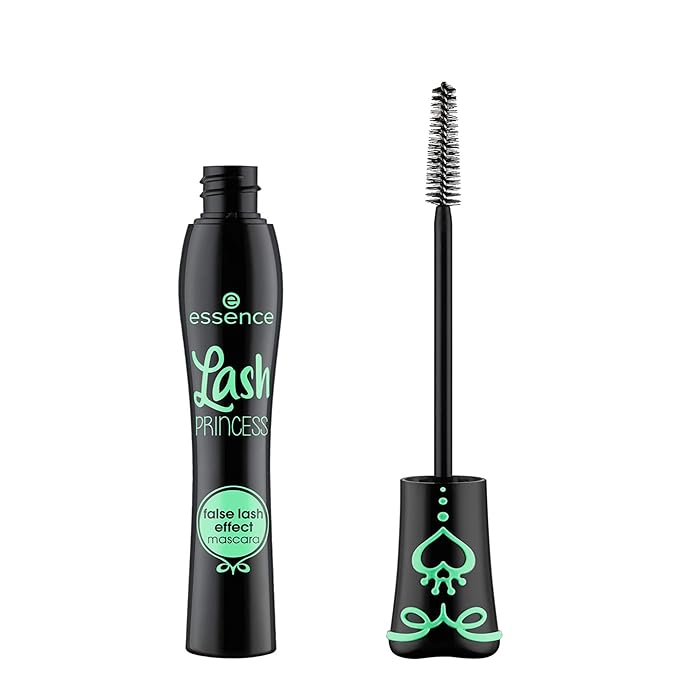
    essence | Lash Princess False Lash Effect Mascara | Volumizing & Lengthening | Cruelty Free & Paraben Free

    4-Excessively harsh judgment
    Individuals with atelophobia are often their own worst critics. They judge themselves with an intensity that would seem cruel if directed at others. This internal dialogue is frequently negative, hyper-critical, and relentless, fueling feelings of worthlessness and failure.

    Such self-judgment isn’t merely mental noise—it impacts motivation and emotional well-being. According to Dr. Kristin Neff, a pioneer in self-compassion research, people with harsh inner critics are more vulnerable to anxiety and depression. Her book Self-Compassion: The Proven Power of Being Kind to Yourself encourages replacing judgment with empathy—a mindset that can begin to loosen atelophobia’s grip.


    01
    Maybelline Lash Sensational Sky High Washable Mascara Makeup, Volumizing, Lengthening, Defining, Curling, Multiplying, Buildable Formula, Blackest Black, 1 Count

    5-Oversensitive to feedback
    For those with atelophobia, feedback—no matter how constructive—can feel like a personal attack. Rather than seeing critique as a tool for growth, they often perceive it as confirmation of their deepest fear: that they are fundamentally flawed. This emotional hypersensitivity can lead to strained relationships and missed learning opportunities.

    The root of this reaction lies in their fragile self-image. Since their self-worth is so tightly bound to being “perfect,” any suggestion of imperfection can feel shattering. In Daring Greatly, Brené Brown highlights how vulnerability is key to growth. Yet for someone with atelophobia, vulnerability feels too dangerous to risk.


    01
    e.l.f. Power Grip Primer, Gel-Based & Hydrating Face Primer For Smoothing Skin & Gripping Makeup, Moisturizes & Primes, 0.811 Fl Oz (24 ml.)

    6-Fear and distress
    Atelophobia doesn’t only operate on a cognitive level; it creates visceral emotional responses. The thought of making a mistake can trigger panic attacks, sweating, heart palpitations, or nausea. These physical reactions serve as real barriers to action, causing sufferers to freeze under pressure.

    This distress is often anticipatory—it begins long before an event even occurs. The mind spirals through worst-case scenarios, trapping the individual in a cycle of worry and avoidance. Cognitive-behavioral experts have long emphasized that anxiety thrives on avoidance, and atelophobia often feeds itself this way, growing more entrenched over time.

    01
    e.l.f. Monochromatic Multi Stick, Luxuriously Creamy & Blendable Color, For Eyes, Lips & Cheeks, Dazzling Peony, 0.17 Oz

    7-Rumination
    Rumination is a hallmark of atelophobia. Individuals often replay situations repeatedly in their minds, obsessing over what they should have done better. This constant mental loop becomes emotionally exhausting and cognitively draining, leaving little room for peace of mind or forward momentum.

    Psychologist Susan Nolen-Hoeksema, in her research on overthinking, emphasizes how rumination exacerbates anxiety and depression. Instead of solving problems, it amplifies self-doubt. For those with atelophobia, even small missteps become all-consuming mental marathons, robbing them of joy in the present.


    01
    MagicMinerals AirBrush Foundation by Jerome Alexander – 2pc Set with Airbrush Foundation and Kabuki Brush – Spray Makeup with Anti-aging Ingredients for Smooth Radiant Skin – Light Medium

    8-Avoidance
    Avoidance is a common coping mechanism among those struggling with atelophobia. Whether it’s declining a promotion, delaying a project, or skipping a social event, the fear of not being perfect fuels a retreat from life’s opportunities. In doing so, individuals inadvertently reinforce their fears and diminish their self-confidence.

    This pattern of avoidance can become self-sabotaging. As avoidance increases, the person’s world becomes smaller and more controlled, but not in a healthy way. As Dr. Steven Hayes, author of Get Out of Your Mind and Into Your Life, points out, experiential avoidance is often the root of many psychological disorders—including anxiety and perfectionism.


    01
    LAURA GELLER NEW YORK Award-Winning Baked Balance-n-Brighten Color Correcting Powder Foundation – Porcelain – Buildable Light to Medium Coverage – Demi-Matte Natural Finish

    9-Causes
    The origins of atelophobia are multifaceted. Often, it’s not just one factor but a confluence of psychological, environmental, and social elements. Early life experiences, personality traits, cultural expectations, and even media can all play a role in developing this fear of imperfection.

    Dr. David Burns, author of The Feeling Good Handbook, discusses how distorted thinking patterns, often formed in childhood, can contribute to perfectionistic tendencies. These thoughts, once internalized, can become automatic beliefs that shape one’s self-perception and emotional responses.


    01
    e.l.f. Cream Glide Lip Liner, Highly-Pigmented Pencil For Shaping & Sculpting Lips, Semi-Matte Finish, Vegan & Cruelty-Free, Mauve Aside

    10-Trauma
    Traumatic experiences—especially those involving criticism, humiliation, or failure—can trigger atelophobia. A child mocked for an honest mistake, or an adult shamed in a professional setting, may internalize those moments as defining truths about their worth and capabilities.

    Trauma rewires the brain’s threat response, making even minor imperfections feel like existential threats. As Dr. Bessel van der Kolk writes in The Body Keeps the Score, trauma imprints itself not just on the mind but also the body, creating lasting emotional reactivity that doesn’t easily dissipate without intervention.


    01
    DRMTLGY Anti-Aging Tinted Moisturizer SPF 46 – Sheer Face Sunscreen & Lightweight Makeup with Broad Spectrum UV Protection – Hydrating Skin Care & Face Moisturizer – FSA HSA Eligible (1.7 oz)

    11-Upbringing
    Parenting styles and early family dynamics play a pivotal role in shaping self-worth. Children raised in highly critical or achievement-focused environments often equate love and acceptance with performance. This sets the stage for atelophobia, where making mistakes feels synonymous with being unloved.

    Conversely, overly protective or overbearing parenting can instill a fear of failure due to a lack of opportunities to build resilience. Dr. Carol Dweck, in her book Mindset, notes that fostering a “fixed mindset” can lead children to believe that their abilities—and thus their value—are static and easily diminished by imperfection.


    01
    L’Oreal Paris Makeup True Match Lumi Glotion, Natural Glow Enhancer, Illuminator Highlighter, Bronzing Drops For a Sun-Kissed Glow, 903 Medium

    12-Genetics
    While environment matters, genetics also play a significant role. Some individuals are biologically more predisposed to anxiety, obsessive tendencies, or heightened sensitivity—all traits that can fuel atelophobia. Twin studies suggest that anxiety disorders have a heritable component.

    The field of behavioral genetics acknowledges that while we may inherit certain vulnerabilities, they interact dynamically with our environments. As the psychologist Eric Turkheimer famously said, “Everything is heritable, and nothing is 100% heritable.” This nuance is vital in understanding why some develop atelophobia while others in similar environments do not.


    01
    Neutrogena Makeup Remover Wipes Singles, Individually Wrapped Face Wipes, Daily Facial Cleanser Towelettes, Gently Removes Oil & Makeup, Alcohol-Free Makeup Wipes, 20 ct

    13-Toxic situations
    Being embedded in toxic environments—be it in the workplace, a relationship, or a social group—can exacerbate or even trigger atelophobia. Continuous criticism, gaslighting, or unrealistic expectations from others can erode self-esteem and create a chronic fear of failure.

    Toxicity fuels self-doubt. When surrounded by people who only value success and flawlessness, any misstep feels amplified. In The Narcissist You Know, Dr. Joseph Burgo explains how toxic personalities often demand perfection from others as a way to maintain control—leaving the other person emotionally bruised and deeply insecure.


    01
    Garnier Micellar Cleansing Water, All-in-1 Makeup Remover and Facial Cleanser, For All Skin Types, 3.4 Fl Oz (100mL), 1 Count (Packaging May Vary)

    14-When to seek help
    Recognizing the need for professional help is crucial when atelophobia begins to impact daily functioning. If anxiety, avoidance, or obsessive behavior disrupts relationships, work, or mental well-being, therapy is not just helpful—it’s essential. Many people suffer silently for years, unaware that their distress has a name and a path to healing.

    Seeking help is not a sign of weakness; it’s a commitment to self-care. As the author and psychiatrist Dr. Viktor Frankl said, “When we are no longer able to change a situation, we are challenged to change ourselves.” Professional support can provide tools, perspective, and structure to begin that transformation.


    01
    e.l.f. Glow Reviver Lip Oil, Nourishing Tinted Lip Oil For A High-shine Finish, Infused With Jojoba Oil, Vegan & Cruelty-free, Rose Envy

    15-Diagnosing atelophobia
    Atelophobia is not a standalone diagnosis in the DSM-5, but it is often identified under specific phobia or perfectionism-related anxiety disorders. Diagnosis typically involves understanding the pattern, history, and emotional intensity of the fear. Mental health professionals look at how pervasive the fear is and what coping mechanisms are being used.

    The process isn’t about labeling, but rather creating a treatment roadmap. A correct diagnosis ensures that therapy targets the root causes and maladaptive thinking patterns, rather than just addressing surface symptoms.


    01
    COVERGIRL & Olay Simply Ageless Instant Wrinkle-Defying Foundation, 260 Classic Tan

    16-Clinical interview
    The clinical interview is a foundational step in diagnosing atelophobia. It involves a detailed conversation between the patient and therapist, examining personal history, current behaviors, emotional triggers, and thought patterns. It offers a nuanced understanding of how atelophobia manifests uniquely in each individual.

    During the interview, the clinician may assess for co-occurring issues like depression, OCD, or social anxiety. As emphasized in The Diagnostic and Statistical Manual of Mental Disorders, a structured interview provides a reliable framework for accurate mental health evaluation.


    01
    e.l.f. Instant Lift Brow Pencil, Dual-Sided, Precise, Fine Tip, Shapes, Defines, Fills Brows, Contours, Combs, Tames, Neutral Brown, 0.006 Oz

    17-Other tests
    Besides interviews, psychologists may use standardized tests and self-report questionnaires to assess perfectionism, anxiety levels, and coping behaviors. Tools like the Frost Multidimensional Perfectionism Scale or the Fear of Negative Evaluation Scale offer deeper insights.

    These assessments help clinicians quantify the severity of the condition and tailor therapeutic interventions accordingly. They also track progress over time, offering both therapist and client a measurable sense of growth and healing.


    01
    BEAKEY Makeup Brushes Set, Professional Foundation Eyeshadow Concealer Blush Powder Bronzer Applicator, 2 Blender Sponge with Beauty Paper Case

    18-Treatment
    Treatment for atelophobia typically includes a blend of cognitive-behavioral therapy (CBT), mindfulness practices, and sometimes medication. The goal is to reshape distorted beliefs, reduce avoidance behaviors, and increase emotional resilience. Therapy sessions often focus on tolerating imperfection and developing self-compassion.

    A holistic treatment plan also involves lifestyle changes—such as sleep hygiene, exercise, and social support—to enhance psychological well-being. The combination of practical tools and emotional insight helps break the perfectionism-anxiety cycle that atelophobia thrives on.


    01
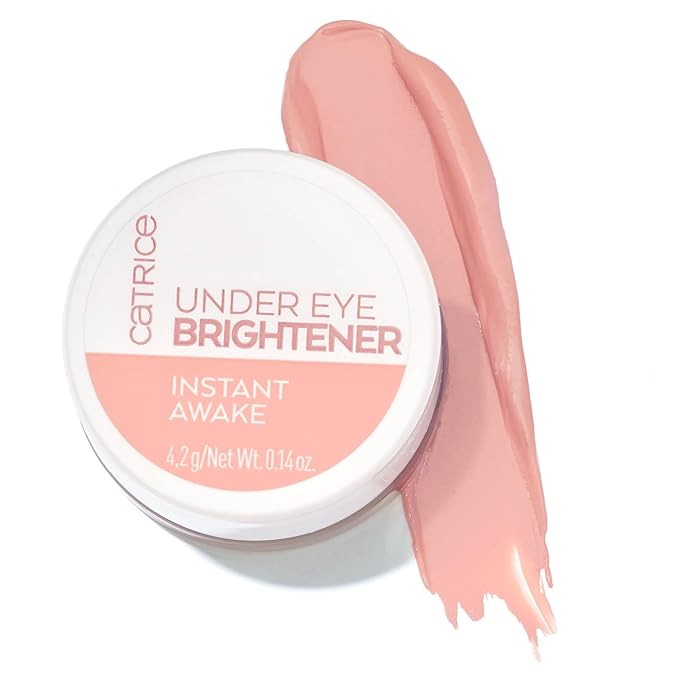
    Catrice | Under Eye Brightener | Conceal & Brighten Dark Circles | With Hyaluronic Acid & Shea Butter | Vegan, Cruelty Free & Paraben Free (010 | Light Rose)

    19-CBT
    Cognitive-behavioral therapy is one of the most effective approaches to treating atelophobia. It helps individuals identify and challenge irrational thoughts, such as “If I’m not perfect, I’m worthless,” and replace them with balanced, constructive beliefs. Exposure to feared situations is gradually introduced in a safe and controlled way.

    CBT teaches that thoughts are not facts. As Dr. Judith Beck, a leading CBT expert, explains in Cognitive Behavior Therapy: Basics and Beyond, reframing cognitive distortions is central to reducing anxiety. Over time, this empowers individuals to act despite their fears and to accept themselves more fully.


    01
    Elizabeth Mott Thank Me Later Face Primer – Mattifying Makeup Base Primer for Shine and Oil Control – Pore Minimizer, Hides Wrinkles and Fine Lines – Long-lasting Makeup Gripping Formula 30 g

    20-Mindfulness
    Mindfulness teaches individuals to sit with discomfort without judgment. Instead of resisting imperfection, mindfulness encourages acceptance of the present moment—including perceived flaws. This practice can significantly reduce the emotional intensity associated with mistakes or failures.

    Research from Jon Kabat-Zinn, the founder of Mindfulness-Based Stress Reduction (MBSR), shows that mindfulness can lower anxiety and improve emotional regulation. For someone with atelophobia, these skills are invaluable in fostering inner peace and self-acceptance.


    01
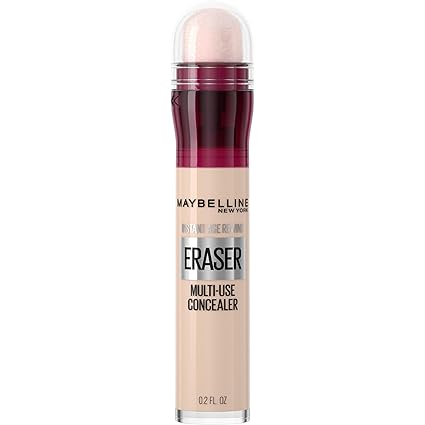
    Maybelline Instant Age Rewind Eraser Dark Circles Treatment Multi-Use Concealer, 110, 1 Count (Packaging May Vary)

    21-Coping techniques
    Effective coping techniques include journaling, positive self-talk, and breathing exercises. These strategies help manage anxiety when perfectionistic thoughts arise. For example, writing about perceived failures can provide emotional clarity and challenge distorted beliefs.

    Another useful approach is visualization—mentally rehearsing situations where imperfection is tolerated. Over time, this can recondition the mind to see mistakes not as catastrophes, but as part of the learning process. Consistent use of such techniques builds resilience and emotional flexibility.


    01
    e.l.f. Squeeze Me Lip Balm, Moisturizing Lip Balm For A Sheer Tint Of Color, Infused With Hyaluronic Acid, Vegan & Cruelty-free, Strawberry

    22-Practice making small mistakes
    Intentionally allowing yourself to make small, non-harmful mistakes is a powerful exposure method. For example, sending an email with a minor typo or starting a project before it’s perfectly planned teaches that imperfection is survivable—and even liberating.

    This form of self-directed exposure therapy reduces the fear response over time. It reinforces the idea that self-worth isn’t contingent on flawlessness. As resilience grows, the emotional grip of atelophobia weakens, and life becomes more expansive.


    01
    NYX PROFESSIONAL MAKEUP Fat Oil Lip Drip, Moisturizing Lip Oil Gloss, Vegan Tinted Formula, Up to 12 HR Hydration – Missed Call (Sheer Pink)

    23-Find ways to calm yourself
    Developing a personal toolkit for calming anxiety is essential. Techniques like progressive muscle relaxation, meditation, or listening to calming music can ground the nervous system during high-stress moments. The goal is to restore a sense of control and safety.

    Over time, consistent practice of calming rituals helps retrain the brain’s stress response. Neuroplasticity allows the brain to form new pathways, and repeated calming practices foster a more balanced and resilient emotional state—even in the face of imperfection.


    01
    e.l.f. Power Grip Dewy Setting Spray, Ultra Fine Mist Made With Hyaluronic Acid, Grips Makeup For A Hydrated, Dewy Finish, Vegan & Cruelty-Free

    24-Remove yourself from toxic situations
    To heal from atelophobia, it’s crucial to evaluate your environment. If your workplace, social circle, or relationships constantly demand perfection, it may be time to set boundaries—or even walk away. Healing thrives in supportive, not judgmental, settings.

    Toxicity corrodes self-esteem. Surrounding yourself with empathetic, growth-minded individuals can counteract years of internalized criticism. As the saying goes, “You are the average of the five people you spend the most time with.” Choose wisely for your mental health.


    01
    SHEGLAM Color Bloom Liquid Blush Makeup for Cheeks Matte Finish – Petal Talk

    25-Lean on others
    No one overcomes deep-rooted fears alone. Seeking support—whether from friends, therapists, or support groups—can provide validation and perspective. Honest conversations break the isolation that atelophobia often breeds.

    Community offers a mirror: it reflects back your worth, even when you can’t see it yourself. As Dr. Irvin Yalom writes in The Gift of Therapy, the therapeutic relationship itself can be a powerful tool for healing. Connection is the antidote to the shame of imperfection.


    01
    NYX PROFESSIONAL MAKEUP Buttermelt Powder Blush, Fade and Transfer-Resistant Blush, Up to 12HR Make Up Wear, Vegan Formula – Butta Together

    Conclusion
    Atelophobia may wear the mask of high standards, but beneath lies a paralyzing fear that keeps individuals from truly living. From avoidance and rumination to hypersensitivity and self-judgment, its signs are often hidden behind a veil of excellence. But as we’ve explored, this fear can be understood, diagnosed, and treated with the right tools and support.

    Healing begins with recognition—followed by intentional, compassionate action. Whether through therapy, mindfulness, community, or self-directed strategies, freedom from the chains of perfection is possible. As Leonard Cohen so beautifully wrote, “There is a crack in everything, that’s how the light gets in.” Embrace your cracks—they are proof that you are beautifully human.

    By Amjad Izhar
    Contact: amjad.izhar@gmail.com
    https://amjadizhar.blog

  • How to Deal With Rejection

    How to Deal With Rejection

    Rejection is one of the most emotionally jarring experiences a person can endure—yet it’s an unavoidable part of life. Whether it’s a romantic dismissal, a job application turned down, or social exclusion, rejection strikes at the heart of our self-worth. But while the sting is real, how we respond to it can shape the course of our emotional and professional journey. The key isn’t in avoiding rejection altogether—it’s in learning how to rise stronger each time we fall.

    Modern psychology suggests that the pain of rejection is processed in the same areas of the brain as physical pain. This means the ache of not being chosen is more than metaphorical—it’s biologically embedded. But just as wounds can heal with time and care, so too can emotional bruises. Resilience, therefore, is not a trait we’re simply born with, but a muscle we can strengthen through intentional practices.

    Understanding rejection from a broader perspective empowers us to detach our self-worth from external validation. Experts like Dr. Kristin Neff, author of Self-Compassion, advocate for responding to personal failure with the same kindness we would offer a friend. This blog post will guide you through proven steps to manage rejection with emotional intelligence, mental resilience, and self-awareness—skills essential for anyone navigating the complexities of personal or professional life.


    1-Recognize that rejection is pain

    Rejection isn’t just unpleasant—it genuinely hurts. Neurological research published in Psychological Science reveals that the brain responds to rejection similarly to how it processes physical injury. This pain is not a weakness; it’s a natural human response to exclusion or perceived failure. Understanding this is crucial because it normalizes the pain rather than framing it as a flaw in character or resilience. It’s essential to acknowledge the legitimacy of this pain instead of brushing it off with toxic positivity or denial.

    By recognizing rejection as real emotional pain, you create space for compassion toward yourself. As clinical psychologist Dr. Guy Winch explains in his book Emotional First Aid, the emotional wounds we ignore can fester into long-term psychological issues. Naming the pain and owning it is the first courageous act in the journey of healing. In an era where emotional intelligence is as vital as IQ, recognizing and honoring emotional discomfort becomes an act of personal mastery.


    2-Allow yourself time to process your feelings

    Jumping too quickly into “fix-it” mode after a rejection can backfire emotionally. Instead of burying your emotions under a facade of indifference or forced optimism, give yourself permission to grieve. This is not a sign of weakness, but rather a profound sign of emotional maturity. Time allows the emotional dust to settle and offers clarity that instant reactions often cloud.

    Dr. Brené Brown, in her groundbreaking book Daring Greatly, emphasizes the power of vulnerability and how leaning into discomfort can foster genuine growth. Processing your emotions means reflecting on your experience, journaling your thoughts, or even discussing your feelings with a trusted friend or therapist. Rejection, when properly processed, becomes not a wall but a stepping stone to greater emotional resilience.


    3-Make a list of what makes you great

    Rejection has a nasty habit of distorting your self-image. That’s why it’s critical to reaffirm your strengths in its aftermath. List your achievements, qualities, and values—not as an ego boost, but as a grounding exercise. This act serves as a psychological counterweight to the negative narrative rejection often invites.

    When you articulate your strengths on paper, you reinforce neural pathways that support self-confidence and emotional balance. Psychologist Dr. Martin Seligman, the father of positive psychology, suggests in Authentic Happiness that building awareness of your core strengths is key to long-term well-being. By cataloging what makes you uniquely valuable, you shift your focus from the loss to your potential, redirecting emotional energy from despair to empowerment.


    4-Think about your role in getting rejected

    Taking an honest inventory of your own behavior or choices can be uncomfortable but illuminating. This step is not about blame but about ownership and growth. Was there a miscommunication? Could you have approached the situation differently? Self-reflection here acts as a bridge between disappointment and insight.

    Critical thinkers know that every setback can be a disguised opportunity for self-improvement. As philosopher Epictetus noted, “It’s not what happens to you, but how you react to it that matters.” Whether the rejection was fair or not, reflecting on your part in the event builds accountability and fosters maturity. Rather than letting rejection define you, use it to refine you.


    5-Don’t obsess over it though

    While reflection is healthy, rumination is not. Obsessing over every detail of a rejection—replaying conversations, questioning your worth, imagining alternative scenarios—can erode your mental health. It turns an external event into an internal prison. Learning to let go is as vital as learning to reflect.

    Psychiatrist Dr. Edward Hallowell warns against the “toxic loop” of overthinking, which keeps the brain in a state of anxiety. Instead, set mental boundaries—give yourself a time limit to dwell and then pivot your attention to something constructive. This approach doesn’t erase the rejection, but it neutralizes its power to hijack your emotional life.


    6-After a date, don’t engage in negative self-talk

    Romantic rejection often cuts the deepest because it challenges our sense of lovability. It’s easy to fall into the trap of harsh self-criticism, especially after a date that doesn’t lead to more. But berating yourself only compounds the emotional blow. Instead, treat yourself with the compassion you’d extend to a friend in the same situation.

    According to Dr. Kristin Neff, self-compassion acts as a buffer against self-esteem damage. Reframing your inner dialogue from judgment to understanding is a powerful act of emotional resilience. Maybe the chemistry was off, or the timing was wrong—not a reflection of your intrinsic value. Dating is not a meritocracy; it’s a complex dance of compatibility, timing, and circumstances.


    7-Surround yourself with people who value you

    Rejection can make you feel isolated, but connection is the antidote. Spend time with people who appreciate you for who you are. Their presence and affirmation can help recalibrate your self-perception and remind you of your worth beyond one disappointing moment.

    Renowned psychologist Abraham Maslow placed “belonging” as a central human need in his hierarchy. Being part of a supportive network not only soothes emotional pain but also fosters confidence to re-engage with life. Whether it’s friends, family, or a mentorship circle, surround yourself with those who see your light—even when you forget how brightly it shines.


    8-Engage in healthy habits

    Physical health and mental well-being are deeply interconnected. After experiencing rejection, it’s tempting to spiral into unhealthy patterns—overeating, substance use, or emotional withdrawal. Instead, lean into habits that ground you: exercise, sleep, nutrition, mindfulness. These are not just distractions—they are healing tools.

    Research from Harvard Medical School confirms that regular physical activity releases endorphins, which naturally combat feelings of sadness and stress. Mindfulness practices like meditation or yoga can also create emotional distance from the pain, allowing you to observe it rather than be consumed by it. Healthy habits help reestablish a sense of control and agency—something often lost in the wake of rejection.


    9-Don’t let it get in your way

    Rejection isn’t the end of the road—it’s a redirection. Letting it stop you from pursuing new opportunities is like missing the forest for one fallen tree. Every successful individual has a string of rejections behind them. The difference lies in their refusal to let a “no” define their future.

    Consider J.K. Rowling, who was rejected by multiple publishers before Harry Potter became a global phenomenon. Or Oprah Winfrey, fired from her first television job for being “unfit for TV.” Rejection didn’t stop them; it shaped them. As leadership expert John C. Maxwell puts it in Failing Forward, “The difference between average people and achieving people is their perception of and response to failure.” Let rejection inform your path, not limit it.


    Conclusion

    Rejection is never pleasant, but it is profoundly instructive. It reveals where we stand emotionally, challenges our resilience, and offers a mirror for introspection. When we confront rejection with grace, perspective, and purpose, it transforms from a setback into a stepping stone. By recognizing our pain, validating our strengths, surrounding ourselves with the right people, and continuing forward despite the odds, we reclaim the narrative.

    In the words of Viktor Frankl, author of Man’s Search for Meaning, “When we are no longer able to change a situation, we are challenged to change ourselves.” Rejection challenges us—but also offers the opportunity to grow, evolve, and rise with a deeper understanding of who we are and what we truly deserve.

    By Amjad Izhar
    Contact: amjad.izhar@gmail.com
    https://amjadizhar.blog

  • Signs of Financial Abuse in a Relationship

    Signs of Financial Abuse in a Relationship

    Money can be a tool of empowerment—or a weapon of control. In many relationships, financial abuse lurks beneath the surface, quietly eroding autonomy and self-worth. Unlike physical violence, this insidious form of abuse often goes unnoticed, yet it leaves emotional scars that can take years to heal. Financial manipulation is not always overt, making it all the more dangerous, particularly when it masquerades as concern, care, or responsibility.

    Recognizing financial abuse requires a trained eye and critical self-reflection. Whether it’s a partner controlling every dollar spent, sabotaging your professional growth, or limiting access to bank accounts, the signs are often veiled behind a façade of practicality. As Dr. Judith Herman, a pioneer in trauma studies, notes in her book Trauma and Recovery, “The perpetrator of abuse often seeks to dominate every aspect of the victim’s life, including economic control.” Financial abuse can trap victims in toxic relationships, leaving them dependent and fearful of the consequences of breaking free.

    This blog post aims to peel back the layers of financial abuse and illuminate the warning signs that often precede more obvious forms of coercion. From restricting access to funds to interfering with career progress, each behavior reveals an attempt to gain the upper hand. Drawing on expert insights, psychological research, and sociological theory, we’ll explore these patterns in depth—because awareness is the first step to reclaiming your power.

    1 – Limited access to funds
    One of the most telling signs of financial abuse is being denied independent access to money. This tactic is used to strip away a person’s ability to make autonomous decisions. A partner may withhold bank cards, deny cash for basic needs, or manage all household finances under the guise of being “more responsible.” This creates a dependency loop where the abused partner must constantly seek permission, gradually eroding their sense of agency.

    As noted by Lundy Bancroft in Why Does He Do That?, financial control is a hallmark of abusive behavior, aimed not at helping but at dominating. Victims often internalize feelings of inadequacy, believing they are incapable of managing money. This psychological manipulation ensures that leaving the relationship becomes not only emotionally difficult but financially unfeasible.


    2 – Controlling spending
    Financial abusers often set arbitrary limits on their partner’s spending—even when both individuals earn income. They may demand detailed explanations for purchases or dictate what qualifies as a “necessary” expense. This policing is less about budgeting and more about asserting dominance.

    Such behavior undermines trust and fuels resentment. According to Dr. Evan Stark, who coined the term “coercive control,” such tactics are designed to “micro-regulate” a partner’s life. This level of scrutiny sends a clear message: you’re not trusted to make your own financial decisions, and your independence must be suppressed.


    3 – Credit score
    An abuser may deliberately damage a partner’s credit score to prevent them from achieving financial freedom. They might take out loans in their partner’s name, fail to pay shared debts, or withhold critical financial information that leads to missed payments. Over time, this financial sabotage can make it impossible to secure housing, loans, or even employment.

    This erosion of creditworthiness is often intentional. As cited in The Coercive Control of Women by Charlotte Bunch, economic entrapment is a form of gender-based violence. A poor credit score becomes a leash, keeping the victim tethered to the abuser and cutting off escape routes.


    4 – Overdraft on a shared account
    Repeatedly overdrawing a joint account is not just a financial inconvenience—it’s a red flag. Whether done impulsively or deliberately, it creates financial instability and can lead to distrust, debt, and even legal complications. It sends the message that one partner’s financial priorities take precedence over mutual responsibility.

    When this behavior is chronic, it becomes a power move. As Dr. Elizabeth Schneider points out in Battered Women and Feminist Lawmaking, shared financial spaces should be based on trust and equity. Overdrawing an account without communication sabotages that foundation and signals a disregard for the partner’s wellbeing.


    5 – Defensiveness
    If financial discussions frequently trigger defensiveness, it may indicate manipulation. A financially abusive partner often reacts with anger, gaslighting, or guilt-tripping when asked about shared expenses or budgets. This reaction serves to shut down inquiries and discourage open dialogue.

    Such defensiveness is a smokescreen. It shifts focus from the abuser’s behavior to the victim’s supposed “accusations.” As sociologist Dr. Michael Johnson explains in his research on intimate partner violence, emotional volatility is a control mechanism used to silence opposition and preserve power imbalances.

    6 – Intervention at work
    A financial abuser may interfere with your employment in subtle or overt ways—showing up uninvited, creating drama, or pressuring you to leave early. These disruptions are not accidental. They’re carefully crafted to destabilize your income stream and make you more reliant on the abuser.

    Over time, this interference chips away at your professional reputation and financial independence. Dr. Angela Browne-Miller, in Violence and Abuse in Society, emphasizes that economic abuse is often paired with professional sabotage to isolate the victim and limit their options for escape.


    7 – Limitations
    When a partner begins to impose limitations on what you can buy, where you can work, or how you manage your finances, it’s more than just boundary-setting—it’s control. These restrictions are rarely mutual; instead, they reinforce the abuser’s authority while diminishing yours.

    Often cloaked as “concern” or “guidance,” these limitations subtly reinforce the narrative that you are incapable of handling your own financial matters. As scholar bell hooks writes in All About Love, genuine love does not seek to control but to empower. Limitations that stifle autonomy are antithetical to healthy partnership.


    8 – Financial infidelity
    Financial infidelity occurs when one partner lies or withholds information about money. This might involve secret bank accounts, hidden debts, or undisclosed purchases. It’s a breach of trust that, like romantic infidelity, erodes the foundation of the relationship.

    The betrayal is twofold: emotional and financial. According to Dr. Deborah L. Price in Money Magic, transparency is critical in financially intimate relationships. When that transparency is violated, it opens the door to deception and economic manipulation.


    9 – Extravagance
    An abuser may paradoxically exhibit lavish spending habits—buying expensive items for themselves while restricting your spending. This imbalance is not simply selfishness; it’s a demonstration of who holds the purse strings.

    This kind of extravagance reinforces financial disparity within the relationship. As author Barbara Ehrenreich explores in Nickel and Dimed, economic inequality—especially within personal relationships—can become a form of social dominance, used to assert superiority and maintain control.


    10 – Money talk always leads to a fight
    If every financial conversation spirals into conflict, it may be a strategic move to avoid accountability. Abusers often use anger or emotional manipulation to derail discussions and silence valid concerns.

    As Dr. Harriet Lerner points out in The Dance of Anger, conflict avoidance or escalation is a common tactic used to maintain control in unequal relationships. When financial dialogue becomes a battleground, transparency and mutual respect are inevitably lost.


    11 – Suggesting you quit your job
    A common red flag in financially abusive relationships is a partner suggesting—or insisting—you leave your job. This move is often framed as “supportive,” but its underlying goal is to cut off your income and make you dependent.

    Once economic independence is gone, so is a crucial line of defense. According to the National Network to End Domestic Violence, financial dependence is one of the top reasons victims remain in abusive relationships. The suggestion to quit a job must be viewed through the lens of power and intent.


    12 – Hiding bills
    When one partner conceals bills, it creates a false sense of security while obscuring the actual financial situation. This secrecy leads to surprise debts, missed payments, and damaged credit—all without the victim’s knowledge.

    This behavior not only jeopardizes your financial health but also erodes trust. Financial expert Suze Orman emphasizes in Women & Money that openness is key to financial empowerment. Hidden bills are often the first step toward financial entrapment.


    13 – Belittling
    Demeaning comments about your financial knowledge, spending habits, or income can be emotionally and psychologically damaging. This tactic is designed to shake your confidence and establish financial superiority.

    Repeated belittling creates a mental environment where the victim begins to doubt their own capabilities. As Brené Brown explores in Daring Greatly, shame is a powerful silencer. Belittling serves to shut down dialogue and reinforce dependency.


    14 – Intimacy
    Withholding or using intimacy as leverage can be linked to financial abuse, especially when it coincides with demands for financial compliance. If affection is conditional upon financial behavior, it becomes a transactional form of manipulation.

    This coercion undermines the emotional core of a relationship. Scholar Patricia Hill Collins, in Black Feminist Thought, underscores how intersections of power—including financial and sexual—can be weaponized to control marginalized partners in intimate settings.


    15 – Stealing
    Yes, even within a relationship, stealing is stealing. If a partner takes money, credit cards, or property without permission, it’s a breach of both trust and legality.

    Legal expert Leslie Morgan Steiner, in Crazy Love, argues that love should never serve as an excuse for theft. Stealing blurs the lines between intimacy and exploitation and reveals a deeply rooted disregard for boundaries.


    16 – Selling things without permission
    Selling your belongings without consent is not only disrespectful—it’s a form of economic erasure. Whether it’s a sentimental heirloom or a work tool, this act signals that your ownership and agency don’t matter.

    According to psychologist Dr. George Simon, author of In Sheep’s Clothing, covert aggression often involves violating others’ rights while maintaining plausible deniability. Selling your property without your knowledge is a prime example of this manipulation.


    17 – Dismissing educational aspirations
    Discouraging or outright rejecting your plans for further education is a form of sabotage. Education opens doors—economic, personal, and social. Preventing it ensures the victim stays limited in earning potential and self-growth.

    As Paulo Freire wrote in Pedagogy of the Oppressed, education is the practice of freedom. Financial abusers know this, which is why they often try to keep their partners in a state of intellectual and economic immobility.


    18 – Making you late for work
    Making you consistently late—whether through distractions, guilt-trips, or logistical manipulation—is another subtle but potent way to sabotage your career. This affects not only income but also long-term professional growth.

    This kind of disruption is a strategic move. It erodes your reputation with employers and may result in job loss, further deepening dependency on the abuser. It’s a slow-burning form of professional strangulation.


    19 – Dependency
    An abuser may intentionally structure the relationship so that you are entirely dependent on them financially. This may involve discouraging work, controlling income, or making major decisions without your input.

    Dr. Lenore Walker, in The Battered Woman Syndrome, highlights how economic dependency is used to entrap victims. Without financial options, the choice to leave becomes a privilege instead of a right.


    20 – Demanding receipts
    Requiring receipts for every purchase—especially minor ones—can seem like oversight but is usually about control. It positions the victim as someone who must constantly justify their decisions.

    This demand communicates mistrust and sets up a parent-child dynamic. As financial therapist Amanda Clayman says, “True financial partnership is built on transparency, not surveillance.”

    21 – Forcing you to ask permission
    Requiring you to ask for money—even for basic necessities—is a hallmark of financial abuse. This dynamic reinforces a power imbalance where one partner becomes the gatekeeper of resources, and the other is infantilized and disempowered.

    This tactic is deeply dehumanizing. As Dr. Martha Fineman notes in The Autonomy Myth, true autonomy is impossible without access to resources. Being forced to seek permission diminishes personal freedom and undermines adult agency in the relationship.


    22 – Withholding necessities
    Denying access to essential items—such as food, medications, hygiene products, or transportation—creates an environment of scarcity and fear. This form of control goes beyond budgeting; it’s about punishing and manipulating through deprivation.

    Psychologically, this mirrors the coercive dynamics seen in hostage situations. According to trauma expert Dr. Bessel van der Kolk in The Body Keeps the Score, the absence of basic safety triggers deep survival responses, making victims more compliant and less likely to resist or flee.


    23 – Making huge decisions
    When a partner unilaterally makes large financial decisions—such as buying property, taking out loans, or investing without your input—it signals a disregard for shared responsibility and mutual respect.

    These actions not only endanger joint financial stability but also isolate the victim from key aspects of life planning. Sociologist Arlie Hochschild, in her research on emotional labor, stresses that equitable relationships rely on shared decision-making. Financial autonomy must be mutual, not monopolized.


    24 – Refusing access to a joint account
    If your name is on the account, but you can’t access the funds, that’s more than a technical glitch—it’s a control tactic. Restricting access to shared money denies one partner full participation in the relationship’s financial life.

    This behavior breeds secrecy and dependence. As financial counselor Shannon Thomas explains in Healing from Hidden Abuse, economic transparency is a core element of healthy relationships. Gatekeeping funds creates an environment ripe for exploitation.


    25 – Private account
    While privacy in finances is acceptable in certain contexts, secrecy is another matter entirely. When one partner maintains a private account and hides its existence or contents, it’s a red flag—especially if it’s used to evade joint financial responsibility.

    Secrecy around money often signals deeper trust issues. As Dr. Brad Klontz, a financial psychologist, notes, “Financial secrecy can be as damaging to relationships as infidelity.” Transparency fosters trust; hiding assets breeds suspicion and control.


    26 – Damaging your belongings
    Destroying or damaging personal items—especially those of financial value—is both a psychological and economic assault. This behavior sends a message: what’s yours is disposable, and your boundaries can be violated.

    This act often precedes or accompanies other forms of abuse. In No Visible Bruises by Rachel Louise Snyder, experts reveal how abusers target not only people but their possessions to assert dominance and induce emotional instability.


    27 – Distracting you at work
    Whether it’s constant texts, unexpected visits, or emotional manipulation, these distractions are not coincidental—they’re deliberate attempts to derail your focus and jeopardize your job performance.

    Workplace interference reduces your earning capacity and professional credibility. According to Dr. Judith Herman, workplace sabotage is one of the lesser-known but deeply effective strategies of coercive control. It ensures the abuser remains the primary provider—and controller.


    28 – Withholding information
    Failing to share essential financial details—such as account passwords, debts, or bill due dates—is a form of deception. This keeps the abused partner in the dark and prevents them from making informed decisions.

    Information asymmetry is a subtle yet powerful control tactic. In Power and Control, Evan Stark emphasizes that secrecy in intimate relationships is not just deceitful—it’s strategically disempowering. It creates a dependent dynamic where the victim must rely on the abuser for clarity and access.


    29 – Obtaining credit in your name
    Using your identity to open lines of credit or take loans without your consent is both fraudulent and deeply abusive. It can ruin your credit, damage your financial future, and even entangle you in legal battles.

    This is identity theft within a personal relationship, often dismissed or overlooked because of intimacy. Legal expert Dr. Leigh Goodmark, in A Troubled Marriage, argues that the law often fails to protect victims of financial abuse, especially when it intersects with emotional manipulation.


    30 – Refusing to pay bills
    A partner who consistently refuses to contribute to household bills—or who racks up debts and leaves you to deal with them—is financially exploiting the relationship. This behavior is especially manipulative when the partner has the means but chooses not to contribute.

    It’s a form of passive-aggressive control, forcing the other person to overcompensate or face financial penalties. According to the Institute for Women’s Policy Research, this type of abuse disproportionately affects women, leaving them to shoulder economic burdens alone while diminishing their long-term security.


    Conclusion
    Financial abuse is a silent predator—it doesn’t leave bruises, but it does leave lasting scars. Often hidden behind smiles, joint bank accounts, and household routines, it strips individuals of autonomy, confidence, and the means to escape. Recognizing these behaviors is the first step toward breaking the cycle.

    As the late Ruth Bader Ginsburg once said, “Women belong in all places where decisions are being made.” That includes financial decisions within a relationship. Whether you’ve spotted one sign or several, understanding these patterns equips you—or someone you love—with the power to take action. For those seeking deeper understanding, books like Why Does He Do That? by Lundy Bancroft and The Coercive Control of Women by Charlotte Bunch offer crucial insight. Financial freedom is not a privilege—it’s a right. Don’t let anyone convince you otherwise.

    By Amjad Izhar
    Contact: amjad.izhar@gmail.com
    https://amjadizhar.blog

  • The Downside of Being an Empathetic Individual

    The Downside of Being an Empathetic Individual

    Empathy is often hailed as a superpower in human relationships, yet few talk about the hidden cost it exacts on the individual who bears it. While society applauds the empathetic person for their sensitivity and emotional intelligence, what’s often overlooked is the emotional toll, mental fatigue, and blurred boundaries that can accompany this trait. The line between emotional insight and emotional overload can be dangerously thin.

    In an age where emotional labor is increasingly valued, being highly empathetic can ironically become a double-edged sword. From being constantly available as an emotional sponge to experiencing vicarious trauma, empathetic individuals can find themselves drowning in a sea of others’ emotions. The weight of understanding everyone can, over time, lead to burnout, compassion fatigue, and even identity loss.

    This blog post delves into the nuanced and often unspoken downsides of empathy. We will dissect its definitions, explore its biological roots, and examine how stories like that of Sheri Summers shed light on the consequences of intense empathetic engagement. Drawing from psychological research, expert insights, and academic references, this article aims to present a holistic and critical view of empathy—not just as a virtue but also as a potential vulnerability.


    1 – Squishy Term

    Empathy, as widely used today, is a term that resists precise definition—it’s a “squishy” concept, often shaped by context, culture, and personal experience. The public tends to use the word interchangeably with compassion, sympathy, or kindness, despite each term having distinct psychological implications. This linguistic vagueness not only leads to conceptual confusion but also makes empathy difficult to measure and evaluate in scientific research.

    Philosopher Jesse Prinz argues that conflating empathy with morality or altruism is a mistake. In his book The Emotional Construction of Morals, he posits that empathy can actually cloud judgment by favoring emotionally salient cases over rational ethical decisions. Without a consistent understanding of what empathy entails, we risk glorifying a trait that, when poorly understood, may lead to unintended psychological and social consequences.


    2 – Possible Definitions

    In an attempt to clarify, scholars have proposed several definitions of empathy. Psychologist Daniel Goleman distinguishes between cognitive empathy—understanding another’s perspective—and emotional empathy—feeling what another person feels. These facets, while related, lead to vastly different outcomes. Cognitive empathy can enable effective negotiation and leadership, while emotional empathy can leave one vulnerable to emotional exhaustion.

    Paul Bloom, in his thought-provoking book Against Empathy: The Case for Rational Compassion, argues that emotional empathy can actually lead to biased and harmful outcomes. He suggests that being overwhelmed by another’s suffering can impair judgment and hinder effective altruism. Therefore, definitions matter—not only for academic rigor but for understanding the precise psychological mechanisms at play.


    3 – General Consensus

    Despite the definitional ambiguity, there is a general consensus among psychologists that empathy, in moderate doses, is a valuable trait for social functioning. It helps build relationships, fosters cooperation, and enhances emotional intelligence. In organizational psychology, empathetic leaders are seen as more trustworthy and effective, capable of creating emotionally safe environments.

    Yet even this consensus acknowledges the need for balance. As Dr. Kristin Neff, a pioneer in self-compassion research, points out, “Empathy without boundaries leads to burnout.” A growing number of researchers advocate for “compassionate detachment,” a model where empathy is regulated rather than indulged without restraint. This approach recognizes the fine line between connecting with others and losing oneself in their emotional landscape.


    4 – Desirable Characteristic

    Empathy has long been seen as a hallmark of emotional maturity and moral development. Parents are encouraged to nurture it in children, and companies prioritize it as a soft skill during hiring. It’s often lauded as the cornerstone of effective leadership, cross-cultural communication, and even ethical behavior.

    However, the desirability of empathy can obscure its dark side. When empathy is held up as an ideal without qualifications, people may feel guilty for setting emotional boundaries or protecting their mental health. According to Dr. Susan David, author of Emotional Agility, “Being emotionally agile means knowing when to lean in and when to step back.” Without that discernment, even a so-called virtue can become a vice.


    5 – The Reality

    In practice, being empathetic can be emotionally draining. Empathetic individuals frequently absorb the emotional states of others, making them more susceptible to anxiety, depression, and compassion fatigue. This is particularly prevalent in caregiving professions such as nursing, social work, and counseling, where empathy is both a job requirement and a psychological risk factor.

    Moreover, empathy can create ethical blind spots. For instance, people may favor those they feel emotionally connected to, leading to nepotism or biased decision-making. As Bloom notes in Against Empathy, this selective compassion can distort justice and perpetuate inequality. In the real world, empathy isn’t always a moral compass—it can just as easily steer us off course.


    6 – Scientific Background

    Neuroscience has revealed fascinating insights into the biological roots of empathy. Mirror neurons in the brain fire both when we perform an action and when we observe someone else doing the same, providing a neurological basis for shared experience. While this mechanism enables empathy, it also means that empathetic individuals are wired to feel others’ pain almost as if it were their own.

    Studies also show that high levels of the hormone oxytocin, often dubbed the “love hormone,” correlate with empathetic behavior. However, oxytocin can also amplify in-group favoritism, making us more empathetic toward those we perceive as similar to ourselves. As psychologist Fritz Breithaupt argues in The Dark Sides of Empathy, “Empathy is not always innocent—it has its manipulative and divisive aspects.” Science, it seems, supports both the beauty and the burden of empathy.


    7 – The Story of Sheri Summers

    Sheri Summers was a hospice nurse whose deep empathy for her patients ultimately led to emotional collapse. Her story, shared widely in psychological case studies, highlights how unchecked empathy can result in secondary traumatic stress. She began to internalize the suffering of those she cared for, losing her sense of self in the process.

    Her experience prompted a reevaluation of how professionals are trained to handle emotional labor. Sheri’s descent into burnout underscores the need for boundaries, emotional regulation, and institutional support. Her story is a stark reminder that while empathy connects us to others, it can also fracture our inner world if not carefully managed.


    8 – The Identifiable Victim Effect

    The identifiable victim effect is a cognitive bias where people respond more strongly to the suffering of a single, known individual than to a large group of anonymous victims. This phenomenon is deeply tied to emotional empathy, which is more easily triggered by a personal story than by statistics. For example, charitable donations spike when a specific child’s plight is highlighted rather than when abstract numbers are presented.

    This effect shows how empathy can distort our ethical priorities. As Peter Singer notes in The Most Good You Can Do, focusing on individual stories can lead us to neglect larger, more impactful causes. In other words, empathy may make us feel like we’re doing good, while in fact, we’re making less rational and less effective decisions.


    9 – Top Tip

    If you’re an empathetic individual, the top tip for self-preservation is to develop emotional boundaries. Learn to distinguish between your feelings and those you’re absorbing from others. Practicing mindfulness and self-reflection can help anchor you in your own emotional experience, reducing the risk of emotional contagion.

    Psychologist Dr. Gabor Maté suggests regular self-check-ins and journaling to process emotions that aren’t yours to carry. Additionally, cultivating cognitive empathy—understanding rather than absorbing—can allow for compassionate engagement without the psychological toll. This approach enables you to be a source of strength for others without losing your own emotional footing.


    10 – Other Dangers

    Other dangers of unchecked empathy include emotional manipulation, decision fatigue, and chronic stress. Empathetic individuals can become easy targets for narcissists or emotional vampires who exploit their sensitivity for personal gain. Over time, constantly prioritizing others’ emotions can lead to self-neglect and even codependent relationships.

    Moreover, excessive empathy can cloud professional judgment. In leadership roles, it may result in favoritism or an inability to make tough decisions. In parenting, it can hinder the development of resilience in children. As the saying goes, “Too much of a good thing can be bad”—and empathy, for all its virtues, is no exception.


    Conclusion

    While empathy is undeniably one of the most celebrated human traits, its complexities reveal a more nuanced picture. Far from being an unmitigated good, empathy has the potential to become a liability—emotionally, ethically, and psychologically—when left unchecked. Understanding its intricacies helps us cultivate compassion without compromise.

    As we’ve explored, empathy must be tempered with boundaries, self-awareness, and a balance between emotional resonance and rational thought. For the intellectually inclined, this isn’t just about emotional hygiene—it’s about ethical clarity and mental well-being. In a world that desperately needs kindness, perhaps what we need most is wise empathy: compassion informed by wisdom, not simply emotion.

    By Amjad Izhar
    Contact: amjad.izhar@gmail.com
    https://amjadizhar.blog

  • The Unbounded Mind: Exploring Our Shared Consciousness

    The Unbounded Mind: Exploring Our Shared Consciousness

    The provided text, likely excerpts from a book titled “One Mind” by Larry Dossey, explores the concept of a unified consciousness that transcends individual minds and connects all living beings. The author presents anecdotal evidence, scientific theories such as nonlocality and entanglement, and philosophical perspectives to support the idea that our minds are not isolated but are part of a larger, interconnected awareness. The text examines various phenomena, including telepathy, premonitions, shared experiences, animal behavior, and near-death experiences, through the lens of this “One Mind” theory, suggesting a fundamental interconnectedness that has implications for our understanding of consciousness, healing, and our relationship with the world. Ultimately, the text posits the “One Mind” as a source of wisdom, creativity, and a potential solution to the challenges facing humanity, urging a shift from a materialistic worldview to one that embraces this deeper unity.

    The One Mind: Collective Consciousness and Interconnectedness

    The concept of the One Mind as presented in the sources refers to a collective, unitary domain of intelligence of which all individual minds are a part. It is described as an overarching, inclusive dimension to which all the mental components of all individual minds belong. This perspective suggests that the separateness of individual minds is an illusion, and at some level, all minds come together to form a single mind.

    Here are some key aspects of the One Mind concept discussed in the sources:

    • Nonlocality: A fundamental characteristic of the One Mind is its nonlocality. This means that individual minds are not confined or localized to specific points in space (like brains or bodies) or time (like the present). Instead, minds are spatially and temporally infinite, suggesting that the connectedness of minds transcends physical distance and time.
    • Importance: The concept of the One Mind is presented as potentially vital for addressing global challenges such as division, selfishness, and destruction. Recognizing our interconnectedness through the One Mind can lead to a recalibration of our ethical stance, inspiring us to “Be kind to others, because in some sense they are you”. It can also foster cooperation, heightened imagination, and creativity.
    • Experiencing the One Mind: Individuals may encounter the One Mind in various ways, such as transcendent moments, epiphanies, creative breakthroughs, or inexplicably acquired information. It can also manifest as shared emotions, thoughts, or feelings between people at a distance, including spouses, siblings, twins, and even across species.
    • Evidence and Manifestations: The book explores a wide range of phenomena as glimpses of the One Mind. These include:
    • Acts of selfless saving, where the rescuer’s consciousness seems to fuse with the person in need.
    • Experiences of telepathy and the sense of being stared at, suggesting a direct mind-to-mind connection.
    • The coordinated behavior of large groups of animals, implying shared, overlapping minds.
    • Near-death experiences (NDEs), where individuals report contact with a transcendent domain and access to universal knowledge.
    • Reincarnation phenomena.
    • Communication with the deceased.
    • The remarkable abilities of savants, who possess knowledge seemingly beyond their individual learning.
    • The deep connections and shared experiences of twins, even when separated.
    • Telesomatic events, where distant individuals experience similar physical sensations.
    • Experiences of remote viewing and precognition.
    • The One Mind is Not a Homogeneous Blob: Despite the interconnectedness, the One Mind does not result in a featureless muddle. Specificity and individuality are preserved in One-Mind experiences. The analogy of stem cells is used, suggesting the One Mind awaits instructions and prompting to manifest in unique ways.
    • Relationship to the Brain: The book challenges the dominant view that the brain produces consciousness. Instead, it explores the idea that the brain may function as an intermediary or receiver for the mind, which originates from a broader, nonlocal source.
    • Connection to Ancient Wisdom and Modern Science: The concept of the One Mind has ancient roots in various wisdom traditions and is also finding resonance in modern science through concepts like quantum entanglement and the idea of a holographic universe.
    • The Self and the One Mind: While some may fear losing individuality, the One Mind perspective suggests that the illusion of separateness can be overcome to realize a deeper unity. This can lead to a sense of shared identity and fellowship.
    • Is the One Mind God? The book addresses the question of whether the One Mind equates to God, noting similarities such as omniscience, omnipresence, and eternality. While some, like Erwin Schrödinger, saw the One Mind as God, the book also emphasizes potential differences and the importance of recognizing gradations of being.
    • Accessing the One Mind: Various pathways to experiencing the One Mind are discussed, including meditation, reverie, prayer, dreams, and love. The key seems to involve a letting go of the discursive, rational mind and approaching with respect and an openness to a source of wisdom beyond oneself.

    Ultimately, the One Mind concept, as presented in the sources, offers a paradigm shift in understanding consciousness, suggesting a fundamental interconnectedness that has profound implications for our understanding of ourselves, our relationship with the world, and our potential for collective action and spiritual growth.

    Nonlocal Consciousness and the One Mind

    The concept of nonlocal consciousness is central to the idea of the One Mind, as discussed in the sources.

    Definition of Nonlocal Consciousness:

    • Nonlocality of consciousness means that individual minds are not confined or localized to specific points in space, such as brains or bodies, nor to specific points in time, such as the present.
    • Instead, minds are spatially and temporally infinite.
    • Nonlocal mind is a term coined to express this spatially and temporally infinite aspect of our consciousness.

    Relationship to the One Mind:

    • The nonlocality of consciousness is presented as the ultimate argument for the One Mind.
    • Because individual minds are not confined, the separateness of minds is considered an illusion.
    • At a fundamental level, all minds come together to form a single mind due to their nonlocal nature.
    • The One Mind is described as an overarching, inclusive dimension to which all the mental components of all individual minds belong. Nonlocality makes this interconnectedness possible.

    Evidence and Manifestations of Nonlocal Consciousness:

    The book explores various phenomena as evidence for nonlocal consciousness and its manifestation in the One Mind:

    • Telepathy: The ability to share thoughts, emotions, and even physical sensations with a distant individual without sensory contact. This suggests that minds are not bounded by physical distance.
    • Remote Viewing and Clairvoyance: The capacity to demonstrate detailed knowledge of distant scenes or find hidden objects without sensory means. This indicates that awareness extends beyond the physical body.
    • Premonitions: Acquiring valid information about future events. This points to a consciousness that is not limited by linear time.
    • Near-Death Experiences (NDEs): Experiences of direct contact with a transcendent domain, often accompanied by a sense of unity and access to universal knowledge, occurring when the brain is significantly impaired. This challenges the idea that consciousness is solely a product of the brain.
    • Shared Experiences: Instances where spouses, siblings, twins, lovers, or groups share emotions, thoughts, or feelings at a distance. Telesomatic events, where distant individuals experience similar physical sensations, also fall under this category.
    • Animal Behavior: The coordinated behavior of large groups of animals, suggesting shared, overlapping minds. The ability of lost animals to return home across vast distances without known sensory cues also hints at nonlocal connections.
    • Savants: Individuals with remarkable abilities or knowledge seemingly beyond their individual learning, possibly tapping into the One Mind.
    • Experiences of Twins: The deep connections and shared experiences of twins, even when separated, suggest a fundamental link in consciousness.

    Challenge to the Brain-Centric View:

    • The concept of nonlocal consciousness directly challenges the dominant view in science that the brain produces consciousness. This brain-as-producer model struggles to explain nonlocal phenomena.
    • The book explores the alternative idea that the brain may function as an intermediary or receiver for the mind, which originates from a broader, nonlocal source.
    • The persistence of coherent experiences during unconsciousness in NDEs further challenges the brain-as-sole-generator theory.

    Implications of Nonlocal Consciousness:

    • The realization of nonlocal consciousness and the One Mind can lead to a sense of felt unity with all other minds, conveying renewed meaning, purpose, and possibility.
    • It fosters the understanding that we are all deeply interconnected, potentially inspiring compassion, responsibility, and cooperation in addressing global challenges. As stated, recognizing our interconnectedness can lead to the ethical stance of being kind to others because “in some sense they are you” [The initial summary provided before the sources].
    • Nonlocal consciousness suggests that information and knowledge are potentially accessible beyond the limitations of individual experience.

    In conclusion, nonlocal consciousness, as presented in the sources, posits that the mind transcends the physical constraints of the brain and body, existing in a spatially and temporally infinite domain. This nonlocality underpins the concept of the One Mind, a unitary field of consciousness of which all individual minds are a part. The existence of various seemingly paranormal phenomena is presented as evidence for this nonlocal nature of consciousness, challenging conventional, brain-centric views and suggesting profound implications for our understanding of ourselves and our interconnectedness with the world.

    One Mind: Shared Experiences and Interconnectedness

    The sources discuss various forms of shared experiences, suggesting a fundamental interconnectedness between individuals, which aligns with the concept of the One Mind. These experiences often transcend typical sensory limitations and point to a deeper level of shared consciousness.

    Here are some key types of shared experiences discussed in the sources:

    • Shared Emotions, Thoughts, and Feelings at a Distance: The sources provide numerous examples of individuals sharing emotions, thoughts, or feelings with distant loved ones, such as spouses, siblings, twins, and close friends.
    • A mother inexplicably sensed her young daughter was in trouble and then received a call about her daughter’s car accident.
    • A young academic in New York awoke knowing her twin in Arizona was in trouble, which coincided with a car bomb exploding near her sister’s apartment.
    • Dr. Larry Dossey notes that these One-Mind experiences involve unbounded, extended awareness.
    • Telesomatic Events: These involve individuals separated by distance experiencing similar physical sensations or actual physical changes.
    • A mother writing to her daughter felt a severe burning in her right hand at the same time her daughter’s right hand was burned by acid in a lab accident.
    • A woman suddenly felt severe chest pain and knew something had happened to her daughter Nell, who had simultaneously been in a car accident with a steering wheel penetrating her chest.
    • The case of the infant twins Ricky and Damien suggests a telesomatic link with survival value, as Ricky’s distress alerted his mother to Damien suffocating.
    • These events often occur between people with emotional closeness and empathy.
    • Shared Dreams: The sources mention instances where multiple people report similar dreams on the same night or dream of each other in a common space.
    • The example of the two Japanese women who had strikingly similar dreams of one stabbing the other in a hotel lobby illustrates mutual dreaming.
    • Anthropologist Marianne George experienced shared dreams with a Barok female leader in New Guinea, whose instructions in the dream were later verified by her sons, highlighting the possibility of dream communication across distance.
    • A curious historical anecdote describes a shared dream of a rat attack between individuals living 143 miles apart, suggesting that shared anxieties and dreams can occur even in modern cultures.
    • Shared-Death Experiences (SDEs): These are near-death-like experiences that happen to healthy individuals in the proximity of a loved one who is dying.
    • Raymond Moody first heard of SDEs from a Dr. Jamieson who, upon her mother’s death, found herself out of her body with her mother, witnessing a mystical light and deceased relatives.
    • Moody and his siblings experienced a shared sense of joy and a change in the light of the room as their mother died, with one brother-in-law reporting an out-of-body experience with her.
    • SDEs often include elements of NDEs such as tunnel experiences, bright light, out-of-body sensations, and a life review. A key difference is the shared sensation of a mystical light by several healthy people, which challenges the idea that the light in NDEs is solely a result of a dying brain. Another feature is the observation of an apparent mist leaving the dying person.
    • Collective Experiences in Groups: The sources allude to shared mental states in larger groups.
    • The coordinated behavior of large animal groups like herds, flocks, and schools suggests shared, overlapping minds.
    • The Nuremberg Rallies are presented as an example of how coherent thought and solidarity can be fostered in a large group, though for destructive purposes.
    • The experience of the Hotshot firefighting crew, where each member had a near-death experience during a life-threatening fire, sometimes appearing in each other’s NDE, demonstrates a collective fear-death experience with overlapping elements.
    • Empathy and Pro-Social Behavior: The demonstrated empathy in rats, where a free rat persistently works to liberate a trapped cagemate, suggests a shared emotional experience and a drive towards pro-social behavior. This indicates that shared feelings and a sense of connection may extend beyond humans and influence actions.

    These diverse examples illustrate the concept of shared consciousness extending beyond the individual, supporting the notion of a One Mind where the boundaries of individual awareness are more permeable than conventionally understood. The emotional closeness between individuals appears to be a significant factor in many of these shared experiences. The sources suggest that recognizing these connections can foster compassion and a sense of shared responsibility.

    Animal Minds and Human-Animal Connections

    The sources provide extensive discussion on animal connections, both among animals and between humans and animals, often linking these connections to the concept of the One Mind.

    Connections Among Animals:

    • The book explores the highly coordinated behavior of large groups of animals such as bison herds, wildebeest migrations, passenger pigeon flocks, starling murmurations, and schools of fish. These movements often appear unified, as if the group is a single entity.
    • Swarm intelligence is presented as one scientific explanation, where local interactions between individuals lead to intelligent group behavior without centralized control. However, the book also notes that some biologists suspect this theory doesn’t fully account for the speed and coordination observed, with some speculating about “collective thinking” or telepathy.
    • Rupert Sheldrake’s morphic fields hypothesis is introduced as a potential explanation for this nonsensory group intelligence. He suggests that these fields of influence, shaped by evolution, operate nonlocally and facilitate communication within groups, acting as an evolutionary basis for telepathy. The coordinated movements happen too quickly for sensory explanations like vision alone.
    • The book also discusses animal grief and mourning, citing examples of elephants gathering around the dead, burying them, and revisiting the site, as well as similar behaviors in dogs, horses, and gorillas. The “magpie funeral” and crows reacting to a crow being shot are also given as examples of apparent collective responses.
    • Evidence of empathy and pro-social behavior in animals is presented, such as the study where lab rats would persistently work to free a trapped cagemate, even when offered chocolate as an alternative. This suggests innate, unselfish behavior in animals.

    Connections Between Humans and Animals:

    • Numerous anecdotes and some experimental evidence are provided to illustrate a deep and often inexplicable bond between humans and animals.
    • Returning lost pets are a key example, such as Bobbie the Collie who traveled 2,800 miles over six months to return to his owners. The book challenges conventional explanations like a highly developed sense of smell over such distances and between species, proposing instead that the minds of the animal and owner are part of a larger One Mind, allowing a sharing of information often associated with love and caring. Similar cases of cats returning home over long distances are also mentioned.
    • Animals reacting to the needs and emotions of distant owners are discussed. The case of Prince, the dog who became disconsolate when his soldier owner returned to the front in World War I and then disappeared, is given as an example. Susan Armstrong’s experience of her dog suddenly killing a parakeet at the exact moment she felt a violent emotion while gardening outside also suggests a distant emotional link.
    • Anticipation of an owner’s return by pets, even when the time or mode of transport is varied and unknown to others in the household, is highlighted, referencing Rupert Sheldrake’s experiments. This suggests a bond operating at a distance in both space and time.
    • Pets detecting their owners’ moods, thoughts, and intentions are commonly reported. Sheldrake’s survey found that a significant percentage of dog and cat owners believed their pets responded to their thoughts or silent commands and were sometimes telepathic.
    • Instances of animals rescuing humans and humans rescuing animals are presented as evidence of the One Mind uniting different species. Mythologist Joseph Campbell and philosopher Arthur Schopenhauer’s idea of minds fusing at critical moments is extended to interspecies rescues, suggesting that the rescuer, in a sense, is rescuing itself. Examples include dolphins protecting swimmers from sharks and a horse charging a cow to save its owner.
    • The phenomenon of apparent distant, cross-species communication is mentioned, such as Queen Elizabeth’s dogs barking when she reaches the gate half a mile away.
    • Dreams involving animals that seem to have a connection to real-world events are noted, such as Jim Harrison’s vivid dream about his neighbor’s missing dogs, which corresponded to the path they took.
    • The historical and cultural reverence for animals and beliefs about their connection to the spiritual realm are briefly touched upon, using the example of bees in various cultures.

    Overall, the sources present a compelling case for significant connections between animals and between humans and animals that go beyond conventional sensory explanations. These connections are presented as supportive evidence for the concept of a unitary One Mind that encompasses all sentient creatures. The book suggests that recognizing these profound links can foster compassion and a sense of interconnectedness with the wider web of life.

    Limits of Science: Consciousness and the Unknown

    The sources discuss several limits of science, both inherent and self-imposed, particularly in its understanding of mind, consciousness, and related phenomena.

    Firstly, the very nature of mind and consciousness poses a significant limit to scientific inquiry as currently practiced. Dr. Dossey recounts an interaction with an Indian physician who pointed out the multiple levels of consciousness, a subtlety often overlooked in Western science. The author acknowledges the difficulty in providing a specific definition of mind and consciousness that satisfies all perspectives. He suggests that perhaps these terms are best left with a degree of deliberate ambiguity.

    Furthermore, there’s a “tool problem” in trying to comprehend consciousness with the mind itself, likened to seeing one’s eye with one’s eye. Similarly, the writer’s tool of language is deemed insufficient to fully describe the unification of individual minds in a unitary One Mind. Bohr’s analogy of cleaning plates with dirty water and dishcloths illustrates this limitation of using unclear concepts to understand nature. Because of this, Dr. Dossey frequently relies on individual experiences, which he argues are essential for grasping the complementarity between individual minds and the One Mind, even if skeptics dismiss them as “mere anecdotes”. Max Planck’s quote underscores this, stating that science cannot solve the ultimate mystery of nature because we are part of that mystery.

    The sources also highlight self-imposed limits of science, often stemming from dogmatic assumptions and “pathological disbelief”. Nobel physicist Brian Josephson terms the staunch refusal to consider evidence for a nonlocal, unified aspect of mind as “pathological disbelief”. This is compared to 18th-century scientists denying the existence of meteorites despite physical evidence because “stones cannot fall from the sky”. A similar dogmatism persists today, with many scientists insisting consciousness cannot exist outside the brain and body, disregarding evidence suggesting otherwise. This “aggressive, hubristic pathological disbelief” not only disgraces scientific tradition but also diminishes the “hope of wisdom” needed for survival. Rupert Sheldrake also argues that science is being constricted by assumptions that have hardened into dangerous dogmas.

    The arrogance and certainty that science knows more than it does also create serious obstacles in understanding consciousness. Wes Nisker’s playful suggestion to publicly admit “we don’t know what the hell’s going on here” serves as a corrective to this hubris.

    Methodologically, science faces limitations when trying to study certain phenomena. J. B. Priestley suggests that precognitive dreams and similar experiences might wither away when brought into the controlled environment of scientific experiment. Similarly, the One Mind, thriving on uncertainty and freedom, is not easily studied through formalized entry methods, which can become a trap. The attempt to study prayer in highly artificial ways is given as another example of how concretization can hinder understanding.

    Historically, science has often shown resistance to new ideas, with prominent scientists facing ridicule and opposition for challenging established views. The image of the open-minded scientist is contrasted with the reality of narrow-mindedness, dullness, and even stupidity that can exist within the scientific community, as noted by Nobel laureate James Watson and psychologist Hans Eysenck. Prejudice against consciousness research is openly admitted in some cases. Furthermore, science has been accused of “skimming off the top,” accepting data that aligns with the prevailing paradigm and ignoring contradictory evidence.

    The sources also touch upon the limits of science in fully grasping the concept of “self”. While spiritual traditions have long addressed the illusion of a fixed self, science’s attempts to eradicate the self might be an overreach, potentially killing off consciousness as well. Carl Jung believed it’s absurd to suppose existence can only be physical, as our immediate knowledge is psychic.

    However, the sources also suggest that acknowledging these limits can be an opportunity for science to expand. Lewis Thomas recognized the importance of admitting our ignorance. Sir Arthur Eddington’s quote, “Something unknown is doing we don’t know what,” is presented as an excellent motto for exploring beyond-the-brain-and-body phenomena, emphasizing humility, awe, and wonder, which Socrates considered the beginning of wisdom. The call for “more and better science” includes a science that embraces the “hope of wisdom” and recognizes our interconnectedness with life on Earth. By ceasing to sacrifice empirical findings to protect pet notions, science can evolve and contribute to a more holistic understanding of reality.

    By Amjad Izhar
    Contact: amjad.izhar@gmail.com
    https://amjadizhar.blog

  • The Path to Deeper Relationships, The Seven Levels of Intimacy

    The Path to Deeper Relationships, The Seven Levels of Intimacy

    This source explores the complexities of human relationships and the pursuit of intimacy, asserting that love is a conscious choice rather than a mere feeling. It emphasizes the significance of shared purpose, effective communication, mutual respect, and the courage to be vulnerable for building strong connections. The text argues against settling for superficial interactions and encourages readers to actively work towards deeper understanding and support within their relationships, ultimately aiming to help individuals become the best versions of themselves. It also addresses common fears and illusions that hinder intimacy and offers practical advice on cultivating more fulfilling and meaningful bonds with others.

    Love as a Choice: Action, Growth, and Purpose

    Choosing love is a central theme in the sources, emphasizing that love is not merely a feeling but a conscious decision and an active choice. The speaker in the source highlights that “Love is a choice. Love is an act of the will,” and asserts that “You can choose to love”. This idea is further reinforced by the statement that “Love is a verb, not a noun. Love is something we do, not something that happens to us”.

    The sources argue that basing relationships solely on feelings is precarious because feelings are inconsistent. Instead, our actions should be driven by our hopes, values, and essential purpose. When the feeling of love is absent, the source advises to “love her. If the feeling isn’t there, that’s a good reason to love her,” explaining that love as a feeling is a result of love as an action, urging to serve, sacrifice, listen, empathize, appreciate, and affirm the other person.

    Choosing love is presented as the only truly sensible choice in any situation. This choice may sometimes mean staying together and working through difficulties, while at other times it may involve breaking up, setting boundaries, or telling someone an uncomfortable truth – all in the best interest of the individuals involved.

    The consequences of choosing not to love are significant. The source states that “When you choose not to love, you commit a grave crime against yourself”. Withholding love, even to spite another person, ultimately harms the one withholding it, hindering their potential for growth. Conversely, when we choose love, our spirit expands.

    Furthermore, the source emphasizes that we become what we love. Loving selfless, kind, and generous people encourages us to develop those same qualities. Our passions and fascinations shape our thoughts, actions, habits, character, and ultimately our destiny. Therefore, consciously choosing who and what we love is crucial for personal growth and the trajectory of our lives. The source suggests that love should inspire and challenge us to become the best version of ourselves.

    The ability to choose love is linked to freedom, which in turn requires discipline. Freedom is defined not as the ability to do whatever one wants, but as the strength of character to do what is good, true, noble, and right, enabling us to choose and celebrate the best version of ourselves. Discipline is seen as evidence of freedom and a prerequisite for genuine love, allowing us to give ourselves freely and completely to another.

    Choosing love also extends to selecting our friends and partners. The source advises choosing people who will help us become the best version of ourselves. When making decisions about relationships, placing our essential purpose at the center of our lives should guide our choices.

    Ultimately, the source posits that life is about love, including how we love and hurt ourselves and others. The highest expression of self-love is celebrating our best self, and the greatest expression of love for others is assisting them in their quest to become the best version of themselves. Therefore, actively and consciously choosing to love – in our actions, decisions, and relationships – is presented as the path to a more fulfilling and meaningful life.

    The Purpose-Driven Relationship: Becoming Our Best Selves Together

    Discussing common purpose, the sources emphasize its fundamental role in creating and sustaining dynamic relationships. A common purpose keeps people together, while a lack of it, or losing sight of it, or it becoming unimportant, is why relationships break up.

    The source argues that superficial connections like common interests are insufficient for long-term relationships; a common purpose is essential. To understand the purpose of our relationships, we must first understand our individual purpose.

    According to the sources, our essential purpose as individuals is to become the-best-version-of-ourselves. This essential purpose then provides the common purpose for every relationship: to help each other become the-best-version-of-ourselves. This applies to all types of relationships, whether between husband and wife, parent and child, friend and neighbor, or business executive and customer. The first purpose, obligation, and responsibility of any relationship is to help each other achieve this essential purpose.

    Building relationships on the foundation of a common goal to become the-best-version-of-ourselves, driven by growth in virtue, is likely to lead to joyfulness and contentedness. Conversely, basing relationships on unsteady whims and self-centered desires will likely result in an irritable and discontented spirit.

    The source highlights that a sense of common purpose keeps relationships together, and when this sense is lost, relationships fall apart. Some relationships are based on temporary common purposes like pleasure or common interests, and they often end when these temporary purposes cease or change. Even couples who shared the common purpose of raising children may find their relationship dissolves once the children are grown, as their primary common purpose has evaporated.

    The truth is that all relationships are based on a common purpose, whether articulated or not. However, the most noble and long-lasting goal, and thus the ultimate purpose of a relationship, is to help each other become the-best-version-of-yourselves. This essential purpose is different from temporary purposes because it never changes or fades; the striving to celebrate our best selves is a continuous process that brings us to life. Basing a primary relationship on this unchanging essential purpose increases the likelihood of it lasting and thriving.

    Placing the essential purpose at the center of relationships can create a dynamic environment where individuals inspire, encourage, comfort, and celebrate each other’s growth. Relationships should be governed by the simple vision of the quest to help each other become the-best-version-of-ourselves. The journey in relationships is from “yours and mine” to “ours,” a synthesis for one common purpose, with the noblest and longest-lasting goal being helping each other become the best version of themselves.

    At the breakdown points of relationships, a lack of a consciously aware common purpose, beyond mutual pleasure or common interests, often leads to a feeling that “nothing makes sense anymore”. The real crisis in relationships is not a crisis of commitment, but a crisis of purpose. Purpose inspires commitment.

    In disagreements, a commonly agreed-upon purpose, such as the essential purpose, provides a crucial reference point, allowing disputes to be discussed in relation to that shared goal. This can help avoid arguments escalating into ego battles. Without a common purpose, relationships can become vehicles for selfish goals, leading to conflict and a lack of genuine intimacy.

    Therefore, in primary relationships, arriving at an agreement that the purpose is to help each other become the-best-versions-of-yourselves provides a “touchstone of sanity” and a guiding “North Star”. Defining this common purpose is the first step in designing a great relationship.

    Ultimately, a significant relationship should be a dynamic collaboration focused on striving to become the-best-version-of-ourselves and helping others do the same.

    The Power of Self-Awareness in Relationships and Growth

    Discussing self-awareness, the sources highlight its crucial role in personal growth, intimacy, and the overall quality of relationships. Self-awareness is presented as the foundation for understanding oneself, navigating relationships effectively, and pursuing one’s essential purpose of becoming the-best-version-of-oneself.

    The sources emphasize that relationships serve as vital mirrors for self-discovery. Being isolated can lead to self-deception, but interactions with others provide honest reflections necessary to see and know ourselves, moving us from illusion to reality. Observing how others react to us – their body language, comfort levels – offers valuable insights into our own behavior and its impact. Furthermore, noticing what annoys or attracts us in others can reveal aspects we recognize or desire in ourselves. People essentially “introduce us to ourselves”.

    Intimacy is directly linked to self-awareness and the willingness to reveal oneself. One can only experience intimacy to the extent they are prepared to share who they truly are. However, discomfort with oneself can limit the experience of intimacy. Becoming comfortable with oneself is the first step toward true intimacy. This involves acknowledging the “essential truth of the human condition” – that we are all imperfect, with faults and flaws, which are a part of our shared humanity.

    Solitude and silence are essential for developing self-awareness. In moments undisturbed by the external world, we can understand our needs, desires, talents, and abilities. Regularly stepping into “the great classrooms of silence and solitude” helps us reconnect with ourselves.

    Self-awareness involves understanding our feelings and recognizing them as reactions conditioned by past experiences and beliefs. By understanding the “why” behind our feelings and the feelings of others, we can navigate relationships with greater empathy.

    A key aspect of self-awareness is the ability to recognize and own our faults, fears, and failures. Unwillingness to admit these aspects can hinder personal development, turning us into victims of our past. Acknowledging our shortcomings empowers us to make dynamic choices for a better future. The sources suggest that everyone has a “dark side,” and acknowledging this reality, rather than pretending it doesn’t exist, is crucial for genuine connection.

    Self-awareness is also crucial in discussions and disagreements. Learning to be at peace with opposing opinions is a sign of wisdom and self-awareness. The goal of authentic discussion should be to explore the subject, not to be right, requiring individuals to remove their ego and understand different perspectives. Acceptance, rather than mere understanding, is presented as key to thriving in deeper levels of intimacy, and this acceptance begins with oneself.

    Furthermore, self-awareness is intrinsically linked to the essential purpose of becoming the-best-version-of-oneself. Our internal compass, guided by this purpose, helps us assess the relevance of information and make choices that align with our growth.

    Self-observation is a crucial skill in developing self-awareness, allowing us to understand how people and situations affect us. This awareness helps us to be more mindful of our actions and their impact on others.

    In essence, the sources portray self-awareness as a continuous, lifelong journey that is vital for personal fulfillment and the creation of meaningful relationships built on honesty, acceptance, and a shared purpose of growth.

    Overcoming Fear: The Path to Intimacy

    Overcoming fear is a central theme in the sources, particularly in the context of building intimacy and authentic relationships. The deepest of all human fears is the fear that if people really knew us, they wouldn’t love us. This fear lurks in everyone and often leads to pretense, where individuals hide their brokenness and imperfections, pretending that everything is under control.

    However, the sources argue that overcoming this fear of rejection is essential for experiencing true love and intimacy. While we may be afraid to reveal ourselves, thinking our faults will be judged, it is only by doing so that we open the possibility of truly being loved. In most cases, revealing our true selves, “warts and all,” actually leads people to love us more because they recognize their own humanity and fears in us. There is something “glorious about our humanity,” both strong and weak, and celebrating it involves revealing our struggles, which in turn encourages others to do the same.

    The truth is that when we reveal our weaknesses, people often feel more at peace with us and are more likely to offer support than rejection. Intimacy itself requires a willingness to reveal our “dark side,” not to shock, but so that others might help us battle our inner demons. This willingness to share our weaknesses is a “tremendous sign of faith” that encourages others to lower their guard. As long as we are sincerely striving to become the-best-version-of-ourselves, we may find that we are more loved because of our weaknesses, in our “raw and imperfect humanity,” rather than when pretending to have it all together.

    The sources connect the unwillingness to overcome the fear of rejection with a sense of loneliness. Loneliness can manifest in many ways, even when surrounded by people, and can stem from betraying oneself and missing one’s “lost self”.

    In the realm of emotional intimacy, achieving it requires humility and vulnerability, which can be uncomfortable due to the fear of revealing our opinions, feelings, fears, and dreams. However, the fear of revealing ourselves should not become our natural state; life itself is a self-revelation.

    The journey through the seven levels of intimacy highlights how overcoming fear is crucial at deeper levels:

    • At the third level (opinions), the fear of differing opinions can be a major obstacle. Learning to be at peace with opposing views is a sign of wisdom and self-awareness. Acceptance, rather than trying to convince others, is key to mastering this level and opening the gates of intimacy.
    • At the fourth level (hopes and dreams), we generally reveal our dreams only to people we feel accepted by because dreams are a point of significant vulnerability. Judgmental and critical environments foster fear and hinder true intimacy.
    • At the fifth level (feelings), we directly confront the fear of rejection. Revealing our feelings, the “raw emotional nerve endings,” makes us extremely vulnerable. Overcoming this fear by letting our guard down and taking our mask off is the price of deeper intimacy. Acceptance, developed in the third level, provides the courage to share our feelings without fear of judgment.
    • At the sixth level (faults, fears, and failures), we finally develop enough comfort to share our faults and fears. Fear here is more than just a feeling; it significantly influences our decisions. Admitting our fears requires realizing that our partner’s role is to walk with us, not fix them. Taking ownership of our faults, fears, and failures is crucial to avoid becoming their victims and to become “dynamic choice makers”. Bringing our “dark side” into the light within a loving relationship diminishes its power over us.

    The sources suggest several ways to overcome fear:

    • Develop self-esteem: Maturity comes when we cherish ourselves and would rather be rejected for who we truly are than loved for pretending to be someone we are not. Being comfortable with ourselves, acknowledging our imperfections as part of our shared humanity, and understanding that no one is inherently better than another are essential steps.
    • Practice self-awareness: Observing our own reactions and how others respond to us can provide insights and help us understand our fears.
    • Embrace vulnerability: Willingness to reveal oneself, even weaknesses, is crucial for intimacy and encourages others to do the same.
    • Cultivate acceptance: Both accepting ourselves and accepting others, despite differences, creates a safe environment where fear diminishes and self-revelation can occur.
    • Build trust: A belief that our significant other has our best interests at heart is essential for laying bare our faults and fears.
    • Recognize the alternative: The fear of loneliness and the desire for genuine connection can motivate us to overcome the fear of rejection.
    • Make a conscious choice: Overcoming fear and choosing to be oneself is a deliberate act.
    • Understand the transformative power of intimacy: Intimacy has the power to liberate us from our fears.

    In essence, the sources present overcoming fear as a fundamental aspect of personal growth and the development of deep, meaningful relationships. It requires a shift from hiding behind pretense to embracing vulnerability, fostered by self-awareness, self-acceptance, and the acceptance of others within a trusting and loving environment.

    The Seven Levels of Intimacy

    Developing intimacy is presented in the sources as a gradual process of mutual self-revelation that involves moving through seven distinct levels, ultimately leading to a dynamic collaboration focused on fulfilling legitimate needs. Intimacy is not merely physical; it is multidimensional, encompassing the physical, emotional, intellectual, and spiritual aspects of a person. It is also highlighted as a fundamental human need essential for happiness and thriving, not just surviving.

    The sources emphasize that intimacy begins with a willingness to reveal oneself. Relationships themselves are a process of self-revelation, but often people spend time hiding their true selves. True intimacy requires taking off masks, letting down guards, and sharing what shapes and directs one’s life, including strengths, weaknesses, faults, talents, dreams, and fears. This act of sharing one’s story is crucial for feeling uniquely known. You will experience intimacy only to the extent that you are prepared to reveal yourself.

    The journey of developing intimacy can be understood through the seven levels of intimacy outlined in the sources:

    • The first level is clichés, involving superficial exchanges that reveal little about each person. While useful for initial connections, staying at this level prevents true intimacy. Carefree timelessness, spending time together without an agenda, is key to moving beyond this level.
    • The second level is facts, where impersonal information is shared. Like clichés, this level is important for initial acquaintance but becomes stale if a relationship remains here. Moving to higher-level impersonal facts and then to personal facts acts as a bridge to deeper intimacy. However, remaining at this level can lead to a prison of loneliness.
    • The third level is opinions, which is identified as the first major obstacle in the quest for intimacy because opinions can differ and lead to controversy. This level requires developing the maturity to be with people whose opinions differ from one’s own. Acceptance, rather than just understanding, is the key to mastering this level and opening the gates of intimacy.
    • The fourth level is hopes and dreams, where individuals reveal what brings passion and energy to their lives. Revealing dreams requires feeling accepted. Knowing each other’s dreams and helping to fulfill them brings dynamism to a relationship. This level also involves deciding which dreams have priority in relation to the essential purpose of becoming the-best-version-of-ourselves.
    • The fifth level is feelings, where vulnerability becomes paramount. Sharing feelings, the “raw emotional nerve endings,” makes one extremely vulnerable, confronting the fear of rejection. Overcoming the fear by letting one’s guard down is the price of deeper intimacy. Acceptance developed in the third level provides the courage to share feelings without fear of judgment. Feelings are reactions conditioned by past experiences, and understanding these reactions in oneself and others is crucial.
    • The sixth level is faults, fears, and failures, where individuals let down their guard to share their vulnerabilities honestly. Admitting the need for help, revealing fears, and owning up to past failures are signs of great maturity. This level is about being set free from victimhood and becoming a dynamic choice maker. Bringing one’s “dark side” into the light within a loving relationship diminishes its power.
    • The seventh level is legitimate needs, where the quest to know and be known turns into a truly dynamic collaboration. This level involves not only knowing each other’s legitimate needs (physical, emotional, intellectual, and spiritual) but also actively helping each other fulfill them. It represents the pinnacle of intimacy, where the focus shifts from “What’s in it for me?” to mutual fulfillment and the creation of a lifestyle that allows both individuals to thrive and become the-best-versions-of-themselves.

    The sources emphasize that intimacy is not a task to be completed but a continuous journey, with individuals moving in and out of different levels daily. Not all relationships are meant to experience all seven levels to the same degree. Furthermore, intimacy cannot be rushed; it requires time and the gentle pressure of effort from both partners.

    Developing intimacy is also intrinsically linked to the essential purpose of becoming the-best-version-of-oneself. Intimacy is described as sharing the journey to become the-best-version-of-ourselves with another person. Soulful relationships revolve around helping each other achieve this purpose.

    In conclusion, developing intimacy is a multifaceted and ongoing process characterized by increasing self-revelation, vulnerability, acceptance, and a shared commitment to mutual growth and the fulfillment of legitimate needs, as outlined by the seven levels of intimacy. It requires moving beyond superficial interactions and embracing the challenges and rewards of knowing and being truly known by another person.

    By Amjad Izhar
    Contact: amjad.izhar@gmail.com
    https://amjadizhar.blog

  • Rethinking Relationships: Beyond Monogamy and Infidelity

    Rethinking Relationships: Beyond Monogamy and Infidelity

    This source presents an in-depth exploration of female infidelity and non-monogamy through various lenses, examining historical, anthropological, sociological, and personal perspectives. The text investigates the motivations behind women’s choices regarding sexual exclusivity, societal reactions to “adulteresses,” and the historical and cultural forces that have shaped perceptions of female sexuality. By incorporating research, interviews, and anecdotes, the author challenges conventional understandings of monogamy and explores the complexities of female desire and autonomy in relationships. Ultimately, the work seeks to understand the woman who steps outside traditional boundaries and the broader lessons her experiences offer about partnership and commitment.

    Untrue: Reassessing Female Infidelity

    Female infidelity is a complex topic that challenges long-standing societal beliefs and assumptions about women, sex, and relationships. The source “01.pdf” argues that despite the prevailing notion of women being inherently monogamous, driven by the higher “cost” of their eggs and a presumed desire for one “great guy,” female infidelity is far from uncommon and warrants open-minded consideration.

    Prevalence of Female Infidelity:

    The statistics surrounding female infidelity vary, ranging from 13 percent to as high as 50 percent of women admitting to being unfaithful to a spouse or partner. Some experts even suggest that the numbers might be higher due to the significant social stigma attached to women admitting to infidelity. Notably, data from 2013 showed that women were roughly 40 percent more likely to be cheating on their husbands than they had been in 1990, while men’s rates remained relatively stable. Furthermore, surveys in the 1990s and later have indicated a closing of the “infidelity gap” between men and women, with younger women even reporting more affairs than their male peers in some studies. This trend suggests that with increased autonomy, earning power, and digital connections, women are engaging in infidelity more frequently, though they may not be talking about it openly.

    Motivations Behind Female Infidelity:

    The source challenges the traditional binary of men seeking sex and women seeking emotional connection in affairs. Interviews with women who have been unfaithful reveal that their motivations are diverse and can include:

    • Strong libido and not feeling cut out for monogamy.
    • Desire for sexual gratification and excitement. Alicia Walker’s study of women on Ashley Madison found that they often sought out affairs for the sex they were not getting in their marriages.
    • Feeling a sense of bold entitlement for connection, understanding, and sex.
    • Craving variety and novelty of sexual experience.
    • Experiencing sexual excitement autonomously and disconnected from their partners. Marta Meana’s research highlights “female erotic self-focus,” where women derive arousal from their own sexiness.
    • Unhappiness or sexual dissatisfaction within the marriage. However, the source emphasizes that women also cheat even when they are not overtly unhappy.
    • Increased exposure to potential partners, more time apart from spouses, and greater financial independence due to more women being in the workforce.
    • Technology providing discreet opportunities for extra-pair coupling.
    • Simply wanting to act on their desires and fulfill a fantasy, as illustrated by the character Issa in the series “Insecure”.
    • Boredom in a relationship, with Kristen Mark’s research suggesting women might be more prone to boredom early in a relationship.

    Social Perceptions and Stigma:

    Despite its prevalence, female infidelity remains heavily stigmatized. The source argues that society reacts to women who are “untrue” with condemnation, a desire to control and punish them, and a conviction that something must be “done” about them. This is because women who cheat violate not just a social script but also a cherished gender script that dictates female sexual passivity and monogamy. The reactions can range from being labeled “unusual” to being called “immoral,” “antisocial,” and a “violation of our deepest notions of how women naturally are and ‘should be’”. Even within progressive circles, a woman who has an affair is likely to face harsh judgment. The author notes personal experiences of encountering discomfort and even hostility when discussing the topic, often facing questions about her husband’s opinion, implying her research makes her a “slut by proxy”. This double standard is highlighted by the fact that men’s “ho phase” is often accepted, while women are not afforded the same leniency. The fear of reputational damage and the potential for a financially devastating divorce also heavily influence women’s decisions regarding monogamy.

    Historical and Evolutionary Context:

    The source delves into historical and anthropological perspectives, suggesting that female monogamy is not necessarily a timeless and essential norm. Primatological research challenges the idea of sexually passive females and highlights a preference for sexual novelty among female non-human primates. The source also points to societies with practices like the Mosuo “walking marriage” in China and informal polyandry in various cultures, where women have multiple partners with little or no social censure, suggesting that female multiple mating has a long history and prehistory. Studies among the Himba people of Namibia even indicate that female infidelity can be widespread, openly acknowledged, and even beneficial for women and their offspring. This challenges the Western notion of female adultery as inherently risky and wrong.

    Female Autonomy and Entitlement:

    The book posits that female infidelity can be viewed as a metric of female autonomy and a form of seizing privileges historically belonging to men. The logical horizon of movements like #MeToo is seen as potentially opening cultural space for female sexual entitlement, where women feel inherently deserving of sexual exploration and pleasure, just as men do. Women who cheat often do so because they feel a sense of bold entitlement for connection and sex. However, this assertion of autonomy often comes with significant personal costs and societal backlash.

    Rethinking Monogamy:

    The source suggests that compulsory monogamy can be a feminist issue, as the lack of female sexual autonomy hinders true female autonomy. There is a growing recognition that monogamy can be a difficult practice that requires ongoing commitment. Some experts propose viewing monogamy as a continuum rather than a rigid binary. The source also touches on alternative relationship models like open relationships and the concept of “monogamish”. Psychoanalysts challenge the expectation that partners should fulfill all of each other’s needs, suggesting that affairs might be seen as “private” rather than “pathological” in some contexts.

    The “Infidelity Workaround”:

    Alicia Walker’s research highlights the concept of the “infidelity workaround,” where women engage in extra-marital affairs not necessarily because they want to leave their marriages, but as a way to fulfill unmet sexual or emotional needs without dismantling their existing lives. These women often report feeling more empowered and experiencing a boost in self-esteem.

    Conclusion:

    “Untrue” argues that our understanding of female infidelity needs a significant reevaluation. It challenges the traditional narrative of female sexual reticence and passivity, presenting evidence that women are just as capable of desiring and seeking out sexual experiences outside of monogamous relationships as men are. The book suggests that female sexuality is assertive, pleasure-centered, and potentially more autonomous than traditionally believed. Ultimately, the decision to be monogamous or not is deeply personal and context-dependent, influenced by a woman’s environment, desires, risk tolerance, and social support. The source encourages a more empathetic and understanding view of women who reject monogamy, recognizing their bravery in challenging societal norms and the valuable lessons their experiences can offer about female longing, lust, and the future of partnership.

    Consensual Non-Monogamy: Forms, Motivations, and Perceptions

    Consensual non-monogamy (CNM) is an umbrella term for relationship styles where all involved partners openly agree to the possibility of having romantic or sexual relationships with other people. This is in direct contrast to undisclosed or non-consensual non-monogamy, also known as cheating. The source “01.pdf” discusses CNM in detail, exploring its various forms, motivations, societal perceptions, and its growing presence in contemporary culture.

    Forms of Consensual Non-Monogamy:

    The source identifies three main types of non-monogamy, which can sometimes overlap:

    • Open Relationships: In these arrangements, couples agree to see other people, but they might not necessarily want to discuss the details or even be fully aware of their partner’s activities. The approach is often summarized as, “You go play, but I don’t want to hear about it”.
    • Swinging: This involves committed couples engaging in sexual activities with others, either individually or as a pair. Communication about their activities is typical, and they may participate in events like conventions or sex clubs to meet like-minded individuals. The primary relationship within the dyad remains the central focus.
    • Polyamory: This is the practice of having multiple romantic, sexual, and/or intimate partners with the full knowledge and consent of all involved. Polyamorous individuals often believe in the capacity to love more than one person simultaneously and tend to prioritize deeper emotional connections, sometimes without establishing a hierarchy among partners. Polyamory can involve various living arrangements, such as “throuples” or larger groups, and often necessitates significant communication, ground rules, and regular check-ins.

    Motivations for Consensual Non-Monogamy:

    People choose CNM for various reasons. According to the source:

    • It caters to individuals who don’t inherently desire or find it easy to be monogamous and prefer not to lie about their needs.
    • CNM can be seen as a way to live more authentically without the secrecy and hypocrisy that can accompany infidelity.
    • For some, it might be a solution to the inherent difficulties of lifelong sexual exclusivity within a single relationship.
    • The rise of CNM could also be linked to a growing recognition that monogamy might not be “natural” or easy to sustain over long periods.

    Societal Perceptions and Challenges:

    Despite its increasing visibility, CNM still faces significant societal challenges and diverse reactions:

    • Many people hold the view that non-monogamy “does not work” and that therapists working with such couples are merely “rearranging deck chairs on the Titanic”.
    • Some clinicians may have a skewed and negative view of non-monogamy because they primarily encounter individuals in crisis. However, research suggests that individuals in CNM relationships generally report high levels of relationship satisfaction and happiness, with jealousy levels comparable to those in monogamous relationships.
    • Talking about CNM can be awkward or even lead to negative judgment. The author even found it easier to describe her book as being about “female autonomy” rather than explicitly about non-monogamy.
    • Some view polyamory, in particular, as a radical stance that challenges the traditional binary thinking and the primacy of the dyad in Western societies.
    • The “relentless candor” often advocated in ethical non-monogamy can be perceived by some as a form of social control that infringes on privacy.
    • Practically, navigating the logistical and emotional complexities of multiple involvements, along with balancing careers and other responsibilities, can be challenging. The lack of institutional support for non-monogamous relationships, such as marriage licenses, also presents hurdles.

    Historical and Cultural Context:

    The source notes that intentional non-monogamy is not entirely new, with historical examples ranging from Romantic poets and transcendentalists to the “free love” movements of the 1970s. The term “consensual non-monogamy” itself is relatively recent, gaining traction around the year 2000. The current surge in interest in CNM is considered a “third wave,” marked by increased discussion in mainstream media, the appearance of non-monogamous relationships in popular culture, and a rise in online searches for related terms. This suggests a growing awareness and perhaps acceptance of relationship styles beyond traditional monogamy.

    Shifting Perspectives:

    The increasing visibility of CNM, along with research challenging traditional assumptions about sexuality and relationships, suggests a potential reconsideration of lifelong sexual exclusivity as the sole model for committed partnerships. Some experts propose viewing monogamy as a continuum rather than a strict binary. The rise of terms like “monogamish” reflects the search for alternatives to compulsory monogamy. Ultimately, the source suggests that the decision to be monogamous or not is a deeply personal one, influenced by individual desires, context, and social support.

    Female Sexual Autonomy: Beyond Monogamy

    Discussing sexual autonomy, as presented in the sources, revolves heavily around the concept of female sexual autonomy and the historical and societal forces that have often constrained or denied it. The sources reveal a persistent tension between prescribed norms of sexual behavior, particularly for women, and the individual’s right to self-determination in their sexual life.

    The author’s personal journey into exploring female infidelity and consensual non-monogamy was driven by questions about what is sexually normal for women and why it seemed so difficult for women to be true to their desires. This exploration led to a challenge of the presumption that there was one right or best way to be in a couple or relationship and a new understanding of how and why women refuse sexual exclusivity or simply long to. Attending a workshop on consensual non-monogamy prompted reflection on the surrender of “complete, dizzying sexual autonomy and self-determination” for the security of a dyadic relationship.

    The sources highlight how society often reacts negatively to women who refuse sexual exclusivity, whether openly or secretly. The author even found it easier to describe her work as being about “female autonomy” rather than explicitly about infidelity, to avoid judgment. The idea that compulsory monogamy is a feminist issue is raised, suggesting that without female sexual autonomy, true female autonomy is impossible.

    The book itself aims to carve out a space where the woman who refuses sexual exclusivity is not automatically stigmatized. It suggests that negotiating how we will be sexual is often a series of false choices rather than real options for women in the US, challenging us to rethink what it means to be female and self-determined. The deeply ingrained social script about female sexual reticence often means that women who exercise self-control regarding desires they are “not even supposed to desire” receive no credit.

    The importance of context in understanding a woman’s decision to be monogamous or not is emphasized, including her environment, ecology, sexual self, agreements with partners, support systems, culture, and access to resources. There is no single “best choice” because there is no one context.

    Several examples and research findings in the sources underscore the complexity and potential for female sexual autonomy:

    • The study of the Himba people suggests that sexual and social behaviors are malleable and depend on context, indicating that women’s reproductive success can be tied to circumstances that may involve non-monogamy.
    • Primatological research challenges the traditional view of “coy, choosy” females, revealing that in many species, females actively initiate copulations. The example of bonobos, a female-dominant species with frequent sexual activity among females, raises questions about whether human female sexuality might be more aligned with pleasure-focused and promiscuous tendencies than traditionally assumed, and if environment plays a key role in shaping behavior.
    • Research by Meredith Chivers suggests that female desires might be stronger and less category-bound than previously believed, questioning the “sacred cow” of a gender difference in sexual desire. This implies a greater potential for autonomous sexual desires in women.
    • Marta Meana’s work on “female erotic self-focus” highlights the idea that women’s arousal can significantly emanate from their erotic relationship with themselves, suggesting a wonderful autonomy in female sexuality.
    • Experiences of women at Skirt Club, a “play party” environment, suggest that having sexual experiences outside of heterosexual relationships can make women feel more entitled to communicate about what they want sexually within their primary relationships, indicating a growth in sexual autonomy.

    Conversely, the sources also illustrate the historical lack of recognition and even pathologization of female sexual desire that deviates from the monogamous ideal:

    • Historical figures like Acton and Krafft-Ebing perpetuated the idea of women as having small sexual desire, suggesting dire social consequences if this were not the case.
    • The case of “Mrs. B.” in the 19th century, who confided in her doctor about her vivid adulterous fantasies, highlights the extreme worry a woman might have felt about her libido given prevailing beliefs about female asexuality.
    • The persistence of the double standard, where male infidelity is often viewed differently than female infidelity, demonstrates the ongoing limitations on female sexual autonomy.

    Ultimately, the sources advocate for a broader understanding of female sexuality that acknowledges its potential for autonomy, fluidity, and diversity, free from restrictive societal expectations and historical biases. The decision for a woman to be monogamous or not is deeply personal and contingent on a multitude of factors, and the exploration of consensual non-monogamy and female infidelity provides valuable insights into the complexities of sexual autonomy.

    Historical Roots of Monogamy and Female Sexuality

    The historical context is crucial to understanding the discussions around female sexual autonomy and consensual non-monogamy in the sources. The text highlights several key historical periods and developments that have significantly shaped our current beliefs and attitudes.

    One important aspect is the discussion of early human societies. The sources suggest that contrary to the 1950s-inflected notion of a monogamous pair bond, early Homo life history was characterized by social cooperation, including cooperative breeding, which was a successful reproductive strategy. This involved coalitions of cooperating females and of cooperating males and females, suggesting a more fluid and communal approach to relationships and child-rearing. In ecologies favoring hunting and gathering, where women were primary producers, a degree of egalitarianism and generosity with food, child-rearing, and sexuality was often in everyone’s best interest.

    The text emphasizes the profound impact of the advent of agriculture, particularly plough agriculture, on gender roles and female self-determination. This agricultural shift, beginning around the sixth millennium BC, led to a gendered division of labor, where men primarily worked in the fields with the plough while women were relegated more to the domestic sphere. This change is linked to the development of anxieties about female infidelity and lower social status for women. Societies with a history of plough agriculture show markedly lower levels of female participation in politics and the labor force and embrace more gender-biased attitudes, a legacy that persists even generations later across different ecologies and despite economic and technological changes. The study authors suggest that norms established during plough agriculture became ingrained in societal policies, laws, and institutions, reinforcing the belief that “A woman’s place is in the home”.

    The sources also delve into historical examples of constraints on female sexuality and the punishment of infidelity. In the Plymouth and Massachusetts Bay colonies in the 17th century, adultery, particularly by women, was viewed as a severe crime, a breaking of the marriage bond and a violation of the husband’s property rights. Mary Mendame was whipped and forced to wear an “AD” for having sex with an “Indian”. Interestingly, during this period, men, even if married, could have relations with unmarried women and be accused of the lesser crime of fornication. This exemplifies a clear double standard in the enforcement of sexual morality.

    The text touches upon the historical construction of female sexual passivity. Influential figures like Darwin, Acton, and Krafft-Ebing suggested that females are inherently less eager and require to be courted, while men are more ardent and courageous. These ideas became prevalent and served to reinforce rigid gender scripts. Bateman’s research in the mid-20th century, though later challenged, further solidified the notion of biologically based differences in male and female sexual strategies.

    The “first wave” of intentional non-monogamy is traced back to the Romantic poets and transcendentalists who experimented with group living and sex in communities like Brook Farm and Oneida Community in the 19th century. The “second wave” in the 1970s involved the free love, communal living, open relationships, and swinging movements, which were seen as a radical break with tradition. Notably, the term “consensual non-monogamy” itself appears to have been first used around the year 2000.

    The impact of World War I and World War II on gender roles is also discussed. During these periods, when men went to war, women took on roles traditionally held by men in agriculture and industry. This demonstrated female competence and autonomy. However, after the wars, there was a societal push to return women to the domestic sphere through various means, reinforcing the idea of a woman’s place in the home.

    The sources also provide glimpses into historical perspectives from different cultures. For instance, among the pre-contact Wyandot, women had significant agency, including sexual autonomy and the right to choose partners, with trial marriages being a common practice. Similarly, in Tahiti, sex was viewed more communally and openly. These examples contrast sharply with the restrictive norms that became dominant in Western societies, often influenced by religious beliefs and the shift to agriculture.

    The narrative also highlights how female power has historically been linked with sexuality and deception. The story of Jezebel in the Old Testament is presented as an example of the vilification of a powerful woman who challenged the established patrilineal order. In ancient Greece, adultery by married women was considered a serious crime with severe social consequences, reflecting anxieties about lineage and citizenship, which were tied to legitimate offspring in a wheat-based agricultural society. The story of Clytemnestra in The Oresteia further illustrates the suppression of female power and autonomy, both sexual and legal, in an emerging masculinist order. Even in ancient Rome, while adultery was initially a private matter, under Augustus, it became a crime punishable by death for both parties, coinciding with the consolidation of his power and the symbolic importance of agriculture (wheat) in Roman life. The exile of Augustus’s daughter Julia for her open affairs demonstrates how even noble women could be subjected to social control regarding their sexuality when it challenged male authority.

    The experiences of Virginia, a woman born in the early 20th century, highlight how context, culture, and constraint have shaped experiences of sexuality and sexual autonomy over time. Raised Catholic with strict prohibitions around kissing, birth control, and premarital sex, her life spanned significant societal shifts, underscoring the evolving nature of sexual norms and expectations.

    By examining these various historical contexts, the sources aim to challenge the notion that current Western norms around monogamy and female sexuality are natural or timeless. Instead, they reveal these norms to be the product of specific historical, economic, and cultural developments, particularly the impact of agriculture and the enduring legacy of gendered power dynamics.

    The Historical Construction and Impact of Gender Roles

    The sources provide a comprehensive discussion of gender roles, particularly focusing on their historical construction and the persistent impact they have on female sexual autonomy and broader societal structures.

    The Influence of Agriculture: A significant portion of the discussion centers on the impact of plough agriculture on the formation of rigid gender roles. The introduction of the plough led to a gendered division of labor, with men primarily engaged in outdoor farming and women specializing in indoor domestic work and childcare. This division, where men were seen as primary producers and women as engaged in secondary production, gave rise to beliefs about the “natural role of women” as being inside the home and less vital to subsistence.

    This agricultural shift is linked to the development of several interconnected beliefs:

    • That a woman is a man’s property.
    • That a woman’s place is in the home.
    • That women ought to be “naturally” monogamous.

    The sources argue that these beliefs, originating with the rise of plough agriculture, have had a lasting impact, influencing societal policies, laws, and institutions even in modern, post-agrarian societies. Remarkably, a study found that even the descendants of people from plough-based cultures hold more gender-biased attitudes and exhibit lower levels of female participation in politics and the labor force, regardless of current economic structures or geographical location. This “plough legacy” is described as “sticky” because acting on pre-existing gender beliefs is often more efficient than evaluating each situation based on individual merit.

    Historical Construction of Female Passivity: The sources also discuss the historical construction of female sexual passivity in contrast to male sexual eagerness. Influential figures like Darwin, Acton, and Krafft-Ebing contributed to the notion that females are inherently less eager, requiring to be courted, while men are naturally more ardent. Krafft-Ebing even suggested that if women’s sexual desire were not small, the world would become a brothel. These ideas reinforced rigid gender scripts that placed women in the domestic sphere and men in the world of action.

    Challenges to Traditional Gender Roles: Despite these deeply ingrained roles, the sources highlight instances where they have been challenged or differed:

    • Early Human Societies: Early Homo life is suggested to have involved more social cooperation and a less rigid gender division, particularly in hunter-gatherer societies where women were primary producers, leading to greater female agency.
    • Wyandot Culture: The pre-contact Wyandot society is presented as an example where women had significant sexual autonomy, agency in choosing partners, and equal say in social and political matters, challenging the notion of inherent female passivity.
    • World Wars: During World War II, with men away at war, women took on traditionally male roles in the workforce, demonstrating female competence and challenging the idea that their place was solely in the home. However, after the wars, there was a societal push to return women to domestic roles.

    Persistence of Gender Bias and Double Standards: Despite progress, the sources indicate the persistence of gender bias and double standards. The fact that the author found it easier to discuss her work as being about “female autonomy” rather than “female infidelity” reveals societal discomfort and judgment surrounding women’s sexual behavior outside of monogamy. Furthermore, the common responses to her research, such as “What does your husband think about your work?”, highlight the ingrained assumption that a woman’s activities should be viewed through the lens of her relationship with a man.

    The double standard regarding infidelity is also mentioned, where men’s “ho phase” is often normalized as “his life,” while women who exhibit similar behavior are judged more harshly. The story of Cacilda Jethá’s research in Mozambique illustrates how even in a context where extra-pair involvements were common, women were far more reluctant to discuss them than men, indicating a persistent asymmetry in how sexual behavior is perceived and reported based on gender.

    Impact on Female Sexual Autonomy: The sources argue that these historically constructed gender roles significantly impact female sexual autonomy. The surrender of “complete, dizzying sexual autonomy and self-determination” is presented as a trade-off for the security of a dyadic relationship, often presumed to be a natural and easier path for women. The negative reactions to women who refuse sexual exclusivity, whether openly or secretly, and the labeling of such women as “damaged,” “selfish,” “whorish,” and “bad mothers,” even by self-described feminists, demonstrate the constraints placed on female sexual self-determination.

    The very language we use, such as a woman “getting ploughed” by a man, reflects the agrarian heritage and the idea of women as property, further limiting the conceptualization of female sexual agency.

    In conclusion, the sources argue that current gender roles, particularly those concerning women, are not natural but are deeply rooted in historical and economic shifts, most notably the advent of plough agriculture. These roles have led to persistent biases, double standards, and limitations on female autonomy, especially in the realm of sexuality. While there have been challenges and variations across cultures and time periods, the legacy of these historically constructed gender roles continues to shape our beliefs and societal structures today.

    By Amjad Izhar
    Contact: amjad.izhar@gmail.com
    https://amjadizhar.blog