Category: Paradise Islands

  • 5 Little-Known Paradise Islands in the Indian Ocean

    5 Little-Known Paradise Islands in the Indian Ocean

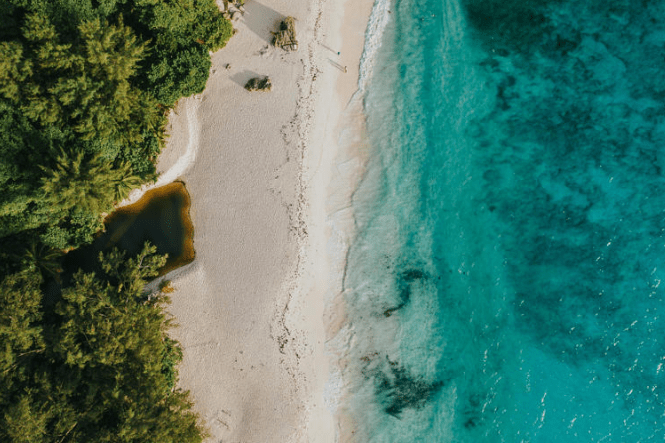
    If your soul craves the serene beauty of untouched coastlines, whispering palms, and a pace of life that dances to the rhythm of the sea, then you’re in for a rare treat. While the Maldives and Mauritius often steal the spotlight, the Indian Ocean hides secret paradises that remain blissfully off the beaten path. These lesser-known islands offer a rich tapestry of cultures, biodiversity, and natural charm that seasoned travelers dream about.

    In a world increasingly consumed by mass tourism, the allure of undiscovered sanctuaries grows stronger. These hidden gems not only boast spectacular landscapes and crystalline waters but also offer authentic experiences—where tradition, wildlife, and island living intertwine effortlessly. Far from overcrowded resorts, you’ll find places where fishermen still mend their nets by hand, and time slows to a contemplative rhythm.

    As geographer Yi-Fu Tuan once remarked, “Place is security, space is freedom.” These five Indian Ocean islands offer both—security in their cultural roots and the liberating vastness of nature. Whether you’re a solo traveler, a couple seeking seclusion, or a curious soul in search of meaning, these islands promise something truly profound.

    1 – Rodrigues Island (Mauritius)

    Rodrigues Island may be the lesser-known cousin of Mauritius, but its unspoiled beauty and vibrant Creole culture make it a treasure in its own right. Tucked away 560 kilometers east of mainland Mauritius, this volcanic island is a haven for nature lovers and peace-seekers. The surrounding coral reef creates a lagoon twice the size of the island itself, offering mesmerizing turquoise waters perfect for snorkeling, kite surfing, and traditional fishing. Unlike its more commercial counterparts, Rodrigues remains largely untouched by tourism, retaining a rustic charm and offering a slice of slow island life.

    What sets Rodrigues apart is its commitment to sustainability and community-driven tourism. Local markets brim with handmade crafts and fresh produce, and homestays offer travelers an immersive cultural experience. According to “Island Tourism: Sustainable Perspectives” by J. Carlsen and R. Butler, “small islands offer a lens into local adaptation and resilience.” Rodrigues is a living testament to that. Whether hiking its lush valleys or savoring octopus curry in a beachfront shack, the island invites you to reconnect with simplicity and nature.


    2 – The Island of Nosy Komba (Madagascar)

    Nosy Komba, often overshadowed by its more prominent neighbor Nosy Be, is Madagascar’s quiet jewel nestled in the Mozambique Channel. This volcanic island, blanketed in dense forest and surrounded by coral-rich waters, offers a rare opportunity to immerse oneself in Madagascar’s unique biodiversity without the tourist crush. Lemurs swing freely through the trees, and locals carve intricate wooden art, keeping centuries-old traditions alive. With no cars and no paved roads, the island operates on footpaths and a whisper of wind, making it ideal for eco-conscious travelers.

    The island’s charm lies not only in its scenic beauty but in the harmonious relationship between nature and its people. The community places a high emphasis on conservation, with marine reserves and eco-lodges promoting responsible tourism. In the words of conservationist Russ Mittermeier, “Madagascar is one of the world’s greatest conservation priorities.” Nosy Komba lives up to that legacy. Visitors can trek to the peak for panoramic views or snorkel among vibrant reefs, discovering the soulful blend of isolation and intimacy this island provides.


    3 – La Digue Island (Seychelles)

    La Digue Island offers a cinematic vision of paradise that feels almost surreal—pink-hued granite boulders, emerald waters, and flour-soft sands stretch as far as the eye can see. Known for Anse Source d’Argent, often dubbed one of the most beautiful beaches in the world, La Digue somehow remains untouched by the excesses of development. Bicycles outnumber cars, ox carts still trundle down sandy paths, and life follows the rhythms of tide and time. The island’s simplicity is its greatest luxury.

    What makes La Digue captivating is its layered identity—part Creole heritage, part ecological sanctuary. From vanilla plantations to coral gardens teeming with marine life, it embodies the intricate balance between human history and natural splendor. As outlined in “The Enchantment of the World’s Islands” by Marina Carter, islands like La Digue symbolize “both isolation and interconnectedness.” With intimate guesthouses, artisanal boutiques, and hikes through Veuve Nature Reserve, the island invites exploration with mindfulness at its core.


    4 – Alphonse Island (Seychelles)

    Alphonse Island, part of the Seychelles Outer Islands, is the epitome of castaway luxury. Only accessible by private charter from Mahé, it offers exclusivity wrapped in ecological elegance. Picture white-sand beaches that stretch for miles, coconut palms swaying in the breeze, and coral atolls that seem to glow beneath the water. It’s a dream destination for fly-fishing enthusiasts, marine biologists, and solitude seekers alike.

    Beyond its natural grandeur, Alphonse is a beacon of sustainable tourism. With only one eco-lodge on the island, the experience is highly curated but consciously low-impact. Guided by marine conservation principles, guests are encouraged to learn about reef regeneration and participate in eco-projects. “True luxury,” as described in “Luxury Ecotourism: A Contradiction in Terms?” by Martha Honey, “is rooted in authenticity and sustainability.” Alphonse exemplifies this ethos with every wave and whisper of wind, offering a tranquil haven where you can truly leave the world behind.


    5 – Pemba Island (Tanzania)

    Pemba Island, known as the “Green Island” of Tanzania, is Zanzibar’s lush and lesser-known sister. Thick with clove plantations and mangrove forests, the island exudes a mystic charm enriched by centuries of Swahili culture. Unlike Zanzibar, where tourism has left an indelible mark, Pemba still feels like a secret. Its turquoise lagoons, coral reefs, and deep-sea channels make it a diver’s dream and a sanctuary for marine biodiversity.

    But Pemba is more than a tropical escape—it’s a living story of cultural fusion and ancestral knowledge. The island is dotted with ancient ruins, traditional dhow builders, and spice markets that reflect a centuries-old connection to the Indian Ocean trade routes. In “The Swahili World” by Stephanie Wynne-Jones and Adria LaViolette, the authors highlight how islands like Pemba reveal “a tapestry of interwoven identities shaped by both isolation and exchange.” Whether exploring the historic town of Chake Chake or venturing into its dense Ngezi forest, Pemba offers a profound sense of place for those seeking something deeper than the typical beach holiday.


    Conclusion

    In a world that increasingly seeks authenticity over artificiality, these five lesser-known islands in the Indian Ocean stand as bastions of true beauty, cultural depth, and ecological wonder. Their seclusion is not a limitation but a powerful invitation—to slow down, engage deeply, and travel with purpose. Each island offers not just a destination, but a dialogue—with nature, history, and the self.

    As Pico Iyer once wrote, “We travel, initially, to lose ourselves; and we travel, next, to find ourselves.” These islands hold space for both. For the discerning traveler seeking more than sun and sand, these paradisiacal retreats offer a journey into the soul of the Indian Ocean—one tide at a time.

    By Amjad Izhar
    Contact: amjad.izhar@gmail.com
    https://amjadizhar.blog

  • 5 Little-Known Paradise Islands in the Indian Ocean

    5 Little-Known Paradise Islands in the Indian Ocean

    If your soul craves the serene beauty of untouched coastlines, whispering palms, and a pace of life that dances to the rhythm of the sea, then you’re in for a rare treat. While the Maldives and Mauritius often steal the spotlight, the Indian Ocean hides secret paradises that remain blissfully off the beaten path. These lesser-known islands offer a rich tapestry of cultures, biodiversity, and natural charm that seasoned travelers dream about.

    In a world increasingly consumed by mass tourism, the allure of undiscovered sanctuaries grows stronger. These hidden gems not only boast spectacular landscapes and crystalline waters but also offer authentic experiences—where tradition, wildlife, and island living intertwine effortlessly. Far from overcrowded resorts, you’ll find places where fishermen still mend their nets by hand, and time slows to a contemplative rhythm.

    As geographer Yi-Fu Tuan once remarked, “Place is security, space is freedom.” These five Indian Ocean islands offer both—security in their cultural roots and the liberating vastness of nature. Whether you’re a solo traveler, a couple seeking seclusion, or a curious soul in search of meaning, these islands promise something truly profound.

    1 – Rodrigues Island (Mauritius)

    Rodrigues Island may be the lesser-known cousin of Mauritius, but its unspoiled beauty and vibrant Creole culture make it a treasure in its own right. Tucked away 560 kilometers east of mainland Mauritius, this volcanic island is a haven for nature lovers and peace-seekers. The surrounding coral reef creates a lagoon twice the size of the island itself, offering mesmerizing turquoise waters perfect for snorkeling, kite surfing, and traditional fishing. Unlike its more commercial counterparts, Rodrigues remains largely untouched by tourism, retaining a rustic charm and offering a slice of slow island life.

    What sets Rodrigues apart is its commitment to sustainability and community-driven tourism. Local markets brim with handmade crafts and fresh produce, and homestays offer travelers an immersive cultural experience. According to “Island Tourism: Sustainable Perspectives” by J. Carlsen and R. Butler, “small islands offer a lens into local adaptation and resilience.” Rodrigues is a living testament to that. Whether hiking its lush valleys or savoring octopus curry in a beachfront shack, the island invites you to reconnect with simplicity and nature.


    2 – The Island of Nosy Komba (Madagascar)

    Nosy Komba, often overshadowed by its more prominent neighbor Nosy Be, is Madagascar’s quiet jewel nestled in the Mozambique Channel. This volcanic island, blanketed in dense forest and surrounded by coral-rich waters, offers a rare opportunity to immerse oneself in Madagascar’s unique biodiversity without the tourist crush. Lemurs swing freely through the trees, and locals carve intricate wooden art, keeping centuries-old traditions alive. With no cars and no paved roads, the island operates on footpaths and a whisper of wind, making it ideal for eco-conscious travelers.

    The island’s charm lies not only in its scenic beauty but in the harmonious relationship between nature and its people. The community places a high emphasis on conservation, with marine reserves and eco-lodges promoting responsible tourism. In the words of conservationist Russ Mittermeier, “Madagascar is one of the world’s greatest conservation priorities.” Nosy Komba lives up to that legacy. Visitors can trek to the peak for panoramic views or snorkel among vibrant reefs, discovering the soulful blend of isolation and intimacy this island provides.


    3 – La Digue Island (Seychelles)

    La Digue Island offers a cinematic vision of paradise that feels almost surreal—pink-hued granite boulders, emerald waters, and flour-soft sands stretch as far as the eye can see. Known for Anse Source d’Argent, often dubbed one of the most beautiful beaches in the world, La Digue somehow remains untouched by the excesses of development. Bicycles outnumber cars, ox carts still trundle down sandy paths, and life follows the rhythms of tide and time. The island’s simplicity is its greatest luxury.

    What makes La Digue captivating is its layered identity—part Creole heritage, part ecological sanctuary. From vanilla plantations to coral gardens teeming with marine life, it embodies the intricate balance between human history and natural splendor. As outlined in “The Enchantment of the World’s Islands” by Marina Carter, islands like La Digue symbolize “both isolation and interconnectedness.” With intimate guesthouses, artisanal boutiques, and hikes through Veuve Nature Reserve, the island invites exploration with mindfulness at its core.


    4 – Alphonse Island (Seychelles)

    Alphonse Island, part of the Seychelles Outer Islands, is the epitome of castaway luxury. Only accessible by private charter from Mahé, it offers exclusivity wrapped in ecological elegance. Picture white-sand beaches that stretch for miles, coconut palms swaying in the breeze, and coral atolls that seem to glow beneath the water. It’s a dream destination for fly-fishing enthusiasts, marine biologists, and solitude seekers alike.

    Beyond its natural grandeur, Alphonse is a beacon of sustainable tourism. With only one eco-lodge on the island, the experience is highly curated but consciously low-impact. Guided by marine conservation principles, guests are encouraged to learn about reef regeneration and participate in eco-projects. “True luxury,” as described in “Luxury Ecotourism: A Contradiction in Terms?” by Martha Honey, “is rooted in authenticity and sustainability.” Alphonse exemplifies this ethos with every wave and whisper of wind, offering a tranquil haven where you can truly leave the world behind.


    5 – Pemba Island (Tanzania)

    Pemba Island, known as the “Green Island” of Tanzania, is Zanzibar’s lush and lesser-known sister. Thick with clove plantations and mangrove forests, the island exudes a mystic charm enriched by centuries of Swahili culture. Unlike Zanzibar, where tourism has left an indelible mark, Pemba still feels like a secret. Its turquoise lagoons, coral reefs, and deep-sea channels make it a diver’s dream and a sanctuary for marine biodiversity.

    But Pemba is more than a tropical escape—it’s a living story of cultural fusion and ancestral knowledge. The island is dotted with ancient ruins, traditional dhow builders, and spice markets that reflect a centuries-old connection to the Indian Ocean trade routes. In “The Swahili World” by Stephanie Wynne-Jones and Adria LaViolette, the authors highlight how islands like Pemba reveal “a tapestry of interwoven identities shaped by both isolation and exchange.” Whether exploring the historic town of Chake Chake or venturing into its dense Ngezi forest, Pemba offers a profound sense of place for those seeking something deeper than the typical beach holiday.


    Conclusion

    In a world that increasingly seeks authenticity over artificiality, these five lesser-known islands in the Indian Ocean stand as bastions of true beauty, cultural depth, and ecological wonder. Their seclusion is not a limitation but a powerful invitation—to slow down, engage deeply, and travel with purpose. Each island offers not just a destination, but a dialogue—with nature, history, and the self.

    As Pico Iyer once wrote, “We travel, initially, to lose ourselves; and we travel, next, to find ourselves.” These islands hold space for both. For the discerning traveler seeking more than sun and sand, these paradisiacal retreats offer a journey into the soul of the Indian Ocean—one tide at a time.

    By Amjad Izhar
    Contact: amjad.izhar@gmail.com
    https://amjadizhar.blog

  • 5 Little-Known Paradise Islands in the Indian Ocean

    5 Little-Known Paradise Islands in the Indian Ocean

    If your soul craves the serene beauty of untouched coastlines, whispering palms, and a pace of life that dances to the rhythm of the sea, then you’re in for a rare treat. While the Maldives and Mauritius often steal the spotlight, the Indian Ocean hides secret paradises that remain blissfully off the beaten path. These lesser-known islands offer a rich tapestry of cultures, biodiversity, and natural charm that seasoned travelers dream about.

    In a world increasingly consumed by mass tourism, the allure of undiscovered sanctuaries grows stronger. These hidden gems not only boast spectacular landscapes and crystalline waters but also offer authentic experiences—where tradition, wildlife, and island living intertwine effortlessly. Far from overcrowded resorts, you’ll find places where fishermen still mend their nets by hand, and time slows to a contemplative rhythm.

    As geographer Yi-Fu Tuan once remarked, “Place is security, space is freedom.” These five Indian Ocean islands offer both—security in their cultural roots and the liberating vastness of nature. Whether you’re a solo traveler, a couple seeking seclusion, or a curious soul in search of meaning, these islands promise something truly profound.

    1 – Rodrigues Island (Mauritius)

    Rodrigues Island may be the lesser-known cousin of Mauritius, but its unspoiled beauty and vibrant Creole culture make it a treasure in its own right. Tucked away 560 kilometers east of mainland Mauritius, this volcanic island is a haven for nature lovers and peace-seekers. The surrounding coral reef creates a lagoon twice the size of the island itself, offering mesmerizing turquoise waters perfect for snorkeling, kite surfing, and traditional fishing. Unlike its more commercial counterparts, Rodrigues remains largely untouched by tourism, retaining a rustic charm and offering a slice of slow island life.

    What sets Rodrigues apart is its commitment to sustainability and community-driven tourism. Local markets brim with handmade crafts and fresh produce, and homestays offer travelers an immersive cultural experience. According to “Island Tourism: Sustainable Perspectives” by J. Carlsen and R. Butler, “small islands offer a lens into local adaptation and resilience.” Rodrigues is a living testament to that. Whether hiking its lush valleys or savoring octopus curry in a beachfront shack, the island invites you to reconnect with simplicity and nature.


    2 – The Island of Nosy Komba (Madagascar)

    Nosy Komba, often overshadowed by its more prominent neighbor Nosy Be, is Madagascar’s quiet jewel nestled in the Mozambique Channel. This volcanic island, blanketed in dense forest and surrounded by coral-rich waters, offers a rare opportunity to immerse oneself in Madagascar’s unique biodiversity without the tourist crush. Lemurs swing freely through the trees, and locals carve intricate wooden art, keeping centuries-old traditions alive. With no cars and no paved roads, the island operates on footpaths and a whisper of wind, making it ideal for eco-conscious travelers.

    The island’s charm lies not only in its scenic beauty but in the harmonious relationship between nature and its people. The community places a high emphasis on conservation, with marine reserves and eco-lodges promoting responsible tourism. In the words of conservationist Russ Mittermeier, “Madagascar is one of the world’s greatest conservation priorities.” Nosy Komba lives up to that legacy. Visitors can trek to the peak for panoramic views or snorkel among vibrant reefs, discovering the soulful blend of isolation and intimacy this island provides.


    3 – La Digue Island (Seychelles)

    La Digue Island offers a cinematic vision of paradise that feels almost surreal—pink-hued granite boulders, emerald waters, and flour-soft sands stretch as far as the eye can see. Known for Anse Source d’Argent, often dubbed one of the most beautiful beaches in the world, La Digue somehow remains untouched by the excesses of development. Bicycles outnumber cars, ox carts still trundle down sandy paths, and life follows the rhythms of tide and time. The island’s simplicity is its greatest luxury.

    What makes La Digue captivating is its layered identity—part Creole heritage, part ecological sanctuary. From vanilla plantations to coral gardens teeming with marine life, it embodies the intricate balance between human history and natural splendor. As outlined in “The Enchantment of the World’s Islands” by Marina Carter, islands like La Digue symbolize “both isolation and interconnectedness.” With intimate guesthouses, artisanal boutiques, and hikes through Veuve Nature Reserve, the island invites exploration with mindfulness at its core.


    4 – Alphonse Island (Seychelles)

    Alphonse Island, part of the Seychelles Outer Islands, is the epitome of castaway luxury. Only accessible by private charter from Mahé, it offers exclusivity wrapped in ecological elegance. Picture white-sand beaches that stretch for miles, coconut palms swaying in the breeze, and coral atolls that seem to glow beneath the water. It’s a dream destination for fly-fishing enthusiasts, marine biologists, and solitude seekers alike.

    Beyond its natural grandeur, Alphonse is a beacon of sustainable tourism. With only one eco-lodge on the island, the experience is highly curated but consciously low-impact. Guided by marine conservation principles, guests are encouraged to learn about reef regeneration and participate in eco-projects. “True luxury,” as described in “Luxury Ecotourism: A Contradiction in Terms?” by Martha Honey, “is rooted in authenticity and sustainability.” Alphonse exemplifies this ethos with every wave and whisper of wind, offering a tranquil haven where you can truly leave the world behind.


    5 – Pemba Island (Tanzania)

    Pemba Island, known as the “Green Island” of Tanzania, is Zanzibar’s lush and lesser-known sister. Thick with clove plantations and mangrove forests, the island exudes a mystic charm enriched by centuries of Swahili culture. Unlike Zanzibar, where tourism has left an indelible mark, Pemba still feels like a secret. Its turquoise lagoons, coral reefs, and deep-sea channels make it a diver’s dream and a sanctuary for marine biodiversity.

    But Pemba is more than a tropical escape—it’s a living story of cultural fusion and ancestral knowledge. The island is dotted with ancient ruins, traditional dhow builders, and spice markets that reflect a centuries-old connection to the Indian Ocean trade routes. In “The Swahili World” by Stephanie Wynne-Jones and Adria LaViolette, the authors highlight how islands like Pemba reveal “a tapestry of interwoven identities shaped by both isolation and exchange.” Whether exploring the historic town of Chake Chake or venturing into its dense Ngezi forest, Pemba offers a profound sense of place for those seeking something deeper than the typical beach holiday.


    Conclusion

    In a world that increasingly seeks authenticity over artificiality, these five lesser-known islands in the Indian Ocean stand as bastions of true beauty, cultural depth, and ecological wonder. Their seclusion is not a limitation but a powerful invitation—to slow down, engage deeply, and travel with purpose. Each island offers not just a destination, but a dialogue—with nature, history, and the self.

    As Pico Iyer once wrote, “We travel, initially, to lose ourselves; and we travel, next, to find ourselves.” These islands hold space for both. For the discerning traveler seeking more than sun and sand, these paradisiacal retreats offer a journey into the soul of the Indian Ocean—one tide at a time.

    By Amjad Izhar
    Contact: amjad.izhar@gmail.com
    https://amjadizhar.blog