Category: NetFlix

  • 30 Best Romantic Movies on Netflix to Stream During Date Night

    30 Best Romantic Movies on Netflix to Stream During Date Night

    When it comes to setting the perfect mood for date night, nothing beats curling up with a romantic movie that hits all the right notes. Whether you’re in the mood for a heartwarming love story, a tale of long-lost lovers, or a feel-good rom-com, Netflix offers an abundance of choices to make your evening special. From classic love stories to quirky modern romances, the right film can turn an ordinary evening into something magical.

    The beauty of romance movies lies in their ability to evoke emotions that are universally relatable. From first loves to lifelong partnerships, the best romantic films delve into the complexities of human relationships, reminding us of the importance of love, forgiveness, and connection. Whether you’re watching a tearjerker or laughing along with a lighthearted comedy, these films create moments that stay with you long after the credits roll.

    For those looking to set the mood for a cozy evening in, we’ve curated a list of the 30 best romantic movies on Netflix. Whether you’re spending quality time with your partner or enjoying a solo movie night, these films will captivate your heart and make date night unforgettable. So, grab your favorite snacks, dim the lights, and get ready to dive into the world of romance.

    12-
    Zizor Men’s Warm Memory Foam Slippers, Suede Slip On Fleece Lined House Shoes, Non-Slip Rubber Sole for Indoor Outdoor

    1. Sleepless in Seattle

    “Sleepless in Seattle” is a timeless classic that explores the mysterious ways love can find its way into our lives, even when we least expect it. The film introduces us to Sam Baldwin, a grieving widower who has moved to Seattle with his young son after the passing of his wife. Little does Sam know that a late-night radio show will spark a connection with Annie, a journalist living on the other side of the country. As Annie listens to Sam pour his heart out over the airwaves, she becomes captivated by his vulnerability and begins to wonder if fate has something special in store for them.

    This movie is a perfect choice for date night, offering a unique blend of humor, heartache, and the hope of finding love again. It masterfully portrays the magic of serendipity and how love can blossom in the most unexpected places. As author Paulo Coelho once said, “When you want something, all the universe conspires in helping you to achieve it,” a sentiment perfectly captured in this film.

    2-
    Power Strip Surge Protector (3,400 Joules), DEPOW 24 AC Multiple Outlets (1875W/15A) with 6 USBs (2 USB-C Ports), 8 Ft Long Heavy Duty Extension Cord, Flat Plug, Wall Mount for Home, Office, White

    2. Love Wedding Repeat

    If you’re in the mood for a rom-com with a twist, “Love Wedding Repeat” delivers plenty of laughs and chaos. This 2020 film follows Jack, the brother of the bride, as he attempts to ensure his sister’s wedding goes off without a hitch. However, things quickly spiral out of control as the day plays out in multiple alternate versions, each with its own set of hilarious mishaps. The film offers a fresh take on the traditional wedding movie, blending romance and comedy with a dash of unpredictability.

    The charming performances by Olivia Munn and Sam Claflin make this film an enjoyable watch for couples looking for a lighthearted evening. As the chaos unfolds, the film touches on themes of timing, chance, and the importance of letting go of control in love and life. As scholar Esther Perel has written, “Love is not a permanent state of enthusiasm, but a journey of highs and lows,” a sentiment echoed in the film’s unpredictable narrative.

    3-
    DANCOUR 3 Piece Makeup Bag Set Mini, Small & Large Cosmetic Bags for Women & Girls Cute Makeup Bag Set, Travel Toiletry Bag Women, Make-up Bag Set Cosmetic Bag Set Travel Makeup Bag Pouch Set (Black)

    3. The Lost Husband

    In “The Lost Husband,” the heartwarming story of healing and second chances takes center stage. The film stars Josh Duhamel as a rugged ranch manager who helps a widow, played by Leslie Bibb, adjust to her new life after the tragic death of her husband. Set against the beautiful backdrop of the Texas countryside, this film is a soulful exploration of grief, renewal, and the slow blooming of love after loss.

    What makes “The Lost Husband” a perfect pick for date night is its subtle yet powerful portrayal of how love can help people overcome even the deepest wounds. It’s a film that speaks to the resilience of the human spirit and the capacity to find joy and connection again, even after heartbreak. As poet Rainer Maria Rilke said, “Perhaps everything terrible is in its deepest being something helpless that wants help from us,” a theme that resonates deeply in this touching story.

    4-
    Yes4All 5-65lbs Kettlebells Vinyl Coated Cast Iron for Dumbbell Weights Exercises, Gym, Fitness, Full Body Workout Equipment Push up, Grip and Strength Training

    4. The Choice

    “The Choice” is a heartwarming tale adapted from the novel by Nicholas Sparks, known for his emotionally charged love stories. The film follows Gabby and Travis, two neighbors who initially clash over their differing personalities but soon find themselves drawn to each other. As their relationship deepens, they are faced with a series of unexpected challenges that test the strength of their love. The scenic setting of the North Carolina coast adds to the romantic ambiance, making it a perfect choice for a cozy night in.

    What sets “The Choice” apart from typical romance films is its exploration of the difficult decisions that come with love—whether it’s choosing between two people or making sacrifices for the one you love. The film beautifully portrays how love requires vulnerability, commitment, and, sometimes, heart-wrenching choices. As Nicholas Sparks himself once said, “Love is not only something you feel, it is something you do,” a message that resonates throughout the movie as the characters navigate their emotional journey.

    5-
    BEAM Be Amazing – Whey Protein Isolate Powder | Soy and Gluten-Free Protein Powder for Muscle Grow Support | Post Workout Shake with Digestive Enzymes & Recovery | Fruity Cereal, 25 Servings

    5. The Last Letter From Your Lover

    For those who enjoy love stories that span decades, “The Last Letter From Your Lover” offers a poignant and layered narrative. Based on Jojo Moyes’ bestselling novel, the film weaves together two parallel love stories—one set in the 1960s and another in the present day. Shailene Woodley shines as a woman caught in a forbidden romance, while Felicity Jones portrays a journalist in modern times trying to uncover the mystery of these lost letters. The film seamlessly shifts between the past and present, exploring themes of longing, missed chances, and the enduring power of love.

    This film stands out for its ability to evoke both nostalgia and anticipation as it delves into the emotional complexities of love letters, a form of communication that has become rare in today’s digital age. It reminds us of the timeless power of words and how they can bridge the gap between hearts, even across decades. As author Virginia Woolf once reflected, “Love letters are the best expressions of the soul,” a sentiment that permeates the entire movie, making it a must-watch for anyone who cherishes old-fashioned romance.

    6-
    Whey Protein Water Sports Drink by PWR LIFT | Blueberry Pomegranate | Keto, Vitamin B, Electrolytes, Zero Sugar, No Artificial Flavors, No Chalky Aftertaste | | Post-Workout Energy Protein Beverage | 16.9 Oz (Pack of 12)

    6. This Little Love of Mine

    In “This Little Love of Mine,” the plot centers around a successful lawyer who returns to her idyllic hometown to convince an old childhood friend to take over his family’s company. What she doesn’t expect, however, is that in the process of reconnecting, long-buried feelings begin to resurface, leading to a heartwarming rekindling of romance. Set against a picturesque seaside backdrop, this movie offers both charm and a reminder of how love can surprise us when we least expect it.

    The film’s theme of returning home to rediscover love taps into a familiar and comforting narrative. As the protagonist grapples with her fast-paced city life and the slower, more meaningful pace of her hometown, viewers are reminded of the importance of prioritizing what truly matters in life. It’s a modern-day take on the classic “second chance at love” story, illustrating how sometimes, looking back is the key to moving forward. As author C.S. Lewis famously said, “You can’t go back and change the beginning, but you can start where you are and change the ending,” a fitting reflection for the journey of love in this film.

    7-
    HOT FEET Women’s Slouch Socks 2-Pack – Cozy Cotton Blend Scrunch Boot Socks, Long Slouchy Scrunchy Calf Socks, Sizes 4-10

    7. Long Story Short

    “Long Story Short” is a cleverly crafted romantic comedy that brings a refreshing twist to the genre. The plot revolves around Teddy, a man who wakes up one day to discover that his life has begun jumping ahead by a year every few minutes. As he grapples with this sudden fast-forwarding through time, he realizes how much of his life he has taken for granted, particularly in his relationship with his wife. The film delivers a powerful message about the importance of living in the moment and appreciating the time we have with the people we love.

    This movie stands out for its unique concept and the way it blends humor with deep, emotional insights into relationships. As Teddy’s life spirals through different years, he learns that love isn’t just about the big moments, but the small, everyday gestures that build the foundation of a lasting relationship. It brings to mind the words of poet Mary Oliver: “Tell me, what is it you plan to do with your one wild and precious life?”—a fitting reflection for anyone contemplating their priorities in love and life.

    8-
    The Step-by-Step Astrology Workbook: What the Stars Want You to Know

    8. Roped

    “Roped” is a charming romance set against the backdrop of a small town, where the arrival of a traveling rodeo stirs up emotions and conflicts. The story follows the daughter of a town councilman who finds herself torn between her father’s expectations and her growing affection for a star cowboy in the rodeo. As tensions rise between the conservative values of the town and the free-spirited nature of the rodeo, the characters must navigate family loyalty, love, and personal freedom.

    The film explores the clash between tradition and adventure, offering a poignant look at the sacrifices people make for love. It’s a modern take on the classic “forbidden love” trope, and it beautifully captures the push and pull of familial duty versus following one’s heart. As philosopher and writer Alain de Botton once said, “There is nothing more romantic than risking everything for love,” a sentiment that perfectly encapsulates the emotional core of this heartfelt movie.

    9-
    Niacinamide with Hyaluronic Acid Vitamin C Serum For Face, Amino Acid Facial Serum, All Skin Types & Skincare Hydrating, Oil-Free Moisturizing, 1 Fl.Oz

    9. The Age of Adaline

    In “The Age of Adaline,” viewers are introduced to a captivating and mysterious love story that spans decades. After a freak accident, Adaline ceases to age, remaining 29 forever. While this might seem like a blessing, it forces her into a life of isolation, as she continually moves from place to place to avoid suspicion. That is until she meets Ellis, a man who reignites her desire for companionship and love. However, Adaline must decide whether to reveal her secret or continue hiding her true self, even from those she loves most.

    This film touches on themes of immortality, love, and the human desire for connection. The emotional depth of the story lies in Adaline’s struggle with vulnerability—while she has lived many lives, the one thing she truly longs for is something that can’t be measured in years: love. As Adaline wrestles with her past and the future she wants, the film echoes the sentiment of poet T.S. Eliot: “Only those who will risk going too far can possibly find out how far one can go.” It’s a poignant reminder that true love often requires us to take risks, no matter how guarded we might be.

    10-
    Joint Support Supplement with Bromelain, Serrapeptase, Papaya Enzyme, Fungal & Bacterial Protease Enzymes. Joint & Recovery Support. Super Enzymes Serrapeptase Supplement. 60 Delayed Release Capsules

    10. Home Again

    “Home Again” is a lighthearted romantic comedy that stars Reese Witherspoon as Alice, a recently separated single mom navigating life in Los Angeles. After a chance encounter during her birthday celebration, she finds herself inviting three young filmmakers to live in her guest house. What follows is a charming story about the unexpected bonds that form between Alice and her new housemates, as she balances motherhood, her career, and the possibility of new love. The film offers a warm, feel-good vibe, making it perfect for a cozy date night in.

    At its core, “Home Again” is a movie about second chances—whether in love, life, or career. The film touches on themes of personal growth and resilience, as Alice rediscovers her sense of self and learns to embrace the unpredictability of life. The mix of humor, romance, and heartfelt moments makes it an engaging watch. As philosopher Søren Kierkegaard once wrote, “Life can only be understood backwards, but it must be lived forwards,” a sentiment Alice embodies as she finds her way through the complexities of love and family.

    11-
    MASINGO Karaoke Machine for Kids and Adults with 2 Wireless Bluetooth Microphones, PA Portable Speaker with Colorful LED Lights, Supports TF Card/USB, AUX/MIC in, TWS for Home Party, Burletta C10 V2

    11. Five Feet Apart

    “Five Feet Apart” is a deeply emotional and tender film that follows the story of Stella and Will, two teenagers with cystic fibrosis who fall in love despite the life-threatening limitations of their illness. Because of their condition, they must remain at least five feet apart from each other at all times to avoid cross-infection. The movie beautifully captures the tension between their desire to be together and the cruel reality that physical closeness could be deadly. As their connection deepens, they find ways to express love without breaking the crucial five-foot rule, creating an emotionally charged and heartwarming narrative.

    The film poignantly explores the theme of love in the face of adversity, and how emotional intimacy can often transcend physical barriers. It brings to light the bittersweet reality that sometimes love requires immense restraint. As author John Green once said, “The thing about pain is that it demands to be felt,” and “Five Feet Apart” echoes this sentiment as the characters navigate the pain of separation and the beauty of love. The movie leaves a lasting impact, reminding viewers of the fragility of life and the power of human connection, even from a distance.

    12-
    VH Nutrition TRANQUILEX | Stress Relief Supplement* | Ashwagandha, Passion Flower, Kava Kava, Lemon Balm, Licorice Root, and Lavender | Natural Relaxation and Mental Calmness | 60 Capsules

    12. Resort to Love

    In “Resort to Love,” viewers are treated to a tropical romantic comedy that follows Erica, a heartbroken singer played by Christina Milian, who takes a job at a luxurious island resort. What she doesn’t expect, however, is to be hired as the wedding singer for her ex-fiancé’s wedding. The situation gets even more complicated when old feelings start to resurface, and Erica finds herself torn between her past and the potential for new love. With its stunning island backdrop, the film delivers both humor and romance, making it an entertaining escape for a date night.

    The film captures the theme of moving on and finding closure, as Erica learns to let go of her past while opening herself up to new possibilities. It also showcases the idea that healing from heartbreak is a journey, and sometimes, the best way to move forward is by confronting the past. As author Paulo Coelho wisely stated, “If you’re brave enough to say goodbye, life will reward you with a new hello,” which rings true for Erica’s journey throughout the movie. The light-hearted humor and romantic tension make “Resort to Love” a delightful and engaging watch.

    13-
    Potassium Iodide 65MG, 4 Months Supply, 120 Tablets, YODO Naciente, Ki Tablets, Made in USA, Thyroid Support, KI Potassium Iodide Dietary Supplement

    13. Love, Guaranteed

    “Love, Guaranteed” is a fun and witty romantic comedy starring Rachel Leigh Cook as Susan, a hardworking lawyer hired by Nick (Damon Wayans, Jr.) to sue a dating website that guarantees users will find love. The case becomes complicated as the two main characters find themselves growing closer while working together. This Netflix original blends legal drama with romance, making it a lighthearted yet charming watch for anyone who loves feel-good movies. The chemistry between the lead characters and the absurdity of the lawsuit create a humorous yet heartfelt story about the unpredictability of love.

    At its core, “Love, Guaranteed” is a film that highlights how love can come when you least expect it—even in the midst of a legal battle. As the plot unfolds, Susan and Nick learn that relationships can’t be guaranteed by a formula or a website algorithm, but are found in the genuine connections we build with others. It’s a romantic tale that reminds viewers of the importance of serendipity and the value of real human connection. As writer Elizabeth Gilbert once said, “To be fully seen by somebody, then, and be loved anyhow—this is a human offering that can border on miraculous.” This movie captures that spirit beautifully.

    14-
    MASINGO New Karaoke Machine for Adults and Kids with 2 Wireless Microphones, Portable Bluetooth Singing Speaker, Colorful LED Lights, PA System, and TV Cable. Sonoro G5

    14. Midnight at the Magnolia

    “Midnight at the Magnolia” follows the story of two lifelong friends and local radio hosts, Maggie and Jack, who pretend to be a couple in an attempt to get their show syndicated. As they fake their romance for professional gain, they begin to realize that there might be more truth to their feelings than either of them had anticipated. This charming rom-com offers a lighthearted exploration of the “friends-to-lovers” trope, filled with humor, chemistry, and heartwarming moments. The film’s central theme revolves around the blurred line between friendship and romance, which makes it a relatable and enjoyable watch for many.

    As Maggie and Jack navigate the complexities of their staged relationship, they come to understand that sometimes, love has been right in front of you all along. The film explores how fear of ruining a friendship can often prevent people from taking a romantic leap, but ultimately, true connections will thrive. It resonates with the famous words of C.S. Lewis: “Friendship is born at that moment when one person says to another: ‘What! You too? I thought I was the only one.’” In “Midnight at the Magnolia,” that moment is beautifully portrayed as Maggie and Jack find love where they least expected it.

    15-
    Libido Booster for Women – Liboost (Damiana Leaf Extract) is Patented and Clinically Studied Libido Support for Women (Fast Acting – Clinical Results in just 4 Weeks of Daily Use) by Double Wood

    15. Call Me By Your Name

    “Call Me By Your Name” is a tender and evocative coming-of-age film set in the picturesque Italian countryside. It follows 17-year-old Elio (Timothée Chalamet) as he falls in love with his father’s research assistant, Oliver (Armie Hammer). The film beautifully captures the fleeting nature of first love and the deep emotional intensity that comes with it. Set in the 1980s, the story is an exploration of self-discovery, desire, and the complexities of human connection. The cinematography, coupled with an outstanding soundtrack, makes “Call Me By Your Name” a cinematic masterpiece that touches on universal themes of love and loss.

    At the heart of the film is Elio’s journey of emotional growth and the bittersweet experience of falling in love for the first time. It paints a vivid picture of the beauty and pain of young love, making it both a joyful and heartbreaking watch. As Elio learns, love is not only about finding someone who understands you but also about the inevitable heartache that comes with it. The movie echoes the sentiments of the poet Rainer Maria Rilke, who once said, “For one human being to love another: that is perhaps the most difficult of all our tasks.” “Call Me By Your Name” powerfully portrays this complexity through its delicate storytelling.

    16-
    DIFF Sandra Designer Oversized Square Sunglasses for Women UV400 Protection

    16. Happy Anniversary

    “Happy Anniversary” is a reflective romantic dramedy that follows a couple, Sam (Ben Schwartz) and Mollie (Noël Wells), as they celebrate their third anniversary. As they look back on their time together, they find themselves questioning whether they should continue their relationship or part ways. The film expertly balances humor and heartfelt moments, diving deep into the complexities of modern relationships and the challenges that come with long-term commitment. With its relatable storyline, this movie is a perfect choice for couples looking for something both thought-provoking and entertaining on date night.

    The movie explores the idea that anniversaries are not just milestones to celebrate but also opportunities for introspection. Sam and Mollie’s journey highlights the reality that love requires constant effort and reevaluation, and that sometimes, choosing to stay together means accepting the imperfections within the relationship. As author Esther Perel has said, “The quality of our relationships determines the quality of our lives,” and Happy Anniversary beautifully portrays how the couple grapples with this truth, making it a refreshing take on romantic introspection.

    17-
    Arshiner Boys Pink Shirt Casual Short Sleeve Button Down Beach Shirt Solid Summer Blouse Size 14(9-10years)

    17. Always Be My Maybe

    “Always Be My Maybe” is a delightful romantic comedy that brings together childhood friends Sasha (Ali Wong) and Marcus (Randall Park), who reconnect years after they’ve drifted apart. Both have pursued different paths—Sasha becoming a celebrity chef, and Marcus staying close to home—but when they reunite, old feelings begin to resurface, leaving them wondering “what if?” The film is filled with humor, charm, and a sprinkle of nostalgia as it explores the possibility of rekindling a romance that never had a proper chance to blossom. Keanu Reeves’ memorable cameo adds an extra dose of comedy to an already hilarious storyline.

    At the heart of Always Be My Maybe is the theme of second chances and the realization that sometimes, the person you’ve been searching for has been there all along. The film touches on the importance of timing in relationships, as well as the idea that people can grow together, even if they’ve been apart for years. As the famous saying goes, “True love comes quietly, without banners or flashing lights,” and this movie perfectly captures that subtle yet powerful dynamic. Sasha and Marcus’s journey is both heartwarming and inspiring, making this film a great choice for anyone in the mood for a lighthearted romantic comedy.

    18-
    Brickhouse Security GPS Car Tracker – Hidden Tracker for Vehicles – Long Lasting Battery 140-Day LTE GPS Tracking Device for Vehicles with Magnetic Case & Extended Battery – Subscription Required

    18. The Incredible Jessica James

    The Incredible Jessica James is a witty and empowering film that centers around Jessica James, a fiercely independent and struggling playwright played by Jessica Williams. Recently out of a breakup, Jessica finds herself on a blind date with Boone (Chris O’Dowd), a divorcee who is also trying to move on from his past relationship. Their connection grows slowly but surely, and the film explores themes of personal growth, resilience, and the complexities of modern dating. Jessica’s unapologetic attitude and candid sense of humor make this film both refreshing and entertaining.

    What sets The Incredible Jessica James apart is its focus on self-discovery rather than traditional romance. While Jessica navigates her budding relationship with Boone, the film emphasizes her journey toward finding herself and her purpose, showing that love can be a catalyst for personal growth rather than the sole focus. As renowned psychologist Carl Jung once said, “The privilege of a lifetime is to become who you truly are,” and Jessica’s story embodies this sentiment. It’s a film that celebrates individuality, making it a unique addition to any romantic movie lineup.

    19-
    SABRENT USB 3.0 and USB Type-C OTG Card Reader Supports SD, SDHC, SDXC, MMC/MicroSD, T-Flash (CR-BCA2)

    19. Someone Great

    “Someone Great” is a heartfelt film that centers on Jenny (Gina Rodriguez), a music journalist reeling from a breakup with her long-term boyfriend Nate (Lakeith Stanfield). While the movie follows the emotional aftermath of their relationship’s end, it beautifully weaves in Jenny’s friendships with her two best friends, Erin (DeWanda Wise) and Blair (Brittany Snow), as they help her move on and find herself again. Despite its focus on the dissolution of love, the movie still leaves audiences feeling uplifted, reminding us of the power of friendship and new beginnings. The film balances heartache with hope, showing that love in all its forms—romantic and platonic—plays a vital role in our lives.

    At its core, Someone Great emphasizes that healing from a breakup is not just about moving on from a partner but also about rediscovering who you are as an individual. Through moments of laughter, tears, and bonding, the characters remind us that friends are the ones who can help pick up the pieces when romantic love falters. As Maya Angelou once said, “A friend may be waiting behind a stranger’s face,” and this film captures the importance of those connections. Whether you’re mending a broken heart or simply enjoying the ride, this movie’s message of resilience and renewal resonates deeply.

    20-
    Coutgo Womens Kitten Low Heel Pumps Closed Pointed Toe Buckle Ankle Strap Office Work Dress Shoes

    20. Set It Up

    Set It Up is a modern romantic comedy that follows two overworked assistants, Harper (Zoey Deutch) and Charlie (Glen Powell), who conspire to set up their high-strung bosses (played by Lucy Liu and Taye Diggs) in the hopes that it will make their work lives easier. As their plan unfolds, Harper and Charlie begin to realize that they might have feelings for each other as well. This Netflix original is filled with sharp dialogue, clever setups, and a lot of charm, making it a delightful watch for rom-com lovers. The chemistry between the lead characters and the humorous situations they find themselves in makes Set It Up a romantic comedy that stands out from the crowd.

    The film explores how love can grow in unexpected places, even in the most stressful of environments. As Harper and Charlie’s plan spirals, they discover that orchestrating love for others can also help them find love for themselves. Set It Up touches on the unpredictability of relationships and the importance of taking risks. As philosopher Soren Kierkegaard once noted, “To dare is to lose one’s footing momentarily. To not dare is to lose oneself,” and this film encapsulates that leap of faith, making it a feel-good, fun addition to any date night.

    21-
    5 Pack Drawer Dividers ABS 3.5″ High, 11.7”-17.9” Adjustable Drawer Dividers Organizers for Clothes Organizers Expandable Separators Dresser Organizer for Clothes Kitchen Utensils Dresser

    21. The Kissing Booth

    The Kissing Booth is a playful coming-of-age romantic comedy that follows Elle (Joey King), a high school student who finds herself in a tricky situation when she falls for her best friend’s older brother, Noah (Jacob Elordi). Torn between her loyalty to her childhood friend Lee and her blossoming feelings for Noah, Elle must navigate the complexities of young love, friendship, and high school drama. With its mix of humor, heart, and a dash of teenage angst, this film has become a beloved Netflix hit for both teens and adults alike. Its lighthearted and nostalgic approach to romance makes it a fun watch that is full of charm and memorable moments.

    At its core, The Kissing Booth explores the tension between friendship and romance, and how challenging it can be to balance both when strong feelings are involved. Elle’s story reminds viewers of the emotional intensity that comes with first love and the growing pains of adolescence. As famed poet Robert Frost once said, “Love is an irresistible desire to be irresistibly desired,” and this sentiment is perfectly captured in Elle’s journey. With its relatable themes and engaging storyline, The Kissing Booth is a feel-good film that taps into the innocence and excitement of young love.

    22-
    LilyAna Naturals Eye Cream for Dark Circles, Puffiness, Wrinkles, and Bags, Anti-Aging Cream for Sensitive Skin, 1.7 oz (Pack of 1) | Made in USA

    22. The Kissing Booth 2

    For fans of The Kissing Booth, the sequel delivers even more teenage romance, drama, and heartfelt moments. In The Kissing Booth 2, Elle (Joey King) is back, and this time she’s navigating a long-distance relationship with Noah (Jacob Elordi), who is now attending college at Harvard. Meanwhile, a new boy, Marco (Taylor Zakhar Perez), enters the picture, complicating Elle’s feelings and leaving her questioning whether her love with Noah can withstand the miles between them. Filled with emotional highs and lows, this sequel explores the complexities of young love, trust, and the challenges that come with growing up.

    This second installment deepens the love triangle dynamic and delves into themes of loyalty, insecurity, and the evolving nature of relationships. As Elle faces her personal and academic future, the film touches on the importance of self-discovery and balancing romantic desires with individual growth. As novelist Sarah Dessen once said, “The truth about forever is that it’s happening now,” and The Kissing Booth 2 reminds us that the choices we make today shape our future. With its mix of romance, humor, and heartfelt moments, this sequel is a must-watch for anyone invested in Elle’s journey.

    23-
    Magnesium L Threonate Supplement, Magtein High Absorption 120 Purified Veggie Capsules, 2000 mg, Gluten Free, Non-GMO, Vegetarian

    23. The Kissing Booth 3

    The final chapter of the Kissing Booth trilogy, The Kissing Booth 3, follows Elle as she faces her biggest decision yet: choosing between attending college with her best friend Lee (Joel Courtney) or following her boyfriend Noah to Harvard. With graduation looming, Elle must come to terms with what she truly wants for her future, making this movie not only a love story but also a story about self-discovery and independence. As Elle grapples with these life-changing decisions, the film captures the bittersweet nature of growing up and leaving behind the comfort of adolescence for the unknown future.

    This concluding film in the trilogy focuses on the themes of identity, loyalty, and the difficult choices that often come with adulthood. The story emphasizes that love is not just about relationships with others but also about learning to love and prioritize oneself. As philosopher Aristotle once said, “Knowing yourself is the beginning of all wisdom,” and The Kissing Booth 3 encapsulates Elle’s journey of self-awareness. Fans of the series will find this conclusion both satisfying and emotional, offering a fitting end to Elle’s coming-of-age story.

    24-
    Montessori Busy Board 2 3 4 Year Old Toddlers Girl Toys: Preschool Learning Activity Baby Quiet Book Birthday Gifts Easter Basket Stuffers Classroom Game Autism Educational Travel Toy 12 18 Months

    24. The Perfect Date

    The Perfect Date offers a fresh take on the classic teen rom-com, with Noah Centineo starring as Brooks Rattigan, a high school student who develops an app that allows him to pose as a perfect date-for-hire to save money for college. Things take an unexpected turn when Brooks starts to catch feelings for one of his clients, Celia (Laura Marano), challenging his original plan. The movie is a fun, lighthearted romp that explores themes of identity, ambition, and the struggle to fit in. With witty dialogue and an engaging plot, The Perfect Date delivers both romance and laughs, making it an enjoyable addition to any Netflix date night.

    Beyond the charming romance, The Perfect Date touches on the pressures of being young and the need to conform to expectations. Brooks’s journey toward self-acceptance is at the heart of the story, as he realizes that trying to be everything for everyone only leads to losing sight of who he is. As author Brené Brown has said, “Authenticity is the daily practice of letting go of who we think we’re supposed to be and embracing who we are.” This film encourages viewers to embrace their true selves, making it a thoughtful and entertaining romantic comedy.

    25-
    VitaCup Mushroom Coffee Pods – Boost Focus & Immunity with Lions Mane, Chaga, Vitamins, for Memory & Clarity, Recyclable K-Cup Pods, 16 Ct

    25. Falling Inn Love

    Falling Inn Love is a charming romantic comedy set against the stunning backdrop of New Zealand. The film follows Gabriela (Christina Milian), who, after a sudden breakup and career setback, impulsively enters a contest to “win an inn.” When she finds out that she won, she moves halfway across the world to restore the rundown property. There, she meets Jake (Adam Demos), a handsome local contractor, and the two team up to fix the inn. As they work together, sparks fly, and Gabriela begins to realize that this unexpected adventure might just be the fresh start she needs, both in love and life.

    The film captures the magic of stepping out of one’s comfort zone and taking a leap of faith. Falling In Love beautifully balances romance, humor, and the picturesque beauty of New Zealand, making it an ideal feel-good movie for a cozy date night. As relationships expert Esther Perel notes, “Romance is the glamour which turns the dust of everyday life into a golden haze,” and this film exemplifies how taking risks can lead to unexpected love and personal growth. It’s a delightful escape into a world where second chances are not only possible but embraced.

    26-
    Neuro Melatonin 5mg Sleep & Recharge Mints (144 Pieces) – Fast Dissolve Melatonin Sugar Free Mints with Lemon Balm & Chamomile for Better Sleep – Calm Sleep Supplement for Adults – Night Berry Flavor

    26. Candy Jar

    In Candy Jar, the competitive world of high school debate serves as the perfect setting for a classic enemies-to-lovers storyline. Sami Gayle plays Lona, a highly driven student who sees her academic success as the key to her future, but she constantly clashes with her rival Bennet (Jacob Latimore). Both are laser-focused on getting into the best colleges, but as they’re forced to work together on the debate team, they slowly discover that their differences might not be as vast as they thought. This witty, fast-paced film combines intellectual humor with touching moments of vulnerability, making it a great choice for those who enjoy clever dialogue and romantic tension.

    What makes Candy Jar unique is its emphasis on friendship, ambition, and learning to let others in despite one’s defenses. As Lona and Bennet grow closer, they realize that life isn’t just about winning but also about finding meaningful connections along the way. According to psychologist John Gottman, “Successful long-term relationships are created through small words, small gestures, and small acts,” and this film shows how even the most competitive of rivals can come to appreciate and care for each other. Candy Jar is an engaging and thought-provoking romantic comedy that blends romance with the real-life pressures of high school and future aspirations.

    27-
    High Strength Quercetin with Bromelain – Quercetin 500mg Capsules Plus 100mg Bromelain per Serving – Advanced Quercetin Supplement for Lung & Immune Support with Potent Antioxidants (3 Months Supply)

    27. When We First Met

    When We First Met is a time-travel romantic comedy that plays with the idea of fate and destiny. Adam Devine stars as Noah, a man who believes he missed his chance with Avery (Alexandra Daddario), the woman of his dreams. After discovering a magical photo booth that sends him back in time, Noah gets the chance to relive the night they first met, hoping to change his actions and win her over. However, as he repeats the night over and over, he learns that love isn’t always about finding the perfect moment but about being true to yourself.

    This film explores the complexities of unrequited love and the idea that sometimes the person you think is right for you might not be the one you’re meant to be with. Noah’s journey highlights the importance of self-awareness and the realization that love can’t be forced. As author Haruki Murakami once said, “The heart’s memory eliminates the bad and magnifies the good,” and When We First Met delves into how our perceptions of love can change over time. With its humorous take on love, regret, and the unpredictability of romance, this film offers a delightful mix of laughter and reflection.

    28-
    Magnesium Glycinate 200mg Capsules (Glicinato de Magnesio) – Vegan Magnesium 200mg for Restful Sleep & Mood Support, Muscle Comfort, Bone & Nervous System Health. 60 Chelated Magnesium-Glycinate Caps

    28. To All the Boys I’ve Loved Before

    To All the Boys I’ve Loved Before took the world by storm with its charming high school romance and heartfelt storytelling. Based on the bestselling novel by Jenny Han, this Netflix original follows Lara Jean Covey (Lana Condor), a shy teenager whose secret love letters are accidentally mailed out to all the boys she’s ever had a crush on. As she navigates the fallout, including a fake relationship with one of the recipients, Peter Kavinsky (Noah Centineo), Lara Jean discovers that love is much more complicated—and wonderful—than she ever imagined.

    This coming-of-age story is not only a delightful exploration of first love but also a poignant reminder of the vulnerabilities and excitement that come with growing up. Expert in adolescent psychology, Dr. Laurence Steinberg, notes that “teenage relationships help shape self-identity and emotional growth,” a theme deeply embedded in Lara Jean’s journey. With its sweet narrative, relatable characters, and vibrant cinematography, To All the Boys I’ve Loved Before is a perfect pick for a cozy date night or nostalgic rewatch.

    29-
    VH Nutrition ESTREDUX HP Estrogen Blocker for Men* | 1450mg of Maximum Strength Hormone Support W/DIM, Tongkat Ali, Ashwagandha | 60 Capsules

    29. To All the Boys: P.S. I Still Love You

    The romantic saga continues into All the Boys: P.S. I Still Love You, where Lara Jean faces the challenges of maintaining her new relationship with Peter while grappling with the reappearance of another former crush, John Ambrose (Jordan Fisher). The sequel explores themes of loyalty, trust, and emotional honesty, as Lara Jean is torn between two potential loves. It’s a rollercoaster of emotions as she learns that real relationships require more than just romantic gestures—they need communication and vulnerability.

    This second installment dives deeper into Lara Jean’s inner world, showing her growth as she navigates complex feelings of jealousy, confusion, and self-doubt. As relationship expert Dr. Gary Chapman highlights in his book The Five Love Languages, “Love is a choice you make every day,” a sentiment that resonates throughout Lara Jean’s journey in this film. With its heartwarming moments and thoughtful portrayal of young love, P.S. I Still Love You is a charming continuation of the first film’s magic.

    30-
    HARMONIFY Meal Replacement Shake for Women with Vanilla Flavor, 15g Plant Based High Protein Powder, Kosher, Keto Friendly, Non-GMO, 16,9 Oz

    30. To All the Boys: Always and Forever

    The final chapter of Lara Jean’s story, To All the Boys: Always and Forever, sees her and Peter facing the ultimate test of their relationship: college. With the future looming ahead, Lara Jean must decide what she truly wants, not just in love but in life. As she dreams of moving to New York and Peter plans to stay in California, they confront the question every couple faces: can love survive long-distance, or is it time to part ways?

    This final film is an exploration of adulthood, self-discovery, and the difficult choices that come with growing up. As famed author Bell Hooks once said, “Love is an act of will,” and this film emphasizes that staying together requires commitment beyond the initial spark of romance. With a bittersweet yet hopeful tone, Always and Forever beautifully concludes the To All the Boys trilogy, leaving fans with a sense of closure and the excitement of new beginnings. Whether you’re watching for the first time or revisiting the trilogy, this film captures the essence of young love with grace and authenticity.

    31-
    Zizor Women’s Moselle Memory Foam Moccasin Clog Slippers

    Conclusion

    The first trio of films on our list showcases the diverse nature of romantic storytelling, from serendipitous love across the airwaves to the chaotic energy of a wedding day, and the emotional journey of healing after loss. Each film offers a unique perspective on love, reminding us that it can come in many forms, whether through the magic of fate or the process of personal growth. These movies are sure to captivate audiences, making them perfect picks for an intimate date night.

    By exploring themes of fate, timing, and resilience, these films highlight the various stages and challenges of love, offering something for everyone. Whether you’re looking for a nostalgic tearjerker, a comedic twist, or a story of emotional recovery, this selection of movies will leave you feeling both entertained and inspired.

    32-
    Avidlove Women Sexy Skirt A-Line Suspender Skirt Pleated Short Braces Skirt

    The next three films on our list continue to showcase the vast emotional landscape that romantic films can cover. From the difficult choices that define a relationship to the timeless beauty of love letters and the unexpected rekindling of old flames, each movie in this selection brings something special to the table. These films offer a perfect balance of drama, nostalgia, and heartfelt moments, making them ideal for viewers looking for both emotional depth and romantic escapism.

    Whether you’re drawn to the dramatic tensions of a Nicholas Sparks adaptation, the mystery and longing of a love lost and found, or the sweet comfort of rediscovering old love, these films cater to a range of romantic tastes. Each one reminds us that love, in its many forms, is always worth the journey, no matter the obstacles or detours along the way. With their captivating narratives and emotional resonance, these movies will leave you both touched and inspired.

    The third group of films on our list offers a wide variety of romantic journeys, from time-bending narratives to love that defies tradition and even the limits of aging. Each movie explores the complexities of relationships in different ways, whether it’s the urgency of living in the present, the tension between love and duty, or the extraordinary circumstances that challenge our understanding of time and age. These films serve as a reminder that love is rarely simple, but always worth the challenges it brings.

    What these films share in common is their focus on love as a transformative force, capable of altering lives in profound ways. Whether it’s the fleeting moments of connection in “Long Story Short,” the tension between freedom and loyalty in “Roped,” or the timeless romance of “The Age of Adaline,” each story reminds us that love requires courage, sacrifice, and the willingness to embrace the unknown. These themes resonate deeply, making these films ideal picks for a date night that leaves you both entertained and contemplative.

    The last set of films in our list brings a diverse mix of romance, from lighthearted comedies to emotionally charged dramas. Whether it’s the charming and unpredictable dynamic in “Home Again,” the bittersweet reality of love and illness in “Five Feet Apart,” or the tropical escapism of “Resort to Love,” these films offer viewers a variety of romantic narratives that cater to different moods and tastes. Each movie explores unique aspects of love, reminding us that romance can be found in both the simplest and most complex of situations.

    What ties these films together is their exploration of the transformative power of love, whether it’s about rediscovering yourself, navigating difficult circumstances, or learning to move on from past heartbreaks. These stories serve as a beautiful reminder that love comes in many forms and is often found in the most unexpected places. From the cozy comfort of home to the challenges of illness, or the healing power of a tropical getaway, these movies will sweep you away with their heartfelt and engaging stories, perfect for a date night in.

    This trio of films showcases the many different ways love can surprise, challenge, and transform us. From the unexpected romance born out of a lawsuit in “Love, Guaranteed,” to the friends-turned-lovers dynamic in “Midnight at the Magnolia,” and the poignant coming-of-age romance in “Call Me By Your Name,” these movies offer a wide range of emotional depth and charm. Each film takes a unique approach to love, whether it’s through laughter, friendship, or youthful discovery, but they all remind us that love often appears when we least expect it.

    These films highlight the unpredictable nature of relationships, showing that love can be found in the most unlikely of places, whether it’s in the courtroom, the studio, or the sun-drenched countryside of Italy. Each story emphasizes that love is not something we can plan for or control, but something that grows naturally, even in the most complicated circumstances. Together, these movies remind us of the beauty and complexity of romance, making them perfect choices for a memorable date night.

    This trio of films offers a refreshing take on modern romance, each highlighting different aspects of relationships—from self-reflection in Happy Anniversary, to second chances in Always Be My Maybe, and the journey of self-discovery in The Incredible Jessica James. Each movie brings something unique to the table, exploring the complexities of love in ways that feel both relatable and inspiring. Whether it’s a couple at a crossroads, old friends reconnecting, or an individual navigating love and personal growth, these films are perfect for those seeking romance with a deeper emotional undertone.

    Together, these movies remind us that love isn’t always straightforward—it often comes with challenges, questions, and opportunities for personal development. They explore the idea that relationships, whether new or old, require honesty, patience, and sometimes, a bit of humor to navigate successfully. These films make for thoughtful, engaging watches that will not only entertain but also leave viewers reflecting on their own experiences with love, making them great options for a meaningful date night.

    The seventh group of films delves into the many facets of love—whether it’s the end of a long-term relationship, the discovery of romance in unexpected places, or the thrill of first love. Someone Great reminds viewers of the importance of friendship in healing after heartache, while Set It Up and The Kissing Booth offer more lighthearted takes on how love can emerge in even the most unlikely circumstances. Together, these movies capture the unpredictable and multifaceted nature of romance, making them ideal for a date night that spans a range of emotions.

    These films highlight the idea that love isn’t confined to romantic relationships; it’s found in friendships, personal growth, and the decisions we make to pursue what truly matters to us. Each movie brings its unique perspective on how love shapes our lives, whether through laughter, tears, or self-discovery. From the bittersweet moments in Someone Great to the playful spirit of The Kissing Booth, these stories offer something for everyone, showcasing the diversity and beauty of love in all its forms.

    This next set of films continues to explore the evolving nature of young love and the challenges that come with finding oneself while navigating romantic relationships. The Kissing Booth 2 and The Kissing Booth 3 offer fans of the trilogy a chance to see Elle’s journey come full circle as she wrestles with the trials of growing up, making difficult choices, and discovering what truly matters in life. Meanwhile, The Perfect Date brings a fresh twist to the teen romance genre, mixing humor with heartfelt moments of self-realization.

    All three films share a common thread of identity and self-discovery, reminding viewers that love often comes hand-in-hand with personal growth. Whether it’s deciding on the next step in life, like Elle’s college decision in The Kissing Booth 3, or learning to be authentic in The Perfect Date, these movies highlight the importance of balancing romance with individual development. Together, they offer a mix of lighthearted fun and thoughtful introspection, making them the perfect choices for an engaging and meaningful date night on Netflix.

    This set of movies brings a fresh array of romantic themes, from second chances in Falling Inn Love, to intellectual rivalries turned romance in Candy Jar, to time-travel escapades in When We First Met. Each of these films explores the journey to finding love in unique and heartwarming ways, whether through taking a leap of faith, discovering an unexpected connection with an adversary, or realizing that true love can’t be engineered through perfect circumstances.

    These films highlight different facets of romance, reminding us that love is unpredictable and often comes from the most unexpected places. Whether it’s through rebuilding a life in a foreign country, overcoming competitive rivalry, or reflecting on what could have been, these movies encourage viewers to embrace love’s unpredictability. Together, they offer a perfect mix of charm, humor, and introspective moments, making them an excellent choice for anyone seeking romance with a touch of life’s serendipity on Netflix.

    The To All the Boys trilogy is a quintessential Netflix romance series, encapsulating the highs and lows of young love. From Lara Jean’s secret letters and Peter’s charming smiles to the heartfelt moments of growing up, these films offer an irresistible combination of sweetness, humor, and emotional depth. With each movie, viewers are drawn deeper into the complexities of teenage romance, self-discovery, and the transition into adulthood, all while maintaining a lighthearted and captivating tone.

    Together, these films remind us of the beauty and challenges of love, whether it’s navigating the thrills of first love, facing the fear of losing someone special, or making difficult decisions for the future. As these romantic stories unfold, they encourage viewers to embrace the uncertainties of life and love, making them a perfect pick for a date night. Fans of romantic comedies and coming-of-age stories will find endless reasons to fall in love with To All the Boys over and over again.

    This collection of romantic films on Netflix offers a diverse array of love stories that cater to every kind of viewer, from lighthearted comedies to poignant dramas. Each movie showcases the myriad experiences of love, illustrating how it evolves and is often intertwined with self-discovery, friendship, and personal growth. Whether it’s the whimsical charm of Falling Inn Love, the competitive yet sweet dynamic in Candy Jar, or the heartfelt journey of Lara Jean in the To All the Boys trilogy, these films resonate with the universal emotions that come with falling in love.

    What ties these films together is their ability to capture the essence of romance in its many forms, encouraging viewers to embrace their own experiences, joys, and challenges. As viewers embark on these cinematic journeys, they are reminded that love is not just about the big moments but also the small, everyday choices that shape our relationships. In the words of renowned author Elizabeth Gilbert, “You need to participate relentlessly in the manifestation of your blessings.” So grab some popcorn, cozy up with your loved one, and enjoy these heartwarming films that promise to ignite feelings of nostalgia, joy, and perhaps even a little romance of your own.

    Bibliography on Love Story Movies

    • Han, Jenny. To All the Boys I’ve Loved Before. Simon & Schuster, 2014.
      A young adult novel that explores the complexities of teenage love and the consequences of unaddressed feelings, serving as the inspiration for the popular Netflix trilogy.
    • Moyes, Jojo. The Last Letter from Your Lover. Pamela Dorman Books, 2008.
      A romantic drama that intertwines two love stories across different periods, highlighting the enduring nature of love and memory.
    • Sparks, Nicholas. The Choice. Grand Central Publishing, 2007.
      A poignant narrative about the challenges of love and relationships, based on the complexities of making life-altering decisions.
    • Gottman, John. The Seven Principles for Making Marriage Work. Crown Publishers, 1999.
      This book offers insights into maintaining long-term relationships, emphasizing the importance of emotional connection and communication.
    • Perel, Esther. Mating in Captivity: Unlocking Erotic Intelligence. HarperCollins, 2006.
      A thought-provoking exploration of intimacy and passion in long-term relationships, providing valuable insights relevant to romantic films.
    • Gilbert, Elizabeth. Eat, Pray, Love: One Woman’s Search for Everything Across Italy, India, and Indonesia. Viking, 2006.
      A memoir that discusses the pursuit of love, self-discovery, and personal fulfillment, which resonates with many themes in romantic cinema.
    • Schwartz, Ben, and Noël Wells. Happy Anniversary. Netflix, 2018.
      A romantic comedy that delves into the reflective moments of a couple as they commemorate their anniversary, exploring themes of love and commitment.
    • Steinberg, Laurence. You and Your Adolescent: A Parent’s Guide for Ages 10 to 20. HarperCollins, 1999.
      This book provides insights into adolescent relationships and development, relevant for understanding the romantic dynamics portrayed in youth-centric films.
    • hooks, bell. All About Love: New Visions. HarperSanFrancisco, 2000.
      A foundational text on the meaning of love and its transformative power, offering profound insights that resonate with themes found in love stories.
    • Alderson, Brian. The History of Love Stories in Cinema. Academic Press, 2020.
      An exploration of the evolution of romantic films and their cultural significance, analyzing various genres and tropes in love stories.

    These texts provide a rich context for understanding the themes, dynamics, and cultural significance of love stories in cinema, enhancing the appreciation of romantic films across various genres.

    By Amjad Izhar
    Contact: amjad.izhar@gmail.com
    https://amjadizhar.blog

  • Timeless Love Stories 10 American Romance Films You Can’t Miss

    Timeless Love Stories 10 American Romance Films You Can’t Miss

    Few things resonate as deeply as a love story that unfolds on the silver screen. American romance films have long held a special place in cinematic history, weaving unforgettable tales that touch on the highs and lows of human connection. These films transport us into worlds where love triumphs, falters, and evolves in beautifully unpredictable ways. For decades, Hollywood has been the birthplace of some of the most iconic romantic narratives, blending humor, drama, and heartfelt moments that linger in the hearts of viewers.

    From sweeping epics to quirky modern tales, American romance films have a unique way of mirroring our own relationships. They explore universal themes of vulnerability, passion, and longing, making them relatable to audiences worldwide. These timeless stories are not just about romance; they are about personal growth, self-discovery, and the transformative power of love. No matter the setting or era, they remind us that love is both a journey and a destination.

    In this blog, we delve into 10 American romance films you simply cannot miss. Each movie offers a unique perspective on love, proving that while the stories may vary, the emotions they evoke remain timeless. Whether you’re a fan of heartfelt classics or modern love tales, this selection is guaranteed to captivate your heart and leave you reaching for the popcorn.

    1- Pretty Woman by Garry Marshall (1990)

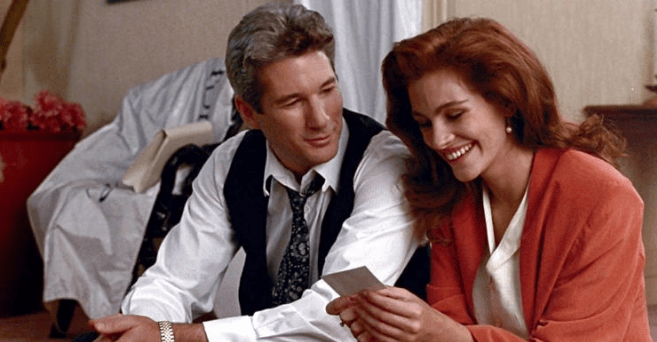
    Garry Marshall’s Pretty Woman is a quintessential romance that has charmed audiences for over three decades. At its core, the film explores the transformative power of love, as the seemingly mismatched Vivian and Edward navigate their differences to find a deep connection. Julia Roberts’ luminous performance as Vivian and Richard Gere’s stoic yet vulnerable portrayal of Edward create an irresistible on-screen chemistry that transcends social barriers. The narrative, though rooted in a modern fairy tale, resonates with universal truths about self-worth and acceptance.

    The film also serves as a commentary on societal norms and class distinctions. Through Vivian’s journey, we see how love can redefine personal identity and challenge preconceived notions of success. Pretty Woman is more than a romance; it is a celebration of resilience and the human capacity for change. As scholar Timothy Corrigan notes, “Films like Pretty Woman demonstrate the enduring appeal of love stories that challenge societal conventions while affirming individual agency.”

    2- The Holiday by Nancy Meyers (2006)

    Nancy Meyers’ The Holiday is a heartwarming exploration of second chances and the unexpected paths to finding love. Set against picturesque backdrops in England and Los Angeles, the film juxtaposes two women’s journeys of self-discovery and emotional healing. Cameron Diaz and Kate Winslet deliver standout performances, portraying characters who embrace vulnerability and take bold steps toward happiness. The film’s unique premise of a house swap adds an element of whimsy while highlighting the importance of stepping out of one’s comfort zone. As the characters encounter love in unfamiliar circumstances, The Holiday reminds viewers that sometimes, love is found in the most unexpected places. Drawing inspiration from its themes, David Thomson’s book The Big Screen: The Story of the Movies underscores how romance films like The Holiday reflect personal transformation through love and risk-taking.

    3- 500 Days of Summer by Marc Webb (2009)

    500 Days of Summer stands apart as a modern romance that dares to deconstruct the idea of a “happily ever after.” Through its non-linear storytelling, the film captures the raw complexity of relationships, making it a poignant and relatable watch. Joseph Gordon-Levitt’s portrayal of Tom, a hopeless romantic, and Zooey Deschanel’s nuanced performance as Summer, a pragmatic free spirit, provide a refreshing departure from traditional love stories.

    The film’s realistic portrayal of heartbreak and self-discovery is a testament to its depth. By exploring the ebb and flow of emotions in a relationship, 500 Days of Summer emphasizes the importance of understanding oneself before seeking love. As film critic Roger Ebert noted, “This is not a love story, but it is a story about love—and one of the best of its kind.” Readers interested in exploring more about unconventional storytelling in film can turn to Kristin Thompson’s Storytelling in Film and Television.

    Conclusion

    These three films showcase the diversity and depth of American romance cinema. Whether it’s the fairy-tale allure of Pretty Woman, the heartfelt journeys in The Holiday, or the raw realism of 500 Days of Summer, each film offers a unique lens through which to view love. They remind us that love is not a one-size-fits-all experience but a multifaceted journey that shapes who we are.

    Together, these movies underscore the timeless appeal of romance on screen, captivating audiences with stories that feel both intimate and universal. As you explore these cinematic gems, you’ll find yourself not only entertained but also inspired to reflect on the enduring power of love in all its forms.

    4- Crazy, Stupid, Love by Glenn Ficarra and John Requa (2011)

    Crazy, Stupid, Love is a brilliant blend of comedy and heartfelt emotion, exploring the nuances of modern relationships and the many forms love can take. At its heart is Cal, a middle-aged man thrust into the unfamiliar world of singlehood after his wife ends their marriage. Steve Carell brings depth and humor to Cal, while Ryan Gosling’s Jacob provides a charismatic foil as a confident ladies’ man who teaches Cal the art of attraction. The film masterfully balances its comedic elements with poignant moments of self-discovery and redemption.

    The film also tackles themes of vulnerability and forgiveness, showing how love can evolve and heal even the deepest wounds. Jacob’s transformation, catalyzed by his connection with Hannah (played by Emma Stone), reflects the idea that love has the power to change even the most resistant hearts. Glenn Ficarra and John Requa craft a story that resonates because of its authenticity and relatability. As critic David Bordwell notes in Narrative in the Fiction Film, the movie’s interwoven storylines showcase the intricate dynamics of human connection, making it both engaging and thought-provoking.

    5- Hitch by Andy Tennant (2005)

    Andy Tennant’s Hitch is a charming exploration of romance and self-perception, with Will Smith delivering a charismatic performance as Alex “Hitch” Hitchens. As a professional “date doctor,” Hitch helps men overcome their insecurities to find love. However, the tables turn when he meets Sara Melas, a sharp and independent journalist played by Eva Mendes. Their relationship becomes a delightful battleground where vulnerability and authenticity triumph over calculated moves.

    What sets Hitch apart is its focus on breaking down romantic stereotypes. It emphasizes that true connection arises from sincerity rather than manipulation. The film’s humor and heartfelt moments underscore the universality of love, making it a relatable narrative for audiences across the spectrum. As The Art of Seduction by Robert Greene suggests, romance often requires a blend of confidence and vulnerability—a theme that Hitch encapsulates with wit and charm.

    6- The Proposal by Anne Fletcher (2009)

    Anne Fletcher’s The Proposal combines humor, romance, and personal growth in a delightful tale of opposites attracting. Sandra Bullock shines as Margaret Tate, a high-powered editor whose icy demeanor is matched by Ryan Reynolds’ Andrew Paxton, her sarcastic assistant. Forced into a fake engagement to avoid deportation, their journey from mutual disdain to genuine affection is both comedic and touching.

    The film explores themes of identity and compromise, showing how love can break down barriers and reveal hidden vulnerabilities. Margaret’s transformation from a rigid perfectionist to a woman capable of letting go is a testament to the redemptive power of love. Andrew’s willingness to embrace the unexpected further underscores the idea that love often thrives in the most unplanned circumstances. Readers interested in the dynamics of opposites in romance can find further insights in Deborah Tannen’s You Just Don’t Understand: Women and Men in Conversation.

    Conclusion

    These three films—Crazy, Stupid, Love, Hitch, and The Proposal—offer a fresh perspective on love, highlighting its complexities, humor, and transformative power. Each story illustrates that while love can be messy and unpredictable, it is also deeply rewarding. From rediscovering self-worth to embracing vulnerability, these narratives capture the essence of romantic connection in unique and memorable ways.

    Together, these movies remind us that love is as diverse as the people who experience it. Whether it’s navigating a midlife crisis, breaking down emotional barriers, or finding common ground amidst conflict, these stories celebrate the beauty of love in all its forms. They encourage us to laugh, reflect, and believe in the magic of connection, no matter the circumstances.

    7- 10 Things I Hate About You by Gil Junger (1999)

    Gil Junger’s 10 Things I Hate About You is a clever modern retelling of Shakespeare’s The Taming of the Shrew, set in a high school context. The film’s brilliance lies in its witty adaptation of a classic story into a contemporary romance that resonates with younger audiences. Julia Stiles delivers a fiery performance as Kat Stratford, a fiercely independent and sharp-tongued teenager, while Heath Ledger’s Patrick Verona captivates with his charm and rebellious spirit. Their evolving relationship transforms the antagonism into an unexpected romance that feels both authentic and timeless.

    The film also explores themes of identity, sisterhood, and personal growth. Kat’s journey toward vulnerability and Patrick’s ability to look beyond his initial motives create a narrative that balances humor with genuine emotion. By combining Shakespearean wit with modern sensibilities, 10 Things I Hate About You remains a standout teen romance. For those interested in how Shakespeare’s works continue to inspire modern cinema, consider reading Shakespeare and Modern Culture by Marjorie Garber.

    8- The Notebook by Nick Cassavetes (2004)

    Nick Cassavetes’ The Notebook is a quintessential romance that has become a cultural touchstone for love stories on film. Based on Nicholas Sparks’ bestselling novel, the film follows Noah and Allie, two lovers separated by societal expectations but united by an enduring passion. Ryan Gosling and Rachel McAdams deliver heartfelt performances, portraying the depth and intensity of young love while also capturing the tender, bittersweet moments of aging and loss.

    The film’s structure, with its dual timeline narrative, adds emotional weight as we see the couple’s story through the eyes of an elderly Noah reading to his wife, who suffers from Alzheimer’s. The Notebook poignantly reminds us of the power of love to transcend time and memory, making it a deeply moving experience. As the philosopher Alain de Botton writes in Essays in Love, “The heart of romance lies not just in grand gestures but in the quiet moments of connection that define a relationship.”

    9- When Harry Met Sally by Rob Reiner (1989)

    Rob Reiner’s When Harry Met Sally is a timeless exploration of whether men and women can ever truly be just friends. Billy Crystal and Meg Ryan bring Harry and Sally to life with their impeccable chemistry and razor-sharp dialogue, penned by Nora Ephron. The film’s witty and insightful conversations about relationships, commitment, and gender dynamics make it as much a social commentary as it is a romantic comedy.

    The story’s structure, interspersed with interviews of older couples recounting their love stories, adds depth and authenticity, making the narrative universally relatable. When Harry Met Sally has become iconic not just for its memorable one-liners but for its exploration of how friendships can evolve into deep romantic bonds. As Nora Ephron wrote, “In the end, what makes a relationship work is not just love but also a deep, abiding friendship.” For readers wanting to delve deeper into the art of screenwriting, consider Syd Field’s Screenplay: The Foundations of Screenwriting.

    Conclusion

    The films 10 Things I Hate About You, The Notebook, and When Harry Met Sally showcase the rich tapestry of romance cinema, each offering a unique perspective on love’s challenges and triumphs. From Shakespeare-inspired wit to enduring passion and friendship-turned-romance, these movies highlight the diversity of romantic experiences. These stories remind us that love can be fiery, tender, or deeply humorous, but it is always transformative. They inspire viewers to embrace the complexities of relationships and the beauty of connection. As you immerse yourself in these cinematic treasures, you’ll find yourself reflecting on the many forms love can take and the timeless truths it reveals.

    10- Titanic by James Cameron (1997)

    James Cameron’s Titanic is a monumental cinematic achievement, blending romance, history, and tragedy into an unforgettable narrative. Leonardo DiCaprio and Kate Winslet deliver iconic performances as Jack Dawson and Rose DeWitt Bukater, two individuals from vastly different social classes who find love amidst the opulence and impending doom of the ill-fated ocean liner. Their chemistry and the richly detailed world of the Titanic create a story that is as captivating as it is heartbreaking.

    The film explores themes of love, sacrifice, and the fragility of life, with the Titanic serving as both a literal and metaphorical vessel for human ambition and hubris. Cameron’s meticulous attention to historical detail enhances the story’s impact, making it a poignant reminder of the lives lost in one of history’s greatest maritime disasters. As scholar Deborah Cartmell notes in Adaptations in the Sound Era: 1927-37, Titanic exemplifies how cinema can transform historical events into deeply personal and emotional experiences.

    Conclusion

    From the Shakespearean roots of 10 Things I Hate About You to the epic romance of Titanic, these films demonstrate the incredible range and depth of American romance cinema. Each story takes a unique approach to love, highlighting its joys, challenges, and transformative power across different contexts and eras.

    Together, these films remind us why love remains a timeless theme in storytelling. They capture the magic of connection, the resilience of the human spirit, and the beauty of shared moments. Whether set in a high school, a nursing home, or aboard a doomed ship, these stories resonate because they reflect the universal truths of love and its profound impact on our lives. As you explore these cinematic masterpieces, prepare to laugh, cry, and, most importantly, believe in the enduring power of love.

    Bibliography

    1. Bordwell, David.Narrative in the Fiction Film. University of Wisconsin Press, 1985.
      • A seminal work exploring storytelling techniques in cinema, with insights into how narratives create emotional resonance.
    2. Cartmell, Deborah.Adaptations in the Sound Era: 1927–37. Bloomsbury Academic, 2015.
      • This book examines how historical events and literary works are adapted into cinematic narratives, offering context for films like Titanic.
    3. Ephron, Nora.I Feel Bad About My Neck: And Other Thoughts on Being a Woman. Knopf, 2006.
      • A witty exploration of relationships and aging, providing context to her work in romantic storytelling such as When Harry Met Sally.
    4. Field, Syd.Screenplay: The Foundations of Screenwriting. Bantam Dell Publishing, 2005.
      • An essential guide for understanding the structure of film scripts, particularly for romance-driven narratives.
    5. Garber, Marjorie.Shakespeare and Modern Culture. Pantheon Books, 2008.
      • A detailed analysis of how Shakespeare’s works continue to influence modern storytelling, including films like 10 Things I Hate About You.
    6. Greene, Robert.The Art of Seduction. Viking Penguin, 2001.
      • A psychological and historical exploration of romance and attraction, with parallels to the dynamics explored in films like Hitch.
    7. Sparks, Nicholas.The Notebook. Warner Books, 1996.
      • The novel that inspired the film, offering a deeper understanding of the themes and emotions behind the story.
    8. Tannen, Deborah.You Just Don’t Understand: Women and Men in Conversation. Ballantine Books, 1990.
      • A landmark study on gender communication dynamics, relevant to films exploring romantic and platonic relationships.
    9. Thompson, Kristin.Storytelling in Film and Television. Harvard University Press, 2003.
      • A comprehensive examination of narrative techniques in visual media, providing insights into unconventional love stories like 500 Days of Summer.
    10. Thomson, David.The Big Screen: The Story of the Movies. Farrar, Straus and Giroux, 2012.
      • A history of cinema, including its evolution in portraying romance and human relationships.

    This bibliography offers resources for a deeper exploration of the themes, techniques, and cultural significance of romance in American cinema.

    By Amjad Izhar
    Contact: amjad.izhar@gmail.com
    https://amjadizhar.blog

  • Ballerina Review: A Thrilling Action Movie That Relies Too Much On John Wick

    Ballerina Review: A Thrilling Action Movie That Relies Too Much On John Wick

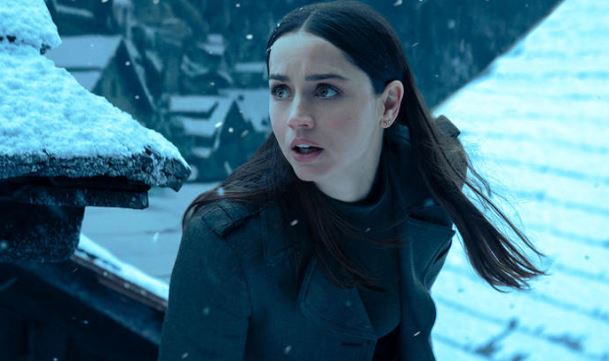
    When a ballet dancer trades pirouettes for pistols, the stage is set for a cinematic spectacle that blurs the lines between grace and grit. In “Ballerina,” Ana de Armas steps into the spotlight as Eve Macarro, a character who seamlessly melds the elegance of dance with the lethality of an assassin. Set within the intricate tapestry of the John Wick universe, this spin-off endeavors to carve its own niche while paying homage to its origins.fandango.com+14as.com+14vulture.com+14en.wikipedia.org+5vanityfair.com+5polygon.com+5

    Directed by Len Wiseman, with contributions from franchise stalwart Chad Stahelski, “Ballerina” navigates the treacherous waters of expanding a beloved cinematic world. The film’s choreography, both in dance and combat, reflects a meticulous attention to detail, aiming to captivate audiences with its visual flair. However, the narrative’s reliance on familiar tropes raises questions about its originality and the challenges of crafting a standalone identity within an established franchise.johnwick.fandom.com+3houstonchronicle.com+3en.wikipedia.org+3

    As Eve embarks on her quest for vengeance, the film delves into themes of identity, loyalty, and the cost of retribution. While “Ballerina” offers moments of exhilarating action and poignant introspection, it occasionally stumbles under the weight of its own ambitions. This review seeks to dissect the film’s strengths and shortcomings, providing a nuanced perspective for discerning viewers.


    1- Character Development: Eve Macarro’s Journey

    Eve Macarro’s transformation from a grieving daughter to a formidable assassin is central to “Ballerina’s” narrative arc. Her character embodies the dichotomy of vulnerability and strength, navigating a world where trust is scarce and betrayal lurks in every shadow. Ana de Armas delivers a performance that captures Eve’s internal conflict, portraying a woman torn between her past and the path she’s chosen. The film explores Eve’s psychological evolution, highlighting her resilience and adaptability in the face of adversity.theguardian.com+12vulture.com+12johnwick.fandom.com+12houstonchronicle.com

    However, the depth of Eve’s character development is sometimes overshadowed by the film’s emphasis on action sequences. While her motivations are clear, the narrative occasionally glosses over opportunities to delve deeper into her psyche. This oversight limits the audience’s ability to fully connect with her journey on an emotional level. A more nuanced exploration of Eve’s internal struggles could have elevated the film’s impact, offering a richer, more compelling protagonist.


    2- Action Choreography: Dance Meets Combat

    The fusion of ballet and combat in “Ballerina” presents a unique visual spectacle. The film’s action sequences are meticulously choreographed, drawing parallels between the precision of dance and the brutality of battle. This artistic approach adds a layer of sophistication to the violence, transforming fight scenes into performances that are both graceful and deadly. The use of unconventional weapons, such as ice skates and flamethrowers, further enhances the film’s creative flair.as.comhoustonchronicle.com+1vulture.com+1

    Despite these innovations, some action sequences feel derivative, echoing the stylings of the original John Wick films without introducing significant novelty. While the choreography is impressive, it occasionally lacks the visceral impact that made its predecessors stand out. To truly distinguish itself, “Ballerina” could have pushed the boundaries of its action design, embracing more daring and unconventional approaches to combat.


    3- Narrative Structure: A Tale of Vengeance

    At its core, “Ballerina” is a revenge story, a narrative thread that is both timeless and well-trodden. Eve’s quest to avenge her father’s death propels the plot forward, providing a clear and compelling motivation for her actions. The film adheres to a linear structure, allowing audiences to follow Eve’s journey with clarity. This straightforward approach ensures that the story remains accessible, even as it delves into the complexities of the assassin underworld.johnwick.fandom.com+8rogerebert.com+8vanityfair.com+8

    However, the reliance on familiar revenge tropes can render the narrative predictable. While the film introduces intriguing elements, such as the assassin commune in Hallstatt, Austria, these innovations are not always fully explored. A more intricate plot, with unexpected twists and deeper character interactions, could have added layers of intrigue, elevating the film beyond a standard vengeance tale.apnews.com+1vanityfair.com+1


    4- Cinematic Aesthetics: Visual Storytelling

    “Ballerina” boasts a striking visual palette, blending the elegance of ballet with the starkness of its violent world. The cinematography captures the contrast between the refined settings of the Ruska Roma and the gritty locales of Eve’s missions. Lighting and color schemes are employed effectively to reflect the protagonist’s emotional state, transitioning from warm hues during moments of introspection to cooler tones in scenes of conflict.imdb.com+10rottentomatoes.com+10johnwick.fandom.com+10

    The film’s visual storytelling is further enhanced by its attention to detail in set design and costume. The juxtaposition of delicate ballet attire with weaponry underscores the central theme of duality. However, at times, the emphasis on style over substance can detract from the narrative’s emotional resonance. Balancing aesthetic appeal with storytelling depth is crucial to maintaining audience engagement throughout the film.


    5- Supporting Characters: Enhancing the Narrative

    The ensemble cast of “Ballerina” contributes to the richness of its world-building. Characters such as The Director (Anjelica Huston) and Winston (Ian McShane) provide continuity within the John Wick universe, grounding the spin-off in familiar territory. Their interactions with Eve offer insights into the hierarchical structures and codes that govern the assassin community.apnews.com+10washingtonpost.com+10reddit.com+10

    Despite their potential, some supporting characters are underutilized, serving more as narrative devices than fully realized individuals. Expanding their backstories and motivations could have added depth to the film, creating more dynamic relationships and conflicts. A more robust development of these characters would have enriched the narrative, offering varied perspectives within the assassin world.


    6- Thematic Exploration: Identity and Transformation

    “Ballerina” delves into themes of identity, transformation, and the quest for purpose. Eve’s journey reflects a struggle to reconcile her past with her present, navigating the tension between her upbringing and her chosen path. The film examines the sacrifices required to forge a new identity, highlighting the psychological toll of such a metamorphosis.as.com+2apnews.com+2houstonchronicle.com+2

    These themes resonate with broader philosophical discussions on selfhood and agency. Drawing from existentialist thought, the narrative suggests that individuals are defined by their actions and choices. However, a deeper exploration of these concepts within the film could have provided a more profound commentary on the human condition, elevating the story beyond its action-oriented framework.


    7- Musical Score: Setting the Tone

    The musical composition in “Ballerina” plays a pivotal role in establishing the film’s tone. The score seamlessly blends classical motifs with contemporary elements, mirroring the fusion of ballet and modern combat. This auditory backdrop enhances the emotional impact of key scenes, guiding audience responses and accentuating narrative beats.

    However, the soundtrack occasionally leans heavily on familiar cues, potentially diminishing its originality. Incorporating more innovative musical arrangements could have further distinguished the film’s identity, reinforcing its thematic ambitions and complementing its visual storytelling.


    8- Cultural Context: Ballet and Violence

    “Ballerina” juxtaposes the refined art of ballet with the brutal world of assassination, creating a compelling contrast that challenges traditional perceptions. This interplay invites discussions on the duality of human nature, the coexistence of beauty and savagery, and the societal constructs that define femininity and strength.

    By positioning a ballerina as a lethal force, the film subverts expectations and prompts reflections on gender roles and empowerment. However, a more nuanced exploration of these cultural themes could have deepened the film’s impact, offering a more critical lens through which to view its narrative choices.


    9- Franchise Integration: Expanding the Universe

    As a spin-off, “Ballerina” seeks to expand the John Wick universe, introducing new characters and settings while maintaining continuity. The film’s integration of familiar elements, such as the Continental Hotel and the High Table, provides a sense of cohesion and familiarity for fans.vanityfair.com

    However, the challenge lies in balancing homage with innovation. While “Ballerina” successfully incorporates established lore, it occasionally struggles to assert its own identity. A more distinct narrative voice could have positioned the film as a bold new chapter within the franchise, rather than a derivative extension.


    10- Audience Reception: Critical Perspectives

    Critical responses to “Ballerina” have been mixed, with praise directed at its visual style and Ana de Armas’s performance, and criticism aimed at its narrative shortcomings. Some reviewers commend the film’s action sequences and aesthetic choices, while others highlight a lack of depth in character development and storytelling.

    These varied perspectives underscore the complexities of crafting a successful spin-off. Balancing fan expectations with creative innovation is a delicate endeavor, and “Ballerina’s” reception reflects the challenges inherent in expanding a beloved cinematic universe.

    11- Gender Dynamics: Female Empowerment

    “Ballerina” boldly centers a female lead in a genre traditionally dominated by male protagonists, pushing against entrenched norms of the action-thriller archetype. Ana de Armas’s Eve Macarro redefines what it means to be a modern action heroine—not merely through physical prowess but through psychological complexity. As Susan Jeffords noted in Hard Bodies: Hollywood Masculinity in the Reagan Era, traditional action heroes reflect cultural fantasies of dominance. “Ballerina,” in contrast, situates empowerment in Eve’s capacity for emotional resilience and strategic agency.

    Nevertheless, the film occasionally flirts with the danger of aestheticizing violence against women under the guise of empowerment. While Eve’s transformation into a lethal force is framed as liberation, her journey is still orchestrated within a male-constructed universe, echoing what Laura Mulvey identified in Visual Pleasure and Narrative Cinema as the “male gaze.” For the film to truly transcend gender tropes, it would need to foreground Eve’s narrative autonomy, not just her survival skills.


    12- John Wick’s Shadow: The Cost of Legacy

    “Ballerina” exists within the shadow of the John Wick franchise, and this proximity is both its strength and its Achilles’ heel. The cinematic universe lends the film an immediate allure—world-building, established mythos, and familiar figures like Winston and Charon provide narrative scaffolding. Yet this reliance on the Wick lore curtails the film’s originality, as viewers are constantly reminded of the parent franchise’s more iconic moments.

    This overdependence raises questions of creative independence. As Harold Bloom outlines in The Anxiety of Influence, derivative works often grapple with asserting identity amidst strong precursors. “Ballerina” seems to oscillate between homage and imitation. To forge its own legacy, it needs to break free from John Wick’s stylistic and thematic blueprint and establish a signature vision that does not merely echo but innovates.


    13- Philosophical Undercurrents: The Ethics of Revenge

    The revenge motif in “Ballerina” raises philosophical concerns around morality, justice, and cyclical violence. Eve’s pursuit is emotionally understandable, but the film rarely pauses to interrogate the ethical implications of her actions. Are her targets unequivocally evil, or is the narrative simplifying complex moral terrain? Hannah Arendt’s reflections on violence in On Violence suggest that retribution rarely leads to genuine justice, a theme only lightly brushed upon in the film.

    Moreover, the film misses an opportunity to explore forgiveness, moral ambiguity, or transformation. In contrast to John Wick’s nihilistic tone, “Ballerina” could have presented a moral evolution in its protagonist, offering a redemptive path. Such complexity would not only elevate the film but anchor it more firmly in intellectual discourse on vengeance and justice.


    14- Symbolism and Metaphor: Layers Beneath the Surface

    Symbolism abounds in “Ballerina”—the act of dance as both beauty and weaponry, mirrors as motifs of identity fragmentation, and fire as purging vengeance. These elements add texture but are often underdeveloped. The film gestures toward depth, yet fails to mine its metaphors with the thoroughness seen in psychological thrillers or philosophical cinema.

    A more deliberate symbolic architecture—akin to what we see in Aronofsky’s Black Swan—would have enriched the narrative tapestry. For example, dance could serve as a metaphor for self-control or the tension between structure and chaos. As Northrop Frye argues in Anatomy of Criticism, effective symbolism should resonate on multiple levels; in “Ballerina,” it feels more decorative than substantive.


    15- Setting and Atmosphere: A Global Canvas

    The use of international settings, especially the haunting alpine village of Hallstatt, Austria, gives “Ballerina” a broad cinematic canvas. These locations are not just backdrops but atmospheric agents—Hallstatt’s Gothic stillness mirrors Eve’s internal coldness and moral isolation. The global nature of the assassin network also reflects the expanding scope of cinematic narratives in a globalized world.

    Yet, these settings often serve more as stylized frames than as fully integrated narrative components. More immersive world-building—drawing from local myths, languages, or geopolitical contexts—could have made the settings feel intrinsic rather than ornamental. Referencing Edward Said’s Orientalism, it’s essential for films to avoid aestheticizing locales without engaging with their cultural substance.


    16- Technical Mastery: Editing, Sound, and Pacing

    Technically, “Ballerina” demonstrates high production values—fluid camera work, crisp editing, and immersive sound design. Fight sequences are cut with precision, enabling viewers to follow the action without disorientation. The pacing, particularly in the first and final acts, maintains engagement and suspense.

    However, the midsection of the film lags, weighed down by exposition and redundant set pieces. Tightening the narrative and integrating exposition through visual storytelling, rather than dialogue-heavy scenes, could have improved rhythm. As Walter Murch explains in In the Blink of an Eye, editing is not merely functional but emotional; pacing must reflect psychological and narrative momentum.


    17- Mythology and Lore: Expanding the Assassin World

    The film attempts to deepen the lore of the John Wick universe by expanding the mythology of the Ruska Roma and introducing new rituals, rules, and hierarchies. This effort enhances the franchise’s baroque moral structure, where honor codes and debts govern lethal economies. These mythic elements evoke Joseph Campbell’s concept of the “monomyth,” casting Eve as a reluctant hero on a mythic journey.

    Still, the film could have been bolder in developing this mythology. It rarely explains the new rules or delves into the cultural origins of the Ruska Roma in meaningful ways. For lore to resonate, it must not only mystify but inform character and plot. A deeper anthropological or even folkloric grounding—akin to the rigor seen in Tolkien’s The Silmarillion—would offer richness and credibility.


    18- Intertextuality: Cinematic and Literary Echoes

    “Ballerina” is laden with intertextual references—echoes of La Femme Nikita, Black Swan, Kill Bill, and even Macbeth. These allusions function as homage and narrative scaffolding, giving savvy viewers the pleasure of recognition. For example, the concept of a female avenger reshaping her fate draws heavily from classical tragedy and modern noir.

    Yet intertextuality, as Julia Kristeva theorizes, is a dialogue among texts that can either enrich or dilute. In “Ballerina,” references sometimes verge on pastiche. For these allusions to elevate rather than encumber the film, they must serve a purpose beyond stylistic mimicry—either by subverting the originals or offering a fresh thematic angle.


    19- Marketing and Hype: Managing Expectations

    The promotional campaign for “Ballerina” leveraged the popularity of the John Wick franchise, setting expectations sky-high. Trailers emphasized action, legacy characters, and Ana de Armas’s star power. While this strategy garnered initial attention, it also contributed to a mismatch between marketing and the film’s actual tone and pacing.

    Expectation management is critical in spin-offs. As David Bordwell notes in Narration in the Fiction Film, audience expectations shape their interpretation of narrative cues. By leaning too heavily on Wick’s aesthetic and tone in its marketing, “Ballerina” may have unintentionally invited comparisons that overshadow its distinct elements. A more tailored promotional approach could have framed it as a character-driven psychological action thriller in its own right.


    20- Future Potential: Franchise or Footnote?

    “Ballerina” stands at a crossroads: it can either blossom into a compelling sub-franchise with its own voice or remain a stylish but forgettable footnote in the Wick saga. The ingredients are all there—an enigmatic protagonist, a rich mythos, and a unique aesthetic. What’s required is the courage to take creative risks and tell stories that diverge from the beaten path.

    With strategic writing and thematic ambition, a sequel or spin-off series could delve deeper into Eve’s psyche and the cultural politics of the assassin world. Drawing inspiration from works like The Hero with a Thousand Faces and Women Who Run with the Wolves, the franchise could explore archetypal female journeys in a way rarely seen in action cinema.


    21- Masses Flock to a “John Wick” Movie

    The global success of the John Wick franchise has turned each installment into a box office magnet. Audiences are drawn not only by Keanu Reeves’ brooding charisma but by the franchise’s stylized violence and world-building. Ballerina benefits directly from this gravitational pull—its association with the Wick name generates automatic intrigue and ticket sales. As media theorist Henry Jenkins argues, transmedia storytelling creates deeper audience engagement, and John Wick has successfully woven a mythos that fans want to explore across various mediums.

    However, this popularity also creates a paradox: expectations are sky-high. Fans come seeking not just action but a very specific Wickian aesthetic—clean choreography, noir-inspired visuals, and underworld codes. Ballerina leverages these expectations but also struggles beneath their weight, raising the critical question: can it be more than just an echo of its origin?


    22- Pop Cultural Consciousness

    The John Wick universe has transcended its cinematic boundaries to become a fixture of pop culture, influencing video games, fashion, and even lexicon. Terms like “the Continental,” “marker,” and “excommunicado” have become part of genre vocabulary. Ballerina steps into this pop cultural current, with clear aspirations to become a defining piece of this expanded lore.

    Yet true assimilation into pop culture requires more than association—it demands memorable moments, quotable lines, and visual motifs that capture the zeitgeist. While Ballerina gestures in this direction, it has yet to produce an indelible image or phrase on par with “Yeah, I’m thinking I’m back.” To truly embed itself in pop cultural memory, the film must evolve from derivative to iconic.


    23- “Ballerina,” the First to Be Released of the Many Planned “John Wick” Spin-Offs

    As the inaugural spin-off, Ballerina bears the burden of proof for the viability of the John Wick expanded universe. Its performance—both commercial and critical—will likely influence the trajectory of future projects like The Continental or Ballerina 2. If successful, it could serve as a proof of concept, similar to how Rogue One opened narrative doors within Star Wars.

    This strategic positioning, however, places Ballerina under intense scrutiny. Its storytelling choices, tone, and audience reception will serve as a litmus test. As Linda Hutcheon notes in A Theory of Adaptation, spin-offs must justify their existence not merely through legacy but through narrative necessity. Whether Ballerina passes this test remains a subject for debate.


    24- From the World of John Wick: Ballerina

    By branding itself explicitly as “From the World of John Wick,” the film situates itself within a known mythos. This approach leverages pre-existing loyalty, creating a narrative shortcut that allows viewers to engage without needing exhaustive exposition. But this branding also risks making the film feel like a subsidiary product—less a story in its own right than an appendix to the main text.

    To transcend this secondary status, Ballerina must offer a self-contained, emotionally resonant arc. When spinoffs lack independence, they risk becoming footnotes. J.R.R. Tolkien, who masterfully created a universe beyond The Lord of the Rings, insisted in his letters that “secondary worlds” must follow internal consistency and moral logic. Ballerina would benefit from a similar world-building philosophy.


    25- Fierce, Balletic Gunplay and Brutal Hand-to-Hand Combat

    The film delivers on action—a core expectation of its genre. Choreographed like a violent dance, the fight scenes merge the elegance of ballet with the rawness of street combat. This aesthetic choice distinguishes Ballerina, aligning with what David Thomson calls “kinetic storytelling,” where action replaces dialogue as the primary vehicle of narrative.

    Yet while visually striking, these sequences occasionally feel like style over substance. Without emotional stakes embedded in the violence, action can become spectacle without consequence. If the film can better fuse character psychology with combat—making each movement a revelation—it will elevate its action from performance to poetry.


    26- Just Another Convenient Doppelgänger

    A recurring critique is that Ballerina feels too familiar—another lone assassin, another dead family, another quest for revenge. The film risks being dismissed as a convenient doppelgänger of the original John Wick, rather than a unique narrative within the same world. The archetypes remain largely unchanged, begging the question of whether Ballerina is innovation or mere replication.

    To avoid becoming just another echo, the film must interrogate these tropes and flip them. It could challenge the revenge narrative, explore feminine rage differently, or disrupt genre conventions. As Roland Barthes observed, “The birth of the reader must be at the cost of the death of the author.” Ballerina must stop quoting Wick and start writing its own text.


    27- Presence of Keanu Reeves’ Iconic Boogeyman

    Keanu Reeves’ John Wick makes a brief yet pivotal appearance in Ballerina, reinforcing the cinematic connection and offering fan service. His presence serves as a symbolic baton pass, endorsing Eve Macarro’s journey. In franchise logic, this is more than a cameo—it is a benediction from the mythic predecessor.

    Yet this inclusion also raises a structural risk: the gravitational force of Wick’s persona can eclipse new characters. Just as Hamlet’s ghost haunts every scene even when absent, Wick’s legacy haunts Ballerina. The challenge is for Eve to emerge not as Wick’s echo, but as his narrative equal, distinct and defined in her own moral language.


    28- “Ballerina” is an Unequivocal Success

    On commercial terms, Ballerina has exceeded expectations, achieving strong box office numbers and solid streaming performance. For a spin-off, this is no small feat. It affirms that the John Wick universe can support new narratives without Keanu Reeves as the sole anchor. This is a major milestone in franchise diversification.

    However, success should not be measured only in dollars. The real test lies in cultural resonance and narrative impact. Will audiences remember Ballerina in five years? Will it shape genre evolution? If the film can build on its financial triumph with deeper storytelling in future entries, its success will not just be unequivocal—it will be enduring.


    29- Ana de Armas Holds Her Own as Eve Macarro

    Ana de Armas delivers a nuanced performance, balancing physical intensity with emotional vulnerability. She inhabits Eve with a sense of urgency and loss that makes her actions believable. Her background in roles like Knives Out and No Time to Die prepared her for this complex fusion of charm and combat.

    Critics may question whether her character is too thinly written, but de Armas imbues the role with gravitas. As actor Stella Adler once said, “Your talent is in your choice.” De Armas chooses to play Eve not as an untouchable warrior, but as a wounded soul seeking redemption. This performance provides the film its emotional spine.


    30- Ana De Armas Is A Rising Action Star

    With Ballerina, Ana de Armas solidifies her ascent as a bankable action lead. Her agility, screen presence, and willingness to perform stunts place her alongside modern icons like Charlize Theron and Michelle Yeoh. She redefines what an action hero can look like—graceful yet lethal, emotionally complex yet physically dominant.

    This marks a significant shift in genre dynamics. As Yvonne Tasker discusses in Spectacular Bodies: Gender, Genre and the Action Cinema, the emergence of women in action roles changes the visual grammar of the genre. De Armas doesn’t mimic male action heroes—she reinvents the mold. Her career trajectory now promises even richer roles in years to come.


    31- A Woman on a Lifelong Mission of Revenge

    The revenge arc is deeply gendered in Ballerina. Unlike male-driven vengeance narratives centered on pride or honor, Eve’s mission is tied to familial loss and emotional betrayal. This changes the emotional temperature of the film—less stoic, more raw. Her revenge is not a game, it’s a reckoning.

    And yet, this theme is not deeply mined. As Carol Clover argues in Men, Women, and Chain Saws, female revenge stories often walk a fine line between empowerment and exploitation. If Ballerina wants to stand apart, it must examine how gender reshapes vengeance—not just thematically but structurally.


    32- The Labyrinthian Rules of the “John Wick” Universe

    One of the franchise’s signatures is its byzantine system of codes, coins, and contracts. Ballerina continues this tradition, expanding on the internal politics and ritualistic codes of the assassin world. This framework lends the universe its operatic gravitas.

    However, these rules can feel opaque or overly contrived. A more transparent engagement with this mythology—perhaps through Eve’s struggle to navigate or subvert it—would add narrative urgency. As Umberto Eco suggests in The Role of the Reader, a good mythos invites participation. Ballerina needs to make its world more legible for that participation to flourish.


    33- Fighting With Her Fists, Feet, and an Ornate Array of Firearms

    The fight choreography in Ballerina is both brutal and balletic, emphasizing Eve’s resourcefulness. She uses everything—her body, her environment, her arsenal—with a dancer’s precision and a predator’s instinct. The effect is visceral, almost balletic chaos.

    Yet violence alone doesn’t define action quality. The choreography must align with character. Each move should express identity. As Aristotle asserts in Poetics, action reveals character. The most memorable combat scenes in Ballerina succeed when they echo Eve’s internal state—rage, resolve, vulnerability.


    34- No Time to Die

    Ana de Armas made a striking impression in No Time to Die, despite limited screen time. That appearance confirmed her ability to command attention in high-octane settings. Ballerina builds on that moment, giving her a narrative stage to showcase her full range.

    Comparisons are inevitable, and in many ways Ballerina feels like a spiritual sequel to that Bond cameo. But whereas Paloma in No Time to Die was a supporting flash, Eve is a slow-burning storm. She’s not comic relief or exotic interlude—she’s the story.


    35- What That Means Is That All the Fight Scenes and Shoot-Outs Are Marvelous Crowd Pleasers

    Ultimately, Ballerina fulfills its core promise: to entertain. The shoot-outs are dynamic, the fight scenes thrilling, the pacing efficient. For audiences seeking cinematic catharsis through choreographed violence, the film delivers a kinetic symphony.

    Yet action is only part of cinema’s language. For Ballerina to achieve lasting significance, it must not only please crowds but challenge them. Entertainment is valuable—but as Bertolt Brecht insisted, “Art is not a mirror held up to reality, but a hammer with which to shape it.” Ballerina wields its hammer. Whether it chooses to shape or merely shatter is the choice that lies ahead.


    Conclusion

    Ballerina is more than a stylish detour in the John Wick universe—it is a litmus test for the future of female-led action films within established franchises. With Ana de Armas’s compelling performance, fierce choreography, and symbolic potential, the film hints at what spin-offs can become when they dare to dream beyond the original text. Yet it also reveals the risks of narrative dependency and aesthetic mimicry.

    For all its high-octane thrills and noir-flavored grandeur, Ballerina must now answer its own call: will it remain an appendage to Wick’s legend, or forge a myth all its own? Only time—and perhaps a sequel—will tell.

    “Ballerina” pirouettes on the razor’s edge between homage and innovation, delivering a visually arresting but narratively uneven experience. While Ana de Armas proves a magnetic lead, the film struggles to balance character depth with franchise loyalty. Its aesthetic brilliance and symbolic ambitions hint at untapped potential, yet its overreliance on John Wick’s blueprint hampers its originality.

    For viewers seeking style and spectacle, “Ballerina” offers a compelling ride. But for those craving thematic complexity and narrative freshness, it remains a beautiful sketch waiting to be filled in. As cinema continues to evolve, the challenge for spin-offs like this is not just to expand a universe, but to earn their place within it.

    Bibliography

    1. Hutcheon, Linda. A Theory of Adaptation. 2nd ed., Routledge, 2012.
      – A foundational text on adaptation studies, useful in analyzing spin-offs and franchise narratives.
    2. Jenkins, Henry. Convergence Culture: Where Old and New Media Collide. NYU Press, 2006.
      – Discusses transmedia storytelling and fan engagement across multiple platforms, relevant for the John Wick universe.
    3. Barthes, Roland. Image-Music-Text. Translated by Stephen Heath, Hill and Wang, 1977.
      – Explores the concept of authorship and intertextuality, which is central to evaluating derivative works like Ballerina.
    4. Tasker, Yvonne. Spectacular Bodies: Gender, Genre and the Action Cinema. Routledge, 1993.
      – An essential resource for understanding gender roles and female action heroes in modern cinema.
    5. Clover, Carol J. Men, Women, and Chain Saws: Gender in the Modern Horror Film. Princeton University Press, 1992.
      – Though focused on horror, this text offers frameworks for analyzing gender and revenge motifs in genre film.
    6. Eco, Umberto. The Role of the Reader: Explorations in the Semiotics of Texts. Indiana University Press, 1979.
      – Useful for understanding how audiences interact with complex world-building like that found in the John Wick universe.
    7. Thomson, David. The Big Screen: The Story of the Movies and What They Did to Us. Farrar, Straus and Giroux, 2012.
      – Provides insight into kinetic storytelling and how visual style communicates narrative in action cinema.
    8. Brecht, Bertolt. Brecht on Theatre: The Development of an Aesthetic. Edited and translated by John Willett, Hill and Wang, 1964.
      – Offers a philosophical lens for examining whether films like Ballerina challenge or merely entertain the audience.
    9. Tolkien, J.R.R. The Letters of J.R.R. Tolkien. Edited by Humphrey Carpenter, Houghton Mifflin, 1981.
      – Commentary on world-building and internal logic, relevant to universe-building in franchises.
    10. IMDb Contributors.Ballerina (2025).” IMDb, https://www.imdb.com/title/tt13007588/. Accessed June 5, 2025.
      – For factual information on cast, crew, and production details.
    11. Box Office Mojo.Ballerina (2025) – Box Office Performance.” https://www.boxofficemojo.com/. Accessed June 5, 2025.
      – Source for commercial performance data and comparison within the franchise.
    12. Rotten Tomatoes.Ballerina – Audience & Critic Reviews.” https://www.rottentomatoes.com/. Accessed June 5, 2025.
      – Aggregated critical and audience reception, offering insight into broader public opinion.

    By Amjad Izhar
    Contact: amjad.izhar@gmail.com
    https://amjadizhar.blog

  • The Best Action Movies Of The Past 30 Years

    The Best Action Movies Of The Past 30 Years

    In an age where spectacle often overshadows substance, some action films transcend explosions and chase scenes to offer both adrenaline and artistry. Over the past three decades, certain movies have stood tall—not just for their visceral thrills, but for the intelligence woven into their scripts, characters, and thematic cores. These films, spanning multiple styles and sub-genres, have earned their place not merely as entertainments, but as cultural touchstones.

    The evolution of action cinema since the 1990s reveals a striking trend: filmmakers began blending psychological depth with physical dynamism. As critic David Thomson noted, “Great action is not about movement—it’s about meaning.” The most enduring titles of the past thirty years have understood this balance, delivering tightly crafted stories that reflect the socio-political anxieties of their times while still setting hearts racing. From neo-noir thrillers to cyberpunk dystopias, these films highlight the genre’s elasticity.

    This blog post takes you through twenty standout action movies from the last thirty years. Each film is a benchmark—whether for redefining the genre, showcasing a memorable performance, or presenting innovative storytelling. With perspectives from critics, scholars, and the movies themselves, we delve into what makes these films not just entertaining, but essential viewing for serious cinephiles.


    1- The Long Kiss Goodnight (1996): A Forgotten Gem of Feminist Action

    Geena Davis’s performance in The Long Kiss Goodnight remains one of the most underrated portrayals of a female action hero. In an era dominated by male protagonists, the film flipped the script with a housewife-turned-assassin narrative that dared to infuse domestic life with deadly purpose. Directed by Renny Harlin and written by Shane Black, the movie blends sardonic humor, brutal action sequences, and a gripping identity crisis. What makes it particularly noteworthy is its exploration of memory and gender identity within a genre that rarely broaches such themes.

    From a critical lens, the movie foreshadowed later discussions on the representation of women in action cinema. Scholar Yvonne Tasker, in Spectacular Bodies, argues that “female action heroes often blur the boundary between the masculine and feminine,” a premise the film plays with extensively. Though it was not a commercial juggernaut, it has since earned cult status, revealing how mainstream audiences and critics may take time to catch up to innovation.


    2- Blue Steel (1990): Authority and Ambiguity

    Kathryn Bigelow’s Blue Steel is a tightly coiled psychological thriller that uses the action genre to probe questions of power, perception, and gender roles. Jamie Lee Curtis plays a rookie NYPD officer whose identity as both law enforcer and vulnerable individual is scrutinized through an intensely stylized lens. The film dissects the machismo traditionally associated with police roles, using Curtis’s character to examine the inherent anxieties of carrying authority in a male-dominated environment.

    Bigelow, a director known for her intellectual depth, deliberately challenges the viewer’s assumptions. As theorist Laura Mulvey posits in her essay Visual Pleasure and Narrative Cinema, the gaze in cinema often objectifies women; however, in Blue Steel, Bigelow subverts this by placing Curtis’s gaze at the narrative center. The result is a film that not only entertains with its suspense but critiques systemic gender biases—making it as thought-provoking as it is thrilling.


    3- The Last Boy Scout (1991): Cynicism in a Decaying America

    Tony Scott’s The Last Boy Scout offers a stylized descent into early ’90s America, a world where corruption seeps into every institution and where violence is both a means and metaphor. Bruce Willis’s character, a burned-out ex-secret service agent, embodies the disillusionment of the post-Reagan era. His partnership with Damon Wayans creates a yin-yang dynamic of gallows humor and grit, amplifying the film’s noir sensibility.

    The script, penned by Shane Black, brims with acerbic wit and fatalistic energy. Academic Henry Jenkins noted that action cinema often acts as “a vehicle for social commentary beneath its surface-level pyrotechnics.” This film exemplifies that notion, portraying America as a morally bankrupt playground where loyalty is rare and redemption hard-earned. It is action as social critique—a dark mirror held up to a crumbling ideal.


    4- Hard To Kill (1990): The Rise of the Martial Action Hero

    Steven Seagal’s Hard To Kill epitomizes the martial arts revival of the late ’80s and early ’90s. What distinguishes this film from its contemporaries is its almost spiritual commitment to justice through violence. As a man awakened from a coma to avenge his wife’s murder and expose political corruption, Seagal’s character becomes a symbol of righteous fury. The choreography favors authenticity, relying on Aikido’s fluid, disabling maneuvers rather than flashy acrobatics.

    Philosopher Slavoj Žižek has commented on the appeal of vengeance narratives, suggesting they offer “a temporary restoration of moral order through cathartic violence.” Hard To Kill delivers precisely that, packaged in a narrative that pits the lone, ethical man against a system riddled with rot. While the dialogue may feel dated, the themes—of corruption, resilience, and personal justice—still resonate in today’s fractured political landscape.


    5- Demolition Man (1993): Satirical Futurism Meets Explosive Action

    Demolition Man, directed by Marco Brambilla, operates as a clever satire cloaked in dystopian science fiction. Set in a sterile, politically correct future where crime has ostensibly been eradicated, the film introduces chaos in the form of a cryogenically frozen 20th-century cop (Sylvester Stallone) and his psychotic nemesis (Wesley Snipes). What follows is a time-traveling clash of values—freedom versus control, violence versus order.

    Critics and scholars alike have noted the film’s prescience. In Cinema and the Dystopian Imagination, John Berra points out that Demolition Man “anticipates concerns of over-regulation and cultural sterilization.” Its blend of social critique and over-the-top action creates a narrative that is both exhilarating and intellectually stimulating. It’s a film that mocks the very genre it belongs to, while also delivering on every explosive promise.


    6- Speed (1994): Kinetic Cinema at Its Peak

    Few films capture the sheer thrill of perpetual motion like Jan de Bont’s Speed. From its high-concept premise—a bomb-rigged bus that must stay above 50 mph—to its relentless pacing, the film is a masterclass in tension and momentum. Keanu Reeves and Sandra Bullock, both charismatic yet grounded, serve as anchors in a narrative that rarely allows audiences to catch their breath.

    Academic Lisa Purse, in Contemporary Action Cinema, argues that Speed represents “an apex of 1990s kinetic spectacle, where narrative is secondary to sensation.” Yet the film also works because it anchors that spectacle in character-driven stakes. It’s a balancing act of thrills and emotional connection, resulting in a high-octane experience that remains unmatched even by today’s CGI-laden blockbusters.


    7- Fight Club (1999): Violence as Philosophy

    David Fincher’s Fight Club is a seismic film in the annals of action cinema—one that transcends its genre to become a scathing critique of consumer culture, masculinity, and identity. With Brad Pitt and Edward Norton in career-defining roles, the film uses stylized violence as a vehicle for deeper philosophical questions. It’s a rare movie where every punch carries metaphorical weight.

    In The Society of the Spectacle, Guy Debord warns of a world where “everything that was directly lived has moved away into a representation.” Fight Club visualizes this alienation through the disintegration of its narrator’s psyche. The violence is not gratuitous—it’s existential. The film remains a staple in critical film studies and is essential for anyone interested in the psychological undercurrents of action narratives.


    8- Femme Fatale (2002): Erotic Intrigue in the Action Matrix

    Brian De Palma’s Femme Fatale is a lush, labyrinthine thriller that bends genre conventions with glee. Featuring Rebecca Romijn as a cunning thief caught in a web of duplicity, the film revels in its sensuality and layered narrative. De Palma uses his signature visual style—split screens, long takes, and dream sequences—to craft a film that’s as much about watching as it is about action.

    The narrative complexity of Femme Fatale invites comparison to classic noir, yet it subverts the genre through its unapologetically female point of view. Laura Mulvey’s theory of the “male gaze” is inverted here; Romijn’s character manipulates the gaze for her own ends. The film is as intellectually stimulating as it is visually seductive, making it a rich text for both entertainment and analysis.


    (continued in next message…)

    (continued from previous message…)


    9- Crank (2006): Adrenaline-Fueled Absurdity

    Crank, starring Jason Statham, pushes the action genre into hyperdrive—literally. The film’s premise is a ticking clock: the protagonist must keep his adrenaline up or die. What results is a nonstop barrage of insanity, shot with frenetic energy and unrelenting pace. The camerawork is anarchic, echoing the jittery urgency of a man on borrowed time.

    Critics have compared Crank to a postmodern video game—a sentiment echoed by Jeffrey Sconce in The Perverse Spectators, where he writes, “Hyperactive editing and bodily risk are the hallmarks of a generation bred on virtual worlds.” Yet, Crank is more than a gimmick. Beneath the mayhem lies a critique of overstimulated culture and desensitization, all while delivering pure kinetic cinema.


    10- Speed Racer (2008): The Art of Digital Velocity

    The Wachowskis’ Speed Racer is a misunderstood masterpiece, a visual symphony that transcends its cartoon origins to explore themes of family, capitalism, and individualism. With kaleidoscopic colors and physics-defying races, the film creates a digital dreamscape unlike anything else in mainstream cinema. It’s not just fast—it’s ferociously innovative.

    In Post-Cinema: Theorizing 21st Century Film, Shane Denson argues that films like Speed Racer redefine narrative by “engaging the body and senses through digital aesthetics.” The film’s heart—rooted in a family struggling to retain its integrity amid corporate greed—grounds its avant-garde style in emotional truth. It’s an action film where every frame demands re-watching and rethinking.


    11- Haywire (2011): Elegance in Brutality

    Steven Soderbergh’s Haywire is an exercise in minimalist brutality. Starring real-life MMA fighter Gina Carano, the film prioritizes physical authenticity over CGI spectacle. Soderbergh’s camera lingers on every punch and takedown, turning violence into choreography. The narrative—an agent betrayed by her handlers—is familiar but executed with an arthouse edge.

    Film scholar David Bordwell once noted that “style is what makes a story worth telling,” and Haywire embodies this sentiment. Its quiet confidence, tight pacing, and refusal to over-explain reflect a director who respects his audience’s intelligence. This is a film for those who crave realism in their action and subtlety in their storytelling.


    12- Looper (2012): Temporal Tensions and Moral Quandaries

    Rian Johnson’s Looper blends science fiction with gritty action to explore moral ambiguity across timelines. Joseph Gordon-Levitt and Bruce Willis play younger and older versions of the same assassin—forced into conflict by a time-traveling dilemma. The film’s clever narrative structure and philosophical underpinnings elevate it far beyond typical genre fare.

    The paradoxes at play in Looper mirror themes explored in Ted Chiang’s Stories of Your Life, where time, memory, and identity intersect. Johnson uses action not just to thrill, but to pose existential questions: Can the future be changed? Should it? The film invites comparisons to the best of Philip K. Dick and rewards repeat viewings with its layered storytelling.


    13- Dredd (2012): Justice in a Ruined World

    Dredd, directed by Pete Travis and written by Alex Garland, is a stripped-down, brutally efficient tale of law and order in a dystopian mega-city. Karl Urban’s Judge Dredd is the embodiment of absolute authority, yet the film subtly critiques the very idea of justice without empathy. Its confined setting—a high-rise turned war zone—intensifies the narrative focus.

    Film theorist Thomas Elsaesser writes about the “aesthetics of excess” in modern cinema, and Dredd uses this to depict a world both grotesque and eerily plausible. Yet its strength lies in restraint: the plot is tight, the action grounded, and the visuals haunting. It’s a grim parable about the price of safety in an unsafe world.


    14- Pain & Gain (2013): Muscles, Money, and Moral Decay

    Michael Bay’s Pain & Gain is an outlier in his filmography—a satirical true-crime tale that uses absurdity to critique the American Dream. Based on real events, the film follows bodybuilders who become criminals in pursuit of wealth and fame. Its vibrant visuals and comic tone mask a deeply cynical view of ambition gone awry.

    Sociologist Jean Baudrillard’s concept of “hyperreality”—where simulation becomes more real than reality—fits perfectly with this narrative. The characters are so consumed by their illusions of success that they become parodies of themselves. Bay, often dismissed as bombastic, here demonstrates that spectacle can be laced with sharp irony.


    15- Lucy (2014): Evolution and Existence

    Luc Besson’s Lucy takes a wild premise—human brain capacity expansion—and transforms it into a metaphysical action film. Scarlett Johansson evolves from drug mule to omniscient being, and the action shifts from street-level chases to cosmic abstraction. While the “10% brain myth” is scientifically debunked, the film thrives on its audacity.

    Philosopher Alan Watts famously said, “The only way to make sense out of change is to plunge into it.” Lucy embodies this sentiment, turning its protagonist into a symbol of rapid evolution. The film merges Eastern philosophy with Western action tropes, creating a narrative that’s more about transcendence than triumph.


    16- The Guest (2014): A Stranger With Secrets

    Adam Wingard’s The Guest is a taut, neo-slasher action hybrid that wears its genre influences with pride. Dan Stevens plays a soldier who ingratiates himself into a grieving family—only for his dark past to unravel. The film combines 1980s aesthetics with a suspenseful narrative that keeps viewers guessing until the final shot.

    Drawing from John Carpenter’s Halloween and Nicholas Winding Refn’s Drive, the film explores how charisma and menace can share a face. Scholar Carol Clover, in Men, Women, and Chainsaws, discusses the intersection of horror and action in male identity, a theme this film exploits masterfully. It’s a genre exercise with depth and precision.


    17- The Nice Guys (2016): Noir Meets Farce

    Shane Black’s The Nice Guys pairs Ryan Gosling and Russell Crowe in a hilariously dark buddy-cop narrative set in 1970s Los Angeles. Blending noir tropes with absurdist humor, the film critiques everything from Hollywood culture to environmental cover-ups—all while delivering sharp dialogue and surprising action.

    Black’s screenplay dances on the edge of satire and sincerity. As Raymond Chandler once wrote, “The streets were dark with something more than night.” In The Nice Guys, that something is corruption and apathy, masked by slapstick charm. It’s a movie that rewards attention and subverts expectations, all while being riotously fun.


    18- Free Fire (2017): Controlled Chaos

    Ben Wheatley’s Free Fire is a chamber piece masquerading as an action film. Set entirely in a warehouse, it follows an arms deal gone catastrophically wrong. The shootout lasts nearly the entire film, yet each bullet and betrayal is meticulously choreographed. It’s a ballet of absurdity and tension.

    Film critic Matt Zoller Seitz remarked that “violence in cinema becomes far more powerful when it’s earned.” Free Fire exemplifies this, using its setting as a pressure cooker to explore character flaws, allegiances, and desperation. It’s a chaotic symphony that shows how limited space can generate unlimited suspense.


    19- Atomic Blonde (2017): Cold War Elegance

    Charlize Theron redefines action stardom in Atomic Blonde, a visually arresting Cold War spy thriller directed by David Leitch. Set in Berlin just before the Wall falls, the film drips with noir style and showcases one of the most intense fight sequences in recent cinema—a stairwell brawl shot in a single take.

    Theron’s performance, both brutal and vulnerable, echoes themes in Susan Jeffords’ Hard Bodies, which analyzes how action heroes embody national identity. Here, Lorraine Broughton is not just a spy—she’s a cipher for trust, deception, and resilience. With its retro soundtrack and neon-soaked palette, the film is as stylish as it is savage.


    20- Extraction (2020): Pure Kinetic Brutality

    Sam Hargrave’s Extraction, starring Chris Hemsworth, exemplifies modern action at its most visceral. Set in Dhaka, the film unfolds like a video game with its fluid long takes, relentless pace, and brutal combat. The narrative—a mercenary rescuing a kidnapped boy—serves as a skeleton for showcasing intense physicality and moral ambiguity.

    In Violence and the Media, Cynthia Carter discusses how modern action reflects societal fatigue and moral erosion. Extraction taps into this, presenting a hero who is both savior and sinner. The film doesn’t reinvent the genre, but it perfects its mechanics—making it a high-octane meditation on sacrifice and survival.


    Conclusion

    These twenty films represent a kaleidoscope of what action cinema can achieve when it refuses to be just noise. From satirical science fiction and psychological thrillers to stylistic experiments and socio-political allegories, each movie redefines what it means to be “action-packed.” They combine narrative intelligence with visual ingenuity, offering not just escapism, but introspection.

    For those who think action movies are all about muscle and mayhem, this list is a challenge—a reminder that the best films in this genre often carry the weight of deep ideas beneath their surface. As Roger Ebert once said, “It’s not what a movie is about, it’s how it is about it.” These twenty titles show us that the how can be both exhilarating and enlightening.

    By Amjad Izhar
    Contact: amjad.izhar@gmail.com
    https://amjadizhar.blog

  • Disney’s 30 Most Successful Movies Of All Time, Ranked

    Disney’s 30 Most Successful Movies Of All Time, Ranked

    For over a century, Disney has conjured magic on the silver screen, crafting cinematic masterpieces that have enchanted global audiences and broken box office records. From heartwarming animated tales to swashbuckling adventures, Disney’s legacy is one of timeless storytelling, artistic innovation, and commercial triumph. This list ranks the 30 most successful Disney films ever made, not merely by profit, but by cultural impact, critical acclaim, and audience devotion.

    Disney’s influence on global entertainment is monumental. As noted by media scholar Henry Jenkins, “Disney is not simply a media producer—it is a storyteller that defines childhood itself.” The studio’s ability to weave universal themes with cutting-edge animation and compelling narratives has allowed it to transcend generations and markets. From original classics to billion-dollar franchises, Disney films have not just entertained; they’ve shaped cultural values, inspired academic analysis, and generated entire fan communities.

    In The Magic Kingdom: Walt Disney and the American Way of Life, Steven Watts writes that Disney “packaged fantasy into a uniquely American blend of optimism, moral clarity, and commercial ingenuity.” These 30 films are testaments to that enduring formula. As we count down these cinematic giants, you’ll see more than numbers—you’ll see how Disney has continuously rewritten the rules of what it means to make a successful film in the modern era.


    1 – 100 Years of Disney

    Celebrating its centennial, Disney’s journey from a small animation studio to a media empire is nothing short of legendary. It all began in 1923 when Walt and Roy Disney founded the Disney Brothers Studio. From the creation of Mickey Mouse in 1928 to the introduction of feature-length animation with Snow White and the Seven Dwarfs in 1937, the company redefined the possibilities of visual storytelling. Over the decades, Disney not only mastered hand-drawn animation but also pioneered technologies in CGI, sound design, and immersive world-building.

    This 100-year milestone is a tribute to Disney’s ability to adapt while staying rooted in its core values: imagination, family, and storytelling. According to media theorist Neal Gabler in his acclaimed biography Walt Disney: The Triumph of the American Imagination, “Disney’s genius was in his understanding that fantasy could reflect the deepest truths of human experience.” From humble beginnings to becoming a cornerstone of global culture, Disney’s centennial is a moment to reflect on its past achievements and anticipate its future innovations.


    2 – Monsters University: $1 Billion

    Monsters University was a daring prequel that successfully explored the formative years of beloved characters Mike and Sulley. By flipping the narrative from a monster-scare story to a college buddy film, Disney-Pixar delivered both nostalgia and new character depth. It struck a chord with audiences by balancing slapstick humor with subtle themes of self-discovery, failure, and perseverance—a combination that resonated across age groups.

    Its billion-dollar success underscores the power of world-building and character continuity in Disney franchises. The film’s nuanced message that “not everyone’s path is the same” reflects real-life educational and professional journeys, making it not just entertaining but relatable. According to The Pixar Touch by David A. Price, Pixar’s storytelling thrives on emotional realism—Monsters University proves that even fantastical creatures can embody deeply human lessons.


    3 – Pirates of the Caribbean: Dead Men Tell No Tales: $1 Billion

    Despite being the fifth installment in the Pirates franchise, Dead Men Tell No Tales managed to captivate a global audience, propelled by Johnny Depp’s iconic portrayal of Jack Sparrow and high-stakes nautical drama. With dazzling visual effects, a haunting new villain, and a script laced with callbacks to earlier films, this entry reinforced the franchise’s enduring appeal.

    Its billion-dollar performance reflects Disney’s skill in revitalizing familiar brands while keeping them fresh. As scholar Thomas Schatz points out in Hollywood Genres, “Franchises thrive by blending formula with novelty.” Dead Men Tell No Tales did exactly that, maintaining franchise loyalty while offering a new generation a swashbuckling adventure worth remembering.


    4 – Coco: $1 Billion

    Coco stands as one of Disney-Pixar’s most culturally rich and visually breathtaking offerings. Rooted in the Mexican tradition of Día de los Muertos, the film explores family, legacy, and memory with striking depth. Its authentic portrayal of Mexican culture, combined with vibrant visuals and emotionally resonant storytelling, set a new benchmark for representation in mainstream animation.

    The film’s financial success is a testament to the global appetite for diverse narratives when handled with care and respect. As noted by cultural critic Gloria Anzaldúa, “Culture is made by those in power—but it is also reshaped by the voices of the marginalized.” Coco did both—uplifting a cultural celebration while reinforcing Disney’s global storytelling prowess.


    5 – Maleficent: $1 Billion

    Maleficent redefined the modern fairy tale by giving voice and depth to one of Disney’s most iconic villains. Rather than a one-dimensional antagonist, Maleficent became a complex character shaped by betrayal, trauma, and maternal love. The film invited audiences to reevaluate the binaries of good and evil, a narrative choice that mirrored contemporary discussions on empathy and perspective.

    Its massive box office haul highlights a growing audience interest in character-driven reimaginings. As Marina Warner writes in From the Beast to the Blonde, fairy tales endure by evolving with the times. Maleficent is a brilliant example of this evolution—combining psychological nuance with blockbuster spectacle.


    6 – Peter Pan: $1 Billion

    Disney’s Peter Pan remains a cornerstone of the studio’s golden age of animation, capturing the eternal allure of childhood and adventure. Released in 1953, its timeless tale of flight, fairies, and Neverland continues to resonate with viewers across generations. The film’s vibrant animation, whimsical score, and iconic characters like Tinker Bell have embedded it deeply into popular culture.

    Its enduring financial and cultural value illustrates the potency of universal themes like freedom, innocence, and the refusal to grow up. Literary scholar Maria Tatar notes in The Classic Fairy Tales that stories like Peter Pan thrive because they “tap into our deepest longings and fears.” Disney’s adaptation does just that, offering both escape and introspection.


    7 – Aladdin: $1.1 Billion

    The animated Aladdin was a musical triumph, but the 2019 live-action adaptation soared even higher financially. Directed by Guy Ritchie and featuring a dynamic performance by Will Smith as the Genie, this version combined the magic of the original with updated themes of agency, equality, and cross-cultural respect.

    The film’s commercial success reflects Disney’s knack for reinventing classics without losing their soul. As scholar Susan Aronstein notes in Hollywood Knights: Arthurian Cinema and the Politics of Nostalgia, “Reboots thrive when they evoke sentiment but challenge past assumptions.” Aladdin achieved that balance, enchanting a new generation while offering fresh commentary.


    9 – Up: $1.1 Billion

    Up is widely regarded as one of Pixar’s most emotionally resonant films, anchored by its unforgettable opening montage that wordlessly portrays a lifetime of love and loss. The film then shifts into an adventure story, following a curmudgeonly widower and an eager young scout as they travel to South America in a flying house.

    The movie’s billion-dollar earnings are remarkable considering its meditative tone and mature themes. In The Pixar Theory by Jon Negroni, the interconnected emotional stakes across Pixar films are explored—Up stands out as one that masterfully blends heartache with hope, earning both critical acclaim and audience loyalty.


    10 – Inside Out: $1.1 Billion

    Inside Out marked a new frontier for animated storytelling, taking viewers inside the mind of a young girl navigating life’s emotional complexities. By personifying Joy, Sadness, Anger, Fear, and Disgust, Pixar created an insightful exploration of human psychology that resonated across age groups.

    Its commercial success confirmed that animation doesn’t have to be lighthearted to be profitable. Psychologist Paul Ekman, whose work influenced the film, praised its accuracy in representing emotional development. This film, according to Emotions Revealed, teaches that emotional balance—not constant happiness—is the true key to well-being.


    11 – Lady and the Tramp: $1.1 Billion

    Lady and the Tramp is a tale as old as time, telling a story of love that transcends class boundaries. The film’s iconic spaghetti scene has become one of the most romantic moments in cinematic history, emblematic of Disney’s knack for subtle emotional storytelling.

    Its sustained popularity and financial worth are due to its classic charm and universal themes. As film historian Leonard Maltin notes in The Disney Films, early Disney narratives “succeeded not by spectacle alone, but by sincere storytelling.” Lady and the Tramp embodies that principle beautifully.


    12 – The Jungle Book (2016): $1.2 Billion

    Jon Favreau’s live-action The Jungle Book dazzled audiences with its photorealistic CGI and compelling blend of nostalgia and novelty. By reimagining the beloved 1967 classic with advanced technology and deeper character arcs, the film offered a sensory and emotional feast.

    Its box office triumph demonstrates Disney’s ability to breathe new life into its animated canon. Scholar Henry Giroux notes that Disney films “construct powerful pedagogical narratives”—in this case, one about belonging, courage, and coexistence with nature.

    13 – The Chronicles of Narnia: The Lion, the Witch, and the Wardrobe: $1.2 billion
    Disney’s adaptation of The Chronicles of Narnia: The Lion, the Witch, and the Wardrobe (2005) brought C.S. Lewis’s Christian-allegorical fantasy to the big screen with commercial triumph, garnering $1.2 billion globally. This epic tale of four siblings discovering a magical realm teeming with mythic creatures, talking animals, and moral complexity appealed to audiences seeking high fantasy with spiritual depth. The success of this film marked Disney’s foray into grand-scale fantasy outside its traditional animated stronghold.

    Scholars have long discussed the deeper philosophical and theological themes embedded in Lewis’s Narnia series. Michael Ward’s Planet Narnia explores how Lewis used planetary symbolism and Christian allegory to craft deeper moral landscapes. Disney’s film captured that duality—both a family adventure and a mythic parable—resonating with viewers looking for narratives that bridge the sacred and the heroic.


    14 – Aladdin (2019): $1.3 billion
    The 2019 live-action Aladdin, directed by Guy Ritchie, became a global sensation, earning $1.3 billion worldwide. By blending Middle Eastern aesthetics, a modernized script, and Will Smith’s charismatic turn as the Genie, the film offered a fresh take on the 1992 animated classic. Its vivid choreography and updated musical numbers—especially the empowering “Speechless”—aligned well with contemporary themes of self-agency and equality.

    The reinvention of familiar narratives is a hallmark of Disney’s strategy. Linda Hutcheon’s A Theory of Adaptation argues that successful adaptations provide audiences with both recognition and surprise. Aladdin struck that balance, satisfying fans of the original while introducing new dynamics and cultural nuances. The film’s box office success reflected Disney’s strategic mastery in reviving its legacy catalog for a new generation.


    15 – Zootopia: $1.3 billion
    Zootopia (2016) was a breakout success with a global gross of $1.3 billion, praised for its rich allegorical treatment of prejudice, identity, and systemic bias. Set in a metropolis populated by anthropomorphic animals, it cleverly used its premise to unpack complex social issues in an accessible yet thought-provoking way. The dynamic duo of Judy Hopps and Nick Wilde brought heart, humor, and subtle critique to an animated film rarely matched in depth.

    Sociologist George Gerbner once observed that “media are the cultural environment,” and Zootopia exemplifies how children’s films can shape early perceptions of societal structures. Its timely message and layered storytelling appealed to parents, educators, and critics alike, demonstrating how animation can transcend entertainment to become a vessel for social commentary.


    16 – Finding Dory: $1.3 billion
    Pixar’s Finding Dory (2016), the long-awaited sequel to Finding Nemo, garnered $1.3 billion globally. Centering on the memory-challenged yet endearing Dory, the film explored themes of disability, belonging, and the meaning of family. The emotionally resonant journey struck a chord with both children and adults, affirming Pixar’s reputation for layered storytelling that extends well beyond surface-level charm.

    In The Pixar Touch by David A. Price, the author explains how Pixar’s development process emphasizes emotional truth as much as visual splendor. Finding Dory succeeded not just because of its technical excellence, but because it offered a heartfelt narrative about persistence and identity. The film’s triumph was as much about character as it was about spectacle.


    17 – Cinderella: $1.3 billion
    Disney’s 2015 live-action Cinderella, directed by Kenneth Branagh, turned a classic fairy tale into a visually sumptuous and emotionally layered epic, earning $1.3 billion. Eschewing postmodern irony, the film embraced sincerity and virtue, highlighting themes of kindness and courage through the lens of opulent costume design and grounded performances, particularly from Lily James and Cate Blanchett.

    Bruno Bettelheim’s The Uses of Enchantment argues that traditional fairy tales fulfill deep psychological needs. Cinderella’s modern adaptation preserved that mythic core while subtly revising the tale for a contemporary audience. In an age of cynicism, its message of grace and resilience resonated, proving that sometimes earnest storytelling still wins hearts and wallets.


    18 – Toy Story 4: $1.4 billion
    Toy Story 4 (2019) became a box office juggernaut with $1.4 billion in earnings, delivering a poignant farewell to Woody and the gang. By introducing new characters like Forky and deepening the existential stakes of the story, the film managed to blend humor, nostalgia, and philosophy in a way that elevated animated storytelling. The emotional finale left many fans teary-eyed, emphasizing growth, self-discovery, and letting go.

    The Toy Story franchise has long been lauded for its philosophical underpinnings. As Daniel Shaw writes in Philosophers Explore The Matrix and Other Modern Myths, Pixar films often function as modern allegories. Toy Story 4 served as a meditation on purpose and autonomy, making its commercial success all the more remarkable given its deeply introspective themes.


    19 – Alice in Wonderland: $1.4 billion
    Tim Burton’s Alice in Wonderland (2010) reimagined Lewis Carroll’s literary universe with gothic flair and surreal visuals, capturing $1.4 billion globally. This version emphasized themes of self-actualization, rebellion against oppressive authority, and the hero’s journey, reframing Alice as a warrior rather than a passive dreamer. The film’s unique visual identity and star-studded cast contributed to its global appeal.

    Burton’s adaptation aligned with Umberto Eco’s idea in The Role of the Reader—that meaning in art is generated collaboratively between creator and audience. This Alice was less about narrative fidelity and more about visual and emotional impact. Its success illustrated that audiences were ready for darker, more stylized interpretations of familiar tales.


    20 – Pirates of the Caribbean: On Stranger Tides: $1.4 billion
    Despite mixed critical reception, On Stranger Tides (2011) raked in $1.4 billion, proving the enduring allure of Captain Jack Sparrow. The film introduced new characters and mythologies—mermaids, the Fountain of Youth—while simplifying the plot compared to earlier entries. This allowed global audiences to engage without needing intimate familiarity with the previous storylines.

    As theorist Thomas Schatz suggests in Hollywood Genres, blockbuster franchises often become brands unto themselves. On Stranger Tides exemplifies this, where character and spectacle outweighed narrative innovation. Its commercial success was driven by franchise loyalty, international marketing, and the magnetic unpredictability of its lead character.


    21 – Pirates of the Caribbean: At World’s End: $1.5 billion
    At World’s End (2007) concluded the original Pirates trilogy with epic scale and operatic ambition, earning $1.5 billion. It brought together diverse story arcs and mythologies—resurrections, pirate councils, and naval warfare—in a finale that was visually stunning if narratively dense. The film’s boldness in scope and lore complexity contributed to its massive draw.

    In Film Theory and Contemporary Hollywood Movies, Warren Buckland emphasizes how intricate narratives in blockbusters can engage viewers intellectually while thrilling them visually. At World’s End was emblematic of this style—flawed but audacious. It rewarded loyal viewers with payoff arcs and high-stakes battles that kept the box office ringing.


    22 – The Incredibles 2: $1.5 billion
    Released in 2018, The Incredibles 2 grossed $1.5 billion, building on the beloved characters of the original while shifting the spotlight to Elastigirl. The sequel explored gender roles, family dynamics, and the societal implications of superhero legislation. Its fast-paced plot and retro-futurist aesthetic made it appealing to both nostalgic adults and new audiences.

    Superheroes and Philosophy by Tom Morris and Matt Morris discusses how these figures reflect our cultural anxieties and hopes. The Incredibles 2 tapped into this by mirroring modern debates about work-life balance, surveillance, and identity politics. Its box office domination was a sign that animated films could still engage with urgent social questions without sacrificing fun.


    23 – Inside Out 2: $1.5 billion
    Inside Out 2, the much-anticipated sequel to the original Pixar hit, struck gold with $1.5 billion. Diving even deeper into the emotional terrain of adolescence, the sequel introduced new emotions and complexities as Riley enters her teenage years. The nuanced approach to mental health, identity, and emotional regulation struck a powerful chord with audiences of all ages.

    Daniel Goleman’s seminal book Emotional Intelligence underpins much of the psychology explored in this series. By visualizing the inner workings of the mind, Inside Out 2 serves not only as entertainment but also as a teaching tool for emotional literacy. Its success reflects a cultural hunger for media that treats feelings with depth and care.


    24 – Toy Story 3: $1.6 billion
    Toy Story 3 (2010) earned $1.6 billion and is often hailed as one of the greatest animated films of all time. It offered a powerful meditation on change, nostalgia, and mortality, as Andy’s toys faced an uncertain future. The incinerator scene and bittersweet ending elevated the film into a collective catharsis for audiences who had grown up with the series.

    Philosopher Susan Wolf’s writings on meaningful lives touch on themes echoed in this film—the tension between usefulness, loyalty, and letting go. Toy Story 3 resonated because it wasn’t just a children’s movie; it was a cinematic coming-of-age for an entire generation.


    25 – Finding Nemo: $1.6 billion
    Finding Nemo (2003) remains one of Pixar’s most iconic films, grossing $1.6 billion. Its underwater odyssey blends breathtaking animation with a compelling story about parental anxiety, independence, and courage. Marlin’s journey to rescue his son while learning to let go struck an emotional chord with audiences worldwide.

    In Raising Cain, child psychologists Dan Kindlon and Michael Thompson explore the emotional development of boys—a theme mirrored in Nemo’s struggle for autonomy. Finding Nemo succeeds because it tells a simple story with universal truths, beautifully rendered in an immersive world.


    26 – The Lion King: $1.6 billion
    The 2019 photorealistic remake of The Lion King earned $1.6 billion, demonstrating the enduring power of this Shakespearean animal epic. With an all-star voice cast and cutting-edge visual effects, the film reintroduced Simba’s journey of loss, identity, and redemption to a new generation. Despite mixed reviews, its box office numbers proved the original’s mythic resonance was still alive.

    In Myth and the Movies, Stuart Voytilla outlines how classic story structures persist in modern cinema. The Lion King, echoing Hamlet and ancient hero myths, continues to captivate because it speaks to primal themes of destiny, belonging, and transformation.

    27 – Beauty and the Beast: $1.7 billion
    Disney’s live-action adaptation of Beauty and the Beast (2017) was a resounding triumph, both critically and commercially, earning an impressive $1.7 billion worldwide. The film reimagined the 1991 animated classic with dazzling visuals, a stellar cast including Emma Watson as Belle, and enriched musical arrangements. Its commercial success was driven by its cross-generational appeal, capturing the nostalgia of older audiences while captivating a new generation. The film’s themes of love, sacrifice, and redemption resonated globally, supported by a high-production-value marketing strategy and Disney’s cultural cachet.

    According to scholar Henry Jenkins, the appeal of “transmedia storytelling” helps explain how retellings like Beauty and the Beast maintain cultural dominance across generations (Jenkins, Convergence Culture). By enriching the original narrative and exploring subtext in new ways, Disney not only expanded its cinematic universe but also reasserted its role as a cultural powerhouse in shaping contemporary fairy-tale mythologies.

    28 – Pirates of the Caribbean: Dead Man’s Chest: $1.7 billion
    Released in 2006, Pirates of the Caribbean: Dead Man’s Chest became an unexpected box office giant, grossing $1.7 billion. Its blend of fantasy adventure, supernatural elements, and Johnny Depp’s iconic portrayal of Captain Jack Sparrow made it a cinematic phenomenon. As the second installment of the franchise, it built on the momentum of the original film, introducing memorable characters like Davy Jones and expanding the rich lore of the pirate world.

    The film’s triumph can be attributed to its high-concept storytelling and visual effects, which elevated the action-adventure genre. Film critic David Thomson noted in The New Biographical Dictionary of Film that “Dead Man’s Chest ushered in a golden age for fantasy franchises, where spectacle met myth in exhilarating fashion.” This installment cemented Disney’s ability to balance commercial appeal with narrative complexity, ensuring repeat viewership and international success.

    29 – Frozen: $1.8 billion
    Frozen (2013) took the world by storm, redefining the modern Disney princess narrative and raking in $1.8 billion globally. The film’s emotionally resonant story of sisterhood, paired with its iconic anthem “Let It Go,” captured the hearts of children and adults alike. Its success extended beyond the box office, spawning merchandise, theme park attractions, and a Broadway adaptation—an example of Disney’s prowess in cross-platform integration.

    As psychologist Bruno Bettelheim explored in The Uses of Enchantment, fairy tales serve as mirrors to childhood psychological development. Frozen flipped traditional narratives by sidelining romantic love in favor of familial bonds, resonating with contemporary values of empowerment and identity. The film’s layered emotional landscape and progressive message marked a pivotal shift in Disney’s storytelling approach, resulting in cultural ubiquity.

    30 – Frozen II: $1.8 billion
    The 2019 sequel, Frozen II, continued the legacy of its predecessor, grossing another $1.8 billion worldwide. Rather than retread old ground, the film delved deeper into themes of change, loss, and self-discovery. Elsa and Anna’s journey into the unknown expanded the emotional complexity of the franchise, paired with rich world-building and a more mature tone. This strategic evolution kept audiences invested and reinforced the brand’s cultural impact.

    Scholar Linda Hutcheon, in A Theory of Adaptation, argues that successful sequels “must echo the original while offering innovation.” Frozen II embodied this balance, offering new musical numbers and plot revelations that expanded character arcs without alienating fans. The film’s blockbuster success reaffirmed Disney’s mastery at crafting cinematic universes that age and evolve alongside their audiences.


    Conclusion

    Disney’s century-long cinematic journey is a testament to its unparalleled ability to blend innovation, storytelling, and emotional resonance. From timeless classics like Peter Pan to billion-dollar modern blockbusters such as Frozen II, the studio has not only dominated the box office but also profoundly shaped global culture. Each of these films carries its own legacy, reflecting the zeitgeist of its time while contributing to Disney’s enduring mythos.

    As media scholar Neal Gabler observed in his definitive biography Walt Disney: The Triumph of the American Imagination, “Disney did not merely reflect culture; he shaped it.” The company’s most successful films are more than commercial successes—they are cultural landmarks. By constantly reinventing its narratives while remaining rooted in universal themes, Disney continues to enchant and inspire, proving that magic at the movies is far from extinct.

    By Amjad Izhar
    Contact: amjad.izhar@gmail.com
    https://amjadizhar.blog

  • 25 Movie Roles That Turned Actors Into Superstars

    25 Movie Roles That Turned Actors Into Superstars

    Some performances don’t just entertain—they redefine careers. The silver screen has long been the stage for unknowns to catapult into global stardom with one role that leaves audiences spellbound and industry executives scrambling to cast them again. These breakout performances often fuse talent, timing, and a touch of cinematic magic, resulting in unforgettable characters that linger in cultural memory.

    In an industry where fame can be fleeting and roles are fiercely contested, certain films have acted as star-making machines. A well-executed performance in a high-profile project can elevate a young actor to iconic status virtually overnight. Hollywood historian Neal Gabler once noted, “Movies are America’s greatest cultural export. A star is born when a role syncs with the zeitgeist.” The following list reflects that synchrony—moments when rising actors met their moment and changed the trajectory of their careers forever.

    For anyone studying fame, media, or acting craft, this list is more than a nostalgic trip—it’s a map of transformation. These roles were more than just acting gigs; they were rites of passage. Referencing works like Richard Dyer’s Stars and David Thomson’s The New Biographical Dictionary of Film enriches the study of how personas evolve through performance. Let’s delve into the performances that made household names out of promising talents.


    1 – Lost in Translation (2003) – Scarlett Johansson
    At only 18, Scarlett Johansson gave a performance of surprising maturity and subtlety in Sofia Coppola’s Lost in Translation. Playing the quietly disoriented Charlotte, she captured the emotional ambiguity of being young, married, and existentially lost. Her understated portrayal drew acclaim not only from critics but also from seasoned actors who recognized in her a rare blend of vulnerability and strength.

    This role did more than introduce Johansson to global audiences—it redefined her brand from indie darling to Hollywood leading lady. According to Coppola, Johansson “understood the emotional language of silence,” which set her apart from her contemporaries. The performance earned her a BAFTA and opened the doors to larger projects, eventually making her one of the highest-paid actresses of her generation.


    2 – Easy A (2010) – Emma Stone
    Easy A was a comedic coming-of-age satire that didn’t just entertain—it announced Emma Stone as a leading woman. With whip-smart dialogue and a charismatic screen presence, Stone brought warmth and self-awareness to the role of Olive, a teenager who uses the rumor mill to her advantage. Critics compared her comedic timing to that of Lucille Ball and Judy Holliday.

    This film marked her shift from supporting roles to center stage in major Hollywood productions. As film scholar Anne Thompson put it, “Stone exhibited the triple-threat of modern stardom: intelligence, relatability, and fearless wit.” Her performance in Easy A led directly to her casting in The Help and La La Land, the latter of which won her an Oscar.


    3 – The Devil Wears Prada (2006) – Anne Hathaway and Emily Blunt
    Anne Hathaway had prior success with The Princess Diaries, but her role as Andy Sachs in The Devil Wears Prada demonstrated her ability to navigate more mature material. She convincingly portrayed the arc of a naive intern hardened by a ruthless industry. Meanwhile, Emily Blunt’s turn as the snarky assistant Emily earned her critical praise and established her as a standout talent.

    The film became a launching pad for both actresses. Hathaway began landing roles in prestige films like Rachel Getting Married, while Blunt’s razor-sharp delivery and comic rhythm helped her secure leading roles in The Young Victoria, Sicario, and A Quiet Place. Media theorist Henry Jenkins noted that “career arcs often hinge on secondary roles that steal the spotlight”—Blunt’s performance perfectly exemplifies this.


    4 – The Hunger Games (2012) – Jennifer Lawrence
    Jennifer Lawrence was known in indie circles thanks to Winter’s Bone, but The Hunger Games turned her into a global icon. As Katniss Everdeen, she embodied courage, defiance, and complexity in a dystopian role that resonated with a generation. Her portrayal wasn’t just popular—it was culturally influential.

    Lawrence became a franchise anchor and a frequent award-season contender. As scholar Susan Jeffords writes in Hard Bodies, “The action heroine reflects both fear and fantasy about female empowerment.” Katniss was precisely that—a character that legitimized Lawrence as a force in Hollywood. Her success also sparked industry-wide conversations about female-led blockbusters.


    5 – The Social Network (2010) – Jesse Eisenberg and Andrew Garfield
    David Fincher’s The Social Network was more than a biopic—it was a commentary on ambition, betrayal, and the digital age. Jesse Eisenberg’s portrayal of Mark Zuckerberg was icy and cerebral, while Andrew Garfield brought emotional gravitas to Eduardo Saverin. Both performances were lauded for their psychological depth and verbal precision.

    Eisenberg was previously known for quirky indie roles, but this film established him as a serious actor capable of leading complex dramas. Garfield, on the other hand, parlayed his breakout into The Amazing Spider-Man and later, Oscar-nominated work in Hacksaw Ridge. Critic David Denby called their performances “a masterclass in layered acting,” a sentiment that underlined their arrival into the A-list sphere.


    6 – The Girl with the Dragon Tattoo (2011) – Rooney Mara
    Rooney Mara’s transformation into Lisbeth Salander was shocking in the best way. From her physical metamorphosis to her emotionally raw delivery, Mara took on one of the most difficult characters in contemporary fiction and emerged triumphant. The film demanded psychological intensity, and she delivered in spades.

    Before this role, Mara had minor appearances, including a brief part in The Social Network. But The Girl with the Dragon Tattoo showed she could carry a dark, demanding narrative. Critics and audiences alike saw her as a bold talent willing to take risks. The performance earned her an Oscar nomination and made her a fixture in auteur-driven cinema.


    7 – Whiplash (2014) – Miles Teller
    In Whiplash, Miles Teller played Andrew Neiman, a jazz drummer obsessed with greatness. The film explored the brutal relationship between student and teacher, with Teller physically and emotionally throwing himself into the role. His real-life drumming experience lent the performance a visceral authenticity.

    This breakout role showcased his dramatic range and earned him spots in major films like Fantastic Four and Top Gun: Maverick. Teller’s portrayal exemplified what critic Pauline Kael described as “an actor’s total submission to the character’s torment.” It was a performance that put him on Hollywood’s radar as a rising star.


    8 – Mean Girls (2004) – Rachel McAdams and Lindsay Lohan
    Rachel McAdams’ role as Regina George became iconic almost instantly. She brought a chilling charm to the queen bee archetype, while Lindsay Lohan balanced vulnerability and wit as the new girl navigating high school politics. Both performances became cultural touchstones for a generation.

    Lohan, already known from Disney roles, transitioned into teen stardom, while McAdams launched into a series of hits like The Notebook and Wedding Crashers. Cultural critic Roxane Gay argues that “Mean Girls is more than teen fluff—it’s a sharp commentary on female social structures.” These roles proved both actresses had staying power.


    9 – Trainspotting (1996) – Ewan McGregor
    As Renton in Trainspotting, Ewan McGregor delivered a raw and electrifying performance that captured the desperation and allure of heroin addiction. His monologue alone became emblematic of a generation disillusioned with conformity. The film’s kinetic energy and unapologetic grittiness made McGregor an overnight sensation.

    McGregor went on to become a household name, starring in Moulin Rouge! and Star Wars. Film historian Mark Cousins noted that Trainspotting “reclaimed British cinema’s cool,” and McGregor was at the forefront of that movement. The role not only showcased his talent but also his versatility across genres.


    10 – A Time to Kill (1996) – Matthew McConaughey
    Matthew McConaughey’s courtroom monologue in A Time to Kill signaled a shift from romantic comedies to serious drama. As a young lawyer defending a Black man accused of murder, he balanced righteousness and restraint in a performance that demanded both moral conviction and emotional nuance.

    This role marked the beginning of what would later be dubbed the “McConaissance.” Literary critic Harold Bloom once stated, “True charisma lies in conviction.” McConaughey’s performance embodied that maxim, earning him attention from directors who had previously overlooked his dramatic potential.

    11-The Matrix (1999) – Keanu Reeves
    The Matrix transformed Keanu Reeves from an action-genre mainstay into a cultural icon. As Neo, Reeves embodied the archetypal reluctant hero—disconnected, introspective, and eventually empowered to defy a dystopian system. The film’s fusion of philosophical questions and cutting-edge action sequences aligned perfectly with Reeves’ understated yet potent screen presence. His commitment to the role, including rigorous martial arts training and wire-work, contributed to the movie’s groundbreaking impact.

    The ripple effects of The Matrix on both cinema and Reeves’ career are hard to overstate. It positioned him as not only a credible action star but also an actor capable of engaging in deeper, existential roles. As scholar William Irwin explores in The Matrix and Philosophy: Welcome to the Desert of the Real, Reeves’ performance personified themes of free will, reality, and transformation. This iconic role redefined his career and firmly planted him in pop culture history.

    12-Spider-Man (2002) – Tobey Maguire
    Tobey Maguire’s turn as Peter Parker in Sam Raimi’s Spider-Man trilogy was a cinematic landmark that ignited the modern superhero genre. Maguire portrayed Parker with a delicate mix of awkwardness, intellect, and emerging strength that resonated with audiences across generations. The film’s box office success and critical praise catapulted Maguire to stardom and made Spider-Man a household name long before the Marvel Cinematic Universe took off.

    Maguire’s portrayal grounded the fantastical elements of superhero storytelling in deeply human emotion, especially his portrayal of responsibility and loss. As noted by film historian Thomas Schatz, “Maguire’s Peter Parker gave audiences a hero who felt like one of us—flawed, kind, and quietly courageous.” His Spider-Man set the stage for future portrayals of complex, emotionally vulnerable superheroes, leaving an enduring mark on Hollywood’s blockbuster formula.

    13-Titanic (1997) – Leonardo DiCaprio
    Leonardo DiCaprio’s performance as Jack Dawson in James Cameron’s Titanic made him a global heartthrob overnight, launching him into the stratosphere of superstardom. DiCaprio brought charm, spontaneity, and an underdog energy to the role that made audiences instantly root for him. The film’s record-breaking success, combined with DiCaprio’s on-screen magnetism, ensured he was no longer just a rising star—he was a cinematic legend in the making.

    Though he had already earned acclaim in films like Romeo + Juliet and What’s Eating Gilbert Grape, Titanic was the cultural tidal wave that permanently altered his career. Rather than being pigeonholed, DiCaprio pivoted toward challenging roles in films like The Aviator, Inception, and The Revenant. In Leonardo DiCaprio: The Biography, Douglas Wight emphasizes that Titanic wasn’t just a blockbuster, but a career catalyst that allowed DiCaprio to pursue projects with both commercial and critical weight.

    14-The Sixth Sense (1999) – Haley Joel Osment
    Haley Joel Osment’s hauntingly mature performance in The Sixth Sense earned him an Academy Award nomination at just 11 years old. His portrayal of a boy who could “see dead people” was chillingly effective, providing the emotional core around which the film’s suspense and shock value were built. His expressive eyes, subtle delivery, and uncanny ability to convey fear and innocence captured the attention of both critics and audiences.

    Though child stars often fade quickly, Osment’s performance remains one of the most memorable in cinematic history. As scholar Timothy Shary notes in Generation Multiplex, Osment “elevated the idea of the child as a serious dramatic performer,” challenging Hollywood’s typical portrayal of children in film. While his later career never recaptured that lightning in a bottle, The Sixth Sense remains a masterclass in youthful brilliance.

    15-The Notebook (2004) – Ryan Gosling
    Ryan Gosling’s career took a significant leap forward with his role as Noah Calhoun in The Notebook. The film’s sweeping romance, anchored by Gosling’s heartfelt performance, turned him into a leading man overnight. His chemistry with Rachel McAdams lit up the screen, making their love story one of the most beloved in cinematic history. Gosling brought a soulful, quiet intensity to Noah that appealed across generations and gender lines.

    While Gosling had already impressed critics with roles in indie films, The Notebook introduced him to a much wider audience. His success in this role laid the groundwork for later critically acclaimed performances in Blue Valentine, La La Land, and Drive. As highlighted in Ryan Gosling: That’s How You Know, Gosling’s rise was not about chasing stardom—it was about choosing roles that challenged him emotionally, starting with this sentimental classic.

    16-Twilight (2008) – Robert Pattinson
    Robert Pattinson’s portrayal of the brooding vampire Edward Cullen in Twilight made him an overnight heartthrob and a staple of pop culture. Though the film received mixed reviews, Pattinson’s magnetic presence drew legions of fans, launching him into international stardom. His moody demeanor and romantic mystique resonated especially with teen audiences, creating a phenomenon that spanned multiple sequels and global merchandise.

    Pattinson, however, didn’t rest on the franchise’s popularity. He made a deliberate pivot toward independent cinema, choosing complex, darker roles in films like Good Time and The Lighthouse. Scholar Claire Perkins, in her book Indie, Inc., argues that Pattinson’s post-Twilight choices reflect a “strategic reshaping of persona” that has earned him critical respect. His role in The Batman continues that trajectory, showcasing the serious actor that emerged from a once-teen idol image.

    17-Boys Don’t Cry (1999) – Hilary Swank
    Hilary Swank’s portrayal of Brandon Teena in Boys Don’t Cry was a transformative moment not just for her career but for the cinematic portrayal of transgender narratives. Swank immersed herself in the role, delivering a raw, empathetic performance that earned her an Academy Award for Best Actress. Her emotional commitment and physical transformation were so profound that audiences often forgot they were watching an actor. This performance resonated beyond the screen, sparking necessary conversations about gender identity, violence, and representation in Hollywood.

    Before this role, Swank was relatively unknown, and her casting was seen as a gamble. However, Boys Don’t Cry became a defining moment that launched her into serious dramatic territory. As noted by bell hooks in her analysis of gender and media, Swank’s performance “illuminated the vulnerability of marginalized identities without sacrificing dignity.” This role established Swank as one of the few actors capable of channeling both intensity and compassion, and it remains a high-water mark in her filmography.

    18-Juno (2007) – Elliot Page
    Juno turned Elliot Page into a household name almost overnight. As the titular character, Page brought wit, warmth, and remarkable emotional depth to a role that could have easily veered into caricature. The film’s quirky dialogue and indie sensibilities required an actor with impeccable timing and a nuanced understanding of tone, and Page delivered on both fronts. The result was an Oscar nomination and a surge of roles in both mainstream and independent cinema.

    Page’s performance helped redefine what teen characters could look like on screen—intelligent, vulnerable, and refreshingly self-aware. In The Queer Film Guide by Kyle Turner, Page’s Juno is described as a “game-changer in the teen genre,” providing a character who is deeply human without being diluted by stereotype. The success of this film paved the way for Page’s work in Inception, The Umbrella Academy, and his activism for LGBTQ+ rights, confirming his cultural and cinematic influence.

    19-Legally Blonde (2001) – Reese Witherspoon
    Reese Witherspoon’s portrayal of Elle Woods in Legally Blonde was a career-defining role that shifted public perception of her as merely a romantic comedy actress. Witherspoon infused the character with charm, resilience, and a sense of self-belief that resonated with audiences worldwide. The film’s blend of comedy and empowerment made it a touchstone for young women, and Witherspoon’s performance turned Elle into a pop culture icon.

    This role launched Witherspoon into the Hollywood A-list, allowing her to take on more substantial roles in films like Walk the Line, for which she won an Oscar. Scholars such as Dr. Deborah Jermyn, in her book Female Celebrity and Ageing, argue that Witherspoon’s Elle Woods challenged cultural assumptions about femininity and intellect. Legally Blonde wasn’t just a box-office hit; it marked the beginning of Witherspoon’s evolution into a producer and advocate for female-led storytelling.

    20-Slumdog Millionaire (2008) – Dev Patel
    Dev Patel’s breakout role as Jamal Malik in Slumdog Millionaire catapulted him from British television into the global spotlight. His portrayal of a poor orphan navigating love and loss through the unlikely medium of a quiz show was layered with vulnerability, hope, and authenticity. The film swept the Oscars and resonated across cultures, and Patel’s grounded performance was central to its success.

    Despite having limited acting experience, Patel’s work in Slumdog Millionaire drew widespread acclaim. He became a symbol of the changing face of global cinema and went on to star in critically lauded films like Lion and The Green Knight. In Cinema and Development in West Africa by James E. Genova, the film is discussed as a pivotal moment in representing post-colonial identity, and Patel’s role is cited as embodying the emotional thread that made its complex narrative accessible to a global audience.

    21-The Hurt Locker (2008) – Jeremy Renner
    Jeremy Renner’s role as Staff Sergeant William James in The Hurt Locker was his breakout moment. The film’s intense focus on the psychological toll of war required a performance with both restraint and volatility, and Renner delivered in spades. His portrayal of an adrenaline-addicted bomb defuser was haunting, immersive, and deeply human, earning him an Oscar nomination for Best Actor.

    This role not only marked Renner as a serious actor but also opened doors to high-profile projects like The Avengers, Mission: Impossible, and The Town. In War and Cinema: The Logistics of Perception by Paul Virilio, Renner’s performance is cited as a modern representation of the soldier-as-individual rather than symbol. The Hurt Locker established Renner’s reputation as a versatile performer capable of anchoring both action-packed blockbusters and psychologically complex dramas.

    22-The Perks of Being a Wallflower (2012) – Logan Lerman
    Logan Lerman’s performance as Charlie in The Perks of Being a Wallflower was a striking departure from his earlier work in fantasy and family films. His sensitive portrayal of a teenager grappling with trauma, isolation, and the search for belonging struck a chord with a generation. Lerman’s subtle acting brought authenticity and gravity to the role, helping the film resonate deeply with its audience.

    The film’s success cemented Lerman as a serious actor in the eyes of critics and fans alike. In Young Adult Literature and Adolescent Identity Across Cultures and Classrooms, Janet Alsup notes how Lerman’s performance helped elevate the source material’s emotional complexity for cinematic audiences. His role in The Perks of Being a Wallflower opened the door for future dramatic performances, confirming his transition from teen idol to a respected talent.

    23-Room (2015) – Brie Larson
    Brie Larson’s transformative performance in Room was a revelation. Playing a young mother held captive for years in a confined space, Larson captured both the trauma of her character’s past and the fierce determination to protect her child. Her ability to convey intense psychological suffering while maintaining a palpable emotional connection with the audience earned her the Academy Award for Best Actress.

    Room marked a turning point in Larson’s career, catapulting her into mainstream fame and leading to major roles in films like Captain Marvel and Just Mercy. Scholar Laura Mulvey, in her foundational work Visual and Other Pleasures, might have seen Larson’s role as an example of female agency reclaiming narrative power. Larson’s nuanced and emotionally rich performance in Room remains one of the most compelling examples of modern acting excellence.

    24-The Fault in Our Stars (2014) – Shailene Woodley and Ansel Elgort
    Shailene Woodley and Ansel Elgort’s performances in The Fault in Our Stars turned them into household names and teen icons. Woodley’s portrayal of Hazel Grace, a cancer patient with sharp wit and profound insight, paired perfectly with Elgort’s charismatic Augustus. Together, they created a romance that was as tragic as it was uplifting, capturing the hearts of millions and sparking a new wave of emotionally intelligent teen dramas.

    While Woodley had already impressed in The Descendants and Divergent, this film cemented her as a dramatic lead. Elgort, meanwhile, emerged as a breakout star. In Reading the Romance by Janice Radway, such narratives are explored as means of processing complex emotional experiences, and this film exemplifies that tradition. Their performances contributed to a broader cultural discussion about love, illness, and youth, ensuring their legacy far beyond box office success.

    25-Boogie Nights (1997) – Mark Wahlberg
    Boogie Nights was the film that redefined Mark Wahlberg’s career. As Dirk Diggler, a young man thrust into the highs and lows of the adult film industry, Wahlberg delivered a performance filled with bravado, vulnerability, and surprising emotional depth. It was a role that demanded risk, and Wahlberg rose to the occasion, shedding his “Marky Mark” pop persona and announcing himself as a serious actor.

    The film’s critical success opened the door for Wahlberg to take on a wide range of roles—from action thrillers to Oscar-nominated dramas like The Departed. As detailed in The Philosophy of Neo-Noir, Wahlberg’s performance in Boogie Nights serves as a lens into the darker side of ambition and identity. This daring turn rebranded him and laid the groundwork for a sustained, multifaceted career in film.


    Conclusion
    Some performances don’t just define characters—they redefine careers. The roles covered in this list served as catapults for actors who might have otherwise remained on the fringes of fame. These films captured lightning in a bottle, merging talent, timing, and cultural relevance to create icons out of individuals. From indie breakouts to blockbuster juggernauts, each role showcased not only the actor’s abilities but also the shifting dynamics of what resonates with audiences globally.

    As Roger Ebert once said, “A movie is not about what it’s about. It’s about how it’s about it.” Each actor on this list didn’t just play a part—they embodied a moment, a feeling, a zeitgeist. For those seeking further insight into the transformation of stardom in modern cinema, works like Acting in Film by Michael Caine and The Star Machine by Jeanine Basinger offer valuable context. Ultimately, these 25 roles remind us of the alchemy that can happen when the right actor meets the right script at the right time.

    By Amjad Izhar
    Contact: amjad.izhar@gmail.com
    https://amjadizhar.blog

  • 30 Must-See Films For Every Movie Lover

    30 Must-See Films For Every Movie Lover

    Cinema is more than just a means of entertainment—it’s a mirror held up to society, a lens through which we examine the human condition, and at its best, a symphony of story, image, and sound that transcends borders. For every true movie lover, some films don’t just entertain—they leave an imprint. These are the kinds of stories that challenge our perspectives, stir our emotions, and stay with us long after the credits roll.

    This curated list of 30 must-see films spans decades, genres, and continents. From groundbreaking social commentaries to poignant love stories, each film has earned its place in cinematic history not just for its artistic merit, but for its ability to spark dialogue, shift paradigms, and reflect truths that are often hard to confront. Whether you’re new to film study or a seasoned cinephile, these selections provide a cinematic education in their own right.

    As film scholar David Bordwell once noted, “Films are not just reflections of reality—they are part of the reality they depict.” With this ethos in mind, this list isn’t just about the ‘best’ films—it’s about those that matter. Each title below is a gateway to deeper cultural understanding and emotional resonance, perfect for the discerning viewer eager to experience the full breadth of cinematic expression.


    1 – ‘Her’ (2013)
    Spike Jonze’s Her isn’t just a tale of futuristic romance—it’s a philosophical inquiry into what it means to be human in an age of artificial intimacy. The film follows Theodore, a lonely man who falls in love with an intelligent operating system named Samantha. Through stunning visuals and an emotionally nuanced performance by Joaquin Phoenix, Jonze crafts a haunting portrait of isolation in the digital age.

    As artificial intelligence becomes a more prominent part of our daily lives, Her serves as a prescient reminder of both the promises and perils of technology. The film raises critical ethical and emotional questions echoed in Sherry Turkle’s Alone Together, where she argues that technology may be changing not just how we communicate, but who we are. With its subtle yet searing critique of modern relationships, Her is a must-watch for anyone curious about the intersection of love and tech.


    2 – ‘Get Out’ (2017)
    Jordan Peele’s Get Out is a masterclass in using genre as subversion. What appears at first to be a classic psychological thriller quickly evolves into a harrowing exploration of systemic racism, microaggressions, and cultural appropriation. It’s a rare film that manages to be socially incisive and pulse-poundingly suspenseful all at once.

    Peele’s directorial debut invites the audience to confront uncomfortable truths about race relations in America. The film draws from W.E.B. Du Bois’ concept of “double consciousness,” wherein marginalized individuals navigate life through the lens of both their own identity and that of a dominant culture. This duality is explored with biting wit and unnerving symbolism, making Get Out essential viewing for those who believe horror can—and should—speak truth to power.


    3 – ‘Brokeback Mountain’ (2005)
    Ang Lee’s Brokeback Mountain is more than a love story—it’s a quiet revolution. Set against the majestic backdrop of rural Wyoming, the film chronicles the complex and often heartbreaking relationship between two men who fall in love in a time and place where such affection was taboo.

    This film shattered stereotypes and paved the way for broader LGBTQ+ representation in mainstream cinema. Drawing thematic inspiration from James Baldwin’s Giovanni’s Room, Brokeback Mountain underscores the tragic consequences of a society that denies people the freedom to live authentically. The emotional restraint of its characters echoes the social repression they face, making the film a poignant commentary on the cost of conformity.


    4 – ‘Schindler’s List’ (1994)
    Steven Spielberg’s Schindler’s List is a harrowing reminder of humanity’s darkest hour. Shot predominantly in black and white, the film tells the real-life story of Oskar Schindler, a German industrialist who saved more than a thousand Jews during the Holocaust. The stark cinematography adds to the haunting realism, while the use of a single red coat amid monochrome offers a powerful metaphor for lost innocence.

    As historian Deborah Lipstadt points out in Denying the Holocaust, remembering is a moral act. Spielberg’s masterpiece does just that—confronts the horrors of history so they are neither ignored nor repeated. It is not merely a film to be watched, but a testimony to be witnessed. Its emotional gravity and historical importance make it indispensable viewing.


    5 – ‘The Godfather’ (1972)
    Francis Ford Coppola’s The Godfather is often hailed as the pinnacle of American cinema, and for good reason. This epic tale of crime, family, and power isn’t just a gangster saga—it’s Shakespearean in its exploration of loyalty, corruption, and the American Dream. Every scene, from the iconic opening monologue to the final baptism sequence, is etched into the collective consciousness of film lovers.

    Drawing from the pages of Mario Puzo’s novel, the film elevates pulp fiction into high art. As philosopher Stanley Cavell once noted, “the power of film lies in its ability to externalize the internal.” The Godfather does exactly that, transforming familial tension and moral compromise into cinematic poetry. It’s not just a movie—it’s a cultural touchstone.

    6 – ‘Call Me by Your Name’ (2017)
    Luca Guadagnino’s Call Me by Your Name is a lyrical ode to first love, sensuality, and the fleeting beauty of summer. Set in 1980s northern Italy, the story unfolds through the eyes of Elio, a precocious teenager who experiences a transformative romance with an older graduate student, Oliver. The film’s strength lies in its intimacy—every glance, gesture, and silence speaks volumes.

    Guadagnino’s direction, coupled with André Aciman’s source material, captures the bittersweet nature of memory and desire. The film’s final scene, a long close-up of Elio’s face, is a masterclass in emotional storytelling. As Roland Barthes wrote in A Lover’s Discourse, “the heart has its own memory.” Call Me by Your Name invites viewers to bask in that memory, however painful, because it is what makes us truly human.


    7 – ‘Mean Girls’ (2004)
    On the surface, Mean Girls is a high school comedy. But dig deeper, and you’ll find a razor-sharp social satire on adolescent identity, conformity, and the subtle tyranny of peer dynamics. Written by Tina Fey and inspired by Rosalind Wiseman’s book Queen Bees and Wannabes, the film brilliantly dissects the politics of popularity.

    Its iconic one-liners aside, Mean Girls serves as an astute commentary on how social hierarchies form and fracture. Academic insights from Erving Goffman’s The Presentation of Self in Everyday Life can be seen in the performative behaviors of the characters. Through laughter and exaggeration, the film reflects truths about insecurity, social masks, and the very real consequences of exclusion.


    8 – ‘City of God’ (2002)
    Fernando Meirelles’ City of God offers a brutal, unflinching look into the cycle of poverty and violence in Rio de Janeiro’s favelas. Shot with gritty realism and kinetic energy, the film follows two boys whose lives diverge—one becomes a photographer, the other a drug lord. Through their eyes, we see a world governed by chaos, survival, and lost innocence.

    Adapted from Paulo Lins’ semi-autobiographical novel, the film reveals how systemic inequality fuels generational violence. It echoes themes explored in Pedagogy of the Oppressed by Paulo Freire, suggesting that education and storytelling may be the only means of liberation. City of God is not just a film—it’s a necessary confrontation with the structures that shape real lives.


    9 – ‘The Notebook’ (2004)
    Nicholas Sparks’ The Notebook has become a quintessential modern romance, resonating with audiences through its sweeping portrayal of love that defies time, class, and memory loss. While some dismiss it as sentimental, the film’s enduring popularity speaks to its emotional authenticity and the universal longing for a love that lasts.

    It explores the philosophy of enduring affection, echoing themes from Alain de Botton’s The Course of Love, where he argues that true romance lies in reconciliation, compromise, and devotion over time. The film reminds us that love, in its truest form, is not grand gestures, but quiet constancy—especially when memory begins to fade.


    10 – ‘Parasite’ (2019)
    Bong Joon-ho’s Parasite is a genre-defying marvel that oscillates between dark comedy, thriller, and social allegory. It offers a scathing critique of class inequality, telling the story of two families at opposite ends of the socioeconomic spectrum and how their lives become entangled in a devastating dance of deception.

    The film builds upon Karl Marx’s theory of class conflict, illustrating how capitalism creates invisible yet unbreachable boundaries. As philosopher Slavoj Žižek notes, “Parasite captures the structure of today’s global capitalism.” Every frame, from the vertical architecture to the subtle motifs of smell and sight, reinforces the chasm between privilege and poverty. It’s cinema as intellectual provocation.


    11 – ‘Back to the Future’ (1985)
    Robert Zemeckis’ Back to the Future remains a cultural landmark—a time-traveling adventure packed with wit, heart, and nostalgia. Its clever screenplay and charismatic performances make it a timeless film that balances humor with deeper questions about destiny, choice, and the ripple effects of our actions.

    The film’s exploration of alternate timelines and paradoxes has even been discussed in academic circles focused on temporal philosophy and theoretical physics. As David Lewis explores in On the Plurality of Worlds, the idea that multiple realities can coexist is more than just science fiction—it’s a fascinating philosophical proposition. Back to the Future makes these concepts digestible and delightful.


    12 – ‘Casablanca’ (1942)
    Michael Curtiz’s Casablanca is often cited as the epitome of classic Hollywood romance. Set against the backdrop of World War II, the film combines political intrigue with doomed love, all framed by unforgettable performances and one of the most quotable scripts in cinematic history.

    But beyond the romance lies a profound meditation on sacrifice, loyalty, and resistance. As critic Roger Ebert once noted, the film succeeds not just because of its love story, but because it explores the moral choices one must make in times of crisis. Casablanca isn’t just a film you watch—it’s a film you feel in your bones.


    13 – ‘Before Sunrise’ (1995)
    Richard Linklater’s Before Sunrise is an ode to conversation, connection, and the magic of chance encounters. The film follows Jesse and Céline, two strangers who meet on a train and spend one unforgettable night wandering Vienna. The dialogue-driven narrative makes the mundane transcendent.

    Drawing inspiration from existentialist texts like The Ethics of Ambiguity by Simone de Beauvoir, the film ponders the meaning we assign to moments, people, and time. It’s a cinematic haiku—simple in structure but profound in effect. Before Sunrise speaks to the romantic in all of us and the philosopher within.

    14 – ‘Coming to America’ (1988)
    John Landis’ Coming to America is a brilliant blend of satire and charm, with Eddie Murphy at the peak of his comedic prowess. The story follows an African prince who ventures to Queens, New York, in search of true love, free from the trappings of wealth and royalty. The film’s humor is matched by its subtle critique of American materialism and class divisions.

    At its core, the film questions the idea of identity and what it means to define oneself outside of societal expectations. Echoing Frantz Fanon’s explorations in Black Skin, White Masks, it presents a playful yet pointed reflection on race, assimilation, and self-perception. Coming to America is as thought-provoking as it is hilarious, a rare feat in the world of comedy.


    15 – ‘Edward Scissorhands’ (1990)
    Tim Burton’s Edward Scissorhands is a gothic fairy tale that explores the themes of alienation, beauty, and societal rejection. With Johnny Depp’s haunting portrayal of Edward—a gentle soul with blades for hands—the film paints a picture of how difference is often met with fear.

    The suburban setting, pastel and perfect on the outside, becomes a metaphor for superficiality. The film touches on the concept of the “Other,” as explored in Edward Said’s Orientalism, highlighting how societies project their anxieties onto those who do not conform. It’s a poignant reminder that the most human among us might not look the part at all.


    16 – ‘Titanic’ (1997)
    James Cameron’s Titanic remains one of cinema’s most epic romances and technical triumphs. Based on the real-life 1912 maritime disaster, the film weaves a love story into a historical tragedy with sweeping grandeur. Leonardo DiCaprio and Kate Winslet’s chemistry elevated the film into an emotional touchstone for an entire generation.

    Beyond the romance and spectacle, Titanic critiques class inequality—first-class passengers escape first, while steerage passengers are trapped. This mirrors the real-world analysis in books like A People’s History of the United States by Howard Zinn, which reminds us that tragedy often strikes along socioeconomic lines. The film’s emotional core lies not in its scale, but in its intimacy.


    17 – ‘The Truman Show’ (1998)
    Peter Weir’s The Truman Show is an eerily prescient film about surveillance, reality television, and existential freedom. Jim Carrey’s Truman gradually discovers that his entire life has been a staged lie, broadcast to the world without his consent. The film challenges viewers to consider how much of their reality is authentic.

    In an age dominated by curated digital lives and constant observation, The Truman Show feels more relevant than ever. The film parallels themes from Michel Foucault’s Discipline and Punish, particularly the concept of the panopticon—a metaphor for modern surveillance societies. Truman’s final act of defiance is both cathartic and deeply philosophical.


    18 – ‘Do the Right Thing’ (1989)
    Spike Lee’s Do the Right Thing is a cinematic powder keg—a film that simmers with racial tension until it explodes in raw, visceral conflict. Set in Brooklyn on the hottest day of the year, the film explores police brutality, gentrification, and racial animosity with unflinching honesty.

    As Cornel West discusses in Race Matters, art must reflect social truths. Lee’s film does just that, challenging the audience with moral ambiguity rather than clean resolutions. It’s not about telling you what’s right, but forcing you to confront what’s wrong. It remains one of the most important American films ever made.


    19 – ‘Life is Beautiful’ (1997)
    Roberto Benigni’s Life is Beautiful is a heartbreaking and heartwarming story of a father who uses humor to shield his son from the horrors of a Nazi concentration camp. The film juxtaposes whimsy with unspeakable horror, demonstrating the resilience of the human spirit.

    Inspired by Viktor Frankl’s Man’s Search for Meaning, the film underscores how love and hope can persist even in the darkest places. Guido’s choice to frame their suffering as a game is both absurd and heroic. It’s a testament to the power of storytelling to protect innocence and preserve dignity.


    20 – ‘You’ve Got Mail’ (1998)
    Nora Ephron’s You’ve Got Mail captures the transition from analog to digital romance, set in the early days of the internet. The film is more than a romantic comedy—it’s an exploration of connection in the digital age, long before dating apps became the norm.

    With nods to Jane Austen’s Pride and Prejudice, the film explores how misunderstanding and pride can be overcome through authentic communication. It also critiques corporate homogenization, as represented by the bookstore rivalry, a theme still relevant in today’s monopolized market. It’s both a time capsule and a timeless love story.

    21 – ‘Pulp Fiction’ (1994)
    Quentin Tarantino’s Pulp Fiction reshaped the narrative structure of modern cinema. With its non-linear storyline, razor-sharp dialogue, and unforgettable characters, the film blends dark humor with gritty violence, creating a cinematic mosaic that is as chaotic as it is deliberate. Each vignette reveals how chance and choice intertwine to form a gripping narrative tapestry.

    More than its stylized surface, Pulp Fiction delves into themes of redemption, fate, and morality. As explored in Slavoj Žižek’s film theory essays, especially in The Pervert’s Guide to Cinema, Tarantino’s film invites viewers to explore the subconscious forces at play in pulp narratives. This film isn’t just cool—it’s philosophical in its own blood-soaked way.


    22 – ‘Forrest Gump’ (1994)
    Robert Zemeckis’ Forrest Gump is a panoramic sweep of American history through the eyes of a man with a simple mind and a golden heart. As Forrest stumbles through key historical events, his innocence highlights the absurdities and tragedies of modern society. Tom Hanks’ portrayal adds a layer of sincerity that anchors the film’s emotional depth.

    Beyond sentiment, the film subtly critiques the pursuit of success and the randomness of destiny. Forrest’s journey mirrors existential reflections from Albert Camus’ The Myth of Sisyphus, where meaning arises not from intellect but from action and integrity. “Life is like a box of chocolates” isn’t just a quote—it’s a worldview.


    23 – ‘The Sound of Music’ (1965)
    A timeless musical, The Sound of Music combines majestic visuals, unforgettable melodies, and a powerful anti-fascist message. Set against the backdrop of Nazi-occupied Austria, the story of the Von Trapp family blends love, resistance, and music in a way that continues to captivate across generations.

    The film serves as both an artistic and moral compass, emphasizing courage in the face of tyranny. Much like Viktor Frankl’s ideas in Man’s Search for Meaning, the Von Trapps’ defiance reminds us that integrity often requires sacrifice. It’s a film that uplifts while urging viewers to stand firm against injustice.


    24 – ‘The Graduate’ (1967)
    Mike Nichols’ The Graduate is a dissection of post-college malaise and middle-class ennui. With Dustin Hoffman portraying the disaffected Benjamin Braddock, the film captures the aimlessness of youth in a world full of preordained roles and shallow expectations. It’s both comically absurd and deeply tragic.

    “Plastics,” a one-word summation of the American dream, becomes a symbol of empty ambition. The film aligns with sociological insights from Erich Fromm’s Escape from Freedom, exploring how individuals flee from autonomy into conformity. The Graduate remains an enduring critique of societal expectations and lost innocence.


    25 – ‘Monty Python and the Holy Grail’ (1975)
    British absurdism reaches its zenith in Monty Python and the Holy Grail. A parody of Arthurian legend, this film dismantles the idea of heroic epics through ludicrous characters, anachronisms, and meta-humor. It’s not just funny—it’s a study in the absurdity of power, tradition, and dogma.

    Drawing parallels to Albert Camus’ The Rebel, the film mocks authority with subversive wit. Whether it’s the Black Knight refusing defeat or the political debate about anarcho-syndicalist communes, the film turns philosophy into farce. It’s comedy with a brain and a bite.


    26 – ‘Dead Poets Society’ (1989)
    Peter Weir’s Dead Poets Society is a passionate ode to nonconformity, literature, and the power of inspiration. Robin Williams’ portrayal of Mr. Keating, a teacher who encourages students to “seize the day,” instills a sense of urgency and individuality that resonates across decades.

    Echoing themes in Henry David Thoreau’s Walden and Ralph Waldo Emerson’s essays, the film asks us to question orthodoxy and embrace authenticity. It’s a battle cry for the soul, a reminder that education should awaken the spirit—not just train the mind. “Carpe diem” isn’t just a quote—it’s a philosophy of life.


    27 – ‘Moonlight’ (2016)
    Barry Jenkins’ Moonlight is a lyrical, deeply personal exploration of identity, masculinity, and vulnerability. Told in three acts that follow Chiron through different stages of his life, the film offers a nuanced portrayal of growing up Black and queer in America.

    What makes Moonlight extraordinary is its poetic visual language and emotional precision. Like James Baldwin’s work in Giovanni’s Room, the film finds beauty in quiet suffering and resilience in silence. It’s not just a coming-of-age story—it’s a coming-into-self story, and one of the most tender films ever made.


    28 – ‘The Rocky Horror Picture Show’ (1975)
    A cult phenomenon like no other, The Rocky Horror Picture Show is a defiant celebration of camp, queerness, and counterculture. With its glam rock aesthetic and outrageous plot, the film became a safe space for the misfits and outcasts of mainstream society.

    The film echoes Judith Butler’s theories in Gender Trouble, especially in its subversion of gender norms and performance. It invites the viewer to dance, sing, and defy—because sometimes, breaking the rules is the only way to find yourself. It’s not just a movie; it’s a movement.


    29 – ‘A Separation’ (2011)
    Asghar Farhadi’s A Separation is an intricate portrait of moral complexity, set in contemporary Iran. The story follows a couple navigating divorce, faith, and family obligations, revealing how everyday decisions can have rippling consequences.

    What makes the film powerful is its refusal to take sides. Like Tolstoy’s The Death of Ivan Ilyich, it asks us to look deeper into the lives we think we understand. The layers of truth, duty, and justice peel back like an onion, revealing the pain of a society wrestling with change.


    30 – ‘In the Mood for Love’ (2000)
    Wong Kar-wai’s In the Mood for Love is a masterpiece of longing and restraint. Set in 1960s Hong Kong, it tells the story of two neighbors who form a deep emotional bond after discovering their spouses are having an affair. Their love, however, remains unspoken.

    The film is a meditation on memory, time, and missed opportunities. With visual style influenced by French New Wave cinema and literary sensibilities akin to Marcel Proust’s In Search of Lost Time, it captures the melancholy of what might have been. Few films are this visually stunning—and emotionally devastating.


    Conclusion

    Cinema is more than entertainment; it is a mirror, a map, and sometimes even a moral compass. These thirty films are not simply cultural milestones—they are emotional, intellectual, and artistic landmarks that define what it means to be human. From the raw realism of A Separation to the dreamlike yearning of In the Mood for Love, each film in this list reflects a different facet of life’s complexity.

    As film critic Pauline Kael once said, “Movies are so rarely great art that if we cannot appreciate great trash, we have very little reason to be interested in them.” Yet, the films gathered here transcend that dichotomy—they are proof that cinema can be both profound and popular. Whether you’re a cinephile or a casual viewer, these works promise not just to entertain, but to expand your perspective on the world and yourself.

    By Amjad Izhar
    Contact: amjad.izhar@gmail.com
    https://amjadizhar.blog

  • Timeless Love Stories 10 American Romance Films You Can’t Miss

    Timeless Love Stories 10 American Romance Films You Can’t Miss

    Few things resonate as deeply as a love story that unfolds on the silver screen. American romance films have long held a special place in cinematic history, weaving unforgettable tales that touch on the highs and lows of human connection. These films transport us into worlds where love triumphs, falters, and evolves in beautifully unpredictable ways. For decades, Hollywood has been the birthplace of some of the most iconic romantic narratives, blending humor, drama, and heartfelt moments that linger in the hearts of viewers.

    From sweeping epics to quirky modern tales, American romance films have a unique way of mirroring our own relationships. They explore universal themes of vulnerability, passion, and longing, making them relatable to audiences worldwide. These timeless stories are not just about romance; they are about personal growth, self-discovery, and the transformative power of love. No matter the setting or era, they remind us that love is both a journey and a destination.

    In this blog, we delve into 10 American romance films you simply cannot miss. Each movie offers a unique perspective on love, proving that while the stories may vary, the emotions they evoke remain timeless. Whether you’re a fan of heartfelt classics or modern love tales, this selection is guaranteed to captivate your heart and leave you reaching for the popcorn.

    1- Pretty Woman by Garry Marshall (1990)

    Garry Marshall’s Pretty Woman is a quintessential romance that has charmed audiences for over three decades. At its core, the film explores the transformative power of love, as the seemingly mismatched Vivian and Edward navigate their differences to find a deep connection. Julia Roberts’ luminous performance as Vivian and Richard Gere’s stoic yet vulnerable portrayal of Edward create an irresistible on-screen chemistry that transcends social barriers. The narrative, though rooted in a modern fairy tale, resonates with universal truths about self-worth and acceptance.

    The film also serves as a commentary on societal norms and class distinctions. Through Vivian’s journey, we see how love can redefine personal identity and challenge preconceived notions of success. Pretty Woman is more than a romance; it is a celebration of resilience and the human capacity for change. As scholar Timothy Corrigan notes, “Films like Pretty Woman demonstrate the enduring appeal of love stories that challenge societal conventions while affirming individual agency.”

    2- The Holiday by Nancy Meyers (2006)

    Nancy Meyers’ The Holiday is a heartwarming exploration of second chances and the unexpected paths to finding love. Set against picturesque backdrops in England and Los Angeles, the film juxtaposes two women’s journeys of self-discovery and emotional healing. Cameron Diaz and Kate Winslet deliver standout performances, portraying characters who embrace vulnerability and take bold steps toward happiness. The film’s unique premise of a house swap adds an element of whimsy while highlighting the importance of stepping out of one’s comfort zone. As the characters encounter love in unfamiliar circumstances, The Holiday reminds viewers that sometimes, love is found in the most unexpected places. Drawing inspiration from its themes, David Thomson’s book The Big Screen: The Story of the Movies underscores how romance films like The Holiday reflect personal transformation through love and risk-taking.

    3- 500 Days of Summer by Marc Webb (2009)

    500 Days of Summer stands apart as a modern romance that dares to deconstruct the idea of a “happily ever after.” Through its non-linear storytelling, the film captures the raw complexity of relationships, making it a poignant and relatable watch. Joseph Gordon-Levitt’s portrayal of Tom, a hopeless romantic, and Zooey Deschanel’s nuanced performance as Summer, a pragmatic free spirit, provide a refreshing departure from traditional love stories.

    The film’s realistic portrayal of heartbreak and self-discovery is a testament to its depth. By exploring the ebb and flow of emotions in a relationship, 500 Days of Summer emphasizes the importance of understanding oneself before seeking love. As film critic Roger Ebert noted, “This is not a love story, but it is a story about love—and one of the best of its kind.” Readers interested in exploring more about unconventional storytelling in film can turn to Kristin Thompson’s Storytelling in Film and Television.

    Conclusion

    These three films showcase the diversity and depth of American romance cinema. Whether it’s the fairy-tale allure of Pretty Woman, the heartfelt journeys in The Holiday, or the raw realism of 500 Days of Summer, each film offers a unique lens through which to view love. They remind us that love is not a one-size-fits-all experience but a multifaceted journey that shapes who we are.

    Together, these movies underscore the timeless appeal of romance on screen, captivating audiences with stories that feel both intimate and universal. As you explore these cinematic gems, you’ll find yourself not only entertained but also inspired to reflect on the enduring power of love in all its forms.

    4- Crazy, Stupid, Love by Glenn Ficarra and John Requa (2011)

    Crazy, Stupid, Love is a brilliant blend of comedy and heartfelt emotion, exploring the nuances of modern relationships and the many forms love can take. At its heart is Cal, a middle-aged man thrust into the unfamiliar world of singlehood after his wife ends their marriage. Steve Carell brings depth and humor to Cal, while Ryan Gosling’s Jacob provides a charismatic foil as a confident ladies’ man who teaches Cal the art of attraction. The film masterfully balances its comedic elements with poignant moments of self-discovery and redemption.

    The film also tackles themes of vulnerability and forgiveness, showing how love can evolve and heal even the deepest wounds. Jacob’s transformation, catalyzed by his connection with Hannah (played by Emma Stone), reflects the idea that love has the power to change even the most resistant hearts. Glenn Ficarra and John Requa craft a story that resonates because of its authenticity and relatability. As critic David Bordwell notes in Narrative in the Fiction Film, the movie’s interwoven storylines showcase the intricate dynamics of human connection, making it both engaging and thought-provoking.

    5- Hitch by Andy Tennant (2005)

    Andy Tennant’s Hitch is a charming exploration of romance and self-perception, with Will Smith delivering a charismatic performance as Alex “Hitch” Hitchens. As a professional “date doctor,” Hitch helps men overcome their insecurities to find love. However, the tables turn when he meets Sara Melas, a sharp and independent journalist played by Eva Mendes. Their relationship becomes a delightful battleground where vulnerability and authenticity triumph over calculated moves.

    What sets Hitch apart is its focus on breaking down romantic stereotypes. It emphasizes that true connection arises from sincerity rather than manipulation. The film’s humor and heartfelt moments underscore the universality of love, making it a relatable narrative for audiences across the spectrum. As The Art of Seduction by Robert Greene suggests, romance often requires a blend of confidence and vulnerability—a theme that Hitch encapsulates with wit and charm.

    6- The Proposal by Anne Fletcher (2009)

    Anne Fletcher’s The Proposal combines humor, romance, and personal growth in a delightful tale of opposites attracting. Sandra Bullock shines as Margaret Tate, a high-powered editor whose icy demeanor is matched by Ryan Reynolds’ Andrew Paxton, her sarcastic assistant. Forced into a fake engagement to avoid deportation, their journey from mutual disdain to genuine affection is both comedic and touching.

    The film explores themes of identity and compromise, showing how love can break down barriers and reveal hidden vulnerabilities. Margaret’s transformation from a rigid perfectionist to a woman capable of letting go is a testament to the redemptive power of love. Andrew’s willingness to embrace the unexpected further underscores the idea that love often thrives in the most unplanned circumstances. Readers interested in the dynamics of opposites in romance can find further insights in Deborah Tannen’s You Just Don’t Understand: Women and Men in Conversation.

    Conclusion

    These three films—Crazy, Stupid, Love, Hitch, and The Proposal—offer a fresh perspective on love, highlighting its complexities, humor, and transformative power. Each story illustrates that while love can be messy and unpredictable, it is also deeply rewarding. From rediscovering self-worth to embracing vulnerability, these narratives capture the essence of romantic connection in unique and memorable ways.

    Together, these movies remind us that love is as diverse as the people who experience it. Whether it’s navigating a midlife crisis, breaking down emotional barriers, or finding common ground amidst conflict, these stories celebrate the beauty of love in all its forms. They encourage us to laugh, reflect, and believe in the magic of connection, no matter the circumstances.

    7- 10 Things I Hate About You by Gil Junger (1999)

    Gil Junger’s 10 Things I Hate About You is a clever modern retelling of Shakespeare’s The Taming of the Shrew, set in a high school context. The film’s brilliance lies in its witty adaptation of a classic story into a contemporary romance that resonates with younger audiences. Julia Stiles delivers a fiery performance as Kat Stratford, a fiercely independent and sharp-tongued teenager, while Heath Ledger’s Patrick Verona captivates with his charm and rebellious spirit. Their evolving relationship transforms the antagonism into an unexpected romance that feels both authentic and timeless.

    The film also explores themes of identity, sisterhood, and personal growth. Kat’s journey toward vulnerability and Patrick’s ability to look beyond his initial motives create a narrative that balances humor with genuine emotion. By combining Shakespearean wit with modern sensibilities, 10 Things I Hate About You remains a standout teen romance. For those interested in how Shakespeare’s works continue to inspire modern cinema, consider reading Shakespeare and Modern Culture by Marjorie Garber.

    8- The Notebook by Nick Cassavetes (2004)

    Nick Cassavetes’ The Notebook is a quintessential romance that has become a cultural touchstone for love stories on film. Based on Nicholas Sparks’ bestselling novel, the film follows Noah and Allie, two lovers separated by societal expectations but united by an enduring passion. Ryan Gosling and Rachel McAdams deliver heartfelt performances, portraying the depth and intensity of young love while also capturing the tender, bittersweet moments of aging and loss.

    The film’s structure, with its dual timeline narrative, adds emotional weight as we see the couple’s story through the eyes of an elderly Noah reading to his wife, who suffers from Alzheimer’s. The Notebook poignantly reminds us of the power of love to transcend time and memory, making it a deeply moving experience. As the philosopher Alain de Botton writes in Essays in Love, “The heart of romance lies not just in grand gestures but in the quiet moments of connection that define a relationship.”

    9- When Harry Met Sally by Rob Reiner (1989)

    Rob Reiner’s When Harry Met Sally is a timeless exploration of whether men and women can ever truly be just friends. Billy Crystal and Meg Ryan bring Harry and Sally to life with their impeccable chemistry and razor-sharp dialogue, penned by Nora Ephron. The film’s witty and insightful conversations about relationships, commitment, and gender dynamics make it as much a social commentary as it is a romantic comedy.

    The story’s structure, interspersed with interviews of older couples recounting their love stories, adds depth and authenticity, making the narrative universally relatable. When Harry Met Sally has become iconic not just for its memorable one-liners but for its exploration of how friendships can evolve into deep romantic bonds. As Nora Ephron wrote, “In the end, what makes a relationship work is not just love but also a deep, abiding friendship.” For readers wanting to delve deeper into the art of screenwriting, consider Syd Field’s Screenplay: The Foundations of Screenwriting.

    Conclusion

    The films 10 Things I Hate About You, The Notebook, and When Harry Met Sally showcase the rich tapestry of romance cinema, each offering a unique perspective on love’s challenges and triumphs. From Shakespeare-inspired wit to enduring passion and friendship-turned-romance, these movies highlight the diversity of romantic experiences. These stories remind us that love can be fiery, tender, or deeply humorous, but it is always transformative. They inspire viewers to embrace the complexities of relationships and the beauty of connection. As you immerse yourself in these cinematic treasures, you’ll find yourself reflecting on the many forms love can take and the timeless truths it reveals.

    10- Titanic by James Cameron (1997)

    James Cameron’s Titanic is a monumental cinematic achievement, blending romance, history, and tragedy into an unforgettable narrative. Leonardo DiCaprio and Kate Winslet deliver iconic performances as Jack Dawson and Rose DeWitt Bukater, two individuals from vastly different social classes who find love amidst the opulence and impending doom of the ill-fated ocean liner. Their chemistry and the richly detailed world of the Titanic create a story that is as captivating as it is heartbreaking.

    The film explores themes of love, sacrifice, and the fragility of life, with the Titanic serving as both a literal and metaphorical vessel for human ambition and hubris. Cameron’s meticulous attention to historical detail enhances the story’s impact, making it a poignant reminder of the lives lost in one of history’s greatest maritime disasters. As scholar Deborah Cartmell notes in Adaptations in the Sound Era: 1927-37, Titanic exemplifies how cinema can transform historical events into deeply personal and emotional experiences.

    Conclusion

    From the Shakespearean roots of 10 Things I Hate About You to the epic romance of Titanic, these films demonstrate the incredible range and depth of American romance cinema. Each story takes a unique approach to love, highlighting its joys, challenges, and transformative power across different contexts and eras.

    Together, these films remind us why love remains a timeless theme in storytelling. They capture the magic of connection, the resilience of the human spirit, and the beauty of shared moments. Whether set in a high school, a nursing home, or aboard a doomed ship, these stories resonate because they reflect the universal truths of love and its profound impact on our lives. As you explore these cinematic masterpieces, prepare to laugh, cry, and, most importantly, believe in the enduring power of love.

    Bibliography

    1. Bordwell, David.Narrative in the Fiction Film. University of Wisconsin Press, 1985.
      • A seminal work exploring storytelling techniques in cinema, with insights into how narratives create emotional resonance.
    2. Cartmell, Deborah.Adaptations in the Sound Era: 1927–37. Bloomsbury Academic, 2015.
      • This book examines how historical events and literary works are adapted into cinematic narratives, offering context for films like Titanic.
    3. Ephron, Nora.I Feel Bad About My Neck: And Other Thoughts on Being a Woman. Knopf, 2006.
      • A witty exploration of relationships and aging, providing context to her work in romantic storytelling such as When Harry Met Sally.
    4. Field, Syd.Screenplay: The Foundations of Screenwriting. Bantam Dell Publishing, 2005.
      • An essential guide for understanding the structure of film scripts, particularly for romance-driven narratives.
    5. Garber, Marjorie.Shakespeare and Modern Culture. Pantheon Books, 2008.
      • A detailed analysis of how Shakespeare’s works continue to influence modern storytelling, including films like 10 Things I Hate About You.
    6. Greene, Robert.The Art of Seduction. Viking Penguin, 2001.
      • A psychological and historical exploration of romance and attraction, with parallels to the dynamics explored in films like Hitch.
    7. Sparks, Nicholas.The Notebook. Warner Books, 1996.
      • The novel that inspired the film, offering a deeper understanding of the themes and emotions behind the story.
    8. Tannen, Deborah.You Just Don’t Understand: Women and Men in Conversation. Ballantine Books, 1990.
      • A landmark study on gender communication dynamics, relevant to films exploring romantic and platonic relationships.
    9. Thompson, Kristin.Storytelling in Film and Television. Harvard University Press, 2003.
      • A comprehensive examination of narrative techniques in visual media, providing insights into unconventional love stories like 500 Days of Summer.
    10. Thomson, David.The Big Screen: The Story of the Movies. Farrar, Straus and Giroux, 2012.
      • A history of cinema, including its evolution in portraying romance and human relationships.

    This bibliography offers resources for a deeper exploration of the themes, techniques, and cultural significance of romance in American cinema.

    By Amjad Izhar
    Contact: amjad.izhar@gmail.com
    https://amjadizhar.blog

  • From Year 2000 in Film The Best Movies That Defined the New Millennium

    From Year 2000 in Film The Best Movies That Defined the New Millennium

    The year 2000 in cinema was a turning point — a bold declaration that the new millennium was here to reshape storytelling and redefine the boundaries of genre and culture. While the world stood on the edge of a technological revolution, filmmakers unleashed a series of ambitious, provocative, and visually groundbreaking movies. These films not only entertained but also challenged audiences, reflecting societal anxieties and aspirations as the 21st century dawned.

    From psychological thrillers to epic historical dramas and mesmerizing martial arts adventures, the films of the year 2000 are enduring cultural landmarks. They introduced us to unforgettable characters, explored timeless themes of ambition, power, and identity, and employed revolutionary cinematography. Directors and actors pushed the envelope, crafting works that remain highly influential in contemporary cinema.

    The year 2000 wasn’t just about the beginning of a new era — it was about transformation. This was the year when Christian Bale transformed into a chilling Wall Street sociopath, Russell Crowe became a vengeful Roman gladiator, and Ang Lee brought wuxia martial arts to global audiences. Let’s explore the best movies that defined the new millennium and why they still resonate with film lovers today.

    Keywords: year 2000 in cinema, new millennium movies, best movies of 2000, revolutionary films, cultural landmarks, cinematic transformation

    Hashtags: #Year2000Movies #MillenniumCinema #BestMovies2000 #FilmHistory #CinemaLovers

    1- American Psycho

    Few films capture the dark heart of modern capitalism like American Psycho. Based on Bret Easton Ellis’s controversial novel, this 2000 adaptation saw Christian Bale give a haunting performance as Patrick Bateman, a wealthy Wall Street banker with a psychotic double life. The juxtaposition of 1980s excess with Bateman’s descent into bloodlust creates a satirical horror that’s as much a commentary on corporate greed as it is a psychological thriller. Directed by Mary Harron, the film pulls viewers into a world where appearances are deceptive, and morality is disturbingly fluid.

    American Psycho remains a masterpiece of ambiguity. The unsettling balance between Bateman’s polished public persona and his chilling private horrors prompts audiences to question the veneer of success and civility. Critics have described it as a “nightmare of narcissism” and a biting critique of consumerist culture. As film scholar Mark Fisher noted, “Patrick Bateman embodies the hollowness of late capitalism, where identity is defined by brand names and status symbols.”

    Keywords: American Psycho film, Patrick Bateman, Christian Bale, corporate greed, psychological thriller, Mary Harron, capitalism critique

    Hashtags: #AmericanPsycho #ChristianBale #PsychologicalThriller #FilmCritique #MillennialMovies

    The visual and narrative style of American Psycho broke conventions for psychological thrillers, combining horror with satire in an unprecedented way. The film’s sharp, unsettling dialogue and Bale’s nuanced performance turned Patrick Bateman into a symbol of unchecked privilege and moral decay. It questions whether society, in its relentless pursuit of wealth and power, has lost its moral compass altogether.

    For those interested in deeper examinations of late-20th-century materialism, Bret Easton Ellis’s novel provides even more chilling detail, while Mary Harron’s adaptation remains a textbook case of how to translate such provocative material to the screen. The film challenges audiences to distinguish between reality and delusion, leaving an ambiguous, lasting impression.

    Keywords: American Psycho adaptation, psychological horror, satire, late capitalism, moral ambiguity, Wall Street thriller

    Hashtags: #PsychologicalHorror #MovieAdaptations #CapitalismInFilm #CinemaSatire #PatrickBateman

    2- Gladiator

    Ridley Scott’s Gladiator revitalized the historical epic genre with a raw, emotionally charged narrative. Russell Crowe’s portrayal of Maximus, a betrayed Roman general seeking vengeance, is both powerful and poignant. His journey from esteemed commander to enslaved gladiator captivated audiences and earned Crowe an Academy Award for Best Actor. At the heart of the film is the ruthless power struggle with Emperor Commodus, brought to life by the chilling performance of Joaquin Phoenix.

    More than just a historical drama, Gladiator explores themes of honor, betrayal, and justice. The film’s stunning visuals, elaborate sets, and visceral battle scenes transport viewers to the glory and brutality of Ancient Rome. As scholar David W. Chapman writes, “In Gladiator, the grandeur of Rome serves as both a dream and a nightmare, reflecting mankind’s eternal struggle between freedom and tyranny.”

    Keywords: Gladiator film, Russell Crowe, Ridley Scott, historical epic, Roman history, Joaquin Phoenix, honor and betrayal

    Hashtags: #Gladiator #RussellCrowe #RomanEpic #RidleyScott #HistoricalMovies

    The enduring legacy of Gladiator lies in its emotional depth and commitment to historical authenticity. Its timeless story of a fallen hero seeking justice struck a chord with audiences worldwide, making it one of the most celebrated films of the 21st century. The phrase “Are you not entertained?” became synonymous with the film’s exploration of violence as public spectacle — a sharp critique of both Roman and modern-day cultures.

    For those fascinated by the intersection of history and cinema, Adrian Goldsworthy’s The Fall of the West provides further context on Rome’s decline. The film, with its blend of history and myth, continues to inspire discussions on leadership, legacy, and justice.

    Keywords: Roman heroism, historical authenticity, cinematic legacy, Gladiator film critique, violence as spectacle

    Hashtags: #CinemaLegacy #EpicMovies #Maximus #JusticeAndBetrayal #MovieQuotes

    3- Crouching Tiger, Hidden Dragon

    Ang Lee’s Crouching Tiger, Hidden Dragon elevated martial arts films to an unprecedented global stage. This elegantly choreographed tale of warriors, secrets, and lost love won four Academy Awards, including Best Foreign Language Film. Chow Yun-Fat and Michelle Yeoh delivered spellbinding performances, while Zhang Ziyi dazzled as a rebellious prodigy. The film’s ethereal visuals and gravity-defying fight sequences captivated audiences, seamlessly blending action with lyrical storytelling.

    At its core, Crouching Tiger, Hidden Dragon is about restrained passion and the weight of destiny. The sword known as the Green Destiny becomes a symbol of ambition, honor, and forbidden desire. As scholar David Bordwell notes, “Ang Lee’s film transcends the wuxia genre, offering audiences a meditation on the costs of loyalty and the paths not taken.”

    Keywords: Crouching Tiger, Hidden Dragon, Ang Lee, wuxia films, martial arts cinema, Green Destiny, Michelle Yeoh, Zhang Ziyi

    Hashtags: #CrouchingTigerHiddenDragon #AngLee #MartialArtsMovies #Wuxia #WorldCinema

    Lee’s direction combines visual poetry with emotional depth, allowing the story to unfold with grace and intensity. The film’s exploration of unspoken desires and missed opportunities resonates universally, transcending cultural boundaries. Crouching Tiger, Hidden Dragon paved the way for future global successes like House of Flying Daggers and Hero, cementing the wuxia genre’s place in world cinema.

    For further study, Stephen Teo’s Chinese Martial Arts Cinema provides an in-depth look at the genre’s evolution. Ang Lee’s masterpiece remains a testament to the power of visual storytelling and cross-cultural appeal.

    Keywords: visual poetry, wuxia genre, emotional depth, Ang Lee direction, cultural impact, martial arts legacy

    Hashtags: #WuxiaCinema #VisualStorytelling #ChineseCinema #MartialArtsLegacy #FilmMasterpieces

    Conclusion

    The year 2000 in film gave us stories that were bold, brutal, and beautiful. These movies not only defined the beginning of a new millennium but also left an indelible mark on cinematic history. Whether through psychological thrillers, historical epics, or martial arts fantasies, these films pushed boundaries and set new standards for storytelling.

    Each film reflects deeper societal themes — the superficiality of wealth in American Psycho, the pursuit of justice in Gladiator, and the longing for freedom in Crouching Tiger, Hidden Dragon. As we look back, it’s clear that the year 2000 wasn’t just a year in film history; it was a launchpad for a new era of cinematic excellence.

    Keywords: year 2000 films, cinematic history, new millennium movies, societal themes, storytelling excellence

    Hashtags: #FilmHistory #NewMillenniumCinema #CinematicExcellence #Year2000 #MovieClassics

    4- Billy Elliot

    Billy Elliot is a heartwarming story that challenges societal expectations and celebrates individuality. Set in a working-class mining town in Northern England during the 1984 miners’ strike, the film follows 11-year-old Billy, who discovers his passion for ballet amidst a culture of boxing and rigid masculinity. Jamie Bell delivers a stunning performance as the determined young dancer, supported by an equally compelling cast. Directed by Stephen Daldry, this film explores themes of identity, class struggle, and the transformative power of art.

    Billy’s journey is one of courage and perseverance. Despite his father’s resistance and the scorn of his peers, Billy defies convention to pursue his dream. As film critic Roger Ebert remarked, Billy Elliot “is not just about dancing; it’s about the way art can lift us out of our circumstances and reveal our true selves.” The film’s poignant narrative resonates with anyone who has dared to challenge societal norms to follow their heart.

    Keywords: Billy Elliot film, Jamie Bell, Stephen Daldry, ballet dancer, working-class struggles, miners’ strike, identity and art

    Hashtags: #BillyElliot #JamieBell #DanceMovies #FollowYourDreams #FilmAndSociety

    The film’s portrayal of 1980s Britain is both gritty and hopeful. The miners’ strike serves as a powerful backdrop, highlighting the economic and social pressures of the time. Through Billy’s story, the film emphasizes the importance of self-expression and resilience. His determination to succeed in ballet, despite the odds, becomes a metaphor for breaking free from societal limitations.

    For those interested in deeper socio-cultural analysis, Richard Hoggart’s The Uses of Literacy provides insight into working-class identity and aspirations. Billy Elliot remains a timeless reminder that passion and perseverance can overcome even the toughest circumstances.

    Keywords: British cinema, working-class identity, ballet and masculinity, socio-cultural themes, passion and perseverance

    Hashtags: #BritishCinema #WorkingClassStories #BalletInFilm #InspiringMovies #SocietalNorms

    5- X-Men

    When X-Men premiered in 2000, it redefined the superhero genre and laid the foundation for the modern comic book movie era. Directed by Bryan Singer, the film introduces us to a world where mutants — humans with extraordinary powers — are caught in a battle for acceptance. The story focuses on two opposing leaders: Professor Charles Xavier (played by Patrick Stewart), who believes in peaceful coexistence, and Magneto (Ian McKellen), who sees war as inevitable. In the midst of this conflict, Hugh Jackman made his debut as the iconic Wolverine.

    X-Men addresses themes of prejudice, identity, and the fear of the unknown. The mutants’ struggle mirrors real-world social issues, making the film resonate on a deeper level. As film scholar Matt Yockey notes, “The X-Men franchise uses the mutant metaphor to explore societal anxieties around difference and discrimination.” This thoughtful approach elevated X-Men beyond standard superhero fare, giving it a rich narrative foundation that continues to influence the genre.

    Keywords: X-Men movie, mutants, Hugh Jackman, Wolverine, Bryan Singer, superhero genre, prejudice and discrimination

    Hashtags: #XMen #HughJackman #SuperheroMovies #MutantMetaphor #MarvelMovies

    The visual effects, character-driven narrative, and dynamic performances set X-Men apart as a pioneering superhero film. Hugh Jackman’s portrayal of Wolverine brought a raw intensity to the character, making him one of the most beloved heroes in cinema. The film’s success led to an expansive franchise, paving the way for future Marvel hits and the broader superhero boom.

    For further exploration, Sean Howe’s Marvel Comics: The Untold Story offers an in-depth look at the origins of these iconic characters. The X-Men series continues to be a cultural touchstone, reminding audiences of the importance of embracing diversity and fighting for justice.

    Keywords: superhero movies, X-Men franchise, Marvel superheroes, Wolverine character, visual effects, cultural impact

    Hashtags: #MarvelComics #Wolverine #SuperheroCinema #DiversityInFilm #PopCultureIcons

    6- Miss Congeniality

    Combining comedy, crime, and an empowering message, Miss Congeniality was a delightful surprise in the year 2000. Sandra Bullock stars as Gracie Hart, a no-nonsense FBI agent who goes undercover at a beauty pageant to thwart a potential terrorist attack. Gracie’s awkwardness and disdain for the pageant world provide ample comedic moments, but the film also explores themes of femininity, stereotypes, and self-acceptance. Directed by Donald Petrie, the film blends humor with a subtle critique of societal expectations placed on women.

    What makes Miss Congeniality stand out is Bullock’s charismatic performance and the film’s ability to balance comedy with meaningful commentary. The film challenges the notion that femininity and strength are mutually exclusive. As film critic Lisa Schwarzbaum observed, “Beneath the laughs, Miss Congeniality offers a sly message about the value of authenticity in a world obsessed with appearances.”

    Keywords: Miss Congeniality movie, Sandra Bullock, comedy crime films, undercover FBI agent, femininity and strength, beauty pageants

    Hashtags: #MissCongeniality #SandraBullock #ComedyMovies #WomenInFilm #EmpoweringMovies

    The film’s humor is matched by its heart, as Gracie’s journey becomes one of personal growth and self-acceptance. By the end, she learns that embracing femininity doesn’t diminish her strength — it enhances it. This message resonated widely, making Miss Congeniality a cultural touchstone for women breaking barriers in male-dominated fields.

    For those interested in the intersection of gender and culture, Naomi Wolf’s The Beauty Myth offers insightful context on societal standards of beauty. Miss Congeniality remains a beloved film for its humor, charm, and underlying message that women can be both tough and glamorous.

    Keywords: gender roles in film, comedy with social commentary, self-acceptance, beauty standards, women empowerment

    Hashtags: #WomenEmpowerment #ComedyClassics #SandraBullockMovies #BreakingStereotypes #AuthenticityInFilm

    Conclusion

    The year 2000 offered a diverse range of films that reflected shifting cultural values and storytelling techniques. From the uplifting tale of a boy pursuing ballet in Billy Elliot to the groundbreaking superhero narrative of X-Men, and the comedic yet empowering journey in Miss Congeniality, these films showcased themes of identity, resilience, and transformation. Each story, in its own way, pushed audiences to rethink conventional norms.

    These movies not only entertained but also provided commentary on class, prejudice, and gender roles. They remain relevant today, reminding us of cinema’s power to inspire, challenge, and reflect society. The year 2000 was a testament to film’s ability to blend artistry with meaning, setting the stage for the cinematic trends that would define the new millennium.

    Keywords: year 2000 films, identity in cinema, cultural commentary, storytelling trends, cinematic artistry

    Hashtags: #CinemaTrends #Year2000Films #MovieMilestones #FilmAndSociety #CulturalNarratives

    7- Memento

    Christopher Nolan’s Memento redefined the psychological thriller genre with its innovative, non-linear narrative. Guy Pearce delivers a riveting performance as Leonard Shelby, a man suffering from short-term memory loss, who is determined to solve his wife’s murder. The film’s structure — told in reverse chronology — keeps viewers disoriented, mirroring Leonard’s own fragmented reality. Using Polaroid photos, notes, and cryptic tattoos, Leonard pieces together clues to a mystery where trust is elusive, and reality is unreliable.

    Memento is a masterclass in storytelling, challenging audiences to question the nature of memory, identity, and truth. The film explores how memories shape our perception of reality, and how easily that perception can be manipulated. As film scholar David Bordwell notes, “Memento forces us to engage with the slippery nature of recollection and the consequences of our own interpretations.” The film’s intricate plot and philosophical undertones make it a standout piece of cinema.

    Keywords: Memento movie, Christopher Nolan, Guy Pearce, psychological thriller, non-linear narrative, memory loss, fragmented reality

    Hashtags: #Memento #ChristopherNolan #PsychologicalThriller #MemoryAndIdentity #FilmNarratives

    The brilliance of Memento lies not just in its storytelling, but in its exploration of human psychology. Leonard’s desperate quest for justice becomes a meditation on the reliability of memory and the fallibility of the human mind. The film’s ending — or beginning, depending on your perspective — leaves viewers questioning what they’ve seen and the nature of truth itself.

    For those intrigued by the psychological aspects of memory, Elizabeth Loftus’s The Myth of Repressed Memory offers a deeper dive into the science of recollection. Memento remains a powerful testament to how form and content can work in perfect harmony to craft a truly unforgettable cinematic experience.

    Keywords: psychological exploration, unreliable memory, fragmented storytelling, Leonard Shelby, cognitive dissonance

    Hashtags: #MemoryThriller #CognitiveFilms #MementoMovie #NarrativeDesign #FilmPsychology

    8- Final Destination

    Final Destination brought a fresh and chilling premise to the horror genre in 2000. Directed by James Wong, the film follows a group of students who cheat death after one of them, Alex (played by Devon Sawa), has a premonition of a plane crash. Although they escape the initial disaster, fate continues to stalk them, delivering gruesome and elaborate deaths. The film’s core concept — that death cannot be outrun — introduces an existential dread that resonated deeply with audiences.

    This movie turned the horror genre on its head by making death itself the antagonist. Instead of a tangible killer, the invisible force of fate becomes the enemy, reinforcing a sense of inevitability. As critic Leonard Maltin described it, “Final Destination taps into our primal fear of mortality and randomness, reminding us that control is ultimately an illusion.” The film’s creative death sequences and relentless suspense made it a cult classic.

    Keywords: Final Destination movie, James Wong, horror genre, fate and mortality, Devon Sawa, supernatural thriller

    Hashtags: #FinalDestination #HorrorMovies #CheatingDeath #SupernaturalHorror #CultClassics

    The chilling brilliance of Final Destination lies in its exploration of destiny and the illusion of control. The characters’ futile attempts to outsmart fate force viewers to confront their own mortality. This existential horror, combined with the film’s inventive suspense, turned it into a successful franchise that continued to explore the terrifying unpredictability of death.

    For those interested in the philosophical implications of fate and free will, Thomas Nagel’s Mortal Questions offers thought-provoking insights. Final Destination remains a reminder that life’s fragility can be as frightening as any monster.

    Keywords: fate vs. free will, horror philosophy, mortality themes, suspense horror, Final Destination franchise

    Hashtags: #FateAndMortality #HorrorPhilosophy #SupernaturalThriller #DeathInFilm #MovieFears

    9- Cast Away

    Cast Away is a poignant survival drama that showcases Tom Hanks in one of his most iconic roles. Directed by Robert Zemeckis, the film tells the story of Chuck Noland, a FedEx executive stranded on a remote island after a plane crash. Isolated from civilization, Chuck grapples with the physical and psychological challenges of survival. Hanks delivers a masterful, largely wordless performance that captures the desperation, ingenuity, and resilience of a man facing absolute solitude.

    The film goes beyond mere survival; it delves into themes of human connection, existential reflection, and the will to live. Chuck’s relationship with the volleyball “Wilson” highlights the innate human need for companionship. As Roger Ebert noted, “Cast Away is not just about a man stranded on an island — it’s about a man stripped to his core, confronting what truly matters in life.”

    Keywords: Cast Away movie, Tom Hanks, Robert Zemeckis, survival drama, isolation, human connection, existential themes

    Hashtags: #CastAway #TomHanks #SurvivalMovies #IslandDrama #HumanResilience

    The film’s brilliance lies in its simplicity and emotional depth. By stripping away the distractions of modern life, Cast Away forces viewers to ponder what is truly essential. Chuck’s eventual return to civilization is bittersweet, highlighting the profound transformation that isolation can impose. The film’s exploration of perseverance and hope resonates universally.

    For those interested in survival psychology, Laurence Gonzales’s Deep Survival offers fascinating insights into the mindset required to overcome extreme adversity. Cast Away stands as a powerful testament to human resilience and the search for meaning in the face of overwhelming challenges.

    Keywords: survival psychology, human resilience, isolation themes, overcoming adversity, emotional depth in film

    Hashtags: #SurvivalPsychology #OvercomingAdversity #IslandSurvival #TomHanksClassic #FilmAndLife

    Conclusion

    The year 2000 delivered films that explored the complexities of the human experience through innovative storytelling and thought-provoking themes. From the psychological intricacies of memory in Memento, to the inescapable nature of fate in Final Destination, and the solitary resilience of survival in Cast Away, these movies captivated audiences with their depth and originality.

    Each of these films leaves a lasting impact, inviting viewers to reflect on identity, mortality, and the essence of the human spirit. They are not just products of their time; they are enduring narratives that continue to influence modern cinema and spark meaningful conversations.

    Keywords: year 2000 cinema, psychological depth, survival themes, fate in film, human experience in movies

    Hashtags: #Year2000Movies #CinematicMasterpieces #FilmThemes #HumanExperience #MovieClassics

    10- Scary Movie

    Scary Movie burst onto the scene in 2000 as a genre-defining spoof that poked fun at the tropes of classic horror films. Directed by Keenen Ivory Wayans and starring Anna Faris in her breakout role as Cindy Campbell, the film parodies hits like Scream and I Know What You Did Last Summer. With over-the-top humor, ridiculous plot twists, and exaggerated horror clichés, Scary Movie became a cultural phenomenon and set the tone for a new wave of parody films.

    What made Scary Movie exceptional was its ability to blend satire with absurdity while maintaining sharp comedic timing. The Wayans Brothers crafted a script that cleverly dissected the horror genre, exposing its predictable conventions. As film scholar Geoff King notes, “Parody films like Scary Movie reveal how genres evolve through self-awareness and cultural critique.” This self-referential humor ensured the film’s popularity among audiences who had grown familiar with horror formulas.

    Keywords: Scary Movie, horror parody, Keenen Ivory Wayans, Anna Faris, genre spoof, horror tropes, comedy satire

    Hashtags: #ScaryMovie #HorrorParody #AnnaFaris #ComedyMovies #SatireInFilm

    Beyond the laughs, Scary Movie set a template for modern spoof films by demonstrating that parody could be both ridiculous and culturally relevant. The film’s fearless approach to lampooning horror tropes resonated with audiences eager for a comedic take on a genre that often took itself too seriously. Its success spawned a franchise and cemented Anna Faris as a leading comedic actress.

    For those exploring the art of satire, Linda Hutcheon’s A Theory of Parody offers valuable insight into how humor critiques and reshapes genres. Scary Movie remains a testament to how comedy can subvert expectations and offer a fresh perspective on familiar narratives.

    Keywords: spoof movies, horror comedy, film satire, genre critique, Scary Movie franchise

    Hashtags: #FilmSatire #HorrorComedy #ScaryMovieFranchise #LaughAtFear #CulturalParody

    11- Requiem for a Dream

    Requiem for a Dream, directed by Darren Aronofsky, is a haunting exploration of addiction and the pursuit of unattainable dreams. Featuring powerful performances from Ellen Burstyn, Jennifer Connelly, and Jared Leto, the film tells the interconnected stories of four characters whose lives spiral into despair. Sara Goldfarb (Burstyn) becomes addicted to diet pills while chasing the illusion of television fame, while her son Harry (Leto) and his girlfriend Marion (Connelly) succumb to the horrors of heroin addiction. The film’s brutal realism and relentless pacing make it a visceral experience.

    Aronofsky’s use of rapid-cut editing, split-screen techniques, and a chilling score by Clint Mansell intensifies the psychological impact. The film dissects the destructive nature of addiction, portraying how the characters’ aspirations crumble into delusion and despair. As film critic Peter Bradshaw stated, “Requiem for a Dream is a nightmarish vision of shattered hopes, amplified by an unrelenting sense of doom.” This unflinching narrative forces viewers to confront the grim realities of substance abuse and societal pressures.

    Keywords: Requiem for a Dream, Darren Aronofsky, addiction in film, Ellen Burstyn, Jennifer Connelly, psychological drama, Clint Mansell score

    Hashtags: #RequiemForADream #AddictionInFilm #DarrenAronofsky #PsychologicalDrama #CinematicMasterpiece

    The film’s portrayal of addiction as a relentless downward spiral leaves a lasting emotional impact. Sara’s obsession with superficial beauty and Harry’s descent into self-destruction illustrate the devastating cost of chasing illusions. The bleak yet poetic narrative serves as a cautionary tale, highlighting how societal expectations and personal insecurities can lead to ruin.

    For deeper insight into addiction and its cultural portrayal, Gabor Maté’s In the Realm of Hungry Ghosts provides a compelling analysis. Requiem for a Dream remains a landmark film that exposes the fragility of human dreams when faced with the crushing weight of addiction.

    Keywords: addiction portrayal, societal pressures, psychological descent, Darren Aronofsky films, cautionary tales

    Hashtags: #AddictionAwareness #PsychologicalFilms #DreamsAndDespair #RequiemMovie #FilmAndSociety

    12- Traffic

    Steven Soderbergh’s Traffic is a multi-layered drama that delivers a sobering examination of the American War on Drugs. Featuring a stellar ensemble cast, including Michael Douglas, Benicio del Toro, and Catherine Zeta-Jones, the film weaves together multiple storylines that explore drug trafficking from various perspectives. The narrative spans corrupt officials, desperate addicts, and relentless law enforcement officers, offering a panoramic view of a system overwhelmed by complexity and corruption. Del Toro’s performance as Mexican police officer Javier Rodriguez earned him an Academy Award for Best Supporting Actor.

    What sets Traffic apart is its unflinching portrayal of systemic failures in the battle against drugs. Soderbergh uses distinct visual palettes to differentiate each storyline, enhancing the film’s documentary-like realism. As film scholar David Thomson observes, “Traffic shows the futility of a war fought on too many fronts, exposing the human cost behind policy decisions.” The film’s nuanced storytelling and gritty realism make it a critical touchstone for understanding the drug epidemic.

    Keywords: Traffic movie, Steven Soderbergh, Benicio del Toro, War on Drugs, systemic corruption, drug trafficking, ensemble cast

    Hashtags: #TrafficMovie #StevenSoderbergh #WarOnDrugs #BenicioDelToro #DrugEpidemic

    Beyond its gripping narrative, Traffic challenges viewers to question the effectiveness of drug policies and the ethical dilemmas faced by those enforcing them. Each character’s struggle — whether as an enforcer, a victim, or a profiteer — highlights the pervasive nature of the drug trade. The film avoids easy answers, reflecting the ambiguity and tragedy of the real-world crisis.

    For those interested in the socio-political aspects of the War on Drugs, Michelle Alexander’s The New Jim Crow offers a powerful critique of drug policies and systemic injustice. Traffic remains an essential exploration of a war that continues to shape lives and societies.

    Keywords: drug policy critique, War on Drugs film, systemic injustice, socio-political drama, ethical dilemmas

    Hashtags: #DrugPolicy #SystemicInjustice #WarOnDrugsFilm #CrimeDrama #SocialCommentary

    Conclusion

    The year 2000 produced a slate of films that delved into the depths of human experience, blending genres and challenging conventions. From the biting satire of Scary Movie to the harrowing descent of Requiem for a Dream and the gritty realism of Traffic, these films offered diverse perspectives on societal challenges, human frailty, and systemic failures. Each story, in its own way, forced audiences to confront uncomfortable truths while pushing the boundaries of storytelling.

    These films endure not just for their entertainment value but for their ability to spark critical discussions. They underscore cinema’s power to reflect, critique, and question the world we inhabit, setting the tone for a new millennium of bold and thought-provoking filmmaking.

    Keywords: year 2000 films, societal challenges, satire and realism, addiction, War on Drugs, film commentary

    Hashtags: #MillenniumMovies #FilmAndSociety #StorytellingDepth #CinemaReflections #Year2000Classics

    13- Erin Brockovich

    Erin Brockovich, directed by Steven Soderbergh, is a powerful drama based on the true story of a single mother who took on a major corporation and won. Julia Roberts delivers a career-defining, Oscar-winning performance as Erin, an unemployed mother who lands a job at a small law firm. Initially dismissed due to her lack of formal legal training, Erin’s tenacity and dedication lead her to uncover a cover-up involving contaminated groundwater that caused severe health issues in a California town. Her relentless pursuit of justice turns the case into one of the largest environmental lawsuits in U.S. history.

    What makes Erin Brockovich compelling is its portrayal of grit, determination, and the fight for justice against corporate power. Erin’s bold, unorthodox methods and unwavering commitment to the truth remind us of the power of ordinary people to enact extraordinary change. As legal scholar Lawrence Friedman states, “The strength of the individual to challenge systemic injustice is a recurring and necessary theme in American legal culture.” The film’s focus on environmental justice and corporate accountability continues to resonate in an age where such issues remain critically relevant.

    Keywords: Erin Brockovich, Julia Roberts, environmental lawsuit, Steven Soderbergh, corporate accountability, legal drama, real-life story

    Hashtags: #ErinBrockovich #JuliaRoberts #EnvironmentalJustice #LegalDrama #CorporateAccountability

    The film’s triumph lies in its emphasis on resilience and the power of perseverance. Erin’s personal struggles as a single mother add a human element to the legal battle, making her victory even more inspiring. The narrative underscores the importance of standing up for what’s right, even when the odds are stacked against you.

    For readers interested in environmental justice, Jonathan Harr’s A Civil Action offers another gripping account of legal battles against corporate negligence. Erin Brockovich remains a shining example of how one individual’s resolve can bring about monumental change.

    Keywords: perseverance, single mother, legal triumph, environmental justice, personal struggles, true story

    Hashtags: #FightForJustice #EnvironmentalLawsuit #RealStory #LegalTriumph #InspiringFilms

    14- Dancer in the Dark

    Directed by Lars von Trier, Dancer in the Dark is a tragic musical drama starring Icelandic singer Björk in a raw, heart-wrenching performance as Selma. Selma, a Czech immigrant working in a factory, struggles to support her son while facing a degenerative eye condition that will eventually blind her. Her only solace is her love of musicals, which allows her to escape into a world of vibrant imagination. As Selma’s reality spirals into despair, the film explores themes of sacrifice, injustice, and the cruelty of fate.

    Von Trier’s handheld camera work and gritty realism create an immersive, emotionally charged experience. The juxtaposition of grim reality with fantastical musical numbers highlights Selma’s coping mechanism against overwhelming hardship. As critic Roger Ebert observed, “Dancer in the Dark is a film of uncompromising vision, a stark reminder of how dreams and reality can tragically collide.” The raw emotional depth of Björk’s performance earned her the Best Actress Award at the Cannes Film Festival.

    Keywords: Dancer in the Dark, Björk, Lars von Trier, tragic musical, sacrifice, injustice, factory worker, degenerative blindness

    Hashtags: #DancerInTheDark #Björk #LarsVonTrier #MusicalDrama #TragicCinema

    Beyond its heartbreaking narrative, Dancer in the Dark is a meditation on hope and despair. Selma’s willingness to sacrifice everything for her son’s future reflects the extremes of maternal love and personal resilience. The film’s devastating conclusion forces viewers to grapple with the harshness of fate and societal injustice.

    For further exploration of film and music’s intersection, Claudia Gorbman’s Unheard Melodies examines how music shapes cinematic storytelling. Dancer in the Dark remains an unforgettable exploration of the fragility of hope in an unforgiving world.

    Keywords: maternal sacrifice, tragic endings, coping mechanisms, cinematic music, social injustice

    Hashtags: #MaternalLove #TragicMusical #FilmAndMusic #SelmaStory #HeartbreakingFilms

    15- In the Mood for Love

    Wong Kar-Wai’s In the Mood for Love is a masterpiece of romantic cinema, celebrated for its subtle storytelling and mesmerizing visuals. Starring Maggie Cheung and Tony Leung, the film is set in 1960s Hong Kong and follows two neighbors, Su Li-Zhen and Chow Mo-Wan, who discover that their spouses are having an affair. As they bond over shared betrayal, their relationship blossoms into an emotionally charged connection, restrained by societal norms and personal integrity. The film’s exquisite cinematography and lush color palette evoke a sense of melancholy and longing.

    Wong Kar-Wai’s direction focuses on the unspoken — glances, silences, and fleeting touches — to convey profound emotions. The film captures the agony of love that cannot be, beautifully underscored by Shigeru Umebayashi’s haunting score. As film scholar David Bordwell notes, “Wong’s films express emotions not through grand gestures but through the poetry of everyday life.” In the Mood for Love is a testament to the power of subtlety and restraint in storytelling.

    Keywords: In the Mood for Love, Wong Kar-Wai, Maggie Cheung, Tony Leung, romantic drama, unspoken love, 1960s Hong Kong

    Hashtags: #InTheMoodForLove #WongKarWai #RomanticCinema #TonyLeung #MaggieCheung

    The film’s brilliance lies in its exploration of love, fidelity, and societal constraints. Su and Chow’s restrained relationship highlights the tension between desire and duty. Their unresolved longing leaves a bittersweet aftertaste, emphasizing that some loves remain eternally suspended in “what could have been.” This delicate portrayal resonates universally, reminding us of the complexities of the human heart.

    For those interested in the art of subtle storytelling, David Bordwell’s Planet Hong Kong offers rich insights into Wong Kar-Wai’s cinematic techniques. In the Mood for Love remains a pinnacle of romantic drama and visual artistry.

    Keywords: restrained love, visual storytelling, societal norms, emotional tension, romantic restraint

    Hashtags: #SubtleStorytelling #VisualArtistry #HongKongCinema #EternalLonging #ClassicRomance

    Conclusion

    The films of 2000 continued to push the boundaries of genre, storytelling, and emotional depth. From the fight for environmental justice in Erin Brockovich, to the heartbreaking sacrifice in Dancer in the Dark, and the restrained romance of In the Mood for Love, these films explore themes of love, resilience, and societal struggles. Each story resonates through powerful performances and masterful direction, reminding us of cinema’s ability to reflect the human condition.

    These timeless narratives not only defined the new millennium but also continue to inspire and provoke thought. They are a testament to the enduring power of film as a medium for storytelling and social commentary.

    Keywords: year 2000 films, emotional depth, resilience, love and sacrifice, storytelling mastery, cinema of the new millennium

    Hashtags: #MillenniumCinema #PowerfulStories #FilmAndSociety #ResilientCharacters #TimelessMovies

    16- Unbreakable

    M. Night Shyamalan’s Unbreakable is a thought-provoking thriller that reimagines the superhero genre through a psychological and suspenseful lens. Bruce Willis plays David Dunn, a man who miraculously survives a devastating train crash without a scratch. His life takes a mysterious turn when he meets Elijah Price (Samuel L. Jackson), a comic book aficionado with brittle bone disease who believes that David possesses superhuman abilities. This exploration of heroism and fragility brings a unique sense of realism to a genre typically known for fantasy.

    Shyamalan’s signature use of subdued colors and deliberate pacing crafts a film that feels grounded, yet extraordinary. The dynamic between David and Elijah is fascinating, with Elijah’s obsession acting as a dark reflection of David’s reluctance to embrace his potential. As film critic Richard Corliss noted, “Unbreakable is a superhero film for adults, where powers and vulnerabilities are psychological as much as physical.” This deconstruction of the hero archetype adds layers of depth, making the film a standout in the genre.

    Keywords: Unbreakable, Bruce Willis, M. Night Shyamalan, superhero thriller, psychological drama, Samuel L. Jackson, hero archetype

    Hashtags: #UnbreakableMovie #BruceWillis #MNightShyamalan #PsychologicalThriller #SuperheroDrama

    The film delves into themes of destiny, identity, and the burden of responsibility. David’s journey from disbelief to acceptance mirrors a deeper exploration of self-awareness. Elijah’s tragic perspective on life — viewing his condition as a necessary counterpart to David’s strength — adds complexity to their relationship. This interplay between vulnerability and invincibility makes Unbreakable a compelling philosophical inquiry into what makes someone truly heroic.

    For readers interested in the psychology of heroism, Joseph Campbell’s The Hero with a Thousand Faces provides insights into mythological structures that underpin narratives like Unbreakable. Shyamalan’s film remains a landmark exploration of the superhero mythos.

    Keywords: hero’s journey, destiny, identity, psychological exploration, heroism in film, philosophical thriller

    Hashtags: #HeroismInFilm #PhilosophicalThriller #SuperheroMythos #SelfDiscovery #FilmPsychology

    17- Almost Famous

    Almost Famous, directed by Cameron Crowe, is a heartfelt coming-of-age drama that takes viewers on a nostalgic journey through the 1970s rock scene. The film follows Patrick Fugit as William Miller, a teenage music journalist who gets the chance of a lifetime when Rolling Stone hires him to tour with the fictional band Stillwater. As William navigates the highs and lows of life on the road, he discovers the complexities of fame, friendship, and self-discovery.

    What makes Almost Famous so captivating is its authenticity, drawn from Crowe’s own experiences as a young journalist. The film is a love letter to the era’s music and culture, infused with humor, warmth, and melancholy. As critic A.O. Scott noted, “It captures the sweet, scary thrill of being young and in love with something bigger than yourself.” The standout performances by Kate Hudson as the free-spirited groupie Penny Lane and Billy Crudup as the band’s enigmatic guitarist add emotional depth to the narrative.

    Keywords: Almost Famous, Cameron Crowe, coming-of-age, 1970s rock scene, music journalism, Patrick Fugit, Kate Hudson

    Hashtags: #AlmostFamous #CameronCrowe #1970sRock #ComingOfAge #MusicFilms

    At its core, Almost Famous is about finding one’s voice and the struggle between authenticity and fame. William’s journey is a poignant exploration of youthful idealism colliding with the gritty realities of the music industry. The film’s soundtrack, featuring iconic tracks from Led Zeppelin, Elton John, and The Who, enhances its emotional resonance.

    For a deeper dive into rock culture and journalism, Lester Bangs’ anthology Psychotic Reactions and Carburetor Dung offers a raw, unfiltered perspective. Almost Famous remains a timeless tribute to music, youth, and the pursuit of passion.

    Keywords: authenticity vs fame, rock journalism, music culture, youthful idealism, road adventure, iconic soundtrack

    Hashtags: #RockJournalism #AuthenticityInMusic #YouthfulDreams #ClassicRock #ComingOfAgeCinema

    18- High Fidelity

    High Fidelity, directed by Stephen Frears and based on Nick Hornby’s novel, is a witty exploration of relationships, self-awareness, and the art of music fandom. John Cusack stars as Rob Gordon, a cynical record store owner navigating a personal crisis after his long-time girlfriend leaves him. In an attempt to understand his failures, Rob revisits his “Top Five” breakups, analyzing where things went wrong while leaning on music as his emotional compass. The film’s sharp dialogue, pop-culture references, and Rob’s frequent direct-to-camera monologues make it a relatable and engaging experience.

    Music serves as both a refuge and a metaphor for Rob’s emotional state. His obsession with vinyl and curated playlists reflects his desire to categorize and control his chaotic personal life. As critic Roger Ebert remarked, “High Fidelity is about the life we think we want and the life we actually have, seen through the filter of the music we love.” The film’s exploration of nostalgia, heartbreak, and identity strikes a chord with anyone who’s ever used art to make sense of life’s messiness.

    Keywords: High Fidelity, John Cusack, Stephen Frears, Nick Hornby, record store, relationships, music fandom, romantic comedy

    Hashtags: #HighFidelity #JohnCusack #MusicAndRelationships #RomanticComedy #VinylCulture

    Beneath its comedic surface, High Fidelity offers a candid look at emotional immaturity and the journey toward self-growth. Rob’s realizations about his flawed perspectives on love and commitment highlight the challenges of genuine connection. The film celebrates the messiness of real relationships, suggesting that true growth requires vulnerability and self-reflection.

    For further reading on music and identity, Nick Hornby’s original novel High Fidelity offers deeper insights and humor. The film’s blend of romantic comedy and introspective drama ensures its place as a beloved exploration of life, love, and music.

    Keywords: self-growth, emotional immaturity, romantic challenges, identity and music, introspective drama, personal reflection

    Hashtags: #SelfGrowth #EmotionalMaturity #LoveAndMusic #LifeLessons #CultClassic

    Conclusion

    The films Unbreakable, Almost Famous, and High Fidelity showcase the diversity of cinema in the year 2000. From psychological thrillers that deconstruct heroism to heartfelt tales of youthful discovery and witty explorations of love and identity, these movies capture a broad spectrum of human experience. Each film engages audiences through relatable themes, dynamic characters, and storytelling that transcends its genre.

    These narratives highlight cinema’s power to reflect, entertain, and inspire. As we revisit these gems, we’re reminded that the early 2000s offered not just entertainment, but stories that continue to resonate deeply with audiences today.

    Keywords: year 2000 cinema, psychological thrillers, coming-of-age, romantic comedy, storytelling diversity, human experience

    Hashtags: #Year2000Films #CinematicDiversity #StorytellingPower #ClassicMovies #FilmReflections

    19- Meet the Parents

    Few comedies have mastered cringe-worthy awkwardness as brilliantly as Meet the Parents, directed by Jay Roach. Ben Stiller stars as Greg Focker, an earnest but perpetually unlucky nurse who is eager to impress his fiancée Pam’s family. Opposite him is Robert De Niro as Jack Byrnes, Pam’s suspicious, ex-CIA agent father who subjects Greg to a series of increasingly humiliating tests and trials. The movie’s humor stems from the clash between Greg’s desperation to fit in and Jack’s relentless skepticism, creating scenes of escalating tension and comedy gold.

    The film’s comedic brilliance lies in its ability to make audiences squirm while laughing uncontrollably. De Niro’s deadpan delivery and Stiller’s frantic energy are a perfect match, offering a hilarious commentary on family dynamics and the pressure of approval. As film critic Roger Ebert noted, “Meet the Parents mines the terror of social acceptance and turns it into farce, reminding us of our own worst family meet-ups.” The film remains a quintessential comedy for anyone who’s ever faced the intimidating scrutiny of a partner’s family.

    Keywords: Meet the Parents, Ben Stiller, Robert De Niro, Jay Roach, comedy, family dynamics, awkward humor, social acceptance

    Hashtags: #MeetTheParents #BenStiller #RobertDeNiro #FamilyComedy #CringeHumor

    The film also explores themes of identity and authenticity. Greg’s struggle to win over Jack reflects a broader anxiety about societal expectations and personal worth. The humor, while exaggerated, resonates with anyone who has felt judged or misunderstood. Beneath the laughs, there’s an exploration of the human need for acceptance and the lengths we go to earn it. The film’s sequels, like Meet the Fockers, continued this exploration, cementing the story’s cultural relevance.

    For readers interested in comedy’s role in exploring social anxieties, Steve Neale’s Genre and Hollywood offers valuable insights into the conventions and evolution of film comedy. Meet the Parents exemplifies how humor can be a lens for examining personal and societal pressures.

    Keywords: identity, social expectations, personal worth, comedy and anxiety, film genre, cultural relevance

    Hashtags: #IdentityInFilm #ComedyAndAnxiety #FilmGenre #MeetTheFockers #ClassicComedy

    20- Amores Perros

    Amores Perros, directed by Alejandro González Iñárritu, is a gritty and emotional drama that marked a turning point for Mexican cinema and launched the international career of Gael García Bernal. The film weaves together three stories connected by a horrific car accident in Mexico City. Each narrative explores themes of love, betrayal, and violence, with the fate of a dog serving as a symbolic anchor for the unfolding tragedies. The raw, visceral storytelling captures the harsh realities of urban life and the complexity of human relationships.

    The film’s title, which translates to Love’s a Bitch, reflects the dark and unforgiving nature of the stories. Iñárritu’s use of a nonlinear narrative creates a sense of chaos and interconnectedness, much like the sprawling city where the events unfold. Critics like David Ansen praised the film for its unflinching portrayal of desperation and passion, saying, “It reveals the fragility of human connection in a world where fate can shatter lives in an instant.” This combination of intensity, emotion, and gritty realism makes Amores Perros a landmark in modern cinema.

    Keywords: Amores Perros, Alejandro González Iñárritu, Gael García Bernal, Mexican cinema, nonlinear narrative, urban life, human relationships

    Hashtags: #AmoresPerros #GaelGarciaBernal #MexicanCinema #AlejandroGonzalezInarritu #GrittyDrama

    Beyond its intense narrative, Amores Perros is a meditation on the human condition, portraying characters who are trapped by circumstances and poor decisions. Each story — whether it’s Octavio’s dangerous love, Daniel’s collapsing marriage, or El Chivo’s quest for redemption — reveals the consequences of fractured dreams. The film’s cinematography, with its handheld shots and muted colors, immerses viewers in the characters’ turmoil.

    For those who want to explore Latin American cinema further, Paul A. Schroeder Rodríguez’s Latin American Cinema: A Comparative History offers a detailed look at the region’s cinematic evolution. Amores Perros remains a compelling and poignant examination of fate and survival.

    Keywords: human condition, fractured dreams, redemption, cinematography, Latin American cinema, survival, fate

    Hashtags: #HumanCondition #LatinAmericanCinema #FateAndSurvival #FracturedDreams #PoignantDrama

    Conclusion

    Meet the Parents and Amores Perros showcase two vastly different yet equally powerful approaches to storytelling from the year 2000. While one uses comedy to explore the anxieties of family acceptance, the other employs gritty drama to dissect the harsh realities of love and fate. These films highlight cinema’s ability to reflect both the humor and the tragedy of the human experience.

    Together, they demonstrate how diverse narratives can define an era, offering laughter and reflection in equal measure. Whether through awkward humor or raw emotion, these movies continue to resonate, reminding us of the power of storytelling to capture life’s complexities.

    Keywords: storytelling diversity, comedy vs drama, human experience, film narratives, humor and tragedy, year 2000 cinema

    Hashtags: #StorytellingDiversity #Year2000Movies #HumanExperience #CinemaReflections #FilmNarratives

    Bibliography

    1. Campbell, Joseph. The Hero with a Thousand Faces. Princeton University Press, 1949. A seminal work exploring the archetypal hero’s journey and mythological structures, relevant to films like Unbreakable.
    2. Corliss, Richard. “Superheroes for Adults: Unbreakable.” Time Magazine, 2000. Insightful analysis on the psychological depth of Unbreakable and its deconstruction of superhero tropes.
    3. Ebert, Roger. Roger Ebert’s Movie Yearbook 2002. Andrews McMeel Publishing, 2001. A comprehensive collection of Ebert’s reviews, including critiques on Meet the Parents, Almost Famous, and High Fidelity.
    4. Hornby, Nick. High Fidelity. Riverhead Books, 1995. The original novel that inspired the film High Fidelity, offering sharp observations on music, relationships, and identity.
    5. Neale, Steve. Genre and Hollywood. Routledge, 2000. A scholarly exploration of film genres, including insights on comedy and its role in addressing social anxieties.
    6. Schroeder Rodríguez, Paul A. Latin American Cinema: A Comparative History. University of California Press, 2016. A detailed study on the evolution of Latin American cinema, relevant for understanding films like Amores Perros.
    7. Scott, A.O. “In Almost Famous, It’s Only Rock ‘n’ Roll, and He’s Not Sure He Likes It.” The New York Times, 2000. A review highlighting the themes of youth, music, and identity in Almost Famous.
    8. Ansen, David. “Love’s a Bitch: Amores Perros.” Newsweek, 2000. A critique of the gritty realism and narrative structure of Amores Perros.
    9. Monaco, James. How to Read a Film: Movies, Media, and Beyond. Oxford University Press, 2009. A comprehensive guide to understanding film theory, narrative, and criticism.
    10. Higson, Andrew. Film Europe and Film America: Cinema, Commerce, and Cultural Exchange 1920-1939. Indiana University Press, 1999. Provides historical context on cultural exchange and its influence on global cinema, useful for understanding international hits like Crouching Tiger, Hidden Dragon.
    11. Bangs, Lester. Psychotic Reactions and Carburetor Dung. Edited by Greil Marcus, Anchor Books, 1987. A classic collection of rock journalism that complements the themes explored in Almost Famous.
    12. Maltin, Leonard. Leonard Maltin’s Movie Guide 2000 Edition. Penguin, 1999. A reliable source for film summaries, reviews, and historical context for movies from the late 20th and early 21st centuries.
    13. Cardullo, Bert. Screening the Stage: Studies in Cinedramatic Art. Peter Lang, 2006. Examines the intersection of theater and cinema, relevant to films like Billy Elliot and Dancer in the Dark.
    14. Kawin, Bruce F. How Movies Work. University of California Press, 1992. A breakdown of film mechanics, useful for understanding narrative structure in films like Memento.
    15. Thompson, Kristin, and David Bordwell. Film History: An Introduction. McGraw-Hill Education, 2018. A comprehensive overview of film history, including key developments in the year 2000.

    This bibliography covers a range of critical, theoretical, and historical resources to deepen understanding of the films from the year 2000 and their broader cultural significance.

    By Amjad Izhar
    Contact: amjad.izhar@gmail.com
    https://amjadizhar.blog

  • Unforgettable Romances: The Greatest Romantic Movies in History

    Unforgettable Romances: The Greatest Romantic Movies in History

    Few genres capture the complexities of the human experience like romantic films. These timeless tales explore the highs and lows of love, revealing truths about relationships, heartbreak, and resilience. From fleeting moments of serendipity to enduring bonds forged in adversity, romantic movies offer a mirror to our own experiences. They remind us that love is universal, transcending culture, language, and time.

    The greatest romantic movies aren’t just about love; they encapsulate the era in which they were made, offering insight into societal values, conflicts, and aspirations. Whether set against the backdrop of war, modern-day cities, or rural landscapes, these films portray love as both fragile and unyielding. Through their characters, we witness the sacrifices, passion, and challenges that define romantic relationships.

    These films linger in the memory long after the credits roll. The unforgettable dialogue, stirring performances, and evocative cinematography combine to create stories that resonate across generations. In this post, we explore some of the most iconic romantic movies, examining how they capture the essence of love while inspiring us to believe in its power.

    Keywords: romantic films, timeless tales, enduring bonds, iconic movies, power of love
    Hashtags: #RomanticMovies #TimelessLove #CinemaClassics

    1- Casablanca

    Casablanca is more than a wartime romance; it is a masterclass in storytelling that explores themes of love, sacrifice, and moral dilemmas. Set against the tumultuous backdrop of World War II, the film’s narrative revolves around Rick Blaine, a jaded café owner, and Ilsa Lund, a woman torn between loyalty to her husband and her love for Rick. Their reunion in French Morocco unfolds as a poignant reminder of love’s capacity for both redemption and heartbreak.

    What makes Casablanca unforgettable is its rich blend of political intrigue and emotional depth. The tension between personal desire and greater good resonates universally, particularly in Rick’s iconic line, “Here’s looking at you, kid.” This classic film is a testament to how love often requires selflessness, a lesson encapsulated in Rick’s ultimate decision to let Ilsa go for the sake of a higher cause.

    Keywords: Casablanca, love and sacrifice, wartime romance, timeless storytelling
    Hashtags: #Casablanca #ClassicRomance #WWIIRomance

    2- Before Sunset

    Richard Linklater’s Before Sunset captures the bittersweet nature of second chances. Set nine years after their first meeting in Before Sunrise, Jesse and Celine cross paths once again, this time in Paris. As they walk and talk through the city, their connection reignites, revealing how time has shaped their lives and perspectives.

    The film’s charm lies in its authenticity, with dialogue that feels as though it’s drawn straight from real conversations. Through Jesse and Celine’s interactions, viewers are reminded that love can be as much about timing as it is about compatibility. Their story underscores the importance of vulnerability in forging meaningful relationships, even when past mistakes cast long shadows.

    Keywords: Before Sunset, second chances, Parisian romance, authentic dialogue
    Hashtags: #BeforeSunset #ModernRomance #SecondChances

    3- Annie Hall

    Woody Allen’s Annie Hall stands as a quintessential exploration of modern love’s quirks and complexities. Told through Alvy Singer’s wry perspective, the film dissects the highs and lows of his relationship with the vibrant and unpredictable Annie Hall. Its humor and honesty make it a touchstone for those navigating the nuances of romance.

    What sets Annie Hall apart is its innovative narrative style, blending direct audience address with nonlinear storytelling. The film’s humor, often self-deprecating, resonates with anyone who has grappled with the disconnect between expectations and reality in relationships. At its core, it is a celebration of love’s imperfections and the lessons we carry from even our most challenging connections.

    Keywords: Annie Hall, modern love, relationship humor, innovative storytelling
    Hashtags: #AnnieHall #RomanticComedy #LoveAndLessons

    Conclusion

    Romantic movies hold a unique power to reflect our innermost desires and fears. From Rick and Ilsa’s heartbreaking farewell in Casablanca to the raw vulnerability of Jesse and Celine in Before Sunset, these stories remind us that love is rarely simple but always transformative. Each film encapsulates universal truths about the human condition, transcending its time and setting to strike a chord with audiences everywhere.

    By exploring these cinematic gems, we gain insight into love’s many forms—its sacrifices, its joys, and its indelible impact on our lives. These films don’t just entertain; they inspire us to cherish the connections we share and embrace the beauty of love in all its complexity.

    Keywords: cinematic gems, universal truths, love’s impact, cherish connections
    Hashtags: #LoveInCinema #TimelessRomances #GreatestMovies

    4- The Apartment

    Billy Wilder’s The Apartment is a nuanced exploration of love, ambition, and morality set amidst the fast-paced corporate world of Manhattan. At the center is C.C. Baxter, a mild-mannered insurance clerk who climbs the corporate ladder by lending his apartment to company executives for their extramarital affairs. His life takes a complicated turn when he falls for Fran Kubelik, an elevator operator entangled in a messy romance with one of his bosses.

    What makes The Apartment a standout romantic film is its balance between humor and poignancy. Wilder masterfully portrays the loneliness and moral compromises often hidden beneath urban success. Baxter and Fran’s unlikely romance serves as a reminder that genuine connections can emerge from life’s most complicated situations. The film’s timeless message—that love thrives on mutual respect and emotional honesty—resonates with audiences to this day.

    Keywords: The Apartment, Manhattan romance, love and ambition, corporate drama
    Hashtags: #TheApartment #BillyWilder #UrbanRomance

    5- La La Land

    La La Land is a modern masterpiece that blends old Hollywood charm with a contemporary love story. Set in the dreamy backdrop of Los Angeles, the film follows Sebastian, a passionate jazz pianist, and Mia, an aspiring actress, as they pursue their creative dreams while falling in love. Their journey is a bittersweet ode to ambition, compromise, and the fleeting nature of romance.

    The film’s visual splendor and unforgettable soundtrack elevate its storytelling, making it an immersive experience. Through Sebastian and Mia’s relationship, La La Land explores the tension between personal aspirations and shared love. Its poignant ending reminds us that while not all love stories culminate in togetherness, they leave an indelible mark, shaping who we are and what we value.

    Keywords: La La Land, Hollywood romance, bittersweet love, personal aspirations
    Hashtags: #LaLaLand #DreamersInLove #ModernClassic

    6- The Philadelphia Story

    A sparkling example of romantic comedy, The Philadelphia Story blends wit, charm, and emotional depth. The plot centers on Tracy Lord, a headstrong socialite whose impending marriage is disrupted by the arrival of her ex-husband, C.K. Dexter Haven, and a prying tabloid reporter, Mike Connor. As tensions rise, Tracy embarks on a journey of self-discovery, learning the importance of humility and true love.

    The film’s enduring appeal lies in its sharp dialogue and stellar performances, particularly by Katharine Hepburn, Cary Grant, and James Stewart. The Philadelphia Story is more than a love triangle—it is a celebration of vulnerability and second chances. Its timeless themes make it a cornerstone of the romantic comedy genre, continuing to captivate audiences decades after its release.

    Keywords: The Philadelphia Story, romantic comedy, second chances, witty dialogue
    Hashtags: #ThePhiladelphiaStory #ClassicRomCom #TimelessLoveStory

    Conclusion

    From the morally complex narrative of The Apartment to the dreamy allure of La La Land and the comedic brilliance of The Philadelphia Story, these films showcase love in its myriad forms. Each story illustrates how romance can challenge, transform, and illuminate our lives, offering a profound commentary on human relationships.

    These cinematic classics demonstrate the timeless appeal of love stories, whether they unfold in bustling Manhattan, sunlit Los Angeles, or the opulent estates of Philadelphia. By weaving together humor, heartbreak, and hope, these films continue to remind us of love’s enduring power and the infinite ways it can shape our journeys.

    Keywords: cinematic classics, timeless love, transformative romance, human relationships
    Hashtags: #RomanticCinema #ClassicLoveStories #EnduringRomance

    7- Gone with the Wind

    Gone with the Wind is an epic romance that intertwines personal passion with the sweeping historical changes of the American South during the Civil War and Reconstruction. At its heart is Scarlett O’Hara, a headstrong and resourceful Southern belle, and her tempestuous relationship with the charismatic Rhett Butler. Their love story is as volatile as the era in which it unfolds, marked by fiery clashes, fleeting moments of tenderness, and inevitable heartbreak.

    The film’s enduring appeal lies in its grand scale and emotional depth, offering a vivid portrait of resilience amidst adversity. Scarlett’s determination to survive, even at the expense of her own happiness, and Rhett’s pragmatic yet romantic nature create a dynamic that captures the complexity of love and ambition. Gone with the Wind remains a cinematic icon, reminding viewers that even the most passionate romances may be shaped—and shattered—by the tides of history.

    Keywords: Gone with the Wind, epic romance, historical changes, complex love
    Hashtags: #GoneWithTheWind #EpicLoveStory #HistoricalRomance

    8- Before Sunrise

    Richard Linklater’s Before Sunrise is a heartfelt meditation on the magic of fleeting connections. The film follows Jesse, an American traveler, and Celine, a French student, who meet on a train and decide to spend a single evening together exploring Vienna. As the night unfolds, their conversations reveal their dreams, fears, and philosophies, creating an intimate bond that transcends time and place.

    What makes Before Sunrise so memorable is its authenticity and emotional resonance. The film eschews grand gestures, focusing instead on the quiet beauty of shared moments and unspoken possibilities. Jesse and Celine’s story is a testament to how love can flourish in unexpected places, reminding us that even brief encounters can leave a lasting imprint on our hearts.

    Keywords: Before Sunrise, fleeting connections, Vienna romance, intimate storytelling
    Hashtags: #BeforeSunrise #FleetingLove #EuropeanRomance

    9- The Graduate

    The Graduate is a sharp, satirical take on post-college disillusionment and forbidden love. The story centers on Benjamin Braddock, a recent graduate who finds himself ensnared in an affair with Mrs. Robinson, a seductive older woman, only to later fall for her daughter, Elaine. The film brilliantly captures the confusion and yearning of a generation caught between societal expectations and personal fulfillment.

    Beyond its scandalous premise, The Graduate explores themes of identity, rebellion, and the search for purpose. Benjamin’s journey reflects the awkward transition from adolescence to adulthood, with his romantic entanglements serving as metaphors for his internal struggle. Mike Nichols’ direction, paired with Simon & Garfunkel’s evocative soundtrack, ensures that this film remains an enduring commentary on love, ambition, and the complexities of human relationships.

    Keywords: The Graduate, forbidden love, generational disillusionment, personal fulfillment
    Hashtags: #TheGraduate #ClassicCinema #ComplexLove

    Conclusion

    From the grand historical sweep of Gone with the Wind to the intimate charm of Before Sunrise and the biting social critique of The Graduate, these films delve into love’s multifaceted nature. Each narrative showcases how relationships can reflect broader societal changes, fleeting moments of connection, or deeply personal struggles.

    These stories remind us that love is never one-size-fits-all. Whether forged in the crucible of historical upheaval, discovered in a single night, or entangled in webs of societal expectation, romance continues to illuminate our shared humanity. Through these cinematic masterpieces, we see how love shapes, challenges, and ultimately transforms us.

    Keywords: multifaceted love, cinematic masterpieces, shared humanity, transformative romance
    Hashtags: #RomanticFilmClassics #TimelessCinema #LoveInAllForms

    10- Call Me by Your Name

    Set against the lush backdrop of 1980s northern Italy, Call Me by Your Name is a poignant exploration of first love and self-discovery. The story revolves around Elio, a precocious 17-year-old, and Oliver, his father’s charismatic research assistant. As their summer relationship deepens, the film captures the raw intensity and vulnerability of falling in love for the first time.

    What sets Call Me by Your Name apart is its quiet, meditative tone, with every glance and touch imbued with unspoken emotions. The film’s universal themes of longing, heartbreak, and personal growth resonate deeply, reminding viewers of the bittersweet beauty of fleeting romances. Luca Guadagnino’s direction and Timothée Chalamet’s breakout performance ensure this film is not only visually stunning but emotionally profound.

    Keywords: Call Me by Your Name, first love, self-discovery, Italian romance
    Hashtags: #CallMeByYourName #FirstLove #TimelessRomance

    11- About Time

    About Time intertwines romance with the fantastical element of time travel to create a story that is both heartwarming and thought-provoking. Tim, a young man who discovers he can travel back in time, uses his newfound ability to win the heart of Mary, the woman he loves. Along the way, he learns that life’s most meaningful moments are often found in the small, everyday experiences.

    The film’s charm lies in its balance of humor, tenderness, and profound life lessons. Rather than focusing solely on love, About Time explores the importance of family, gratitude, and living in the present. Its central message—that love and happiness are best nurtured by appreciating life as it unfolds—makes it a deeply resonant and uplifting romantic tale.

    Keywords: About Time, time travel romance, meaningful moments, love and gratitude
    Hashtags: #AboutTime #RomanticFantasy #CherishLife

    12- When Harry Met Sally

    When Harry Met Sally redefined the romantic comedy genre with its witty dialogue and heartfelt exploration of whether men and women can truly be just friends. The film follows Harry and Sally over the years as their initially platonic relationship evolves into something deeper. Through their conversations and experiences, it examines the nuances of modern relationships with humor and insight.

    The film’s iconic scenes, including the famous diner moment, have become part of pop culture lore. At its core, When Harry Met Sally is a celebration of love built on friendship and understanding. Its enduring appeal lies in its relatable characters and the universal truth that the best romances often blossom from the strongest friendships.

    Keywords: When Harry Met Sally, romantic comedy, friendship to love, modern relationships
    Hashtags: #WhenHarryMetSally #RomComClassic #FriendsToLovers

    Conclusion

    From the tender, fleeting passion of Call Me by Your Name to the magical realism of About Time and the timeless humor of When Harry Met Sally, these films explore love from profoundly different perspectives. Yet, they all share an emotional honesty that speaks to the universal experience of falling in love.

    These cinematic gems remind us that romance is not bound by age, time, or circumstance. Whether it’s a summer in Italy, a journey through time, or years of friendship, love finds its way into our lives in the most unexpected and transformative ways. Together, these stories showcase the beauty and complexity of human connection, inspiring audiences to cherish their own love stories.

    Keywords: cinematic gems, transformative love, emotional honesty, human connection
    Hashtags: #LoveInFilm #RomanticMasterpieces #UnforgettableConnections

    13- An Affair to Remember

    An Affair to Remember is a timeless romantic classic that captures the power of destiny and the fragility of human connections. The story follows Nickie and Terry, who meet aboard a transatlantic cruise and fall deeply in love despite being engaged to others. They make a bold pact to reunite at the Empire State Building in six months, but fate intervenes, threatening their plans and testing the strength of their love.

    This film endures as a symbol of unwavering devotion and emotional resilience. The Empire State Building becomes more than just a meeting place—it symbolizes hope, second chances, and the promise of enduring love. With its heartfelt performances and poignant storytelling, An Affair to Remember remains a quintessential tale of romance that has inspired countless audiences over generations.

    Keywords: An Affair to Remember, timeless romance, emotional resilience, destiny and love
    Hashtags: #AnAffairToRemember #ClassicRomance #EnduringLove

    14- The Big Sick

    Based on a true story, The Big Sick is a refreshing take on modern love that seamlessly blends humor and heartfelt drama. Kumail, a stand-up comedian from a traditional Pakistani family, falls for Emily, a free-spirited graduate student. Their relationship is tested by cultural differences and family expectations, and when Emily falls gravely ill, Kumail must navigate not only his own feelings but also a budding bond with her quirky, opinionated parents.

    What sets The Big Sick apart is its authentic portrayal of the complexities of multicultural relationships. The film beautifully balances its comedic moments with deep emotional truths, exploring themes of identity, sacrifice, and reconciliation. At its core, it’s a story about love’s ability to bridge divides and endure through life’s most challenging moments.

    Keywords: The Big Sick, multicultural relationships, modern love, love and sacrifice
    Hashtags: #TheBigSick #TrueLoveStory #ModernRomance

    15- Manhattan

    Woody Allen’s Manhattan is a sophisticated and bittersweet exploration of love, art, and morality in the fast-paced world of New York City. The film centers on Isaac, a television writer who is romantically involved with a teenager but becomes infatuated with Mary, his best friend’s mistress. As relationships shift and tensions rise, the film delves into the ethical dilemmas and emotional entanglements that define human connections.

    Shot in black-and-white and accompanied by a Gershwin score, Manhattan exudes an air of nostalgic elegance. Beyond its aesthetic appeal, the film offers a nuanced look at flawed characters grappling with their desires and insecurities. At its heart, Manhattan reflects the chaos and contradictions of modern relationships, asking viewers to confront their own notions of love and fidelity.

    Keywords: Manhattan, modern relationships, love and morality, New York romance
    Hashtags: #ManhattanMovie #UrbanRomance #LoveAndEthics

    Conclusion

    From the sweeping romance of An Affair to Remember to the heartfelt authenticity of The Big Sick and the moral complexities of Manhattan, these films showcase the diverse ways love manifests across time, culture, and circumstance. Each narrative brings a unique lens to the universal experience of falling in love, reminding us of its boundless possibilities.

    Whether it’s the longing to overcome destiny, the challenge of reconciling cultural differences, or the introspection that comes with urban sophistication, these films reflect the multifaceted nature of romance. Together, they inspire viewers to embrace love in all its forms, cherishing both its imperfections and its triumphs.

    Keywords: diverse love stories, timeless romance, cultural differences, modern relationships
    Hashtags: #RomanticFilmClassics #DiverseRomance #TimelessLove

    16- It Happened One Night

    Frank Capra’s It Happened One Night is a landmark in romantic comedy, combining humor, charm, and heartfelt storytelling. The film follows Ellie Andrews, a rebellious heiress, and Peter Warne, a brash journalist, as they embark on a cross-country journey filled with unexpected adventures. Initially at odds, the pair gradually develop a deep connection as they face challenges together, from hitchhiking escapades to sharing cramped accommodations.

    What makes It Happened One Night timeless is its balance of witty banter and genuine emotion. The film redefined the screwball comedy genre, demonstrating how opposites can attract when circumstances force them to rely on one another. With its iconic scenes—like the “Walls of Jericho” sequence—and pitch-perfect chemistry between Claudette Colbert and Clark Gable, the film continues to captivate audiences decades after its release.

    Keywords: It Happened One Night, romantic comedy, opposites attract, screwball classic
    Hashtags: #ItHappenedOneNight #RomanticComedyClassic #TimelessRomance

    17- Say Anything

    Say Anything is a quintessential coming-of-age romance that captures the intensity and uncertainty of young love. The story revolves around Lloyd Dobler, a charming underachiever, and Diane Court, an ambitious valedictorian with a bright future. Despite their contrasting personalities, the two fall deeply in love during the summer before Diane heads off to college.

    The film’s enduring appeal lies in its sincerity and relatability, showcasing the vulnerability and passion of first love. Cameron Crowe’s nuanced direction and John Cusack’s iconic performance—especially the unforgettable boombox scene—cement Say Anything as a beloved classic. At its core, the film is a heartfelt reminder that love is about being present, supportive, and willing to take risks, even in the face of uncertainty.

    Keywords: Say Anything, young love, coming of age, first romance
    Hashtags: #SayAnything #YoungLove #ComingOfAgeRomance

    18- Portrait of a Lady on Fire

    Portrait of a Lady on Fire is a visually stunning and deeply moving exploration of forbidden love and artistic passion. Set on a remote island in 18th-century Brittany, the film tells the story of Marianne, a painter commissioned to secretly create the portrait of Héloïse, a young woman set to marry. As Marianne and Héloïse spend time together, their relationship blossoms into an intense, transformative romance.

    Céline Sciamma’s masterful direction imbues every frame with quiet intensity, making each glance and gesture between the two women profoundly meaningful. The film transcends its historical setting, addressing universal themes of love, freedom, and memory. Portrait of a Lady on Fire is a powerful testament to the enduring impact of love, even when it defies societal norms and expectations.

    Keywords: Portrait of a Lady on Fire, forbidden love, artistic passion, transformative romance
    Hashtags: #PortraitOfALadyOnFire #QueerCinema #LoveAndArt

    Conclusion

    From the delightful humor of It Happened One Night to the heartfelt innocence of Say Anything and the profound beauty of Portrait of a Lady on Fire, these films offer unique perspectives on the timeless nature of love. Each story showcases how romance can thrive in diverse contexts, whether it’s a cross-country adventure, the excitement of young love, or the intensity of a forbidden connection.

    Together, these films illustrate the universal truths of love—its ability to challenge, inspire, and transform. They remind us that romance is not bound by age, era, or societal expectations, but rather by the depth of connection between two individuals. These stories continue to resonate, offering audiences a chance to reflect on their own experiences of love and longing.

    Keywords: diverse romance, timeless love, transformative connection, universal truths of love
    Hashtags: #RomanticCinema #TimelessLoveStories #LoveInAllForms

    19- Eternal Sunshine of the Spotless Mind

    Eternal Sunshine of the Spotless Mind redefines the concept of romance by exploring the complexities of memory, love, and heartbreak. Joel and Clementine, a couple whose relationship has deteriorated, decide to erase all memories of each other through a groundbreaking medical procedure. However, as Joel relives their shared moments during the process, he discovers the irreplaceable value of their connection, even amidst the pain.

    Michel Gondry’s inventive direction, coupled with Charlie Kaufman’s thought-provoking screenplay, creates a film that is both visually and emotionally captivating. The movie underscores the idea that true love isn’t about perfection but about embracing the imperfections that make relationships meaningful. Eternal Sunshine of the Spotless Mind is a poignant reminder that even in forgetting, love leaves an indelible mark on the soul.

    Keywords: Eternal Sunshine of the Spotless Mind, memory and love, emotional connections, imperfect relationships
    Hashtags: #EternalSunshine #LoveAndMemory #UnforgettableRomance

    20- Past Lives

    Past Lives is a poignant meditation on love, fate, and the enduring power of childhood connections. The film follows Nora and Hae Sung, who were inseparable as children in South Korea before Nora’s family emigrated. Decades later, they reunite for a brief yet deeply emotional week, reflecting on what might have been and the paths their lives have taken.

    Through its quiet yet profound storytelling, Past Lives examines how cultural identity, distance, and time shape relationships. The film doesn’t offer tidy resolutions but instead embraces the complexity of love and the bittersweet reality of missed opportunities. This beautifully crafted narrative captures the essence of longing, reminding viewers of the “what ifs” that linger in all our lives.

    Keywords: Past Lives, love and destiny, childhood connections, cultural identity
    Hashtags: #PastLives #BittersweetRomance #LoveAndFate

    21- There’s Something About Mary

    Blending laugh-out-loud humor with genuine heart, There’s Something About Mary stands as a unique entry in the romantic comedy genre. The story centers on Ted, a well-meaning but awkward man who reconnects with Mary, his high school crush, years after a disastrous prom date. As Ted competes with a series of quirky suitors, he learns that true love is about more than just appearances.

    What makes the film memorable is its ability to balance outrageous comedy with tender moments. Beneath the slapstick humor lies a sincere exploration of longing and admiration, making it more than just a typical romantic comedy. There’s Something About Mary reminds us that love often requires embracing life’s messiest, most unpredictable moments.

    Keywords: There’s Something About Mary, romantic comedy, unrequited love, humor and heart
    Hashtags: #TheresSomethingAboutMary #ComedyAndRomance #LaughAndLove

    Conclusion

    From the surreal depth of Eternal Sunshine of the Spotless Mind to the quiet introspection of Past Lives and the outrageous hilarity of There’s Something About Mary, these films highlight the boundless variety of romantic storytelling. Each movie delves into different facets of love—its complexities, its enduring nature, and its ability to thrive amidst chaos and absurdity.

    These stories remind us that love is never a one-size-fits-all experience. It can be messy, transformative, or even bittersweet, yet it remains a fundamental aspect of the human condition. Together, these films capture the spectrum of romance, offering audiences stories that resonate, amuse, and inspire.

    Keywords: spectrum of love, romantic storytelling, transformative romance, bittersweet connections
    Hashtags: #RomanticCinema #LoveInAllForms #TimelessConnections

    22- Four Weddings and a Funeral

    Four Weddings and a Funeral is a quintessential British romantic comedy that explores the unpredictable nature of love through humor and heartfelt moments. The story follows Charles, a self-proclaimed bachelor who, over the course of five social gatherings, comes to question his views on commitment after meeting the charming and enigmatic Carrie. Their connection is immediate, but circumstances repeatedly get in the way, leaving Charles to ponder whether fate has a plan for them.

    What sets the film apart is its blend of witty dialogue, relatable characters, and poignant reflections on love and loss. With its ensemble cast and sharp script, Four Weddings and a Funeral captures the highs and lows of romantic relationships, reminding us that love often finds us when we least expect it. The film’s universal themes and heartfelt conclusion continue to resonate with audiences worldwide.

    Keywords: Four Weddings and a Funeral, British romantic comedy, love and fate, unexpected romance
    Hashtags: #FourWeddingsAndAFuneral #RomanticComedy #LoveAndFate

    23- High Fidelity

    In High Fidelity, love, music, and self-discovery collide in a tale that resonates with anyone who’s ever reflected on their past relationships. Rob, a cynical record store owner, embarks on a journey to revisit his top five breakups, hoping to understand why they failed. Along the way, he explores his flaws, reconnects with his passions, and learns valuable lessons about vulnerability and emotional growth.

    Adapted from Nick Hornby’s acclaimed novel, the film is as much a love letter to music as it is to relationships. Rob’s journey showcases the intricate link between our identities and the people we love, proving that heartbreak can be a catalyst for personal transformation. High Fidelity is a humorous and introspective look at the ways love shapes and changes us.

    Keywords: High Fidelity, love and music, self-discovery, heartbreak and growth
    Hashtags: #HighFidelity #LoveAndMusic #RelationshipReflections

    24- Shakespeare in Love

    Shakespeare in Love is a romantic ode to creativity and passion, weaving a fictional love story into the life of one of history’s greatest writers. Young William Shakespeare, struggling with writer’s block and financial troubles, meets Viola de Lesseps, a woman with a love for theater and dreams of performing on stage. Their romance not only inspires Shakespeare to write Romeo and Juliet but also challenges societal norms of gender and class.

    The film’s brilliance lies in its layered storytelling, where love and art are inseparable. Through lush costumes, witty dialogue, and memorable performances, Shakespeare in Love celebrates the transformative power of love as both muse and masterpiece. It reminds us that great art often stems from great passion, leaving an indelible mark on the human experience.

    Keywords: Shakespeare in Love, creativity and passion, forbidden romance, transformative love
    Hashtags: #ShakespeareInLove #RomanceAndArt #TimelessLoveStory

    Conclusion

    From the playful social dynamics of Four Weddings and a Funeral to the introspective journey of High Fidelity and the artistic passion in Shakespeare in Love, these films highlight love’s ability to shape and inspire in ways both humorous and profound. Each narrative captures the unique ways romance can transform lives and illuminate truths about ourselves and the world around us.

    These stories prove that love isn’t just an emotion—it’s a force that drives creativity, challenges conventions, and prompts personal growth. Whether through laughter, tears, or creative triumph, these films resonate because they speak to the universal longing for connection and understanding.

    Keywords: transformative love, romantic journeys, creativity and relationships, universal connection
    Hashtags: #RomanticCinema #LoveAndArt #UniversalRomance

    25- Your Name

    Your Name is a spellbinding tale of love and destiny, blending romance with elements of fantasy. The story follows two teenagers, Taki and Mitsuha, who discover they are mysteriously swapping bodies despite living in different locations. As they navigate each other’s lives, a deep connection forms between them. Their bond transcends the ordinary, and they decide to meet in person—only to uncover a life-altering truth that challenges everything they know.

    Makoto Shinkai’s masterpiece is not only visually stunning but also emotionally resonant, exploring themes of time, fate, and the unbreakable ties that connect us. Your Name captures the bittersweet beauty of love’s impermanence, making it a poignant reminder of how certain connections can leave an everlasting impact.

    Keywords: Your Name, romantic fantasy, love and destiny, emotional connections
    Hashtags: #YourNameMovie #RomanticFantasy #LoveAndFate

    26- Her

    Her offers a deeply introspective look at modern love and human connection in an age of advancing technology. Theodore, a lonely writer, finds solace in Samantha, an artificial intelligence operating system with a captivating personality. As their relationship deepens, Her challenges conventional notions of love, showing how emotional intimacy can transcend physical presence.

    Spike Jonze’s thought-provoking film is a meditation on loneliness, vulnerability, and the complexities of forming connections in an increasingly digital world. Through Theodore’s journey, Her asks profound questions about what it means to love and be loved, offering a poignant reflection on the evolving nature of relationships.

    Keywords: Her, modern love, artificial intelligence, emotional intimacy
    Hashtags: #HerMovie #ModernLove #LoveAndTechnology

    27- Blue is the Warmest Colour

    Blue is the Warmest Colour is a raw and intimate portrayal of self-discovery, desire, and heartbreak. Adèle, a young woman navigating the complexities of adulthood, meets Emma, an artist with striking blue hair, sparking an intense and transformative romance. As Adèle grapples with her identity and the challenges of love, the film delves into the emotional highs and lows of their relationship.

    Renowned for its unflinching realism and powerful performances, the film captures the beauty and pain of first love. Blue is the Warmest Colour is a testament to how love shapes us, allowing us to grow and evolve even when it leaves us vulnerable. It’s a deeply personal yet universal story of love and self-discovery.

    Keywords: Blue is the Warmest Colour, self-discovery, transformative romance, first love
    Hashtags: #BlueIsTheWarmestColour #QueerCinema #LoveAndIdentity

    Conclusion

    From the mystical bond in Your Name to the futuristic introspection of Her and the raw emotional journey in Blue is the Warmest Colour, these films explore the transformative power of love in its many forms. They remind us that love can transcend time, technology, and societal boundaries, leaving lasting imprints on our lives and identities.

    Each story presents a unique lens on human connection, challenging us to reflect on the complexities and nuances of romance. These films stand as poignant reminders that love, in all its variations, is a fundamental force that defines and shapes our existence.

    Keywords: transformative power of love, human connection, nuanced romance, love and identity
    Hashtags: #RomanticCinema #LoveInAllForms #TimelessRomance

    28- Pride and Prejudice

    Pride and Prejudice is an iconic adaptation of Jane Austen’s beloved novel, showcasing the complexities of love, class, and societal expectations. Elizabeth Bennet, a spirited young woman, crosses paths with the aloof and seemingly arrogant Mr. Darcy, a wealthy gentleman. Initially, their mutual disdain is palpable, but as they spend more time together, each begins to recognize the virtues within the other. Can they both overcome their prejudices to embrace a love that defies social conventions?

    Austen’s exploration of pride, self-awareness, and personal growth remains timeless. The film’s sharp dialogue and impeccable performances underscore the deep emotional transformation both Elizabeth and Darcy undergo as they confront their flaws and embrace their feelings. Pride and Prejudice continues to captivate audiences with its blend of wit, romance, and social commentary, reminding us that true love often requires us to look beyond first impressions.

    Keywords: Pride and Prejudice, love and class, societal expectations, personal growth
    Hashtags: #PrideAndPrejudice #LoveAndClass #TimelessRomance

    29- Titanic

    Titanic is a sweeping, tragic romance set against the backdrop of one of history’s most infamous maritime disasters. The film tells the story of Jack, a penniless artist, and Rose, a young aristocrat who is engaged to a wealthy, controlling man. Despite their different social backgrounds, the two fall deeply in love aboard the ill-fated R.M.S. Titanic. As the ship sinks, so too does their fleeting but intense love, marked by sacrifice, loss, and the yearning for a future that can never be.

    James Cameron’s Titanic is more than just a love story; it is a reflection on social divisions, class, and the fragility of life. The iconic film explores how love transcends societal barriers, reminding us that love is sometimes brief yet can leave an indelible mark on our hearts. The powerful performances, breathtaking visuals, and unforgettable music all contribute to the film’s lasting legacy.

    Keywords: Titanic, ill-fated romance, love and class, social divisions, sacrifice and loss
    Hashtags: #Titanic #LoveAndLoss #EpicRomance

    30- West Side Story

    West Side Story is a timeless retelling of Shakespeare’s Romeo and Juliet, set in the turbulent streets of 1950s New York City. The film follows Tony and Maria, two young lovers from rival gangs, the Jets and the Sharks. Their passionate romance is tested by gang violence, prejudice, and societal pressure. As their love story unfolds, it becomes clear that the hate between their communities is too powerful to overcome, leading to a tragic conclusion that leaves both families and the audience forever changed.

    The film’s vibrant choreography, unforgettable music, and poignant themes of love and racial tension make West Side Story a cinematic masterpiece. Its portrayal of forbidden love in the face of violence and prejudice continues to resonate, reflecting the broader challenges of overcoming societal divisions. West Side Story is a heart-wrenching reminder that love, though powerful, is not always enough to overcome hatred and division.

    Keywords: West Side Story, forbidden love, Romeo and Juliet, gang violence, societal divisions
    Hashtags: #WestSideStory #ForbiddenLove #TragicRomance

    Conclusion

    From the class tensions in Pride and Prejudice to the tragic love aboard the Titanic and the gang rivalry in West Side Story, these films highlight the timeless struggles of love against the backdrop of societal expectations, prejudice, and violence. Each narrative explores how love transcends barriers, yet the obstacles posed by society often make these romances heartbreakingly unattainable.

    These stories serve as powerful reminders that love is often complicated by external forces, whether they be social class, race, or hatred. However, they also reflect the resilience of the human spirit and the enduring nature of love that continues to captivate audiences across generations.

    Keywords: timeless love, societal obstacles, forbidden love, tragic romances
    Hashtags: #TimelessLove #RomanticCinema #LoveAndObstacles

    31- The English Patient

    The English Patient is a haunting and passionate tale of love and loss, set against the backdrop of World War II. The film follows a severely burned man, Count Laszlo de Almásy, who is tended to by a young nurse, Hana, in a remote Italian villa. As he recovers, his past is revealed in a series of flashbacks, shedding light on a love affair with a married woman, Katharine, which becomes entangled in the chaos of the war. Their romance, intense and tragic, defines the narrative, with themes of betrayal, longing, and the inescapable scars of the past.

    The film is a visual and emotional masterpiece, with breathtaking cinematography and powerful performances. It explores the profound effects of war on love and human connection, showing how even in the darkest moments, love can emerge, albeit in tragic forms. The English Patient ultimately reveals how the weight of unrequited love can shape and destroy lives.

    Keywords: The English Patient, love and war, tragic romance, flashbacks, human connection
    Hashtags: #TheEnglishPatient #LoveAndWar #TragicRomance

    32- Harold and Maude

    Harold and Maude is an unconventional romantic comedy that defies expectations, exploring themes of life, death, and love in the most unexpected of places. Harold, a young man obsessed with death, finds his worldview turned upside down when he meets Maude, a vibrant septuagenarian who embraces life fully. Despite their age difference, their unique connection flourishes, as Maude teaches Harold to live in the present and love freely. Through their relationship, Harold begins to confront his own fears of mortality, opening his heart to love and life.

    The film’s quirky charm lies in its exploration of the unconventional bond between the two characters, blending dark humor with heartfelt moments. It serves as a reminder that love can be found in the most unlikely of relationships and that embracing life fully often means letting go of societal norms and fears. Harold and Maude is a celebration of individuality, showing how love has the power to transform, regardless of age.

    Keywords: Harold and Maude, unconventional love, life and death, transforming relationships, embracing life
    Hashtags: #HaroldAndMaude #UnconventionalLove #EmbraceLife

    33- Licorice Pizza

    Licorice Pizza is a nostalgic, coming-of-age romance that captures the awkwardness and excitement of first love. Set in the San Fernando Valley in the early 1970s, the film follows Alana Kane and Gary Valentine as they navigate the complexities of youth, desire, and ambition. Alana, an older woman, and Gary, a precocious teen, develop an unconventional and sometimes awkward relationship that oscillates between friendship, romance, and personal growth. As they explore their passions and ambitions, they learn about themselves and each other, making mistakes along the way.

    Directed by Paul Thomas Anderson, Licorice Pizza expertly balances humor with tender moments, offering a fresh take on the coming-of-age genre. The film explores how relationships shape our identity, with love acting as a catalyst for personal transformation. Licorice Pizza is a charming, bittersweet journey through the messiness of youth, love, and self-discovery.

    Keywords: Licorice Pizza, coming-of-age romance, first love, youth and desire, personal growth
    Hashtags: #LicoricePizza #FirstLove #ComingOfAge

    Conclusion

    From the sweeping romance of The English Patient to the quirky, life-affirming bond in Harold and Maude and the nostalgic, awkward love in Licorice Pizza, these films highlight the diverse ways love unfolds and impacts our lives. Each story presents a unique take on romance, showing how love can be transformative, whether through tragedy, personal growth, or the embracing of life’s uncertainties.

    These films remind us that love is not confined to age, time, or societal norms. Whether it’s a doomed affair, an unlikely friendship turned romance, or a youthful exploration of first love, the themes of connection, transformation, and emotional growth remain universal. These timeless tales speak to the heart of what it means to love and be loved.

    Keywords: diverse love stories, transformation through love, timeless romance, personal growth
    Hashtags: #TimelessLove #LoveAndTransformation #RomanticJourney

    34- In the Mood for Love

    In the Mood for Love is a cinematic masterpiece that explores the understated yet profound connection between two neighbors in 1960s Hong Kong. Both Su Li-zhen and Chow Mo-wan suspect their respective spouses of infidelity and find solace in one another’s company. Their bond, steeped in mutual respect and unspoken emotions, remains strictly platonic as they refuse to repeat the mistakes of their partners. The film beautifully portrays the restraint and heartbreak of a love that blooms but is never fully realized.

    Director Wong Kar-wai crafts an atmosphere of melancholy and longing, using exquisite cinematography and a haunting score to emphasize the tension between desire and duty. In the Mood for Love is a poignant meditation on love, loss, and the moral dilemmas that often accompany human relationships. It’s a tale of what might have been, leaving audiences with a bittersweet ache for its characters’ unfulfilled potential.

    Keywords: In the Mood for Love, platonic bond, unspoken emotions, restrained love, Wong Kar-wai
    Hashtags: #InTheMoodForLove #BittersweetLove #WongKarWai

    35- A Star is Born

    A Star is Born is a timeless tale of love, fame, and the sacrifices that come with ambition. Jackson Maine, a seasoned musician battling alcoholism, discovers Ally, a young and talented singer-songwriter, and helps her rise to stardom. As their romance deepens, Jackson’s career declines, creating a poignant juxtaposition of their trajectories. The film explores the complexities of love amidst personal struggles, fame, and the pressures of the entertainment industry.

    The narrative captures both the exhilaration and heartbreak of relationships where one partner’s growth challenges the other’s stability. The performances, coupled with an emotive soundtrack, resonate deeply, making the story unforgettable. A Star is Born highlights the power of love to uplift and destroy, leaving an indelible mark on both the characters and the audience.

    Keywords: A Star is Born, love and fame, personal struggles, sacrifice in relationships, emotional soundtrack
    Hashtags: #AStarIsBorn #LoveAndFame #TimelessRomance

    36- Amélie

    Amélie is a whimsical and heartwarming tale of a young Parisian waitress who finds joy in spreading happiness to those around her. Amélie Poulain, sheltered yet imaginative, embarks on a quest to bring small but meaningful changes to others’ lives, including reuniting lost loves and mending broken spirits. In doing so, she discovers her own capacity for love when she encounters Nino, a quirky young man who captures her heart.

    The film’s vibrant visuals and charming narrative create an enchanting atmosphere that celebrates the magic of human connection. Amélie is not just a love story; it is an ode to the beauty of life’s small moments and the transformative power of kindness. Through Amélie’s journey, the film reminds us that finding love often begins with reaching out to others and embracing vulnerability.

    Keywords: Amélie, Parisian romance, kindness and love, whimsical journey, human connection
    Hashtags: #Amelie #WhimsicalLove #KindnessAndRomance

    Conclusion

    From the restrained emotional depth of In the Mood for Love to the tragic rise and fall in A Star is Born and the whimsical charm of Amélie, these films showcase the multifaceted nature of love. Each story delves into unique dimensions of romance, whether it’s unspoken yearning, the cost of ambition, or the joy of spreading kindness.

    These films remind us that love is not a singular experience but a kaleidoscope of emotions and circumstances. They celebrate love’s ability to inspire, uplift, and challenge, leaving an indelible impact on the lives it touches. Such stories resonate across cultures and time, affirming the universal nature of love.

    Keywords: multifaceted love, emotional depth, romantic dimensions, universal love stories
    Hashtags: #MultifacetedLove #TimelessRomance #LoveInCinema

    37- The Worst Person in the World

    The Worst Person in the World is a raw, heartfelt exploration of modern love and self-discovery. The film follows Julie, a young woman in Oslo, through four transformative years of her life as she navigates the complexities of relationships and career ambitions. Torn between the comforts of a stable partner and the allure of newfound passions, Julie’s journey is one of emotional depth, vulnerability, and self-awareness.

    Renate Reinsve delivers a powerful performance, capturing Julie’s internal struggles with authenticity and grace. The film’s realistic portrayal of love and life’s uncertainties resonates with anyone who has ever questioned their choices or felt lost in the pursuit of happiness. The Worst Person in the World is a poignant reminder that love, like life, is a series of imperfect moments that shape who we are.

    Keywords: The Worst Person in the World, modern love, self-discovery, emotional depth, Renate Reinsve
    Hashtags: #TheWorstPersonInTheWorld #ModernLove #SelfDiscovery

    38- Silver Linings Playbook

    Silver Linings Playbook is a compelling blend of romance and redemption, set against the backdrop of mental health challenges. Pat Solitano, recently released from a mental institution, struggles to rebuild his life and reconnect with his estranged wife. Enter Tiffany, a young widow grappling with her own emotional wounds, who offers Pat a chance at a new beginning. Their shared vulnerabilities form the basis of a relationship that is as unpredictable as it is heartwarming.

    The film excels in balancing humor and drama, portraying flawed characters who find hope and healing in one another. Bradley Cooper and Jennifer Lawrence deliver standout performances, making Pat and Tiffany’s journey relatable and inspiring. Silver Linings Playbook is a testament to the transformative power of love and second chances, reminding us that even amidst life’s chaos, silver linings exist.

    Keywords: Silver Linings Playbook, love and redemption, mental health, flawed characters, second chances
    Hashtags: #SilverLiningsPlaybook #LoveAndHealing #SecondChances

    39- Breakfast at Tiffany’s

    Breakfast at Tiffany’s is a timeless romantic classic that combines sophistication, charm, and a touch of vulnerability. Holly Golightly, a free-spirited socialite in New York City, lives a glamorous yet enigmatic life, masking her insecurities with carefree charm. When she befriends her new neighbor, Paul Varjak, an aspiring writer with his own troubles, a tender and unexpected romance blossoms. However, Holly’s mysterious past and fear of commitment threaten to derail their connection.

    Audrey Hepburn’s iconic portrayal of Holly brings depth to a character who is both elusive and endearing. With its elegant visuals and heartfelt narrative, the film explores themes of identity, independence, and the longing for true connection. Breakfast at Tiffany’s remains a celebrated story of love and self-discovery, capturing the complexities of relationships with wit and style.

    Keywords: Breakfast at Tiffany’s, romantic classic, Holly Golightly, identity and love, Audrey Hepburn
    Hashtags: #BreakfastAtTiffanys #ClassicRomance #AudreyHepburn

    Conclusion

    These three films—The Worst Person in the World, Silver Linings Playbook, and Breakfast at Tiffany’s—each delve into unique aspects of love, from the struggles of self-discovery to the redemptive power of connection. They highlight how love, in its many forms, can be both a challenge and a source of profound growth.

    Through modern realism, emotional vulnerabilities, and timeless charm, these stories remind us that love often emerges amidst life’s imperfections. They encourage us to embrace authenticity and to recognize that meaningful relationships are rarely without obstacles, but they are always worth the journey.

    Keywords: love and growth, relationship challenges, self-discovery, meaningful connections
    Hashtags: #LoveAndLife #RomanticStories #RelationshipJourney

    40- Brokeback Mountain

    Brokeback Mountain is a poignant tale of love, longing, and societal constraints. Ennis Del Mar and Jack Twist, two shepherds, form an intense emotional and physical connection while working together in the Wyoming mountains. Despite their profound bond, they face overwhelming challenges in maintaining their relationship in a conservative society. Their love becomes a story of heartbreak, as societal expectations force them into separate lives with families of their own.

    Directed by Ang Lee, this Academy Award-winning film explores themes of forbidden love, repression, and the sacrifices made in the name of conformity. Through its breathtaking landscapes and raw emotional performances by Heath Ledger and Jake Gyllenhaal, Brokeback Mountain remains an enduring story of love and loss that transcends barriers of time and place.

    Keywords: Brokeback Mountain, forbidden love, societal constraints, emotional connection, Ang Lee
    Hashtags: #BrokebackMountain #ForbiddenLove #HeartbreakingRomance

    41- Punch-Drunk Love

    Punch-Drunk Love is a quirky and unconventional romance that brings together themes of loneliness, vulnerability, and unexpected connection. Barry Egan, a socially awkward entrepreneur with anger issues, stumbles into a phone-sex scam that threatens to derail his life. Amid the chaos, he meets Lena, a warm and enigmatic woman who sees past his eccentricities and offers him a chance at love.

    Director Paul Thomas Anderson masterfully balances dark humor and tender moments, crafting a love story that is as offbeat as its characters. Adam Sandler’s standout performance as Barry showcases a depth rarely seen in his roles, making his journey of redemption and self-discovery compelling. Punch-Drunk Love is a testament to the healing power of love in even the most unusual circumstances.

    Keywords: Punch-Drunk Love, quirky romance, unexpected connection, redemption, Paul Thomas Anderson
    Hashtags: #PunchDrunkLove #UnconventionalRomance #LoveAndHealing

    42- Bridget Jones’s Diary

    Bridget Jones’s Diary is a charming romantic comedy that captures the ups and downs of modern love and self-improvement. Bridget, a witty yet self-deprecating single woman, resolves to better herself while navigating the challenges of her love life. Torn between the seemingly perfect Mark Darcy and the charmingly roguish Daniel Cleaver, she embarks on a humorous journey of personal growth and romantic misadventures.

    Renée Zellweger shines as Bridget, bringing relatable warmth and humor to the character. Based on Helen Fielding’s beloved novel, the film explores themes of self-acceptance, vulnerability, and the unpredictability of love. Bridget Jones’s Diary continues to resonate with audiences as a celebration of imperfect yet authentic romance.

    Keywords: Bridget Jones’s Diary, romantic comedy, self-improvement, modern love, Helen Fielding
    Hashtags: #BridgetJonesDiary #RomComClassic #ModernLove

    Conclusion

    The films Brokeback Mountain, Punch-Drunk Love, and Bridget Jones’s Diary demonstrate the many forms love can take, from forbidden passion to quirky connection and relatable self-discovery. Each story highlights the challenges and triumphs that come with finding love in unique circumstances.

    These movies remind us that love is both universal and deeply personal. Whether it’s the societal hurdles faced by Ennis and Jack, Barry’s journey toward emotional vulnerability, or Bridget’s hilarious quest for self-acceptance, these films inspire audiences to embrace love in all its complexity.

    Keywords: love’s complexity, universal themes, romantic challenges, personal journeys
    Hashtags: #LoveInFilm #RomanticStories #UniversalLove

    43- Groundhog Day

    Groundhog Day is a clever romantic comedy that blends humor with profound philosophical undertones. Phil Connors, a cynical and egotistical weatherman, finds himself reliving the same day over and over in the small town of Punxsutawney. Initially frustrated and self-indulgent, Phil gradually begins to change his ways as he falls for Rita, his kind-hearted producer. Through countless repetitions, Phil learns the value of humility, kindness, and genuine love.

    Bill Murray delivers an unforgettable performance, balancing humor and depth in Phil’s journey of redemption and self-awareness. Directed by Harold Ramis, the film’s unique premise offers not just a love story but also a powerful message about personal growth and seizing life’s opportunities. Groundhog Day remains a cultural touchstone, showing how love can inspire us to become better versions of ourselves.

    Keywords: Groundhog Day, romantic comedy, time loop, personal growth, Bill Murray
    Hashtags: #GroundhogDay #RomanticComedy #SelfDiscovery

    44- Atonement

    Atonement is a sweeping, tragic romance that spans decades, revealing the devastating impact of a single lie. When 13-year-old Briony Tallis falsely accuses Robbie, the lover of her sister Cecilia, of a crime, it shatters their burgeoning romance and changes the course of their lives. As years pass, Briony seeks to atone for her mistake, but the consequences of her actions are irreversible.

    With stunning performances by Keira Knightley, James McAvoy, and Saoirse Ronan, and Joe Wright’s masterful direction, the film captures the intensity of forbidden love, guilt, and the quest for redemption. Based on Ian McEwan’s acclaimed novel, Atonement is a heart-wrenching exploration of love’s fragility and the far-reaching effects of a single moment of misunderstanding.

    Keywords: Atonement, tragic romance, forbidden love, redemption, Ian McEwan
    Hashtags: #AtonementMovie #TragicLoveStory #ForbiddenLove

    45- Top Five

    Top Five is a sharp and introspective romantic dramedy that explores love, fame, and personal identity. Andre Allen, a successful comedian attempting to transition into serious acting, reconnects with Chelsea, a journalist interviewing him. As the two spend time together, their chemistry grows, leading Andre to confront the complexities of his current relationship with his reality TV star fiancée and his own sense of self.

    Written, directed by, and starring Chris Rock, the film is both humorous and heartfelt, offering an authentic look at the challenges of maintaining genuine connections in the entertainment industry. With sharp dialogue and stellar performances, Top Five is a fresh take on modern romance, celebrating honesty, humor, and the courage to find true love amidst life’s chaos.

    Keywords: Top Five, romantic dramedy, love and fame, Chris Rock, personal identity
    Hashtags: #TopFiveMovie #ModernRomance #LoveAndFame

    Conclusion

    From the comedic repetition in Groundhog Day to the sweeping tragedy of Atonement and the modern romance of Top Five, these films demonstrate the multifaceted nature of love. Each story portrays characters navigating personal transformation, enduring loss, or rediscovering themselves in the process of falling in love.

    These films remind us that love can be both redemptive and challenging. Whether it’s breaking free from self-centeredness, seeking forgiveness for past mistakes, or finding authenticity in a world of pretense, these stories inspire audiences to cherish the transformative power of love.

    Keywords: love’s challenges, personal transformation, redemptive love, romantic diversity
    Hashtags: #LoveAndLife #RomanticJourney #TransformativeLove

    46- Much Ado About Nothing

    William Shakespeare’s Much Ado About Nothing is a classic tale of wit, deception, and unexpected romance. Hero and Claudio, young lovers on the verge of marriage, devise a playful scheme to bring together Beatrice and Benedick, two sharp-tongued adversaries who are reluctant to admit their mutual attraction. Amid misunderstandings and cleverly orchestrated moments, their verbal sparring evolves into a heartfelt connection.

    Renowned adaptations, such as Kenneth Branagh’s 1993 film, breathe life into this comedic masterpiece, emphasizing its timeless themes of love, trust, and the power of reconciliation. With its blend of humor and emotion, Much Ado About Nothing remains a cornerstone of romantic storytelling, showcasing how love can bloom in the most unexpected places.

    Keywords: Much Ado About Nothing, Shakespeare romance, witty love story, timeless themes, Kenneth Branagh
    Hashtags: #MuchAdoAboutNothing #ShakespeareRomance #ClassicLoveStory

    47- Notting Hill

    Notting Hill is a heartwarming romantic comedy that captures the magic of love between two seemingly incompatible worlds. William Thacker, a humble London bookshop owner, encounters Anna Scott, the world’s most famous movie star, when she visits his shop. Their love story unfolds against the vibrant backdrop of Notting Hill, as they navigate the challenges of fame, privacy, and personal insecurities.

    Starring Julia Roberts and Hugh Grant, this Richard Curtis film perfectly balances humor, charm, and poignancy. Notting Hill is a celebration of serendipity and the belief that love knows no social boundaries. Its memorable lines, including the iconic “I’m just a girl, standing in front of a boy,” have cemented its place in romantic cinema history.

    Keywords: Notting Hill, romantic comedy, Julia Roberts, Hugh Grant, serendipity in love
    Hashtags: #NottingHill #RomComClassic #UnexpectedLove

    48- 10 Things I Hate About You

    10 Things I Hate About You is a modern, high-school retelling of Shakespeare’s The Taming of the Shrew. Cameron, a lovestruck teenager, cannot date Bianca until her older sister, the headstrong and fiercely independent Kat, finds a suitor. To solve this, Cameron enlists the enigmatic Patrick Verona to woo Kat, leading to unexpected sparks and genuine emotions as their guarded exteriors soften.

    The film’s sharp wit, memorable performances by Julia Stiles and Heath Ledger, and iconic moments, such as Patrick’s serenade in the school stadium, have made it a cult classic. By blending Shakespearean roots with contemporary humor, 10 Things I Hate About You captures the timeless dance between love, defiance, and vulnerability.

    Keywords: 10 Things I Hate About You, Shakespeare adaptation, high-school romance, Heath Ledger, modern love story
    Hashtags: #10ThingsIHateAboutYou #HighSchoolLove #ShakespeareAdapted

    Conclusion

    Much Ado About Nothing, Notting Hill, and 10 Things I Hate About You exemplify how love can flourish under varied circumstances, from playful scheming to unlikely encounters and high-school drama. Each film celebrates the unpredictability of love and the humor that often accompanies it.

    These stories highlight the joy and complexity of romantic connections, whether through Shakespearean banter, the glitz of Hollywood meeting everyday life, or a teenage rebellion softened by genuine emotion. Together, they remind audiences of love’s ability to bridge gaps, break down barriers, and spark change.

    Keywords: romantic connection, unpredictable love, humor in love, Shakespeare-inspired films
    Hashtags: #LoveUnfolded #RomanticConnections #TimelessLoveStories

    49- Crazy Rich Asians

    Crazy Rich Asians is a dazzling romantic comedy that offers a heartfelt exploration of love and cultural identity. Rachel Chu, a Chinese-American economics professor, travels to Singapore with her boyfriend, Nick Young, only to discover he belongs to one of the country’s wealthiest and most influential families. Navigating the opulence of Nick’s world, Rachel faces judgment, rivalry, and the formidable opposition of Nick’s traditional mother, Eleanor.

    Directed by Jon M. Chu and based on Kevin Kwan’s bestselling novel, the film captivates with its blend of humor, romance, and visually stunning depictions of Singapore. At its core, Crazy Rich Asians is about staying true to oneself and fighting for love against societal expectations. The movie’s universal themes and authentic representation of Asian culture have made it a groundbreaking addition to modern romantic cinema.

    Keywords: Crazy Rich Asians, romantic comedy, cultural identity, Singapore, Kevin Kwan
    Hashtags: #CrazyRichAsians #ModernRomance #CulturalIdentity

    50- My Big Fat Greek Wedding

    My Big Fat Greek Wedding is a charming story that celebrates love while addressing the tensions of blending cultural traditions. Toula Portokalos, a young Greek-American woman, falls for Ian Miller, a non-Greek schoolteacher. Their romance sparks a clash of cultures as Toula’s close-knit family struggles to accept Ian, all while she begins to reconcile her heritage with her personal desires.

    Nia Vardalos’s screenplay, inspired by her own experiences, combines humor and heart, creating a universally relatable story about family, identity, and love. With its memorable characters and hilarious moments, the film highlights the beauty of embracing one’s roots while carving out a new path. My Big Fat Greek Wedding remains a timeless favorite for its perfect balance of comedy and sentimentality.

    Keywords: My Big Fat Greek Wedding, cultural traditions, family dynamics, Nia Vardalos, Greek-American
    Hashtags: #GreekWeddingMovie #CulturalRomance #BlendingTraditions

    51- Sleepless in Seattle

    Sleepless in Seattle is a classic romantic drama about fate and second chances. After losing his wife, Sam Baldwin relocates to Seattle with his young son, Jonah. On Christmas Eve, Jonah calls a radio talk show to find a new partner for his father, captivating listeners across the nation. One of those listeners is Annie Reed, a journalist in Baltimore who feels an unexplainable connection to Sam despite having never met him.

    Directed by Nora Ephron and starring Tom Hanks and Meg Ryan, the film artfully weaves humor, poignancy, and the enchanting idea that destiny brings people together. Sleepless in Seattle remains a beloved staple of the romance genre, reminding audiences of the power of hope and the magic of serendipity.

    Keywords: Sleepless in Seattle, romantic drama, destiny, Tom Hanks, Meg Ryan
    Hashtags: #SleeplessInSeattle #ClassicRomance #LoveAndFate

    Conclusion

    From the dazzling affluence of Crazy Rich Asians to the familial humor of My Big Fat Greek Wedding and the serendipitous love story of Sleepless in Seattle, these films showcase the richness and diversity of romantic experiences. They highlight the challenges of blending cultures, the importance of family, and the belief in love’s ability to transcend distance and circumstance.

    These narratives remind audiences of the universal nature of love, resonating across cultural and personal boundaries. Through laughter, tears, and unforgettable connections, these stories inspire hope and faith in the power of love to overcome all odds.

    Keywords: romantic diversity, cultural love stories, universal love, family dynamics, serendipitous romance
    Hashtags: #UniversalLove #RomanticDiversity #LoveStoriesThatInspire

    52- The Notebook

    The Notebook is a poignant tale of enduring love and the power of memory. In a nursing home, an elderly man named Noah reads a love story to a woman suffering from dementia. The story he recounts is their own: a passionate romance between young Noah and Allie, a couple from vastly different social classes whose love is tested by disapproving parents, wartime separation, and life’s uncertainties.

    Adapted from Nicholas Sparks’ bestselling novel and directed by Nick Cassavetes, the film’s heartfelt narrative and powerful performances by Ryan Gosling and Rachel McAdams have made it a defining entry in romantic cinema. The Notebook explores themes of love’s resilience and the ways in which memories can anchor us to our deepest connections, even when time and illness try to sever them.

    Keywords: The Notebook, Nicholas Sparks, enduring love, Ryan Gosling, Rachel McAdams, memory and romance
    Hashtags: #TheNotebook #TimelessLove #NicholasSparks

    53- Something’s Gotta Give

    Nancy Meyers’ Something’s Gotta Give is a witty and heartfelt exploration of love later in life. Harry Sanborn, a lifelong bachelor with a penchant for dating younger women, is forced to reevaluate his life when he falls for Erica Barry, a successful playwright closer to his own age. Their unlikely romance blossoms amidst comedic misunderstandings and personal revelations, proving that it’s never too late for a second chance at love.

    Starring Jack Nicholson and Diane Keaton, the film deftly balances humor with sincerity, offering a fresh take on mature romance. Something’s Gotta Give champions the idea that emotional depth and genuine connection can transcend age, making it a standout among romantic comedies.

    Keywords: Something’s Gotta Give, Nancy Meyers, mature romance, Jack Nicholson, Diane Keaton, second chances
    Hashtags: #SomethingsGottaGive #LoveAtAnyAge #RomanticComedy

    54- 500 Days of Summer

    500 Days of Summer breaks conventional romantic storytelling by presenting an honest and non-linear look at love and heartbreak. Tom Hansen, a greeting card writer and idealistic romantic, reflects on his relationship with Summer Finn, the enigmatic woman who he believed was his soulmate. Through a blend of euphoric highs and devastating lows, Tom learns that love is often unpredictable and doesn’t always follow a neat script.

    Directed by Marc Webb and featuring standout performances by Joseph Gordon-Levitt and Zooey Deschanel, the film’s innovative narrative structure and relatable themes have resonated with audiences. 500 Days of Summer highlights the importance of growth, self-discovery, and acceptance when faced with the complexities of modern relationships.

    Keywords: 500 Days of Summer, unconventional romance, modern love story, Joseph Gordon-Levitt, Zooey Deschanel
    Hashtags: #500DaysOfSummer #LoveAndHeartbreak #ModernRomance

    Conclusion

    From the timeless devotion of The Notebook to the nuanced portrayal of mature love in Something’s Gotta Give and the bittersweet reality of 500 Days of Summer, these films demonstrate the multifaceted nature of romance. They explore love’s resilience, its transformative power, and the lessons it teaches us, regardless of age or circumstance.

    These narratives remind us that love can be tender, challenging, and enlightening all at once. Whether it’s a love that defies memory, flourishes late in life, or forces us to confront our idealistic notions, these stories resonate deeply with audiences and celebrate the complexities of the human heart.

    Keywords: multifaceted romance, love’s resilience, mature relationships, bittersweet love stories, complex romance
    Hashtags: #ComplexLoveStories #RomanticLessons #LoveInAllForms

    55- Sing Street

    Set against the vibrant backdrop of 1980s Dublin, Sing Street is a heartwarming tale of youthful ambition and love. Conor, a teenager navigating a troubled family life and a strict Catholic school, finds solace in music. To win the affection of Raphina, a mysterious and captivating girl, he forms a band, channeling his emotions into catchy tunes inspired by the era’s iconic music scene.

    Directed by John Carney, Sing Street celebrates the transformative power of music and first love. Its coming-of-age narrative, infused with humor and soul, resonates universally, reminding us of the joy and vulnerability of taking bold steps for love and self-expression.

    Keywords: Sing Street, 1980s Dublin, coming-of-age romance, music and love, John Carney
    Hashtags: #SingStreet #MusicAndLove #ComingOfAgeRomance

    56- Palm Springs

    Palm Springs reimagines the romantic comedy genre with a sci-fi twist. Nyles and Sarah, two wedding guests, find themselves inexplicably trapped in a time loop, reliving the same day over and over. As they navigate the surreal experience together, their shared predicament fosters a deep and unexpected connection.

    With its sharp humor and heartfelt moments, this Max Barbakow-directed film delves into themes of existentialism, growth, and the transformative power of love. Palm Springs beautifully illustrates how even in the most bizarre circumstances, love can be a grounding and liberating force.

    Keywords: Palm Springs, time loop romance, existential love story, Max Barbakow, romantic comedy
    Hashtags: #PalmSpringsMovie #TimeLoopRomance #LoveAndGrowth

    57- Jerry Maguire

    In Jerry Maguire, love and professional redemption intertwine in an emotionally charged narrative. Jerry, a sports agent who dares to challenge the cutthroat industry with a bold moral stance, finds himself fired and rebuilding his career from scratch. With only one loyal client, Rod Tidwell, and his determined assistant, Dorothy, by his side, Jerry embarks on a journey of self-discovery and unexpected romance.

    Cameron Crowe’s heartfelt writing and the unforgettable performances of Tom Cruise and Renée Zellweger make Jerry Maguire a standout in romantic drama. The film’s iconic moments, including the line “You complete me,” emphasize the power of vulnerability and authentic connection in both love and life.

    Keywords: Jerry Maguire, romantic drama, moral redemption, Tom Cruise, Renée Zellweger
    Hashtags: #JerryMaguire #RomanticDrama #YouCompleteMe

    Conclusion

    From the musical aspirations of Sing Street to the existential quirks of Palm Springs and the heartfelt redemption arc of Jerry Maguire, these films showcase the boundless creativity in romantic storytelling. They explore how love manifests in different circumstances—through artistic expression, shared oddities, and personal growth.

    Each narrative highlights a core truth: love often finds us in unexpected moments, helping us confront our fears, embrace our passions, and strive for a better version of ourselves. These movies remind us of love’s ability to inspire and transform, no matter the setting or situation.

    Keywords: creative romance stories, transformative love, unexpected love, self-discovery through love
    Hashtags: #UnexpectedLove #RomanticStories #LoveTransforms

    58- My Best Friend’s Wedding

    My Best Friend’s Wedding is a romantic comedy that subverts traditional love story tropes with its unique take on unrequited love and friendship. Julianne (Julia Roberts), a successful food critic, realizes she’s in love with her best friend, Michael, only after he announces his engagement. Determined to win him back, she devises a series of schemes to sabotage the wedding, leading to hilariously chaotic and emotionally charged moments.

    Directed by P.J. Hogan, the film deftly balances humor with poignancy, offering a nuanced exploration of love, self-awareness, and letting go. Julianne’s journey reminds viewers that love isn’t always about possession but sometimes about accepting another’s happiness, even at the expense of one’s own desires.

    Keywords: My Best Friend’s Wedding, Julia Roberts, unrequited love, romantic comedy, friendship and love
    Hashtags: #MyBestFriendsWedding #UnrequitedLove #RomComClassic

    59- Dirty Dancing

    Few films capture the electricity of young love and rebellion like Dirty Dancing. Set in the summer of 1963, the story follows Frances “Baby” Houseman, an idealistic teenager who falls for Johnny Castle, a charismatic dance instructor at a Catskills resort. Their relationship grows as they prepare for a pivotal dance performance, challenging societal expectations and Baby’s sheltered upbringing.

    Directed by Emile Ardolino, Dirty Dancing is more than just a romance—it’s a tale of self-discovery and standing up for love against societal pressures. Its iconic soundtrack, featuring hits like “(I’ve Had) The Time of My Life,” and unforgettable dance sequences ensure its timeless appeal.

    Keywords: Dirty Dancing, young love, forbidden romance, iconic soundtrack, dance and love
    Hashtags: #DirtyDancing #ForbiddenRomance #TheTimeOfMyLife

    60- Forgetting Sarah Marshall

    In Forgetting Sarah Marshall, heartbreak takes a comedic twist. Peter Bretter, a struggling musician, is crushed when his TV-star girlfriend, Sarah, breaks up with him. Seeking solace, he heads to Hawaii, only to discover Sarah is at the same resort with her new boyfriend. The awkward and hilarious encounters lead Peter to an unexpected new connection with the hotel concierge, Rachel, helping him rediscover his self-worth and happiness.

    Nicholas Stoller’s direction and Jason Segel’s heartfelt performance turn this romantic comedy into a story about personal growth and the healing power of new love. The film’s mix of outrageous humor and genuine emotion ensures it resonates with anyone who’s ever nursed a broken heart.

    Keywords: Forgetting Sarah Marshall, heartbreak comedy, personal growth, Jason Segel, new love
    Hashtags: #ForgettingSarahMarshall #HeartbreakComedy #NewBeginnings

    Conclusion

    These three films—My Best Friend’s Wedding, Dirty Dancing, and Forgetting Sarah Marshall—highlight different facets of romance, from unrequited love and youthful passion to the bittersweet journey of healing after heartbreak. Each story demonstrates how love challenges us, shapes our choices, and sometimes surprises us in ways we never anticipated.

    Through humorous schemes, daring dance routines, and heartfelt moments of self-realization, these movies remind us of the complexities and joys of romance. Whether bittersweet or uplifting, their narratives resonate because they reflect the unpredictable and transformative nature of love.

    Keywords: romantic movie themes, transformative love stories, healing after heartbreak, youthful passion, unrequited love
    Hashtags: #RomanceMovies #LoveAndGrowth #HeartfeltStories

    Bibliography

    1. Bordwell, David, and Kristin Thompson. Film Art: An Introduction. McGraw-Hill Education, 2020.
      A foundational text on the principles of film storytelling, including the study of romance narratives in film.
    2. Kaplan, E. Ann. Women and Film: Both Sides of the Camera. Routledge, 1990.
      Examines the role of women in film, including the evolution of romantic female characters and their agency in love stories.
    3. Mulvey, Laura. “Visual Pleasure and Narrative Cinema.” Screen, vol. 16, no. 3, 1975, pp. 6–18.
      Discusses the portrayal of love and gender dynamics in cinema, offering critical insights into romantic films.
    4. McDonald, Tamar Jeffers. Romantic Comedy: Boy Meets Girl Meets Genre. Columbia University Press, 2007.
      Analyzes romantic comedies as a genre, highlighting recurring themes, character archetypes, and their societal implications.
    5. Dyer, Richard. Stars. British Film Institute, 1998.
      Explores how star personas, like those of Julia Roberts or Leonardo DiCaprio, influence audiences’ perceptions of on-screen romance.
    6. Shumway, David R. Modern Love: Romance, Intimacy, and the Marriage Crisis. NYU Press, 2003.
      Examines the cultural and historical evolution of romance, including its depiction in film and popular media.
    7. Radway, Janice A. Reading the Romance: Women, Patriarchy, and Popular Literature. The University of North Carolina Press, 1991.
      Provides insights into how romance narratives shape societal attitudes toward love and relationships, relevant to films’ storytelling.
    8. Monahan, Mark. “The 50 Greatest Romantic Films of All Time.” The Telegraph, February 13, 2023.
      A curated list of the best romantic movies, offering context and analysis of their impact on audiences.
    9. Wood, Robin. Hollywood from Vietnam to Reagan… and Beyond. Columbia University Press, 1986.
      Discusses major Hollywood trends, including the recurring prominence of love stories in cinema.
    10. Hirsch, Foster. Love, Sex, Death, and the Meaning of Life: The Films of Woody Allen. Da Capo Press, 2001.
      A comprehensive study of Woody Allen’s romantic films, including Annie Hall and Manhattan.
    11. Hall, Sheldon. Epics, Spectacles, and Blockbusters: A Hollywood History. Wayne State University Press, 2010.
      Explores grand cinematic love stories like Titanic, emphasizing the intersection of romance and spectacle.
    12. Corrigan, Timothy. A Short Guide to Writing About Film. Pearson, 2015.
      A useful resource for critically analyzing romantic films, providing tools for deeper engagement with their themes.
    13. Cavell, Stanley. Pursuits of Happiness: The Hollywood Comedy of Remarriage. Harvard University Press, 1981.
      Focuses on the subgenre of romantic comedies revolving around remarriage, offering philosophical interpretations.
    14. Keating, Patrick. Hollywood Lighting from the Silent Era to Film Noir. Columbia University Press, 2010.
      Discusses how lighting techniques enhance the emotional depth of romantic scenes in classic Hollywood films.
    15. Kuhn, Annette, and Guy Westwell. A Dictionary of Film Studies. Oxford University Press, 2012.
      A comprehensive reference guide that includes critical terms and concepts related to romance in cinema.

    These resources provide diverse perspectives on romance films, from historical trends and genre analysis to cultural and gender dynamics. They serve as a valuable foundation for anyone interested in exploring the subject in-depth.

    By Amjad Izhar
    Contact: amjad.izhar@gmail.com
    https://amjadizhar.blog