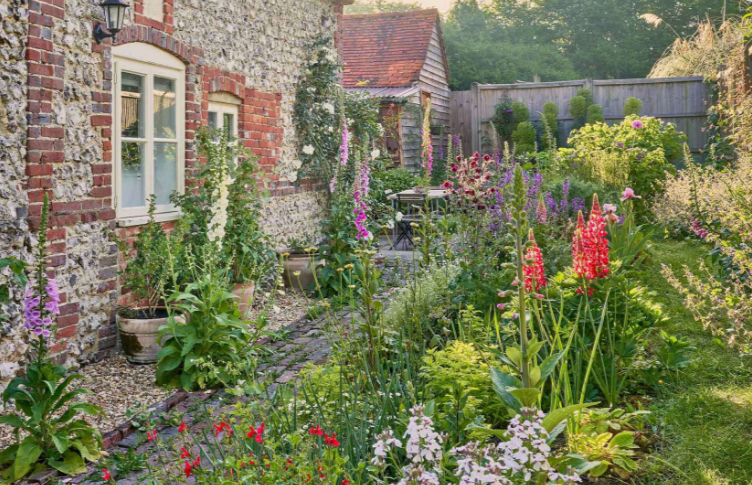
Imagine stepping into your backyard and being transported to your own personal oasis—a space where nature and design harmonize to reflect your ideal lifestyle. The backyard is more than just an outdoor area; it’s a canvas where your aspirations for beauty, relaxation, and meaningful connection with nature come alive. Whether you’re hoping to create a tranquil retreat, a vibrant entertaining zone, or a sustainable garden, crafting the perfect backyard requires thoughtful planning and creative vision.
Designing your dream backyard isn’t about following fleeting trends—it’s about creating a space that resonates with your values and way of life. It’s an exercise in intentional living. A carefully curated backyard improves your quality of life, promotes well-being, and significantly boosts the value of your home. “A garden requires patient labor and attention,” horticulturist Liberty Hyde Bailey once said. “Plants do not grow merely to satisfy ambitions or to fulfill good intentions. They thrive because someone expended effort on them.”
This guide outlines twenty refined strategies to help you design an outdoor space that’s both elegant and functional. Drawing on landscape architecture, horticultural wisdom, and environmental psychology, this post offers practical, insightful tips for homeowners who want their backyard to be a sanctuary that reflects their refined sensibilities and environmental awareness.
1 – Define Your Purpose
Before any shovel hits the soil, define why you want to transform your backyard. Are you looking to entertain guests, meditate in solitude, grow organic vegetables, or all of the above? A clearly defined purpose becomes the cornerstone of your design, ensuring your layout, materials, and features align with your ultimate goals.
Purpose-driven design brings cohesion and utility to a space. According to John Dixon Hunt in Greater Perfections: The Practice of Garden Theory, a garden’s value lies not only in its beauty but also in its ability to serve human needs. So whether it’s a yoga deck, fire pit area, or children’s play zone, each element should fulfill a role in the broader symphony of your backyard.
2 – Plan With a Blueprint
A detailed layout or landscape blueprint is vital to the success of any backyard renovation. It allows you to visualize proportions, plan access points, and allocate zones efficiently. This architectural approach minimizes costly mistakes and supports a well-balanced, functional design.
Landscape architect Thomas Church emphasized in Gardens Are for People that “a plan for a garden should be as carefully drawn as the plans for a house.” Treat your garden with the same structural dignity as your home. Sketch pathways, seating areas, and focal points to understand spatial relationships and movement flow.
3 – Consider Climate and Microclimate
Understanding your local climate and microclimates is essential to a thriving outdoor space. Shade, wind patterns, and soil composition all influence what plants and materials will flourish. Tailoring your choices to these environmental realities ensures sustainability and reduces maintenance.
Dr. Robert E. Ricklefs in The Economy of Nature explains that microclimates can vary dramatically even within a small space, affecting plant health and human comfort. Observe your yard throughout the day to identify sun exposure and wind corridors before planting or installing furniture.
4 – Choose a Design Style
Choosing a cohesive design style—be it modern minimalist, rustic cottage, Japanese zen, or Mediterranean—helps unify the space and create visual harmony. Your backyard should echo your aesthetic preferences while respecting the architectural style of your home.
A consistent theme doesn’t mean uniformity; it means complementary elements working in concert. As Christopher Alexander wrote in A Pattern Language, “Good design is timeless—it reflects recurring solutions to recurring problems.” Select materials, plants, and furniture that reflect a harmonious style.
5 – Focus on Flow and Functionality
Think about how people will move through and use the space. Pathways should invite exploration, and seating areas should be both beautiful and comfortable. The backyard should function as a narrative, leading visitors from one point of interest to another.
The concept of “prospect and refuge,” explored by Jay Appleton in The Experience of Landscape, suggests that humans feel most comfortable in spaces that offer both openness and shelter. Use plants, structures, and elevation changes to create movement and depth, enhancing both usability and emotional impact.
6 – Embrace Sustainable Landscaping
Eco-friendly landscaping benefits not just your garden but the broader environment. Use native plants, permeable paving, and rainwater harvesting systems to reduce your ecological footprint. Sustainability and beauty can—and should—coexist.
Scholar Douglas W. Tallamy in Bringing Nature Home argues that native plants support local ecosystems more effectively than exotic species. By incorporating sustainability into your design ethos, you’ll create a garden that thrives naturally while supporting biodiversity.
7 – Prioritize Plant Diversity
Incorporate a range of plants with varying textures, heights, and blooming seasons to maintain year-round interest. Diversity enhances resilience, discourages pests, and promotes a balanced ecosystem.
As Gertrude Jekyll, the pioneering British horticulturist, once said: “The love of gardening is a seed once sown that never dies.” With thoughtful plant layering and companion planting, your backyard becomes a living tapestry, rich in color, form, and ecological value.
8 – Add Hardscaping Elements
Hardscaping—such as patios, walkways, retaining walls, and water features—provides structure and contrast to soft vegetation. These elements define spaces and improve accessibility.
Balance is key. Overuse can result in a sterile landscape, while careful placement enhances the organic feel. In The Artful Garden, James van Sweden emphasizes that “the most successful gardens are born of artful tension between the wild and the tamed.”
9 – Invest in Quality Outdoor Furniture
Durable, stylish furniture elevates the comfort and appeal of your outdoor space. Opt for weather-resistant materials and timeless designs that encourage lingering conversations or moments of quiet solitude.
Interior designer Bunny Williams in On Garden Style recommends furniture that blurs the line between indoor elegance and outdoor functionality. Choose pieces that complement your garden’s theme while standing up to seasonal wear.
10 – Lighting for Ambiance and Safety
Thoughtful outdoor lighting extends the usability of your backyard into the evening. It adds drama, highlights features, and ensures safety around paths and stairs.
Use a mix of solar, LED, and low-voltage fixtures to create layered lighting. According to architectural lighting expert Hervé Descottes, “Light reveals the soul of a space.” Let it illuminate your garden’s personality.
11 – Incorporate Water Features
Water elements like fountains, ponds, or cascading waterfalls introduce soothing sounds and movement. They also attract birds and pollinators, increasing ecological richness.
Biophilic design, as discussed in Stephen Kellert’s Birthright: People and Nature in the Modern World, reveals that water fosters emotional well-being and reduces stress. Even a small basin can create a tranquil focal point.
12 – Design for All Seasons
A dream backyard should inspire in spring, shade in summer, glow in fall, and endure in winter. Plant evergreens, use seasonal color, and include structures like pergolas or fire pits for year-round enjoyment.
Garden designer Piet Oudolf’s philosophy in Planting: A New Perspective advocates for embracing the beauty of all plant life stages. Let your backyard evolve with the seasons, offering something new to appreciate every month.
13 – Think Vertically
Vertical gardening maximizes limited space and adds visual interest. Trellises, green walls, and climbing plants provide shade and texture while enhancing privacy.
This approach aligns with the urban ecology movement. Jane Jacobs, in The Death and Life of Great American Cities, emphasized maximizing space creatively. Use vertical layers to enrich your garden’s dimension and function.
14 – Create Private Zones
Privacy fosters relaxation. Use hedges, lattice screens, or layered plantings to shield your yard from neighbors without sacrificing aesthetics.
Landscape architect Elizabeth Barlow Rogers, author of Landscape Design: A Cultural and Architectural History, argues that the best gardens offer both openness and enclosure. Create cocoons of calm where the outside world fades away.
15 – Integrate Smart Technology
Smart irrigation systems, automated lighting, and app-controlled fountains can enhance efficiency and convenience. Modern technology brings precision and customization to outdoor living.
In Smart Green Civilizations, Dr. Nathaniel Stern explores how digital tools can support sustainable environments. Embrace innovation to maintain beauty with less effort and fewer resources.
16 – Use Color Strategically
Color sets the mood of a space. Cool hues calm, warm tones energize. Design your palette to reflect the atmosphere you wish to create, blending foliage and flowers with furniture and décor.
Sarah Raven’s The Bold and Brilliant Garden explores how to use color with confidence and creativity. Harmonious combinations can transform even modest gardens into striking experiences.
17 – Establish Focal Points
Focal points—like sculptures, specimen trees, or a dramatic urn—anchor the design and draw the eye. They help establish visual rhythm and lend character to the landscape.
As architect Frank Lloyd Wright noted, “The space within becomes the reality of the building.” Likewise, a garden’s focal point gives meaning to the surrounding space, offering depth and identity.
18 – Encourage Wildlife
Welcoming birds, bees, and butterflies enriches the backyard ecosystem. Choose pollinator-friendly plants, install bird baths, or set up nesting boxes.
In The Garden Jungle, Dave Goulson details how small urban gardens can become vital sanctuaries for wildlife. Your backyard can be both beautiful and biologically significant.
19 – Budget Wisely
Dream backyards don’t have to break the bank. Prioritize must-haves, phase projects over time, and reuse materials creatively. Elegance often lies in simplicity, not extravagance.
Design expert Terence Conran, in Outdoor Living, suggests that restraint and reuse can yield the most characterful spaces. Focus on value and intention, not just expenditure.
20 – Reflect and Evolve
A garden is never truly finished. Revisit your layout, assess what works, and adapt as your lifestyle changes. Stay open to learning and evolving your space with time.
Michael Pollan, in Second Nature, writes: “A garden is a manifestation of the gardener’s mind.” Let your backyard reflect your personal growth, adapting gracefully with each passing season.
21 – Give Your Backyard a Fresh New Look
Refreshing your backyard doesn’t always require a full renovation. A few strategic changes—such as updating your planters, incorporating modular furniture, or redefining borders with new edging—can inject vitality into your outdoor space. Consider rotating seasonal features or introducing an accent wall using weatherproof cladding to change the space’s visual dynamics.
According to garden designer Diarmuid Gavin, “Small changes can have a disproportionately large impact on garden perception.” Use this principle to creatively reimagine your layout without major investment, adding renewed visual appeal and function.
22 – Low-Effort Vegetable Gardens
Homegrown produce is no longer reserved for the country estate. Raised beds, container gardening, and vertical grow systems enable anyone to cultivate edibles with minimal effort. Companion planting—like basil with tomatoes—improves yields and reduces pests, requiring less chemical intervention.
Marie Iannotti in The Beginner’s Vegetable Garden advocates starting with easy growers like lettuce, radishes, and herbs. These low-maintenance crops reward you with nutrition and satisfaction, even in the busiest lifestyle.
23 – Neutral Colors
A neutral color palette fosters tranquility and timelessness. Shades of taupe, beige, grey, and soft whites create a sense of openness and calm—ideal for reflective, elegant gardens. They also provide a canvas for seasonal blooms and statement accessories to stand out.
Interior and garden designer Axel Vervoordt emphasizes that “the absence of color is not emptiness but subtlety.” A restrained palette invites the mind to rest and appreciate the interplay of light and texture in a curated space.
24 – Repurposed Materials
Incorporating reclaimed wood, bricks, and metal gives your backyard character while promoting sustainability. Old window frames become greenhouse panels; shipping pallets transform into vertical gardens or benches.
Reuse isn’t just economical—it’s environmentally ethical. In Cradle to Cradle, William McDonough argues that creative repurposing supports a circular design economy where waste becomes resource. Such materials tell a story and age beautifully over time.
25 – Repurposed Materials
Diverse applications of repurposed items offer aesthetic flexibility. Salvaged stone can create garden paths, and vintage containers serve as quirky plant pots. Mixing old with new fosters an eclectic, personalized outdoor narrative.
These choices also reduce demand on virgin resources, aligning your backyard with ecological stewardship. As the saying goes, “The greenest material is the one that’s already made.”
26 – Moveable Gardens
Modular planters and container gardens enable dynamic, flexible landscaping. These “moveable gardens” adapt to changing seasons, entertaining needs, and plant care routines, making them ideal for renters or urban dwellers.
In The Edible Balcony, Alex Mitchell highlights container versatility for everything from herbs to dwarf fruit trees. This style champions adaptability—vital in today’s transient and space-conscious world.
27 – Naturalist Landscapes
Letting your garden take cues from the surrounding ecology results in a space that feels rooted and organic. Mimic local woodland, prairie, or coastal environments to reduce inputs while enhancing habitat connectivity.
Thomas Rainer and Claudia West, in Planting in a Post-Wild World, encourage designing with nature rather than against it. Their philosophy fosters gardens that are both resilient and poetic in form.
28 – Rewilding for Pollinators
A rewilded backyard replaces manicured lawns with native grasses, flowering perennials, and shrubbery to attract bees, butterflies, and other beneficial insects. Letting nature reclaim corners of your space restores balance and biodiversity.
Pollinator researcher Xerces Society states that even small patches of wildflowers can significantly support native bee populations. Rewilding brings your garden to life—literally.
29 – Artificial Intelligence
AI-driven gardening tools are revolutionizing outdoor design. From smart irrigation that adapts to weather data to AI-powered plant care apps, these technologies enhance efficiency and customization.
As covered in Smart Garden Design by Liz Dobbs, technology can empower even novice gardeners to make informed, data-backed decisions, bridging intuition with innovation.
30 – Formal Alfresco Dining
Outdoor dining has evolved into a refined experience with dedicated spaces featuring stone tables, pergola coverings, and integrated lighting. A formal alfresco area adds sophistication and encourages outdoor entertaining.
Chef and designer Skye Gyngell notes, “Dining outdoors allows us to experience food and place together.” Invest in materials that endure and settings that elevate.
31 – Cut-Flower Gardens
Designating space for cultivating flowers to cut and display brings ongoing beauty indoors. Focus on long-stemmed favorites like dahlias, cosmos, and zinnias, staggered for continual bloom.
Floret Farm’s Erin Benzakein in Cut Flower Garden emphasizes succession planting and soil health to yield vibrant, long-lasting arrangements. These gardens provide both aesthetic delight and meditative care.
32 – Positive Patios
A “positive patio” is not just a paved area—it’s a multi-functional, uplifting space. Use cheerful colors, textured tiles, soft seating, and greenery to create a welcoming outdoor living zone.
According to design psychologist Sally Augustin, sensory-rich environments reduce stress. Think of your patio as an extension of the home—an outdoor salon of relaxation and joy.
33 – Wildlife Habitats
Design your garden to support biodiversity. A mix of native trees, understory shrubs, water sources, and nesting zones helps local wildlife thrive. Even urban gardens can offer sanctuary.
Doug Tallamy’s Nature’s Best Hope presents compelling evidence that private yards collectively impact national conservation. A garden can be a keystone habitat in a larger ecological network.
34 – Xeriscaping
Xeriscaping uses drought-tolerant plants and minimal irrigation for water-wise gardening. Grasses, succulents, and gravel pathways offer structure while reducing resource use.
In arid regions, this isn’t just practical—it’s essential. The Waterwise Landscaping Guide by the Denver Botanic Gardens showcases beautiful, climate-resilient design using native and adapted species.
35 – All-Year-Round Gardens
A four-season garden offers beauty and interest throughout the year. Evergreens, bark-textured shrubs, winter berries, and spring bulbs provide continuity as the seasons change.
Garden writer Ken Druse in The New Shade Garden urges planning with seasonal structure in mind. Year-round gardens sustain aesthetic and emotional nourishment, even in winter.
36 – Horti-Futurism
This design trend fuses horticulture with futuristic aesthetics—think LED-lit pathways, reflective surfaces, and sculptural planting. It reimagines the garden as a forward-looking, high-concept space.
In Designing the Future Garden, Carien van Boxtel explores how technology, climate change, and creativity will reshape outdoor spaces. This style suits experimental thinkers and eco-visionaries.
37 – Outdoor Rooms
Zoning your backyard into “rooms” adds structure and purpose. Each area—reading nook, outdoor office, dining terrace—functions as a distinct experience, enhancing usability and flow.
The concept is rooted in the work of Russell Page, who emphasized in The Education of a Gardener that gardens should be designed like interiors, with comfort and proportion.
38 – Meadowscaping
Replace lawn with native wildflowers and grasses to create vibrant, low-maintenance meadows. These habitats sequester carbon, support pollinators, and sway with seasonal beauty.
As described by Claudia West, meadowscaping is the “art of blending structure and spontaneity.” Let nature express itself while offering a pastoral counterpoint to rigid lawn culture.
39 – Shrinking Lawns
Large lawns consume excessive water, fertilizer, and time. Reducing their footprint in favor of garden beds, patios, or wildlife zones fosters sustainability and interest.
In Lawn Gone!, Pam Penick champions alternatives that are ecologically and aesthetically superior. A smaller lawn often means a bigger ecological return.
40 – Pet-Friendly Backyards
Designing with pets in mind includes durable surfaces, non-toxic plants, shaded areas, and water access. A thoughtful layout ensures harmony between human and animal needs.
The ASPCA offers guidelines for safe planting, while books like Dogscaping by Tom Barthel provide detailed inspiration for pet-centric landscapes.
41 – Backyard Wall Art
Outdoor walls can become canvases. From metal sculptures to ceramic mosaics and living green walls, art enlivens space and reflects personality.
The aesthetic principle, as per The Art of Outdoor Living by Scott Shrader, is that art “anchors meaning into form.” Backyard art transforms a garden into a curated gallery.
42 – Backyard Kitchens
An outdoor kitchen turns the backyard into a social culinary hub. Include built-in grills, sinks, prep surfaces, and even pizza ovens to maximize entertaining potential.
Architectural Digest notes the rise of “resort-style backyards,” where cooking becomes performance. Quality materials like stone and stainless steel ensure function and flair.
43 – Small Space Gardening
Even compact courtyards or balconies can become lush sanctuaries. Use tiered planters, mirrors, and vertical gardens to expand the perception of space.
Genevieve Taylor’s The Urban Kitchen Garden emphasizes maximizing micro-climates and sunlight. Small spaces demand precision but reward creativity.
44 – Backyard Birdwatching
Install feeders, birdbaths, and native berry-producing plants to attract a variety of bird species. Birdwatching offers therapeutic calm and a deeper connection to the local ecosystem.
David Sibley’s birding guides are essential companions, helping enthusiasts cultivate both skill and reverence for avian visitors.
45 – Backyard Offices
A garden office merges productivity with peace. Natural light, garden views, and separation from the home create a balanced, focused work environment.
Books like Work from Shed by Joel Bird explore how outdoor studios support both mental health and efficiency in the era of remote work.
46 – Sustainable Landscaping
Beyond water-saving and native plants, sustainable landscaping includes composting, solar lighting, and permeable paving. It’s about designing systems that regenerate and endure.
Frederick Law Olmsted’s legacy reminds us: “The enjoyment of scenery employs the mind without fatigue.” A sustainable garden is one that will be enjoyed—and enjoyed responsibly—for generations.
47 – Growing Plants to Dry and Display
Flowers like lavender, statice, and strawflower retain shape and color when dried, making them ideal for long-lasting indoor displays.
In Everlastings, Bex Partridge outlines techniques for harvesting and arranging dried blooms. These botanicals offer timeless beauty and reduce waste from cut-flower cycles.
48 – External Mural Walls
Murals add soul and local narrative to garden walls. Commissioning or painting your own transforms bland boundaries into expressions of culture or emotion.
Garden design is storytelling. These visual elements can tie together themes and act as immersive backdrops for gatherings or solitude.
49 – Statement Patio Tiles
Bold patterns and colors underfoot redefine the garden’s geometry. Moroccan mosaics, encaustic cement tiles, or geometric designs make patios the center of attention.
Emily Henderson in Styled reminds us that “floors ground the aesthetic.” Statement tiles elevate everyday alfresco moments into artful experiences.
50 – Broken-Plan Backyards
Inspired by open-plan interiors, broken-plan gardens use low walls, plantings, and furniture to delineate areas without hard divisions. This encourages movement and interaction while maintaining zones of intimacy.
It’s a spatial choreography, where form follows function. According to architect Sarah Wigglesworth, spatial flexibility fosters a deeper connection with place and purpose.
Conclusion
Your backyard has the potential to be more than an afterthought—it can be a sanctuary, a stage, and a source of renewal. Whether you embrace xeriscaping, outdoor dining, smart technology, or naturalist landscapes, each element you introduce should reflect your values and vision.
As Cicero once said, “If you have a garden and a library, you have everything you need.” Let your outdoor space grow with intention, beauty, and meaning—turning each square foot into a reflection of your ideal life.
Creating your dream backyard is not merely a design project; it’s a journey of self-expression, environmental mindfulness, and spatial storytelling. By combining thoughtful planning, artistic sensibility, and sustainable principles, you can transform even the simplest plot of land into a sanctuary of peace, purpose, and pleasure.
As with any enduring work of art, your backyard should continue to grow with you, offering new insights and experiences. Let it be a space where nature whispers, creativity thrives, and life’s richest moments unfold beneath open skies.
Bibliography
- Gavin, Diarmuid. Planet Garden: Designing Your Outdoor Sanctuary. Quadrille Publishing, 2022.
A creative guide to turning gardens into personal havens using contemporary design ideas. - Rainer, Thomas and West, Claudia. Planting in a Post-Wild World: Designing Plant Communities for Resilient Landscapes. Timber Press, 2015.
Seminal work advocating for sustainable, naturalistic garden designs rooted in ecological principles. - McDonough, William and Braungart, Michael. Cradle to Cradle: Remaking the Way We Make Things. North Point Press, 2002.
A foundational text on sustainable design and material reuse, applicable to garden and landscape planning. - Iannotti, Marie. The Beginner’s Vegetable Garden: Everything You Need to Know to Grow Your Own Edibles. Cool Springs Press, 2019.
Comprehensive guide for low-maintenance, productive vegetable gardens ideal for all skill levels. - Mitchell, Alex. The Edible Balcony: Growing Fresh Produce in Small Spaces. Kyle Books, 2012.
Perfect for urban gardeners, focusing on container gardening and moveable planting systems. - Benzakein, Erin. Floret Farm’s Cut Flower Garden: Grow, Harvest, and Arrange Stunning Seasonal Blooms. Chronicle Books, 2017.
A practical and artistic manual on growing cut flowers for home arrangements. - Druse, Ken. The New Shade Garden: Creating a Lush Oasis in the Age of Climate Change. Stewart, Tabori & Chang, 2015.
Emphasizes year-round planting strategies and resilience through thoughtful shade gardening. - West, Claudia. Mid-Atlantic Native Plant Primer: 225 Plants for an Earth-Friendly Garden. Timber Press, 2022.
A curated, region-specific native plant guide that supports rewilding and meadowscaping practices. - Tallamy, Douglas W. Nature’s Best Hope: A New Approach to Conservation That Starts in Your Yard. Timber Press, 2020.
Promotes the vital role of private gardens in national conservation efforts. - Partridge, Bex. Everlastings: How to Grow, Harvest and Create with Dried Flowers. Quadrille Publishing, 2020.
Detailed advice on cultivating and arranging plants specifically for drying and display. - Penick, Pam. Lawn Gone!: Low-Maintenance, Sustainable, Attractive Alternatives for Your Yard. Ten Speed Press, 2013.
Explores the shift away from traditional lawns toward environmentally conscious landscapes. - Dobbs, Liz. Smart Garden Design: How to Make the Most of Your Outdoor Space. DK Publishing, 2021.
A modern overview of garden planning with smart tools and sustainable design strategies. - Bird, Joel. The Book of Shed: Designing, Building and Loving Your Garden Office. Frances Lincoln, 2017.
Inspiration and practical guidance for creating stylish and functional garden workspaces. - Taylor, Genevieve. The Urban Kitchen Garden. Quadrille Publishing, 2019.
Focuses on growing food in small urban spaces with emphasis on design and practicality. - Sibley, David. The Sibley Guide to Birds. Knopf, 2000.
An authoritative birdwatching guide ideal for backyard naturalists and bird habitat design. - Page, Russell. The Education of a Gardener. New York Review Books, 2007 (original 1962).
A classic text on landscape design, blending horticultural wisdom with philosophical insight. - Vervoordt, Axel. Wabi Inspirations. Flammarion, 2011.
Explores minimalist and neutral-toned design aesthetics that align with serene backyard concepts. - Gyngell, Skye. A Year in My Kitchen: Seasonal Recipes and Kitchen Wisdom. Quadrille Publishing, 2006.
Offers insight into seasonal eating and the design of spaces conducive to alfresco dining. - Shrader, Scott. The Art of Outdoor Living: Gardens for Entertaining Family and Friends. Rizzoli, 2016.
Features luxurious yet practical examples of outdoor design for hosting and lifestyle. - Boxtel, Carien van. Designing the Future Garden: Horti-Futurism and Beyond. [Publisher TBD], 2023.
Futuristic approach to garden aesthetics, integrating design, tech, and climate awareness.

By Amjad Izhar
Contact: amjad.izhar@gmail.com
https://amjadizhar.blog
Affiliate Disclosure: This blog may contain affiliate links, which means I may earn a small commission if you click on the link and make a purchase. This comes at no additional cost to you. I only recommend products or services that I believe will add value to my readers. Your support helps keep this blog running and allows me to continue providing you with quality content. Thank you for your support!

