Category: Mubashar Luqman

  • Political Discourse: Trump, Munir, Maryam, and Governance in Pakistan

    Political Discourse: Trump, Munir, Maryam, and Governance in Pakistan

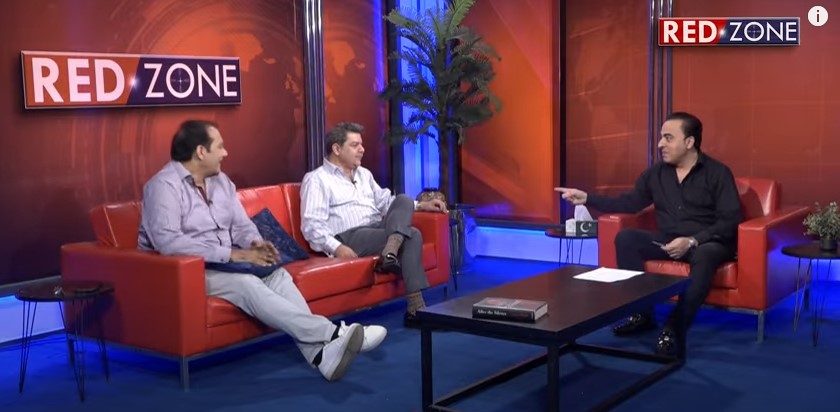
    This transcript from the YouTube channel “Gohar Butt” features a discussion between Naeem Hanif, Gohar Butt, and Mubasher Luqman concerning current Pakistani political and international affairs. The conversation heavily focuses on the perceived increased respect and improved global standing of Pakistan under the current administration, contrasting it with the previous government’s alleged diplomatic failures. Speakers praise Prime Minister Shehbaz Sharif for his recent international engagements, including an event where Donald Trump reportedly referred to General Asim Munir as his “favorite Field Marshal,” interpreting this as a sign of Pakistan’s rising respect. The panelists also discuss provincial politics, particularly in Punjab and Khyber Pakhtunkhwa (KP), noting improvements in law and order and governance in Punjab under Maryam Nawaz, while criticizing political instability and the focus on Imran Khan’s legal issues in KP. Finally, the discussion touches upon Operation Sindoor 2 against Afghan elements, Dawood Ibrahim’s status, and the ongoing crackdown on criminal elements in Punjab.

    Trump Hails General Asim Munir as Favorite Field Marshal

    The discussion surrounding Donald Trump’s statement focuses on a remark he reportedly made about General Syed Asim Munir during a recent event concerning a ceasefire.

    According to the source, the event, which included Prime Minister Shahbaz Sharif and Donald Trump, created the impression that “Shahbaz [and] Trump are brothers” (“شہباز ٹرمپ بھائی بھائی ہیں”).

    It was stated that Trump said, “My Favorite Field Marshal General Syed Asim, mera salam kehna” (My Favorite Field Marshal General Syed Asim, send him my regards).

    Key points of discussion regarding this statement include:

    • Respect and Honor Although General Syed Asim Munir is not officially a Field Marshal, the speaker noted that the President of America, Donald Trump, spoke of him with great honor and respect (بڑی عزت کے ساتھ احترام کے ساتھ).
    • National Significance The honor derived from this mention is interpreted as respect being given to Pakistan and its Prime Minister internationally.
    • Contextual Change This respect is highlighted as being reflective of a major difference between Pakistan before May 10th and Pakistan after May 10th.
    • Divine Blessing The respect Mian Shahbaz Sharif and General Asim Munir are receiving is viewed as honor that Allah is giving to Pakistan.

    Pakistan’s Political and Diplomatic Transformation Post-May 2023

    The political landscape discussed in the sources centers on major shifts in Pakistan’s international standing, governance at the provincial level, and the internal political dynamics post-May 2023.

    I. Transformation of Pakistan’s International Standing

    A significant theme is the perceived change in Pakistan’s global image and diplomatic strength, particularly since May 10th, 2023.

    • Respect and Power: The sources suggest that the world respects the powerful, and Pakistan has demonstrated power, leading to a revival of its diplomacy. People want to form relationships with the powerful.
    • Shahbaz Sharif and Donald Trump: A recent event concerning a ceasefire, where Donald Trump was present, created the impression that “Shahbaz [and] Trump are brothers” (“شہباز ٹرمپ بھائی بھائی ہیں”). Trump also reportedly spoke of General Syed Asim Munir with great respect, calling him, “My Favorite Field Marshal General Syed Asim, mera salam kehna” (My Favorite Field Marshal General Syed Asim, send him my regards). This respect from the American President, even using the title “Field Marshal” (which General Munir does not officially hold), is seen as great honor being accorded to Pakistan and its Prime Minister.
    • Divine Blessing: This respect received by Mian Shahbaz Sharif and General Asim Munir is viewed as honor that Allah is granting to Pakistan.
    • Diplomatic Strategy: The current government is credited with having an extremely active and professional foreign office, which is fighting the entire diplomatic battle effectively. This active diplomatic front is seen as necessary, as aerial, naval, or land force advantage is pointless if the world does not understand or support a country’s position. It is asserted that Pakistan’s foreign office, despite fewer numbers and resources, has outmaneuvered India’s foreign office (“انڈیا کا فارن آفس جو جو ہے نا اس کو دھول چٹا دیا ہے”).

    II. Governance and Political Leadership

    The sources draw a sharp contrast between the governance under the current leadership (specifically Chief Minister Maryam Nawaz in Punjab) and previous political eras.

    A. Contrast in Leadership Styles

    • Shahbaz Sharif’s Temperament: As Prime Minister, Shahbaz Sharif exhibits extreme stability and listens to everyone, a stark difference from his tenure as Chief Minister, where he was described as hyper and unwilling to listen to anyone.
    • Former Prime Minister Imran Khan’s Alleged Approach: The previous administration (Imran Khan’s) allegedly angered many traditional allies simultaneously, including America, China, Saudi Arabia, Iran, Yemen, and Palestine. It is claimed that Khan would anger countries while the then-Army Chief, General Bajwa, would subsequently try to mend relations. Furthermore, Khan is accused of traveling abroad and criticizing his own country’s bureaucracy, police, and judiciary while seeking investment.

    B. Punjab (Maryam Nawaz)

    Governance in Punjab is highlighted as being significantly improved:

    • Improved Governance: There is observable improvement in cleanliness, hospital services, and overall governance.
    • Law and Order: The police force is working effectively, having undergone education and training, leading to better customer service. The crime rate in Punjab is reportedly less than 50% compared to other provinces.
    • Police Independence and Respect: The police are currently operating independently, without taking pressure from high-profile figures, and investigating crimes thoroughly, even those involving children of influential people. The image and respect for the police uniform increased after the Chief Minister wore it.
    • Anti-Encroachment Drives: Maryam Nawaz is credited with successfully removing encroachments, a difficult task for a political person whose actions might impact their vote bank. This success is viewed as establishing public confidence that the government is genuinely improving the city.

    C. Khyber Pakhtunkhwa (KPK)

    The sources characterize the political scene in KPK under the new Chief Minister (Sohail Afridi) as being focused on generating unrest rather than governance:

    • Focus on Chaos: The political agenda in KPK is solely focused on ensuring the release of Imran Khan (“عمران خان باہر ائے گا عمران خان باہر نہیں ائے گا”), rather than addressing local governance or issues.
    • Legality of CM Appointment: The procedure for appointing the new CM is described as “highly illegal, unconstitutional, and non-statutory” (“انتہائی اللیگل ہے غیر قانونی ہے غیر ائینی ہے”).
    • Intentional Unrest: The purpose of bringing in a new CM from the tribal areas (like Sohail Afridi) and taking immediate resignations (like Ali Amin Gandapur) is seen as an attempt to ensure constant discussion about Imran Khan and to create instability in areas holding rich mineral resources, particularly ahead of potential constitutional amendments planned for November.
    • Bhatta Allegations: There are recorded allegations that former CMs of KPK (Ali Amin Gandapur and Mahmood Khan) paid protection money (“بھتا”) to the Taliban.
    • Opposition to State Policy: The new CM, Sohail Afridi, immediately declared opposition to military operations, which is contrary to the stated state policy of not negotiating with terrorists and conducting necessary operations.

    III. Security and Operation Sendur 2

    Regarding the security situation on the western border, it is noted that military operations are ongoing.

    • Operation Success: Operation Sendur 2 (referring to the action against cross-border attacks from Afghanistan) has been successful, described metaphorically as shattering the “five thousand years old history” of the Afghan groups. The opposing groups have reportedly raised the white flag five times seeking a ceasefire.
    • State Policy: Pakistan’s policy is not to negotiate with terrorists, and it will finish the operation when it sees fit.
    • External Financing of Terrorism: It is alleged that groups attacking Pakistan are currently being financed and trained by India.

    Pakistan Security: External Conflict, Internal Politics, and Crime

    The discussion of security challenges in the sources covers military operations on the western border, political instability linked to terrorism financing, and the fluctuating state of organized crime and law and order within the provinces.

    External and Border Security Challenges

    The primary external security focus is the ongoing conflict near the western border with Afghanistan:

    • Operation Sendur 2: Pakistan’s military operation against cross-border attacks from Afghanistan, referred to as Operation Sendur 2, has been highly successful. The success is described metaphorically as shattering the “five thousand years old history” of the Afghan groups.
    • Ceasefire Demands: The groups opposing Pakistan have reportedly raised the white flag five times, seeking a ceasefire.
    • State Policy on Negotiation: Pakistan maintains a firm state policy not to negotiate with terrorists and intends to finish the operation when the state deems it appropriate.
    • External Financing of Terrorism: It is alleged that groups currently attacking Pakistan are being financed and trained by India. The masterminds of the attacks are also referenced, with one figure (Mullah Muttaqi) accused of meeting with Indian officials.

    Internal Security and Governance in Khyber Pakhtunkhwa (KPK)

    The security situation in KPK is portrayed as being compromised by political choices and alleged collusion with militants:

    • Allegations of Extortion: There are recorded allegations that former Chief Ministers of KPK, including Ali Amin Gandapur and Mahmood Khan, paid protection money (“بھتا”) to the Taliban to ensure the safety of D.I. Khan.
    • Opposition to State Policy: The new Chief Minister (Sohail Afridi) immediately declared his opposition to military operations. This stance is considered contrary to the stated state policy of conducting necessary operations and not negotiating with terrorists.
    • Intentional Instability: The procedural maneuvering to bring in the new CM and ensure constant discussion about the former Prime Minister (Imran Khan) is viewed as an attempt to create instability and unrest in areas holding rich mineral resources, potentially ahead of constitutional amendments planned for November. The source suggests the goal is “کیوس” (chaos).

    Underworld and Organized Crime

    The security landscape also involves managing internal organized crime, particularly in Punjab:

    • Underworld Feuds and Police Action: A recent high-profile event involved the death of Taifi Butt (an accused in the Amir Balaj murder case) during a police encounter after his associates attempted to free him.
    • High-Profile Fugitives: There are conflicting reports regarding the status of Googi Butt (allegedly associated with the attempt to free Taifi Butt), suggesting either he went underground immediately or has been detained by police. Police sources indicated they had not yet begun raids to arrest him.
    • Success in Punjab: In contrast to the focus on unrest in KPK, Punjab is credited with significant improvements in law and order.
    • Reduced Crime Rate: The crime rate in Punjab is reported to be less than 50% compared to other provinces.
    • Independent Police Work: The police force is working effectively and is not taking pressure from influential individuals, even thoroughly investigating crimes involving the children of high-profile families.
    • Criminal Elements Subdued: It is noted that criminal elements in Punjab are currently in hiding (“زیر زمین”) due to fear of the police.

    Impact of National Power on Security

    The sources link overall security and respect from the international community to the demonstration of national power, particularly following key military and diplomatic successes:

    • Global Perception: The world respects the powerful, and Pakistan is seen as having demonstrated power, leading to better diplomatic engagement.
    • Shift Post-May 10th: The difference between Pakistan before May 10th and after is described as a “very big difference,” implying a strengthening of the security apparatus and subsequent international respect.

    Pakistan’s Foreign Policy Transformation and Critique

    The discussion of foreign relations in the sources highlights a significant transformation in Pakistan’s international image and diplomatic strategy, contrasted sharply with perceived failures of previous leadership.

    I. Transformation of International Standing and Respect

    The sources emphasize a perceived shift in Pakistan’s diplomatic standing, particularly since May 10th, 2023.

    • Respect for Power: It is stated that the world respects the powerful. Pakistan is seen as having demonstrated its power, leading to a revival of its diplomacy, as people seek relationships with strong states.
    • High-Level Recognition (Trump Statement): During a recent event concerning a ceasefire, the presence of Prime Minister Shahbaz Sharif and Donald Trump led to the impression that “Shahbaz [and] Trump are brothers” (“شہباز ٹرمپ بھائی بھائی ہیں”).
    • Honor for Military Leadership: Donald Trump reportedly spoke of Pakistan’s Army Chief with great honor and respect, stating: “My Favorite Field Marshal General Syed Asim, mera salam kehna” (My Favorite Field Marshal General Syed Asim, send him my regards). Although General Syed Asim Munir is not officially a Field Marshal, this mention by the American President is viewed as great respect accorded to Pakistan and its Prime Minister internationally.
    • Divine Endorsement: The respect Mian Shahbaz Sharif and General Asim Munir are receiving is viewed as honor that Allah is granting to Pakistan.

    II. Effectiveness of Diplomatic Strategy

    The current government’s approach to diplomacy is praised for its professionalism and effectiveness:

    • Active Foreign Office: Pakistan is noted for having an extremely active and professional foreign office.
    • Professional Conduct: High Commissioners, Ambassadors, and their entire staff are described as professionally and proficiently fighting the diplomatic battle. They are noted for responding promptly to communications.
    • Outmaneuvering Rivals: The sources assert that Pakistan’s foreign office, despite having fewer numbers and resources, has “outmaneuvered India’s foreign office” (“انڈیا کا فارن آفس جو جو ہے نا اس کو دھول چٹا دیا ہے”).
    • Importance of Diplomacy: It is argued that achieving advantage on the aerial, naval, or land fronts is meaningless if the world does not understand or support a country’s position, underscoring the vital role of diplomats in conveying the state’s actions and justifications.

    III. Contrast with Previous Foreign Policy (Imran Khan’s Tenure)

    The sources sharply criticize the foreign policy approach of the previous administration (under Imran Khan):

    • Angering Allies: The former Prime Minister is accused of angering many traditional allies simultaneously, including America, China, Saudi Arabia, Iran, Yemen, and Palestine. This comprehensive alienation of friendly states is referred to as “kamaal” (remarkable/unbelievable).
    • Mending Relations: It is claimed that during that period, while the Prime Minister would anger countries, the then-Army Chief, General Bajwa, would subsequently be occupied trying to repair and mend those relations.
    • Self-Criticism Abroad: The former Prime Minister is also criticized for traveling the world seeking investment while simultaneously denouncing his own country’s bureaucracy, police, and judiciary as being corrupt or inadequate.

    IV. Security-Linked Foreign Issues

    Foreign relations are also discussed in the context of ongoing military and security challenges:

    • External Financing of Terrorism: It is alleged that groups attacking Pakistan from the western border area are currently being financed and trained by India.
    • Indian Involvement with Afghan Figures: Mullah Muttaqi is specifically mentioned as a master planner, with claims that India lifted a special travel ban to allow him to meet Indian officials.
    • State Policy: Regarding the security threats from the western border, Pakistan’s state policy remains firm: not to negotiate with terrorists. The success of Operation Sendur 2 has led the opposing groups to seek a ceasefire five times, but Pakistan reserves the right to finish the operation when it sees fit.

    Punjab Infrastructure and Governance Improvements

    The discussion of infrastructure development in the sources is primarily focused on the observable improvements and challenges related to urban management and public services in Pakistan, with a strong emphasis on the provincial government of Punjab.

    Infrastructure and Governance Improvements in Punjab (Lahore)

    The current governance in Punjab, under Chief Minister Maryam Nawaz, is credited with significant, noticeable improvements in several infrastructure and service areas:

    • Improved Public Services: There is observable improvement in cleanliness and hospital services.
    • Enhanced Governance and Security: Overall governance has improved. Furthermore, the crime rate in Punjab is reported to be less than 50% compared to other provinces.
    • Effective Anti-Encroachment Drives: Maryam Nawaz is highlighted for successfully undertaking the difficult task of removing encroachments. This success is viewed as critical, as implementing law enforcement actions that affect the political vote bank is the most challenging task for a political person.
    • The removal of encroachments led to larger roads, as noted during a visit to the Food Street area.
    • Specifically, the inner city (Wall City) was heavily encroached upon, but now people are willingly clearing their properties.
    • Major Development Projects:
    • The Wall City Project is noted as being a 125 billion rupee project.
    • Mian Shahbaz Sharif is identified as the Pattern Chief of this project.
    • Restoring Public Confidence: The success in clearing encroachments has established public confidence that the government is genuinely improving the city and not simply looking to benefit politically or personally.
    • Historical Contrast: Previous attempts at improvement failed; the former caretaker Chief Minister, Mohsin Naqvi, started an anti-encroachment campaign but quickly retreated, noting that the “mafia” made it impossible. During the tenure of CM Buzdar, piles of garbage were observed even on Mall Road.

    Challenges and Comparative Infrastructure Deficits

    The sources use the poor conditions in other provinces, particularly Sindh (Karachi) and Khyber Pakhtunkhwa (KPK), as a contrast to highlight the progress in Punjab:

    • Sindh (Karachi) Deficits: Karachi is described as suffering from severe infrastructure deficits:
    • Road Conditions: Roads are heavily potholed and broken, suggesting that a new vehicle (like a four-wheel-drive) would be severely damaged.
    • Water Scarcity: Residents must pay money to receive water via tankers, despite water potentially being available, indicating that the system is broken and failing to deliver water through pipes.
    • The lack of basic civic facilities is described as a “violation of citizens’ rights,” especially since Karachi is the biggest city contributing to the country’s economy.
    • KPK Governance Focus: The political focus in Khyber Pakhtunkhwa (KPK) is described as being solely on creating political chaos (“کیوس”) and securing the release of the former Prime Minister (“عمران خان باہر ائے گا عمران خان باہر نہیں ائے گا”) rather than addressing local governance issues or providing services.
    • Development Challenge: The sources issue a direct challenge to the Chief Ministers of Sindh (Murad Ali Shah), KPK (Sohail Afridi), and Balochistan, urging them to improve their capital cities to the development standard of Lahore within three years. This challenge underscores the perceived current superiority of Lahore’s infrastructure development and governance.
    🔥”Trump ne Field Marshal Asim Munir ko Favorite Maan Liya !! Maryam Nawaz ka Kis se Muqaabla ??

    السلام علیکم ناظرین میں ہوں نعیم حنیف اور اپ دیکھ رہے ہیں ریڈ زون اور ہمیشہ کی طرح گوہر بٹ اور مبشر لقمان صاحب ہمارے ساتھ موجود ہیں انہی کی طرف چلتے ہیں ویلکم ٹو دا شو سر تھینک یو مچ تھینک یو اج برینڈ چینج ہوا ہے کوئی اصلا برا نہیں ہے یہ جوتوں کی بات کر رہے ہیں میری نظر جناب دے اچھا ہاں اہ جراباں کی سر جی دسو اپنا میں اگلے ہفتے ننگے پیر کیوں ملنگ ہون لگے میرا مطلب ہے باہر لا دیا کر اندر ایا کرا گا ریکارڈنگ کے بعد پھر باہر گڈی جا کے پا لیا کر یار یہ دیکھیں ہم اپ سے انسپائر ہیں اپ کو ایپریشیٹ کرتے ہیں اپ اپنا جو ہے نا اپ کے پروگرام کی اپ کی اپنا خواہمخواہ میں ایک میری چیڑ بنا دی ہے اپ نے نہیں نہیں دیکھیں میری بات دیکھو میری بات سنو تہاڈا جا فرینڈ نا سابقہ عمران احمد خان نیازی اہ کڑیاں دے حوالے مشہور تسیں جناب جتیاں دے حوالے مشہور ہوگئے اپنی کڑی نہیں سی ا کڑی اپنی میرے اپنے جتے اچھا ا فریک ہے بڑا فرق چوری مال رکھ میں اپنا رکھ رہی ادھر کڑیاں بھی اپنی ادھر جہاز بھی اپنا ہے ٹھیک ہے لینا ہے ادھر تو کچھ بھی نہیں سی نہیں نہیں ایک اور لینا اچھا اچھا نیا نیا ا رہا ہے جہازی نہیں کوشش ہے اللہ تعالی دے تو پھر لے لیں گے اور وہ یہ ہے کیونکہ میں نے ایک پلان بنا لیا ہے اور اس وقت میں اس کا کافی سیریس کام کر رہا ہوں اگلے سال میں نے ورلڈ ٹور کرنا ہے خود فلائی کر کے انشاءاللہ اپنی ٹیم کے ساتھ اچھا کتنے سیٹر لے رہے ہیں جی اپ وہی پہلے بھی میرا سکس پلس ٹو تھا اس باری بھی سکس یا سیون پلس ٹو ہوگا انشاءاللہ سنجے بٹ کے لیے سیٹ ہے اس میں سنجے بٹ کے لیے دل میں سیٹ ہے یار اپ اپنے ادھر ادھر کی نہیں دی ک گل سنو اللہ لیا دلچو کٹ کدھر مینو چیٹا مکدی اہستہ اہستہ دلچو کڈو سانو جہاز بنا اچھا یہ ایسی بات کر رہے ہیں یہ کئی دفعہ اس جہاز میں گیا ہے ہاں اے گیا ہے یہ کئی بار گیا ہے اور اپنا یہ پریشان رہا ہے اون چودری وغیرہ کے ساتھ اور ایون پتہ ہے وزیراعظم شہباز شریف صاحب کا ایک دفعہ ٹاکرا ہو گیا اس سے اچھا اچھا وہ بھی ایک واقعہ ہے پھر اپ کو سناؤں گا جہاز پارک جب ہو رہے تھے نا اسلام اباد ایئرپورٹ پہ تو ادھر سے سی ایم وہ سی ایم تھے اس وقت شہباز صاحب ادھر سے شہباز صاحب ا رہے ہیں ادھر کھرا سچ دے شہباز صاح نہیں ہوا ایک اور کام اس نے مجھے ایئر ٹریفک والے نے مجھے ایک اس کی نا ٹیکنیکل ٹرمز ہوتی ہیں الفا ون یا براو ٹو ہے واٹ ایور تو اس نے مجھے نمبر تھری بے پہ کہا نا ہ تو میں نے کہا یہ کس کا جہاز ہے کہتا ہے سر سی ایم کا وہ ابھی ابھی کھڑا ہوا تھا سامنے میں نے کہا ون خالی ہے کہتا ہے سر وہ تو سکیورٹ میں نے جا کے ون پہ کھڑا کر دیا اب سی ایم کو نکل کر ہمارے جہاز کے اگے سے جانا تھا اس پہ ہم لوگ جب اترے تو انکھیں چار ہوئی ہیں اور انہوں نے بڑے غصے سے دیکھا اس وقت اور اس وقت تسیں سی ایم دے خلاف ہو اس وقت سی ایم دے کے خلاف اچھا لیکن میں اپ سے گزارش کروں شہباز صاحب کا ذکر ہوا تھا شہباز صاحب جو پرواز کر رہے ہیں نا سر اسی وہ کمال ہے اسی پہ میں انا چاہ رہا تھا کہ کمال ہے اج کے وہ پی ایم ہیں جی جی اور یہ جو حالیہ ایک ایونٹ ہوا ہے جنگ بندی کے حوالے سے جس میں ڈونلڈ ٹرمپ موجود ہیں اور وہاں ایسے لگا کہ شہباز ٹرمپ بھائی بھائی ہیں جی اور ٹرمپ نے کہا ہے جی کہ مائی فیورٹ فیلڈ مارشل جنرل سید اصم میرا سلام کہنا ہاں جی مطلب یہی مطلب جی میں میں یہ کہنا چاہتا ہوں دیکھیں یہ جو عزت ملی نا پاکستان کو ہمارے پرائم منسٹر کو وہاں پر بلایا جاتا ہے ہمارا فیلڈ مارشل نہیں ہے لیکن پھر بھی ان کا تذکرہ جو پریزیڈنٹ ٹرمپ ہیں امریکہ کے صدر ہیں وہ وہ بڑی عزت کے ساتھ احترام کے ساتھ کرتے ہیں تو وجہ یہ ہے کہ ہماری جو 10 مئی سے پہلے کا پاکستان اور 10 مئی سے بعد کا پاکستان یہ بہت بڑا فرق ہے ہماری ارمڈ فورسز نے ہماری ایئر فورس نے جس طریقے سے مودی نو چونگ وچ لمحہ پا کے گدر کوٹلائی ہے نا سر اس کے بعد سے ہمارا جو امیج ہے دنیا کے اندر وہ ڈفرنٹ ہوا ہے لوگوں کو پتہ چلا کہ نہیں نہیں یار ا ایی گل ہی بڑی ہیں دوجے پاسے اصل میدان دے پروان ہے یہ یہ جان انہیں پتہ ہے کہ کیا دو پیج ہوتے ہیں میں اپ کو ایک بات بتاؤں کہ میں ایز ا سی ایم بھی ملا ہوا ہوں ان کو ایز پرائم منسٹر بھی میں ملا زمین اسمان کا فرق ہے دونوں لوگ ایز ا سی ایم وہ بہت زیادہ ہائیپر تھے اور وہ سنتے نہیں تھے کسی کی ایز ا پی ایم انتہائی ٹھہراؤ ہے ان کی طبیعت میں اور وہ ہر ہر ایک کی سنتیں ہیں ٹھیک ہے اور یہ جتنی اللہ نے ان کو عزت دی ہے اور پاکستان کی اسٹیبلشمنٹ کو جو عزت مل رہی ہے یہ انسان تو دے نہیں سکتا یہ اللہ کا ہی کام ہے اللہ ہی دے رہا ہے میں نے اپنے ہوش میں کسی پرائم منسٹر کو پاکستان کی اتنی زیادہ ریسپیکٹ ملتے ہوئے نہیں دیکھی انٹرنیشنل اور میں اس کو لیتا ہوں ایز پاکستان ریسپیکٹ ظاہر ہے پاکستان جو میاں شہباز شریف کو ریسپیکٹ مل رہی ہے نا ایکچولی وہ اللہ پاکستان کو عزت دے رہا ہے جو اصف منیر جنرل اصف منیر کو عزت مل رہی ہے اور اللہ وہ پاکستان کو دے رہا ہے جو ہمارے ایئر چیف کو نیول جی ان ساروں کو جو عزتیں مل رہی ہیں وہ ہماری عزت تو یہ بڑا خوشی کا مقام ہے اور جو سپیچ کی ہے وہاں پہ پرائم منسٹر نے ائی تھنک بہت ہی کمال کا اپ نے جس نے بھی لکھا یا انہوں نے دل سے کی دونوں صورتوں میں اٹ مسٹ بی ایپریشیٹڈ ان کے جو ناقد ہیں نا وہ بھی مجبور ہو گئے ہیں تعریف کرنا اور دیکھیں یہ کچھ چھوٹا اوکیژن نہیں تھا اب ورلڈ سٹیج پہ ہے ورلڈ سٹیج ہے اور دنیا کا سب سے پرانا جو مسئلہ ہے وہ وہاں پہ ریزالو ہونے جا رہا ہے اپ یہ سوچیں ا نہیں منیف صاحب اپ کو میں اپ کی لیول پہ لا کے ایک بات سمجھاؤں اگر اپ پرانا منائیں تو کہ وہاں پہ جتنے مائکس لگے ہوئے ہیں اپ سمجھیں وہاں ار این این کا مائیک لگا ہوا ہے تو اپ کی کیا ویلیو ہے تو وہ تو خود وہاں پھر ان کو پریزیڈنٹ کہہ رہے ہیں کہ جناب اپ ذرا بات کریں اپ بات کریں وہ اٹالین پرائم منسٹر پیچھے کھڑی ہے وہ اشارے کر رہی ہے یہ کر رہی کہ اس کو کوئی لفٹ نہیں کرا رہا اپ نہیں اگے اٹالین پرائم منسٹر نو نے ٹرمپ نے کہا ہے کہ بڑی خوبصورت ہے نہیں نہیں بڑی سمجھیں وہ یہ کوئی سٹرینتھ نہیں ہے نا یہ نیچرل چیز ہے لیکن یہ جو ہمارے پرائم منسٹر کو جو عزت ملی ہے نا سر یہ پاکستان اچھا اللہ کی مدد کے بعد جو ہے سفارتی ایک جو سٹریٹجی ہے اس کا کتنا رول ہے بے اور جیسے اپ نے کہا کہ تاریخ میں ا یہ کامیابی اور یہ عزت پرائم منسٹر کے حصے میں جو ا رہی ہے وہ پہلے کسی کے نہیں ائی تو تھوڑا سا بتائیں گے کہ وہ کیا ا محرکات اور وہ کون سی سٹریٹجی تھی ا جو جس کو اللہ نے کامیاب کر دیا لیں جی میں اپ کو ایک بات بتاتا ہوں بڑی چھوٹی سی جی میں پچھلے ایک سال سے نوٹ کر رہا ہوں پاکستان کے جتنے فارن مشنز ہیں نا میں دو تین کا تو نام بھی مجھے یاد ہو گیا ہے ڈاکٹر فیصل ہیں وہ حیدر شاہ ہیں اور بھی لوگ ہیں اس طرح حامد اصغر وغیرہ اپ ان کو فون فون کریں لاہور سے یہ یوں اٹھاتے ہیں نہیں اٹھا سکتے تو جواب دیتے ہیں اور یہ ایکٹ کرتے ہیں اپ کی بات پہ جتنا ایکٹو اپ کا فارن افس ہے نا اس وقت اور جتنا پروفیشنلی اور پروفیشنٹلی اپ کے ہائی کمشنرز اور ایمبیسڈرز اور ان کا پورا عملہ جو ہے وہ یعنی اس ساری لڑائی کو لڑ رہا ہے میں نے اگین یہ میں وہی بات کہوں گا کہ میں نے زندگی میں پہلی باری دیکھا ہے کہ انڈیا کا فارن افس جو جو ہے نا اس کو دھول چٹا دیا ہے انہوں نے حالانکہ تعداد میں تھوڑے ہیں وسائل میں بہت تھوڑے ہیں لیکن اللہ نے جو ان کو قابلیت دی ہے اللہ نے جو ان کو سمجھ دی ہے وہ پاکستان کو انہوں نے سفارتی محاز پہ اپ اگے نہ ہوں تو صرف اپ اپنا جو ہے نا بری یا بحری یا فضائی محاز پہ اگے ہونے کا فائدہ نہیں ہے لوگ اپ کو سمجھیں نا کہ اپ نے صحیح کیا یہ سفارت کاروں کا کام ہے نا اگے کنوے کرنا تو میرا تو خیال ہے کہ اس وقت الحمدللہ بہت ہی اچھا کمبینیشن اچھا پچھلی حکومت میں تو ہم نے لوگ ملکوں کو ناراض ہی کیا اچھا میں اپ سے گزارش کروں یہ دیکھیں میں اگین 10 مئی سے پہلے کا پاکستان اور تھا 10 مئی کے بعد کا اور یہ یہ بات ذہن میں رکھیے دیکھیں اور نو مئی سے پہلے کا پاکستان نو مئی جڑا وہ 2ز روپی لاہور سی تدزار روپی تو بعد لاہور سی اور دیکھ لو ہور ہویا ٹھیک ہے اور وہ ہور رہنا ہے اس کی تفصیل بعد میں بتاتا ہوں لیکن ابھی میں اپ سے گزارش کروں کہ یہ دنیا کے اندر نا سر طاقت نے جیتنا ہوتا ہے یہ قدرت کا قانون ہے ٹھیک ہے طاقتور کی ریسپیکٹ ہوتی ہے لوگ طاقتور کے ساتھ تعلق بنانا چاہتے ہیں مظلوم پہ ترس کھائیں گے انو پیسے دے دیں گے ان ک چل سردی ا گئی کپڑے دے ان کا ساتھ تو نہیں دیا کسی نے اس کا جو ہے نا اس کے ادے نال موڈا لا کے کوئی نہیں کھلوے گا ٹھیک ہے پاکستان نے 10 مئی کے بعد ثابت کیا کسی طاقتور اس لیے ہماری سفارت کاری میں اب جان ا گئی ہے سر سر میں سمجھنا بٹ صاحب یہ چاہ رہا ہوں مشر صاحب بھی اس پہ تھوڑا سا اگر بات کر لیں دونوں اپ کر لیں گے کہ اس سے پہلے بھی وزیراعظم عمران خان اور اس وقت کے ارمی چیف کے درمیان ایک جو ائیڈیل کوارڈینیشن تھی وہ کہا جاتا تھا اور بڑا ایک دوستانہ ماحول تھا ایک رومانس تھا تو اس وقت تو جو میری اطلاعت ہے کہ اس وقت کے چیف جا کے لوگوں کو مناتے پھرتے تھے اور وزیراعظم ناراض کر رہے تھے اپ اپ میری بنیادی بات کو ہی نعیم صاحب تھوڑا سا پلیز انڈرسٹینڈ کریں 10 مئی سے پہلے کا پاکستان ہور سی اگین میں تہانوں کہہ رہا ہوں 10 مئی کے بعد ہور اس کا ایک فرق ہے میں اپ کو وجہ بتاتا ہوں دیکھیں اگر ارمی چیف جو ہے پرائم منسٹر کو سپورٹ کر رہا ہے ان دس کیس جنرل باجوا جو ہیں اگر وہ پرائم منسٹر کو سپورٹ کریں تو اس بات کو سرائیں ہ اگر وہ پرائم منسٹر کی جڑیں کاٹ رہے ہوتے تو پھر ہم ان کو کنڈیم کرتے یا غلط کرتے تو یہ تو ا عمران خان نے یہ ثابت کیا ہے کہ اگر اپ جسے پنجابی میں کہتے ہیں گوڈے گوڈے نالائق اگر ہوں نا تو تو کسی کی بھی سپورٹ اپ کو فائدہ نہیں دیتی سر وہاں تو یہ تھا کہ عمران خان اگے اگے ملکوں کو ناراض کر رہے ہیں اور باجوا صاحب پیچھے پیچھے مر رہے ہیں اپ نے ایک اور چیز دیکھی ہے کہ جو ٹریڈیشنل دشمن ہے نا جو ہر وقت میں کہ جی بٹ دا مخالف ہے گا تے میرا دوست ہےگا نعیم دا مخالف ہے تے میرا دوست ہےگا یو نو یہ اس طرح سے جو ہوتے تھے امریکہ اور چائنہ ایک وقت میں ہم سے ناراض سعودیہ اور ایران ایک وقت میں ہم سے ناراض یمن اور فلسطین ایک وقت میں ہم سے ناراض یہ کمال نہیں ہے یعنی اپ نے دنیا میں ٹھیکہ اٹھایا ہوا ہے ہر ایک کو اپنا اپنا تنگ کرنے کا یہ عمران خان کی اچھا عمران خان کا اور کمال ایک یہ تھا کہ وہ وہ پوری دنیا میں جاتے تھے دورہ کرنے اور وہاں پر جا کے کہتے تھے کہ میرے ملک کی بیوروکریسی بہت کرپٹ ہے میرے ملک دی پلس بڑی کرپٹ ہے میرے ملک میں جوڈیشری اچھی نہیں ہے لیکن اپ وہاں پر انویسٹمنٹ کریں ان دسو تسی دسو کہ تے گھر کرپشن ہے کوٹ پہلے ہے کیا اس ہر مہینے ائی جی چینج ہو رہے نے ہر مہینے چیف سیکرٹری چینج ہو رہے نے ہر مہینے لہ فائننس سیکٹری کتنے چینج ہوئے ہیں؟ چیئرمین سی بی ار سٹیٹ بینک کا گورن چیف سیکٹری یار پانچ چینج ہوئے چیف سیکرٹری پانچ چینج اچھا میں کہنا یہ چاہ رہا ہوں کہ عمران خان کے دور کا اور شہباز شریف صاحب کے یہ جو ٹنیور ہے نا یہ والا میں پچھلے ٹنیور کی بات نہیں کر رہا یہ جو ٹنیور شروع ہے اس کا 10 مئی کے بعد سے نا چیزیں بالکل ڈفرنٹ ہے دنیا طاقتور دی نہیں گل سندی ہے دنیا مہاتڑ دی گل نہیں سن اچھا نہ چاہتے ہوئے ذکر ہو جاتا ہے جی اڑیالہ کا تو کے پی کے میں علی مین گنڈا پور کے اقتدار کا چراغ جو ہے وہ گل ہو گیا یہ ایک نیچرل ا تبدیلی ہے اس کے پیچھے کوئی سازش ہے اور وہ سہیل افریدی کہتا ہے کہتا کہ میں تو صرف ون پوائنٹ ایجنڈا ہے نہ اس نے کوئی کے پی کے کے مسائل کی بات کی ہے نہ اس نے وہاں کی جو ہے نا گورننس کی بات کی ہے انہوں نے ا کے کہا میرے انے کا مقصد ہے عمران خان کی رہائی اور میں کروا کے دکھاؤں گا یہ علی امین نے بھی کہا تھا پہلی بات دوسری بات یہ ہے کہ عمران خان نے یہ جو ہٹایا علی امین کو ایک تو وہ اس کی بہن اور بیوی دونوں اس کے خلاف ہو گئی لیکن اصل وجہ ہے کہ اس نے ریلیونٹ ہونے کے لیے کیا ہے کیونکہ ہم اپ دیکھیں اپنے پروگرام اٹھا لیں کب سے اس کو ڈسکس ہی نہیں کر رہے نہیں کر رہے اور وہ پاکستان کے کسی چینل پہ نہیں ڈسکس ہو رہا تھا تو وہ کر رہا تھا تو کوئی شہباز گل صاحب کر رہے ہیں یا عمران ریاض صاحب کر رہے ہیں یا فلاں فلاں کر رہا ہے لیکن کوئی یہاں پہ نہیں کر رہا تھا ڈسکس یہ کر کے اگلے ایک مہینے کے لیے انہوں نے انشور کر لیا ہے کہ وہ ڈسکس ہوں گے ہر وقت ہوں گے جیسے ابھی ہم کر رہے ہیں لیکن میں اپ کو ان نٹ شیل بتا دیتا ہوں کہ جو سارا پروسیجر ہوا ہے نئے سی ایم بننے کا یہ انتہائی اللیگل ہے غیر قانونی ہے غیر ائینی ہے اور مجھے حیرانی ہے کہ اس کے اوپر ایک اعلی عدالت نے اس کو تحفظ بھی دے دیا اس کو سیکیورٹی بھی دے دی لیکن ہم وہ پہلے بھی دیکھ چکے ہیں جب حمزہ شہباز اور پرویز علائی کا معاملہ تھا کہ نہ ادھر سے ووٹ ڈلے لیکن وہ کینسل ہو گئے وہ ڈس کوالیفائی ہو گئے اور وہ جیت گئے اور یعنی پرویز علائی کو وزیراعلی بھی بنا دیا یہ بھی ائین کی انٹرپرٹیشن ہوئی ہوئی ہے تو ایک اور مزائقہ کیس ہو گئی ہے لیکن کیونکہ مجھے لگتا ہے کہ عمران خان صرف اس ملک میں کیوس چاہتا ہے اور وہ یہ ساری حرکتیں جو ہیں نا وہ کیاس کرنے کے لیے نو ادر ریزن علی مین اداروں سے ٹکرا نہیں رہا تھا یہ کوئی نیا علی مین ٹکرا محاذرہ ہی نہیں کر رہا تھا نہیں بالکل نہیں ٹکرا رہا تھا نہ محاضرہ ہی کر رہا تھا سہیل افریدی نے دو باتیں کی نعیم صاحب ا اس نے ایک بات کی کہ میرا جو ہے وہ ا ایجیٹیشن کا میرا بڑا تجربہ ہے ہاں ہیں جی پوجا انہوں نے کہا ہم ملٹری اپریشن کے خلاف ہیں ٹھیک ہے بھائی اپ ریاستی پالیسی کے خلاف ہیں ٹھیک ہے یعنی اپ ہماری ریاست کی یہ سٹیٹڈ پالیسی ہے ہم اس پہ عمل کر رہے ہیں کہ ہم نے نیگوشییٹ نہیں کرنا دہشت گردوں کے ساتھ اور ہم ان کے خلاف اپریشن کریں گے اے پائے نہ حلف چکو تو پہلے ہی بامو لات کرا رہے نے کہ میں ملٹری اپریشنز کے خلاف عمران خان کی پالیسی کیا ہے عمران خان اس ملک کے اندر فتنہ فساد چاہتا ہے عمران خان جو ہے وہ کہتا نہ کھیڈاں گے نہ کھیڈن دواں گے کیوں میں کہہ رہا ہوں دیکھیں افغانستان کی جانب سے پاکستان پر حملہ ہوا اپ جانتے ہیں وہاں پر پھر اسیں انہوں نے گدر کوٹ لائی ہے انہوں نے بھی ادھے گھنٹے بعد رونا شروع کرتا سی ٹھیک ہے لیکن پھر ہم نے انہیں تسلی کی تھی پوری اچھا پھر وہ کر رہے ہیں وہاں پر ملٹری اپریشن جو ہے وہ ہمارا چل رہا ہے اور عمران خان نے کیا کیا یہاں پر اس نے فوری طور پر استعفہ لے دے دیا اور ایک ایسے بندے کو قبائلی علاقے سے لے کر ایا جہاں پر کہ جو وہ ان کے جو نوجو نوجوان ہے وہاں کا ان کے سینٹیمنٹ کے ساتھ وہ پلے کرے ٹھیک ہے اور اپ میں مجھے اب سچی بات ہے میں وہاں کا کوئی رہنے والا نہیں ہوں لیکن جو اطلاعات تھیں جو گفتگو تھی وہ یہ تھا کہ جناب پی ٹی پی کی پوری جو ہے نا بیک حاصل ہے اصف کو تو میں کہنا یہ چاہتا ہوں کہ ان کا مقصد صرف یہ ہے کہ اس ایریے کے اندر انریسٹ رہے گا کیونکہ وہ ریسٹ انریسٹ کیوں رکھنا ہے وہاں پہ کیونکہ ریر منرلز کا معاملہ ارہا ہے اور نومبر بہت اہم ہے اس میں 27ویں ترمیم کی اپ گفتگو سن رہے ہوں گے کہ 27ویں ائینی ترمیم ہونی ہے تو وہ جو منرلز کا معاملہ ہے جہاں سے پاکستان نے کی معیشت نے سٹینڈ کرنا ہے اور جہاں سے ہماری معیشت جو ہے وہ بہتری کی طرف جانی ہے اتھے بھائی گند پا دیو یہ عمران خان نے کیا نہیں مذمت کی ہوگی نا ابھی ٹویٹ تو ایا ہوگا افغانستان نے جو ایڈچر کیا کوئی اپ دکھائیں کہاں نہیں ایا ہوگا کیسے ہو سکتا ہے دکھائیں کہاں یار وہ سابق وزیراعظم ہے سابق وزیر انہوں نے تو ابھی تک مودی کو کنڈیم نہیں کیا انہوں نے ابھی تک نیتن یاہو کو نہیں کیا انہوں نے فلسطینیوں کو نہیں مبارکباد دی وہ کسی وہ تو کسی جگہ کے وہ ہے یار مجھے بات بتائیں جب یہ بھارت نے حملہ کیا تو جس لیے پاکستان نے گدڑ کٹ لا لو دتی سارے پاسے سکون ہو گیا اس تو بعد انہوں نے کہا کہ بھارت کے خلاف جو ہماری فورسز نے کاروائی کی ہے بڑا اچھا کیا ایسی بھارت دی مذمت پھر انہوں نے نہیں کیتی وچوں سے تو وہ عمران خان تو سر وہ صرف خوابوں کا وزیراعظم ہے کچھ لوگوں کے وہ اسی میں ہے اور اسی میں رہے گا سہیل افریدی رہا کروا لیں گے عمران خان سہیل افریدی ان لوگوں میں سے جو عمران خان کی مشکلات میں اضافہ کریں گے اچھا اور مزید کروائیں گی اتی کے دانت کھانے کے اور دکھانے کے اور میں اپ کو بتاؤں اگر یہ وفاقی حکومت کو چاہیے نہیں لیکن اگر وہ اس کو چیلنج کر دیں تو یہ بھائی جان کی چھٹی ہو جائے گی اور یہ ساری ختم ہو جائے گی کہانی پیری ٹیل جو ہے میں اس لیے کہہ رہا ہوں کہ نہیں چاہیے ان کو کرانا کیونکہ اب ایک دفعہ پی ٹی ائی کو ایکسپوز ہونے دیں لوگوں کے اگے پوری طرح اسپیشلی کے پی کے کے اندر اور یہ بخار اترے ورنہ وہ پھر سمپتھی فیکٹ مل جائے گا ان کو پھر سمپتی پورٹ دیکھیں یہاں پر ہم ڈسکس کیا کرتے ہیں ہم پنجاب میں ڈسکس کرتے ہیں کہ مریم نواز کے دور کے اندر یار لاہوری صفائی بڑی ہے ہاسپٹلز میں دوائی بڑھی ہے یہاں پر جو ہے گورننس بہتر ہو گئی ہے کرائم ریٹ نیچے اگیا ہے ہم لوگ یہ ڈسکس کرتے ہیں اگر کتے ڈکیتی بجے اسی فور کہ یار لاہور سرا میں ڈکیتی بج گئی یہ باتیں ہم کرتے ہیں نا اپ مجھے بتائیں کے پی کے کا جو سی ایم ہے یا وہاں کی اپوزیشن ہے وہ کیا ڈسکس کر رہی ہوتی ہے عمران خان باہر ائے گا عمران خان باہر نہیں ائے گا اور ادھر بھتے کی پرچیاں مل رہی ہیں ہاں بھتے کی پرچیاں سر پرچی تے جاندی نہیں ہنا ان تے پرچی والا کام تو پرانا ہو گیا ان تے ایس ایم ایس جاندا ہے ہیلو یا پہنچانا ہے تو وہ ہمارے جو گورنر ہیں کے پی کے کے علی وہ فیصل کریم منڈی صاحب وہ تو ڈیٹ فرسٹ سے کہہ رہے ہیں کہ علی مین گنڈاپور بطور وزیر اللہ کے پی کے طالبان کو بھتا دیتے ہیں ڈی ائی خان جانے کا وہ وہ باقاعدہ یہ بات کہتے ہیں ان ریکارڈ کہتے ہیں اس سے پہلے وہ محمود خان جو تھے ہاں انہوں نے بھی دیا انہوں نے بھی دیا بطور وزیر اعلی اچھا اب یہ کا 13 سال سے وہاں پر تحریک انصاف کی حکومت ہے تو یہ حالات ہیں اچھا اس سے پہلے تھی اے این پی کی حکومت تب تو یہ حالات نہیں تھے تو اب وہاں کا جو ایشو ہے نا وہ عوام تو ہے ہی نہیں وہاں پر تو ایشو یہ ہے کہ عمران خان باہر ائے گا کہ عمران خان باہر نہیں ائے گا اچھا سر وہ پنجاب انے سے پہلے اپ کا ایک اندرون کا وزٹ بھی ڈسکس کرنا ہے یہ اپریشن سندور ٹو جو ہے اس کی کیا خبریں ہیں اپ کے پاس بات یہ ہے کہ جو یہ افغانز کی پانچ ہزار سال پرانی تاریخ تھی نا ہ اس کو پاکستان ارمی نے پھاڑ پھوڑ کے دو گھنٹے کے اندر ہاتھوں میں پکڑا دیا ان کے پانچ دفعہ تو وہ سفید جھنڈا لہرا چکے ہیں کہ اب سیس فائر کر لو دیکھیں اور یہ ڈی جے ایس پی ار نے پہلے کہا تھا شروع تم کرو گے ختم پھر ہم کریں گے تو جب ہمارا دل کرے گا ہم ختم کریں گے اور ایک بھی دنیا کے ملک نے ان کی سائیڈ لے کے ہمیں یہ نہیں کہا کہ ختم کر دو ساروں کو پتہ ہے کہ یہ دہشت گرد ہے ساروں کو پتہ ہے کہ دہشت گردوں کی پش پرائی ہو رہی ہے مجھے لوگ بڑا کہتے ہیں کہ یار افغان لوگوں کے متعلق نہ کہیں افغان حکومت کے متعلق کہیں حکومت کون ہے بھائی لوگوں کے اندر سے حکومت ہے نا یہ تو ایسی کوئی بات نہیں نہیں لوگوں کے اندر سے حکومت نہیں ہے مبشر صاحب وہ تو ایک قبضہ گروپ ہے فرینکلی افغان عوام جو ہیں وہ یہ ان کے منتخب میرا مطلب ہے کہ وہ بھی بچے نہیں ہیں سر اس میں تاجک بھی ہیں سالوں سے سالوں سے وہ بھی ہیں قومیتوں کے لوگ ہیں ان کو کھڑے ہونا چاہیے نہیں نہیں وہ اپنی جگہ پہ کھڑے ہونا نہ ہونا الگ بات ہے لیکن یہ وہاں وہاں کا ایک عارضی سیٹ اپ ہے یہ وہاں پر کوئی مستقل سیٹ اپ نہیں ہے اور یہ باقاعدہ دوہا معاہدے میں لکھا ہوا ہے ٹھیک ہے دوسری بات یہ ہے کہ یہ وہاں کے کوئی منتخب لوگ نہیں ہیں یہ تو وہاں پر ایک ایک سیٹ بنا تھا چیزوں چیزوں کو اگے بہتر کرنا تھا انہوں نے تو قبضہ کر لیا تو قبضہ کرو یعنی مودی کا سندور اپریشن جو ہے مجبور اپریشن بن گیا سارا جو ہوا ہے اس کا ماسٹر مائنڈ تو جیت دیو نا ملا متقی وہاں پہ ایک ہفتے سے کیا کر رہا ہے وہ ادمی جس کے اوپر ٹریول بین ہم انڈیا نے سپیشل بین لفٹ کرایا انڈیا کی حد تک اور پھر وہ وہاں جا کے بامیان کے بتوں کے سامنے بیٹھ کے پریس کانفرنس کر رہا ہے وہ کہہ رہا ہے عورتوں کو اجازت نہیں جب پیچھے بتائیں وہ ان کے اگے میں اجازت ہے سب کچھ طالبان کی تو اپنی نفی کر رہا ہے طالبان کے جو ملا عمر کے جو پرنسپلز تھے ان سے تو یہ خلاف ورزی کر رہا ہے بامیان کے بتوں نے گرا تو یہ ہے کہ انہوں نے ملا عمر نے تو یہاں تک سٹیٹمنٹ دی تھی کہ ہم پاکستان کے اوپر یعنی جو بھی ائے گا حملہ کرنے ہم اس کے دشمن ہیں یہ تو الٹا ان کے ساتھ مل کر حملے کر رہے ہیں ان کو فائنانس اس وقت انڈیا کر رہا ہے ان کو ٹرین اس وقت انڈیا کر رہا ہے انڈیا اپنی ایمبیسی کنورٹ کر دی اس نے ڈیفنس ایگریمنٹ بھی کیا ہے شاید وہ مجھے نہیں پتہ دفاع کا معاہدہ نہیں نہیں معاہدہ ان کا وائیڈ رینجنگ ہے شاید دفاع بھی اس میں ہو مجھے پتہ نہیں ہے اس کا نہیں ایسا نہیں ہے جیسا اپ سمجھ رہے ہیں نا ایسا فی الحال معاہدہ نہیں ہوا میرا خیال ہے ابھی تک کہ ایک پہ حملہ سب پہ حملہ وہ والا سین ہے فلحال نہیں ہوا ہوا کیونکہ انڈیا سمجھدار ہے اسے پتہ ہے اس بات کا کہ یہ ساڈی کی ڈیفینس کر سکتے ہیں ایون انڈیا کے اندر اس کی بڑی مخالفت ہو رہی ہے وہ بلکہ وہ جاوید اختر جو جڑا انہوں نے نا سن کے نس گیا سی انہوں نے ایک لڑکی کو دیکھا تو کیسا لگا وہ پائے نا وہ جڑے نا وہ بڑے شدید مخالف ہوئے ہیں یہ طالبان کی اس وزٹ کے انہوں نے بڑا ہاں انہوں نے بڑا خوفناک ٹویٹ کیتا ہے اچھا انڈیا کی جب بات ہو رہی ہے تو داؤد ابراہیم کا جو ہے نا وہ انڈین میڈیا پہ بڑا سحر ہے اور وہ ہر سال داؤد ابراہیم کو مار دیتے ہیں۔ اج کل بھی سنا ہے کہ انڈین میڈیا نے داؤد ابراہیم کو مار دیا ہوا ہے کہ داؤد ابراہیم کی ڈیتھ ہو گئی ہے اور دن رات جو ہے وہاں پہ ایک سیلیبریشن کا سماں بھی ہے اور یہ بھی چہمگئیاں ہیں کہ وہ کہاں ہیں اس وقت کس ملک میں ہے تو کیا اطلاع ہے اگر داؤدی بات یہ ہے کہ اگر کسی ملک میں ہیں تو پھر تو ڈیتھ نہیں ہوئی نا تو انڈین میڈیا کی جتنی خبریں اج تک وہ ساری دنیا کے سامنے ایکسپوز ہے وہ تو لاہور کی بندرگاہ پہ بھی قبضہ کیا ہوا تھا اور کراچی پہ بھی انہوں نے کر دیا تھا پھر شہباز شریف کو انہوں نے زخمی کرا دیا تھا اصف منیر کو بنکر میں کرا پتہ نہیں کیا کیا کرا دیا تھا ہاں تو یہاں تک اب وہ نا ا انیس چھوٹ انیس چلائیں گے یا چھوٹا شکیل چلائیں گے اب دیکھیں بات یہ ہے ایسے ایسے گروپس کی ہائی ارکی جو ہوتی ہے نا وہ اسی وقت تک ہوتی ہے جب تک نمبر ون ہوتا ہے چاہے جو مرضی نمبر ٹو ہو اور نمبر تھری ہو یہ اپنا بیکار کی باتیں ہیں ا لیکن جہاں تک اطلاعات ہیں داؤد ابراہیم یا تو اس وقت انڈیا کے اندر موجود ہیں انڈیا کے اندر جی جی ویرا پانی نہیں تھا کتنا عرصہ تھا یا وہ فارس میں کہیں پہ ہیں وہ جو سورب شکلی ہاں سورج شکلی صاحب جو تھے انہوں نے اس کا ایک واقعہ سنایا اچھا وہ کیا وہ دیکھیں وہ ایک فلم کی شوٹنگ ہو رہی تھی تو وہ لوگ ان علاقوں میں کر رہے تھے اور ہاں اور وہ یہ اس کے اوپر ہی ہو رہی تھی ویر پن کے اوپر ہی تو کہتے ہیں ایک بندہ روز ا کے بیٹھ جاتا تھا وہاں پہ سیٹ کے اوپر میں اس کو دیکھ رہا ہوتا تھا ایک دن میں رات کو کمرے میں تھا تو بندہ کمرے میں ا گیا اور وہاں بیٹھا ہوا تو یہ کہتا ہے اپ کو ہر چیز ملی ہوئی ہے کوئی ضرورت تو نہیں میں نے کہا بھئی تم ہو کون کیا ہے یہ وہ میں نے کہا ویرپن کہتا میں اسے کاٹ دیا کاٹ دے کے چلا گیا ہاں اس کے جب میں نے پڑھا تو میں تو بھائی کانپ یہ کیا ہو گیا اور پھر وہ اگلے دن کھانے پہ بیٹھا ہوا ہے وہاں پہ یہ وہ تو اتنے بڑے بڑے وانٹڈ کریمنلز جو ہیں جو پچھلے 30 سال سے وانٹڈ ہیں ہر پولیس کو انڈیا میں وہ ان کے فلموں کے سیٹ پہ پھر رہے ہوتے ہیں تو یہ بھی وہیں پہ ہوں گے ایسی کیا بات ہے نہیں یہ پورا انڈیا کا میڈیا جو ہے ایک داؤد ابراہیم نے انگیج کیا ہوا ہے ساری سکرین نہیں جب ان کو یہ کہتے ہیں ہم نے جب ان سے دور اپریشن کر ان کے پاس کچھ نہیں ہوتا نا وہ فیم سٹوریز نکالتے ہیں نا کہ جو سٹوریز لوکلی ان کو بک جاتی ہیں اچھا یہ یہ اپ کو ایک بات بتاؤں انڈیا میں پاکستان دشمنی بکتی ہے ٹھیک ہے ہمارا مسئلہ انڈیا نہیں ہے ویسے اب مسلمان ہیٹرڈ بھی بک رہی ہے ہاں وہ تو خیر وہ تو اوور ال بکتی ہے ہیٹرڈ ان کے وہاں پہ لیکن میں کہہ رہا ہوں کہ ہمارا مسئلہ انڈیا نہیں ہے ہمارے یہاں پر انڈین دشمنی نہیں بکتی ہے ہ یعنی اپ انڈین دشمنی اب انڈیا ساڈے تے حملہ کروے اسیں اے گل کر ظاہر ہے وہ ایک چونکہ ایشو چل رہا ہوگا لوگ اس کو سنیں گے لیکن اب کوئی ایشو نہیں چل رہا تہ اسیں جناب اے انڈیا دے حوالے گفتگو شروع کر دیے لوگ نہیں سنیں گے کیونکہ یہاں انڈیا ہمارا مسئلہ نہیں ہے مگر انڈیا کے اندر مودی کی وجہ سے پاکستان مسئلہ ہے ان کا وہ ہماری جو نفرت ہے ہمارے بارے میں نفرت انگیز گفتگو کر کے وہاں پر اپنے ووٹر کو اپنے ساتھ جوڑ کے رکھنے کی کوشش کرتا ہے کیونںکہ کے ہندوتو کی بنیاد اینٹی پاکستان اینٹی مسلمان ہے یہ مسئلہ ہے پاکستان کی بنیاد اینٹی ہندوتو نہیں ہے اچھا داؤد ابراہیم جو ہیں وہ پولیٹیشن تو ہیں نہیں نہ ہی کوئی اس طرح کی انہوں نے کوئی تنظیم بنا رکھی ہے کہ جس میں باوجود ان کے کوئی دوست ہے باپ فالورز کے لیے اپ کے پاس خبر یہ ہے کہ وہ بالکل حیات محفوظ ہیں جی حیات ہیں تندرست میں تو یہی سمجھتا ہوں تندرست ہے میں یہی سمجھتا ہوں اور دیکھیں میری ایک بات سنیں وہ کوئی ایسا بندہ نہیں ہے کہ اگر وہ کہیں مر جائے خدانخواستہ میں اس لیے خدانخواستہ کہہ رہا ہوں میں کسی کے لیے میں موت کا نہیں سوچتا میں مودی کے لیے بھی نہیں سوچتا میں تو کہتا ہوں اللہ اس کو زندہ رکھے اور وہ اپنے کرتوت اپنی زندگی میں دیکھے ان کا ان کا رزلٹ کیا نکلتا ہے لیکن بات یہ کہ جب بھی ایسے کسی ادمی نے گزر جانا ہوتا ہے تو پھر دنیا کو خود ہی پتہ چل جاتا ہے اپ اس کو چھپا بھی نہیں سکتے اپ اس کو دبا بھی نہیں سکتے مین اٹس ناٹ سمپل اپ کے خیال میں اس کے نیچے لڑائیاں نہیں ہوں گی پھر ایک دم قبضے نہیں ہو رہے ہوں گے پھر اس کی پاور سینٹرز جو ہیں اس کے اوپر ایکوائر کرنے کے لیے مخالف گروپوں کی نہیں اپس میں تصادم ہوگا سب کچھ ہوگا اچھا گروپوں میں ادھر بھی جو ہے وہ ایک سلسلہ جاری تھا ا قتل و غارت گری کا ا کچھ عرصے سے تو تھما ہوا بھی لگ رہا تھا لیکن اچانک جو ہے ایک واقعہ ہوتا ہے کہ طیفی بٹ جو ہے امیر بلاج قتل کیس میں وہ اتے ہیں ان کے ساتھی چھڑانے اتے ہیں اور جو ہے نا وہ مقابلہ ہو جاتا ہے اور وہ ہلاک ہو جاتے ہیں اس کے بعد گوگی بٹ کے حوالے سے اب اطلاعت ہیں کہ جی کہ وہ نامزد ملزم ہیں وہ ان ساتھیوں میں شامل تھے جو رحیم یار خان سے طیفی بٹ کو چھڑا رہے تھے تو سی سی ڈی پہ بار بار بات اتی تھی سی سی ڈی کے حوالے سے ٹرولنگ ہو رہی تھی کہ جی ماڑے بندے کو ساتھی چھڑانے اتے ہیں تگڑے کو نہیں چھڑانے اتے اب گوگی بٹ کا کیا ہوگا بٹ صاحب کیا اطلاع دیکھیں گوگی بٹ کے بارے میں تو اطلاعات متضاد ہیں ا ایک اطلاع یہ ہے کہ وہ بھاگ گئے جیسے ہی طیفی بٹ کے وہاں پہ پکڑے جانے کی اطلاع ائی اپ ذرا تھوڑا سا اگر ہم ایونٹس اس کو ان دنوں کو ذہن میں لا کے دیکھیں گے تو بات میرا خیال زیادہ کلیئر ہو جائے گی۔ اصل میں کل تک بیل بھی تھی نا کل خارج ہوئی نا اچھا وہ بیل تو خیر اپنی جگہ پہ وہ بیل بیل بنن والے پائن کریکٹر نہیں ہے بیل ہے یہ گی نہیں یہ یہ مسئلہ نہیں ہے ان کا جو بات میں کہہ رہا ہوں وہ یہ ہے کہ جب تک تیفی بٹ کے وہاں پر گرفتاری کا معاملہ نہیں ہوا دبئی کے اندر کہ وہاں پر ان کو گرفتار کر لیا گیا تب تک گوگی بٹ کے مسلسل کبھی کوئی یوٹیوبر انٹرویو کر رہا ہے کبھی کوئی یوٹیوبر انٹرویو کر رہا ہے تو ان کے انٹرویوز کا سلسلہ جاری جیسے ہی بلکہ منصور علی خان کا تو میں نے ویلاگ سنا اس نے کہا کہ مجھے اپروچ کیا ہے انہوں نے اچھا چلیں کیا ہوگا لیکن میں کہہ رہا ہوں جیسے ہی ا وہ تیفی بٹ کی گرفتاری کی اطلاع اتی ہے کہ وہاں پر وہ گرفتار ہو گئے ہیں تو اس کے بعد اچانک ایک دم سے گوگی بٹ کے انٹرویوز کا سلسلہ رک جاتا ہے اچھا اب اس میں دو باتیں ہیں ایک بات تو یہ اتی ہے کہ ادھرو ا تطیفی پکڑا گیا ہے تو یہ اطلاع اتے ہی گوگی کے ہی غائب ہو گیا وہ انڈر ورڈ انڈر گراؤڈ میں چلے گئے ہیں اور دوسرا یہ ہے کہ پولیس نے ان کو پکڑ لیا ٹھیک ہے اور اب ان کے پاس ہے یہ دو مختلف اطلاعات ہیں کنفرمیشن اس حوالے سے نہیں ہے کہ جب دیکھیں پولیس جب تک یہ کہتی نہیں کہ ہم نے گرفتار کر لیا تب تک یہی ہے پولیس ذرائے سے میری بات ہوئی جو ہمارا ایک کام ہے وہ ان سے انہوں نے کہا جی کہ ابھی تک ریڈ کرنا بھی جو ہے نا وہ بھی الزام ہے ہم نے ریڈ تک بھی نہیں کیا ابھی تو ہم دوسرے ایشوز میں ہیں ابھی اس طرف ہم نے انا ہے گوگی بٹ کی گرفتاری کے حوالے سے چون یار ریڈ تو ہوا کیونکہ گوال منڈی کا جو گھر ہے جی اپ نے وہ ہمارے چینل کے پیچھے ہے 365 کے بیک سائیڈ پہ ہے تو وہاں پہ میں جس جس دن ہوا ہے میں گیا ہوں جب افس میں چینل پہ تو ساری ٹیم مجھے بتا رہی تھی کہ ہاں فائرنگ ہوئی ہے پولیس ائی ہے یہ ہوا ہے وہ ہوا ہے اچھا سر اس کے علاوہ یہ تو چلو ایک پرانا سلسلہ چل رہا ہے اللہ کرے یہ تھم جائے ادر وائز جو ہے ا سی سی ڈی کی جو کاروائیاں ہیں اور ا ائی جی پنجاب ا ڈاکٹر عثمان انور یہ ائی جی شپ میں اور مریم نواز کی سی ایم شپ میں اپ کو لگا ہے کوئی کرائم جو ہے یہاں پہ تھما ہے؟ دیکھیں بات یہ ہے کہ میں نے ڈاکٹر عثمان انور کو خود فون کیا تھا اور چٹھا صاحب کو بھی میں نے فون کیا تھا اور میں نے ان دونوں کو ایک بات کہی میں نے کہا یار میں بڑی خوشی سے یہ پہلے تو رپورٹ کر رہا ہوں کہ پنجاب میں جو کرائم ریٹ ہے باقی صوبوں کے مقابلے میں 50 پرسنٹ سے بھی کم تو یہ اپ مبارک باد ہے اور دوسری بات یہ ہے کہ میں دیکھ رہا ہوں کہ اوور ال پولیس میں ایک ایجوکیشن ائی ہے اور پولیس جینون جو ہے اگر اپ پولیس والے کو اپروچ کرتے ہیں کسی سینٹر میں جاتے ہیں اسپیشلی سروس سینٹر میں جاتے ہیں تو اپ کو نظر ائے گا کہ وہ ایکچولی کسٹمر سروسز وہاں پہ اب کسی نے امپلیمنٹ کی ہے ٹریننگ دی ہے ان کو ہینڈل کرنا سکھایا ہے تو پولیس میں جو تین سال پہلے کی پولیس فورس تھی اور اج کی پولیس فورس میں زمین اسمان کا فرق اس میں کوئی دو رائی نہیں اور تیسری رائے یہ میں اپ کو ایک بات بتاؤں کہ چاہے اپ کے اپ بھی یہ رپورٹنگ کرتے رہے ہیں میں بھی کرتا رہا ہوں ہمارے ہر ایک سے تعلقات ہوتے ہیں ہمارے وہ چاہے ریلیجس گروپ ہو چاہے انڈر ورلڈ والے ہوں چاہے جو مرضی ہو ہمارے تعلق تو رہتے ہیں تبھی تو ہمیں سٹوریاں ملتی ہیں ورنہ تو ملیں گی ظاہر ہے تو میں نے یہ دیکھا ہے کہ اس وقت سارے جو کریمنل ایلیمنٹ ہیں نا وہ غوطے لگا کے زیر زمین ہو گیا ہوا ہے یعنی پنجاب میں جو ہے نا وہ ان کو خوف ہے بلکہ کل مجھے کوئی کہہ رہا تھا کہ مسجدوں میں قران اٹھا کے اعلان کر رہے کہ میرا کوئی تعلق نہیں تھا میں چھڈتا تو یہ کرتا تو یہ ابیسلی اپ کی بڑی ایک سٹرینتھ ہے پولیس کی اور پولیس اپ کو میں ابھی بھی بتاؤں اپ کی پولیس کے پاس اتنے وسائل نہیں ہے نہ ان کے پاس اتنی نفری ہے جتنی ہونی چاہیے لیکن پہلی باری میں نے دیکھا ہے اپنی زندگی میں کہ میں کہہ سکتا ہوں کہ پنجاب پولیس جو ہے وہ بہت ایفیکٹولی لوگوں کے لیے کام کر رہی ہے اور یہاں پہ جس طرح ڈیفنس میں فیز نائن میں ایک مرڈر ہوا ایک لڑکے کا عادل رشید کے بیٹے کا بڑا ہائی پروفائل مرڈر ہو گیا یہ وہ انہوں نے اس میں لڑکیاں بھی پکڑ لی جو وہاں پہ انوالو تھی انہوں نے چھوڑا نہیں اور کوئی بھی ان میں چھوٹی پارٹی نہیں ہے کوئی اس کی اولاد ہے تو کوئی اس کی اولاد ہے اور ائ مین جس کے ہاتھ میں کوکین ہوتی ہے اور کوئی گاڑیاں ہوتی ہیں گن مین ہوتے ہیں جن کے پاس ہو کوئی ماڑے موڑے نہیں ہوتے تو انہوں نے سب کو دھرا ہوا ہے اور سب کی انویسٹیگیشن کر رہے تو پولیس کسی سے پریشر ہی نہیں لے رہی۔ تو یہ کتنی خوشہین بات ہے کہ پولیس اپنے اون پہ کام کر رہی ہے اور پولیس انڈیپینڈنٹ اب پولیس کی تفتیش سے میں اور اپ ڈس ایگری کر سکتے ہیں۔ ٹھیک ہے نا؟ اور ہماری کوشش ہوگی کہ وہ ائندہ امپروومنٹ کی طرف جائے لیکن جو واضح امپروومنٹ ہے وہ چیف منسٹر کو بھی کریڈٹ جائے گا۔ وہ ائی جی پنجاب کو بھی جائے گا۔ وہ سی سی ڈی کے ہیڈ کو بھی جائے گا۔ وہ نیچے انویسٹیگیشن کرنے والوں کو بھی جائے گا۔ وہ جو متعلق کا لوگ ہیں ایس پیز ہوں ڈی ایس پی مجھے نہیں پتہ ان کی رینکس کیسے ہوتے ہیں لیکن ان سب کو جائے گا میں ہم جتنی روانی سے برائیاں کرتے ہیں نا اتنی افراق دلی سے ہمیں ایک نالج بھی کرنا چاہیے اور اس پر اعتماد بحال ہو رہا ہے پنجاب کے لوگوں کا اچھا انہوں نے ایک افسر کا نام نہیں لیا سی سی پی لاہور کا نہیں ڈی ائی جی اپریشنز لاہور کا نہیں اور سی سی پی او لاہور سی سی پی او لاہور جو ہیں وہ کنزیکٹو پہلے ہم مانیٹر نہیں کر رہے تھے کنزیکٹو ڈویژنز وہ میٹنگز کر رہے ہیں اور پچھلی میٹنگ اور اج کی میٹنگ کے درمیان کی پرفارمنس کا جائزہ لیا جا نہیں نہیں دیکھیں میری بات وہ سی سی پیو کا کام ہی ہے سر کوئی وہ نوا کام نہیں کر رہے ان کا کام نہیں تو ائی جی کا بھی یہی کام ہے سن لینا سن لیں میری بات جی میں کہ رہا ہوں جو ڈی ائی جی ڈی ایٹ صاحب کا بھی یہی کام ہے سر کیڑے کڑ سن لینا میں کوئی کام نہیں ہے ڈی ائی جی اپریشنز کی میں صرف اس لیے بات کر رہا ہوں کیونکہ میرا ان سے ایک دو دفعہ انٹریکشن ہوا ہے اوکے کسی ڈی ائی جی اپریشن بہت اچھا کام کر رہے ہیں ایسی بات نہیں ہے وہ بہت اچھا انہوں نے دیکھا صاحب کی بات کر رہے ہیں نہیں فیصل فیصل کامران سوری فیصل کامران میں ایک بات کر میں ایک بات کر جو ہے نا چیزوں کو فیصل کامران کی اپ ایکٹ کے اوپر ڈیل کر رہے ہیں اپ ایک ان کی پریس ٹاک دیکھیں ابھی تین چار دن پہلے ائی اپ پچھلے ماضی کے کسی ڈی ائی جی سے کمپیئر کر لیں 100 فیصد بہتر ہے بہت بہتر 100 فیصد بہتر ہے ڈیلنگ ہی بہت ڈفرنٹ ہے سر ابھی اس کے اس ادمی کو اپ بات کرتے ہیں تو اس کے بات کرنے کا اندازہ جو انداز ہے نا وہ ایک پڑھے لکھے لوگوں والا ٹھیک ہے نا اس میں اپ کی پولیس اس میں بہت بڑی امپروومنٹ ہوئی ہے اور ہمیں اور میں اپ کو ایک بات کہوں اگر بٹ صاحب کے اندر کا پٹواری مچل نہ جائے کہ مبشر لقمان کیوں گل کر رہے ہیں تو یہ فرق میں نے کس دن نوٹ کیا جس دن مریم نواز نے پولیس کی وردی پہنی دیکھیں اس سے پہلی باری اس وردی کو ریسپیکٹ ملی ہم نے ہمیشہ فوج کی وردی کو ریسپیکٹ کیا اور چاہے وہ اے ایس ایف ہو چاہے کوئی اور نارکوٹکس فورس ہو یا اپنا پولیس ہو ہم نے ان کی وردیوں کی رسپیکٹ نہیں کی جب چیف منسٹر نے وہ دو دفعہ وردی پہنی تو پولیس والوں کو خود پرائیڈ ہوا اس میں کہ ہم یہ وردی پہن رہے ہیں اور اس کے بعد لوگوں میں میں نے دیکھا کہ ایک مارک ڈفرنس ایا کہ اگر چیف منسٹر ایک کانسٹیبل کی اسمائی کی وردی پہن سکتی ہیں تو پھر یہ وردی اچھی چیز ہے یہ ہونی چاہیے اب میں میرا گھر جہاں پہ ہے وہاں پہ ایلیٹ ٹریننگ سینٹر ہے نا راستے میں اپ تو اتے ہیں اکثر اپنے کھڈونے کے ساتھ بھی ا جاتے ہیں میں صبح کو جب نکلتا ہوں وہاں سے درجنوں لوگ کھڑے ہوتے ہیں میں ان سے پوچھتا تو بھئی ادھر کیوں کھڑے ہو ایپلیکیشن دینی ہے جی بھرتی کی بھرتیاں ہو رہی ہیں نہیں سر جمع کرا دینے ہیں کسی سر تو جب اتنی تعداد میں لوگ جا رہے ہیں نا ایک محکمے میں بھرتیاں کرانے کے لیے جیسے اپ فوج میں جا رہے ہیں 10 مئی کے بعد جس کا یہ بار بار ذکر کر رہے ہیں نہیں جا رہے تھے پچھلے تین چار سال میں میں نے دیکھا تھا کہ فوج میں لوگوں کا وہ انٹرسٹ نہیں رہا تھا جو 10 مئی کے بعد ہوا ہے وہی اب پولیس میں بھی انٹرسٹڈ ہے تو اداروں کے اندر یہ کانفیڈنس جو ہے نا یہ بڑی خوشہند بات ہے جی اج سے اج مبشر لقمان کو پٹواری لکھا اور تصور اور کہا جائے تصور کیا جائے لکھا جائے پکارا جائے نہیں نہیں اس طرح نہ کریں مبشر لقمان نہیں مبشرواری ہوگا تھوڑی امینڈمنٹ کر لیں ساڈے تعداد اضافہ ہو مریم نواز کی کارکردگی کا پہلا سب سے بڑا ثبوت یہ ہے کہ مبشر لغبان ان کی حمایت میں اگئے نو بیافتہ پٹواری کہل ہیں نو بیافت میری نو بیافتہ نہیں نو مولود میری شہر کھانا میں کھانا اب اب میں اپ کو یہ بات کروں گا میرے اوپر تو وہ تو بتائیں نا وہ اپ فیملی کے ساتھ کل رات کو میں اپنی بیگم اور بیٹی کے ساتھ اور ایک دو اور دوستوں کو ہم نے بلایا وہاں پہ فوڈ سٹریٹ جو ہے حویلی وہاں پہ حویلی پہ کھانا کھانے چلے گئے اور حویلی کا اپ کو پتہ ہے ہمیشہ جب اپ اوپر بیٹھے ہوتے ہیں ہوا چل رہی ہوتی ہے اٹس ا ویری رومینٹک تھنگ اور میوزک بھی ہوتا ہے اپ کھانا کھا رہے ہوتے ہیں میری بیوی نے پہلی باری مجھے کہا اور واپسی پہ ہم دونوں جب بیٹھے ہوتے ہیں میری بیٹی گاڑی چلا رہی تھی تو انہوں نے کہا یہ صفائی کتنی ہے اج ہے کہ ویسے ہی ہوتی ہے اور پھر اس کو میں نے کہا ذرا ادھر سے اتے ہیں گوال منڈی کے اندر سے ہم مڑتے ہوئے گئے واپس میں نے کہا یہ سڑکیں دیکھا کتنی بڑی ہیں کہ ہاں تو میں نے کہا اس لیے کہ یہاں پہ جتنی تجاوزات تھیں نا ان کو ختم کر دیا گیا اور دیکھیں میں اس کو کریڈٹ کیوں دیتا ہوں بٹ صاحب ابھی نہیں دے رہے تھے نا ہم پہلے بات یہ کر رہے تھے پولیٹیکل ادمی کے لیے اپنے ووٹ بینک کے اندر لا کو امپلیمنٹ کرنا سب سے مشکل کام ہوتا ہے ہم مریم نواز کی دس جگہ برائی کرتے ہیں ہم نشاندہی بھی کریں گے جہاں پہ انہوں نے غلط کیا ہم اس پہ برملا ذکر کریں گے لیکن جو اس بچی کا کریڈٹ ہے ایز ا چیف منسٹر وہ اس کو ملنا چاہیے یہ کوئی چھوٹی اچیومنٹس نہیں ہیں صفائی میک میری ایک بات سنیں اب اپ میرے سے وہ بحث نہ کریے گا کہ یہ کونسلر کا کام ہے کس کا کام ہے اپ ذرا کراچی رہ جائیں پھر ایک سال کے لیے اور پھر میں اپ کو دیکھتا ہوں اپ نے نے تو بو سے ہی مر جانا ہے یا سندھ کو جتنے اپ ایئر فریشر کرتے رہتے ہیں نا یار ایک منٹ ٹھہریں جتنے اپ ایئر فریشر اپنے کمرے میں کرتے رہتے ہیں نا اور وہاں پہ اپ 80 فیصد جگہوں پہ اپ کی گاڑی ٹوٹ پھوٹ جائے گی جو اپ نے نئی لی ہوئی ہے نا یہ فور ویل ڈرائیو یہ وہاں پہ اپنا اپ صرف اینڈ میں سٹیرنگ لے کے واپس ائیں گے اتنی کھدی ہوئی ہیں سڑکیں مت میرا منہ کھلوائیں نہیں وہ وہ سندھ والے کہتے ہیں کہ پنجاب وہ جو مرضی کہتے ہیں جو مرضی کہتے ہیں اپ کراچی جائیں نا اور لاہور سے کمپیئر کریں اس کو یار یار اپ میری ایک بات سنیں بٹ صاحب بھی اس بات پہ ایگری کریں گے ان کا ایٹ دی اینڈ اف د ڈے بٹ صاحب ایک سٹیزن ہیں اور لا ابائیڈنگ سٹیزن ہے تو یہ میری بات مانیں گے وہ شہر کا کیا فائدہ جب پیسے دے کے اپ پانی منگاتے ہیں ہ یعنی اس کا مطلب کہ پانی تو موجود ہے اپ پیسے دیتے ہیں ٹینکر دو گھنٹے میں اجاتا ہے لیکن اپ کے نلکے میں نہیں اتا اور اج سے نہیں پتہ نہیں سالہ سال سے کب سے تو یار اتنی زیادہ وہاں پہ سٹیزنز کی حق تلفی ہو رہی ہے اور وہ اس ملک کو کنٹریبیوٹ کرنے والے سب سے بڑا شہر ہیں ٹھیک ہے نا اس ملک کی اکانمی کو اس ملک کی معیشت کو ہر چیز کو کنٹریبیوٹ کرنے میں تو میں تو کراچی والوں کے لیے میں لڑائی کر رہا ہوں میں وہ بات کر رہا ہوں اب اس پہ اگر بٹ صاحب نے میرے سے لڑنا ہے تو لڑ لیں نہیں یہ اس سے نا ایک سیریس نوٹ پہ میں جو میں نے سیکھا ہے اس بات سے اور میں کافی دن سے یہ بات سوچ رہا ہوں کسی بھی تجزیہ کار کو اپ جیسے بڑے تجزیہ کار کو بٹ صاحب کسی بھی اینکر کو جو ہے نا اپنی رائے قائم کرنے سے پہلے فزیکلی ذرا گراؤنڈ پہ جا کے چیزیں دیکھنی چاہیے جو ہم نہیں کرتے ہم اے سی والے گاڑی سے نکلتے ہیں ایسی والے کمرے میں بیٹھ کے ہم تنقید شروع کر دیتے ہیں تو میں نے پہلے ایک دن بات کی تھی کے پی کے ا سندھ اور پنجاب کا اور کراچی لاہور اور پشاور کا کمپیریزن کر لیں کمپیریزن ہے ہی نہیں میں ایک اور بات ہی نہیں میں ایک اور بات بتاتا ہوں اپ کو میں اپنی بات کر رہا ہوں اپ کا بھی یہی ہے ان کا بھی یہی ہے سب کا یہی ہوتا ہے اپ جس مرضی کو لے لیں چھوٹے چھوٹے رپورٹ رپورٹر کی بھی بات یہی ہے میں نے اگر فرض کریں کے پی کے جانا ہے نا ابھی میں گورنر صاحب کو یا سی ایم صاحب کو فون کر دوں گا نا کہ ہم ا رہے ہیں یہ سٹوری کرنے ہمیں وہ ٹول پلازہ سے ریسیو کریں گے ٹھیک ہے ہم جائیں گے ہمارے گیسٹ ہاؤسز ہوں گے ہم اس میں رہیں گے پھر ائیں گے ان کی ٹیم ساتھ خود ہی ا جائے گی اور اپ ابلیگیٹڈ ہوں گے کیونکہ اپ ان کے گیسٹ ہاؤس میں رہ رہے ہیں ان کے کعابق ا رہے ہیں وہ ٹیم اپ کو وہ جگہوں پہ لے کے جائے گی اور پھر نشاندہی کر کے جس طرح اپ کو بتائے گی وہی اپ کی سٹوری بن اپ نے اگر کسی شہر کو کور کرنا ہے نا اس شہر کی پبلک ٹرانسپورٹ میں بیٹھیں اور شہر کا چکر لگا لیں اپ کو شہر کا پورا کر ڈیٹا پتہ چلے گا نہیں میں تو اس بات سے اتفاق کرتا ہوں کہ کراچی کے حالات بہت خراب ہیں سیوک فیسلٹیز وغیرہ پشاور کے لیکن میں یہ کہنا یہ چاہتا ہوں کہ دیکھیں یہ جو ا لاہور ہے نا یہ اج سے ان سے اگے نہیں ہے سر لاہور جڑا ہے نا راجہ جے پال دور بھی ساریاں دو گے سی لاہور جو ہے قدرتی طور پہ ہم ایک ایسے خطے میں پیدا ہوئے ہیں اللہ کا بڑا احسان ہے یہ سارا کچھ وافر ہے یہاں پہ ہر قسم کا موسم ہے خوراک ہے انکروچمنٹی سنیں اپ سنیں وہ اس حد تک کنٹرول نہیں ہوئی تھی بالکل بھی نہیں ہوئی اپ سنیں میری بات سن حد تک اچھا میری بات سن لیں میں ایک ایڈ کر لیں ایڈ کر لیں سوری میں پٹواری جاگ گیا یار ایک بولی جا رہے ہو کیوں بولی جا رہے ہو کہ گل کرو مارٹ صاحب کیئر ٹیکر وزیرعلی پنجاب محسن نقوی نے نعرہ مارا ناجائز تجاوزات کے خلاف اسی ہفتے واپس لے لیا نعرہ پیچھے ہٹ گئے انہوں نے کہا کہ مافیا ہے یہ نہیں ہو سکتا پتہ ہے اپ کو اس بات کا اسی طرح قبضہ مافیہ کے خلاف نعرہ مارا بنائے انہوں نے انڈر پاسز بنائے بڑے اچھے کام کیے ہوں گے لیکن یہ کام ان سے بھی نہیں ہوا اور بزدار کے دور میں تو اپ تو صبر بھی نہ کریں اب اپ سن لینا میری بات دیکھیں بزدار بھی ایک بزدار کے دور میں میں نے مال روڈ پہ کوڑوں کے ڈیر دیکھے ہے باقی روڈوں کو چھوڑ دی اچھا بزدار بھی ایک فکٹیشس کریکٹر تھا محسن نقوی کی عوام میں کوئی جڑے نہیں ہے وہ عوام سے منتخب لوگ نہیں ہیں بھائی ٹھیک ہے یہ صفائی عوام نے کرنی ہے مریم نواز عوام کے منتخب اب اپ ذرا پلیز اس بات کو اس فرق کو پلیز سمجھیں نہیں وہ لٹمٹ ہے یہ یہاں پر جو ہے نا لوگوں کا اعتماد ہوتا ہے کہ جناب یہ جو کام کر رہے ہیں مثلا اب اندرون شہر ہے وال سٹی ہے وال سٹی بہت زیادہ انکروچ تھا ہر طرف سے اب وہ جو پروجیکٹ ہے اس کے پیٹرن چیف جو بنے ہیں وہ میاں صاحب خود بنے ٹھیک ہے اب وہ تو نہیں سوا سو ارب روپے کا پروجیکٹ ہے اب اپ مجھے یہ بتائیے کہ اتھے کوئی مطلب کوئی بندہ تو ویسے بھی کوئی ٹرک لنگ جاندا سی نا تو ان وٹے بیندے کہ ساڈی سامان چکن ا گیا ساڈا ریڑی چکن ا گیا اب وہاں پہ سب لوگ خود چیزیں خالی کر رہے ہیں دو باتیں ایک تو ان کو ان کی پرائس مل رہی ان کی پراپرٹی کی جو بھی انہوں نے انکروچ کیا اور جتنی بنتی ہے اتنی مل رہی دوسروں کو اعتماد ہے کہ یار اے اپنی دکان نہیں کھولنے لگے یہ شہر کو واقعی شہر بنانے لگے ہیں تو یہ اعتماد بہت اہم چیز ہوتی سر ناظرین باوجود اس کے کہ یہ بالکل پنجاب کے حوالے سے اور پنجاب میں جو تعمیر و ترقی اور ڈیویلپمنٹ ہو رہی ہے اور صفائی کا نظام ہے تجاوزات کا خاتمہ ہے وہ حقائق پر مبنی یہ تجزیہ ہے مگر اس کے باوجود اپ ایک ارشاد بھٹی کی کمی محسوس کر رہے ہوں گے اج ریڈ زون میں بات ہوئی ڈونلڈ ٹرمپ کی دوبارہ سے فیل مارشل کے حوالے سے انہوں نے جو ان کی تعریفیں کی اور جس طرح پذیرائی کی وزیراعظم پاکستان کی اس پہ بات ہوئی اور اپریشن سندھ دور ٹو جو ہے وہ پٹ چکا ہے یہ بتایا مبشر لقمان صاحب نے گوہر بٹ مبشر لقمان اور نعیم حنیف کو دیجیے اجازت نہیں ایک بات کر لیں پہلے یہاں پہ ختم کر لیتے ہیں جی جی سوری قطع کلامی ہو رہی ہے جی پلیز میرے اندر کا اینکر بھی جاگ گیا ایسا کریں نا مراد علی شاہ کو بکتی صاحب کو اور اب یہ جو ائے ہیں سہیل افریدی صاحب ان کو یہ چیلنج دیں کہ اگلے تین تین سال میں اپنے اپنے کیپیٹل سٹی کو لاہور سے بہتر کر کے دکھائیں ہمیں سب سے زیادہ خوشی ہوگی یہ چیلنج ہے میرا ان میں سے کوئی بھی نہیں کر سکتا حالانکہ کراچی میں تو جو لوکل گورنمنٹ ہے وہ بھی ان کی اپنی ہے لو جی اپنا تینوں وزرائے اعلی اپ کو سلام پیش کرتا ہوں اور مبشر لقمان صاحب نے جو ہے وہ ایک مثبت چیلنج دیا ہے اپ کو کہ اپ جو ہے اگلے تین ماہ میں ا تین سال تین سال تین سال یعنی کہ اپ کو یقین ہی نہیں یہ تین سال بعد بھی کوئی بہانہ کر دیں گے اپ سے اپ کو یقین نہیں ہے تین سال میں جی سوری ا وزیراعلی سندھ ا وزیراعلی کے پی کے وزیر اعلی بلوچستان مبشر لقمان صاحب کا یہ چیلنج جو ہے یہ قبول کریں گے تین سال میں اپ جو ہے پنجاب کی سی ترقی جو ہے اور ڈیویلپمنٹ وہ کر کے دکھائیں گوہر بٹ مبشر لقمان اور نعیم حنیف کو دیجیے اجازت اللہ حافظ

  • Pakistan’s Political Judiciary and the PTI by Mubashar Luqman

    Pakistan’s Political Judiciary and the PTI by Mubashar Luqman

    This text is a transcribed conversation, possibly a podcast or radio interview, between two individuals. One speaker expresses strong opinions about Pakistani politics and the judiciary, alleging judicial misconduct and political bias. The conversation touches upon various topics, including recent political events, the performance of the PTI government in Khyber Pakhtunkhwa, and the implications of the PICA Act on media. The speaker also discusses the treatment of political prisoners and the potential for further political upheaval. Finally, the conversation concludes with personal reflections and hopes for Pakistan’s future.

    Study Guide: Analysis of “Pasted Text”

    Quiz

    Instructions: Answer the following questions in 2-3 sentences each, based on the provided text.

    1. What is the speaker’s initial emotional state after the “second letter,” and what does he predict?
    2. According to the speaker, how has the parliament of Pakistan impacted the judiciary?
    3. What does the speaker mean by “judicial politics,” and what specific action of the judiciary does he criticize?
    4. What is the speaker’s opinion about judges having the right to vote, and why does he hold this opinion?
    5. What specific event at a PTI minister’s house is mentioned and why does the speaker think it is problematic?
    6. What criticism does the speaker level at Justice Asha, and what does he imply about the motives behind her appointment to the Supreme Court?
    7. How does the speaker describe the government’s one-year performance, and what was the “celebration” that occurred alongside it?
    8. What contrast does the speaker draw between past PTI protests and the recent gatherings he observed?
    9. According to the speaker, what shortcomings exist with the PTI’s governance in KP regarding healthcare and education?
    10. What does the speaker say regarding the lack of support for those jailed in connection to the May 9th events, and how does he feel about this?

    Answer Key

    1. The speaker is not feeling good and believes that the “downfall” of three or four judges has begun. He also says that he feels like some judges will soon be eating plain roti, like he is, which suggests a future of hardship.
    2. The speaker feels that the parliament, with its law-making power, has taught the “political judiciary” a lesson and defeated judicial activism, asserting that it has gained the upper hand.
    3. “Judicial politics” is when the judiciary tries to influence or write the political script of Pakistan. The speaker criticizes a section of the judiciary that attempted to politically manipulate the system and then tried to start their political careers after being defeated.
    4. The speaker does not believe judges should have the right to vote because they should not have any political opinions that could affect their decisions; their role should be politically neutral.
    5. The speaker mentions an incident where all the judges and the registrar were gathered at a PTI minister’s house. He considers this problematic because it suggests that the judiciary was in the “pocket” of PTI and was celebrating the win with them.
    6. The speaker claims Justice Asha was brought to the Supreme Court out of turn because she was a supporter of PTI, meaning her appointment was based on political alignment, not merit, and to “pack the courts.”
    7. The speaker mentions that the government presented a positive view of its one-year performance, highlighting economic improvements. On the other hand, a political group celebrated and did not have any public protests, suggesting the government was in control.
    8. The speaker notes that past PTI protests were marked by containers and roadblocks. However, the recent gatherings saw no such obstacles, suggesting the recent events were “their own fight.”
    9. The speaker says that PTI has not built any hospitals or universities in KP where people from Punjab or Sindh want to seek treatment or education, despite being in power for 13 years, questioning their accomplishments.
    10. The speaker feels it’s sad that the party of those jailed for the May 9th events aren’t fighting their case, nor taking their names, and that people are not even aware who is inside or has been released. He describes those jailed as anonymous soldiers.

    Essay Questions

    Instructions: Develop a well-structured essay for each of the following questions using the provided source material.

    1. Analyze the speaker’s critique of the judiciary. What specific instances does he cite to support his argument that judicial activism and “political judiciary” are detrimental to Pakistan?
    2. Explore the speaker’s perspective on the PTI’s governance in Khyber Pakhtunkhwa (KP). How does he use the lack of quality healthcare and education to undermine the party’s achievements?
    3. Discuss the role of media and public perception as portrayed by the speaker. How does the speaker describe the relationship between politicians, media outlets, and the public in Pakistan?
    4. The speaker presents multiple examples of individuals (judges, politicians, journalists) who are either praised or criticized. What criteria does he seem to be using for his judgments, and what does this reveal about his values and perspectives?
    5. Evaluate the speaker’s views on the relationship between political power, the judiciary, and public opinion. How does he position the role of each within the context of Pakistani politics?

    Glossary of Key Terms

    • Judicial Activism: A judicial philosophy that goes beyond interpreting the law and tends to use the power of the judiciary to effect policy change or correct societal wrongs.
    • Political Judiciary: A term used by the speaker to describe a judiciary that he sees as being influenced by or acting on political considerations rather than upholding the law impartially.
    • PTI (Pakistan Tehreek-e-Insaf): A major political party in Pakistan, formerly led by Imran Khan, that has been in power at various times, and is subject to criticism and commentary in the provided text.
    • PICA Act (Prevention of Electronic Crimes Act): A controversial law in Pakistan designed to regulate online content, but is also viewed as a means of government control over free speech and journalism.
    • Yamasaya: Likely refers to a celebratory event, which the speaker contrasts with the government’s one-year performance presentation.
    • Chief Justice: The head of a country’s judicial system; in this context, the speaker discusses the Chief Justice of the Supreme Court and the Chief Justice of the Islamabad High Court.
    • Patwari: A term used in South Asia for a land record officer, and here likely refers to people in public service, sometimes with negative connotations.
    • Vakalatnama: A legal document authorizing a lawyer to represent a client in court.
    • Kotak Kel: This term is used in the context of preventing containers from being placed on the roads.
    • Baniyas: An ethnic group associated with business; in this text, it implies that this group is interested in making money more than public service.

    Pakistani Politics, Judiciary, and Media: A Critical Analysis

    Okay, here’s a detailed briefing document based on the provided text, covering the main themes, important ideas, and including relevant quotes:

    Briefing Document: Analysis of “Pasted Text”

    Date: October 26, 2023 Subject: Analysis of a Spoken Commentary on Pakistani Politics, Judiciary, and Media

    Overview: This document analyzes a lengthy spoken commentary, likely from a recorded conversation or a broadcast, offering insights into Pakistani politics, the judiciary, media landscape, and social issues. The speaker expresses strong opinions and critiques various actors, including judges, politicians, journalists, and the current government. The tone is conversational, often anecdotal, and sometimes impassioned.

    Main Themes:

    1. Judicial Activism and Political Interference:
    • The speaker is highly critical of what he perceives as “political judiciary” and its attempt to “write the political script of Pakistan.” He believes the judiciary has overstepped its boundaries and is engaging in political activism.
    • He specifically points to a group of judges, potentially led by Justice Mansoor Ali Shah, who he feels were attempting to become “the real rulers of Pakistan.”
    • He claims that this section of the judiciary, after being “defeated” by Parliament, is now trying to start their own political careers.
    • Quote: “That section of the judiciary which was trying to write the political script of Pakistan has been defeated and after being defeated, they are trying to start their political career.”
    • The speaker argues that judges should not have any political opinions that influence their decisions, and even suggests they should not have the right to vote.
    • He cites the example of a Chief Justice of the Lahore High Court whose son-in-law was a minister of PTI, alleging that the judiciary was perceived as being “in the pocket of PTI” due to this connection.
    • Quote: “…there has not been such a Chief Justice of Lahore High Court whose son-in-law was a minister of PTI and all the judges were gathered at his house…the judiciary was in the pocket of PTI…”
    1. Parliamentary Supremacy & Defeat of Judicial Activism:
    • The speaker emphasizes that the “Parliament of Pakistan has had the upper hand” and has “defeated judicial activism” through its “parliamentary power and law-making power”. This signals a shift in the power dynamic between the judiciary and the parliament, a major victory for parliament according to the speaker.
    • Quote: “for the first time, the Parliament of Pakistan has had the upper hand, that the Parliament has defeated judicial activism and the Parliament of Pakistan has defeated the political judiciary with its parliamentary power and law-making power.”
    1. Criticism of Judges and their Appointments:
    • The speaker questions the merit-based appointment of judges, particularly focusing on Justice Asha, whom he claims was brought into the Supreme Court “out of turn” because she was a supporter of Imran Khan.
    • He argues that the courts were being “packed” with judges loyal to Imran Khan’s PTI, and that current changes are a reversal of this process.
    • Quote: “Justice Asha also came to the Supreme Court as a result of that coat packing in a junior capacity because her thinking was pro-PTI…”
    • He strongly suggests some judges are acting out of personal and political agendas rather than based on merit.
    1. Critique of PTI Governance in Khyber Pakhtunkhwa (KP):
    • The speaker is highly critical of PTI’s performance in KP, where they have been in power for 13 years. He questions their development claims, asking for evidence of a hospital or university that draws patients or students from other provinces like Punjab or Sindh.
    • He believes the PTI leadership has acted in a “Baniya” way, primarily focused on personal gain and money.
    • Quote: “tell me about a hospital in which people of Punjab or Sindh want to get treatment…there is not even a single hospital in 13 years There is neither a university nor a road, they are Baniyas…”
    • He accuses “people like you” of teaching them such corrupt behaviors.
    • Analysis of Current Government’s Performance & Celebrations:The speaker discusses the government’s first-year performance, noting its claims of reducing interest rates, inflation, and increasing stock market values.
    • He contrasts this with a celebration of the government’s one year of service. He specifically mentions the lack of roadblocks and containers on the streets during the celebrations, contrasting it with the way PTI handled their political gatherings.
    • Quote: “Yesterday was a day when on one side a government was telling its one year performance, on the other side a political group…Yesterday in Yamuna, no road was blocked, did you see any container placed in the whole of Pakistan?”
    • Media and Freedom of Speech:He raises questions about the impact of the Prevention of Electronic Crimes Act (PICA) on freedom of expression and media viability.
    • He argues that many news channels are struggling financially, not because of the PICA act alone but due to the unsustainable business model. News channels that do not have entertainment and sport segments are particularly vulnerable.
    • Quote: “…the viability of the houses which have news channels alone, which do not have entertainment or sports along with it, will definitely be in question because news alone is not sustainable.”
    • He acknowledges the existence of “shameful” journalism on social media, but stresses that lies and deceit should be pointed out.
    • He also discusses how the news channels have been sold and the involvement of businesspersons in the industry.
    1. Critique of PTI Leaders and 9th May Protests:
    • He is critical of PTI leaders, especially those who have been arrested in relation to the May 9th protests, and mentions that these individuals are not being supported by their own party and advocates for lawyers to take up their cases.
    • He mentions several individuals by name who are suffering a sense of helplessness.
    • Quote: ” I am sad that their party is not fighting their case, there is no mention of them, people don’t even remember the names, who is inside, who has come out…”
    • He notes that many people who were vocal before are now anonymous, highlighting the consequences of political opposition.
    • He cites the example of Imran Riaz, a PTI supporter who left Pakistan and is now running shows from abroad, leaving the PTI workers in a vulnerable position.
    1. Other Issues:
    • The speaker touches on issues like the deportation of Pakistanis from America, saying he’s in favour of that action and advocating for the deportation of all Afghans as well.
    • He expresses frustration with the Supreme Court denying his legal rights by not responding to his letters.
    • The speaker also makes personal references to some individuals, including Mian Shahbaz Sharif, suggesting he wants to meet him for a private discussion.

    Key Ideas/Facts:

    • There’s a strong perception that the Pakistani judiciary has been overly politicized and has attempted to exert power beyond its constitutional role.
    • The Parliament has seemingly gained the upper hand over the judiciary in the current political climate.
    • The appointments of some judges, particularly those seen as sympathetic to PTI, are being questioned.
    • PTI’s governance in KP is seen as largely unsuccessful, with little to show in terms of public institutions that attract people from other provinces.
    • The current government’s claims of economic improvement are presented positively.
    • Media channels in Pakistan, specifically those without entertainment and sports wings, face financial hardships.
    • PTI leaders are accused of abandoning workers arrested in relation to the May 9th protests and have become anonymous soldiers.
    • The speaker’s conversation style is very informal and conversational.

    Conclusion:

    The provided text offers a critical and often cynical perspective on the current state of Pakistani politics, the judiciary, and the media. The speaker expresses strong views on the political motivations of various actors and highlights a perceived struggle for power between institutions. The commentary also reveals concerns about the future of governance and the impact on freedom of speech and civil liberties. The text reveals that there are deep divisions and distrust in Pakistan’s institutions.

    This analysis should be helpful in understanding the nuanced arguments and concerns raised in the source text.

    Pakistan’s Political Landscape: A Critical Analysis

    FAQ: Key Themes and Ideas

    • Q1: What is the main concern expressed about the judiciary in this text?
    • A: The primary concern is that a faction within the judiciary is acting politically, attempting to “write the script of Pakistan’s politics” instead of adhering to their judicial role. There is an accusation that judges are making decisions based on their personal political views, not on the law itself. This is described as “judicial politics,” where judges are actively engaging in political maneuvering. The author believes this group of judges has been defeated in their attempt to control the political narrative.
    • Q2: How does the text view the relationship between the parliament and the judiciary in Pakistan?
    • A: The text argues that the Parliament of Pakistan has, for the first time, asserted its authority over the judiciary. It posits that the Parliament has defeated “judicial activism” and “political judiciary” through its parliamentary and law-making power. The author views this as a positive development, suggesting that the judiciary should not attempt to dictate political outcomes. The parliament is portrayed as having the upper hand.
    • Q3: What are the criticisms made about specific judicial appointments?
    • A: The text criticizes the appointment of certain judges, particularly Justice Asha, to the Supreme Court. The claim is that she, along with other junior judges, were brought in to pack the court with supporters of a particular political viewpoint (pro-PTI). This is described as “coat packing” and an attempt to fill the court with people who would align with a political agenda, which is now being undone. The text suggests that these appointments were not based on merit but on perceived political alignment.
    • Q4: How does the author characterize the performance of the PTI government in Khyber Pakhtunkhwa (KP)?
    • A: The author is highly critical of the PTI government in KP. They ask rhetorically, if in 13 years, the PTI managed to build a hospital where people from Punjab or Sindh would seek treatment. The same criticism is applied to schools and universities. The author asserts that the KP government did not establish a single good hospital and university where people from other provinces would seek to use their facilities. The text suggests that the government prioritized money-making activities over providing essential services, labeling them as “Baniyas”.
    • Q5: What is the author’s opinion on the PTI’s protests and public gatherings?
    • A: The author contrasts the PTI’s protests of the past, which they claim involved the use of containers and road blockages, with a recent gathering by a political group. They suggest that this newer gathering, while having internal conflicts, was significantly less disruptive, without containers or a large public presence. This implies a decline in the PTI’s ability to mobilize large-scale protests. There is a suggestion that the recent events are a sign of the PTI losing influence.
    • Q6: What is said about the media and the PICA Act in this text?
    • A: The author acknowledges that the PICA Act has impacted media, but argues that certain channels that are facing financial difficulties were already struggling before the law came into effect. They contend that the news sector itself is not viable for news channels alone, without sports and entertainment, within the existing advertisement industry. The text also alludes to a time when journalists could make false claims and that a new accountability is in place due to the PICA act.
    • Q7: What are the concerns expressed regarding the legal representation of individuals arrested in connection with the 9th May events?
    • A: The text expresses sadness and concern that many of those arrested in connection with the events of 9th May are not receiving adequate legal support from their own party. It is stated that many of these individuals are known to the author and that they are good people. It laments that no one seems to care about or remember them, their party and lawyers are not making any effort to secure their legal rights or even meet with them. Prominent lawyers that are usually involved in this are no where to be found.
    • Q8: What is the author’s general tone and perspective on current events in Pakistan?
    • A: The author conveys a tone of strong opinion and analysis. They seem to view political events with a degree of cynicism and a focus on what they perceive as power plays. The author is critical of the PTI, the judiciary’s political involvement, and what they consider biased appointments, and media bias. They suggest that some politicians have also gotten away with actions that should be called out, and seem to believe that Pakistan is going through a difficult time. Overall, the perspective is one of concern about the direction of the country and its institutions.

    Judicial Politics in Pakistan

    Judicial politics, as described in the sources, involves the judiciary’s attempts to influence or interfere with the political landscape of Pakistan. The sources suggest that certain judges have overstepped their bounds by engaging in actions that are considered political, rather than focusing on their judicial duties.

    Key points about judicial politics from the sources:

    • Judicial Activism: The Parliament of Pakistan has reportedly defeated “judicial activism” and the “political judiciary” using its parliamentary and law-making powers. This implies that the judiciary was perceived to be overreaching its authority and involving itself in matters that are more appropriately addressed by the legislative and executive branches of government.
    • Writing the Political Script: It is alleged that a section of the judiciary has tried to “write the political script of Pakistan” and has been defeated. This suggests an effort by some judges to shape political outcomes, which is seen as inappropriate for a neutral judiciary. The sources say that some judges were trying to start their political careers after being defeated in this endeavor.
    • Political Bias: There are concerns that some judges have political leanings that influence their decisions. It’s noted that while a judge may have personal political opinions, those opinions should not affect their judicial decisions. For example, one judge is described as having pro-PTI leanings which led to their appointment to the Supreme Court out of turn.
    • Judges’ Right to Vote: There’s a view that judges should not have the right to vote to avoid any perception of political bias. This is because judges should not have any political opinions or thinking and should not be involved in political activities.
    • Judges’ Connections: The sources mentions examples of how judges and their families have close ties to political parties. For instance, a Chief Justice of the Lahore High Court had a son-in-law who was a minister of PTI, and judges gathered at his house. This raises concerns that the judiciary was in the pocket of PTI.
    • Court Packing: The sources alleges that junior judges who were supporters of Imran Khan were brought to the Supreme Court to pack the court with PTI supporters.
    • Consequences of Politicization: According to the sources, those judges attempting to engage in political activities have been defeated and sidelined. The sources imply that such actions damage the public’s trust in the judiciary.

    Overall, the sources paint a picture of a judiciary that has been, in part, actively involved in political matters, raising questions about its impartiality and adherence to its role as a neutral interpreter of the law.

    PTI Governance and Judicial Influence

    The sources provide some information regarding the PTI (Pakistan Tehreek-e-Insaf) government, particularly in the context of its performance and its perceived influence on the judiciary. Here’s a breakdown of the key points:

    • PTI’s Governance in Khyber Pakhtunkhwa (KP): The sources question the achievements of the PTI government in KP, where it has been in power for 13 years. Specifically, the sources challenge whether PTI has improved healthcare and education in the region, asking if there is a single hospital in KP where people from Punjab or Sindh would seek treatment. Similarly, the sources ask if there is a university where students from other provinces would want to study. The sources suggest that the PTI government in KP has failed to create significant improvements in these sectors. It is alleged that they are “Baniyas,” and people like the speaker have taught them to make money.
    • Judicial Appointments and Bias: The sources alleges that during the PTI government, junior judges who were supporters of Imran Khan were brought to the Supreme Court in order to pack the court with their supporters. It’s also mentioned that a judge, Justice Asha, was appointed to the Supreme Court out of turn because she was seen as pro-PTI. The sources suggest this was a deliberate attempt to influence the judiciary with PTI’s political leanings.
    • PTI’s Influence on the Judiciary: The sources allege that the judiciary was perceived to be in the pocket of PTI. This perception is based on incidents such as a Chief Justice of the Lahore High Court having a son-in-law who was a minister of PTI, and judges gathering at his house.
    • PTI Protests: The sources contrast the PTI’s past protest tactics with recent events, noting that during PTI protests, container camps were installed, but recently there were no such roadblocks. The sources suggest that the recent lack of roadblocks indicates that it was not a PTI-led protest. The sources also mention a fight within PTI in Swabi.
    • One Year Performance: The sources contrast the PTI with the current government, which has presented its one-year performance to the public. The current government has said it reduced the interest rate, brought down inflation, increased the stock exchange, and increased reserves.
    • PTI Leaders: The sources mention some PTI leaders such as Sheikh Waqas Akram and Salman Akram Raja were in Swabi instead of Lahore. It also mentions that Fawad C Saab was a minister during PTI’s time in power. The sources also mention that many people associated with PTI have been jailed, and the party is not fighting their cases. It is also noted that one of Imran Khan’s supporters, Imran Riaz, went abroad.

    Overall, the sources are critical of the PTI government’s performance, particularly in KP, and raise concerns about its influence on the judiciary and the justice system.

    Pakistan’s Political Judiciary

    The sources discuss a “political judiciary” as a key element of judicial politics, where the judiciary is perceived to be influenced by political considerations rather than strictly adhering to legal principles. Here’s a breakdown of the concept based on the provided sources:

    • Definition: A political judiciary refers to a situation where judges’ decisions and actions are driven by political motivations, biases, or affiliations, rather than by an objective interpretation of the law. This is seen as a negative phenomenon, undermining the impartiality and neutrality expected of the judicial system.
    • Judicial Activism as Political: The sources suggest that “judicial activism” is a manifestation of the political judiciary, where the judiciary overreaches its authority and becomes involved in matters that are more appropriately addressed by the legislative and executive branches of government. The sources suggest that the Parliament of Pakistan has defeated judicial activism.
    • Writing the Political Script: The sources claim that some members of the judiciary have attempted to “write the political script of Pakistan”. This implies that they have tried to shape political outcomes and exert political influence, which is seen as an abuse of their judicial power.
    • Political Bias in Decisions: The sources express concern that some judges’ political leanings influence their decisions. It is stated that while a judge may have their own political views, those views should not be reflected in their judicial decisions. One example was that Justice Asha was appointed to the Supreme Court because she was viewed as pro-PTI.
    • Judges’ Connections: The sources highlight instances where judges have close ties to political parties, such as the Chief Justice of the Lahore High Court having a son-in-law who was a minister of PTI. These connections raise concerns about the judiciary’s impartiality and whether it is influenced by political affiliations.
    • Court Packing: The sources allege that there were attempts to pack the courts with judges who were supporters of Imran Khan. This is seen as an effort to use the judiciary for political gain. The sources say that some junior judges were brought to the Supreme Court out of turn for this reason.
    • Consequences: The sources indicate that judges who have engaged in political activities have been defeated and sidelined. The sources also suggest that this kind of behavior damages public trust in the judiciary.
    • Judges’ Right to Vote: The sources argue that a person who becomes a judge should not have the right to vote because they should not have any opinion in politics. It is also suggested that judges should not have any political thinking.
    • Failure of the Political Judiciary: The sources claim that the political judiciary has failed in its attempts to write the political script of Pakistan. They suggest that the Parliament of Pakistan has had the upper hand and defeated the political judiciary with its parliamentary power.

    In summary, the sources describe a “political judiciary” as a judiciary that has been compromised by political influence, bias, and overreach, thereby undermining its credibility and role as a neutral arbiter of justice. The sources express a critical view of this politicization, highlighting its negative consequences for the judicial system and the political landscape of Pakistan.

    Pakistan’s News Channels: Finance, PICA, and the Future

    The sources discuss the state of news channels in Pakistan, particularly in relation to their financial viability and the impact of regulations like the PICA Act. Here’s a summary of the key points:

    • Financial Viability: The sources suggest that the news channel industry in Pakistan is facing financial challenges. It is noted that many channels may not be sustainable on news content alone. This is particularly true for channels that do not have entertainment or sports programming. The rise of cricket as a major draw for viewership has further strained the finances of news-only channels because a large portion of advertising revenue goes to cricket programming.
    • Channels for Sale: The sources mention that some news channels in Pakistan were already for sale before the PICA Act was introduced. It is stated that some channels were being sold because of the financial pressures in the industry, and that real estate people were buying channels to help their businesses. However, it is also suggested that the PICA Act may have further destabilized the industry and prompted more channels to become available for purchase. It is noted that a South African party was making offers on some of these channels.
    • Impact of PICA Act: The sources suggest that the PICA Act has led to a climate where some channels are being sold. However, it’s also noted that the financial issues existed before the PICA act. The sources suggests that because of the PICA act, one cannot speak against the government. However, the sources also state that one can do as much as they want as long as one does not lie.
    • Advertising Industry: The sources also note that the advertising industry in Pakistan cannot support the large number of news channels.
    • News vs. Entertainment/Sports: The sources explain that news channels that also have entertainment and sports divisions are more viable because these other divisions help to support the news programming. The sources imply that stand-alone news channels are not sustainable.
    • Ownership Motives: The sources mention that some people buy news channels to support their real estate businesses. These owners may have a second-class status, which is improved by owning a news channel.

    In summary, the sources paint a picture of a struggling news channel industry in Pakistan, facing financial pressures due to the large number of channels, the dominance of cricket in advertising revenue, and the challenge of remaining viable with only news programming. The PICA Act may have further exacerbated these challenges.

    Imran Khan and the PTI: A Critical Assessment

    The sources provide several points about Imran Khan and his political party, PTI, touching on his government’s performance, his supporters, and his current standing. Here’s a breakdown:

    • PTI’s Governance: The sources are critical of the PTI government’s performance, particularly in Khyber Pakhtunkhwa (KP).
    • The sources question whether the PTI government in KP improved healthcare and education. Specifically, it asks if there is a single hospital in KP where people from other provinces would want to go for treatment or a university where students from other provinces would want to study.
    • It is suggested that the PTI government in KP has failed to create significant improvements in these sectors. The sources also allege that they are “Baniyas,” and people like the speaker have taught them to make money.
    • Judicial Influence: The sources allege that during Imran Khan’s government, there were attempts to pack the courts with judges who were PTI supporters. It is said that junior judges were brought to the Supreme Court out of turn because they were seen as pro-PTI. This is presented as a deliberate attempt to influence the judiciary with PTI’s political leanings. The sources also suggest that the judiciary was perceived to be in the pocket of PTI, with examples such as a Chief Justice of the Lahore High Court having a son-in-law who was a minister of PTI, and judges gathering at his house.
    • PTI Protests: The sources contrast the PTI’s past protest tactics with recent events. It is noted that during PTI protests, container camps were installed, but recently there were no such roadblocks. This suggests the recent lack of roadblocks indicates that it was not a PTI-led protest. The sources also mention a fight within PTI in Swabi.
    • Imran Khan’s Supporters: The sources mention that many people associated with PTI have been jailed, and the party is not fighting their cases. It is noted that many of these people are not being visited, and even lawyers are not willing to take their cases. One of Imran Khan’s supporters, Imran Riaz, went abroad.
    • Criticism of PTI Leadership: The sources are critical of the PTI leadership. For example, the sources note that Fawad C Saab was a minister during PTI’s time in power. It also mentions that some PTI leaders were in Swabi instead of Lahore during recent events.
    • Imran Khan’s narrative: The sources mention that Imran Riaz used to say that he would never leave Pakistan and that freedom would be taken by force. However, he is now abroad.
    • Current Political Standing: The sources mention that some of Imran Khan’s supporters have become “anonymous soldiers”, suggesting a decline in their prominence or influence. The sources also state that Adal Raja, who is associated with Imran Khan, was left alone and became a “complete dog”. The sources also mention that Salman Ahmed Salman has been expelled.
    • Imran Khan’s supporters in the Judiciary: The sources note that Justice Asha came to the Supreme Court out of turn because she was a supporter of Imran Khan.

    Overall, the sources present a critical view of Imran Khan and his party. They question the performance of his government, particularly in KP, and raise concerns about his influence on the judiciary and the justice system. The sources also highlight a decline in the prominence of some of his supporters and a lack of support for those who have been jailed.

    Who is Justice Ayesha? | Imran Riaz sent by the Agencies?

    By Amjad Izhar
    Contact: amjad.izhar@gmail.com
    https://amjadizhar.blog

  • Imran Khan and Pakistan’s Political Landscape by Mubashar Luqman – Study Notes

    Imran Khan and Pakistan’s Political Landscape by Mubashar Luqman – Study Notes

    Mub Luqman’s YouTube video discusses Pakistani politics, focusing on Imran Khan’s legal troubles and his alleged attempts to garner support. The speaker speculates on Khan’s strategies and criticizes his actions. The video also highlights the plight of Pakistani youth forced to seek opportunities abroad due to lack of prospects at home and touches upon corruption within law enforcement. The speaker expresses concerns about the influence of social media and its role in political instability. Finally, the video concludes with a call for government action against human trafficking.

    Source Material Review: Analysis of Mub Luqman’s Commentary

    Quiz

    Answer the following questions in 2-3 sentences each:

    1. According to Mub Luqman, what is Imran Khan demanding from the current government?
    2. What does Mub Luqman claim about the “London plan” and Imran Khan’s intentions?
    3. Who does Mub Luqman suggest Imran Khan wanted to conduct a “real Mujra” with and through whom was this to be accomplished?
    4. What are the two main demands that a committee is planning to present to Imran Khan, according to Luqman?
    5. Why are some PTI leaders allegedly unhappy with their own social media team?
    6. According to Luqman, where do the roots of the problematic social media activity lie and how are they exacerbating the situation?
    7. What does Luqman accuse the social media supporters of prioritizing?
    8. What is Mub Luqman’s recommendation to the government regarding social media?
    9. What does Luqman lament about the recent Greek boat tragedy involving young Pakistanis?
    10. According to Luqman, what are the flaws in the handling of the human smuggling case?

    Quiz Answer Key

    1. Mub Luqman states that Imran Khan is demanding relief from the current government and the formation of a judicial commission; he is threatening civil disobedience if these demands are not met by Tuesday.
    2. Luqman claims that Imran Khan arrived in Pakistan via a “London plan” and now seeks release from London’s “Muza Karrai” jail. He suggests that Khan is manipulating the situation to his advantage.
    3. Luqman claims Imran Khan wanted to conduct a “real Mujra” with Rawalpindi, using Zulfi Bukhari as his representative, and that Khan was using Asad Qaiser and Umar Ayub for a “fake Mujra” in Islamabad.
    4. The committee plans to demand the production of the fugitives of May 9th and to rein in the social media brigade, according to Luqman.
    5. Some PTI leaders are unhappy with their social media team for allegedly spreading lies, for trolling other leaders, and for their uncontrolled, chaotic actions, which are detrimental to the party.
    6. Luqman believes the problematic social media activity is rooted in London, with YouTubers in Pakistan exacerbating the situation, driven by financial incentives and a disregard for the country’s well-being.
    7. Luqman accuses the social media supporters of prioritizing their own financial gain, specifically the acquisition of dollars, even at the expense of Pakistan’s stability and relationships with other countries.
    8. Luqman urges the government to bring anti-state social media activity within the ambit of the law and to take action before it causes irreparable damage.
    9. Luqman laments the tragedy of young Pakistanis losing hope in their future, feeling compelled to risk their lives seeking opportunities in Europe due to unemployment in their homeland.
    10. According to Luqman, human smuggling cases are not properly handled. He believes that corruption and lack of accountability in the police and FIA enable such crimes to continue.

    Essay Questions

    1. Analyze Mub Luqman’s commentary as a reflection of the political landscape in Pakistan. How does his perspective shape his portrayal of Imran Khan and the social media environment?
    2. Critically assess the arguments made by Mub Luqman about the role of social media in shaping political discourse and unrest. What are the implications of his claims for media freedom and accountability?
    3. Discuss the connection between the Greek boat tragedy and the political and economic situation in Pakistan, as suggested by Mub Luqman. What systemic issues do these two events expose?
    4. Evaluate Mub Luqman’s commentary in terms of its credibility and potential biases. Consider the language he uses, the claims he makes, and the evidence he offers.
    5. Explore the complex relationship between political opposition, social media activism, and governmental control, using Mub Luqman’s commentary as a case study. How does this situation play out in Pakistan and what lessons can be learned from it?

    Glossary of Key Terms

    • Bismillah Rehman Rahim: An Arabic phrase that translates to “In the name of God, the Most Gracious, the Most Merciful.” It is commonly used by Muslims to begin their tasks.
    • Mub Luqman: The name of the commentator/speaker in the provided text.
    • Imran Khan: A prominent political figure in Pakistan, frequently referenced in the text.
    • Civil Disobedience: The refusal to comply with certain laws or demands of a government, as a form of political protest.
    • Judicial Commission: A group of individuals appointed to investigate or examine specific issues, typically legal or judicial in nature.
    • London Plan: Refers to a purported plan of actions allegedly devised in London, in this case related to the political maneuvering of Imran Khan.
    • Mujra: A traditional dance form often performed in South Asia, here used metaphorically to refer to political maneuvering or public spectacle.
    • Rawalpindi: A city in Pakistan, known as the headquarters of the Pakistani military, often carrying political weight in Pakistani discourse.
    • Asad Qaiser and Umar Ayub: Political figures associated with Imran Khan and mentioned in the text as involved in the “fake Mujra.”
    • Zulfi Bukhari: A political associate of Imran Khan mentioned as being involved in the “real Mujra” with Rawalpindi.
    • PTI (Pakistan Tehreek-e-Insaf): A political party in Pakistan, led by Imran Khan.
    • 9th May and 26th May: Dates referenced to as significant dates of political actions that caused unrest.
    • Social Media Brigade/Trolls: Refers to politically active groups on social media, often accused of spreading misinformation or engaging in online harassment.
    • Uncle Sam: A colloquial term for the United States government.
    • IMF (International Monetary Fund): An international organization that provides loans and financial support to countries.
    • FIA (Federal Investigation Agency): Pakistan’s law enforcement and investigation agency.
    • Matka Police Station: A specific police station mentioned in relation to a local issue involving human smuggling.
    • Human Smuggling: The illegal transportation of people across international borders, often for financial gain.

    Mub Luqman on Imran Khan and Pakistan’s Political Crisis

    Okay, here’s a briefing document summarizing the key themes and ideas from the provided text, incorporating quotes where relevant:

    Briefing Document: Analysis of Mub Luqman Channel Excerpt

    Date: October 26, 2023 (Assumed based on the tone of the text)

    Subject: Analysis of Political Commentary on Imran Khan and PTI in Pakistan

    Source: Excerpts from a Mub Luqman Channel broadcast transcript

    Overview:

    This document analyzes a recent broadcast from the Mub Luqman Channel, which offers a critical and often conspiratorial perspective on the current political situation in Pakistan. The primary focus is on Imran Khan, his party (PTI), and the internal and external pressures they face. The commentary also touches upon related issues like the government’s response to protests, human smuggling, and the role of social media.

    Key Themes and Ideas:

    1. Imran Khan’s Predicament and Alleged “Begging” for Relief:
    • The commentator opens by stating that Imran Khan is “getting real relief from the fake government,” suggesting a reversal of Khan’s previous stance.
    • He accuses Imran Khan of “begging for relief from the same government” he previously deemed illegitimate, framing this as a humiliation for Khan.
    • The commentator states, “It is a matter of shame for Imran Khan that the government which he kept calling fake, now he is forced to beg for relief from the same government”.
    • This “begging” is perceived as a weakness and a contradiction of his prior rhetoric.
    • Khan’s threat of civil disobedience if not released by Tuesday and a judicial commission is not formed is discussed, along with possible counter arguments, that were purportedly raised against such action.
    1. Internal Divisions within PTI:
    • The commentary highlights divisions within PTI, particularly regarding Imran Khan’s decisions and strategies.
    • Shah Mehmood Qureshi is mentioned as someone who has consistently opposed Khan’s decisions. The commentator notes, “Shah Mehmood Qureshi has not been in this party since day one, even now he has opposed the determination of Imran Khan. Like always, even today Imran Khan has not paid heed to any advice.”
    • There is criticism regarding PTI’s leadership, especially the leadership’s role in recent protests.
    • There seems to be a division on controlling social media, with some leaders wanting “to rein in the unbridled trolls”. This is opposed by social media actors who think their actions are what has given the party its popularity.
    1. Conspiracy Theories and “London Plan”:
    • The broadcast weaves a conspiracy theory alleging Imran Khan’s actions are part of a “London plan”.
    • It claims that Imran Khan went to “Idar through the London plan” and now seeks release from a “London Muza Karrai jail”.
    • Zulfi Bukhari is reportedly appointed by Khan as his representative to “Rawalpindi in London” to orchestrate this.
    • The commentator insinuates that Muza Karrai is in collusion with the government.
    1. Legal and Judicial Process:
    • The commentator expresses the opinion that Khan should be sentenced with “at least life imprisonment” in connection to the 190 million pound case.
    • He predicts a long, drawn-out legal battle involving appeals to the Islamabad High Court and the Supreme Court, possibly taking years.
    • There is a belief that the “influence of the new judges will fade away” and the situation will change.
    • The commentator asserts, “whether Imran Khan makes a fuss with Islamabad or Rawalpindi, the answer is the same, Absolutely Not”
    1. PTI’s Social Media Wing: A Source of Trouble:
    • The commentator extensively criticizes PTI’s social media wing, calling them a “social media brigade” who lie and are focused on earning dollars.
    • He accuses them of creating chaos and spreading mischief and blames them for the events on 9th May and 26th November.
    • He states, “They are sure that now Imran Khan is a dead horse, by mourning over him they will no longer get dollars,” implying that these social media actors are no longer loyal to Khan, and have no interest in him outside of monetary gain.
    • They are accused of being “anti-state” and need to be controlled by law.
    1. American Sanctions and Richard Grenell:
    • The commentator suggests a link between American sanctions on Pakistan’s missile program and Imran Khan’s activities.
    • The arrest of Richard Grenell is also tied into this conspiracy.
    • He implies that PTI’s social media views Richard Grenell as a “hero” and “last hope” for getting IMF assistance for Pakistan, further solidifying a negative, foreign influence angle to the commentary.
    • The commentator asserts that PTI’s social media has no real care for Pakistan or Khan but are only interested in “dollars”, and are even willing to sell the country to acquire them.
    1. Human Smuggling and the Greek Boat Accident:
    • The commentary shifts to address the issue of human smuggling in Pakistan following a tragedy in a Greek boat accident.
    • The presenter criticizes the government’s actions and lack of control over this, stating, “It is not possible to end human smuggling until the police and FIA stop this heinous crime.”
    • He notes a large amount of youth, between the ages of 14 and 20, who were on the boat, showing a desparation in the Pakistani population.
    • He also notes that the main accused in the incident was released and disappeared, showing how corrupt the system is.

    Notable Quotes:

    • “Actually the government was not declared fake in this and after reading this tweet I thought that maybe Imran Khan wants to get rid of the fake government, so then I sent my witch I asked him to find out what the real story is.” – Highlighting the conspiratorial and dramatic tone.
    • “The lure of the dollar has blinded them to such an extent that they have forgotten the difference between a kingdom and politics.” – Criticizing the social media wings actions.
    • “They are trying to gauge the impact of Pakistan’s relations with America and Canada. They are preparing the ground work to implement the plans of Uncle Sam.” – Highlighting the foreign influence angle.
    • “It is a matter of regret that though the government is claiming improvement in the work, but the desperation found in the youth of this country is not being felt.” – Showing the commentator’s feelings on the state of the country.

    Conclusion:

    The broadcast paints a picture of a chaotic and conflicted political landscape in Pakistan. It portrays Imran Khan as a figure under pressure, facing legal challenges, internal dissent, and accusations of involvement in foreign-backed schemes. The PTI’s social media presence is framed as a dangerous force, driven by financial gain and willing to destabilize the country. Finally, the broadcast touches upon human smuggling to further highlight the issues and despair of a broken system. The overall tone of the commentary is highly critical, conspiratorial, and designed to raise alarm about the current situation.

    Imran Khan, PTI, and the State of Pakistan

    Frequently Asked Questions

    1. What is the central conflict surrounding Imran Khan’s current situation, according to this source?

    The source paints a picture of Imran Khan in a precarious position, seemingly caught between his own pronouncements and the political reality he faces. He is depicted as having called the current government “fake,” yet he’s now allegedly seeking relief from them. The source also claims that Khan is threatening civil disobedience if he is not released and a judicial commission isn’t formed, even though some within his own party are advising him against such action. There is a strong implication that Khan is acting based on his own desires, ignoring the advice of key figures within his own party, and pursuing strategies that may not ultimately be in his best interest.

    2. What are the “London Plan” and “Mujra” allegations mentioned in the text?

    The source claims that Imran Khan’s current situation is tied to a “London Plan” through which he allegedly came to Idar, and he desires release from a London Muza Karrai jail. The “Mujra” allegation, which literally translates to a dance performance, is used metaphorically to suggest that Khan is staging political plays with people in Islamabad. The source then alleges he had a desire for a “real” Mujra with Rawalpindi in London, with Zulfi Bukhari acting as a representative. These claims imply that Khan’s political strategies are not genuine, and are part of a larger, secretive agenda originating from London and using political theater for personal gain.

    3. What is the source’s perspective on the legal consequences facing Imran Khan?

    The source believes that Imran Khan will likely face a lengthy legal battle, predicting that any punishment will be a long one, potentially amounting to life imprisonment. It notes that appeals to the Islamabad High Court will take at least two and a half years to be heard, and the case could ultimately reach the Supreme Court. The source suggests that, due to the passage of time and the potential changes in the judiciary, by the time the appeals are finalized the political landscape will have changed considerably and may leave Khan with fewer options. The source implies that Khan is pursuing actions that will not help him in his legal situation.

    4. What internal divisions within the PTI are highlighted in the source?

    The source points to significant internal divisions within PTI. The text highlights that leaders like Shah Mehmood Qureshi have opposed Imran Khan’s strategies, indicating a lack of cohesion. Moreover, the source mentions that many within PTI are not happy about the events of 9 May and 26 May, and are concerned about their social media team’s actions. These divisions stem from disagreements over strategy and a fear of the party’s own social media wing. There appears to be a fracture between those who are loyal to the cause and those who want to protect their political standing.

    5. What is the source’s criticism of the PTI’s social media wing?

    The source is deeply critical of PTI’s social media wing, accusing it of spreading lies, chaos, and mischief. The text suggests they are motivated by the lure of earning dollars, even at the expense of the country’s interests. The social media wing is accused of instigating riots, fanning issues, and damaging Pakistan’s relations with other countries, implying they are a disruptive influence within the party and the nation. The source also claims that they’re working with “anti-state” elements to implement plans to damage Pakistan and are using political rhetoric to achieve this goal.

    6. What specific events are mentioned as causing friction within PTI?

    The source mentions the events of 9 May and 26 May as significant points of contention within PTI. The exact nature of these events is not specified in the text, however, it is implied that these incidents led to legal trouble for party members and the PTI leadership, including members who are now critical of the social media wing for its role in inciting these events.

    7. How does the source tie the issues related to Imran Khan to larger international developments?

    The source attempts to connect Imran Khan’s situation to a broader international narrative, linking it to American sanctions on Pakistan’s missile program and the arrest of Richard Grenell, a former Trump official. This suggests the author sees Khan’s actions as part of a larger geopolitical game. The source implies that PTI’s social media wing is supporting external influences and potentially foreign interests.

    8. What social commentary does the source provide on the state of Pakistan?

    Beyond the political commentary, the source laments the state of the nation, particularly highlighting the desperation of Pakistani youth who are risking their lives in dangerous migration attempts due to a lack of opportunity and hope at home. The source criticizes the government’s handling of these issues, suggesting a disconnect between government claims of improvement and the realities on the ground. The source implies that human smuggling is a symptom of larger issues of economic hardship and corruption within the country.

    Imran Khan’s London Plan: A Political Timeline

    Okay, here is the timeline and cast of characters based on the provided text:

    Timeline of Events

    • Recent Past: Imran Khan’s government is referred to as “fake” by him, despite him now appealing to it for relief.
    • Recent Past: Ali Amin, Salman Akram Raja, explain to Khan the legal and political consequences of civil disobedience.
    • Recent Past: Shah Mehmood Qureshi opposes Imran Khan’s decision-making.
    • Recent Past: Imran Khan’s ex-account reveals he may want to get rid of the “fake government.”
    • Recent Past: Mub Luqman sends his “witch” to find out about the situation surrounding Khan
    • Recent Past: Luqman’s “witch” informs him about the “London plan” and Khan’s desire to be released from “London Muza Karrai Jail”.
    • Recent Past: Imran Khan appoints Asad Qaiser and Umar Ayub for a “fake Mujra” in Islamabad.
    • Recent Past: Imran Khan appoints Zulfi Bukhari as his representative to Rawalpindi, planning a “real Mujra” in London.
    • Recent Past: There is talk of American sanctions on Pakistan’s missile program and Richard Grenell’s arrest, which some see as connected to Imran Khan’s situation.
    • Upcoming Sunday: Imran Khan expects to be released if Muza Karrai is sentenced in a 0 million pound case.
    • Upcoming Tuesday: Imran Khan threatens to start a civil disobedience movement if he is not released and a judicial commission is not formed.
    • Near Future: If Imran Khan is convicted and sentenced, a lengthy legal battle with appeals through the Islamabad High Court and potentially the Supreme Court is expected to last at least two and a half years.
    • Ongoing: There is an internal struggle within the PTI concerning the actions of May 9th and May 26th.
    • Ongoing: There is an internal struggle within PTI concerning their social media wing.
    • Ongoing: The PTI social media wing is accused of being driven by financial incentives and causing chaos.
    • Ongoing: There is an outcry over the Greek boat accident, with many Pakistanis involved and mostly the youth of the country being lost.
    • Ongoing: There are allegations of negligence and corruption in relation to the Greek boat accident, with accused being released on bail and then disappearing.
    • Upcoming Week: Mub Luqman plans to form a committee with the demands of the fugitives of May 9th being produced, and the social media brigade being reined in.

    Cast of Characters

    • Mub Luqman: The host of the Mub Luqman channel, who provides analysis and commentary on political events. He claims to be getting “real relief” from the government, suggesting he may have had previous issues. He seems critical of Imran Khan and his actions.
    • Imran Khan: Former Prime Minister of Pakistan. The central figure of many of the events being discussed. He is portrayed as desperate for release and is willing to use civil disobedience as a means to achieve it. He is accused of orchestrating the “London Plan,” a series of actions intended to get him released from jail. He is criticized for not heeding advice and his actions are causing internal conflict within the PTI party.
    • Ali Amin: One of the people who explained the legal and political consequences of civil disobedience to Imran Khan.
    • Salman Akram Raja: Another individual who provided legal and political advice to Imran Khan.
    • Shah Mehmood Qureshi: A member of the PTI party who has consistently opposed some of Imran Khan’s decisions.
    • Asad Qaiser: PTI member who is implicated in the plan to stage a “fake Mujra” in Islamabad, to be used by Imran Khan to try and facilitate his freedom.
    • Umar Ayub: PTI member who is also implicated in the plan to stage a “fake Mujra” in Islamabad.
    • Zulfi Bukhari: Appointed by Imran Khan as his representative in Rawalpindi, allegedly to orchestrate a “real Mujra” in London.
    • Muza Karrai: Possibly a reference to a person or a location that is involved in some manner with Imran Khan’s imprisonment. He is connected to a 0 million pound case, and there are suggestions that his sentencing will impact Imran Khan’s freedom.
    • Richard Grenell: Former Special Envoy for the United States. His arrest and the American sanctions on the missile program are being seen as connected to Imran Khan’s situation by some supporters and the PTI social media wing. He is seen as a potential hope by Khan’s supporters for getting IMF funds released to Pakistan.
    • “Witch”: A figure utilized by Mub Luqman to get inside information on Imran Khan’s “London Plan.”
    • Sher Afzal Marwat: PTI member who is criticizing the social media wing, seemingly because they are creating problems for the party and also possibly because they are too powerful.
    • Turban Gandapur: A PTI member, who is accused of “sitting outside and enjoying himself” while party members inside the country are having to bear the brunt of any government backlash. He is a likely target of criticism because of this.
    • Shivli Fara: PTI member who is in favor of reining in the unbridled trolls.
    • Barrister Gaur: Accused by the PTI social media wing of being an agent of the ISI.

    Let me know if you need any clarification or additional analysis.

    Imran Khan’s Impasse: Politics, Social Media, and Alleged

    Imran Khan’s recent situation involves several key points, according to the provided source:

    • Imran Khan is seeking relief from what he previously called a “fake government” [1]. He is now “forced to beg for relief” from this same government [1].
    • He is threatening civil disobedience if he isn’t released by Tuesday and a judicial commission isn’t formed [1].
    • There is a claim that Imran Khan’s actions are part of a “London plan,” and that he wants to be released from “London Muza Karrai jail” [1].
    • The source suggests that Imran Khan is attempting to remove obstacles by using Asad Qaiser and Umar Ayub for a “fake Mujra” with people in Islamabad, while he wanted a “real Mujra” with Rawalpindi in London, with Zulfi Bukhari as his representative to Rawalpindi [1].
    • The source claims Imran Khan is confident he will be released if Muza Karrai is sentenced in a 190 million pound case by Sunday [1].
    • The source states that PTI (Imran Khan’s party) members have accepted he should be punished with at least life imprisonment, and that the legal process for appeals could take years [1].
    • The source claims that whether Imran Khan makes a “fuss with Islamabad or Rawalpindi, the answer is the same, Absolutely Not” [1].
    • Imran Khan’s social media team is a point of contention, with some within PTI wanting to rein them in because they are seen as liars and causing problems [1]. Some members of the party see the social media wing as the “end of PTI” [1].

    The source also claims that Imran Khan’s social media team is aligned with certain YouTubers who are driven by the “lure of the dollar” and are promoting an “anti-state” agenda [1]. The source is warning the government to bring these individuals under the law [1]. The source is making the claim that this group is trying to gauge the impact of Pakistan’s relations with America and Canada [1]. The source goes on to say that these social media people “are preparing the ground work to implement the plans of Uncle Sam.” [1]

    Pakistan’s Political Turmoil: Imran Khan and the PTI

    The sources describe a state of political turmoil in Pakistan, centered around Imran Khan and his party, PTI, and involving various factions and external influences [1]. Here’s a breakdown of the key issues:

    • Imran Khan’s precarious position: Imran Khan is depicted as being in a desperate situation, seeking relief from a government he once called “fake” [1]. He is using threats of civil disobedience to try to force his release [1]. This suggests a high degree of political instability and a lack of faith in the current government from a major opposition figure.
    • Internal divisions within PTI: The sources highlight significant divisions within PTI [1]. Some party members believe Imran Khan should be punished, and they want to control the social media wing of the party [1]. The social media team, which is accused of being dishonest and causing problems, is seen as a major problem and some within the party believe it could lead to “the end of PTI” [1]. This internal strife weakens the party’s overall position and suggests a lack of unity within the opposition.
    • Accusations of foreign influence: The source claims that Imran Khan’s actions are part of a “London plan,” suggesting external manipulation [1]. The social media team, is also accused of being motivated by money and promoting an “anti-state” agenda [1]. The claim is made that they are “preparing the ground work to implement the plans of Uncle Sam” implying that they are working on behalf of the U.S. The implication of foreign involvement further complicates the political landscape.
    • Judicial and Legal System: The source indicates a lack of faith in the judicial system, with the claim that appeals against Imran Khan’s punishment could take years, and that political influence may shift as cases work their way through the courts [1]. This suggests a lack of trust in the legal process, which contributes to the overall political instability.
    • Social Media and Information Warfare: The role of social media is highlighted as a major source of conflict and instability [1]. The PTI’s social media team is seen as a source of lies and problems [1]. There is an active struggle to control the narrative and the spread of information, which fuels political uncertainty.
    • Government Response: The government is portrayed as facing challenges, particularly from the social media groups. It is warned that the PTI social media wing is spreading chaos and mischief and that it is essential that the government bring these individuals under the law [1]. The government is being challenged by a lack of trust and a population feeling that there is no hope for the future [1].
    • Overall Political Climate: The source indicates a very volatile political environment in Pakistan. The youth are feeling hopeless, and there is a feeling that there is no hope for the future [1].

    In summary, the political turmoil in Pakistan appears to be characterized by deep divisions, mistrust, and accusations of external influence, all exacerbated by the power of social media. The situation appears unstable and unpredictable, with significant consequences for the country’s future.

    Social Media’s Destabilizing Influence on Pakistani Politics

    Social media’s influence is portrayed as a significant and destabilizing force in the provided source, particularly in the context of Pakistani politics [1]. Here’s a detailed breakdown of its impact:

    • Disinformation and Propaganda: The source accuses the PTI’s social media wing of spreading lies and causing problems [1]. This highlights the role of social media in disseminating disinformation and propaganda, which can fuel political instability and manipulate public opinion. The source states that people have become accustomed to “earning dollars by waiting,” implying that some social media users are motivated by financial gain rather than genuine political beliefs [1].
    • Internal Party Conflict: The source claims that some members of PTI are now in favor of “reining in the unbridled trolls” because they are viewed as liars. The social media wing of PTI is said to be the “end of PTI” by some party members. This demonstrates how social media is causing conflict and division within political parties [1].
    • Foreign Influence: The source suggests that PTI’s social media efforts are linked to foreign influence, particularly from London. The claim is made that some YouTubers are constantly fanning the issue and are driven by the “lure of the dollar” and that they are promoting an “anti-state” agenda. The source also claims that these social media actors are “preparing the ground work to implement the plans of Uncle Sam,” implying they are working on behalf of the U.S. This suggests that social media is being used to advance foreign interests and undermine the state [1].
    • Fueling unrest and protests: The source claims that the PTI social media team is responsible for taking the party to the events of the 9th of May and the 26th of November. They “made an excuse of hundreds of dead bodies,” and now the “rioters” are asking why bullets were fired. This suggests that social media is being used to incite violence and unrest. The source claims that these individuals are trying to “gauge the impact of Pakistan’s relations with America and Canada,” suggesting that they are using social media to undermine Pakistan’s international relations [1].
    • Financial incentives: The source claims that the PTI social media team is driven by financial gain, specifically the “lure of the dollar”. This implies that some users are motivated by personal gain rather than genuine political concerns, making them susceptible to manipulation [1].
    • Government Concern: The source issues a warning to the government, stating that “PTI’s social media has first created a ruckus in Pakistan. The wait has spread chaos and mischief.” The source stresses that this anti-state social media should be brought “within the ambit of law” before the situation gets out of hand [1].

    In summary, social media in the context of the provided source is portrayed as a powerful tool that is being used to spread misinformation, create internal conflict, promote foreign agendas, and fuel unrest. The source is concerned that social media is undermining the Pakistani state, and it is warning the government to take action.

    Pakistan’s Human Smuggling Crisis

    The source discusses a human smuggling crisis in the context of a recent boat accident involving Pakistani migrants [1]. Here’s a breakdown of the key issues:

    • Desperation and Lack of Hope: The source states that a large number of young Pakistanis, aged 14 to 20, were on a boat that sank off the coast of Greece [1]. This highlights a deep sense of despair among the youth of Pakistan, who believe that they have no future in their own country and that they will be unemployed if they stay [1]. This lack of hope drives them to take extreme risks to seek a better life in Europe [1].
    • Tragic Consequences: The source notes that the bodies of only five Pakistanis have been found, and the search for other victims has been stopped by Greece [1]. The majority of the passengers on the boat are assumed to have died. The source describes the situation as “unfortunate,” suggesting the tragic scale of the crisis [1].
    • Government Failure: The source implies that the government is failing to address the root causes of the crisis. Although the government claims to be improving, the source states that “the desperation found in the youth of this country is not being felt” [1]. This indicates a disconnect between government claims and the reality on the ground, and that people are fleeing because of a lack of hope in the future of the country [1].
    • Smuggling Networks: The source describes a case of human smuggling where a main accused was in jail in Sialkot at the time of the accident [1]. This indicates that smuggling networks are organized and operate with impunity. The source claims that even after being arrested, the accused was released on bail and then disappeared [1]. The source notes that in past cases of human smuggling, “the same thing will happen in this case too” [1]. This lack of accountability enables human smuggling to continue unabated.
    • Corruption and Impunity: The source indicates that the police and FIA are involved in this “heinous crime” [1]. The source claims that “it is not possible to end human smuggling until the police and FIA stop” patronizing the business [1]. The source notes that the FIR is trying to send two of its inspectors to court, but this action is dismissed by the source who states that “again this matter will cool down in a few days” [1]. The source concludes that “all the accused in this case will be declared innocent,” highlighting a lack of faith in the legal system and its ability to prosecute those responsible for human smuggling [1].
    • Lack of Accountability: The source claims that human smuggling will not end until the police and FIA are held accountable. The source states that “I do not stop patronizing the business myself,” which indicates that corruption is not just among lower officials, but that those who are charged with stopping human trafficking may also be involved [1].

    In summary, the source highlights a human smuggling crisis fueled by despair and a lack of opportunity for young Pakistanis [1]. The situation is exacerbated by corruption, weak law enforcement, and the failure of the government to address the underlying causes of the crisis [1]. The source paints a bleak picture of the human smuggling crisis in Pakistan.

    Imran Khan’s Protests in Pakistan

    The sources discuss anti-government protests in Pakistan, primarily in the context of Imran Khan’s political maneuvers and the actions of his party, PTI [1]. Here’s a breakdown of the key points:

    • Imran Khan’s threats of civil disobedience: Imran Khan is described as threatening to start a civil disobedience movement if he is not released by Tuesday and if a judicial commission is not formed [1]. This suggests a strategy of using protests and public pressure to achieve his political goals.
    • Motivation behind protests: The sources suggest that Imran Khan is using the threat of protests to gain relief from the government [1]. The source also mentions that he is doing this “to destroy his prestige”. This indicates that the protests are not simply organic displays of public anger, but are also being used as a political tool.
    • Internal opposition within PTI: The source notes that some within the PTI are not happy with the idea of protests. Specifically, political faces within the party are against the actions of 9 May and 26 May [1]. The source also notes that some members of PTI are afraid of their own social media team [1]. This internal division shows that the protests are not universally supported, even within Imran Khan’s own party.
    • Social media’s role in protests: The source indicates that PTI’s social media team has played a significant role in organizing and inciting protests. It is claimed that this group took PTI to the events of 9th May and 26th November [1]. The social media team is also accused of creating “an excuse of hundreds of dead bodies” and then questioning why bullets were fired [1]. This highlights the power of social media in mobilizing protests and disseminating narratives. The source refers to these protesters as “rioters” and claims they are “biting the plate in which they are eating” [1].
    • Government concerns: The source notes that the government is concerned about the chaos and mischief that PTI’s social media team has spread through their use of protests and public unrest [1]. The source warns the government that they need to bring this “anti-state social media” under the law [1]. This suggests that the government is aware of the threat posed by these protests and is seeking ways to manage it.
    • Lack of popular support: The source claims that Imran Khan is now a “dead horse” and that by mourning over him, his supporters “will no longer get dollars”. The source says that they will now promote those who will come from America and Britain, implying a lack of genuine popular support for the protests [1].

    In summary, the anti-government protests described in the source are portrayed as a strategic tool used by Imran Khan, and amplified by his social media team, to gain political leverage and challenge the current government. These protests are not without internal opposition and are viewed by the source as being fueled by financial motives, rather than genuine political grievances [1]. The government is shown to be concerned about the destabilizing effect of the protests, and is looking for ways to bring the situation under control [1].

    By Amjad Izhar
    Contact: amjad.izhar@gmail.com
    https://amjadizhar.blog

  • The Dynamics of Political Alliances in Pakistan by Mubashar Luqman

    The Dynamics of Political Alliances in Pakistan by Mubashar Luqman

    The Dynamics of Political Alliances in Pakistan

    The formation of political alliances in Pakistan is a complex and often unpredictable process, shaped by the interplay of personal ambitions, ideological differences, and strategic calculations. The text highlights the potential for a grand opposition alliance involving key political figures such as Maulana Fazlur Rehman, Imran Khan, and others. Such alliances are often driven by the need to consolidate power and challenge the ruling government. However, the success of these alliances is far from guaranteed, as they are frequently plagued by internal disagreements and competing interests. For instance, the idea of Maulana Fazlur Rehman leading a grand opposition alliance raises questions about his ability to unify disparate groups under a single banner. His leadership style, which is rooted in religious and conservative politics, may not resonate with all factions within the opposition, particularly those aligned with Imran Khan’s Pakistan Tehreek-e-Insaf (PTI). This tension underscores the broader challenge of creating a cohesive opposition front in a politically fragmented landscape.

    Moreover, the text suggests that the success of any grand opposition alliance hinges on the willingness of its members to compromise and work together. However, historical precedents indicate that such alliances often struggle to maintain unity, as individual leaders prioritize their own agendas over collective goals. For example, the prospect of Maulana Fazlur Rehman working under the leadership of PTI’s Asad Qaiser appears unlikely, given the deep-seated mistrust between the two parties. This lack of trust is emblematic of the broader challenges facing opposition politics in Pakistan, where personal rivalries and ideological differences frequently undermine efforts to build a united front. Ultimately, the formation of a grand opposition alliance may be more symbolic than substantive, serving as a temporary rallying point rather than a durable political force.

    The Role of Leadership in Shaping Political Movements

    Leadership plays a pivotal role in shaping the trajectory of political movements, and the text underscores the centrality of figures like Imran Khan and Maulana Fazlur Rehman in determining the future of opposition politics in Pakistan. Imran Khan, despite being incarcerated, remains a dominant force within PTI, and his ability to influence the party’s direction from behind bars is a testament to his enduring popularity and political acumen. However, his leadership style, characterized by a tendency to take abrupt U-turns, has also created challenges for PTI, as it undermines the party’s credibility and cohesion. The text highlights the difficulty of predicting Imran Khan’s next move, which adds an element of uncertainty to the political landscape. This unpredictability not only affects PTI’s internal dynamics but also complicates its relationships with potential allies, such as Maulana Fazlur Rehman and his Jamiat Ulema-e-Islam (JUI-F).

    On the other hand, Maulana Fazlur Rehman’s leadership is rooted in his ability to mobilize religious and conservative constituencies, particularly in rural areas. His influence extends beyond his party, making him a key player in any opposition alliance. However, his leadership is not without its limitations. The text suggests that Maulana Fazlur Rehman’s workers lack the courage to endure the physical and political challenges that come with street protests, which raises questions about his ability to sustain a mass movement. Additionally, his willingness to collaborate with PTI is contingent on his ability to secure a prominent role within the opposition, which may not align with Imran Khan’s vision for the alliance. This tension between the two leaders highlights the broader challenge of reconciling different leadership styles and political objectives within a unified opposition movement.

    The Impact of Political Realignments on Governance

    Political realignments, such as the formation of a grand opposition alliance, have significant implications for governance and policy-making in Pakistan. The text suggests that such an alliance could exert pressure on the government both inside and outside parliament, potentially disrupting its legislative agenda and undermining its authority. However, the effectiveness of this pressure depends on the alliance’s ability to maintain unity and focus on shared objectives. Historically, opposition alliances in Pakistan have struggled to sustain their momentum, often fracturing under the weight of internal disagreements and external pressures. This raises questions about the long-term viability of any grand opposition alliance and its ability to influence the political landscape in a meaningful way.

    Furthermore, the text highlights the potential for political realignments to create new challenges for the government, particularly in terms of managing dissent and maintaining stability. For instance, the prospect of Maulana Fazlur Rehman leading street protests could escalate tensions and lead to confrontations with law enforcement, further destabilizing the political environment. At the same time, the government’s ability to navigate these challenges will depend on its capacity to engage with the opposition and address its grievances. The text suggests that the government may be willing to negotiate with Maulana Fazlur Rehman, recognizing his influence and the potential risks of alienating him. However, any deal between the government and the opposition is likely to be fraught with difficulties, as it would require both sides to make significant concessions. This dynamic underscores the delicate balance of power in Pakistani politics and the challenges of achieving sustainable governance in a deeply polarized environment.

    The Future of Opposition Politics in Pakistan

    The future of opposition politics in Pakistan is uncertain, shaped by a range of factors including leadership dynamics, political realignments, and the broader socio-political context. The text suggests that the success of any opposition movement will depend on its ability to overcome internal divisions and present a coherent alternative to the ruling government. However, achieving this unity is easier said than done, as opposition parties often have divergent interests and priorities. For example, PTI’s focus on anti-corruption and governance reform may not align with Maulana Fazlur Rehman’s emphasis on religious and conservative values. This ideological divide complicates efforts to build a unified opposition front and raises questions about the movement’s ability to attract broad-based support.

    Moreover, the text highlights the role of external factors, such as the establishment’s influence, in shaping the trajectory of opposition politics. The establishment’s perceived support for certain political actors and parties can tilt the balance of power in favor of the ruling government, making it difficult for the opposition to gain traction. At the same time, the opposition’s ability to mobilize public support and sustain its momentum will depend on its capacity to address the concerns of ordinary citizens, particularly in the face of economic challenges and social unrest. The text suggests that the opposition’s focus on street protests and rallies may not be enough to achieve its objectives, as it needs to also engage in meaningful political activities within parliament and other institutions. This dual approach, combining grassroots mobilization with institutional engagement, could enhance the opposition’s effectiveness and increase its chances of success in the long run.

    In conclusion, the text provides a nuanced perspective on the complexities of opposition politics in Pakistan, highlighting the challenges of building a grand alliance, the role of leadership in shaping political movements, and the impact of political realignments on governance. While the formation of a grand opposition alliance holds the potential to challenge the ruling government, its success will depend on the ability of its members to overcome internal divisions and present a unified front. At the same time, the future of opposition politics will be shaped by a range of factors, including leadership dynamics, ideological differences, and the broader socio-political context. Ultimately, the ability of the opposition to navigate these challenges and sustain its momentum will determine its impact on Pakistan’s political landscape.

    The Original Text

    Assalam waaleikum you are watching Mub Lukman channel my name is Mush Lukman it is Sunday 16th February around 11:1 in the morning and Muzammil Sor Wardi sahab after having breakfast in the morning has now sat down with us on Sundays he has a very Ibat type of breakfast it is Siri, Nihari etc. today I came to know that he has also eaten liver etc. so Muzammil sahab is already eating liver of PTI now tell me what is happening apart from this if PTI and Maulana and all these grand alliances are formed and Maulana Fazlul Rehman becomes its opposition leader then this will not be PDM this will be something else see if you want to make a grand opposition alliance then will that Maulana Fazlul Rehman not work under Barrister Gauhar his own party does not work under Gauhar then Umar will work under you then Umar you Under the leadership of Khyber PTI man Asad Qaiser will become the leader of Maulana Fazlul Rehman Asad Qaiser cannot be trusted then who will tell everyone, so you tell me the Grand Maulana will have to be the Leader of the Opposition, now the Grand Opposition Alliance will be only for getting beaten on the streets or will it be in the parliament also, will it be everywhere, in the Senate as well as in the parliament, there will be Maulanas on the streets and in the parliament it will be like this, it will not be like this only, what will be good in the parliament, okay tell me then what shape is going to be formed in future, then Maulana Fazlul Rehman will have to be made the Quaid-e-Law of PTI, then you understand what I am saying, Maulana Fazl Rehman if he is the head of the Grand Opposition Lions then he is also the head of the Grand Opposition Lines in the parliament, he is the Quaid-e-Ilaaf and is the Leader of the Opposition, he will be the Leader of the Opposition, then he will be the opposition whether it is on the street or in the parliament, this is what you want Khan Saab Ayala is thinking while sitting in jail that Maulana will agree to work for his party’s votes, firstly he will sit with Gandapur and with the opposition in KP and will work in Markaz, then I do not understand this thing, but even if he decides that he does not want to join the KP government, then at least he will become the opposition leader in Markaz, why not, he should become, he has no problem, PTI and he both do not harm each other, it is just that PTI has tried two, three or four protests together, they should understand that they get beaten a lot, the way to escape from the beating is Maulana Fazlul Rehman, his workers do not have the courage to take the beating now, even if they come with Maulana, they will be saved, Maulana will not be beaten, even if he is beaten a lot, the container in which Maulana will be, that container will get victory, the procession which Maulana will be leading will get victory, the procession which he will be leading will get victory, he is wearing a big coat, he wants the shutters of Maulana, so in my opinion Maulana knows that PTI needs him and Maulana knows that need and in my opinion what can be the leader of the opposition. What do you think that he will be the leader of opposition only outside Umar UP’s vote bank, not in the parliament, he will be in the parliament also, so will he be everywhere in the parliament and Maulana is there but the problem is that if Maulana becomes the leader of opposition then it will be a problem for the government also because he knows that PTI people are not the opposition, they are their own oil and Maulana will keep on demanding something or the other from PTI everyday, he will also demand his wishes and will keep on taking things and then he will have a never ending list. Look at my point I think even then if the government accepts any deal then it can be done, yes I mean you understand my point, if Maulana agrees to something then what will PTI say, we do not accept Maulana, PTI will say that Hamid Raza will be our leader of the opposition. Maulana will stand on a police station, on one hand he has to keep PTI happy and on the other hand he has to keep the government happy. You did not understand my point, so I think that if Imran Khan wants to start a grand opposition alliance after Eid, then the Jamaat which he has chalked out that this grand opposition will be in the lines, you have a lot of friendship in Jamaat Islami, you tell me Hafiz Naeem and Ameer Azim and Lakat Baloj are ready to come on the PTI ticket, I think it is not a matter of being ready or not ready, this is not the case, Jamaat Islami definitely has a credit that Jamaat Islami has never tried to take in the past, they have done politics on the issue, but if PTI comes on the ticket, will it stand or not, this will be the biggest problem for the Jamaat that tomorrow it may disappear from there and now see, there are so many factions within PTI, fights are taking place with such intensity, so the PTI’s factions They don’t have the strength that they had six months ago, but they say that they don’t need these leaders, all of them are zeros, so the vote bank is the real public support, it doesn’t matter if these people come or go, the support they have is that they can come on the day of elections and cast their votes, they ca n’t hold rallies, meetings and dharnas, for that leadership is needed, yes, for that MPs are needed, government is needed and there is one more thing too, yes, I think that if you see what is the goal of PTI, march towards Islamabad or rallies in Punjab, they have no interest in rallies in KP, through Maulana they would like to hold a rally at Manar-e-Pakistan, through Maulana they would like to hold a rally in Faisalabad, putting Multan on the shoulders of Maulana and Jamaat-Islami and would like to do political activities in Punjab, for which they are not finding a way. Now will Maulana and Jamaat-Islami give this shoulder to PTI, the work which they have not been able to do for two years since 9th May? Will the Maulana’s maulana lend his shoulder to do this work? This is a very tricky situation. Interest has its place and practical has its own place. PTI, let’s assume that if there is a march towards Islamabad, then perhaps the Maulana will not support it in that way. He will not participate in toppling the government in that way. But the Grand Opposition Alliance can do a lot of political activities, like Maulana and Maryam Nawaz had done together in Punjab at one time. If the Maulana brings his children, people from the madrasa, his die hard workers, then there will be a gathering at Minar Pakistan as well. If Faisalabad, Sialkot, GT Road becomes active, then South Punjab will become active. Multan, so Imran Khan, in my opinion, wants to activate the dead Punjab under the cover of Maulana for PTI. Do you think Maulana and Jamaat Islami will do this work for PTI? See, there is a problem with PTI. Let me tell you, I will do it in just two-three days. A day before I was in Islamabad, you know my very dear friend Kashif Abbasi, I was at his house having dinner, Kashif was telling me something. He said that friend Imran’s biggest problem is that no one can turn him around. He angered everybody during his rule and when he takes a U-turn on everything and calls it his strength, then nobody can guess at what point he will take a U-turn. So, I mean I agree with him that whether it is PTI or Imran Khan, the biggest problem on them is that of turning around. Suppose you are not Muzammil Sarwar, I tell you that friend we will do the show at 11 o’clock, we will send you the link, so I know this much that more or less, if it is a serious issue, Muzammil sahab will reach at 11 o’clock, okay, he will reach after doing his Kab-e-Kube, I do n’t know about PTI, when he will come back after visiting Ayala, then that thing They say that from today this will happen, from today this will not happen, if Bani says this then it is not a party and it is running like a cult, who will decide, tell me, it is fine if something is decided between Maulana Fazal Rehman and Nawaz Sharif or if talks are decided between Maulana Fazal Rehman and Asif Zardari, they decide on each other’s words and they think that it has been decided, but if something is decided between Maulana and Imran Khan, will Maulana accept that the matter has been decided, Imran Khan himself will not agree, I should talk to Maulana because he takes a U-turn on many of his statements, he does not take a U-turn on the statements of others, so taking a U-turn on it is a matter of later, he takes a U-turn on the things he has said, then you and I are divided on whether any movement will start from April 15 under the Grand Opposition Alliance or not, I do not think that I will lend my support to PTI. I think that the Maulana will accept in one situation that I am the leader of the opposition and you will accept and make me the leader of the opposition everywhere in Palestine and it is very difficult for PTI and especially for Sahibzada Hamid Raza that the Khalin of the sect to which he belongs and with whose support he is sitting there and whom he is exposing, the Maulana comes from the Debandi sect, they have many rivals among themselves and they can say whatever they want that we respect each other, we do this but the Khalifa of the sect is in this country and they assist, so this is not an easy marriage, it will be a very tough marriage, so then do this, will you get this marriage done or not, you have done many political marriages in your life, you have been playing the role of a mediator, you should also do it, I have also done divorces like Reem and Imran, no divorce, I think this bell is not seen rising on Monday because I will tell you in the next one week you will see the way he will come in front of you. Come and this party is breaking down very fast and falling prey to it. And to build a new building on the crumbling walls is a very foolish thing. Look, I want to ask you to see another side of it. He expelled Muzam, he says Khan ‘s not good. No, listen to me. He expelled Riya Patina, he will say I am Khan’s soldier. Or he should expel Gumman, he will say I am Khan’s soldier. He should expel Zarqa Sarv, he will say I am Khan’s soldier. He has no future without me because people have seen that Asad Umar became zero. Farakh Habib became zero. Imran Ismail became zero. Zaidi became zero. I mean whoever he left, neither Aleem Khan nor Chaudhary’s Sabi became zero. If anyone survived, then Faisal Wada is also not zero. He was the same before as well. He had the same status, he still has the same status, Faisal Wada is also not zero, except for two-three people the Sharia is zero, you understand, people understand that what problem does Pravad Chaudhary have today, why does he say Khan every day, I mean Khan could not take him in his party even today, but the question is that even today he reads Khan’s tasbi, or Sher Afzal Marwat will also be read by someone in Khan’s party, Khan knows that I can hit them, humiliate them, make them dogs, they cannot go, they are dogs, then the talk of slapping them, that is why you will see that Khan enjoys all these slaps, Khan’s caste has no difference, if someone gets slapped, what problem does he have, he will enjoy it, tomorrow if four people get together and hit someone else, Khan will enjoy that as well, Khan is my slave, all are my slaves, there should be only one discipline in the party that everyone is my slave, apart from this there should be no discipline, that is fine, that discipline exists, the people who are staying in PTE despite leaving or being expelled, you should also understand one thing, that is Imran Khan It is not because of his popularity that they are afraid of PTI trolls who are sitting outside the home and start abusing people’s mother and sister. They are afraid of those people who go outside homes and start disgracing their family members by becoming a gang. Khan’s politics is rogatory politics, Khan’s politics is the politics of insolence. It is not about getting respect or giving respect at all. So they are afraid of that thing. They are afraid. No, I am not convinced with this. Actually, people do not see their political future ahead. People are not afraid of this trolling and slinging. Do you understand my point? The question is that did people understand this? Do you understand my point? So many people went to IPP, except two, they could not adjust. Yes, those who did not have a past before coming to power, they should not worry about their future because that will not happen. Those who had a past, be it Afzal Chan or anyone else. And their political doors are open for them and not closed for them and they and those who have their own community, who have their own vote bank, also do not have any issue, the issue is only for those Fasli quail who came for corruption, to eat money, entry, for corruption, entry, no, listen to me, if he had stayed with PTI, he would have been a Markaz leader even today, he would have had a role in Pakistan’s politics, I am saying that even today the establishment does not have any political road map for those who left PTI after the establishment of Pakistan, it has failed, it has failed till now, they do not have any political road map, until there is no political road map, how will people leave, Prabhalma, all those who raised slogans, whether it is Khan Abbasi, or Haleem Khan, or Jahangir Tareen, they practically buried their party only with the help of Noon League, so this is also the reason, no, your point is right, they buried it Whether it was given or not, I am saying that after 9 May, there was a fear. People left the party after 9 May. But those who left the party after 9 May became a political example. The establishment of Pakistan and the political world that was against PTI did not absorb those people in such a way that today people can leave PTI and go somewhere else. I still believe that after seeing Raja Riaz and all these people, people will say that no friend, if someone sits, then Khan should come and no one should go to anyone with an alternate political road map. Let’s move ahead and see how the whole thing unfolds in a week and then we will see after that. You tell me whether you are satisfied with the contribution of Maryam Nawaz or you still remember Usman Buzdar. Honestly, one has to give life to God. There is no need to lie. I was not a fan of Maryam Nawaz when she was made the CM. But in my opinion, some of her decisions are such that it is known that she is a very strong person. And re-strung nerves and the latest case is the encroachment drive which has been started in Punjab, I have seen it very critically, very critically because you know I am in 365 and our channel’s office is on the back side of the hospital, where the constituency is, well this entire Arun city constituency, this is Mian Nawaz Sharif’s constituency, this is his vote bank and there a very sly and very neat anti- encroachment drive is being started and I came to know from reporters etc. that it has happened in the whole of Punjab and is happening. Last night someone recommended me at some place, I said friend I never got any recommendation done in bad times, so why would I do it in good times, I don’t do it regarding encroachment, so I said have you talked to someone else, he said yes there are two ministers, we have our own from good families, they raised their hands, they said we cannot help you in this, now this is the campaign which you will remember that of Minister Naqab who had the protection of the army. All the arrangements of the establishment were under his control. He had started an anti-encroachment drive and on the fourth day his PM passed away and he sat down silently and everything was reversed. If this political group is trying to clean Punjab against its vote bank, then that is a very courageous and big step. Yesterday, you must have seen the Green Scheme, in which the top brass of the army was also present, Maryam Nawaz and other people were also there. A phrase that the Agriculture Minister of Punjab had said, that phrase is very important for me, Muzammil sahab. I will pray that Allah keeps him on the right track. He said that the land which is green in Punjab will remain green and the land which is brown will remain brown. There will be no conversion now, which means fake housing will not be built. Fake housing societies will not be built. Fake community plots will not be issued anywhere. This will be a great service to the people of Punjab. And because of these two things, he should leave all other works. So, did the ambulance come or not? Rescue One One started that they are running it, but this work is showing political will and political vision and I will fully support Maryam Nawas on both these works, anchor, it took a long time for you to come and believe in me, we had to work hard to make you believe, you are the soul of a widow, look at us, we were not on the right side of history from the beginning, you were a little misguided, Pakistan also had to pay a big price to bring you back and we also had to pay a big price, but remember one thing of mine, the right education is that when you get a chance, you should change your opinion, the same educated person, otherwise you will be Abu Jal Cha, I am very happy that your opinion has changed and now you will not be able to understand Punjab on these two things, no, there are many other good things too, I mean you should listen to me, work is really being done in Punjab and if you look at the comparative, I have been in agreement with this from the very first day that we will give a factor instead of a baniya between the government A comparative analysis should be done. You should see that when the rulers do not care about their vote bank and the vote bank on one line or the other and work for the welfare of the people, then it is really a visionary work. Secondly, I will tell you one more thing. I do not like this politics or policy of the Information Department at all. But the work that Azma Bukhari has started on the stage against the F and against the F is extremely unacceptable. Something that is not right, something that is not right for my wife, sister, how can it be right in the community? In the name of freedom of expression, I don’t know what animal’s name is freedom of expression, so you should at least oppose the Pakaal. It is fine if the Pakaal is right, I have no problem with the Pakaal. I am seeing that the Pakaal is more rich than the journalists and is actively investing money so that this movement does not end somehow because the news that is wrong on the channel and that If it persists, it is the interest of some owner, right, and he is there for his benefit. A journalist does not give fake news. A journalist can give news, he can definitely propagate hearsay, which is wrong. When we do it at night, then there was a strong survey of the camera, which was present on the print media. The issue is of digital media, when they do it at night and sleep, even your dearest friends are included in them. So, I mean that after listening to those two things, the government should definitely implement the PICA Act. There is no problem. There should be a crackdown against fake news. Here, there are two things: one is that Article 19A, which is the Right to Information, should also be implemented strictly so that no journalist gets this excuse and we do not get the information. First thing, second thing is that the politicians who make false claims while sitting in their press conferences, then the PICA Act should definitely be implemented on them as well. I am agreeing that apart from this Act, one person should be targeted. This should be for the society, it should be for everyone, everyone has to stop at the traffic red light, it is fine, otherwise there is no problem, the rest is just the interest of a few owners who are running news channels on illegal licenses or without licenses, or the camera is also not that clean, I will give you the milk, if you have the courage to listen, then there is a need to listen, maybe it is not so, this is happening in all your FM channels, you have seen, Indian songs are playing, English songs are playing, even Pakistani songs, I don’t know whether they are playing it or not and the camera has closed its eyes because their heads must have been getting hot so they have closed it, otherwise they are not blind, it has been running for how many years, so the camera should also be monitored, what are you doing, listen, it cannot be abused by Luqman, start with something, but overall I think that that day the Army Chief Sahab made a mess of everyone, you understand Nelly, I would have said that it was a very good thing, now we will move forward only, we cannot see behind, it is clear. You did it, it is a useless thing, right? Discussing it, yes, I agree. They have completely unfolded their business plan, say go and do whatever you want to do, this will not happen, this will not happen. You are expelling everyone, why are you not expelling Jan Qureshi, where is he saying that in the 26th amendment to the Constitution, all those who have violated discipline have to be expelled, so Jain is pardoned, everyone else has to be expelled, Jan is pardoned because of his sister, his father is also pardoned, there would have been other effects too, Imran, you please explain, violating discipline has always been pardoned in PTI, what new thing is this, what discipline is there in PTI, come on, tell me, under the law, there is a section in which you are given a show cause notice, you seek answers and then you expel the next one, like they expelled Salman Ahmed, and under which section it happened, it was not said, the party expelled him, friend, they say this, it is like expel the PTI leader one day, never mind, friend, our PTI people started crying by naming the party It seems that tears come out of their eyes, you have no idea, three days ago when I was in Islamabad, the acting American ambassador Natalie had invited me, there were some other people also and I specifically asked her, I specifically asked her, Narendra Modi meets President Trump, so what if you thank you, will there be a question about Imran in that or will someone give a reply to Trump, I thought she was going to laugh, but she controlled herself, she said that the diplomatic positions of countries and the communication that happens is much above your thinking, so you people please think about it, whether you asked a stupid question or please don’t talk nonsense and everyone was worried here, after arguing and on top of that Donald Trump said this, so and so, let it be their intelligence, don’t think with their intelligence, there are big problems, you get ready because now you have to go to see Jeff 17 Thunder, to see his flypast, no one invites you to the Champion Trophy opening ceremony, otherwise you can buy tickets and go. Friend you have to go free everywhere, you have PM House, can you go for free, buy a ticket and go, friend who will do the show, take the ticket and go, if one is on duty then one goes, this is also there but let’s go, I am happy with this fact, I say whoever wants to win, if this team wins, it will win, but after so many years a mega international event is being held in Pakistan, this is a great blessing of Allah, a great blessing of Allah, let’s meet you, then I tell you that now do not eat lunch, please you are becoming overweight as well, you have also done lunch in the morning and that Ganga too, I do not eat anything before logging in with you, I say I have eaten too much, then I am not able to answer your sharp questions, so you do not pray for anyone on an empty stomach, you do not do it

    Imran Khan & Maulana’s Deal? | Maryam Nawaz with an unpopular act!

    By Amjad Izhar
    Contact: amjad.izhar@gmail.com
    https://amjadizhar.blog

  • Pakistan’s Political Judiciary and the PTI by Mubashar Luqman

    Pakistan’s Political Judiciary and the PTI by Mubashar Luqman

    This text is a transcribed conversation, possibly a podcast or radio interview, between two individuals. One speaker expresses strong opinions about Pakistani politics and the judiciary, alleging judicial misconduct and political bias. The conversation touches upon various topics, including recent political events, the performance of the PTI government in Khyber Pakhtunkhwa, and the implications of the PICA Act on media. The speaker also discusses the treatment of political prisoners and the potential for further political upheaval. Finally, the conversation concludes with personal reflections and hopes for Pakistan’s future.

    Study Guide: Analysis of “Pasted Text”

    Quiz

    Instructions: Answer the following questions in 2-3 sentences each, based on the provided text.

    1. What is the speaker’s initial emotional state after the “second letter,” and what does he predict?
    2. According to the speaker, how has the parliament of Pakistan impacted the judiciary?
    3. What does the speaker mean by “judicial politics,” and what specific action of the judiciary does he criticize?
    4. What is the speaker’s opinion about judges having the right to vote, and why does he hold this opinion?
    5. What specific event at a PTI minister’s house is mentioned and why does the speaker think it is problematic?
    6. What criticism does the speaker level at Justice Asha, and what does he imply about the motives behind her appointment to the Supreme Court?
    7. How does the speaker describe the government’s one-year performance, and what was the “celebration” that occurred alongside it?
    8. What contrast does the speaker draw between past PTI protests and the recent gatherings he observed?
    9. According to the speaker, what shortcomings exist with the PTI’s governance in KP regarding healthcare and education?
    10. What does the speaker say regarding the lack of support for those jailed in connection to the May 9th events, and how does he feel about this?

    Answer Key

    1. The speaker is not feeling good and believes that the “downfall” of three or four judges has begun. He also says that he feels like some judges will soon be eating plain roti, like he is, which suggests a future of hardship.
    2. The speaker feels that the parliament, with its law-making power, has taught the “political judiciary” a lesson and defeated judicial activism, asserting that it has gained the upper hand.
    3. “Judicial politics” is when the judiciary tries to influence or write the political script of Pakistan. The speaker criticizes a section of the judiciary that attempted to politically manipulate the system and then tried to start their political careers after being defeated.
    4. The speaker does not believe judges should have the right to vote because they should not have any political opinions that could affect their decisions; their role should be politically neutral.
    5. The speaker mentions an incident where all the judges and the registrar were gathered at a PTI minister’s house. He considers this problematic because it suggests that the judiciary was in the “pocket” of PTI and was celebrating the win with them.
    6. The speaker claims Justice Asha was brought to the Supreme Court out of turn because she was a supporter of PTI, meaning her appointment was based on political alignment, not merit, and to “pack the courts.”
    7. The speaker mentions that the government presented a positive view of its one-year performance, highlighting economic improvements. On the other hand, a political group celebrated and did not have any public protests, suggesting the government was in control.
    8. The speaker notes that past PTI protests were marked by containers and roadblocks. However, the recent gatherings saw no such obstacles, suggesting the recent events were “their own fight.”
    9. The speaker says that PTI has not built any hospitals or universities in KP where people from Punjab or Sindh want to seek treatment or education, despite being in power for 13 years, questioning their accomplishments.
    10. The speaker feels it’s sad that the party of those jailed for the May 9th events aren’t fighting their case, nor taking their names, and that people are not even aware who is inside or has been released. He describes those jailed as anonymous soldiers.

    Essay Questions

    Instructions: Develop a well-structured essay for each of the following questions using the provided source material.

    1. Analyze the speaker’s critique of the judiciary. What specific instances does he cite to support his argument that judicial activism and “political judiciary” are detrimental to Pakistan?
    2. Explore the speaker’s perspective on the PTI’s governance in Khyber Pakhtunkhwa (KP). How does he use the lack of quality healthcare and education to undermine the party’s achievements?
    3. Discuss the role of media and public perception as portrayed by the speaker. How does the speaker describe the relationship between politicians, media outlets, and the public in Pakistan?
    4. The speaker presents multiple examples of individuals (judges, politicians, journalists) who are either praised or criticized. What criteria does he seem to be using for his judgments, and what does this reveal about his values and perspectives?
    5. Evaluate the speaker’s views on the relationship between political power, the judiciary, and public opinion. How does he position the role of each within the context of Pakistani politics?

    Glossary of Key Terms

    • Judicial Activism: A judicial philosophy that goes beyond interpreting the law and tends to use the power of the judiciary to effect policy change or correct societal wrongs.
    • Political Judiciary: A term used by the speaker to describe a judiciary that he sees as being influenced by or acting on political considerations rather than upholding the law impartially.
    • PTI (Pakistan Tehreek-e-Insaf): A major political party in Pakistan, formerly led by Imran Khan, that has been in power at various times, and is subject to criticism and commentary in the provided text.
    • PICA Act (Prevention of Electronic Crimes Act): A controversial law in Pakistan designed to regulate online content, but is also viewed as a means of government control over free speech and journalism.
    • Yamasaya: Likely refers to a celebratory event, which the speaker contrasts with the government’s one-year performance presentation.
    • Chief Justice: The head of a country’s judicial system; in this context, the speaker discusses the Chief Justice of the Supreme Court and the Chief Justice of the Islamabad High Court.
    • Patwari: A term used in South Asia for a land record officer, and here likely refers to people in public service, sometimes with negative connotations.
    • Vakalatnama: A legal document authorizing a lawyer to represent a client in court.
    • Kotak Kel: This term is used in the context of preventing containers from being placed on the roads.
    • Baniyas: An ethnic group associated with business; in this text, it implies that this group is interested in making money more than public service.

    Pakistani Politics, Judiciary, and Media: A Critical Analysis

    Okay, here’s a detailed briefing document based on the provided text, covering the main themes, important ideas, and including relevant quotes:

    Briefing Document: Analysis of “Pasted Text”

    Date: October 26, 2023 Subject: Analysis of a Spoken Commentary on Pakistani Politics, Judiciary, and Media

    Overview: This document analyzes a lengthy spoken commentary, likely from a recorded conversation or a broadcast, offering insights into Pakistani politics, the judiciary, media landscape, and social issues. The speaker expresses strong opinions and critiques various actors, including judges, politicians, journalists, and the current government. The tone is conversational, often anecdotal, and sometimes impassioned.

    Main Themes:

    1. Judicial Activism and Political Interference:
    • The speaker is highly critical of what he perceives as “political judiciary” and its attempt to “write the political script of Pakistan.” He believes the judiciary has overstepped its boundaries and is engaging in political activism.
    • He specifically points to a group of judges, potentially led by Justice Mansoor Ali Shah, who he feels were attempting to become “the real rulers of Pakistan.”
    • He claims that this section of the judiciary, after being “defeated” by Parliament, is now trying to start their own political careers.
    • Quote: “That section of the judiciary which was trying to write the political script of Pakistan has been defeated and after being defeated, they are trying to start their political career.”
    • The speaker argues that judges should not have any political opinions that influence their decisions, and even suggests they should not have the right to vote.
    • He cites the example of a Chief Justice of the Lahore High Court whose son-in-law was a minister of PTI, alleging that the judiciary was perceived as being “in the pocket of PTI” due to this connection.
    • Quote: “…there has not been such a Chief Justice of Lahore High Court whose son-in-law was a minister of PTI and all the judges were gathered at his house…the judiciary was in the pocket of PTI…”
    1. Parliamentary Supremacy & Defeat of Judicial Activism:
    • The speaker emphasizes that the “Parliament of Pakistan has had the upper hand” and has “defeated judicial activism” through its “parliamentary power and law-making power”. This signals a shift in the power dynamic between the judiciary and the parliament, a major victory for parliament according to the speaker.
    • Quote: “for the first time, the Parliament of Pakistan has had the upper hand, that the Parliament has defeated judicial activism and the Parliament of Pakistan has defeated the political judiciary with its parliamentary power and law-making power.”
    1. Criticism of Judges and their Appointments:
    • The speaker questions the merit-based appointment of judges, particularly focusing on Justice Asha, whom he claims was brought into the Supreme Court “out of turn” because she was a supporter of Imran Khan.
    • He argues that the courts were being “packed” with judges loyal to Imran Khan’s PTI, and that current changes are a reversal of this process.
    • Quote: “Justice Asha also came to the Supreme Court as a result of that coat packing in a junior capacity because her thinking was pro-PTI…”
    • He strongly suggests some judges are acting out of personal and political agendas rather than based on merit.
    1. Critique of PTI Governance in Khyber Pakhtunkhwa (KP):
    • The speaker is highly critical of PTI’s performance in KP, where they have been in power for 13 years. He questions their development claims, asking for evidence of a hospital or university that draws patients or students from other provinces like Punjab or Sindh.
    • He believes the PTI leadership has acted in a “Baniya” way, primarily focused on personal gain and money.
    • Quote: “tell me about a hospital in which people of Punjab or Sindh want to get treatment…there is not even a single hospital in 13 years There is neither a university nor a road, they are Baniyas…”
    • He accuses “people like you” of teaching them such corrupt behaviors.
    • Analysis of Current Government’s Performance & Celebrations:The speaker discusses the government’s first-year performance, noting its claims of reducing interest rates, inflation, and increasing stock market values.
    • He contrasts this with a celebration of the government’s one year of service. He specifically mentions the lack of roadblocks and containers on the streets during the celebrations, contrasting it with the way PTI handled their political gatherings.
    • Quote: “Yesterday was a day when on one side a government was telling its one year performance, on the other side a political group…Yesterday in Yamuna, no road was blocked, did you see any container placed in the whole of Pakistan?”
    • Media and Freedom of Speech:He raises questions about the impact of the Prevention of Electronic Crimes Act (PICA) on freedom of expression and media viability.
    • He argues that many news channels are struggling financially, not because of the PICA act alone but due to the unsustainable business model. News channels that do not have entertainment and sport segments are particularly vulnerable.
    • Quote: “…the viability of the houses which have news channels alone, which do not have entertainment or sports along with it, will definitely be in question because news alone is not sustainable.”
    • He acknowledges the existence of “shameful” journalism on social media, but stresses that lies and deceit should be pointed out.
    • He also discusses how the news channels have been sold and the involvement of businesspersons in the industry.
    1. Critique of PTI Leaders and 9th May Protests:
    • He is critical of PTI leaders, especially those who have been arrested in relation to the May 9th protests, and mentions that these individuals are not being supported by their own party and advocates for lawyers to take up their cases.
    • He mentions several individuals by name who are suffering a sense of helplessness.
    • Quote: ” I am sad that their party is not fighting their case, there is no mention of them, people don’t even remember the names, who is inside, who has come out…”
    • He notes that many people who were vocal before are now anonymous, highlighting the consequences of political opposition.
    • He cites the example of Imran Riaz, a PTI supporter who left Pakistan and is now running shows from abroad, leaving the PTI workers in a vulnerable position.
    1. Other Issues:
    • The speaker touches on issues like the deportation of Pakistanis from America, saying he’s in favour of that action and advocating for the deportation of all Afghans as well.
    • He expresses frustration with the Supreme Court denying his legal rights by not responding to his letters.
    • The speaker also makes personal references to some individuals, including Mian Shahbaz Sharif, suggesting he wants to meet him for a private discussion.

    Key Ideas/Facts:

    • There’s a strong perception that the Pakistani judiciary has been overly politicized and has attempted to exert power beyond its constitutional role.
    • The Parliament has seemingly gained the upper hand over the judiciary in the current political climate.
    • The appointments of some judges, particularly those seen as sympathetic to PTI, are being questioned.
    • PTI’s governance in KP is seen as largely unsuccessful, with little to show in terms of public institutions that attract people from other provinces.
    • The current government’s claims of economic improvement are presented positively.
    • Media channels in Pakistan, specifically those without entertainment and sports wings, face financial hardships.
    • PTI leaders are accused of abandoning workers arrested in relation to the May 9th protests and have become anonymous soldiers.
    • The speaker’s conversation style is very informal and conversational.

    Conclusion:

    The provided text offers a critical and often cynical perspective on the current state of Pakistani politics, the judiciary, and the media. The speaker expresses strong views on the political motivations of various actors and highlights a perceived struggle for power between institutions. The commentary also reveals concerns about the future of governance and the impact on freedom of speech and civil liberties. The text reveals that there are deep divisions and distrust in Pakistan’s institutions.

    This analysis should be helpful in understanding the nuanced arguments and concerns raised in the source text.

    Pakistan’s Political Landscape: A Critical Analysis

    FAQ: Key Themes and Ideas

    • Q1: What is the main concern expressed about the judiciary in this text?
    • A: The primary concern is that a faction within the judiciary is acting politically, attempting to “write the script of Pakistan’s politics” instead of adhering to their judicial role. There is an accusation that judges are making decisions based on their personal political views, not on the law itself. This is described as “judicial politics,” where judges are actively engaging in political maneuvering. The author believes this group of judges has been defeated in their attempt to control the political narrative.
    • Q2: How does the text view the relationship between the parliament and the judiciary in Pakistan?
    • A: The text argues that the Parliament of Pakistan has, for the first time, asserted its authority over the judiciary. It posits that the Parliament has defeated “judicial activism” and “political judiciary” through its parliamentary and law-making power. The author views this as a positive development, suggesting that the judiciary should not attempt to dictate political outcomes. The parliament is portrayed as having the upper hand.
    • Q3: What are the criticisms made about specific judicial appointments?
    • A: The text criticizes the appointment of certain judges, particularly Justice Asha, to the Supreme Court. The claim is that she, along with other junior judges, were brought in to pack the court with supporters of a particular political viewpoint (pro-PTI). This is described as “coat packing” and an attempt to fill the court with people who would align with a political agenda, which is now being undone. The text suggests that these appointments were not based on merit but on perceived political alignment.
    • Q4: How does the author characterize the performance of the PTI government in Khyber Pakhtunkhwa (KP)?
    • A: The author is highly critical of the PTI government in KP. They ask rhetorically, if in 13 years, the PTI managed to build a hospital where people from Punjab or Sindh would seek treatment. The same criticism is applied to schools and universities. The author asserts that the KP government did not establish a single good hospital and university where people from other provinces would seek to use their facilities. The text suggests that the government prioritized money-making activities over providing essential services, labeling them as “Baniyas”.
    • Q5: What is the author’s opinion on the PTI’s protests and public gatherings?
    • A: The author contrasts the PTI’s protests of the past, which they claim involved the use of containers and road blockages, with a recent gathering by a political group. They suggest that this newer gathering, while having internal conflicts, was significantly less disruptive, without containers or a large public presence. This implies a decline in the PTI’s ability to mobilize large-scale protests. There is a suggestion that the recent events are a sign of the PTI losing influence.
    • Q6: What is said about the media and the PICA Act in this text?
    • A: The author acknowledges that the PICA Act has impacted media, but argues that certain channels that are facing financial difficulties were already struggling before the law came into effect. They contend that the news sector itself is not viable for news channels alone, without sports and entertainment, within the existing advertisement industry. The text also alludes to a time when journalists could make false claims and that a new accountability is in place due to the PICA act.
    • Q7: What are the concerns expressed regarding the legal representation of individuals arrested in connection with the 9th May events?
    • A: The text expresses sadness and concern that many of those arrested in connection with the events of 9th May are not receiving adequate legal support from their own party. It is stated that many of these individuals are known to the author and that they are good people. It laments that no one seems to care about or remember them, their party and lawyers are not making any effort to secure their legal rights or even meet with them. Prominent lawyers that are usually involved in this are no where to be found.
    • Q8: What is the author’s general tone and perspective on current events in Pakistan?
    • A: The author conveys a tone of strong opinion and analysis. They seem to view political events with a degree of cynicism and a focus on what they perceive as power plays. The author is critical of the PTI, the judiciary’s political involvement, and what they consider biased appointments, and media bias. They suggest that some politicians have also gotten away with actions that should be called out, and seem to believe that Pakistan is going through a difficult time. Overall, the perspective is one of concern about the direction of the country and its institutions.

    Judicial Politics in Pakistan

    Judicial politics, as described in the sources, involves the judiciary’s attempts to influence or interfere with the political landscape of Pakistan. The sources suggest that certain judges have overstepped their bounds by engaging in actions that are considered political, rather than focusing on their judicial duties.

    Key points about judicial politics from the sources:

    • Judicial Activism: The Parliament of Pakistan has reportedly defeated “judicial activism” and the “political judiciary” using its parliamentary and law-making powers. This implies that the judiciary was perceived to be overreaching its authority and involving itself in matters that are more appropriately addressed by the legislative and executive branches of government.
    • Writing the Political Script: It is alleged that a section of the judiciary has tried to “write the political script of Pakistan” and has been defeated. This suggests an effort by some judges to shape political outcomes, which is seen as inappropriate for a neutral judiciary. The sources say that some judges were trying to start their political careers after being defeated in this endeavor.
    • Political Bias: There are concerns that some judges have political leanings that influence their decisions. It’s noted that while a judge may have personal political opinions, those opinions should not affect their judicial decisions. For example, one judge is described as having pro-PTI leanings which led to their appointment to the Supreme Court out of turn.
    • Judges’ Right to Vote: There’s a view that judges should not have the right to vote to avoid any perception of political bias. This is because judges should not have any political opinions or thinking and should not be involved in political activities.
    • Judges’ Connections: The sources mentions examples of how judges and their families have close ties to political parties. For instance, a Chief Justice of the Lahore High Court had a son-in-law who was a minister of PTI, and judges gathered at his house. This raises concerns that the judiciary was in the pocket of PTI.
    • Court Packing: The sources alleges that junior judges who were supporters of Imran Khan were brought to the Supreme Court to pack the court with PTI supporters.
    • Consequences of Politicization: According to the sources, those judges attempting to engage in political activities have been defeated and sidelined. The sources imply that such actions damage the public’s trust in the judiciary.

    Overall, the sources paint a picture of a judiciary that has been, in part, actively involved in political matters, raising questions about its impartiality and adherence to its role as a neutral interpreter of the law.

    PTI Governance and Judicial Influence

    The sources provide some information regarding the PTI (Pakistan Tehreek-e-Insaf) government, particularly in the context of its performance and its perceived influence on the judiciary. Here’s a breakdown of the key points:

    • PTI’s Governance in Khyber Pakhtunkhwa (KP): The sources question the achievements of the PTI government in KP, where it has been in power for 13 years. Specifically, the sources challenge whether PTI has improved healthcare and education in the region, asking if there is a single hospital in KP where people from Punjab or Sindh would seek treatment. Similarly, the sources ask if there is a university where students from other provinces would want to study. The sources suggest that the PTI government in KP has failed to create significant improvements in these sectors. It is alleged that they are “Baniyas,” and people like the speaker have taught them to make money.
    • Judicial Appointments and Bias: The sources alleges that during the PTI government, junior judges who were supporters of Imran Khan were brought to the Supreme Court in order to pack the court with their supporters. It’s also mentioned that a judge, Justice Asha, was appointed to the Supreme Court out of turn because she was seen as pro-PTI. The sources suggest this was a deliberate attempt to influence the judiciary with PTI’s political leanings.
    • PTI’s Influence on the Judiciary: The sources allege that the judiciary was perceived to be in the pocket of PTI. This perception is based on incidents such as a Chief Justice of the Lahore High Court having a son-in-law who was a minister of PTI, and judges gathering at his house.
    • PTI Protests: The sources contrast the PTI’s past protest tactics with recent events, noting that during PTI protests, container camps were installed, but recently there were no such roadblocks. The sources suggest that the recent lack of roadblocks indicates that it was not a PTI-led protest. The sources also mention a fight within PTI in Swabi.
    • One Year Performance: The sources contrast the PTI with the current government, which has presented its one-year performance to the public. The current government has said it reduced the interest rate, brought down inflation, increased the stock exchange, and increased reserves.
    • PTI Leaders: The sources mention some PTI leaders such as Sheikh Waqas Akram and Salman Akram Raja were in Swabi instead of Lahore. It also mentions that Fawad C Saab was a minister during PTI’s time in power. The sources also mention that many people associated with PTI have been jailed, and the party is not fighting their cases. It is also noted that one of Imran Khan’s supporters, Imran Riaz, went abroad.

    Overall, the sources are critical of the PTI government’s performance, particularly in KP, and raise concerns about its influence on the judiciary and the justice system.

    Pakistan’s Political Judiciary

    The sources discuss a “political judiciary” as a key element of judicial politics, where the judiciary is perceived to be influenced by political considerations rather than strictly adhering to legal principles. Here’s a breakdown of the concept based on the provided sources:

    • Definition: A political judiciary refers to a situation where judges’ decisions and actions are driven by political motivations, biases, or affiliations, rather than by an objective interpretation of the law. This is seen as a negative phenomenon, undermining the impartiality and neutrality expected of the judicial system.
    • Judicial Activism as Political: The sources suggest that “judicial activism” is a manifestation of the political judiciary, where the judiciary overreaches its authority and becomes involved in matters that are more appropriately addressed by the legislative and executive branches of government. The sources suggest that the Parliament of Pakistan has defeated judicial activism.
    • Writing the Political Script: The sources claim that some members of the judiciary have attempted to “write the political script of Pakistan”. This implies that they have tried to shape political outcomes and exert political influence, which is seen as an abuse of their judicial power.
    • Political Bias in Decisions: The sources express concern that some judges’ political leanings influence their decisions. It is stated that while a judge may have their own political views, those views should not be reflected in their judicial decisions. One example was that Justice Asha was appointed to the Supreme Court because she was viewed as pro-PTI.
    • Judges’ Connections: The sources highlight instances where judges have close ties to political parties, such as the Chief Justice of the Lahore High Court having a son-in-law who was a minister of PTI. These connections raise concerns about the judiciary’s impartiality and whether it is influenced by political affiliations.
    • Court Packing: The sources allege that there were attempts to pack the courts with judges who were supporters of Imran Khan. This is seen as an effort to use the judiciary for political gain. The sources say that some junior judges were brought to the Supreme Court out of turn for this reason.
    • Consequences: The sources indicate that judges who have engaged in political activities have been defeated and sidelined. The sources also suggest that this kind of behavior damages public trust in the judiciary.
    • Judges’ Right to Vote: The sources argue that a person who becomes a judge should not have the right to vote because they should not have any opinion in politics. It is also suggested that judges should not have any political thinking.
    • Failure of the Political Judiciary: The sources claim that the political judiciary has failed in its attempts to write the political script of Pakistan. They suggest that the Parliament of Pakistan has had the upper hand and defeated the political judiciary with its parliamentary power.

    In summary, the sources describe a “political judiciary” as a judiciary that has been compromised by political influence, bias, and overreach, thereby undermining its credibility and role as a neutral arbiter of justice. The sources express a critical view of this politicization, highlighting its negative consequences for the judicial system and the political landscape of Pakistan.

    Pakistan’s News Channels: Finance, PICA, and the Future

    The sources discuss the state of news channels in Pakistan, particularly in relation to their financial viability and the impact of regulations like the PICA Act. Here’s a summary of the key points:

    • Financial Viability: The sources suggest that the news channel industry in Pakistan is facing financial challenges. It is noted that many channels may not be sustainable on news content alone. This is particularly true for channels that do not have entertainment or sports programming. The rise of cricket as a major draw for viewership has further strained the finances of news-only channels because a large portion of advertising revenue goes to cricket programming.
    • Channels for Sale: The sources mention that some news channels in Pakistan were already for sale before the PICA Act was introduced. It is stated that some channels were being sold because of the financial pressures in the industry, and that real estate people were buying channels to help their businesses. However, it is also suggested that the PICA Act may have further destabilized the industry and prompted more channels to become available for purchase. It is noted that a South African party was making offers on some of these channels.
    • Impact of PICA Act: The sources suggest that the PICA Act has led to a climate where some channels are being sold. However, it’s also noted that the financial issues existed before the PICA act. The sources suggests that because of the PICA act, one cannot speak against the government. However, the sources also state that one can do as much as they want as long as one does not lie.
    • Advertising Industry: The sources also note that the advertising industry in Pakistan cannot support the large number of news channels.
    • News vs. Entertainment/Sports: The sources explain that news channels that also have entertainment and sports divisions are more viable because these other divisions help to support the news programming. The sources imply that stand-alone news channels are not sustainable.
    • Ownership Motives: The sources mention that some people buy news channels to support their real estate businesses. These owners may have a second-class status, which is improved by owning a news channel.

    In summary, the sources paint a picture of a struggling news channel industry in Pakistan, facing financial pressures due to the large number of channels, the dominance of cricket in advertising revenue, and the challenge of remaining viable with only news programming. The PICA Act may have further exacerbated these challenges.

    Imran Khan and the PTI: A Critical Assessment

    The sources provide several points about Imran Khan and his political party, PTI, touching on his government’s performance, his supporters, and his current standing. Here’s a breakdown:

    • PTI’s Governance: The sources are critical of the PTI government’s performance, particularly in Khyber Pakhtunkhwa (KP).
    • The sources question whether the PTI government in KP improved healthcare and education. Specifically, it asks if there is a single hospital in KP where people from other provinces would want to go for treatment or a university where students from other provinces would want to study.
    • It is suggested that the PTI government in KP has failed to create significant improvements in these sectors. The sources also allege that they are “Baniyas,” and people like the speaker have taught them to make money.
    • Judicial Influence: The sources allege that during Imran Khan’s government, there were attempts to pack the courts with judges who were PTI supporters. It is said that junior judges were brought to the Supreme Court out of turn because they were seen as pro-PTI. This is presented as a deliberate attempt to influence the judiciary with PTI’s political leanings. The sources also suggest that the judiciary was perceived to be in the pocket of PTI, with examples such as a Chief Justice of the Lahore High Court having a son-in-law who was a minister of PTI, and judges gathering at his house.
    • PTI Protests: The sources contrast the PTI’s past protest tactics with recent events. It is noted that during PTI protests, container camps were installed, but recently there were no such roadblocks. This suggests the recent lack of roadblocks indicates that it was not a PTI-led protest. The sources also mention a fight within PTI in Swabi.
    • Imran Khan’s Supporters: The sources mention that many people associated with PTI have been jailed, and the party is not fighting their cases. It is noted that many of these people are not being visited, and even lawyers are not willing to take their cases. One of Imran Khan’s supporters, Imran Riaz, went abroad.
    • Criticism of PTI Leadership: The sources are critical of the PTI leadership. For example, the sources note that Fawad C Saab was a minister during PTI’s time in power. It also mentions that some PTI leaders were in Swabi instead of Lahore during recent events.
    • Imran Khan’s narrative: The sources mention that Imran Riaz used to say that he would never leave Pakistan and that freedom would be taken by force. However, he is now abroad.
    • Current Political Standing: The sources mention that some of Imran Khan’s supporters have become “anonymous soldiers”, suggesting a decline in their prominence or influence. The sources also state that Adal Raja, who is associated with Imran Khan, was left alone and became a “complete dog”. The sources also mention that Salman Ahmed Salman has been expelled.
    • Imran Khan’s supporters in the Judiciary: The sources note that Justice Asha came to the Supreme Court out of turn because she was a supporter of Imran Khan.

    Overall, the sources present a critical view of Imran Khan and his party. They question the performance of his government, particularly in KP, and raise concerns about his influence on the judiciary and the justice system. The sources also highlight a decline in the prominence of some of his supporters and a lack of support for those who have been jailed.

    Who is Justice Ayesha? | Imran Riaz sent by the Agencies?

    By Amjad Izhar
    Contact: amjad.izhar@gmail.com
    https://amjadizhar.blog

  • Imran Khan and Pakistan’s Political Landscape by Mubashar Luqman – Study Notes

    Imran Khan and Pakistan’s Political Landscape by Mubashar Luqman – Study Notes

    Mub Luqman’s YouTube video discusses Pakistani politics, focusing on Imran Khan’s legal troubles and his alleged attempts to garner support. The speaker speculates on Khan’s strategies and criticizes his actions. The video also highlights the plight of Pakistani youth forced to seek opportunities abroad due to lack of prospects at home and touches upon corruption within law enforcement. The speaker expresses concerns about the influence of social media and its role in political instability. Finally, the video concludes with a call for government action against human trafficking.

    Source Material Review: Analysis of Mub Luqman’s Commentary

    Quiz

    Answer the following questions in 2-3 sentences each:

    1. According to Mub Luqman, what is Imran Khan demanding from the current government?
    2. What does Mub Luqman claim about the “London plan” and Imran Khan’s intentions?
    3. Who does Mub Luqman suggest Imran Khan wanted to conduct a “real Mujra” with and through whom was this to be accomplished?
    4. What are the two main demands that a committee is planning to present to Imran Khan, according to Luqman?
    5. Why are some PTI leaders allegedly unhappy with their own social media team?
    6. According to Luqman, where do the roots of the problematic social media activity lie and how are they exacerbating the situation?
    7. What does Luqman accuse the social media supporters of prioritizing?
    8. What is Mub Luqman’s recommendation to the government regarding social media?
    9. What does Luqman lament about the recent Greek boat tragedy involving young Pakistanis?
    10. According to Luqman, what are the flaws in the handling of the human smuggling case?

    Quiz Answer Key

    1. Mub Luqman states that Imran Khan is demanding relief from the current government and the formation of a judicial commission; he is threatening civil disobedience if these demands are not met by Tuesday.
    2. Luqman claims that Imran Khan arrived in Pakistan via a “London plan” and now seeks release from London’s “Muza Karrai” jail. He suggests that Khan is manipulating the situation to his advantage.
    3. Luqman claims Imran Khan wanted to conduct a “real Mujra” with Rawalpindi, using Zulfi Bukhari as his representative, and that Khan was using Asad Qaiser and Umar Ayub for a “fake Mujra” in Islamabad.
    4. The committee plans to demand the production of the fugitives of May 9th and to rein in the social media brigade, according to Luqman.
    5. Some PTI leaders are unhappy with their social media team for allegedly spreading lies, for trolling other leaders, and for their uncontrolled, chaotic actions, which are detrimental to the party.
    6. Luqman believes the problematic social media activity is rooted in London, with YouTubers in Pakistan exacerbating the situation, driven by financial incentives and a disregard for the country’s well-being.
    7. Luqman accuses the social media supporters of prioritizing their own financial gain, specifically the acquisition of dollars, even at the expense of Pakistan’s stability and relationships with other countries.
    8. Luqman urges the government to bring anti-state social media activity within the ambit of the law and to take action before it causes irreparable damage.
    9. Luqman laments the tragedy of young Pakistanis losing hope in their future, feeling compelled to risk their lives seeking opportunities in Europe due to unemployment in their homeland.
    10. According to Luqman, human smuggling cases are not properly handled. He believes that corruption and lack of accountability in the police and FIA enable such crimes to continue.

    Essay Questions

    1. Analyze Mub Luqman’s commentary as a reflection of the political landscape in Pakistan. How does his perspective shape his portrayal of Imran Khan and the social media environment?
    2. Critically assess the arguments made by Mub Luqman about the role of social media in shaping political discourse and unrest. What are the implications of his claims for media freedom and accountability?
    3. Discuss the connection between the Greek boat tragedy and the political and economic situation in Pakistan, as suggested by Mub Luqman. What systemic issues do these two events expose?
    4. Evaluate Mub Luqman’s commentary in terms of its credibility and potential biases. Consider the language he uses, the claims he makes, and the evidence he offers.
    5. Explore the complex relationship between political opposition, social media activism, and governmental control, using Mub Luqman’s commentary as a case study. How does this situation play out in Pakistan and what lessons can be learned from it?

    Glossary of Key Terms

    • Bismillah Rehman Rahim: An Arabic phrase that translates to “In the name of God, the Most Gracious, the Most Merciful.” It is commonly used by Muslims to begin their tasks.
    • Mub Luqman: The name of the commentator/speaker in the provided text.
    • Imran Khan: A prominent political figure in Pakistan, frequently referenced in the text.
    • Civil Disobedience: The refusal to comply with certain laws or demands of a government, as a form of political protest.
    • Judicial Commission: A group of individuals appointed to investigate or examine specific issues, typically legal or judicial in nature.
    • London Plan: Refers to a purported plan of actions allegedly devised in London, in this case related to the political maneuvering of Imran Khan.
    • Mujra: A traditional dance form often performed in South Asia, here used metaphorically to refer to political maneuvering or public spectacle.
    • Rawalpindi: A city in Pakistan, known as the headquarters of the Pakistani military, often carrying political weight in Pakistani discourse.
    • Asad Qaiser and Umar Ayub: Political figures associated with Imran Khan and mentioned in the text as involved in the “fake Mujra.”
    • Zulfi Bukhari: A political associate of Imran Khan mentioned as being involved in the “real Mujra” with Rawalpindi.
    • PTI (Pakistan Tehreek-e-Insaf): A political party in Pakistan, led by Imran Khan.
    • 9th May and 26th May: Dates referenced to as significant dates of political actions that caused unrest.
    • Social Media Brigade/Trolls: Refers to politically active groups on social media, often accused of spreading misinformation or engaging in online harassment.
    • Uncle Sam: A colloquial term for the United States government.
    • IMF (International Monetary Fund): An international organization that provides loans and financial support to countries.
    • FIA (Federal Investigation Agency): Pakistan’s law enforcement and investigation agency.
    • Matka Police Station: A specific police station mentioned in relation to a local issue involving human smuggling.
    • Human Smuggling: The illegal transportation of people across international borders, often for financial gain.

    Mub Luqman on Imran Khan and Pakistan’s Political Crisis

    Okay, here’s a briefing document summarizing the key themes and ideas from the provided text, incorporating quotes where relevant:

    Briefing Document: Analysis of Mub Luqman Channel Excerpt

    Date: October 26, 2023 (Assumed based on the tone of the text)

    Subject: Analysis of Political Commentary on Imran Khan and PTI in Pakistan

    Source: Excerpts from a Mub Luqman Channel broadcast transcript

    Overview:

    This document analyzes a recent broadcast from the Mub Luqman Channel, which offers a critical and often conspiratorial perspective on the current political situation in Pakistan. The primary focus is on Imran Khan, his party (PTI), and the internal and external pressures they face. The commentary also touches upon related issues like the government’s response to protests, human smuggling, and the role of social media.

    Key Themes and Ideas:

    1. Imran Khan’s Predicament and Alleged “Begging” for Relief:
    • The commentator opens by stating that Imran Khan is “getting real relief from the fake government,” suggesting a reversal of Khan’s previous stance.
    • He accuses Imran Khan of “begging for relief from the same government” he previously deemed illegitimate, framing this as a humiliation for Khan.
    • The commentator states, “It is a matter of shame for Imran Khan that the government which he kept calling fake, now he is forced to beg for relief from the same government”.
    • This “begging” is perceived as a weakness and a contradiction of his prior rhetoric.
    • Khan’s threat of civil disobedience if not released by Tuesday and a judicial commission is not formed is discussed, along with possible counter arguments, that were purportedly raised against such action.
    1. Internal Divisions within PTI:
    • The commentary highlights divisions within PTI, particularly regarding Imran Khan’s decisions and strategies.
    • Shah Mehmood Qureshi is mentioned as someone who has consistently opposed Khan’s decisions. The commentator notes, “Shah Mehmood Qureshi has not been in this party since day one, even now he has opposed the determination of Imran Khan. Like always, even today Imran Khan has not paid heed to any advice.”
    • There is criticism regarding PTI’s leadership, especially the leadership’s role in recent protests.
    • There seems to be a division on controlling social media, with some leaders wanting “to rein in the unbridled trolls”. This is opposed by social media actors who think their actions are what has given the party its popularity.
    1. Conspiracy Theories and “London Plan”:
    • The broadcast weaves a conspiracy theory alleging Imran Khan’s actions are part of a “London plan”.
    • It claims that Imran Khan went to “Idar through the London plan” and now seeks release from a “London Muza Karrai jail”.
    • Zulfi Bukhari is reportedly appointed by Khan as his representative to “Rawalpindi in London” to orchestrate this.
    • The commentator insinuates that Muza Karrai is in collusion with the government.
    1. Legal and Judicial Process:
    • The commentator expresses the opinion that Khan should be sentenced with “at least life imprisonment” in connection to the 190 million pound case.
    • He predicts a long, drawn-out legal battle involving appeals to the Islamabad High Court and the Supreme Court, possibly taking years.
    • There is a belief that the “influence of the new judges will fade away” and the situation will change.
    • The commentator asserts, “whether Imran Khan makes a fuss with Islamabad or Rawalpindi, the answer is the same, Absolutely Not”
    1. PTI’s Social Media Wing: A Source of Trouble:
    • The commentator extensively criticizes PTI’s social media wing, calling them a “social media brigade” who lie and are focused on earning dollars.
    • He accuses them of creating chaos and spreading mischief and blames them for the events on 9th May and 26th November.
    • He states, “They are sure that now Imran Khan is a dead horse, by mourning over him they will no longer get dollars,” implying that these social media actors are no longer loyal to Khan, and have no interest in him outside of monetary gain.
    • They are accused of being “anti-state” and need to be controlled by law.
    1. American Sanctions and Richard Grenell:
    • The commentator suggests a link between American sanctions on Pakistan’s missile program and Imran Khan’s activities.
    • The arrest of Richard Grenell is also tied into this conspiracy.
    • He implies that PTI’s social media views Richard Grenell as a “hero” and “last hope” for getting IMF assistance for Pakistan, further solidifying a negative, foreign influence angle to the commentary.
    • The commentator asserts that PTI’s social media has no real care for Pakistan or Khan but are only interested in “dollars”, and are even willing to sell the country to acquire them.
    1. Human Smuggling and the Greek Boat Accident:
    • The commentary shifts to address the issue of human smuggling in Pakistan following a tragedy in a Greek boat accident.
    • The presenter criticizes the government’s actions and lack of control over this, stating, “It is not possible to end human smuggling until the police and FIA stop this heinous crime.”
    • He notes a large amount of youth, between the ages of 14 and 20, who were on the boat, showing a desparation in the Pakistani population.
    • He also notes that the main accused in the incident was released and disappeared, showing how corrupt the system is.

    Notable Quotes:

    • “Actually the government was not declared fake in this and after reading this tweet I thought that maybe Imran Khan wants to get rid of the fake government, so then I sent my witch I asked him to find out what the real story is.” – Highlighting the conspiratorial and dramatic tone.
    • “The lure of the dollar has blinded them to such an extent that they have forgotten the difference between a kingdom and politics.” – Criticizing the social media wings actions.
    • “They are trying to gauge the impact of Pakistan’s relations with America and Canada. They are preparing the ground work to implement the plans of Uncle Sam.” – Highlighting the foreign influence angle.
    • “It is a matter of regret that though the government is claiming improvement in the work, but the desperation found in the youth of this country is not being felt.” – Showing the commentator’s feelings on the state of the country.

    Conclusion:

    The broadcast paints a picture of a chaotic and conflicted political landscape in Pakistan. It portrays Imran Khan as a figure under pressure, facing legal challenges, internal dissent, and accusations of involvement in foreign-backed schemes. The PTI’s social media presence is framed as a dangerous force, driven by financial gain and willing to destabilize the country. Finally, the broadcast touches upon human smuggling to further highlight the issues and despair of a broken system. The overall tone of the commentary is highly critical, conspiratorial, and designed to raise alarm about the current situation.

    Imran Khan, PTI, and the State of Pakistan

    Frequently Asked Questions

    1. What is the central conflict surrounding Imran Khan’s current situation, according to this source?

    The source paints a picture of Imran Khan in a precarious position, seemingly caught between his own pronouncements and the political reality he faces. He is depicted as having called the current government “fake,” yet he’s now allegedly seeking relief from them. The source also claims that Khan is threatening civil disobedience if he is not released and a judicial commission isn’t formed, even though some within his own party are advising him against such action. There is a strong implication that Khan is acting based on his own desires, ignoring the advice of key figures within his own party, and pursuing strategies that may not ultimately be in his best interest.

    2. What are the “London Plan” and “Mujra” allegations mentioned in the text?

    The source claims that Imran Khan’s current situation is tied to a “London Plan” through which he allegedly came to Idar, and he desires release from a London Muza Karrai jail. The “Mujra” allegation, which literally translates to a dance performance, is used metaphorically to suggest that Khan is staging political plays with people in Islamabad. The source then alleges he had a desire for a “real” Mujra with Rawalpindi in London, with Zulfi Bukhari acting as a representative. These claims imply that Khan’s political strategies are not genuine, and are part of a larger, secretive agenda originating from London and using political theater for personal gain.

    3. What is the source’s perspective on the legal consequences facing Imran Khan?

    The source believes that Imran Khan will likely face a lengthy legal battle, predicting that any punishment will be a long one, potentially amounting to life imprisonment. It notes that appeals to the Islamabad High Court will take at least two and a half years to be heard, and the case could ultimately reach the Supreme Court. The source suggests that, due to the passage of time and the potential changes in the judiciary, by the time the appeals are finalized the political landscape will have changed considerably and may leave Khan with fewer options. The source implies that Khan is pursuing actions that will not help him in his legal situation.

    4. What internal divisions within the PTI are highlighted in the source?

    The source points to significant internal divisions within PTI. The text highlights that leaders like Shah Mehmood Qureshi have opposed Imran Khan’s strategies, indicating a lack of cohesion. Moreover, the source mentions that many within PTI are not happy about the events of 9 May and 26 May, and are concerned about their social media team’s actions. These divisions stem from disagreements over strategy and a fear of the party’s own social media wing. There appears to be a fracture between those who are loyal to the cause and those who want to protect their political standing.

    5. What is the source’s criticism of the PTI’s social media wing?

    The source is deeply critical of PTI’s social media wing, accusing it of spreading lies, chaos, and mischief. The text suggests they are motivated by the lure of earning dollars, even at the expense of the country’s interests. The social media wing is accused of instigating riots, fanning issues, and damaging Pakistan’s relations with other countries, implying they are a disruptive influence within the party and the nation. The source also claims that they’re working with “anti-state” elements to implement plans to damage Pakistan and are using political rhetoric to achieve this goal.

    6. What specific events are mentioned as causing friction within PTI?

    The source mentions the events of 9 May and 26 May as significant points of contention within PTI. The exact nature of these events is not specified in the text, however, it is implied that these incidents led to legal trouble for party members and the PTI leadership, including members who are now critical of the social media wing for its role in inciting these events.

    7. How does the source tie the issues related to Imran Khan to larger international developments?

    The source attempts to connect Imran Khan’s situation to a broader international narrative, linking it to American sanctions on Pakistan’s missile program and the arrest of Richard Grenell, a former Trump official. This suggests the author sees Khan’s actions as part of a larger geopolitical game. The source implies that PTI’s social media wing is supporting external influences and potentially foreign interests.

    8. What social commentary does the source provide on the state of Pakistan?

    Beyond the political commentary, the source laments the state of the nation, particularly highlighting the desperation of Pakistani youth who are risking their lives in dangerous migration attempts due to a lack of opportunity and hope at home. The source criticizes the government’s handling of these issues, suggesting a disconnect between government claims of improvement and the realities on the ground. The source implies that human smuggling is a symptom of larger issues of economic hardship and corruption within the country.

    Imran Khan’s London Plan: A Political Timeline

    Okay, here is the timeline and cast of characters based on the provided text:

    Timeline of Events

    • Recent Past: Imran Khan’s government is referred to as “fake” by him, despite him now appealing to it for relief.
    • Recent Past: Ali Amin, Salman Akram Raja, explain to Khan the legal and political consequences of civil disobedience.
    • Recent Past: Shah Mehmood Qureshi opposes Imran Khan’s decision-making.
    • Recent Past: Imran Khan’s ex-account reveals he may want to get rid of the “fake government.”
    • Recent Past: Mub Luqman sends his “witch” to find out about the situation surrounding Khan
    • Recent Past: Luqman’s “witch” informs him about the “London plan” and Khan’s desire to be released from “London Muza Karrai Jail”.
    • Recent Past: Imran Khan appoints Asad Qaiser and Umar Ayub for a “fake Mujra” in Islamabad.
    • Recent Past: Imran Khan appoints Zulfi Bukhari as his representative to Rawalpindi, planning a “real Mujra” in London.
    • Recent Past: There is talk of American sanctions on Pakistan’s missile program and Richard Grenell’s arrest, which some see as connected to Imran Khan’s situation.
    • Upcoming Sunday: Imran Khan expects to be released if Muza Karrai is sentenced in a 0 million pound case.
    • Upcoming Tuesday: Imran Khan threatens to start a civil disobedience movement if he is not released and a judicial commission is not formed.
    • Near Future: If Imran Khan is convicted and sentenced, a lengthy legal battle with appeals through the Islamabad High Court and potentially the Supreme Court is expected to last at least two and a half years.
    • Ongoing: There is an internal struggle within the PTI concerning the actions of May 9th and May 26th.
    • Ongoing: There is an internal struggle within PTI concerning their social media wing.
    • Ongoing: The PTI social media wing is accused of being driven by financial incentives and causing chaos.
    • Ongoing: There is an outcry over the Greek boat accident, with many Pakistanis involved and mostly the youth of the country being lost.
    • Ongoing: There are allegations of negligence and corruption in relation to the Greek boat accident, with accused being released on bail and then disappearing.
    • Upcoming Week: Mub Luqman plans to form a committee with the demands of the fugitives of May 9th being produced, and the social media brigade being reined in.

    Cast of Characters

    • Mub Luqman: The host of the Mub Luqman channel, who provides analysis and commentary on political events. He claims to be getting “real relief” from the government, suggesting he may have had previous issues. He seems critical of Imran Khan and his actions.
    • Imran Khan: Former Prime Minister of Pakistan. The central figure of many of the events being discussed. He is portrayed as desperate for release and is willing to use civil disobedience as a means to achieve it. He is accused of orchestrating the “London Plan,” a series of actions intended to get him released from jail. He is criticized for not heeding advice and his actions are causing internal conflict within the PTI party.
    • Ali Amin: One of the people who explained the legal and political consequences of civil disobedience to Imran Khan.
    • Salman Akram Raja: Another individual who provided legal and political advice to Imran Khan.
    • Shah Mehmood Qureshi: A member of the PTI party who has consistently opposed some of Imran Khan’s decisions.
    • Asad Qaiser: PTI member who is implicated in the plan to stage a “fake Mujra” in Islamabad, to be used by Imran Khan to try and facilitate his freedom.
    • Umar Ayub: PTI member who is also implicated in the plan to stage a “fake Mujra” in Islamabad.
    • Zulfi Bukhari: Appointed by Imran Khan as his representative in Rawalpindi, allegedly to orchestrate a “real Mujra” in London.
    • Muza Karrai: Possibly a reference to a person or a location that is involved in some manner with Imran Khan’s imprisonment. He is connected to a 0 million pound case, and there are suggestions that his sentencing will impact Imran Khan’s freedom.
    • Richard Grenell: Former Special Envoy for the United States. His arrest and the American sanctions on the missile program are being seen as connected to Imran Khan’s situation by some supporters and the PTI social media wing. He is seen as a potential hope by Khan’s supporters for getting IMF funds released to Pakistan.
    • “Witch”: A figure utilized by Mub Luqman to get inside information on Imran Khan’s “London Plan.”
    • Sher Afzal Marwat: PTI member who is criticizing the social media wing, seemingly because they are creating problems for the party and also possibly because they are too powerful.
    • Turban Gandapur: A PTI member, who is accused of “sitting outside and enjoying himself” while party members inside the country are having to bear the brunt of any government backlash. He is a likely target of criticism because of this.
    • Shivli Fara: PTI member who is in favor of reining in the unbridled trolls.
    • Barrister Gaur: Accused by the PTI social media wing of being an agent of the ISI.

    Let me know if you need any clarification or additional analysis.

    Imran Khan’s Impasse: Politics, Social Media, and Alleged

    Imran Khan’s recent situation involves several key points, according to the provided source:

    • Imran Khan is seeking relief from what he previously called a “fake government” [1]. He is now “forced to beg for relief” from this same government [1].
    • He is threatening civil disobedience if he isn’t released by Tuesday and a judicial commission isn’t formed [1].
    • There is a claim that Imran Khan’s actions are part of a “London plan,” and that he wants to be released from “London Muza Karrai jail” [1].
    • The source suggests that Imran Khan is attempting to remove obstacles by using Asad Qaiser and Umar Ayub for a “fake Mujra” with people in Islamabad, while he wanted a “real Mujra” with Rawalpindi in London, with Zulfi Bukhari as his representative to Rawalpindi [1].
    • The source claims Imran Khan is confident he will be released if Muza Karrai is sentenced in a 190 million pound case by Sunday [1].
    • The source states that PTI (Imran Khan’s party) members have accepted he should be punished with at least life imprisonment, and that the legal process for appeals could take years [1].
    • The source claims that whether Imran Khan makes a “fuss with Islamabad or Rawalpindi, the answer is the same, Absolutely Not” [1].
    • Imran Khan’s social media team is a point of contention, with some within PTI wanting to rein them in because they are seen as liars and causing problems [1]. Some members of the party see the social media wing as the “end of PTI” [1].

    The source also claims that Imran Khan’s social media team is aligned with certain YouTubers who are driven by the “lure of the dollar” and are promoting an “anti-state” agenda [1]. The source is warning the government to bring these individuals under the law [1]. The source is making the claim that this group is trying to gauge the impact of Pakistan’s relations with America and Canada [1]. The source goes on to say that these social media people “are preparing the ground work to implement the plans of Uncle Sam.” [1]

    Pakistan’s Political Turmoil: Imran Khan and the PTI

    The sources describe a state of political turmoil in Pakistan, centered around Imran Khan and his party, PTI, and involving various factions and external influences [1]. Here’s a breakdown of the key issues:

    • Imran Khan’s precarious position: Imran Khan is depicted as being in a desperate situation, seeking relief from a government he once called “fake” [1]. He is using threats of civil disobedience to try to force his release [1]. This suggests a high degree of political instability and a lack of faith in the current government from a major opposition figure.
    • Internal divisions within PTI: The sources highlight significant divisions within PTI [1]. Some party members believe Imran Khan should be punished, and they want to control the social media wing of the party [1]. The social media team, which is accused of being dishonest and causing problems, is seen as a major problem and some within the party believe it could lead to “the end of PTI” [1]. This internal strife weakens the party’s overall position and suggests a lack of unity within the opposition.
    • Accusations of foreign influence: The source claims that Imran Khan’s actions are part of a “London plan,” suggesting external manipulation [1]. The social media team, is also accused of being motivated by money and promoting an “anti-state” agenda [1]. The claim is made that they are “preparing the ground work to implement the plans of Uncle Sam” implying that they are working on behalf of the U.S. The implication of foreign involvement further complicates the political landscape.
    • Judicial and Legal System: The source indicates a lack of faith in the judicial system, with the claim that appeals against Imran Khan’s punishment could take years, and that political influence may shift as cases work their way through the courts [1]. This suggests a lack of trust in the legal process, which contributes to the overall political instability.
    • Social Media and Information Warfare: The role of social media is highlighted as a major source of conflict and instability [1]. The PTI’s social media team is seen as a source of lies and problems [1]. There is an active struggle to control the narrative and the spread of information, which fuels political uncertainty.
    • Government Response: The government is portrayed as facing challenges, particularly from the social media groups. It is warned that the PTI social media wing is spreading chaos and mischief and that it is essential that the government bring these individuals under the law [1]. The government is being challenged by a lack of trust and a population feeling that there is no hope for the future [1].
    • Overall Political Climate: The source indicates a very volatile political environment in Pakistan. The youth are feeling hopeless, and there is a feeling that there is no hope for the future [1].

    In summary, the political turmoil in Pakistan appears to be characterized by deep divisions, mistrust, and accusations of external influence, all exacerbated by the power of social media. The situation appears unstable and unpredictable, with significant consequences for the country’s future.

    Social Media’s Destabilizing Influence on Pakistani Politics

    Social media’s influence is portrayed as a significant and destabilizing force in the provided source, particularly in the context of Pakistani politics [1]. Here’s a detailed breakdown of its impact:

    • Disinformation and Propaganda: The source accuses the PTI’s social media wing of spreading lies and causing problems [1]. This highlights the role of social media in disseminating disinformation and propaganda, which can fuel political instability and manipulate public opinion. The source states that people have become accustomed to “earning dollars by waiting,” implying that some social media users are motivated by financial gain rather than genuine political beliefs [1].
    • Internal Party Conflict: The source claims that some members of PTI are now in favor of “reining in the unbridled trolls” because they are viewed as liars. The social media wing of PTI is said to be the “end of PTI” by some party members. This demonstrates how social media is causing conflict and division within political parties [1].
    • Foreign Influence: The source suggests that PTI’s social media efforts are linked to foreign influence, particularly from London. The claim is made that some YouTubers are constantly fanning the issue and are driven by the “lure of the dollar” and that they are promoting an “anti-state” agenda. The source also claims that these social media actors are “preparing the ground work to implement the plans of Uncle Sam,” implying they are working on behalf of the U.S. This suggests that social media is being used to advance foreign interests and undermine the state [1].
    • Fueling unrest and protests: The source claims that the PTI social media team is responsible for taking the party to the events of the 9th of May and the 26th of November. They “made an excuse of hundreds of dead bodies,” and now the “rioters” are asking why bullets were fired. This suggests that social media is being used to incite violence and unrest. The source claims that these individuals are trying to “gauge the impact of Pakistan’s relations with America and Canada,” suggesting that they are using social media to undermine Pakistan’s international relations [1].
    • Financial incentives: The source claims that the PTI social media team is driven by financial gain, specifically the “lure of the dollar”. This implies that some users are motivated by personal gain rather than genuine political concerns, making them susceptible to manipulation [1].
    • Government Concern: The source issues a warning to the government, stating that “PTI’s social media has first created a ruckus in Pakistan. The wait has spread chaos and mischief.” The source stresses that this anti-state social media should be brought “within the ambit of law” before the situation gets out of hand [1].

    In summary, social media in the context of the provided source is portrayed as a powerful tool that is being used to spread misinformation, create internal conflict, promote foreign agendas, and fuel unrest. The source is concerned that social media is undermining the Pakistani state, and it is warning the government to take action.

    Pakistan’s Human Smuggling Crisis

    The source discusses a human smuggling crisis in the context of a recent boat accident involving Pakistani migrants [1]. Here’s a breakdown of the key issues:

    • Desperation and Lack of Hope: The source states that a large number of young Pakistanis, aged 14 to 20, were on a boat that sank off the coast of Greece [1]. This highlights a deep sense of despair among the youth of Pakistan, who believe that they have no future in their own country and that they will be unemployed if they stay [1]. This lack of hope drives them to take extreme risks to seek a better life in Europe [1].
    • Tragic Consequences: The source notes that the bodies of only five Pakistanis have been found, and the search for other victims has been stopped by Greece [1]. The majority of the passengers on the boat are assumed to have died. The source describes the situation as “unfortunate,” suggesting the tragic scale of the crisis [1].
    • Government Failure: The source implies that the government is failing to address the root causes of the crisis. Although the government claims to be improving, the source states that “the desperation found in the youth of this country is not being felt” [1]. This indicates a disconnect between government claims and the reality on the ground, and that people are fleeing because of a lack of hope in the future of the country [1].
    • Smuggling Networks: The source describes a case of human smuggling where a main accused was in jail in Sialkot at the time of the accident [1]. This indicates that smuggling networks are organized and operate with impunity. The source claims that even after being arrested, the accused was released on bail and then disappeared [1]. The source notes that in past cases of human smuggling, “the same thing will happen in this case too” [1]. This lack of accountability enables human smuggling to continue unabated.
    • Corruption and Impunity: The source indicates that the police and FIA are involved in this “heinous crime” [1]. The source claims that “it is not possible to end human smuggling until the police and FIA stop” patronizing the business [1]. The source notes that the FIR is trying to send two of its inspectors to court, but this action is dismissed by the source who states that “again this matter will cool down in a few days” [1]. The source concludes that “all the accused in this case will be declared innocent,” highlighting a lack of faith in the legal system and its ability to prosecute those responsible for human smuggling [1].
    • Lack of Accountability: The source claims that human smuggling will not end until the police and FIA are held accountable. The source states that “I do not stop patronizing the business myself,” which indicates that corruption is not just among lower officials, but that those who are charged with stopping human trafficking may also be involved [1].

    In summary, the source highlights a human smuggling crisis fueled by despair and a lack of opportunity for young Pakistanis [1]. The situation is exacerbated by corruption, weak law enforcement, and the failure of the government to address the underlying causes of the crisis [1]. The source paints a bleak picture of the human smuggling crisis in Pakistan.

    Imran Khan’s Protests in Pakistan

    The sources discuss anti-government protests in Pakistan, primarily in the context of Imran Khan’s political maneuvers and the actions of his party, PTI [1]. Here’s a breakdown of the key points:

    • Imran Khan’s threats of civil disobedience: Imran Khan is described as threatening to start a civil disobedience movement if he is not released by Tuesday and if a judicial commission is not formed [1]. This suggests a strategy of using protests and public pressure to achieve his political goals.
    • Motivation behind protests: The sources suggest that Imran Khan is using the threat of protests to gain relief from the government [1]. The source also mentions that he is doing this “to destroy his prestige”. This indicates that the protests are not simply organic displays of public anger, but are also being used as a political tool.
    • Internal opposition within PTI: The source notes that some within the PTI are not happy with the idea of protests. Specifically, political faces within the party are against the actions of 9 May and 26 May [1]. The source also notes that some members of PTI are afraid of their own social media team [1]. This internal division shows that the protests are not universally supported, even within Imran Khan’s own party.
    • Social media’s role in protests: The source indicates that PTI’s social media team has played a significant role in organizing and inciting protests. It is claimed that this group took PTI to the events of 9th May and 26th November [1]. The social media team is also accused of creating “an excuse of hundreds of dead bodies” and then questioning why bullets were fired [1]. This highlights the power of social media in mobilizing protests and disseminating narratives. The source refers to these protesters as “rioters” and claims they are “biting the plate in which they are eating” [1].
    • Government concerns: The source notes that the government is concerned about the chaos and mischief that PTI’s social media team has spread through their use of protests and public unrest [1]. The source warns the government that they need to bring this “anti-state social media” under the law [1]. This suggests that the government is aware of the threat posed by these protests and is seeking ways to manage it.
    • Lack of popular support: The source claims that Imran Khan is now a “dead horse” and that by mourning over him, his supporters “will no longer get dollars”. The source says that they will now promote those who will come from America and Britain, implying a lack of genuine popular support for the protests [1].

    In summary, the anti-government protests described in the source are portrayed as a strategic tool used by Imran Khan, and amplified by his social media team, to gain political leverage and challenge the current government. These protests are not without internal opposition and are viewed by the source as being fueled by financial motives, rather than genuine political grievances [1]. The government is shown to be concerned about the destabilizing effect of the protests, and is looking for ways to bring the situation under control [1].

    By Amjad Izhar
    Contact: amjad.izhar@gmail.com
    https://amjadizhar.blog