Category: Movies

  • Ballerina Review: A Thrilling Action Movie That Relies Too Much On John Wick

    Ballerina Review: A Thrilling Action Movie That Relies Too Much On John Wick

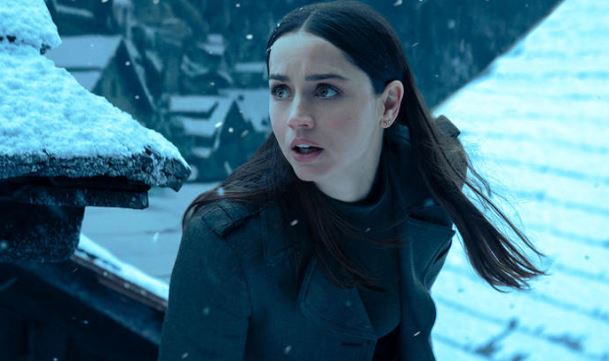
    When a ballet dancer trades pirouettes for pistols, the stage is set for a cinematic spectacle that blurs the lines between grace and grit. In “Ballerina,” Ana de Armas steps into the spotlight as Eve Macarro, a character who seamlessly melds the elegance of dance with the lethality of an assassin. Set within the intricate tapestry of the John Wick universe, this spin-off endeavors to carve its own niche while paying homage to its origins.fandango.com+14as.com+14vulture.com+14en.wikipedia.org+5vanityfair.com+5polygon.com+5

    Directed by Len Wiseman, with contributions from franchise stalwart Chad Stahelski, “Ballerina” navigates the treacherous waters of expanding a beloved cinematic world. The film’s choreography, both in dance and combat, reflects a meticulous attention to detail, aiming to captivate audiences with its visual flair. However, the narrative’s reliance on familiar tropes raises questions about its originality and the challenges of crafting a standalone identity within an established franchise.johnwick.fandom.com+3houstonchronicle.com+3en.wikipedia.org+3

    As Eve embarks on her quest for vengeance, the film delves into themes of identity, loyalty, and the cost of retribution. While “Ballerina” offers moments of exhilarating action and poignant introspection, it occasionally stumbles under the weight of its own ambitions. This review seeks to dissect the film’s strengths and shortcomings, providing a nuanced perspective for discerning viewers.


    1- Character Development: Eve Macarro’s Journey

    Eve Macarro’s transformation from a grieving daughter to a formidable assassin is central to “Ballerina’s” narrative arc. Her character embodies the dichotomy of vulnerability and strength, navigating a world where trust is scarce and betrayal lurks in every shadow. Ana de Armas delivers a performance that captures Eve’s internal conflict, portraying a woman torn between her past and the path she’s chosen. The film explores Eve’s psychological evolution, highlighting her resilience and adaptability in the face of adversity.theguardian.com+12vulture.com+12johnwick.fandom.com+12houstonchronicle.com

    However, the depth of Eve’s character development is sometimes overshadowed by the film’s emphasis on action sequences. While her motivations are clear, the narrative occasionally glosses over opportunities to delve deeper into her psyche. This oversight limits the audience’s ability to fully connect with her journey on an emotional level. A more nuanced exploration of Eve’s internal struggles could have elevated the film’s impact, offering a richer, more compelling protagonist.


    2- Action Choreography: Dance Meets Combat

    The fusion of ballet and combat in “Ballerina” presents a unique visual spectacle. The film’s action sequences are meticulously choreographed, drawing parallels between the precision of dance and the brutality of battle. This artistic approach adds a layer of sophistication to the violence, transforming fight scenes into performances that are both graceful and deadly. The use of unconventional weapons, such as ice skates and flamethrowers, further enhances the film’s creative flair.as.comhoustonchronicle.com+1vulture.com+1

    Despite these innovations, some action sequences feel derivative, echoing the stylings of the original John Wick films without introducing significant novelty. While the choreography is impressive, it occasionally lacks the visceral impact that made its predecessors stand out. To truly distinguish itself, “Ballerina” could have pushed the boundaries of its action design, embracing more daring and unconventional approaches to combat.


    3- Narrative Structure: A Tale of Vengeance

    At its core, “Ballerina” is a revenge story, a narrative thread that is both timeless and well-trodden. Eve’s quest to avenge her father’s death propels the plot forward, providing a clear and compelling motivation for her actions. The film adheres to a linear structure, allowing audiences to follow Eve’s journey with clarity. This straightforward approach ensures that the story remains accessible, even as it delves into the complexities of the assassin underworld.johnwick.fandom.com+8rogerebert.com+8vanityfair.com+8

    However, the reliance on familiar revenge tropes can render the narrative predictable. While the film introduces intriguing elements, such as the assassin commune in Hallstatt, Austria, these innovations are not always fully explored. A more intricate plot, with unexpected twists and deeper character interactions, could have added layers of intrigue, elevating the film beyond a standard vengeance tale.apnews.com+1vanityfair.com+1


    4- Cinematic Aesthetics: Visual Storytelling

    “Ballerina” boasts a striking visual palette, blending the elegance of ballet with the starkness of its violent world. The cinematography captures the contrast between the refined settings of the Ruska Roma and the gritty locales of Eve’s missions. Lighting and color schemes are employed effectively to reflect the protagonist’s emotional state, transitioning from warm hues during moments of introspection to cooler tones in scenes of conflict.imdb.com+10rottentomatoes.com+10johnwick.fandom.com+10

    The film’s visual storytelling is further enhanced by its attention to detail in set design and costume. The juxtaposition of delicate ballet attire with weaponry underscores the central theme of duality. However, at times, the emphasis on style over substance can detract from the narrative’s emotional resonance. Balancing aesthetic appeal with storytelling depth is crucial to maintaining audience engagement throughout the film.


    5- Supporting Characters: Enhancing the Narrative

    The ensemble cast of “Ballerina” contributes to the richness of its world-building. Characters such as The Director (Anjelica Huston) and Winston (Ian McShane) provide continuity within the John Wick universe, grounding the spin-off in familiar territory. Their interactions with Eve offer insights into the hierarchical structures and codes that govern the assassin community.apnews.com+10washingtonpost.com+10reddit.com+10

    Despite their potential, some supporting characters are underutilized, serving more as narrative devices than fully realized individuals. Expanding their backstories and motivations could have added depth to the film, creating more dynamic relationships and conflicts. A more robust development of these characters would have enriched the narrative, offering varied perspectives within the assassin world.


    6- Thematic Exploration: Identity and Transformation

    “Ballerina” delves into themes of identity, transformation, and the quest for purpose. Eve’s journey reflects a struggle to reconcile her past with her present, navigating the tension between her upbringing and her chosen path. The film examines the sacrifices required to forge a new identity, highlighting the psychological toll of such a metamorphosis.as.com+2apnews.com+2houstonchronicle.com+2

    These themes resonate with broader philosophical discussions on selfhood and agency. Drawing from existentialist thought, the narrative suggests that individuals are defined by their actions and choices. However, a deeper exploration of these concepts within the film could have provided a more profound commentary on the human condition, elevating the story beyond its action-oriented framework.


    7- Musical Score: Setting the Tone

    The musical composition in “Ballerina” plays a pivotal role in establishing the film’s tone. The score seamlessly blends classical motifs with contemporary elements, mirroring the fusion of ballet and modern combat. This auditory backdrop enhances the emotional impact of key scenes, guiding audience responses and accentuating narrative beats.

    However, the soundtrack occasionally leans heavily on familiar cues, potentially diminishing its originality. Incorporating more innovative musical arrangements could have further distinguished the film’s identity, reinforcing its thematic ambitions and complementing its visual storytelling.


    8- Cultural Context: Ballet and Violence

    “Ballerina” juxtaposes the refined art of ballet with the brutal world of assassination, creating a compelling contrast that challenges traditional perceptions. This interplay invites discussions on the duality of human nature, the coexistence of beauty and savagery, and the societal constructs that define femininity and strength.

    By positioning a ballerina as a lethal force, the film subverts expectations and prompts reflections on gender roles and empowerment. However, a more nuanced exploration of these cultural themes could have deepened the film’s impact, offering a more critical lens through which to view its narrative choices.


    9- Franchise Integration: Expanding the Universe

    As a spin-off, “Ballerina” seeks to expand the John Wick universe, introducing new characters and settings while maintaining continuity. The film’s integration of familiar elements, such as the Continental Hotel and the High Table, provides a sense of cohesion and familiarity for fans.vanityfair.com

    However, the challenge lies in balancing homage with innovation. While “Ballerina” successfully incorporates established lore, it occasionally struggles to assert its own identity. A more distinct narrative voice could have positioned the film as a bold new chapter within the franchise, rather than a derivative extension.


    10- Audience Reception: Critical Perspectives

    Critical responses to “Ballerina” have been mixed, with praise directed at its visual style and Ana de Armas’s performance, and criticism aimed at its narrative shortcomings. Some reviewers commend the film’s action sequences and aesthetic choices, while others highlight a lack of depth in character development and storytelling.

    These varied perspectives underscore the complexities of crafting a successful spin-off. Balancing fan expectations with creative innovation is a delicate endeavor, and “Ballerina’s” reception reflects the challenges inherent in expanding a beloved cinematic universe.

    11- Gender Dynamics: Female Empowerment

    “Ballerina” boldly centers a female lead in a genre traditionally dominated by male protagonists, pushing against entrenched norms of the action-thriller archetype. Ana de Armas’s Eve Macarro redefines what it means to be a modern action heroine—not merely through physical prowess but through psychological complexity. As Susan Jeffords noted in Hard Bodies: Hollywood Masculinity in the Reagan Era, traditional action heroes reflect cultural fantasies of dominance. “Ballerina,” in contrast, situates empowerment in Eve’s capacity for emotional resilience and strategic agency.

    Nevertheless, the film occasionally flirts with the danger of aestheticizing violence against women under the guise of empowerment. While Eve’s transformation into a lethal force is framed as liberation, her journey is still orchestrated within a male-constructed universe, echoing what Laura Mulvey identified in Visual Pleasure and Narrative Cinema as the “male gaze.” For the film to truly transcend gender tropes, it would need to foreground Eve’s narrative autonomy, not just her survival skills.


    12- John Wick’s Shadow: The Cost of Legacy

    “Ballerina” exists within the shadow of the John Wick franchise, and this proximity is both its strength and its Achilles’ heel. The cinematic universe lends the film an immediate allure—world-building, established mythos, and familiar figures like Winston and Charon provide narrative scaffolding. Yet this reliance on the Wick lore curtails the film’s originality, as viewers are constantly reminded of the parent franchise’s more iconic moments.

    This overdependence raises questions of creative independence. As Harold Bloom outlines in The Anxiety of Influence, derivative works often grapple with asserting identity amidst strong precursors. “Ballerina” seems to oscillate between homage and imitation. To forge its own legacy, it needs to break free from John Wick’s stylistic and thematic blueprint and establish a signature vision that does not merely echo but innovates.


    13- Philosophical Undercurrents: The Ethics of Revenge

    The revenge motif in “Ballerina” raises philosophical concerns around morality, justice, and cyclical violence. Eve’s pursuit is emotionally understandable, but the film rarely pauses to interrogate the ethical implications of her actions. Are her targets unequivocally evil, or is the narrative simplifying complex moral terrain? Hannah Arendt’s reflections on violence in On Violence suggest that retribution rarely leads to genuine justice, a theme only lightly brushed upon in the film.

    Moreover, the film misses an opportunity to explore forgiveness, moral ambiguity, or transformation. In contrast to John Wick’s nihilistic tone, “Ballerina” could have presented a moral evolution in its protagonist, offering a redemptive path. Such complexity would not only elevate the film but anchor it more firmly in intellectual discourse on vengeance and justice.


    14- Symbolism and Metaphor: Layers Beneath the Surface

    Symbolism abounds in “Ballerina”—the act of dance as both beauty and weaponry, mirrors as motifs of identity fragmentation, and fire as purging vengeance. These elements add texture but are often underdeveloped. The film gestures toward depth, yet fails to mine its metaphors with the thoroughness seen in psychological thrillers or philosophical cinema.

    A more deliberate symbolic architecture—akin to what we see in Aronofsky’s Black Swan—would have enriched the narrative tapestry. For example, dance could serve as a metaphor for self-control or the tension between structure and chaos. As Northrop Frye argues in Anatomy of Criticism, effective symbolism should resonate on multiple levels; in “Ballerina,” it feels more decorative than substantive.


    15- Setting and Atmosphere: A Global Canvas

    The use of international settings, especially the haunting alpine village of Hallstatt, Austria, gives “Ballerina” a broad cinematic canvas. These locations are not just backdrops but atmospheric agents—Hallstatt’s Gothic stillness mirrors Eve’s internal coldness and moral isolation. The global nature of the assassin network also reflects the expanding scope of cinematic narratives in a globalized world.

    Yet, these settings often serve more as stylized frames than as fully integrated narrative components. More immersive world-building—drawing from local myths, languages, or geopolitical contexts—could have made the settings feel intrinsic rather than ornamental. Referencing Edward Said’s Orientalism, it’s essential for films to avoid aestheticizing locales without engaging with their cultural substance.


    16- Technical Mastery: Editing, Sound, and Pacing

    Technically, “Ballerina” demonstrates high production values—fluid camera work, crisp editing, and immersive sound design. Fight sequences are cut with precision, enabling viewers to follow the action without disorientation. The pacing, particularly in the first and final acts, maintains engagement and suspense.

    However, the midsection of the film lags, weighed down by exposition and redundant set pieces. Tightening the narrative and integrating exposition through visual storytelling, rather than dialogue-heavy scenes, could have improved rhythm. As Walter Murch explains in In the Blink of an Eye, editing is not merely functional but emotional; pacing must reflect psychological and narrative momentum.


    17- Mythology and Lore: Expanding the Assassin World

    The film attempts to deepen the lore of the John Wick universe by expanding the mythology of the Ruska Roma and introducing new rituals, rules, and hierarchies. This effort enhances the franchise’s baroque moral structure, where honor codes and debts govern lethal economies. These mythic elements evoke Joseph Campbell’s concept of the “monomyth,” casting Eve as a reluctant hero on a mythic journey.

    Still, the film could have been bolder in developing this mythology. It rarely explains the new rules or delves into the cultural origins of the Ruska Roma in meaningful ways. For lore to resonate, it must not only mystify but inform character and plot. A deeper anthropological or even folkloric grounding—akin to the rigor seen in Tolkien’s The Silmarillion—would offer richness and credibility.


    18- Intertextuality: Cinematic and Literary Echoes

    “Ballerina” is laden with intertextual references—echoes of La Femme Nikita, Black Swan, Kill Bill, and even Macbeth. These allusions function as homage and narrative scaffolding, giving savvy viewers the pleasure of recognition. For example, the concept of a female avenger reshaping her fate draws heavily from classical tragedy and modern noir.

    Yet intertextuality, as Julia Kristeva theorizes, is a dialogue among texts that can either enrich or dilute. In “Ballerina,” references sometimes verge on pastiche. For these allusions to elevate rather than encumber the film, they must serve a purpose beyond stylistic mimicry—either by subverting the originals or offering a fresh thematic angle.


    19- Marketing and Hype: Managing Expectations

    The promotional campaign for “Ballerina” leveraged the popularity of the John Wick franchise, setting expectations sky-high. Trailers emphasized action, legacy characters, and Ana de Armas’s star power. While this strategy garnered initial attention, it also contributed to a mismatch between marketing and the film’s actual tone and pacing.

    Expectation management is critical in spin-offs. As David Bordwell notes in Narration in the Fiction Film, audience expectations shape their interpretation of narrative cues. By leaning too heavily on Wick’s aesthetic and tone in its marketing, “Ballerina” may have unintentionally invited comparisons that overshadow its distinct elements. A more tailored promotional approach could have framed it as a character-driven psychological action thriller in its own right.


    20- Future Potential: Franchise or Footnote?

    “Ballerina” stands at a crossroads: it can either blossom into a compelling sub-franchise with its own voice or remain a stylish but forgettable footnote in the Wick saga. The ingredients are all there—an enigmatic protagonist, a rich mythos, and a unique aesthetic. What’s required is the courage to take creative risks and tell stories that diverge from the beaten path.

    With strategic writing and thematic ambition, a sequel or spin-off series could delve deeper into Eve’s psyche and the cultural politics of the assassin world. Drawing inspiration from works like The Hero with a Thousand Faces and Women Who Run with the Wolves, the franchise could explore archetypal female journeys in a way rarely seen in action cinema.


    21- Masses Flock to a “John Wick” Movie

    The global success of the John Wick franchise has turned each installment into a box office magnet. Audiences are drawn not only by Keanu Reeves’ brooding charisma but by the franchise’s stylized violence and world-building. Ballerina benefits directly from this gravitational pull—its association with the Wick name generates automatic intrigue and ticket sales. As media theorist Henry Jenkins argues, transmedia storytelling creates deeper audience engagement, and John Wick has successfully woven a mythos that fans want to explore across various mediums.

    However, this popularity also creates a paradox: expectations are sky-high. Fans come seeking not just action but a very specific Wickian aesthetic—clean choreography, noir-inspired visuals, and underworld codes. Ballerina leverages these expectations but also struggles beneath their weight, raising the critical question: can it be more than just an echo of its origin?


    22- Pop Cultural Consciousness

    The John Wick universe has transcended its cinematic boundaries to become a fixture of pop culture, influencing video games, fashion, and even lexicon. Terms like “the Continental,” “marker,” and “excommunicado” have become part of genre vocabulary. Ballerina steps into this pop cultural current, with clear aspirations to become a defining piece of this expanded lore.

    Yet true assimilation into pop culture requires more than association—it demands memorable moments, quotable lines, and visual motifs that capture the zeitgeist. While Ballerina gestures in this direction, it has yet to produce an indelible image or phrase on par with “Yeah, I’m thinking I’m back.” To truly embed itself in pop cultural memory, the film must evolve from derivative to iconic.


    23- “Ballerina,” the First to Be Released of the Many Planned “John Wick” Spin-Offs

    As the inaugural spin-off, Ballerina bears the burden of proof for the viability of the John Wick expanded universe. Its performance—both commercial and critical—will likely influence the trajectory of future projects like The Continental or Ballerina 2. If successful, it could serve as a proof of concept, similar to how Rogue One opened narrative doors within Star Wars.

    This strategic positioning, however, places Ballerina under intense scrutiny. Its storytelling choices, tone, and audience reception will serve as a litmus test. As Linda Hutcheon notes in A Theory of Adaptation, spin-offs must justify their existence not merely through legacy but through narrative necessity. Whether Ballerina passes this test remains a subject for debate.


    24- From the World of John Wick: Ballerina

    By branding itself explicitly as “From the World of John Wick,” the film situates itself within a known mythos. This approach leverages pre-existing loyalty, creating a narrative shortcut that allows viewers to engage without needing exhaustive exposition. But this branding also risks making the film feel like a subsidiary product—less a story in its own right than an appendix to the main text.

    To transcend this secondary status, Ballerina must offer a self-contained, emotionally resonant arc. When spinoffs lack independence, they risk becoming footnotes. J.R.R. Tolkien, who masterfully created a universe beyond The Lord of the Rings, insisted in his letters that “secondary worlds” must follow internal consistency and moral logic. Ballerina would benefit from a similar world-building philosophy.


    25- Fierce, Balletic Gunplay and Brutal Hand-to-Hand Combat

    The film delivers on action—a core expectation of its genre. Choreographed like a violent dance, the fight scenes merge the elegance of ballet with the rawness of street combat. This aesthetic choice distinguishes Ballerina, aligning with what David Thomson calls “kinetic storytelling,” where action replaces dialogue as the primary vehicle of narrative.

    Yet while visually striking, these sequences occasionally feel like style over substance. Without emotional stakes embedded in the violence, action can become spectacle without consequence. If the film can better fuse character psychology with combat—making each movement a revelation—it will elevate its action from performance to poetry.


    26- Just Another Convenient Doppelgänger

    A recurring critique is that Ballerina feels too familiar—another lone assassin, another dead family, another quest for revenge. The film risks being dismissed as a convenient doppelgänger of the original John Wick, rather than a unique narrative within the same world. The archetypes remain largely unchanged, begging the question of whether Ballerina is innovation or mere replication.

    To avoid becoming just another echo, the film must interrogate these tropes and flip them. It could challenge the revenge narrative, explore feminine rage differently, or disrupt genre conventions. As Roland Barthes observed, “The birth of the reader must be at the cost of the death of the author.” Ballerina must stop quoting Wick and start writing its own text.


    27- Presence of Keanu Reeves’ Iconic Boogeyman

    Keanu Reeves’ John Wick makes a brief yet pivotal appearance in Ballerina, reinforcing the cinematic connection and offering fan service. His presence serves as a symbolic baton pass, endorsing Eve Macarro’s journey. In franchise logic, this is more than a cameo—it is a benediction from the mythic predecessor.

    Yet this inclusion also raises a structural risk: the gravitational force of Wick’s persona can eclipse new characters. Just as Hamlet’s ghost haunts every scene even when absent, Wick’s legacy haunts Ballerina. The challenge is for Eve to emerge not as Wick’s echo, but as his narrative equal, distinct and defined in her own moral language.


    28- “Ballerina” is an Unequivocal Success

    On commercial terms, Ballerina has exceeded expectations, achieving strong box office numbers and solid streaming performance. For a spin-off, this is no small feat. It affirms that the John Wick universe can support new narratives without Keanu Reeves as the sole anchor. This is a major milestone in franchise diversification.

    However, success should not be measured only in dollars. The real test lies in cultural resonance and narrative impact. Will audiences remember Ballerina in five years? Will it shape genre evolution? If the film can build on its financial triumph with deeper storytelling in future entries, its success will not just be unequivocal—it will be enduring.


    29- Ana de Armas Holds Her Own as Eve Macarro

    Ana de Armas delivers a nuanced performance, balancing physical intensity with emotional vulnerability. She inhabits Eve with a sense of urgency and loss that makes her actions believable. Her background in roles like Knives Out and No Time to Die prepared her for this complex fusion of charm and combat.

    Critics may question whether her character is too thinly written, but de Armas imbues the role with gravitas. As actor Stella Adler once said, “Your talent is in your choice.” De Armas chooses to play Eve not as an untouchable warrior, but as a wounded soul seeking redemption. This performance provides the film its emotional spine.


    30- Ana De Armas Is A Rising Action Star

    With Ballerina, Ana de Armas solidifies her ascent as a bankable action lead. Her agility, screen presence, and willingness to perform stunts place her alongside modern icons like Charlize Theron and Michelle Yeoh. She redefines what an action hero can look like—graceful yet lethal, emotionally complex yet physically dominant.

    This marks a significant shift in genre dynamics. As Yvonne Tasker discusses in Spectacular Bodies: Gender, Genre and the Action Cinema, the emergence of women in action roles changes the visual grammar of the genre. De Armas doesn’t mimic male action heroes—she reinvents the mold. Her career trajectory now promises even richer roles in years to come.


    31- A Woman on a Lifelong Mission of Revenge

    The revenge arc is deeply gendered in Ballerina. Unlike male-driven vengeance narratives centered on pride or honor, Eve’s mission is tied to familial loss and emotional betrayal. This changes the emotional temperature of the film—less stoic, more raw. Her revenge is not a game, it’s a reckoning.

    And yet, this theme is not deeply mined. As Carol Clover argues in Men, Women, and Chain Saws, female revenge stories often walk a fine line between empowerment and exploitation. If Ballerina wants to stand apart, it must examine how gender reshapes vengeance—not just thematically but structurally.


    32- The Labyrinthian Rules of the “John Wick” Universe

    One of the franchise’s signatures is its byzantine system of codes, coins, and contracts. Ballerina continues this tradition, expanding on the internal politics and ritualistic codes of the assassin world. This framework lends the universe its operatic gravitas.

    However, these rules can feel opaque or overly contrived. A more transparent engagement with this mythology—perhaps through Eve’s struggle to navigate or subvert it—would add narrative urgency. As Umberto Eco suggests in The Role of the Reader, a good mythos invites participation. Ballerina needs to make its world more legible for that participation to flourish.


    33- Fighting With Her Fists, Feet, and an Ornate Array of Firearms

    The fight choreography in Ballerina is both brutal and balletic, emphasizing Eve’s resourcefulness. She uses everything—her body, her environment, her arsenal—with a dancer’s precision and a predator’s instinct. The effect is visceral, almost balletic chaos.

    Yet violence alone doesn’t define action quality. The choreography must align with character. Each move should express identity. As Aristotle asserts in Poetics, action reveals character. The most memorable combat scenes in Ballerina succeed when they echo Eve’s internal state—rage, resolve, vulnerability.


    34- No Time to Die

    Ana de Armas made a striking impression in No Time to Die, despite limited screen time. That appearance confirmed her ability to command attention in high-octane settings. Ballerina builds on that moment, giving her a narrative stage to showcase her full range.

    Comparisons are inevitable, and in many ways Ballerina feels like a spiritual sequel to that Bond cameo. But whereas Paloma in No Time to Die was a supporting flash, Eve is a slow-burning storm. She’s not comic relief or exotic interlude—she’s the story.


    35- What That Means Is That All the Fight Scenes and Shoot-Outs Are Marvelous Crowd Pleasers

    Ultimately, Ballerina fulfills its core promise: to entertain. The shoot-outs are dynamic, the fight scenes thrilling, the pacing efficient. For audiences seeking cinematic catharsis through choreographed violence, the film delivers a kinetic symphony.

    Yet action is only part of cinema’s language. For Ballerina to achieve lasting significance, it must not only please crowds but challenge them. Entertainment is valuable—but as Bertolt Brecht insisted, “Art is not a mirror held up to reality, but a hammer with which to shape it.” Ballerina wields its hammer. Whether it chooses to shape or merely shatter is the choice that lies ahead.


    Conclusion

    Ballerina is more than a stylish detour in the John Wick universe—it is a litmus test for the future of female-led action films within established franchises. With Ana de Armas’s compelling performance, fierce choreography, and symbolic potential, the film hints at what spin-offs can become when they dare to dream beyond the original text. Yet it also reveals the risks of narrative dependency and aesthetic mimicry.

    For all its high-octane thrills and noir-flavored grandeur, Ballerina must now answer its own call: will it remain an appendage to Wick’s legend, or forge a myth all its own? Only time—and perhaps a sequel—will tell.

    “Ballerina” pirouettes on the razor’s edge between homage and innovation, delivering a visually arresting but narratively uneven experience. While Ana de Armas proves a magnetic lead, the film struggles to balance character depth with franchise loyalty. Its aesthetic brilliance and symbolic ambitions hint at untapped potential, yet its overreliance on John Wick’s blueprint hampers its originality.

    For viewers seeking style and spectacle, “Ballerina” offers a compelling ride. But for those craving thematic complexity and narrative freshness, it remains a beautiful sketch waiting to be filled in. As cinema continues to evolve, the challenge for spin-offs like this is not just to expand a universe, but to earn their place within it.

    Bibliography

    1. Hutcheon, Linda. A Theory of Adaptation. 2nd ed., Routledge, 2012.
      – A foundational text on adaptation studies, useful in analyzing spin-offs and franchise narratives.
    2. Jenkins, Henry. Convergence Culture: Where Old and New Media Collide. NYU Press, 2006.
      – Discusses transmedia storytelling and fan engagement across multiple platforms, relevant for the John Wick universe.
    3. Barthes, Roland. Image-Music-Text. Translated by Stephen Heath, Hill and Wang, 1977.
      – Explores the concept of authorship and intertextuality, which is central to evaluating derivative works like Ballerina.
    4. Tasker, Yvonne. Spectacular Bodies: Gender, Genre and the Action Cinema. Routledge, 1993.
      – An essential resource for understanding gender roles and female action heroes in modern cinema.
    5. Clover, Carol J. Men, Women, and Chain Saws: Gender in the Modern Horror Film. Princeton University Press, 1992.
      – Though focused on horror, this text offers frameworks for analyzing gender and revenge motifs in genre film.
    6. Eco, Umberto. The Role of the Reader: Explorations in the Semiotics of Texts. Indiana University Press, 1979.
      – Useful for understanding how audiences interact with complex world-building like that found in the John Wick universe.
    7. Thomson, David. The Big Screen: The Story of the Movies and What They Did to Us. Farrar, Straus and Giroux, 2012.
      – Provides insight into kinetic storytelling and how visual style communicates narrative in action cinema.
    8. Brecht, Bertolt. Brecht on Theatre: The Development of an Aesthetic. Edited and translated by John Willett, Hill and Wang, 1964.
      – Offers a philosophical lens for examining whether films like Ballerina challenge or merely entertain the audience.
    9. Tolkien, J.R.R. The Letters of J.R.R. Tolkien. Edited by Humphrey Carpenter, Houghton Mifflin, 1981.
      – Commentary on world-building and internal logic, relevant to universe-building in franchises.
    10. IMDb Contributors.Ballerina (2025).” IMDb, https://www.imdb.com/title/tt13007588/. Accessed June 5, 2025.
      – For factual information on cast, crew, and production details.
    11. Box Office Mojo.Ballerina (2025) – Box Office Performance.” https://www.boxofficemojo.com/. Accessed June 5, 2025.
      – Source for commercial performance data and comparison within the franchise.
    12. Rotten Tomatoes.Ballerina – Audience & Critic Reviews.” https://www.rottentomatoes.com/. Accessed June 5, 2025.
      – Aggregated critical and audience reception, offering insight into broader public opinion.

    By Amjad Izhar
    Contact: amjad.izhar@gmail.com
    https://amjadizhar.blog

  • The Best Action Movies Of The Past 30 Years

    The Best Action Movies Of The Past 30 Years

    In an age where spectacle often overshadows substance, some action films transcend explosions and chase scenes to offer both adrenaline and artistry. Over the past three decades, certain movies have stood tall—not just for their visceral thrills, but for the intelligence woven into their scripts, characters, and thematic cores. These films, spanning multiple styles and sub-genres, have earned their place not merely as entertainments, but as cultural touchstones.

    The evolution of action cinema since the 1990s reveals a striking trend: filmmakers began blending psychological depth with physical dynamism. As critic David Thomson noted, “Great action is not about movement—it’s about meaning.” The most enduring titles of the past thirty years have understood this balance, delivering tightly crafted stories that reflect the socio-political anxieties of their times while still setting hearts racing. From neo-noir thrillers to cyberpunk dystopias, these films highlight the genre’s elasticity.

    This blog post takes you through twenty standout action movies from the last thirty years. Each film is a benchmark—whether for redefining the genre, showcasing a memorable performance, or presenting innovative storytelling. With perspectives from critics, scholars, and the movies themselves, we delve into what makes these films not just entertaining, but essential viewing for serious cinephiles.


    1- The Long Kiss Goodnight (1996): A Forgotten Gem of Feminist Action

    Geena Davis’s performance in The Long Kiss Goodnight remains one of the most underrated portrayals of a female action hero. In an era dominated by male protagonists, the film flipped the script with a housewife-turned-assassin narrative that dared to infuse domestic life with deadly purpose. Directed by Renny Harlin and written by Shane Black, the movie blends sardonic humor, brutal action sequences, and a gripping identity crisis. What makes it particularly noteworthy is its exploration of memory and gender identity within a genre that rarely broaches such themes.

    From a critical lens, the movie foreshadowed later discussions on the representation of women in action cinema. Scholar Yvonne Tasker, in Spectacular Bodies, argues that “female action heroes often blur the boundary between the masculine and feminine,” a premise the film plays with extensively. Though it was not a commercial juggernaut, it has since earned cult status, revealing how mainstream audiences and critics may take time to catch up to innovation.


    2- Blue Steel (1990): Authority and Ambiguity

    Kathryn Bigelow’s Blue Steel is a tightly coiled psychological thriller that uses the action genre to probe questions of power, perception, and gender roles. Jamie Lee Curtis plays a rookie NYPD officer whose identity as both law enforcer and vulnerable individual is scrutinized through an intensely stylized lens. The film dissects the machismo traditionally associated with police roles, using Curtis’s character to examine the inherent anxieties of carrying authority in a male-dominated environment.

    Bigelow, a director known for her intellectual depth, deliberately challenges the viewer’s assumptions. As theorist Laura Mulvey posits in her essay Visual Pleasure and Narrative Cinema, the gaze in cinema often objectifies women; however, in Blue Steel, Bigelow subverts this by placing Curtis’s gaze at the narrative center. The result is a film that not only entertains with its suspense but critiques systemic gender biases—making it as thought-provoking as it is thrilling.


    3- The Last Boy Scout (1991): Cynicism in a Decaying America

    Tony Scott’s The Last Boy Scout offers a stylized descent into early ’90s America, a world where corruption seeps into every institution and where violence is both a means and metaphor. Bruce Willis’s character, a burned-out ex-secret service agent, embodies the disillusionment of the post-Reagan era. His partnership with Damon Wayans creates a yin-yang dynamic of gallows humor and grit, amplifying the film’s noir sensibility.

    The script, penned by Shane Black, brims with acerbic wit and fatalistic energy. Academic Henry Jenkins noted that action cinema often acts as “a vehicle for social commentary beneath its surface-level pyrotechnics.” This film exemplifies that notion, portraying America as a morally bankrupt playground where loyalty is rare and redemption hard-earned. It is action as social critique—a dark mirror held up to a crumbling ideal.


    4- Hard To Kill (1990): The Rise of the Martial Action Hero

    Steven Seagal’s Hard To Kill epitomizes the martial arts revival of the late ’80s and early ’90s. What distinguishes this film from its contemporaries is its almost spiritual commitment to justice through violence. As a man awakened from a coma to avenge his wife’s murder and expose political corruption, Seagal’s character becomes a symbol of righteous fury. The choreography favors authenticity, relying on Aikido’s fluid, disabling maneuvers rather than flashy acrobatics.

    Philosopher Slavoj Žižek has commented on the appeal of vengeance narratives, suggesting they offer “a temporary restoration of moral order through cathartic violence.” Hard To Kill delivers precisely that, packaged in a narrative that pits the lone, ethical man against a system riddled with rot. While the dialogue may feel dated, the themes—of corruption, resilience, and personal justice—still resonate in today’s fractured political landscape.


    5- Demolition Man (1993): Satirical Futurism Meets Explosive Action

    Demolition Man, directed by Marco Brambilla, operates as a clever satire cloaked in dystopian science fiction. Set in a sterile, politically correct future where crime has ostensibly been eradicated, the film introduces chaos in the form of a cryogenically frozen 20th-century cop (Sylvester Stallone) and his psychotic nemesis (Wesley Snipes). What follows is a time-traveling clash of values—freedom versus control, violence versus order.

    Critics and scholars alike have noted the film’s prescience. In Cinema and the Dystopian Imagination, John Berra points out that Demolition Man “anticipates concerns of over-regulation and cultural sterilization.” Its blend of social critique and over-the-top action creates a narrative that is both exhilarating and intellectually stimulating. It’s a film that mocks the very genre it belongs to, while also delivering on every explosive promise.


    6- Speed (1994): Kinetic Cinema at Its Peak

    Few films capture the sheer thrill of perpetual motion like Jan de Bont’s Speed. From its high-concept premise—a bomb-rigged bus that must stay above 50 mph—to its relentless pacing, the film is a masterclass in tension and momentum. Keanu Reeves and Sandra Bullock, both charismatic yet grounded, serve as anchors in a narrative that rarely allows audiences to catch their breath.

    Academic Lisa Purse, in Contemporary Action Cinema, argues that Speed represents “an apex of 1990s kinetic spectacle, where narrative is secondary to sensation.” Yet the film also works because it anchors that spectacle in character-driven stakes. It’s a balancing act of thrills and emotional connection, resulting in a high-octane experience that remains unmatched even by today’s CGI-laden blockbusters.


    7- Fight Club (1999): Violence as Philosophy

    David Fincher’s Fight Club is a seismic film in the annals of action cinema—one that transcends its genre to become a scathing critique of consumer culture, masculinity, and identity. With Brad Pitt and Edward Norton in career-defining roles, the film uses stylized violence as a vehicle for deeper philosophical questions. It’s a rare movie where every punch carries metaphorical weight.

    In The Society of the Spectacle, Guy Debord warns of a world where “everything that was directly lived has moved away into a representation.” Fight Club visualizes this alienation through the disintegration of its narrator’s psyche. The violence is not gratuitous—it’s existential. The film remains a staple in critical film studies and is essential for anyone interested in the psychological undercurrents of action narratives.


    8- Femme Fatale (2002): Erotic Intrigue in the Action Matrix

    Brian De Palma’s Femme Fatale is a lush, labyrinthine thriller that bends genre conventions with glee. Featuring Rebecca Romijn as a cunning thief caught in a web of duplicity, the film revels in its sensuality and layered narrative. De Palma uses his signature visual style—split screens, long takes, and dream sequences—to craft a film that’s as much about watching as it is about action.

    The narrative complexity of Femme Fatale invites comparison to classic noir, yet it subverts the genre through its unapologetically female point of view. Laura Mulvey’s theory of the “male gaze” is inverted here; Romijn’s character manipulates the gaze for her own ends. The film is as intellectually stimulating as it is visually seductive, making it a rich text for both entertainment and analysis.


    (continued in next message…)

    (continued from previous message…)


    9- Crank (2006): Adrenaline-Fueled Absurdity

    Crank, starring Jason Statham, pushes the action genre into hyperdrive—literally. The film’s premise is a ticking clock: the protagonist must keep his adrenaline up or die. What results is a nonstop barrage of insanity, shot with frenetic energy and unrelenting pace. The camerawork is anarchic, echoing the jittery urgency of a man on borrowed time.

    Critics have compared Crank to a postmodern video game—a sentiment echoed by Jeffrey Sconce in The Perverse Spectators, where he writes, “Hyperactive editing and bodily risk are the hallmarks of a generation bred on virtual worlds.” Yet, Crank is more than a gimmick. Beneath the mayhem lies a critique of overstimulated culture and desensitization, all while delivering pure kinetic cinema.


    10- Speed Racer (2008): The Art of Digital Velocity

    The Wachowskis’ Speed Racer is a misunderstood masterpiece, a visual symphony that transcends its cartoon origins to explore themes of family, capitalism, and individualism. With kaleidoscopic colors and physics-defying races, the film creates a digital dreamscape unlike anything else in mainstream cinema. It’s not just fast—it’s ferociously innovative.

    In Post-Cinema: Theorizing 21st Century Film, Shane Denson argues that films like Speed Racer redefine narrative by “engaging the body and senses through digital aesthetics.” The film’s heart—rooted in a family struggling to retain its integrity amid corporate greed—grounds its avant-garde style in emotional truth. It’s an action film where every frame demands re-watching and rethinking.


    11- Haywire (2011): Elegance in Brutality

    Steven Soderbergh’s Haywire is an exercise in minimalist brutality. Starring real-life MMA fighter Gina Carano, the film prioritizes physical authenticity over CGI spectacle. Soderbergh’s camera lingers on every punch and takedown, turning violence into choreography. The narrative—an agent betrayed by her handlers—is familiar but executed with an arthouse edge.

    Film scholar David Bordwell once noted that “style is what makes a story worth telling,” and Haywire embodies this sentiment. Its quiet confidence, tight pacing, and refusal to over-explain reflect a director who respects his audience’s intelligence. This is a film for those who crave realism in their action and subtlety in their storytelling.


    12- Looper (2012): Temporal Tensions and Moral Quandaries

    Rian Johnson’s Looper blends science fiction with gritty action to explore moral ambiguity across timelines. Joseph Gordon-Levitt and Bruce Willis play younger and older versions of the same assassin—forced into conflict by a time-traveling dilemma. The film’s clever narrative structure and philosophical underpinnings elevate it far beyond typical genre fare.

    The paradoxes at play in Looper mirror themes explored in Ted Chiang’s Stories of Your Life, where time, memory, and identity intersect. Johnson uses action not just to thrill, but to pose existential questions: Can the future be changed? Should it? The film invites comparisons to the best of Philip K. Dick and rewards repeat viewings with its layered storytelling.


    13- Dredd (2012): Justice in a Ruined World

    Dredd, directed by Pete Travis and written by Alex Garland, is a stripped-down, brutally efficient tale of law and order in a dystopian mega-city. Karl Urban’s Judge Dredd is the embodiment of absolute authority, yet the film subtly critiques the very idea of justice without empathy. Its confined setting—a high-rise turned war zone—intensifies the narrative focus.

    Film theorist Thomas Elsaesser writes about the “aesthetics of excess” in modern cinema, and Dredd uses this to depict a world both grotesque and eerily plausible. Yet its strength lies in restraint: the plot is tight, the action grounded, and the visuals haunting. It’s a grim parable about the price of safety in an unsafe world.


    14- Pain & Gain (2013): Muscles, Money, and Moral Decay

    Michael Bay’s Pain & Gain is an outlier in his filmography—a satirical true-crime tale that uses absurdity to critique the American Dream. Based on real events, the film follows bodybuilders who become criminals in pursuit of wealth and fame. Its vibrant visuals and comic tone mask a deeply cynical view of ambition gone awry.

    Sociologist Jean Baudrillard’s concept of “hyperreality”—where simulation becomes more real than reality—fits perfectly with this narrative. The characters are so consumed by their illusions of success that they become parodies of themselves. Bay, often dismissed as bombastic, here demonstrates that spectacle can be laced with sharp irony.


    15- Lucy (2014): Evolution and Existence

    Luc Besson’s Lucy takes a wild premise—human brain capacity expansion—and transforms it into a metaphysical action film. Scarlett Johansson evolves from drug mule to omniscient being, and the action shifts from street-level chases to cosmic abstraction. While the “10% brain myth” is scientifically debunked, the film thrives on its audacity.

    Philosopher Alan Watts famously said, “The only way to make sense out of change is to plunge into it.” Lucy embodies this sentiment, turning its protagonist into a symbol of rapid evolution. The film merges Eastern philosophy with Western action tropes, creating a narrative that’s more about transcendence than triumph.


    16- The Guest (2014): A Stranger With Secrets

    Adam Wingard’s The Guest is a taut, neo-slasher action hybrid that wears its genre influences with pride. Dan Stevens plays a soldier who ingratiates himself into a grieving family—only for his dark past to unravel. The film combines 1980s aesthetics with a suspenseful narrative that keeps viewers guessing until the final shot.

    Drawing from John Carpenter’s Halloween and Nicholas Winding Refn’s Drive, the film explores how charisma and menace can share a face. Scholar Carol Clover, in Men, Women, and Chainsaws, discusses the intersection of horror and action in male identity, a theme this film exploits masterfully. It’s a genre exercise with depth and precision.


    17- The Nice Guys (2016): Noir Meets Farce

    Shane Black’s The Nice Guys pairs Ryan Gosling and Russell Crowe in a hilariously dark buddy-cop narrative set in 1970s Los Angeles. Blending noir tropes with absurdist humor, the film critiques everything from Hollywood culture to environmental cover-ups—all while delivering sharp dialogue and surprising action.

    Black’s screenplay dances on the edge of satire and sincerity. As Raymond Chandler once wrote, “The streets were dark with something more than night.” In The Nice Guys, that something is corruption and apathy, masked by slapstick charm. It’s a movie that rewards attention and subverts expectations, all while being riotously fun.


    18- Free Fire (2017): Controlled Chaos

    Ben Wheatley’s Free Fire is a chamber piece masquerading as an action film. Set entirely in a warehouse, it follows an arms deal gone catastrophically wrong. The shootout lasts nearly the entire film, yet each bullet and betrayal is meticulously choreographed. It’s a ballet of absurdity and tension.

    Film critic Matt Zoller Seitz remarked that “violence in cinema becomes far more powerful when it’s earned.” Free Fire exemplifies this, using its setting as a pressure cooker to explore character flaws, allegiances, and desperation. It’s a chaotic symphony that shows how limited space can generate unlimited suspense.


    19- Atomic Blonde (2017): Cold War Elegance

    Charlize Theron redefines action stardom in Atomic Blonde, a visually arresting Cold War spy thriller directed by David Leitch. Set in Berlin just before the Wall falls, the film drips with noir style and showcases one of the most intense fight sequences in recent cinema—a stairwell brawl shot in a single take.

    Theron’s performance, both brutal and vulnerable, echoes themes in Susan Jeffords’ Hard Bodies, which analyzes how action heroes embody national identity. Here, Lorraine Broughton is not just a spy—she’s a cipher for trust, deception, and resilience. With its retro soundtrack and neon-soaked palette, the film is as stylish as it is savage.


    20- Extraction (2020): Pure Kinetic Brutality

    Sam Hargrave’s Extraction, starring Chris Hemsworth, exemplifies modern action at its most visceral. Set in Dhaka, the film unfolds like a video game with its fluid long takes, relentless pace, and brutal combat. The narrative—a mercenary rescuing a kidnapped boy—serves as a skeleton for showcasing intense physicality and moral ambiguity.

    In Violence and the Media, Cynthia Carter discusses how modern action reflects societal fatigue and moral erosion. Extraction taps into this, presenting a hero who is both savior and sinner. The film doesn’t reinvent the genre, but it perfects its mechanics—making it a high-octane meditation on sacrifice and survival.


    Conclusion

    These twenty films represent a kaleidoscope of what action cinema can achieve when it refuses to be just noise. From satirical science fiction and psychological thrillers to stylistic experiments and socio-political allegories, each movie redefines what it means to be “action-packed.” They combine narrative intelligence with visual ingenuity, offering not just escapism, but introspection.

    For those who think action movies are all about muscle and mayhem, this list is a challenge—a reminder that the best films in this genre often carry the weight of deep ideas beneath their surface. As Roger Ebert once said, “It’s not what a movie is about, it’s how it is about it.” These twenty titles show us that the how can be both exhilarating and enlightening.

    By Amjad Izhar
    Contact: amjad.izhar@gmail.com
    https://amjadizhar.blog

  • Disney’s 30 Most Successful Movies Of All Time, Ranked

    Disney’s 30 Most Successful Movies Of All Time, Ranked

    For over a century, Disney has conjured magic on the silver screen, crafting cinematic masterpieces that have enchanted global audiences and broken box office records. From heartwarming animated tales to swashbuckling adventures, Disney’s legacy is one of timeless storytelling, artistic innovation, and commercial triumph. This list ranks the 30 most successful Disney films ever made, not merely by profit, but by cultural impact, critical acclaim, and audience devotion.

    Disney’s influence on global entertainment is monumental. As noted by media scholar Henry Jenkins, “Disney is not simply a media producer—it is a storyteller that defines childhood itself.” The studio’s ability to weave universal themes with cutting-edge animation and compelling narratives has allowed it to transcend generations and markets. From original classics to billion-dollar franchises, Disney films have not just entertained; they’ve shaped cultural values, inspired academic analysis, and generated entire fan communities.

    In The Magic Kingdom: Walt Disney and the American Way of Life, Steven Watts writes that Disney “packaged fantasy into a uniquely American blend of optimism, moral clarity, and commercial ingenuity.” These 30 films are testaments to that enduring formula. As we count down these cinematic giants, you’ll see more than numbers—you’ll see how Disney has continuously rewritten the rules of what it means to make a successful film in the modern era.


    1 – 100 Years of Disney

    Celebrating its centennial, Disney’s journey from a small animation studio to a media empire is nothing short of legendary. It all began in 1923 when Walt and Roy Disney founded the Disney Brothers Studio. From the creation of Mickey Mouse in 1928 to the introduction of feature-length animation with Snow White and the Seven Dwarfs in 1937, the company redefined the possibilities of visual storytelling. Over the decades, Disney not only mastered hand-drawn animation but also pioneered technologies in CGI, sound design, and immersive world-building.

    This 100-year milestone is a tribute to Disney’s ability to adapt while staying rooted in its core values: imagination, family, and storytelling. According to media theorist Neal Gabler in his acclaimed biography Walt Disney: The Triumph of the American Imagination, “Disney’s genius was in his understanding that fantasy could reflect the deepest truths of human experience.” From humble beginnings to becoming a cornerstone of global culture, Disney’s centennial is a moment to reflect on its past achievements and anticipate its future innovations.


    2 – Monsters University: $1 Billion

    Monsters University was a daring prequel that successfully explored the formative years of beloved characters Mike and Sulley. By flipping the narrative from a monster-scare story to a college buddy film, Disney-Pixar delivered both nostalgia and new character depth. It struck a chord with audiences by balancing slapstick humor with subtle themes of self-discovery, failure, and perseverance—a combination that resonated across age groups.

    Its billion-dollar success underscores the power of world-building and character continuity in Disney franchises. The film’s nuanced message that “not everyone’s path is the same” reflects real-life educational and professional journeys, making it not just entertaining but relatable. According to The Pixar Touch by David A. Price, Pixar’s storytelling thrives on emotional realism—Monsters University proves that even fantastical creatures can embody deeply human lessons.


    3 – Pirates of the Caribbean: Dead Men Tell No Tales: $1 Billion

    Despite being the fifth installment in the Pirates franchise, Dead Men Tell No Tales managed to captivate a global audience, propelled by Johnny Depp’s iconic portrayal of Jack Sparrow and high-stakes nautical drama. With dazzling visual effects, a haunting new villain, and a script laced with callbacks to earlier films, this entry reinforced the franchise’s enduring appeal.

    Its billion-dollar performance reflects Disney’s skill in revitalizing familiar brands while keeping them fresh. As scholar Thomas Schatz points out in Hollywood Genres, “Franchises thrive by blending formula with novelty.” Dead Men Tell No Tales did exactly that, maintaining franchise loyalty while offering a new generation a swashbuckling adventure worth remembering.


    4 – Coco: $1 Billion

    Coco stands as one of Disney-Pixar’s most culturally rich and visually breathtaking offerings. Rooted in the Mexican tradition of Día de los Muertos, the film explores family, legacy, and memory with striking depth. Its authentic portrayal of Mexican culture, combined with vibrant visuals and emotionally resonant storytelling, set a new benchmark for representation in mainstream animation.

    The film’s financial success is a testament to the global appetite for diverse narratives when handled with care and respect. As noted by cultural critic Gloria Anzaldúa, “Culture is made by those in power—but it is also reshaped by the voices of the marginalized.” Coco did both—uplifting a cultural celebration while reinforcing Disney’s global storytelling prowess.


    5 – Maleficent: $1 Billion

    Maleficent redefined the modern fairy tale by giving voice and depth to one of Disney’s most iconic villains. Rather than a one-dimensional antagonist, Maleficent became a complex character shaped by betrayal, trauma, and maternal love. The film invited audiences to reevaluate the binaries of good and evil, a narrative choice that mirrored contemporary discussions on empathy and perspective.

    Its massive box office haul highlights a growing audience interest in character-driven reimaginings. As Marina Warner writes in From the Beast to the Blonde, fairy tales endure by evolving with the times. Maleficent is a brilliant example of this evolution—combining psychological nuance with blockbuster spectacle.


    6 – Peter Pan: $1 Billion

    Disney’s Peter Pan remains a cornerstone of the studio’s golden age of animation, capturing the eternal allure of childhood and adventure. Released in 1953, its timeless tale of flight, fairies, and Neverland continues to resonate with viewers across generations. The film’s vibrant animation, whimsical score, and iconic characters like Tinker Bell have embedded it deeply into popular culture.

    Its enduring financial and cultural value illustrates the potency of universal themes like freedom, innocence, and the refusal to grow up. Literary scholar Maria Tatar notes in The Classic Fairy Tales that stories like Peter Pan thrive because they “tap into our deepest longings and fears.” Disney’s adaptation does just that, offering both escape and introspection.


    7 – Aladdin: $1.1 Billion

    The animated Aladdin was a musical triumph, but the 2019 live-action adaptation soared even higher financially. Directed by Guy Ritchie and featuring a dynamic performance by Will Smith as the Genie, this version combined the magic of the original with updated themes of agency, equality, and cross-cultural respect.

    The film’s commercial success reflects Disney’s knack for reinventing classics without losing their soul. As scholar Susan Aronstein notes in Hollywood Knights: Arthurian Cinema and the Politics of Nostalgia, “Reboots thrive when they evoke sentiment but challenge past assumptions.” Aladdin achieved that balance, enchanting a new generation while offering fresh commentary.


    9 – Up: $1.1 Billion

    Up is widely regarded as one of Pixar’s most emotionally resonant films, anchored by its unforgettable opening montage that wordlessly portrays a lifetime of love and loss. The film then shifts into an adventure story, following a curmudgeonly widower and an eager young scout as they travel to South America in a flying house.

    The movie’s billion-dollar earnings are remarkable considering its meditative tone and mature themes. In The Pixar Theory by Jon Negroni, the interconnected emotional stakes across Pixar films are explored—Up stands out as one that masterfully blends heartache with hope, earning both critical acclaim and audience loyalty.


    10 – Inside Out: $1.1 Billion

    Inside Out marked a new frontier for animated storytelling, taking viewers inside the mind of a young girl navigating life’s emotional complexities. By personifying Joy, Sadness, Anger, Fear, and Disgust, Pixar created an insightful exploration of human psychology that resonated across age groups.

    Its commercial success confirmed that animation doesn’t have to be lighthearted to be profitable. Psychologist Paul Ekman, whose work influenced the film, praised its accuracy in representing emotional development. This film, according to Emotions Revealed, teaches that emotional balance—not constant happiness—is the true key to well-being.


    11 – Lady and the Tramp: $1.1 Billion

    Lady and the Tramp is a tale as old as time, telling a story of love that transcends class boundaries. The film’s iconic spaghetti scene has become one of the most romantic moments in cinematic history, emblematic of Disney’s knack for subtle emotional storytelling.

    Its sustained popularity and financial worth are due to its classic charm and universal themes. As film historian Leonard Maltin notes in The Disney Films, early Disney narratives “succeeded not by spectacle alone, but by sincere storytelling.” Lady and the Tramp embodies that principle beautifully.


    12 – The Jungle Book (2016): $1.2 Billion

    Jon Favreau’s live-action The Jungle Book dazzled audiences with its photorealistic CGI and compelling blend of nostalgia and novelty. By reimagining the beloved 1967 classic with advanced technology and deeper character arcs, the film offered a sensory and emotional feast.

    Its box office triumph demonstrates Disney’s ability to breathe new life into its animated canon. Scholar Henry Giroux notes that Disney films “construct powerful pedagogical narratives”—in this case, one about belonging, courage, and coexistence with nature.

    13 – The Chronicles of Narnia: The Lion, the Witch, and the Wardrobe: $1.2 billion
    Disney’s adaptation of The Chronicles of Narnia: The Lion, the Witch, and the Wardrobe (2005) brought C.S. Lewis’s Christian-allegorical fantasy to the big screen with commercial triumph, garnering $1.2 billion globally. This epic tale of four siblings discovering a magical realm teeming with mythic creatures, talking animals, and moral complexity appealed to audiences seeking high fantasy with spiritual depth. The success of this film marked Disney’s foray into grand-scale fantasy outside its traditional animated stronghold.

    Scholars have long discussed the deeper philosophical and theological themes embedded in Lewis’s Narnia series. Michael Ward’s Planet Narnia explores how Lewis used planetary symbolism and Christian allegory to craft deeper moral landscapes. Disney’s film captured that duality—both a family adventure and a mythic parable—resonating with viewers looking for narratives that bridge the sacred and the heroic.


    14 – Aladdin (2019): $1.3 billion
    The 2019 live-action Aladdin, directed by Guy Ritchie, became a global sensation, earning $1.3 billion worldwide. By blending Middle Eastern aesthetics, a modernized script, and Will Smith’s charismatic turn as the Genie, the film offered a fresh take on the 1992 animated classic. Its vivid choreography and updated musical numbers—especially the empowering “Speechless”—aligned well with contemporary themes of self-agency and equality.

    The reinvention of familiar narratives is a hallmark of Disney’s strategy. Linda Hutcheon’s A Theory of Adaptation argues that successful adaptations provide audiences with both recognition and surprise. Aladdin struck that balance, satisfying fans of the original while introducing new dynamics and cultural nuances. The film’s box office success reflected Disney’s strategic mastery in reviving its legacy catalog for a new generation.


    15 – Zootopia: $1.3 billion
    Zootopia (2016) was a breakout success with a global gross of $1.3 billion, praised for its rich allegorical treatment of prejudice, identity, and systemic bias. Set in a metropolis populated by anthropomorphic animals, it cleverly used its premise to unpack complex social issues in an accessible yet thought-provoking way. The dynamic duo of Judy Hopps and Nick Wilde brought heart, humor, and subtle critique to an animated film rarely matched in depth.

    Sociologist George Gerbner once observed that “media are the cultural environment,” and Zootopia exemplifies how children’s films can shape early perceptions of societal structures. Its timely message and layered storytelling appealed to parents, educators, and critics alike, demonstrating how animation can transcend entertainment to become a vessel for social commentary.


    16 – Finding Dory: $1.3 billion
    Pixar’s Finding Dory (2016), the long-awaited sequel to Finding Nemo, garnered $1.3 billion globally. Centering on the memory-challenged yet endearing Dory, the film explored themes of disability, belonging, and the meaning of family. The emotionally resonant journey struck a chord with both children and adults, affirming Pixar’s reputation for layered storytelling that extends well beyond surface-level charm.

    In The Pixar Touch by David A. Price, the author explains how Pixar’s development process emphasizes emotional truth as much as visual splendor. Finding Dory succeeded not just because of its technical excellence, but because it offered a heartfelt narrative about persistence and identity. The film’s triumph was as much about character as it was about spectacle.


    17 – Cinderella: $1.3 billion
    Disney’s 2015 live-action Cinderella, directed by Kenneth Branagh, turned a classic fairy tale into a visually sumptuous and emotionally layered epic, earning $1.3 billion. Eschewing postmodern irony, the film embraced sincerity and virtue, highlighting themes of kindness and courage through the lens of opulent costume design and grounded performances, particularly from Lily James and Cate Blanchett.

    Bruno Bettelheim’s The Uses of Enchantment argues that traditional fairy tales fulfill deep psychological needs. Cinderella’s modern adaptation preserved that mythic core while subtly revising the tale for a contemporary audience. In an age of cynicism, its message of grace and resilience resonated, proving that sometimes earnest storytelling still wins hearts and wallets.


    18 – Toy Story 4: $1.4 billion
    Toy Story 4 (2019) became a box office juggernaut with $1.4 billion in earnings, delivering a poignant farewell to Woody and the gang. By introducing new characters like Forky and deepening the existential stakes of the story, the film managed to blend humor, nostalgia, and philosophy in a way that elevated animated storytelling. The emotional finale left many fans teary-eyed, emphasizing growth, self-discovery, and letting go.

    The Toy Story franchise has long been lauded for its philosophical underpinnings. As Daniel Shaw writes in Philosophers Explore The Matrix and Other Modern Myths, Pixar films often function as modern allegories. Toy Story 4 served as a meditation on purpose and autonomy, making its commercial success all the more remarkable given its deeply introspective themes.


    19 – Alice in Wonderland: $1.4 billion
    Tim Burton’s Alice in Wonderland (2010) reimagined Lewis Carroll’s literary universe with gothic flair and surreal visuals, capturing $1.4 billion globally. This version emphasized themes of self-actualization, rebellion against oppressive authority, and the hero’s journey, reframing Alice as a warrior rather than a passive dreamer. The film’s unique visual identity and star-studded cast contributed to its global appeal.

    Burton’s adaptation aligned with Umberto Eco’s idea in The Role of the Reader—that meaning in art is generated collaboratively between creator and audience. This Alice was less about narrative fidelity and more about visual and emotional impact. Its success illustrated that audiences were ready for darker, more stylized interpretations of familiar tales.


    20 – Pirates of the Caribbean: On Stranger Tides: $1.4 billion
    Despite mixed critical reception, On Stranger Tides (2011) raked in $1.4 billion, proving the enduring allure of Captain Jack Sparrow. The film introduced new characters and mythologies—mermaids, the Fountain of Youth—while simplifying the plot compared to earlier entries. This allowed global audiences to engage without needing intimate familiarity with the previous storylines.

    As theorist Thomas Schatz suggests in Hollywood Genres, blockbuster franchises often become brands unto themselves. On Stranger Tides exemplifies this, where character and spectacle outweighed narrative innovation. Its commercial success was driven by franchise loyalty, international marketing, and the magnetic unpredictability of its lead character.


    21 – Pirates of the Caribbean: At World’s End: $1.5 billion
    At World’s End (2007) concluded the original Pirates trilogy with epic scale and operatic ambition, earning $1.5 billion. It brought together diverse story arcs and mythologies—resurrections, pirate councils, and naval warfare—in a finale that was visually stunning if narratively dense. The film’s boldness in scope and lore complexity contributed to its massive draw.

    In Film Theory and Contemporary Hollywood Movies, Warren Buckland emphasizes how intricate narratives in blockbusters can engage viewers intellectually while thrilling them visually. At World’s End was emblematic of this style—flawed but audacious. It rewarded loyal viewers with payoff arcs and high-stakes battles that kept the box office ringing.


    22 – The Incredibles 2: $1.5 billion
    Released in 2018, The Incredibles 2 grossed $1.5 billion, building on the beloved characters of the original while shifting the spotlight to Elastigirl. The sequel explored gender roles, family dynamics, and the societal implications of superhero legislation. Its fast-paced plot and retro-futurist aesthetic made it appealing to both nostalgic adults and new audiences.

    Superheroes and Philosophy by Tom Morris and Matt Morris discusses how these figures reflect our cultural anxieties and hopes. The Incredibles 2 tapped into this by mirroring modern debates about work-life balance, surveillance, and identity politics. Its box office domination was a sign that animated films could still engage with urgent social questions without sacrificing fun.


    23 – Inside Out 2: $1.5 billion
    Inside Out 2, the much-anticipated sequel to the original Pixar hit, struck gold with $1.5 billion. Diving even deeper into the emotional terrain of adolescence, the sequel introduced new emotions and complexities as Riley enters her teenage years. The nuanced approach to mental health, identity, and emotional regulation struck a powerful chord with audiences of all ages.

    Daniel Goleman’s seminal book Emotional Intelligence underpins much of the psychology explored in this series. By visualizing the inner workings of the mind, Inside Out 2 serves not only as entertainment but also as a teaching tool for emotional literacy. Its success reflects a cultural hunger for media that treats feelings with depth and care.


    24 – Toy Story 3: $1.6 billion
    Toy Story 3 (2010) earned $1.6 billion and is often hailed as one of the greatest animated films of all time. It offered a powerful meditation on change, nostalgia, and mortality, as Andy’s toys faced an uncertain future. The incinerator scene and bittersweet ending elevated the film into a collective catharsis for audiences who had grown up with the series.

    Philosopher Susan Wolf’s writings on meaningful lives touch on themes echoed in this film—the tension between usefulness, loyalty, and letting go. Toy Story 3 resonated because it wasn’t just a children’s movie; it was a cinematic coming-of-age for an entire generation.


    25 – Finding Nemo: $1.6 billion
    Finding Nemo (2003) remains one of Pixar’s most iconic films, grossing $1.6 billion. Its underwater odyssey blends breathtaking animation with a compelling story about parental anxiety, independence, and courage. Marlin’s journey to rescue his son while learning to let go struck an emotional chord with audiences worldwide.

    In Raising Cain, child psychologists Dan Kindlon and Michael Thompson explore the emotional development of boys—a theme mirrored in Nemo’s struggle for autonomy. Finding Nemo succeeds because it tells a simple story with universal truths, beautifully rendered in an immersive world.


    26 – The Lion King: $1.6 billion
    The 2019 photorealistic remake of The Lion King earned $1.6 billion, demonstrating the enduring power of this Shakespearean animal epic. With an all-star voice cast and cutting-edge visual effects, the film reintroduced Simba’s journey of loss, identity, and redemption to a new generation. Despite mixed reviews, its box office numbers proved the original’s mythic resonance was still alive.

    In Myth and the Movies, Stuart Voytilla outlines how classic story structures persist in modern cinema. The Lion King, echoing Hamlet and ancient hero myths, continues to captivate because it speaks to primal themes of destiny, belonging, and transformation.

    27 – Beauty and the Beast: $1.7 billion
    Disney’s live-action adaptation of Beauty and the Beast (2017) was a resounding triumph, both critically and commercially, earning an impressive $1.7 billion worldwide. The film reimagined the 1991 animated classic with dazzling visuals, a stellar cast including Emma Watson as Belle, and enriched musical arrangements. Its commercial success was driven by its cross-generational appeal, capturing the nostalgia of older audiences while captivating a new generation. The film’s themes of love, sacrifice, and redemption resonated globally, supported by a high-production-value marketing strategy and Disney’s cultural cachet.

    According to scholar Henry Jenkins, the appeal of “transmedia storytelling” helps explain how retellings like Beauty and the Beast maintain cultural dominance across generations (Jenkins, Convergence Culture). By enriching the original narrative and exploring subtext in new ways, Disney not only expanded its cinematic universe but also reasserted its role as a cultural powerhouse in shaping contemporary fairy-tale mythologies.

    28 – Pirates of the Caribbean: Dead Man’s Chest: $1.7 billion
    Released in 2006, Pirates of the Caribbean: Dead Man’s Chest became an unexpected box office giant, grossing $1.7 billion. Its blend of fantasy adventure, supernatural elements, and Johnny Depp’s iconic portrayal of Captain Jack Sparrow made it a cinematic phenomenon. As the second installment of the franchise, it built on the momentum of the original film, introducing memorable characters like Davy Jones and expanding the rich lore of the pirate world.

    The film’s triumph can be attributed to its high-concept storytelling and visual effects, which elevated the action-adventure genre. Film critic David Thomson noted in The New Biographical Dictionary of Film that “Dead Man’s Chest ushered in a golden age for fantasy franchises, where spectacle met myth in exhilarating fashion.” This installment cemented Disney’s ability to balance commercial appeal with narrative complexity, ensuring repeat viewership and international success.

    29 – Frozen: $1.8 billion
    Frozen (2013) took the world by storm, redefining the modern Disney princess narrative and raking in $1.8 billion globally. The film’s emotionally resonant story of sisterhood, paired with its iconic anthem “Let It Go,” captured the hearts of children and adults alike. Its success extended beyond the box office, spawning merchandise, theme park attractions, and a Broadway adaptation—an example of Disney’s prowess in cross-platform integration.

    As psychologist Bruno Bettelheim explored in The Uses of Enchantment, fairy tales serve as mirrors to childhood psychological development. Frozen flipped traditional narratives by sidelining romantic love in favor of familial bonds, resonating with contemporary values of empowerment and identity. The film’s layered emotional landscape and progressive message marked a pivotal shift in Disney’s storytelling approach, resulting in cultural ubiquity.

    30 – Frozen II: $1.8 billion
    The 2019 sequel, Frozen II, continued the legacy of its predecessor, grossing another $1.8 billion worldwide. Rather than retread old ground, the film delved deeper into themes of change, loss, and self-discovery. Elsa and Anna’s journey into the unknown expanded the emotional complexity of the franchise, paired with rich world-building and a more mature tone. This strategic evolution kept audiences invested and reinforced the brand’s cultural impact.

    Scholar Linda Hutcheon, in A Theory of Adaptation, argues that successful sequels “must echo the original while offering innovation.” Frozen II embodied this balance, offering new musical numbers and plot revelations that expanded character arcs without alienating fans. The film’s blockbuster success reaffirmed Disney’s mastery at crafting cinematic universes that age and evolve alongside their audiences.


    Conclusion

    Disney’s century-long cinematic journey is a testament to its unparalleled ability to blend innovation, storytelling, and emotional resonance. From timeless classics like Peter Pan to billion-dollar modern blockbusters such as Frozen II, the studio has not only dominated the box office but also profoundly shaped global culture. Each of these films carries its own legacy, reflecting the zeitgeist of its time while contributing to Disney’s enduring mythos.

    As media scholar Neal Gabler observed in his definitive biography Walt Disney: The Triumph of the American Imagination, “Disney did not merely reflect culture; he shaped it.” The company’s most successful films are more than commercial successes—they are cultural landmarks. By constantly reinventing its narratives while remaining rooted in universal themes, Disney continues to enchant and inspire, proving that magic at the movies is far from extinct.

    By Amjad Izhar
    Contact: amjad.izhar@gmail.com
    https://amjadizhar.blog

  • 10 Best Netflix Movies That Are Based on Books

    10 Best Netflix Movies That Are Based on Books

    For any avid reader, the journey through the pages of a well-crafted book is a magical experience. Each chapter pulls you deeper into a world crafted by the author, where characters take on life through the vivid imagination of the reader. But what happens when that world, so carefully constructed in our minds, is brought to life on the big screen? Netflix has proven to be a treasure trove for book lovers, offering a myriad of movies that faithfully, and sometimes creatively, adapt beloved novels. These films not only rekindle the love for the original story but also introduce it to a wider audience, allowing the narrative to live on in a different medium.

    In this blog post, we will explore the ten best Netflix movies that are based on books. Each of these films brings its unique flavor to the story, whether it’s a faithful retelling or a creative reimagining. Whether you’re looking for a family-friendly adventure, a dark and gripping drama, or a film that challenges societal norms, there’s something here for everyone. So, without further ado, let’s dive into these cinematic gems that have successfully transitioned from page to screen.

    1-
    The Night Before Kindergarten Paperback

    1. Yes Day (2021)

    The 2021 family comedy Yes Day is a heartwarming tale that centers on Allison and Carlos, a married couple who, after years of saying “no” to their kids’ whims, decide to flip the script. For one whole day, they agree to say “yes” to everything their children ask, leading to a whirlwind of fun, chaos, and unexpected adventures. This newfound freedom pushes the family out of their comfort zones, allowing them to reconnect in ways they hadn’t imagined. The film is a joyful exploration of family dynamics, the balance between fun and responsibility, and the importance of letting go every once in a while.

    What Makes It Great:
    Based on the children’s book by Amy Krouse Rosenthal and Tom Lichtenheld, Yes Day translates the spirit of the book into a lively and entertaining film. The movie’s charm lies in its ability to capture the essence of childhood wonder and the importance of embracing spontaneity. Jennifer Garner’s tradition of celebrating “yes days” with her children adds an authentic touch to the story, making it relatable to parents and kids alike. It’s a feel-good movie that reminds us of the simple joys of saying “yes” and the priceless memories that come with it.

    Release Date: 2021-03-12
    Director: Miguel Arteta
    Cast: Everly Carganilla, Julian Lerner, Edgar Ramirez, Jenna Ortega, Jennifer Garner, Tracie Thoms.
    Rating: PG
    Main Genre: Comedy

    2-
    Crayola Broad Line Markers (12pks), Bulk Markers for School, Coloring Markers for Kids, Must Have Classroom Supplies for Teachers

    2. The Devil All the Time (2020)

    Set in post-World War II rural Ohio, The Devil All the Time weaves together the lives of several characters, each grappling with their demons. The film delves into themes of faith, violence, and the inescapable nature of sin, portraying a dark and haunting narrative that spans generations. As secrets unravel and fates intertwine, the characters’ lives become increasingly entangled in a web of tragedy and retribution. The story, with its complex characters and grim atmosphere, offers a chilling exploration of the human condition.

    What Makes It Great:
    Adapted from Donald Ray Pollock’s novel, The Devil All the Time stays true to its source material’s bleak and intense tone. The film’s strength lies in its ability to maintain the novel’s narrative tension while also delivering powerful performances from its star-studded cast, including Tom Holland and Bill Skarsgård. The movie’s intricate plot and atmospheric setting create a sense of unease that lingers long after the credits roll, making it a compelling watch for those who appreciate dark, character-driven stories.

    Release Date: 2020-09-11
    Director: Antonio Campos
    Cast: Emilio Subercaseaux Campos, Michael Banks Repeta, Donald Ray Pollock, Tom Holland, Bill Skarsgard
    Main Genre Thriller.

    3-
    Oxford Two-Pocket Folders, Assorted Colors, Letter Size, 25 per box

    3. Moxie (2021)

    Moxie, directed by Amy Poehler, is a coming-of-age film that tells the story of Vivian, a shy teenager who finds her voice through a feminist zine she creates to challenge the sexist culture at her high school. Inspired by her mother’s rebellious past and the injustices she witnesses daily, Vivian’s zine sparks a movement that shakes the very foundations of her school. The film tackles important issues such as gender inequality, bullying, and the power of youth activism, all while maintaining a lighthearted and engaging tone.

    What Makes It Great:
    Based on Jennifer Mathieu’s young adult novel, Moxie brings its empowering message to life on screen with a modern twist. The film’s decision to update certain elements, such as the inclusion of a more diverse cast and the portrayal of a female school principal, adds depth to its social commentary. Moxie succeeds in being both entertaining and thought-provoking, making it a relevant and inspiring film for today’s audience. Its portrayal of youthful defiance and the fight for equality resonates strongly, encouraging viewers to stand up and make their voices heard.

    Release Date: 2021-03-03
    Director: Amy Poehler
    Cast: J.J. Totah, Clark Gregg, Ike Barinholtz, Josephine Langford, Patrick Schwarzenegger, Marcia Gay Harden.
    Rating: PG-13
    Main Genre: Comedy

    4-
    Sandwich Cutter Set, Including 4 Sandwich Cutters Shaped Like Dinosaur, Star and Heart and 8 Vegetable Cutters, Suitable For Children

    4. The Kissing Booth (2018)

    Released in 2018, The Kissing Booth quickly became a fan favorite, leading to the production of two sequels that followed shortly after. The film, directed by Vince Marcello and starring Joey King, Jacob Elordi, and Joel Courtney, centers around Elle, a shy teenager who finds herself in a complicated situation when she develops feelings for her best friend Lee’s older brother, Noah. As Elle and Noah’s romance blossoms, it threatens her close-knit friendship with Lee, leading to a series of emotional dilemmas and heartwarming moments that keep viewers hooked until the very end. The film perfectly captures the highs and lows of teenage love and friendship, making it relatable to audiences of all ages.

    What Makes It Great:
    Beth Reekles penned The Kissing Booth as a teenager, crafting a story that resonated deeply with her peers by focusing on a regular teen romance—something that any young person could see themselves in. The Netflix adaptation of her book stayed true to this essence, delivering a feel-good romance that speaks to the universal experiences of growing up, falling in love, and navigating the complexities of relationships. Additionally, the film’s nostalgic nods to rom-coms from the 1980s and 1990s appeal to a broader audience, making it a delightful watch for both younger viewers and those who grew up with classic romantic comedies.

    Release Date: 2018-05-11
    Director: Vince Marcello
    Cast: Chloe Williams, Jack Fokkens, Caitlyn de Abreu, Lincoln Pearson, Megan du Plessis, Stephen Jennings
    Main Genre Comedy.

    5-
    Silicone Lunch Bento Box Dividers, Bento Bundle Lunch Box Accessories for Lunch Containers

    5. The Old Guard (2020)

    The Old Guard, released in 2020, is a thrilling action-packed film directed by Gina Prince-Bythewood and based on the comic book series by Greg Rucka. The movie follows a group of immortal mercenaries, led by the fierce and enigmatic Andy, played by Charlize Theron. When their secret existence is threatened by an external force, they must fight to protect their anonymity while also grappling with the burden of living through centuries of wars, betrayals, and loss. The film combines high-octane action with thought-provoking themes about immortality, morality, and the complexities of human nature.

    What Makes It Great:
    One of the key factors behind the success of The Old Guard is the involvement of Greg Rucka, the original creator of the comic book, in the film adaptation process. His influence ensured that the movie stayed true to the core elements that made the comic so compelling, while also allowing the story to evolve in a way that suits the cinematic medium. The film’s well-executed action sequences, combined with strong performances—especially from Charlize Theron—helped bring the intense, gritty world of the mercenaries to life, making it a standout in the genre and a must-watch for fans of both comics and action films.

    Release Date: 2020-07-10
    Director: Gina Prince-Bythewood
    Cast: Chiwetel Ejiofor, Kiki Layne, Luca Marinelli, Marwan Kenzari, Charlize Theron, Matthias Schoenaerts.
    Main Genre: Thriller

    6-
    Bentgo Kids Stainless Steel Leak-Resistant Lunch Box – Bento-Style Redesigned in 2022 w/Upgraded Latches, 3 Compartments & Extra Container – Eco-Friendly, Dishwasher Safe, Patented Design (Fuchsia)

    6. The Boy Who Harnessed the Wind (2019)

    In 2019, The Boy Who Harnessed the Wind marked Chiwetel Ejiofor’s impressive directorial debut. The film is an adaptation of William Kamkwamba’s memoir and tells the inspiring true story of a young Malawian boy with a passion for electronics. Despite being expelled from school due to his family’s financial struggles, William refuses to give up on his education. With determination and ingenuity, he builds a windmill from scrap materials to bring electricity to his village and save his community from famine. The film is a poignant portrayal of resilience, innovation, and the power of education in the face of adversity.

    What Makes It Great:
    The Boy Who Harnessed the Wind successfully captures the emotional depth and cultural richness of William Kamkwamba’s memoir. The film was praised for its authentic portrayal of life in Malawi, carefully balancing the personal story of William’s achievements with a broader commentary on the socio-political challenges faced by his community. Chiwetel Ejiofor’s dual role as both director and actor adds another layer of depth to the film, as his passion for the story shines through in every scene. This powerful narrative, combined with its stunning cinematography and compelling performances, makes it a deeply moving experience that resonates with viewers long after the credits roll.

    7-
    Apple 2024 MacBook Air 15-inch Laptop with M3 chip: Built for Apple Intelligence, 15.3-inch Liquid Retina Display, 8GB Unified Memory, 256GB SSD Storage, Backlit Keyboard, Touch ID; Midnight

    7. Gerald’s Game (2017)

    Gerald’s Game is a psychological thriller that brings to life the gripping and intense narrative of Stephen King’s novel, which was once considered unfilmable. Directed by Mike Flanagan, the 2017 adaptation tells the story of a married couple, Jessie and Gerald, who head to a remote lake house in an attempt to rekindle their relationship. What starts as an innocent retreat quickly turns into a nightmare when Gerald unexpectedly dies, leaving Jessie handcuffed to the bed with no hope of immediate rescue. As she struggles to survive, Jessie is forced to confront her deepest fears, her traumatic past, and her sanity. Flanagan’s direction and the powerful performances from Carla Gugino and Bruce Greenwood create a tense, claustrophobic atmosphere that keeps viewers on the edge of their seats from start to finish.

    What Makes It Great:
    Mike Flanagan’s deep admiration for Stephen King’s work is evident in his meticulous approach to adapting Gerald’s Game. Despite the challenges of translating such an internal and psychological story to the screen, Flanagan succeeded in capturing the essence of King’s novel while making necessary changes to fit the cinematic format. His careful handling of the material, combined with outstanding performances—particularly from Carla Gugino, who delivers a tour-de-force portrayal of a woman trapped both physically and mentally—resulted in a film that resonated with audiences and critics alike. The movie’s exploration of survival, trauma, and redemption makes it not just a faithful adaptation but also a standout in the horror genre.

    8-
    Stone Bath Mat Diatomaceous Earth Bath Mat Super Absorbent Stone Bath Mats for Bathroom/Kitchen Counter Quick Drying Diatomite Bath Stone Mat Natural Non-Slip Easy to Clean(23.6×15.4″)

    8. Mudbound (2017)

    Dee Rees’ Mudbound is a powerful historical drama that delves into the complex dynamics of race, class, and family in the post-World War II American South. Based on Hillary Jordan’s novel, the 2017 film follows two families—the McAllans, who are white, and the Jacksons, who are Black—living in rural Mississippi. Their lives become intertwined when the sons of both families return from the war and form a tenuous friendship that challenges the entrenched racism of their community. The film skillfully portrays the harsh realities of the time, exploring themes of prejudice, survival, and the enduring impact of war on individuals and families. The narrative is both heart-wrenching and thought-provoking, offering a raw and honest look at a difficult period in American history.

    What Makes It Great:
    Mudbound stands out as a remarkable adaptation due to Dee Rees’ commitment to preserving the emotional depth and historical accuracy of Hillary Jordan’s novel. Rees’ direction, coupled with a stellar ensemble cast including Carey Mulligan, Jason Mitchell, and Mary J. Blige, brings the story to life in a way that is both authentic and deeply moving. The film’s ability to evoke the same intense emotions that readers felt when reading the book is a testament to its powerful storytelling. Additionally, the movie’s cinematography and use of period-appropriate settings further immerse the audience in the world of 1940s Mississippi, making Mudbound a hauntingly beautiful and unforgettable film.

    Release Date: 2017-11-16
    Director: Dee Rees
    Cast: Rob Morgan, Carey Mulligan, Jonathan Banks, Jason Mitchell, Jason Clarke, Garrett Hedlund.
    Rating: R

    9-
    KitchenAid Artisan Mini 3.5 Quart Tilt-Head Stand Mixer – KSM3316X – Cast Iron Black

    9. To All the Boys I’ve Loved Before (2018)

    To All the Boys I’ve Loved Before is a charming and heartfelt adaptation of Jenny Han’s young adult novel that quickly became a cultural phenomenon. Directed by Susan Johnson, the 2018 film follows the life of Lara Jean Covey, a shy and introverted teenager whose world is turned upside down when her secret love letters, written to all her past crushes, are accidentally sent out. As Lara Jean navigates the fallout from this unintended revelation, she finds herself in unexpected situations that lead to new friendships, romances, and a deeper understanding of herself. The film’s light-hearted tone, combined with its relatable exploration of teenage love and identity, makes it a delightful watch for audiences of all ages.

    What Makes It Great:
    The success of To All the Boys I’ve Loved Before lies in its ability to capture the essence of Jenny Han’s beloved novel while also bringing a fresh and vibrant energy to the story. The film’s casting, particularly Lana Condor as Lara Jean, is pitch-perfect, and the chemistry between the characters adds an extra layer of authenticity to the narrative. The adaptation smartly focuses on the key elements of Lara Jean’s journey, while refining the supporting characters and plotlines to create a cohesive and engaging film. Its relatable themes of young love, self-discovery, and the complexities of family dynamics resonated with a wide audience, leading to two successful sequels and solidifying its place as a modern teen classic.

    10-
    Ninja Air Fryer Pro 4-in-1 with 5 QT Capacity, Air Fry, Roast, Reheat, Dehydrate, Air Crisp Technology with 400F for hot, crispy results in just minutes, Nonstick Basket & Crisper Plate, Grey,

    10. The Irishman (2019)

    The Irishman is a cinematic triumph that marks yet another standout entry in Martin Scorsese’s legendary career. Based on Charles Brandt’s book I Heard You Paint Houses, the 2019 film chronicles the life of Frank Sheeran, a war veteran who becomes a notorious hitman within the ranks of organized crime. The narrative spans decades, revealing Sheeran’s deep ties with key figures in the criminal underworld, including the infamous union leader Jimmy Hoffa. Starring Robert De Niro as Sheeran, Al Pacino as Hoffa, and Joe Pesci as Russell Bufalino, the film delivers a powerful portrayal of loyalty, betrayal, and the heavy toll of a life steeped in violence. Scorsese’s masterful direction, coupled with a star-studded cast, creates a gripping and reflective story that delves into the complexities of human nature and the moral ambiguities that define it.

    What Makes It Great:
    With Martin Scorsese at the helm, The Irishman was almost destined for greatness. The film’s brilliance lies not only in its adherence to the source material but also in its ability to breathe new life into the crime genre through innovative storytelling techniques, such as the use of de-aging technology to portray characters across different stages of their lives. Steven Zaillian’s screenplay stays true to the essence of Brandt’s book while adding layers of depth and introspection, allowing viewers to connect with the characters on a profound level. The performances by De Niro, Pacino, and Pesci are nothing short of extraordinary, each actor delivering nuanced portrayals that anchor the film’s emotional core. The Irishman is more than just a crime drama; it’s a poignant meditation on aging, regret, and the inescapable consequences of one’s choices, making it a modern masterpiece.

    Release Date: 2019-11-01
    Director: Martin Scorsese
    Cast: Al Pacino, Robert De Niro, Anna Paquin, Joe Pesci, Jesse Plemons, Harvey Keitel.
    Rating: R
    Main Genre: Crime

    11-
    YKYI Electric Spin Scrubber,Cordless Cleaning Brush,Shower Cleaning Brush with 8 Replaceable Brush Heads, Power Scrubber 3 Adjustable Speeds,Adjustable & Detachable Long Handle,Voice Broadcast

    Conclusion

    These three films—Yes Day, The Devil All the Time, and Moxie—showcase the incredible range of stories that can be adapted from books to films. From lighthearted family adventures to dark and intense dramas, each movie captures the essence of its source material while adding a unique cinematic touch. Whether you’re in the mood for a feel-good family movie or a thought-provoking drama, these adaptations offer something for everyone.

    What makes these films particularly special is their ability to stay true to the core themes of the books while also embracing the creative liberties that come with film adaptations. They not only entertain but also provoke thought, challenge perceptions, and, in some cases, inspire change. As we continue our journey through more book-to-film adaptations, the next set of movies promises to be just as compelling.

    The next trio of films—The Kissing Booth, The Old Guard, and The Boy Who Harnessed the Wind—further showcases the versatility of book-to-film adaptations on Netflix. Each film brings a unique story to life, whether it’s the relatable highs and lows of teenage romance, the adrenaline-fueled world of immortal warriors, or the inspiring true story of a young boy’s ingenuity. These movies not only stay true to their literary roots but also enhance the storytelling with cinematic elements that appeal to a diverse audience.

    What truly stands out in these adaptations is the way they preserve the essence of the original works while making the stories accessible and engaging for both fans of the books and new viewers alike. From heartwarming moments to edge-of-your-seat action and deeply inspiring narratives, these films demonstrate the power of storytelling across different mediums, ensuring that the magic of the original books continues to captivate and inspire.

    The trio of films—Gerald’s Game, Mudbound, and To All the Boys I’ve Loved Before—showcases the diversity and richness of Netflix’s book-to-film adaptations. Each of these movies, though vastly different in genre and tone, shares a common thread in their successful translation of beloved books into compelling cinematic experiences. Whether it’s the psychological intensity of Gerald’s Game, the historical and emotional depth of Mudbound, or the light-hearted romance of To All the Boys I’ve Loved Before, these adaptations honor their source material while bringing something new and engaging to the screen.

    What makes these films truly stand out is their ability to maintain the core messages and emotions of the original works, while also adapting them to fit the unique demands of cinema. The filmmakers’ respect for the source material, combined with strong performances and creative direction, ensures that these adaptations not only satisfy fans of the books but also captivate new audiences, reinforcing the timeless appeal of these stories.

    In examining these ten Netflix adaptations, it’s clear that the magic of a great book can indeed be successfully translated to the screen. From the light-hearted adventures of Yes Day to the intense drama of The Irishman, each film showcases the versatility and depth that a well-crafted adaptation can bring to a beloved story. These movies not only honor their literary origins but also enhance them, offering new perspectives and experiences that captivate both readers and filmgoers alike.

    The common thread that binds these films together is their commitment to preserving the essence of the original works while embracing the unique storytelling possibilities that cinema offers. Whether through faithful retellings or creative reinterpretations, these adaptations manage to stay true to the heart of their source material, ensuring that the stories continue to resonate with audiences long after the credits roll. Netflix’s ability to bring these books to life on screen reaffirms the enduring power of storytelling, no matter the medium.

    By Amjad Izhar
    Contact: amjad.izhar@gmail.com
    https://amjadizhar.blog

  • 25 Movie Roles That Turned Actors Into Superstars

    25 Movie Roles That Turned Actors Into Superstars

    Some performances don’t just entertain—they redefine careers. The silver screen has long been the stage for unknowns to catapult into global stardom with one role that leaves audiences spellbound and industry executives scrambling to cast them again. These breakout performances often fuse talent, timing, and a touch of cinematic magic, resulting in unforgettable characters that linger in cultural memory.

    In an industry where fame can be fleeting and roles are fiercely contested, certain films have acted as star-making machines. A well-executed performance in a high-profile project can elevate a young actor to iconic status virtually overnight. Hollywood historian Neal Gabler once noted, “Movies are America’s greatest cultural export. A star is born when a role syncs with the zeitgeist.” The following list reflects that synchrony—moments when rising actors met their moment and changed the trajectory of their careers forever.

    For anyone studying fame, media, or acting craft, this list is more than a nostalgic trip—it’s a map of transformation. These roles were more than just acting gigs; they were rites of passage. Referencing works like Richard Dyer’s Stars and David Thomson’s The New Biographical Dictionary of Film enriches the study of how personas evolve through performance. Let’s delve into the performances that made household names out of promising talents.


    1 – Lost in Translation (2003) – Scarlett Johansson
    At only 18, Scarlett Johansson gave a performance of surprising maturity and subtlety in Sofia Coppola’s Lost in Translation. Playing the quietly disoriented Charlotte, she captured the emotional ambiguity of being young, married, and existentially lost. Her understated portrayal drew acclaim not only from critics but also from seasoned actors who recognized in her a rare blend of vulnerability and strength.

    This role did more than introduce Johansson to global audiences—it redefined her brand from indie darling to Hollywood leading lady. According to Coppola, Johansson “understood the emotional language of silence,” which set her apart from her contemporaries. The performance earned her a BAFTA and opened the doors to larger projects, eventually making her one of the highest-paid actresses of her generation.


    2 – Easy A (2010) – Emma Stone
    Easy A was a comedic coming-of-age satire that didn’t just entertain—it announced Emma Stone as a leading woman. With whip-smart dialogue and a charismatic screen presence, Stone brought warmth and self-awareness to the role of Olive, a teenager who uses the rumor mill to her advantage. Critics compared her comedic timing to that of Lucille Ball and Judy Holliday.

    This film marked her shift from supporting roles to center stage in major Hollywood productions. As film scholar Anne Thompson put it, “Stone exhibited the triple-threat of modern stardom: intelligence, relatability, and fearless wit.” Her performance in Easy A led directly to her casting in The Help and La La Land, the latter of which won her an Oscar.


    3 – The Devil Wears Prada (2006) – Anne Hathaway and Emily Blunt
    Anne Hathaway had prior success with The Princess Diaries, but her role as Andy Sachs in The Devil Wears Prada demonstrated her ability to navigate more mature material. She convincingly portrayed the arc of a naive intern hardened by a ruthless industry. Meanwhile, Emily Blunt’s turn as the snarky assistant Emily earned her critical praise and established her as a standout talent.

    The film became a launching pad for both actresses. Hathaway began landing roles in prestige films like Rachel Getting Married, while Blunt’s razor-sharp delivery and comic rhythm helped her secure leading roles in The Young Victoria, Sicario, and A Quiet Place. Media theorist Henry Jenkins noted that “career arcs often hinge on secondary roles that steal the spotlight”—Blunt’s performance perfectly exemplifies this.


    4 – The Hunger Games (2012) – Jennifer Lawrence
    Jennifer Lawrence was known in indie circles thanks to Winter’s Bone, but The Hunger Games turned her into a global icon. As Katniss Everdeen, she embodied courage, defiance, and complexity in a dystopian role that resonated with a generation. Her portrayal wasn’t just popular—it was culturally influential.

    Lawrence became a franchise anchor and a frequent award-season contender. As scholar Susan Jeffords writes in Hard Bodies, “The action heroine reflects both fear and fantasy about female empowerment.” Katniss was precisely that—a character that legitimized Lawrence as a force in Hollywood. Her success also sparked industry-wide conversations about female-led blockbusters.


    5 – The Social Network (2010) – Jesse Eisenberg and Andrew Garfield
    David Fincher’s The Social Network was more than a biopic—it was a commentary on ambition, betrayal, and the digital age. Jesse Eisenberg’s portrayal of Mark Zuckerberg was icy and cerebral, while Andrew Garfield brought emotional gravitas to Eduardo Saverin. Both performances were lauded for their psychological depth and verbal precision.

    Eisenberg was previously known for quirky indie roles, but this film established him as a serious actor capable of leading complex dramas. Garfield, on the other hand, parlayed his breakout into The Amazing Spider-Man and later, Oscar-nominated work in Hacksaw Ridge. Critic David Denby called their performances “a masterclass in layered acting,” a sentiment that underlined their arrival into the A-list sphere.


    6 – The Girl with the Dragon Tattoo (2011) – Rooney Mara
    Rooney Mara’s transformation into Lisbeth Salander was shocking in the best way. From her physical metamorphosis to her emotionally raw delivery, Mara took on one of the most difficult characters in contemporary fiction and emerged triumphant. The film demanded psychological intensity, and she delivered in spades.

    Before this role, Mara had minor appearances, including a brief part in The Social Network. But The Girl with the Dragon Tattoo showed she could carry a dark, demanding narrative. Critics and audiences alike saw her as a bold talent willing to take risks. The performance earned her an Oscar nomination and made her a fixture in auteur-driven cinema.


    7 – Whiplash (2014) – Miles Teller
    In Whiplash, Miles Teller played Andrew Neiman, a jazz drummer obsessed with greatness. The film explored the brutal relationship between student and teacher, with Teller physically and emotionally throwing himself into the role. His real-life drumming experience lent the performance a visceral authenticity.

    This breakout role showcased his dramatic range and earned him spots in major films like Fantastic Four and Top Gun: Maverick. Teller’s portrayal exemplified what critic Pauline Kael described as “an actor’s total submission to the character’s torment.” It was a performance that put him on Hollywood’s radar as a rising star.


    8 – Mean Girls (2004) – Rachel McAdams and Lindsay Lohan
    Rachel McAdams’ role as Regina George became iconic almost instantly. She brought a chilling charm to the queen bee archetype, while Lindsay Lohan balanced vulnerability and wit as the new girl navigating high school politics. Both performances became cultural touchstones for a generation.

    Lohan, already known from Disney roles, transitioned into teen stardom, while McAdams launched into a series of hits like The Notebook and Wedding Crashers. Cultural critic Roxane Gay argues that “Mean Girls is more than teen fluff—it’s a sharp commentary on female social structures.” These roles proved both actresses had staying power.


    9 – Trainspotting (1996) – Ewan McGregor
    As Renton in Trainspotting, Ewan McGregor delivered a raw and electrifying performance that captured the desperation and allure of heroin addiction. His monologue alone became emblematic of a generation disillusioned with conformity. The film’s kinetic energy and unapologetic grittiness made McGregor an overnight sensation.

    McGregor went on to become a household name, starring in Moulin Rouge! and Star Wars. Film historian Mark Cousins noted that Trainspotting “reclaimed British cinema’s cool,” and McGregor was at the forefront of that movement. The role not only showcased his talent but also his versatility across genres.


    10 – A Time to Kill (1996) – Matthew McConaughey
    Matthew McConaughey’s courtroom monologue in A Time to Kill signaled a shift from romantic comedies to serious drama. As a young lawyer defending a Black man accused of murder, he balanced righteousness and restraint in a performance that demanded both moral conviction and emotional nuance.

    This role marked the beginning of what would later be dubbed the “McConaissance.” Literary critic Harold Bloom once stated, “True charisma lies in conviction.” McConaughey’s performance embodied that maxim, earning him attention from directors who had previously overlooked his dramatic potential.

    11-The Matrix (1999) – Keanu Reeves
    The Matrix transformed Keanu Reeves from an action-genre mainstay into a cultural icon. As Neo, Reeves embodied the archetypal reluctant hero—disconnected, introspective, and eventually empowered to defy a dystopian system. The film’s fusion of philosophical questions and cutting-edge action sequences aligned perfectly with Reeves’ understated yet potent screen presence. His commitment to the role, including rigorous martial arts training and wire-work, contributed to the movie’s groundbreaking impact.

    The ripple effects of The Matrix on both cinema and Reeves’ career are hard to overstate. It positioned him as not only a credible action star but also an actor capable of engaging in deeper, existential roles. As scholar William Irwin explores in The Matrix and Philosophy: Welcome to the Desert of the Real, Reeves’ performance personified themes of free will, reality, and transformation. This iconic role redefined his career and firmly planted him in pop culture history.

    12-Spider-Man (2002) – Tobey Maguire
    Tobey Maguire’s turn as Peter Parker in Sam Raimi’s Spider-Man trilogy was a cinematic landmark that ignited the modern superhero genre. Maguire portrayed Parker with a delicate mix of awkwardness, intellect, and emerging strength that resonated with audiences across generations. The film’s box office success and critical praise catapulted Maguire to stardom and made Spider-Man a household name long before the Marvel Cinematic Universe took off.

    Maguire’s portrayal grounded the fantastical elements of superhero storytelling in deeply human emotion, especially his portrayal of responsibility and loss. As noted by film historian Thomas Schatz, “Maguire’s Peter Parker gave audiences a hero who felt like one of us—flawed, kind, and quietly courageous.” His Spider-Man set the stage for future portrayals of complex, emotionally vulnerable superheroes, leaving an enduring mark on Hollywood’s blockbuster formula.

    13-Titanic (1997) – Leonardo DiCaprio
    Leonardo DiCaprio’s performance as Jack Dawson in James Cameron’s Titanic made him a global heartthrob overnight, launching him into the stratosphere of superstardom. DiCaprio brought charm, spontaneity, and an underdog energy to the role that made audiences instantly root for him. The film’s record-breaking success, combined with DiCaprio’s on-screen magnetism, ensured he was no longer just a rising star—he was a cinematic legend in the making.

    Though he had already earned acclaim in films like Romeo + Juliet and What’s Eating Gilbert Grape, Titanic was the cultural tidal wave that permanently altered his career. Rather than being pigeonholed, DiCaprio pivoted toward challenging roles in films like The Aviator, Inception, and The Revenant. In Leonardo DiCaprio: The Biography, Douglas Wight emphasizes that Titanic wasn’t just a blockbuster, but a career catalyst that allowed DiCaprio to pursue projects with both commercial and critical weight.

    14-The Sixth Sense (1999) – Haley Joel Osment
    Haley Joel Osment’s hauntingly mature performance in The Sixth Sense earned him an Academy Award nomination at just 11 years old. His portrayal of a boy who could “see dead people” was chillingly effective, providing the emotional core around which the film’s suspense and shock value were built. His expressive eyes, subtle delivery, and uncanny ability to convey fear and innocence captured the attention of both critics and audiences.

    Though child stars often fade quickly, Osment’s performance remains one of the most memorable in cinematic history. As scholar Timothy Shary notes in Generation Multiplex, Osment “elevated the idea of the child as a serious dramatic performer,” challenging Hollywood’s typical portrayal of children in film. While his later career never recaptured that lightning in a bottle, The Sixth Sense remains a masterclass in youthful brilliance.

    15-The Notebook (2004) – Ryan Gosling
    Ryan Gosling’s career took a significant leap forward with his role as Noah Calhoun in The Notebook. The film’s sweeping romance, anchored by Gosling’s heartfelt performance, turned him into a leading man overnight. His chemistry with Rachel McAdams lit up the screen, making their love story one of the most beloved in cinematic history. Gosling brought a soulful, quiet intensity to Noah that appealed across generations and gender lines.

    While Gosling had already impressed critics with roles in indie films, The Notebook introduced him to a much wider audience. His success in this role laid the groundwork for later critically acclaimed performances in Blue Valentine, La La Land, and Drive. As highlighted in Ryan Gosling: That’s How You Know, Gosling’s rise was not about chasing stardom—it was about choosing roles that challenged him emotionally, starting with this sentimental classic.

    16-Twilight (2008) – Robert Pattinson
    Robert Pattinson’s portrayal of the brooding vampire Edward Cullen in Twilight made him an overnight heartthrob and a staple of pop culture. Though the film received mixed reviews, Pattinson’s magnetic presence drew legions of fans, launching him into international stardom. His moody demeanor and romantic mystique resonated especially with teen audiences, creating a phenomenon that spanned multiple sequels and global merchandise.

    Pattinson, however, didn’t rest on the franchise’s popularity. He made a deliberate pivot toward independent cinema, choosing complex, darker roles in films like Good Time and The Lighthouse. Scholar Claire Perkins, in her book Indie, Inc., argues that Pattinson’s post-Twilight choices reflect a “strategic reshaping of persona” that has earned him critical respect. His role in The Batman continues that trajectory, showcasing the serious actor that emerged from a once-teen idol image.

    17-Boys Don’t Cry (1999) – Hilary Swank
    Hilary Swank’s portrayal of Brandon Teena in Boys Don’t Cry was a transformative moment not just for her career but for the cinematic portrayal of transgender narratives. Swank immersed herself in the role, delivering a raw, empathetic performance that earned her an Academy Award for Best Actress. Her emotional commitment and physical transformation were so profound that audiences often forgot they were watching an actor. This performance resonated beyond the screen, sparking necessary conversations about gender identity, violence, and representation in Hollywood.

    Before this role, Swank was relatively unknown, and her casting was seen as a gamble. However, Boys Don’t Cry became a defining moment that launched her into serious dramatic territory. As noted by bell hooks in her analysis of gender and media, Swank’s performance “illuminated the vulnerability of marginalized identities without sacrificing dignity.” This role established Swank as one of the few actors capable of channeling both intensity and compassion, and it remains a high-water mark in her filmography.

    18-Juno (2007) – Elliot Page
    Juno turned Elliot Page into a household name almost overnight. As the titular character, Page brought wit, warmth, and remarkable emotional depth to a role that could have easily veered into caricature. The film’s quirky dialogue and indie sensibilities required an actor with impeccable timing and a nuanced understanding of tone, and Page delivered on both fronts. The result was an Oscar nomination and a surge of roles in both mainstream and independent cinema.

    Page’s performance helped redefine what teen characters could look like on screen—intelligent, vulnerable, and refreshingly self-aware. In The Queer Film Guide by Kyle Turner, Page’s Juno is described as a “game-changer in the teen genre,” providing a character who is deeply human without being diluted by stereotype. The success of this film paved the way for Page’s work in Inception, The Umbrella Academy, and his activism for LGBTQ+ rights, confirming his cultural and cinematic influence.

    19-Legally Blonde (2001) – Reese Witherspoon
    Reese Witherspoon’s portrayal of Elle Woods in Legally Blonde was a career-defining role that shifted public perception of her as merely a romantic comedy actress. Witherspoon infused the character with charm, resilience, and a sense of self-belief that resonated with audiences worldwide. The film’s blend of comedy and empowerment made it a touchstone for young women, and Witherspoon’s performance turned Elle into a pop culture icon.

    This role launched Witherspoon into the Hollywood A-list, allowing her to take on more substantial roles in films like Walk the Line, for which she won an Oscar. Scholars such as Dr. Deborah Jermyn, in her book Female Celebrity and Ageing, argue that Witherspoon’s Elle Woods challenged cultural assumptions about femininity and intellect. Legally Blonde wasn’t just a box-office hit; it marked the beginning of Witherspoon’s evolution into a producer and advocate for female-led storytelling.

    20-Slumdog Millionaire (2008) – Dev Patel
    Dev Patel’s breakout role as Jamal Malik in Slumdog Millionaire catapulted him from British television into the global spotlight. His portrayal of a poor orphan navigating love and loss through the unlikely medium of a quiz show was layered with vulnerability, hope, and authenticity. The film swept the Oscars and resonated across cultures, and Patel’s grounded performance was central to its success.

    Despite having limited acting experience, Patel’s work in Slumdog Millionaire drew widespread acclaim. He became a symbol of the changing face of global cinema and went on to star in critically lauded films like Lion and The Green Knight. In Cinema and Development in West Africa by James E. Genova, the film is discussed as a pivotal moment in representing post-colonial identity, and Patel’s role is cited as embodying the emotional thread that made its complex narrative accessible to a global audience.

    21-The Hurt Locker (2008) – Jeremy Renner
    Jeremy Renner’s role as Staff Sergeant William James in The Hurt Locker was his breakout moment. The film’s intense focus on the psychological toll of war required a performance with both restraint and volatility, and Renner delivered in spades. His portrayal of an adrenaline-addicted bomb defuser was haunting, immersive, and deeply human, earning him an Oscar nomination for Best Actor.

    This role not only marked Renner as a serious actor but also opened doors to high-profile projects like The Avengers, Mission: Impossible, and The Town. In War and Cinema: The Logistics of Perception by Paul Virilio, Renner’s performance is cited as a modern representation of the soldier-as-individual rather than symbol. The Hurt Locker established Renner’s reputation as a versatile performer capable of anchoring both action-packed blockbusters and psychologically complex dramas.

    22-The Perks of Being a Wallflower (2012) – Logan Lerman
    Logan Lerman’s performance as Charlie in The Perks of Being a Wallflower was a striking departure from his earlier work in fantasy and family films. His sensitive portrayal of a teenager grappling with trauma, isolation, and the search for belonging struck a chord with a generation. Lerman’s subtle acting brought authenticity and gravity to the role, helping the film resonate deeply with its audience.

    The film’s success cemented Lerman as a serious actor in the eyes of critics and fans alike. In Young Adult Literature and Adolescent Identity Across Cultures and Classrooms, Janet Alsup notes how Lerman’s performance helped elevate the source material’s emotional complexity for cinematic audiences. His role in The Perks of Being a Wallflower opened the door for future dramatic performances, confirming his transition from teen idol to a respected talent.

    23-Room (2015) – Brie Larson
    Brie Larson’s transformative performance in Room was a revelation. Playing a young mother held captive for years in a confined space, Larson captured both the trauma of her character’s past and the fierce determination to protect her child. Her ability to convey intense psychological suffering while maintaining a palpable emotional connection with the audience earned her the Academy Award for Best Actress.

    Room marked a turning point in Larson’s career, catapulting her into mainstream fame and leading to major roles in films like Captain Marvel and Just Mercy. Scholar Laura Mulvey, in her foundational work Visual and Other Pleasures, might have seen Larson’s role as an example of female agency reclaiming narrative power. Larson’s nuanced and emotionally rich performance in Room remains one of the most compelling examples of modern acting excellence.

    24-The Fault in Our Stars (2014) – Shailene Woodley and Ansel Elgort
    Shailene Woodley and Ansel Elgort’s performances in The Fault in Our Stars turned them into household names and teen icons. Woodley’s portrayal of Hazel Grace, a cancer patient with sharp wit and profound insight, paired perfectly with Elgort’s charismatic Augustus. Together, they created a romance that was as tragic as it was uplifting, capturing the hearts of millions and sparking a new wave of emotionally intelligent teen dramas.

    While Woodley had already impressed in The Descendants and Divergent, this film cemented her as a dramatic lead. Elgort, meanwhile, emerged as a breakout star. In Reading the Romance by Janice Radway, such narratives are explored as means of processing complex emotional experiences, and this film exemplifies that tradition. Their performances contributed to a broader cultural discussion about love, illness, and youth, ensuring their legacy far beyond box office success.

    25-Boogie Nights (1997) – Mark Wahlberg
    Boogie Nights was the film that redefined Mark Wahlberg’s career. As Dirk Diggler, a young man thrust into the highs and lows of the adult film industry, Wahlberg delivered a performance filled with bravado, vulnerability, and surprising emotional depth. It was a role that demanded risk, and Wahlberg rose to the occasion, shedding his “Marky Mark” pop persona and announcing himself as a serious actor.

    The film’s critical success opened the door for Wahlberg to take on a wide range of roles—from action thrillers to Oscar-nominated dramas like The Departed. As detailed in The Philosophy of Neo-Noir, Wahlberg’s performance in Boogie Nights serves as a lens into the darker side of ambition and identity. This daring turn rebranded him and laid the groundwork for a sustained, multifaceted career in film.


    Conclusion
    Some performances don’t just define characters—they redefine careers. The roles covered in this list served as catapults for actors who might have otherwise remained on the fringes of fame. These films captured lightning in a bottle, merging talent, timing, and cultural relevance to create icons out of individuals. From indie breakouts to blockbuster juggernauts, each role showcased not only the actor’s abilities but also the shifting dynamics of what resonates with audiences globally.

    As Roger Ebert once said, “A movie is not about what it’s about. It’s about how it’s about it.” Each actor on this list didn’t just play a part—they embodied a moment, a feeling, a zeitgeist. For those seeking further insight into the transformation of stardom in modern cinema, works like Acting in Film by Michael Caine and The Star Machine by Jeanine Basinger offer valuable context. Ultimately, these 25 roles remind us of the alchemy that can happen when the right actor meets the right script at the right time.

    By Amjad Izhar
    Contact: amjad.izhar@gmail.com
    https://amjadizhar.blog

  • Elizabeth Taylor In Iconic Hollywood Movie The Last Time I Saw Paris (1954)

    Elizabeth Taylor In Iconic Hollywood Movie The Last Time I Saw Paris (1954)

    This text is a dramatic script, likely set in post-World War II Paris. It follows the intertwined lives of several Americans, including a journalist, his family, and their friends, exploring themes of love, loss, and the search for happiness amidst the backdrop of a bustling, recovering city. The narrative unfolds through a series of interconnected scenes, showcasing both humorous and poignant moments as the characters navigate personal challenges and unexpected opportunities. The overarching story focuses on relationships and the complexities of human connection in a time of significant societal change.

    Act of God

    Glossary of Key Terms

    • Collaborator: A person who cooperates with an enemy force occupying their country.
    • Demobilization: The process of transitioning military personnel back to civilian life after a war.
    • Europa News Service: A fictional news agency based in Paris.
    • FFI (Forces Françaises de l’Intérieur): French Forces of the Interior, the French Resistance movement during World War II.
    • Hot tip: Inside information or a prediction, often related to gambling or horse racing, that is likely to lead to success.
    • Intuition: The ability to understand something instinctively, without the need for conscious reasoning.
    • Le Havre: A major port city in Normandy, France.
    • The Ritz Bar: A famous luxury hotel bar in Paris.
    • Stars and Stripes: A daily newspaper published for members of the U.S. Armed Forces.

    Short-Answer Quiz

    1. What is Charles Wills’s profession, and how does it influence his opportunities in Paris?
    2. What is Helen’s initial reaction to the news of Japan’s surrender, and what does this reveal about her character?
    3. Why does Helen jump into the fountain, and what does this action symbolize about her feelings and state of mind?
    4. How does Helen’s father, Mr. Gamble, view Charles as a potential son-in-law, and why?
    5. What is the significance of the “old family joke” that becomes Helen and Charles’s wedding present?
    6. How does Charles’s writing career progress after he marries Helen, and what challenges does he face?
    7. How does Helen cope with Charles’s struggles as a writer, and what inner conflicts does she experience?
    8. What is the nature of Lorraine Quarl’s lifestyle and personality, and how does she disrupt the dynamic between Charles and Helen?
    9. Why does Marian decide to seek custody of Vicki, and what motivates her actions?
    10. What is the significance of Charles’s decision to return to Paris at the end of the film?

    Answer Key

    1. Charles Wills is a reporter for the “Stars and Stripes,” the newspaper for the U.S. Armed Forces. This gives him access to events and individuals within the military community and provides him opportunities to gather stories and information in Paris.
    2. Helen’s immediate response to the news of Japan’s surrender is to express her desire to buy Charles silk clothing. This suggests that her focus is on material pleasures and enjoying life rather than on the gravity of the war’s end.
    3. Helen jumps into the fountain after a celebratory night out, likely driven by a combination of alcohol, impulsivity, and a desire for attention. This act symbolizes her restlessness, recklessness, and a yearning for excitement that goes beyond the typical post-war jubilation.
    4. Mr. Gamble finds Charles to be too serious and hardworking, believing these qualities will not make Helen happy. He prefers someone more carefree and fun-loving, reflecting his own philosophy of prioritizing enjoyment and pleasure.
    5. The “old family joke” is Mr. Gamble’s vast but supposedly worthless oil land in Texas. The significance lies in the irony that this joke becomes a source of immense wealth for Charles and Helen, dramatically altering their lives.
    6. Charles initially struggles to find success as a writer after marrying Helen. He faces rejection from publishers, self-doubt about his abilities, and the distractions of their newfound wealth and social life in Paris.
    7. Helen initially tries to be supportive of Charles’s writing ambitions, but she becomes increasingly frustrated and resentful of his struggles. She grapples with her own feelings of boredom, restlessness, and attraction to the carefree lifestyle Lorraine Quarl represents.
    8. Lorraine Quarl is a wealthy, glamorous, and somewhat cynical divorcée who lives a life of luxury and indulgence. She represents a temptation for Charles and a challenge to Helen’s sense of security and self-worth in her marriage.
    9. Marian seeks custody of Vicki, claiming that Charles is an unfit parent due to his drinking and unstable lifestyle. Her actions are driven by a long-held resentment towards Charles for marrying Helen, who she secretly loved.
    10. Charles’s return to Paris symbolizes his acceptance of the complexities of life and his willingness to face his past. He acknowledges his mistakes and seeks reconciliation with Marian and Vicki, demonstrating his commitment to family and personal growth.

    Essay Questions

    1. Analyze the portrayal of post-war Paris in “Act of God.” How does the film depict the atmosphere, social dynamics, and challenges of life in the city after World War II?
    2. Explore the theme of disillusionment in “Act of God.” How do characters like Charles, Helen, and Marian experience disillusionment, and what are the causes and consequences of these feelings?
    3. Discuss the role of wealth and materialism in shaping the characters’ choices and relationships. How does the sudden influx of wealth from the oil leases affect the lives of Charles and Helen?
    4. Examine the complex relationship between Charles and Marian. How do their feelings for each other evolve throughout the film, and what factors contribute to the conflicts and resolutions between them?
    5. Analyze the ending of “Act of God.” What is the significance of Charles’s final decision, and what does it suggest about the possibilities for redemption, forgiveness, and personal growth?

    Frequently Asked Questions about “The Last Time I Saw Paris”

    1. What is the main theme of the story?

    The main theme of “The Last Time I Saw Paris” is the struggle to find happiness and fulfillment in the aftermath of a traumatic event, specifically World War II. The characters grapple with loss, guilt, and disillusionment as they try to rebuild their lives in a changed world. The story explores the allure and danger of escapism, the challenges of love and marriage, and the complexities of family relationships.

    2. What is the significance of the setting in Paris?

    Paris serves as both a romantic backdrop and a symbol of lost innocence. The city, known for its beauty and joie de vivre, is deeply scarred by the war. This duality reflects the characters’ internal struggles as they attempt to recapture the pre-war magic of Paris while confronting the harsh realities of the present.

    3. How does Charles Wills evolve throughout the story?

    Charles starts as a carefree, idealistic young reporter, drawn to the excitement and allure of Paris. As the story progresses, he faces personal and professional setbacks, leading to disillusionment and self-doubt. His journey is a coming-of-age story where he confronts the consequences of his actions and learns about love, responsibility, and the importance of facing reality.

    4. What is the nature of Charles and Helen’s relationship?

    Charles and Helen’s relationship is passionate but ultimately destructive. They are drawn to each other’s energy and spirit but lack the maturity and stability to build a lasting partnership. Their love is fueled by escapism and a shared desire to avoid the pain of the past, leading to reckless decisions and ultimately heartbreak.

    5. What role does Marion play in the story?

    Marion represents a contrasting approach to life compared to Charles and Helen. She is practical, responsible, and deeply affected by the war. Her unrequited love for Charles fuels her resentment towards Helen and motivates her actions later in the story. Marion’s character highlights the lasting impact of trauma and the complexities of human relationships.

    6. How does the story portray the experience of American expatriates in post-war Paris?

    The story portrays a community of American expatriates struggling to adapt to post-war Paris. Some, like Charles’ father-in-law, seek to recapture the pre-war revelry, indulging in parties and escapism. Others, like Marion, grapple with the emotional and psychological scars of the war. The story captures the diverse responses to trauma and the challenges of rebuilding lives in a changed world.

    7. What is the meaning of the title, “The Last Time I Saw Paris”?

    The title evokes a sense of nostalgia and loss, reflecting the characters’ yearning for a past that can never be fully recovered. It also highlights the transformative power of time and experience, emphasizing the fleeting nature of youth and the inevitability of change.

    8. What are the key takeaways from the ending of the story?

    The ending is bittersweet, highlighting the enduring power of love and the importance of forgiveness and growth. Charles, having faced the consequences of his actions, returns to America a changed man. The story suggests that while the past cannot be changed, it can be learned from, and hope for a brighter future remains possible.

    Post-War Paris: Joy and Sorrow

    The sources describe post-war Paris as a place of celebration, but also a place where the scars of war are still visible. People are eager to enjoy life again after years of hardship, but there is also a sense of unease and uncertainty about the future.

    • Celebrations are common in post-war Paris. For example, the sources describe a party where people are drinking and dancing, and the lights of the Eiffel Tower are turned on for the first time since the war began [1].
    • However, there are also reminders of the war all around. The sources mention bombed-out buildings [2] and collaborators who must be brought to justice [3].
    • The characters in the sources have mixed feelings about the post-war world. Some, like Charles Wills, are eager to embrace the new opportunities that peace has brought. Others, like Helen Wills, are struggling to adjust to the changes and find their place in the new world.
    • Paris is described as a place of both beauty and sadness. The sources mention the beauty of the city’s architecture and the sadness of the war memorials [1].
    • The post-war period is a time of both hope and anxiety. People are hopeful that the peace will last, but they are also anxious about the future and the challenges that it may bring.

    Overall, the sources suggest that post-war Paris is a complex and contradictory place, full of both joy and sorrow, hope and fear.

    Family Conflicts and Reconciliation

    Family relationships in the sources are complex and often strained, marked by conflicts, misunderstandings, and attempts at reconciliation.

    Charles and Helen’s relationship is passionate but turbulent. They are deeply in love and get married quickly after meeting, but their different personalities and approaches to life create tension. Charles is serious and driven, focused on his writing career, while Helen is impulsive and pleasure-seeking, craving constant excitement and fun. [1, 2] Their relationship is further complicated by Charles’s struggles with his writing career and Helen’s attraction to other men, leading to infidelity and ultimately separation. [3, 4]

    Charles’s relationship with his father-in-law is initially characterized by a clash of values. The father-in-law, a wealthy man who enjoys life’s pleasures, sees Charles’s seriousness and ambition as detrimental to Helen’s happiness. [5] However, their relationship evolves as the father-in-law shows support for Charles’s writing and provides a generous wedding gift of oil leases. [3, 5] The oil wealth ironically becomes a source of further conflict in Charles and Helen’s marriage.

    The relationship between Charles and his daughter Vicki is loving and strong. Despite the turmoil in his marriage, Charles is a devoted father who prioritizes his daughter’s well-being. [4, 6, 7] After his separation from Helen, he fights for custody of Vicki, recognizing her need for him. [7, 8] Their reunion is heartwarming, with Vicki showing excitement and affection for her father. [7]

    The sources also highlight the strained relationship between Charles and his former sister-in-law, Marian. Marian, who harbors unrequited love for Charles, blames him for marrying Helen and seeks to punish him by preventing him from seeing Vicki. [9] Her actions are driven by bitterness and a desire to hurt Charles for not reciprocating her feelings.

    Overall, the sources depict family relationships as dynamic and challenging, shaped by individual personalities, life choices, and the aftermath of war. While some relationships offer love and support, others are marked by conflict and resentment, reflecting the complexities of human connection.

    Lost Love’s Lasting Shadow

    The sources portray lost love as a source of deep pain, lingering regret, and lasting consequences, shaping the characters’ lives and relationships.

    Marian’s unrequited love for Charles casts a long shadow over her actions and fuels her resentment towards him. She blames him for choosing Helen over her and seeks retribution by trying to keep Charles from his daughter, Vicki. Marian’s inability to move on from her lost love poisons her relationship with Charles and highlights the destructive power of unrequited feelings. [1-3]

    Charles experiences a profound sense of loss after his separation from Helen. While he initiates the separation due to their incompatibility and Helen’s infidelity, he still grapples with the pain of their broken relationship. His struggles with writing, his excessive drinking, and his reckless behavior can be seen as manifestations of his heartache and difficulty adjusting to life without Helen. [1, 4-8]

    The sources suggest that lost love can leave a lasting impact, even when individuals try to move on. Charles, despite finding new love with Lorraine, still carries the emotional weight of his failed marriage to Helen. His encounter with Lorraine in a Parisian café years later reveals that the memory of their relationship, and the circumstances of their separation, remain vivid and painful. [6, 9, 10]

    The theme of lost love underscores the complexities of human relationships and the enduring power of emotional bonds. Even as the characters strive to build new lives and find happiness, the specter of past love continues to haunt them, shaping their choices and reminding them of the fragility of human connection.

    Personal Struggles and Intertwined Lives

    The sources depict various characters grappling with personal struggles, often stemming from the aftermath of war, the complexities of relationships, and the challenges of self-discovery.

    Charles Wills’ struggles are central to the narrative. He faces multiple hurdles in his personal and professional life:

    • Writer’s block and self-doubt plague Charles throughout the story. He aspires to be a successful novelist but experiences repeated rejections from publishers, leading to frustration, despair, and questioning of his talent. His internal struggle is intensified by his father-in-law’s success and his belief that he’s living off “the price of a few drinks.” [1]
    • Charles’s separation from Helen throws him into an emotional tailspin. Though he initiates the separation, he deeply feels the loss and grapples with loneliness and the failure of their marriage. He turns to alcohol and reckless behavior, participating in dangerous car races as a way to cope with his pain and find a fleeting sense of excitement.
    • The battle for custody of his daughter, Vicki, adds another layer of stress and anxiety to Charles’s life. His former sister-in-law, Marian, driven by her unrequited love and resentment, seeks to keep Vicki from him. The legal battle forces Charles to confront his past mistakes and fight for his right to be a father to his daughter.

    Helen Wills also faces personal struggles:

    • Her impulsive and pleasure-seeking nature leads her to make choices that ultimately harm her relationships. Her constant need for excitement and fun drives a wedge between her and Charles, who struggles to keep up with her insatiable desire for novelty. Her infidelity and attraction to other men contribute to the breakdown of their marriage.
    • Despite her outward appearance of being carefree and fun-loving, Helen experiences deep unhappiness and a sense of emptiness. She jumps into a fountain in a moment of despair, a symbolic act that reflects her inner turmoil and longing for something more fulfilling than the superficial pleasures she pursues. [2]

    Other characters also deal with personal challenges:

    • Marian’s struggle stems from her unrequited love for Charles. Her inability to let go of her feelings for him leads to bitterness and a desire to inflict pain on Charles, manifesting in her attempt to separate him from Vicki.
    • Charles’s father-in-law, despite his wealth and jovial exterior, grapples with the consequences of his lifestyle choices. He admits to having a “wide streak of insanity” in his family, acknowledging the potential downsides of his constant pursuit of pleasure and disregard for responsibility. [3]

    The sources emphasize that personal struggles are often intertwined with the lives and choices of others. The characters’ actions and decisions impact not only themselves but also those around them, creating a web of interconnected relationships and shared experiences. They highlight the complexities of human nature, the challenges of navigating relationships, and the enduring search for meaning and happiness in a world marked by both joy and sorrow.

    Second Chances in Post-War Paris

    The sources present second chances as a recurring theme, highlighting the possibility of redemption, renewal, and the potential for growth even after setbacks and mistakes.

    Charles Wills is granted several second chances throughout the narrative, allowing him to confront his shortcomings and strive for a better future:

    • After his initial novels are rejected, he doesn’t give up on his writing career. He perseveres, eventually achieving success with a new book, demonstrating that failure is not an end but an opportunity to learn and improve.
    • His separation from Helen, though painful, provides him with a chance to reflect on his role in the breakdown of their marriage and to re-evaluate his priorities. He acknowledges his own flaws and strives to make amends, ultimately focusing on his relationship with his daughter and his commitment to his writing.
    • Charles’s struggle with alcohol and reckless behavior serves as a wake-up call. He recognizes the destructive nature of his coping mechanisms and takes steps towards sobriety and a more responsible lifestyle, choosing to prioritize his daughter’s well-being over fleeting pleasures.
    • The opportunity to regain custody of Vicki represents a significant second chance for Charles to rebuild his family and be a present and loving father. He seizes this chance with determination, fighting for his right to raise his daughter and demonstrating his commitment to her.

    Other characters also encounter the possibility of second chances, albeit with varying outcomes:

    • Helen, despite her mistakes and impulsivity, is offered a chance at reconciliation with Charles. However, her inability to fully commit to the relationship and her continued pursuit of external validation prevent her from taking advantage of this opportunity. Her departure from Paris and her final words to Charles suggest a lingering hope for personal growth and a different future, though the outcome remains uncertain.
    • Marian, consumed by bitterness and regret over her lost love for Charles, initially resists the possibility of forgiveness and reconciliation. Her actions are driven by a desire to punish Charles, but the ending hints at a potential softening of her heart. Witnessing Charles’s genuine love for Vicki and his commitment to being a good father may open a path for her to let go of her resentment and find peace.

    The concept of second chances extends beyond individual characters to encompass a broader sense of renewal and hope in post-war Paris. The city itself, despite bearing the scars of conflict, is depicted as a place where people are rebuilding their lives, embracing new opportunities, and seeking to create a brighter future.

    The sources suggest that second chances are not guaranteed, but rather earned through self-awareness, genuine remorse, and a willingness to change. They offer a message of hope and redemption, reminding us that even after setbacks and mistakes, there is always the possibility of growth, forgiveness, and a chance to make things right.

    Elizabeth Taylor In Iconic Hollywood Movie I The Last Time I Saw Paris (1954) I Full Movie

    By Amjad Izhar
    Contact: amjad.izhar@gmail.com
    https://amjadizhar.blog

  • 30 Must-See Films For Every Movie Lover

    30 Must-See Films For Every Movie Lover

    Cinema is more than just a means of entertainment—it’s a mirror held up to society, a lens through which we examine the human condition, and at its best, a symphony of story, image, and sound that transcends borders. For every true movie lover, some films don’t just entertain—they leave an imprint. These are the kinds of stories that challenge our perspectives, stir our emotions, and stay with us long after the credits roll.

    This curated list of 30 must-see films spans decades, genres, and continents. From groundbreaking social commentaries to poignant love stories, each film has earned its place in cinematic history not just for its artistic merit, but for its ability to spark dialogue, shift paradigms, and reflect truths that are often hard to confront. Whether you’re new to film study or a seasoned cinephile, these selections provide a cinematic education in their own right.

    As film scholar David Bordwell once noted, “Films are not just reflections of reality—they are part of the reality they depict.” With this ethos in mind, this list isn’t just about the ‘best’ films—it’s about those that matter. Each title below is a gateway to deeper cultural understanding and emotional resonance, perfect for the discerning viewer eager to experience the full breadth of cinematic expression.


    1 – ‘Her’ (2013)
    Spike Jonze’s Her isn’t just a tale of futuristic romance—it’s a philosophical inquiry into what it means to be human in an age of artificial intimacy. The film follows Theodore, a lonely man who falls in love with an intelligent operating system named Samantha. Through stunning visuals and an emotionally nuanced performance by Joaquin Phoenix, Jonze crafts a haunting portrait of isolation in the digital age.

    As artificial intelligence becomes a more prominent part of our daily lives, Her serves as a prescient reminder of both the promises and perils of technology. The film raises critical ethical and emotional questions echoed in Sherry Turkle’s Alone Together, where she argues that technology may be changing not just how we communicate, but who we are. With its subtle yet searing critique of modern relationships, Her is a must-watch for anyone curious about the intersection of love and tech.


    2 – ‘Get Out’ (2017)
    Jordan Peele’s Get Out is a masterclass in using genre as subversion. What appears at first to be a classic psychological thriller quickly evolves into a harrowing exploration of systemic racism, microaggressions, and cultural appropriation. It’s a rare film that manages to be socially incisive and pulse-poundingly suspenseful all at once.

    Peele’s directorial debut invites the audience to confront uncomfortable truths about race relations in America. The film draws from W.E.B. Du Bois’ concept of “double consciousness,” wherein marginalized individuals navigate life through the lens of both their own identity and that of a dominant culture. This duality is explored with biting wit and unnerving symbolism, making Get Out essential viewing for those who believe horror can—and should—speak truth to power.


    3 – ‘Brokeback Mountain’ (2005)
    Ang Lee’s Brokeback Mountain is more than a love story—it’s a quiet revolution. Set against the majestic backdrop of rural Wyoming, the film chronicles the complex and often heartbreaking relationship between two men who fall in love in a time and place where such affection was taboo.

    This film shattered stereotypes and paved the way for broader LGBTQ+ representation in mainstream cinema. Drawing thematic inspiration from James Baldwin’s Giovanni’s Room, Brokeback Mountain underscores the tragic consequences of a society that denies people the freedom to live authentically. The emotional restraint of its characters echoes the social repression they face, making the film a poignant commentary on the cost of conformity.


    4 – ‘Schindler’s List’ (1994)
    Steven Spielberg’s Schindler’s List is a harrowing reminder of humanity’s darkest hour. Shot predominantly in black and white, the film tells the real-life story of Oskar Schindler, a German industrialist who saved more than a thousand Jews during the Holocaust. The stark cinematography adds to the haunting realism, while the use of a single red coat amid monochrome offers a powerful metaphor for lost innocence.

    As historian Deborah Lipstadt points out in Denying the Holocaust, remembering is a moral act. Spielberg’s masterpiece does just that—confronts the horrors of history so they are neither ignored nor repeated. It is not merely a film to be watched, but a testimony to be witnessed. Its emotional gravity and historical importance make it indispensable viewing.


    5 – ‘The Godfather’ (1972)
    Francis Ford Coppola’s The Godfather is often hailed as the pinnacle of American cinema, and for good reason. This epic tale of crime, family, and power isn’t just a gangster saga—it’s Shakespearean in its exploration of loyalty, corruption, and the American Dream. Every scene, from the iconic opening monologue to the final baptism sequence, is etched into the collective consciousness of film lovers.

    Drawing from the pages of Mario Puzo’s novel, the film elevates pulp fiction into high art. As philosopher Stanley Cavell once noted, “the power of film lies in its ability to externalize the internal.” The Godfather does exactly that, transforming familial tension and moral compromise into cinematic poetry. It’s not just a movie—it’s a cultural touchstone.

    6 – ‘Call Me by Your Name’ (2017)
    Luca Guadagnino’s Call Me by Your Name is a lyrical ode to first love, sensuality, and the fleeting beauty of summer. Set in 1980s northern Italy, the story unfolds through the eyes of Elio, a precocious teenager who experiences a transformative romance with an older graduate student, Oliver. The film’s strength lies in its intimacy—every glance, gesture, and silence speaks volumes.

    Guadagnino’s direction, coupled with André Aciman’s source material, captures the bittersweet nature of memory and desire. The film’s final scene, a long close-up of Elio’s face, is a masterclass in emotional storytelling. As Roland Barthes wrote in A Lover’s Discourse, “the heart has its own memory.” Call Me by Your Name invites viewers to bask in that memory, however painful, because it is what makes us truly human.


    7 – ‘Mean Girls’ (2004)
    On the surface, Mean Girls is a high school comedy. But dig deeper, and you’ll find a razor-sharp social satire on adolescent identity, conformity, and the subtle tyranny of peer dynamics. Written by Tina Fey and inspired by Rosalind Wiseman’s book Queen Bees and Wannabes, the film brilliantly dissects the politics of popularity.

    Its iconic one-liners aside, Mean Girls serves as an astute commentary on how social hierarchies form and fracture. Academic insights from Erving Goffman’s The Presentation of Self in Everyday Life can be seen in the performative behaviors of the characters. Through laughter and exaggeration, the film reflects truths about insecurity, social masks, and the very real consequences of exclusion.


    8 – ‘City of God’ (2002)
    Fernando Meirelles’ City of God offers a brutal, unflinching look into the cycle of poverty and violence in Rio de Janeiro’s favelas. Shot with gritty realism and kinetic energy, the film follows two boys whose lives diverge—one becomes a photographer, the other a drug lord. Through their eyes, we see a world governed by chaos, survival, and lost innocence.

    Adapted from Paulo Lins’ semi-autobiographical novel, the film reveals how systemic inequality fuels generational violence. It echoes themes explored in Pedagogy of the Oppressed by Paulo Freire, suggesting that education and storytelling may be the only means of liberation. City of God is not just a film—it’s a necessary confrontation with the structures that shape real lives.


    9 – ‘The Notebook’ (2004)
    Nicholas Sparks’ The Notebook has become a quintessential modern romance, resonating with audiences through its sweeping portrayal of love that defies time, class, and memory loss. While some dismiss it as sentimental, the film’s enduring popularity speaks to its emotional authenticity and the universal longing for a love that lasts.

    It explores the philosophy of enduring affection, echoing themes from Alain de Botton’s The Course of Love, where he argues that true romance lies in reconciliation, compromise, and devotion over time. The film reminds us that love, in its truest form, is not grand gestures, but quiet constancy—especially when memory begins to fade.


    10 – ‘Parasite’ (2019)
    Bong Joon-ho’s Parasite is a genre-defying marvel that oscillates between dark comedy, thriller, and social allegory. It offers a scathing critique of class inequality, telling the story of two families at opposite ends of the socioeconomic spectrum and how their lives become entangled in a devastating dance of deception.

    The film builds upon Karl Marx’s theory of class conflict, illustrating how capitalism creates invisible yet unbreachable boundaries. As philosopher Slavoj Žižek notes, “Parasite captures the structure of today’s global capitalism.” Every frame, from the vertical architecture to the subtle motifs of smell and sight, reinforces the chasm between privilege and poverty. It’s cinema as intellectual provocation.


    11 – ‘Back to the Future’ (1985)
    Robert Zemeckis’ Back to the Future remains a cultural landmark—a time-traveling adventure packed with wit, heart, and nostalgia. Its clever screenplay and charismatic performances make it a timeless film that balances humor with deeper questions about destiny, choice, and the ripple effects of our actions.

    The film’s exploration of alternate timelines and paradoxes has even been discussed in academic circles focused on temporal philosophy and theoretical physics. As David Lewis explores in On the Plurality of Worlds, the idea that multiple realities can coexist is more than just science fiction—it’s a fascinating philosophical proposition. Back to the Future makes these concepts digestible and delightful.


    12 – ‘Casablanca’ (1942)
    Michael Curtiz’s Casablanca is often cited as the epitome of classic Hollywood romance. Set against the backdrop of World War II, the film combines political intrigue with doomed love, all framed by unforgettable performances and one of the most quotable scripts in cinematic history.

    But beyond the romance lies a profound meditation on sacrifice, loyalty, and resistance. As critic Roger Ebert once noted, the film succeeds not just because of its love story, but because it explores the moral choices one must make in times of crisis. Casablanca isn’t just a film you watch—it’s a film you feel in your bones.


    13 – ‘Before Sunrise’ (1995)
    Richard Linklater’s Before Sunrise is an ode to conversation, connection, and the magic of chance encounters. The film follows Jesse and Céline, two strangers who meet on a train and spend one unforgettable night wandering Vienna. The dialogue-driven narrative makes the mundane transcendent.

    Drawing inspiration from existentialist texts like The Ethics of Ambiguity by Simone de Beauvoir, the film ponders the meaning we assign to moments, people, and time. It’s a cinematic haiku—simple in structure but profound in effect. Before Sunrise speaks to the romantic in all of us and the philosopher within.

    14 – ‘Coming to America’ (1988)
    John Landis’ Coming to America is a brilliant blend of satire and charm, with Eddie Murphy at the peak of his comedic prowess. The story follows an African prince who ventures to Queens, New York, in search of true love, free from the trappings of wealth and royalty. The film’s humor is matched by its subtle critique of American materialism and class divisions.

    At its core, the film questions the idea of identity and what it means to define oneself outside of societal expectations. Echoing Frantz Fanon’s explorations in Black Skin, White Masks, it presents a playful yet pointed reflection on race, assimilation, and self-perception. Coming to America is as thought-provoking as it is hilarious, a rare feat in the world of comedy.


    15 – ‘Edward Scissorhands’ (1990)
    Tim Burton’s Edward Scissorhands is a gothic fairy tale that explores the themes of alienation, beauty, and societal rejection. With Johnny Depp’s haunting portrayal of Edward—a gentle soul with blades for hands—the film paints a picture of how difference is often met with fear.

    The suburban setting, pastel and perfect on the outside, becomes a metaphor for superficiality. The film touches on the concept of the “Other,” as explored in Edward Said’s Orientalism, highlighting how societies project their anxieties onto those who do not conform. It’s a poignant reminder that the most human among us might not look the part at all.


    16 – ‘Titanic’ (1997)
    James Cameron’s Titanic remains one of cinema’s most epic romances and technical triumphs. Based on the real-life 1912 maritime disaster, the film weaves a love story into a historical tragedy with sweeping grandeur. Leonardo DiCaprio and Kate Winslet’s chemistry elevated the film into an emotional touchstone for an entire generation.

    Beyond the romance and spectacle, Titanic critiques class inequality—first-class passengers escape first, while steerage passengers are trapped. This mirrors the real-world analysis in books like A People’s History of the United States by Howard Zinn, which reminds us that tragedy often strikes along socioeconomic lines. The film’s emotional core lies not in its scale, but in its intimacy.


    17 – ‘The Truman Show’ (1998)
    Peter Weir’s The Truman Show is an eerily prescient film about surveillance, reality television, and existential freedom. Jim Carrey’s Truman gradually discovers that his entire life has been a staged lie, broadcast to the world without his consent. The film challenges viewers to consider how much of their reality is authentic.

    In an age dominated by curated digital lives and constant observation, The Truman Show feels more relevant than ever. The film parallels themes from Michel Foucault’s Discipline and Punish, particularly the concept of the panopticon—a metaphor for modern surveillance societies. Truman’s final act of defiance is both cathartic and deeply philosophical.


    18 – ‘Do the Right Thing’ (1989)
    Spike Lee’s Do the Right Thing is a cinematic powder keg—a film that simmers with racial tension until it explodes in raw, visceral conflict. Set in Brooklyn on the hottest day of the year, the film explores police brutality, gentrification, and racial animosity with unflinching honesty.

    As Cornel West discusses in Race Matters, art must reflect social truths. Lee’s film does just that, challenging the audience with moral ambiguity rather than clean resolutions. It’s not about telling you what’s right, but forcing you to confront what’s wrong. It remains one of the most important American films ever made.


    19 – ‘Life is Beautiful’ (1997)
    Roberto Benigni’s Life is Beautiful is a heartbreaking and heartwarming story of a father who uses humor to shield his son from the horrors of a Nazi concentration camp. The film juxtaposes whimsy with unspeakable horror, demonstrating the resilience of the human spirit.

    Inspired by Viktor Frankl’s Man’s Search for Meaning, the film underscores how love and hope can persist even in the darkest places. Guido’s choice to frame their suffering as a game is both absurd and heroic. It’s a testament to the power of storytelling to protect innocence and preserve dignity.


    20 – ‘You’ve Got Mail’ (1998)
    Nora Ephron’s You’ve Got Mail captures the transition from analog to digital romance, set in the early days of the internet. The film is more than a romantic comedy—it’s an exploration of connection in the digital age, long before dating apps became the norm.

    With nods to Jane Austen’s Pride and Prejudice, the film explores how misunderstanding and pride can be overcome through authentic communication. It also critiques corporate homogenization, as represented by the bookstore rivalry, a theme still relevant in today’s monopolized market. It’s both a time capsule and a timeless love story.

    21 – ‘Pulp Fiction’ (1994)
    Quentin Tarantino’s Pulp Fiction reshaped the narrative structure of modern cinema. With its non-linear storyline, razor-sharp dialogue, and unforgettable characters, the film blends dark humor with gritty violence, creating a cinematic mosaic that is as chaotic as it is deliberate. Each vignette reveals how chance and choice intertwine to form a gripping narrative tapestry.

    More than its stylized surface, Pulp Fiction delves into themes of redemption, fate, and morality. As explored in Slavoj Žižek’s film theory essays, especially in The Pervert’s Guide to Cinema, Tarantino’s film invites viewers to explore the subconscious forces at play in pulp narratives. This film isn’t just cool—it’s philosophical in its own blood-soaked way.


    22 – ‘Forrest Gump’ (1994)
    Robert Zemeckis’ Forrest Gump is a panoramic sweep of American history through the eyes of a man with a simple mind and a golden heart. As Forrest stumbles through key historical events, his innocence highlights the absurdities and tragedies of modern society. Tom Hanks’ portrayal adds a layer of sincerity that anchors the film’s emotional depth.

    Beyond sentiment, the film subtly critiques the pursuit of success and the randomness of destiny. Forrest’s journey mirrors existential reflections from Albert Camus’ The Myth of Sisyphus, where meaning arises not from intellect but from action and integrity. “Life is like a box of chocolates” isn’t just a quote—it’s a worldview.


    23 – ‘The Sound of Music’ (1965)
    A timeless musical, The Sound of Music combines majestic visuals, unforgettable melodies, and a powerful anti-fascist message. Set against the backdrop of Nazi-occupied Austria, the story of the Von Trapp family blends love, resistance, and music in a way that continues to captivate across generations.

    The film serves as both an artistic and moral compass, emphasizing courage in the face of tyranny. Much like Viktor Frankl’s ideas in Man’s Search for Meaning, the Von Trapps’ defiance reminds us that integrity often requires sacrifice. It’s a film that uplifts while urging viewers to stand firm against injustice.


    24 – ‘The Graduate’ (1967)
    Mike Nichols’ The Graduate is a dissection of post-college malaise and middle-class ennui. With Dustin Hoffman portraying the disaffected Benjamin Braddock, the film captures the aimlessness of youth in a world full of preordained roles and shallow expectations. It’s both comically absurd and deeply tragic.

    “Plastics,” a one-word summation of the American dream, becomes a symbol of empty ambition. The film aligns with sociological insights from Erich Fromm’s Escape from Freedom, exploring how individuals flee from autonomy into conformity. The Graduate remains an enduring critique of societal expectations and lost innocence.


    25 – ‘Monty Python and the Holy Grail’ (1975)
    British absurdism reaches its zenith in Monty Python and the Holy Grail. A parody of Arthurian legend, this film dismantles the idea of heroic epics through ludicrous characters, anachronisms, and meta-humor. It’s not just funny—it’s a study in the absurdity of power, tradition, and dogma.

    Drawing parallels to Albert Camus’ The Rebel, the film mocks authority with subversive wit. Whether it’s the Black Knight refusing defeat or the political debate about anarcho-syndicalist communes, the film turns philosophy into farce. It’s comedy with a brain and a bite.


    26 – ‘Dead Poets Society’ (1989)
    Peter Weir’s Dead Poets Society is a passionate ode to nonconformity, literature, and the power of inspiration. Robin Williams’ portrayal of Mr. Keating, a teacher who encourages students to “seize the day,” instills a sense of urgency and individuality that resonates across decades.

    Echoing themes in Henry David Thoreau’s Walden and Ralph Waldo Emerson’s essays, the film asks us to question orthodoxy and embrace authenticity. It’s a battle cry for the soul, a reminder that education should awaken the spirit—not just train the mind. “Carpe diem” isn’t just a quote—it’s a philosophy of life.


    27 – ‘Moonlight’ (2016)
    Barry Jenkins’ Moonlight is a lyrical, deeply personal exploration of identity, masculinity, and vulnerability. Told in three acts that follow Chiron through different stages of his life, the film offers a nuanced portrayal of growing up Black and queer in America.

    What makes Moonlight extraordinary is its poetic visual language and emotional precision. Like James Baldwin’s work in Giovanni’s Room, the film finds beauty in quiet suffering and resilience in silence. It’s not just a coming-of-age story—it’s a coming-into-self story, and one of the most tender films ever made.


    28 – ‘The Rocky Horror Picture Show’ (1975)
    A cult phenomenon like no other, The Rocky Horror Picture Show is a defiant celebration of camp, queerness, and counterculture. With its glam rock aesthetic and outrageous plot, the film became a safe space for the misfits and outcasts of mainstream society.

    The film echoes Judith Butler’s theories in Gender Trouble, especially in its subversion of gender norms and performance. It invites the viewer to dance, sing, and defy—because sometimes, breaking the rules is the only way to find yourself. It’s not just a movie; it’s a movement.


    29 – ‘A Separation’ (2011)
    Asghar Farhadi’s A Separation is an intricate portrait of moral complexity, set in contemporary Iran. The story follows a couple navigating divorce, faith, and family obligations, revealing how everyday decisions can have rippling consequences.

    What makes the film powerful is its refusal to take sides. Like Tolstoy’s The Death of Ivan Ilyich, it asks us to look deeper into the lives we think we understand. The layers of truth, duty, and justice peel back like an onion, revealing the pain of a society wrestling with change.


    30 – ‘In the Mood for Love’ (2000)
    Wong Kar-wai’s In the Mood for Love is a masterpiece of longing and restraint. Set in 1960s Hong Kong, it tells the story of two neighbors who form a deep emotional bond after discovering their spouses are having an affair. Their love, however, remains unspoken.

    The film is a meditation on memory, time, and missed opportunities. With visual style influenced by French New Wave cinema and literary sensibilities akin to Marcel Proust’s In Search of Lost Time, it captures the melancholy of what might have been. Few films are this visually stunning—and emotionally devastating.


    Conclusion

    Cinema is more than entertainment; it is a mirror, a map, and sometimes even a moral compass. These thirty films are not simply cultural milestones—they are emotional, intellectual, and artistic landmarks that define what it means to be human. From the raw realism of A Separation to the dreamlike yearning of In the Mood for Love, each film in this list reflects a different facet of life’s complexity.

    As film critic Pauline Kael once said, “Movies are so rarely great art that if we cannot appreciate great trash, we have very little reason to be interested in them.” Yet, the films gathered here transcend that dichotomy—they are proof that cinema can be both profound and popular. Whether you’re a cinephile or a casual viewer, these works promise not just to entertain, but to expand your perspective on the world and yourself.

    By Amjad Izhar
    Contact: amjad.izhar@gmail.com
    https://amjadizhar.blog

  • The Most Unforgettable Movie Quotes Of All Time

    The Most Unforgettable Movie Quotes Of All Time

    Some lines from the silver screen are so iconic that they echo across generations, transcending their original context to become part of everyday language and culture. Whether they’re whispered in moments of tension, shouted in triumph, or delivered with impeccable comedic timing, these quotes have a staying power that speaks to the heart of cinematic brilliance. They define characters, anchor plotlines, and etch themselves into our collective memory.

    In the words of renowned film critic Roger Ebert, “A movie is not about what it’s about. It’s about how it’s about it.” That sentiment rings true when we consider these unforgettable quotes—not merely for what they say, but how they’re said and the worlds they summon in just a few words. These lines have turned ordinary scripts into extraordinary moments, shaping pop culture, influencing language, and even impacting fashion, politics, and psychology.

    This list celebrates not just clever dialogue, but the power of storytelling at its finest. Drawing from a broad spectrum of genres—crime dramas, romantic epics, comedies, fantasy sagas, and more—we delve into 30 cinematic gems that left an indelible mark on film history. From mafia threats to teenage slang, these quotes continue to entertain, provoke thought, and inspire countless homages, parodies, and academic discussions.

    1- ‘The Godfather’ (1972) – “I’m gonna make him an offer he can’t refuse.”
    This line, delivered with quiet menace by Marlon Brando’s Don Vito Corleone, is more than a threat—it’s a declaration of power in the murky world of organized crime. It encapsulates the essence of The Godfather’s influence: a blend of family loyalty, business cunning, and unspoken violence. It’s not merely what’s said, but how it’s said—with chilling calm—that sends shivers down viewers’ spines.

    Culturally, the quote has transcended its mafia origins and found a place in boardrooms and back alleys alike. According to Robert Kolker in A Cinema of Loneliness, this line underscores the seductive and corrupting influence of power. It’s a linguistic masterpiece in coercive diplomacy, often quoted to evoke dominance without overt aggression—proof of the quote’s enduring relevance in both film studies and pop culture.


    2- ‘Mean Girls’ (2004) – “You can’t sit with us!”
    This seemingly simple declaration captures the cruelty of high school cliques and the complexities of adolescent social hierarchies. Spoken by Gretchen Wieners, it marked the peak of teenage gatekeeping in early 2000s cinema. The quote has since become shorthand for exclusion, a digital-age meme, and a pop culture reference loaded with irony.

    Scholars analyzing media and youth culture, such as Rosalind Wiseman in Queen Bees and Wannabes, have pointed to Mean Girls as a cultural touchstone that reflects and critiques the performative aspects of teen identity. The quote is often echoed humorously, yet it opens the door to conversations about belonging, identity, and power structures within youth subcultures.


    3- ‘Forrest Gump’ (1994) – “Run, Forrest! Run.”
    What begins as a child’s shout of encouragement evolves into a metaphor for endurance, transformation, and the unpredictable path of life. The phrase is emblematic of Forrest Gump’s journey from bullied boy to American icon, powered by innocence and relentless momentum.

    This quote has become motivational lingo, often used to inspire perseverance in the face of obstacles. In The Hero with a Thousand Faces, Joseph Campbell’s monomyth framework helps interpret Forrest’s journey as a modern hero’s tale—his running as symbolic flight from and toward self-actualization. The line endures as an invitation to keep moving, no matter the odds.


    4- ‘Airplane!’ (1980) – “Surely you can’t be serious?”
    Deadpan delivery transforms this absurd exchange into comedic gold: “I am serious, and don’t call me Shirley.” The film’s success lies in its unrelenting parody, and this line stands as its crowning jewel. It’s a masterclass in timing, tone, and the element of surprise.

    Humor theorists like Henri Bergson suggest that laughter springs from the mechanical encrusted upon the living. This quote, stiffly delivered in the face of chaos, is precisely that kind of incongruity. Over time, it’s become a staple in comedic lexicons, quoted by fans as a wink to the delightfully ridiculous.


    5- ‘Pulp Fiction’ (1994) – “Now, if you’ll excuse me, I’m going to go home and have a heart attack.”
    This line, spoken by Winston Wolfe (played by Harvey Keitel), wraps up a sequence of chaos with understated exhaustion. It’s quintessential Tarantino: cool under pressure, laced with sardonic wit, and imbued with layers of tension and relief.

    In Pulp Fiction, dialogue does more than fill silence—it constructs character and augments plot. Film scholar David Bordwell argues that such lines embody postmodern narrative aesthetics, blending genre awareness with psychological realism. This quote reflects emotional fatigue amidst crime drama, making it strikingly human and darkly humorous.

    6- ‘Austin Powers: International Man of Mystery’ (1997) – “Yeah, baby!”
    This catchphrase became the defining expression of Mike Myers’ groovy secret agent. It captures the film’s nostalgic homage to 1960s British spy flicks and its playful irreverence. Delivered with exaggerated flair, it’s the verbal equivalent of a velvet suit and swinging London.

    From a cultural perspective, the line embodies postmodern parody—layering irony atop affection. In Postmodern Hollywood: What’s New in Film and Why It Makes Us Feel So Strange, M. Keith Booker highlights how phrases like this play with genre familiarity to create humor. “Yeah, baby!” is more than a pickup line—it’s an exuberant expression of an era’s kitsch.


    7- ‘Goodfellas’ (1990) – “As far back as I can remember, I always wanted to be a gangster.”
    This opening line from Henry Hill immediately signals a descent into the seductive and violent underworld of mob life. It functions as both confession and mission statement, setting the tone for a film that glamorizes and critiques the American dream through a criminal lens.

    Martin Scorsese’s narrative style, combining voice-over with cinematic realism, gives the line weight and introspection. According to Gangster Film Reader by Alain Silver and James Ursini, this quote reflects the allure of power in marginalized communities. It’s an unforgettable glimpse into aspiration shaped by violence.


    8- ‘The Big Lebowski’ (1998) – “Calm down, you’re being very undude.”
    The philosophy of “The Dude” is distilled in this offbeat reprimand. Jeff Bridges’ laid-back character offers more than comic relief—he presents a worldview. To be “undude” is to be anxious, aggressive, or uptight—a cardinal sin in the Church of Chill.

    Cultural critics like Thomas Hibbs in Shows About Nothing argue that this film’s absurdism masks a deeper existential commentary. The line, humorous on the surface, questions contemporary masculinity and societal expectations. Its enduring appeal lies in its radical simplicity: chill, always.


    9- ‘The Princess Bride’ (1987) – “You killed my father. Prepare to die.”
    Delivered with burning conviction by Inigo Montoya, this line is a perfect fusion of drama, revenge, and dark comedy. Repetition throughout the film transforms it from a personal vendetta to a battle cry, imbuing it with emotional resonance and theatrical flair.

    In The Uses of Enchantment, Bruno Bettelheim explores the cathartic power of fairy tale vengeance. Montoya’s line fits this mold—offering viewers a satisfying moral symmetry. Its legacy lies not only in its dramatic weight but in its ability to evoke both empathy and applause.


    10- ‘The Wizard of Oz’ (1939) – “There’s no place like home.”
    Few lines in cinema evoke nostalgia as profoundly as this one. Dorothy’s words, spoken while clicking her ruby slippers, have come to symbolize the comfort and safety of returning to one’s roots.

    In The American Myth in Film, Robert Sklar explains how this quote underscores a fundamental national ideal—the home as sanctuary. It’s a line that transcends time and age, resonating with anyone who’s felt the pull of belonging.


    11- ‘Monty Python and the Holy Grail’ (1975) – “Your mother was a hamster and your father smelled of elderberries.”
    This absurd insult from a French soldier is quintessential Monty Python: nonsensical, theatrical, and outrageously funny. It stands as a high-water mark in comedic surrealism.

    Philosopher Simon Critchley, in On Humour, notes that humor often lies in defying logic. This line does precisely that—its randomness makes it unforgettable. Rather than offend, it invites laughter through sheer absurdity.


    12- ‘Apocalypse Now’ (1979) – “I love the smell of napalm in the morning.”
    Spoken by Lt. Kilgore, this chilling line captures the surreal and dehumanizing madness of war. It’s delivered with a strange mixture of poetry and psychopathy, reflecting the psychological dissonance of combat.

    In Dispatches by Michael Herr, the Vietnam War is portrayed as grotesque theater—this quote encapsulates that mood perfectly. It’s both a critique of desensitization and a grim symbol of military bravado.


    13- ‘Bill & Ted’s Excellent Adventure’ (1989) – “Party on, dudes!”
    This enthusiastic phrase exemplifies the film’s charming blend of stoner philosophy and time-travel hilarity. It’s a call to joy, silliness, and friendship, delivered with unshakeable positivity.

    As noted in Generation Multiplex by Timothy Shary, Bill and Ted represent a generation’s optimistic resistance to cynicism. The line has lived on as a lighthearted mantra to keep spirits high, no matter how bizarre the journey.


    14- ‘Bridesmaids’ (2011) – “Why can’t you be happy for me, and then go home and talk about me behind my back like a normal person?”
    This quote nails the intricacies of female friendship with razor-sharp wit. Kristen Wiig’s line speaks to the passive-aggressiveness we often mask as social grace.

    The humor here cuts deep, pointing to relational hypocrisy in modern society. Deborah Tannen’s You Just Don’t Understand discusses such dynamics in female communication. This line’s brilliance lies in its painful honesty disguised as comedy.


    15- ‘Ferris Bueller’s Day Off’ (1986) – “The question isn’t ‘What are we going to do?’ The question is ‘What aren’t we going to do?’”
    This quote encapsulates the rebellious, seize-the-day ethos that defines Ferris Bueller. It’s not just about skipping school—it’s about choosing spontaneity over conformity.

    In Cultural Theory and Popular Culture, John Storey explores how youth films reflect resistance to societal structure. Ferris’ rhetorical twist challenges limits, urging viewers to embrace possibility over predictability.


    16- ‘Clueless’ (1995) – “As if!”
    Delivered with exaggerated disgust, this phrase defines a whole era of teen slang. Cher Horowitz’s tone turns this into a verbal eyeroll—dismissive, stylish, unforgettable.

    Linguist Deborah Cameron discusses the performativity of gender and class in language in Verbal Hygiene. “As if!” is both defense and performance, showcasing how speech can construct identity.


    17- ‘Taxi Driver’ (1976) – “You talkin’ to me? You talkin’ to me?”
    Robert De Niro’s improvised monologue reflects Travis Bickle’s descent into paranoia and isolation. The line has become shorthand for unstable bravado.

    In Acting in Film, Michael Caine emphasizes authenticity over dramatics. De Niro’s raw delivery is a masterclass in inhabiting a disturbed mind. The line’s legacy lies in its eerie believability.


    18- ‘Titanic’ (1997) – “I want you to draw me like one of your French girls.”
    This sultry, now-iconic line blurs vulnerability and seduction. Kate Winslet’s delivery signals trust and a breaking of societal norms.

    In Ways of Seeing, John Berger examines how the female gaze is constructed and challenged in visual media. This quote reclaims artistic representation on the woman’s terms.


    19- ‘The Terminator’ (1984) – “I’ll be back.”
    Arnold Schwarzenegger’s robotic promise became the film’s defining line and a pop culture staple. Its clipped delivery is menacing yet oddly reassuring.

    The phrase’s impact lies in its brevity and certainty. In The Philosophy of Science Fiction Film, Steven Sanders explores how repetition in AI speech reflects control and fate—this line exemplifies that perfectly.


    20- ‘The Breakfast Club’ (1985) – “My god, are we gonna be like our parents?”
    This existential question unites five archetypal teens in a moment of shared fear and reflection. It speaks to generational anxiety and the fear of conformity.

    Scholar Henry Giroux, in Fugitive Cultures, discusses how youth cinema often critiques the adult world. This quote is a pivotal moment of realization, capturing the universal dread of becoming what we swore we’d never be.

    21- Scarface (1983) – “I always tell the truth, even when I lie.”
    This paradoxical line from Tony Montana in Scarface reveals the complex psychological fabric of the character. It’s a bold statement of self-deception, and yet, it strangely rings true for someone entrenched in the morally ambiguous world of power and crime. The brilliance of this line lies in its oxymoronic nature—it exposes the instability of identity when power, pride, and paranoia blur the lines of reality.

    Film scholars such as Robert Warshow, in The Gangster as Tragic Hero, argue that gangsters often embody the contradictions of the American Dream. Montana’s quote is the epitome of that contradiction—where truth becomes subjective, and deception is survival. It’s unforgettable because it highlights how characters like Tony rationalize corruption through warped logic, making the audience question where authenticity really lies.


    22- Caddyshack (1980) – “Thank you very little.”
    This sarcastic twist on a polite phrase is the hallmark of deadpan humor, delivered with impeccable timing by Chevy Chase. Its genius lies in how it undermines social niceties with a razor-sharp wit. Rather than offering genuine gratitude, the phrase subtly mocks the recipient—flipping courtesy into comedy with a single word.

    Humor theorist Simon Critchley, in On Humour, suggests that comedy often arises from contradiction and incongruity. “Thank you very little” exemplifies this perfectly. It’s a classic example of using verbal irony to express disdain while still cloaked in civility, making it endlessly quotable for those who enjoy sarcasm served with a straight face.


    23- The Silence of the Lambs (1991) – “I ate his liver with some fava beans and a nice Chianti.”
    This line chills to the bone not because of what is said, but how it’s said. Hannibal Lecter, the brilliant yet monstrous psychiatrist, delivers this statement with a calm so unnerving it becomes unforgettable. It pairs culinary refinement with cannibalism—juxtaposing class with brutality.

    Psychiatrist and author Dr. Glenn D. Walters in The Criminal Personality explains that psychopaths often charm and terrify simultaneously, creating cognitive dissonance. Lecter’s line embodies that dynamic, becoming an iconic example of psychological horror at its most elegant and disturbing. It’s not just about fear—it’s about fascination with the mind that calmly justifies unspeakable acts.


    24- This is Spinal Tap (1984) – “These go to 11.”
    This line about an amplifier with a volume knob that surpasses the traditional ten is a satire of rockstar excess. On the surface, it’s a silly comment. But dig deeper, and it becomes a commentary on the obsession with superficial grandeur over actual substance. The humor is subtle, and that’s precisely why it works.

    Cultural theorist Frederic Jameson wrote about postmodernism’s love for pastiche and parody. This is Spinal Tap thrives in that space, and “These go to 11” has become a metaphor for any endeavor that values flash over function. It’s a line that pokes fun at hyperbole and the human tendency to inflate importance, making it resonate in contexts far beyond music.


    25- Back to the Future (1985) – “Roads? Where we’re going, we don’t need roads.”
    With this line, Doc Brown doesn’t just promise a journey into the future—he declares liberation from conventional boundaries. It’s the ultimate expression of imaginative optimism and technological wonder. The fusion of narrative foresight and visual spectacle makes this one of the most aspirational quotes in film history.

    Ray Bradbury, in The Illustrated Man, explored how visions of the future reflect our hopes and fears. This quote embodies the utopian side of futurism—a world where limits dissolve and anything becomes possible. It still resonates because it offers both a metaphor for progress and a literal cue to embrace the unknown.


    26- Casablanca (1942) – “Of all the gin joints in all the towns in all the world, she walks into mine.”
    This line drips with nostalgia, heartbreak, and the irony of fate. Rick’s lament captures the sting of unresolved love and the cruel coincidences life throws at us. It’s a timeless meditation on how the past has a habit of returning at the least opportune moment.

    Literary theorist Roland Barthes, in A Lover’s Discourse, described how longing transforms ordinary phrases into sacred incantations. This line from Casablanca has become that kind of incantation—timeless and deeply human. It stands the test of time because it encapsulates the bittersweet irony that often accompanies real love.


    27- Star Wars Episode IV – A New Hope (1977) – “Help me, Obi-Wan Kenobi. You’re my only hope.”
    Princess Leia’s urgent plea encapsulates the classic hero’s call to action. It’s not just a transmission—it’s a spark that ignites a galaxy-wide adventure. The simplicity of the line, paired with its emotional intensity, makes it instantly iconic.

    Joseph Campbell’s The Hero with a Thousand Faces defines the monomyth or hero’s journey, and Leia’s message is the archetypal inciting incident. It becomes a metaphor for trust in uncertain times, as well as a symbol of vulnerability and resistance. In today’s media-saturated world, it endures as a shorthand for desperation tinged with faith.


    28- The Lord of the Rings: The Fellowship of the Ring (2001) – “If by my life or death I can protect you, I will.”
    Aragorn’s oath is more than a promise—it’s a declaration of honor, loyalty, and sacrifice. It strikes a deeply chivalric tone that resonates with timeless themes of heroism. The cadence and sincerity of the line root it in classical storytelling traditions.

    J.R.R. Tolkien, a scholar of medieval literature, infused his work with echoes of Beowulf and Arthurian legends. In The Road to Middle-Earth by Tom Shippey, this line is described as a modern echo of ancient vows. Its resonance lies in its purity—a vow spoken not out of duty, but love and allegiance. That’s why it still rings in the hearts of audiences worldwide.


    29- Ghostbusters (1984) – “Back off man, I’m a scientist.”
    Delivered with sly confidence, this quote flips the stereotypical image of the nerdy academic on its head. Here, science is cool, cocky, and combat-ready. It’s a perfect blend of humor and assertion, and it turns intellect into swagger.

    In Science in Popular Culture, Marcel Chotkowski LaFollette argues that film can redefine how society views scientists. This quote does just that—it presents the researcher as a hero, not a recluse. It resonates because it challenges perceptions and makes intellect not just admirable, but badass.


    30- Anchorman: The Legend of Ron Burgundy (2004) – “I’m kind of a big deal. People know me.”
    Ron Burgundy’s inflated ego and self-delusion are hilariously encapsulated in this one-liner. It’s a send-up of vanity and fame, especially in an era when image often outweighs substance. The quote is so over-the-top that it becomes both a punchline and a commentary.

    Sociologist Erving Goffman in The Presentation of Self in Everyday Life explores how individuals perform identity. Burgundy’s bravado is a caricature of that performance, making this line a subtle jab at how public figures often manufacture self-importance. It’s become part of pop culture because it reflects a universal truth: we all know someone who takes themselves a bit too seriously.


    Conclusion

    These final quotes underline the wide spectrum of human expression—ranging from dark humor to existential loyalty, from absurdity to undying love. Each line, regardless of its genre, stakes a claim in our collective consciousness by striking a chord with who we are or what we aspire to be.

    What unites these quotes isn’t just clever phrasing—it’s emotional precision. They remind us of the power of words when delivered at the right moment, by the right character, under the right circumstances. As film critic Pauline Kael once said, “Movies are so rarely great art that if we cannot appreciate great trash, we have very little reason to be interested in them.” These quotes, both sublime and silly, are the heartbeat of cinema’s lasting impact.

    By Amjad Izhar
    Contact: amjad.izhar@gmail.com
    https://amjadizhar.blog

  • Chinese Movie : A Misunderstood Love Simple Girl Helped a Man, but She Didn’t Expect That He Was a Billionaire, and Love Began!

    Chinese Movie : A Misunderstood Love Simple Girl Helped a Man, but She Didn’t Expect That He Was a Billionaire, and Love Began!

    The text is a collection of interwoven narratives centered around Lin Meiya and Ouyang, two individuals who mistakenly exchange luggage on a plane. Their subsequent interactions reveal intertwined storylines involving a long-term relationship between Meiya and Chen Zhe, Ouyang’s family business, and various comedic misunderstandings. The narrative also explores themes of family, love, and the complexities of relationships. Several subplots, such as Ouyang’s involvement in kickboxing and Meiya’s struggles in France, further enrich the story. Ultimately, the text offers a multifaceted portrayal of characters navigating personal and professional challenges.

    Character Study: Love, Loss, and Labor

    Quiz

    Instructions: Answer the following questions in 2-3 sentences each.

    1. Why does the narrator initially mistake Ouyang for a pop star?
    2. Describe the narrator’s initial encounter with Jiang Yilong, and what does it reveal about the narrator’s character?
    3. How does the narrator describe her relationship with Chen Zhe and what is her goal related to that relationship?
    4. What is the significance of the old restaurant to Li and his family, and why is he required to work there every Monday?
    5. Why does Ouyang post the WeChat moment with photos of Lin Meiya, Chen Zhe, and the diary excerpts?
    6. Explain the misunderstanding at the front desk when Lin Meiya goes to find Ouyang.
    7. What leads to Lin Meiya and Chen Zhe’s break-up, despite their long history?
    8. What is Lin Meiya’s relationship to the old neighborhood, and how does her dad’s business fit into this setting?
    9. Describe the interactions between Ouyang, Lin Meiya, and Uncle Li, and how they create tension and humor.
    10. What is Lin Meiya’s drunken rant about, and what does it reveal about her relationship with Chen Zhe?

    Answer Key

    1. The narrator mistakes Ouyang for a pop star because he is surrounded by people and bodyguards upon exiting the plane. This leads her to assume he must be a celebrity given the attention he is receiving.
    2. The narrator meets Jiang Yilong after attempting to intervene in what she believes is Ouyang’s kidnapping. This reveals that she is impulsive, concerned for others, and has a tendency to jump to conclusions.
    3. The narrator describes her relationship with Chen Zhe as a twenty year love affair and her goal is to marry him. She has returned from her studies in France with this purpose in mind.
    4. The old restaurant is where Li’s grandfather began his business, and working there each Monday is a tradition to remember their roots. It is a rule intended to keep the family grounded and connected to their humble beginnings.
    5. Ouyang posts the WeChat moment impulsively after finding Meiya’s diary, partly out of curiosity but also out of a playful desire to mock the situation and her earnestness. He is not aware of how serious Meiya’s commitment is until later.
    6. At the front desk, Meiya is mistaken for someone looking for a job or to cause trouble, as she yells about seeing a video of Ouyang playing kickboxing, which is a personal matter. Her persistence to find Ouyang and the video leads the receptionist to be suspicious.
    7. Despite their long history, Lin Meiya and Chen Zhe break up because Chen Zhe confesses he’s tired of their relationship and feels a sense of obligation rather than love. He feels they were together because of circumstance, not mutual desire.
    8. Lin Meiya is part of the old neighborhood, her dad has run his food stall there for years. This setting is her “home” and community, a space that represents her history and relationships.
    9. The interactions between Ouyang, Lin Meiya, and Uncle Li create tension through misunderstandings, playful banter, and the promise of blackmail. Uncle Li becomes a mediator, using his connection to both to mitigate potential conflict and bring humor to the situation.
    10. In her drunken state, Lin Meiya rants about her break-up with Chen Zhe, alternating between expressions of love and anger. The rant reveals her deep attachment to him, feelings of betrayal, and pain caused by the abrupt separation.

    Essay Questions

    Instructions: Answer the following essay questions using information from the provided text. Be sure to use details from the source to support your response.

    1. Explore the theme of identity in the source material, examining how characters’ perceptions of themselves and each other impact their interactions and the overall narrative.
    2. Analyze the contrasting social and economic backgrounds of the characters, and how these differences create conflict and misunderstanding throughout the story.
    3. Discuss the role of technology in the characters’ lives, and how this impacts communication, relationships, and reveals deeper truths about the characters.
    4. Examine the themes of love, relationships, and heartbreak, and how they are portrayed through multiple character perspectives and their interactions in the narrative.
    5. Evaluate the importance of family and community ties in the story, and how these relationships shape the actions and choices of the characters, both positively and negatively.

    Glossary of Key Terms

    Bodyguards: Individuals hired to protect another person, often someone of high status or wealth.

    CHD: Congenital heart disease. A heart defect or abnormality, that one is born with.

    Cosmetic Brand: A company that manufactures and sells products related to personal beauty and skincare.

    Entertaining Market: A sector that includes the production, distribution, and consumption of entertainment products such as music, film, television, and performance.

    Kick Boxing: A form of martial art and contact combat sport, using kicking and punching.

    Orphanage: A residential institution for children whose parents have died or are unable to care for them.

    Paparazzi: Freelance photographers who aggressively pursue celebrities for photos to sell to the media.

    Second-Tier Cities: Cities that are not considered primary economic or cultural centers within a country or region, but still play a significant role in development.

    Samsung Assistant: A digital assistant software on Samsung devices for a variety of functions like setting reminders and making phone calls.

    WeChat Moments: A social networking feature within the WeChat app where users can share text, photos, and videos with their contacts, creating an online social circle.

    Lost Love, Found Identity

    Okay, here’s a detailed briefing document analyzing the provided text:

    Briefing Document: Analysis of “Pasted Text”

    Introduction:

    This document analyzes a series of transcribed dialogues and internal thoughts, likely from a script or novel. The narrative centers around several interconnected characters, primarily Lin Meiya, a young woman returning from studies in France; Chen Zhe, her childhood sweetheart; and Ouyang, a wealthy and somewhat aimless heir. The text explores themes of love, loss, social class, and personal growth within a contemporary Chinese setting.

    Main Characters and Relationships:

    • Lin Meiya: A headstrong, passionate woman returning from studying in France, intent on marrying Chen Zhe, her boyfriend of twenty years. She is initially portrayed as somewhat naive and idealistic, deeply attached to her past. Her experiences throughout the story force her to confront the reality of her relationship with Chen Zhe and her own personal identity. She also exhibits a fierce spirit and is not afraid to speak her mind.
    • Chen Zhe: Meiya’s childhood sweetheart. He works as a sales manager in Ouyang’s company. He appears somewhat conflicted and emotionally distant, ultimately breaking up with Meiya, revealing the relationship to be a long-standing obligation more than a deep connection. His actions suggest a desire for personal freedom and growth, or perhaps simply a fear of commitment. He is portrayed as having a kind nature but also hiding his emotions.
    • Ouyang: A wealthy, somewhat irresponsible heir to a large company. He is initially portrayed as detached and privileged, but his interactions with Meiya, combined with a family mandate to work, lead to a change in his behavior. He seems to have a hidden passion for boxing. He struggles with family expectations and his own lack of direction.
    • Jiang Yilong: Ouyang’s security supervisor. He provides a point of connection between Meiya and Ouyang, as he is the one who gives her the business card on the plane. He is a loyal and dedicated employee.
    • Supporting Characters:Meiya’s Father: A kind, hardworking man who raised Meiya alone after adopting her from an orphanage. He runs a food stall.
    • Siyu: Meiya’s best friend, who appears to be wealthy and supportive.
    • Other Company Employees: They add to the work environment and the social aspect of the plot.

    Key Themes and Ideas:

    1. The Illusion of Childhood Romance vs. Reality: Meiya returns with a clear image of her relationship with Chen Zhe, a “twenty years’ love” that she believes is unbreakable. The narrative, however, deconstructs this idea. Chen Zhe reveals that their connection is more out of obligation and familiarity than deep, current love. As Meiya is forced to confront this reality she also is forced to re-evaluate her understanding of her past.
    • Quote: “Three years away from you can’t reduce our twenty years’ love. Zhe, I’m coming back to marry you. Wait for me.
    1. Social Class and Privilege: The story highlights the stark contrast between Meiya’s working-class background and the world of Ouyang and his family. Meiya works at the family food stall and struggles for recognition, while Ouyang has access to considerable wealth and resources but feels stifled by his family expectations. This disparity is also shown when Ouyang is forced to perform manual labor in the old restaurant, a humbling experience for him.
    • Quote: “My father spent all of his money. For this, I did a lot of part-time jobs Everyday to cover my living expense. And her father is a famous investor in China investment business.
    1. The Search for Personal Identity and Purpose: Both Meiya and Ouyang struggle with defining their identities. Meiya must learn to move beyond her ingrained view of her relationship with Chen Zhe and make choices for herself. Ouyang is forced into the family business after a period of relative freedom.
    • Quote: “The distance of eleven thousand seven hundred and thirty-nine hundred and seventeen kilometers can’t block my feelings… I love you with a clear and firm faith…Love is a king of power can take me to you.” (Meiya’s romantic vision initially contrasts sharply with Chen Zhe’s later indifference).
    1. The Impact of Family and Tradition: Family obligations weigh heavily on both Ouyang and Chen Zhe. Ouyang’s father forces him into the business, while Chen Zhe feels obligated to Meiya because of their shared past and the support of her adoptive father. Tradition also plays a role, as seen in the expectation that Ouyang must spend Monday’s working at his family’s old restaurant and Meiya taking up the family stall as soon as she gets back from France.
    2. The Role of Misunderstandings and Chance Encounters: The entire plot is set into motion by Meiya and Ouyang accidentally swapping luggage, which leads to a series of humorous but also life-changing interactions between them. The coincidental fact that Chen Zhe works for Ouyang’s company creates another connection.
    • Quote: “Dear friends in the WeChat moments. I took the wrong luggage on the plane with a girl today. Her name is Lin Meiya…Attached are three photos, whoever finds her will be greatly indebted.
    1. The Power of Communication (or lack thereof): Miscommunication and unspoken feelings plague the relationships in this narrative. Chen Zhe’s lack of honesty with Meiya and his own inability to articulate his needs are central to their relationship breakdown. Meiya’s insistence on her viewpoint also contributes to miscommunication. The communication between Meiya and Ouyang on the other hand seems more direct even if they have a rocky start.
    2. Social commentary on modern business practices: There is an undertone of commentary when Ouyang’s sister is discussing the business situation and reveals that the company has been slow to adapt to changing marketing practices. It is suggested that the new generation of Chinese business people is more open to new approaches.

    Important Facts and Plot Points:

    • Meiya returns from France to marry Chen Zhe.
    • Meiya and Ouyang accidentally swap luggage on the plane.
    • Ouyang’s bodyguard, Jiang Yilong, gives Meiya his business card to avoid a potential “kidnapping” scene.
    • Meiya discovers that Chen Zhe works for Ouyang’s company and that he’s been aware she’s coming back.
    • Ouyang posts a WeChat moment with photos of Meiya, her diary, and himself.
    • Chen Zhe breaks up with Meiya after she returns, revealing a long-standing disconnect.
    • Ouyang’s family forces him to work at the company and implement new strategies after ignoring his sister’s suggestions for several years.
    • Meiya gets drunk and ends up at Ouyang’s fight club.
    • Meiya is portrayed as a surprisingly good drinker and quite resilient.

    Overall Narrative Arc:

    The narrative appears to follow a classic arc of disruption and transformation. Meiya’s return marks the disruption of a static and somewhat idealized past. The plot events lead to a dismantling of her expectations, forcing her to reconsider her past and future. Similarly, Ouyang’s forced entry into the family business promises to upend his own privileged existence. The ending suggests that both characters are on a path of change and self-discovery. The story also suggests that what seems like a perfect love story might not be so, and that appearances can be deceptive.

    Potential Themes for Further Exploration:

    • How does the narrative use humor and coincidence to develop character and plot?
    • What is the significance of the recurring motif of food?
    • How do the characters’ internal thoughts and monologues affect our understanding of them?
    • How are cultural expectations and social pressures portrayed?
    • How might the relationship between Meiya and Ouyang develop going forward?

    This briefing document provides a comprehensive analysis of the provided text and highlights its core themes, characters, and plot points. It sets the stage for a deeper dive into its literary and dramatic potential.

    Lin Meiya and the Misunderstood Suitcase

    Frequently Asked Questions

    • How does Lin Meiya’s initial encounter with Ouyang on the plane set the stage for the story’s conflicts?
    • Lin Meiya mistakenly believes Ouyang is being kidnapped due to the presence of bodyguards, leading to an embarrassing misunderstanding that is compounded by her taking the wrong suitcase. This mix-up is the catalyst for the main conflicts of the story: Meiya’s need to retrieve her belongings (containing her diary and important documents) and Ouyang’s attempts to avoid a public scandal with Meiya over the video she now possesses. It also connects Meiya to Chen Zhe’s workplace as Ouyang is the boss and ultimately leads to the revelation of Meiya’s connection to Chen Zhe.
    • What are the key differences in social status and background between Lin Meiya and Xu Siyu, and how do these affect their interactions?
    • Lin Meiya comes from a humble background, raised by her adopted father, who runs a small food stall, and had to work multiple part-time jobs to support herself while studying abroad. In contrast, Xu Siyu comes from an extremely wealthy family, with her father being a famous investor, giving her access to a privileged lifestyle. Despite their different backgrounds, Xu Siyu treats Meiya with respect, acknowledging her effort and struggles, which deepens Meiya’s appreciation and respect for her. This interaction highlights the theme of respect transcending socio-economic differences.
    • Why is Chen Zhe initially reluctant to openly acknowledge his relationship with Lin Meiya, and what does this reveal about his character?
    • Chen Zhe is hesitant to acknowledge his relationship with Lin Meiya due to their past; they were together as childhood friends in the orphanage where they were each raised by loving guardians. Their close friendship turned into a romantic relationship, but Chen Zhe feels it has slowly alienated over time and two years ago, he ended the relationship. He is unwilling to address it with her and the situation is complicated by the fact that he likes someone else. This reluctance and the way he frames the past to his present love interest, show that he struggles with directness and confrontation and prefers to avoid difficult conversations.
    • What is the significance of the food stall run by Lin Meiya’s father in the narrative?
    • The food stall symbolizes family, tradition, and community in the story. It represents the warmth and stability in Meiya’s life, a stark contrast to the complex world of business and wealth. It is the place that represents her home, history and sense of belonging that is very important to her. It’s a place where long-standing relationships are maintained and where Meiya is loved and cared for. The food stall also serves as a space where different social classes converge, demonstrating how food and tradition are important connections.
    • How does Ouyang’s personal life and family background contrast with his image in the public eye?
    • Ouyang is perceived as a powerful, wealthy businessman, and a possible pop star by those who don’t know him. However, he has to balance his family obligations. His family is very traditional. He works at his family’s company and is required to follow old traditions like doing dishes at his grandfather’s restaurant once a week. He is also secretly a kickboxer. He has an estranged relationship with his family, particularly his father, and engages in boxing against his father’s wishes and has a dislike for his corporate job that is forced upon him by his family. He also initially comes across as arrogant and careless, but he softens when he starts to show compassion for Meiya and others.
    • How does the theme of “love” unfold in the story and what varying perspectives are shown by the different characters?
    • The theme of love is a driving force, manifesting in various forms. Lin Meiya’s long-standing, unwavering devotion to Chen Zhe emphasizes a strong and romanticized idea of love that seems very unrealistic to the other characters. She is completely blindsided by the breakup, and unable to see the reality of their relationship for what it is. Chen Zhe represents a love that changes over time, and chooses a different relationship despite the history with Meiya. Other characters like Ouyang’s sister have more complex views on love, and they advocate for the reality of what a person really is. Meiya’s mother is also referenced when Meiya warns her child not to choose men based on the things they say. These various perspectives portray love as complex and not always easy.
    • What are some of the generational conflicts in this story and how do they impact the plot? There are multiple generational conflicts portrayed in this story. Ouyang struggles with his father’s traditional expectations, like doing chores at the family’s original restaurant, and he chooses to fight instead of working. His father wants him to be business-oriented while Ouyang wants to pursue a passion. Similarly, Chen Zhe’s father also places traditional expectations on him to get married to Lin Meiya. And Meiya herself struggles with the fact her mother wants her to get her life together, even when she is spiraling out of control. These intergenerational conflicts highlight the challenges of adhering to family expectations while also pursuing personal fulfillment and desires.
    • How does the story explore themes of personal identity and self-discovery?
    • The story follows Lin Meiya’s journey of realizing her romanticized idea of love is not true when she is forced to come to terms with her break-up and the changes in the relationships she has built over the years. Ouyang is forced to re-examine his role in the family business, and is made to rethink some of the decisions he has made in life. Chen Zhe also has to learn to be direct and honest about his feelings. These situations allow each character to undergo a transformation, discovering different aspects of themselves and their priorities.

    Misplaced Luggage: A Catalyst for Chaos

    Several characters in the sources experience issues related to mistaken or switched luggage [1-4].

    Here’s a breakdown of the incidents:

    • Lin Meiya mistakenly takes Ouyang’s luggage on a flight returning from Paris [1]. This mix-up occurs because she is in a hurry to meet her boyfriend, Chen Zhe, and does not notice the luggage is not hers [5].
    • Her luggage contains important documents for an interview, her diary, and a gift from her friend, Siyu [4, 6].
    • Ouyang’s luggage contains a video of him kickboxing [7].
    • The mix-up leads to a series of events, including:
    • Meiya trying to find Ouyang to exchange the luggage [7].
    • Meiya going to Ouyang’s workplace, a company where her boyfriend Chen Zhe also works, to try to locate him [7, 8].
    • Ouyang posting about the incident on WeChat which leads to Chen Zhe’s colleagues learning about his relationship with Meiya [9, 10].
    • Ouyang is also affected by this incident [8].
    • He is trying to find Meiya to get his luggage back [1].
    • He ends up having to deal with Meiya and her insistence on getting her luggage back [3].
    • He faces pressure to not leak Meiya’s personal information [8].
    • His father makes him go to work after the incident [9].
    • The luggage mix-up is eventually resolved, with Meiya getting her suitcase back [4]. However, the luggage switch and its consequences have a significant impact on the characters and the plot [4, 10].

    The mistaken luggage incident acts as a catalyst for various plot points, revealing relationships, backstories, and character traits [4, 9-11]. It also serves as a source of humor and embarrassment [1, 5].

    Love and Distance: The Meiya and Chen Zhe Story

    Long-distance relationships are a significant theme in the sources, with the most prominent example being the relationship between Lin Meiya and Chen Zhe. Their relationship spans many years and is tested by distance [1, 2].

    Here’s a breakdown of their long-distance love and other instances of distance impacting relationships:

    • Lin Meiya and Chen Zhe:
    • They have a twenty-year relationship that began in childhood when they grew up in the same orphanage [1, 2].
    • Meiya goes to Europe for several years to study [3, 4].
    • While she is away, they maintain their relationship [1, 2, 5].
    • Meiya returns from Paris to marry Chen Zhe [1].
    • The distance and time apart contribute to their eventual break up [2]. Chen Zhe admits he is tired of the relationship [2].
    • Meiya feels the distance has changed things, and her perceptions of Chen Zhe are based on the past [2].
    • Despite the break up, Meiya still loves Chen Zhe [6].
    • The impact of distance on Meiya:
    • Meiya expresses her longing for Chen Zhe while she is in Paris, indicating the emotional strain of the long-distance relationship [1]. She writes in her diary, “I miss you so much. I miss you every minute of every hour. I wish I could hold you right now, coming back to you” [1].
    • Meiya is devastated by the break up and feels lost and directionless [7].
    • Meiya copes with her heartbreak by drinking [7].
    • When drunk she expresses she is about to die because she cannot live without Chen Zhe [6, 8].
    • She is very persistent in trying to get her luggage back from Ouyang, as it contains a gift from her friend Siyu, and other important documents, including her diary [9].
    • She feels that the most important thing in the suitcase is the diary that Siyu gave her [9].
    • Meiya has many good memories of her relationship with Chen Zhe, and she is confused as to why they broke up [6, 8].
    • Chen Zhe’s perspective:
    • Chen Zhe admits that he has been tired of the relationship [2].
    • He feels the relationship has become more like family and is no longer romantic [10].
    • He feels guilty that he allowed the relationship to continue with Meiya, and that he should not have accepted the ring or red bean from her [2].
    • He knows that Meiya still has feelings for him and doesn’t know why [10].
    • Chen Zhe also does not want to hurt Meiya [10].
    • Other examples of distance in the sources:
    • Ouyang has been out of contact with his father for half a year, which makes his father angry and causes him to send people to Paris to bring him home [11].
    • Ouyang’s father does not allow Ouyang to leave the company to go home [12, 13].

    The theme of long-distance relationships in the sources highlights the challenges of maintaining connections across distances and the impact that time apart can have on relationships. In the case of Meiya and Chen Zhe, the long-distance relationship contributed to their eventual breakup.

    Family Dinners: Ouyang and Meiya

    Family dinners appear as significant events in the sources, often highlighting family dynamics and the characters’ relationships.

    Here’s a breakdown of family dinners as they appear in the sources:

    • Ouyang’s Family Dinner:Ouyang is required to attend a family dinner upon his return from Paris [1]. He mentions to someone on the phone that he cannot meet with them that day because of the family dinner [1].
    • This dinner is also attended by his sister [2].
    • The dinner is important enough that his father orders his assistant to pick him up from the airport and bring him home for it [1].
    • It is implied that these family dinners are not a casual event, but rather a requirement for Ouyang [1, 3].
    • Meiya’s Family Dinner:Meiya has a close relationship with her adopted father who runs a food stall [2].
    • Her father is very pleased that she has come home from Europe [4].
    • Meiya mentions that she will be having dinner with her father and also says that she will have dinner with her boyfriend, Chen Zhe, after work [5, 6].
    • Meiya’s father cooks special dishes for her when she comes home, including her favorites, such as spicy crayfish [5, 6].
    • Meiya’s father tells her she must spend time with him now that she has returned [7].
    • Other Family Dinner Details:During a phone call, Meiya tells Chen Zhe that her father wants them to get married as soon as possible and then go to France, but she refuses to do so [8].
    • Ouyang has a conversation with his father and sister at their home about the retail business [9].
    • Meiya’s father and his friend Uncle Xiaoli appear to have a close relationship [10, 11].
    • Meiya tells Ouyang he should try the food at her family’s restaurant [12].
    • Meiya tells her boyfriend’s colleagues about her family’s food stall, inviting them to visit or to let her pack food for them [13].
    • It is clear that Meiya and her father have a close relationship [2, 5, 7].
    • Meiya’s father also cares for her very much and tries to comfort her after her break up with Chen Zhe [14].

    These family dinners serve different purposes in the sources. For Ouyang, it is a formal obligation, while for Meiya, it is a source of comfort, connection, and love.

    Misunderstandings at OU Group

    There are a few instances of business-related misunderstandings in the sources, with the most significant one involving Lin Meiya and Ouyang, and another related to Chen Zhe’s work performance.

    Here’s a breakdown of these misunderstandings:

    • Lin Meiya and Ouyang’s Luggage Mix-Up:Meiya mistakenly takes Ouyang’s luggage from the airport, thinking it is hers [1].
    • This is not a business misunderstanding, but it does lead to business-related consequences.
    • Meiya seeks to find Ouyang at his company to exchange the luggage [2].
    • Ouyang is a vice president at OU’s group, a cosmetics company, where Meiya hopes to get an interview. She does not know this when she takes his suitcase [3, 4].
    • The misunderstanding causes a significant disruption in both of their lives [3].
    • This incident leads to Meiya becoming known as the girlfriend of Chen Zhe, who works at the company [5].
    • The need to resolve the luggage mix-up leads to several interactions between Meiya and Ouyang at the company, and also at a restaurant [2, 6].
    • Meiya misunderstands the nature of the business relationship between Ouyang and her boyfriend, thinking Ouyang is threatening him by being his boss [7].
    • Ouyang is concerned about how to handle the situation with Meiya due to her strong personality and the sensitive contents of both of their suitcases [6].
    • Ouyang’s business is affected as he is required to go into work, because of his father’s orders to resolve the misunderstanding [8].
    • Chen Zhe’s Work Performance:Chen Zhe’s colleague makes assumptions about his work, noting that he is new and that the sales reports have already been completed by a more senior employee [9].
    • The colleague thinks Chen Zhe is being lazy and feels he is expecting to receive the benefits of work without having to do the work [9].
    • Ouyang witnesses this interaction and intervenes [9].
    • Ouyang reprimands the senior employee for mistreating the new employee and not being helpful. He emphasizes that the company should work as a team [9].
    • Ouyang’s intervention demonstrates his commitment to fairness in the workplace and is part of a larger shift toward a more hands-on approach to the family business [10].
    • Other Business-related points:Ouyang and his sister discuss the family business, and his sister explains how retail sales are suffering and proposes focusing on online sales [10].
    • Ouyang’s father also has a change of heart about the family business and puts his children in charge of creating an online sales scheme [10].
    • Meiya mentions that the beauty company her mentor recommended was OU Group [4].

    The business misunderstandings in the sources stem from different situations and are resolved in different ways. The luggage mix up between Meiya and Ouyang creates a disruption in their lives, while the issue between Chen Zhe and his colleague highlights issues in the workplace.

    Ouyang’s Kickboxing Video: A Plot Catalyst

    The kickboxing video is a significant plot point in the sources, primarily impacting Ouyang and Lin Meiya. Here’s a detailed breakdown of its relevance:

    • Ouyang’s Kickboxing Hobby: Ouyang is revealed to be a kickboxer, a fact that is not widely known [1]. The video is kept on his phone [1]. It’s suggested he participates in kickboxing matches around the world [1]. He is shown in the video getting beaten [1].
    • The Video’s Discovery: The video is discovered by Lin Meiya when she mistakenly takes Ouyang’s luggage from the airport [1]. She finds the video while looking for her own belongings, which were mistakenly packed in Ouyang’s suitcase [1].
    • Meiya’s Reaction: Meiya is surprised to see the video and pities Ouyang, noting that he looks good, but his face is swollen from being punched and kicked [1].
    • Ouyang’s Concern: Ouyang is very concerned that the video will be leaked [1]. He is worried that if the video is made public, he will be embarrassed and face ridicule [1, 2].
    • The Threat: Meiya uses the video as leverage to ensure that Ouyang returns her luggage [3]. She threatens to post the video online if he doesn’t cooperate [2, 3]. She tells him that she has a backup of the video, and if he doesn’t return the suitcase, she will release it [2].
    • Video as Evidence: Meiya shows the video to Ouyang’s colleagues at the company to prove that she is telling the truth about the luggage mix-up [1].
    • The video’s role in the plot:The video’s existence is a key reason for the interactions between Meiya and Ouyang, which helps move the plot forward [1, 3].
    • It serves as a source of tension and conflict between them, particularly when Meiya threatens to release it [2].
    • It adds a layer of complexity to Ouyang’s character, showing a side of him that is not known to the public, as he comes from a wealthy family [1].
    • The video serves as a catalyst for the events that follow, including Meiya’s interactions with Ouyang at his company, as she tries to get her luggage back [1].
    • The Video’s Impact on Ouyang’s Image:
    • Ouyang does not want people to know about his kickboxing hobby, as it conflicts with his image as a wealthy and successful businessman [1].
    • Ouyang’s sister also has knowledge of his kickboxing activities [4].

    In summary, the kickboxing video is more than just a random detail. It’s a crucial element that drives the plot, reveals character traits, and creates conflict in the sources. It is also a source of humor and embarrassment for Ouyang [2].

    Simple Girl Helped a Man, but She Didn’t Expect That He Was a Billionaire, and Love Began!❤️

    The Original Text

    Summary

    This text narrates a chaotic series of interconnected events revolving around a chance encounter between Lin Meiya, a woman returning from studying in France, and Ouyang, the son of a wealthy businessman. Their accidental luggage swap on a plane leads to a comical and ultimately revealing chain of misunderstandings, uncovering a long-term, deeply committed relationship between Meiya and Chen Zhe, Ouyang’s colleague. The narrative jumps between multiple perspectives, weaving together themes of love, family, misunderstanding, and the clash between traditional and modern business practices. Ultimately, the text explores the complexities of long-term relationships, the pressures of family expectations, and the sometimes humorous consequences of miscommunication.

    Stop. OK. OK. Ouch. Stop it. I am going back with you. Let me help you. Thank you for upgrading my ticket. Excuse me? Your ticket is first-class. It was not an upgrade seat. Really? Don’t you know Xu Siyu? Sorry, I don’t know. What would you like to drink? Just like that. OK, Madame. Thank you. Now I know. She upgraded it by herself. It is not for free. She kept my pride for saying that to me. So I can accept it as her good will. If I were not studying in the same college with her, I thought we would not have a chance to know each other. I spent all my effort studying and got this chance to study in France. My father spent all of his money. For this, I did a lot of part-time jobs Everyday to cover my living expense. And her father is a famous investor in China investment business. It seems that she always has apartments everywhere in the world she’d been. However, she is also a girl with worry and concern as the others. Just money is the last thing she needs to worry about. Even I am not in the same class she is, but she respects me very much. She is really a well-educated and how really a good person Looks like. She makes me know that I must be making more efforts to work so I can return what she had helped me one by one in another way. Thank you. Excuse me? One more, Thanks. Excuse me? I spent several years in Europe And I have no idea about what happened in the Chinese entertaining market. I know little about it now. Are you a new actor or singer? You know? Paparazzi are everywhere following you stars. They take a ton of pictures and you would be on the headlines in the next day. I will hire bodyguards for sure. These people, are they having too much time to spend? I am sorry. Let’s take a picture. Although I don’t know who you are, but I can keep it as a record. When I know you later, I will show to others that I used to take a same plane with you. Come on. Please sign your name here. Thank you very much. What’s wrong? I need to get off the plane. Do you know what will happen if I shout that you are kidnapping me? I know. Just do it. Great. You are great. I go back with you. Hey, how are you doing? I was drunk on the plane. I can’t control myself. It make you embarrassed. I am sorry. Are you kidnapping? Do you need me to call the cops? Excuse me, Madame. This is my business card. I am the security supervisor in OU’s group. My name is Jiang yilong. This is Ouyang, our vice president in our group. I just take him back home by the order from his father. Oh, I am sorry. It is a misunderstanding. Sorry. Sorry. Take your time. Too embarrassed. Hey, Zhe? I am going out from the exit. I am waiting for the luggage . You look very happy. Don’t rush. Take it easy. I am already in the airport. Don’t worry. Take your time. OK. See you later. Attention, passengers by No.7381 flight now are boarding. Please take your luggage to Gate 7 The flight is on boarding now. Sister. Thanks. Sister. Chen Zhe. I miss you so much. Come here. I miss you too. I am dreaming about this moment everyday. I am dreaming about you everyday. I want to be stay with you soon. Now you are here, right? Let’s go. What’s going on? I want to look at you. Go. Let’s go home. Siyi, I arrived. He picked me up already. Now I am in his car. Where is he? Let me have a look. Be quick. OK. Chen Zhe. I didn’t see. Let me have a look again. OK. Hey, Zhe, Siyu wants to say hi to you. Hi Chen Zhe. Hi How are you? Be good to my Meiya. She is my best friend. If you are not good to her, I will come to find you. Hear me? OK. I don’t bother you two. He is very shy. Just stay with me. Go. See you. See you. Hello? Why so serious? Are you in a meeting? Yes. OK. Then you just listen to me. I can’t be with you today. Ouyang is back. We’ll have a family dinner. OK. I know. OK. Then you just go on your meeting. See you. See you. Who is that? Just for work. I guess so. You are very handsome when you are at work. Well, what did I say? Just forget it by Siyi’s call. Oh, I remember. I met a guy on the plane. Do you know Ou’s Group? The cosmetic brand? I met the son of Ou’s boss on the plane. He just sit next to me. You know, a lot of people surrounded him. I though he is a pop star. However when the plane landed, those bodyguards stood up and carried him to move. I though he was kidnapped and I was I was going after him and tried to help him. Finally, the head of the bodyguard gave me a business card. That was a misunderstanding. I almost called the police. I was so embarrassed. Chairman and madame are waiting for you at home. Your sister also will go home. Can I have my phone back? Sorry. I was ordered by chairman. Sumsung assistant. Call Mom. Hello, Mom. I’ve picked him up on the way back home. OK. Bye. Just now when you were in the Exit, did you see a girl there? She is good looking but seemed very angry. I was far away from her but I also can felt chilly. Did you feel that. No. I think she is his family. I saw them stay together. It is too scared. I though rich family has not so much worries. Well, to my surprise, every family is the same. What? Anything? I finally can have a real Zhe here. Do you need a signature from me? Tu Dou. It is fine. I am on it. OK. The chef working hard here tossing the wok, the little old man, is my father. When I was six, he adopted me in the orphanage. I suffered from CHD when I was born. I was abandoned possibly because of this disease. My father raised me up alone. And he sent me to the hospital to cure my CHD. I felt very sorry for him. Because he was unmarried till now because of me. But he said he is just waiting for the woman he loved. But till now, the woman did not come to find him. Dad. I am hungry. OK. The food is ready. I asked my father that why he chose me such a kid with heart disease and raise me alone? My father said, because at that moment, I, the little pale girl, went towards him to hold his hand. Father. Tu Dou. Serve it. OK. Ya. You are home. The beauty company my mentor recommended is Ou Group. I’m the director of the security department in Ou Group, Jiang Yilong. This is Ouyang, our vice President. Let’s take a picture together. Although I don’t know who you are now, I can keep it as a souvenir. When I find out who you are, I’ll tell others. I’ve been on the same flight with you before. Hurry up. Oh my god. I’m done. Ou Group is so big. Even if I go to work, I’ll stay in the lab every day. I’m not gonna see that Ouyang. Besides, he must have forgotten. He won’t remember me. The interview need my graduation card. Let me help you. I’m dead. Please sign it for me. Thank you. So many… I didn’t mean to read your secret but I have to make sure who you are. You’ll forgive me, right? Chen Zhe, my life in France is so tough. I miss you so much. I miss you every minute of every hour. I wish I could hold you right now, coming back to you. What can I do? Zhe. Dear Zhe, what can I do? I’m going crazy. All my god. What can I do? What can I do? This is crazy. I love you with a clear and firm faith. I love you with a warm and brave force. I don’t care how hurt my heart is and how other people think. Love is a king of power can take me to you. My god, so funny. She copied the lyrics. It was a terrible beating. Never have I seen a man beaten so badly. What a pity! The distance of eleven thousand seven hundred and thirty-nine hundred and seventeen kilometers can’t block my feelings. Three years away from you can’t reduce our twenty years’ love. Zhe, I’m coming back to marry you. Wait for me. Twenty years. How old is she? Beat him! Ouyang, you are so stupid. What can I say about you? How can there be such a stupid person as you. You ask for it. So pity. I’d better stop looking this. I’d better stop. Dear friends in the WeChat moments. I took the wrong luggage on the plane with a girl today. Her name is Lin Meiya, She came back from studying in Paris to marry her boyfriend of 20 years, Chen Zhe. The age at which the girl’s puppy love began, I’m curious too. Attached are three photos, whoever finds her will be greatly indebted. Genius. Father, did you see the cloth I wore yesterday? I washed it. Ya, you came back? Yes. Hi, uncle Yang and aunt Yang. Father, before you washed my cloth, did you go through my pockets? I have a business card in my pocket. Did you see that? What business card? I didn’t see it. What’s the matter? Nothing important. I took the wrong box with a guy named Ouyang on the plane. His bodyguard gave me a business card. I have to find him now to exchange my luggage back. You took the wrong luggage? Yes. All my important papers are in it. Why did his bodyguard give you a card? It’s just a misunderstanding. Don’t worry, father. Leave it to me. I can handle it myself. You lost your luggage? It’s not lost. It’s taken by mistake. Teacher Wang. Try it, I just mixed it. Too acid. My bad. You take this. I’ll mix another for you. Li dong, pick up the dishes outside. I’ll go upstairs. Okay, aunt Mei. Liu. Clean all the dishes in a minute. and put them in the disinfection cabinet for sterilization. -Remember it. -Okay. No problem. You handle here, I’ll go outside. Okay. Welcome. Take your time, please. Please come again. Li dong. I’m leaving. Okay, uncle Liang. You’ve finished? Take care. Hello, who is there? It’s me. Where did you go? Why did you come back? I got all the calls from Paris. The game is about to begin. and you disappeared. Your phone is turned off too. What’s the matter with you? Forget about that. This tour match, I haven’t been in touch with my father for half a year, making him mad. A gang was sent to Paris to take me back. What could I do? I couldn’t stand a gang chasing me all day in Paris. So hard to get rid of them. So you escaped from a gang on the streets of Paris like an action movie. I can’t imagine you’ll meet this. Why it’s so noisy there? I can’t hear you. I said why it’s so noisy there. Don’t forget it’s Monday. I’m in Li’s old restaurant. Oh, it’s Monday. You’re so funny. The sole heir to billions of dollars still have to work in the old restaurant serve as a servant every Monday. I have to. Don’t you forget my grandfather started his business in here. Without this restaurant, is it possible to have what we have today. These are the rules set by grandfather. The old restaurant must be passed on So, no matter you are young master Li or heir to the whole group. No exception. Come in every Monday, do the dishes and serve as a waiter. The purpose is to remember our origin. Do you understand? I’m not as blessed as you are. What do you mean? Your father’s company, how many times have you been there, Mr Ouyang? Don’t tell me about the company. It annoys me. Who is the girl? Ex-girlfriend. Where did you find this? In the drawer. Liu, drive to home. By the way, I’m not here this time. How’s the club doing? What else can the club do? The whole army was wiped out. What did I say? They can’t win without me. Come on. You don’t have to brag to me. When have you not been beaten? But this time, I’m glad you didn’t play. You know why? So you don’t have to come back black and blue, hiding in my house to recover. I have to make that up for you or your parents would think you’re chasing after girls. I don’t understand. Why are you so stubborn? Boxing is not a shady business. Why can’t you let your family know? You’re still talking about me? How about you and my sister? You two don’t love each other but pretending to be together because of parents. Just make it clear to them. Aren’t you tired? You always change the subject to something I don’t want to discuss. Don’t talk about your sister with me in the phone. It annoys me. All right, I gotta get busy. Have you had meals? Come and see me if you haven’t had it. I gotta get busy for the whole day. Okay. I’ll be there when I’m done. Wait for me. Sure. Ouyang. Where’s the wrong taken luggage? In my room. Delete your yesterday’s WeChat moment. I’ll help you find the luggage. How can you help me find it? Chen Zhe is the sales manager of our company. I’ll go to your room and take the box away. What a coincidence. How’s you doing, manager Yuan? Why are you free to visit our sales department? Don’t play a joke on me. I just want to ask you. Recently, have you been feeling really happy? Hold back from telling us to wait for some day giving us a surprise? Are you making fun of me? Didn’t you always say you didn’t have a girlfriend? You’ve been together for almost twenty years. She traveled thousands of miles back to marry you. To be honest, I envy you so much. What are you talking about? Keep pretending. Try to pretend better. You really don’t know? I’ll tell you that your girlfriend took the wrong luggage which was our young president Ou’s when she came back. Last night, Ouyang posted a WeChat moment. A friend of mine took a screenshot and sent it to me. Take a look. Isn’t that you?? What’s the matter? Get on this car. What do you want again? I have to go out right now. I’m gonna drive my own car. I don’t need your help. I’m sorry. The chairman gave orders. You are required to go to work every day from now. Even if you get up late, you need to work no matter when. I’m sorry. It’s all the orders from the chairman. Work for the company, right? All right, I’ll go right now. Get out of my way and I’ll drive myself. No. The chairman gave orders. I must drive you there in person. What about my car? I have to park my car back. Don’t worry. I’ll let someone to deal with that. Give in? Let me go. You’re good at fighting. Fighting is not something you can learn in a short time. What we practice is boy skill. I have learned these since I was a child. It’s already in my head. No set moves but it’s really strong, right? So the moves you do are like child’s play to me. Don’t show your teeth in front of me again or I’ll hurt you. My moves? What do you know? Don’t worry. I won’t tell others. The thing that you played kick boxing, I won’t tell anyone. Hello, may I help you? Hi, I’m looking for Ouyang. I mistaken his luggage on the plane. I want to change it with him. I’m sorry. Even if you do take the wrong luggage. You won’t find him here either. We work here every day but we only see him once a year. That’s pretty good already. What? All the important materials for my interview are in my luggage. If I can’t find him, I can’t go to the interview. How about this? You give me Ouyang’s phone number or his bodyguard’s. His bodyguard gave me a call earlier. But I’m sorry that I lost it. What’s it called? I’m really sorry. The question you raised is private. We can’t help you. I’m really not a liar. This box is Ouyang’s, I promise. Isn’t he playing kick boxing all over the world? Here’s the video inside. I’ve seen it. It’s really him. It can’t be wrong. If you don’t believe me, I will… What did you yell? Come with me, back to the office. It’s okay, she’s my friend. We’re leaving. Mr Ou’s friend? Is she his girlfriend? It’s hard to say. You, stand aside. Why? You’re in the way. What were you yelling at the front desk? Which video did you watch? I need to make sure who owns the box. You have a mess in here. I don’t know what it is. So I dig it up. what have you found? I haven’t figured out anything else. But I feel pity for your face. You look good and handsome. Not really ugly. But you got punched right and left and kicked from left and right. Your face is swollen like that. I really think you’re crazy. Why? How old are you? Twenty-three. You’ve fallen in love for twenty years. That means you start dating at three. Precocious enough. You read my diary secretly. Are you Lin Meiya? I’m telling you. If you dare to leak out the video of my game. Your pictures, diary and all your secrets. I put it all on the Internet. You don’t have to spend a penny on publicity. You and Chen Zhe will be famous for sure. What I don’t understand is your Chen Zhe works in our company. He’s the sales manager. Why don’t go straight to him? Why did you yell at the front desk? What did you say? Chen Zhe works in your company, and he’s the sales manager? Really, you don’t even know where your boyfriend works? Aren’t you falling In love for twenty years? You don’t even know this? Let’s change the luggage in the meantime. Come on, where’s my luggage? Give it to me. I haven’t seen my luggage yet. I have to check everything first. Take away your hands. Take away. Okay. You can go back Go back to where? Someone will send your luggage to you. Are you kidding me? All my valuable things are in that. How do I know if my luggage is safe with you? Come on, give me mine. Your luggage is at my house now. But I really can’t give it to you right now. It doesn’t matter. I don’t think you’re busy. I’m free today too. Come on, I’ll go home with you. Really? Then you get his permission first. If you can get me out of here today, I’ll follow you in the future. Mr Ou can’t go anywhere today. He must work here all day. I was tied up for work. I want to get out of here more than you do. I have nothing to do with your family stuff. I don’t know either. Don’t tell me. I don’t want to know. Call your family to send the luggage over. I’ll wait here. Can you be reasonable? Didn’t I already call? They didn’t answer my phone. It’s not convenient for them now. That is to say I can’t give you the luggage now. Do you understand? How about this? Just in case, you promise me you won’t let my privacy out. Let’s make a video to be the evidence. You say that again to the camera. What are you doing? I dialed my number. Now you have my phone. I have your phone, too. So? Go back and wait my message. Why should I believe you? You help each other Your twenty years’ boyfriend, Chen Zhe, he works in our company. I’m his boss. Due to this, you should believe me. What does it matter that you’re his boss? I’m telling you this, Chen Zhe is very good. Don’t think you’re his boss so you can threaten me. He can quit if he’s not happy. He can change jobs, do you understand? I’m going back. I’ll wait for your call. Okay. Please. Bye. Who was that girl out there? Nobody. She wrong taken the luggage, come and change. Are you still eating lollipop? Throw it out. Walk me through the company. Chen Zhe. If I hadn’t gotten your call today, I might not be able to keep going. The landlord kicked me out because I cooked in the house. It is pouring with rain outside. I have nowhere to go. I think I’m going to freeze to death in the foreign street. But it was then you called me. I didn’t tell you my situation. But your voice gives me strength. My whole body seemed to be warmed up in an instant. Hello. Hello, I’d like to see Chen Zhe. Are you manager Chen’s girlfriend Lin Meiya? Yes. Come with me and I’ll show you in. Thank you. Mr. Chen’s girlfriend. Mr. Chen’s girlfriend. What are you doing? What are you doing? I’m in the office. Zhe. How are you? I guess you haven’t eaten yet? These are your favorite foods. What are you doing here? How did you know I worked here? Why are you so nervous? No. How did you know I worked here? I’ll tell you if you take one. Don’t make fun of me, tell me. Try one. I didn’t have time to tell you last night. Last night, I found out my luggage and Ouyang’s was mistaken. I came here to change with him. He told me you worked here. When did you start to work here? I’ve never heard you say that to me. Besides, when I came in, I found your colleagues seem all know me. Are you keep showing them pictures of me everyday? What did they say about me? Tell me. Did they tell me I am good-looking? Do you want to know why did they know about you? Because yesterday, Ouyang posted your photo, my photo and the journals you wrote. All of them on WeChat moment. Really? Of course it’s real. The whole company is laughing at us now. Let me have a look. What’s the matter? You and I have nothing to hide. We’ll get married sooner or later. Instead, in the way to tell your colleagues about our marriage. It’s good. I’m satisfied. My father told me last night to marry you as soon as possible. Get married and go to France. I refused that. I made it very clear to him. I wouldn’t go anywhere this time. He was angry. How about you and I get married first? Ya. To make him happy. Ya. I think you should go back to Europe first too. Stop. Why do you say the same thing as my father? I’m telling you again. This time I came back, I’m not going anywhere anymore. Don’t you ever say that to me again Don’t forget to accompany me to the north shooting range later. Take one more. The scenery here is pretty good. Xiaoya. If you’re okay, go back first. I have a meeting later. Then I won’t bother you. I will go back first. Do you come back for dinner tonight? The meeting will end late. You can eat first. Then I will go. Hug me. There are so many people here. They will see. Who doesn’t fall in love? Hurry up. If you don’t hug me, I won’t go. Hurry up. Hurry up. Ok, ok, ok. Is that ok? All right now. Zhezhe. Ok, ok, ok. Remember to eat what I bought for you. Ok, ok, ok. Go now. Then I really go back. All right. Ok. Go. By the way. I forgot that there is a package of food. I bought it for your colleagues. I’ll send them. No no..I.. Meiya, No, I’ll just give them. OK, you go to work. I will go. Meiya, Meiya. Hello, everyone. I am Lin Meiya. I brought you something to eat today. Thank you for your usual care for Xiaozhe. I heard him say that you always work overtime. Thanks. Thanks. You are welcome. You are welcome. Sorry, I’ll take a call first. Hello, dad. No, I haven’t changed it yet. Ok, I see. I’ll hang up. It is your turn. You’re welcome. There is a little left, If you guys are hungry, eat them yourself. Our family has a food stall. My dad’s fried crayfish is a specialty, it’s very fragrant. One day if you get off work early, you must let Xiaozhe take you to our stalls to eat. Otherwise, I’ll pack it for you. I’ll go now without disturbing you. Bye. See you. Bye. Xiaozhe. See you. But then you called me and I didn’t tell you my situation. But your voice gave me strength. My whole body seemed to warm up in an instant. Chen Zhe. Do you have something to explain to me? I don’t think it’s necessary to explain it to you. Like I said before, Lin Meiya is my ex-girlfriend. But we have broken up. The two of us grew up in an orphanage. His adoptive father treated me well. So the two of us were logically together later. But then we get older. She went to Europe. The relationship is slowly alienating. We broke up two years ago. This is true. I know. She has always been thinking about me. I don’t know why. But this is her unilateral wishful thinking. Don’t you understand who I like now? What’s this? Just open it and see. No matter what you see inside. We broke up two years ago. Chen Zhe. I give you time. Take this diary seriously and think carefully about how to explain it to me. It happens that this Lin Meiya is not a person who only cares about how much she pays. What she records every day is that others treat her well. Wouldn’t you like to tell me she’s a pet drowned patient? Or do you want to tell me that the time difference between here and there has changed from six hours to two years? I admit that I have a little more concern for her. But this concern is more of a mercy, a sympathy. The two of us grew up and depended on each other. It feels like a family, a loved one. I just can’t bear to be so decisive with my family. I thought she would meet other men when she went to Europe. She will stay there to work. Anyway, this is something I did wrong. I will solve it. Ok. Leave this diary for you. Her suitcase is in my car You give these two things back to her. I give you time. I believe you can handle this matter. Right? Aunt Feng. Busy now? This is little Meiya. 5 pounds each of shallots, potatoes, cucumbers, tomatoes, and radishes, eggplant, cauliflower, and green vegetables. Ok, all right. Aren’t you going to France? Back for holiday? Yes. So great. You have grown into a slender girl. No. Your dad must be happy when you come back. You have to accompany him. I know. Where is your car? I stopped at the back door, same place. OK, I’ll ask you Uncle Feng to send you. Ok. Aunt Feng, how much is the total? My dad and I have changed to monthly bills. I have a small notebook. I will checkout with your dad later. Just leave it. OK, then you can do your business, I’ll look elsewhere. Ok. Do your business. Take it slow. Uncle Daxia. Look who is back. Maya, did you help your dad as soon as you came back from France? Yes. What a good girl. Uncle Daxia, how is your business? Quite good. Pretty good. It’s all because of your dad. That’s good. Still the same today. Understood. Four boxes of crayfish, four boxes of clams, and one box of prawns,right? Right. Today this pippi shrimp is particularly fresh. I’ll send you two pounds later. Go back and respect your father. Thanks, uncle Daxia. Then I will take it. OK, I’ll take it to you later. Ok, I will wait you at the door. Ok. Done. See you soon. I give you time. Take this diary seriously and think carefully about how to explain to me. It happens that this Lin Meiya is not a person who only cares about what she paid. What she records every day is how others treat her well. Senior, excuse me Can you send me the report that our leader said at the meeting today? What report? The sales report of our company last year. You are Chen Zhe, right? You are new, I don’t blame you. Those reports were worked out by me. The leader wants me to send you and I have to send you? No. Are you too simple? If you want, count again. Understood? How can there be so many good things to sit and enjoy? I said that all these newcomers thought that the pie could be dropped in the sky? Gain without paying. How can there be so many good things? When did your bullying newcomer prevail? You are the sales department and you are a team. Everyone works in a team to work together. As an old employee, you don’t help the new employee, but you put on the old attitude here for temporary joy, which slows down the progress of the entire team. I want to ask you who is responsible for you? The entire company. I absolutely do not allow this problem to occur in the entire company in the future. If you have any questions you can come to me. Understood? Mr. Ou, I know. I will post it right away. Mom and dad. I have found a job. Don’t worry. I will work hard. Soon I will climb up and step them all under my feet. Ok, let’s go. Bye. I will go. Hold him. Rebound. Go there. Good play. Stop him, stop him. Spread out, spread out. Hit hand. Is it delicious? Yes. My dad simmered for two hours. He’s partial. He also told me to tell you. You must eat all the pork elbow he stewed with heart. Don’t worry, I’m sure I’ll eat them all. You will take the college entrance examination in half a year. Cheer up. Get a good grade, clear? I will surely work hard. Otherwise, how can I deserve you and my uncle’s big elbows for the past two hours? So delicious. When those red berries come in springtime, Flushing on your southland branches, Take home an armful, for my sake, As a symbol of our love. Come on, put it on. Can you squat? Hurry up. Squat. Ok ok I squat. I squat. Squat. Do you like it? Yes. Mr. Ou is coming. The shop is so bright. President Li himself cooked. So respectful and admirable. Stop it. Didn’t you tell me that you were abducted by your dad to work in the company and you couldn’t get out? Let me tell you. I went with my father to visit the company all afternoon. I behave quite well-informed. He agreed to let me out and let me move freely. But I told you, I won’t accompany you to do the dishes here. What about doing the dishes? Working people are the most glorious. Let me tell you. You have to come to me often, it’s time to catch the popularity. Understand? Sit outside. You are busy today. What do you want to eat? Give me whatever you have. I will eat everything. How rich you are! Don’t just eat, you have to pay. I will surely do. Wait. Dad. I am back. Brother Tudou, you really are a strong potato. See what about it. Welcome to Lijia Old Specialties. Pork elbow with Hung Hom Sauce. Take a try. What are you watching? Did you hear the name of the dish? What do you mean? Want to go there and taste? Leave it. Their home is messier than yours. I will never eat in such a place in my life. Let me tell you, Ouyang. Don’t look down on people. Not only isn’t their home dirty and messy, but the taste is one of the best in this old street. Uncle Lin has been cooking for more than a decade. He has first-class craftsmanship and is very nice. We are friendship between generations. The one in the yellow T-shirtT is his daughter. She has just returned from studying abroad. She is now helping her. But she is an orphan. She was adopted by uncle Lin. The two of them have been running this shop on this street for more than ten years. Hard for them. Do you think this girl looks so innocent and beautiful? Brother, what is your taste? My taste? Didn’t you just stare there for a long time? Let me tell you. Don’t think of being together with her. You can consider anyone but her. It’s okay to accompany you to order crayfish. Brother. Do you think my aesthetic is the same as yours, the restaurant opened here and stayed in the old century aesthetic? Uncle and aunt Wang. Come, uncle Wang, let me do this. Come. Take it slow. Come, all right. Come, take it slow. Uncle Wang. Ok. The world is changing fast. Some old flavors and old shops will be extra precious for people. Make an analogy. If you used to eat in a restaurant when you were young. But suddenly one day you found that this shop was gone. Demolished and can’t be found. You will feel particularly lonely. This loneliness seems to be suddenly abandoned by a good friend for many years. So, the old shop needs to have the old taste. Sitting in the old shop and enjoying the old taste. This is a unique sense of security. This is a sense of security that has not been abandoned in this era. So people who came to eat in our old Lijia restaurant are all old neighborhoods. I envy you. I don’t even know what old taste is. For me, the old taste may be the dish made by our chef. Waiter, waiter. Fresh garlic. Ok, coming. Your garlic. I don’t want this peeled I want it completed. Ok. Brother Tudou. I forgot to buy the garlic today. Xiaoya. Go to your uncle Li to borrow two. Ok. Hold on. Ok. I will do. Sorry, I’ll be right back. Uncle Xiaoli. Can you lend me two garlic? It ‘s the kind of not peeled. See how busy your business is. You even run out of garlic. Wait, Uncle will take it for you. Ok. What? It is you! I still want to ask you. Did you follow me all the way? I followed you? I’ve been on this street since I was little. Have you seen? That is my restaurant. I followed you? Sorry. You two know each other? No. Meiya. The garlic you asked. God! Uncle Xiaoli! It’s too much. I will just take two. Okay, put it all in. Make yourself at home with me. Just a few heads of garlic. So little money. Me and your father are friendship between generations. Since you call me Uncle Xiaoli, why are you so kind with me? I call you Uncle Xiaoli because of my dad. You really think you are my uncle? How can you have such a young uncle? Thanks. You are welcome. What’s the situation? I got the wrong suitcase with this strange woman on a plane coming back from abroad. She came to my company and asked me. I wondered how I could meet her everywhere. You two still have this fate. What fate? No wonder you just stared there for a long time. Why didn’t you say early? What fate? You haven’t watched my moments? Uncle Xiaoli. Meiya, what happened? To thank you for borrowing garlic, I give you a bowl of crayfish. Eat whatever you want. If not enough, I will let my dad cook more. Who let you eat? Didn’t you say eat whatever you want? I asked Uncle Xiaoli to eat whatever he wants. I didn’t ask you. You gave uncle Xiaoli. And I am his friend. So he will surely give it to me. Right, uncle Xiaoli? Where is your safeguard? Don’t you have bodyguards all the time, so you can’t go home? I find that you are in charge of many things. What’s the matter with my bodyguard is with me or not? This is surely none of my business. But my luggage is of my business. Since your bodyguard didn’t follow you, I’ll go home with you to pick up my luggage. Didn’t I tell you that I’ll call you when I get the luggage. Why are you in such a hurry? Stop. You’ll call me when you get the luggage. So my luggage isn’t with you. Then where is my luggage? Let me tell you, Ouyang. All my stuff is in that suitcase. That suitcase and the things in it are very, very important to me. If you dare to lose my suitcase, I will.. What? What do you want? Want to hit me? Come, come. Hit me, hit me here. Come. Maybe you don’t know about some videos in your suitcase, but I took a backup. Don’t you want everyone in the world to see some people being hit and crying? Who was crying? Let me tell you. If you dare to send the video, never want to get your suitcase in your life. Dear both.. Dear both, it is hot today. Be calm. You two both are my friends. What about giving me a face. After Ouyang eats the crayfish, shall we have a good chat? Since you are Uncle Xiaolii’s friend, then I will give Uncle Xiaoli a face. But I want to ask Uncle Xiaoli for a certificate. Ouyang must return Lin Meiya’s box as soon as possible. Otherwise I will upload the video. Ok. Uncle Xiao Li testified. Ouyang, Return Lin Meiya’s suitcase to her as fast as possible. Ok? Meiya, Before Ouyang returns the suitcase to you, please be sure to save this video and not let it go out. Just give me a face. Ok? Ok. I trust you, uncle Xiaoli. I will wait for your call. Thanks for your crayfish. Eat it as you wish. If not enough, my dad will cook more for you. I can’t eat that strange thing. The problem is did she really watch your video? The meatballs are freshly fried. Don’t get cold. Eat them now. Brother Tudou. Ok. What do you want? Hello. Is your meeting finished? Let’s have a dinner together. I ordered a western restaurant. Why go to western restaurant? So expensive. Come home and eat. I will let my dad cook for you. Your favorite simmered prawns, fried eggs with chives and spicy crayfish. My saliva is flowing out, Xiaoya. A bottle of beer for table 5. Ok, I will hung up. I have to work. Wait for you to come back. Are you eating happily? So great. What about I ordering two more for you? Enough. I am full. This is the soda you want. This is added. Uncle. Xiaozhe is here, hurry in. You are back. Your suitcase. My suitcase. Why is my suitcase here? This Ouyang is so unreliable. Gave you the suitcase but not me. Is he playing me? I have to check. All my information and credentials are in the suitcase. The most important thing is that my diary is also in it. The most important of all is that the suitcase was given to me by Siyu. I can’t lose it. Look at her. Just like a child. Let’s eat. Eat now. I leave the suitcase here. Doesn’t matter. Boyfriend. The boy who just dragged the suitcase and walked by is Meiya’s boyfriend. They grew up together and are both orphans. I know. Chen Zhe works in our company’s sales department. They have profound love for twenty years. Chen Zhe worksin your company. And he is your employee. This is your favorite spicy crayfish. How does it taste? Thanks uncle. Uncle, come and eat. Stop cooking anymore. You eat first. I have two tables of dishes to cook. Don’t wait for me. Are you hungary? What I worry about most is that you only know the meeting and don’t eat well which makes your stomach suffer. But today I can watch you eat. I’m relieved. Let me tell you. These dishes were made by my dad so diligently and I stared at him. This shrimp is not tasty when it is cold. And your favorite leeks scrambled eggs. This is your favorite. Meiya. Come with me, I have something to tell you. What? Come. Dad, let me talk to Xiaozhe. We will be back soon. Ok. What are you telling me? Let’s sit down and talk. What are you telling me indeed? Say it right now. Actually. I always have a feeling that is not very real when I look at you. Because other people may have changed their hair or changed their clothes in my eyes. But you are different. You look so much in my memory. How you looked when you were five. How you looked when you were seven. How you looked when you were ten. It has been twenty years, Lin Meiya. I always think I owe you a thank you. You made me upset. What are you thanking me for? Then I also want to say thank you. Thank you for being with me for twenty years. Isn’t this buddy asking for marriage? Really? He’s too thoughtless to propose here. Many people in our orphanage are still alone without a family. So I always thought I was lucky to meet you. I have this place after I met you. Are you tired? No. Would you like to carry me like this forever? Yes, I do. Dad. Chen Zhe said that he is willing to carry me like this forever even if I am old. Ok, all right. Come here now. Spicy crayfish comes out of the pan. Hurry! Spicy crayfish. Coming! It is exactly at this road. You have been waiting for me in the wind and rain for so many years. Wait for me to eat together. Wait for me after school and work. So I always thought I should say thank you. Thank you. Thank you for giving me this home. Thank you for choosing me as your loved one. But let’s separate. Let’s break up. No..no.. Not this sentence. You bought the ring for me. This is the little red bean you gave me before I went to Europe. Meiya, twenty years. You are very nice. Uncle is nice to me. This home is very warm. The dishes are very delicious. But Meiya, No matter how delicious the food is, I ‘m tired of it for 20 years. I give it back to you now because I don’t think I deserve it. Find someone worthwhile. Forget me. Don’t you leave. So this is a break up? What happened? No, no, no. I don’t want to break up with you. Meiya. You picked me up at the airport yesterday. No, no, no. I don’t want to break up with you. I don’t want to break up with you. Where I didn’t do well, I can change. I can change. This is too much. I will take a look. What a jerk? Chen Zhe. Chen Zhe. Don’t you leave. I won’t let you leave. Chen Zhe. Don’t you leave. Chen Zhe! Chen Zhe! Chen Zhe! Chen Zhe! Chen Zhe! Chen Zhe! Don’t go! Chen Zhe! Don’t go! Chen Zhe! Don’t go! Chen Zhe! Chen Zhe! Mei ya, are you hurt? Get up. Are you alright? Are you hurt? Chasing a car, are you insane? Uncle Li, could you get me out of here? I don’t want my dad to see what I am like now. OK. OK. I know what to do. It’s OK, don’t be sad. Everything is gonna be better. Don’t cry. Uncle Li, can you take me to Fang Hua International Building B 1707? The one on the Fang Hua Road. My youth, all of our flaming oaths and the belief I’ve held on to, have all roared away in a sudden with his car when he left. At that moment, every light in the world is turned off, I’ve lost all my sense and perception. With no direction, no clue, no past and no future, I am left in a blank zone and become the walking dead, waiting on one site to be dried and then crushed. But there will never be my Chen Zhe coming to save me. Drink it slowly. Liar. Liar. That guy is a liar too. I said I have to go to Fang Hua International Building, but here is not! I still got a lot to say! I have to go to Fang Hua International Building, I have to tell him! Meiya, You know we’ve told you a white lie, don’t you? Trust me, you don’t want him to see you in your current condition. I want another drink. You will get drunk. I can make you a drink without alcohol. No. I want alcohol, a lot of alcohol. I‘m a capable drinker. Please, uncle Li. Coming here frequently means nothing. No, it means a lot. Come on. One more time. Thanks. Let’s call it a day. Uncle Li, where are we now? Welcome to my fight club. Your fight club? This is your fight club? Why can’t it be mine? Jesus! I have totally no idea. More exactly, he is the boss here. But besides this place, the outside part is an integrated sport competitive club, basketball, soccer, baseball, equestrian, golf, we got everything here, just name it. Oh right, and a hotel. Holy crap. She has drunk all of this! You don’t know this women will transform as long as she drinks? After you know her so many years? The point is I never drank with her. What! I hate it the most when people touch my head! And I hate it the most when people sweat a lot! This is your common training ground for taking a beating? Don’t push your luck. We two just saved you! Don’t say “just” with me! Moments ago, I still told my father I was snuggling up with Xiaozhe. To be honest, you really don’t have to break your heart such severely for a man. It’s a waste of life. You know what is life? When I was in the orphanage, I was always bullied by the boys because I was weak. It was Xiaozhe who has protected me every time when I was bullied. He always fought with others for me, and he never complained a word even he was black and blue. When we were little, still that time, I hate eating fat, so I spat it out and held it in my hand at every meal. If Xiaozhe saw, he would run toward me and took the fat away, put it in his own pocket, his pocket was always oily and our teacher has criticized him so many times for that. But he wasn’t upset at all, he just smiled every time when he saw me. He would smile, do you know that? Just like a hero. And that day, the rain was heavy. Really heavy. On the way back home, my shoes were totally wet, it was Chen Zhe, Chen Zhe gave his shoes to me, so that I got a pair of dry shoes to wear. Liar. Liar! I’m going to Fang Hua International Building B! B! B! It’s not Fang Hua International Building B! Don’t pull me! Who is pulling me! Don’t stop me! Loosen! All of you loosen me! Ouyang, come on! Come to challenge me! Challenge me! I don’t believe you can beat me! Xiaozhe, I love you! I can’t break up with you! Xiaozhe, Xiaozhe where are you? Xiaozhe! Chen Zhe is not like me, he didn’t have a father to bring him home. But he did everything on his own since he was a kid, everything. If you love me, you will come to find me. You will know that I’m about to dying. Today, today, we broke up for a God-knows-why reason. I really, I really have no idea, he just broke up with me. But once I close my eyes, once I close my eyes, all I can think of is the good side of him. I can’t survive if I break up with him. If you love me, you will come to find me. You will know that I’m about to dying. Xiaorui, Do you think your mom is pathetic now? Xiaorui, don’t worry, I promise I will give you a beautiful future, but don’t you follow my way in your life. Never trust those sweet nothings, and never choose a blindly greedy man as your husband in your whole life. Mom, please, I want you to live a happier life, I want you to stop wandering between the past and the reality, and stop being as drunk as a fiddler everyday. Mom, I’m begging you, be realistic, can you do that? Mom, slow down. Xiaorui, come here. Sit. Dad. Mom has met some friends tonight, so she is a little bit drunk now. I have no interest in this. I want to ask you for some information about the sales in the second-tier cities of our makeup retail chains. Dad, sister. You are all up. Ouyang, come here, come. I’m discussing some business with your sister, you should join us. Alright. I just asked your sister about the sales in second-tier cities of our makeup retail chains. Guess we have a huge loss? Dad, no one is willing to buy beauty product in a physical store now, they all buy it online, and get their package directly at home. It’s very convenient. If I say, those retail chains of our business should all be shut. Then what’s your opinion on online sales? Well, I think…. Dad, two years ago I’ve already had a proposal of shutting the retail chains in the second-tier cities, our sales department has already done detailed market surveys and come up with specific plans, but you turned down on it. And last year, I proposed this idea again and asked for a high attention on the online sales, but you rejected it again. About online sales, we’ve already made a detailed scheme, do you still remember? Yes. I know I’ve had errors on this decision. You know what, I will hand it over to you two. You two come up with a scheme of online sales together, ASAP. Alright, go to get some rest. OK. Dad, I’m going back to sleep. Goodbye, sister. Go to sleep. Dad, you know I can totally handle this by my own…. Xiaorui, I hope your brother can learn something from you, you try to help him a little bit, OK? OK. I get it. Dad, you should have rest early too. I’m going upstairs to sleep. You are awake. Uncle Li, I’m in your home? We are in a hotel. You got drunk last night, nobody was able to wake you up, so we could only bring you here. But you don’t have to worry, I slept at next room last night. Guess you are hungry. You got ten minutes for washing yourself, I will be downstairs. Yeah. Liar. Liar! It’s not Fang Hua International Building! One more time! I don’t want to break up with you.

    By Amjad Izhar
    Contact: amjad.izhar@gmail.com
    https://amjadizhar.blog

  • Timeless Love Stories 10 American Romance Films You Can’t Miss

    Timeless Love Stories 10 American Romance Films You Can’t Miss

    Few things resonate as deeply as a love story that unfolds on the silver screen. American romance films have long held a special place in cinematic history, weaving unforgettable tales that touch on the highs and lows of human connection. These films transport us into worlds where love triumphs, falters, and evolves in beautifully unpredictable ways. For decades, Hollywood has been the birthplace of some of the most iconic romantic narratives, blending humor, drama, and heartfelt moments that linger in the hearts of viewers.

    From sweeping epics to quirky modern tales, American romance films have a unique way of mirroring our own relationships. They explore universal themes of vulnerability, passion, and longing, making them relatable to audiences worldwide. These timeless stories are not just about romance; they are about personal growth, self-discovery, and the transformative power of love. No matter the setting or era, they remind us that love is both a journey and a destination.

    In this blog, we delve into 10 American romance films you simply cannot miss. Each movie offers a unique perspective on love, proving that while the stories may vary, the emotions they evoke remain timeless. Whether you’re a fan of heartfelt classics or modern love tales, this selection is guaranteed to captivate your heart and leave you reaching for the popcorn.

    1- Pretty Woman by Garry Marshall (1990)

    Garry Marshall’s Pretty Woman is a quintessential romance that has charmed audiences for over three decades. At its core, the film explores the transformative power of love, as the seemingly mismatched Vivian and Edward navigate their differences to find a deep connection. Julia Roberts’ luminous performance as Vivian and Richard Gere’s stoic yet vulnerable portrayal of Edward create an irresistible on-screen chemistry that transcends social barriers. The narrative, though rooted in a modern fairy tale, resonates with universal truths about self-worth and acceptance.

    The film also serves as a commentary on societal norms and class distinctions. Through Vivian’s journey, we see how love can redefine personal identity and challenge preconceived notions of success. Pretty Woman is more than a romance; it is a celebration of resilience and the human capacity for change. As scholar Timothy Corrigan notes, “Films like Pretty Woman demonstrate the enduring appeal of love stories that challenge societal conventions while affirming individual agency.”

    2- The Holiday by Nancy Meyers (2006)

    Nancy Meyers’ The Holiday is a heartwarming exploration of second chances and the unexpected paths to finding love. Set against picturesque backdrops in England and Los Angeles, the film juxtaposes two women’s journeys of self-discovery and emotional healing. Cameron Diaz and Kate Winslet deliver standout performances, portraying characters who embrace vulnerability and take bold steps toward happiness. The film’s unique premise of a house swap adds an element of whimsy while highlighting the importance of stepping out of one’s comfort zone. As the characters encounter love in unfamiliar circumstances, The Holiday reminds viewers that sometimes, love is found in the most unexpected places. Drawing inspiration from its themes, David Thomson’s book The Big Screen: The Story of the Movies underscores how romance films like The Holiday reflect personal transformation through love and risk-taking.

    3- 500 Days of Summer by Marc Webb (2009)

    500 Days of Summer stands apart as a modern romance that dares to deconstruct the idea of a “happily ever after.” Through its non-linear storytelling, the film captures the raw complexity of relationships, making it a poignant and relatable watch. Joseph Gordon-Levitt’s portrayal of Tom, a hopeless romantic, and Zooey Deschanel’s nuanced performance as Summer, a pragmatic free spirit, provide a refreshing departure from traditional love stories.

    The film’s realistic portrayal of heartbreak and self-discovery is a testament to its depth. By exploring the ebb and flow of emotions in a relationship, 500 Days of Summer emphasizes the importance of understanding oneself before seeking love. As film critic Roger Ebert noted, “This is not a love story, but it is a story about love—and one of the best of its kind.” Readers interested in exploring more about unconventional storytelling in film can turn to Kristin Thompson’s Storytelling in Film and Television.

    Conclusion

    These three films showcase the diversity and depth of American romance cinema. Whether it’s the fairy-tale allure of Pretty Woman, the heartfelt journeys in The Holiday, or the raw realism of 500 Days of Summer, each film offers a unique lens through which to view love. They remind us that love is not a one-size-fits-all experience but a multifaceted journey that shapes who we are.

    Together, these movies underscore the timeless appeal of romance on screen, captivating audiences with stories that feel both intimate and universal. As you explore these cinematic gems, you’ll find yourself not only entertained but also inspired to reflect on the enduring power of love in all its forms.

    4- Crazy, Stupid, Love by Glenn Ficarra and John Requa (2011)

    Crazy, Stupid, Love is a brilliant blend of comedy and heartfelt emotion, exploring the nuances of modern relationships and the many forms love can take. At its heart is Cal, a middle-aged man thrust into the unfamiliar world of singlehood after his wife ends their marriage. Steve Carell brings depth and humor to Cal, while Ryan Gosling’s Jacob provides a charismatic foil as a confident ladies’ man who teaches Cal the art of attraction. The film masterfully balances its comedic elements with poignant moments of self-discovery and redemption.

    The film also tackles themes of vulnerability and forgiveness, showing how love can evolve and heal even the deepest wounds. Jacob’s transformation, catalyzed by his connection with Hannah (played by Emma Stone), reflects the idea that love has the power to change even the most resistant hearts. Glenn Ficarra and John Requa craft a story that resonates because of its authenticity and relatability. As critic David Bordwell notes in Narrative in the Fiction Film, the movie’s interwoven storylines showcase the intricate dynamics of human connection, making it both engaging and thought-provoking.

    5- Hitch by Andy Tennant (2005)

    Andy Tennant’s Hitch is a charming exploration of romance and self-perception, with Will Smith delivering a charismatic performance as Alex “Hitch” Hitchens. As a professional “date doctor,” Hitch helps men overcome their insecurities to find love. However, the tables turn when he meets Sara Melas, a sharp and independent journalist played by Eva Mendes. Their relationship becomes a delightful battleground where vulnerability and authenticity triumph over calculated moves.

    What sets Hitch apart is its focus on breaking down romantic stereotypes. It emphasizes that true connection arises from sincerity rather than manipulation. The film’s humor and heartfelt moments underscore the universality of love, making it a relatable narrative for audiences across the spectrum. As The Art of Seduction by Robert Greene suggests, romance often requires a blend of confidence and vulnerability—a theme that Hitch encapsulates with wit and charm.

    6- The Proposal by Anne Fletcher (2009)

    Anne Fletcher’s The Proposal combines humor, romance, and personal growth in a delightful tale of opposites attracting. Sandra Bullock shines as Margaret Tate, a high-powered editor whose icy demeanor is matched by Ryan Reynolds’ Andrew Paxton, her sarcastic assistant. Forced into a fake engagement to avoid deportation, their journey from mutual disdain to genuine affection is both comedic and touching.

    The film explores themes of identity and compromise, showing how love can break down barriers and reveal hidden vulnerabilities. Margaret’s transformation from a rigid perfectionist to a woman capable of letting go is a testament to the redemptive power of love. Andrew’s willingness to embrace the unexpected further underscores the idea that love often thrives in the most unplanned circumstances. Readers interested in the dynamics of opposites in romance can find further insights in Deborah Tannen’s You Just Don’t Understand: Women and Men in Conversation.

    Conclusion

    These three films—Crazy, Stupid, Love, Hitch, and The Proposal—offer a fresh perspective on love, highlighting its complexities, humor, and transformative power. Each story illustrates that while love can be messy and unpredictable, it is also deeply rewarding. From rediscovering self-worth to embracing vulnerability, these narratives capture the essence of romantic connection in unique and memorable ways.

    Together, these movies remind us that love is as diverse as the people who experience it. Whether it’s navigating a midlife crisis, breaking down emotional barriers, or finding common ground amidst conflict, these stories celebrate the beauty of love in all its forms. They encourage us to laugh, reflect, and believe in the magic of connection, no matter the circumstances.

    7- 10 Things I Hate About You by Gil Junger (1999)

    Gil Junger’s 10 Things I Hate About You is a clever modern retelling of Shakespeare’s The Taming of the Shrew, set in a high school context. The film’s brilliance lies in its witty adaptation of a classic story into a contemporary romance that resonates with younger audiences. Julia Stiles delivers a fiery performance as Kat Stratford, a fiercely independent and sharp-tongued teenager, while Heath Ledger’s Patrick Verona captivates with his charm and rebellious spirit. Their evolving relationship transforms the antagonism into an unexpected romance that feels both authentic and timeless.

    The film also explores themes of identity, sisterhood, and personal growth. Kat’s journey toward vulnerability and Patrick’s ability to look beyond his initial motives create a narrative that balances humor with genuine emotion. By combining Shakespearean wit with modern sensibilities, 10 Things I Hate About You remains a standout teen romance. For those interested in how Shakespeare’s works continue to inspire modern cinema, consider reading Shakespeare and Modern Culture by Marjorie Garber.

    8- The Notebook by Nick Cassavetes (2004)

    Nick Cassavetes’ The Notebook is a quintessential romance that has become a cultural touchstone for love stories on film. Based on Nicholas Sparks’ bestselling novel, the film follows Noah and Allie, two lovers separated by societal expectations but united by an enduring passion. Ryan Gosling and Rachel McAdams deliver heartfelt performances, portraying the depth and intensity of young love while also capturing the tender, bittersweet moments of aging and loss.

    The film’s structure, with its dual timeline narrative, adds emotional weight as we see the couple’s story through the eyes of an elderly Noah reading to his wife, who suffers from Alzheimer’s. The Notebook poignantly reminds us of the power of love to transcend time and memory, making it a deeply moving experience. As the philosopher Alain de Botton writes in Essays in Love, “The heart of romance lies not just in grand gestures but in the quiet moments of connection that define a relationship.”

    9- When Harry Met Sally by Rob Reiner (1989)

    Rob Reiner’s When Harry Met Sally is a timeless exploration of whether men and women can ever truly be just friends. Billy Crystal and Meg Ryan bring Harry and Sally to life with their impeccable chemistry and razor-sharp dialogue, penned by Nora Ephron. The film’s witty and insightful conversations about relationships, commitment, and gender dynamics make it as much a social commentary as it is a romantic comedy.

    The story’s structure, interspersed with interviews of older couples recounting their love stories, adds depth and authenticity, making the narrative universally relatable. When Harry Met Sally has become iconic not just for its memorable one-liners but for its exploration of how friendships can evolve into deep romantic bonds. As Nora Ephron wrote, “In the end, what makes a relationship work is not just love but also a deep, abiding friendship.” For readers wanting to delve deeper into the art of screenwriting, consider Syd Field’s Screenplay: The Foundations of Screenwriting.

    Conclusion

    The films 10 Things I Hate About You, The Notebook, and When Harry Met Sally showcase the rich tapestry of romance cinema, each offering a unique perspective on love’s challenges and triumphs. From Shakespeare-inspired wit to enduring passion and friendship-turned-romance, these movies highlight the diversity of romantic experiences. These stories remind us that love can be fiery, tender, or deeply humorous, but it is always transformative. They inspire viewers to embrace the complexities of relationships and the beauty of connection. As you immerse yourself in these cinematic treasures, you’ll find yourself reflecting on the many forms love can take and the timeless truths it reveals.

    10- Titanic by James Cameron (1997)

    James Cameron’s Titanic is a monumental cinematic achievement, blending romance, history, and tragedy into an unforgettable narrative. Leonardo DiCaprio and Kate Winslet deliver iconic performances as Jack Dawson and Rose DeWitt Bukater, two individuals from vastly different social classes who find love amidst the opulence and impending doom of the ill-fated ocean liner. Their chemistry and the richly detailed world of the Titanic create a story that is as captivating as it is heartbreaking.

    The film explores themes of love, sacrifice, and the fragility of life, with the Titanic serving as both a literal and metaphorical vessel for human ambition and hubris. Cameron’s meticulous attention to historical detail enhances the story’s impact, making it a poignant reminder of the lives lost in one of history’s greatest maritime disasters. As scholar Deborah Cartmell notes in Adaptations in the Sound Era: 1927-37, Titanic exemplifies how cinema can transform historical events into deeply personal and emotional experiences.

    Conclusion

    From the Shakespearean roots of 10 Things I Hate About You to the epic romance of Titanic, these films demonstrate the incredible range and depth of American romance cinema. Each story takes a unique approach to love, highlighting its joys, challenges, and transformative power across different contexts and eras.

    Together, these films remind us why love remains a timeless theme in storytelling. They capture the magic of connection, the resilience of the human spirit, and the beauty of shared moments. Whether set in a high school, a nursing home, or aboard a doomed ship, these stories resonate because they reflect the universal truths of love and its profound impact on our lives. As you explore these cinematic masterpieces, prepare to laugh, cry, and, most importantly, believe in the enduring power of love.

    Bibliography

    1. Bordwell, David.Narrative in the Fiction Film. University of Wisconsin Press, 1985.
      • A seminal work exploring storytelling techniques in cinema, with insights into how narratives create emotional resonance.
    2. Cartmell, Deborah.Adaptations in the Sound Era: 1927–37. Bloomsbury Academic, 2015.
      • This book examines how historical events and literary works are adapted into cinematic narratives, offering context for films like Titanic.
    3. Ephron, Nora.I Feel Bad About My Neck: And Other Thoughts on Being a Woman. Knopf, 2006.
      • A witty exploration of relationships and aging, providing context to her work in romantic storytelling such as When Harry Met Sally.
    4. Field, Syd.Screenplay: The Foundations of Screenwriting. Bantam Dell Publishing, 2005.
      • An essential guide for understanding the structure of film scripts, particularly for romance-driven narratives.
    5. Garber, Marjorie.Shakespeare and Modern Culture. Pantheon Books, 2008.
      • A detailed analysis of how Shakespeare’s works continue to influence modern storytelling, including films like 10 Things I Hate About You.
    6. Greene, Robert.The Art of Seduction. Viking Penguin, 2001.
      • A psychological and historical exploration of romance and attraction, with parallels to the dynamics explored in films like Hitch.
    7. Sparks, Nicholas.The Notebook. Warner Books, 1996.
      • The novel that inspired the film, offering a deeper understanding of the themes and emotions behind the story.
    8. Tannen, Deborah.You Just Don’t Understand: Women and Men in Conversation. Ballantine Books, 1990.
      • A landmark study on gender communication dynamics, relevant to films exploring romantic and platonic relationships.
    9. Thompson, Kristin.Storytelling in Film and Television. Harvard University Press, 2003.
      • A comprehensive examination of narrative techniques in visual media, providing insights into unconventional love stories like 500 Days of Summer.
    10. Thomson, David.The Big Screen: The Story of the Movies. Farrar, Straus and Giroux, 2012.
      • A history of cinema, including its evolution in portraying romance and human relationships.

    This bibliography offers resources for a deeper exploration of the themes, techniques, and cultural significance of romance in American cinema.

    By Amjad Izhar
    Contact: amjad.izhar@gmail.com
    https://amjadizhar.blog